24th of October 2019

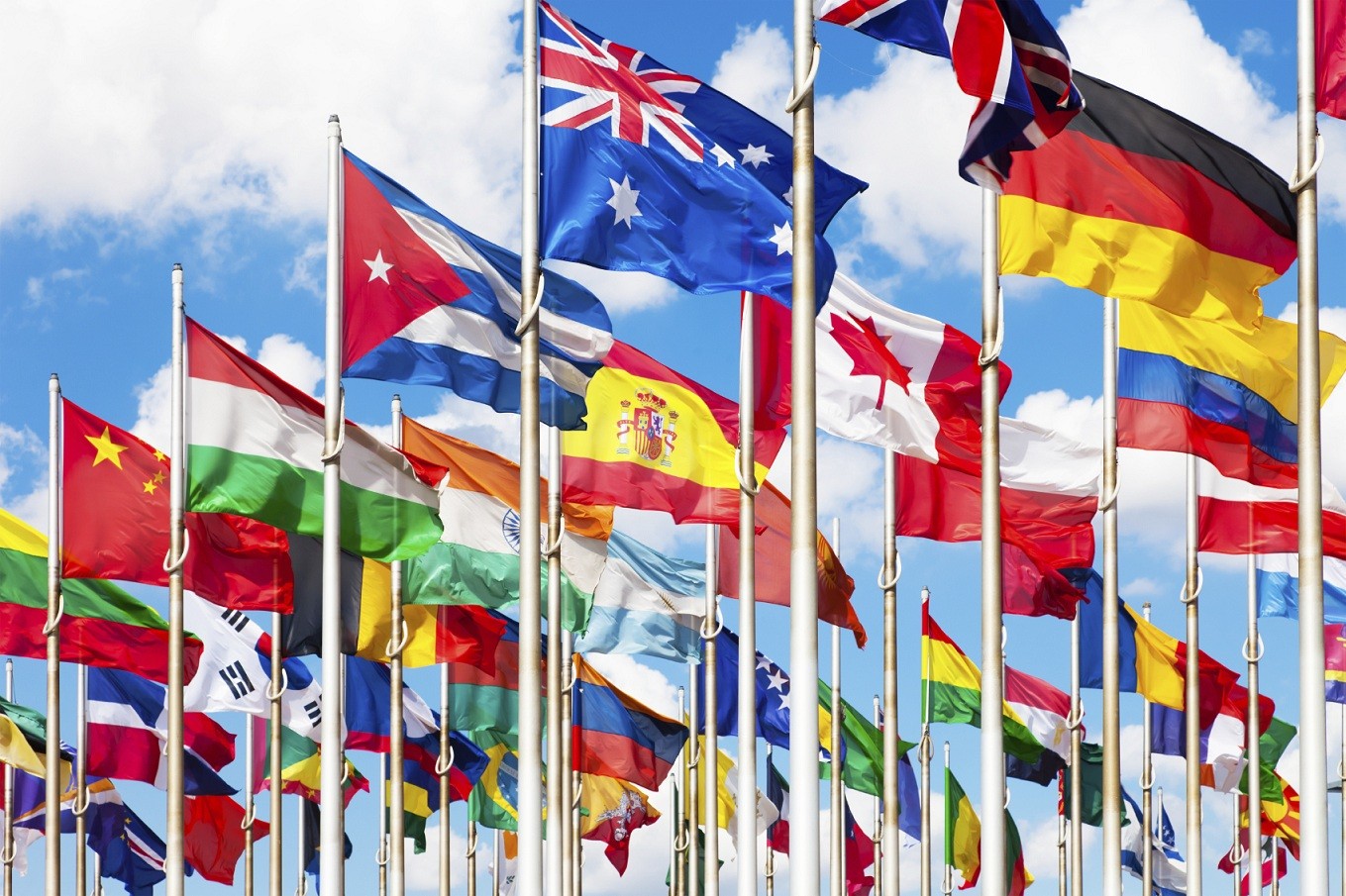
It feels a bit strange being together, myuy-blog on the same day with the United Nations, but it is true. The 24th of October 2019 is the 5th anniversary of my blog and the 74th anniversary of the United Nations. I will not place myself to much in the foreground, except some statistic information, rather taking the chance to inform you about the amazing united-world-achievement „UN“.

Countries where myuy readers come from (from WordPress statistics):

Uruguay Germany Canada United States Netherlands Panama Belgium Australia China Thailand Brazil Ecuador Poland Switzerland India Mexico Austria France Argentina South Africa Hungary Finland European Union Russia Spain United Kingdom Sweden Italy Hong Kong SAR China Portugal Vietnam Ireland Israel Malaysia Cayman Islands Andorra Madagascar Pakistan Czech Republic Oman Croatia Chile Indonesia Norway Iceland South Korea United Arab Emirates Peru.

Myuy – almost as international as the United Nations? – NO WAY !!

I like this chart, showing how to find one’s curation platform, that’s what  blogging/learning is all about. And my blogging during the past 5 years was the greatest learning experience I ever could face.


Myuy 5 year anniversary, 24th of October 2019.

In the last 5 years I published 370 articles with more then 450.000 words and almost 6000 pictures. That is an average of  1200 words and 16 pictures per article. Just the words would fill 4 thick novel books of more then 110.000 words per book. The average of a modern novel with about 400 pages is estimated between 90.000 and 100.000 words. And – all that in English –  which is not my home language and therefore sometimes very improvable of course. But it is the international communication language, I learned so much and I posted so many facts and story’s I never knew before. I wrote ….:


I wrote – Articles about Must See destinations, travel experiences and country’s around the world.

During the year I received thousands of comments, 99% positive, thank you all very much for your gratitude. That’s why I still go on and will not stop writing as I planned to stop after 5 years. Even if my themes are sometimes a bit special and not interesting enough for the wide public. Also please understand that over 90% of your comments arrive into my personal mailbox, I don’t post them all into the public blog, but I answer them all.

            I wrote – Articles about food, cooking, recipes, spices, wine and lifestyle.

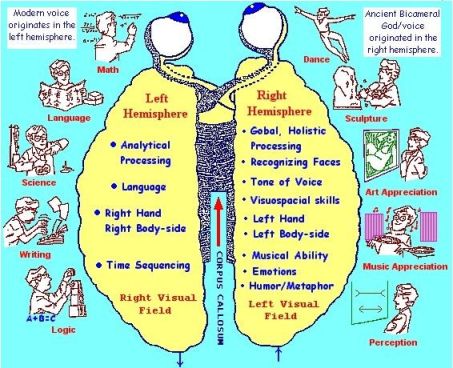
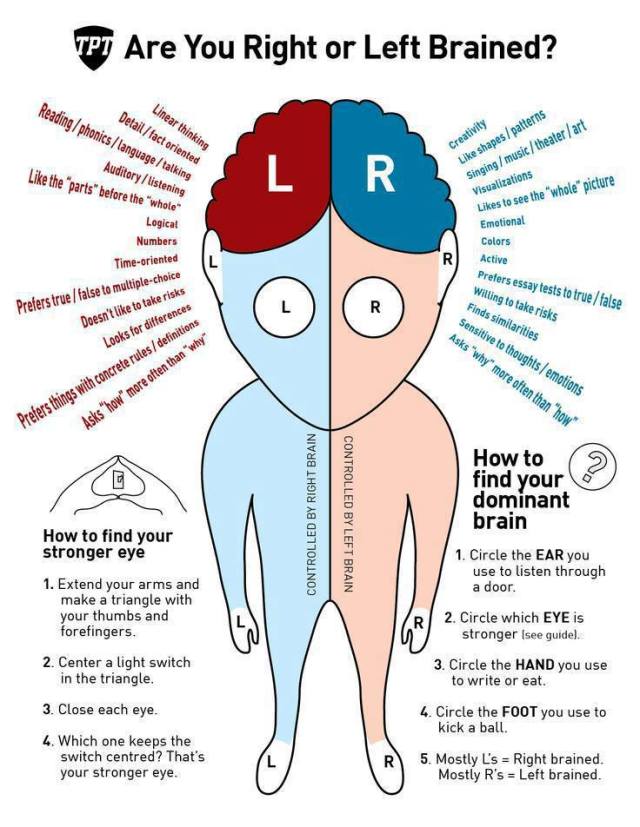
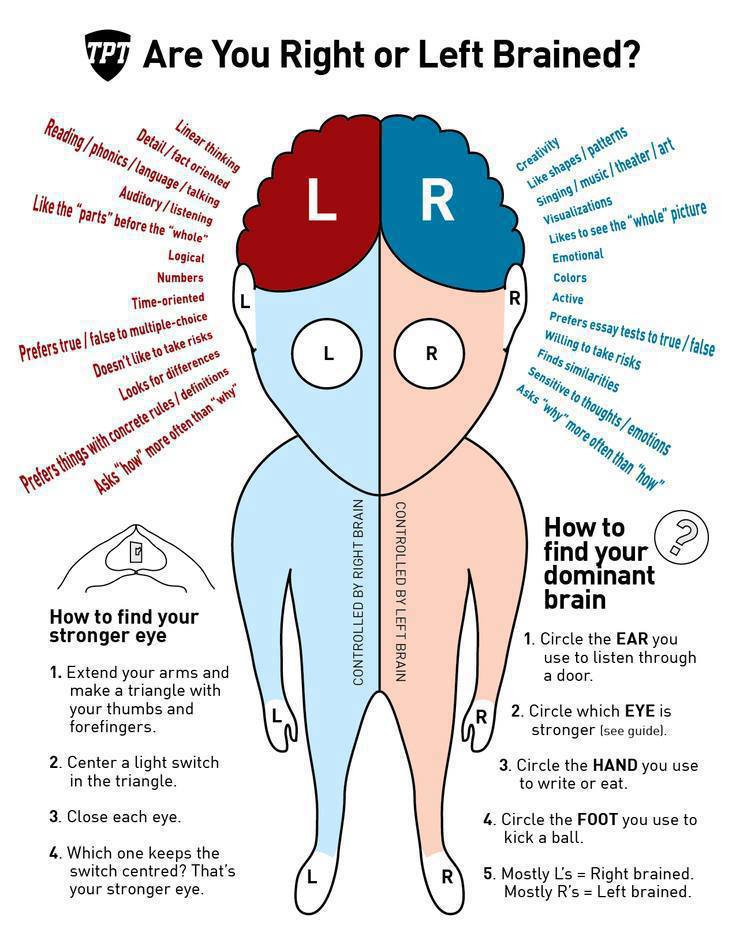
Once a friend told me, my posts are to extensive and I use to many pics, a post should have not more then 500 words and just 1 or 2 pictures. He might be right and I thought often about this comment. But then I thought back to my profession and concluded that he is more left-brained, as I am predominantly right-brained.

      The human Brain.

On the other hand it is my hobby and I like to write and do what I like to do. I like pictures – remember ONE PIC SAYS MORE THEN 1000 WORDS – That is the reason why I use so many pictures per article. This post has 1440 words and 34 pictures. Too many ?

Check out which brain dominance you have.  Chart by Pharmindia.


We human beings are left- and right-brained. The fact that the brain has two sides is not new, but since the knowledge is there that we all are driven by these two different sides of our brain. The left hemisphere is more verbal and handles information in a sequential, logical way. The right hemisphere is mute, but very skilled at distinguishing colors and forms, more skilled at dimensions, patterns and wholeness.

                   
I wrote – Articles about history, mystery, facts and phenomenons.

With simplification one can say the left brain-side can’t see the forest because of all the trees, while the right side can see the forest but not the trees. When every brain-side is susceptible to different types of impulses, why should I publish then articles in words only or posting pictures without any information. That’s why my posts are well mixed with words and many pics to stimulate as many and as easy, of the readers interests.

            I wrote – Articles about culture, fashion, behavior and mentality. Click on all pics to supersize.

Because it is my hobby and I like what I am doing, without need to produce for someone else to make money, I can choose whatever I like and choose what to write about. That’s why most articles have a history background, I love history !! And that’s why I have a wide mixture between the themes. I like to express what is going through my mind and what I am interested in. Hopefully you enjoy all this as I do and will stay tuned to my blog

          And I wrote lots of – Articles about knowledge, backgrounds, historic origin and know-how.


United Nations Day, 24th of October 2019.

UN Day marks the anniversary of the entry into force in 1945 of the UN Charter. With the ratification of this founding document by the majority of its signatories, including the five permanent members of the Security Council, the United Nations officially came into being.

24 October has been celebrated as United Nations Day since 1948. In 1971, the United Nations General Assembly recommended that the day be observed by Member States as a public holiday.

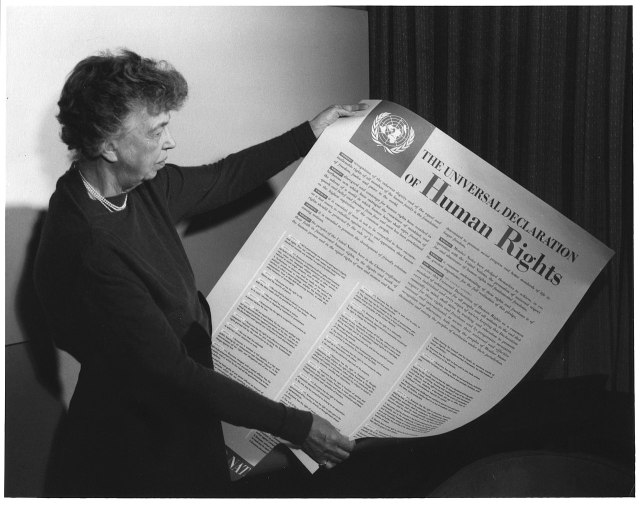
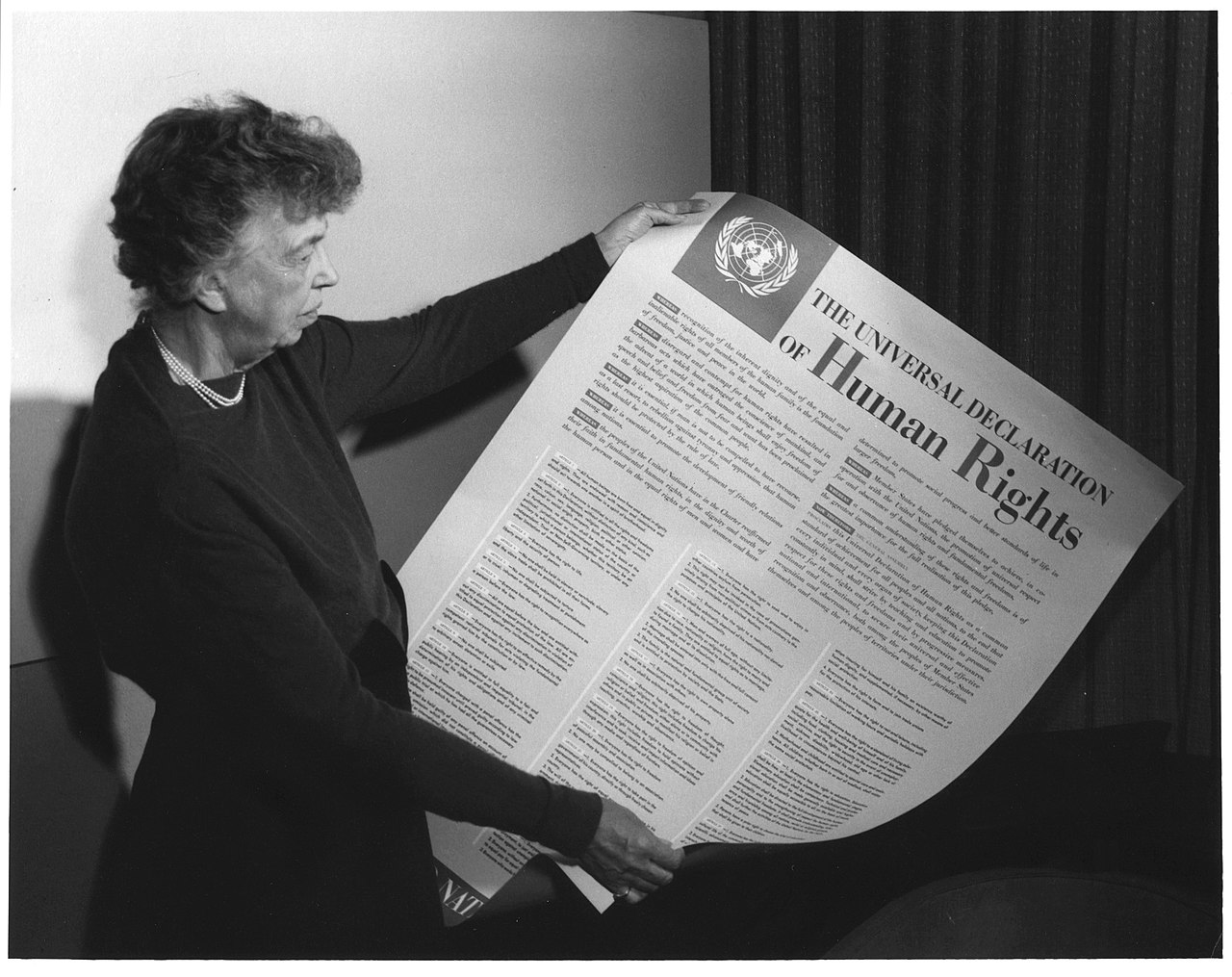
Eleanor Roosevelt with the Declaration of Human Rights in 1949.

The United Nations (UN) is an intergovernmental organization responsible for maintaining international peace and security, developing friendly relations among nations, achieving international cooperation, and being a center for harmonizing the actions of nations. It is the largest, most familiar, most internationally represented and most powerful intergovernmental organization in the world.

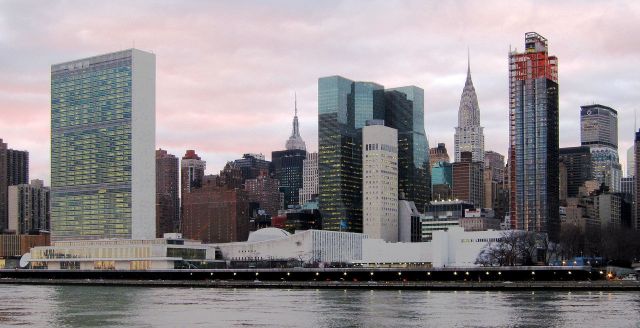
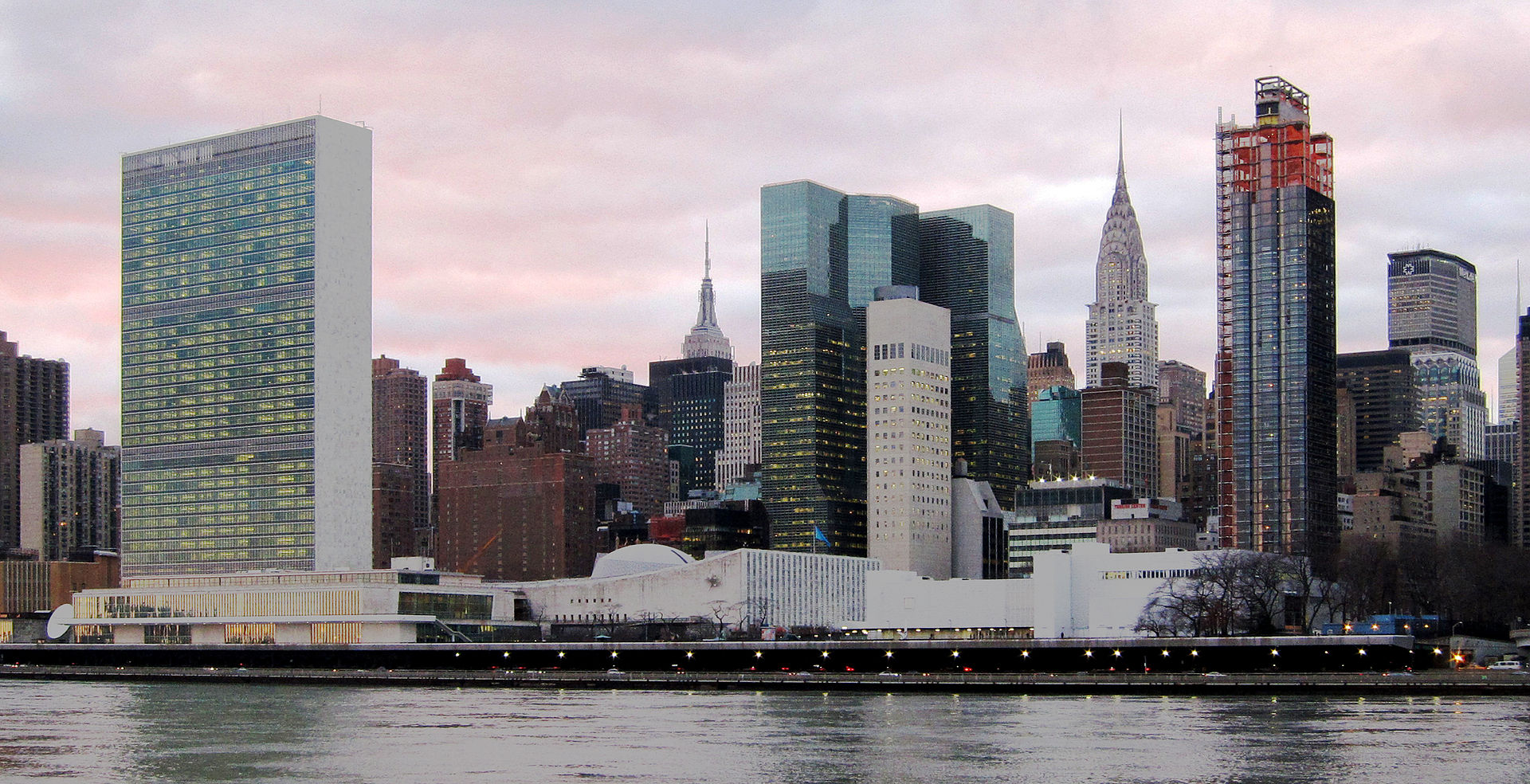
The UN is headquartered on international territory in New York City; other main offices are in Geneva, Nairobi, Vienna and The Hague.

The UN was established after World War II with the aim of preventing future wars, succeeding the ineffective League of Nations. On 25 April 1945, 50 governments met in San Francisco for a conference and started drafting the UN Charter, which was adopted on 25 June 1945 and took effect on 24 October 1945, when the UN began operations. Pursuant to the Charter, the organization’s objectives include maintaining international peace and security, protecting human rights, delivering humanitarian aid, promoting sustainable development, and upholding international law.  At its founding, the UN had 51 member states; there are now 193, representing the vast majority of the world’s sovereign states.

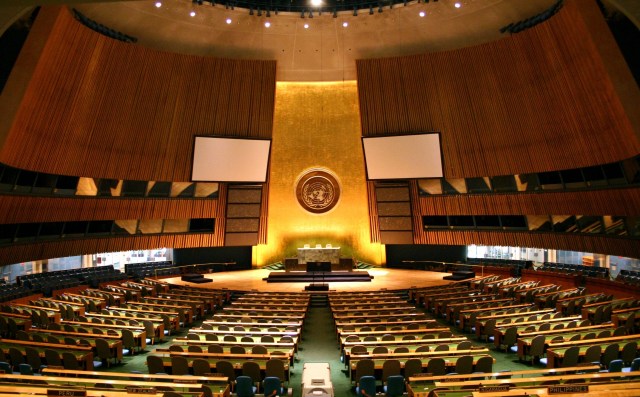
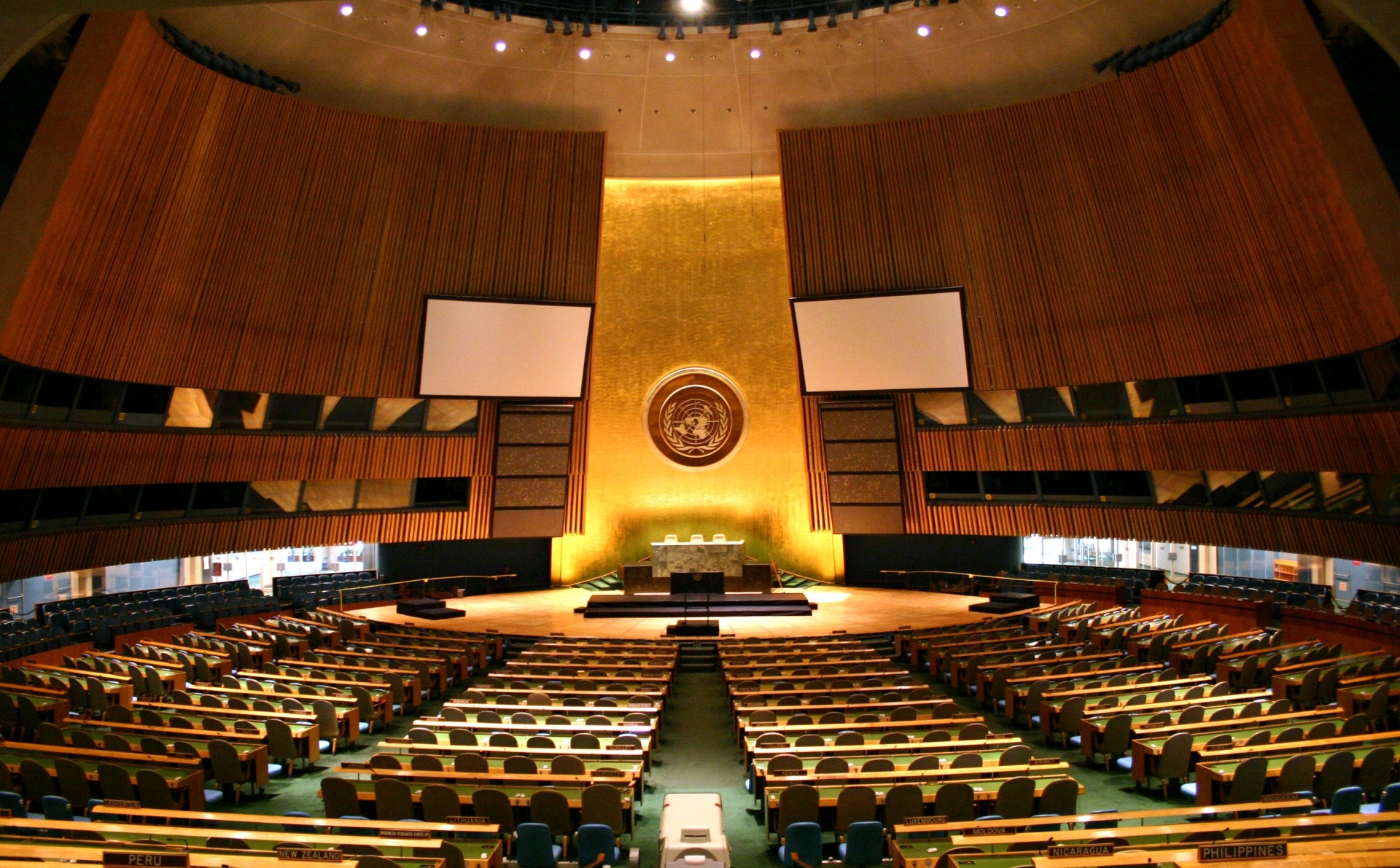
UN General Assembly Hall in the New York headquarters.

The organization’s mission to preserve world peace was complicated in its early decades by the Cold War between the United States and Soviet Union and their respective allies. Its missions have consisted primarily of unarmed military observers and lightly armed troops with primarily monitoring, reporting and confidence-building roles. UN membership grew significantly following widespread decolonization beginning in the 1960s. Since then, 80 former colonies have gained independence, including 11 trust territories that had been monitored by the Trusteeship Council.

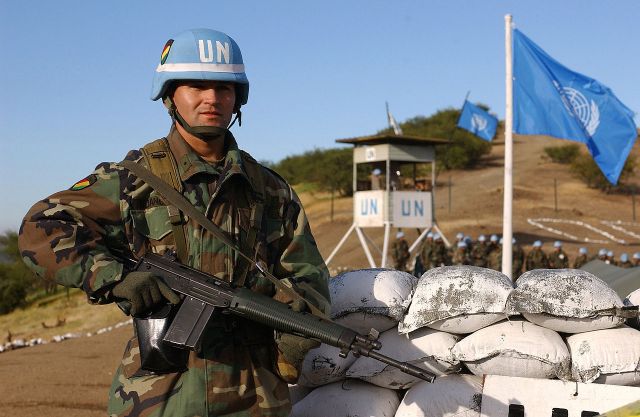
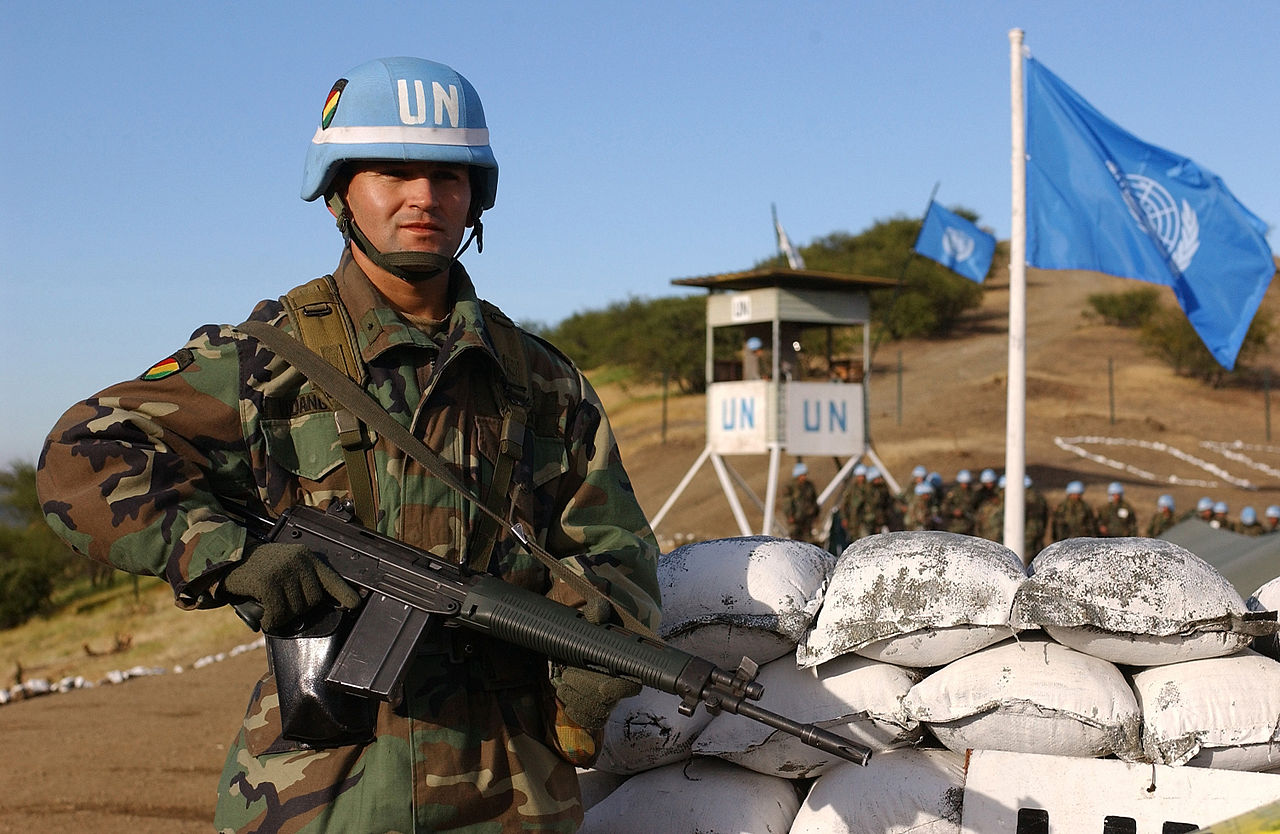
A Bolivian „peace officer“, the so named „UN Blue Helmet“.

The UN has six principal organs: the General Assembly; the Security Council; the Economic and Social Council; the Trusteeship Council; the International Court of Justice; and the UN Secretariat. The UN System includes a multitude of specialized agencies, such as the World Bank Group, the World Health Organization, the World Food Programme, UNESCO, and UNICEF. Additionally, non-governmental organizations may be granted consultative status with ECOSOC and other agencies to participate in the UN’s work.

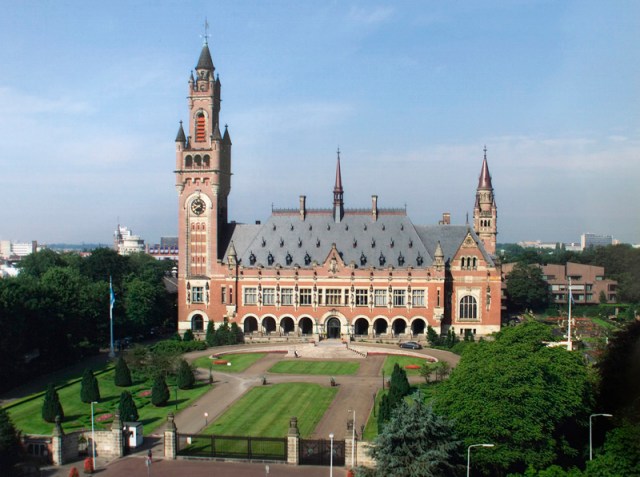
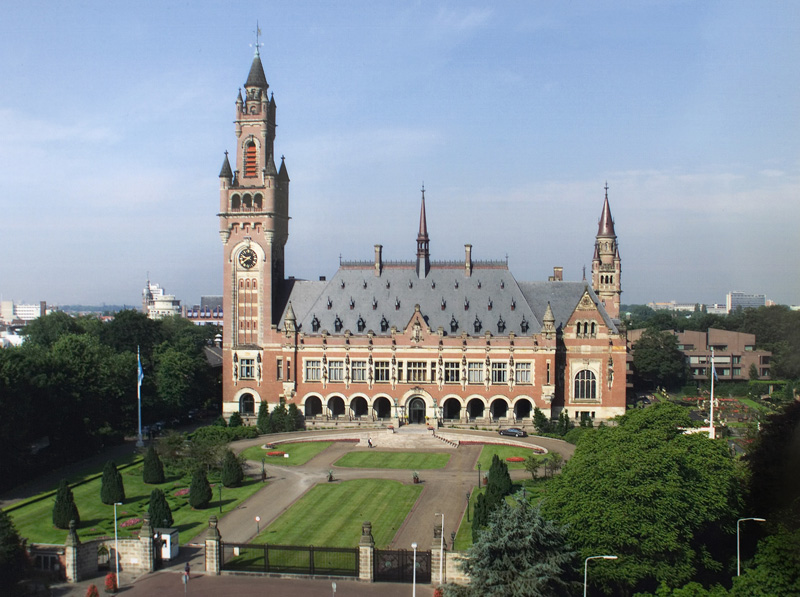
International Court of Justice. The ICJ comprises a panel of 15 judges elected by the General Assembly and Security Council for nine-year terms. The court is seated in the Peace Palace in The Hague, Netherlands, making it the only principal U.N. organ not located in New York City.

The UN’s chief administrative officer is the Secretary-General, currently Portuguese politician and diplomat António Guterres since 1 January 2017. The organization is financed by assessed and voluntary contributions from its member states.

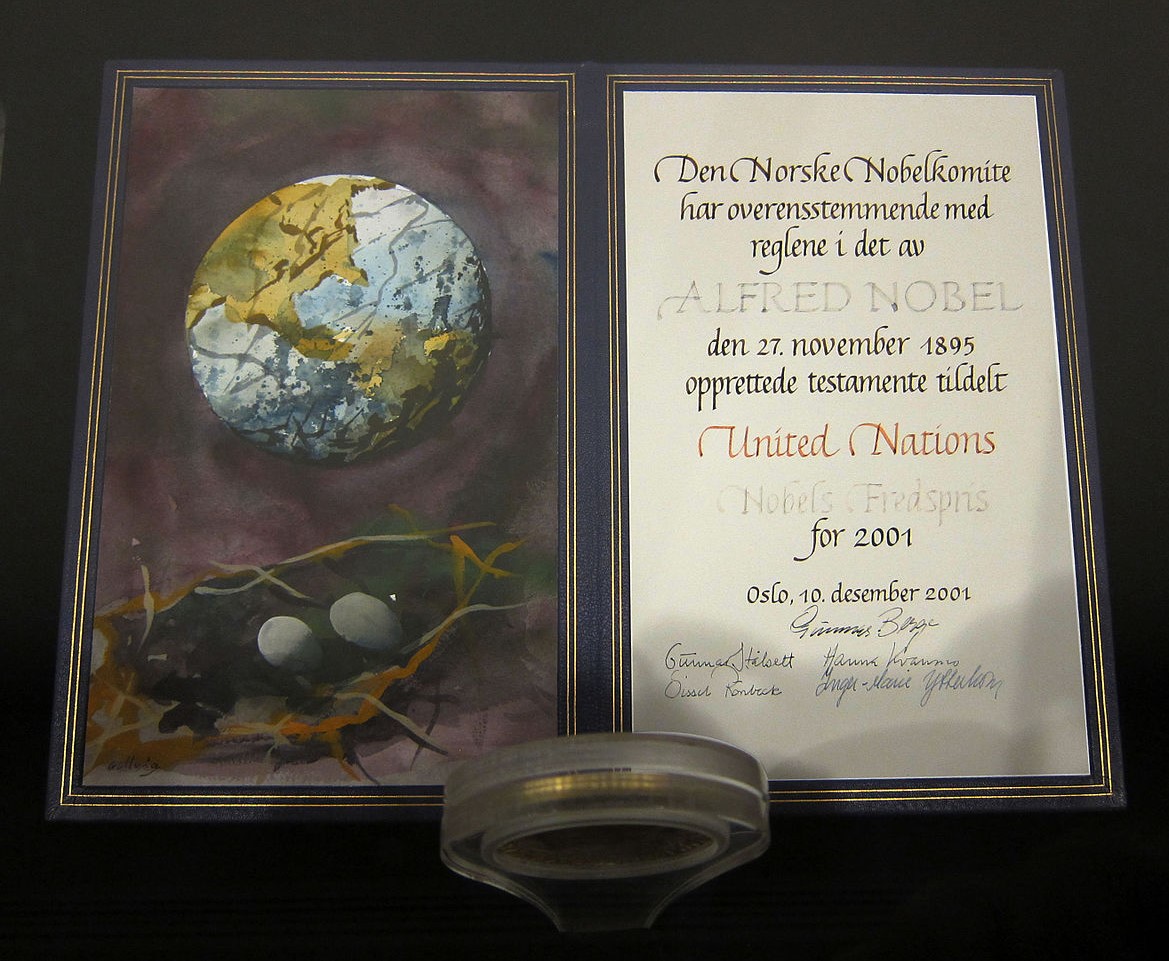
The UN, its officers, and its agencies have won many Nobel Peace Prizes, though other evaluations of its effectiveness have been mixed. Some commentators believe the organization to be an important force for peace and human development, while others have called it ineffective, biased, or even corrupt. It all could be better, that’s right !
(some text and pictures borrowed from Wikipedia).

Celebrating the past requires a look into the future – therefore I have one wish:

May the whole world find back to the contents of „The Declaration of the United Nations“ and not being further disturbed and dismantled, as we face it at the moment, by right wing extremists, fanatics and by dictatorships and morons like Putin, Assad, Jong Un, Trump, Maduro, Jinping, Rouhani, Erdogan and many others. Let us all live free in peace !

Veröffentlicht unter History, Home, Information | Verschlagwortet mit | Hinterlasse einen Kommentar

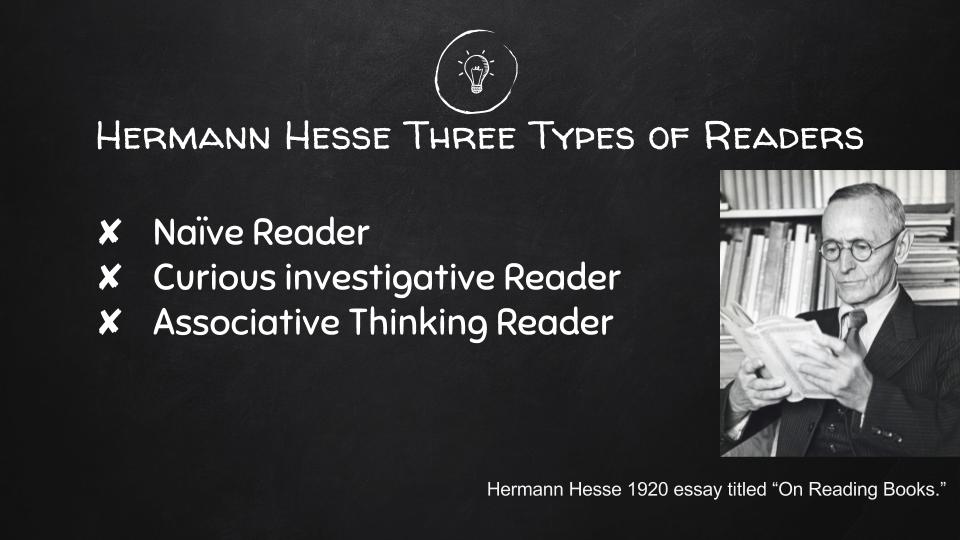
Three Types of Readers

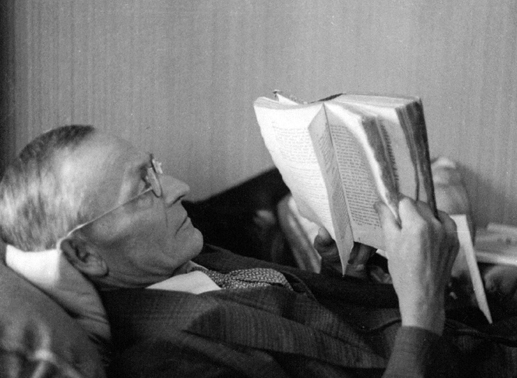
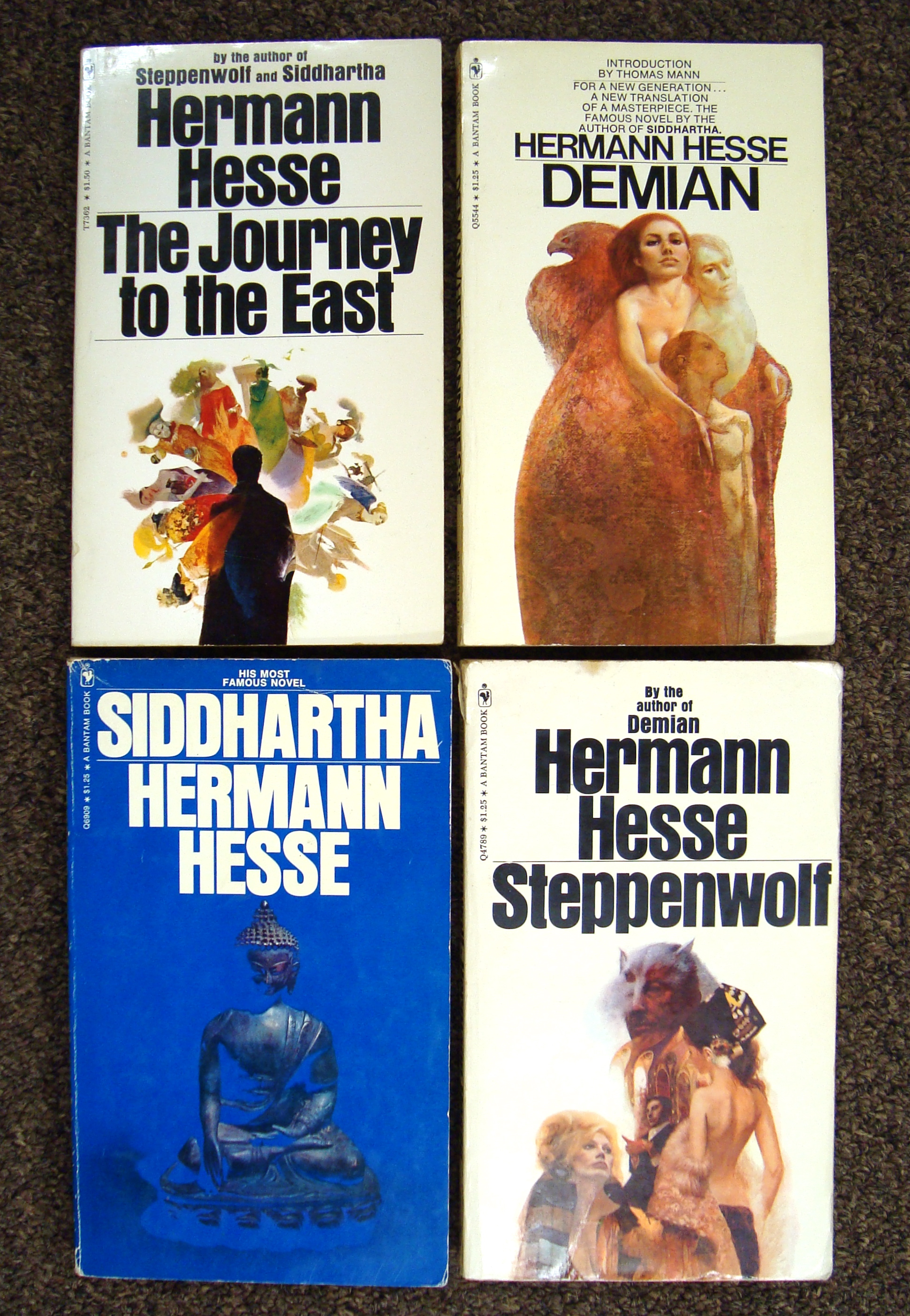
A few weeks ago I told you that I am back reading Hermann Hesse. Your reactions generated lots of interest in themes as such. That’s why I come up today with a bit of philosophy about Hermann Hesse’s comments on Reading-Types.

“At the hour when our imagination and our ability to associate are at their height, we really no longer read what is printed on the paper but swim in a stream of impulses and inspirations that reach us from what we are reading.”  (Umberto Eco) .

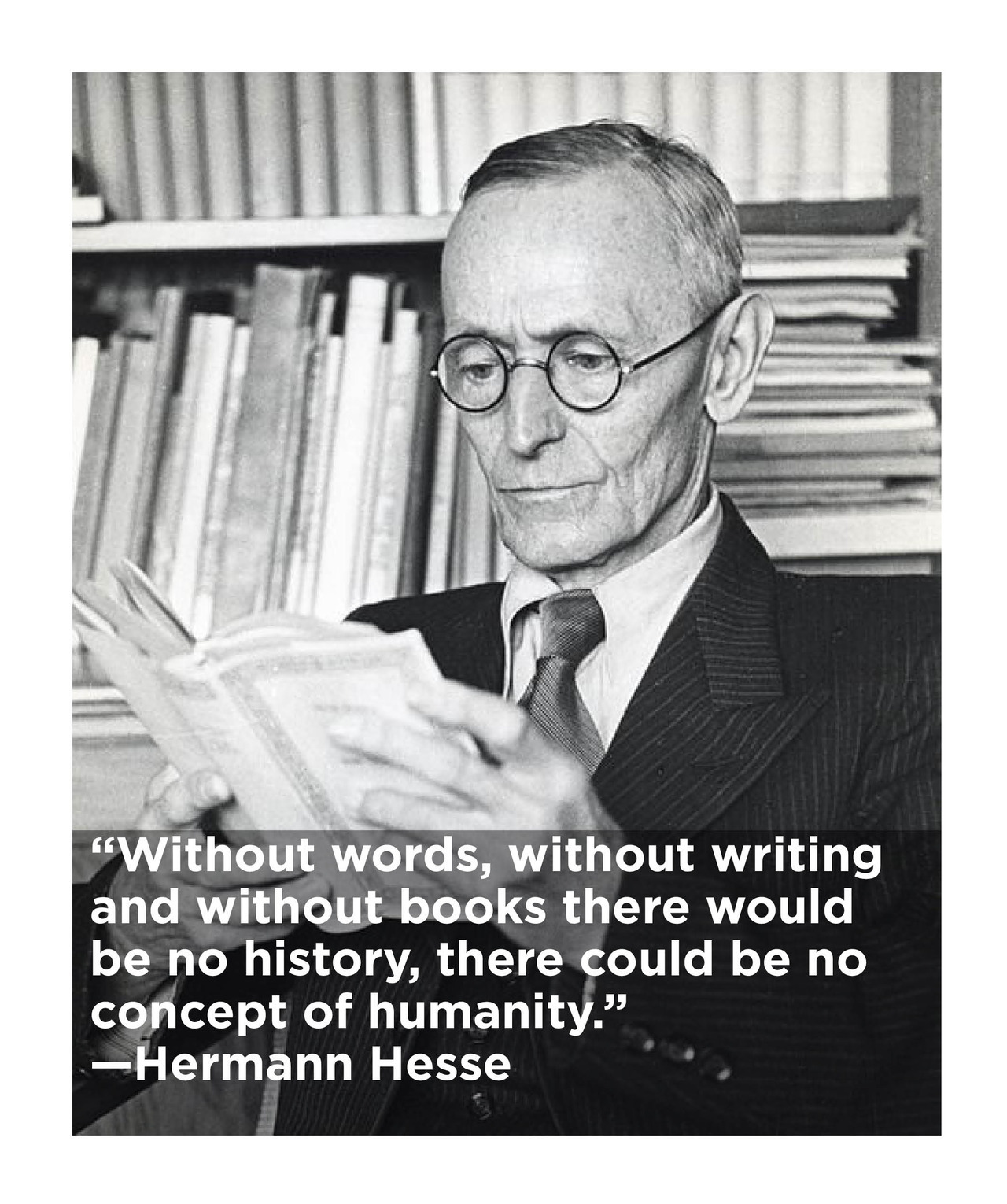
Hermann Hesse on the Three Types of Readers and the Most Transcendent Form of Reading.

Hermann Hesse, German novelist, poet and painter (July 2, 1877–August 9, 1962) placed this paradoxical nature of categories at the heart of his taxonomy of the three types of readers — a sort of fluid hierarchy of reading modes, which he outlined in an altogether magnificent 1920 essay titled “On Reading Books.”

From ancient mythology to modern psychology, Hesse notes, the human experience is strewn with such taxonomies of character. He writes:

„We have an inborn tendency to establish types in our minds and to divide mankind according to them.  But, however advantageous and revealing such categories may be, no matter whether they spring from purely personal experience or from attempting a scientific establishment of types, at times it is a good and fruitful exercise to take a cross section of experience in another way and discover that each person bears traces of every type within himself and that diverse characters and temperaments can be found as alternating characteristics within a single individual“.

There are, Hesse argues, such distinct temperaments when it comes to our personality as readers:

„Since you may take a completely different attitude toward anything in the world, so you may toward the book“.

Half a century before E.B. White proclaimed that children are “the most attentive, curious, eager, observant, sensitive, quick, and generally congenial readers on earth,” Hesse offers a hierarchical taxonomy predicated on the same sentiment. He outlines three key types, which can similarly coexist within a single reader over the course of a lifetime, beginning with the naive reader — the reader who experiences a book merely as content, be it intellectual or aesthetic:

Elwyn Brooks White, American writer of children’s books ( July 11, 1899 – October 1, 1985).

The Naive Reader.

„Everyone reads naively at times. This reader consumes a book as one consumes food, he eats and drinks to satiety, he is simply a taker, be he a boy with a book about Indians, a servant girl with a novel about countesses, or a student with Schopenhauer. This kind of reader is not related to a book as one person is to another but rather as a horse to his manager or perhaps as a horse to his driver: the book leads, the reader follows. The substance is taken objectively, accepted as reality. But the substance is only one consideration! There are also highly educated, very refined readers, especially of belles letters, who belong entirely to the class of the naïve… What the material, setting, and action are to simple souls, the art, language education, and intellectuality of the writer are to these cultivated readers“.

„This kind of reader assumes in an uncomplicated way that a book is there simply and solely to be read faithfully and attentively and to be judged according to its content or its form. Just as a loaf of bread is there to be eaten and a bed to be slept in“.

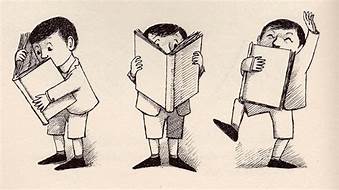
He then turns to the second type of reader, which one might call (though Hesse does not provide a concrete term) the imaginative investigator — a reader endowed with childlike wonderment, who sees past the superficialities of content to plumb the depths of the writer’s creative impulse:

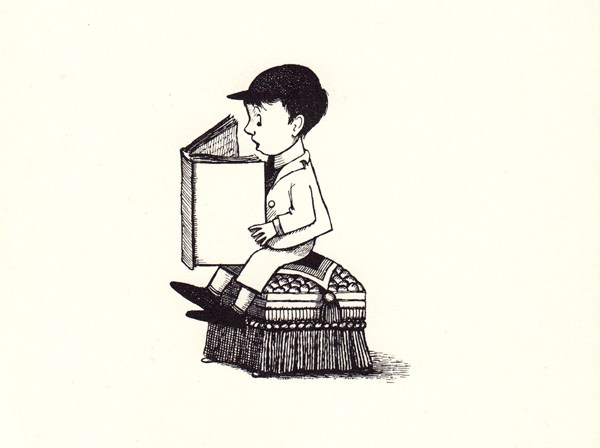
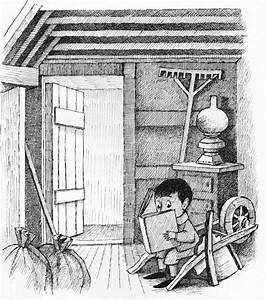
Art by Maurice Sendak for The Big Green Book by Robert Graves.

The Imaginative Investigative Reader.

„If one follows one’s nature and not one’s education one becomes a child again and begins to play with things; the bread becomes a mountain to bore tunnels into, and the bed a cave, a garden, a snow field. Something of this child-likeness, this genius for play, is exhibited by the second type of reader. This reader treasures neither the substance nor the form of a book as its single most important value. He knows, in the way children know, that every object can have ten or a hundred meanings for the mind. He can, for example, watch a poet or philosopher struggling to persuade himself and this reader of his interpretation and evaluation of things, and he can smile because he sees in the apparent choice and freedom of the poet simply compulsion and passivity. This reader is already so far advanced that he knows what professors of literature and literary critics are mostly completely ignorant of: the there is no such thing as a free choice of material or form“.

„From this point of view the so-called aesthetic values almost disappear, and it can be precisely the writer’s mishaps and uncertainties that furnish much the greatest charm and value. For this reader follows the poet not the way a horse obeys his driver but the way a hunter follows his prey, and a glimpse suddenly gained into what lies beyond the apparent freedom of the poet, into the poet’s compulsion and passivity, can enchant him more than all the elegance of good technique and cultivated style“.

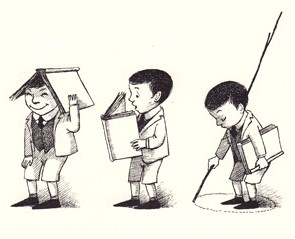
Next comes the final type of reader, who is really a non-reader but rather a dreamer and interpreter:

Art by Maurice Sendak for The Big Green Book by Robert Graves.

The Associative Thinking Reader.

„The third and last type of reader … is apparently the exact reverse of what is generally called a “good” reader. He is so completely an individual, so very much himself, that he confronts his reading matter with complete freedom. He wishes neither to educate nor to entertain himself, he uses a book exactly like any other object in the world, for him it is simply a point of departure and a stimulus. Essentially it makes no difference to him what he reads. He does not need a philosopher in order to learn from him, to adopt his teaching, or to attack or criticize him. He does not read a poet to accept his interpretation of the world; he interprets it for himself. He is, if you like, completely a child. He plays with everything — and from one point of view there is nothing more fruitful and rewarding than to play with everything. If this reader finds a beautiful sentence in a book, a truth, a word of wisdom, he begins by experimentally turning it upside down“.

    Frank Wilczek, American physicist and Nobel price winner (born 1951 …).

In a sentiment which Nobel-winning physicist Frank Wilczek would come to echo nearly a century later in his assertion that “you can recognize a deep truth by the feature that its opposite is also a deep truth,” Hesse adds:

„This reader has known for a long time that for each truth the opposite also is true. He has known for a long time that every intellectual point of view is a pole to which an equally valid anti-pole exists. He is a child insofar as he puts a high value on associative thinking, but he knows the other sort as well“.

Vannevar Bush, American inventor (March 11, 1890 – June 28, 1974).

But what grants this reader her or his superiority over the other types is, above all, a trained capacity for associative thinking that turns the reading material into a springboard for indiscriminate curiosity from which to leap far beyond the particular substance of the particular book. (A quarter century later, the inventor Vannevar Bush would describe the same psychological orientation in his prescient vision for the type of person who would triumph in the Information Age — the person who can “find delight in the task of establishing useful trails through the enormous mass of the common record.”) Hesse writes:

„This reader is able, or rather each one of us is able, at the hour in which he is at this stage, to read whatever he likes, a novel or grammar, a railroad timetable, a galley proof from the printer. At the hour when our imagination and our ability to associate are at their height, we really no longer read what is printed on the paper but swim in a stream of impulses and inspirations that reach us from what we are reading. They may come out of the text, they may simply emerge from the type face. An advertisement in a newspaper can become a revelation; the most exhilarating, the most affirmative thoughts can spring from a completely irrelevant word if one turns it about, playing with its letters as with a jigsaw puzzle. In this stage one can read the story of Little Read Riding Hood as a cosmogony or philosophy, or as a flowery erotic poem. Or one can read the label „Colorado Maduro“on a box of cigars, play with the words, letters, and sounds, and thereby take a tour through the hundred kingdoms of knowledge, memory, and thought“.


Art by Maurice Sendak, American Childrens book illustrator (June 10, 1928 – May 8, 2012) for The Big Green Book by Robert Graves, British poet (24 July 1895 – 7 December 1985) .

Hesse addresses the potential protestation that using a book as the trigger for a Rube Goldberg machine of interpretive associations is not “reading” at all — for is it really reading to devour „a page of Goethe unconcerned about Goethe’s intentions and meanings“? The objector, he imagines, would accuse this reading mode of being „the lowest, most childish and barbaric“ of all. The objection, he concedes, is a valid one. And yet it contains within its validity the very point — each mode of reading is necessary for a full life, but it is insufficient in and of itself. „It must be emphasized that no one of us need belong permanently to any one of these types“, he cautions. In a passage that calls to mind Umberto Eco’s notion of the antilibrary, Hesse writes:

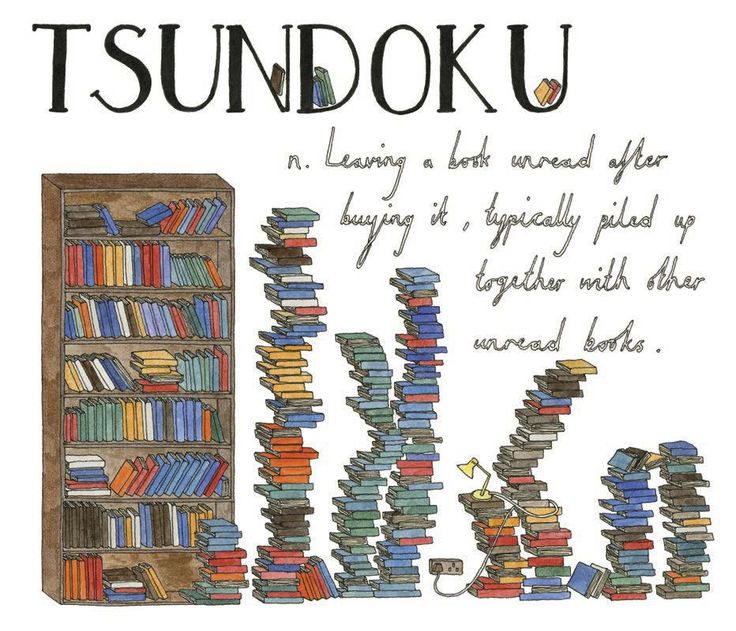
          Umberto Eco, Italian novelist (5 January 1932 – 19 February 2016)  „The Antilibrary“.

„The reader at the their stage is no longer a reader. The person who remained there permanently would soon not read at all, for the design in a rug or the arrangement of the stones in a wall would be of exactly as great a value to him as the most beautiful page full of the best-arranged letters. The one book for him would be a page with the letters of the alphabet“.

So be it: the reader at the last stage is really no longer a reader at all, he doesn’t give a hoot about Goethe, he doesn’t read Shakespeare. The reader in the last stage simply doesn’t read any more. Why books? Has he not the entire world within himself?

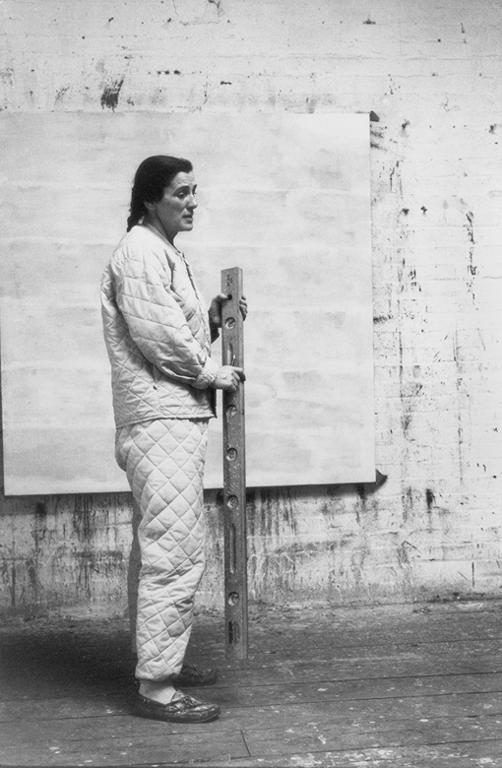
      Agnes Martin, Canadian artist (March 22, 1912 – December 16, 2004), „We all have the same inner life“ !!

Half a century before Agnes Martin’s memorable observation that “we all have the same inner life, but – the artist has to recognize what it is,” Hesse adds:

„Whoever remained permanently at this stage would not read any more, but no one does remain permanently at this stage. But whoever is not acquainted with this stage is a poor, an immature reader. He does not know that all the poetry and all the philosophy in the world lie within him too, that he greatest poet drew from no other source than the one each of us has within his own being. For just once in your life remain for an hour, a day at the third stage, the stage of not-reading-any-more. You will thereafter (it’s so easy to slip back) be that much better a reader, that much better a listener and interpreter of everything written. Stand just once at the stage where the stone by the road means as much to you as Goethe and Tolstoy, you will thereafter gain from Goethe, Tolstoy, and all poets infinitely more value, more sap and honey, more affirmation of life and of yourself than ever before. For the works of Goethe are not Goethe and the volumes of Dostoevsky are not Dostoevsky, they are only an attempt, a dubious and never successful attempt, to conjure up the many-voiced multitudinous world of which he was the central point“.

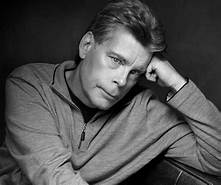
  Stephen King, American author (September 21, 1947 …).

Hesse likens this type of reading to a dream, or perhaps to what Stephen King has termed “the art of creative sleep.” Dreaming transmogrifies the raw material of reality, gathered in our waking life, into fanciful creations of the consciousness set free from the constraints of reality. Similarly, this type of reading uses the actual text on the page as raw material for the imaginative meanderings of the mind. Hesse writes:

„A dream is the opening through which you see into the content of your soul, and this content is the world, no more and no less than the world, the whole world from your birth up to today, from Homer to Heinrich Mann, from Japan to Gibraltar, from Sirius to the Earth, from Red Riding Hood to Bergson. — And to the extent that your attempt to write down your dream is related to the world that embraces that dream, so the work of an author is related to what he tired to say“.

Art by Maurice Sendak for The Big Green Book by Robert Graves.

„Without having recognized this, be it only a single time, in all its infinite fullness and inexhaustible significance, you stand handicapped before every poet and thinker, you take for the whole what is a small part, you believe in interpretations that barely touch the surface“.

„The third stage at which you are most yourself will put an end to your reading, will dissolve poetry, will dissolve art, will dissolve world history. And yet unless you intuitively know this stage, you will never read any book, any science or art except as a schoolboy reads his grammar“.

Did you enjoy this post ? Then be adventurous and read Hermann Hesse !

Veröffentlicht unter Information, Lifestyle | Verschlagwortet mit , | Hinterlasse einen Kommentar

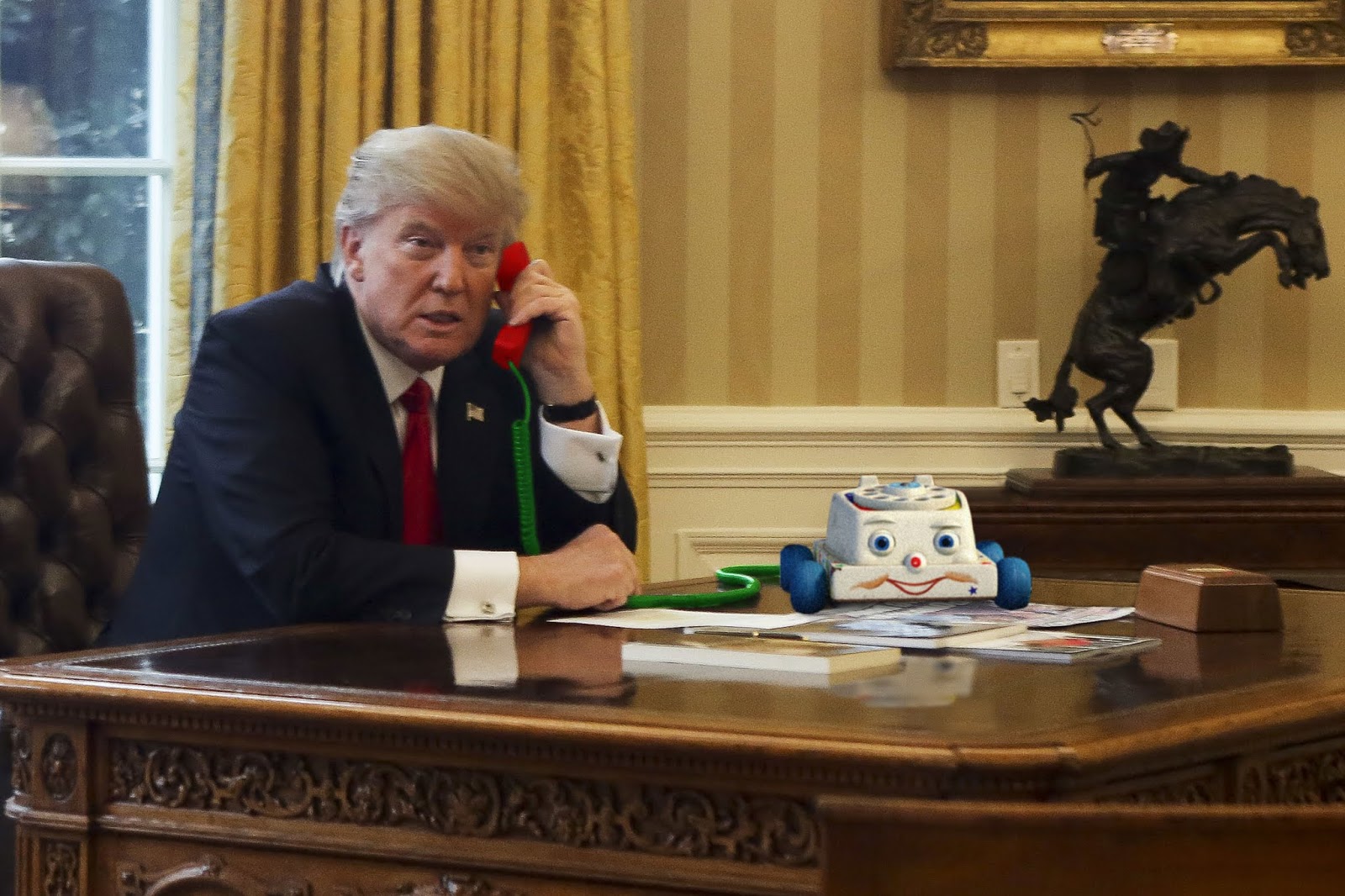
The New Trump Phone

Trump gets toy phone so he does not get in trouble anymore.

Washington (dposillon) – The team of US President Donald Trump has now inconspicuously replaced the phone system of the Oval Office with a colorful toy phone from Fisher Price. The goal of the measure is that in the future Trump will no longer get into trouble with calls to heads of government of other countries.
So far, the president has accepted the new device well. The last few hours Trump spent pushing his phone around and enjoying the funny key and ringtones. In between he kept shouting in the phone: „You have to investigate Sleepy Joe Biden! Listen to me, you want the US to be your friend!“

The fact that from the other side of the line so far only silence comes back, did not strike the US president so far, since he prefers to talk anyway and does not care what his opponent has to say. For safety’s sake, however, Trump’s advisors want to get off the line in the medium term, like „Yes, Mr. President!“, „Of course, Mr. President!“, „This is the greatest idea of ​​all times, Mr. President!“ or „You are a much better president than Obama, sir!“
The plan seems to be working: since a record-breaking four hours, Trump has not committed any serious violations or endangered United States national security.

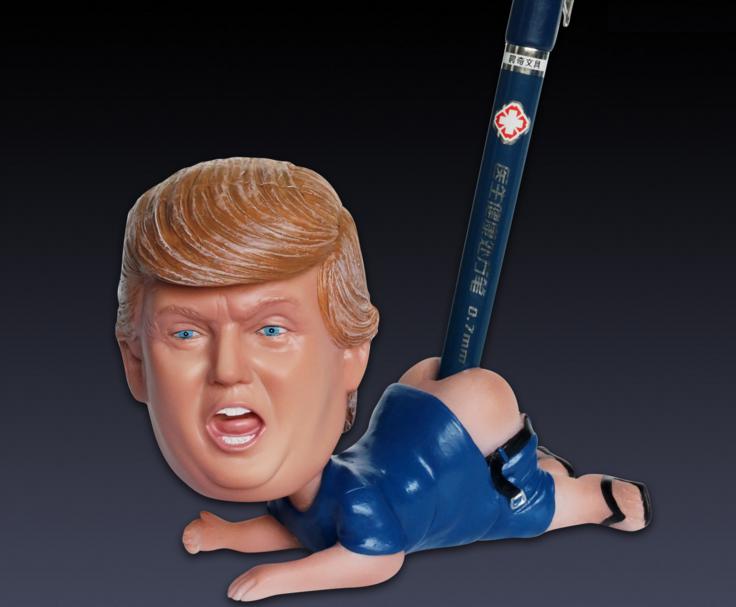
You also might like the new Trump Pen Holder.

Veröffentlicht unter Information | Verschlagwortet mit | Hinterlasse einen Kommentar

Croquette – Krokette

This post is humbly dedicated to my lovely Dutch wife who served me with delicious krokettes for more then 50 years. Many many years I had the honor to taste the wonderful dutch snacks like Krokettes, Bitter Balls, Lumpia or Fricandel Special. Today picking out the Krokette, because that’s the most international snack of all the Dutch.

Whats a Croquette ?

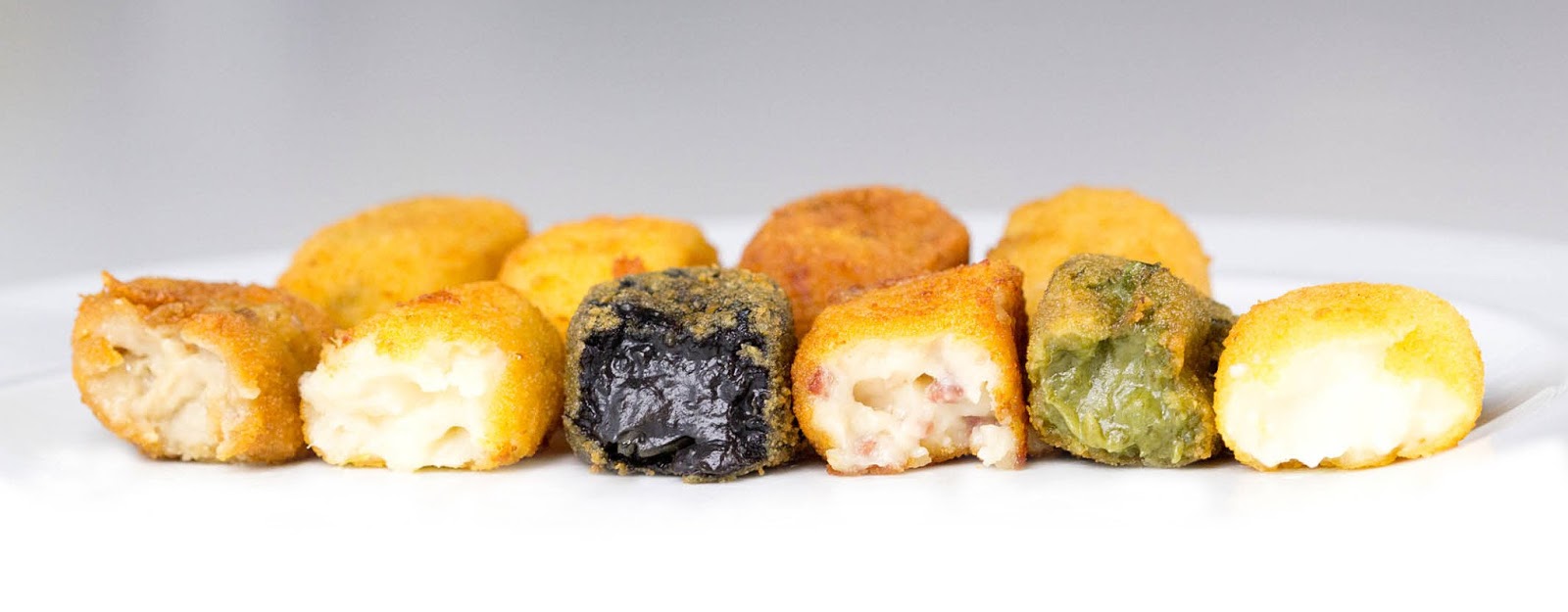
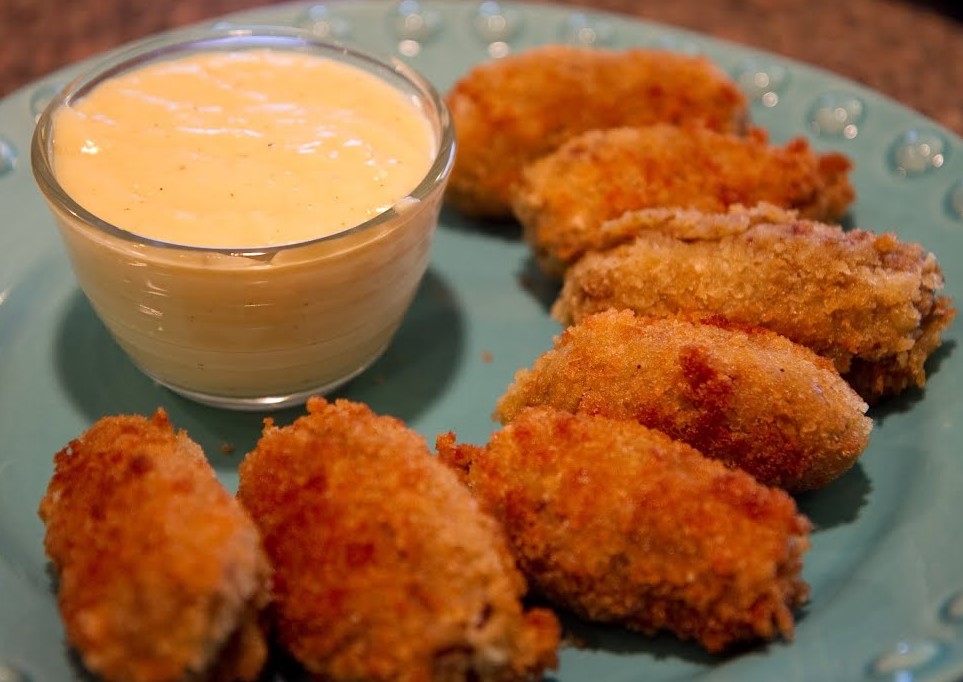
A croquette is a small bread crumbed fried food roll containing, usually as main ingredients, ground meat (veal, beef, chicken, or turkey), shellfish, fish, ham, cheese, mashed potatoes or vegetables, and mixed with béchamel or brown sauce,  soaked white bread, egg, onion, spices and herbs, wine, milk, beer, or some combination, sometimes with a filling, such as sautéed onions, mushrooms, a rice mixture or boiled eggs.
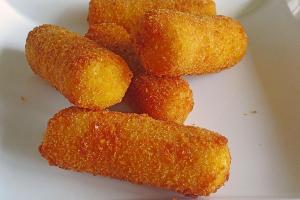
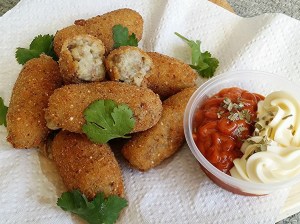
 

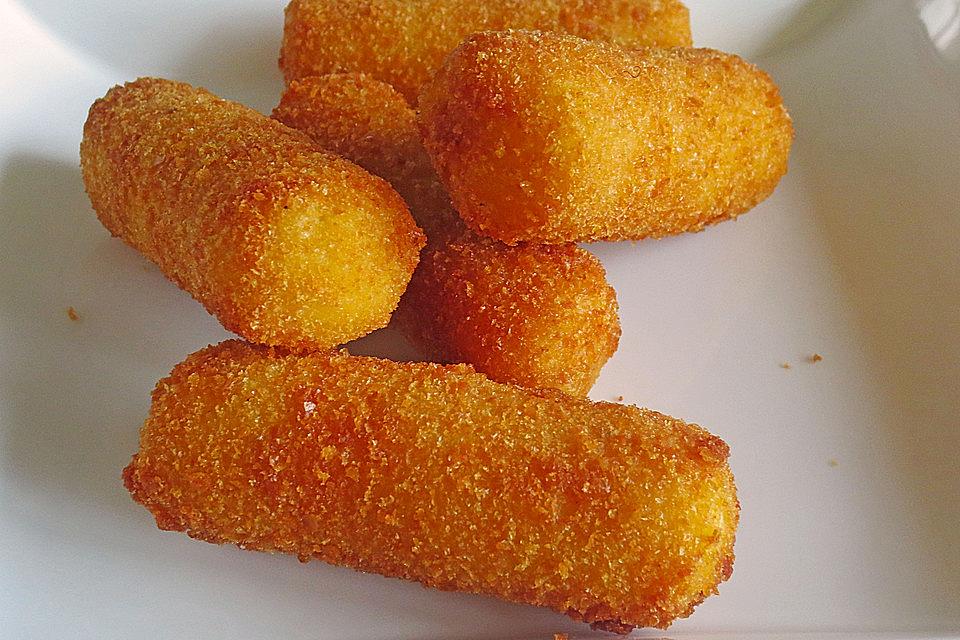
The croquette is usually shaped into a cylinder, disk, or oval shape, and then deep-fried. The croquette (from the French croquer, „to crunch“) gained worldwide popularity, both as a delicacy and as a fast food.

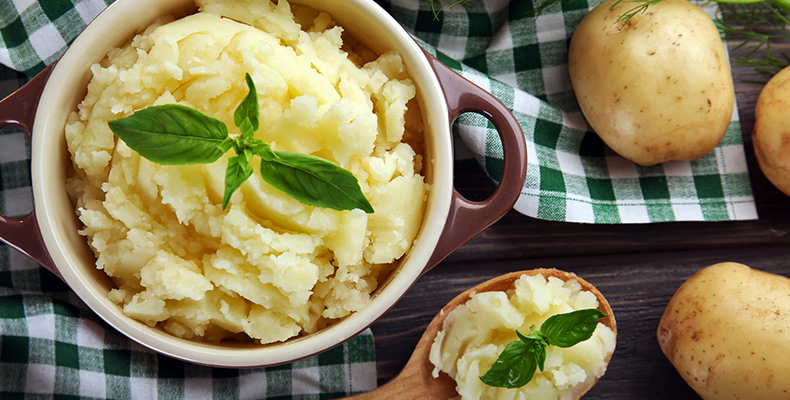
Mashed-potato-filled croquettes are often served as a side dish in winter holiday meals, such as Christmas. In fast-food cuisine, varieties exist without potatoes, but with cheese, beef, or goulash, often in a filling based on béchamel sauce.
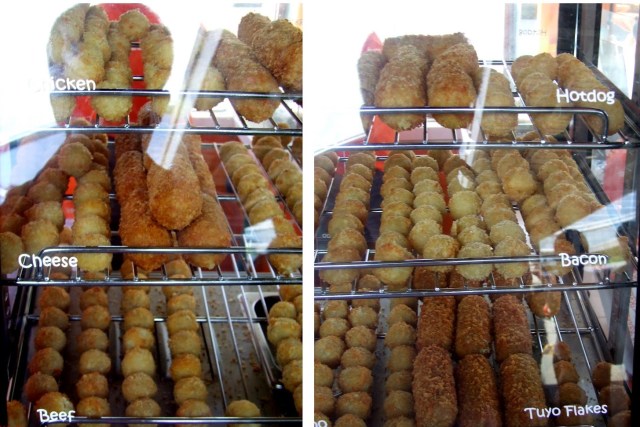
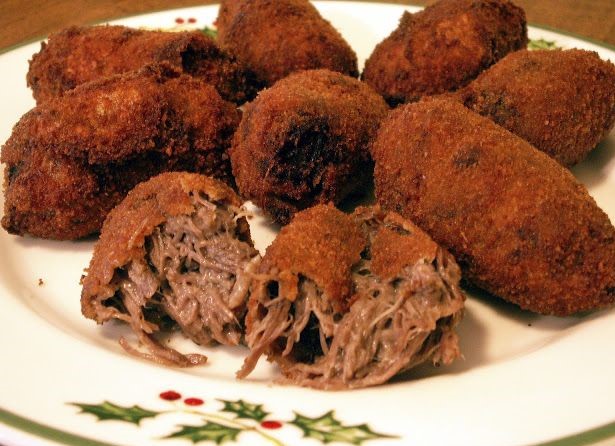
The common English translation of Dutch kroket is croquette. A typical Dutch croquette is made of meat ragout covered in breadcrumbs, and deep fried until golden and crispy. Here are the common names used. Because I think that I will mix up some of the names during the following post, pick out what you like best.

Dutch = kroket

English = croquette

German = Krokette

Italian = crocchetta

French = croquette

Spanish = croqueta

Chinese = 炸肉餅    (sorry, I couldn’t resist – ha ha)
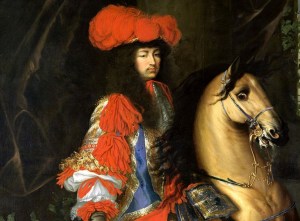
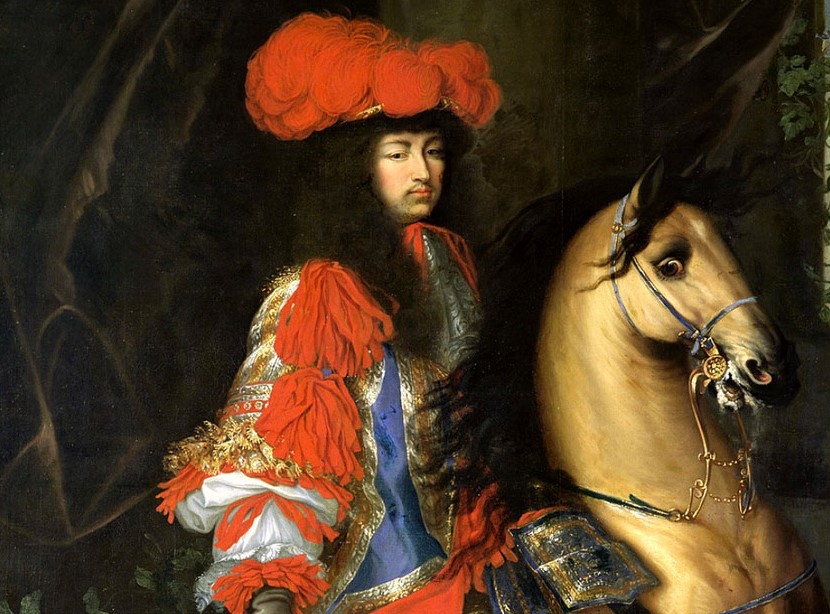
  Louis XIV (Louis Dieudonné, 5th of September 1638 – 1st of September 1715), known as Louis the Great (Louis le Grand) or the Sun King (le Roi Soleil), was King of France from 14th of May 1643 until his death in 1715. His reign of 72 years and 110 days is the longest recorded of any monarch of a sovereign country in European history.

History.

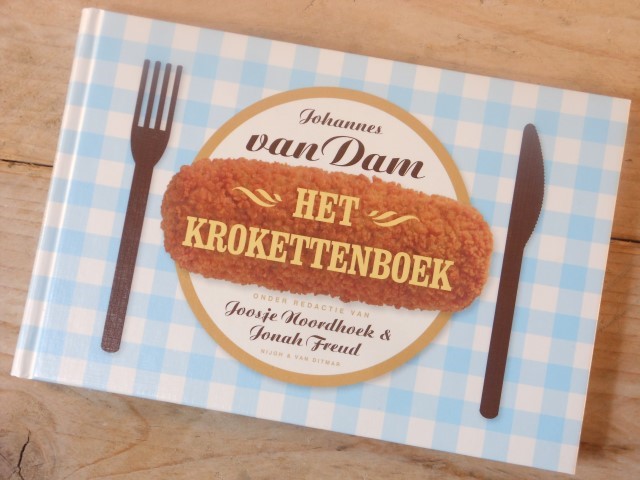
It’s possible that France’s King Louis XIV was one of the earliest fans of the kroketje. Many people think of the kroket as a quintessentially Dutch delicacy, but according to Johannes Van Dam, who was a well-known food expert in the Netherlands, the Sun King’s chef was the first to describe them in writing. In fact, Van Dam tracked down a French recipe for croquettes dating back to 1691, while the earliest Dutch recipes supposedly come from the 1830s. Even the name kroket was taken from the French – from croquer, or ‚to crunch‘.
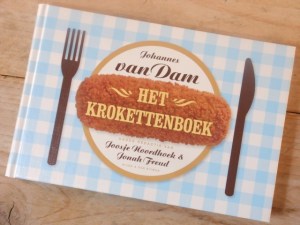
  Johannes van Dam (Amsterdam, 9th of Oktober 1946 – 18th of September 2013) was a Netherlands culinary journalist and author.

We may all know that Croquettes come from France, but you may don´t know how old the recipe is. In 1691 Francois Massialot published Le cuisinier roial et bourgeois. More than 10 croquette recipes are available in the book, always recommended as an starter. However the recipe was very different to the one we use these days. In 1691 croquettes were made of meat, eggs and herbs, then covered with egg and bread crumbs.
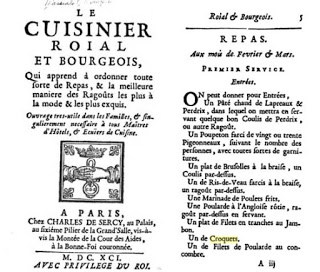
  The very first known Croquette recipe from 1691.

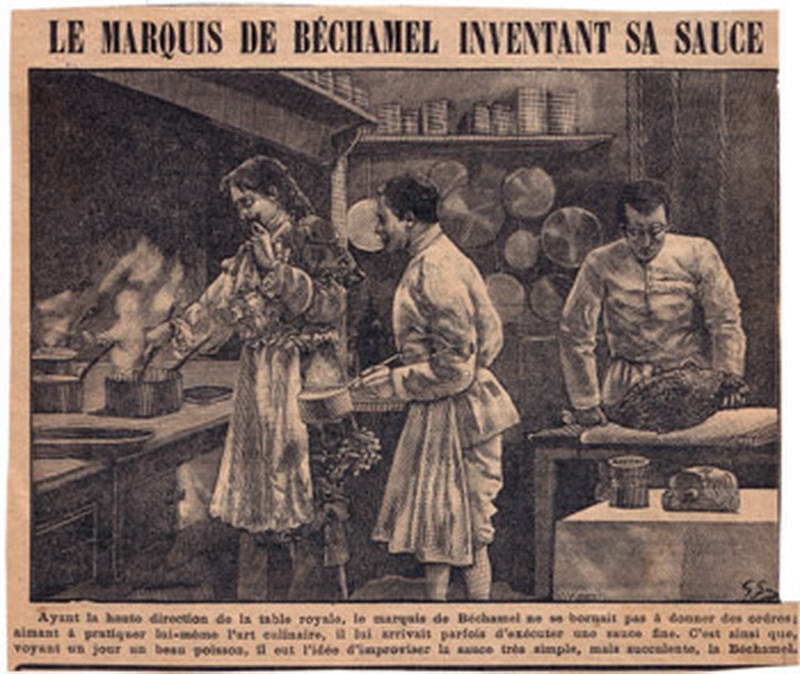
Since then we can find many different recipes of croquettes in Europe, mostly all cruncky balls were called that way. In 17th century Bechamel was still not invented, although such a sauce has been made for many years . It was in 1733 when the chef Vincent la Chapelle wrote a sauce recipe that was a mix of butter, herbs, flour and milk, and it was named Bechamel in honor of Louis de Béchameil (1630-1703). The Bechamel became very popular in the 18th century, and then french chefs started using that sauce to make croquettes.
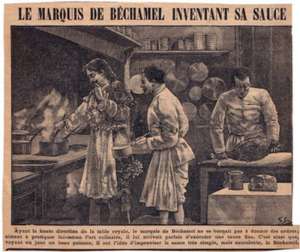
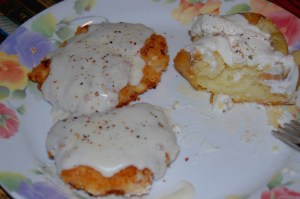
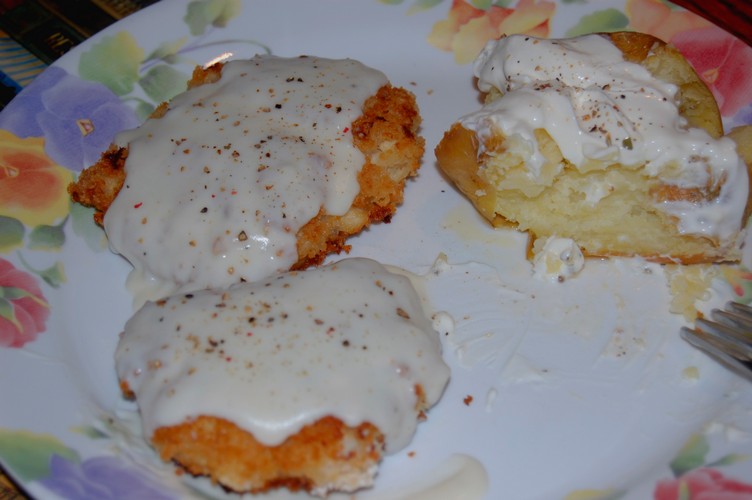
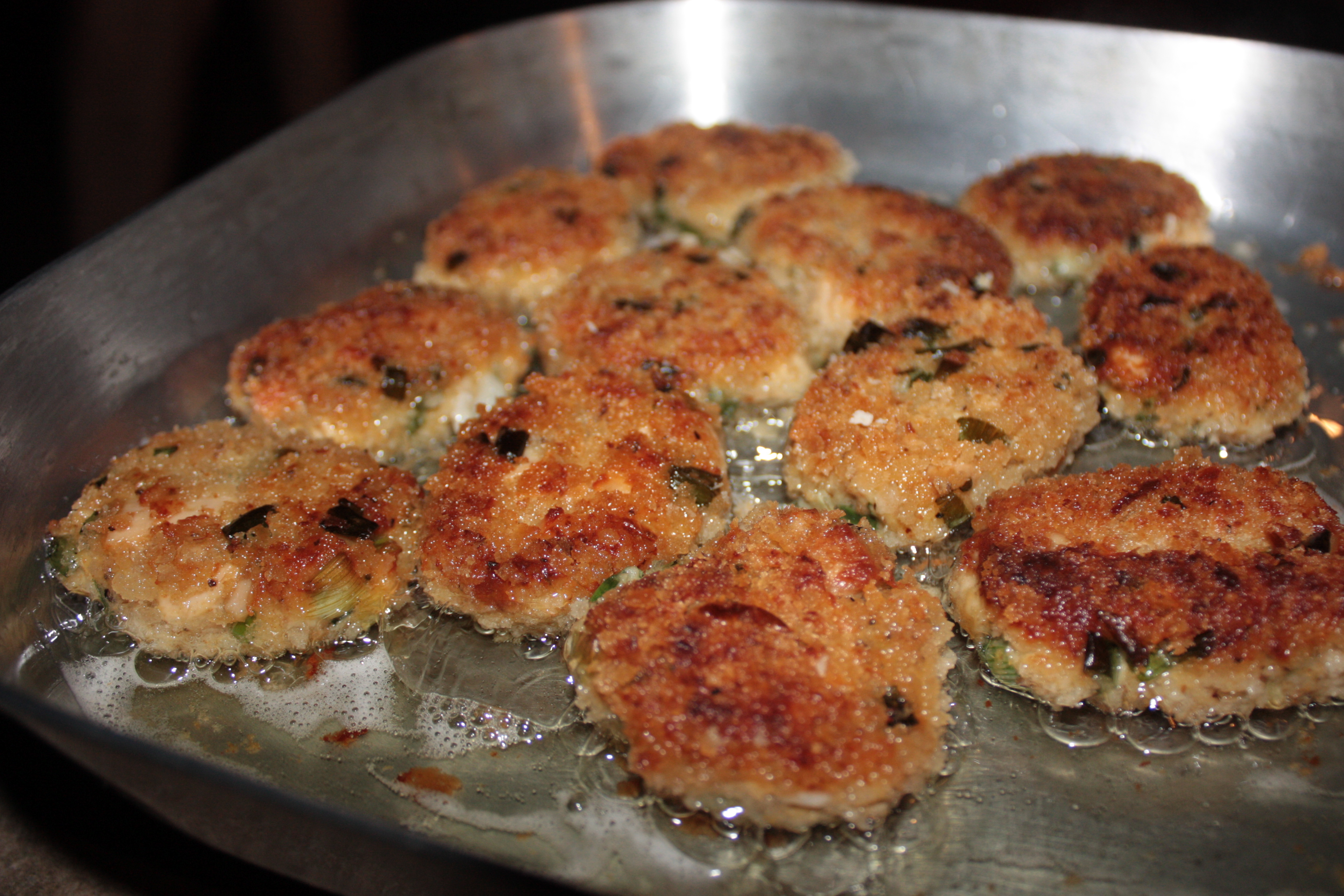
          Left: Louis de Bechameil. Right: Chicken croquettes (flat pan fried) with Sauce Bechamel. Sauce Bechamel was gladly used to make Kroketten because of its gluey consistence – keeps the ingredients together.

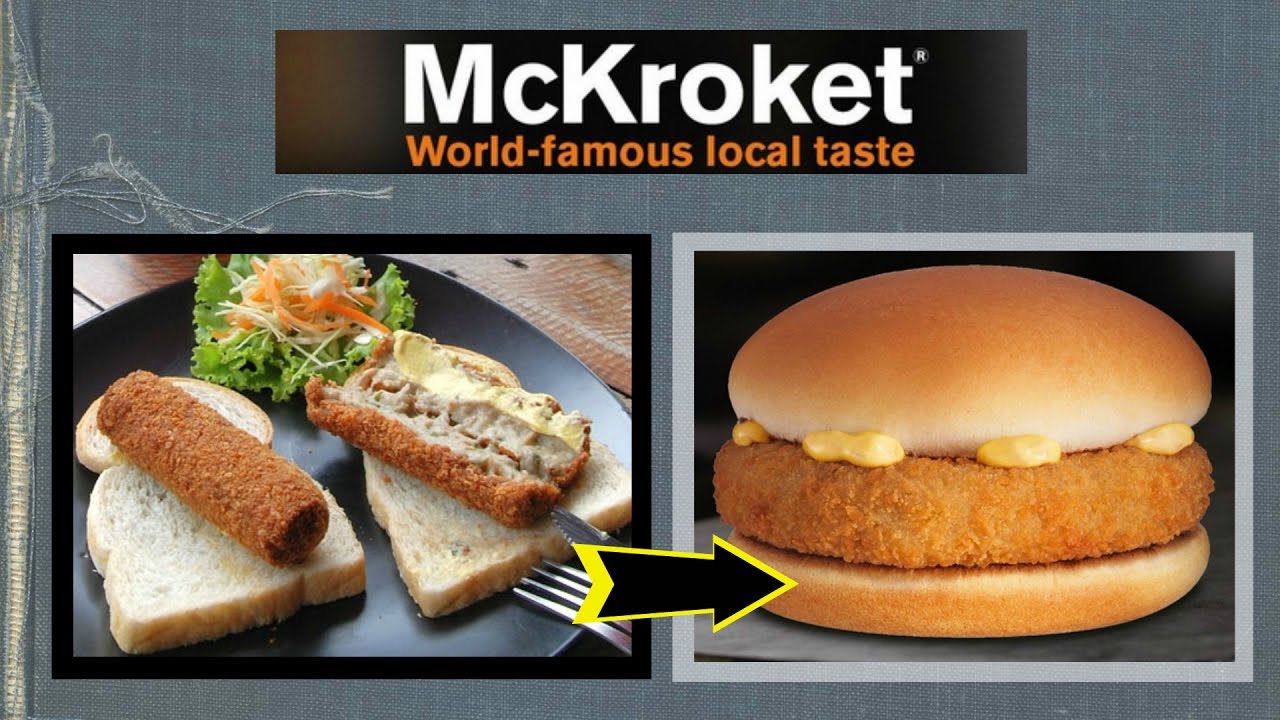
Croquettes gained in popularity in the Netherlands in the 18th century, when French food was all the rage in the Low Lands. And, while their origins are French, what is typically Dutch is the way these treats are consumed today. Kroketten are often mass produced and bought ready-made from fast food chains and snack bars and consumed as street food in the Netherlands. The Dutch love their kroket so much that McDonald’s even created a burger with a kroket-patty called the McKroket.
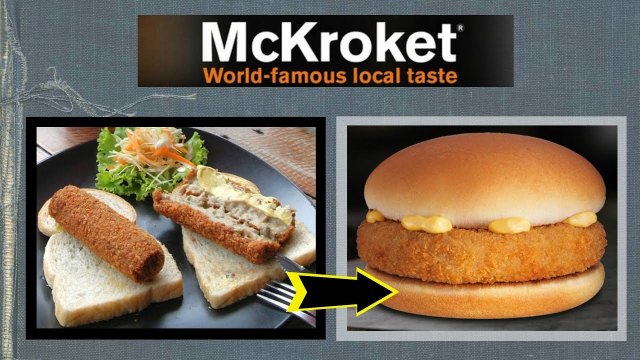
The popularity of the kroket in the Netherlands is such that even McDonald’s sells their version on a bun as „McKroket“. Left the original, right the McDonald version.  What an ugly thing, its all moneymaking.

People also purchase frozen croquettes at supermarkets and pop them into the deep fat fryer at home. As with any product, all this mass production has meant that the quality has suffered, and the delicacy has gained a reputation for being filled with meat of dubious quality. It pays to shop around, and there are still a few brands and shops that make excellent croquettes.

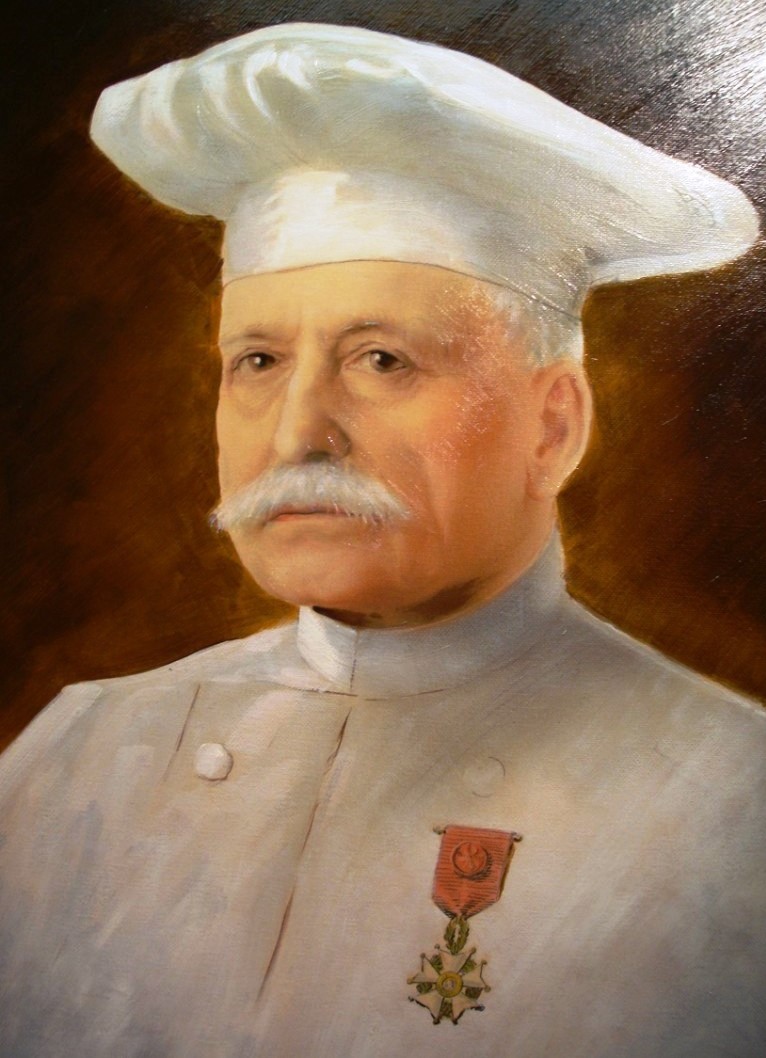
The modern version of the dish was created in France. In 1898 Auguste Escoffier, the founder of the classical French cuisine, started to write down the recipe. It was originally made with beef. However, this recipe may have been inspired by Jewish cuisine. In the 17th century, similar recipes were developed throughout Europe by Sephardi Jews, mainly from the region of Alentejo. These were essentially made with poultry and leftover bread and breadcrumbs.
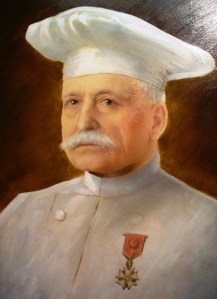
   Georges Auguste Escoffier.

Georges Auguste Escoffier (28 October 1847 – 12 February 1935) was a French chef, restaurateur and culinary writer who popularized and updated traditional French cooking methods.  In particular, he codified the recipes for the five mother sauces. Referred to by the French press as roi des cuisiniers et cuisinier des rois („king of chefs and chef of kings“). Escoffier was France’s preeminent chef in the early part of the 20th century.
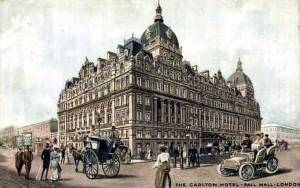
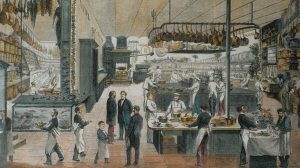
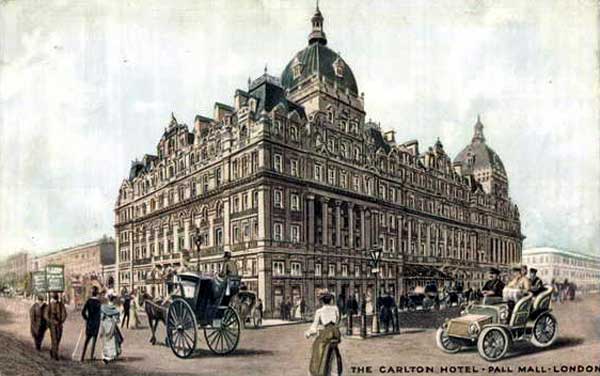
    Escoffier as headchef at the Ritz Carlton, London around 1905. Left the Ritz and right the Ritz kitchen.

Types.

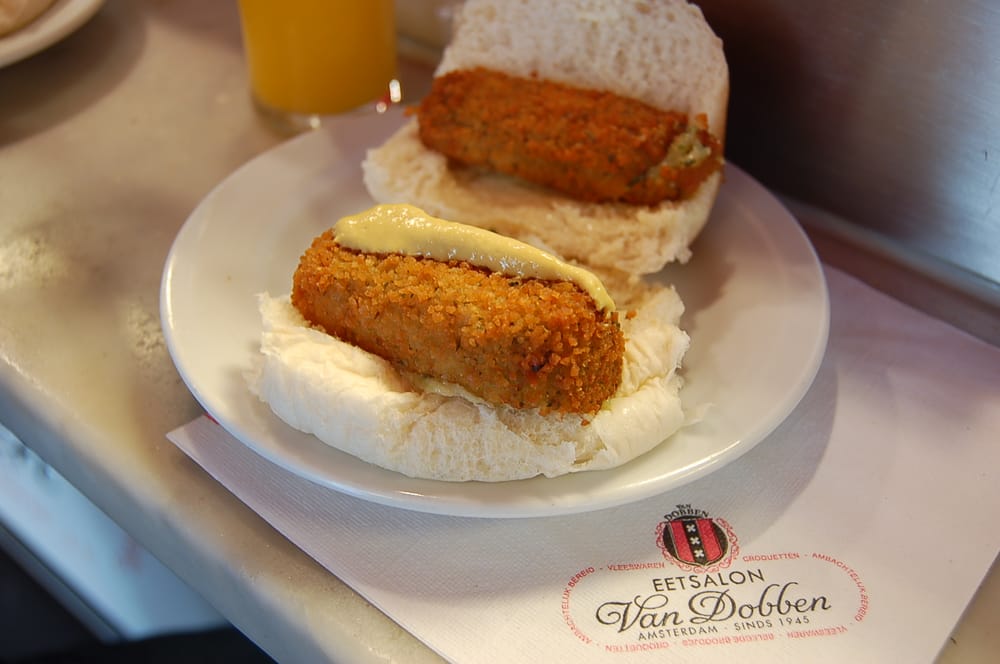
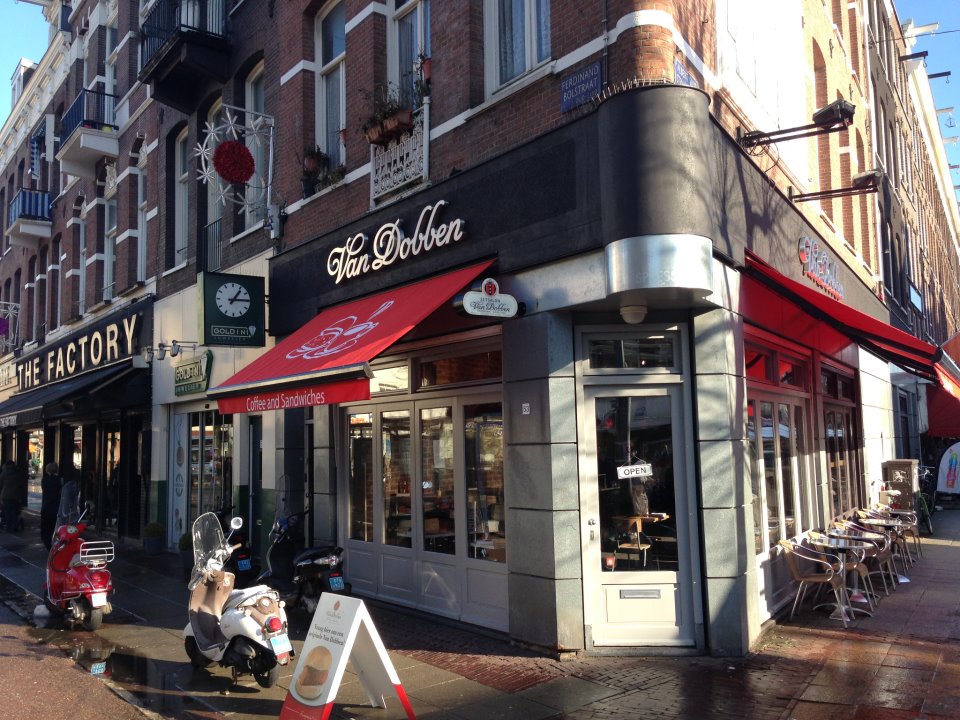
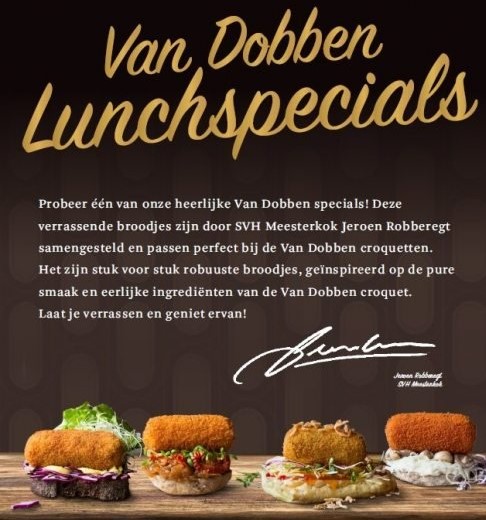
The „broodje kroket“, a soft white bun with a deep-fried croquette and mustard, is a Dutch lunch-time favorite. We particularly like the ones at Van Dobben lunchroom, Amsterdam.
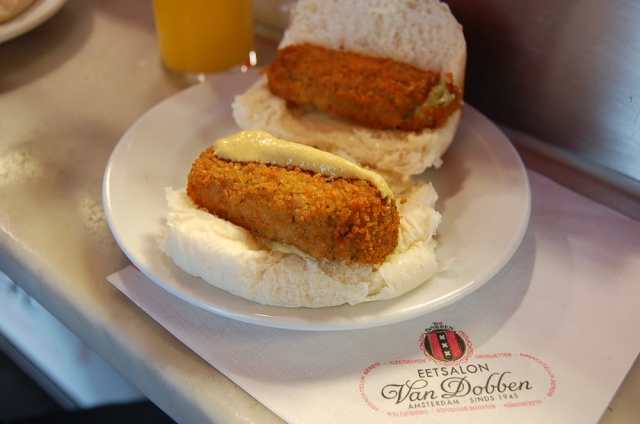
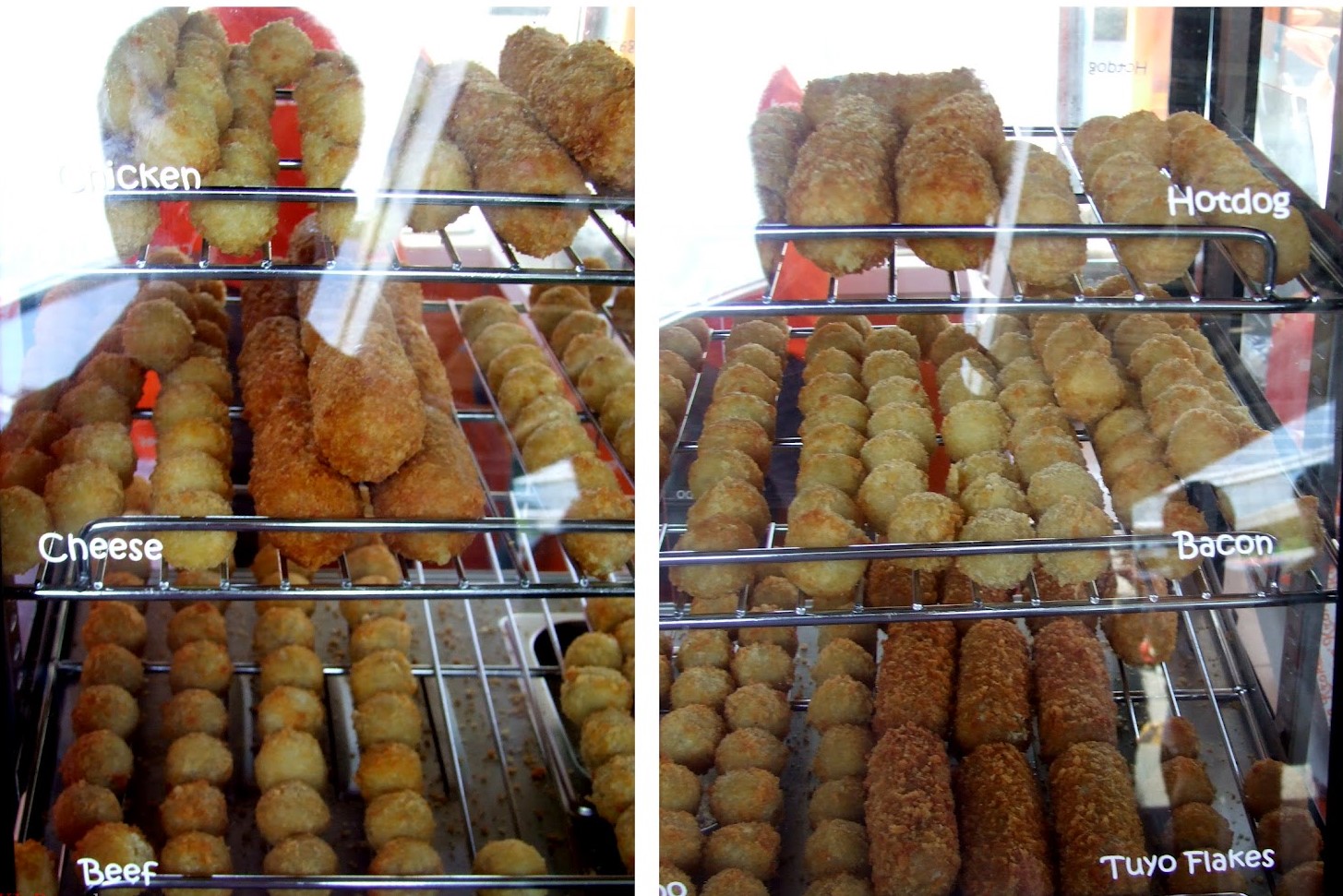
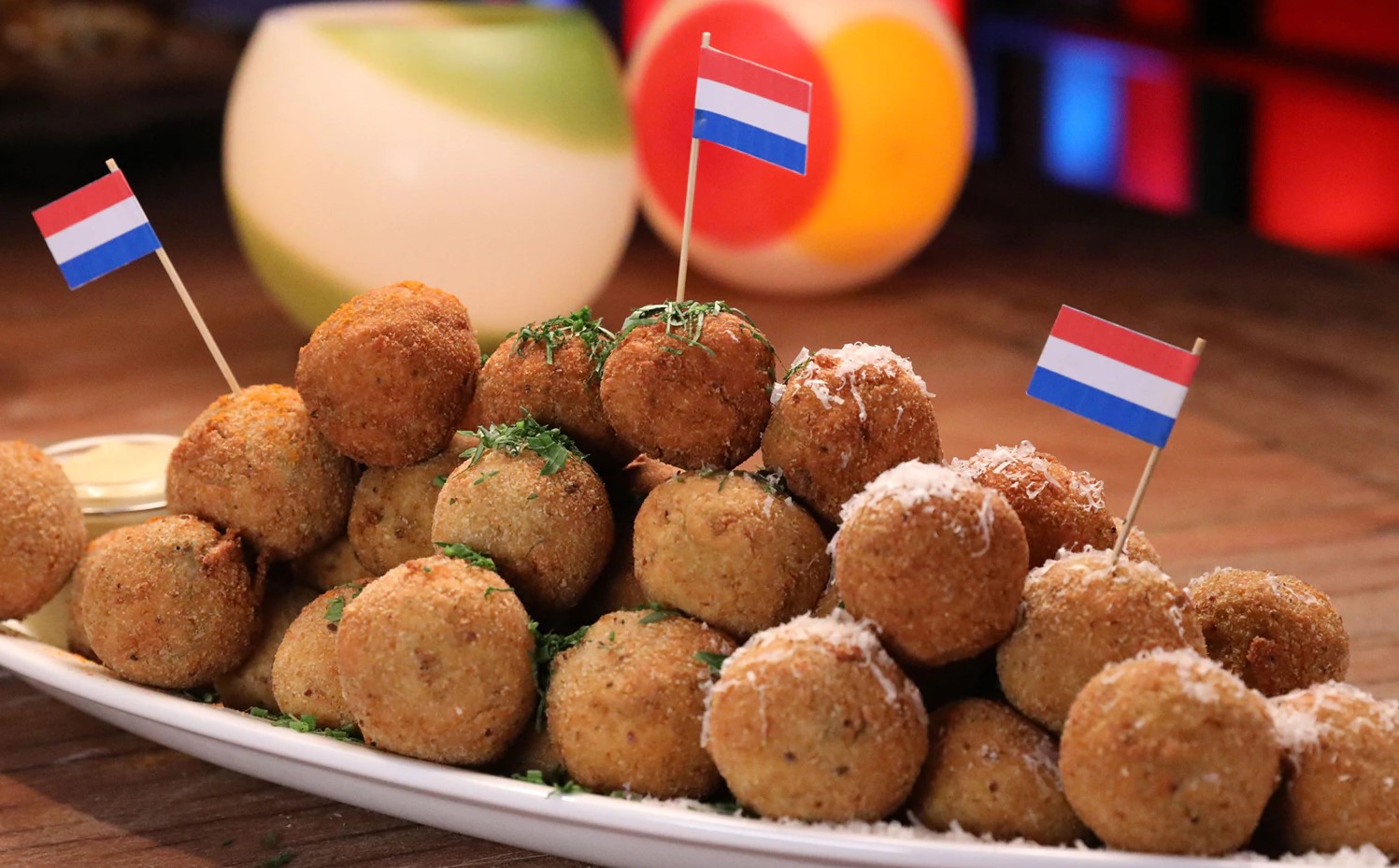
In addition to classic Dutch croquette flavors, such as beef- or veal croquettes, there are other flavors like chicken satay or goulash, as well as a host of croquette-shaped concoctions, with fillings such as Indonesian-inspired bami noodles (called bamibal) and nasi rice (called nasibal), as well as potato croquettes. The bitterbal, a small round version of the croquette (usually made with beef or veal), is a popular bar snack.
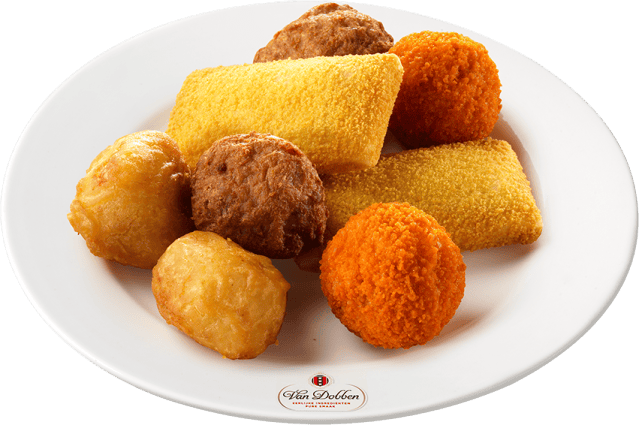
Croquette International.

Indonesia.
The kroket (Dutch) made of mashed potato filled with minced chicken or ragout is one of the most popular snack items in Indonesia, introduced during the Dutch colonial rule. The kroket is made by putting chicken filling inside a mashed potato ball which is then breaded and fried. The kroket found the way to Indonesia and the bami and nasi the way back to the Netherlands.
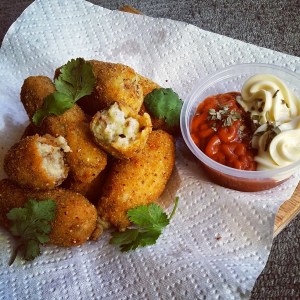
France.

The ragout-filled dish was regarded as a French cuisine delicacy, first described in a recipe from 1691 by the chef of the French king Louis XIV and using ingredients such as truffles, sweetbreads, and cream cheese. From the 1800s onwards, it became a way to use up leftover stewed meat and went into cheaper fast food production, like it is sadly today.
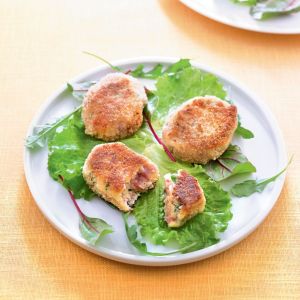
Germany, Austria, and Switzerland.

Plain potato croquettes are served as a side dish in restaurants and are also available frozen in supermarkets. They are usually called Kroketten (singular Krokette). Not much fantasy or variety in those country’s.
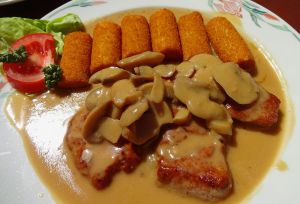
Belgium.

Almost every restaurant offers kroketten/croquettes as a side dish, and when served this way, they always mean the variety filled with mashed potatoes. As the ubiquitous main dish in Belgian restaurants, croquettes are completely different from the potato filled variety served as a simple side dish.
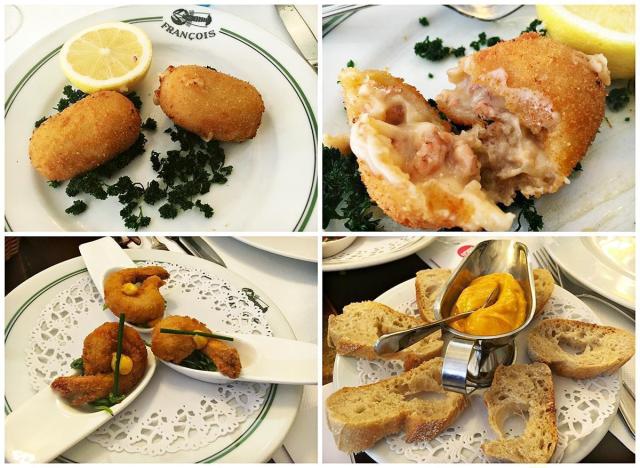
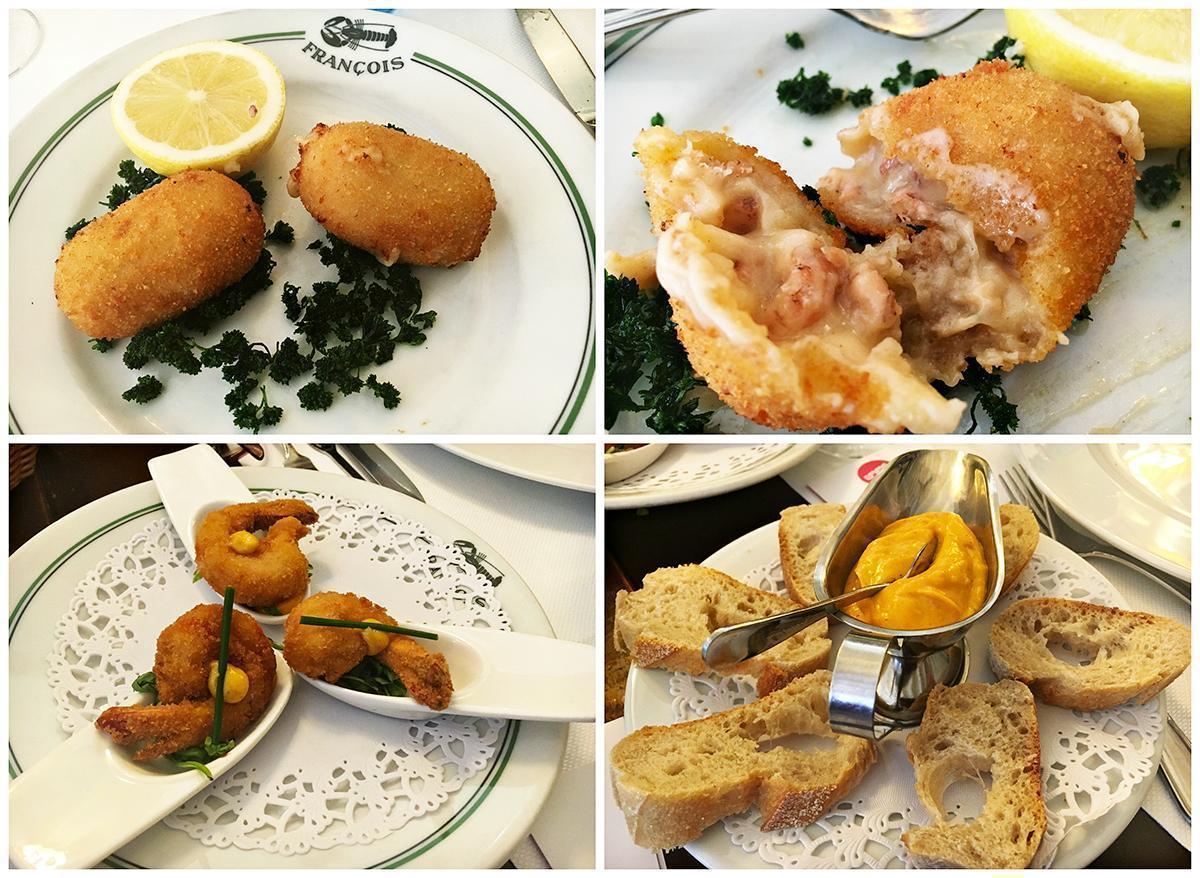
Belgian speciality, kaas krokets and shrimp croquettes, with more fried shrimp, and bread with the special secret recipe mayonnaise at Seefood Restaurant Francois, Brussels.

The two most popular traditional Belgian croquettes have a thick and creamy bechamel filling mixed with grey shrimps „garnaalkroketten/croquettes de crevettes“ or cheese „kaaskroketten/croquettes de fromage“. Most menus offer both either as a starter or a main course. As a main dish they are usually served with a salad, fried parsley and french fries (frites). More adventurous chefs have experimented with the classic formula, adding endives, asparagus, goat’s cheese or beer to their fillings. Most creative, the Belgians.
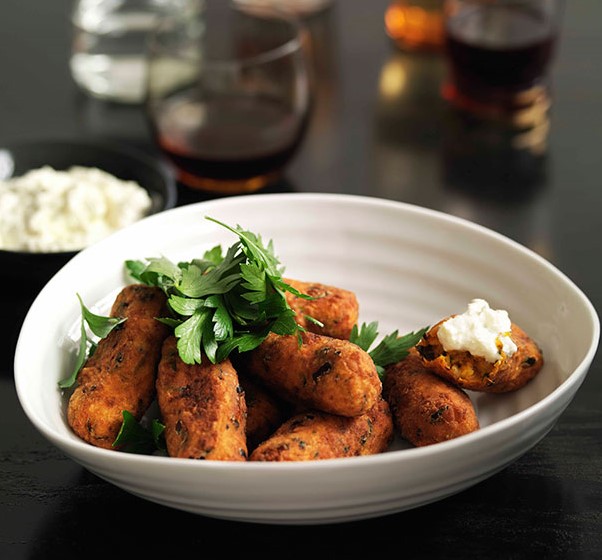
      One of the best I ever had in Belgium. Carrot and apricot and garlic croquettes as bar snack. Just WOW !

Poland.

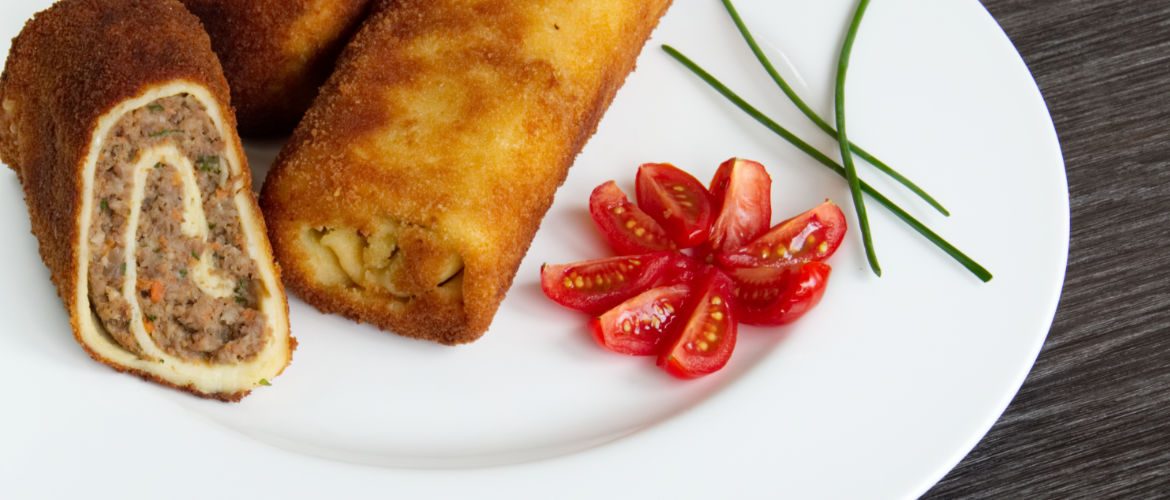
Croquettes in Poland are typically made from a thin, rolled crepe-type pancake stuffed with meat, mushrooms, cabbage, sauerkraut, or some combinations of those ingredients. The croquette is lightly pan fried before serving. Some recipe variations also require the croquette to be covered in breadcrumbs before frying, and served with a clear soup.
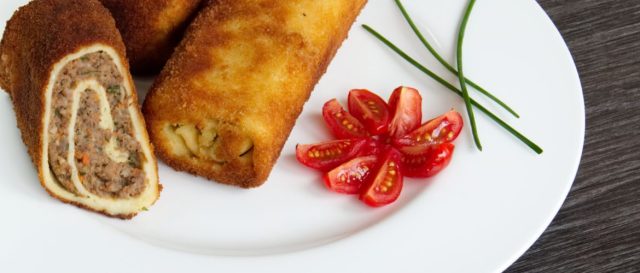
Netherlands.

The kroket is a philosophy of life in the Netherlands. A kalfsvleeskroket, Dutch croquette containing a veal ragout . In this country one will find the most adventures variety’s making krokets. Our normal favorites are the „aardappelenkroketten“ (potato croquettes). Look at the recipe further down.
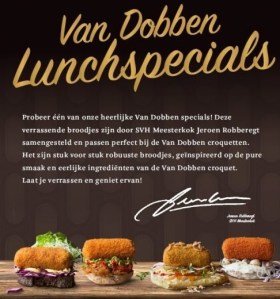
                    Best place in Amsterdam to have lunch krokets = Van Dobben !! A must visit !!

After World War II, several suppliers started mass-producing croquettes filled with beef. The croquette (kroket or kroketten in Dutch) subsequently became even more popular as a fast food; meat ragout covered in breadcrumbs which is subsequently deep-fried. Its success as a fast food garnered its reputation as a cheap dish of dubious quality.
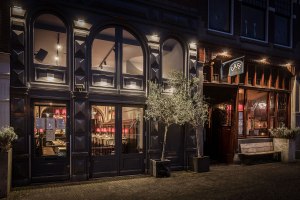
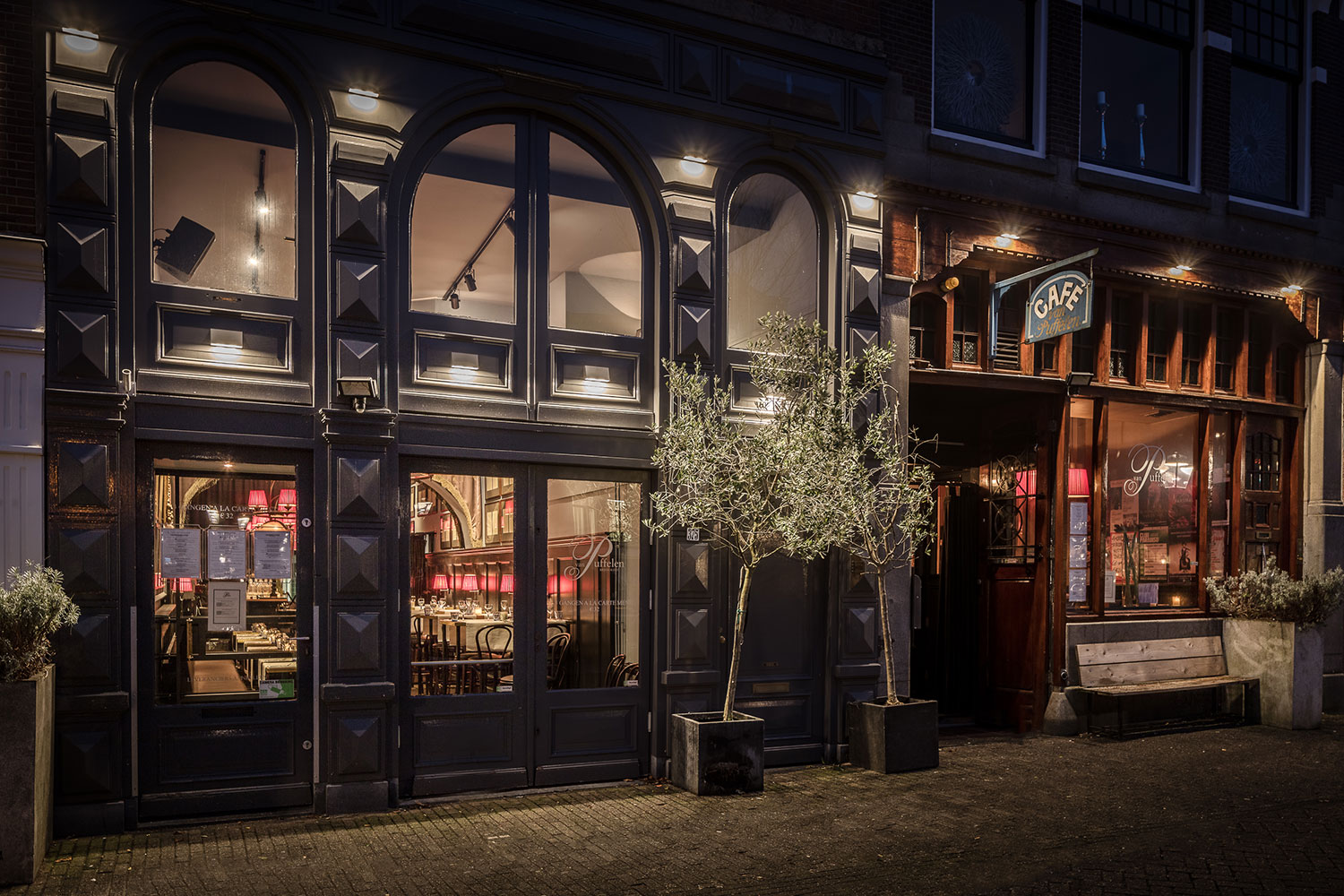
  During night time in Amsterdam have a bit more exclusive dinner with krokets at Van Puffelen. Great menue, great atmospere. Click on pics to supersize.

Research in 2008 showed that far over 350 million kroketten are eaten in the Netherlands every year. An estimated 75% of all Dutch people eat them, resulting in more then 30 kroketten per person per year on average, being the 2nd most popular Dutch snack after the frikandel. The major consumers are between 35 and 49 years old.
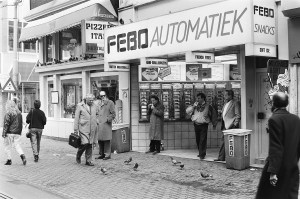
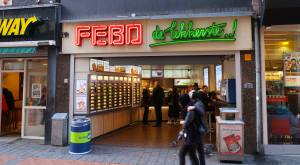
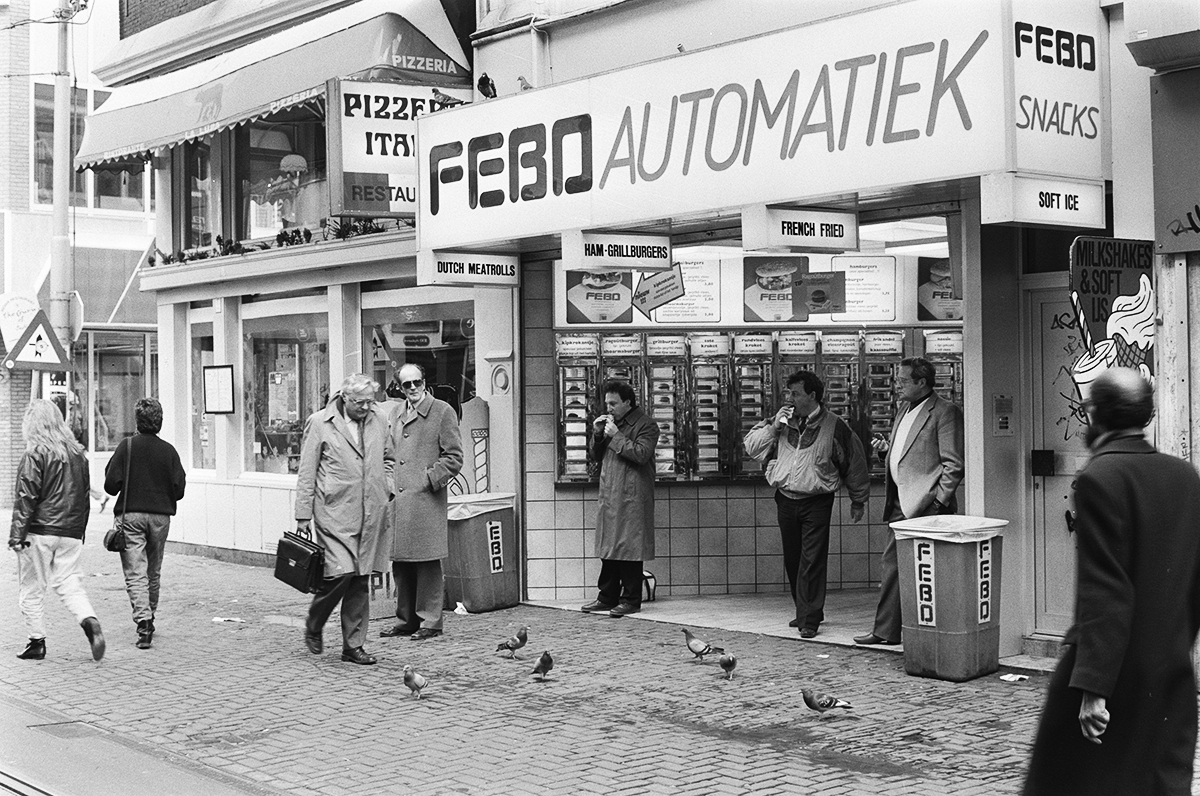
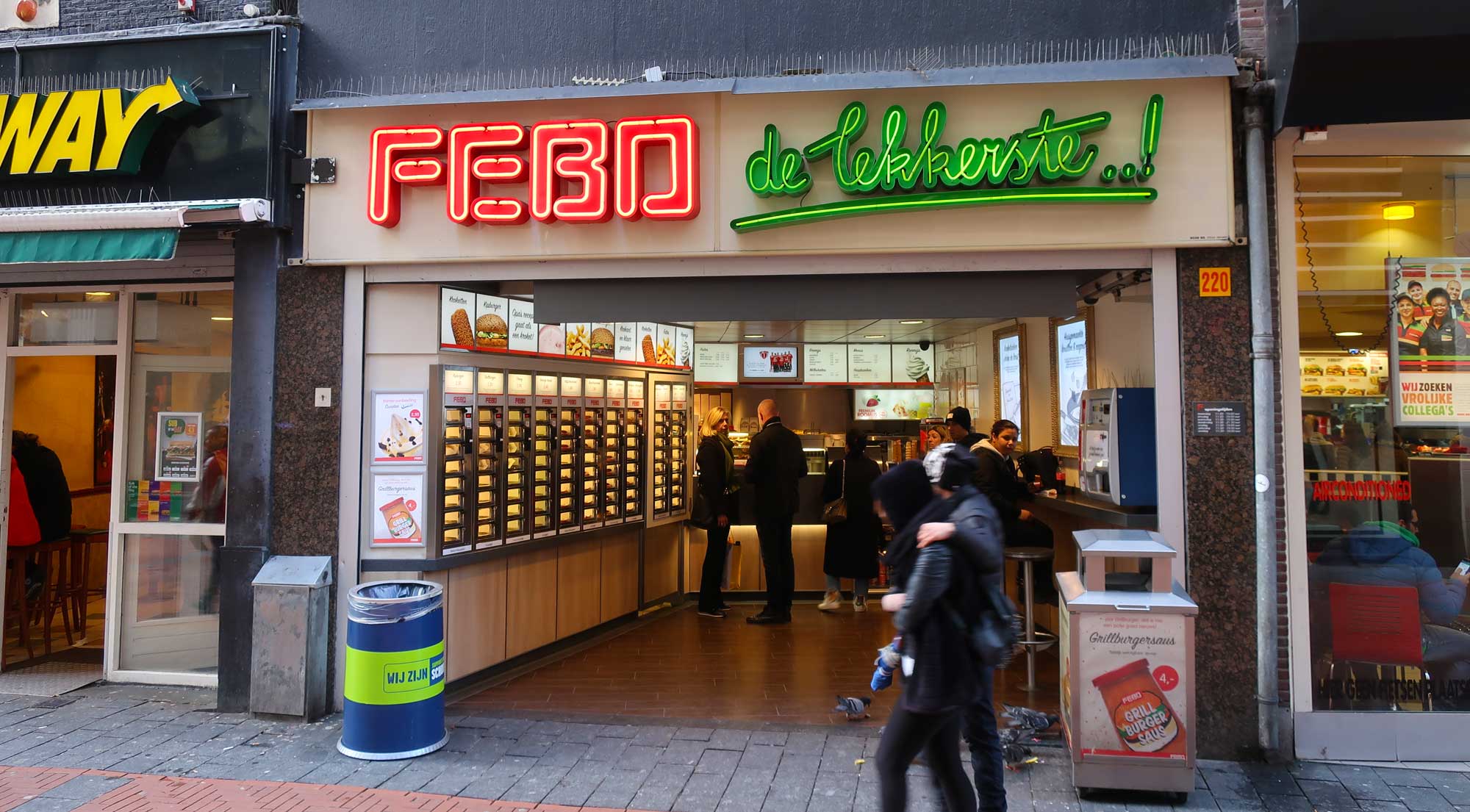
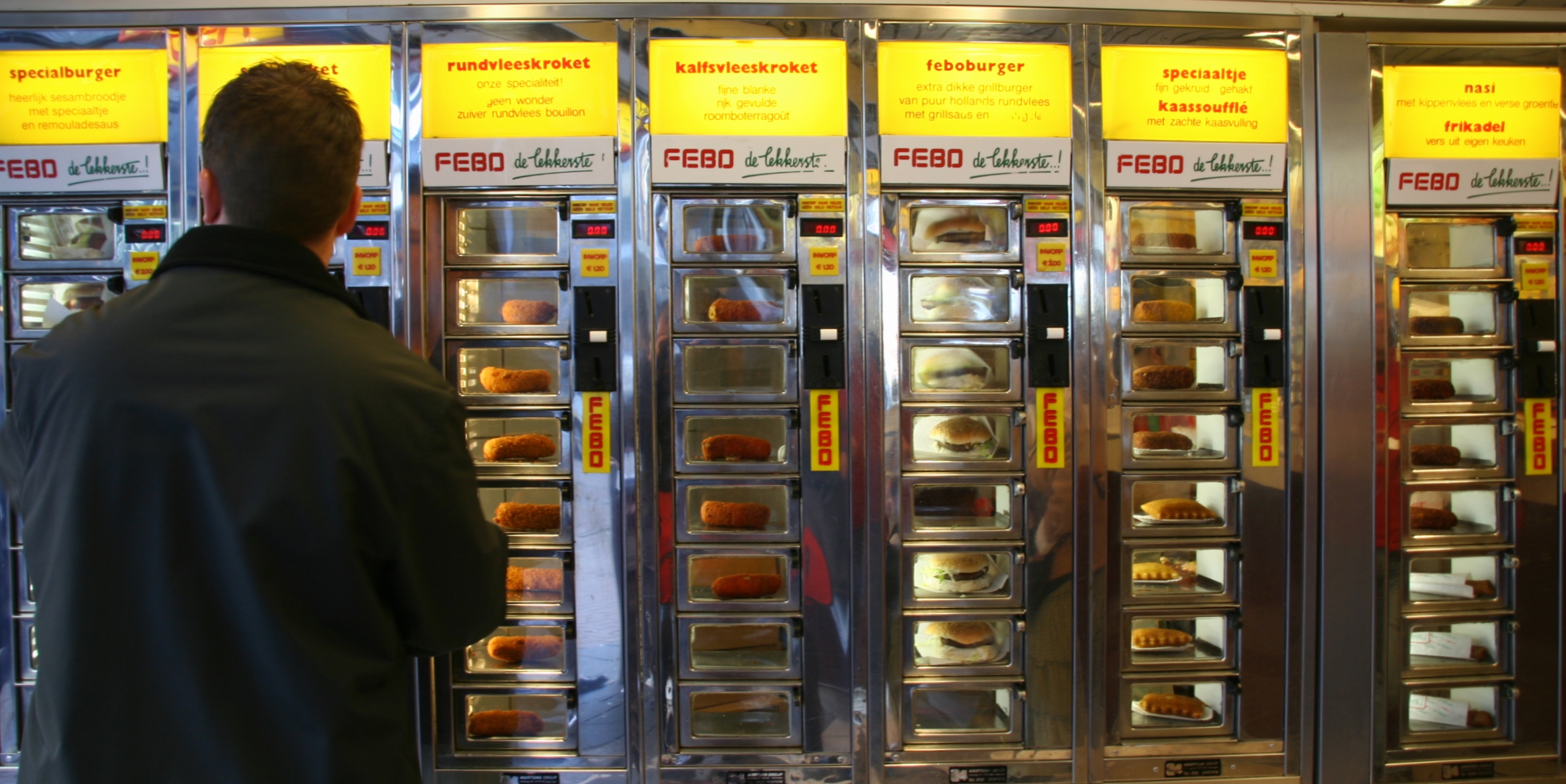
      One of the most wellknown kroket-street-vendoors in the Netherlands is FEBO. For many many years established with quality „OUT OF THE AUTOMATIC“. Unbelieveable success.

The success of the croquette led to a whole series of food products resembling the croquette, but with other types of fillings, such as noodles, rice and kidney, and with names like bamibal, nasibal, and nierbroodje instead of croquette.
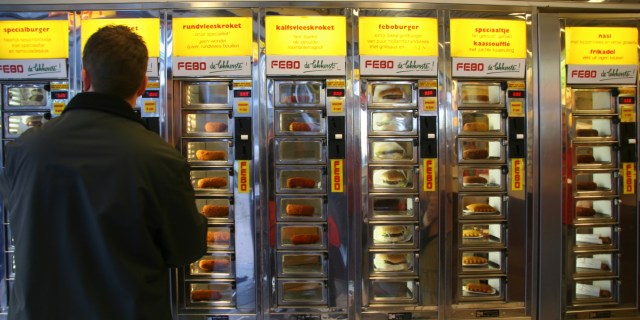
Variants of the croquette which specify the kind of meat can also be found, like rundvleeskroket (made with beef) and kalfsvleeskroket (made with veal). Also popular in Dutch snack bars are the satékroket (where the filling consists of a peanut satay sauce and shredded meat in a ragout) and the goulashkroket. A smaller round version of the standard beef or veal croquette. The bitterbal, used a bit of vinegar to receive a bitter taste (it should make you  thursty, it boosts the appetite for a drink), is often served with mustard as a snack in bars and at receptions.
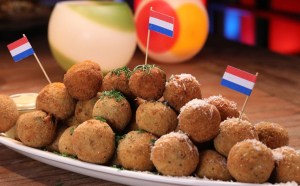
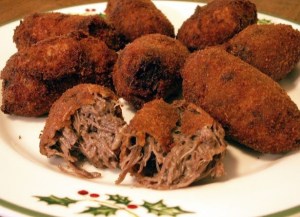
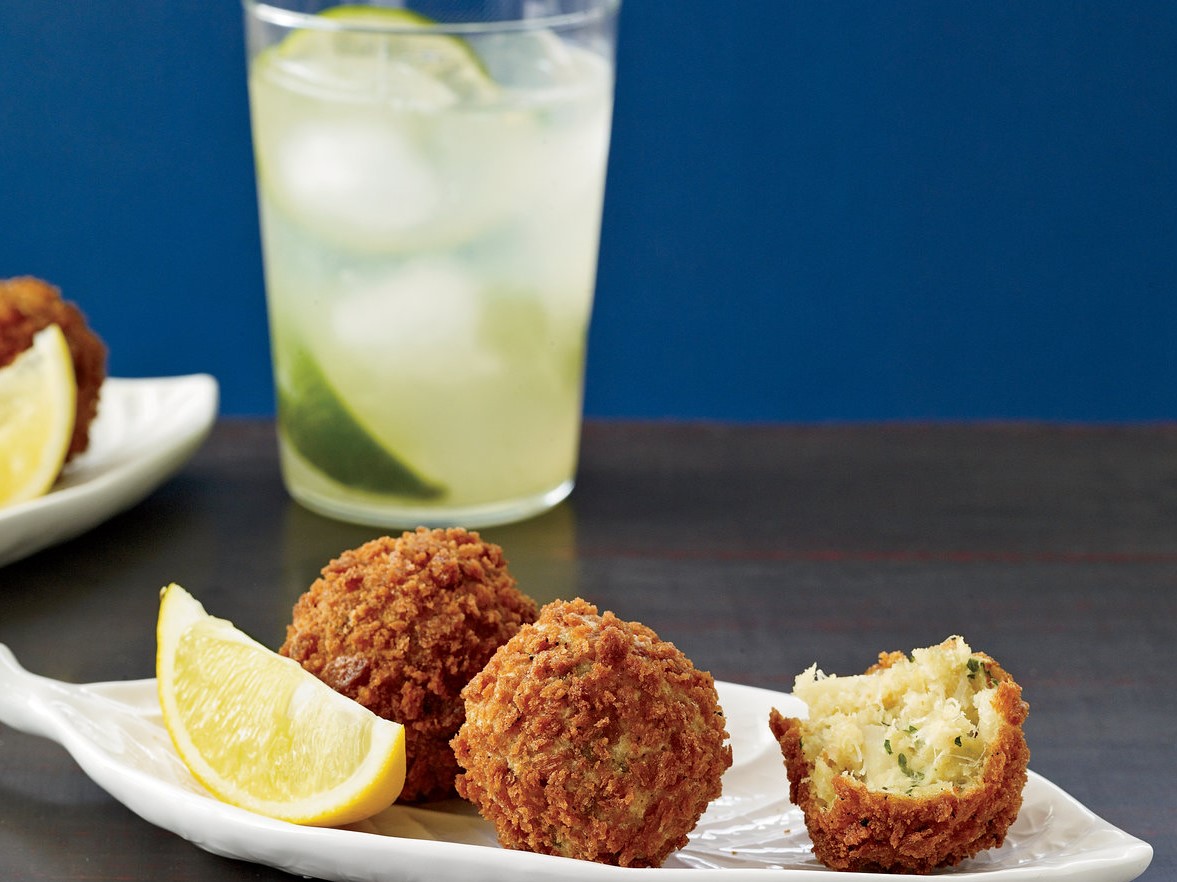
           Typical Dutch Bitterballen (left) and the Goulashkroket (right).

Spain.

In 1812 Spanish chefs offered croquetas to the British troops in Spain, they came to help to get rid off Napoleon. Since then croquetas became more and more popular. From the 19th century one can find Spanish croquetas recipes with chicken, rabbit, lamb, lobster, salmon, etc. Some recipes explain how to cook croquettes made as meatballs, other recipes already include sauce bechamel.
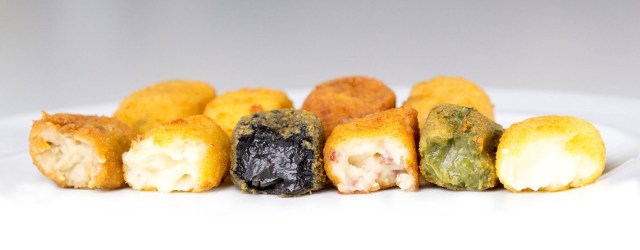
In those days Cocido stew was already very popular in Spain, so the most popular recipes have always been the ones using the meat from the stew. This way they created Croquetas de Jamón, one of the most popular recipes in Spain. French and Dutch croquette are big and over cork size. Spanish croquetas are just Tapas size, small, creamy and full of Spanish flavors. Today all around Spain you can get croquetas as Tapas.

Mexico.

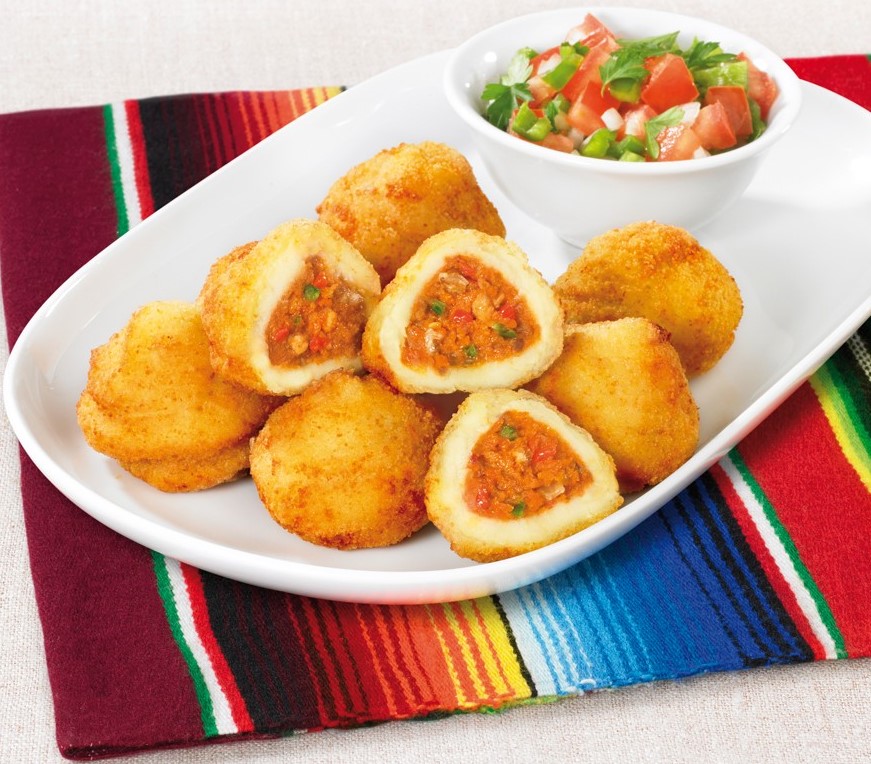
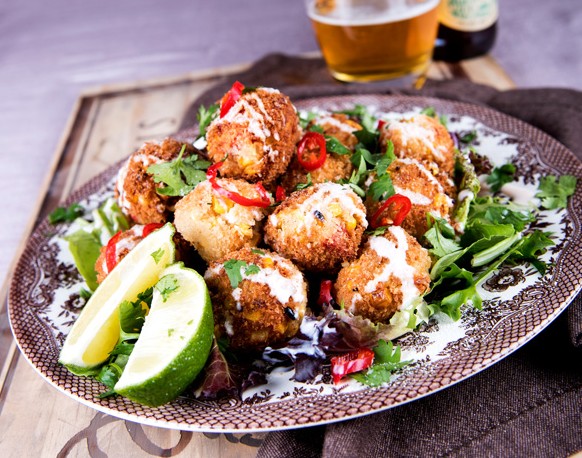
Croquettes are usually made of tuna or chicken and potatoes. In southern Mexico, a variety is made with fresh cheese, plantain, and black beans. We had the similar ones in Panama too, very delicious version. A specialty, the sweet corn and couscous croquettes.
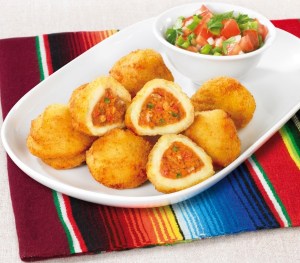
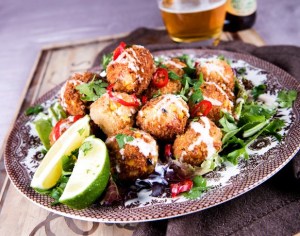


United States.

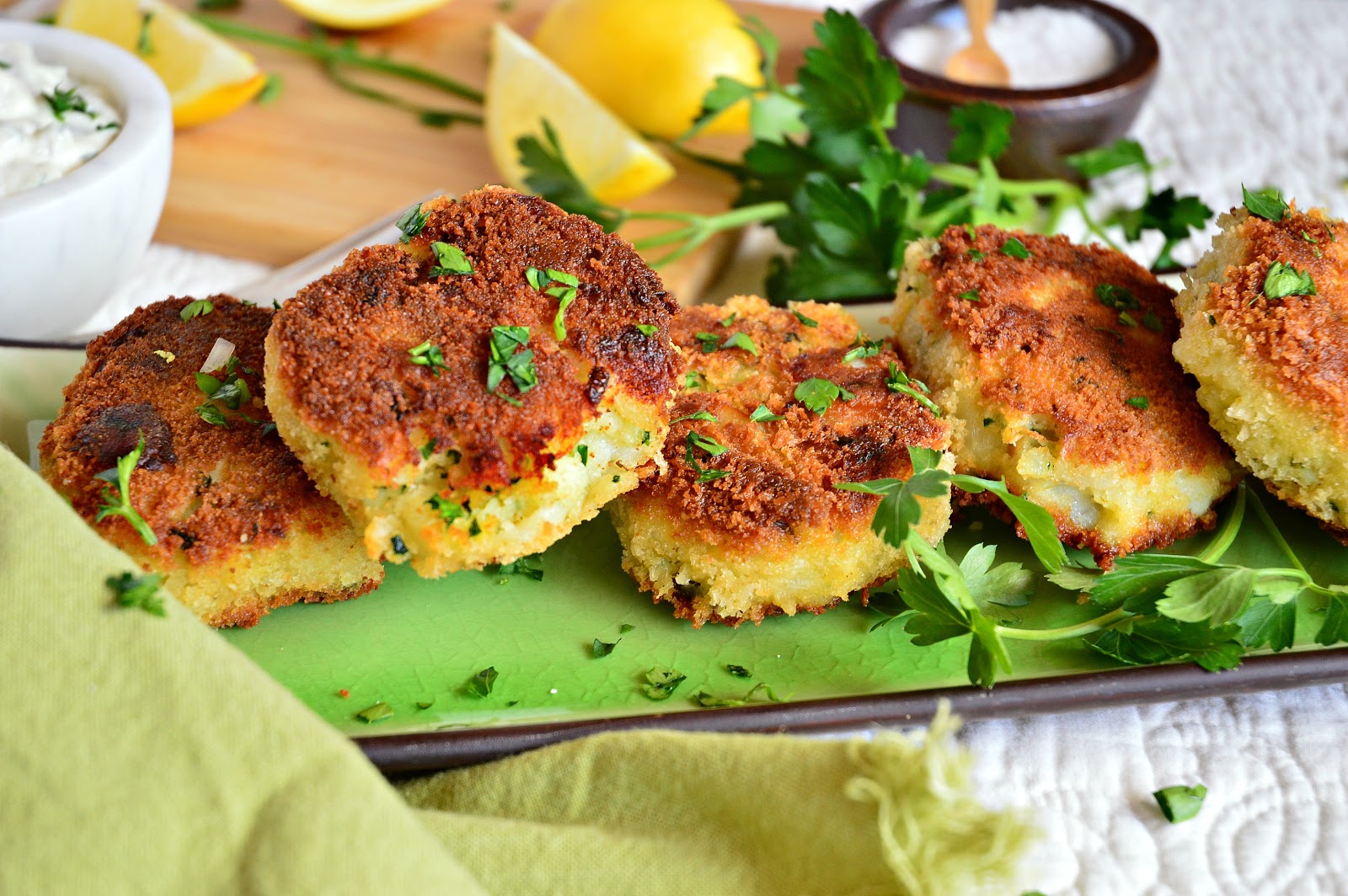
So named „Boardwalk“ fish cakes and crab cakes, eaten on the east coast of the United States, are essentially croquettes. They consist, respectively, of chopped fish or crab meat, mixed in a buttery dough which is then breaded and deep-fried.
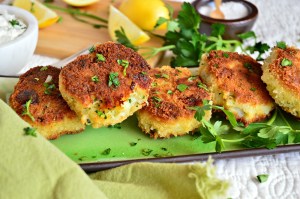
  Not to bad at all.

Brazil.

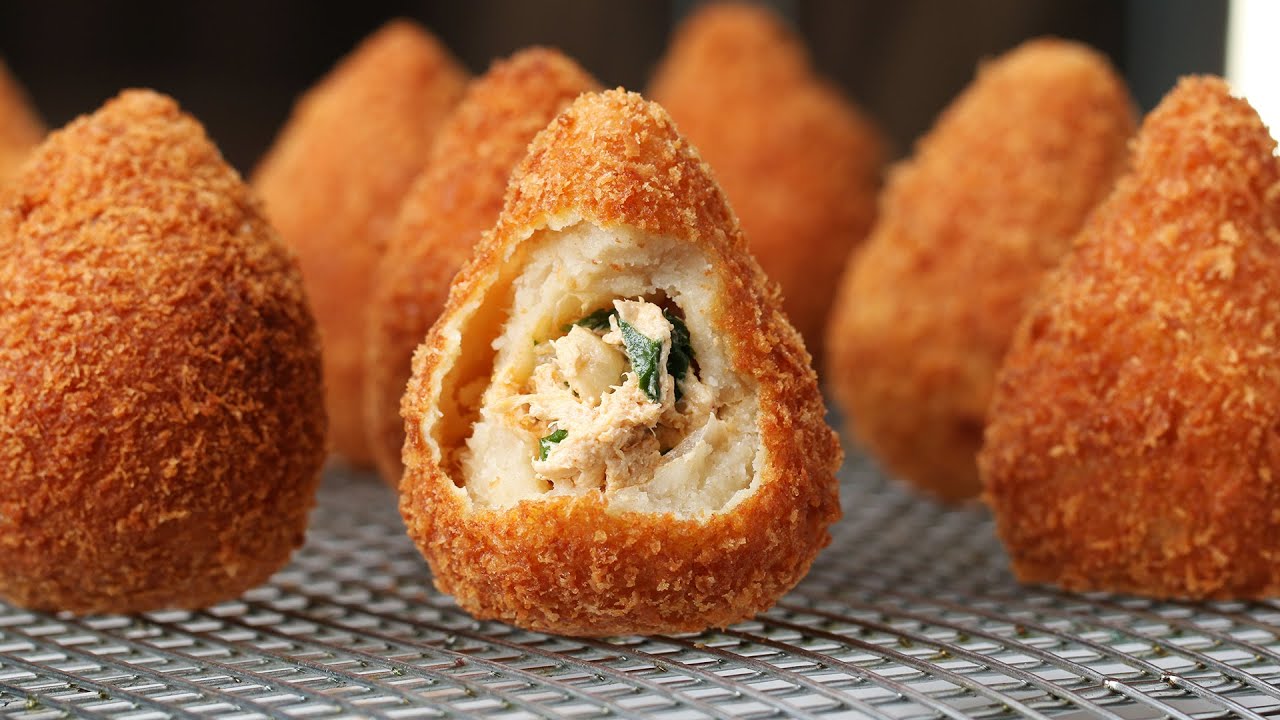
Croquetes, primarily made from beef, are common in many parts of Brazil. The coxinha is a popular chicken-based croquette, intentionally shaped to look like a chicken thigh.
From Riobamba llapingachos are potato cakes with a cheese filling, fried in oil with achiote and served with a peanut sauce.
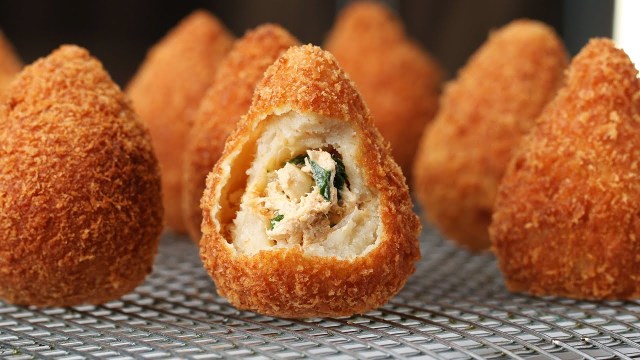
Uruguay.

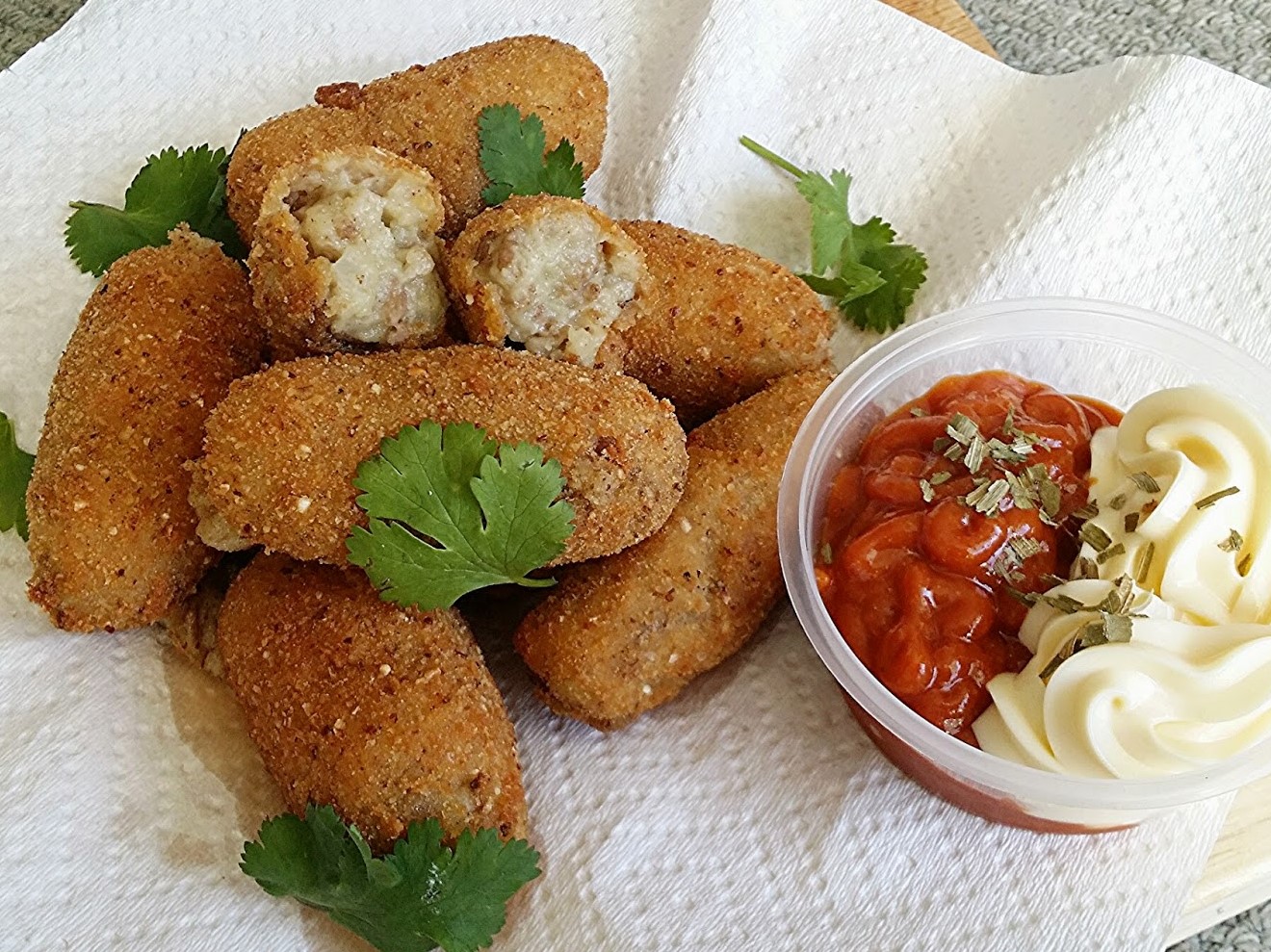
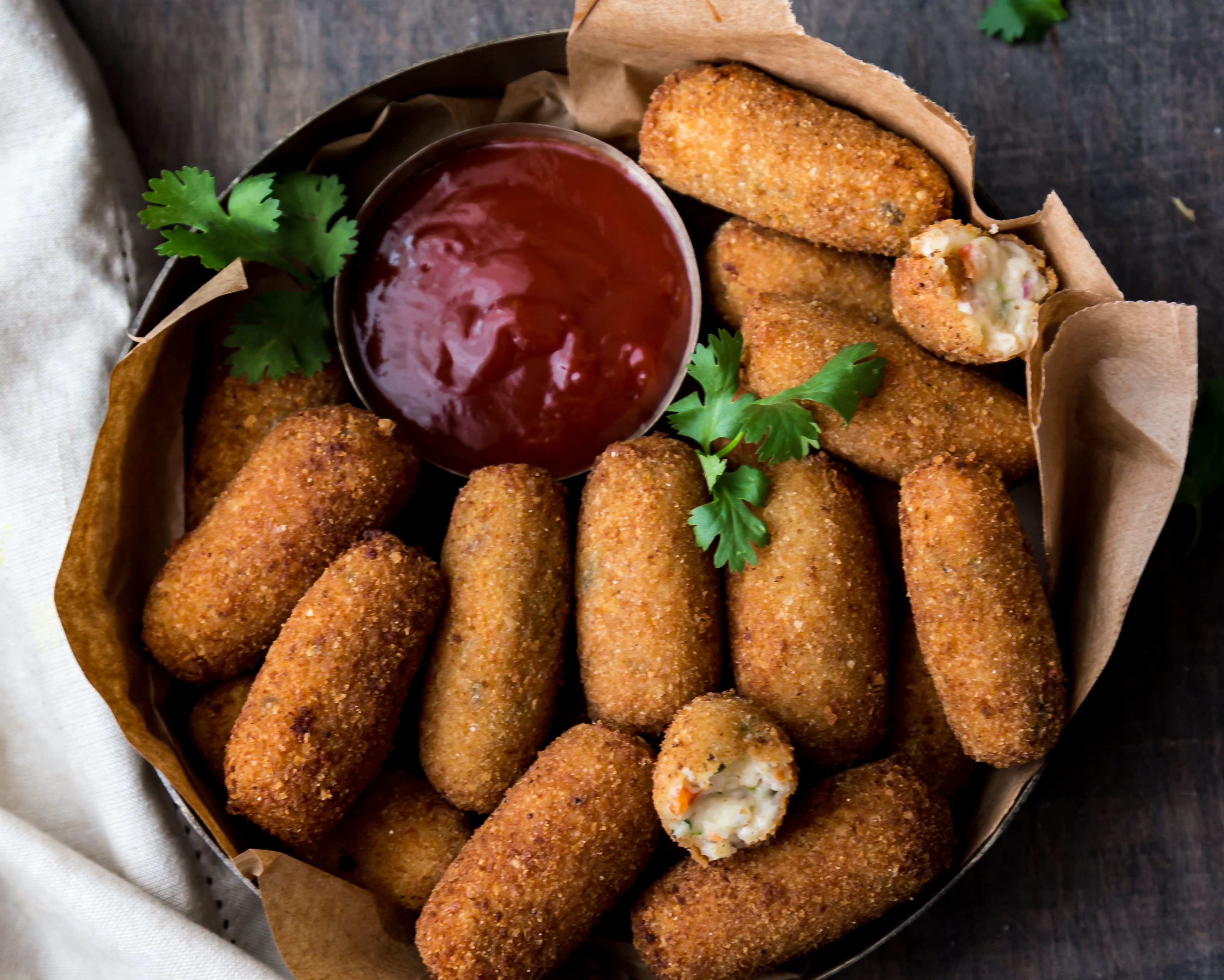
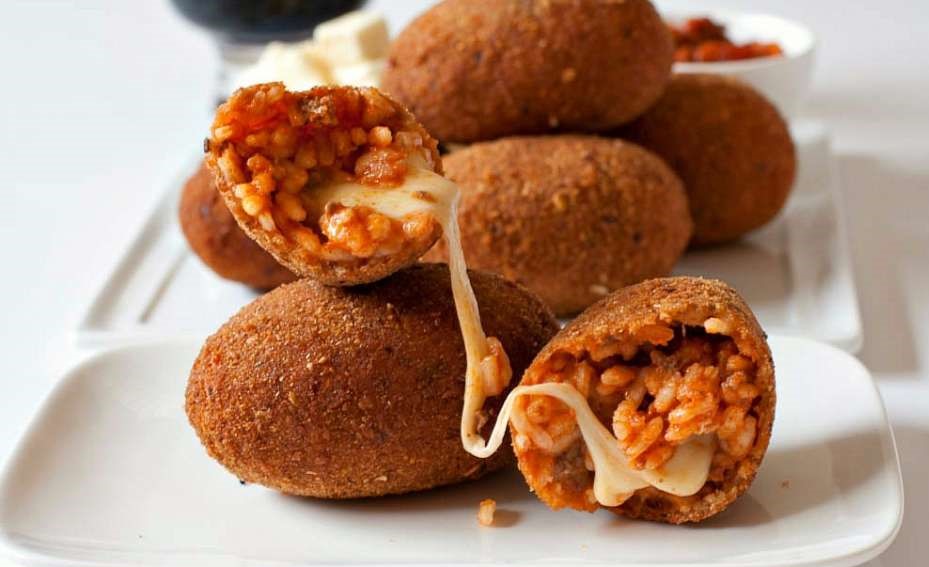
Interesting is, that Uruguay has the most known and sold amount of krokets in whole South America. Called „croquetas“ in Spanish, the most popular stuffings are mashed potatoes (croquetas de papa), ham and mozzarella cheese (croquetas de jamón y queso), and rice (croquetas de arroz). Sometimes, the rice ones have herbs and little ham cubes. Generally, their shape is cylindrical and they’re medium-sized, (but much bigger then in Holland), spherical ones also can be seen (specially with rice stuffing). They are deep-fried in oil. See down here: left a kroket meal WITH KETCHUP and right some with the rice stuffing, missing the ketchup.
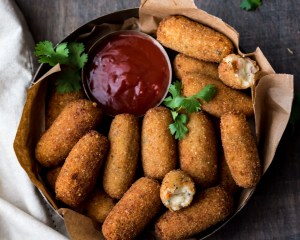
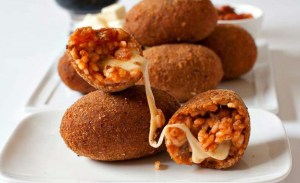
       

The average Uruguayan eats them usually with mayonnaise and/or ketchup. Croquetas are very common, they can be bought in almost every bakery, supermarket or food shop, and a lot of people cook them at home as a side dish or even main dish. In modern restaurants, more sophisticated croquettes (with Serrano ham and mixture of cheeses, or with salmon or tuna) usually come with a more elaborated sauce as dip (sweet chili sauce), and are ordered as starters.
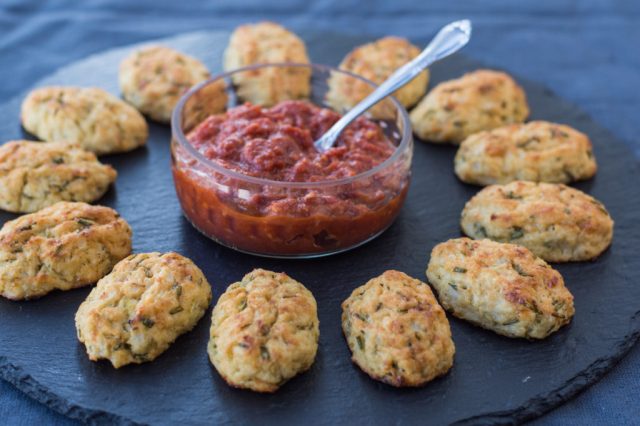

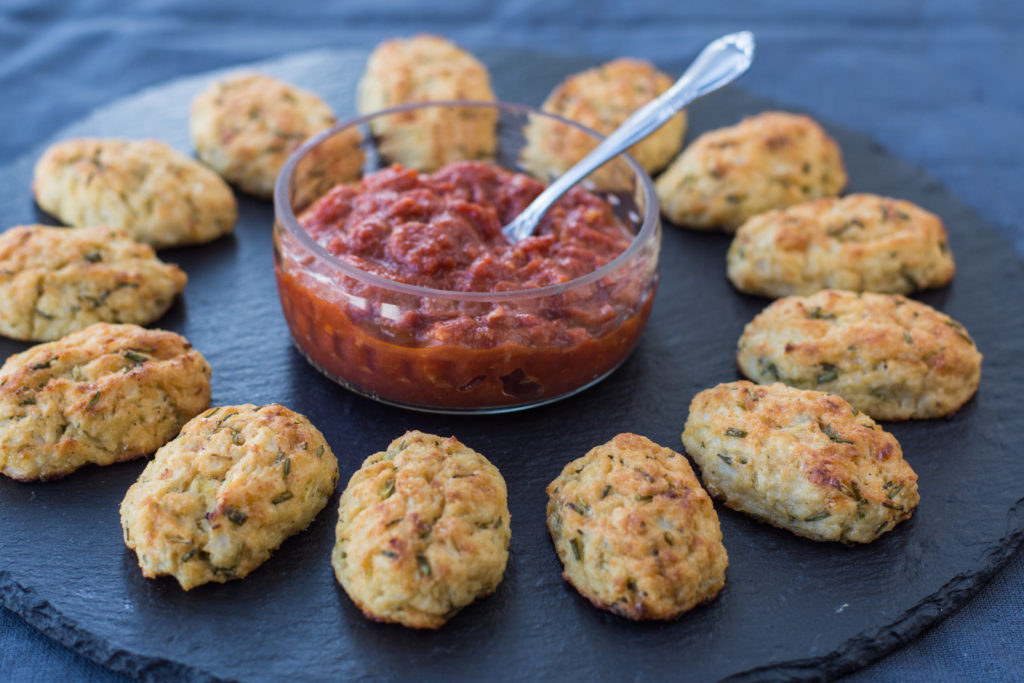
We had some of those in Maldonado the other day. Cauliflower croquettes with a spicy chilli-tomato salsa. Served as a bar snack – appetizer ! Wasn’t bad at all, good flavor.

Make them yourself – they are the best.

There is nothing better as to make croquettes by yourself. Ingredients and taste will be your choice and therefore unique. But – you should know a few secrets. here are they from my very best Dutch wife Anna with all her tips and tricks. Just translated her dutch recipe into English, without my usual „recipe set up“.

I can understand it – it’s so easy and convenient to tear open a bag of ready-to-cook croquettes, spread them on a baking sheet and put them in the oven or cook them crispy in the fryer quickly. But seriously: you can make this side dish even perfect by yourself.
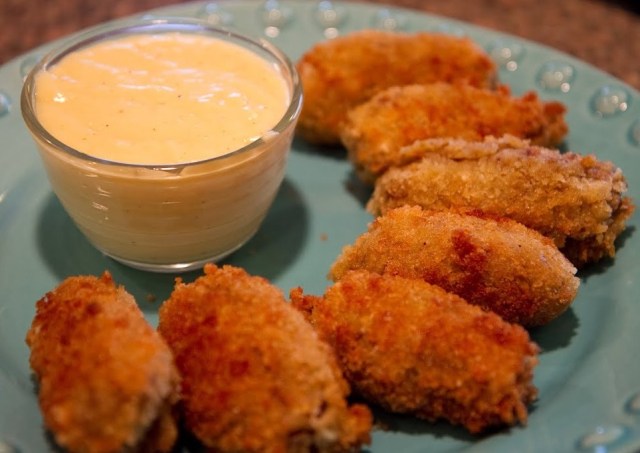
Self made are the best. They don’t look as even as the ones out of a supermarket, but the taste recompense for everything and then – a spicy remoulade aside. YUMMY !

In the beginning I also thought of croquettes: „Why should you do it yourself? The taste but also bought quite good. „But even the first attempt with homemade croquettes has taught me a better. And I assure you, the potato dough is not at all elaborate in its preparation, you clearly taste the freshly processed potatoes and you are at least as fast finished, as if you still have to hurry to the supermarket to get the frozen version. So, are you ready to go?

Creating the basis – the dough for your croquettes.

Croquettes are available in many varieties and shapes. They are known as rolls, balls or similar as a cherry on top as princess or duchess potatoes. However, the basic mass does not always consist of potatoes. The Dutch Bitterballen or Spanish Albóndigas, for example, are made from meat. In other kitchens you can also find croquettes made of vegetables, couscous or fish. You see, the base from which croquettes can be made is variable. But to prepare the classic rolls, you first need potatoes.
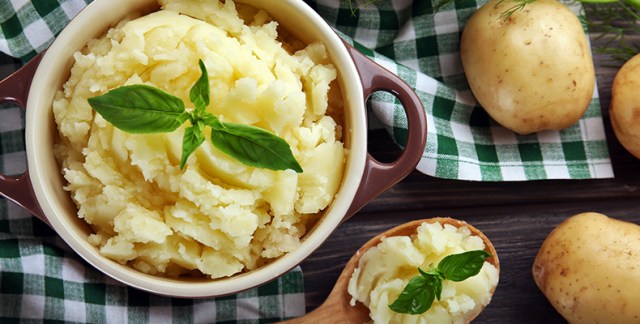
Bintje (in Europe) are best for puree, they are also  very good for krokettes. In Uruguay we take what we get. Unbelieveable in Uruguay – the neighboring country’s,  Peru by example, offer up to 3000 (you read right THREETHOUSAND) varieties of potatoes, in Uruguay we are happy to get 3 or 4 on our markets !!???

In the beginning is the potato – which variety do I need ?

In Europe you’ll find Adretta, Bintje, Meldoy, Melina – choose one, the main thing is that it is floury, because then the croquettes will taste nicely after potatoes and have a fluffy texture. In addition, they make the dough supple, but strong enough to be able to shape it well. If it is too soggy and too soft, it can not be processed into even rolls and breaded. When baking in hot oil or in the oven cracks will form and the crust bursts. Not a pretty sight, but luckily you can prevent it already during the preparation of the potato dough.
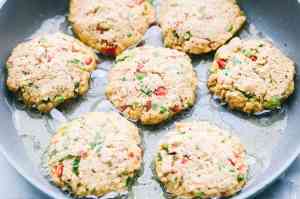
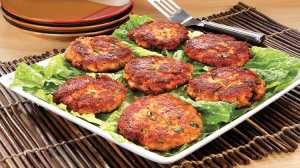
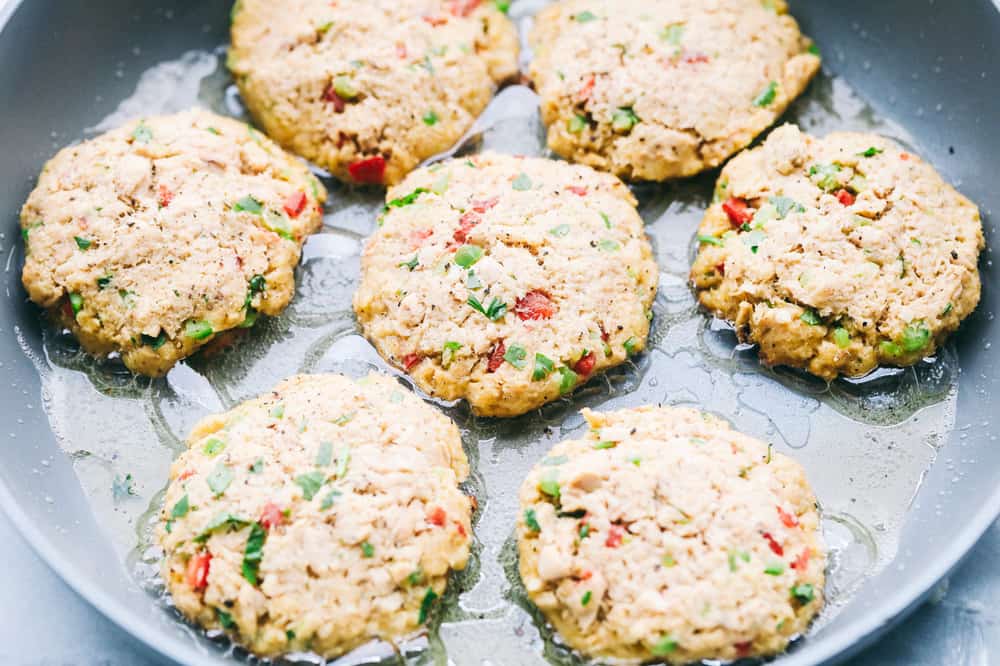
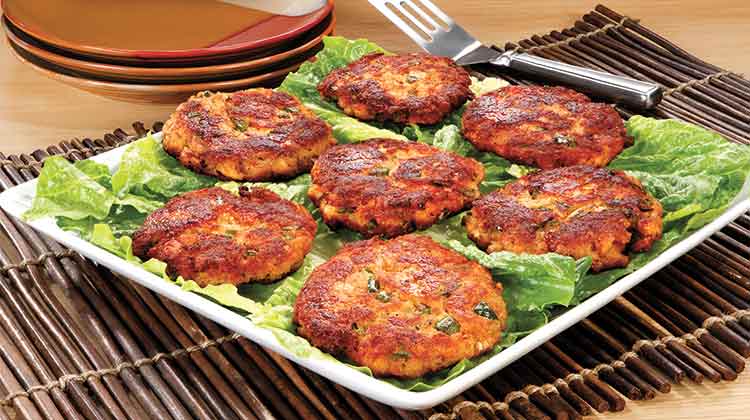
           A variety: Try to make some Salmon-Croquettes, they are great as a starter/snack and delicious.

Important – the preparation of the potato mass.

It is important that the boiled potatoes evaporate properly and are completely dry before you use the potato masher or a press, because this gives the dough the ideal consistency. For this you can leave the tubers poured out in the pot on the still hot stove for a few minutes, until no more steam rises. If you want to prepare larger quantities of croquettes and need more dough, you can also let the potatoes dry out in a lightly heated oven.  We always like to cool and dry the mass at least over night.
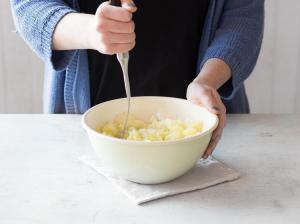
    

Mash the potatoes.

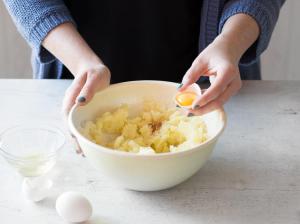
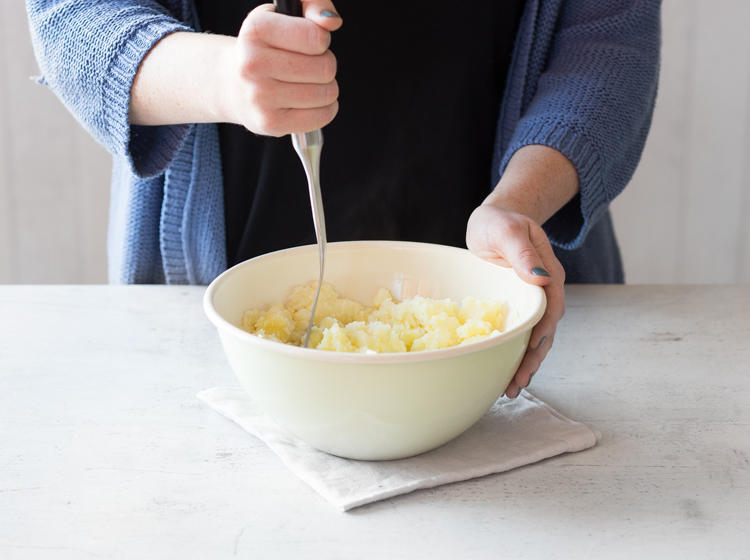
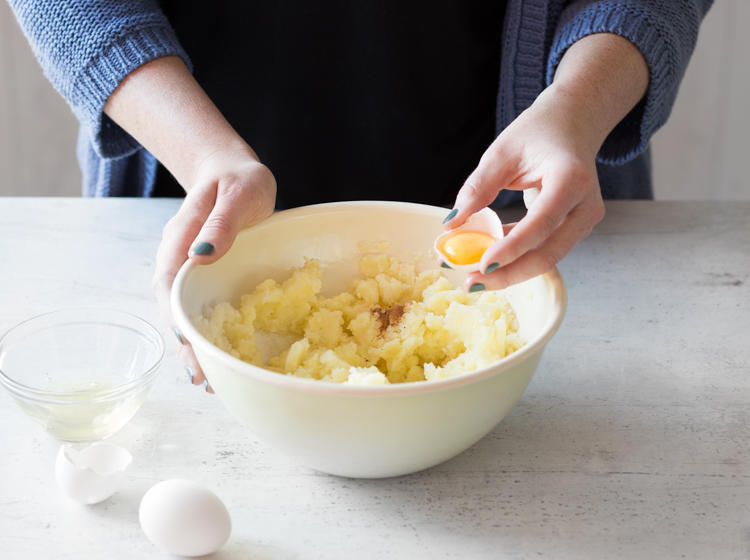
It is ideal, of course, if you have a potato press at hand. This allows the potatoes to be crushed and mixed with egg yolk, nutmeg and salt to a uniform croquette mass, which is free of bits.

With a simple potato masher, of course, you can do that too, because then you just have to crush it a bit more carefully and stomp it longer, until all bits are gone.

If your dough is too soft, you can also put it in the fridge for 20 minutes. So the mass becomes a little firmer again. And then you can start to form your croquettes.
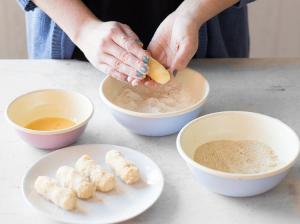
    

Forming your croquettes.

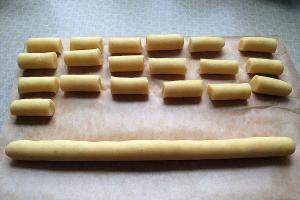
For this you always take a small amount of potato dough and roll it between both hands in croquette form. If this is too laborious for larger quantities, I have one more tip for you:

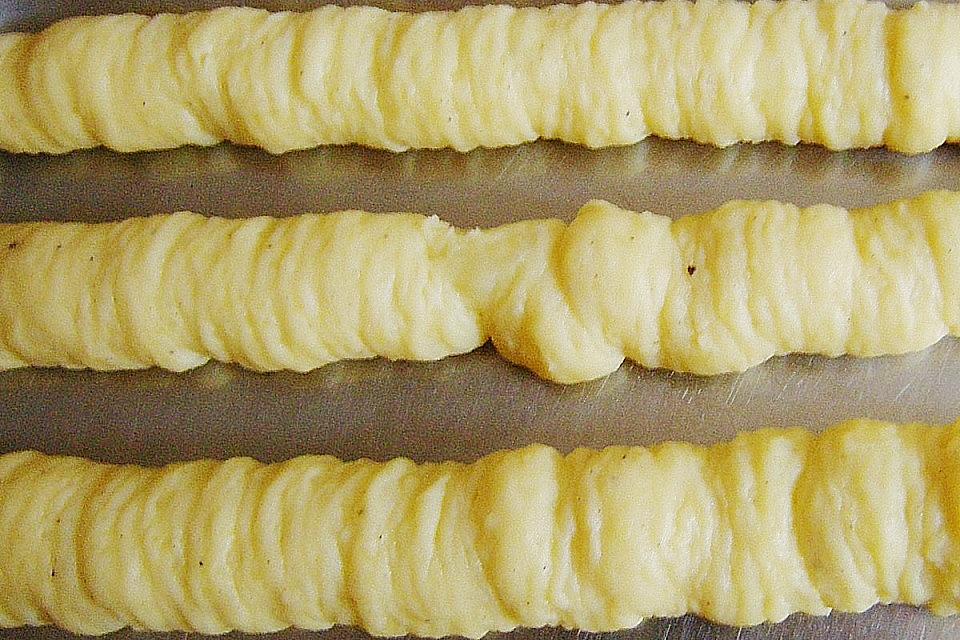
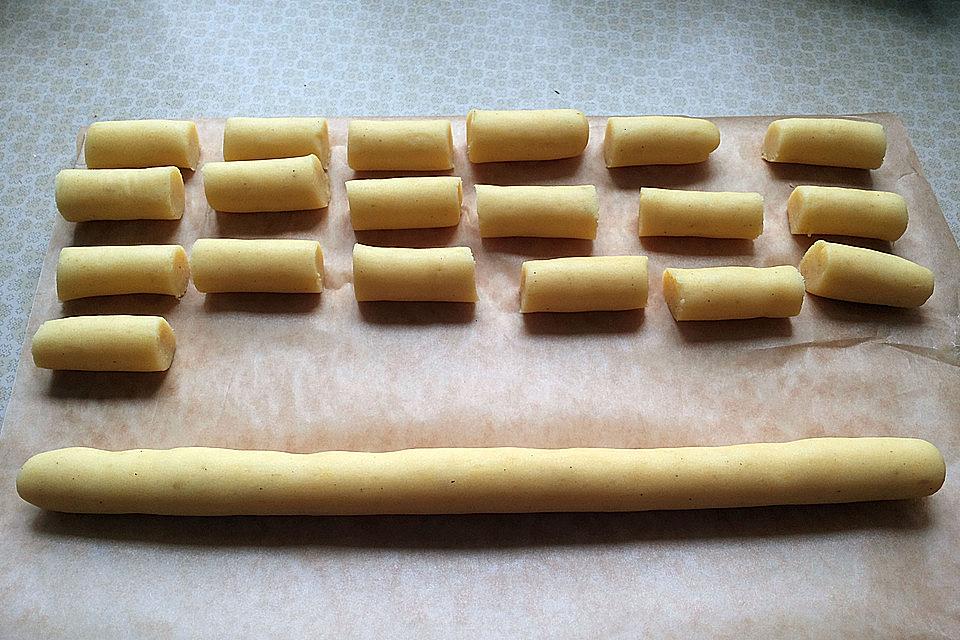
Simply pour the dough into a piping bag and draw a longer line with the potato mass on some baking paper. With a knife, you can then simply cut them into equal pieces and have them immediately ready in croquette form. Practical, or what?

So that’s just as easy with the breadcrumbs, I’ve got a little trick in store for it too.
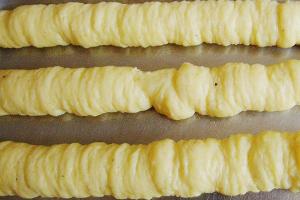
   

Bread the croquettes.

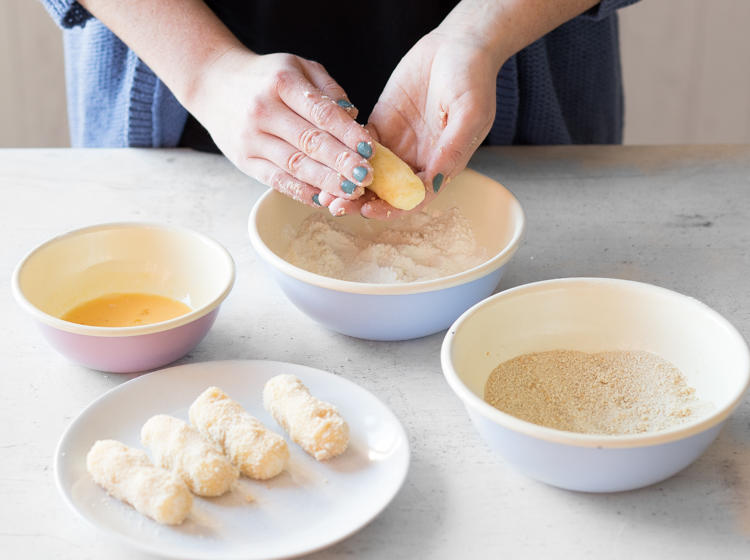
The deep-fried or baked potato rolls just become so uniformly brown and crunchy if they are carefully breaded beforehand. If the coat of egg and breadcrumbs does not close evenly around the croquettes, it can happen that they crack and burst during baking in fat or in the oven.

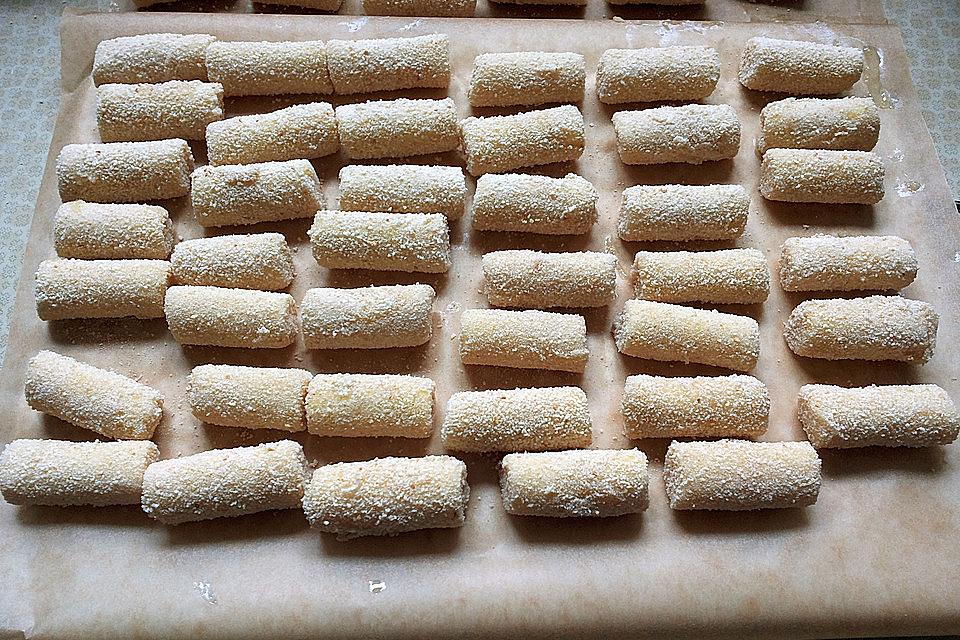
To prevent this from happening, first of all you dunk the croquettes into a bowl of whisked eggs and then roll them in the breadcrumbs so that they are completely covered and no more chips are visible from the potato mass. If necessary you can do this twice.
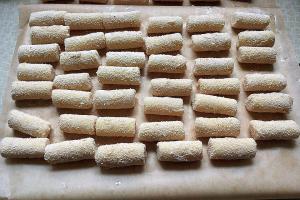
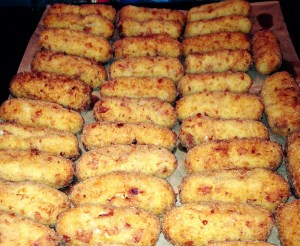
    

But to make handling the soft wheels easier, this trick is helpful: Before frying, place the croquettes in the freezer for 15 minutes and let them freeze for a short time. So you can simply bread them after that, without losing their shape or breaking it.

If you prepare a larger amount of croquettes right away, you can freeze a portion (before frying) of it afterwards and have directly homemade, fresh croquettes in the house. One more tip, we like breading croquettes with Panko and also mixed spices or finely chopped herbs into the breadcrumb bowl.
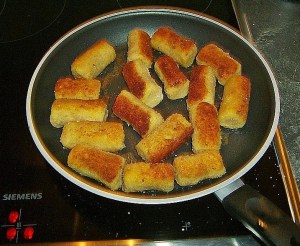
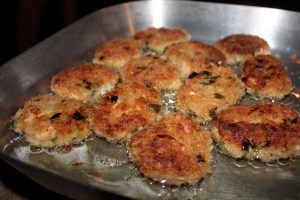
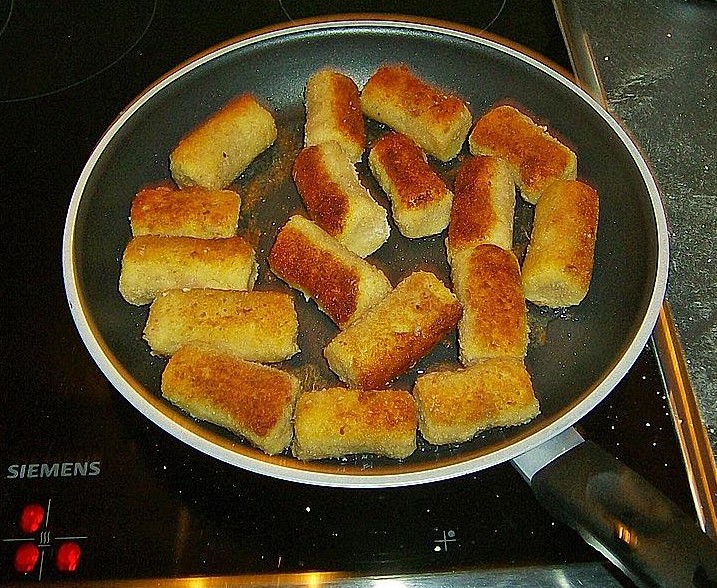
       Left pan-fried potato croquettes and right oven baked tuna croquettes.

Fry the croquettes, bake or roast them.

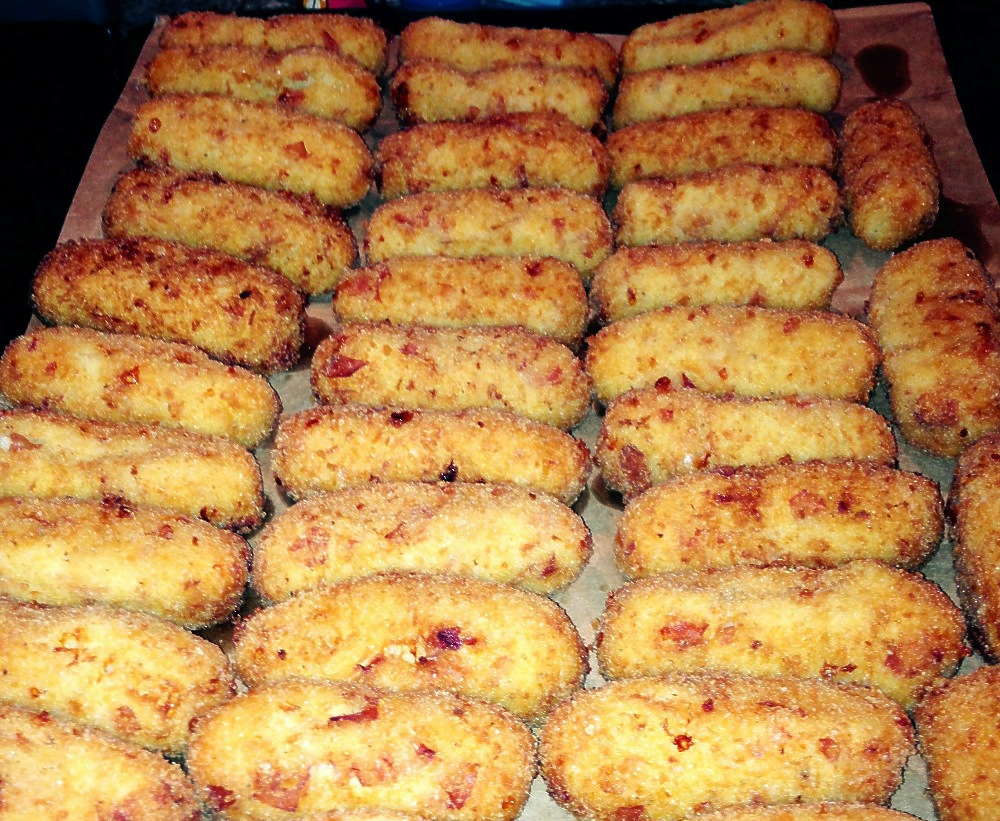
For the preparation in the pan best is to use a coated pan, so that the breading does not stick to the ground. Simply heat 3-5 tablespoons of oil (depends on size of the pan) and fry the croquettes, over medium heat, all around til they are golden brown. You have to turn them over a few times to get them browned all around.

If you want to bake them in the oven, place your potato rolls on a baking tray with baking paper and let them brown for about 20 minutes at 200 C (400 F). Or until they please you from their color. Turn them over once or twice during baking.
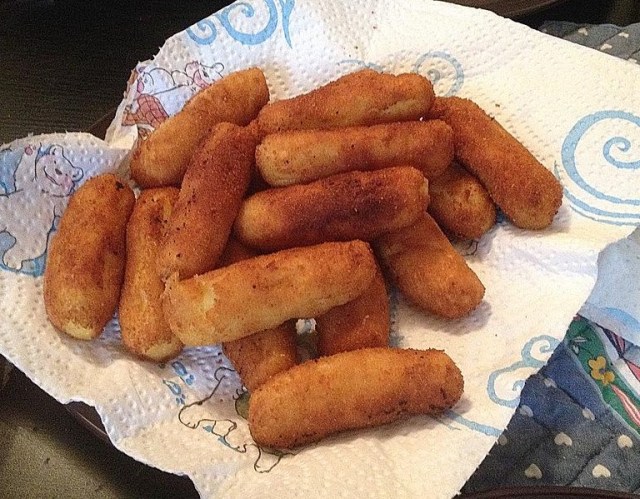
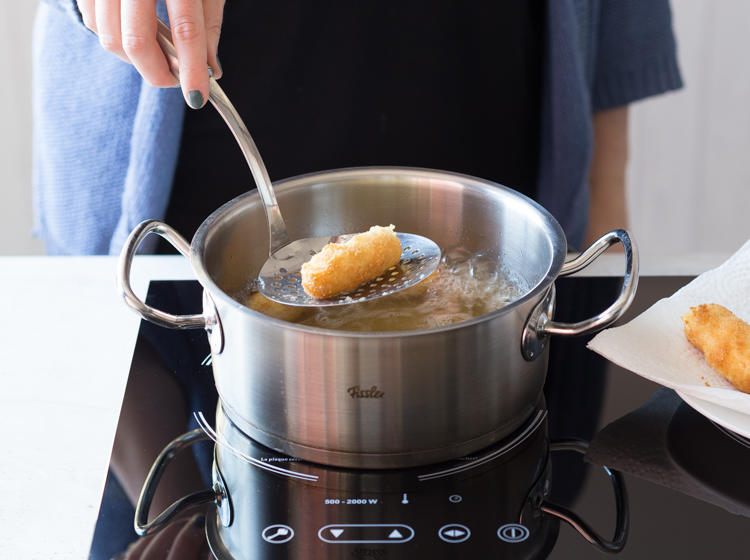
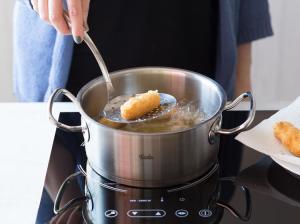
Frying has the advantage that the croquettes are finished in just 4 minutes and tan evenly without you having to turn them in between. For this you heat about 2 liters of oil in a pot to 180 C ( 360 F), or whatever a fryer suggest you to do. If you do not have a kitchen thermometer on hand, you can also do the wooden stick test. The right temperature is reached as soon as small bubbles rise around the stick. It is important that you use an oil that has a high smoke point, such as peanut oil or sunflower oil etc.

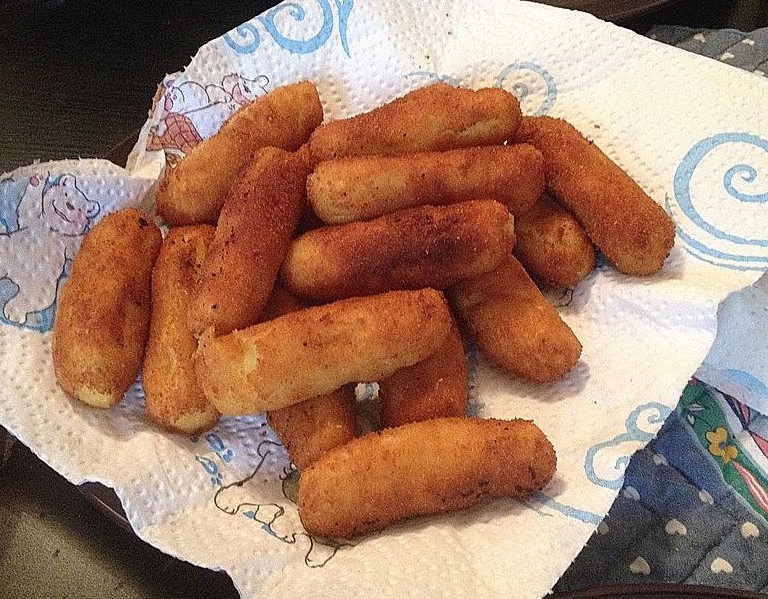
And then start frying in batches. Always put a few croquettes in the hot fat, but not too many. So the temperature of the oil stays constant and the croquettes have enough space for tanning. If they are brown and crunchy enough for you, you can lift them out of the pot with a slotted spoon and drain on some kitchen paper.
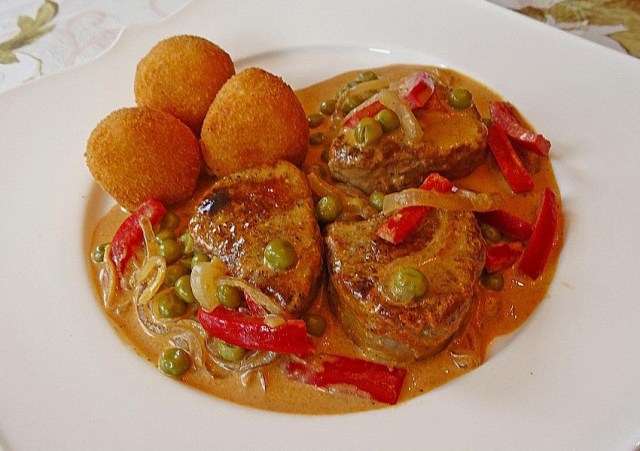
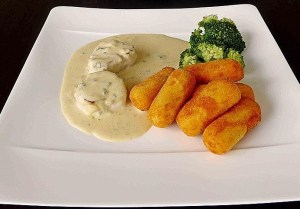
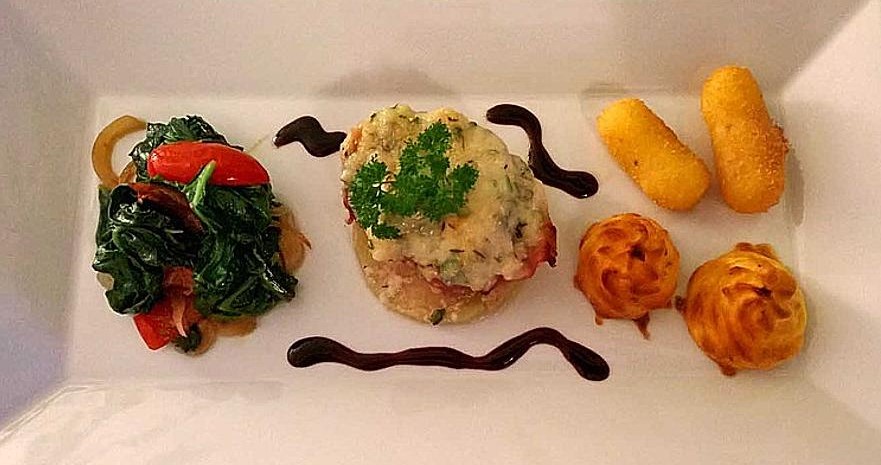
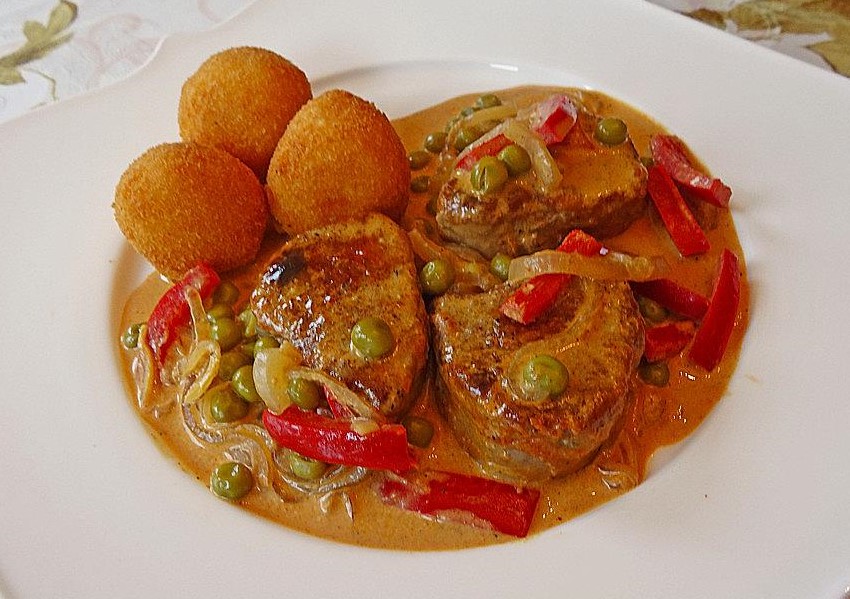
A Spanish feast, Croquettes as a side dish with Filet Mignon in a creamy Mustard/Cognac/Vegetable sauce.
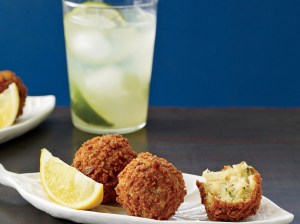
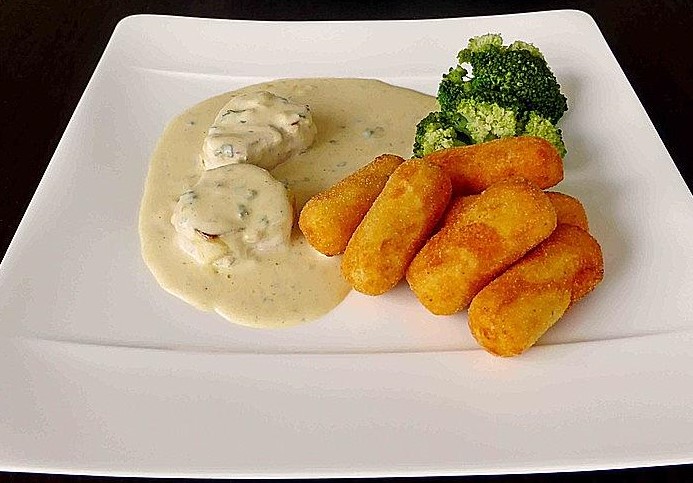
      The light variation: Left cod-croquettes fried in panko crumbs with a mojito aside as a bar snack and right as side dish with beef fillets in creamy-cheese and caper sauce.
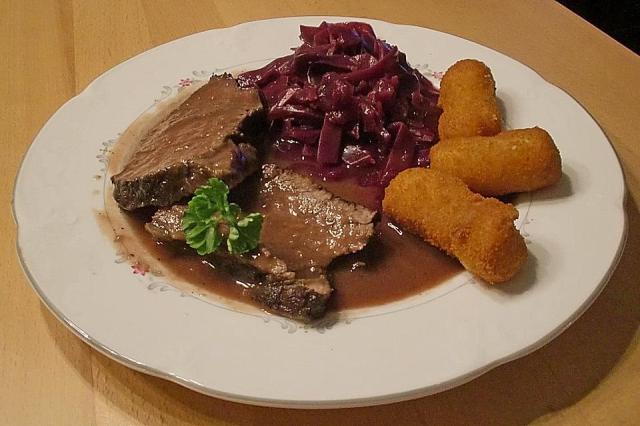
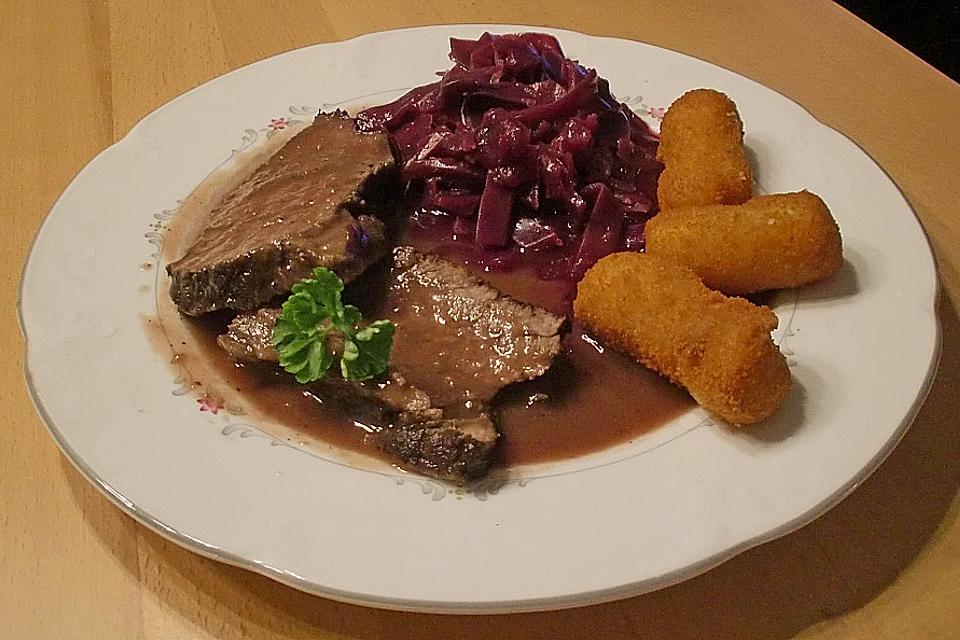
Very German, Kroketten with „Rheinischem Sauerbraten“ and Red Cabbage.
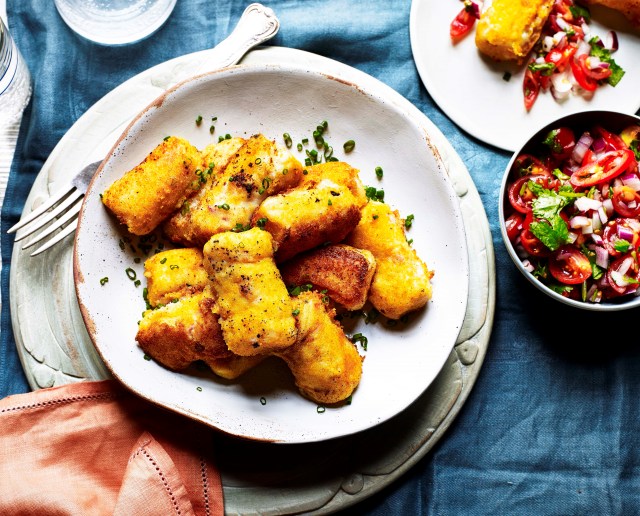
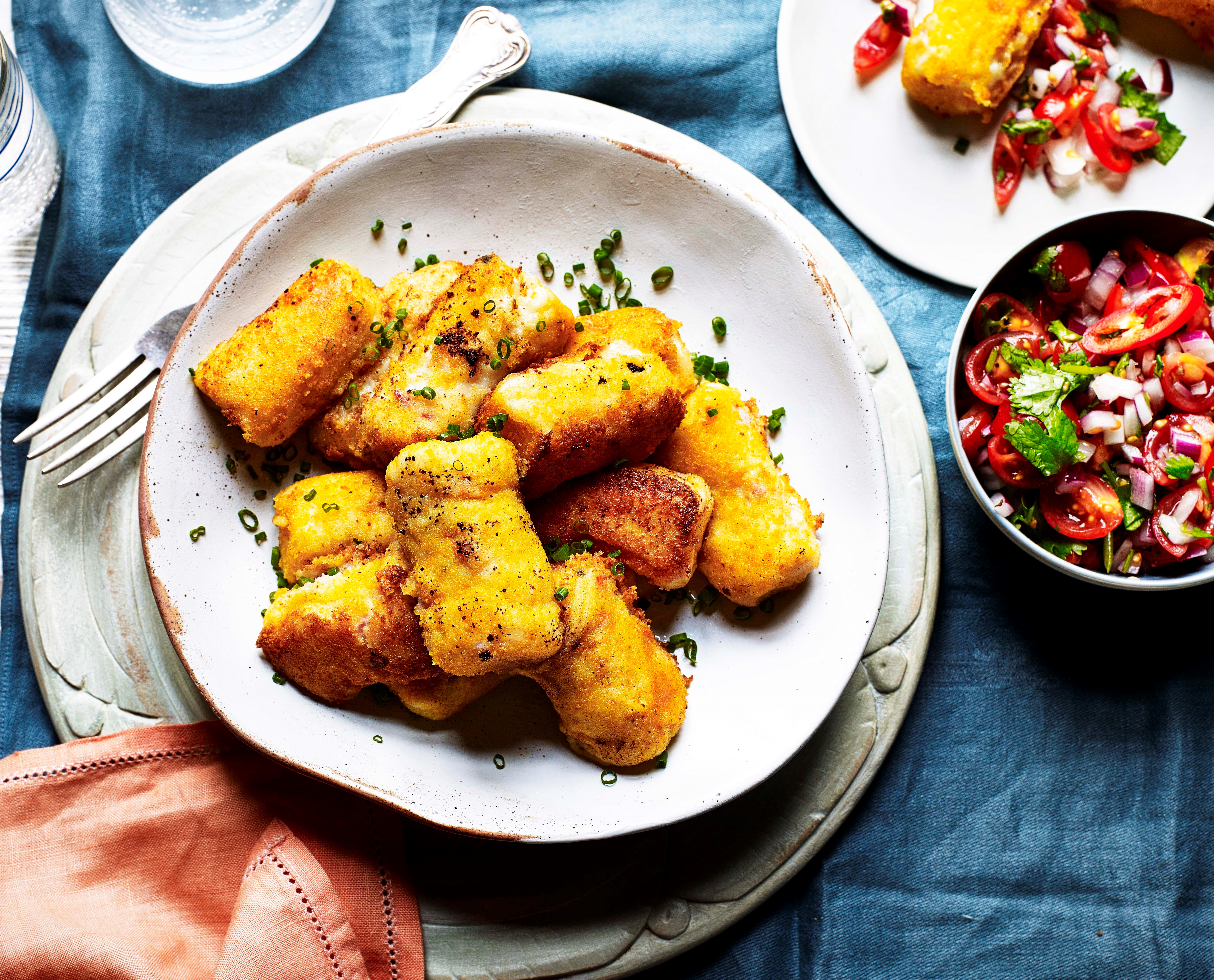
Or very French, a Ham-Cheese-Kroket main meal with a delicious fresh tomato-paprika salad aside.

What a big article about such a little thing like a krokette, isn’t it ? Do you really need more ideas for your next  炸肉餅  meal ?  Enjoy your life !!



Veröffentlicht unter History, Lifestyle, Recipes | Verschlagwortet mit | Hinterlasse einen Kommentar

The Whiny Child

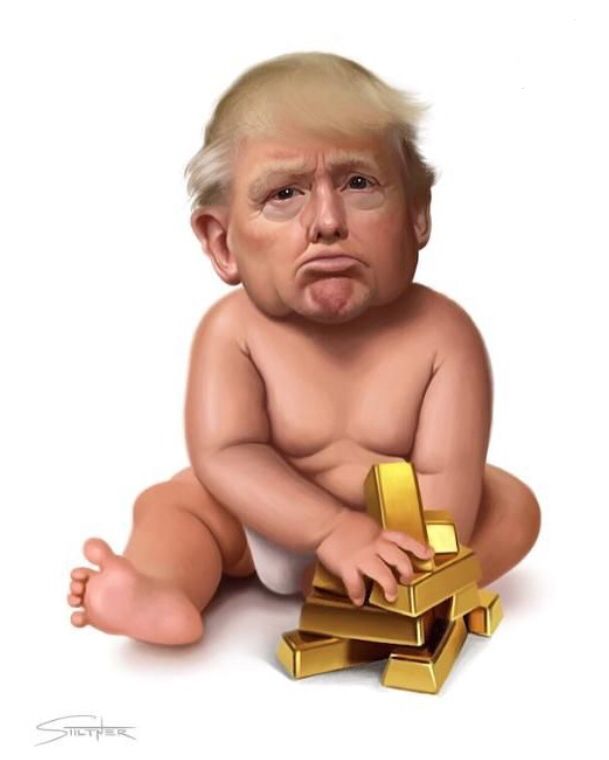
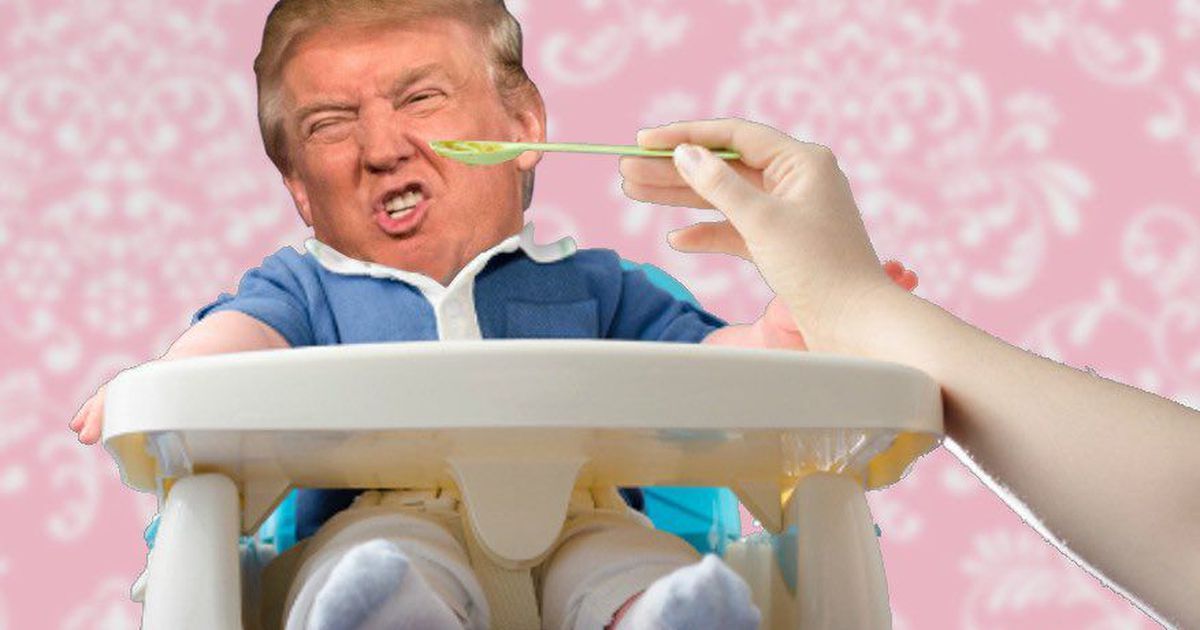
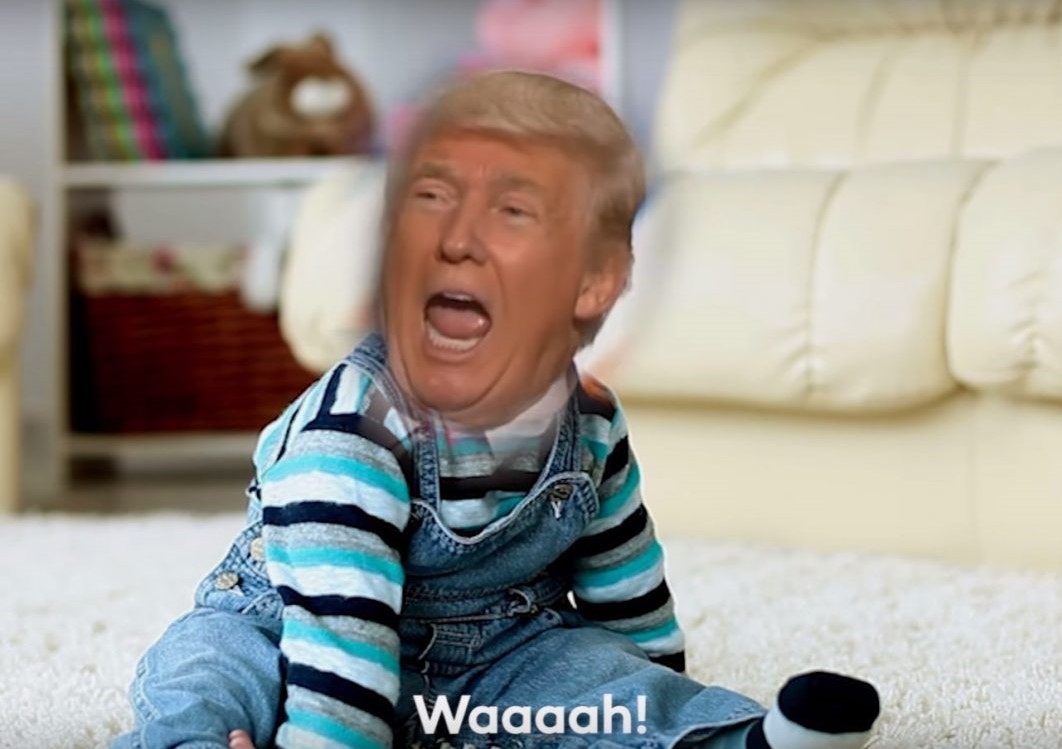
Recently I stumbled over two articles written in El Mundo, Spain about the „child who tries to wake up the world about the climate change“. I tried to change the subject a bit to the „other side of the medal“ and may be lost a few things during translation. Since satire is the strongest political content of most news nowadays, I hope my readers will like it. Of course fed with matching pics I found online and this time the text also in German as an dedication to my German readers.

Defiant whiny child tries to convince the world that there is no climate change.

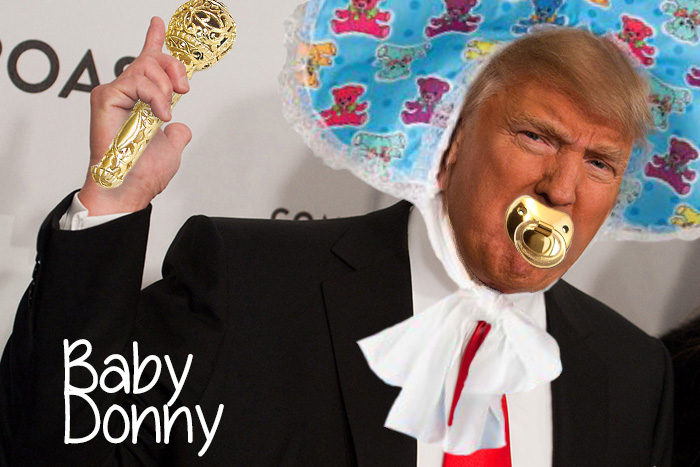
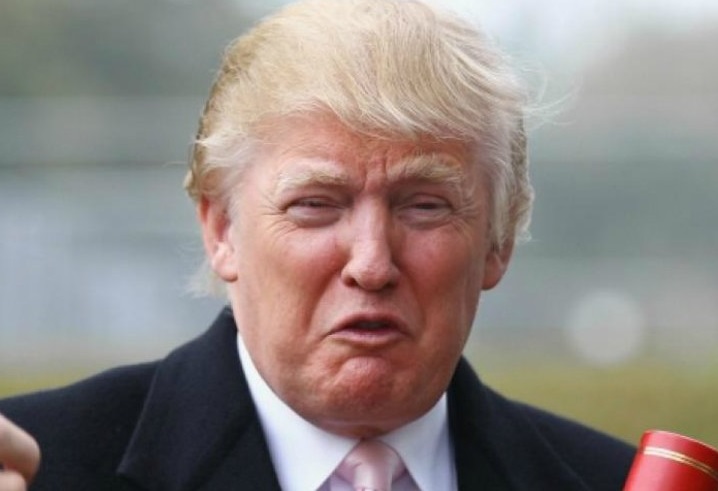
Can you take this seriously? A defiant whiny child is currently trying to convince the world that there is no man-made climate change. In social media, many people are irritated and outraged by the insolent brat, who should rather go back to school instead of spitting big sounds.

„We are leaving the Paris Climate Agreement,“ said the naughty half-strong, two years ago. „The US has the cleanest air and the cleanest rivers in the world,“ he claimed on another occasion. The alleged climate change is „a hoax“, which is driven by „the Chinese“.

Many critics believe that the infant in the body of a 73-year-old should rather be housed in a closed facility because of obvious developmental disability instead of performing publicly. There he could be helped to overcome his childhood trauma.
Since the villain is incapable of writing his own speeches or even of making sensible decisions, he is merely a puppet for the economic interests of less powerful people.

One thing is certain: the emotional, whiny appearance of the stubborn racketeer is only water on the mills of his critics. It is to be hoped that his followers will soon understand this and that politics will soon be left to the professionals again.

Trump denies sea level is rising while standing on tiptoe to breathe.

“WHERE IS THE WATER, WHAT DO I SEE ?”, has said Trump.

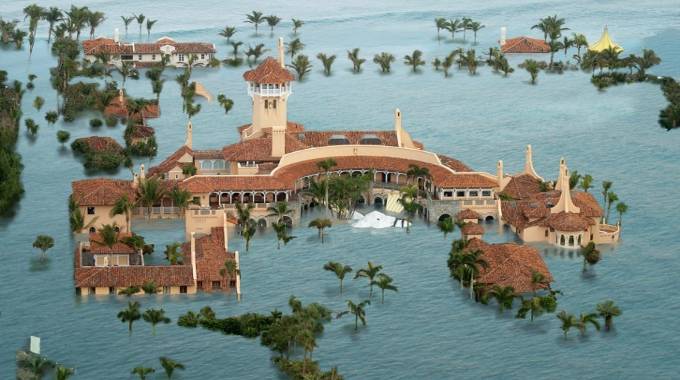
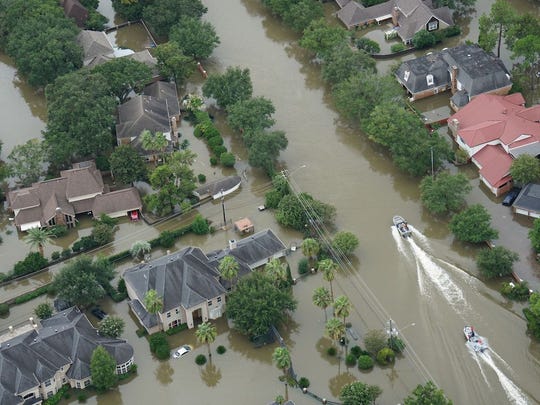
Only a few hours after the summit of the climate organized by the United Nations has closed, the president of the United States, Donald Trump, has continued to deny the climate crisis and has repeated, while the water began to cover him, that all these data  are „fake news.“

„It is false that the oceans are rising, maybe we are sinking,“ Trump insisted as the water entered through the doors of the entity’s headquarters.

„Where is the water, that I see it?“ Repeated the politician shivering with cold.

„Gentlemen, it has been an honor to deny climate change with you,“ said the US president just before sinking completely.

„GLUP, GLUP, GLUP, SO SAD !! GLUP, GLUP, GLUP, HELP. SHAME !!! „, „But lots of real estate down here – chance for money laundering !!!“,  Donald Trump tweeted for the last time.

Mar-a-Lago under water – fake news – ha ha ha, may be it is fact in a few years.

According to some witnesses, the musicians of the UN orchestra have continued playing until the end in a desperate attempt to make the inhabitants of planet Earth not lose their calm or hope while the sea level continued to rise irremediably.

Trotziges weinerliches Kind versucht Welt davon zu überzeugen, dass es keinen Klimawandel gibt.

Kann man das ernst nehmen? Ein trotziges weinerliches Kind versucht derzeit, die Welt davon zu überzeugen, dass es keinen menschengemachten Klimawandel gibt. In den sozialen Medien zeigen sich viele Menschen irritiert und empört über das freche Balg, das lieber in die Schule gehen sollte, statt große Töne zu spucken.

„Wir treten aus dem Pariser Klimaabkommen aus“, erklärte der ungezogene Halbstarke, vor zwei Jahren. „Die USA haben die sauberste Luft und die saubersten Flüsse der Welt“, behauptete er bei anderer Gelegenheit. Der angebliche Klimawandel sei „ein Schwindel“, der von „den Chinesen“ vorangetrieben werde.

Viele Kritiker glauben, dass das Kleinkind im Körper eines 73-Jährigen aufgrund offensichtlicher Entwicklungsstörungen lieber in einer geschlossenen Einrichtung untergebracht werden sollte, anstatt öffentlich aufzutreten. Dort könnte ihm geholfen werden, seine Kindheitstraumata zu überwinden.

Da der Bengel nicht in der Lage sei, seine eigenen Reden zu verfassen oder selbst vernünftige Entscheidungen zu treffen, handele es sich bei ihm lediglich um eine Marionette für die wirtschaftlichen Interessen weniger mächtiger Leute.
Sicher ist: Das emotionale, weinerliche Auftreten des störrischen Rackers ist nur Wasser auf die Mühlen seiner Kritiker. Es bleibt zu hoffen, dass auch seine Anhänger dies bald einsehen und die Politik bald wieder den Profis überlassen wird.

Trump bestreitet, dass der Meeresspiegel steigt, während er auf Zehenspitzen steht, um zu atmen.

„WO IST DAS WASSER, ICH SEHE NICHTS ?“, sagte Trump.

Nur wenige Stunden nach dem Ende des von den Vereinten Nationen organisierten Klimagipfels hat der Präsident der Vereinigten Staaten, Donald Trump, die Klimakrise weiterhin geleugnet und wiederholt, während das Wasser ihn zu bedecken begann, all diese Daten Sie sind „falsche Nachrichten“. Fake news, fake news, believe me … !

     Richtig gesagt Trump, die Häuser sinken, nicht der Meeresspiegel steigt, IDIOT !! Wo ist das Wasser ?

„Es ist falsch, dass die Ozeane steigen, vielleicht sinken wir“, beharrte Trump, als das Wasser durch die Türen des Hauptquartiers des Unternehmens trat.

„Wo ist das Wasser,  ich sehe nichts ?“, Wiederholte der Politiker zitternd vor Kälte.

„Meine Herren, es war eine Ehre, mit Ihnen den Klimawandel zu leugnen“, sagte der US-Präsident kurz vor dem völligen Untergang.

    Richtig gesagt Trump, alles nur „fake news“, ist ja alles nicht passiert, oder ? Haben die Chinesen gemacht !

„GLUP, GLUP, GLUP, SO TRAURIG !! GLUP, GLUP, HILFE. Schade !!! “, twitterte Donald Trump zum letzten Mal.

Laut einigen Zeugen haben die Musiker des UN-Orchesters bis zum Ende weitergespielt, um die Bewohner des Planeten Erde nicht aus der Ruhe zu bringen, während der Meeresspiegel unwiderruflich anstieg.

According to the latest polls, President Trump is the most hated president in history.

Above its easy to see why !!!  Americans are highly disapproving of President Donald Trump in personal terms, with his tweeting habit a major irritant. Seventy percent say he’s acted in an unpresidential manner since taking office, 68 percent don’t see him as a positive role model, and 67 percent disapprove of his use of Twitter.      The End !???!


Veröffentlicht unter Information | Verschlagwortet mit | Hinterlasse einen Kommentar

What a Miracle

Both pics above are the same tree: The miniature railway line runs in and out between the hanging roots of the ancient Banyan Fig tree (just one tree)  in Queens Park Maryborough, Queensland Australia. This Banyan Fig tree is well over 100 years old and quite spectacular with its huge system of air roots growing down into the ground. My little grandson between the massive root-system, that’s life.

Tree life and Hermann Hesse.

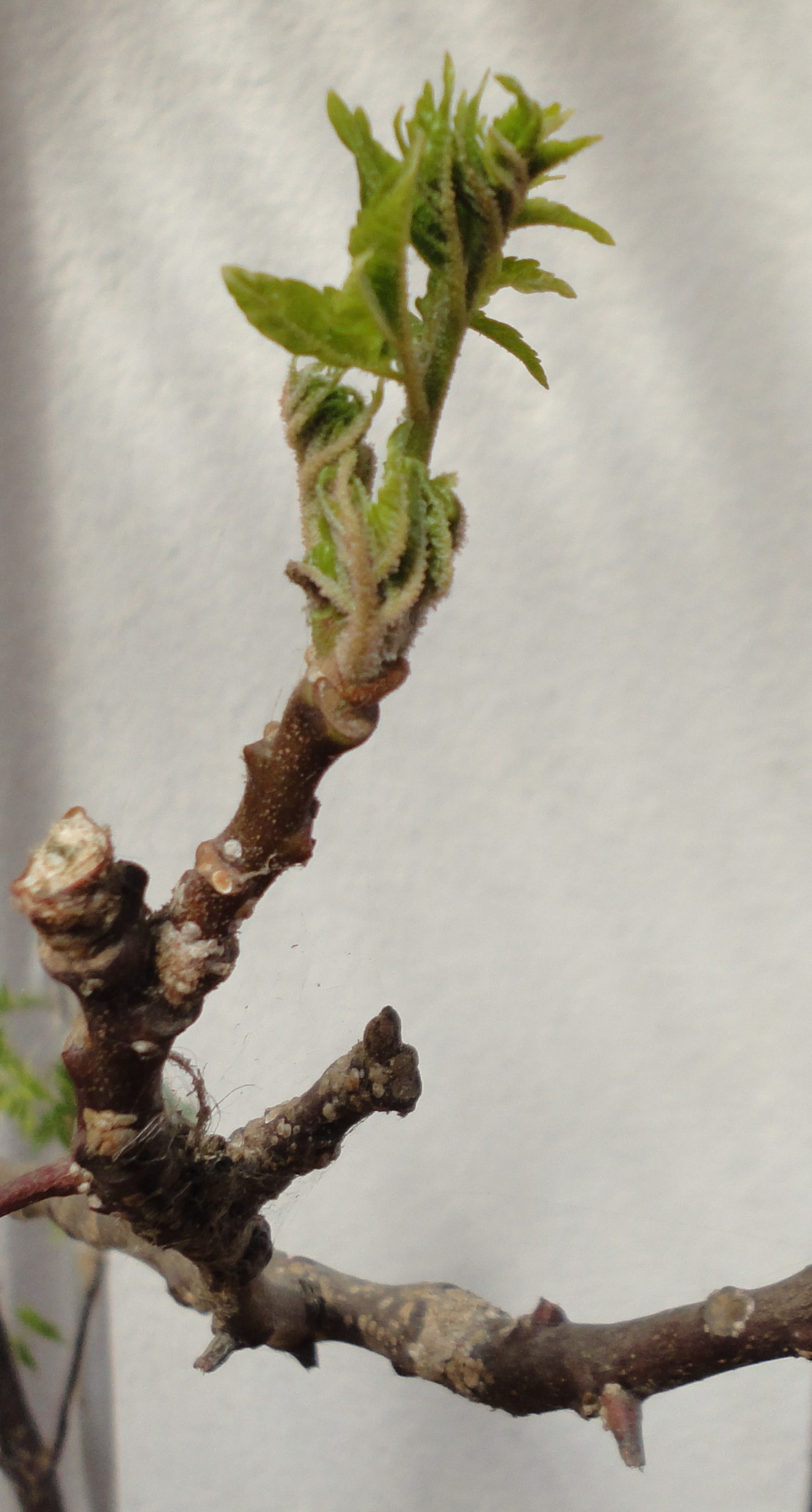
This morning I went trough the garden to discover the amazing wonder of nature once again. Spring started in our hemisphere and everything starts a new life. My trees are shooting new buds and little leaves are forming to catch the sun. And I thought, my God, what a miracle, what magic. What a reminder that life does not await permission to be lived. Then I directly made some pics and like to share them with you.


How little, how fragile, but how strong to break out through the hard crust.

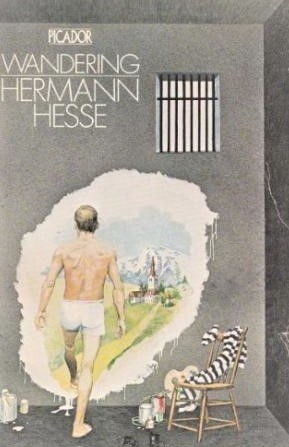
Since I am all my life a big fan of Hermann Hesse (2nd of July 1877 – 9th of August 1962) , reading several times lots of his works, like“Freunde, Knulp, Demian, Wandering, Siddhartha, Steppenwolf, Das Glasperlenspiel and many more“, this little wonder reminded me of a beautiful passage written by Hermann Hesse  – one of the most beautiful I’ve ever read – taken from his 1920 collection of fragments,
„Wandering: Notes and Sketches“
:

   Hermann Hesse „Wandering, 1920“.

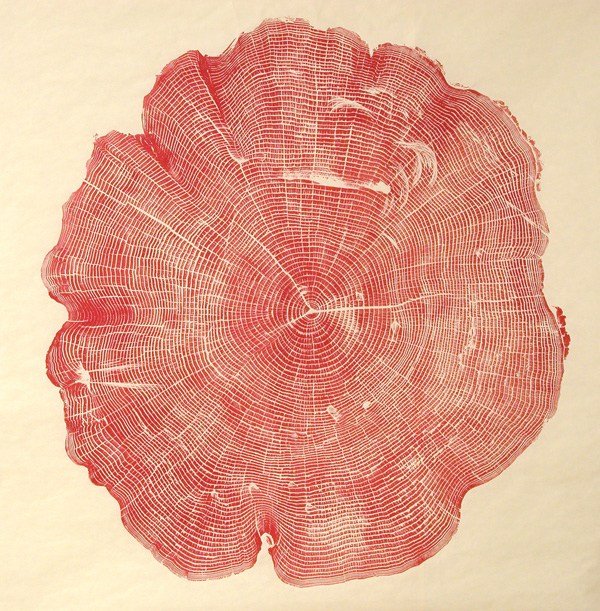
For me, trees have always been the most penetrating preachers. I revere them when they live in tribes and families, in forests and groves. And even more I revere them when they stand alone. They are like lonely persons. Not like hermits who have stolen away out of some weakness, but like great, solitary men, like Beethoven and Nietzsche. In their highest boughs the world rustles, their roots rest in infinity; but they do not lose themselves there, they struggle with all the force of their lives for one thing only: to fulfill themselves according to their own laws, to build up their own form, to represent themselves. Nothing is holier, nothing is more exemplary than a beautiful, strong tree. When a tree is cut down and reveals its naked death-wound to the sun, one can read its whole history in the luminous, inscribed disk of its trunk: in the rings of its years, its scars, all the struggle, all the suffering, all the sickness, all the happiness and prosperity stand truly written, the narrow years and the luxurious years, the attacks withstood, the storms endured. And every young farm boy knows that the hardest and noblest wood has the narrowest rings, that high on the mountains and in continuing danger the most indestructible, the strongest, the ideal trees grow.

Artwork by Bryan Nash Gill from his book „Woodcut, 2012“. (3rd of November 1961 – 17th of May 2013) was an American artist who worked primarily with wood, in the form of relief prints and sculptures.

Trees are sanctuaries. Whoever knows how to speak to them, whoever knows how to listen to them, can learn the truth. They do not preach learning and precepts, they preach, undeterred by particulars, the ancient law of life.

A tree says: A kernel is hidden in me, a spark, a thought, I am life from eternal life. The attempt and the risk that the eternal mother took with me is unique, unique the form and veins of my skin, unique the smallest play of leaves in my branches and the smallest scar on my bark. I was made to form and reveal the eternal in my smallest special detail.

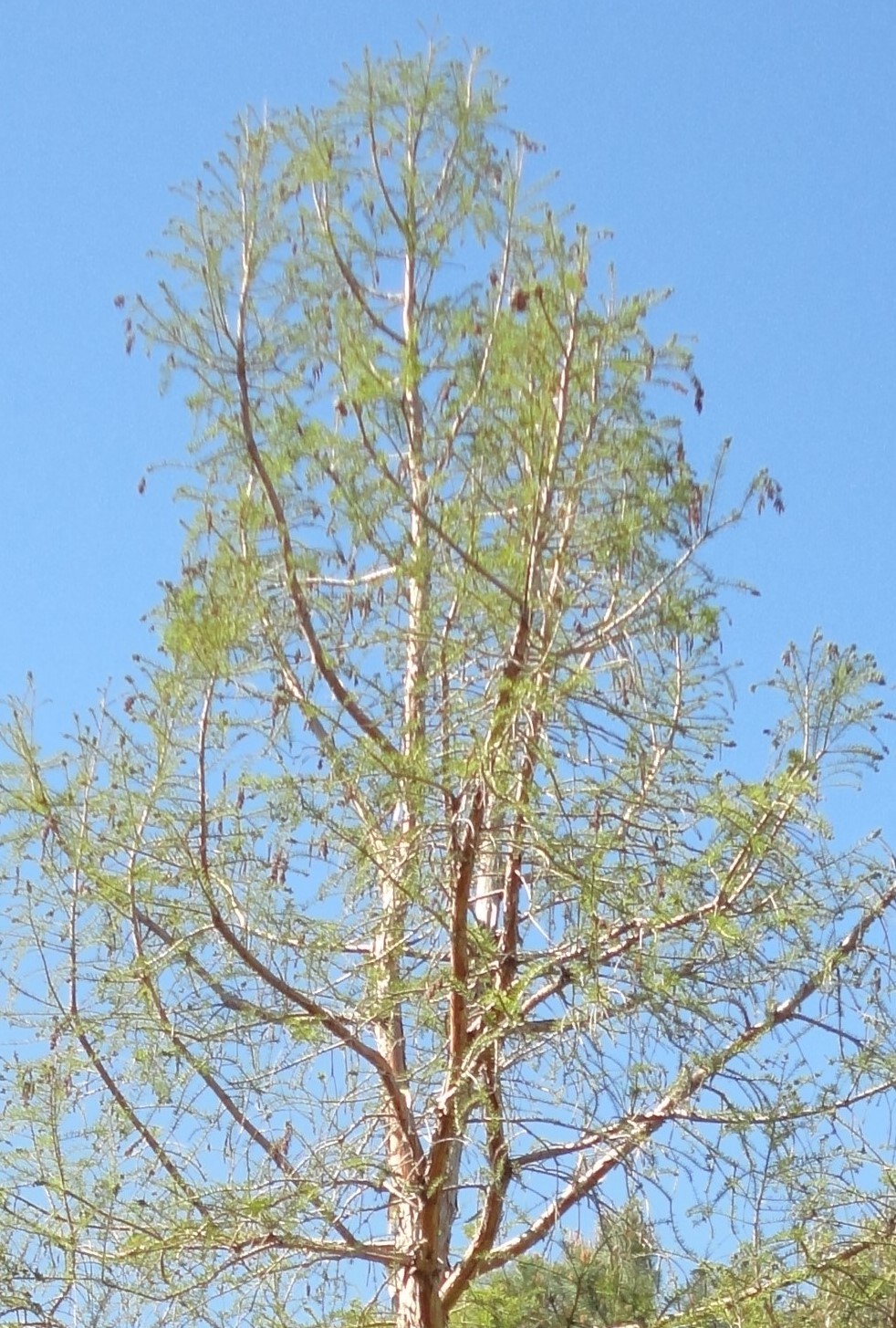
This large (over 15 meters tall now) pine tree in my garden comes up every spring with new life from top to bottom, an amazing reincarnation to watch. That is what Hermann Hesse is talking about.

A tree says: My strength is trust. I know nothing about my fathers, I know nothing about the thousand children that every year spring out of me. I live out the secret of my seed to the very end, and I care for nothing else. I trust that God is in me. I trust that my labor is holy. Out of this trust I live.

When we are stricken and cannot bear our lives any longer, then a tree has something to say to us: Be still! Be still! Look at me! Life is not easy, life is not difficult. Those are childish thoughts. . . . Home is neither here nor there. Home is within you, or home is nowhere at all.

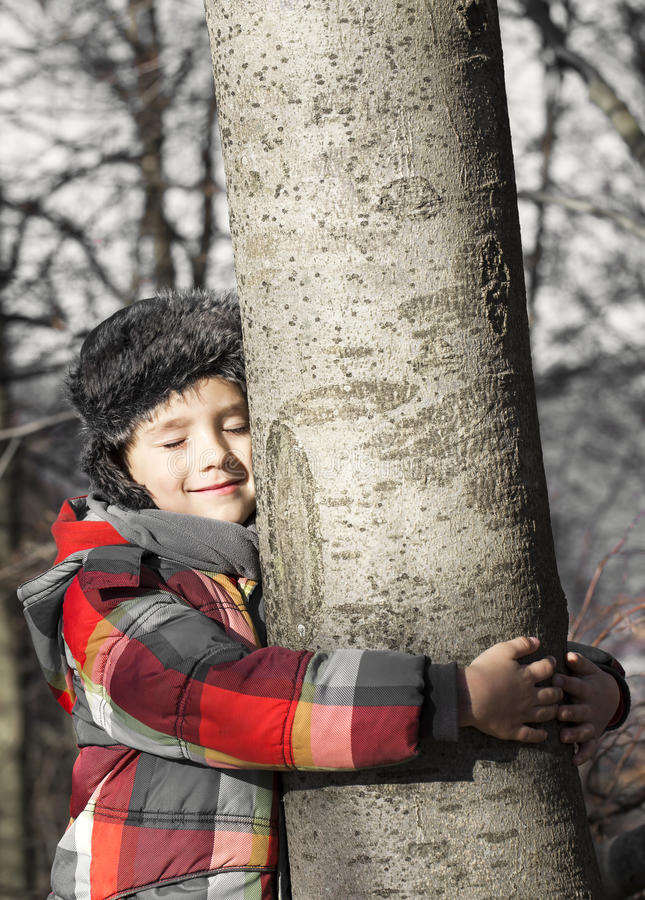
Did you ever tried to hug a tree and may be feeling tree life and listen to the nature. It is just a wonderful experience.

A longing to wander tears my heart when I hear trees rustling in the wind at evening. If  one listens to them silently for a long time, this longing reveals its kernel, its meaning. It is not so much a matter of escaping from one’s suffering, though it may seem to be so. It is a longing for home, for a memory of the mother, for new metaphors for life. It leads home. Every path leads homeward, every step is birth, every step is death, every grave is mother.

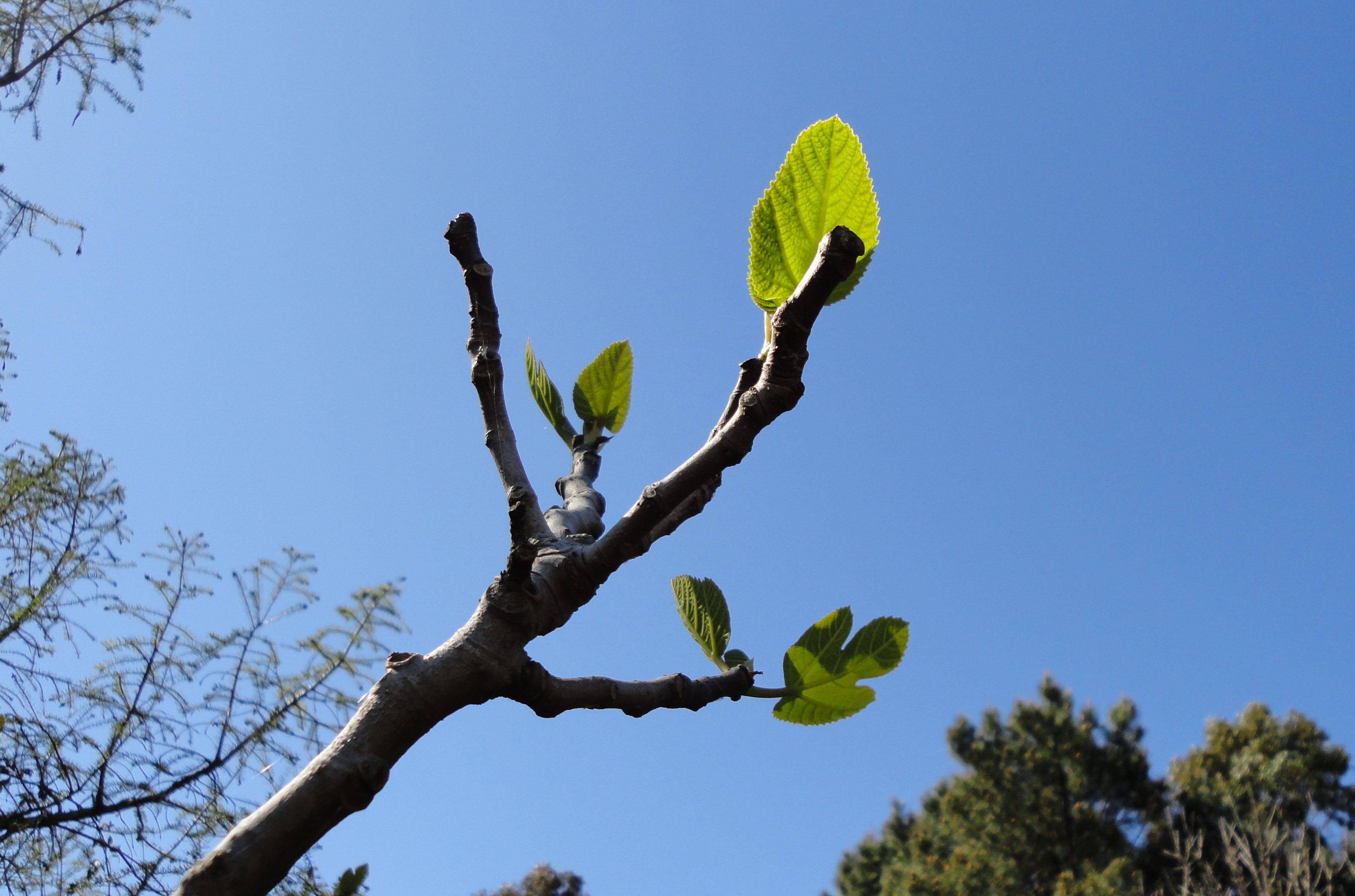
This Fig tree in my garden is starting new life and in a few weeks we will see hundreds of figs. Those trees are so much wiser than we are, let’s learn to listen to trees.

So the tree rustles in the evening, when we stand uneasy before our own childish thoughts: Trees have long thoughts, long-breathing and restful, just as they have longer lives than ours. They are wiser than we are, as long as we do not listen to them. But when we have learned how to listen to trees, then the brevity and the quickness and the childlike hastiness of our thoughts achieve an incomparable joy. Whoever has learned how to listen to trees no longer wants to be a tree. He wants to be nothing except what he is. That is home. That is happiness.

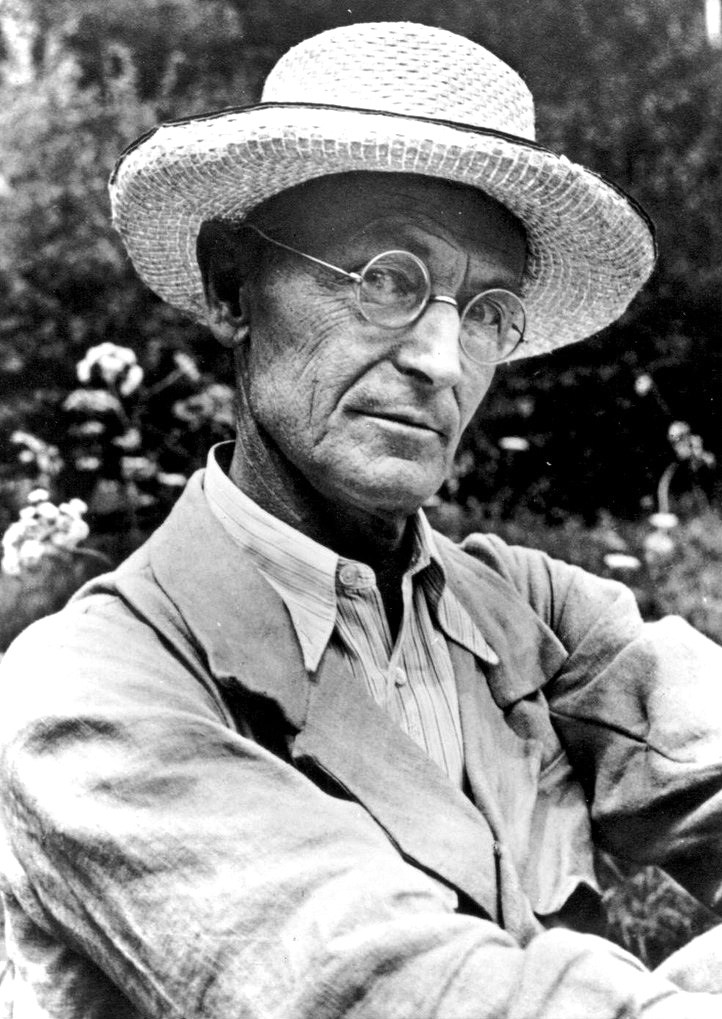
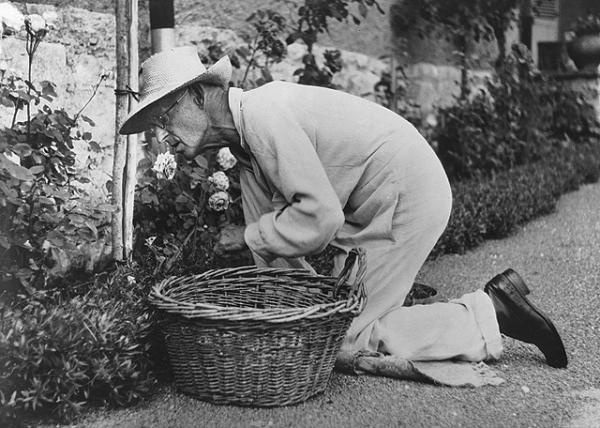
Hermann Hesse gardening and „listening to nature“ ?!

Did you like this post ? Then I am happy to confront you with more about this German-born poet, novelist, and painter Hermann Hesse ! In 1946, he received the Nobel Prize in Literature. Fantastic works to read.


d

Veröffentlicht unter Lifestyle | Verschlagwortet mit | Hinterlasse einen Kommentar

Uruguay – 2

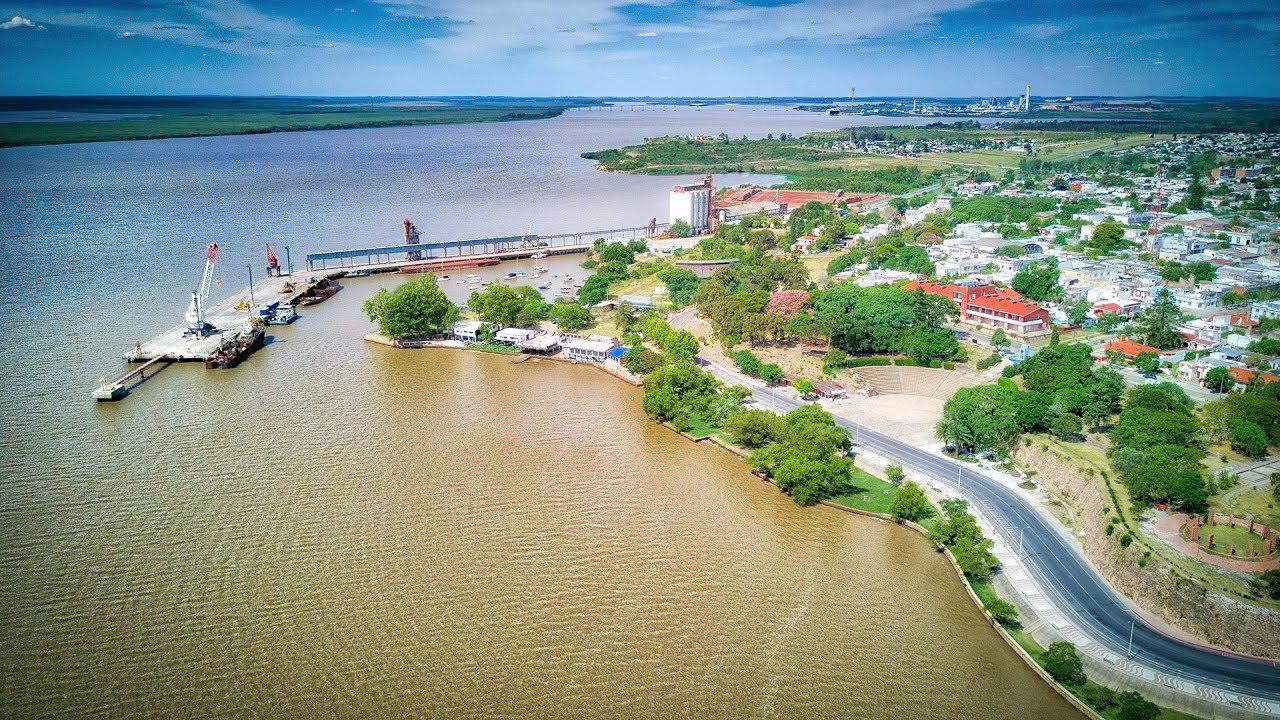
Harbour area at the Uruguay River in Fray Bentos, Uruguay.

Commercial Activities.

The major agricultural products are wheat, rice, barley, corn, sorghum, sugarcane, potatoes, and fruits. The bulk of livestock are cattle, sheep, and horses. Pigs, chickens, turkeys, and rabbits are also significant. Fishery is a major economic activity, and there is some mussel aquaculture and seal harvesting. The major exports are meat, leather products, wool, rice, dairy products, and hydroelectric power. The main imports are vehicles, electrical machinery, metals, heavy industrial machinery, and crude petroleum.

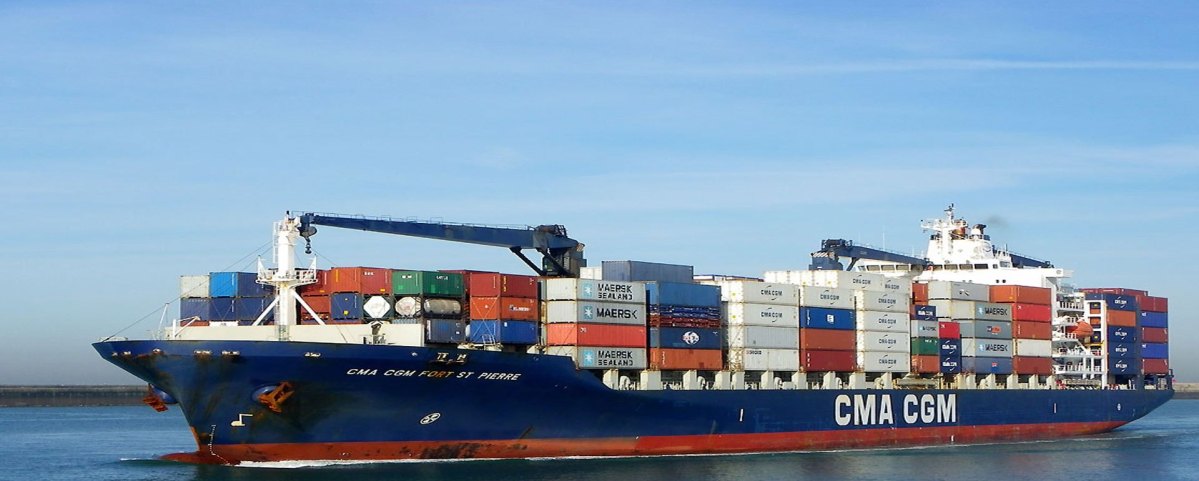
There is a good highway system and some railroads and waterways. There are ports and harbors at Montevideo, Colonia, Punta del Este, Fray Bentos, Nueva Palmira, Paysandu, and Piriapolis.


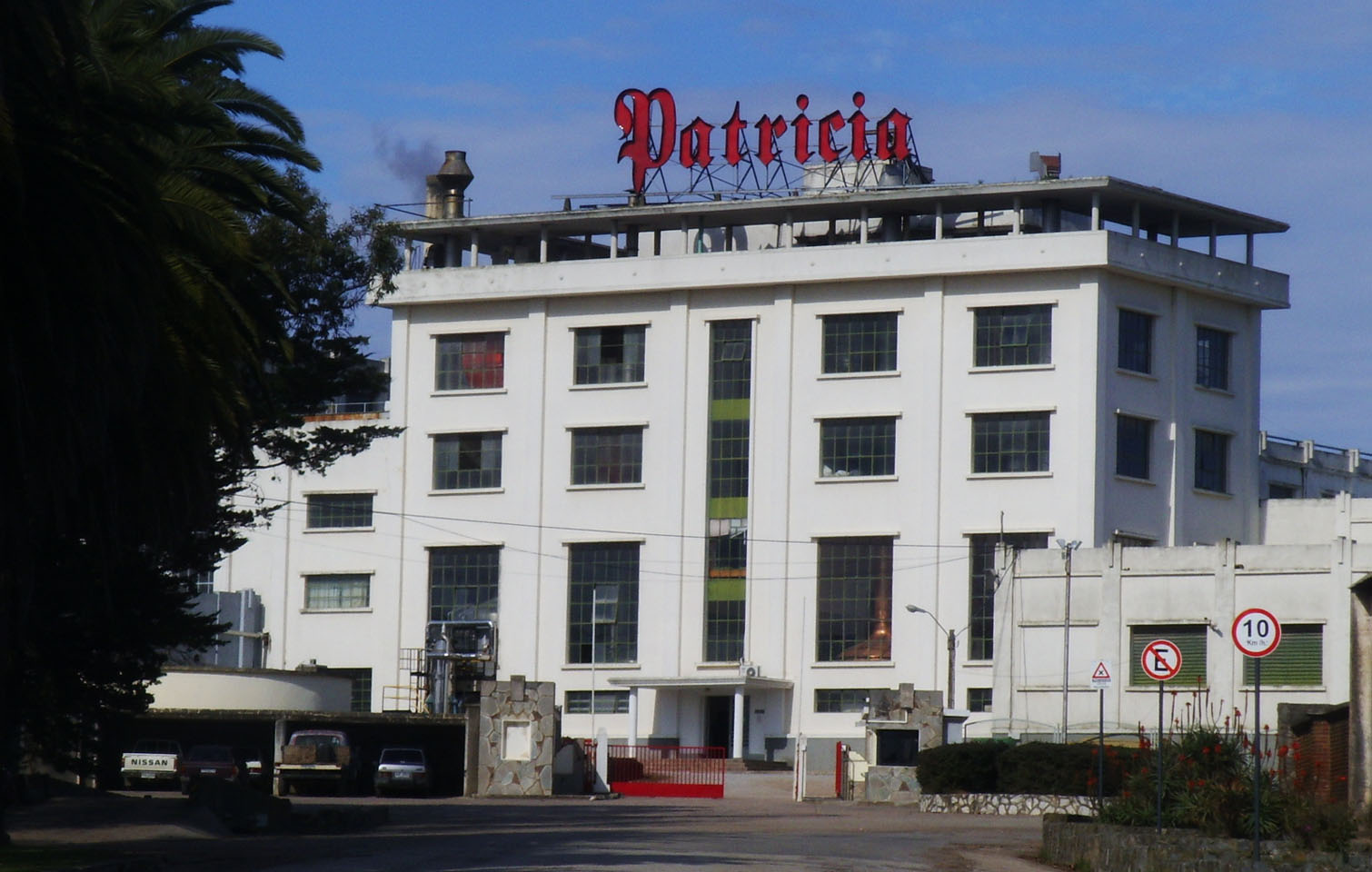
Patricia brewery Uruguay.

Major Industries.

Industry became a significant factor in the economy in the second half of the twentieth century. This sector manufactures primarily food products, petroleum products, alcoholic (mainly beer and wine) and nonalcoholic beverages, chemicals and chemical products, textiles, clothing, hydraulic cement, gypsum, tobacco products, electrical appliances, and transportation equipment.

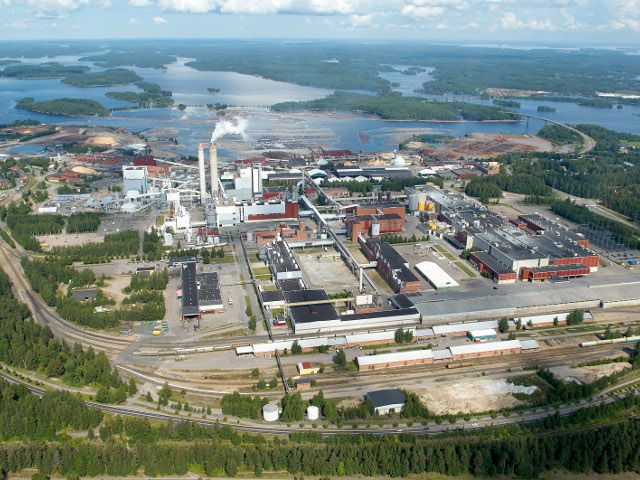
Finland’s UPM has a pulp mill plant in Fray Bentos, a successful investment despite ongoing disputes with Argentina.

Trade.

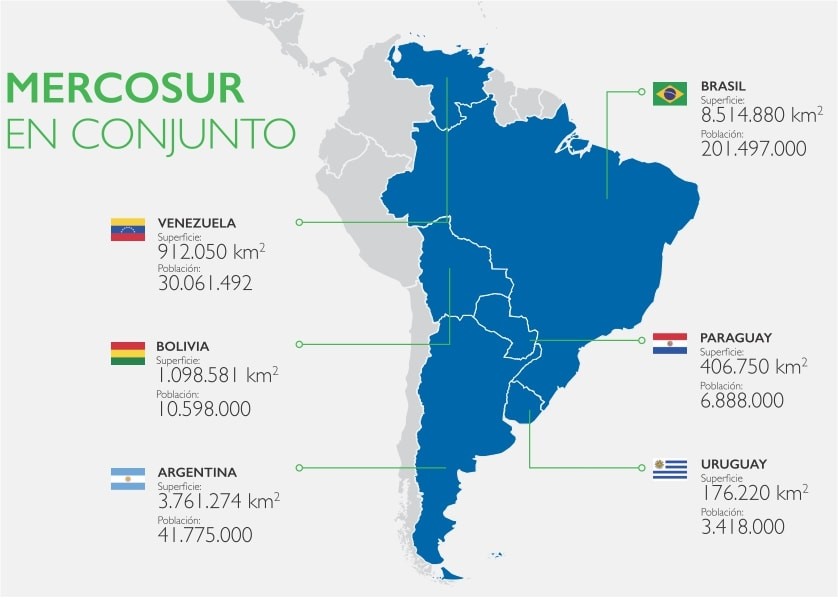
Uruguay is part of the Mercado Común del Sur (Mercosur) free-trade area. Almost half the country’s exports go to Argentina and Brazil. Other significant export recipients are the European Union countries (20 percent) and the United States (7 percent). Imports come mainly from the Mercosur partners (43 percent), the European Union (20 percent) and the United States (11 percent).

Division of Labor.

Among people 14 to 55 years old, 61 percent are economically active. Among those working, 12 percent are in the primary sector, 25 percent in the secondary sector, and 63 percent in the tertiary sector. Schooling is obligatory, and children are not in the workforce.

Industrial jobs are supposedly granted on the basis of qualifications, but since major industries are government-owned, many openings are filled through partisan connections with the political party in power. This practice is particularly important in appointments for public positions. This has resulted in an oversized government workforce.

Child Rearing and Education.

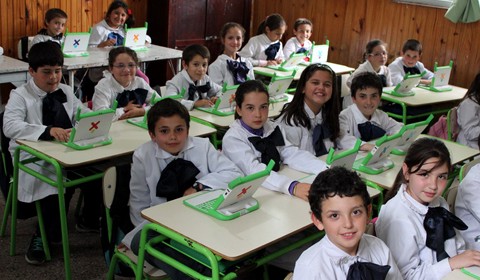
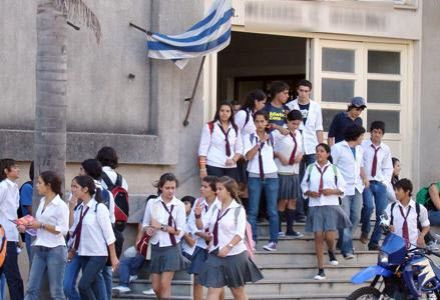
Since the 1870s, primary education and secondary education have been based on the French model. Religion was banned from public schools in 1909. All public primary school children wear a white coat and a blue ribbon as a tie. Private school children wear uniforms, that are similar to those in British schools.

  School kids in Uruguay, boys and girls alike, wear a uniform. This is mostly a simple white coat with a very big dark (blue or black) loop. All kids have access to learn computers. The school system is not to bad, but filled with many failure weeks and holidays. Summer holiday is almost 3 month !!

Industrial jobs are supposedly granted on the basis of qualifications, but since major industries are government-owned, many openings are filled through partisan connections with the political party in power. This practice is particularly important in appointments for public positions. This has resulted in an oversized government workforce.

Higher Education.

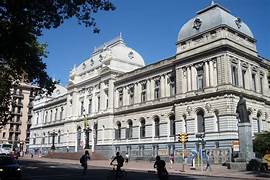
A university education is highly valued. There are three universities. The Universidad de La República is public and free and specializes in the natural, physical, and medical sciences. The Universidad Católica, which is run privately by the Catholic Church, specializes in the social sciences. The Universidad ORT, associated with the Jewish ORT constructivist educational movement, specializes in technical studies. There are active links with Argentinean and Brazilian universities.


      University and students in Montevideo, Uruguay.

Classes and Castes.

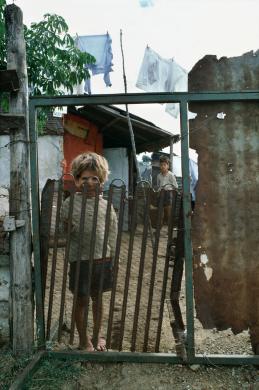
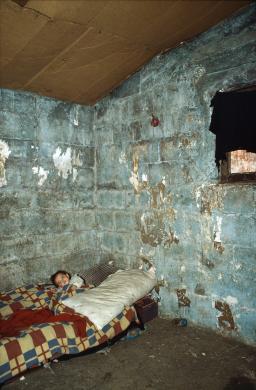
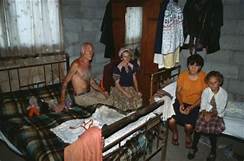
Uruguay has long had a high standard of living, and its social, religious, political, and labor conditions are among the freest in South America. The state has provided universal free education since the late 1870s. However, there is social polarization; 13 percent of people in Montevideo and 16 percent in the interior live below the poverty line, and the unemployment rate is high. The relatively small upper class includes the ranching, business, professional, and political elites.

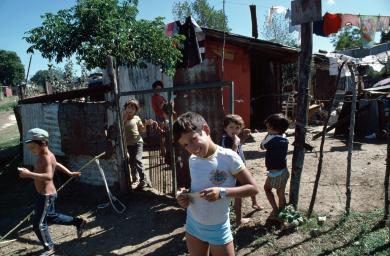
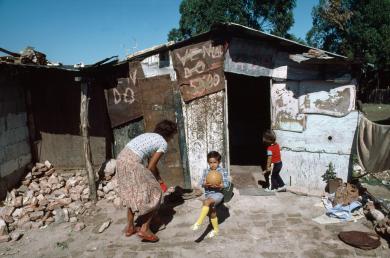
  Slum in Montevideo.

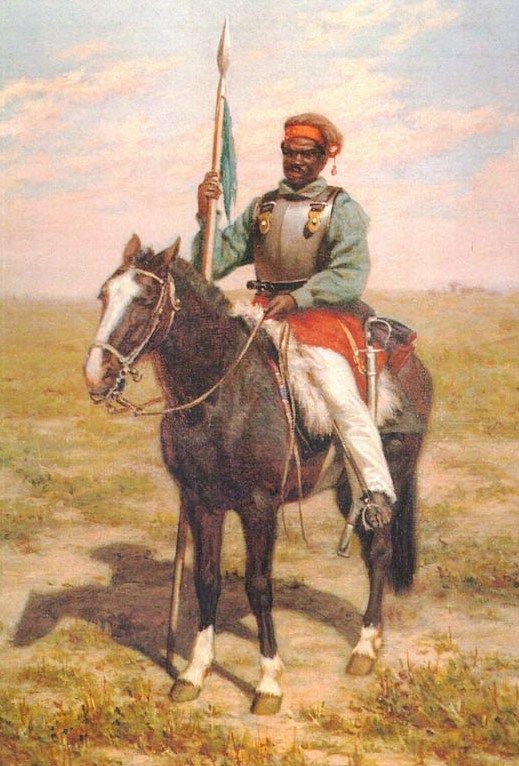
The two major minorities—the mestizos and the African-Uruguayans—are overwhelmingly in the low and lower-middle classes. During the wars for independence and later struggles for power, those ethnic groups were recruited into the militias, and they still often join the armed forces. Many African-Uruguayans are employed in domestic service or work as musicians and entertainers. There is no overt bigotry against minorities.

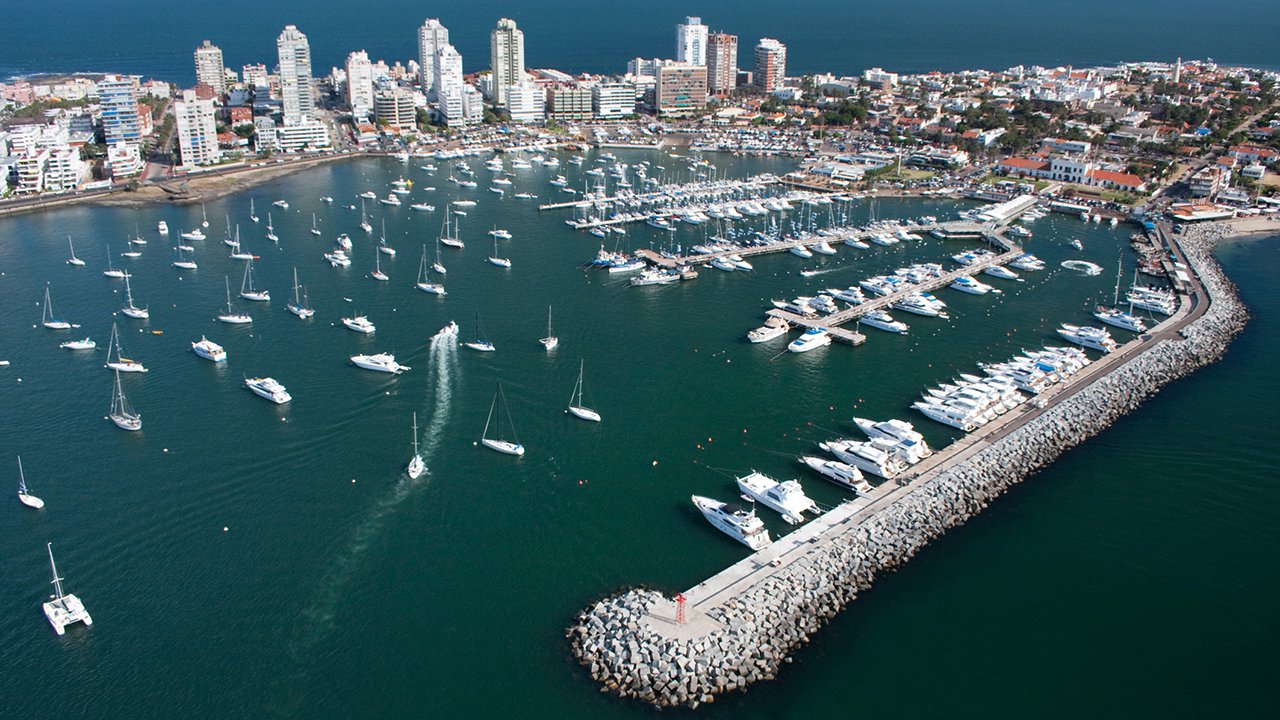
Harbor of Punta del Este, the Uruguayan Juppy beach town.

Symbols of Social Stratification.

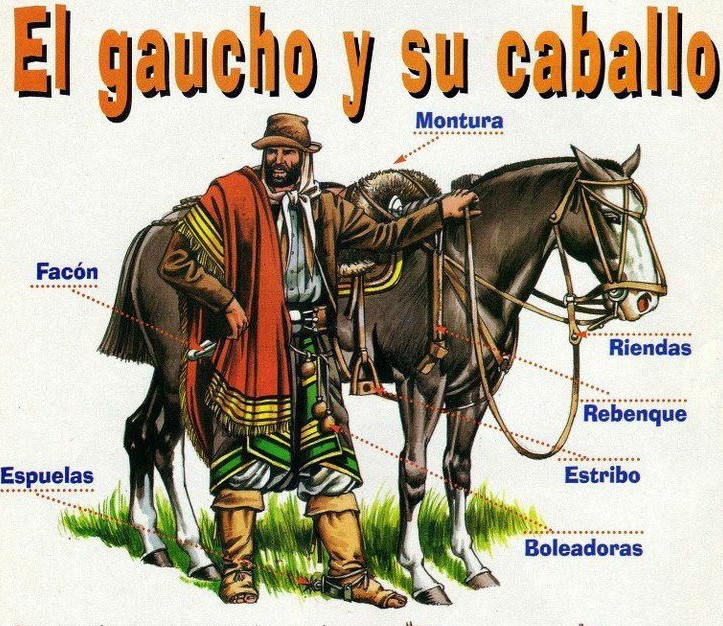
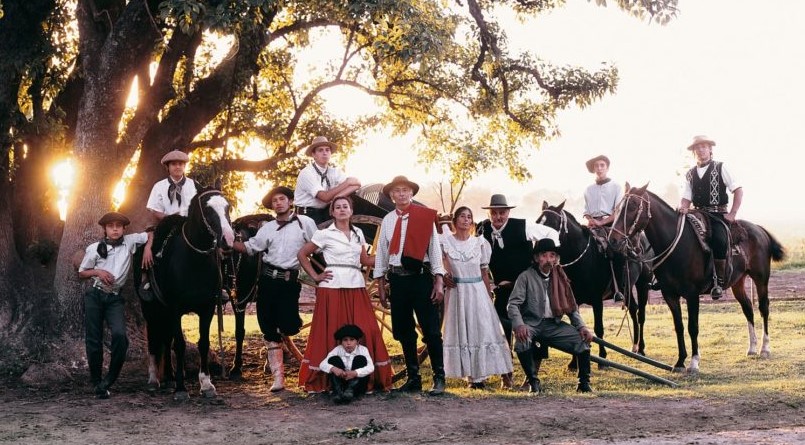
Montevideans stress their closeness to Europeans in appearance and life styles. Upper-class and middle-class people are very conscious of grooming and dress. In rural areas, many people still wear gaucho-influenced clothing. There is an inverse correlation between social class and the use of slang and gauchesco words. Car ownership is still seen as a social class symbol, and being a fan of certain soccer clubs also is said to be related to social class. Belonging to exclusive clubs is a symbol of social status. Where people spend their summer vacations and the beaches they go to are also related to social status.

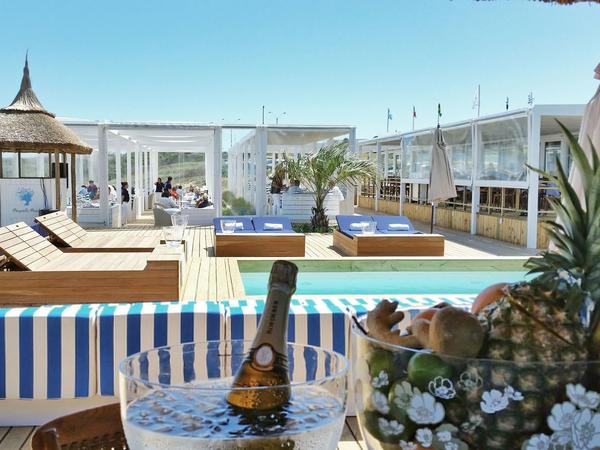
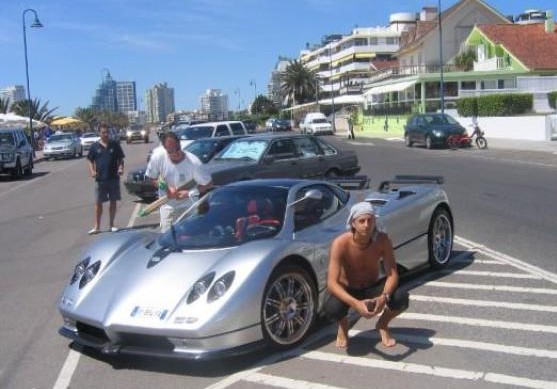
  Important social status, beach club in Punta del Este, or luxury cars and beach life in Uruguay

Government.

Uruguay is a republic characterized by the presence of representative democracy at all levels of government; elections are held every five years. People are generally well informed about politics, and voting is compulsory after the age of eighteen. The election for president is unique in that the primaries and the voting occur simultaneously. People vote for candidates on open lists from each party; those who receive the most votes are the official candidates, and the presidency goes to the party with an absolute majority of votes.

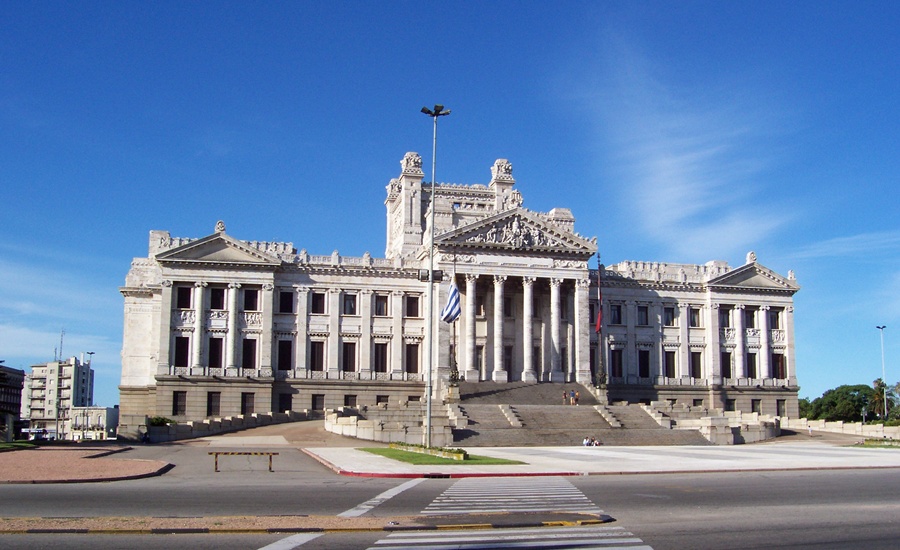
Palace Legislativo in Montevideo, Uruguay.

The executive branch consists of a president and twelve appointed ministers. The legislative branch consists of a bicameral general assembly with ninety-nine representatives and thirty senators and the vice president. The Supreme Court is the highest body in a judicial branch based on Spanish civil law.

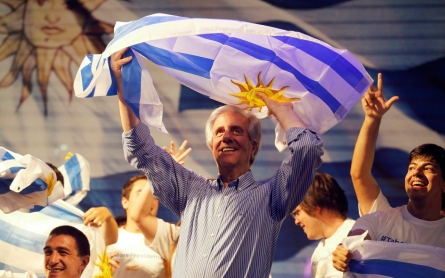
  Sitting president Vasquez.

Leadership and Political Officials.

The major political forces are the mostly centrist Colorado Party (currently in power), the center to right Blanco or Nacional Party (strong in rural areas), and a coalition of leftist parties, the „Broad Front,“ which dominates the municipal government of the capital.

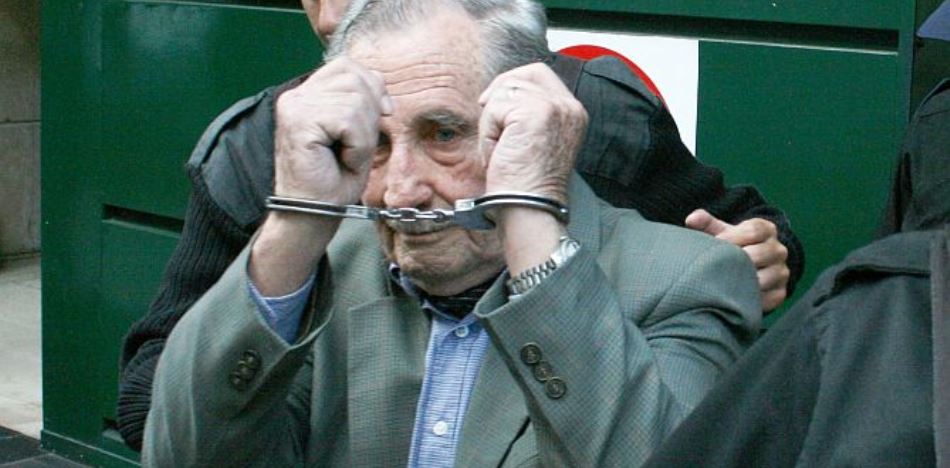
       Last dictator of Uruguay died at 91 in 2016.

Social Problems and Control.

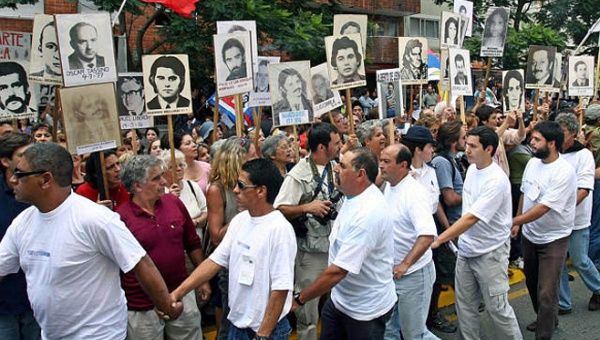
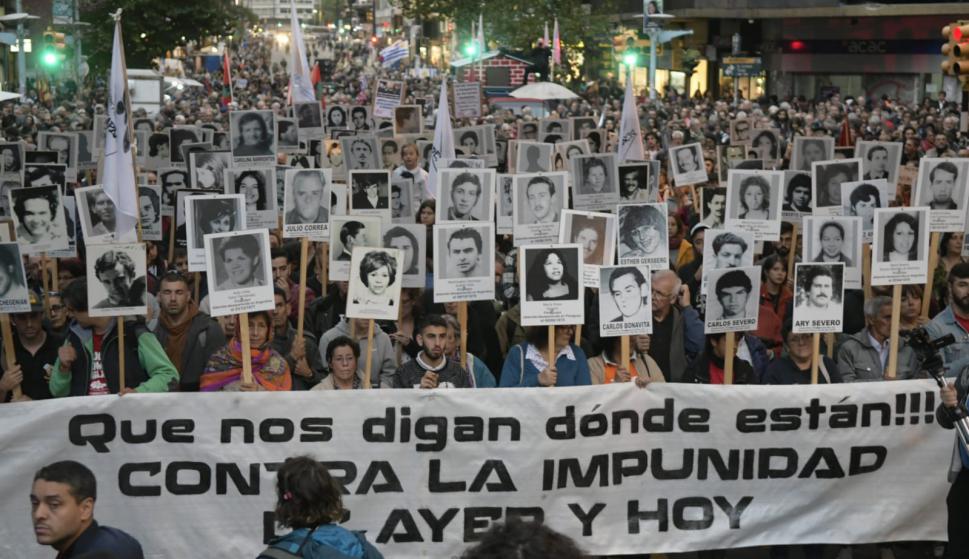
Before the 1970s, Uruguay was known as the freest and safest South American country, with an exemplary judiciary system. During the military dictatorship (1973–1985), personal and human rights were suspended, and formal social control was directed at suppressing „subversive“ activities. As a result, many thousands of people left the country as political refugees, and many who stayed were imprisoned, tortured, or killed by the police and the military. After democracy was reestablished, the country returned to the previous system of social control.

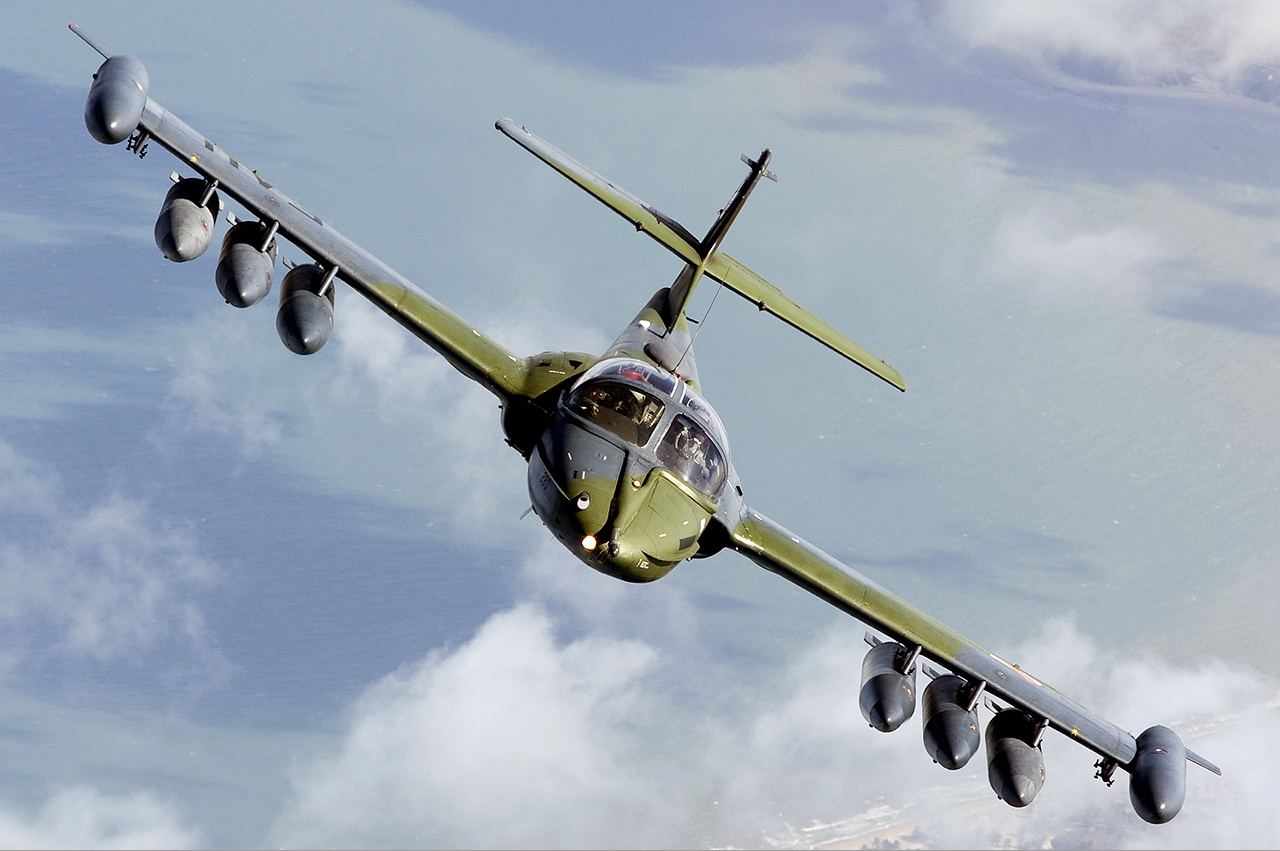
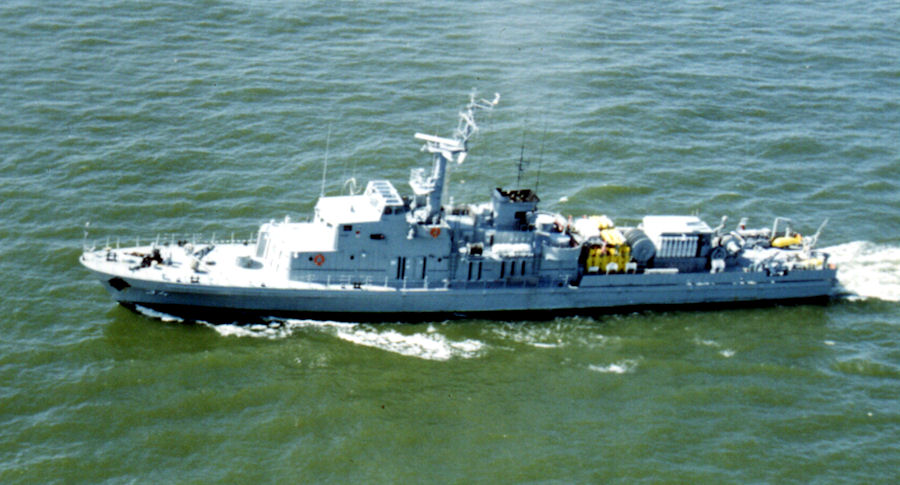
     Uruguayan Air Force and Navy.

Military Activity.

Military expenditures were high during the dictatorship of the 1970s and 1980s. At the present time, those expenditures are much lower (less than 1 percent of the GDP). The Navy and Air Force are very small and military service is not compulsory. Sadly to see that US-Americans try to influence (of course under the carpet) all kinds of military activities.

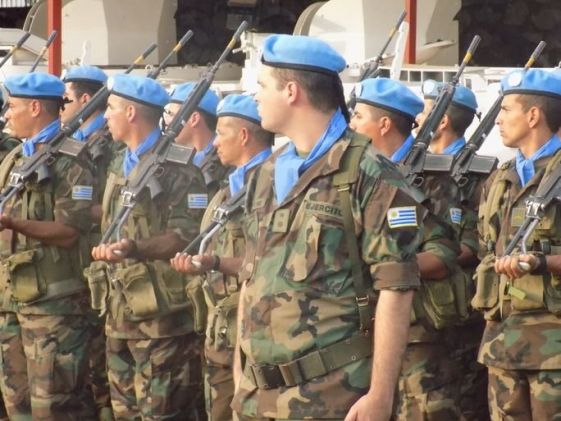
     Army and police force in Uruguay.

Social Welfare and Change Programs

Because of its achievements in social security, public education, and health care in the first half of the twentieth century, Uruguay is known as Latin America’s „first welfare nation.“ After the economy entered a period of decline, the growth of the government and public bureaucracy continued. The retirement of these public servants has created a disproportionate number of pensioners, and the country has gained the nickname El País de los Jubilados („The Country of Pensioners“).

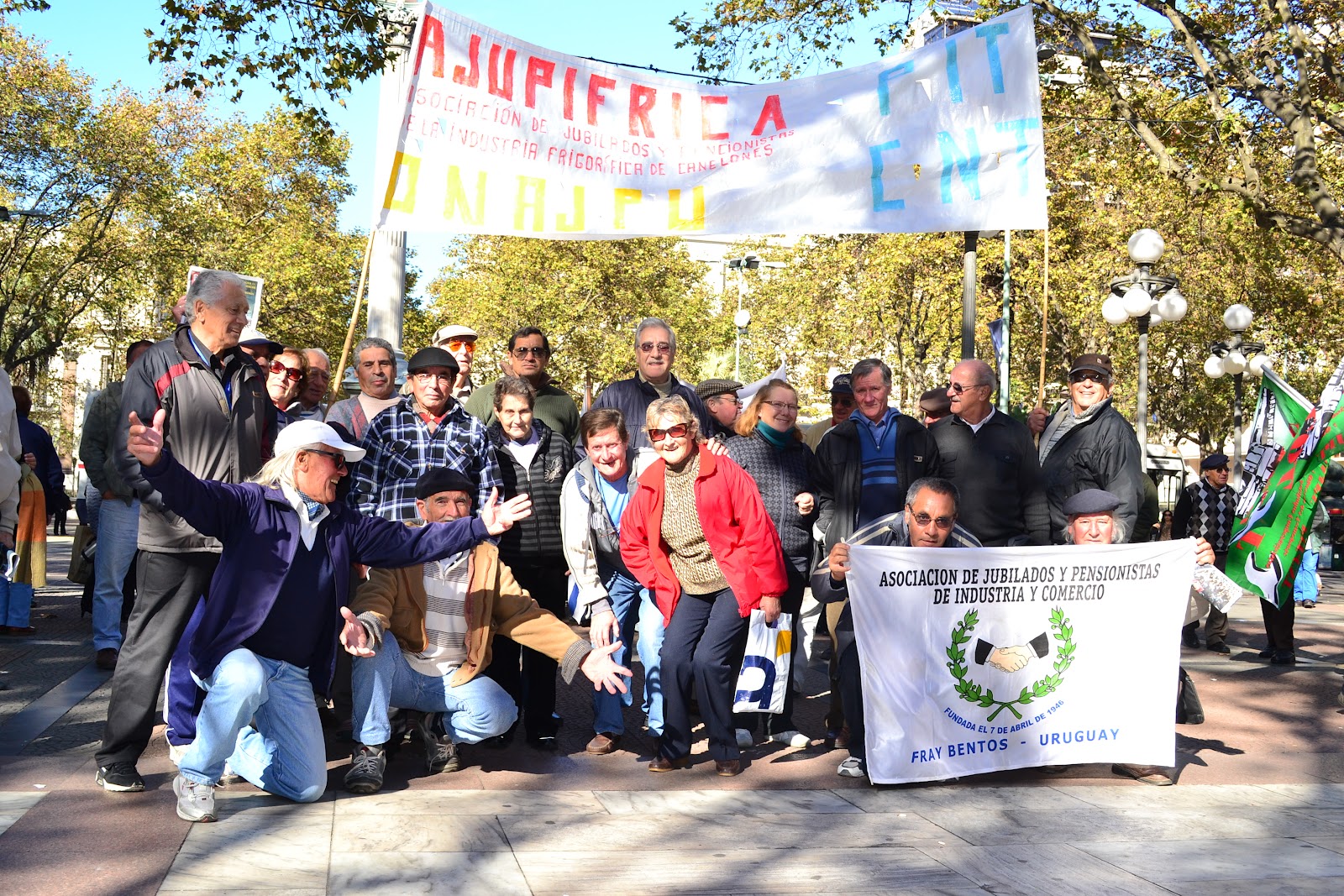
Club de Jubilados del Uruguay. Much in Uruguay is focused on the immense amount of pensioners, like the health system etc. That’s why also pensioned foreigners are feeling so well here.

Gender Roles.

There is a very high proportion of women in the labor force. Legally, men and women have equal rights to power, authority, and privileges. However, an overwhelming majority of the higher economic, professional, political, social, and religious positions are held by men.

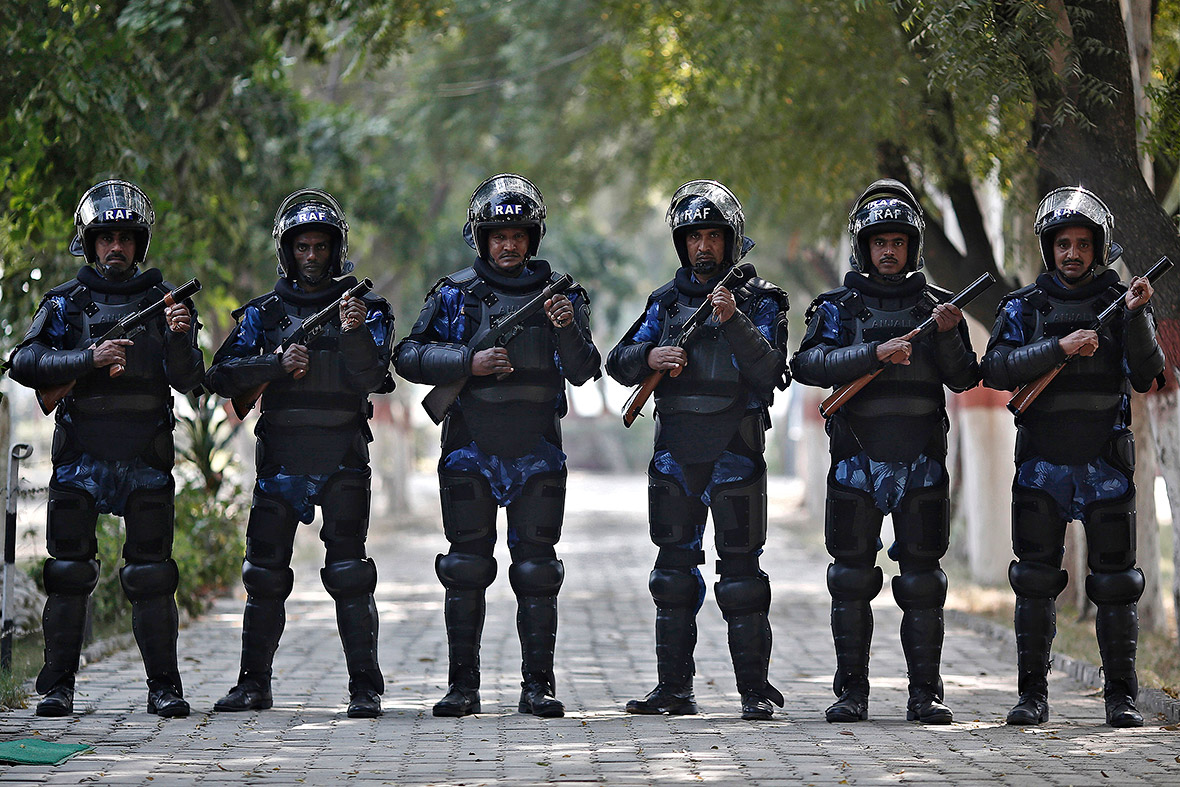
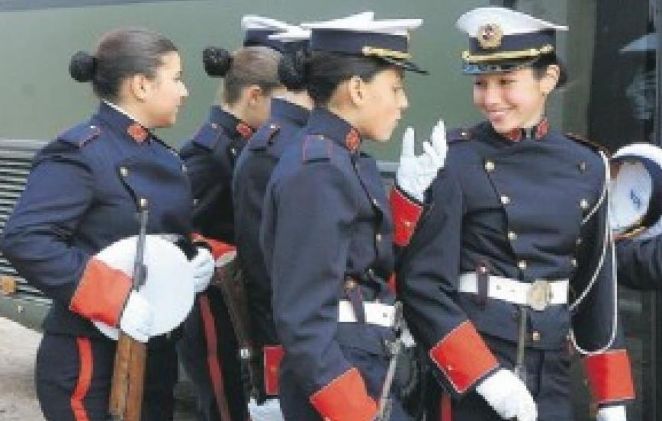
No gender problem in Uruguayan forces, as military, guards and police.

Marriage and Family.

Marriage. Official marriages have been civil since 1837; marriages are not arranged and are monogamous. About 48 percent of persons older than 15 years old are married, 10 percent live together, 28 percent are single, 4 percent are divorced, 2 percent are separated, and 8 percent are widows and widowers.

  Typical Latino family in Uruguay.

Although the typical domestic unit is a nuclear family with one of two children plus the grandparents, extended family networks usually are preserved. Large family reunions are held at least once a year. Authority in the household is divided between the husband and the wife. Many couples live with the parents of the husband or wife, and it is not uncommon for a widowed grandmother to assume the role of a matriarch. Children stay at home until late in life, but older widows and widowers increasingly live alone, to the point where the government has identified old age isolation as a major social and health problem.

  Uruguay etiquette.

Etiquette.

Uruguayans are quite traditional and do not welcome criticism from foreigners. Sometimes this ignoring of criticism is a big problem, because even fair, or constructive help-critic is not welcome. They love to do their same mistakes on and on.  About this kind of culture, behavior and personal structures can be written a whole book. I was told that even a law is in existance that „who blames someone else in public (like: that restaurant is not good or this neighbor is an idiot – even if its true) can be sentenced to jail“.


They also do not appreciate being confused with Paraguayans or Argentinians. Otherwise, people are friendly and easygoing. They are very calm and they do not like problems. Not liking problems results often in not acting. In Uruguay they let things slumber til the problem is forgotten. same also at courts or other government institutions, nothing happens, all will be retarded til people give up.

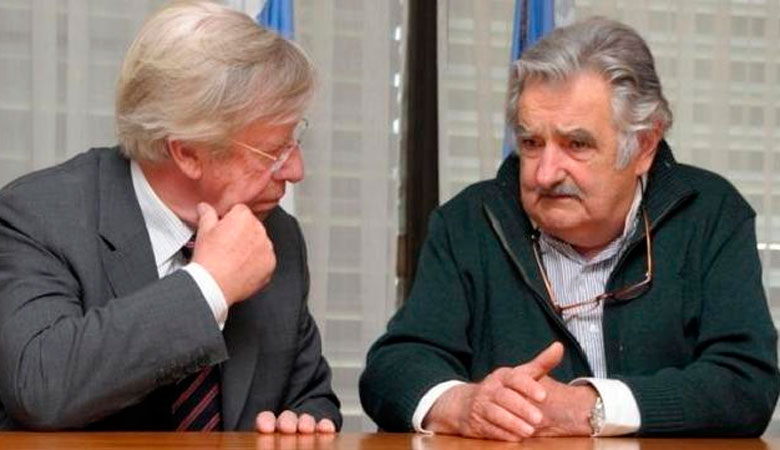
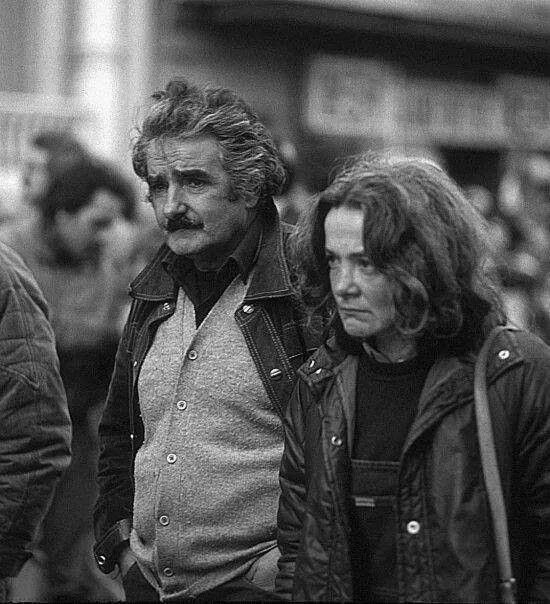
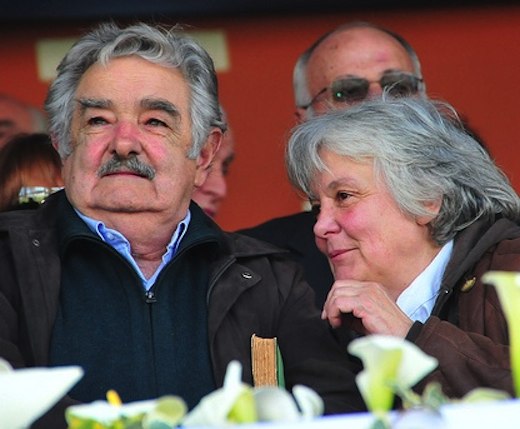
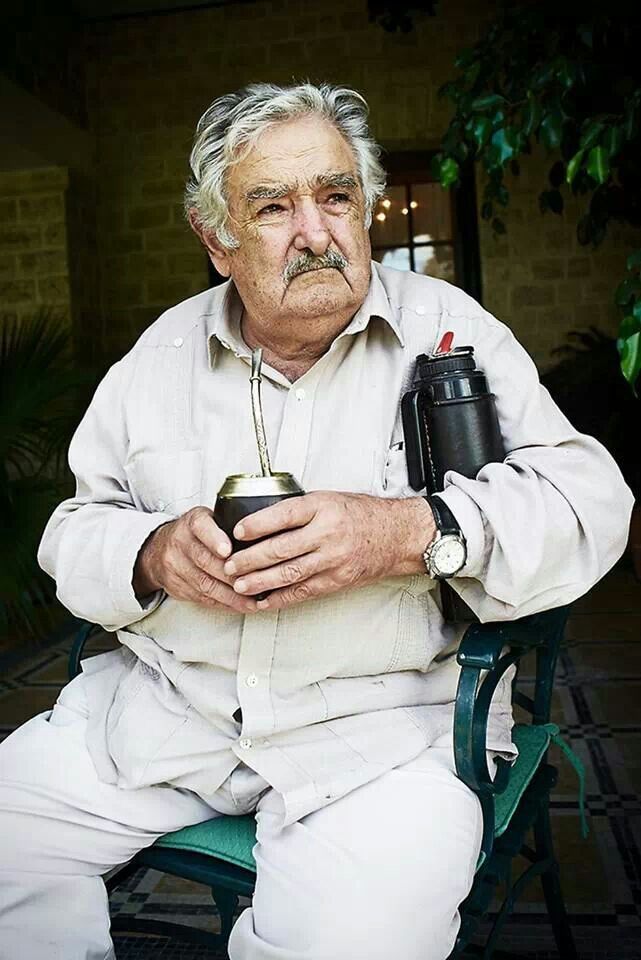
He always gave and took critisism, „Pepe“ Mujica, former president of Uruguay (right).

Uruguayans don’t like to say „NO“ – that means they can promise (with the most honest face) the blue from the sky and they don’t care about breaking the word and not keeping anything. Although tactful, people are frank and direct and maintain a close distance when speaking. Close acquaintances of the opposite sex greet each other with one kiss on the cheek.

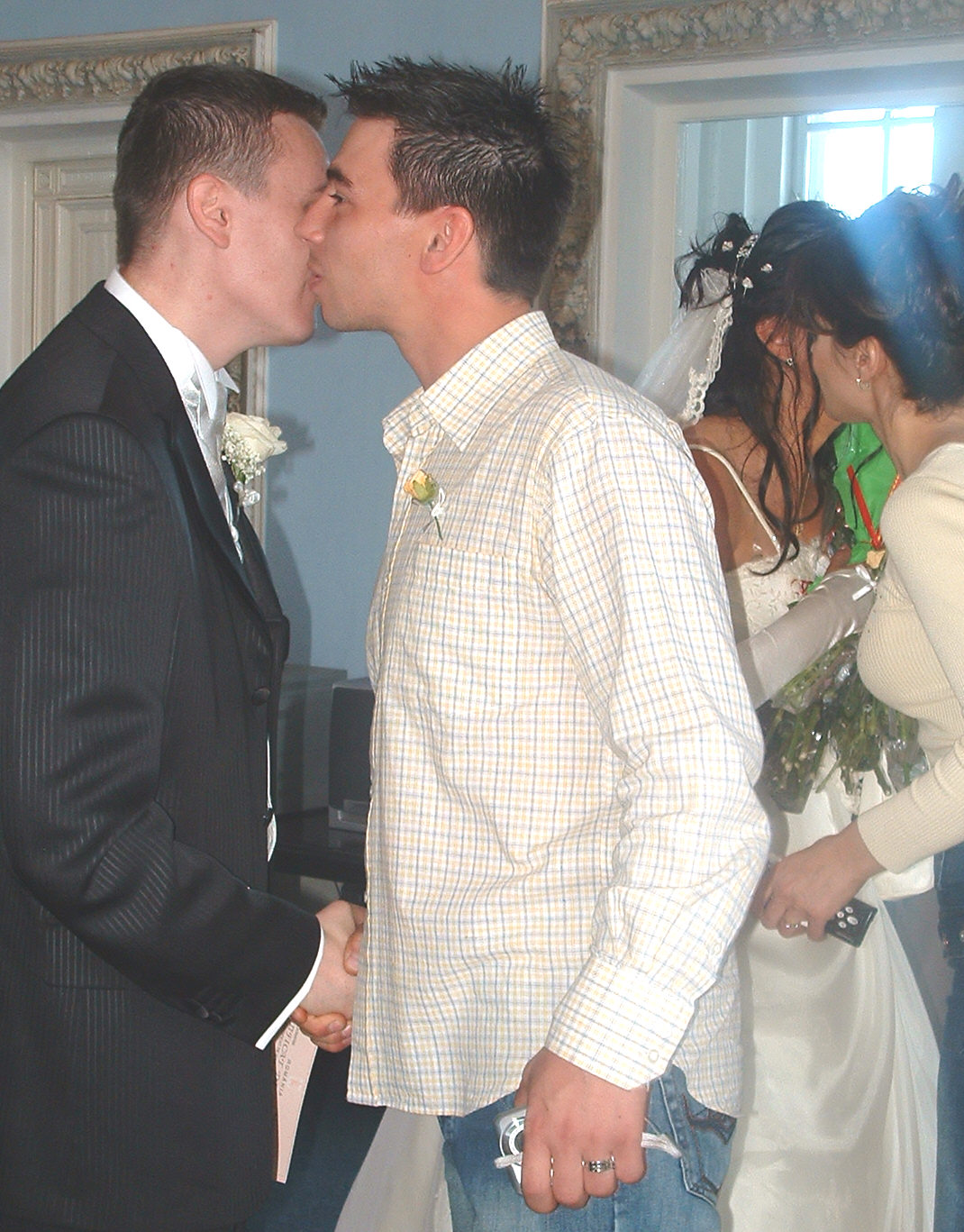
In Uruguay its etiquette to kiss all and everyone, everywhere and all the time, particularly same gender kissing.

A national behavioral particularity is the conspicuous „following gaze“ that males direct to females to indicate that they are attractive. In many cases this is accompanied by verbal expressions called piropos, which are sometimes abusive and usually are ignored.

Religious Beliefs.

The church and state have been officially separated since 1917. The constitution protects religious freedom, but people are not devout and daily life is highly secular. More than one-third of the people profess no religion. Approximately 60 percent of the population is nominally Catholic, but only a minority attend church regularly (mostly those in the upper classes). Recently, the Padre Pio revitalization movement has been a source of converts for the Catholic Church.

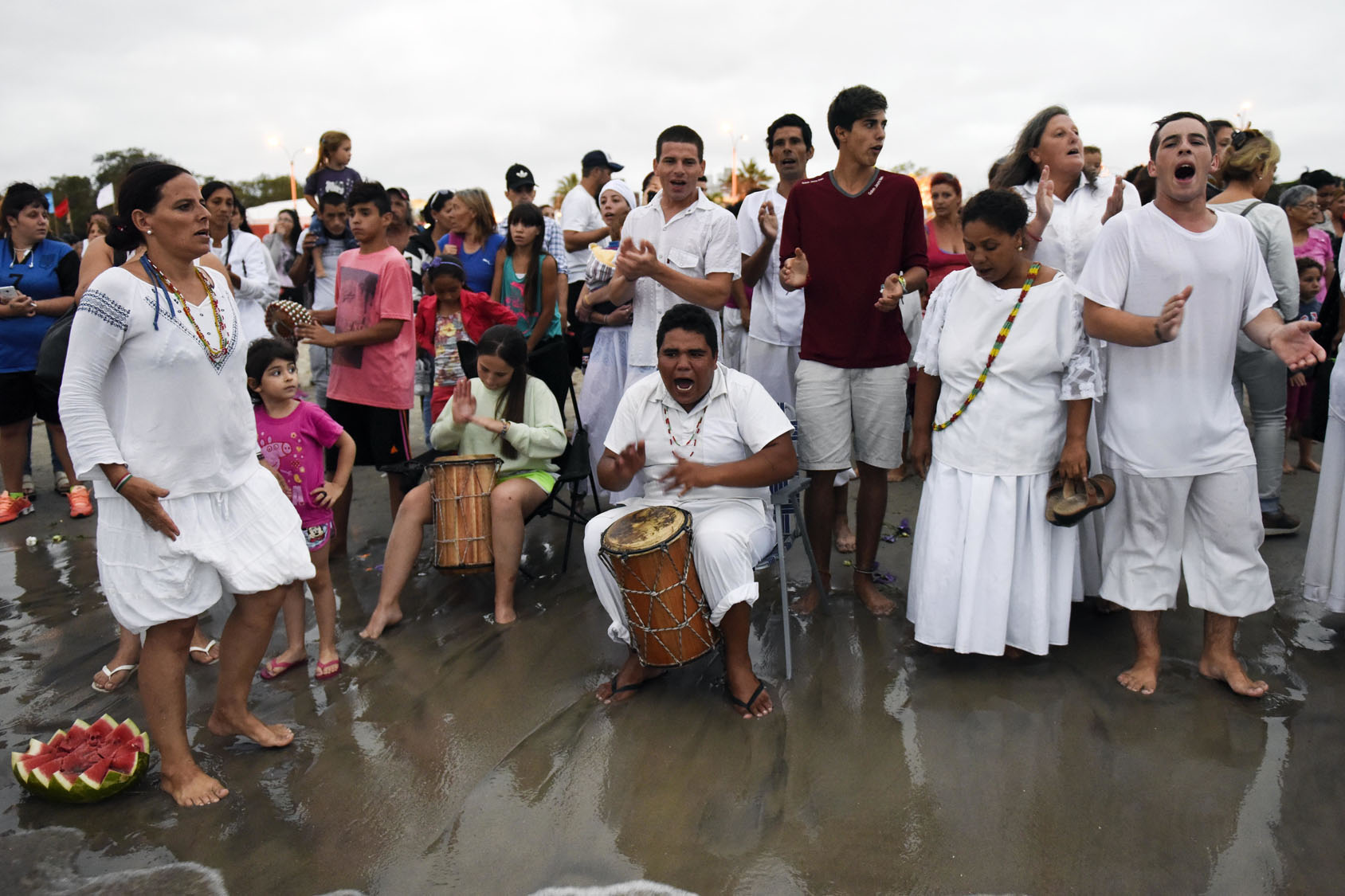
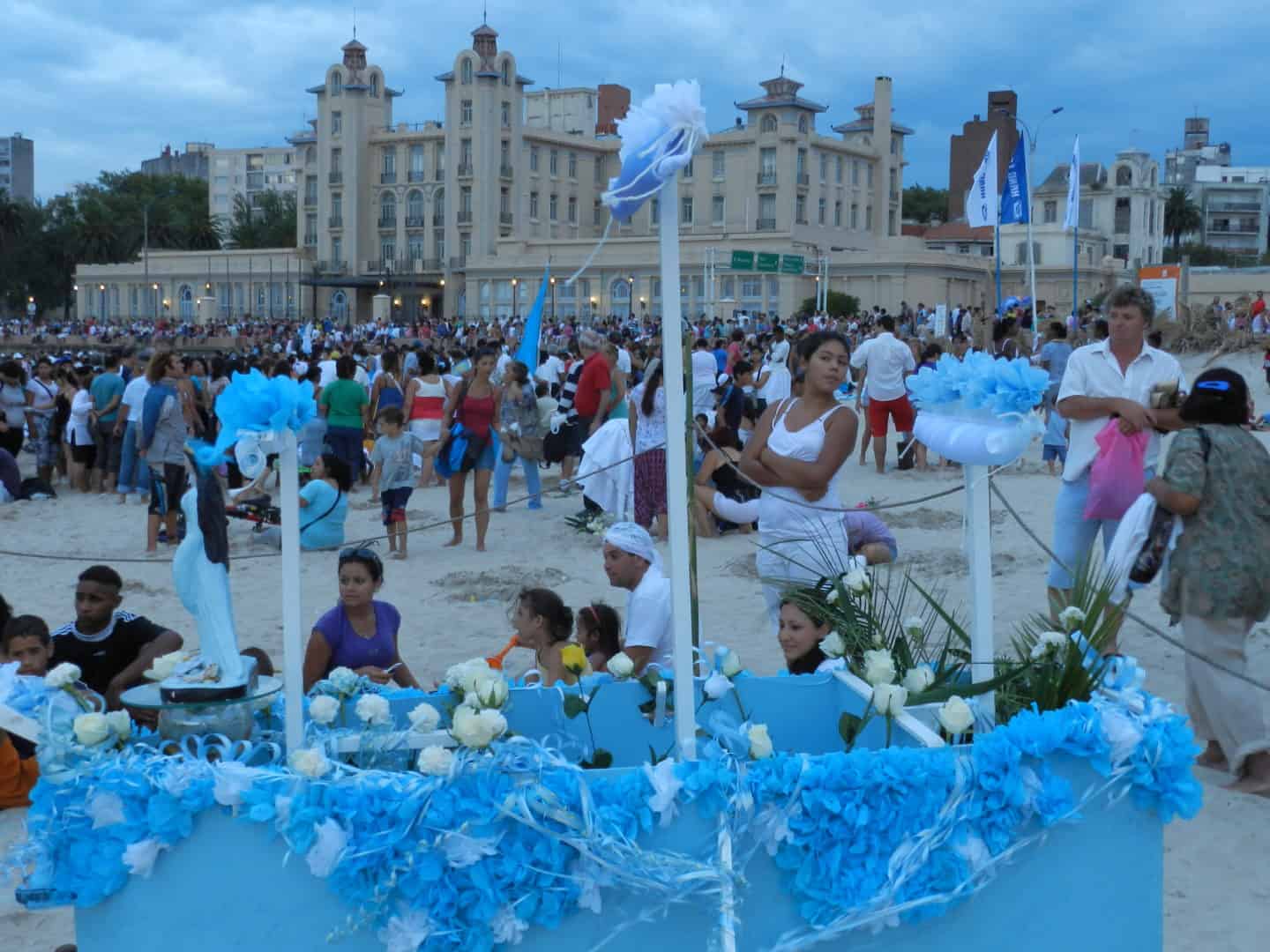
Worshippers sing to honor the African sea goddess Yemanja, at the sea shore in Montevideo, Uruguay, Thursday, Feb. 2, 2017. Thousands of worshippers come to the beach on Yemanja’s feast day, bearing candles, flowers, perfumes and fruit to show their gratitude for her blessings. The celebration coincides with the Roman Catholic feast day of the Virgin of Candelaria, marked Feb. 2. (AP Photo/Matilde Campodonico)

 Free worshipping in Uruguay.

The Jewish community, which once constituted about 2 percent of the population, is dwindling because of emigration to Israel. There is also a small proportion of people who practice Africanderived religions. Protestants represent less than 4 percent of the population.

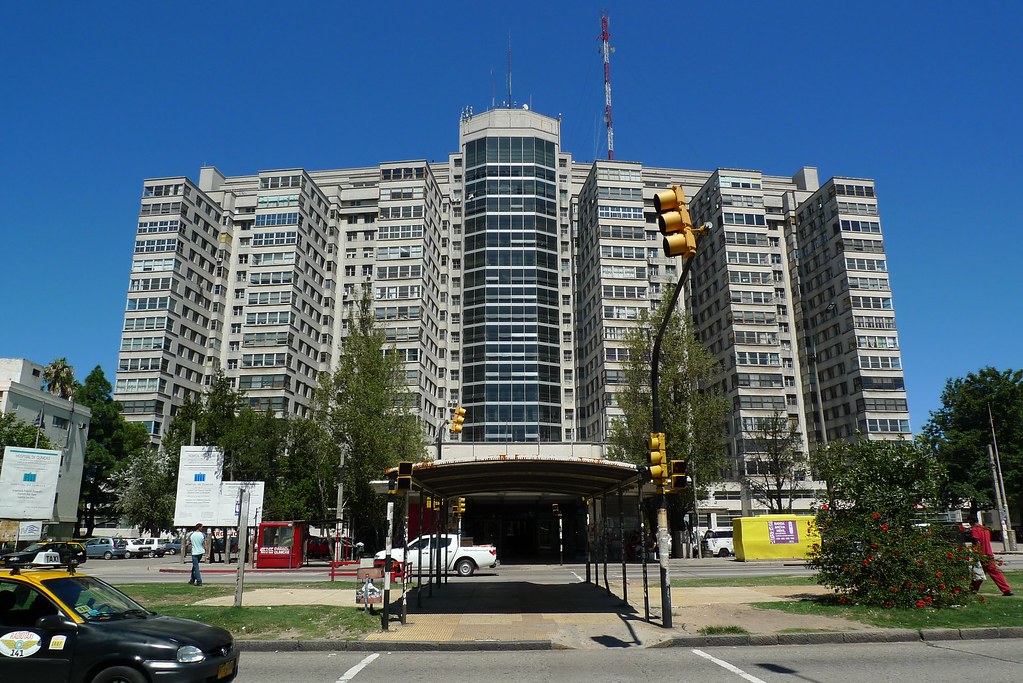
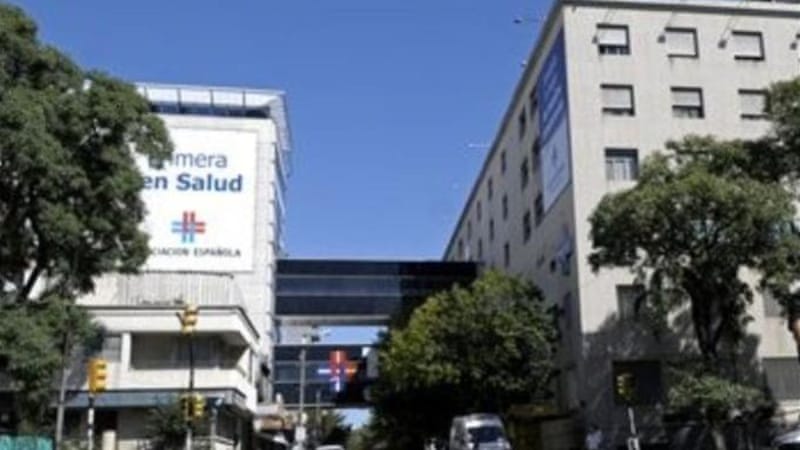
Hospital de Clinicas in Montevideo.

Medicine and Health Care.

Cardiovascular diseases are the leading cause of death, and hypertension is among the primary causes for medical visits. Dietary factors are implicated in this pattern: fat consumption is very high, and fiber intake is low. A high prevalence of obesity is associated with a high incidence of diabetes. Cancer accounts for 23 percent of all deaths. The high rate of lung cancer is related to the prevalence of smoking, particularly among men. Alcoholism is a problem among men age twenty to fifty years, which is associated with a high prevalence of cirrhosis of the liver.

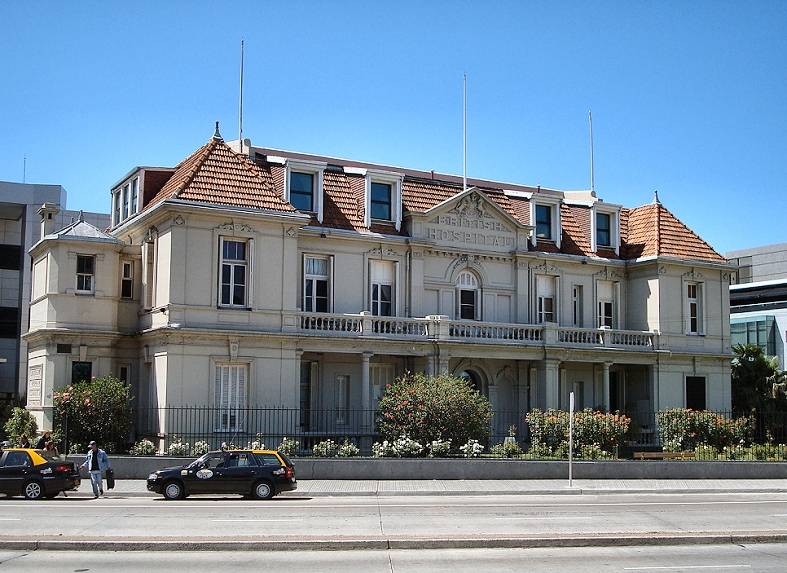
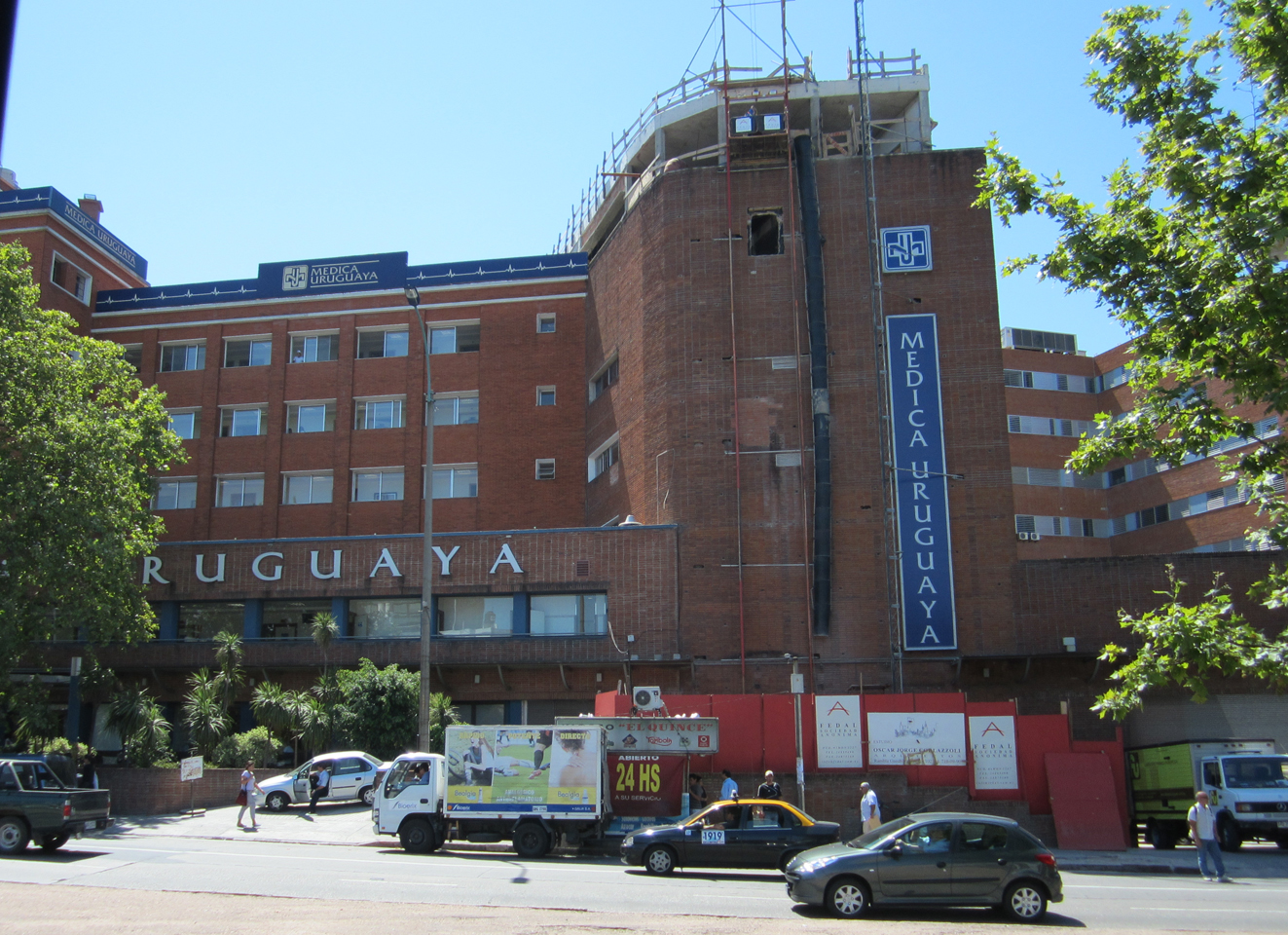
          Left the British hospital and right the Uruguaya. British sponsored by Great Britain.

Approximately 60 percent of the population is covered by private nonprofit collective health care associations known as mutualistas. Free coverage through the Ministry of Public Health covers approximately 20 percent of the population, and military and/or police or private company insurance covers approximately 10 percent. The rest of the population has no formal coverage.

         The largest at the moment and we think the best is Espanola. They really can keep up with most other international health care facilities.

Complementary and alternative medicine has not been practiced traditionally. However, in recent years this pattern has been changing (e.g., acupuncture, homeopathy, and herbal medicine). All in all is the medical service in uruguay very good. In our retired age we need a bit more of healthcare and we are very pleased here with the service, the prices and the high quality of medical facilities.


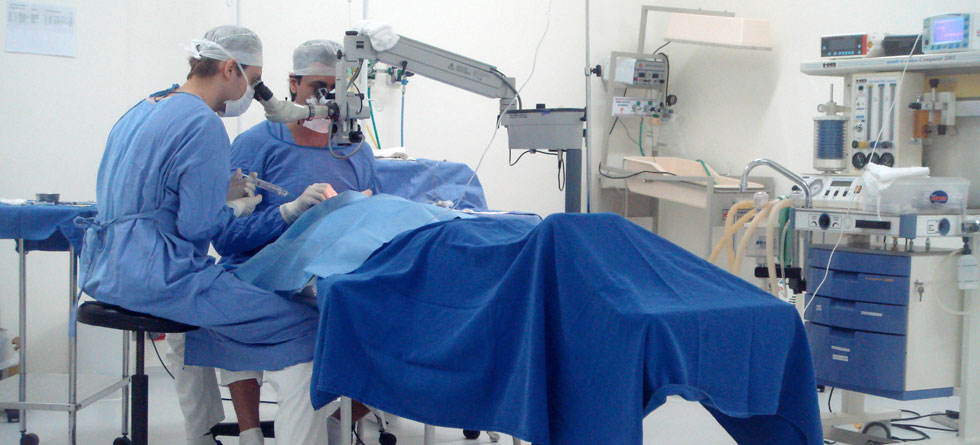
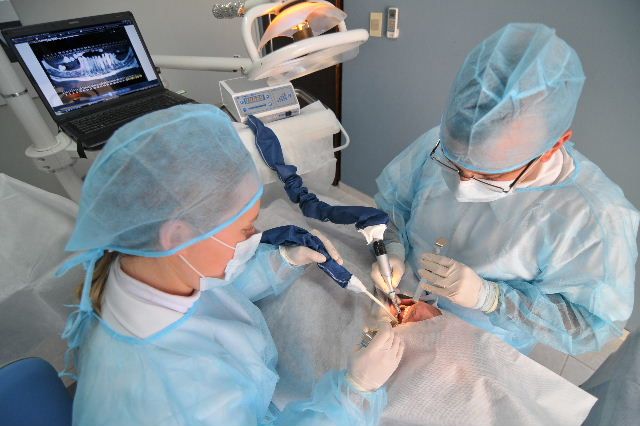
The health cover system in Uruguay is  for most people a bit inscrutable, because there are so many different ones and they all have their own planes and systems. But in total they are cheap (we pay for a 100% full service around US$ 70,– per person and month). Above that they work with dozens and dozens of highest quality specialized private clinics, by example extreme modern and specialized doctors in eye-retina-clinics or in dental-clinics.

Secular Celebrations.

Traditional Catholic holidays have been secularized and renamed. For example, Christmas is called Family Day and Easter Holy Week is called Tourism Week.

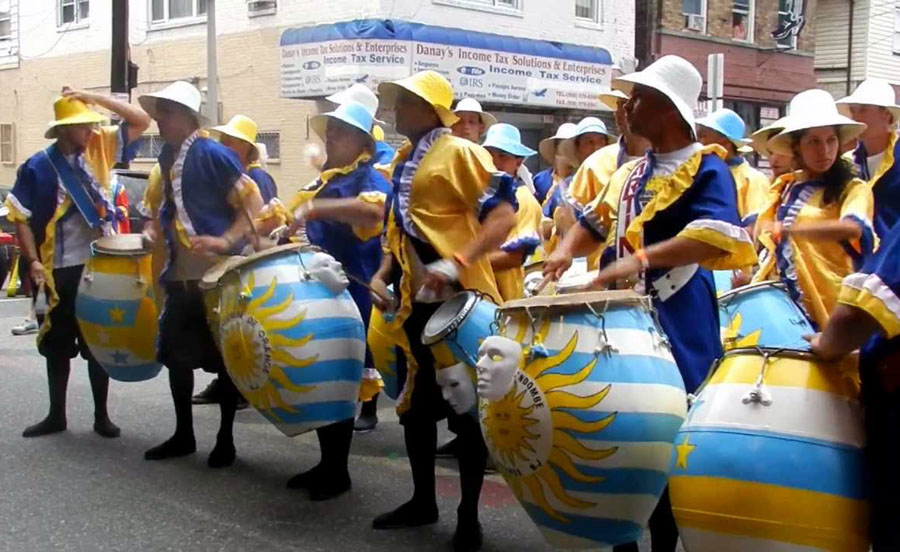
     The day of the goddess of the sea or the carneval candombe is more important in uruguay then any kind of church and religion.

Holidays also celebrated in other Latin American countries include New Year’s Day, Carnaval, Worker’s Day (1 May), the Day of the Americas (12 October), and the Day of the Deceased (2 November). Holidays related to the nation’s history are the 33 Patriots Day (19 April), Battle of Las Piedras (18 May), José Artigas’s Birthday (19 June), Constitution Day (18 July), and Independence Day (25 August).

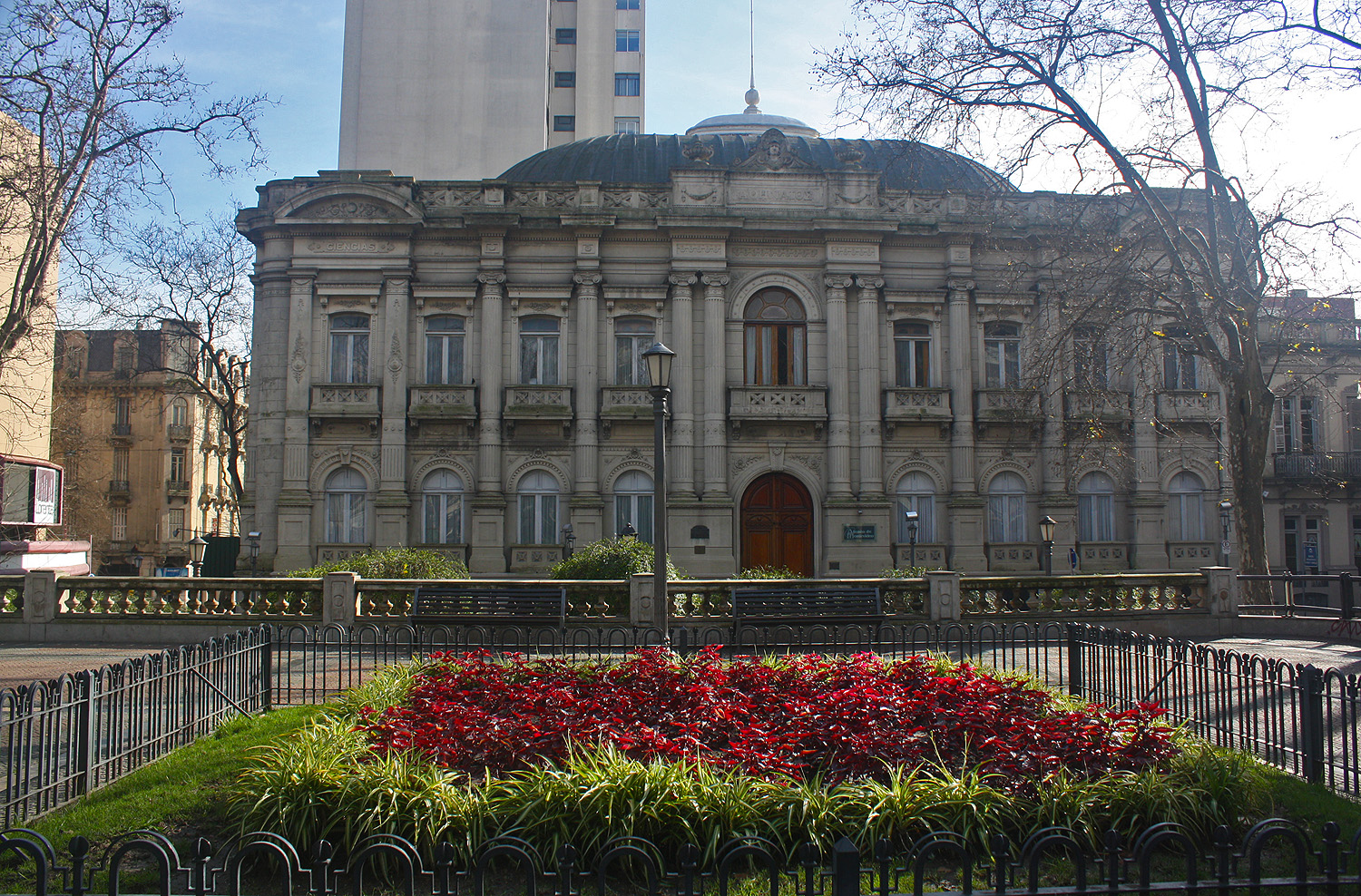
      The Ateneo de Montevideo is a center of art since 1886.

The Arts and Humanities.

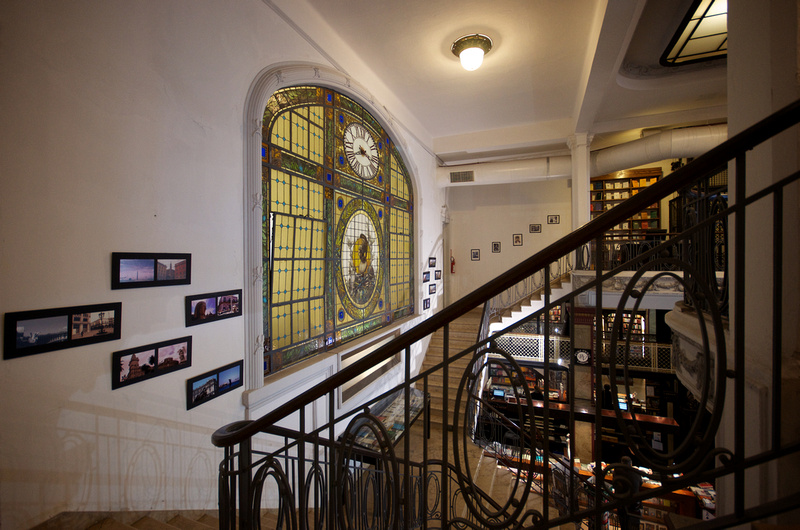
Support for the Arts. Artists are self-supporting, but receive some funding from the government and private institutions. The Ateneo de Montevideo is a meeting place for those involved in artistic and humanistic activities. Its worth a visit, especial the library and the art deco cafe and exhibition rooms.


Literature.

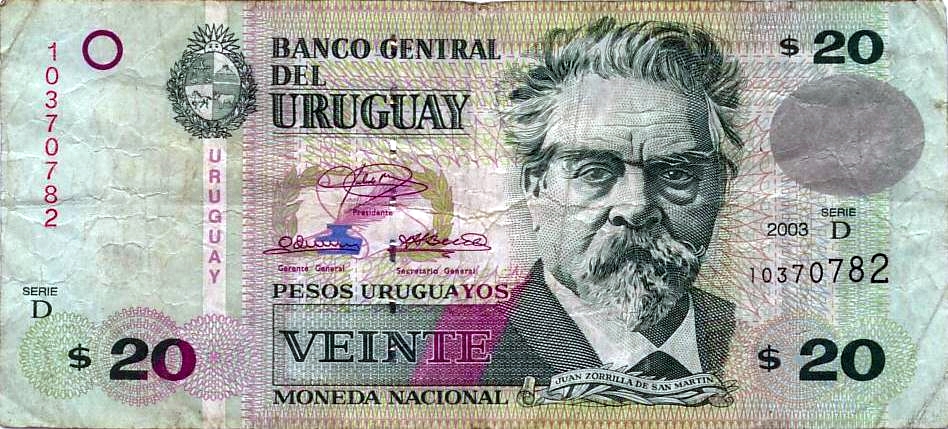
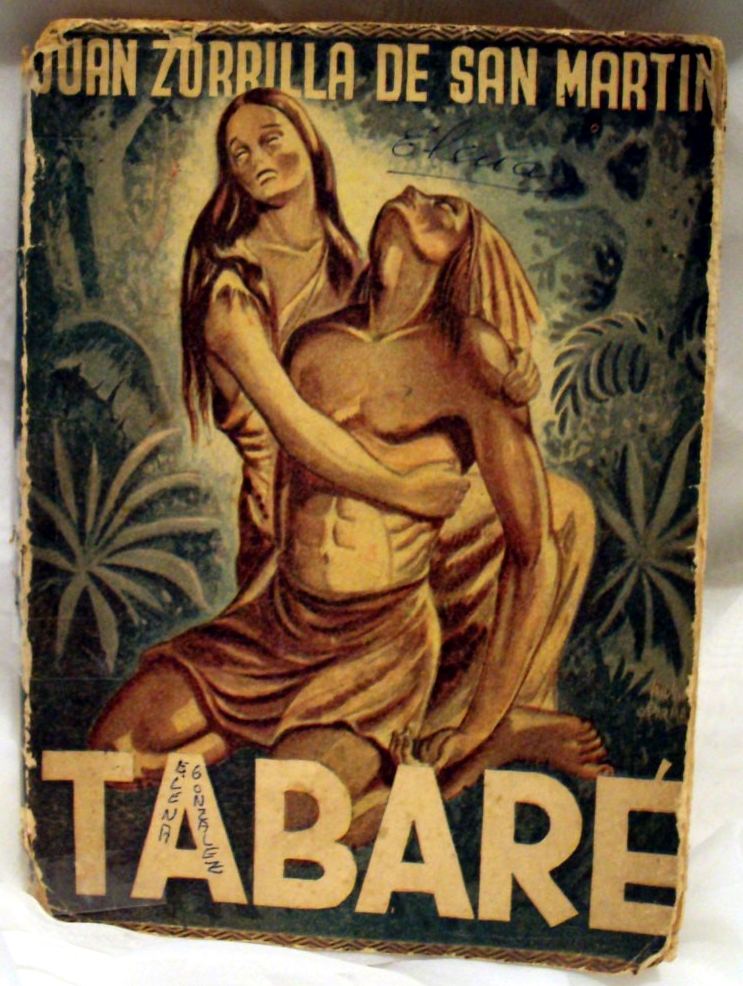
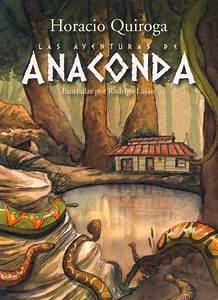
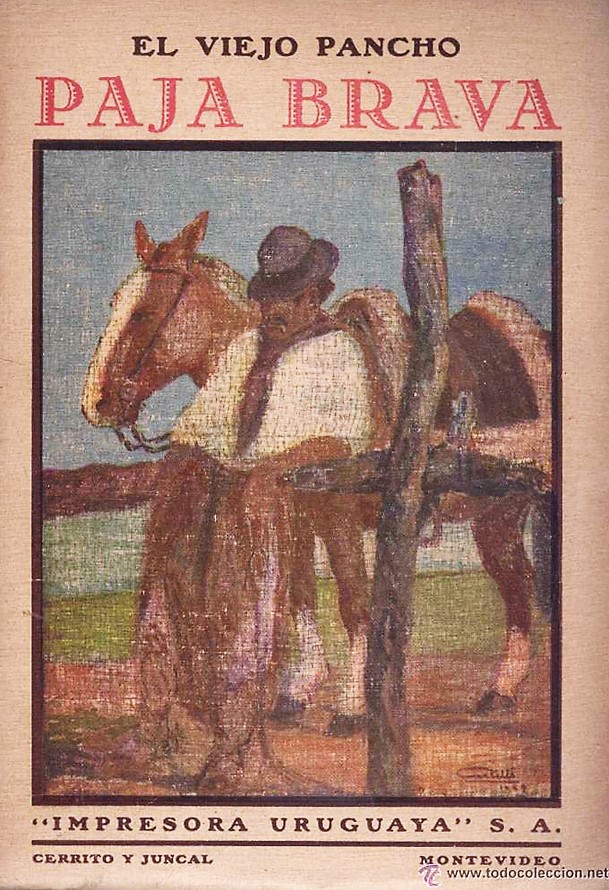
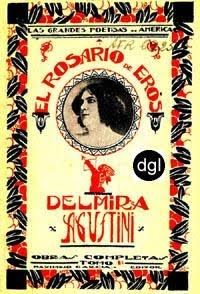
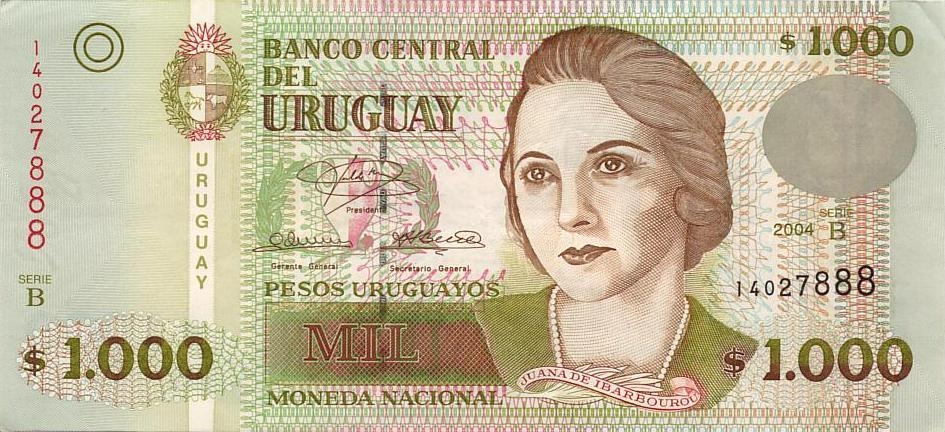
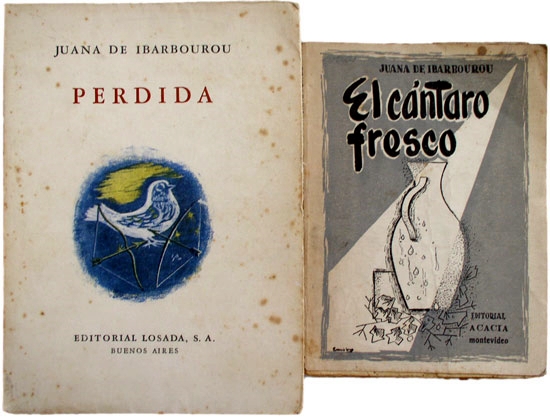
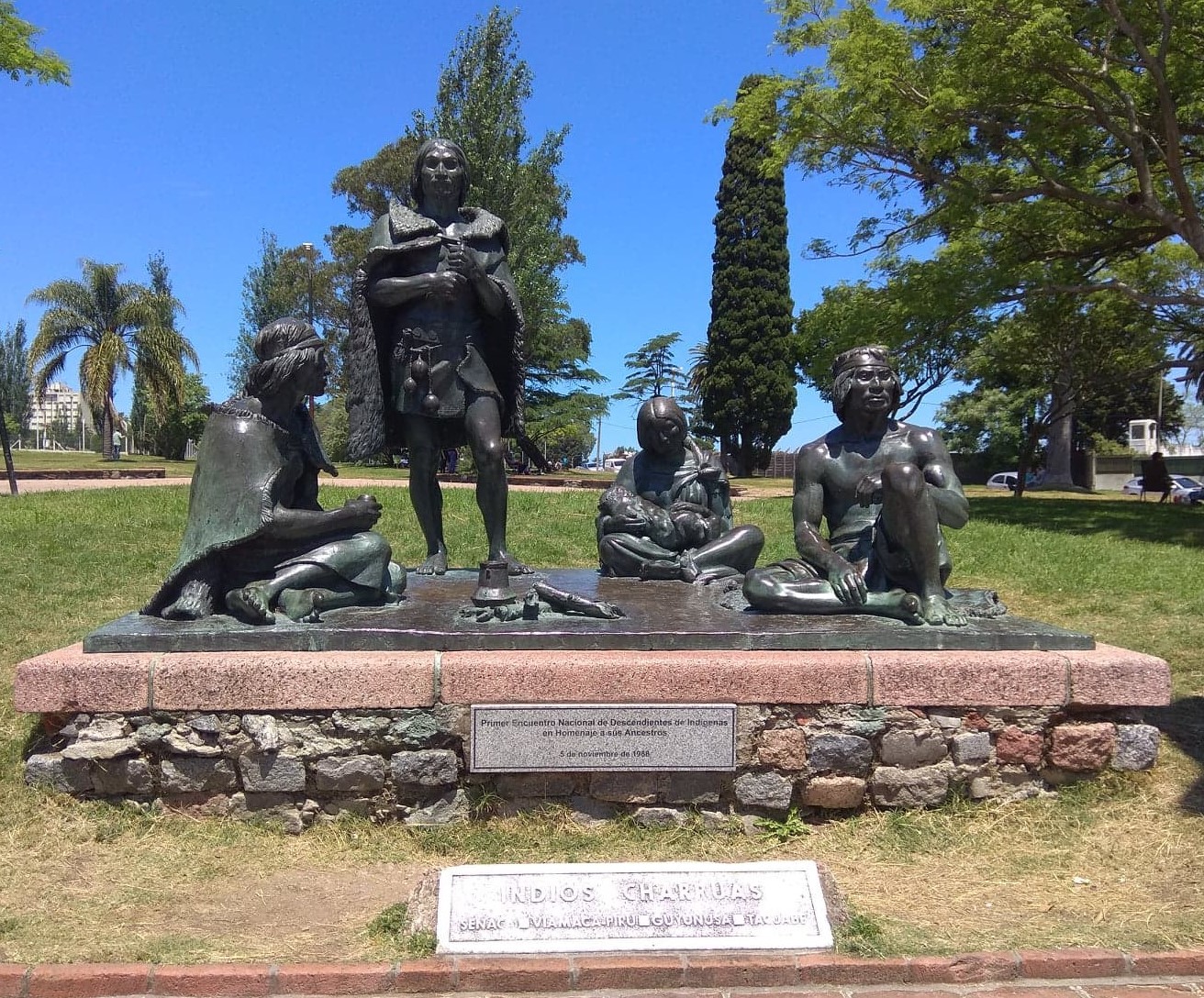
Among the most important writers are José Enrique Rodó, a philosophical essayist; Juan Zorrilla de San Martín, the author of Tabaré, an epic poem about a heroic Charrúa mestizo; Horacio Quiroga, a modernist short story writer; and José Alonso y Trelles (called el viejo pancho), who wrote about the gauchos. Female poets include Delmira Agustini and Juana de Ibarbourou.


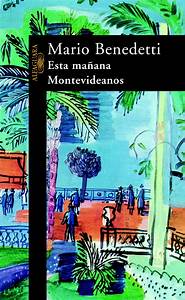
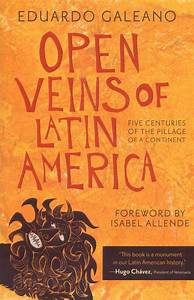
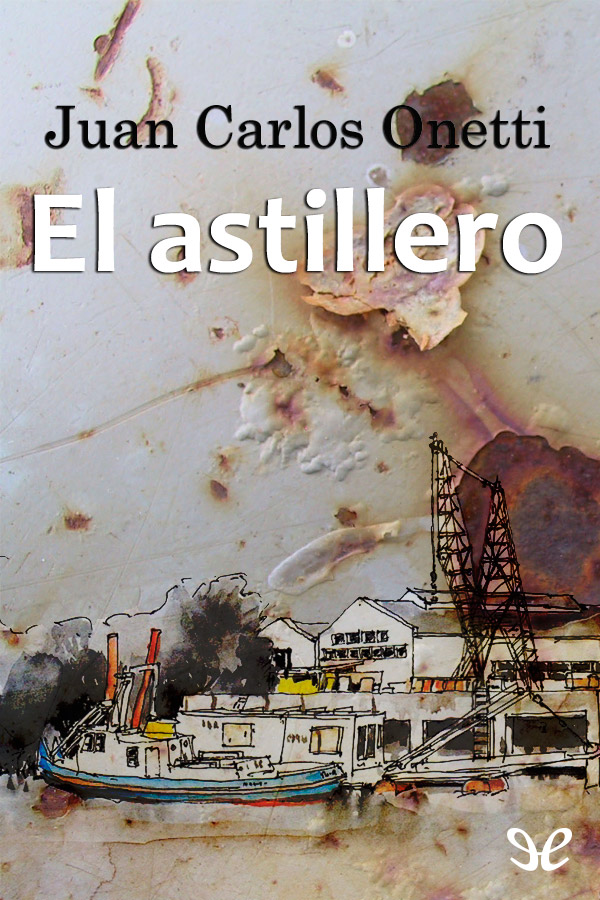
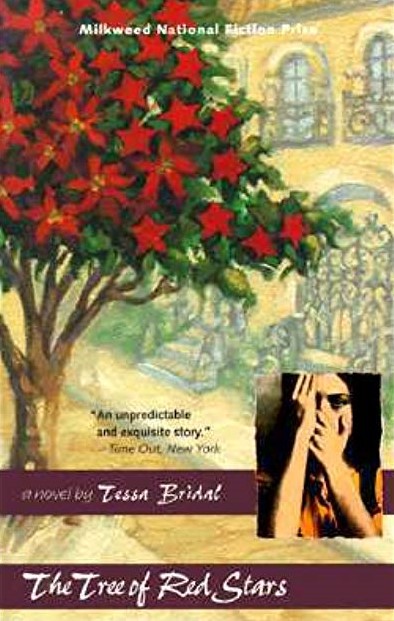
More recent writers include Mario Benedetti, Eduardo Galeano, and Juan Carlos Onetti and Tessa Bridal (who wrote the novel The Tree of Red Stars, a depiction of the national culture in the 1960 and 1970s).  These books are real interesting to read.


     Tessa, translated into many languages.

  And this is an Uruguayan MUST READ:

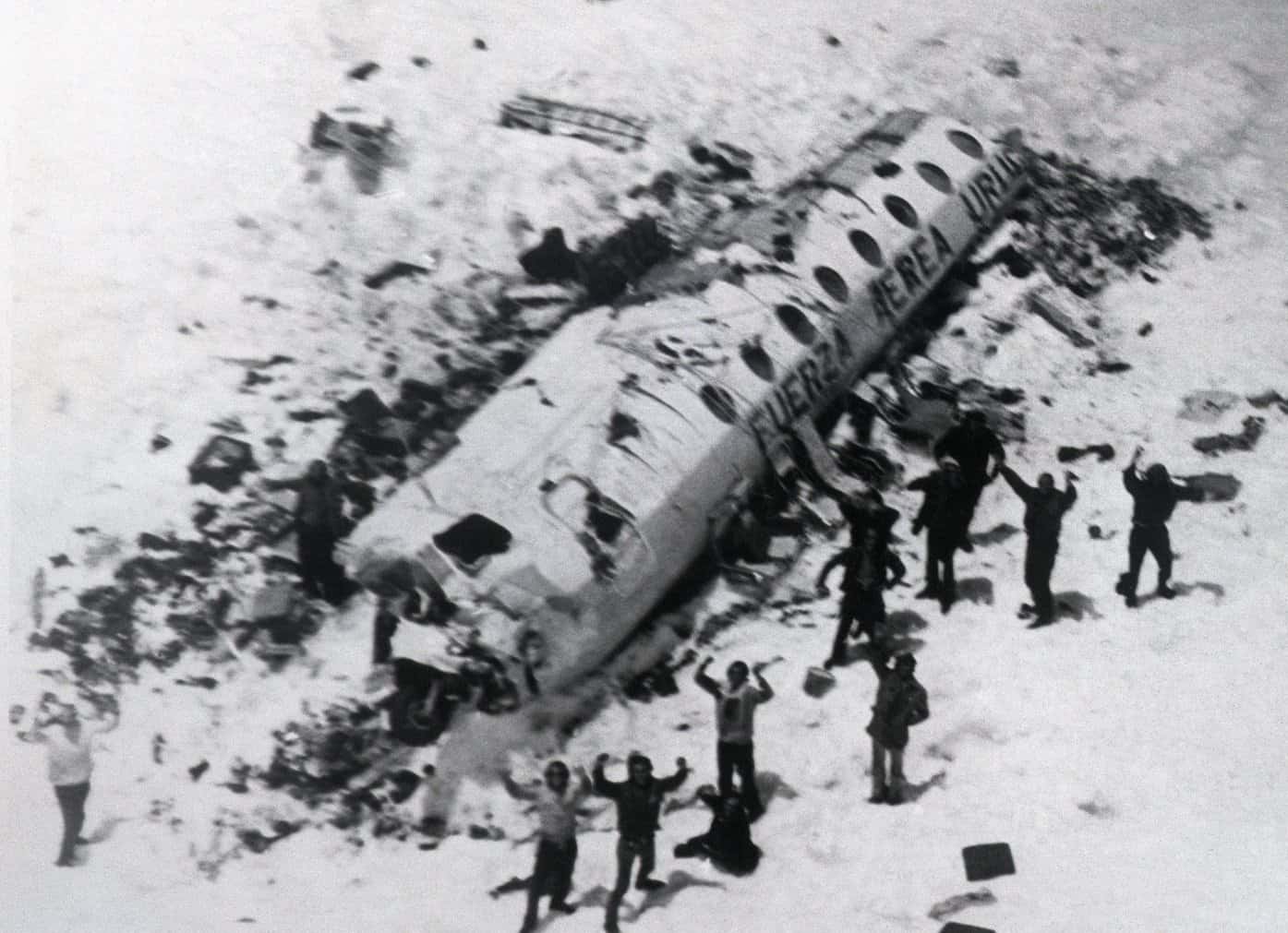
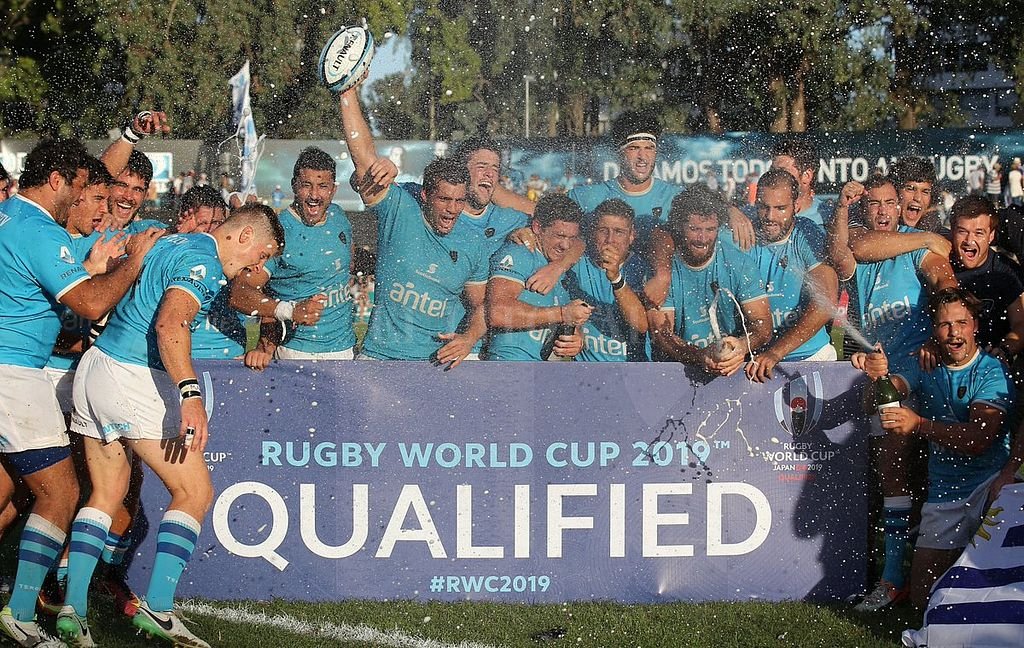
Nando Parrado co-wrote the 2006 book Miracle in the Andes: 72 Days on the Mountain and My Long Trek Home, with Vince Rause. In Miracle in the Andes. Nando Parrado returns to the events described in Piers Paul Read’s 1974 book, Alive: The Story of the Andes Survivors (which tells the story of the people, most of whom were part of a Uruguayan rugby team consisting of alumni of Stella Maris College (Montevideo), who were on Uruguayan Air Force Flight 571, which crashed into the Andes mountains on October 13, 1972). When what little food they had ran out after ten days, those still alive agreed that after their death the others should eat their bodies to survive.

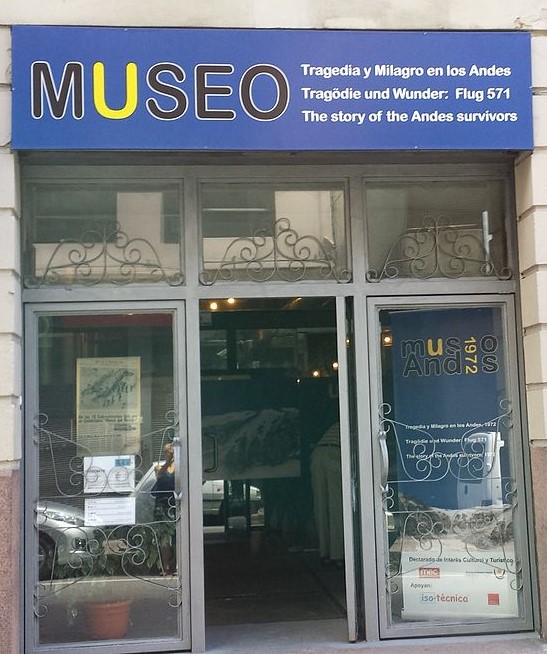
                           A movie was made and a museum opened in Montevideo – to track the whole true story about surviving in the Andes.

Piers Paul Read’s version was published two years after the rescue and was based upon interviews with the survivors. Miracle of the Andes, however, is told from Nando Parrado’s point of view 34 years later.

Graphic Arts.

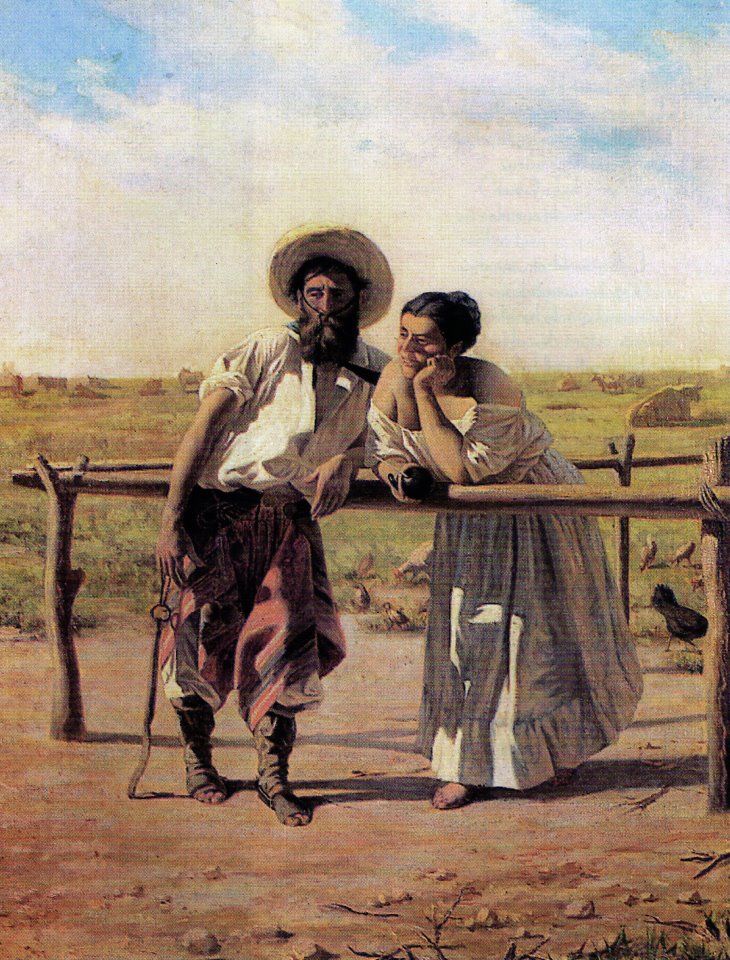
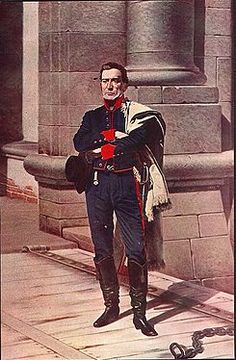
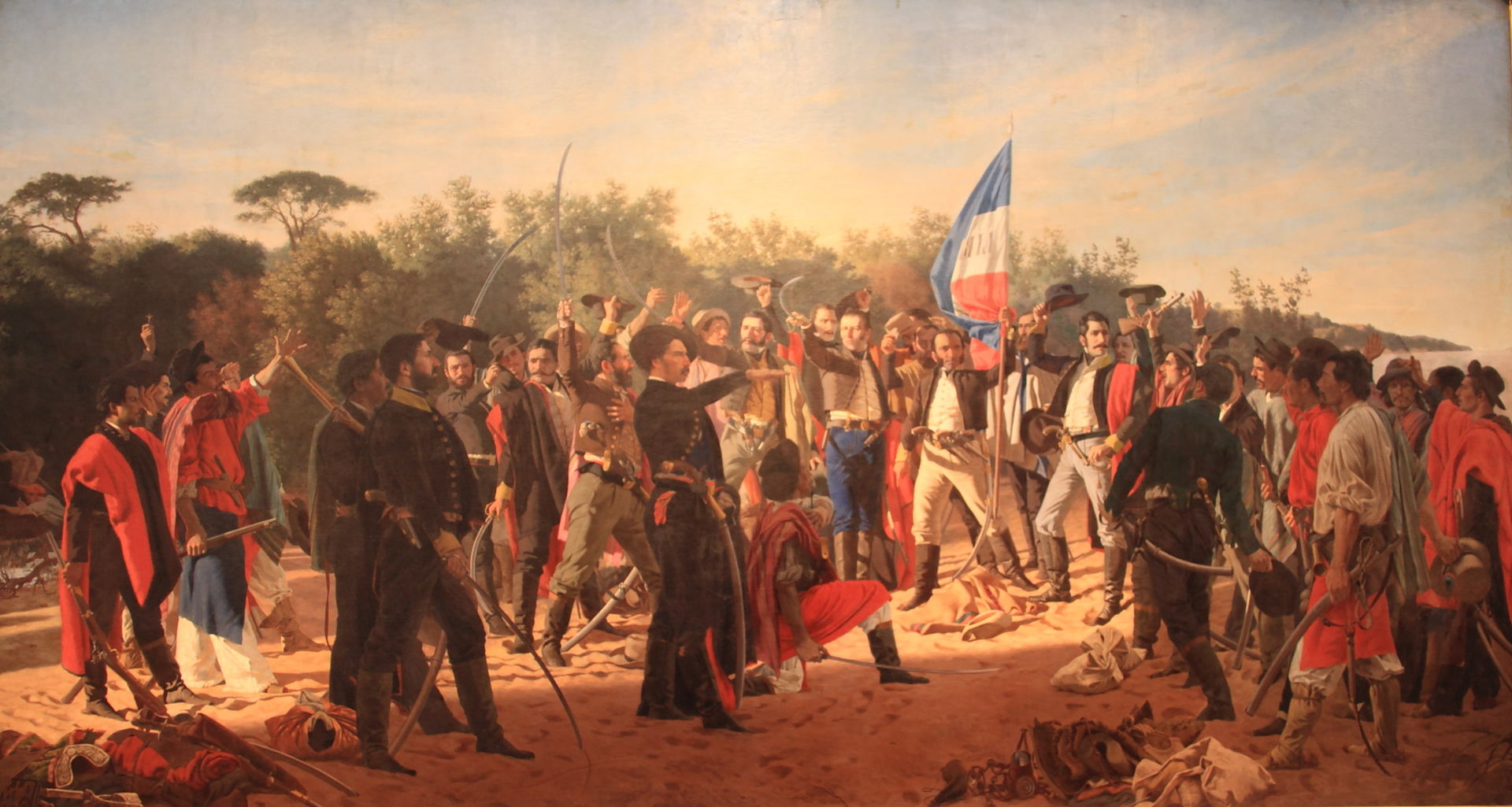
There are many museums and galleries. Some of the best known painters are Juan Manuel Blanes (June 8, 1830 – April 15, 1901), a realist known for historical paintings and gaucho motifs and historic impressions.

  Uno de los tres chiripaes, 1881 by Blanes.
  Artigas in Ciudadela, 1884 by Blanes.
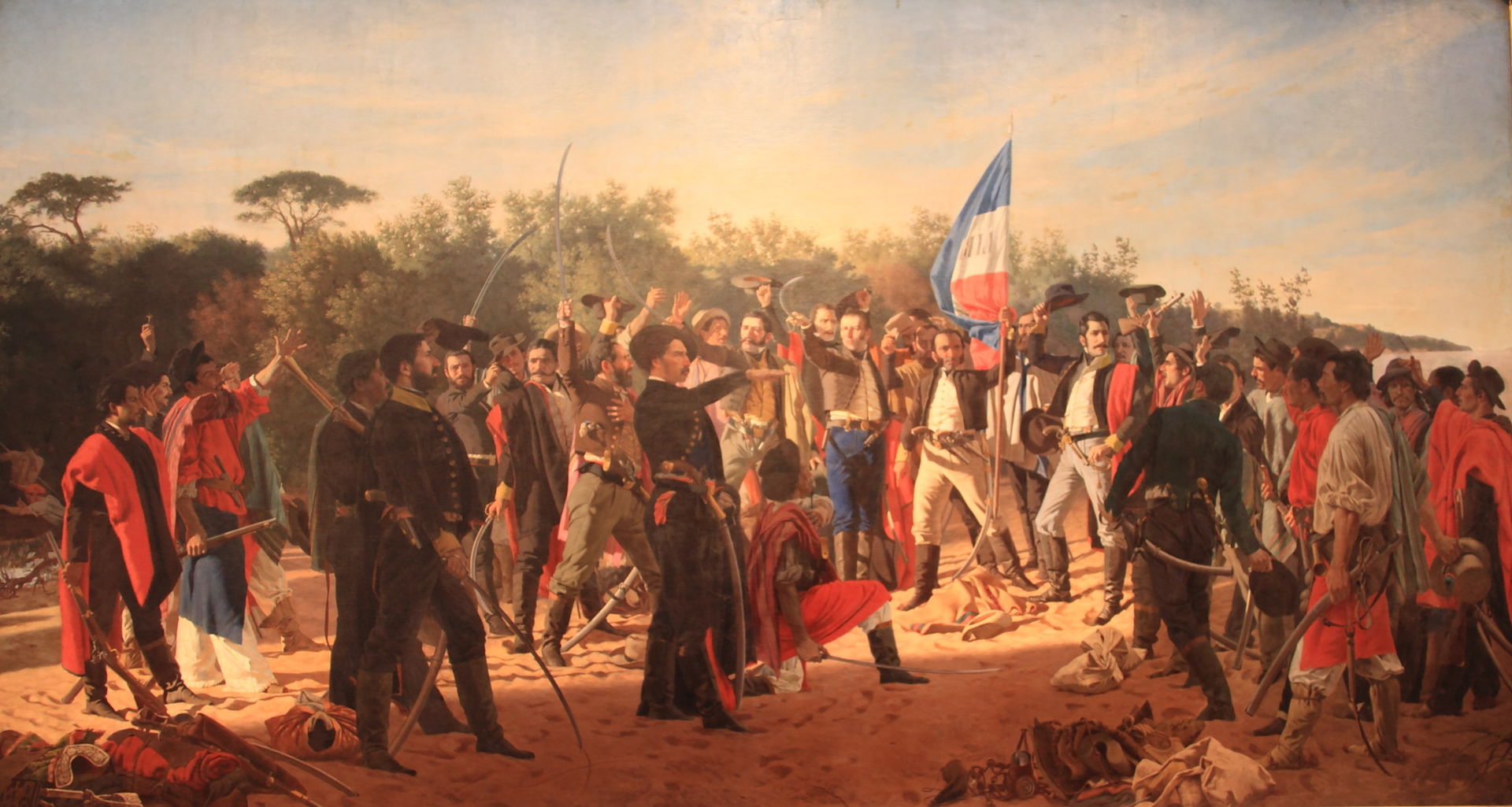
Oath of the Thirty-Three Orientales, 1878 by Blanes.  For sure one of the greatest Uruguayan artists.

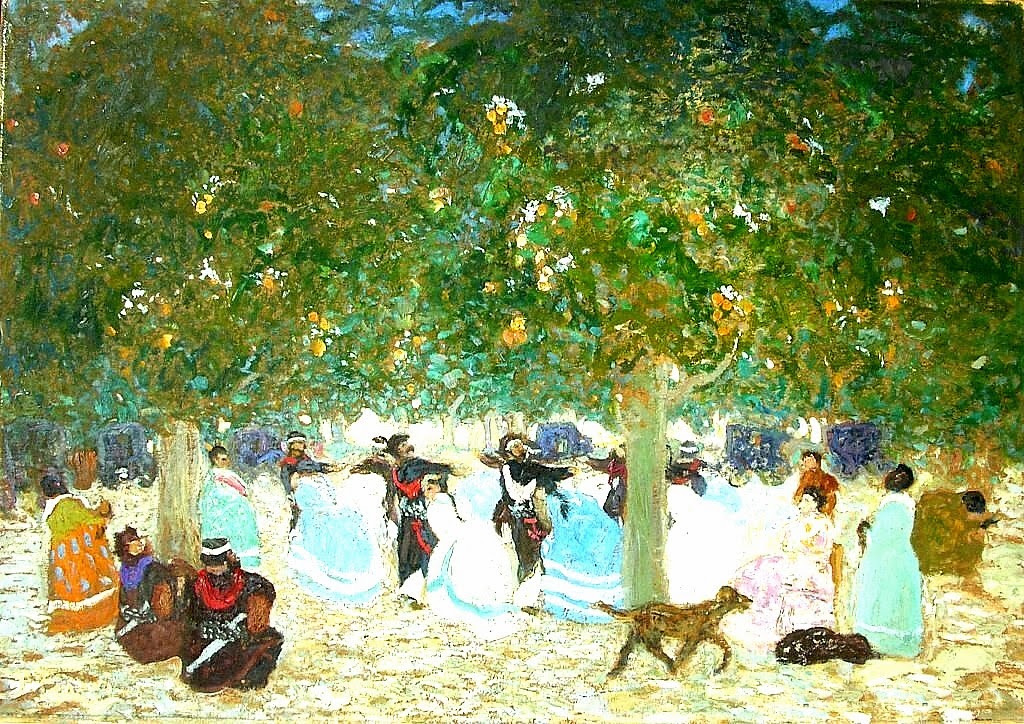
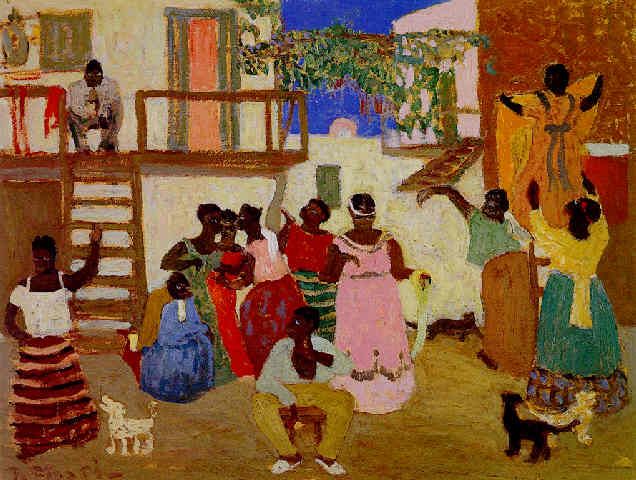
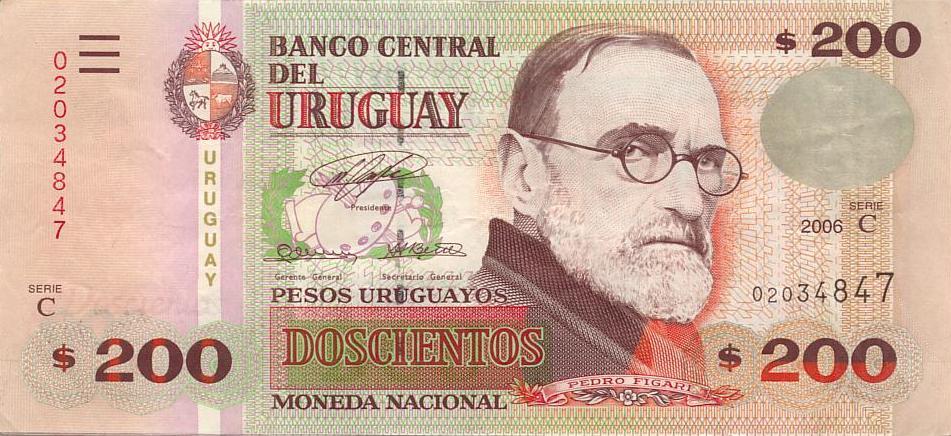
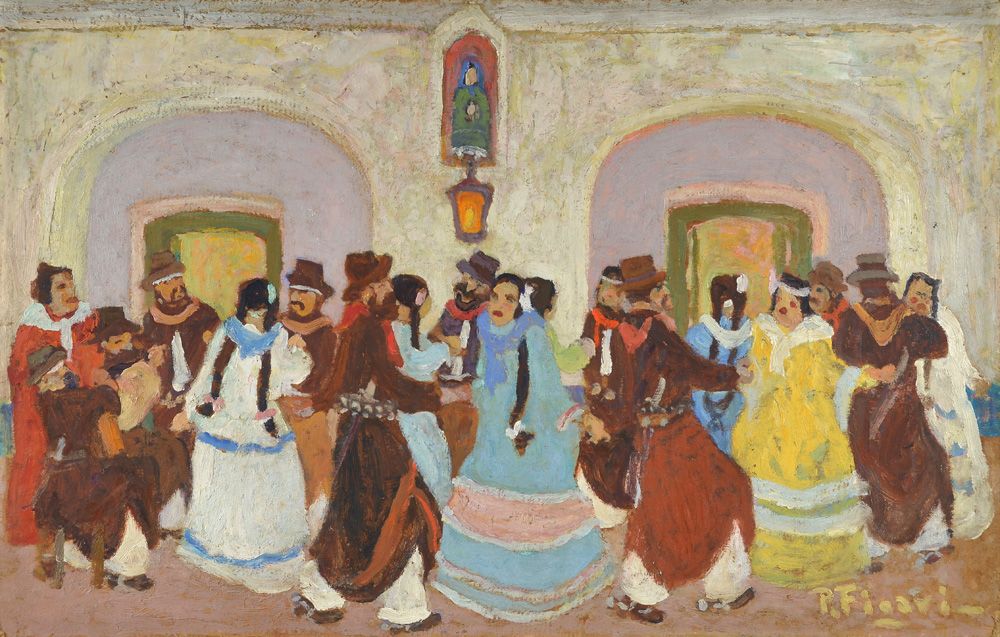
Pedro Figari (June 29, 1861 – July 24, 1938) , a postimpressionist who specialized in bucolic colonial and early twentieth-century scenes (including aspects of black Uruguayans‘ life)  was a Uruguayan painter, lawyer, writer, and politician.

Pericon Under Orange Trees, around 1900 by Figari.
      The Origins of Tango and Milonga, around 1920 by Figari.  Figari made it onto the 200 peso note.

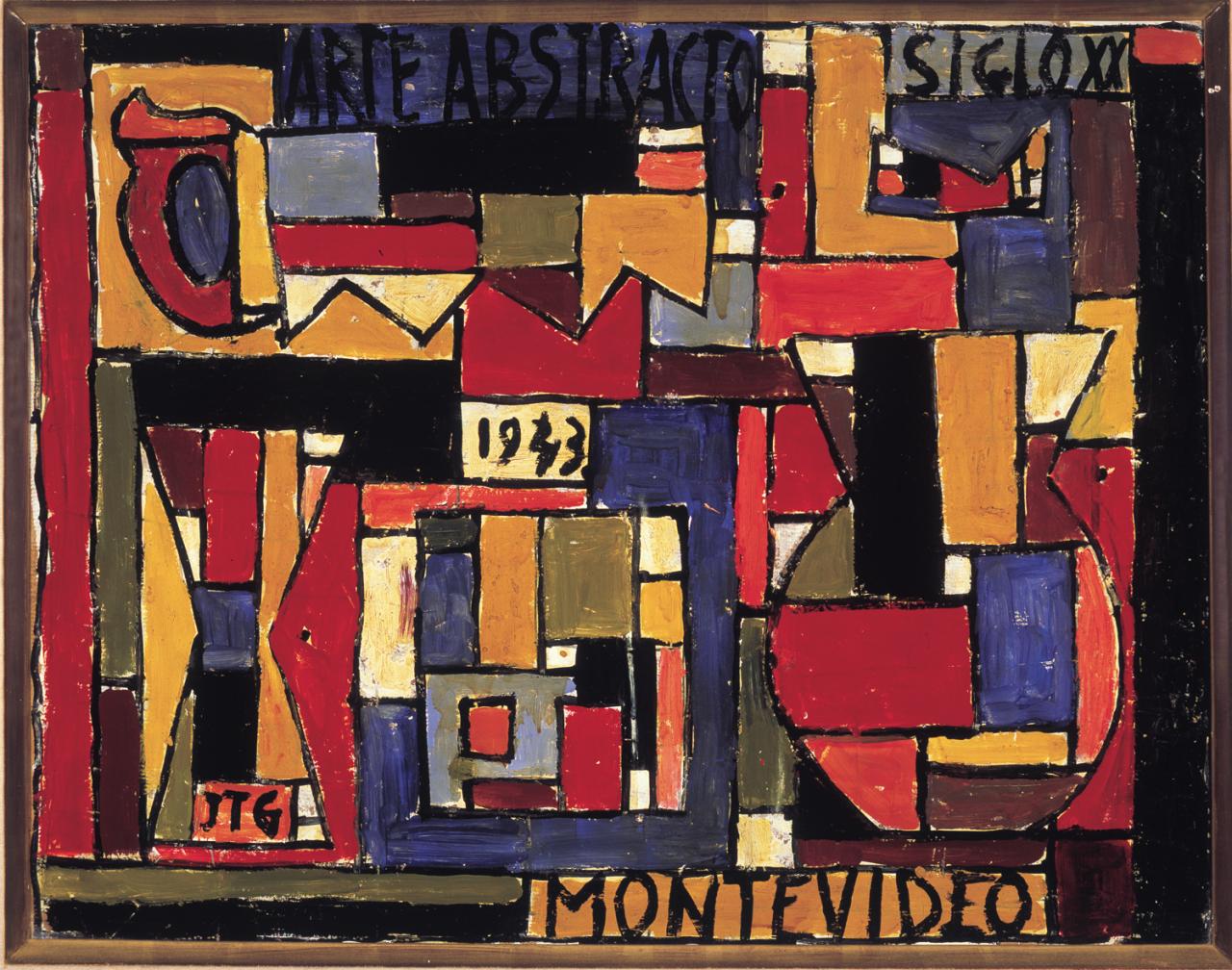
Joaquín Torres Garcia (28 July 1874 – 8 August 1949) was a Spanish Uruguayan artist painter, sculptor, muralist, novelist, writer, teacher and theorist, active in Spain, United States, Italy, France and Uruguay.

      Torres Garcia, left and the Garcia museum in Montevideo, right.   Garcia is one of the highest sought after and paid for Uruguayan artists.
Garcias art is mostly surrealistic, primitiv and abstract, often called universal costructivism.

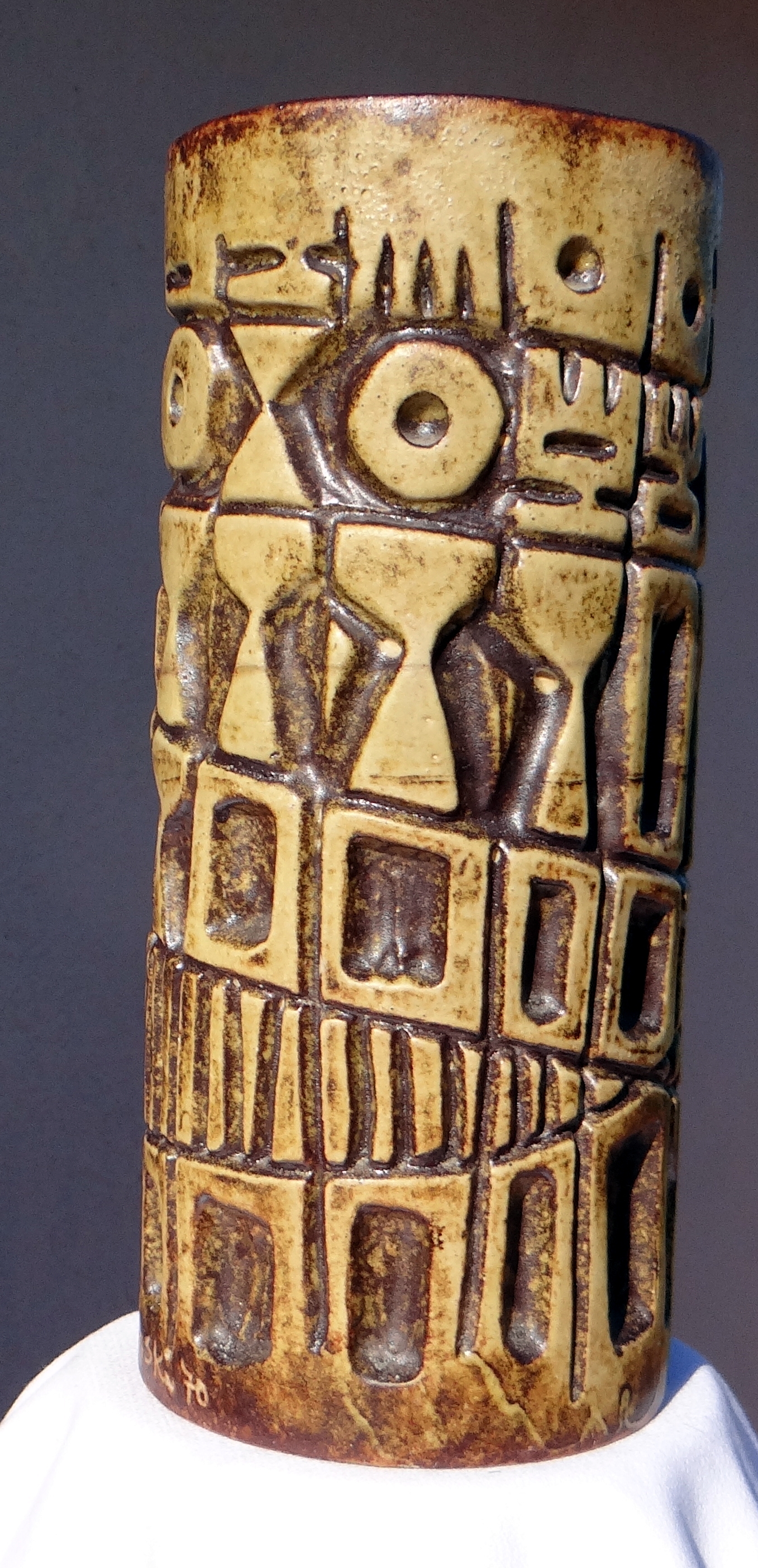
Renowned sculptors include José Belloni, José Luis Zorrilla de San Martín, Edmundo Prati and Jaime Nowinsky.

The famous Charrua monument in Montevideo is an artwork of Edmundo Prati (17 April 1889 – 24 November 1970).
                     Jaime Nowinsky, autodidact, sculptor and painter  (1934 -). Ceramics of my private collection.

Performance Arts.

The Teatro Solis and the El Galpón theater are important sites for theatrical and musical presentations. Among classical composers, Eduardo Fabini (18 May 1882 – 17 May 1950) is the best known Uruguayan internationally.


Many musical and dance traditions derive from Europe, with local variations. Others are native to Uruguay and Argentina, particularly the tango.


Toulouse, France was the birthplace of Carlos Gardel. A French-Argentine singer and actor, the most famous interpreter of the tango. This man with the hat is still seen everywhere, every bar, cafe, restaurant or else has an old picture from Gardel with hat on their wall.

Seeking for an Identity.

Miniature children’s playing cards depicting popular heroes and celebrities on the backs. Similar packs were published showing football players and popular sayings and proverbs. The fronts of the cards show standard Spanish-suited cards printed in blue and orange, in the Catalan style. The ace of coins depicts symbols of commerce and national triumph, and the four of coins depicts a quiver of arrows and a shield. Cards of this type are examples of playing cards used for educational purposes besides providing entertainment value to young people.

Its amazing, these „hero cards“ mainly show the old – 150 years past – celebrities and hero’s – AND Gardel, a Non-Urugayan. Playing Card set from 1928, manufacturer unknown.

Gardel became an Uruguayan icon (no one knows really why, because he is Argentinian, and still lives 100 years on. Gardel died in an airplane crash (in 1935 in Medellin, Colombia, only 45 years old) at the height of his career, becoming an archetypal tragic hero mourned throughout Latin America. For many, Gardel embodies the soul of the tango style.
Millions of Gardel’s fans throughout Latin America went into mourning. Hordes came to pay their respects as his body was taken from Colombia through New York City and Rio de Janeiro. Thousands rendered homage during the two days he lay in state in Montevideo, the city in which his mother lived at the time.

Very rarely seen and visited, Carlos Gardel’s grave at La Chacarita Cemetery, in Buenos Aires Argentina.

The „theater“ what Uruguayans make around Gardel is typical of the finding process of a meaning and culture  identity the nation and country of Uruguay lives through. They really would like to have an modern icon like Gardel in their own history. Uruguayans are a happy and funny people. They would like to have a positive (like a musician or actor as Gardel) hero. Unfortunately, they only have idols of war history. Between Artigas, Lavalleja (the 1840’s-50’s)  and Suarez, Forlan (the living footballers in recent 2000’s) is nothing, absolutely nothing !!

There are many folkloric musical styles and dances, such as Pericón (the national dance). Another important musical style is candombe. This is a typical Afro-Uruguayan musical style played with three kinds of drums. These drums are crafted individually, and each is said to have a unique sound. Candombe can be heard throughout Montevideo during the February Carnaval ( no – one can hear it all the time, the bum bum is everywhere and all year round), when ensembles of marching drummers cruise the streets.

    Pericon painted by Figari. and on the right the modern version as street dance. This dance is also nationally performed in Argentina and Paraguay.
Llamadas are parades of competing groups of dancers who move to the rhythm of the candombe (the public is also welcome to join the dancers). These events are typical of the neighborhoods where most Afro-Montevideans live. Carnaval includes other cultural expressions, such as murgas which are musical groups that make fun of the social and political events of the year.

Above, candombe during Uruguayan carnival. The shows, the history and the performance are amazing. If you are interested read all my other posts about Uruguay and history. Hope you enjoyed this Uruguayan excurse.

Bibliography.

Davis, William C. Warnings from the Far South, Democracy versus Dictatorship in Uruguay, Argentina, and Chile, 1995.
Ferguson, J. Halcro. The River Plate Republics, Argentina, Paraguay, Uruguay, 1965.
Fitzgibbon, Russell H. Uruguay, Portrait of a Democracy, 1966.
Gilio, Maria E. The Tupamaro Guerrillas, 1972.
Hudson, Rex A., and Sandra W. Meditz. Uruguay: A Country Study, 2nd ed., 1992.
Weinstein, Martin. Uruguay, the Politics of Failure, 1975.

Veröffentlicht unter Information, Lifestyle, Uruguay | Verschlagwortet mit | Hinterlasse einen Kommentar

Uruguay – 1

Uruguay.

10 years we live now in Uruguay and for 5 years I write this blog, about everything I like and I am interested in. Of course after so many years in a foreign country one has a deeper insight and a deeper personal opinion about this chosen „home-country“.  During the many years people asked me always to give more information about this country – but there is so much written – which I won’t repeat and repeat.

Once Uruguay was the Switzerland of South America, this is long long time over. Here the bay of Piriapolis.

But a brief oversight, with a lot additional pictures (what I always like to do – a picture says mor then 1000 words, right) should do the job and give you a better view about the so named „Switzerland of South America“. This article is coming in 2 parts and will have no claim of completeness, but my personal views and sentiment will be added.

           Guarani/Charuas  indigenous people from South America. In Uruguay just left as some monuments.

Identification.

The name Oriental Republic of Uruguay – República Oriental del Uruguay, derives from the fact that the country lies east of the Uruguay River, a major tributary of the Rio de la Plata estuary. Before independence, it was known as Banda Oriental del Uruguay . The name „Uruguay“ is a Guaraní word meaning „river of shellfish,“ or „river the uru birds come from.“

                                Click on pictures to supersize for a better view.

Uruguayans have a strong sense of national identity and patriotism. There are no alternative traditions or nationalities within the country.

Location and Geography.

Uruguay is on the southeastern Atlantic coast of the Southern Cone of South America, bordering Argentina to the west and south and Brazil to the north. The Atlantic Ocean is on the east and the estuary of the Río de la Plata is on the south.

Most of the country consists of gently rolling plains interrupted by two ridges of low hills. The remainder consists of fertile coastal and riverine lowlands, including a narrow sandy and marshy coastal plain. The many beaches are an important tourist attraction.

  Endless beaches in Uruguay, here Jose Ignacio.

The climate is generally mild, and freezing temperatures are almost unknown. Because of the absence of mountains, all the regions are vulnerable to rapid changes in weather.

Grasslands and agricultural lands cover the majority of the country. There are also some limited extensions of gallery forests and palm tree savannas. The main cultural differences are related to rural (9 percent) versus urban populations (91 percent), and whether people live in the capital or the interior towns.

   The country is divided into nineteen administrative departamentos, each with a capital town.

Demography.

The total population is approximately 3.45 million. About half of the population lives in the capital, Montevideo, and its metropolitan area. The second largest city, Salto, has ninety thousand inhabitants. Much of the hinterland is very sparsely populated. As a result of emigration, there could be as many people of Uruguayan descent living outside as inside the country. As by example, there are about 40.000 Uruguayans living in Australia.

          INVADED, ULTRAJATED AND SLAVED TO A GOD WITH A CROSS THAT NOBODY KNEW. Click on pics.

Most of the indigenous population was exterminated by the nineteenth century, and those who survived were assimilated. The ethnic composition of the population is 90 percent European (predominantly Spanish and Italian), and 6 percent of the people are partly of Native American descent. Africans, 4 percent of the population, mainly in Montevideo, were imported as slaves to work in the ports, in the processing of meat and hides, and as servants.

Slavery and slave trade in Montevideo.

Linguistic Affiliation.

The prevalent language is a variety of Spanish known as Rioplatense or Platellano . In rural areas, gauchesco/criollo, the creole dialect spoken by the eighteenth- and nineteenth-century gauchos, is still influential. Gauchesco has been preserved in literature, music, and jokes, and is part of the national identity. Along the Brazilian border, a local dialect called portunol or brasilero is spoken.

  Cafe Brasilero, Montevideo, since 1877.  Called one of the 50 top cafes in the world. Don’t know why, its a nice cafe – but not very special – food and service is average.

It is a mixture of Spanish and Portuguese. English has influenced the language of technology and the slang used by young people. The last 10 years more and more English came up as international needed communication, through to more and more tourism in Uruguay.

Symbolism.

The color sky-blue ( celeste ) is a powerful symbol that represents freedom and independence. It is present in the four horizontal stripes of the flag that alternate with five white ones. A sun with a face in the upper corner also symbolizes independence. It is also the color worn by the national soccer team.

Soccer is the national sport and occupies a central place in the life of the nation. The entire population is united behind the national combined team, but fan’s allegiance is divided among the rival local teams (Penarol and Nacional are the most popular ones). Many figures of speech and cultural metaphors revolve around soccer.

Another central symbolic element is the figure of the gaucho. The original gauchos were an equestrian ethnic group similar to North American cowboys. Cattle and horses introduced by the Spanish in the sixteenth and seventeenth centuries multiplied in the grasslands and roamed freely over the land. Some Spaniards became semi nomadic exploiters of this resource, and local native residents also learned to ride horses and live off wild cattle.

     Painting by Juan Manuel Blanes. Cklick on pic.

Gauchos originated as mestizos in these prairies (pampas) of southern South America. Originally, they were equestrian hunters of cattle for hides, beef or salting, and horses for riding. Later they traded in contraband, worked on the cattle and sheep ranches, and served as militia during the struggle for independence and as mercenarios for post-independence caudillos .

The pride lives on in Uruguayan Charrua/Gaucho tribes. Look at the faces ! Arrogance or proudness ?

The gaucho image has become the embodiment of the national character. The idealized gaucho is strong, brave, loyal, proud but humble, honorable, generous, straightforward, clever, patient, wise but melancholic from hardship, and free and independent. The Charrúa, a dominant fierce and independent regional First Nation, although annihilated by the Europeans, is imagined to still live in the spirit of the gaucho mestizo and the Uruguayans (who sometimes called themselves „charruas“).


The national flower is the CEIBO and the most symbolically significant tree is the OMBU. The TEROTERO bird is a common literary symbol for the audacious, bold, attentive, and vivacious nature of the gaucho. I don’t like this bird, its an always noisy, crying bugger.

Jose Gervasio Artigas. (19th of June 1764 – 23rd of September 1850) was a national hero of Uruguay, sometimes also called „the father of Uruguayan nationhood“.
                    Jose Artigas mausoleum on and under plaza independencia in Montevideo, worth a visit.

Another important symbol is the historical figure of José Gervasio Artigas, who is considered the father of independence and political nationalism. All political parties refer to Artigas in their platforms. Artigas‘ flag is still used as a patriotic symbol and was adopted by the Tupamaros. The number 33 has nationalistic connotations, being related to the 33 Patriots, but this a bit later.

  The Artigas flag used by Tupamaros.

History and Ethnic Relations.

Emergence of the Nation. The colonial period from 1516 to 1810 was characterized by a struggle for control of the area by Spain and Portugal, with minor incursions by the British and French. It was during this time that Montevideo was founded (1726). Between 1811 and 1827, during the wars of independence, the formation of the national identity materialized around the epics of Artigas and the 33 Orientales.

Oath of the 33 Orientales in 1825. Famous painting (c.1875-77) by Juan Manuel Blanes.

In 1828, Uruguay gained independence as a buffer state between Argentina and Brazil. Until the early twentieth century, the country engaged in an internal contest for political power through civil wars, dictatorships, and caudillismo . Polarization of the contending factions resulted in the formation of two opposing parties: the Blancos and Colorados, means the whites and the colored.

Over several years the independence was fought. With treaty of Montevideo, signed at 27th of August 1828, Uruguay called itself independent.The first Constitution of Uruguay dates back to 1830. Drafted by the Constituent Assembly, summoned in the Church of La Aguada in 1829, it was sworn by the citizens on 18th of July 1830 (see above).

  President from 1904-1907 and 1911-1915.

In the early 1900s, under the leadership of President José Batlle y Ordónez, the nation achieved political stability and implemented social reforms. A period of prosperity that lasted until about 1950 transformed the country into „the Switzerland of South America.

  Prosperity in Uruguay for many years.

„Out of this time, the late 40’s and 50’s most of the housing results. People were well situated and had mostly 2 to 3 houses, including their coastal holiday homes. They are worn down now and thousands are for sale. A surplus of real estate rubbish in Uruguay.

              Most famous Tupamaros in Uruguay, Jose Mujica and his wife Lucia. Jose Mujica, was president of Uruguay from 2010 til 2015 and called „Pepe, the poorest president in the world“.

Change in the international markets and an oversized government created economic hardship in the 1960s. Political instability ensued and, compounded by civil unrest and the appearance of the Tupamaro guerrilla movement, culminated in a coup and a military dictatorship in 1973. The new democratic period started with the 1984 presidential election. Since that time, the Blancos and Colorados have alternated in controlling the presidency. Not one of them very succesful, it all languishes along.

During the Silent March, thousands of Uruguayans marched against impunity demanding justice for the 200 people disappeared during the 12 years of military dictatorship.

National Identity.

The national identity is a historical blend resulting from the struggle to maintain freedom from Spain and later from Argentina and Brazil, the gaucho culture, African slave roots, political caudillismo; and a European cultural and intellectual model.  A caudillo (old Spanish: cabdillo, from Latin capitellum, diminutive of caput „head“) is a type of personalist leader wielding military and political power. There is no precise definition of caudillo, which is often used interchangeably with „dictator“ and „strongman“.

                         The national identity is a permanent „life balancing act“ between football and carnival…….

Outward appearance and being flashy are less important than what lies beneath the surface and Uruguay seems to take this to an extreme. Money isn’t spent on great buildings or clothing, as these will one day be gone, so why not enjoy the now, for there is only now. This attitude is a relative of Uruguay’s Spanish past, one of relaxation and taking one’s time to enjoy the moment and the present company.

              ……and between asado and beachlife.  Uruguayans don’t like to take life to serious, that’s why they are…..

Uruguay is rooted in Spanish culture and the way of life reminds the visitor of this at every turn. Yet the country is understated in many ways as it lacks the flamboyant architecture, dress, dancing, and foods. The people are fairly modest and care more about a Saturday with family than they do visiting the newest art gallery or creating art themselves. Uruguay also lacks much influence from the indigenous people in their culture as most of the people are primarily ethnic European.

  …..happy Uruguayans – MAY BE !!!

Most people in Uruguay identify as being Uruguayan and this is truly tied to the culture. A part of that culture is its inclusivity, as it is very open and nearly any citizen of the country is welcomed to be considered „Uruguayan,“ (even foreigners) no matter their ethnicity.

Montevideo skyline from the 1950/60’s.

Urbanism and Architecture.

Montevideo is a modern city with a European flavor. When we came here first in 2009 we thought to be in Barcelona in the 1960’s !! The character of the old part of the city, which was originally within a defensive stone wall, has been preserved to some extent. There are many parks, some very large. Public spaces follow the Spanish model and are open to everyone. Brick and mortar and concrete and stone are the dominant construction materials. Montevideo is also called the „City of Art Deco“ against Buenos Aires as the „City of Art Nouveau“.

                 Art Deco par excellance in Montevideo.

The urban centers in the interior are much less imposing and lively, sometimes even very ugly and dozens of years behind modern world. Of note are the historic quarters of Colonia del Sacramento (founded in 1680 by the Portuguese), which UNESCO has declared a World Heritage City. The beach resort towns and cities are modern and active in the summer; Punta del Este has become a center for international meetings, golf tournaments, and film festivals. In remote rural areas, some gauchos still live in the traditional rancho, a simple adobe construction with a thatched roof.
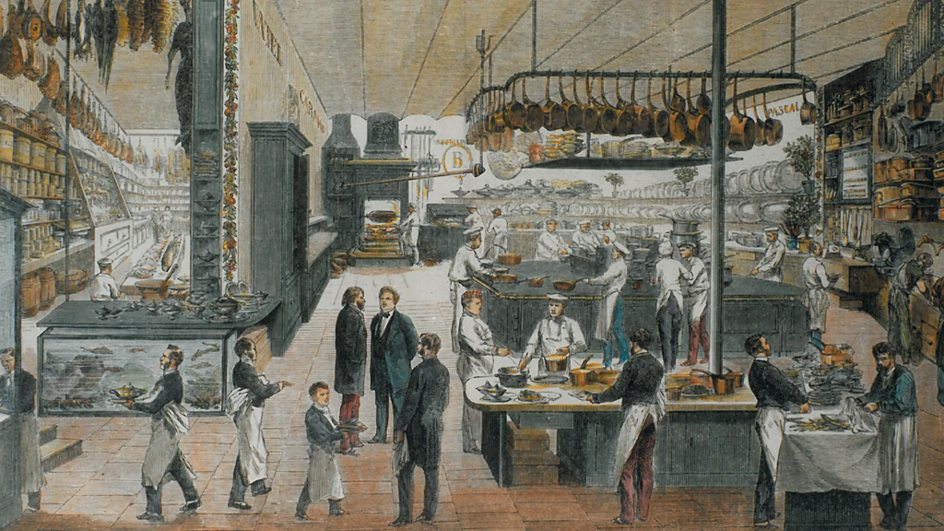
They are still there in Uruguay, great old Estancias, to visit, to buy, to live in, if you like.

Food in Daily Life.

Meat, particularly beef, is the mainstay of the diet. I’ve read one statistic that Uruguayans have 9 times a meat meal per week !! The national dish is the asado (barbecued meat). The parrillada (beef and entrails) is the most typical dish. It contains a varied assortment of parts, the most common being beef ribs, kidneys, salivary glands or sweetbreads (mollejas), small intestine (chinchulines) or large intestine (tripa gorda), and sweet blood pudding sausage (morcilla dulce).

It is sometimes hard to get real good meat quality, because out of the old times, the Uruguayans eat the leftovers and export the valuables. Additional, they have very strange meat cuttings here and use meat mostly bloody and fresh. Hard to get a good steak like in the US or Australia. Since 10 years I try to get „baby back ribs“ (US-American cut) – its just impossible.

                         Loveless and unappetizing!  On the plate thrown meat in Uruguay, few french fries next to it, that’s it.
                            That’s the opposite, full bowl of all kind of different meat. Served with dry rolls and some chimichurri.
And a similar one at the table, this time a bit appealing decorated.

Pork sausage usually is served as an appetizer. Barbecued lamb is consumed in large quantities, particularly in rural areas, but again in such a strange cut that’s not appetizing. At rural banquets, entire cows or intire sheepsides are barbecued slowly with their hides. uruguay is through and through a meat country – nothing wrong with it – but with such a long and attractive coastline, no fish, no seafood at all. To a gourmand a terrible situation.

Whole sheep sides during a rural BBQ. That’s delicious, I can tell you.  See down here the results.

As a result of Italian immigration in the late 1800s and early 1900s, pasta is a national food. Sunday is the preferred day for eating pasta, of course now added with pizza. Most home cooking has a Spanish influence, and meals almost invariably include soup. The cooking is often tasteless to international palates, no seasoning, no variety’s – often boring.

        Very boring pizza, bit tomato sauce and tons of cheep cheese. Next to it the typical potato gnocci, bit sprinkled with oregano, served on monthly gnocci day. Not my favorite.

A standard fast food is chivito, a substantial steak sandwich. Another unique snack is wedges of fainá a chickpea flour pancake. Portions in Uruguay are always oversized and not very appetizing celebrated. A mixed salad, by example, is „a few green leaves with a tomato cut in quarters“.

    Chivito’s are oversized burgers with everything and I mean everything. The taste is not as important as the bursting amount of food on the plate.  Of course there are some places where you get real fine food and I love it – but we talk about the Uruguayan lifestyle at the moment and they don’t care much about quality food, as long as it is MUCH MORE !
The basic chivito recipe.

Mate – which is a strong tea- like beverage made by infusing coarsely ground leaves of Yerba. Mate with hot water in a gourd and sipped through a metal straw with a terminal filter (bombilla), is drunk at home, at work, at the beach, at soccer games and in public places. Also during driving – typical Uruguay driving is: Mate pot in the left hand, under left arm the hot water bottle, cigarette in the mouth, right hand holds the cell phone and they speed like hell, steering with the knees.

                   
Nothing is more typical in Uruguay:   Left, former Urugayan president „Pepe“ Mujica. Right, the typical dangerous driving. I tried a few times mate and it is ones taste or not. There is no discussion possible, because its a matter of mentality and local lifestyle. I am not grown up with it, so I feel always a bit stupid all day long with a teat in my mouth – my problem, I know.

Coffee is drunk as espresso or with milk. Tea usually is drunk with milk. Very typical the cortado, a layered mix of milk, coffee, milkfoam. Or typical the „Submarine“, a glass of hot milk with a stick of chocolate inside – makes a nice chocolaty cacao.

       Delicious coffee drink, the cortado, served with a local cookie, the chaja.  next to it the „submarine“.

Breakfast is a light meal. Traditionally, lunch and dinner are the main meals. Lunch is mostly served around 2.00pm to 4.00pm and dinner served far after 9.00pm. Wine and beer commonly accompany the main meals and are available in wide ranges and excellent qualities. Another Uruguayan delight is Whisky (all imported). A regional supermarket, at least, sells 30 to 40 different Whisky brands and varieties. Therefore it is almost impossible to get only one bottle of good Cognac, Armagnac or alike. Look down here.

Food Customs at Ceremonial Occasions.

More elaborate meals are eaten at anniversaries, birthdays, promotions, and other special occasions. People take advantage of any event or occasion to eat their favorite dishes or have an outdoor barbecue. The most important special meal of the year is the Christmas Eve dinner.

Don’t get me wrong, there is some excellent food in Uruguay and there are some very nice restaurants and lots of people trying the best to serve fresh and delicious. But there is no competition at all against (by example) Peru or Chile or else. It is just the refinement of old Gaucho Culture and that is the modern Uruguayan culture. Recently we had near Eden in Maldonado a rainbow trout lunch – never had a better one in my life ! Thumbs up !

Basic Economy.

Services and export-oriented herding and agricultural production and industry, a relatively even distribution of income, and high levels of social spending characterize the economy. The main natural resources are pastures (more than 75 percent of the land), agriculture (10 percent of the land), hydro power, and fisheries. Mineral resources are scanty, and the country does not produce petroleum.

The natural look of more then 75% in Uruguay.

Raw wool and beef still represent about a third of exports by value, but sheep and cattle products account for more than 90 percent of exports.


Three-fifths of the economic output is produced by a well-educated workforce in the service sector, mainly in public services and tourism. As a result of welfare state social policies and political favors in the past, there is a disproportionate number of public servants and retired citizens, and only around 32 percent of the population is economically active.

     Therefore many many Uruguayans live in poverty. Slum life in Montevideo.
       Uruguayan workers on strike and waiting for the weekly marijuana allotment at a Farmacia. Why work if you can dream along, the government is paying for it.

The government owns and operates the railroads, the national airline, a shipping fleet, the telephone and telegraph system, petroleum and alcohol refining and processing, and the cement industry. However, privatization has become more prevalent. The currency is the peso, but strong bound with the US-dollar.

       A strong Uruguayan peso is history, the US$ rules the country.

There is almost no competition in Uruguayan business. Good and intelligent customer service is widely unknown and customers have the feeling they work for the employees and not other way round.  If you don’t like anything, you can’t go somewhere else, all bigger companies have their monopol – „eat it or die“! At work employees enjoy themselves, otherwise they don’t need to go for work. Nothing really happens and goes forward. Economy is a sleeping matter, the youth has almost no chance and many go abroad to find their chances.


Land Tenure and Property.

Most land is privately owned, and more than half the territory is divided into large landed ranches that belong to a few families. These properties began to be fenced after the introduction of wool-producing sheep. Historically, land was obtained through titles given by Spanish and Portuguese representatives, distributed by caudillos, or informally occupied. Legal land titles now are registered.  Many try to be in business in Uruguay !
Stay tuned to part 2 of this post. Meantime take the chance to read all my other posts about Uruguay, you are only a short click away !

Bibliography.

Davis, William C. Warnings from the Far South, Democracy versus Dictatorship in Uruguay, Argentina, and Chile, 1995.
Ferguson, J. Halcro. The River Plate Republics, Argentina, Paraguay, Uruguay, 1965.
Fitzgibbon, Russell H. Uruguay, Portrait of a Democracy, 1966.
Gilio, Maria E. The Tupamaro Guerrillas, 1972.
Hudson, Rex A., and Sandra W. Meditz. Uruguay: A Country Study, 2nd ed., 1992.
Weinstein, Martin. Uruguay, the Politics of Failure, 1975.

Veröffentlicht unter Information, Lifestyle, Uruguay | Verschlagwortet mit | Hinterlasse einen Kommentar

Teriyaki Chicken


Teriyaki Chicken and Pineapple Rice !

This recipe is not new and we have made it for years. It is one of the delicious comfort foods one can make in dozens of different varieties. I like to introduce you to my favorite, even if I do it sometimes different. Teriyaki Chicken has to be one of the most beloved Asian foods of all time. Its savory, slightly sweet, and just so satisfying. And even more satisfying when its made all in one pot.

This Teriyaki Chicken recipe is bursting with flavor to perfectly compliment your palate. Most of the pics are sent by my friend Mathis, who enjoys Teriyaki Chuck as I do.

What is Teriyaki Chicken?

Teriyaki is used to describe any chicken, beef, fish, etc. marinated in or served with Teriyaki sauce. Teriyaki sauce is typically made of soy sauce, sake, sugar and ginger. So essentially, it is a dish, flavor, and sauce all with an interesting history. Teriyaki is a cooking technique used in Japanese cuisine in which foods are broiled or grilled.

     Teriyaki sauce, mainly made from Soy-sauce, sake, sugar and fresh grated ginger.

Fish –  marlin, tuna, salmon, trout, and mackerel – is mainly used in Japan, while white and red meat – chicken, pork, lamb, duck and beef – is more often used in the West. Other ingredients sometimes used in Japan include squid, hamburger steak, and meatballs.  Also in fashion is the vegetarian dish, Teriyaki just with assorted vegetables.

The word “Teriyaki” is Japanese, and describes the method of cooking: yaki- means grilled, and teri refers to a shine given from the sugar, so the direct simplistic translation is “shine-grilled.”

„Shine- grilled“ of its finest. Japanese Teriyaki beef ribs. Notice the fantastic SHINE.

Although the word Teriyaki is of Japanese origin, Teriyaki cooking is actually tied to Hawaiian roots. It is believed that Japanese immigrants in Hawaii used the local foods there and came up with Teriyaki, and if you’ve been to a Hawaiian barbecue, you’ll know the deliciousness I’m talking about.

The first Hawaiian/Japanese people used pineapple juice as their sugar and acid to get the shine while Japanese soy sauce remained the main ingredient. So Teriyaki chicken has its origins in Japan … and Hawaii. It is a blend of two great cultures and one of the best blends of simple ingredients in the world!

I think Chicken thigh’s are the best for this recipe.

What chicken is best for Teriyaki ?

And we only talk about chicken today, not about fish or beef or… You have two main options when it comes to what chicken you would like to use for this Teriyaki Chicken recipe:

Boneless skinless chicken thighs: The dark meat and therefore inherently juicier and more forgiving as far as cooking time. It is hard to dry out chicken thighs, so although the pictures show chicken breasts, I actually recommend chicken thighs.

Chicken breast cut into equal pieces is what I like to use, makes it much easier.

Boneless skinless chicken breasts: They are leaner but still emerge wonderfully juicy from the marinade. If you use chicken breasts, take care they are pounded to an even thickness so they cook evenly. Chicken breasts vary wildly in size, so adjust cooking time accordingly.

Teriyaki Chicken Ingredients and Substitutions to use.

Making Teriyaki Chicken at home is easy and only requires a few pantry staples. You can also customize it to fit your personal preference whether that be more sweet, more savory, more sour or more heat. All to receive the best of Umami taste!!

  That’s the only Teriyaki sauce one can buy in Uruguay. I am sometimes a lazy cook and this sauce does the job. But I wish I could have the following ones I had in Panama or Australia.  They are already thick and tangy and full of flavor. The Kikkoman I always pep up with brown sugar and fresh ginger and cook it down 50%.

Traditional Teriyaki Sauce is equal parts, soy and Mirin (a sweet cooking sake, not found in Uruguay yet) and sugar to taste. Another version of simple Teriyaki is equal parts soy sauce to granulated sugar.

Chicken: as previously mentioned, you can either use 4 small boneless skinless chicken breasts or 4 boneless chicken thighs. I have included cooking times for each in the recipe.
Rice: use long-grain white rice.
Pineapple: use one 650g (about 20 oz) can crushed pineapple.
Olive oil: substitute with your favorite cooking oil such as avocado oil or coconut oil.
Soy sauce: use reduced sodium soy sauce or your Teriyaki Chicken will be too salty.
Sugar: is necessary to balance the soy sauce and the vinegar. You may substitute with some honey, or brown sugar but it will create a slightly different flavor profile.
Apple cider vinegar: provides the fruity, tangy balance to the soy sauce. You may substitute with rice wine vinegar or white vinegar if that’s all you have on hand. White vinegar has more acidic than apple cider vinegar, so only use 3 tablespoons.
Garlic: one teaspoon garlic powder will do the trick. I like to use fresh grated garlic only.
Ginger: adds a warm spicy, almost pepper taste that cuts through the sweetness. You will need 1/2 teaspoon ground ginger. Again, fresh grated one is much better.
Salt and Pepper: enhance all of the flavors.
Sriracha: you can use sriracha or sambal oelek. Use more or less to taste.

This is Teriyaki Chicken ( whole chicken breasts) on Pineapple Rice as its best. Pic Mathis.

How to Make Teriyaki Chicken.

To make this irresistibly delicious Teriyaki Chicken, whisk together your Teriyaki Sauce ingredients of soy sauce, sugar, cider vinegar, ginger, garlic, Sriracha and cornstarch and remove some to a freezer bag with your chicken to marinate one hour up to overnight – the longer, the better.Turn over the marinade bag from time to time.

This yummy, shiny, sticky sauce is what is the recipe all about. Wish I could get it bottled here.

The marinade alone makes this chicken super tender and flavorful and allows you to use chicken breasts (although you are welcome to use skinless chicken thighs) without loosing juiciness.

Reserve remaining marinade for Teriyaki Sauce. The remaining Teriyaki Sauce creates a luscious glaze by simmering it in your pot for a couple of minutes. You then remove the glaze, brown your moist chicken and then its time for pineapple rice.

             Mouthwatering. Pics Mathis.

Cook rice with crushed pineapple. Your rice is simmered in a pan of crushed pineapple with its juice and water so the rice drinks up the slightly tangy, sweet, pineapple essence, perfectly complimenting the soy based teriyaki chicken which you nestle in your rice to finish cooking, periodically basting with your glaze, so the sticky, flavorful Teriyaki glaze seeps further into the drool-worthy chicken and glides down to permeate the rice to create Teriyaki Pineapple Rice. Finger licking, mind blowing taste.

   “ Bon appetit „. Pic Mathis. Thanks Mathis. Click on pics to size up.

What to serve with Teriyaki Chicken?

Teriyaki Chicken is fantastic served with any sautéed, roasted or grilled veggies you have on hand. Broccoli, snow peas, paprikas, are great vegetables to add to make it healthier and well balanced. But don’t stop there, here are some more ideas to spice up your Chicken Teriyaki:

Stir Fry Veggies. You can stir fry any veggies your heart desires from broccoli, to paprikas, to mushrooms, to carrots, etc. or you can serve with roasted veggies such as roasted broccoli, roasted cauliflower, roasted carrots, sauteed Brussels sprouts, or roasted squash.
Shortcut Veggies. You an can purchase pre-chopped veggies perfect for stir fries or use a frozen stir-fry blend or steam-in-the-bag microwavable frozen veggies. No problem at all.
Salad. You can serve Teriyaki Chicken with crunchy Asian salad, Chinese salad, Asian pineapple salad or add the chicken directly to the salad to make Teriyaki chicken salad.
Soups: Miso soup, Thai noodle soup, curried butternut squash soup, Tom Kha Gai soup.
Fruit: Grilled pineapple, summer fruit salads, creamy grape salad.
Appetizers. For an Asian feast, Teriyaki Chicken is delicious with Wontons, Asian salad.

Whole chicken breast will also do fine. On white rice with Asian salad and broccoli.

Teriyaki Chicken and Pineapple Rice Recipe.

Easy One Pot Teriyaki Chicken with Pineapple Rice dripping with flavor and cooked all in the same skillet! Teriyaki Chicken + pineapple + rice = a match made in heaven. The marinade doubles as the Glaze (no double work) for incredibly juicy chicken with flavor through and through – not just on the surface. The Teriyaki Glaze seeps into the rice for slightly tangy, sweet, teriyaki pineapple rice that perfectly compliments your chicken. It doesn’t get any better.

Ingredients.

4 boneless skinless chicken breasts or thighs
1 1/2 cups long-grain white rice
1 650g (20 oz) can crushed pineapple
olive oil

  My ingredients today, not much needed.

How to do.

Whisk together Teriyaki Sauce ingredients in a small bowl. Add 1/3 cup of this sauce plus 1 tablespoon olive oil and chicken to a freezer bag/shallow dish and marinate 1 hour up to overnight. Refrigerate remaining Teriyaki Sauce separately.

When ready to cook, strain pineapple juice from crushed pineapple and add water to strained juice to equal 3 cups liquid (“Pineapple Water”). Set aside.

Stir reserved Teriyaki Sauce and add to large skillet (nonstick works best). Bring to a boil then reduce to a simmer until slightly thickened, stirring constantly (glaze will continue to thicken upon standing). Remove Teriyaki Glaze to same bowl it was refrigerated in.

    Chicken breast in Uruguay. Two halves are about 1,8 kg, crazy elephant size chickens here. Better cut it in decent cube sizes and marinate/bake the cubes. Otherwize you loose lots of flavor.

Wipe skillet (doesn’t have to be thorough) and heat 1 tablespoon olive oil over high heat. Let excess marinade drip off chicken and add to skillet. Cook over medium high heat for 5 minutes on each side (3 minutes on each side for thighs) or until nicely browned (will not be all the way cooked through) and remove to a plate.

Wipe skillet and add 1 tablespoon olive oil and Pineapple Water. Bring to a simmer then stir in crushed pineapple and rice. Cover, reduce to medium low and cook for about 12 minutes or necessary rice cooking time.

  Pineapple rice is steaming along. Click on pics to size up.

Stir rice and nestle chicken on top and brush with Teriyaki Glaze. Cover and continue to cook for an additional 8-12 minutes or until rice and chicken are cooked through.

Brush chicken with additional Teriyaki Glaze and season rice with freshly cracked salt and pepper.

Tips.

This is a real yummy recipe. Serve it over a bed of rice. The leftovers go nicely in a whole wheat pita the next day for a warm delicious lunch or on baked leftover spaghetti – YES. Hope you all will enjoy it!


It is possible to make this dish with brown rice. Maybe pre-cook rice for a little bit before adding to skillet or pan. Some will prefer brown over white rice.

  Teriyaki Chicken on brown rice.

A cast iron skillet is not necessary and a nonstick pan actually works better. Each stove is different, so you will have to play with cooking times, best to just check the rice periodically so it doesn’t overcook.


Wonderful idea, to serve the Teriyaki Chicken in a pineapple bowl, stylish and delicious.

Another idea:  Oven sheet Teriyaki Chicken Breast with Pineapple Fried Rice.

The key ingredients in this dish for me are the Pineapple and Teriyaki. I love a sweet, tangy sauce on top of my chicken. And, while vegetables are great, I enjoy mixing it up with fruit salsas and sides whenever possible.

In order to keep all this sweet sauce contained, I have to make sure I choose the right tools. A sheet pan with edges is the key, as it is Non-Stick Aluminum Foil. First of all, I need to know that I’m not going to be stuck with a ton of juices overflowing onto the bottom of my oven.

The pineapple rice shown up here is upgraded with very fine cut vegetables (carrot, peas, corn, spring onion) and small pieces of ham. Very delicious. That can be a whole meal in itself.

Second, I need to make sure that the chicken juices stay put in the pan as well, so that the rice/pineapple mixture can cook on its own and retain its own flavors. Third, I want to make sure that the foil I’m using is food-grade. Use top quality only and may be double it. Fourth, using one pan, I don’t want to mix flavors and juices to early.  Y U M M Y  ! ! !


Veröffentlicht unter Recipes | Verschlagwortet mit | Hinterlasse einen Kommentar

Must See – Ulm 2


Ulm on the Danube.

To my opinion Ulm is a completely underestimated city. Lets start with some statistics: Ulm has the crookedest house (as listed in Guinness World Records, see part Fischer’s Quarters) and one of the narrowest (4.5m wide), the world’s oldest zoomorphic sculpture (aged 35.000 – 40.000 years), the tallest cathedral steeple (161.5m high), and is the birthplace of the physicist, Albert Einstein.
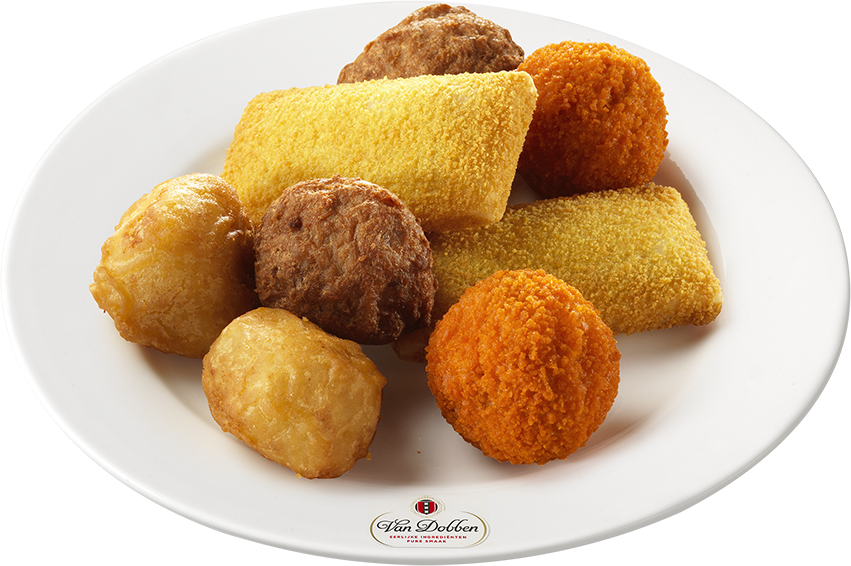
On the morning of August 5, 1923, a Sunday, Albert Einstein climbed the steps of the Ulm Minster Tower. How do you know that? Because he told his wife Elsa in a letter about it. And the letter is visible in his estate.
                    The Lion-Human (Löwenmensch).
The lion-headed figurine is the oldest-known zoomorphic (animal-shaped) sculpture in the world, and the oldest-known uncontested example of figurative art. It has been determined by carbon dating of the layer in which it was found to be between 35,000 and 40,000 years old, and therefore is associated with the archaeological Aurignacian culture of the Upper Paleolithic. It was carved out of mammoth ivory using a flint stone knife. Seven parallel, transverse, carved gouges are on the left arm. The figurine currently is displayed in the Ulm Museum, Germany.
                                       
      
Other famous Ulm born people are, amongst others, (from top left to right bottom) Mike Krüger,  Otto Kässbohrer (the SETRA bus builder),  Hildegard Knef,  Uli Hoeness.

This idiosyncratic city will win your affection with everyday encounters, particularly in summer as you pedal along the Danube and the Fischerviertel’s beer gardens hum with animated chatter. One Helles (pale lager) too many and you may decide to impress the locals by attempting the tongue twister: „In Ulm, um Ulm, und um Ulm herum“ („In Ulm, around Ulm and all around Ulm“).

Ulm on the Danube, impression from the „weltchronic“ 1493.

The oldest traceable settlement of the Ulm area began in the early Neolithic period, around 5000 BC. Settlements of this time have been identified at the villages of Eggingen and Lehr, today districts of the city. In the city area of Ulm proper, the oldest find dates from the late Neolithic period. The earliest written mention of Ulm is dated 22 July 854 AD, when King Louis the German signed a document in the King’s palace of „Hulma“ in the Duchy of Swabia. The city was declared an Imperial City (German: Reichsstadt) by Friedrich Barbarossa in 1181.
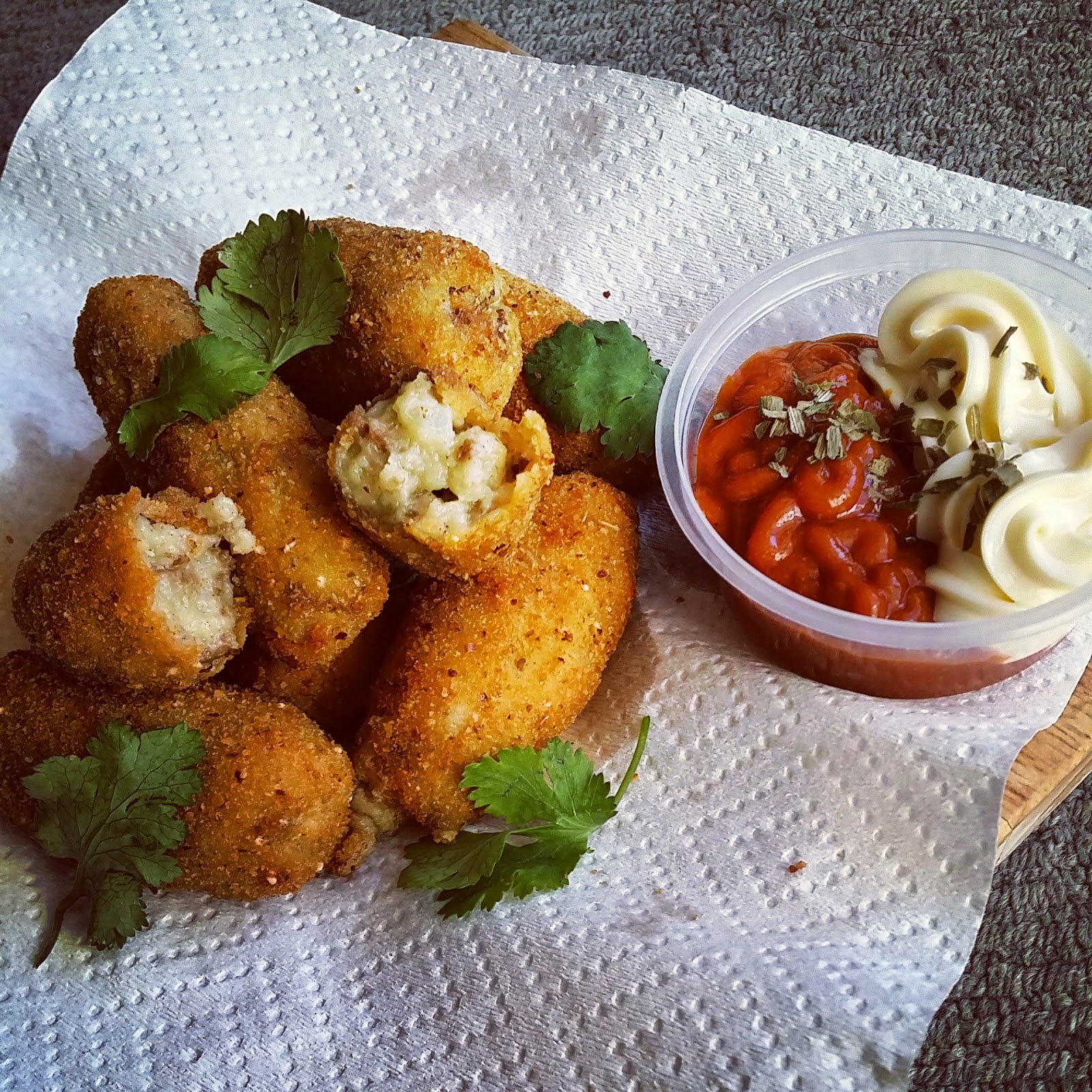
Ulm from „Merian“, 1640. Interesting are the titles of those 3 views.

The Ulm sparrow.

The sparrow is the unofficial heraldic animal of Ulm and ubiquitous in the city. This does not just apply to the real birds chirping in the trees or hoping for breadcrumbs in the sidewalk cafes. In the form of giant sculptures, the sparrow perched on a life-sized scale in various squares and streets. He is named after clubs, a figure in traditional city festivals, imprinted logos and souvenirs. The most prominent position is the sparrow of copper, which stands on the roof of the Ulm Minster.
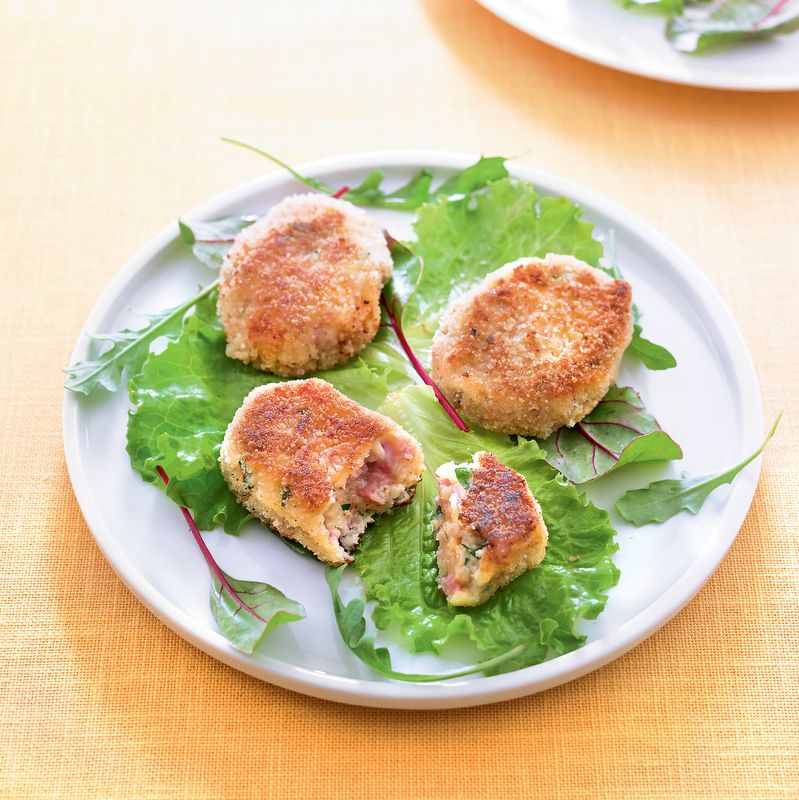
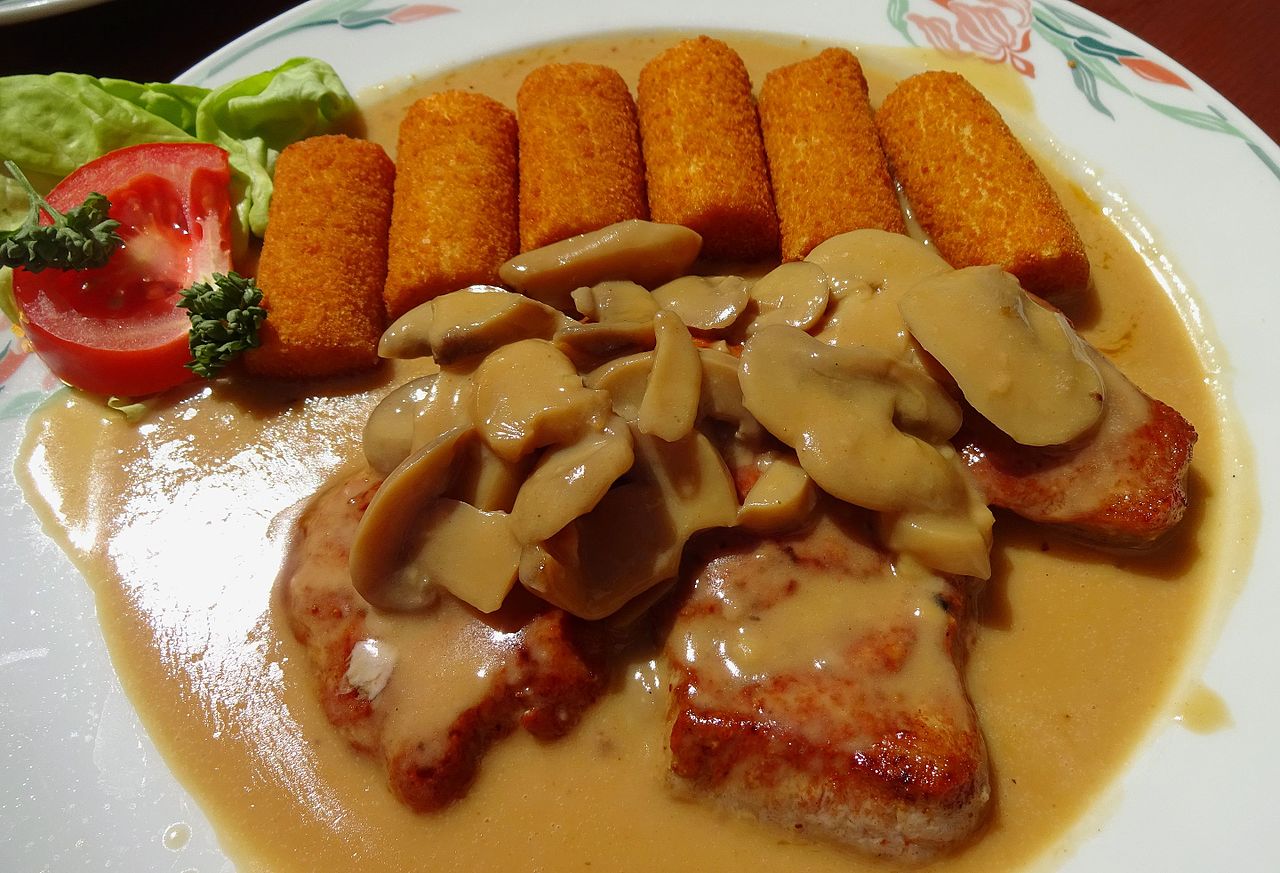
The original „Spatz“(sparrow) from 1858.

But how did the cult become about the little creature? In the following you will find out the legend that I have retold freely from ancient traditions. By the way, the first hint can be found in a work by the historian Rudolf Max Biedermann from 1826. According to this, the story was already widespread at this time.

The sparrows in Ulm.

Once upon a time there was a proud citizenship in the free imperial city of Ulm, which was in the process of building a gigantic cathedral. For the roof, the builder needed long logs. He sent his assistants to fetch strong wood. And so they set off. But as the men tried to get the beams into the city from outside, they encountered an insurmountable obstacle: the city wall with its much too small gate.

                            Old postcard of Ulm, telling the story of the sparrow.

The master builder fell into deep despair. His men had considered carefully, the beams stacked tightly and loaded across the car. But if they wanted to move the car through the narrow gate, the wood was left and right over. The gate was too narrow for the long beams. How should they ever get in?

Many occasions in Ulm to use the sparrow. Well known the hotel and restaurant „Ulmer Spatz“.

The whole city was in turmoil about it. Not only the assistants, but also the citizens, the scholars and even the mayor – who actually knew everything about an answer – were looking for a solution. But something similar had never happened to anyone. Even in the smart books, there was no advice. When the confusion was greatest, a small sparrow flew over the crowd. In his beak he wore a golden shimmering straw. With this he fluttered up to the tower, which rose above the city wall and provided space for a nest in a narrow gap. The resourceful sparrow turned the straw to push it lengthwise into the niche. Then the Ulmers opened a light.

   Beautiful antique beer stein from Ulm with the sparrow next to royal insignia.

In no time, they grabbed the wooden beams, turned them, and placed them lengthwise on the wagon. With zeal, they set the vehicle in motion. The master builder held his breath and barely trusted his eyes. Elle after Elle, piece by piece, the car rolled smoothly through the gate. The crowds cheered. The people applauded the sparrow and closed it deep in their hearts.

To thank the citizens erected a monument to the bird on the cathedral roof: The figure of a sparrow (since 2013) with a straw in his beak. And so the sparrow became the unofficial, but all the more beloved heraldic animal of the city of Ulm.

The Ulm Schachtel.

Alongside Ulm Minster and the sparrow, the Ulmer Schachtel is one of the symbols of the city. If the term means nothing to you: it denotes a flat-bottomed river boat that was widely used for trade by the People of Ulm. Nowadays, the remaining examples of this vessel are used on Ulm‘s public holiday, Schwörmontag (Oath Monday), to transport a few dozen dignitaries from Fischerplätzle to Friedrichsau.
Ulmer Schachtel – painting at the old city hall of Ulm.

Every year, five Ulmer Schachtel boats – one large and four somewhat smaller vessels – also cover the route from Ulm to Vienna or beyond, helping to maintain the traditional contact between the countries along the Danube. This merry ritual is a reminder of the once flourishing industry, Ulm’s Danube shipping. Transported on the Danube at that time: Cloth from Europe’s north-west, skins, pelts and wax from Russia.

Ulmer Schachtel transport on the Danube.

Chronicler Felix Fabri also mentioned the waterways in 1488. This was still done by raft at that time. Ships from Bavaria did also sail upstream to Ulm, but the people of Ulm had no ships of their own at that point.

This changed in the 16th century because of a timbershortage, which caused people, including those in Ulm, to seek an economical alternative to rafts. Wine Traders from the fishermen’s guild brought “Schopper” – theDanube ship builders – from Ingolstadt, Deggendorf and Windorf in what is now the district of Passau, to Ulm where, in 1570, they built the first large transport barges. The vessels they built were 26 metres long and 4 metres wide.

A decent size boat – then and now. The modern ones have 2 rudders only.

The ship building yards (Schopperplätze) were situated on what is now the Neu-Ulm side of the river. a sign there gives the distance to the mouth of the Danube on the Black Sea: 2,586 kilometres. In Ulm these vessels were called “Zillen” (barges); the largest examples were known as “Wiener Zillen” in a nod to their destination of Vienna.

Old drawing of the long trip along the Danube.

The most widespread term though was “Ordinari-Schiff”, which referred to the schedule: these barges departed ordinarily, i.e. regularly, for Vienna on a set day of the week and using precisely defined tariffs. The journey lasted 8 to 14 days depending on the water level. This “Ordinari Wiener Schiff” had a good reputation.

The old painting on the Ulmer City Hall shows very well how they had to move and steer the old boats. Always a skipper/master, four cox to steer and at least 2 or 4 rudders on each side. No traveller aloud on top of the roof.
An Ulmer Schachtel infront of the parlament of Budapest, Hungary.

A traveller from 1769 explains why:

1.) As the ship tied up each evening, I was able to sleep
leisurely at night, which would not have been possible
on the mail coach.
2.) The risk was not great, as the Ulm bargemen are so
cautious that when they anticipate a risk they continue
on to the next landing or stop for whole days rather
than exposing themselves to some misfortune; as I have
experienced several times.


Could have looked like that inside the Schachtel, couldn’t it ?

This tourist describes the design of the passenger barges as follows:

A small structure stands at the centre of the Ordinari-
Schiffe, which is thrown together from planks and covered
with planks. This small structure usually consists of two
rooms. The room at the front is used by travellers of some
distinction. In winter there is normally a small stove, which
is heated from outside. There is a small window on each
side of the room, so that the people can see out. Planks
are used all around the room to make seating. You find
the baggage of the persons who are travelling in the room
under these benches. If there is any space left, the bargemen
also store other packages here that cannot be exposed
to the rain or snow. The bargemen also use these benches
as a dining table during the day, where they eat what they
have cooked on the small stove, and as a place to sleep
at night. The common folk are housed in the back room.
It has neither stove nor window, nor many benches
though; but most of those within sit or lie about on the
boxes and packages that the bargemen have put inside.

Painting from 1938, printed on postcards. Notice how they had to steer the boat with 4 people.

The Danube is used predominantly for goods destined for Bavaria and Austria, which are brought to Ulm by waggoners from France via Strasbourg, from Italy via Augsburg and for other onward transport. The house of Kindervatter had the largest shipping company for goods and monies, which came to Vienna from the Netherlands on behalf of the emperor.

                Old postcard showing the last regular „Ulmer Schachtel“ service on 27th of April 1897.

The Ulm Tailor.

„The Ulm Tailor attempted to fly on a whim, but the devil lead him into the Danube to swim“. This is the most popular rhyme mocking the man whose plain name was Albrecht Ludwig Berblinger. When dealing with him we discover a schizophrenic attitude unique to Ulm: As Tailor of Ulm he is a figure of local folklore. As such he was never treated as a hero of aviation but rather considered to be a burn-out, a crackpot and comic figure.

Historic drawing of the flight test of the tailor of Ulm.

Today however the inventor and design engineer Albrecht Ludwig Berblinger is rehabilitated. The Ulm Science City offers an award every two years since 1988 to commemorate the man who made aviation history with the first glide through the air. The „Berblinger Award“ is designed to motivate the world’s airplane constructors to channel their creativity toward the improvement of safety, ecological compatibility, aero dynamics, design and economics.

Not very lucky this first flight experiment.

Who was this man, Albrecht Ludwig Berblinger? He was a tailor by trade but not by calling. He was born as seventh child to his parents on 24th of June 1770. His father died when Albrecht Ludwig was 13 years old. The boy was sent to an orphanage. It was the foster father who had the idea to apprentice him to a tailor. Berblinger himself felt no such desire. He tended much more toward mechanics.

    Postcards telling the story.

Berblinger had discovered and adopted the dream of flying, not without success if different sources can be trusted: The master tailor and his self-built flying machine are said to have glided from one summer house to the next on the Michelsberg.

 
More postcards about the flying Ulm tailor.

Contrary to the test-grounds on the Michelsberg the air above the Danube was lacking thermal currents. Lucky in misfortune had Albrecht Ludwig Berblinger, the tailor of Ulm. In 1810 and 1811 he constructed a flying machine with which he wanted to glide through the air like a bird. In 1811 he started from a bridge over the Danube – also the Bavarian king stayed among the spectators. Unfortunately, Berblinger had not considered that there are no updrafts above the cold river, which kept him in the air long enough in his previous attempts. The planned river crossing was therefore not successful, he crashed and had to be rescued from the floods.

                                              Even a song was written as a rehabilitation about the flying tests of Berblinger, Ulm history.

One month after his failed attempt this paper wrote about Berblinger: „ Indeed, he seems to possess neither theoretical knowledge nor mechanical genius“. They added on to this: „He is scourged with a flood of mockery“. Berblinger’s crash was not only physical but social as well. His reputation in his hometown was shattered.

          Engineer and author Max Eyth finally laid a foundation to Berblinger’s memorial with his two-volume novel „The Ulm Tailor“ in 1906. The under title reads: „ The story of a man born 200 years ahead of his time“.  Even a movie was made in 1978 and can in full length seen through YouTube.

Ulm Fishermans and Tanners Quarter.

No guest is allowed to leave Ulm without visiting Fishermen’s Quarter. The experience is absolute idyll. A concentrated sequel of small lanes, tiny bridges and plazas, an abundance of half timbering and an endless selection of quaint restaurants and cafes.

    Zunfthaus der Schiffsleute (guild house of skippers). Top food in top surrounding. Next to the Zunfthaus (on the left front view) is „Das Schmale Haus“( the narrow house), a beautiful and affordable B&B.
  The „Schmales Haus“ – riverside view.

During the times of the palatinate donkeys carried sacks of flour and other food stuffs from the mills and depots at the Blau river up to the palace on the Weinhof (= wine court). On the way down we pass the square stones of the Staufen wall, defending the palace and part of the city in the 13th century.

Right in front of this wall the “Schiefes Haus” (leaning house) hovers above the Blau river. The history of this most popular Ulm residence and its inhabitants reflects the history of fishermen’s quarter. Originally fishermen did indeed live here.

The house finds itself in this legendary leaning position because the southern side actually sits in the Blau river. The river bottom gave way to the weight of the building, which kept on leaning, the residents trying to counteract with dumping raises inside. This did nothing but increase the weight on the south side – thus increasing the lean even more until the restoration in 1995 stopped the ruinous process and the framework literally breathed in relief. When the Leaning House was enlarged in 1443 from its former small size into today’s dimensions, it was still located outside the protective city walls.

    Fantastic atmosphere and a great cuisine, like fresh trout in the restaurant  „Zur Forelle“.

However, the strongest characteristic of the Fishermens Quarter was contributed by the tanners. The correct name for the area along the Blau river arms south of Neue Straße should actually be Fishermen’s and Tanners’ Quarter. This strongly aromatic craft – separation of meat and fat from the hide of dead cattle utilizing an artificial process of decay – requires lots of water.

Therefore the tanners, their guild still counting 22 masters in 1786, built their houses on the Blau river. They added platforms to wash the hides and put wooden panels on the outer façade to protect the walls from the acidic brew dripping from the skins hung to dry from the upper floors’ galleries.

The heart of Fishermen’s Quarter is the “Saumarkt” (sow market). Officially it is called Schweinmarkt (pigs market), however, this is usually rejected as an unnecessary affability to written German.

An incredible mood in the fishing quarter during a thunderstorm at sunset in autumn.

The Schwörmontag.

The Schwörmontag is an Ulm holiday, celebrated every year on the penultimate Monday in July. The holiday goes back to the 14th century. At that time, a dispute between the patricians and the guilds about the power relations smouldered in the city parliament of the free imperial city Ulm. Only in the year 1397 the differences with the so-called large Schwörbrief were settled. It guaranteed equal voting rights to all Members of Parliament and obliged the mayor to render an annual report. The mutual allegiance of citizenship and city council from the Schwörbalkon of the Ulmer Schwörhaus was maintained with interruptions until the 19th century.

                 The Schwörhaus. The Schwör-balcony (pic on the left) is directly above the main entry.  Click on pics to supersize.

The Nabada is based on several old events: Already around 1800 it was mentioned that the youth bathed the Danube down to the tourist restaurants and carried their clothes in Zubern. An old Kirchweihbrauch described driving down the Bäuerles. Here, on boards laid over two coves, the farming couple were driven down the Danube and pushed into the river by swings.

The first official Nabada in Ulm on the Danube took place in 1927.

Ulm Rathaus (city hall).

The Ulmer Rathaus (city hall) with the new public library (glas pyramide) on the left.

The city hall with the astronomical clock, dating from 1520, at the side wall.

The front gable with the famous „Ulmer Schachtel“painting.

More to see in Ulm.


At the Ulmer Münsterplatz the new Stadthaus (city house) with the Löwenbrunnen (lion fountain).
The Nikolaus Chapel and the Stone House. They are the oldest preserved buildings in Ulm. At least parts of the building date back to the Romanesque period, the Hohenstaufen period, mid of 12th century.

The Hohen-Staufen – Emperor Friedrich Barbarossa, left his son King Heinrich the VI and right his son Friedrich Duke of Swabia. Out of the Welfenchronic from 1179. This is history pur in Ulm.
Well worth seeing, the catholic Georgskirche (church of St. George), since 1904.
One of my personal favorites is the Klosterbibliothek (monastery library) in the city part Wiblingen.
           A must see, the abbey in Wiblingen, Ulm. Church, buildings, library etc.  Click on pics.
The „Krone“ (Crown) inn, the oldest guesthouse in Ulm. A medieval complex of several houses, where German kings and emperors were accommodated during their travels.

Krone, situated in the Kronengasse, is the oldest restaurant in Ulm. It was first referred to in 1320, when it was a lodging house. The Krone was a princely lodging house for famous men like Emperor Ruprecht, or the Reformer Johannes Hus.


Emperor Sigismund, painted by Albrecht Dürer after the emperors death.

In 1430, Emperor Sigismund took the royal retinue to be accommodated in Ulm. Famous personalities stayed at the Krone even during the Thirty Year War. In total, 30 different kings and emperors were guests at the Krone. Most of them sat at the wall that remains unplastered even today – the oldest visible exterior house wall in the city – and received homages and gifts from the residents of Ulm.

   Courtyard of guesthouse Krone in Ulm. „Schwäbische Genüsse“ with a side salad on the menu.

The Wilhelmsburg Ulm.

The “Wilhelmsburg” was built from 1842 to 1849 as the Citadel’s reduit. The Citadel was the largest of the town-wall fortifications. In contrast to all the other works, the “Wilhelmsburg” had no ramparts and consisted only of four re-inforced bunkers in the three towers. Over the decades, different regiments and units were stationed here.

At any one time, a total of almost 3,000 people lived in the “Wilhelmsburg”, which had its own shop, post office and school. In 1956, the newly formed German army moved in and up until 1970, soldiers were still stationed in the bunkers of the “Wilhelmsburg”. Since then, the more than 570 rooms have been empty, apart from a few that have been rented out to companies.

Magirus Deutz Ulm.

Magirus GmbH is a truck manufacturer based in Ulm, Germany, founded by Conrad Dietrich Magirus (1824–1895). The parent company was Klöckner Humboldt Deutz AG, maker of the well-known Deutz engines, so the brand commonly used was Magirus Deutz. The logo of Magirus Deutz was a stylised M with a sharp, long centre point to represent the spire of Ulm Münster. See the front of 3 fire trucks down here. Click on pics to supersize.


The company began manufacturing fire-fighting vehicles in 1866. In the late 1910s, it started the production of trucks and buses. These vehicles developed a reputation for high engineering standards, able to operate under the most arduous conditions. The company also invented the turntable ladder, as Magirus Leiter, which quickly became an essential item of fire brigade equipment worldwide.


         If one is interested, it is possible to have a tour inside the worlds largest fire fighting truck manufacture.

Today Iveco Magirus is one of the leading manufacturers of fire fighting equipment worldwide. The underpinnings for the line of fire fighting trucks are primarily Magirus’s own chassis designs and engines, but occasionally platforms from other truck manufacturers serve as the base for specialized or customized fire-fighting equipment layouts. With its Magirus brand turntable ladder, Iveco Magirus is the unrivaled global market leader by sales.

Back to the loveliness of this fine city. One more impression of Ulm’s Fishermans Quarter.

Finally.
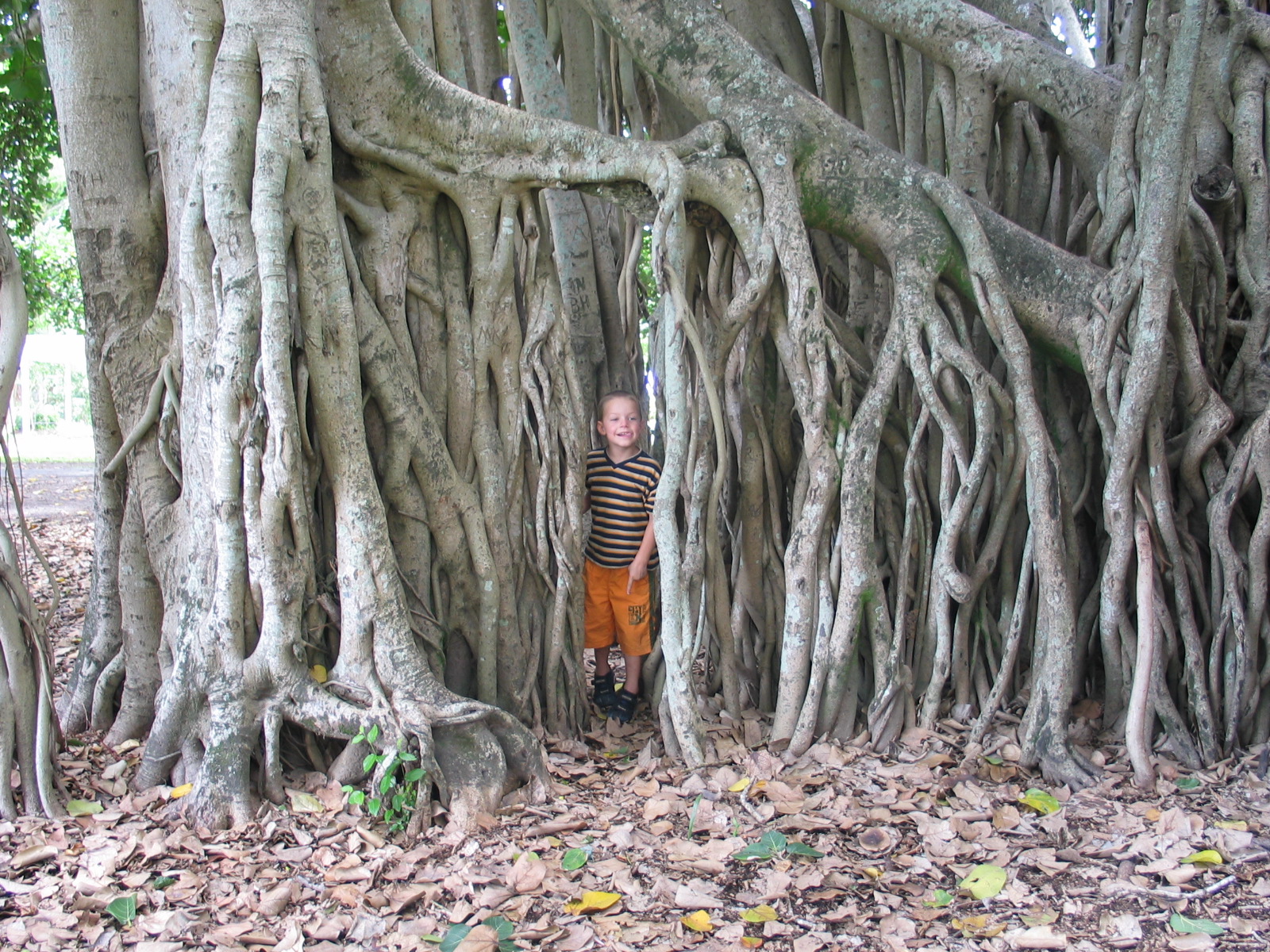
If you come once to Ulm, there is much more to see and to discover. Ununderstandable that it is so rare on tourists to do lists. About food I gave some tips already, there are dozens and dozens of good restaurants around. Same is with accommodation, the best hotel in town is the Maritim. It has fantastic river views along the Danube and it is in walking distance to almost everything.
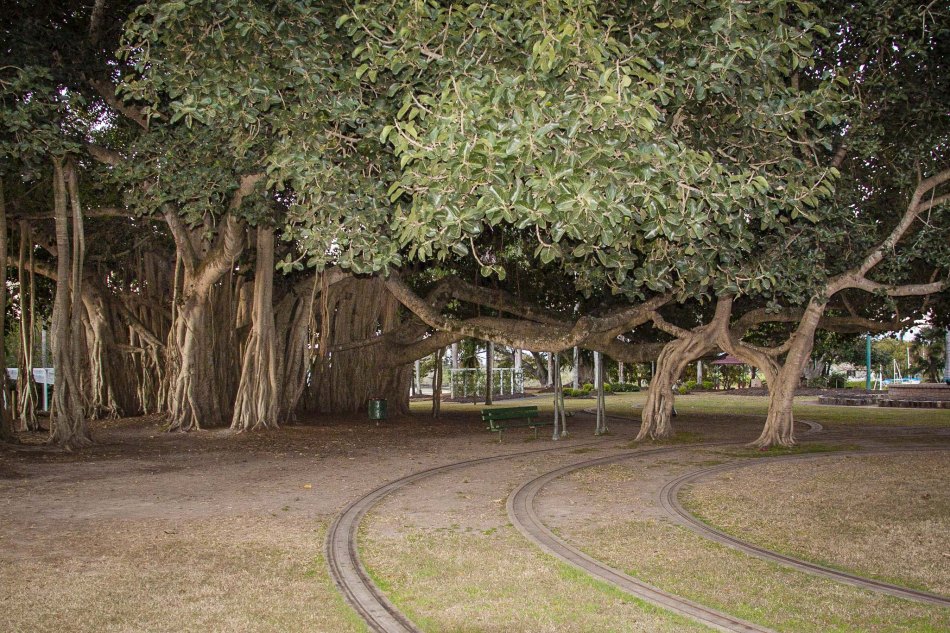
Featuring great views of Ulm, the Maritim’s Panorama Restaurant (on 16th floor) serves German and international food. The Piano Bar offers live music from international artists, exotic cocktails and draught beers. This bar has an over the top atmosphere, I love it there. See the picture above.

However, my favorite hotel in Ulm is on the riverside Neu-Ulm, its the Golden Tulip Parkhotel. For many many years it was the fantastic Mövenpick Parkhotel Neu-Ulm. This hotel is set in a park close to the banks of the River Danube, with a magnificent view over Ulm’s Old Town and the famous Ulm Minster cathedral.

The restaurant overlooking the Danube and old city of Ulm. See the following terrace view.
This hotel is close to everything, not as expensive as the Maritim and even better rated as the Maritim. Just a stroll over the Danube bridge and you are in the old city of Ulm.

During many many years I had the chance to stay very very often in Ulm and enjoyed all the amenities this fantastic city has to offer. May be you have the chance too once in your lifetime.  Believe me, Ulm is a MUST SEE destination in Germany !!


Veröffentlicht unter History, Must See, Travel | Verschlagwortet mit , | Hinterlasse einen Kommentar