Learn Chinese

Hey !!

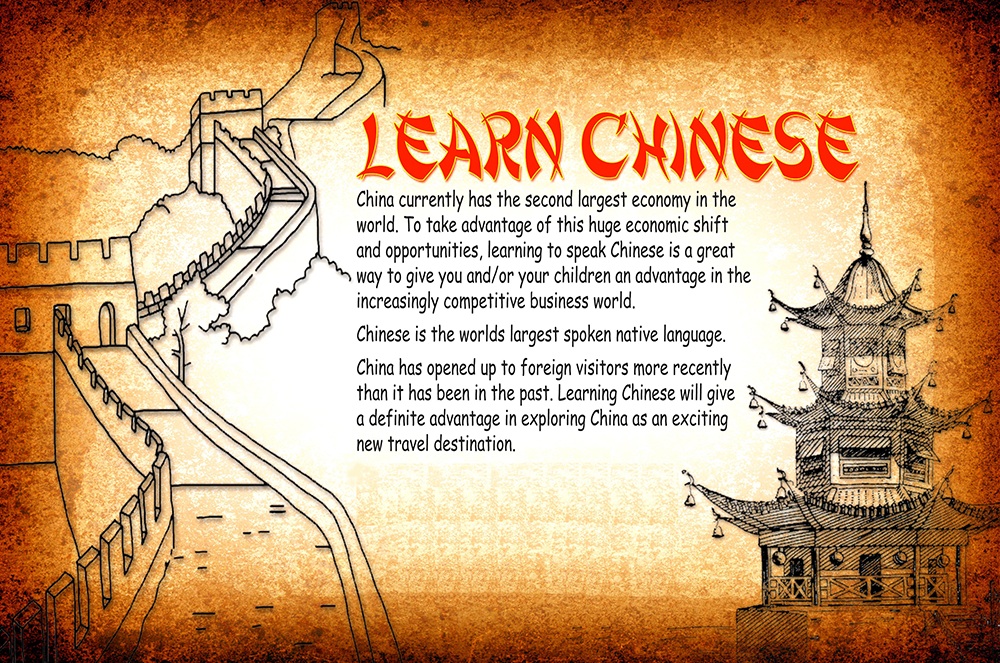
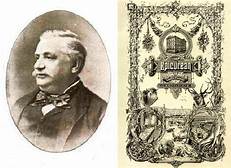
To give this „very unhappy guy“, up here, and others like him, a chance to understand and speak Chinese very quick and easy – here a lesson how to

Learn Chinese in 5 minutes   !!

OK read the English meaning and then say „OUT LOUD“ the Chinese words…

You MUST read them out loud or it doesn’t make as much sense.

1) That’s not right……………………………… Sum Ting Wong

2) Are you harboring a fugitive……………….. Hu Yu Hai Ding

3) See me ASAP……………………………………Kum Hia Nao

4) Stupid Man……………………………………… Dum Fuk

5) Small horse…………………………………….. Tai Ni Po Ni

6) Did you go to the beach?………………….. Wai Yu So Tan

7) I bumped in to a coffee table……………… Ai Bang Mai Fa Kin Ni

8) I think you need a face lift…………………. Chin Tu Fat

9) It’s very dark in here………………………… Wai So Dim

10) I thought you were on a diet…………… .Wai Yu Mun Ching

11) This is a tow away zone………………….. No Pah King

12) staying out of sight………………………… Lei Ying Lo

13) He’s cleaning his automobile…………….Wa Shing Ka

14) Your body odor is offensive………………Yu Stin Ki Pu

15) Great………………………………………….. Fa Kin Su Pah

16) Has your flight been delayed…………..Hao Long Yu Wai Ting

17) Your price is to high……………………….No Bai De Ting

18) I am not guilty………………………………. Wai Hang Mi

19)You are not very bright…………………….Yu So Dum

20)Stay a while longer………………………….Wei Go Nao

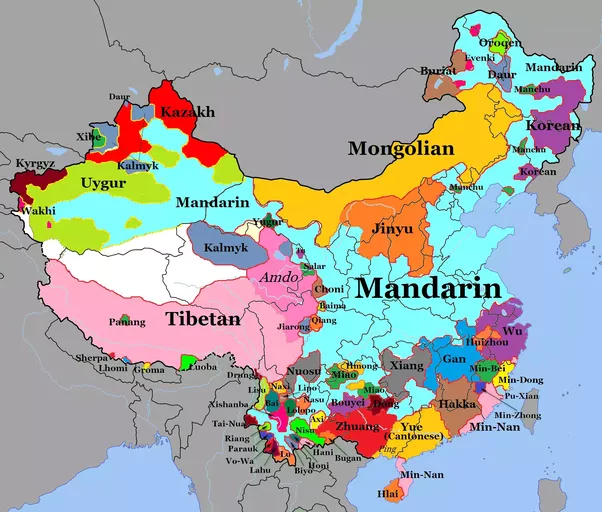
After this first lesson you might get along in China pretty well, at least may be in Mandarin Cinese, but there are many more Chinese dialects and languages, as you can see down here in the next picture – so: learn and train more  !!

The solution !!!

Veröffentlicht unter Lifestyle | Verschlagwortet mit | Hinterlasse einen Kommentar

Must See – Ulm 1

This „Must See“ building is widely unknown throughout the international tourist world. That’s why I like to draw your eye on that extreme interesting architecture. Of course one can go through the internet and find ample information about the Münster of Ulm. I will and can show you only a small summary of this amazing cathedral. And I will use the German original term „Münster“ instead of the English writing „Minster“.

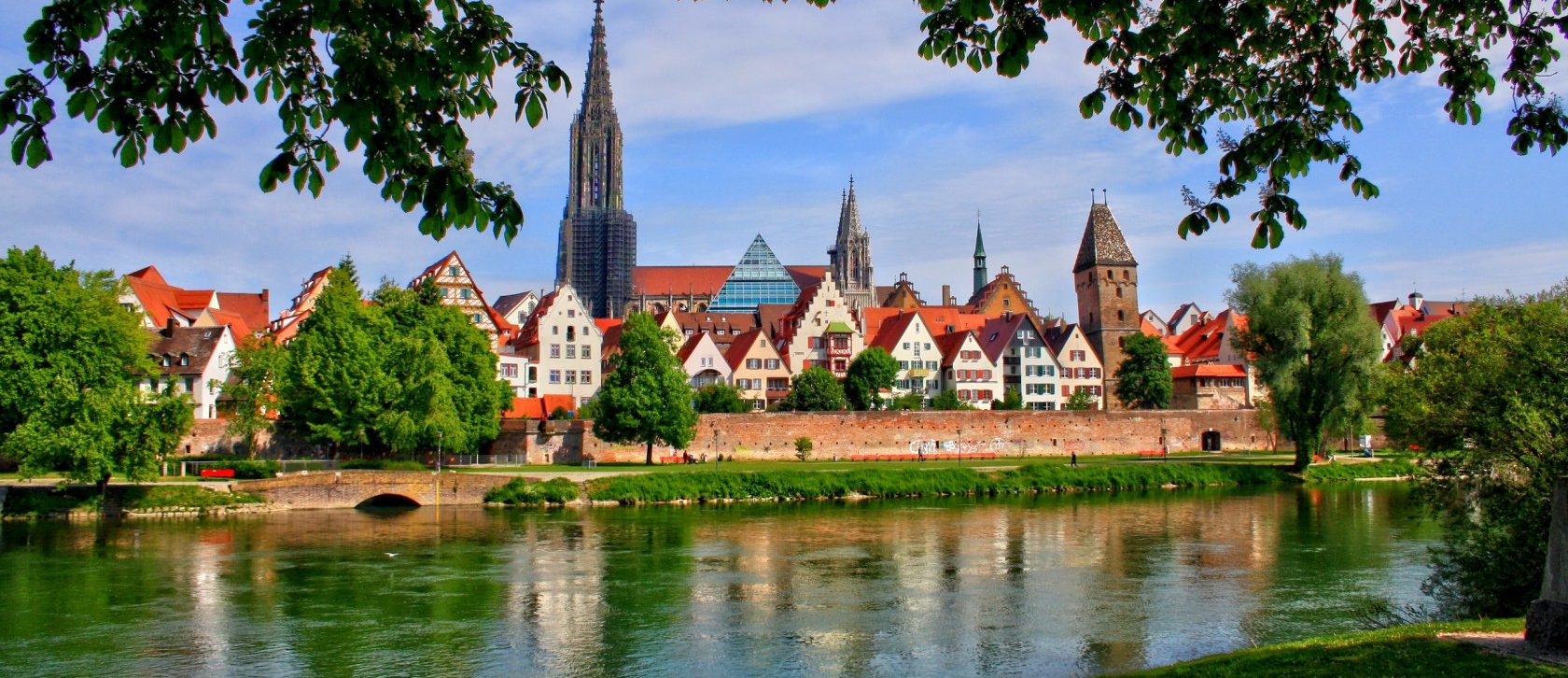
Ulm on the Danube.

Starting with some statistics: Ulm has the crookedest house (as listed in Guinness World Records) and one of the narrowest (4.5m wide), the world’s oldest zoomorphic sculpture (aged 30,000 years), the tallest cathedral steeple (161.5m high), and is the birthplace of the physicist, Albert Einstein. I will go into details in part 2 of „Must See – Ulm“, this part 1 is about the Ulm Münster only.

Engraving from the „Cosmographia 1578 by Sebastian Münster“. Above the unfinished Münster.

This idiosyncratic city will win your affection with everyday encounters, particularly in summer as you pedal along the Danube and the „Fischerviertel’s“ beer gardens hum with animated chatter. One Helles (pale lager) too many and you may decide to impress the locals by attempting the tongue twister: „In Ulm, um Ulm, und um Ulm herum“ („In Ulm, around Ulm and all around Ulm“).

  1930’s travel brochure „In Ulm, um Ulm …..“

The oldest traceable settlement of the Ulm area began in the early Neolithic period, around 5000 BC. Settlements of this time have been identified at the villages of Eggingen and Lehr, today districts of the city. In the city area of Ulm proper, the oldest find dates from the late Neolithic period. The earliest written mention of Ulm is dated 22 July 854 AD, when King Louis the German signed a document in the King’s palace of „Hulma“ in the Duchy of Swabia. The city was declared an Imperial City (German: Reichsstadt) by Friedrich Barbarossa in 1181.

After a huge pit had been dug, Ulm was congregated there on 30 June 1377. Old Mayor Lutz Krafft and some of the city’s noblemen climbed into the excavation. With a crane, the large foundation stone was lowered. The stone covered Krafft with 100 gold pieces. His example was followed by the patricians and the people.

The Ulm Münster.

Over 200 years were built at the Ulm Münster. From 1377 to 1543 and then after a long break again from 1844 to 1890. Today, the Ulm Münster is the largest Protestant church in Germany and the church with the highest church tower in the world. The „Münster“ is not a Cathedral – In Ulm there was never a bishop or a sovereign prince. The Münster is a citizen church. The citizens of the city built it alone, until today it is the landmark of Ulm.

The Ulm Münster in a beautiful garden and Christ as the gardener, 18th century.

Before you even get close to the city, you’ll see the towering Ulm Münster on the skyline. Its 162m (531-ft.) steeple is the tallest of any cathedral in the world, and the Ulm Münster itself is second only to Dom of Cologne in size. Without the pews, the nave of the church could hold nearly 20,000 people, more than twice the population of Ulm at the time the Münster was begun.

Room for over 20.000 people. Drawing from around 1660.

Since the city of Ulm was repeatedly involved in conflicts in the 14th century, but its parish church stood at the gates of the city (today there is the Old Cemetery), the citizens sought to build within the city walls, a new church. They were tired of being cut off from the church, as happened, for example, in 1376 during the siege of Ulm by Emperor Charles IV. They also wanted to make themselves independent from the monastery Reichenau, to which the church had been subordinated in 813 by Emperor Charlemagne.

Side view of the Münster from 1675.

Building History.

So they decided to rebuild the church within the city wall, funded by the inhabitants themselves. The city had at that time barely 10,000 inhabitants. On June 30, 1377, the foundation stone was laid by the mayor Ludwig Krafft and under the master builder Heinrich II Parler instead.

The foundation relief, which contains this text and is embedded in one of the southeastern nave pillars and outside the bridal portal in the church wall, shows the former mayor Lutz Krafft. Together with his wife, he literally puts the construction project on the shoulders of the first building master of the Münster, Heinrich II Parler. The relief also shows how the Münster was supposed to have looked like at the time of planning: a hall church with three towers of the same height. This relief is found inside the Münster.

1543 came – due to domestic tensions, but also the Reformation and simply by scarcity of money – the building standstill of the almost finished building. The main tower at this time had a height of about 100 m, the choir towers were each about 32 m high. From 1543 the building rested for over 300 years. The copperplate engraving from 1650 in De Merian Sueviae shows the structural condition at the end of the first construction phase.

The Münster tower building paused from 1543 until 1890.

With the arrival of a new prosperity, the Münster was rebuilt from 1844 on again. Master builders at this time were Ferdinand Thrän until 1870 and then Ludwig Scheu (1871-1880). The redesigned long wall bows over the aisles stabilized the central nave.

Finally in 1890 the Münster tower was completed.

From 1880, conservation measures had to be initiated again before 1885 with the completion of the main and west tower was begun. With the placement of a finial this was completed on 31 May 1890 and the Münster had received its present appearance. Now one has to climb 768 steps to the top of the tower.

In the devastating air raids on Ulm on 17th of December 1944, the cathedral was hardly damaged, although almost all the other buildings of the cathedral square were hit hard. Only the 19th century windows were destroyed; other art historically significant medieval choir windows had previously been outsourced from the church. On 1st of March 1945, a 500-kilo bomb struck the choir vault. She fell to the ground without exploding. Their effect can still be seen today through the appearance of ever new cracks in the walls.

Inside the Ulm Münster.

Main nave and main organ.

Over 100 elaborately carved death shields are hanging inside the Ulm Münster. With them also the bourgeois character of the church construction becomes clear. Patricians were allowed to hang these shields in the church since the 15th century when a family member died.
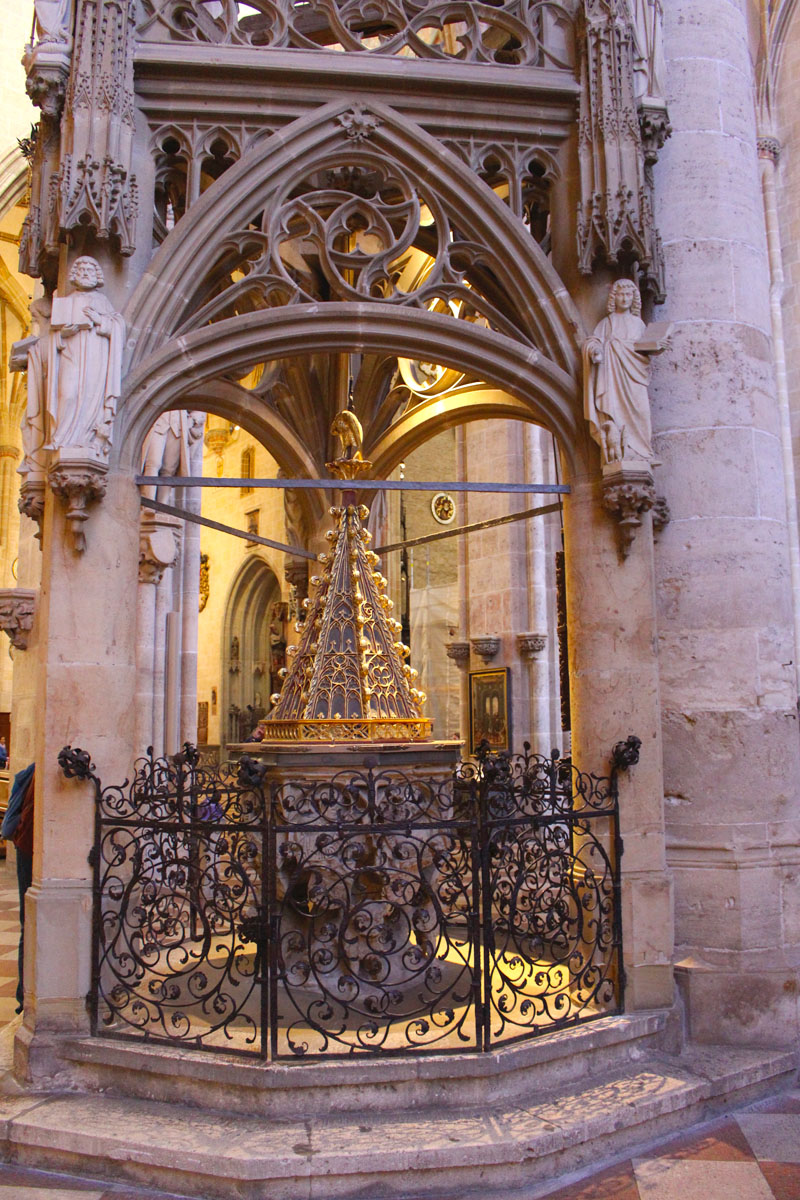
In the southern aisle, one can discover the baptismal font together with the holy water font under an imposing canopy.
Interesting are also the pillar consoles. These separate the two aisles from the central nave. But that is not the unusual. On each pillar there is a figure on pedestals. Among the larger than life stone figures are not only persons of the church or saints, but also secular persons.
     The main altar, by Martin Schaffner,  1521. A very simple altar as it is usual in Protestant churches.
The pulpit with its sound cover. Like a huge tower, the pulpit screws in the direction of the ceiling in Ulm Münster. Inside you can see a small spiral staircase leading to a small pulpit. Here, God has his place symbolically – as an invisible, heavenly preacher. A fantastic peace of art on its own.
More works of art, the choir stalls carved by Jörg Syrlin.

A good two decades later, in November 1530, the Ulmers declared themselves in a referendum on Protestantism. The equipment of the church with its more than 50 altars stood in stark contrast to the new teaching. The result was the „iconoclasm“ of the year 1531, which is not to be misunderstood as a wild destructive orgy. Rather, the council suggested to the owners of the altars to remove them from the Münster. Some may have no interest in the then out of fashion Gothic artworks and have burned them as „old shit“.

  Ulm referendum in 1530.

The choir stalls placed the council under its protection. This unique overall artwork, which breathes the spirit of humanism with its depictions of Greek and Roman artists, scholars and sibyls, was in the workshop of Ulm master carpenter Jörg Syrlin, 1468-1474, emerged. Why did a citizen church need a choir stalls? There probably the numerous priests of the private altars have taken place. Perhaps Ulm also wanted to compete with the cathedral chapter in Constance, which had just done such a choir stalls.

Amazing works of art, the windows behind the altar. Stained glass by Peter Hemmel. Also Hans Acker, 1440.

Outside the Ulm Münster.

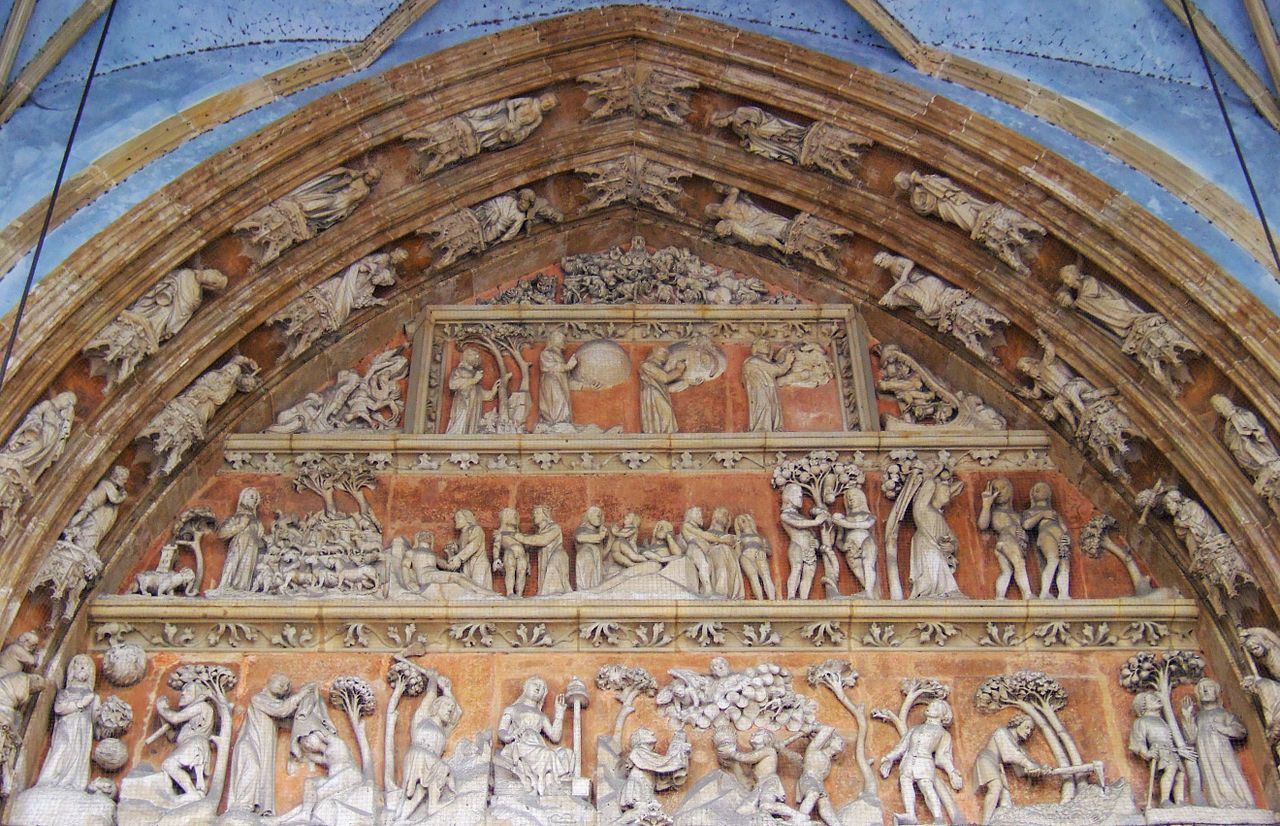
Not only inside is the Münster worth seeing. It is also worth a tour around outside, especially the portals are extremely worth seeing. See the following 5 pictures.


Climbing the tower.

Years ago I had the chance to climb this tower. It is still in my memory as it was yesterday. I was much younger then and fit ! Today I couldn’t do this act of defiance anymore. See picture down here – Level 1 is not even half of the total climb !!

The tower climb is not as easy as it looks, it is a decent effort and should only be done by very „fit“ people.

The first level
– Tower warden and bell view.

In addition, here is the place of the tower warden. By chance, if the door opens one can have a little chat with him. In total, there are three tower wardens who watch over the tower in shifts. One piece of information that does not really make you happy, he also has: „You have not even made half of it!“. OK?!

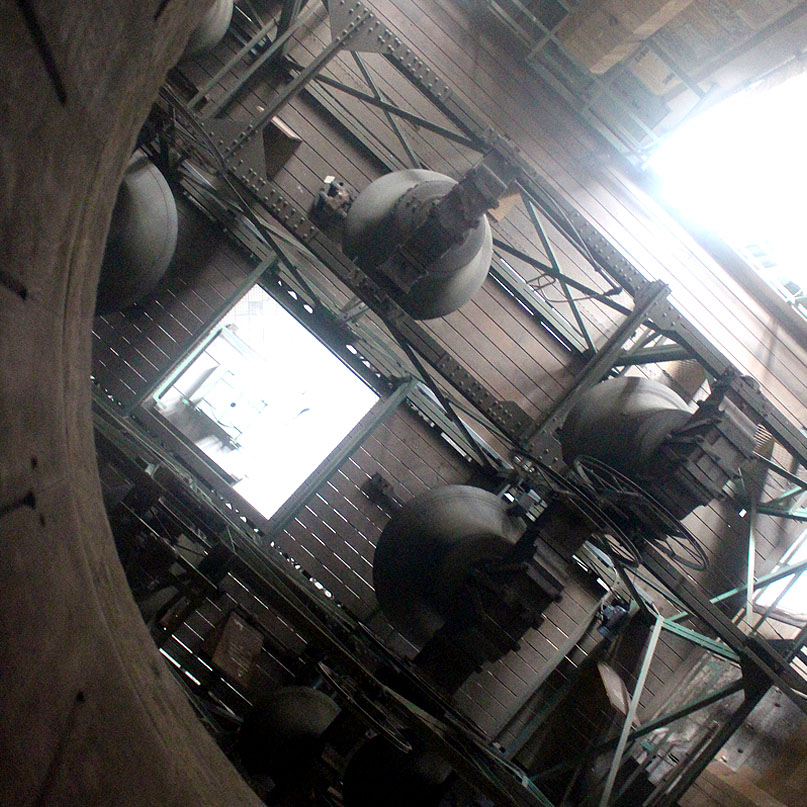
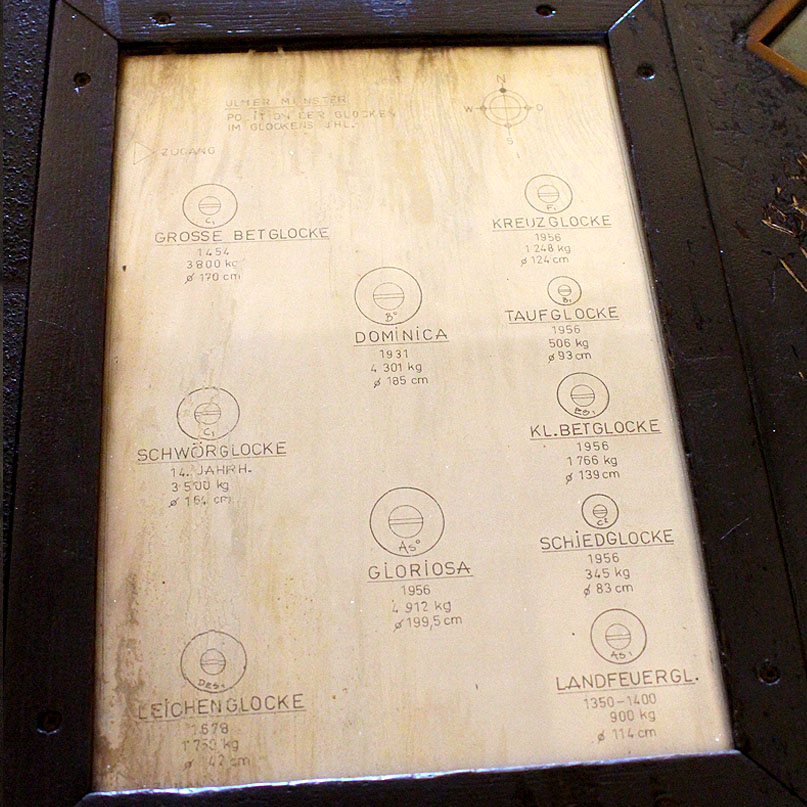
On this level you also have the opportunity to look down from above on the bells of Ulm Münster.  Also a bell chart of all the tower bells with names is available.

The next stone spiral staircase screws upwards. From the gaps you will already have a fantastic view over the city.  To see also here some of the many gargoyles.


The second level – The spire so close.

After several hundred steps you arrive at the second level. This is located at the foot of the top of Ulm Münster. The view is terrific.

The last part in its own staircase.

The third level – after 768 steps.

So far I had never climbed to the top of a church tower. I remember how excited I was. After all, it’s not just some spire that you look down on, it’s the steeple of the tallest church in the world!

Then it’s time, 768 steps later, I was standing on the highest platform of the highest church in the world. Only 15 more meters construction is above me. Even on a beautiful sunny day, the wind up here is something special.

The view over Ulm and the Danube is amazing. Right of the river is the city of Ulm, left of the river the city of Neu-Ulm.
View over the Münster and the city of Ulm.

More about Ulm and the Münster.

The Ulm Sparrow.

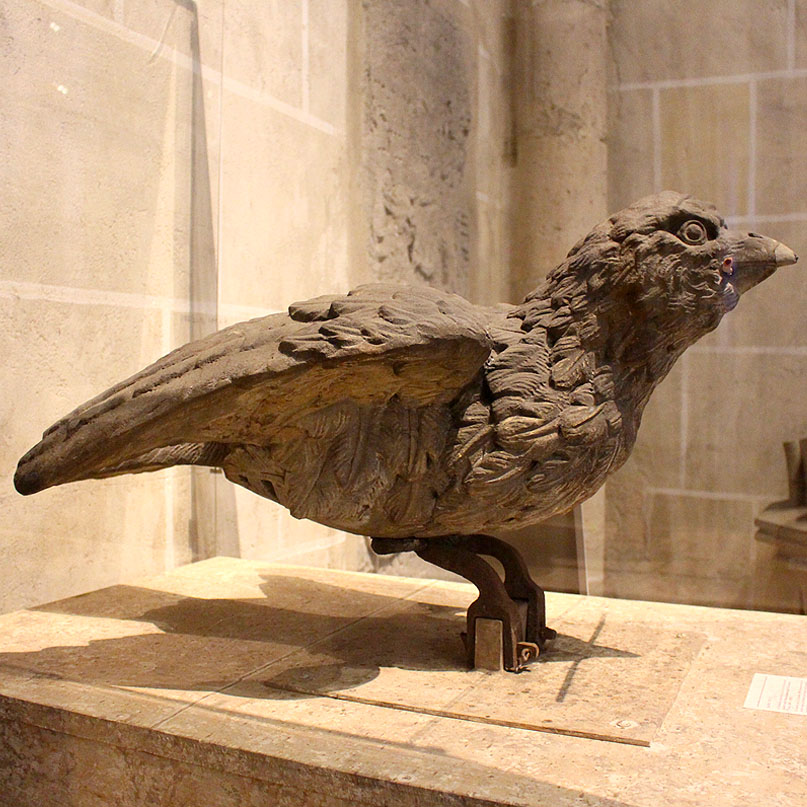
The sparrows in Ulm have a special meaning for the inhabitants of the city. Through a sparrow, the Ulmer have come up with the idea how they get the long logs for the construction of the Ulm Münster through the city gate (more about this in part 2 of Must See – Ulm). This specimen of a sparrow is made of sandstone and had its place until 1888 at the Ulmer Münster. After that, it was replaced by a copper-drilled and gilded sparrow. This sparrow can still be seen on the nave of the Ulm Münster.


The Münster Place.

  The Münster place „then“.
The Münster place in between. Without the ugly city hall.
The Münster place „now“. With the ultra modern city hall (foreground) – taste is inexcusable.

The highest Cathedral towers in the world.

Comparison after finishing the Münster tower in 1890.

In total there are existing around 100 church towers with over one hundred meters in height. In the whole world are only 4 church towers above one hundred and fifty meters. Ulm, number 1, is still the tallest.

Number 2, since 1989 (finished) is Our Lady of Peace Basilica in Yamoussoukro, Senegal (158 meters).
Number 3, since 1880 (finished) is the Dom in Cologne, Germany (157,4 meters).
Number 4, since 1876 (finished) is the Rouen Cathedral in Rouen, France (151 meters).
With 130,6 meters, the St.Martins Church in Landshut, Germany is the tallest brickwork structure in the world.

Sagrada Familia in Barcelona, Spain.

And it will be the tallest til „The Basílica de la Sagrada Família“ (Spanish: Basílica de la Sagrada Familia – Basilica of the Holy Family) is finished. Commonly known as the Sagrada Família, it is a large unfinished Roman Catholic minor church in Barcelona, Spain. The church was consecrated by Pope Benedict XVI on 7th of November 2010.

  The model shows the main tower still to come.

In October 2018, Sagrada Família trustees agreed to pay €36 million in payments to the city authorities, to land a building permit after 136 years of construction. The permit was issued by the city on 7 June 2019. It is expected that in 2026 the main tower will be finished with a height of 172,5 meters, to become then the tallest church tower in the world. The Catholic Church took this cheap way (Sagrada Familia is private financed) to build a taller one then the Protestant Church in Ulm. Yeah folks, let’s wait for an Islamic challenge – its all about „higher, faster, further – better“ in our crazy world !!!

Til then let’s enjoy the Münster of Ulm as it is today. One of the finest, most esthetic churches I’ve seen.

What is a Münster (Minster), a Cathedral, a Dom (Dome) and a Basilica?

When do you call a church Dom? What makes a Cathedral different from a Münster? The different terms confuse, so we explain them here.
The word Münster derives from the Latin word monasterium for monastery. A Münster was in the original sense a church, which was built as part of a monastery.

A Cathedral denotes a church at a bishop’s seat. The bishop’s chair is called cathedra in Greek and stands in such a church in a clearly visible place. Although Cathedrals usually look very impressive, the Cathedral is not an architectural term, but has to do with the function of a bishop’s church (main church of a diocese).

A Dom is usually also a Cathedral. A Cathedral was the most important house of god in a church district and was called in Latin also Domus Dei = house of God. This became the name Dom. But there are also Dom buildings such as St. Peter’s Dom or the Frankfurt Imperial Dom, which were not real cathedrals or bishop’s seats.

A Basilica is an old building-model of a church dating back to Roman times. A basilica is modeled after ancient Roman buildings of splendor, where often court sessions or important negotiations were held.   See more about fantastic Ulm in part 2.


Veröffentlicht unter History, Must See, Travel | Verschlagwortet mit , | Hinterlasse einen Kommentar

My Heavenly Dozen – Part 4

This will be for the moment my last part about spices. Of course we can talk about hundreds more, but I picked my favorite dozen. On top of that we need to know about a few mixtures which I also like and use. Here too I could pick hundreds, but I will the post limit to my favorites.

From ras el hanout to herbes de provence, herb and spice mixes are essential to many cuisines around the world. Bringing these blends into your own kitchen can lend authenticity to international dishes and provide creative inspiration for your everyday cooking.

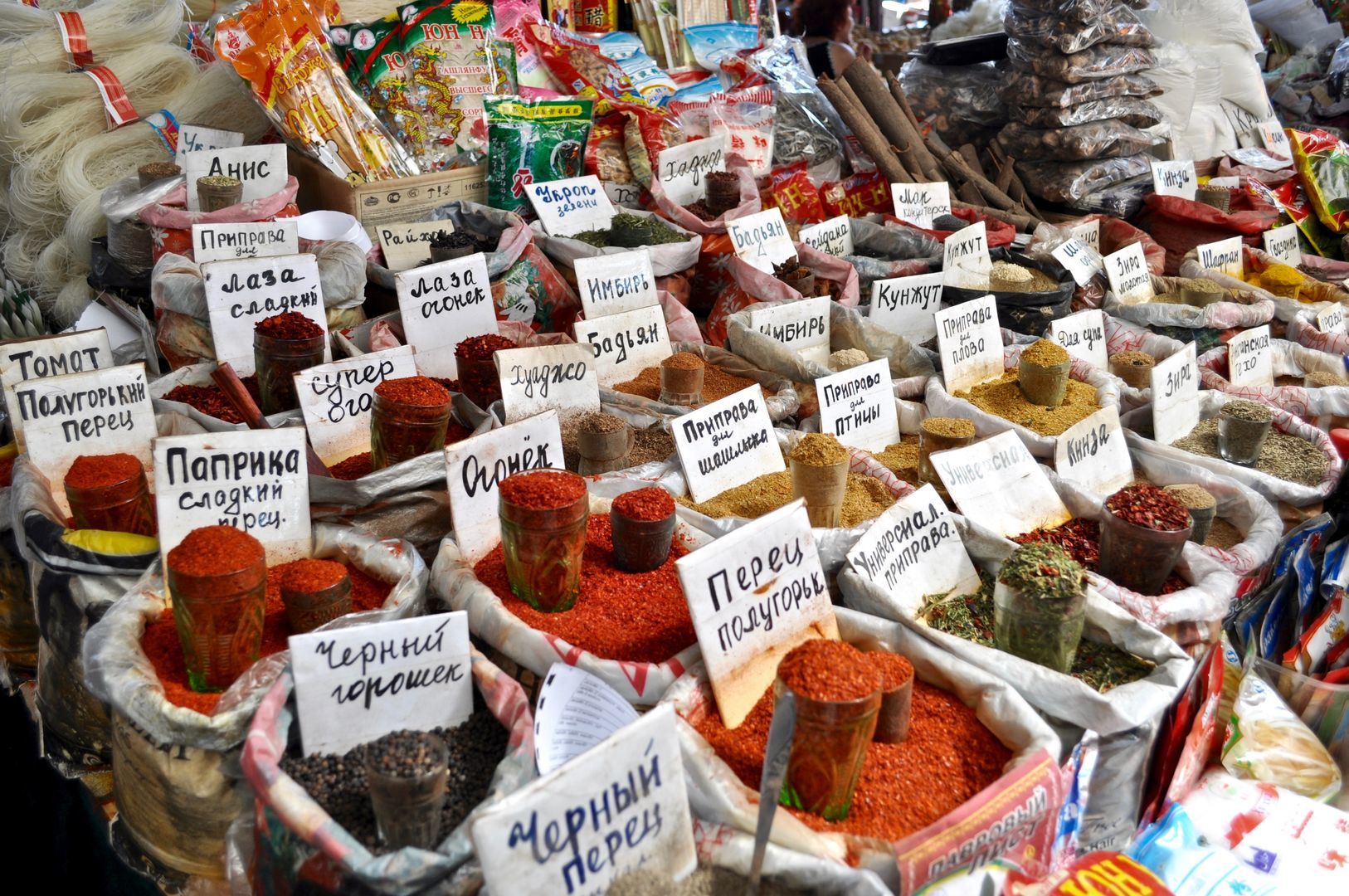
Above seen is a spice bazaar in Kyrgyzstan.

Spice Mixes From Around the World.

Spice mixes are blended spices or herbs. When a certain combination of herbs or spices is called for in many different recipes (or in one recipe that is used frequently), it is convenient to blend these ingredients beforehand. Blends such as chilli powder, curry powder, herbes de Provence, garlic salt, and other seasoned salts are traditionally sold pre-made by grocers, and sometimes baking blends such as pumpkin pie spice are also available. These spice mixes are also easily made by ourselves for later use.

Masala is a term from the Indian subcontinent for a spice mix in certain proportions. A masala can be either a combination of dried (and usually dry-roasted) spices, or a paste (such as vindaloo masala) made from a mixture of spices and other ingredients – often garlic, ginger, onions, chilli paste and tomato. Masalas are used extensively in Indian cuisine to add spice and flavour, most familiarly in chicken tikka masala and chicken curry.  The most well known spice mixtures are:

From the famous souks of Morocco to highlands of Ethiopia, North Africa encompasses a range of flavors. Use these spices and herbs to bring a taste of Africa to your kitchen, in Moroccan tagines, Ethiopian wats, and anything in between. Thanks to it’s location along the trade routes between the Middle East and Western Europe, North African cuisine has access to a wide variety of spices.

Africa.

Berbere – A heady combination of spicy, bitter, and sweet spices used in Eritrea, Djibouti, Ethiopia, and Somalia.
Dukkah – An Egyptian mix of toasted nuts and seeds like hazelnuts, sesame seeds, coriander, and cumin.
Harissa – Made from smoked red peppers and widely featured in Tunisian and other North African cuisines.
Ras el Hanout – A varying blend of spices used in North African cooking, especially Moroccan.

That spark on the taste buds with every bite of grilled fish and chicken satay, coconut curries and laksas, tropical salads and stir-fried greens, beef noodle soup and beef rendang, crispy and fresh spring rolls, fried rice and fried prawns?  That spark which spread the popularity of Thai and Vietnamese food around the world, and is now doing the same for the cuisines of Malaysia, Singapore, Indonesia, Philippines, and the other countries of Southeast Asia?

Asia.

Chinese Five Spice – A little of this pungent mix goes a long way, giving dishes a balanced hit of sweet, savory, bitter, and sour.
Gomasio – A Japanese condiment of toasted sesame seeds ground up with coarse salt. Especially delicious over rice.
Togarashi – A Japanese condiment made from seven spices including chile pepper, citrus peel, sesame seeds, and seaweed.

The foods of Europe, especially Eastern Europe, tend to be heavy, hearty comfort foods suitable for feeding a hard-working people through long cold winters. Herbs like dill and marjoram add tang, while warming flavors like mace, coriander and juniper go well with roasted meats and root vegetables. Along with plenty of fresh garlic, use these Eastern European spices to make the dishes a grandmother from the Old Country would be proud of.

Europe.

Fines Herbes – A French blend of four fresh or dry herbs, such as chervil, chives, tarragon, and parlsey.
Herbes de Provence – A seasoning blend featuring many of the herbs that grow most abundantly in southern France.
Khmeli Suneli – A Georgian mix of warm, nutty, grassy, and bitter spices like fenugreek, coriander, savory, and black peppercorns.
Quatre Epices – Meaning “four spices,” this French blend typically includes ground black and/or white pepper, cloves, nutmeg, and ginger.

If you ask a tourist to describe Indian food, the word that comes up most often is – ‘Hot’! And there a quite a few tourists who would shed tears (not of joy, though!) after tasting the Indian cuisine. They find it too spicy (or did you say ‘hot?). Almost all Indian food is spicy but not all are ‘hot’ because spicy and ‘hot’ are not synonyms! There are delectable Indian dishes that bring out the best of the taste and health benefits of aromatic spices.An estimated 40% of Indians are vegetarian, due to cultural and economic reasons. So, every state in India has its own vegetarian specialty dishes depending on local produce and other prevalent traditions.

Indian Subcontinent.

Chaat Masala – A tangy masala, or spice mix, made with amchoor (dried mango); often sprinkled on snacks and street foods.
Curry Powder – An Indian-inspired British invention, this typically includes turmeric, coriander, cumin, fenugreek, and red pepper.
Garam Masala – Garam means warm, or hot, and the mix usually contains warming spices like cinnamon and cardamom.
Panch Phoron – A Bengali five-spice blend of whole fenugreek, nigella, cumin, black mustard, and fennel seeds.

Covering a region that includes South and Central America, Mexico and the Caribbean, Latin America is expansive and diverse, but one thing is for certain — its food is robust, flavorful and always inventive. This richness is no surprise considering Latin cuisine pulls from a colorful cultural history, from the Mayans and Aztecs to European colonizers to modern global transplants. Recipes and techniques vary from region to region, but there are popular dishes on almost every Latin American dinner table — tamales, arroz con pollo, plantanos and salsas.

Latin America and the Caribbean.

Adobo – An all-purpose seasoning that contains garlic, oregano, pepper, and other spices; used in Mexican and other Latin American cuisines.
Chili Powder – A blend of the spices most commonly found in Latin American cooking, such as ancho chile, paprika, cumin, and Mexican oregano.
Jerk Spice – A spicy Jamaican mixture including red and black pepper, allspice, cinnamon, and thyme.

Middle Eastern cooking traditionally uses a vast array of spices, from staples like cumin, coriander, turmeric and mint to exotic blends like Ras el Hanout and Za’atar. Arab spice traders once controlled nearly all movement of spices between Asia (including the famous Spice Islands), India, Africa, and Europe, so almost every spice in existence has found a place in Middle Eastern cuisine.

Middle East

Advieh – A Persian mix of dried rose petals and spices like cinnamon, cardamom, cloves, nutmeg, cumin; often used in rice and stews.
Baharat – An all-purpose seasoning in Middle Eastern cuisine, typically including black pepper, cumin, cinnamon, and cloves.
Za’atar – A fragrant and tangy blend of thyme, sesame seeds, and sumac. Check out our tour of a Lebanese za’atar farm.

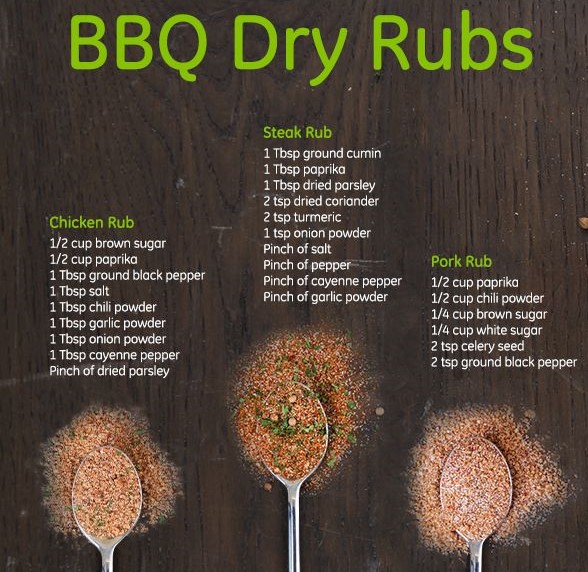
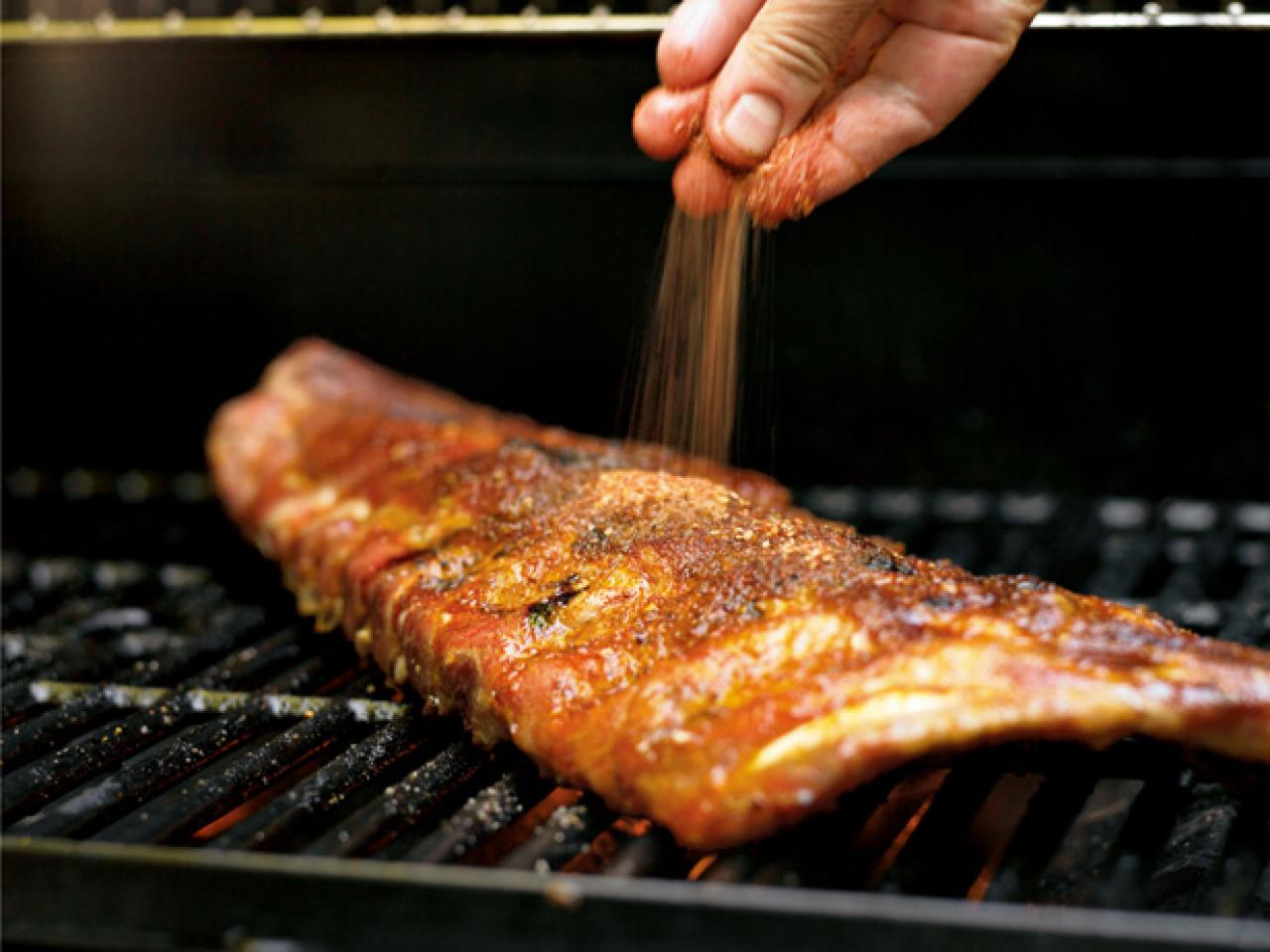
         The typical North American Dry Rub with hundreds of individual created mixtures. Just to fulfill the American BBQ dream. These mixtures are a Billion Dollar industry.

North America

Dry Rub – From Kansas City, this sweet and smoky barbecue rub includes brown sugar, paprika, and other spices.
Pickling Spice – Lends complex flavor to preserved fruits and vegetables; generally contains bay leaves, mustard seeds, and peppercorns.
Poultry Spice – An aromatic, woodsy combination of sage, thyme, and other herbs and spices.
Pumpkin Pie Spice – Made with warming spices like cinnamon, nutmeg, ginger, and cloves. Not just for pumpkin pie!

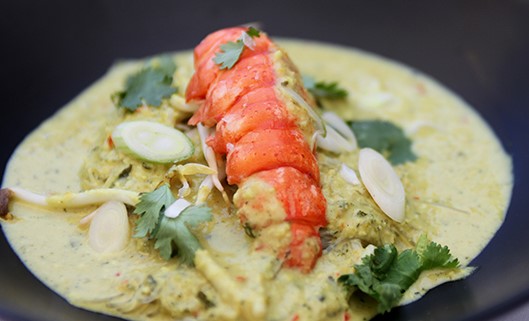
                                This is Australia „per se“, Whole lobster in Lemon Myrtle and Mountain Pepper sauce. Few plants of Australia have ever gained economical importance, macadamia nuts being the chief example. There are, however, plenty of aromatic plants, some of which might gain some importance in the cuisines to come.

Australia

Lemon Myrtle
Tasmanian Mountain Pepper
Bush Tomato
Kangaroo Apple,   and more.

Those 2 spices and 2 herbs are currently hardly known (less used) outside Australia, but in our global world, these things may change quickly. Note that in Australia, there are more indigenous flavourings that can be considered spices: The dried tiny berries of bush tomato (Solanum centrale, Solanaceae) have a complex taste not altogether dissimilar to Italian sun-dried tomatoes, although less fruity and more spicy.

Not to forget my favorite mixture since we lived in Panama and Uruguay.

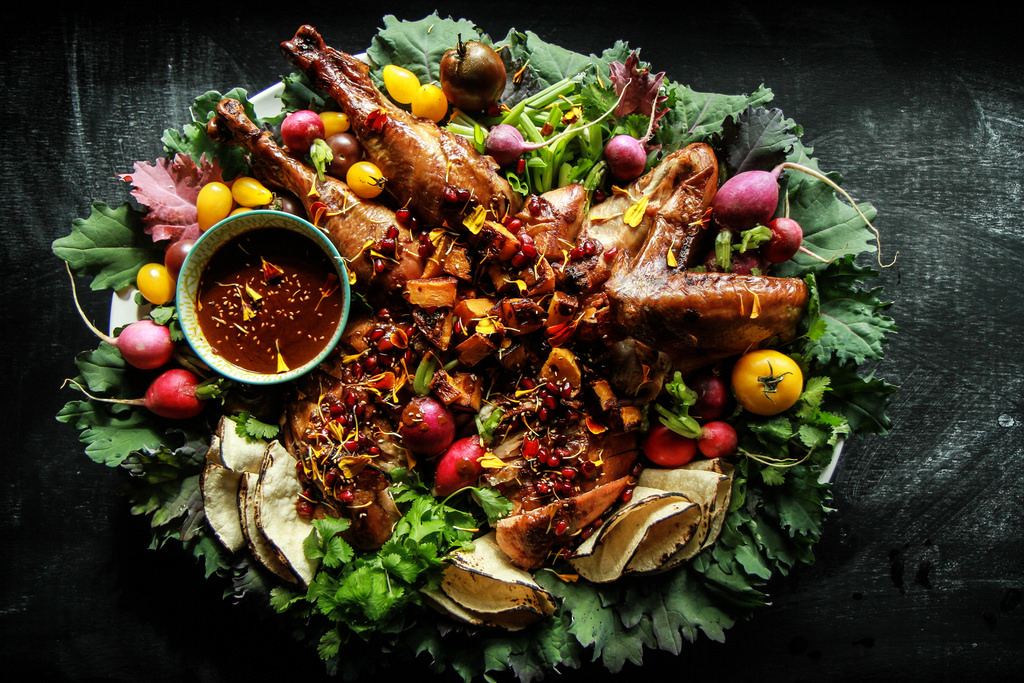
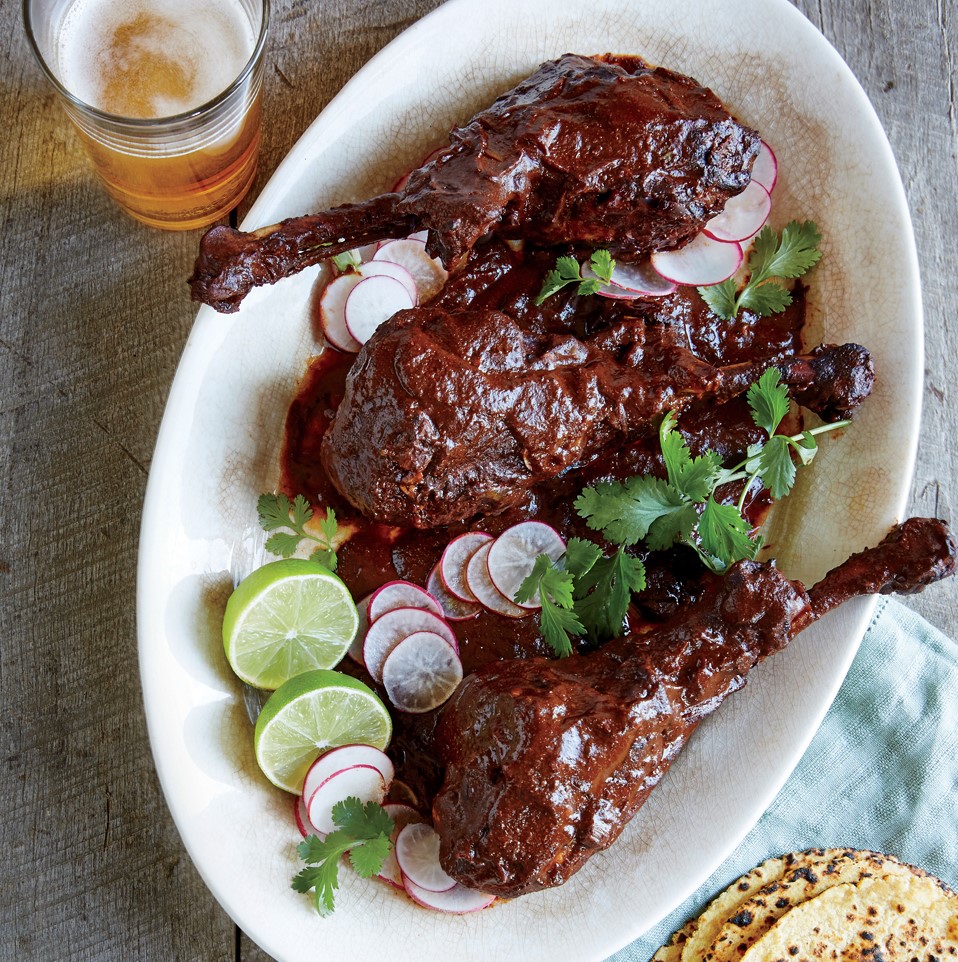
Mole is in Cetral america, especially Mexico not to be missed, Thats why I took it here as a special information. Who ever tried real Mole will never forget it, its sooo delicious.  Up here the modern version, turkey on a bed of greens.

Latin American Mole.

Two states in Mexico claim to be the origin of mole: Puebla and Oaxaca. The best-known moles are native to these two states, but other regions in Mexico also make various types of mole sauces.

Moles come in various flavors and ingredients, with chili peppers as the common factor. However, the classic mole version is the variety called mole poblano, which is a dark red or brown sauce served over meat. The dish has become a culinary symbol of Mexico’s mestizaje, or mixed indigenous and European heritage, both for the types of ingredients it contains and because of the legends surrounding its origin.

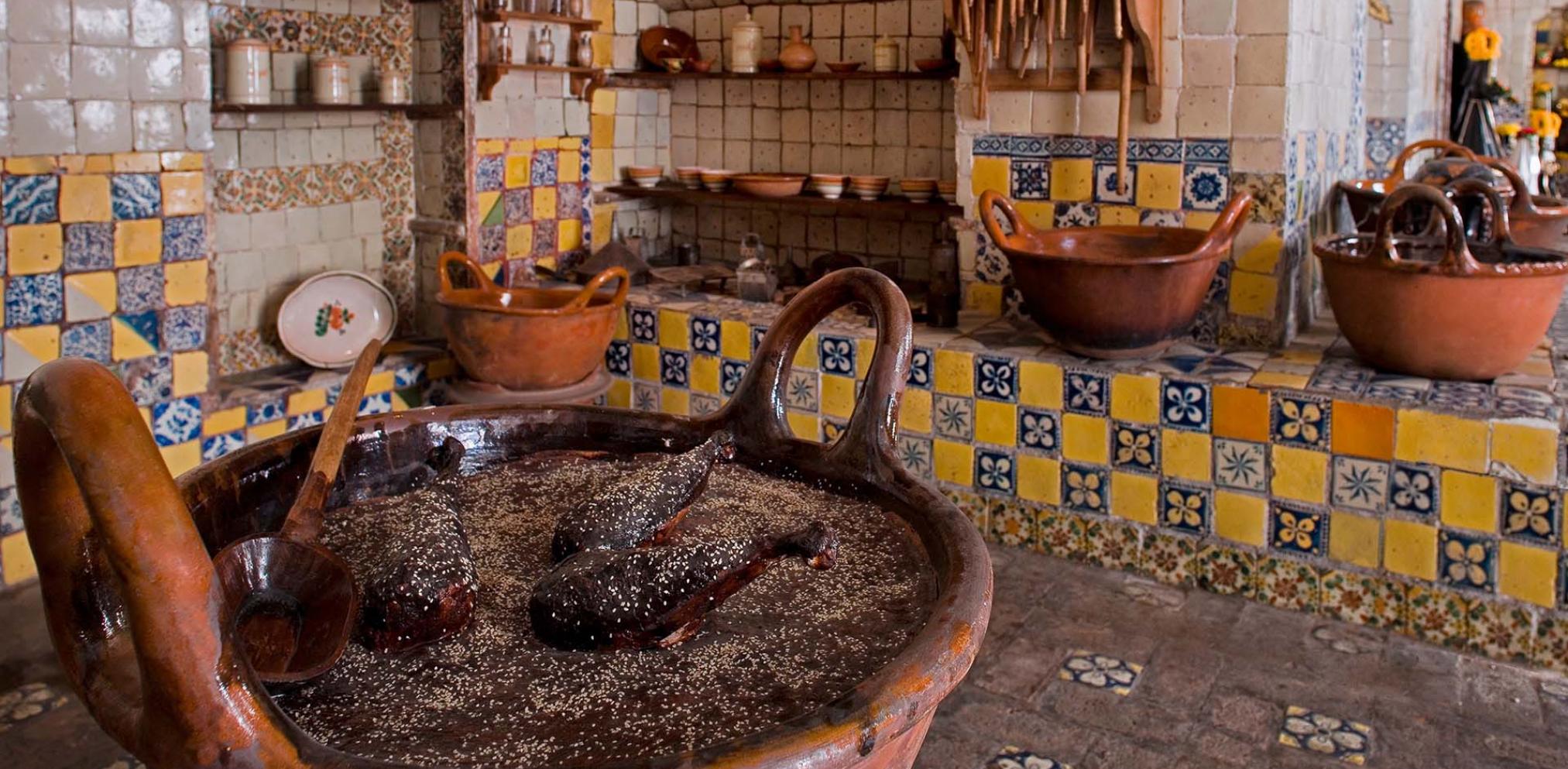
The old convents kitchen in Sata Clara, Pueblo, Mexico. Today a museum about Mole.

A common legend of its creation takes place at the Convent of Santa Clara in Puebla early in the colonial period. Upon hearing that the archbishop was going to visit, the convent nuns panicked because they were poor and had almost nothing to prepare. The nuns prayed and brought together the little bits of what they did have, including chili peppers, spices, day-old bread, nuts, and a little chocolate. They killed an old turkey, cooked it and put the sauce on top; the archbishop loved it. When one of the nuns was asked the name of the dish, she replied, „I made a mole.“ Mole was the ancient word for mix; now this word mostly refers to the dish, and is rarely used to signify other kinds of mixes in Spanish.

Mole – The famous mole sauces of central Mexico are delightfully complex, some involving upwards of thirty ingredients and cooked for days on end.  I’ve spotted you the first 14 ingredients, the rest is up to you!

Guajillo, Ancho, White Sesame, Cocoa Powder (better is real dark chocolate), Brown Sugar, Smoked Paprika, Cinnamon, Garlic, Onion, Oregano, Allspice, Anise, Cumin, and Cloves.
Add salt and sugar to turn Mole into a rub for pork or chicken, or add it to chili con carne for a deep, rich, chocolatey taste.

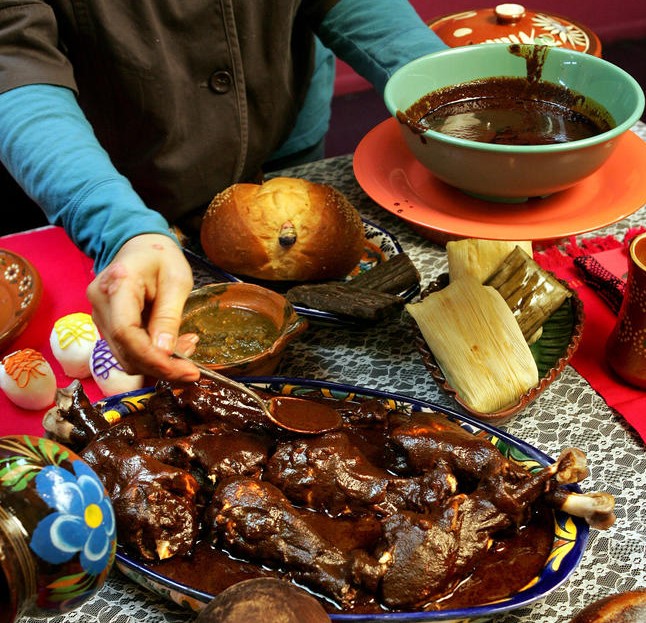
A Mexican feast, dark Mole over Turkey. How enjoyable.


Veröffentlicht unter Lifestyle, Recipes | Verschlagwortet mit | Hinterlasse einen Kommentar

My Heavenly Dozen – Part 3

This time we are in part 3, to full fill the „Heavenly Dozen“, of my little lexicon of unusual spices. If you had already use of part 1 and 2 you’ll find more great information here. How do you like this peace of „spice art“ above ?

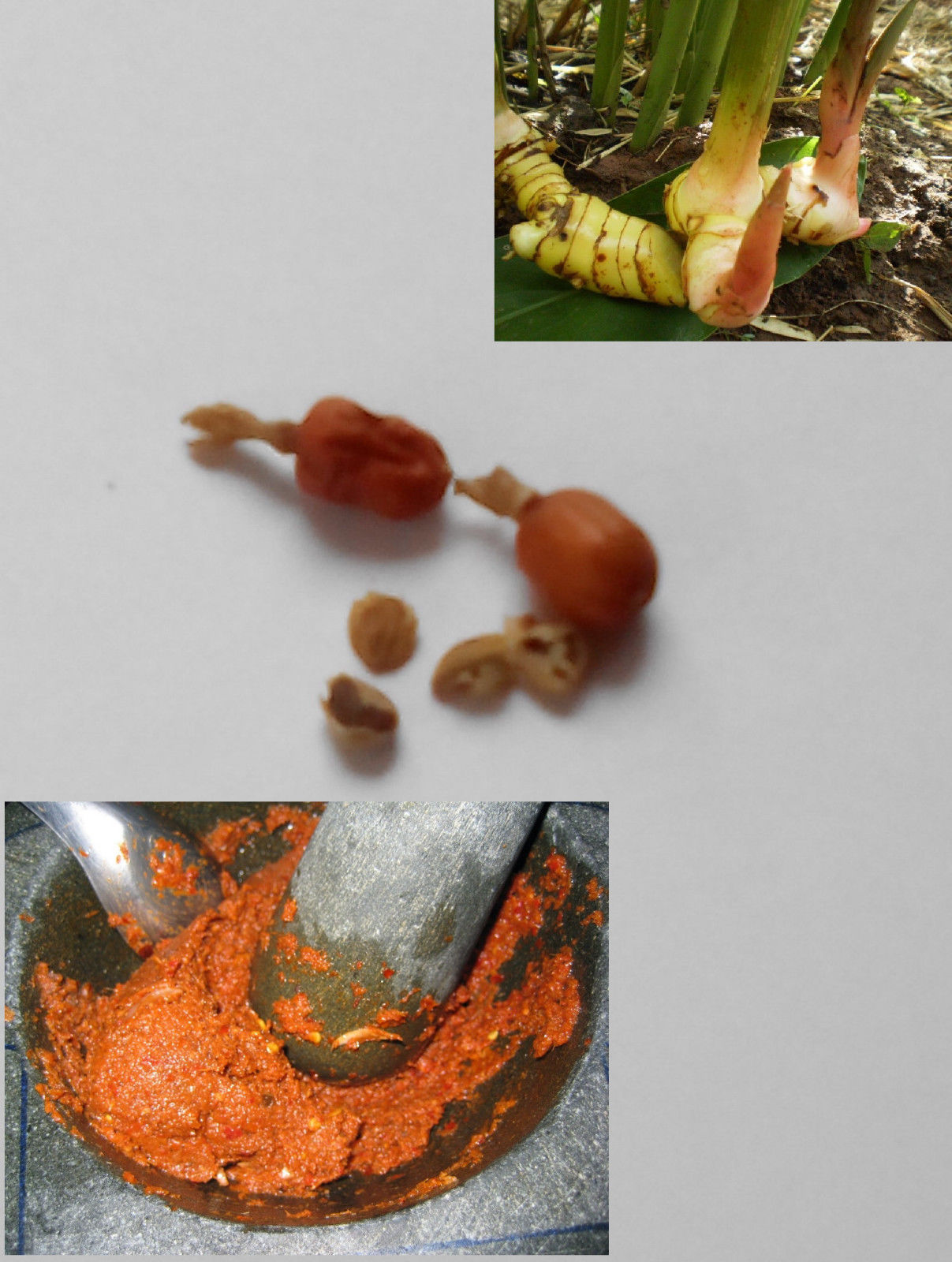
The Galangal root, the seeds and the paste made out of the roots.

Galangal.
G: Galgant; Fr: grand galanga; Sp: galanga; It: galanga.

For a long time the Western world got hold of such wonderful things as cinnamon, cardamom, ginger, and turmeric, all of which have distinct tastes and offer great health benefits. From them, we’ve made teas, coffees, curries, candies and countless other treats. But, in all this time, has something just felt like it was missing?

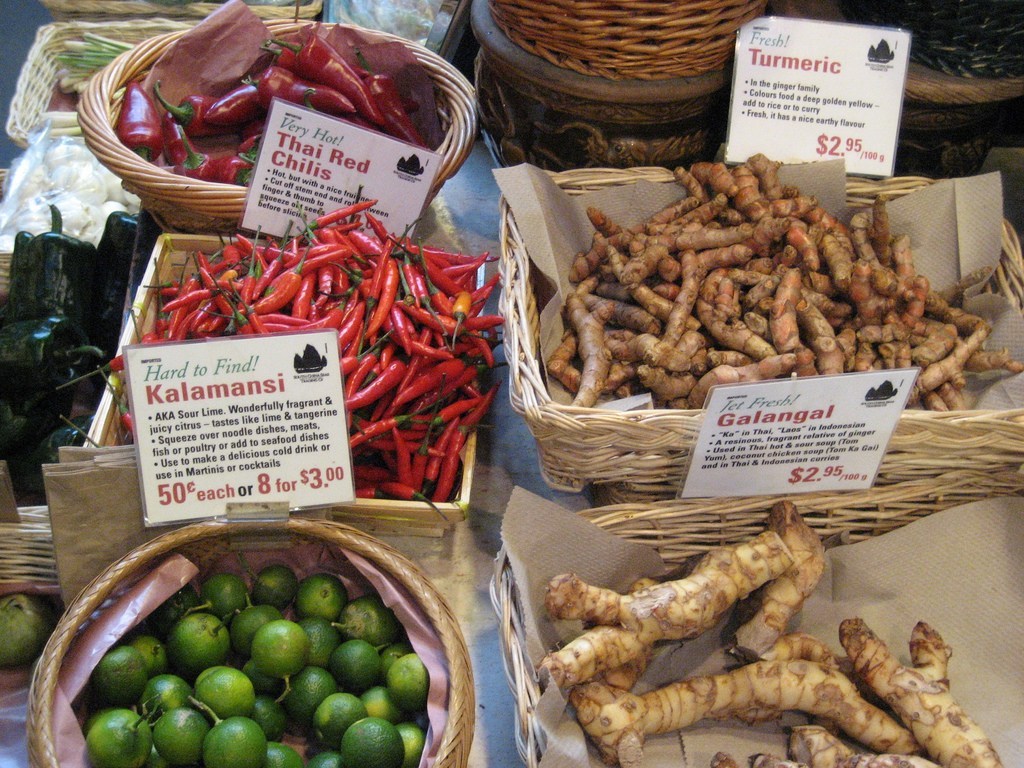
Hard to find – fresh ingredients like Galangal or Turmeric. Notice the storing in paper and baskets !

It was Galangal, have you heard of it? A member of the elite group of rhizomes (root-like underground stems) that include ginger and turmeric, it looks like just another unattractive lump of dusty brown knobs, but in actuality, like old brothers and sisters, Galangal has its own personality.

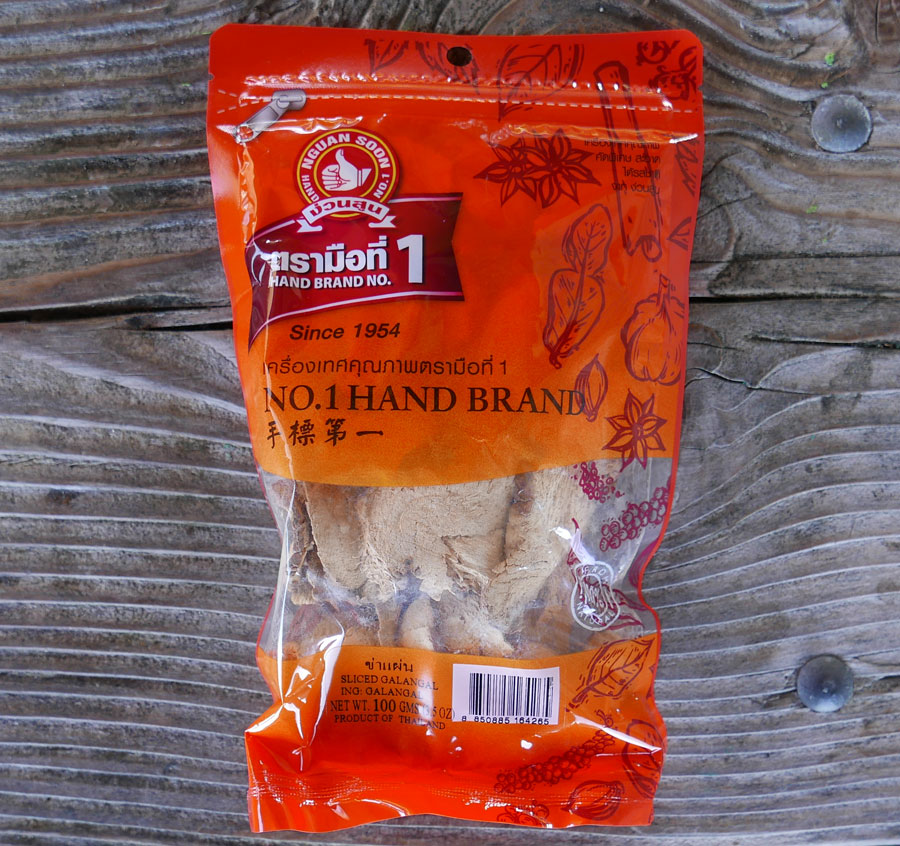
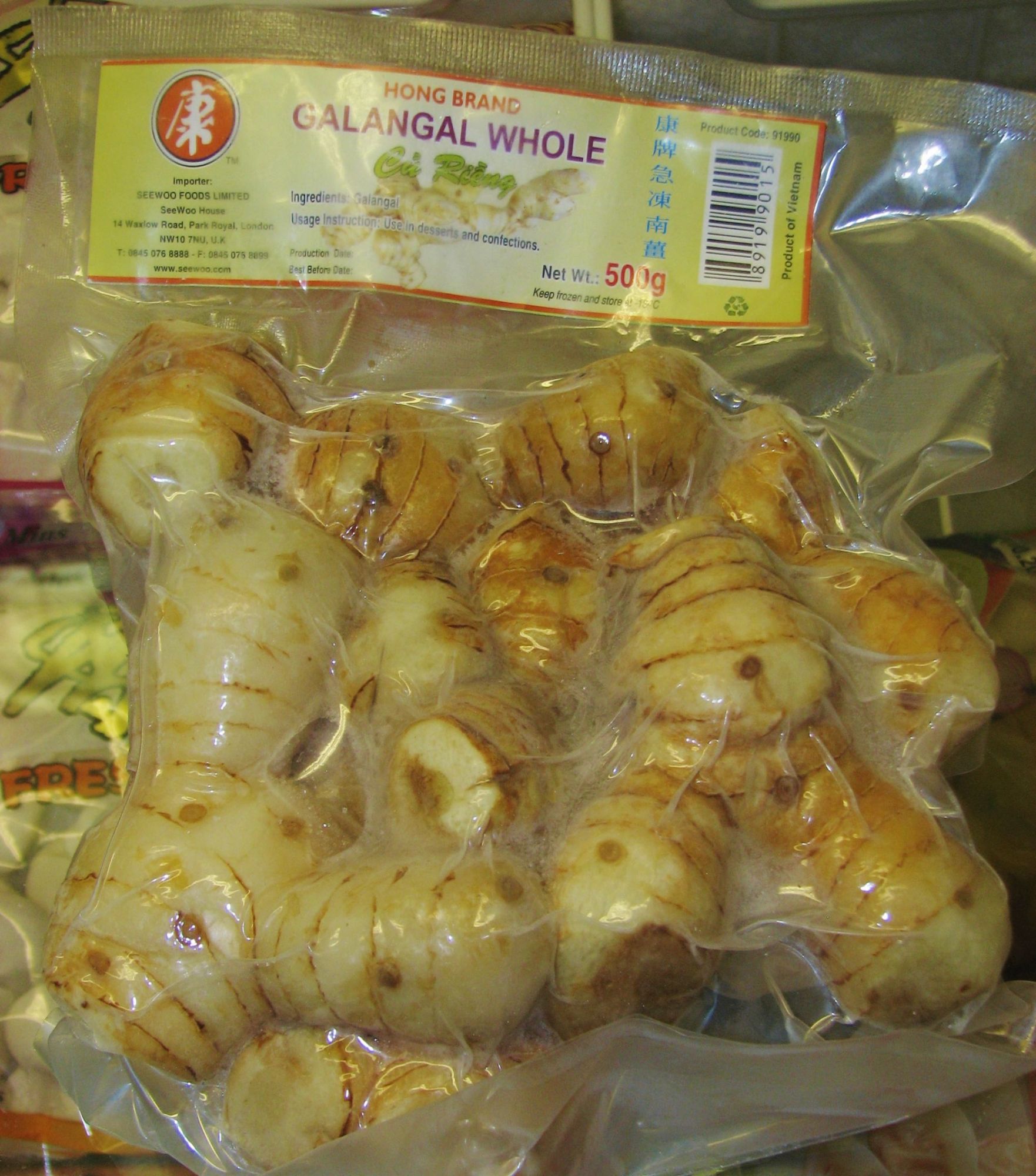
                    The dried  or fresh (vacuum sealed) Galangal roots we could buy in our Asian shop in Panama City.

Galangal is a tropical plant by nature and comes originally from the Far East and the South Pacific, enjoying the warm weather and earthier vibe.  First I had contact with it was, on my many trips to Australia, in Thailand.

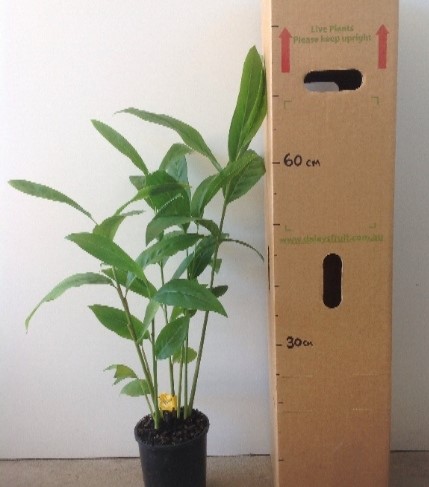
  Galangal plants we bought in Australia from a fruit tree nursery. We bought 3 for about A$ 9,75 each and they were growing like hell.

As a spice, Galangal is noted for earthy tones, with a bit more peppery spike than ginger and undergarments of suggestive citrus. At its most masculine, it has been called “woodsy” and “piney”. Its claim to quiet fame has been a key role in some well-known curry pastes.

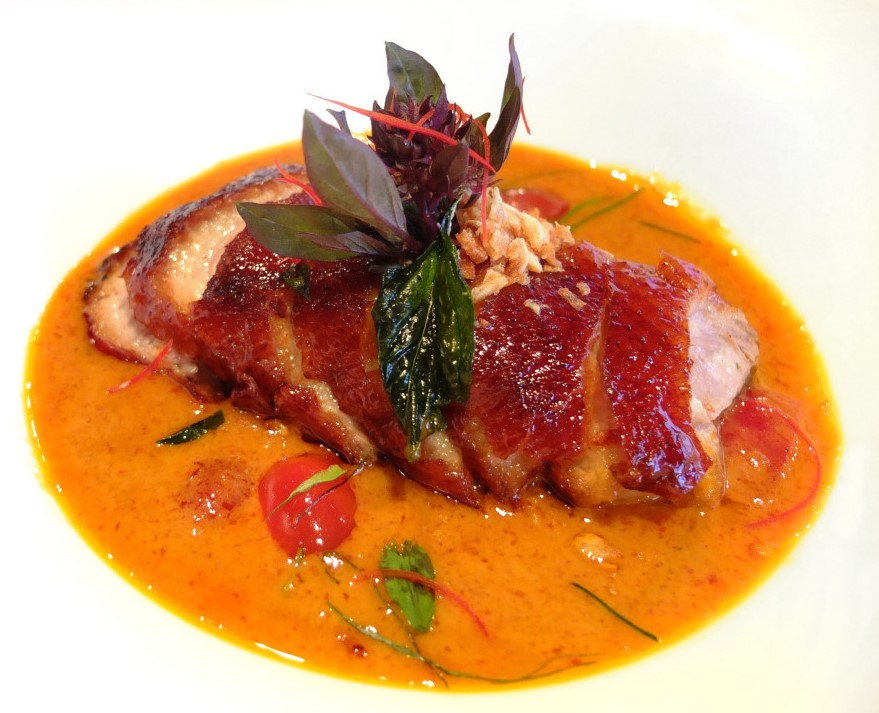
Specialty in a Thai restaurant in South Perth, Australia.  Roasted Red Duck Curry with Galangal – to die for !

Like other popular roots and rhizomes of the East, such as ginger and turmeric, Galangal is full of beneficial health properties.  Historically, it was used as an aphrodisiac because it naturally has a pheromonal fragrance that was once included in perfumes and snuffs. Here are some of the health benefits, if you like to need more information, use the internet.

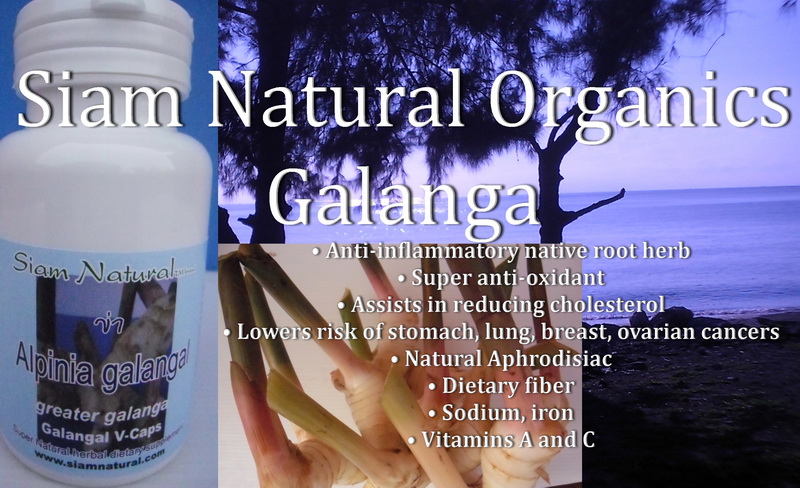
                                                           Many people already know about and use Galangal remidies for health benefits.

12 Amazing Health Benefits Of Galangal.

1. Reduces The Risk Of Cancer
2. Good For The Digestive System
3. Useful Against Arthritis
4. Helps Boost Immunity
5. Good For The Respiratory System
6. Good For The Oral Cavity
7. Improves Circulation
8. Good For The Hair
9. Good For The Skin
10. Helps Treat Burns
11. Good For Pregnant Women
12. Antifungal Agents

Almost everyone knows meantime that have a big favor for Thai food, followed several times Thai cooking schools in Thailand and love to post Thai recipes. Here is one of my favorite Thai salads with Galangal. If you are interested in this recipe, just call in. Overall, you can use Galangal anywhere you’d use ginger or turmeric (for the most part).


Tahina.
G: Tahin; Fr: tahina; Sp: tahina; It: tahina.

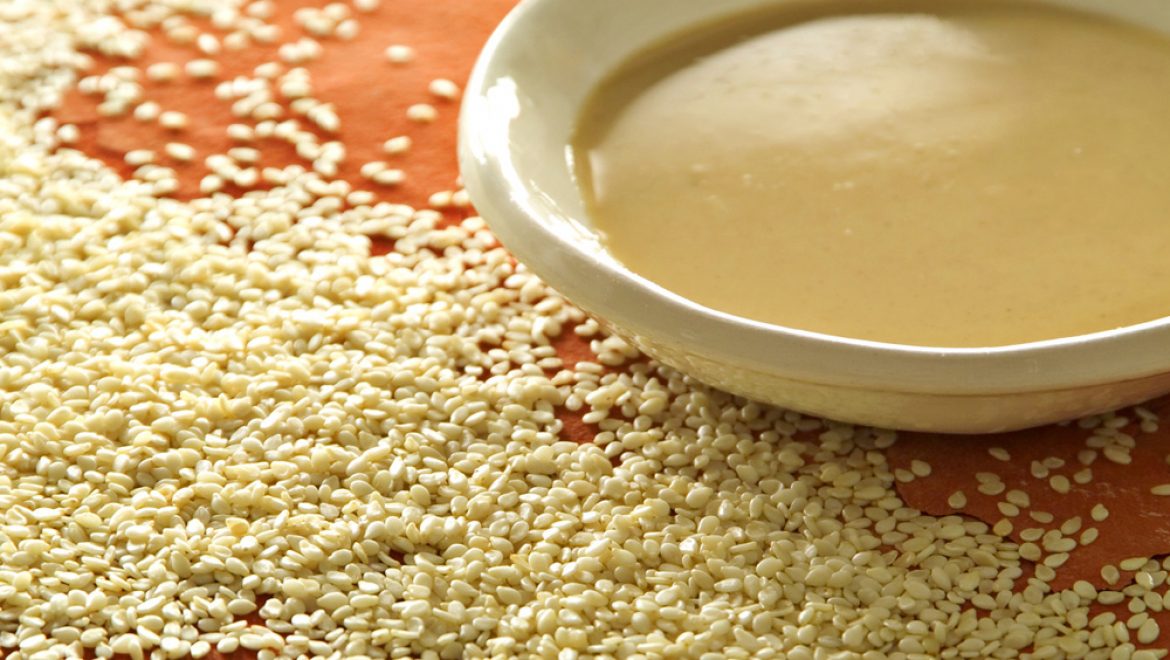
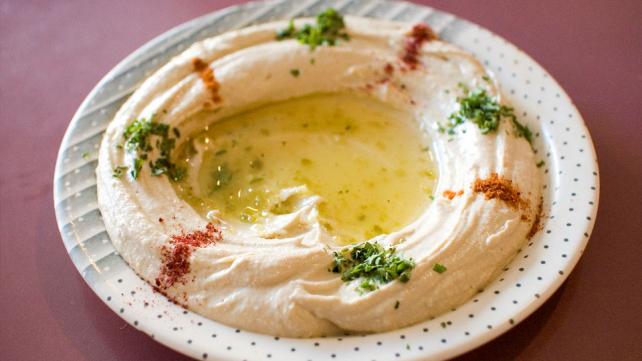
Tahina is an integral part of the eastern Mediterranean cuisine and is mainly used for hummus, but can also be enjoyed as a tasty dip or turned into a salad dressing.
Made of roasted sesame, the paste is rich in essential nutrients and vitamins and refines every meal.


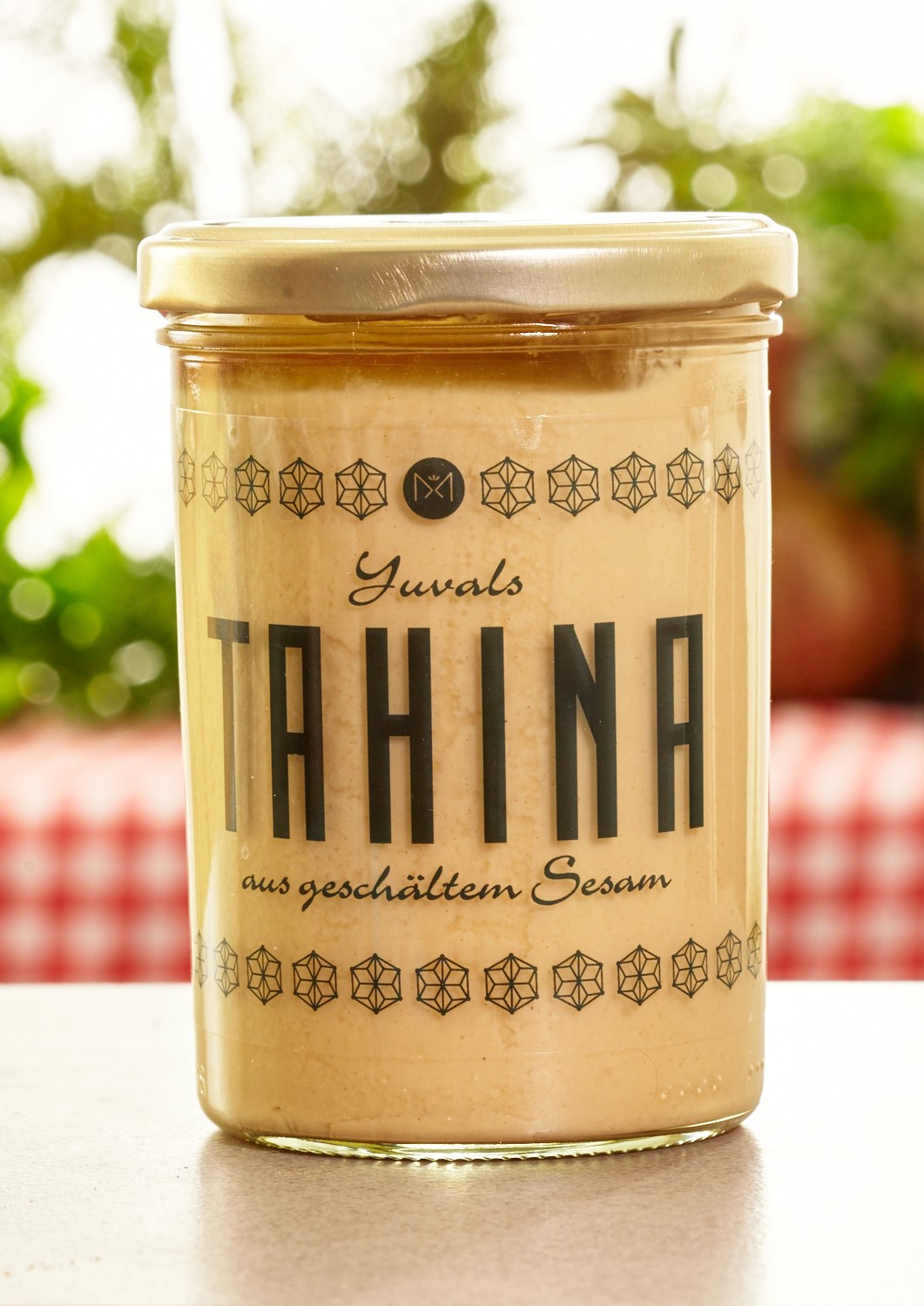
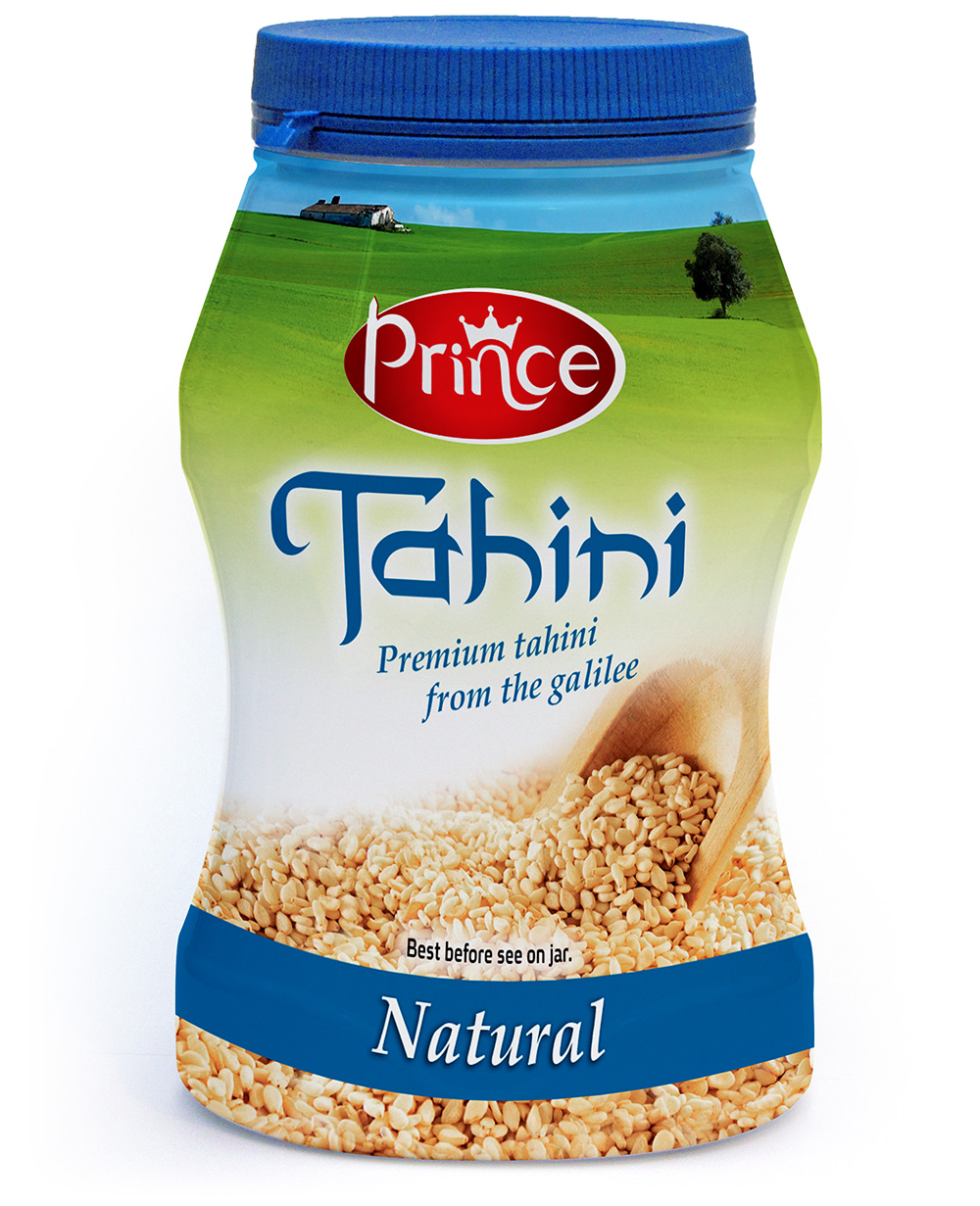
Organic Tahina is already at home in Western Europe. In Germany the, so named, Ammersee Tahina (above pic left) is one of the best available. Made from 100% Bio-Sesame, a 420 gram jar available for about euro8,90.  Here in Uruguay I can buy Prince Tahini (above pic right) from Galilee, Israel. A 300 gram jar for about 240,–peso (c. US$ 7,–), the quality is very good.

Once homemade – and never again you will buy finished hummus, see above. Because the recipe with pureed chickpeas, lemon and garlic is very simple. The only thing you really need is a fabulous Tahina, the cream of roasted sesame seeds. We use the Tahini as a quick dip sauce as we are to lazy to make one. Raw veggies in Tahini = GREAT STUFF !

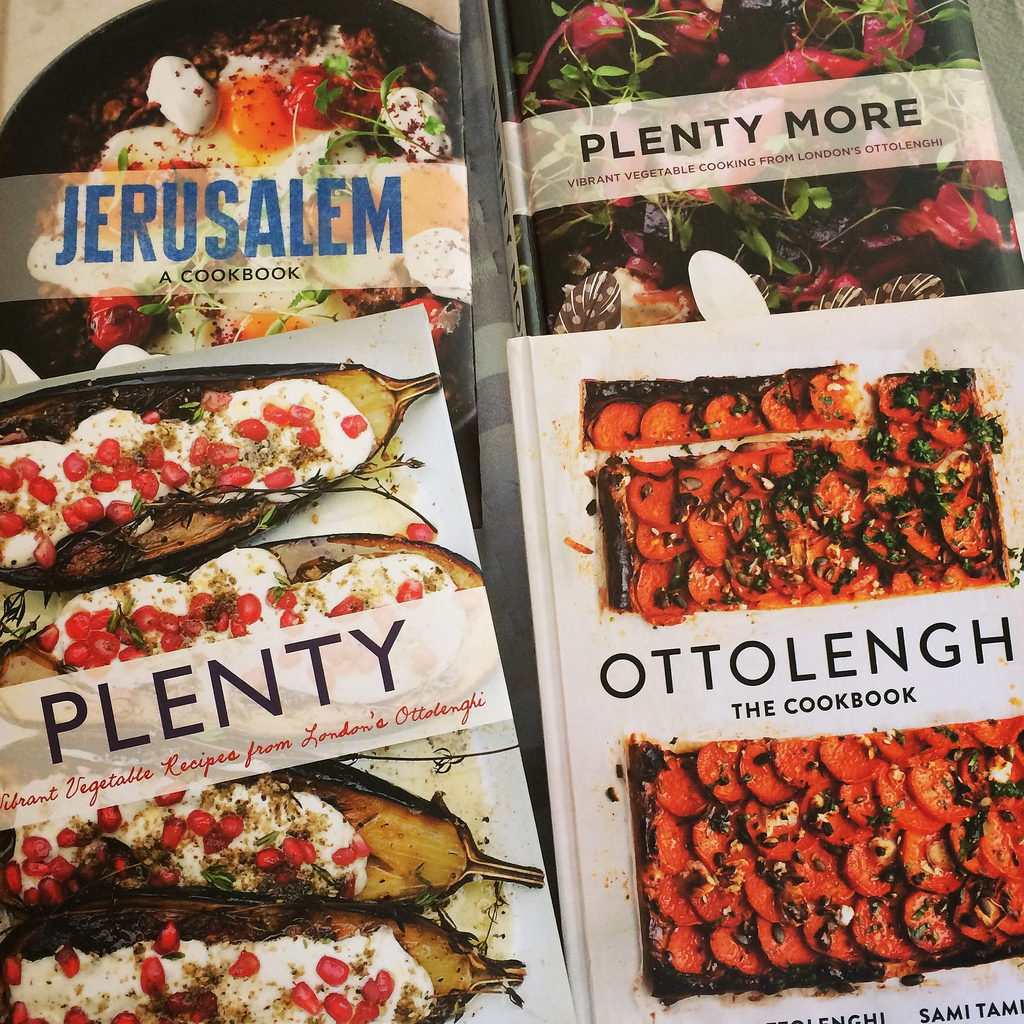
Ottolenghi books. Read Jerusalem = Fantastic ! Yotam Ottolenghi is also called the „Spice-whisperer“.

In Ottolenghi it also belongs in the base 10 of the most important spice ingredients. The London star chef has created a green Tahina sauce with parsley that goes very well with all kinds of vegetables. The sesame paste is also welcome to beetroot and tomatoes.

Allspice.
G: Piment; Fr: toute-épice, piment de la Jamaique; Sp: pimiento; It: pimento.

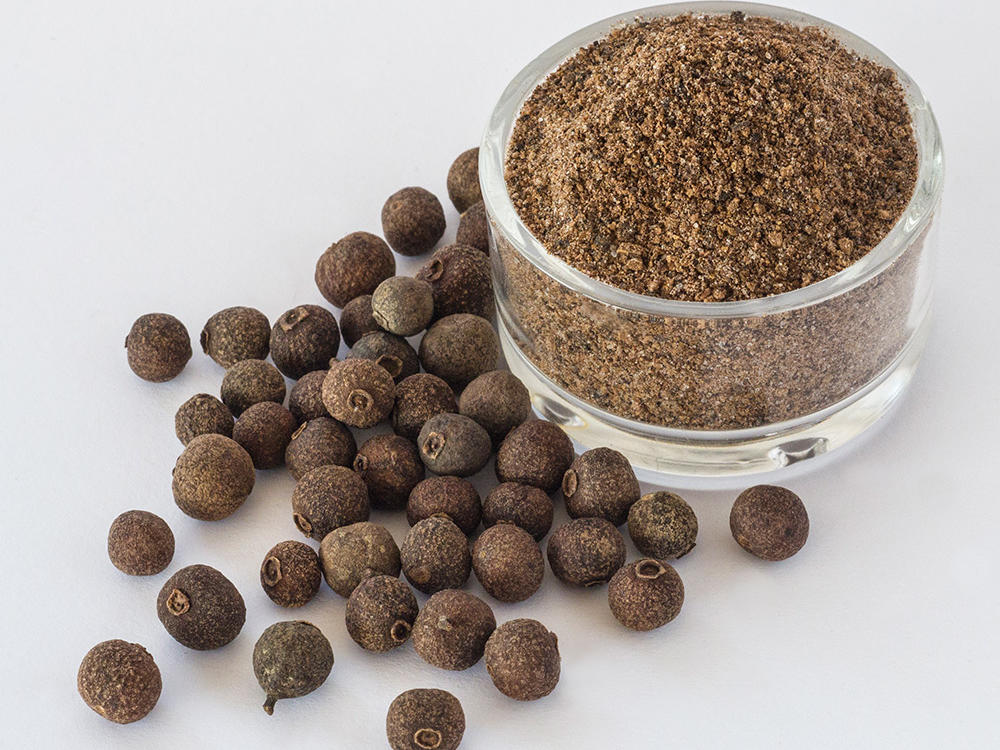
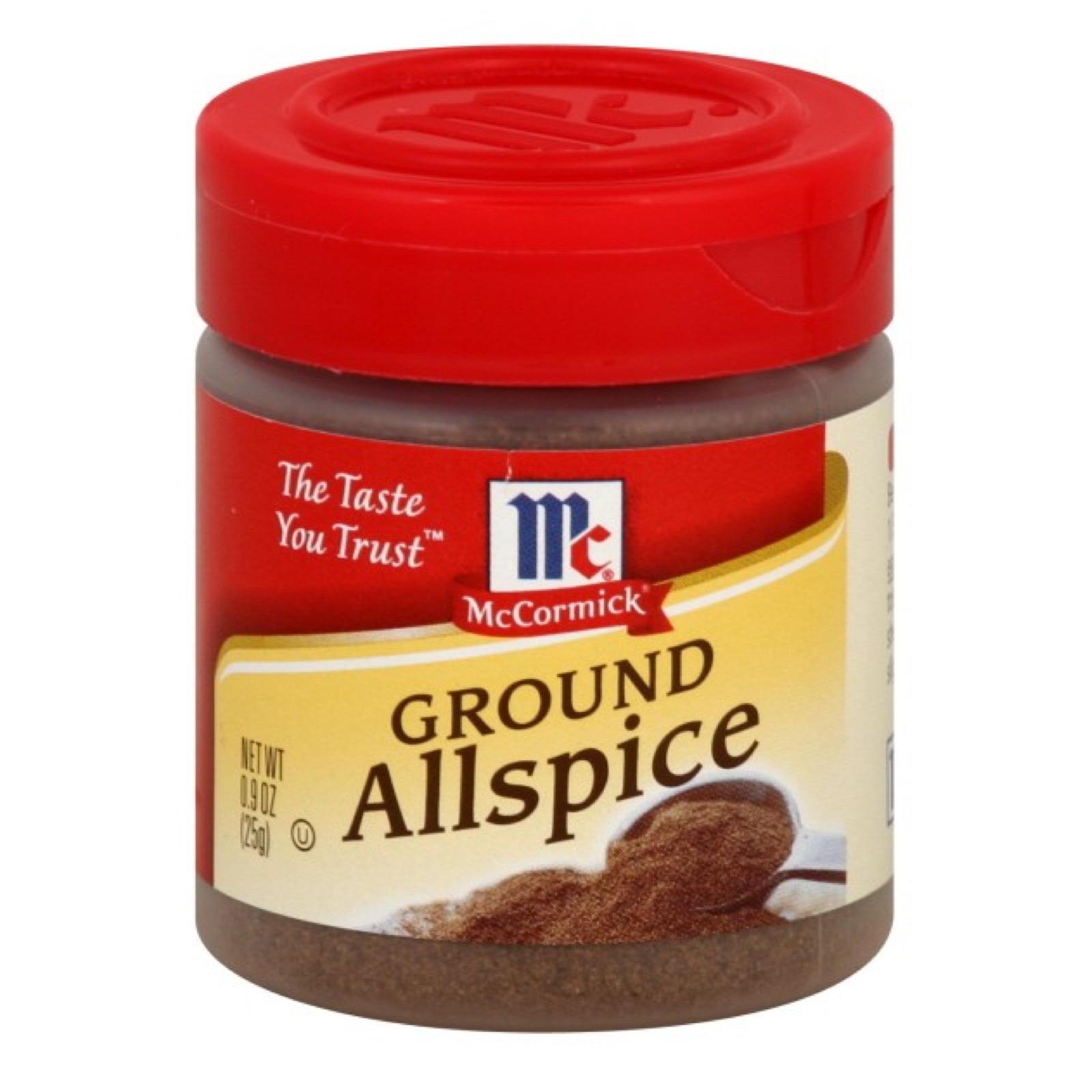
Allspice, also known as pimenta, Jamaica pepper, Turkish yenibahar, or newspice, is native to the West Indies and the Caribbean. In fact, due to its finicky nature, it’s one of the few spices that are still exclusively grown in its native region, like Guatemala.

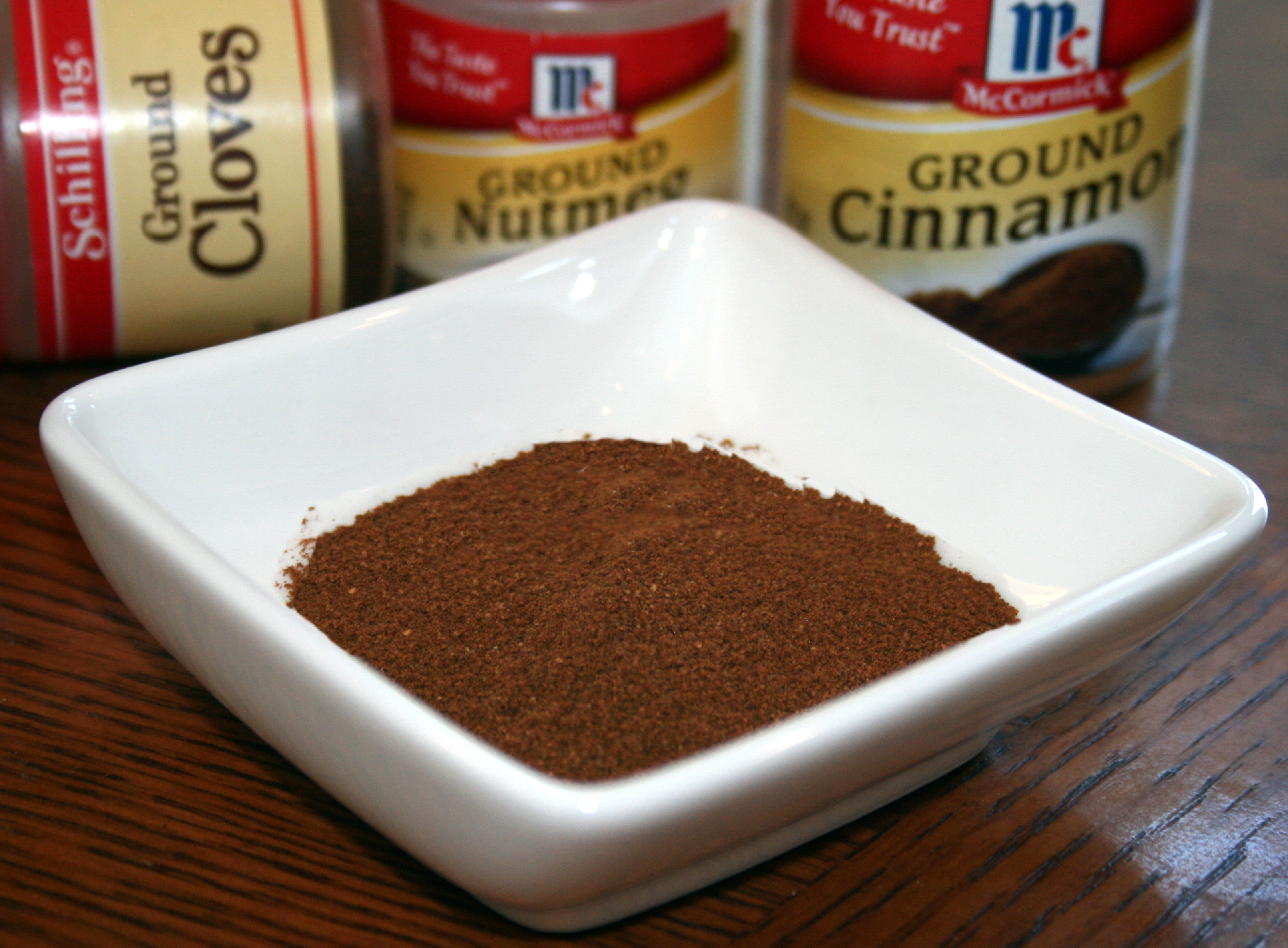
  Allspice made from scratch by yourself, just try an equal amount of cloves, nutmeg and cinnamon.

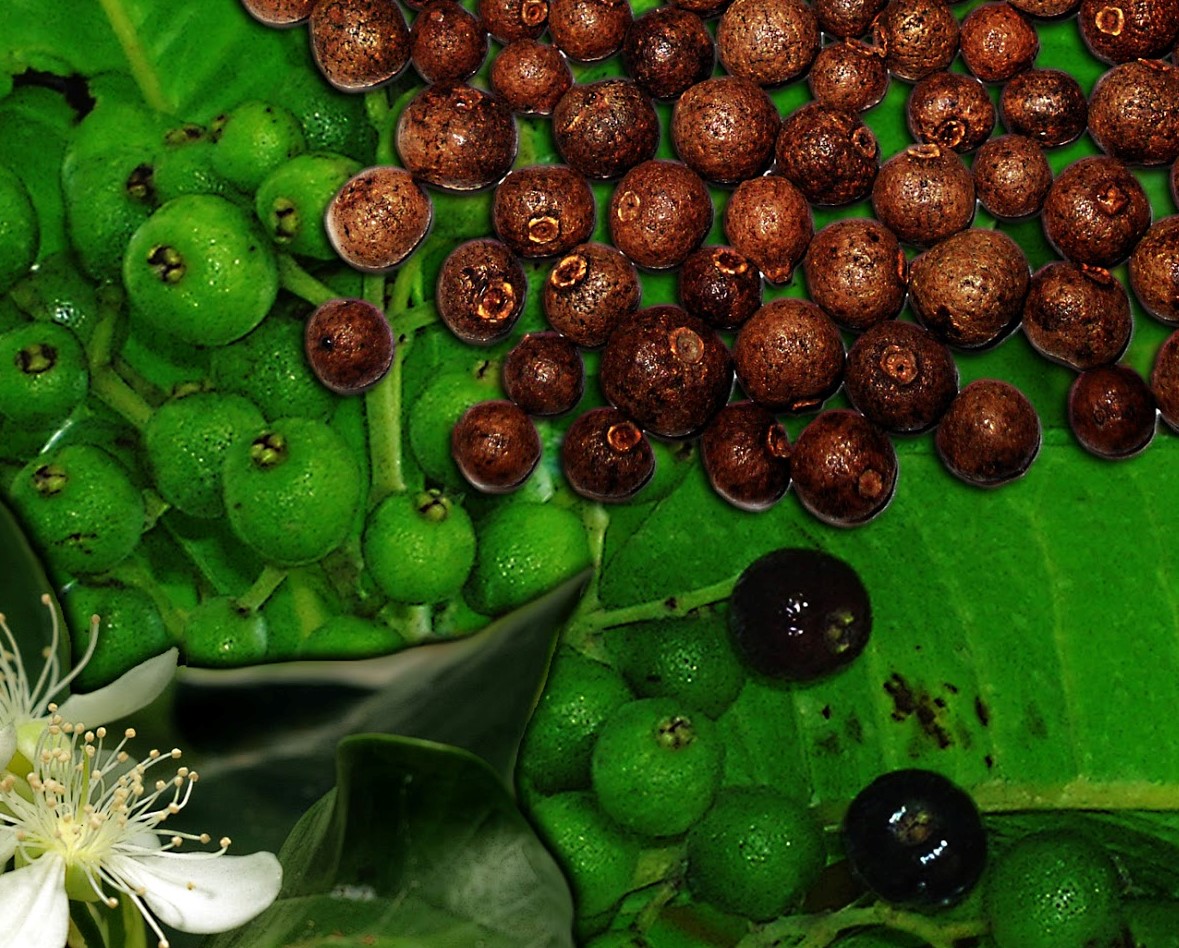
The name Allspice refers to its compound aroma that seems like it’s a mixture of mace, clove, cardamom, and cinnamon. The Allspice berries are actually plucked when green and are cured in the blazing tropical sun on large concrete slabs until they turn black and their shells become fragrant with oil.

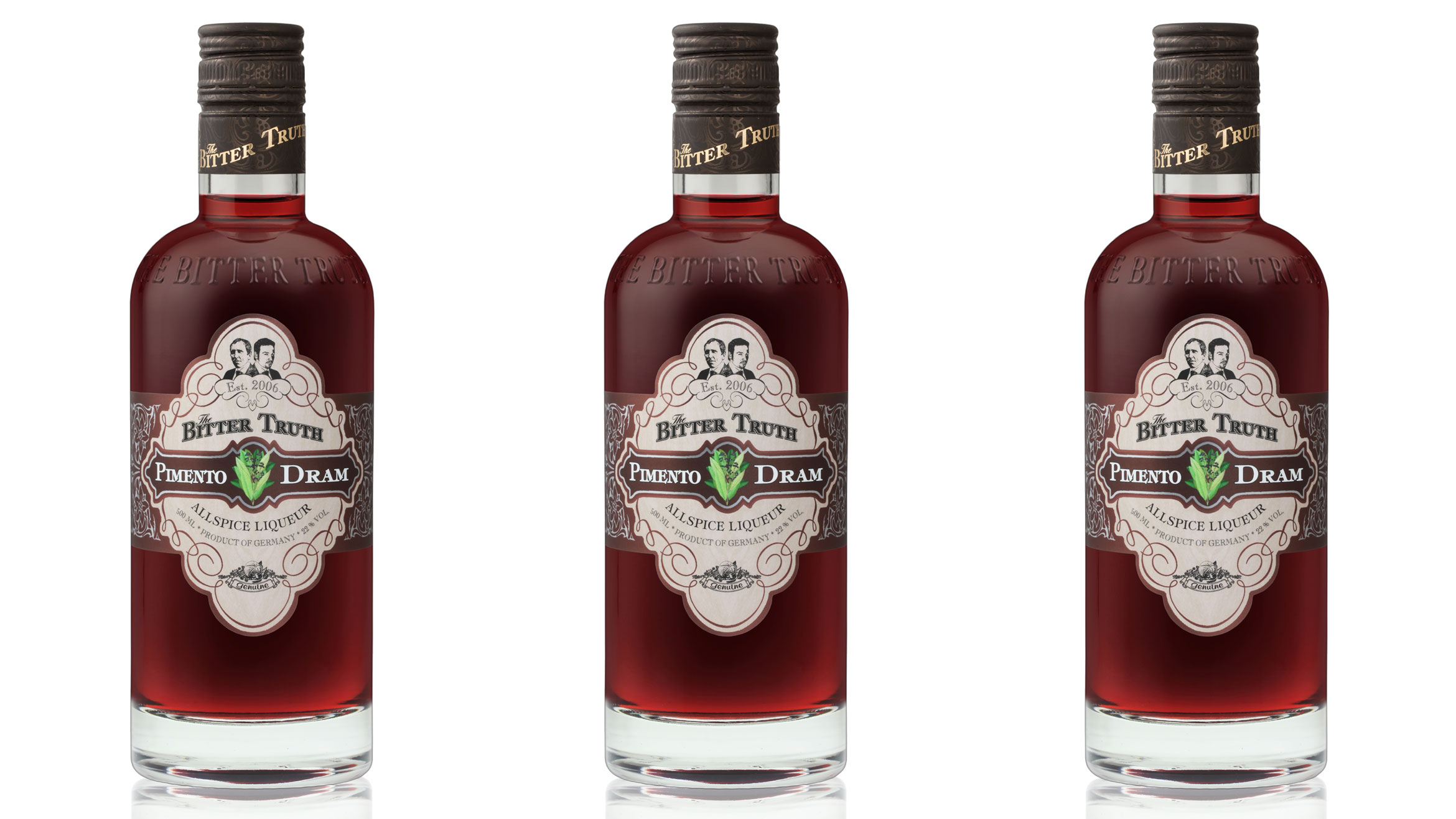
Allspice has a place in preserved goods and plays an important role in spice blends and rubs like jerk seasoning and garam masala. Also is made a delicious bitter-liqueur out of Allspice. Click on pics above to size up. In addition, it plays a central role in many North American pastries such as gingerbread cookies and pumpkin pie.

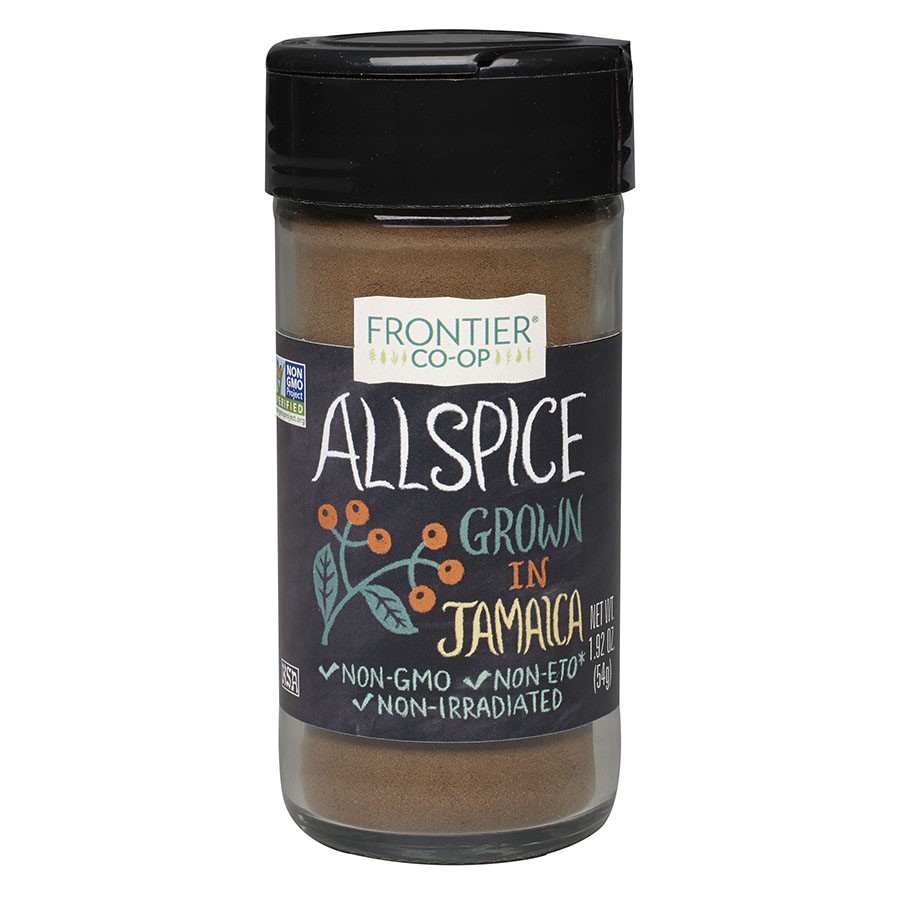
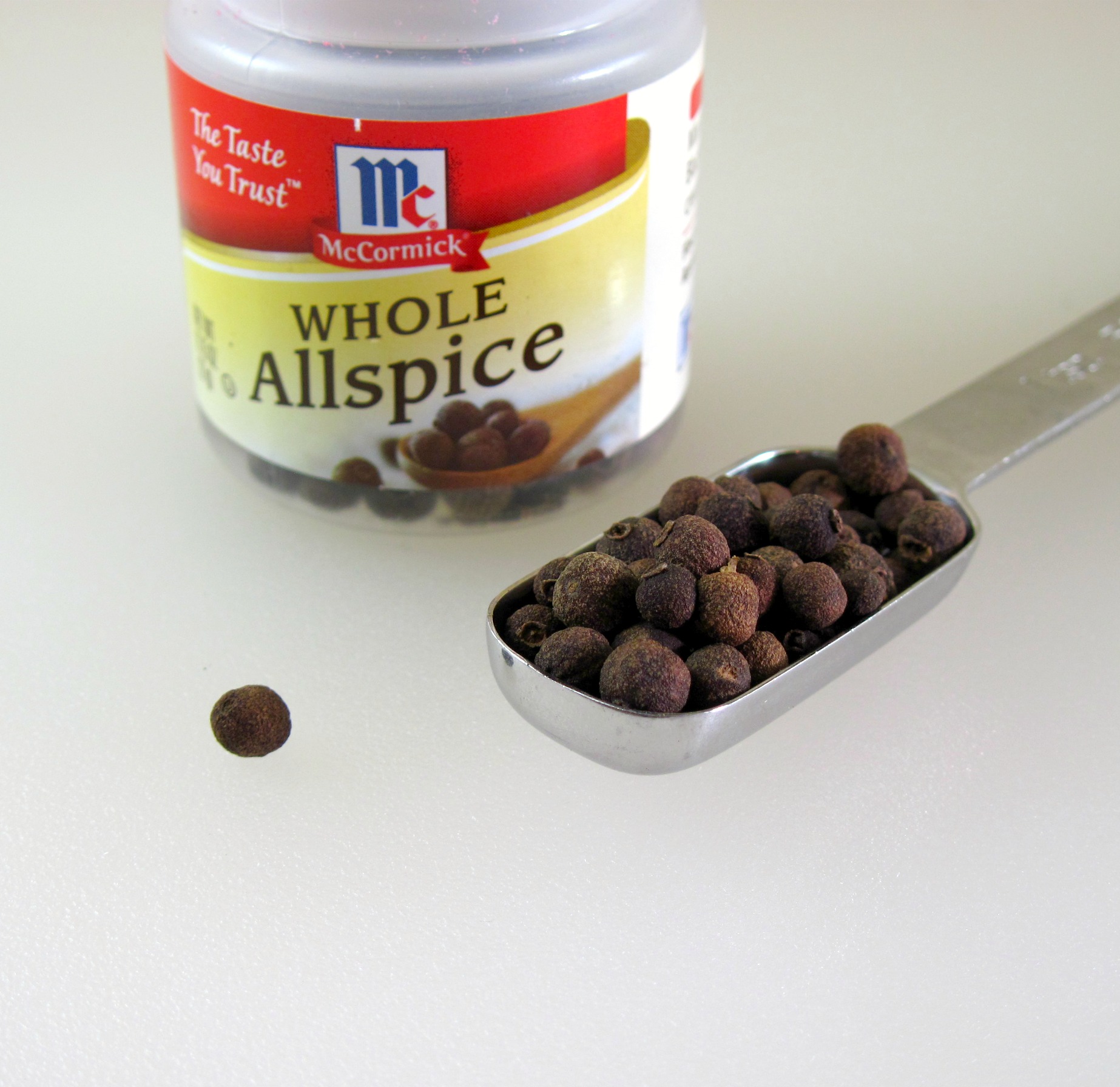
           Allspice products are found all over the world, whole berry’s or ground.

Whole Allspice berries can be ground up and toasted for a fresher, more intense Allspice flavor than pre-ground Allspice. Whole berries are also essential for proper pickling. I a cool and dry place it has a shelf time of at least 2 years.

Tamarind.
G: Tamarinde; Fr: tamarin; Sp: tamarindo; It: tamarindo.

The health benefits of tamarind have been well-studied, and they include its ability to reduce inflammation throughout the body, improve vision, boost respiratory health, heal skin conditions, and improve the digestive system. It may also help lower cholesterol to improve cardiovascular health, treat piles, and protect against parasites and worms.

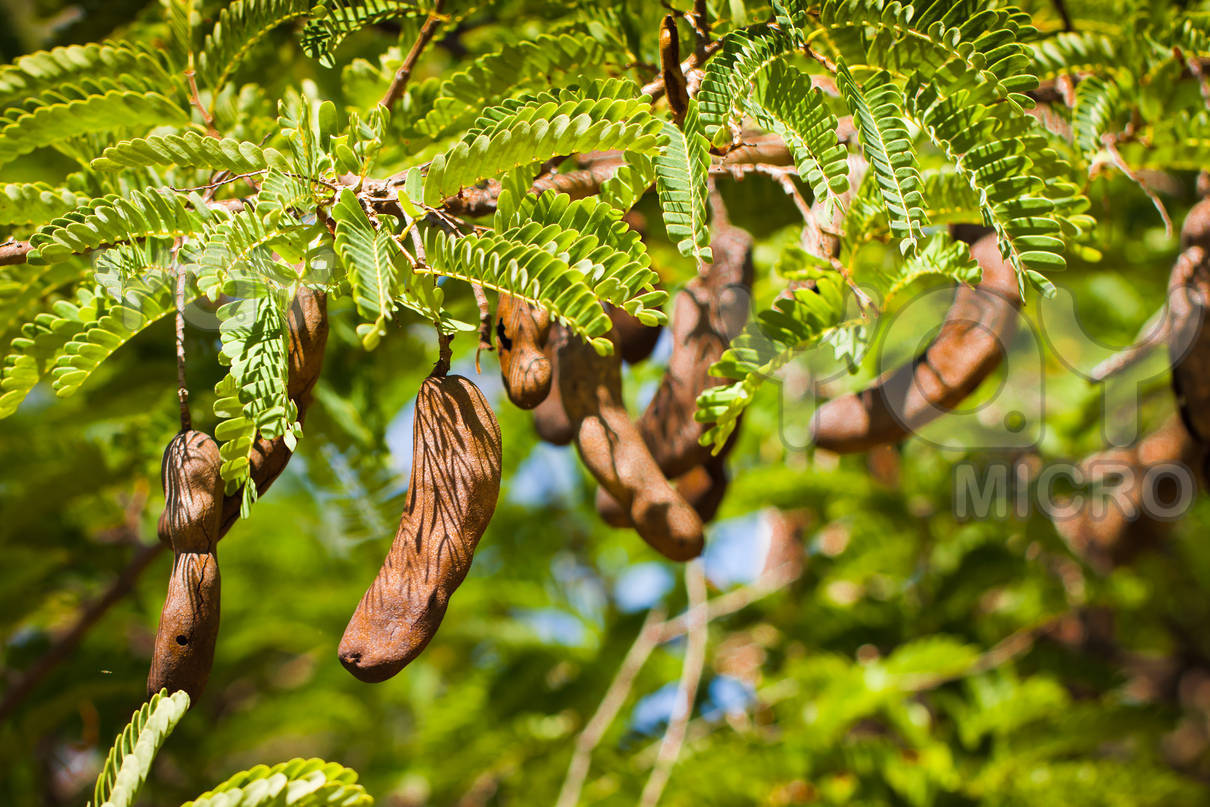
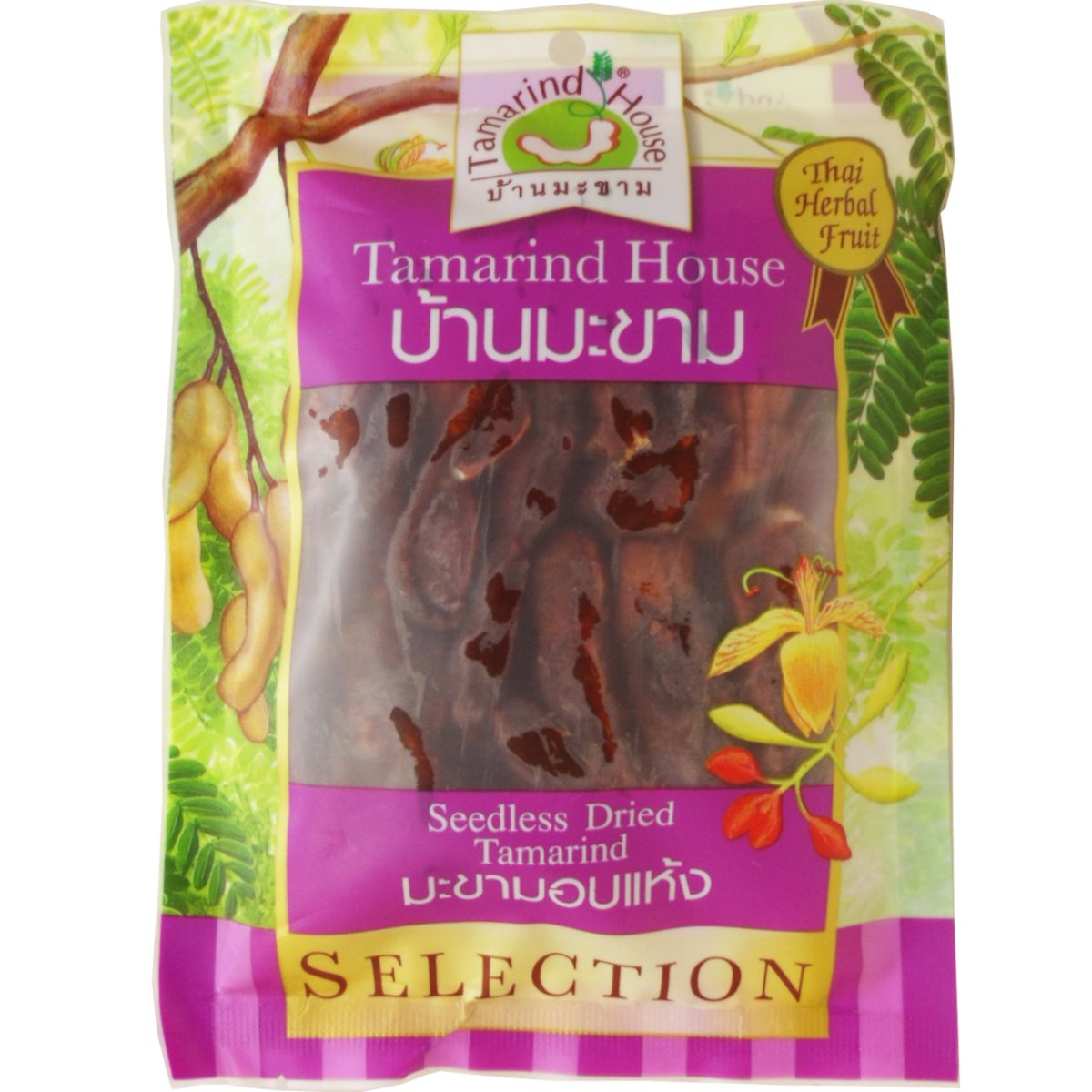
                Tamarind tree with its beans. And Mexican Tamarind candy’s. Click on pics.

A member of the Fabaceae family, the scientific name for the tamarind is Tamarindus indica. The tamarind tree is native to tropical regions of Africa, specifically Sudan. However, its farming has spread to almost all tropical areas of the world due to its unique flavor and nutritional value.

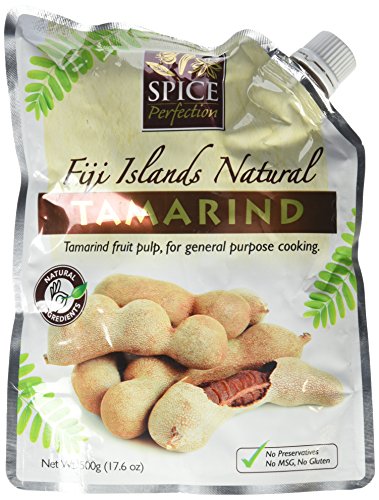
                                We always had our Tamarind in Australia from Thailand or from Fiji as a paste.

The name Tamarind means „date of India“ and is a well fitting description of the spice.
It is grown throughout India today. It has been cultivated for thousands of years, likely made its way to Asia about 5,000 years ago. It wasn’t until about 500 years ago that it made its way to the Americas by Spanish explorers. South America and Mexico are now the largest consumers and producers of this fruit in the world.

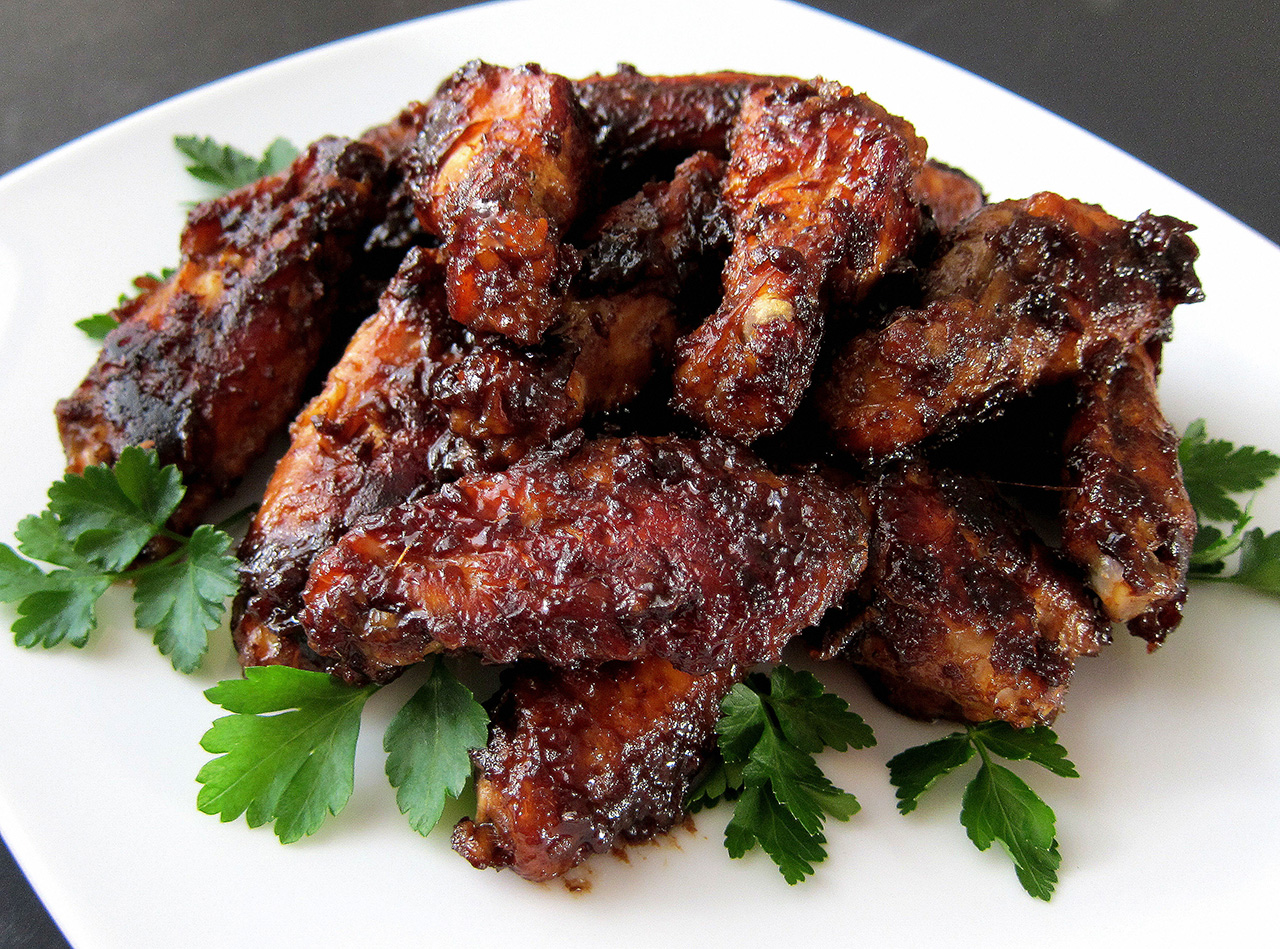
Chicken wings spiced with Tamarind. One of our great party hits.

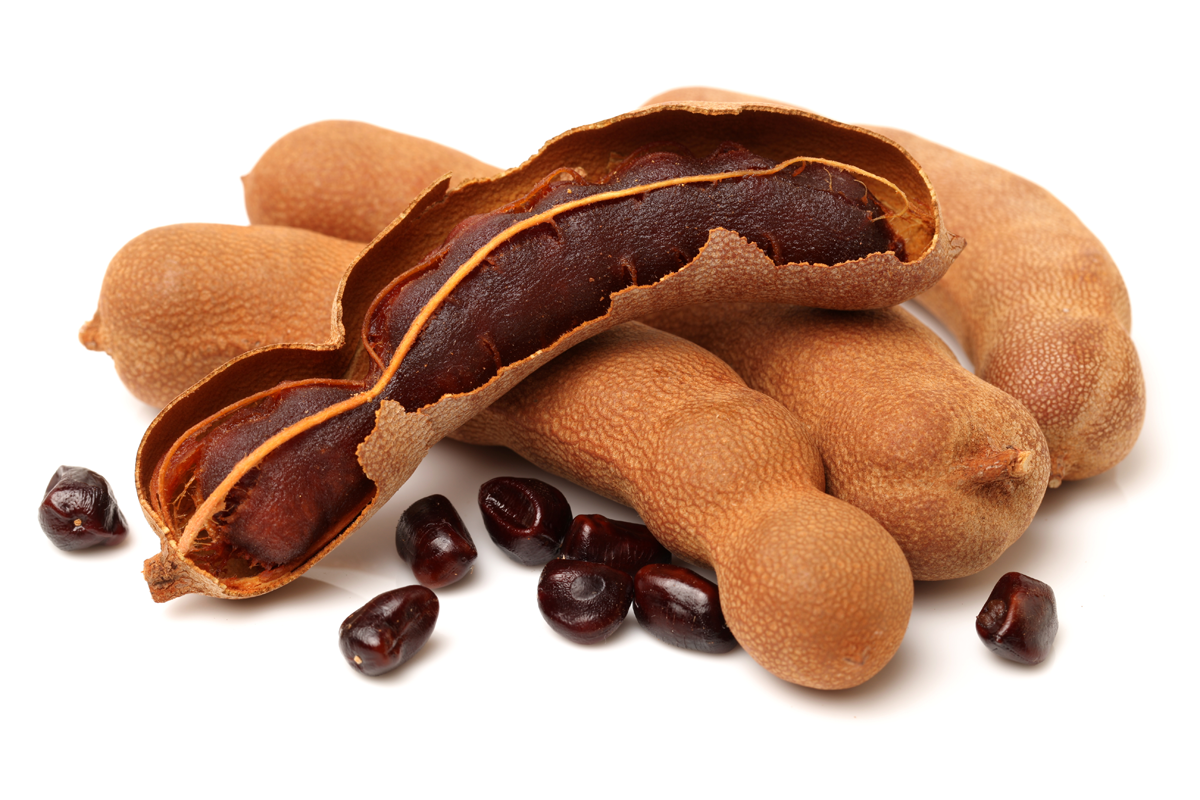
Tamarind is a delicious sweet and sour fruit that has a wide variety of uses, both for medicinal and culinary purposes. It is a medium-sized bushy tree with evergreen leaves and a fruit that develops in pods. Its pods are characterized by long, brown shells. Inside the pods is sticky, fleshy, and juicy pulp, which is the tamarind fruit. This is where nutrition and taste reside! As it has both a sweet and sour taste, people either tend to immediately like it or have a natural disposition against it.

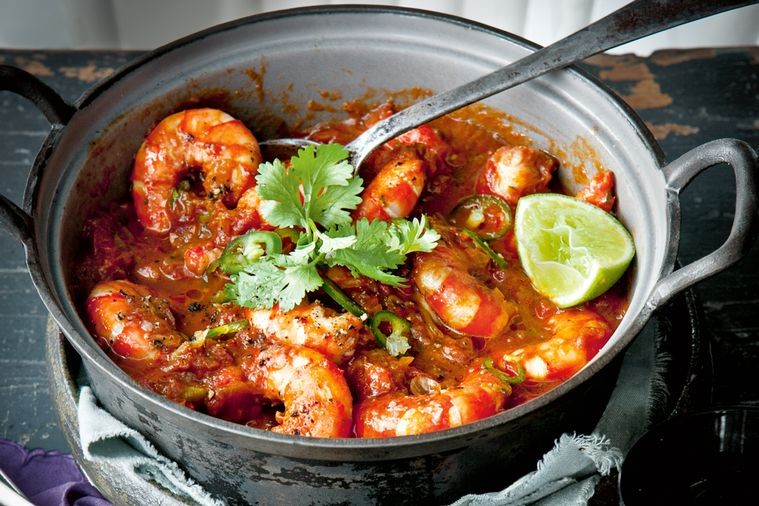
Authentic  Thai cooking, pot of Prawns in a hot chilli Tamarind sauce. To die for.

There are many different ways to consume this nutritious fruit.

It can be consumed raw.
It can be added to desserts once it is fully ripe.
It can be dried and ground into a spice.
It is often used in jams and sauces.
It can be dried and processed into candies.
It is a typical ingredient in soups and dishes throughout Asia and South America.


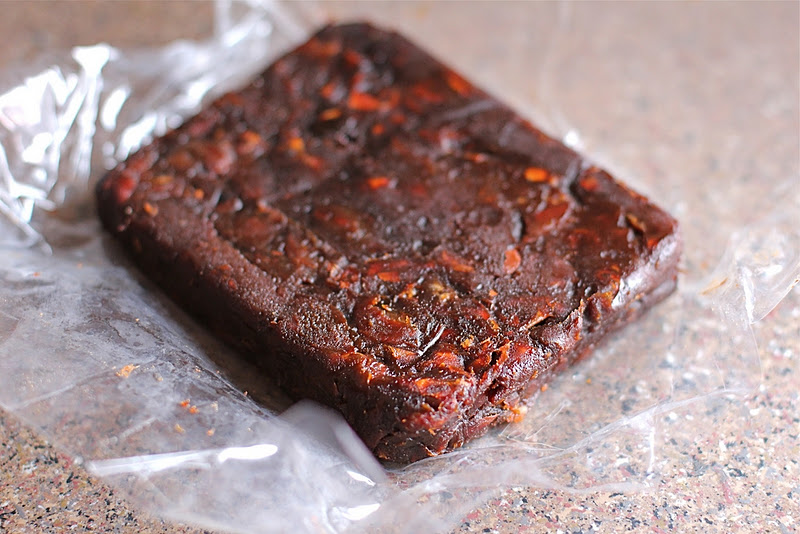
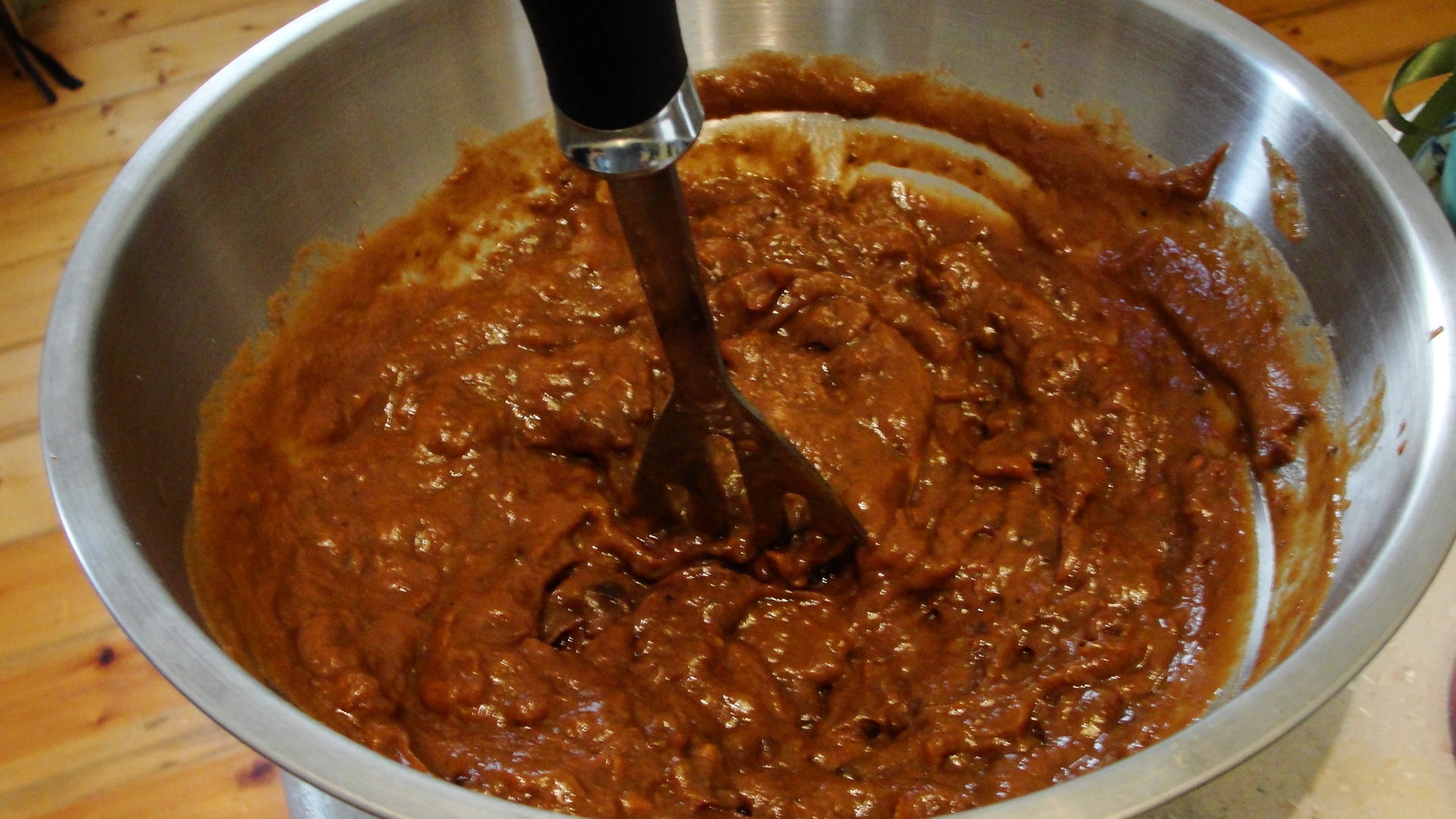
When you buy Tamarind as a block break up the block and soak in warm water for about 15 minutes. Break down the pulp further with your hands and soak for a further 5 minutes, then hit that mix with a potato masher. Work it over until you have a thick pasty consistency (see above). Pass the mix through a fine sieve (I often leave it in a coarse state, but solids out) and discard the solids. This sounds like a bit of work but don’t be a pussy!

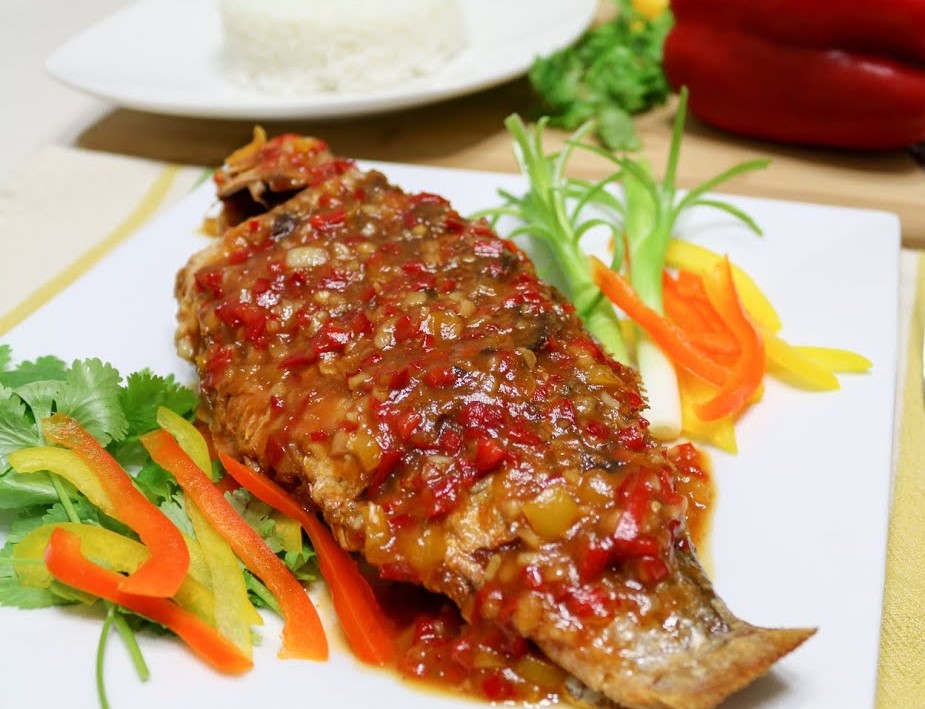
Thai crispy snapper with Tamarind sauce. From the BBQ or deep fried in olive oil.

Trust me, once you have made your own, that stuff you have bought from the super market in a jar will never be the same again. Use Tamarind and water 1:1. I had mostly 500gram blocks and used 250gram with 250ml of water. The other half we keep it in the fridge for many many more month.

Tips.

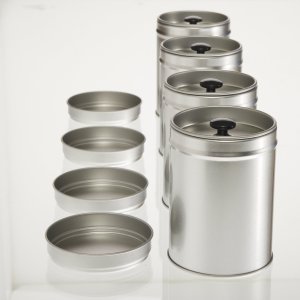
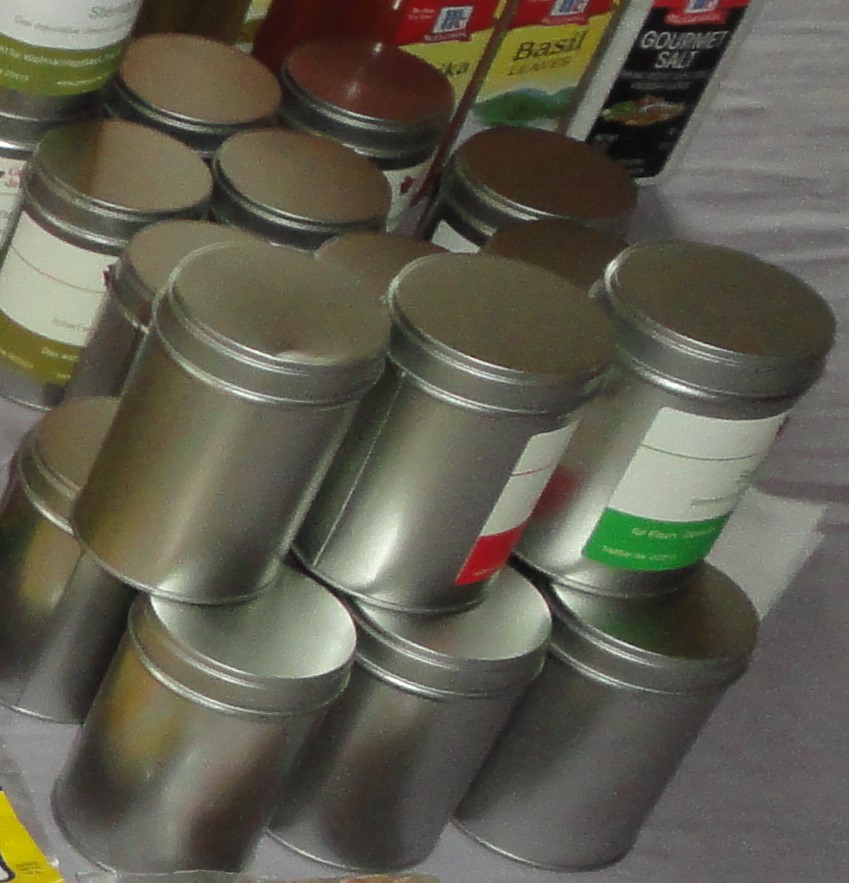
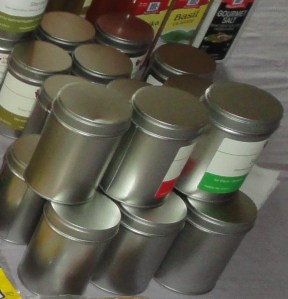
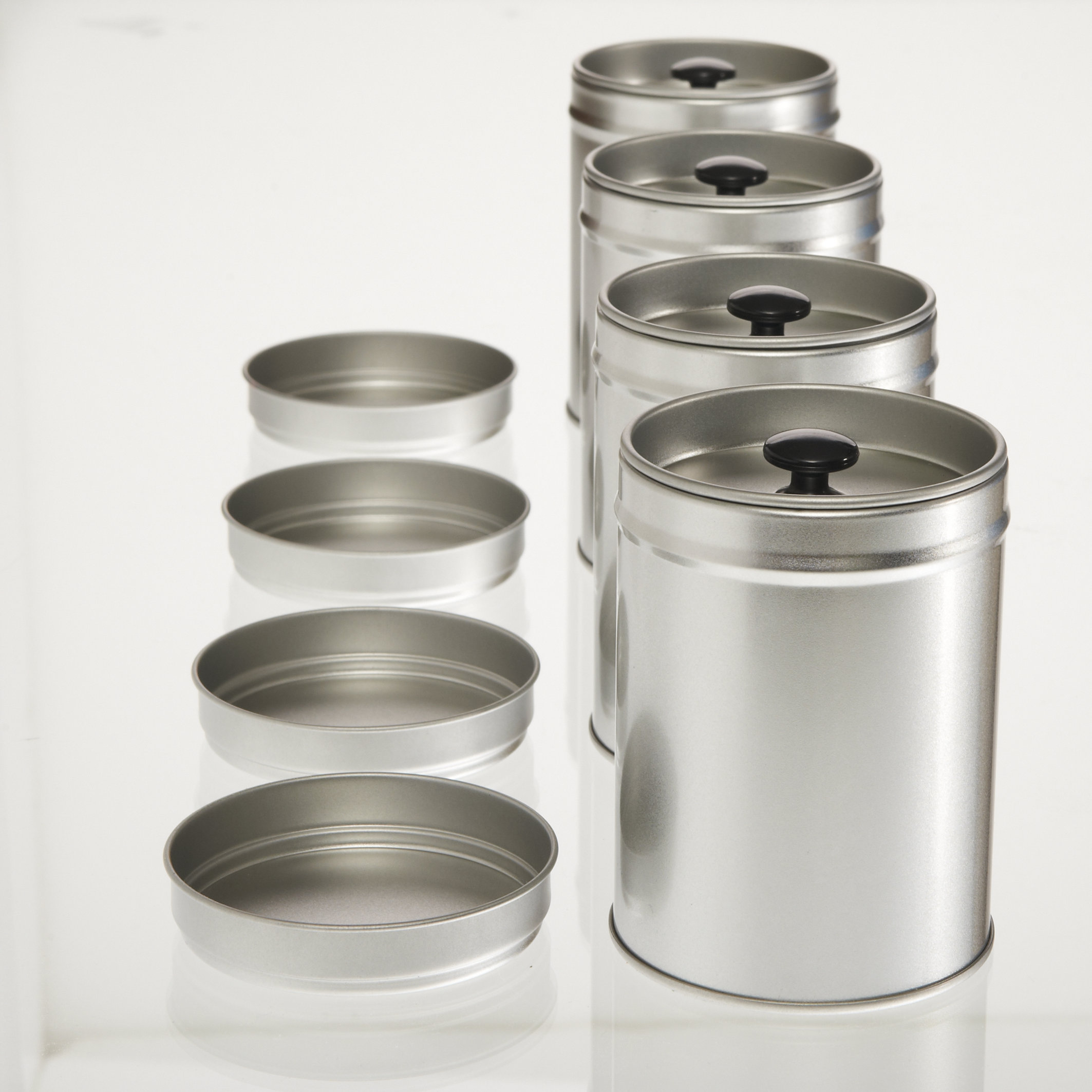
     Store most of your spices dry and dark in a well closed container. I have purchased time ago some special „aroma containers“ with a double lid (inner- and outer lid), they are fantastic. The medium size is about 90mm high and 60 mm in diameter, just good for about 100 gram of paprika. Bought in Germany, a set of 4 is about 8,50 euro’s.

That’s it already folks. 12 of my favorite spices. One more part is coming up with spice mixtures like Masala or Curry.    Stay tuned and enjoy !


Veröffentlicht unter Lifestyle, Recipes | Verschlagwortet mit | 3 Kommentare

The Queen’s Solution

Out of current occasion, I like to cheer you up a bit between my spice-posts and release this short picture collection. Have fun with it.

Boris Johnson, who has promised to lead the U.K. out of the European Union with or without a deal by the end of October, won the votes of 92,000 members of the Conservative Party, almost twice as many as his rival, Foreign Secretary Jeremy Hunt.

„We are going to get Brexit done on Oct. 31st, and we are going to take advantage of all the opportunities it will bring in a new spirit of ‘can do’,“ Johnson said after the result was announced.
„My job is to deliver Brexit on October 31st to unify and rejuvenate our United Kingdom and make this country the greatest place on earth“, Johnson said in his first speech as a prime minister of United Kingdom.

Do we have TWO of these CLOWNS in office now ?

U.S. President Donald Trump congratulated Johnson on Twitter, saying he would be great.

The U.S. president said the British were calling Johnson “Britain Trump.”

“They call him ‘Britain Trump,’ and people are saying that’s a good thing. They like me over there. That’s what they wanted. That’s what they need,” Trump said in a speech in Washington on Tuesday (23rd of July 2019).

Famed for their signature blond hair styles, Trump and Johnson have both been known to not to shy away from the limelight and have often made unfiltered and off-the-cuff comments with little regard for the political consequences.


“I like Boris Johnson. I always have,” Trump told reporters late last week. “He’s a different kind of a guy, but they say I’m a different kind of guy too. I think we’ll have a very good relationship.”

It could be the younger brother, or father and son, who knows what kind of past experience or influencing factors the „Grab-the Pussy-Man“ had.

Fact is that Boris Johnson was born 1964 in New York. Same time as Donald Trump was living in New York too. He was just eighteen then and no one would suggest anything. LOL-LOL-LOL !!

Whatever –
Do we have TWO of these CLOWNS in office now ?

YES – we have TWO.
Two balloons are in the air now !!!


The Queen has a solution !!!


Finally.

Veröffentlicht unter Information | 8 Kommentare

My Heavenly Dozen – Part 2

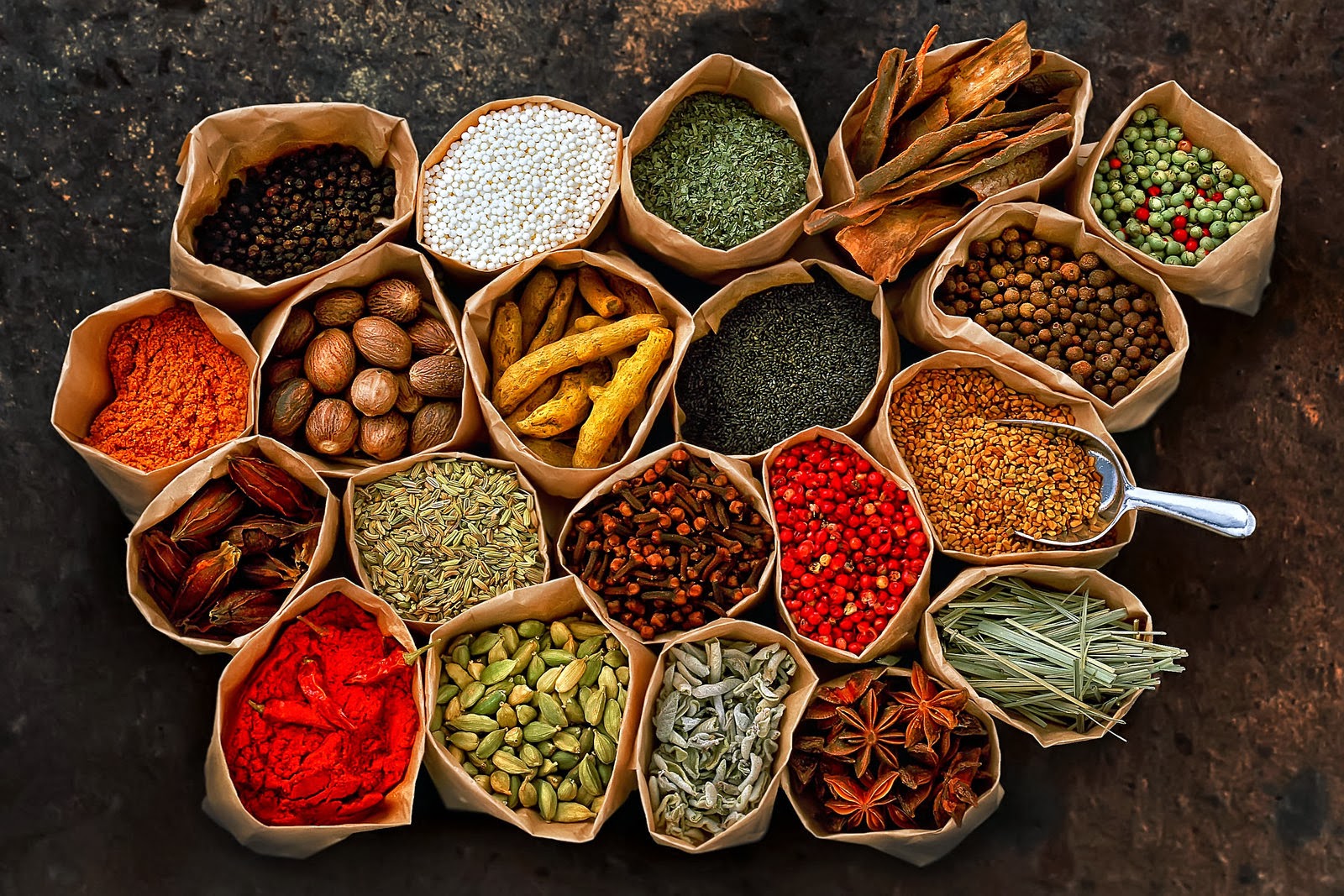
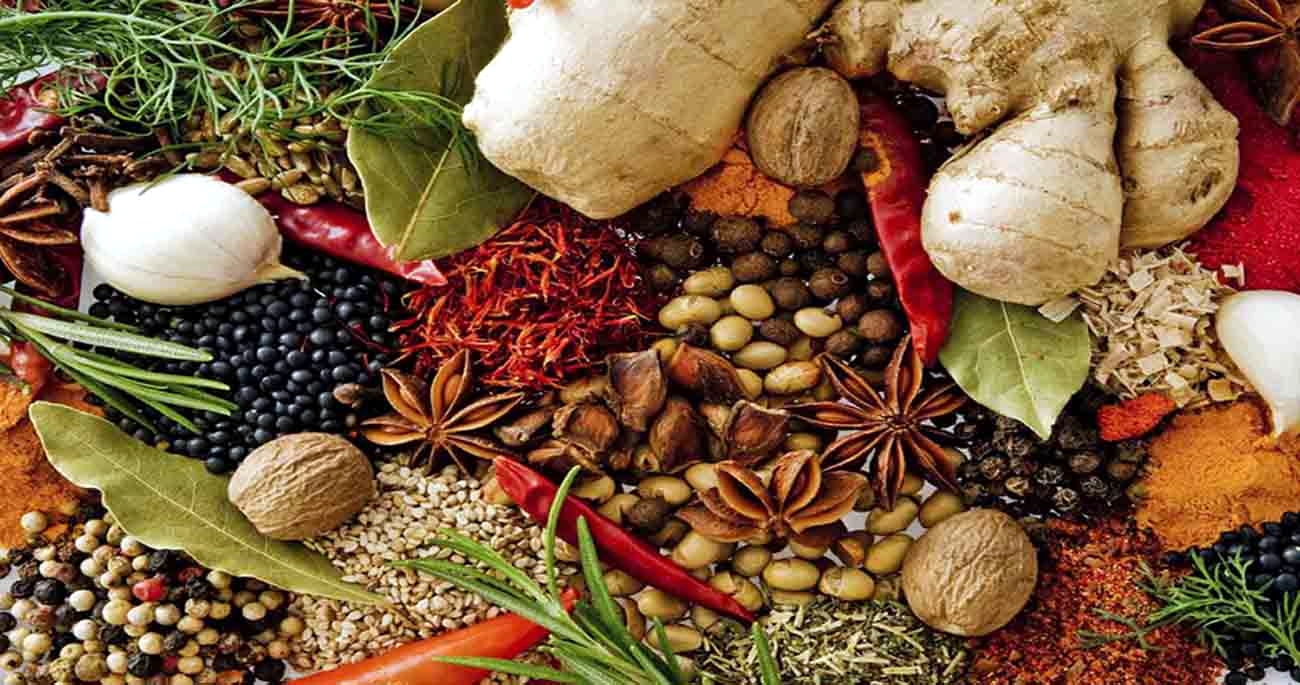
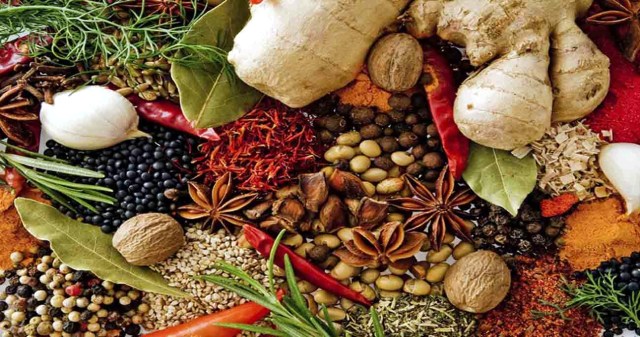
Here we go – with part 2 of our little spice lexicon. Above you see a wonderful selection of spices. I can’t tell who’s origin this picture will be, but I like it, so I used it, sorry whoever.

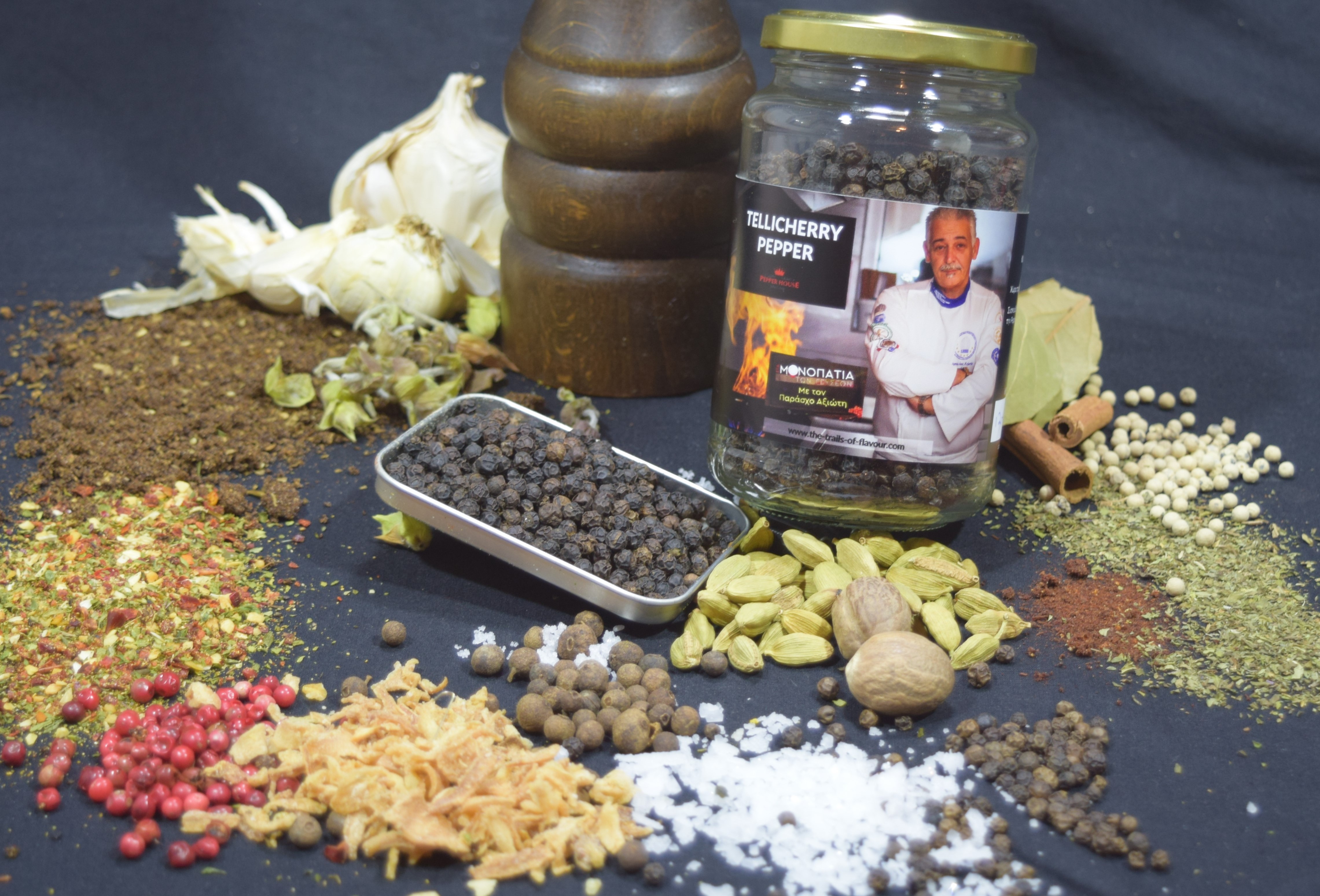
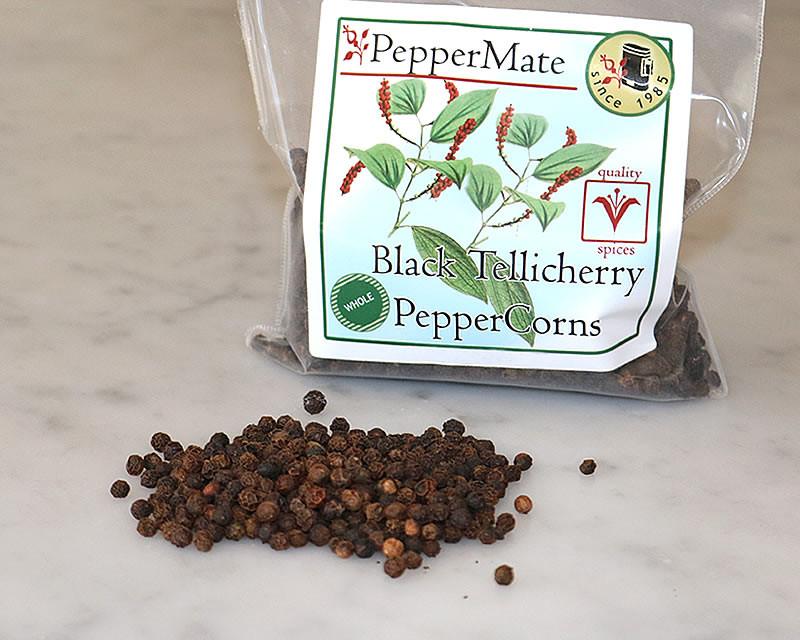
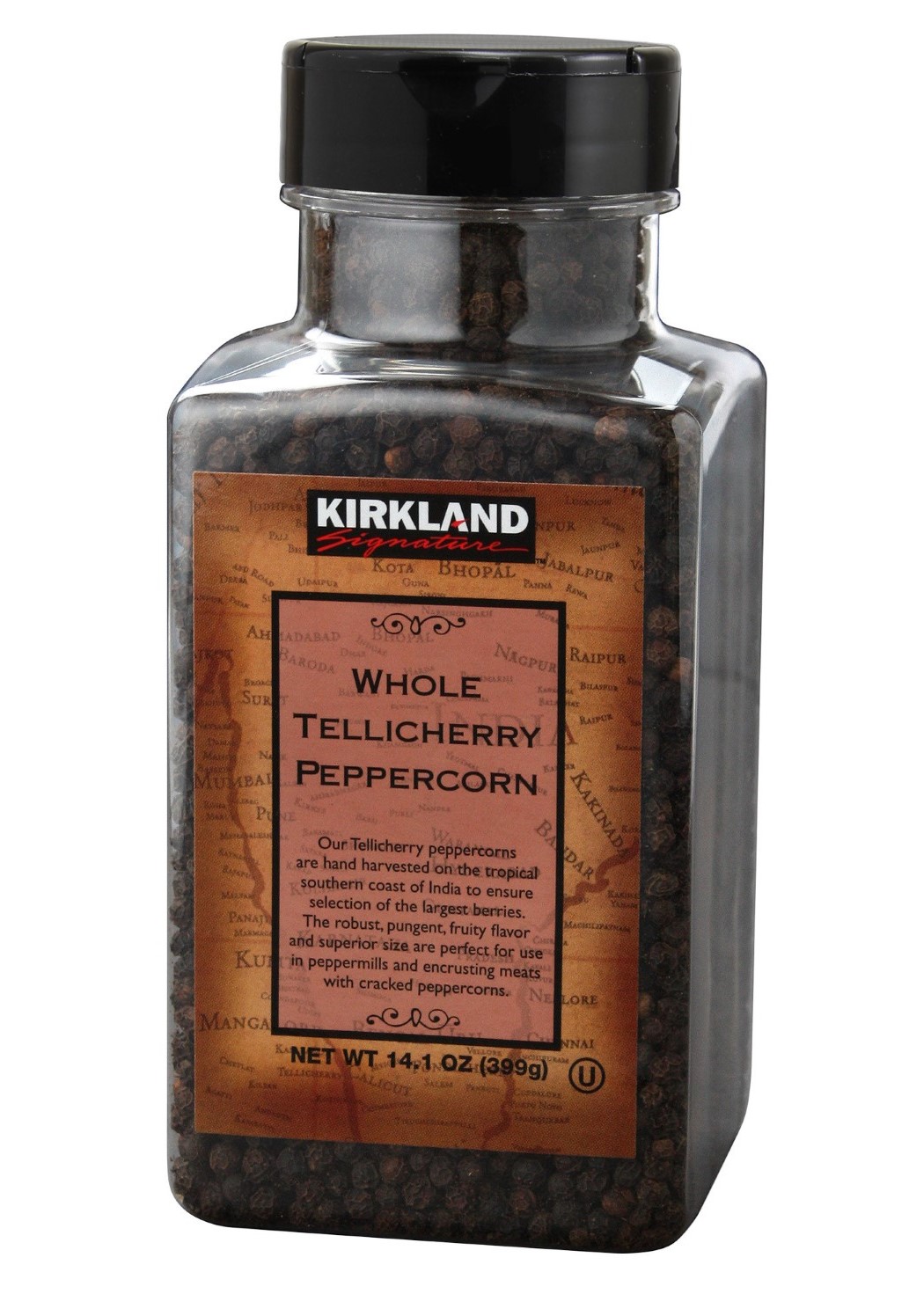
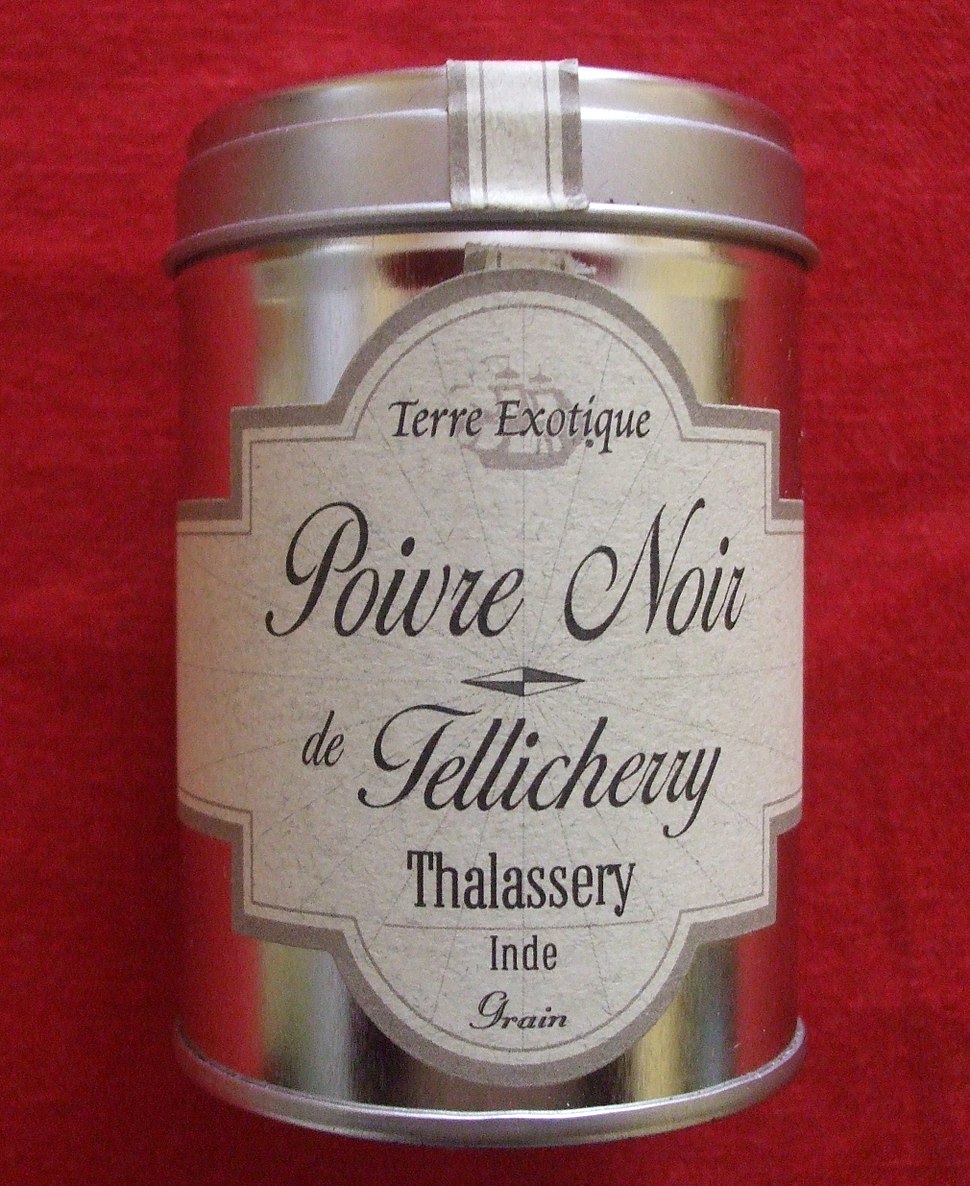
Tellicherry Pepper.
G: Tellicherry Pfeffer; Fr: poivre Tellicherry; Sp: pimienta negra, blanco, verde; It: pepe negro, bianco, verde.

This noble rarity, picked in the Indian province Thalassery by hand, is the first choice for the ambitious hobby cook worldwide. Nutty, warm and intense in taste, it turns every meal into an experience and makes you a respected chef! This pepper all-rounder is especially popular with barbecue fans, but also harmonizes with vegetarians.

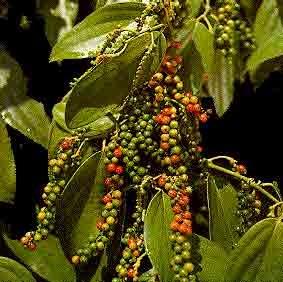
  Pepper tree in Thalassery, India.

Gourmets agree: Tellicherry is one of the finest and most valuable peppers.
Black pepper is made from the unripe green fruits. However Tellicherry pepper is first harvested just before the berries start to ripen and turn red. That’s why the peppercorns are much larger. The aroma is warmer and more intense, the sharpness more concise.

Information about the different types of pepper:

Green (unripe) harvested pepper gives the classic black pepper.
Ripe pepper (green to red discoloring) is the basis for the Tellicherry pepper specialty.
Ripe red pepper fruits produces the white pepper (fruit peel is removed).


Tellicherry pepper is similar to black pepper, but tastes much more intense, nuttier, warmer and more noble. This is due to the later harvest, which is why the pepper berries are also significantly larger than normal peppercorns. This quality feature of Tellicherry pepper is called in the jargon TGSEB – Tellicherry Garbled Special Extra Bold – it stands for particularly careful hand-selection of the thickest and most beautiful pepper berries after drying.

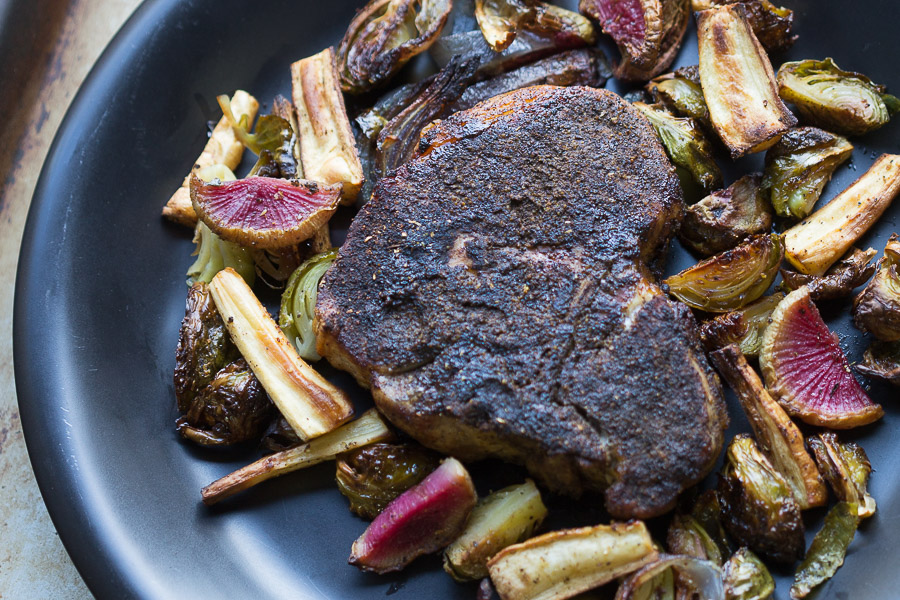
  Asian spiced pepper-rub pork chop.

To taste the flavor of this unique pepper with its distinctive note, simply try the following: „Cut chicken breast into longer strips, wash and place in flour. This protects the meat from drying out during roasting. Now the stripes fold like a business letter, so twice. Put some fresh sage leaves and cracked Tellicherry pepper into the resulting „bags“. Fix the folded form of the meat with a toothpick and fry the meat in a pan. The elegant combination of sage and Tellicherry pepper gives the juicy flesh a unique touch. An ideal dish for a warm summer evening on the balcony or terrace with Mediterranean antipasti and wine!

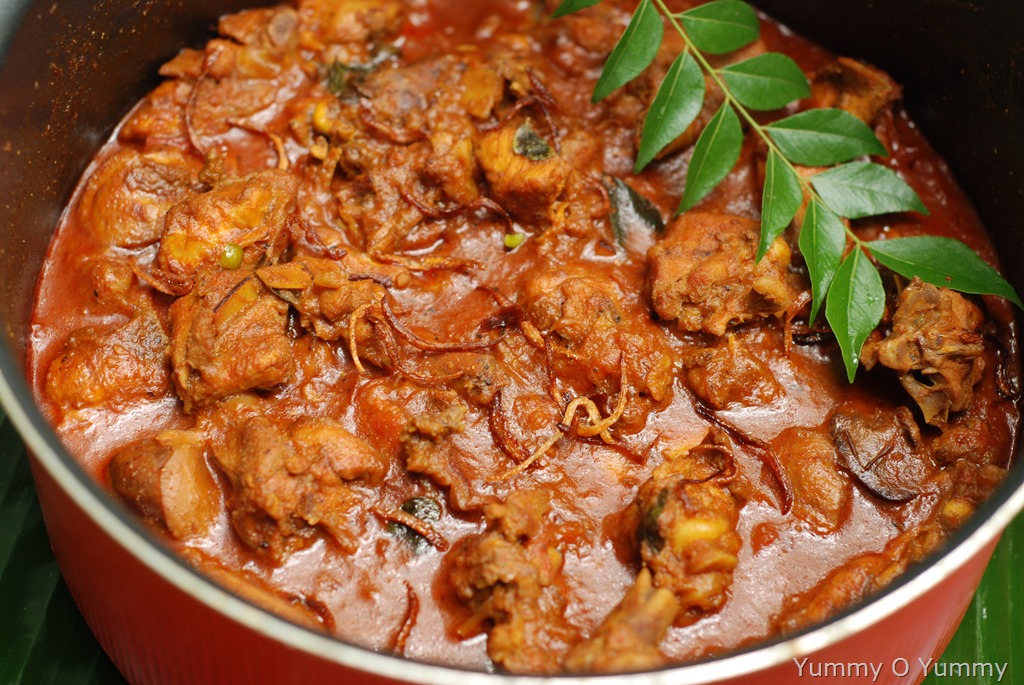
  Tellicherry chicken pepper-pot, yummy oh yummy !

Tellicherry pepper should be stored cool, dry and dark.  If you want to put the Tellicherry pepper in a mill, please remember that the Tellicherry pepper berries are bigger than normal black peppercorns. Some mills can therefore grind the pepper badly. This is where mortars and pestles help.

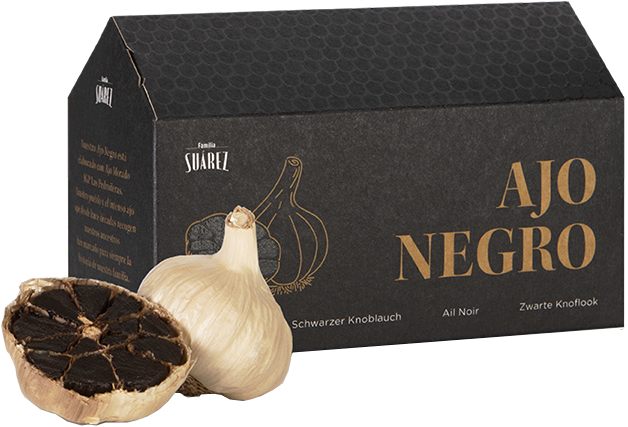
Black Garlic.
G: Schwarzer Knoblauch; Fr: ail noir; Sp: ajo negro; It: aglio nero.

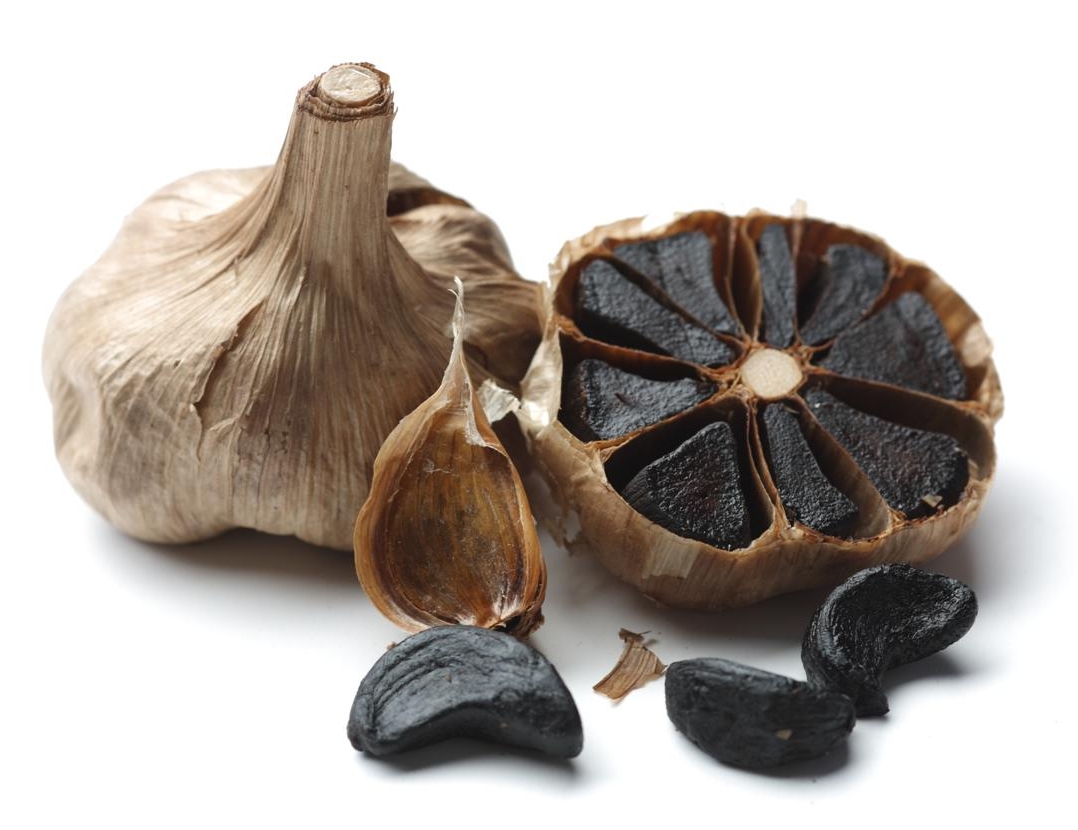
My latest achievement in my hobby-gourmet-kitchen is  A Black Wonder !
Eating garlic without getting bad breath? It works – you just have to change to the dark side. The black garlic is a very special tuber.

Black garlic was brought from Japan many years ago and sparked a boom in European professional kitchens. In the Spanish kitchen is only a little without it. In gourmet restaurants chef’s serve it in cauliflower foam or  with Bacalau. In the bakery around the corner you get it in the bread, in the confectionery in the chocolate and in the pharmacy, three tubers for just under ten euros.

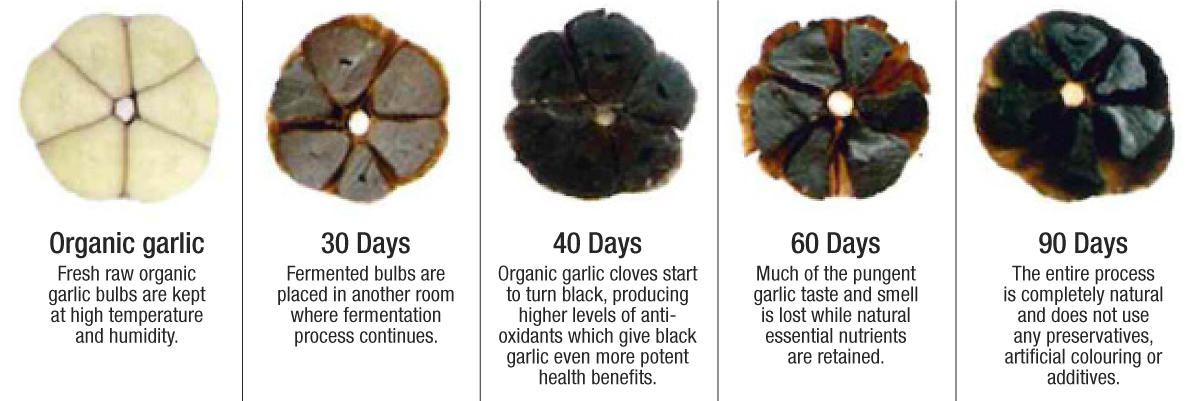
The garlic bulbs should be kept in a a warm place (about 70 C or 140 F) for the time shown above.

Old garlic gains sweetness and fermented, black-stained garlic tastes like what one calls Umami for several years, the fifth taste. Delicately tart with notes of plums, figs, caramel, roasted vanilla, molasses and also a little white garlic – perfect for many marinades and sauces, for crabs like duck.

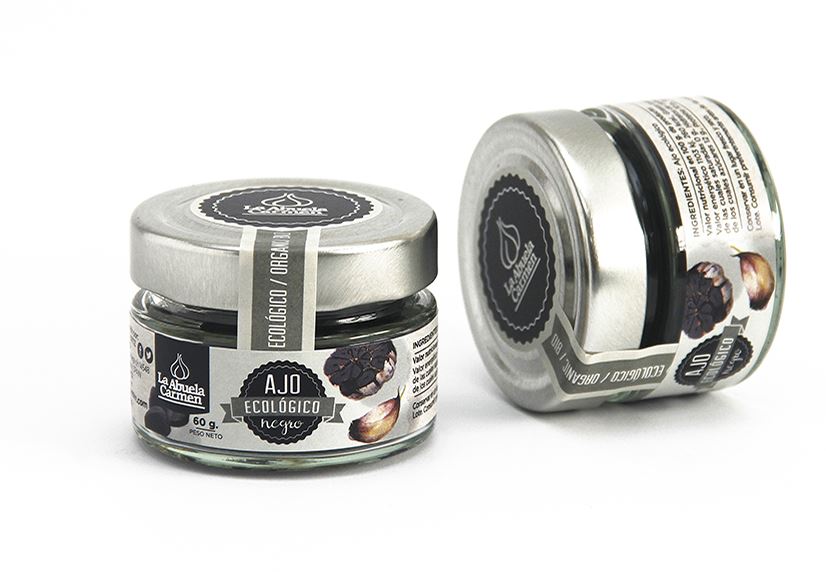
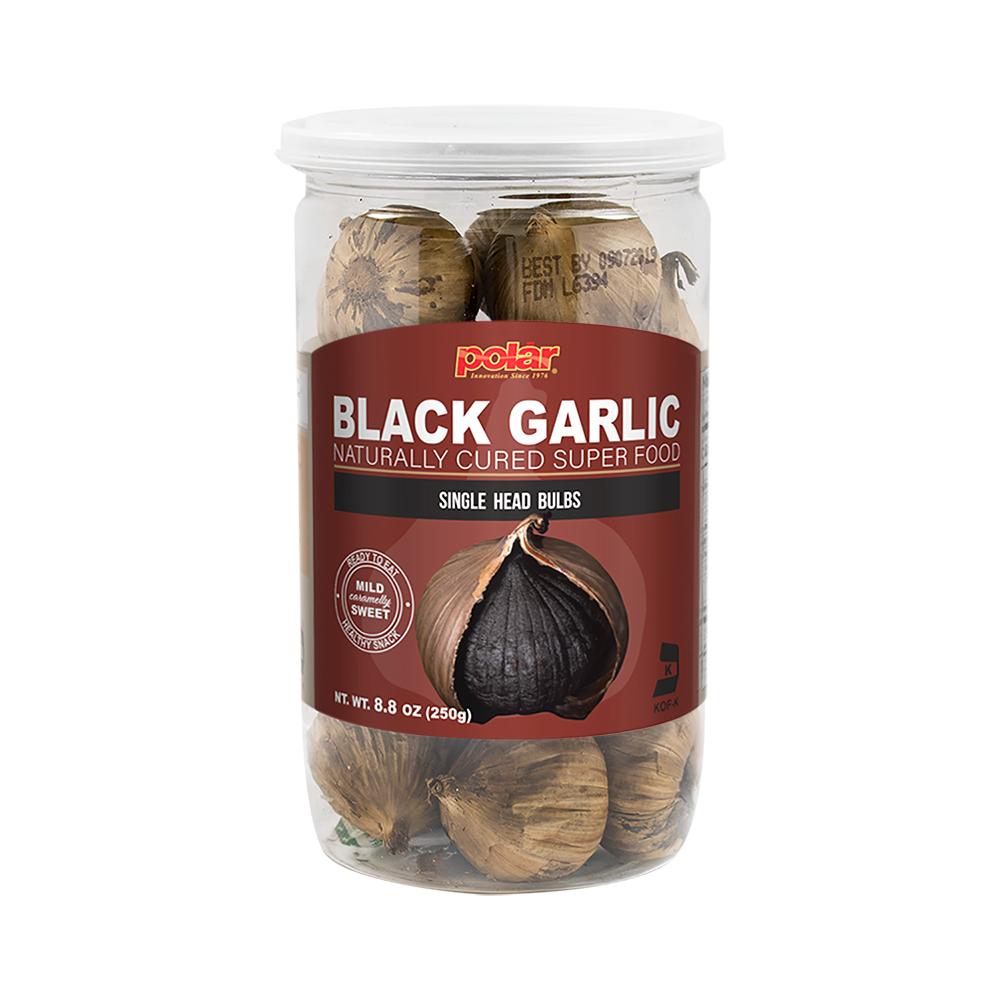
         Black and white garlic is described as yin and yang, as complementary opposite tastes. Black garlic is mostly bought in little jars as a paste. Whole bulbs are much rarer to find.

Black garlic has long been known in China and Korea. Meanwhile its produced in Spain for the whole of Europe. The Spanish purple variety is said to taste, smoked, even better as the Chinese. Las Pedroneras in the west of Valencia and Andalusia in the south are the best known growing areas for both varieties.

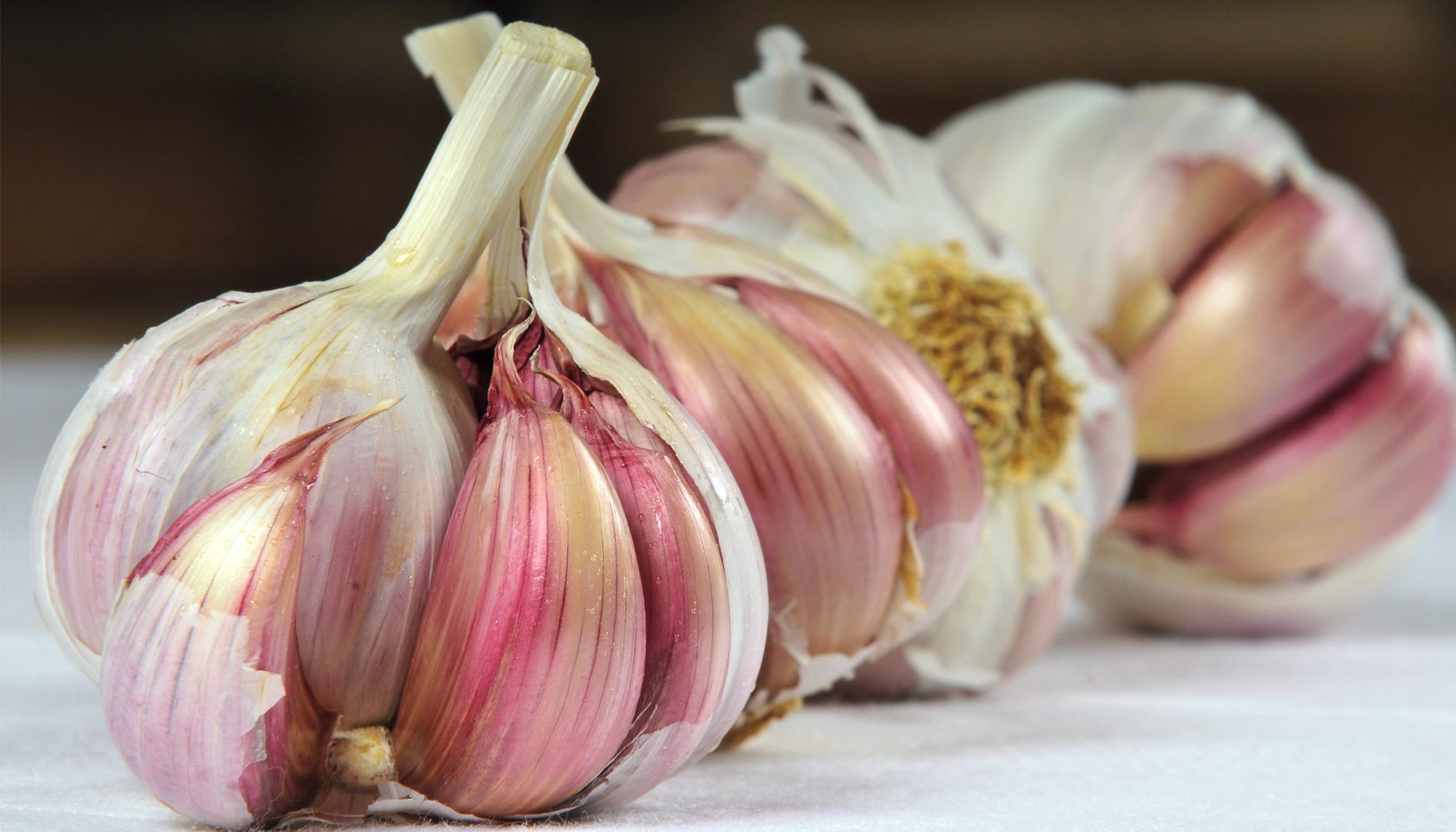
  The Spanish purple garlic from Las Pedroneras. Click on pictures to supersize.

None of the garlic farmers reveals his recipe. But probably not much is. The fresh garlic harvested in July will get salt or rain water, maybe a bit Soy sauce or a piece of watermelon and possibly some spices on one. Put the tin in the oven and ferment at about sixty degrees for two to five months. Ha ha, your electricity bill will be immense, all other costs remain very manageable.

  Little tourist gift box of Spanish blck garlic.

The texture ranges from mushy to rubbery, the latter tastes best. The typical spicy garlic taste is lost during fermentation. You can eat as much as you like – no bad breath.

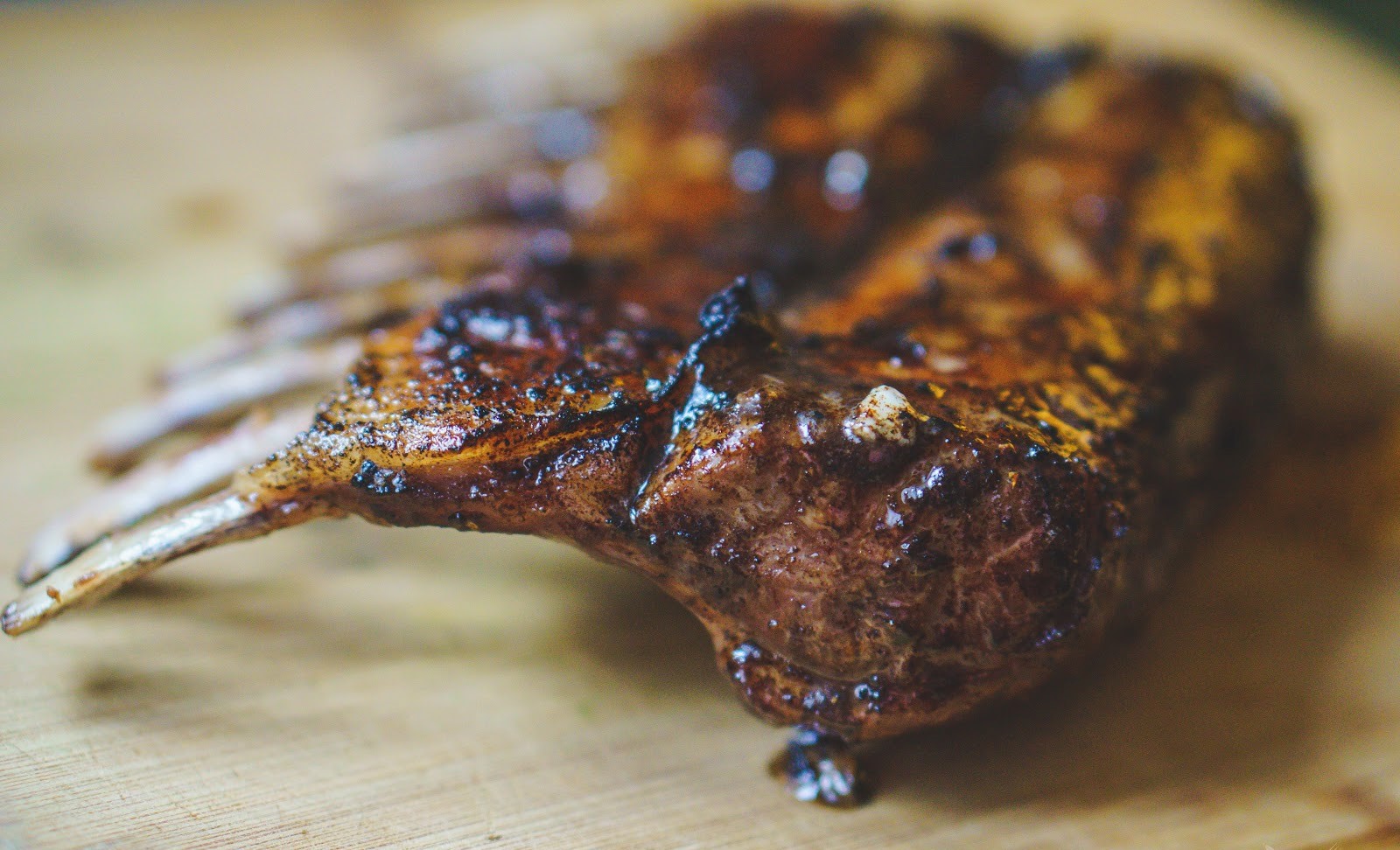
  Wonderful rack of lamb cooked in black garlic.

Black Wonder is healthy too. He acts against cold and as an antidepressant, he relieved
wound healing and digestion, heals hemorrhoids and arthritis. There is also black garlic
a true protein bomb. A black toe has about as much energy as a tuber.
Traditional, non-fermented garlic. Everything according to Universidad de Castilla La Mancha. The chemistry institute also noted that all the positive properties of garlic, after
actually multiply smoking, still exist.

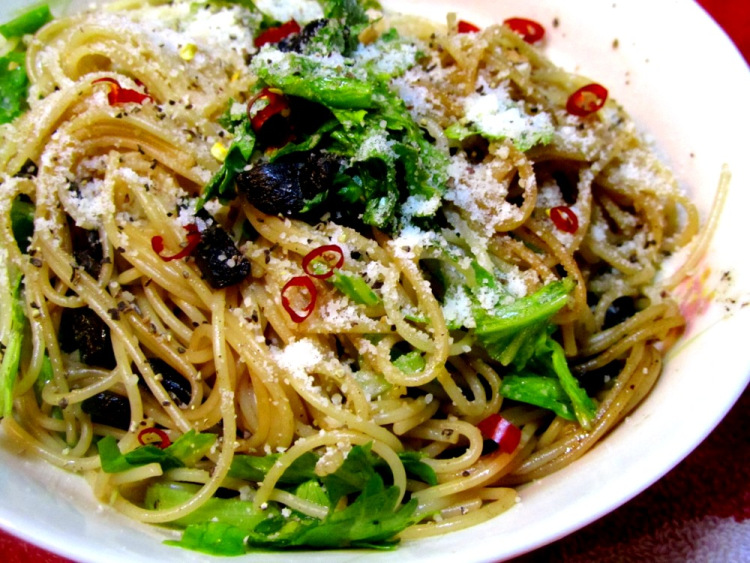
    Delicious pasta dish with black garlic.

Now also exported to the wide world. Chinese and Japanese buy their black Garlic long ago in Spain. In Uruguay is black garlic, like many other things, totally unknown. Here you have meat or pizza and a handful of dry oregano dust sprinkled over it, that’s the Uruguayan way of spicing. Lots of really good dishes here, but most of them are totally tasteless.

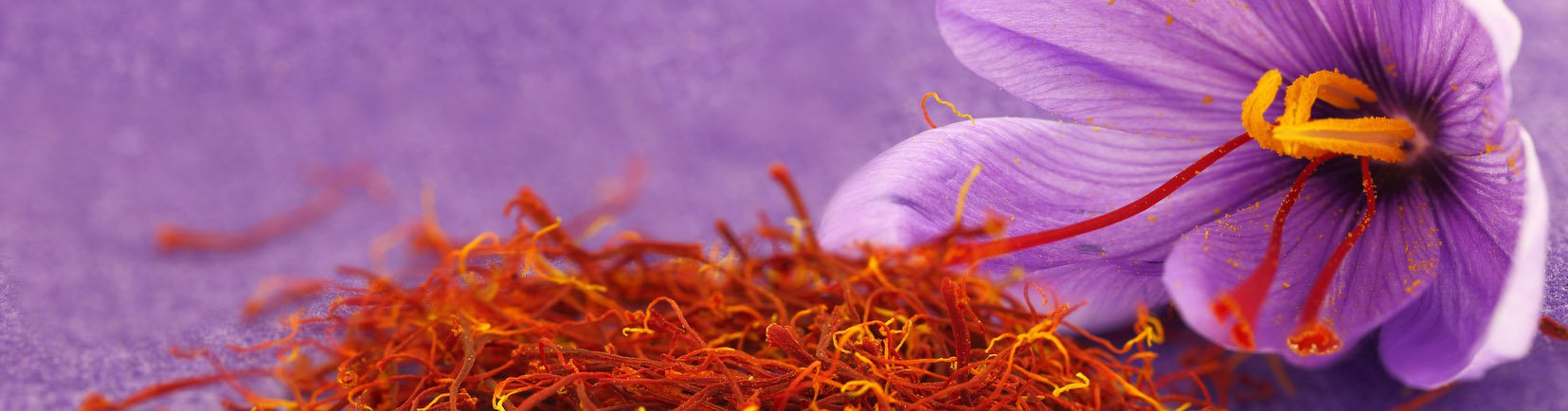
Saffron.
G: Safran; Fr: safran; Sp: azafrán; It: zafferano.

Saffron is known for thousands of years. Saffron is used in verity of Persian, Spanish, Italian and seafood dishes. It is growing mainly in Khorasan Iran , Aragon Spain, Greece some in India and Turkey.

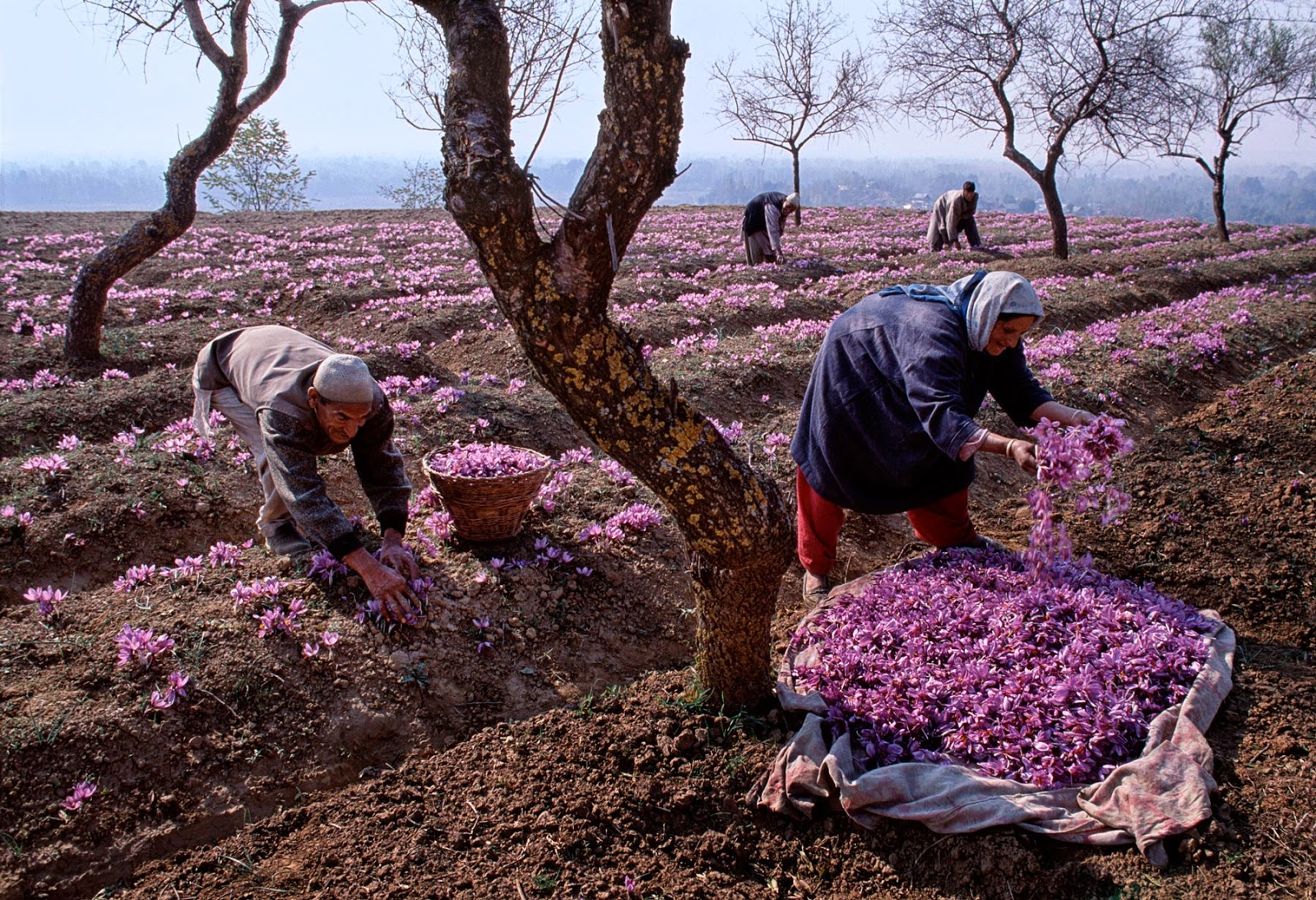
    Saffron harvest in Kaschmir, India.

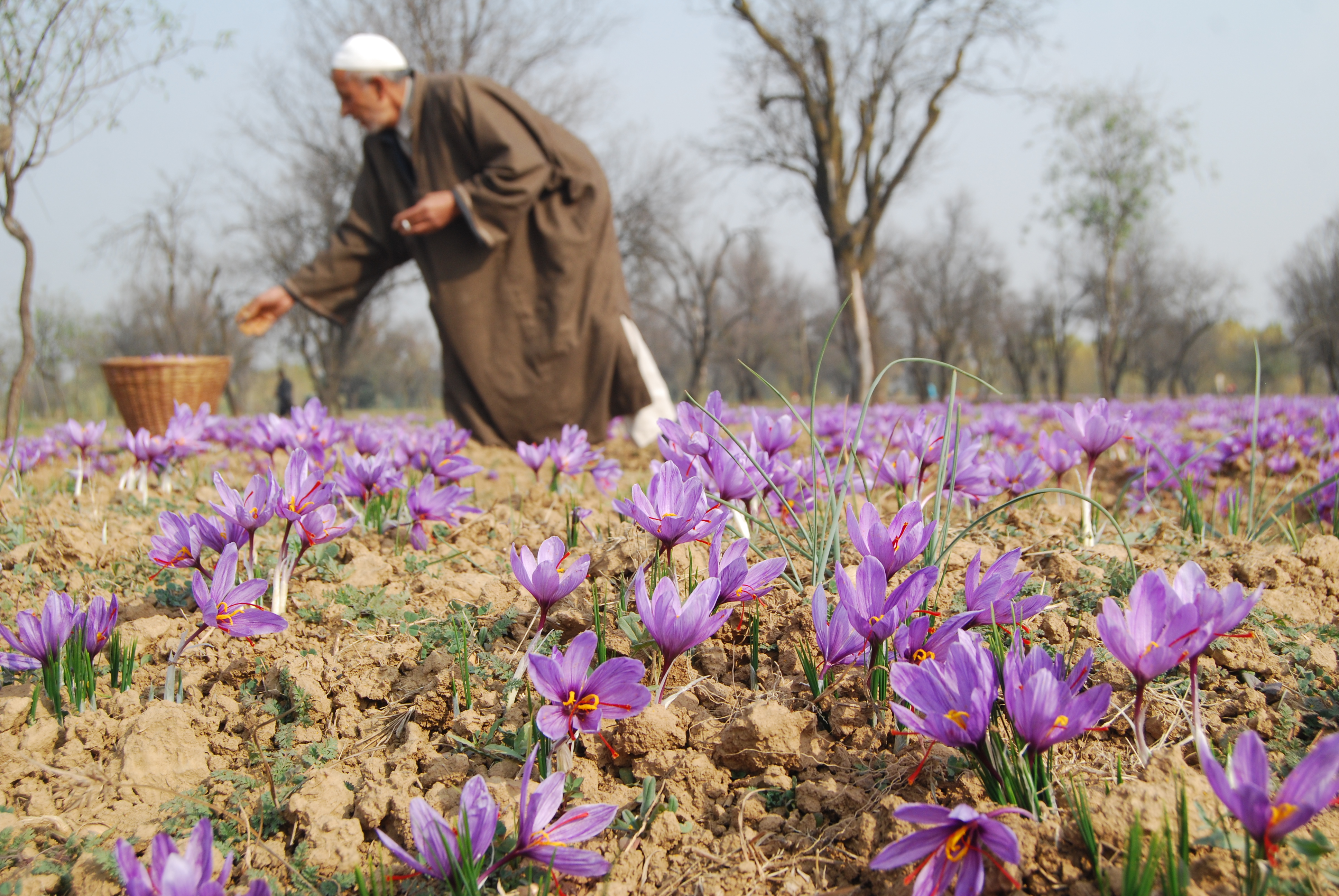
Saffron is a spice derived from the flower of Crocus sativus, commonly known as the „saffron crocus“. The vivid crimson stigmata and styles, called threads, are collected and dried to be used mainly as a seasoning and coloring agent in food. Saffron has long been the world’s most costly spice by weight.

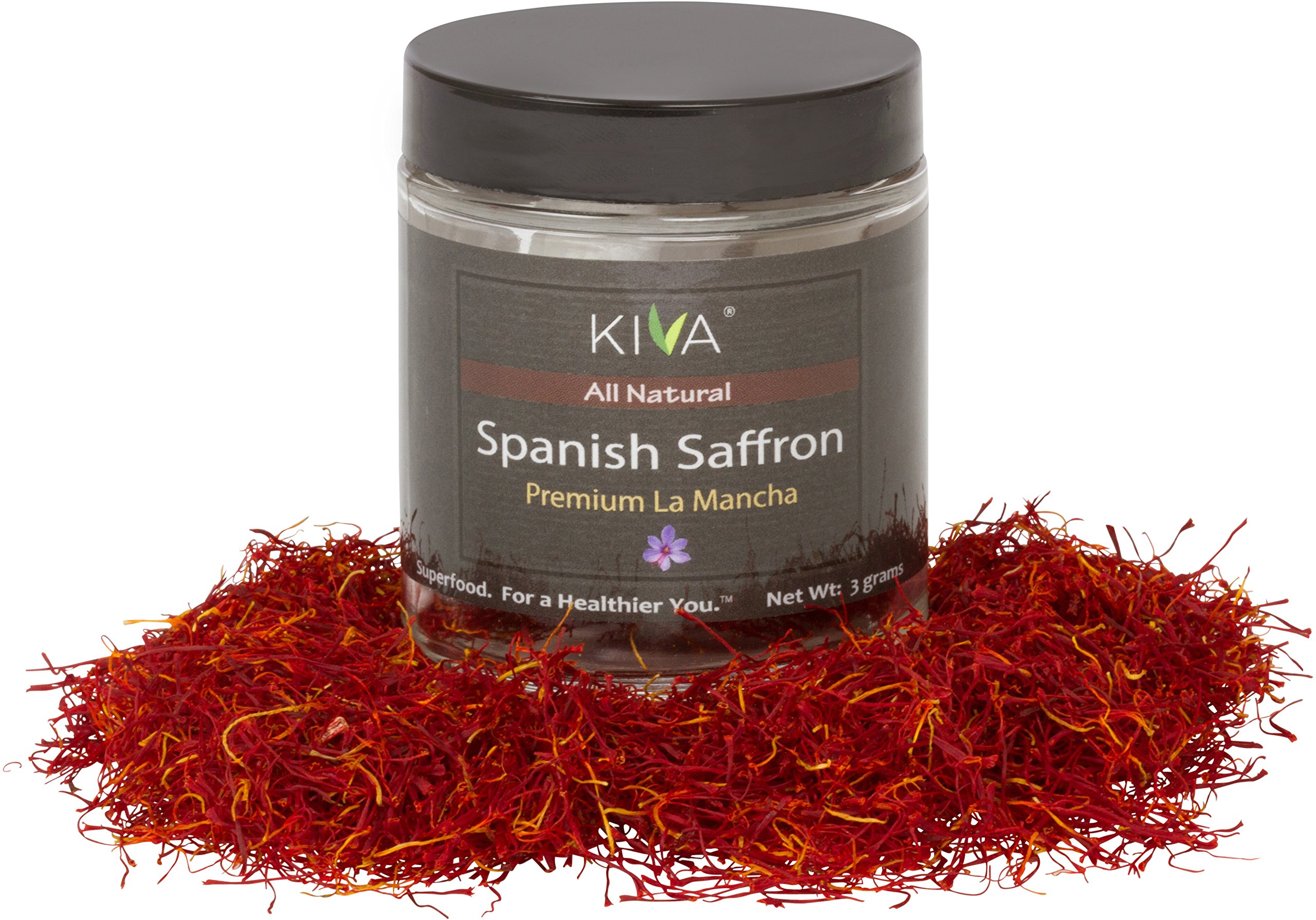
       Health benefits of Saffron, click on pic for an easier read!  Saffron sold by small jars.

100% Pure Saffron Premium Quality is all hand picked directly from saffron natural land.  About 225,000 saffron flowers make 1 pound superior saffron. Saffron is simply the king of spices and known as red gold. Saffron must be harvested only by hand on daily base for about a month before sun light and heat burns the Saffron Stigma.

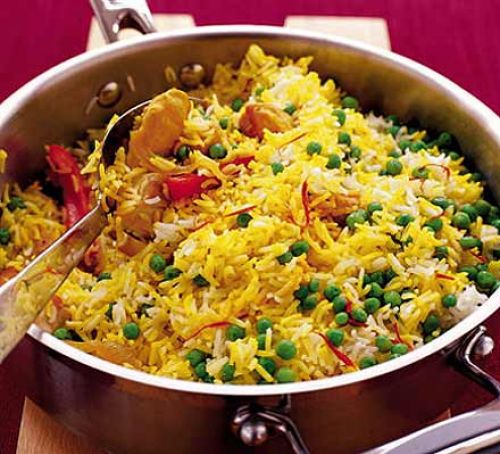
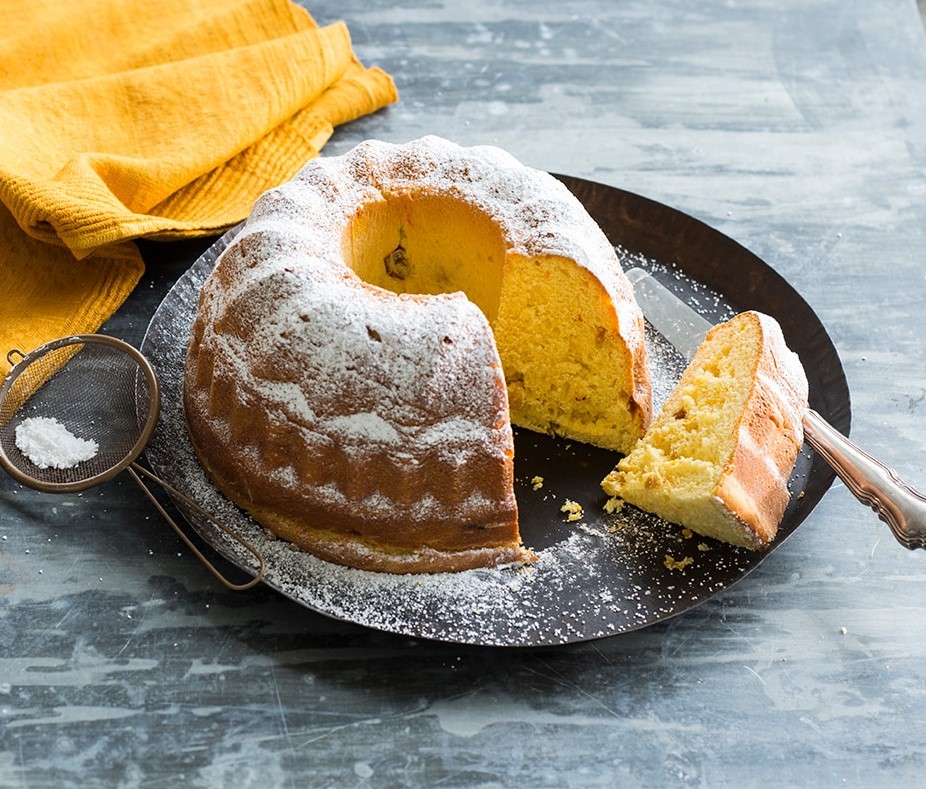
         Who  doesn’t know about Saffron rice, here on pic with spiced chicken. Or what would be a nice Paella without Saffron spiced rice ? And right what we all love, Saffron-Yellow-Cake.

Saffron threads should be always have the shape of a trumpet and that is to know if it is a fake or real saffron. You should use saffron sparingly because otherwise it can easily taste like medicines. Saffron has a characteristic, persistent warm aroma. Because of the delicate aroma and the bright color, saffron is valued in the international cuisine. One should store saffron in a paper bag and then in a container protected from air and light.

Sumac.
G: Sumach; Fr: sumac; Sp: zumaque; It: sommacco.

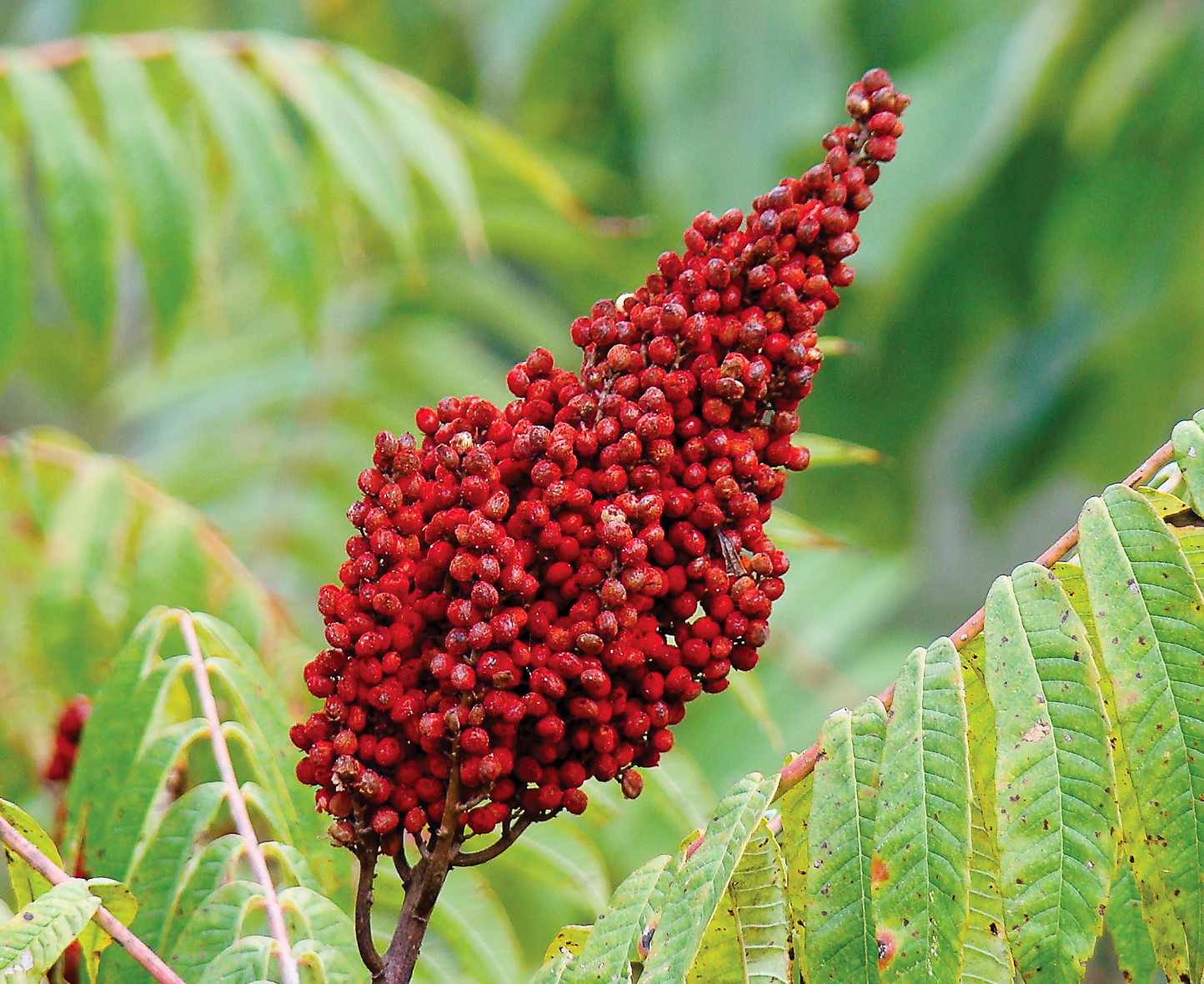
As far back as the old Romans, Sumac served as an acidity addition, like lemon or wine vinegar in our region. But beware of false Sumac, which is poisoned and can cause heavy skin rashes. Just buy original packed from specialized dealers.

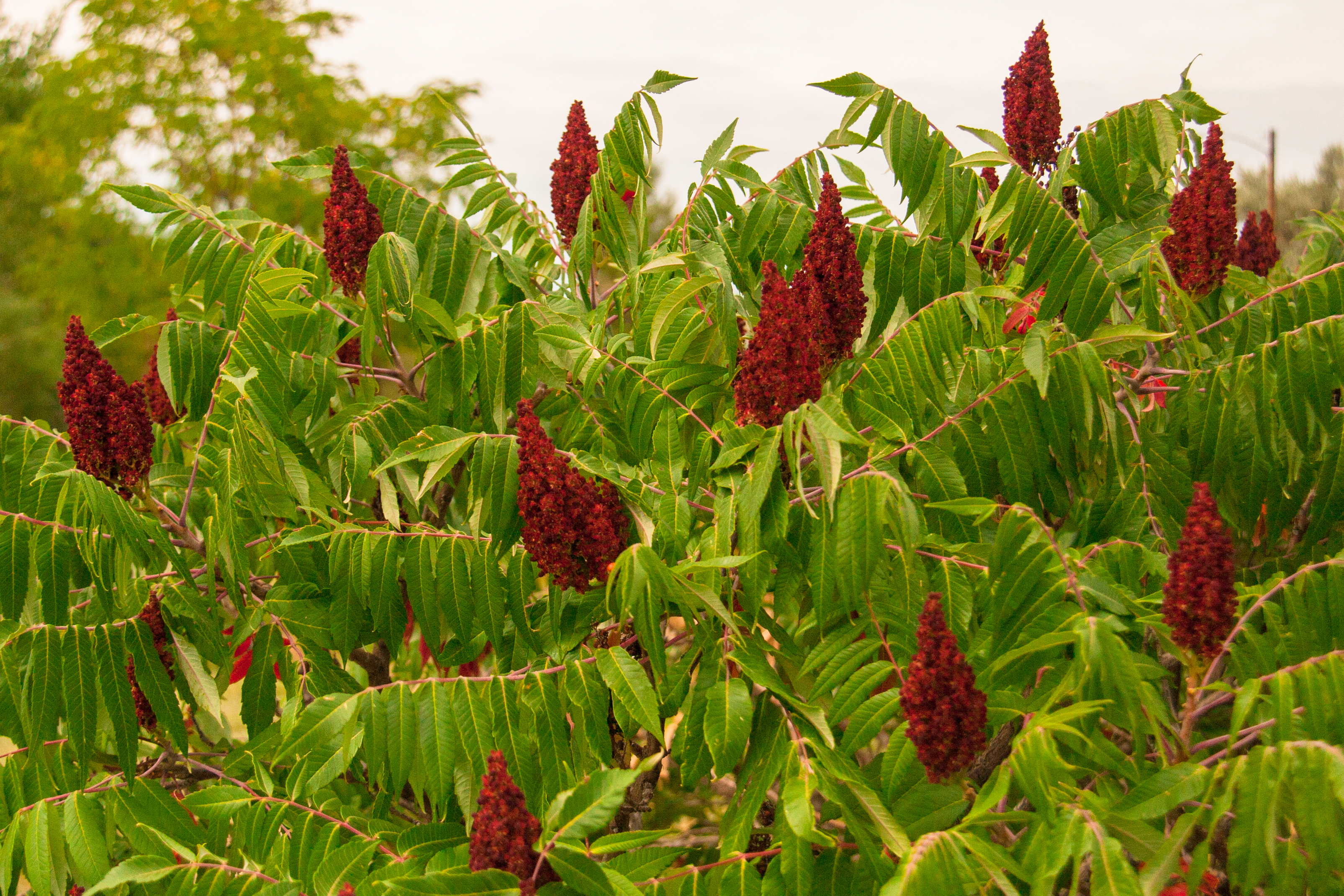
         The wonderful and decorative Sumac trees we had in Australia produced a lot of berry’s, but I didn’t know that time what to do with it.

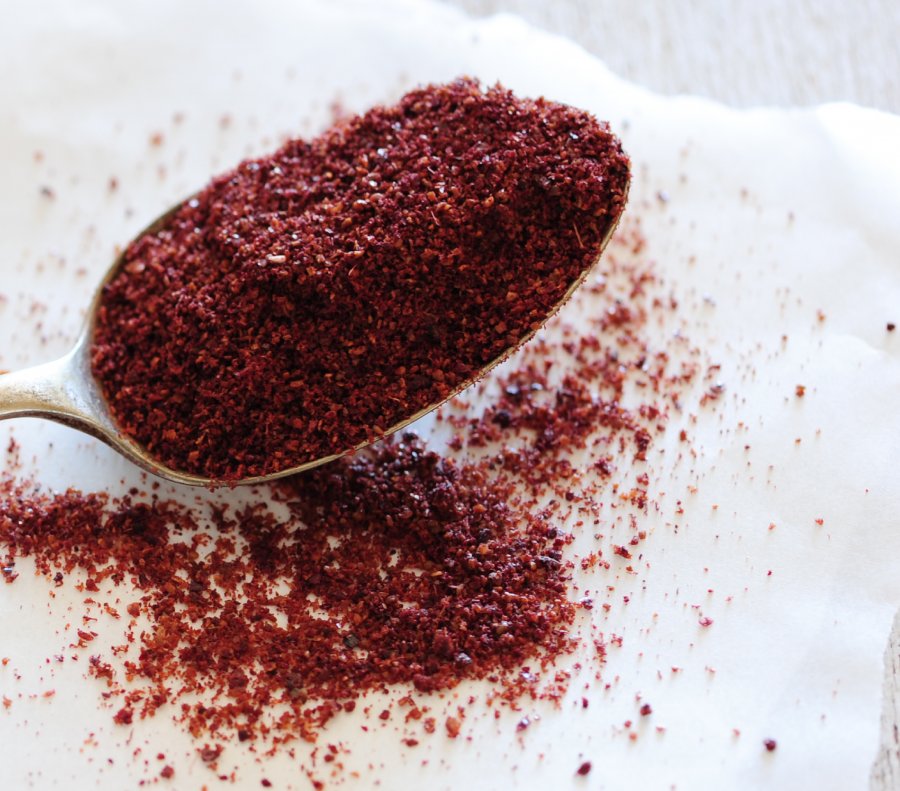
The fruits (drupes) of Rhus coriaria are ground into a reddish-purple powder used as a spice in Middle Eastern cuisine to add a tart, lemony taste to salads or meat. In Arab cuisine, it is used as a garnish on meze dishes such as hummus and tashi, and is added to salads in the Levant, as well as being one of the main ingredients in Palestine’s national dish, musakhan.

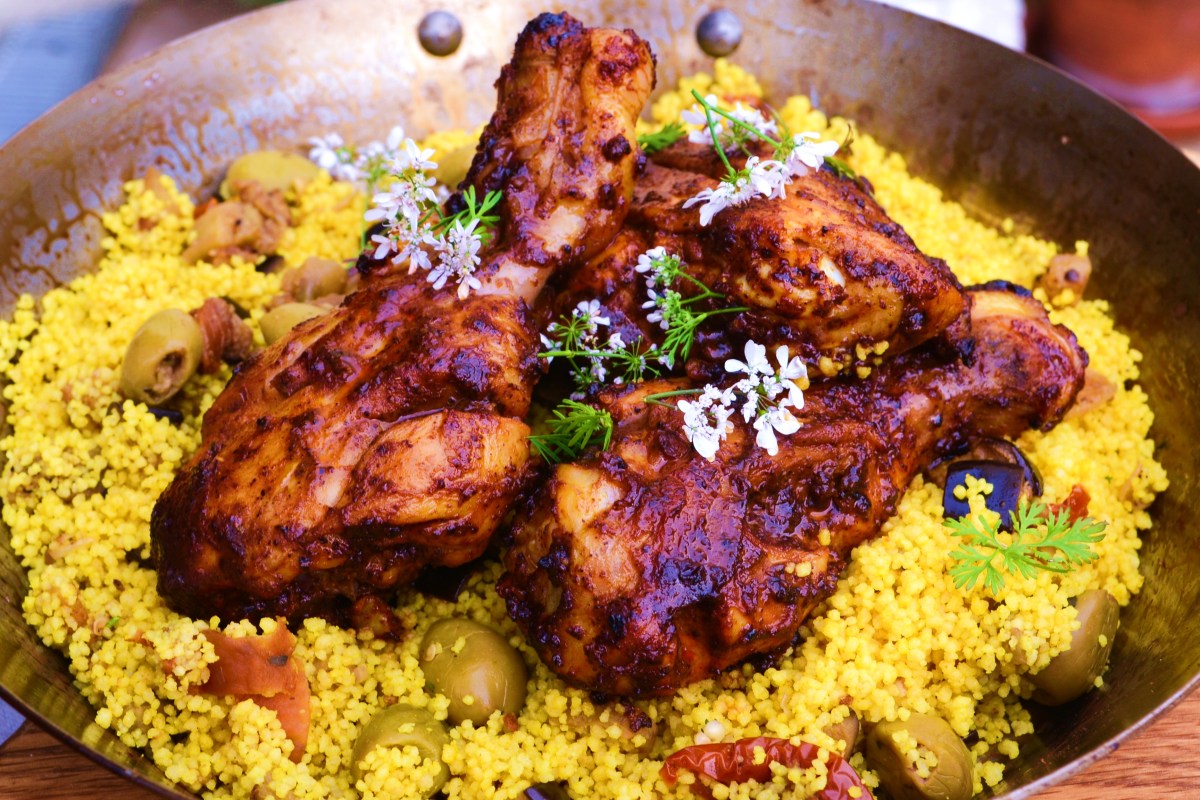
Delicious Sumac spiced chicken with coriander flowers on cous cous. A delight, believe me.

In Afghan, Armenian, Bangladeshi, Indian, Iranian, Mizrahi, and Pakistani cuisines, sumac is added to rice or kebab. In Azerbaijani, Central Asian, Jordanian and Turkish cuisines, it is added to salads, kebab and lahmajoun. Rhus coriaria is used in the spice mixture za’atar.

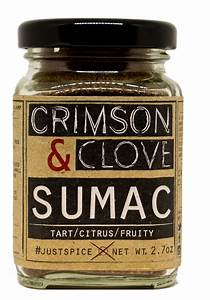
  Many spice specialized shops sell ground Sumac.

In North America, the smooth sumac (rhus glabra) and the staghorn sumac (rhus typhina) are sometimes used to make a beverage termed „sumac-ade“, „Indian lemonade“, or „rhus juice“. I can’t recommend to use that stuff – my health is worth much more.

Tips.

     Store most of your spices dry and dark in a well closed container. I have purchased time ago some special „aroma containers“ with a double lid (inner- and outer lid), they are fantastic. The medium size is about 90mm high and 60 mm in diameter, just good for about 100 gram of paprika. Bought in Germany, a set of 4 is about 8,50 euro’s.

I really hope that you enjoy these spice-tips again and try them by yourself. Many many recipes are found throughout the internet websites. I don’t have to repeat them here. If you have any questions, don’t hesitate to ask.     Stay tuned to part 3 of this series.

Veröffentlicht unter Lifestyle, Recipes | Verschlagwortet mit | 1 Kommentar

My Heavenly Dozen – Part 1

During the last few years I posted a lot of recipes and some articles about herbs and spices. Whatever we do, we all need some spices to cook and refining our dishes. Always I wanted to go deeper into herbs and spice use, but we have hundreds of them and it is hard to decide where to begin. Also, many people asked what and how I use spices.

My good friend Mathis has helped out with the idea to write about the common ones, the ones we all use. I thought that will be boring, because most of you know what and how to use it. Then the idea was born to take out of the hundred’s of spices my favorite „Dirty Dozen“ – no – I like to call it my „Heavenly Dozen“. These are spices which I really like to use often, but they are widely unknown and therefore by many people unused.
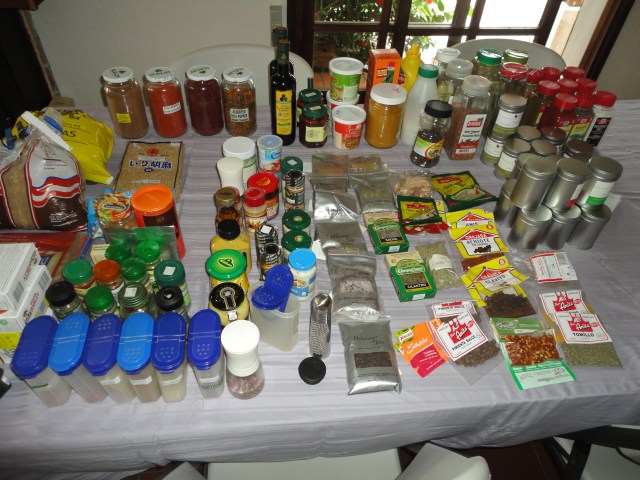
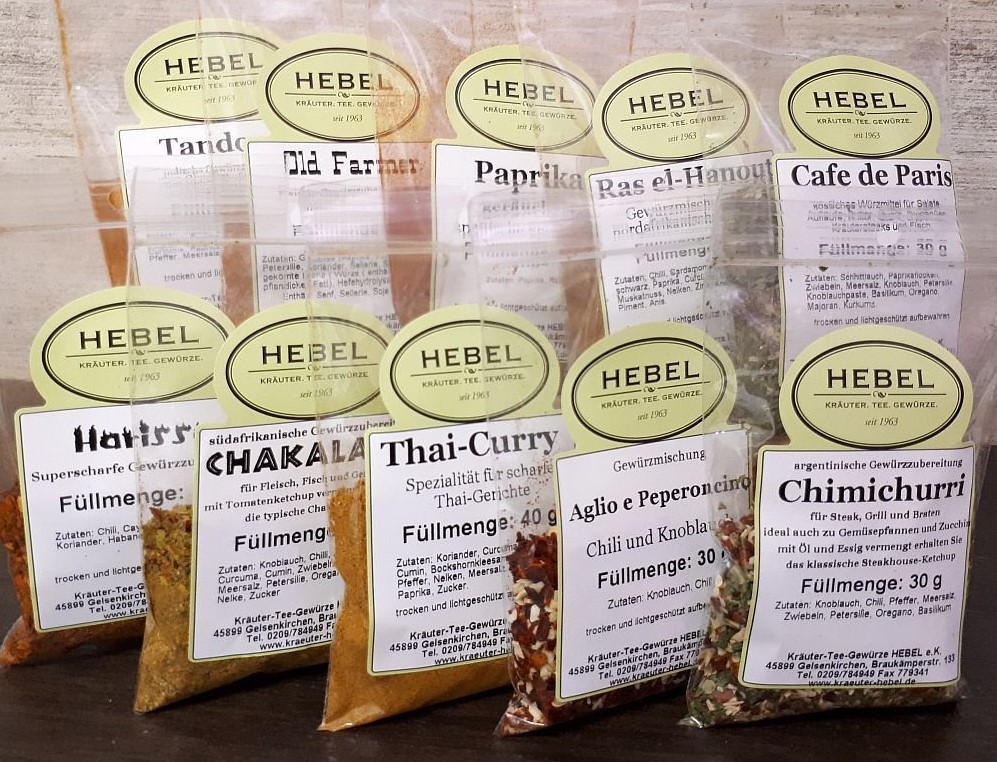
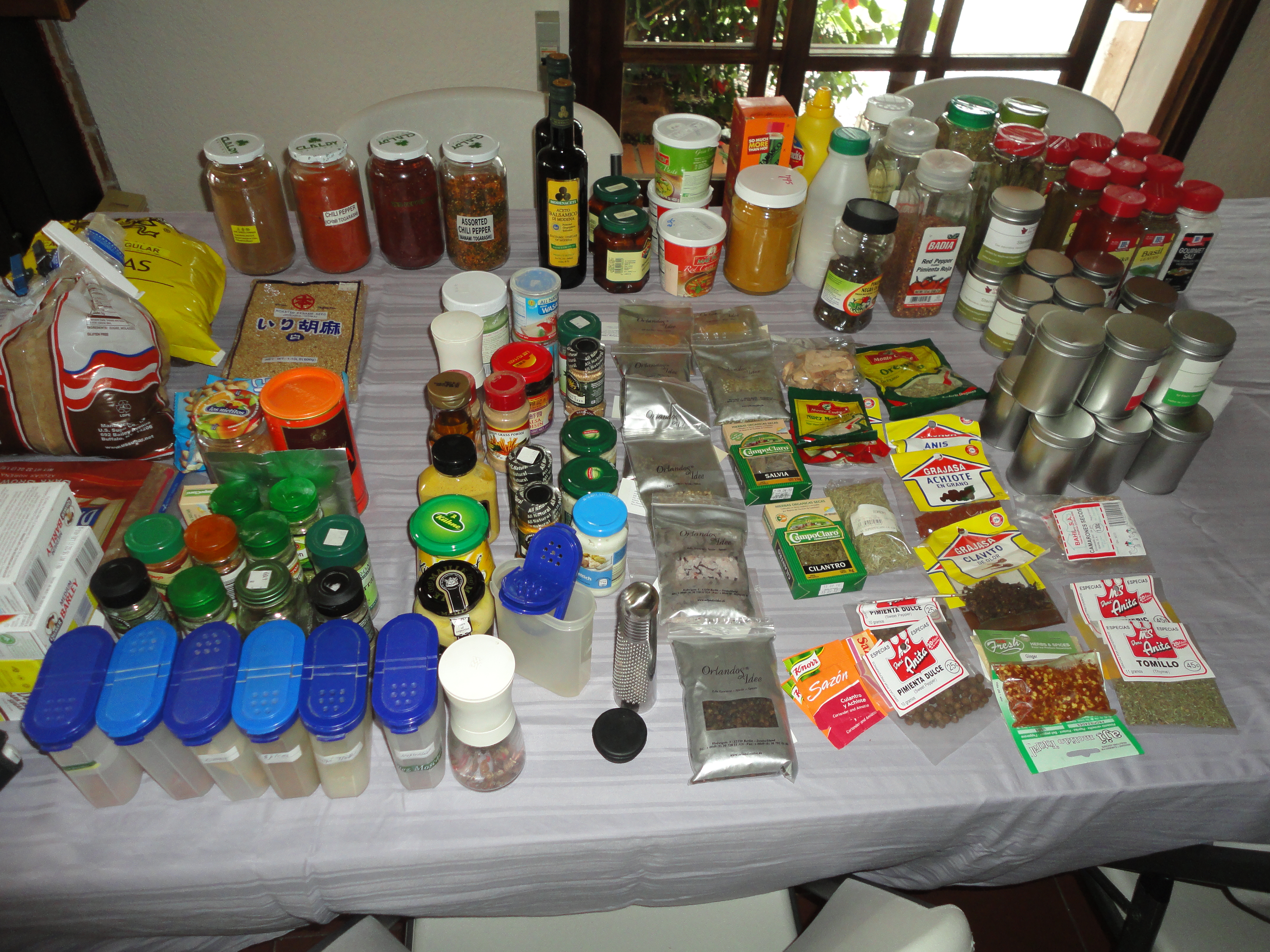
My little spice collection during a shelf cleaning.

As I have myself over a hundred herbs and spices for cooking in the shelves it wasn’t easy at all. Especially we all know meantime about coriander, star anise, bay leaf, nutmeg, salt and pepper, ginger, chilli and many more. Plus all the spice mixtures, such as curry’s , masalas’s, sambal’s, harissa and more. The following is my unsorted dozen. You will find first the English name and then the one in German, French, Spanish and Italian.
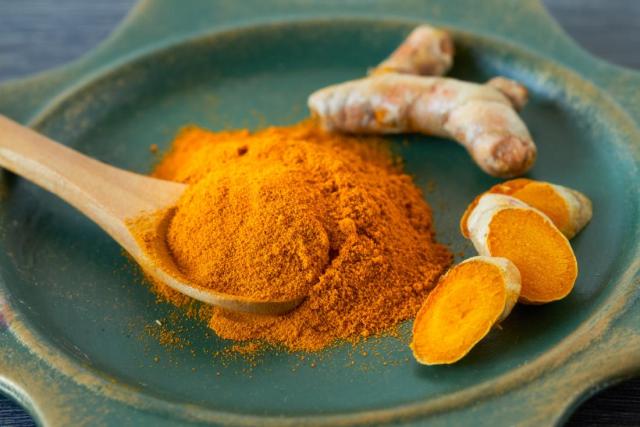
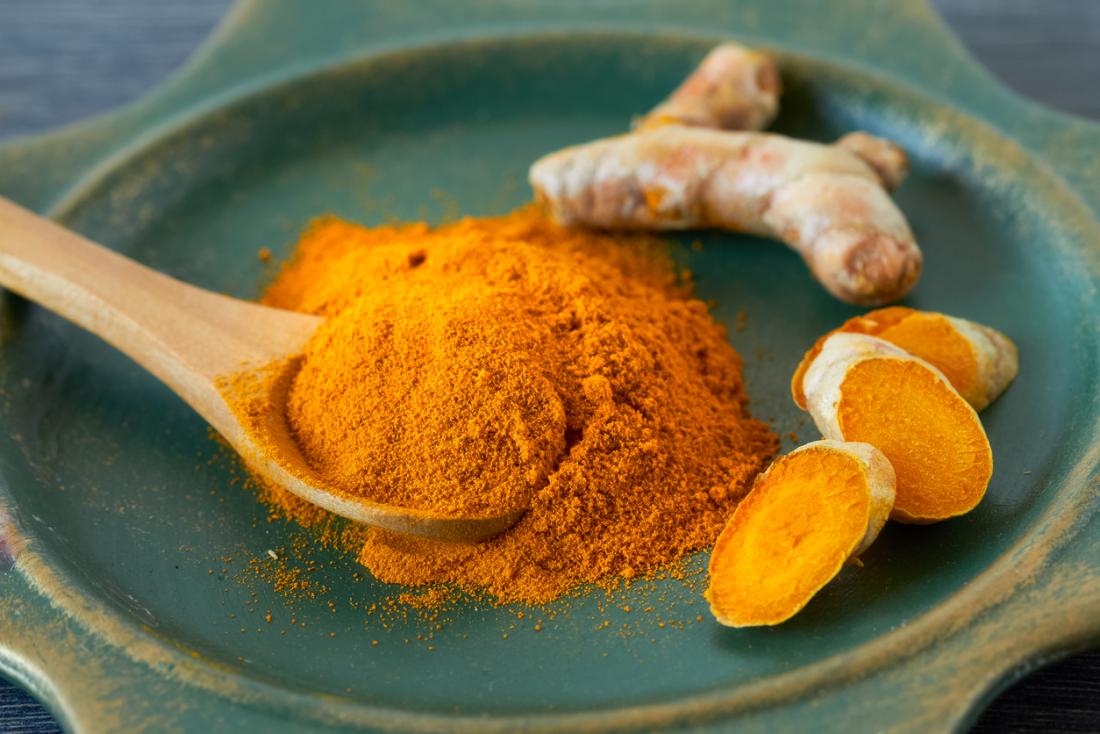
Turmeric.
G: Kurkuma; Fr: curcuma; Sp: cúrcuma; It: curcuma.

On a journey through southern China Marco Polo got to know Turmeric. He wrote: „There is a vegetable that has all the qualities of genuine saffron, the fragrance and the color, and yet it is not saffron.“
Turmeric is highly revered by Hindus and associated with fertility.

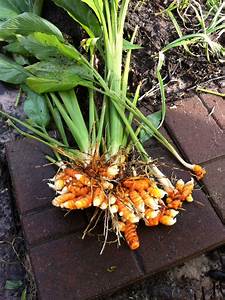
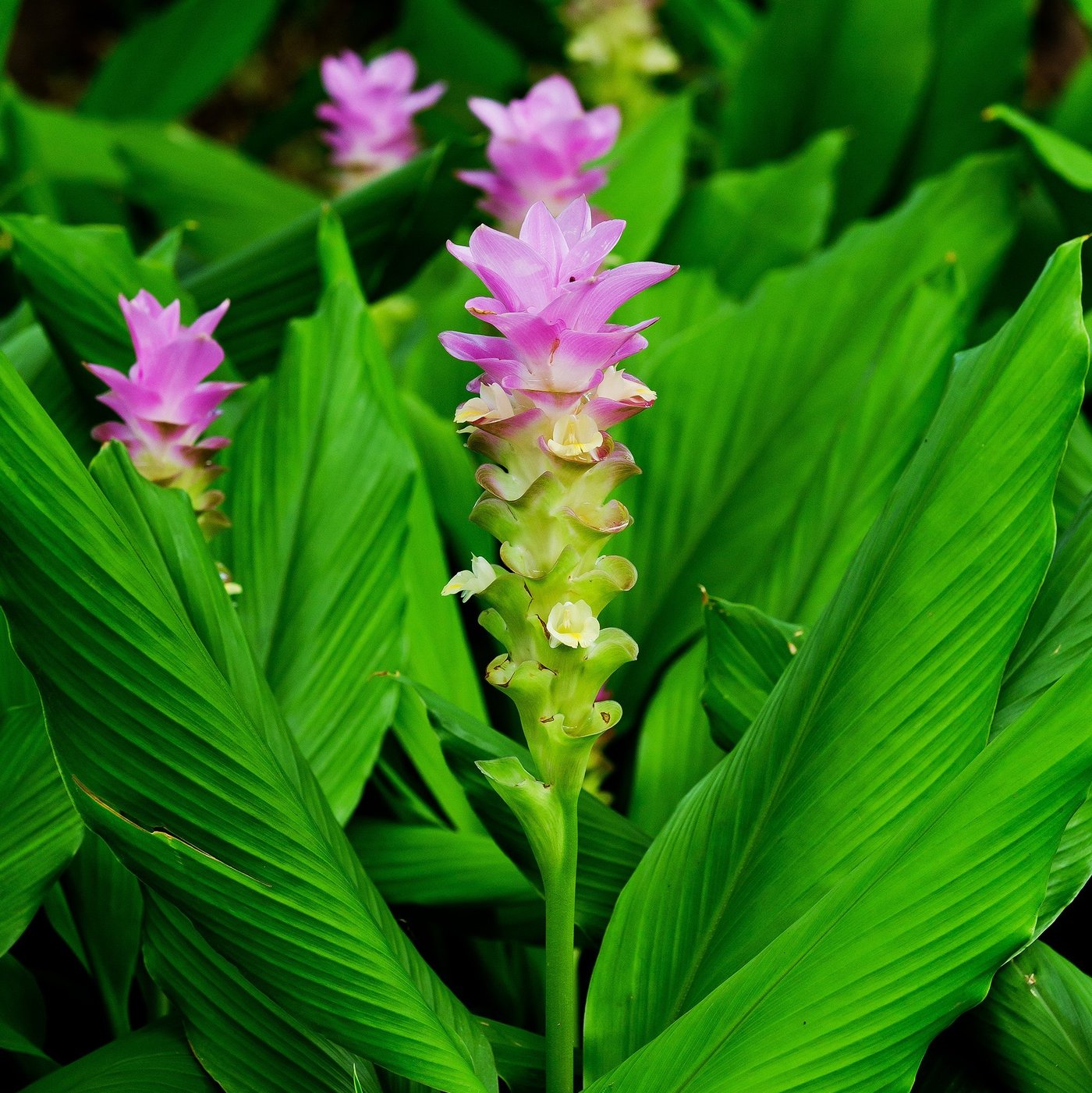
                      Turmeric plants, in flower and the harvested roots.

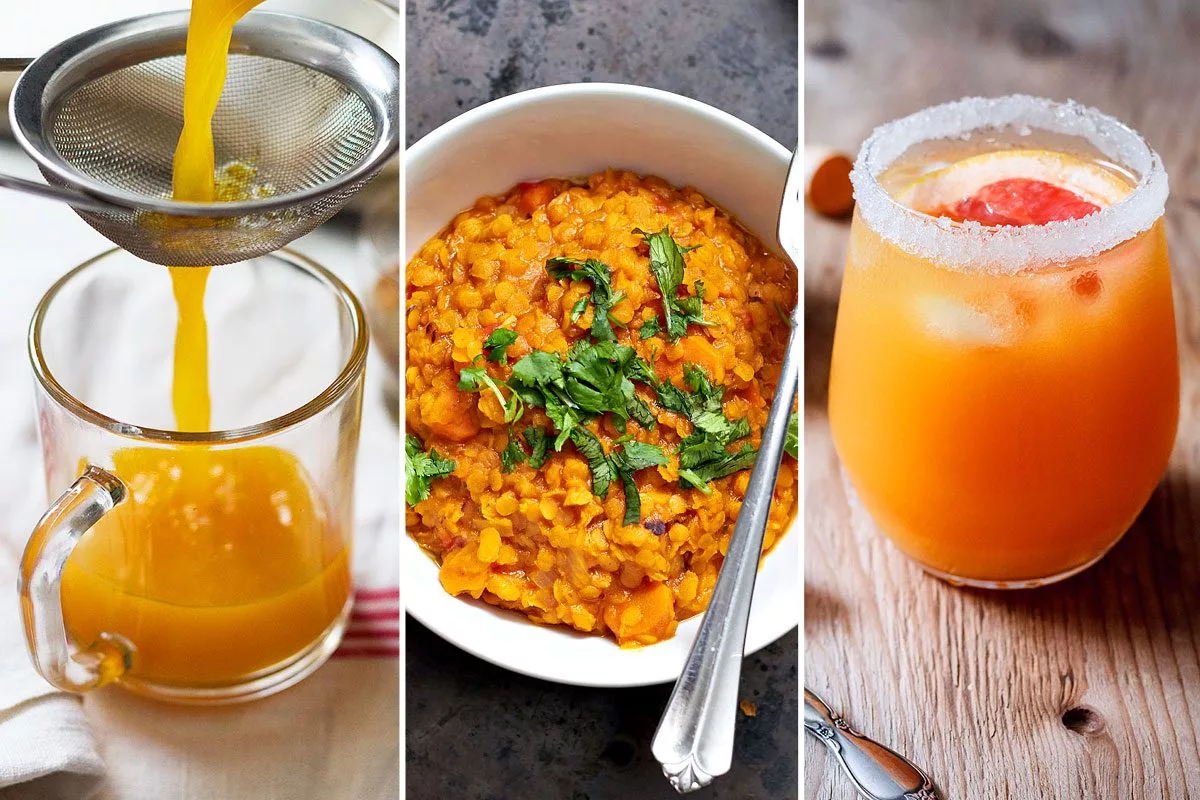
It tastes good and looks good. With turmeric you can turn food yellow. This is practical with a noodle casserole. Here you can shine with a few simple steps. Boil the noodles until firm and add a teaspoon of Turmeric powder to the boiling water. Then prepare the pasta casserole as normal. It tastes great with Gouda, paprika’s  and broccoli.
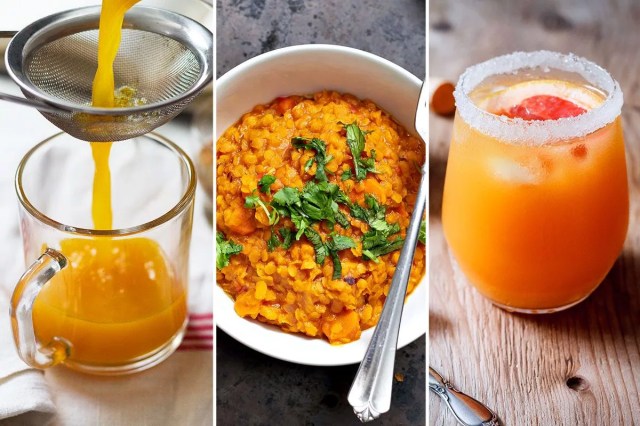
Using Turmeric in the kitchen is a bit like using ginger. The roots have to be peeled and using fresh roots is always better then dried powder. Turmeric has a lot of benefits, like health, color, taste, way of use, and the flower looks beautiful too. A real allrounder.

When cooking with Turmeric, watch your clothes a bit. Turmeric colors very well ! Turmeric powder must be kept protected from light. Otherwise, the light will decompose the spice and luminosity of the powder.
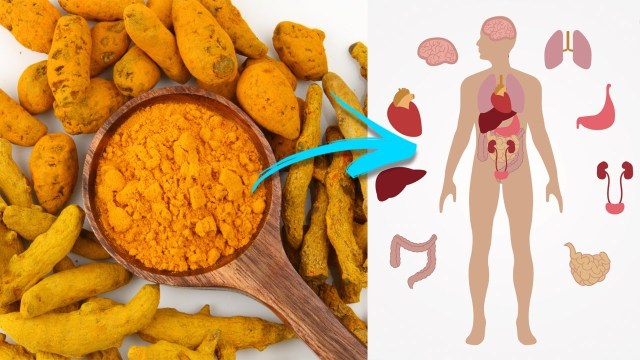
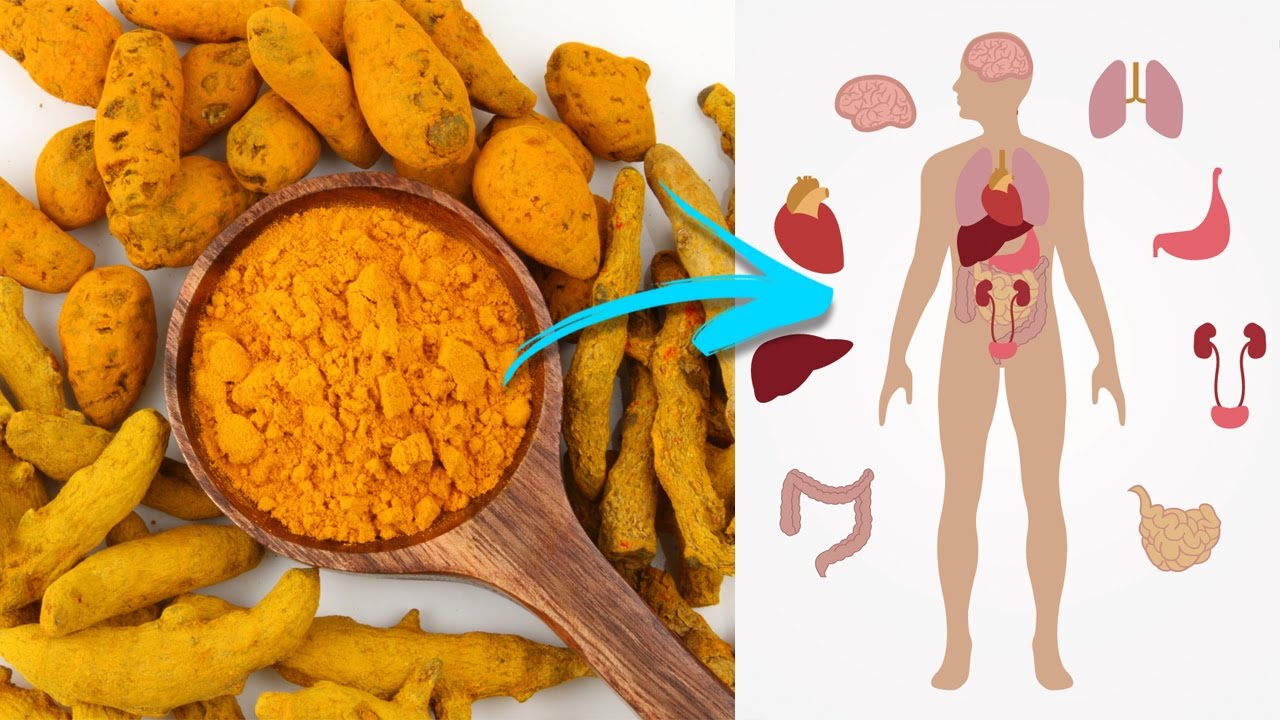
Only in recent years have scientists discovered the amazing powers of turmeric. The properties of the spice are good for our health and make for an ideal start to the day – and that’s for the whole body.

There are 8 reasons for this:

1. Turmeric combats inflammation – and almost as effective as some medications.
2. It protects your brain. In one experiment, turmeric prevented the deposition of certain protein complexes in the brain that are linked to Alzheimer’s.
3. Only one gram of turmeric is enough to optimize working memory for six hours. This discovery has been made by scientists at Monash University in Australia.
4. The spice could prevent cancer. Laboratory tests have shown that turmeric has anti-cancer properties.
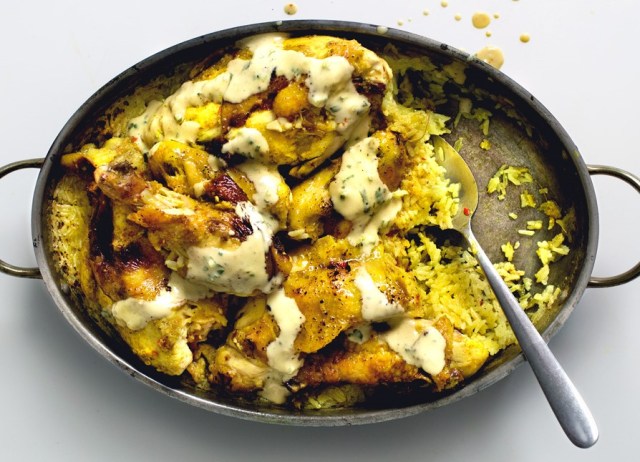
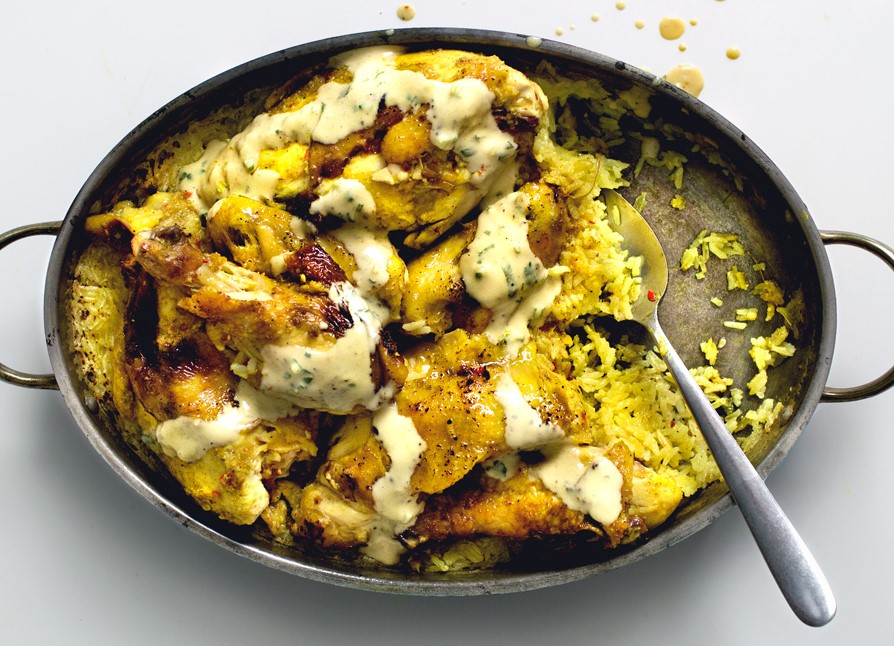
Turmeric creamy chicken rice. Everyone loves this recipe !!!

5. Turmeric has been shown to improve digestion. The spice relieves, for example, flatulence and fullness.
6. Its ingredients support the liver and stimulate it, among other things, to release more bile acids. They bind to dietary fats and make the fat digestible. The turmeric relieves bloating and fullness .
7. Turmeric protects your heart. A study by the University of Tsukuba in Japan suggests that Turmeric is just as effective for our vascular health as one hour of exercise. The natural dyes in Turmeric are antioxidants that protect the cells.
                                       
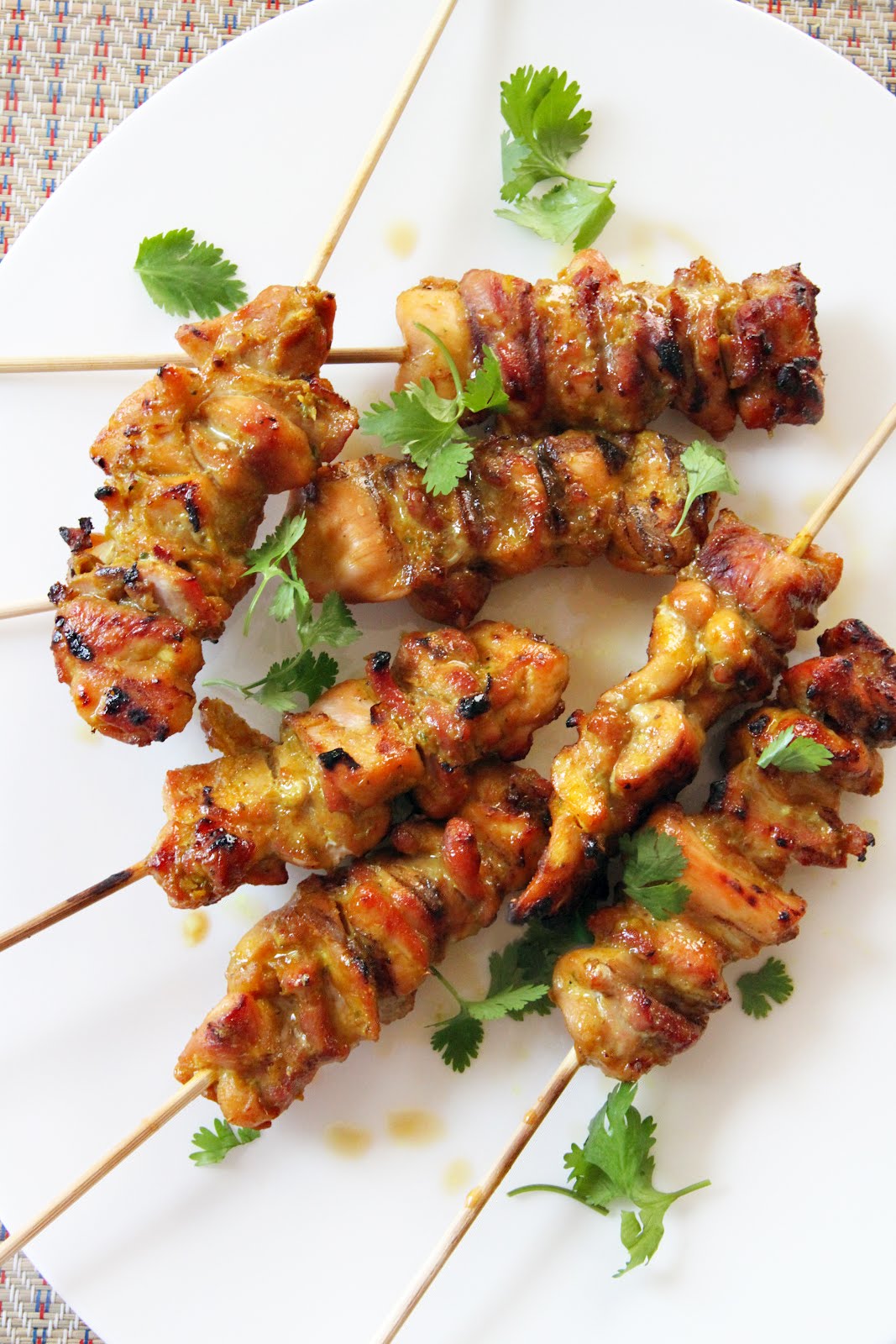
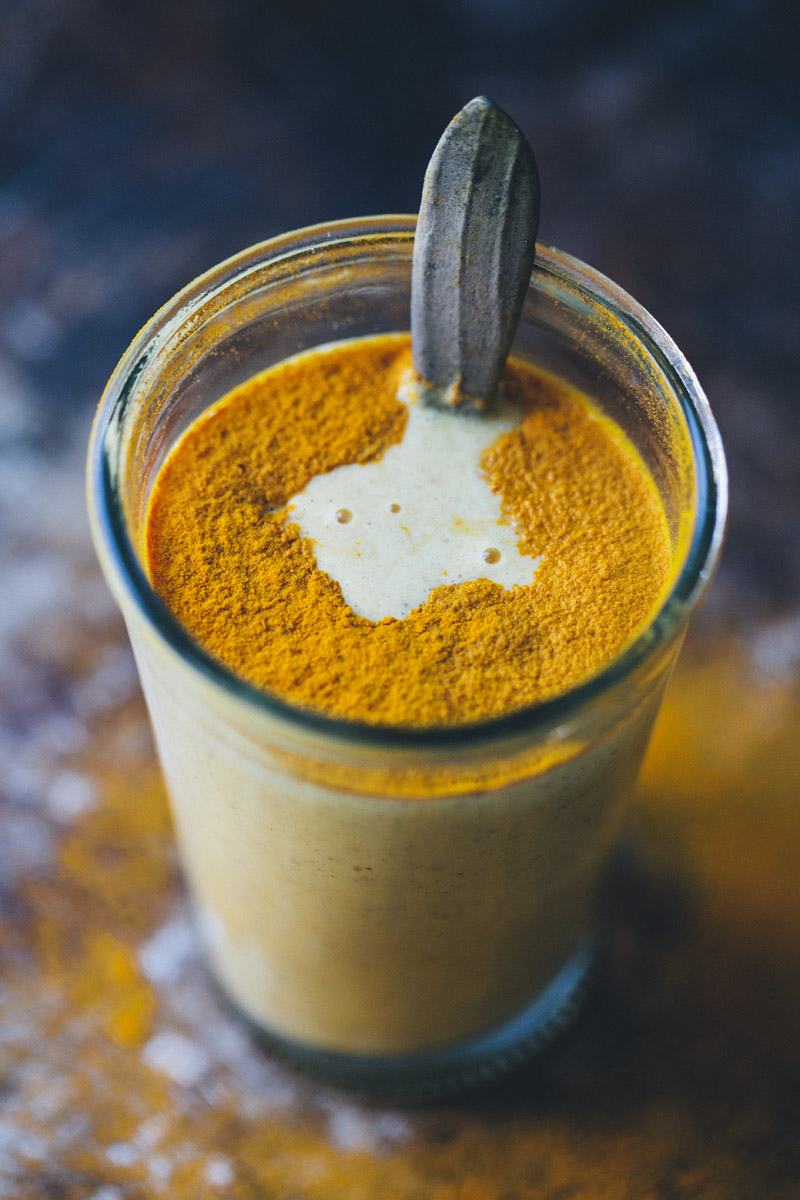
It is so delicious, Turmeric spiced chicken skewers, also going well with my Thai Satay Sauce.  And daily a glass of warm milk (I like it with coconut milk,  Anna with soy milk) with half a teaspoon of Turmeric.

8. Turmeric may also help in the treatment of depression in the future. This suggests a study from India in 2013. If you want to benefit from the spice’s healthy effects, just add some turmeric to a cup of warm water or milk. Stir well and drink immediately!
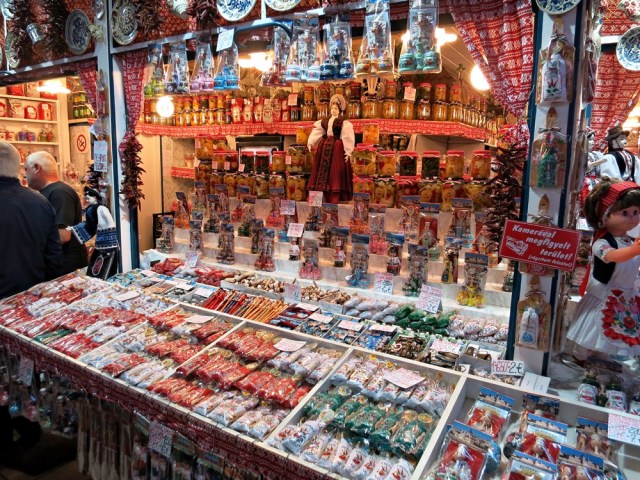
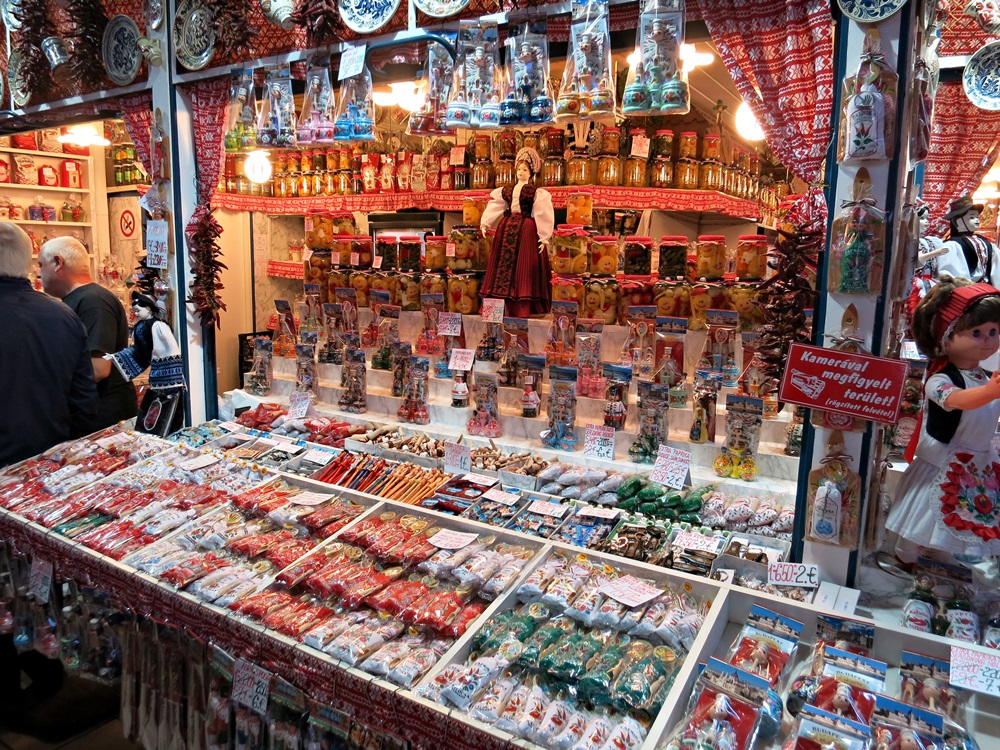
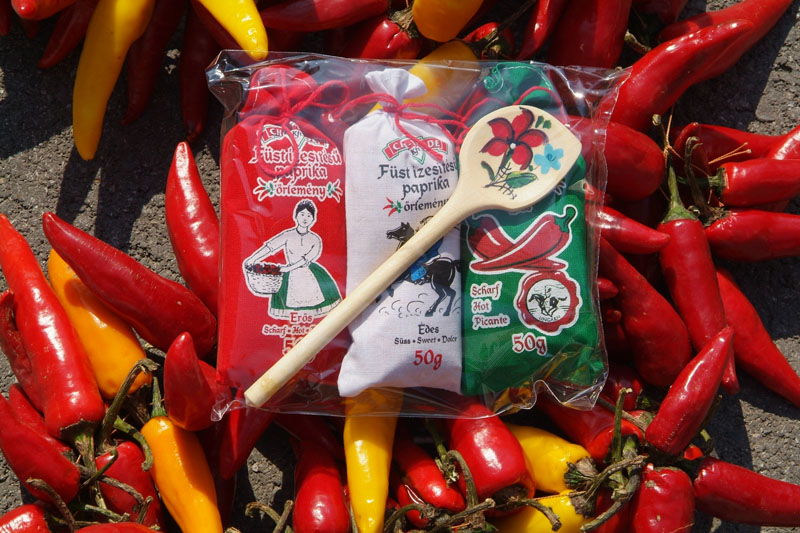
Specialized Paprika vendor at a Budapest market.

Paprika.
G: Paprika; Fr: piment doux, paprika; Sp: pimentón; It: paprika.

Paprika originates from Central America, where it grows in the wild in Central Mexico, and has for centuries been cultivated by the peoples of Mexico. The peppers were later introduced to the Old World, when Paprika was brought to Spain in the 16th century.

The plant used to make the Hungarian version of the spice was grown in 1569 by the Turks at Buda (now part of Budapest). Central European paprika was hot until the 1920s, when a Szeged breeder found a plant that produced sweet fruit, which he grafted onto other plants. Paprika can range from mild to hot – the flavor also varies from country to country, but almost all plants grown produce the sweet variety.
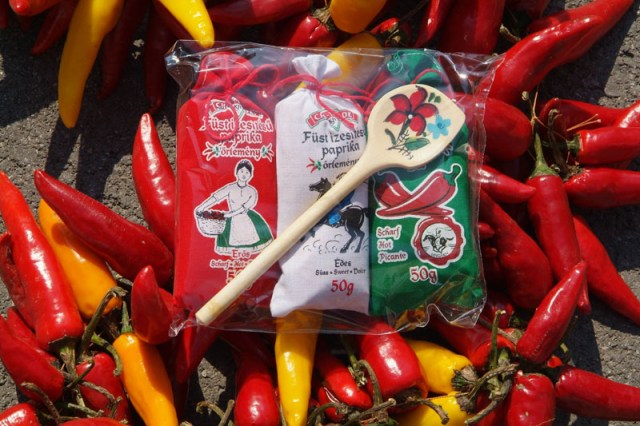
British English more commonly Paprika is a ground spice made from dried red fruits of the larger and sweeter varieties of the plant Capsicum Annuum, called bell pepper or sweet pepper. The most common variety used for making Paprika is tomato pepper, sometimes with the addition of more pungent varieties, called chili peppers, and cayenne pepper. In many languages, but not English, the word Paprika also refers to the plant and the fruit from which the spice is made. As usual, the English and specially the Americans are able to confuse everything and everyone !!
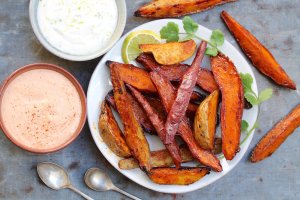
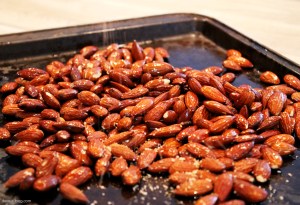
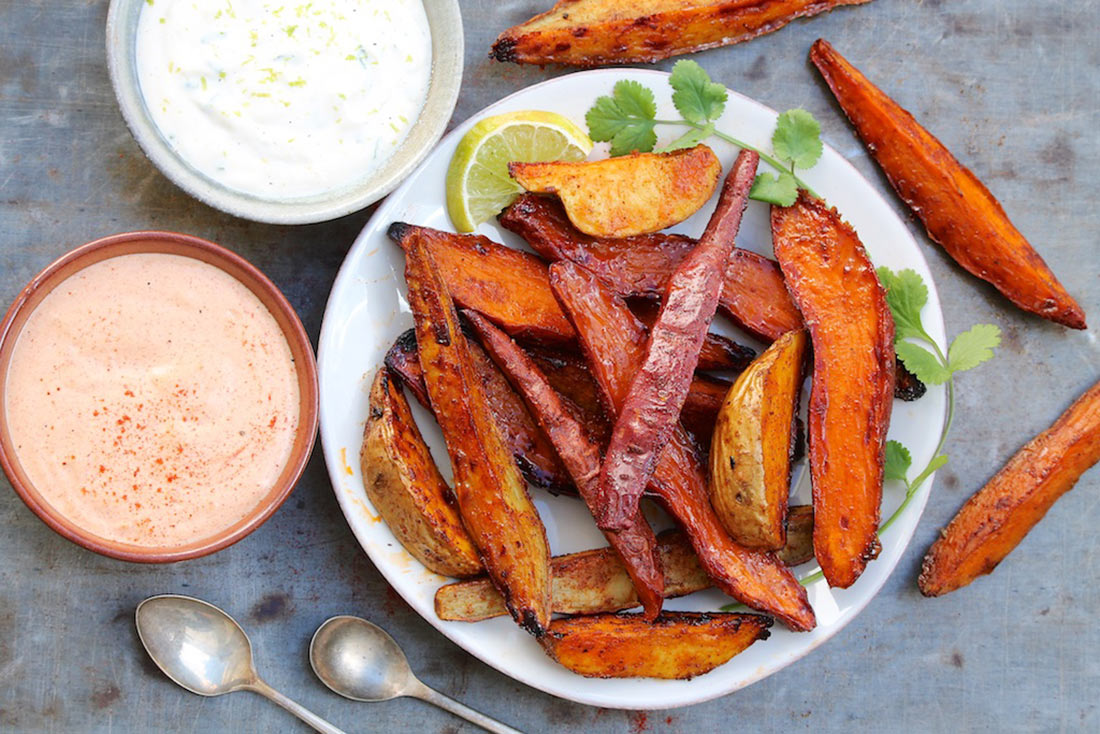
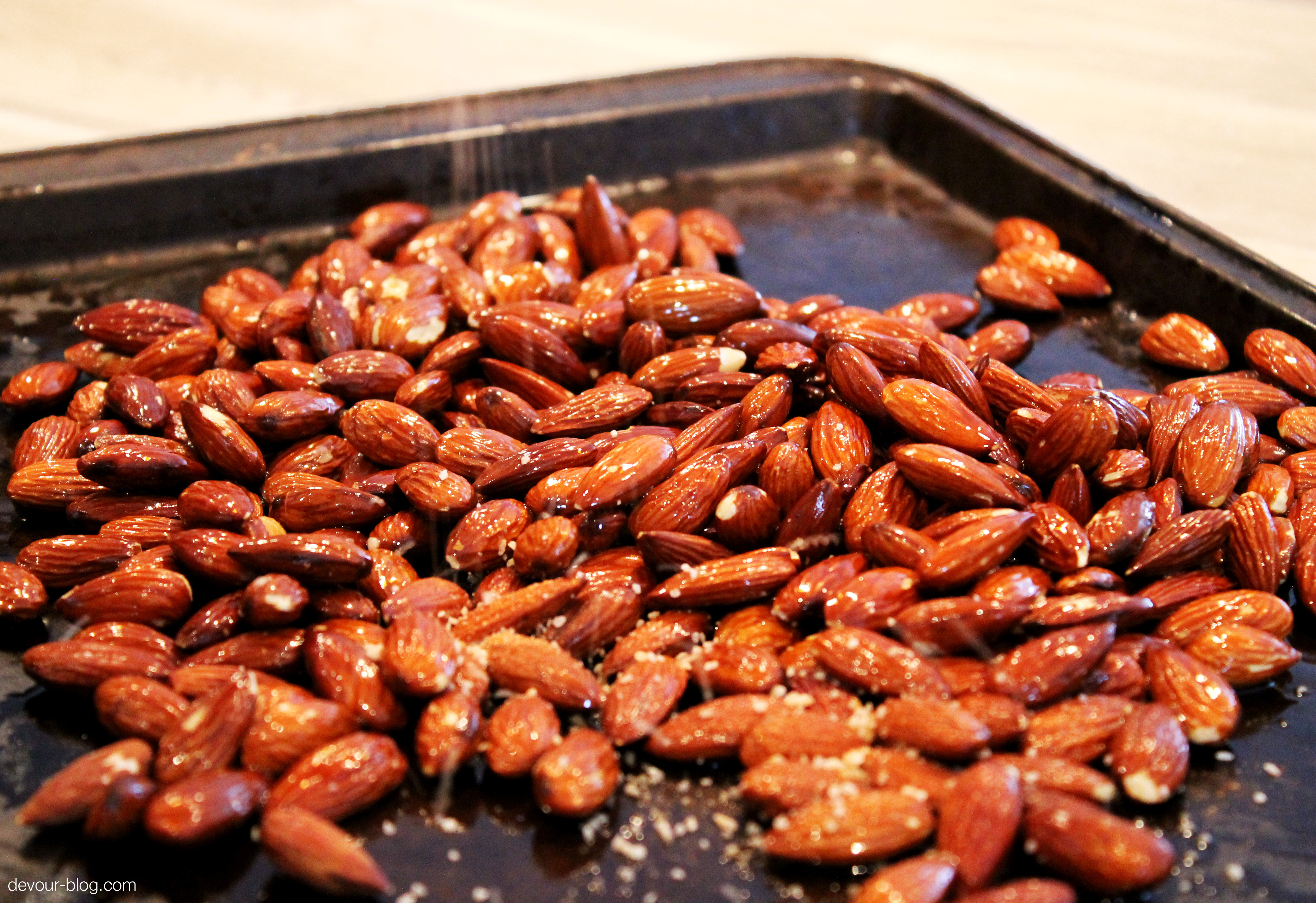
         Try this once and you will never forget it. Left – Paprika spiced sweet potato chips with Aioli and right – Paprika spiced almonds fresh out of the oven. Yummy !!

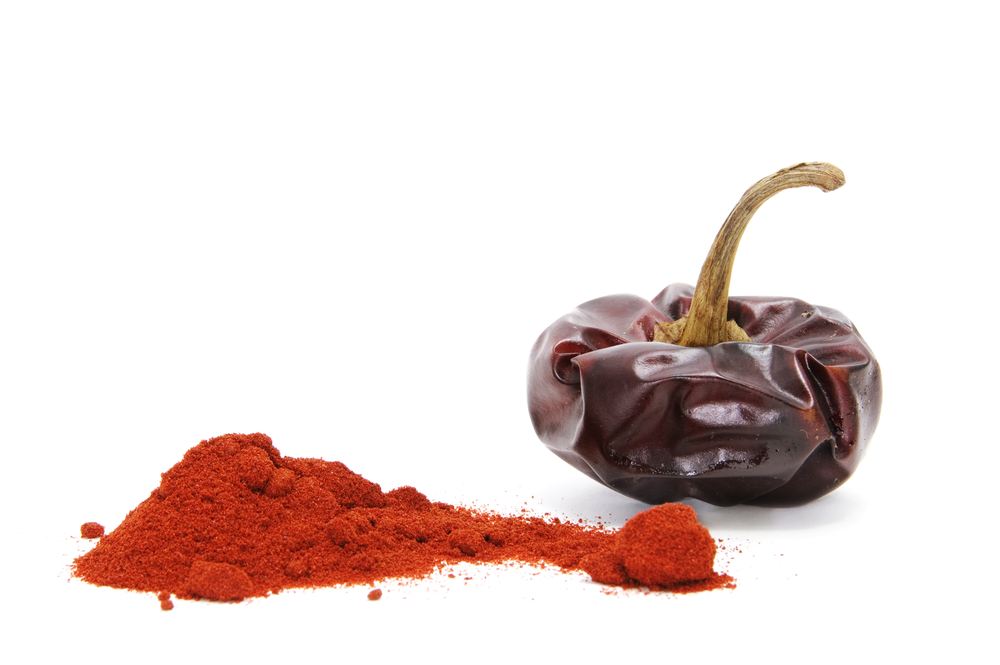
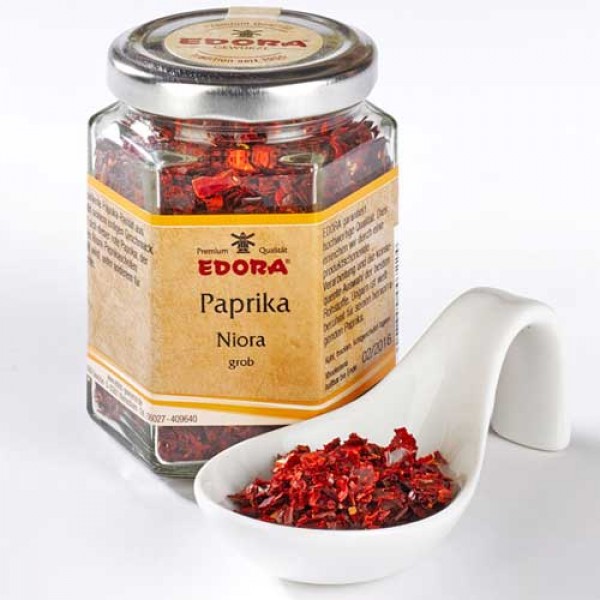
I personally like very much the Niora Paprika from Murcia, Spain, where it is harvested by hand in the autumn and dried in the sun. The small, round pods get their typical, dark red color and are then ground to 1-2 mm large flakes.
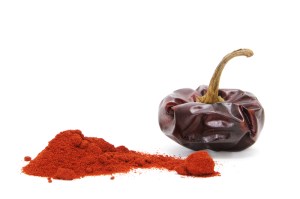
Rare dark violet Niora Paprika fruit from Spain.

The result is a mild pepper, without any pungency, with a pleasant earthy-fruity aroma. Sadly I can’t get in Uruguay this or other flaked Paprika. Have a good look at my posts about chilli con carne and about Goulash.
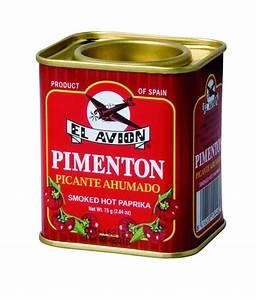
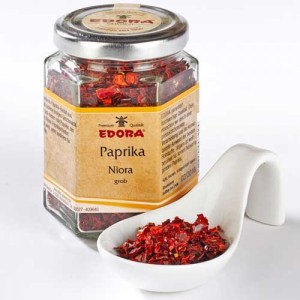
                      My favorite. Spicy smoked Paprika from Spain. And right, the Niora Paprika flaked. A delight in paella’s.

Niora Paprika is ideal for the production of mild salsas, bean and pea stews, Mediterranean vegetables, goulash, salad marinades, minced meat, cheese, potato, pasta and rice dishes and of course also for chili con carne. It can also be used as a finishing on the table or – for its deep red color – for decorative purposes.
Best store these aromatic paprika flakes and powder cool, dry and dark. See section Tips !
Cinnamon.
G: Zimt; Fr: cannelle; Sp: canela; It: cannella.

The trade in Cinnamon was first documented in the 13th century by the Arabic writer Kazwini. Countless merchants made their profit with it. the Dutch East Indian Company first brought the Ceylon Cinnamon to Europe.

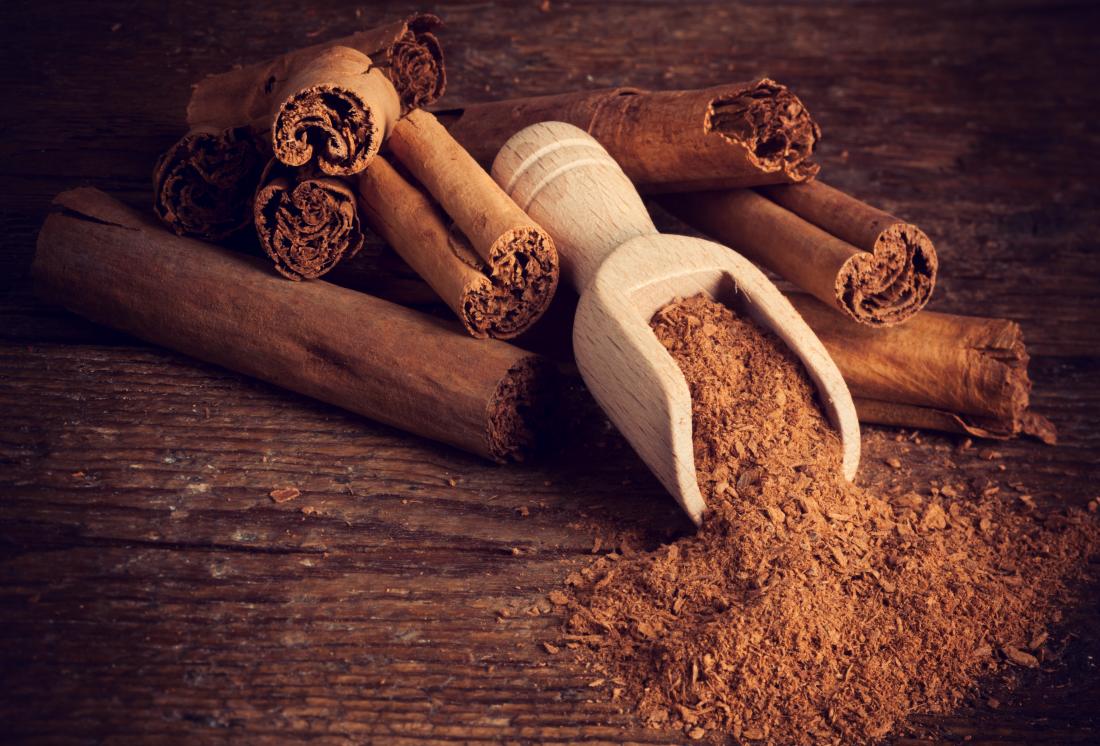
Milled in rice pudding you will love it!  And your children especially. Normally I would not take Cinnamon into my specialties, but here is one important reason to do so.

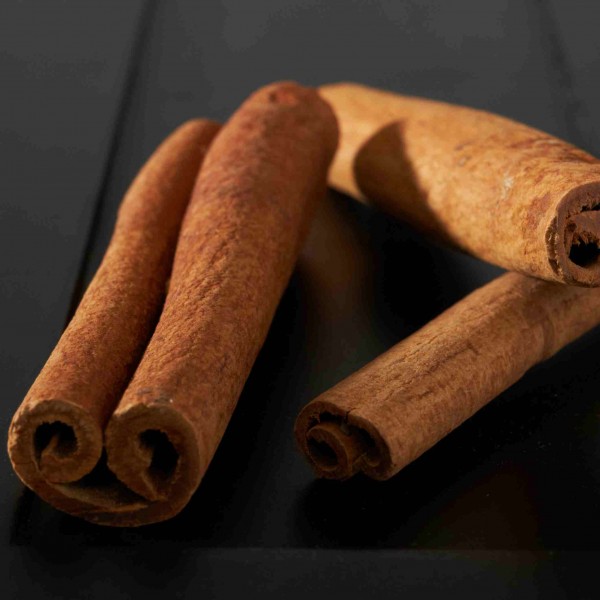
Ceylon Cinnamon is the answer ! It is also called „Real Cinnamon“ and comes from the Ceylon Cinnamon tree, which are only native to Sri Lanka. The quality of Ceylon Cinnamon depends on the color and fineness of the bars.

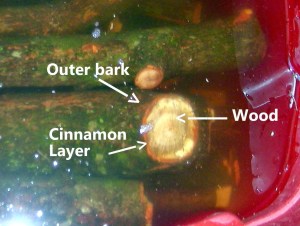
           Harvesting Cinnamon from a tree in Sri Lanka (Ceylon).

In contrast to the more intense (and slightly cheaper) Cassia Cinnamon, which contains a lot of coumarin (its moderately toxic to the liver and kidneys) and comes mainly from southern China and Indonesia,  in unhealthy quantities. Its found in the so-called Ceylon Cinnamon only comparatively small quantity. If you use Cinnamon daily in your cereal, I would recommend using Ceylon Cinnamon for this. If you bake cookies at Christmas, that’s what Cassia Cinnamon – with its intense Cinnamon flavor – does.
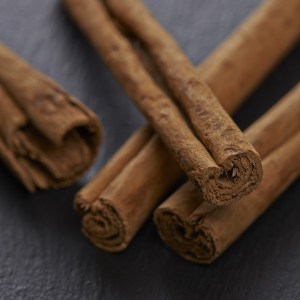
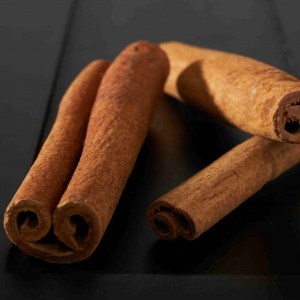
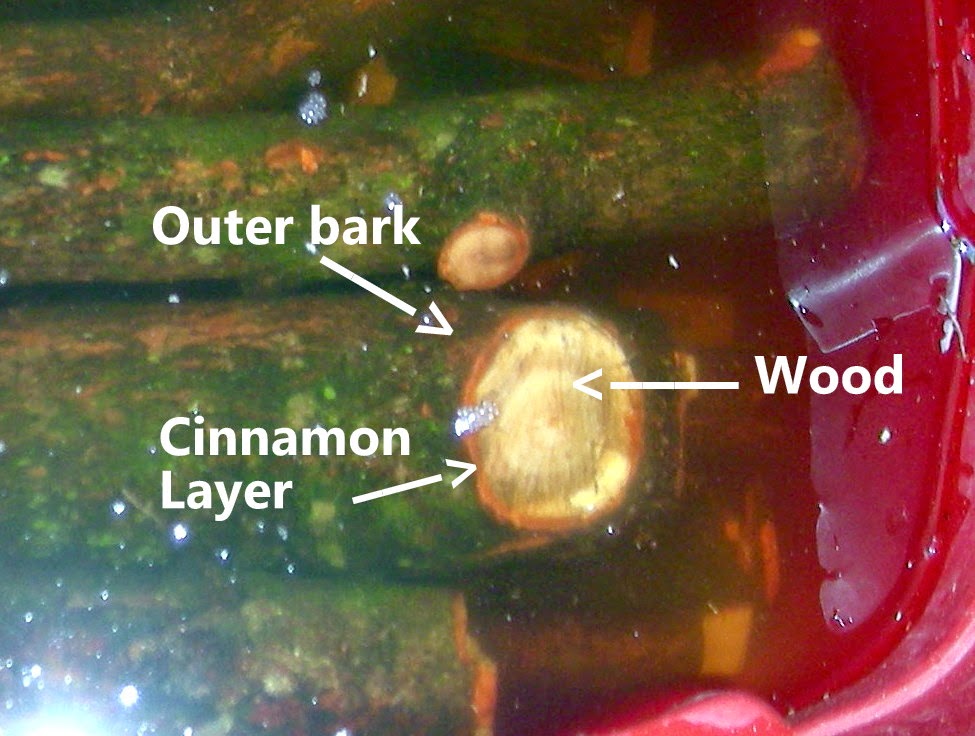
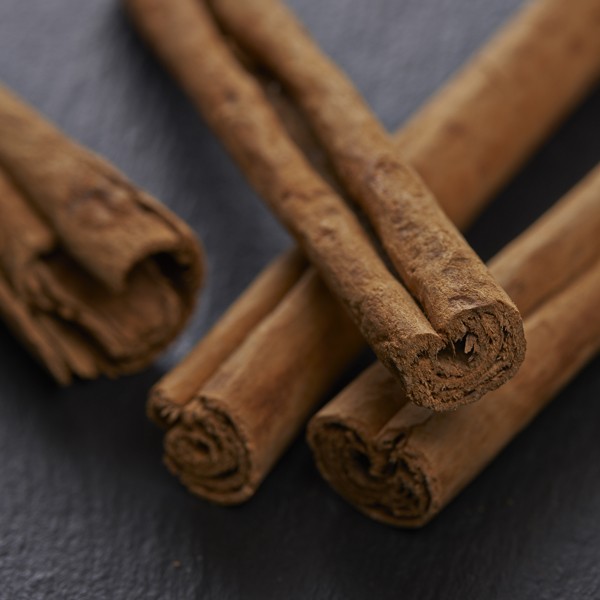
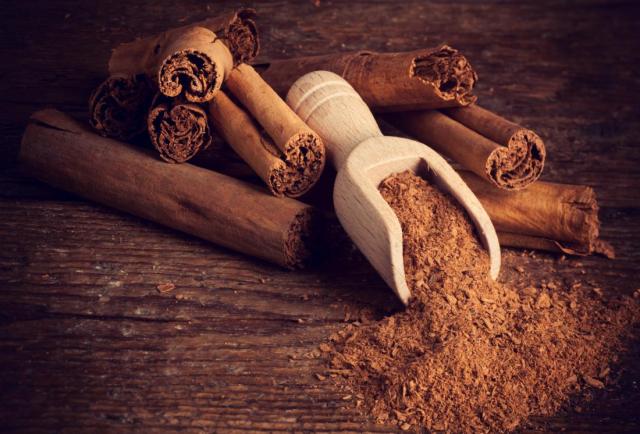
         In a Ceylon Cinnamon stick can be seen in cross section several rolled Cinnamon layers, similar to a cigar. In contrast to the Ceylon Cinnamon, in the cross-section of a Cassia Cinnamon stick, only a single rolled and thick layer of Cinnamon is seen.

In the ground state, however, the two varieties – logically way – are not distinguishable.

The high quality Ceylon Cinnamon is fine and mild in aroma and smell. Cassia Cinnamon, on the other hand, is much more intense. Therefore, the latter is often used in the bakery industry. Sadly, Ceylon Cinnamon is hard to get and in Uruguay I have never seen it.

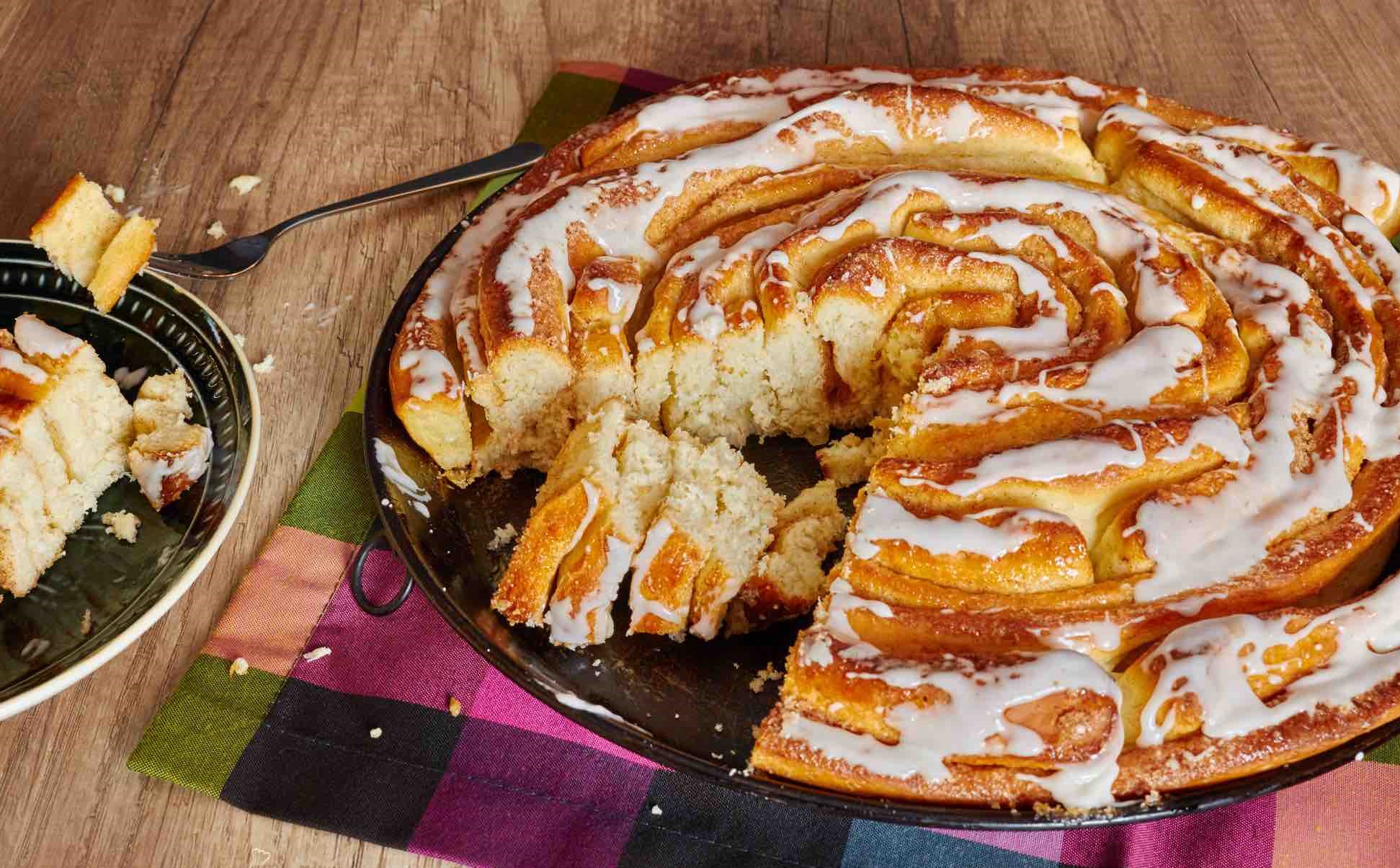
  Giant German Cinnamon Roll, Deutsche Riesen-Zimt-Schnecke, a feast for young and old. Click on pics to supersize !

Interestingly, Ceylon Cinnamon, which we tend to use for desserts, is also popular in oriental and common Asian cuisine to refine salty foods such as pork, beef curries or lamb. In the US or Europe, however, you will find it only in sweets and pastries.

Chocolate ice cream with Cinnamon cream also tastes charming: Beat 200 g of cream with a teaspoon of sugar and the marrow of a vanilla pod. Then arrange the chocolate ice cream and the cream on a plate and dust the cream and the rim with Ceylon Cinnamon. It looks and tastes professional and exquisite. You will love it.
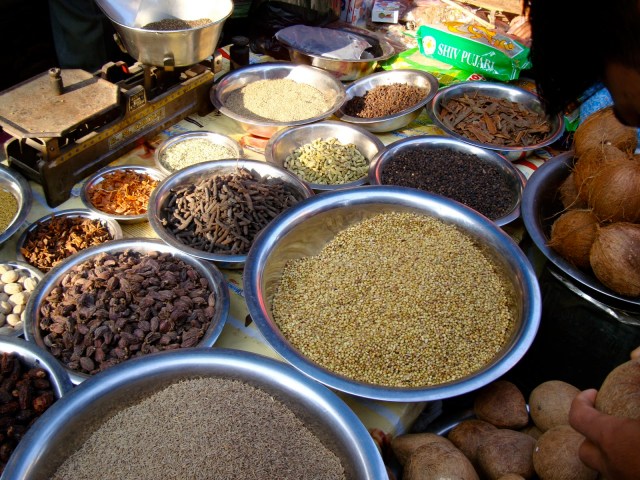
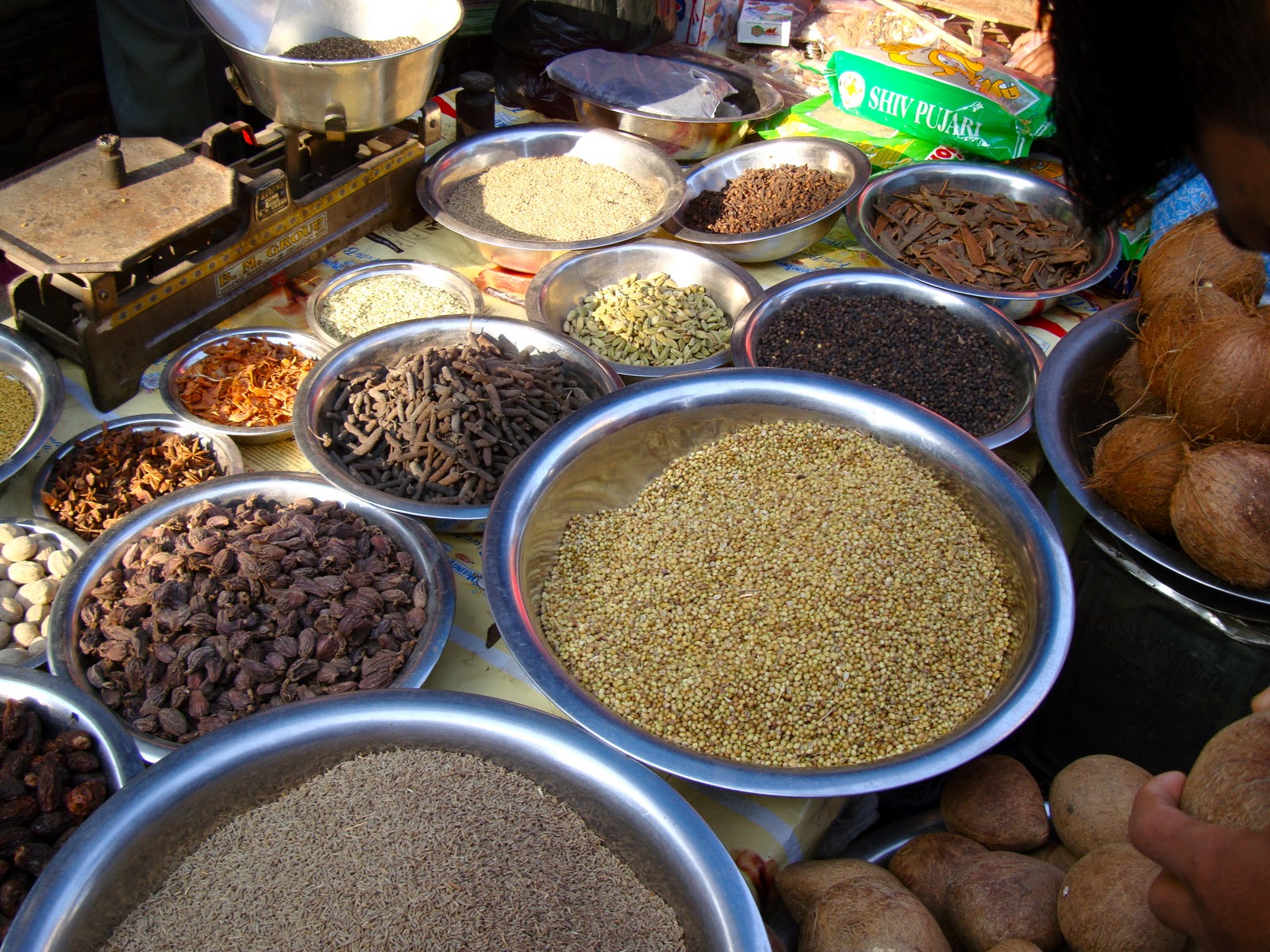
Cumin on offer at a spice market in Biratnagar, Nepal.

Cumin.
G: Kreuzkümmel; Fr: cumin; Sp: comino; It: cumino.

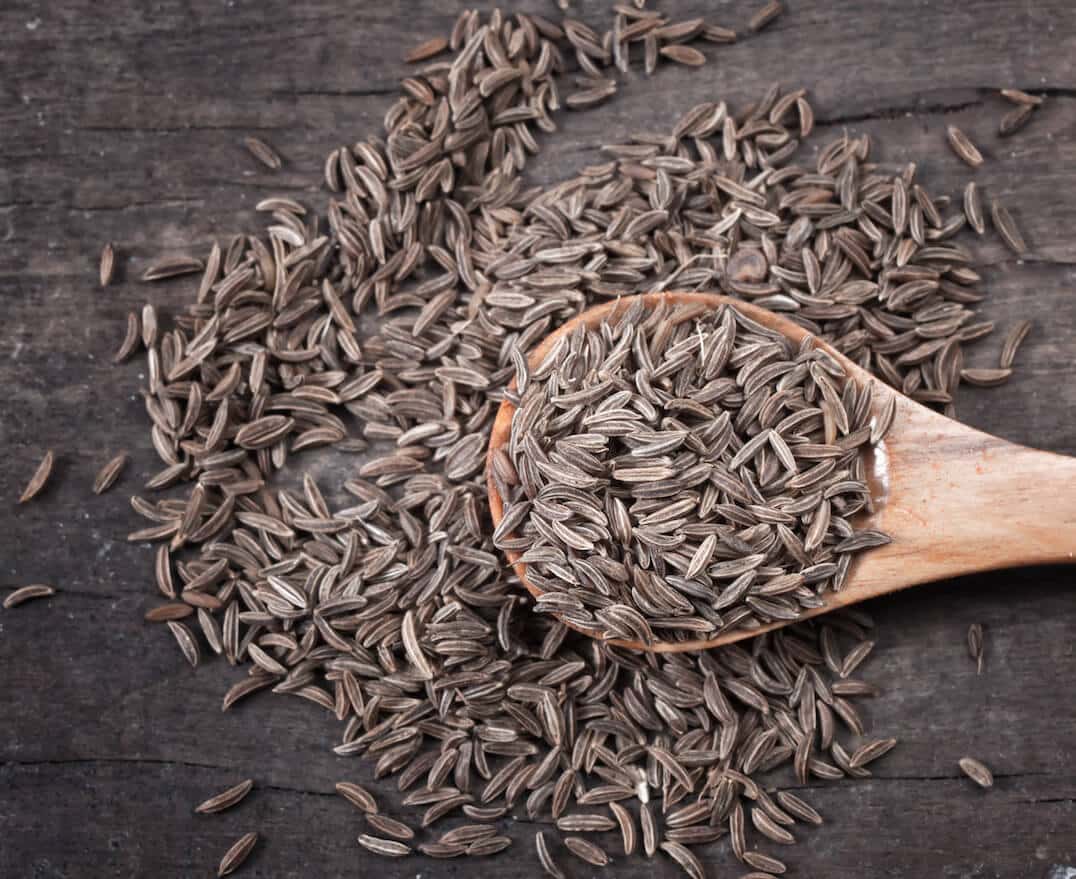
Cumin (botanic: cuminum cyminum) has a long and fascinating history. It has been known for over 5000 years, similar to the normal Cumin (named caraway, botanic: carum carvi). It was even found in the pyramids. At first he had a bad reputation and was cursed, he symbolized greed and bashfulness.
From around the Middle Ages his reputation changed and now he was considered a symbol of faithfulness.

The strong aromatic and crunchy Cumin seed is especially popular in those country cuisines with very spicy foods, such as in India, North Africa, the Middle East and Mexico.
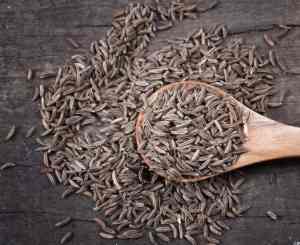
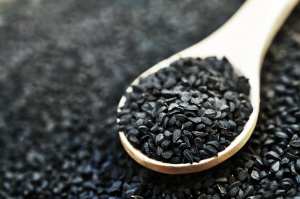
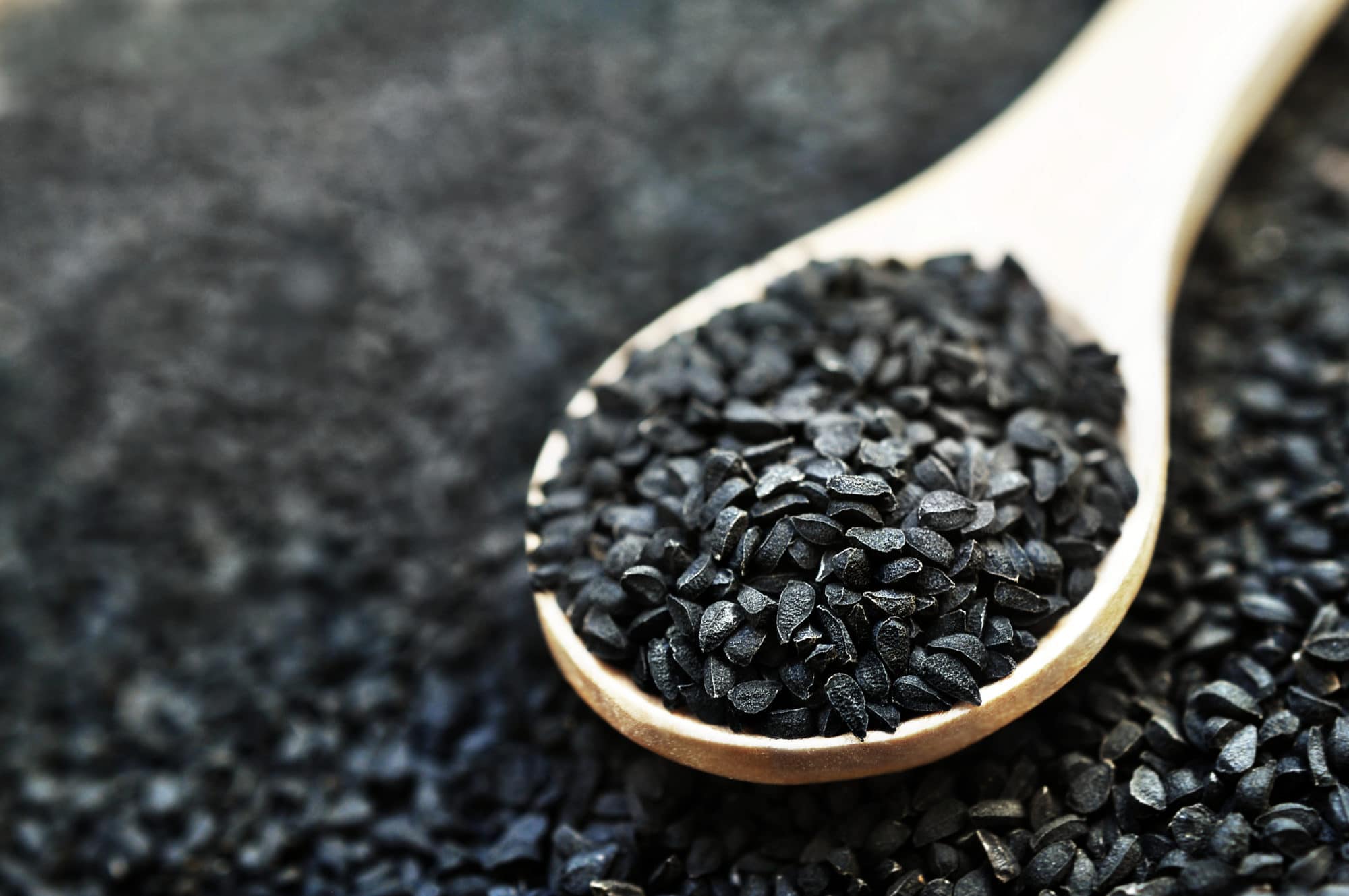
     Left: White cumin seeds. Right: Black cumin seeds.  Right: The black seeds are known as the base of the „Oil of the Ancients“.

It belongs to almost all Indian curry mixtures and garam masala.
You give it to soups, lamb dishes and meat dishes like chilli con carne, either in whole seeds or in finely ground powder. We like the seeds also baked into our bread.
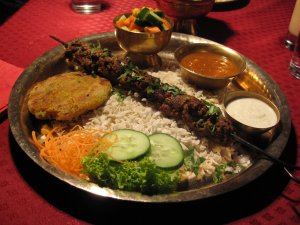
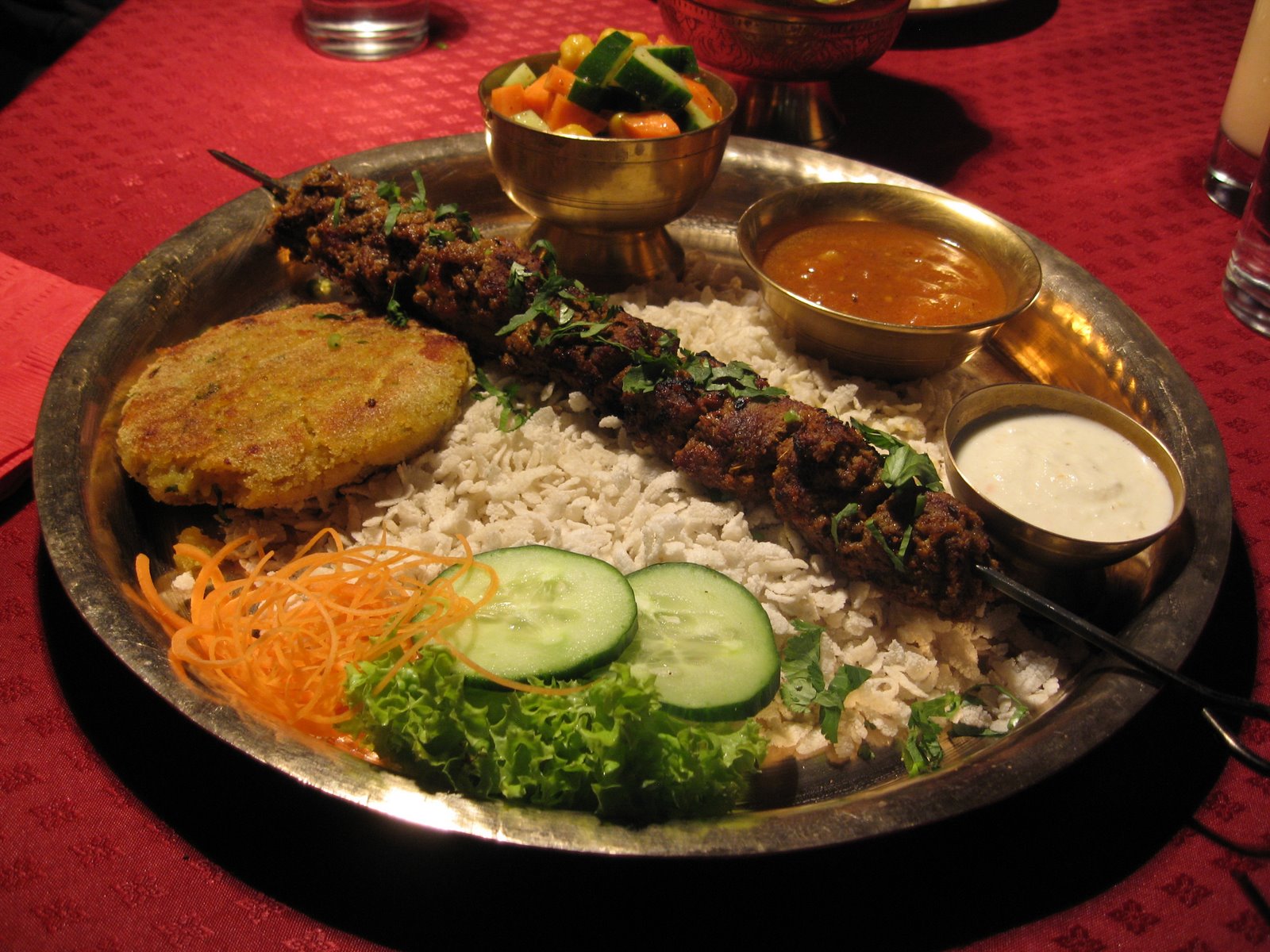
  A typical Nepalese dish is Sekuwa, lamb skewer marinated with Nepali-Cumin spiced and char-grilled to perfection. Served with Nepali potato cake, tahini sauces, rice puffs and salad, as well as a bowl of Chana Chat Pad, a chick pea salad. Fantastic meal at the Himalaya restaurant.

I remember, in Germany in the early nineties, there was suddenly a big wave through the TV, especially chef Alfred Biolek. He hardly had a show in which he did not advertise „his new spice“, grounded Kreuzkümmel (Cumin).
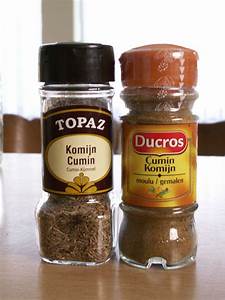
  This how you buy Cumin, here from a Netherlands supermarket, on the left white Cumin seeds and right white ground Cumin.

Cumin also has a comprehensive reputation in remedies and animal medicine as well as a base for perfume. If you roast the seed before grinding you will earn a more mild and nutty taste. The black seeds have a sweeter aroma and taste then the white ones. Just try it.

Tips.
     Store most of your spices dry and dark in a well closed container. I have purchased time ago some special „aroma containers“ with a double lid (inner- and outer lid), they are fantastic. The medium size is about 90mm high and 60 mm in diameter, just good for about 100 gram of paprika. Bought in Germany, a set of 4 is about 8,50 euro’s.

I really hope that you enjoy the spice-tips and try by yourself. Many many recipes are found throughout the internet websites. I don’t have to repeat them here. If you have any questions, don’t hesitate to ask.     Stay tuned to part 2 of this series.

 

Veröffentlicht unter Lifestyle, Recipes | Verschlagwortet mit | 3 Kommentare

Worlds Worst Company

This week I stumbled over an article/research about the worst environment damaging companies in the world. The absolutely NUMBER ONE is a private US-group: Cargill !
With this post I write a short excerpt from the original statement, just to sensitize my readers to this subject ! If you are interested in more you can find the link to the full article at the end of this post and can read it by yourself.

Cargill today deals with agricultural services, crop and livestock, food, health and pharmaceutical, industrial & financial risk management, raw materials. Its revenue is far beyond US$125.000 billion. Its net income in 2018 was more then US$3.000 billion and its assets in 2018 over US$60.000 billion ! That is US$60.000.000.000.000,– !

Child labor, pollution, deforestation:
Cargill according to NGO – Worst Company in the World !

Cargill is the United States’ largest privately held company, bigger even than the notorious Koch Industries. Its footprint extends around the world. But The Worst Company in the World? We recognize this is an audacious claim. There are, alas, many companies that could claim for this dubious honor. But this report provides extensive and compelling evidence to back it up. (Find the link for the report at the end of this post).

Henry Waxman – former member of congress – Chairman of Mighty Earth.

     Henry Waxman.

„The worst company in the world“ – from the perspective of the environmental organization „Mighty Earth“ applies to the US group Cargill. Never heard? So it would be to many other consumers too. However, local supermarkets and well-known brands also sell products from the Agrarian Giant, which is said to be responsible for child labor and massive environmental pollution.

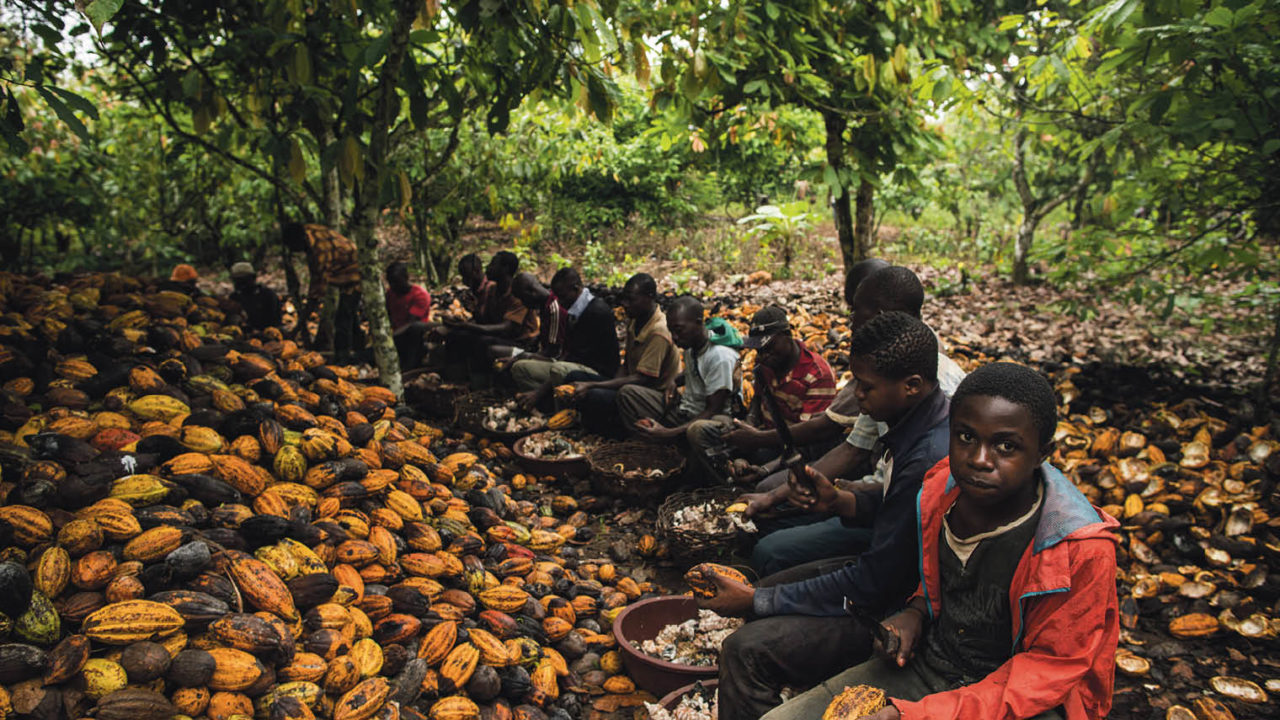
Child labor on a cocoa farm.

In the eyes of the non-governmental organization „Mighty Earth“, the agricultural concern Cargill is „the worst company in the world“. „We know that’s a bold statement,“ environmentalists write at the beginning of their detailed report on the US company.
It says, „But when it comes to the world’s biggest problems – environmental degradation, air and water pollution, global warming, the displacement of indigenous peoples, child labor and global poverty – Cargill is not just on the planet last place of those who fight against it, but drives the problems to an extent that puts all competitors in the shade.

Consumers hardly can miss Cargill.

If you think again, „Who?“, You are certainly not alone. But even if many consumers worldwide can not do anything with the name, they have almost certainly ever bought products with Cargill components.

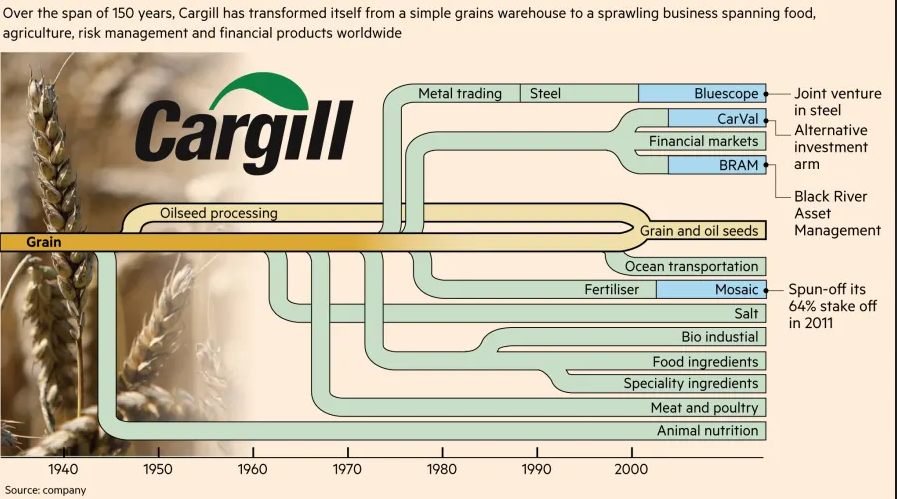
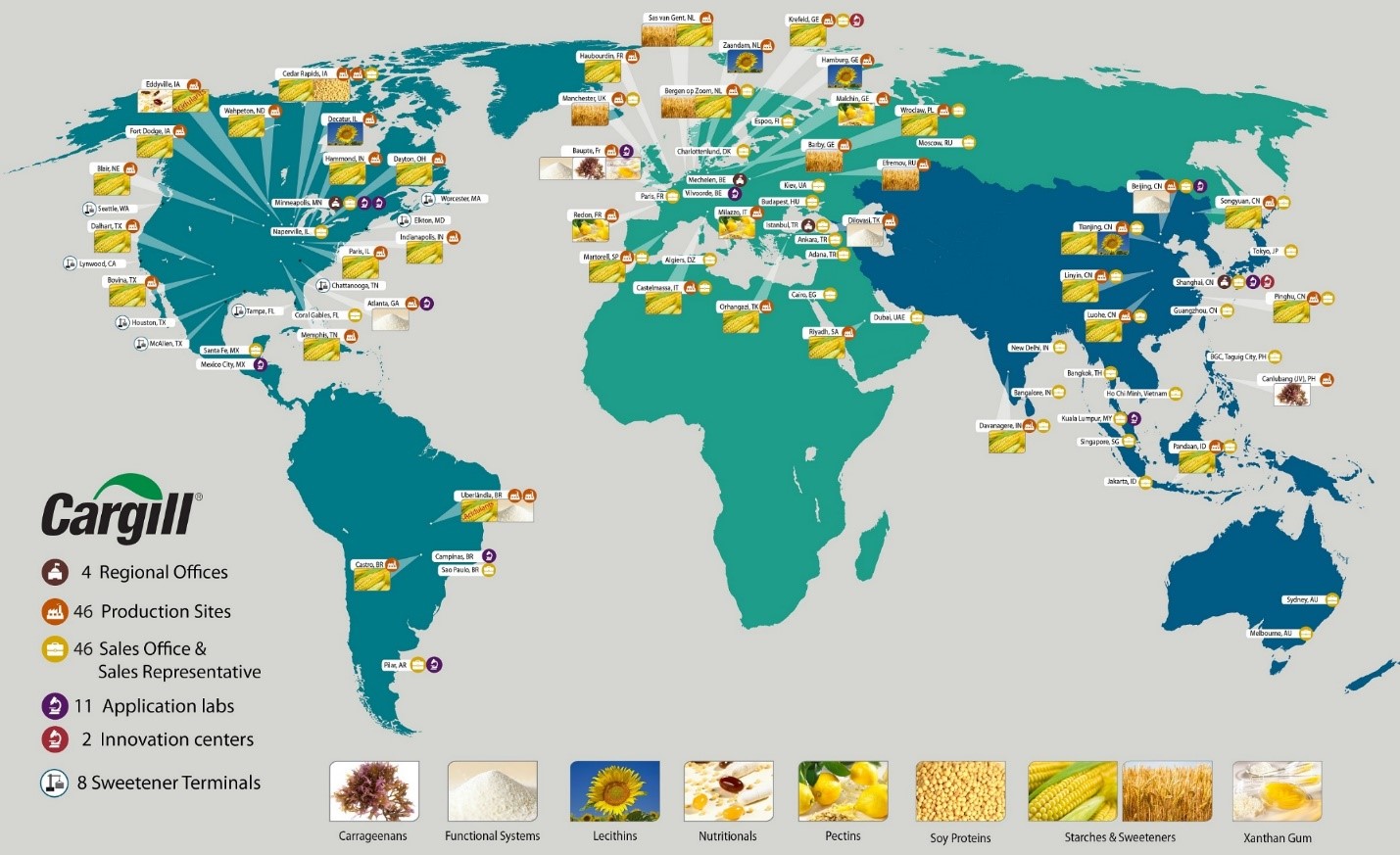
Cargill worldwide. Click on pic to supersize.

The company, which claims to own more then 160,000 employees in over 70 countries, with clients in more then 125 countries, is involved in just about everything that is used in food production:

Cargill is the world’s largest producer of minced beef and hamburger patties.

Cargill grows and trades grain and oil-seeds and processes the raw materials into plant oils, for example.

Cargill is one of the leading suppliers of animal feed and feed additives.

Cargill produces ethyl and drinking alcohol, cocoa, chocolate, malt, starch for thickening and stabilizing, sweeteners, lecithins and proteins.
Cargill manufactures chemicals and additives for the cosmetics industry. And much more.

McDonald’s is one of the company’s big customers, and Burger King also sources Cargill meat. Several international supermarket chains (including Aldi and Edeka in Germany) work together with Cargill, as well as companies whose products are on the food shelves in this country, such as Nestlé, Danone and Arla.


Massive deforestation for soy cultivation in Brazil.

Child labor, rain forest clearing, unhealthy meat.

The environmentalists of „Mighty Earth“ have, according to their own words, been researching Cargill’s business for many years and have also compiled research results from authorities and other organizations. Your judgment is devastating. Here is a selection:

* In South America, Cargill has let large areas of rainforest be cut down to grow soya. The goal set in 2014 of guaranteeing across the entire supply chain that no rainforest will be cleared for the manufacture of its products by 2020 will not be sustained, according to Mighty Earth.

* Many Indians of Brazil have lost their habitat by clearing the rainforest for soya plantations. For others, health has suffered: cancer and other diseases caused by pesticides and herbicides have increased. Similarly, the number of miscarriages and disabilities in newborns.
* The group is said to have bought cocoa from plantations in the Ivory Coast, where children had to work, up to 14 hours a day, with poor pay, low food and beatings. The children were said to have been kidnapped by Mali to the Ivory Coast.

* The International Labor Rights Fund has filed suit against Cargill on its behalf.
* In Colombia, the company is said to have acquired 52,000 hectares of land illegally, with the help of 36 subsidiary companies founded solely for this purpose.

They are so big meantime, that they can do what they want. Unstoppable.

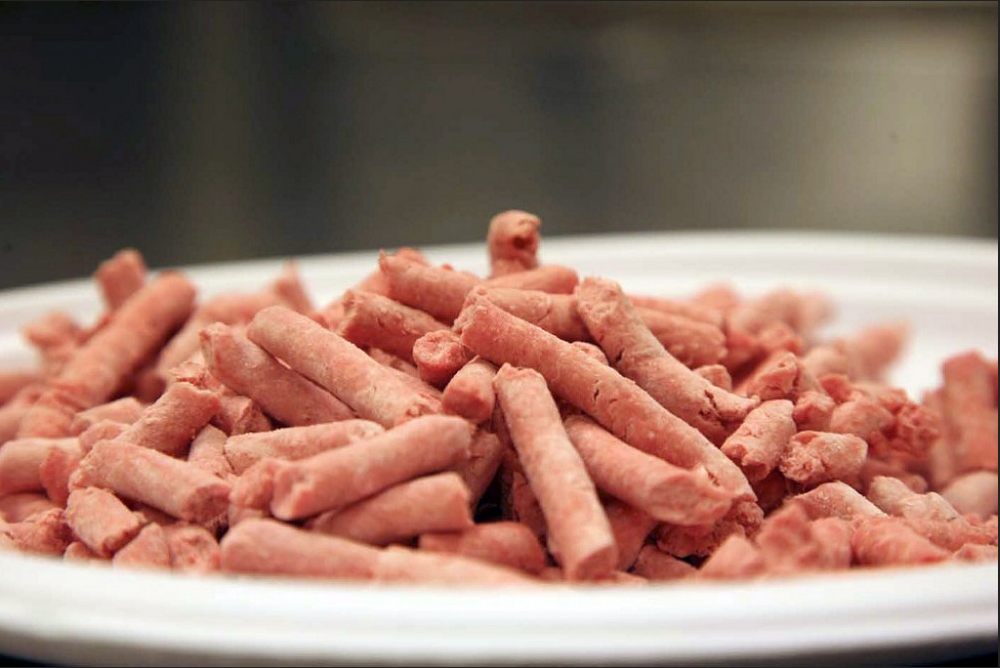
* Several times Cargill has sold contaminated meat: In 2001, the company had to recall 254,000 burger patties because E. coli bacteria were found. Due to salmonella, the company had to withdraw 2.8 million pounds of minced meat in 2002. The US Department of Health (CDC) attributed one death, 17 hospitalizations and 47 other illnesses to the consumption of meat.

Pink Slime –  a way to turn trash into cash. Cargill, the world largest minced beef producer – trash to cash !

* Cargill is one of the biggest polluters in the US food industry in terms of pollutants like lead, asbestos or mercury.
* The Commodity Futures Trading Comission, a US regulator of options markets, has imposed a $ 10 million fine on the company in 2017. The reason: Cargill had mispriced its trading volume by up to 90 percent in order to save taxes.
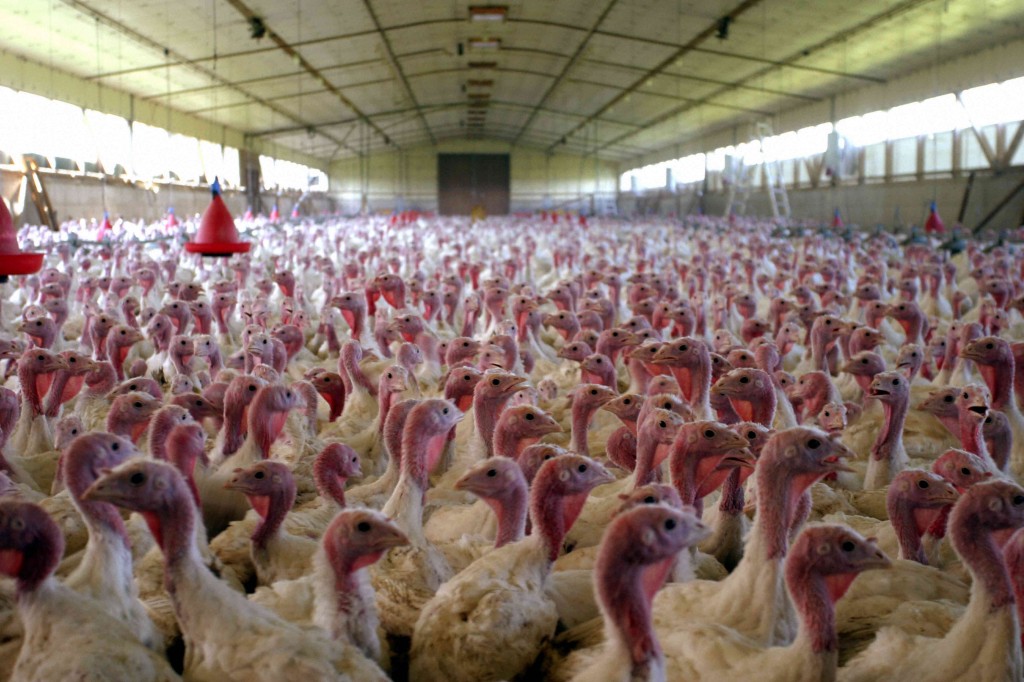
One of Cargill’s turkey farms.

„Mighty Earth“ stresses that it initially held the report for several months in front of the public in order to give Cargill the opportunity to bring about improvements. But nothing had happened except empty promises. Therefore, the organization decided to publish.

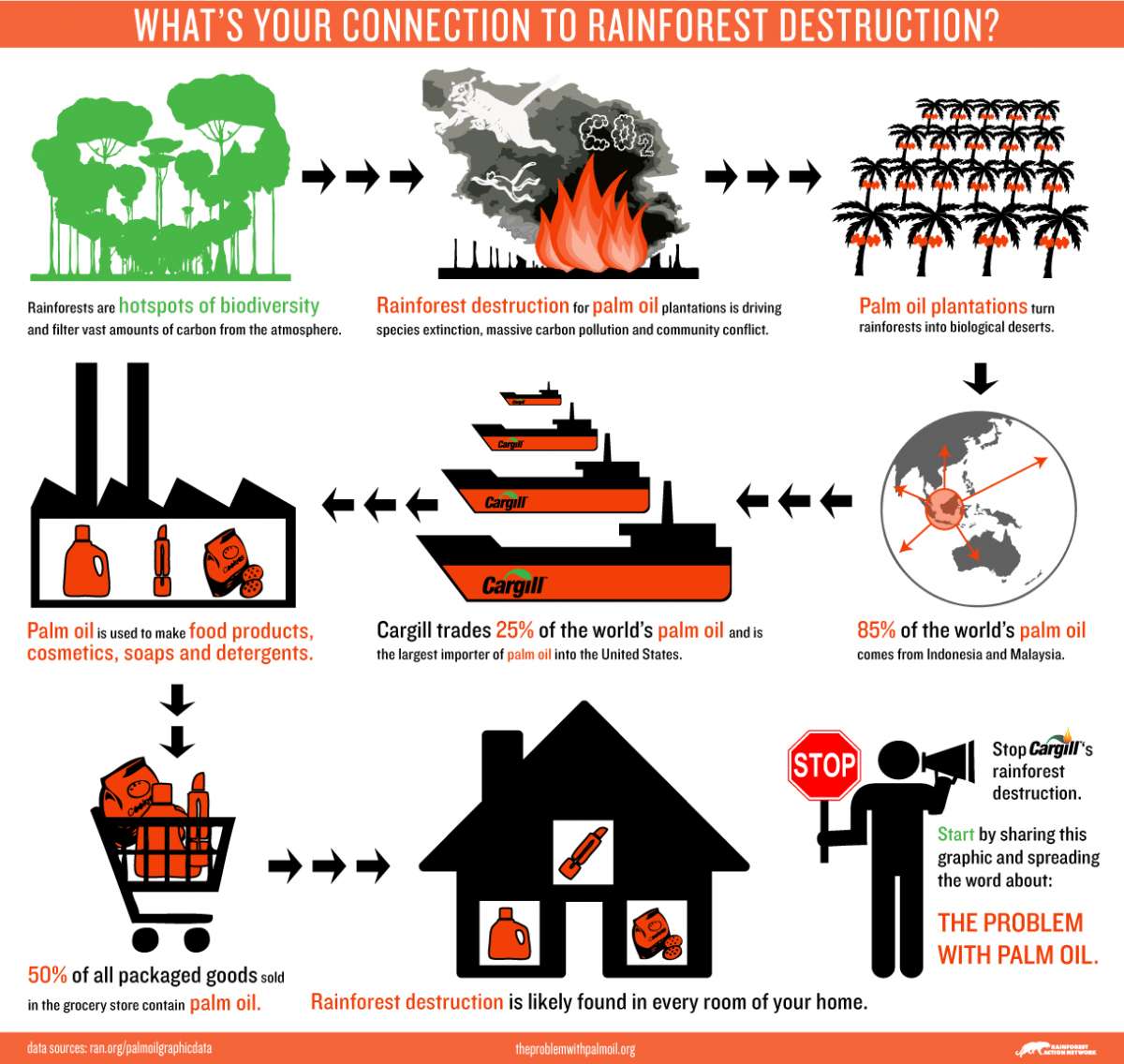
The pic above shows one small part of this world wide giant. Cargill may have more power to protect the climate, water, food safety, public health and human rights than any other company in history, the authors write – or destroy all that !!!   And that happens !!!

Above, one part of the „Cargill-Connection“.

Just click on this link and get further information:
https://preview.shorthand.com/qfu6yKGKbYPR7Td1#group-section-FFLknFni6U

Veröffentlicht unter Information, Lifestyle | Hinterlasse einen Kommentar

Hell -oh- Donald

„Hell – oh – Donald“ is the consequent continuation of  „Hello Donald“!

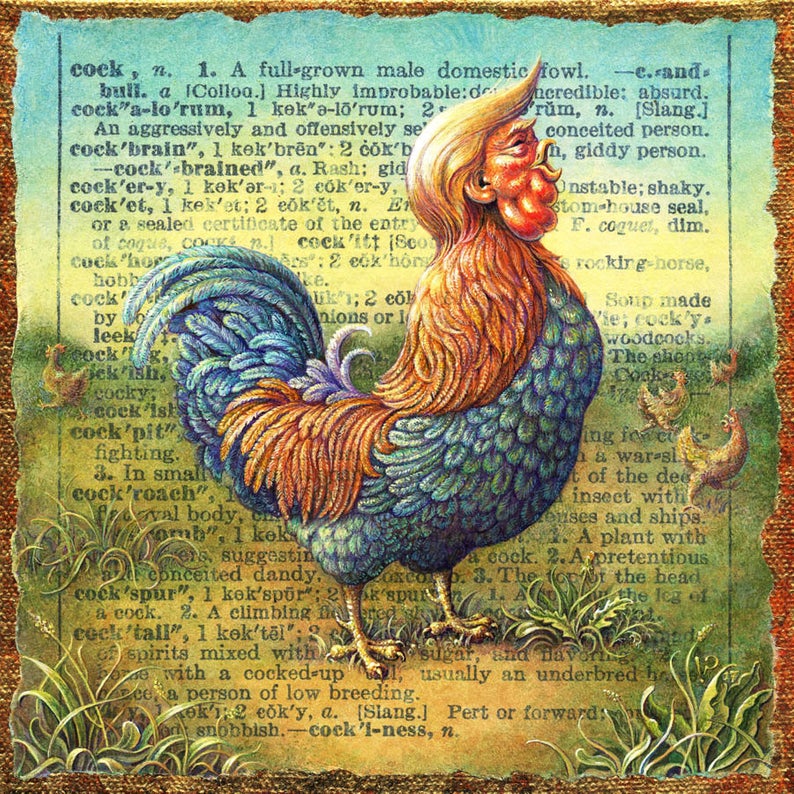
It is time to post some about the „Worlds Best President“ again. If one is surfing through the internet one will find lots of artwork and cartoons about Trump. I picked out some artwork and some cartoons which I like to share with you, it is just MY WAY to express myself about this lunatec. Hope you can laugh about as I did, even though some of the pics are so true that they are not laughable anymore.

Some Hilarious and Weird Artworks about Trump.

This is the cover for German publication Der Spiegel. Translation: The end of the world (as we know it). That title was from 2016 and Trump is still working hard on its realization.

And in 2018 Jim Carrey painted a similar title of „Trump f…. the world“.

This artwork by Mitch O’Connell was first released in September 2015 when Trump was just one of many candidates for the Republican nominee. It references John Carpenter’s classic sci-fi/political satire film They Live, in which the world is secretly run by aliens who disguise themselves using a subliminal signal. When the aliens are revealed – for example by wearing a special pair of sunglasses – they look very much like Trump in this artwork.

Outline Editions has teamed up with artist Trev Harvey to create this undeniable illustration of Donald Trump, mere days out from the final vote. If you look a little closer, the pop art style portrait is not made up of tiny dots, but yet tiny emojis, adding an extra layer of meaning.

This comical addition by London illustrator Andrew Rae was posted to his social media channels during Clinton and Trump’s debating season. And still he is like that: Full of shit!

Jelly London’s in-house animation studio Jelly Kitchen collaborated with illustrator Damien Weighill to create talking Donald Trump and Boris Johnson bagel animations for New York Bakery Company’s new range of cheesy bagels.

The UK’s EU referendum ignited fierce passion all over – but none more odd, unexpected and off-putting than in Stoke’s Croft, Bristol, which was the sweet spot Trump and Boris chose for a big ol’ snog. It’s bizarre, slightly scary and – commissioned by anti-Brexit group We Are Europe – more convincing than anything the Remain campaign came up with.

Where do you start to look at it? Perhaps with throwing up first. And then having a serious conversation with yourself as to why you can’t stop staring. Anyway, everyone knows that Donald likes Kim Kardashian, or may be just her Elephant butt.

Probably you have seen it before. Artist Illma Gore’s painting was banned from Facebook within 24 hours, viewed over 50 million times in three days and, eventually, had Illma (sometimes physically) attacked by Trump supporters.

Great English art work.

German Trump art. A bit too soft ? Look then at the art work Germans do during their carnival processions. See the following pictures from Duesseldorf, Mainz and Cologne.

My all time favorite is Jim Carrey’s artwork of Trump. Just picked a few of the many he painted.


Now some Trumpy Cartoons. They speak for themselves, no further comment or explanation needed, right ? Older ones and newer ones are mixed together.


A publishing company in New Brunswick, Canada, has terminated its contract with cartoonist Michael de Adder after a drawing he did of President Donald Trump standing over the bodies of two drowned migrants went viral on social media.

The drawing, which was posted on de Adder’s Twitter account on 26th of June 2019, shows Trump standing beside a golf cart, golf club in hand, looking down at the bodies of a father and daughter who drowned in the Rio Grande while trying to cross from Mexico into Texas. Trump asks, „Do you mind if I play through?“

The illustration is based off the searing photo of Óscar Alberto Martínez Ramírez, 25, and his 23-month-old daughter, Angie Valeria, lying face down in the muddy waters of the Rio Grande, which has sparked outrage and become a focal point of the debate over asylum-seekers. Nothing to laugh about, but daily fact of  the Trump administration !!!

Street Art climbs Trump’s Wall.

If we talk about Trump Art then we have to include the Street Art about him. Here are some examples from around the world. Just enjoy.

Trump by Hanks in New York.

Trump in Shoreditch, eggs handed out to throw against the wall.

Rei Ramirez et Ivan Roque, when pigs fly, in Miami.

Wynwood „Trump rapes America mural“, Alessandro Abate

Bambi, lie lie land, London.

Uk based artist Pegasus.

Ramsteko in Mexico.

Sapo in Eindhoven, Netherlands.

Villanaart in Mexico.

Trump wall art seen in Barcelona.

„No“ Trump sign, from Nick Stern, Hollywood.

The Revenge of Women, by Herr Nilsson in Stockholm, Sweden.

Trumpy-Trolls by TABBY, London.

And one of the best, I find, is this one:  The Trump urinals. A mysterious and committed artist superimposed Trump’s face on a row of urinals inspired by the famous Rolling Stones logo in a Parisian bar. WOW !!!

And this one is STREET ART OF THE FINEST :
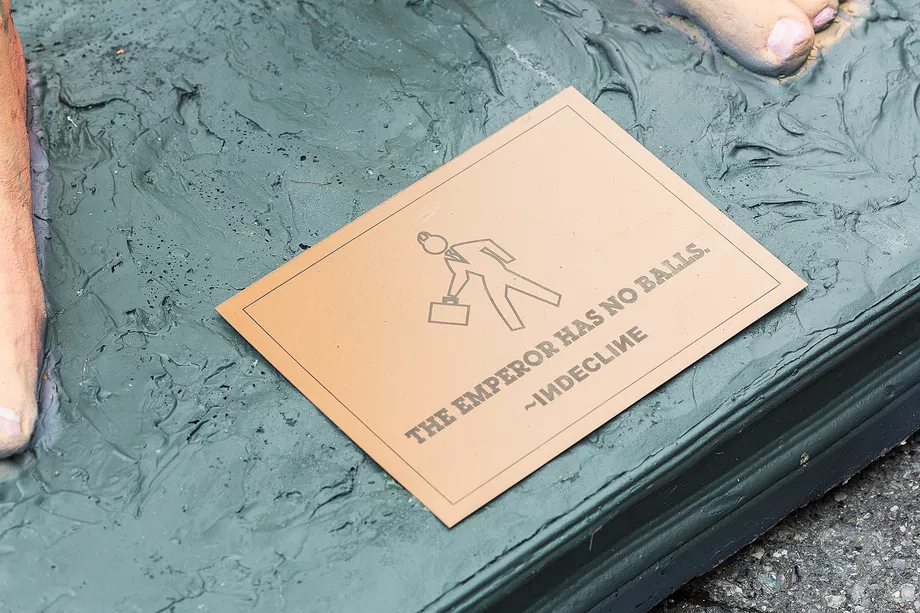
Title: „The Emperor has no Balls“!

Five identical statues of a nude Donald Trump have appeared overnight on street corners in San Francisco, Los Angeles, Cleveland, Seattle, and New York City. So, The Verge ran down to Union Square in NYC to see as much of fake nude Trump as our eyes could possibly tolerate.  Photographs by James Bareham, The Verge.

The Washington Post reports that the anarchist collective INDECLINE is responsible for the statues, and are calling this project „The Emperor Has No Balls.“ The name is ostensibly a reference to the famous fairy-tale „The Emperor’s New Clothes“.

An anonymous spokesperson from INDECLINE told the Post, „like it or not, Trump is a larger-than-life figure in world culture at the moment. Looking back in history, that’s how those figures were memorialized and idolized in their time — with statues.“

Update: The Parks Department provided a statement to Gothamist, saying „NYC Parks stands firmly against any unpermitted erection in city parks, no matter how small“ !!!

My final comment is:

Veröffentlicht unter Information | Verschlagwortet mit | 5 Kommentare

Heaven on Plate

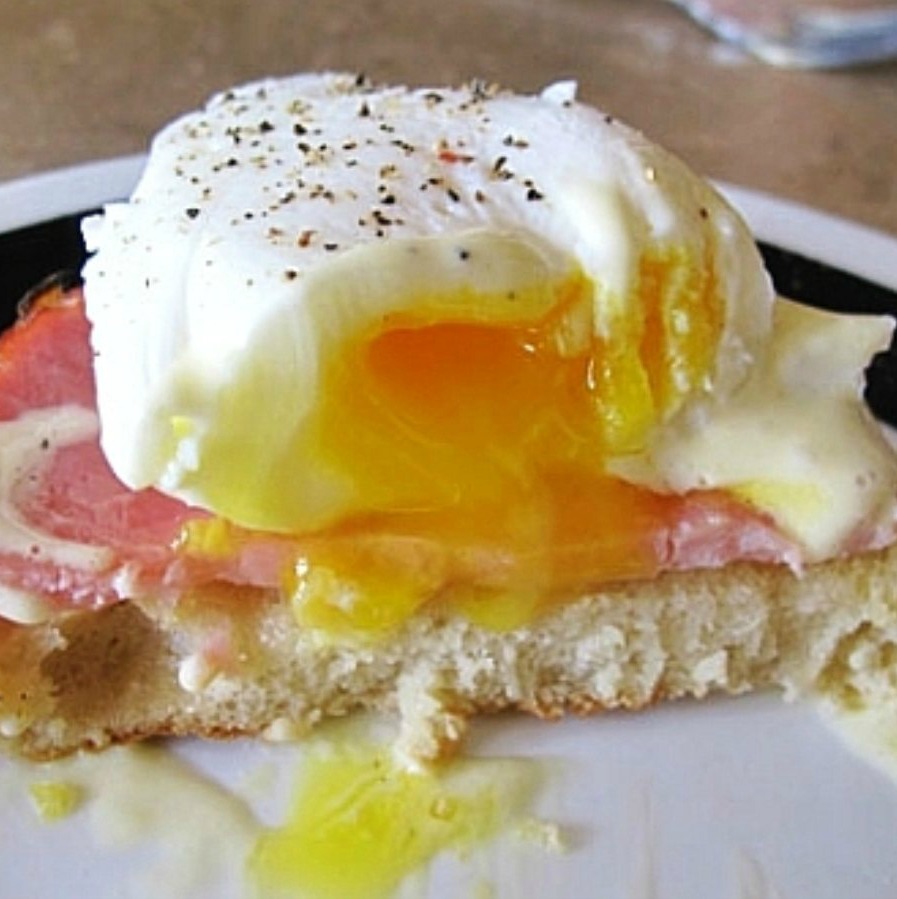
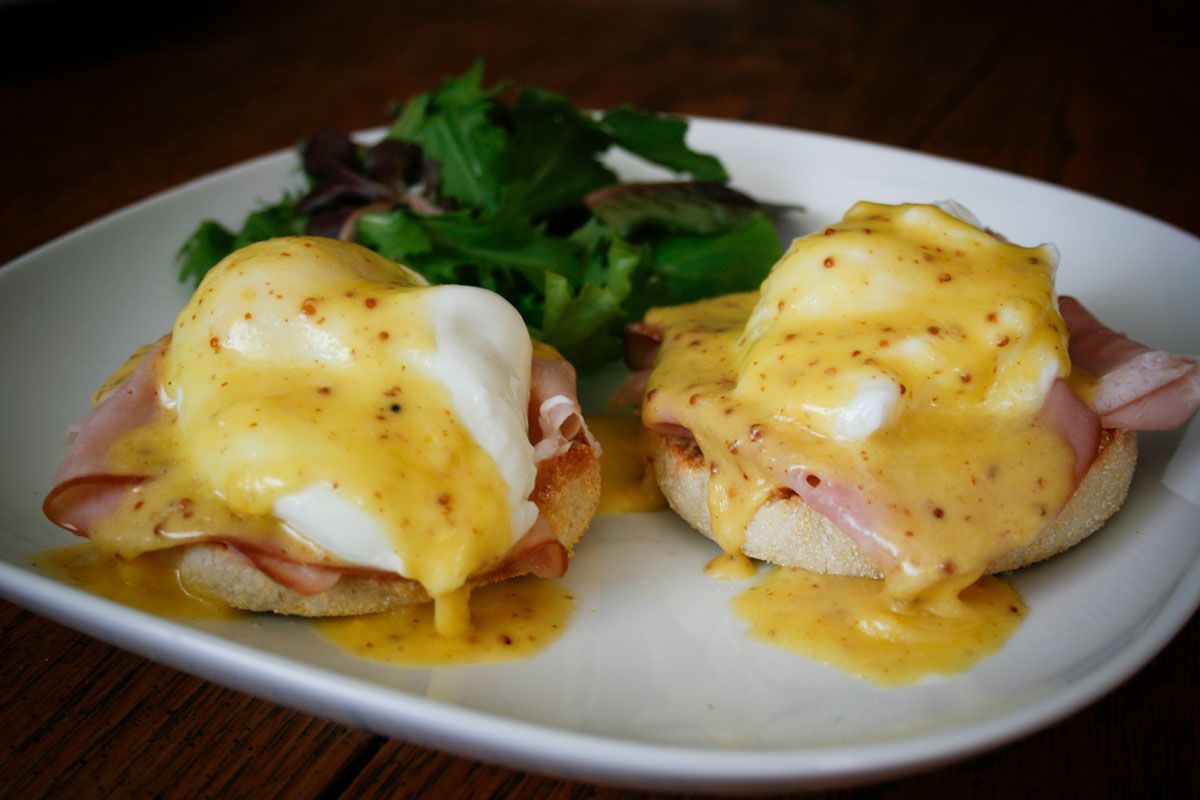
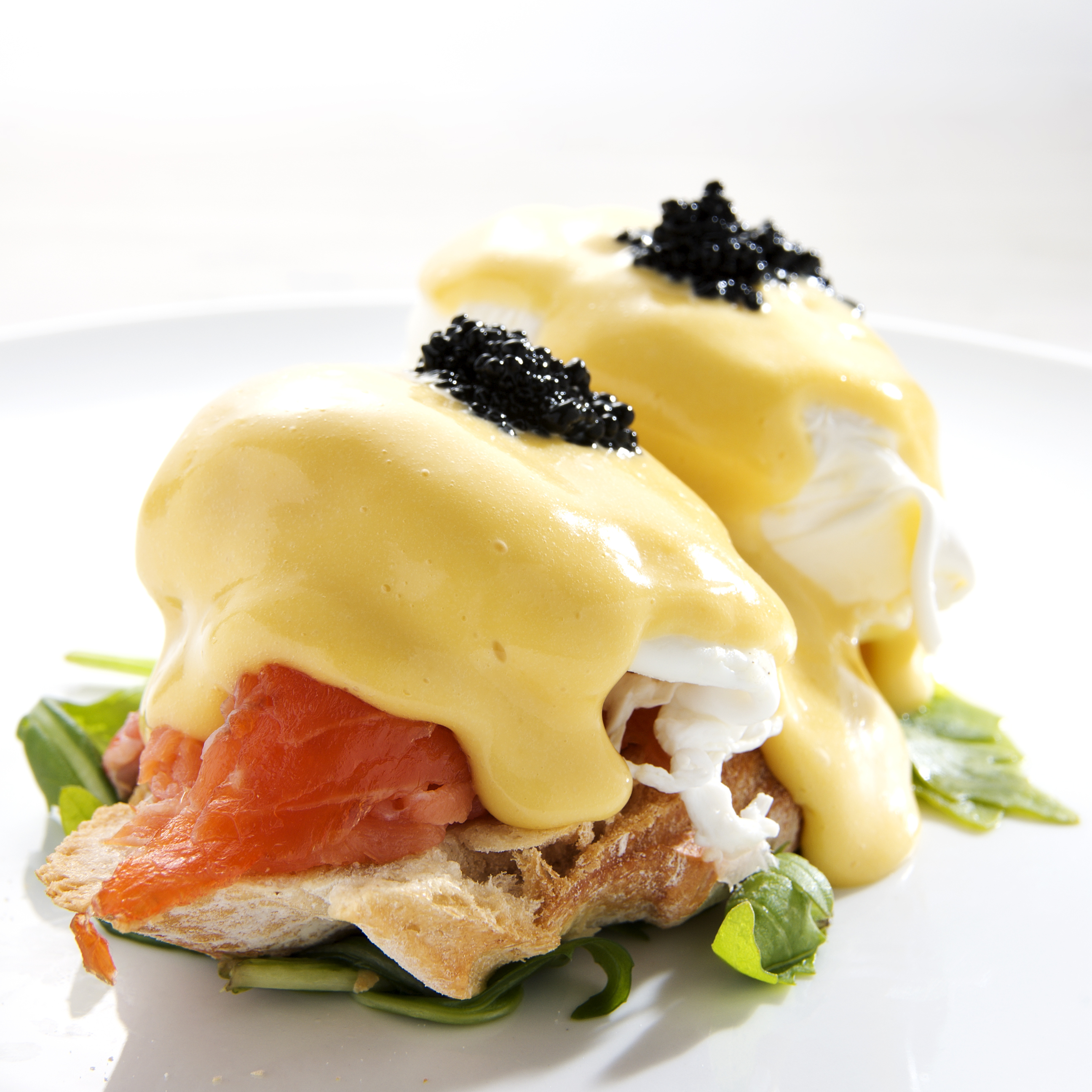
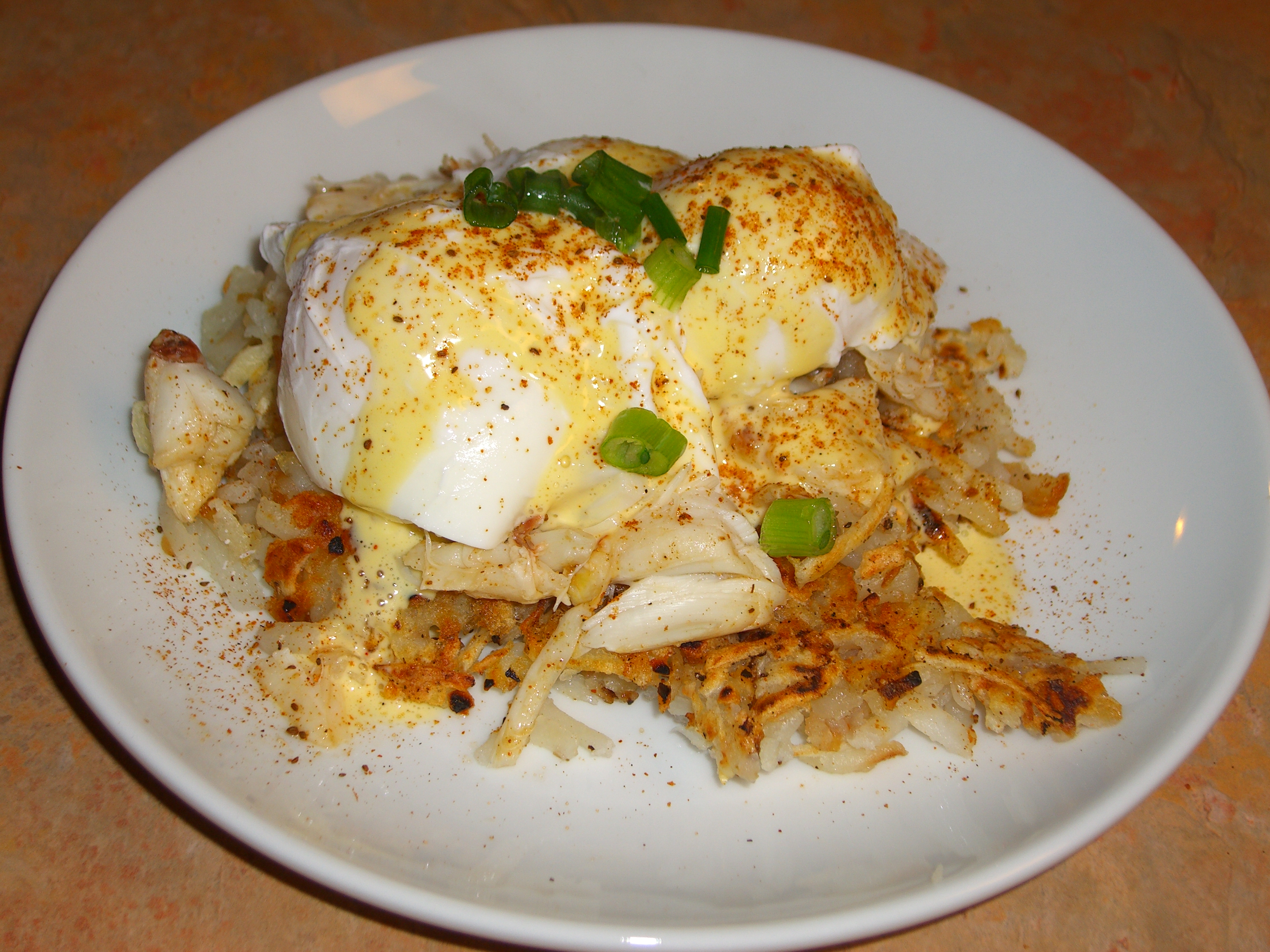
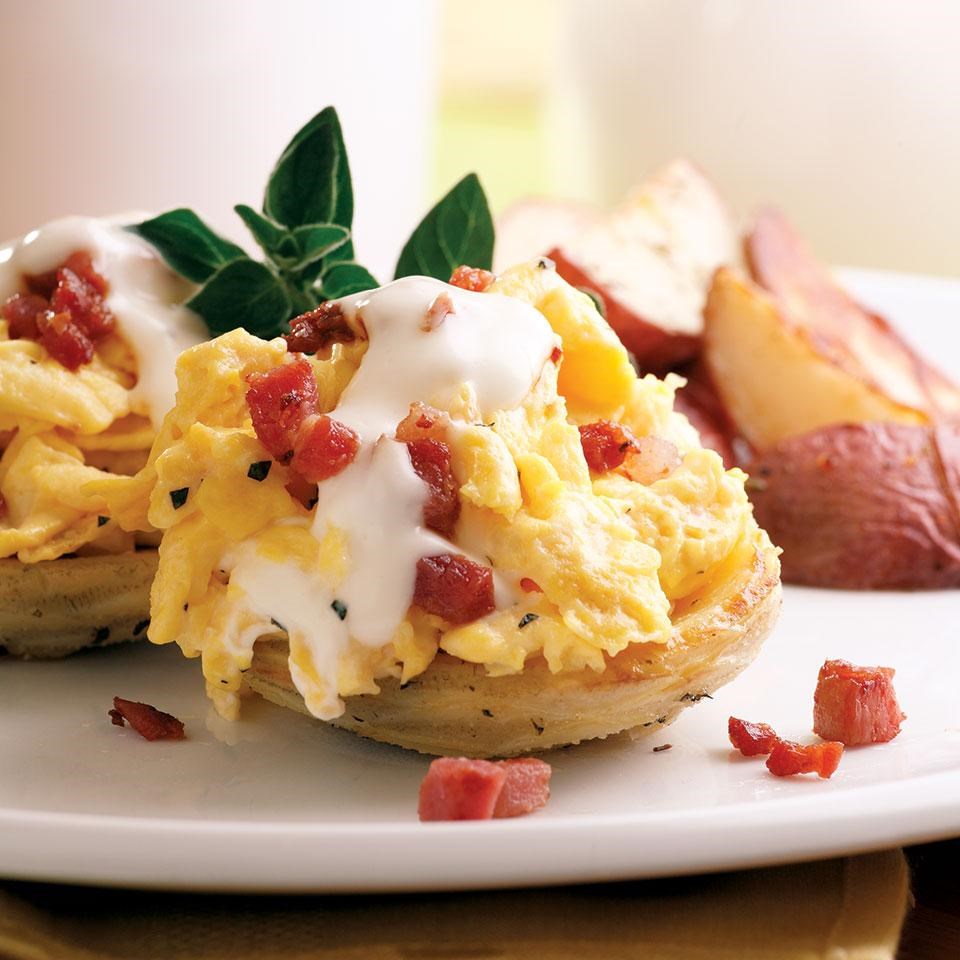
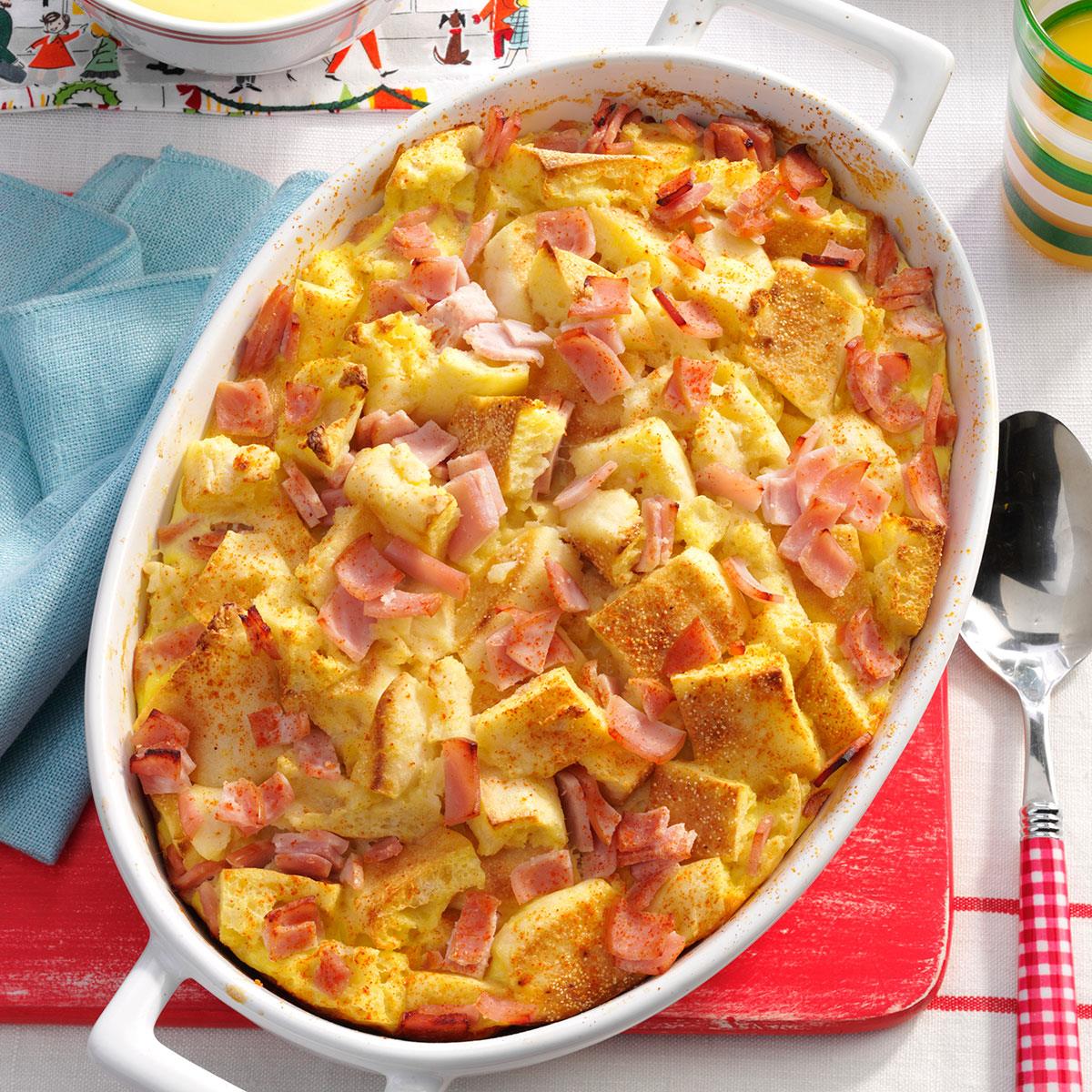
Eggs Benedict.

Recently I had a long phone conversation with my good friend Luigi in Panama. We were chatting about our good golf-life in Coronado and the time with the Buffalo’s. When we ended in memories about our, so often celebrated, brunches in Coronado’s Golf Resort restaurant.  We talked about the fantastic „Eggs Benedict“ they had on menu and ended the call, both of us mouthwatering, with the promise we should do that once again.

      Golf Buddy’s – The Panama Buffalo’s at the wonderful Coronado Golf Resort in Panama.

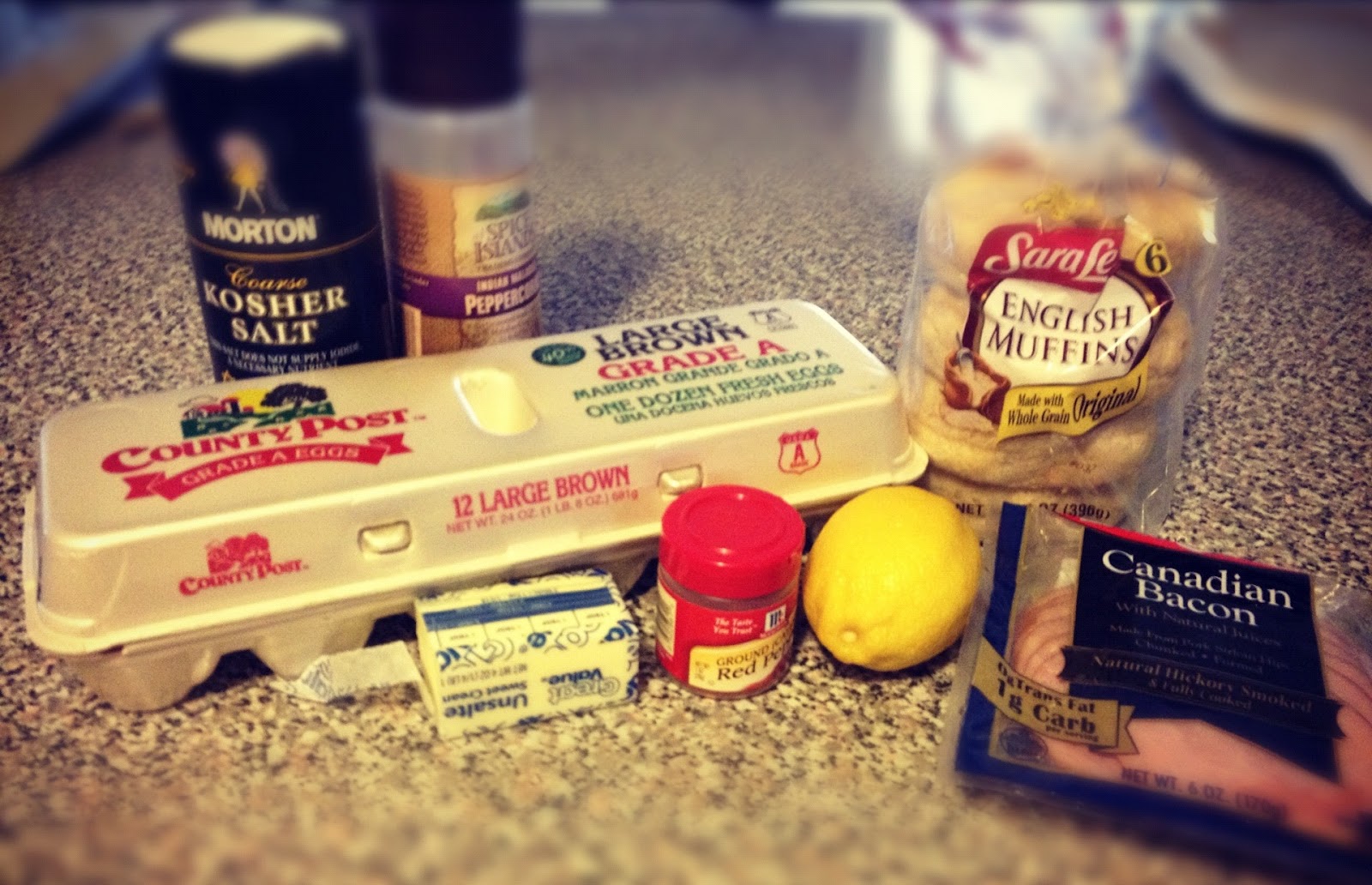
Doing so will be very tough because of the distance now. Meantime I decided to make some Eggs Benedict for myself and write a post about it. Naturally I went deeper into history and present to you a few ideas and recipes.

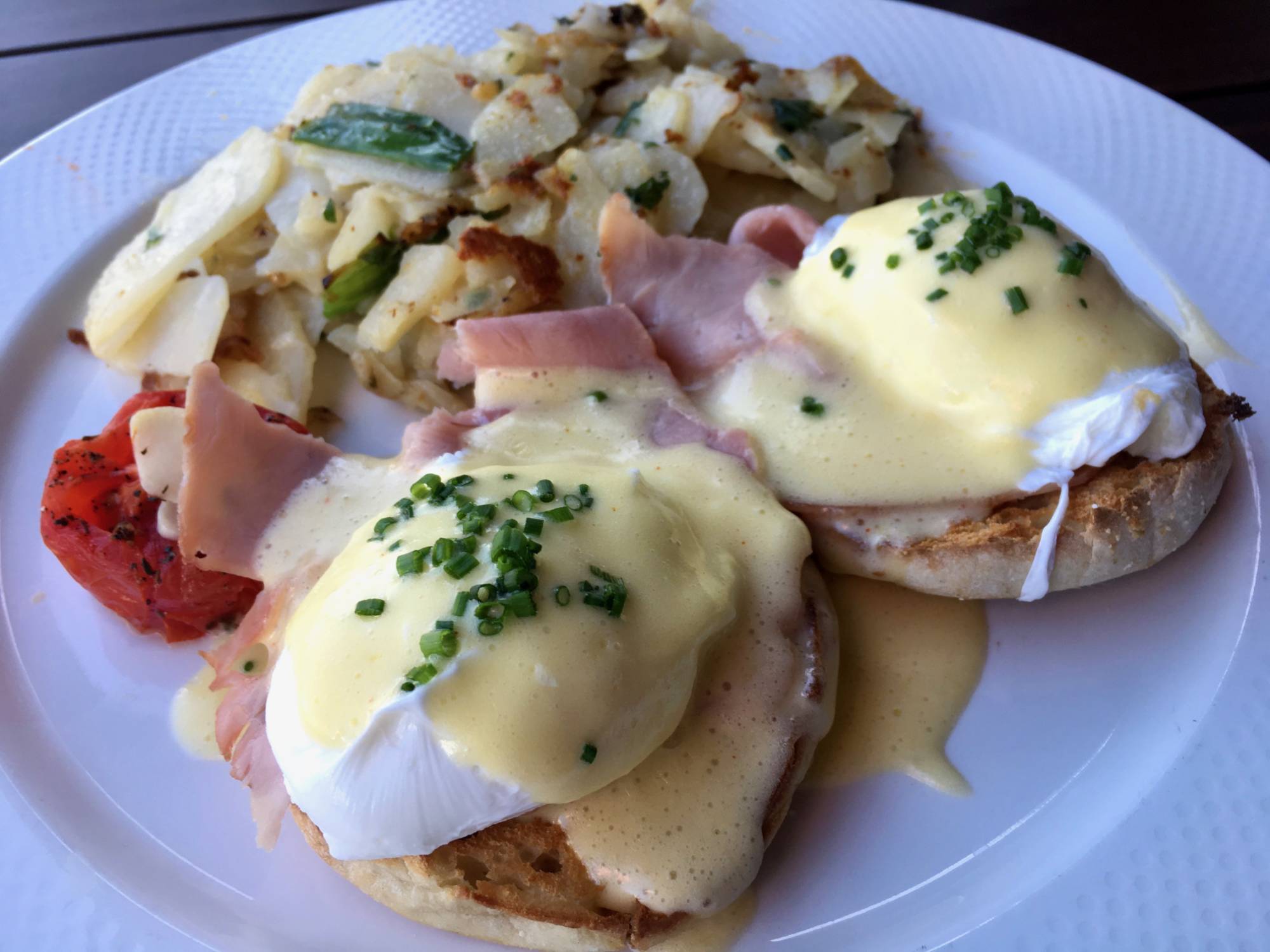
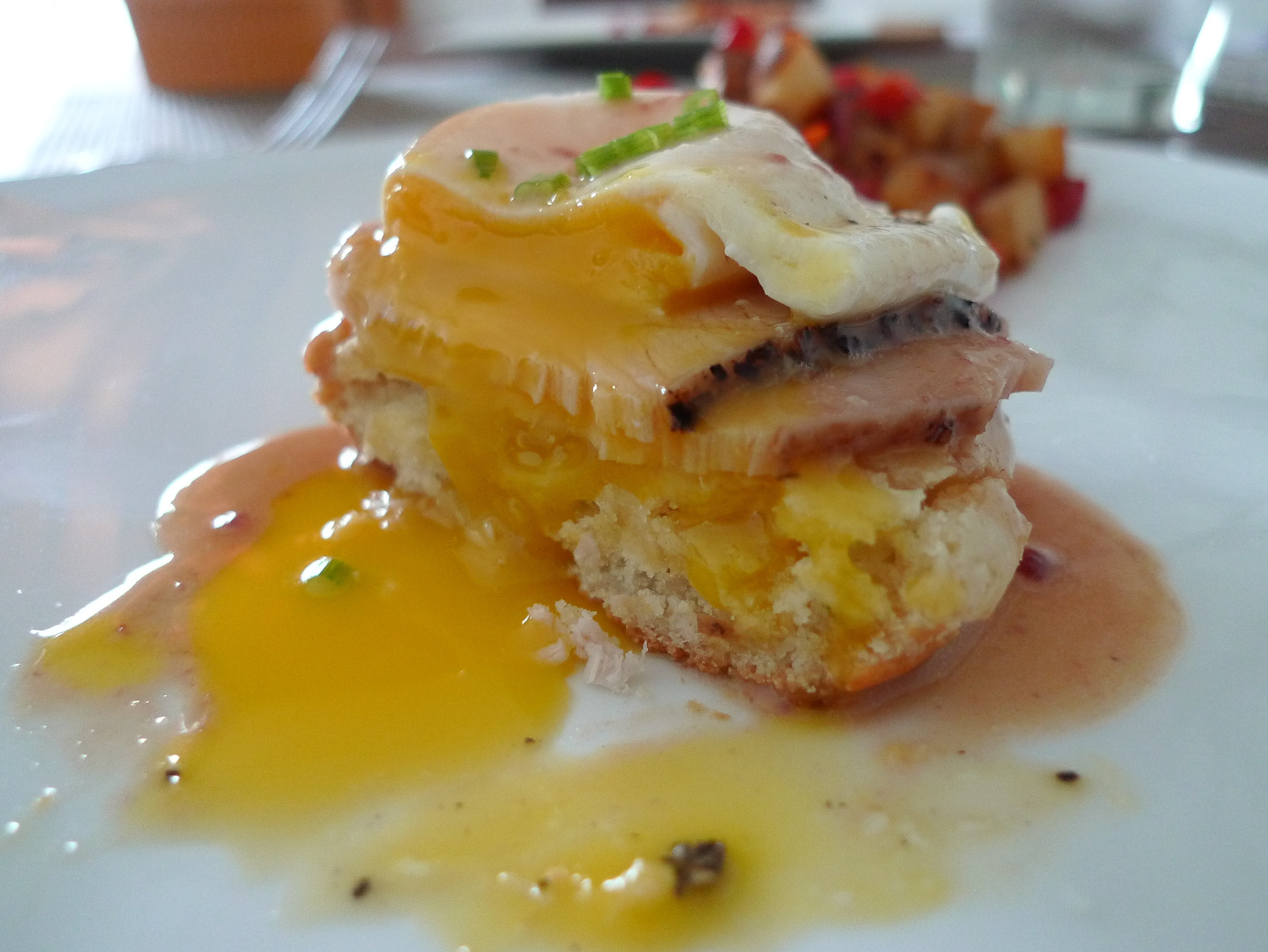
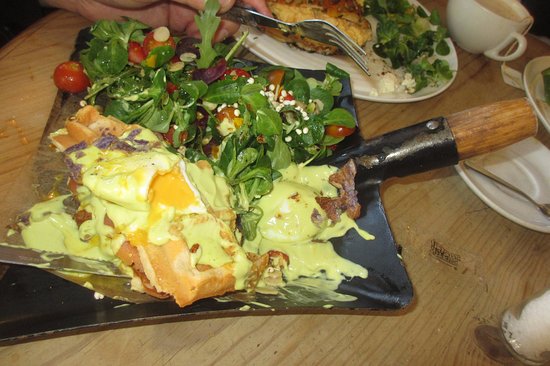
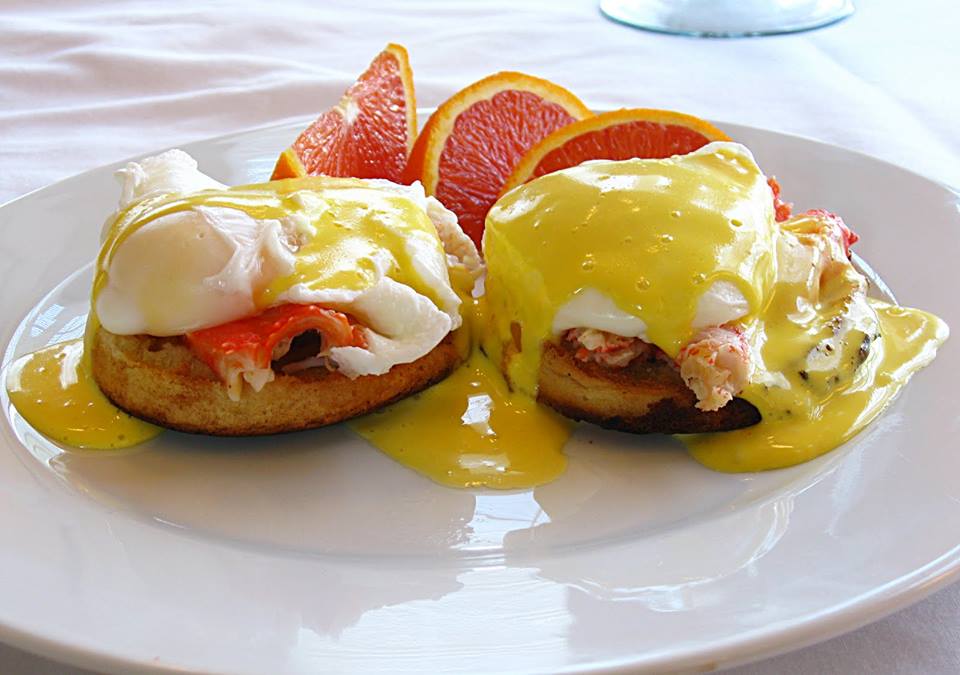
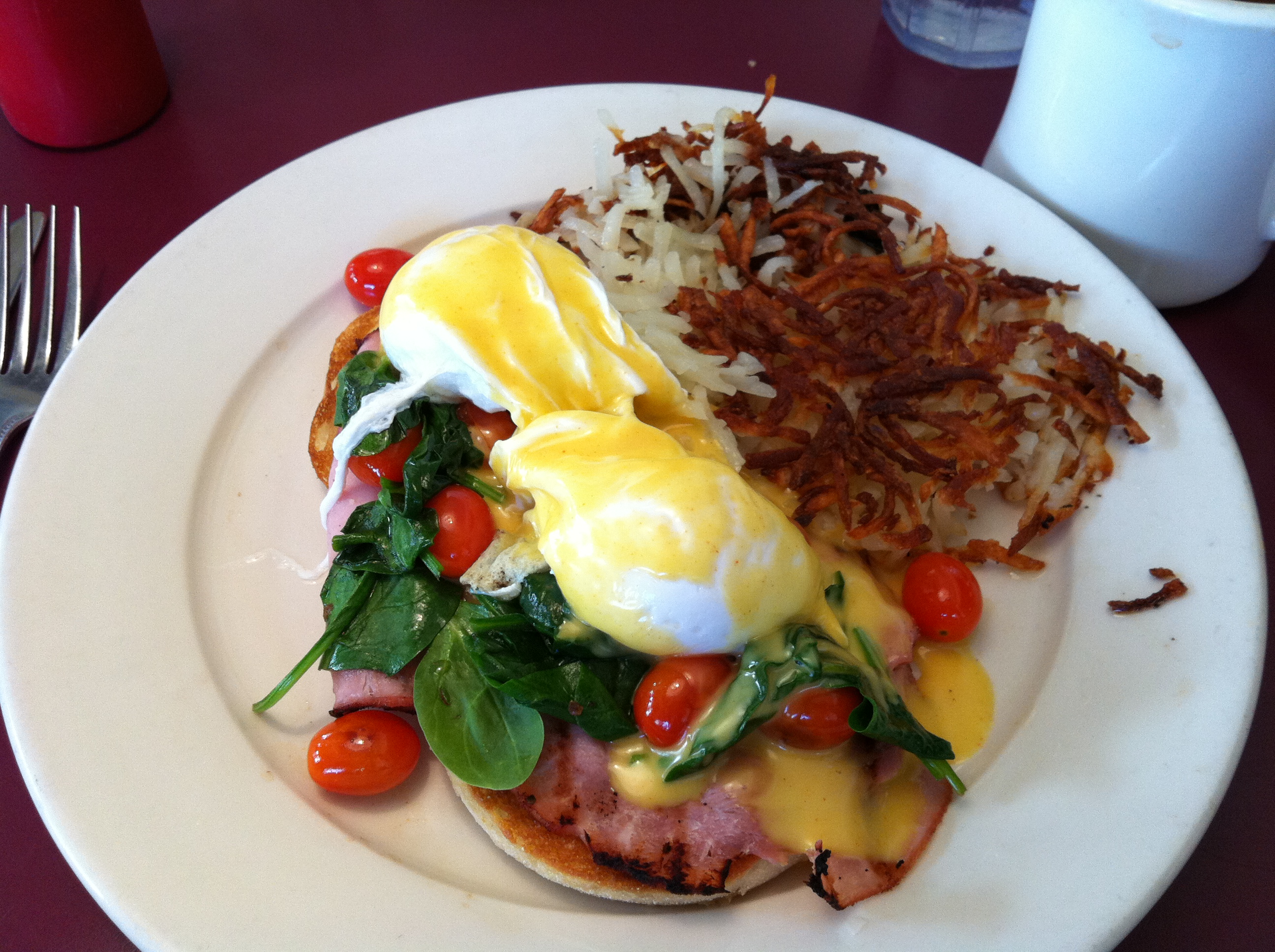
Coronado restaurant with brunch buffet prepared. Far above the Coronado Classic Egg Benedict, optionally with crisp bacon, Canadian ham or double slice of smoked pork-shoulder.Of course one could have it with greens and tomatoe or with smoked salmon, but that’s a different story. After four hours of golf, the best is to meet with family and friends for Sunday’s brunch and delicious „Eggs Benedict and Champagne“.

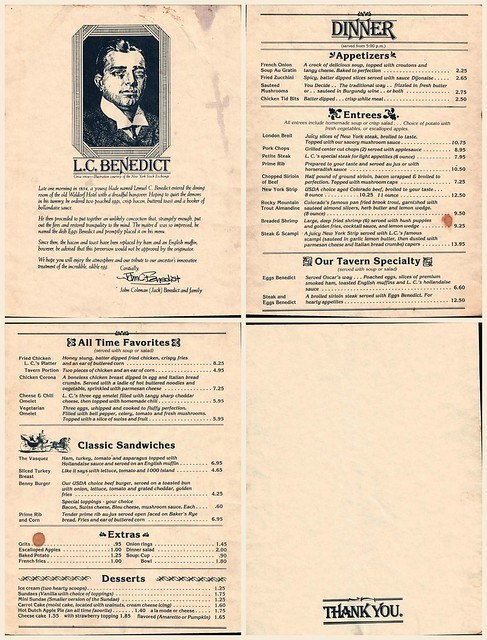
Who Invented Eggs Benedict – a Traitor, a Pope, or a Hungover Dude?

Commodore E.C. Benedict.
Craig Claiborne, in September 1967, wrote a column in The New York Times Magazine about a letter he had received from Edward P. Montgomery, an American then residing in France. In it, Montgomery related that the dish was created by Commodore E.C. Benedict, a banker and yachtsman, who died in 1920 at the age of 86. He was Commodore of the Seawanhaka Corinthian Yacht Club. Montgomery also included a recipe for eggs Benedict, stating that the recipe had been given to him by his mother, who had received it from her brother, who was a friend of the Commodore.

   Commodore Elias Cornelius Benedict. Pic Wikipedia.

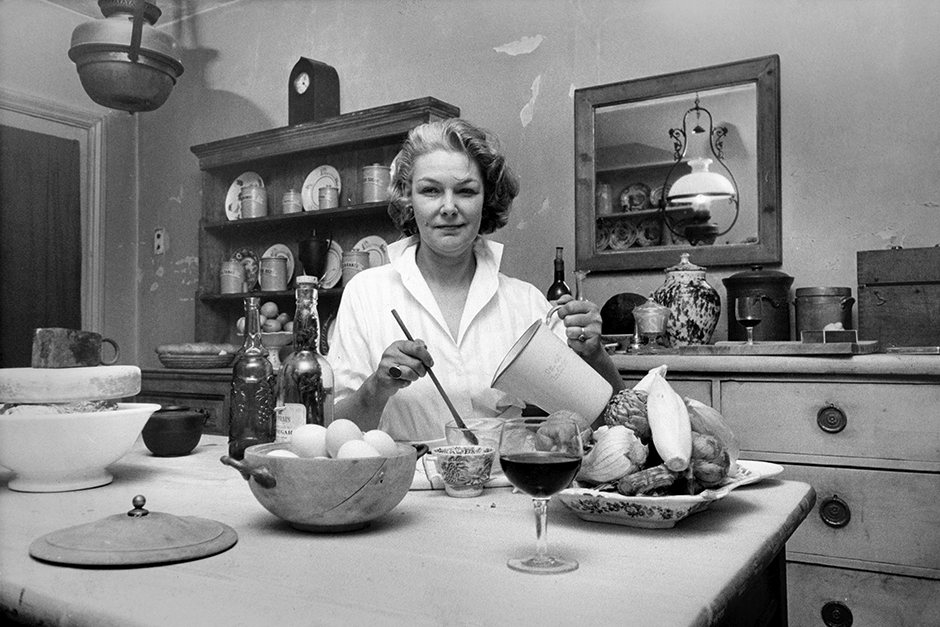
Elizabeth David
Another origin of the dish is suggested in Elizabeth David’s French Provincial Cooking, where she describes a traditional French dish named œufs bénédictine, consisting of brandade (a puree of refreshed salt cod and potatoes), spread on triangles of fried bread. A poached egg is then set on top and napped with hollandaise. This story would also explain the distinctly French syntax, where the adjective follows, rather than precedes, the noun (although Oysters Rockefeller has the same syntax without needing a Romance-language origin). No one knows how this dish got to America but If Charles Ranhofer could have known of the œufs bénédictine and thought of the coincidence of the LeGrande’s request and merged the two. Brilliant! The Canadian bacon or ham is probably preferred to the Salt Cod by most!

  Elizabeth David (26 December 1913 – 22 May 1992) was a British cookery writer, specialized on European cuisines and traditional British dishes.

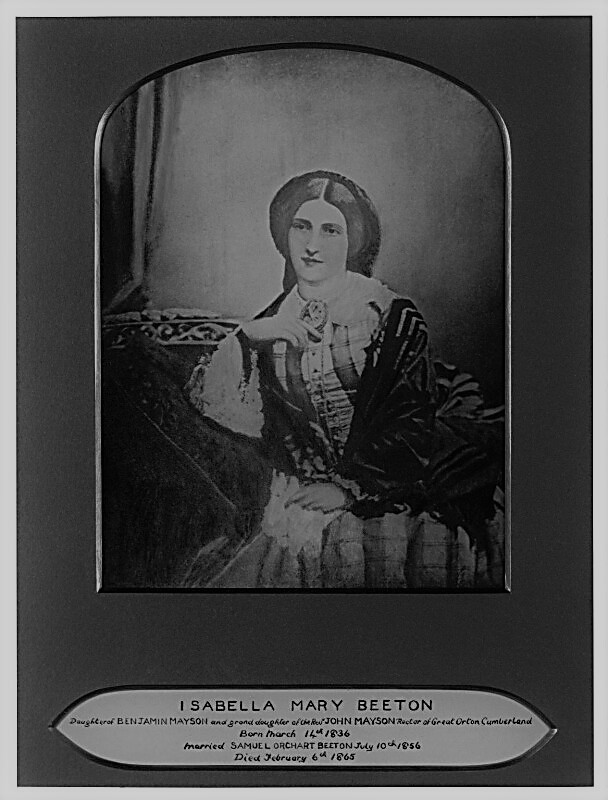
Isabella Beeton
Mrs Beeton’s Book of Household Management (Oxford World’s Classics) had recipes in the first edition (1861) for „Dutch sauce for benedict“ (p. 405) and its variant on the following page, „Green sauce, or Hollandaise verte“, This gives me the idea that this belonged to the salt cod, That Mrs. David writes about. This would have been the perfect Lent or Friday Catholic dish as well so would have been popular.

                        Isabella Beeton’s Household Management Book, first print 1861.

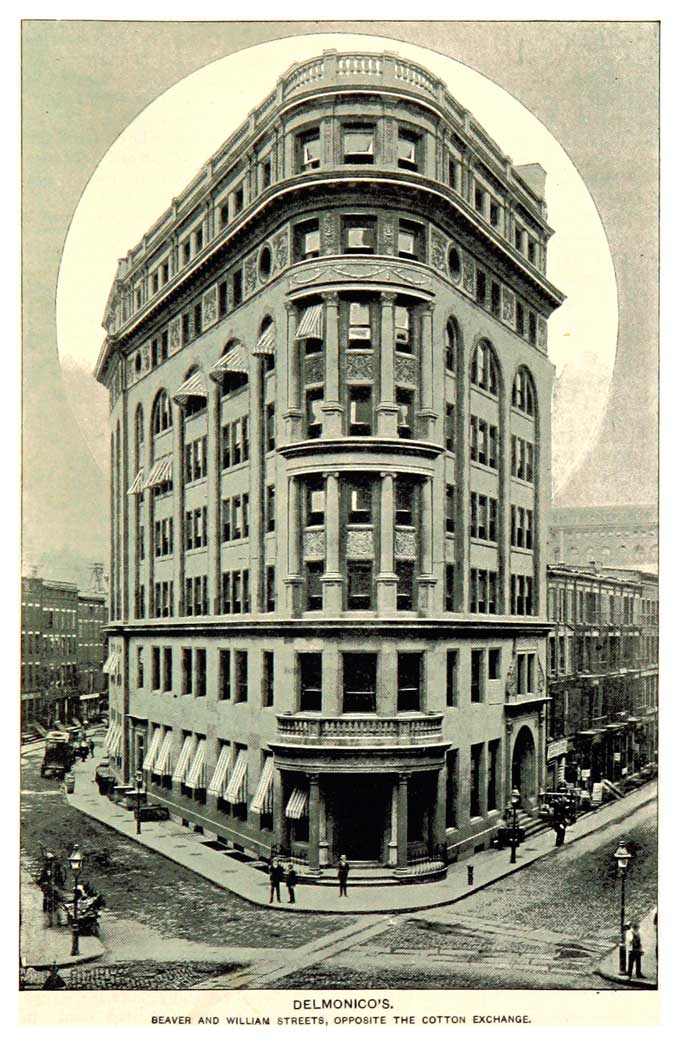
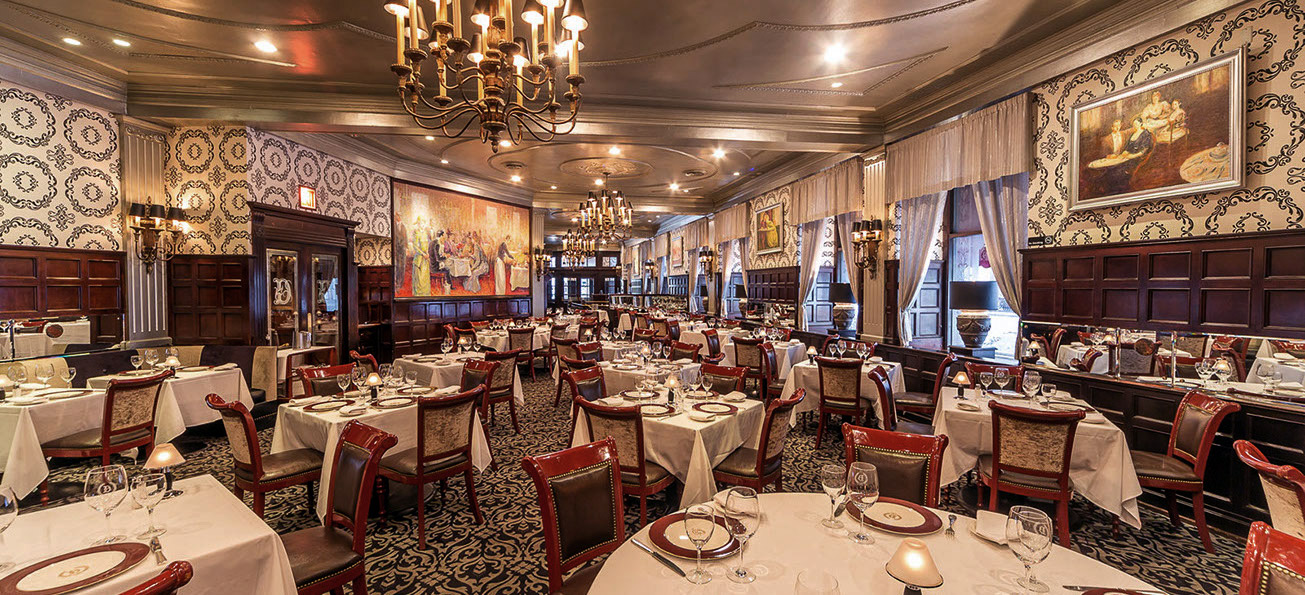
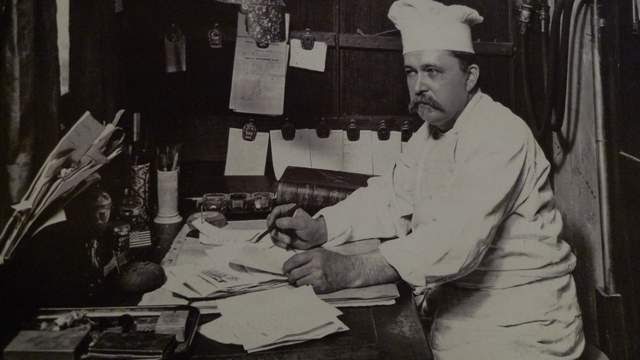
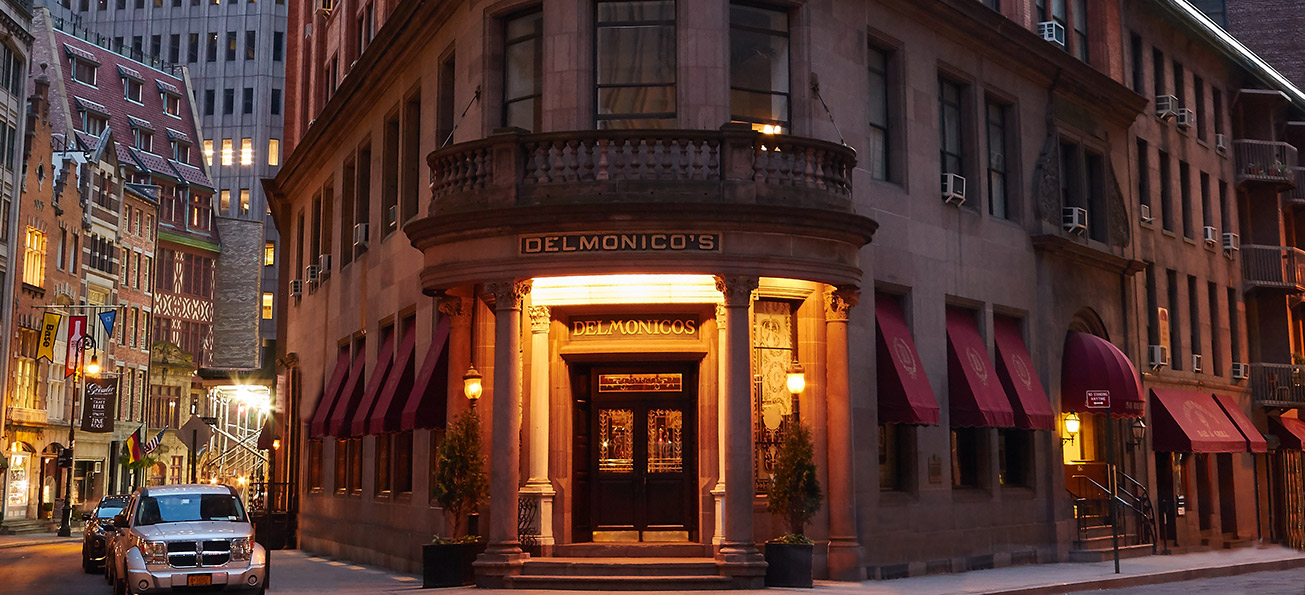
Delmonico’s New York.
Delmonico’s in lower Manhattan claims on its menu that „Eggs Benedict was first created in our ovens in 1860.“ One of its former chefs, Charles Ranhofer, also published the recipe for Eggs a la Benedick in 1894.

       Delmonico’s in Lower Manhattan, New York.

Charles Ranhofer
Eggs Benedict“ – 1860s – credit is given to Delmonico’s Restaurant, the very first restaurant or public dining room ever opened in the United States. In the 1860’s, a regular patron of the restaurant, Mrs. LeGrand Benedict, finding nothing to her liking and wanting something new to eat for lunch, discussed this with Delmonico’s Chef Charles Ranhofer (1836-1899).

    Charles Ranhofer and his cookbook „Epicurian“.

Ranhofer indulged her with Eggs Benedict. He has a recipe called Eggs a la Benedick (Eufa a la Benedick) in his cookbook called The Epicurean published in 1894. Eggs a la Benedick: Cut some muffins in halves crosswise, toast them without allowing to brown, then place a round of cooked ham an eighth of an inch thick and of the same diameter as the muffins one each half. Heat in a moderate oven and put a poached egg on each toast. Cover the whole with Hollandaise sauce.

   The famous Delmonico’s restaurant.

Before Delmonico’s , diners ate at cafes or boarding houses, where food was offered prix fixe. Diners had no choice of dishes but ate the food that was served. Delmonico’s changed all that and claims the following FIRSTS:

* The first dining establishment called by the French name restaurant
* The first restaurant where guests sat at their own tables instead of communal tables
* The first printed menu
* The first tablecloths
* The first debutante ball outside a private home
* The first restaurant to offer a leisurely lunch and dinner
* Oysters Rockefeller

  Chef Charles Ranhofer at the Delmonico’s.

* Lobster Newberg, first called Lobster Wenberg
* Baked Alaska in honor of the acquisition of the Alaskan territories
* Eggs Benedict
* Delmonico potatoes
* Delmonico steak
* Hamburger (known then as the Hamburg Steak)
*First use of the expression that something is „86’d“ (since the Delmonico Steak was item 86 on the menu and, when sold out, it was „86’d“).

Delmonico’s today. They have such a great history and invented so many culinary „new’s“, why not to leave them the honor to be the inventor of „Eggs Benedict“. I have my doubts, but who will know it better. However, if you are interested – it is so much fun to dive into Delmonico’s history. By example through their own website. https://delmonicos.com/

Oscar Tschirky.
In an interview recorded in the „Talk of the Town“ column of The New Yorker in 1942, the year before his death, Lemuel Benedict, a retired Wall Street stock broker, claimed that he had wandered into the Waldorf Hotel in 1894 and, hoping to find a cure for his morning hangover, ordered „buttered toast, poached eggs, crisp bacon, and a hooker of Hollandaise“. Oscar Tschirky, the famed maitre d’hotel, was so impressed with the dish that he put it on the breakfast and luncheon menus but substituted ham for the bacon and a toasted English muffin for the toast.

  The Waldorf Hotel, New York at 1897.

“We like to think that the eggs Benedict was really invented at the Waldorf, the original Waldorf-Astoria by the great Oscar of the Waldorf,” said Marc Ehrler, the corporate chef of the Americas for Hilton Worldwide, former owners of the New York City hotel. „Oscar of the Waldorf“ is Oscar Tschirky, who was working at the Waldorf-Astoria when it opened and served as its maitre d‘ for decades.

  Oscar Tschirky, „Oscar of the Waldorf“.

The Waldorf’s version of the eggs Benedict origin story has, over time, become the more popular of the two—in no small part, it seems, because of the New Yorker article, which has been cited by the New York Times, Smithsonian magazine, and Wikipedia. „At the end of the day, the Waldorf-Astoria seems to own the eggs Benedict,“ Ehrler explains, and gives full credit to Oscar of the Waldorf. „Without Oscar, the eggs Benedict would’ve been like too many other dishes“, like his famous „Waldorf Salad“.

  Waldorf’s Eggs Benedict.

Here’s the twist: Before he was Oscar of the Waldorf, Tschirky worked at Delmonico’s as a waiter and likely overlapped in the kitchen with Ranhofer. And while there’s no evidence that Tschirky stole the recipe from Delmonico’s and brought it over to the then-new Waldorf-Astoria, it’s not totally out of the question, especially since the recipe for eggs Benedict was already in print by the time Lemuel Benedict showed up at the Waldorf after a long night of drinking. „I think at this point, the only one who really knows the answer to this is Oscar and he took it with himself,“ Ehrler said.

Waldorf Astoria Breakfast menu from 1907, 30 different egg-style’s offered, but still no sign of „Benedict“.

Jeffrey Benedict, son of Jack Benedict, in turn the son of Lemuel Benedict’s first cousin.
Jack Benedict was the one who conducted a very personal battle and a deep search, lasted a lifetime, to make the whole world attribute them origins of the egg benedict to Lemuel Benedict. With his restaurant, entitled precisely to Lemuel, „L.C. Benedict Tavern and Restaurant „Jack intended to „educate“ customers about the true origins of this dish, proposing the two versions: that of Lemuel with toast and bacon, and that by Oscar (the chef at the Waldorf) with the English muffin and the Canadian bacon.

L.C. Benedict Tavern and Restaurant in Winter Park, a well known ski resort near Denver, Colorado ! Menu and story ! Is this now the „real“ inventor of the world famous „Eggs Benedict“?

Jack also tried to partner with McDonald’s, proposing an “Eggs McBenedict”, but apparently the Egg McMuffin was already in the works by the time Jack made contact.

Pope Benedict XIII. 1727 he inaugurated the famous Spanish Steps in Rome.

Pope Benedict XIII.
In fact, some give credit for the dish to Pope Benedict XIII (1649 – 1730), who ruled the Vatican from 1724 to 1730, and was put on a strict eggs and toast diet while there, dressed in a lemon based sauce, at his request. But it wasn’t eggs Benedict, exactly, and that pope’s ultimate legacy was sartorial, not culinary: he forbade the wearing of wigs by the cardinals. Every day he would order this specific meal when the opportunity presented itself, and so it was that it became deeply associated with him.

The Classic Eggs Benedict Recipe.

  The ingredients you’ll need.

Ingredients.

Hollandaise.
4 egg yolks
3 1/2 tablespoons lemon juice
1 pinch ground white pepper
1 tablespoon water
1 cup butter, melted
1/4 teaspoon salt

  Full main meal with baked potatoes aside.

Eggs Benedict.
8 eggs (always are served 2 eggs per person)
1 teaspoon distilled white vinegar
8 strips Canadian-style bacon
4 English muffins, split in half
2 tablespoons butter, softened

  THE BIG ONE. Double Ham, Cheddar Cheese and a Turkey Egg on top. How decadent is that ?

How to do.

To Make Hollandaise.
Fill the bottom of a double boiler part-way with water. Make sure that water does not touch the top pan. Bring water to a gentle simmer. In the top of the double boiler, whisk together egg yolks, lemon juice, white pepper, Worcestershire sauce, and 1 tablespoon water.
Add the melted butter to egg yolk mixture 1 or 2 tablespoons at a time while whisking yolks constantly. If Hollandaise begins to get too thick, add a teaspoon or two of hot water. Continue whisking until all butter is incorporated. Whisk in salt, then remove from heat. Place a lid on pan to keep sauce warm.
Preheat oven on broiler setting.

  One of the best alternatives, smoked salmon instead of bacon and topped with caviar. This recipe will then be called „Eggs Royale“, not Eggs Benedict anymore.

To Poach Eggs.
Fill a large saucepan with 3 inches of water. Bring water to a gentle simmer, then add vinegar. Carefully break eggs into simmering water, and allow to cook for 2 1/2 to 3 minutes. Yolks should still be soft in center. Remove eggs from water with a slotted spoon and set on a warm plate. Season with some paprika powder or sprinkle with chives.
While eggs are poaching, brown the bacon in a medium skillet over medium-high heat and toast the English muffins on a baking sheet under the broiler.
Spread toasted muffins with softened butter, and top each one with a slice of bacon, followed by one poached egg. Place 2 muffins on each plate and drizzle with hollandaise sauce. Sprinkle with chopped chives and serve immediately.

  This one I had in Zurich once, Switzerland. The poached eggs are resting on crab meat and some fantastic spiced onion „Roesti“ !

Tips.

When poaching my eggs I always break them into a little bowl first, because I want an unbroken yolk in the water. Then I use the back-end of a wooden spoon and swirl a bit around the water, then let gliding in one by one egg into the swirl center. That will keep the whole egg nicely round and compact.  Down here some ideas to use poached eggs.


Eggs done as scrambled eggs mixed with ham or as an egg casserole. Good idea for a larger group of guests.
  Served at restaurant Granados in Barcelona. WOW !!
  Crabs instead of meat. Served in San Francisco harbor.

  This is a wonderful meal at the end. Poached eggs on muffins, baked ham, salad of baby tomatoes and basil spinach, aside with potato roesti and topped with a fresh lemon-hollandaise. A glass of Champagne, orange juice and a good cup of coffee will round this excellent brunch menu. Ordered in Coronado, Panama.
I hope you enjoyed this post and will try Eggs Benedict once by yourself.

Veröffentlicht unter History, Lifestyle, Recipes | Verschlagwortet mit , | Hinterlasse einen Kommentar