Merry Christmas and a Happy New Year

World’s first printed Christmas card on display.

When I saw this headline, my history interest was awakened. I read about this card on display and went deeper into her story, history and background. The few information’s I found I like to share with you and send you with this post and card my very best Season Greetings for a

Merry Christmas and a Happy New Year to You !

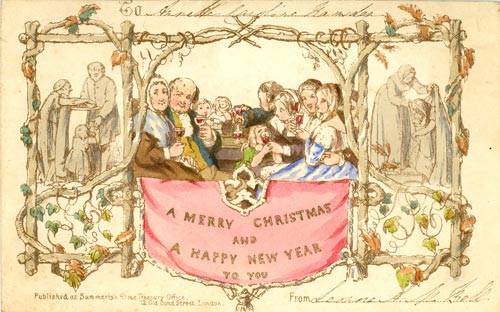
The world’s first printed Christmas card (see above) has gone on display at London’s Charles Dickens Museum, just in time for the start of the festive season. In collectors language one also calls this card „The Cole Horsley Card“.


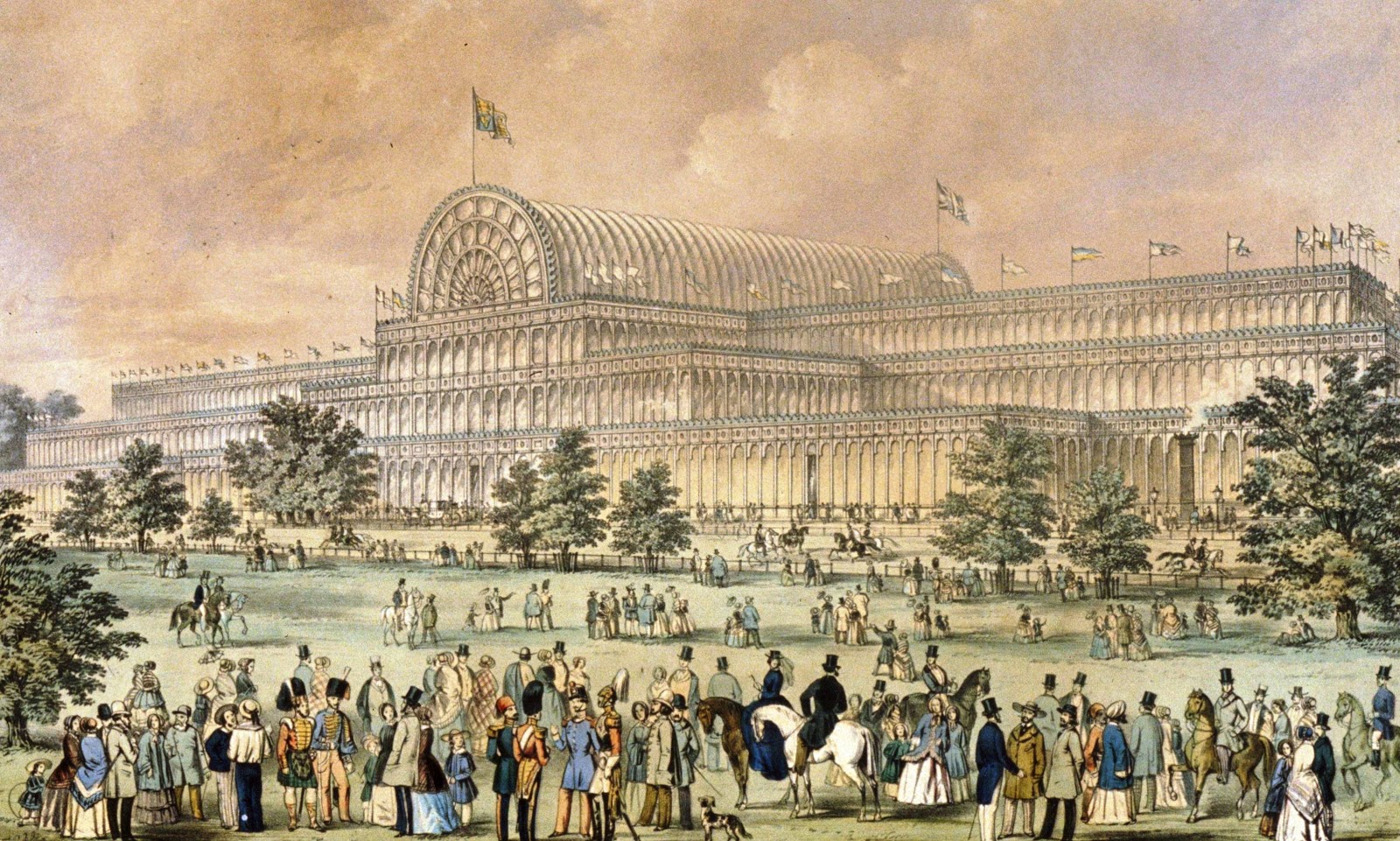
Portrait of Sir Henry Cole, (15 July 1808 – 18 April 1882) was a British civil servant and inventor who facilitated many innovations in commerce and education in 19th century in the United Kingdom.  Mental Floss reports that in 1843 Sir Henry Cole was too busy to jot down season’s greetings to individual family members and friends and decided a mass mailing of uniform cards would better serve his hectic schedule. And Cole was quite a busy guy, indeed; he later organized The Great Exhibition of 1851 in London!
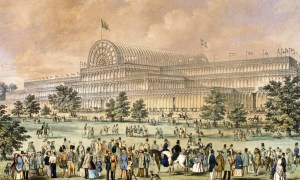
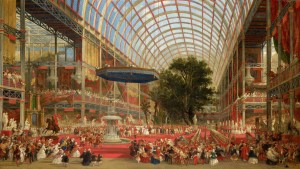
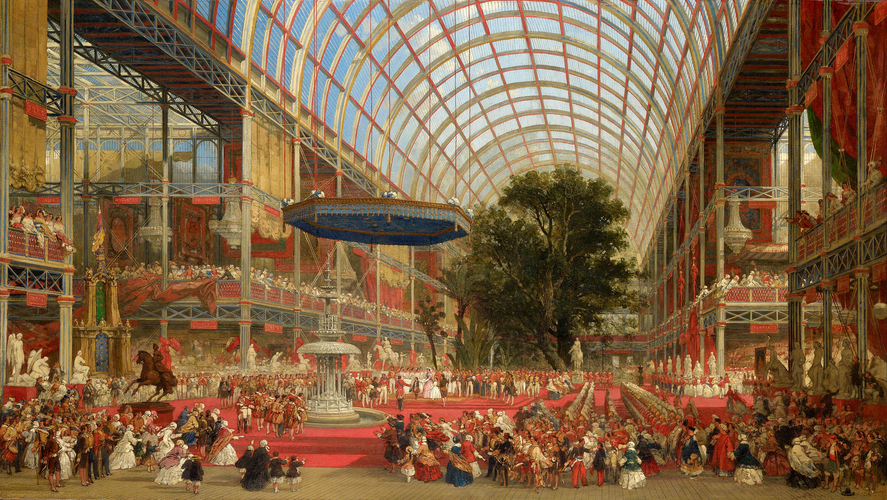
     The Great Exhibition of 1851 held at the Crystal Palace in London. Click on pics to size up.
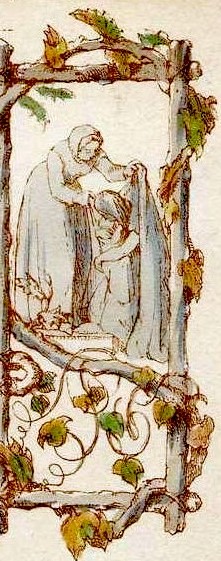
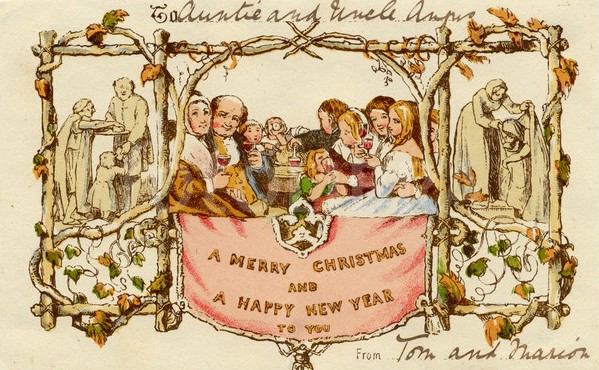
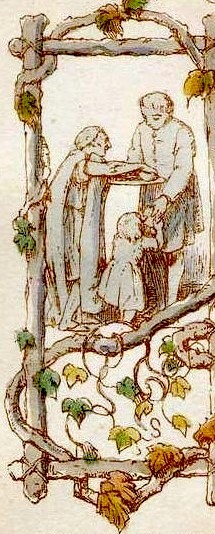
Cole’s card is about the size of an ordinary postcard. Trellis work and garlands of ivy create a rustic frame for a kind of triptych. The side panels depict the charitable acts of clothing the naked and feeding the hungry, whilst the middle part shows a happy family gathering, drinking a toast to Christmas and the New Year. Good works and good eating and drinking, the two elements of a Victorian Christmas, make their appearance together on this first card.

The card which is on display at the Dickens museum.
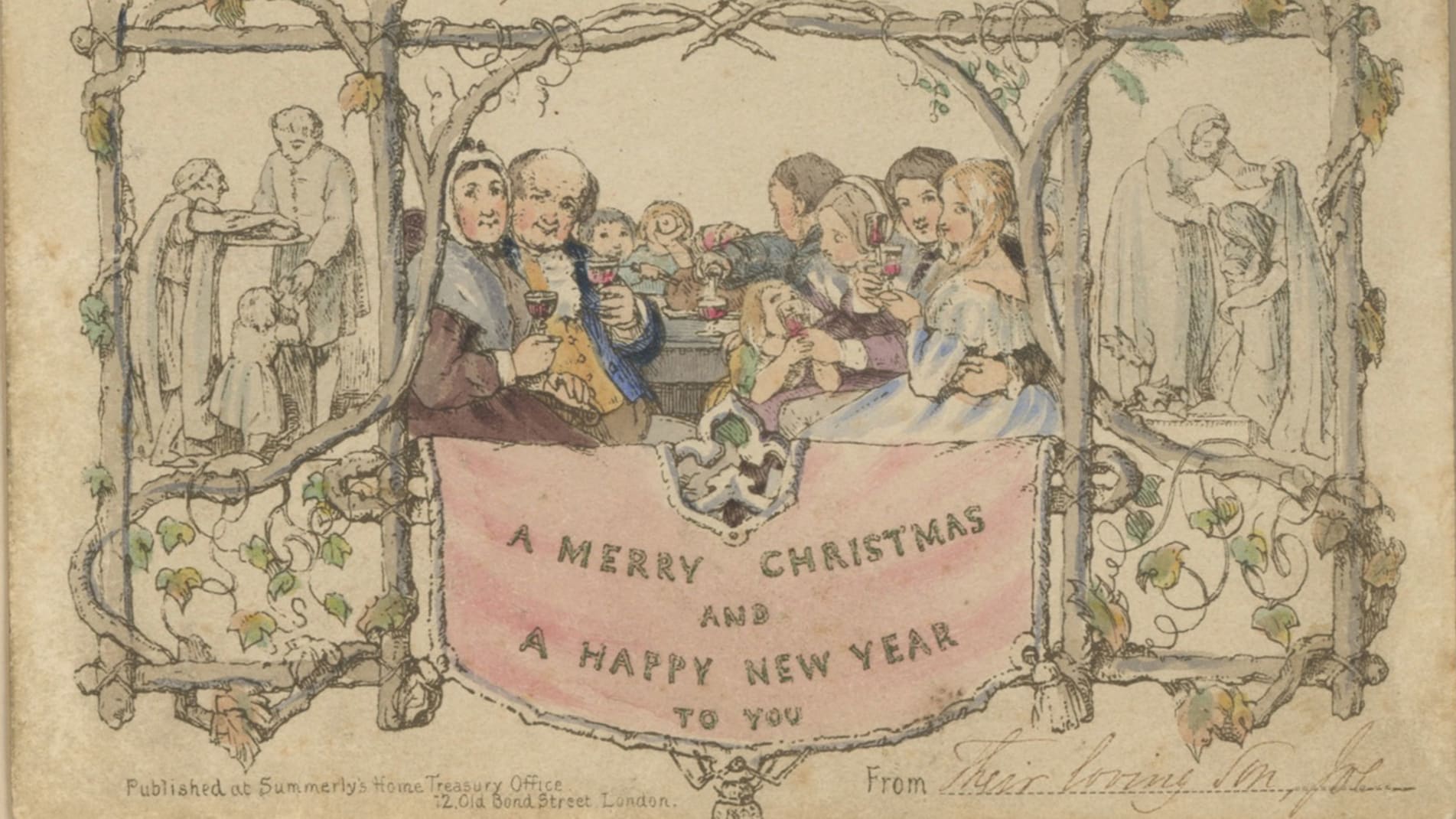
The card, produced by Henry Cole, John Calcott Horsley and Joseph Cundall in 1843 – the same year that Dickens‘ „A Christmas Carol“ was published.
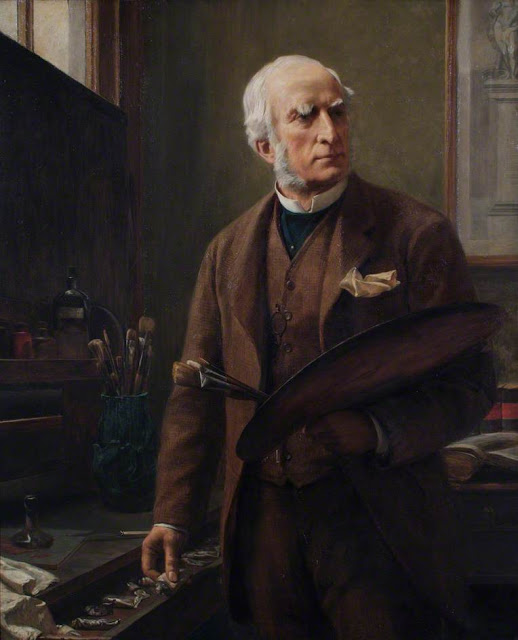

Portrait of John Callcott Horsley, (29 January 1817 – 18 October 1903), was an English Academic painter of genre and historical scenes, illustrator, and designer of the first Christmas card.
Hand colored and with blank spaces for the recipient’s and sender’s names, the card bears the message „A Merry Christmas and a Happy New Year to you“ and was sent from a son to his parents. The Worlds first commercial Christmas card was designed by John Callcott Horsley (brother-in-law of Isambard Kingdom Brunel) for his friend Henry Cole, co-founder of the Victoria & Albert Museum.
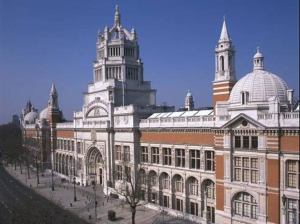
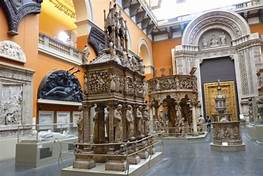
          
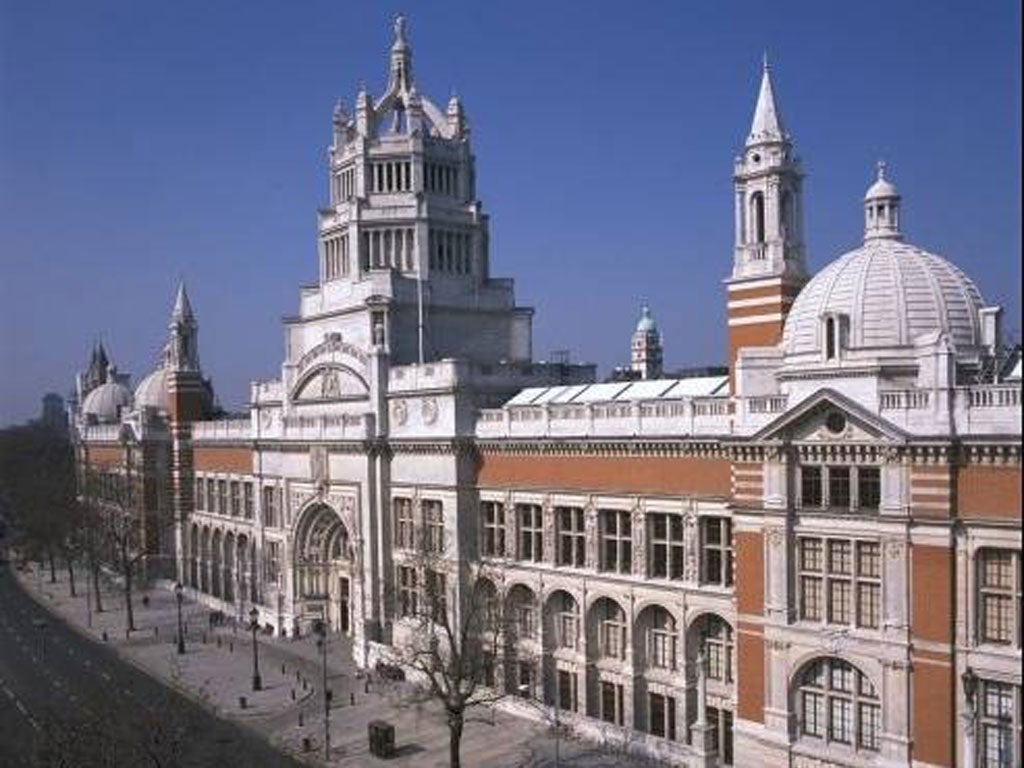
The Victoria and Albert Museum has its origins in the Great Exhibition of 1851, with which Henry Cole, the museum’s first director and co-founder, was involved in planning. Initially it was known as the Museum of Manufactures. It was founded in 1852 and named after Queen Victoria and Prince Albert. It belongs today to the 10 most important museums in the world. If you haven’t already, it’s a „must see“destination in Europe.
Portrait of Joseph Cundall, (22 September 1818  – 10 January 1895), was a Victorian English writer under the pseudonym of „Stephen Percy“, a pioneer photographer and London publisher of children’s books. He provided employment for many of the best artists of the day by using them as illustrators.
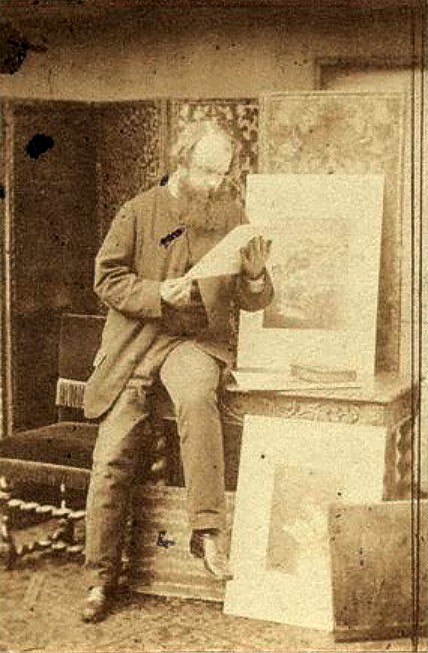
One thousand copies were published by Joseph Cundall, the mid 19th century children’s and illustrations publisher, and sold in 1843, at Felix Summerly’s Home Treasury Office at 12 Old Bond Street, London, England, for six pence each – hand colored.

As well as picturing a family celebrating Christmas, the card also features images of the poor being clothed and fed, signifying Christmas charity.


              Christmas – feeding and clothing the poor.
A proof copy, inscribed by Cole in 1865, is also on display in the collection.
Cole, a civil servant, was instrumental in reforming the British postal system in the 1840s, helping to introduce the Penny Post delivery system in 1840.
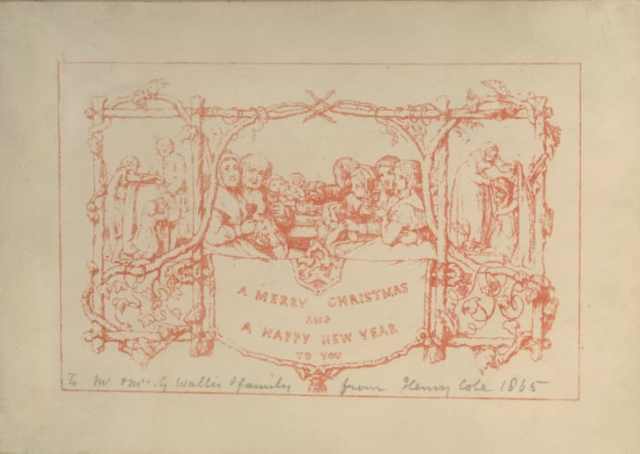

The proof (as above), inscribed by Henry Cole to Mr and Mrs Wallis, is one of only five recorded, according to the Dickens museum.
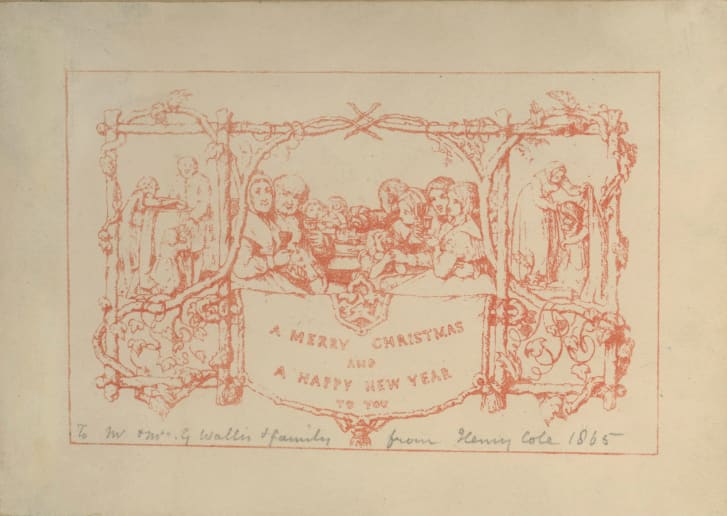
According to London’s Victoria and Albert Museum, the Penny Post encouraged the sending of seasonal greetings on decorated letterheads and visiting cards. According to the Charles Dickens Museum, the modern idea of Christmas, and it’s associated traditions, emerged in the first half of the nineteenth century.

In newly-industrialized Britain, the technological advances which revolutionized the work of bookbinders, printers, typesetters and illustrators, also prepared the perfect conditions for Dickens to introduce „A Christmas Carol“ to the world.
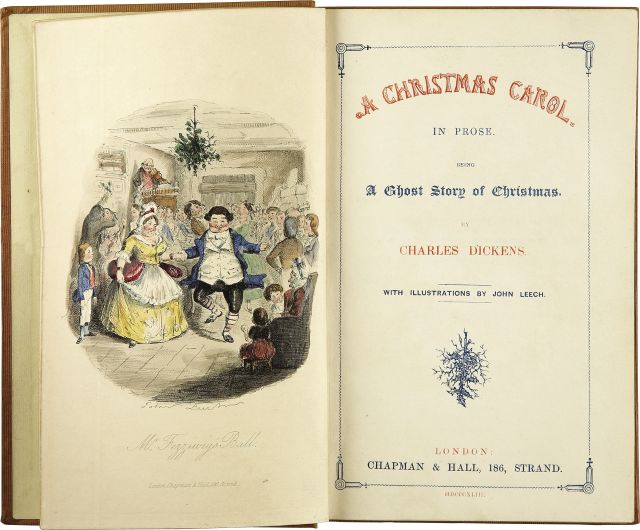
First edition of Dickens‘ book „A Christmas Carol“. It was published the same year – 1843 –  as the first printed Christmas/New Year card.
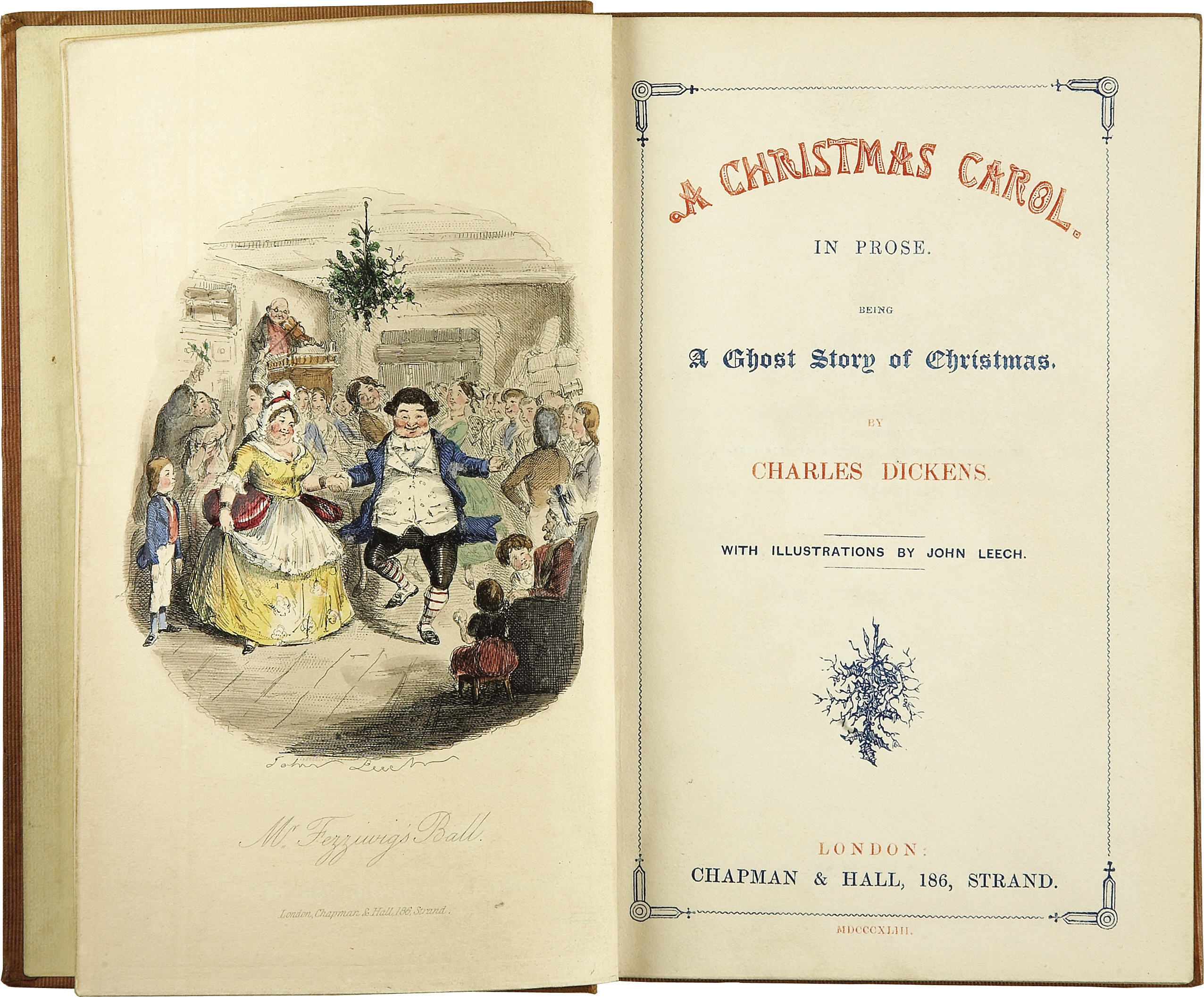
Dickens‘ writing is thought to have shaped many modern day Christmas traditions. „A Christmas Carol“ was one of the author’s many Christmas books.
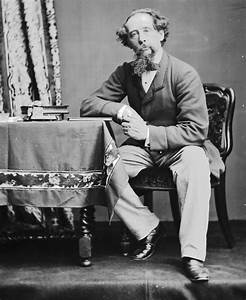
  Portrait of Charles Dickens, (7 February 1812 – 9 June 1870) was an English writer and social critic. He created some of the world’s best-known fictional characters and is regarded by many as the greatest novelist of the Victorian era.
John Drew, professor of English literature at the University of Buckingham and specialist in Dickens‘ work, told that in the period where Dickens and Cole were working, developments in the publishing industry and the proliferation of printed media helped to establish and popularize festive traditions.
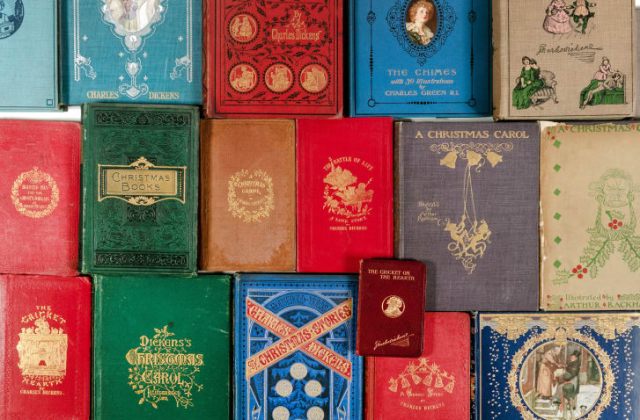
Charles Dickens wrote a string of Christmas books.
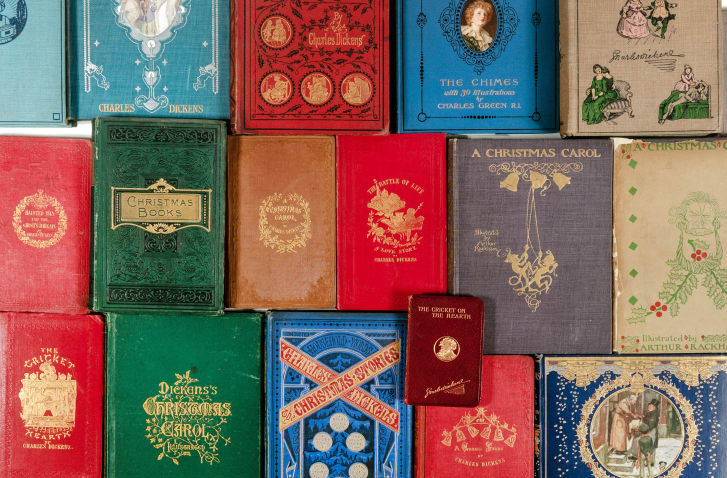
„Dickens and Henry Cole are in the beginning of this heyday of the influence of the media, and Dickens is able to peg these traditions to a very recognizable story,“ Drew said.
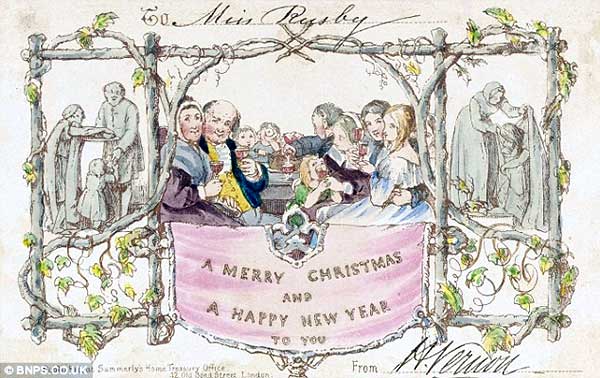
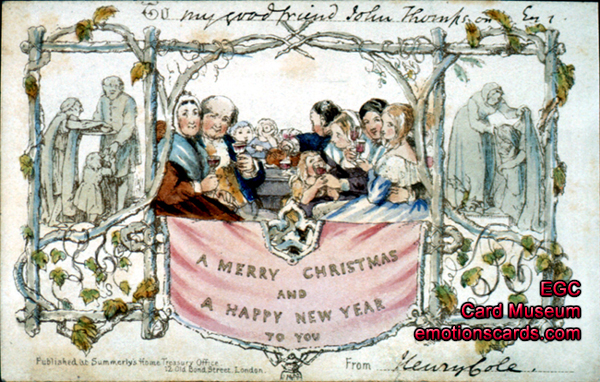
         

The above shown 4 cards are some of the survived card’s, printed 1843 in an original edition of 1000. As you can see, they are all individual hand colored after printing – all 4 cards look a little bit different in coloring. According to my researches there are about 15 to 18 of such cards still existing. In 2010 was one sold in an auction for US$ 34.400,–. Collectors are willing to pay at least US$ 10.000,– for one card in a good condition.
Keep your eyes open, may be you will find such a Christmas treasure !!


Veröffentlicht unter Collecting, History, Information, Must See, Travel | Verschlagwortet mit | Hinterlasse einen Kommentar

It’s Trump Time Again

This time I will post some of the latest pics I found about Trump. Most of them are released by himself or his offices. I post the pics and spare most of my comments.

This is just to show on base of satire how he sees himself or how the world sees him. May be right, may be wrong, but never ever had an American President satire discussions like this before.

How sick must a person be, to post a picture, like this, of himself ??? Body-pic stolen from a Rocky-Stallone movie !!!

And of course he directly gets 1000’s of comments like the above or the below.


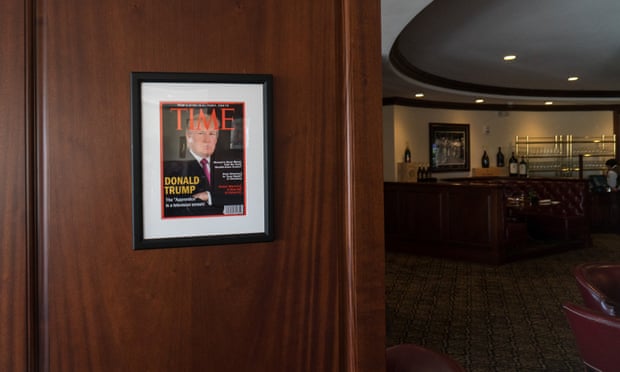
Framed Time cover featuring president and the headline ‘The Apprentice is a television smash!’ has reportedly been seen hanging at five of Trump’s clubs.
Time magazine asks Trump to remove fake covers from display at golf clubs !

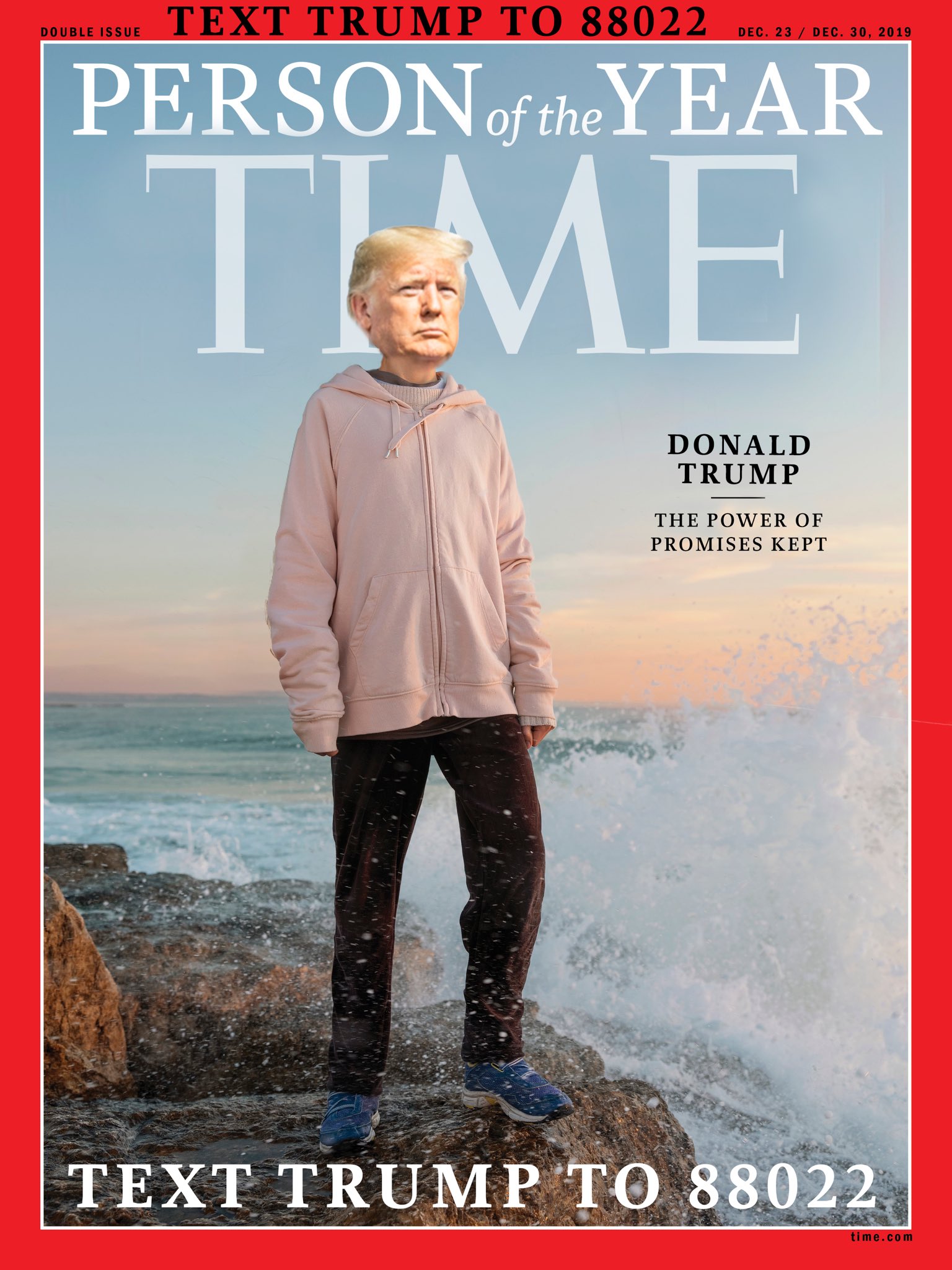
Trump would love to be on Time Magazine Front Cover, but he is not important enough. So he put his head in exchange of Greta Thunberg’s and started mocking about her. What a sick bastard he is. Would have someone done the same with his son Barron …. wow …. like to see Trump’s reaction !!!

Some of the readers comments to the Time picture (above) made from „TrumpsWarRoom“.  This new „Trump election campaign“ title says it all !!

⚜️Rob Anderson for LouisianaVerified account @RobAnderson2018
I’m filled with a swell of patriotism that we have a President who will stand up to 16 year old girls.

Donna Ryan – #Resist #NoDM’s‏ @DRyan327 46m46 minutes ago

Are you out of your ever loving mind?!! He put his head on her body making it look like he won! He is a 5th grader!

New conversation
The Angry Kiwi‏ @CraigKendrick5 22h22 hours ago

Replying to @TrumpWarRoom

Well he acts like a little girl and gets on his plane and goes home so I’m going to let this one slide

Mister Resister‏ @MisterResiste10 3h3 hours ago

That is an insult to little girls!

That’s what Donald Trumps own mother already said about him !!


One more how he likes to see himself is this pic (also from the TRUMPWARROOM), showing Trump as  Marvel-Rogue „Thanos“ –  one of the great „mass murderers“ !

Ja ja, Trump’y, everyone has the right to dream wishes ! You should see the full add-clip he published, when he – with a finger snip – let disappear his political opponents, the Democrats. Ha ha Mr. Trump – DREAM ON !!
The TRUMP-STORY is a HORROR-STORY in itself !!
A fine comment (meantime 73 years old) appropriate to the above picture.


This shows how Trump sees the world.


This shows how the world sees Trump.


Yes, it shows how the world sees Trump.

Yes and Yes again, that’s how the world sees you „Mr. f… President“ !!


People are saying: „The only face I’ve ever seen – with an ANUS directly under the nose“, is the one above !

                           
                           WOULD BE GREAT, wouldn’t it‘?

Veröffentlicht unter Information | Verschlagwortet mit | Hinterlasse einen Kommentar

Canasta

READ ARTICLE CANASTA !


Veröffentlicht unter History, Hobbies, Information, Lifestyle, Uruguay | Verschlagwortet mit | Hinterlasse einen Kommentar

December 6

Who was St. Nicholas?

Accompanied by Knecht Ruprecht (servant Ruprecht), St. Nicholas traditionally bestows good children. But where does the custom of the stuffed boot come from – and was it really the person of Santa Claus?

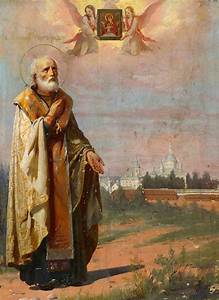
A St. Nicholas icon from around 1300.

The candy-filled boot on the morning of December 6 is part of a custom dating back to the Bishop of Myra – better known as: Nicholas. He is considered a friend of the children, patron of the prisoners, patron saint of seafarers, merchants, martyrs and helpers.

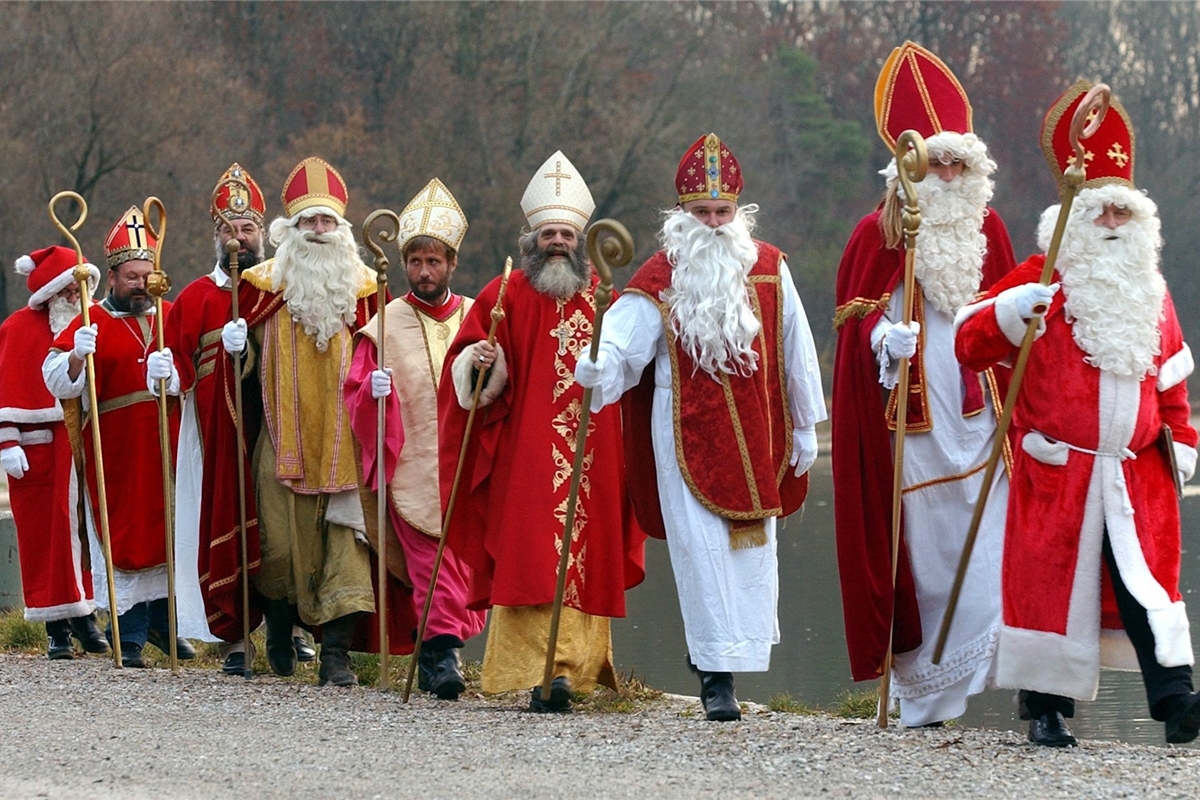
St. Nikolaus festivities in Germany.

Saint Nicholas of Myra (traditionally 15 March 270 – 6 December 343), also known as Nicholas of Bari, was an early Christian bishop of the ancient Greek maritime city of Myra in Asia Minor (Ancient Greek: Μύρα, modern-day Demre, Turkey) during the time of the Roman Empire. Very little is known about the historical Saint Nicholas.


The earliest accounts of his life were written centuries after his death and contain many legendary elaborations. He is said to have been born in the Greek seaport of Patara, Lycia in Asia Minor to wealthy Christian parents.


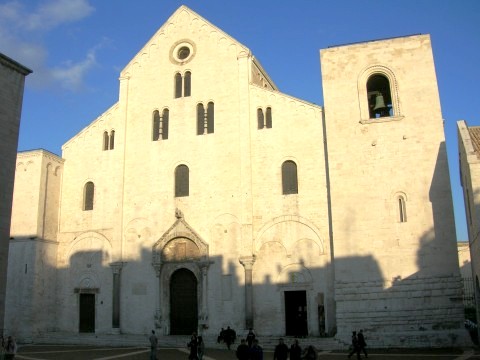
Basilica di San Nicola in Bari, Italy where most of the relics of Saint Nicholas are kept today.

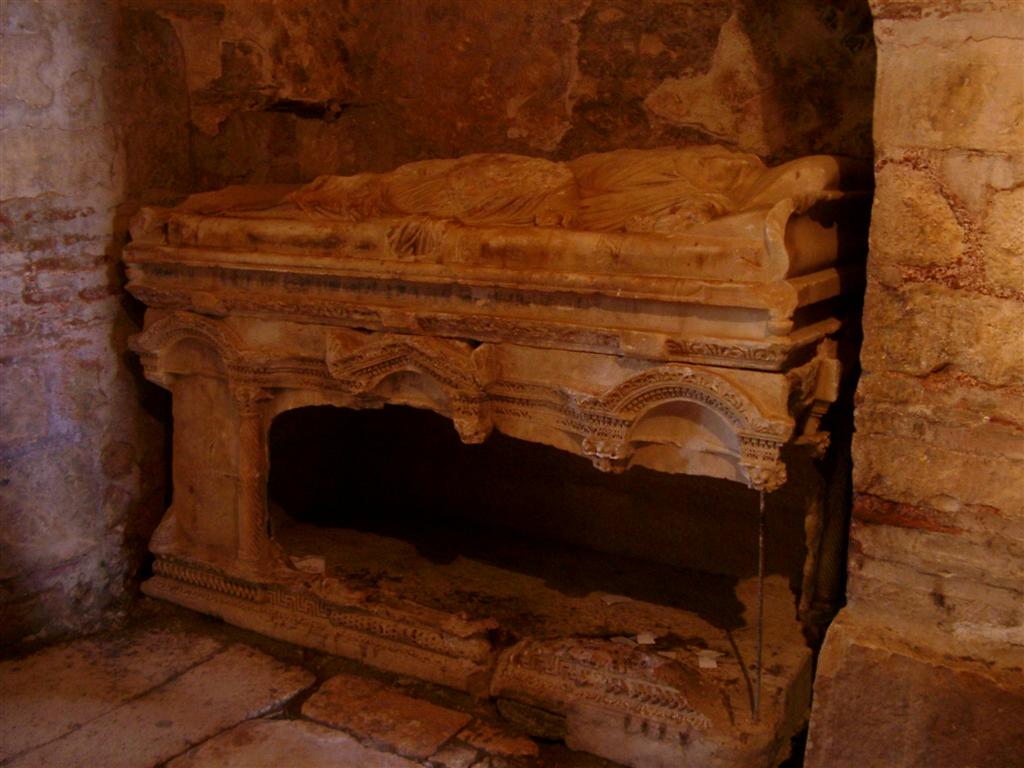
Fewer than 200 years after Nicholas’s death, the St. Nicholas Church was built in Myra under the orders of Theodosius II over the site of the church, where he had served as bishop and Nicholas’s remains were moved to a sarcophagus in that church. In 1087, while the Greek Christian inhabitants of the region were subjugated by the newly arrived Muslim Seljuk Turks, and soon after their church was declared to be in schism by the Catholic church, a group of merchants from the Italian city of Bari removed the major bones of Nicholas’s skeleton from his sarcophagus in the church without authorization and brought them to their hometown, where they are now enshrined in the Basilica di San Nicola.

The desecrated sarcophagus in the St. Nicholas Church, Demre, where Saint Nicholas’s bones were kept before they were removed and taken to Bari in 1087. Wikipedia.

The remaining bone fragments from the sarcophagus were later removed by Venetian sailors and taken to Venice during the First Crusade. His relics in Bari are said to exude a miraculous watery substance known as „manna“ or „myrrh“, which some members of the faithful regard as possessing supernatural powers.

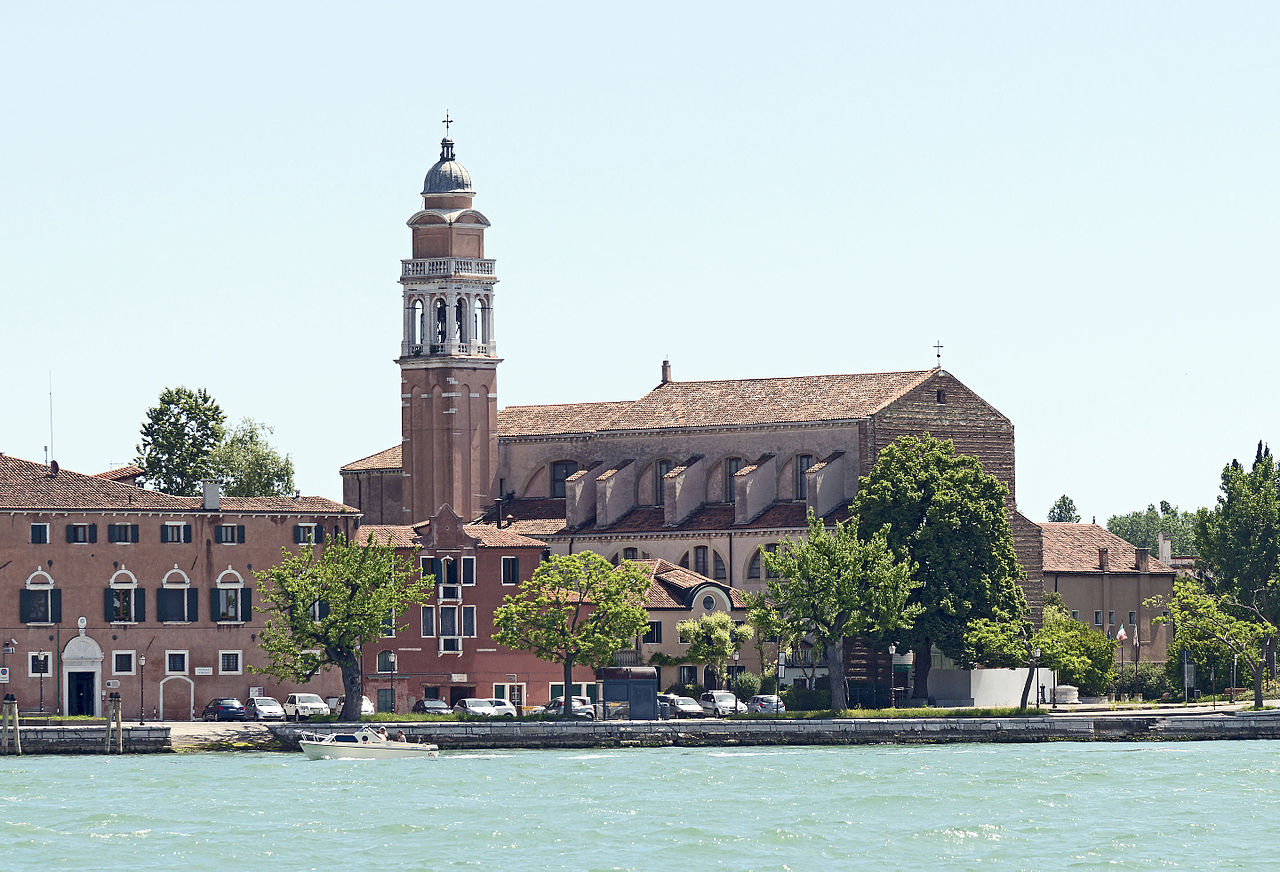
The church of San Nicolo al Lido in Venice claims to hold roughly 500 bone fragments from Nicholas’s skeleton, which scientific examinations have confirmed are anatomically compatible with the bones in the Basilica di San Nicola in Bari.

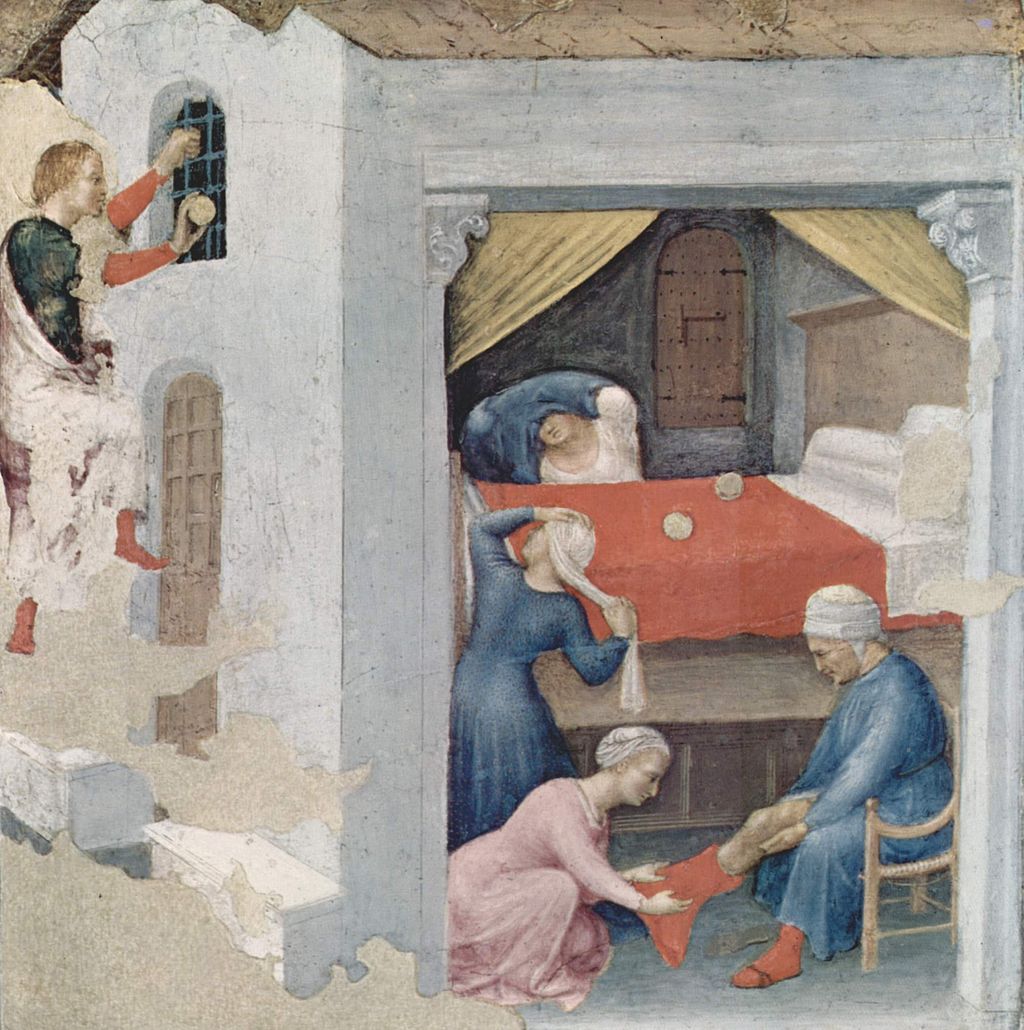
According to tradition, Nicholas should have distributed the assets of his parents, after they had died, to the poor. So one night he passed the house of a destitute family. Secretly he is said to have thrown money through the window or through the fireplace into the socks hung in it. He is said to have prevented the daughters of the family from having to prostitute themselves to earn money.

The dowry for the three virgins (Gentile da Fabriano, c. 1425, Pinacoteca Vaticana, Rome). Wikipedia.

Where does the boot use on St. Nicholas Day come from?

Today, boots are put out the front of the house or big socks hanging in front the fireplace, on the evening before St. Nicholas‘ Day so that they can be filled with sweets at night. But shoes were not always used for that: in the past, children made small ships out of paper or other materials.


For, according to legend, the bishop rescued distressed sailors from death by preventing a heavy storm. So he became the patron saint of sailors. Later, the tradition of the so-called „Schiffchensetzens“ (setting the ships) was then replaced by shoes, stockings or gifts.

Who is Knecht Ruprecht?

Knecht Ruprecht is the antagonist to Nicholas. He is the gloomy companion of the saint who punishes the naughty children with the rod. Over time, however, this figure was defused more and more and became more of a kind of assistant. So also in the poem by Theodor Storm from the year 1862.

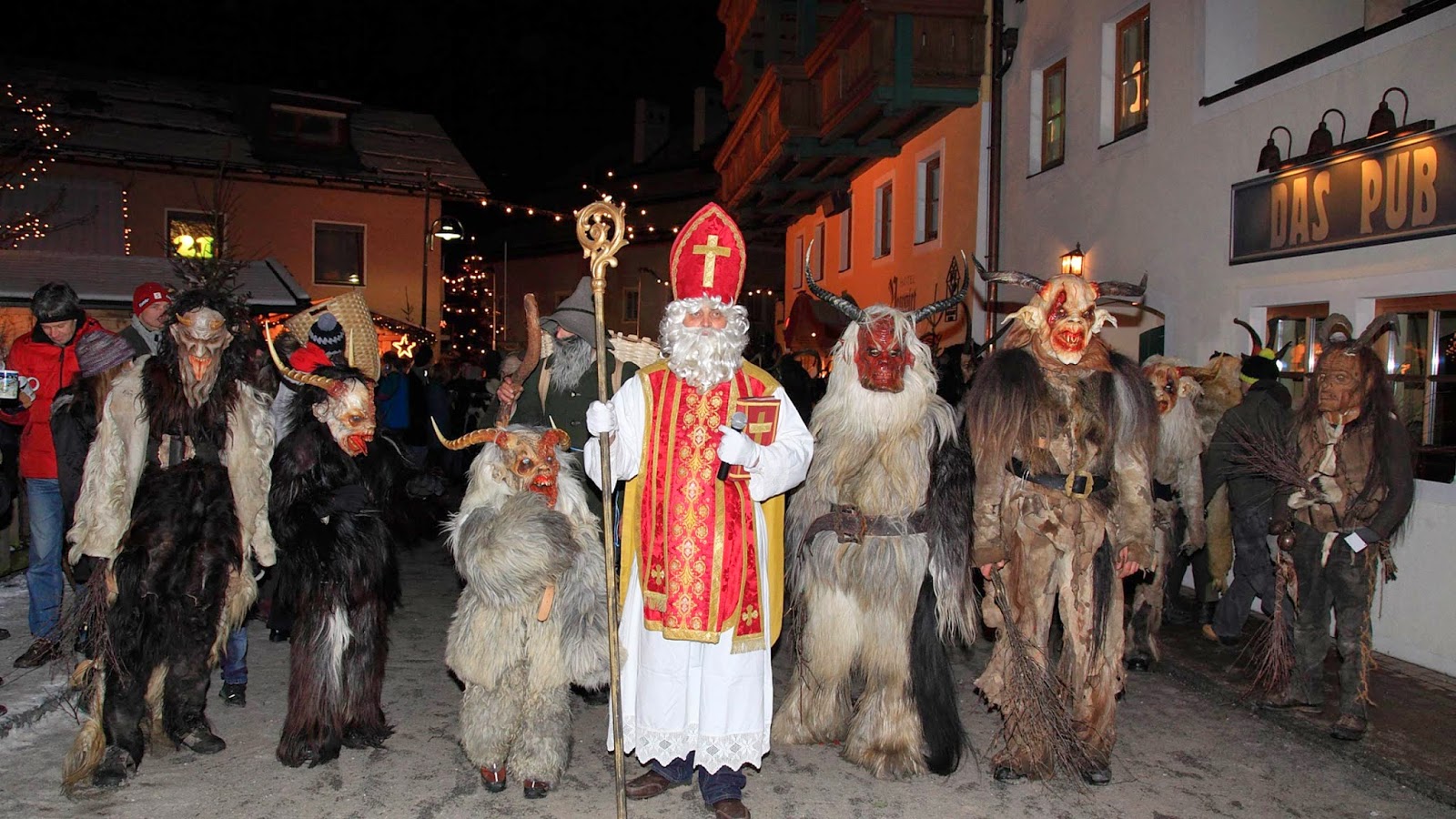
In Austria, the celebration of Krampus/Christmas takes things closer to the truth.

The first priests ever had “royal” Anunnaki blood and they were the ones who conducted the human and animal sacrifices dedicated to the “gods”. The “gods” then used to eat the fresh hearts of the sacrificed children and drink their adrenaline-filled blood. Today’s highest ranking prelates still conduct these rituals in secret ceremonies, while the rest of them are required to conduct an open phony version of the same ritual, the liturgy.

     It is tradition and not racism – YOU IDIOTS !!       

Depending on the region and country, the companion of Nicholas has different names – he is also known as „Krampus“, „Bullerklas“ or „Belzebub“, in the Netherlands he is called „Zwarte Piet“ (Black Piet). During the annual processions, the Santa Claus helpers have black painted faces. Nowadays the figure is controversial and is referred to by critics as a racist symbol.   What a bullshit some grousing complainers start ! Forget about those idiots and celebrate your fiestas as it was done when you were young and as it was done since hundreds of years !    Fight the complainers !!!

Veröffentlicht unter History, Information | Verschlagwortet mit | Hinterlasse einen Kommentar

Canasta

About seventy years ago, an epidemic swept across America (and a short time later throughout the whole world) affecting millions and millions of people and lasting for many years. No corner of the country’s was safe; it reached into homes in every city and every country town.

Fortunately, the epidemic was not fatal. In fact, people felt better because of it. The epidemic was called Canasta. The American leading magazines wrote stories about it. Newsweek reported that Canasta now rivaled Monopoly and Mah-Jong, the two biggest games of all time.


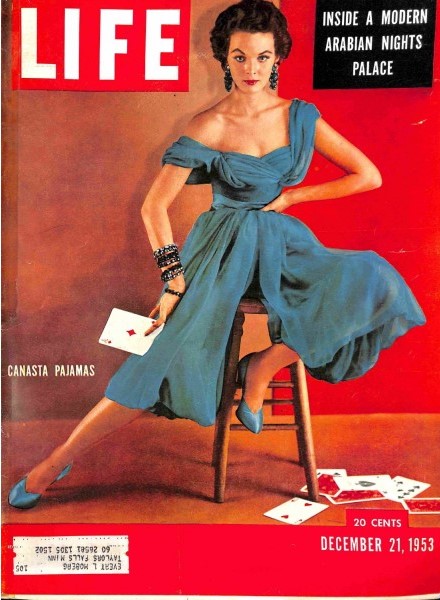
Time magazine noted how it had spread across the entire hemisphere. Fortune magazine recorded that Canasta books and card deck sales were breaking all prior records. Life featured a cover story about the game and published its rules inside. The New York Times Magazine covered the game several times over the next five years.

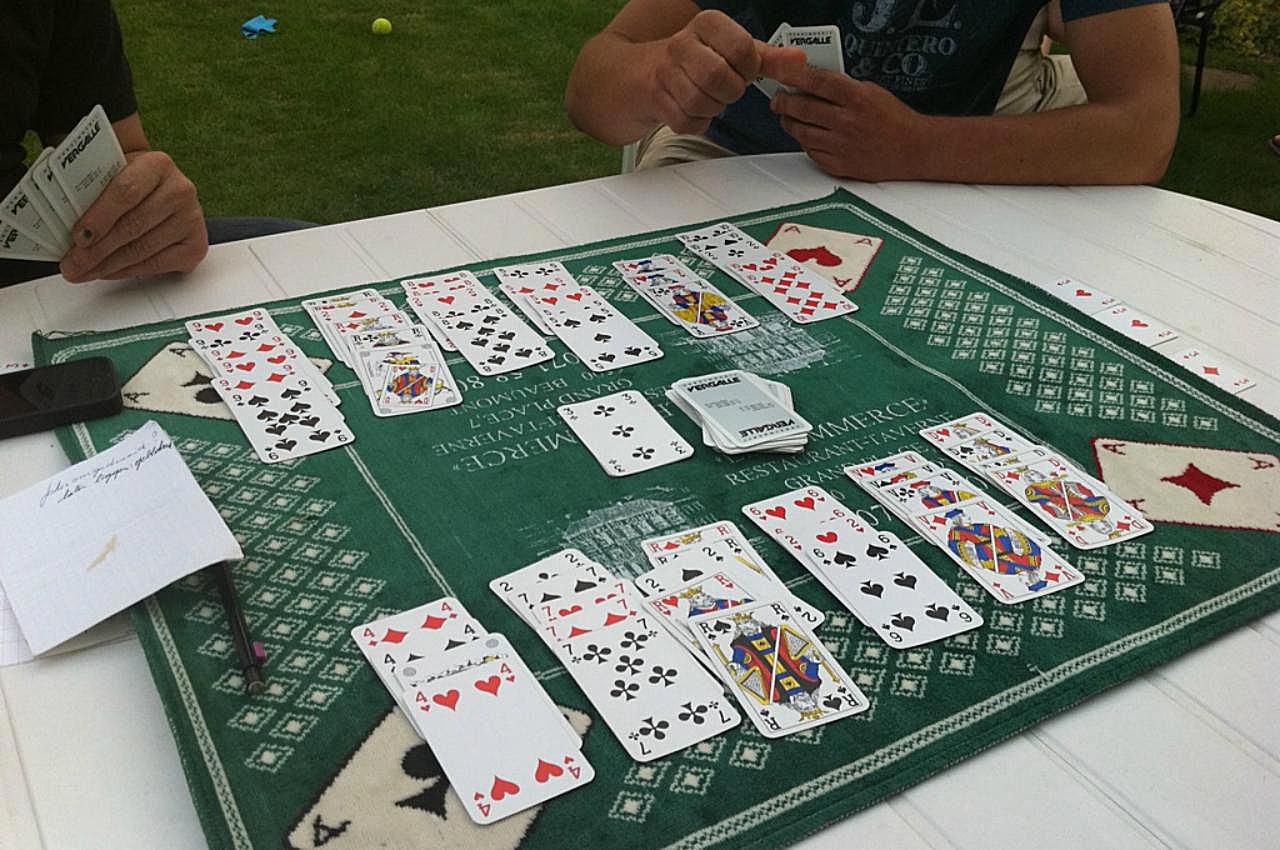
Canasta is a high-scoring, partnership, rummy-like card game. If you look in compendiums of game rules, you’ll likely find some mention of the fact that the game came from South America, and that Uruguay was the country of origin.

In the Beginning

In the age without television or internet, playing cards were surely one of the favorite pastimes. There were two very specific inventors of the game. Amazingly, their names were not known in the United States until after the game’s popularity had peaked. Only then did Americans learn that an attorney named Segundo Santos and an architect named Alberto Serrato had purposely set out to create the game and had named it, whimsically, Canasta.

Michael Scully of Coronet magazine published their story in 1953 and thus finally enlightened the entire country. (Coronet was the chief digest-size rival to Reader’s Digest back then.) The origin of Canasta dates back to 1939. At that time, Bridge had established itself as the card game of choice, especially among professional people.

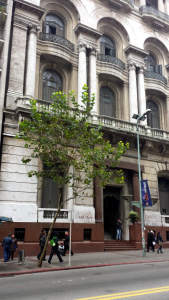
This held true in Montevideo, Uruguay, where Segundo Santos was a member of the elite Jockey Club.

Jockey Club Montevideo.

  See my post about the Jockey Club Montevideo:

https://myuytips.com/2015/11/09/jockey-club-montevideo/

The custom there was to relax with a game of cards before dinner with associates. But Segundo found it hard to stop playing after just an hour or two, and on most nights he kept at it for six hours. In the mornings, he felt dull and mentally exhausted, and it eventually dawned on him that he was working two shifts, one in the office and one in the club, and that this might have a bad effect on his career.

And so he had arrived at a moment of truth. He asked himself: Am I an attorney or a bridge player? He decided on the former.


Though he continued to go to the Jockey Club for dinner, he shifted from Bridge to Rummy, which other members played as a light warm-up for Bridge. Segundo liked Rummy but thought it involved too much chance. He began to think about a combination of the best elements of Bridge, Rummy, and a Rummy variant called „cooncan.“ He enlisted the aid of his bridge partner, Alberto Serrato. For weeks they played with variations of their basic „blending“ idea, discarding at least six before settling on a double-deck partnership game involving melding, adding to melds, and the ability to claim the entire discard pile under the right circumstances.

When they were satisfied that they had something worthwhile, they invited Arturo Gomez Harley and Ricardo Sanguinetti to play a trial game. These two friends loved the new game instantly. Gomez Harley then popped a key question, „What do you call it?“

Basket Case

Santos had merely referred to it as „The Game.“ But now, while sitting in a restaurant at their „play-test“ table, he noticed the small wicker basket they had borrowed from a waiter to store their cards. „Canastillo,“ Santos replied matter-of-factly, which in Spanish means „little basket.“ A bit later, someone suggested shortening it to „Canasta“ („basket“). This name was easy to say, and had a nice ring to it, thanks to its repeating a’s (comparable to the repeating o’s in Monopoly). The name stuck.

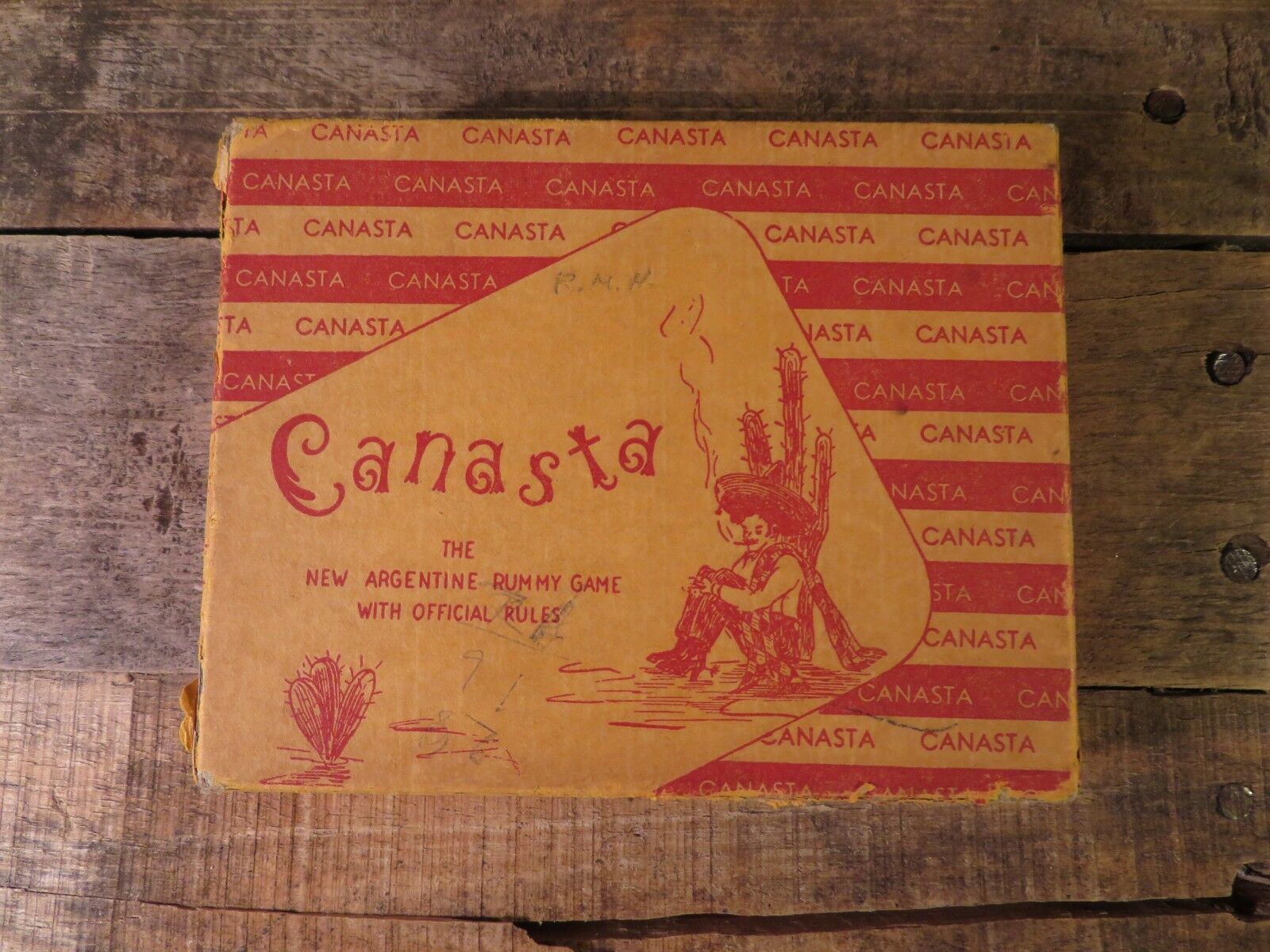
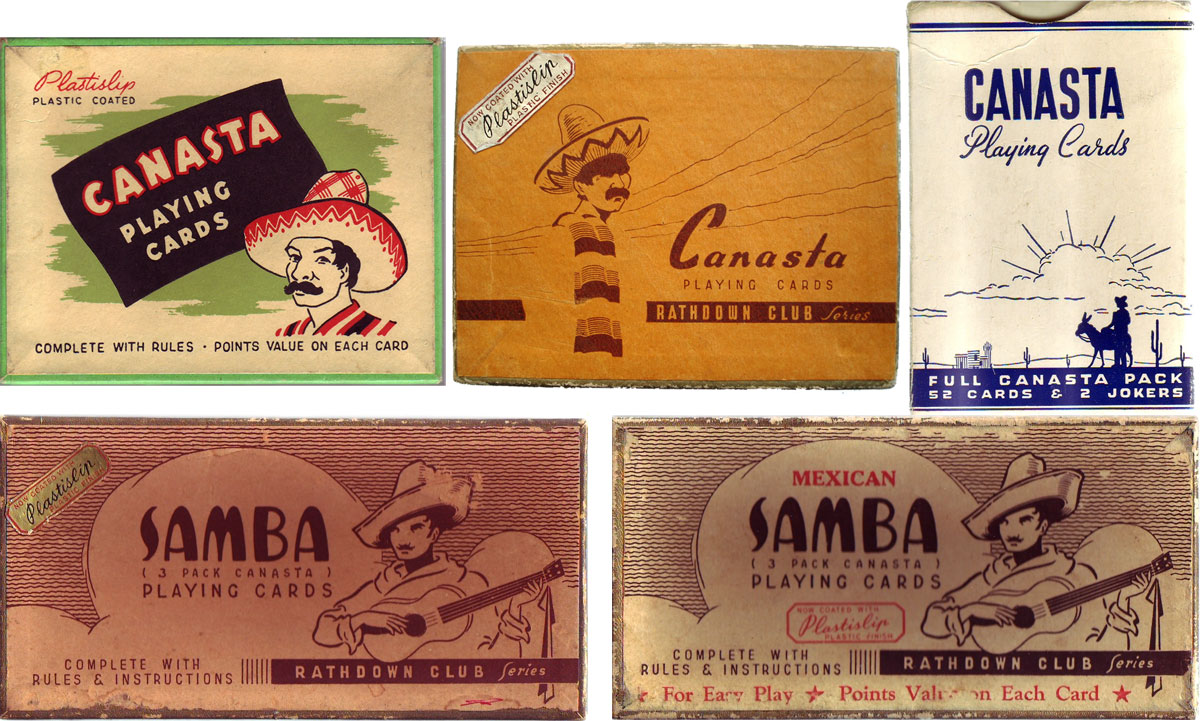
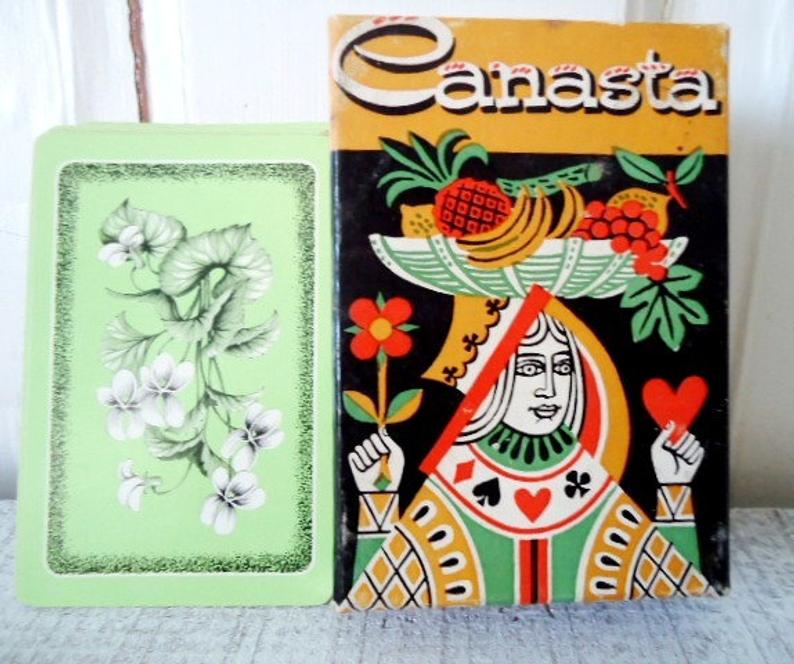
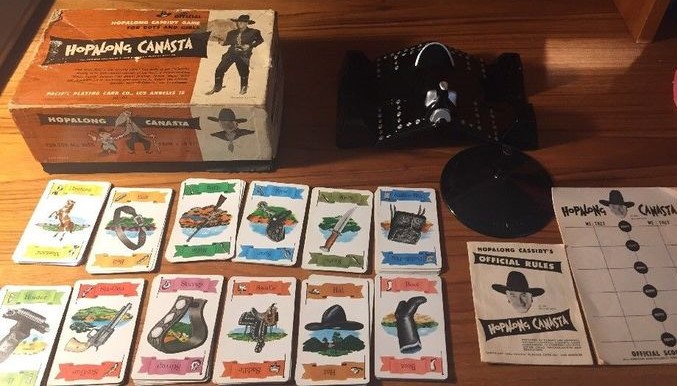
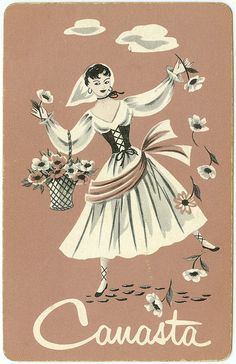
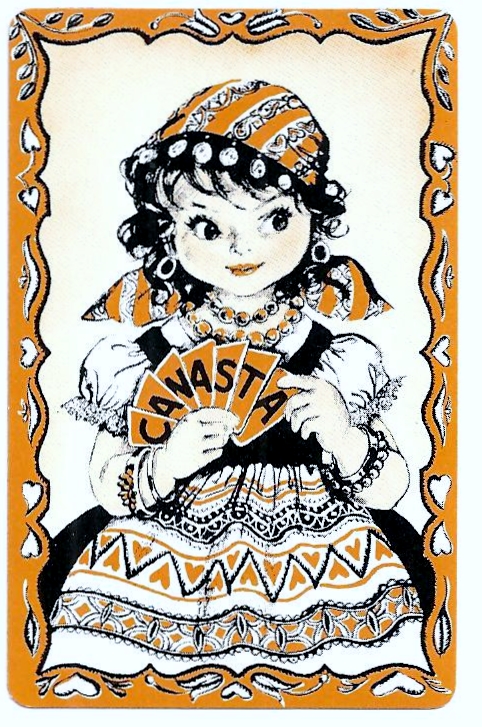
         All kinds of names were used and rules differed a bit.  Click on pics for a better view.

Even before the name was fixed, the game was spreading like wildfire within the Jockey Club, throughout the city of Montevideo, and then up the coastline of Uruguay. Soon it crossed the border to Argentina. Vacationing Argentinians took the game back to their country, where it managed to chase bridge out of their prestigious Club de Bridge.


Then it jumped to Chile and Peru and Brazil. The epidemic was now a continental affair. Why didn’t Canasta jump immediately to the United States? Most likely because of the Second World War. With airline service largely suspended, Canasta had to wait until after the war was over before it was flown north. Ironically, the first person to make real money with the game was neither Santos nor Serrato but Josephine Artayate de Viel, a visitor to New York from Buenos Aires. In 1949 she introduced it to New York friends and the game took over the Regency Club in Manhattan. This prompted a publisher to ask her to codify the rules for publication. And so she did.

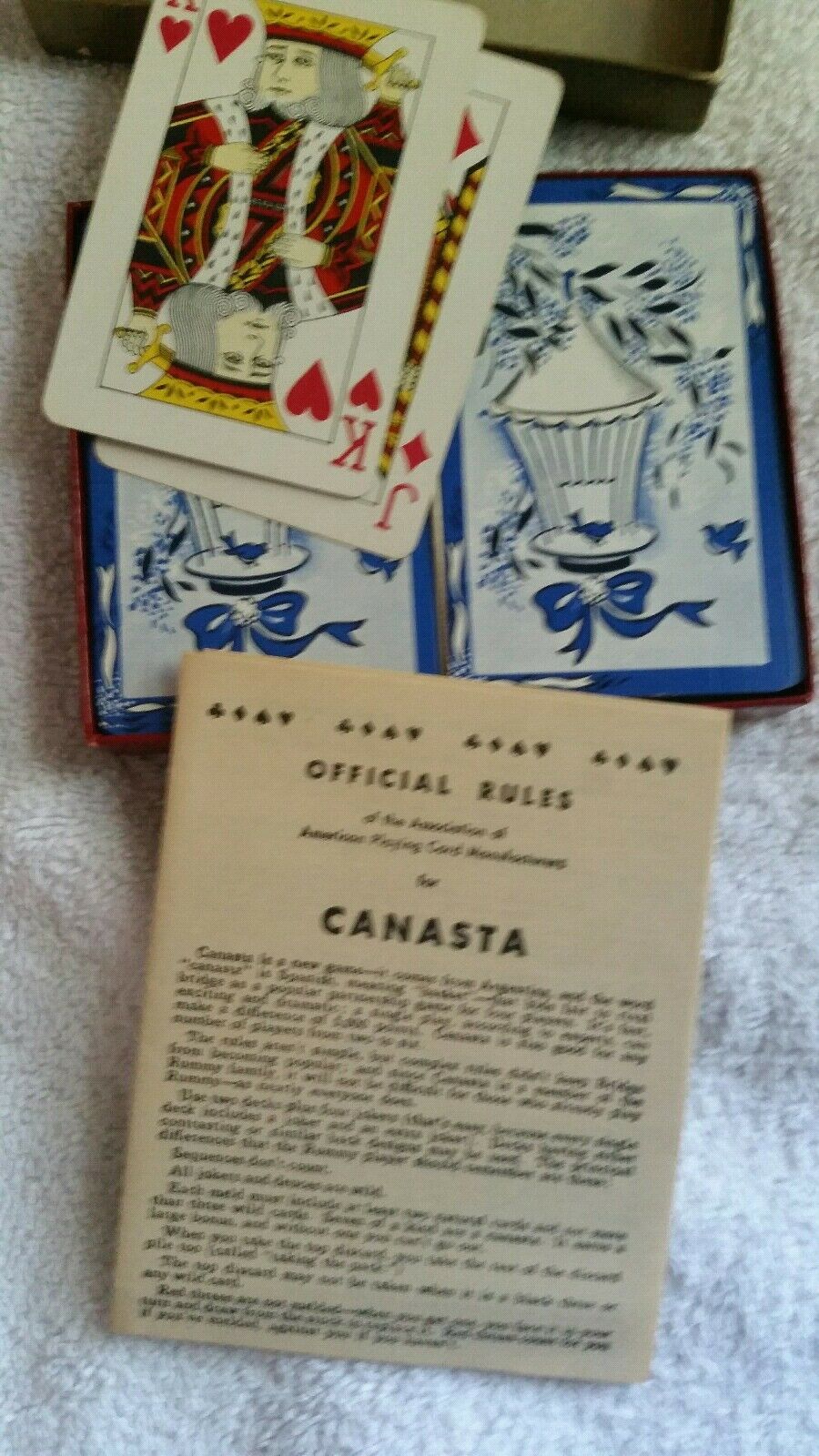
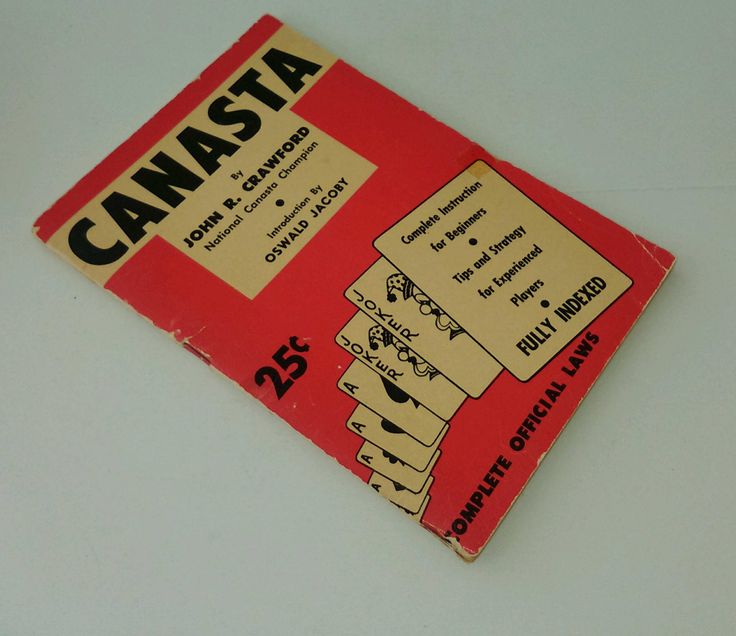
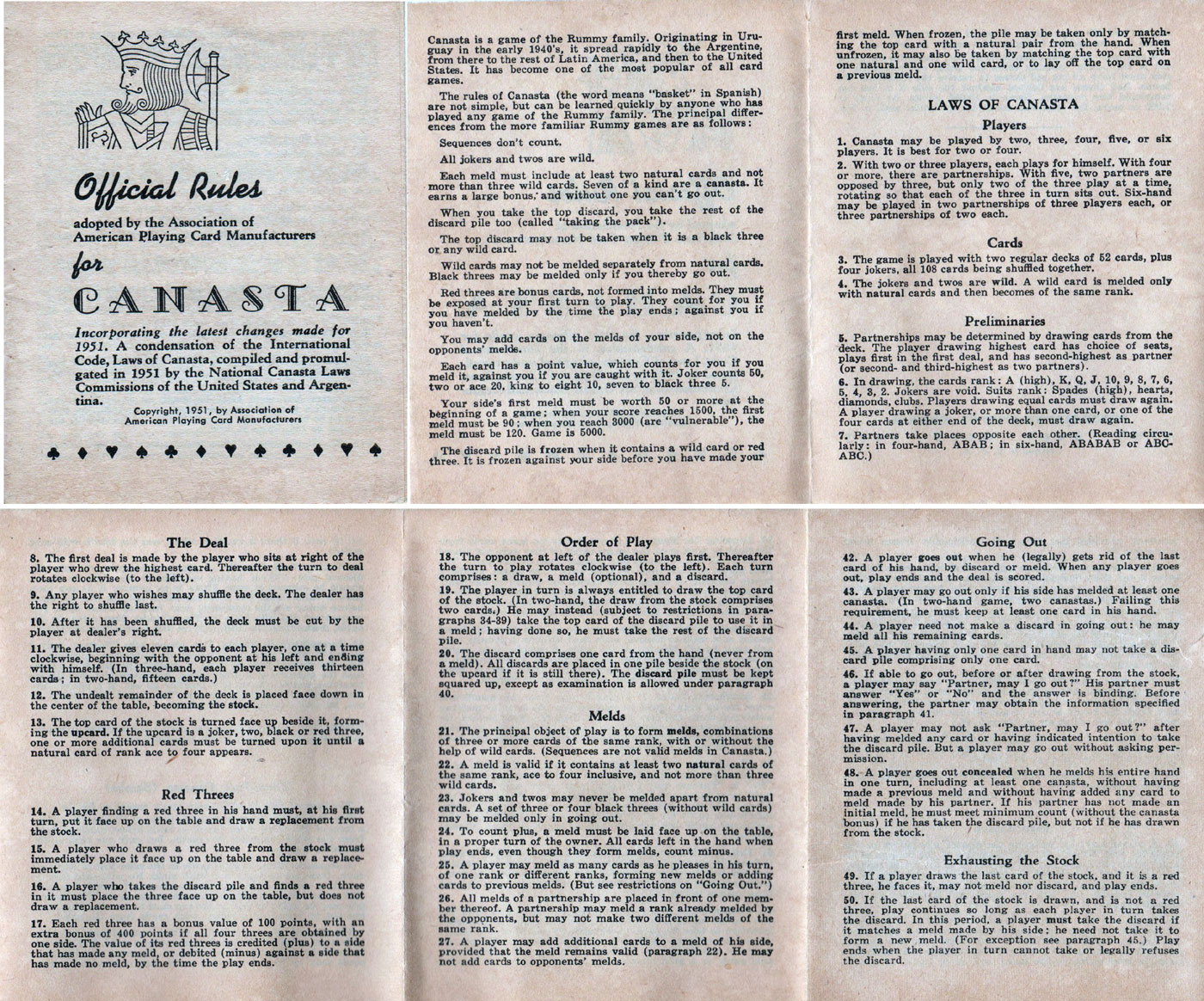
First Canasta Rule-book in the US, from 1951. Down here the by-pack-rules from American Card Manuf.-Co.

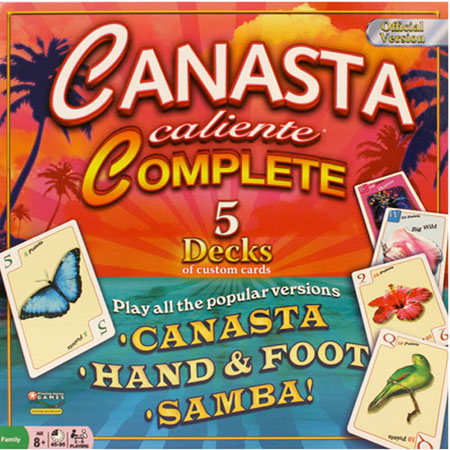
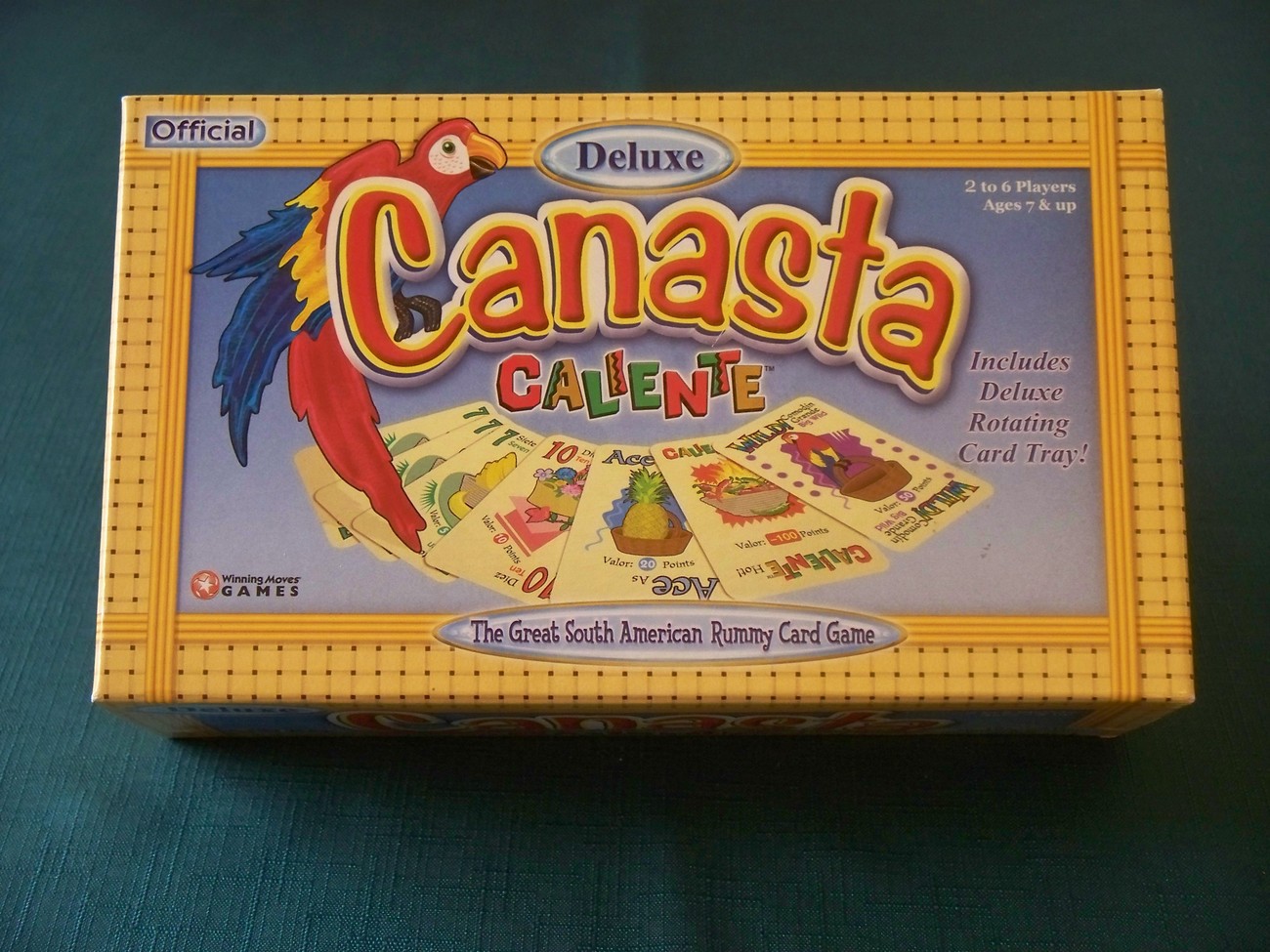
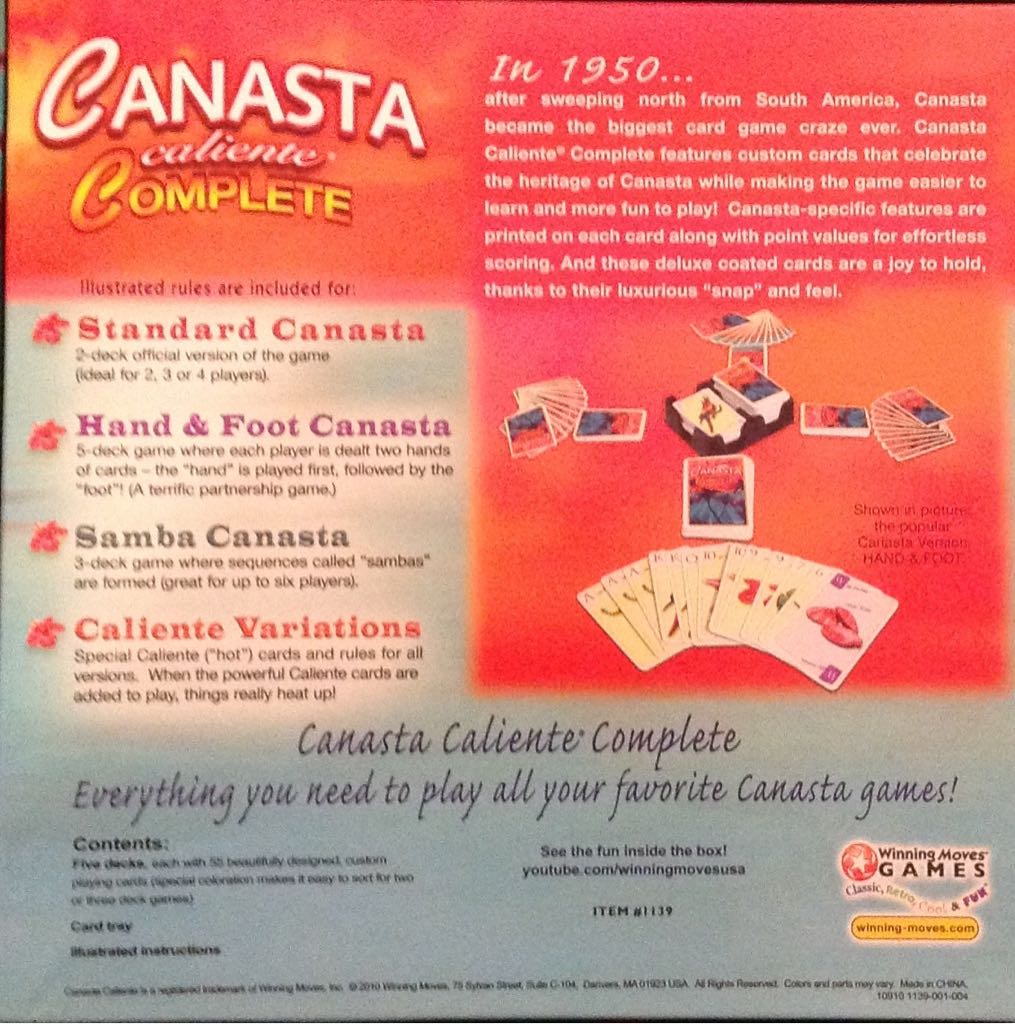
Winning Moves added optional Caliente (hot) cards so that a player with a reduced hand can still play, which is sometimes not possible in the original game.

By 1953, over 30 books about Canasta had been published, many climbing into The New York Times Best Seller List. The game spread globally. Soldiers stationed in Japan and Germany brought it with them from the States; and it spread throughout Asia and Europe. Soviet Olympic athletes played it despite their government’s aversion to „decadent“ American culture. See Life magazine from December 1953 down here.

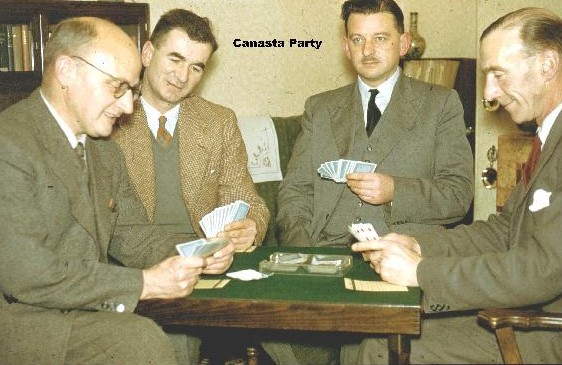
When I was a young boy in the 1950’s, my parents were crazy about Canasta. I remember that they were every weekend with friends together to play a few games. Sometimes they were sitting the whole night with lots of snacks and drinks as well as smoking cigarettes and cigars. In summertime they even played during a Sunday picnic, sitting at riverside.

The Craze Subsides.

As for Segundo Santos, he was bewildered by all the excitement. He was quoted as saying, „I was just trying to get my mind off of Bridge“. As an attorney, he knew it might be pointless to try to copyright the rules of his game. „You can’t copyright a thing with antecedents like that,“ he said. Neither he nor Serrato did, and as a result Canasta became their gift to the world.

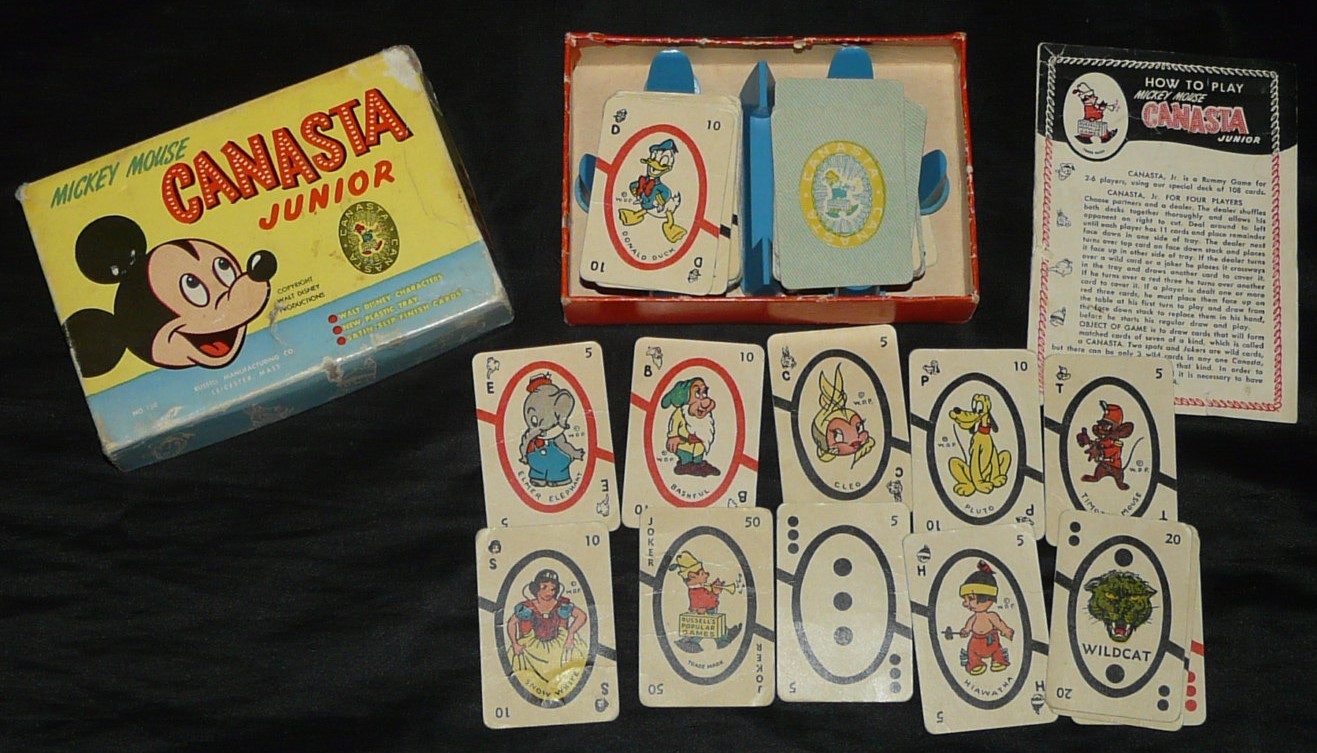
Marketing made business, Disney created a Canasta Junior Special for kids.

According to copyright laws, you can’t copyright an idea for a game, only the particular expression of its rules. Had Santos and/or Serrato taken out a copyright, the game would probably never have become the sensation it became. Other companies wanting to publish the game to cash in on its popularity would have had to publish a variation of it in order to circumvent the copyright.

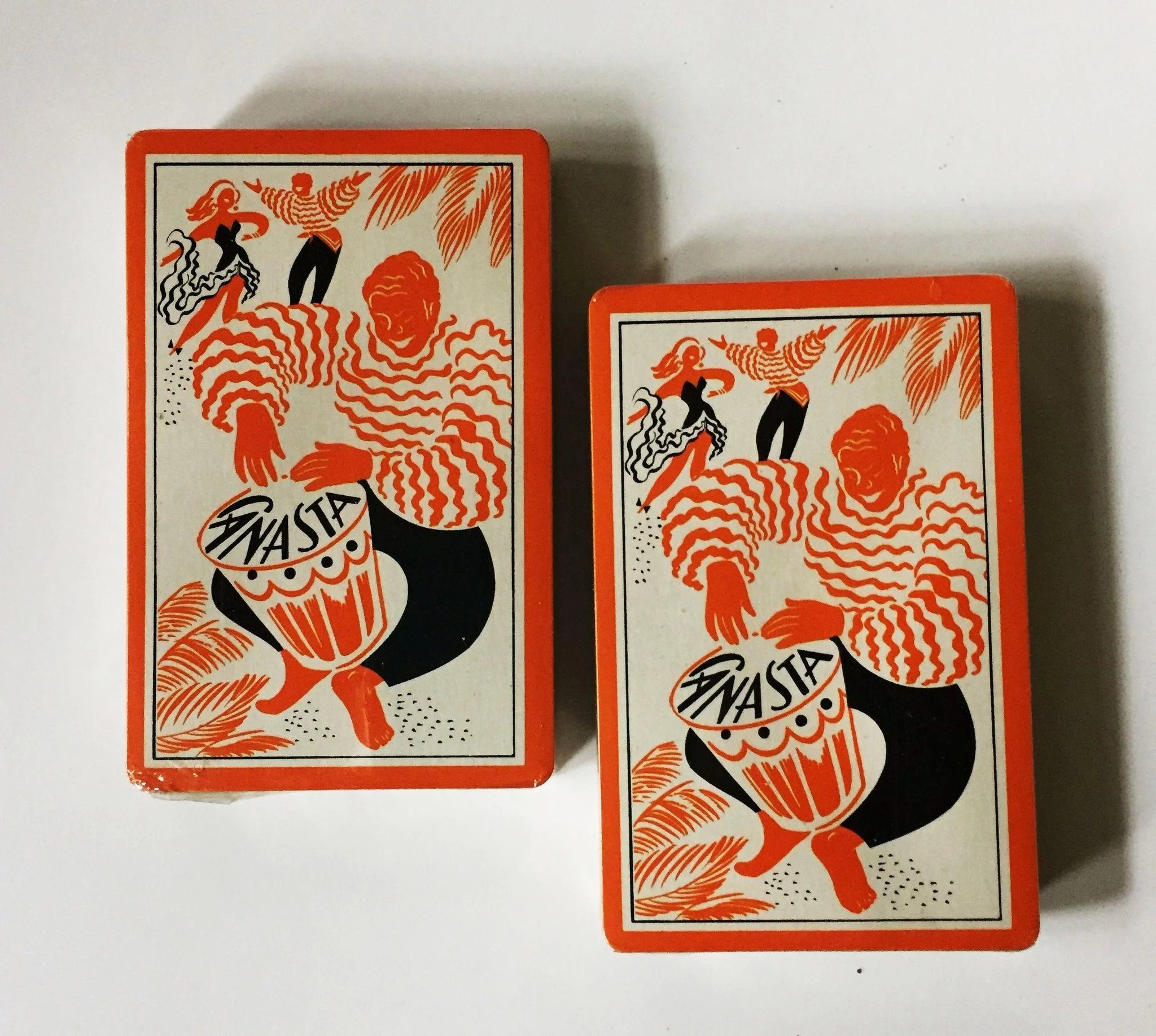
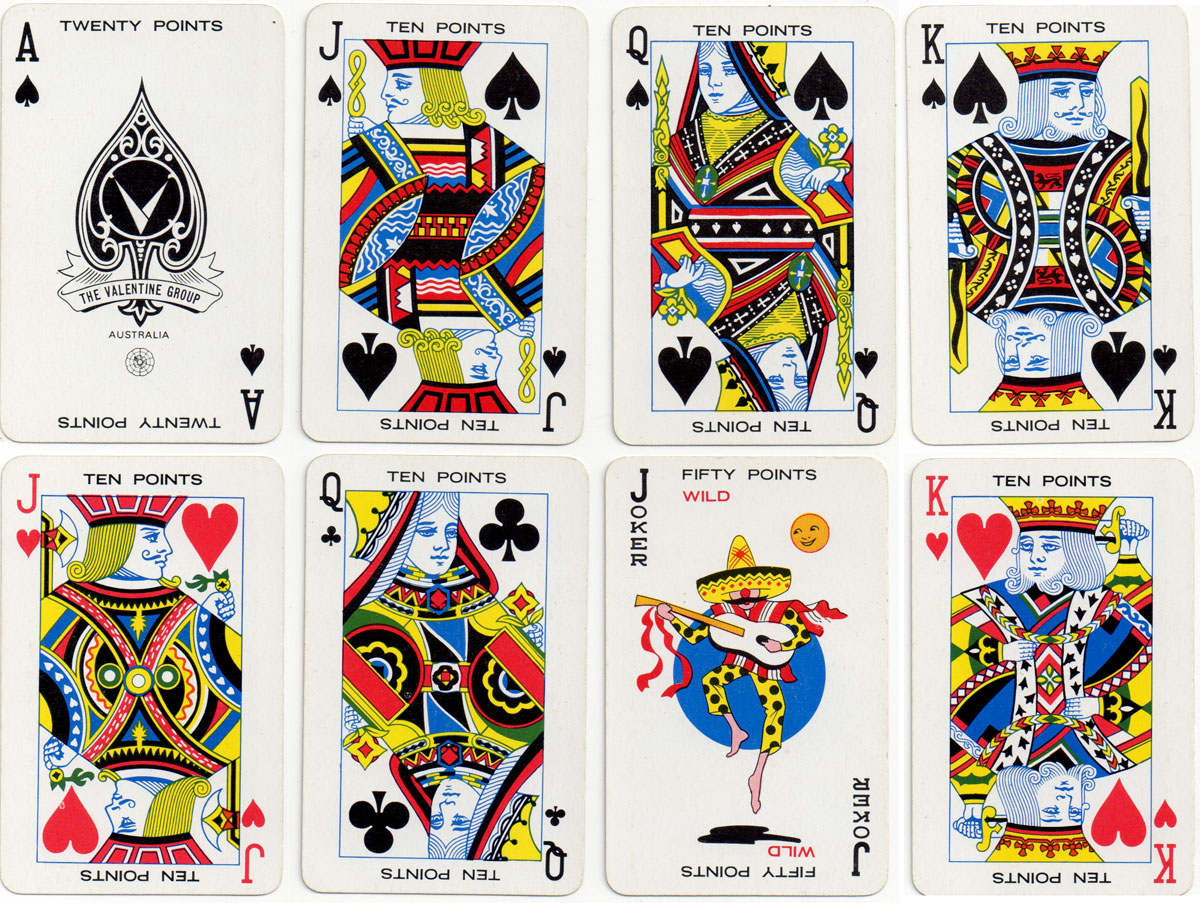
  Cards with printed „Canasta value“.

There thus would not have been one universally accepted way to play, which, in the early days of a game, is an essential condition to foster the spread of its popularity. Dozens of firms did in fact try to get a piece of the Canasta bonanza. Not only were card sets and books published, but so were coffee mugs, ashtrays, dresses, and dolls—to name but a few products that in some way tried to exploit Canasta’s popularity.

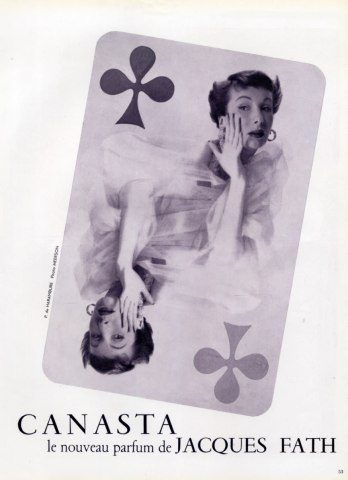
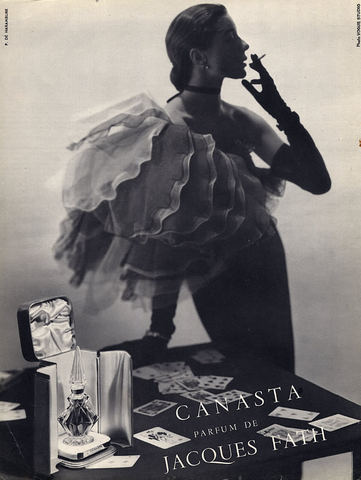
          Canasta perfume.

What finally ended the craze was the production of countless variations, like Samba and Bolivia and Argentine Canasta. The multiplicity of variants led to great confusion—new players could never be sure which variation was preferred.

When the dust settled, original Canasta regained its foothold and quietly became a staple of play among countless card players.

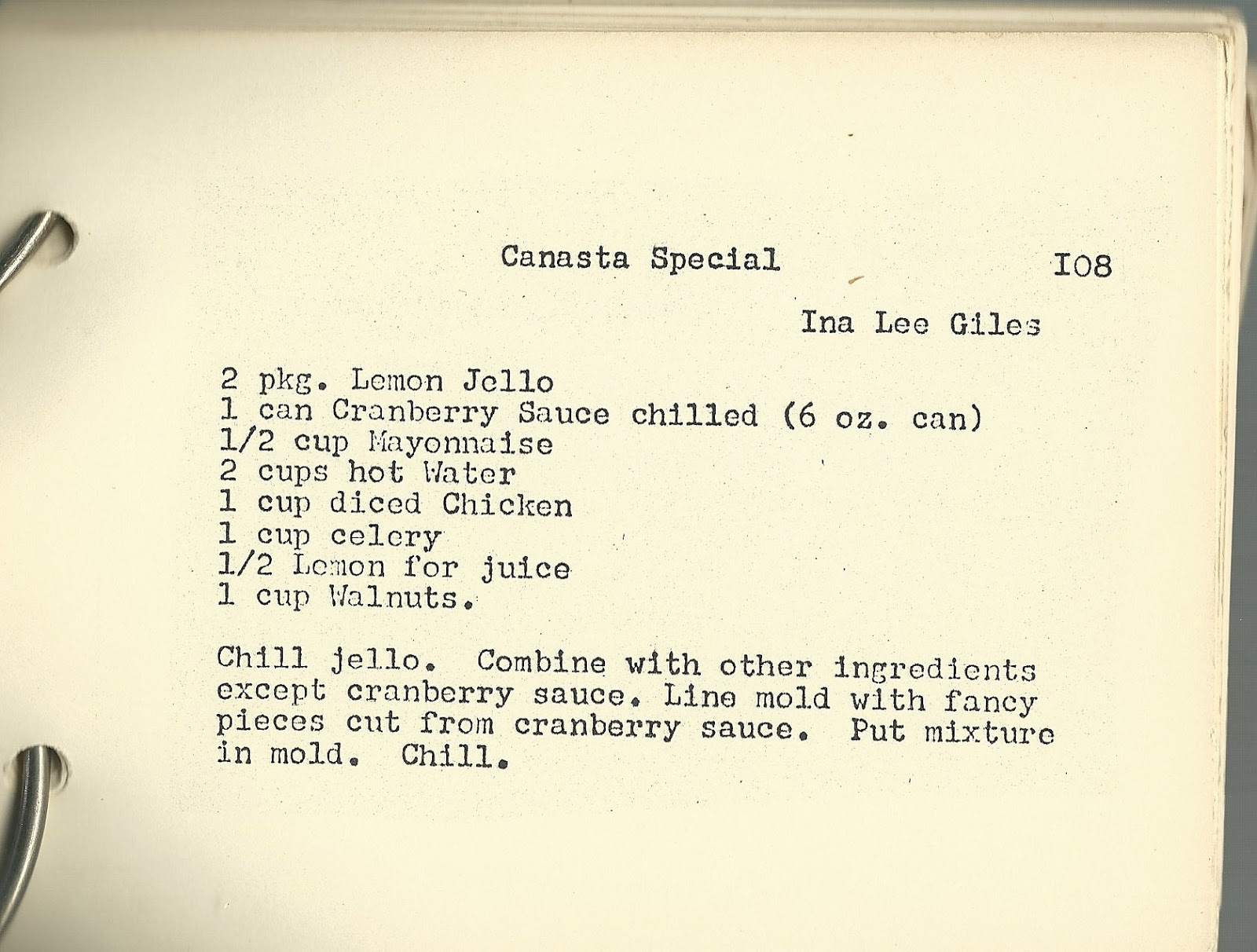
          In Taiwan does excist a „Canasta Hotel“ and it was created a „Canasta Special“ dish.

Canasta is one of those rare standard games that begs for its own custom deck of cards because each card has a scoring value (not necessarily its numerical value), some cards have very special play characteristics, and suits are irrelevant.

Canasta Caliente features the authentic original game play. „The only addition we made,“ says Orbanes, „is two optional Caliente (hot) cards to correct a minor flaw in the original game: a reduced hand is sometimes a problem that can’t be overcome.“

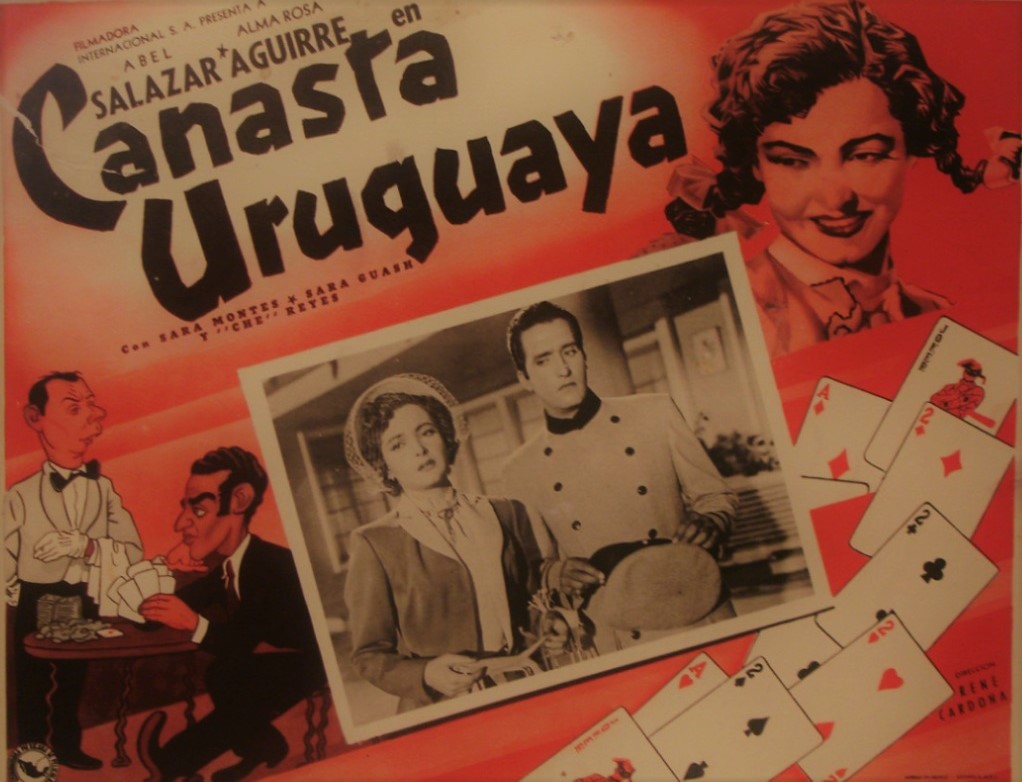
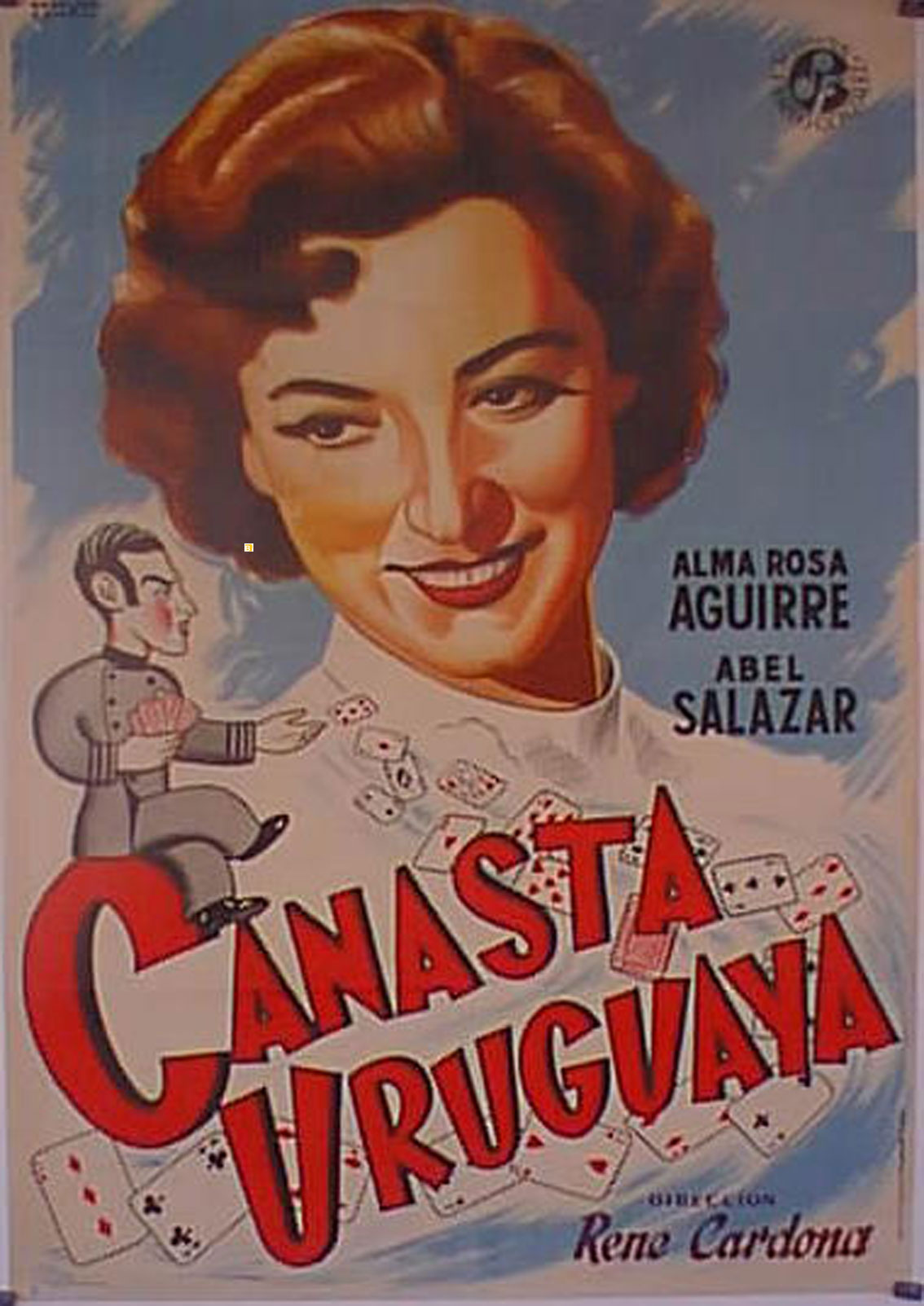
And – it was even worth to make a movie about. Filmed and released 1951 in Mexico.

Interesting story about an Uruguayan invention. Why not leaving the computers and cell phones aside and learn/play a card game, like Canasta, with family or friends.  ENJOY !!


Veröffentlicht unter History, Hobbies, Information, Lifestyle, Uruguay | Verschlagwortet mit | Hinterlasse einen Kommentar

Advent Advent

This coming Sunday, the 1st of December 2019, is the FIRST ADVENT. Then every Sunday is another advent’s Sunday till the 22nd of December as the 4th advent. What that means and why and how it is celebrated one can read in Wikipedia or read my post about „The Advent Wreath“.  Just click on: https://myuytips.com/2014/11/30/the-advent-wreath/

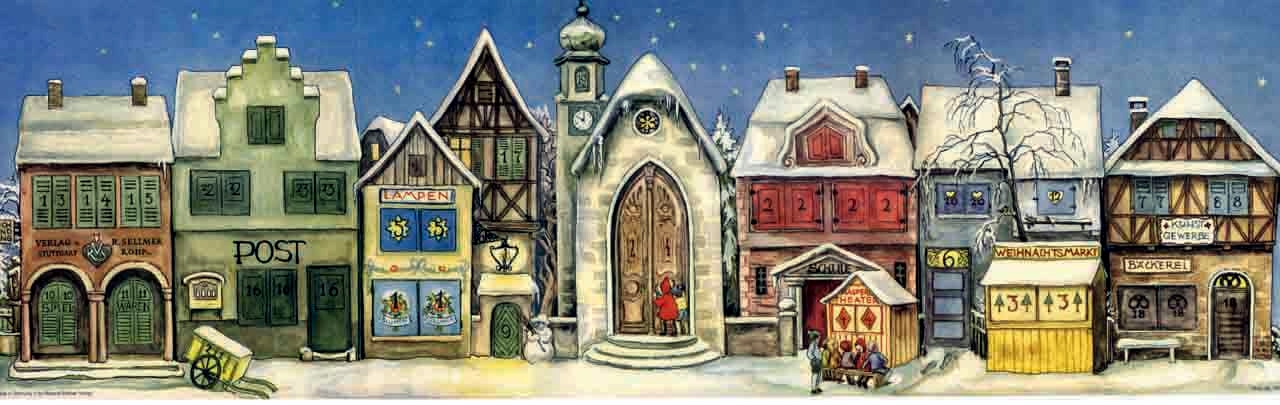
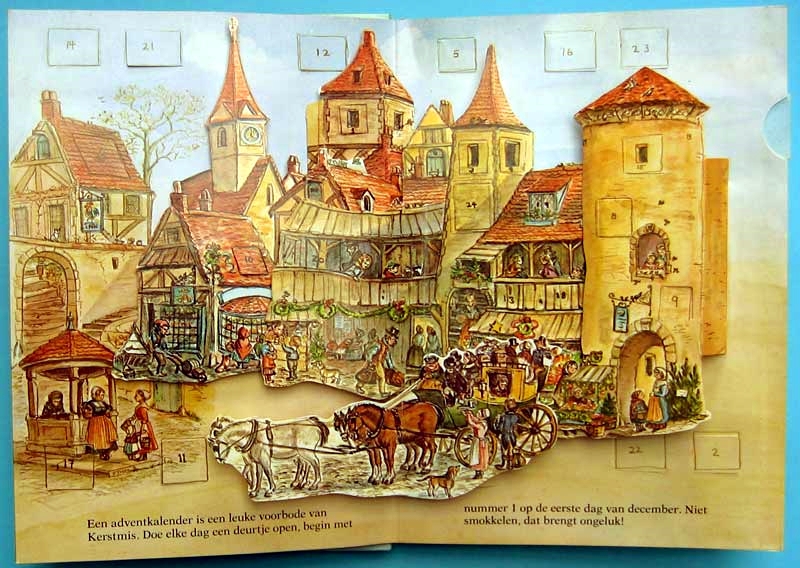
A whole town is build to open 24 days its 24 different doors.

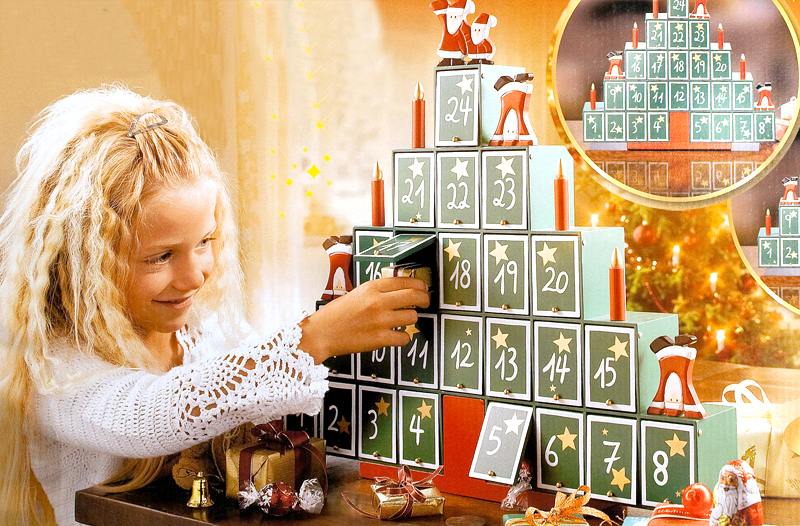
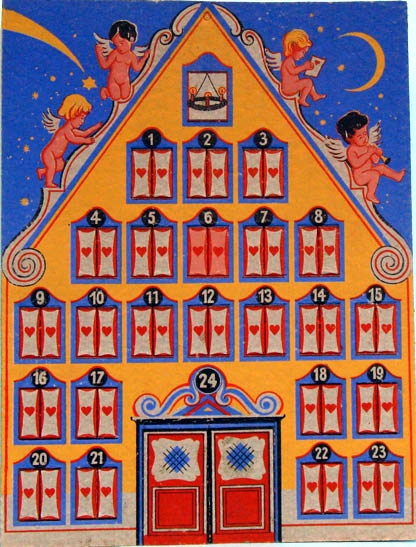
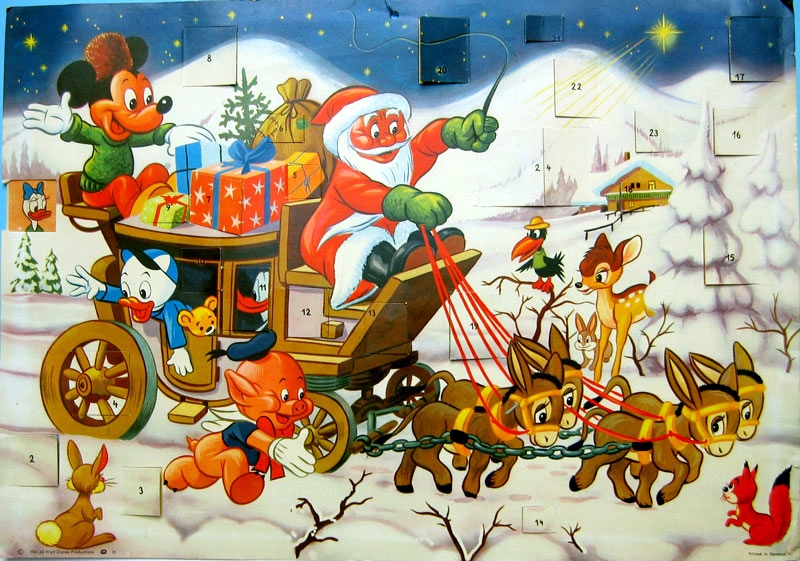
With this post I like to introduce you to another kind of advent celebration, the ADVENT CALENDAR. Its a calendar with usually 24 doors, the first opens on 1st of December and the last on „Holy Night“, the 24th of December.

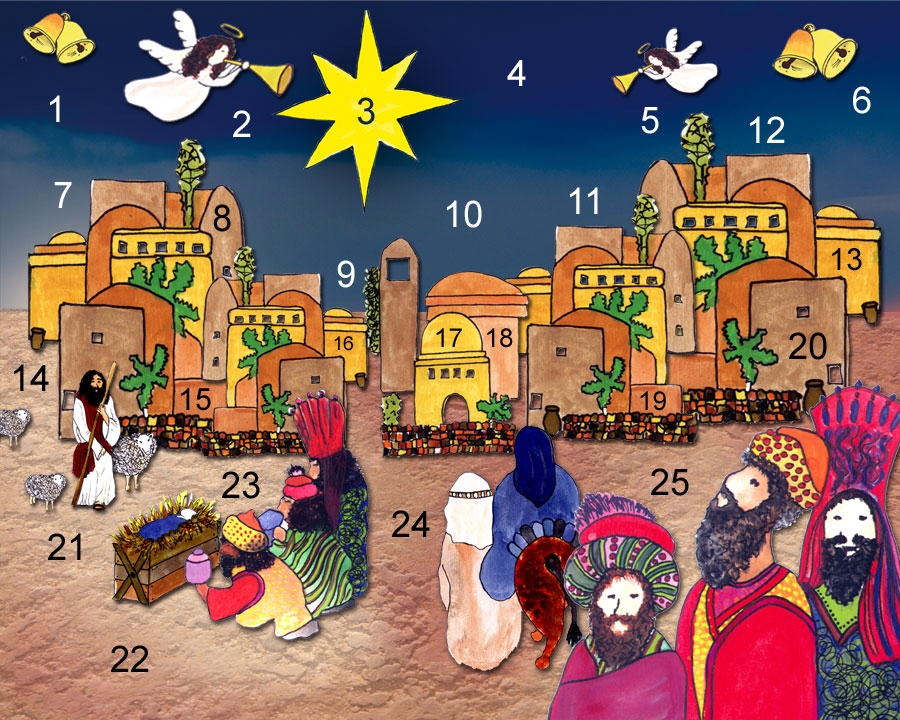
Very unusual calendar with 25 doors, the last one to open on Christmas day !!??.

Origin of the Advent Calendar.

The Advent Calendar is a newer tradition compared to Santa, the Christmas Tree and the exchanging of gifts, but it has developed into being a well-known activity for many families, especially in Europe and the United States. The advent is considered the first twenty-four days of December, being a countdown for Christmas. Originally, the advent calendar was started by Protestant Germans in the 19th century. In its creation, the Advent Calendar was not exactly molded into this format. Instead, the Germans would use candles to signify the days and chalk to write out their own calendars. The idea of the calendar many of us know today began in 1851, with a wooden calendar being made with a devotional being carved into the calendar. It wasn’t until the early 1900s for the calendar to become commercialized.

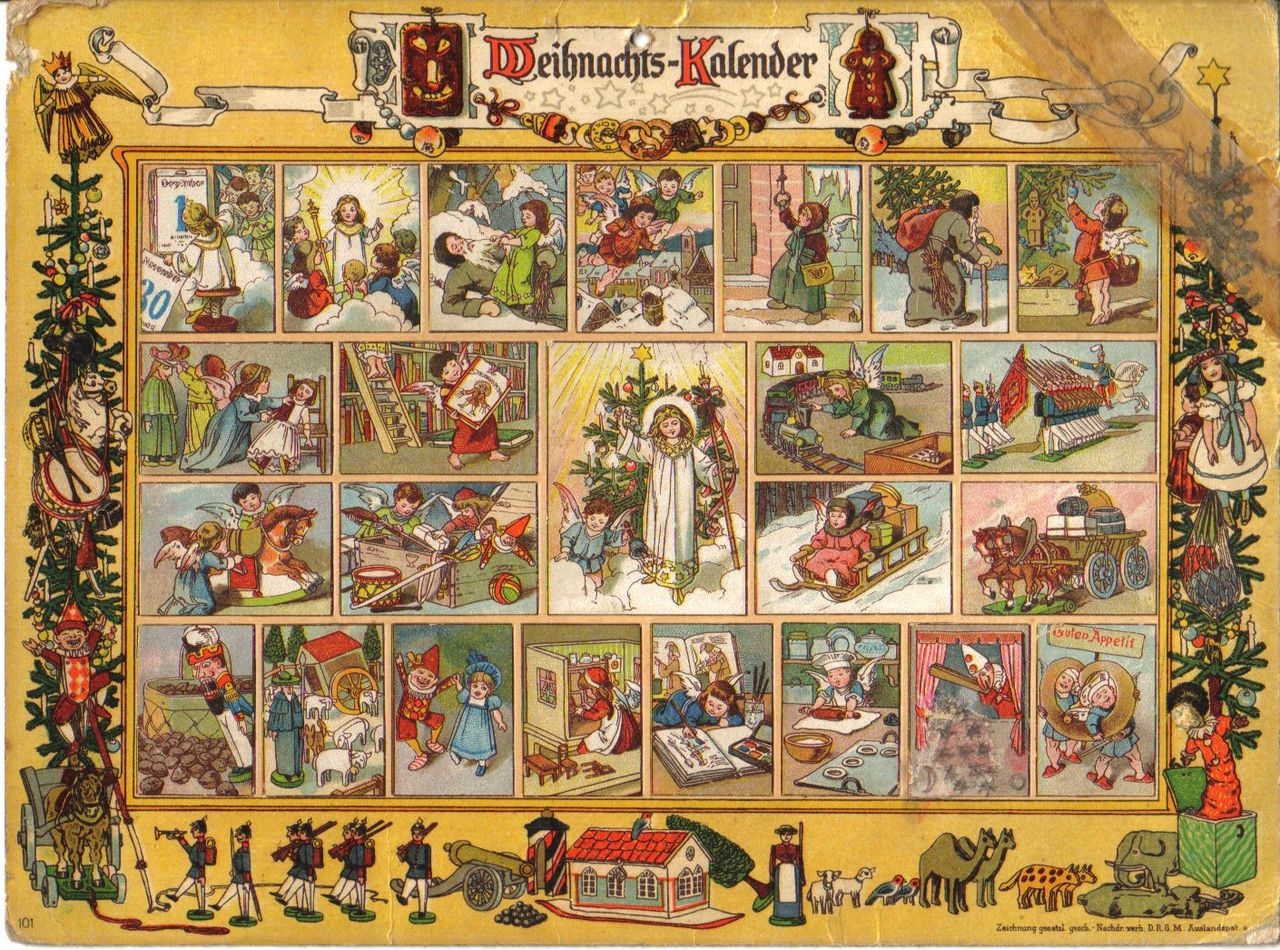
The oldest known, survived from 1903, printed Avent Calendar.

Commercialization of Advent Calendar.

In Austria, a newspaper company printed an Advent calendar for their readers; the next year, they inserted their own version of the calendar. Another newspaper company in the city of Hamburg, Germany, used a Christmas clock as the “countdown” for the holiday, being its own version of the Advent calendar. In 1908 one particular inventor’s clever idea boomed the calendar’s popularity and success.

                     Commercialization.

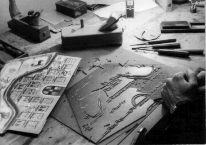
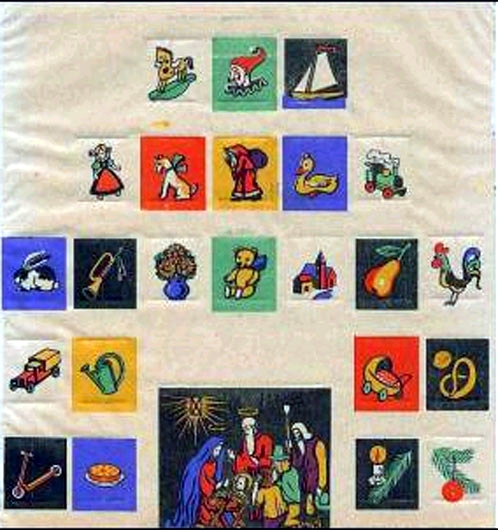
Gerhard Lang has been formally credited for the advent calendar that we have grown to love and adore today. Being from Germany himself, Lang’s inspiration derived from his mother, who made him this model as a child, with colorful pictures and figures drawn on the calendar. Lang made a cardboard style that was delivered through newspapers, allowing for a “swing door” to be on the calendar. With this innovation, the calendars could “contain” an object or a quote. The calendar with the swing door is secured; it requires for the participant to open the door, where they discover their prize and obtain the goodie inside. In this time frame, the goodie was either a picture or a quote.

              Gerhard Lang and his work.
     
This was, and still is, how it worked.

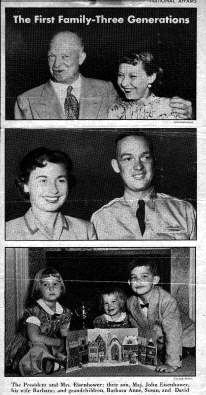
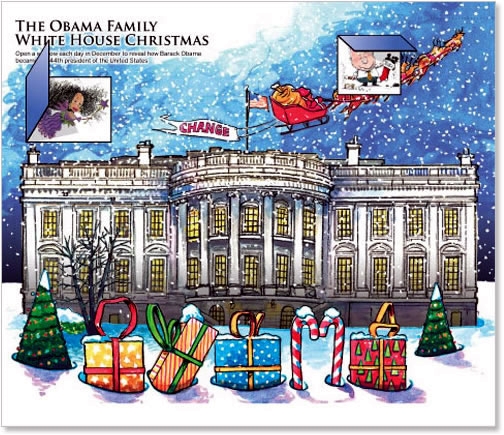
As the 1930s struck, Lang’s company had to close down, thanks to the rising tensions of World War II and a cardboard shortage occurring. The advent calendar was on hold until post- WWII, when the trend resurfaced. In countries like Germany, the calendar was seen as a refreshing glimpse of hope and nostalgia for the better days. As the 1950s appear, the advent calendar started to put chocolate into the mix, allowing for the present of the day to be a little treat. Coincidentally, as chocolate began to enter the European map of the calendar, Americans jumped on board too. President Eisenhower has been credited with bringing the Christmas calendar idea to the States, giving them to his grandchildren.

                 
There were times in the White House when US-Presidents had style and honored tradition, not just moneymaking and stirring up the world as it is now.
By example: The Eisenhower’s and the Obama’s Advent Calendars.  Click on pics to supersize.

Today’s Advent Calendar.

Today a lot of different Advent Calendare are sold sale prior to the first day of December, and the calendars are reasonably priced. Nearly every retailer supplies the calendars, and nowadays they can contain everything from traditional paper drawings and rhymes to chocolates, alcohol and even Lego.


While the Advent calendar is considered one of the beloved moments of Christmas, it should also be known one cannot celebrate it wrong! If you want to continue this fine tradition and create your own Advent Calendar feel free to do so !    Have Fun !


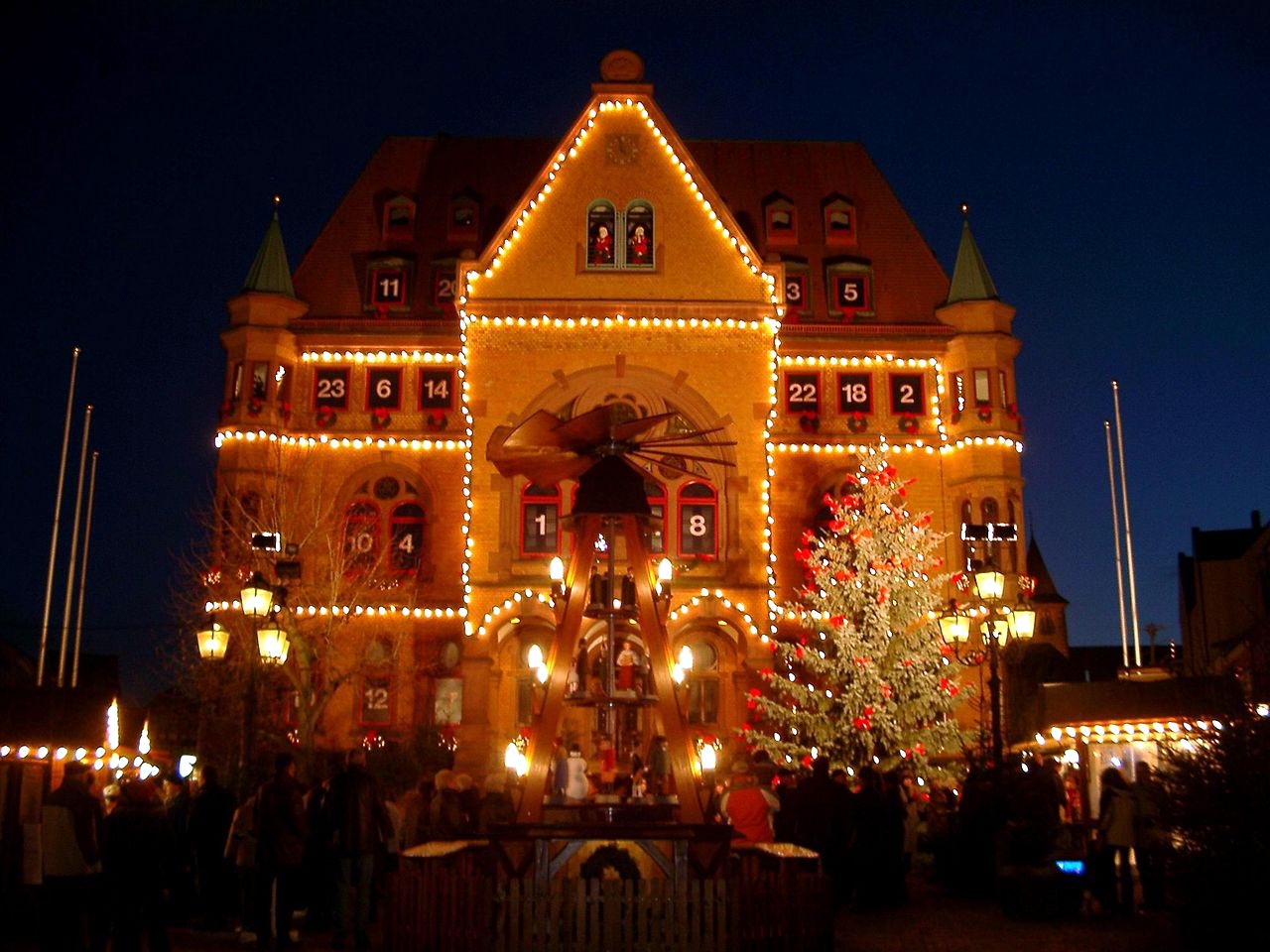
The whole town-hall in Hünfeld, Germany is set as an Advents Calendar !


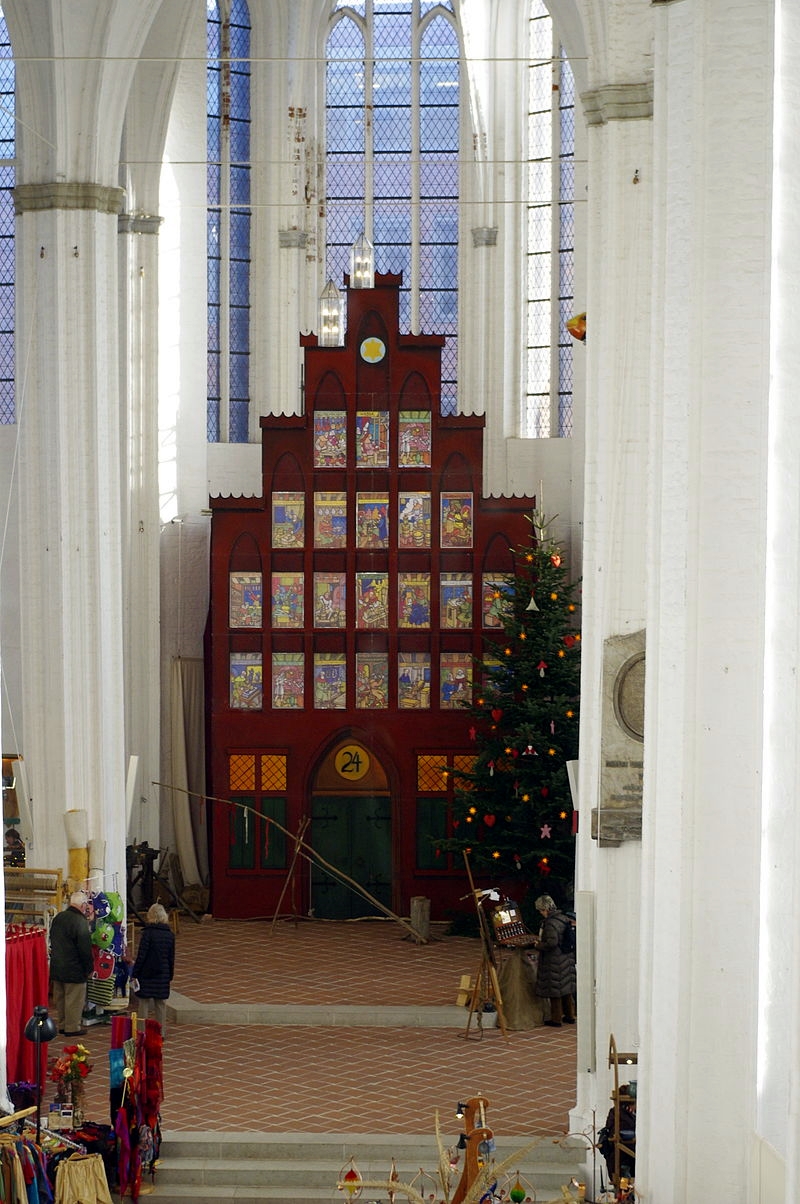
Inside St.Petri Church in Lübeck, Germany a massive Advent Calendar.

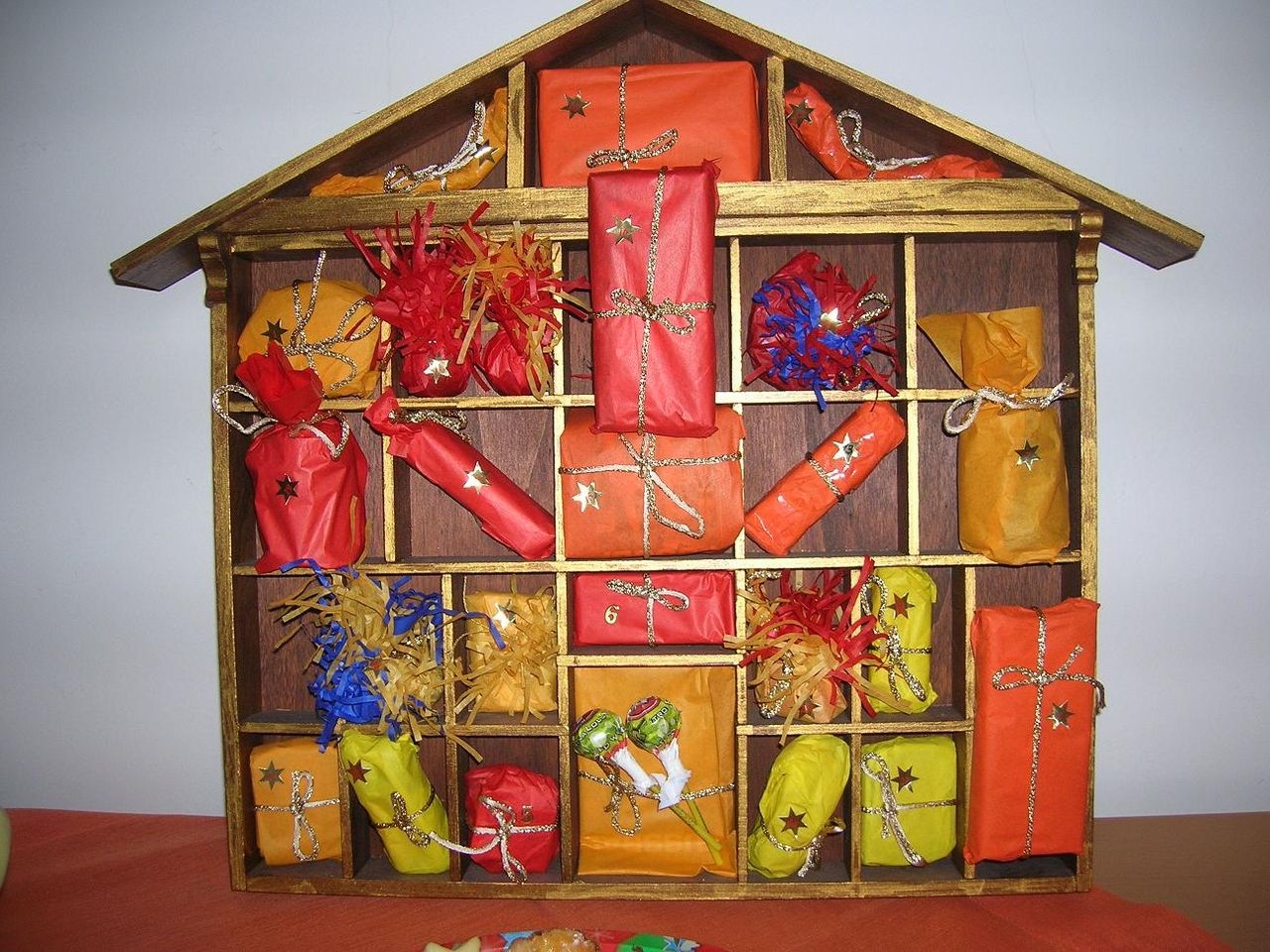
Fantastic idea, 24 individual wrapped little presents, no numbers needed.

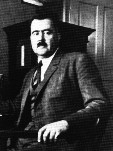
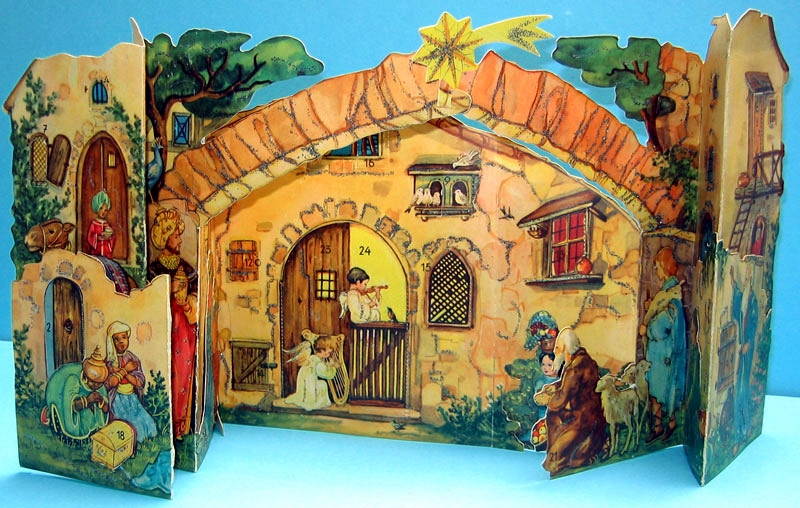
Wonderful made „diorama“ advents calendar from the 1940’s.  There are 1000’s more!


Veröffentlicht unter History, Lifestyle | Verschlagwortet mit | Hinterlasse einen Kommentar

Argentina BBQ Stays Cold

In addition to my earlier post about the „Uruguayan Beef Problem“ I like to give you some information about our neighbor country Argentina, because both have a similar beef and national dish culture. And – they are in Beef-Trouble as well as Uruguay is.

When in Argentina the barbecue stays cold.

Every country has its own national dish and in Argentina as well as in Uruguay it is the Asado. Behind the name is beef from the grill. However, the Argentinian does not understand the small pieces of beef, as they are prepared on a tripod grill on the balcony in Germany. Even with the social significance of the Argentine Asado is very clear from German barbecue habits.

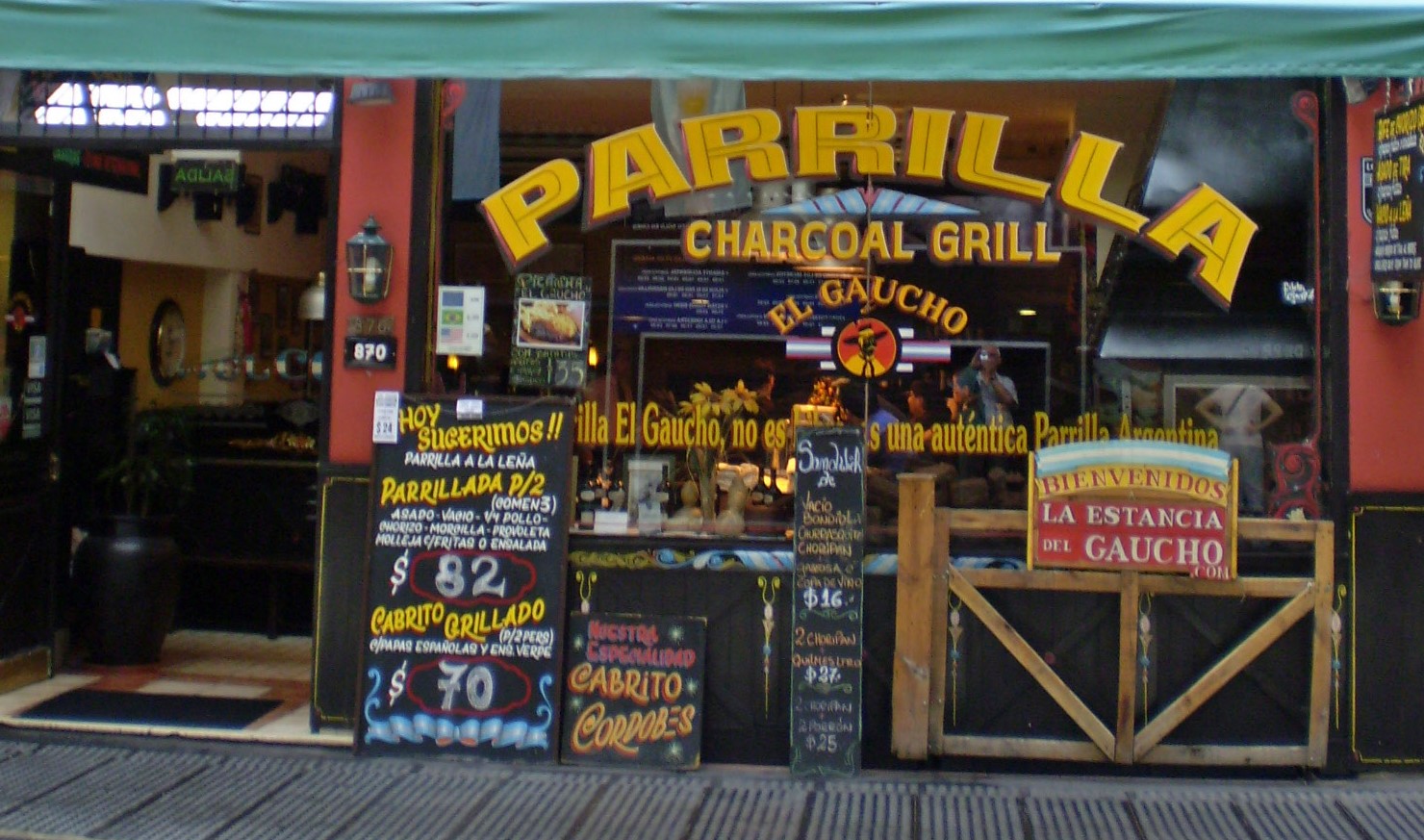
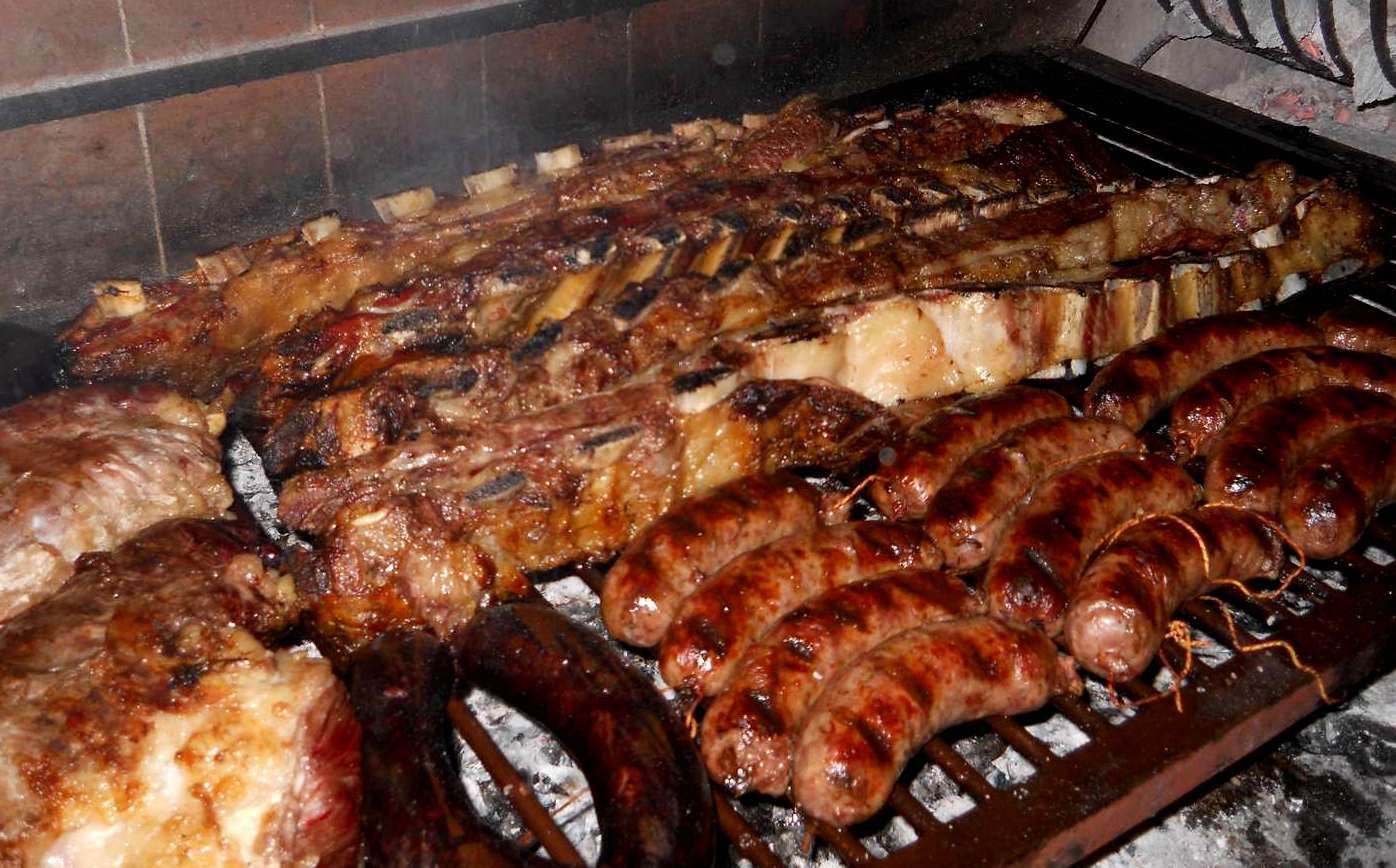
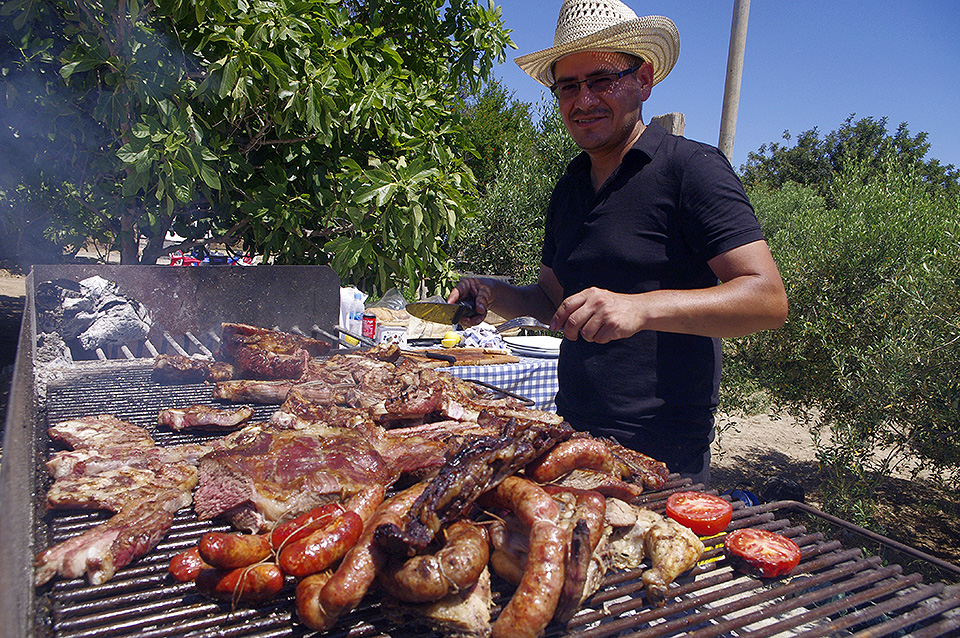
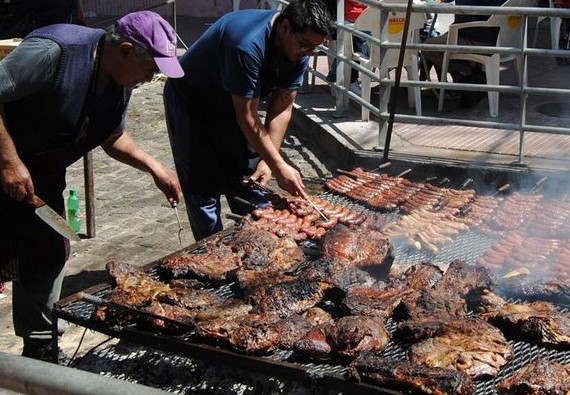
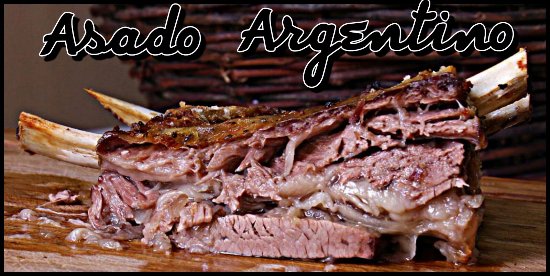
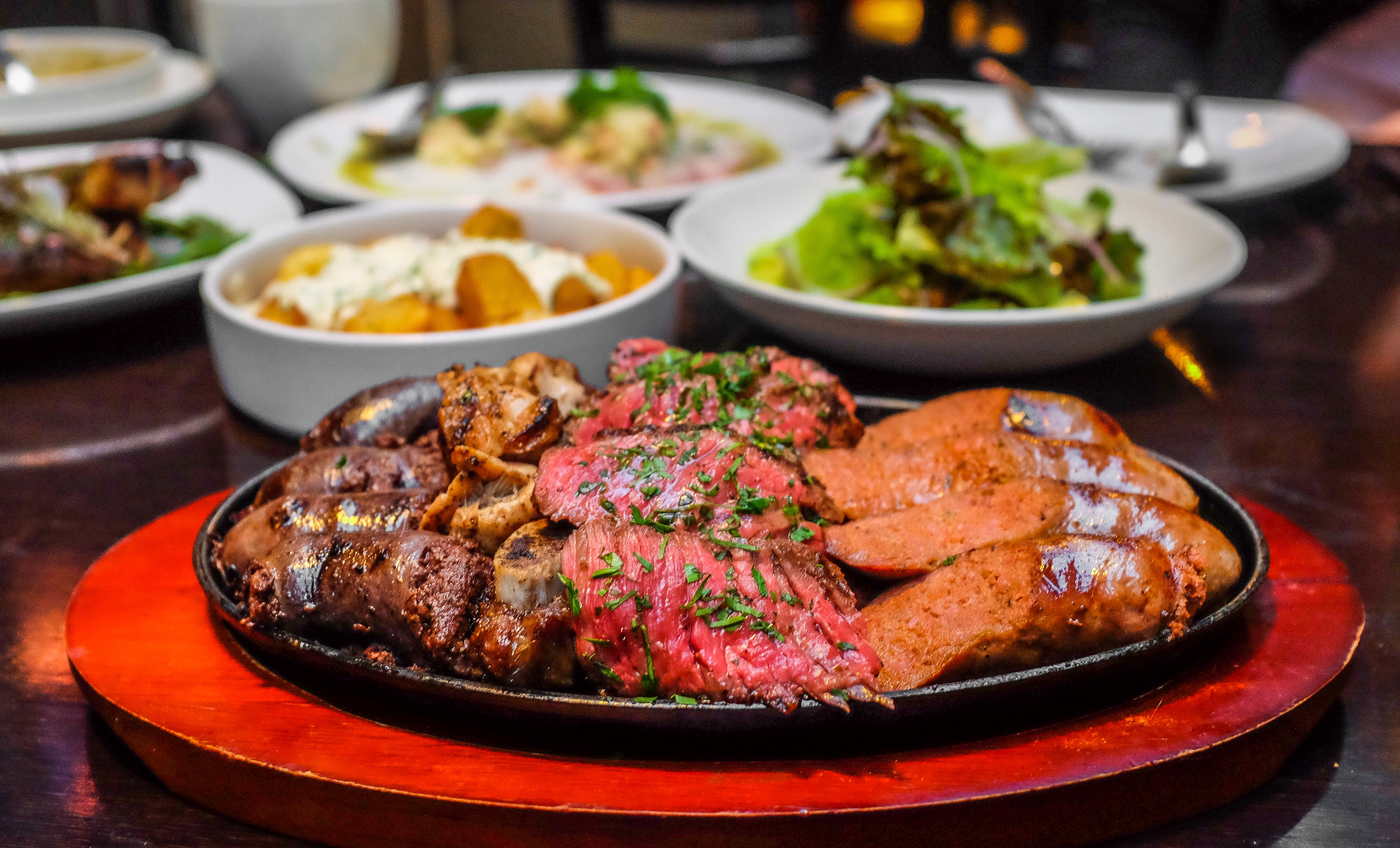
The national dish of Argentina is Asado (a variety of barbecued meat) grilled on a parillo (a large grill) that is packed with steaks; ribs; chorizo; mollejas (sweetbread), chinchulines (chitterlings) and morcilla (blood sausage).

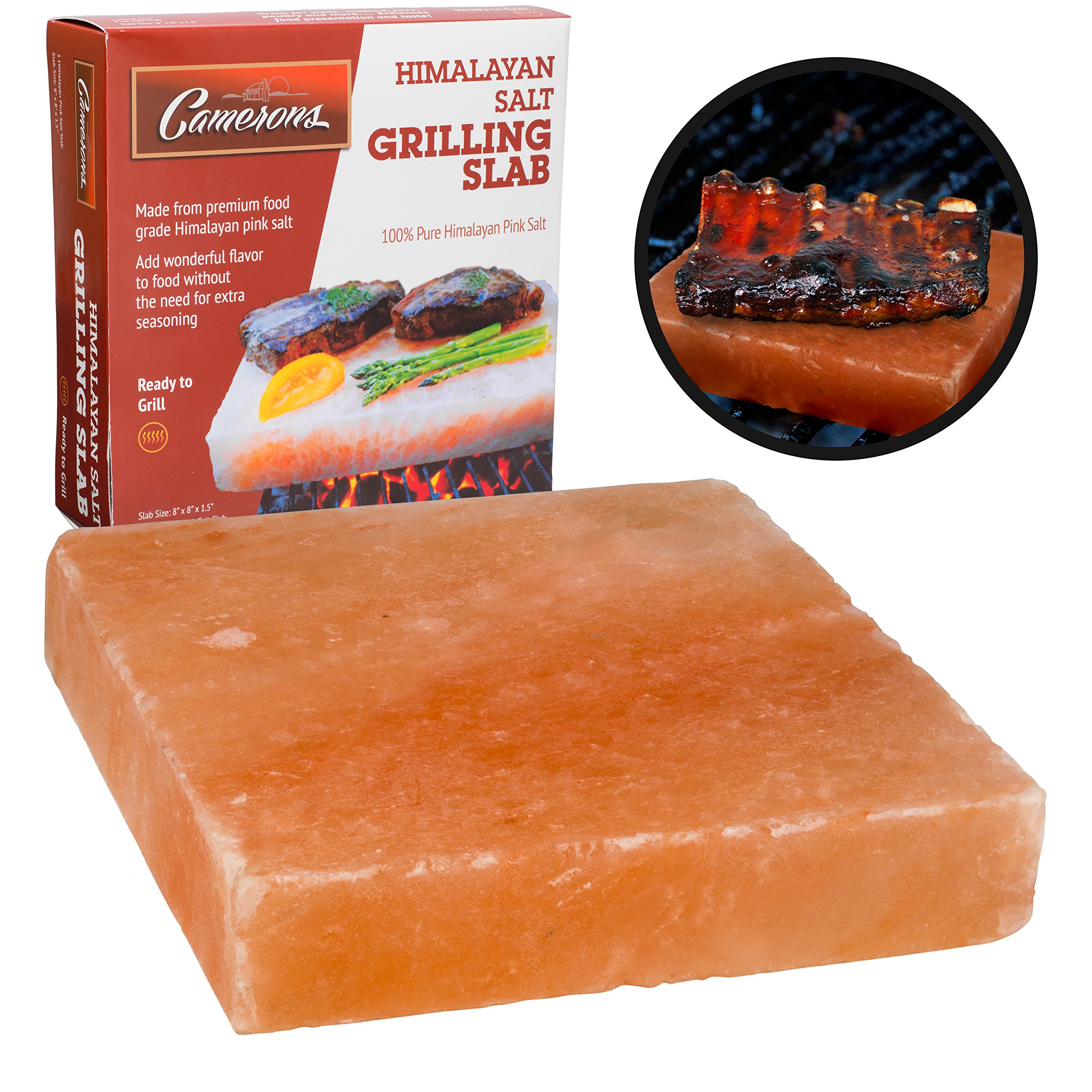
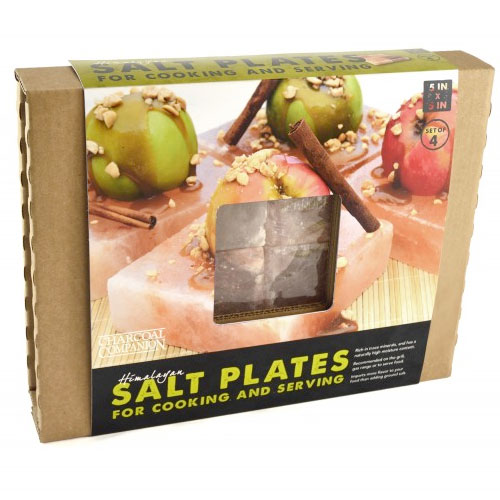
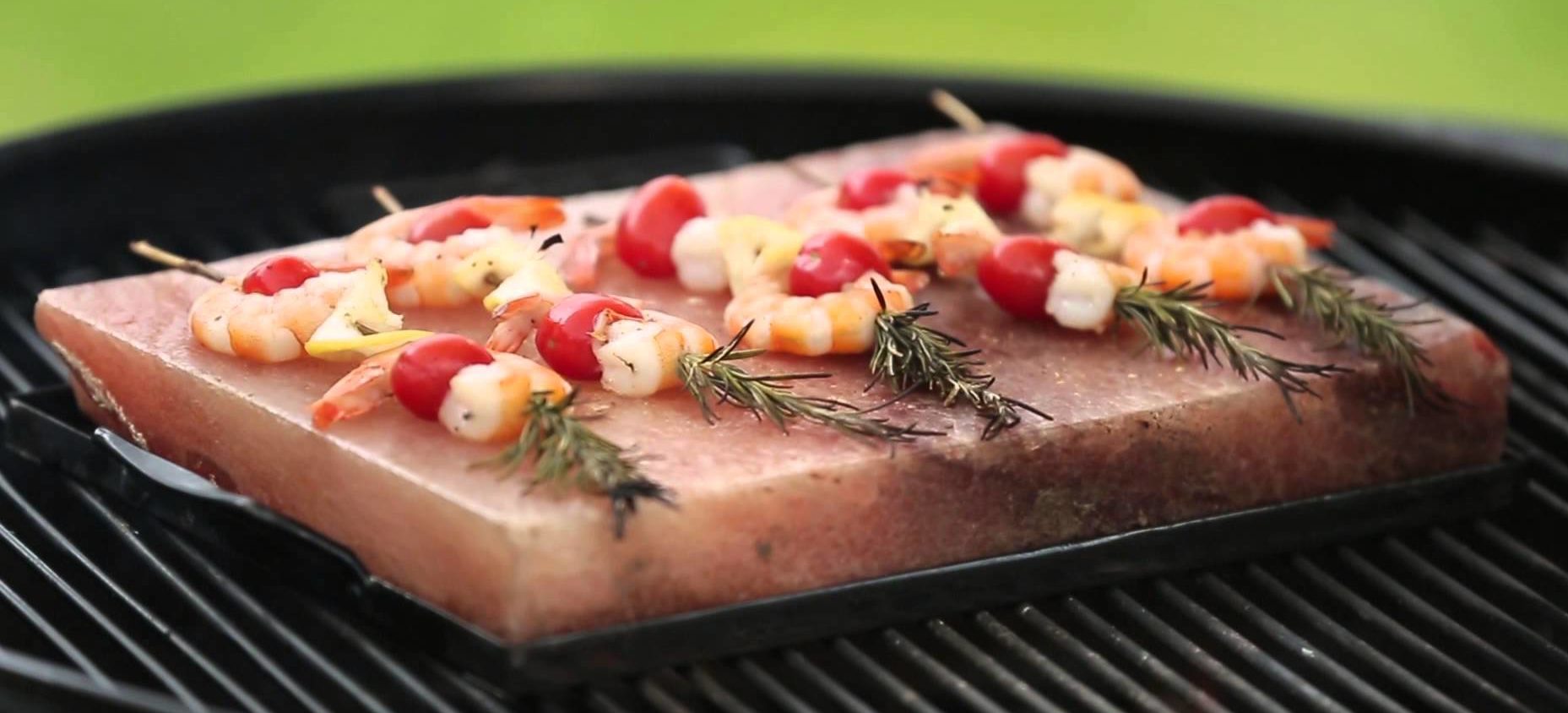
An interesting and in other country’s also little known alternative is a barbecue on a salt plate. A salt plate is placed on the still cold grill and then heated over the charcoal. According to BBQ-specialists the meat does not salt. If you want to try it, you should use salt plates made from Himalayan salt stones, which are considered to be particularly mineral-rich and healthy.


This all natural, FDA approved slab of Himalyan salt is the perfect way to season your food while you cook. Preheat on your grill and cook your food right on top for moist, flavorful results. You can also chill the block to use as a serving dish for cold appetizers. When you are done, simply allow the block to cool, wipe with a moist cloth or scrape any areas with glazed on food clean, dry, and store in a cool, dry place. Color may change during use- this is normal. Imported from Pakistan. Slab measures 8″ x 8″ x 1.5″ (about 20 x 20 x 3 cm). Price about US$33,- per box on eBay or amazon. Best selling, top selling fathers day gift and present.

The differences between Argentine and German barbecue evenings begin when shopping. The Argentine prefers meat, side dishes such as bread and salad are of secondary importance. Therefore, about 1.5 kilos of meat are calculated for each person. Barbecue in the Argentine pampas also has a high social status, which is why an Argentine barbecue is always well attended.

  Beef size Argentina.

Formality, however, is less important at the meeting. There is time for that. The event often starts in the morning and continues until late in the afternoon. It is chatted, laughed and joked. The adults make new acquaintances and strengthen existing, children walk around and play. A grill master takes care of the meat on the grill, the construction of which hardly has anything in common with the chic kettle grill in Germany’s gardens.

Asado at home in Argentina.

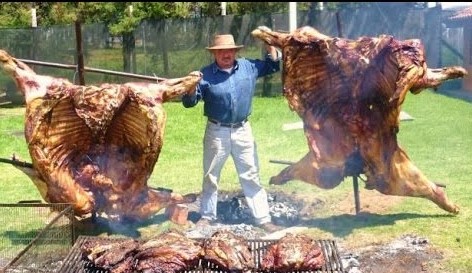
At the sight of an Argentinean barbecue size differences are detected. Some use a masonry grill with a generous grid above their Asado. Others cook their beef skewered on strong wooden sticks stuck in the ground and placed slightly tilted around a fire. This is because the cattle are slaughtered differently in Argentina than in other country’s, where meat is sold in small pieces. In Argentina, beef pieces come on the grill, the size of which is enough for a whole family. See pic down here.


These are the Argentinian meat sizes one could find on parillas.

Although barbecuing has a long tradition in Argentina, and although it is an integral part of Argentina’s culinary and social identity, the Asado is in danger. More and more often the barbecue stays cold, on the fazenda (Portuguese for farm, ranch etc.), in the garden and in the restaurant. Once again, Argentina’s economy is in turmoil, the national currency is in danger and prices are rising. But so far the Argentine’s enjoyed their Asado and the Asado let them forget their problems. But this time symbiosis does not work.

  That’s it !

Stock prices and indices are always used as a barometer when the shaky economy of a country comes into focus. But if Argentina’s barbecues stay cold, the need in the South American country must be great. If you order a beef steak in a restaurant in the capital Buenos Aires these days, you have to expect it to be cooked in the pan and not on the traditional grill – even if it violates the country’s kitchen rules. As usual, the problem is homemade, not to blame the Chinese or Japanese please.

The devaluation of the Argentine peso does not have to be presented as a purely negative event. A devalued peso promotes exports, but this is where the problem lies. Argentina was once one of the largest exporters of beef. During the Kirchner years (the same party is just elected again and „big mouth Cristina“ is acting as vice-president), however, was radically changed, or rather rearranged.

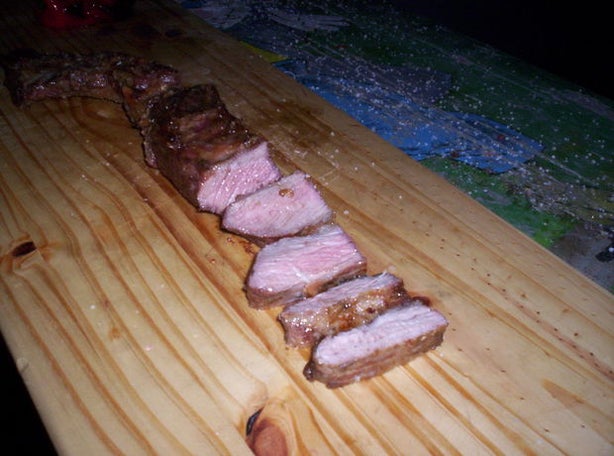
    More and more to come in Argentina. Small meat sizes well pan-fried. Not to bad, but no more origin!

Where once huge herds of cattle grazed, soy fields were created. Cattle production was cut back and Argentina dropped out of the top ten beef exporters. Doesn’t matter to the Kirchner’s, they have wrapped their Millions). An internationally competitive industry could not be established until today. Thus, Argentina remains for the time being what it was always, an exporter of agricultural products, only that lack of affordable beef (for the wider population) the grill always stays cold in this crisis.  


The old style BBQ, even if its small, has much more flavor and is much more stylish (fine Argentine Pampas Style), then the modern pan frying.         VIVA  ARGENTINA !

Veröffentlicht unter Information, Lifestyle, Travel | Hinterlasse einen Kommentar

Uruguay Beef Problem


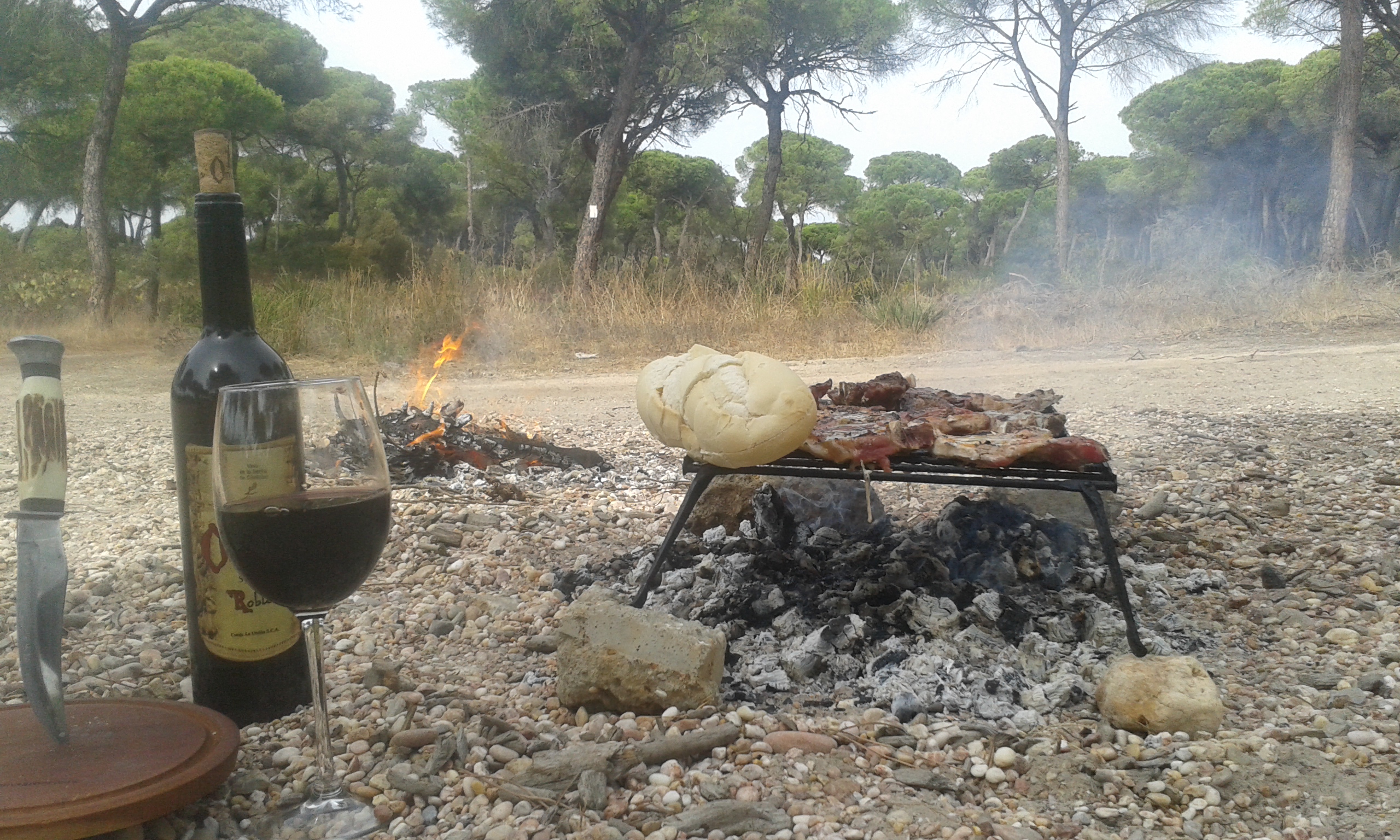
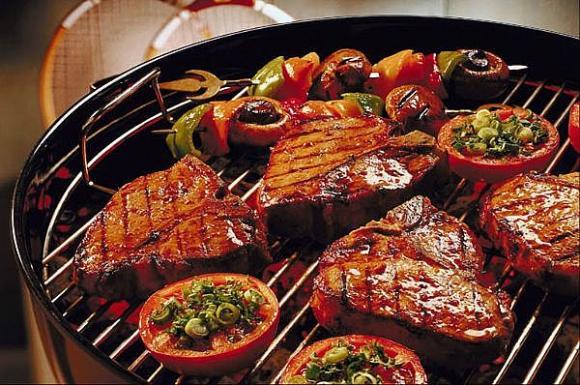
BBQ’s like this in Uruguay are only made for advertising, that’s not real UY life.

Since we live in Uruguay about 10 years now, we can tell about a massive changement in many parts of life, especially in food availability. Recently I found some information about Uruguay’s beef situation in latina press articles, which I like to share with you. As positive as the tourist interest in Uruguay is growing as negative is the internal life situation.


Just this company in Uruguay, the BPU,  processes over 800 cows per day.

Uruguay is sometimes described as „one big farm“. It’s a country, albeit a small one, where cattle outnumber people by four to one and farming is the most important part of the economy. Like their fathers and grandfathers before them, Roque and Lindenberg are gauchos, or cowboys, effortlessly herding cattle on their modest ranch just north of Montevideo, Uruguay’s capital.


Gauchos are a key part of Uruguayan culture but have had to move with the times.

But this is today also a land of high-tech cowboys, where the laptop is as important to these farmers as their horses. Uruguay, a country with 3.4 million inhabitants and 12 million cattle, faces an unprecedented challenge for its beef industry. For the first time in its history, the small South American nation imports beef from its neighbors – mainly from Argentina, Paraguay and Brazil – for its own use. The reason: China’s growing appetite for high-quality gourmet meat.

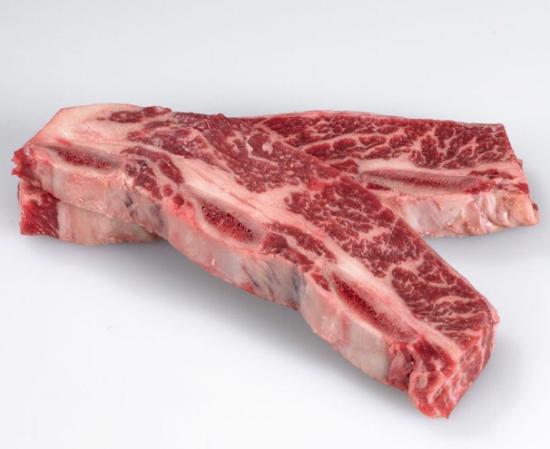
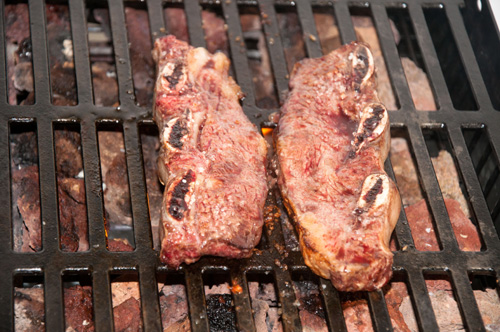
   This was once the Asado de Tira, still having a full portion of the best meat on it. Nowadays hard to find in butcher-shops.

„Asado de Tira“ ( roasted strip or Bratenstreifen) is considered Uruguayan national dish, although not country specific, but spread throughout the Río de la Plata region. For us its a very strange cut and the best part of the beef is cutted off. The most popular pieces and the better quality is suddenly harder to find in many stores.

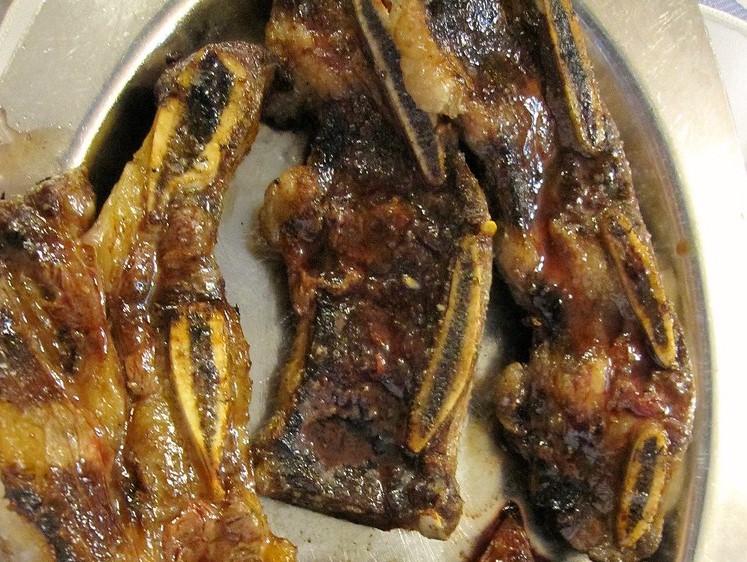
This is what they sell now as Asado de Tira, fatty, bony, gamy and mostly meatless strips. Cheap, cheap !

That’s because of exports to China. When Chinese ask for meat, only the best quality comes into question. The Uruguayans are meat lovers and world champions with a consumption of more than fifty kilos of beef per person per year. Or another statistic shows that Uruguayans have about 9 times per week beef on their menu !!

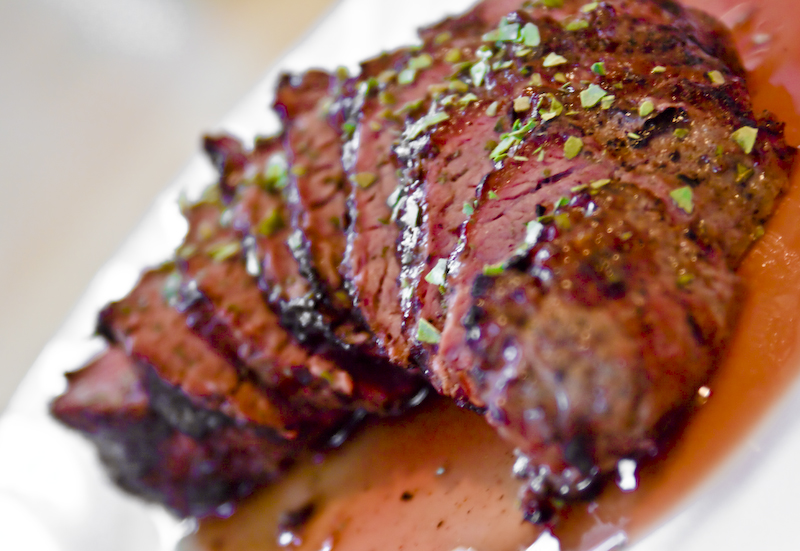
Very hard to find a beef quality like above on Uruguayan tables.

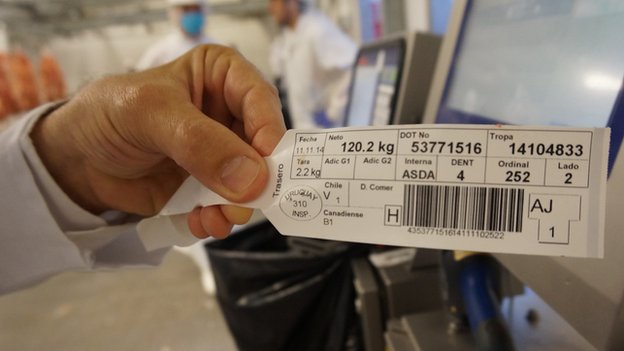
Healthy cows make Uruguayan beef so popular. The animals graze on huge natural areas, are hormone- and antibiotics-free by law. In addition, every single cow in the country is monitored from birth to slaughter. Using computer chips on the ears, Uruguayan cattle can be traced from birth to the plate. The system is mandatory and assigns each animal an identification code.


The system means beef products in some cases can be traced back to individual animals and farms.

„BPU Meat Uruguay“, the country’s largest meat factory, employs more than 700 workers and processes about 800 cows every day. The company benefits from growing Chinese demand. Uruguay exports just over 40,000 tonnes worth around US$ 200 million every year, with China being by far our most important market.  According to the „Instituto Nacional de Carnes“, the volume of beef exports to China has risen by more than thirty percent over the past year and Beijing is prepared to pay a lot of money for Uruguayan meat. A similar positive increase of beef export is observed to Japan.

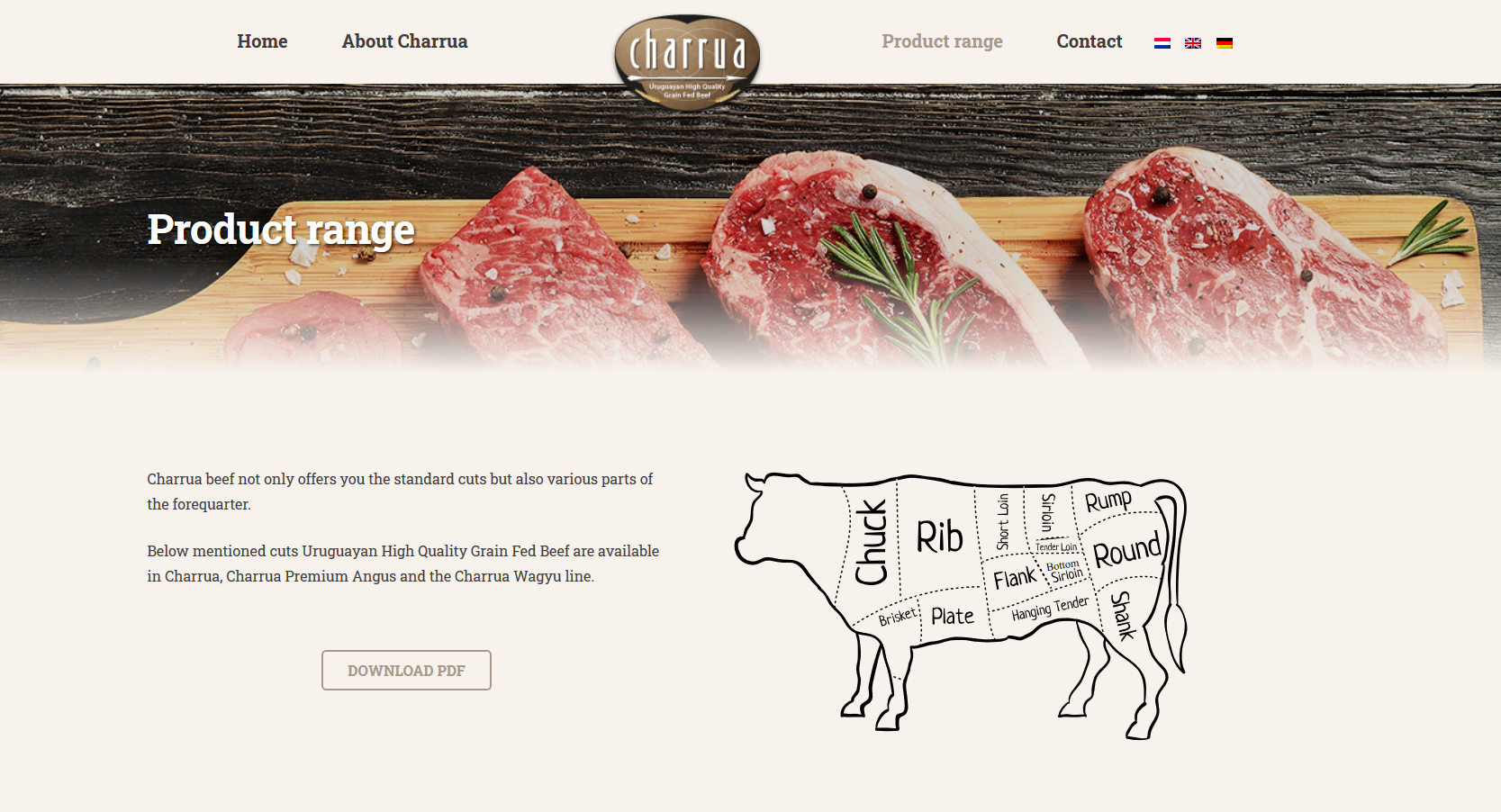
             Never seen somewhere in Uruguay this kind of „export quality“ for sale.  That’s what the company describes: „Charrua Wagyu meat is subdivided according to the AUSMEAT Marbling Scores. To guarantee exceptional quality only the score 4-5, 6-7 and 8-9 are delivered“.
Charrua also sells, amongst others, „Premium Hereford“ and „Premium Angus“. Never seen here – Specials for export !
This is a screenshot of the charrua (by the way, a Netherlands located company) site. Shows the product range of charrua – ALL PERFECT AMERICAN CUTS,  for the export. If we ask for it in Uruguay, no one knows about what a „flank steak“ is or buying „brisket“  !! Ja ja, that’s how Uruguayans and „dummies like us“ are open and fairly informed here.

That’s why Uruguay has to shop with its neighbors. Beef imports increased to almost fifteen percent, and the trend is upwards. The „Uruguayans“ are aware of their country’s high standards and are reluctant to eat imported Asados. The whole story shows, Uruguay sells their best quality for high prices and imports cheaper quality for low! Moneymaking is more important then quality of life of their own population!


10 years ago in a restaurant in UY. Today one can only dream about. Except the Chinese or Japanese.

An evidence to this story is the just established new law about Uruguayan meat prices, where a government aid is given, to motivate customers if one buys the „not for export reserved“ meat qualities, say cheaper imported (from Argentina) qualities.

Conclusion:
Of course, the Chinese or the Japanese are to blame ! Anyway, if you know where and what and pay for it you still get the best beef in Uruguay !

Veröffentlicht unter Information, Lifestyle, Uruguay | Verschlagwortet mit | 2 Kommentare

German Food – Part 2

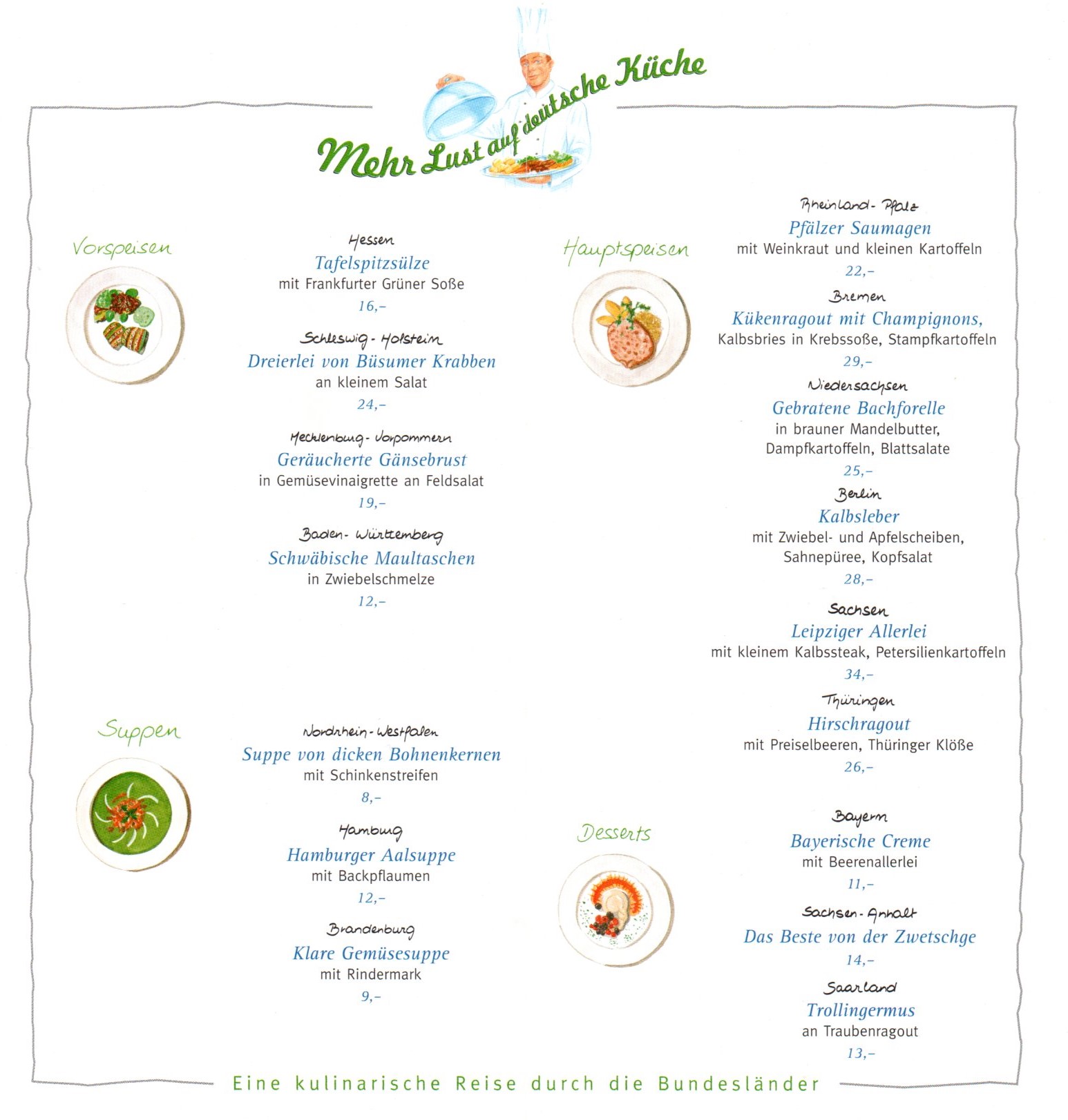
Ultra rare German menu-card – 16 different, typical German, dishes from the 16 German Federal States.

Here my dear friends the second part of famous German foods.


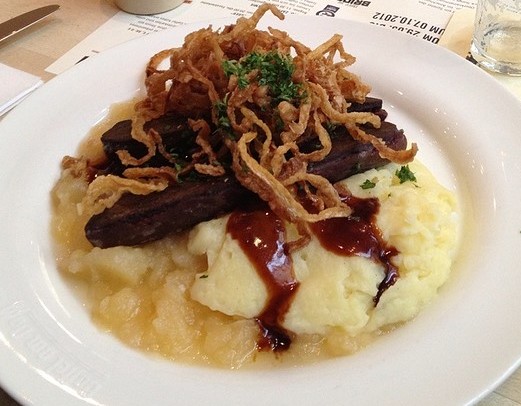
That’s how Himmel and Ääd is served at the Gaffel brewery restaurant near the Dome in  Cologne.

11. Himmel un Ääd.

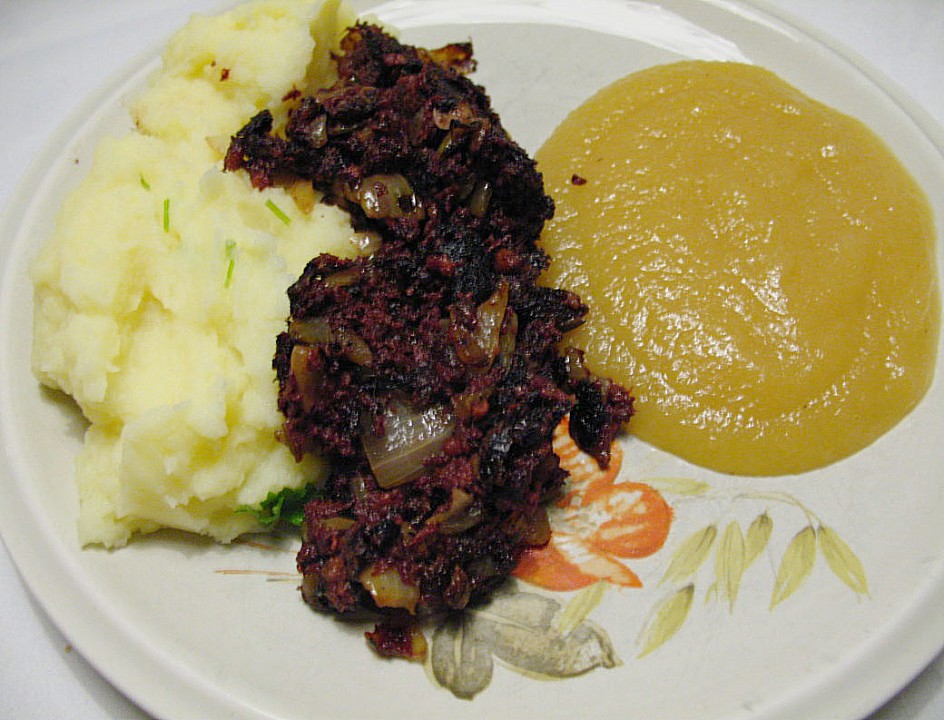
This is another messy and not necessarily optically appealing dish, but nevertheless definitely worth trying. „Himmel und Erde“, or Himmel un Ääd (regional dialect) in Cologne (both mean „Heaven/Sky and Earth“) is popular in the Rhineland, Westphalia and Lower Saxony. The dish consists of black pudding (fried blood sausage), fried onions and mashed potatoes with apple sauce.


That’s how we make it at home, the fried blood sausage is mixed with the fresh fried onions.

The name of the dish originates from the name of two of the main ingredients: the apples coming from the trees, i.e. from up in the sky, and the potatoes coming from the ground. (A dialect word in German for potato is Erdapfel (English: earth apple), or Äädappel in the Rhineland, so there are two kinds of „apples“ in the dish).
It has been around since the begin of the 18th century, and these days is a beloved staple of the many Kölsch breweries and beer halls in Cologne, where it goes perfectly well with a glass or three of the popular beer.

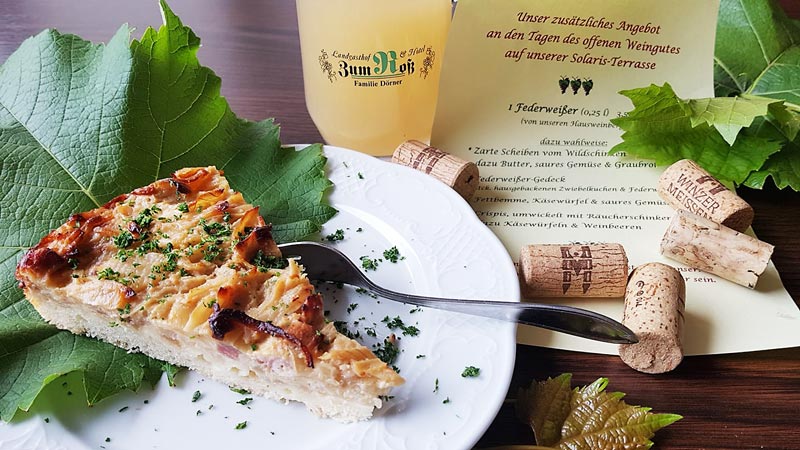
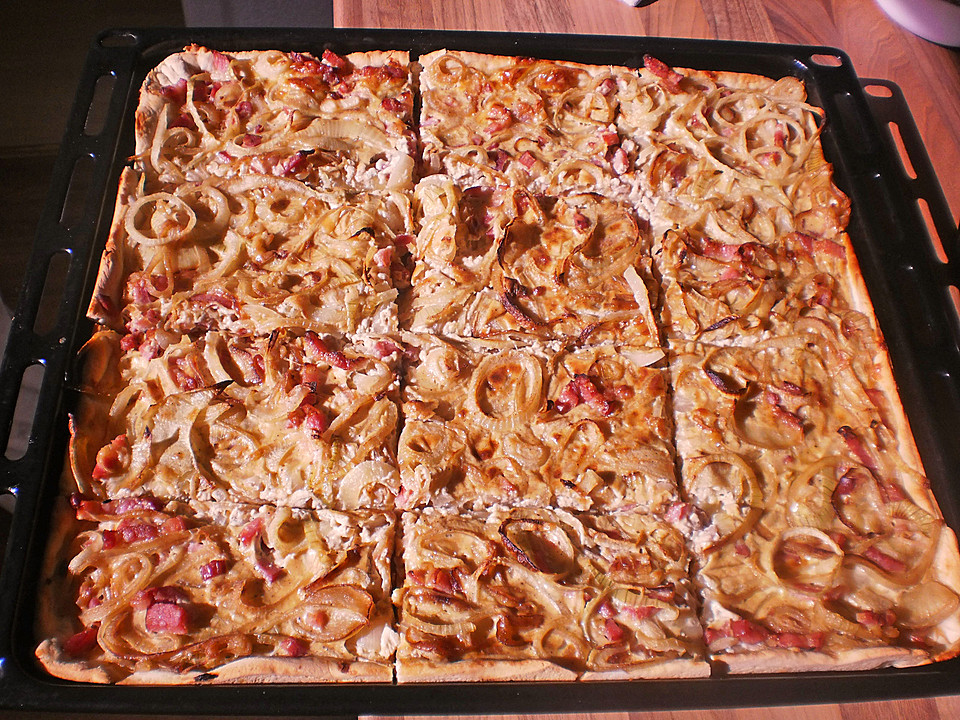
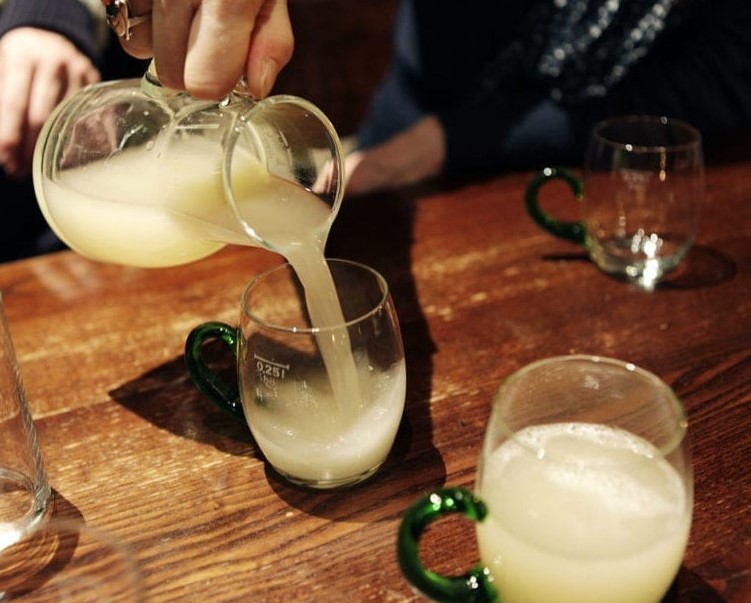
12. Zwiebelkuchen and Federweisser.

October is the month to taste the first wines of the year in Germany, and a well-known culinary treat in Southern Germany is Federweisser und Zwiebelkuchen (partially fermented young white wine, still milky in color – and onion tart).
Federweisser literally means „feather white“ and is made by adding yeast to grapes, allowing fermentation to proceed rapidly. Once the alcohol level reaches 4%, Federweisser can be sold.

              Zwiebelkuchen, made with bacon, steamed onions and cream sauce, is mostly a sheet cake. Federweisser is basically an alcoholic grape juice or very young wine. Click on pics to size up.

It is mostly enjoyed near where it is produced. Because of the fast fermentation, it needs to be consumed within a couple days of being bottled. In addition, the high levels of carbonation means that it cannot be bottled and transported in airtight containers.
In most towns and cities along the wine areas, people flock to marketplaces and wine gardens in early October to sip a glass of Federweisser and feast crispy, freshly made onion tarts called Zwiebelkuchen.

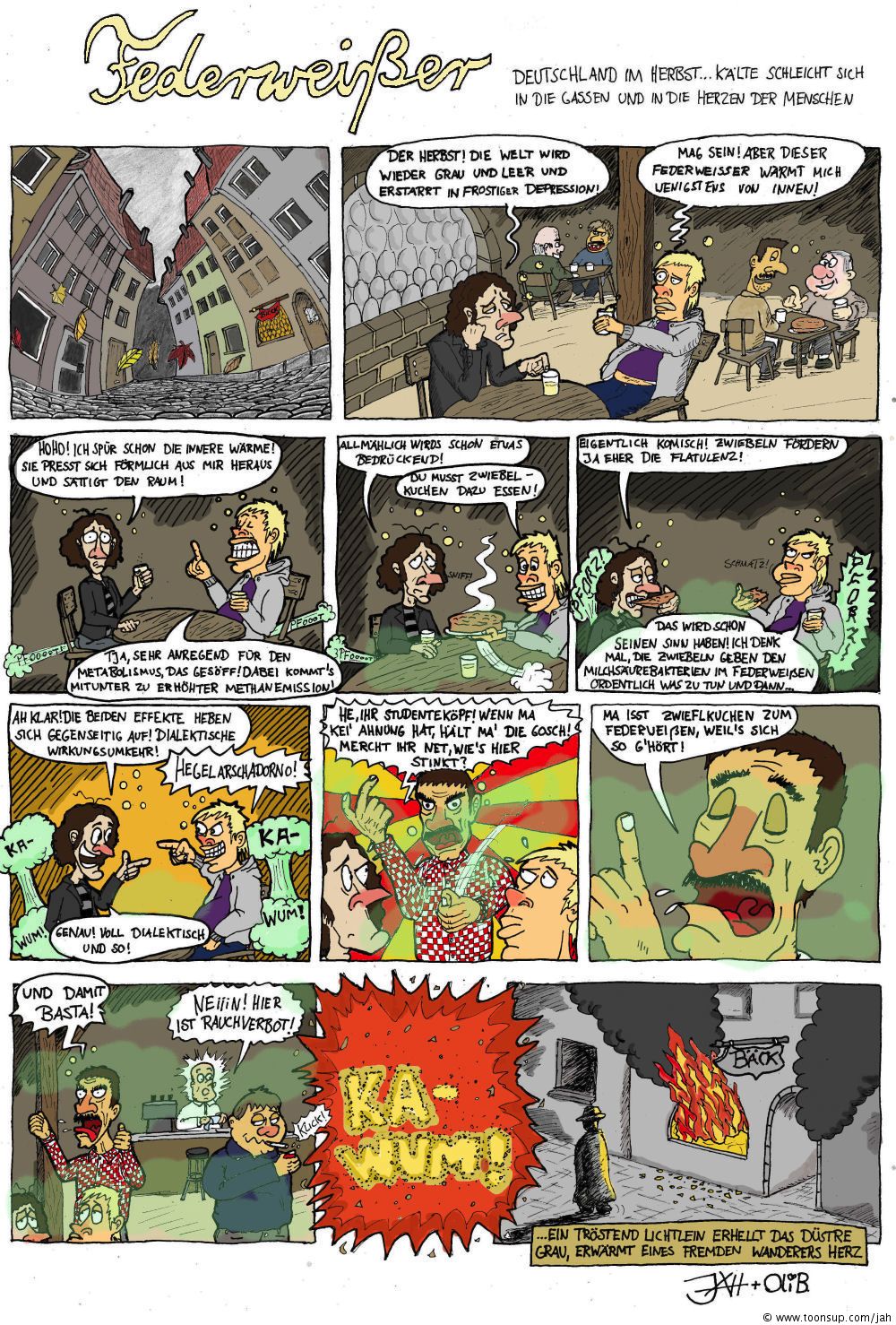
      This is a special for my German readers, not a comic only, but a true story when consuming Federweisser and Zwiebelkuchen. Click on pic for a good read.

Because of its light and sweet taste, Federweisser pairs well with the savory, warm onion cake. Most winery’s open up for this treat during a few weeks in October.

13. Pfälzer Saumagen.

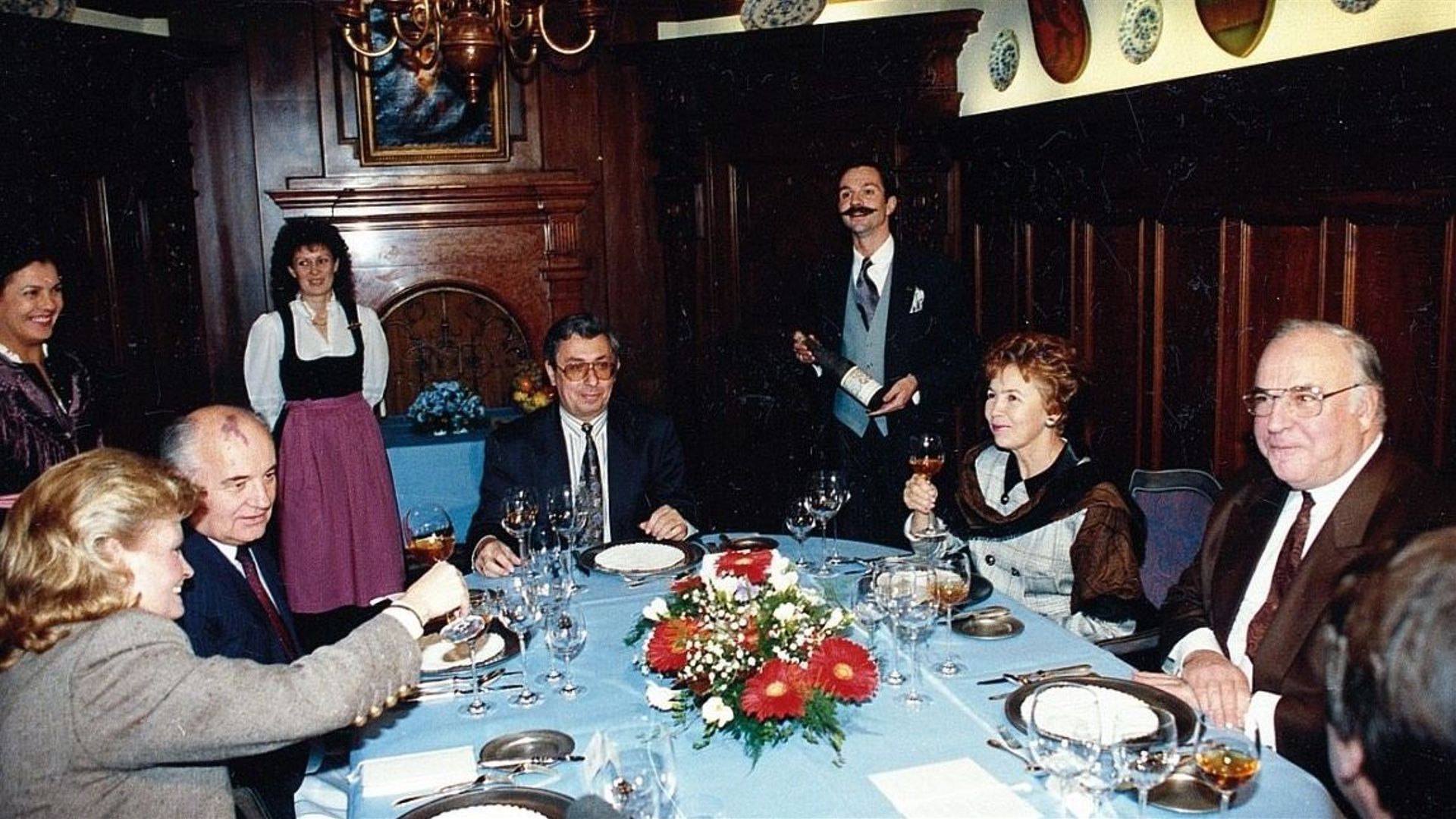
World politics in a pig’s stomach. Saumagen was made famous by German Chancellor Helmut Kohl, who like the dish, hailed from the Palatinate (Pfalz). Kohl loved Saumagen and served it to visiting dignitaries including Margaret Thatcher, Mikhail Gorbachev, Ronald Reagan, Bill Clinton and many others.
The literal translation of this dish is „sow’s stomach,“ but Saumagen is a lot less curious than its name implies.

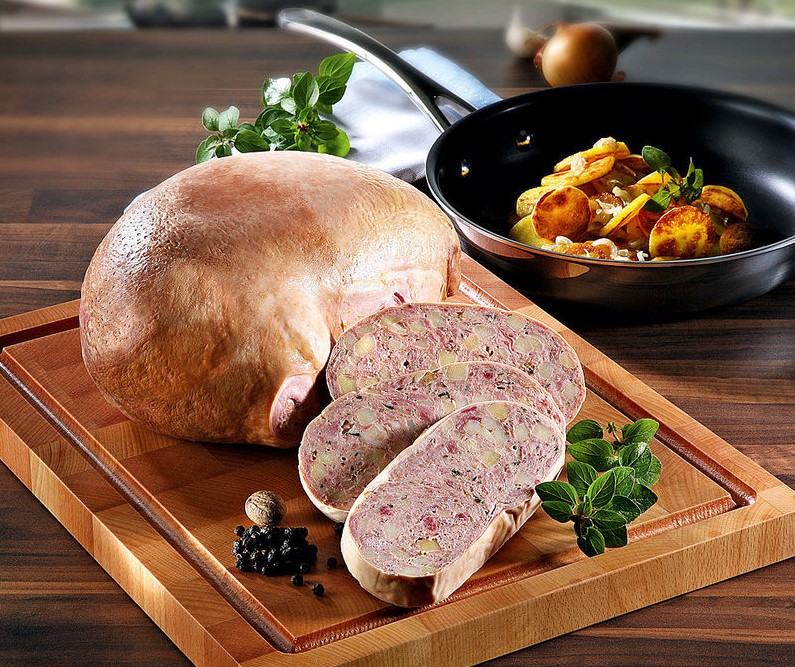
  Original Pfälzer Saumagen, a la Helmut Kohl.

Somewhat resembling Scottish haggis, it is prepared by using the stomach of a pig (or an artificial one) as a casing for the stuffing made from pork, potatoes, carrots, onions, marjoram, nutmeg and white pepper.
It is then sliced and pan-fried or roasted in the oven, and, as Kohl knew, goes down perfectly well with sauerkraut, mashed potatoes and a dry white wine from the Palatinate.

  The Gorbachev’s and Kohl’s at Deidesheimer Hof for a Saumagen dinner. Above pic from the Spiegel. Down here some story for the German readers.

Bei dieser Anekdote kommen einem Zweifel ob der Echtheit, aber die Geschichte ist angeblich so passiert: Francois Mitterrand habe im Deidesheimer Hof lustlos in seinem Saumagen herumgestochert, was Hannelore Kohl auffiel. Sie flüsterte ihrem Mann zu, was sie gesehen hatte, worauf dieser sich zu dem Franzosen hinüber beugte und ihm etwas ins Ohr brummelte. Und Mitterrand habe gierig angefangen zu futtern und sogar Nachschlag verlangt. Wie er das geschafft habe, wollte Frau Kohl später wissen. Und ihr Mann offenbarte: „Ich habe ihm gesagt, wenn er nicht ordentlich aufisst, kriegt er das Saarland zurück.“

14. Grünkohl und Pinkel.

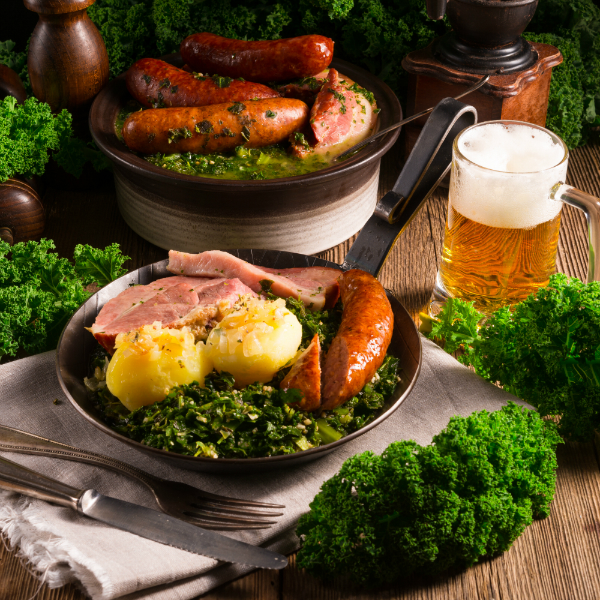
Grünkohl and Pinkel, or cooked kale and sausage, is a delicious winter comfort food eaten mainly in Northwest Germany, especially the region around Oldenburg, Bremen and Osnabrück as well as East Frisia and Friesland. A hardy winterfood.
The cooked kale is mixed with mustard and bacon, and the „Pinkel“ sausage (named after the pinky) is made of bacon, groats of oats or barley, beef suet, pig lard, onions, and salt and pepper and will be cooked in the Gruenkohl. The kale must have the first frost behind, before its been harvested.
Germans sometimes celebrate winter with a traditional so-called „Grünkohlfahrt,“ where family and friends go on a brisk hike accompanied by lots schnaps and finished off with a warm kale dinner in a country inn. There Gruenkohl is often served with additional different pork meats (Kasseler), potatoes and mustard.

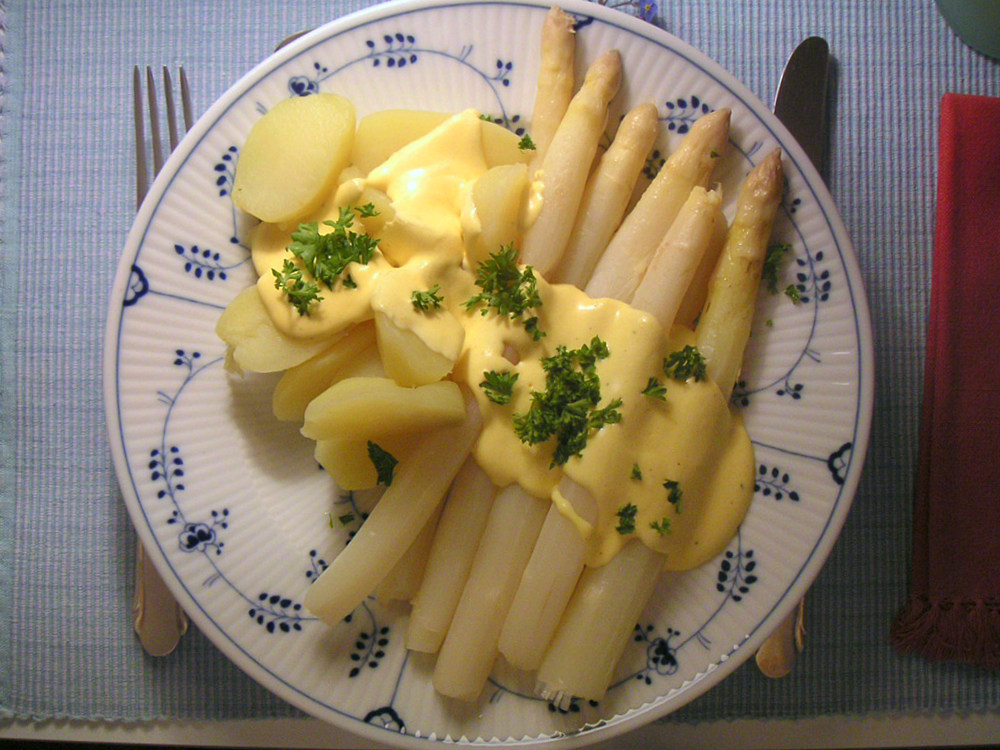
White asparagus, young new potatoes and sauce Hollandaise, what else one needs ?

15. Spargel.

Germans are mad about white asparagus. As soon as harvest time arrives around mid-April, asparagus dishes appear on the menus of restaurants all over Germany, from Flensburg to Munich and Aachen to Görlitz.
This is Spargelzeit, the time of the asparagus, and it is celebrated with passion. During Spargelzeit, the average German eats asparagus at least once a day. This adds up to a national total of over 70,000 tons of asparagus consumed per year.
No one can truly say where this fixation with white asparagus comes from, but the first document that mentions the cultivation of this vegetable around the city of Stuttgart dates to the 1686. There are Spargel festivals, a Spargel route in Baden-Württemberg and countless stalls along the roads of Germany selling the „white gold.“

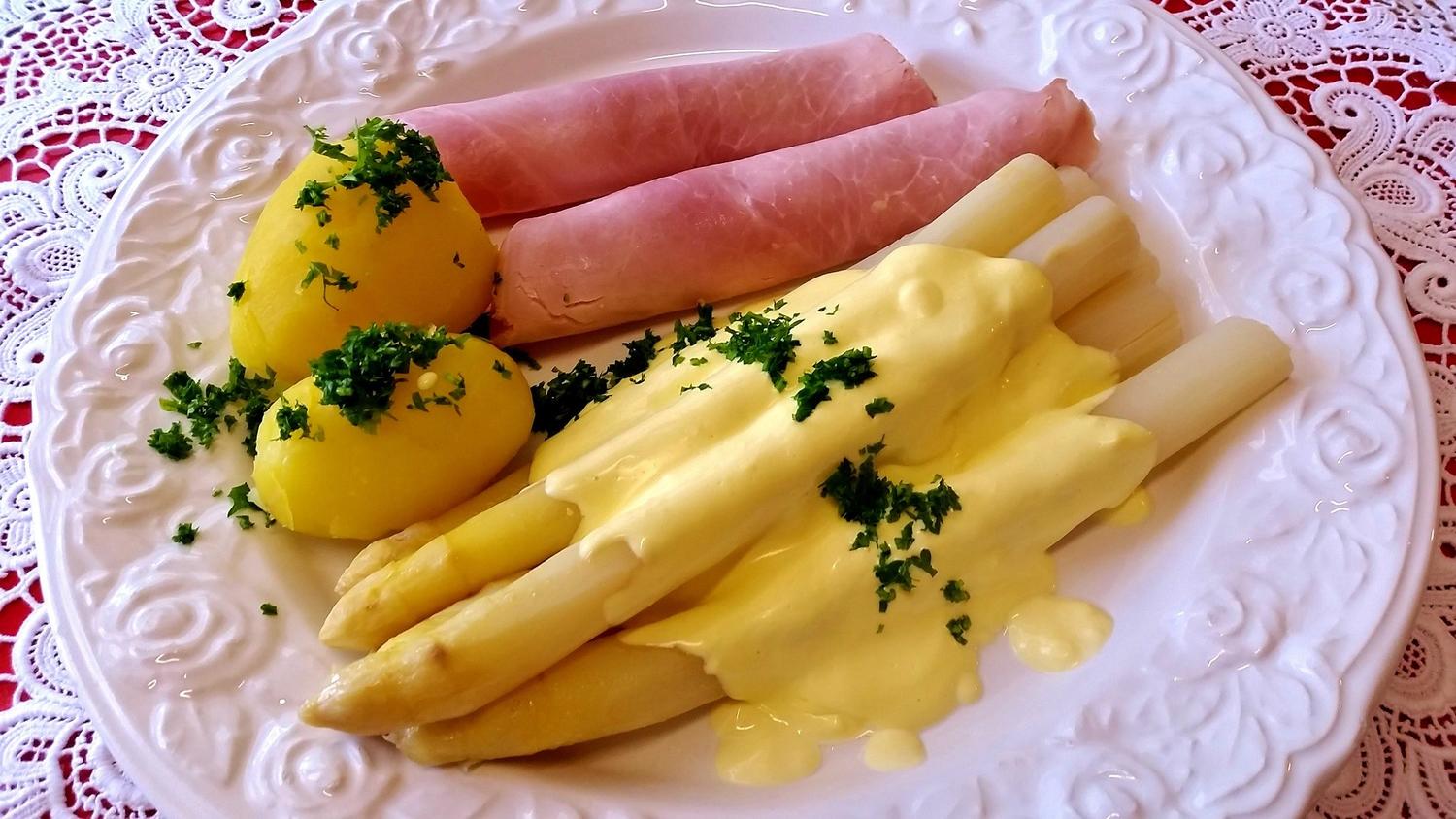
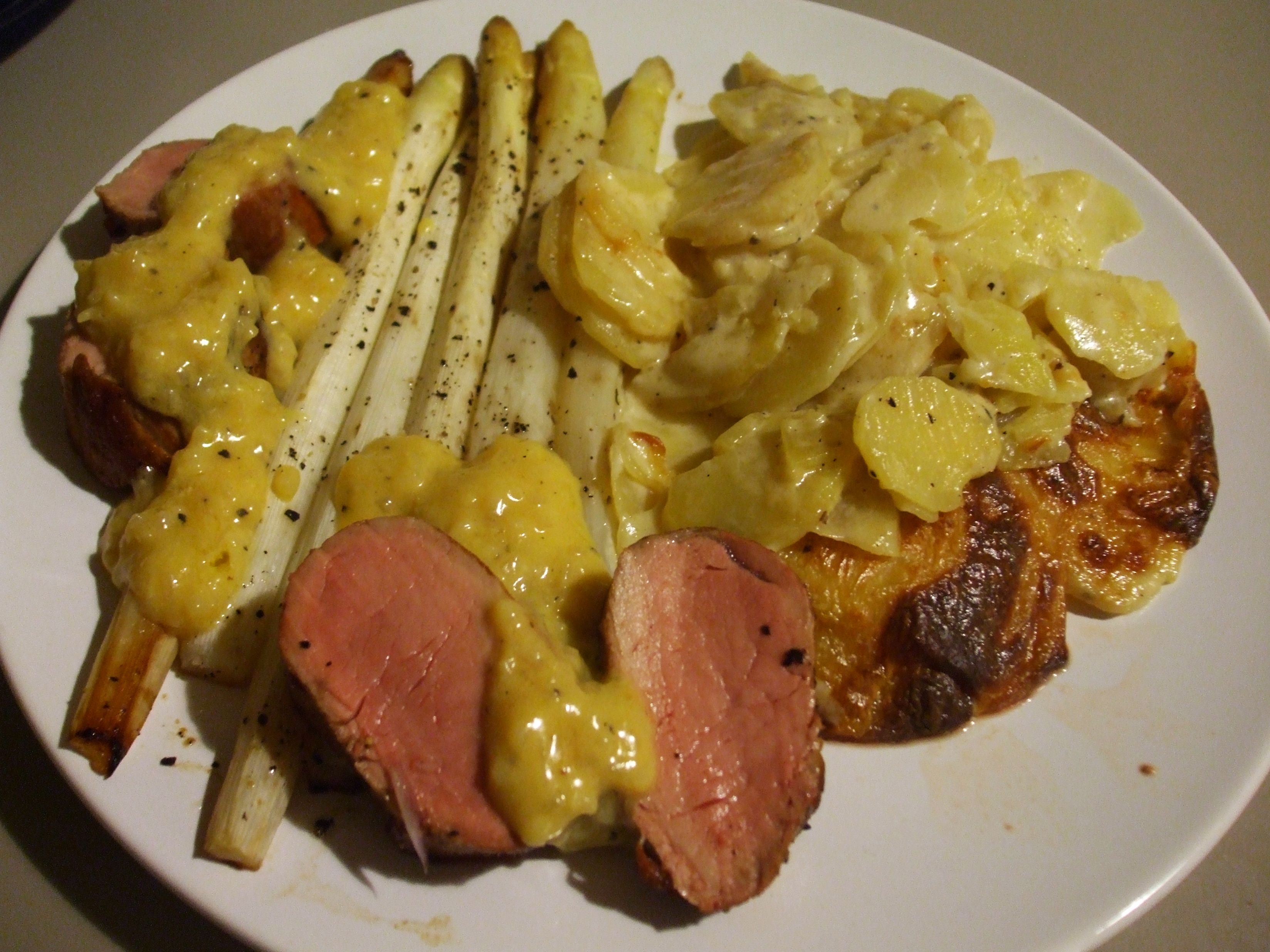
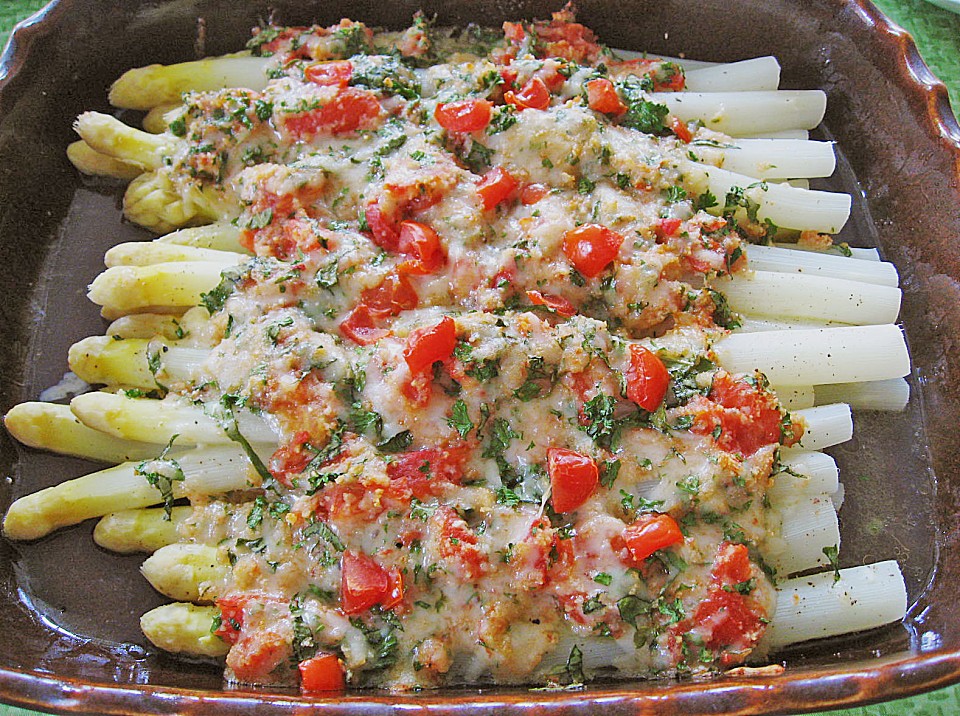
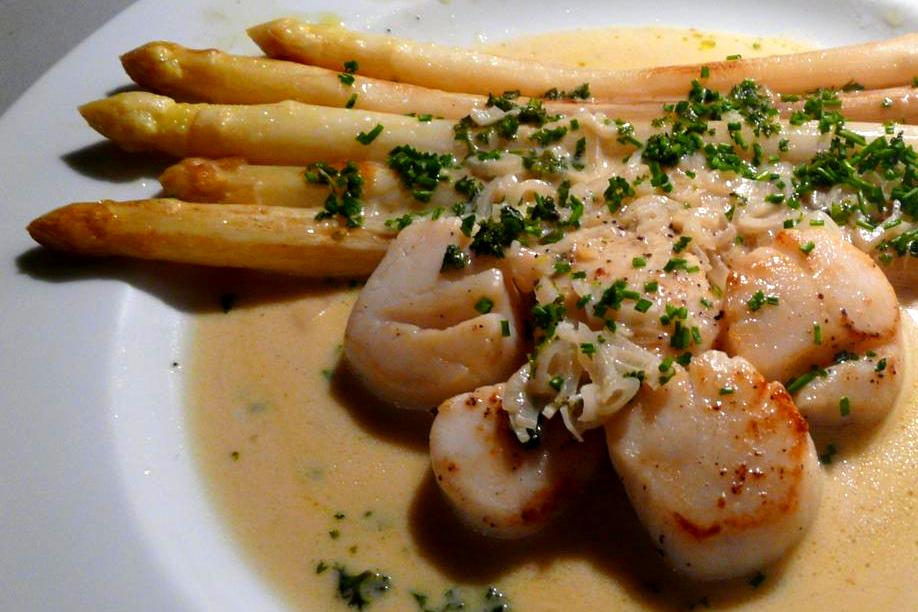
              Some ideas how Germans like their white asparagus. From top left to bottom right, asparagus with ham and Bechamel sauce, with veal cutlets and fried potatoes, with a tomato and Parmesan crust and with scallops in a lemon butter sauce. Getting hungry ???

In restaurants, asparagus is boiled or steamed and served with Sauce Hollandaise, melted butter or olive oil. It comes wrapped in bacon or heaped upon schnitzel; as asparagus soup, fried asparagus, pancakes with herbs and asparagus, asparagus with scrambled eggs or asparagus with young potatoes. Or even sweet with strawberry’s and chocolate sauce. Spargel with salmon or …. the variations are endless, from simple to decadent.

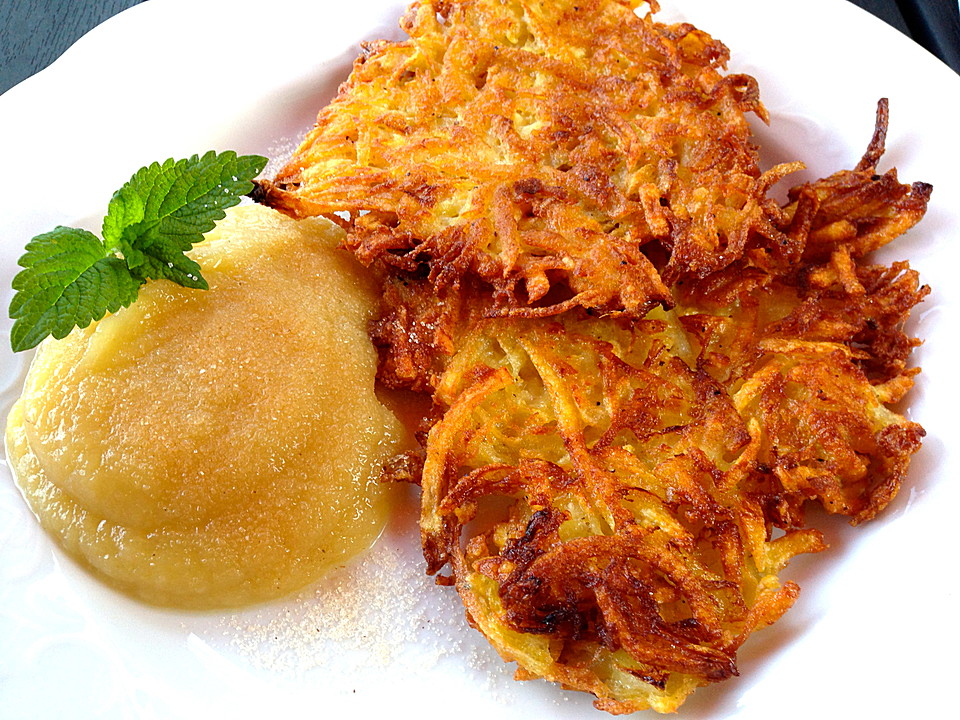
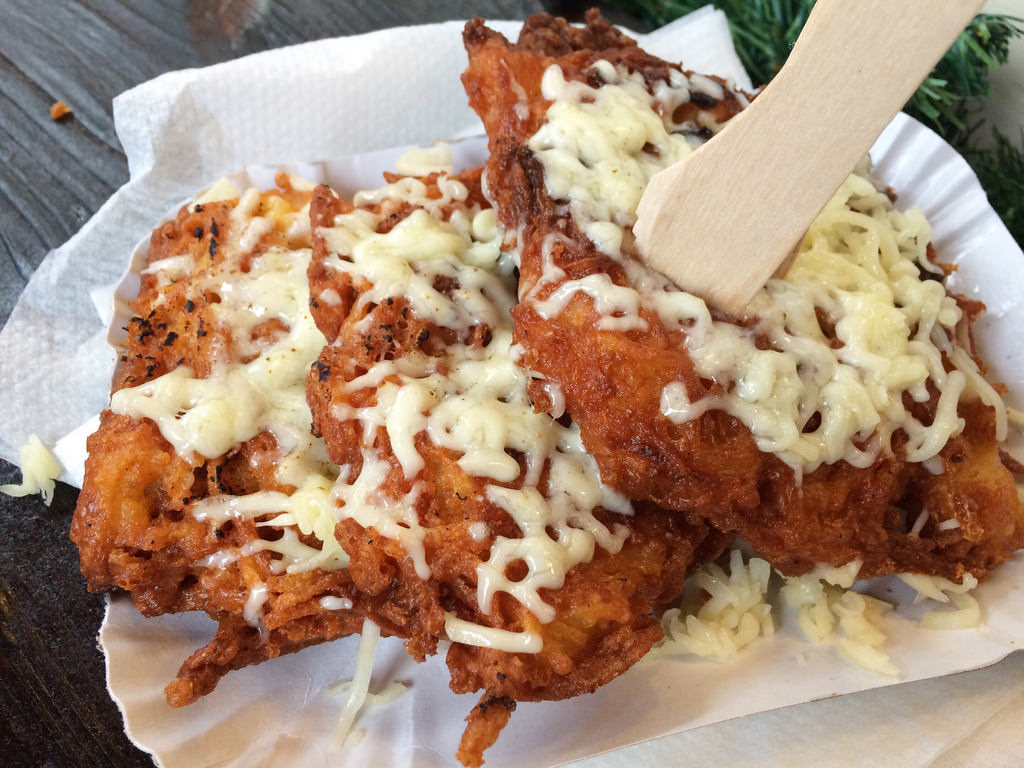
German market-, street- and home-food, served wit applesauce or cheese or … or…

16. Reibekuchen.

Fried potato pancakes are so popular in Germany that we have more than 40 names for them. They are known as Reibekuchen, Kartoffelpuffer, Reibeplätzchen, Reiberdatschi, Grumbeerpannekuche and on and on. In Southern Netherlands, the area of Limburg (close to the Rhineland), I met them under the name of Riefkeuk.
Another quintessential German comfort and street food, Reibekuchen are often served with apple sauce, on black pumpernickel rye bread or with treacle (a type of syrup).
They’re popular all year around and mostly served in portions of 3. In Cologne and the Rhineland they are beloved of revelers during the Karneval festivities in spring, and all German Christmas markets have Reibekuchen vendors where hundreds of liters of potato dough are being processed every day during the holiday season.

17. Rollmops.

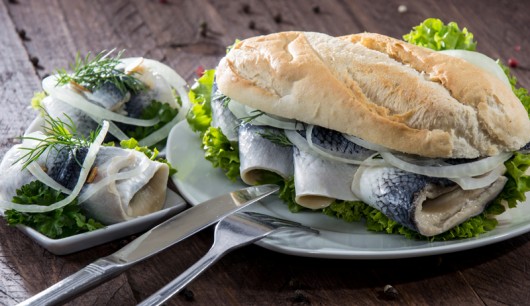
Rollmöpse (plural) are cooked or fried and then pickled herring fillets, rolled around a savory filling like a pickled gherkin or green olive with pimento, and have been served on the coasts since medieval times. Like Labskaus (see part 1) Rollmops is a popular part of a hangover breakfast.
The name „Rollmops“ is German in origin, derived from the words rollen (to roll) and Mops (German name of pug dogs). The form Rollmops is singular, and the plural is Rollmöpse. In Dutch, it’s spelled rolmops, plural rolmopsen. In English, the term „rollmops“ is often treated as the plural of the singular „rollmop“. The form „rollmop herrings“ is also attested.

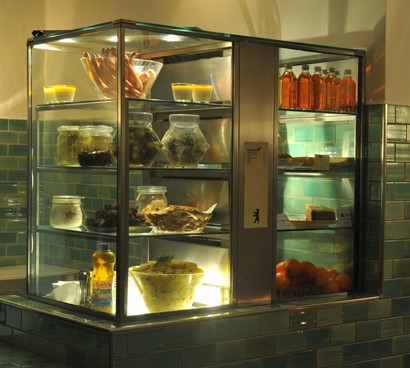
     Hungerturm in Berlin, a relic from the Berlin pub time, slowly disappeared from the local pubs. Only the „Nussbaum“ in the Nikolaiviertel, Berlin still has (as I know) such a multi-storey glass cabinet in use.

In pubs in Old Berlin, it was common to have high-rising glass display cases known as Hungerturm (meaning „hunger tower“) on the bar to present ready-to-eat dishes. The Hungerturm serves in the morning sandwiches, also cakes, but in the evening this small showcase is stocked with the classics, that is lard bread, salted eggs, meatballs, Mettwurst, potato salad and of course Rollmops.

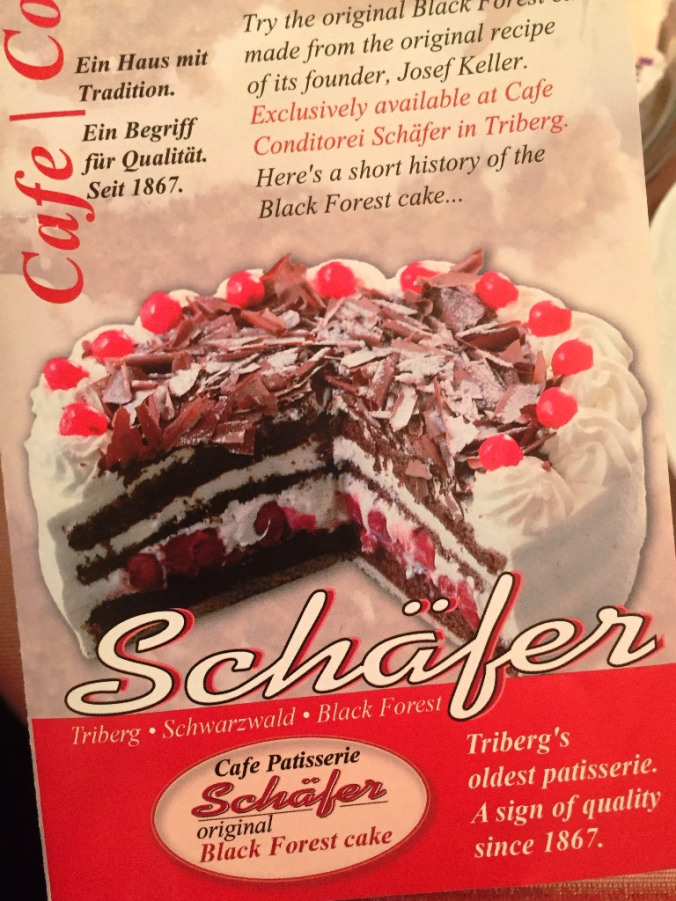
18. Schwarzwälder Kirschtorte.

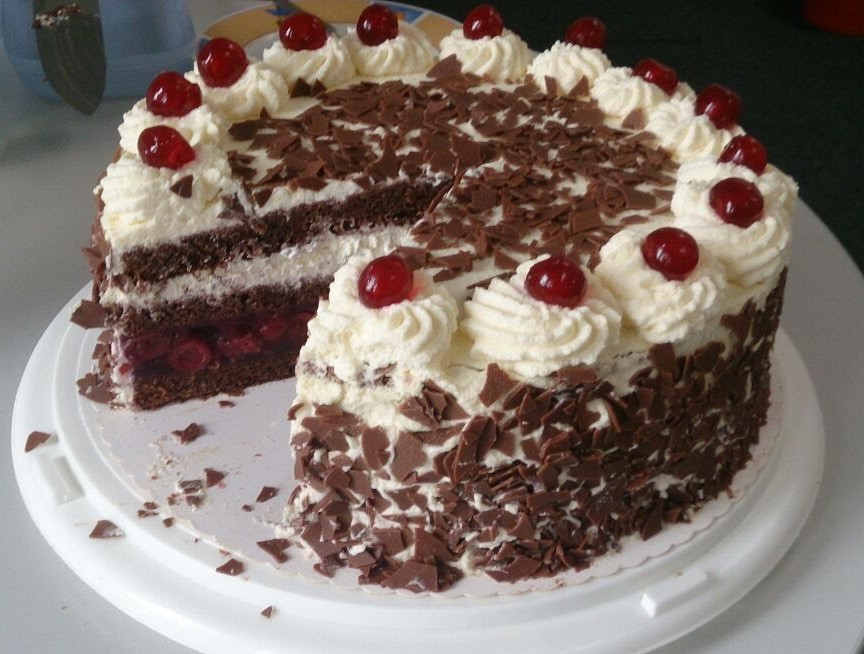
Germany has a vast variety of cakes, but among the most popular is the Schwarzwälder Kirschtorte or Black Forest gateau.
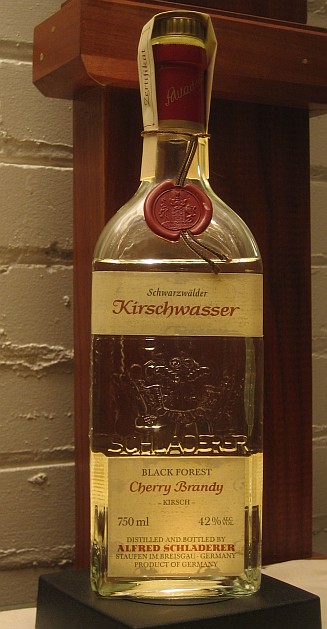
The cake is not named after the Black Forest mountain range in Southwestern Germany, but the speciality liquor of that region, Schwarzwälder kirsch, distilled from tart cherries. Therefore it would be right to write the name „Schwarzwälder Kirsch Torte“.

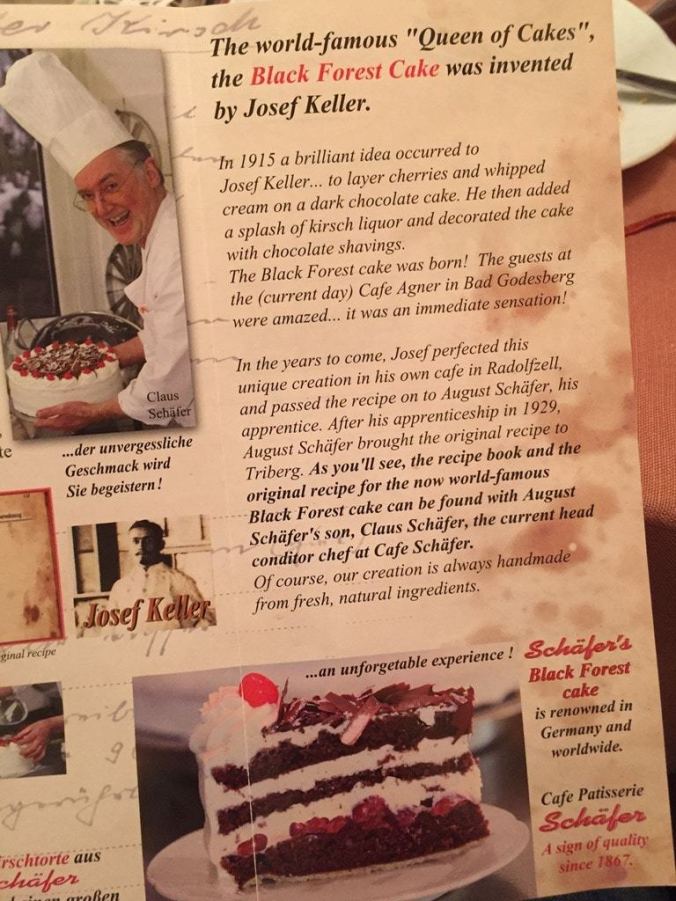
      That is the secret ingredient after the tart has been named. Cafe Schäfer in Triberg, Germany claims to be the successor of the famous Josef Keller „Schwarzwälder Kirsch Torte“. Why not – its a big business.

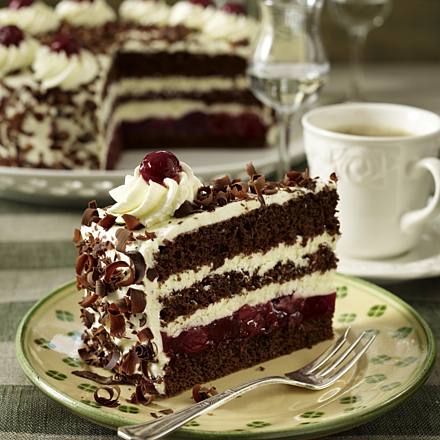
Allegedly created by Josef Keller in 1915 at Cafe Agner in Bonn in the Rhineland, it typically consists of several layers of chocolate sponge cake sandwiched with whipped cream and sour cherries, and then drizzled with Kirschwasser (a clear cherry brandy). It is decorated with additional whipped cream, maraschino cherries and chocolate shavings.

     A big slice of cake, a great coffee and a glass of Schwarzwälder Kirschwasser – that’s life !

Its popularity in Germany grew quickly and steadily after World War II, and it’s during this period that the Kirschtorte starts appearing in other countries too.
Whatever the reason for its success, it is both perfect for „Kaffee und Kuchen“ in a German cafe on a Sunday afternoon as well as dessert.

19. Schäufele.

In the Southern Germany, the Baden region and between Lake Constance and Stuttgart a Christmas dinner on the 24th can consist of the meat dish called ”Schäufele” which is mainly served with Swabian potato salad. This meat dish has many names: Schäufele, Schäuferle, Schäuferla, Schäufala oder Schäufelchen. In Switzerland and Alsace it is called Schüfeli, Schiifele oder Schiifeli.

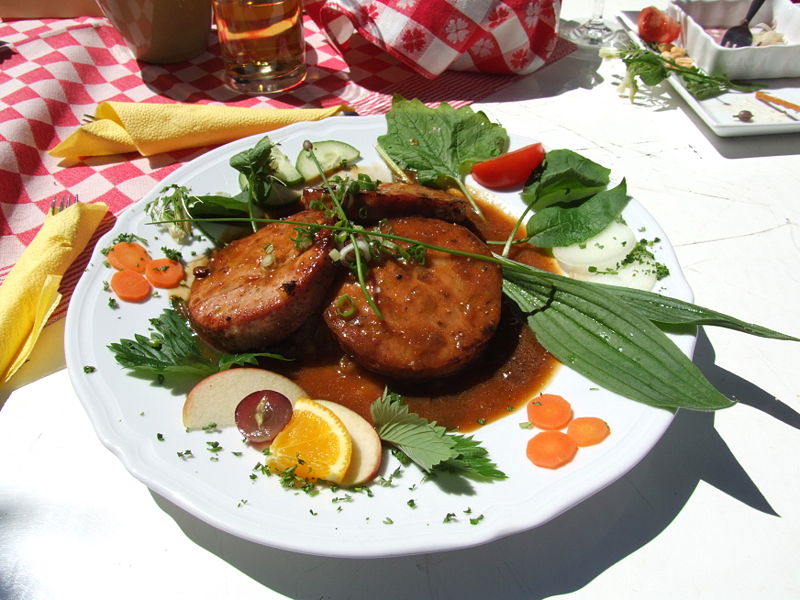
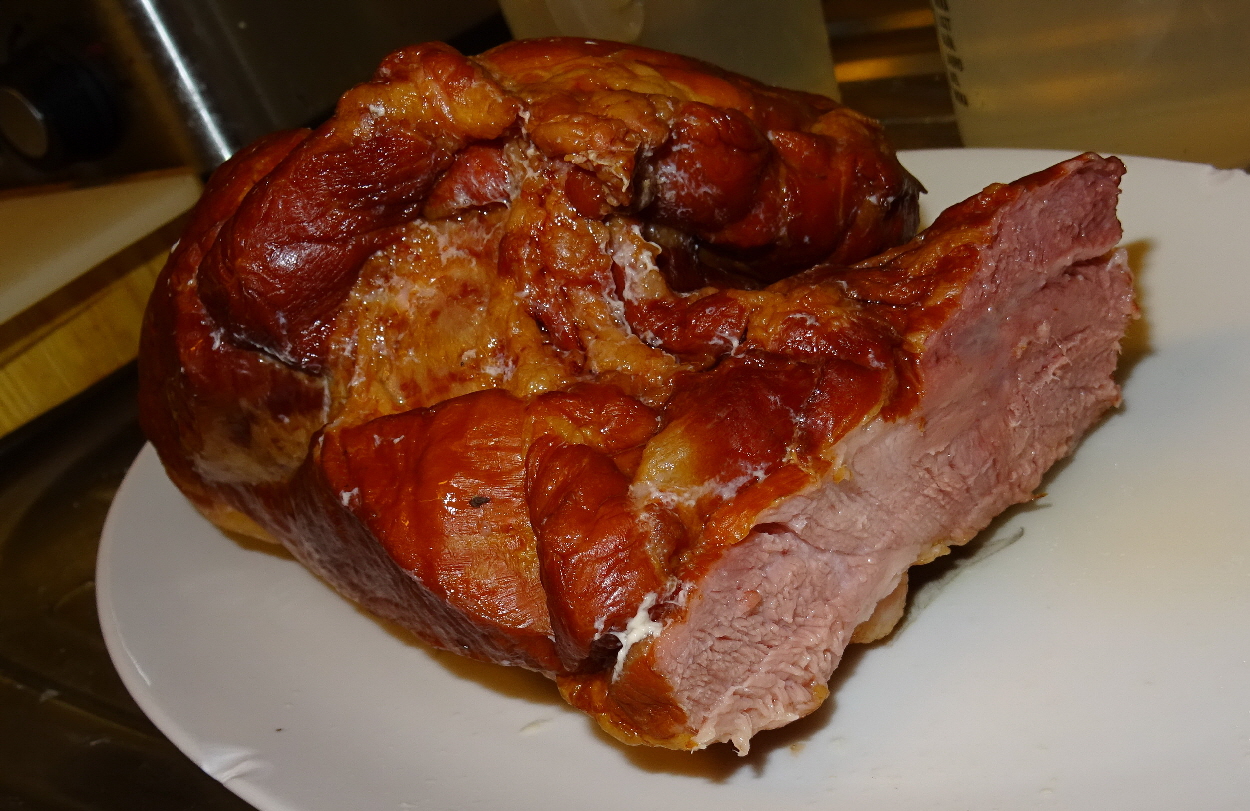
  The Baden version of Schäufele, smoked and boneless.

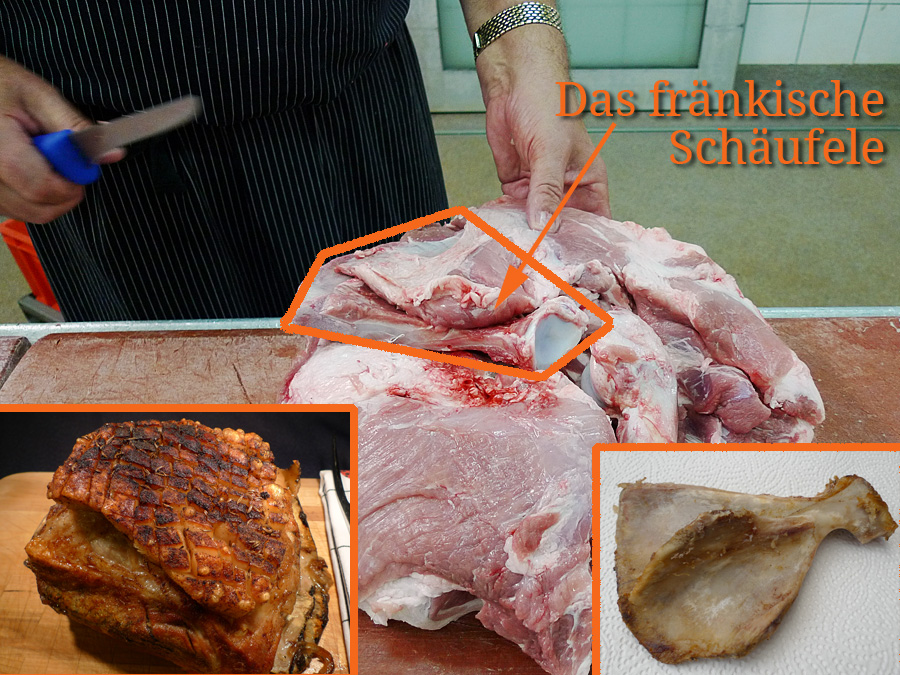
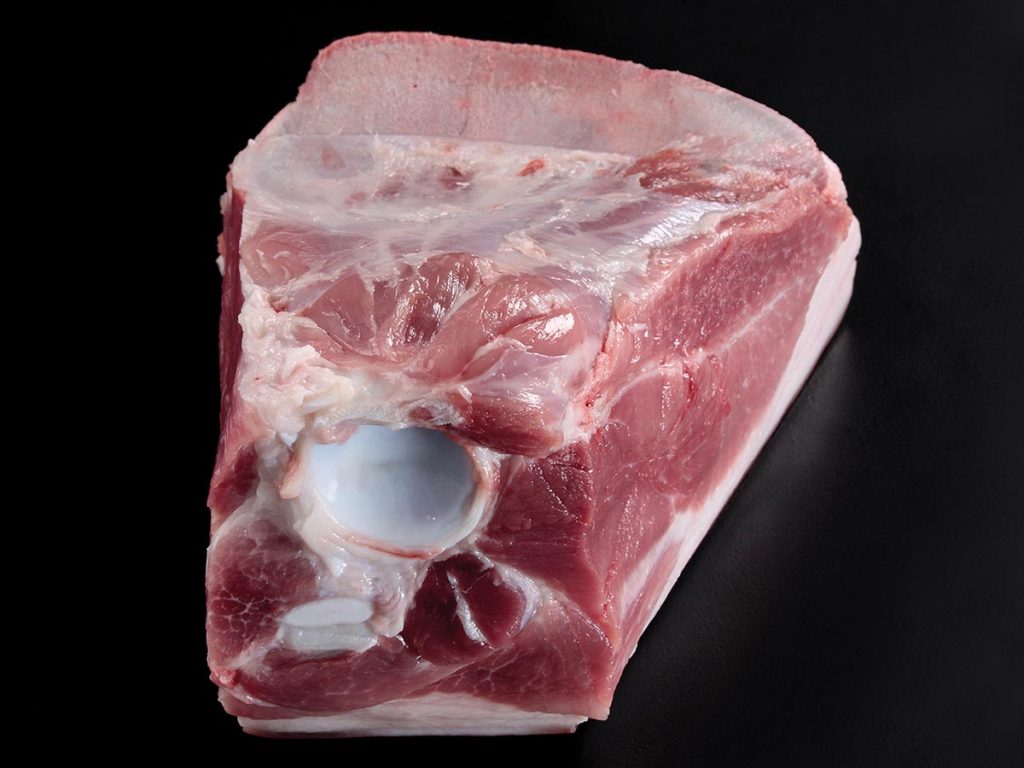
It is made from the pig’s shoulder meat, which gives the dish its name, „Schäufele“, or the pig’s scapula. In Southern German dialekt a small shovel (German: Schaufel) is called Schäufele and the pigs scapula looks like a small shovel. In Baden the meat is cured and smoked before it is simmered in a broth of water, white wine, vinegar, onion, bay laurel and clove for about two to two and a half hours.

      Left: The Frankonia Schäufele cut (shoulder blade cut). Down right the scapula. Right the finished cut, lays down on the skin side. This, about 1.2 kg, piece will give 2 portions. Click on pics to supersize.

Schäufele is similar to the smoked pork chops “Kassler” from Hessen but cooking styles vary from region to region. In the region near the Black Forest you would first cook the meat in a wine-water mix, and you get the most delicious broth. When the meat is cooked you serve it sliced with potato salad, bread and mustard, the broth would be used for a typical Swabian “Noodle soup”.

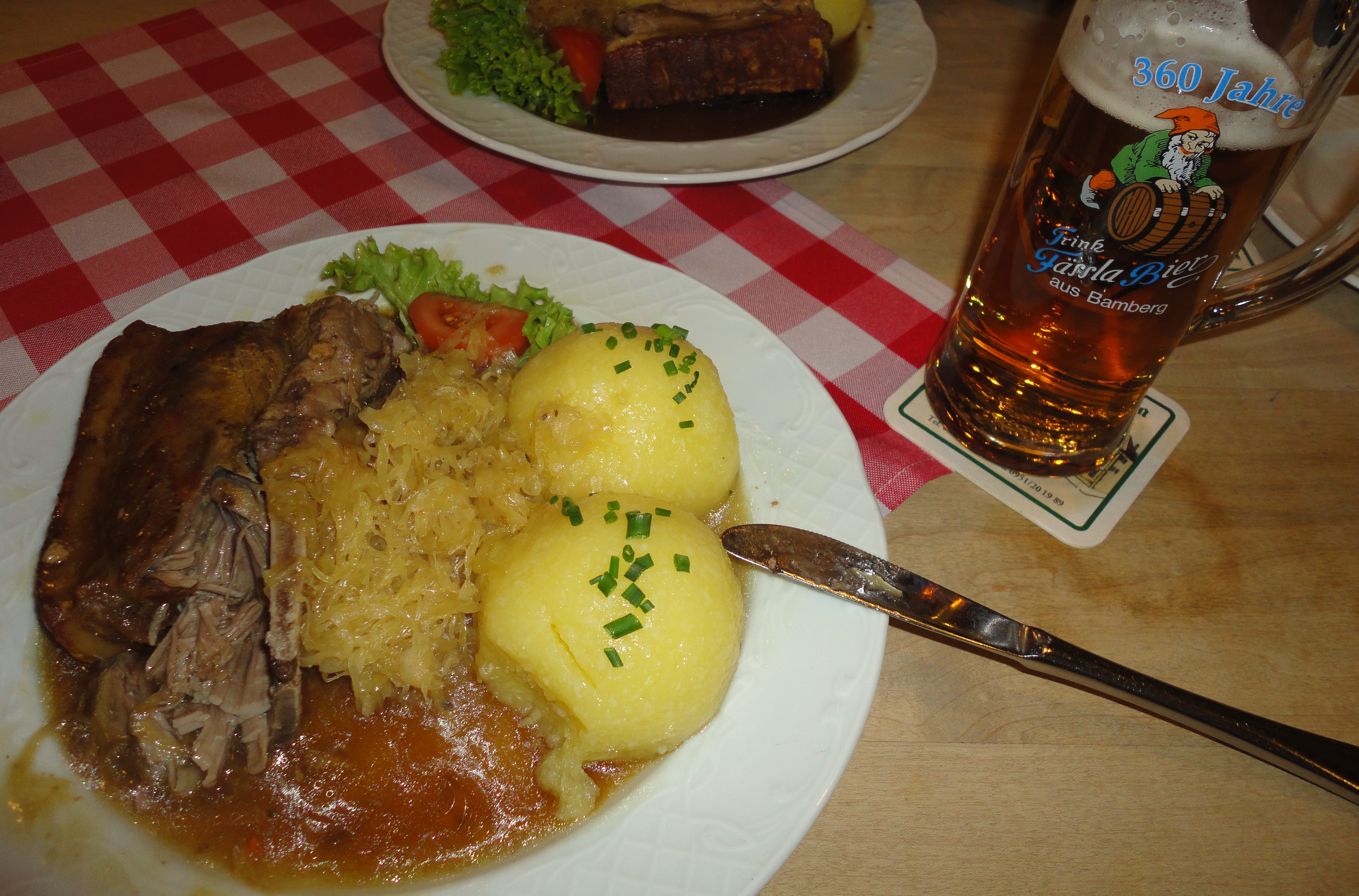
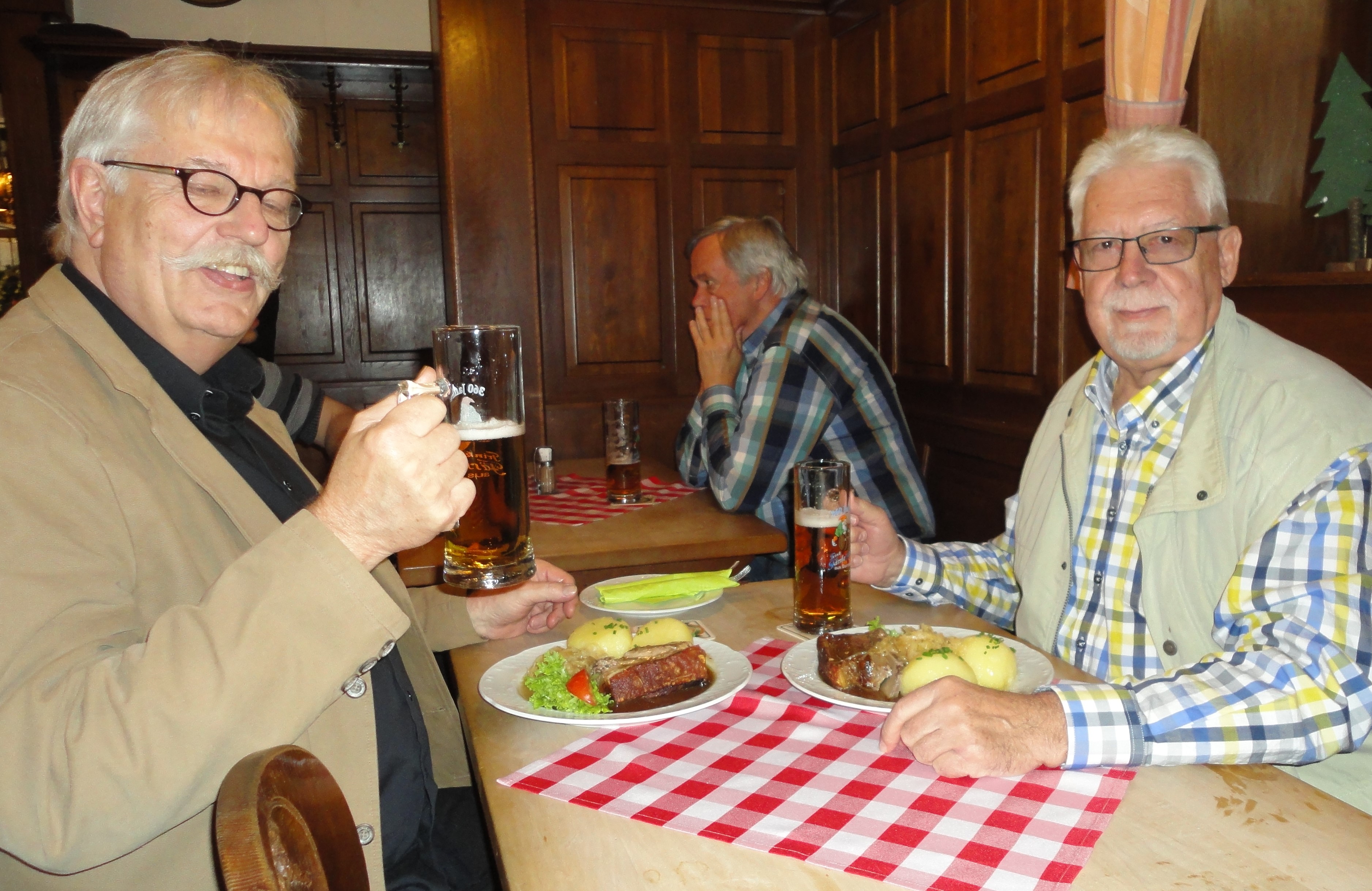
Schäufele portion with a fresh brewed beer at Restaurant Fässla, Bamberg. The Fässla beers are brewed direct next to the kitchen and behind the beer-garden. Worth a visit if you are once in Bamberg, Germany.

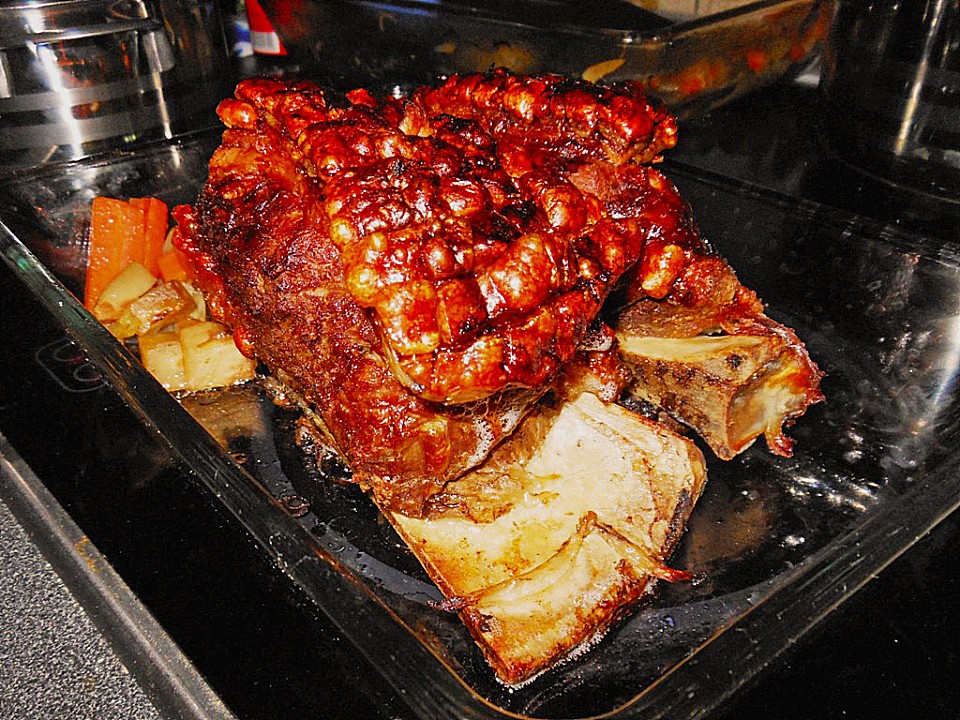
What I like best is the Frankonian variation. I personal favorite the crispy, grilled skin accompanying the juicy tender meat.
In Franconia the meat, the pork rind and the bone stay together. The rind is scratched in a criss-cross pattern, seasoned with salt, pepper and caraway and put in a casserole dish with diced root vegetables and onions where it is doused with beer and roasted in the oven for about two or three hours.

Delicious Schäufele, a big cool beer, or two, in company of good friends, what can be better ?

The roast is ready as soon as the meat is easy to separate from the bone and the pork rind is crispy and golden brown. It is then served with various side dishes including gravy, Kartoffelklöße (potato dumplings filled with bacon), mixed green salad and sauerkraut. It goes best with a cool beer fresh from the brewery.


20. Spaghettieis.

This dessert is another immigrant legacy and is popular with German children.
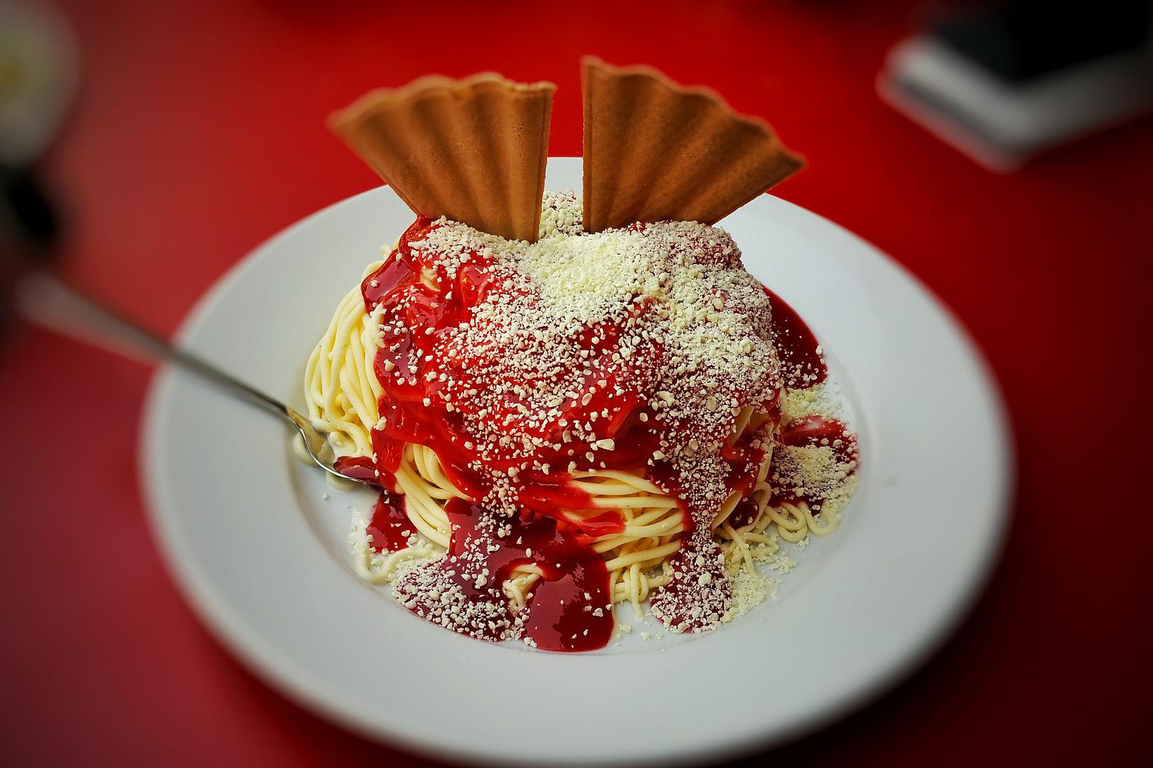
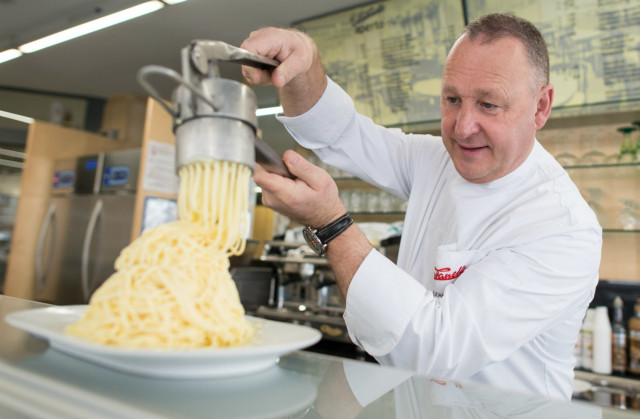
Spaghettieis is an ice cream dish made to look like a plate of spaghetti. Vanilla ice cream is pressed through a modified noodle press or potato ricer, giving it the appearance of spaghetti. It is then placed over whipped cream and topped with strawberry sauce representing the tomato sauce and white chocolate shavings for the Parmesan.

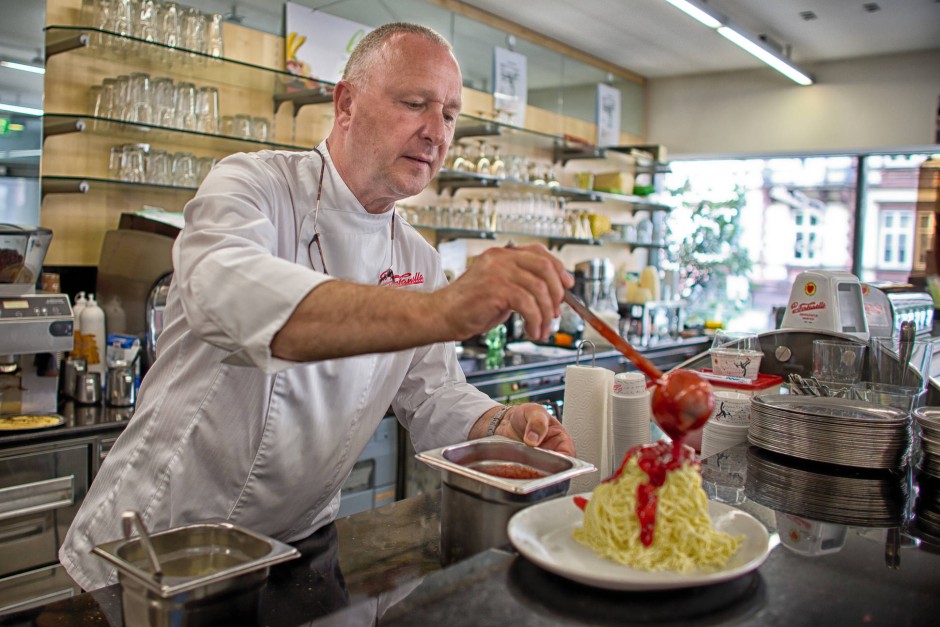
              Dario Fontanella making his famous Spaghettieis.

Besides the usual dish with strawberry sauce, there are also variations with dark chocolate ice cream and nuts available, resembling spaghetti carbonara instead of spaghetti bolognese.
Spaghetti ice cream was invented in 1969 by Dario Fontanella, son of an ice cream-making Italian immigrant in Mannheim, Germany. Thankfully for us and perhaps unfortunately for Dario, he didn’t patent his spaghetti ice cream and it is today available at almost every ice cream parlor anywhere in Germany.
Dario did, however, receive in 2014 the „Bloomaulorden“,  a medal bestowed by the city of Mannheim, Germany for his culinary services.

Much more to come.     May be, if you liked it, more about German food !

Veröffentlicht unter Lifestyle | Verschlagwortet mit , | Hinterlasse einen Kommentar

German Food – Part 1

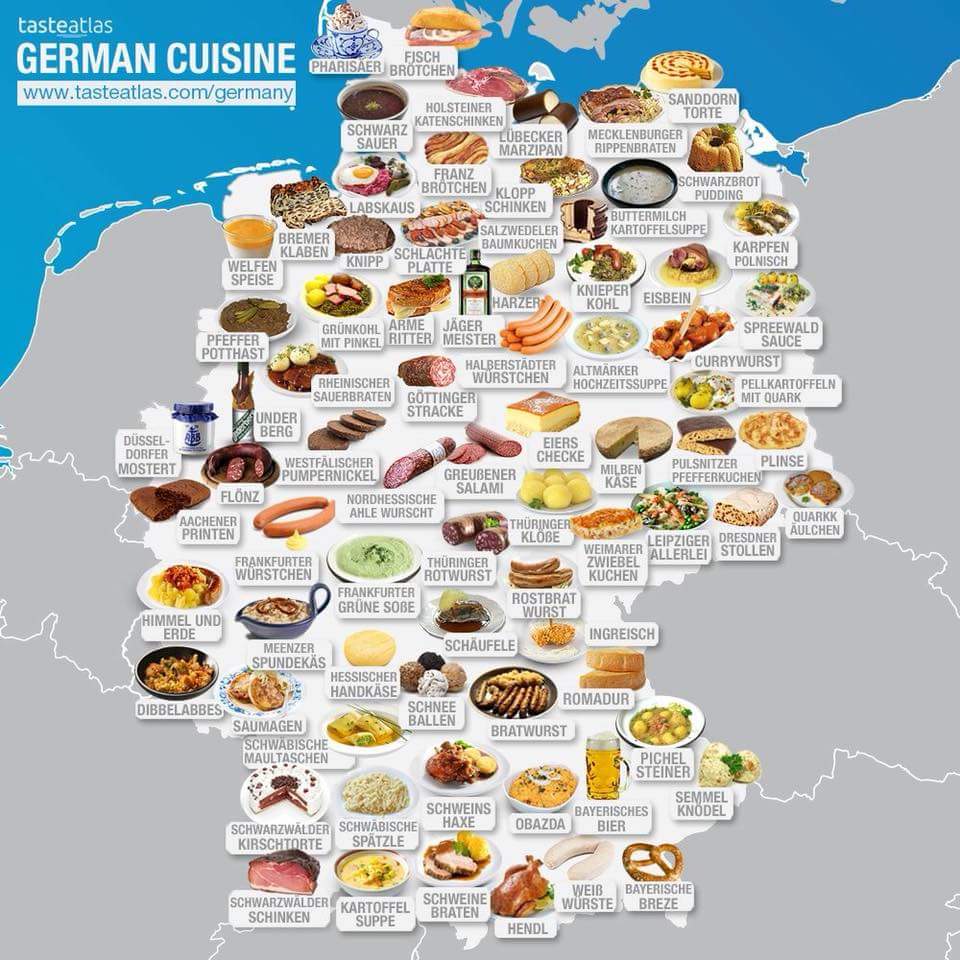
The last 5 years I wrote so much about all kind of foods throughout the world and forgot a bit my German home country’s delicious cuisine. Following some of the most well known dishes one should try. German food is rich, hearty and diverse. It’s comfort eating with high-quality, often locally sourced ingredients.

The cuisine of Germany has been shaped not only by the country’s agricultural traditions but by the many immigrants that have made the country home over the centuries. It’s definitely more than a mere mix of beer, sauerkraut and sausage. Germans appreciate well-prepared, well-served meals as much as they do a quick bite on the go.

Germany is a country of food markets, beer gardens, wine festivals, food museums and high-end restaurants. Check out the following most well known German dishes.

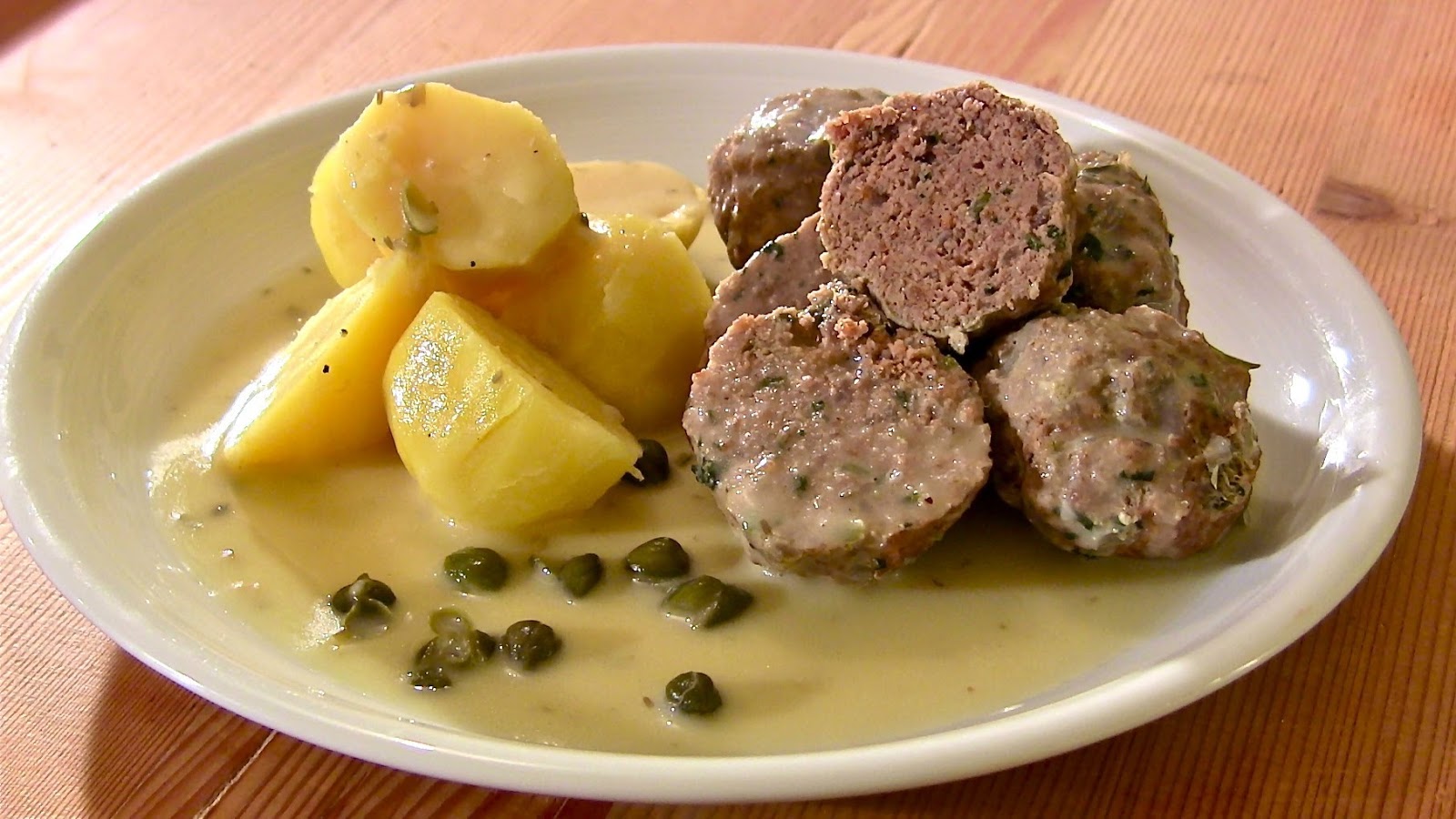
1. Königsberger Klopse.

Named after the former East Prussian capital of Königsberg (now Kaliningrad in Russia), this tasty dish of meatballs in a creamy white sauce with capers is beloved by grandmothers and chefs alike.
The meatballs are traditionally made with minced veal, onion, eggs, anchovies, pepper and other spices. The sauce’s capers and lemon juice give this filling comfort food a surprisingly elegant finish.
In the German Democratic Republic, officials renamed the dish Kochklopse (boiled meatballs) to avoid any reference to its namesake, which had been annexed by the Soviet Union. Today it’s possible to find Königsberger Klopse under their traditional name in most German restaurants, but they are especially popular in Berlin and Brandenburg.

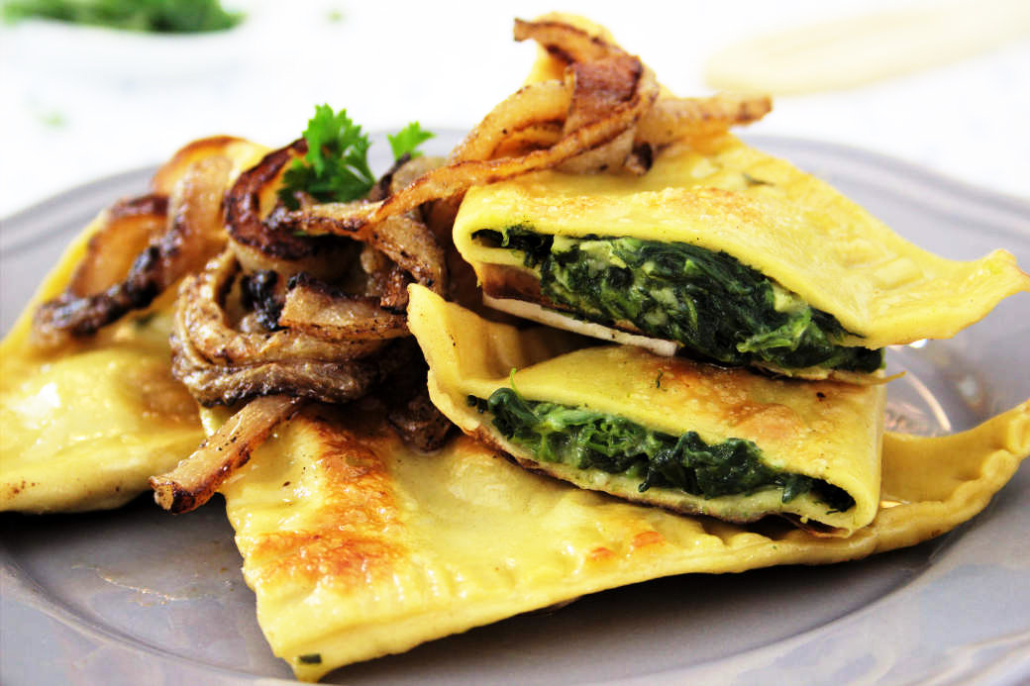
2. Maultaschen.

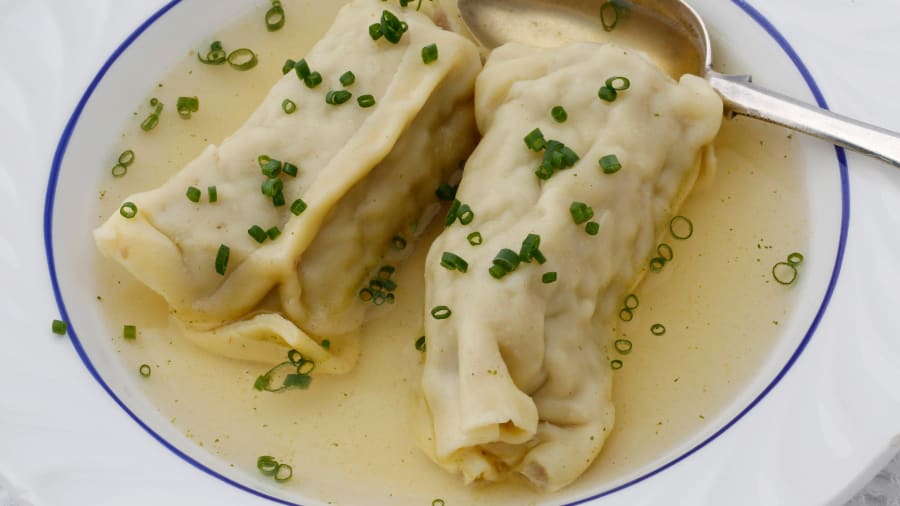
Maultaschen from Swabia are a lot like ravioli but bigger. They are typically palm-sized, square pockets of dough with fillings that run the gamut from savory to sweet and meaty to vegetarian.
A traditional combination is minced meat, bread crumbs, onions and spinach — all seasoned with salt, pepper and parsley. They’re often simmered and served with broth instead of sauce for a tender, creamier treat, but are sometimes pan-fried and buttered for extra richness.


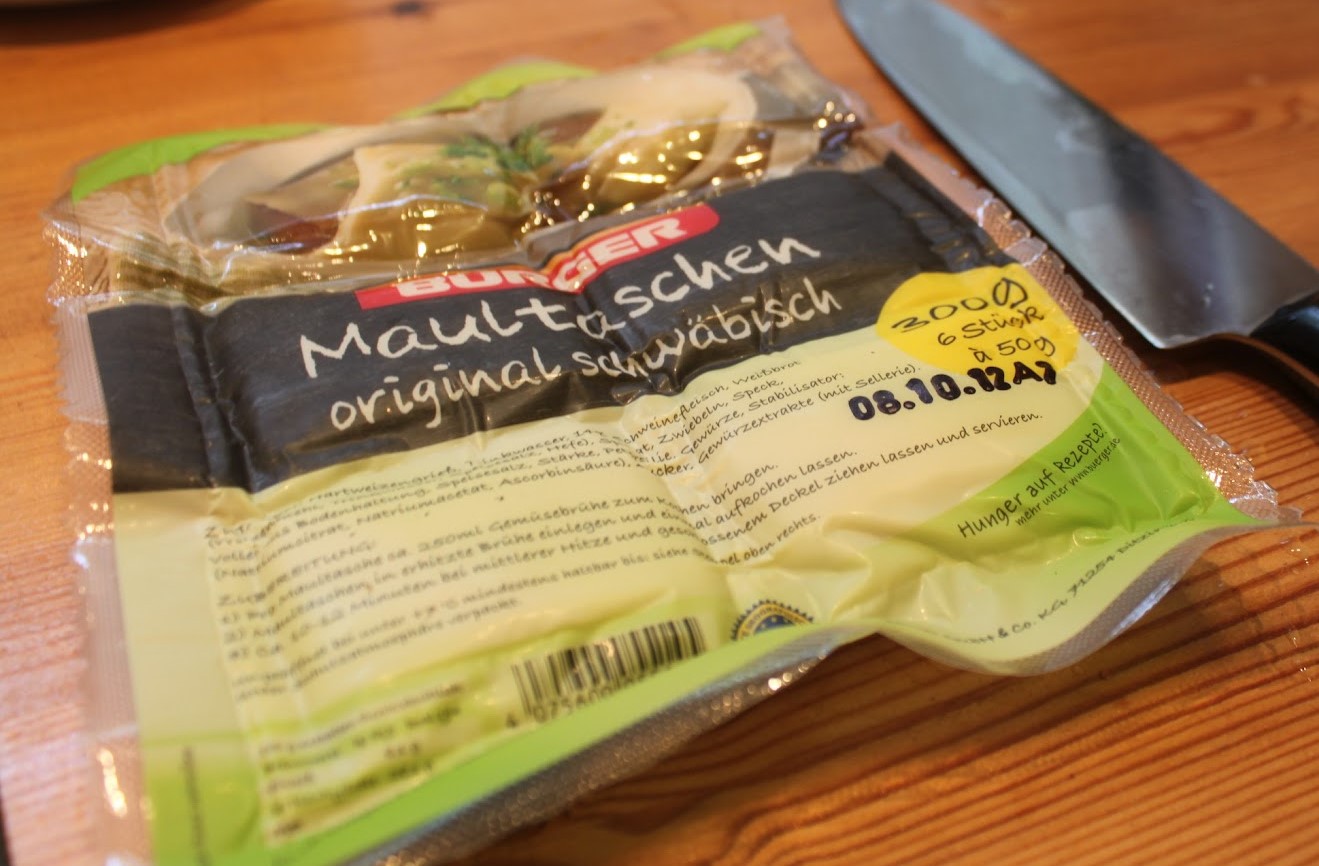
Today you can find Maultaschen all over Germany (even frozen in supermarkets) but they’re most common in the south.
Here the delicious dumplings have become so important that in 2009, the European Union recognized Maultaschen as a regional specialty and marked the dish as significant to the cultural heritage of the state of Baden-Württemberg.

3. Labskaus.

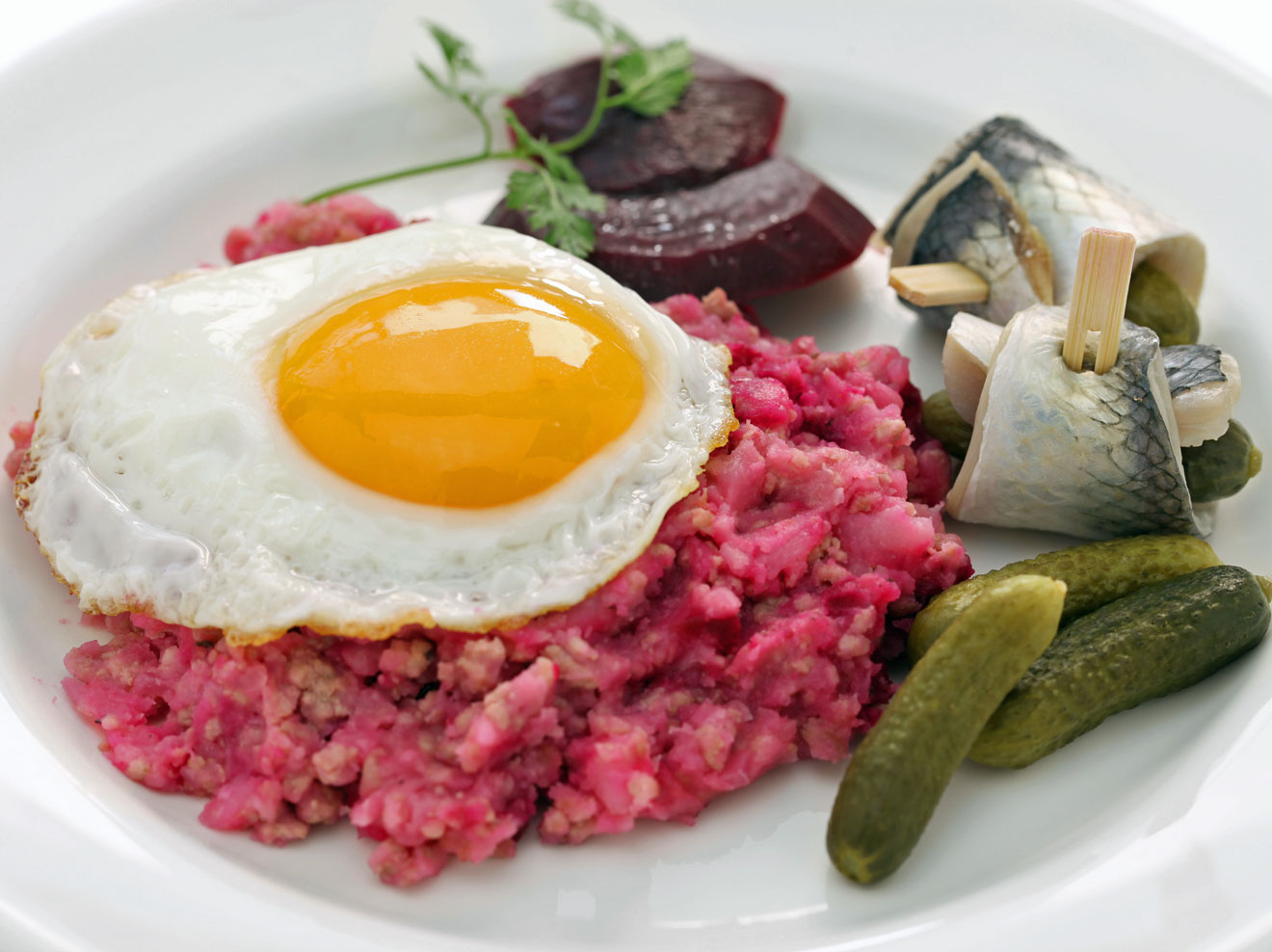
Labskaus is not the most visually appealing dish, but a delectable mess that represents the seafaring traditions of northern Germany like no other. In the 18th and 19th centuries, ship provisions were mostly preserved fare, and the pink slop of Labskaus was a delicious way of preparing them.
Salted beef, onions, potatoes and pickled beetroot are all mashed up like porridge and served with pickled gherkins and rollmops, plus a fried egg on top. It has long been a favorite of Baltic and North Sea sailors. The mash originated out of the fact that most sailors had no good teeth and were fed with soups, stews and other mashed dishes.
Today the dish is served all over northern Germany, but especially in Bremen, Kiel and Hamburg. And while on modern ships fridges have been installed, it remains popular as a hangover cure.

4. Sausages.

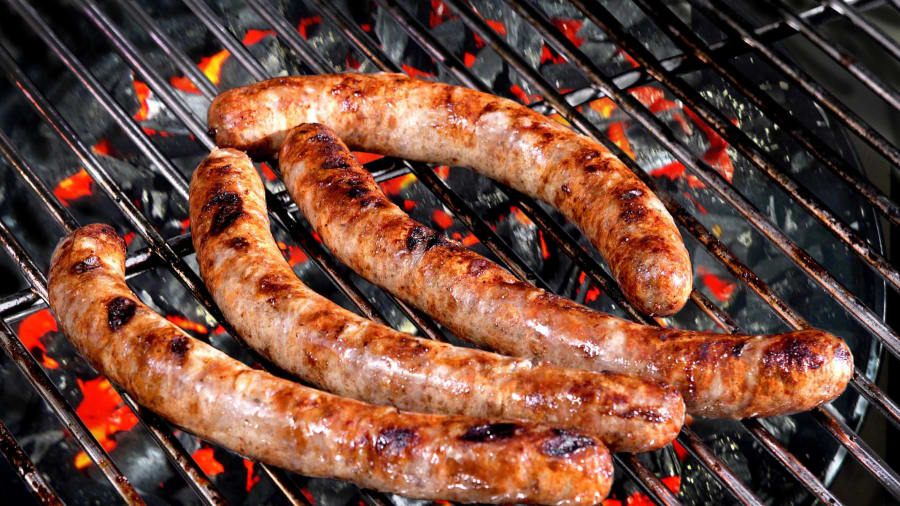
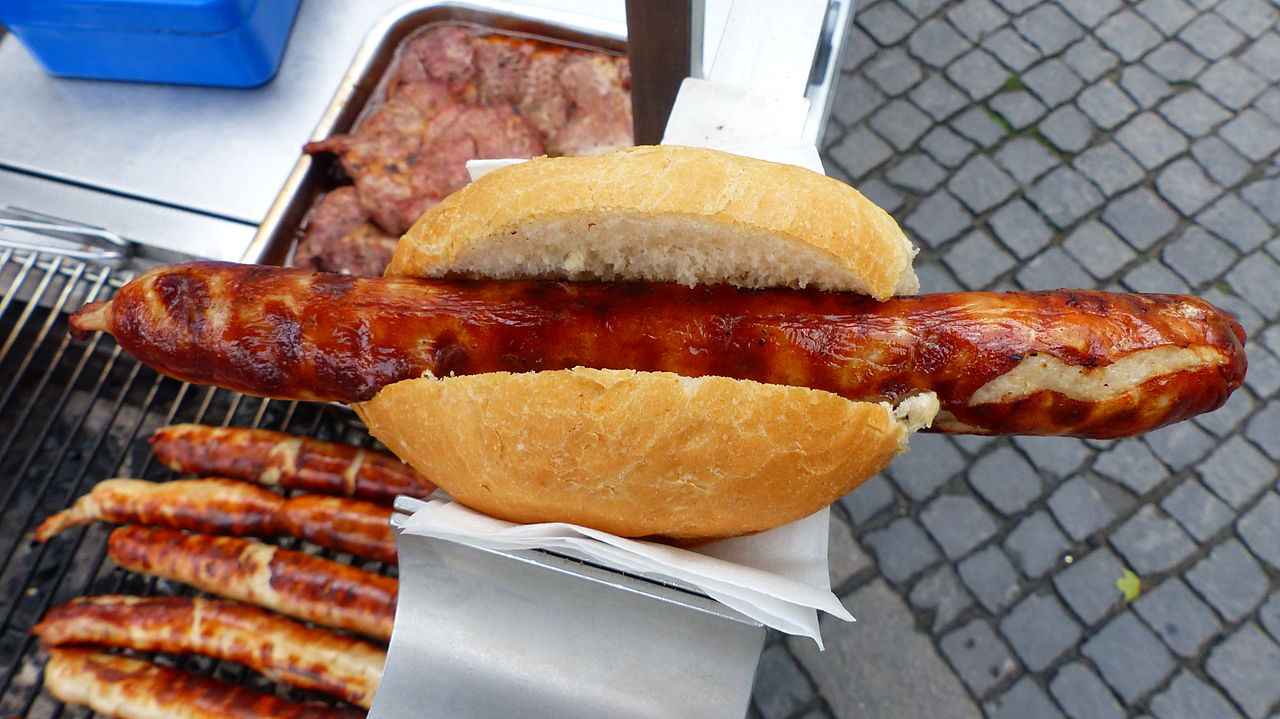
There is no Germany without sausages. There are countless cured, smoked and other varieties available across „Wurst“-loving Germany, so, for this article I will focus on some of the best German street food: Bratwurst, or fried sausages.
There are more than 40 varieties of German Bratwurst. Fried on a barbecue or in the pan, and then served in a white bread roll with mustard on the go, or with potato salad or/and Sauerkraut as the perfect accompaniment for German beer.

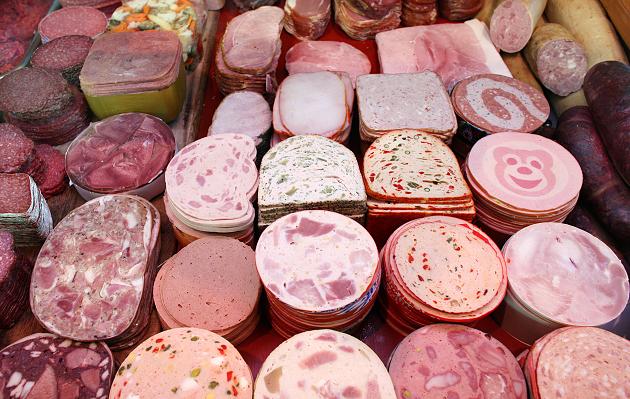
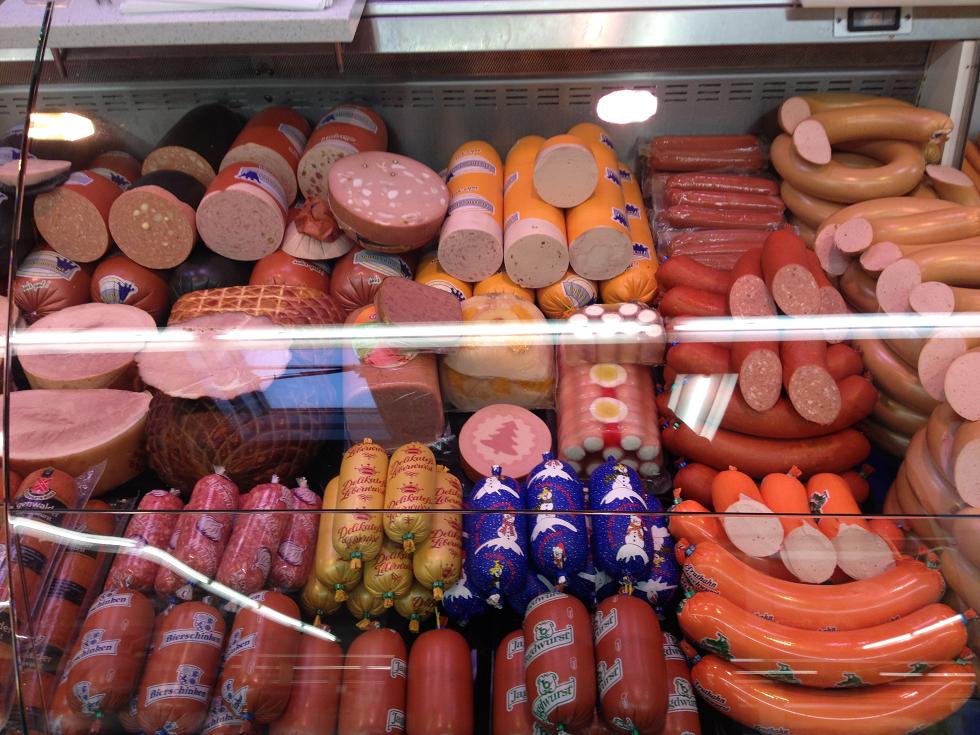
         An average butchers offer, typical German sausage offer, named Aufschnitt (sliced sausage) on the left and whole sausages on the right.
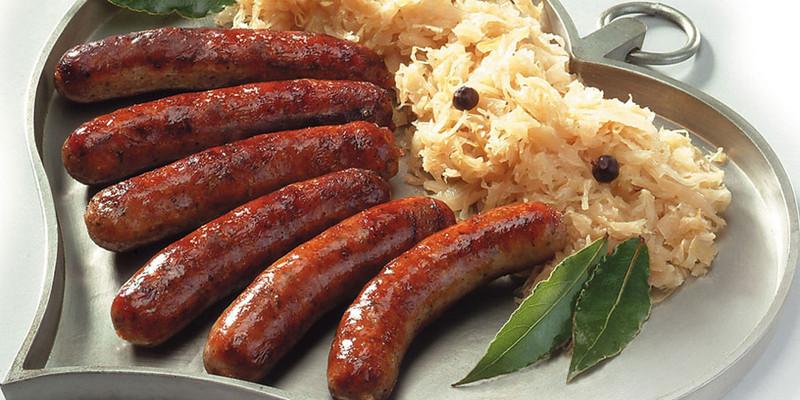
     Thüringer Rostbratwurst on the left and Nürnberger Rostbratwurst on the right with Sauerkraut – mostly served in batches of 6, 9 or 12, because they are very small.
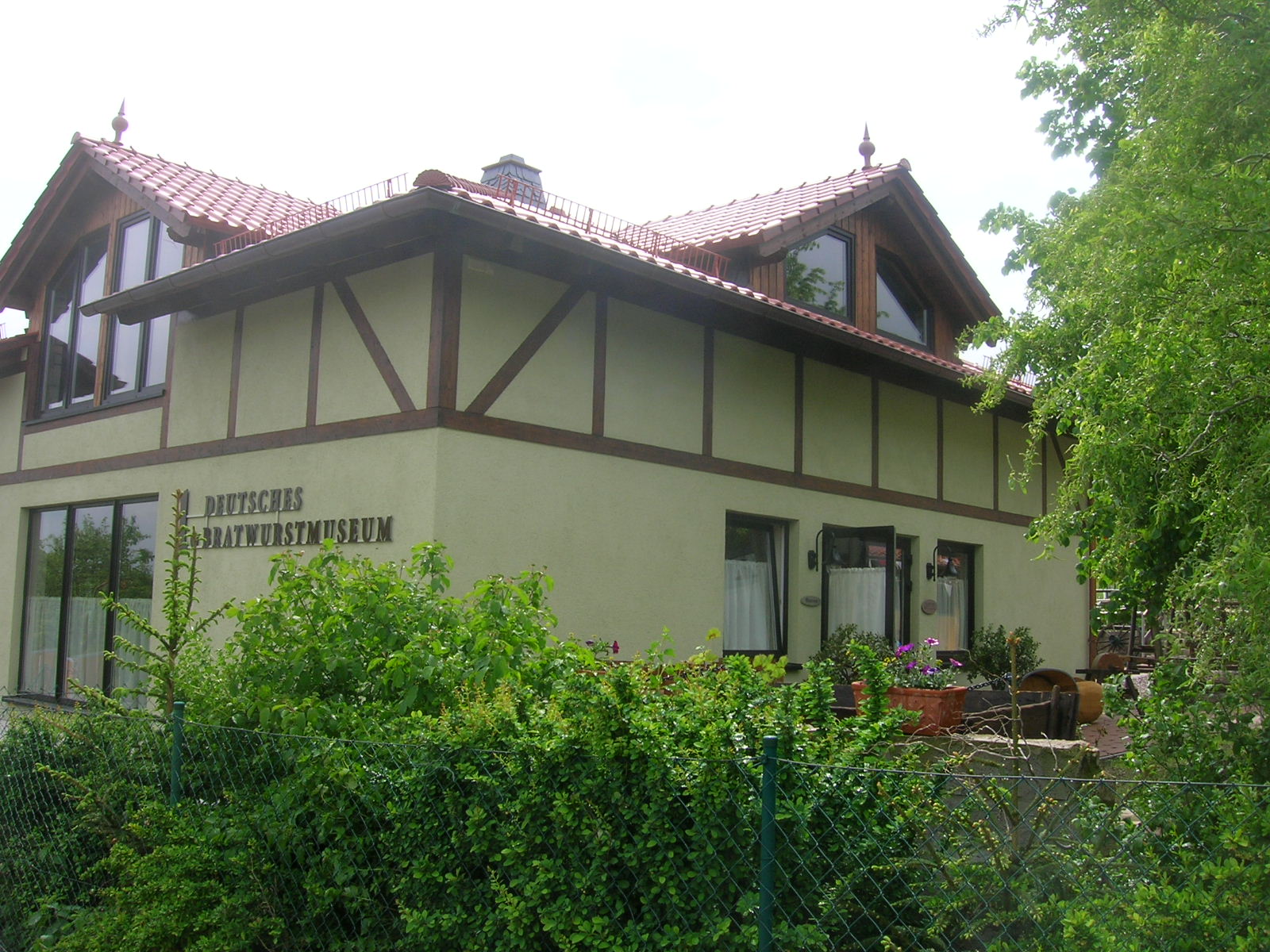
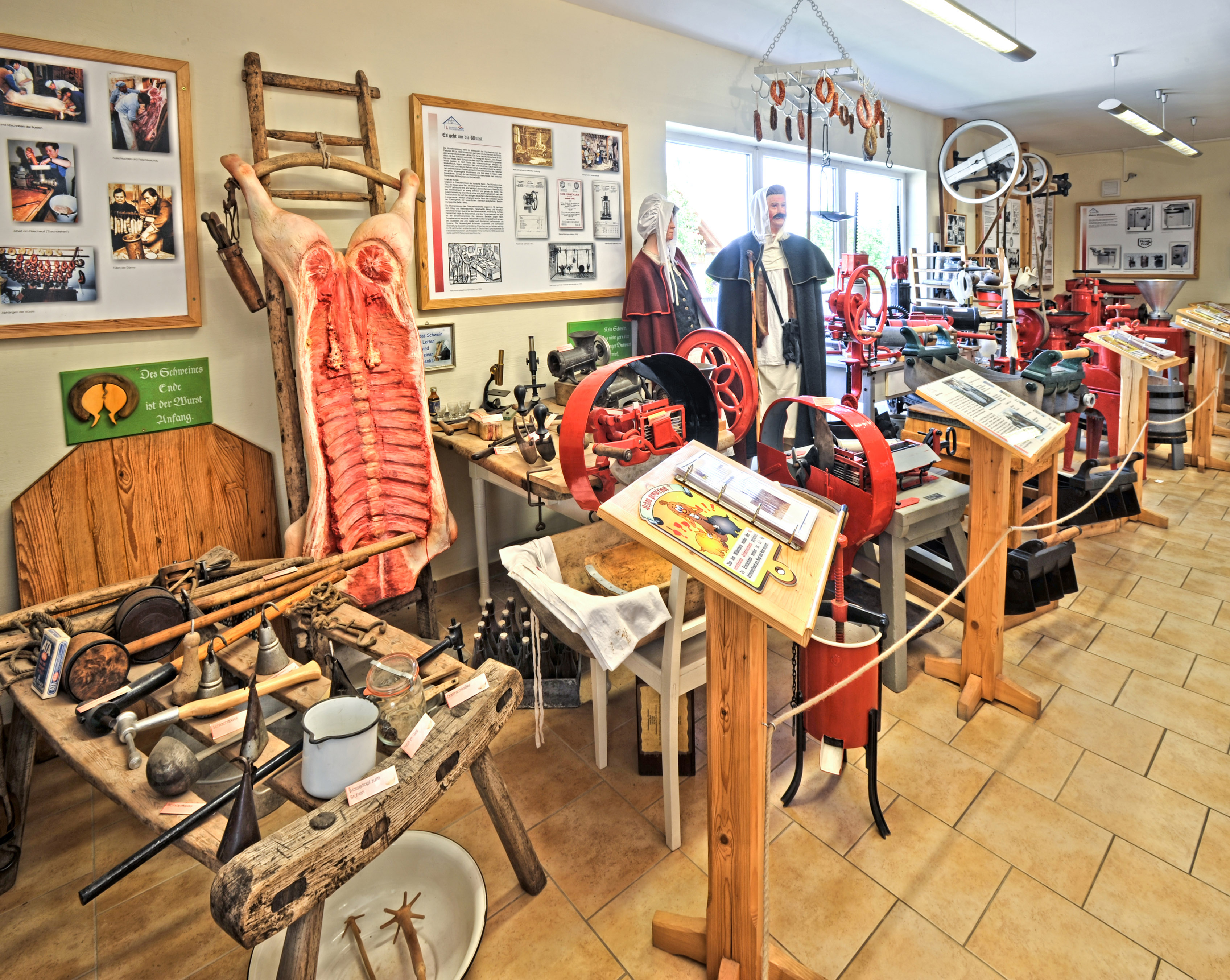
    Erstes Deutsches Bratwurst Museum in Holzhausen. Click on pics to supersize.

Some of the most common Bratwurst are:
— Fränkische Bratwurst from Fraconia with marjoram as a characteristic ingredient.
— Nürnberger Rostbratwurst that is small in size and mostly comes from the grill.
— Thüringer Rostbratwurst from Thuringia, which is quite spicy. Holzhausen in Thuringia is also the home of the first German Bratwurst Museum, which opened in 2006.

5. Currywurst.

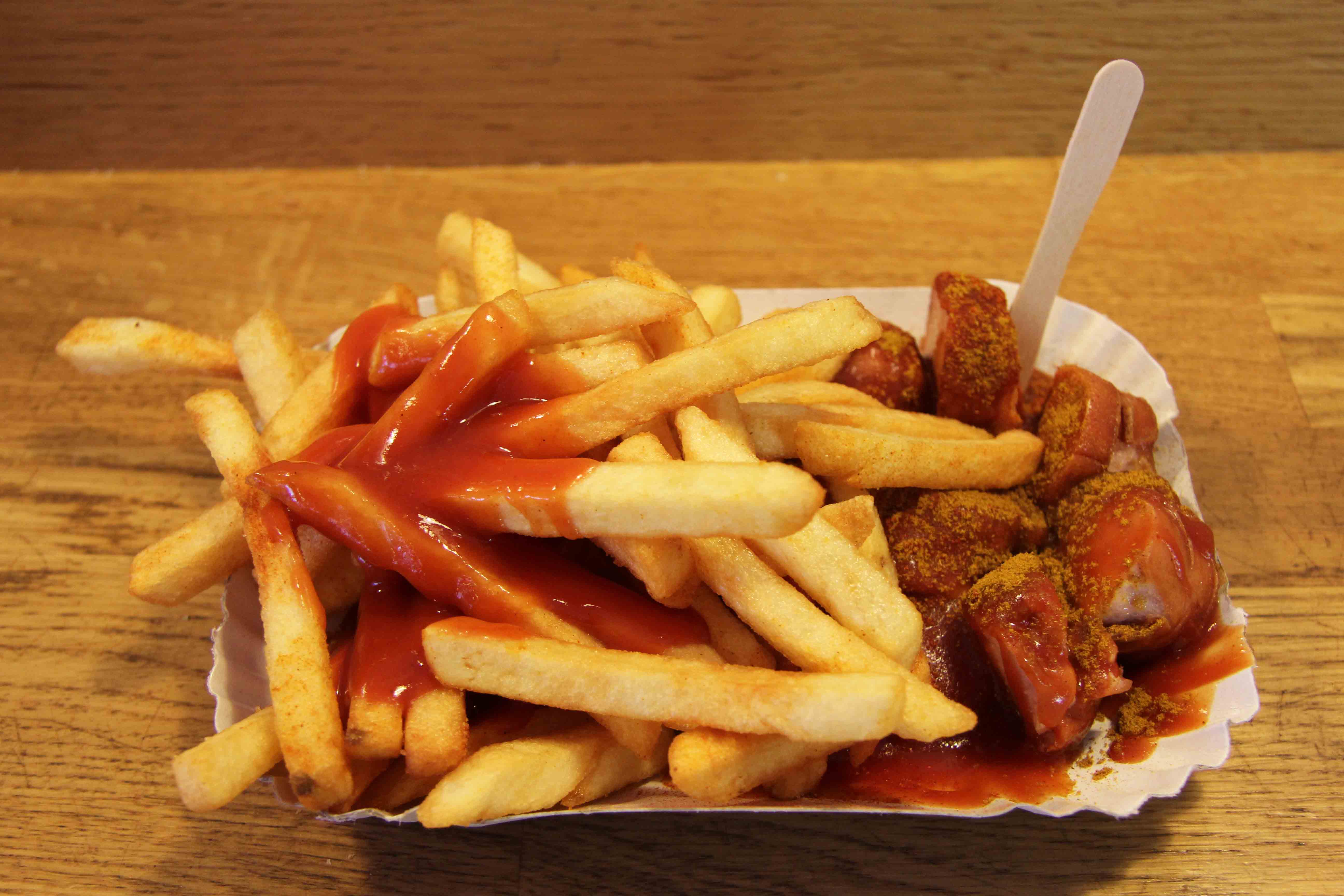
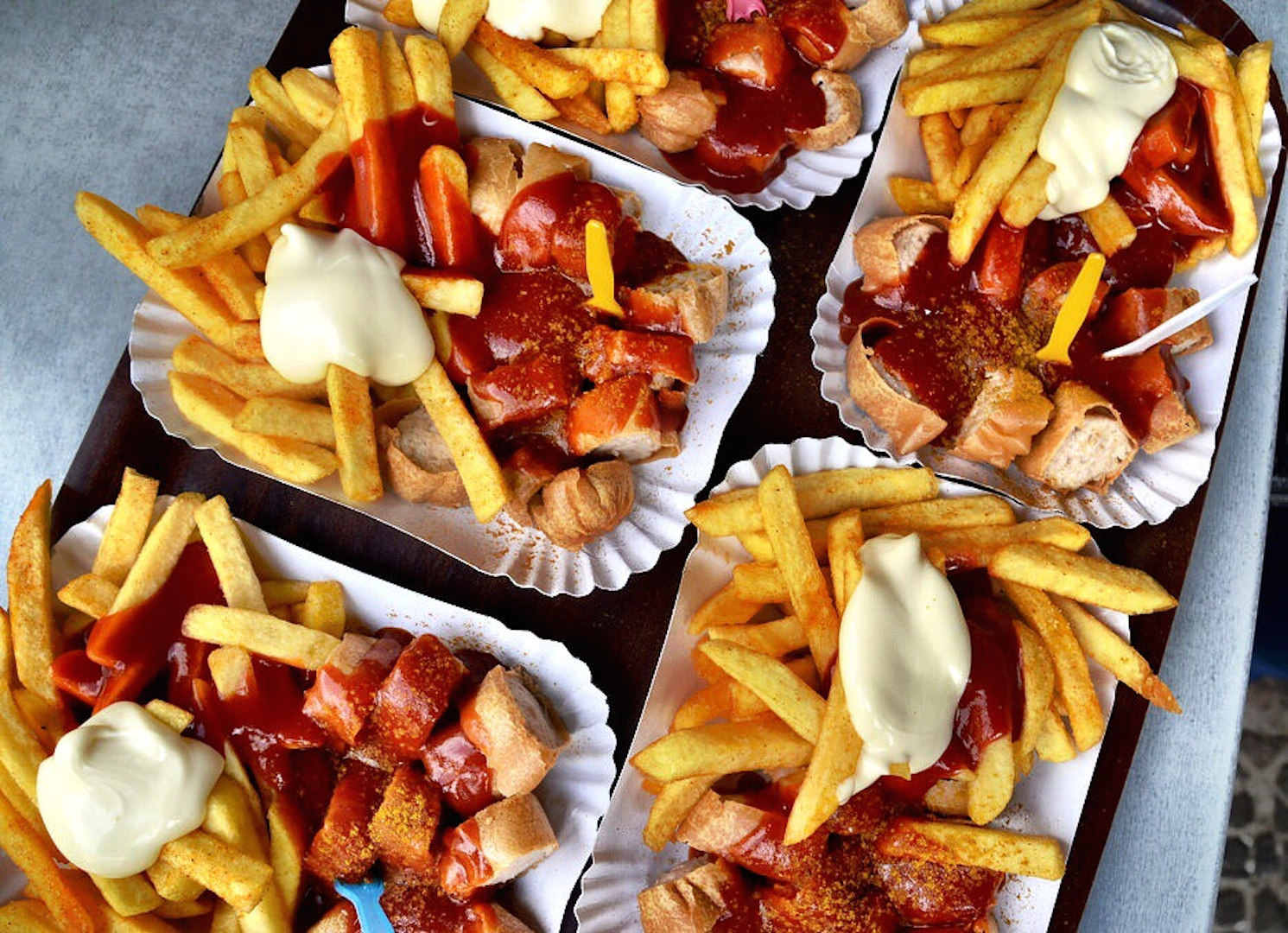
The most popular incarnation of bratwurst, however, is the Currywurst. Practically synonymous with German cuisine since 1945, Currywurst is commonly attributed to Herta Heuwer, a Berlin woman who in 1949 managed to obtain ketchup and curry powder from British soldiers, mixed them up and served the result over grilled sausage, instantly creating a German street food classic-hit.

  Click on pic to get appetite !

Today boiled and fried sausages are used, and Currywurst remains one of the most popular sausage-based street foods in Germany, especially in Berlin, Cologne and the Rhine-Ruhr, where it’s usually served with chips and ketchup or mayonnaise (even with ketch-mayo mix, called red-white) or a bread roll. Some 800 million are consumed a year.

6. Döner Kebab.

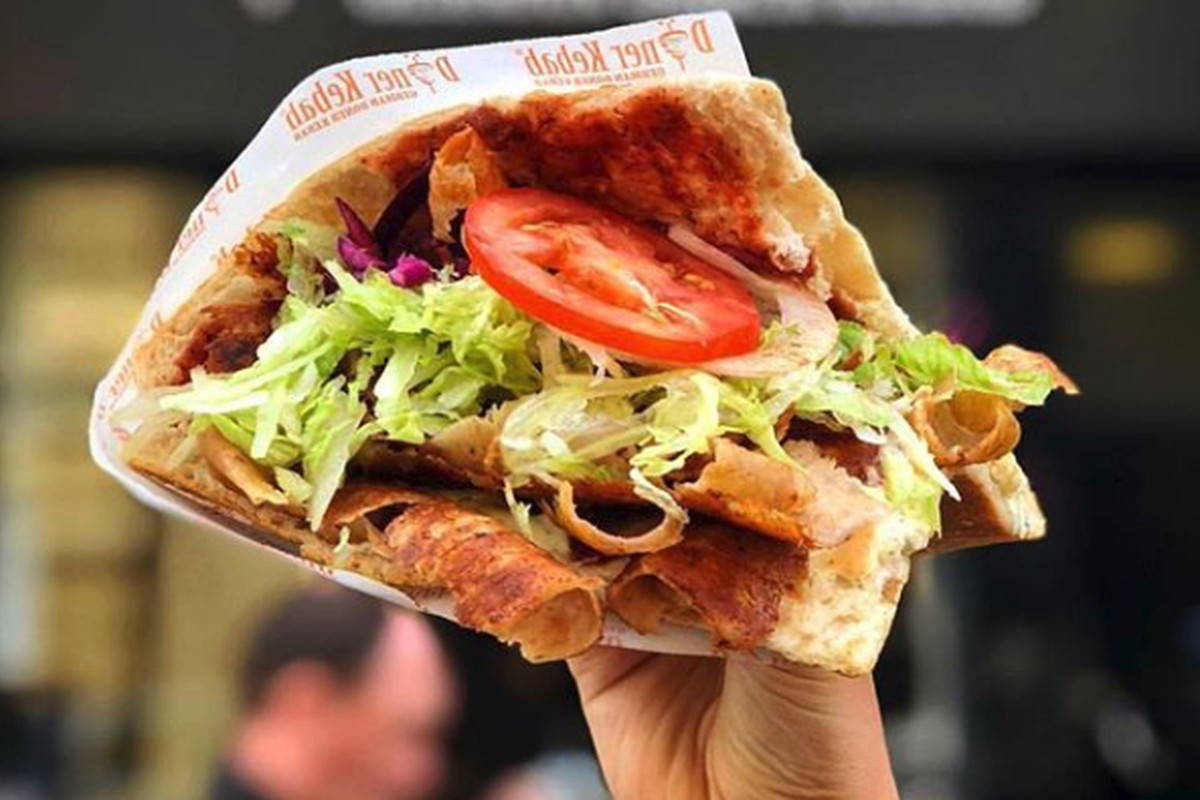
Döner Kebab was introduced to Germany by Turkish immigrant workers coming here in the 1960s and ’70s. One of the earliest street sellers was Kadir Nurman, who started offering Döner Kebab sandwiches at West Berlin’s Zoo Station in 1972, from where the dish first took both, West and East Berlin by storm and then the rest of Germany.

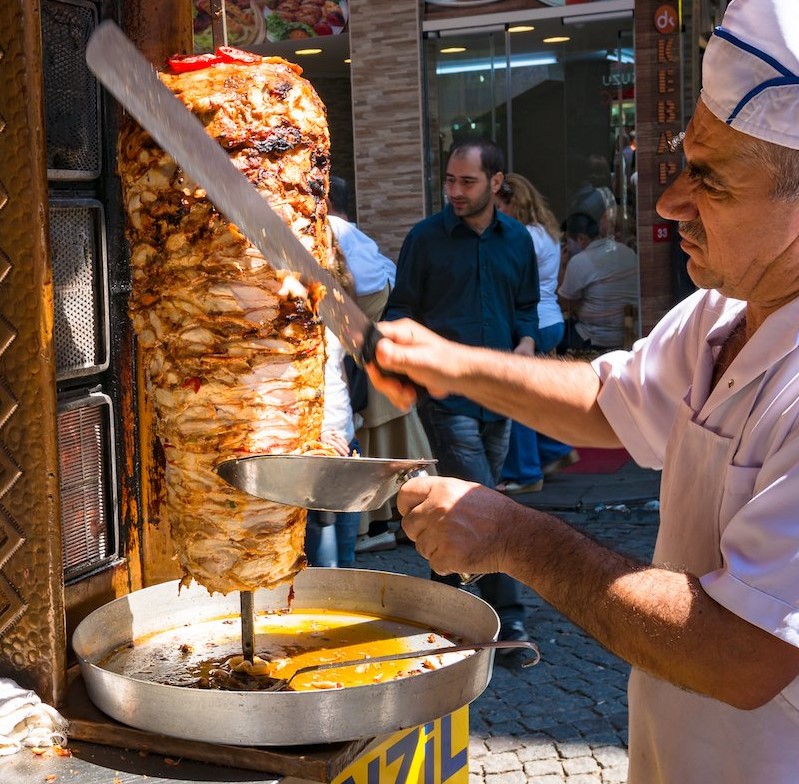
  The typical Döner meat slicing.

From its humble Berlin beginnings when a Döner Kebab only contained meat, onions and a bit of salad, it developed into a dish with abundant salad, vegetables (sometimes grilled), and a selection of sauces from which to choose.
Veal and chicken spits are widely used as is the ever-popular lamb, while vegetarian and vegan versions are becoming increasingly common. In 2011, there were more than 16,000 establishments selling Döner Kebabs in Germany, with yearly sales of 3.5 billion Euro’s.

7. Schnitzel.

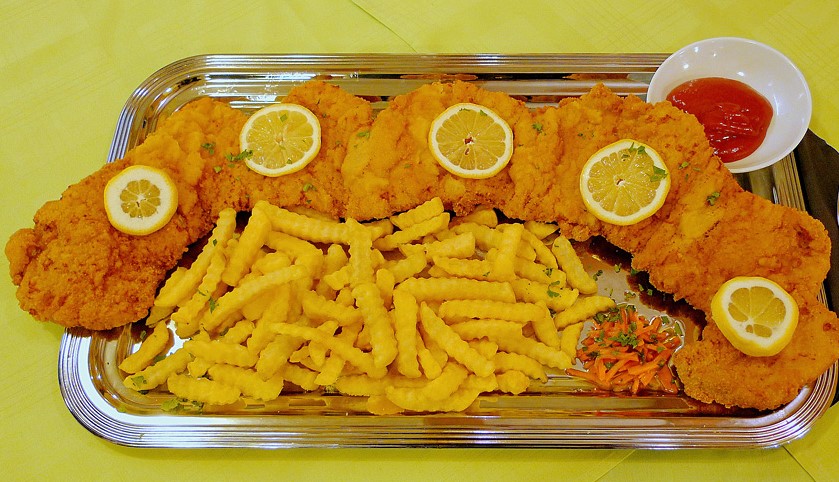
Some might argue that Schnitzel is Austrian and not German, but its origins are actually Italian. The term is most commonly used to refer to meats coated with flour, beaten eggs, and bread crumbs, and then fried (see above).
This controversy hasn’t stopped the breaded and fried meat cutlets to become popular everywhere in Germany, however. While the Austrian or Vienna schnitzel is by law only made with veal, the German version is made with tenderized pork, chicken or turkey and has become a staple of most traditional restaurants.


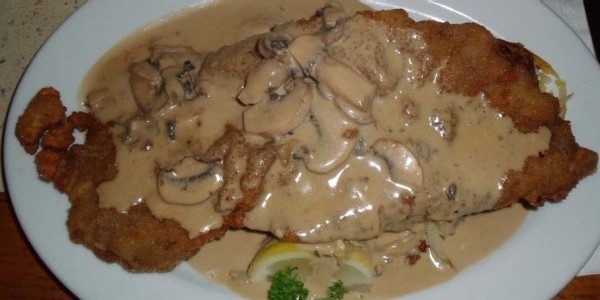
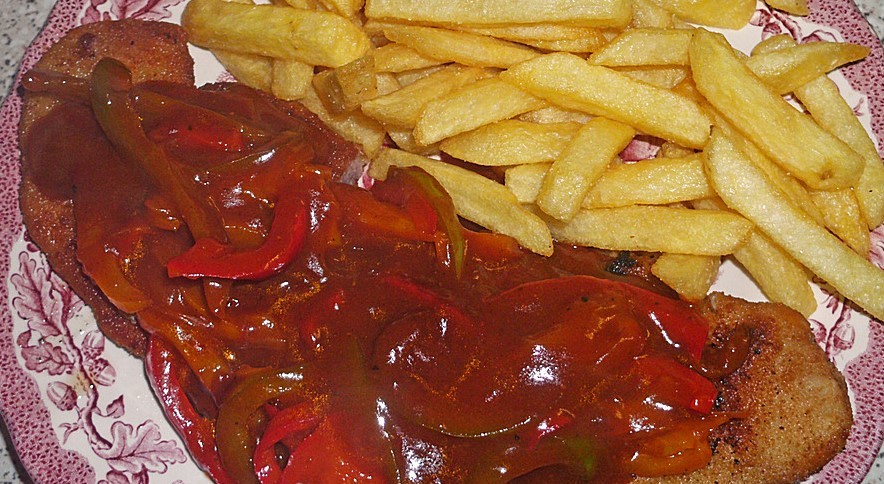
Whereas Vienna Schnitzel is served plain, Germans love to ladle a variety of sauces over their Schnitzel. By example.
— Jägerschnitzel (hunter’s schnitzel) comes with a mushroom sauce (above left),
— Zigeunerschnitzel (gypsy schnitzel) with a red paprika and onion sauce (above right),
— Rahmschnitzel (cream schnitzel) is served with a creamy sauce.
All go well with fried potatoes a cold beer or a Franconian apple wine.

8. Käsespätzle.

Spätzle originally come from Baden-Württemberg. Essentially a sort of pasta, the noodles are a simple combination of eggs, flour, salt and often a splash of fizzy water to fluff up the dough. Traditionally served as a side to meat dishes or dropped into soups.
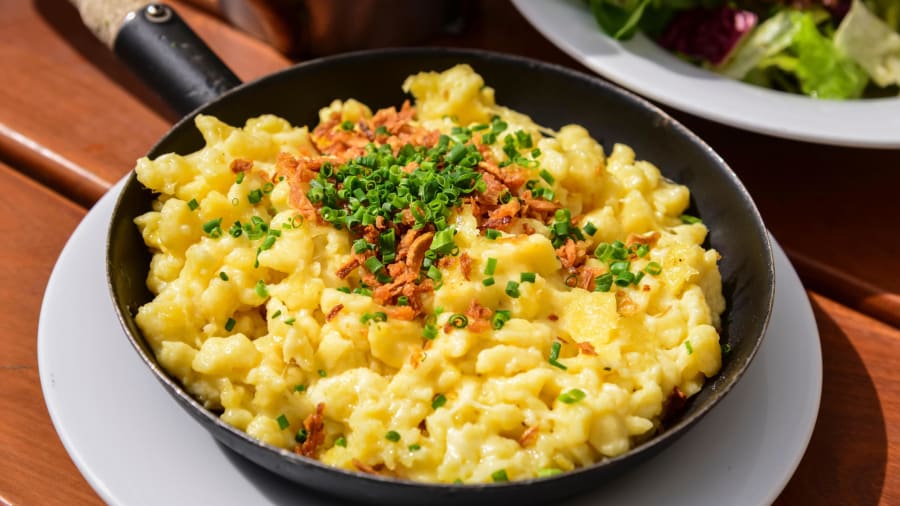
If spiced up by adding cheese, we earn the Käsespätzle. This variant is an extremely popular dish in southern Germany, especially Swabia, Bavaria and the Allgäu region.
Hot Spätzle and grated granular cheese are layered alternately and are finally decorated with fried onions. After adding each layer, the Käsespätzle will be put into the oven to avoid cooling off and to ensure melting of cheese. Käsespätzle with a fresh green salad is a popular menu item in beer gardens in summer and cozy Munich pubs in winter.

9. Rouladen.

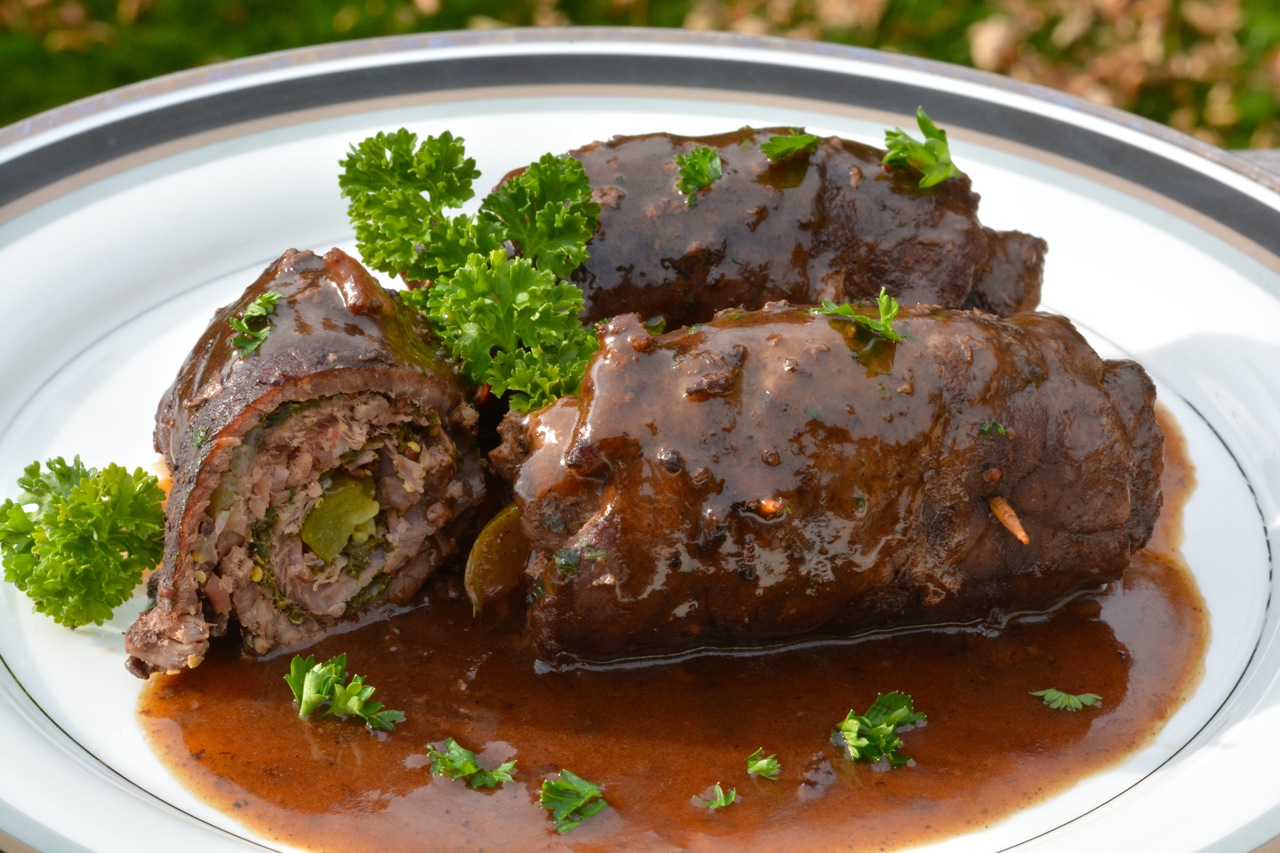
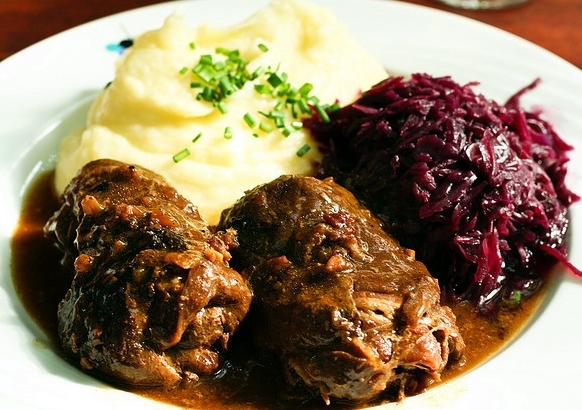
Rouladen is a delicious blend of bacon, onions, mustard and pickles wrapped together in sliced beef or veal. Vegetarian and other meat options are also now widely available but the real deal is Rinderrouladen (beef rouladen), a popular dish in western Germany and the Rhine region.

       German Rouladen with mash potatoes and red cabbage.       If you like to have a recipe click on my post:
https://myuytips.com/2018/06/08/german-rouladen/

This is a staple of family dinners and special occasions. They are usually served with potato dumplings, mashed potatoes and pickled red cabbage. A red wine gravy is an absolute requirement to round off the dish.

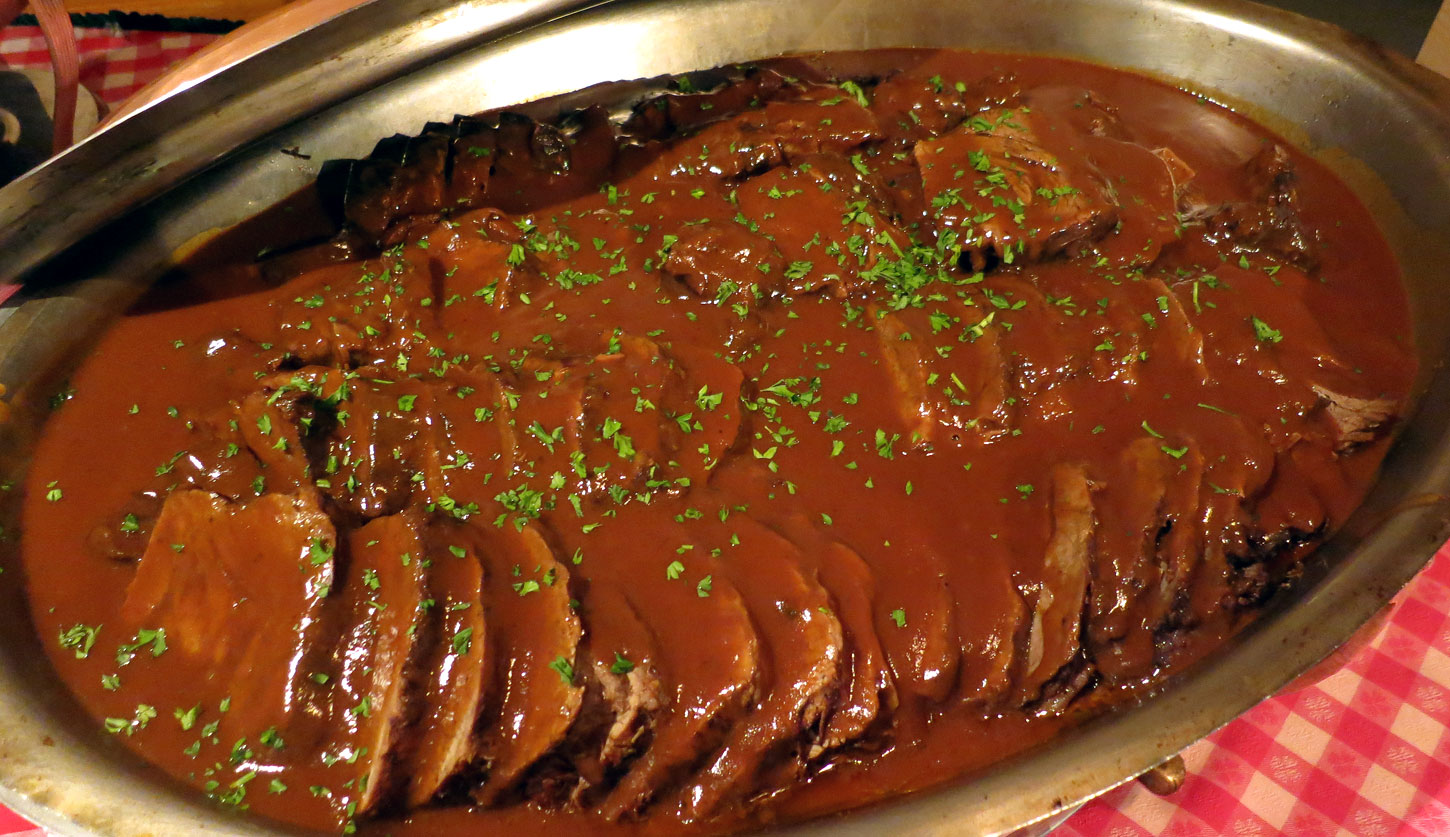
10. Sauerbraten.

Sauerbraten is regarded as one Germany’s national dishes and there are several regional variations in Franconia, Thuringia, Rhineland, Saarland, Silesia and Swabia.
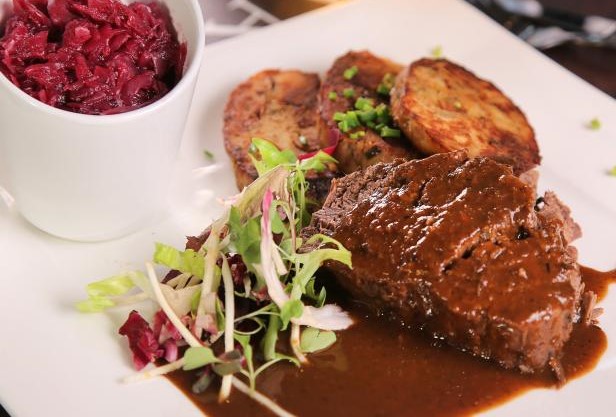
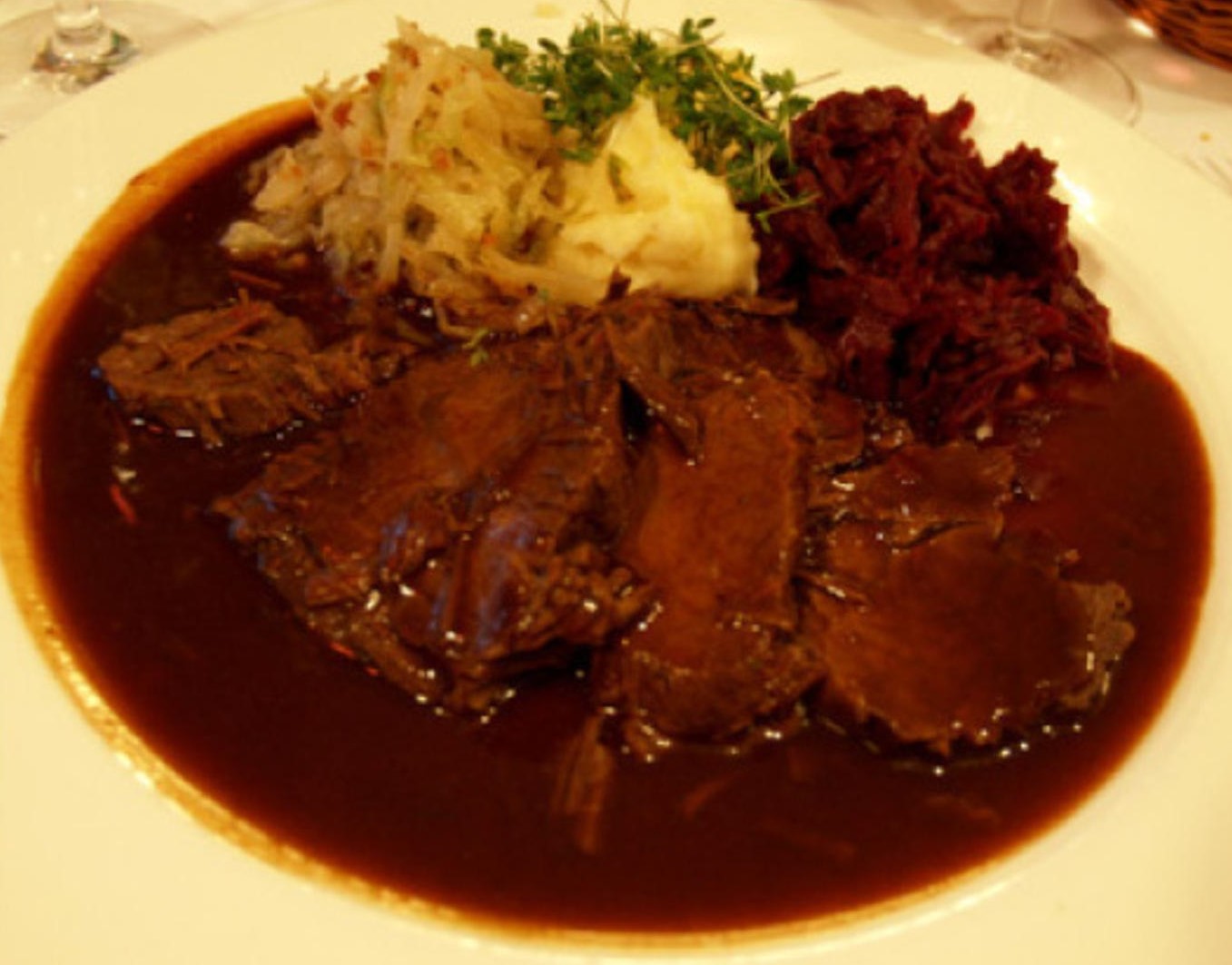
This pot roast takes quite a while to prepare, but the results, often served as Sunday family dinner, are truly worth the work. Sauerbraten (literally „sour roast“) is traditionally prepared with horse meat, but these days beef and venison are increasingly used.


Before cooking, the meat is marinated for several days in a mixture of red wine vinegar, herbs and spices. Drowned in a dark gravy made with beetroot sugar sauce and rye bread to balance the sour taste of the vinegar, Sauerbraten is then traditionally served with red cabbage, potato dumplings or boiled potatoes. The secret for a real good Sauerbraten is the soft, tender meat and lots of delicious hefty sauce.
Improve this mouthwatering meal with a heavy red wine like a Shiraz or Tannat.

These are the first 10 of my German Specials. Stay tuned to the Part 2 of this post.

Veröffentlicht unter Lifestyle | Verschlagwortet mit , | 2 Kommentare