
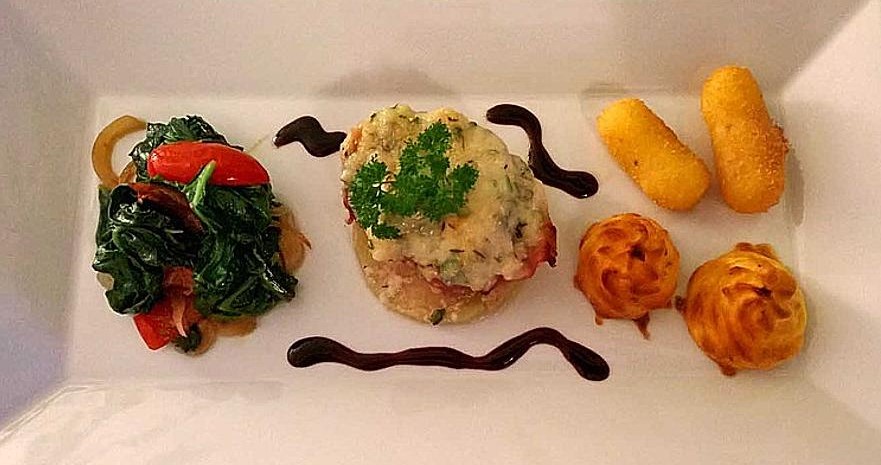
This post is humbly dedicated to my lovely Dutch wife who served me with delicious krokettes for more then 50 years. Many many years I had the honor to taste the wonderful dutch snacks like Krokettes, Bitter Balls, Lumpia or Fricandel Special. Today picking out the Krokette, because that’s the most international snack of all the Dutch.
Whats a Croquette ?
A croquette is a small bread crumbed fried food roll containing, usually as main ingredients, ground meat (veal, beef, chicken, or turkey), shellfish, fish, ham, cheese, mashed potatoes or vegetables, and mixed with béchamel or brown sauce, soaked white bread, egg, onion, spices and herbs, wine, milk, beer, or some combination, sometimes with a filling, such as sautéed onions, mushrooms, a rice mixture or boiled eggs.
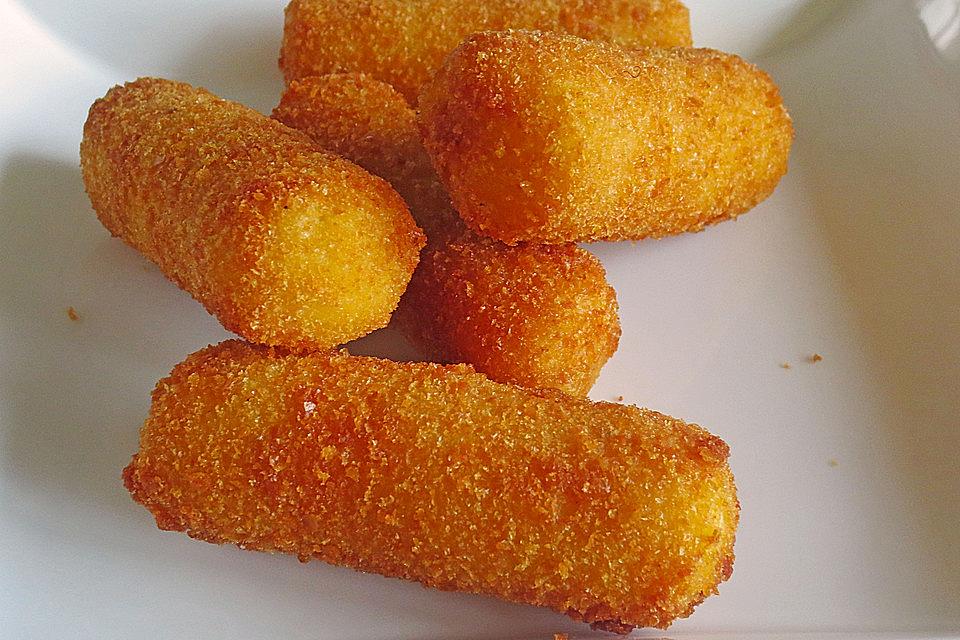
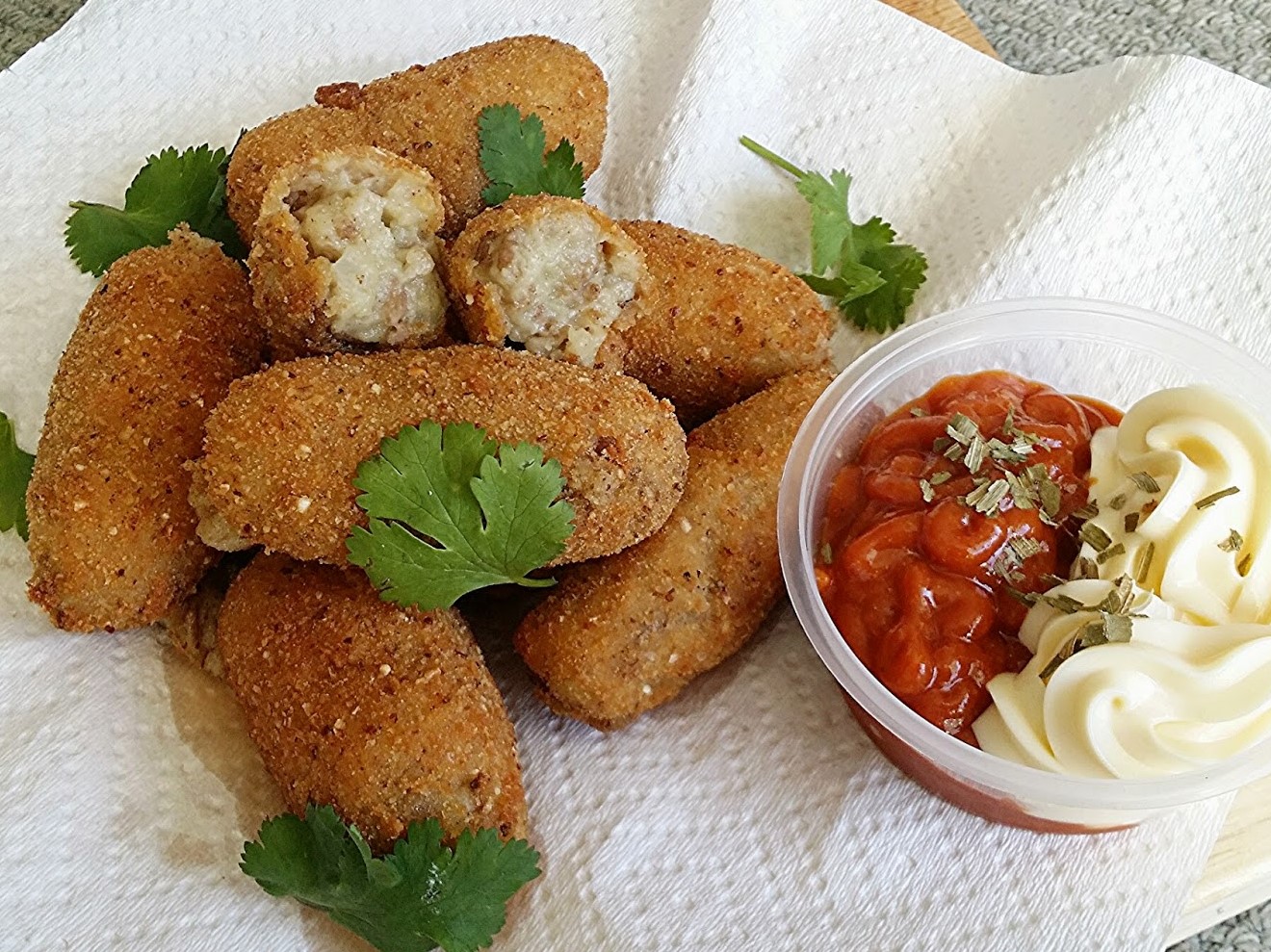
The croquette is usually shaped into a cylinder, disk, or oval shape, and then deep-fried. The croquette (from the French croquer, „to crunch“) gained worldwide popularity, both as a delicacy and as a fast food.
Mashed-potato-filled croquettes are often served as a side dish in winter holiday meals, such as Christmas. In fast-food cuisine, varieties exist without potatoes, but with cheese, beef, or goulash, often in a filling based on béchamel sauce.
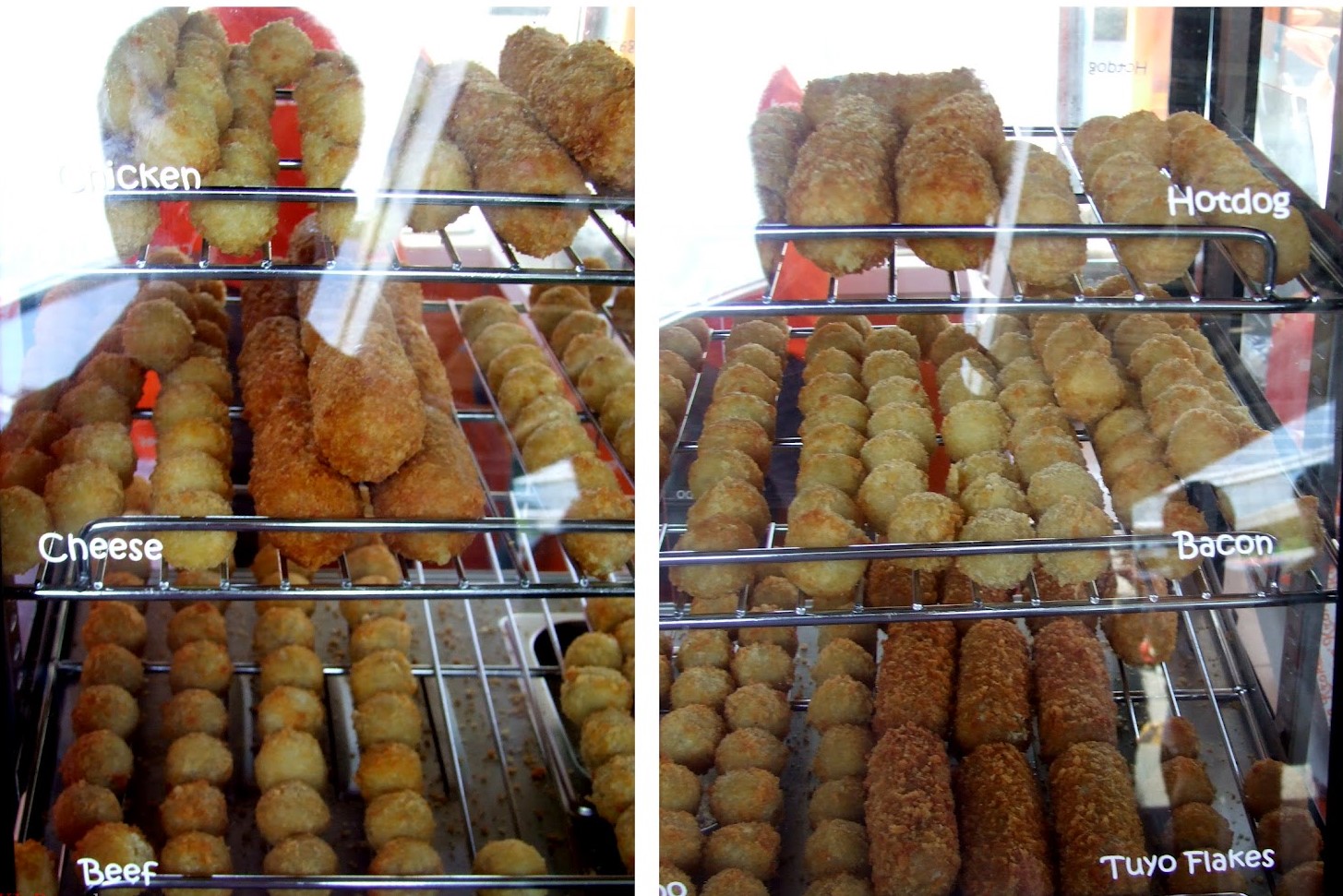
The common English translation of Dutch kroket is croquette. A typical Dutch croquette is made of meat ragout covered in breadcrumbs, and deep fried until golden and crispy. Here are the common names used. Because I think that I will mix up some of the names during the following post, pick out what you like best.
Dutch = kroket
English = croquette
German = Krokette
Italian = crocchetta
French = croquette
Spanish = croqueta
Chinese = 炸肉餅 (sorry, I couldn’t resist – ha ha)
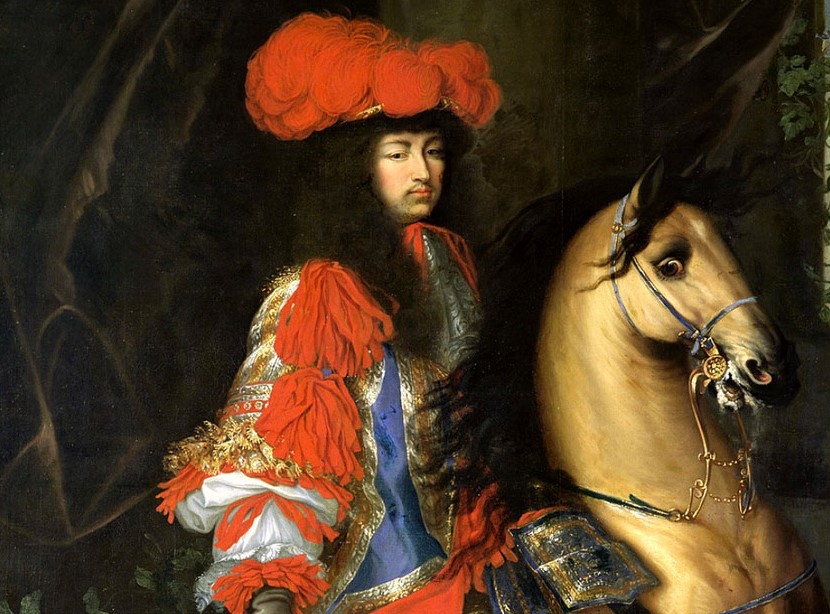
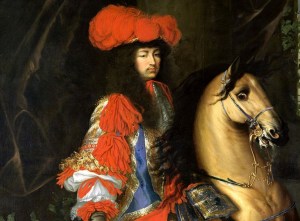 Louis XIV (Louis Dieudonné, 5th of September 1638 – 1st of September 1715), known as Louis the Great (Louis le Grand) or the Sun King (le Roi Soleil), was King of France from 14th of May 1643 until his death in 1715. His reign of 72 years and 110 days is the longest recorded of any monarch of a sovereign country in European history.
History.
It’s possible that France’s King Louis XIV was one of the earliest fans of the kroketje. Many people think of the kroket as a quintessentially Dutch delicacy, but according to Johannes Van Dam, who was a well-known food expert in the Netherlands, the Sun King’s chef was the first to describe them in writing. In fact, Van Dam tracked down a French recipe for croquettes dating back to 1691, while the earliest Dutch recipes supposedly come from the 1830s. Even the name kroket was taken from the French – from croquer, or ‚to crunch‘.
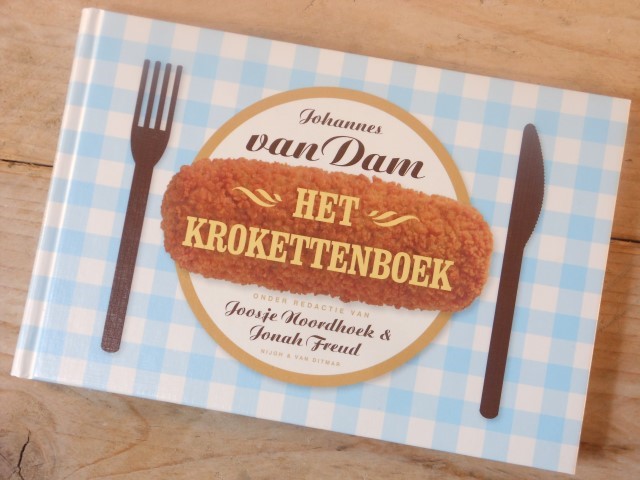
 Johannes van Dam (Amsterdam, 9th of Oktober 1946 – 18th of September 2013) was a Netherlands culinary journalist and author.
We may all know that Croquettes come from France, but you may don´t know how old the recipe is. In 1691 Francois Massialot published Le cuisinier roial et bourgeois. More than 10 croquette recipes are available in the book, always recommended as an starter. However the recipe was very different to the one we use these days. In 1691 croquettes were made of meat, eggs and herbs, then covered with egg and bread crumbs.
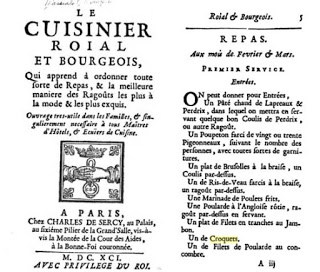 The very first known Croquette recipe from 1691.
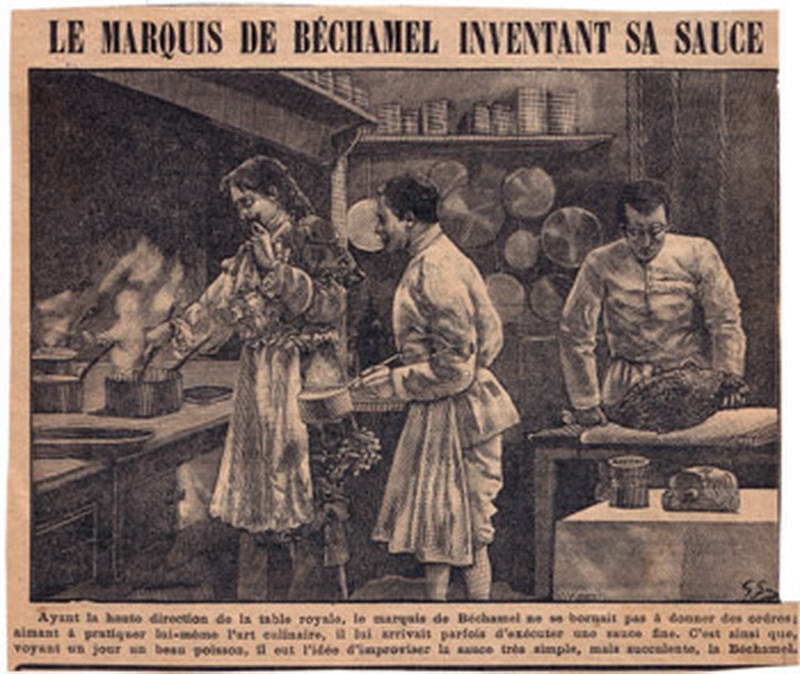
Since then we can find many different recipes of croquettes in Europe, mostly all cruncky balls were called that way. In 17th century Bechamel was still not invented, although such a sauce has been made for many years . It was in 1733 when the chef Vincent la Chapelle wrote a sauce recipe that was a mix of butter, herbs, flour and milk, and it was named Bechamel in honor of Louis de Béchameil (1630-1703). The Bechamel became very popular in the 18th century, and then french chefs started using that sauce to make croquettes.
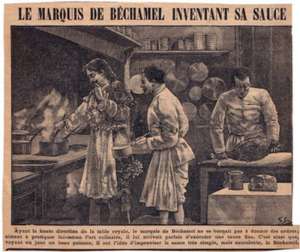
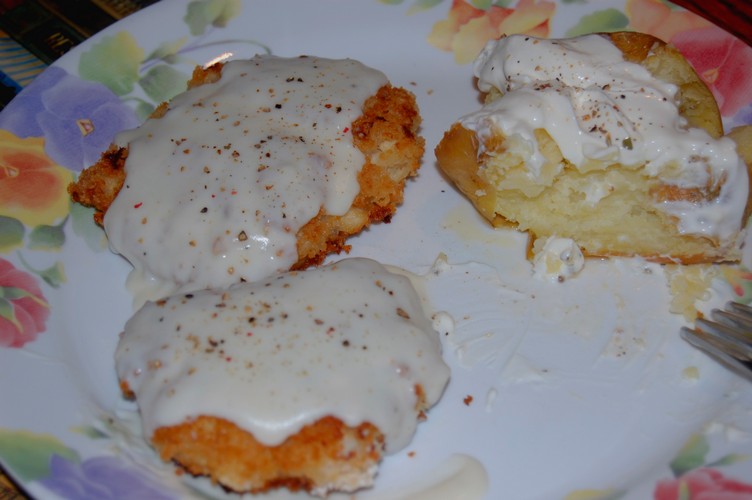
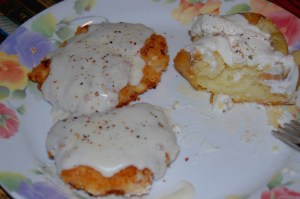 Left: Louis de Bechameil. Right: Chicken croquettes (flat pan fried) with Sauce Bechamel. Sauce Bechamel was gladly used to make Kroketten because of its gluey consistence – keeps the ingredients together.
Croquettes gained in popularity in the Netherlands in the 18th century, when French food was all the rage in the Low Lands. And, while their origins are French, what is typically Dutch is the way these treats are consumed today. Kroketten are often mass produced and bought ready-made from fast food chains and snack bars and consumed as street food in the Netherlands. The Dutch love their kroket so much that McDonald’s even created a burger with a kroket-patty called the McKroket.
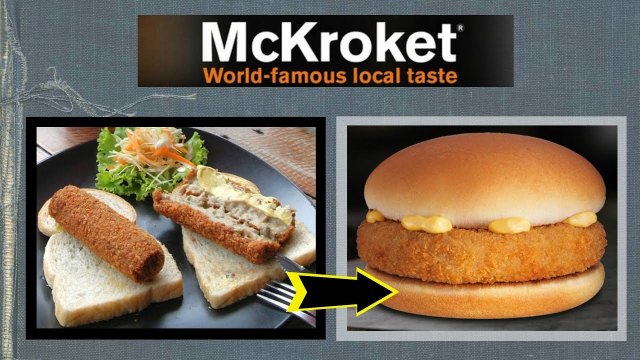 The popularity of the kroket in the Netherlands is such that even McDonald’s sells their version on a bun as „McKroket“. Left the original, right the McDonald version. What an ugly thing, its all moneymaking.
People also purchase frozen croquettes at supermarkets and pop them into the deep fat fryer at home. As with any product, all this mass production has meant that the quality has suffered, and the delicacy has gained a reputation for being filled with meat of dubious quality. It pays to shop around, and there are still a few brands and shops that make excellent croquettes.
The modern version of the dish was created in France. In 1898 Auguste Escoffier, the founder of the classical French cuisine, started to write down the recipe. It was originally made with beef. However, this recipe may have been inspired by Jewish cuisine. In the 17th century, similar recipes were developed throughout Europe by Sephardi Jews, mainly from the region of Alentejo. These were essentially made with poultry and leftover bread and breadcrumbs.
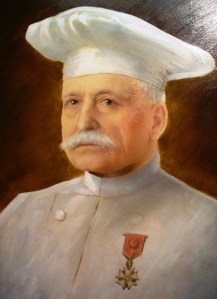 Georges Auguste Escoffier.
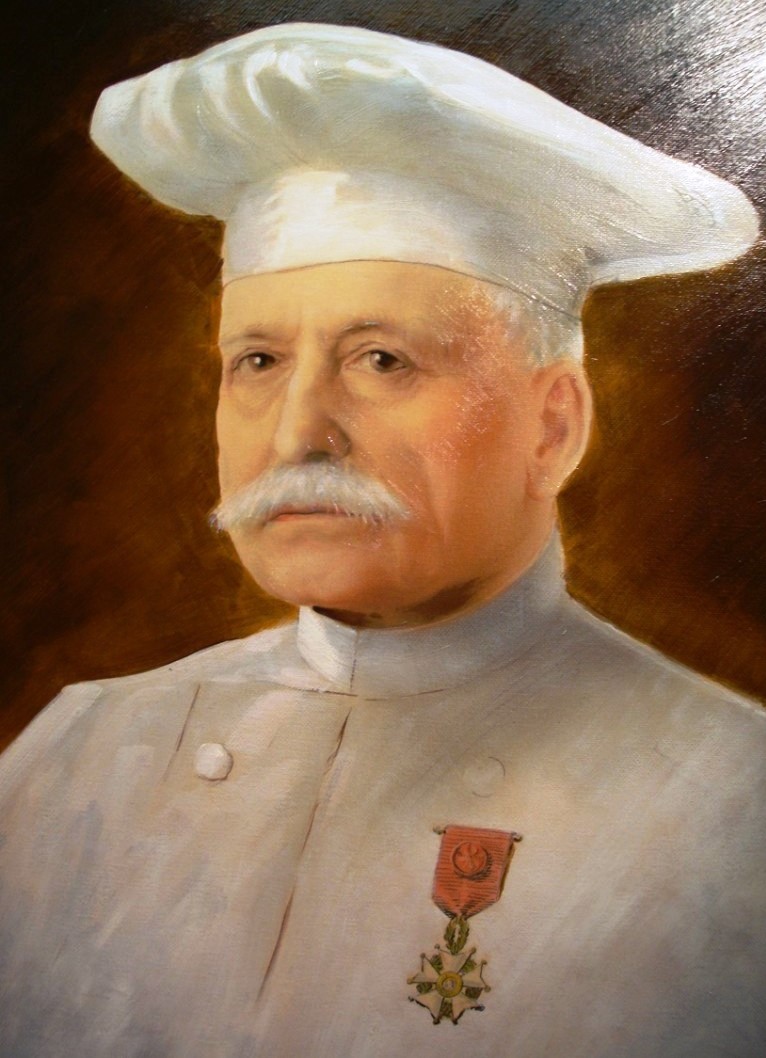
Georges Auguste Escoffier (28 October 1847 – 12 February 1935) was a French chef, restaurateur and culinary writer who popularized and updated traditional French cooking methods. In particular, he codified the recipes for the five mother sauces. Referred to by the French press as roi des cuisiniers et cuisinier des rois („king of chefs and chef of kings“). Escoffier was France’s preeminent chef in the early part of the 20th century.
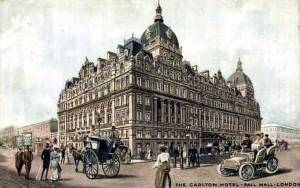
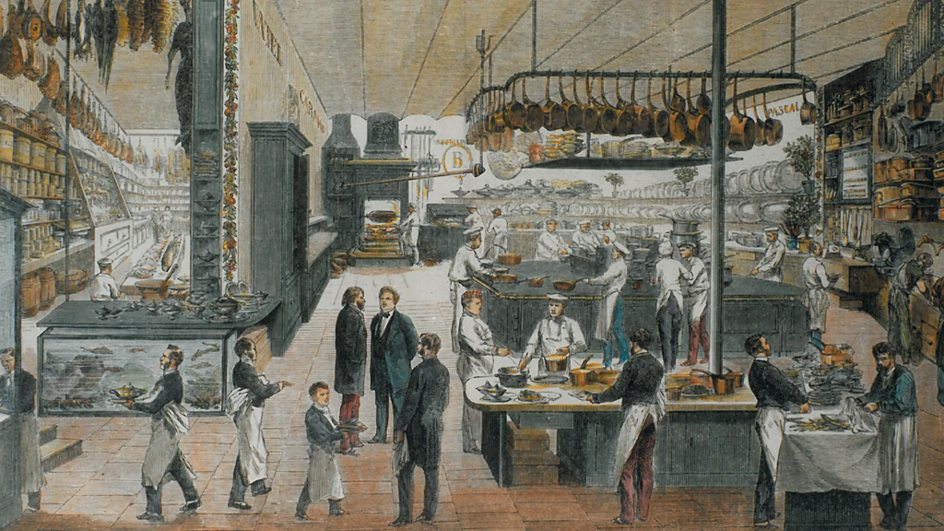
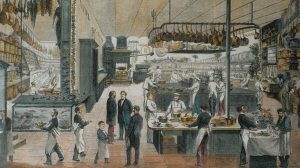 Escoffier as headchef at the Ritz Carlton, London around 1905. Left the Ritz and right the Ritz kitchen.
Types.
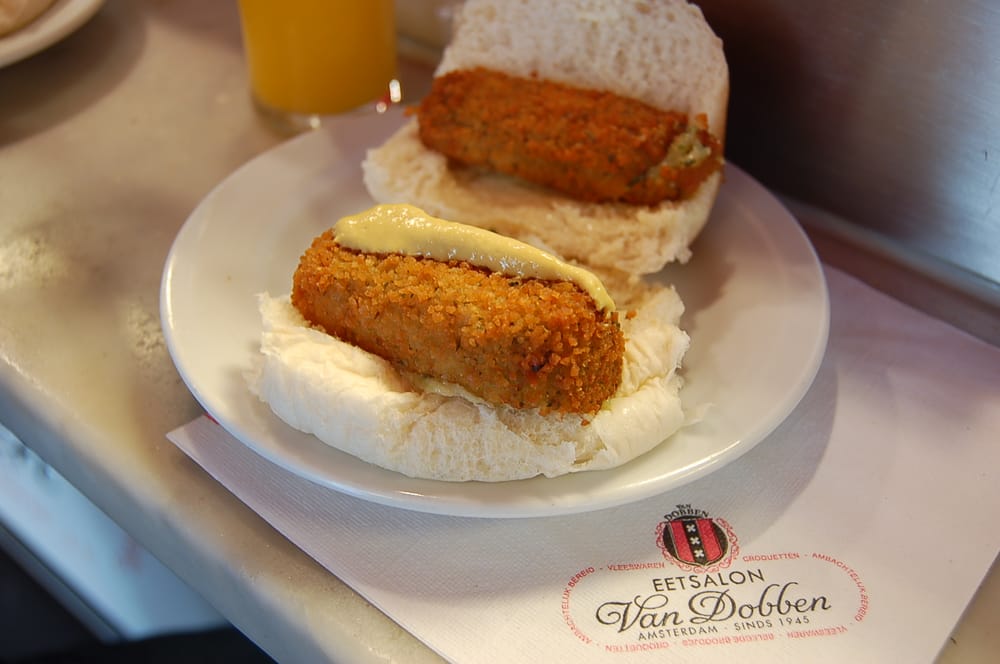
The „broodje kroket“, a soft white bun with a deep-fried croquette and mustard, is a Dutch lunch-time favorite. We particularly like the ones at Van Dobben lunchroom, Amsterdam.
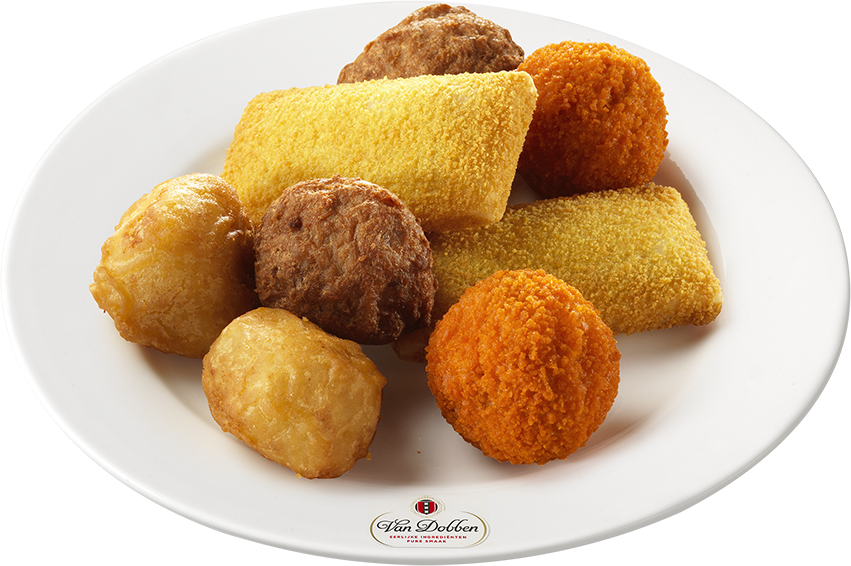
In addition to classic Dutch croquette flavors, such as beef- or veal croquettes, there are other flavors like chicken satay or goulash, as well as a host of croquette-shaped concoctions, with fillings such as Indonesian-inspired bami noodles (called bamibal) and nasi rice (called nasibal), as well as potato croquettes. The bitterbal, a small round version of the croquette (usually made with beef or veal), is a popular bar snack.
Croquette International.
Indonesia.
The kroket (Dutch) made of mashed potato filled with minced chicken or ragout is one of the most popular snack items in Indonesia, introduced during the Dutch colonial rule. The kroket is made by putting chicken filling inside a mashed potato ball which is then breaded and fried. The kroket found the way to Indonesia and the bami and nasi the way back to the Netherlands.
France.
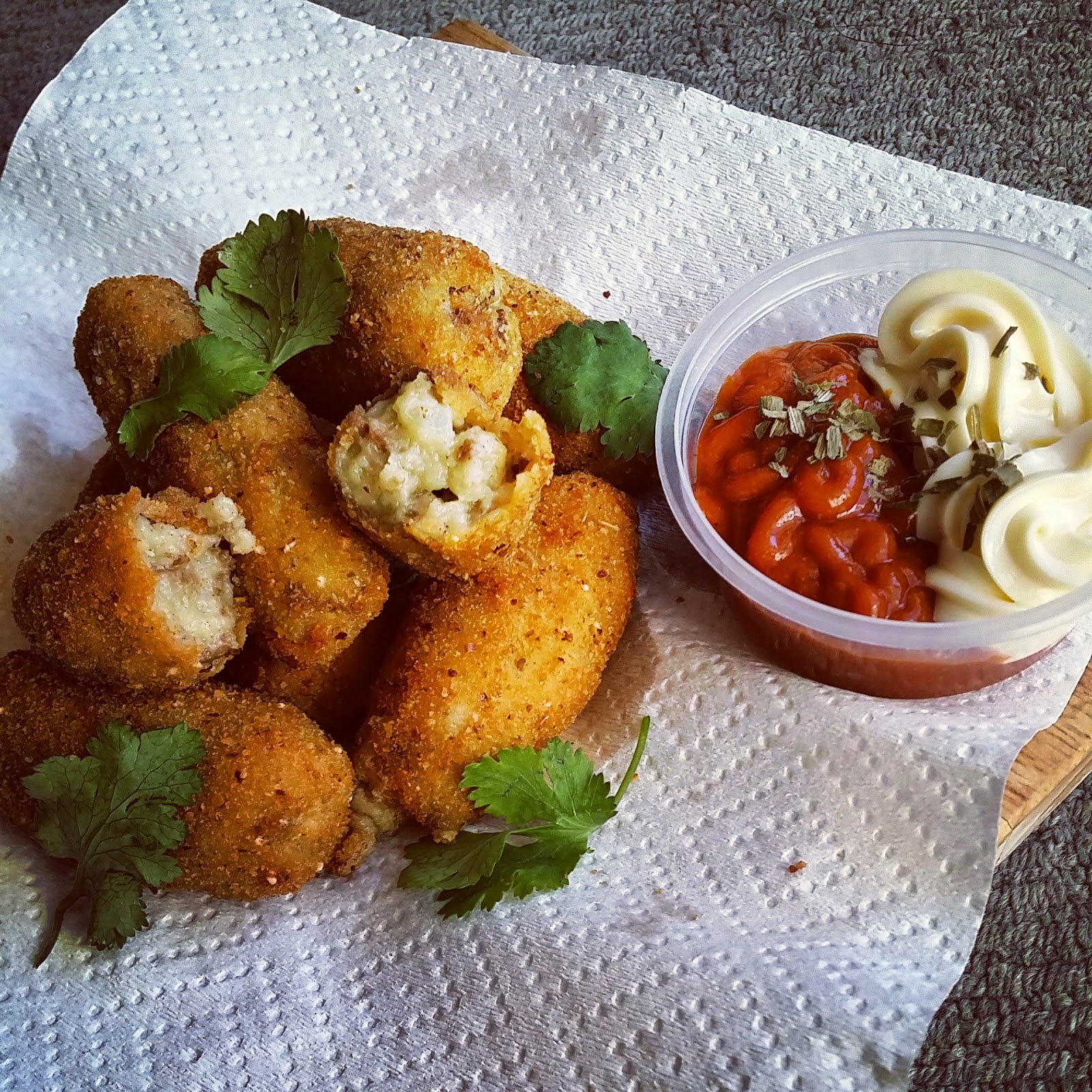
The ragout-filled dish was regarded as a French cuisine delicacy, first described in a recipe from 1691 by the chef of the French king Louis XIV and using ingredients such as truffles, sweetbreads, and cream cheese. From the 1800s onwards, it became a way to use up leftover stewed meat and went into cheaper fast food production, like it is sadly today.
Germany, Austria, and Switzerland.
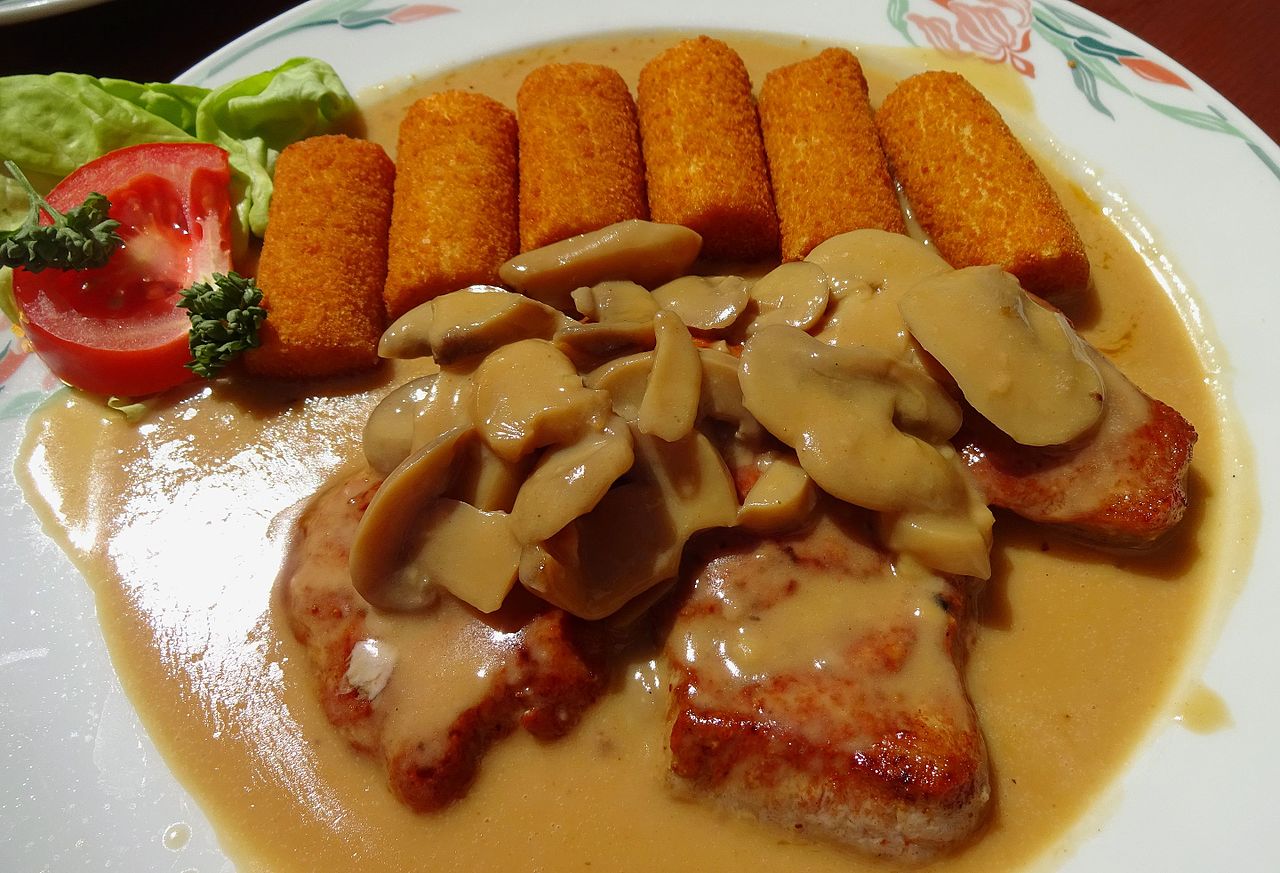
Plain potato croquettes are served as a side dish in restaurants and are also available frozen in supermarkets. They are usually called Kroketten (singular Krokette). Not much fantasy or variety in those country’s.
Belgium.
Almost every restaurant offers kroketten/croquettes as a side dish, and when served this way, they always mean the variety filled with mashed potatoes. As the ubiquitous main dish in Belgian restaurants, croquettes are completely different from the potato filled variety served as a simple side dish.
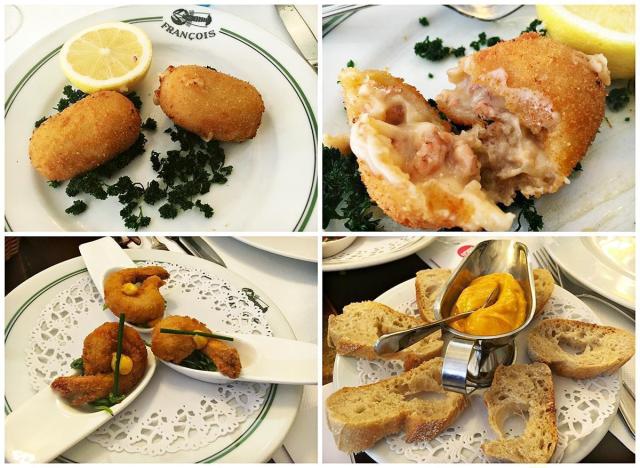 Belgian speciality, kaas krokets and shrimp croquettes, with more fried shrimp, and bread with the special secret recipe mayonnaise at Seefood Restaurant Francois, Brussels.
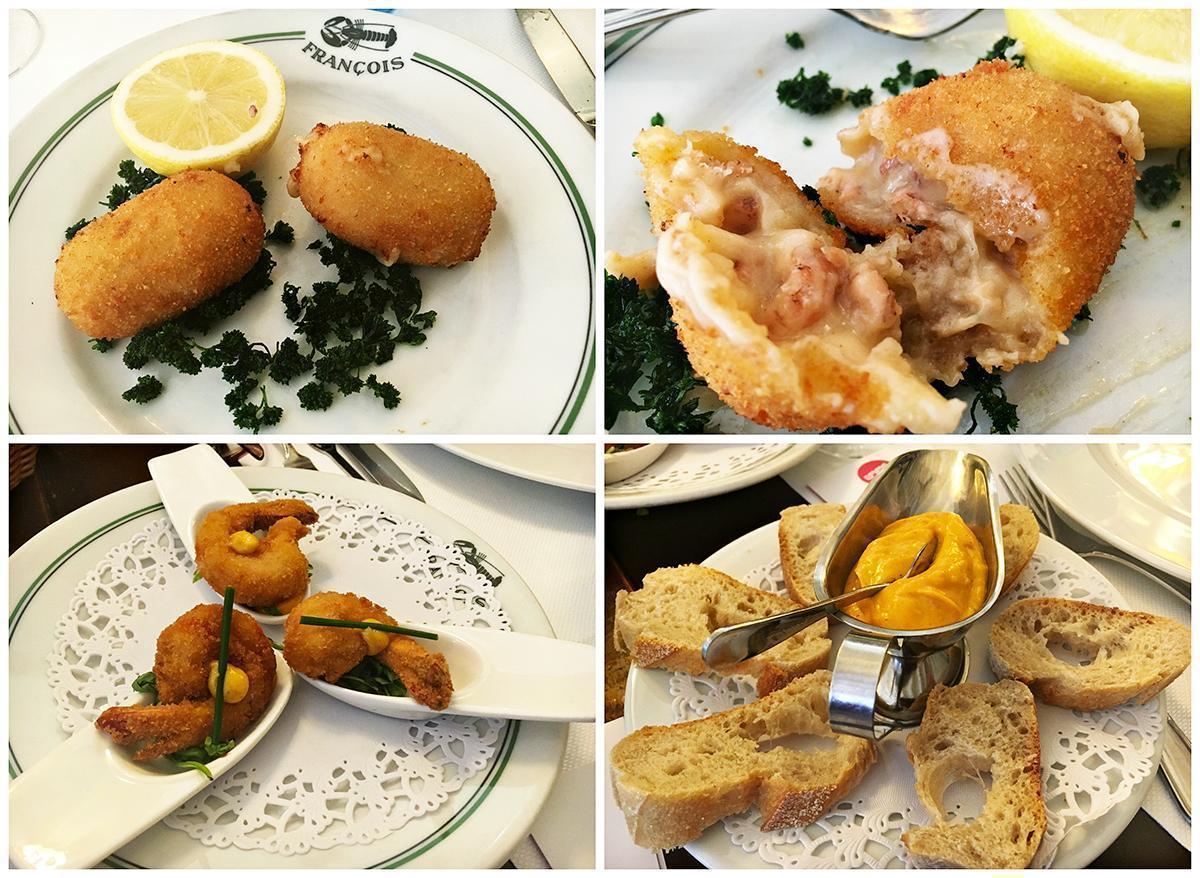
The two most popular traditional Belgian croquettes have a thick and creamy bechamel filling mixed with grey shrimps „garnaalkroketten/croquettes de crevettes“ or cheese „kaaskroketten/croquettes de fromage“. Most menus offer both either as a starter or a main course. As a main dish they are usually served with a salad, fried parsley and french fries (frites). More adventurous chefs have experimented with the classic formula, adding endives, asparagus, goat’s cheese or beer to their fillings. Most creative, the Belgians.
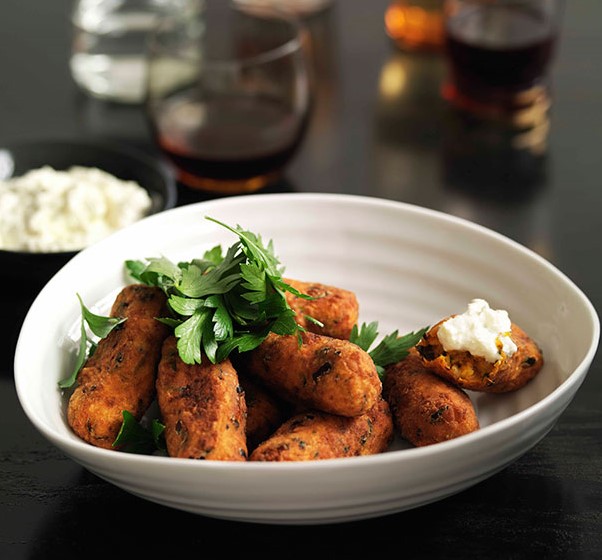 One of the best I ever had in Belgium. Carrot and apricot and garlic croquettes as bar snack. Just WOW !
Poland.
Croquettes in Poland are typically made from a thin, rolled crepe-type pancake stuffed with meat, mushrooms, cabbage, sauerkraut, or some combinations of those ingredients. The croquette is lightly pan fried before serving. Some recipe variations also require the croquette to be covered in breadcrumbs before frying, and served with a clear soup.
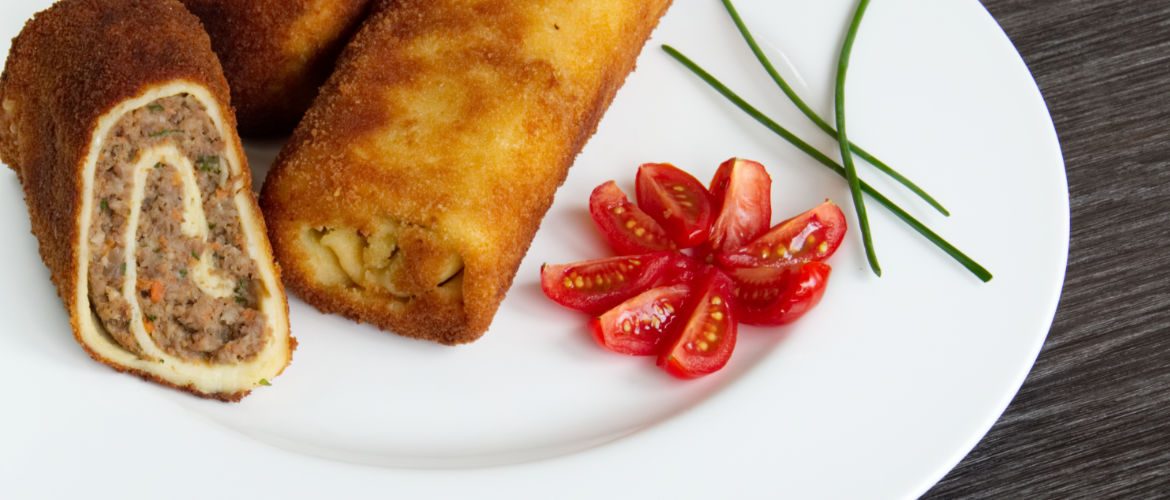
Netherlands.
The kroket is a philosophy of life in the Netherlands. A kalfsvleeskroket, Dutch croquette containing a veal ragout . In this country one will find the most adventures variety’s making krokets. Our normal favorites are the „aardappelenkroketten“ (potato croquettes). Look at the recipe further down.
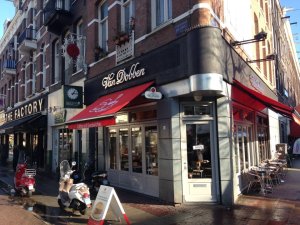
 Best place in Amsterdam to have lunch krokets = Van Dobben !! A must visit !!
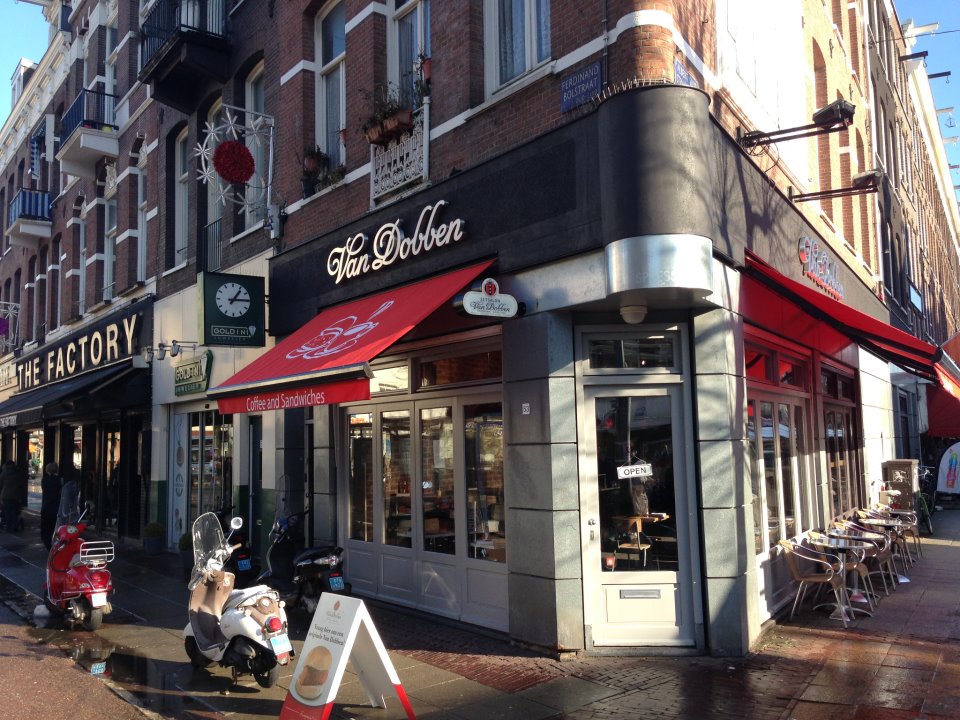
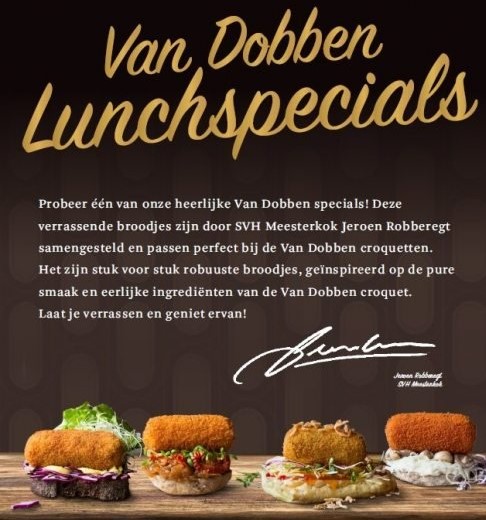
After World War II, several suppliers started mass-producing croquettes filled with beef. The croquette (kroket or kroketten in Dutch) subsequently became even more popular as a fast food; meat ragout covered in breadcrumbs which is subsequently deep-fried. Its success as a fast food garnered its reputation as a cheap dish of dubious quality.
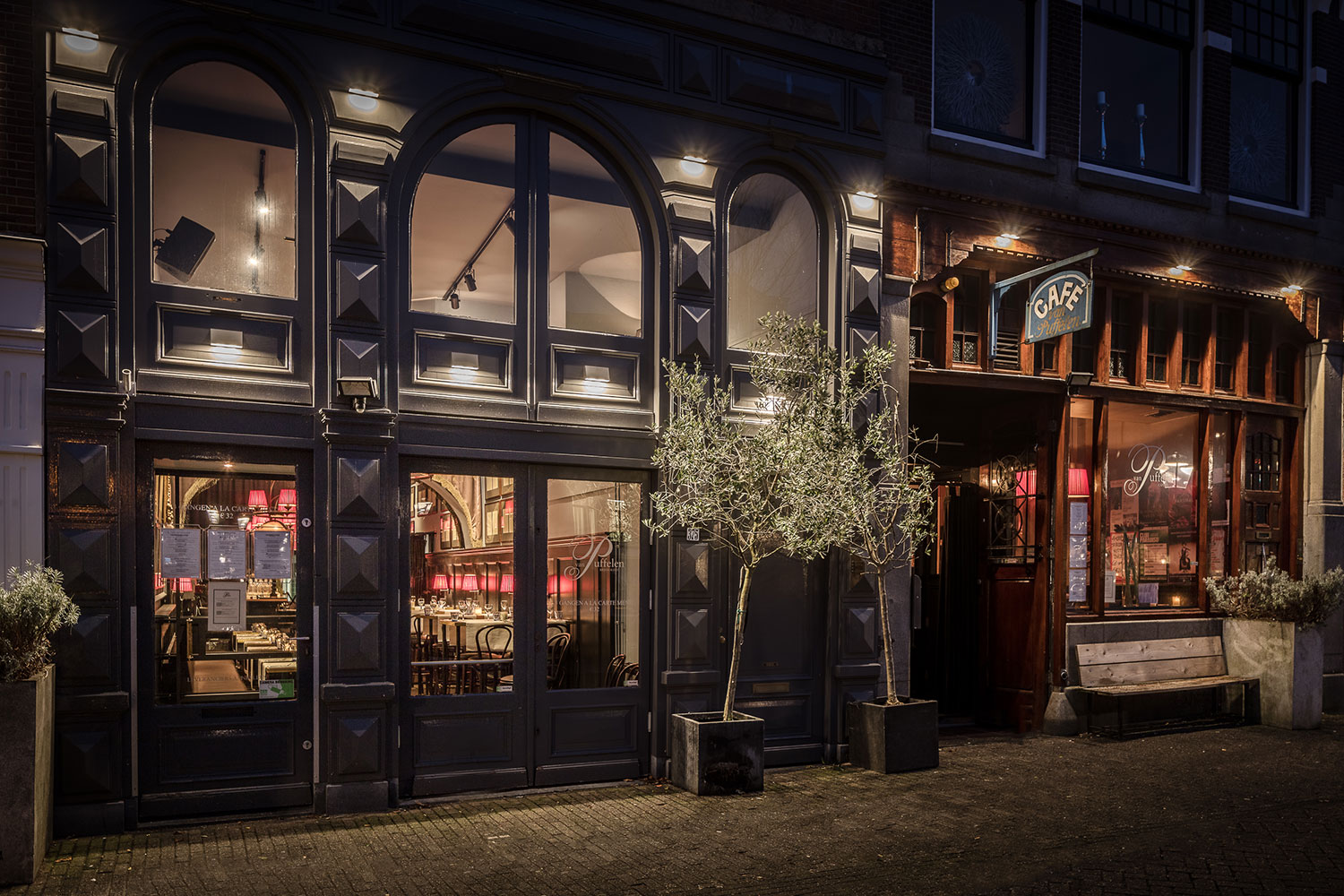
 During night time in Amsterdam have a bit more exclusive dinner with krokets at Van Puffelen. Great menue, great atmospere. Click on pics to supersize.
Research in 2008 showed that far over 350 million kroketten are eaten in the Netherlands every year. An estimated 75% of all Dutch people eat them, resulting in more then 30 kroketten per person per year on average, being the 2nd most popular Dutch snack after the frikandel. The major consumers are between 35 and 49 years old.
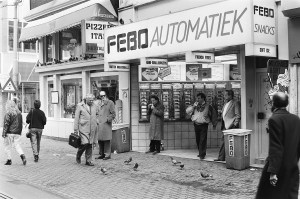
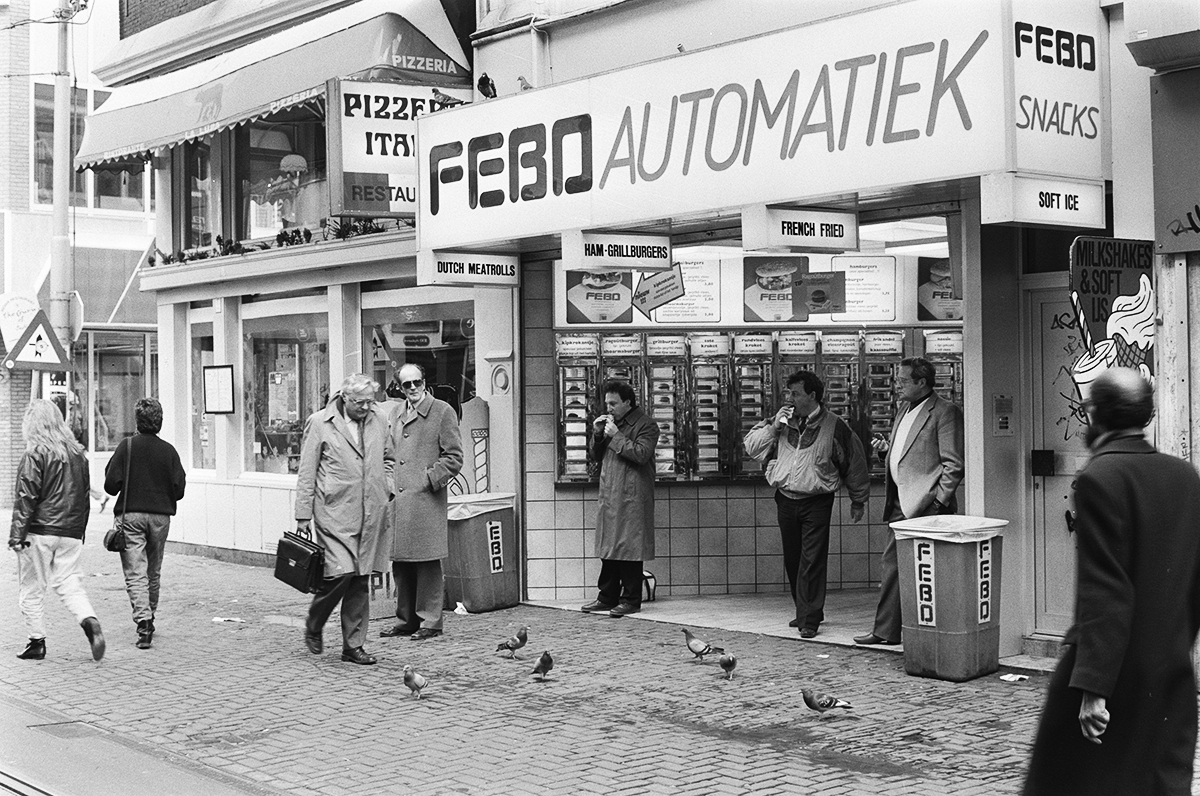
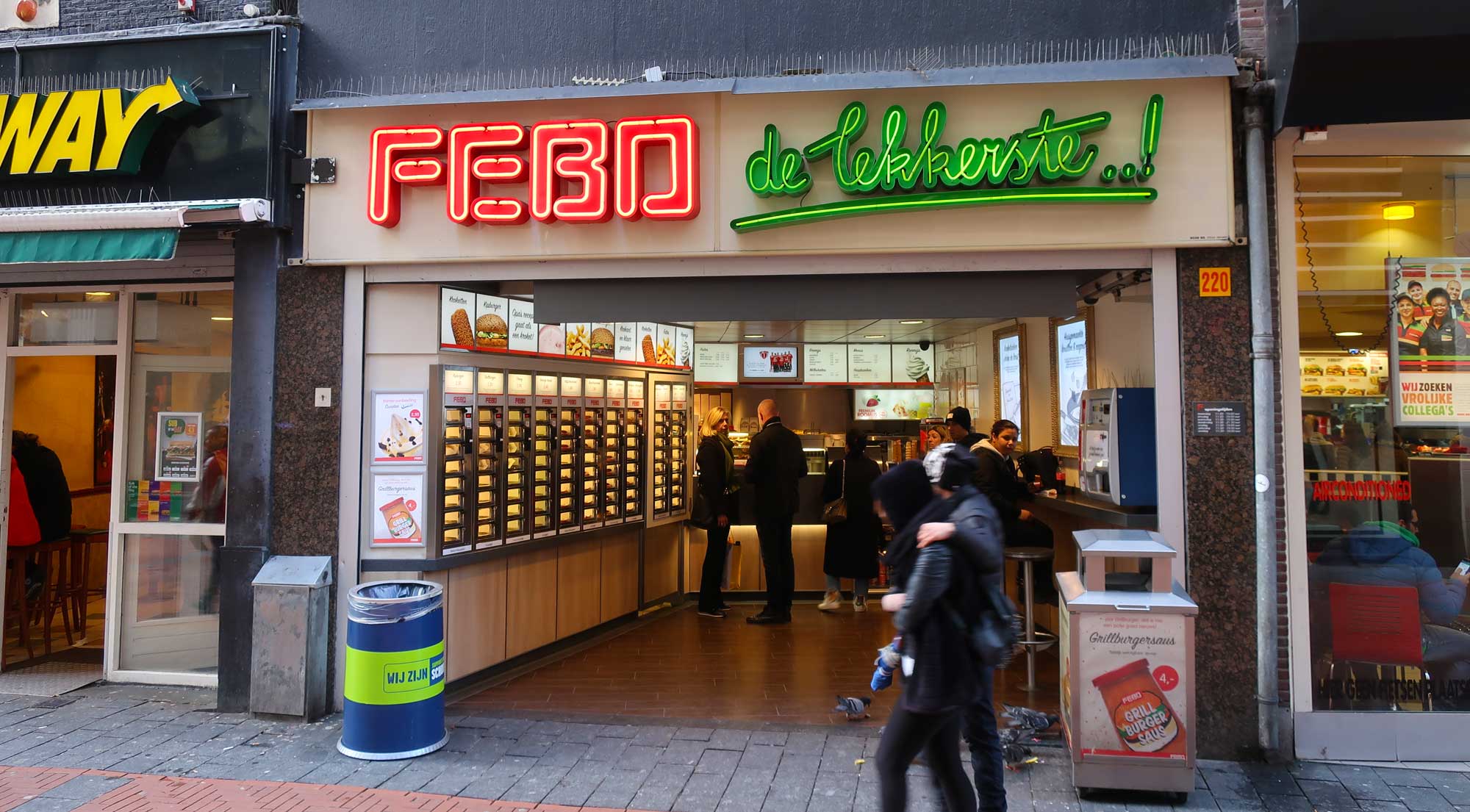
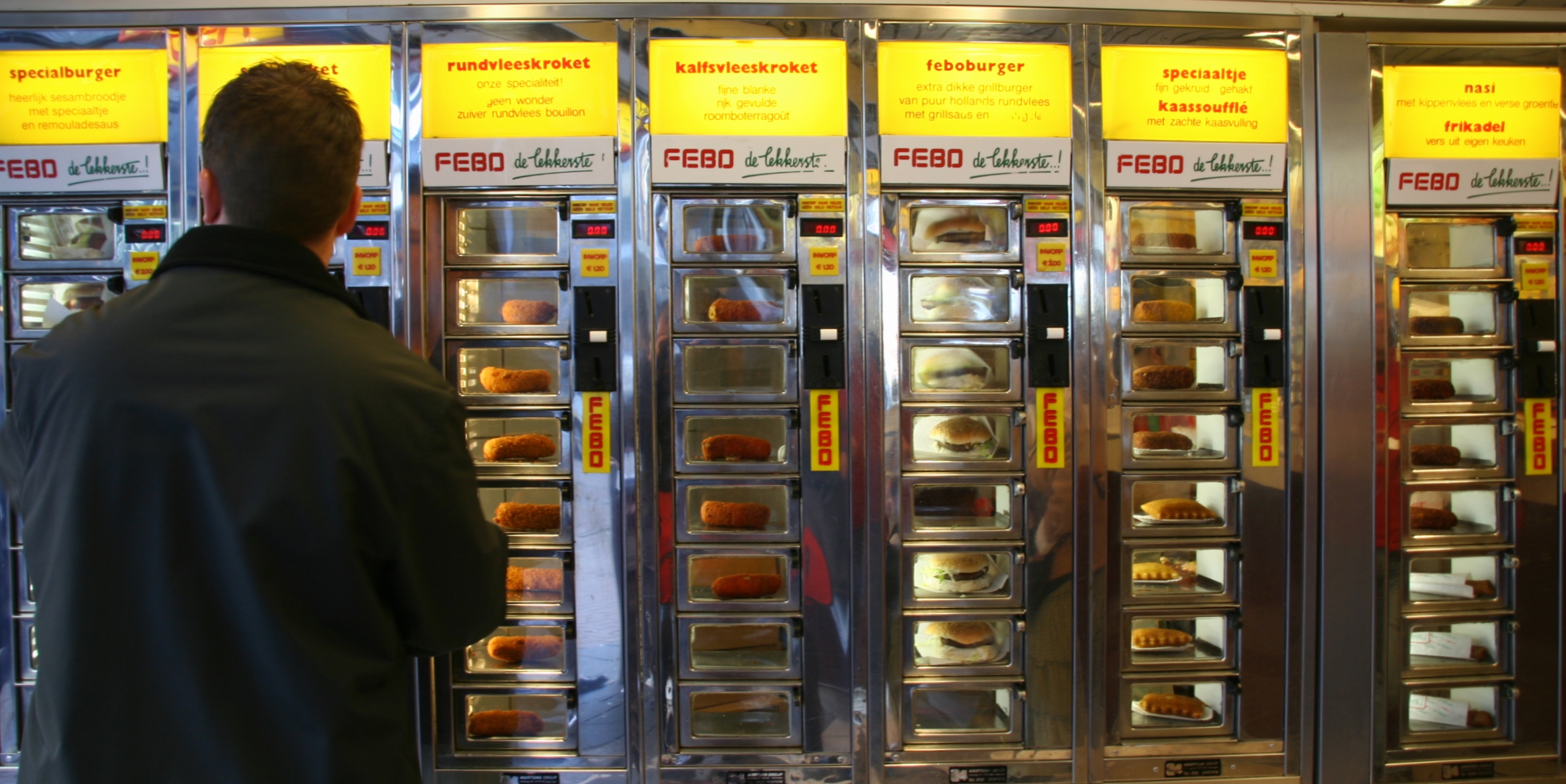
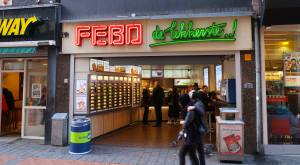 One of the most wellknown kroket-street-vendoors in the Netherlands is FEBO. For many many years established with quality „OUT OF THE AUTOMATIC“. Unbelieveable success.
The success of the croquette led to a whole series of food products resembling the croquette, but with other types of fillings, such as noodles, rice and kidney, and with names like bamibal, nasibal, and nierbroodje instead of croquette.
Variants of the croquette which specify the kind of meat can also be found, like rundvleeskroket (made with beef) and kalfsvleeskroket (made with veal). Also popular in Dutch snack bars are the satékroket (where the filling consists of a peanut satay sauce and shredded meat in a ragout) and the goulashkroket. A smaller round version of the standard beef or veal croquette. The bitterbal, used a bit of vinegar to receive a bitter taste (it should make you thursty, it boosts the appetite for a drink), is often served with mustard as a snack in bars and at receptions.
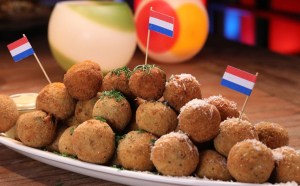
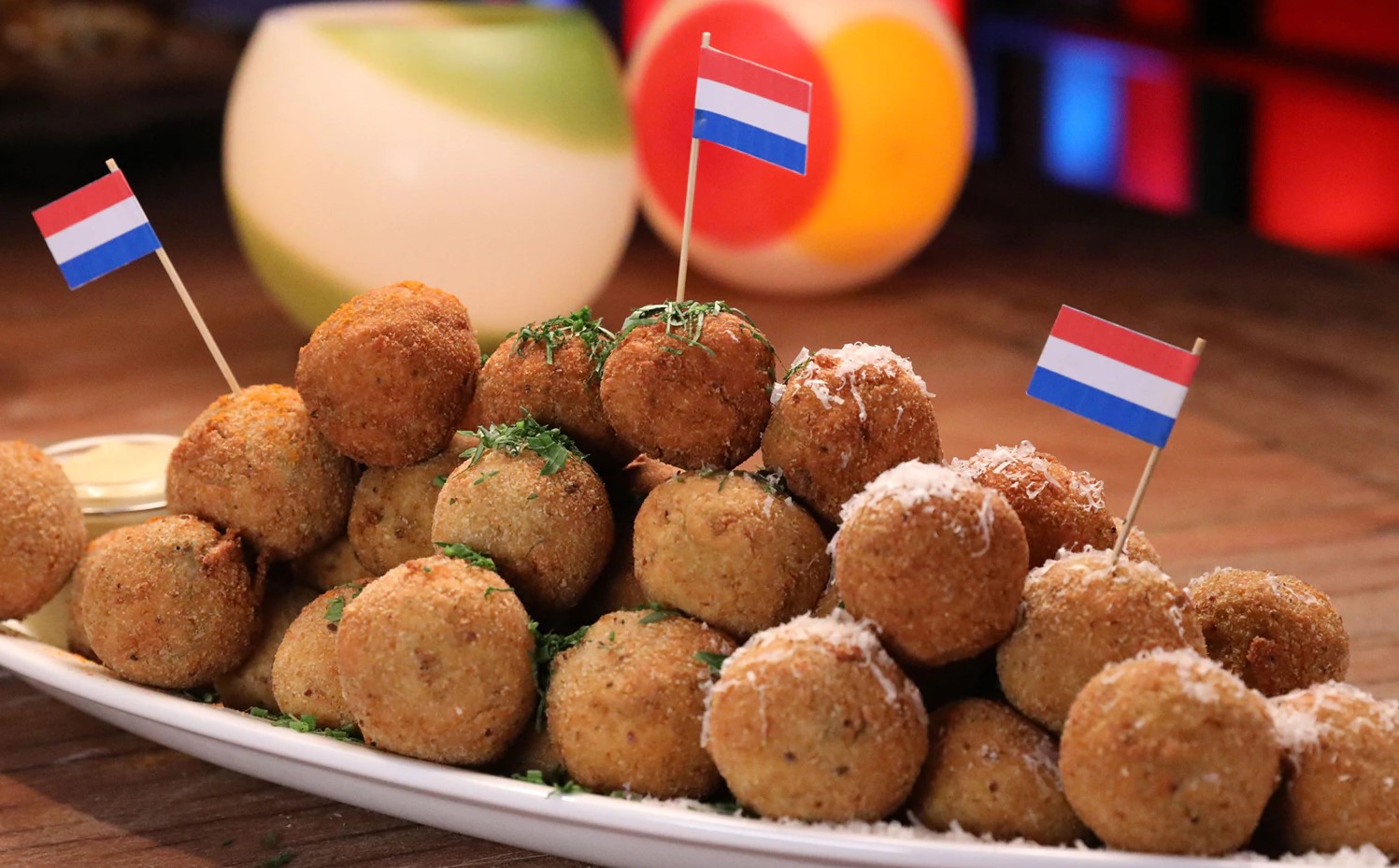
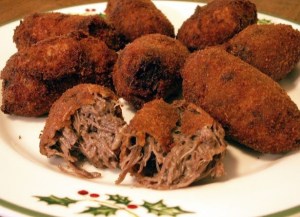 Typical Dutch Bitterballen (left) and the Goulashkroket (right).
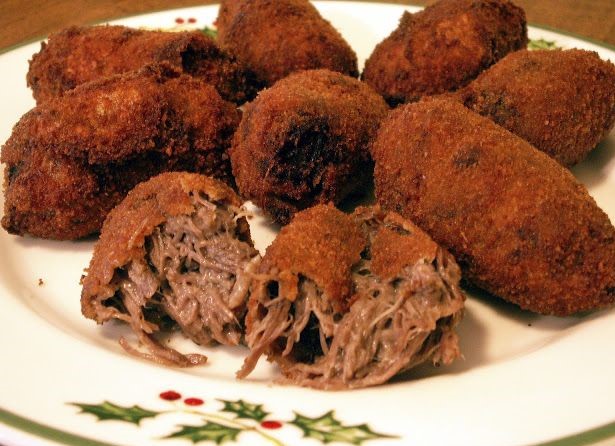
Spain.
In 1812 Spanish chefs offered croquetas to the British troops in Spain, they came to help to get rid off Napoleon. Since then croquetas became more and more popular. From the 19th century one can find Spanish croquetas recipes with chicken, rabbit, lamb, lobster, salmon, etc. Some recipes explain how to cook croquettes made as meatballs, other recipes already include sauce bechamel.
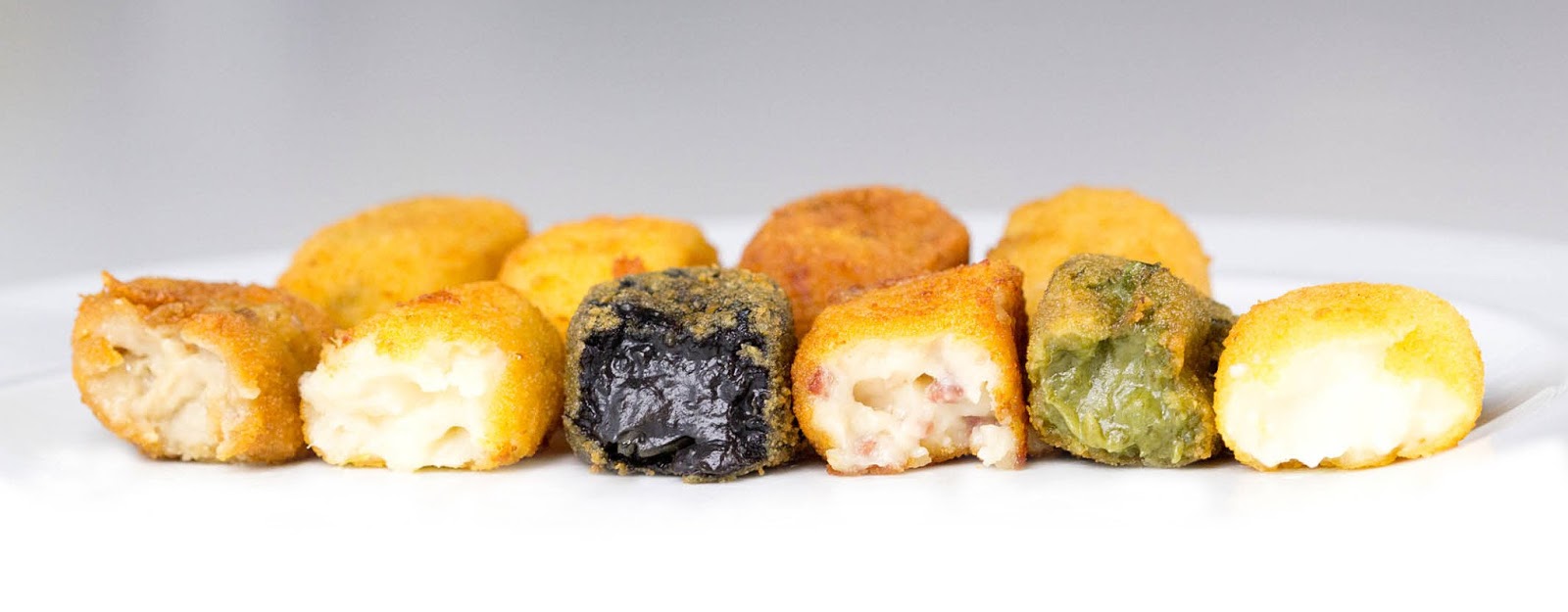
In those days Cocido stew was already very popular in Spain, so the most popular recipes have always been the ones using the meat from the stew. This way they created Croquetas de Jamón, one of the most popular recipes in Spain. French and Dutch croquette are big and over cork size. Spanish croquetas are just Tapas size, small, creamy and full of Spanish flavors. Today all around Spain you can get croquetas as Tapas.
Mexico.
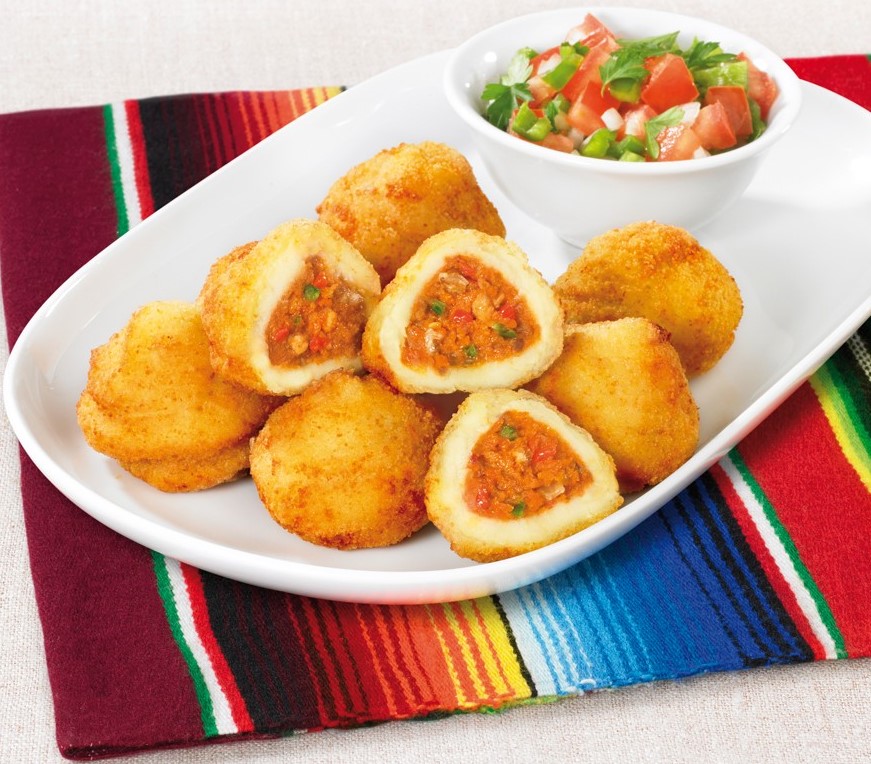
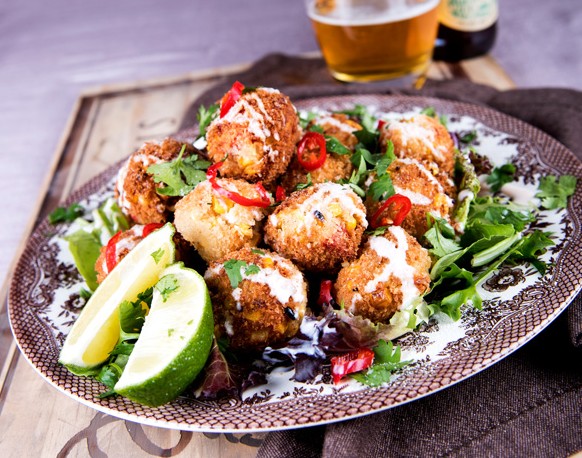
Croquettes are usually made of tuna or chicken and potatoes. In southern Mexico, a variety is made with fresh cheese, plantain, and black beans. We had the similar ones in Panama too, very delicious version. A specialty, the sweet corn and couscous croquettes.
United States.
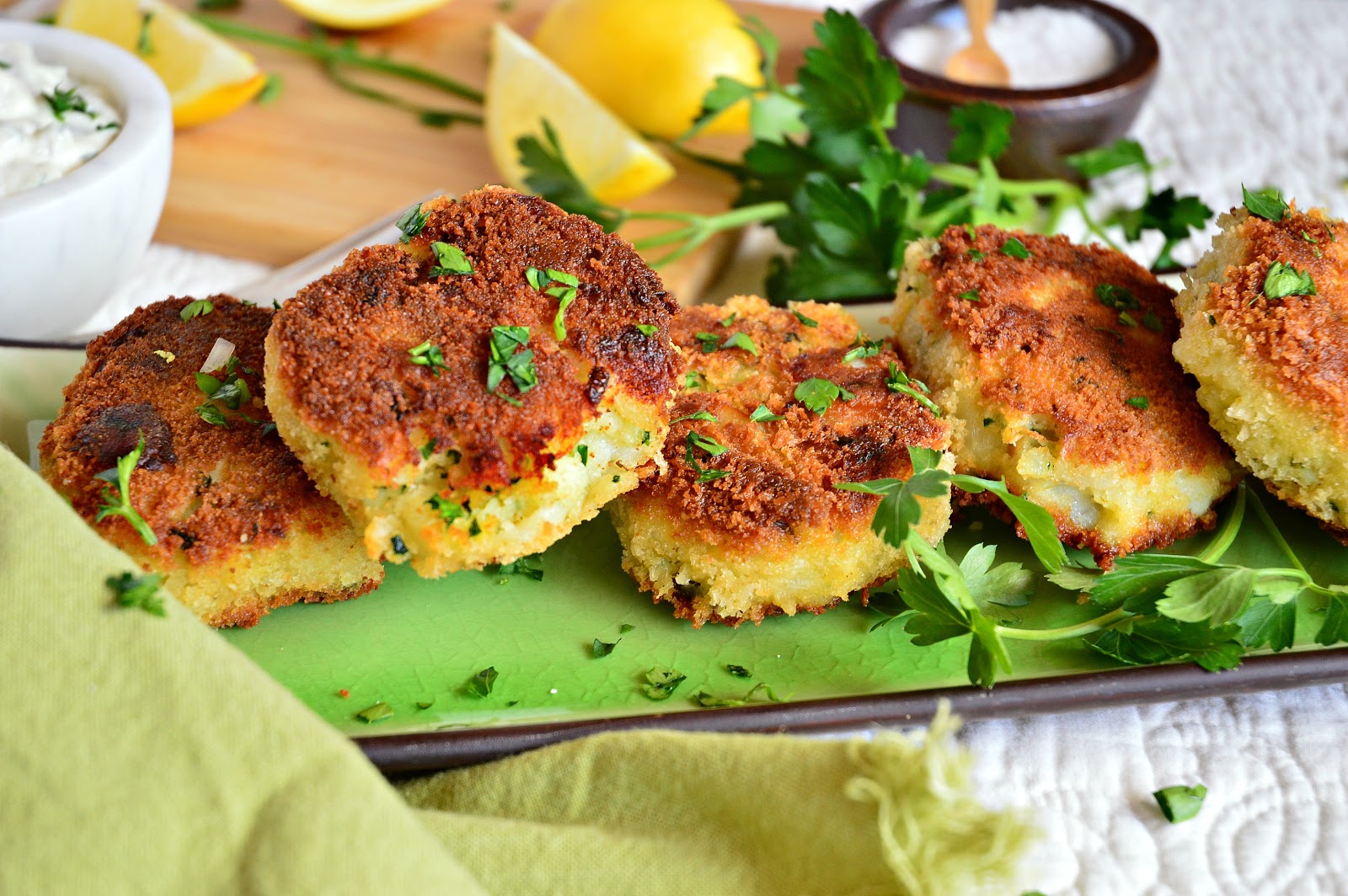
So named „Boardwalk“ fish cakes and crab cakes, eaten on the east coast of the United States, are essentially croquettes. They consist, respectively, of chopped fish or crab meat, mixed in a buttery dough which is then breaded and deep-fried.
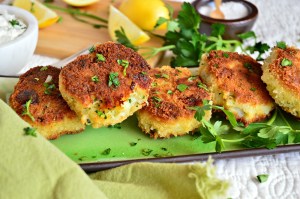 Not to bad at all.
Brazil.
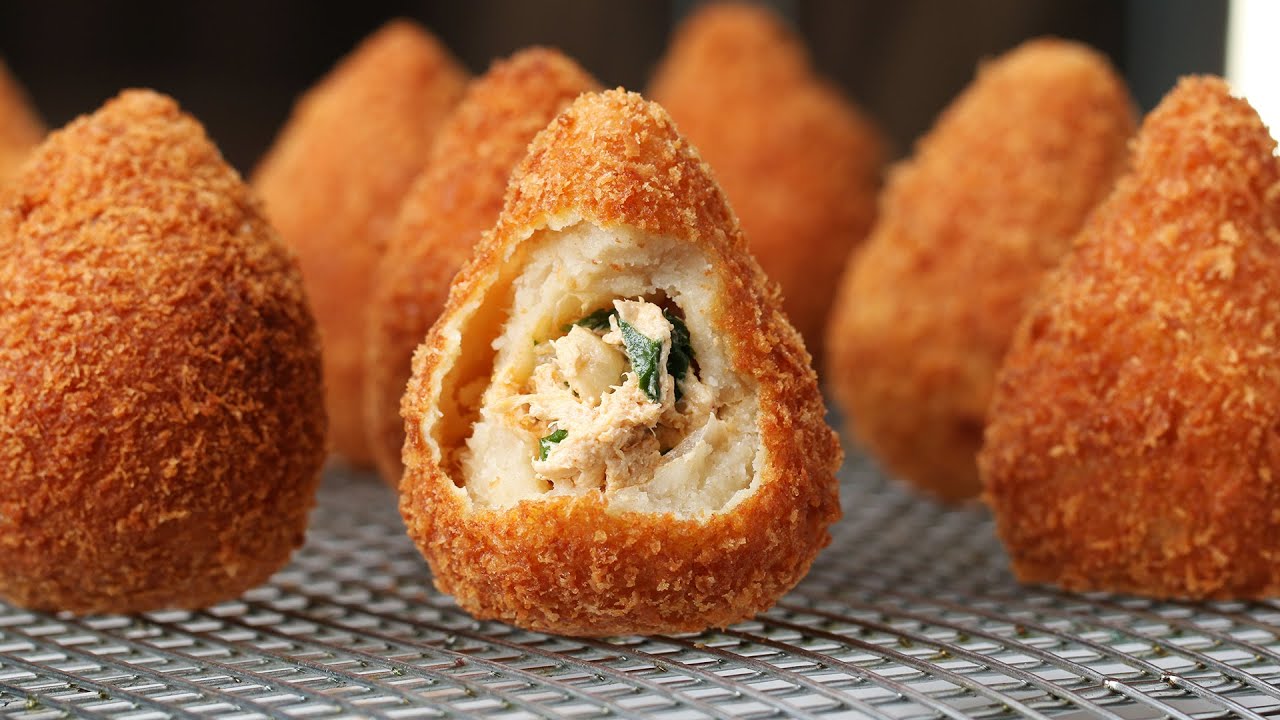
Croquetes, primarily made from beef, are common in many parts of Brazil. The coxinha is a popular chicken-based croquette, intentionally shaped to look like a chicken thigh.
From Riobamba llapingachos are potato cakes with a cheese filling, fried in oil with achiote and served with a peanut sauce.
Uruguay.
Interesting is, that Uruguay has the most known and sold amount of krokets in whole South America. Called „croquetas“ in Spanish, the most popular stuffings are mashed potatoes (croquetas de papa), ham and mozzarella cheese (croquetas de jamón y queso), and rice (croquetas de arroz). Sometimes, the rice ones have herbs and little ham cubes. Generally, their shape is cylindrical and they’re medium-sized, (but much bigger then in Holland), spherical ones also can be seen (specially with rice stuffing). They are deep-fried in oil. See down here: left a kroket meal WITH KETCHUP and right some with the rice stuffing, missing the ketchup.
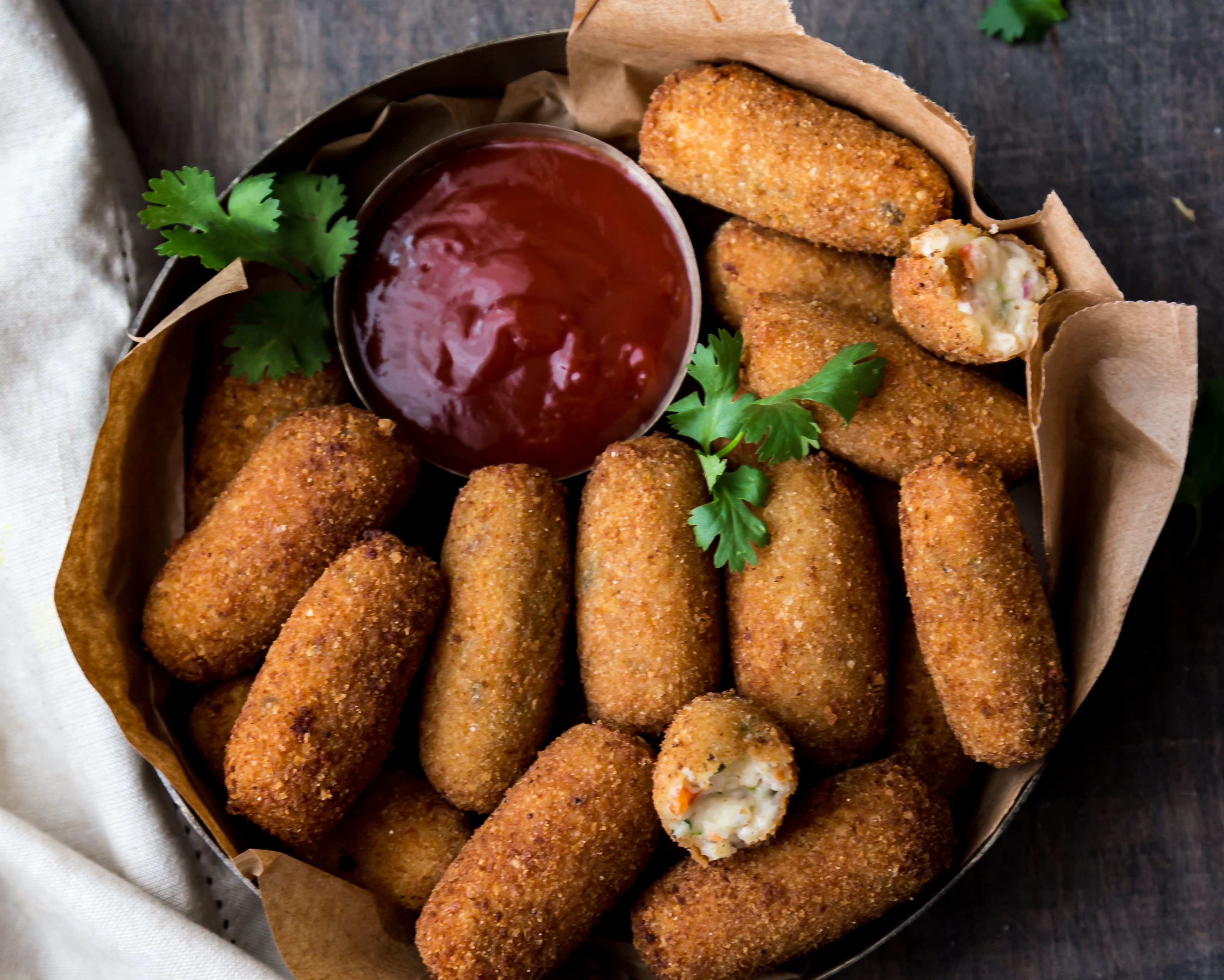
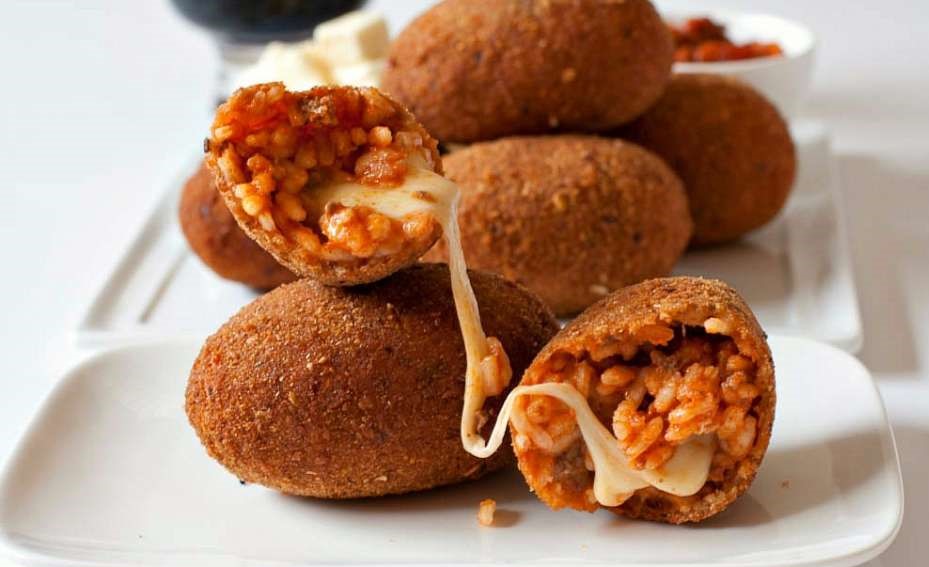
The average Uruguayan eats them usually with mayonnaise and/or ketchup. Croquetas are very common, they can be bought in almost every bakery, supermarket or food shop, and a lot of people cook them at home as a side dish or even main dish. In modern restaurants, more sophisticated croquettes (with Serrano ham and mixture of cheeses, or with salmon or tuna) usually come with a more elaborated sauce as dip (sweet chili sauce), and are ordered as starters.
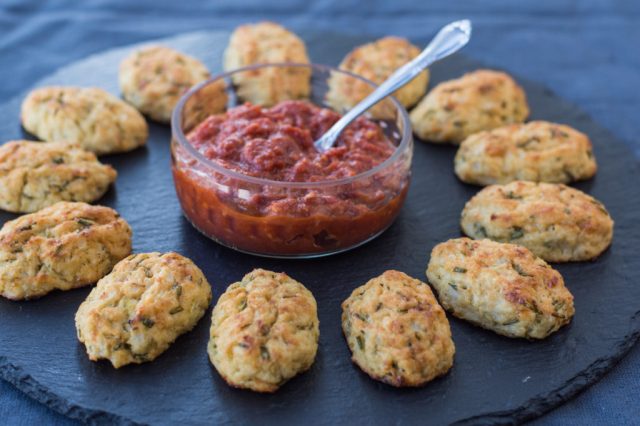
We had some of those in Maldonado the other day. Cauliflower croquettes with a spicy chilli-tomato salsa. Served as a bar snack – appetizer ! Wasn’t bad at all, good flavor.
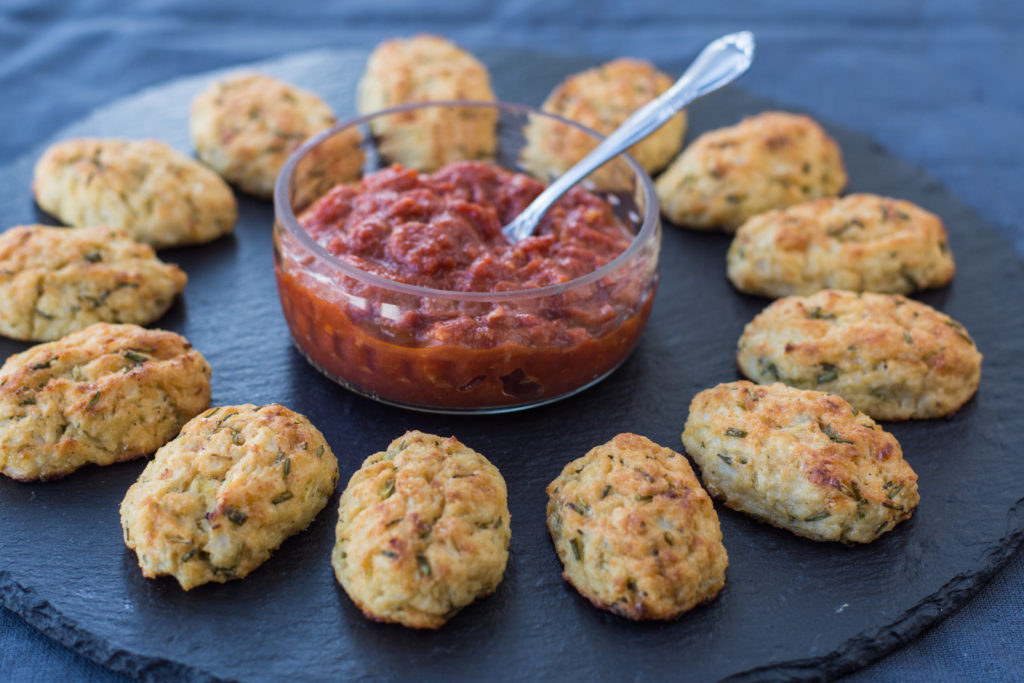
Make them yourself – they are the best.
There is nothing better as to make croquettes by yourself. Ingredients and taste will be your choice and therefore unique. But – you should know a few secrets. here are they from my very best Dutch wife Anna with all her tips and tricks. Just translated her dutch recipe into English, without my usual „recipe set up“.
I can understand it – it’s so easy and convenient to tear open a bag of ready-to-cook croquettes, spread them on a baking sheet and put them in the oven or cook them crispy in the fryer quickly. But seriously: you can make this side dish even perfect by yourself.
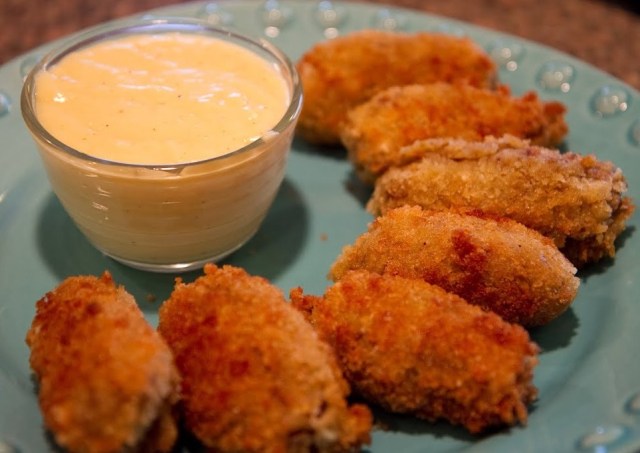 Self made are the best. They don’t look as even as the ones out of a supermarket, but the taste recompense for everything and then – a spicy remoulade aside. YUMMY !
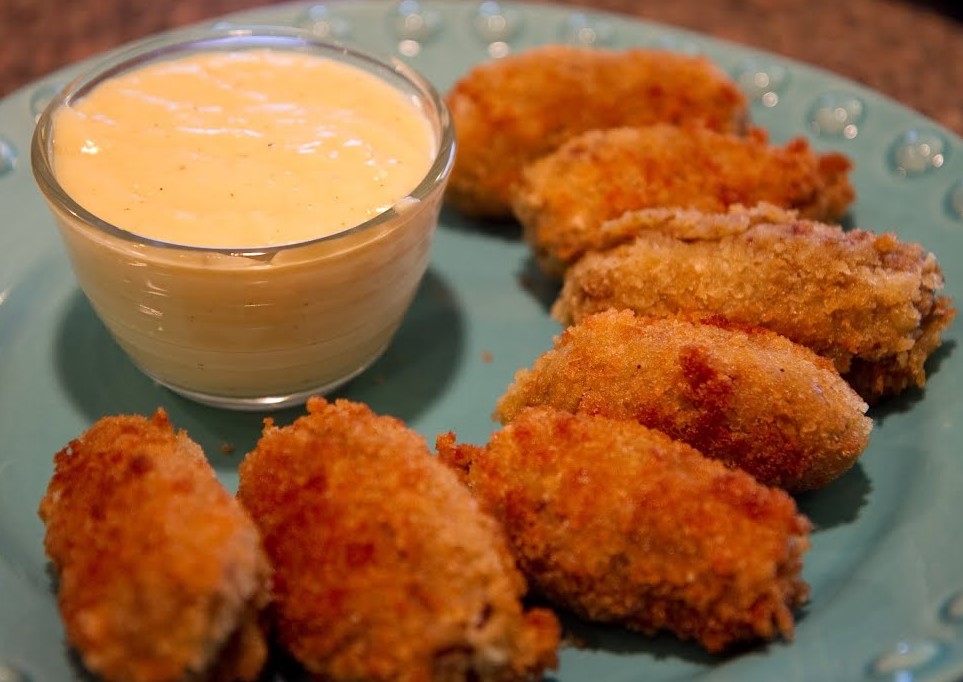
In the beginning I also thought of croquettes: „Why should you do it yourself? The taste but also bought quite good. „But even the first attempt with homemade croquettes has taught me a better. And I assure you, the potato dough is not at all elaborate in its preparation, you clearly taste the freshly processed potatoes and you are at least as fast finished, as if you still have to hurry to the supermarket to get the frozen version. So, are you ready to go?
Creating the basis – the dough for your croquettes.
Croquettes are available in many varieties and shapes. They are known as rolls, balls or similar as a cherry on top as princess or duchess potatoes. However, the basic mass does not always consist of potatoes. The Dutch Bitterballen or Spanish Albóndigas, for example, are made from meat. In other kitchens you can also find croquettes made of vegetables, couscous or fish. You see, the base from which croquettes can be made is variable. But to prepare the classic rolls, you first need potatoes.
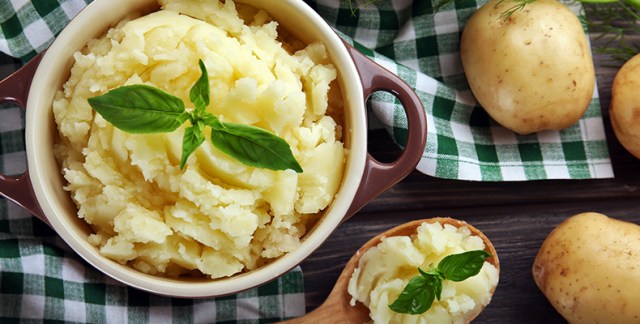 Bintje (in Europe) are best for puree, they are also very good for krokettes. In Uruguay we take what we get. Unbelieveable in Uruguay – the neighboring country’s, Peru by example, offer up to 3000 (you read right THREETHOUSAND) varieties of potatoes, in Uruguay we are happy to get 3 or 4 on our markets !!???
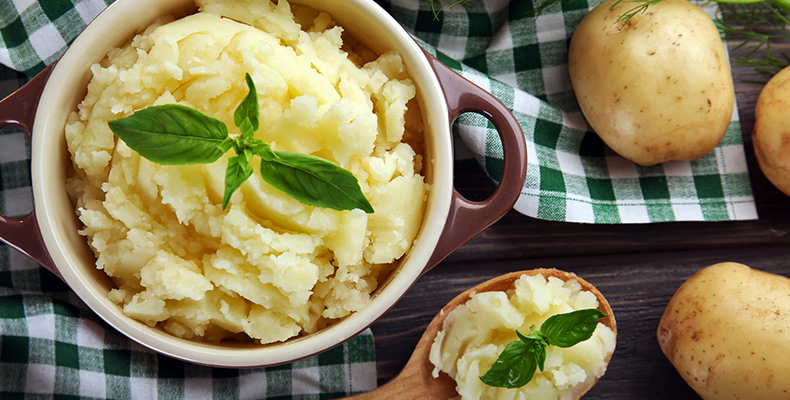
In the beginning is the potato – which variety do I need ?
In Europe you’ll find Adretta, Bintje, Meldoy, Melina – choose one, the main thing is that it is floury, because then the croquettes will taste nicely after potatoes and have a fluffy texture. In addition, they make the dough supple, but strong enough to be able to shape it well. If it is too soggy and too soft, it can not be processed into even rolls and breaded. When baking in hot oil or in the oven cracks will form and the crust bursts. Not a pretty sight, but luckily you can prevent it already during the preparation of the potato dough.
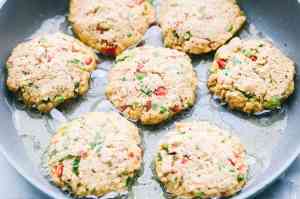
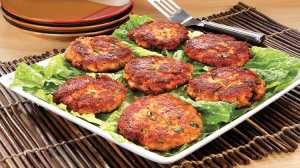 A variety: Try to make some Salmon-Croquettes, they are great as a starter/snack and delicious.
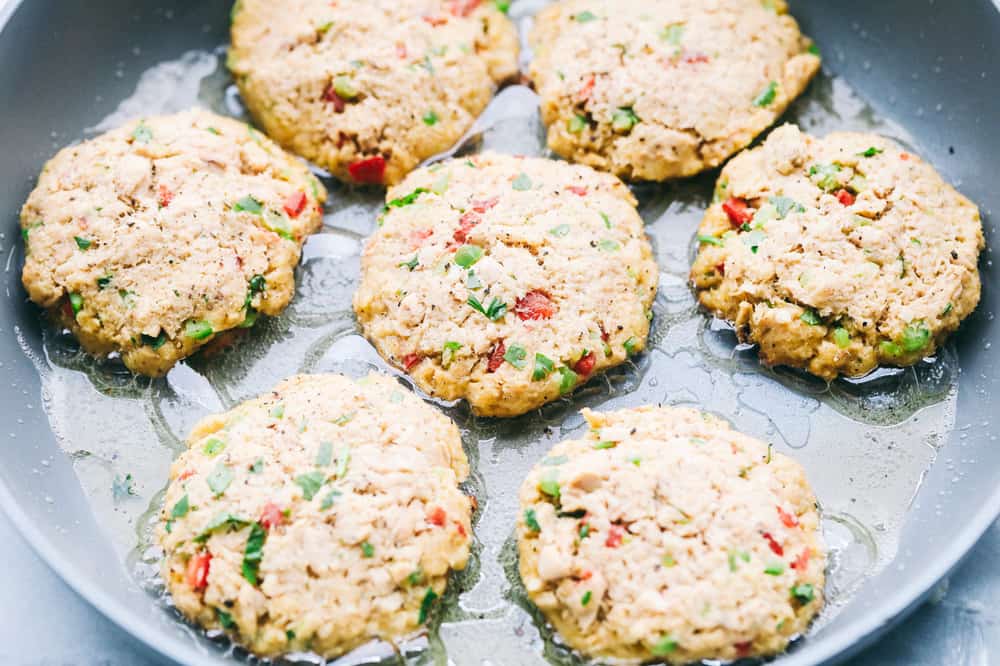
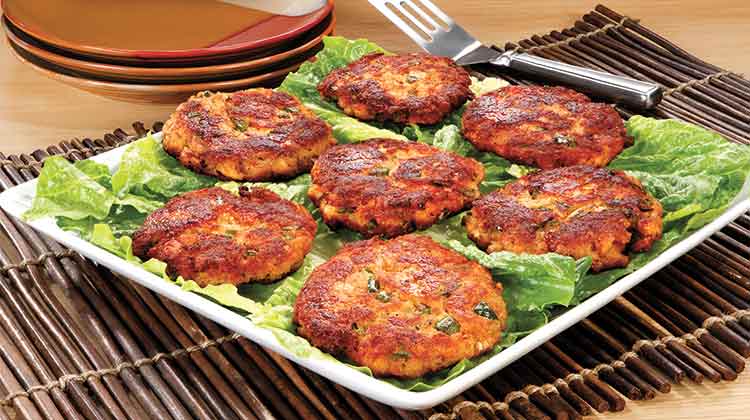
Important – the preparation of the potato mass.
It is important that the boiled potatoes evaporate properly and are completely dry before you use the potato masher or a press, because this gives the dough the ideal consistency. For this you can leave the tubers poured out in the pot on the still hot stove for a few minutes, until no more steam rises. If you want to prepare larger quantities of croquettes and need more dough, you can also let the potatoes dry out in a lightly heated oven. We always like to cool and dry the mass at least over night.
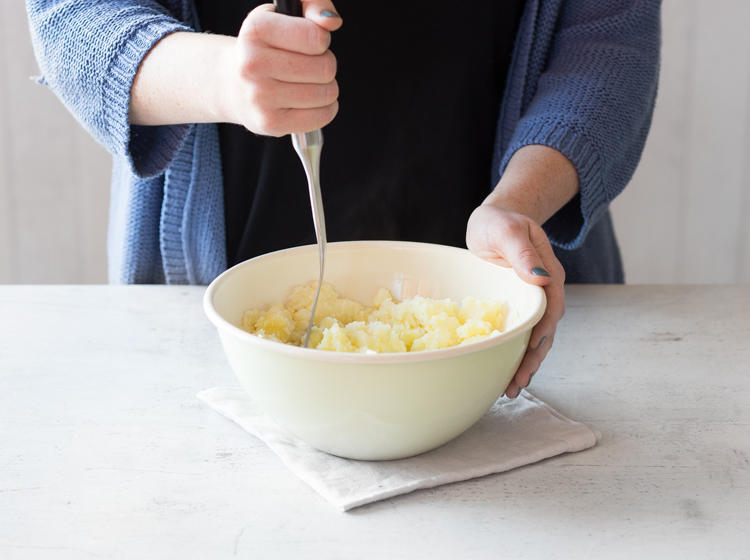
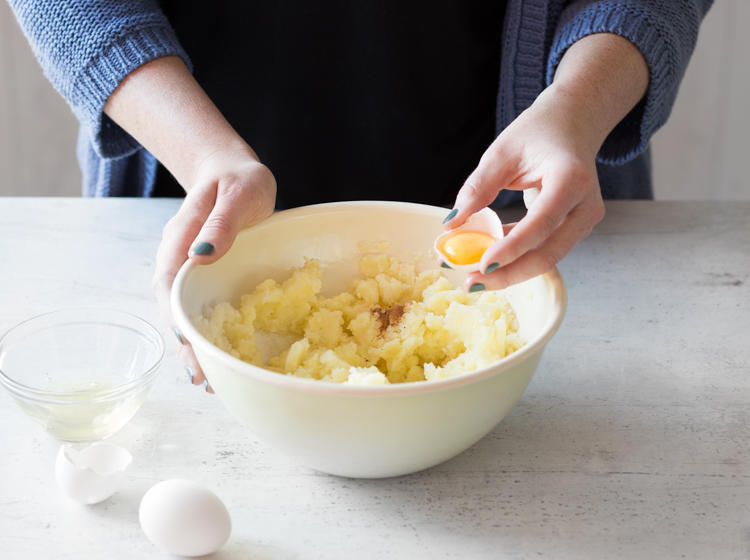
Mash the potatoes.
It is ideal, of course, if you have a potato press at hand. This allows the potatoes to be crushed and mixed with egg yolk, nutmeg and salt to a uniform croquette mass, which is free of bits.
With a simple potato masher, of course, you can do that too, because then you just have to crush it a bit more carefully and stomp it longer, until all bits are gone.
If your dough is too soft, you can also put it in the fridge for 20 minutes. So the mass becomes a little firmer again. And then you can start to form your croquettes.
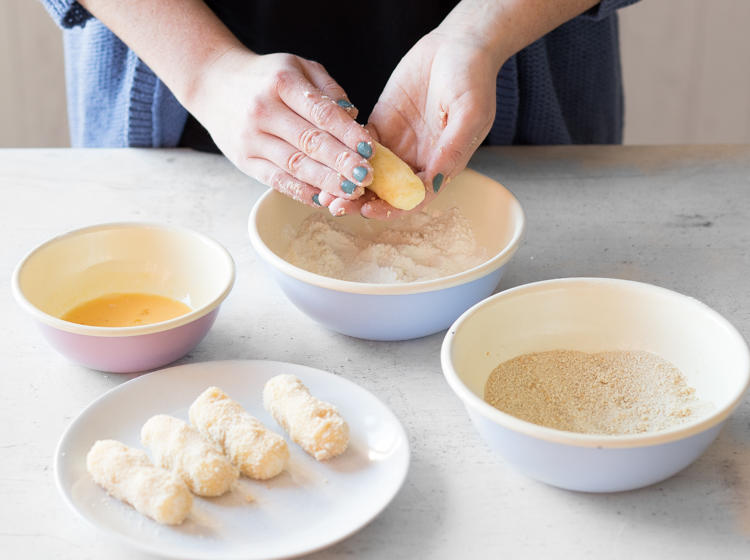
Forming your croquettes.
For this you always take a small amount of potato dough and roll it between both hands in croquette form. If this is too laborious for larger quantities, I have one more tip for you:
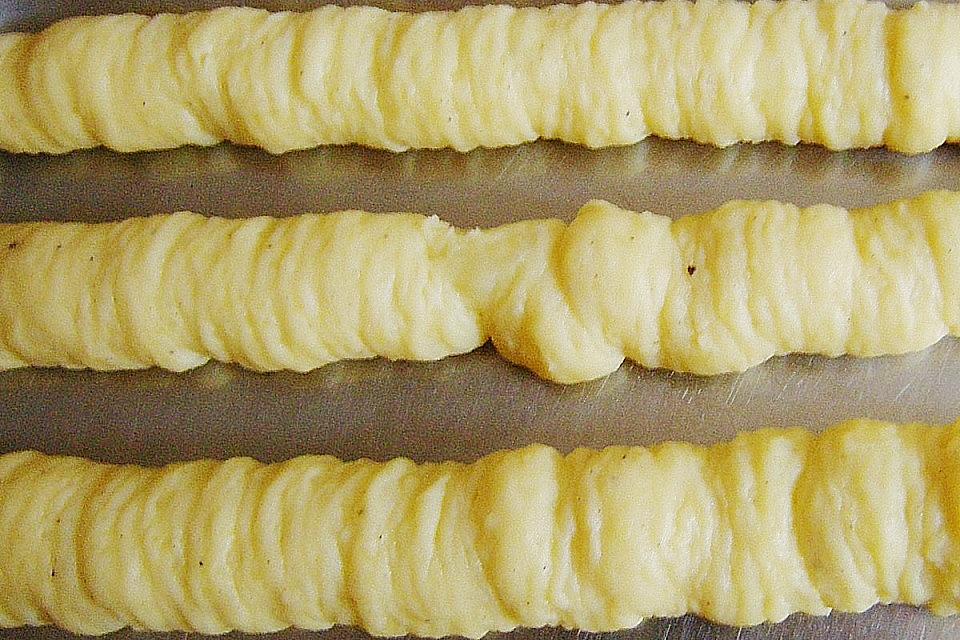
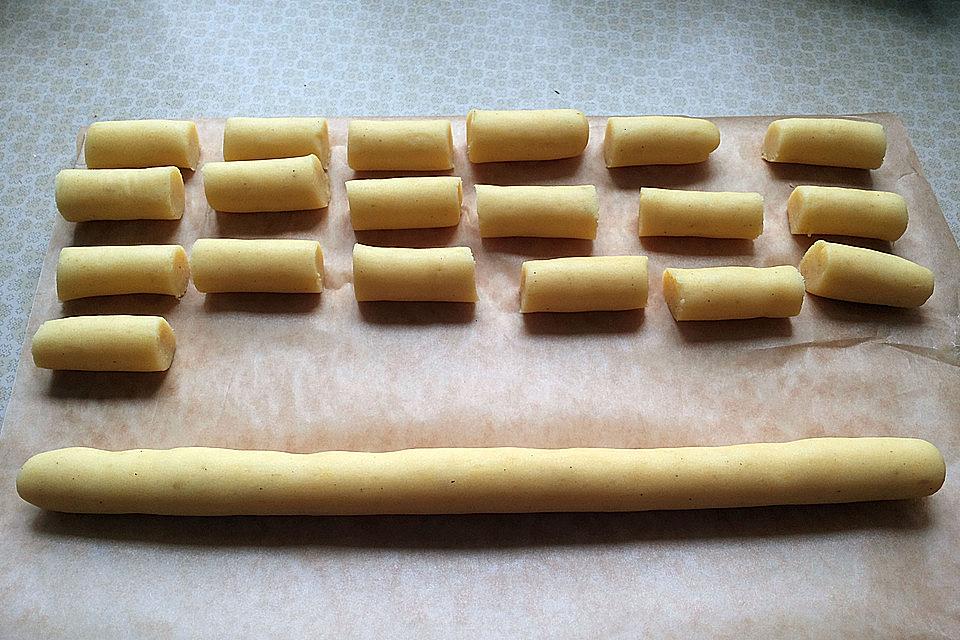
Simply pour the dough into a piping bag and draw a longer line with the potato mass on some baking paper. With a knife, you can then simply cut them into equal pieces and have them immediately ready in croquette form. Practical, or what?
So that’s just as easy with the breadcrumbs, I’ve got a little trick in store for it too.
Bread the croquettes.
The deep-fried or baked potato rolls just become so uniformly brown and crunchy if they are carefully breaded beforehand. If the coat of egg and breadcrumbs does not close evenly around the croquettes, it can happen that they crack and burst during baking in fat or in the oven.
To prevent this from happening, first of all you dunk the croquettes into a bowl of whisked eggs and then roll them in the breadcrumbs so that they are completely covered and no more chips are visible from the potato mass. If necessary you can do this twice.
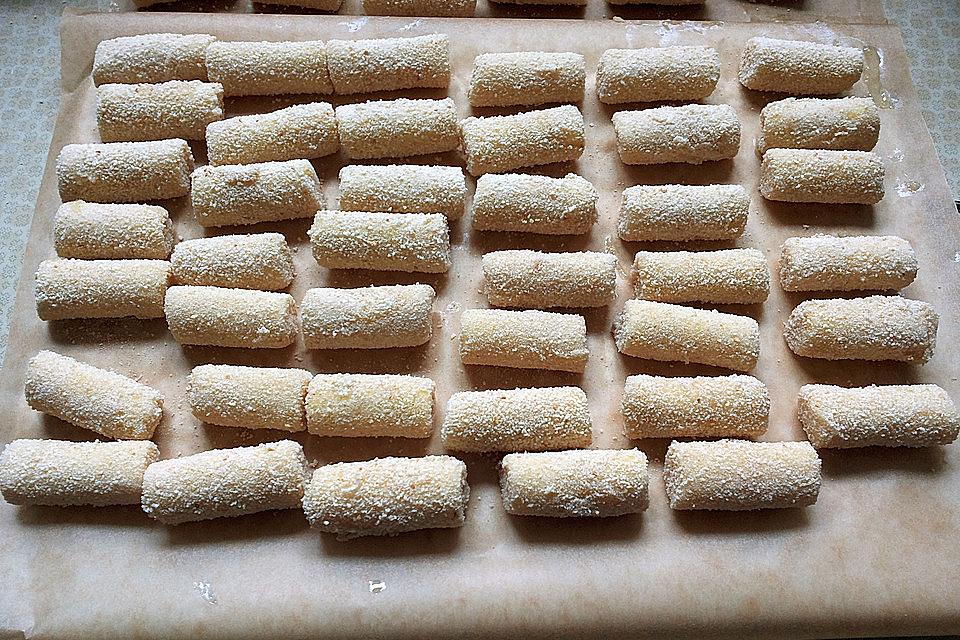
But to make handling the soft wheels easier, this trick is helpful: Before frying, place the croquettes in the freezer for 15 minutes and let them freeze for a short time. So you can simply bread them after that, without losing their shape or breaking it.
If you prepare a larger amount of croquettes right away, you can freeze a portion (before frying) of it afterwards and have directly homemade, fresh croquettes in the house. One more tip, we like breading croquettes with Panko and also mixed spices or finely chopped herbs into the breadcrumb bowl.
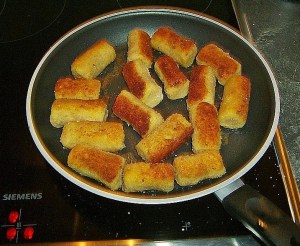
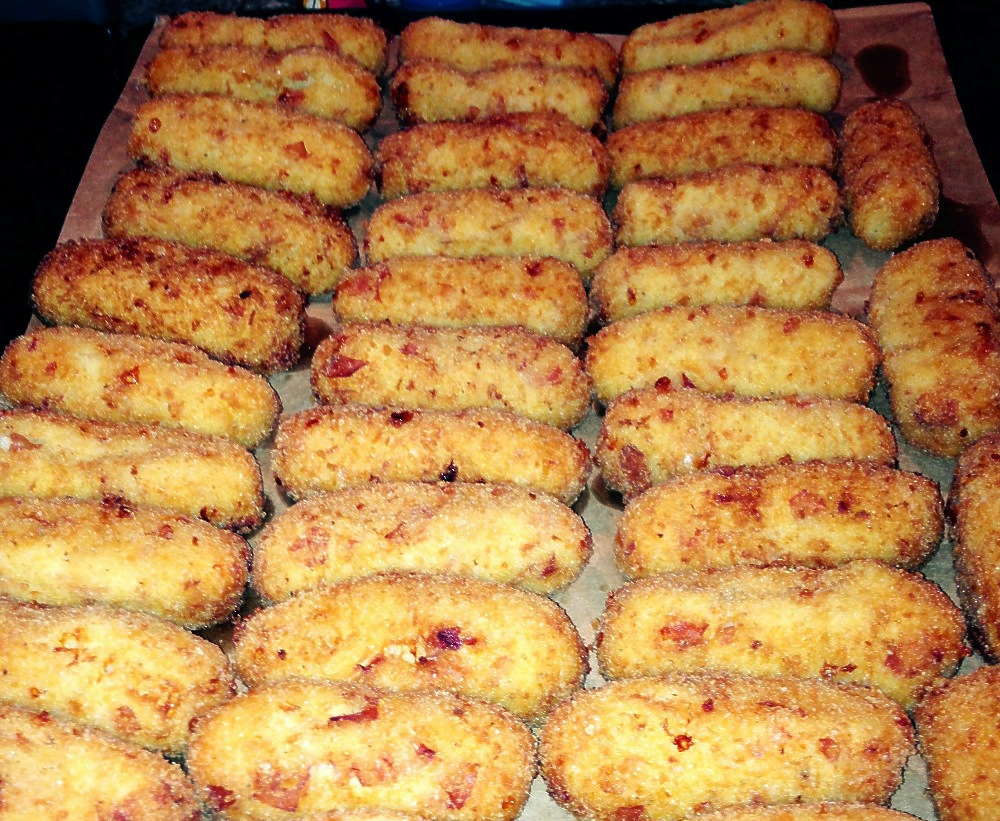
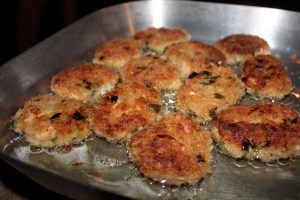 Left pan-fried potato croquettes and right oven baked tuna croquettes.
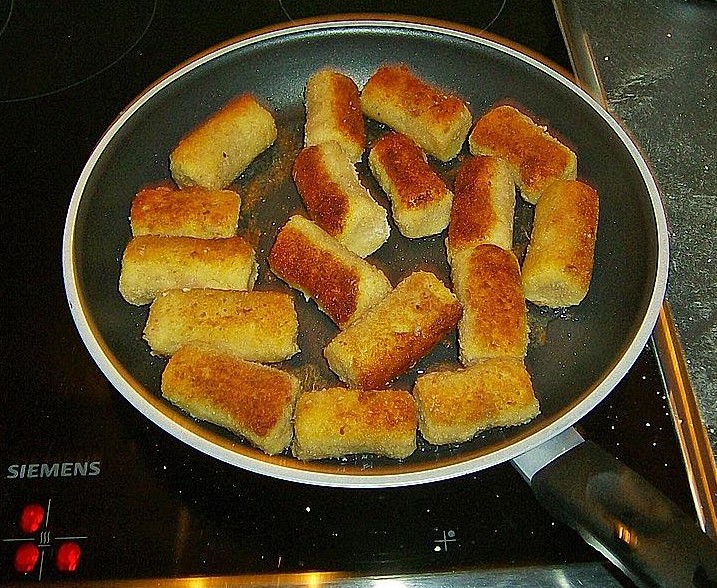
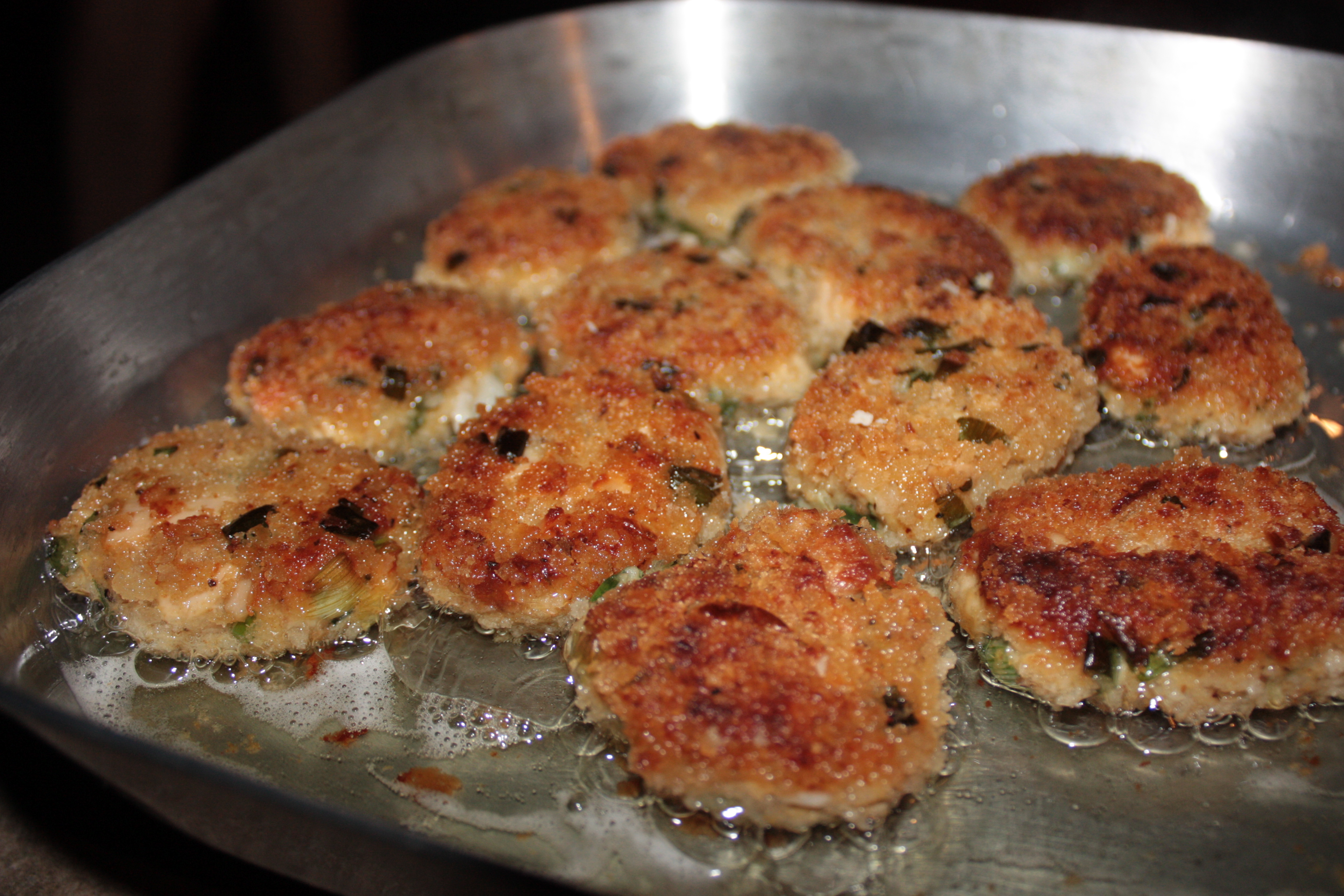
Fry the croquettes, bake or roast them.
For the preparation in the pan best is to use a coated pan, so that the breading does not stick to the ground. Simply heat 3-5 tablespoons of oil (depends on size of the pan) and fry the croquettes, over medium heat, all around til they are golden brown. You have to turn them over a few times to get them browned all around.
If you want to bake them in the oven, place your potato rolls on a baking tray with baking paper and let them brown for about 20 minutes at 200 C (400 F). Or until they please you from their color. Turn them over once or twice during baking.
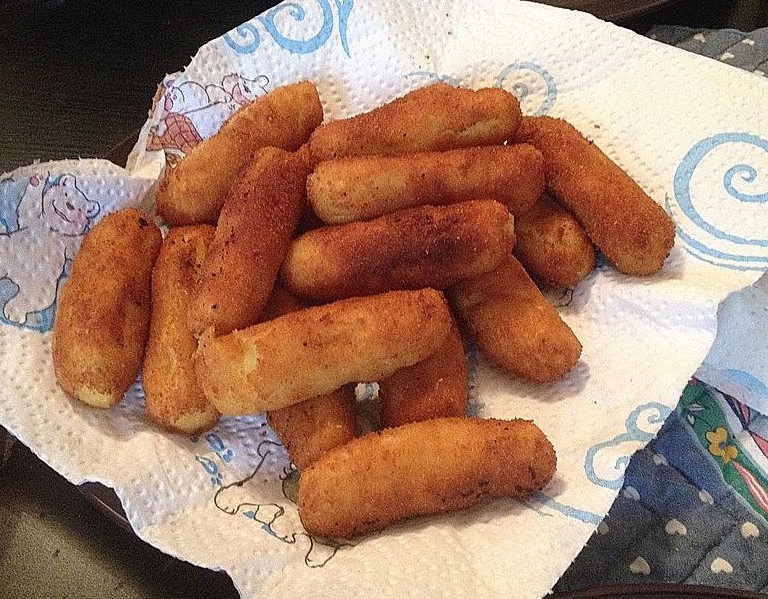
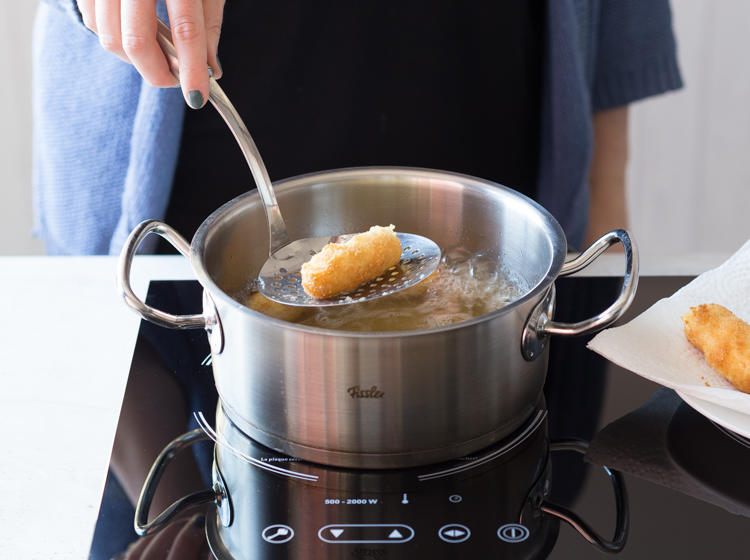
Frying has the advantage that the croquettes are finished in just 4 minutes and tan evenly without you having to turn them in between. For this you heat about 2 liters of oil in a pot to 180 C ( 360 F), or whatever a fryer suggest you to do. If you do not have a kitchen thermometer on hand, you can also do the wooden stick test. The right temperature is reached as soon as small bubbles rise around the stick. It is important that you use an oil that has a high smoke point, such as peanut oil or sunflower oil etc.
And then start frying in batches. Always put a few croquettes in the hot fat, but not too many. So the temperature of the oil stays constant and the croquettes have enough space for tanning. If they are brown and crunchy enough for you, you can lift them out of the pot with a slotted spoon and drain on some kitchen paper.
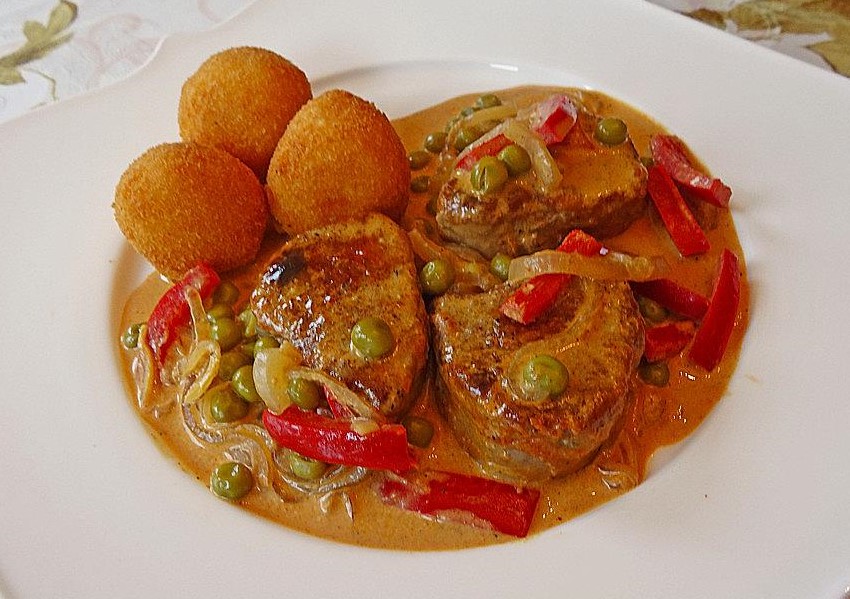
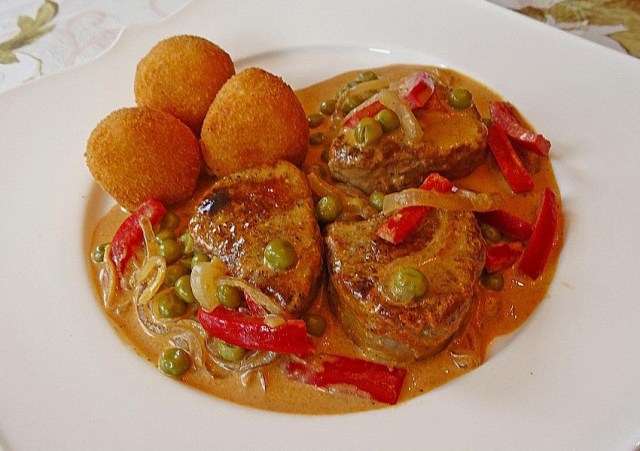 A Spanish feast, Croquettes as a side dish with Filet Mignon in a creamy Mustard/Cognac/Vegetable sauce.
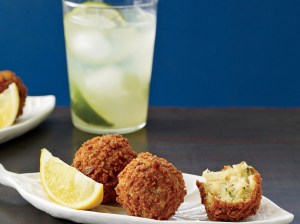
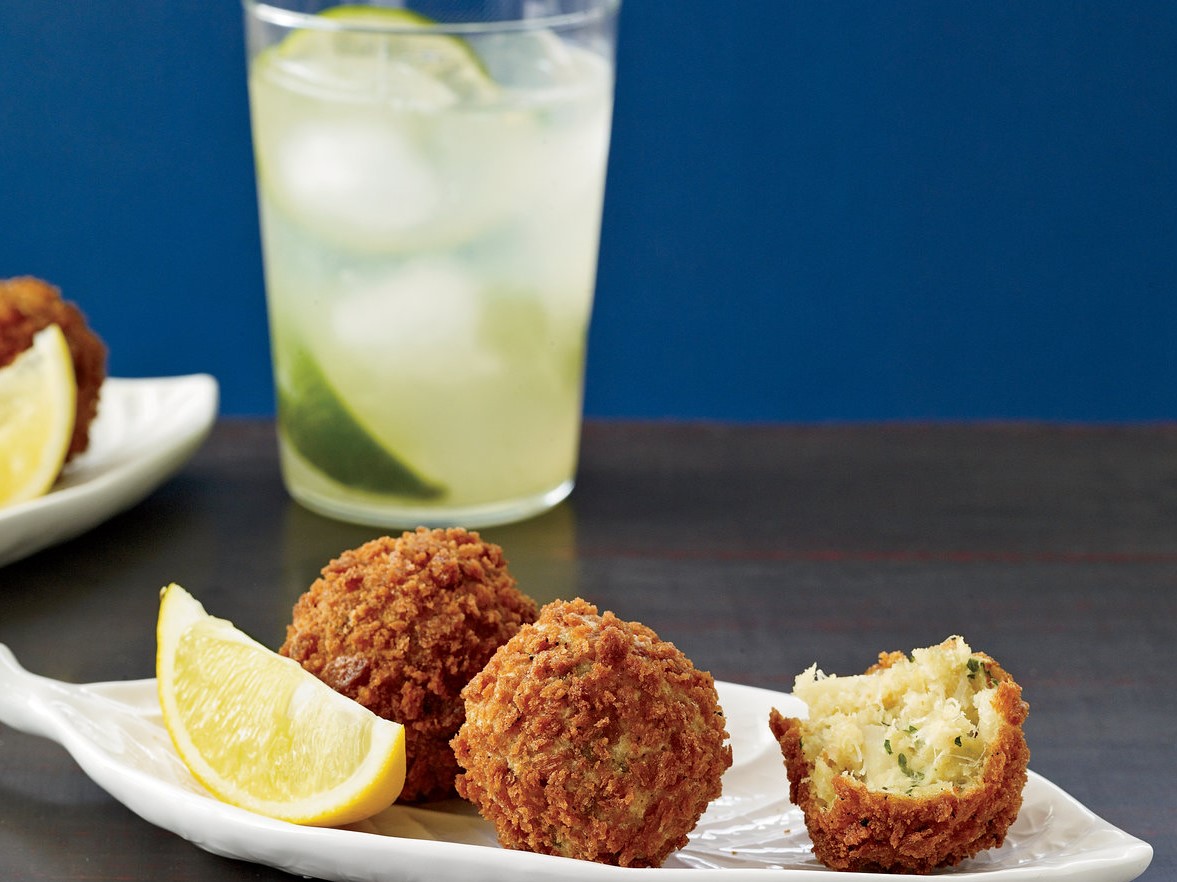
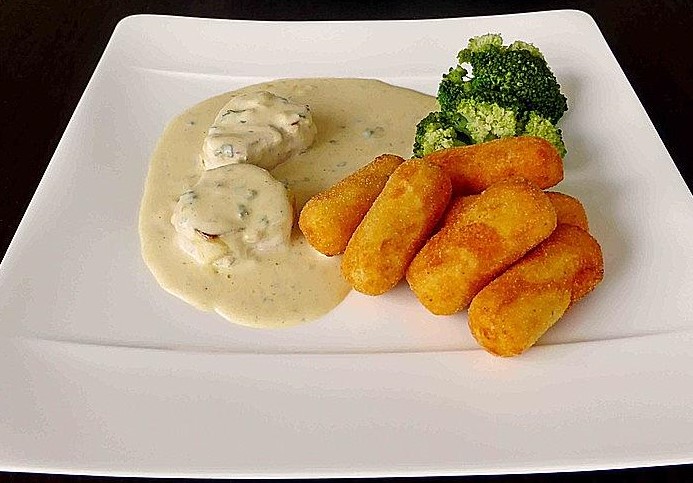
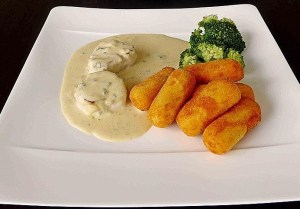 The light variation: Left cod-croquettes fried in panko crumbs with a mojito aside as a bar snack and right as side dish with beef fillets in creamy-cheese and caper sauce.
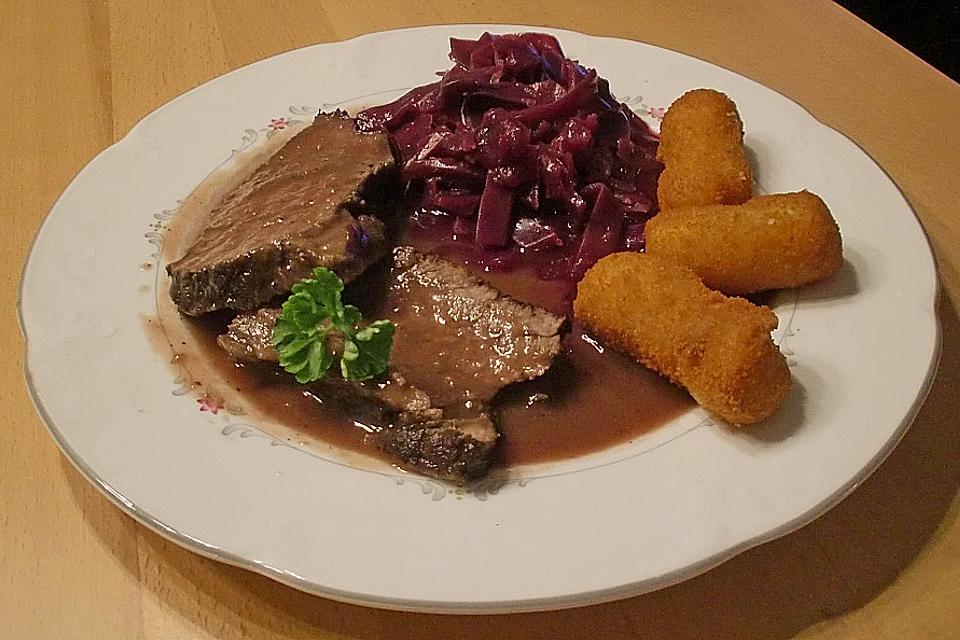
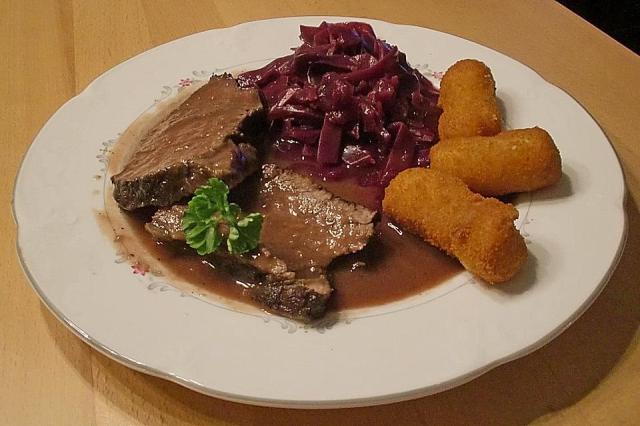 Very German, Kroketten with „Rheinischem Sauerbraten“ and Red Cabbage.
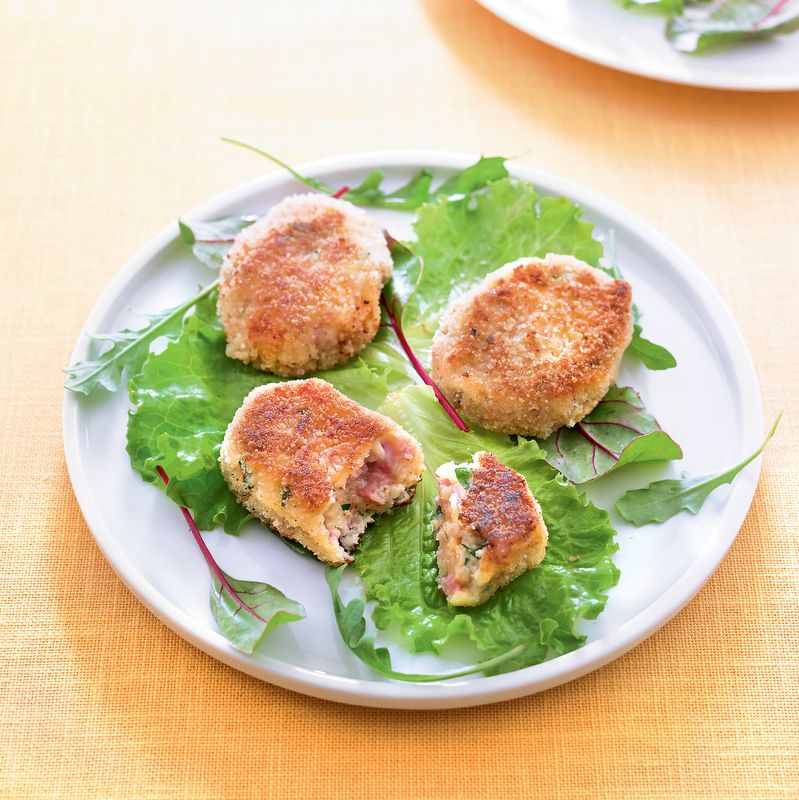
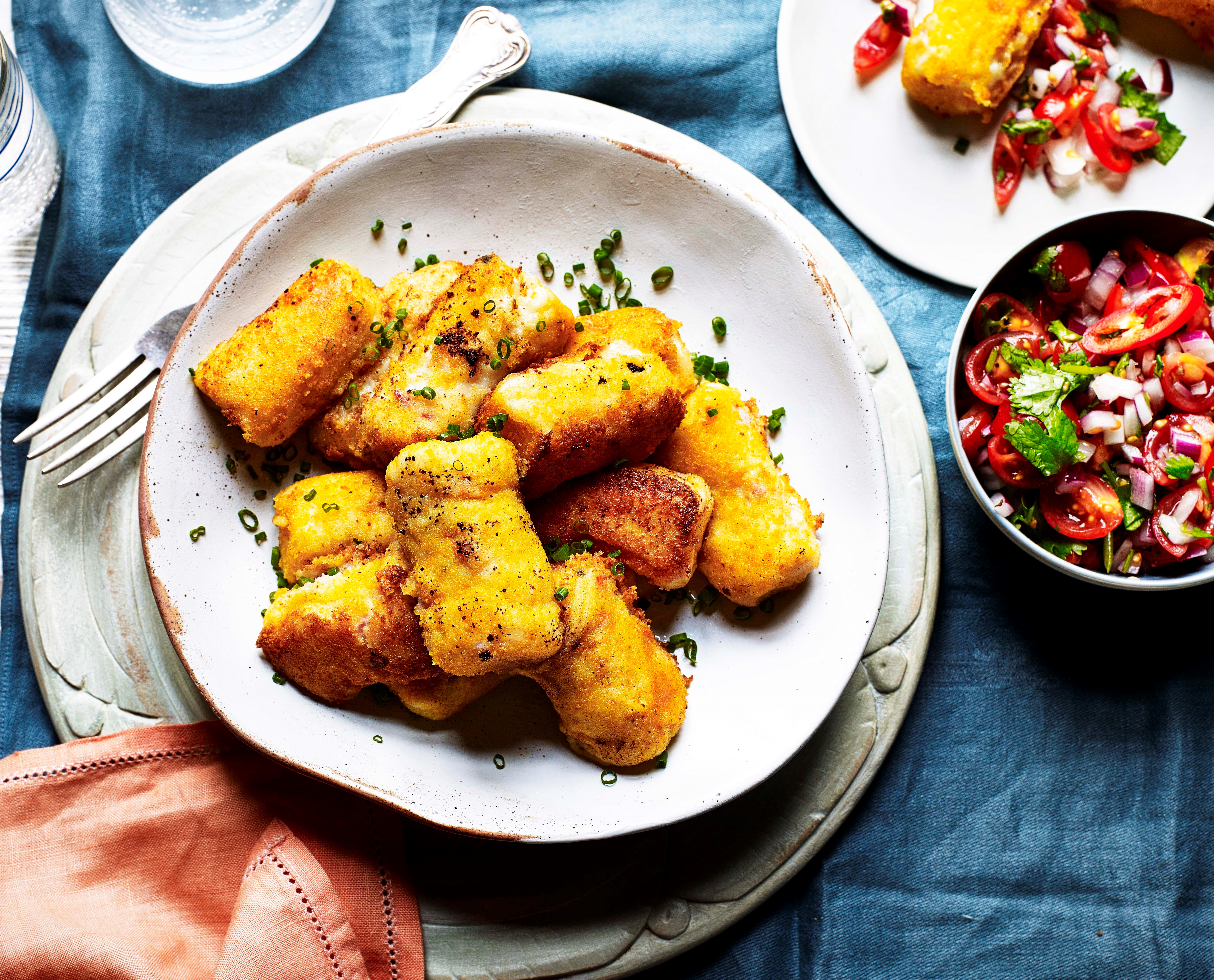
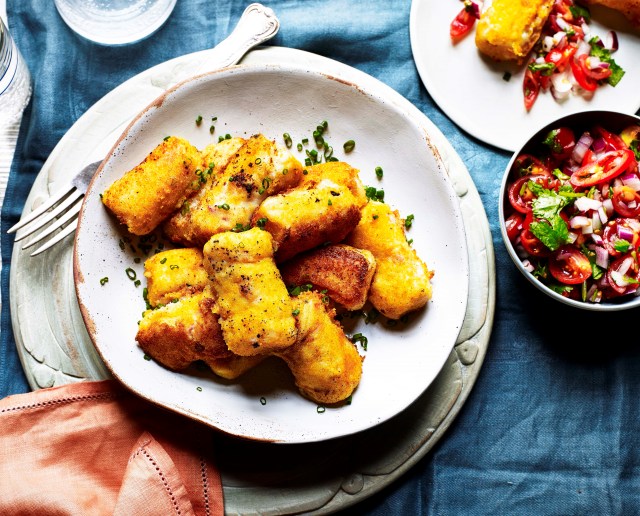 Or very French, a Ham-Cheese-Kroket main meal with a delicious fresh tomato-paprika salad aside.
What a big article about such a little thing like a krokette, isn’t it ? Do you really need more ideas for your next 炸肉餅 meal ? Enjoy your life !!

