
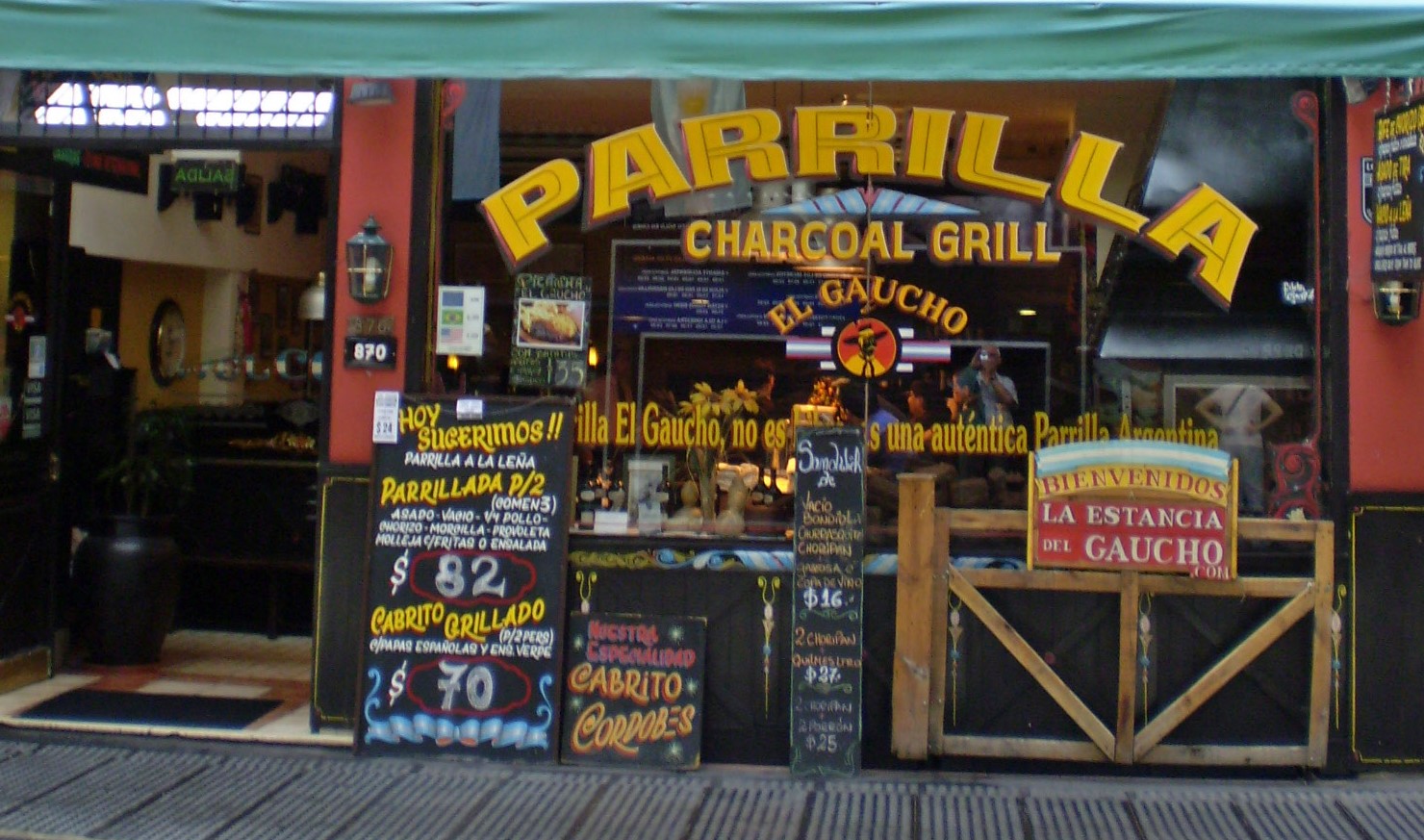
In addition to my earlier post about the „Uruguayan Beef Problem“ I like to give you some information about our neighbor country Argentina, because both have a similar beef and national dish culture. And – they are in Beef-Trouble as well as Uruguay is.
When in Argentina the barbecue stays cold.
Every country has its own national dish and in Argentina as well as in Uruguay it is the Asado. Behind the name is beef from the grill. However, the Argentinian does not understand the small pieces of beef, as they are prepared on a tripod grill on the balcony in Germany. Even with the social significance of the Argentine Asado is very clear from German barbecue habits.
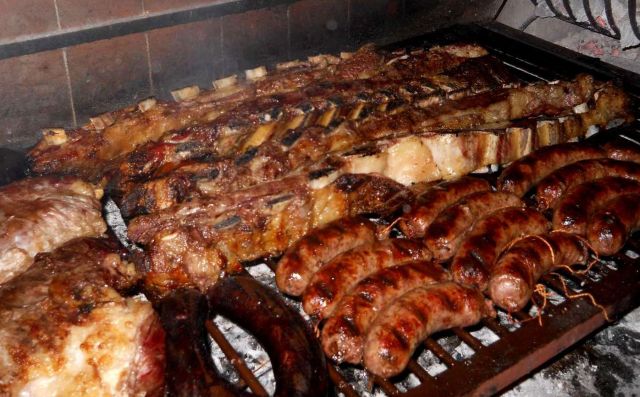 The national dish of Argentina is Asado (a variety of barbecued meat) grilled on a parillo (a large grill) that is packed with steaks; ribs; chorizo; mollejas (sweetbread), chinchulines (chitterlings) and morcilla (blood sausage).
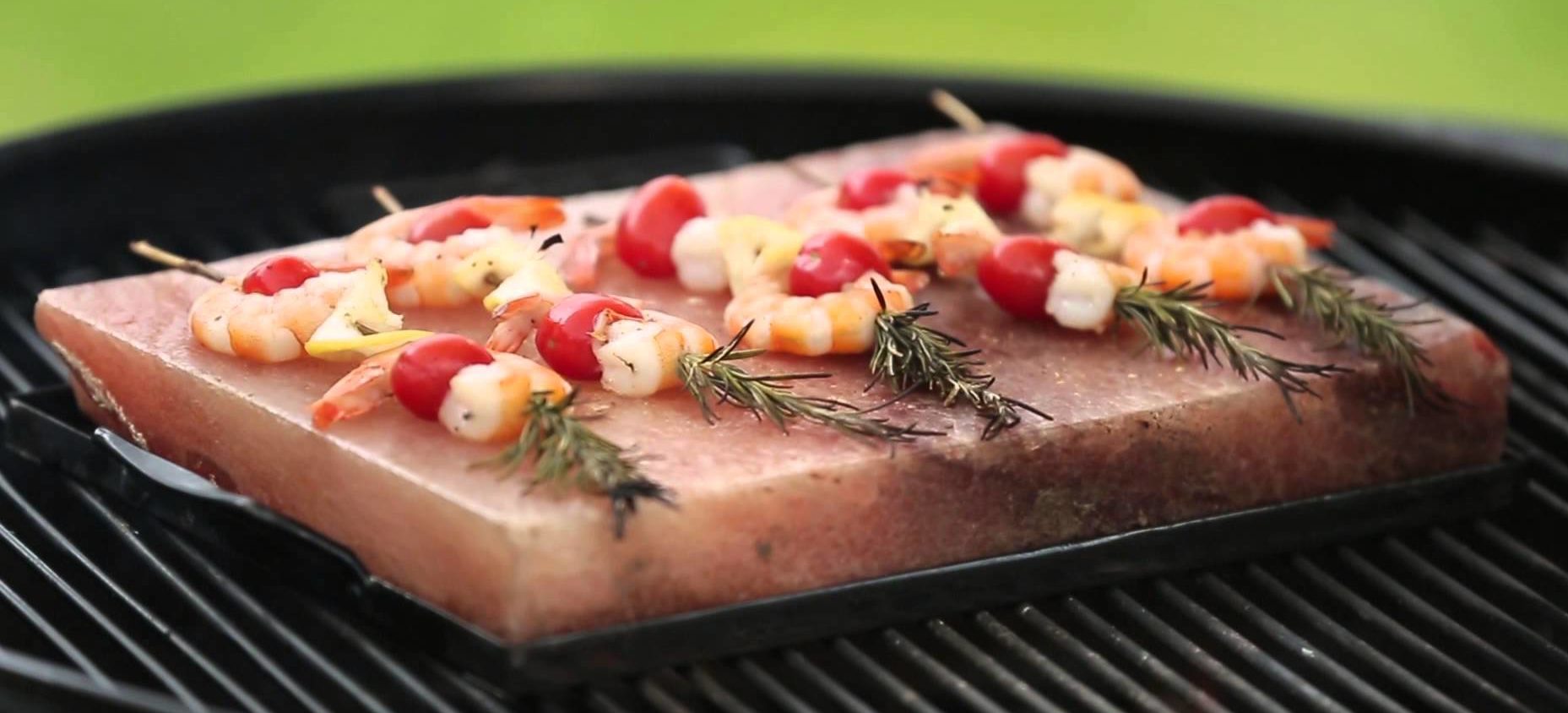
An interesting and in other country’s also little known alternative is a barbecue on a salt plate. A salt plate is placed on the still cold grill and then heated over the charcoal. According to BBQ-specialists the meat does not salt. If you want to try it, you should use salt plates made from Himalayan salt stones, which are considered to be particularly mineral-rich and healthy.
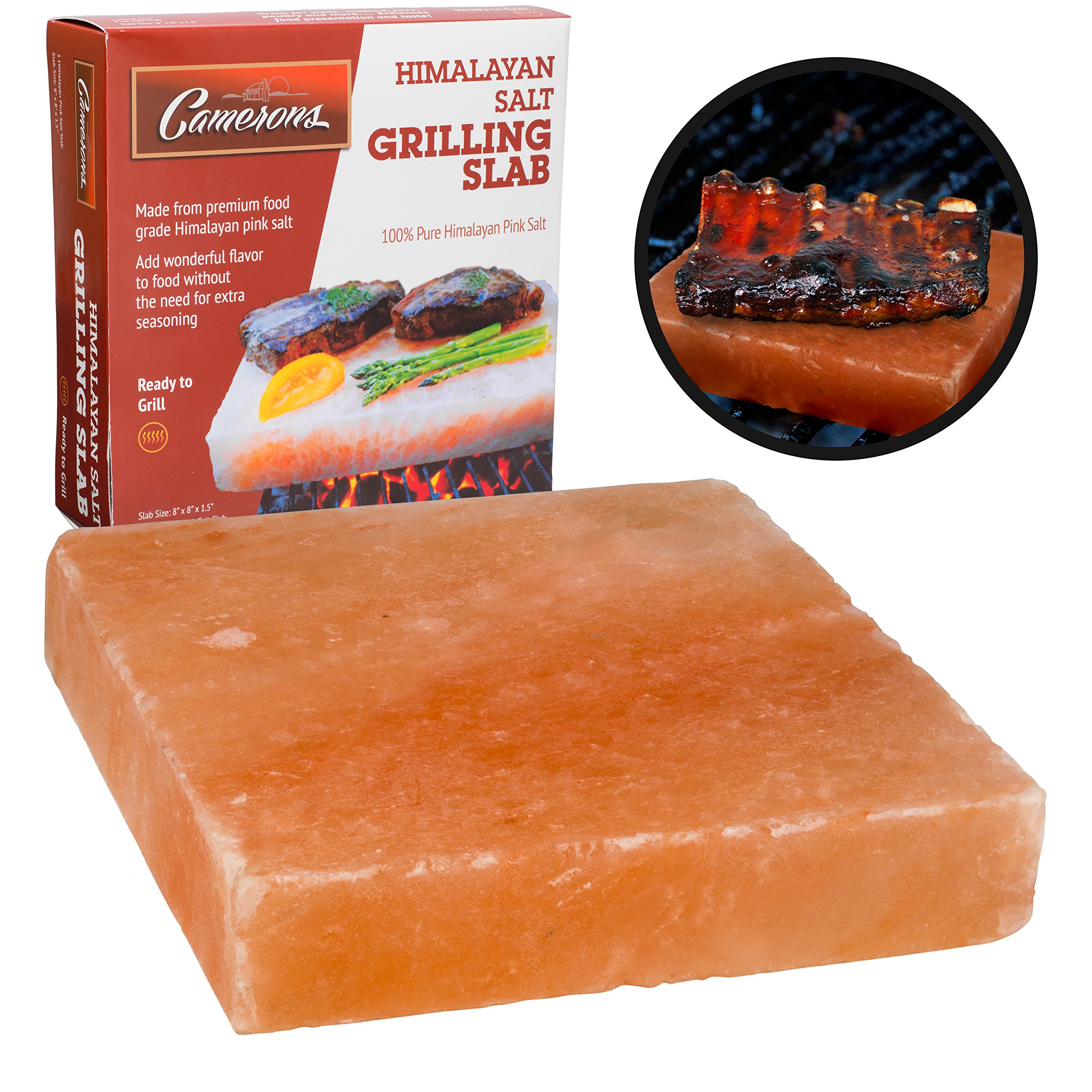
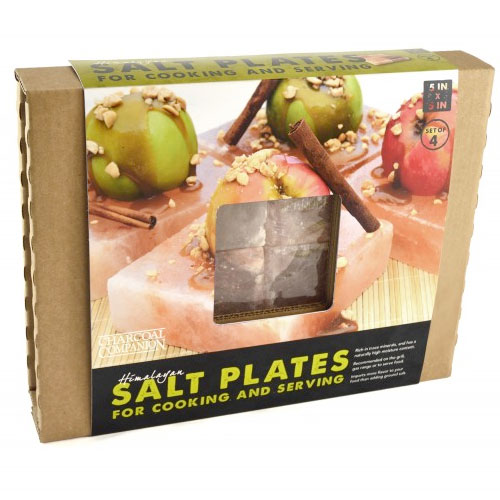
This all natural, FDA approved slab of Himalyan salt is the perfect way to season your food while you cook. Preheat on your grill and cook your food right on top for moist, flavorful results. You can also chill the block to use as a serving dish for cold appetizers. When you are done, simply allow the block to cool, wipe with a moist cloth or scrape any areas with glazed on food clean, dry, and store in a cool, dry place. Color may change during use- this is normal. Imported from Pakistan. Slab measures 8″ x 8″ x 1.5″ (about 20 x 20 x 3 cm). Price about US$33,- per box on eBay or amazon. Best selling, top selling fathers day gift and present.
The differences between Argentine and German barbecue evenings begin when shopping. The Argentine prefers meat, side dishes such as bread and salad are of secondary importance. Therefore, about 1.5 kilos of meat are calculated for each person. Barbecue in the Argentine pampas also has a high social status, which is why an Argentine barbecue is always well attended.
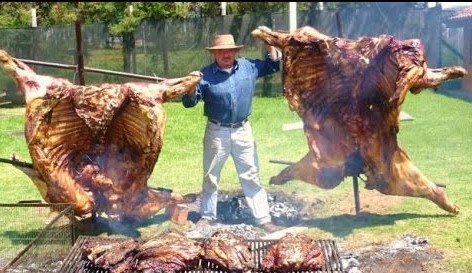 Beef size Argentina.
Formality, however, is less important at the meeting. There is time for that. The event often starts in the morning and continues until late in the afternoon. It is chatted, laughed and joked. The adults make new acquaintances and strengthen existing, children walk around and play. A grill master takes care of the meat on the grill, the construction of which hardly has anything in common with the chic kettle grill in Germany’s gardens.
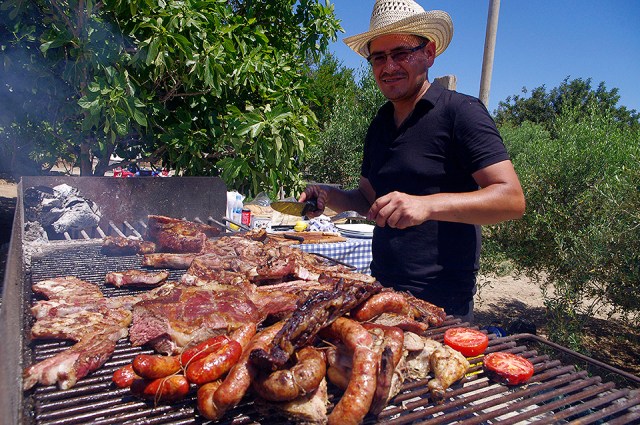 Asado at home in Argentina.
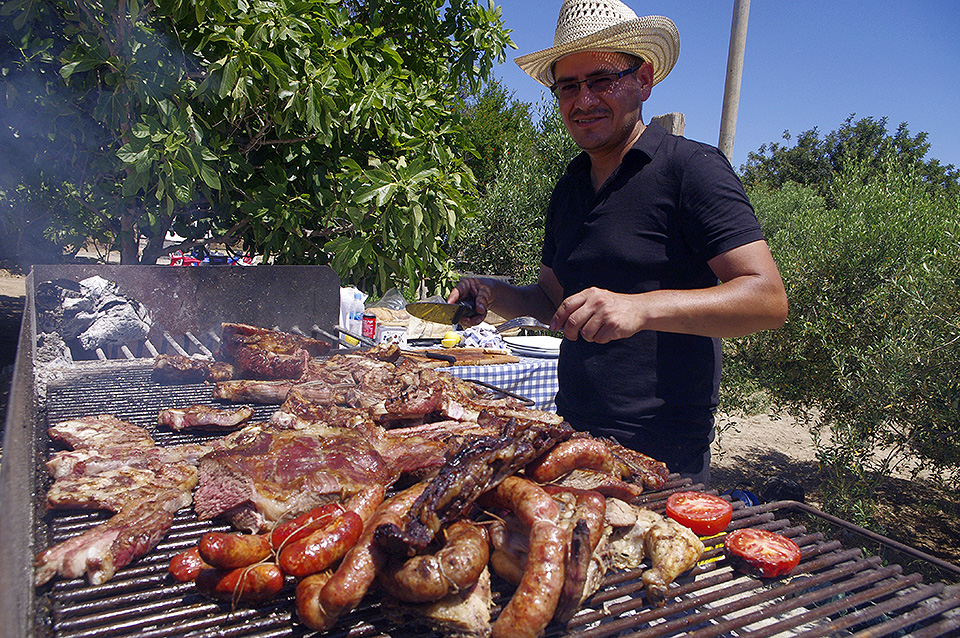
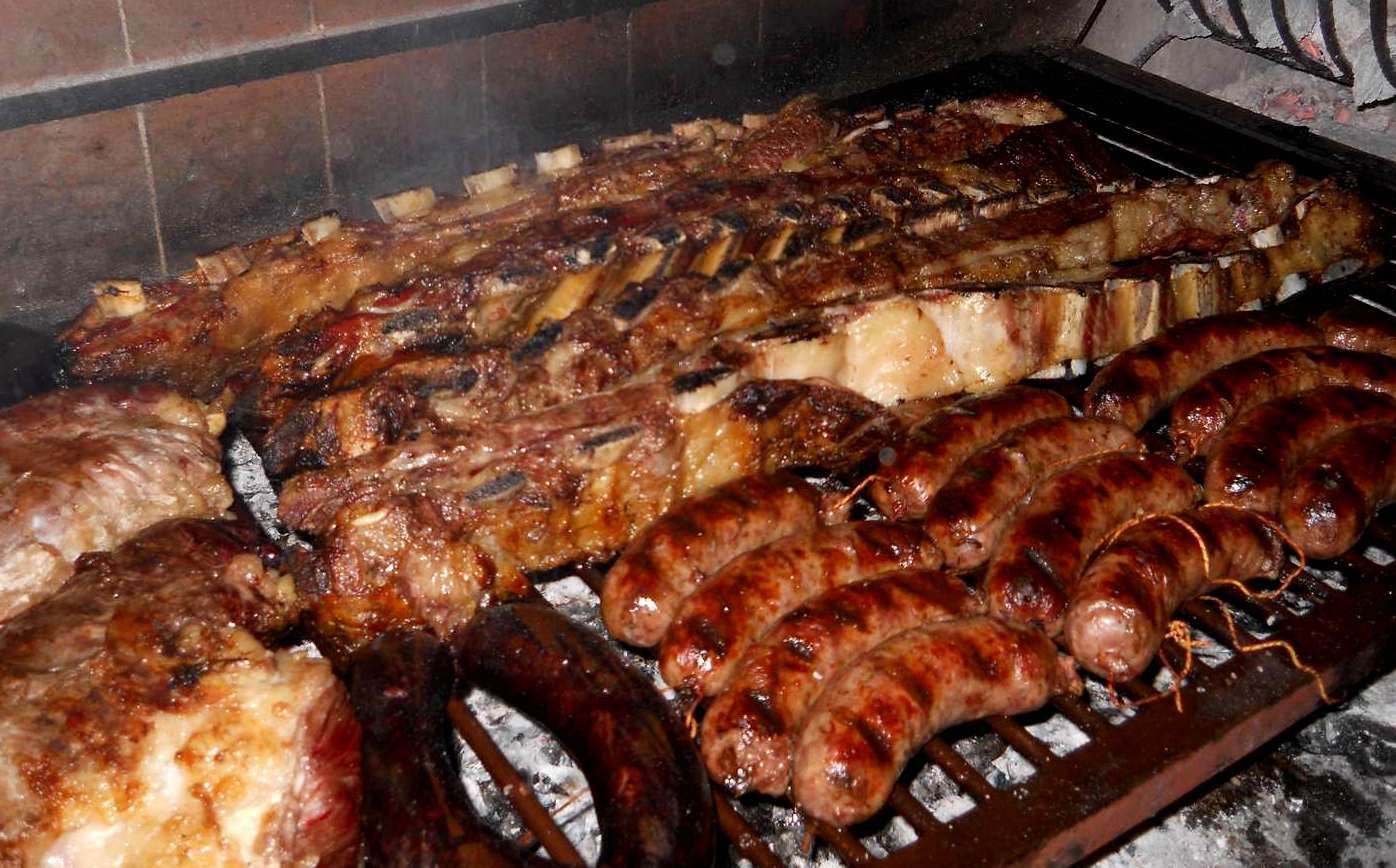
At the sight of an Argentinean barbecue size differences are detected. Some use a masonry grill with a generous grid above their Asado. Others cook their beef skewered on strong wooden sticks stuck in the ground and placed slightly tilted around a fire. This is because the cattle are slaughtered differently in Argentina than in other country’s, where meat is sold in small pieces. In Argentina, beef pieces come on the grill, the size of which is enough for a whole family. See pic down here.
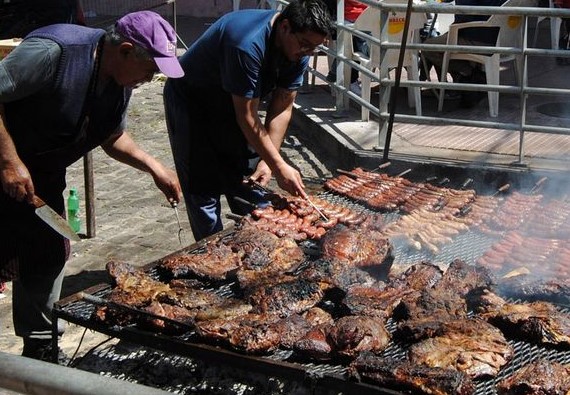
These are the Argentinian meat sizes one could find on parillas.
Although barbecuing has a long tradition in Argentina, and although it is an integral part of Argentina’s culinary and social identity, the Asado is in danger. More and more often the barbecue stays cold, on the fazenda (Portuguese for farm, ranch etc.), in the garden and in the restaurant. Once again, Argentina’s economy is in turmoil, the national currency is in danger and prices are rising. But so far the Argentine’s enjoyed their Asado and the Asado let them forget their problems. But this time symbiosis does not work.
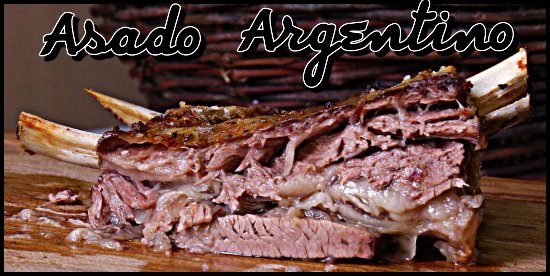 That’s it !
Stock prices and indices are always used as a barometer when the shaky economy of a country comes into focus. But if Argentina’s barbecues stay cold, the need in the South American country must be great. If you order a beef steak in a restaurant in the capital Buenos Aires these days, you have to expect it to be cooked in the pan and not on the traditional grill – even if it violates the country’s kitchen rules. As usual, the problem is homemade, not to blame the Chinese or Japanese please.
The devaluation of the Argentine peso does not have to be presented as a purely negative event. A devalued peso promotes exports, but this is where the problem lies. Argentina was once one of the largest exporters of beef. During the Kirchner years (the same party is just elected again and „big mouth Cristina“ is acting as vice-president), however, was radically changed, or rather rearranged.
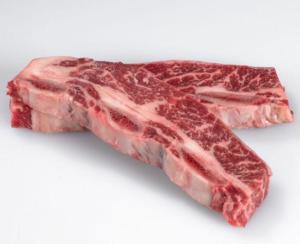
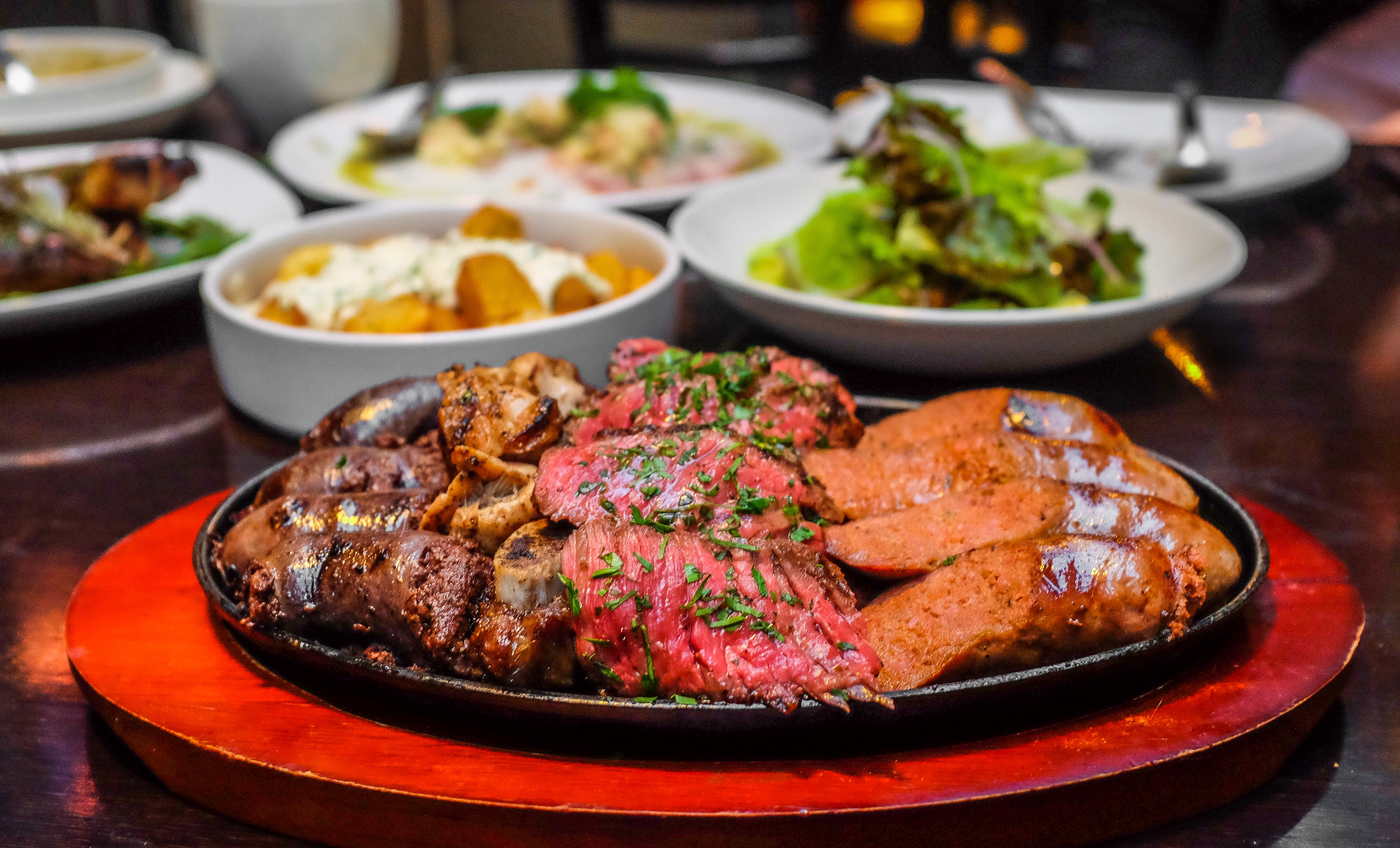
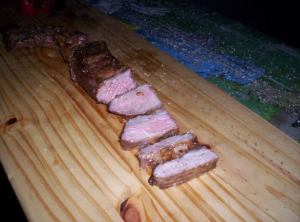 More and more to come in Argentina. Small meat sizes well pan-fried. Not to bad, but no more origin!
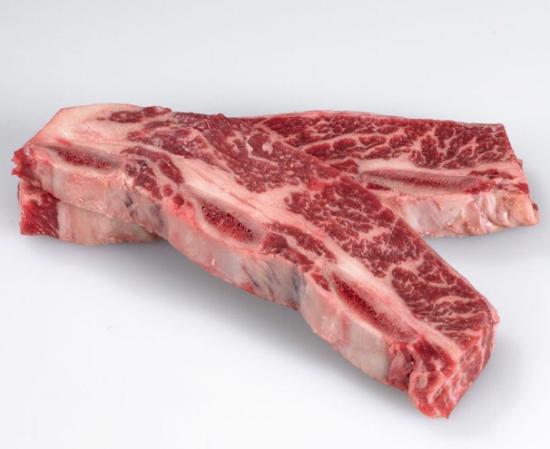
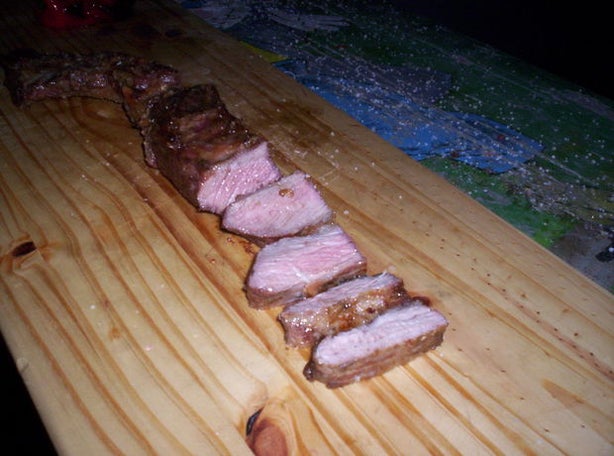
Where once huge herds of cattle grazed, soy fields were created. Cattle production was cut back and Argentina dropped out of the top ten beef exporters. Doesn’t matter to the Kirchner’s, they have wrapped their Millions). An internationally competitive industry could not be established until today. Thus, Argentina remains for the time being what it was always, an exporter of agricultural products, only that lack of affordable beef (for the wider population) the grill always stays cold in this crisis.
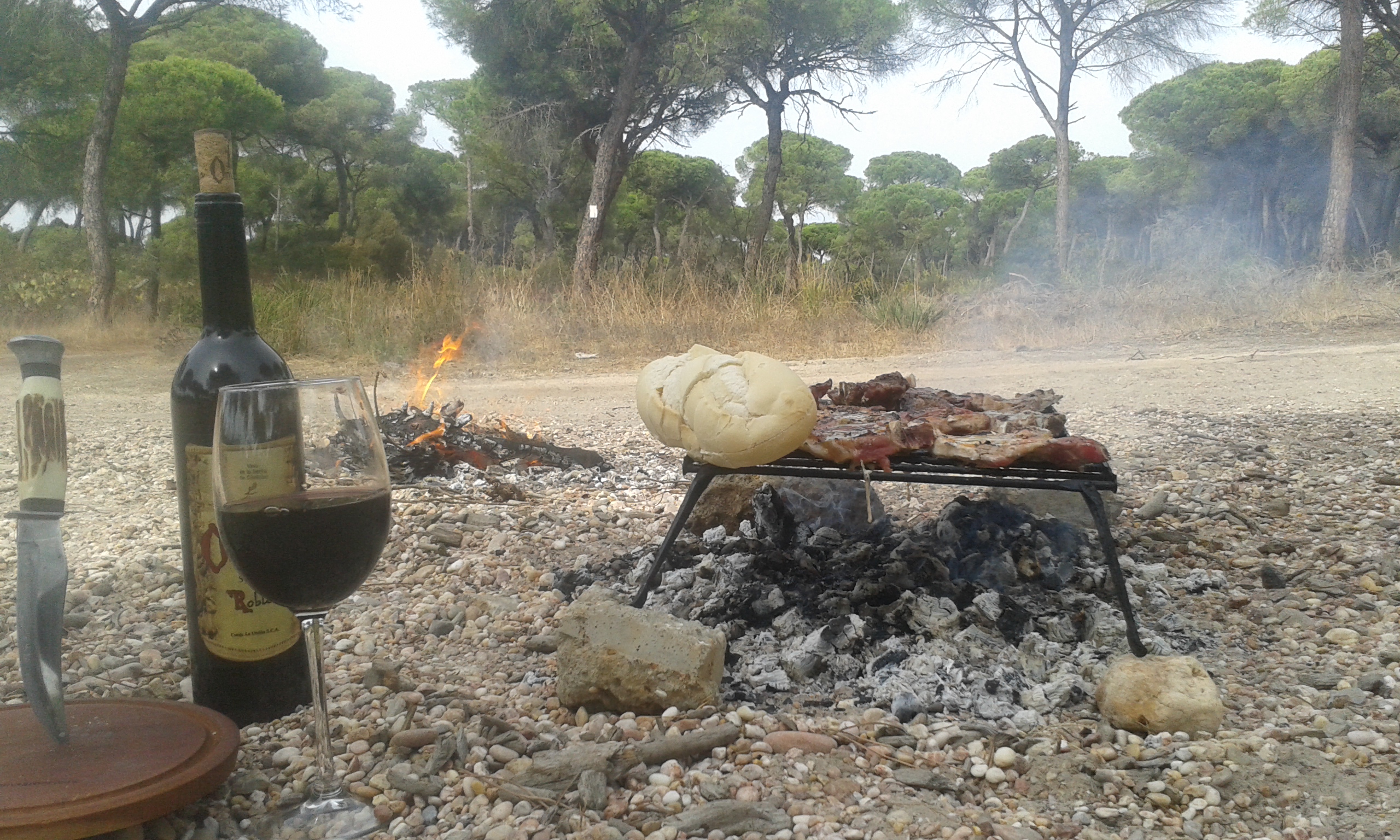
The old style BBQ, even if its small, has much more flavor and is much more stylish (fine Argentine Pampas Style), then the modern pan frying. VIVA ARGENTINA !

