Easy to do – Dressing

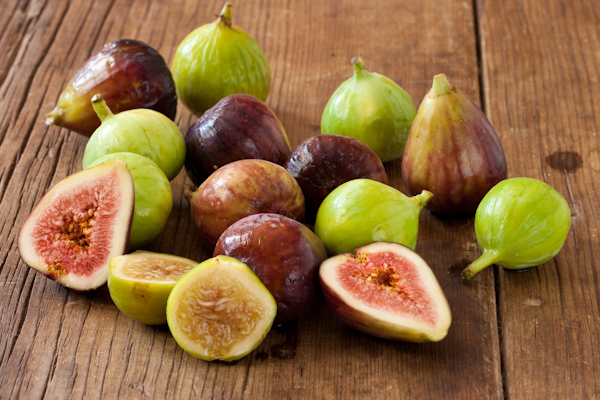
pesto 3c   I love figs.

Fig Salad Dressing.

Ingredients.
2 tbsp fig preserves (or other type of preserves or jam)
2 tbsp red-wine vinegar
1 tsp Dijon mustard
1/8 tsp garlic powder
Salt and pepper
1/4 cup extra-virgin olive oil

pesto 3a balsamico
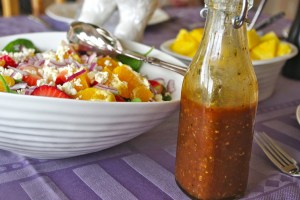
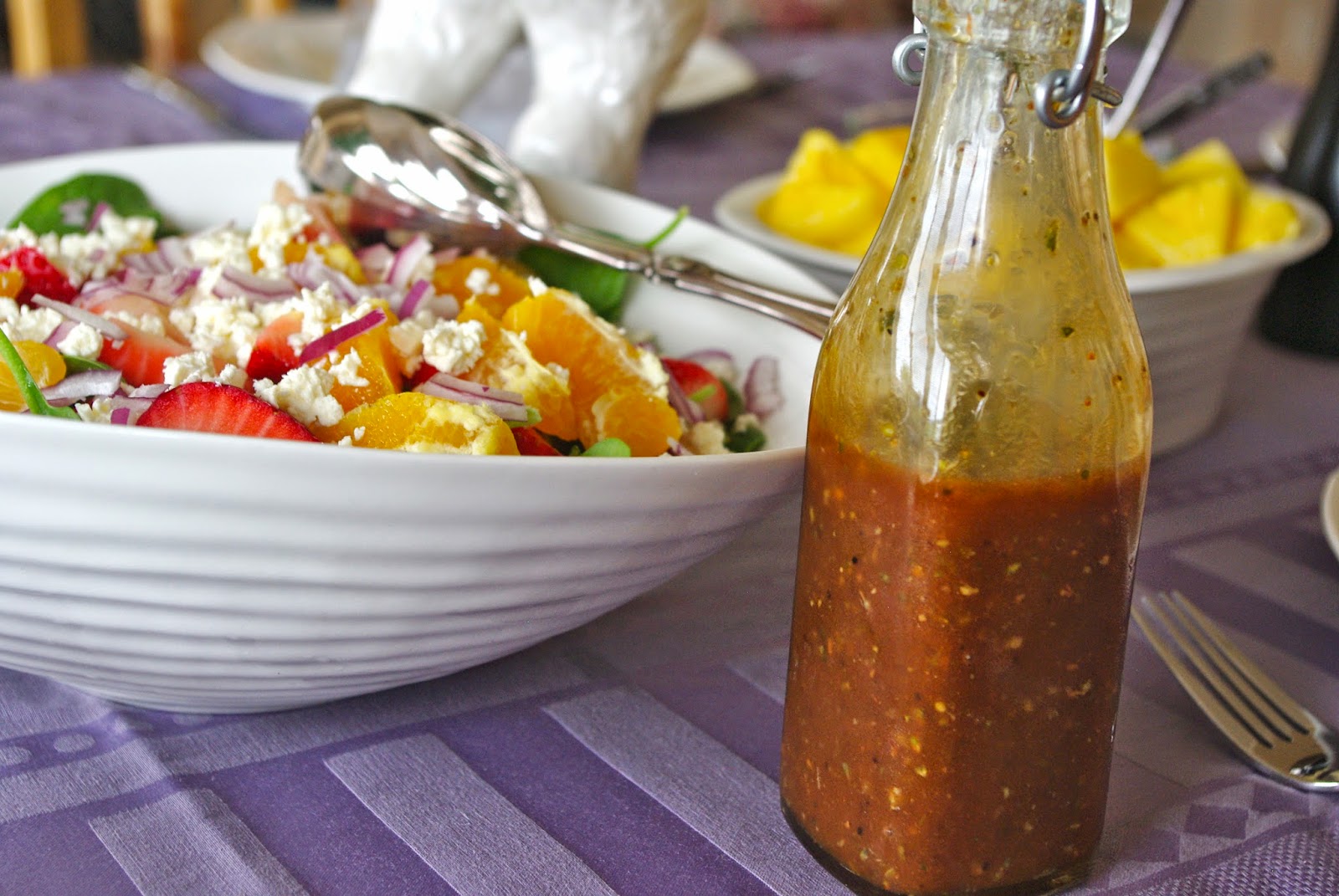
Fruit salad with feta cheese crumbles and self made fig dressing.

How to do.
In a small bowl, add preserves, vinegar, mustard, garlic powder, salt, and pepper.
Whisk together with a fork, during whisking slowly pour olive oil into mixture.

pesto 3b
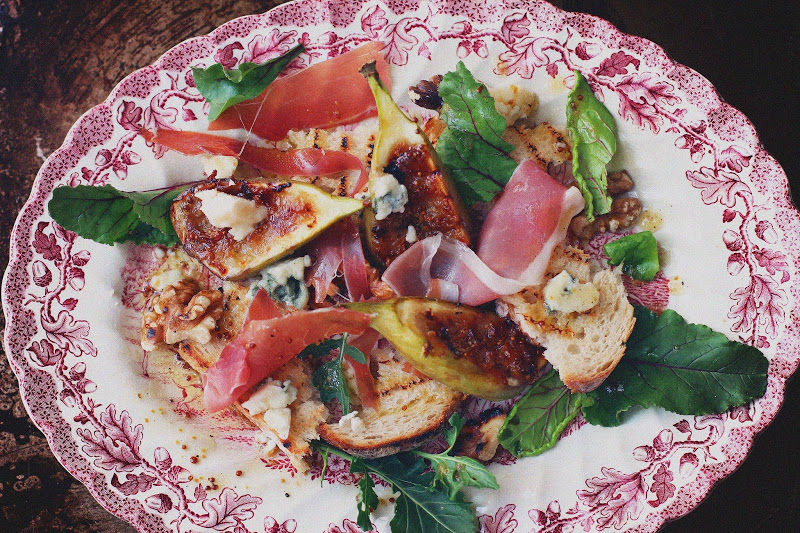
Figs, Parma ham, blue cheese, crostinis on greens with walnuts and fig dressing.

Tips.
The secret to a unique salad dressing that walks on the sweet side is whatever preserves or jam that is lingering in the fridge.
Toss with salad greens, or double the dressing amount to toss with blanched vegetables (broccoli or cauliflower works especially well) for a vegetable salad.

pesto 3d
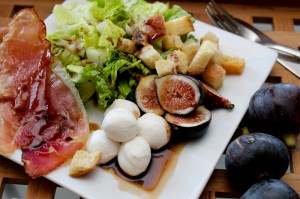
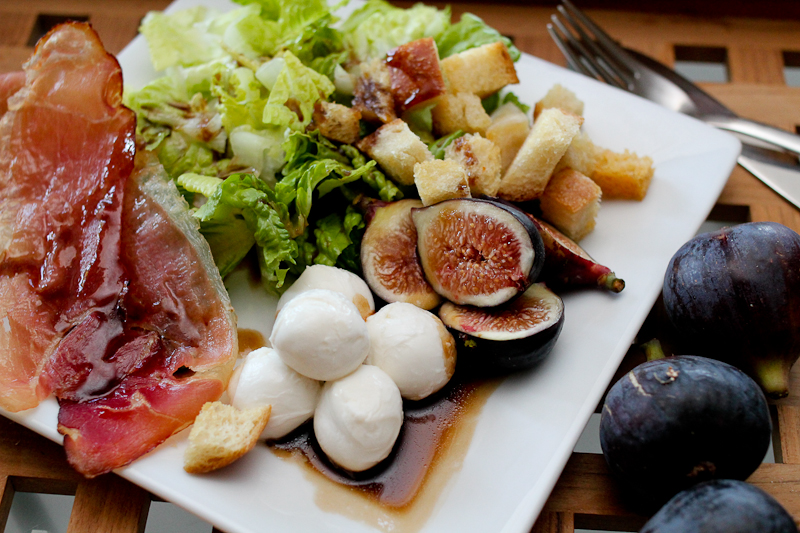
What a summer feast. Mixed green salad with fresh figs, mozzarella balls, prosciutto and fig dressing.

Be a bit creative if you want to change taste. By example mix in a bit of Worcestershire sauce or balsamic vinegar or chilli sauce. Just make sure you have the right balance between your maple syrup taste and the other ingredients or spices.   Enjoy !!

Veröffentlicht unter Recipes | Hinterlasse einen Kommentar

Easy to do – Marinade

pesto 2c   One of my marinade favorites.

Ketchup-Maple Syrup Marinade.

Ingredients.
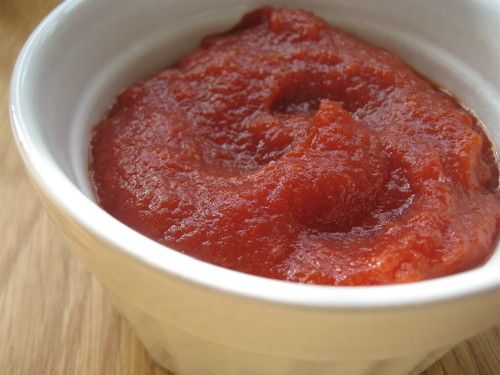
3/4 cup ketchup
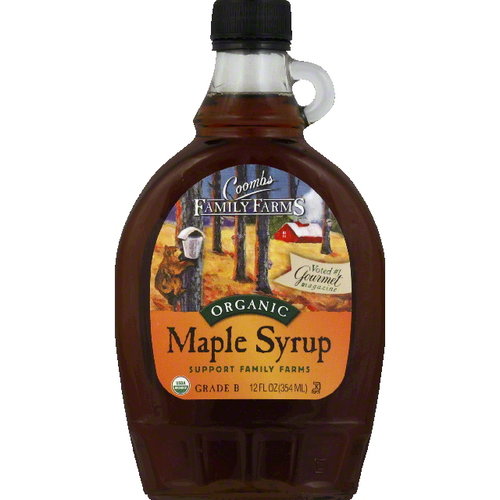
1/4 cup maple syrup
3 tbsp hot chilli sauce
2 1/2 tbsp soy sauce
2 tbsp yellow mustard

pesto 2d Sadly not available in Uruguay.

How to do.
In a small bowl, add all the ingredients, whisking together to combine.

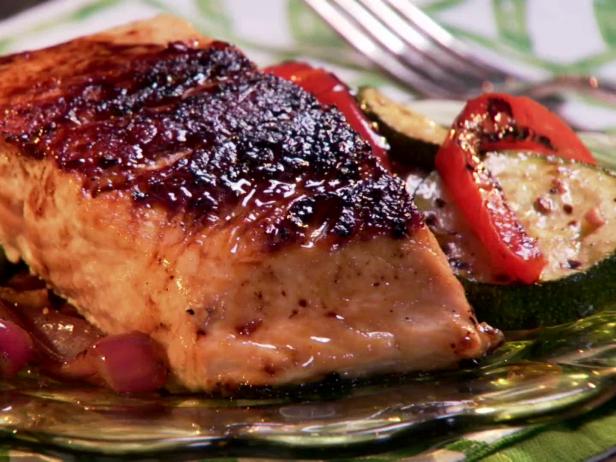
pesto 2a    Delicious – glazed salmon filets.

Tips.
This does double duty as a marinade or a glaze.
To use as a marinade, soak hot dogs (cut tiny slivers into them so they pick up the goodness) or steak in the mixture for 12 to 24 hours; wipe off and grill or broil.

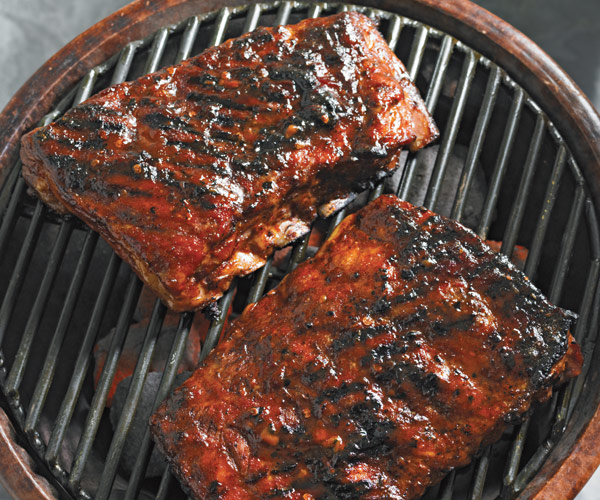
pesto 2b    Mouthwatering – marinated spare ribs.

To use as a glaze, bake chicken wings or boneless, skinless chicken thighs in the sauce (turning throughout the cooking process), or glaze over hamburger patties.  Enjoy !!

Veröffentlicht unter Recipes | Hinterlasse einen Kommentar

Easy to do – Pesto

Pesto 1

Pesto’s can be made as many as many different herbs or spices you can think about. The most common ones are green pesto’s made from green herbs, like basil, cilantro or mixed. Others are made from olives, chilli’s or tomatoes.

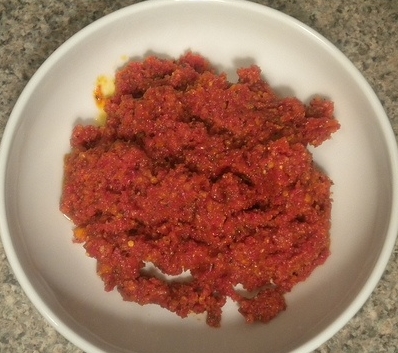
I like to introduce you to one of my favorites, the sun-dried-tomato pesto. It is easy to make and you can use it for many occasions.

Sun-Dried-Tomato Pesto.

pesto 1c

Ingredients.

2/3 cup pine nuts
1 1/2 cups sun-dried tomatoes
12 tbsp olive oil (or sun-dried-tomato oil)
2 cups loosely packed basil leaves
4 tbsp Parmesan cheese
Salt and pepper, as needed
Ingredients are for about 2 cups of pesto.

pesto 1a

How to do.

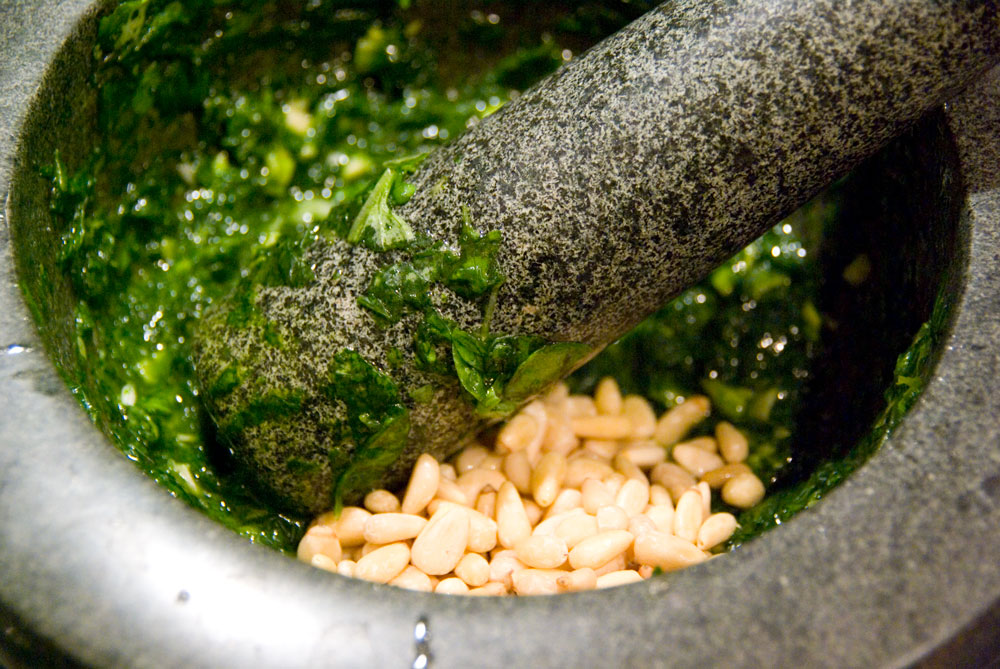
Add pine nuts into the bowl of a food processor, and pulse until mostly ground,
about 30 seconds.
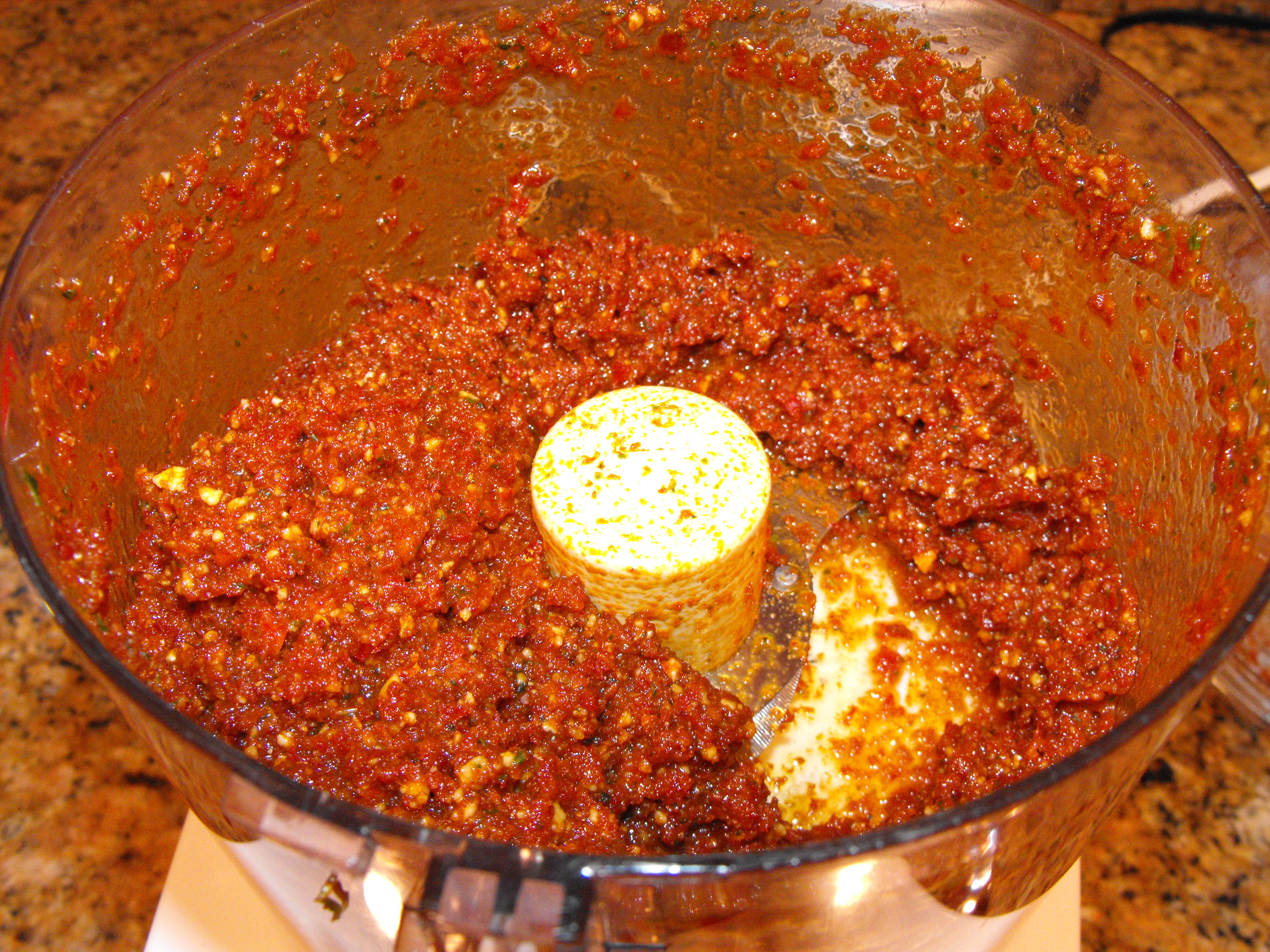
Add remaining ingredients and puree until smooth, about 1 minute,
scraping down the bowl as needed.

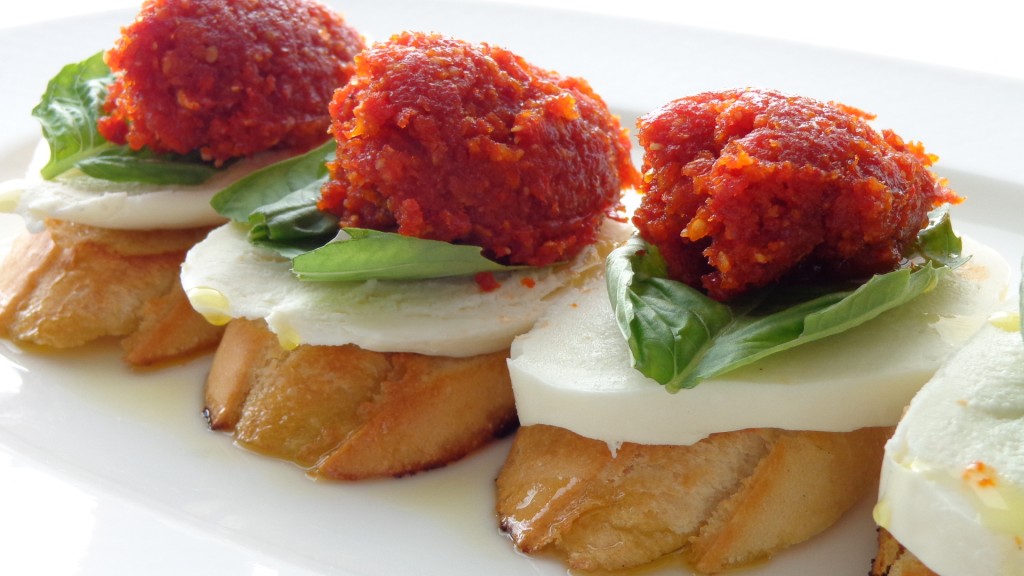
pesto 1b crostini  Crostini with goat cheese, basil and pesto.

Tips.

Swirl with goat cheese and spread onto crostini for a party snack.
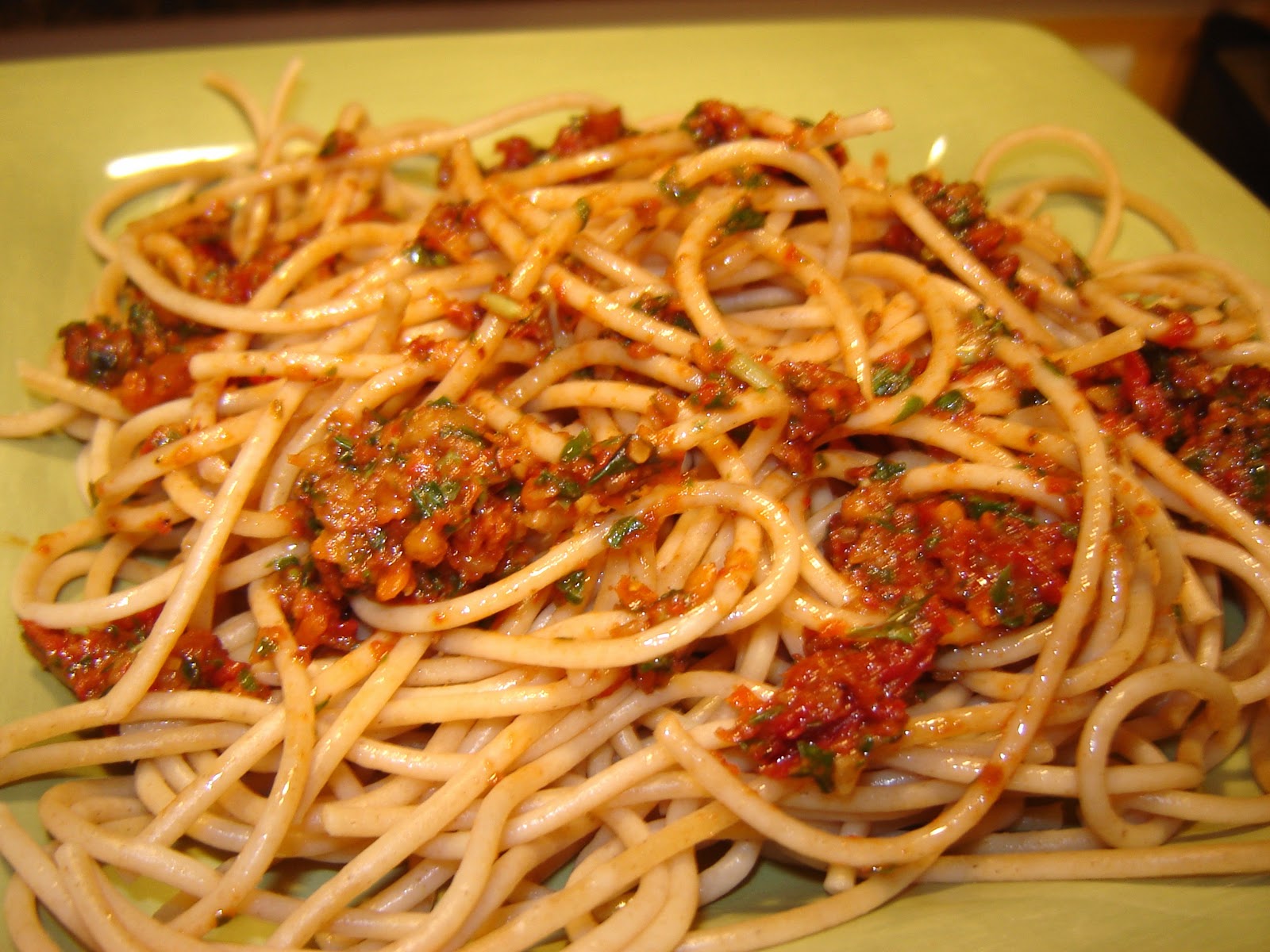
Or toss the pesto with your favorite pasta (and a little reserved pasta water) for a meal.
I also use this pesto as a base spread on pizza dough.

pesto 1d   Spaghetti with sun dried tomato pesto.

Use sun-dried tomatoes packed in oil — this way, you can use some of the tomato oil in place of the olive oil in the recipe for even more tomato taste.
In case you want a green pesto, replace the tomatoes with green herbs. Always use oil only to get a smooth paste. Enjoy !!

Veröffentlicht unter Recipes | Hinterlasse einen Kommentar

Freezing Cold

DSC01840

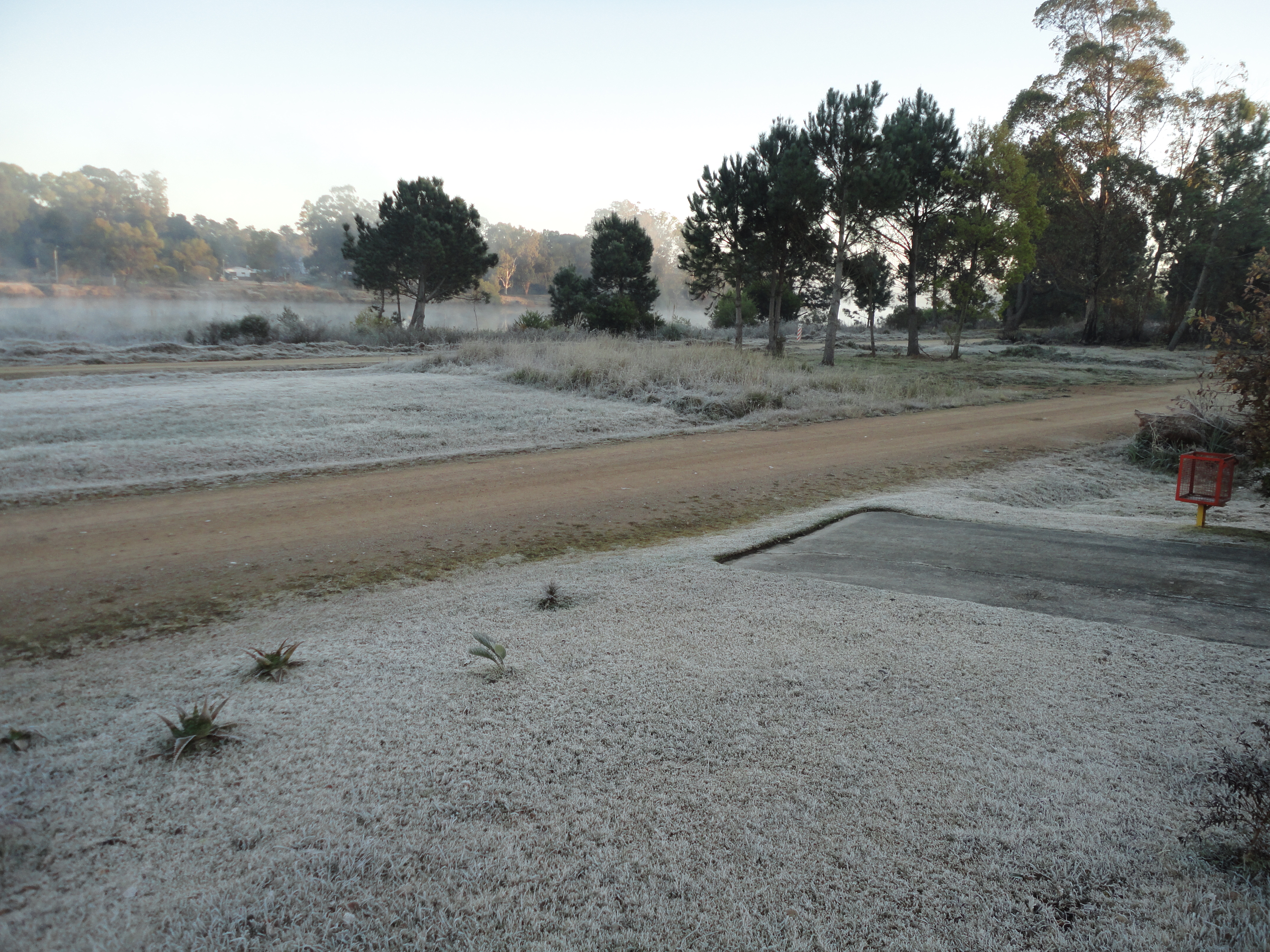
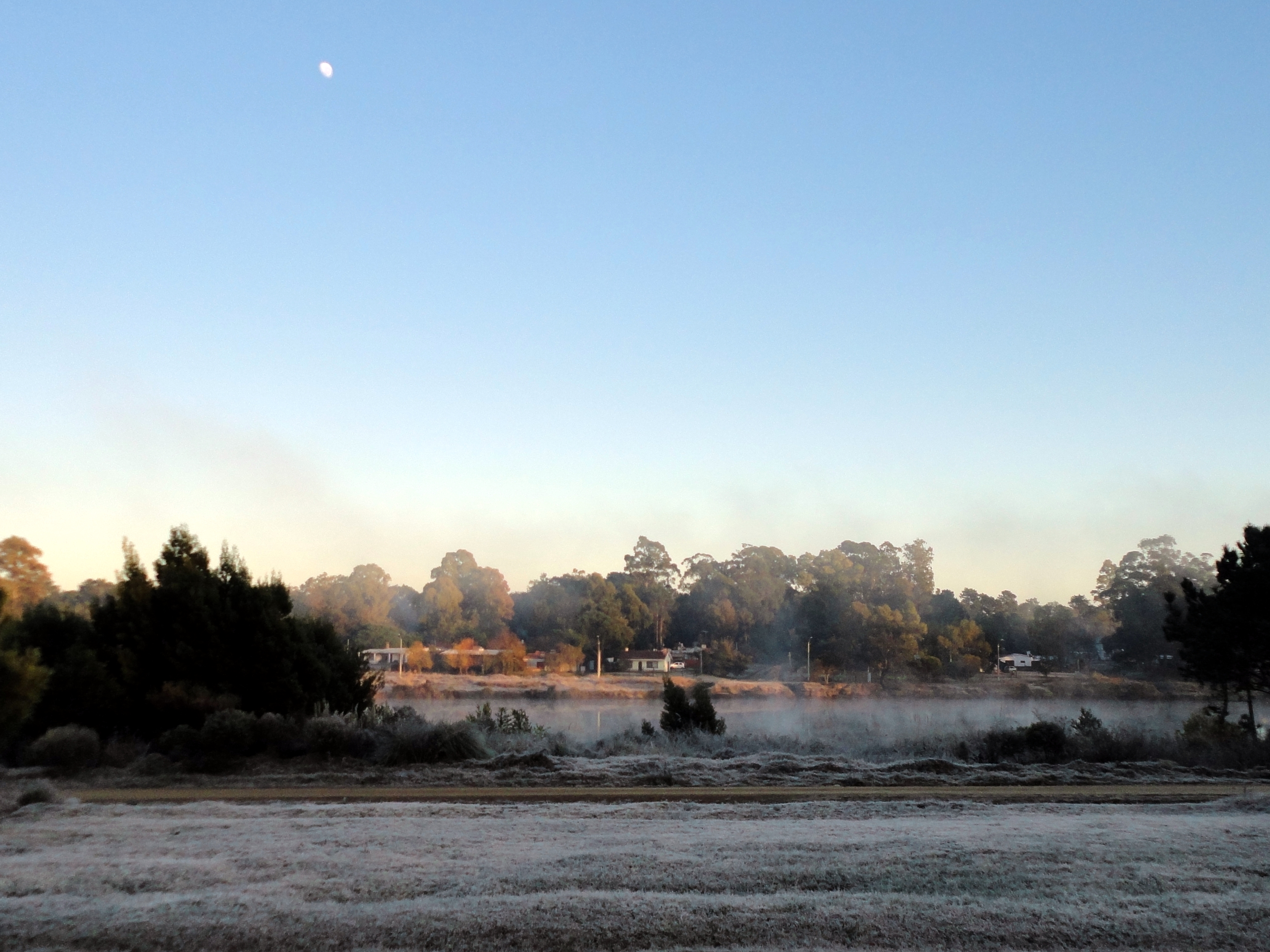
Frost in Uruguay.

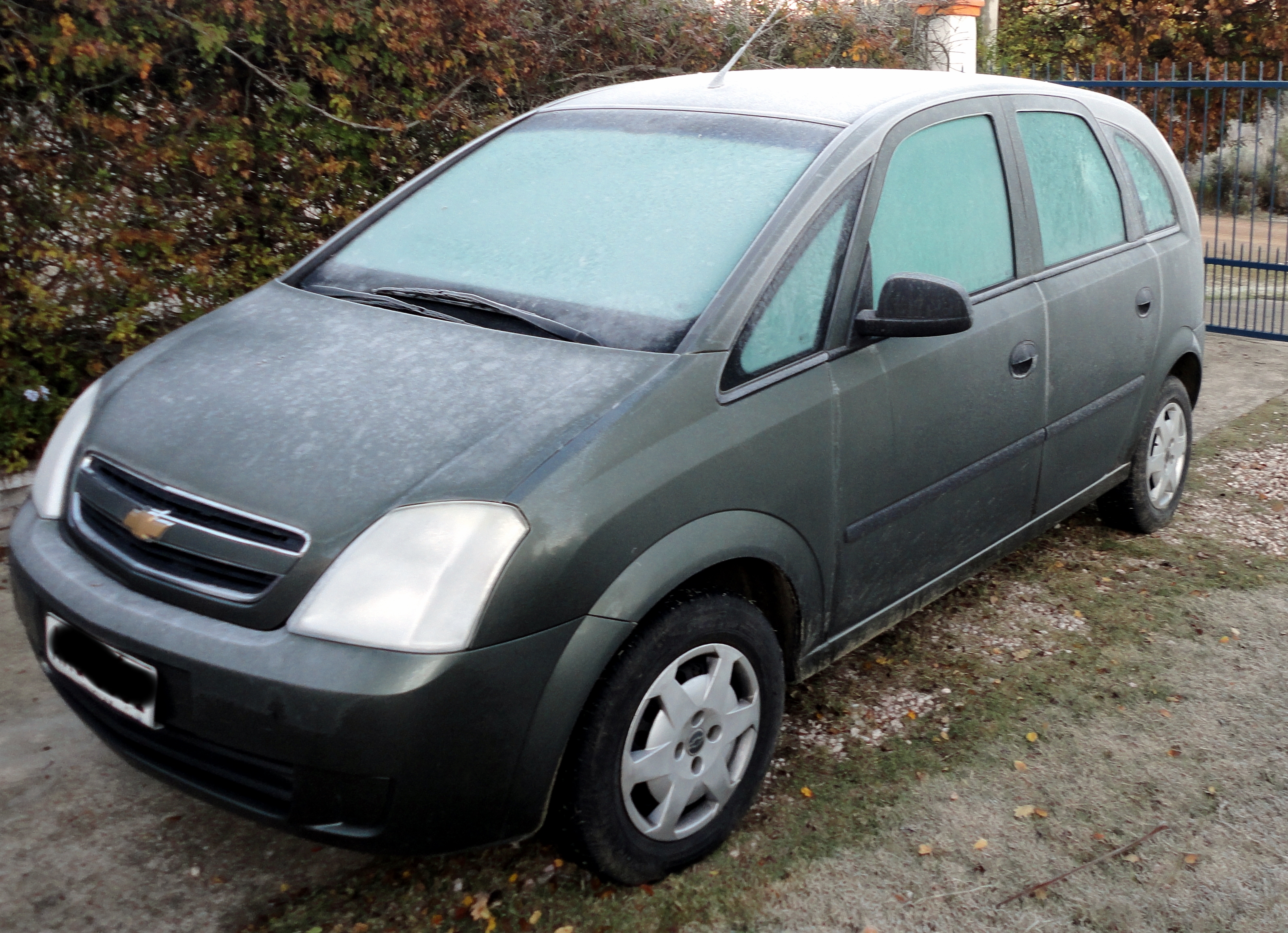
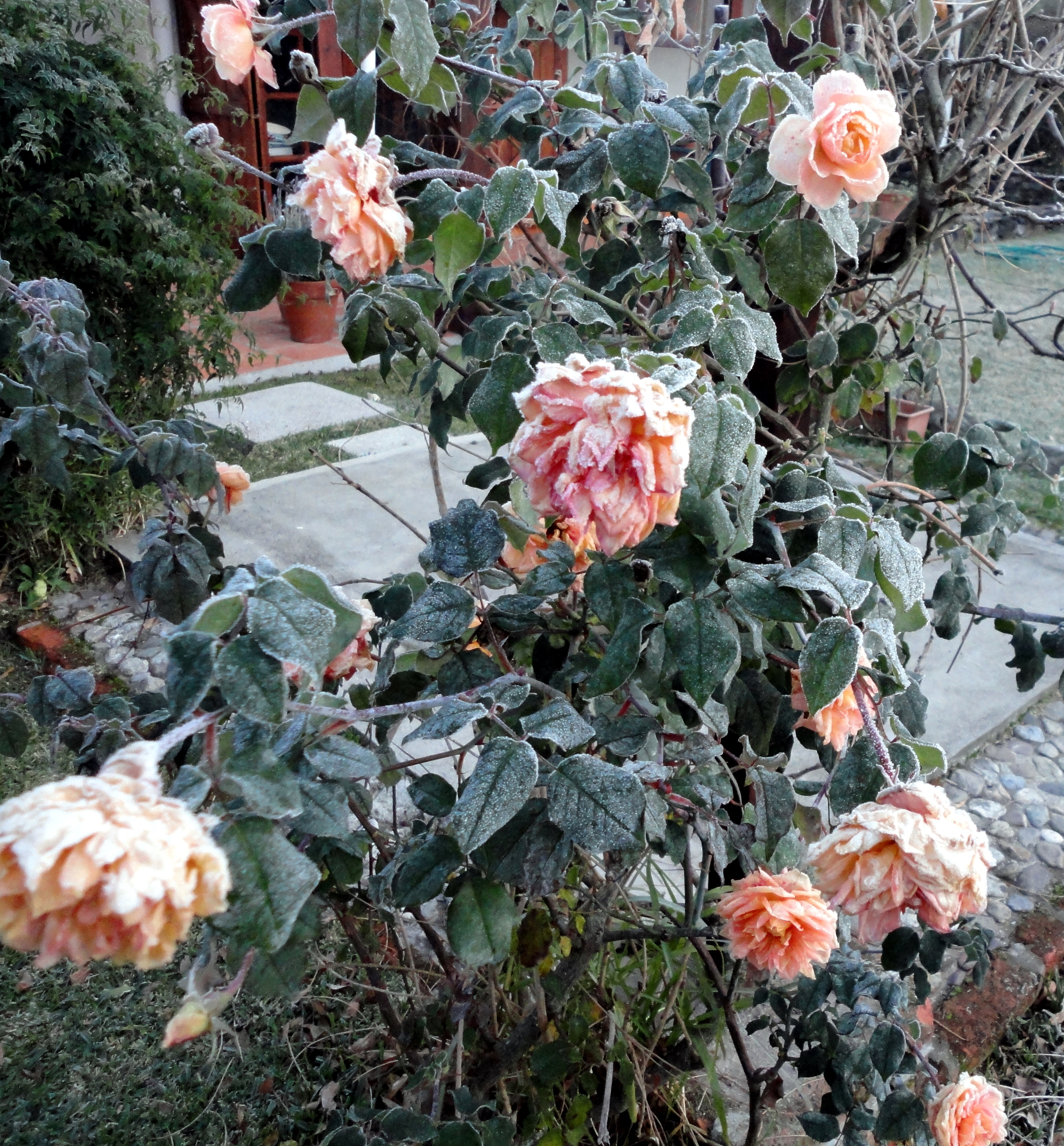
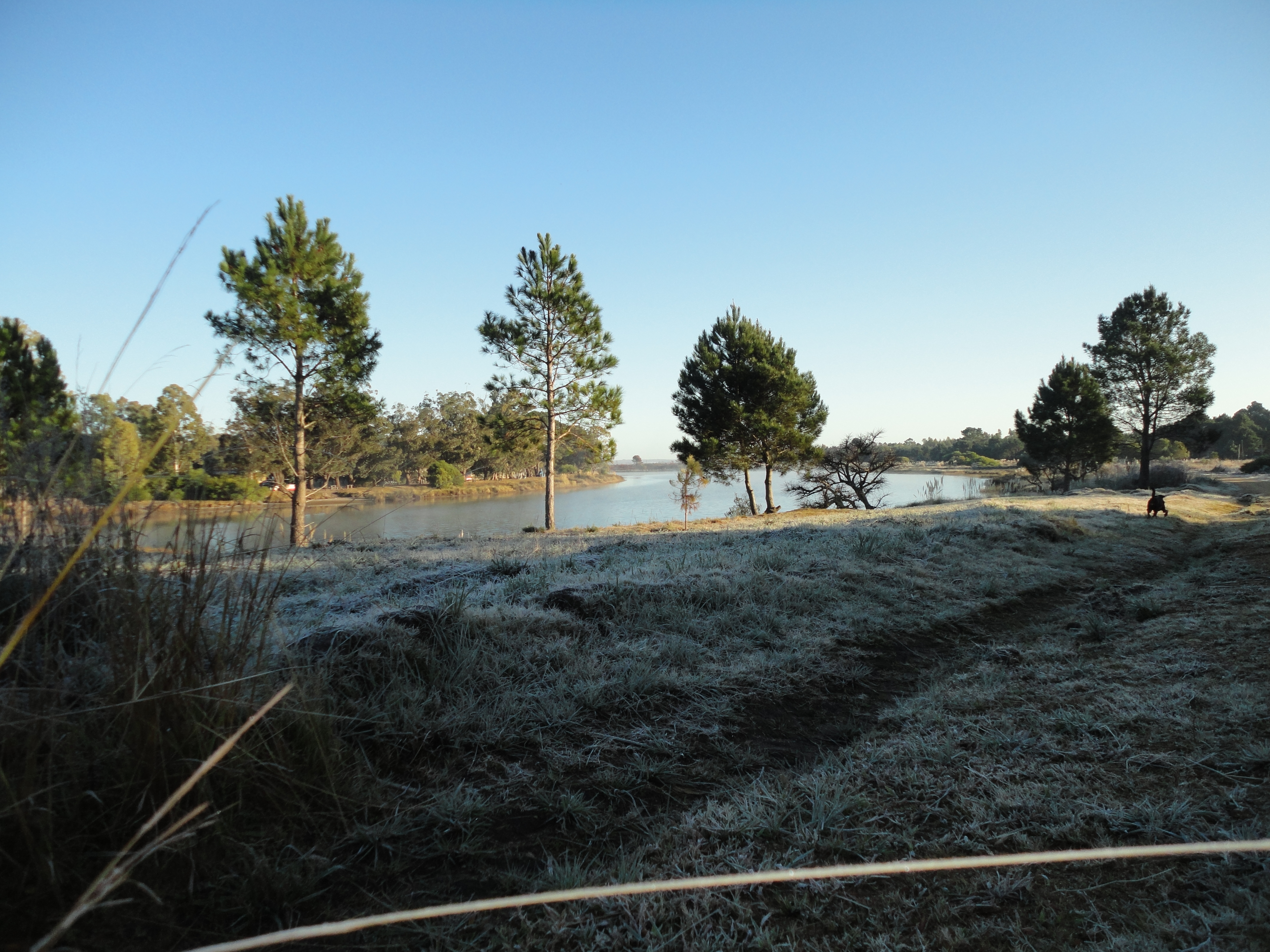
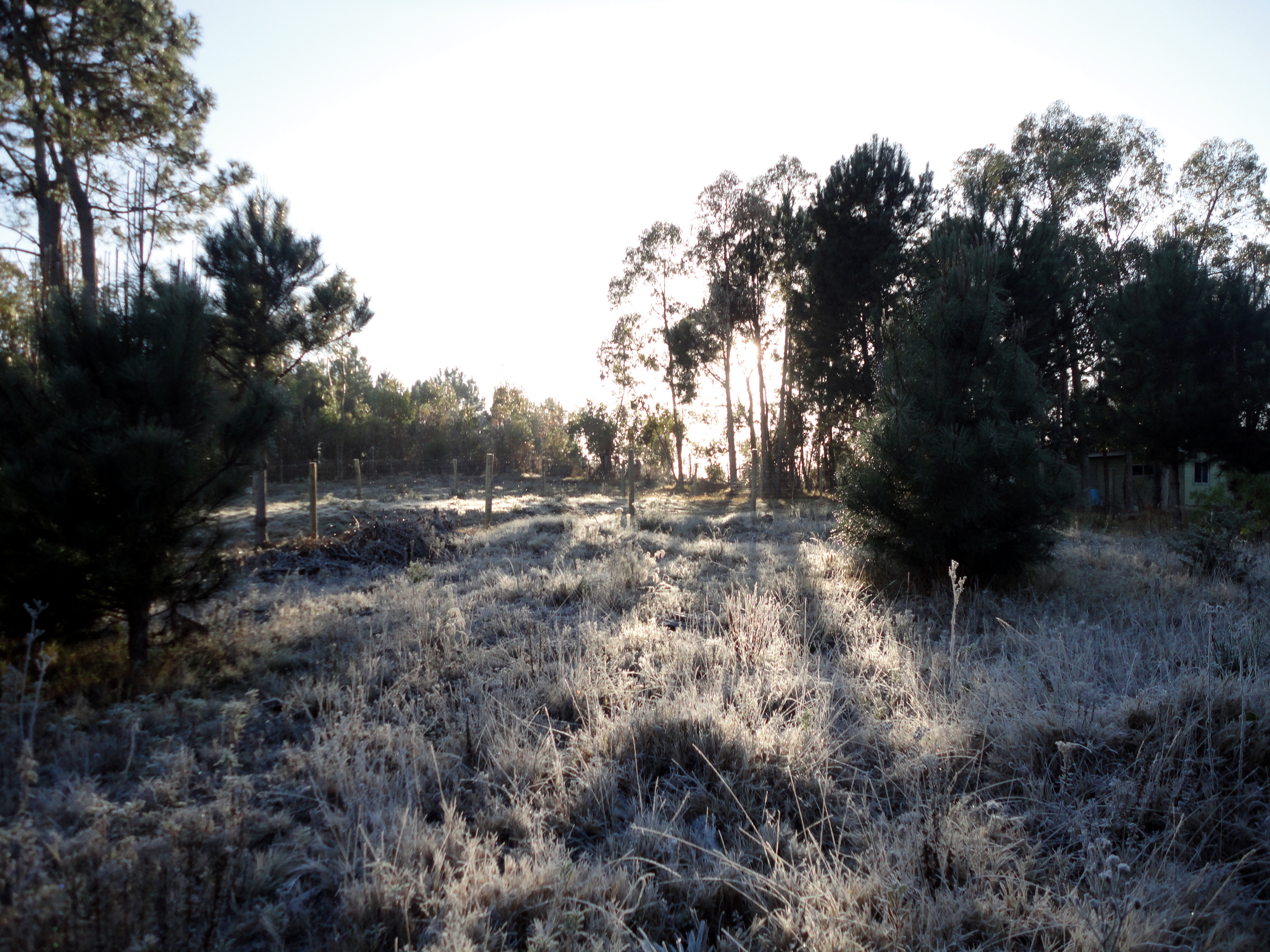
Very very rare, but this morning we had MINUS FOUR DEGREE CELSIUS. This is 24.8 Fahrenheit. For many parts in the world not much of course, but we are normally a frost free country. So, surprise surprise !! Have a look yourself to the pics.

DSC01837a     DSC01839
Our car totally frozen, but the fresh and wonderful clean air indemnifies fully.

DSC01842          DSC01845
Our roses don’t like this temperature very much, but the dogs enjoy the river walk and licking the icy grass.

DSC01847   DSC01850
Beautiful image when the sun comes up – an hour later the whole Uruguayan „frosty winter“ is gone. See first and last pic – same angle.

Veröffentlicht unter Atlantida, Uncategorized, Uruguay | Hinterlasse einen Kommentar

Must See – Independence Day

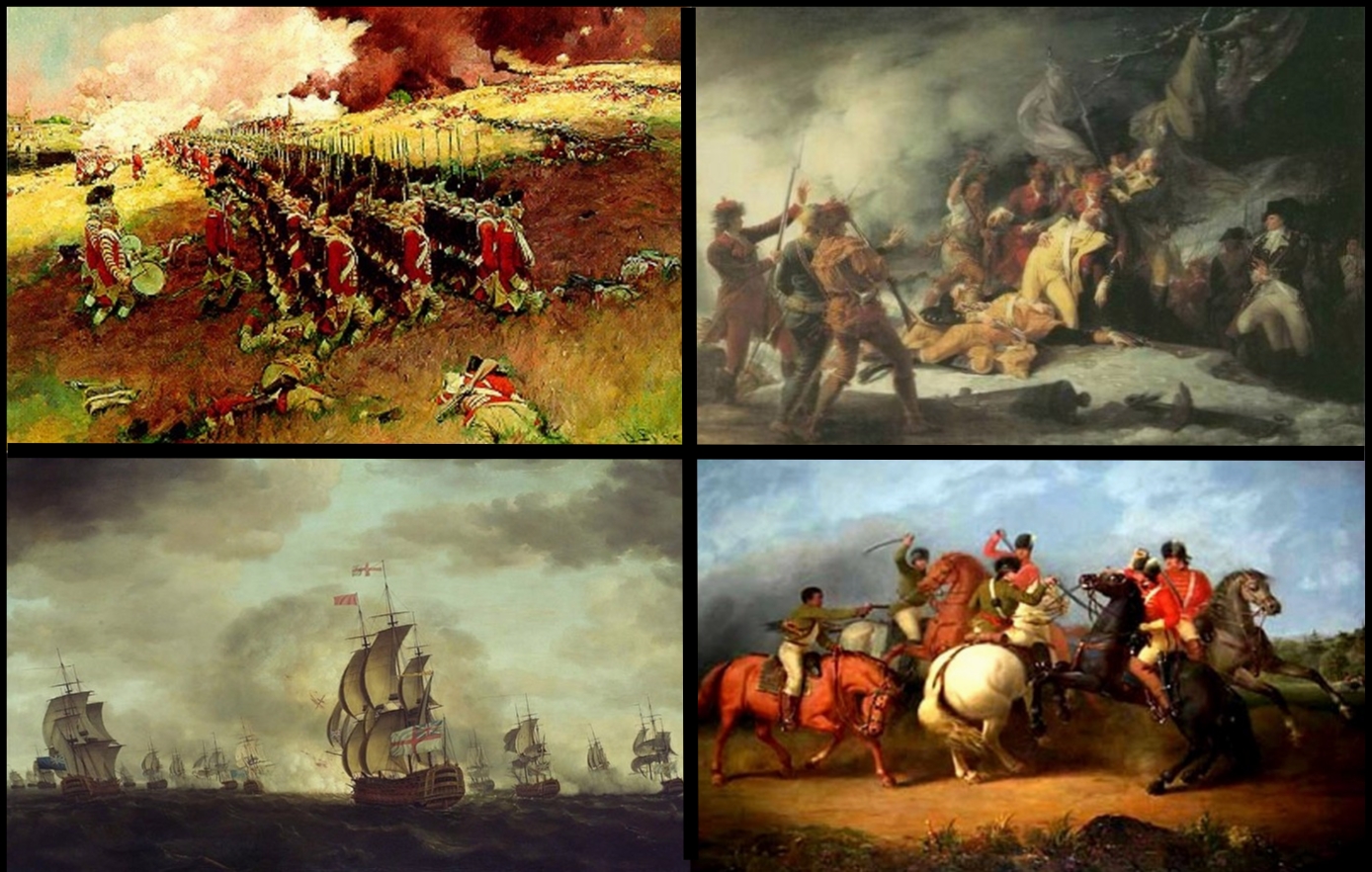
4th 15  American Independence war. Click on to super size.

The 4th of July.

This coming weekend, once again,  the American nation celebrates the 4th of July.
Some years ago we had the opportunity to spend a couple days during 4th of July holidays in Washington D.C., USA. It is interesting what is going on during one day in this city, of course in the whole country. Normally D.C. is a bit of a sleepy bureaucratic city, but during 4th of July it turns into a vibrant melting pot of all kinds of locals and tourists. It is impossible to attend all of the celebrations, shows and places to see. I picked out for you the dozen we have visited during our stay.
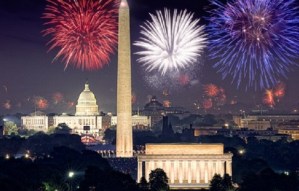
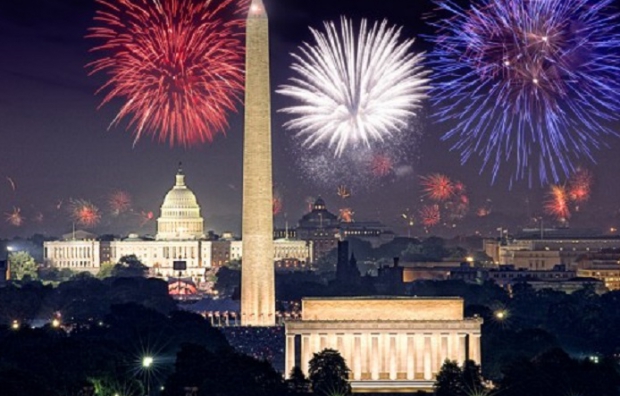
4th 2  4th of July fireworks over Washington D.C.

Variously known as the Fourth of July and Independence Day, July 4th has been a federal holiday in the United States since 1941, but the tradition of Independence Day celebrations goes back to the 18th century and the American Revolution (1775-83). In June 1776, representatives of the 13 colonies then fighting in the revolutionary struggle weighed a resolution that would declare their independence from Great Britain.
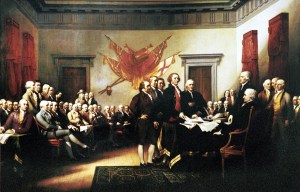
4th 17
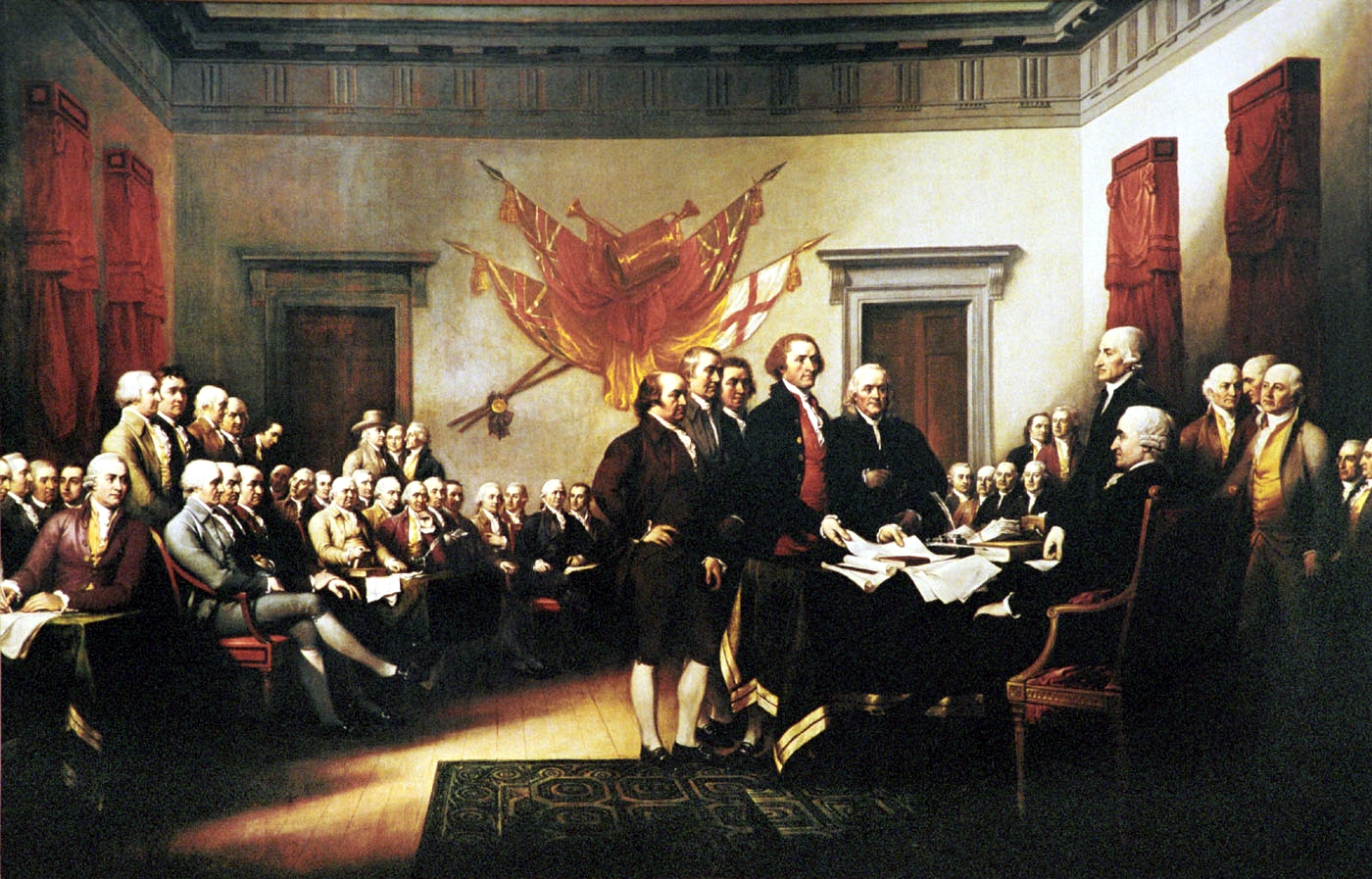
John Trumbull’s famous painting „Declaration of Independence, July 4, 1776“.
Trumbull’s painting is often identified as a depiction of the signing of the Declaration, but
it actually shows the drafting committee presenting its work to the Congress.

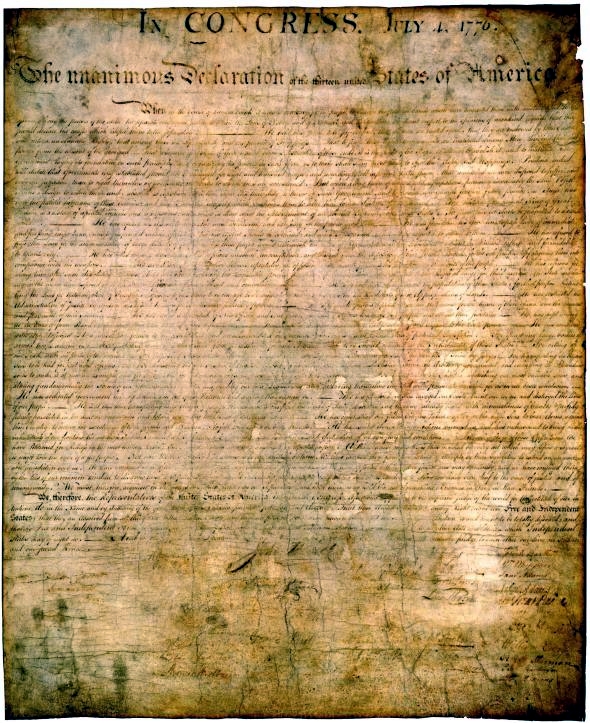
On July 2nd, the Continental Congress voted in favor of independence, and two days later its delegates adopted the Declaration of Independence, a historic document drafted by Thomas Jefferson. From 1776 until the present day, July 4th has been celebrated as the birth of American independence, with typical festivities ranging from fireworks, parades and concerts to more casual family gatherings and barbecues.
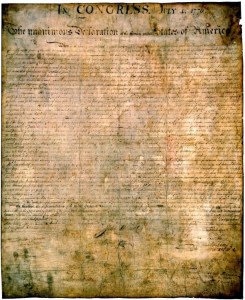
4th 16   The „original“ of the declaration.

Festivities including concerts, bonfires, parades and the firing of cannons and muskets usually accompanied the first public readings of the Declaration of Independence, beginning immediately after its adoption.
Washington, D.C. is arguably the most patriotic place in America to celebrate Independence Day, and the nation’s capital doesn’t disappoint.

Check out our dozen best bets.
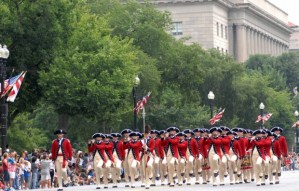
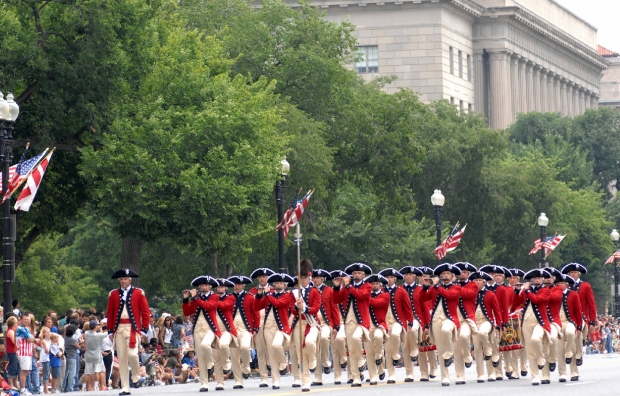
4th 1  Memorial Day Parade.

1.
You can’t talk about Memorial Day in DC without mentioning the National Memorial Day Parade. Put on since 2005, the parade—the largest of its kind in the U.S.—is run by the American Veterans Center and honors those servicemen and servicewomen who put their lives on the line to protect Americas freedoms. Set on Constitution Avenue, the march wows audiences exceeding 250,000 with marching bands, active duty and retired military units, youth groups, floats and hundreds of veterans.
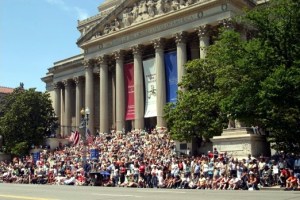
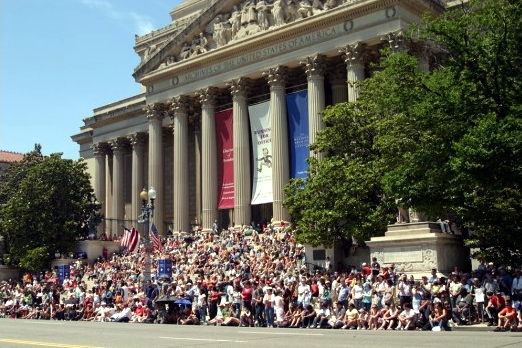
4th 3
Among the best places to watch are the steps of the Library of Congress.

2.
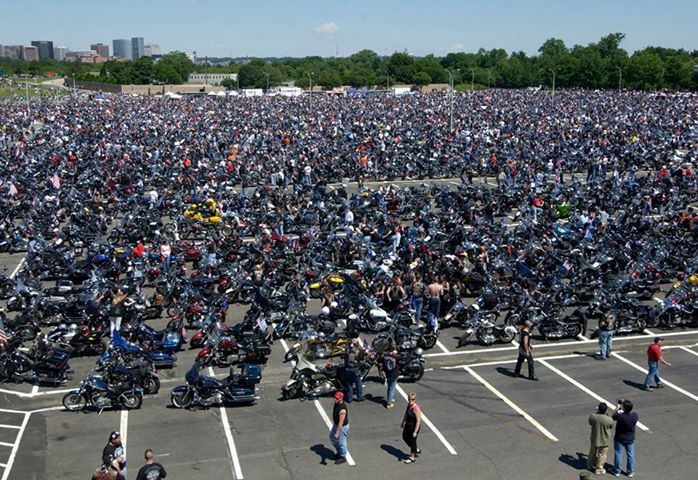
A legion of hogs descends on DC each Memorial Day weekend for the Rolling Thunder Motorcycle Rally. This „ride for freedom“ draws upwards of 900,000 motorcycle riders from all over the country.

4th 18  This was rally assembling during the 4th of July 2013.

3.
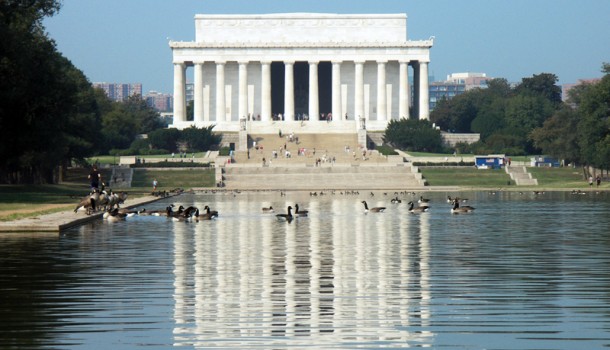
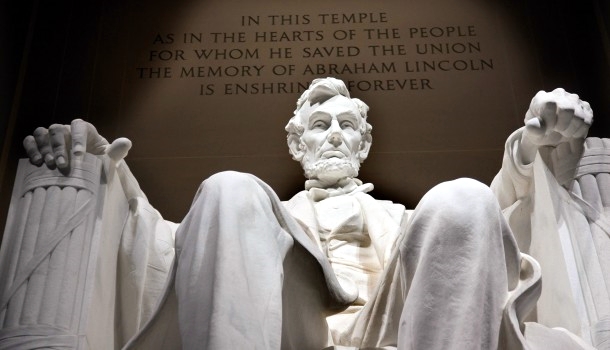
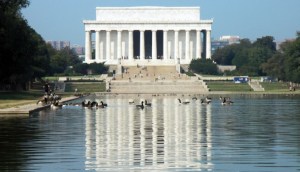
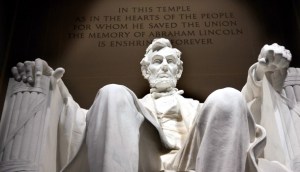
Built in white stone with 36 iconic columns, The Lincoln Memorial is one of the most recognized structures in the United States. The memorial is at the west end of the National Mall, in West Potomac Park, and is an example in Neoclassical architecture. It features a solitary, 19 foot (6,25 meters) tall statue of Abraham Lincoln sitting in contemplation. The statue weighs 175 tons and it took four years of carving. Martin Luther King Jr. gave his “I Have a Dream” speech in front of it in 1963.
4th 4  4th 19
Massive impression, 24/7 open for the public and no admission as most of the shown sites to see.

4.
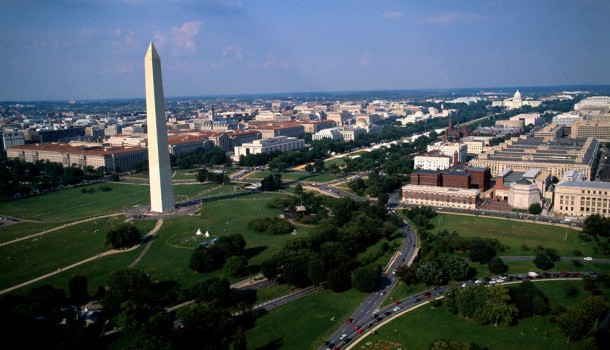
Situated on the banks of the Potomac River, the National Mall is a two-mile swath of land bound by the U.S. Capitol to the east and the Washington Monument to the west. Visitors to „the Mall“ will find a wide, pedestrian-friendly, tree-lined boulevard with moving monuments and memorials, world-famous museums and impressive federal buildings along Constitution Avenue. Walking through on 4th of July is like walking through an unbelievable large party.
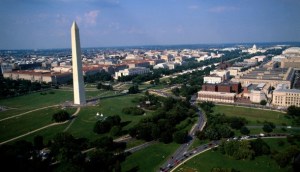
4th 20  The National Mall.

5.
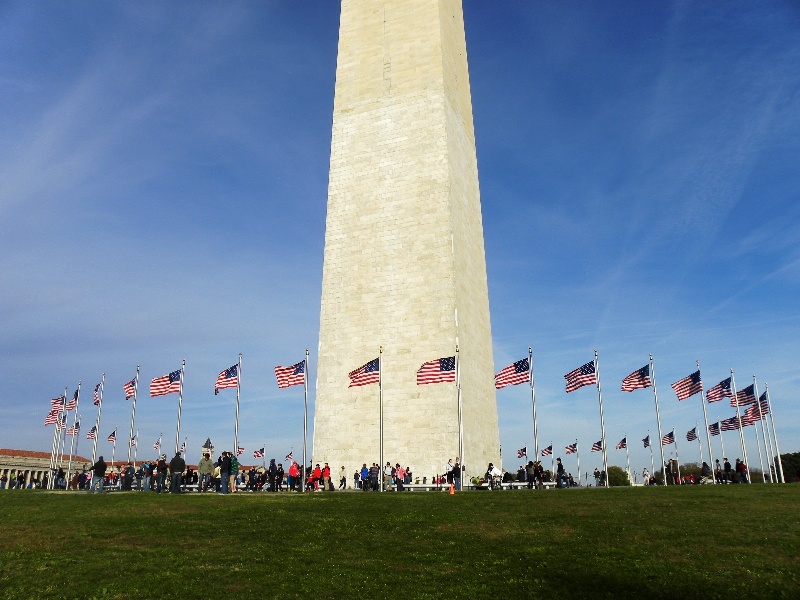
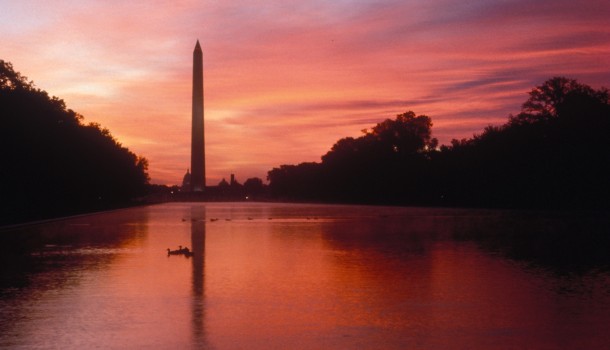
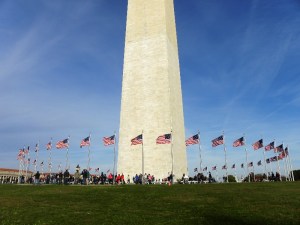
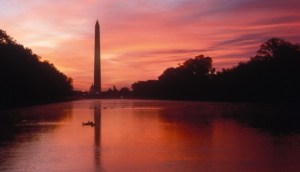
One of the nation’s most recognizable structures, the Washington Monument is located at the center of the National Mall, in between the U.S. Capitol and the Lincoln Memorial, and just east of the Reflecting Pool. The obelisk-shaped memorial is made up of marble, granite and blue stone gneiss. It is the world’s tallest structure made of stone and the tallest obelisk, at 555 feet (170 meters) tall. The Washington Monument was built to honor George Washington, the commander-in-chief of the Continental Army and the first president of the United States. The structure was designed by Robert Mills, with construction beginning in 1848. Construction was halted from 1854 to 1877. Finished on the 6th of December 1884.
4th 21   4th 22
Stand at the bottom of this monument and you will be surprised how big it is, it took 36 years to build.

6.
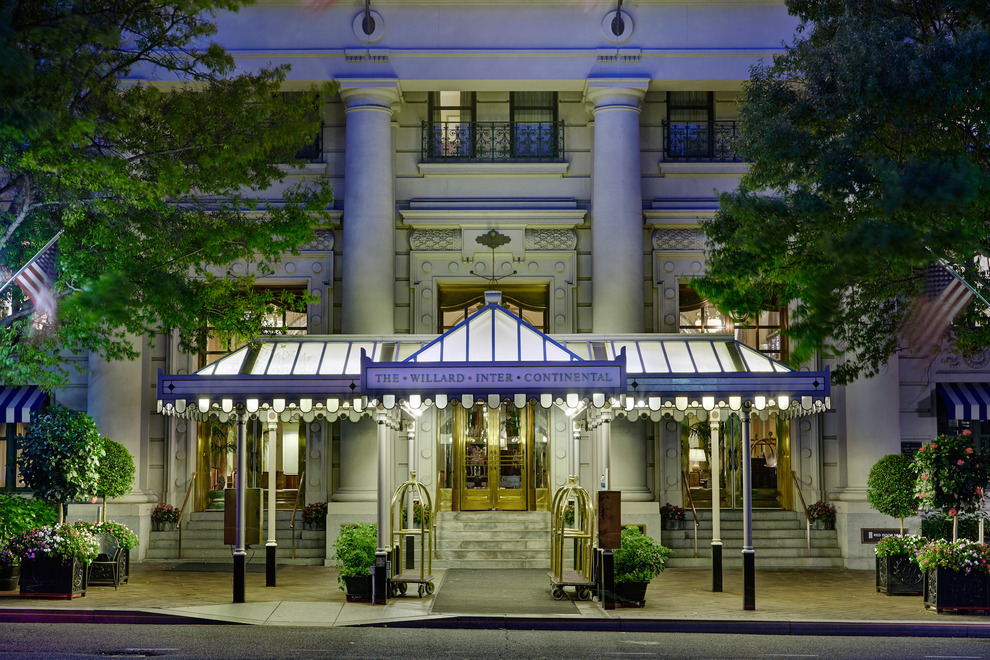
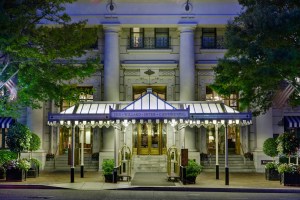
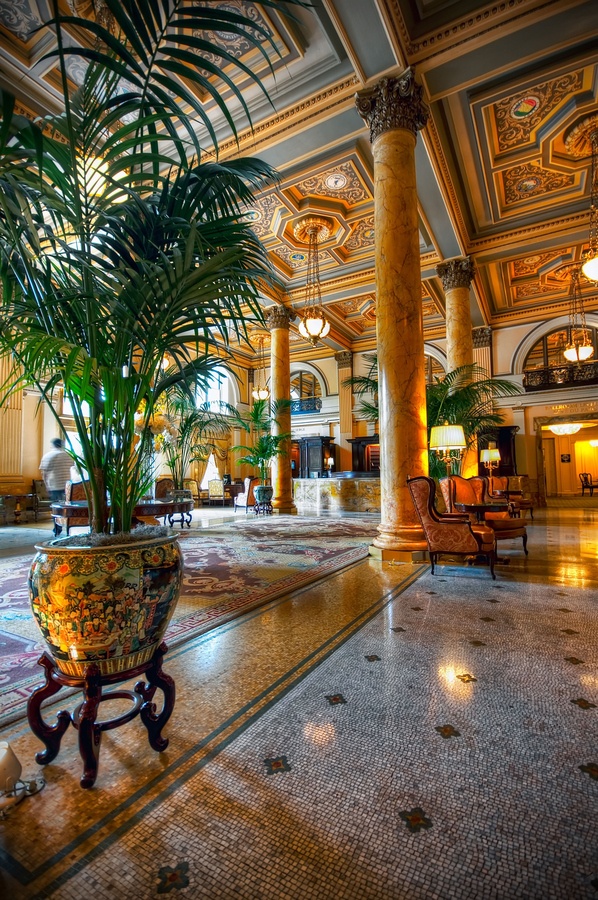
If you are in Washington a few days, you have to stay overnight of course. There are 100’s of options in all categories. Why not taking the number one, a hotel with stile, legendary history, truly 5star ambient, quality and service. Try the Willard !
4th 27  4th 25
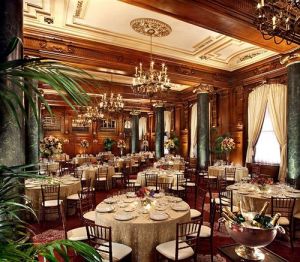
An amazing warm welcome, atmosphere and „wow“- impression throughout, The Willard. We loved it.

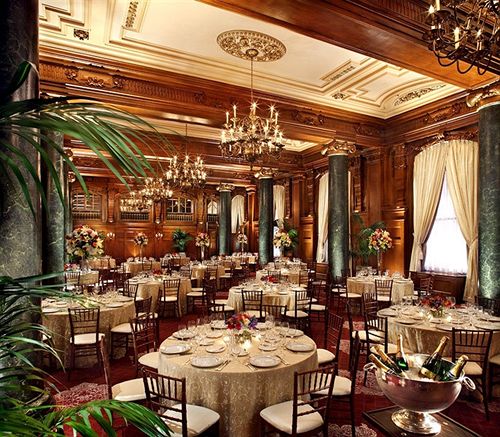
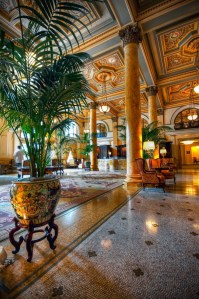
A grand historic landmark hotel, the Willard Inter Continental Washington reigns as one of the most elegant hotels in the city from its coveted Pennsylvania Avenue address. From its inception in 1850, the Willard has been a favorite choice of travelers. Known as the „Grand Dame of American Hotels,“ the Willard enjoys its place as a major force in the social and political life of D.C. The White House is just two blocks away and the National Mall, with its diverse museums, is within walking distance.
4th 26                            4th 28
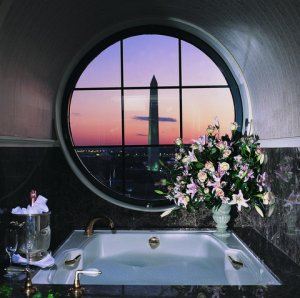
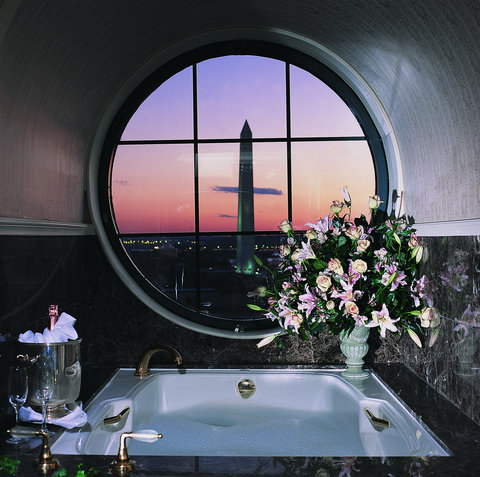
Monumental entrance hall to the Willard and may be one of the best views out of your bathtub.

7.
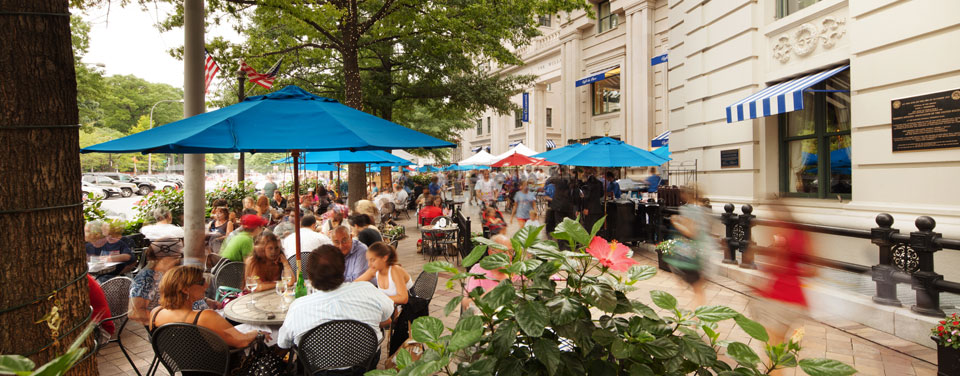
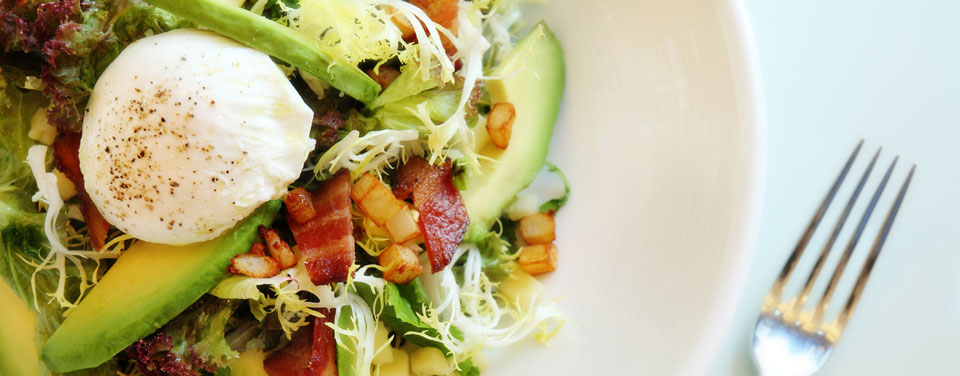
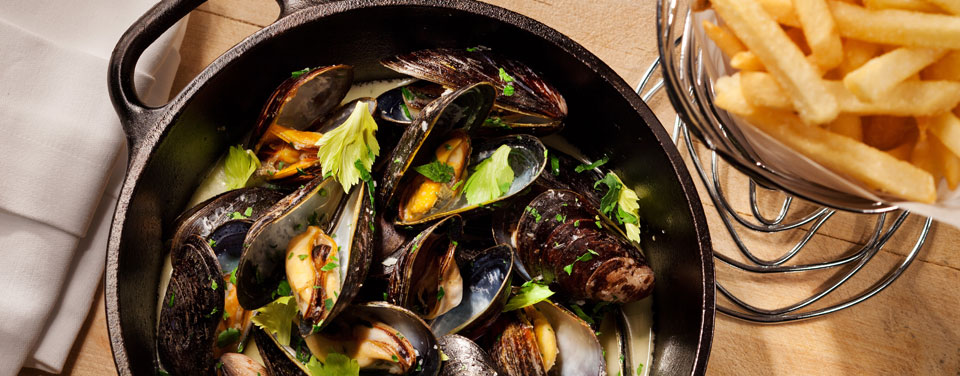
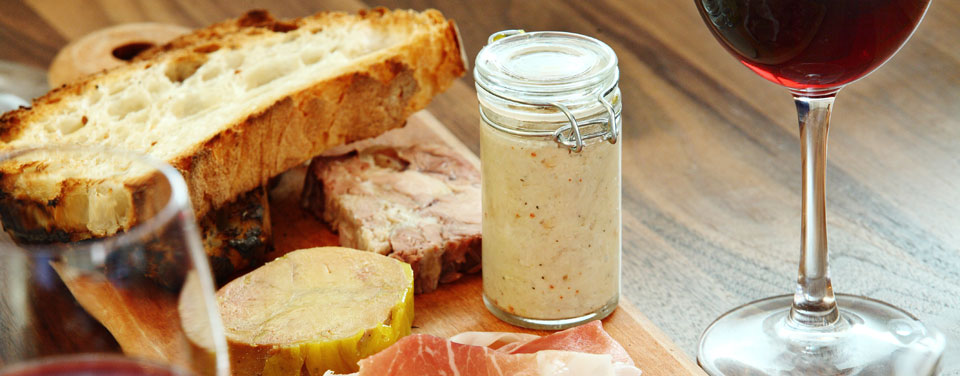
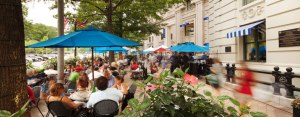
For breakfast or lunch try the Cafe du Parc. A truly authentic bistro experience where traditional French food fuses with a modern, casual atmosphere in the heart of the nation’s capital. Café du Parc has a one-of-a-kind menu enhanced by the use of locally grown produce and Café du Parc’s 3 star certified green restaurant status. We used it for brunch, saved us one meal per day – and the money, yeah Washington isn’t cheap.

4th 11  4th 35
Named one of the best alfresco restaurants in Washington, D.C., Cafe du Parc is the perfect place to savor delicious French cuisine in an iconic Pennsylvania Avenue location, just steps from the White House and inside the acclaimed Willard Inter Continental Hotel.


4th 33 4th 34
Alfresco Brunch at du Parc, wonderful experience. See above four pics. That’s what we had, Salad Cafe du Parc, Prince Edwards Mussels – Belgium style, Housemade Pate Platter. Excellent !!

8.
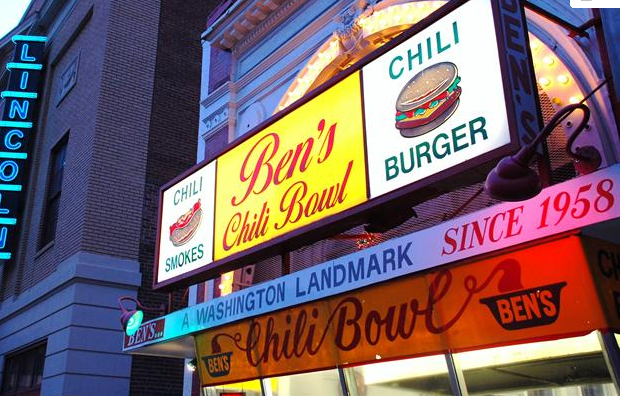
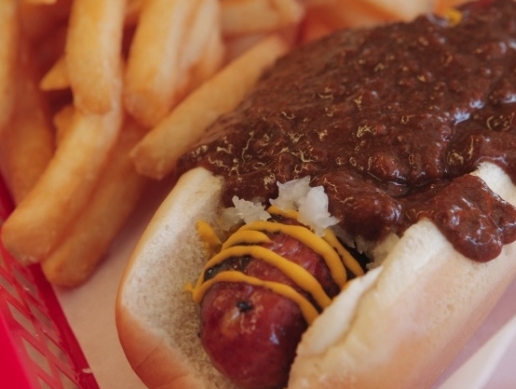
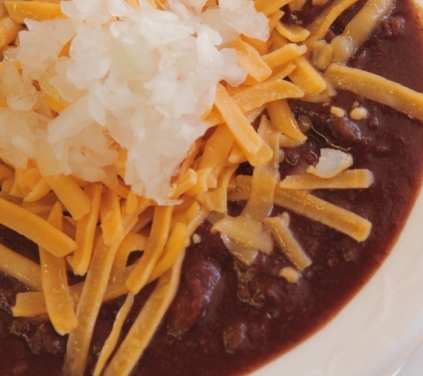
And for dinner experience another historic landmark, Ben’s Chili Bowl. It is no secret for Washington D.C. insiders, but for us „one time visitors“ it was the „secret location“. If you have time to spend in D.C. go there, our „secret recommendation“,  it’s worth it.
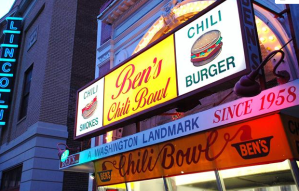
4th 13  The Landmark Ben’s Chili Bowl.

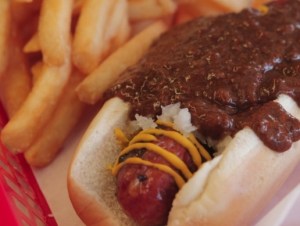
Celebrities, locals and tourists alike have flocked to Ben’s Chili Bowl for over 50 years for its incredible food, atmosphere and rich history. Try the „chili half smoke“, voted Washington’s signature dish. It’s Bill Cosby’s favorite. And it will be as hard, as to get a seat, not to run into celebrities. It is packed all the time, because the food is insane.
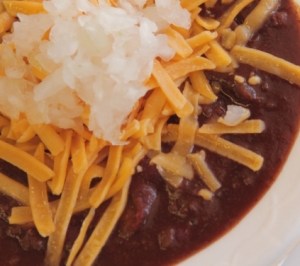
4th 23     4th 24
Thats what we loved there, the signature dish „Chili Half Smoke“ and the „Ben’s Chili Bowl“.

9.
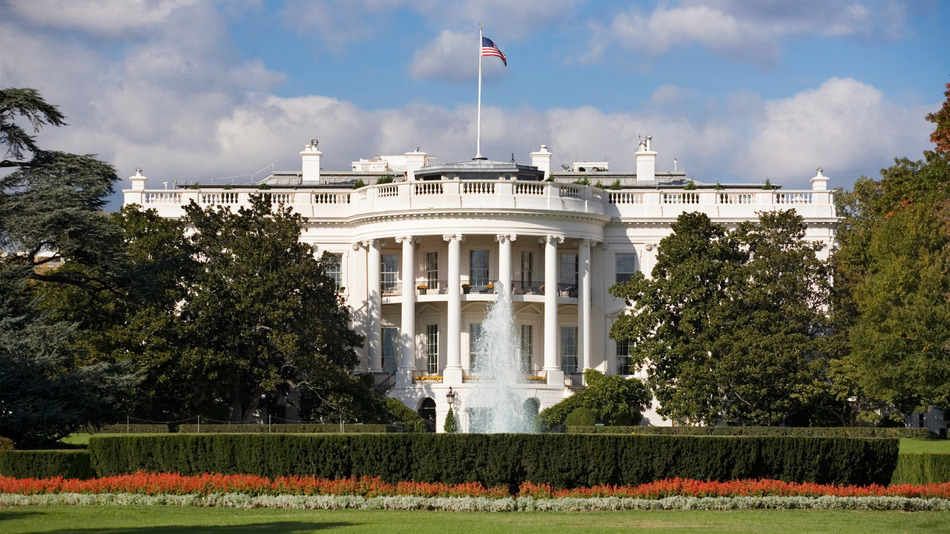
Perhaps the most famous residence in the United States, and certainly the most well-known address, the White House is the epicenter of political life in Washington, DC. The more than 100 year old home has hosted world leaders, state dinners, Easter egg rolls and more than its fair share of weddings. The home was given several other names in the early days (President’s Palace and Executive Mansion, to name two), before Theodore Roosevelt officially dubbed it the White House in 1901.
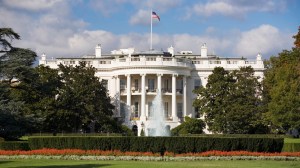
4th 10  The White House.

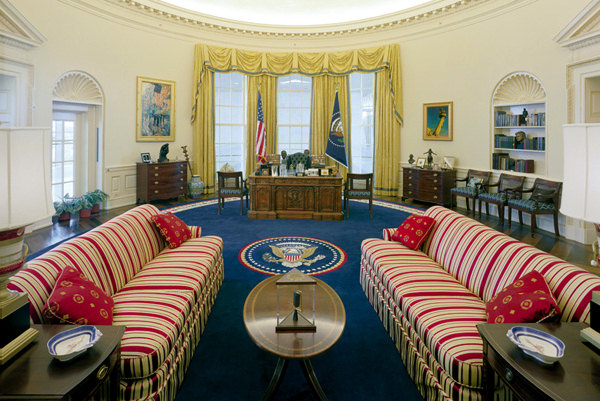
The Pennsylvania Avenue address for the White House was selected in 1791 by George Washington, who never actually lived in the house. President John Adams and his wife were the first First Family to move into the house in 1800. During the War of 1812, the British burned the house down, and architect James Hoban – who designed the residence the first go ‘round – was tapped to rebuild it. Over the years, the White House has expanded to include new rooms (including the Oval Office), wings (like the West Wing) and even a bowling alley. In a further post I like to introduce you to a couple of cookbooks edited by the kitchen of the White House 1890-1905, which I own in my collections.

4th 36
The Oval Office. To get a ticket for a White House Tour, you need to make reservations month’s in advance.
Non US citizens get a ticket through their own embassy only.

10.
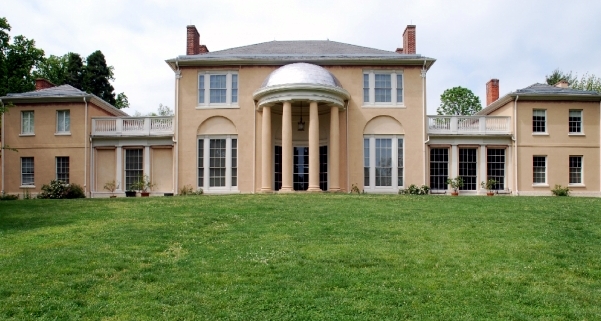
The Tudor place, estate of the Nation! A repository of the American experience. Make it part of YOUR D.C. experience. This National Historic Landmark house and 5.5-acre landscaped garden was built by Martha Washington’s granddaughter and her husband and designed by William Thornton, early America’s leading architect. Experience a site where Americans created, gathered, entertained, and labored for nearly 200 years.
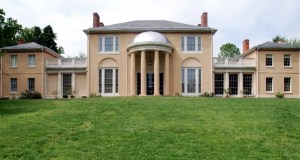
4th 8  The Tudor Place.

Visitors love the immediacy! „It’s as if the family just left the room“ one visitor said. The neoclassical estate reflects 200 years of American stories, history, and collecting. The finest American architecture, international decorative arts, and the stuff and stories of everyday lives are gathered here, bringing together the experiences of servants, enslaved workers, and six generations of one family. Located in a leafy residential neighborhood in upper Georgetown’s charming Book Hill district.
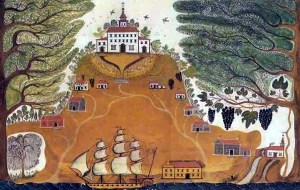
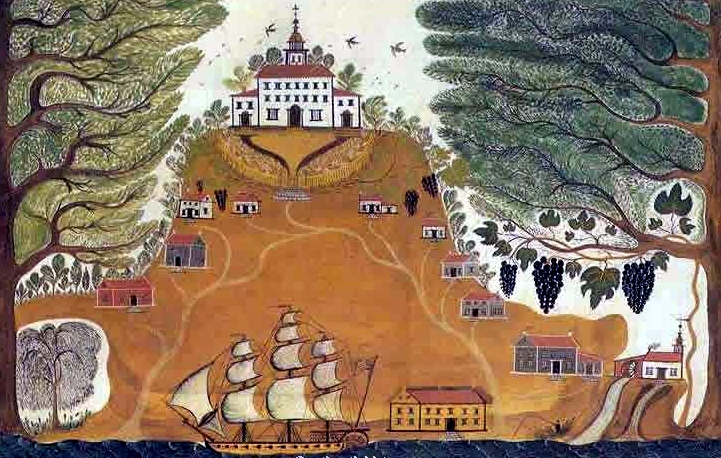
4th 37  The Tudor Place, antique wall painting.

11.
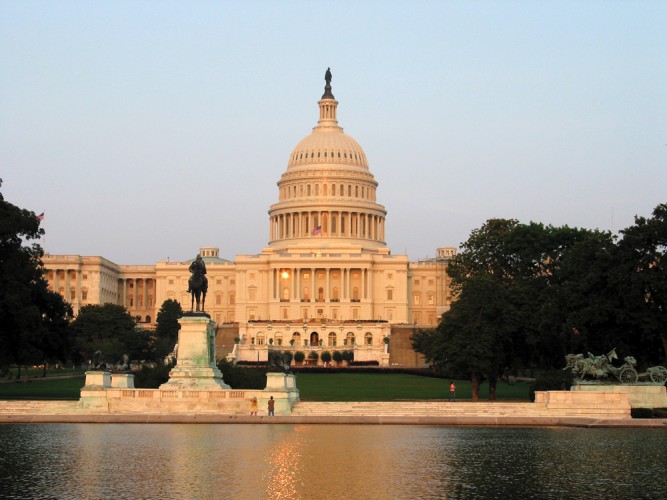
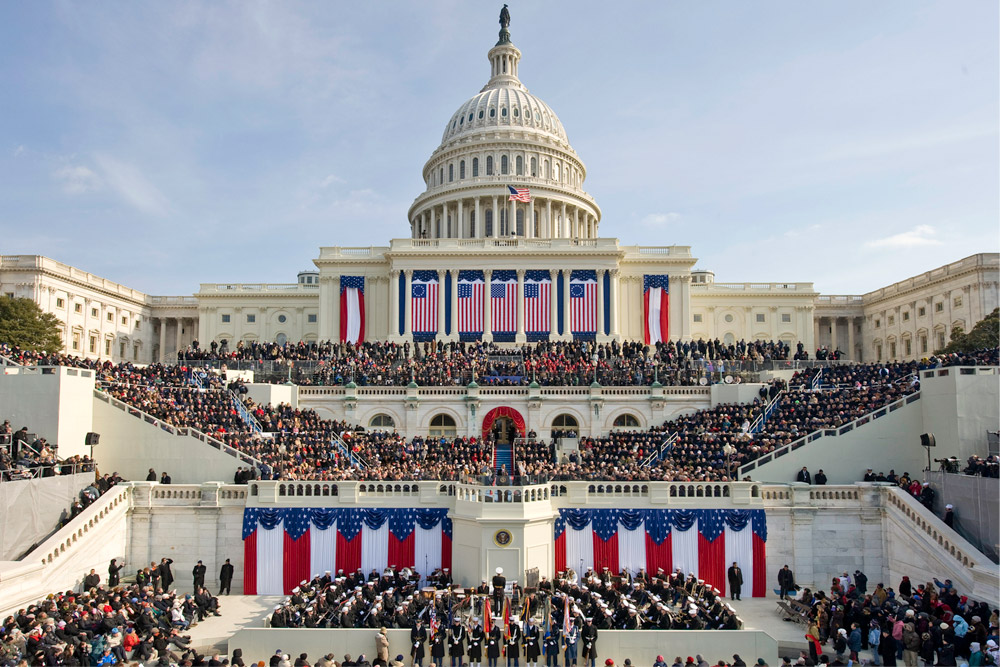
The United States Capitol Building, crowned with its distinctive white cast iron dome, has housed the legislative branch of the U.S. government since the construction of its north wing was completed in 1800. The West Front of the Capitol Building has been the site of presidential inaugurations since Ronald Reagan’s 1981 swearing-in. On summer evenings, the West Lawn is the site of frequent and free concerts by the U.S. military bands.
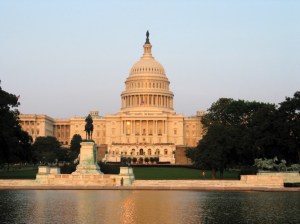
4th 29  US Capitol Washington D.C.

This July 4, America’s national Independence Day celebration will mark 35 spectacular years on air, live from the West Lawn of the U.S. Capitol. Celebrating 35 spectacular years on air, A CAPITOL FOURTH will kick off the country’s 239th birthday with an all-star musical extravaganza that puts viewers front and center for the greatest display of fireworks anywhere in the nation. Wish we could go to visit and follow that spectacle.
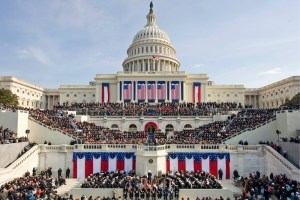
 
The 2nd Presidential Inauguration of Barack Obama was held in Washington DC
at the Capitol on January 21, 2013.

12.
We decided for our visit to dive in to mostly historian places and sight seeings. At the end we had a discussion about witch of the following three destinations to visit with our remaining time. Believe it or not, we stayed one more day/night and visited all – it was an amazing experience.

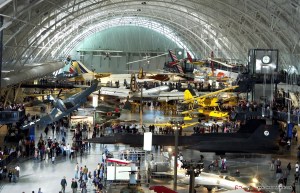
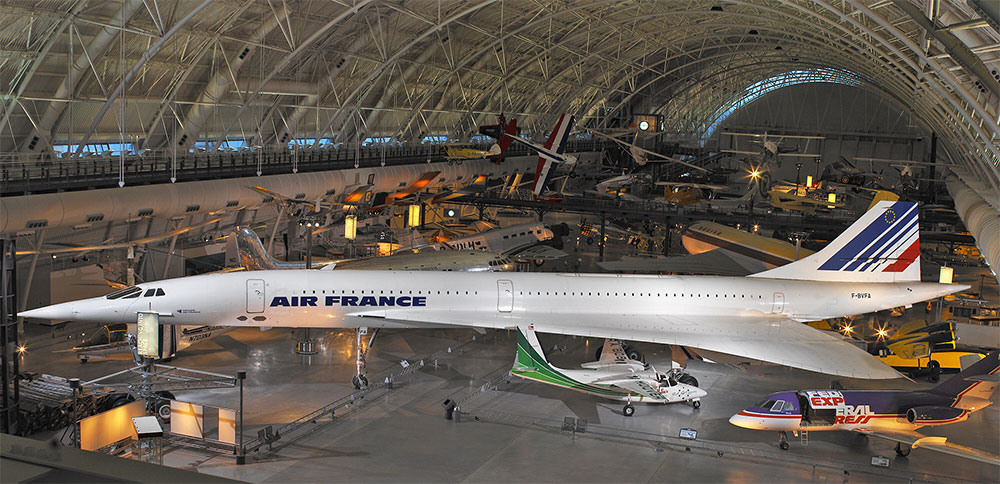
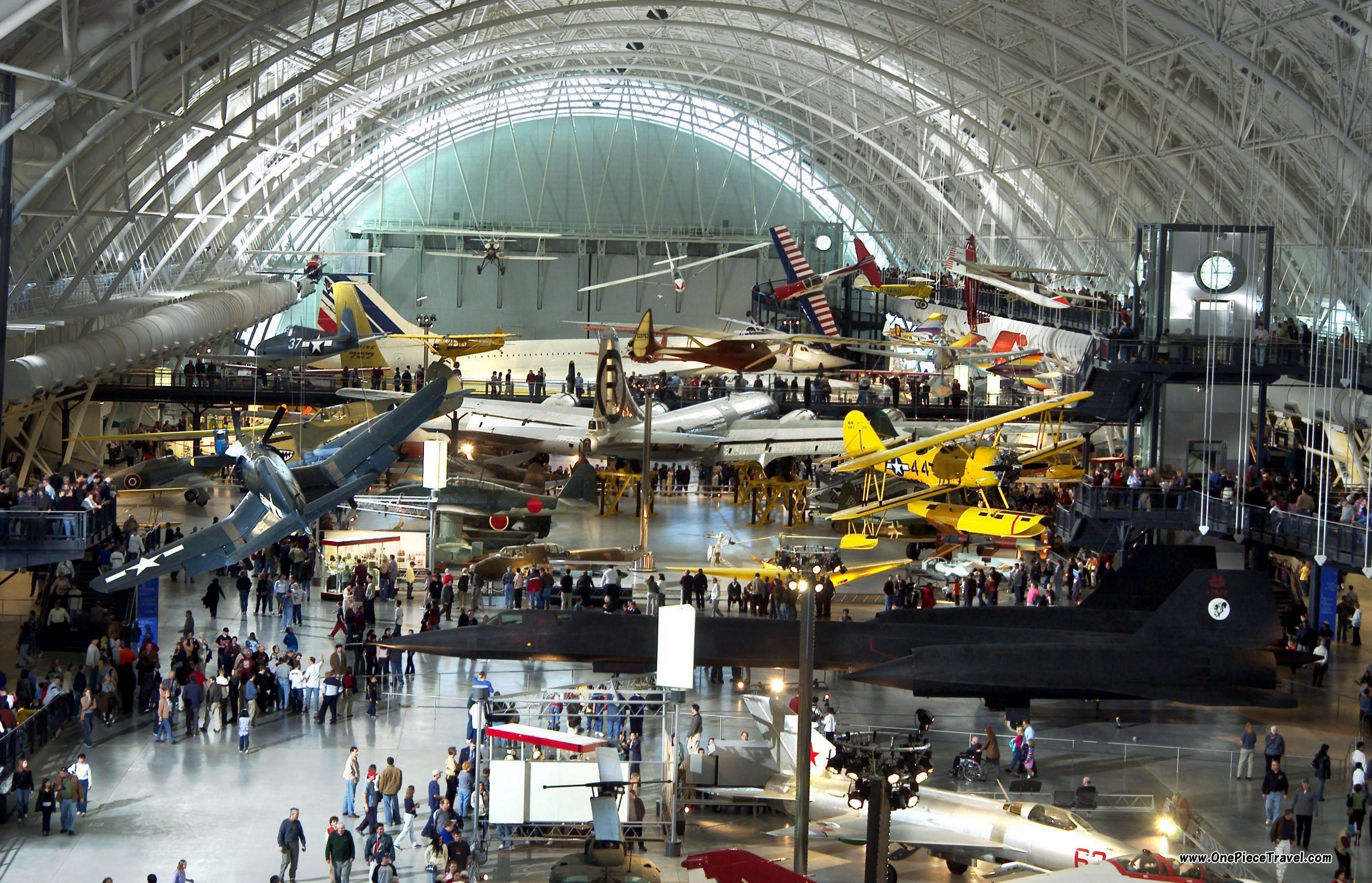
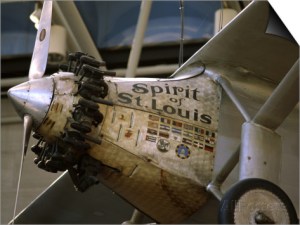
The Smithsonian National Air and Space Museum holds the world’s largest collection of aircraft and spacecraft. So much to see, we spend more then half a day – still to short.
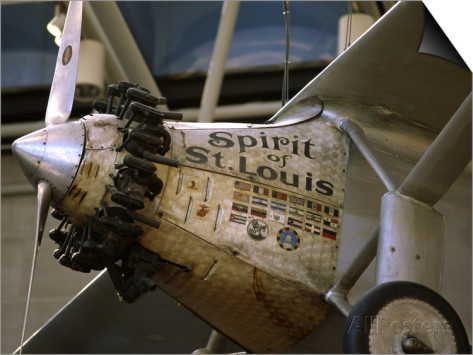
The National Air and Space Museum on the National Mall houses famous icons of flight: the original Wright Flyer, the Spirit of St. Louis, Space Ship One, the Apollo 11 command module and a touchable lunar rock. Opened 1976 and amongst all other Smithonian’s.

4th 41  4th 42

4th 30   The National Air and Space Museum. Incredible.

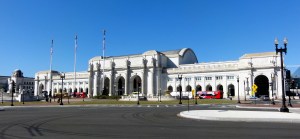
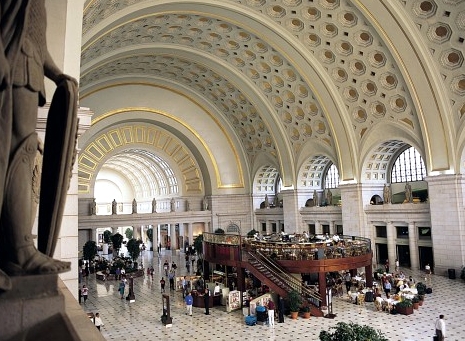
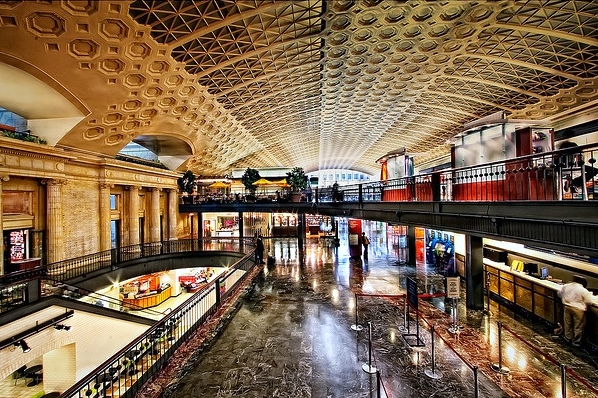
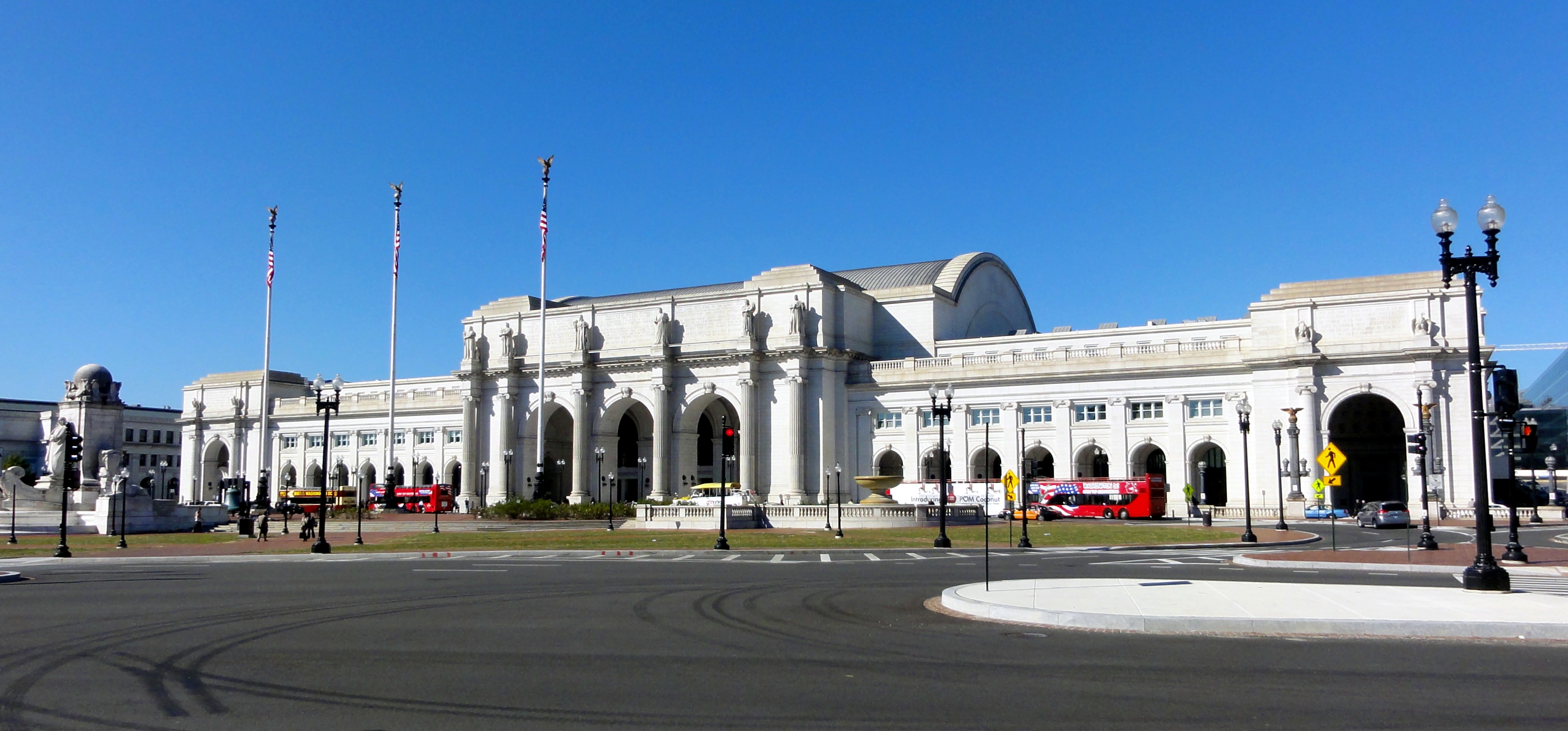
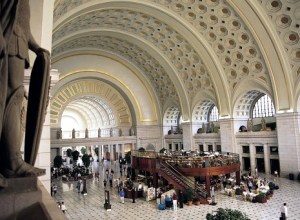
The neoclassical Union Station is so gorgeous it has been used as a movie set for blockbusters including, „The Untouchables.“ It is one of Washington’s busiest places. For nearly 100 years, Union Station has been the gateway to the nation’s capital. Every year, 29 million visitors enjoy shopping, entertainment, and an international variety of food in this Beaux Arts transportation hub.
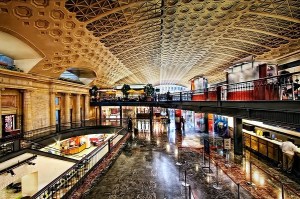
4th 31   4th 39

4th 40  The Washington Union Station, opened in 1907.

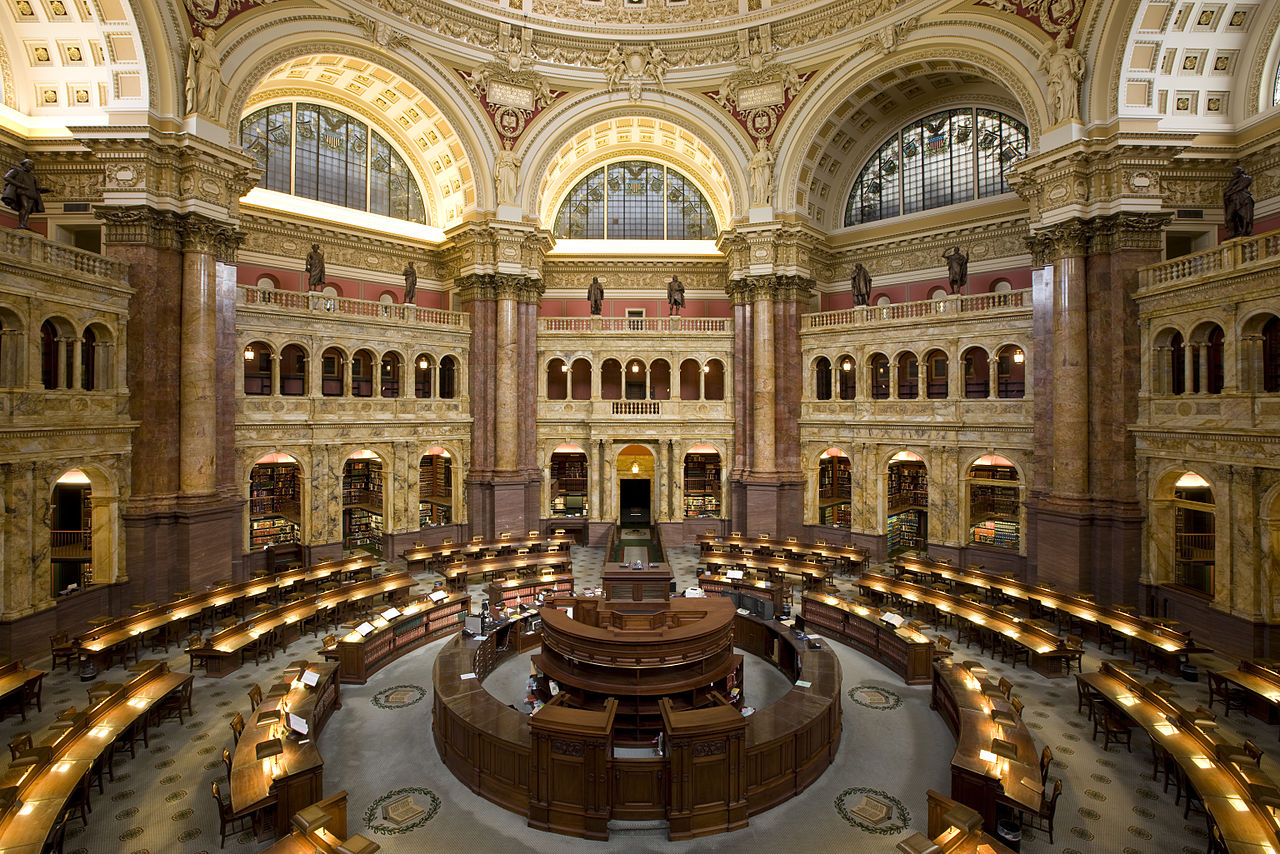
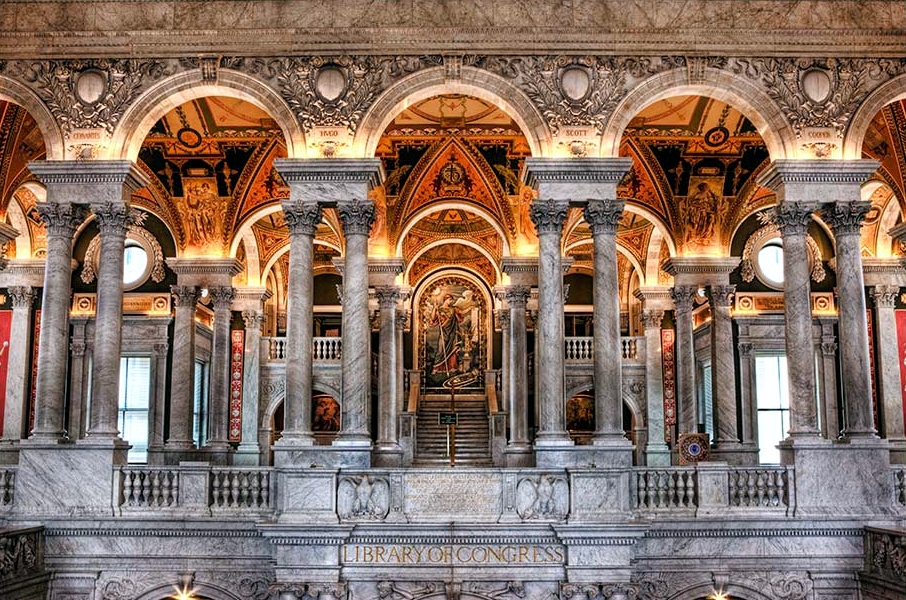
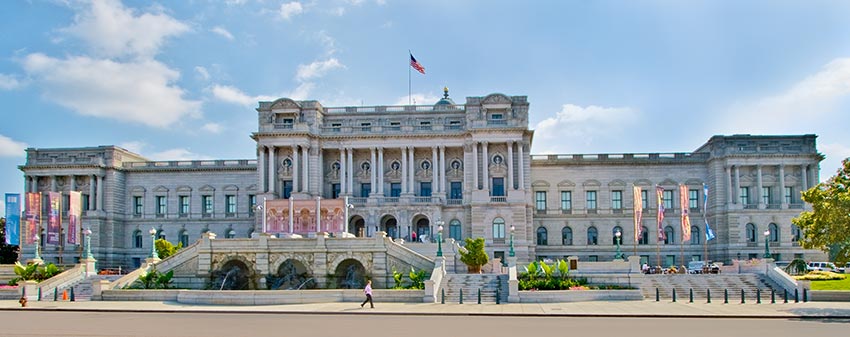
The Library of Congress, also called the Jefferson building, is the research library that officially serves the United States Congress, but which is the de facto national library of the United States. It is the oldest federal cultural institution in the United States. It is worth to read the Wikipedia article about the Library and the history.
In addition to holding America’s largest collection of books, the Library of Congress hosts free exhibits, movies, readings and lectures. The library houses the original Declaration of Independence, Constitution, Bill of Rights and more than 3 billion records. Many movies were shot in this library.
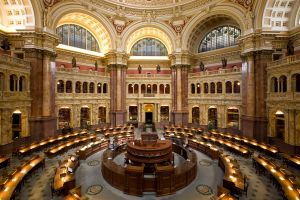
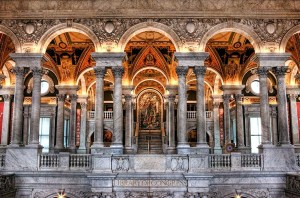
4th 44   4th 45

 4th 43  The Library of Congress, Washington, established 1800.

Now we could go on and on, as in any other world capital city. Several weeks or month wouldn’t be enough to discover everything. But 4th of July offers in D.C. a total different atmosphere, everyone seems to be positive, is laughing and celebrating a holiday.  One feels in a holiday country ! People are happy !! What more can you expect during your holiday to make it unforgettable ?

This year we stay at home in Uruguay and will help a bunch of American friends to celebrate „their Independence from England“. But sorry, there are Eglish friends too. Looking forward to lots of spareribs, cornbread and coleslaw – and German beers which we will provide) !!


Veröffentlicht unter History, Information, Must See, Travel | Hinterlasse einen Kommentar

Tango Uruguay 5 – La Cumparsita

la cumparsita 35

My La Cumparsita – Montevideo excursion.

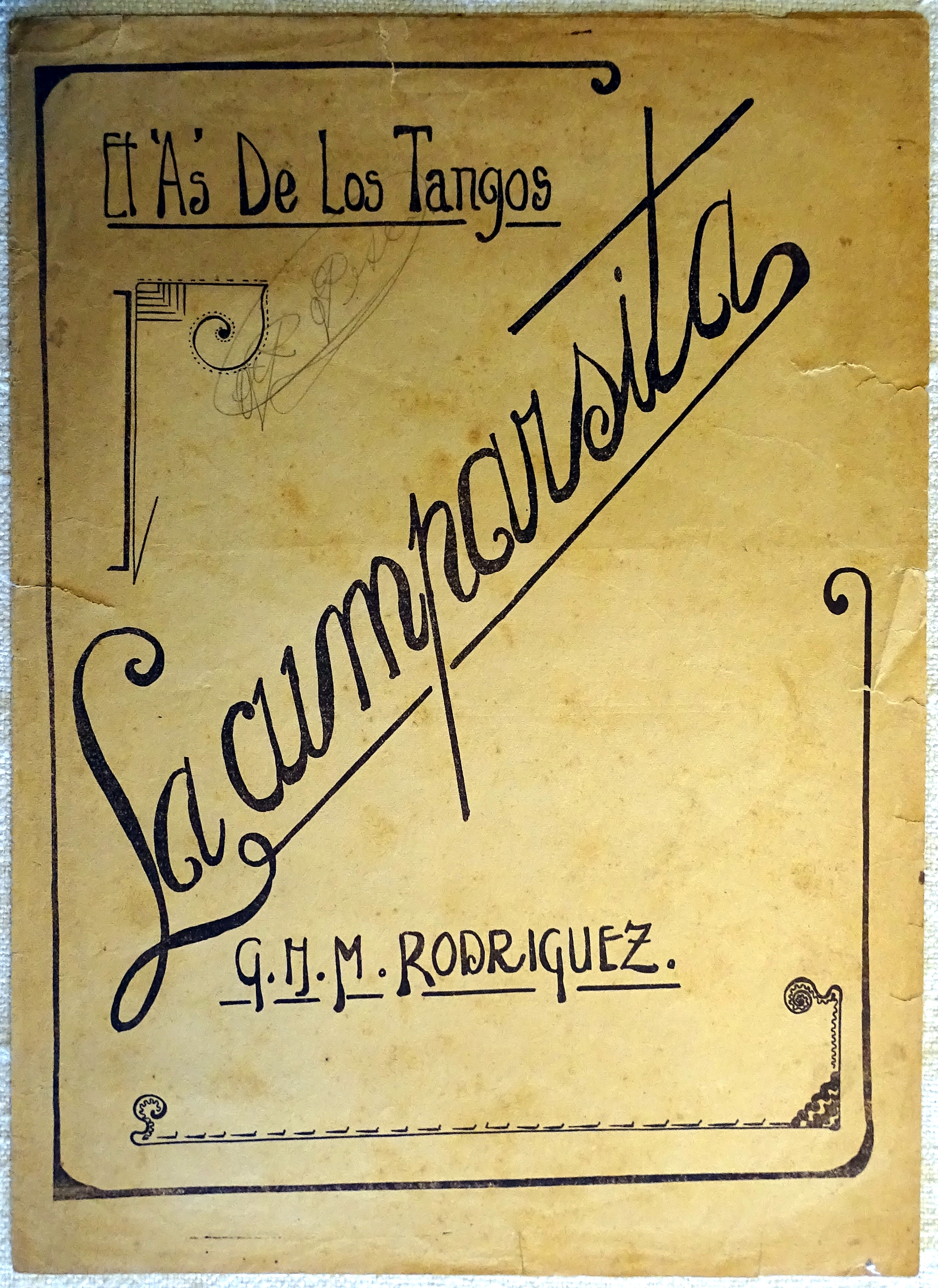
We already know that La Cumparsita was composed in 1916 by the Uruguayan musician Gerardo Matos Rodriguez. Roberto Firpo, director and pianist of the orchestra that premiered the song, added parts of his tangos „La Gaucha Manuela“ and „Curda Completa“ to Matos‘ carnival march (La Cumparsita), resulting in „La Cumparsita“ as it is currently known. That premiere took place on April 19, 1917 in La Giralda, a famous cafe next to Plaza Intependencia in Montevideo.

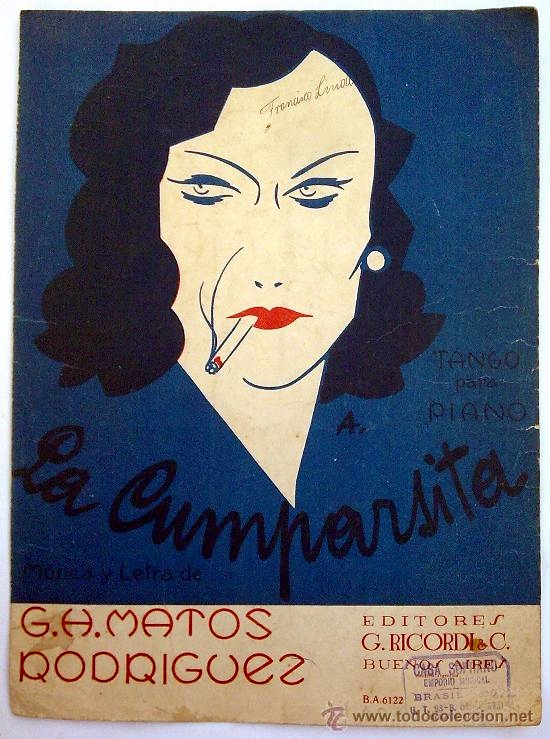
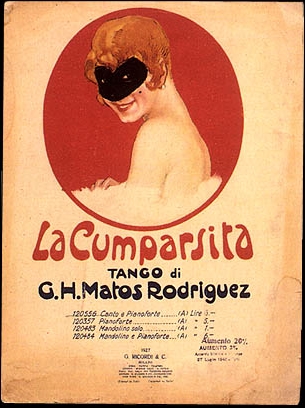
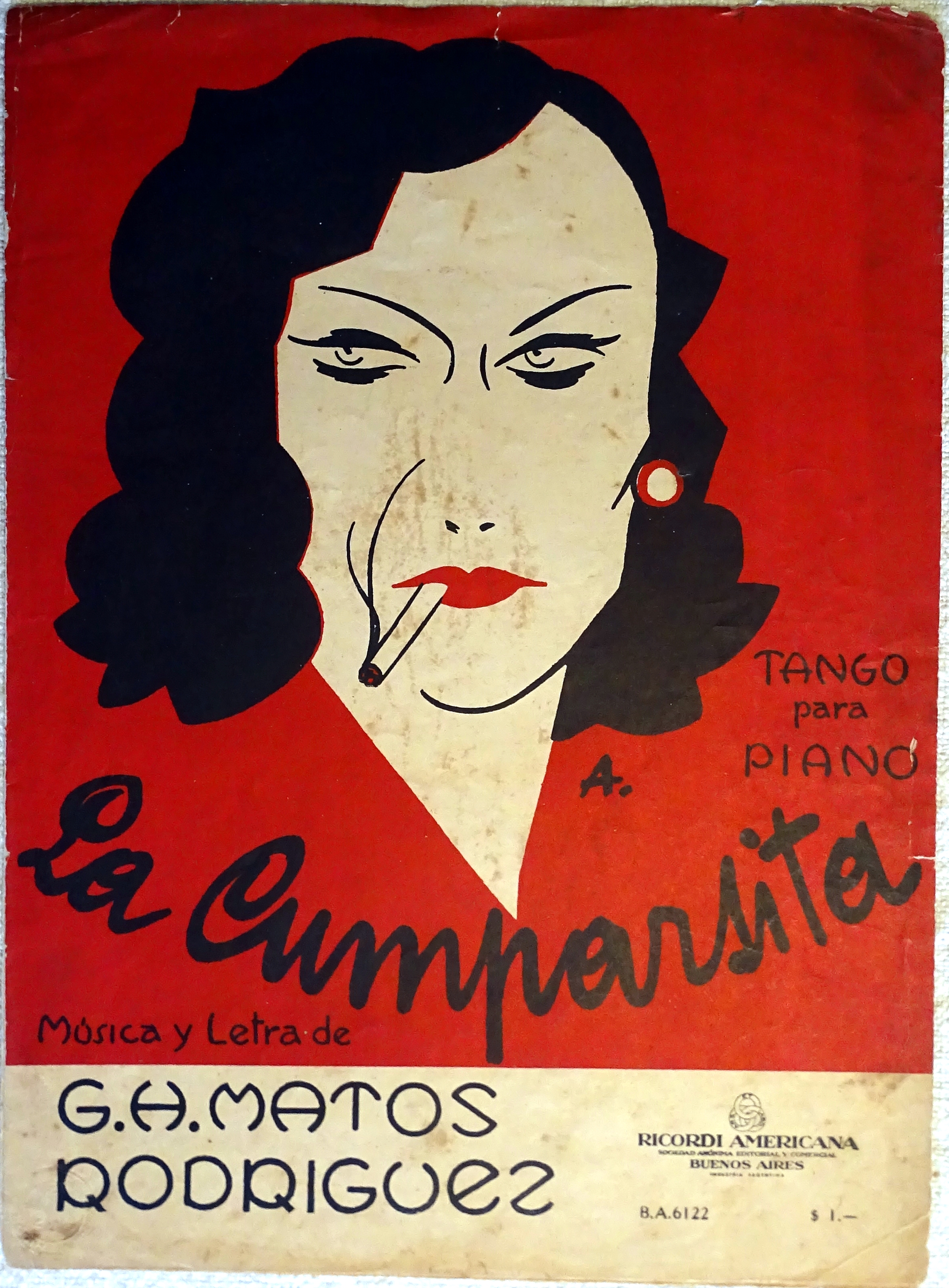
la cumparsita 46  One of the first music sheet prints from Matos Rodriguez.

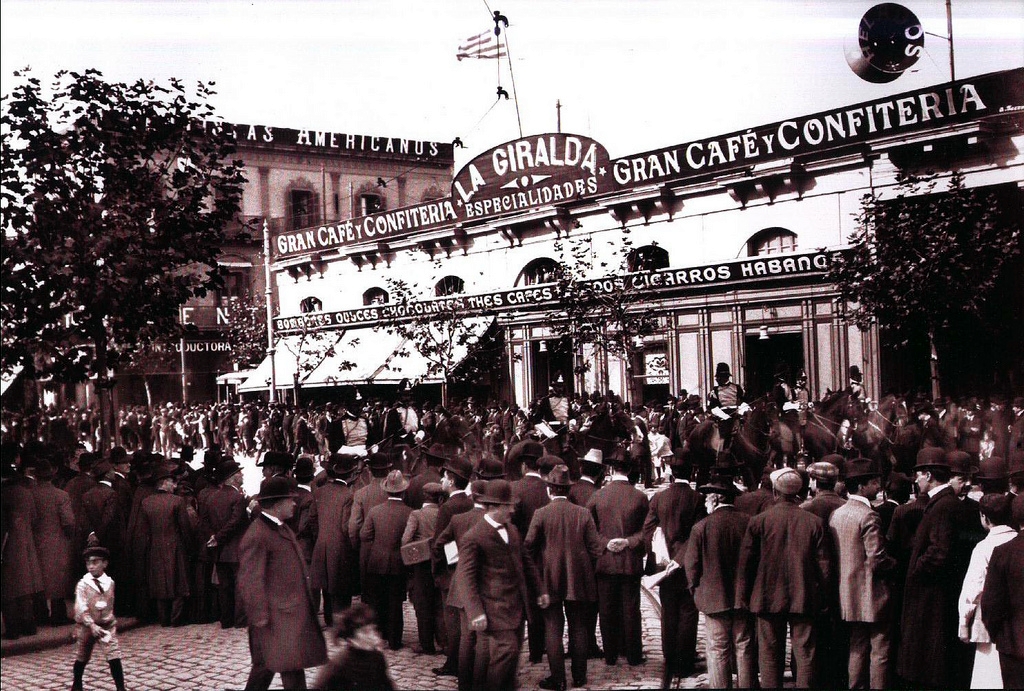
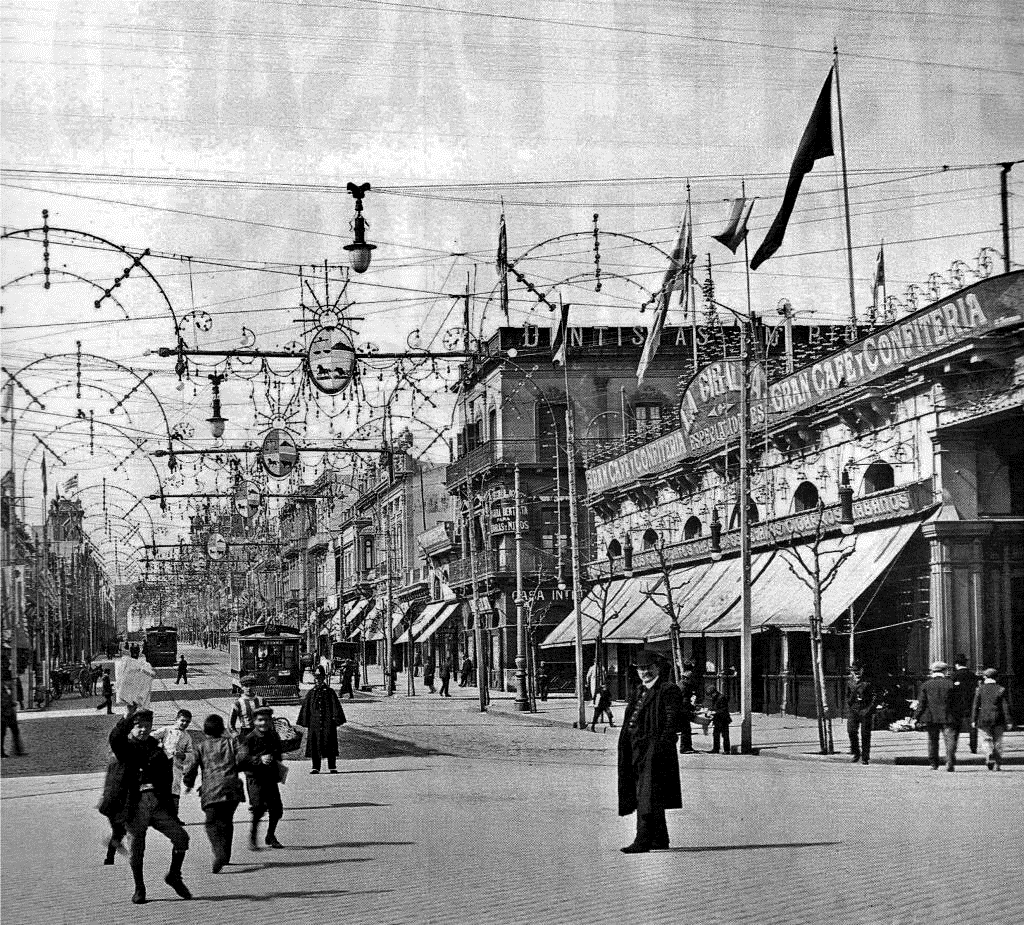
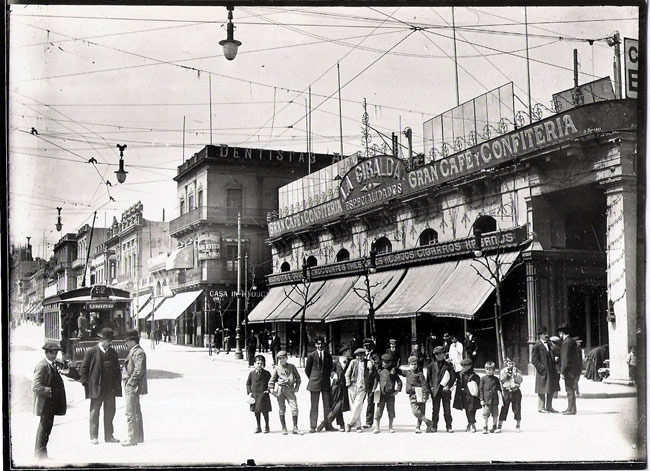
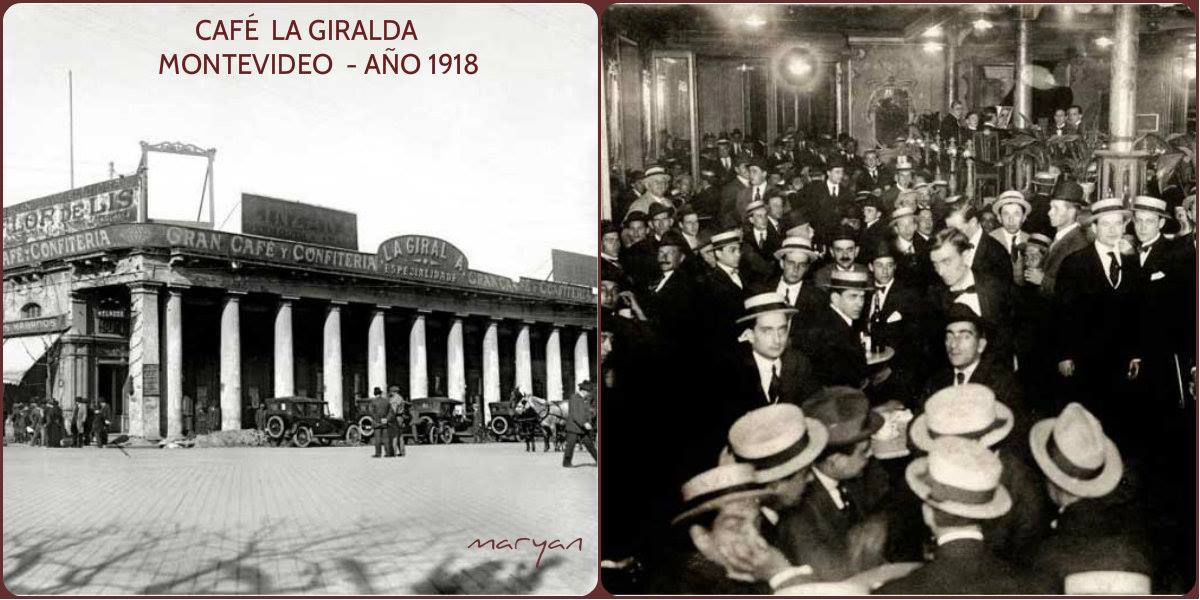
The „Grand Café and Confectionery La Giralda“ opened in the late nineteenth century. It was located on the Avenue July 18 between the Andes street and Independence Square, occupying the site where now stands the Palacio Salvo. La Giralda was one of the top cafes and meeting points in Montevideo that time. Everyone who wanted to see and be seen had to visit La Giralda.

la giralda 2 1905  La Giralda Gran Cafe y Confiteria, 1905.
la giralda 6 1906  La Giralda, view from Plaza Independencia, 1906.

View down Avenida 18 de Julio. I would like to see that at night. Notice hundreds of light cables and bulbs across the Avenida.

I tried to find out what the name „La Giralda“ means, but it was almost impossible. Giralda, also known as giraldilla or veleta, translated means weather cock or weather vane. Veleta as a „wind direction indicator“. The guess I have, that „towers“ or „high buildings“ or „great businesses“ are called „La Giralda“, as meaning „above everything“ !!??

But why is a cafe or restaurant named like this ? May be the „restaurant above others“ or „number one cafe“ – who knows ! If anyone of you find an explanation, I would be happy to know about. Anyway, let’s go on.

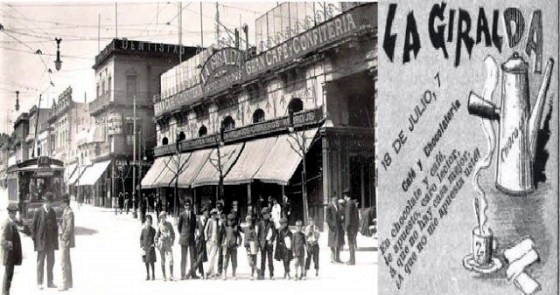
la giralda 5 1916    la giralda 7 1905

La Giralda photographed in 1916. The same photo was used for an advertizing card.

La Giralda Montevideo Mystery.

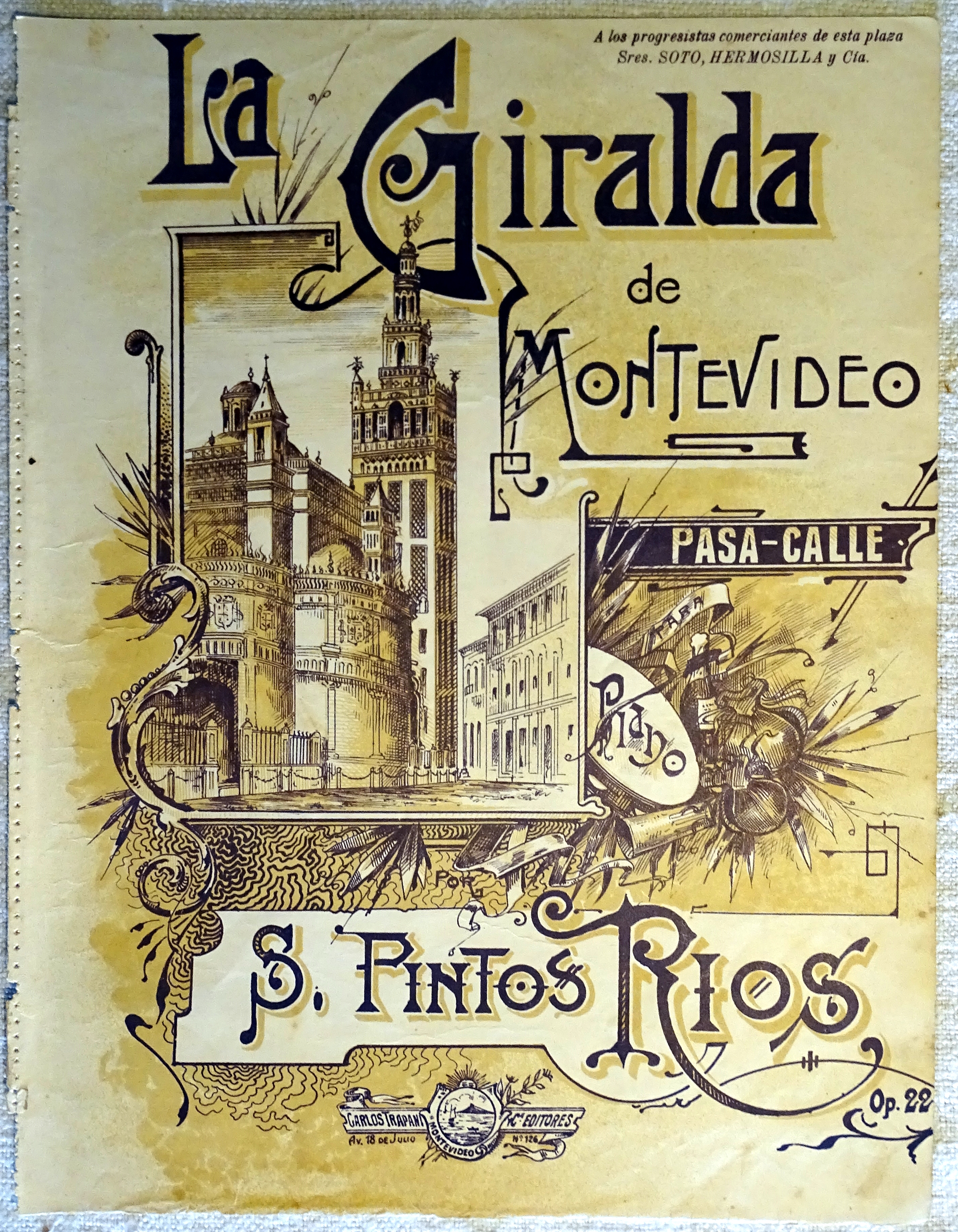
la giralda 13  Extreme rare sheet music – completely unknown !

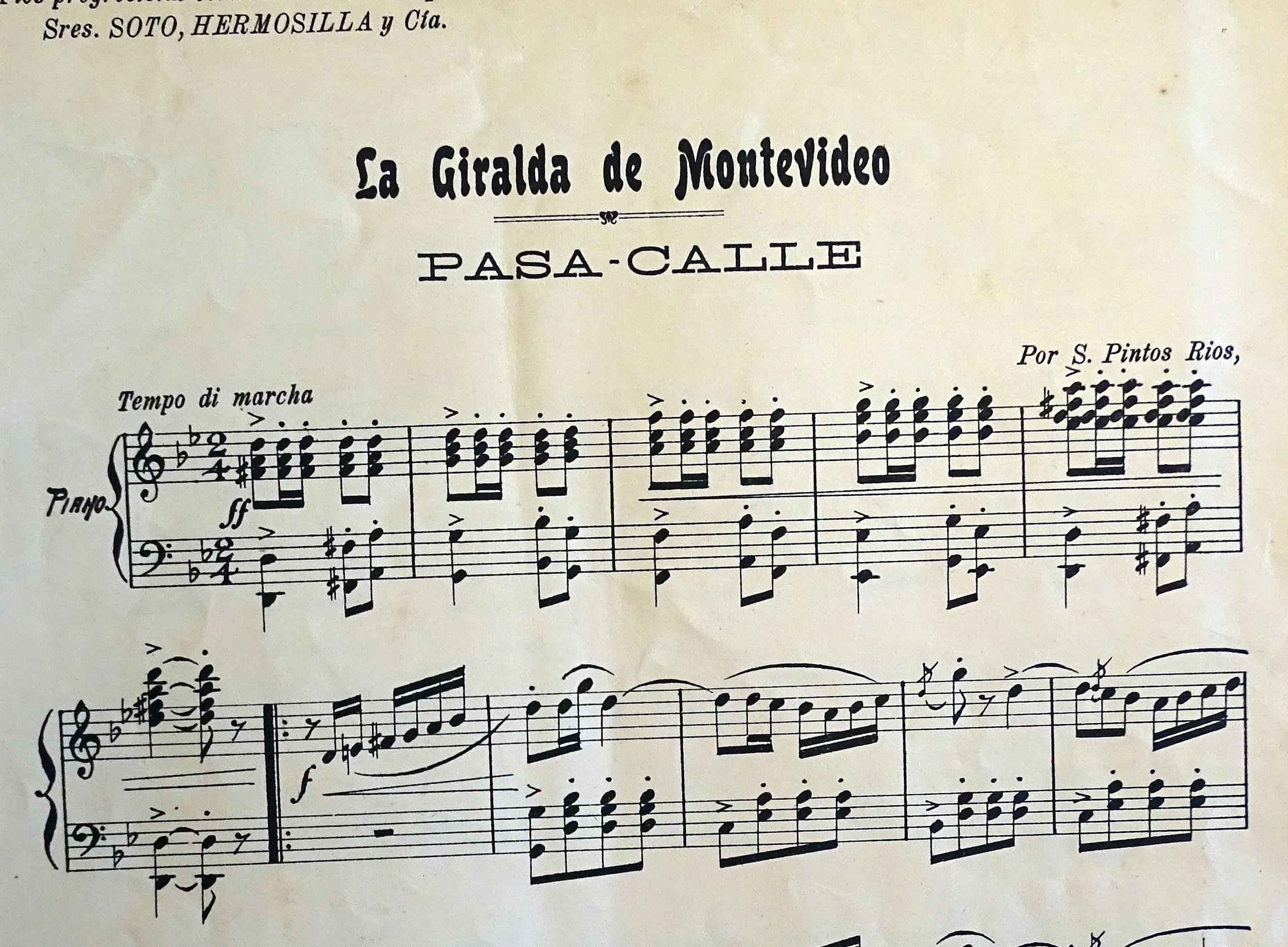
In my collection of over 500 Uruguayan music sheets I have this one, „La Giralda de Montevideo“. It is, til now, the only known copy. In magnificent quality and printed around 1910-1920 with a great vignette and elements of art nouveau and art deco. Very strange, that the vignette shows the „Giralda“ – the bell tower – of the famous cathedral in Seville, Spain. La Giralda Montevideo Mystery.

la giralda 14 Inner page of the La Giralda music sheet.

The name „S.Pintos Rios“ brought up no explanation for whom it could be. The single names Pintos or Rios are well known in Montevideo.
The contents are showing music notes only, a march for piano. No lyrics are known to this sheet music. And what does Pasa-Calle mean ??  The meaning, not the translation !

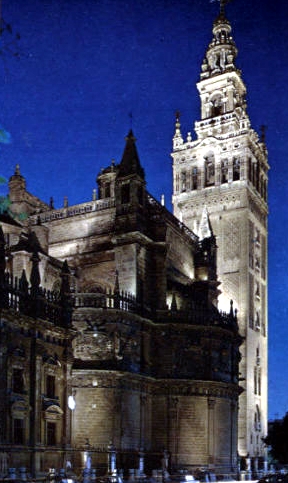
la giralda 1  This photo shows the same view/angle as it is on the music sheet.

The title can be connected to the cafe La Giralda as honor to „the cafe above all others“, or it can be that it honors „Montevideo – the great – above all others“ .

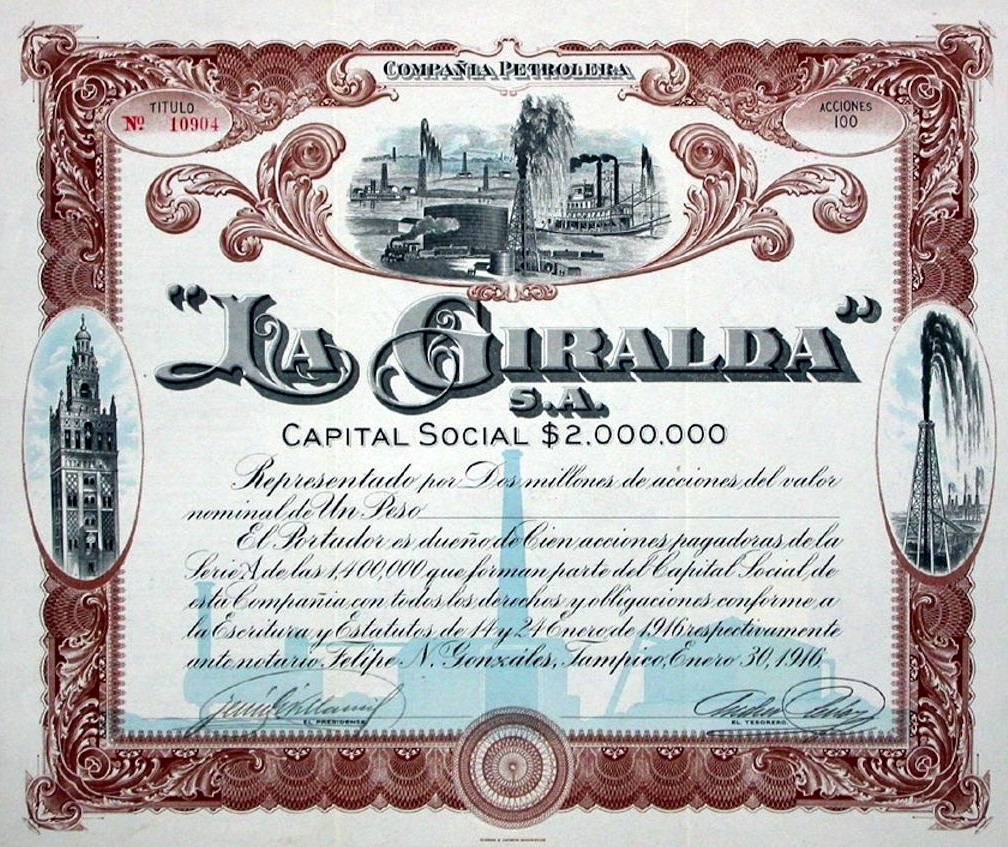
The share certificate from 1916 (see further down) also uses the Seville bell tower as „above others“. What has a Seville, Spain bell tower (Giralda) to do with an oil exploring company in Tampico, Mexico (not Tampico, Illinois) ?? Obviously  one of the oil centers of the time ( Mexican Petroleum Corporation or Standard Oil Company). But, 1916 investing in shares, during the high of the Mexican Revolution (1910 – 1920) ??  Fashion of the time, or a „great investment – better then others“ ??  Another La Giralda Mystery  ?!

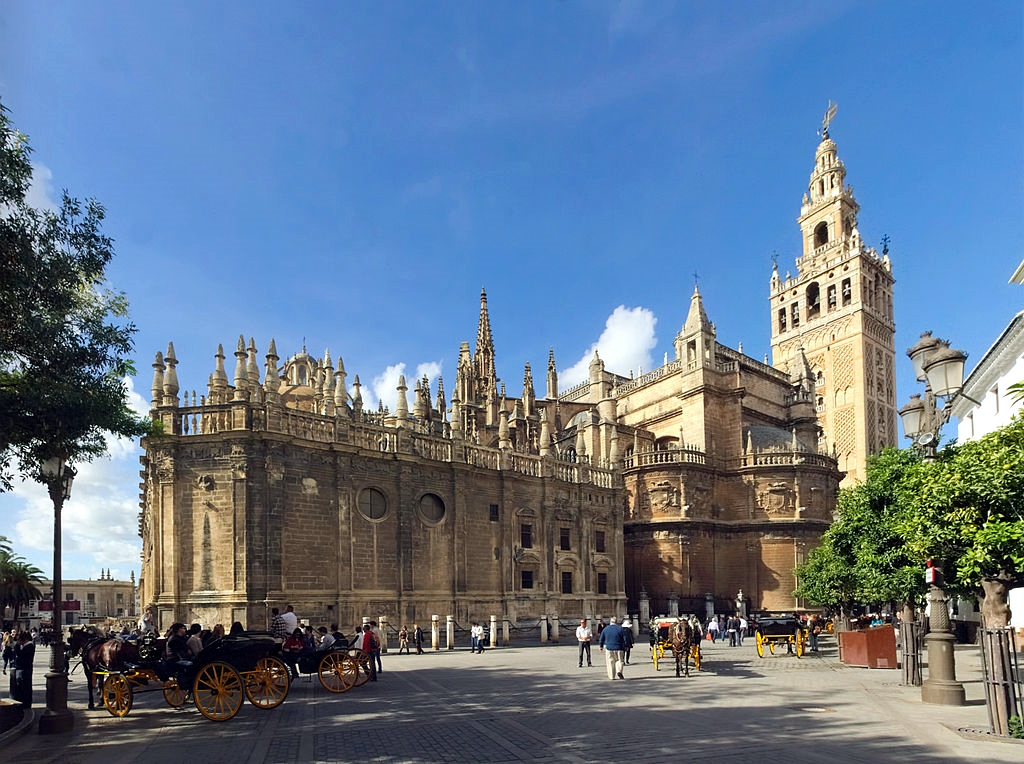
la giralda 4  The Cathedral of Seville with it’s Giralda.

The Giralda is the bell tower of the Cathedral of Seville. Its height is 105 m. Construction began in 1184 under the direction of architect Ben Ahmad Baso. The works were completed on March 10 of 1198, with the placement of four gilt bronze balls in the top section of the tower. After a strong earthquake in 1365, the spheres were missing. In the 16th century the belfry was added by the architect Hernán Ruiz the Younger; the statue on its top, called „El Giraldillo“, was installed in 1568 to represent the triumph of the Christian faith. Since 1987 it is an UNESCO world heritage site.

la giralda 3a
Backing up my theory about „something TOP“, share certificate, 1916, with a Giralda/Seville vignette. Why ??

The sheet music La Giralda was printed and distributed by Carlos Trapani, Montevideo. Carlos Trápani was editor and the owner of the leading music store in Montevideo and a center of guitaristic activity. The small vignette on the sheet music shows Montevideo harbor and the cerro de Montevideo. Sadly I can’t ask him about this sheet anymore.

la giralda 9  A La Giralda view from outside and inside 1918.

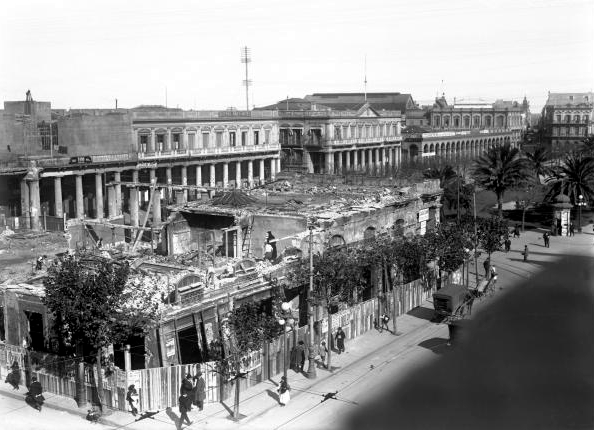
La Giralda was for almost 40 years the „center point“ of Montevideo’s life, before the site was sold and the building demolished in 1922, in favor of the well known Palacio Salvo.

 la giralda 4 demolition  La Giralda demolished by the Salvo brothers.
Palacio Salvo.
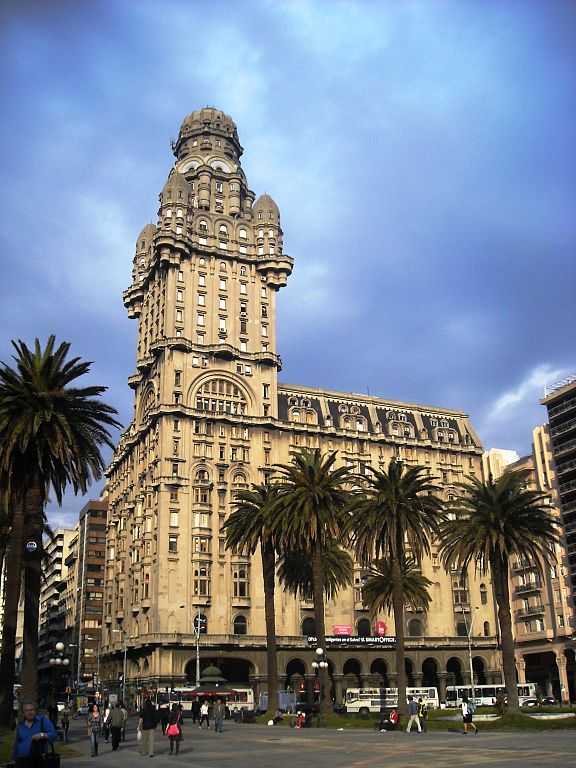
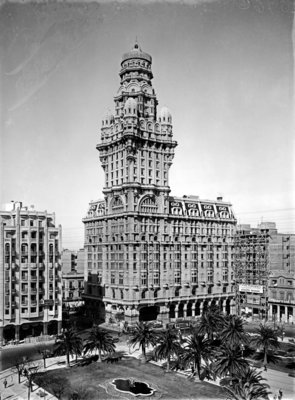
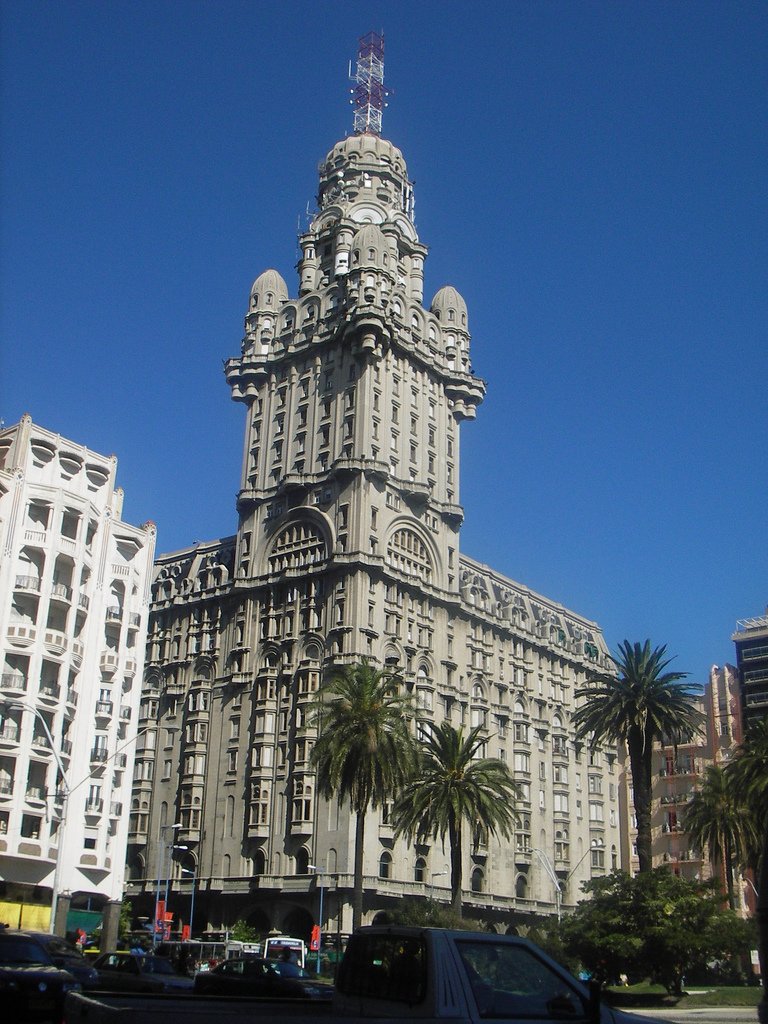
This Palace and the story around deserves a post of itself. Still, I want to give a short information to complete the „La Cumparsita“ story. The „Salvo Palace“ is a mix of art deco and Gothic elements.
salvo 2           salvo 5
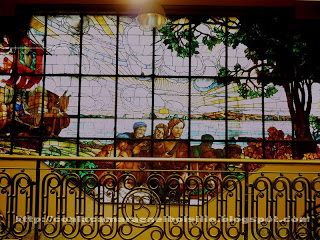
Palacio Salvo as it looks today.      And one of the magnificent „glass art work“ windows on level 10.
The Giralda site was bought by the Salvo brothers for 650,000 Uruguayan pesos. They demolished the old cafe building and on this site they established the Palacio Salvo. Work started in 1923 and it was inaugurated in 1928, Palacio Salvo appeared in the city landscape as a strange creature, one that has both delighted and disgusted architecture buffs for decades.

salvo 11  Palacio Salvo already without the antennas.

Its makers were Italian immigrants born in the region of Liguria. At Uruguayan shores in the 1860s, they went from street vendors to have their own shop and eventually became important entrepreneurs in the textile branch.

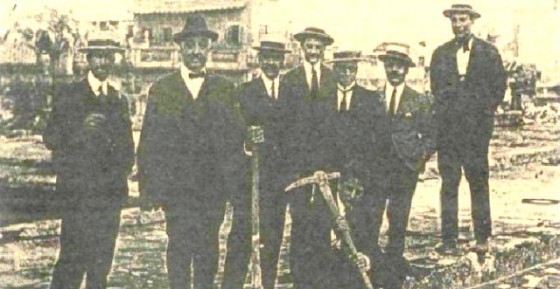
salvo 8 Lorenzo Salvo Second from left Lorenco Salvio, ground breaking 1923.

From these conditions, the brothers Angel, Lorenzo and José Salvo were raised in 1919, lifting the first skyscraper in Uruguay, a large hotel opposite the Plaza Independencia, in a sense as a „thank you to the city“ from where they had received, when they were very poor.

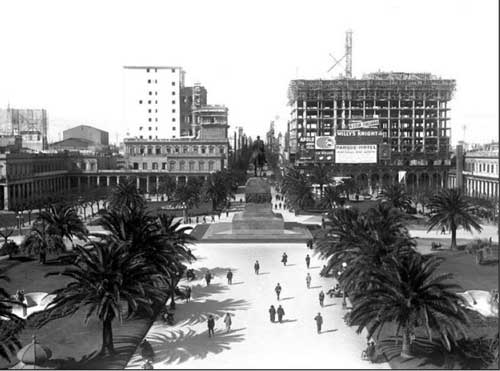
salvo 4 Palacio Salvo building site at Plaza Independencia.

In an area of ​​almost 1,800 square meters, it has two basements, ground floor, ten stories that make up the base, with more than forty apartments per floor, and fifteen floors in the tower displays.

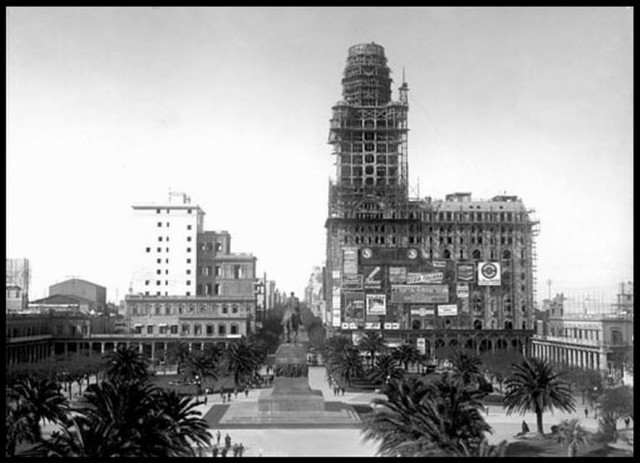
salvo 6  Palacio Salvo is taking shape.

The palace was originally topped with a lighthouse and a parabolic mirror of 920mm, reaching approximately 100km out, but the light was later removed in favor of an antenna that gave the 27-floor building its eventual height of 100 meters. With this addition it was once to be the tallest building in South America. The antenna has later been removed, demoting it to simply a fantastic display of architecture.

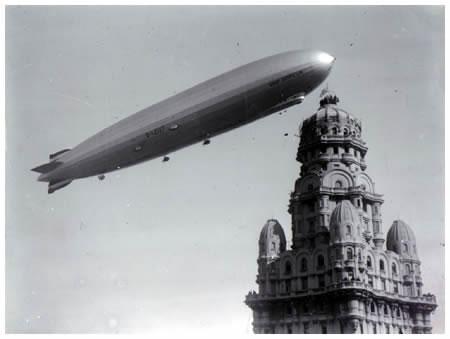
salvo 3 1934 Zeppelin over MVD, lighthouse on Palacio Salvo, 1934.

Palacio Salvo silhouette, view from the most diverse places, definitely was built skyline al. Before being opened, poets Alfredo Mario Ferreiro and Juvenal Ortiz Saralegui published verses in his honor, the company Philips used his image in advertising posters, showing the tower lit especially for hosting the Olympic champions of Amsterdam. Their particular figure, full of curved surfaces, balconies and byways, gradually became the subject of countless photographs and looks. Film and material expression of various arts became. It is also stage and engine of stories and legends, many of them collected and documented in the book Historias del Palacio Salvo.

salvo 12  Palacio Salvo with the large antennas on top.

Let us close the journey around  Montevideo, La Giralda and Palacio Salvo with the wonderful tango „La Cumparsita – also called „el Himno del Rio de la Plata“.
The hymn of the Rio de la Plata (the Silver River, see my post about silver river).

La Cumparsita.

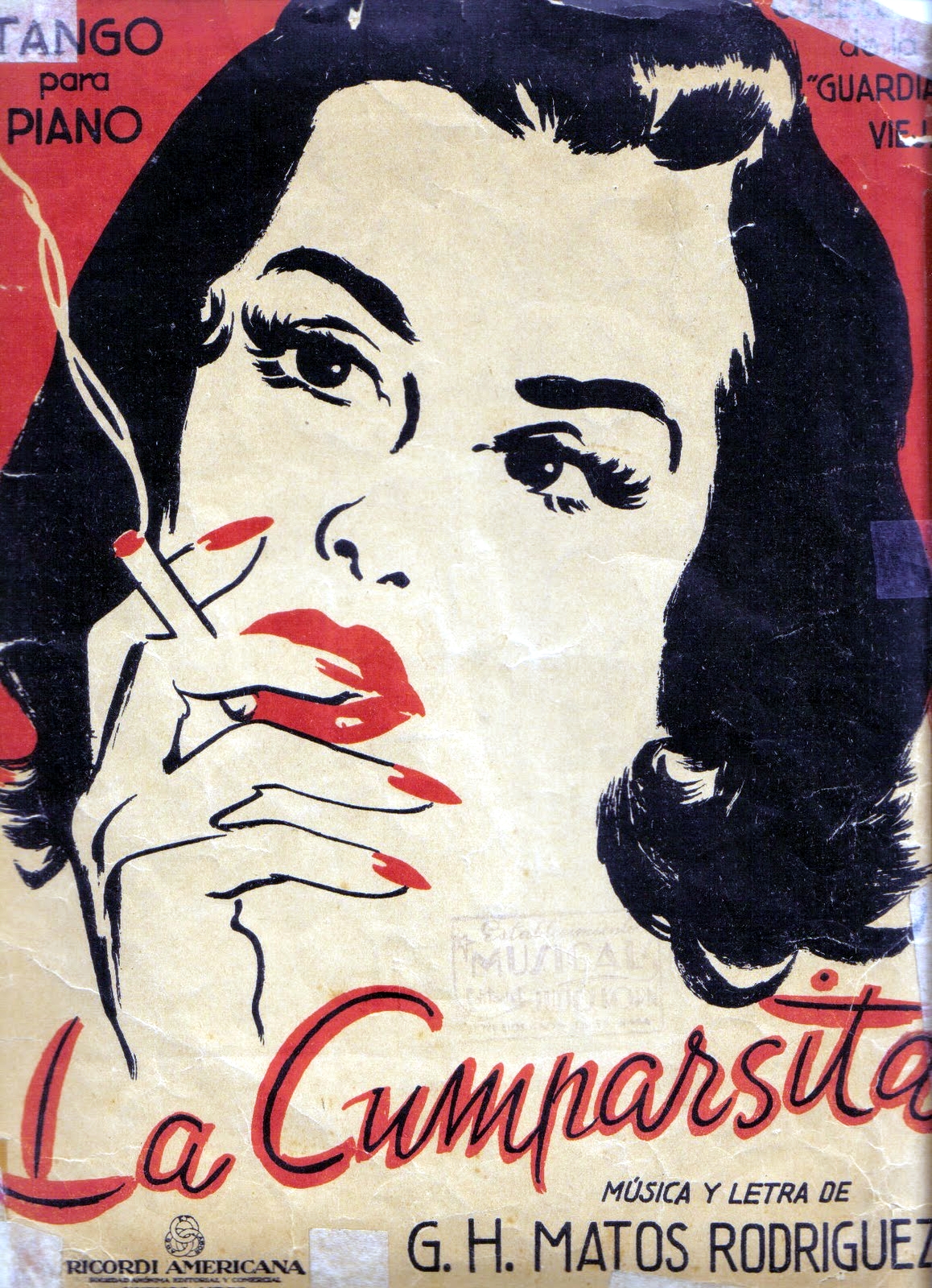
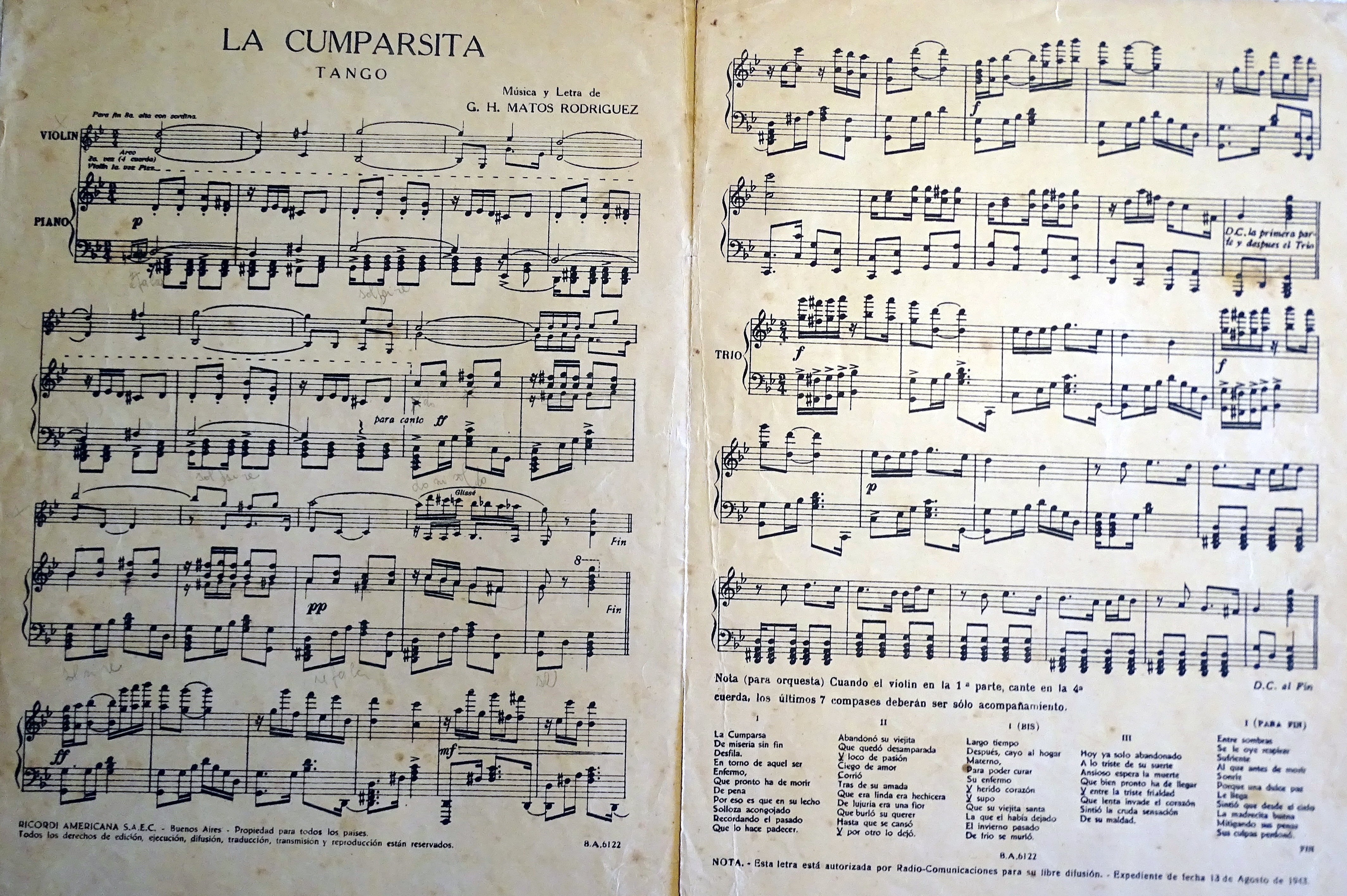
la cumparsita 19 Very early music sheet, music and text by Matos Rodriguez.

First, a couple of definitions about the title.
Cumparsa: Lunfardo (see Lunfardo university part 1) word that denotes a group
of people that attends the carnival festivals dressed in a similar fashion,
usually, but not exclusively, wearing masks.
The term seems to be a corruption of the Italian word „comparsa“.
La Cumparsita = The little cumparsa.

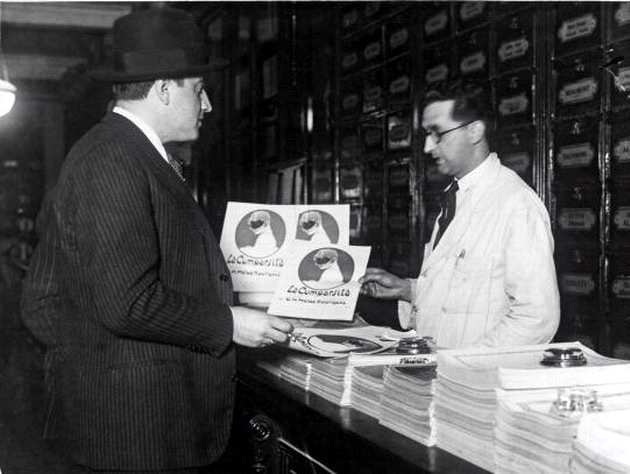
la cumparsita 37  Matos with his sheet music at Carlos Trapanis shop.

Translation of the Lyrics.
The Matos text in Spanish:
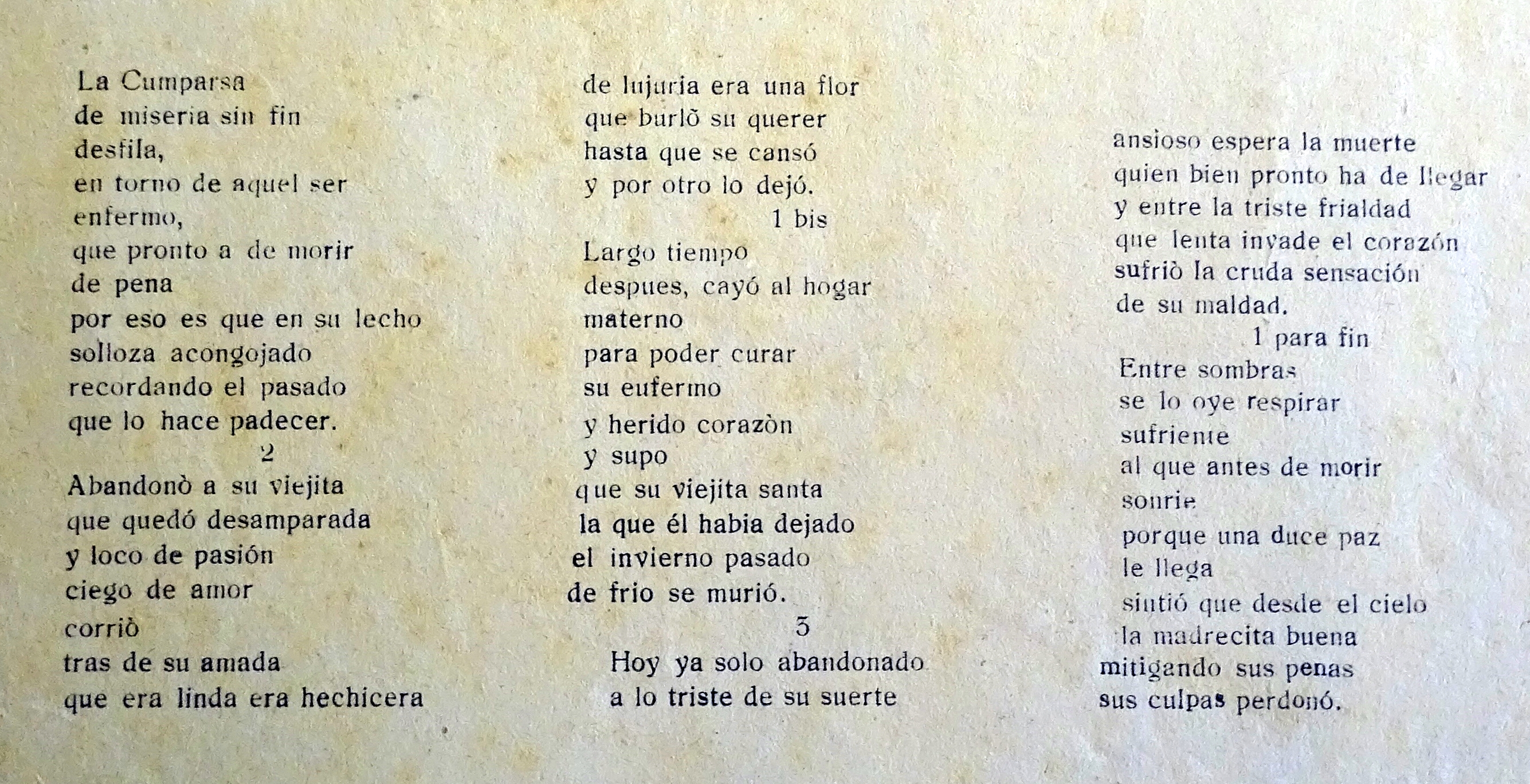
miserias sin fin desfila en torno de aquel ser enfermo que pronto a de morir de pena.
Por eso es que en su lecho solloza acongojado recordando el pasado que lo hace padecer.

la cumparsita 14 First – original lyric, 1917, click on to supersize.

The Matos text in English:
The masked parade of endless miseries promenades around that sick being that soon will die of sorrow.
That’s why in its bed cries mournfully remembering the past that makes it suffer.

la cumparsita 18  Another, later edition of Matos music and lyric’s.

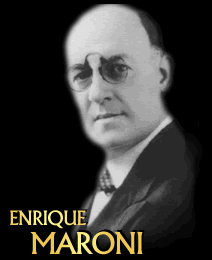
LA CUMPARSITA lyrics by
Enrique Maroni and Pascual Contursi.

Spanish version:
Si supieras,
que aun dentro de mi alma,
conservo aquel cariño
que tuve para ti…
Quien sabe si supieras
que nunca te he olvidado,
volviendo a tu pasado
te acordaras de mi…
Los amigos ya no vienen
ni siquiera a visitarme,
nadie quiere consolarme
en mi afliccion…
Desde el dia que te fuiste
siento angustias en mi pecho,
deci, percanta, que has hecho
de mi pobre corazon?
Sin embargo,
yo siempre te recuerdo
con el cariño santo
que tuve para ti.
Y estas en todas partes
pedazo de mi vida,
y aquellos ojos que fueron mi alegria
los busco por todas partes
y no los puedo hallar.
Al cotorro abandonado
ya ni el sol de la mañana
asoma por la ventana
como cuando estabas vos,
y aquel perrito compañero
que por tu ausencia no comia,
al verme solo el otro dia
tambien me dejo.

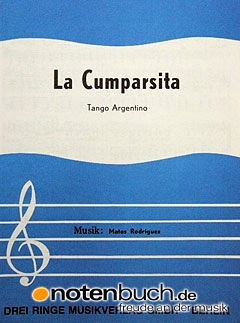
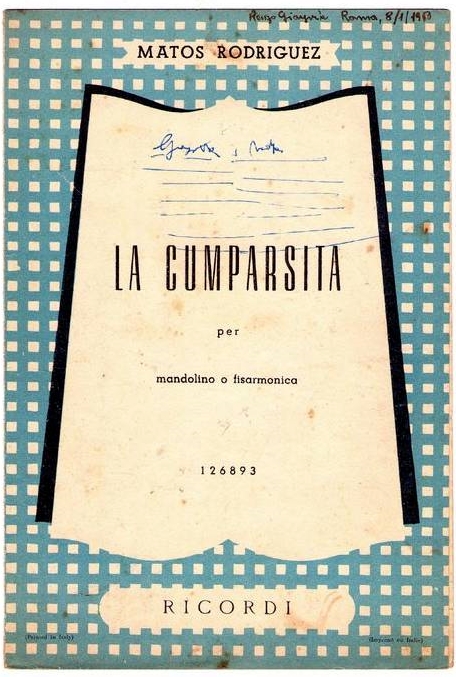
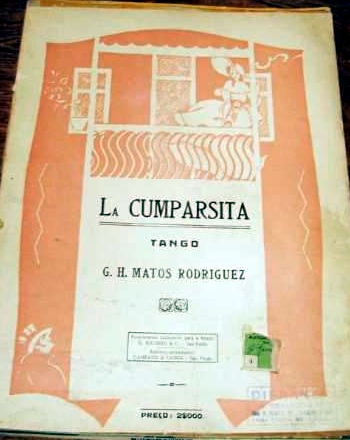
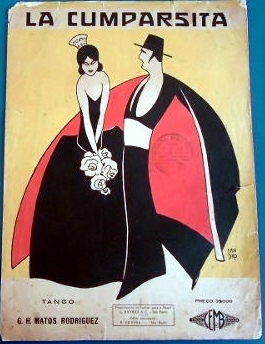
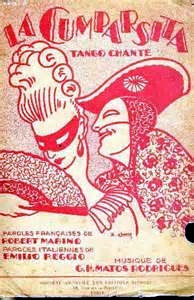
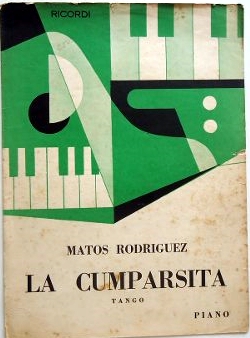
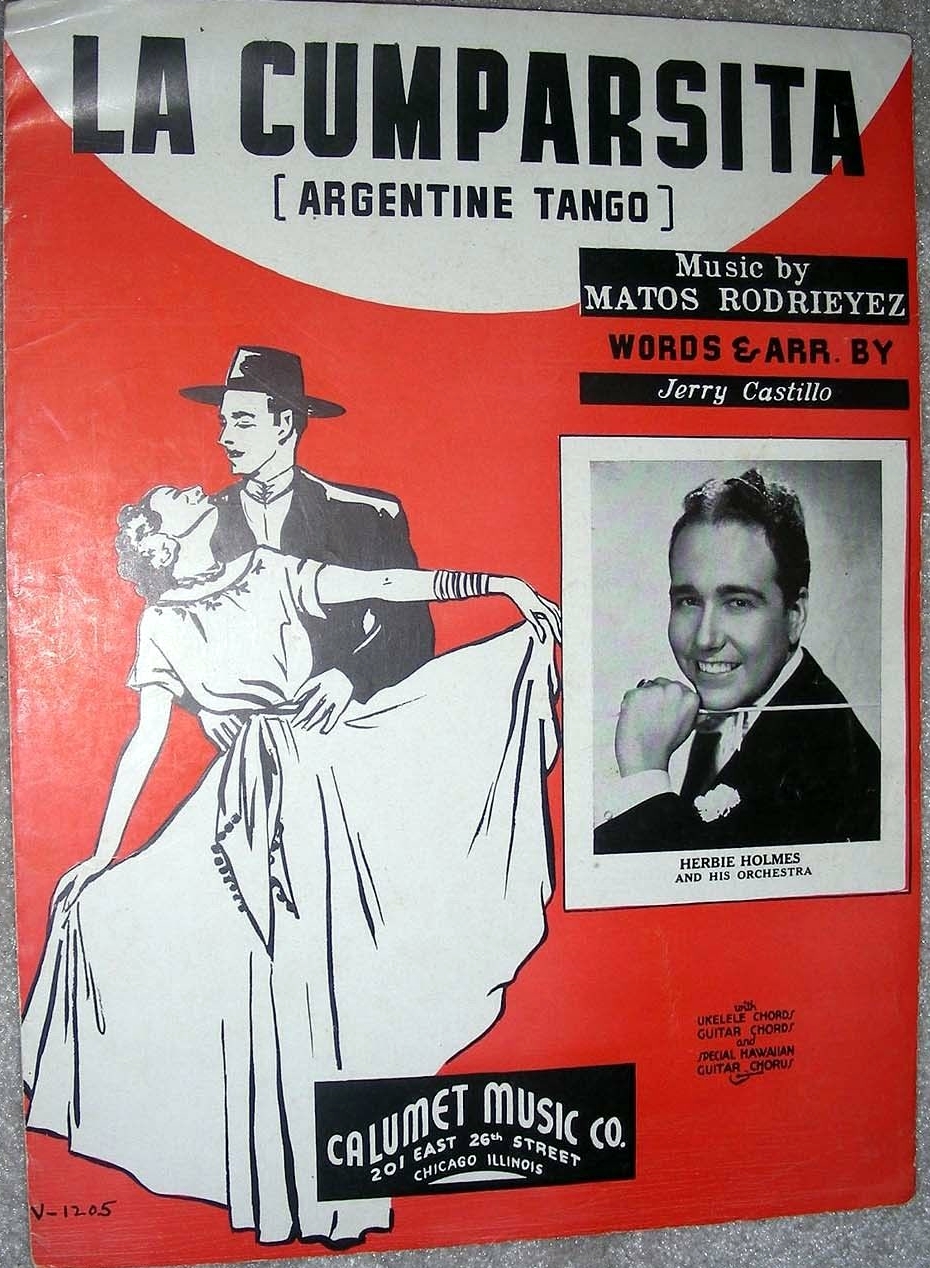
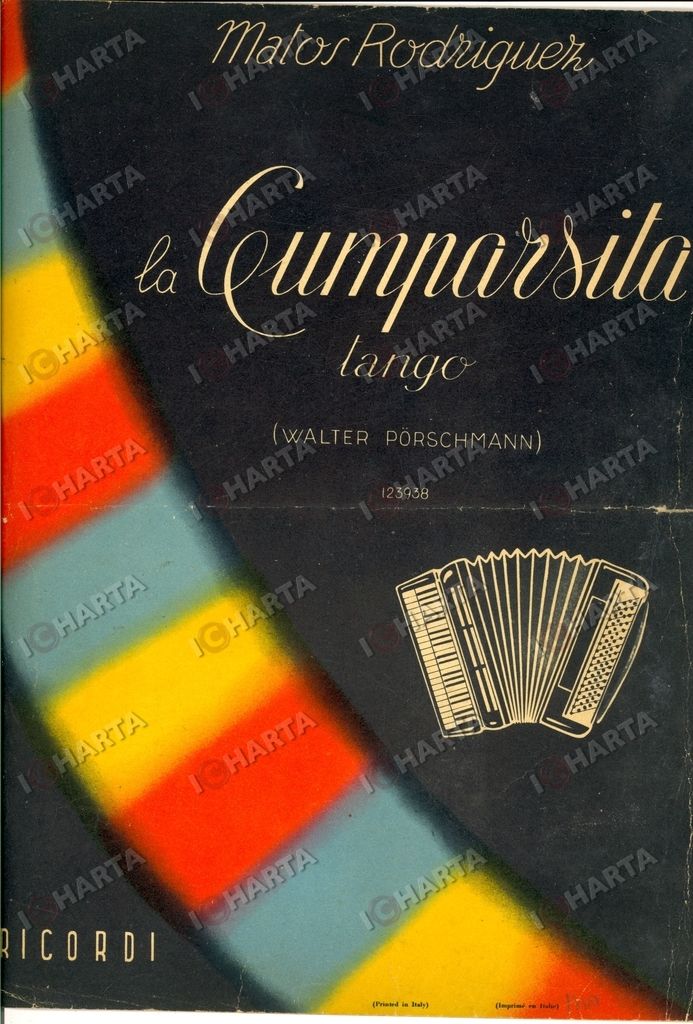
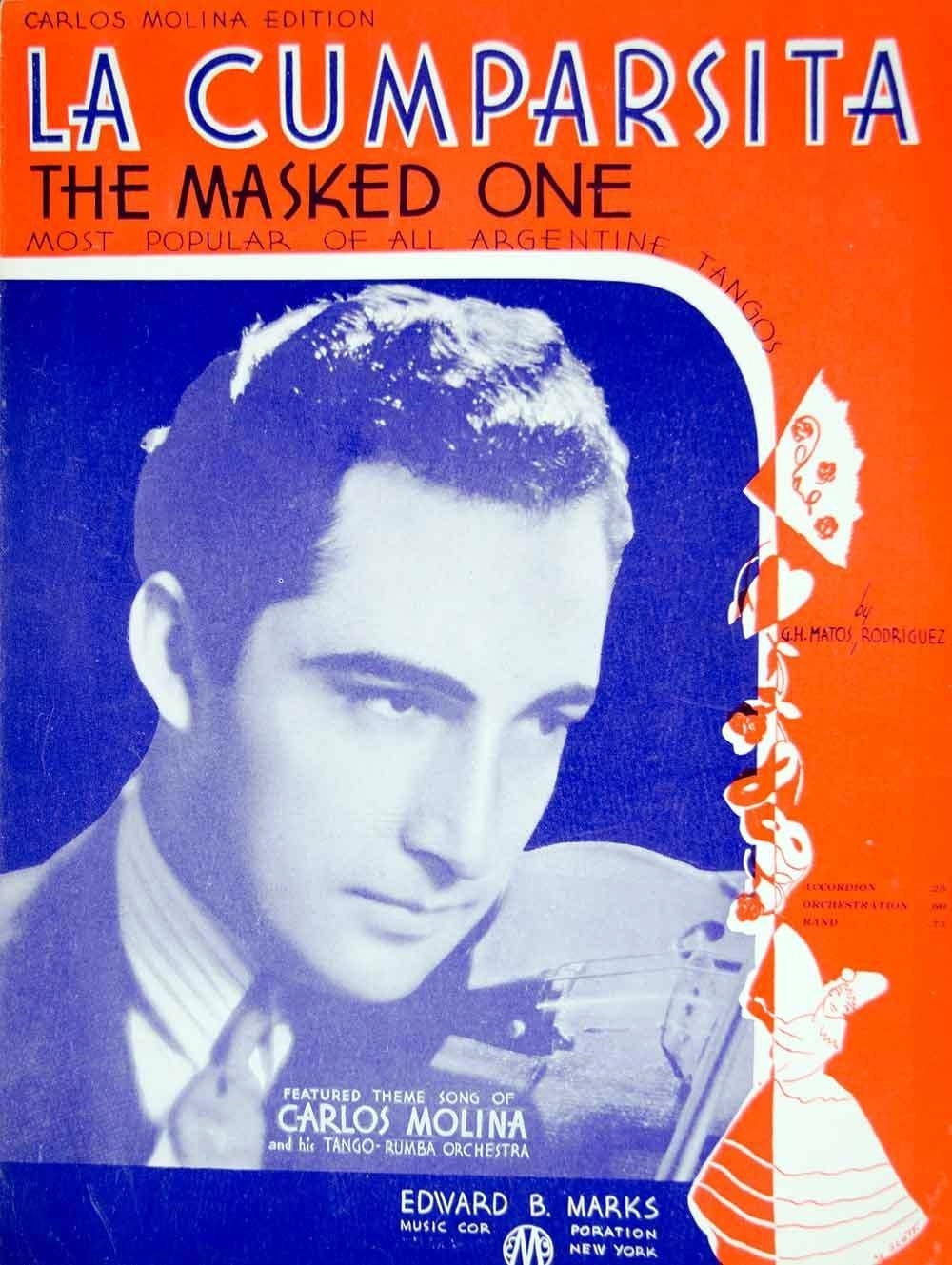
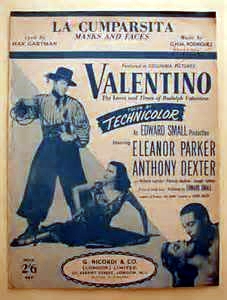
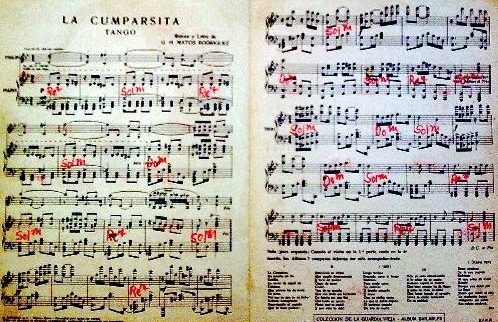
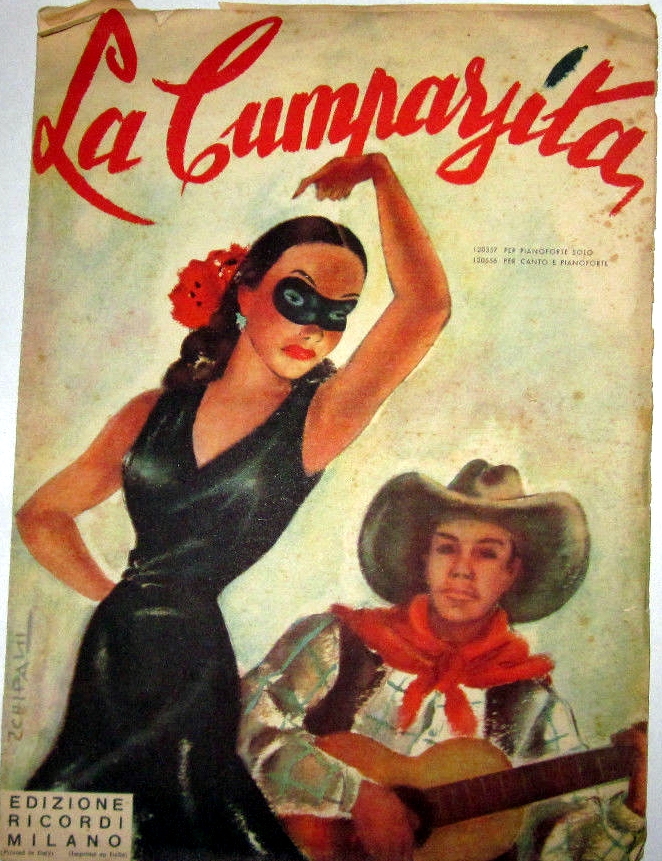
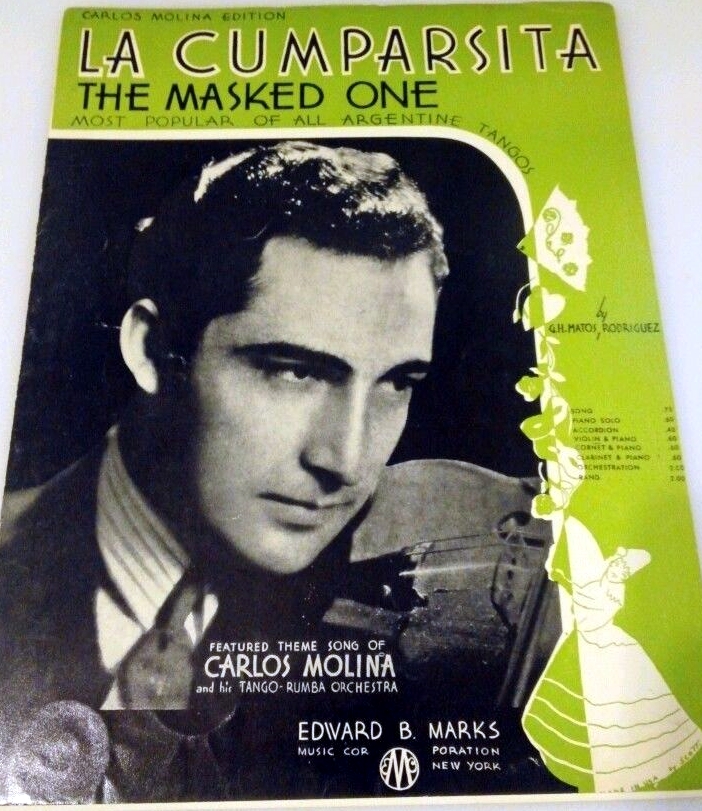
Some different editions of La Cumparsita for sheet music collectors.

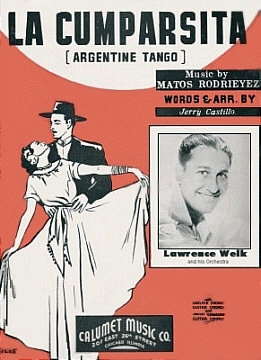
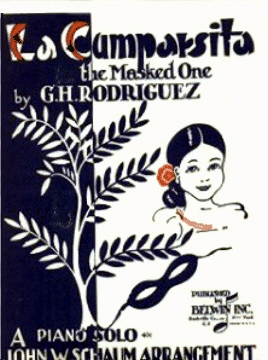
la cumparsita 21              la cumparsita 22

la cumparsita 41                 la cumparsita 42

la cumparsita 31           la cumparsita 34

la cumparsita 38                 la cumparsita 39

la cumparsita 40             tango 39

tango 22                tango 24

la cumparsita 4 1937   la cumparsita 1 1937
Many of the printed music sheets forced strong discussions and objections, because they were under titled as „Argentine Tango“, sometimes even without naming Matos Rodriguez.  After the final settlement with Matos, as described earlier, it stopped and the „Argentine phishing“ disappeared.

English version:

If you knew,
that still within my soul,
I keep the love
I had for you…
Who knows, if you knew
that I never forgot you,
returning to your past,
you would remember me…
The friends do not come
not even to visit me,
nobody wants to console me.
in my affliction…
Since the day you left
I feel anguish in my chest,
tell me, woman, what have you done
with my poor heart?
Nevertheless,
I always remember you
with the holy love
that I had for you.
And you are everywhere,
piece of my life,
those eyes that were my happiness
I search for them everywhere
and I can’t find them.
To the abandoned bedroom
now not even the morning sun
shows thru the window
the way as when you were there,
and that little dog [our] partner
that because of your absence would not eat
on seeing me alone the other day also left me.

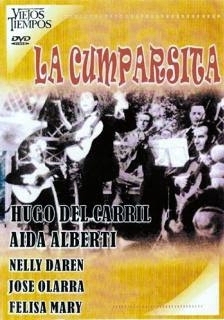
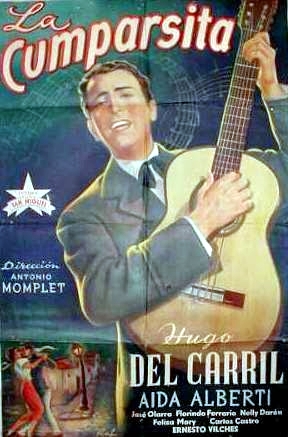
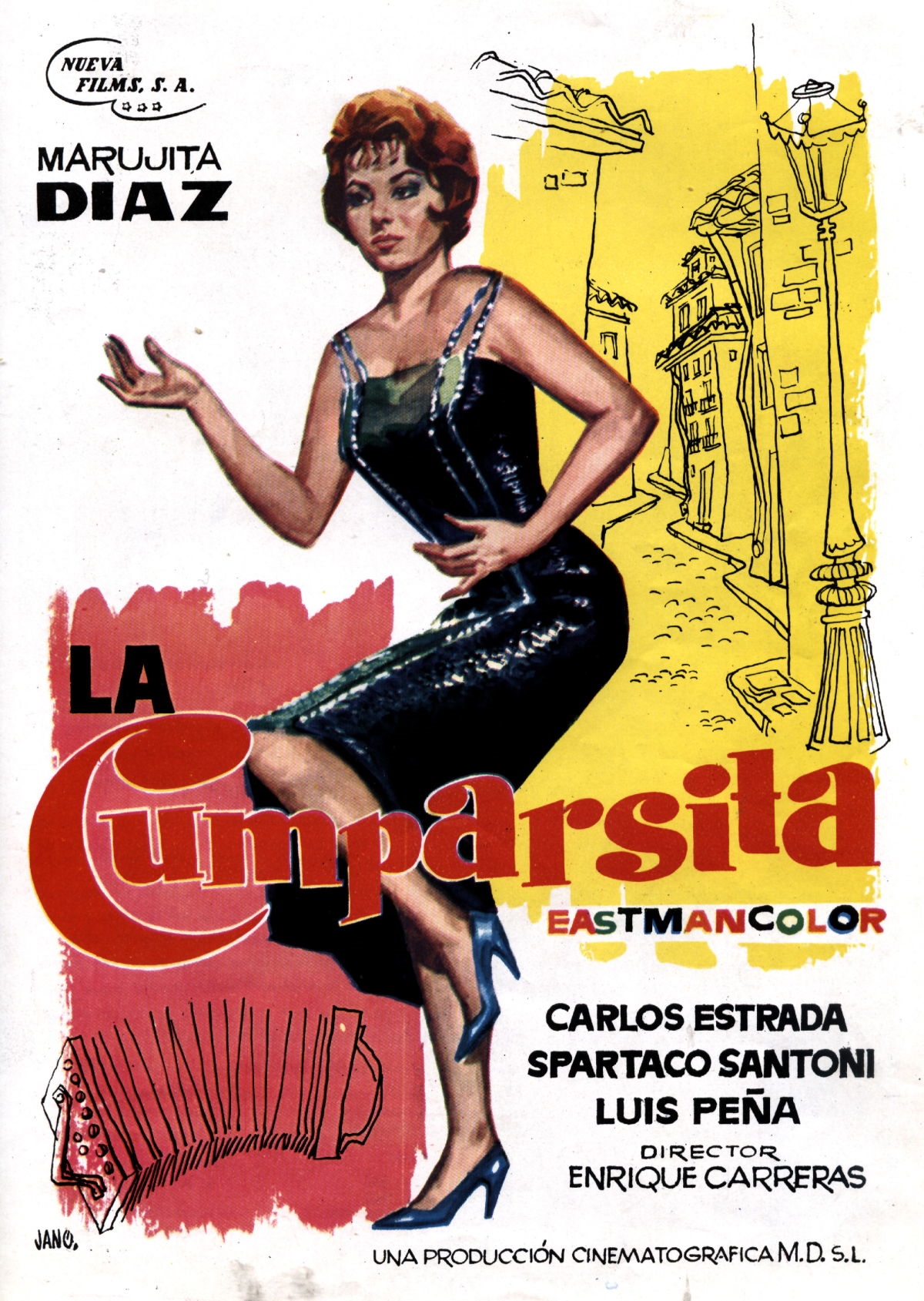
Posters (movies and advertizing) of La Cumparsita for collectors.

la cumparsita 32          la cumparsita 33

tango 8          tango 4 - Copy

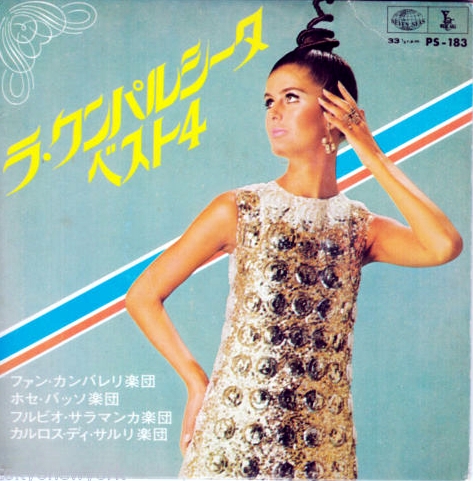
Finally a very rare Japanese record cover of La Cumparsita from the 1950’s.

la cumparsita 2 1950s

Four times La Cuparsita sung by four different artists, as it says on the cover:
JUAN CAMBARERI:  LA CUMPARSITA
JOSE BASSO:  LA CUMPARSITA
FULVIO SALAMANCA:  LA CUMPARSITA
CARLOS DI SARLI:  LA CUMPARSITA

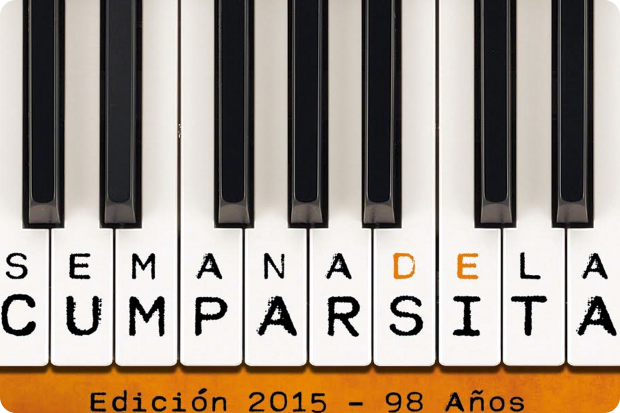
la cumparsita 43  Every year the week around the 19th of April.

I hope you enjoyed this excursion into Urugayan Tango history. Stay tuned for more posts.

Veröffentlicht unter Collecting, History, Information, Must See, Uruguay | Verschlagwortet mit | Hinterlasse einen Kommentar

Tango Uruguay 4 – La Cumparsita

la cumparsita 16

Much is written about Tango and La Cumparsita. I don’t want to invent the wheel new ! But the story is so interesting and a great part of Urugayan history, that I like to present it to you. Besides that I have so many music sheets and other pictures in my collection that it
is worth to post it here. Some of them, no one of my readers have ever seen before.

La Cumparsita – History.

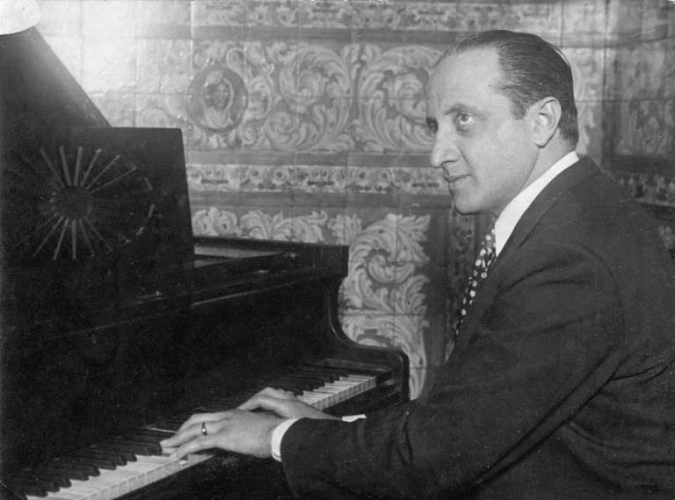
la cumparsita 36 matos     Gerardo Hernan Matos Rodriguez (1897 – 1948)

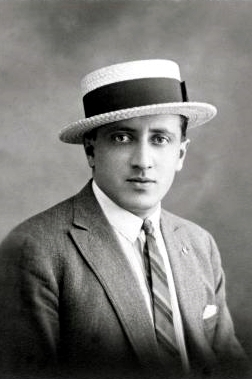
„La cumparsita“ is a tango written in 1916 by the Uruguayan musician Gerardo Hernan Matos Rodriguez, with lyrics by Pascual Contursi and Enrique Pedro Maroni. It is among the most famous and recognizable tangos of all time. Roberto Firpo, director and pianist of the orchestra that premiered the song, added parts of his tangos „La Gaucha Manuela“ and „Curda Completa“ to Matos carnival march „La Cumparsita“, resulting in „La cumparsita“ as it is currently known.

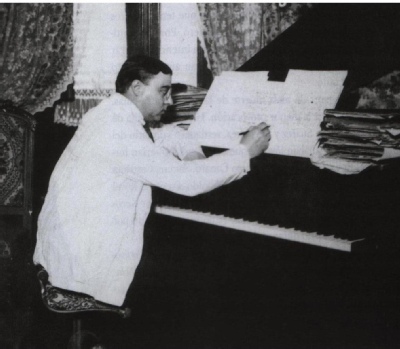
firpo 1     Roberto Firpo (1884 – 1969)

The title translates as „the little parade“, and the first version was a tune with no lyrics. Later, Pascual Contursi wrote words to make the most popular version of the song. The lyrics begin: „The little parade of endless miseries…“

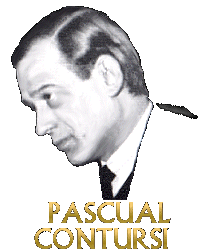
pasqual contursi 1 1888-1932 (1888 – 1932)   enrique pedro maroni 1887-1957 1  (1887 – 1957)

The song was originally a Argentinan carnival march, whose melody was composed in early 1916 by an architecture student in Montevideo, an 18-year-old man named Gerardo Hernan Matos Rodriguez, the son of Montevideo’s Moulin Rouge nightclub proprietor Emilio Matos. Matos nickname was Becho.

la giralda 11 matos   Matos Rodriguez nicknamed „Becho“.

On 8 February 1916, Matos Rodriguez and his friend Manuel Barca had shown orchestra leader Roberto Firpo the music in the cafe called La Giralda. Firpo looked at the music and quickly determined that he could make it into a tango. As presented to him it had two sections; Firpo added a third part taken from his own little-known tangos „La gaucha Manuela“ and „Curda completa“, and also used a portion of the song „Miserere“ by Giuseppe Verdi from the opera Il trovatore.

firpo 2
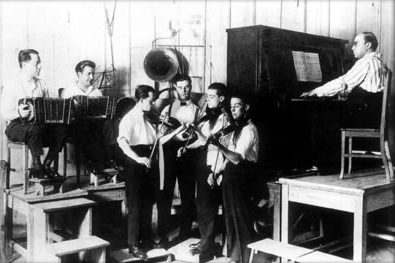
Firpo, playing the piano, with his band. Interesting, how they put a stage together.

Years later, Firpo (May 10, 1884 – June 14, 1969) reported the historic moment as follows:

„““ In 1916 I was playing in the cafe La Giralda in Montevideo, when one day a man was accompanied by about fifteen boys, all students, to say he brought a carnival march song and they wanted me to review it because they thought it could be a tango. They wanted me to revise and tweak the score that night because it was needed by a boy named Matos Rodríguez. In the 2/4 [march time signature] score there appeared a little [useful melody] in the first half and in the second half there was nothing. I got a piano and I remembered my two tangos composed in 1906 that had not had any success: „La gaucha Manuela“ and „Curda completa“. And I put in a little of each. At night I played the song with „Bachicha“ Deambroggio and „Tito“ Roccatagliatta. It was an apotheosis. Matos Rodríguez walked around like a champion… But the tango was forgotten, its later success began when the words of Enrique Maroni and Pascual Contursi were associated with it. „““

la cumparsita 15
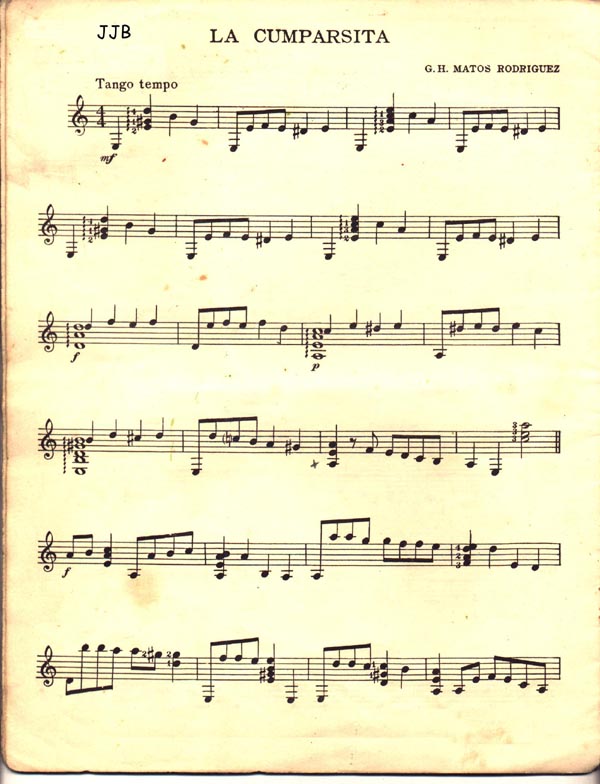
The oldest known music sheet of La Cumparsita, 1917, drawn and designed with elements
of „art nouveau“ and „art deco“.
la cumparsita 17b  la cumparsita 17a
Original score (partitura) from 1917 and another sheet with musical attachments.

A „Star“ was born.

Firpo recorded the song in November 1916 for Odeon Records.  He used the recording studio of Max Glücksmann in Buenos Aires, and employed two violinists, one bandoneon player,  Juan Bautista „Bachicha“ Deambrogio, and one flute player to join him as bandleader on the piano. The song was pressed as the B-side of a 78 rpm release, and had only a modest success, fading in familiarity after several years.

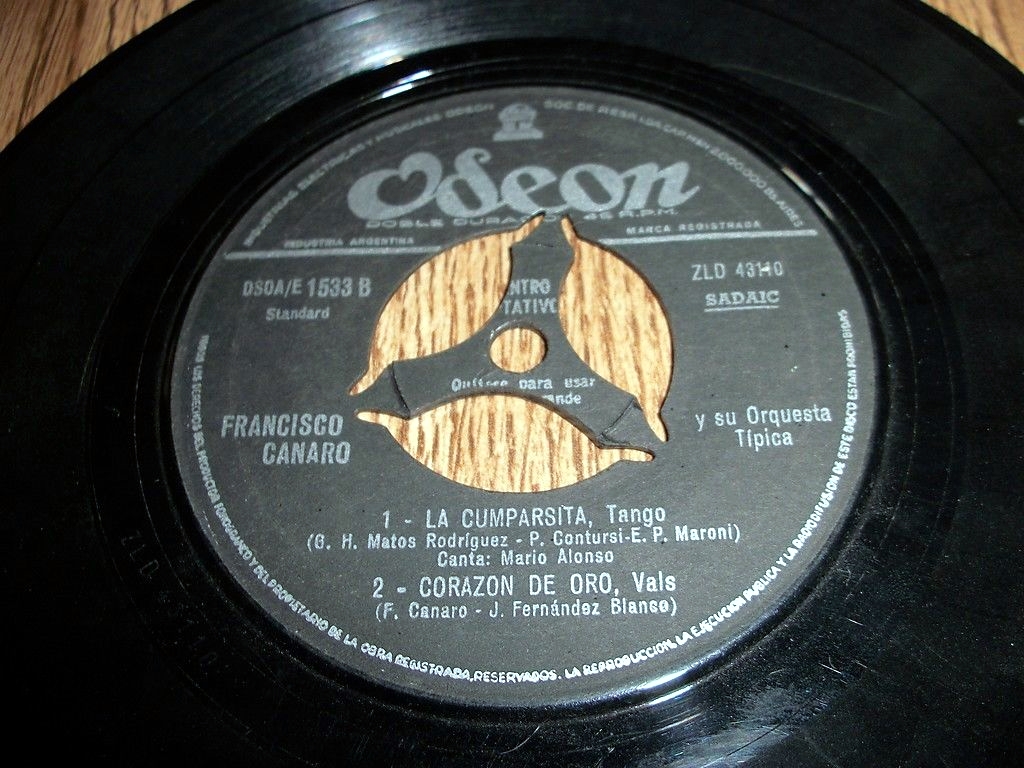
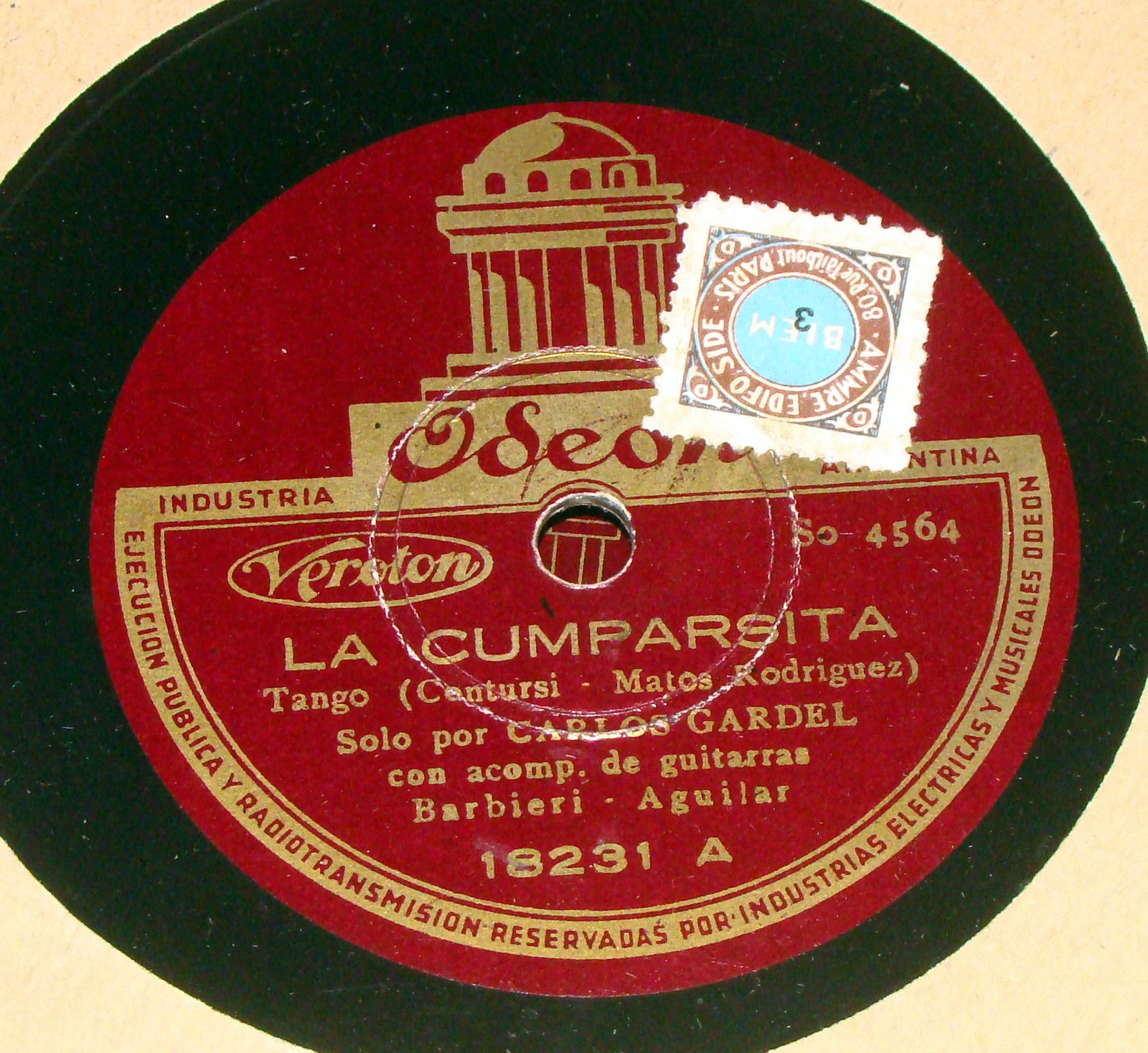
la cumparsita 11   la cumparsita 12
Left: The Odeon release from 1916, on B-side, song by Francisco Canaro, with modest success.
Right: The Odeon release a few years later, on A-side with artist Carlos Gardel, became a famous Tango hit.

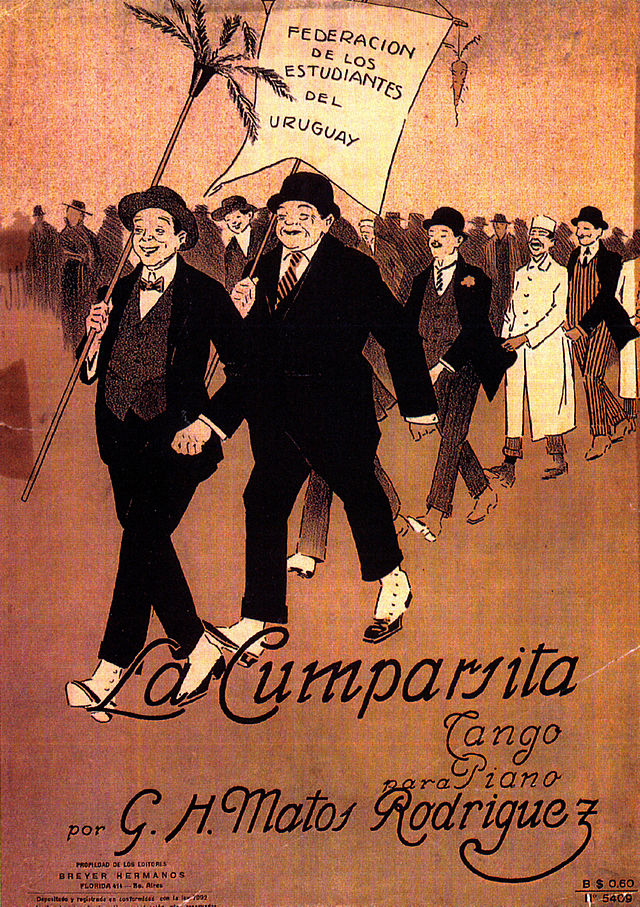
Firpo only knew that the name of the young composer was Gerardo. It was only later that the full identity of the author was known. He was young, educated, well mannered and sensible. He was also a bit naive. He sold for 20 pesos (about US$ 10,– in this time) his rights of authorship to the Breyer publishing house. After some moderate success the composition was forgotten.

la cumparsita 20
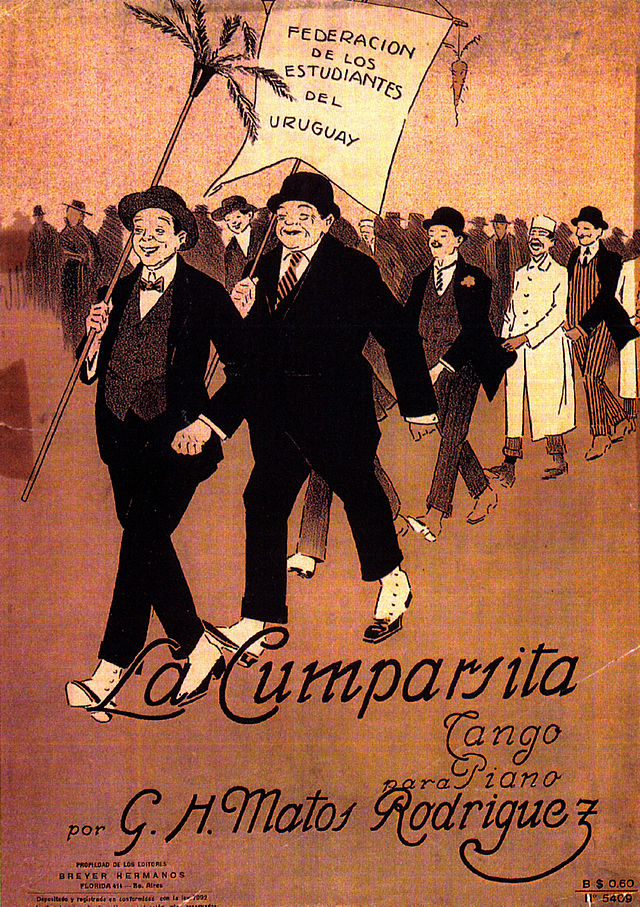
This, most famous,  poster was printed by „Breyer Hermanos“.
Later, unchanged, used as a title page of music sheets.

Lyrics to the song were written by the Argentine Pascual Contursi in 1924, and soon became a hit. This version of the song is considered the most widely known tango song in the world, closely followed by „El Choclo“. Contursi recorded the song under the title „Si Supieras“ („If you knew“).

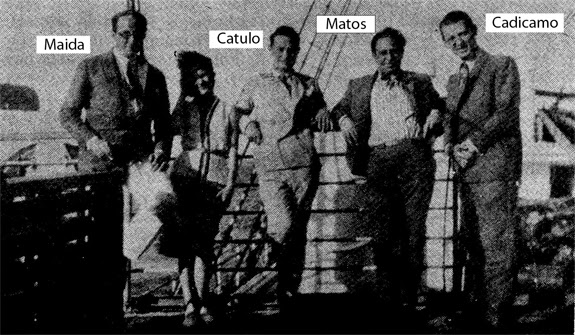
la cumparsita 23
Matos Rodriguez, with fellow travelers, on his journey from Montevideo to Europe.

Living in Paris at that time, Matos Rodríguez discovered, that the song was a big hit, when he talked with Uruguayan violinist and tango orchestra leader Francisco Canaro, who was playing the tune at Paris engagements as „Si Supieras“. Canaro told Matos Rodríguez the song was „all the rage by all the orchestras“. Matos Rodríguez spent the next two decades in various court battles over royalties, and finally succeeded in ensuring, that „La Cumparsita“ was re-established as the title of the song. However, Contursi’s lyrics became intimately associated with the song. See the new lyrics further down.

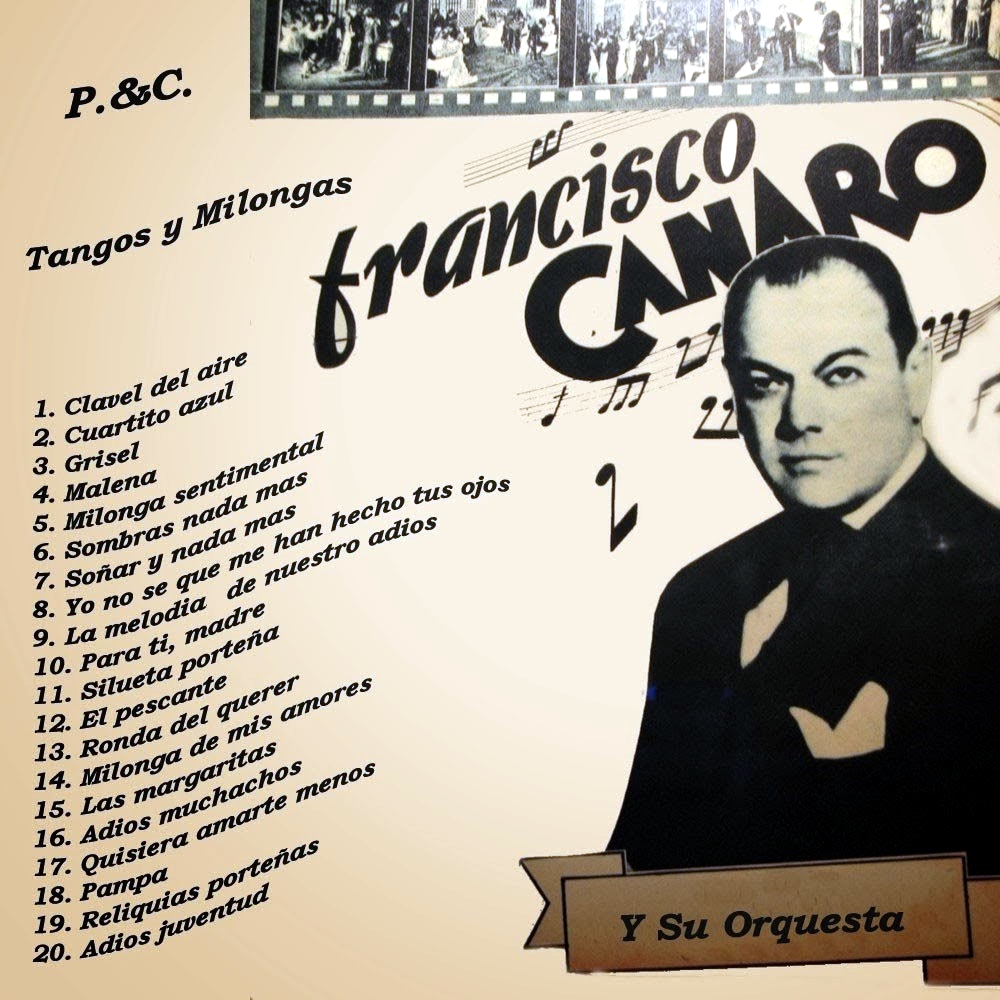
canaro 3  canaro 2
The great Urugayan band leader Francisco Canaro on top of his career, 1920’s-1930’s.

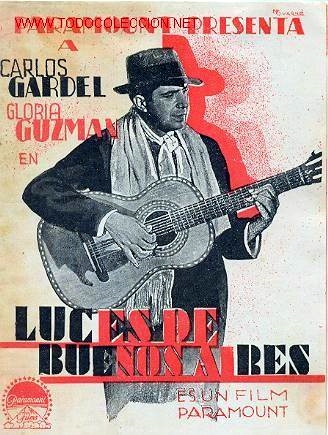
Matos travelled widely throughout Europe and stayed in Paris for a time, as well as working as Uruguayan consul to Germany. In 1931, he collaborated on the film score for Luces de Buenos Aires, shot in Joinville-le-Pont, France, and starring renowned tango vocalist Carlos Gardel.

la cumparsita 6b               The movie poster from 1931 with Carlos Gardel.

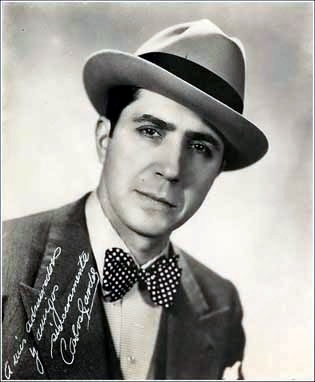
Carlos Gardel was born at just the right time, on the 11th of December 1890. The recording and motion picture industries were just starting to make their impact on the world. Gardel had movie star good looks and a sonorous baritone voice. His death occured at the peak of his career and popularity, at the age of 44 in a tragic accident, the 24th of June 1935.
The world in general mourned; in Argentina and Uruguay he attained a cult status that exists to this day.

la cumparsita 24  Very rare:  Signed postcard and without his famous smile.

Canaro formulated a binding agreement in 1948, one which would end all the lawsuits from and with Matos Rodriguez about La Cumparsita rights. He determined that 20 percent of all royalties would go to the estates of the lyricist Contursi and his business partner Enrique P. Maroni. The other 80 percent of recording royalties would go to the estate of Matos Rodríguez. Canaro established, that future sheet music printings would show Contursi’s lyrics in addition to less well-known ones written by Matos Rodríguez, and no other lyrics.

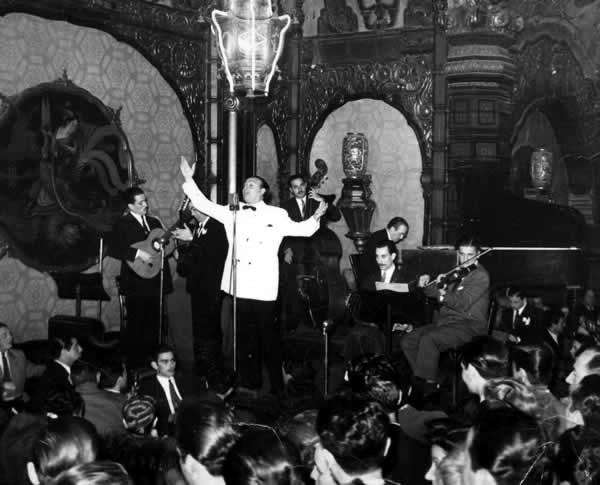
canaro 1                canaro 4
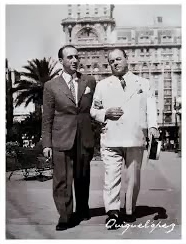
Francisco Canaro, right, walking on Plaza Independencia Montevideo.
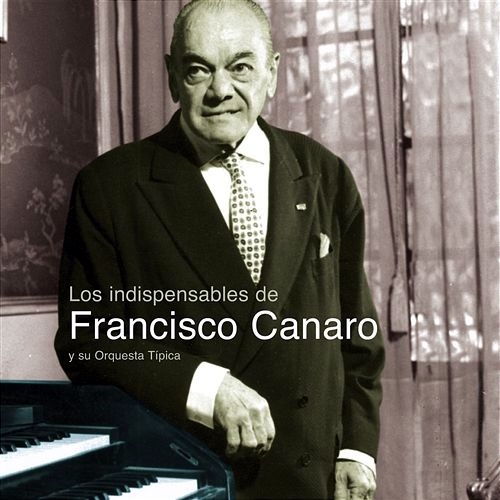
Francisco Canaro, called mentor of Matos Rodriguez, early 1950’s.

Born as Francisco Canarozzo November 26, 1888 in Uruguay.
Died December 14, 1964 (aged 76) in Argentina.
Francisco Canaro, alias Pirincho,  is one of the most popular tango artists:
His recordings,  tangos and milongas, are noted as singly beautiful and melodic.

canaro 5  Francisco Canaro.

His beginnings are muddled with those of tango history. So much so that a radio program of mid 50s had coined a phrase to refer to any extremely old event: «when Canaro already had his orchestra». His fortune gave birth to a common saying: «He’s got more money than Canaro», in allusion to somebody’s opulence. It is said that once when Canaro and Gardel met at the races, the latter asked him 500 pesos (an amount then enormous) to bet on a horse, but asking the former to forget about this debt: «I’m poor, and you’ve got all the money here.» Because compared with Canaro, even Gardel was poor.

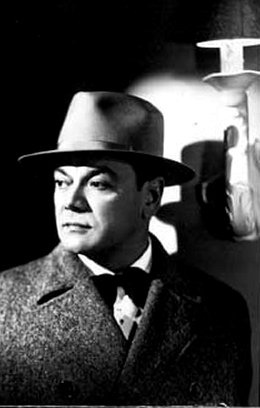
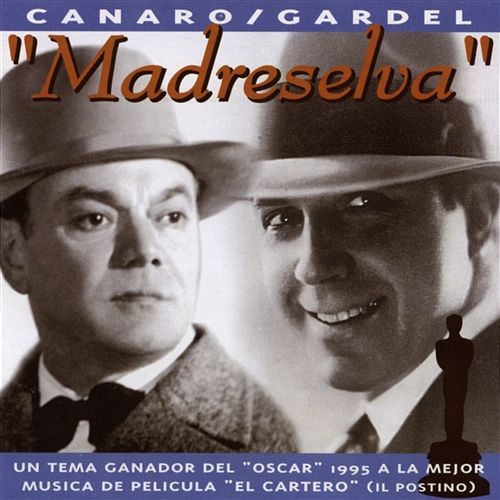
canaro 6 Canaro and Gardel, posthumous Oscar winners.
canaro 7                   canaro 8
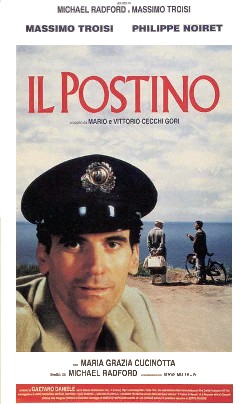
This is the original movie poster „Il Postino“, „The Postman“, released 1994. It won
the 1995 Oscar with the original music from Canaro and Gardel.
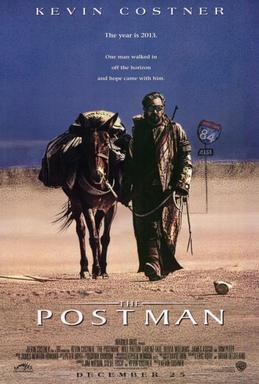
However, since the release of Kevin Costner’s post-apocalyptic film of the same name,
the film has gone by the title Il Postino: The Postman.
The film’s score, composed by Luis Enríquez Bacalov, won the Academy Award (Oscar)
for Best Music (Original Dramatic Score).

Please read  „Tango Uruguay 5“ in a few days. Stay tuned !!!

Veröffentlicht unter Collecting, History, Information, Uruguay | Verschlagwortet mit | 2 Kommentare

Tango Uruguay 3 – Candombe

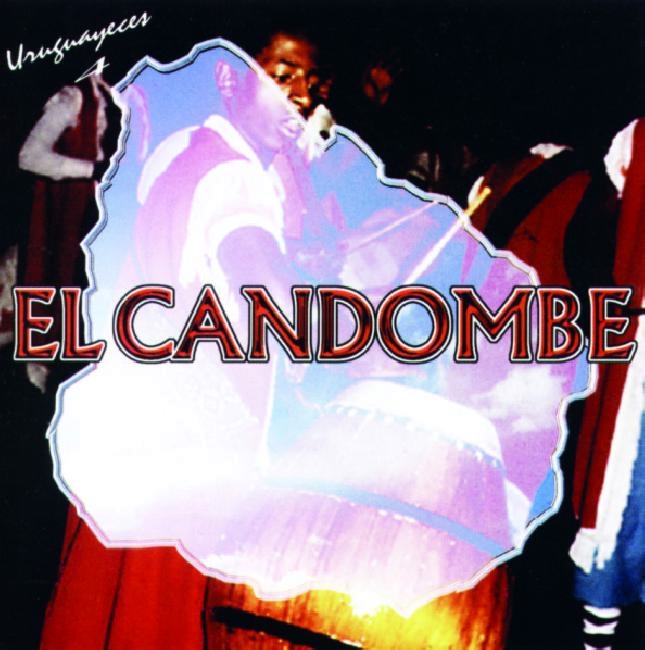
candombe 10

As we learned already in the post „Tango Uruguay 2 – Milonga“, Milonga resulted from a fusion of many cultural dances, including the Cuban Habanera, the Mazurka, the Polka and the Brazilian Macumba. In addition to this, there were two very significant influences:
the Candombé and the Payada. Influences which based the Milonga and the Tango.

The Candombe.

It is important to understand the Candombe (pronounced can-dom-bey) because it forms the very basis of milonga – and thus tango as a whole.

bantu 3                   bantu 1
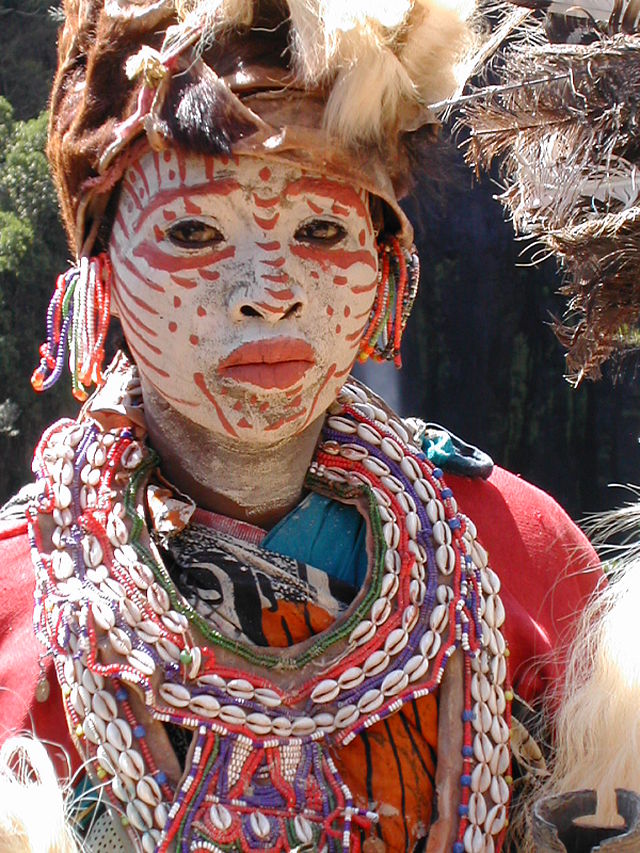
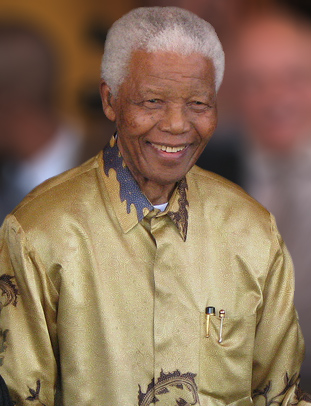
Two Bantu’s: A Bantu dancer (left) and the most well known Bantu member Nelson Mandela (1918-2013).

To do so, we must cast our eyes away from Uruguay and Argentina for a slight moment, to Africa. When the Spanish colonized South America, millions of African slaves were introduced there centuries before tango was created. More than two thirds of these slaves came from the Eastern and Equatorial region of Africa called Bantu.

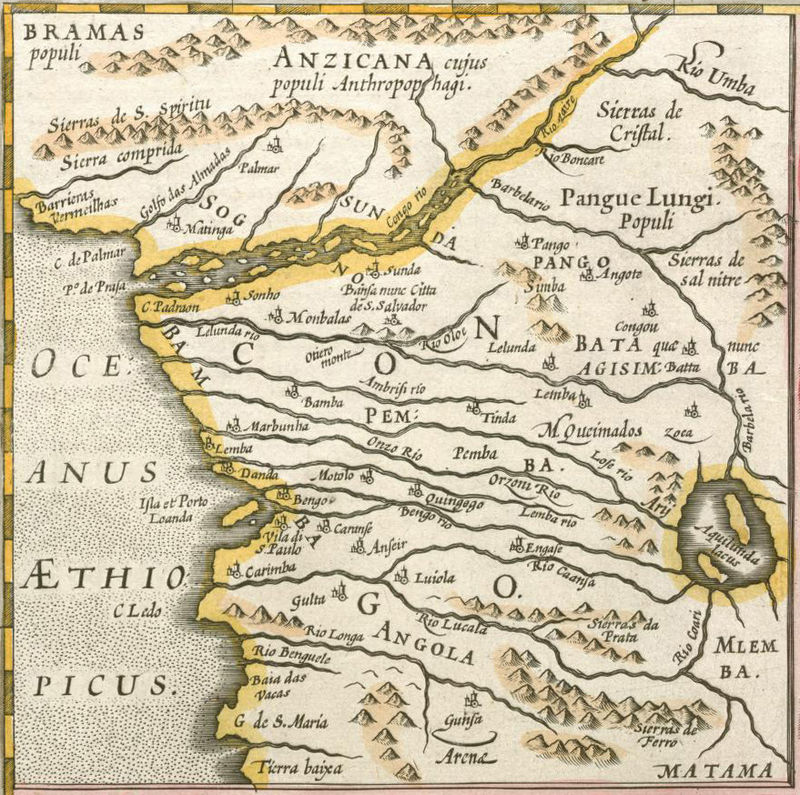
bantu 2     The kingdom of Congo, part of Bantu around 1630.

The Bantu area is a very large area of Africa, which had over 450 distinct ethnics groups, 20 languages and 70 dialects (reference: Montevideo census of 1812). It is rather tragic then that the entire ancestral dance and music heritage of the Bantu region, from which millions of people were enslaved, is encapsulated and mashed together into a single word… but there it is: Candombe.

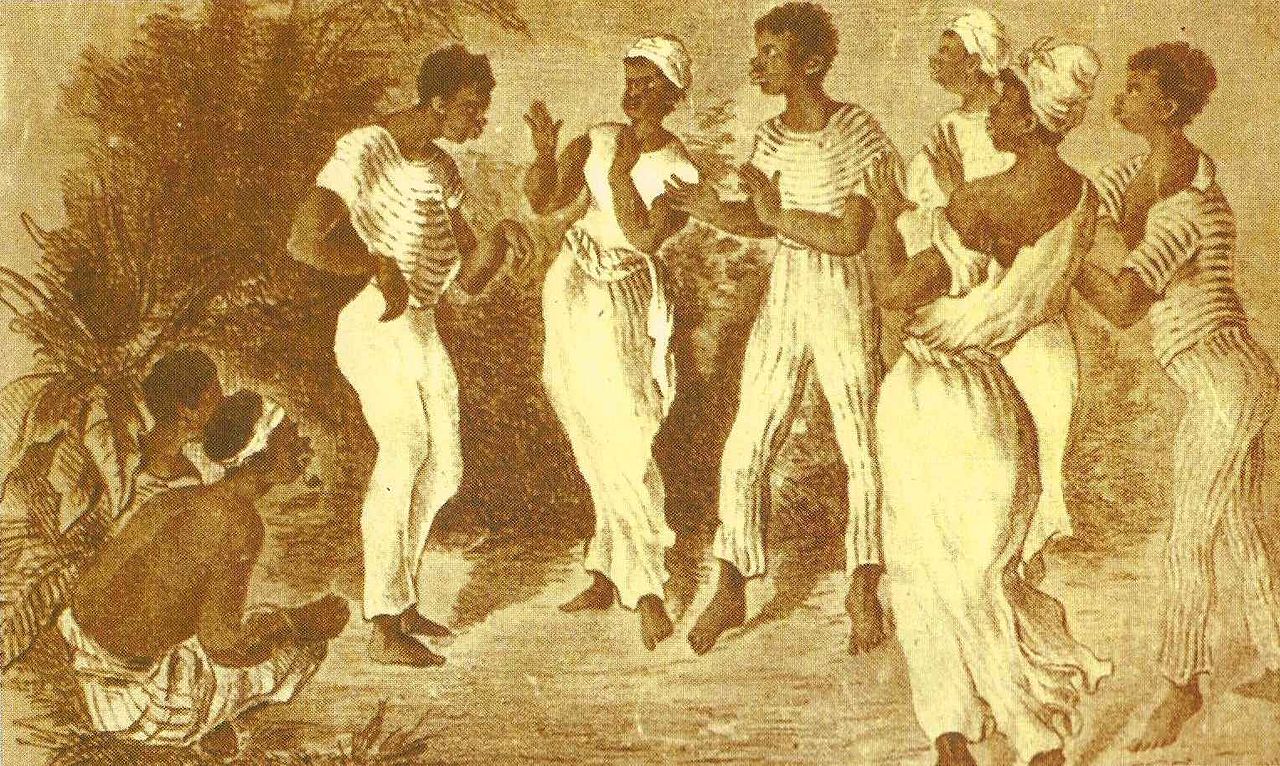
candombe 2  Candombe dancers, no embrace, around 1820.

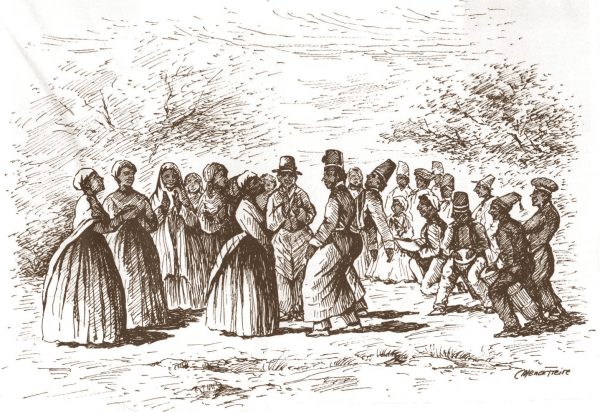
Candombe is the single word that fuses all the drum-based black dance and music from that area and era. These slaves – interestingly enough – called their drums tango, and also used this term for the name of the place where they performed the Candombe. The dances themselves were also called tangos!!!

candombe 8 Candombe dancing, no embrace, around 1830.

Buenos Aires was itself a major hub for African slaves, who also brought along their Candombe to that area. Even after slavery was abolished, in 1853, the Candombe flourished. The local population who danced with the descendants of  slaves, added their own touches – in particular the embrace – and the Candombé evolved into the Milonga.

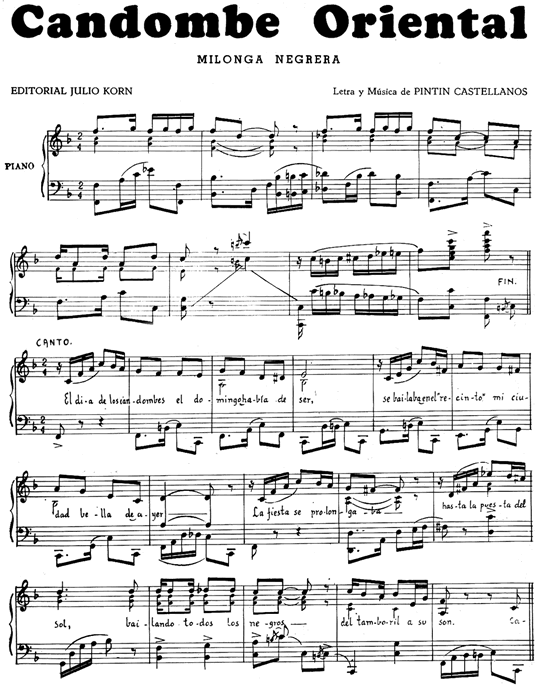
candombe 9 Early 1900’s sheet music, Candombe evolved into Milonga.

La Payada.

The word „milonga“ (in the African language Quimbunda) is the plural of „Mulonga“, which means „word“. Hence milonga means „words“.

candombe 26 1820  A Payada, candombe dancing, early 1800’s.

To further explain the derivation of milonga, we note that gauchos (early Argentinean and Urugayan cowboys) roamed the rural area known as Pampa. These gauchos gathered and organized la payada de contrapunto (payada is pronounced pah-jah-dah, and essentially means singer) – which even to this day exist! This was a gathering of people in an open place, where the payadores competed through improvisation with guitars, in which one would start a song about any subject that came to mind, often death, God or love, and the other would retort with verses. Follow more information and a pic further down.

candombe 27    La Mama Vieja and  El Gramillero, 1950’s photograph.

The black slaves, who attended these payadas but who did not understand the songs, started to call them milongas – in other words, „many words“. Eventually these events were termed „milongas“, and people started going to a milonga rather than a payada.

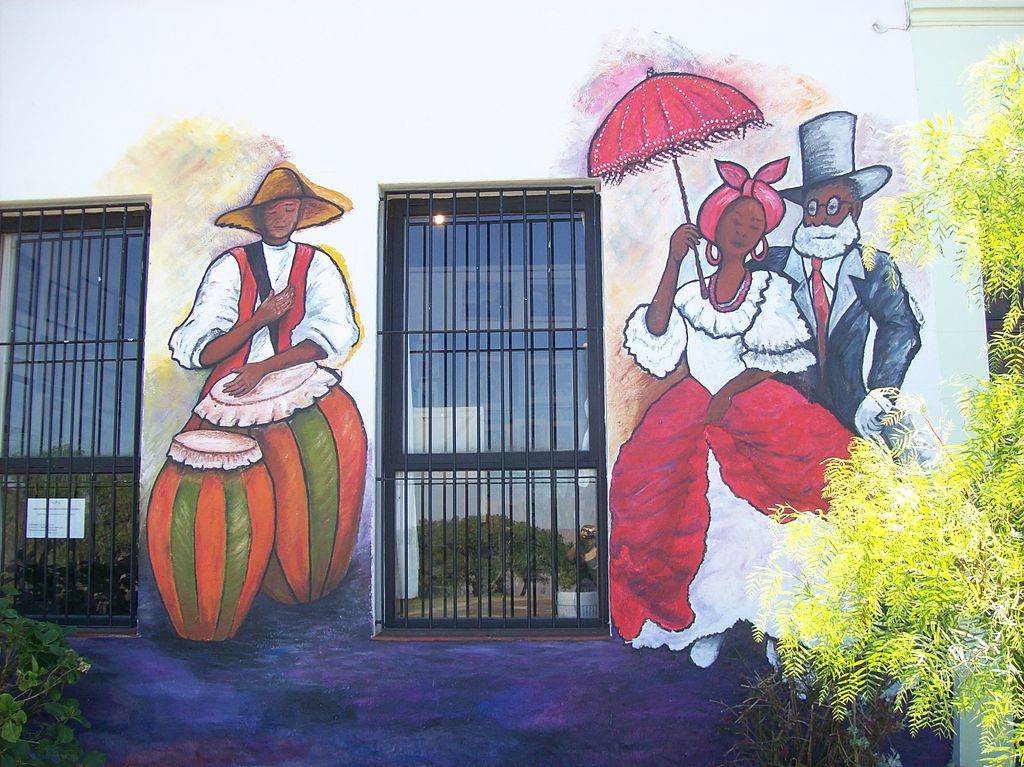
candombe 8 colonia
Wonderful street art of Candombe in Colonia del Sacramento.

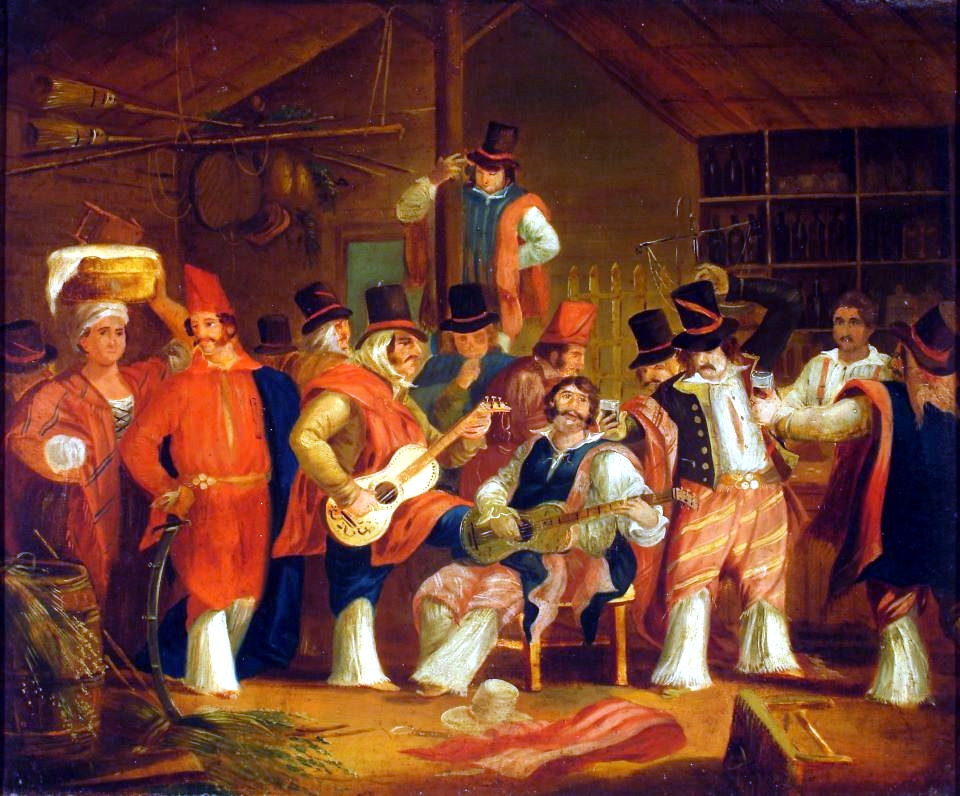
The word ‚milonguero‘ was originally used to describe the gauchos who went from town to town competing in payadas.The payada is competitive composing and singing of verses native to Argentina, Uruguay, southern Brasil, and parts of Paraguay, also called paya in Chile. It is a performance of improvised ten-line verse called Décimas usually accompanied by guitar. The performer is called a „payador“, and in performances two or more payadores will compete to produce the most eloquent verse, each answering questions posed by the other, often insulting. The durations of these verse duels can be exceedingly long, often many hours, and they end when one payador fails to respond immediately to his opponent.

la payada 1
Payada in a pulperia (bodega, grocery store) about 1840’s by Carlos Morel, a prominent Argentine painter.

The names of those ancient milongas related to the areas where they were danced: „Milonga Campera“ or „Milonga Surena“. „Campera“ means „from the country side“, and „Surena“ means „from the south“.

candombe 16  Festival „Dia Nacional del Candombe“ in Montevideo.

Common Origins.

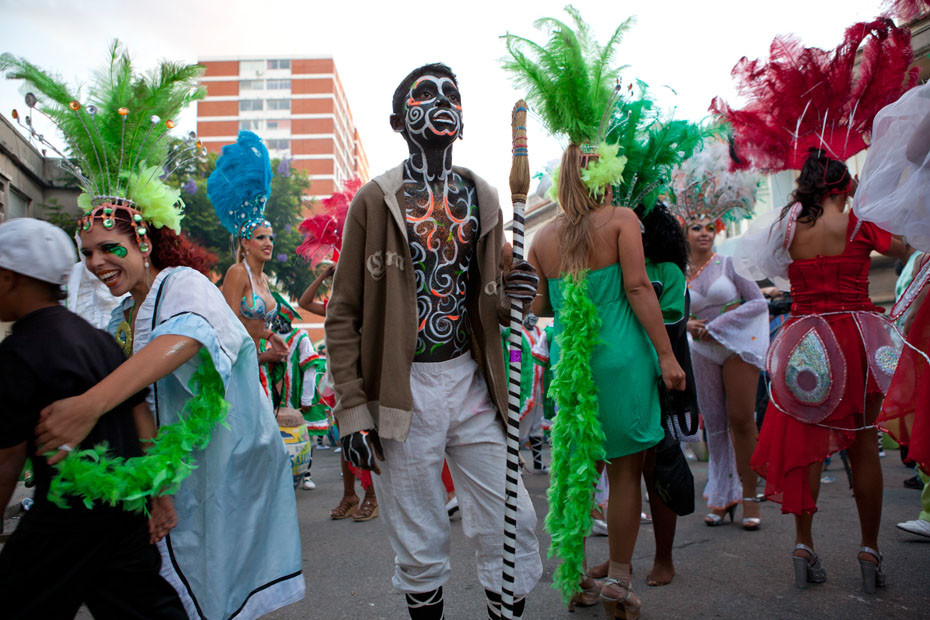
African-Uruguayans organized candombe dances every Sunday and on special holidays such as New Year’s Eve, Christmas, Saint Baltasar, Rosary Virgin and Saint Benito. They would set a fire to heat the drums and play candombe music, specially during the night in certain neighborhoods such as Barrio Sur and Palermo in Montevideo. The typical characters on the parade represent the old white masters during slavery in old Montevideo city. It was a mockery to their lifestyle with a rebel spirit for freedom and a way to remember the African origins. Two pictures down here – Carnival in Montevideo.

candombe 3    candombe 4

In Uruguay.

In the third decade of the 19th century the word candombe began to appear in Montevideo, referring to self-help dancing societies founded by persons of African descent. The term means „pertaining to blacks“ in Kikongo. In Montevideo it meant more than a dance or a music or a congregation, but all of the above. Candombe the dance was a local fusion of various African traditions. A complicated choreography included a final section with wild rhythms, freely improvised steps, and energetic, semi-athletic movements. Candombe in Uruguay includes a music troupe playing Uruguayan Candombe in a special dance parade called “Desfile de Llamadas”, through the Sur and Palermo neighborhoods in Montevideo.

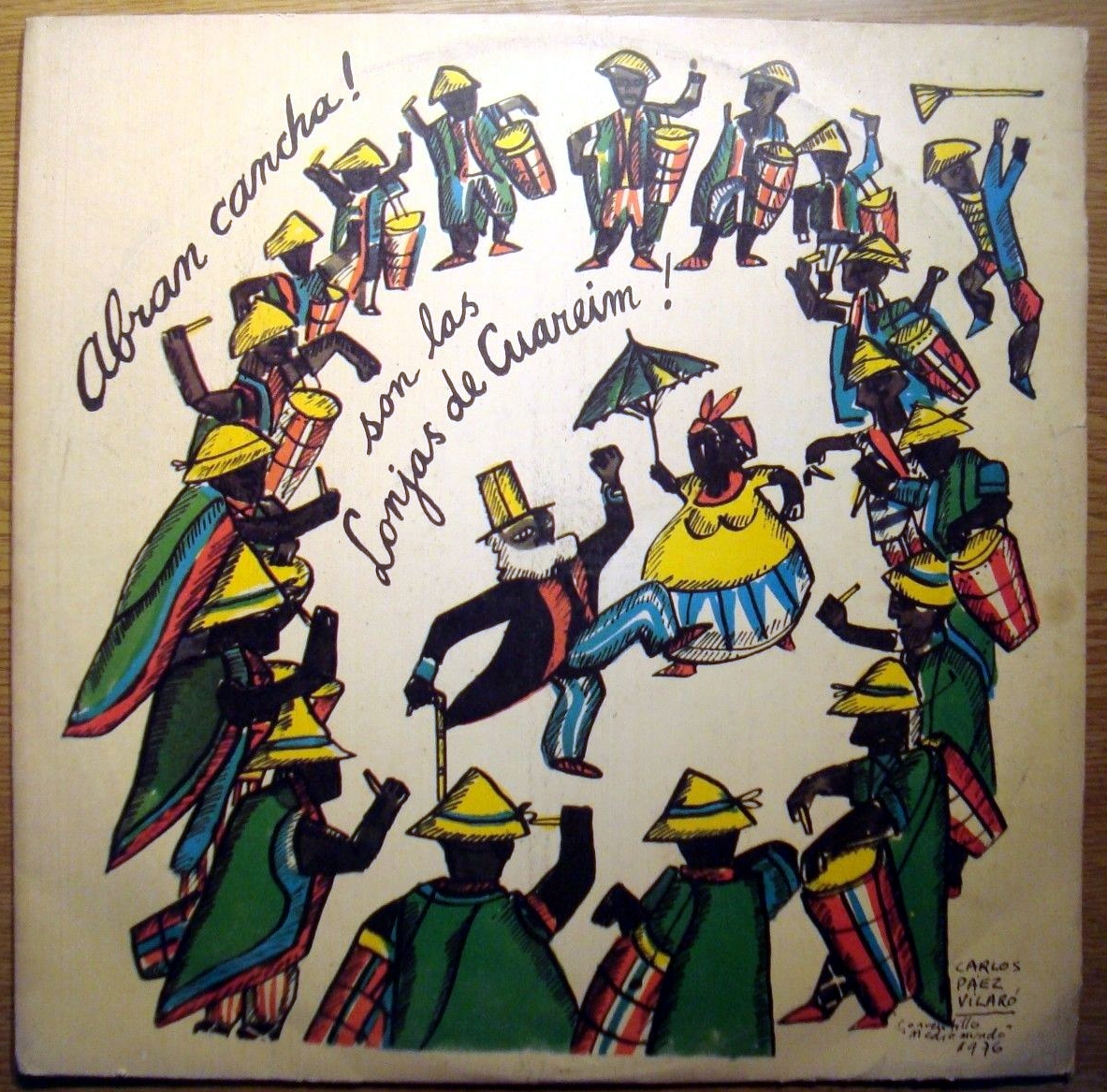
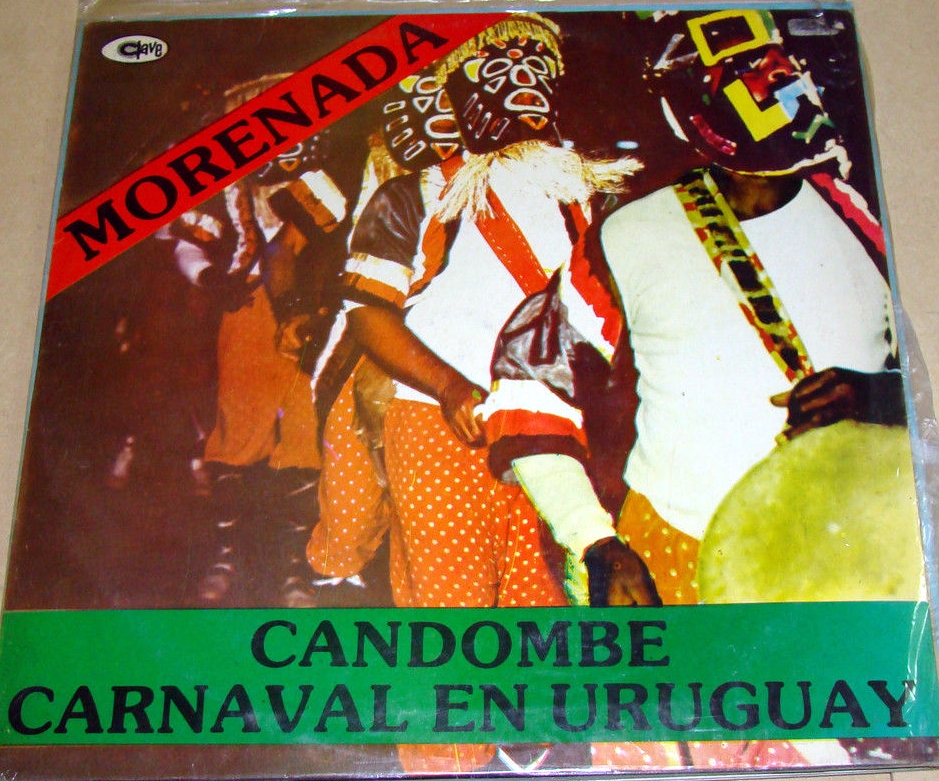
Urugayan Candombe Music for collectors.

candombe 14     candombe 15

candombe 13     candombe 12

A Candombe Group.

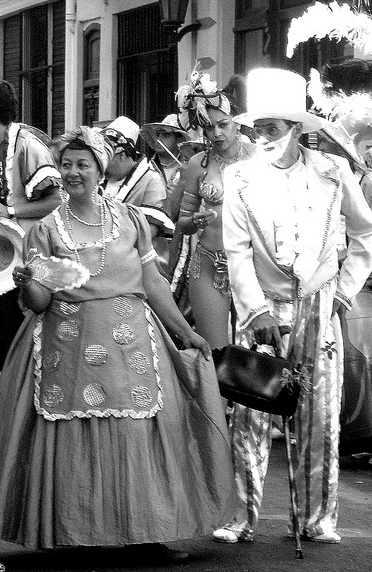
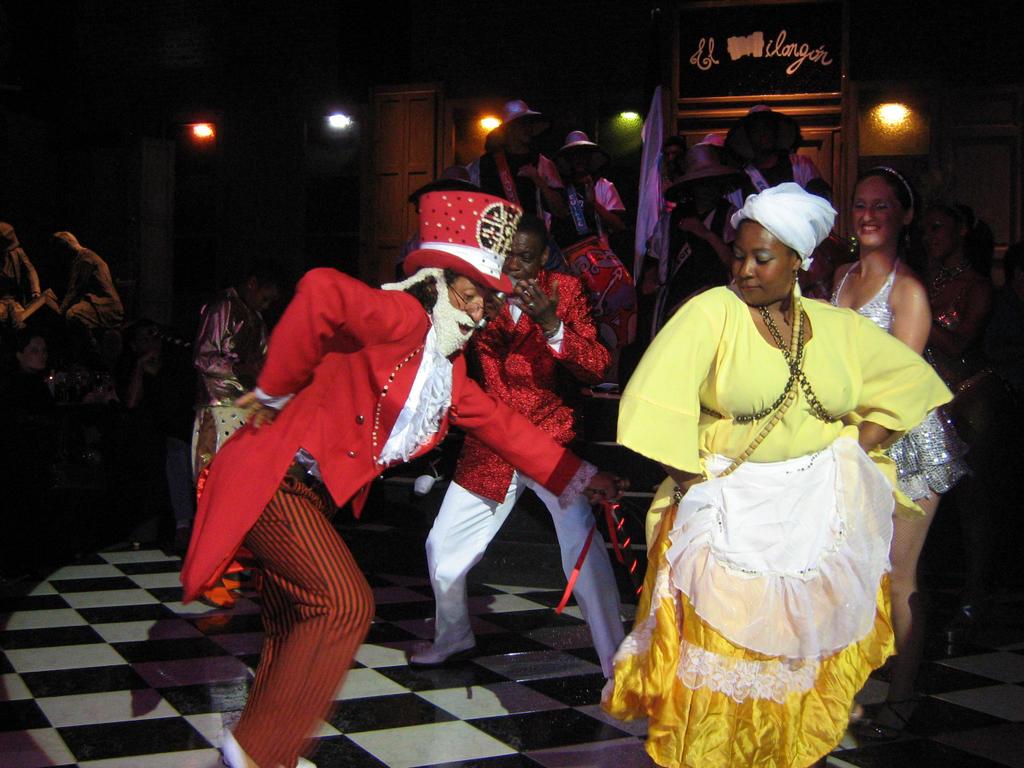
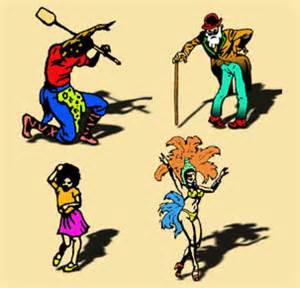
A full Candombe group, collectively known as a Comparsa Lubola (composed of blackened white people, traditionally with burnt corks) or Candombera (composed of black people), constitutes the cuerda, a group of female dancers known as mulatas, and several stock characters, each with their own specific dances. The stock characters include:

La Mama Vieja:  the Old Mother.
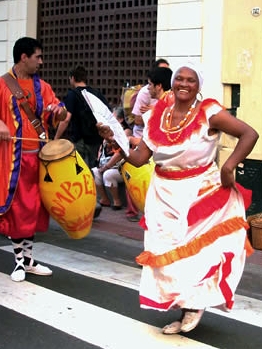
A „Mama type of women“, wonderful dressed in colorful, historic dresses.

candombe 18  The Old Mother, always wearing a scarf.

El Gramillero:  the Herb doctor.
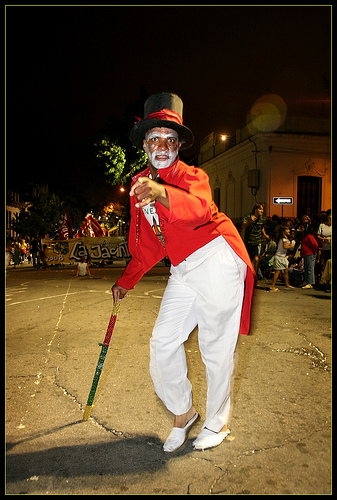
An ancient black man, dressed in top hat and frock coat, carrying a bag of herbs.

candombe 17  The Herb Doctor, always wearing a white beard.

El Escobero:  the Broomsman.
He has to be an expert candombero and graceful dancer, who performs extraordinary
feats and of juggling and balance with his broom.

Carnival Las Llamadas, Montevideo 2013  The Broomsman.

La Mama Vieja and El Gramillero are dancing mostly together in the center of the group,
while El Escobero is dancing alone upfront of the group, leading the way.

candombe 21
Drawing from an Uruguayan children’s book „How to learn Candombe“. It shows the Broomsman, the Herb Doctor and the „Old Mama“ – here in a modern version of the „Central Dancer“, which is an influence from Brazilian carnival. And a child with a „dancing exercise“ performance.

Candombe is performed regularly in the streets of old Montevideo’s south neighborhood in January and February, during Uruguay’s Carnival period, and also in the rest of the country. You can hear exercising the candombe drums almost everywhere in Uruguay.

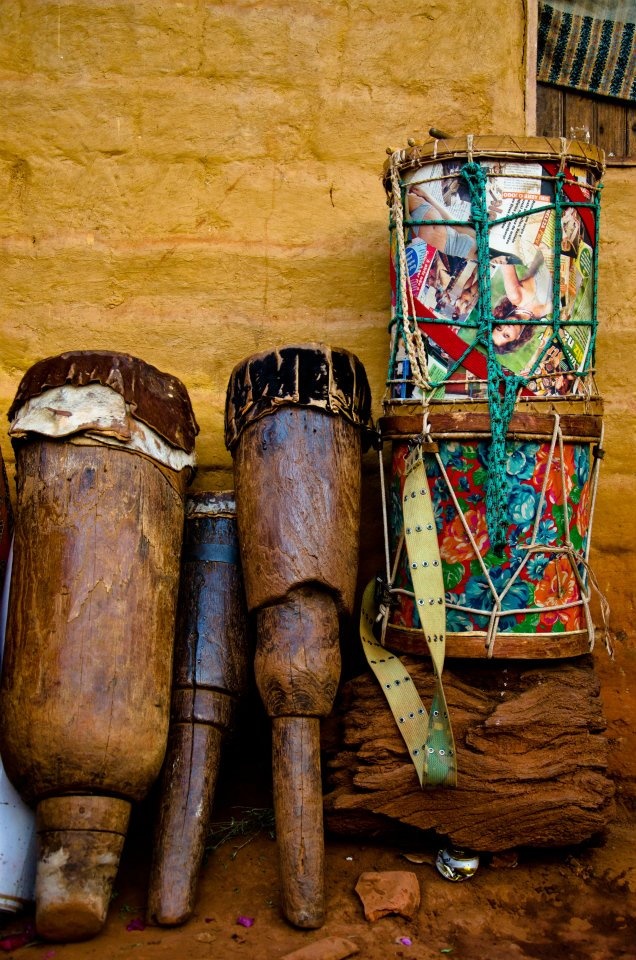
candombe 25  Antique Candombe drums, highly sought after by collectors.

Uruguayan Candombe.

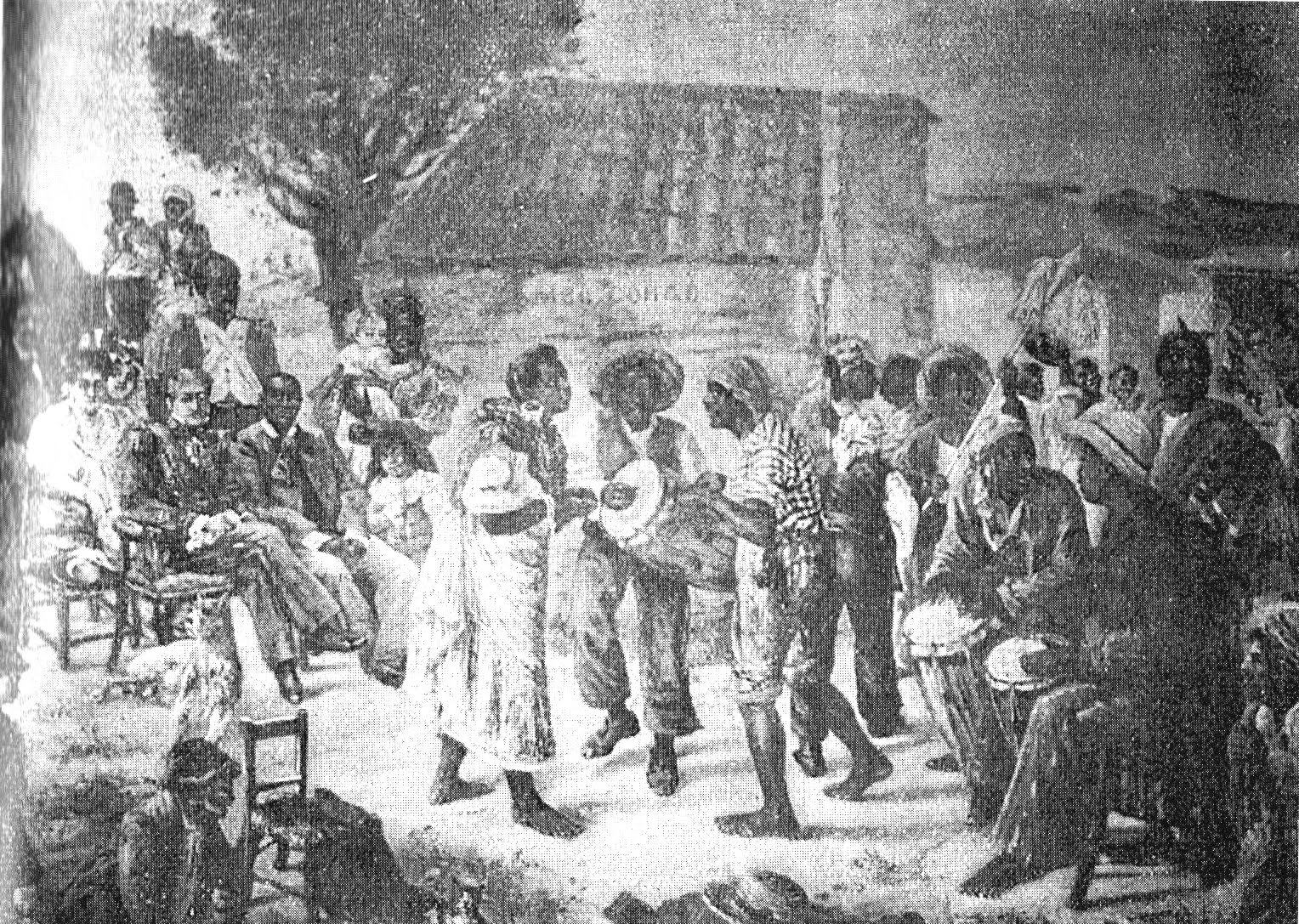
Inscribed in 2009 on the Representative List of the Intangible Cultural Heritage of Humanity, UNESCO. The candombe is a source of pride and a symbol of the identity of communities of African descent in Montevideo, embraced by younger generations and favouring group cohesion, while expressing the communities’ needs and feelings with regard to their ancestors.

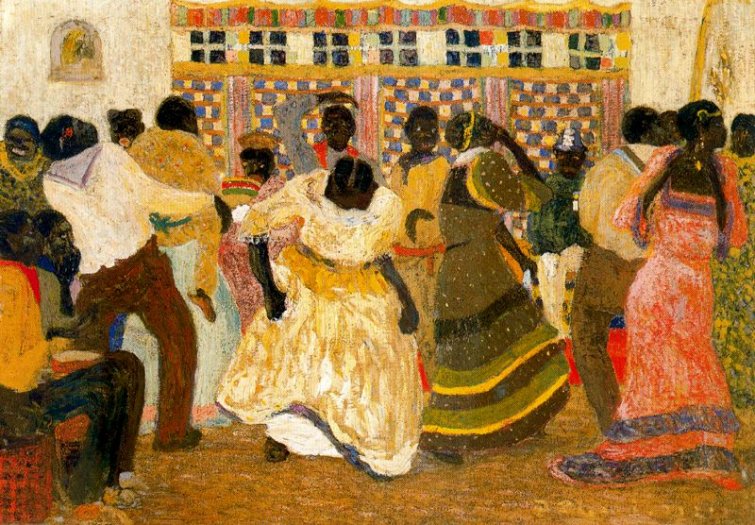
candombe 9 Pedro Figari  African community dancing Candombe.

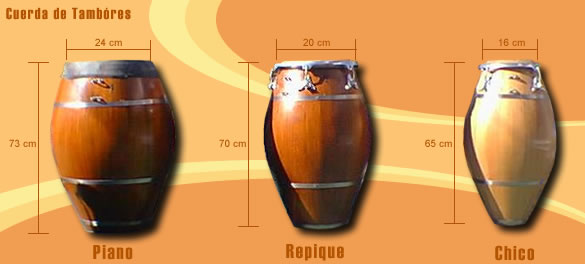
The music of candombe is performed by a group of drummers called a cuerda. The barrel-shaped drums, or tamboriles, have specific names according to their size and function:
Chico, small, high timbre, serving as the rhythmic pendulum.
Repique, medium, embellishes candombe’s rhythm with improvised phrases.
Piano, largest size, its function similar to that of the upright or electric bass.

candombe 11  The Tamboriles or Tambores.

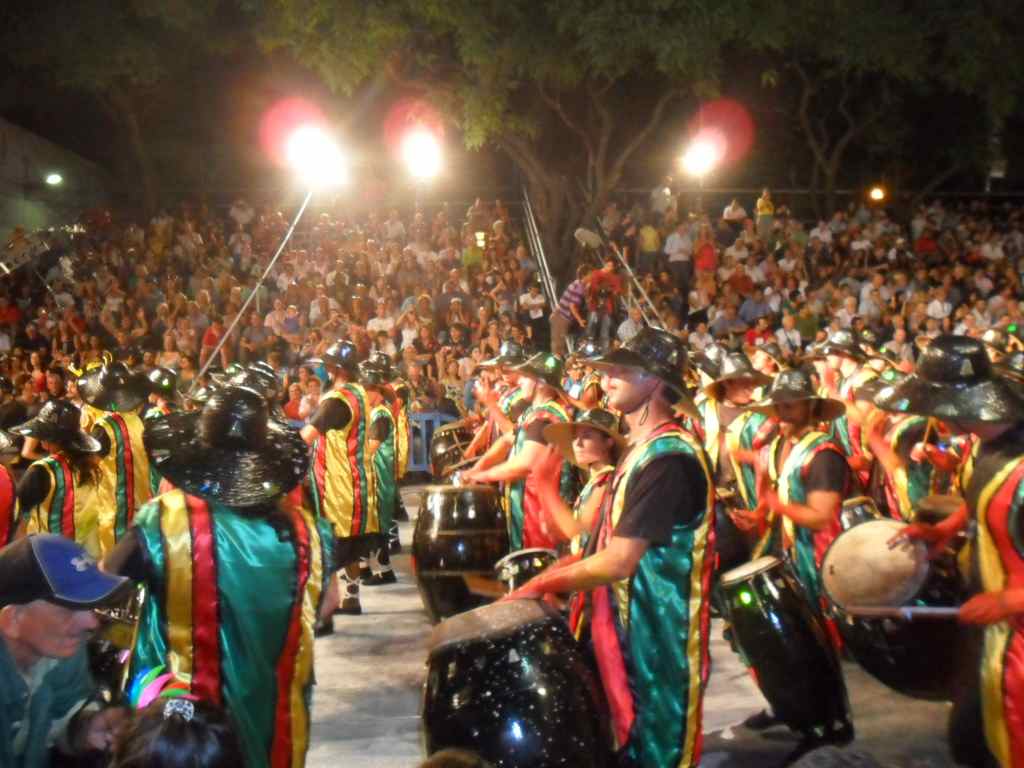
A cuerda at a minimum needs three drummers, one on each part. A full cuerda will have 50–100 drummers, commonly with rows of seven or five drummers, mixing the three types of drums. A typical row of five can be piano-chico-repique-chico-piano, with the row behind having repique-chico-piano-chico-repique and so on to the last row.

candombe 6
Rows and rows of drummers during Carnival Montevideo.

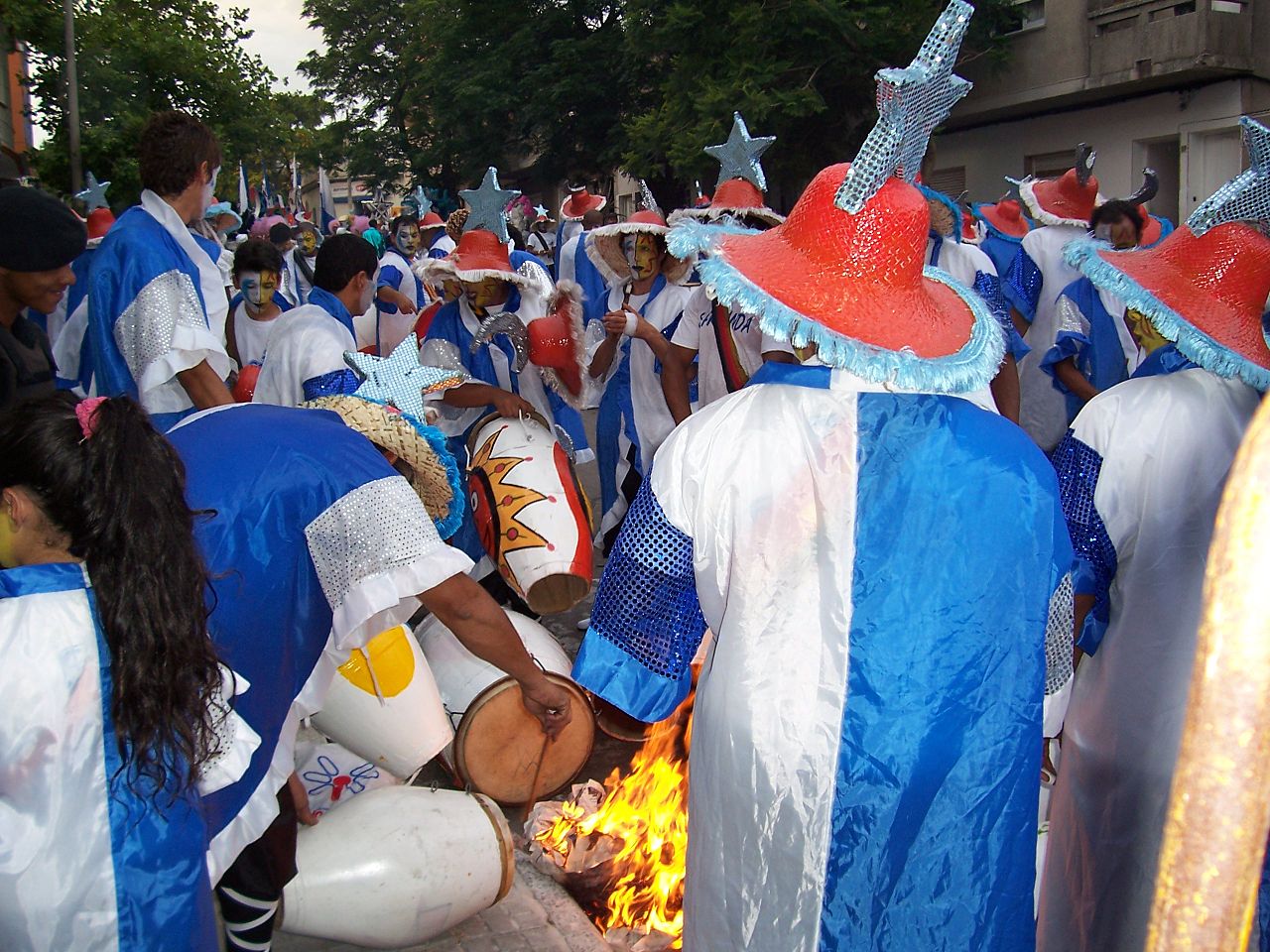
Tamboriles are made of wood with animal skins that are rope-tuned or fire-tuned minutes before the performance. They are worn at the waist with the aid of a shoulder strap called a talig or talí and played with one stick and one hand.

candombe 7  Fire tuning of the drums just before marching.

We could go on and on to expand the theme of Tango, Milonga and Candombe.
Especially as we dig deeper into history and ancient stories and traditions. I will end with a fourth part of Tango Uruguay with the most famous Tango of all times, the Urugayan tango „La Cumparsita“. Stay tuned to part 4.

Veröffentlicht unter Collecting, History, Information, Uruguay | Verschlagwortet mit | Hinterlasse einen Kommentar

Texas Chilli

chilli 17

It is getting colder in Uruguay and we have to lit the stove. Good time for spicy comfort food like Curry’s and Chilli’s.

We’ve been on a real chilli trip lately and there are so many varieties to choose from that you could have chilli several times a week and not have the same dish for months. But, I tend to think of chilli as an ideal comfort food at home.

That’s why I choose this time the Texas chilli recipe, because there are no beans. And that fits well, because to get good chilli beans is almost impossible in Uruguay.

chilli 3
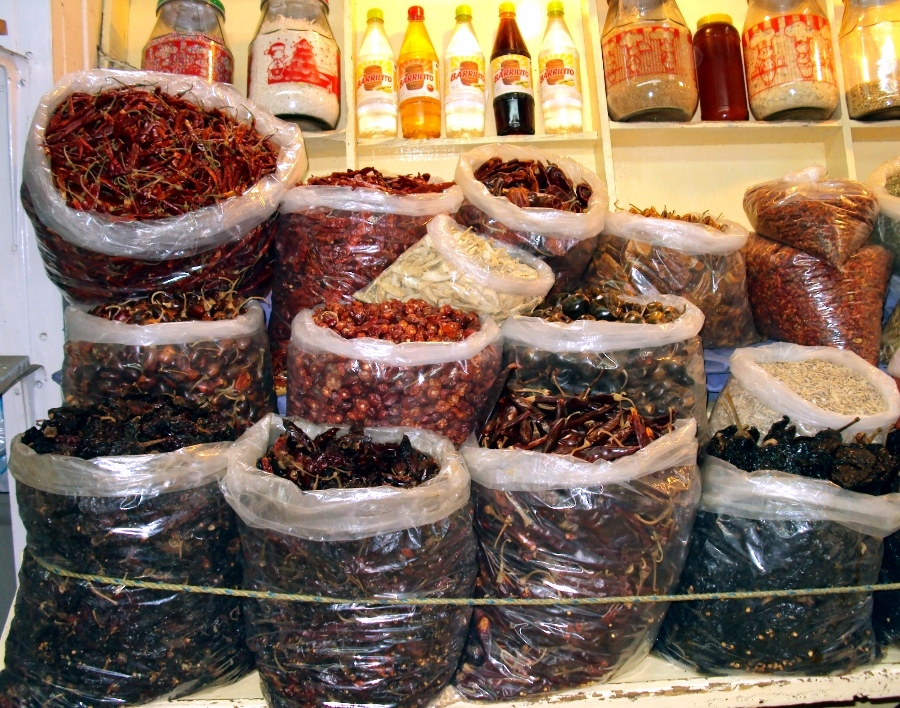
Sadly, we can’t get fresh or dried chilli, like pictured, in Uruguay. But there are ways around, just be creative.

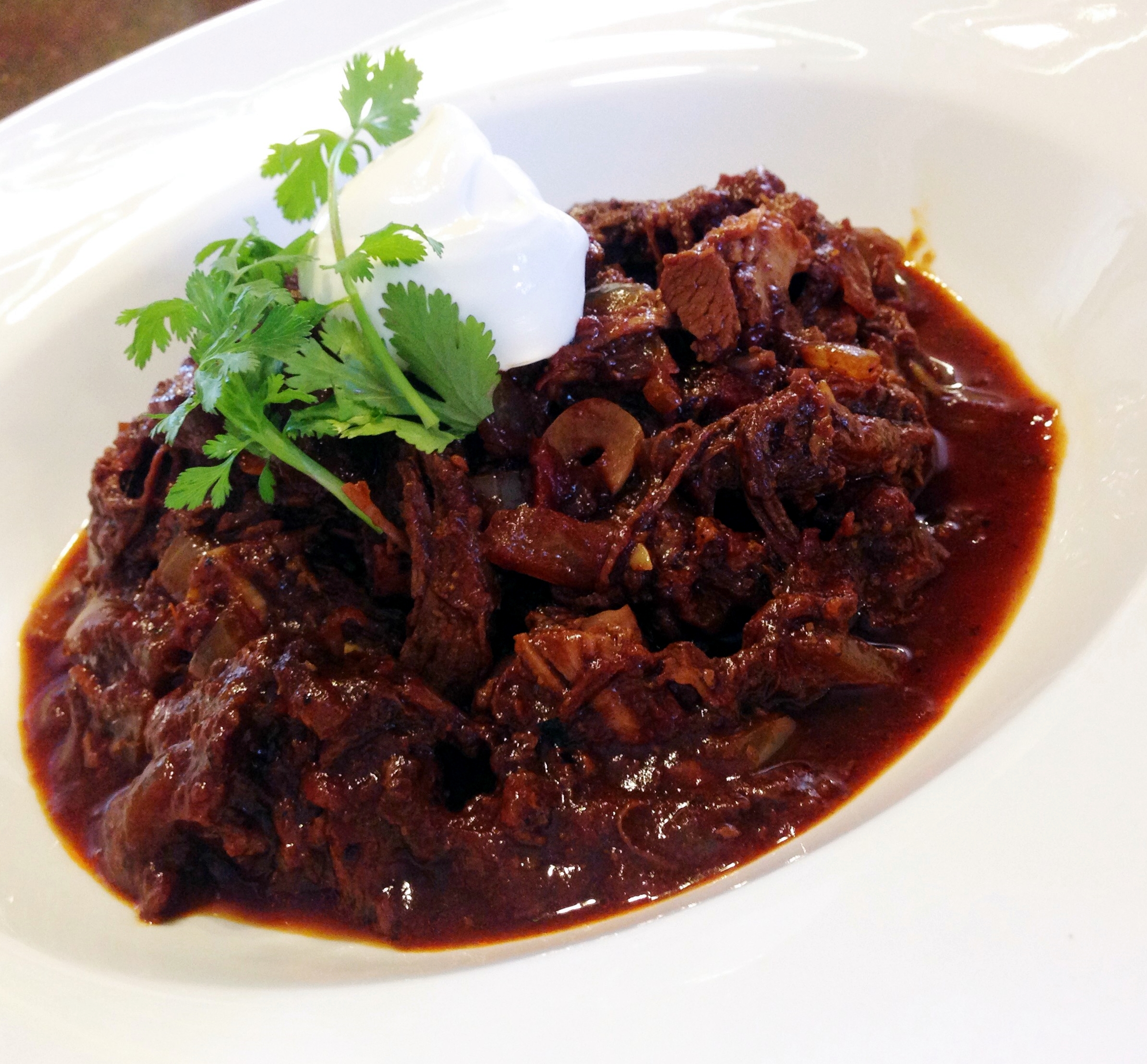
Traditional Texas chilli is a meat chilli with tomatoes and spice. This chilli recipe takes a traditional chilli and adds the smokey flavor of dried Chipotle, Ancho and Pasilla chilli’s to really ramp of the spiciness of this dish.

To get all these different chilli’s is again impossible in Uruguay, but I help myself with a canned chipotle and dried Birds Eye and a sort of Cascabels out of my garden. See my post CHILLI’S – HELP NEEDED.

On the other hand, not everyone of my readers live in Uruguay, so I will leave the recipe original.

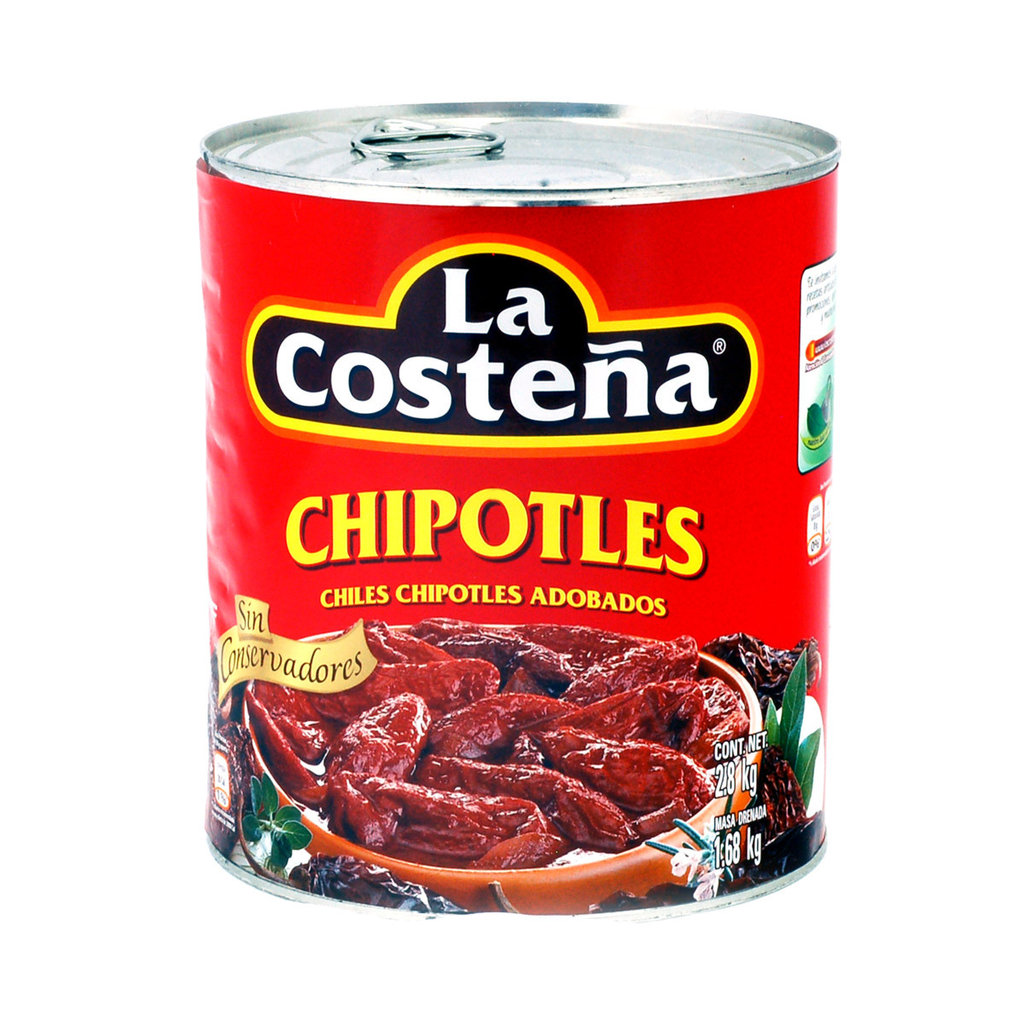
chilli 13 Different sizes canned chipotles in Uruguay.

We love chilli because it is a simple one pot dish. I always make a big pot full of it and have lots of leftovers to freeze portions. And – it is healthy and full of flavor.
Since there is always a discussion about the varieties of chilli, the writing of the name chilli and much more, I will post a special chilli article in the coming weeks.

Ingredients.

2 dry Chipotle Chilli’s
2 dry Ancho Chilli’s
2 dry Pasilla Chilli’s

chilli 1
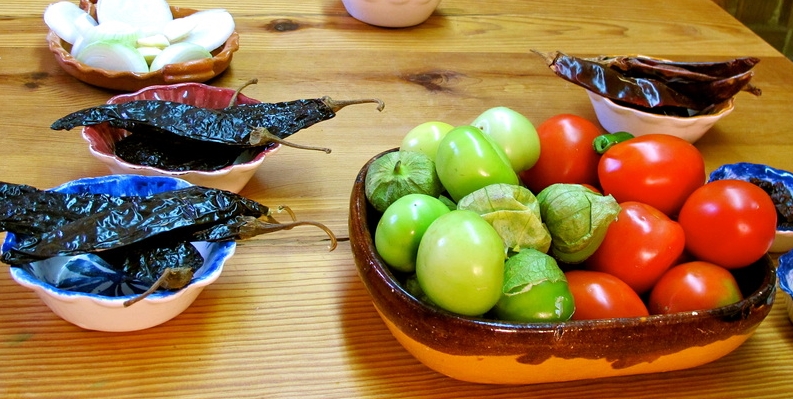
Dried anchos (front left), pasillas (back left) and chipotles (back right). Plus onions and tomatoes.

375-400ml (12 ounces) Mexican beer

chilli 15
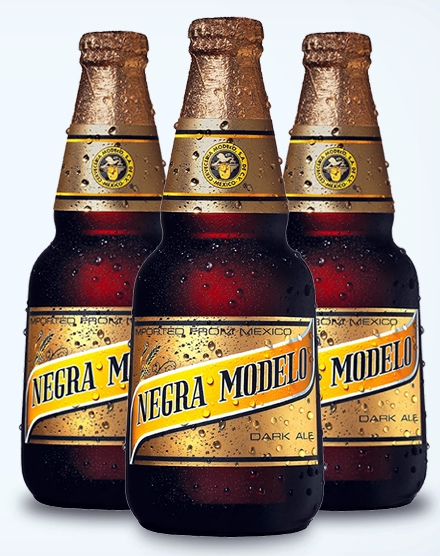
I use Negra Modelo, because it gives good dark color to the paste and a nice sweetness to this recipe.
chilli 25        chilli 26
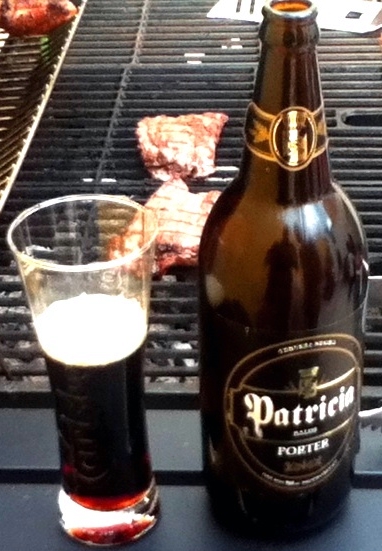
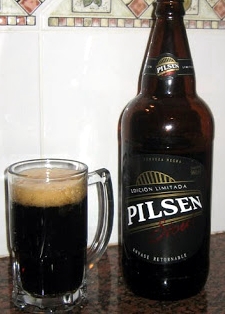
In Uruguay, Patricia Porter or Pilsen Stout (even better) will do the same job as the Mexican.

1 tablespoon olive or vegetable oil
1 medium, yellow onion, chopped
2 cloves of garlic, minced
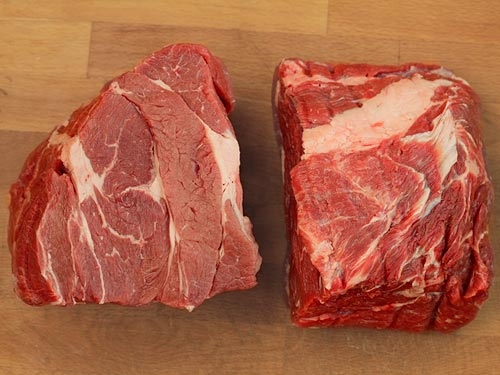
1kg (2 1/2 lbs) flatiron steak, ground

chilli 19  As better the meat – as better your chilli dish.

2 large tomatoes, chopped
175ml (5.5 oz) can tomato juice
2 teaspoons Worcestershire sauce
4 tablespoons Ancho chili powder
1 teaspoon Cumin seed, crushed
1 teaspoon smoked sweet Paprika
1 teaspoon dried Oregano

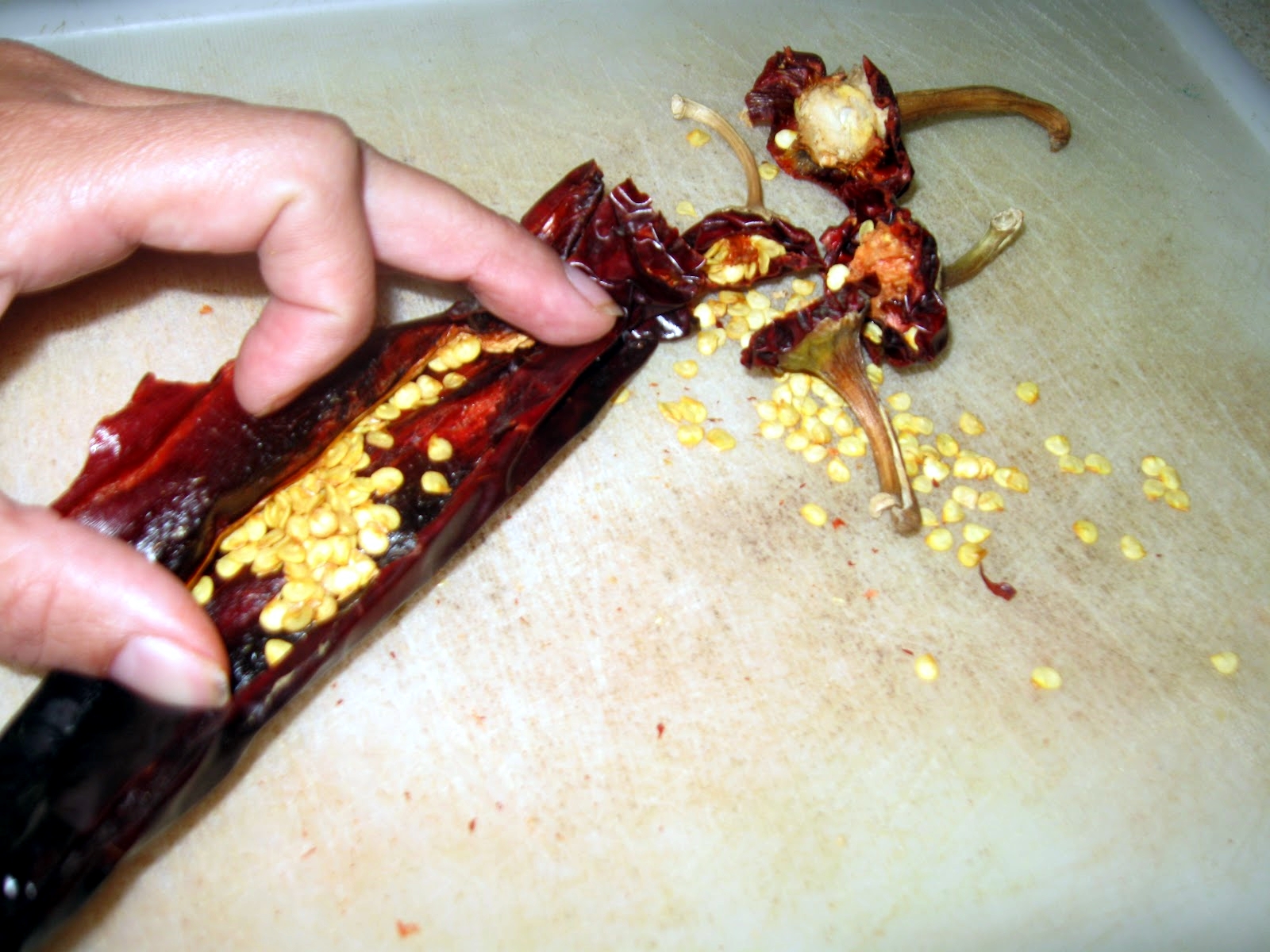
chilli 2  Clean chilli’s from seeds and stems.

How to do.

Cut chilli’s and remove all stems and seeds .
Heat a saucepan and add chilli’s.
Allow chilli’s to warm – just enough to release their aroma.
Add beer to the saucepan and bring mixture to a boil.
Reduce heat and simmer 20-30 minutes.
In a dutch oven or large chili pot, add 1/2 of the vegetable or
olive oil and brown meat until cooked through.

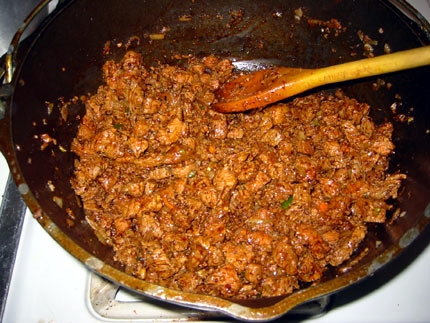
chilli 4   Brown the meat in a heavy pan.

In the dutch oven or large chili pot, add remaining vegetable or
olive oil and saute onions and garlic until tender.
Return chilli meat to pan, mix thoroughly.
Add tomatoes and tomato juice, Worcestershire sauce and spices.
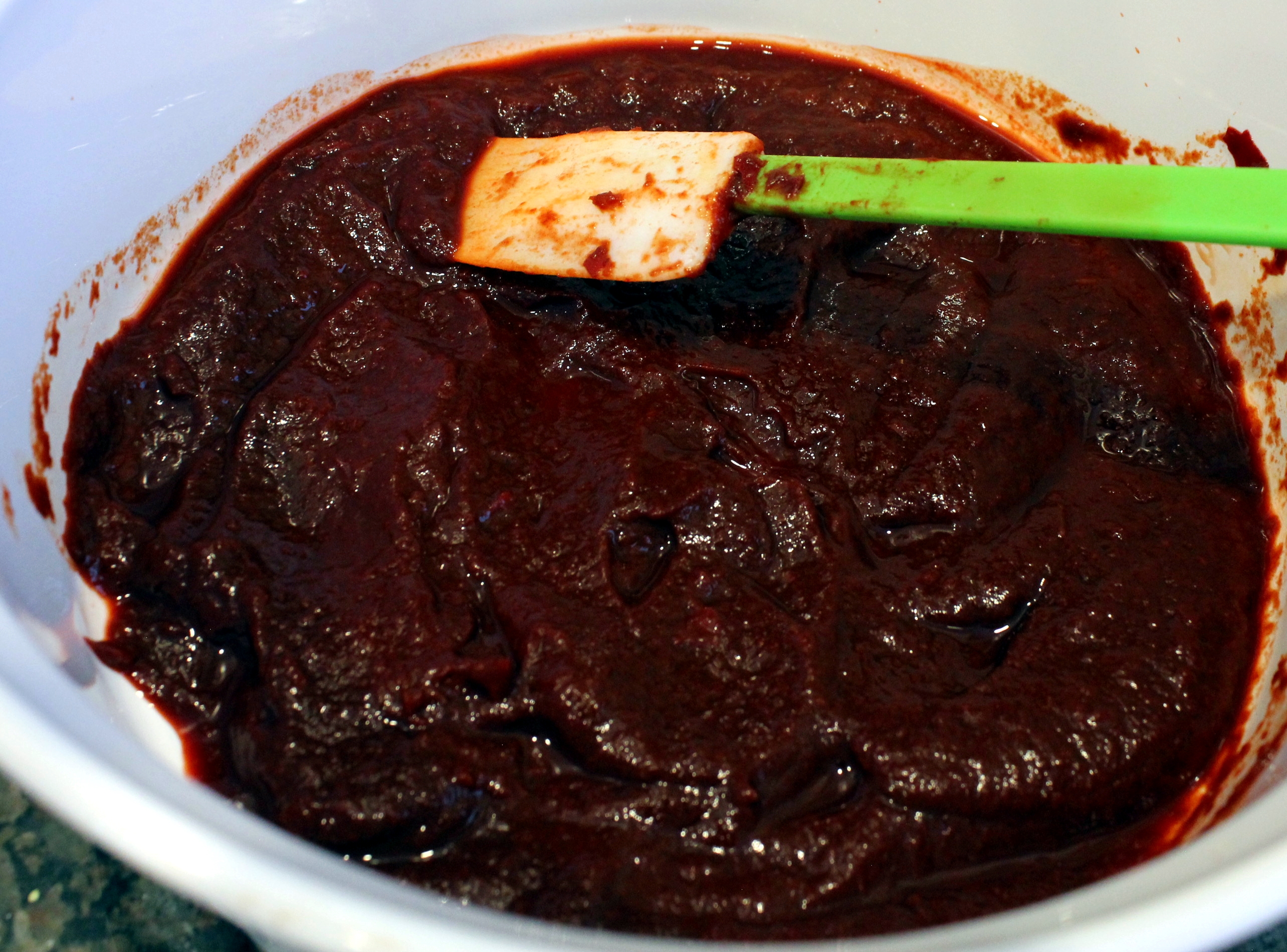
Put the chilli’s and cooking liquid in a blender and puree‘.

chilli 24
Best is to receive a smooth dark paste, about 2-3 cups for this recipe.

Strain mixture through a small colander or sieve into the chili pot,
you should have all ingredients together now.
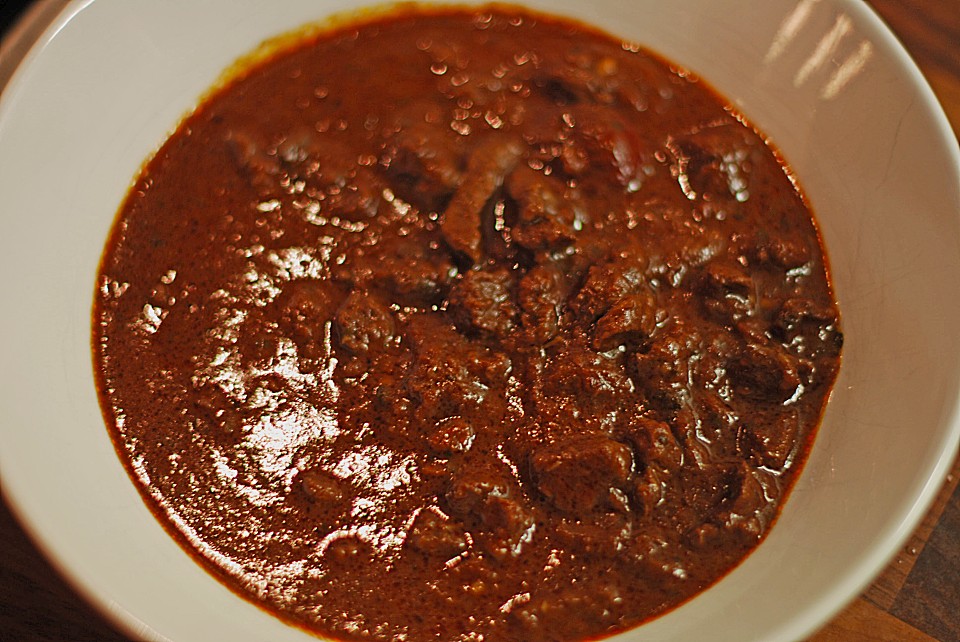
Simmer for 1 hour , stirring occasionally, and serve.

chilli 10
At the end I always stir in a few tablespoons of olive oil, it gives the whole
dish a wonderful shine. Then ready to garnish and serve.
chilli 22
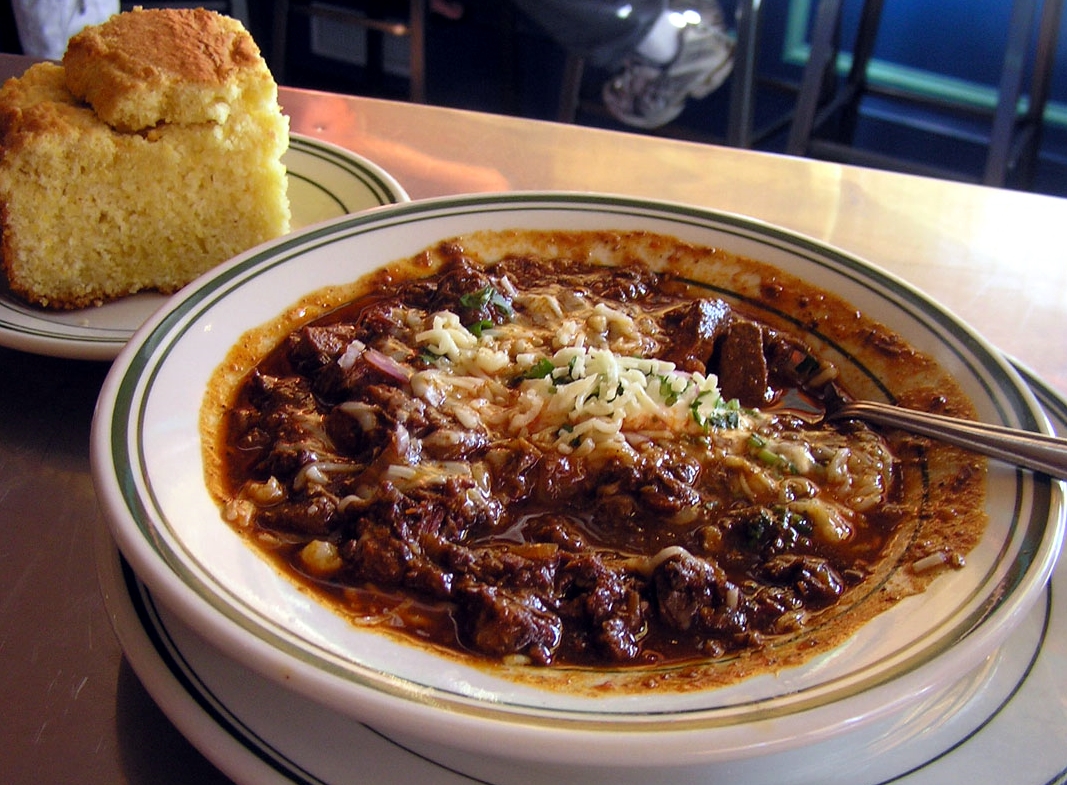
This time garnished with some cheddar cheese on yoghourt and sliced spring onion.

Tips.

Fresh baked cornbread makes a great compliment to this chili. See pic above.
If you don’t have it or can’t bake it yourself, use french baguette.
Garnish with coriander and some sour cream. I you made it very hot serve
some yoghourt or sour cream aside. A lovely cool strong beer goes well with chilli.

chilli 23
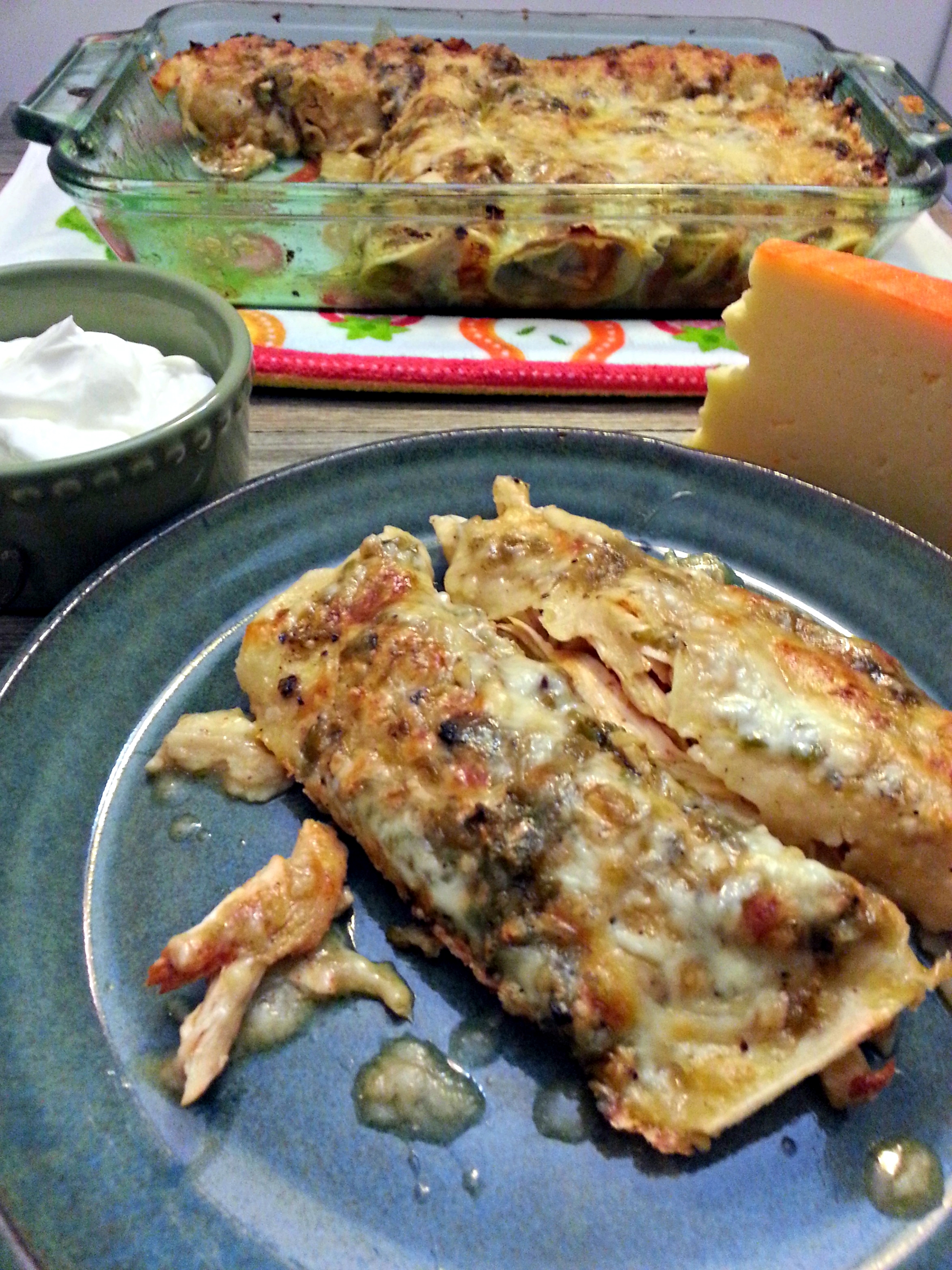
You can use leftover chilli in Chilli Enchiladas.
Here, oven browned, with black olives and cheese.

Veröffentlicht unter Recipes | Verschlagwortet mit | Hinterlasse einen Kommentar

Tango Uruguay 2 – Milonga

milonga 1

How it all began.
Tango is inseparable connected with Milonga or Candombe. To understand Milonga, we have to understand the difference between Milonga – the „place of dancing“, or the „event of dancing“ and Milonga – the „music itself or the style of dancing“.

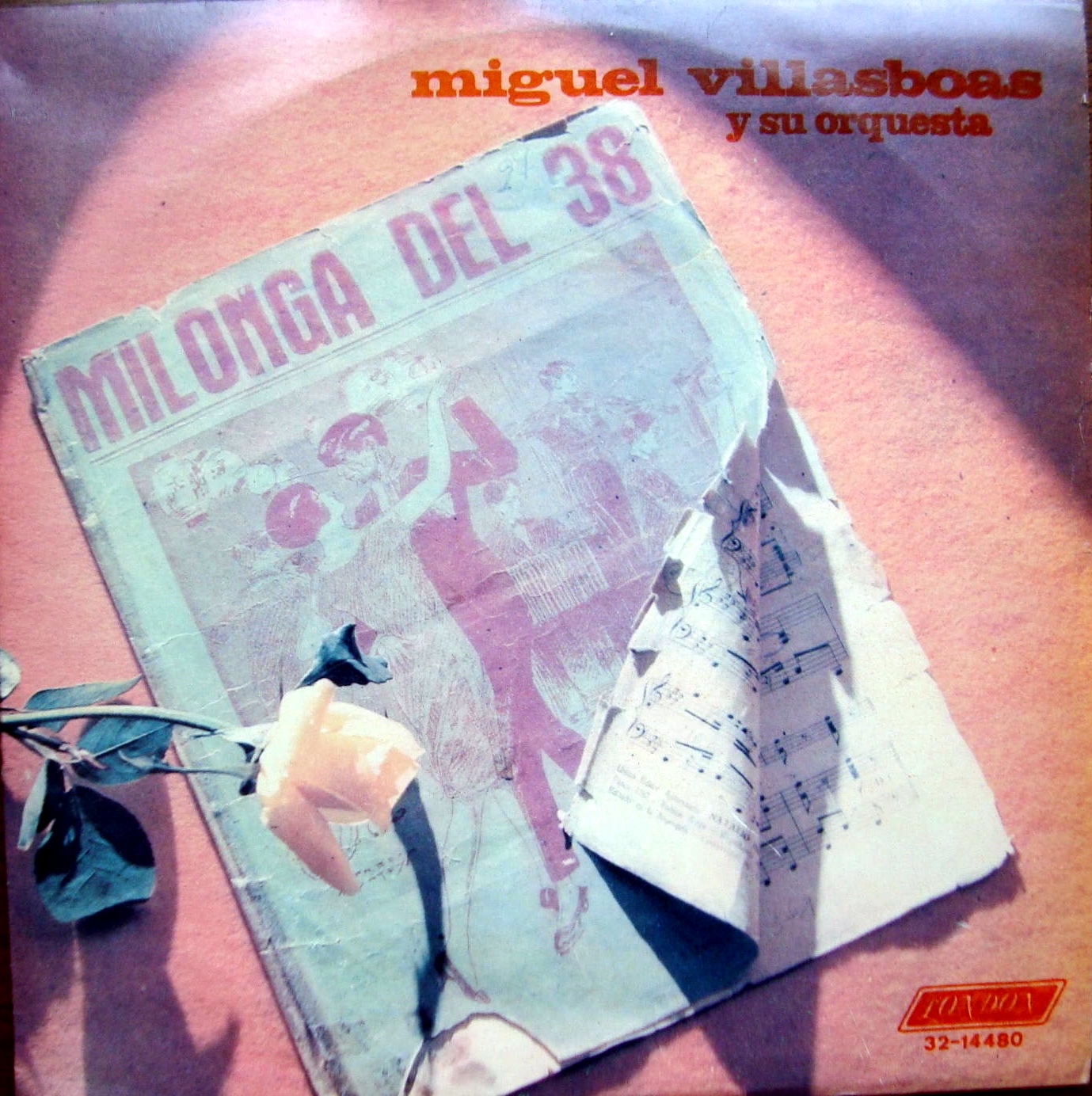
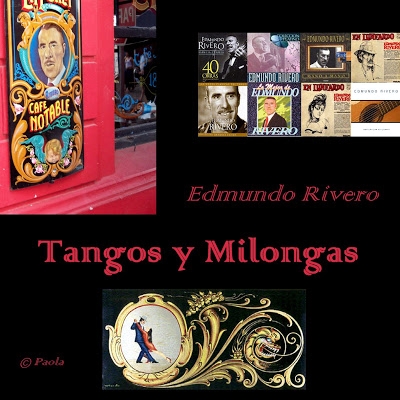
milonga 16  Very early Milonga record with sheet music cover.

It is worth noting that modern-day Argentineans also use the word „milonga“ as slang to mean „many words“. For example a phrase might go something like „No vengas con esa milonga“ – „Do not come with such a long complaining discourse“ or „La vida es una milonga“ – „Life is a milonga“ (meaning life is a long drama).

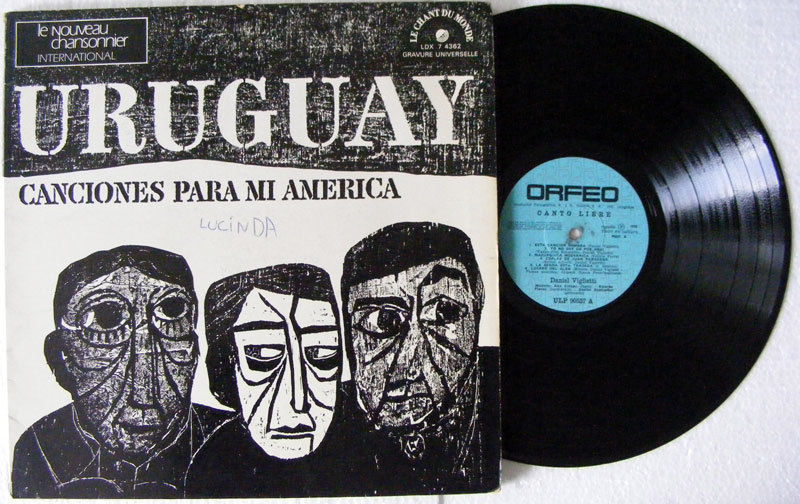
milonga 19  Rare Urugayan Milonga record.

The milonga is the predecessor of the modern tango, which began as an urbanized folk dance.The earliest tangos were in fact mostly titled tango criollo para piano and were milongas rather than true tangos, with ensembles consisting of the bandoneón, flute and guitar.

milonga 3
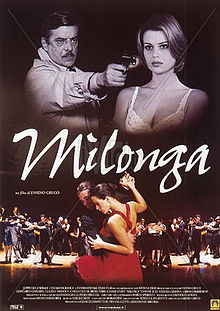
Milonga is a 1999 Italian  film directed by Emidio Greco.
For his dancing performance Giancarlo Giannini won the Globo d’oro for best actor.

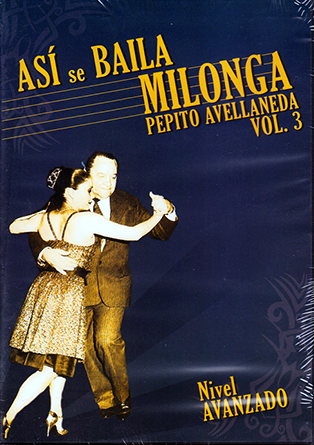
Milonga dance is dancing to Milonga music.

Milonga dance incorporates the same basic elements as Tango but permits a greater relaxation of legs and body. Movement is normally faster, and pauses are less common. It is usually a kind of rhythmic walking without complicated figures, with a more humorous and rustic style in contrast with the serious and dramatic Tango. This is the dancing style you will mostly see in open clubs, bars, cafes or on the streets in Uruguay. Most people still will call it Tango, but it’s Milonga.

milonga 12  Music sheet and Lyrics  for a typical Milonga.

In a book published in 1883, Ventura Lynch, a noted contemporary student of the dances and folklore of Buenos Aires Province, noted the influence the Afro-Argentine dancers had on the compadritos, who apparently frequented the Afro-Argentine dance venues, „the milonga is danced only by the compadritos of the city, who have created it as a mockery of the dances the blacks hold in their own places“.

milonga 10       compadritos 1
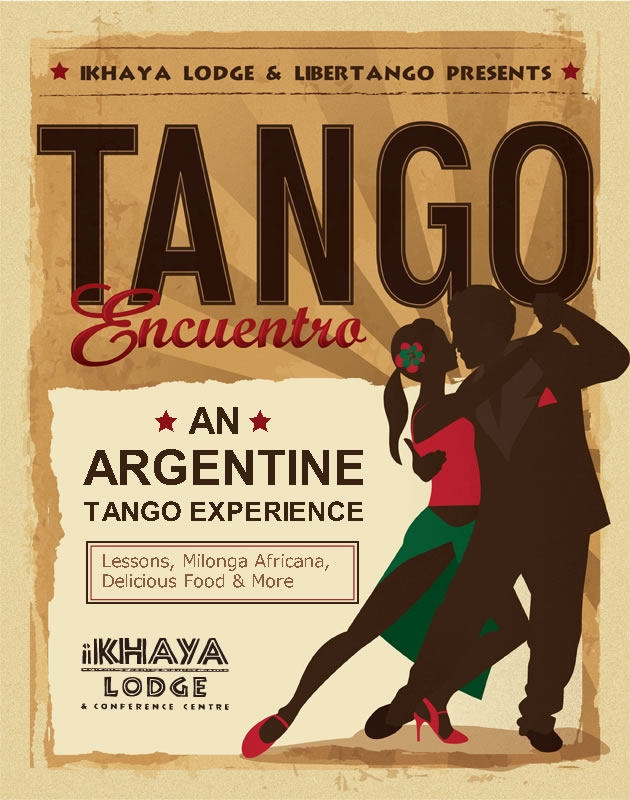
Tangos – Milonga Africane – written for the Compadritos.  And some compadritos preparing for the show.

Distinctive elements added from candombe were quebradas, improvised, jerky, semi-athletic contortions, the more dramatic the better, and cortes, a suggestive pause, or sudden break in the figures of the dance.

milonga 21  Record Cover with dances of Tango and Milongas.

Unlike in the then „Tango“ of that group, however, where these movements were danced apart, they were now danced together. Jose Gobello suggested that the mazurka was also altered in the districts close to the docks. This Africanized milonga-tango, as well as the habanera and mazurka, was frowned upon, and found wholly unacceptable by some sections of Argentine high society.

Milonga evening in a Milonga bar.

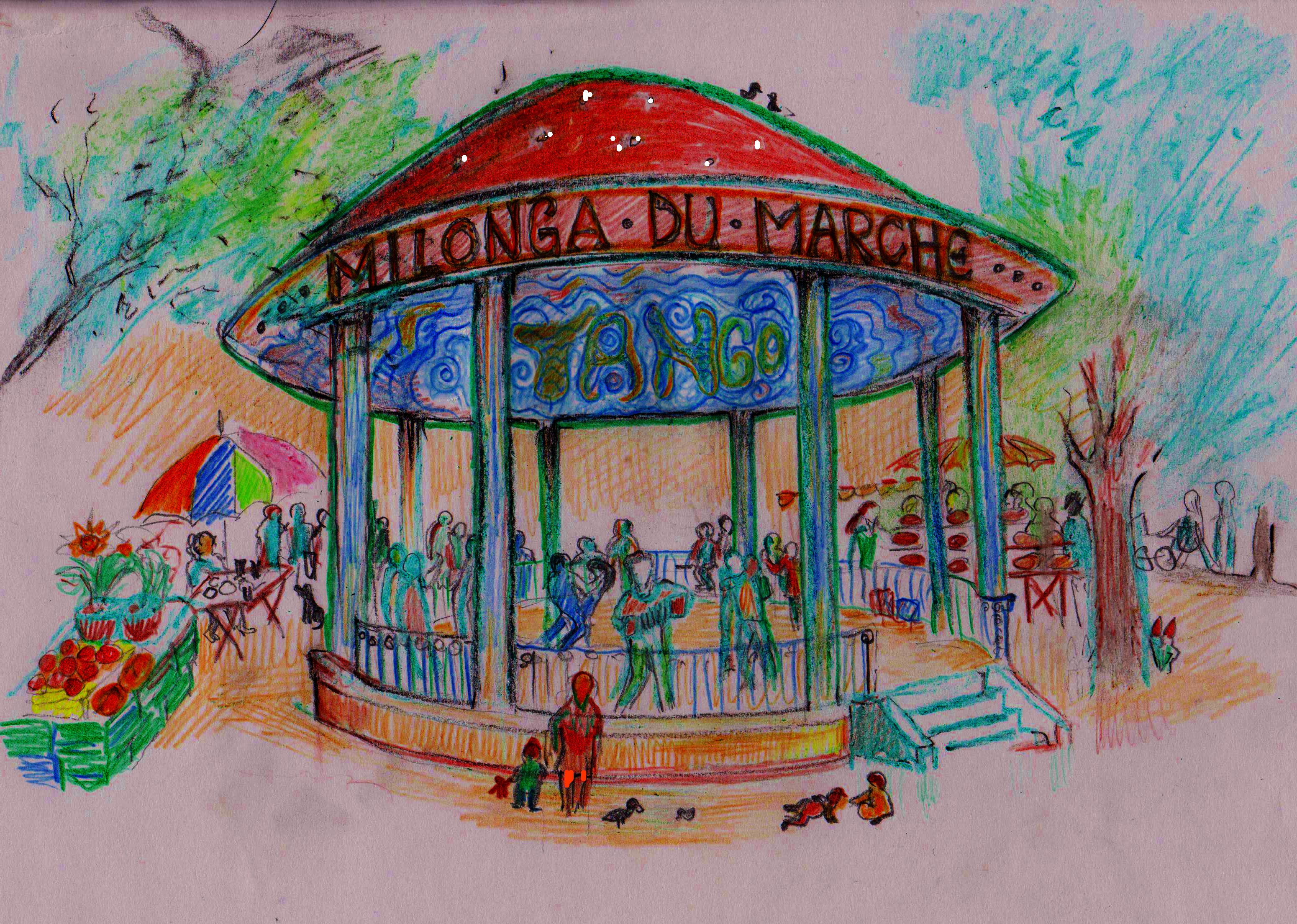
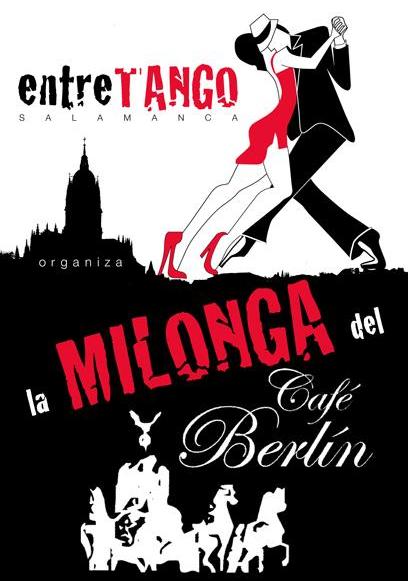
milonga 4  Go and dance a Tango during a Milonga at Cafe Berlin.

Milonga is also a term for a place or an event where tango is danced. People who frequently go to milongas are sometimes called milongueros. The term milonga can also refer to a musical genre or a style of dance related to tango. The music played is mainly tango, vals and milonga (as the musical genre). Milongas are also the events where people meet to dance.

milonga 2
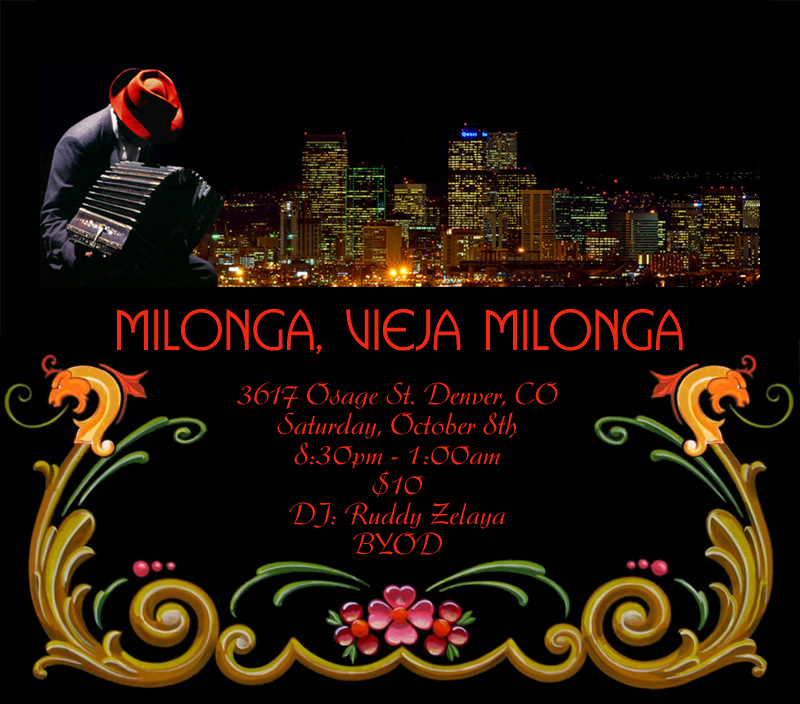
„Milonga“ event in Denver, Colorado, also showing the music which will be played, „Vieja Milonga“.

Most milongas are held on a regular basis (usually weekly), and they often begin with dancing classes and sometimes demonstration dances. Usually, three to five songs of a kind are played in a row (this is called tanda) followed by a short musical break (called cortina) to clear the dance floor and facilitate partner changes.

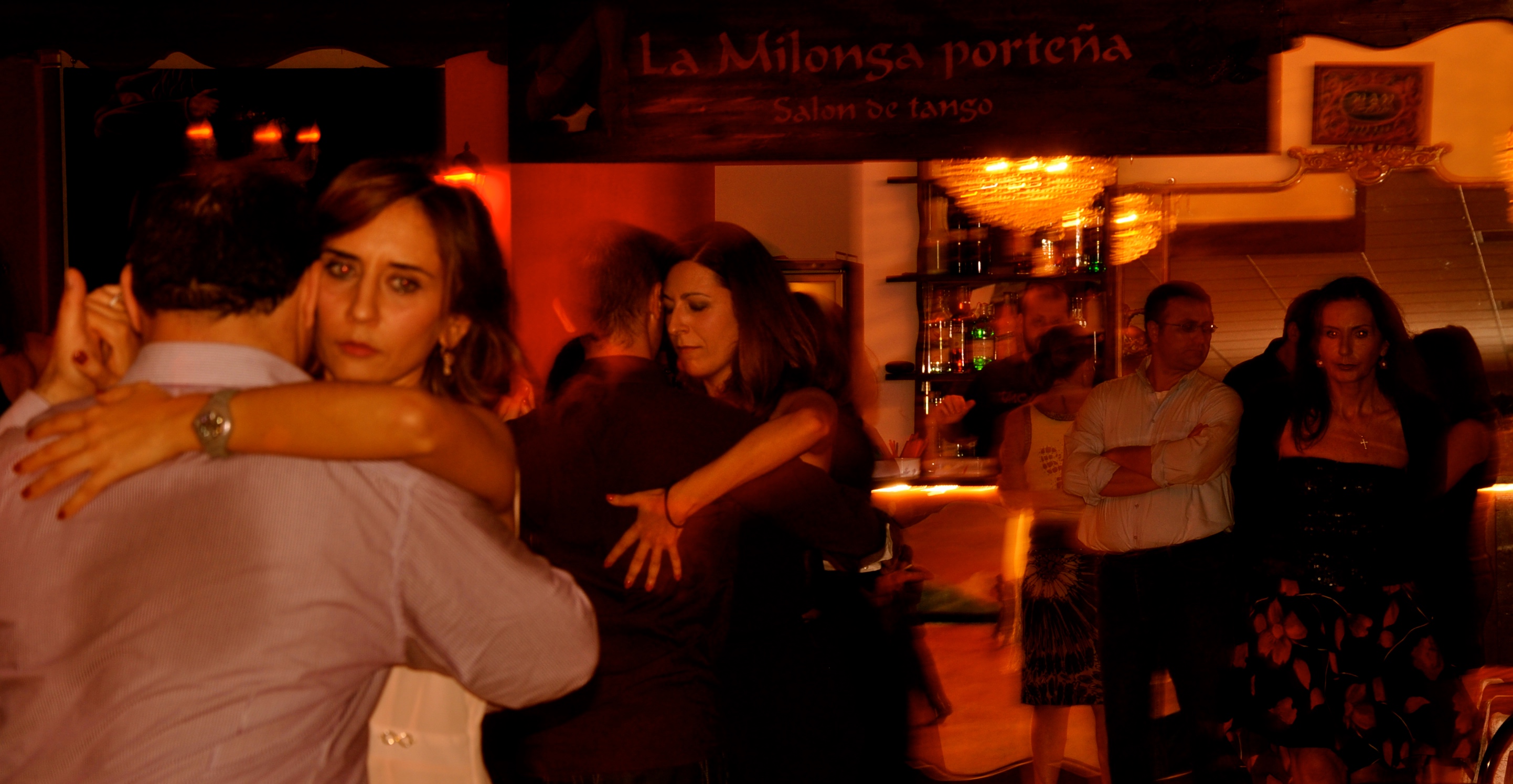
milonga 8  Notice the sign „La Milonga Portena – Salon de Tango“.

There are a number of informal rules that dictate how dancers should choose their dancing partners and navigate the floor. Very often, as an Uruguayan rule, the band plays at the end of a Milonga, the tango „La Cumparsita“. See part 4 of these posts.

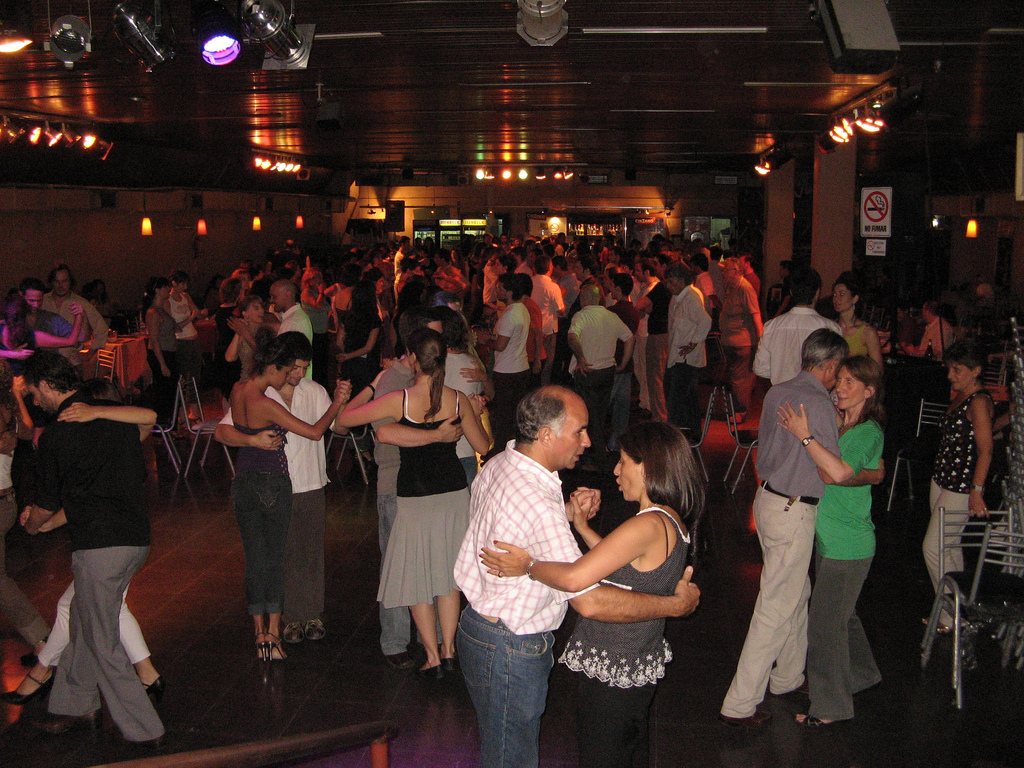
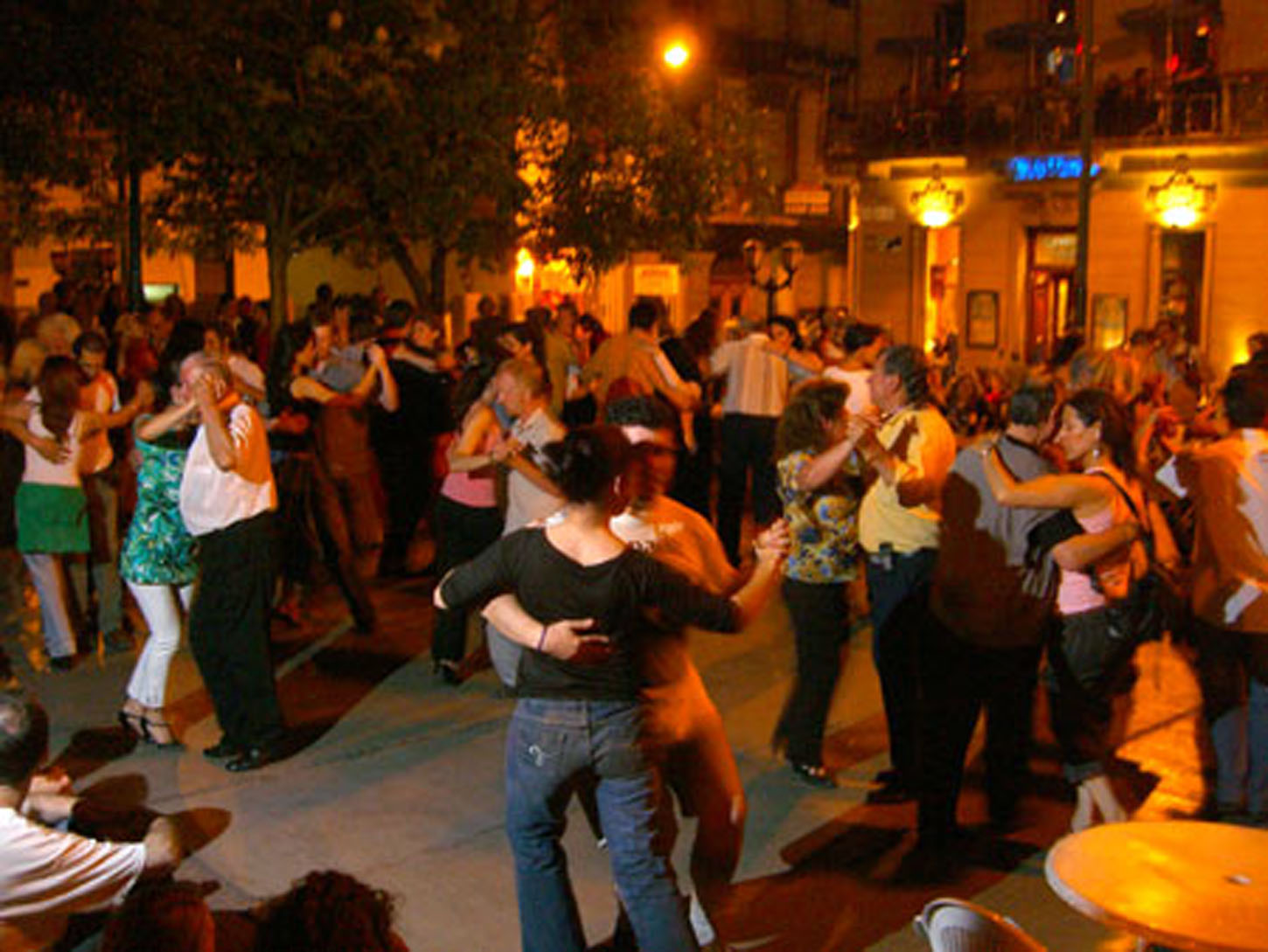
milonga 5 at la viruta  milonga 6 Milonga is  everyone’s dance, in dance halls or on streets of Montevideo. Often mixed up with Tango.
But – who cares, as we call all that Tango, as always. Important is to have that dancing mind, right ?

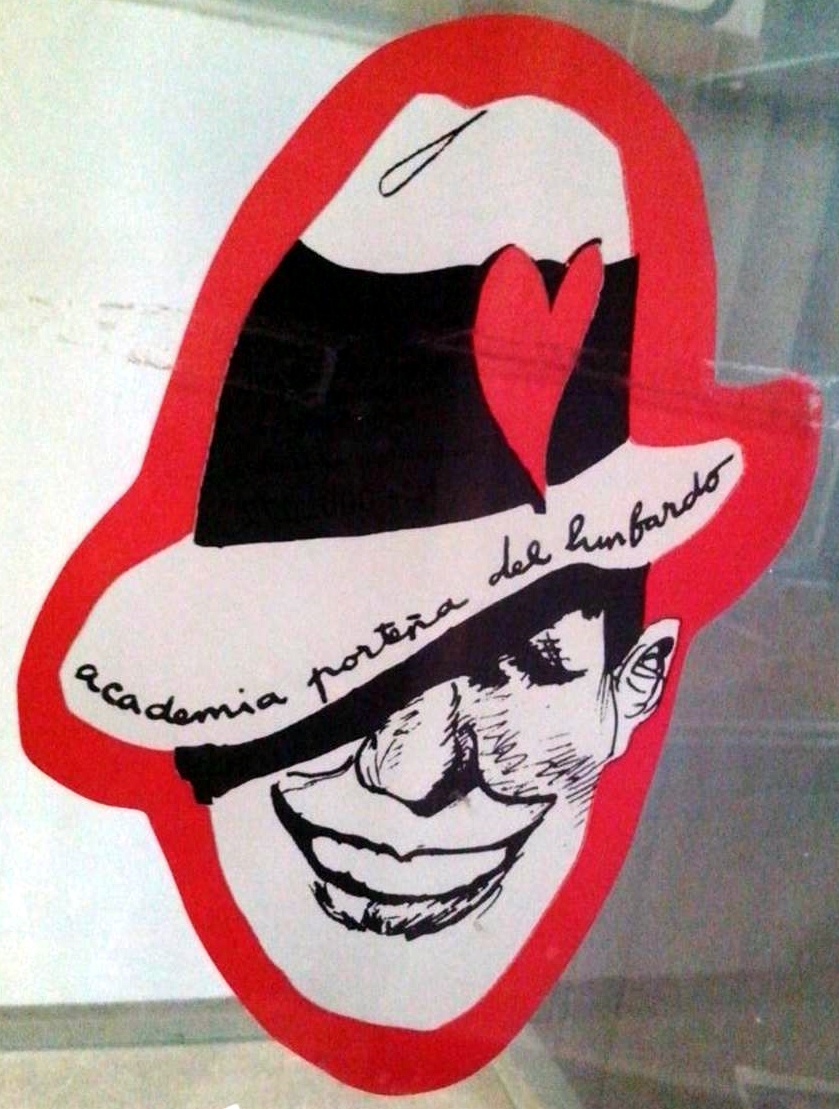
According to José Gobello (President of the Academia Porteña del Lunfardo, Buenos Aires, the word milonga comes from of the South West African Bantu language Kimbundu and is the plural of „Mulonga talking“. In this original sense it means milongas (plural used), in today’s dealings Spanish, still mean „lies and deception“. If you are in Buenos Aires visit the Historic Museum at the Academia Lunfardo.

milonga 20  Motivating emblem of the Academia Porteña del Lunfardo.

On the one hand the Milonga goes back to the African American Candombe, on the other hand, its lyrics are a development of improvised payadas of the Gauchos, often with antiphonal singing. Just to sum up, we can say that people go to Milongas and dance tango, vals or milonga. That means you can dance Milonga to Milonga music during a Milonga event in a Milonga bar. Confused ?

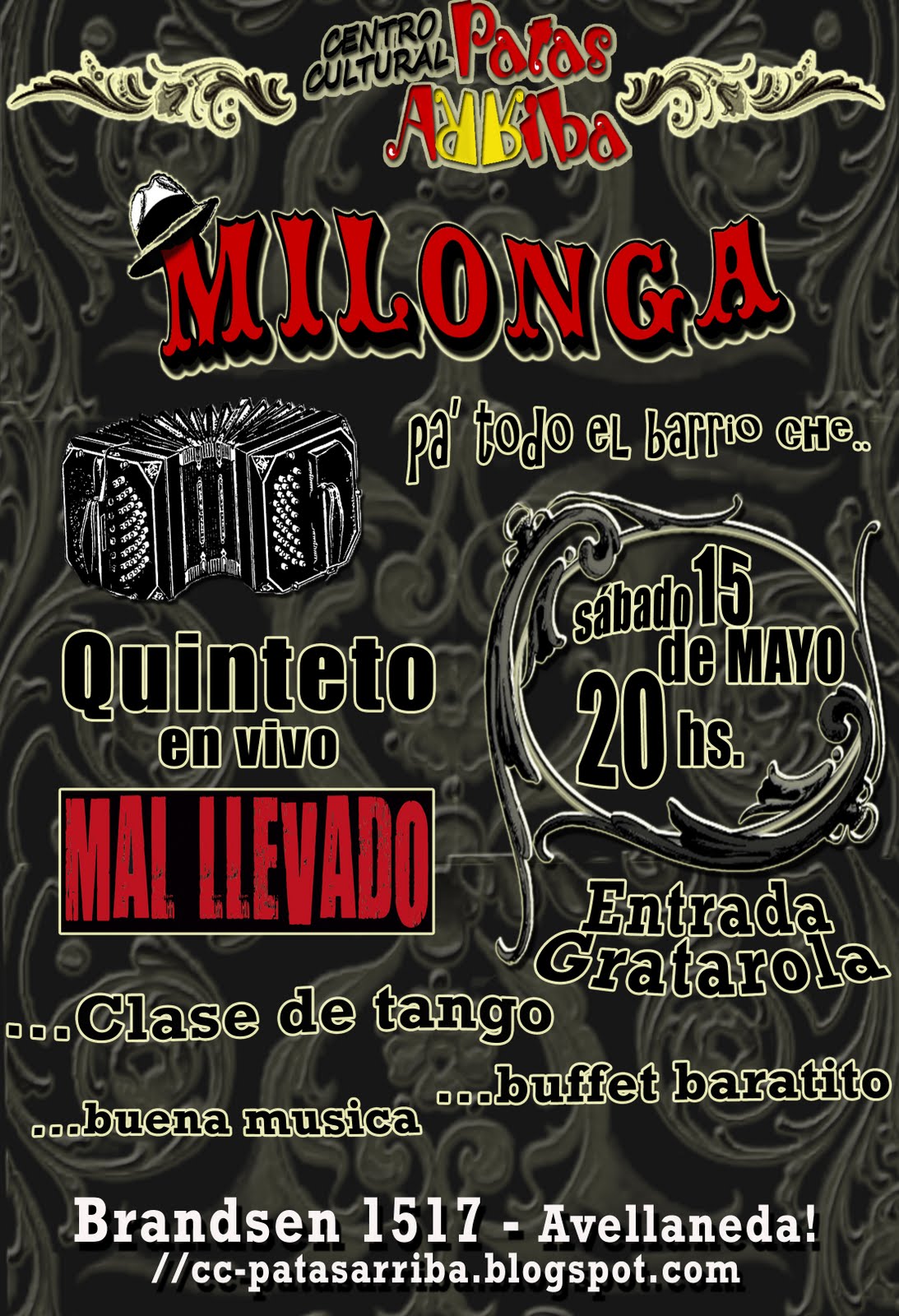
milonga 13  Milonga at Centro Cultural Patas Arriba, Avellaneda Arg..

Collecting Tango – Milonga music sheets.
Down here some examples from the authors collection:

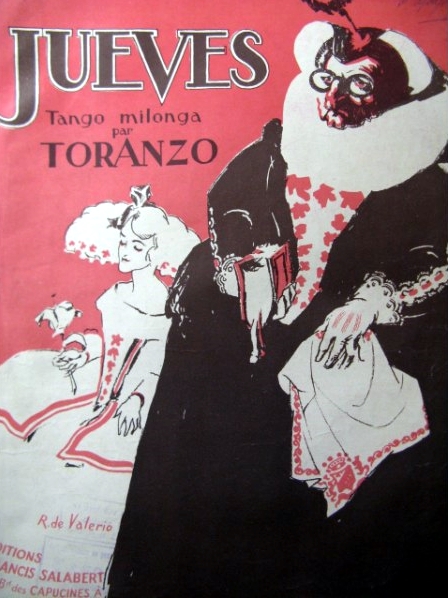
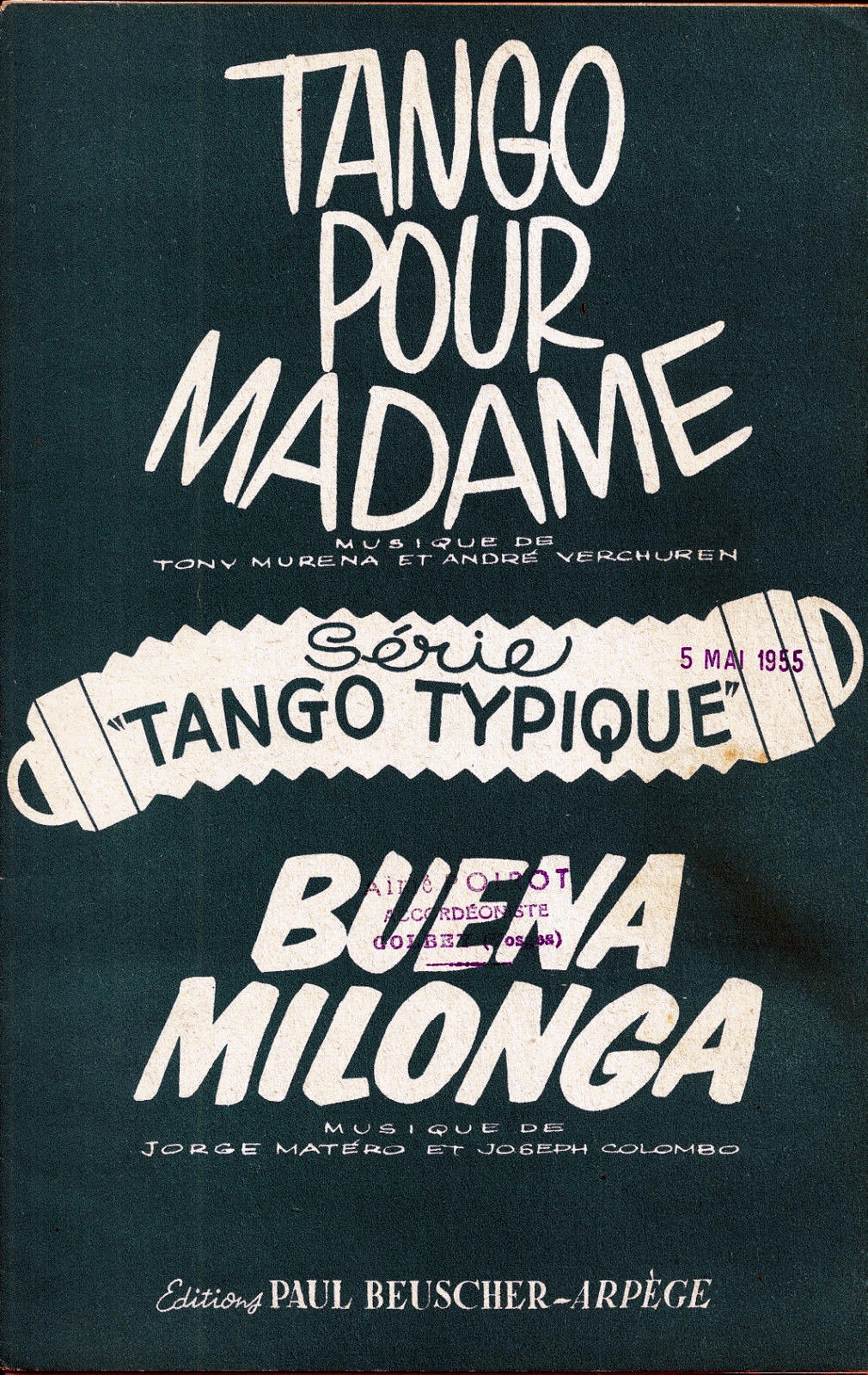
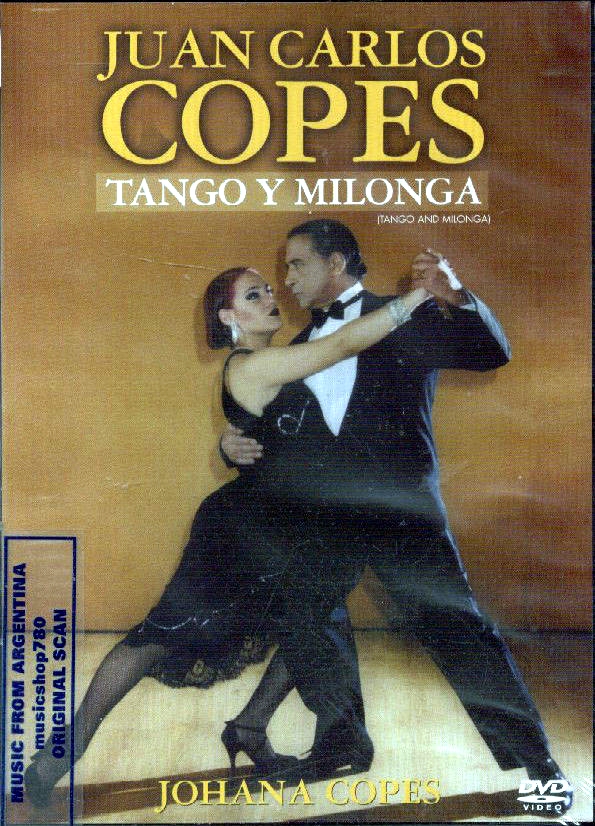
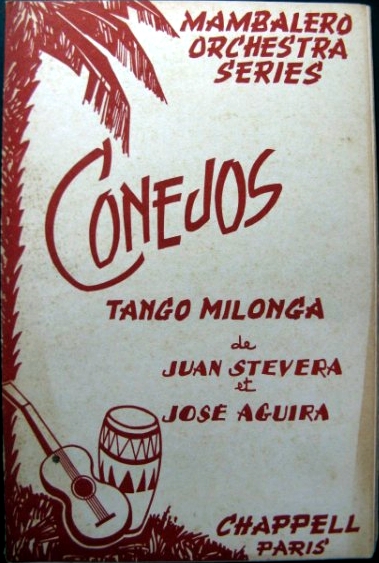
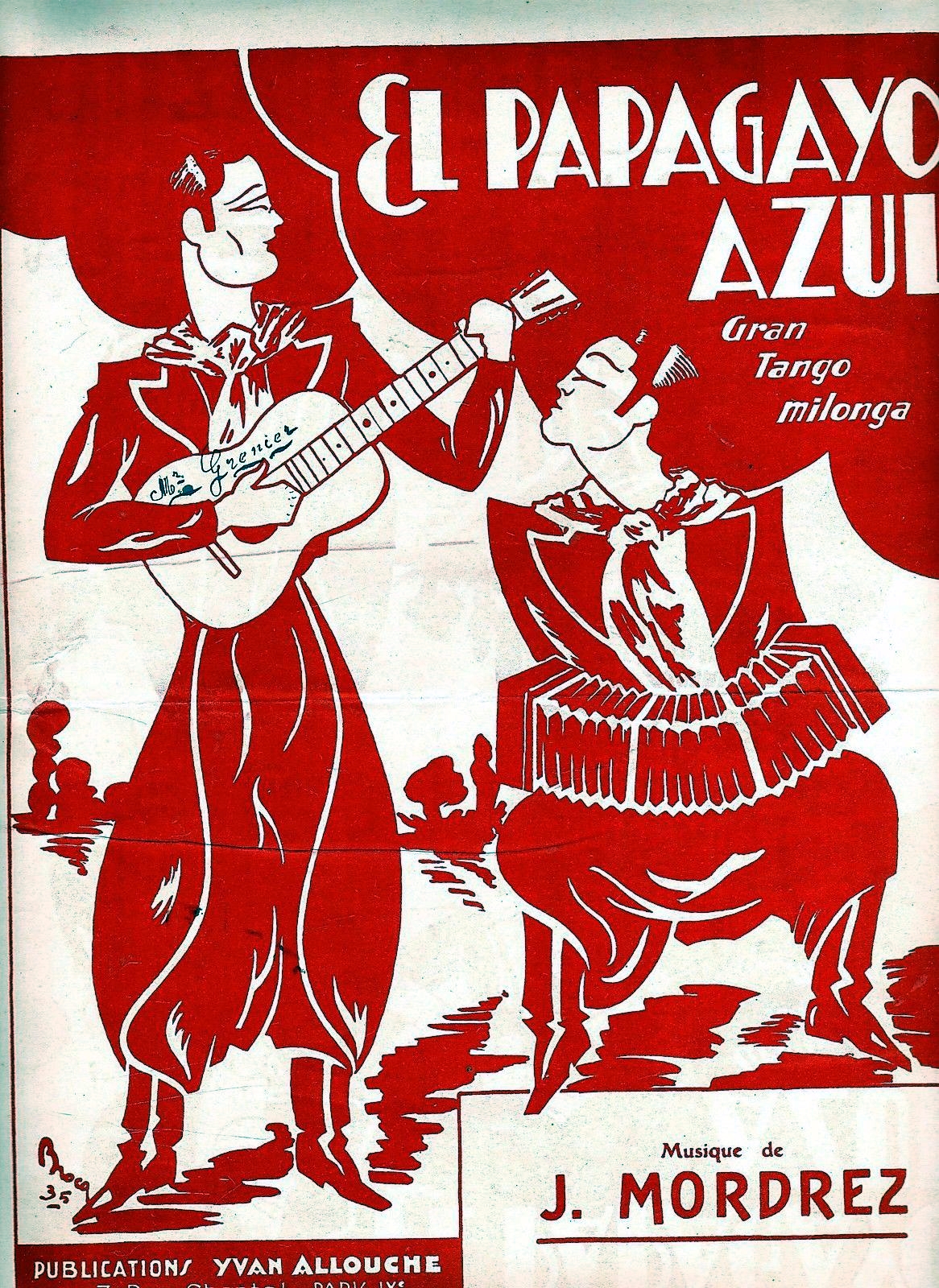
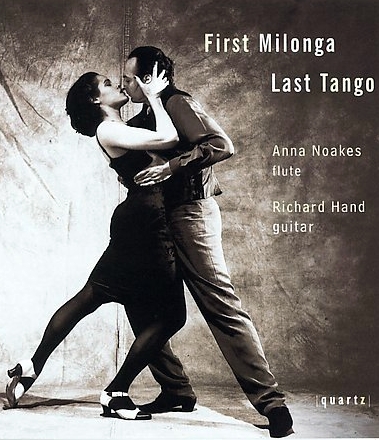
tango milonga 3           tango milonga 6

tango milonga 7            tango milonga 5

tango milonga 4    tango milonga 8

One famous and well known Milonga song is:
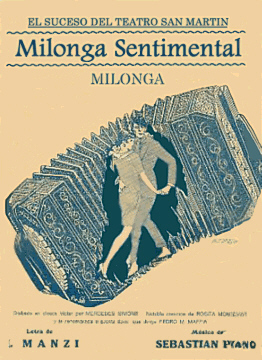
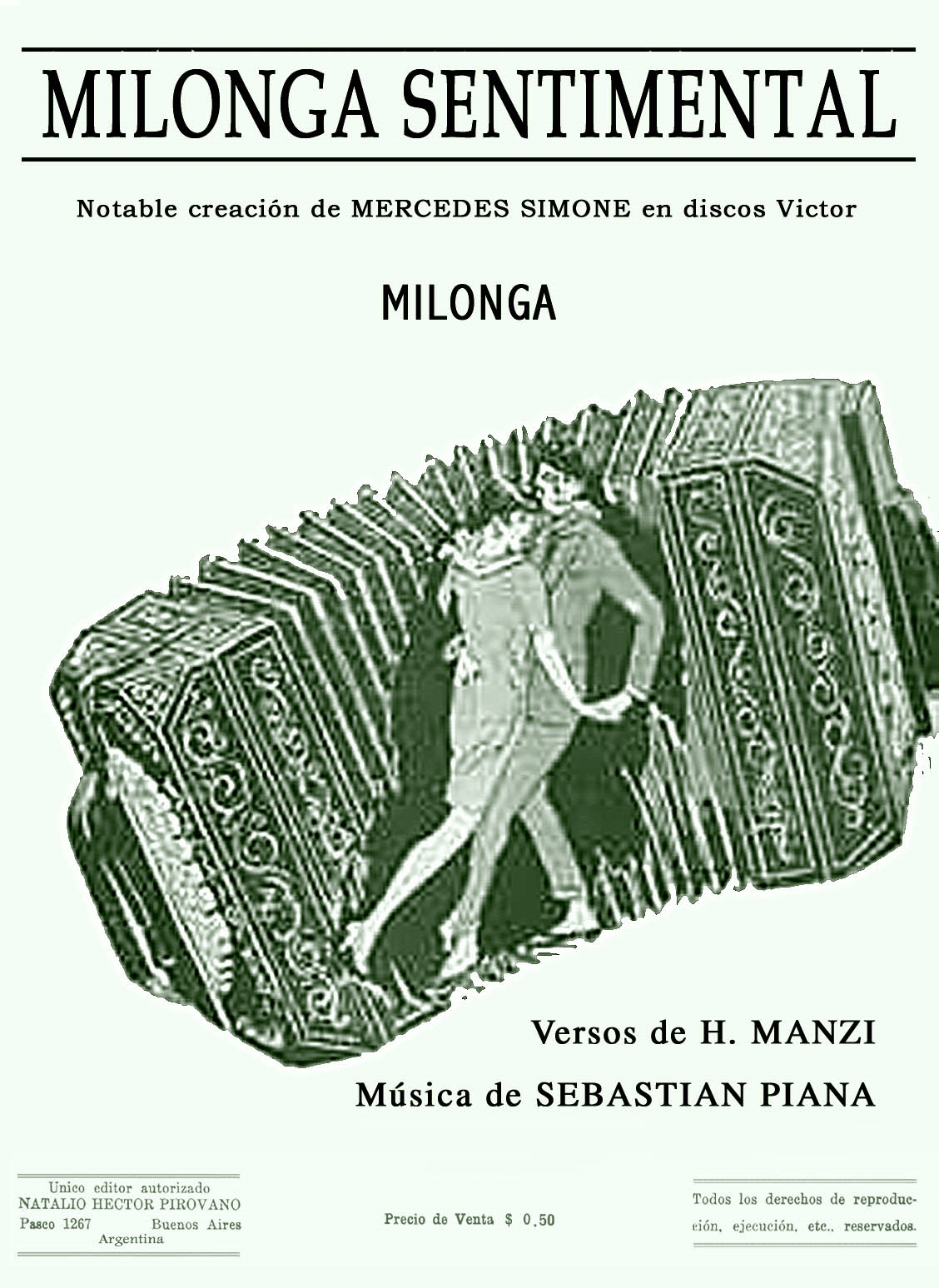
„Milonga Sentimental”, 1931, (composer: Sebastián Piana, lyrics: Homero Manzi).
Sebastián Piana is considered the father of the modern milonga with his Milonga Sentimental.
I like to introduce you, in three languages, to this historic Love Song.

Milonga Sentimental.

milonga 9 1931  Original „Milonga  Sentimental“ sheet music from 1931.

Spanish:

I
Milonga pa‘ recordarte,
milonga sentimental.
Otros se quejan llorando,
yo canto por no llorar.
Tu amor se secó de golpe,
nunca dijiste por qué.
Yo me consuelo pensando
que fue traición de mujer.
Varón, pa’ quererte mucho…

Refrain:
Varón, pa’ quererte mucho, varón,
pa’ desearte el bien, varón,
pa’ olvidar agravios porque ya te perdoné.
Tal vez no lo sepas nunca,
tal vez no lo puedas creer,
tal vez te provoque risa verme
tirao a tus pies!

II
Es fácil pegar un tajo pa‘
cobrar una traición,
o jugar en una daga
la suerte de una pasión.
Pero no es fácil cortarse
los tientos de un metejón,
cuando están bien amarrados
al palo del corazón.(Refrain).

III
Milonga que hizo tu ausencia.
Milonga de evocación.
Milonga para que nunca
la canten en tu balcón.
Pa’ que vuelvas con la noche
y te vayas con el sol.
Pa’ decirte que sí a veces
o pa’ gritarte que no. (Refrain).

milonga 14 gardel
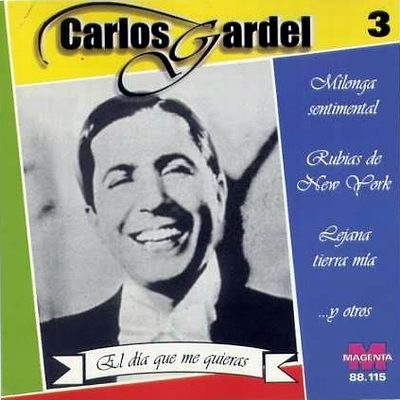
Milonga Sentimental – perfectly presented by Carlos Gardel in 1933.

German:

I
Milonga, um dich zu erinnern,
Milonga der Gefühle.
Andere klagen mit Tränen,
ich singe, um nicht zu weinen.
Deine Liebe versiegte plötzlich,
niemals sagtest du warum.
Ich tröste mich mit dem Gedanken,
dass es Verrat der Frau war.
Manns genug, um Dich sehr zu lieben…

Refrain:
Manns genug, um Dich sehr zu lieben,
Manns genug, um dir alles Gute zu wünschen,
Manns genug, um Beleidigungen zu vergessen,
weil ich dir schon verziehen habe.
Vielleicht wirst du es nie erfahren,
vielleicht kannst du es nicht glauben,
vielleicht lachst du darüber,
wenn du mich zu deinen Füßen liegen siehst.

II
Es ist leicht,
mit dem Messer zu stechen,
um einen Verrat zu rächen,
oder mit dem Dolch um eine Leidenschaft zu wetten.
Aber es ist nicht leicht,
die Fesseln einer leidenschaftlichen Liebe
zu durchschneiden, wenn sie fest um
den Pfahl des Herzens gebunden sind. (Refrain).

III
Milonga, die durch deine Abwesenheit entstand,
Milonga der Erinnerung,
Milonga, damit man sie dir niemals als Ständchen singt.
Damit du mit der Nacht zurückkommst
und mit der Sonne wieder fortgehst.
Um dir manchmal Ja zu sagen
oder Nein zu schreien. (Refrain).

tango 46 Newly printed Sheet Music from 1937.

English:

I
A sentimental milonga,
Just to remember you by.
Others complain by crying;
I sing so that I don’t cry.
Your love dried up for some reason,
You never told me the tale.
I comfort myself by thinking
It was a woman’s betrayal.
A man, one who really loves you…

Refrain.
A man, one who really loves you,
A man, yes I am the one.
A man, who’ll forget you wronged me;
I forgive you what you’ve done.
Perhaps you will never know it,
Perhaps you will not believe,
Perhaps you’ll be laughing
when you See me lying at your feet.

II
It’s easy to get your vengeance
With the sharp blade of a knife,
Or, on a passing fancy,
To gamble on your life.
But when it’s loving that holds you
It’s hard to cut apart
The tentacles that so tightly
Are tied around your heart. (Refrain).

III
Milonga to bring back old memories,
A song that your absence made.
You’ll never hear this milonga
Sung as a serenade.
You will come back in the nighttime
And with the sun you’ll go.
Sometimes a „yes“ I’ll whisper
Or else I’ll shout a „no. (Refrain).

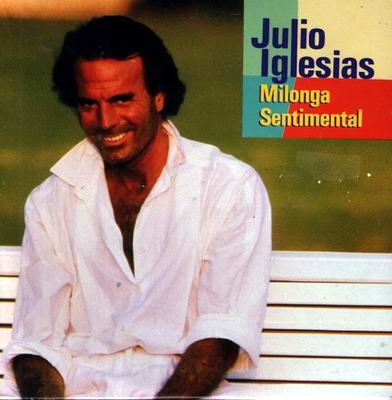
tango 48  Milonga Sentimental presented by Julio Iglesias 1992.

Even Regarding the song tells us that it was created to commemorate a love affair. Constant topos of tango lyric. However, while the lyric remains in this Tango poetry in macho style self-pity (and often grief „dies“), it finds in the milonga Poetry in the lilting rhythm of musical genres consolation to get over and over again on a failure:
„Yo canto por no llorar (I sing so I can not cry).“

You certainly can call the Milonga the merrier sister of Tango. Expect part 3 of this post.

Veröffentlicht unter Collecting, History, Information, Uruguay | Verschlagwortet mit | Hinterlasse einen Kommentar