
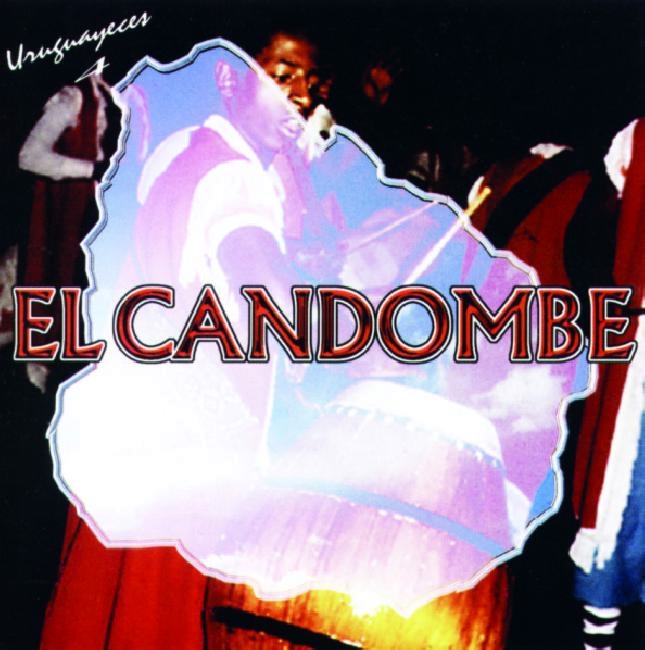
As we learned already in the post „Tango Uruguay 2 – Milonga“, Milonga resulted from a fusion of many cultural dances, including the Cuban Habanera, the Mazurka, the Polka and the Brazilian Macumba. In addition to this, there were two very significant influences:
the Candombé and the Payada. Influences which based the Milonga and the Tango.
The Candombe.
It is important to understand the Candombe (pronounced can-dom-bey) because it forms the very basis of milonga – and thus tango as a whole.
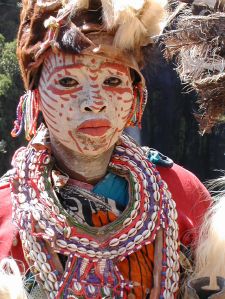
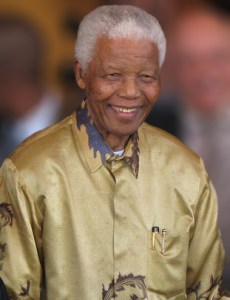
Two Bantu’s: A Bantu dancer (left) and the most well known Bantu member Nelson Mandela (1918-2013).
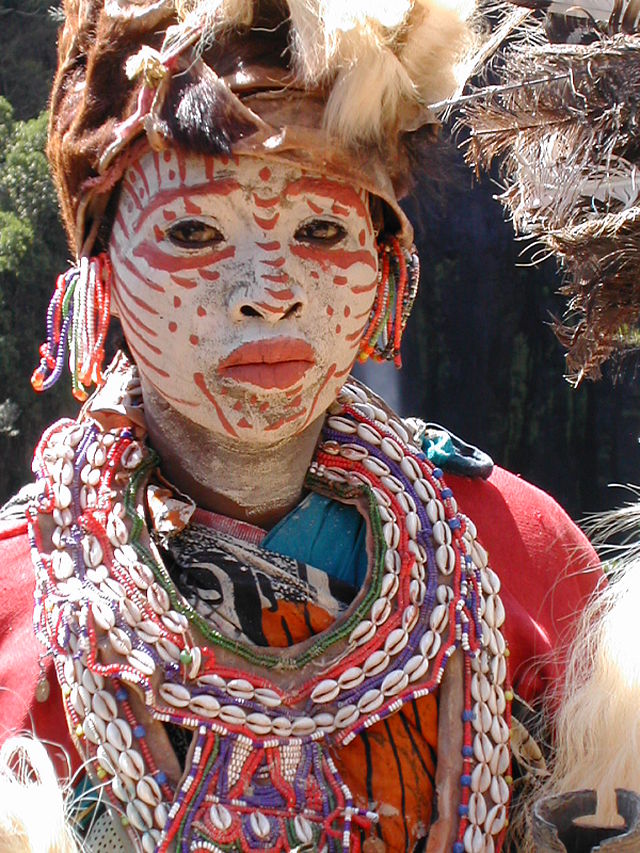
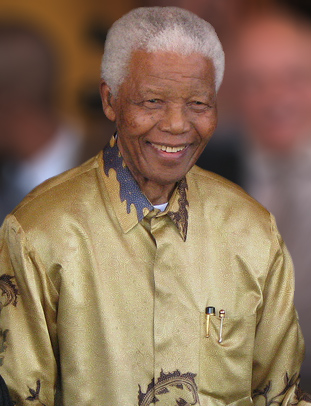
To do so, we must cast our eyes away from Uruguay and Argentina for a slight moment, to Africa. When the Spanish colonized South America, millions of African slaves were introduced there centuries before tango was created. More than two thirds of these slaves came from the Eastern and Equatorial region of Africa called Bantu.
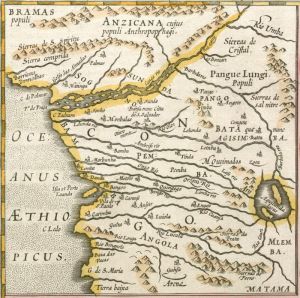 The kingdom of Congo, part of Bantu around 1630.
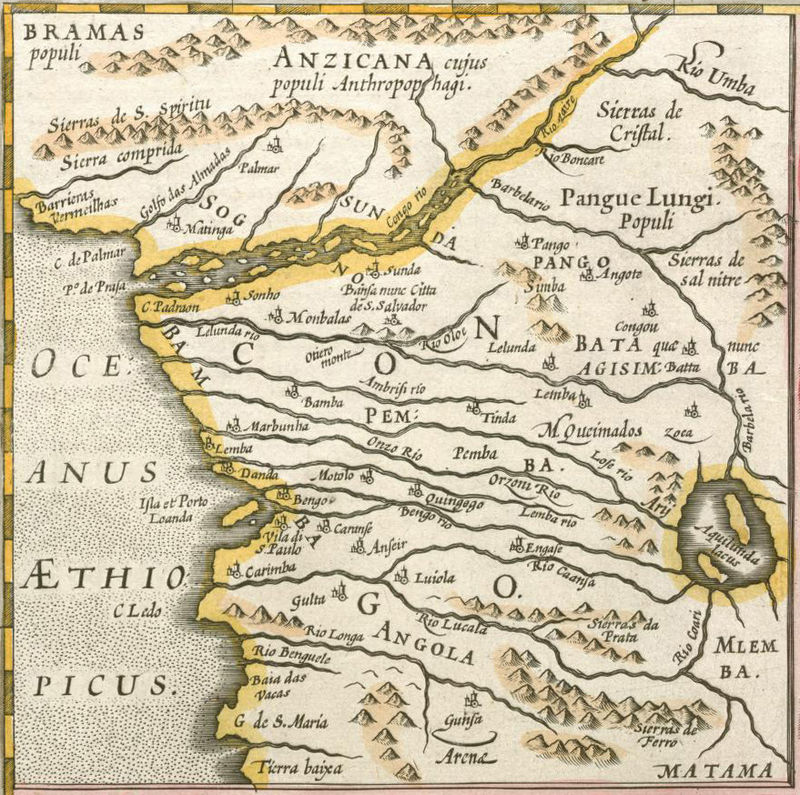
The Bantu area is a very large area of Africa, which had over 450 distinct ethnics groups, 20 languages and 70 dialects (reference: Montevideo census of 1812). It is rather tragic then that the entire ancestral dance and music heritage of the Bantu region, from which millions of people were enslaved, is encapsulated and mashed together into a single word… but there it is: Candombe.
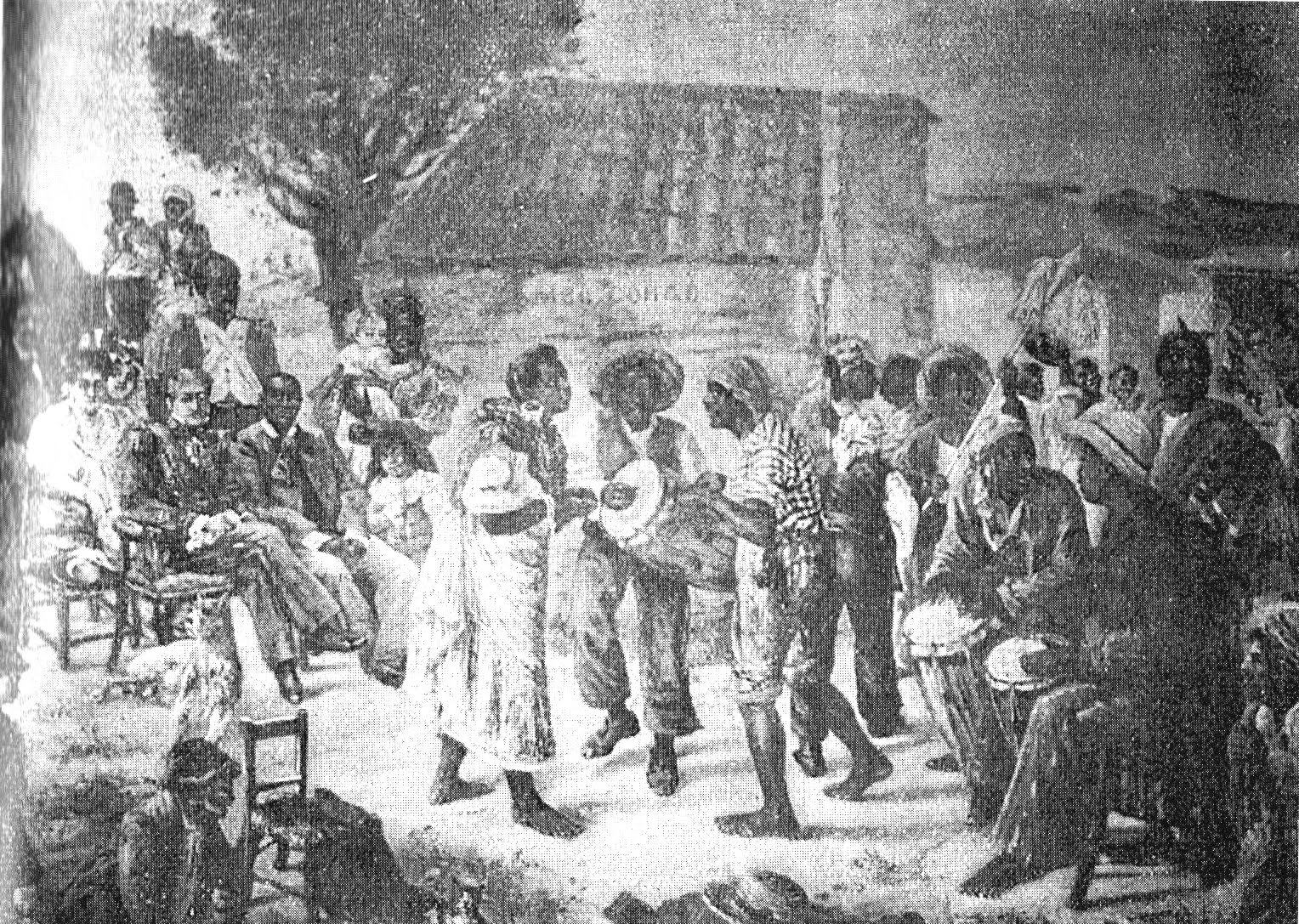
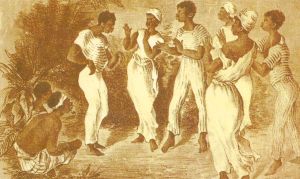 Candombe dancers, no embrace, around 1820.
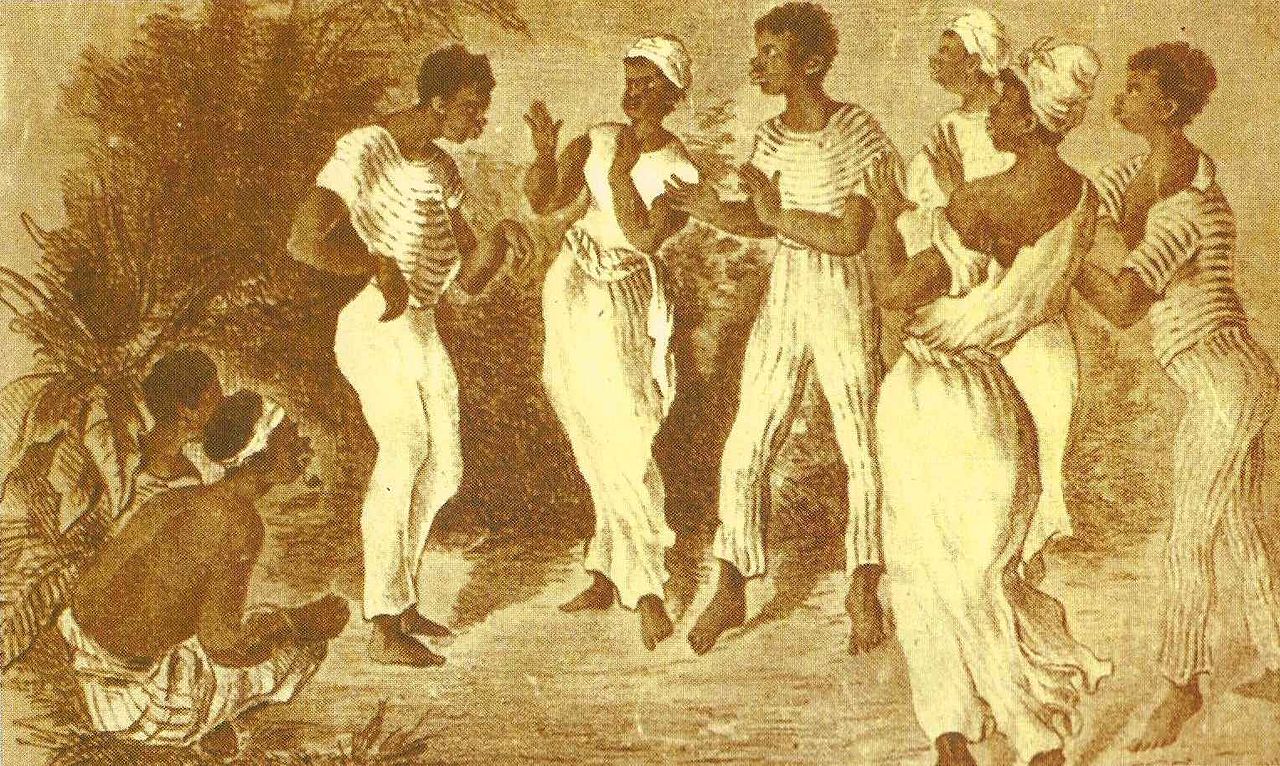
Candombe is the single word that fuses all the drum-based black dance and music from that area and era. These slaves – interestingly enough – called their drums tango, and also used this term for the name of the place where they performed the Candombe. The dances themselves were also called tangos!!!
 Candombe dancing, no embrace, around 1830.
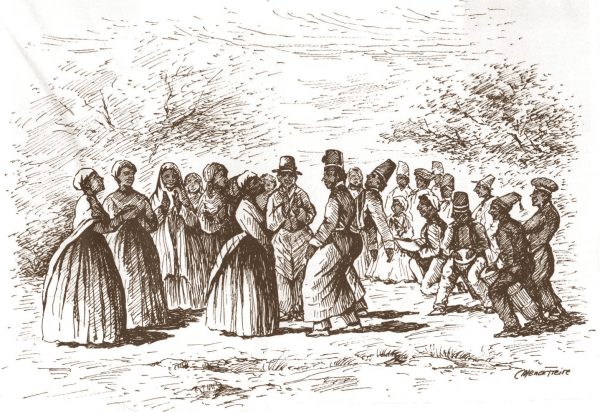
Buenos Aires was itself a major hub for African slaves, who also brought along their Candombe to that area. Even after slavery was abolished, in 1853, the Candombe flourished. The local population who danced with the descendants of slaves, added their own touches – in particular the embrace – and the Candombé evolved into the Milonga.
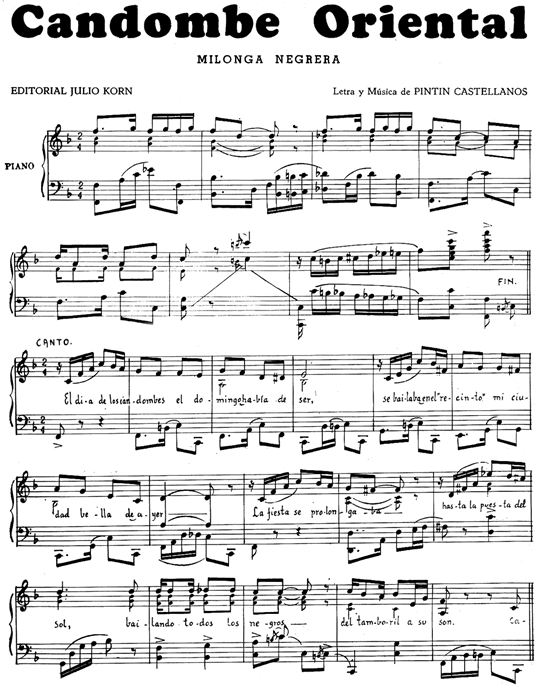
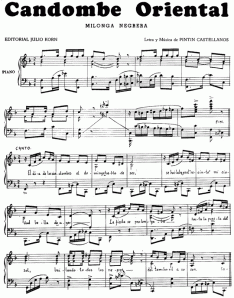 Early 1900’s sheet music, Candombe evolved into Milonga.
La Payada.
The word „milonga“ (in the African language Quimbunda) is the plural of „Mulonga“, which means „word“. Hence milonga means „words“.
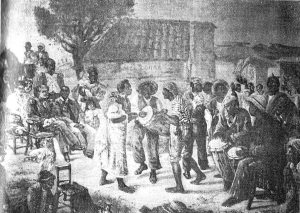 A Payada, candombe dancing, early 1800’s.
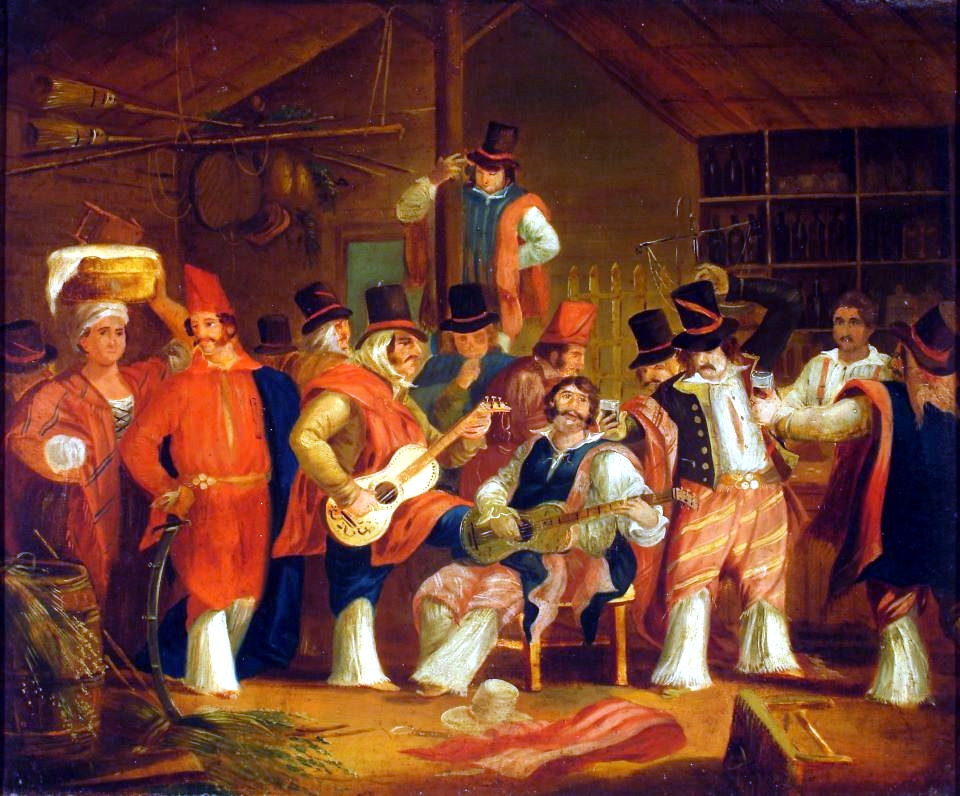
To further explain the derivation of milonga, we note that gauchos (early Argentinean and Urugayan cowboys) roamed the rural area known as Pampa. These gauchos gathered and organized la payada de contrapunto (payada is pronounced pah-jah-dah, and essentially means singer) – which even to this day exist! This was a gathering of people in an open place, where the payadores competed through improvisation with guitars, in which one would start a song about any subject that came to mind, often death, God or love, and the other would retort with verses. Follow more information and a pic further down.
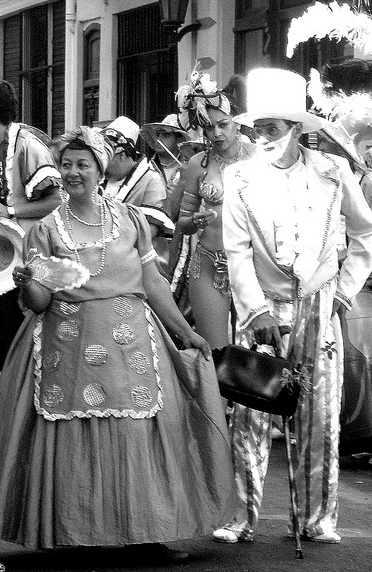
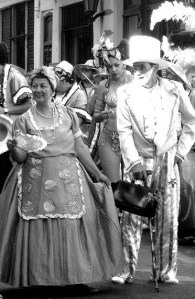 La Mama Vieja and El Gramillero, 1950’s photograph.
The black slaves, who attended these payadas but who did not understand the songs, started to call them milongas – in other words, „many words“. Eventually these events were termed „milongas“, and people started going to a milonga rather than a payada.
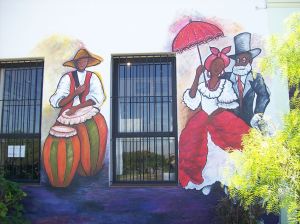
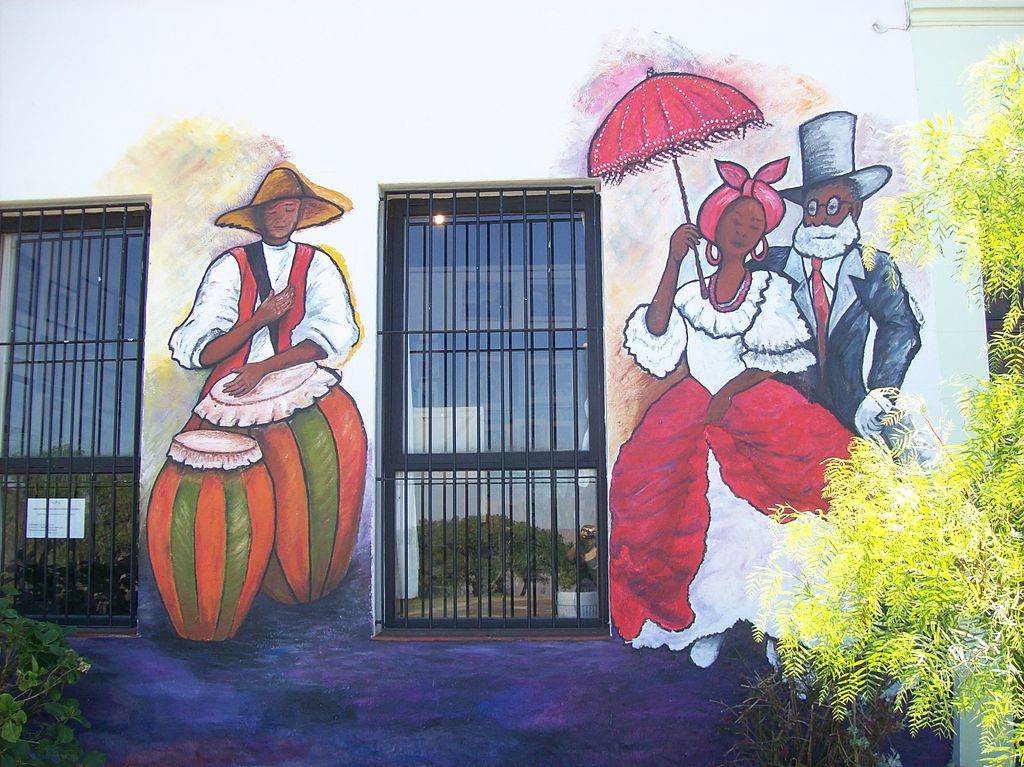
Wonderful street art of Candombe in Colonia del Sacramento.
The word ‚milonguero‘ was originally used to describe the gauchos who went from town to town competing in payadas.The payada is competitive composing and singing of verses native to Argentina, Uruguay, southern Brasil, and parts of Paraguay, also called paya in Chile. It is a performance of improvised ten-line verse called Décimas usually accompanied by guitar. The performer is called a „payador“, and in performances two or more payadores will compete to produce the most eloquent verse, each answering questions posed by the other, often insulting. The durations of these verse duels can be exceedingly long, often many hours, and they end when one payador fails to respond immediately to his opponent.
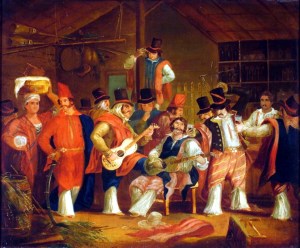
Payada in a pulperia (bodega, grocery store) about 1840’s by Carlos Morel, a prominent Argentine painter.
The names of those ancient milongas related to the areas where they were danced: „Milonga Campera“ or „Milonga Surena“. „Campera“ means „from the country side“, and „Surena“ means „from the south“.
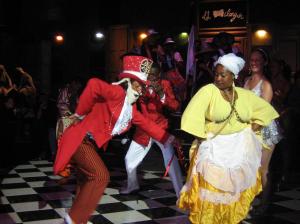 Festival „Dia Nacional del Candombe“ in Montevideo.
Common Origins.
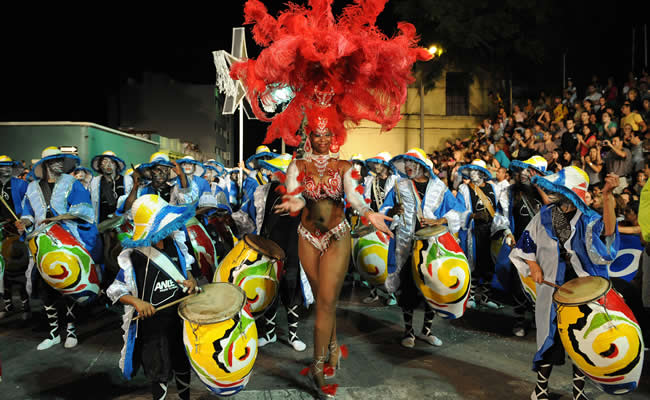
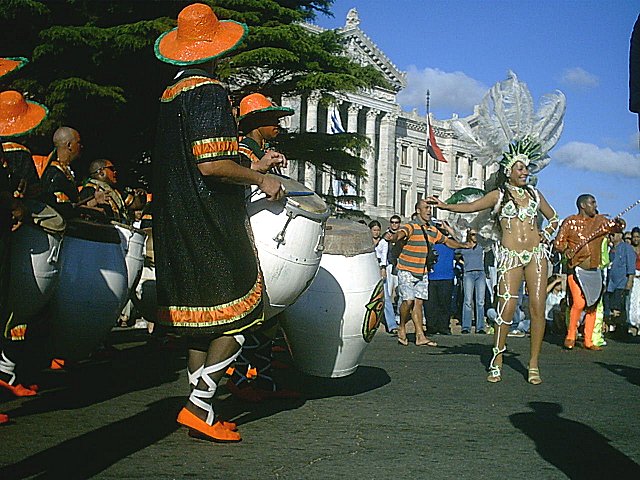
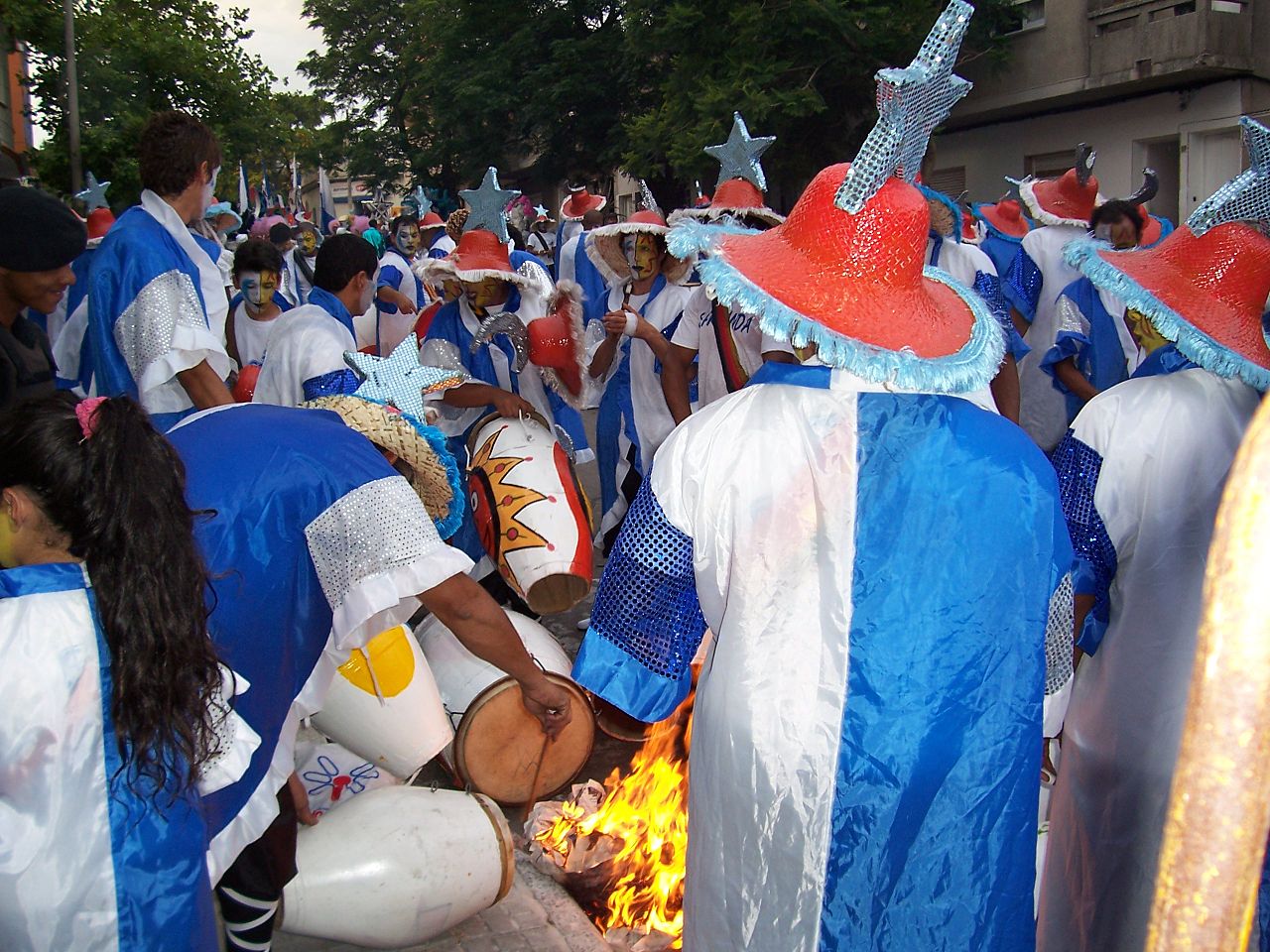
African-Uruguayans organized candombe dances every Sunday and on special holidays such as New Year’s Eve, Christmas, Saint Baltasar, Rosary Virgin and Saint Benito. They would set a fire to heat the drums and play candombe music, specially during the night in certain neighborhoods such as Barrio Sur and Palermo in Montevideo. The typical characters on the parade represent the old white masters during slavery in old Montevideo city. It was a mockery to their lifestyle with a rebel spirit for freedom and a way to remember the African origins. Two pictures down here – Carnival in Montevideo.
In Uruguay.
In the third decade of the 19th century the word candombe began to appear in Montevideo, referring to self-help dancing societies founded by persons of African descent. The term means „pertaining to blacks“ in Kikongo. In Montevideo it meant more than a dance or a music or a congregation, but all of the above. Candombe the dance was a local fusion of various African traditions. A complicated choreography included a final section with wild rhythms, freely improvised steps, and energetic, semi-athletic movements. Candombe in Uruguay includes a music troupe playing Uruguayan Candombe in a special dance parade called “Desfile de Llamadas”, through the Sur and Palermo neighborhoods in Montevideo.
Urugayan Candombe Music for collectors.
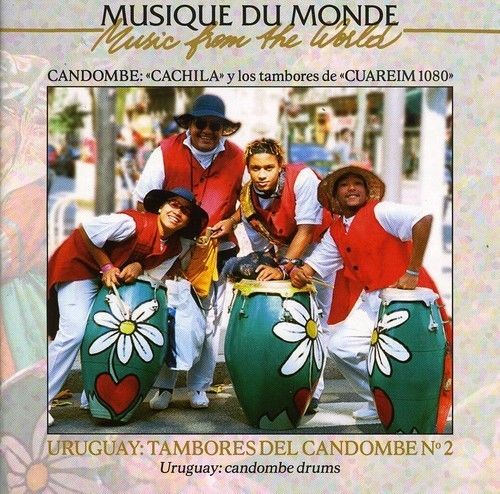
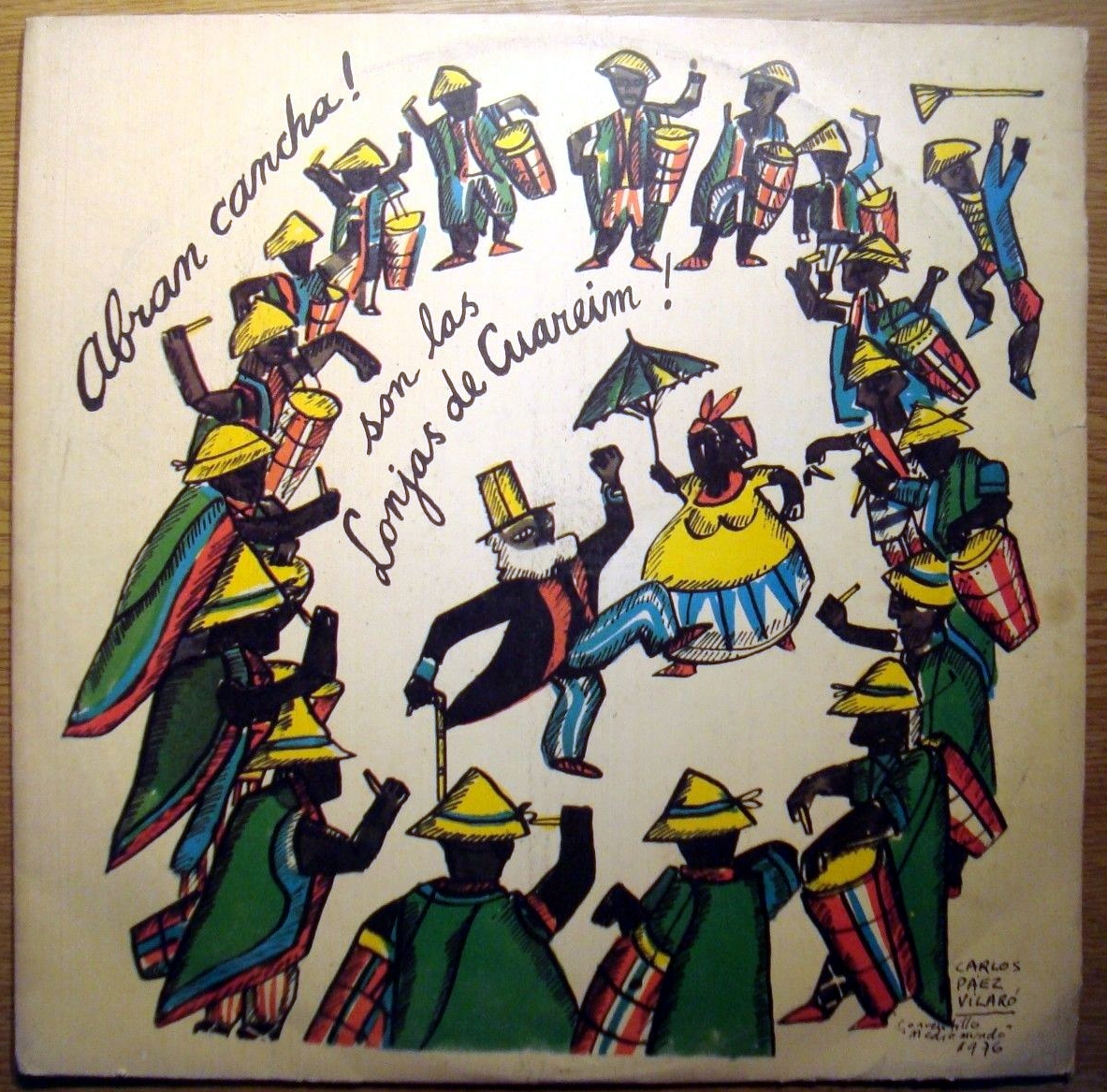
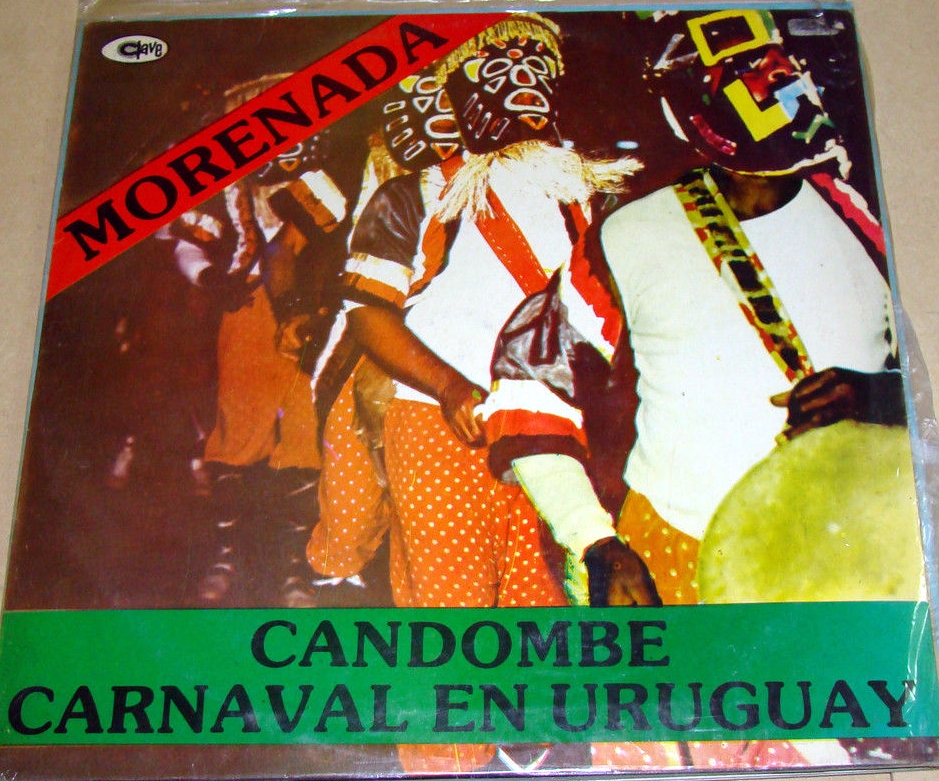
A Candombe Group.
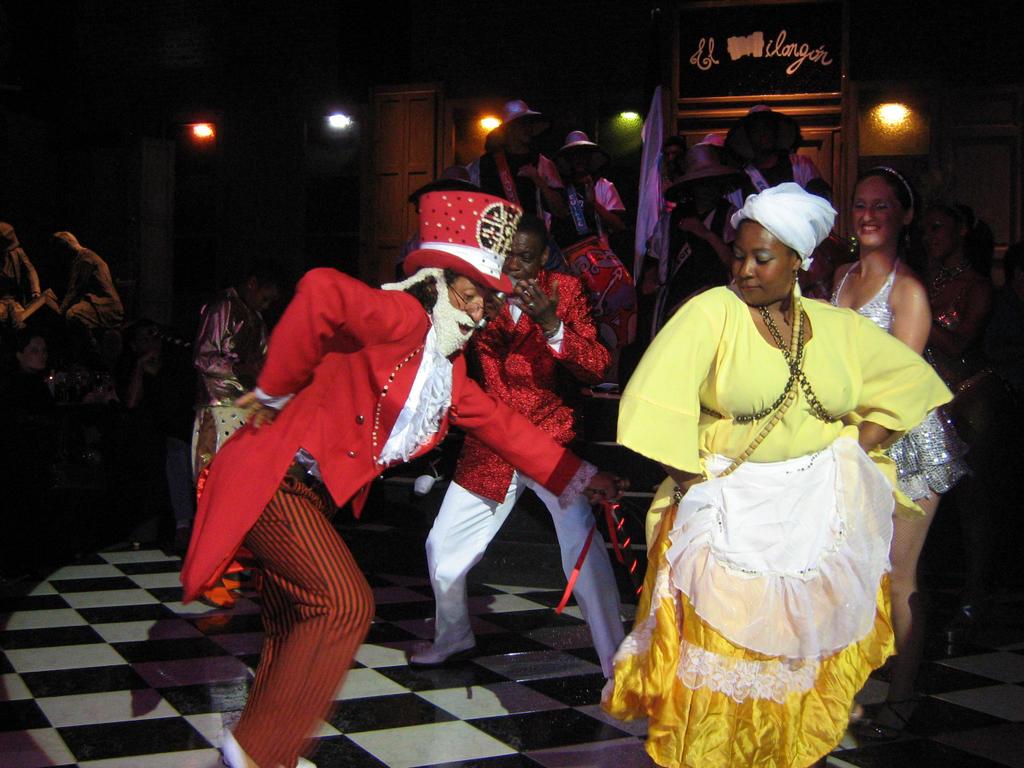
A full Candombe group, collectively known as a Comparsa Lubola (composed of blackened white people, traditionally with burnt corks) or Candombera (composed of black people), constitutes the cuerda, a group of female dancers known as mulatas, and several stock characters, each with their own specific dances. The stock characters include:
La Mama Vieja: the Old Mother.
A „Mama type of women“, wonderful dressed in colorful, historic dresses.
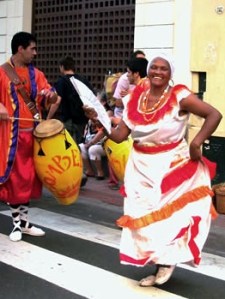 The Old Mother, always wearing a scarf.
El Gramillero: the Herb doctor.
An ancient black man, dressed in top hat and frock coat, carrying a bag of herbs.
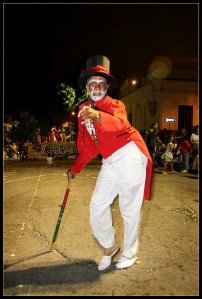 The Herb Doctor, always wearing a white beard.
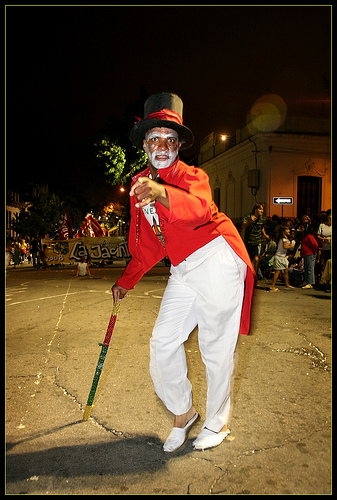
El Escobero: the Broomsman.
He has to be an expert candombero and graceful dancer, who performs extraordinary
feats and of juggling and balance with his broom.
 The Broomsman.
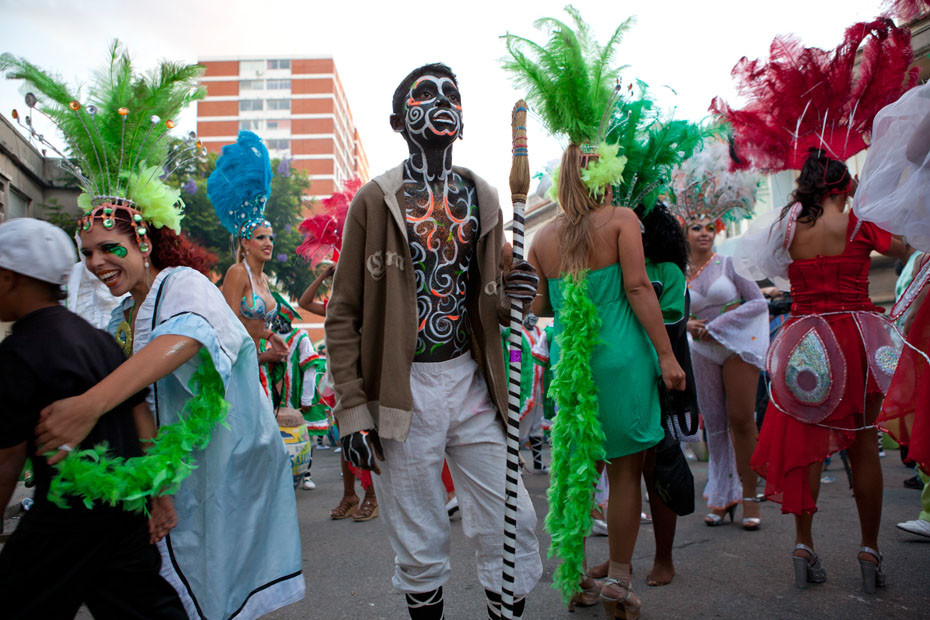
La Mama Vieja and El Gramillero are dancing mostly together in the center of the group,
while El Escobero is dancing alone upfront of the group, leading the way.
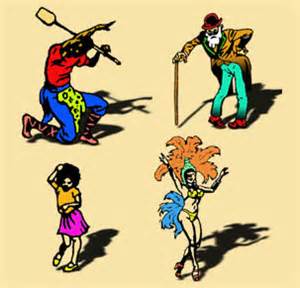
Drawing from an Uruguayan children’s book „How to learn Candombe“. It shows the Broomsman, the Herb Doctor and the „Old Mama“ – here in a modern version of the „Central Dancer“, which is an influence from Brazilian carnival. And a child with a „dancing exercise“ performance.
Candombe is performed regularly in the streets of old Montevideo’s south neighborhood in January and February, during Uruguay’s Carnival period, and also in the rest of the country. You can hear exercising the candombe drums almost everywhere in Uruguay.
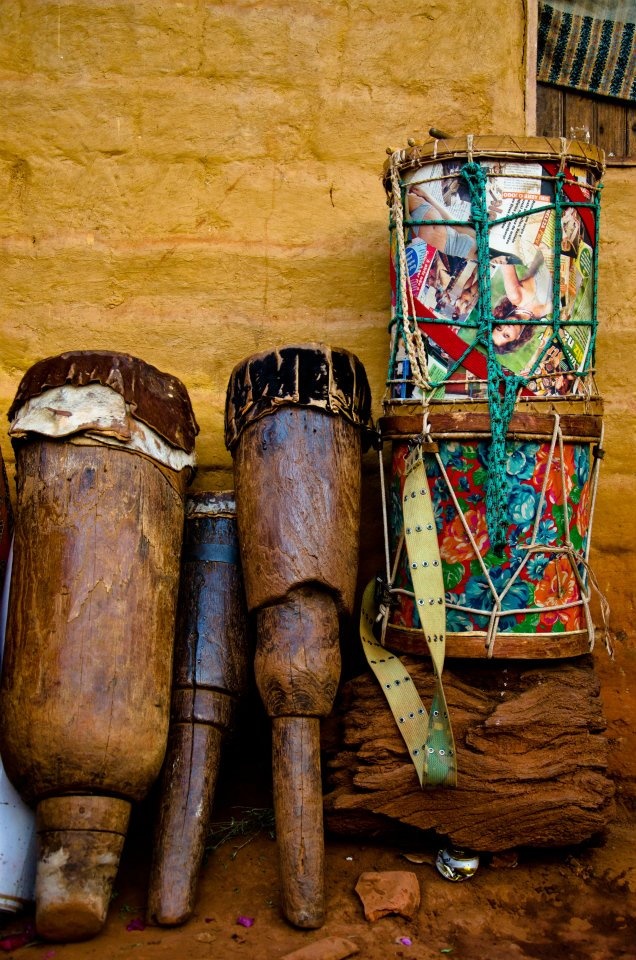
 Antique Candombe drums, highly sought after by collectors.
Uruguayan Candombe.
Inscribed in 2009 on the Representative List of the Intangible Cultural Heritage of Humanity, UNESCO. The candombe is a source of pride and a symbol of the identity of communities of African descent in Montevideo, embraced by younger generations and favouring group cohesion, while expressing the communities’ needs and feelings with regard to their ancestors.
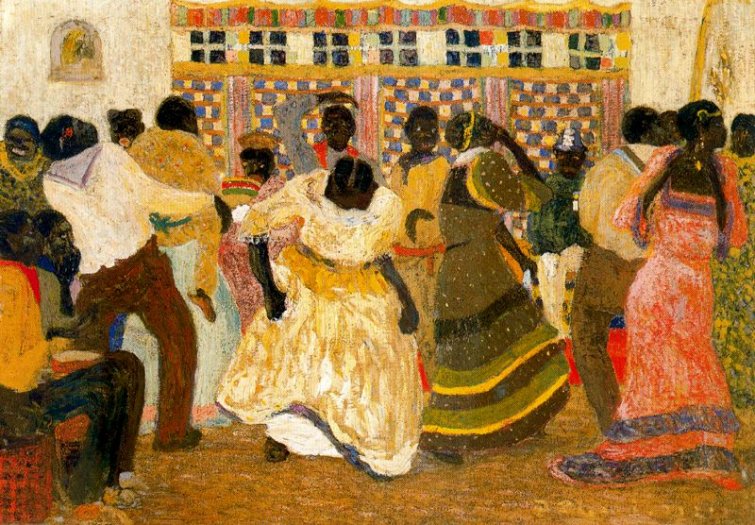
 African community dancing Candombe.
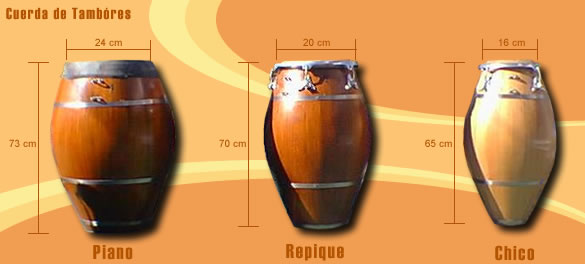
The music of candombe is performed by a group of drummers called a cuerda. The barrel-shaped drums, or tamboriles, have specific names according to their size and function:
Chico, small, high timbre, serving as the rhythmic pendulum.
Repique, medium, embellishes candombe’s rhythm with improvised phrases.
Piano, largest size, its function similar to that of the upright or electric bass.
 The Tamboriles or Tambores.
A cuerda at a minimum needs three drummers, one on each part. A full cuerda will have 50–100 drummers, commonly with rows of seven or five drummers, mixing the three types of drums. A typical row of five can be piano-chico-repique-chico-piano, with the row behind having repique-chico-piano-chico-repique and so on to the last row.
Rows and rows of drummers during Carnival Montevideo.
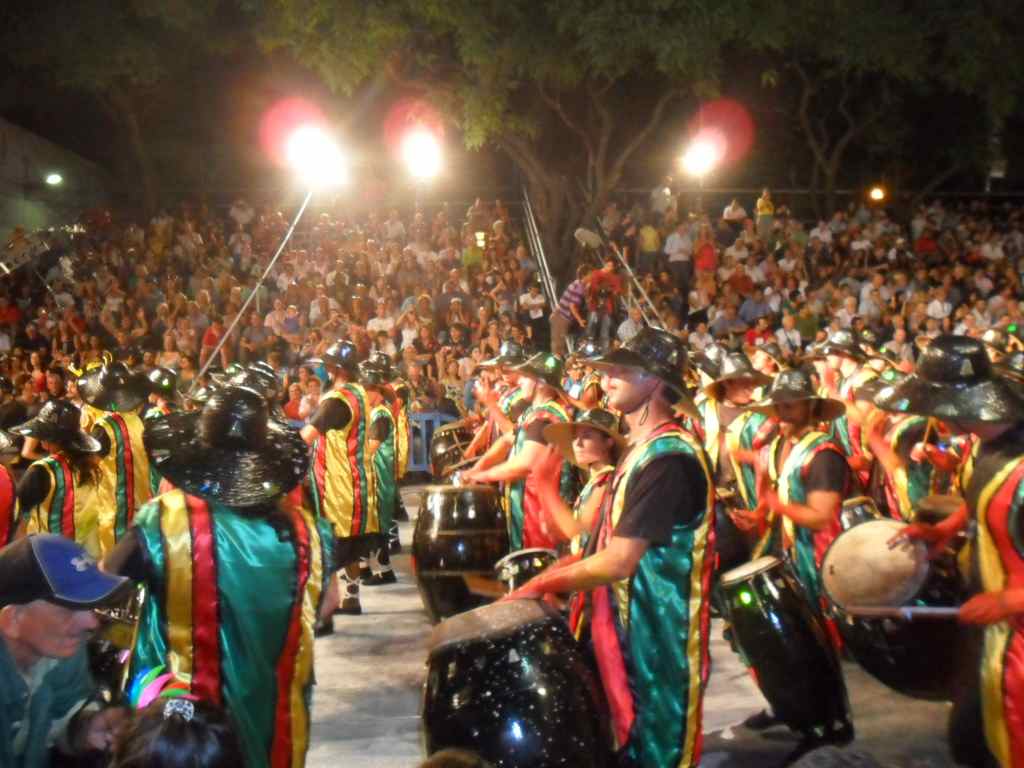
Tamboriles are made of wood with animal skins that are rope-tuned or fire-tuned minutes before the performance. They are worn at the waist with the aid of a shoulder strap called a talig or talí and played with one stick and one hand.
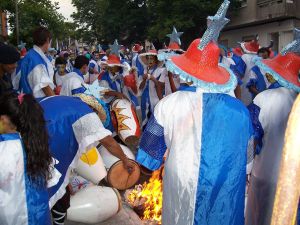 Fire tuning of the drums just before marching.
We could go on and on to expand the theme of Tango, Milonga and Candombe.
Especially as we dig deeper into history and ancient stories and traditions. I will end with a fourth part of Tango Uruguay with the most famous Tango of all times, the Urugayan tango „La Cumparsita“. Stay tuned to part 4.

