Tango Uruguay 1 – Introduction

tango 19

The origin of the term Tango is unclear and controversial. For the first time tango is mentioned in a dictionary,  the „Dictionnaire de Voces Cubanas Provincial Esteban Pichardo“ from the year 1836. There is given as meaning: „Meeting of the newcomers from Africa Negroes, dancing to the sound of their drums and timpani (tambores y Atabales)“.
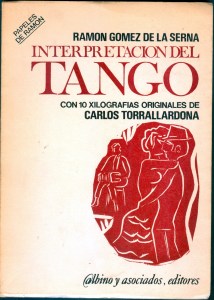
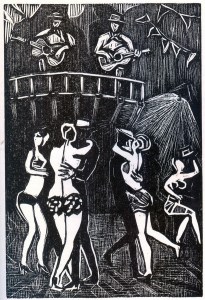
tango 40           tango 40a
Interpretation of Tango, interesting book about everything Tango, xylographie (woodcut) from contents.
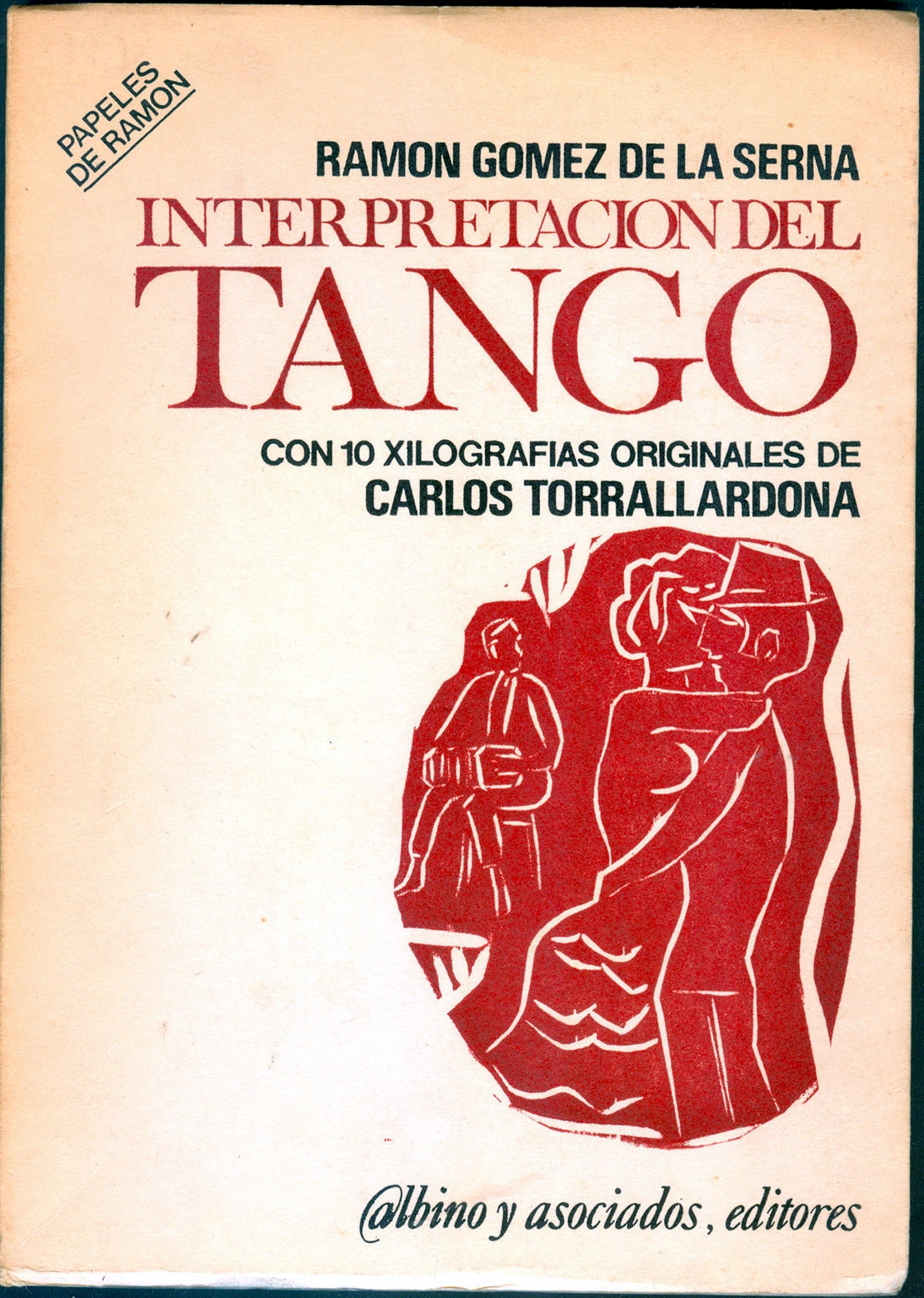
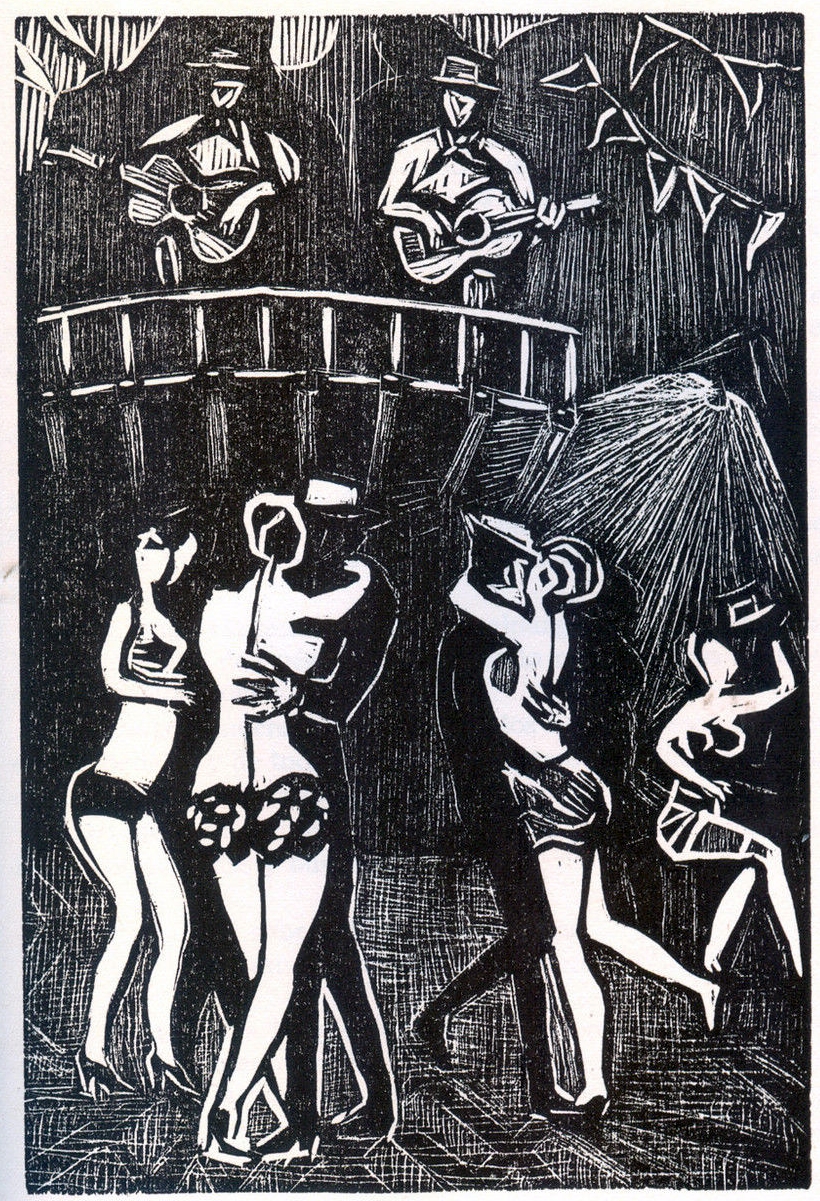
Tango is a rhythm that has its roots in the poor areas of Montevideo around 1880. Then it was extended to other areas and countries. Tango is African-Montevidean [Uruguayan], Tango has black curls in its roots. It was born in the „San Felipe Academy“ [Montevideo], a Montevidean warehouse used for public dances, among gangsters and black people. Then it emigrated to underworld areas of Buenos Aires. This also implies that different forms of dance were originated in the neighborhoods of Montevideo, Uruguay in the last part of the 19th century.
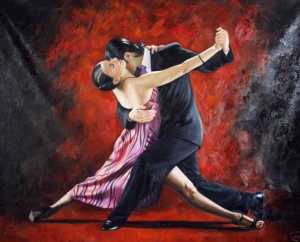
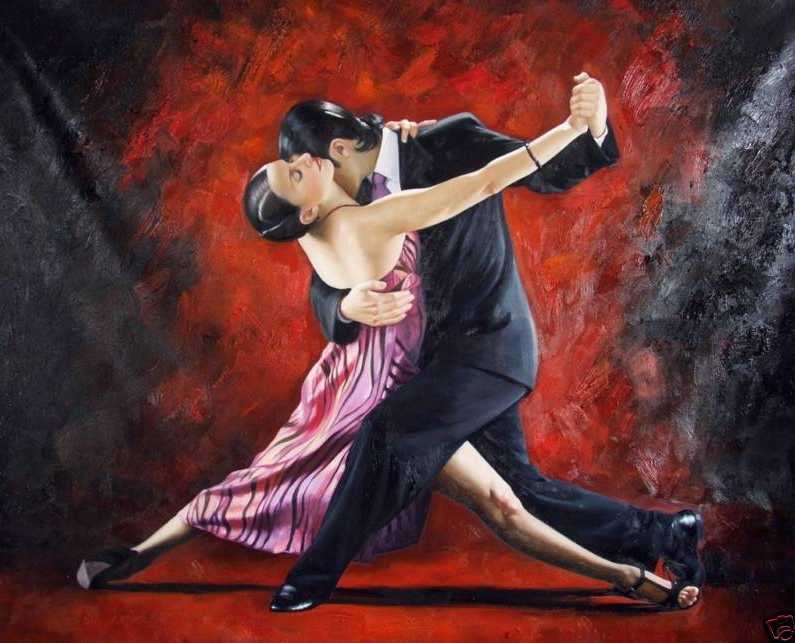
tango 13 The art of Tango dancing.

Tango History.

The History of Tango starts on the Río de la Plata area. In the metropolitan areas of Buenos Aires and Montevideo. The most diverse people and cultures met at the end of the 19th century. Although the African-American element in rhythm and choreography of the tango is barely visible, but still the Candombe of Creoles and blacks are an important influence.
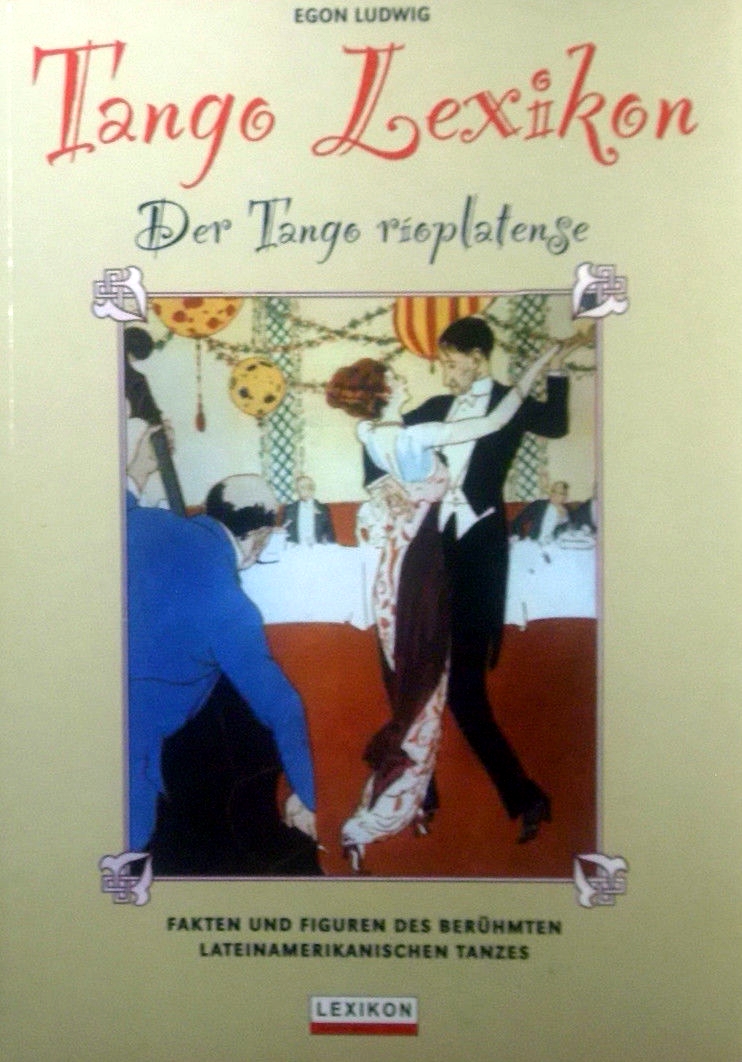
tango 16  Most impressive German Tango Lexicon „Tango Rioplatense“.
Flute, violin and guitar were initially the standard tools of musicians pulling through pubs, dance halls and streets. Later, piano and bandoneon prevailed as a typical tango instrument. In the port neighborhoods, the barrios (districts) and the Arrabales (suburban areas), in an environment of unemployment, petty crime and prostitution, the tango became an expression of existential distress and human loneliness.
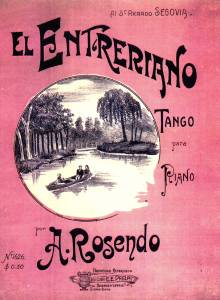
tango 25  Title page of a later edition of „El Entreriano“.
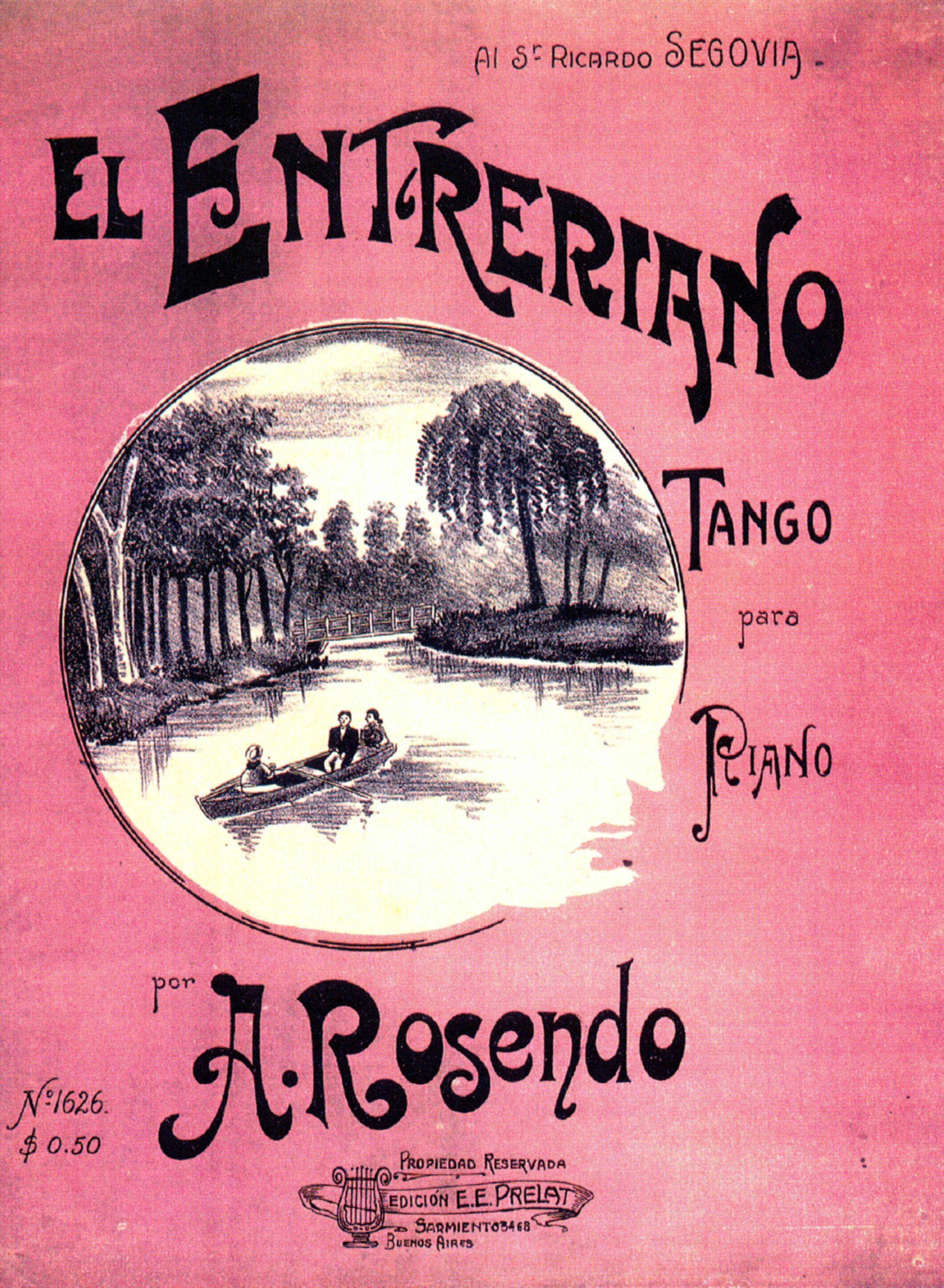
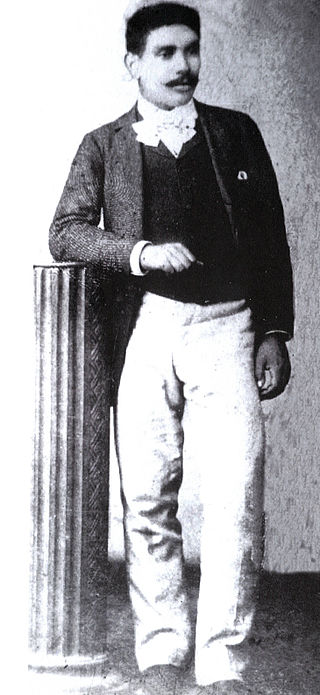
The first published score, which was called Tango for piano, entitled „El Entreriano“ and came from the pen of the mulatto Anselmo Rosendo Mendizabal.
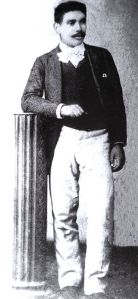
tango 26  Anselmo Rosendo Mendizabal.

The period 1880-1917 is called the era of the Guardia Vieja (Old Guard). Of the approximately 30 well-known musicians of this time hardly biographical details are known. Most came from extremely poor immigrant families and were able to achieve through their music modest live earnings. The most representative figure is Angel Gregorio Villoldo, a true criollo (Creole).
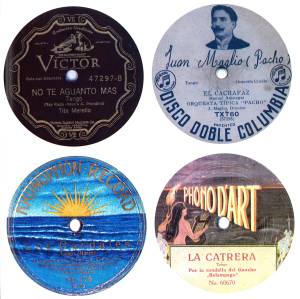
tango 27Record labels of the time „Guardia Vieja“.
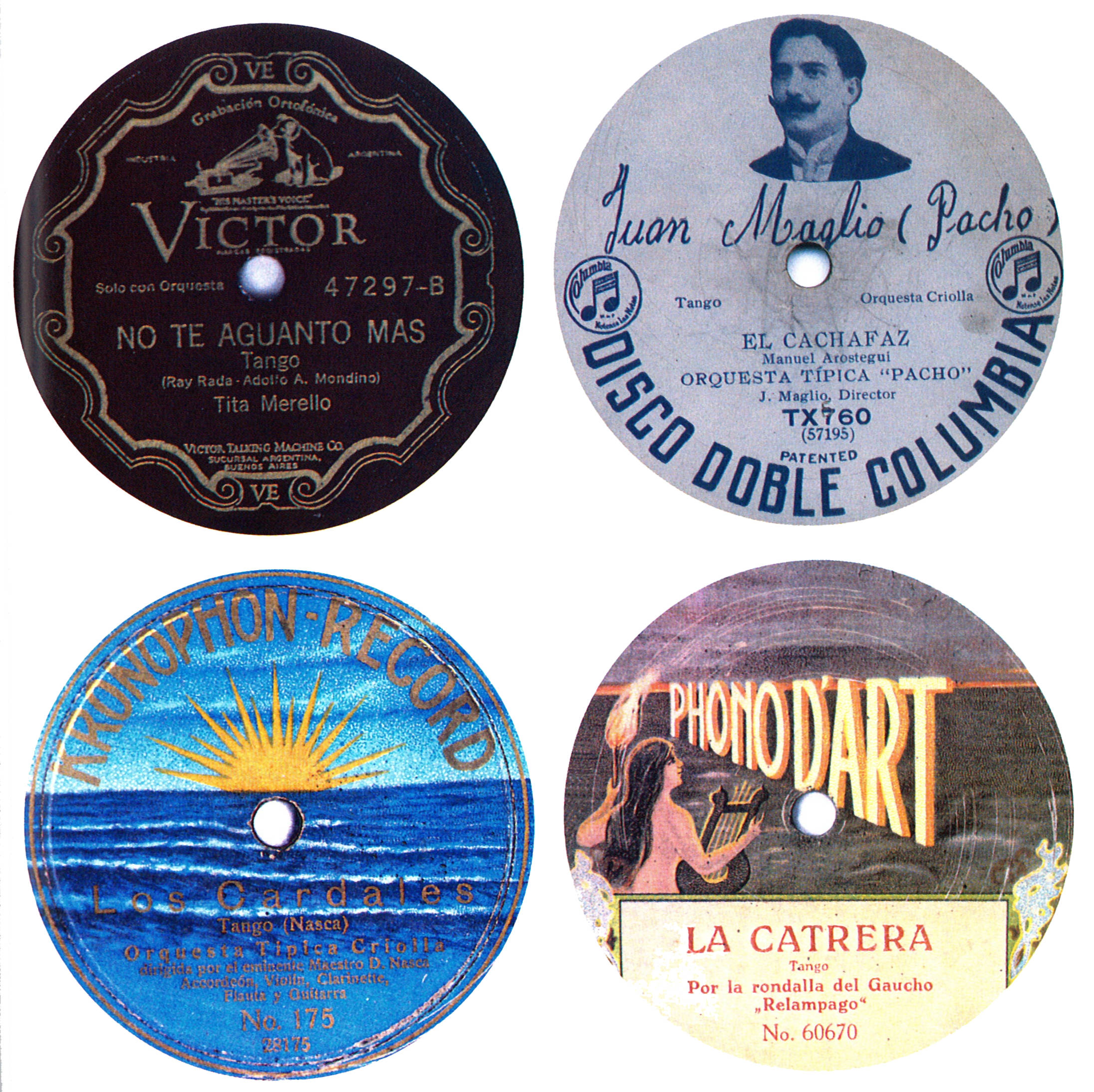
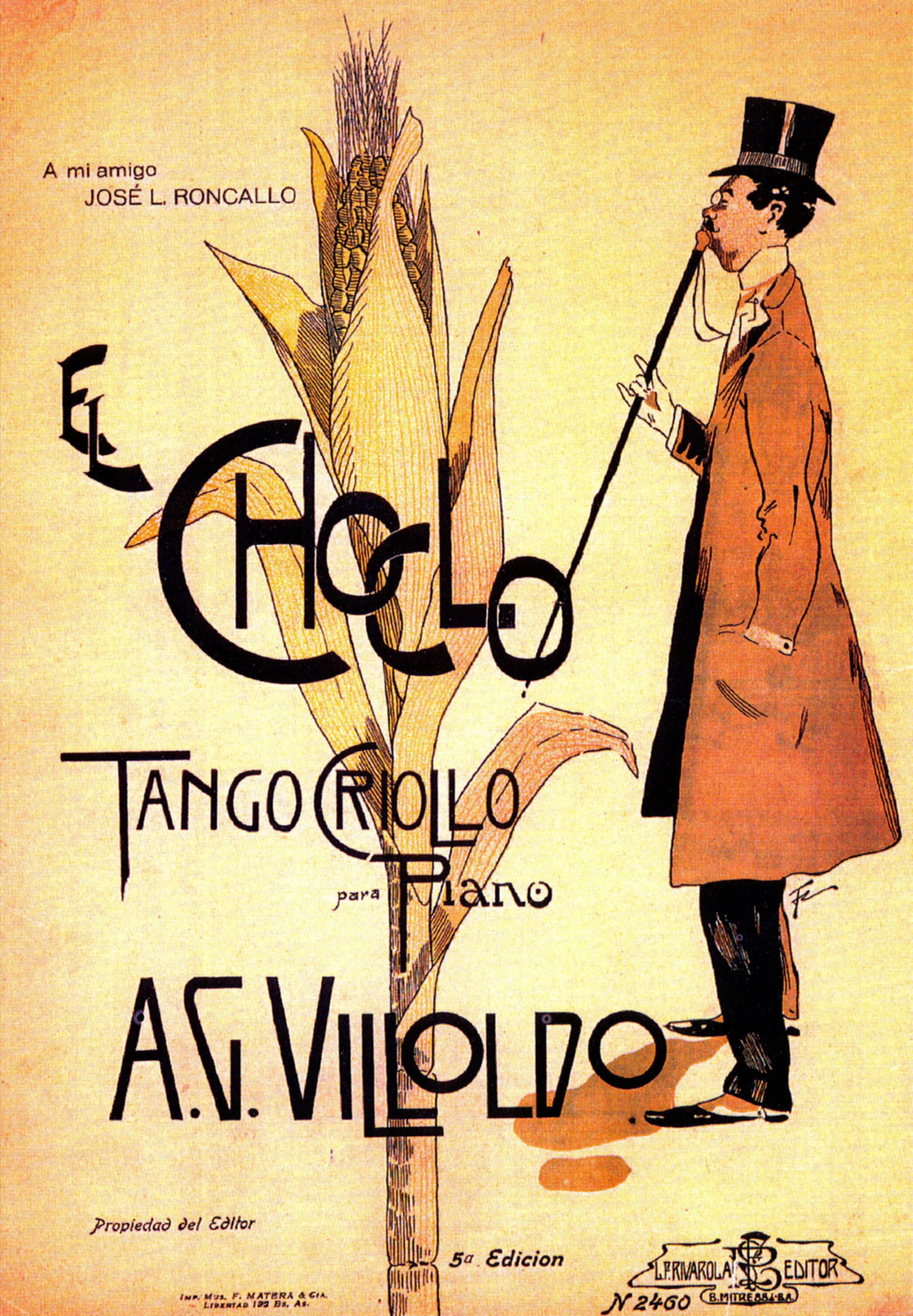
He had worked as a truck driver and in slaughterhouses, was later circus clown and journalist. The vernacular gave him the honorary title „El papa del tango criollo“. He was singer and guitarist and played a, fastened to a rack, harmonica. He soon realized the possibilities of new media record, film and radio, which significantly contributed to the success of the tango. His most famous piece with the ambiguous title El choclo (The corn on the cob) dates back to 1903 and was shortly thereafter released on vinyl.
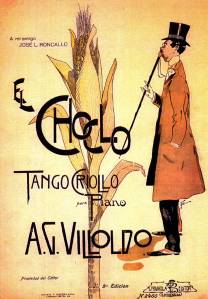
tango 28  Beautiful designed title page of „El Choclo“.
As early as 1890, the Tango had become an integral part of popular culture on the Rio de la Plata. But in the upper classes it was, because of its origin in the immigrant districts and brothels, continued an expression of depravity and impoverishment. From conservative journalists and sections of the upper class, Tango was ignored or discredited. However, the majority of the population streamed to the milongas (local dance events).
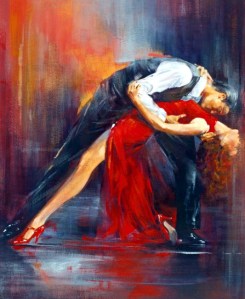
tango 18 Why is this „dirty“, I think its sportive and expression.
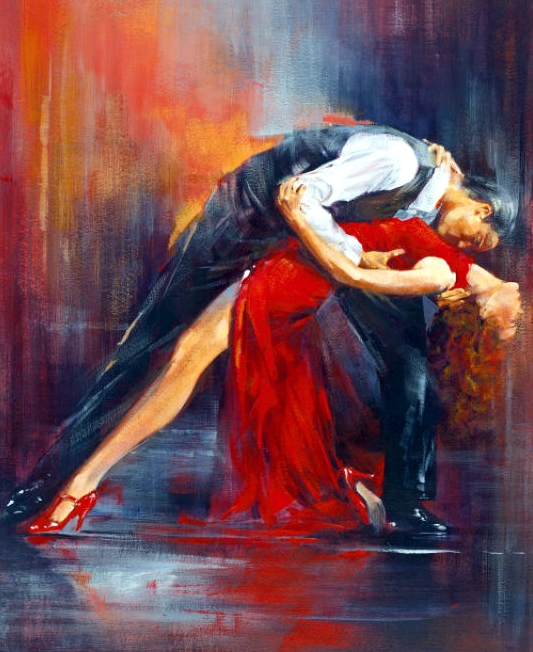
To adjust the „salacious“ dance from the South American suburbs to the movement concepts of European ballroom, dance teachers and choreographers developed the „European Ballroom Dancing“, Tango. But – time goes by – today the „dirty“ Tango is as fashioned as it was around the nineteen hundreds.
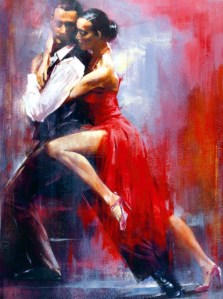
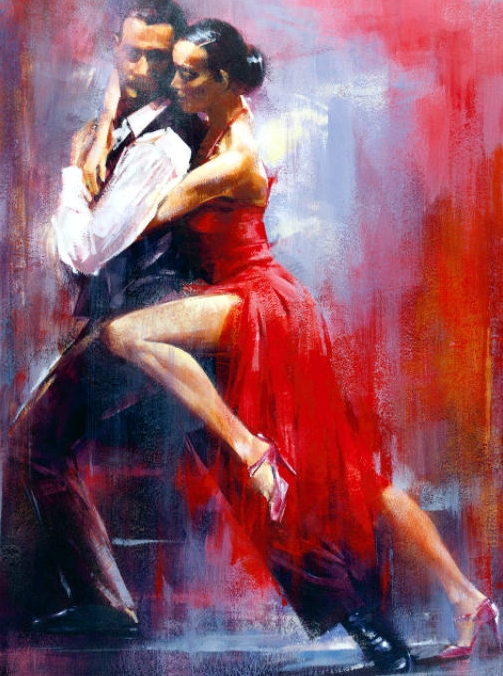
tango 17  Tango is sexy, it is art.

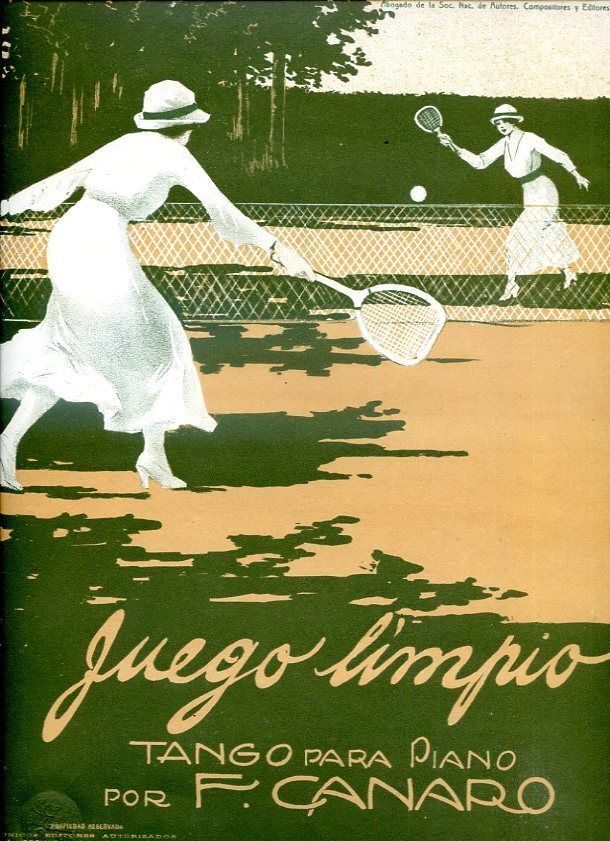
Collecting Tango music sheets.
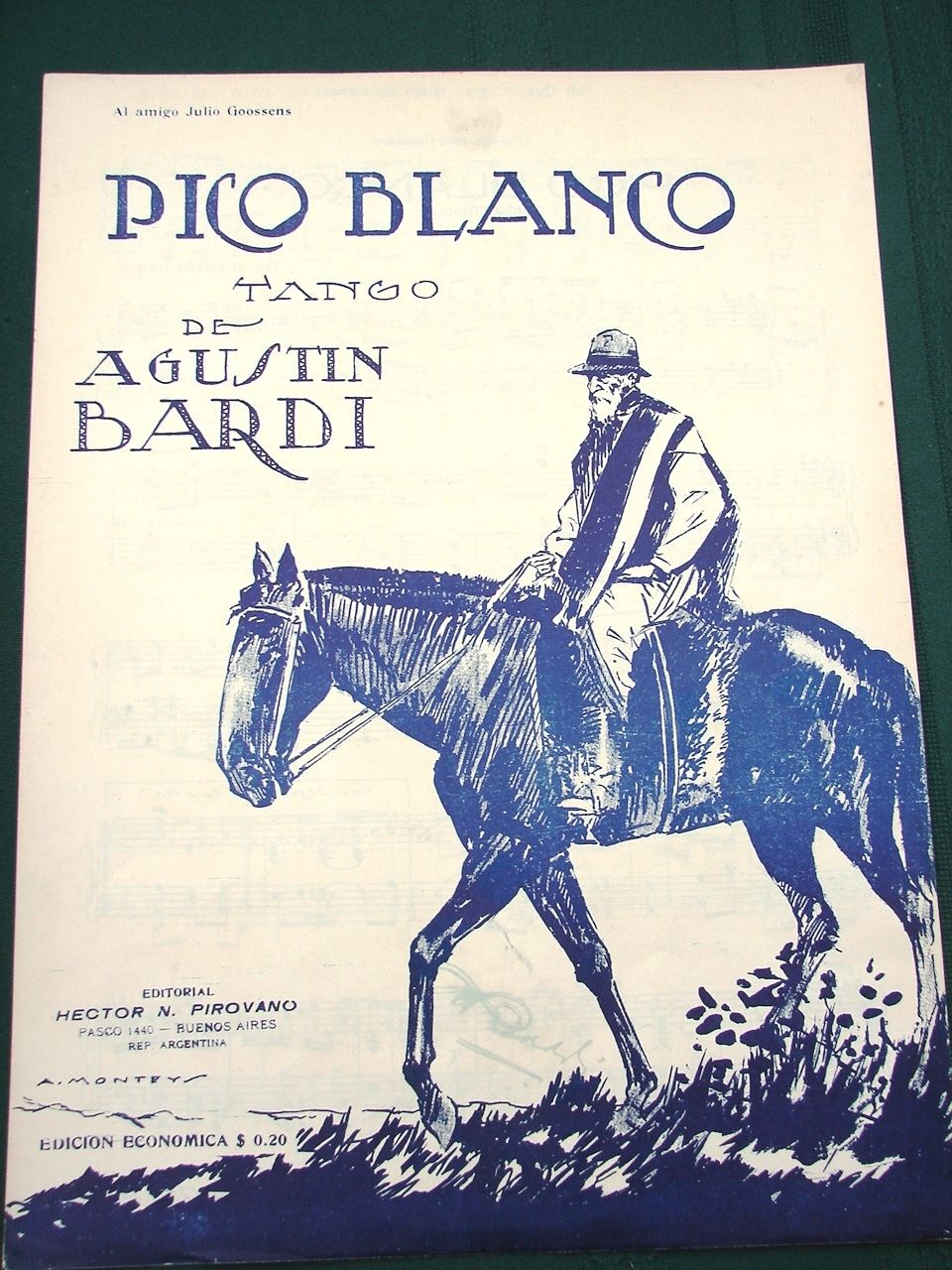
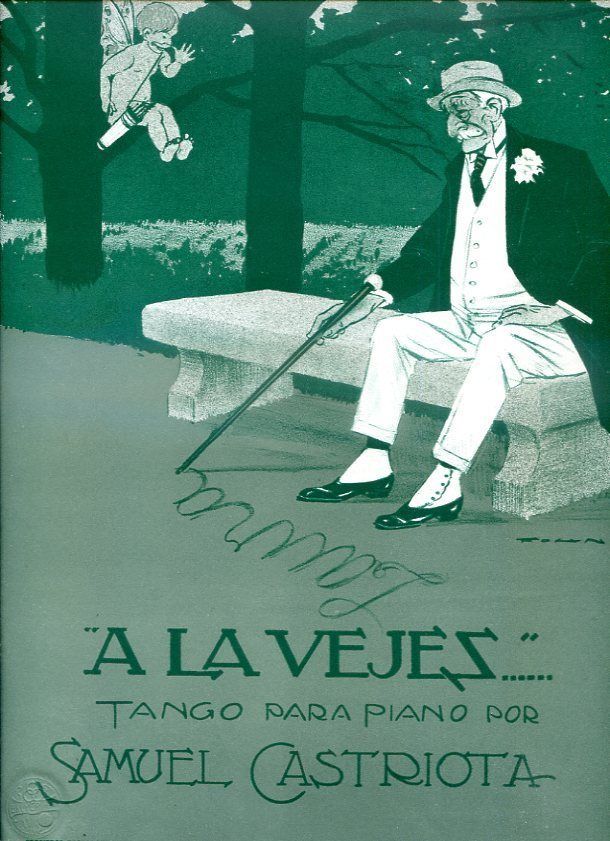
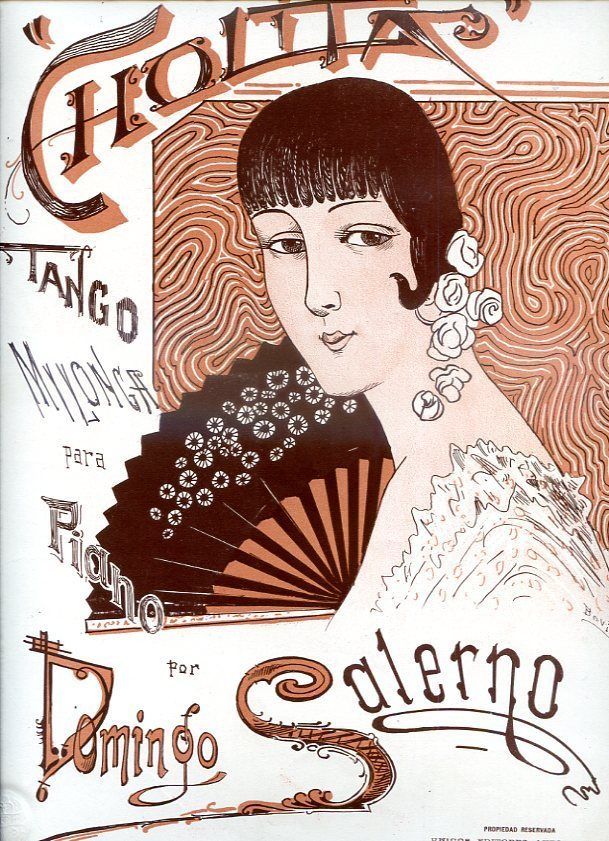
Down here some Urugayan examples from the authors collection:
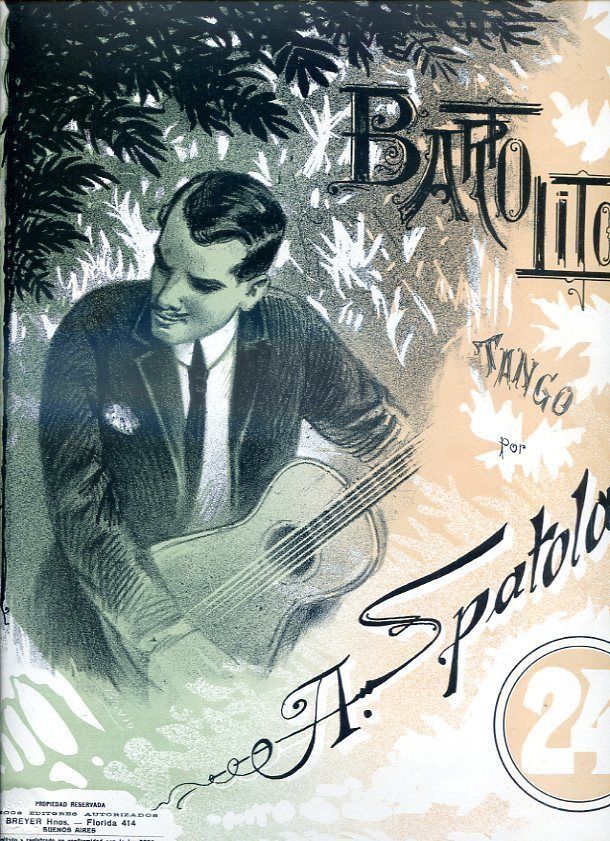
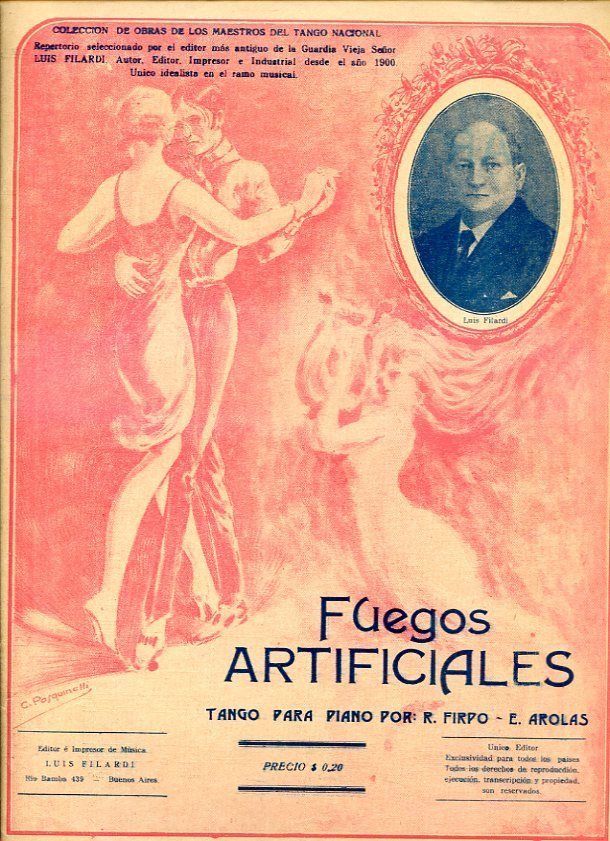
tango 35         tango 36

tango 38         tango 41

tango 42        tango 43

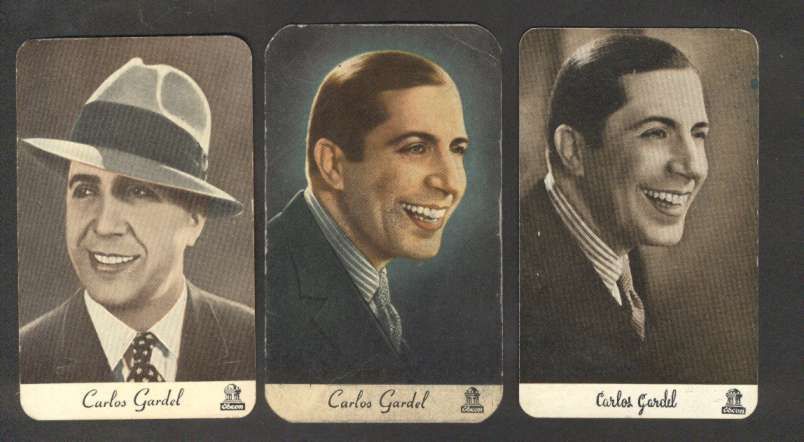
Carlos Gardel.

It was 1917, when Carlos Gardel „Mi noche triste“ recorded, the era of the Tango song began. The music by Samuel Castriota and text by Pascual Contursi is considered the first classic Tango Canción. The sung Tango with its distinct (and even social criticism) texts became more important for the general public. The upper class, although committed love the best tango orchestra for exclusive salon events, but only under the condition to be perfectly behaved and sing no tango lyrics. However, the darlings of the audience were throughout the 20s singers. A shock was the death of Gardel in 1935. The cult of the singer with the nickname Zorzal (The Blackbird), El Mago (the magician) and finally El Mudo (The Mute) is today worshiped in Argentina and Uruguay.
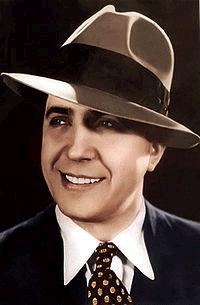
tango 29 gardel  Carlos Gardel.

Carlos Gardel, Charles Romuald Gardes actually (* December 11, 1890 Toulouse, France (according to other sources: December 11, 1887 in Tacuarembó, Uruguay); † June 24, 1935 in a plane crash in Medellin, Colombia), was a tango singer and composer. Gardel is one of the most important personalities of the Tango in the first half of the 20th century.

The question of the birth of Gardel was hotly debated in the past and resulted in Uruguay and Argentina to repeated controversy.
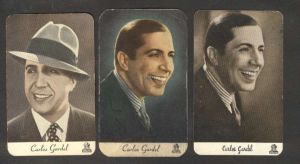
tango 21  Carlos Gardel, always smiling.

The prevailing view today is that Gardel was born in Toulouse, France. In a handwritten will, which was presented by Gardels executor Armando Defino after his death to the public, Gardel said to have declared himself to have been born in Toulouse as Charles Romuald Gardes.
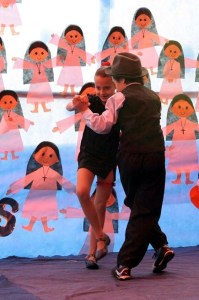
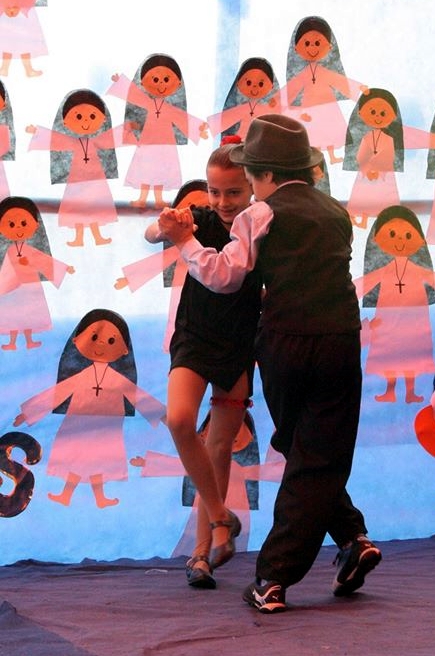
tango 2  Young Tango Masters in Montevideo.

On 8 October 1920, he told the Uruguayan consulate in Buenos Aires, he was born on 11 December 1887 in Tacuarembó (Uruguay). He further stated that his father Carlos and his mother were Uruguayans. These entries about his origins were then also in the passport, found on June 24, 1935 after the plane crash in Medellin with his remains.
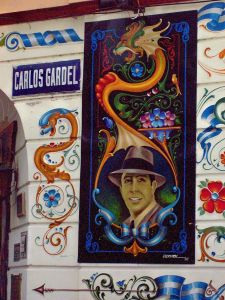
tango 30  Street, named  after „Carlos Gardel“,  in Buenos Aires.
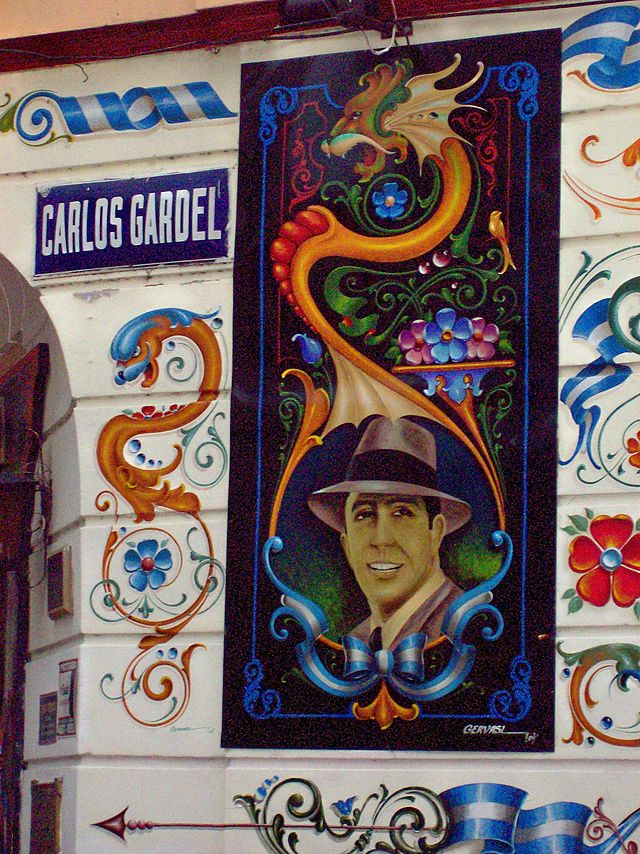
Who knows what is right or wrong, what is true or false. The whole Tango history is an ongoing controversy between Uruguay and Argentina. No wonder, both countries and areas developed shoulder on shoulder during a few hundred years. Anyway Gardel is buried in Buenos Aires and a street is named after him.

Some of Gardels famous Tango songs, now UNESCO documentary heritage:
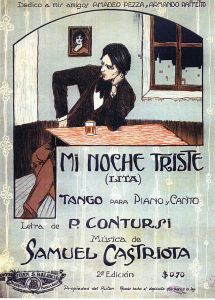
Mi noche triste (1917)
tango 44
Extremely rare sheet music from 1917. The score´s title of Mi noche triste,
the first tango-song ever. Lyrics by Pascual Contursi; music by Samuel Castriota;
recorded the very first time by Carlos Gardel in May 1917.
Mano a mano (1923, new recorded 1927)
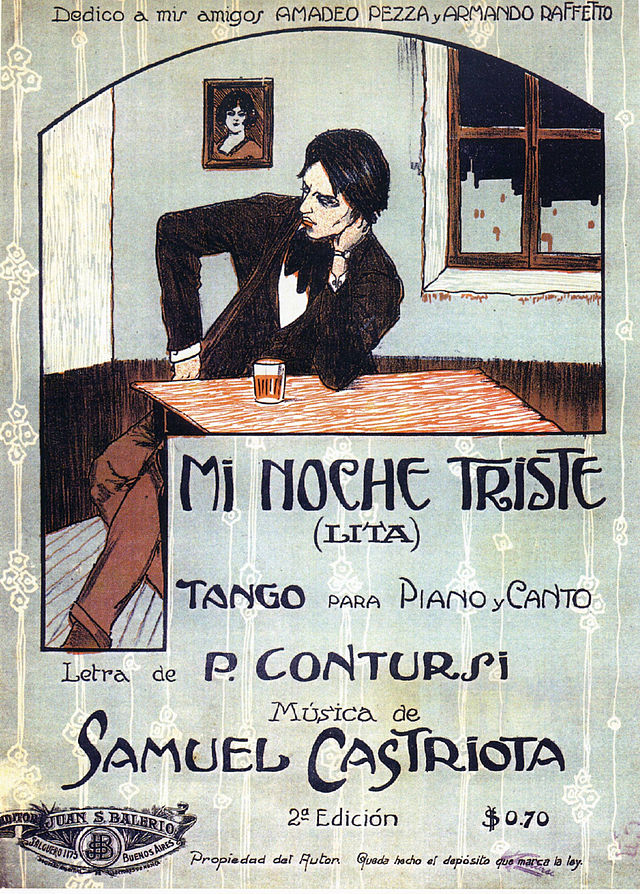
Si supieras (La cumparsita) (1924, new recorded 1927)
Noche de reyes (1927)
Milonga Sentimental (1931)
Tomo y obligo (1931)
Melodía de arrabal (1933)
Mi Buenos Aires querido (1934)
Amores de estudiante (1934)
Golondrinas (1934)
Volver (1935)
Por una cabeza (1935)
Volvió una noche (1935)
El día que me quieras (1935)
Lejana tierra mía (1935)
Sus ojos se cerraron (1935)
Guitarra mía (1935)

Gardels original recordings have been declared by the UNESCO World Documentary Heritage on 1.September 2003. And after many years of controversy, Uruguay finally and officially declared 1936 Gardels birth place in France.
tango 6

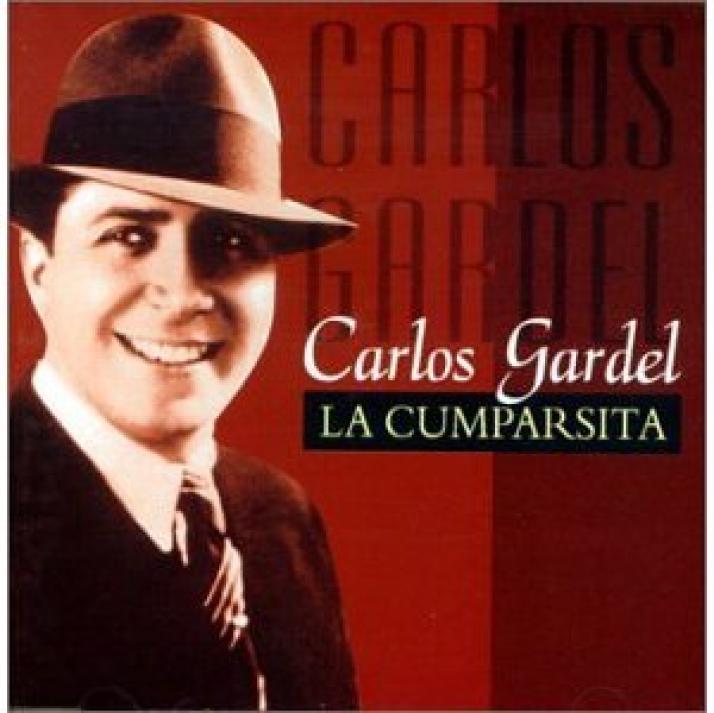
Carlos Gardel was for sure the best singer to present the wonderful Tango
„La Cumparsita“. If you enjoyed the story about Urugayan Tango, then read the second part, about the most famous Tango in the world, La Cumparsita. It is as controversy and exciting as the whole Tango story itself. Stay tuned, I will post 4 parts about Tango.
Veröffentlicht unter Collecting, History, Information, Uruguay | Verschlagwortet mit | 2 Kommentare

Must See – Le Train Bleu

SIX WEEKS since I posted last, wow – it seems like ages.
What happened meantime?
A trip to Germany, and some other places in Europe, then back home
to Uruguay, via Spain and Panama. An exhausting but exciting adventure.

Just in Germany I traveled over 5500 kilometers by car to see
what I have never seen before and to be where I have never been before.
So much experienced, discovered and seen, I could write a year or more about.
Sitting here now, back home, thinking and not knowing where to start.

travel 4a This extraordinary building I’ll describe in a later post.

Meantime I added to my categories the category TRAVEL, because I like to share
with you many experiences in many different countries during my more then
60 years of traveling around.

It will not be another travel guide, just tips what to see or discover besides
the well known destinations and sightseeing’s. Places where I felt happy.
Meantime you know that I love fine dining and history and/or searching for
historic backgrounds to my posts. May be it will inspire you.

Here one example to start with:  Paris, France.

le train bleu 9

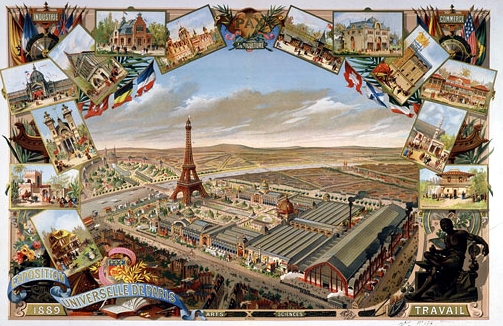
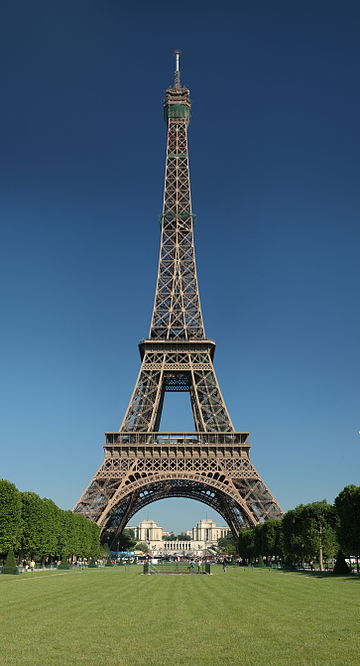
Every tourist in Paris will see the Eifel tower. But how many of them will visit
„Le Train Bleu“ ?  The Eifel tower build 1889 as the entry gate to the world fair.

le train bleu 11a
View of the Exhibition Universelle , Paris 1889.

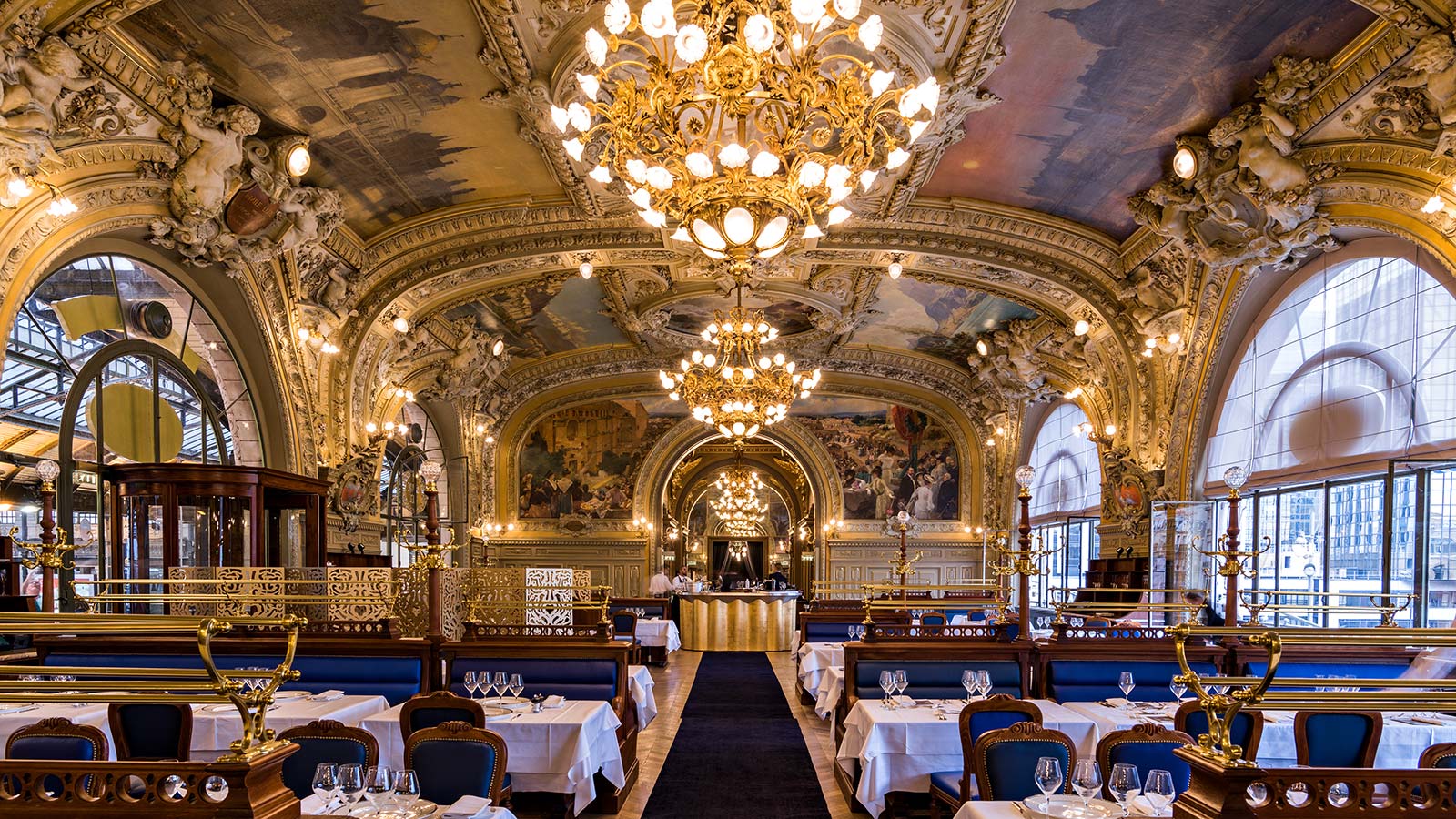
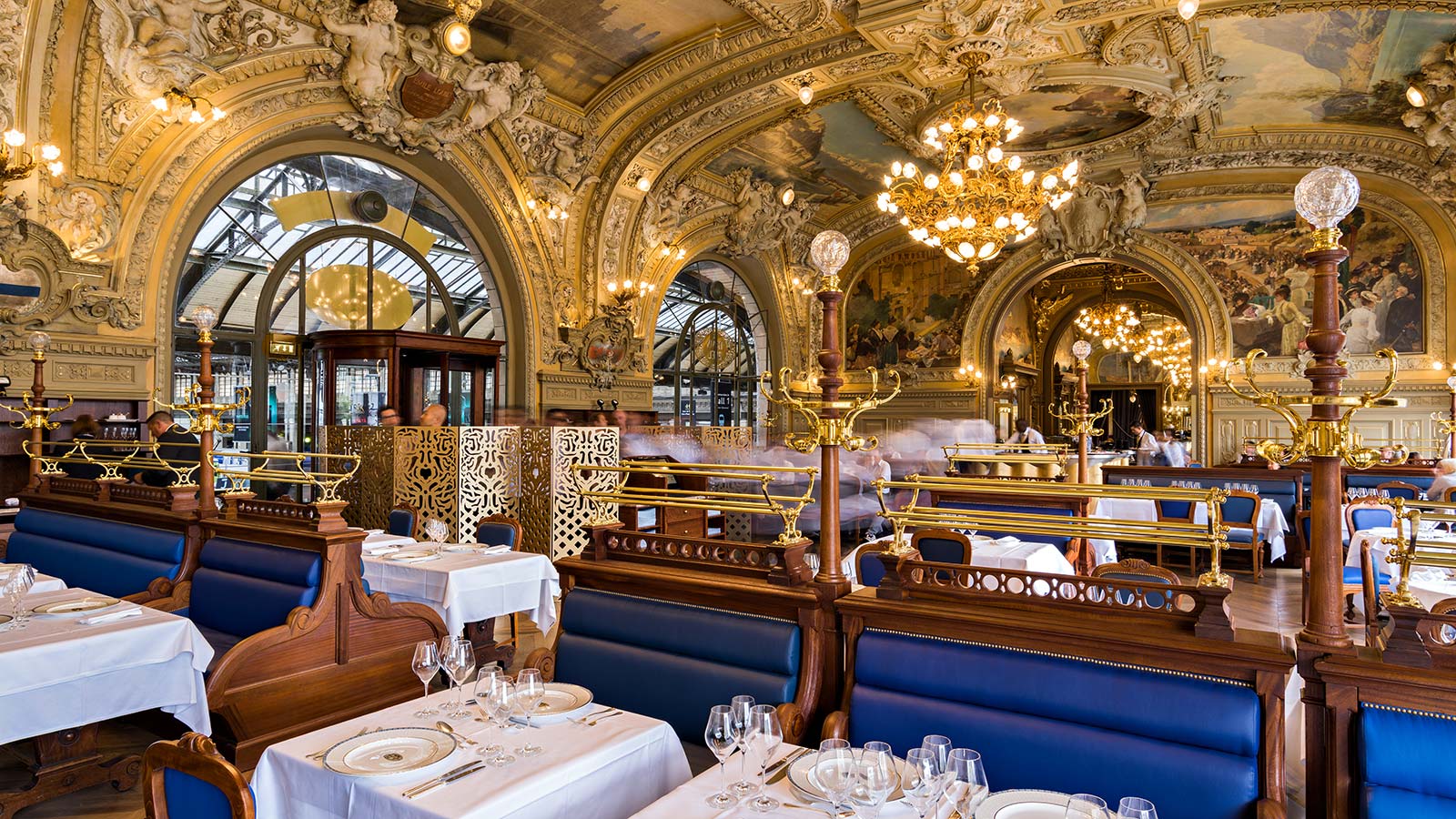
It is worth to visit Le Train Bleu, an art nouveau gem in Paris, a wonderful atmosphere to dine. Build inside the Gare de Lyon for the 1900 World Exhibition in Paris.

le train bleu 19

A legendary place in Paris : from 1900 to the present.

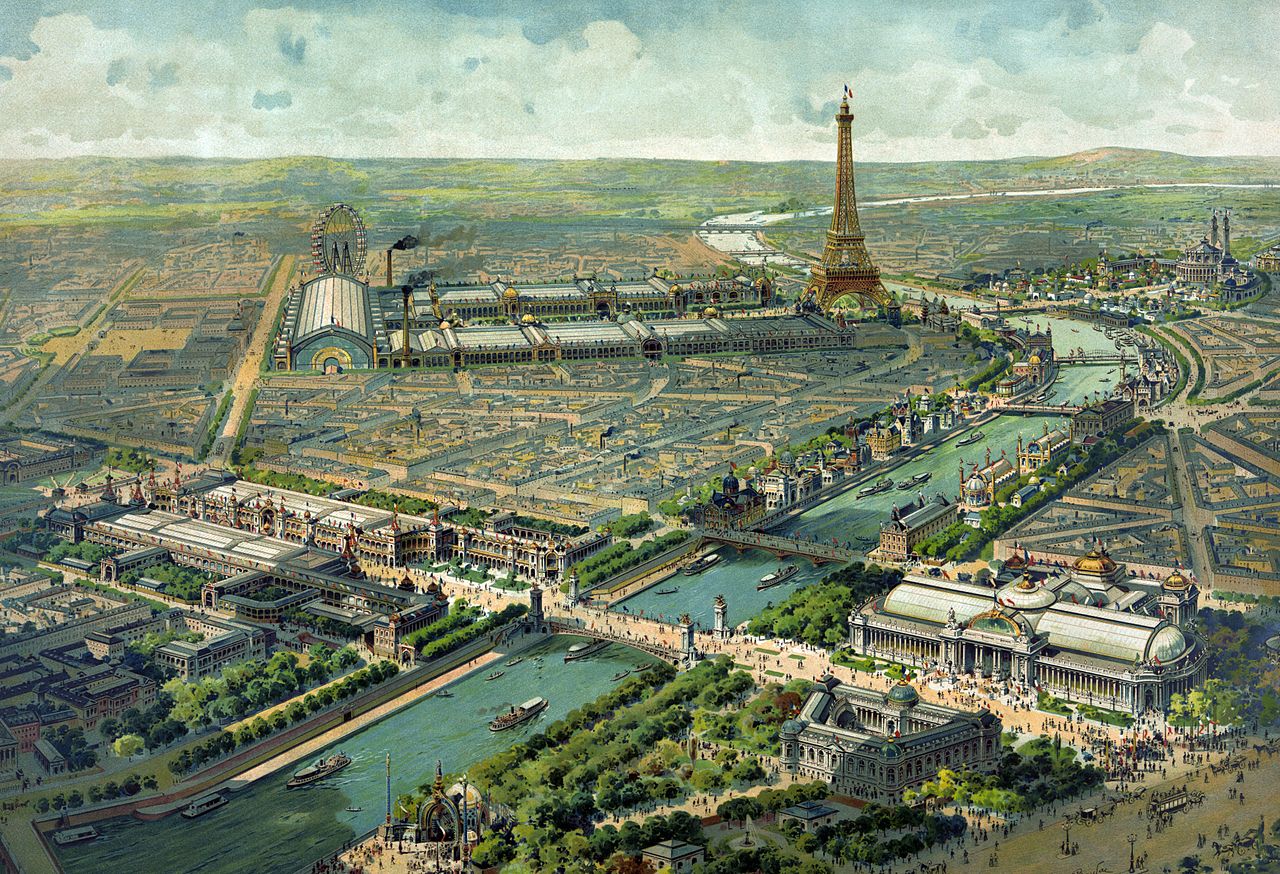
Paris was about to receive a major new Universal Exhibition in 1900.

le train bleu 10  The 1900 Paris exhibition view.

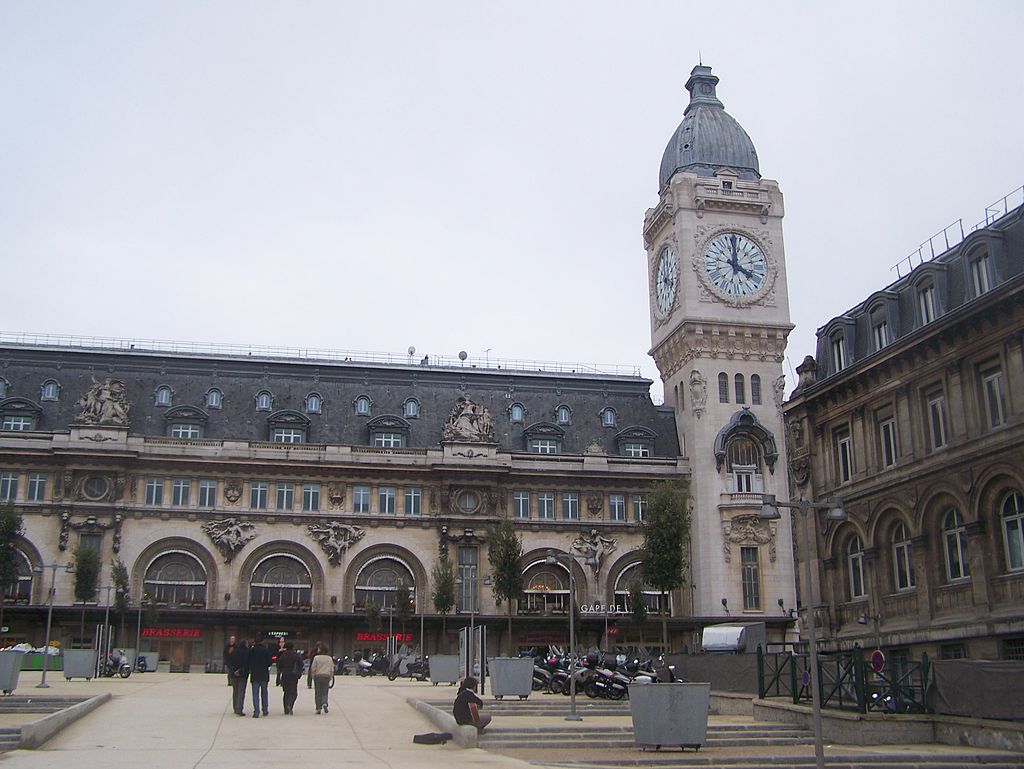
After the Saint-Lazare train station in 1889, it was the turn of the Gare de Lyon to take the appearance of a palace, and in particular to magnify the new PLM Company (Paris Lyon Marseille) terminal, which operated lines of the Southeast network at the end of the 19th century. The project was entrusted to the architect Marius Toudoire, who built the 64 meters belfry (the Clock-Tower) and the monumental facade of the station.

le train bleu 8 le train bleu 7
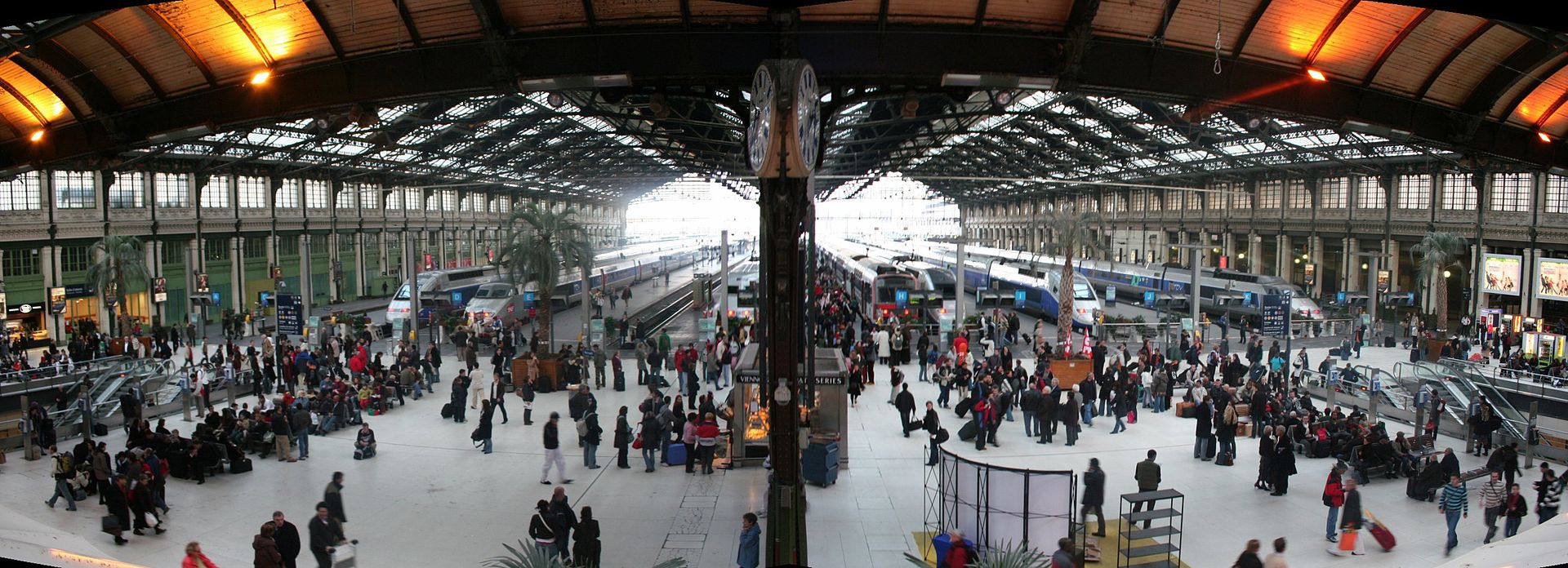
Gare de Lyon today,  facade with the massive clock tower and inside the platforms, exchange for  the TGV’s.
le train bleu 15  Le Train Bleu, 1st floor, inside Gare de Lyon.

History.

The Management of the railway company wanted to build a prestigious buffet, symbol of travel, of technical innovation, of comfort and luxury. The project was given to the same architect, who built the buffet in the building at the center of the station.
The station’s buffet was unveiled in 1901 by the President of the Republic Emile Loubet.
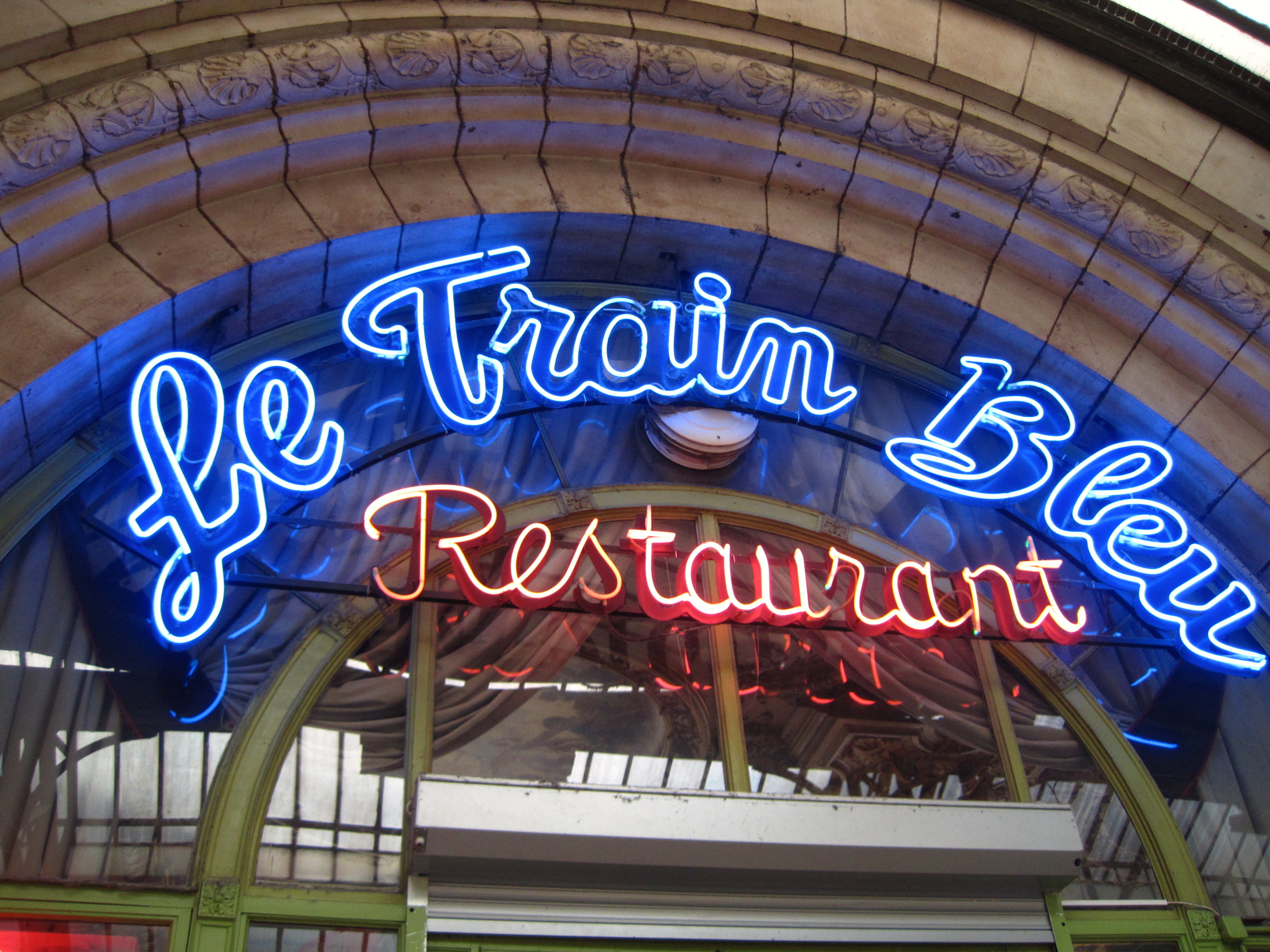
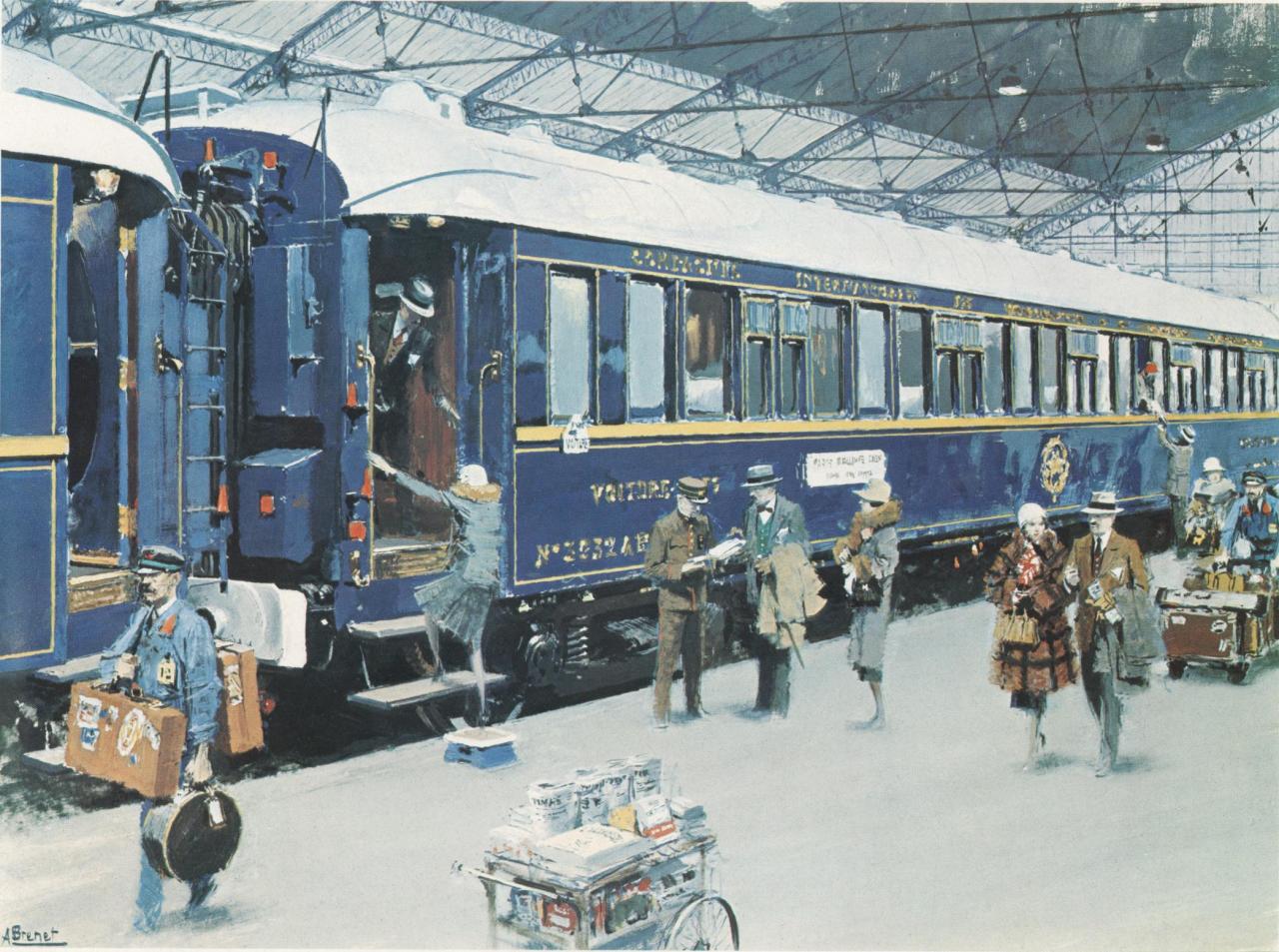
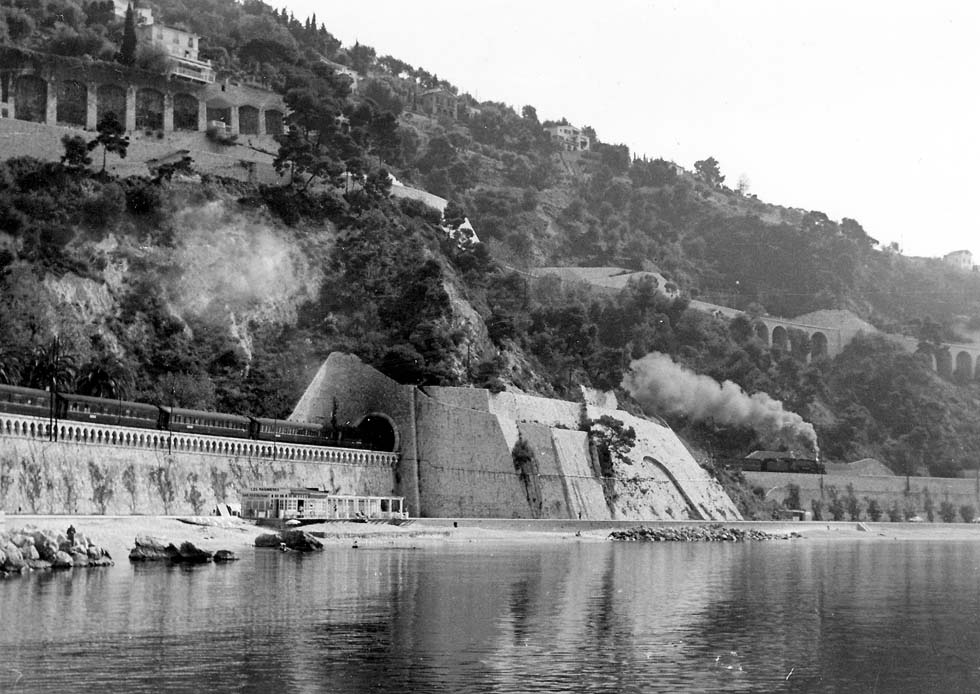
In 1963, Albert Chazal renamed the buffet as « Le Train Bleu » (the Blue Train), honoring the legendary „Paris-Vintimille“ train with its destination the Côte d’Azur.

le train bleu 26   le train bleu 27
Contemporary drawing and original photo of „The Blue Train“, the famous „Le Train Bleu“..

Anecdotes.

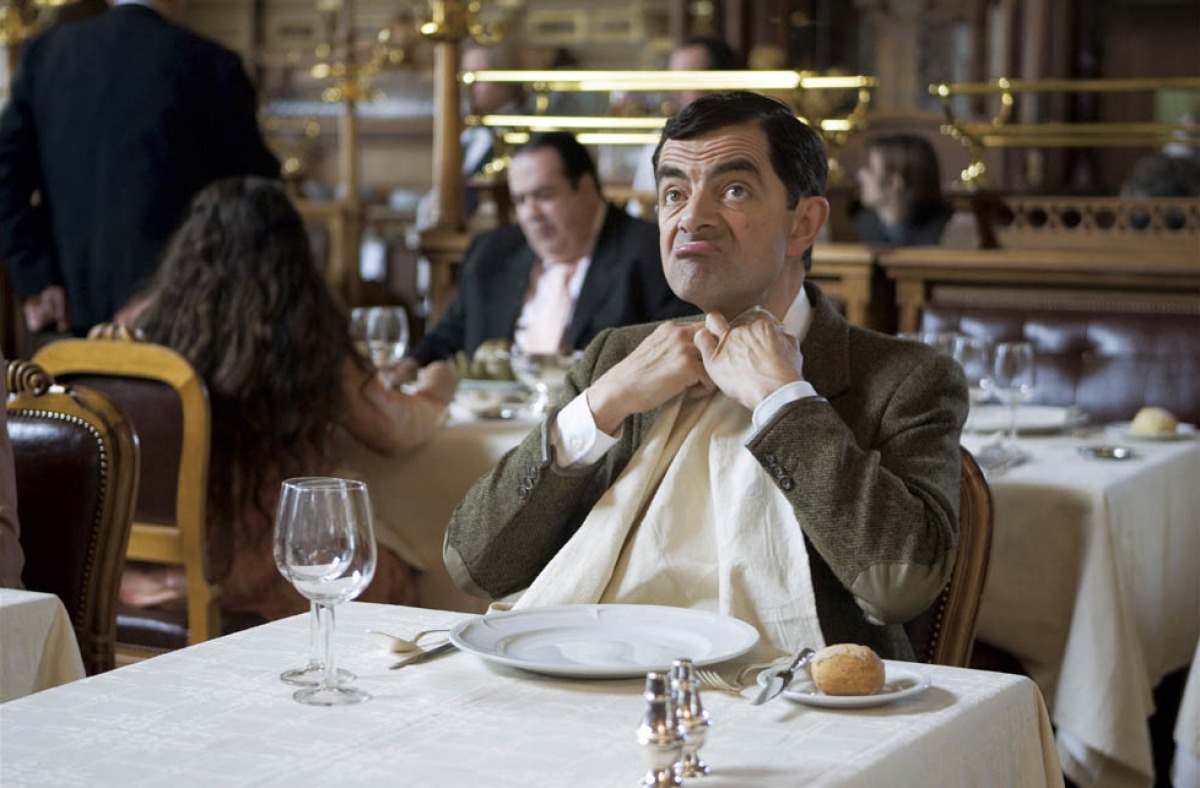
Coco Chanel, Brigitte Bardot, Jean Cocteau, Colette, Jean Gabin, Marcel Pagnol and many other famous people were regulars of the Train Bleu, while several movie scenes were filmed there: „Nikita“ by Luc Besson, „Place Vendôme“ by Nicole Garcia, „Les vacances de Mr Bean“ by Steve Bendelack as well as „Filles Uniques“ by Pierre Jolivet.

le train bleu 22
Peoples good old friend – comedian Rowan Atkinson, better known as Mr. Bean, dining at Le Train Bleu.

Historical monument and decoration.

Gildings, carvings, mouldings, chandeliers and frescoes cover all the walls of the restaurant, giving it the appearance of a museum of the 1900s. Twenty seven French artists, some awarded with the Prix de Rome, have worked on this unparalleled decor.
The 41 paintings mounted on canvas were painted by the most prominent artists of the time: François Flameng, Henri Gervex, Gaston Casimir Saint-Pierre, René Billotte, etc. They illustrate views of the main cities and sceneries viewed from the PLM Company trains during the 20th century: Paris, Lyon, Marseille, Orange, Villefranche, Monaco, Nice, Saint-Honorat, the Mont-Blanc massif, etc.

le train bleu 13
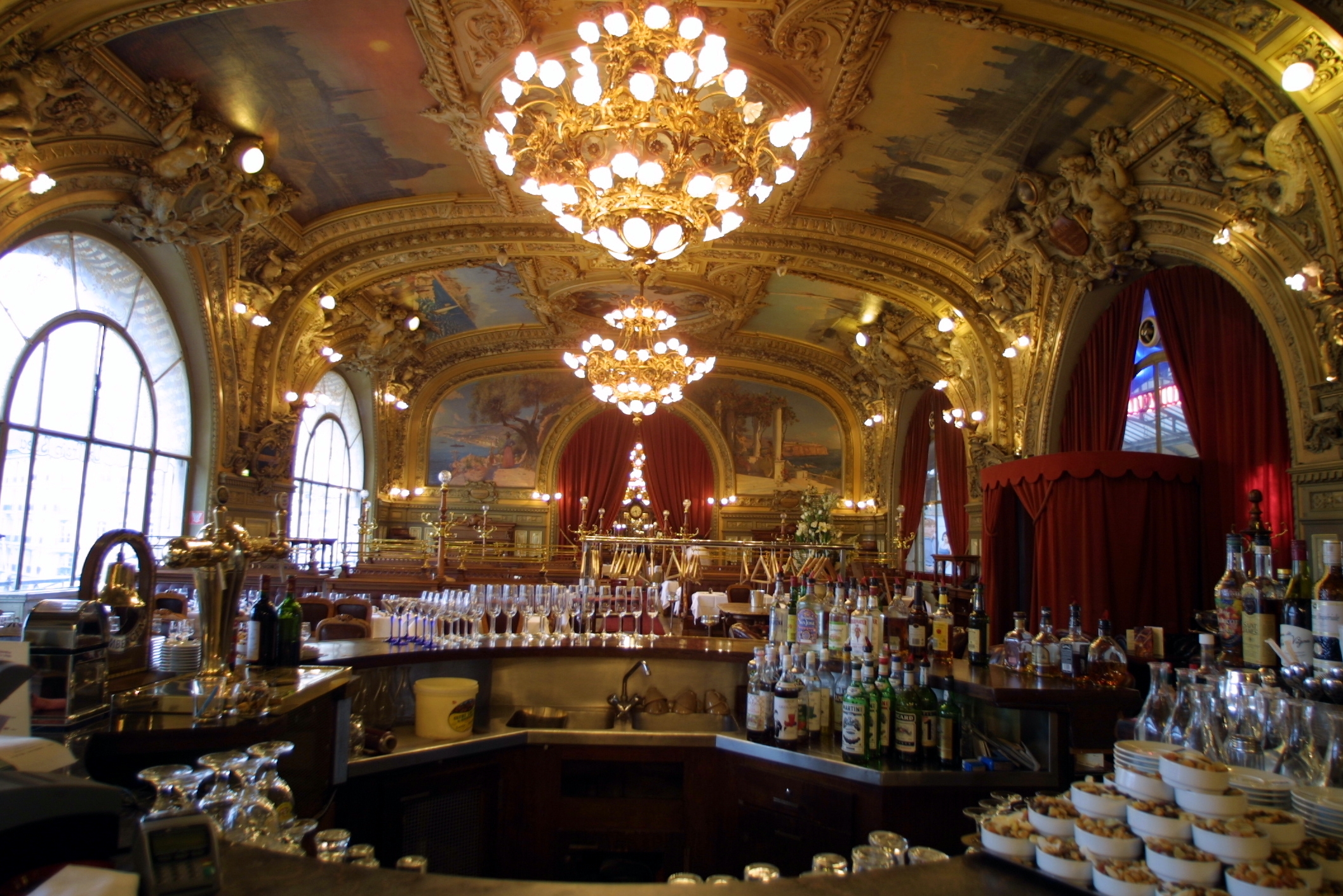
The impressive Restaurant, with center bar, before renovation.

Along with these bright reminders of the railway sceneries are several portraits, some of the PLM Company’s employees, such as Gustave Noblemaire (General Director), and key figures like Sarah Bernhardt, Réjane or Edmond Rostand.
To preserve this rich heritage, a privileged witness of the Paris of the 1900s, the Train Bleu was classified as Historic Monument in 1972 by Jacques Duhamel.
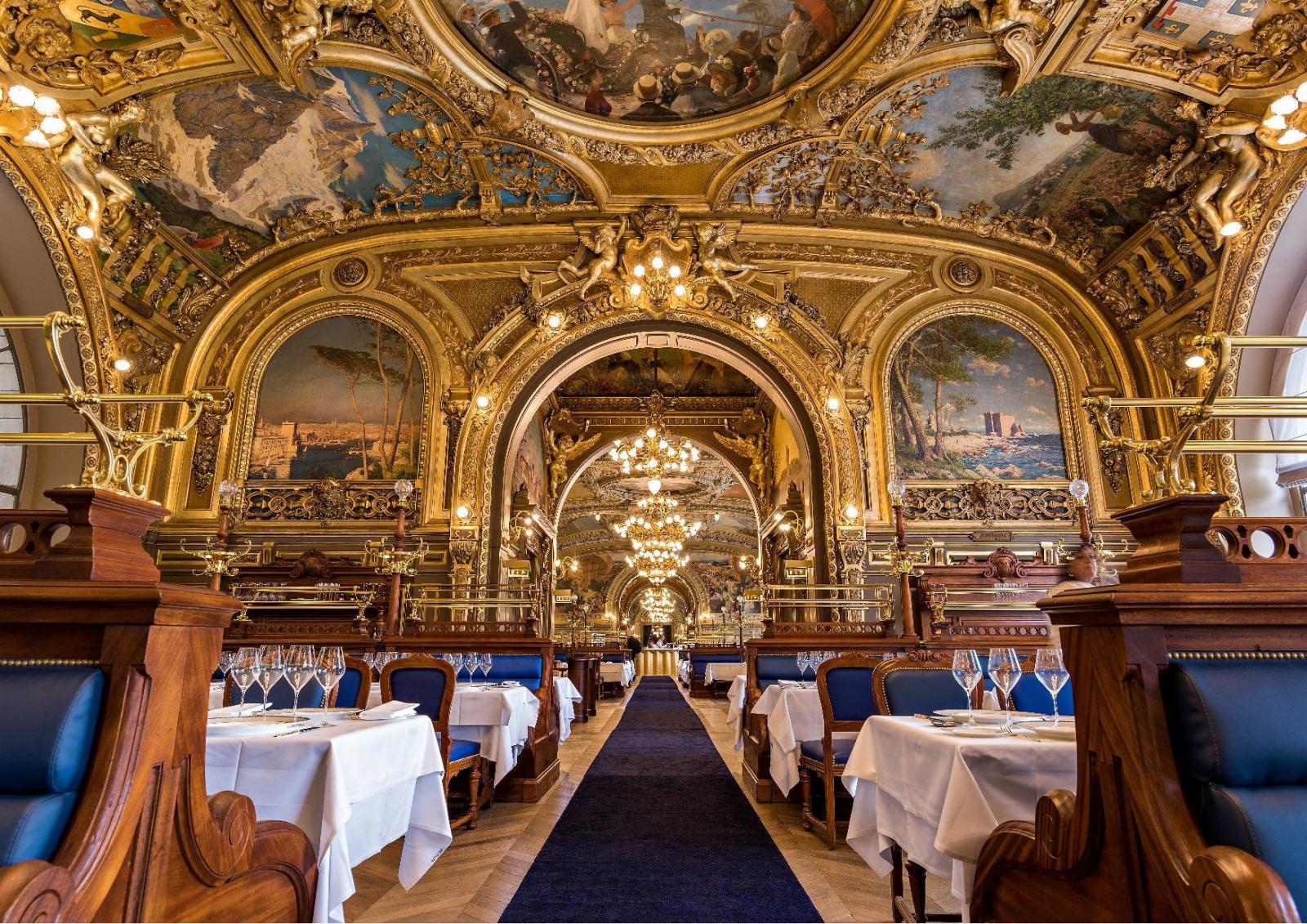
Le Train Bleu was recently renovated (summer 2014), resuming to its former glory.

le train bleu 14
And here after renovation in 2014.

Fine dining a la „Le Train Bleu“ – past.

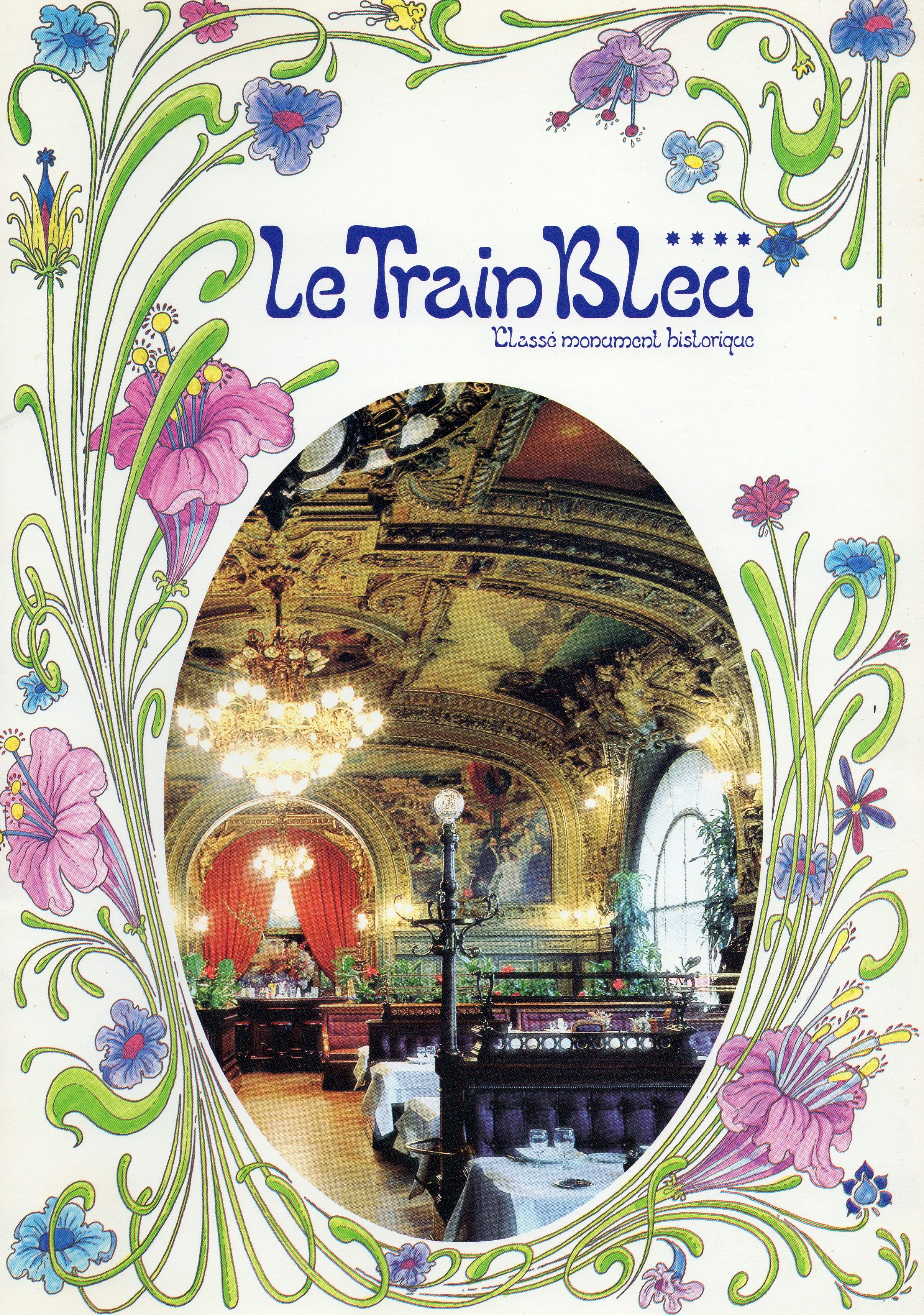
le train bleu 12
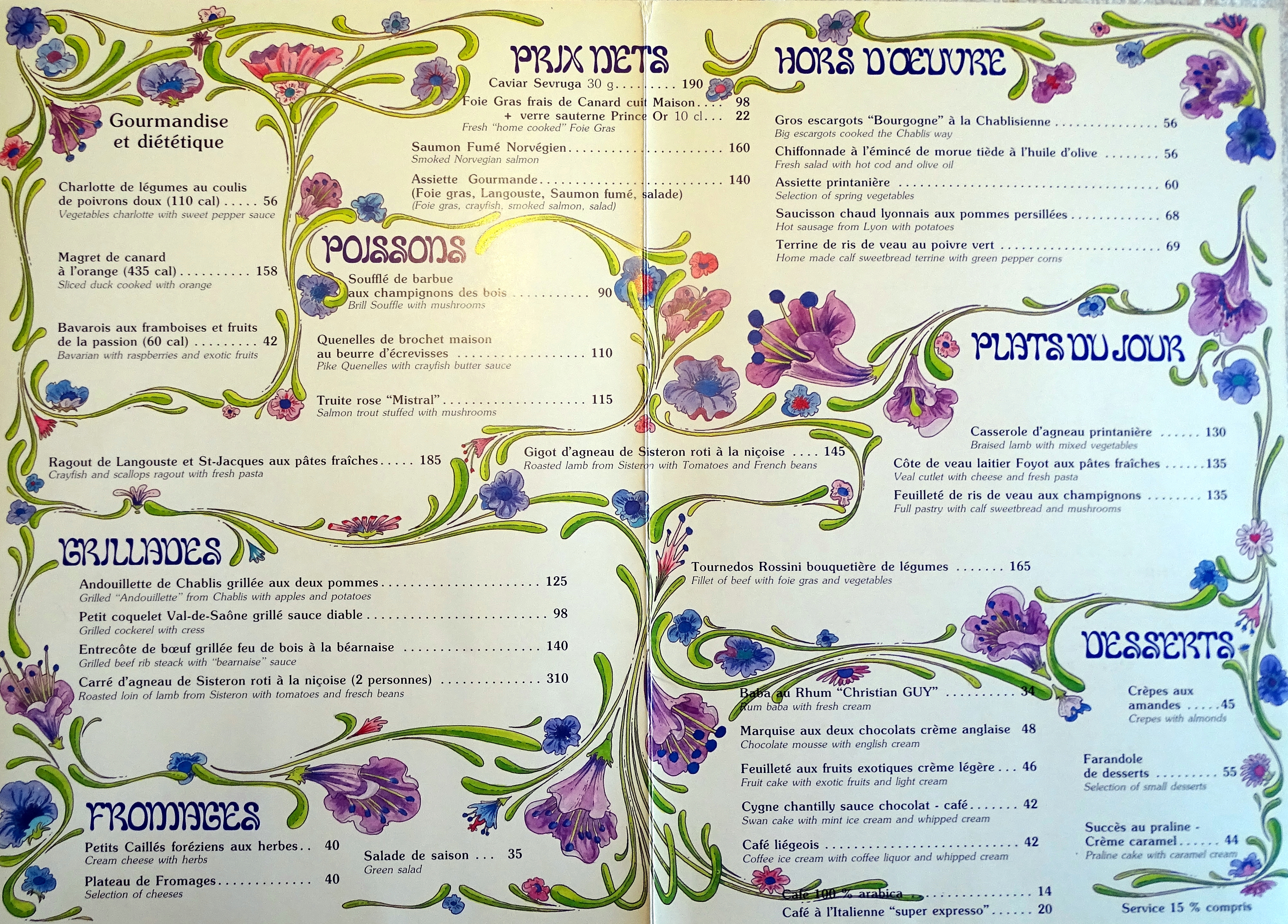
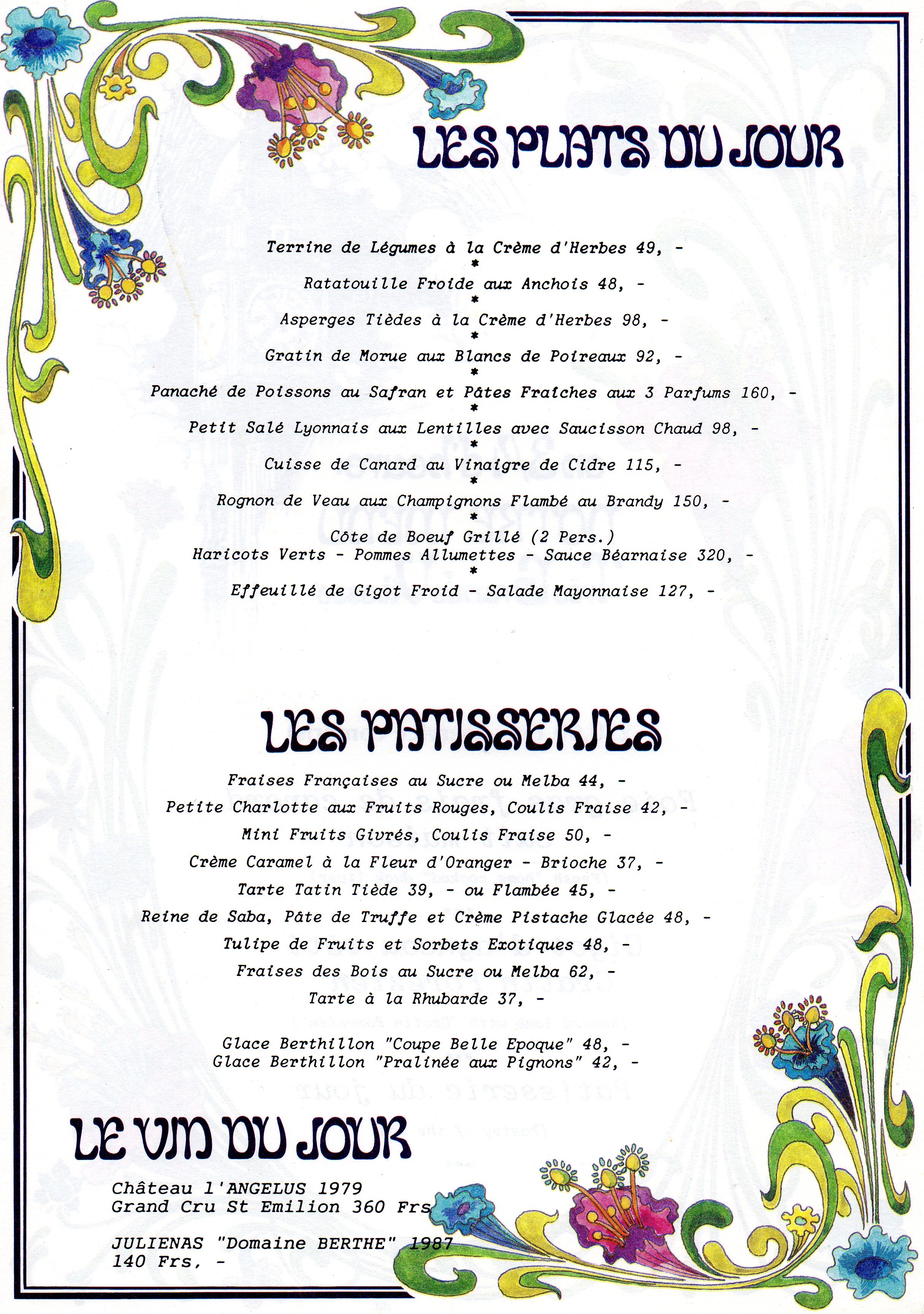
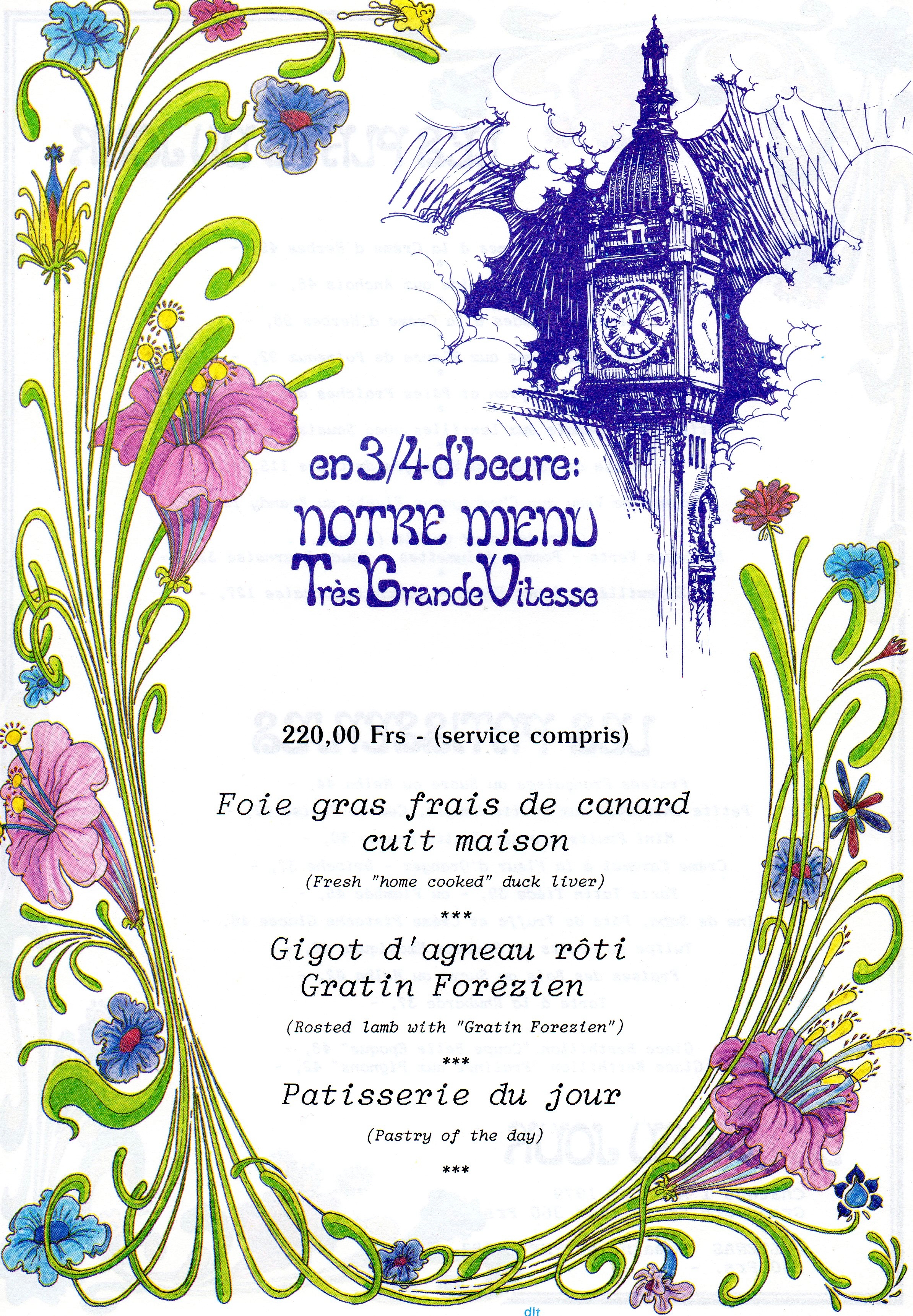
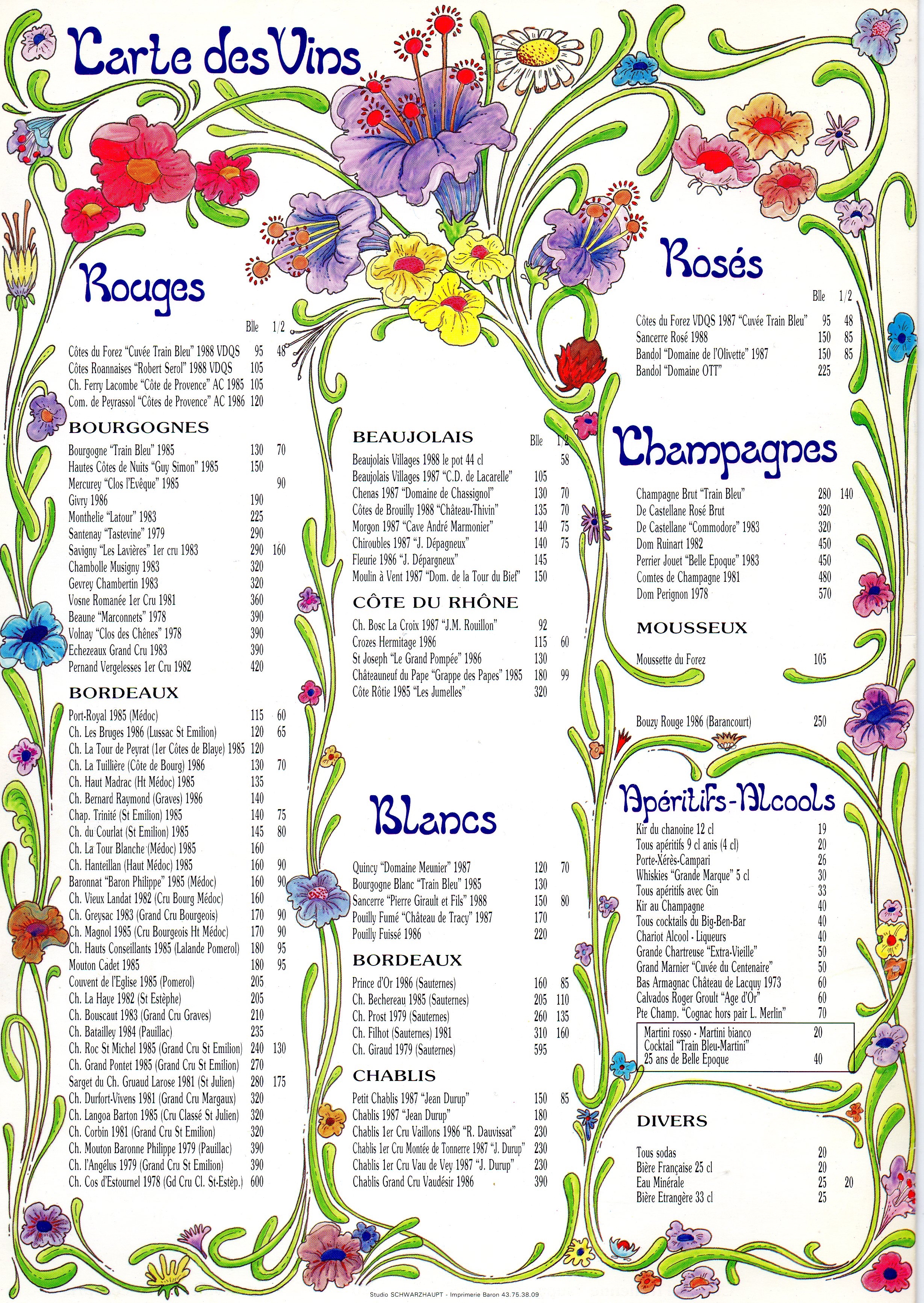
Wonderful designed Menu Card, art nouveau style, from our first visit in the 1980’s.

I like to show you all pages of this vintage menu card, because prices are still
in French Francs and showing the impressive menu and wine list.

le train bleu 12-1  le train bleu 12-4

le train bleu 12-3                         le train bleu 12-2

We went with 8 people for dining then and everyone had a different dish,
starter – main – dessert. Plus lot’s of excellent wines. It was expensive, yes,
but not one of us was disappointed.

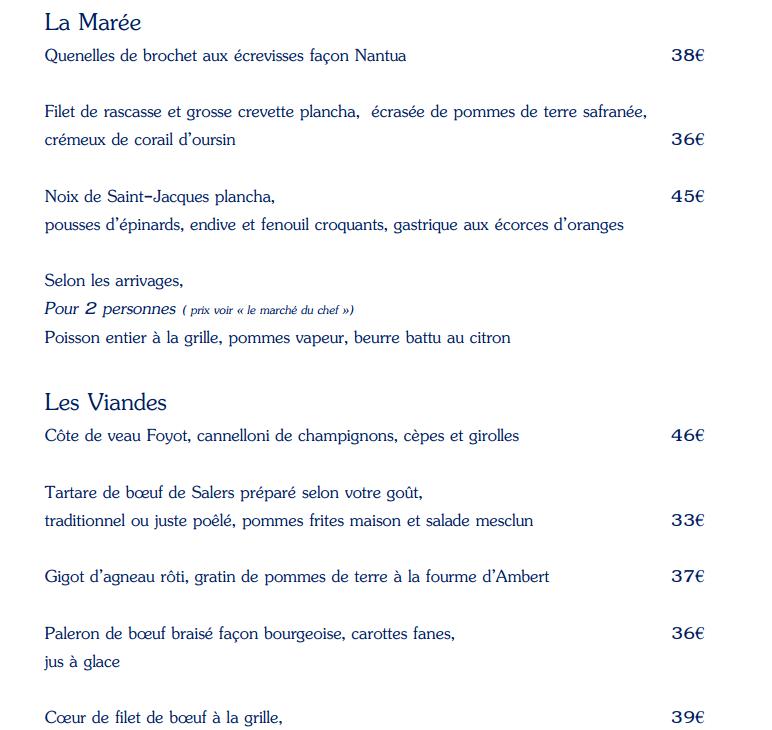
The modern menu looks a bit different, a bit „loveless“, more functional-businesslike.
But, you can bet, the quality of food is still First Class, worth to indulge. I could
not help myself to order „Gigot d’agneau de Sisteron“ again, which I choose 30 years
ago the same. Fantastic then and a dish of heaven now. See pics and click to size up.

Fine dining a la „Le Train Bleu“ – present.

le train bleu 28     le train bleu 25
Still chic outside, looking a bit poor inside – modern. May be I am too nostalgic.

Some must-haves and representative dishes of the Train Bleu will be served on the new
menu. Still the leg of lamb, carved on a trolley in front of the guest, the tartar seasoned
at your table, the „homemade“ semi-cooked duck „foie gras“, the „homemade“ smoked
salmon, the roasted Foyot veal chop, the rum „baba“ cake, etc.
First I couldn’t decide between turbot and lamb, but since turbot is available for two
persons only, my three course menu was chosen. See pics down here. Gourmets heaven.

le train bleu 6
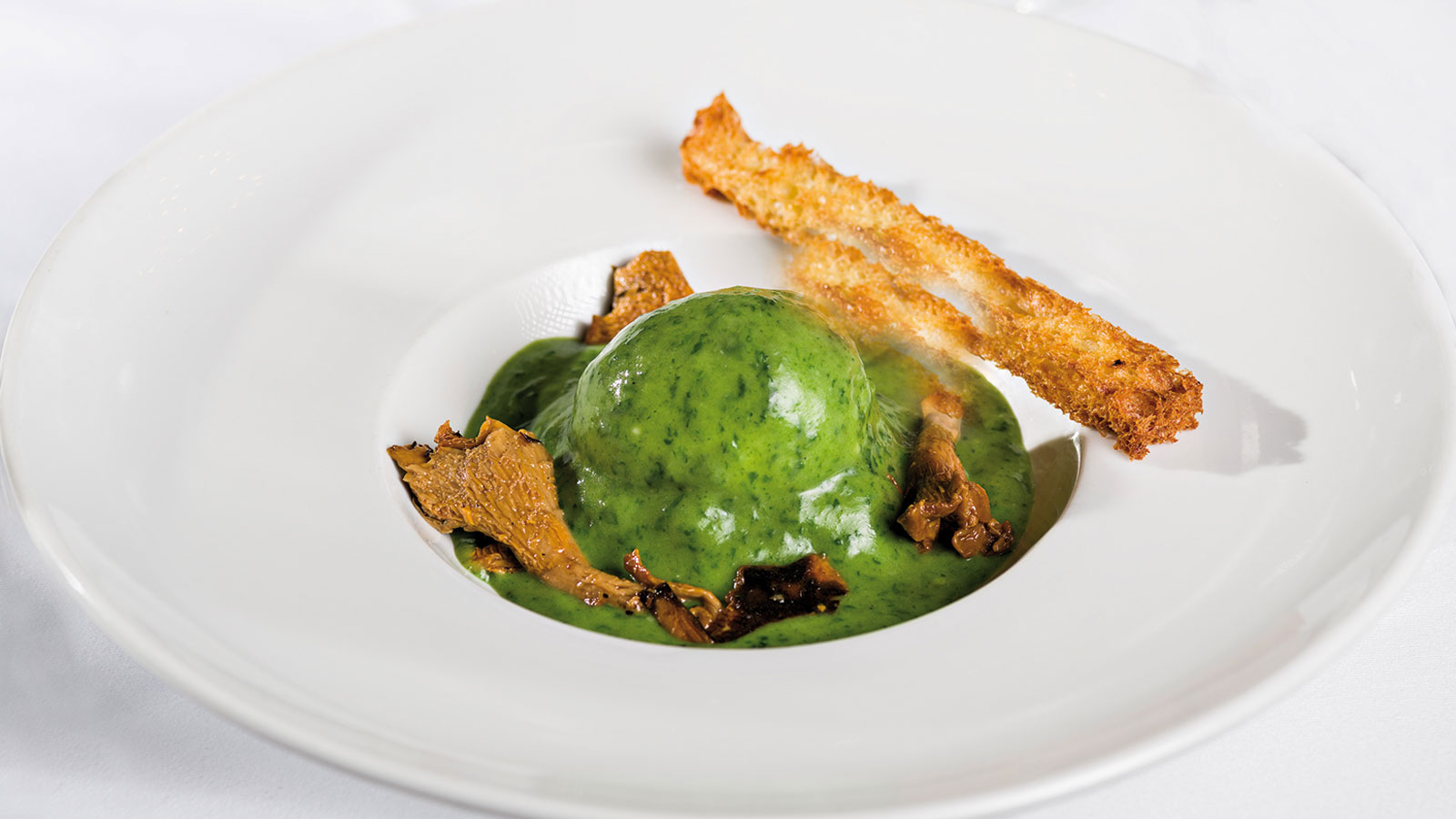
Oeuf mollet façon florentine, champignons en duxelle, girolles en fricassée.
Boiled egg florentine way, champignon duxelle, and chanterelle mushroom fricassee.
Wish, we could buy mushrooms like this in Uruguay.
le train bleu 4
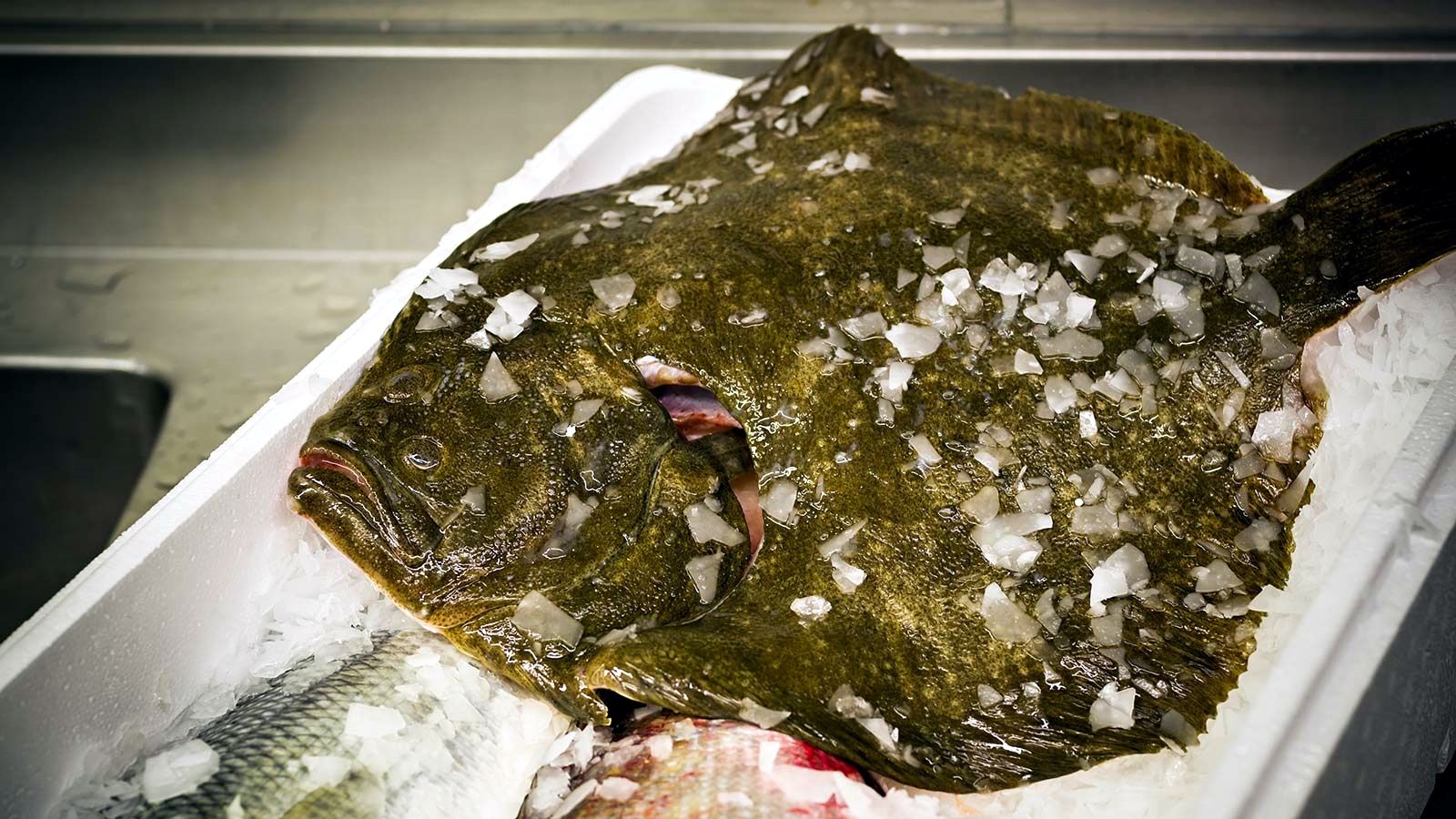
Livraison journalière de poisson : Le turbot servi entier à la grille pour 2 personnes.
Daily fresh fish delivery: Turbot served whole, grilled to perfection, for 2 people.
le train bleu 23
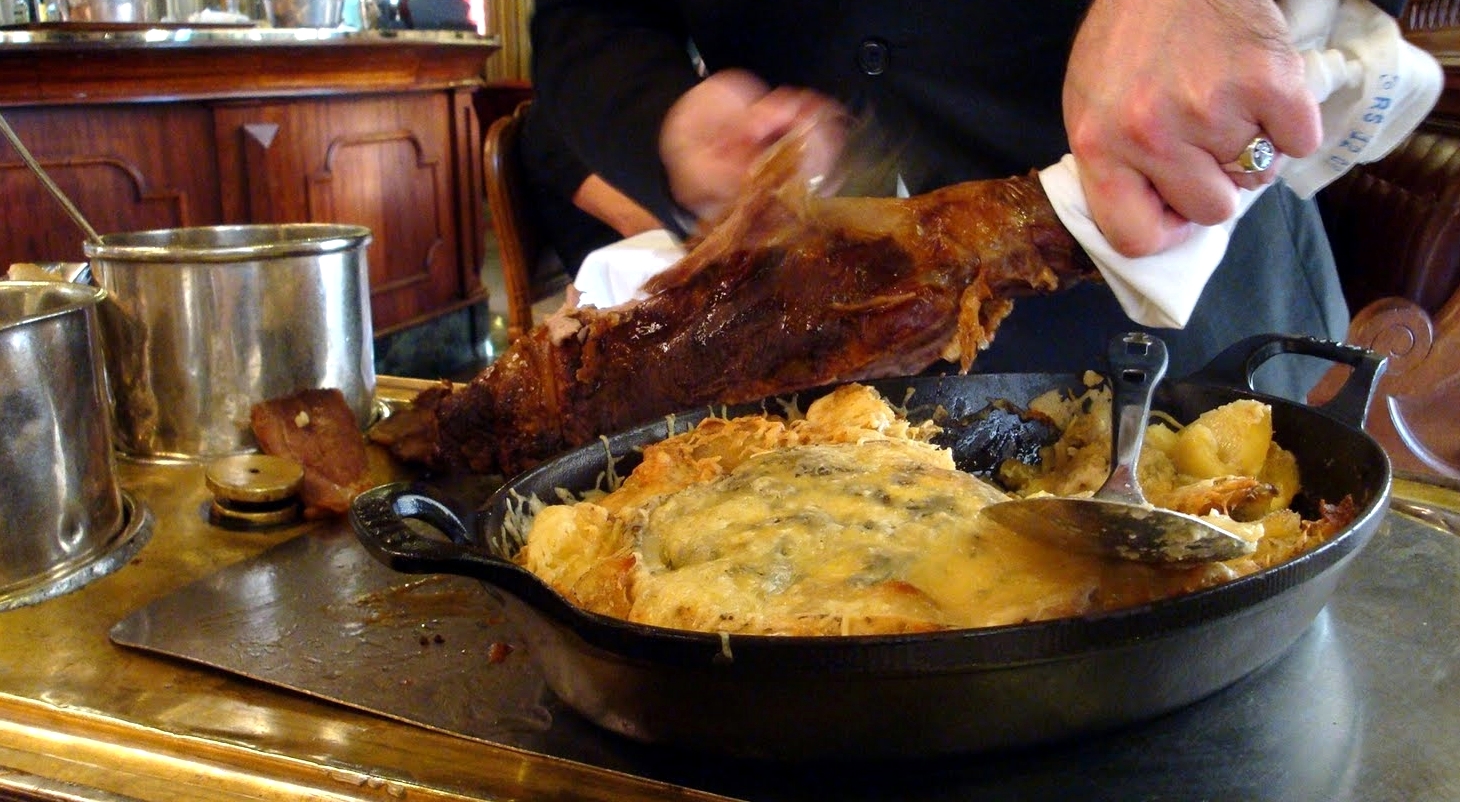
Gigot d’agneau de nos régions rôti, servi à la tranche. Leg of lamb, carved in front of
you. The gratin de pommes, potato gratin with a cheese cream sauce is a main dish of
it’s own. This combination, my absolute favorite !!
le train bleu 5
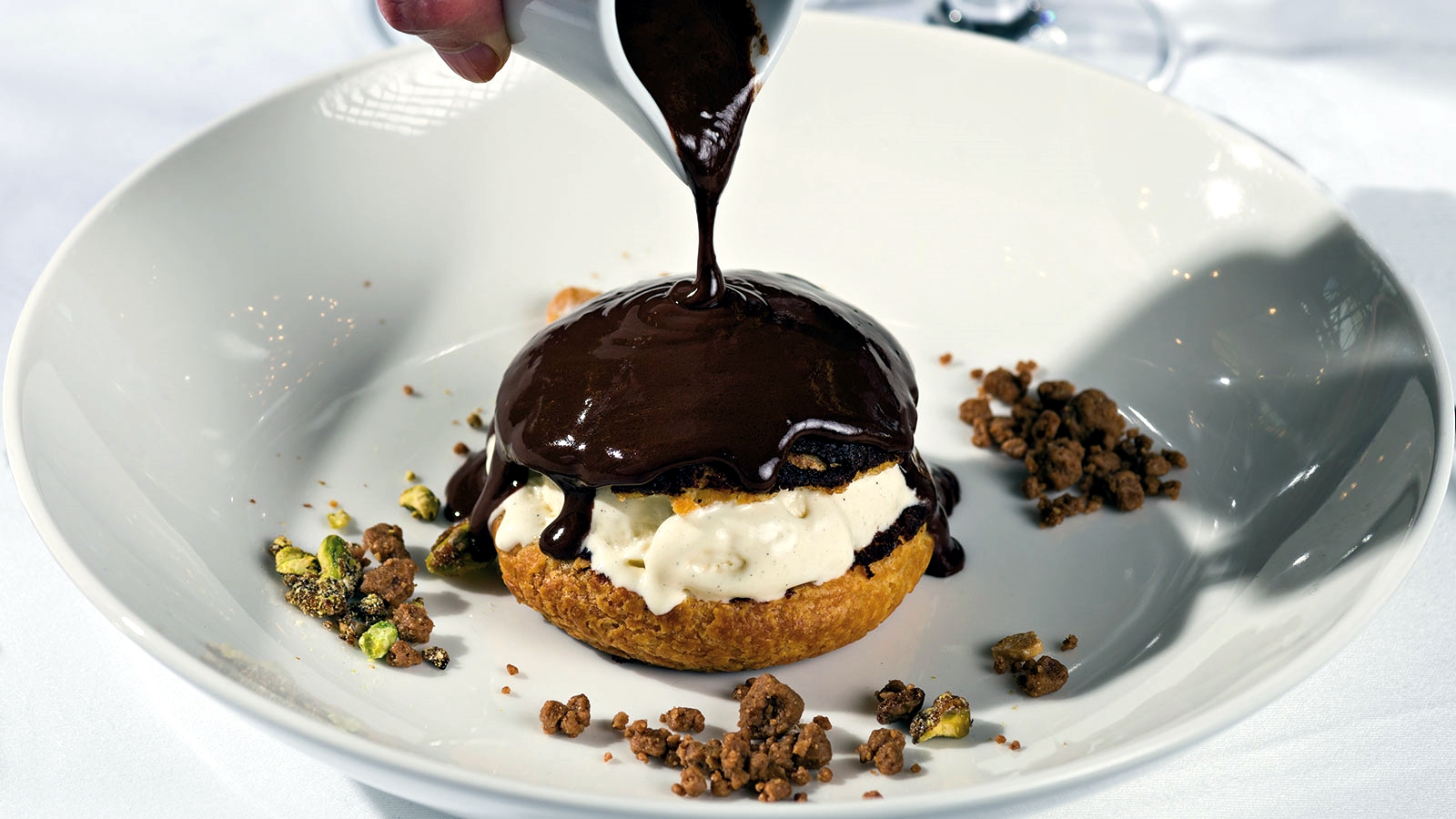
Profiterole géante, glace vanille de Madagascar , sauce chocolat grand cru.
Giant cream puff with vanilla ice cream and Madagascar chocolate sauce „great growth“.
Even I, as a main course lover – no need for dessert, call this one „insane“.

In some ways this type of place is what makes Paris such fun. It is a grand, ornate,
historic place. Thank goodness they didn’t tear it down in some 50s remodeling.
The food is excellent and even fast if necessary. There is also on ground level a
„Le Train Bleu Express“, if needed.

le train bleu 1  Another view after renovation in 2014.

If you have time between trains, by all means go, enjoy and indulge yourself.
If you don’t, you might even wish to make a special trip to eat here. I did !!
Wish, we had a restaurant like this in Atlantida, instead …… I would be there
every night – double weighted after a few weeks and bankrupt in no time !!

Veröffentlicht unter History, Information, Lifestyle, Must See, Travel | Verschlagwortet mit | Hinterlasse einen Kommentar

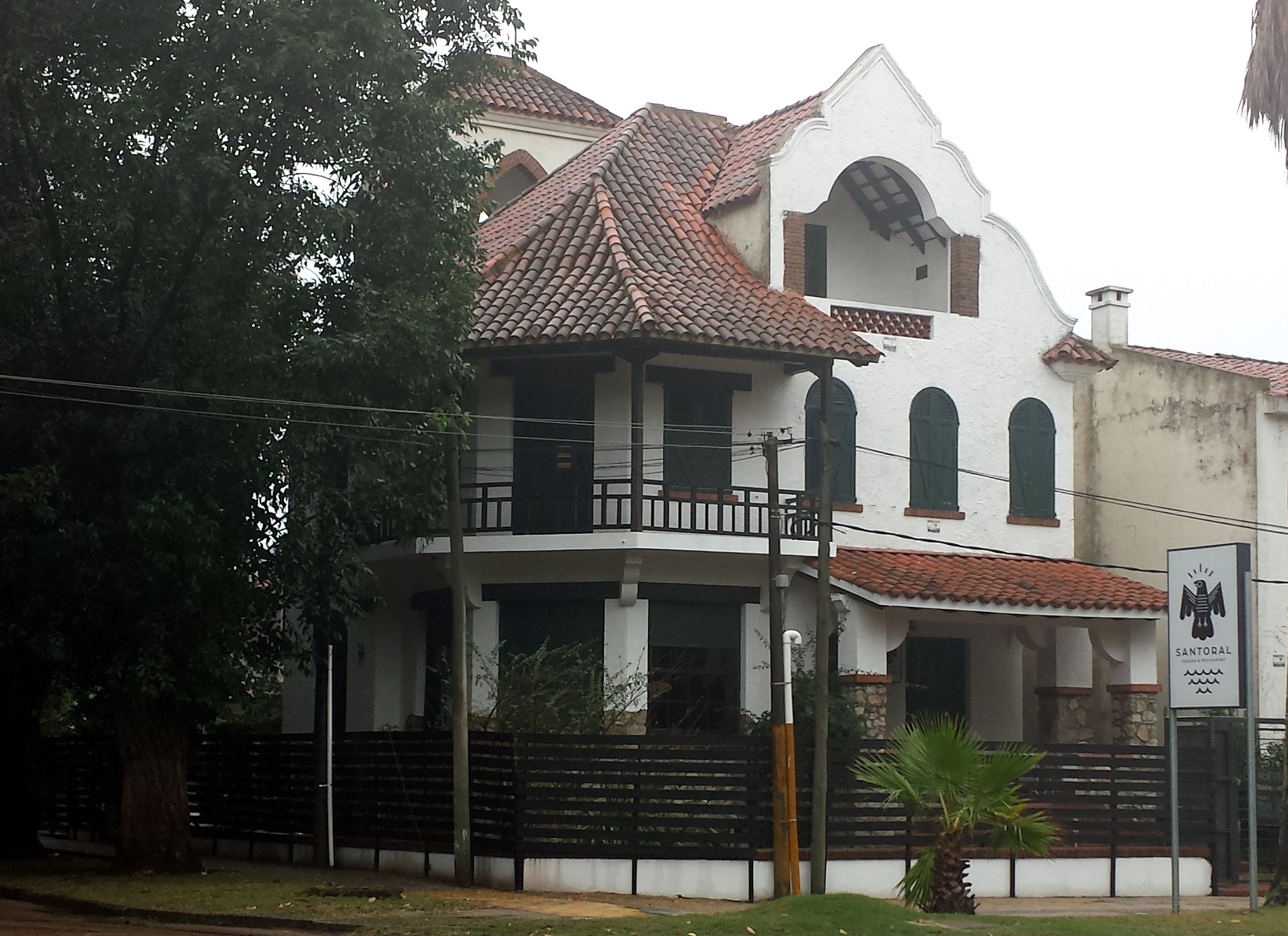
New Restaurant in Atlantida

20150417_104328

Just a day before I fly out, I like to inform you about a new
restaurant in town. Check it out.

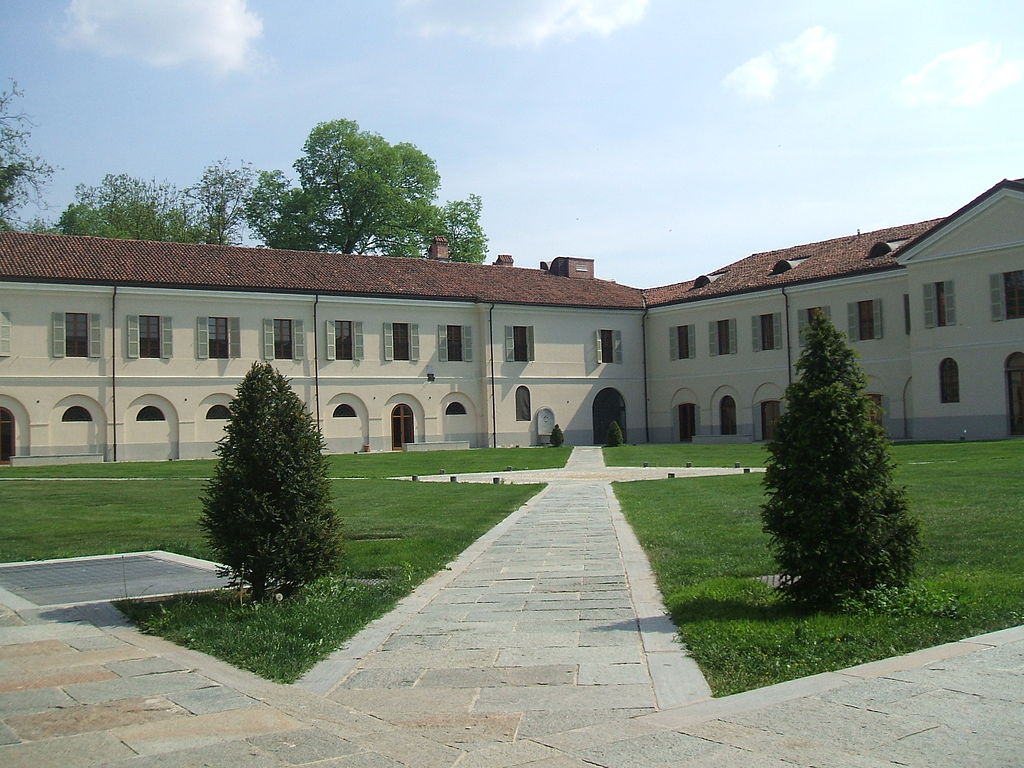
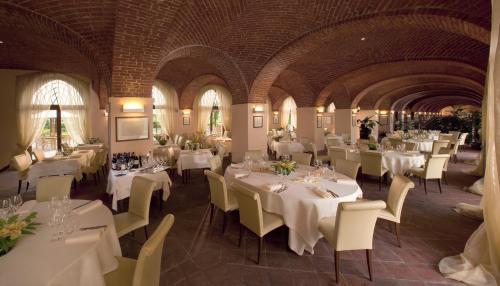
SANTORAL – Posada & Restaurant.

20150417_104357

This old villa on the beachside was many years abandoned but seems
now renovated and is open for public.

20150417_104507

I had no time to check it out, but will do after my overseas trip.
May be you like to visit and give it a try. It is located on the
Rambla Atlantida just 2 blocks from the casino.  Have fun and tell me.
Veröffentlicht unter Uncategorized | 2 Kommentare

Olive Oil Cake – Sorry Cake

S  O  R  R  Y    !  !  !

Until end of May I can’t post anything new. This will be unexpected for most
of you, because I had the last 6 month almost twice a week a new article.

But I will be back – lots and lots of things I still like to share with you.
I am for several weeks on an overseas trip, may be there are some interesting
experiences which are worth publishing after my return.

Meantime you have time to read all I posted the last few month and you have
time to bake and taste the following delicious „SORRY CAKE“ recipe.

Olive Oil Cake with Strawberry-Rhubarb Compote

Olive Oil Cake with Strawberry Rhubarb Compote.

Strawberries and rhubarb are the epitome of spring cooking, and I love them
equally. This compote, which can be served hot, warm, or chilled, shows how
well they work together.

Olive oil gives the cake a moist, pound-cake-like texture, and lemon, orange,
and rosemary pro­vide fragrant flavors and aromas.
Use a fruity extra-virgin olive oil, of high quality, for the best results.

Ingredients.

For the cake:
Nonstick olive oil cooking spray
1 1/2 cups all-purpose flour
2 teaspoons baking powder
1/2 teaspoon fine sea salt
1 cup granulated sugar
1 1/2 teaspoons minced fresh rosemary
Finely grated zest of 1 orange
Finely grated zest of 1 lemon
3 large eggs
1/4 cup whole milk
3/4 cup extra-virgin olive oil

For the Compote:
12 ounces (375gram) slender rhubarb stalks (about 3),
cut into 2- by 1/3 -inch-thick sticks
1 pound (450gram) fresh strawberries, halved
1/4 cup granulated sugar
3 tablespoons fresh lemon juice
Confectioners sugar, for dusting
Extra virgin olive oil, for drizzling

How to do.
Position a rack in the center of the oven and preheat the oven to 350F (180C).
Spray a 9-inch round cake pan with nonstick olive oil cooking spray.
Line the bottom of the pan with parchment paper and spray the paper with
nonstick olive oil spray.

In a medium bowl, whisk the flour, baking powder, and salt together.
In a large bowl, combine the sugar and rosemary. Add the orange and lemon zest
then rub the mixture between your fingertips until it is moist and fragrant.
Add the eggs and use an electric mixer to beat on medium-high speed for about
5 minutes, or until mixture is pale and thick. Beat in the milk.

Gradually beat in the olive oil. Using a wooden spoon, stir in the flour mixture
just until blended. Spread the batter in the pan. Bake for about 35 minutes,
or until a wooden toothpick inserted into the center of the cake comes out with
moist crumbs attached. Let cool in the pan or on a wire cake rack for 15 minutes,
then invert the cake onto the rack and remove and discard the paper.

Invert the cake, right side up, onto a cake plate. Meanwhile, make the compote.
In a large heavy skillet, bring the rhubarb, strawberries, sugar and lemon juice
to a simmer over medium-high heat, stirring often. Continue to cook, stirring often,
for about 5 minutes, or until the juices thicken slightly and the rhubarb is
falling apart. Let cool. Sift confectioners sugar over the cake.

Cut the cake into wedges, place on dessert plates, and spoon the compote on top.
Drizzle a little olive oil around the cake and serve.

Tips.

With such a strong tasting cake goes very well a dry white wine like a German Riesling
or a French Sauvignon blanc. If you don’t like dry whites try fresh whipped cream and
a Gewurztraminer with this cake. A white Port will do the job too.  Enjoy !!!

Veröffentlicht unter Recipes | Verschlagwortet mit , | Hinterlasse einen Kommentar

Shrine of „Our Lady of the Flowers“

La Floresta 6

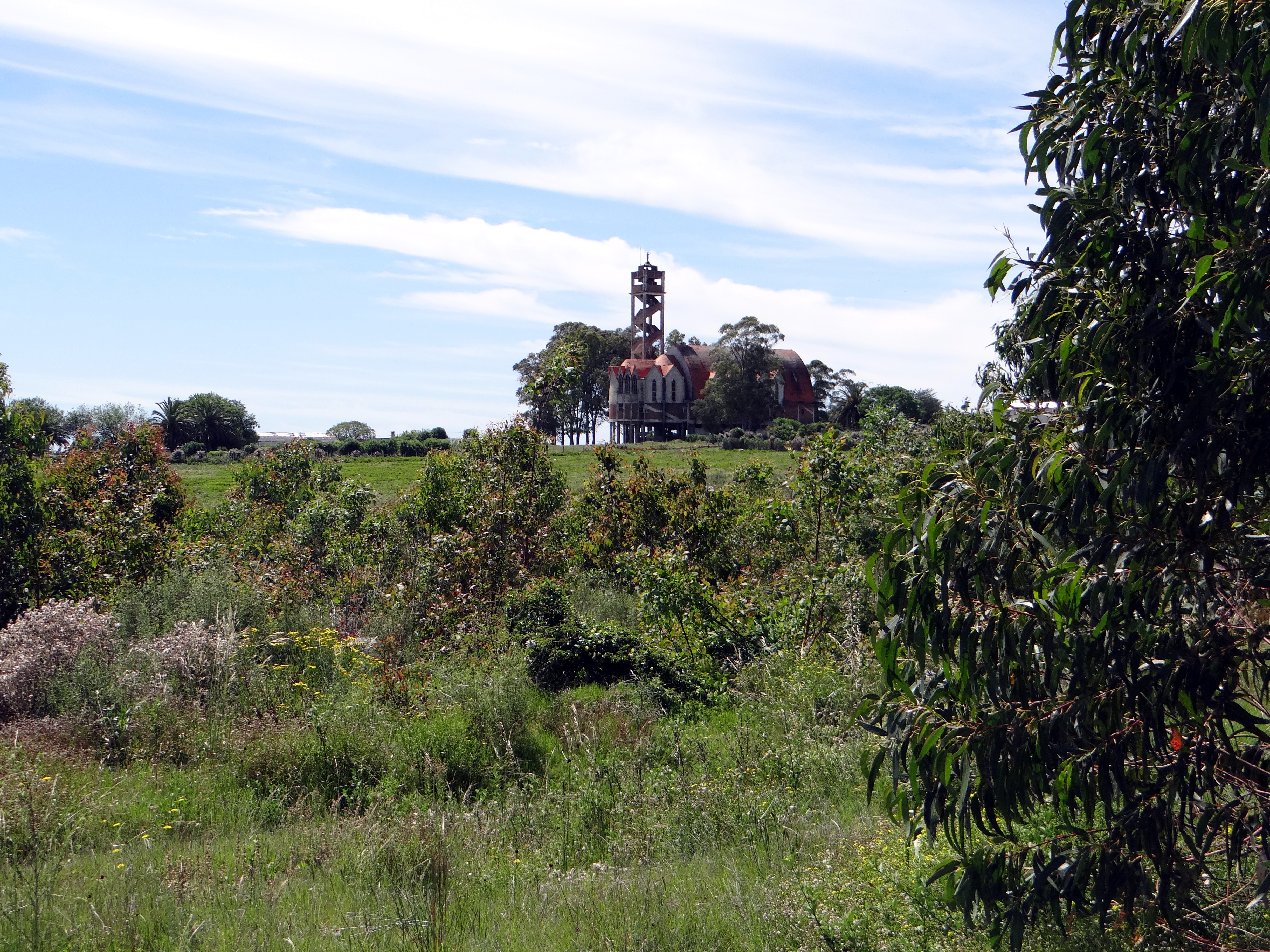
Sanctuary Virgen de Las Flores.

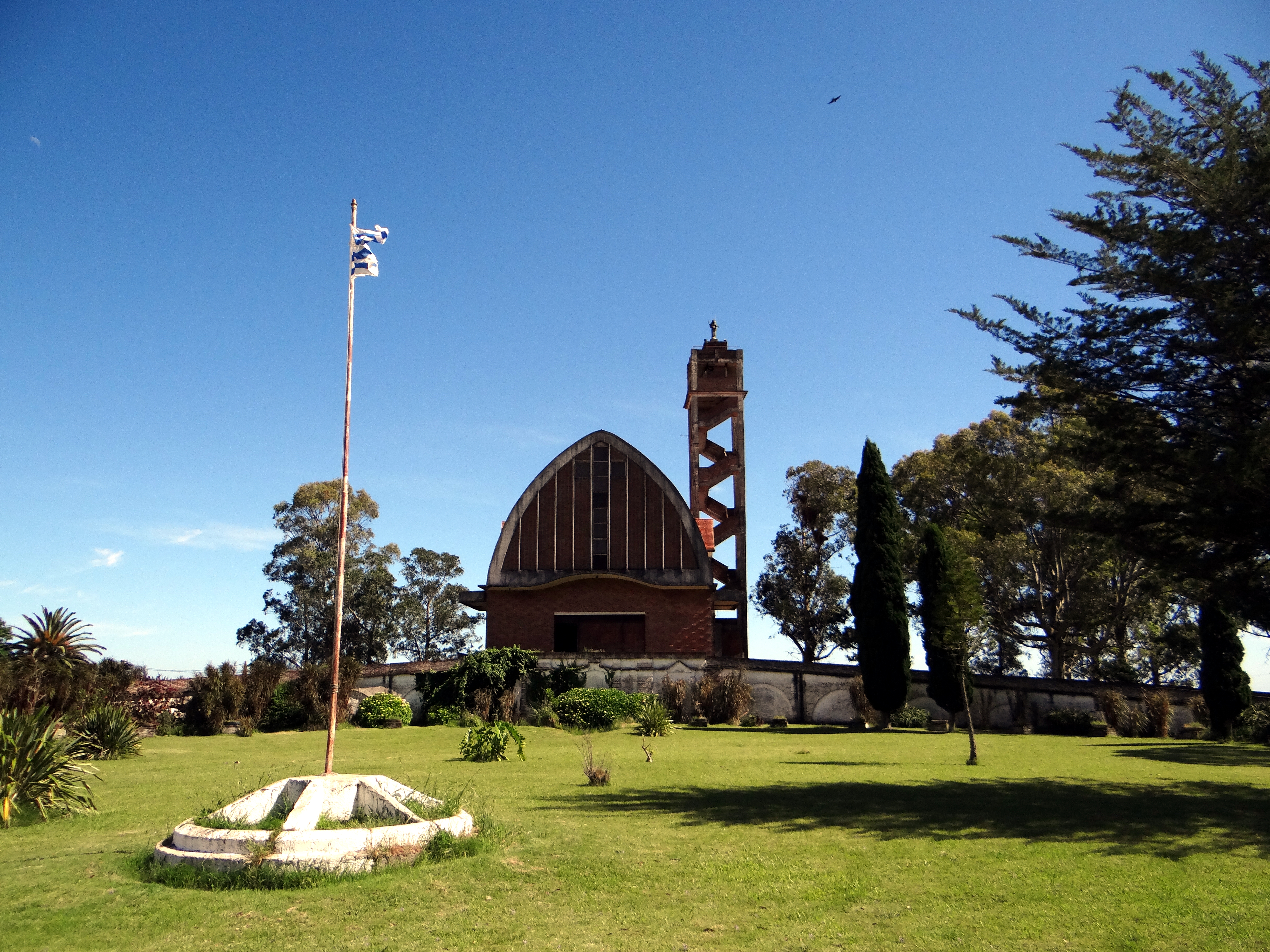
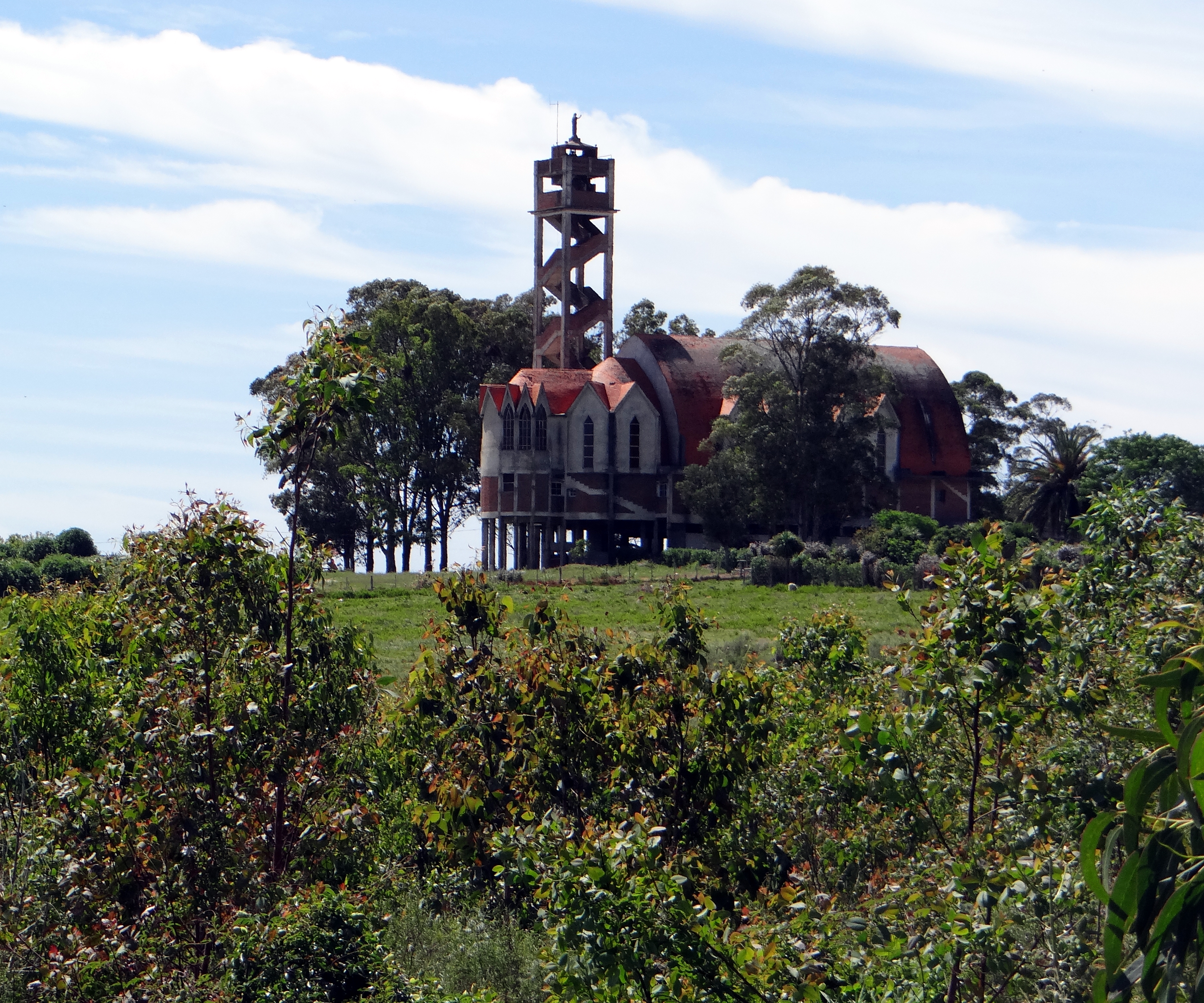
A 54 kms of Montevideo, in the department of Canelones, north of Balneario La Floresta, is the imposing shrine dedicated to Our Lady of the Flowers, the Orione Movement in Uruguay. Struck by the size and quality of the sanctuary, worthy of a great city, because it is located in a small town of no more than 500 inhabitants.

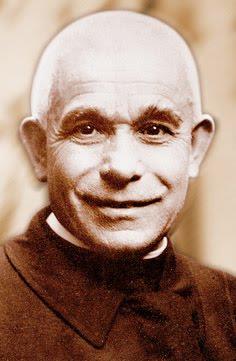
In the Sanctuary of the Virgen de las Flores was living the founder of the Movement, San Luis Orione, better known as Don Orione. The resort operates a zoned school and a little Cottolengo for disabled twenty men, who perform various farm activities, crafts, music therapy, etc, and a convent of the Congregation of Sisters.

La Floresta 28   Don Luis Orione.

The green environment and peace that radiates the shrine have become an important pilgrimage site for both Christians and ordinary tourists especially during summer.

A beautiful phrase of Don Orione chairs the temple: „I want to devote to the „Virgen de las Flores everything I cried to honor her, to comfort the poor and to Christ lead to good Uruguayan people“.

La Floresta 2

The 29th of December 2015 will meet 679 years
of the appearance of  The Virgin of Flowers.

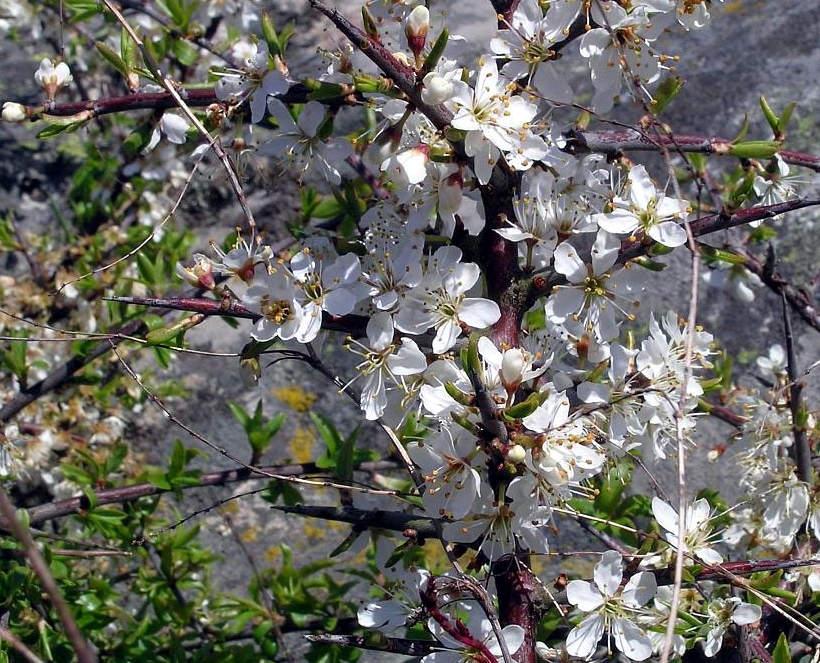
La Floresta 34    Wild Plum in full flower.

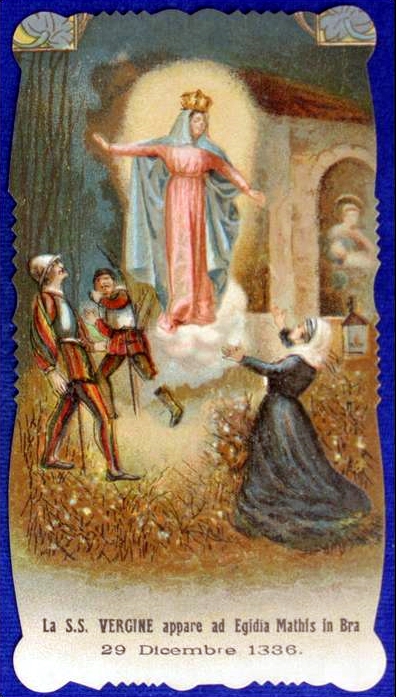
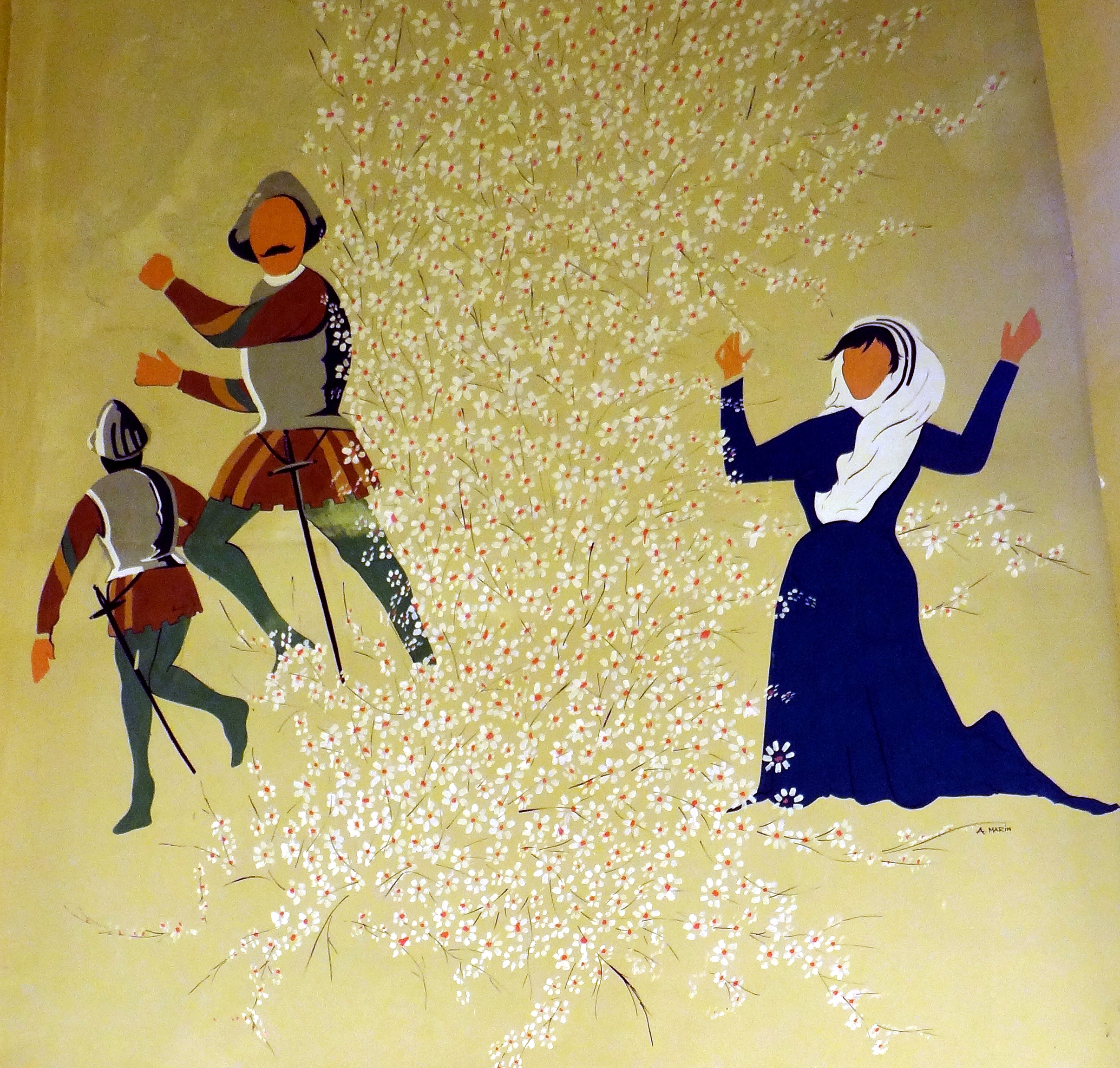
Everything happens during the siege of the city of Bra in northern Italy on 29 December 1336. Egidia Mathis, who was pregnant, escaped soldiers who wanted to abuse her. Desperate she ran to the shrine of the Virgin to take refuge among the wild plum („prunus spinosa“) that grew there; but as it was winter everything was covered in snow and was leafless.

La Floresta 32                  La Floresta 31
Two drawings of Egidia Mathis in Bra Italy. Left appearance of the Virgin and right Egidia with her child.

To implore the protection of the Virgin plums Egidia flourished so she could hide among the flowers and snow and right there gave birth to her son. The most interesting is, that these plums continue to flourish in every winter and do it again in the spring to bear fruit.

Bra Italy.

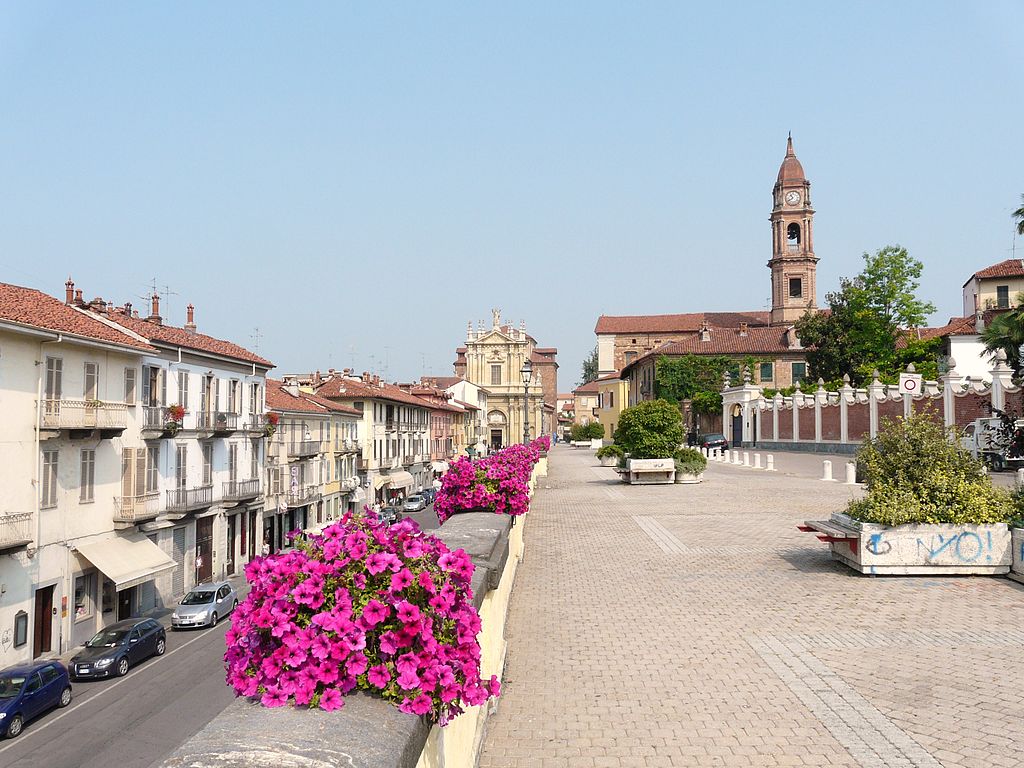
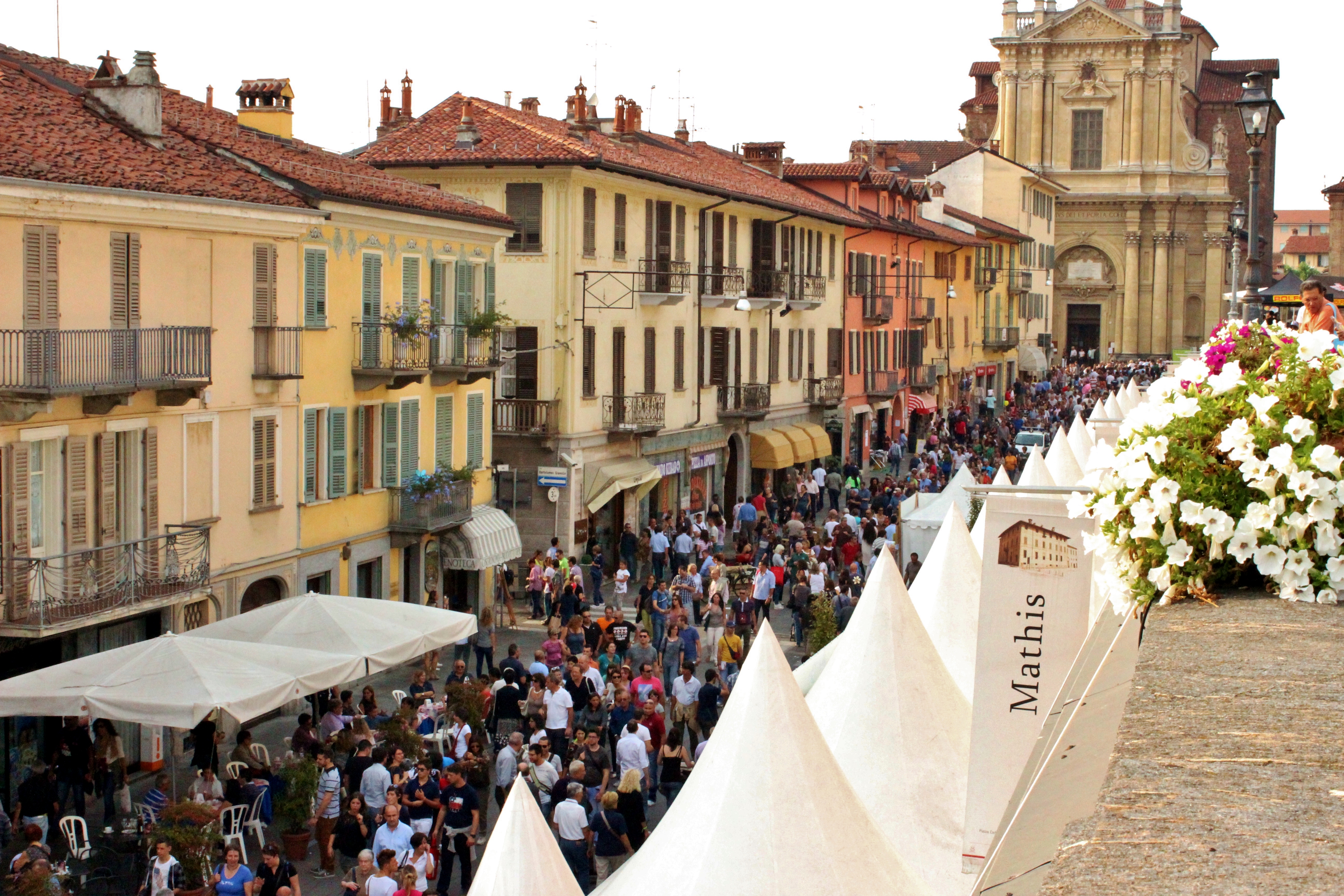
bra 2 city center  bra 3 cheese festival
Bra center and the yearly cheese festival with thousands of cheeses and more then 150000 spectators.

Situated midway between Cuneo and Turin, Bra lies at the edge of the Langhe hills, near the Tanaro river, and is the third most populous commune in the province, one of the main centers of the Piemontese Baroque style with its many churches and palaces of the 17th and 18th century, and also in the heart of the so-called food valley, and the seat of a University of Gastronomic Science.

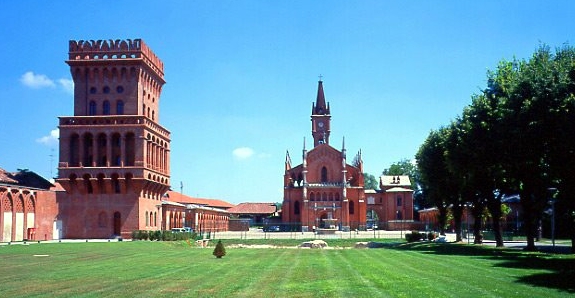
bra 1 Università_Scienze_Gastronomiche  bra 5 inside Universita G+S
The Culinary University in “ agencia di Pollenzo“, with Albergo de Pollentia, an outside and inside view.

In Roman times the main center of the area was Pollentia, founded in the 2nd century BC, a strategic town connecting Piemont to Liguria. 5 km from Bra in 402 AD general Stilicho, the son of a Vandal who had married the daughter of Emperor Theodosius, led the Romans to victory against the Goths. In later centuries the population moved from the plain, where Pollentia was located, to higher ground and founded Bra on the plateau, naming it at first Brayda (probably derived from Praedium).

bra 6 plaza emanuel II pollentia  Plaza Emanuel II, Pollentia-Bra, Italy.

In the 12th century it was a diocese of Asti, and shared its history. In 1552 Emanuele Filiberto Savoy sieged and destroyed the castle, and in 1559 Bra became part of the Savoy Duchy, which started a flourishing period for trade, art, culture.

Sequentially.

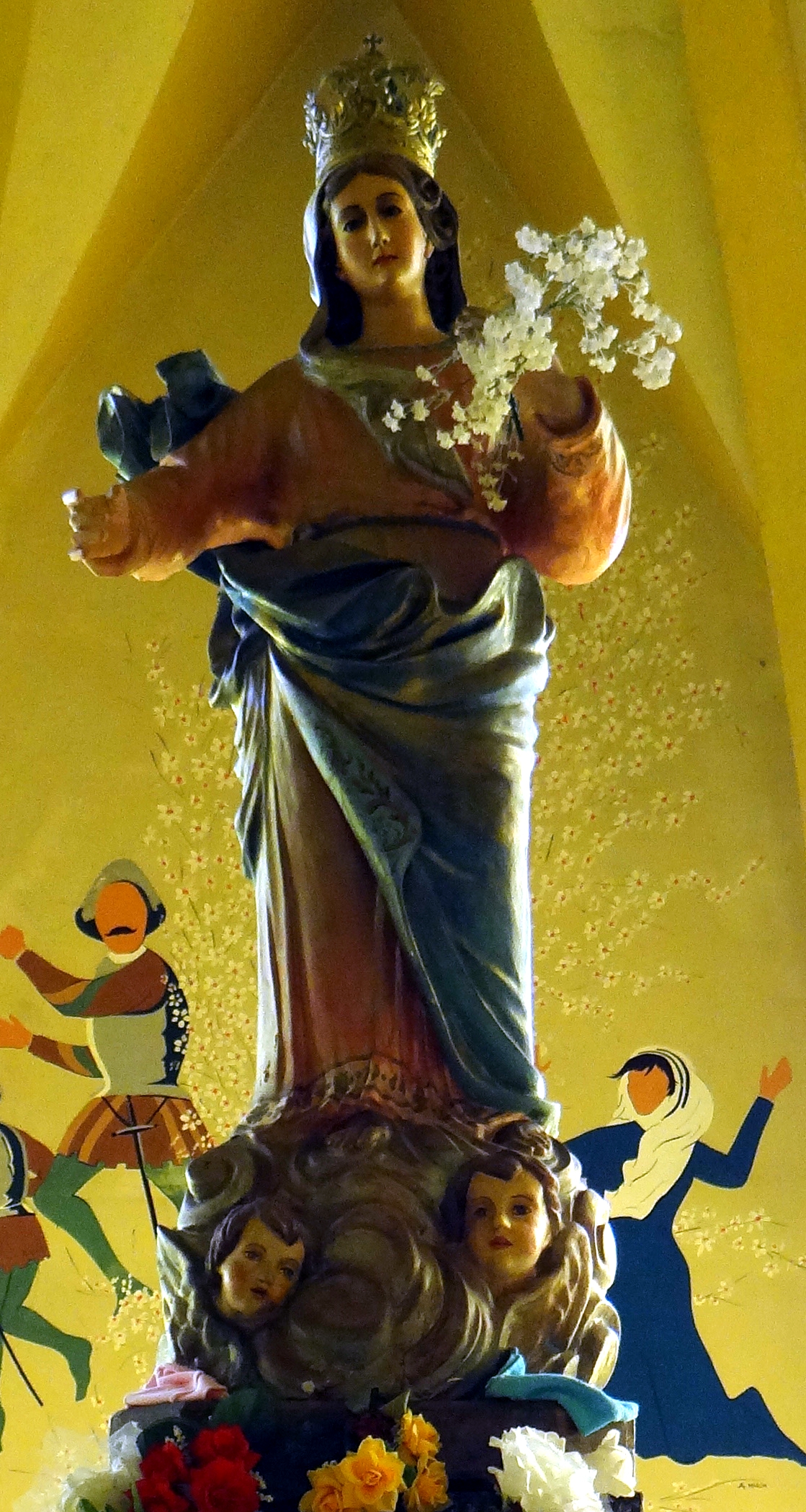
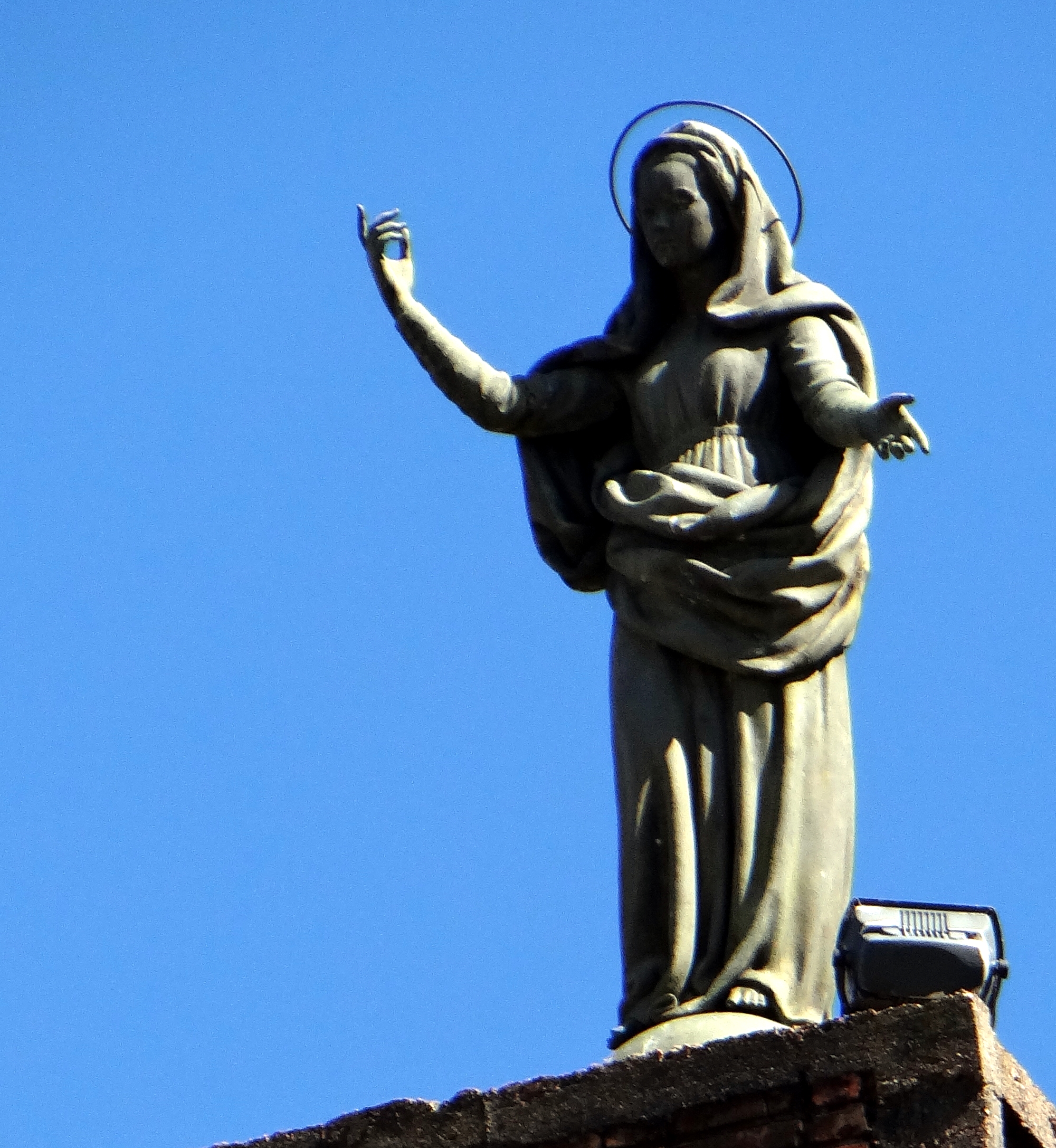
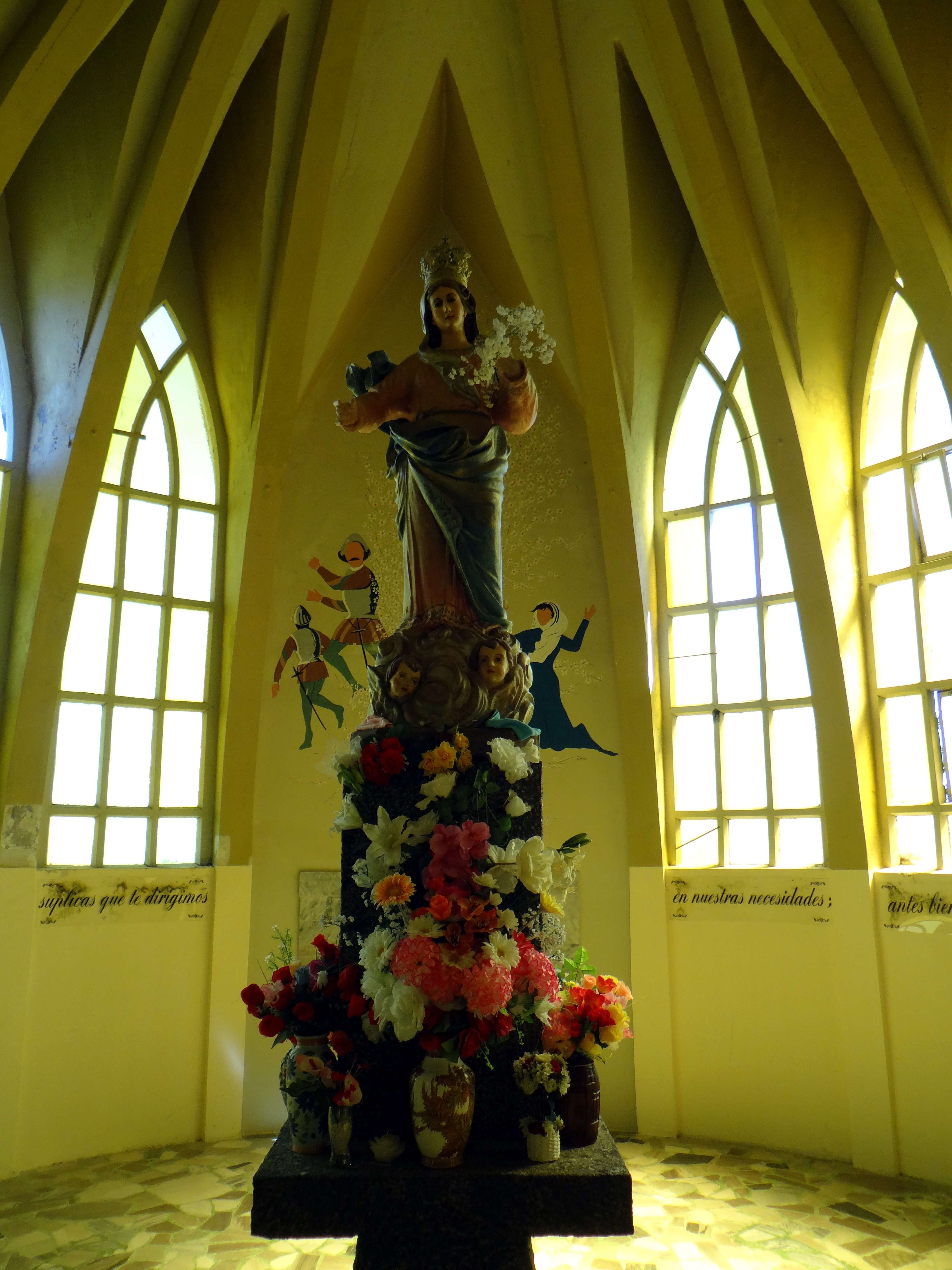
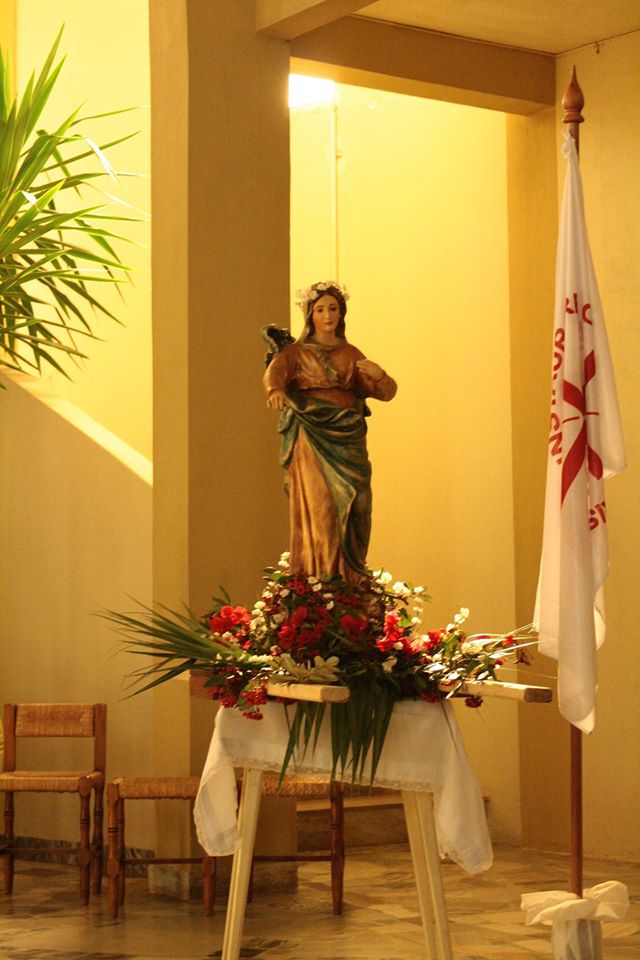
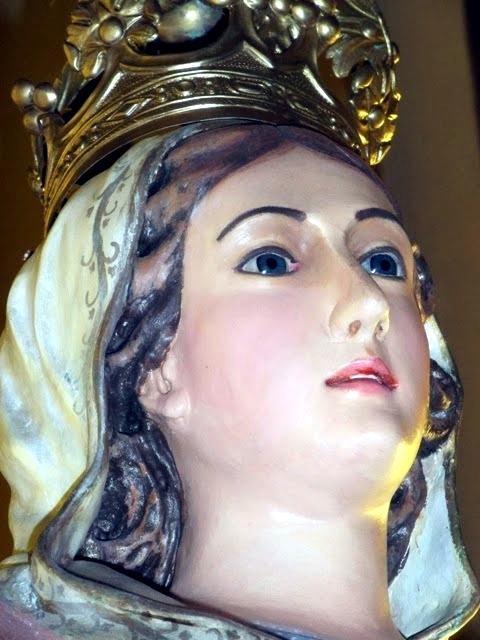
The image of the Virgen de Las Flores was brought from Bra (Italy) by Antonio Bersanino (1838-1892), who arrived in America in 1874, to settle in Uruguay in 1876. It is a carving of wood, covered in plaster, 1.60 meters high.

La Floresta 12a              La Floresta 11a
The Virgin de las Flores in La Floresta. Notice the wall painting behind the statue.
The occurrence from 1336.  Egidia is hiding behind the plum flowers and the soldiers disappear.

Bersanino devoted his last years of life to the project of building a shrine for the worship of the „Virgin of Bra“ in Uruguay. It was so left for Italy to obtain an image of the Virgin. In 1891, a holy fair was held in honor of the image in the Metropolitan Church.

La Floresta 5  Park and Uruguayan flag post infront the church.

In 1892 Bersanino died, unable to realize his dream of a shrine to the Virgin. The image remained in the custody of the widow of Bersanino and then went to guardianship of the Capuchin Sisters, where the couple’s daughter had entered.

La Floresta 8a   The Virgin de Las Flores on Top of the Clock Tower.

In 1915, the widow communicates the desire of the residents of La Floresta to erect a shrine to the Virgin. Finally. In 1916 she was transferred to the resort by its founder, Dr. Miguel Pereira, amid a large pilgrimage. Since then began a fervent Marian movement and pilgrimages.

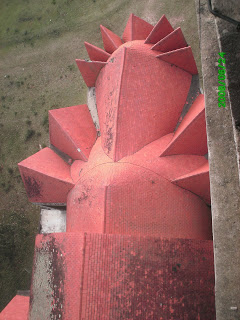
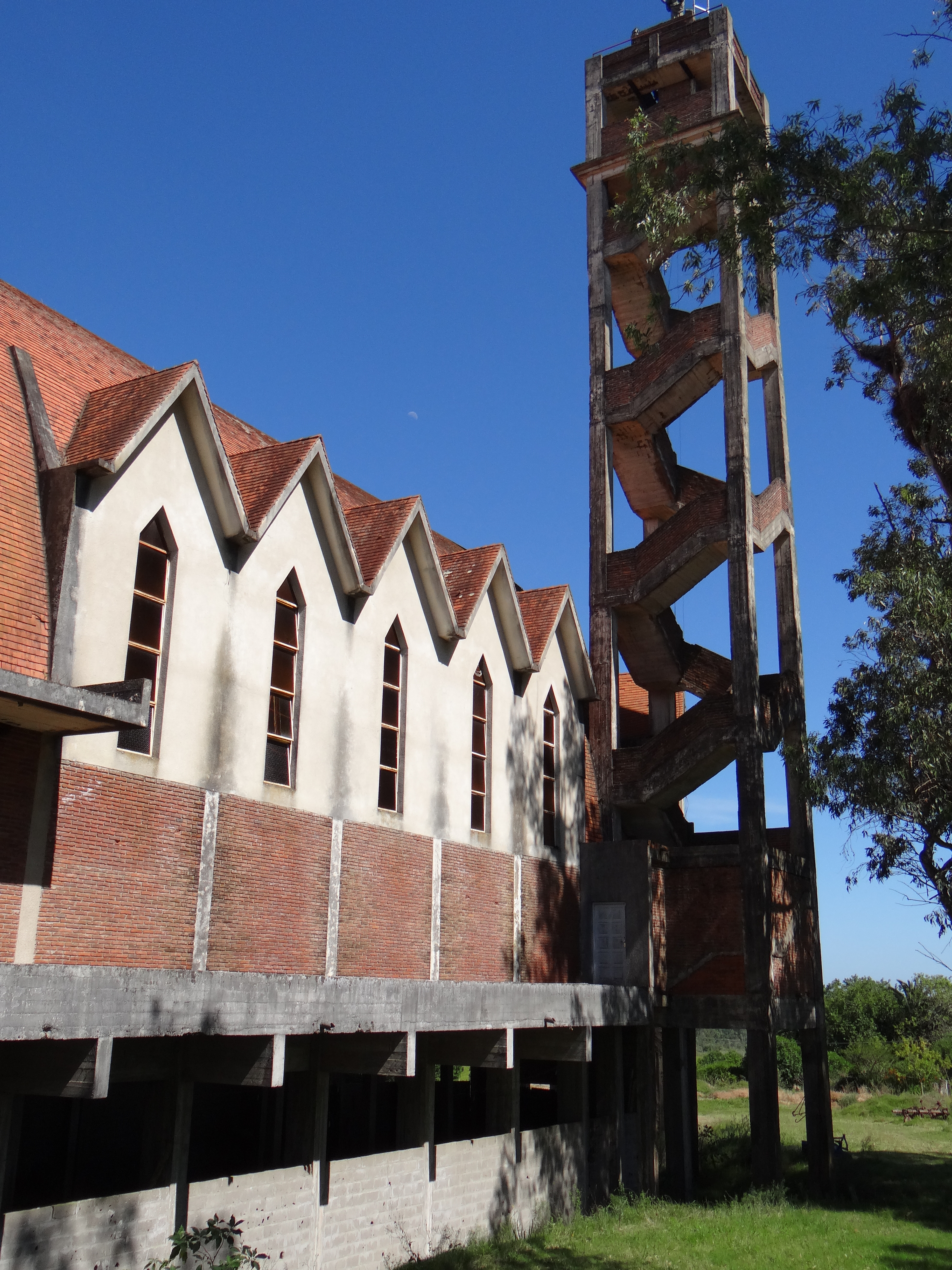
La Floresta 30  Interesting view, church roof seen from the clock tower.

Dr. Pereira, lawyer, inspired by forestry companies in Punta Ballena, had acquired land in this area, promoting intensive afforestation of pines and eucalyptus, founding the corporation agriculture, spa and promotion territorial „La Floresta“ in 1911.

La Floresta 12    La Floresta 41
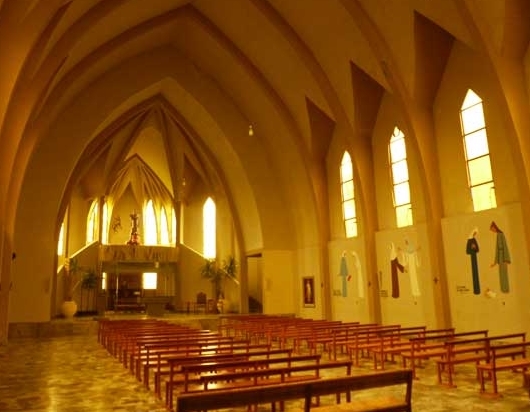
Inside the church, very warm atmosphere, even if you are just by yourself.

For years the image was on a temporary sanctuary, on the beach, while the worship and adoration of the Virgin earned more relevance in the spa. In 1930 Dr. Pereira travels to Italy and contacted Don Orione who signed an agreement to found the house of La Floresta, in the La Floresta station.

I SEE A GREAT LIGHT.

The VIRGEN DE LAS FLORES wanted to stay in the garden of La Floresta. His miraculous image is among us! On December 29, 1935 San Luis Orione saw a great light out of the throne of the Virgen de las Flores who lit the whole Uruguay and neighboring countries.

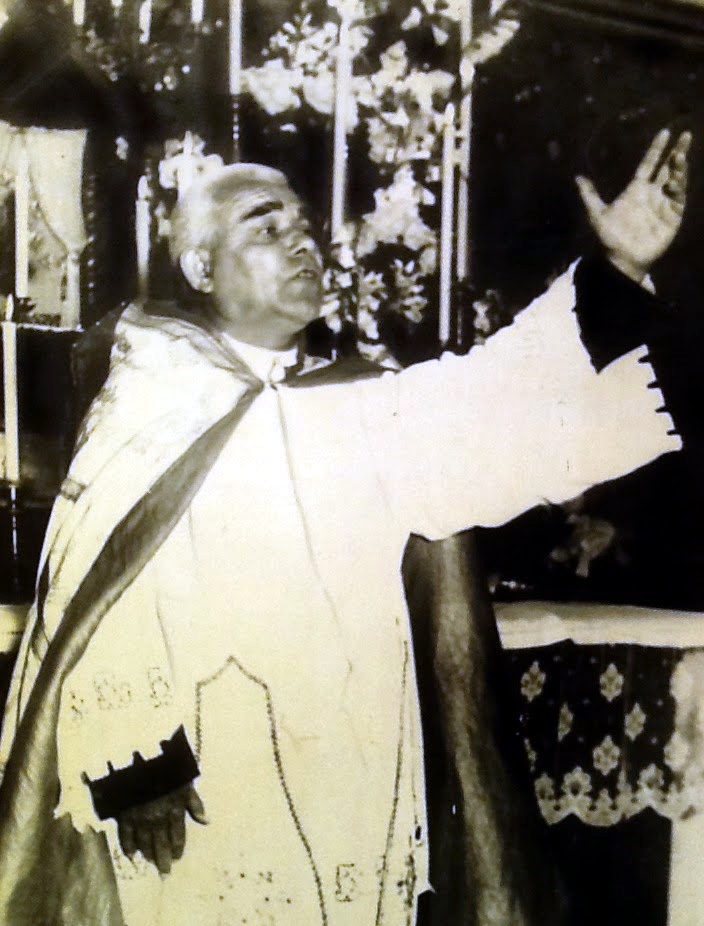
La Floresta 16 (3) San Luis Orione preaching at the altar of the Virgin of Las Flores.

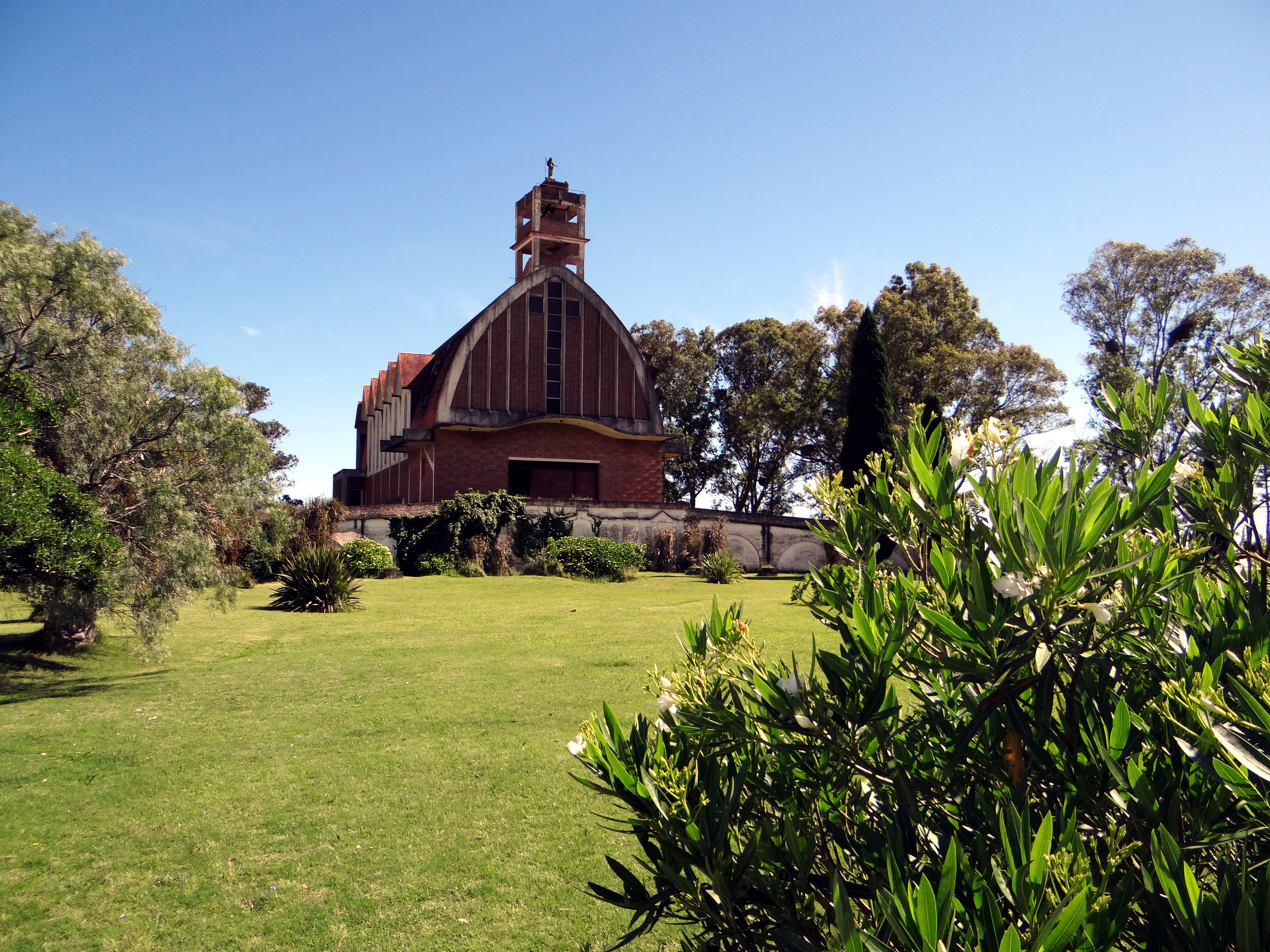
In 1960, the Sons of Don Orione and locals built this shrine, which opened on October 12 of that year. To realize the project Initiatives‘ Union, founded in 1928 to achieve the construction of the sanctuary, sought donations, among other activities, organized the raffle of a villa in the resort.

La Floresta 4  A wonderful green park around the church.

The temple is a construction of sober and simple style, its architectural lines are thin and neat. The access ramp to the temple rises above the ground, up to the entrance door, giving the feeling of a promotion. The indoor environment, naturally lit by yellow glasses, conveys a sense of peace and serenity.

La Floresta 21   La Floresta 20
Active church life. Notice the walls of the church are decorated with holy stories.
La Floresta 22         La Floresta 18
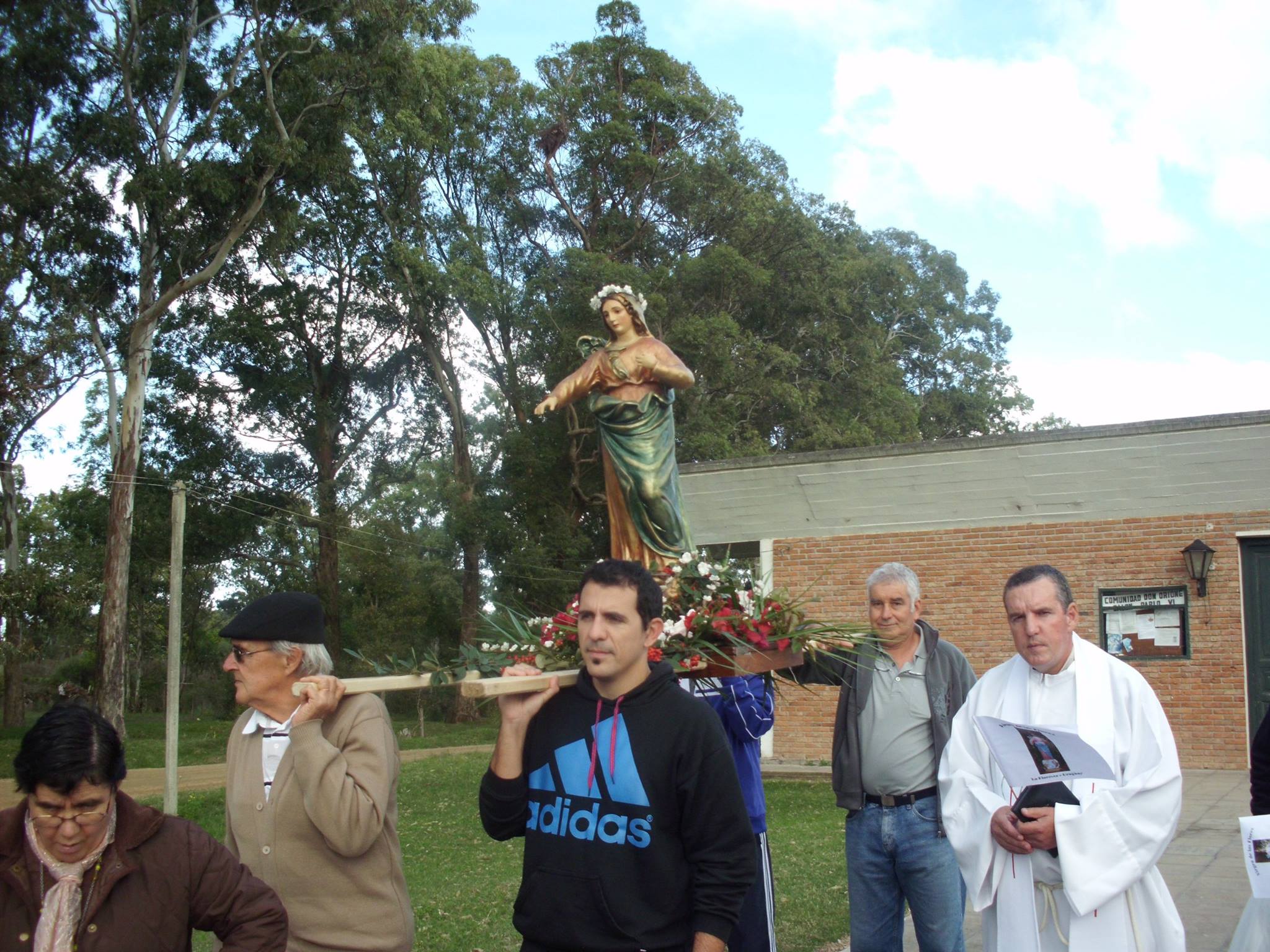
Procession of the Virgin de las Flores.  Would adidas give some donation for such an advertizing ?

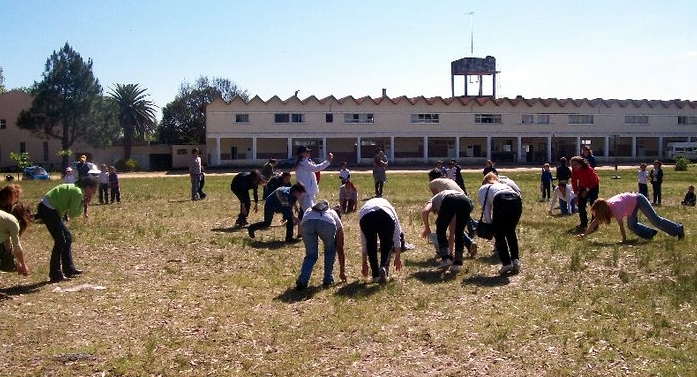
In the environment of the sanctuary are the installations by Don Orione, including gardens, orchards and trees. They founded a home for young people, a trade school, a primary school, a meeting room and exercise, a dairy farm, a vegetable farm and more .

La Floresta 27   La Floresta 29
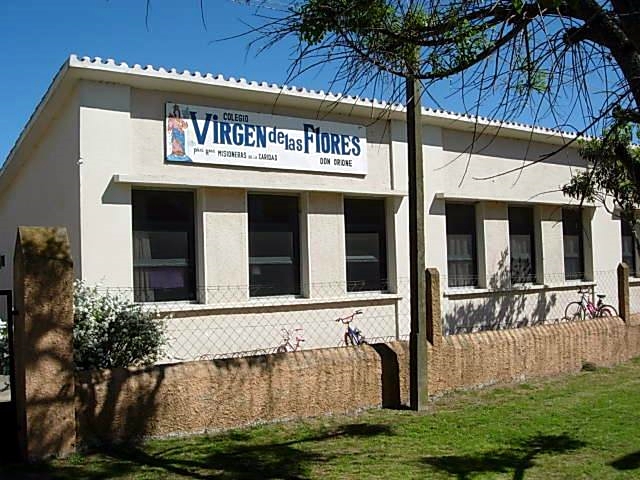
Colegio de Virgin de las Flores Don Orione. The colegio buildings across the church.

In 1988, with the assumption of Mons. Orestes S. Nuti, Bishop of Canelones, the temple and the altar were consecrated as a diocesan shrine.

La Floresta 13_2             La Floresta 16 (1)
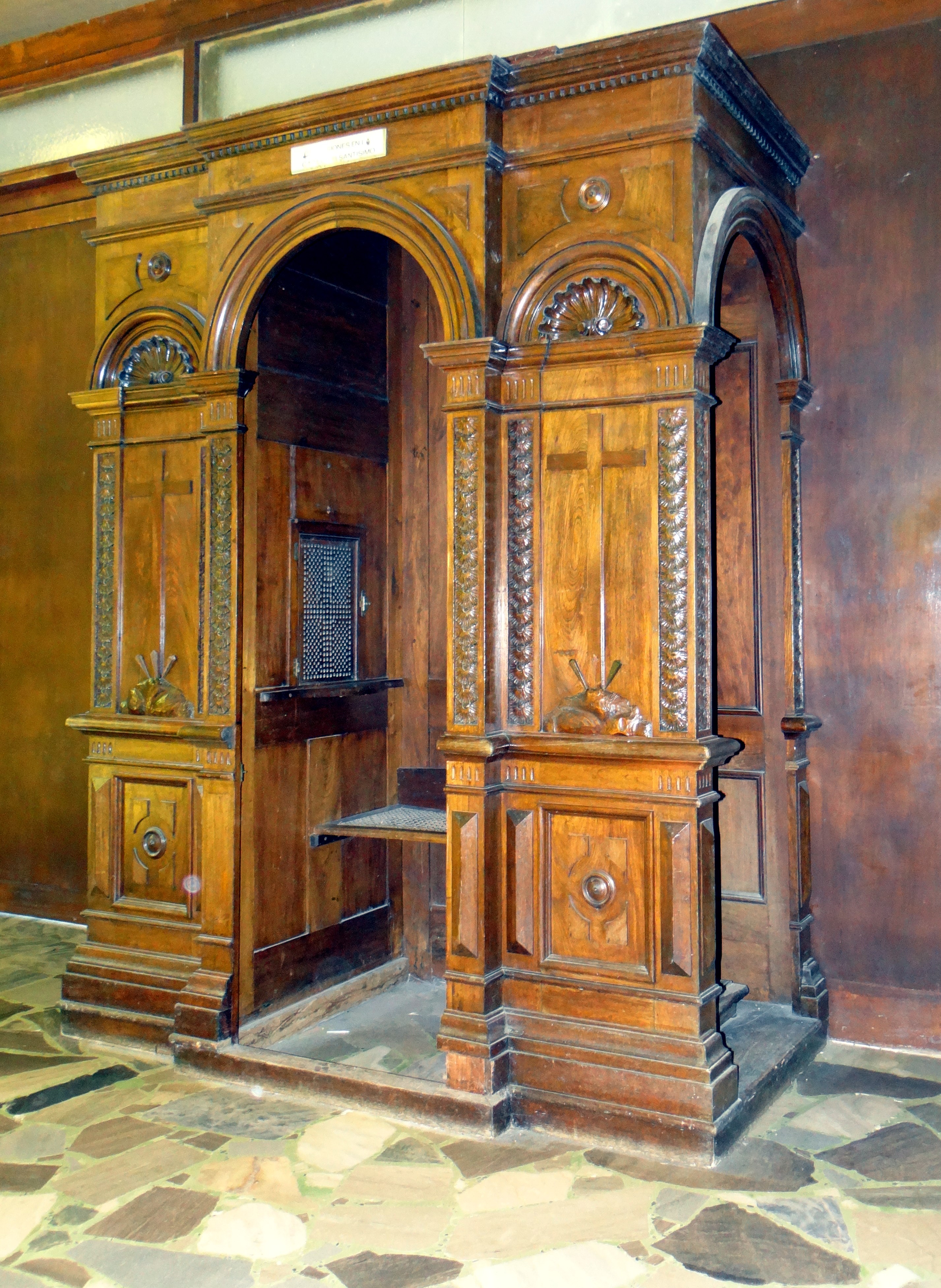
Massive ,wonderful handcarved oak, confessionals, imported from Italy. The Virgen de Las Flores.

Can you visit the shrine ?

Yes, it is open for public all day long. If you drive from La Floresta north on ruta 35 to Soca, you will see in La Floresta Station the church on your right. Turn off this ruta in the center of La Floresta Station, in front the bakery. It’s worth to visit this unusual shrine.

La Floresta 3a   La Floresta 9
The whole building is constructed on piers, including the clock tower.
Don’t look underneath, its full of rubbish and untidy as „typical Uruguay“. WHY?  VERY  VERY SAD !!
Veröffentlicht unter Atlantida, History, Information, Uruguay | Verschlagwortet mit , | Hinterlasse einen Kommentar

Happy Easter

easter 27

Happy Easter to all my readers around the world !!

Afrikaans: Geseënde Paasfees
Deutsch: Frohe Ostern
Dänisch: God påske
Englisch: Happy Easter
Französisch: Joyeuses Pâques
Hebräisch: חג פסחא שמח
Hawaiisch: Hau ʻoli Pakoa
Indonesisch: Selamat Paskah
Irisch: Cáisc Shona Dhuit
Italienisch: Buona Pasqua
Japanisch: 復活祭おめでとう
Luxemburgisch: Schéin Ouschteren
Niederländisch: Vrolijke Pasen
Portugiesisch: Boa Páscoa
Schwedisch: Glad Påsk
Swiss Deutsch: Schöni Oschtere
Spanisch: Felices Pascuas
Thai: สุขสันต์วันอีสเตอร์

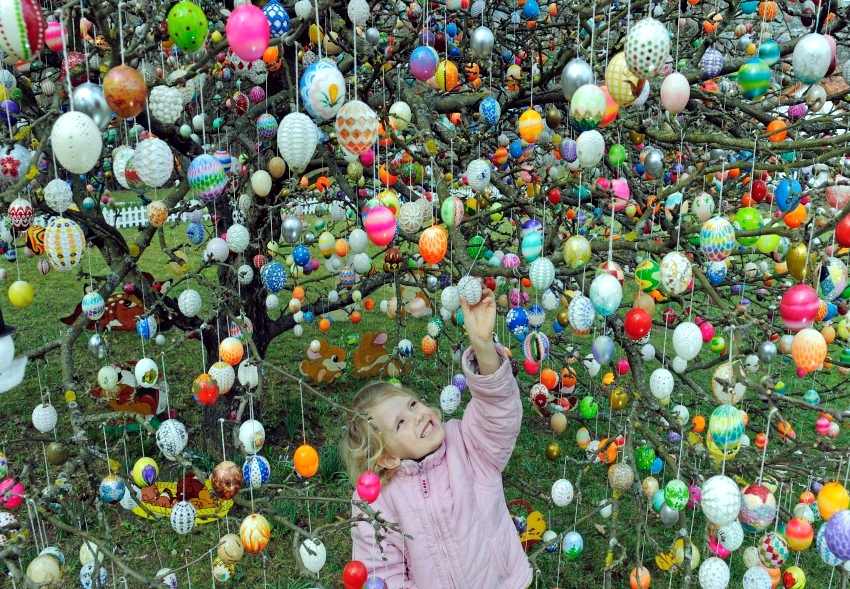
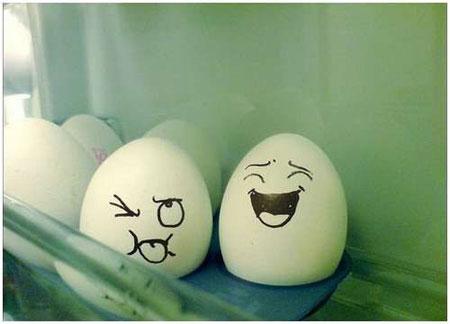
Since Easter is a festival of joy and celebrated with the egg as a sign of Christ’s
resurrection, I like to send you some joyful pics about the EGG !!

Without words – have fun !!

egg 1

egg 2

egg 3

egg 4

egg 11

egg 8

egg 6

egg 5

egg 7

egg 10

egg 9

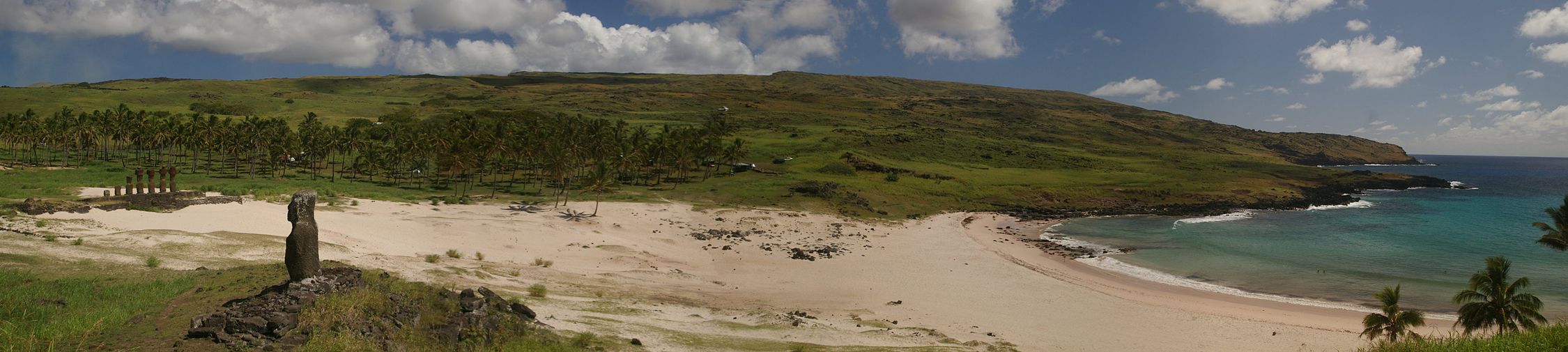
And this is EASTER ISLAND , where the „Easter eggs“ are born, right ?
Click on pic to super size .

easter 28

Veröffentlicht unter Information, Lifestyle | Verschlagwortet mit | 1 Kommentar

Easter Traditions

easter 13

There are many different customs during Fasting and Easter. Most of
us know about such customs through our religion or through education
and upbringing. I picked out two customs, which are widely known
around the world and still in use today.

easter 8

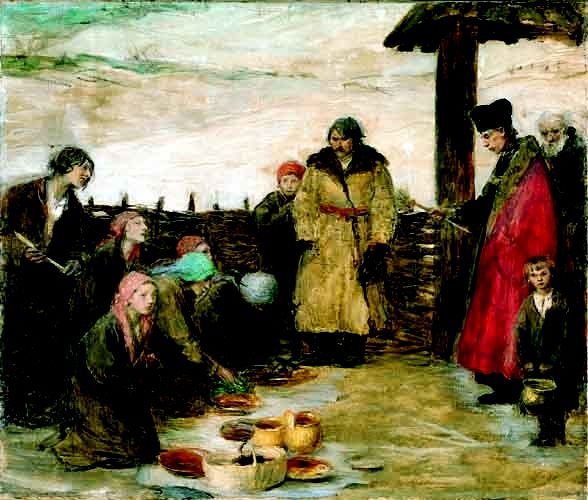
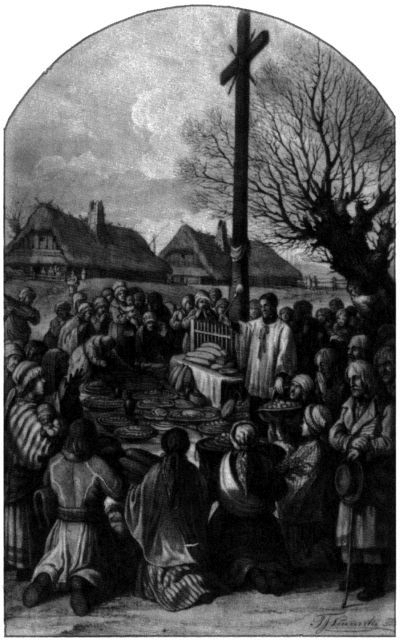
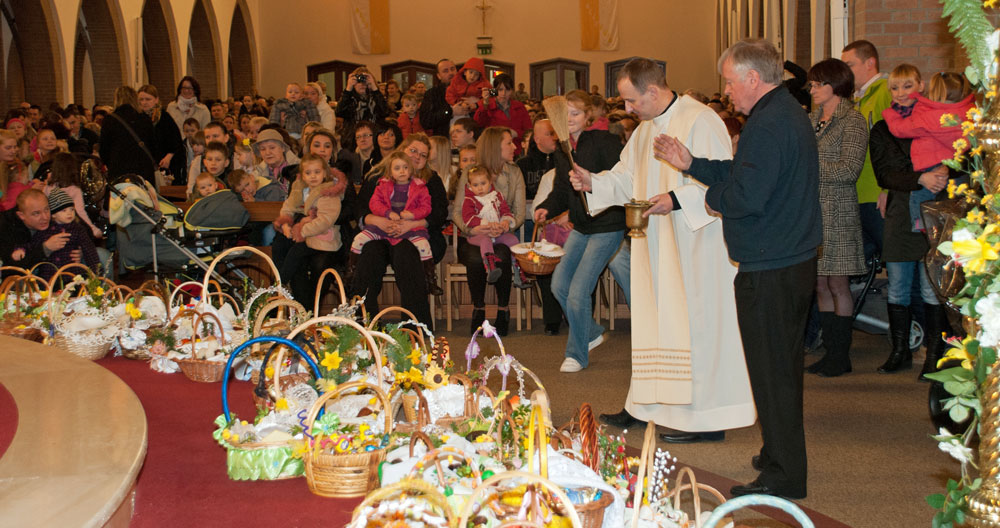
Easter Food Blessing.

The tradition of food blessing at Easter, which has early medieval roots in Christian society,  possibly originated from a pagan ritual. The tradition is said to date from the 7th century in its basic form, the more modern form containing bread and eggs (symbols of resurrection and Christ) are said to date from the 12th century.

easter 24

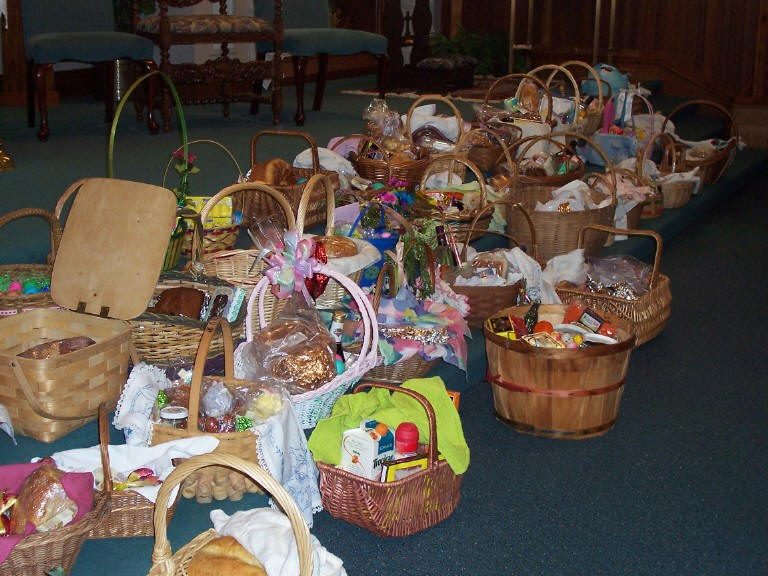
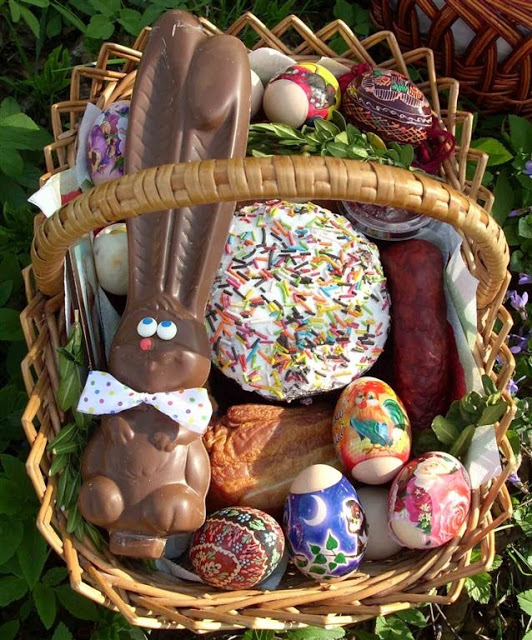
Baskets containing a sampling of Easter foods are brought to church to be blessed on Holy
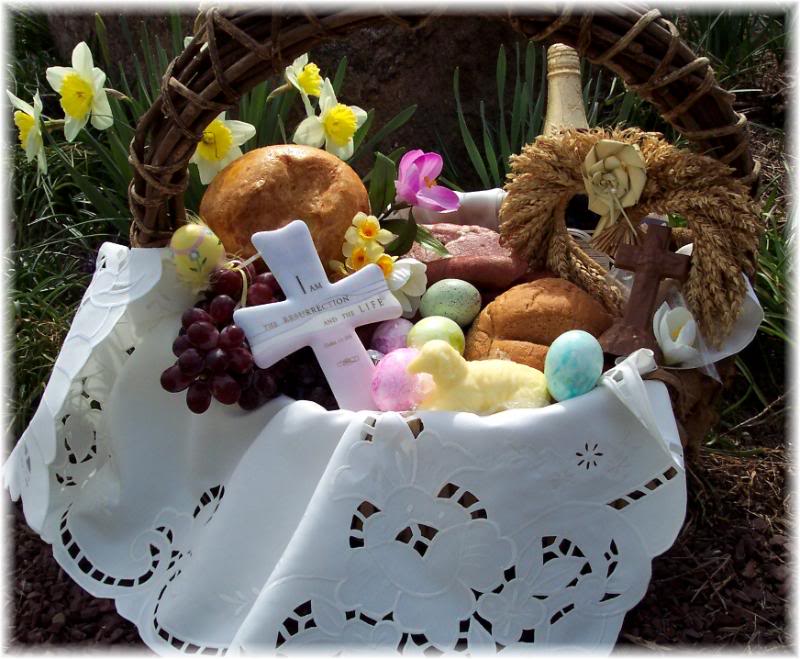
Saturday. The basket is traditionally lined with a white linen or lace napkin and decorated
with sprigs of boxwood (bukszpan), the typical Easter evergreen.
The Blessing of the Food is, however, a festive occasion.

easter 9

The three-part blessing prayers specifically address the various contents of the baskets,
with special prayers for the meats, eggs, cakes and breads.
The foods in the baskets have a symbolic meaning:

eggs – symbolize life and Christ’s resurrection
bread – symbolic of Jesus
lamb – represents Christ
salt – represents purification
horseradish – symbolic of the bitter sacrifice of Christ
ham – symbolic of great joy and abundance.

easter 23

The food blessed in the church remains untouched according to local traditions until either Saturday afternoon or Sunday morning.

Add to basket come Easter dishes that symbolize something in particular:

easter 22

Christ as the bread, the bread of life.
Easter eggs start, new life, resurrection.
Lamb-shaped chocolate, butter and dough,
Lamb of God, because Jesus Christ took his execution humble as a lamb.

Salt purification of hearts covenant between man and God.
Sausages prosperity and wealth.
Water Holy Spirit, rebirth, life.
Horseradish bitterness of the sufferings of Christ.

easter 21

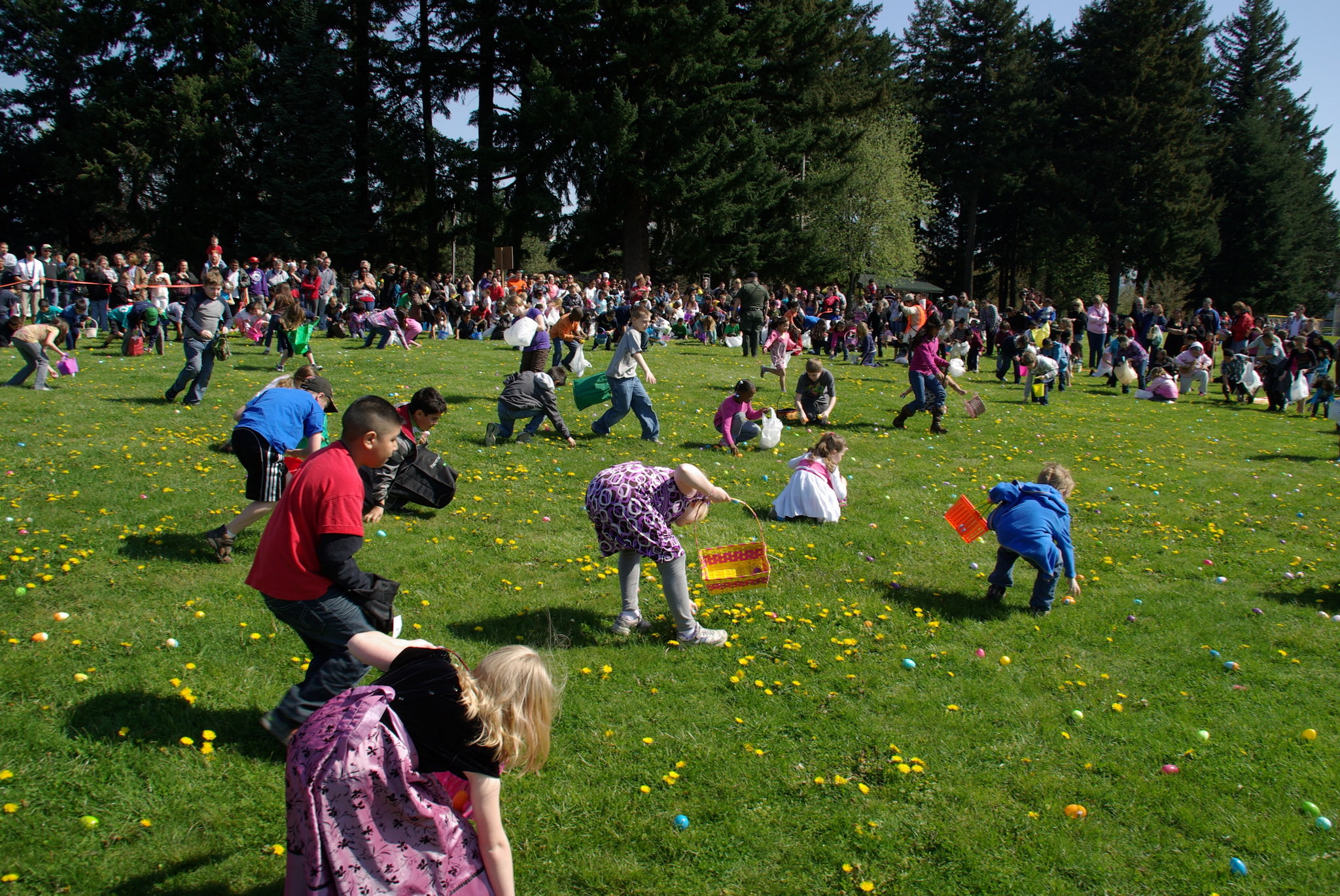
Easter Egg Hunt.

The egg was a symbol of the rebirth of the earth in pre-Christian celebrations of spring.
However, the Easter egg itself was defined by early Christians as an Easter symbol of
resurrection of Jesus: The egg symbol was likened to the tomb from which Christ arose.

easter 20

Lizette Larson-Miller, a professor with the Graduate Theological Union of Berkeley,
traces the specific custom of the Easter egg hunt to the Protestant Christian Reformer
Martin Luther, stating „We know that Martin Luther had Easter egg hunts where the men
hid the eggs for the women and children went and it probably has this connection back
to this idea of eggs being the tomb“.

easter 15

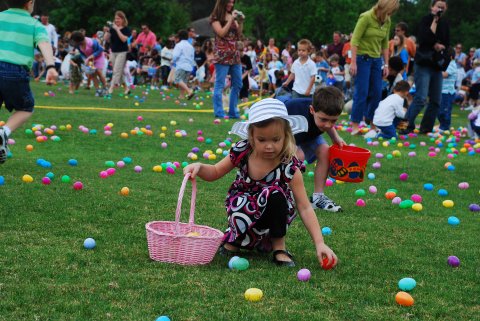
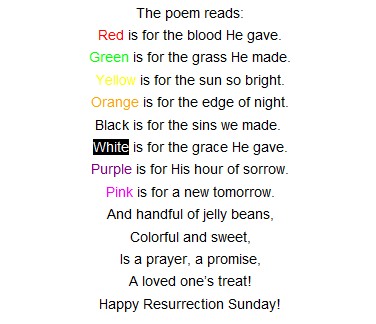
The eggs are very decorative and colorful and each color has a special meaning.

easter 10     easter 10aa
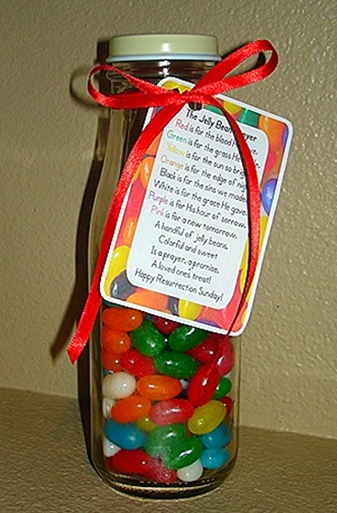
Here you can see the so named Jelly Bean Prayer, all colors with a different meaning.

Veröffentlicht unter History, Information, Lifestyle | Verschlagwortet mit | Hinterlasse einen Kommentar

Must See – Liebig’s Meat Extract 3

liebig 38

We already know that concentrated meat extract was invented by the German chemist
Justus von Liebig. However as it required 30 kilos of beef to make one kilo of extract, with the price of beef in Europe it was a non starter. In Uruguay at the time, it was a total different story. Read Part 1 and 2 of this post. If you click on pics, most will super-size !

Liebig 75 1905   bentos 13 hospital
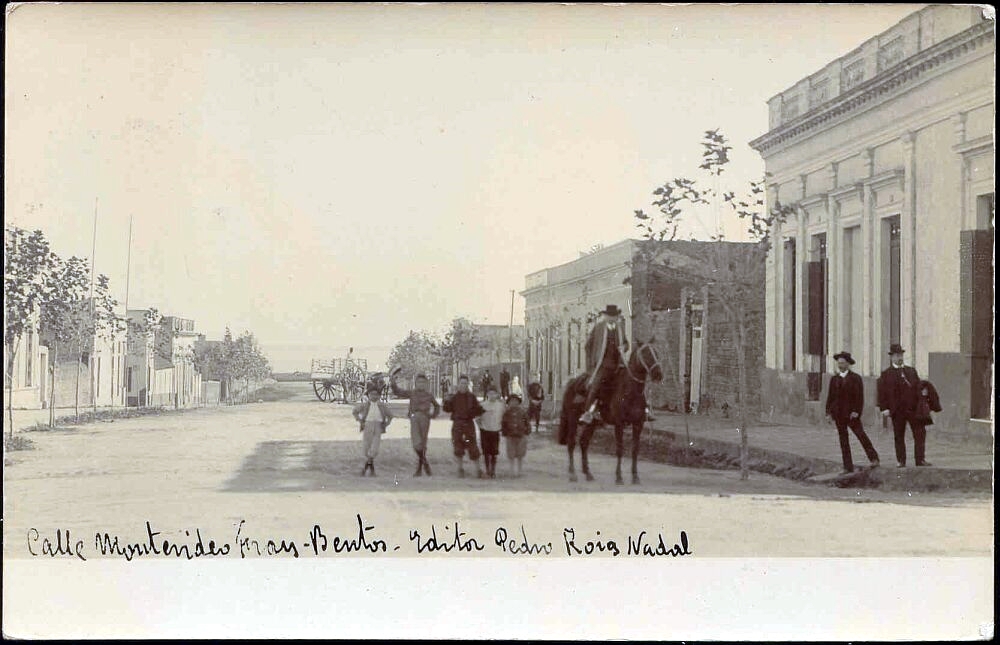
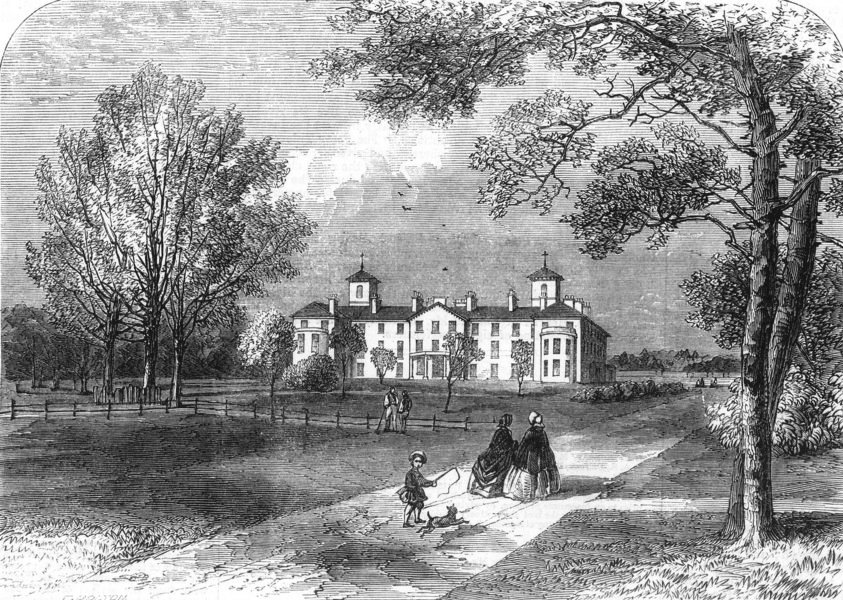
Calle Montevideo in Fray Bentos, around 1900 and the Liebig hospital,  around 1880 (not existing anymore).

LEMCO in South America.

The cattle in Argentina and Uruguay were slaughtered only for the skins, as there
was no refrigeration to transport the beef. From 800 kilos per month initially,
the company was producing 500 tons meat a month by 1878.

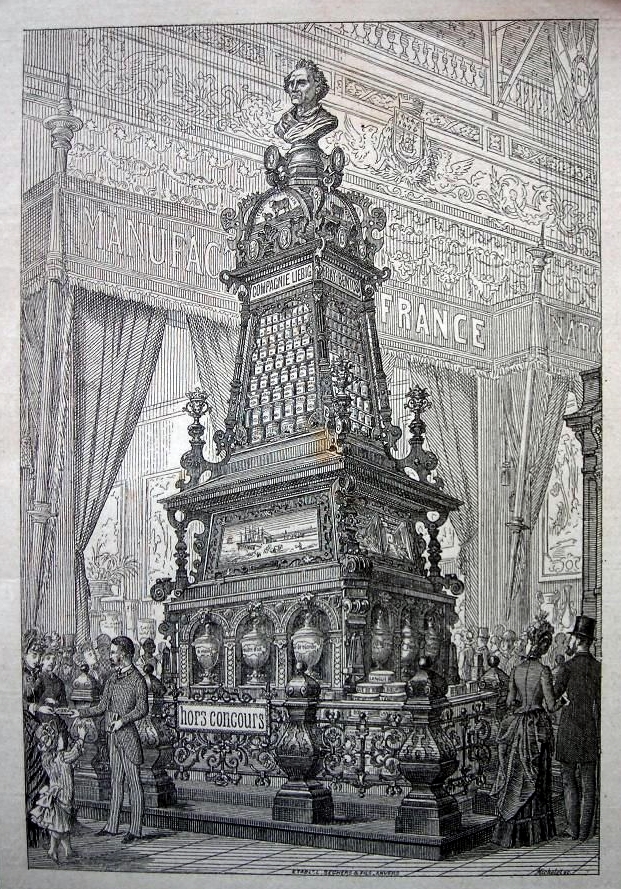
UY - Liebig 32a, 1886  Exhibition Liebig, Paris France 1886.

The meat was being thrown out for the making of Tallow until in 1878 the first corned beef was produced. This corned beef which later became known world wide as Fray Bentos Corned Beef. The staff at each plant was over 5,000 killing 1200 cattle a day on the ground, in teams of 5 men, on a kill floor the size of two football fields.

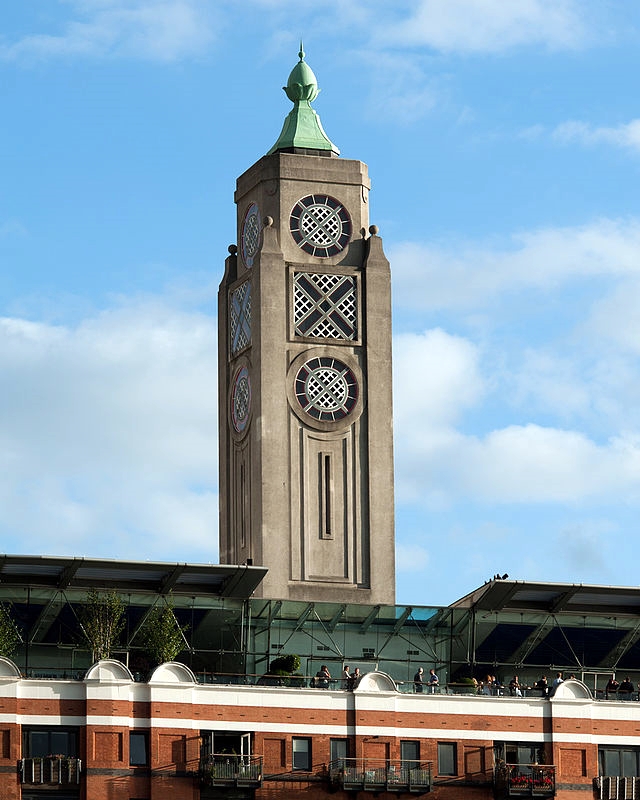
liebig 41  The OXO tower on the warf in London.

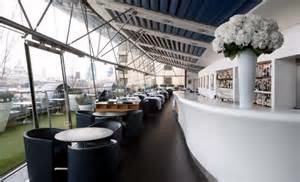
In the 1920s, the Liebig’s Extract of Meat Company acquired the Oxo Tower Wharf on the south bank of the river Thames in London. There they erected a factory, demolishing most of the original building and preserving and building upon the riverside frontage.

liebig 41a  OXO tower restaurant, these days.

Further international expansion.

The company had another site in Argentina, known as Fábrica Colόn or Pueblo Liebig, six miles (ten kilometres) north of the city of Colόn. It was in a town called Villa Colόn, founded by General Justo José de Urquiza. A beef-salting and drying operation had been established there by an Apolinario Benitez with his brother. They sold it to a John O’Connor from Ireland; He sold it in 1889 to the „Sociedad Argentina de Carnes“, and by 1905 it was a Liebig operation. The factory made tinned beef tongue as well as the extract.

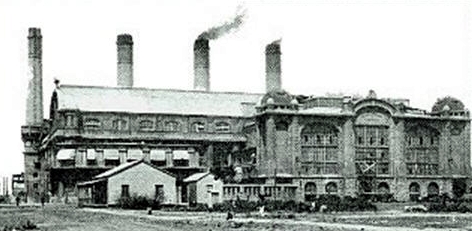
Liebig 102a Frigorifico Anglo in South Dock, Buenos Aires.

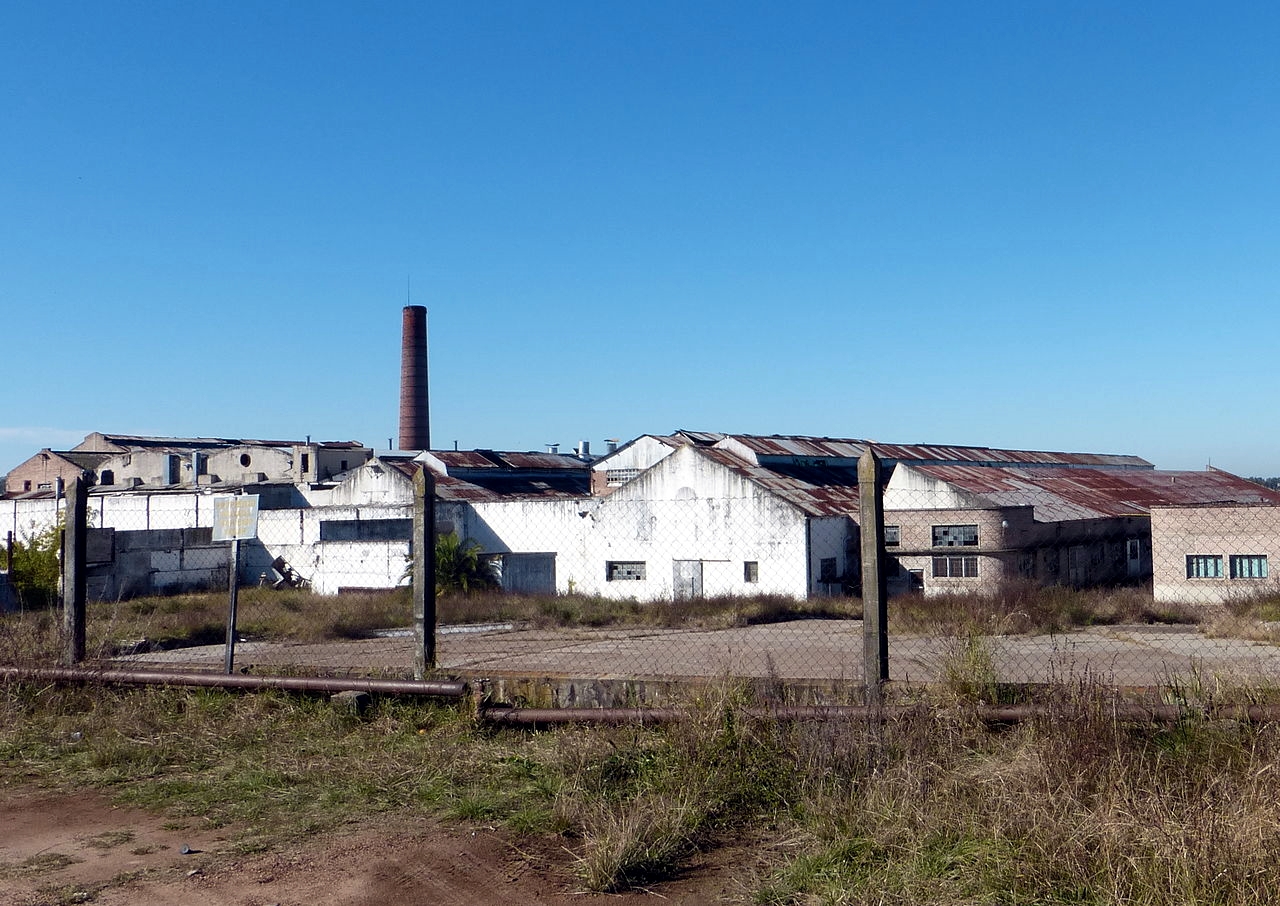
In Argentina, the factory provided workers with company homes and running water. The manager’s side of town had tennis courts. The ships came up the river right to the plant, which employed 3,200 people and processed 1,200 cows a day. In 1965, the plant started shipping frozen beef as well. The town was renamed to Pueblo Liebig on 17 May 1975. In 1980, the factory town and site were sold to the Vizental family. They operated a meat processing business there until they closed it in 1997, but the town is still mostly owned by them. Since about 2005 most of the factory site is in ruins.

liebig 49 pueblo Liebig Argentina  Pueblo Liebig, Argentina.

And in Australia.

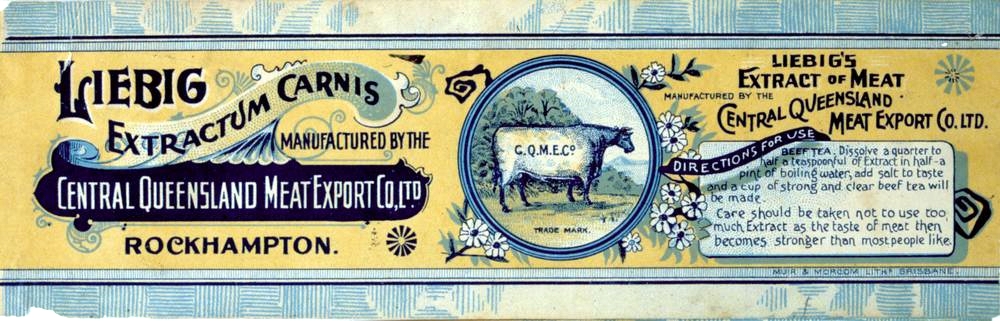
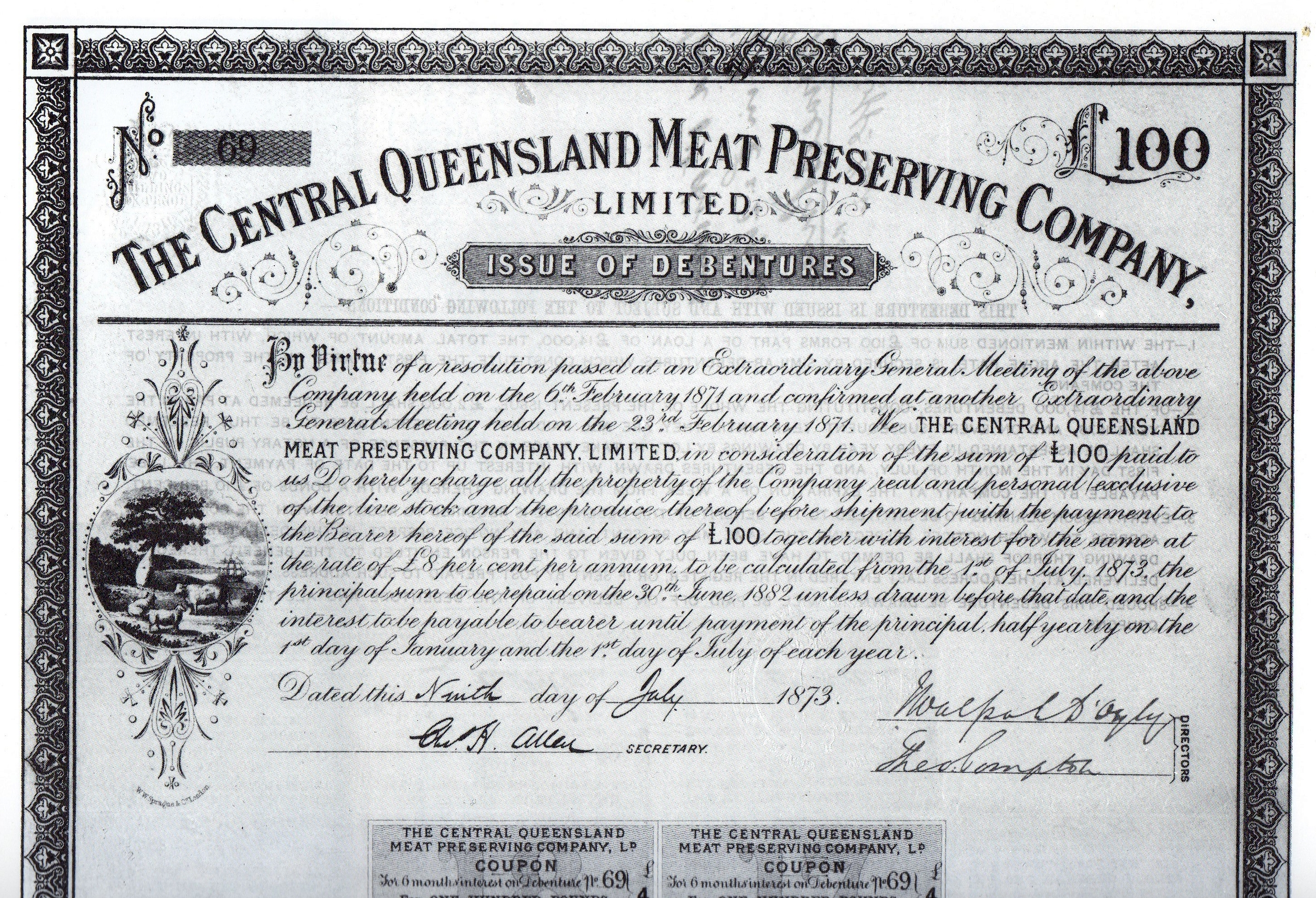
Already in 1873 was in Australia a meat preserving company established. The Central Queensland Meat Preserving Company Limited, nicknamed in Australia as „Queens Meat Press“. This company was concerned in cattle breeding on a large scale, as well as the complete meat production. One year later, in 1874 the sister company Central Queensland Meat Export Company Limited was founded. They were for many years the largest Australian corned beef and meat extract producers and exporters.

 Liebig 101  img574
The original can label on the left and the share certificate on the right are extremely rare collectors items.
The share certificate is from 1873, one of only two known and auctioned a few years ago for A$ 7.600,–.

LEMCO expansion in South-West Afrika.

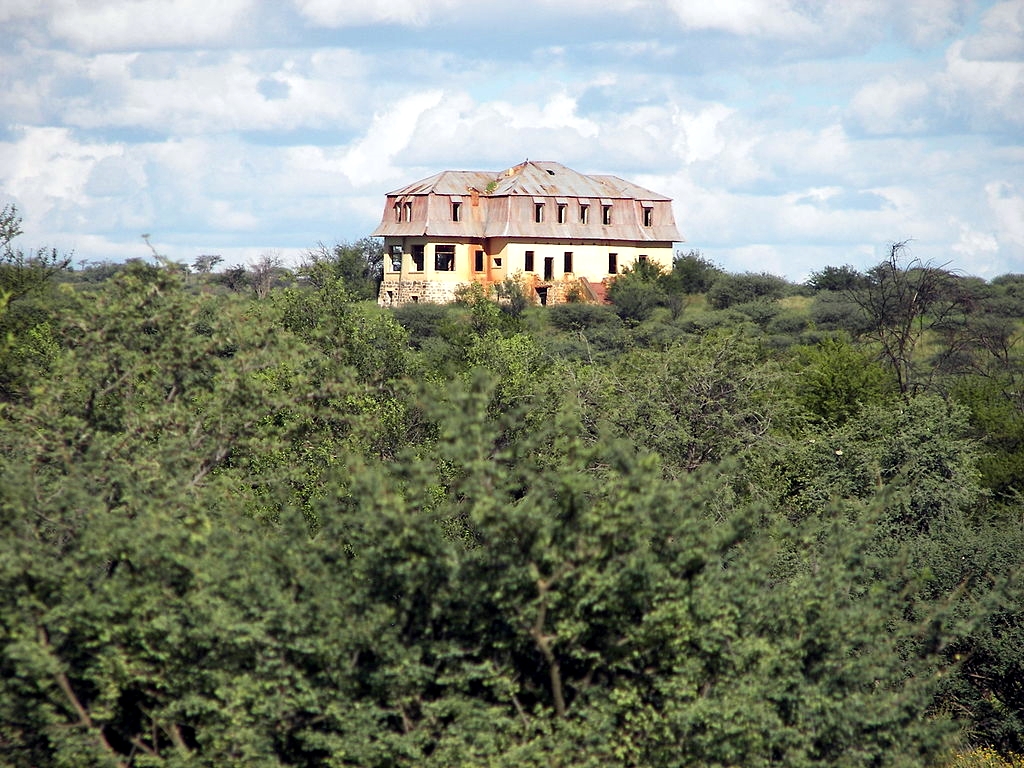
In September 1907, the Company LEMCO acquired more than 200,000 acres of land in Namibia, Afrika,for many years the German South West Afrika. Here the so-called Liebig-house was built in 1911. In subsequent years, the company’s senior staff were housed here. The location of the house was selected due to its exposed location and excellent visibility. The employees had the opportunity to monitor the huge herds of cattle.

liebig 50 Namibia  The Liebig House in Namibia, South-West Afrika.

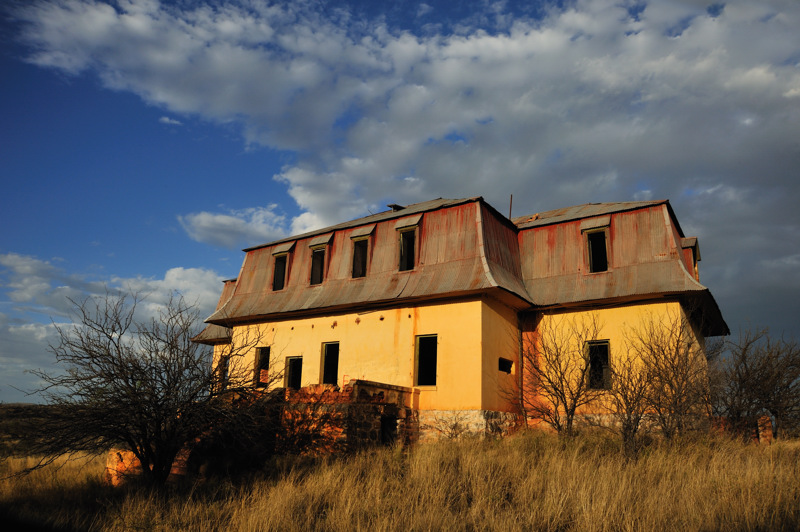
The Liebig-house, better known as the haunted house. Located near the Daan Viljoen Game Reserve and the capital Windhoek in the Khomas Highlands in Namibia.

liebig 50a Namibia  The Hounted House in evening light.

1939 acquired the South African government, the farmland of the company Liebig order to share it in 65 farms and thus provide land for settlers. In 1945 the house was sold to the family of Margaret Courtney-Clarke-known photographer. Now the house is a national Monument. For several decades, the house is abandoned and forfeited increasingly. This also results in the well-known name as a haunted house.

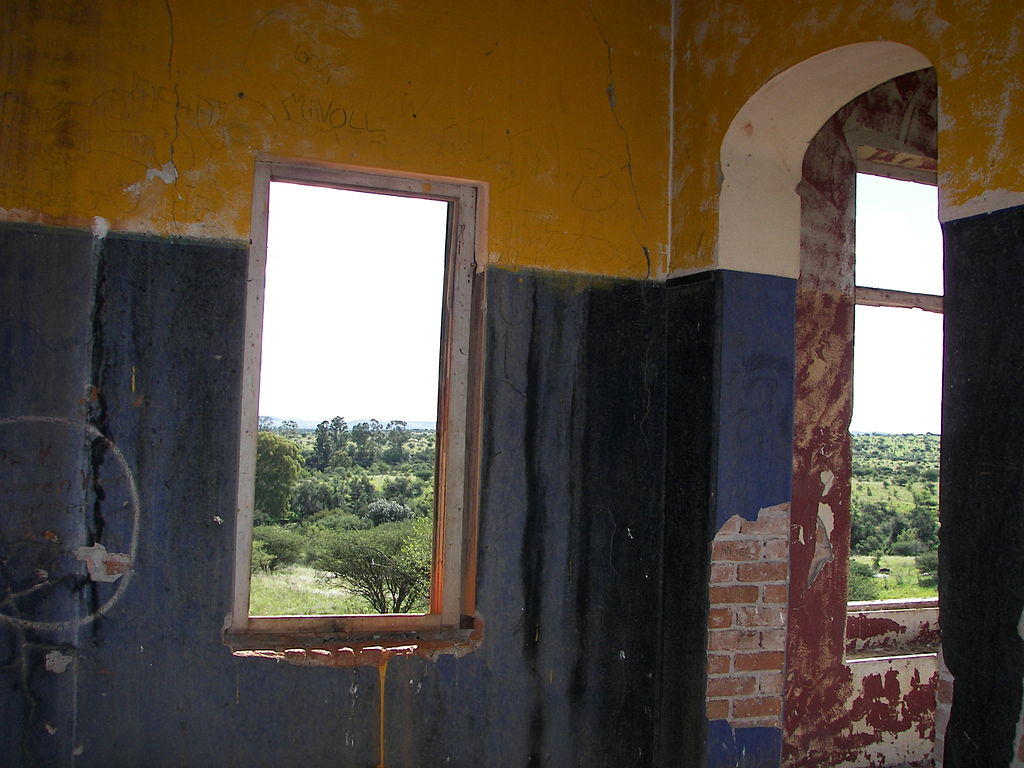
liebig 51 Namibia  Amazing views from the house over the country.

The haunted house is located on private farmland and the access is possible only with the approval of the farmer/owner.

Liebig 128   Liebig 141
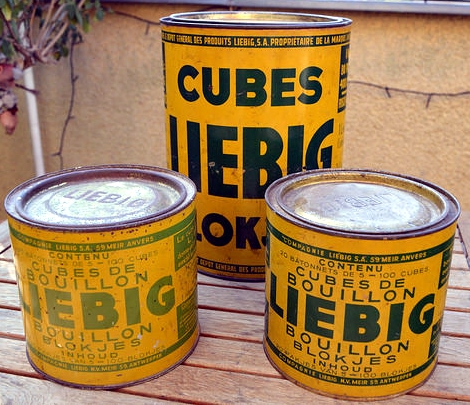
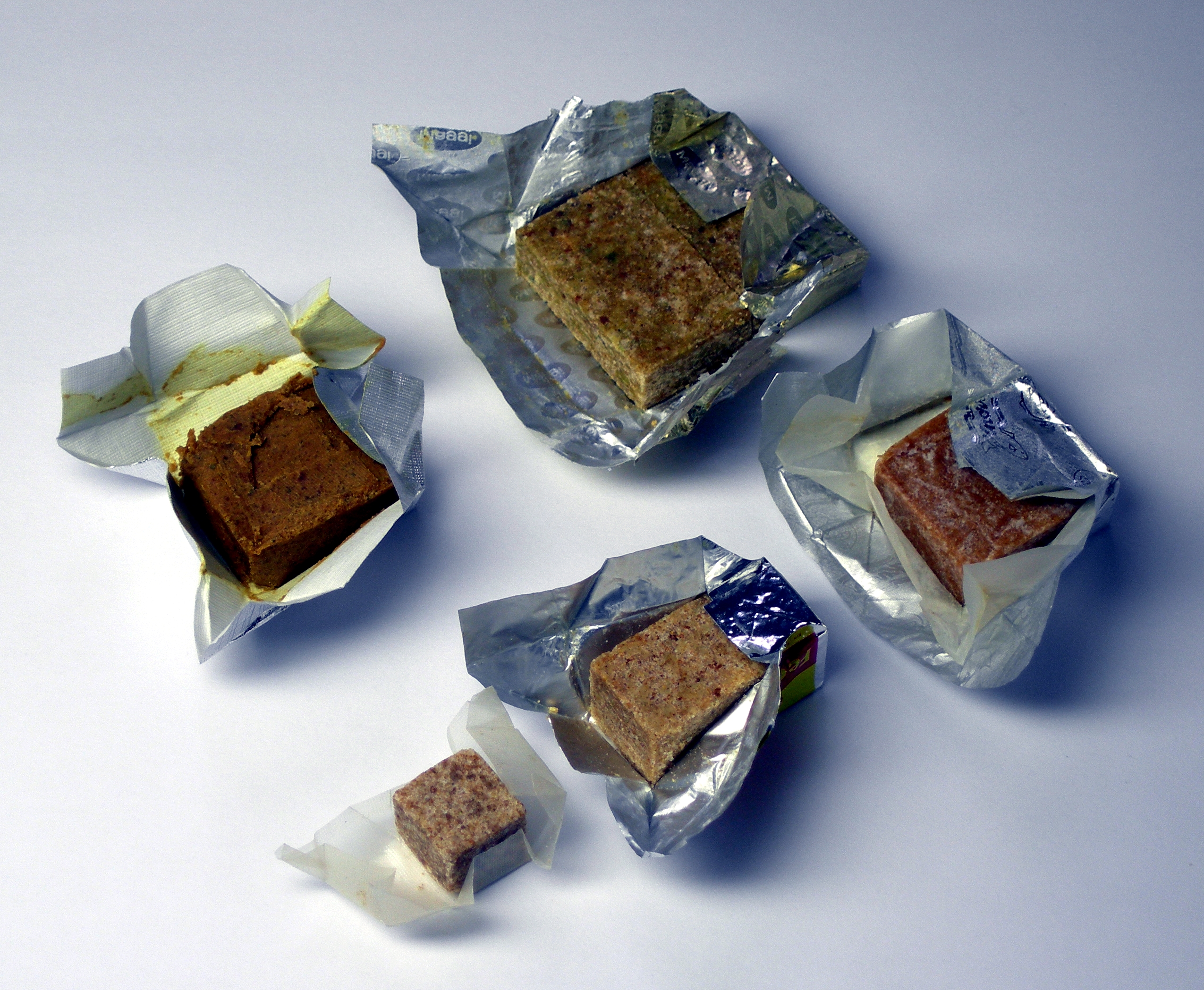
Products of the factory, bouillon cans and the well known and famous bouillon blocks.

Museo de la Revolucion Industrial, Fray Bentos Uruguay.

bentos 19

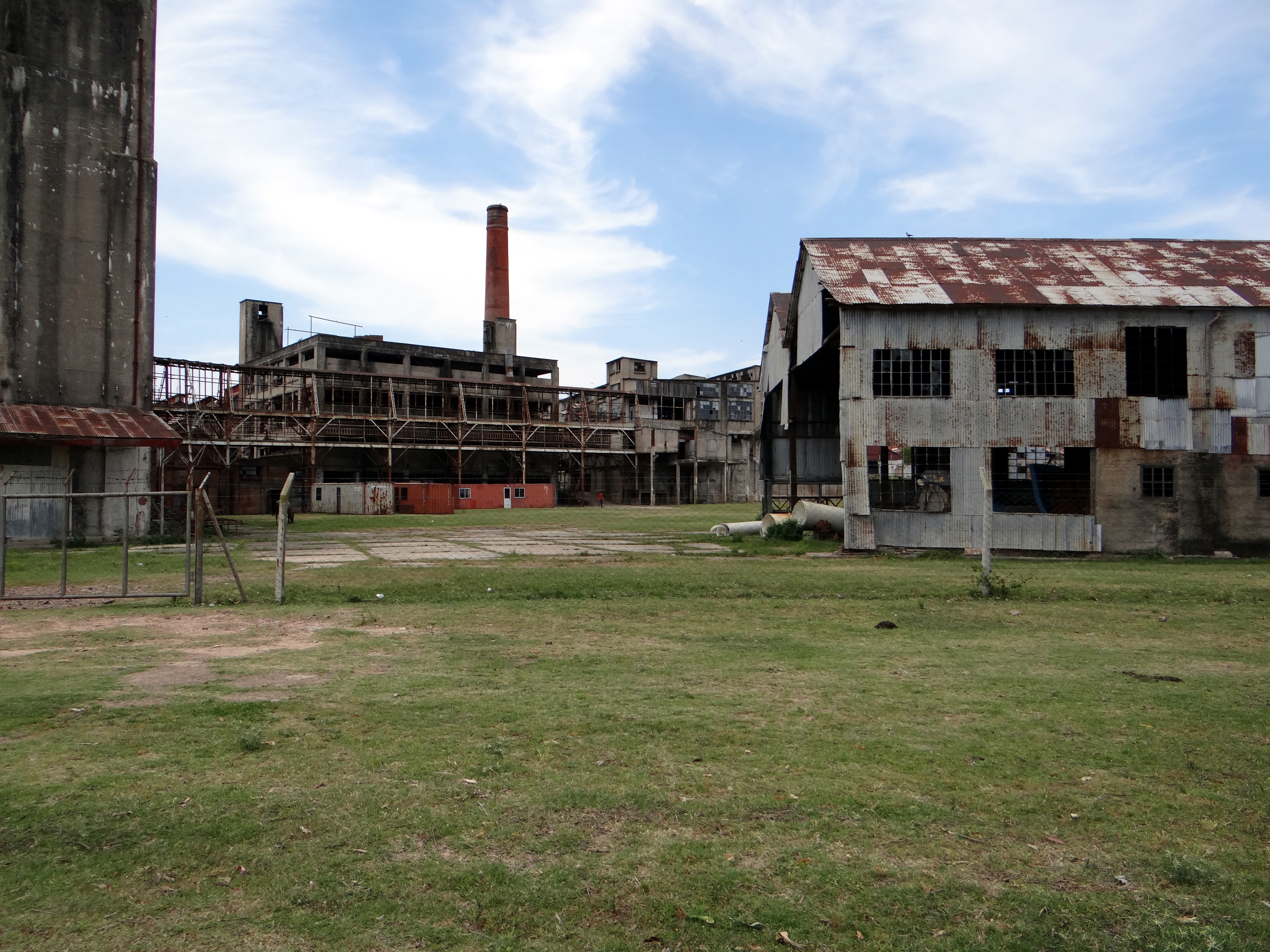
bentos 17    DSC00118
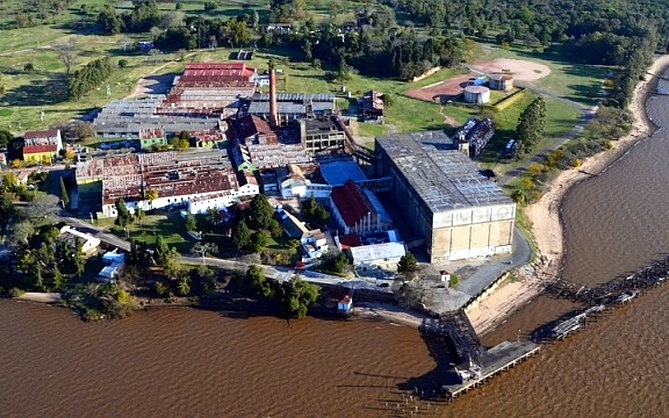
Aerial view of the museum site, the former original industrial complex. Inside the museum site.

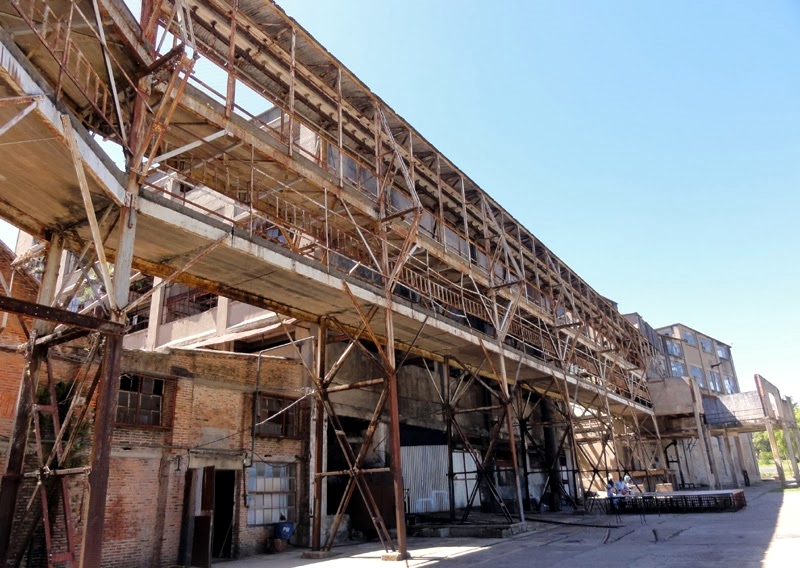
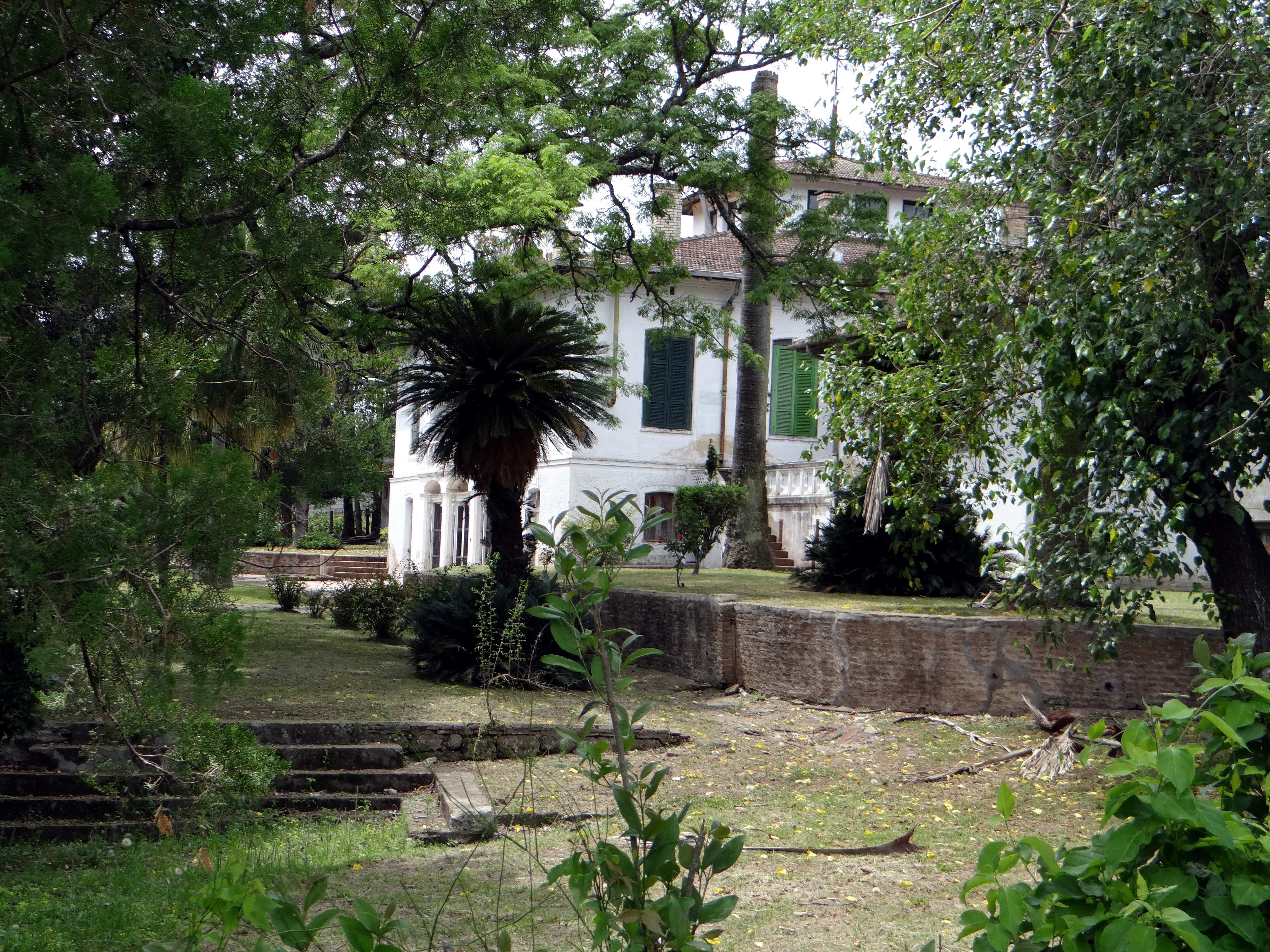
The Museo de la Revolución Industrial (Museum of the Industrial Revolution) is housed in the former works and yards at Fray Bentos. Thousands of people worked in the Frigorífico Anglo del Uruguay, which increased and diversified the use of agricultural products. When it was shut down, the municipality decided to create a museum which would displaying the original machinery, as well as social and cultural artifacts of the technological revolution in Fray Bentos.

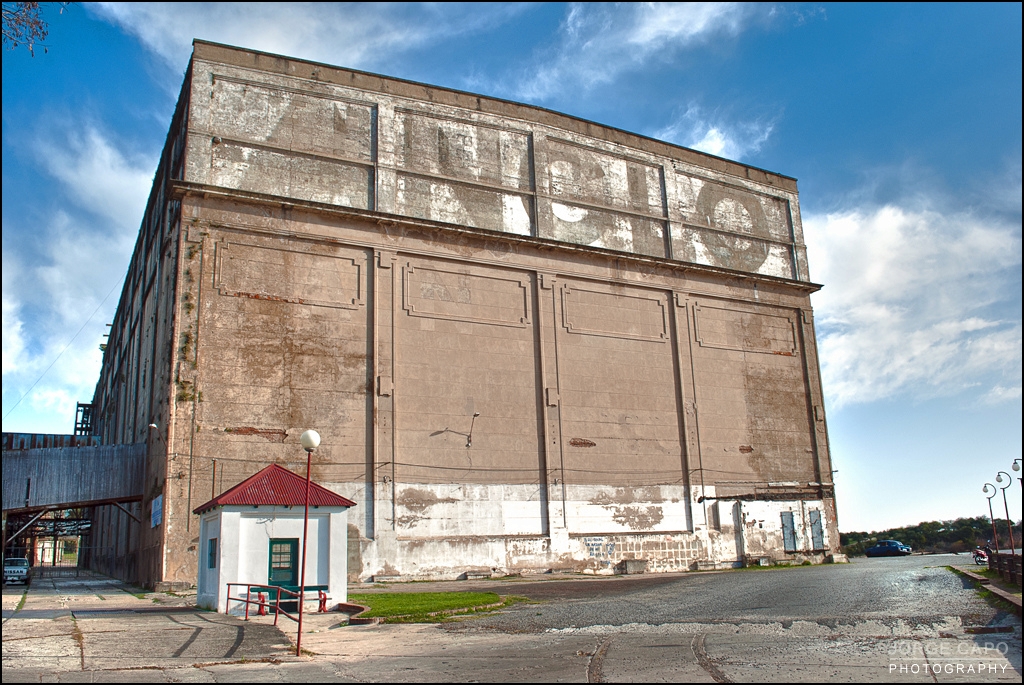
bentos 10  DSC00117
The massive old refrigeration building, still to see the name ANGLO on it.
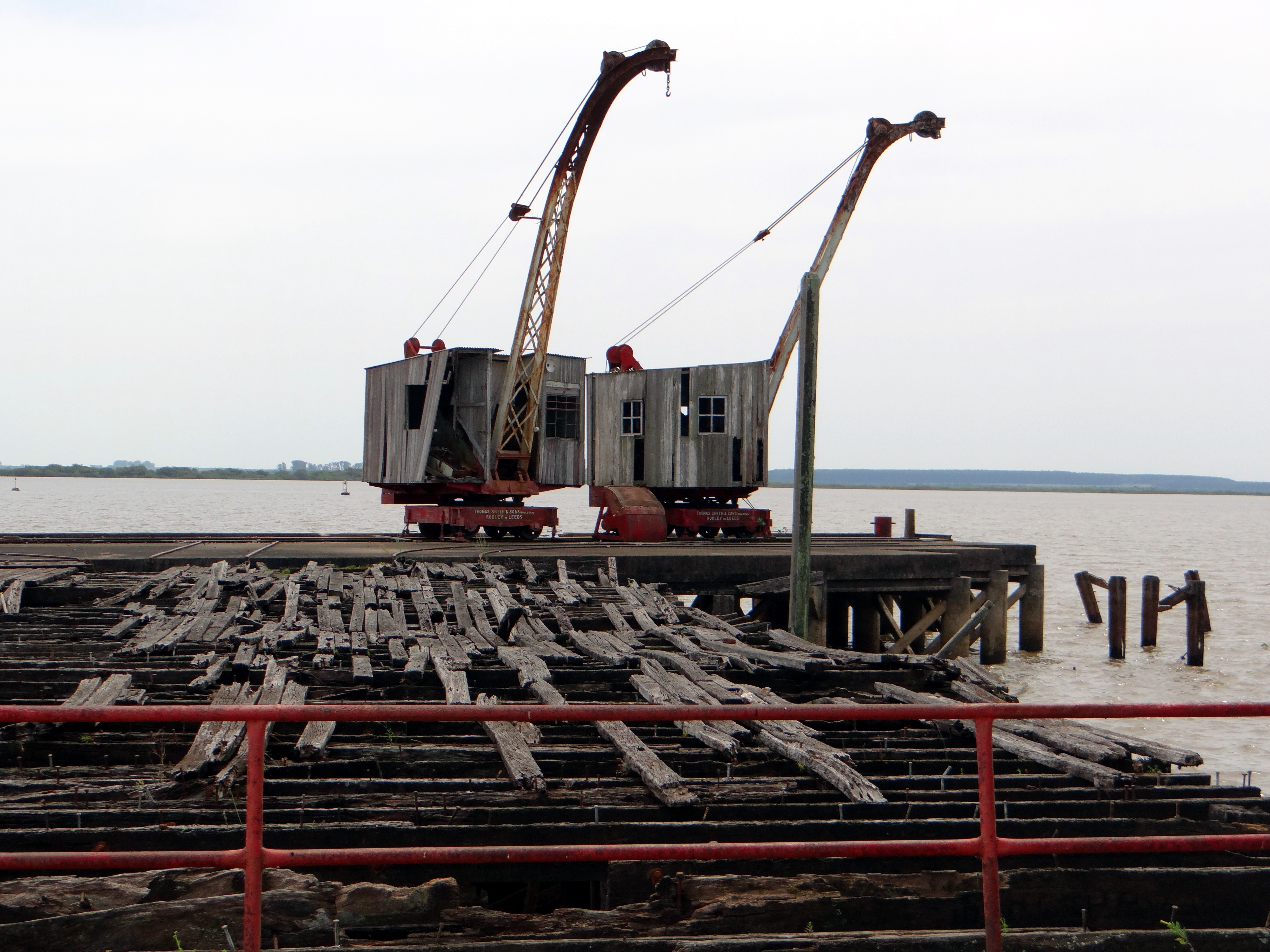
On the right two original cranes on the pier at the river Uruguay.
bentos 11  bentos 15
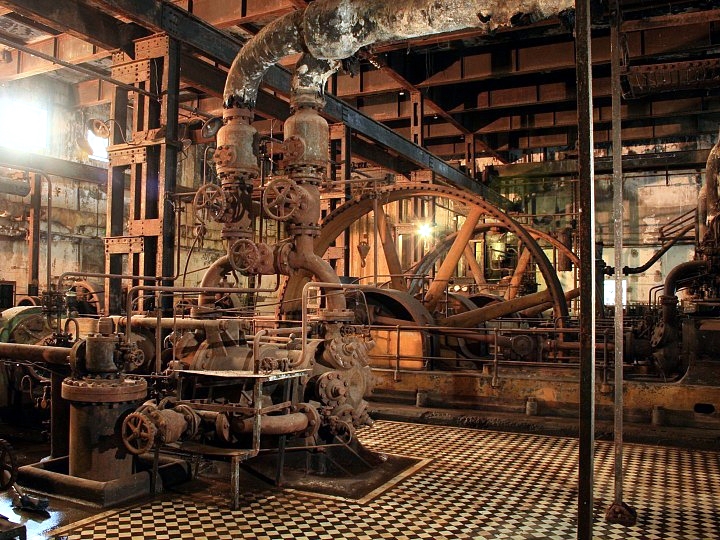
Inside the museum, cattle bridges to the slaughter station and inside the machinery house.

Dr. Sue Millar, president of the International Cultural Tourism Committee (ICOMOS), said: “Thus there is the chance to save time and massive expenditure on conservation, to retain the exceptional scope and variety of the 19th and 20th century British and German manufacturing and engineering machinery.”  The site has been proposed as a possible UNESCO World Heritage site.

DSC00116  DSC00122
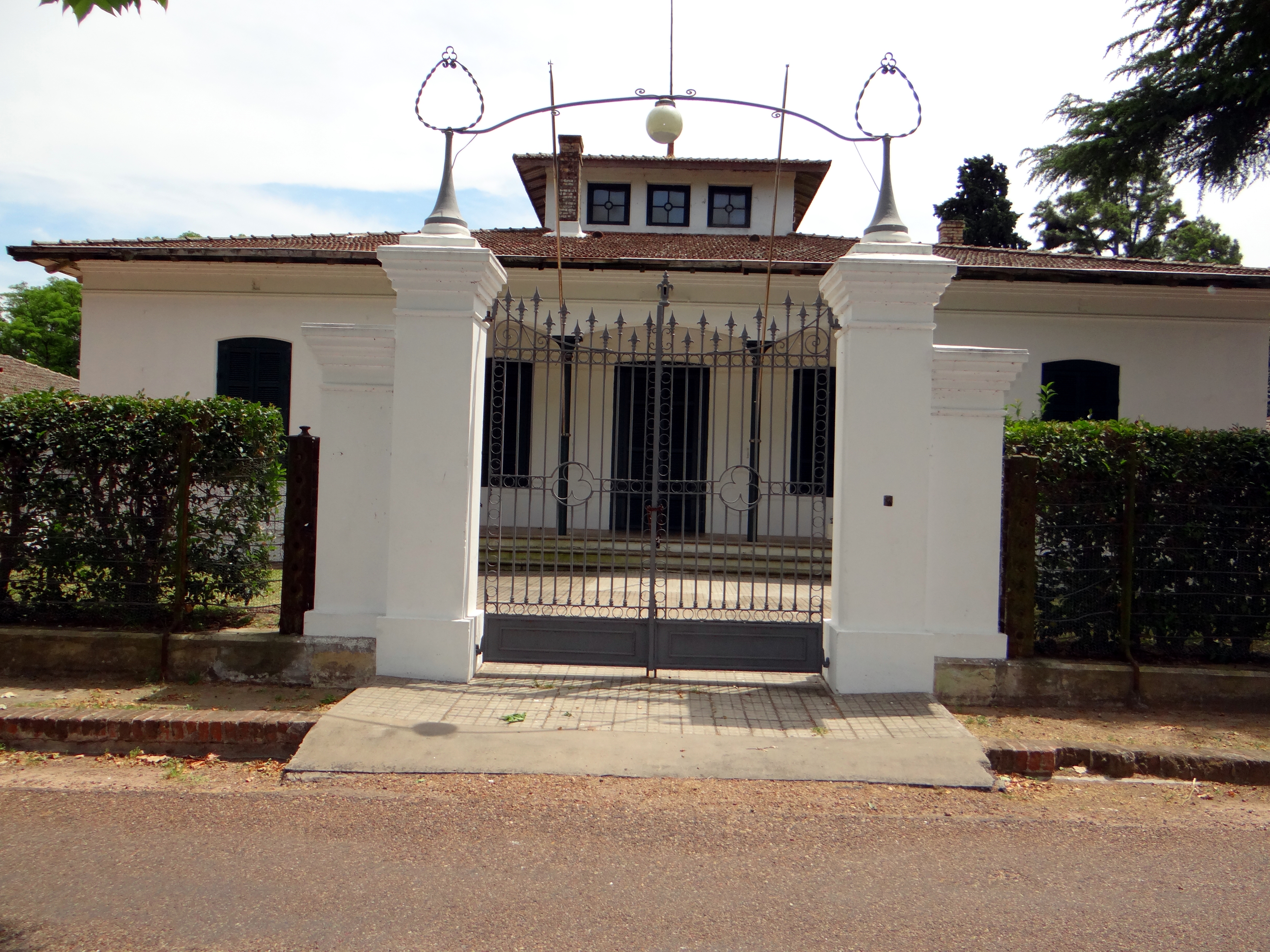
Front of Casa Grande at the museum site and view of the terrace and backyard.
The Casa Grande can be visited by appointment. Sadly, as so much there, it is very neglected.
DSC00115a            DSC00107
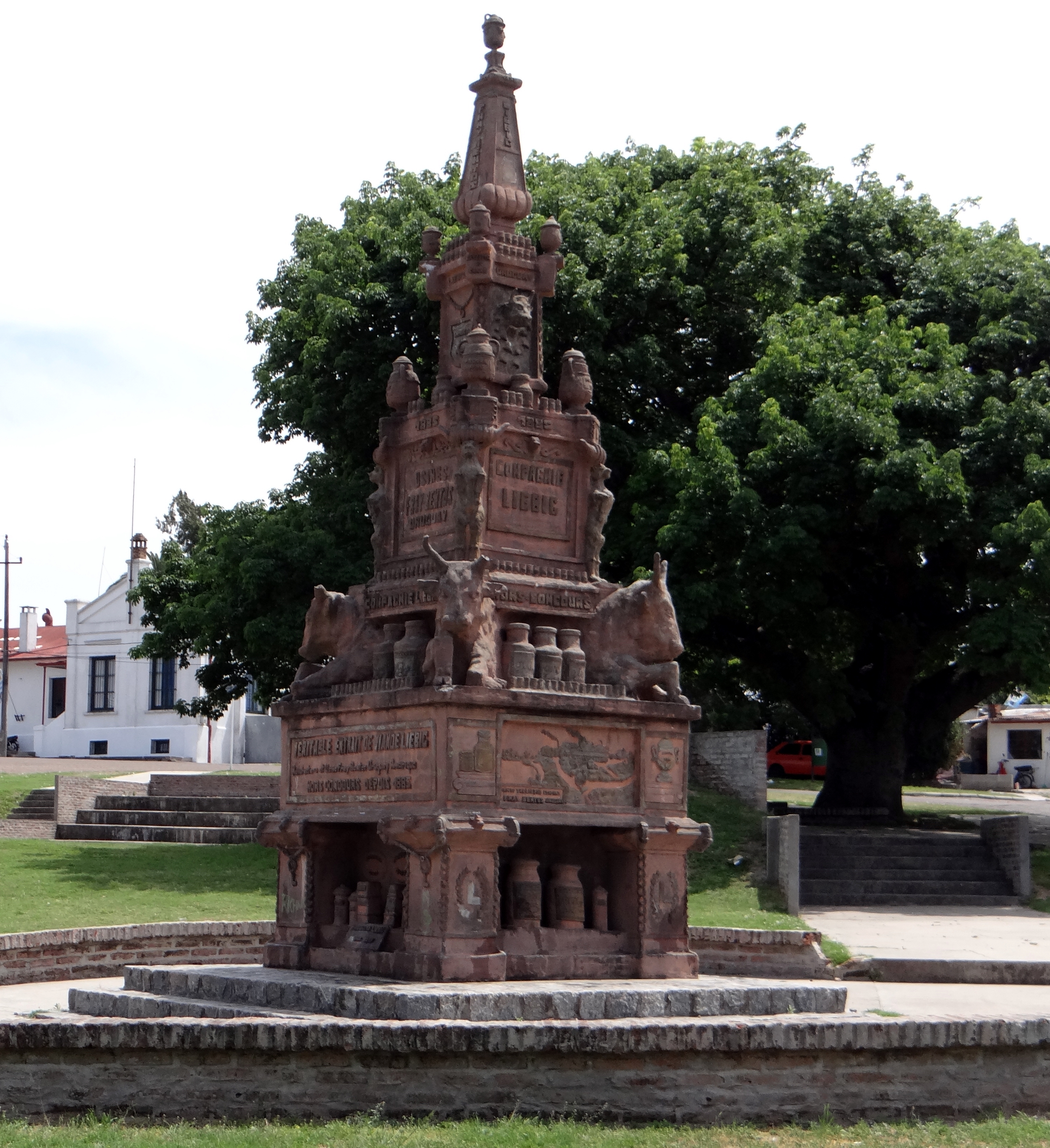
The Liebig monument at the entry part of the old industrial complex.
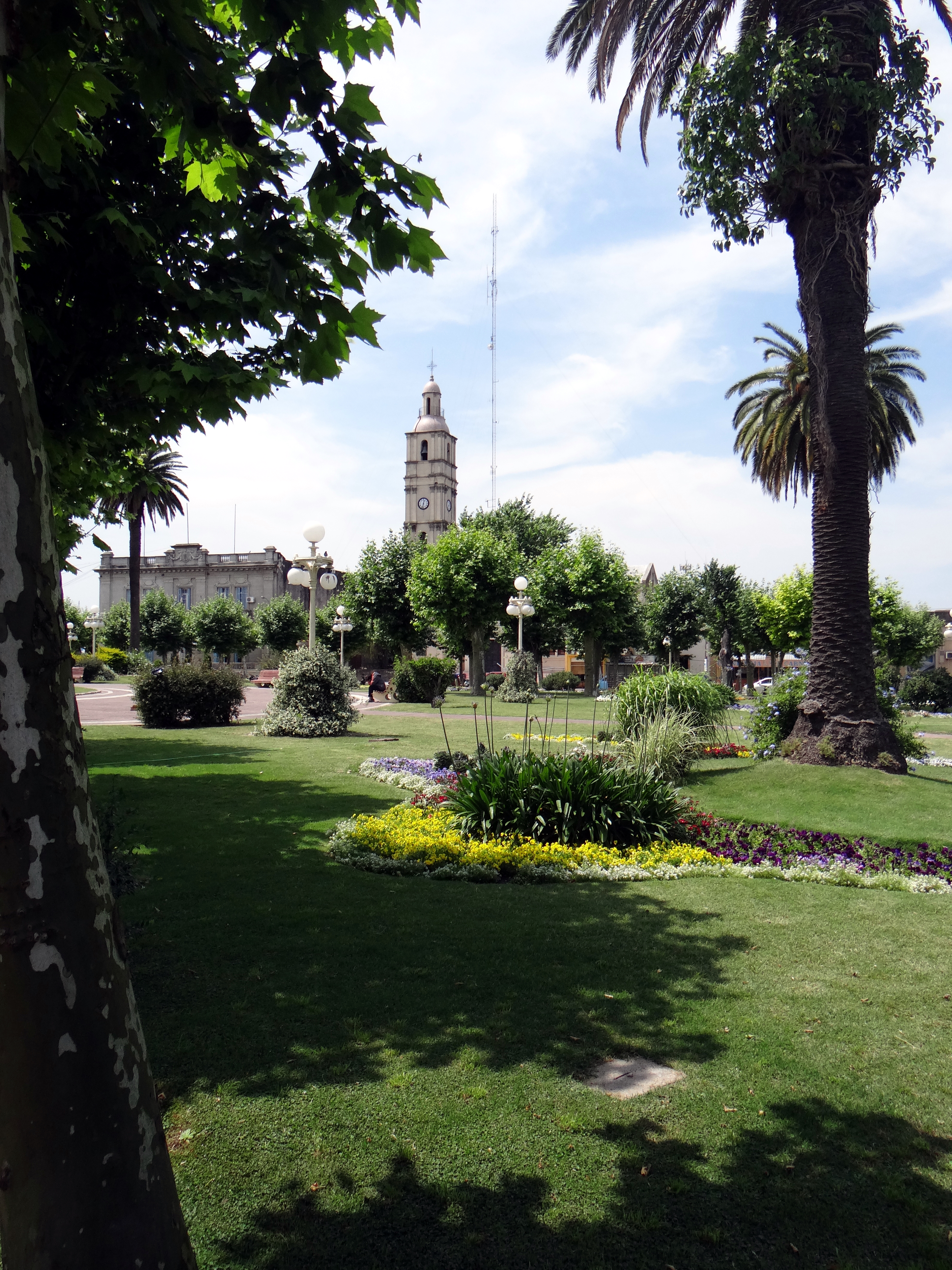
Next to the church, center of Fray Bentos, the old building of ANGLO.

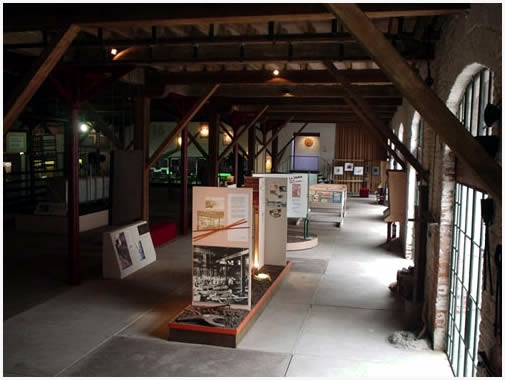
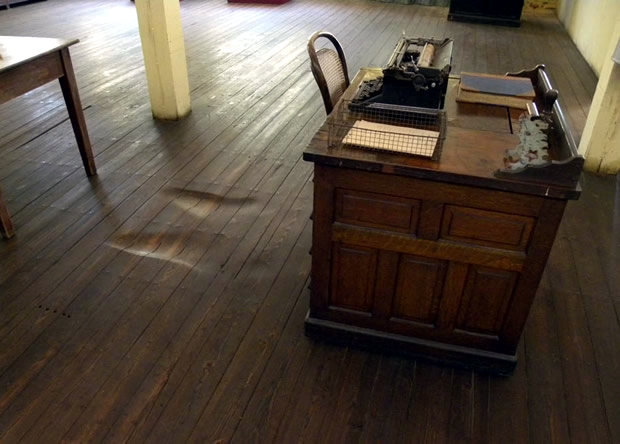
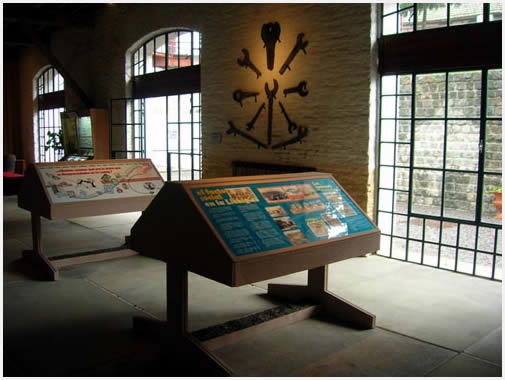
The museum is open for tourism and education, displaying the machinery used in the meat and extract of meat processing, the buildings, an 1893 Merryweather water pumping machine, a complete canning plant, a meat-cooking plant, and laboratory full of chemicals and chemistry jars, flasks and stoves. The museum collection contains hundred’s of photos and glass negatives detailing the working life at Liebig’s.

bentos-1  bentos-3a
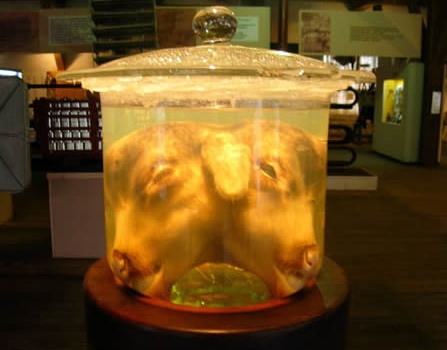
Several view’s from inside the museum. And the most photographed display,
a freak of nature: The two-headed calf.

bentos-7  bentos-2

And now the „Liebig Collectors“  Section.

Many 100000’s of collectors worldwide are interested in Liebig items.
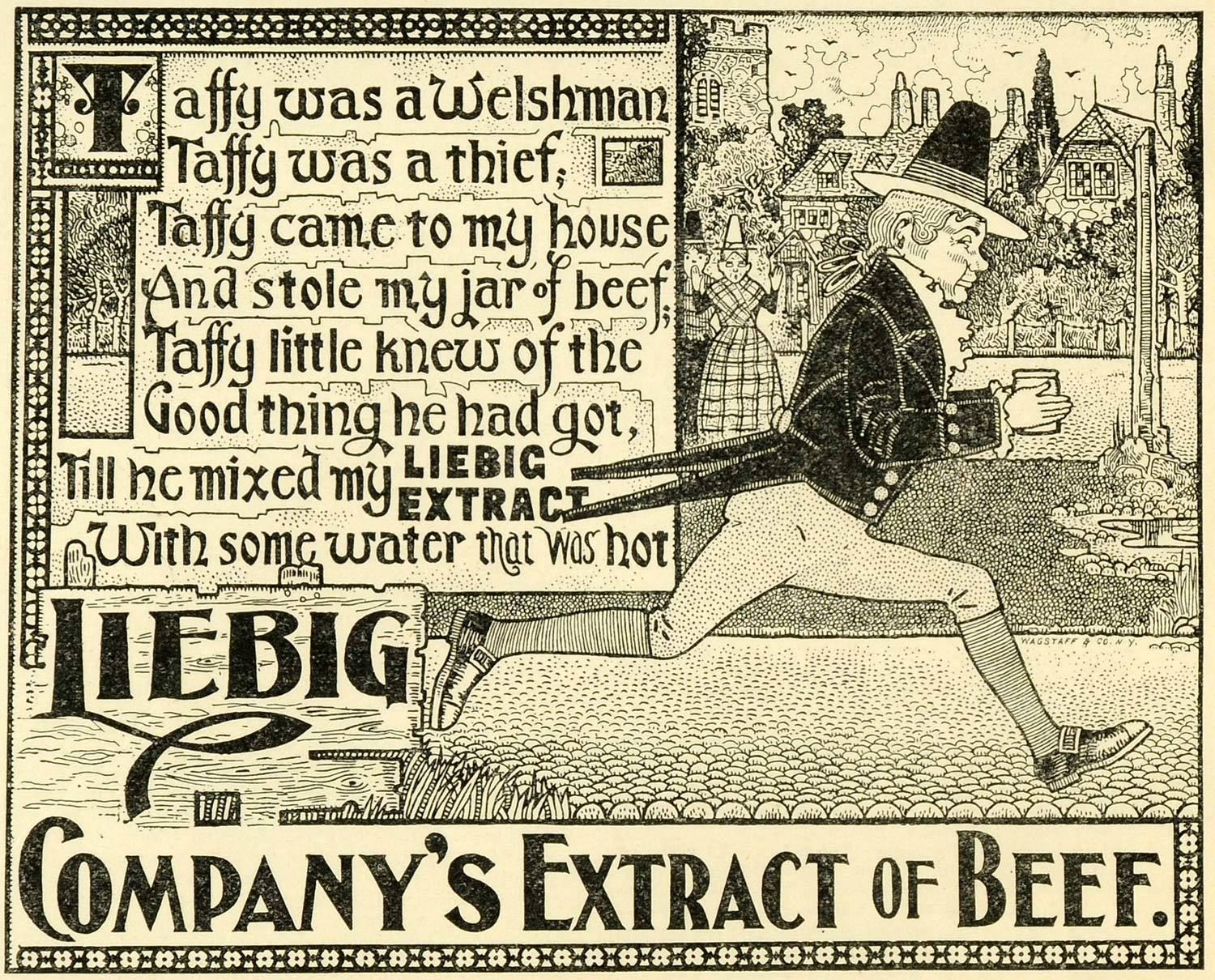
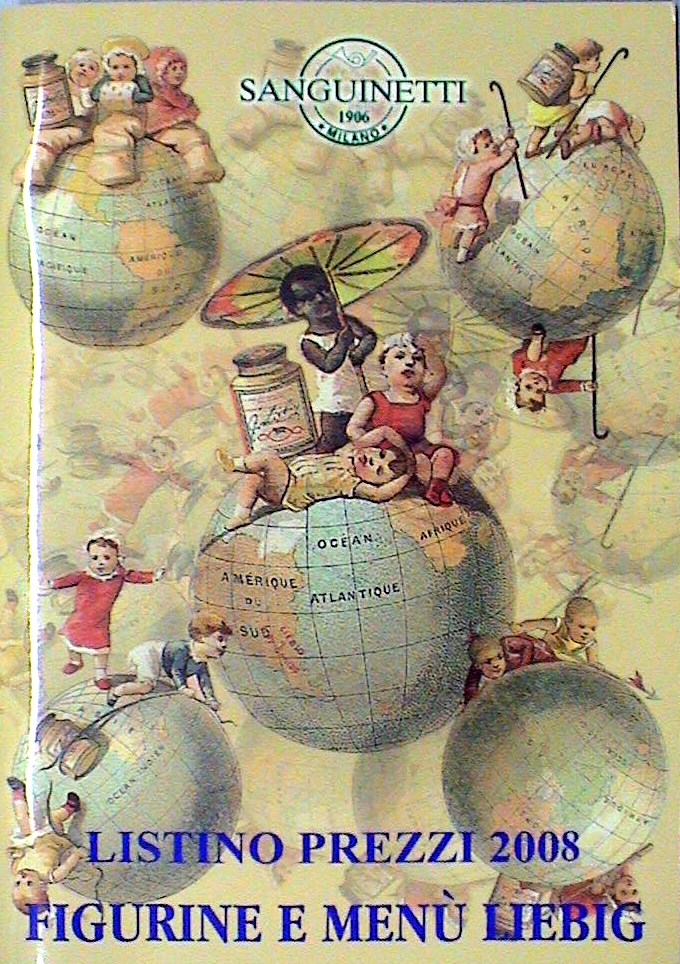
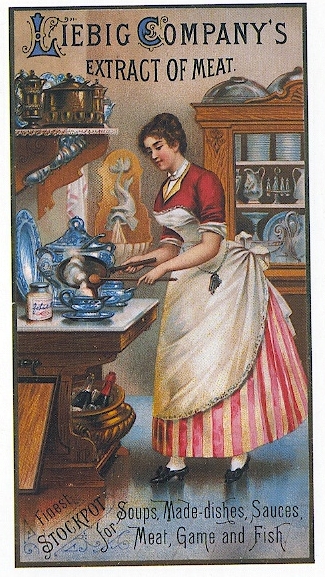
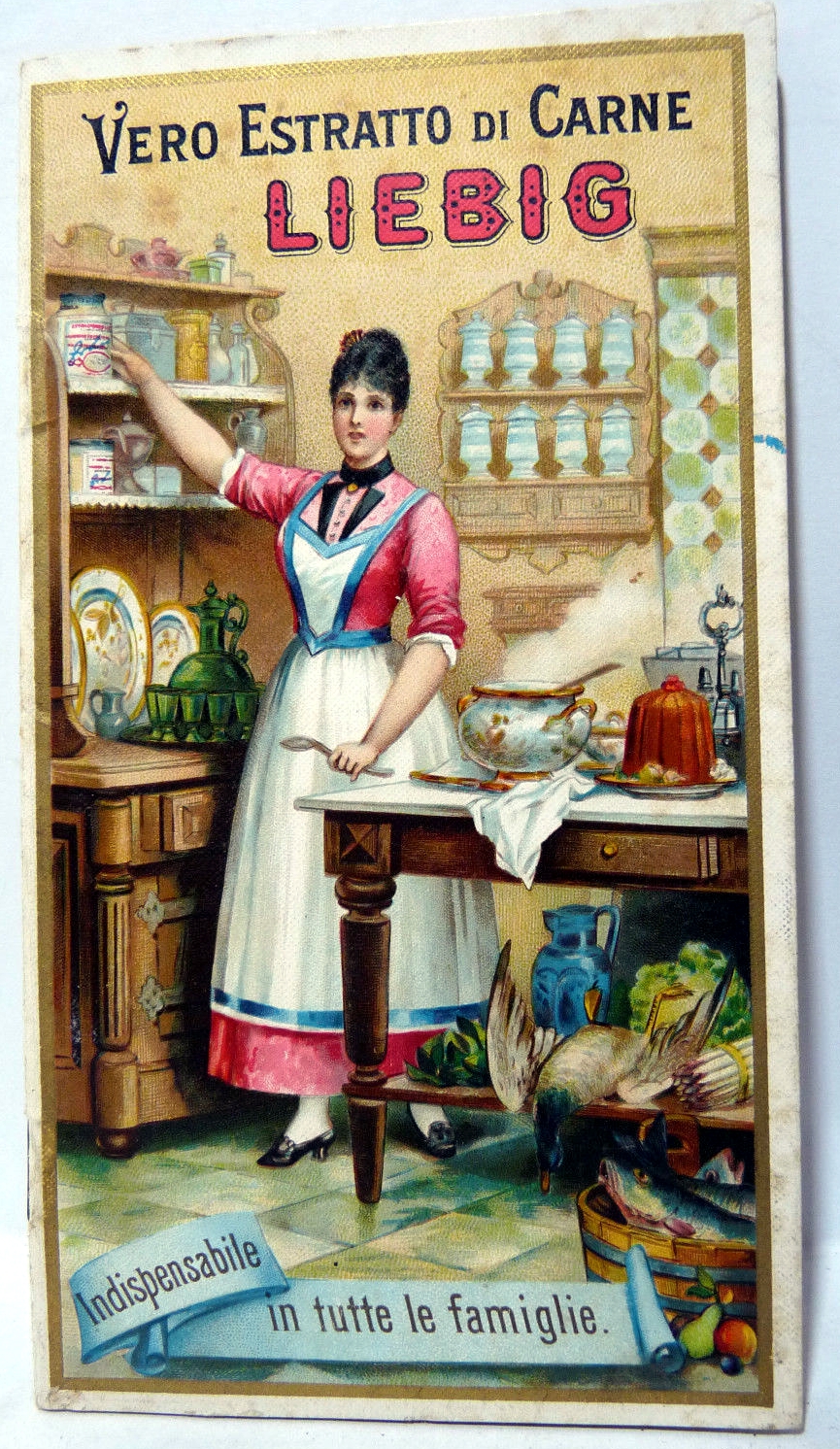
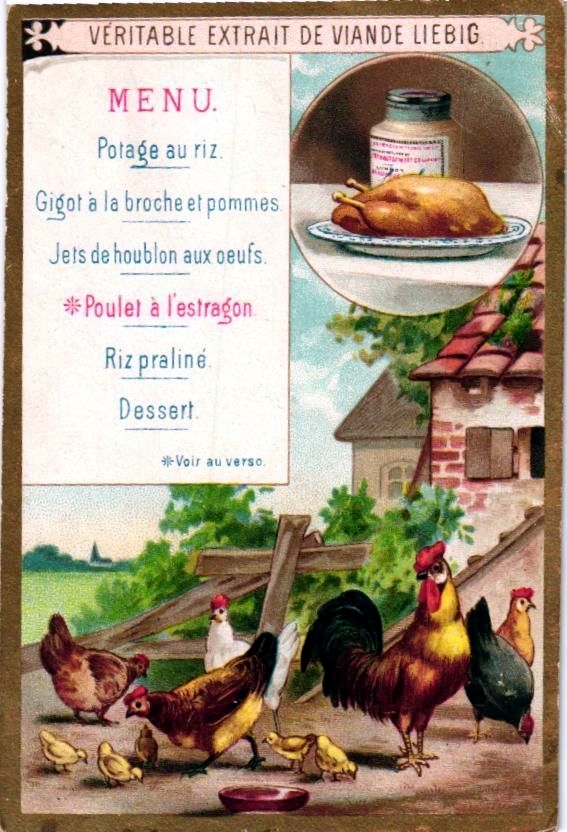
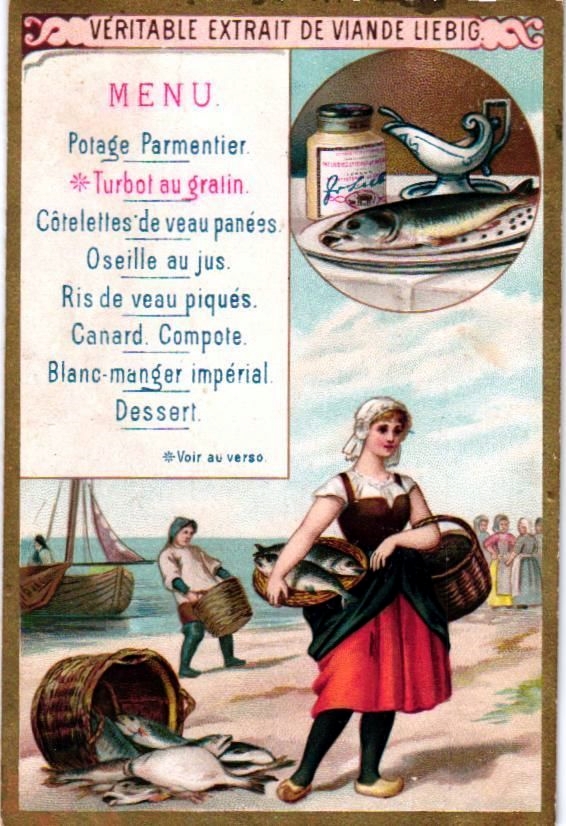
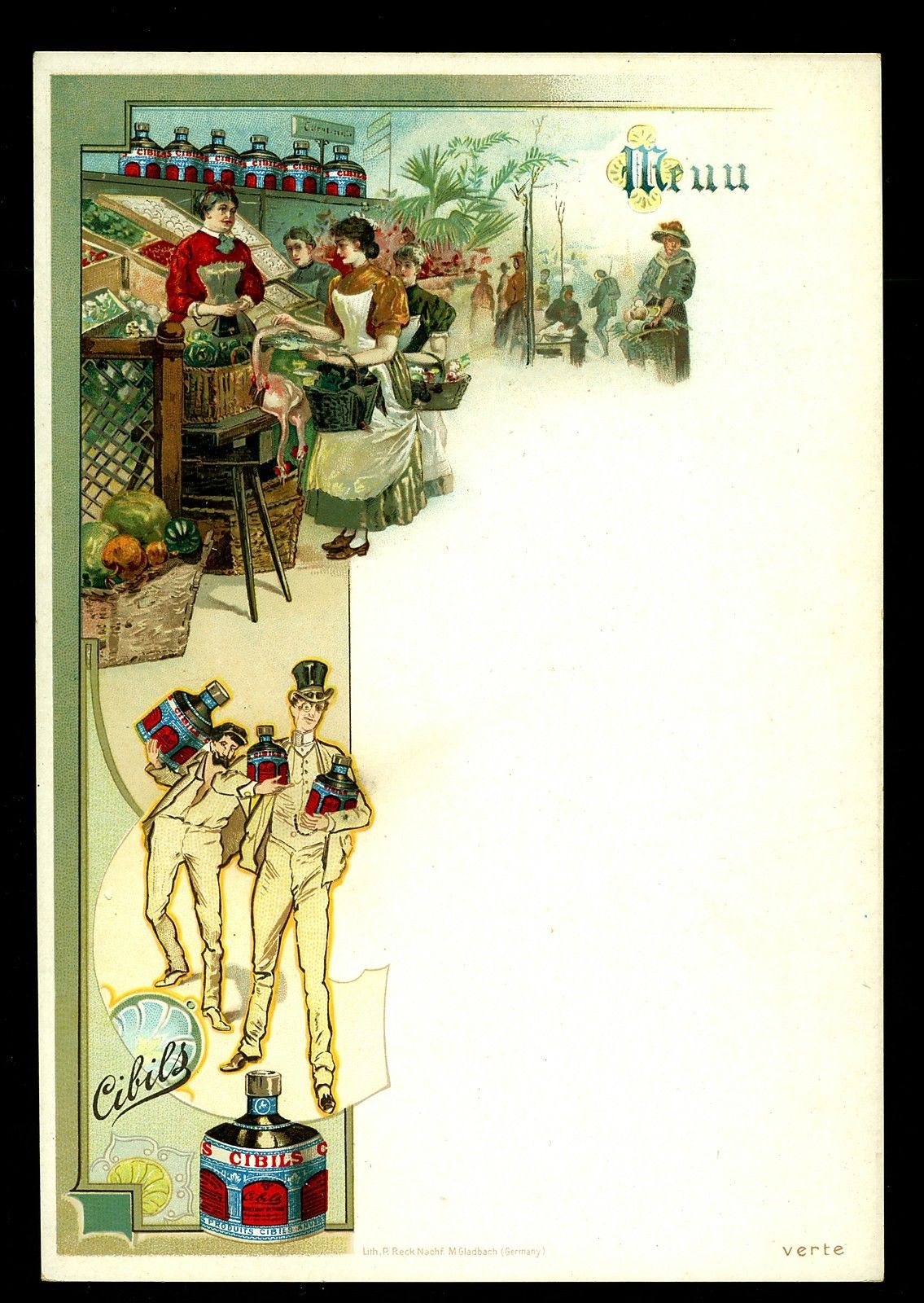
Colorful calendars and trading cards were also marketed to popularize the product. Liebig produced many illustrated advertising products: table cards, menu cards, children’s games, free trading card sets, calendars, posters, poster stamps, paper and other toys.
There are 4 main collecting areas. Down here you’ll find examples of these Hobbies.

UY - Liebig 24        Liebig 119a
Liebig advertising in past and present.

Cookbooks.

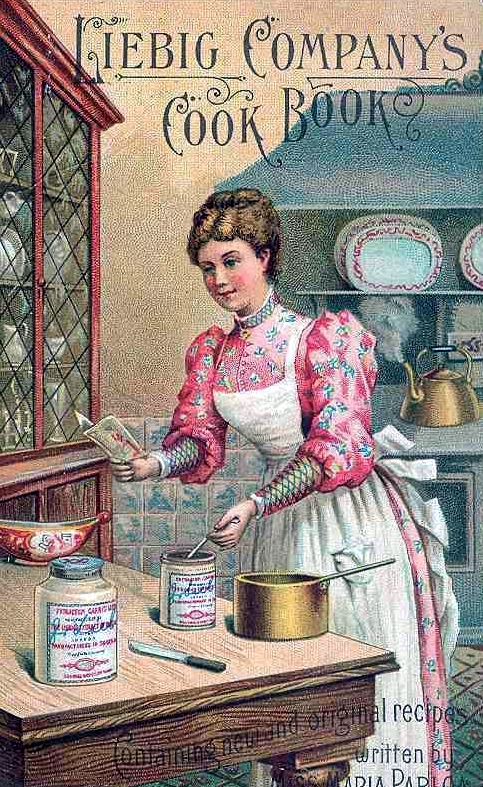
Liebig’s company worked with popular cookery writers in various countries to popularize their products. German cookery writer Henriette Davidis wrote recipes for Improved and Economic Cookery and other cookbooks. Katherina Prato wrote an Austria-Hungarian recipe book, Die Praktische Verwerthung Kochrecepte (1879). Hannah M. Young was commissioned in England to write a cookbook for the Liebig Company. Her popular cookbook, The Liebig Company’s Practical Cookery Book, was published in 1893. In the United States, Maria Parloa extolled the benefits of Liebig’s extract.

UY - Liebig 23             Liebig 136a
Hannah Young’s cookbook, England.     Inside page from a recipe book Henriette Davidis.
UY - Liebig 21a      liebig 85
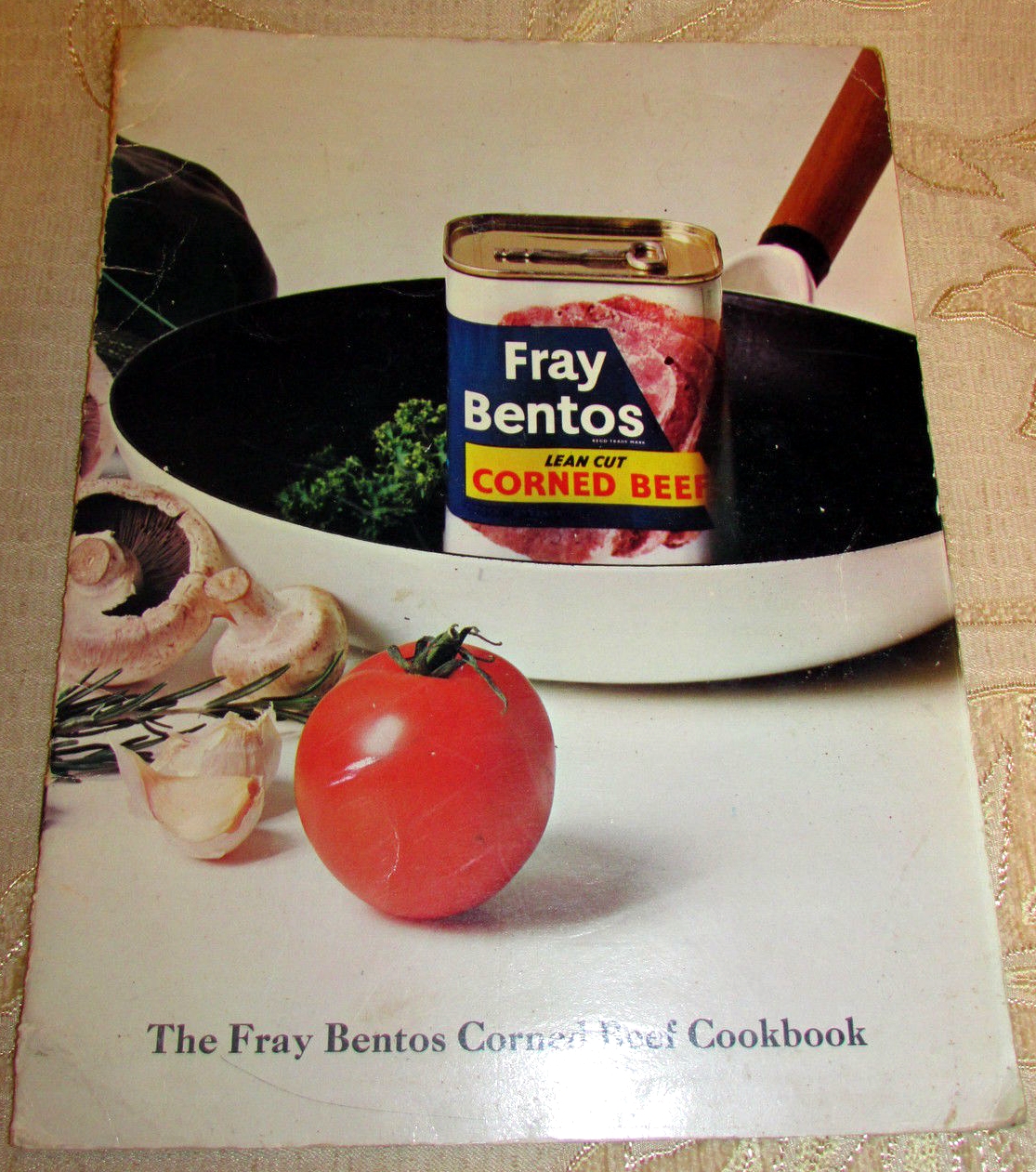
The very rare cookbook of Maria Parloa, United States. A more modern Fray Bentos cookbook, 1950’s.

Cans, Labels, Calenders, boxes and other items.

Liebig 104  Liebig 163  Liebig 105
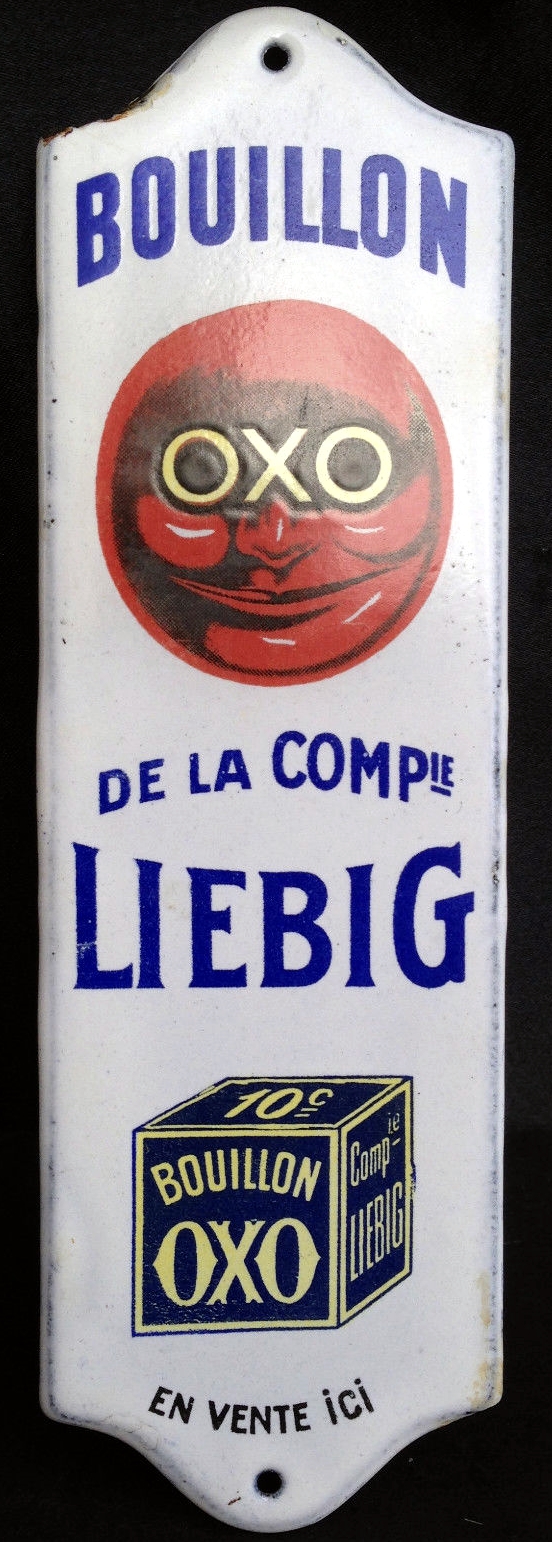
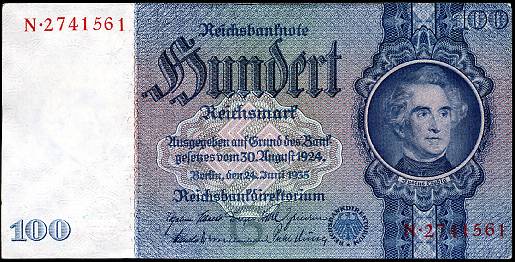
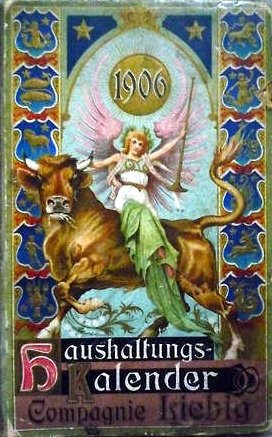
Left: Extreme rare door shield. Middle: German bank note with Liebig pic. Right: Rare Calender from 1906.
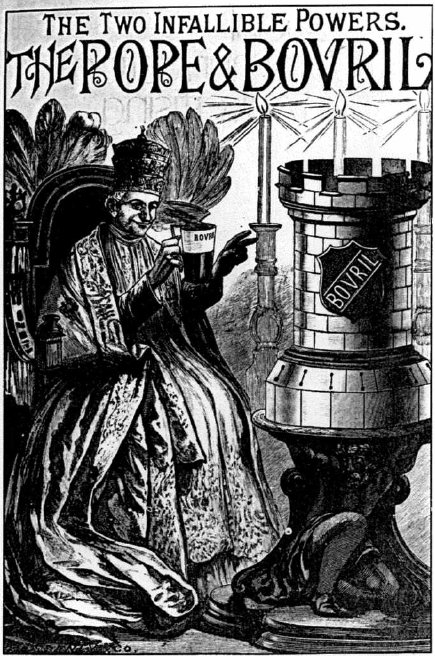
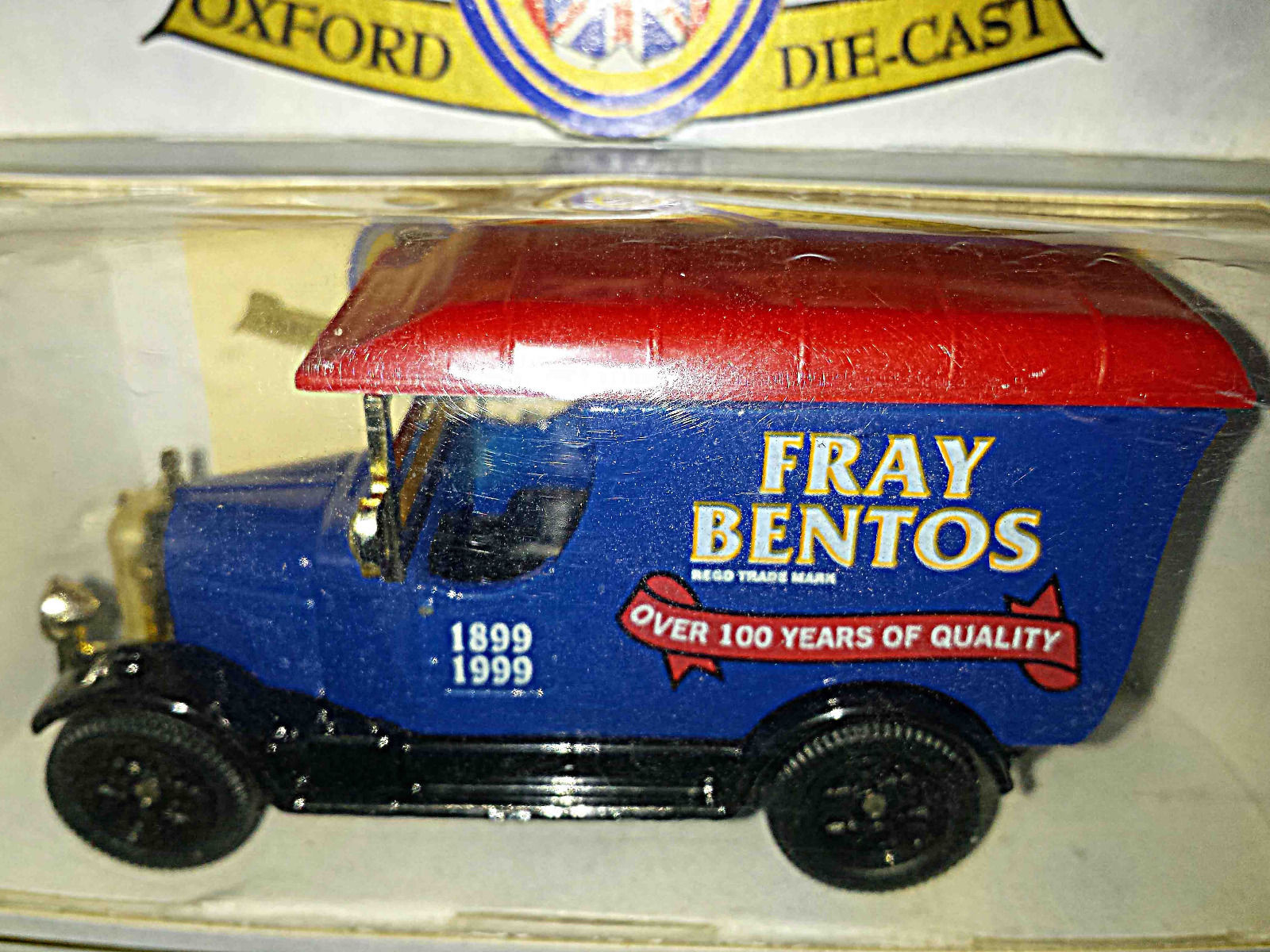
liebig 54 bovril         Liebig 98
Even the Pope likes Liebig’s extract. Die Cast toy truck for 100 years Fray Bentos Oxford.
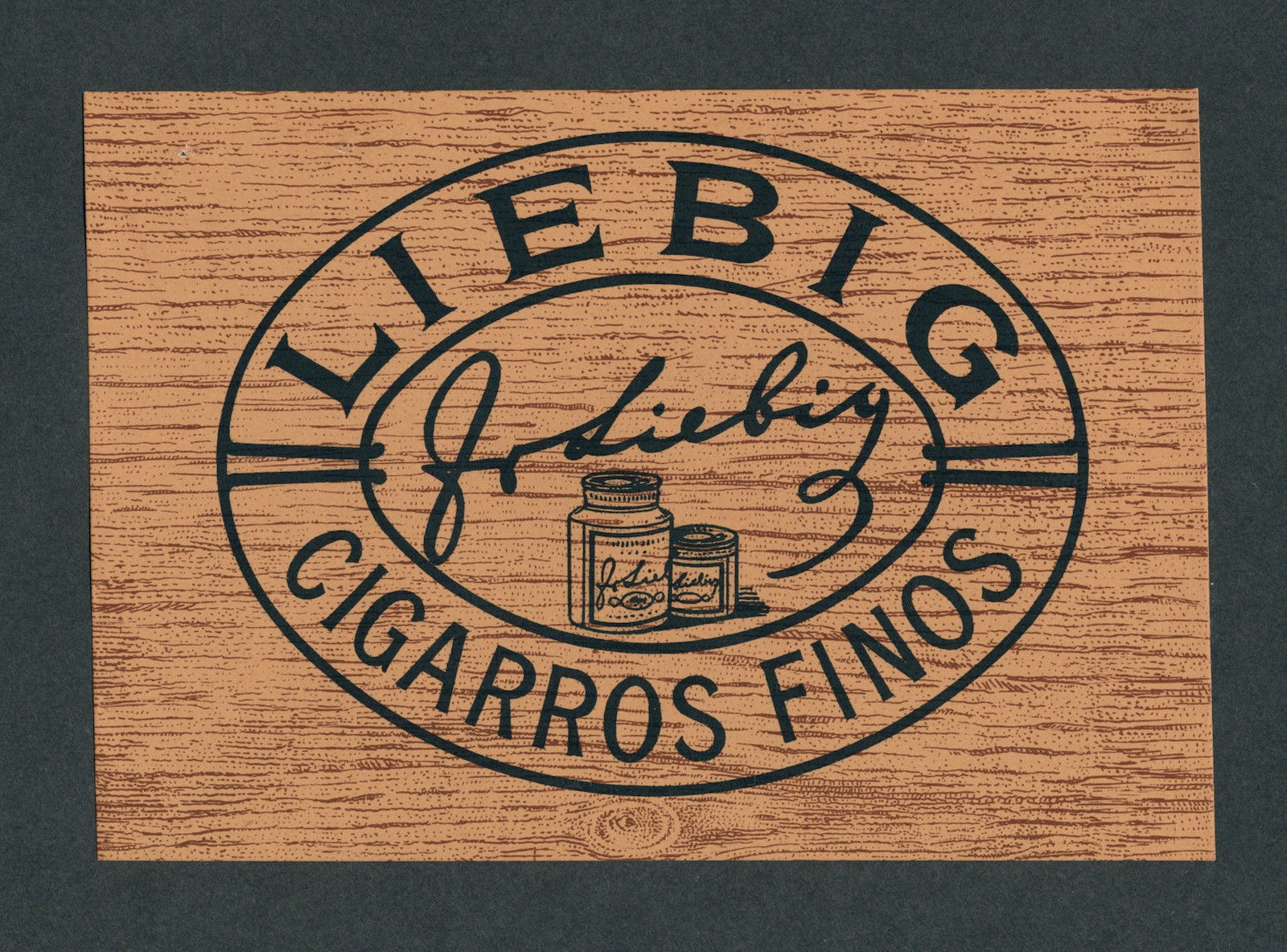
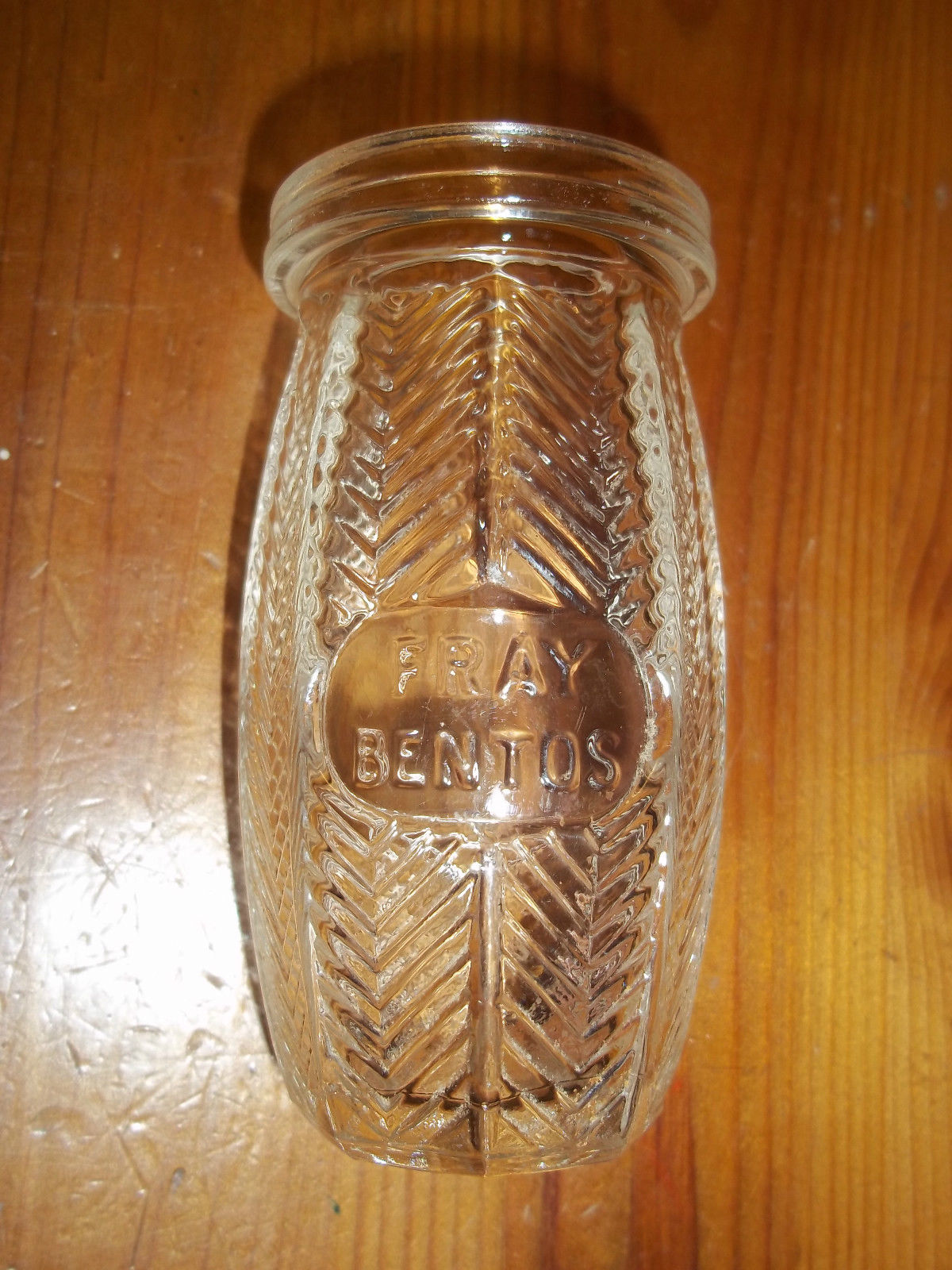
UY - Liebig 25    Liebig 99 um 1900
Why not a Liebig Cigar ? Cigar box from around 1910. Extremely rare Fray Bentos glass bottle from 1900.
UY - Liebig 3  UY - Liebig 20
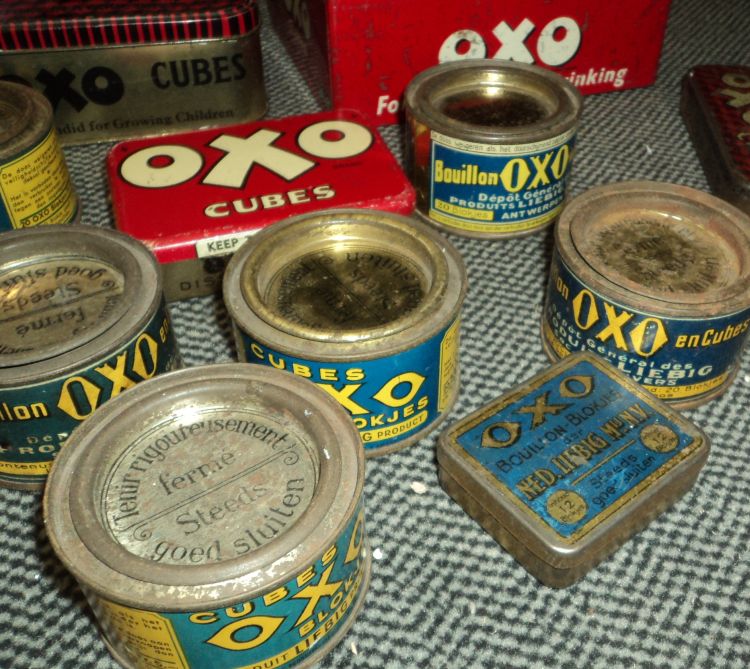
A collection of rare old OXO cans from the early 1900’s to the 1920’s.
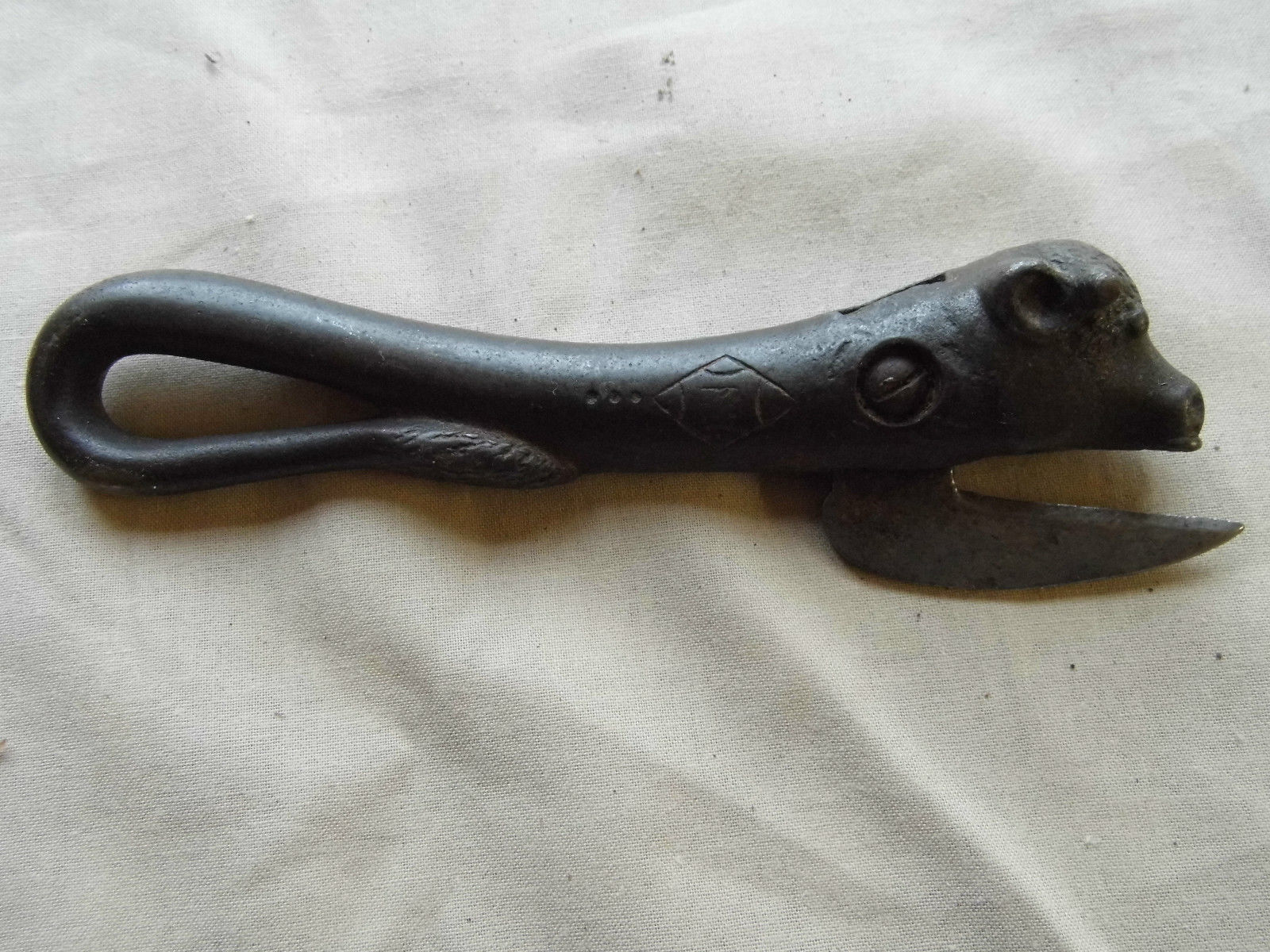
And an antique, ultra rare, can opener from the 1880’s. Notice the bull design with head and tail.
Liebig 123 Katalog 1895  UY - Liebig 26  UY - Liebig 22a
Wonderful designed sales (products and prices) catalogs from different countries, 1890 – 1898 – 1910.

Menu cards.

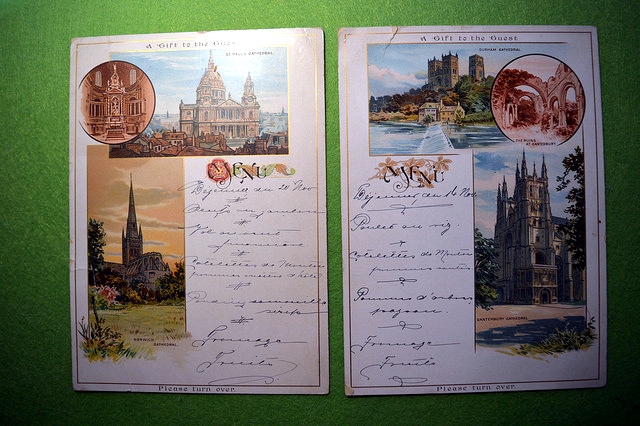
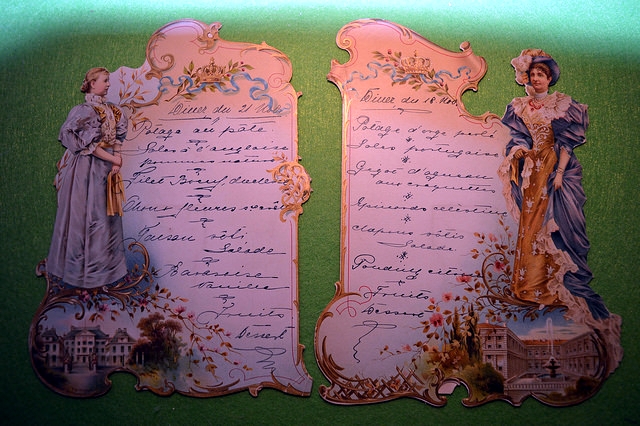
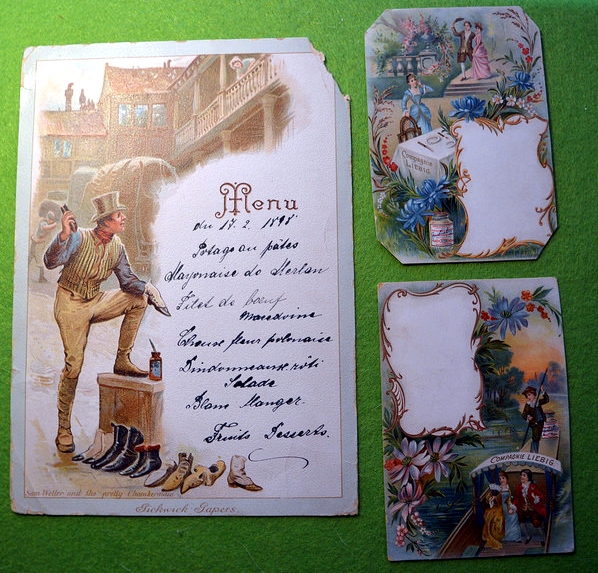
One will find menu cards in all kinds and shapes and decorations. Mostly they are decorated by very well known artists and given away as blank form. Then one fills in the menu details by him/herself. These cards are printed in sets of 6 to motivate the customer to collect. Some have pre printed menus with the cooking recipes on their back. The card size is 99% in Din A6, very very rare you find a bigger size in Din A5, see below.

Liebig 108             Liebig 105

Liebig 117 Cibils          Liebig 133

Liebig 132  Liebig 134

Trading card sets.

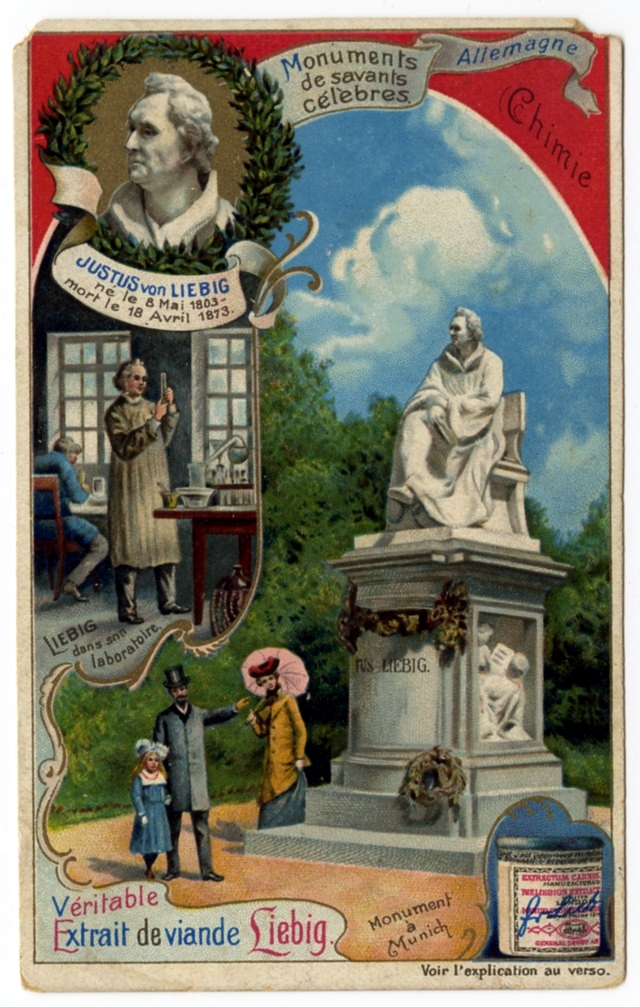
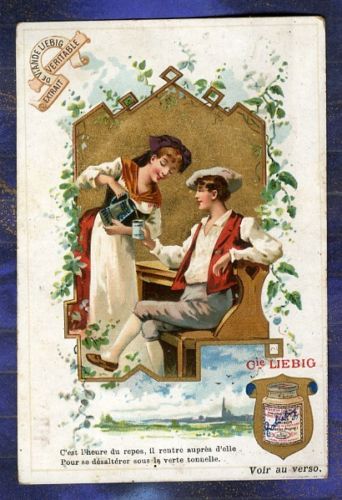
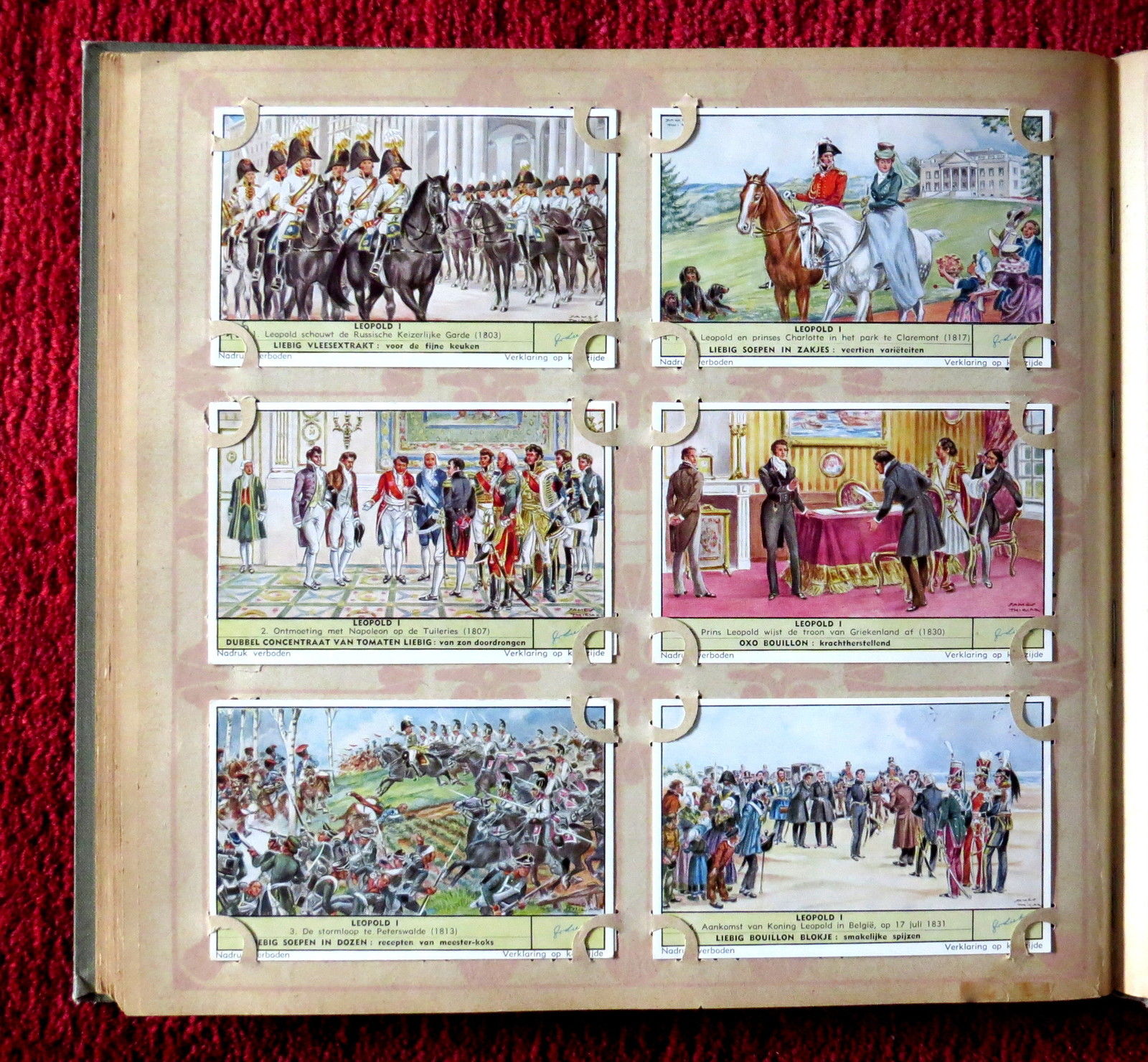
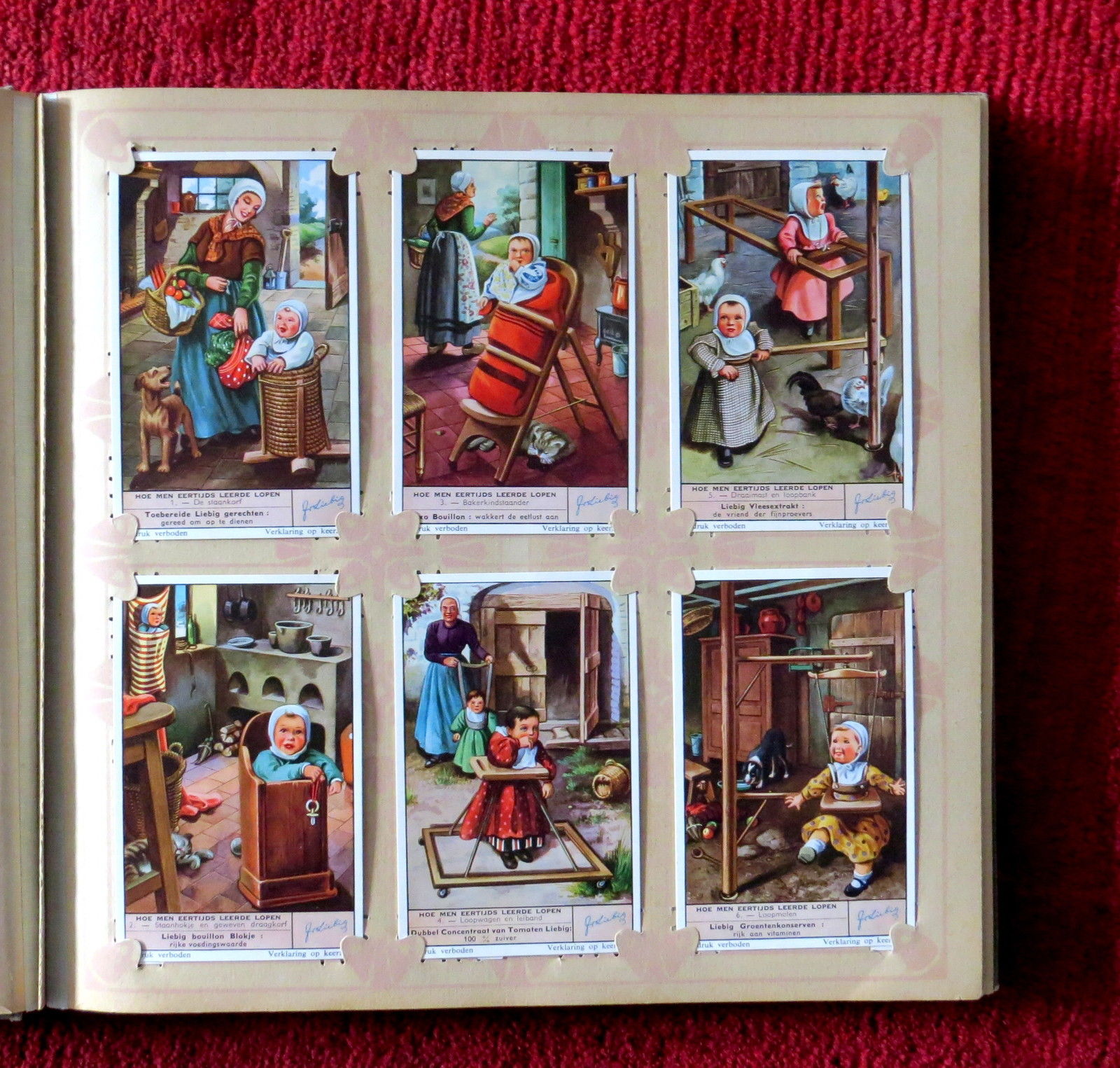
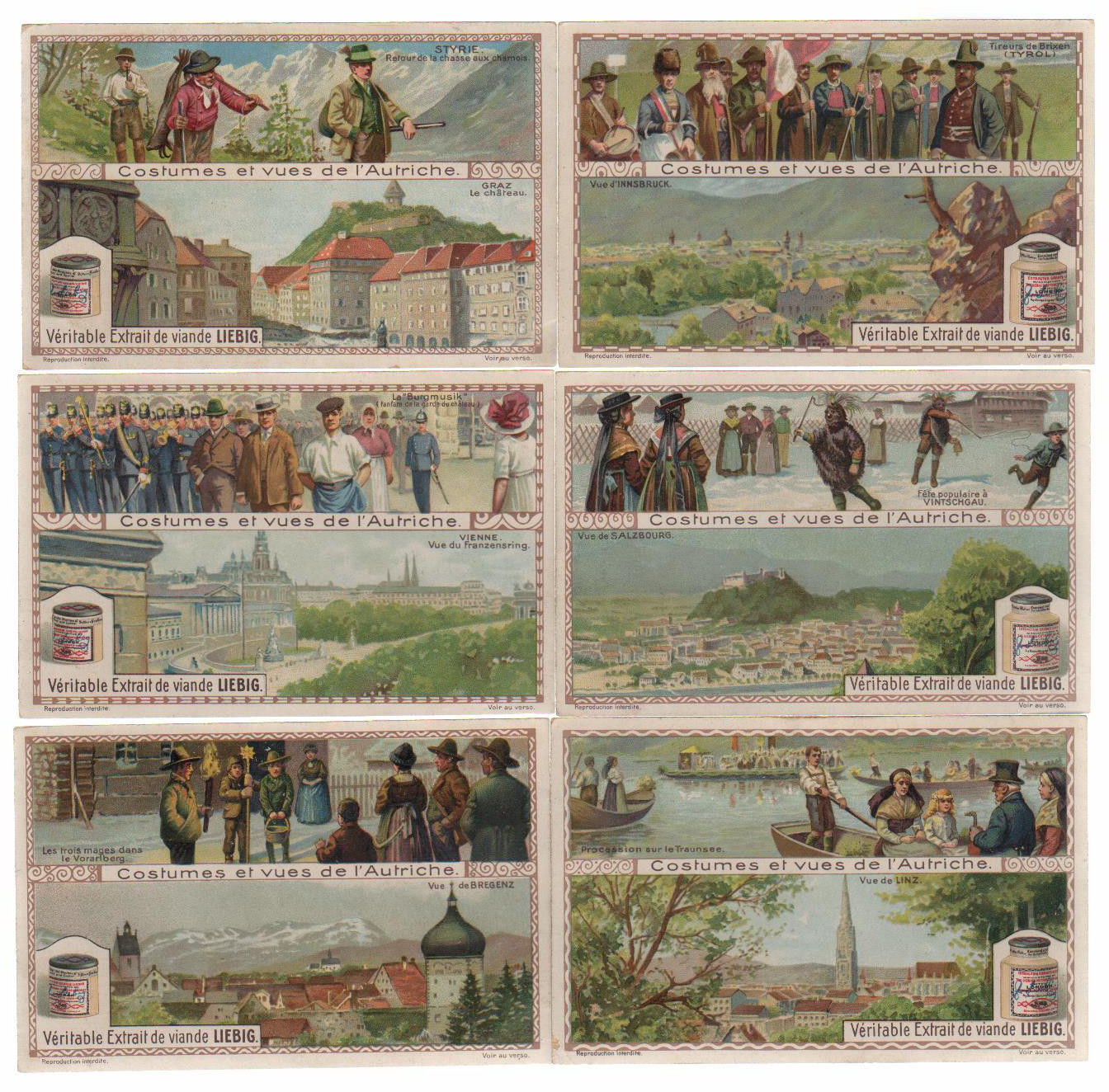
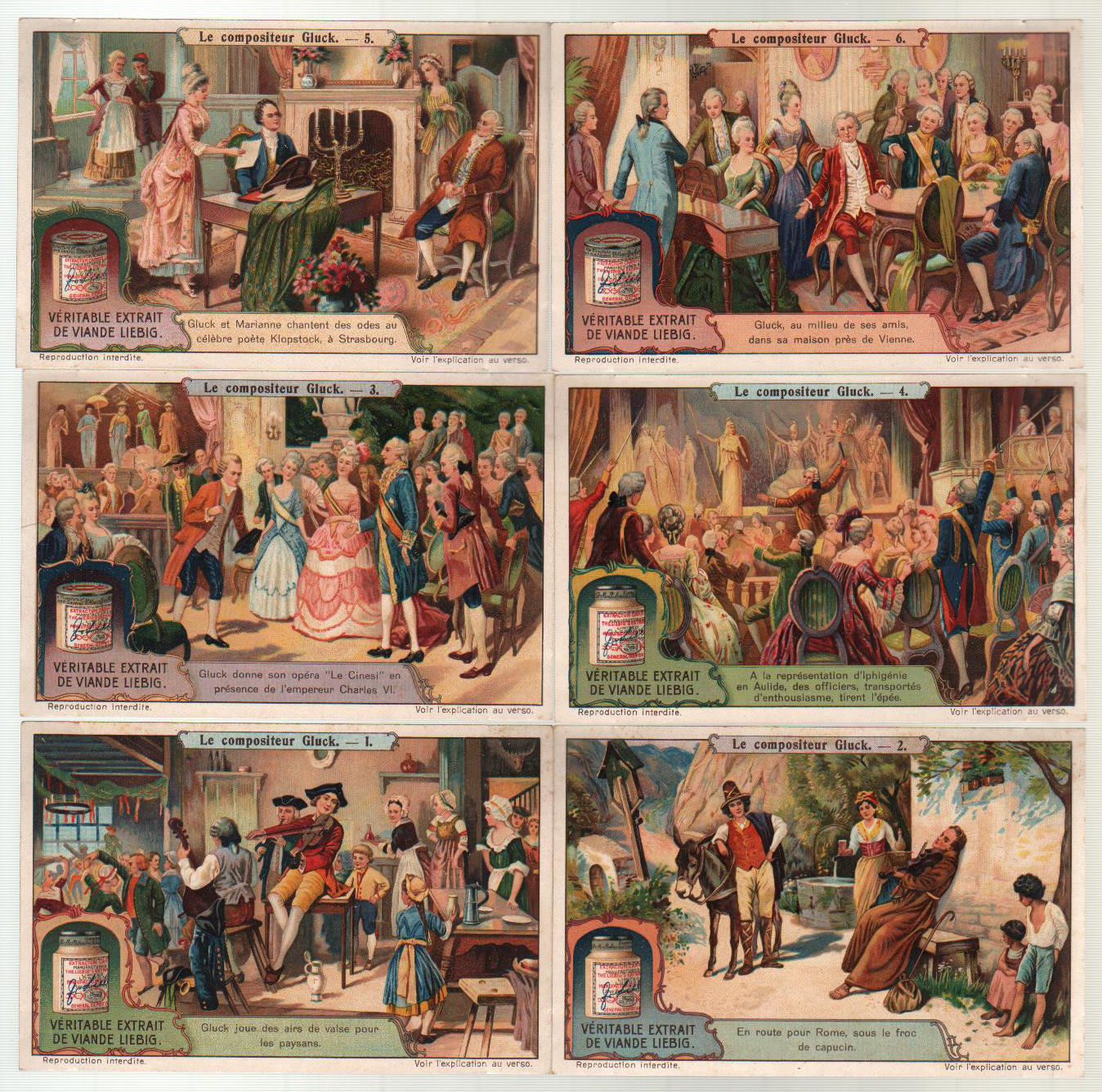
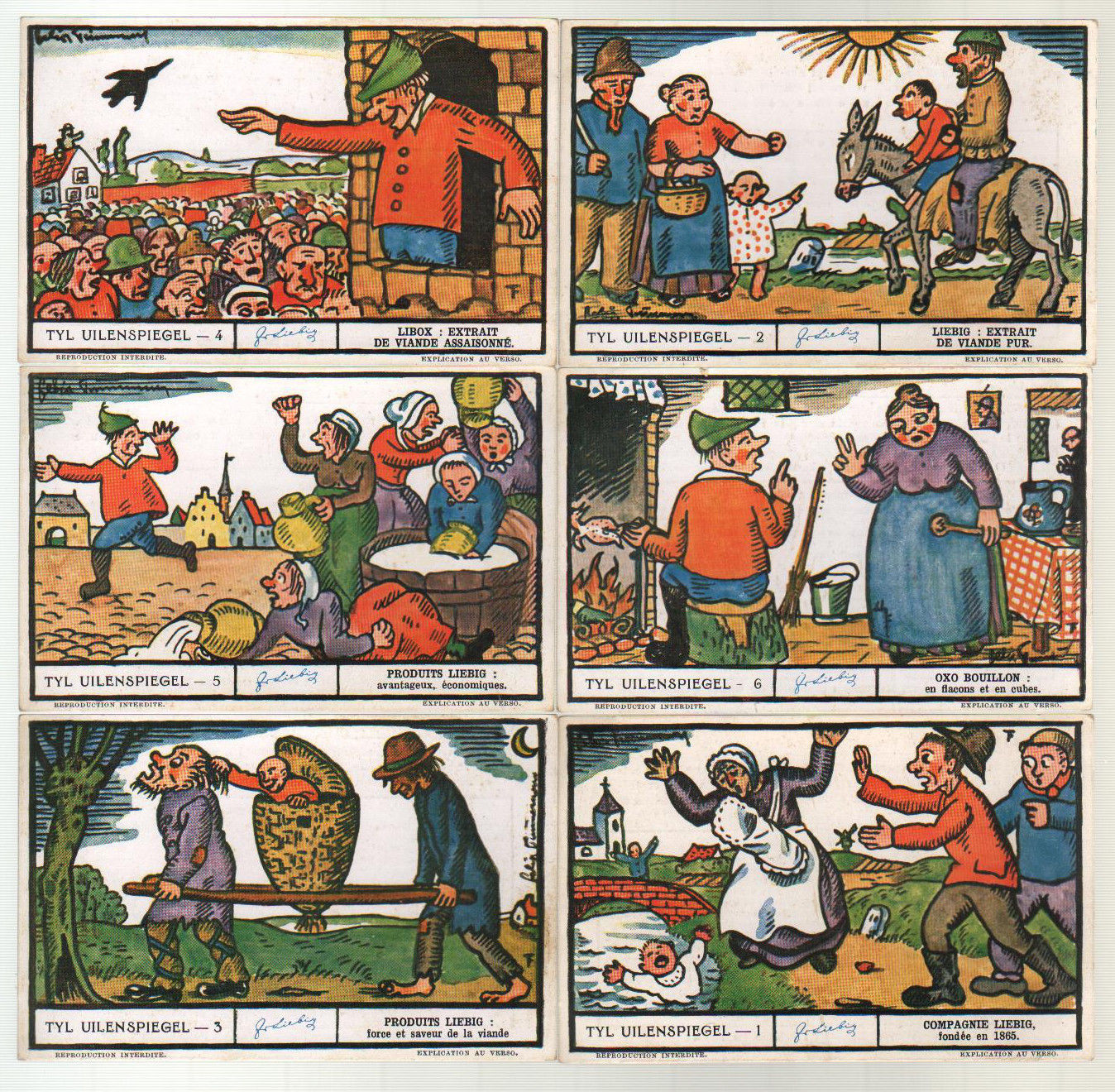
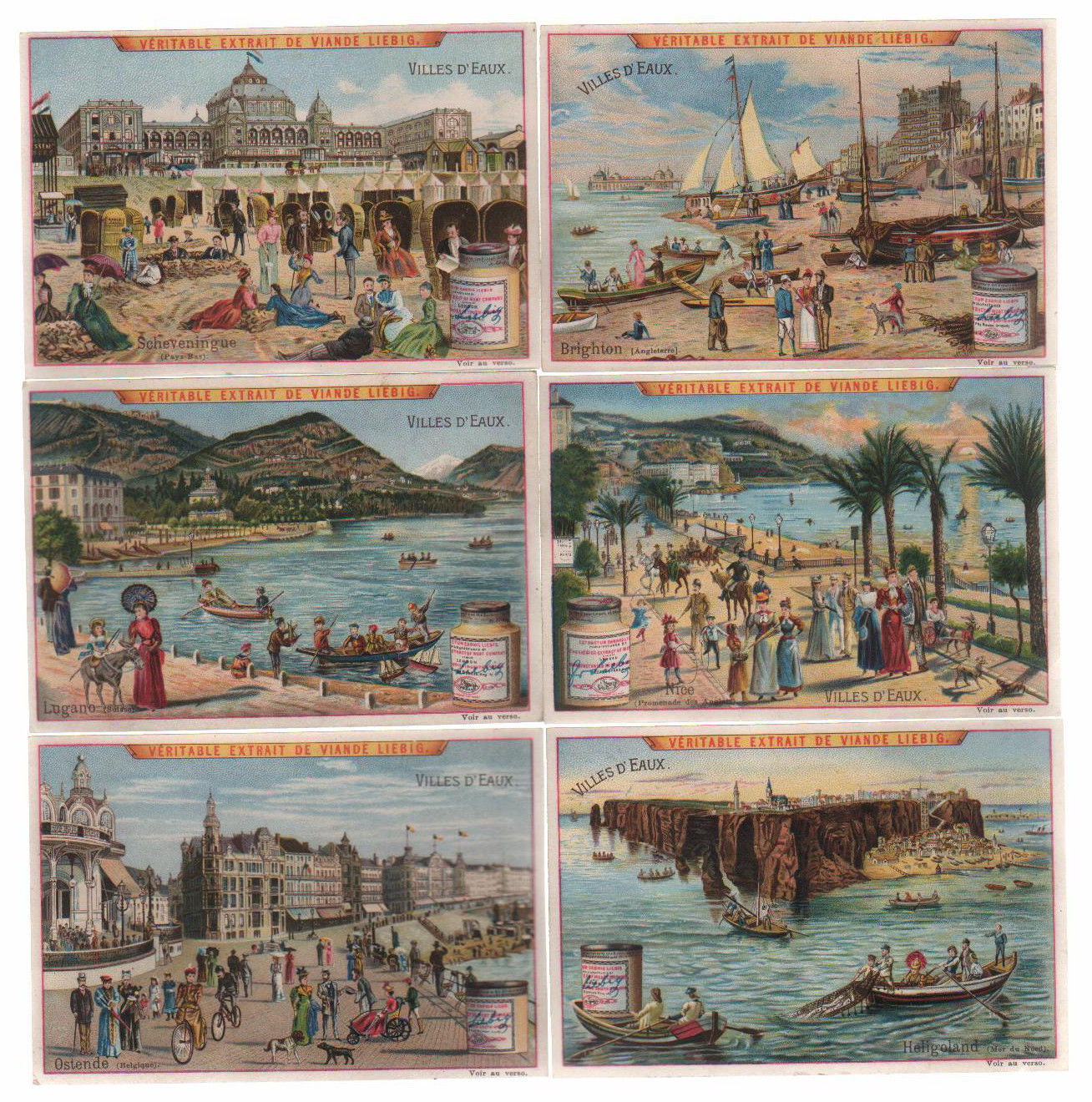
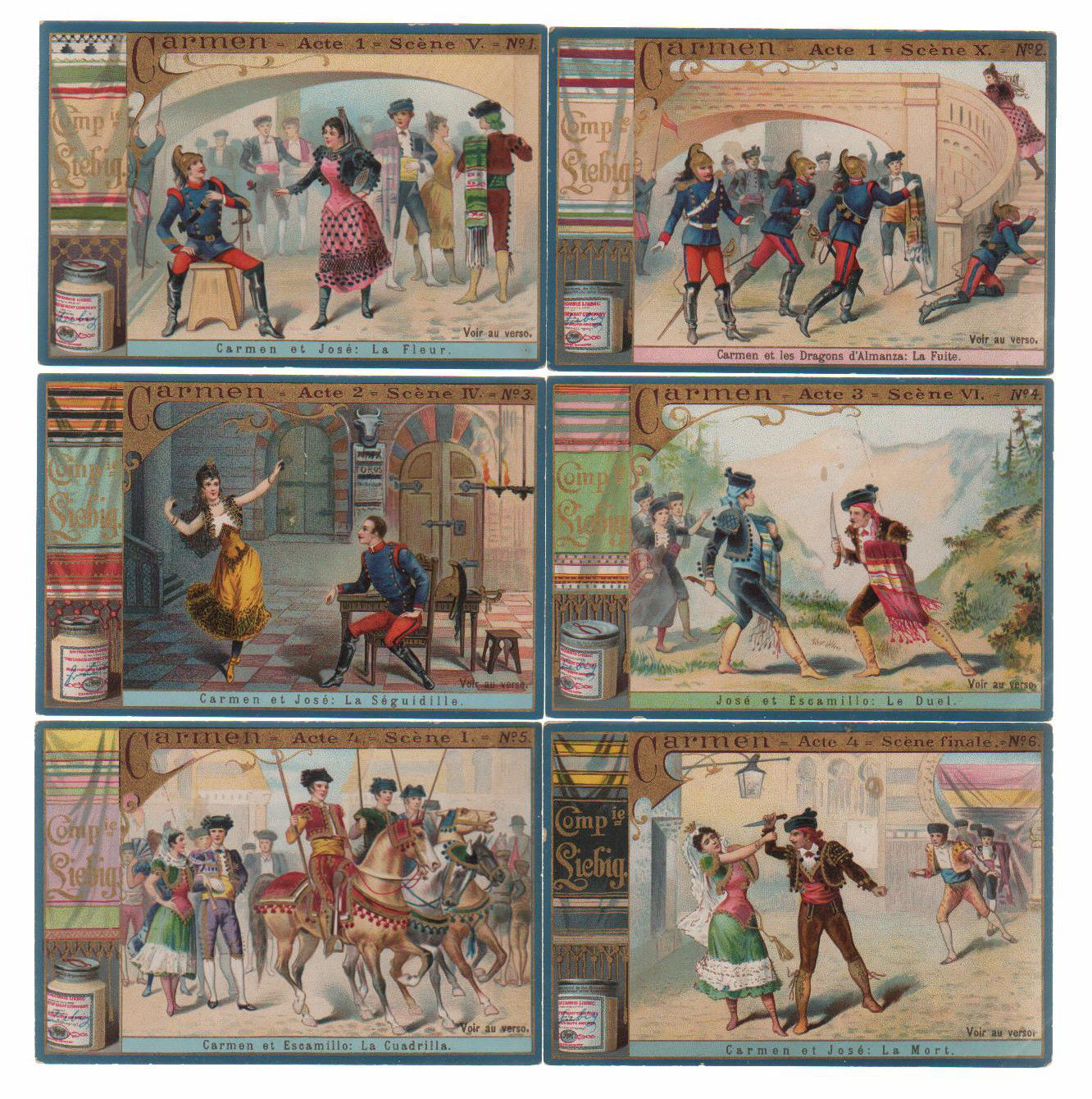
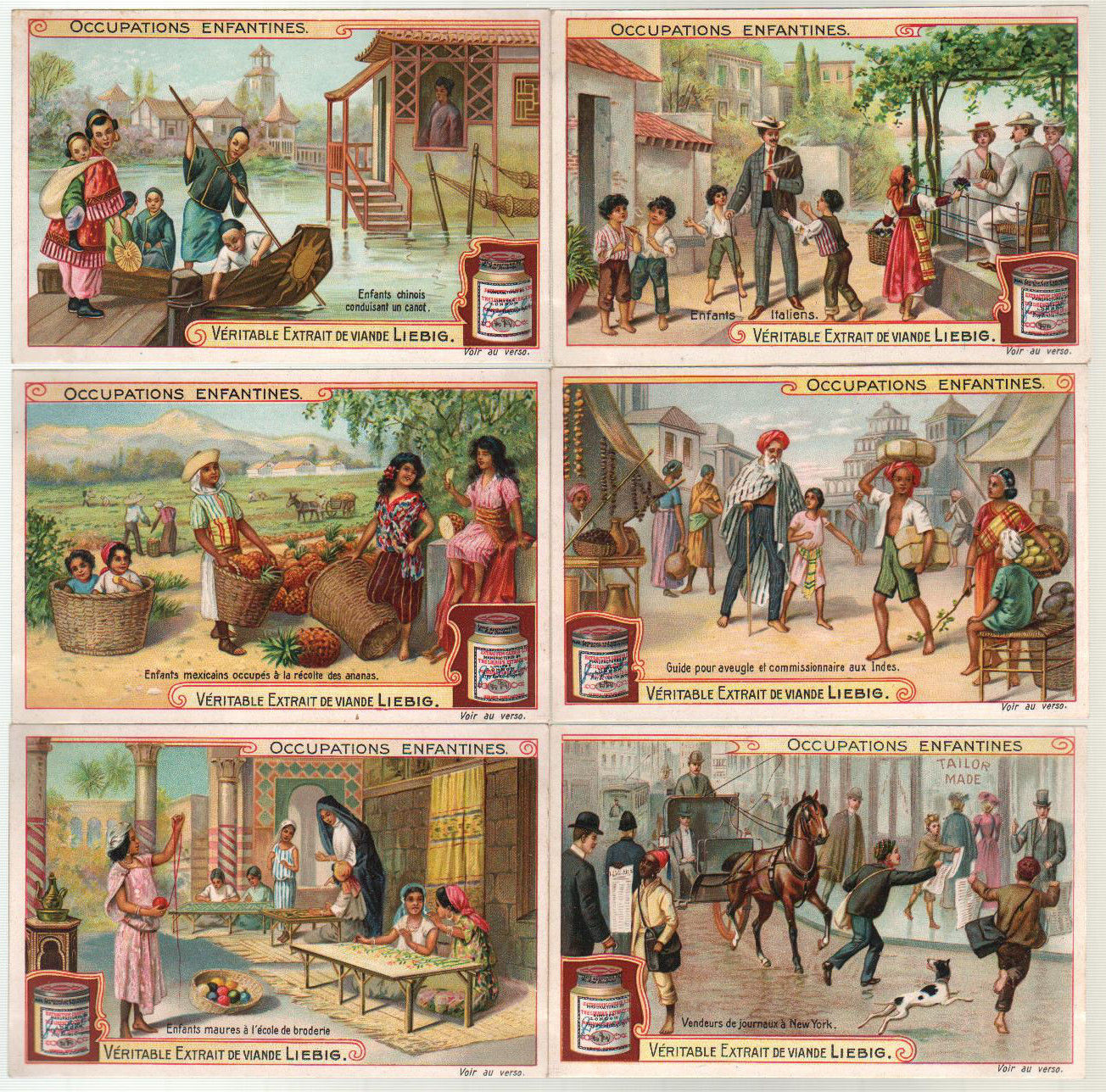
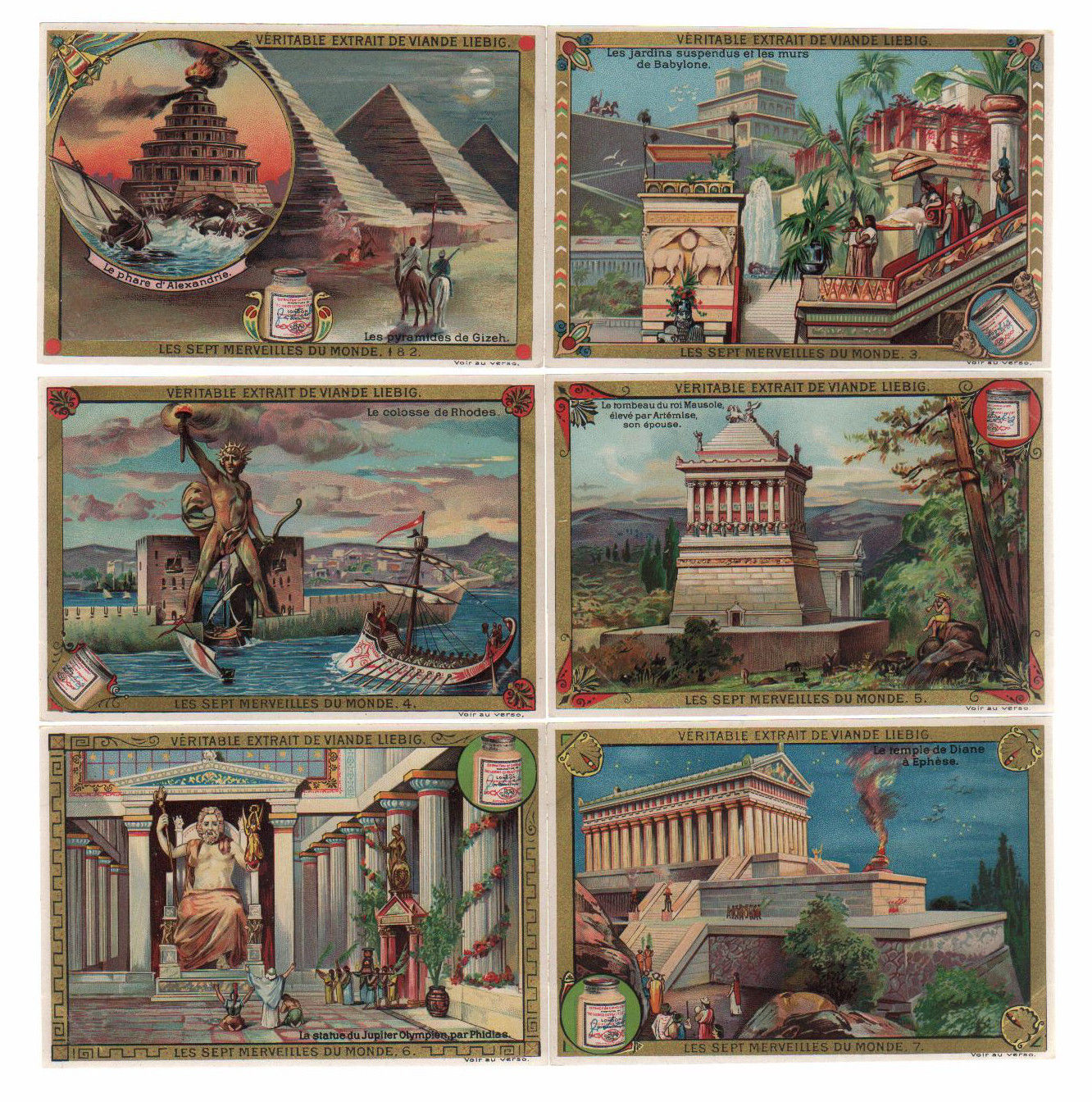
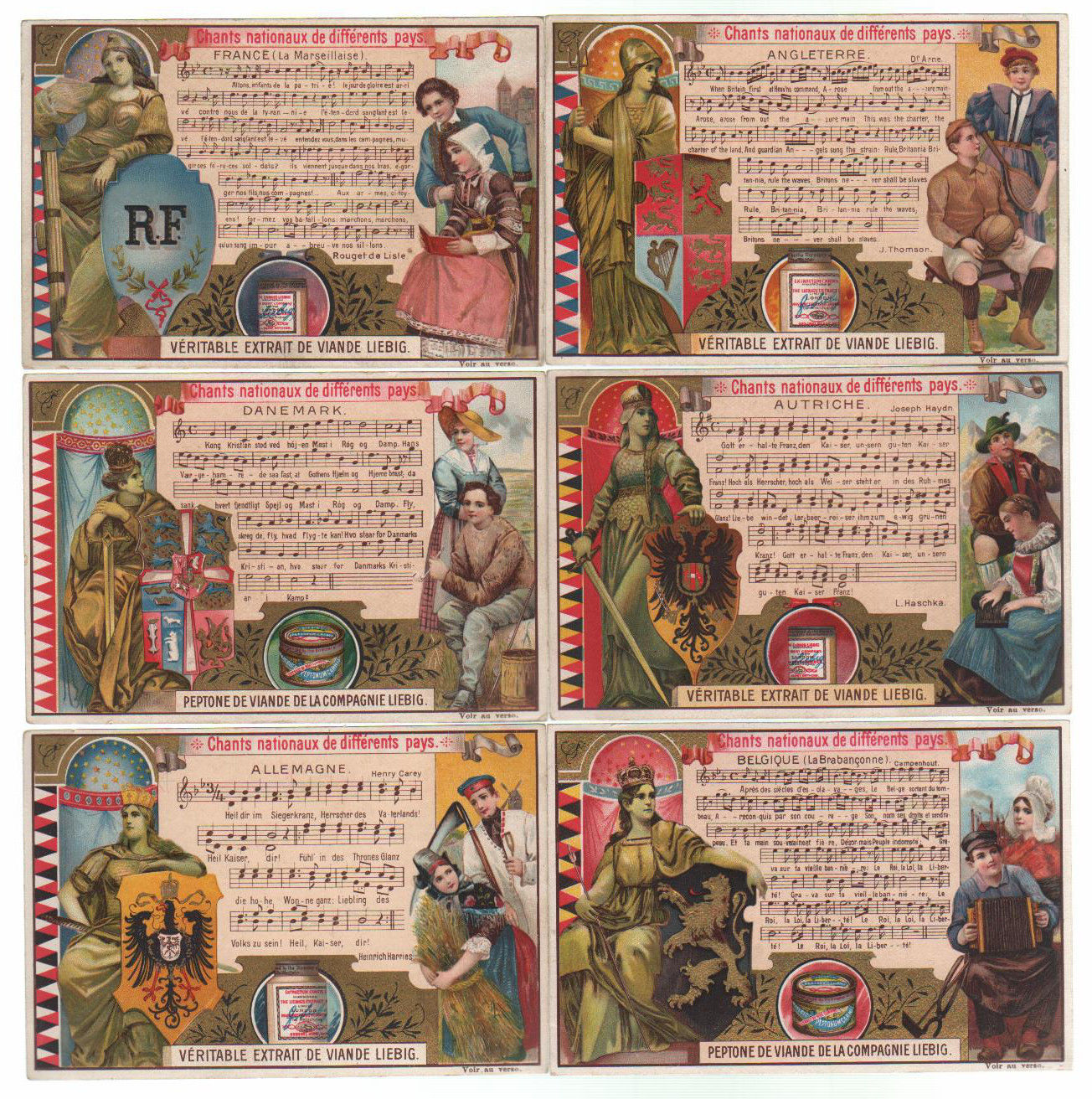
In 1872, they began to include sets of trading cards featuring stories, historical tidbits, geographic tidbits, and so on. Many famous artists were contacted to design those series of cards, which were first produced using true lithography, then litho chromo, chromolithography, and finally offset printing. The cards remain popular with collectors and are often collected in albums. And – there are thousands of different ones to collect.

liebig 57   liebig 60

liebig 59  liebig 58
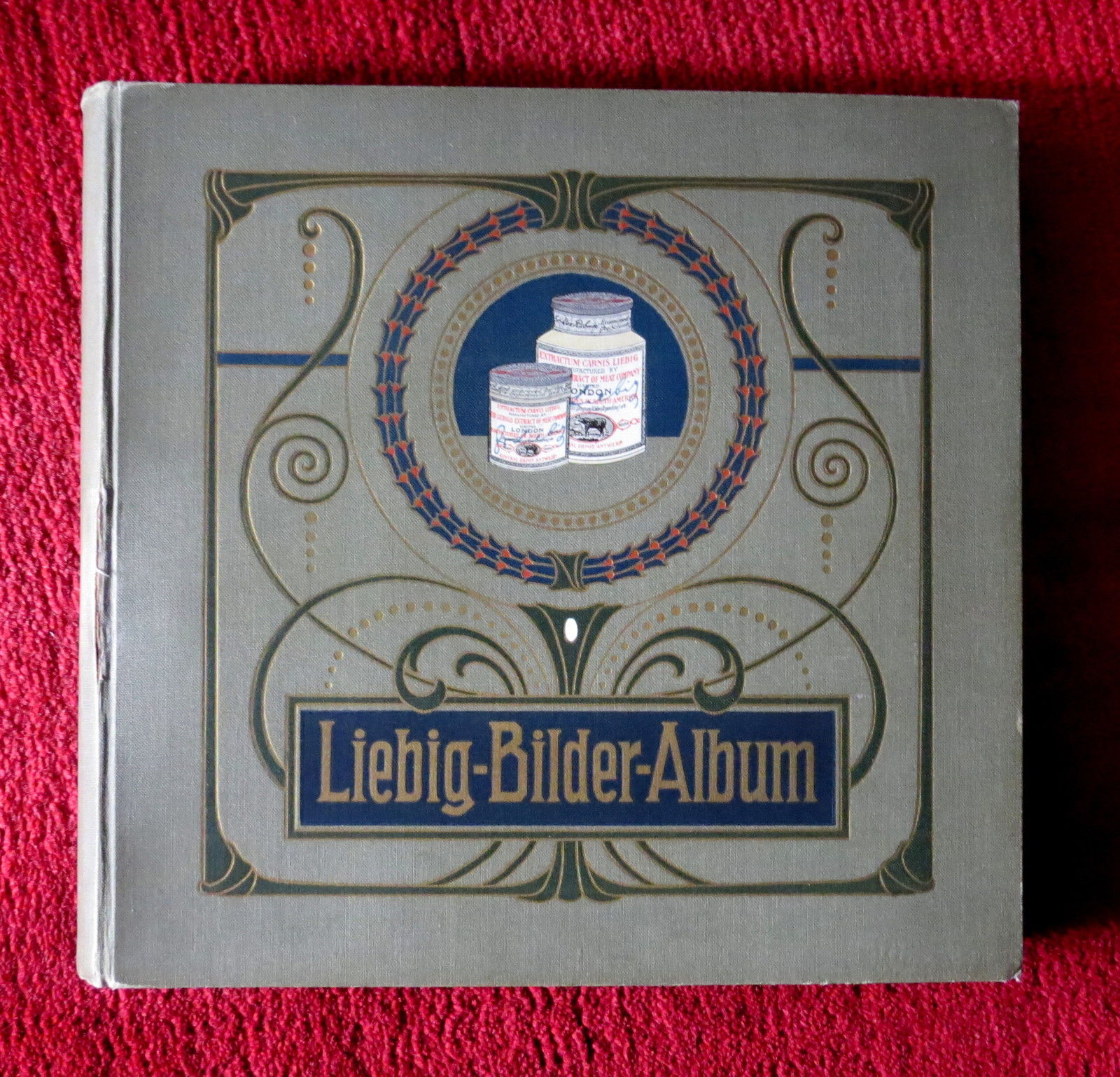
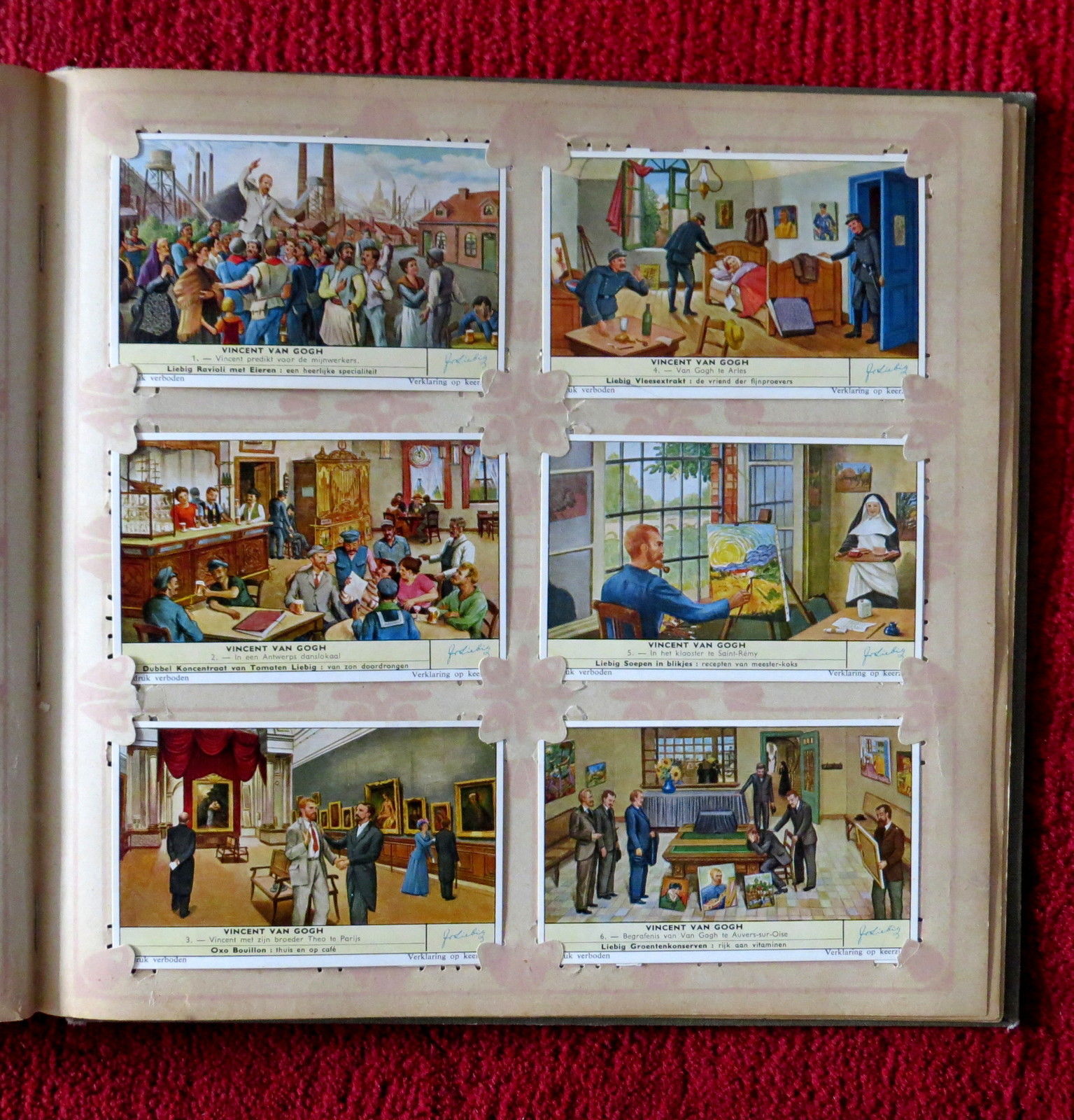
Typical trade card set album. Every page contains one serie of 6 cards. The first series from the 1880’s are of course the most expensive ones. If you are interested in collecting or prices, have a look into ebay.

A set usually consisted of six cards, grouped around a particular theme. The card sets told often a story, from card one to card six (like the opera Carmen), or they showed one particular theme (like the set of national anthems). All of them were strongly educating.
Down here some examples of these phantastic card sets.

Liebig 167  Liebig 165

Liebig 168    Liebig 169

Liebig 170  Liebig 166

Liebig 172 Liebig 171

If one ask the question „how many cards or how many sets were printed ?“ then no one can answer precisely. Many countries had their own marketing and trading sections. For sure there were „10th of thousand“ different ones. No collector in this world is known who has all of them. May be you’ll start to collect yourself ? Life is boring without a hobby !!

Veröffentlicht unter Collecting, History, Hobbies, Information, Must See, Uruguay | Verschlagwortet mit , | 2 Kommentare

Easter menu 3

easter 6

Only one  week to Easter weekend.
Here comes the third Easter menu suggestion.

In Uruguay we have the “Semana Santa”, the Easter Week. Starts on
Monday the 30th of March and ends with Easter Sunday, the 5th of April.
One week holiday – time enough to cook yourself through all the menus.

Each menu will contain a starter, a main and a dessert. They are easy
to make, very light and soooo delicious. Of course you can design your
own menus out of these 9 recipes posted.  All made for 4 persons.

The Starter :
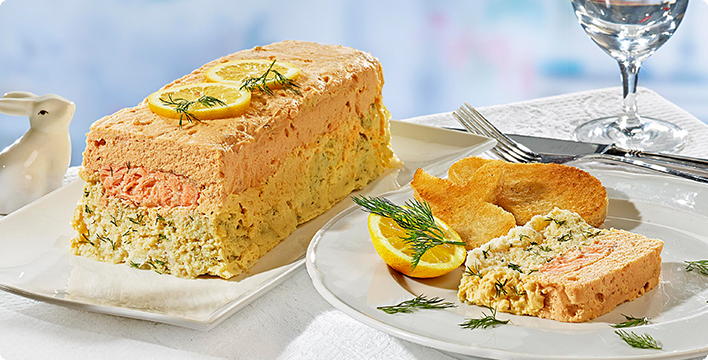
Salmon and Cod Tureen on Bunny Toast.

gourmet 3

Ingredients.

450 g salmon fillet
450 g cod fillet (for Uruguay, corvina will do too)
2 eggs
600 ml whipping cream
salt
pepper
2 tablespoons dill
1 tbsp vermouth
8 slices toast
2 tablespoons butter

How to do.

Rinse short and cold the salmon and cod, pat dry with kitchen paper and dice.
Put half the salmon and all the cod separated into a mixer bowl and chop finely.
Mix each fish farce with an egg and 300 g of ice-cold cream, salt and pepper.
Stir in the dill under the cod farce.
If desired refine the salmon farce with the vermouth.
Preheat oven to 175 C or 330 F.
Grease a box form or tureen (capacity approx 1.5 liters) with butter.
Fill first the salmon farce into the form.
Then lay out the remaining salmon slices on it.
Fill in the cod farce and smooth it with a spatula.
Cover with aluminum foil, put in a water bath in the oven and
let it thicken/drying for about 1 hour.

To serve, cut out from the slices of toast some Easter Figures (bunny toast),
butter them on both sides and roast in a pan till they are golden brown.
Pull the foil from the tureen, turn over the form and release the farce.
Then cut into slices.
Serve, with toasted bread as suggested, on plates and,
as desired garnish with lettuce leaves, dill and lemon.

Tips.

If you like, serve a little lemon-sour-cream to it. This is so easy to make
and so delicious. Glass of dry „Easter Champagne“ and you are in heaven.

The Main :
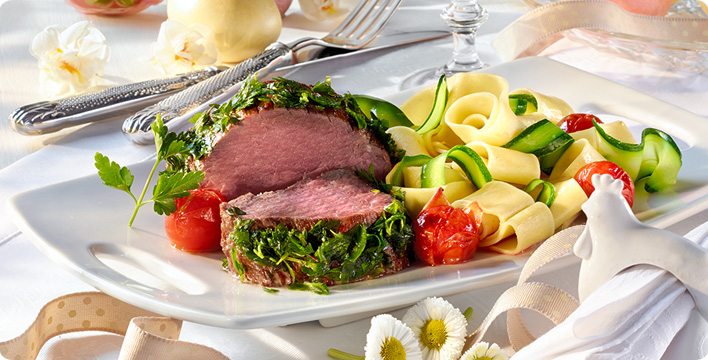
Beef Fillet with Herbs and Fettuccine.

gourmet 4

Ingredients.

1kg of fine quality beef fillet
2 tablespoons butter
9 tablespoons extra virgin olive oil
2 cloves of garlic
2 sprigs of thyme
4 sprigs of parsley
salt
pepper
500g fettuccine (or tagliatelle if you like)
1 zucchini
16 cherry tomatoes

How to do.

Pat the filet dry thoroughly.
Salt around and seal in a pan on all sides in hot butter.
Preheat oven to 160 C or 315 F.
Place in a ovenproof dish with 4 tablespoons olive oil.
Then cook for about 40-45 minutes. Don’t overcook, should be medium/rare.
Let the meat rest a while, as usual.
Press garlic and finely chop the herbs.
Cut crosswise the cherry tomatoes and fry slightly in 5 tablespoons
olive oil, pepper and salt.

Cook the pasta according to your normal directions in salted water.
Subtract from the zucchini with a vegetable peeler thin slices.
Add the zucchini strips 2 minutes in boiling water and mix with the drained noodles.
Sprinkle the finished fillets with the herbs and oil, still let sit them for 3 minutes.
Roll the meat into the herb mixture that it is covered well.
Now slice and serve it with the zucchini noodles. Add the stewed tomatoes around.

Tips.

Don’t use any coriander with the herb mixture, that will overpower the taste.
You will like this dish with a strong red wine, like Tannat or Shiraz.

The Dessert :
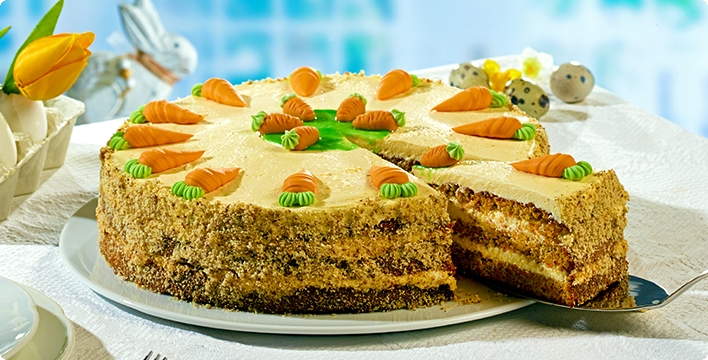
Butter Cream Carrot Cake.

gourmet 9

Ingredients.

For the sponge cake:
500 g carrots
7 eggs
1 pinch of salt
200 g sugar
1 sachet vanilla sugar
100 g almonds
100 g of wheat flour
1 tsp baking powder
—
For the cream:
250 g soft butter
1 sachet vanilla cream powder
500 ml milk 1.5%
3 tablespoons sugar
—
For the decoration (to your taste):
Marzipan carrots
chopped hazelnuts
green sugar font

How to do.

Clean, peel and finely grate carrots. Separate the eggs.
Beat egg whites until stiff and thereby add the salt.
Mix egg yolks, sugar and vanilla until foamy with a whisk.
Grind almonds. Mix almonds and carrots together.
Spread flour and baking powder over that mixture.
Add the egg whites on it and fold in gently with a wooden spoon.

Lay out a baking form (26 cm diameter) with parchment paper.
Then fill in the cake mixture, flatten it and bake for about one hour.
Take out the cake and cool on a wire rack,
then cut the biscuit twice horizontally into plates (having 3 plates).

Mix pudding powder and 5 tablespoons milk.
Boil the remaining milk and sugar, stir in the pudding powder,
bring to a boil again and then let the pudding cool to room temperature
under constant stirring.
Whisk the butter and stir in – spoon by spoon – the pudding.
After each spoon of pudding make sure it is well mixed before you add the next spoon.

Put the first bisquit plate on a serving plate. then cover with 1/4 of the cream mixture.
Lay the second plate on, cover again with a 1/4 of cream mixture and then the third plate
on top. Softly press all together.
Then cover the cake with the remaining cream mixture.
Place for 1 hour in a cool place, or even in your fridge.

Tips.

If desired cover the rim with finely chopped hazelnuts and the surface with marzipan
carrots and green sugar font (see picture).  ENJOY !!!

Veröffentlicht unter Recipes | Verschlagwortet mit , | Hinterlasse einen Kommentar

Easter Menu 2

easter 7

Only one and a half weeks to Easter.
Here comes the second Easter menu suggestion.

In Uruguay we have the “Semana Santa”, the Easter Week. Starts on
Monday the 30th of March and ends with Easter Sunday, the 5th of April.
One week holiday – time enough to cook yourself through all the menus.

Each menu will contain a starter, a main and a dessert. They are easy
to make, very light and soooo delicious. Of course you can design your
own menus out of these 9 recipes coming up. All made for 4 persons.

The Starter:
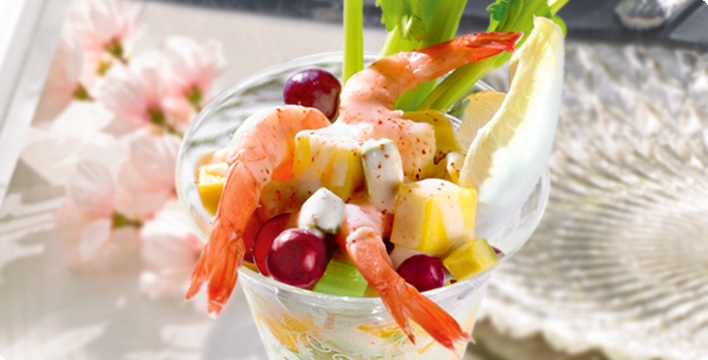
Mango and Avocado Shrimp Cocktail.

gourmet 2

Ingredients.

1 mango
1 avocado
150 g blue grapes
1 pack large shrimps (3-4 per person)
For the sauce:
1 egg yolk
150 ml sunflower oil
4 tablespoons sour cream
1 tsp lemon juice
salt
pepper

How to do.

Peel mango and avocado , cut from the core and cut into 0.5 x 0.5 cm cubes.
Wash grapes, pluck from the stem and cut in half depending on size.
Rinse and drain shrimps.
Whisk egg yolks, then embezzled the oil drop by drop until a mayonnaise-like sauce.
Mix sauce with sour cream, season with lemon juice, salt and pepper.
Decorate shrimps, grapes, mango and avocado cubes in glasses, spread the dressing over.
Depends on your taste, you can decorate with celery, chicory leaves and orange slices.

Tips.

In case you don’t like or you can’t make the sauce, try the recipe with
premixed „1000 islands“ dressing out of the bottle. If you want, you can serve
this cocktail with some crackers. A nice cool Chardonnay goes well with it.

The Main:
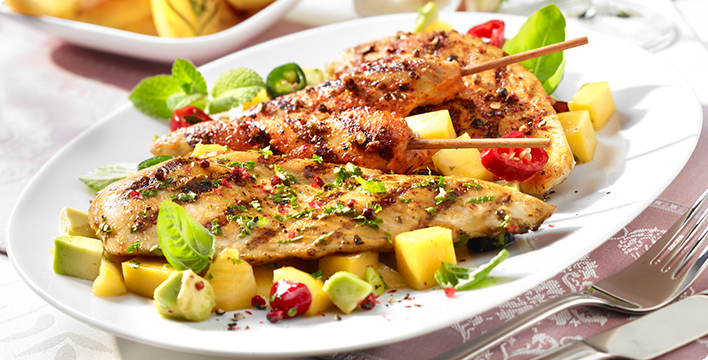
Chicken Grill Platter on Mango-Avocado Salad.

gourmet 6

Ingredients.

1 bunch of parsley
a few mint leaves and basil leaves for decoration
zest and juice of one lime
3 tablespoons olive oil
1 tablespoon honey
salt
pepper
1 mango
1 avocado
1 small red chilli
1 small green chilli
1 Premium Chicken

How to do.

Wash, drain and chop fine the parsley leaves.
In a bowl stir the parsley, lime zest and juice.
Mix in olive oil and season to taste with honey, salt and pepper.
Cut mango in halves and the flesh from the stone. Pulp, peel and cut into cubes.
From the avocado also cut the flesh from the stone, peel and cut into cubes.
Cut chillies into rings and remove seeds. Give mango, avocado and chilli in the
marinade, mix gently and leave it covered until ready to serve.

Cut chicken into pieces, slice breast meat and flatten with a mallet.
Grill or fry in a pan the chicken pieces and serve with the mango and avocado salad.

Tips.

It is more decorative and easier to grill, if you debone the chicken and use flat
fillets or the meat on skewers. Serve with lemon rosemary potatoes from the oven.
You can drink the same Chardonnay as recommended before or a light rose wine.

The Dessert:
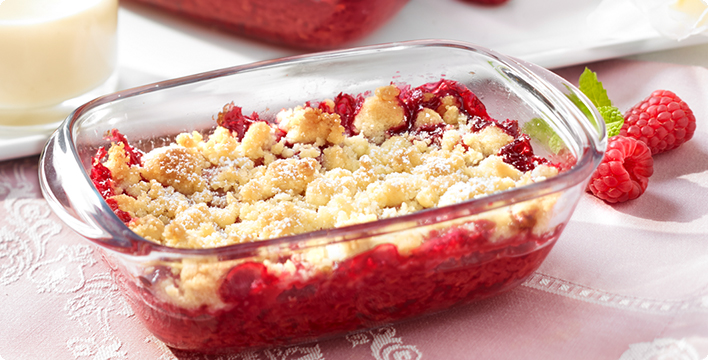
Raspberry Crumble.

gourmet 7

Ingredients.

For the „Streusels“:
100g wheat flour
80 g sugar
1 sachet vanilla sugar
60 g butter, softened
pinch of salt
For the raspberries:
250 g raspberries
50 g sugar
juice of half a lemon

How to do.

Put some raspberries for decoration aside.
Make a puree with one half of the remaining raspberries mixed with sugar and lemon.
Then mix into the puree the other half of the raspberries.
Preheat the oven to 200  C or 400 F.
Put all the ingredients for the „Streusels“ in a bowl and process with a mixer on
the lowest setting to small crumbles. You also can do this by hand.
Distribute Raspberries in small serving ramekins (or in one larger form) and
sprinkle the „Streusels over it.
Bake in the oven for about 25 minutes, until the crumble is golden brown and crispy.

Tips.

Serve warm with fresh whipped cream and a glass of Fruit liquor and coffee.
In summertime I suggest to cool the dessert in the fridge before serving,
Enjoy !!!

Veröffentlicht unter Recipes | Verschlagwortet mit , | Hinterlasse einen Kommentar