
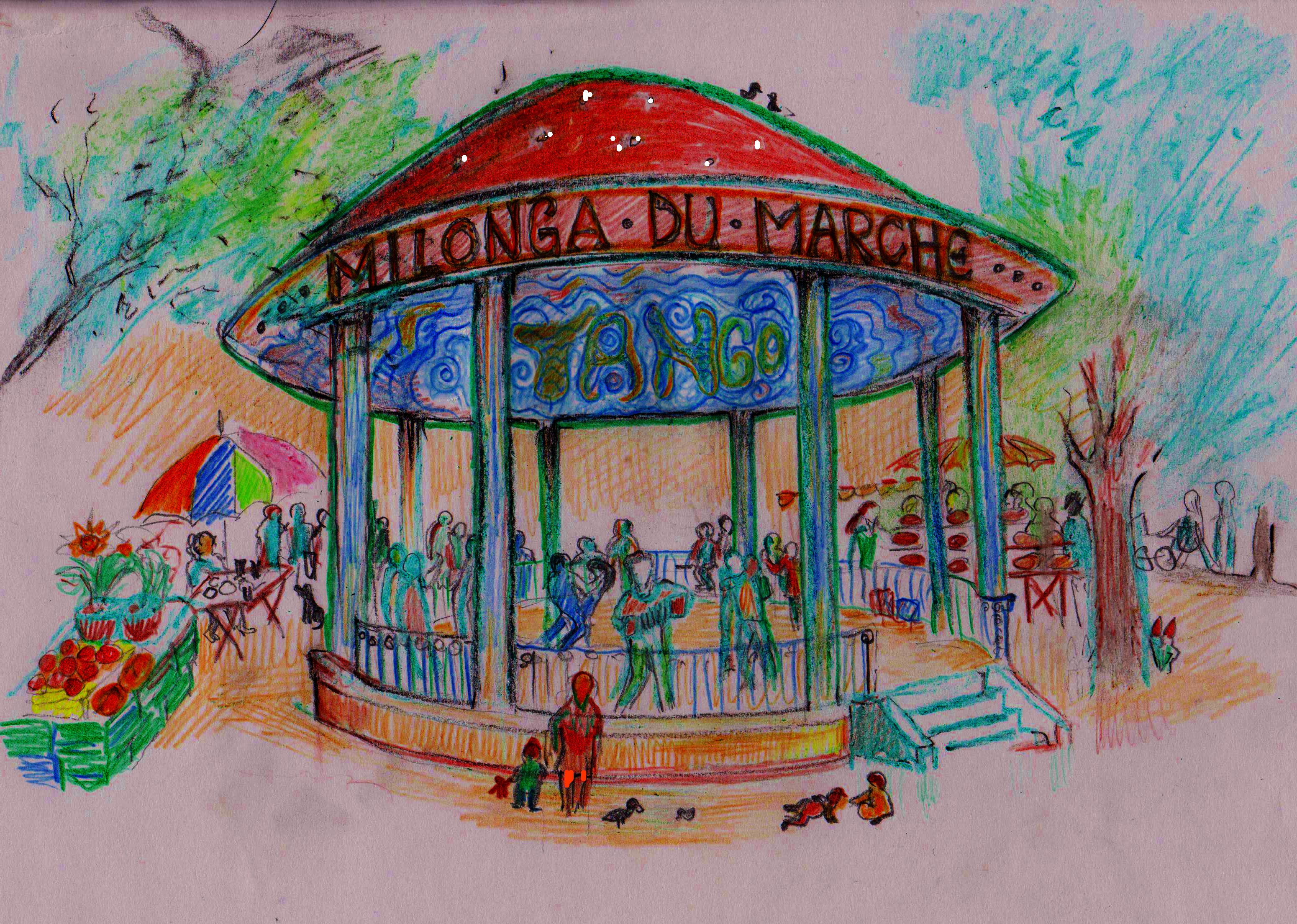
How it all began.
Tango is inseparable connected with Milonga or Candombe. To understand Milonga, we have to understand the difference between Milonga – the „place of dancing“, or the „event of dancing“ and Milonga – the „music itself or the style of dancing“.
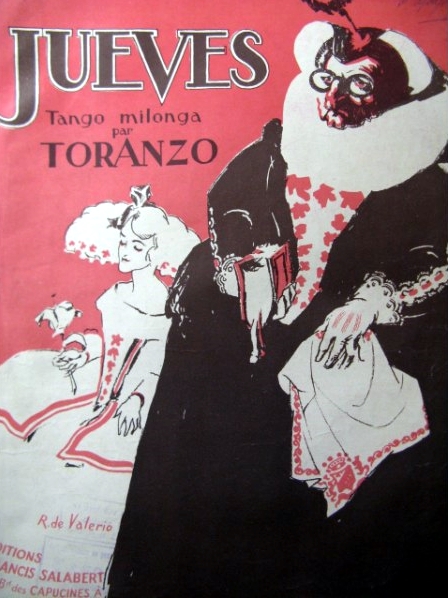
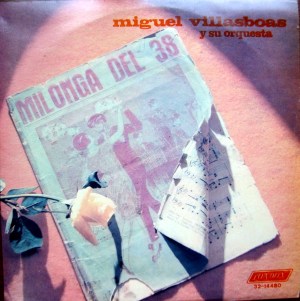 Very early Milonga record with sheet music cover.
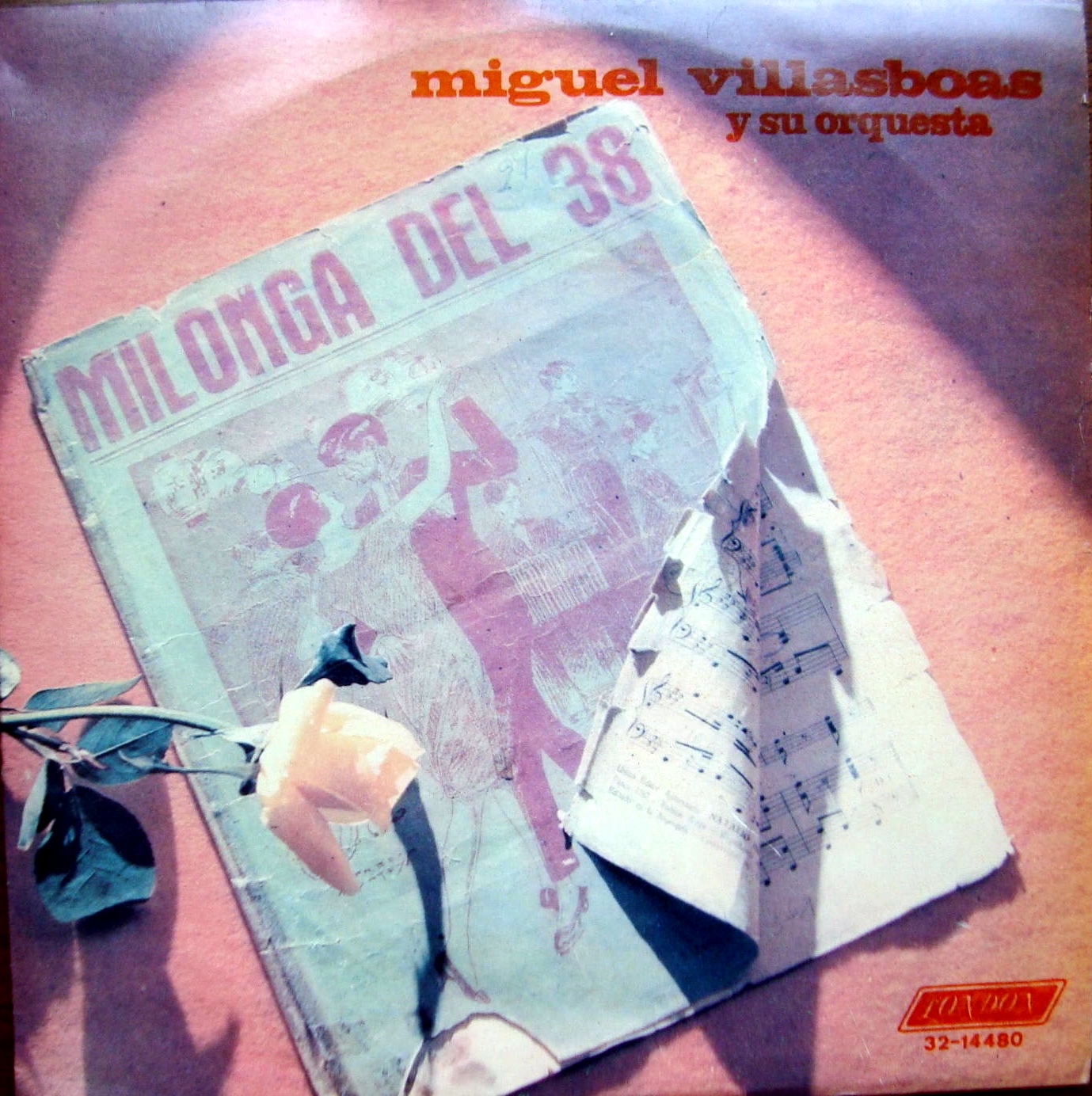
It is worth noting that modern-day Argentineans also use the word „milonga“ as slang to mean „many words“. For example a phrase might go something like „No vengas con esa milonga“ – „Do not come with such a long complaining discourse“ or „La vida es una milonga“ – „Life is a milonga“ (meaning life is a long drama).
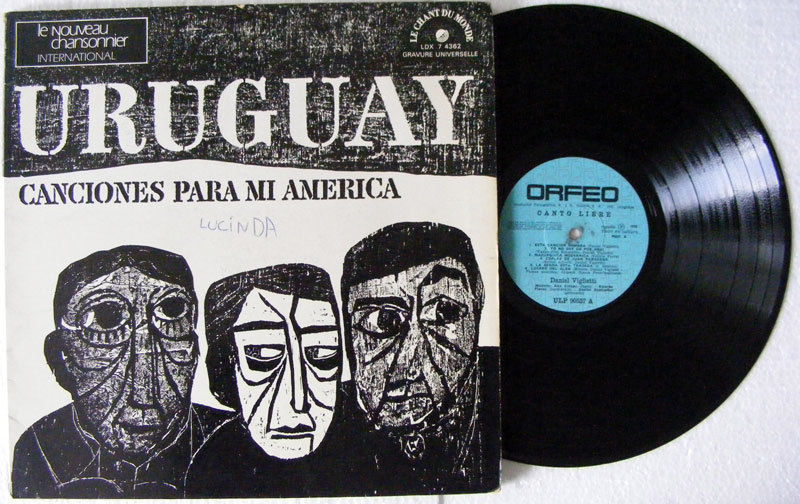
 Rare Urugayan Milonga record.
The milonga is the predecessor of the modern tango, which began as an urbanized folk dance.The earliest tangos were in fact mostly titled tango criollo para piano and were milongas rather than true tangos, with ensembles consisting of the bandoneón, flute and guitar.
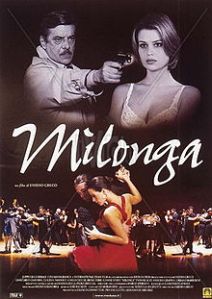
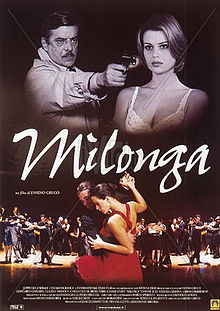
Milonga is a 1999 Italian film directed by Emidio Greco.
For his dancing performance Giancarlo Giannini won the Globo d’oro for best actor.
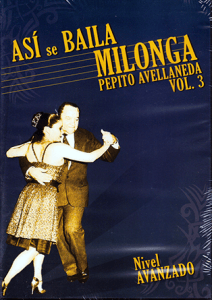
Milonga dance is dancing to Milonga music.
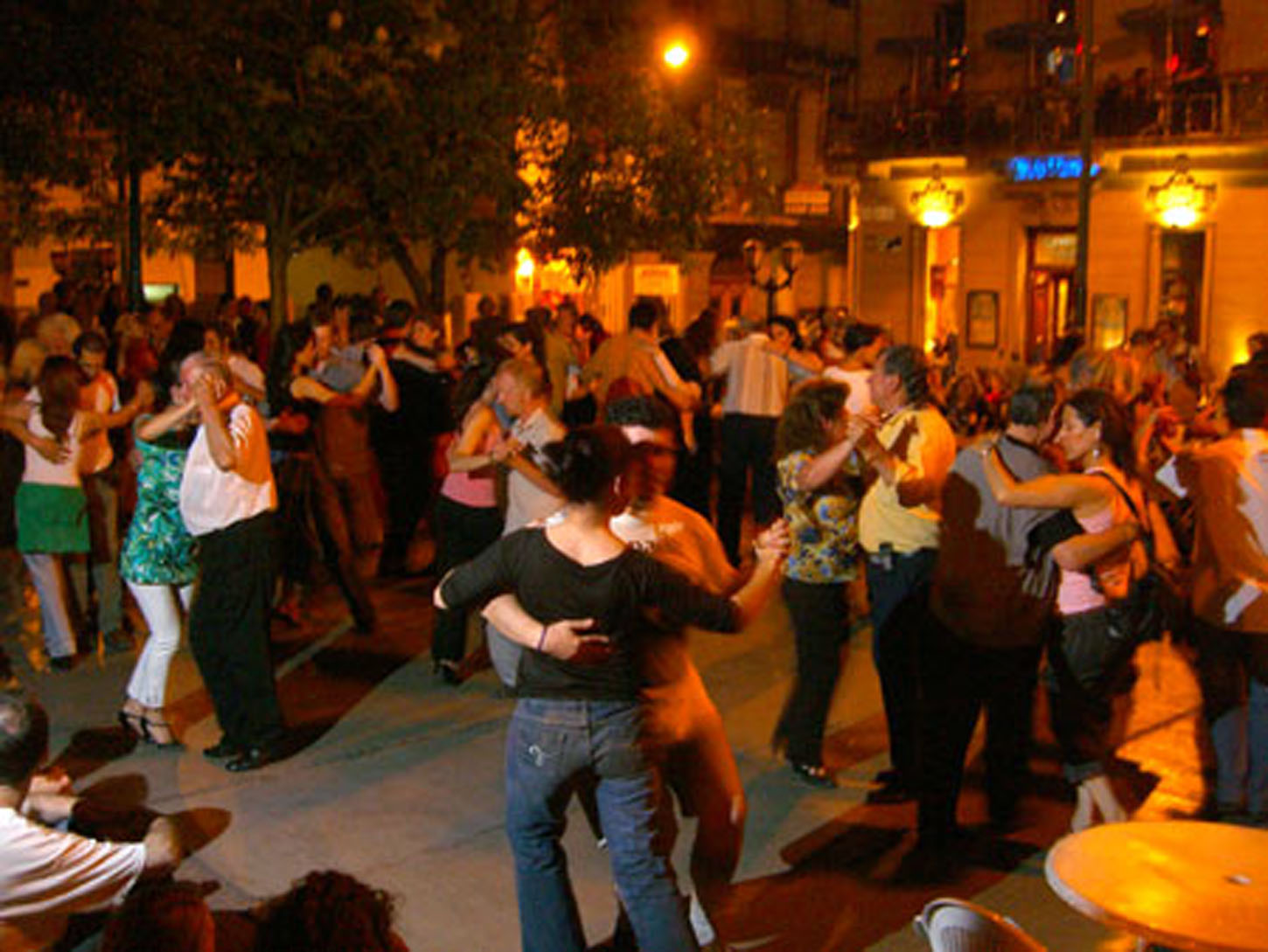
Milonga dance incorporates the same basic elements as Tango but permits a greater relaxation of legs and body. Movement is normally faster, and pauses are less common. It is usually a kind of rhythmic walking without complicated figures, with a more humorous and rustic style in contrast with the serious and dramatic Tango. This is the dancing style you will mostly see in open clubs, bars, cafes or on the streets in Uruguay. Most people still will call it Tango, but it’s Milonga.
 Music sheet and Lyrics for a typical Milonga.
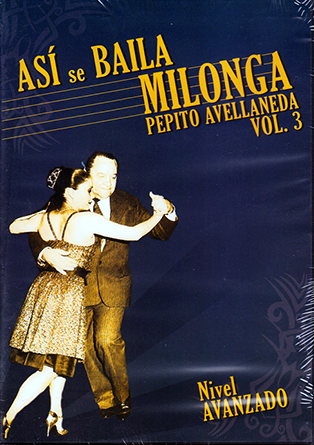
In a book published in 1883, Ventura Lynch, a noted contemporary student of the dances and folklore of Buenos Aires Province, noted the influence the Afro-Argentine dancers had on the compadritos, who apparently frequented the Afro-Argentine dance venues, „the milonga is danced only by the compadritos of the city, who have created it as a mockery of the dances the blacks hold in their own places“.
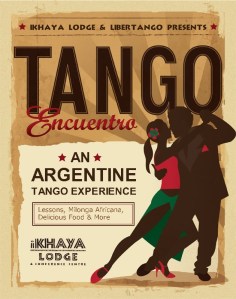
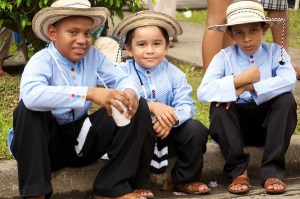
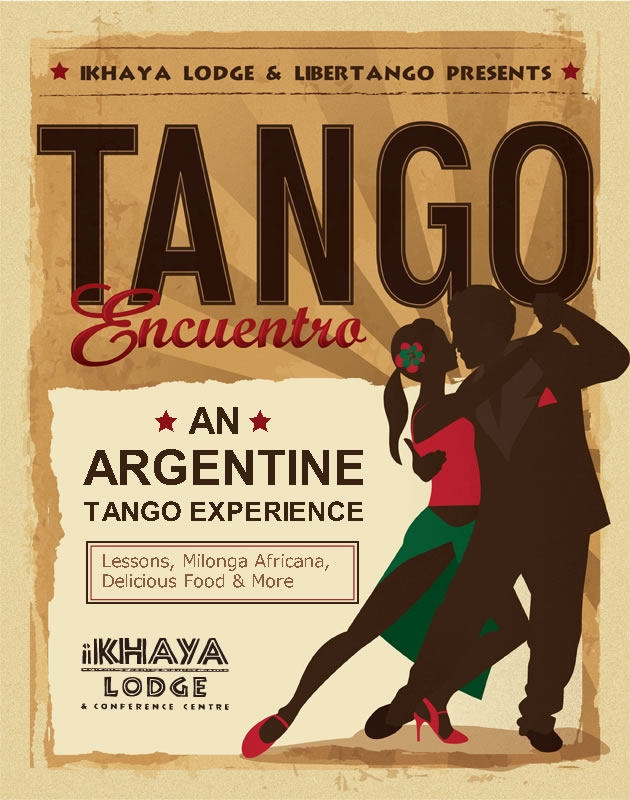
Tangos – Milonga Africane – written for the Compadritos. And some compadritos preparing for the show.
Distinctive elements added from candombe were quebradas, improvised, jerky, semi-athletic contortions, the more dramatic the better, and cortes, a suggestive pause, or sudden break in the figures of the dance.
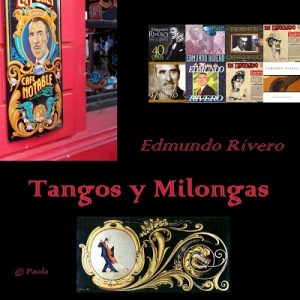 Record Cover with dances of Tango and Milongas.
Unlike in the then „Tango“ of that group, however, where these movements were danced apart, they were now danced together. Jose Gobello suggested that the mazurka was also altered in the districts close to the docks. This Africanized milonga-tango, as well as the habanera and mazurka, was frowned upon, and found wholly unacceptable by some sections of Argentine high society.
Milonga evening in a Milonga bar.
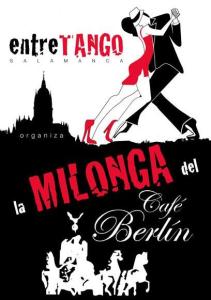 Go and dance a Tango during a Milonga at Cafe Berlin.
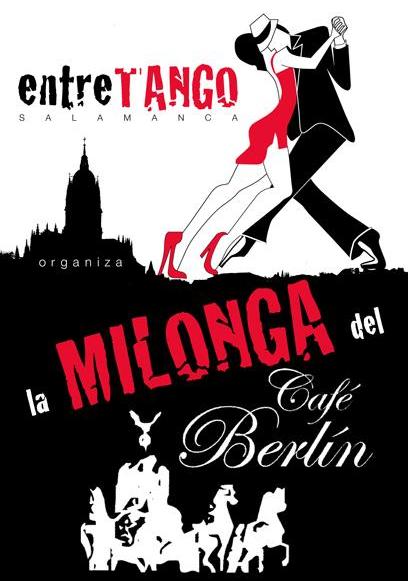
Milonga is also a term for a place or an event where tango is danced. People who frequently go to milongas are sometimes called milongueros. The term milonga can also refer to a musical genre or a style of dance related to tango. The music played is mainly tango, vals and milonga (as the musical genre). Milongas are also the events where people meet to dance.
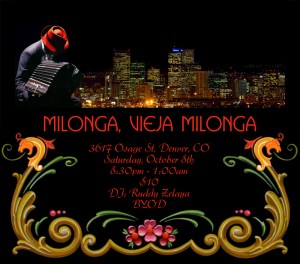
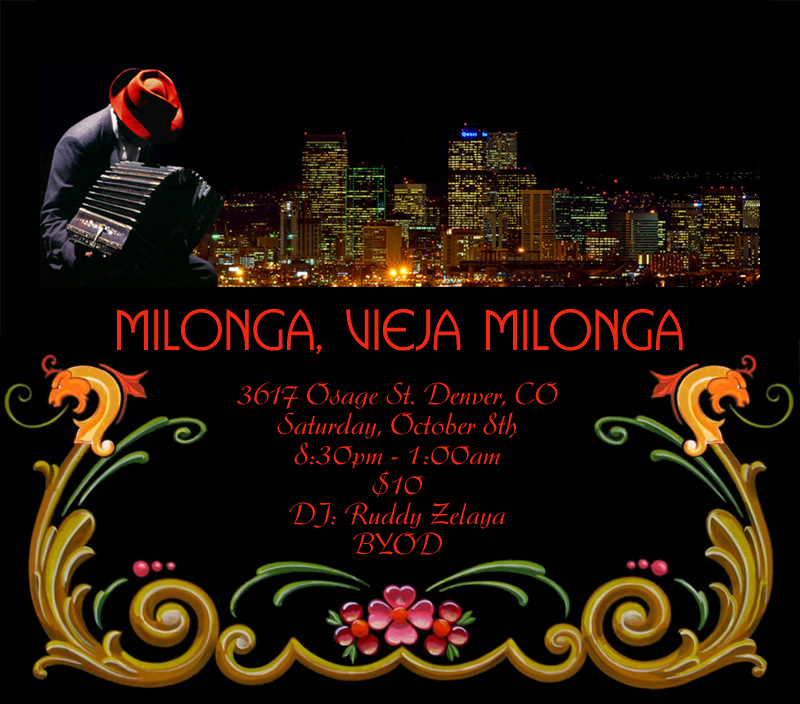
„Milonga“ event in Denver, Colorado, also showing the music which will be played, „Vieja Milonga“.
Most milongas are held on a regular basis (usually weekly), and they often begin with dancing classes and sometimes demonstration dances. Usually, three to five songs of a kind are played in a row (this is called tanda) followed by a short musical break (called cortina) to clear the dance floor and facilitate partner changes.
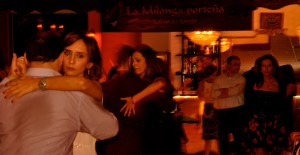 Notice the sign „La Milonga Portena – Salon de Tango“.
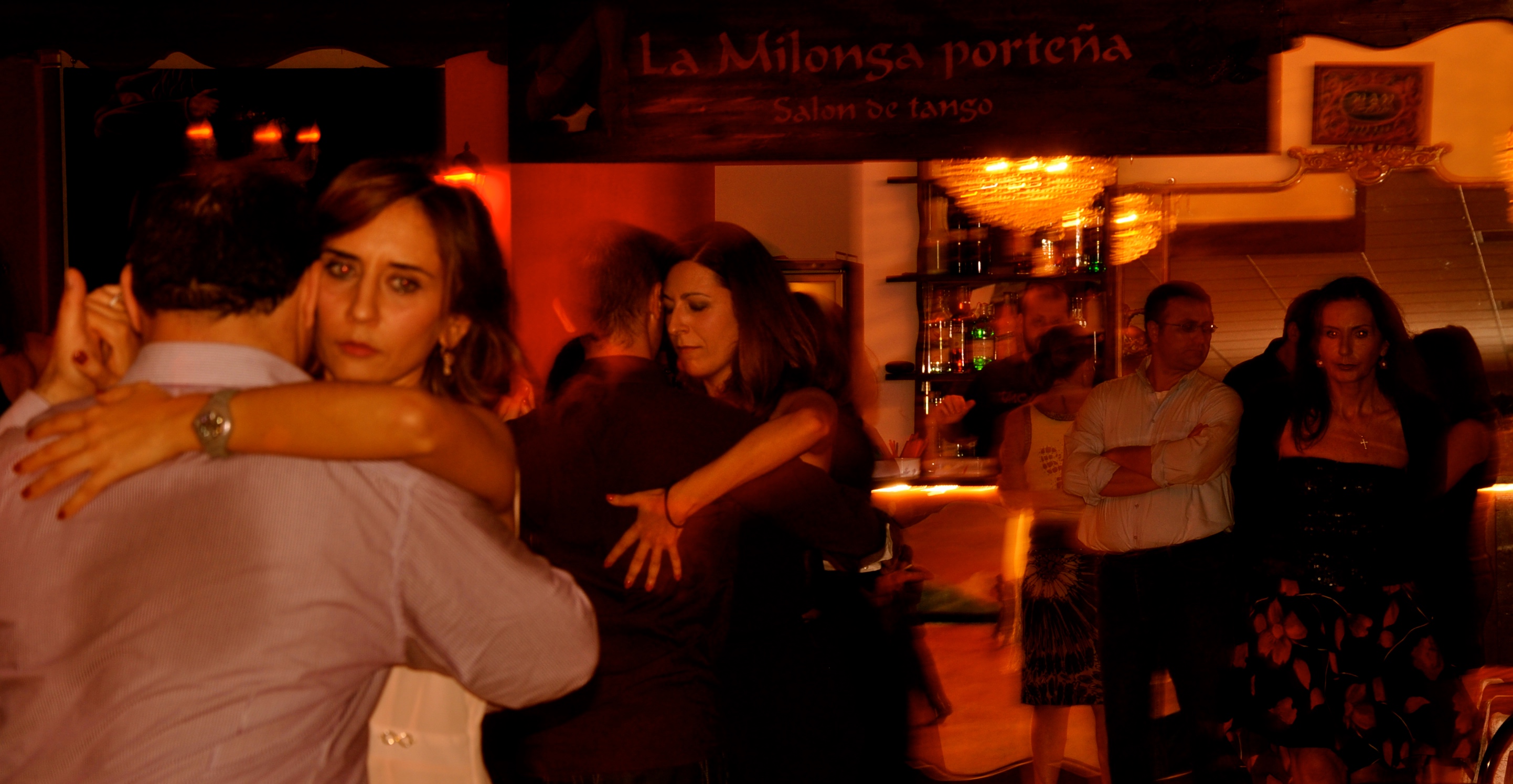
There are a number of informal rules that dictate how dancers should choose their dancing partners and navigate the floor. Very often, as an Uruguayan rule, the band plays at the end of a Milonga, the tango „La Cumparsita“. See part 4 of these posts.
 Milonga is everyone’s dance, in dance halls or on streets of Montevideo. Often mixed up with Tango.
But – who cares, as we call all that Tango, as always. Important is to have that dancing mind, right ?
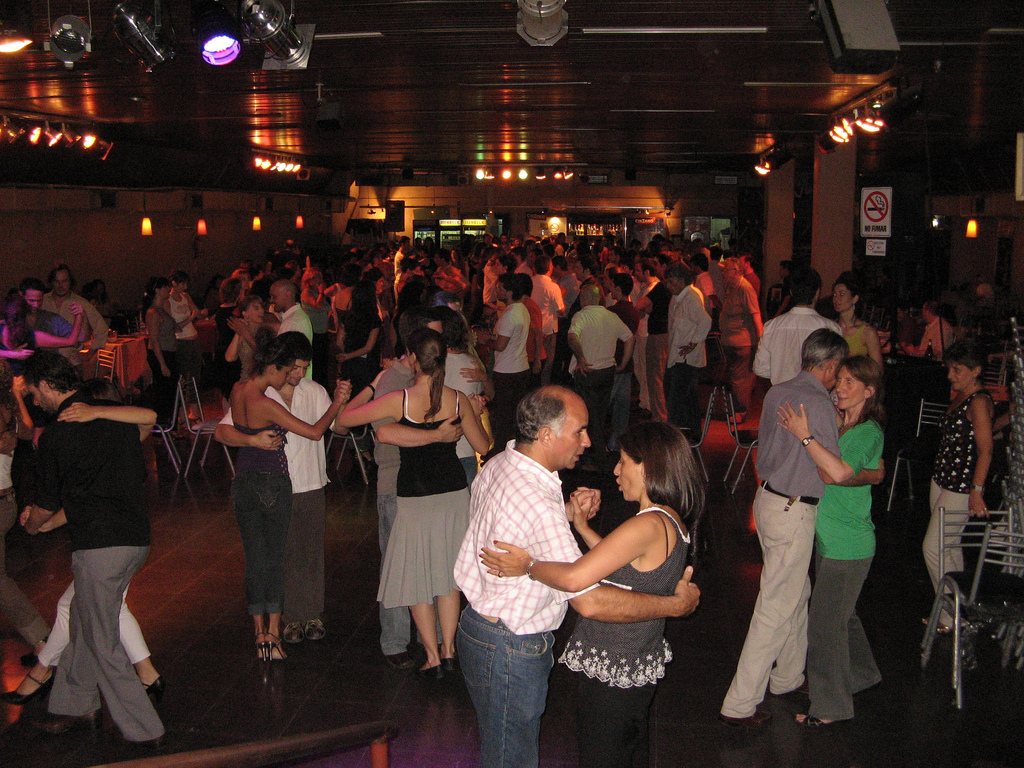
According to José Gobello (President of the Academia Porteña del Lunfardo, Buenos Aires, the word milonga comes from of the South West African Bantu language Kimbundu and is the plural of „Mulonga talking“. In this original sense it means milongas (plural used), in today’s dealings Spanish, still mean „lies and deception“. If you are in Buenos Aires visit the Historic Museum at the Academia Lunfardo.
 Motivating emblem of the Academia Porteña del Lunfardo.
On the one hand the Milonga goes back to the African American Candombe, on the other hand, its lyrics are a development of improvised payadas of the Gauchos, often with antiphonal singing. Just to sum up, we can say that people go to Milongas and dance tango, vals or milonga. That means you can dance Milonga to Milonga music during a Milonga event in a Milonga bar. Confused ?
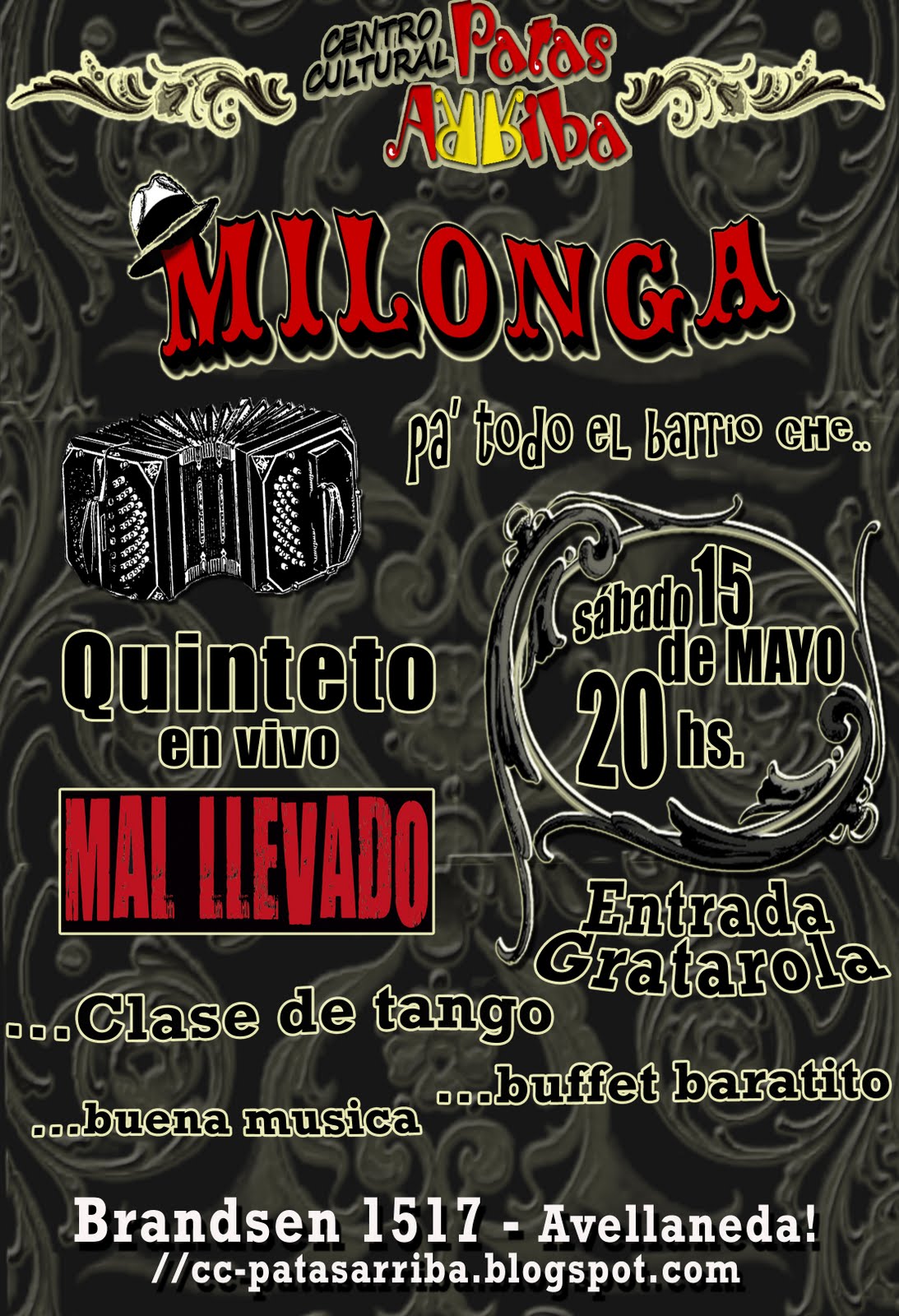
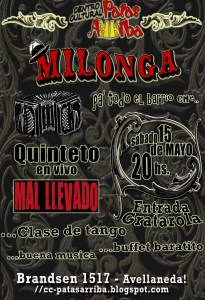 Milonga at Centro Cultural Patas Arriba, Avellaneda Arg..
Collecting Tango – Milonga music sheets.
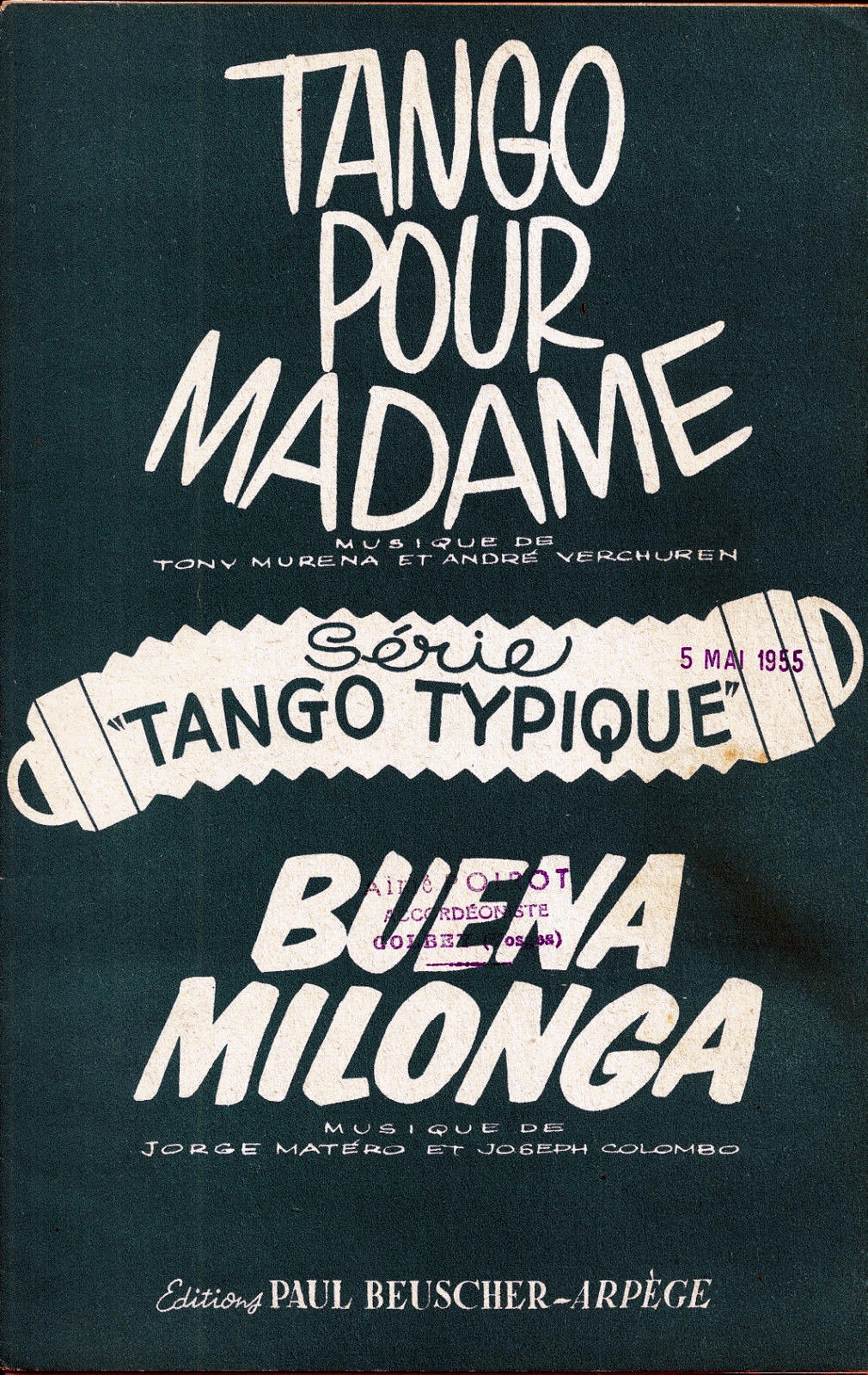
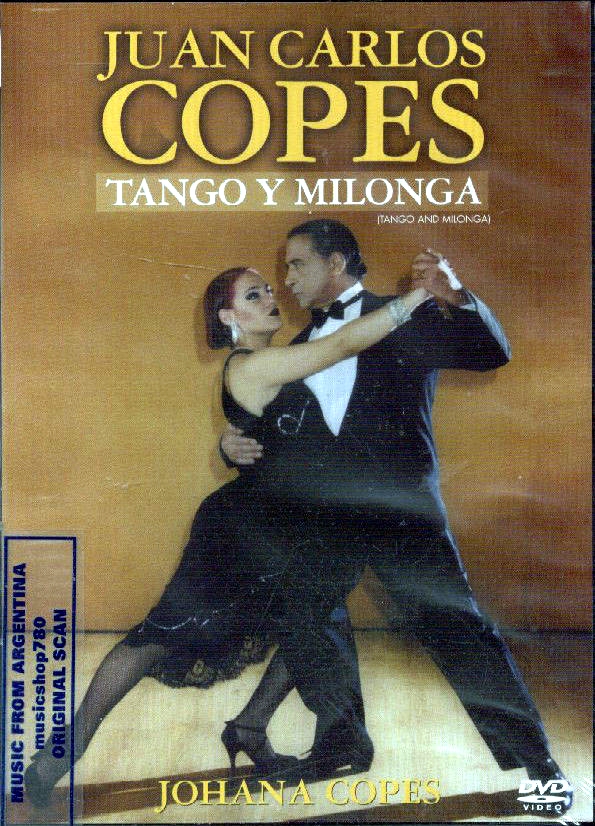
Down here some examples from the authors collection:
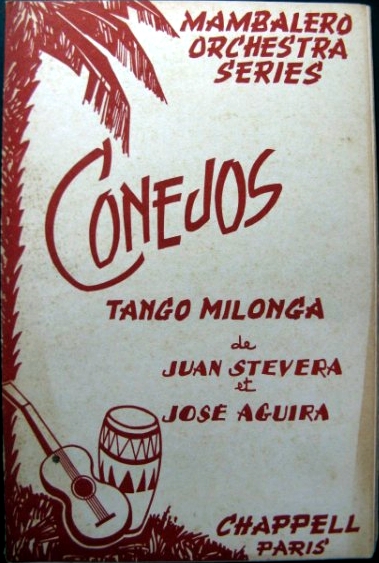
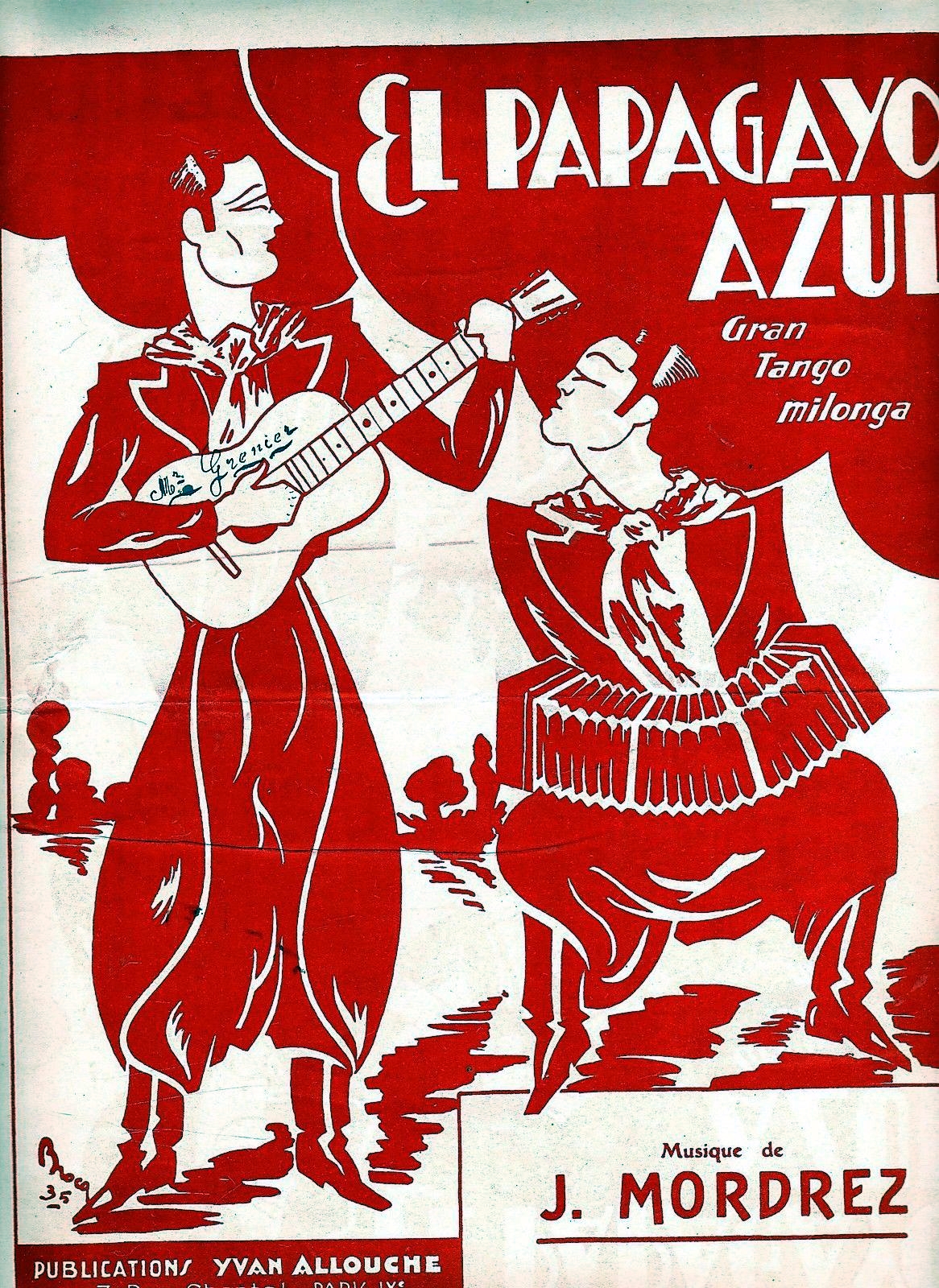
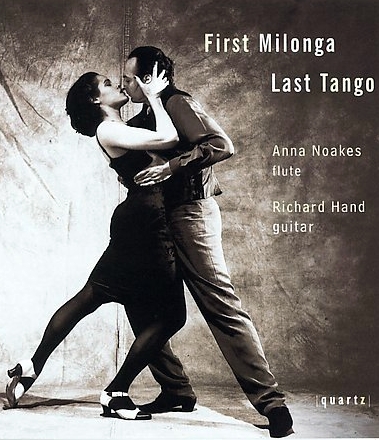
One famous and well known Milonga song is:
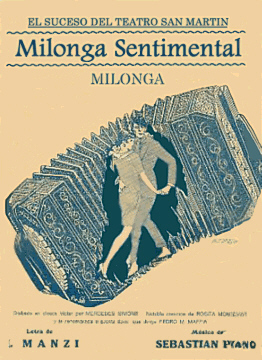
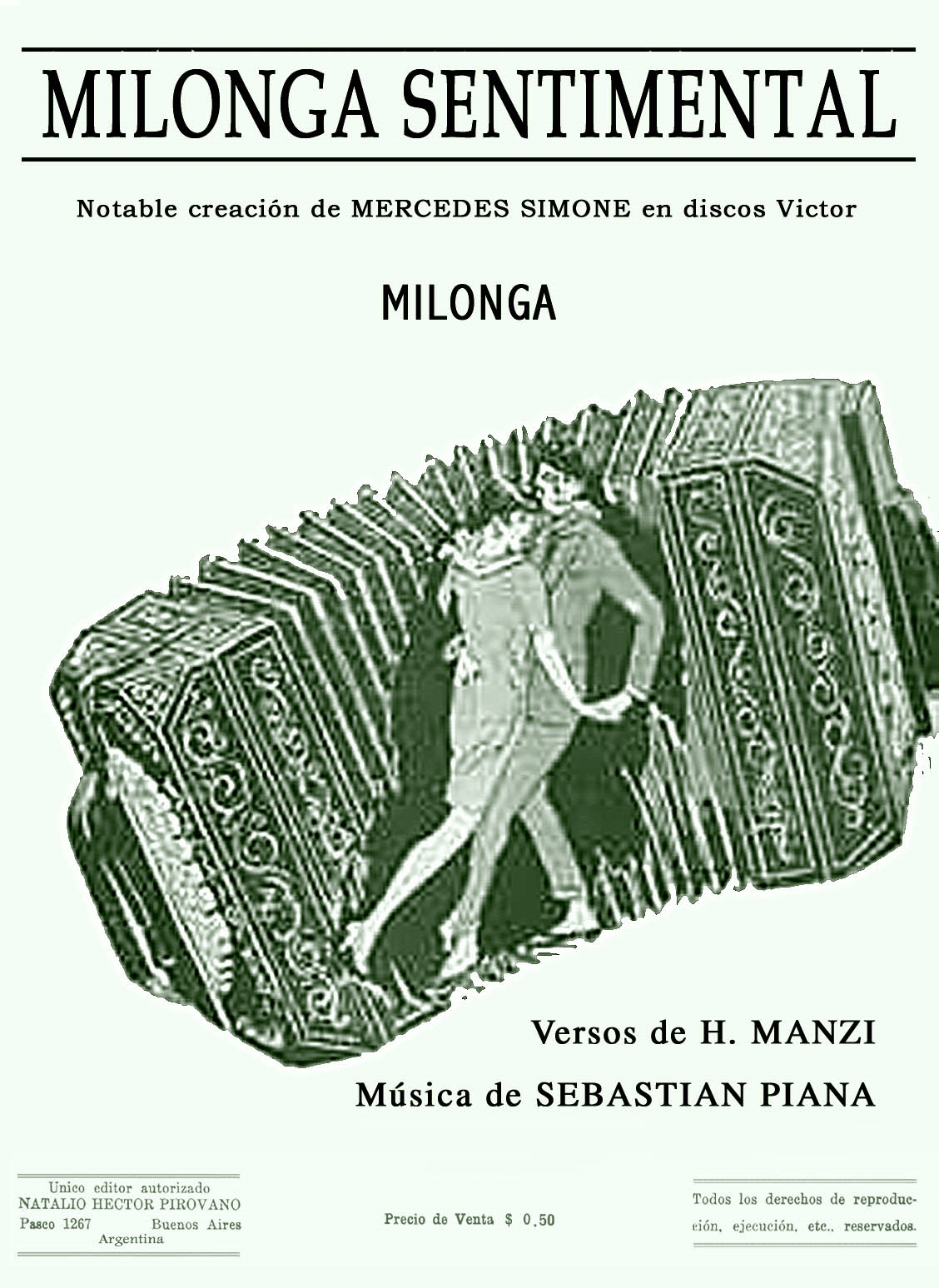
„Milonga Sentimental”, 1931, (composer: Sebastián Piana, lyrics: Homero Manzi).
Sebastián Piana is considered the father of the modern milonga with his Milonga Sentimental.
I like to introduce you, in three languages, to this historic Love Song.
Milonga Sentimental.
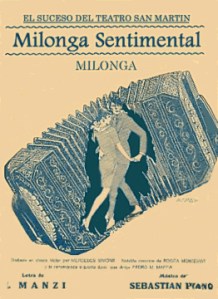 Original „Milonga Sentimental“ sheet music from 1931.
Spanish:
I
Milonga pa‘ recordarte,
milonga sentimental.
Otros se quejan llorando,
yo canto por no llorar.
Tu amor se secó de golpe,
nunca dijiste por qué.
Yo me consuelo pensando
que fue traición de mujer.
Varón, pa’ quererte mucho…
Refrain:
Varón, pa’ quererte mucho, varón,
pa’ desearte el bien, varón,
pa’ olvidar agravios porque ya te perdoné.
Tal vez no lo sepas nunca,
tal vez no lo puedas creer,
tal vez te provoque risa verme
tirao a tus pies!
II
Es fácil pegar un tajo pa‘
cobrar una traición,
o jugar en una daga
la suerte de una pasión.
Pero no es fácil cortarse
los tientos de un metejón,
cuando están bien amarrados
al palo del corazón.(Refrain).
III
Milonga que hizo tu ausencia.
Milonga de evocación.
Milonga para que nunca
la canten en tu balcón.
Pa’ que vuelvas con la noche
y te vayas con el sol.
Pa’ decirte que sí a veces
o pa’ gritarte que no. (Refrain).
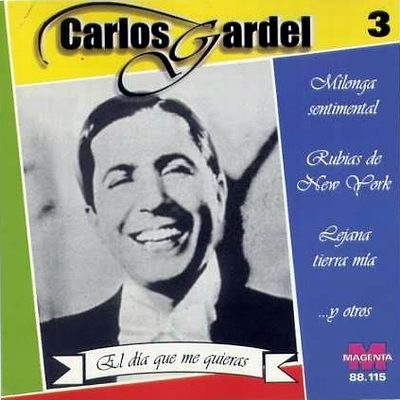
Milonga Sentimental – perfectly presented by Carlos Gardel in 1933.
German:
I
Milonga, um dich zu erinnern,
Milonga der Gefühle.
Andere klagen mit Tränen,
ich singe, um nicht zu weinen.
Deine Liebe versiegte plötzlich,
niemals sagtest du warum.
Ich tröste mich mit dem Gedanken,
dass es Verrat der Frau war.
Manns genug, um Dich sehr zu lieben…
Refrain:
Manns genug, um Dich sehr zu lieben,
Manns genug, um dir alles Gute zu wünschen,
Manns genug, um Beleidigungen zu vergessen,
weil ich dir schon verziehen habe.
Vielleicht wirst du es nie erfahren,
vielleicht kannst du es nicht glauben,
vielleicht lachst du darüber,
wenn du mich zu deinen Füßen liegen siehst.
II
Es ist leicht,
mit dem Messer zu stechen,
um einen Verrat zu rächen,
oder mit dem Dolch um eine Leidenschaft zu wetten.
Aber es ist nicht leicht,
die Fesseln einer leidenschaftlichen Liebe
zu durchschneiden, wenn sie fest um
den Pfahl des Herzens gebunden sind. (Refrain).
III
Milonga, die durch deine Abwesenheit entstand,
Milonga der Erinnerung,
Milonga, damit man sie dir niemals als Ständchen singt.
Damit du mit der Nacht zurückkommst
und mit der Sonne wieder fortgehst.
Um dir manchmal Ja zu sagen
oder Nein zu schreien. (Refrain).
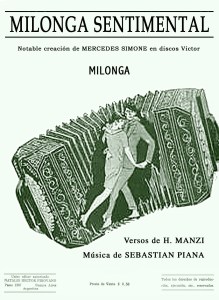 Newly printed Sheet Music from 1937.
English:
I
A sentimental milonga,
Just to remember you by.
Others complain by crying;
I sing so that I don’t cry.
Your love dried up for some reason,
You never told me the tale.
I comfort myself by thinking
It was a woman’s betrayal.
A man, one who really loves you…
Refrain.
A man, one who really loves you,
A man, yes I am the one.
A man, who’ll forget you wronged me;
I forgive you what you’ve done.
Perhaps you will never know it,
Perhaps you will not believe,
Perhaps you’ll be laughing
when you See me lying at your feet.
II
It’s easy to get your vengeance
With the sharp blade of a knife,
Or, on a passing fancy,
To gamble on your life.
But when it’s loving that holds you
It’s hard to cut apart
The tentacles that so tightly
Are tied around your heart. (Refrain).
III
Milonga to bring back old memories,
A song that your absence made.
You’ll never hear this milonga
Sung as a serenade.
You will come back in the nighttime
And with the sun you’ll go.
Sometimes a „yes“ I’ll whisper
Or else I’ll shout a „no. (Refrain).
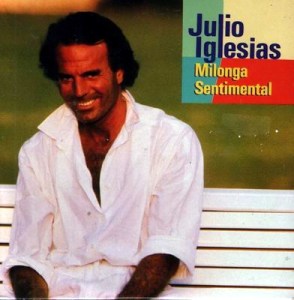 Milonga Sentimental presented by Julio Iglesias 1992.
Even Regarding the song tells us that it was created to commemorate a love affair. Constant topos of tango lyric. However, while the lyric remains in this Tango poetry in macho style self-pity (and often grief „dies“), it finds in the milonga Poetry in the lilting rhythm of musical genres consolation to get over and over again on a failure:
„Yo canto por no llorar (I sing so I can not cry).“
You certainly can call the Milonga the merrier sister of Tango. Expect part 3 of this post.

