This will be for the moment my last part about spices. Of course we can talk about hundreds more, but I picked my favorite dozen. On top of that we need to know about a few mixtures which I also like and use. Here too I could pick hundreds, but I will the post limit to my favorites.
From ras el hanout to herbes de provence, herb and spice mixes are essential to many cuisines around the world. Bringing these blends into your own kitchen can lend authenticity to international dishes and provide creative inspiration for your everyday cooking.
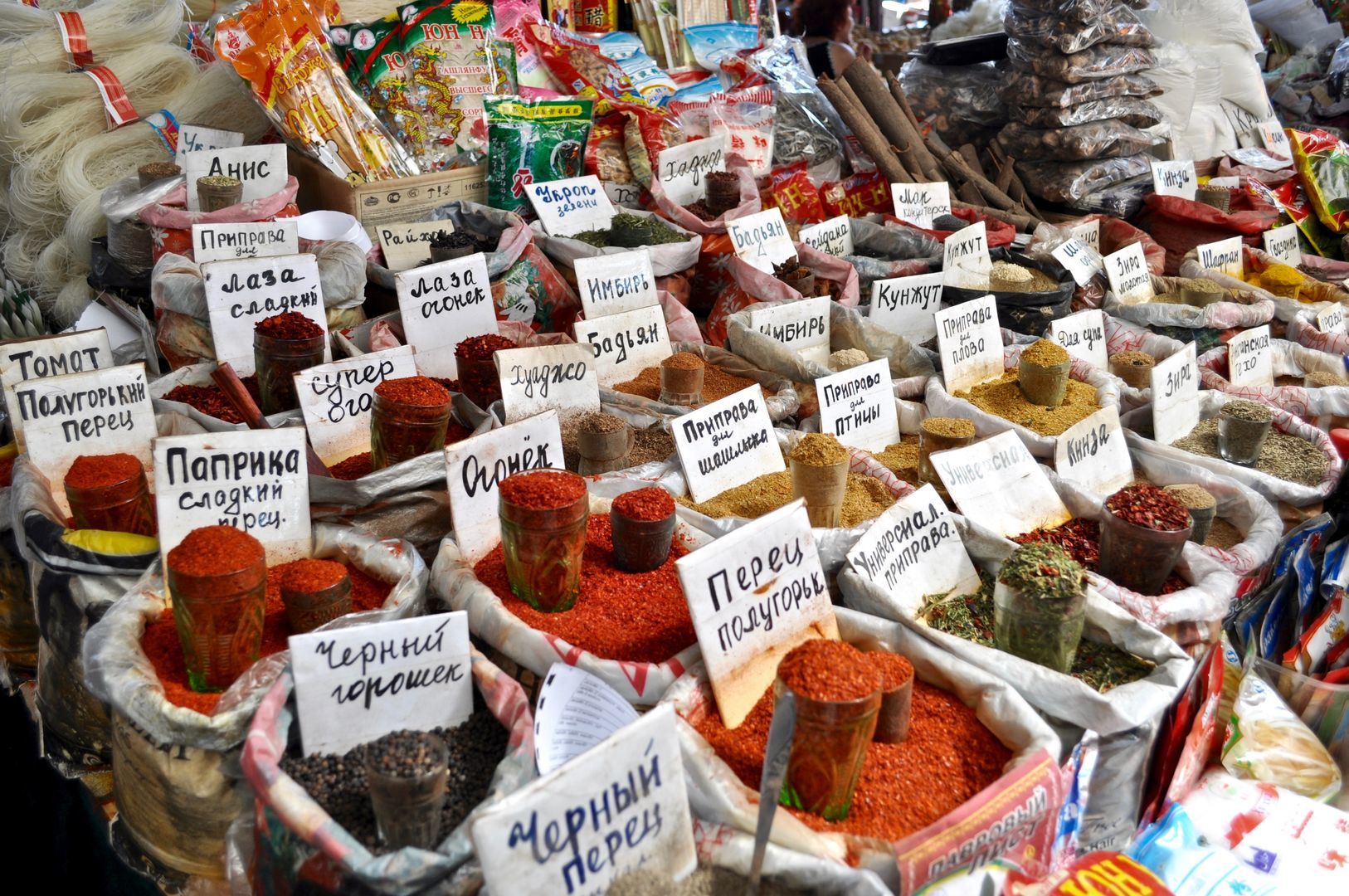
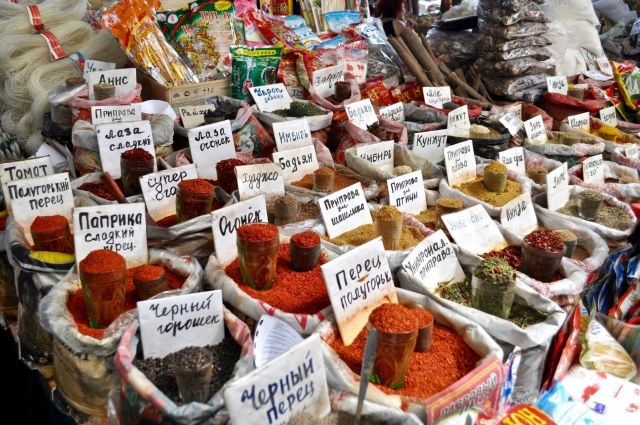 Above seen is a spice bazaar in Kyrgyzstan.
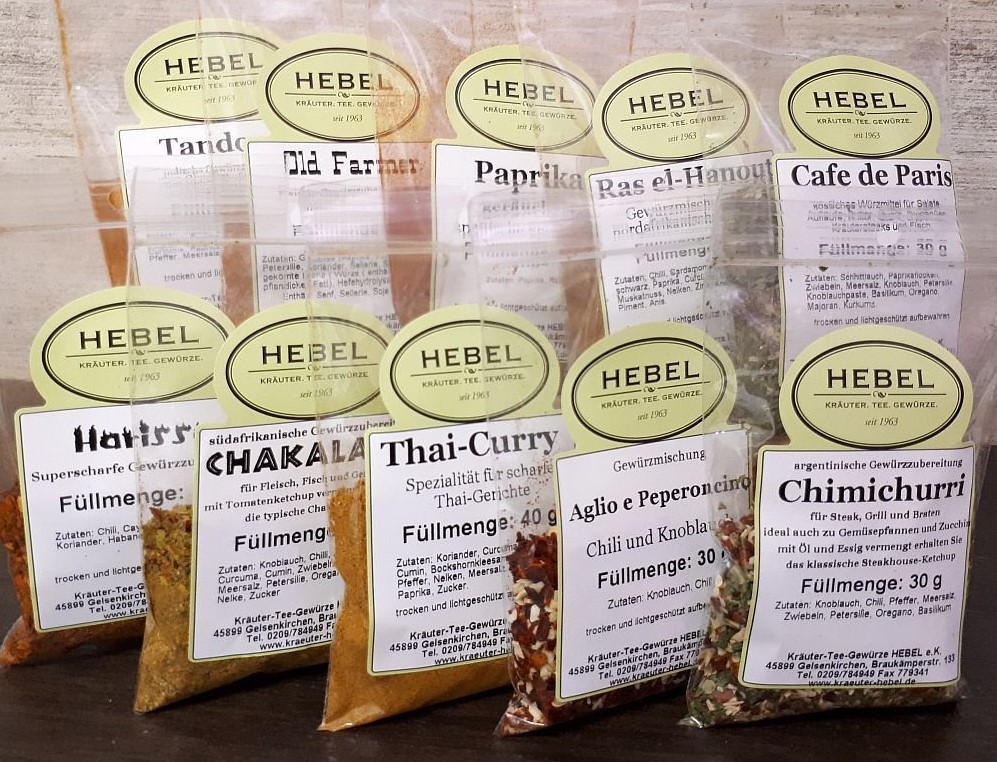
Spice Mixes From Around the World.
Spice mixes are blended spices or herbs. When a certain combination of herbs or spices is called for in many different recipes (or in one recipe that is used frequently), it is convenient to blend these ingredients beforehand. Blends such as chilli powder, curry powder, herbes de Provence, garlic salt, and other seasoned salts are traditionally sold pre-made by grocers, and sometimes baking blends such as pumpkin pie spice are also available. These spice mixes are also easily made by ourselves for later use.

Masala is a term from the Indian subcontinent for a spice mix in certain proportions. A masala can be either a combination of dried (and usually dry-roasted) spices, or a paste (such as vindaloo masala) made from a mixture of spices and other ingredients – often garlic, ginger, onions, chilli paste and tomato. Masalas are used extensively in Indian cuisine to add spice and flavour, most familiarly in chicken tikka masala and chicken curry. The most well known spice mixtures are:
 From the famous souks of Morocco to highlands of Ethiopia, North Africa encompasses a range of flavors. Use these spices and herbs to bring a taste of Africa to your kitchen, in Moroccan tagines, Ethiopian wats, and anything in between. Thanks to it’s location along the trade routes between the Middle East and Western Europe, North African cuisine has access to a wide variety of spices.
Africa.
Berbere – A heady combination of spicy, bitter, and sweet spices used in Eritrea, Djibouti, Ethiopia, and Somalia.
Dukkah – An Egyptian mix of toasted nuts and seeds like hazelnuts, sesame seeds, coriander, and cumin.
Harissa – Made from smoked red peppers and widely featured in Tunisian and other North African cuisines.
Ras el Hanout – A varying blend of spices used in North African cooking, especially Moroccan.
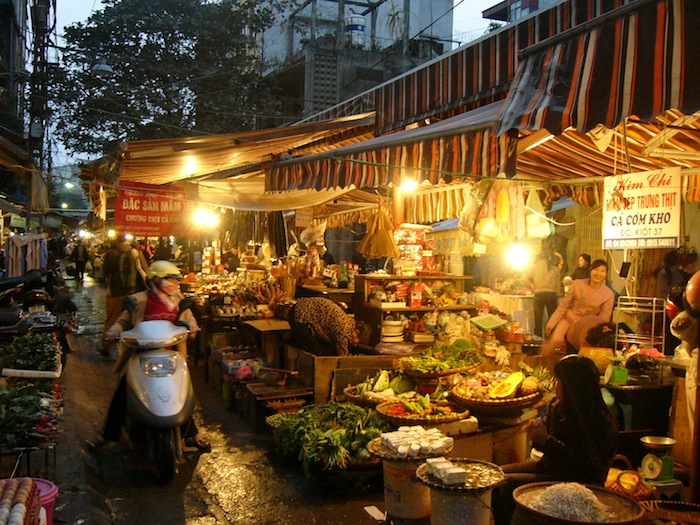
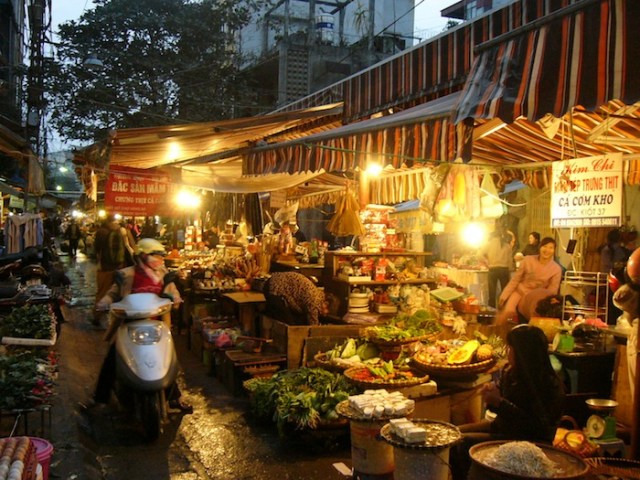 That spark on the taste buds with every bite of grilled fish and chicken satay, coconut curries and laksas, tropical salads and stir-fried greens, beef noodle soup and beef rendang, crispy and fresh spring rolls, fried rice and fried prawns? That spark which spread the popularity of Thai and Vietnamese food around the world, and is now doing the same for the cuisines of Malaysia, Singapore, Indonesia, Philippines, and the other countries of Southeast Asia?
Asia.
Chinese Five Spice – A little of this pungent mix goes a long way, giving dishes a balanced hit of sweet, savory, bitter, and sour.
Gomasio – A Japanese condiment of toasted sesame seeds ground up with coarse salt. Especially delicious over rice.
Togarashi – A Japanese condiment made from seven spices including chile pepper, citrus peel, sesame seeds, and seaweed.
 The foods of Europe, especially Eastern Europe, tend to be heavy, hearty comfort foods suitable for feeding a hard-working people through long cold winters. Herbs like dill and marjoram add tang, while warming flavors like mace, coriander and juniper go well with roasted meats and root vegetables. Along with plenty of fresh garlic, use these Eastern European spices to make the dishes a grandmother from the Old Country would be proud of.
Europe.
Fines Herbes – A French blend of four fresh or dry herbs, such as chervil, chives, tarragon, and parlsey.
Herbes de Provence – A seasoning blend featuring many of the herbs that grow most abundantly in southern France.
Khmeli Suneli – A Georgian mix of warm, nutty, grassy, and bitter spices like fenugreek, coriander, savory, and black peppercorns.
Quatre Epices – Meaning “four spices,” this French blend typically includes ground black and/or white pepper, cloves, nutmeg, and ginger.
 If you ask a tourist to describe Indian food, the word that comes up most often is – ‘Hot’! And there a quite a few tourists who would shed tears (not of joy, though!) after tasting the Indian cuisine. They find it too spicy (or did you say ‘hot?). Almost all Indian food is spicy but not all are ‘hot’ because spicy and ‘hot’ are not synonyms! There are delectable Indian dishes that bring out the best of the taste and health benefits of aromatic spices.An estimated 40% of Indians are vegetarian, due to cultural and economic reasons. So, every state in India has its own vegetarian specialty dishes depending on local produce and other prevalent traditions.
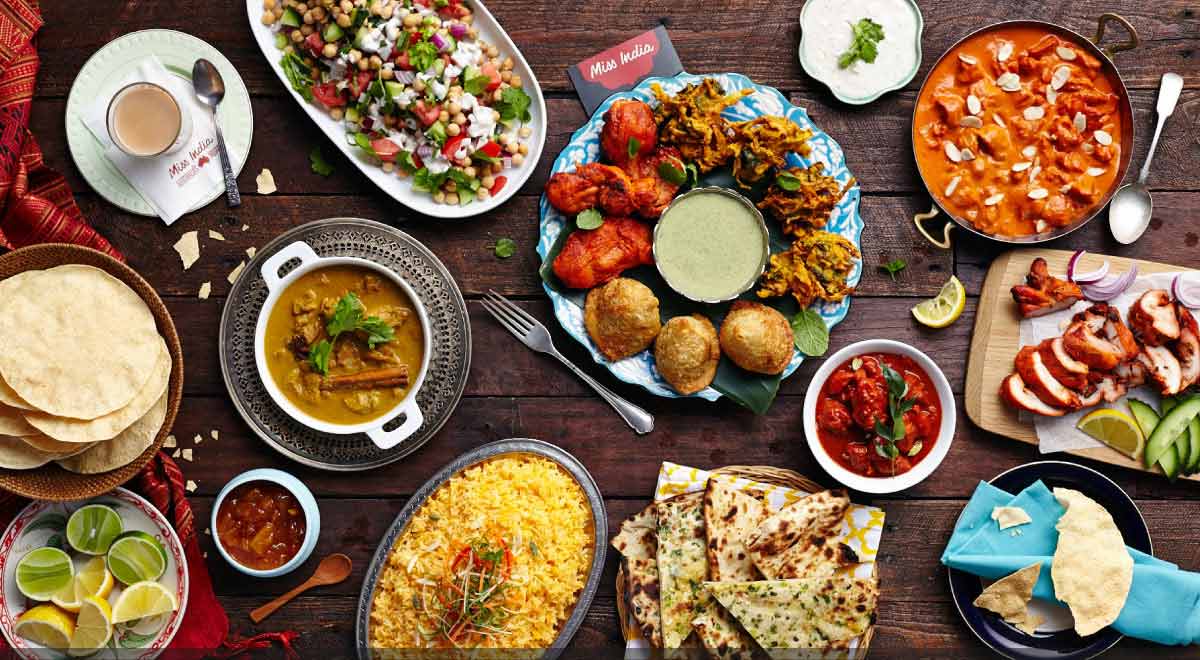
Indian Subcontinent.
Chaat Masala – A tangy masala, or spice mix, made with amchoor (dried mango); often sprinkled on snacks and street foods.
Curry Powder – An Indian-inspired British invention, this typically includes turmeric, coriander, cumin, fenugreek, and red pepper.
Garam Masala – Garam means warm, or hot, and the mix usually contains warming spices like cinnamon and cardamom.
Panch Phoron – A Bengali five-spice blend of whole fenugreek, nigella, cumin, black mustard, and fennel seeds.
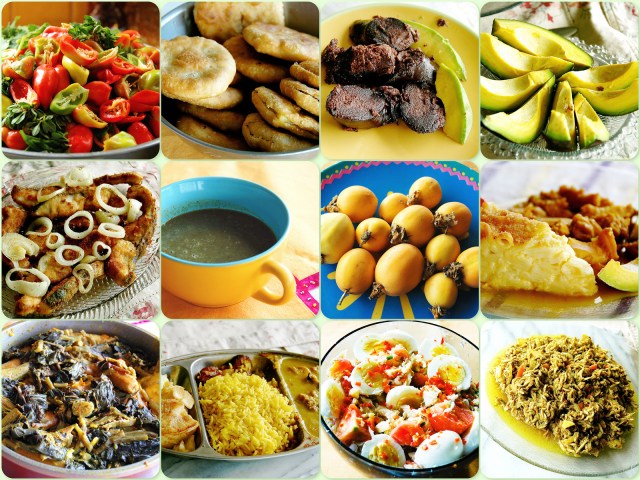 Covering a region that includes South and Central America, Mexico and the Caribbean, Latin America is expansive and diverse, but one thing is for certain — its food is robust, flavorful and always inventive. This richness is no surprise considering Latin cuisine pulls from a colorful cultural history, from the Mayans and Aztecs to European colonizers to modern global transplants. Recipes and techniques vary from region to region, but there are popular dishes on almost every Latin American dinner table — tamales, arroz con pollo, plantanos and salsas.
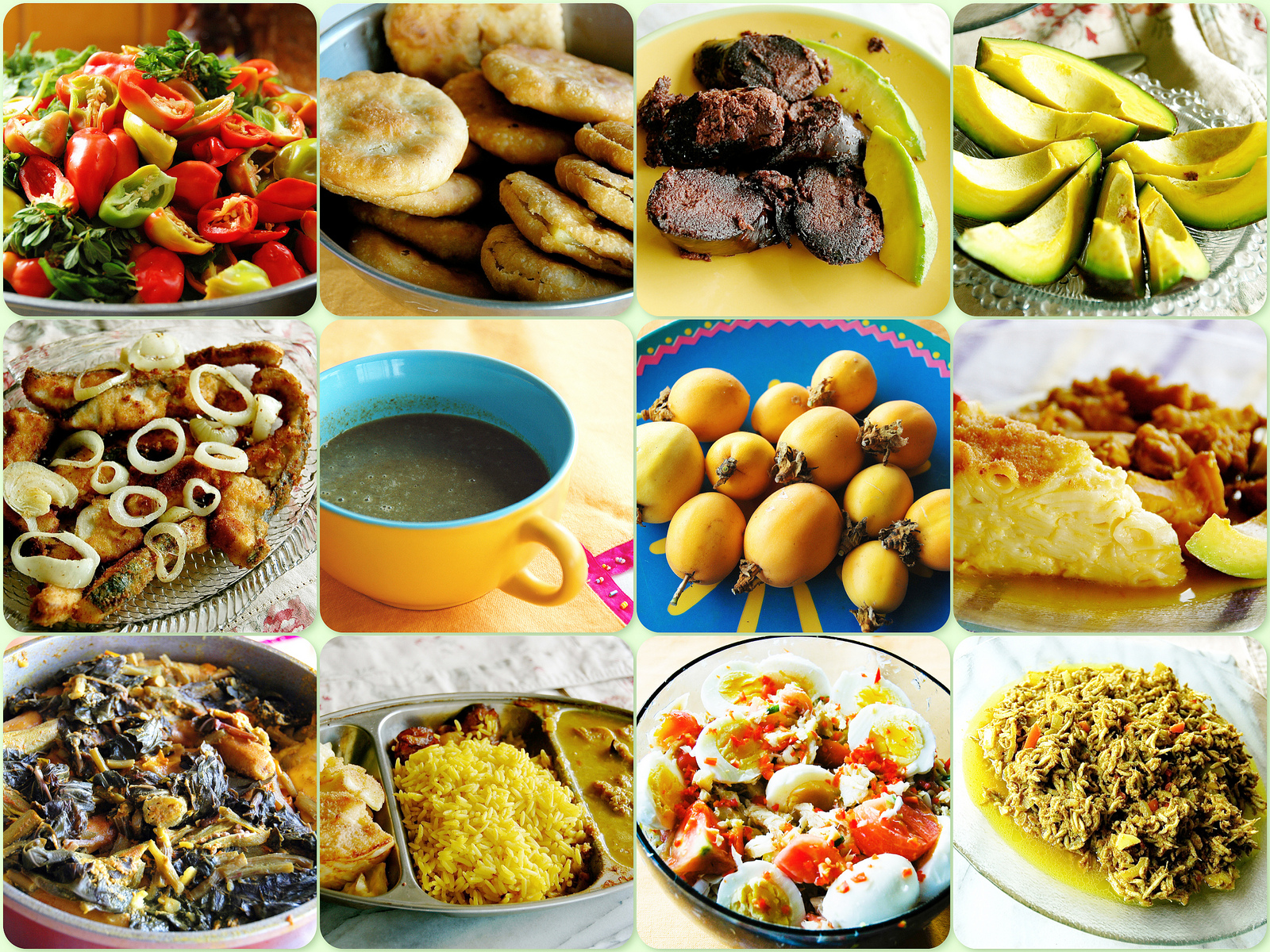
Latin America and the Caribbean.
Adobo – An all-purpose seasoning that contains garlic, oregano, pepper, and other spices; used in Mexican and other Latin American cuisines.
Chili Powder – A blend of the spices most commonly found in Latin American cooking, such as ancho chile, paprika, cumin, and Mexican oregano.
Jerk Spice – A spicy Jamaican mixture including red and black pepper, allspice, cinnamon, and thyme.
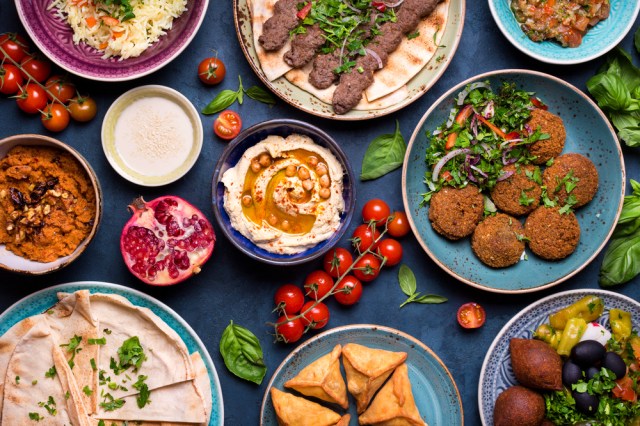 Middle Eastern cooking traditionally uses a vast array of spices, from staples like cumin, coriander, turmeric and mint to exotic blends like Ras el Hanout and Za’atar. Arab spice traders once controlled nearly all movement of spices between Asia (including the famous Spice Islands), India, Africa, and Europe, so almost every spice in existence has found a place in Middle Eastern cuisine.
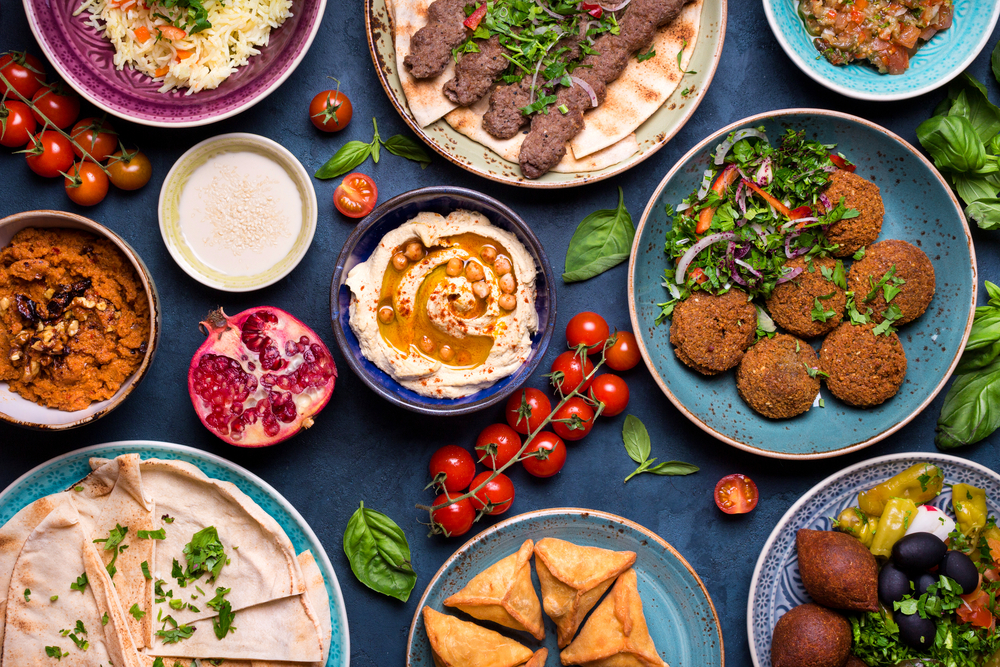
Middle East
Advieh – A Persian mix of dried rose petals and spices like cinnamon, cardamom, cloves, nutmeg, cumin; often used in rice and stews.
Baharat – An all-purpose seasoning in Middle Eastern cuisine, typically including black pepper, cumin, cinnamon, and cloves.
Za’atar – A fragrant and tangy blend of thyme, sesame seeds, and sumac. Check out our tour of a Lebanese za’atar farm.
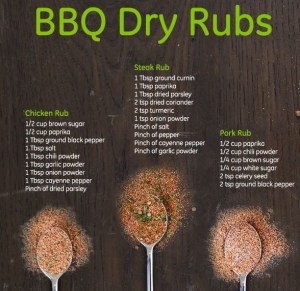
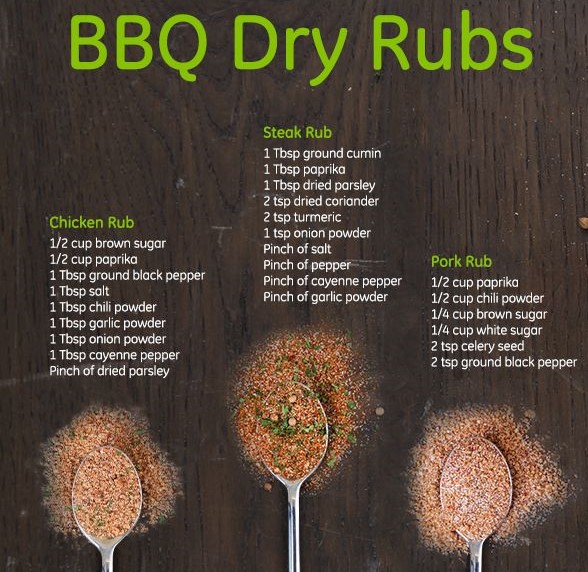
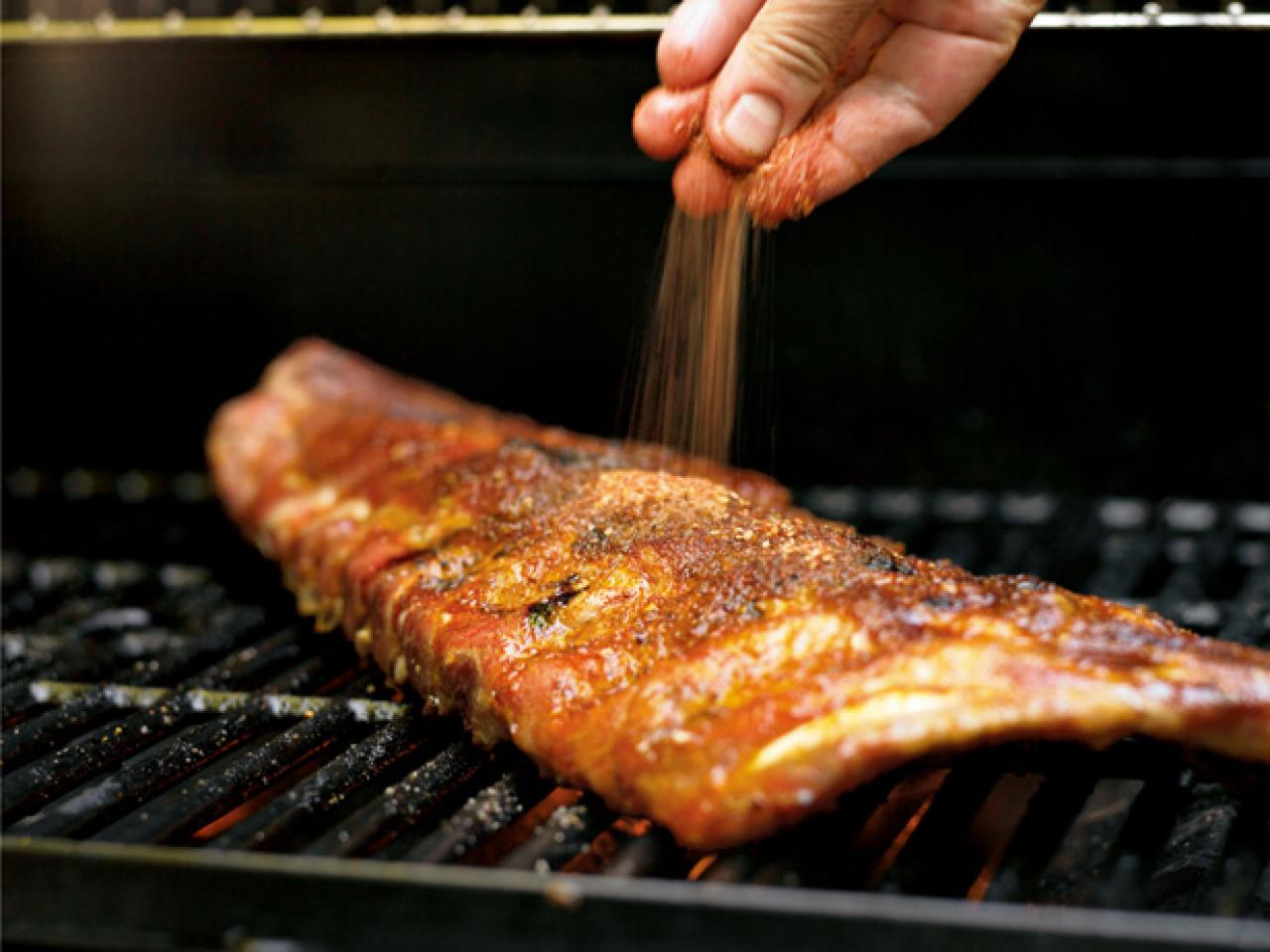
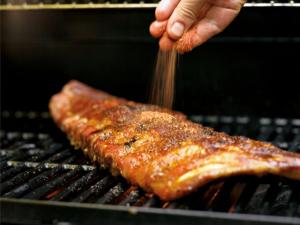 The typical North American Dry Rub with hundreds of individual created mixtures. Just to fulfill the American BBQ dream. These mixtures are a Billion Dollar industry.
North America
Dry Rub – From Kansas City, this sweet and smoky barbecue rub includes brown sugar, paprika, and other spices.
Pickling Spice – Lends complex flavor to preserved fruits and vegetables; generally contains bay leaves, mustard seeds, and peppercorns.
Poultry Spice – An aromatic, woodsy combination of sage, thyme, and other herbs and spices.
Pumpkin Pie Spice – Made with warming spices like cinnamon, nutmeg, ginger, and cloves. Not just for pumpkin pie!
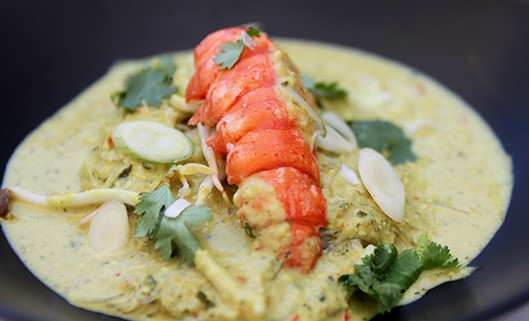 This is Australia „per se“, Whole lobster in Lemon Myrtle and Mountain Pepper sauce. Few plants of Australia have ever gained economical importance, macadamia nuts being the chief example. There are, however, plenty of aromatic plants, some of which might gain some importance in the cuisines to come.
Australia
Lemon Myrtle
Tasmanian Mountain Pepper
Bush Tomato
Kangaroo Apple, and more.
Those 2 spices and 2 herbs are currently hardly known (less used) outside Australia, but in our global world, these things may change quickly. Note that in Australia, there are more indigenous flavourings that can be considered spices: The dried tiny berries of bush tomato (Solanum centrale, Solanaceae) have a complex taste not altogether dissimilar to Italian sun-dried tomatoes, although less fruity and more spicy.
Not to forget my favorite mixture since we lived in Panama and Uruguay.
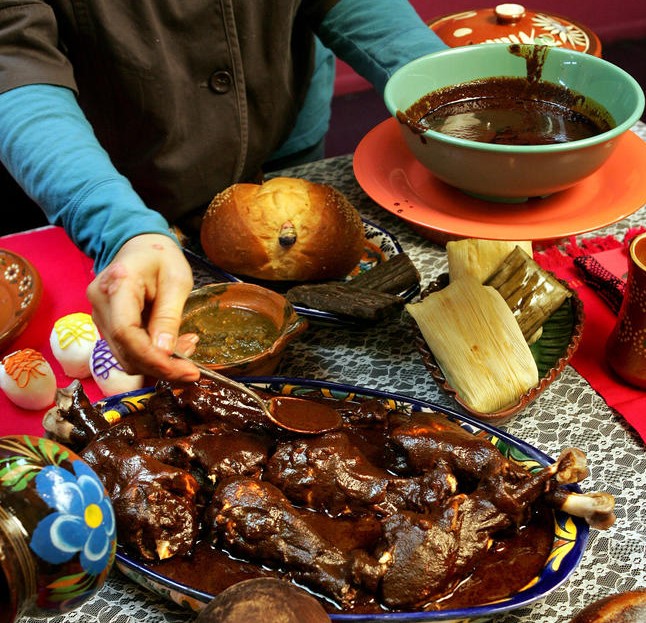
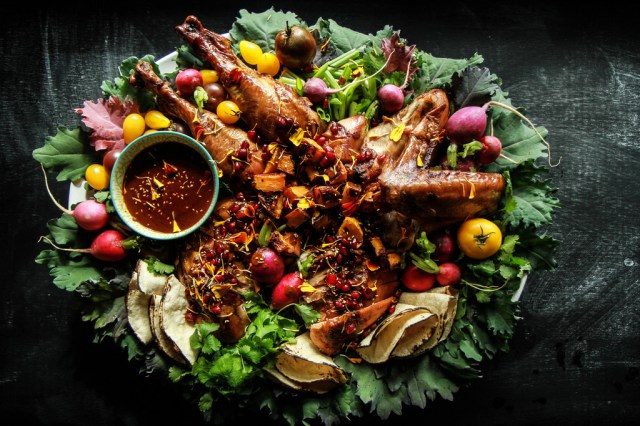 Mole is in Cetral america, especially Mexico not to be missed, Thats why I took it here as a special information. Who ever tried real Mole will never forget it, its sooo delicious. Up here the modern version, turkey on a bed of greens.
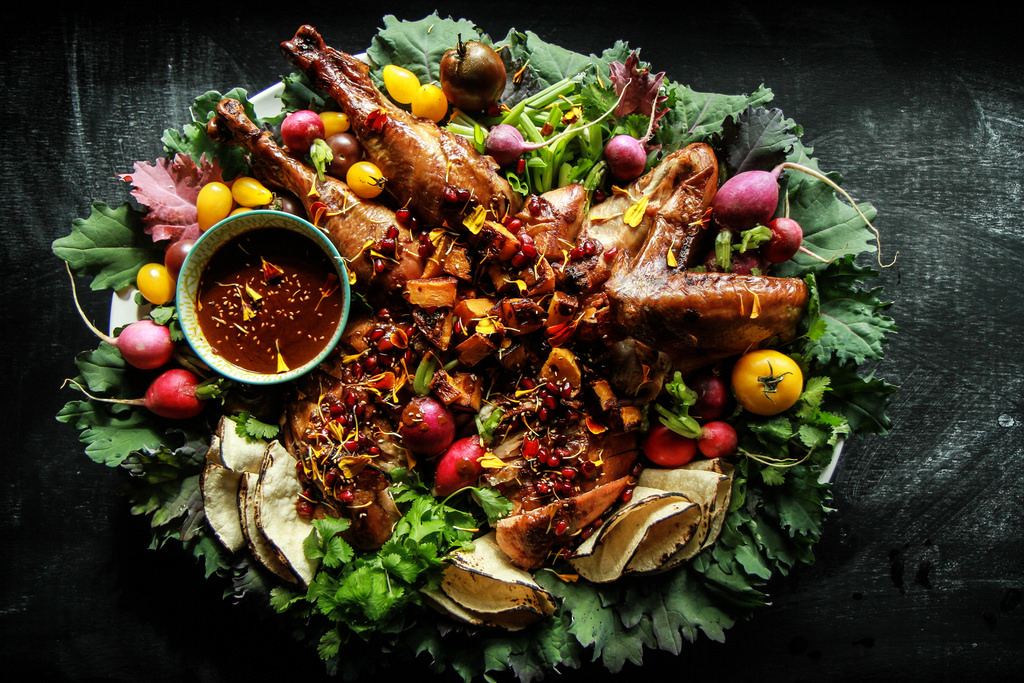
Latin American Mole.
Two states in Mexico claim to be the origin of mole: Puebla and Oaxaca. The best-known moles are native to these two states, but other regions in Mexico also make various types of mole sauces.
Moles come in various flavors and ingredients, with chili peppers as the common factor. However, the classic mole version is the variety called mole poblano, which is a dark red or brown sauce served over meat. The dish has become a culinary symbol of Mexico’s mestizaje, or mixed indigenous and European heritage, both for the types of ingredients it contains and because of the legends surrounding its origin.
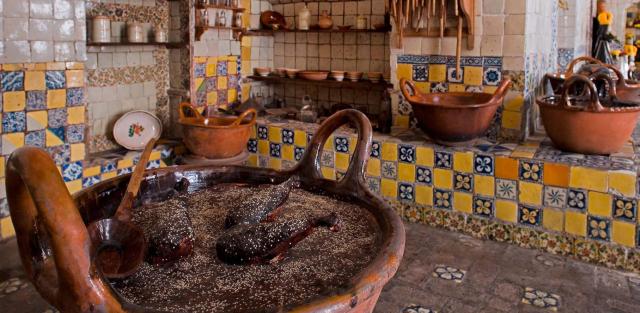 The old convents kitchen in Sata Clara, Pueblo, Mexico. Today a museum about Mole.
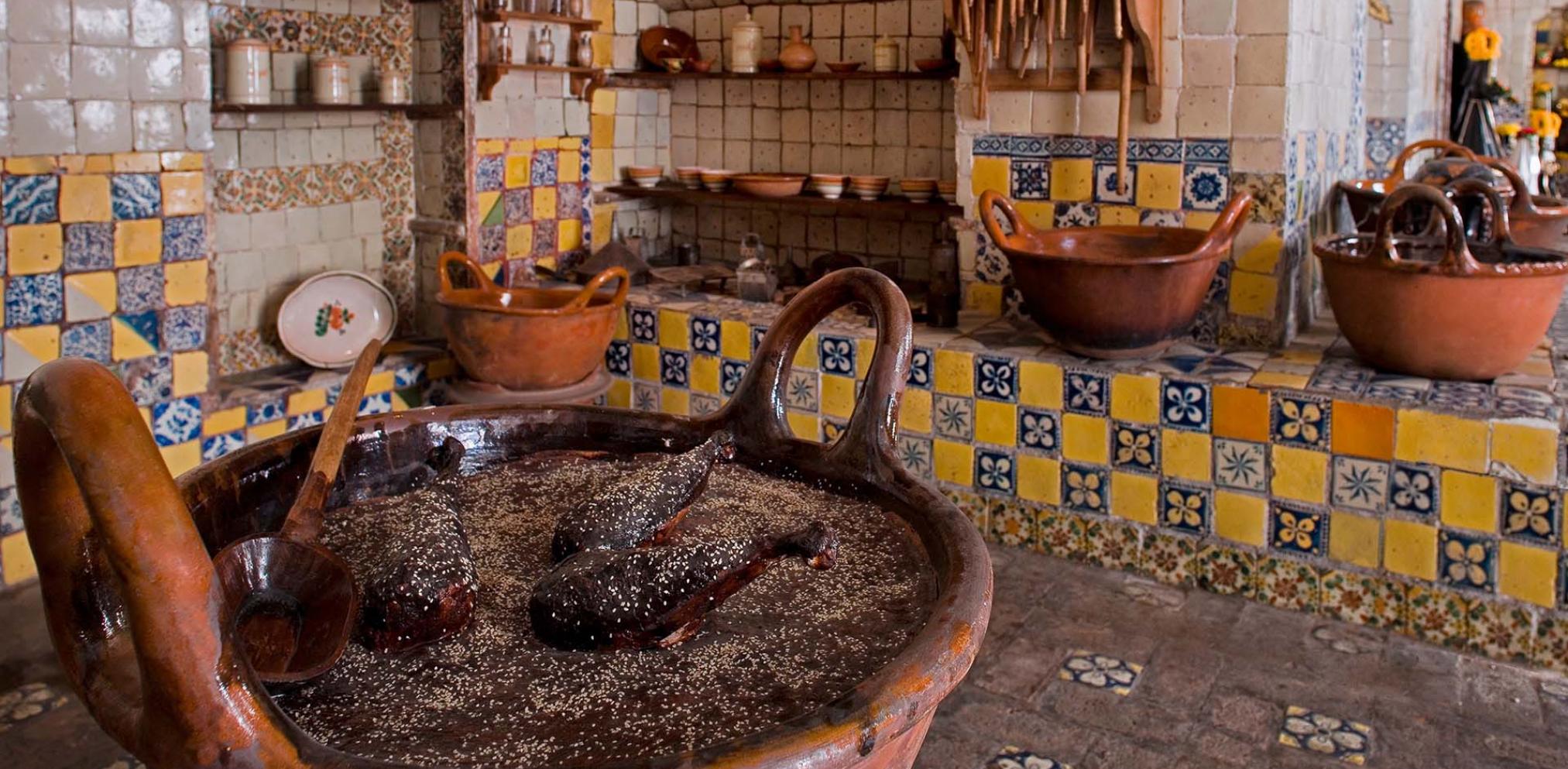
A common legend of its creation takes place at the Convent of Santa Clara in Puebla early in the colonial period. Upon hearing that the archbishop was going to visit, the convent nuns panicked because they were poor and had almost nothing to prepare. The nuns prayed and brought together the little bits of what they did have, including chili peppers, spices, day-old bread, nuts, and a little chocolate. They killed an old turkey, cooked it and put the sauce on top; the archbishop loved it. When one of the nuns was asked the name of the dish, she replied, „I made a mole.“ Mole was the ancient word for mix; now this word mostly refers to the dish, and is rarely used to signify other kinds of mixes in Spanish.
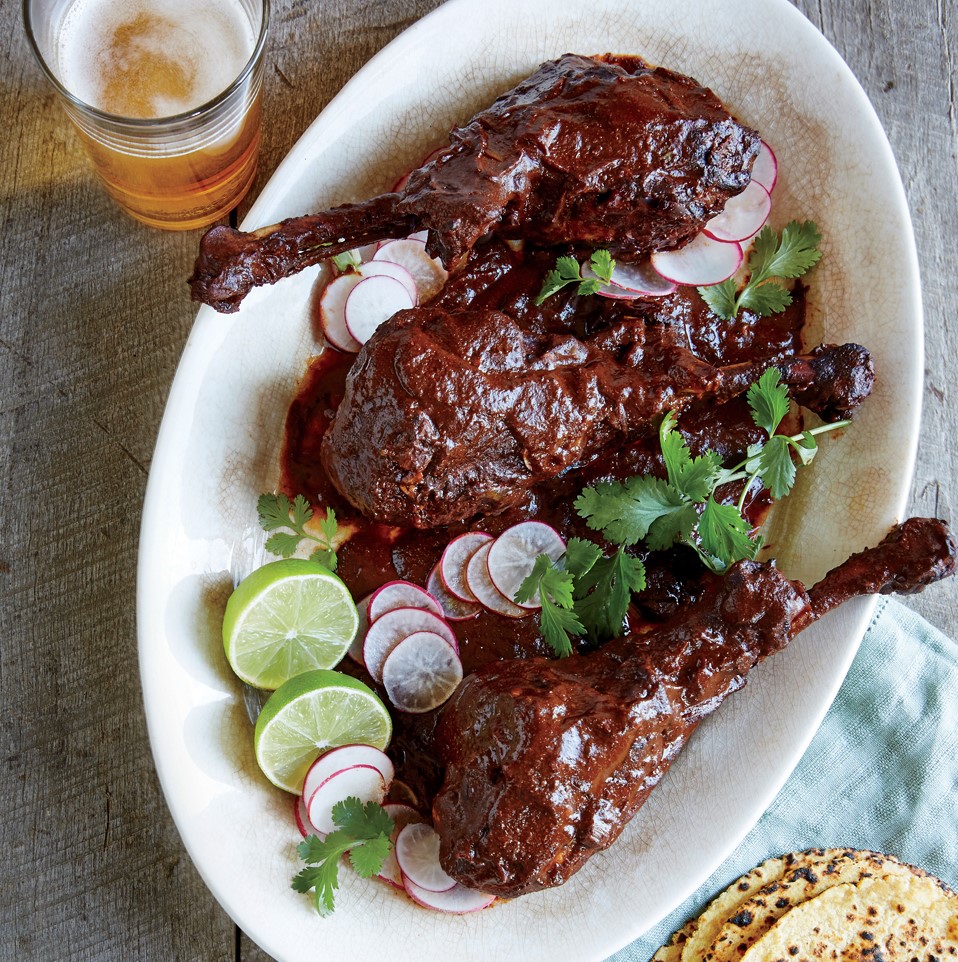
Mole – The famous mole sauces of central Mexico are delightfully complex, some involving upwards of thirty ingredients and cooked for days on end. I’ve spotted you the first 14 ingredients, the rest is up to you!
Guajillo, Ancho, White Sesame, Cocoa Powder (better is real dark chocolate), Brown Sugar, Smoked Paprika, Cinnamon, Garlic, Onion, Oregano, Allspice, Anise, Cumin, and Cloves.
Add salt and sugar to turn Mole into a rub for pork or chicken, or add it to chili con carne for a deep, rich, chocolatey taste.
A Mexican feast, dark Mole over Turkey. How enjoyable.