
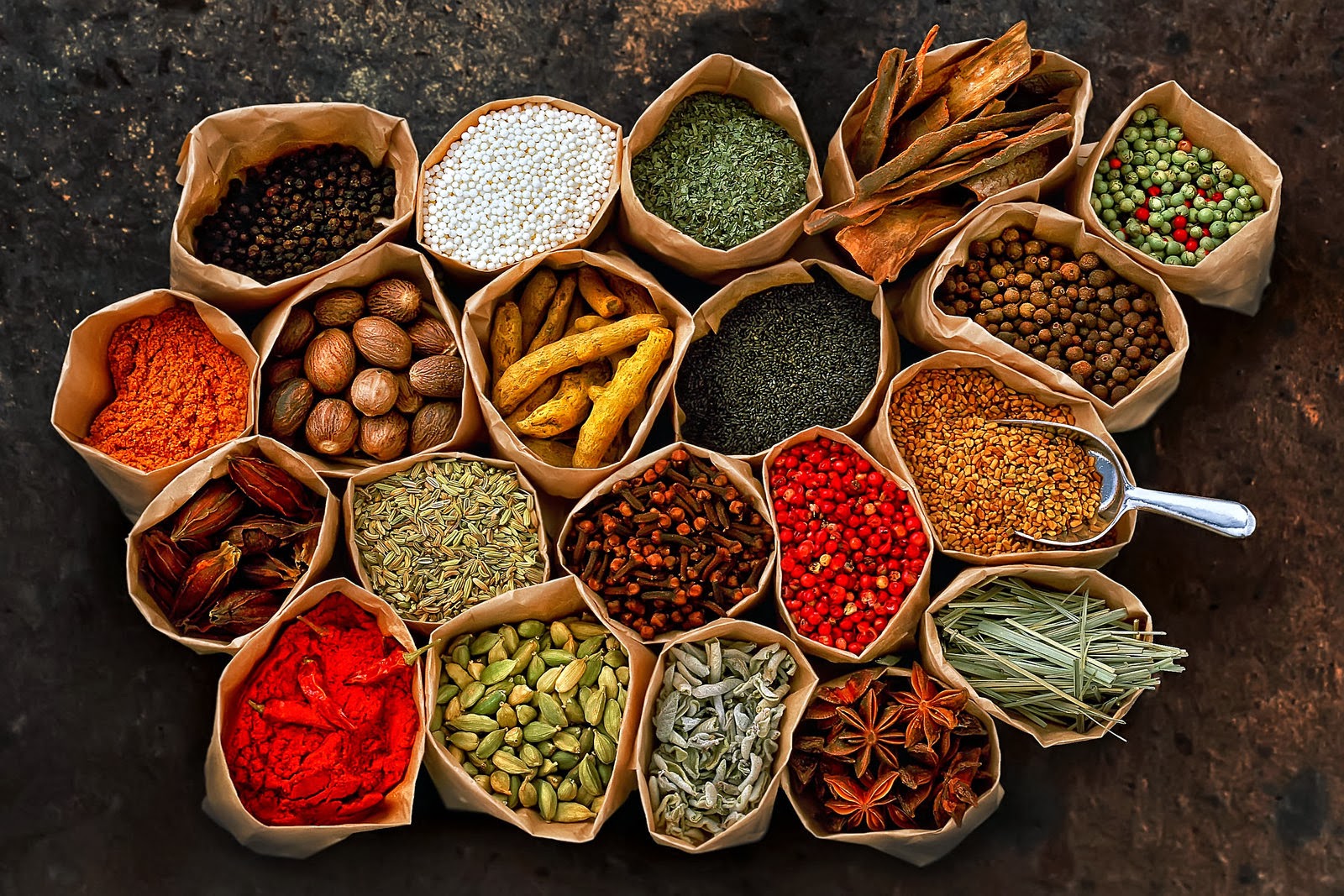
This time we are in part 3, to full fill the „Heavenly Dozen“, of my little lexicon of unusual spices. If you had already use of part 1 and 2 you’ll find more great information here. How do you like this peace of „spice art“ above ?
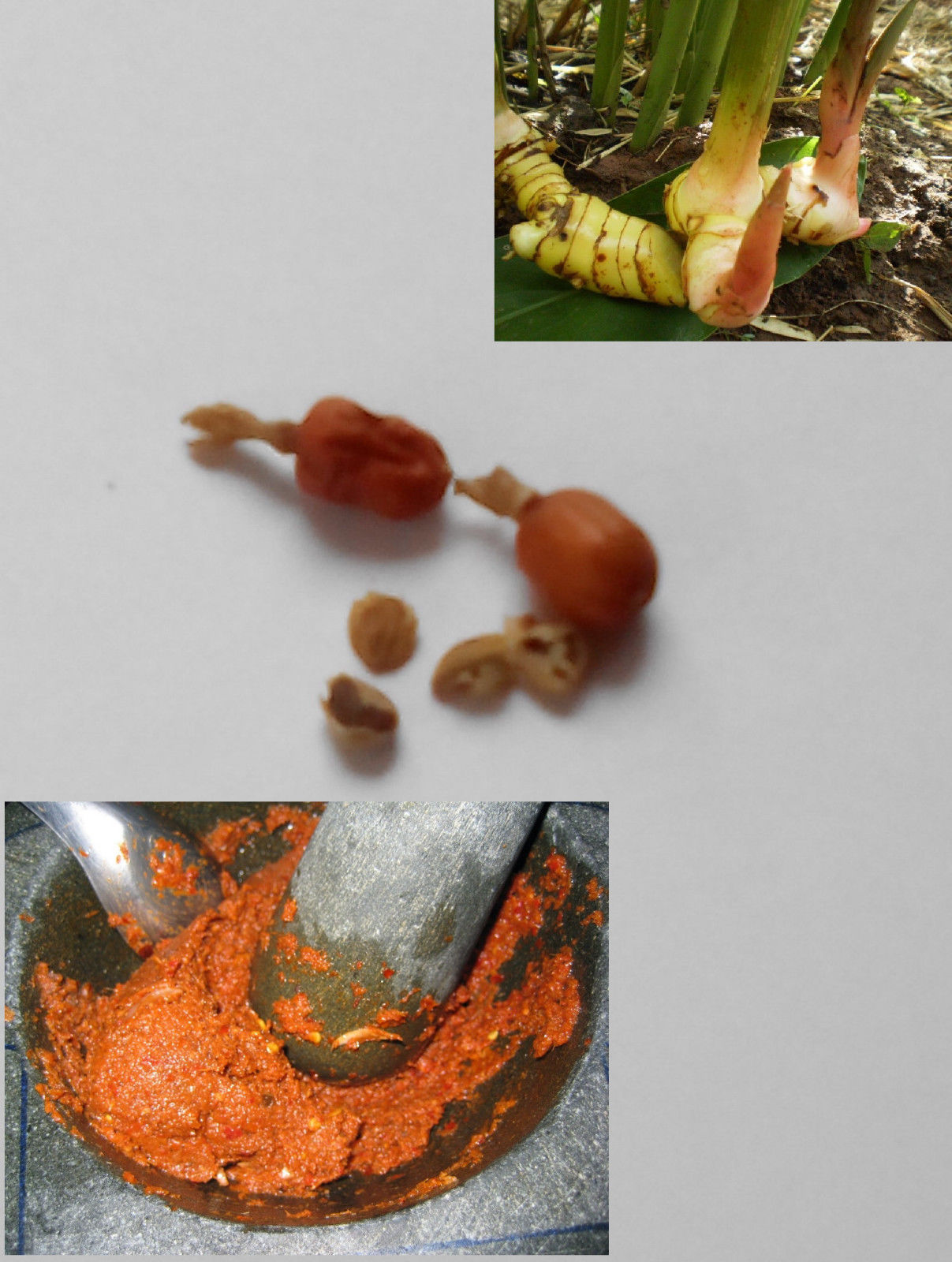 The Galangal root, the seeds and the paste made out of the roots.
Galangal.
G: Galgant; Fr: grand galanga; Sp: galanga; It: galanga.
For a long time the Western world got hold of such wonderful things as cinnamon, cardamom, ginger, and turmeric, all of which have distinct tastes and offer great health benefits. From them, we’ve made teas, coffees, curries, candies and countless other treats. But, in all this time, has something just felt like it was missing?
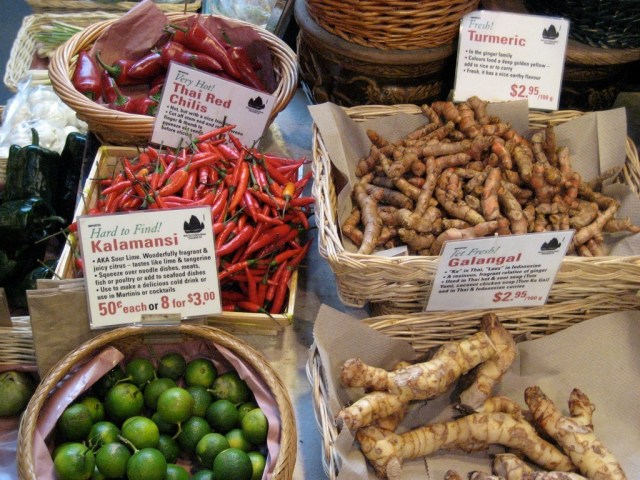 Hard to find – fresh ingredients like Galangal or Turmeric. Notice the storing in paper and baskets !
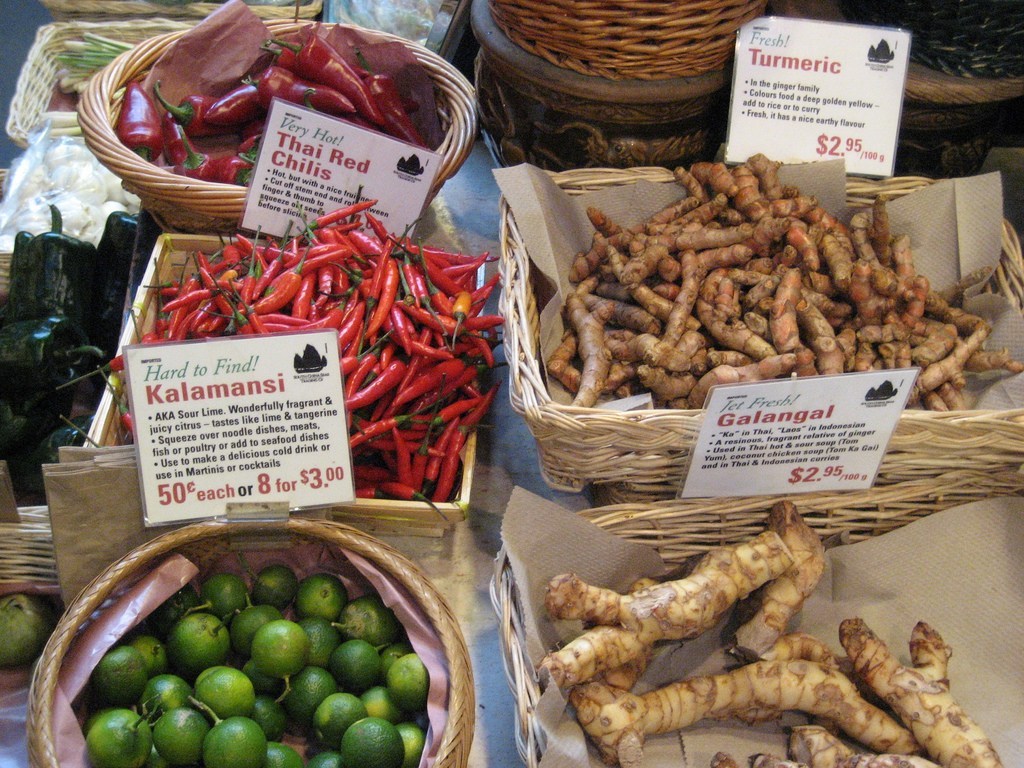
It was Galangal, have you heard of it? A member of the elite group of rhizomes (root-like underground stems) that include ginger and turmeric, it looks like just another unattractive lump of dusty brown knobs, but in actuality, like old brothers and sisters, Galangal has its own personality.
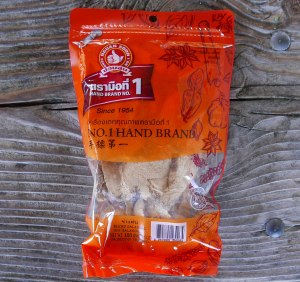
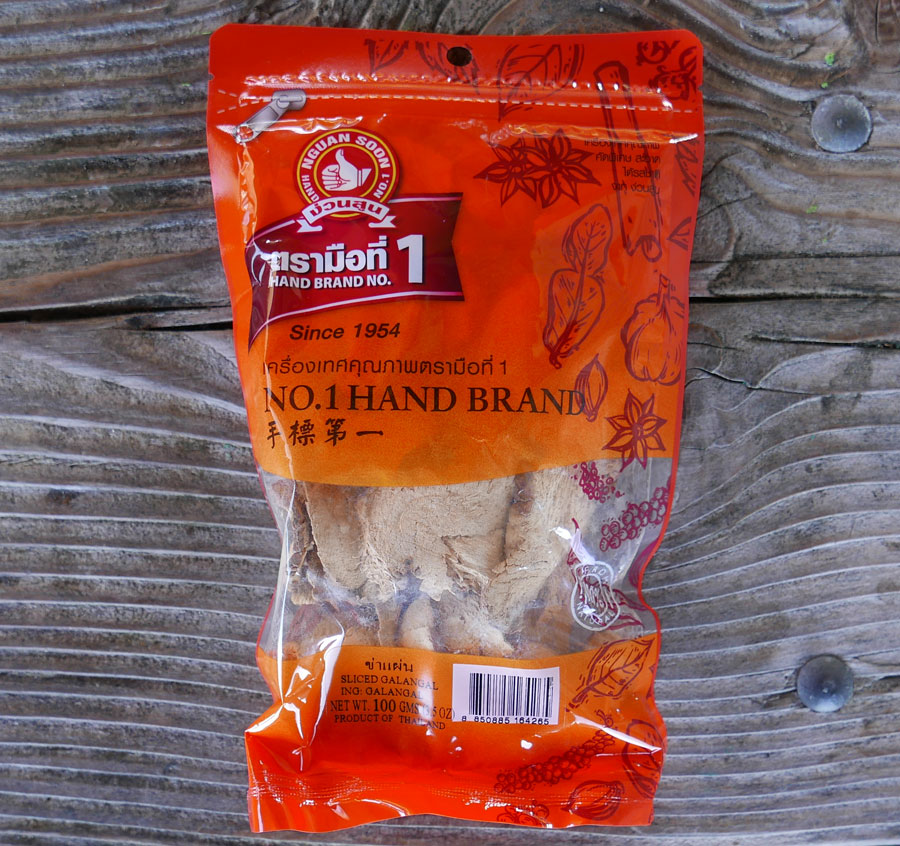
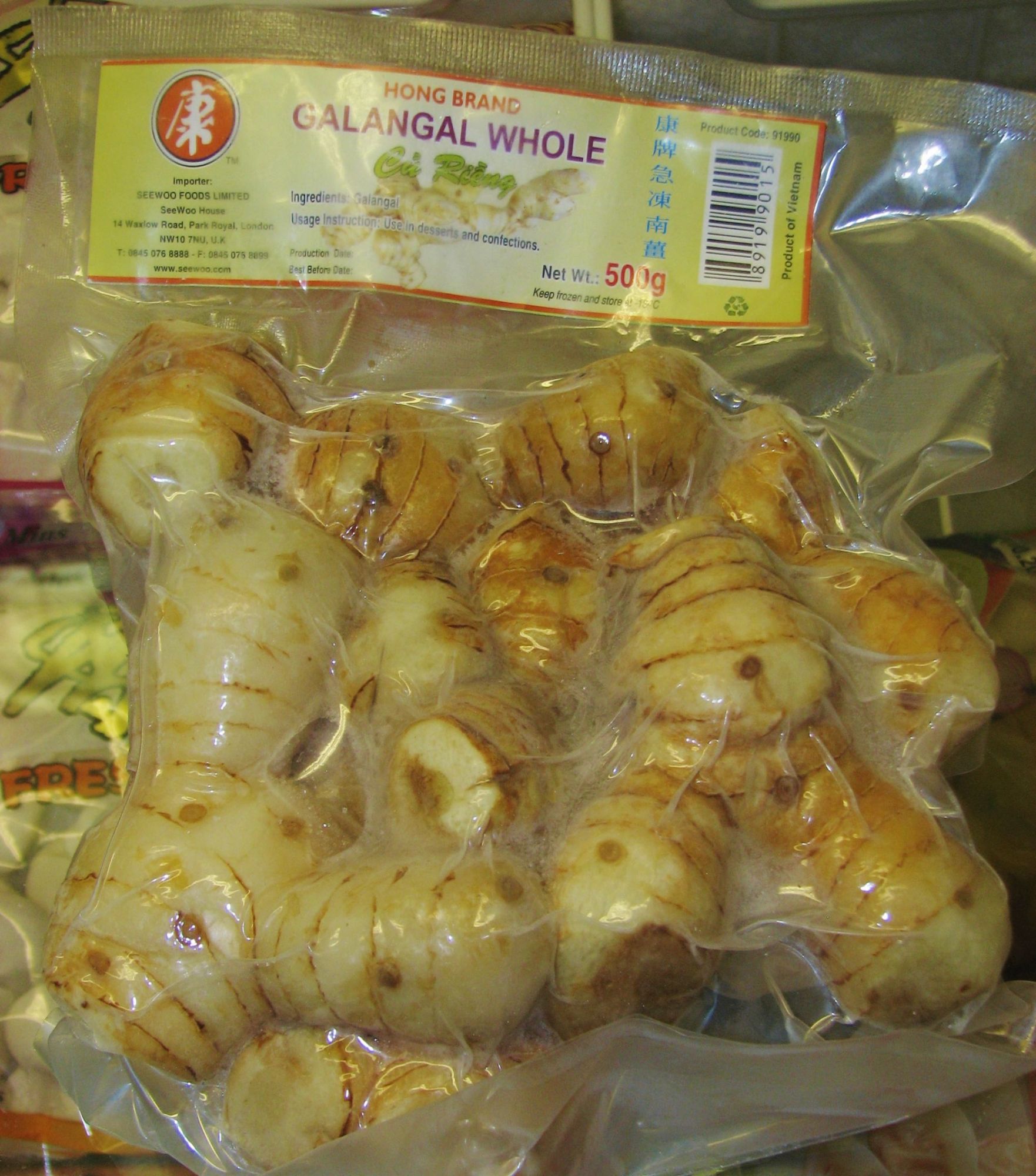
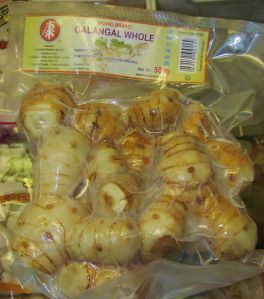 The dried or fresh (vacuum sealed) Galangal roots we could buy in our Asian shop in Panama City.
Galangal is a tropical plant by nature and comes originally from the Far East and the South Pacific, enjoying the warm weather and earthier vibe. First I had contact with it was, on my many trips to Australia, in Thailand.
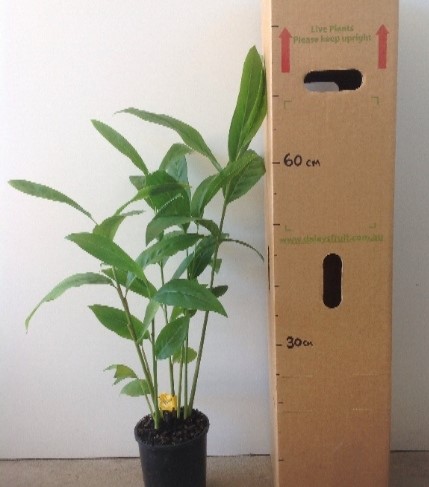
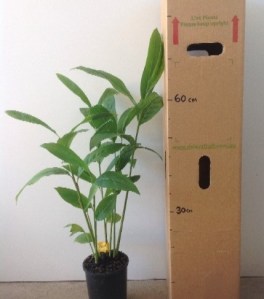 Galangal plants we bought in Australia from a fruit tree nursery. We bought 3 for about A$ 9,75 each and they were growing like hell.
As a spice, Galangal is noted for earthy tones, with a bit more peppery spike than ginger and undergarments of suggestive citrus. At its most masculine, it has been called “woodsy” and “piney”. Its claim to quiet fame has been a key role in some well-known curry pastes.
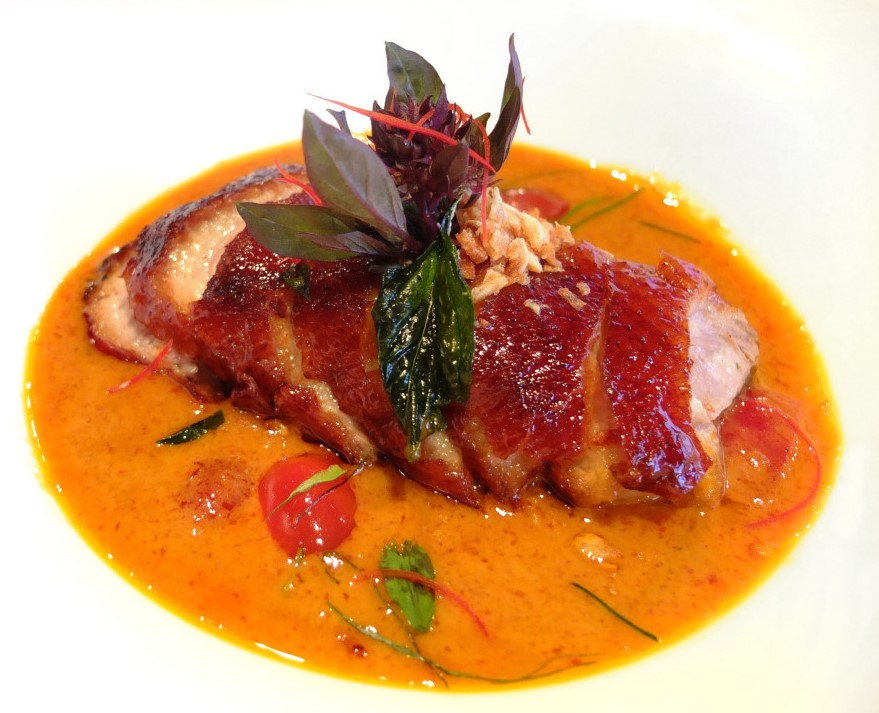
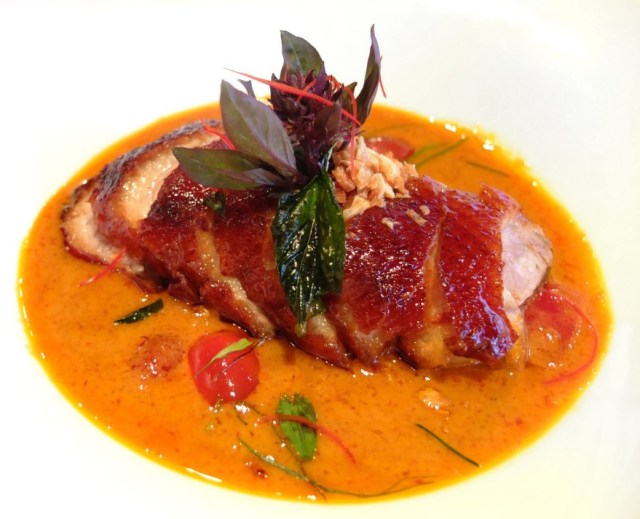 Specialty in a Thai restaurant in South Perth, Australia. Roasted Red Duck Curry with Galangal – to die for !
Like other popular roots and rhizomes of the East, such as ginger and turmeric, Galangal is full of beneficial health properties. Historically, it was used as an aphrodisiac because it naturally has a pheromonal fragrance that was once included in perfumes and snuffs. Here are some of the health benefits, if you like to need more information, use the internet.
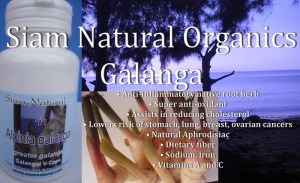
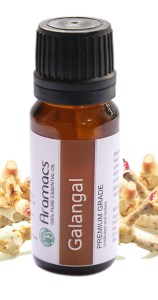 Many people already know about and use Galangal remidies for health benefits.
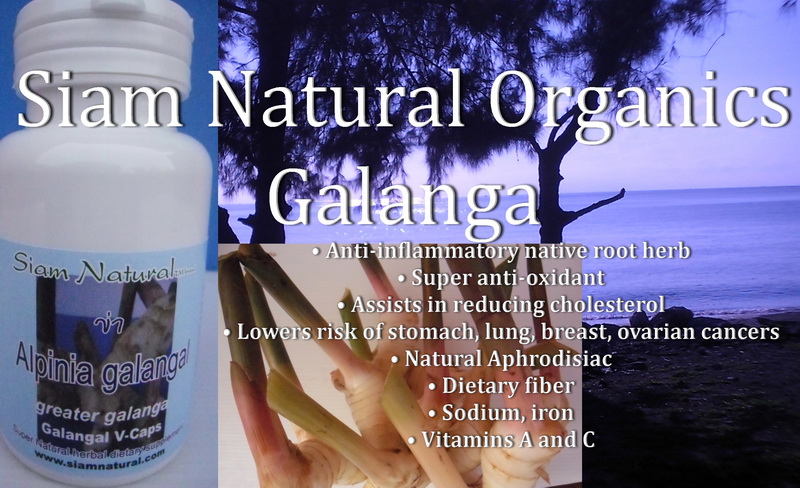
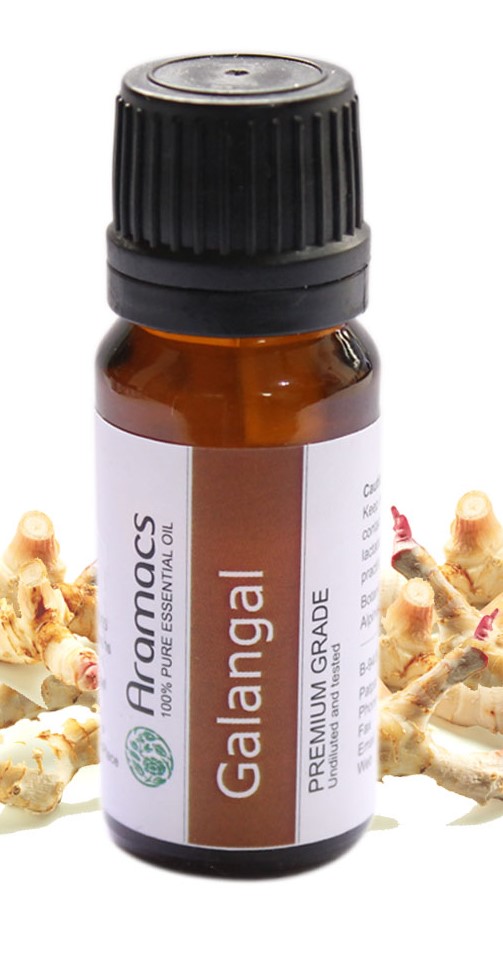
12 Amazing Health Benefits Of Galangal.
1. Reduces The Risk Of Cancer
2. Good For The Digestive System
3. Useful Against Arthritis
4. Helps Boost Immunity
5. Good For The Respiratory System
6. Good For The Oral Cavity
7. Improves Circulation
8. Good For The Hair
9. Good For The Skin
10. Helps Treat Burns
11. Good For Pregnant Women
12. Antifungal Agents
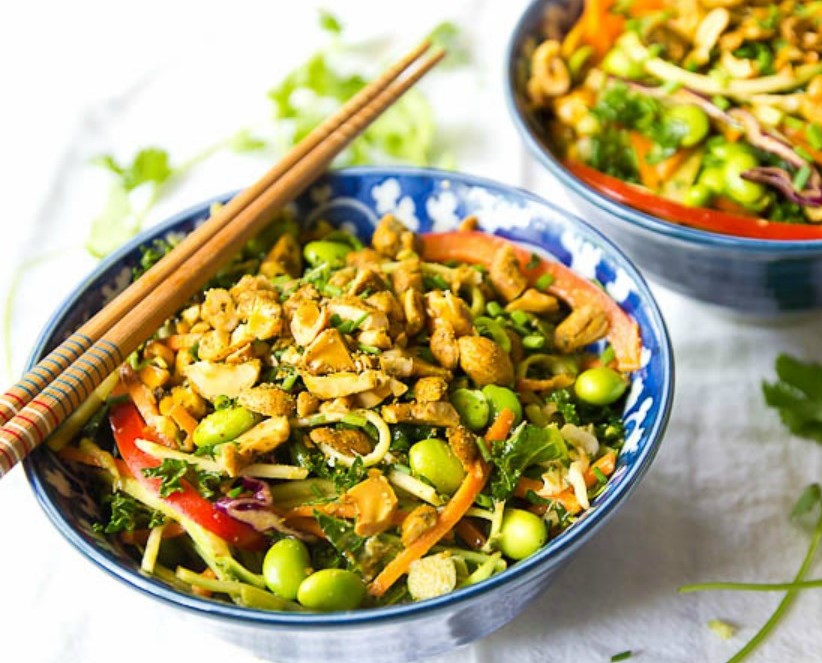
Almost everyone knows meantime that have a big favor for Thai food, followed several times Thai cooking schools in Thailand and love to post Thai recipes. Here is one of my favorite Thai salads with Galangal. If you are interested in this recipe, just call in. Overall, you can use Galangal anywhere you’d use ginger or turmeric (for the most part).
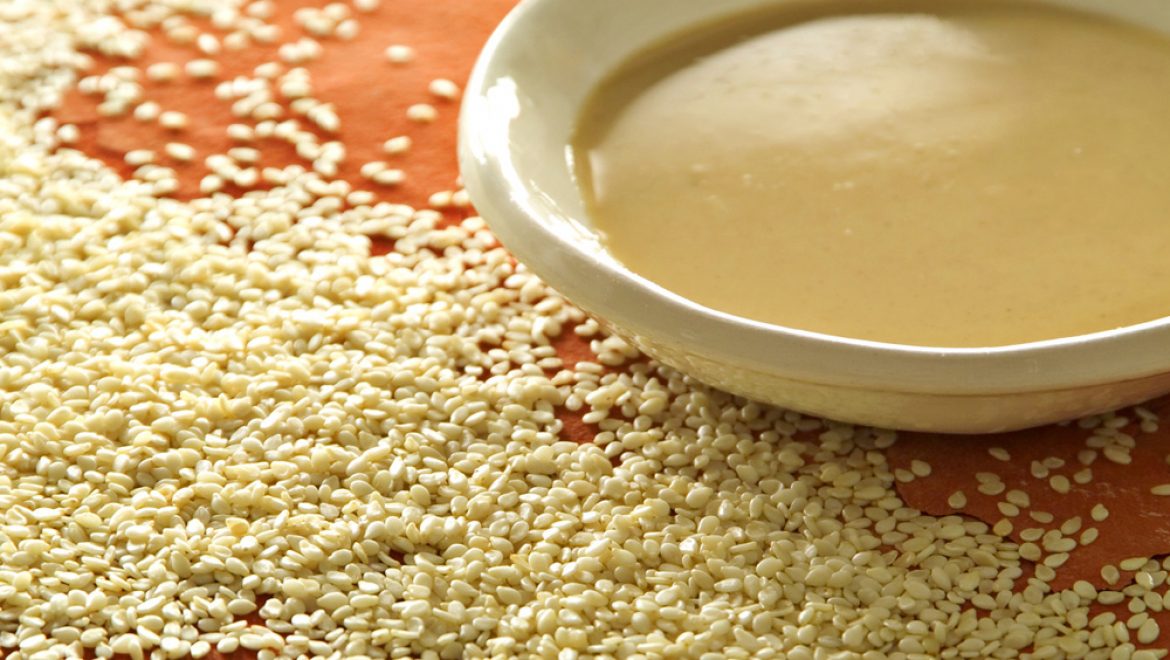
Tahina.
G: Tahin; Fr: tahina; Sp: tahina; It: tahina.
Tahina is an integral part of the eastern Mediterranean cuisine and is mainly used for hummus, but can also be enjoyed as a tasty dip or turned into a salad dressing.
Made of roasted sesame, the paste is rich in essential nutrients and vitamins and refines every meal.
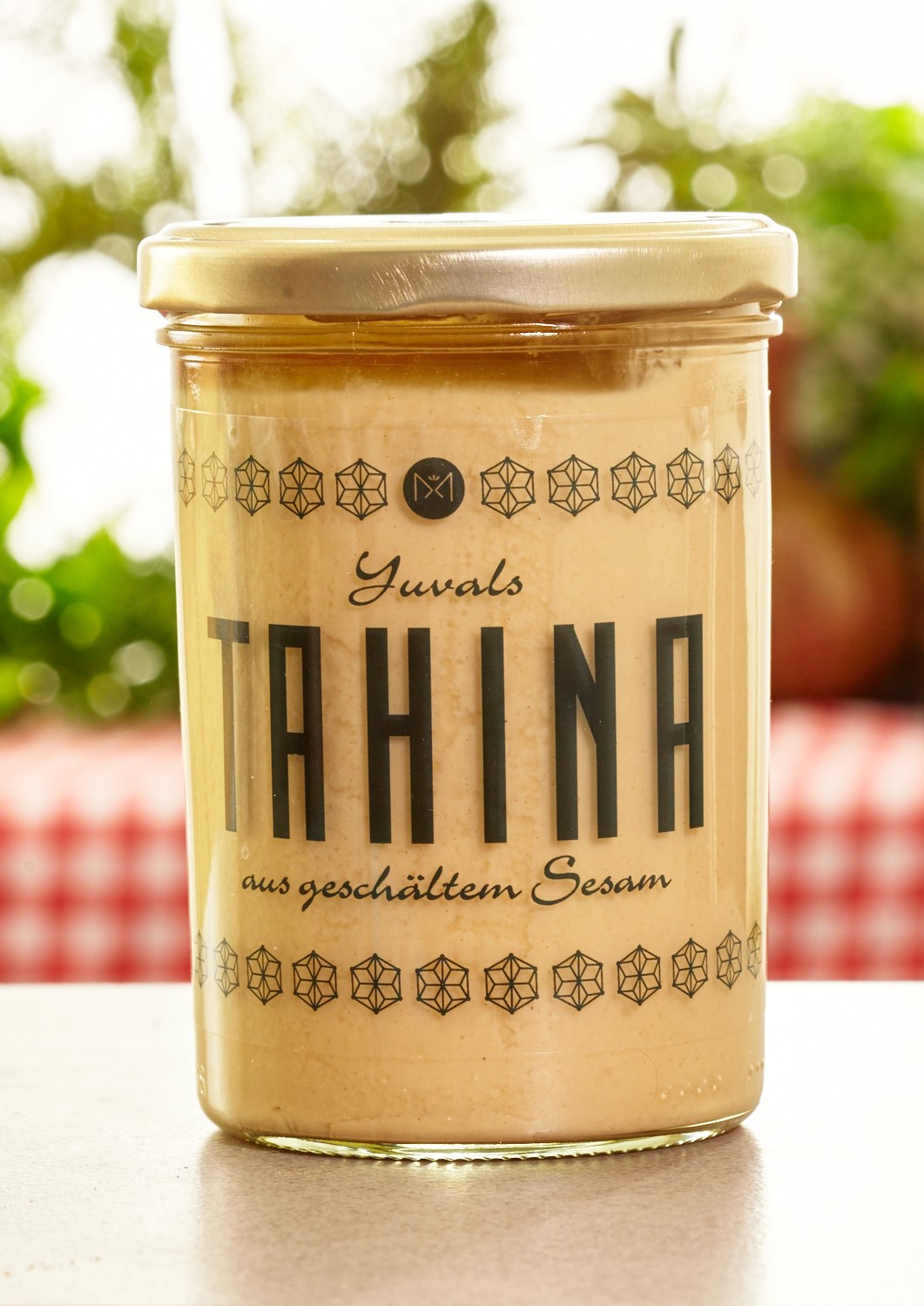
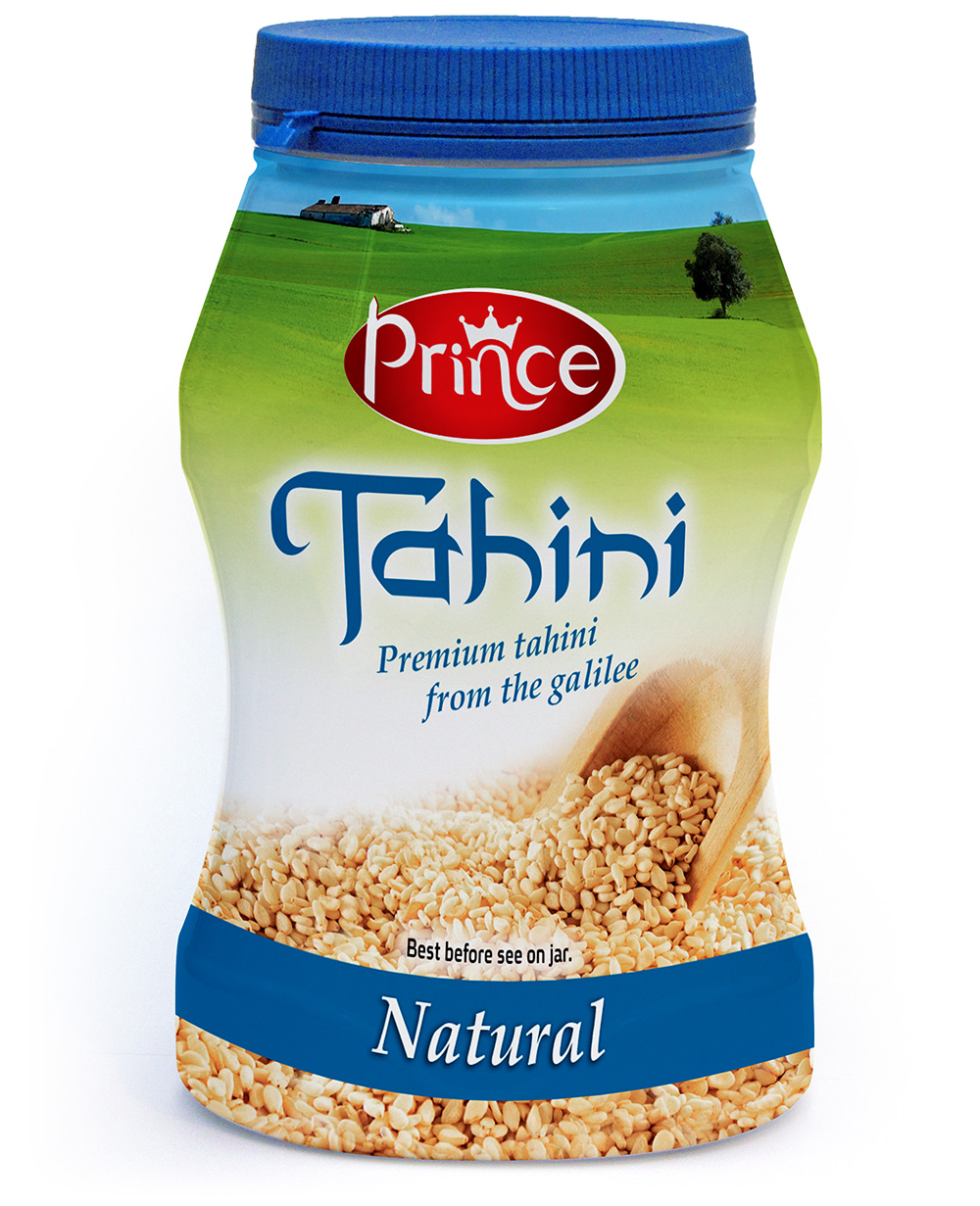
Organic Tahina is already at home in Western Europe. In Germany the, so named, Ammersee Tahina (above pic left) is one of the best available. Made from 100% Bio-Sesame, a 420 gram jar available for about euro8,90. Here in Uruguay I can buy Prince Tahini (above pic right) from Galilee, Israel. A 300 gram jar for about 240,–peso (c. US$ 7,–), the quality is very good.
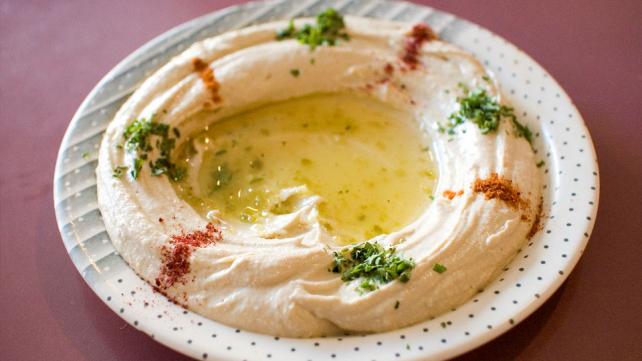
Once homemade – and never again you will buy finished hummus, see above. Because the recipe with pureed chickpeas, lemon and garlic is very simple. The only thing you really need is a fabulous Tahina, the cream of roasted sesame seeds. We use the Tahini as a quick dip sauce as we are to lazy to make one. Raw veggies in Tahini = GREAT STUFF !
 Ottolenghi books. Read Jerusalem = Fantastic ! Yotam Ottolenghi is also called the „Spice-whisperer“.

In Ottolenghi it also belongs in the base 10 of the most important spice ingredients. The London star chef has created a green Tahina sauce with parsley that goes very well with all kinds of vegetables. The sesame paste is also welcome to beetroot and tomatoes.
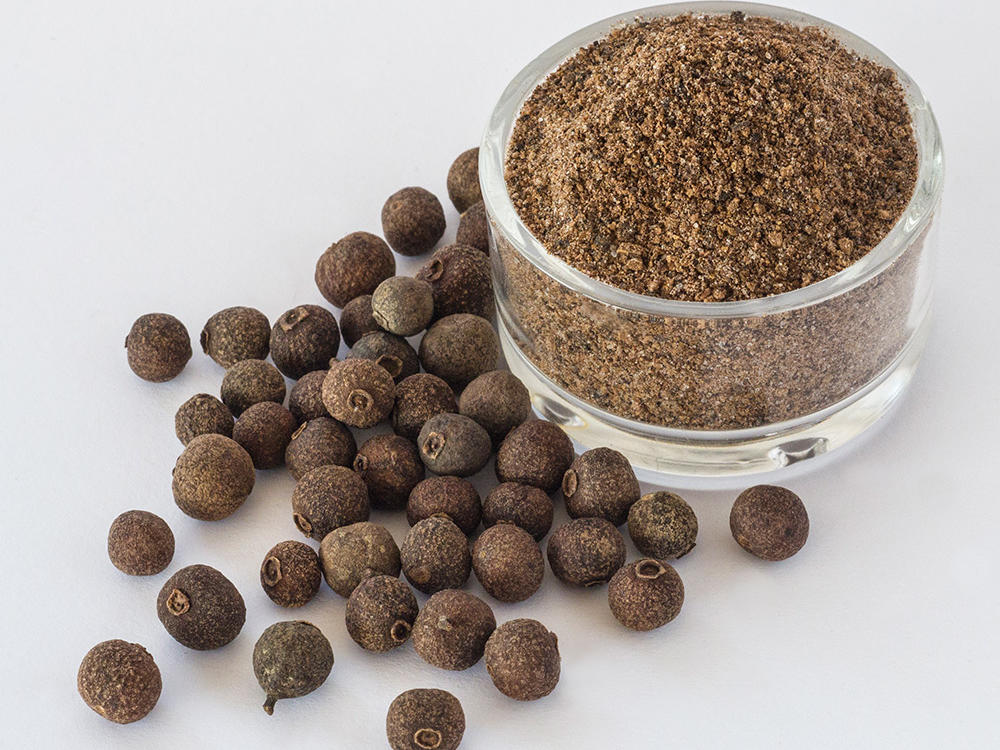
Allspice.
G: Piment; Fr: toute-épice, piment de la Jamaique; Sp: pimiento; It: pimento.
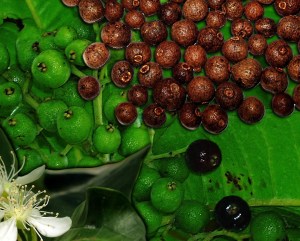
Allspice, also known as pimenta, Jamaica pepper, Turkish yenibahar, or newspice, is native to the West Indies and the Caribbean. In fact, due to its finicky nature, it’s one of the few spices that are still exclusively grown in its native region, like Guatemala.
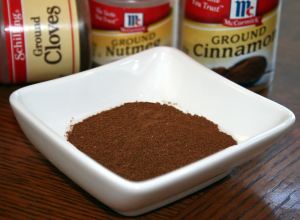 Allspice made from scratch by yourself, just try an equal amount of cloves, nutmeg and cinnamon.
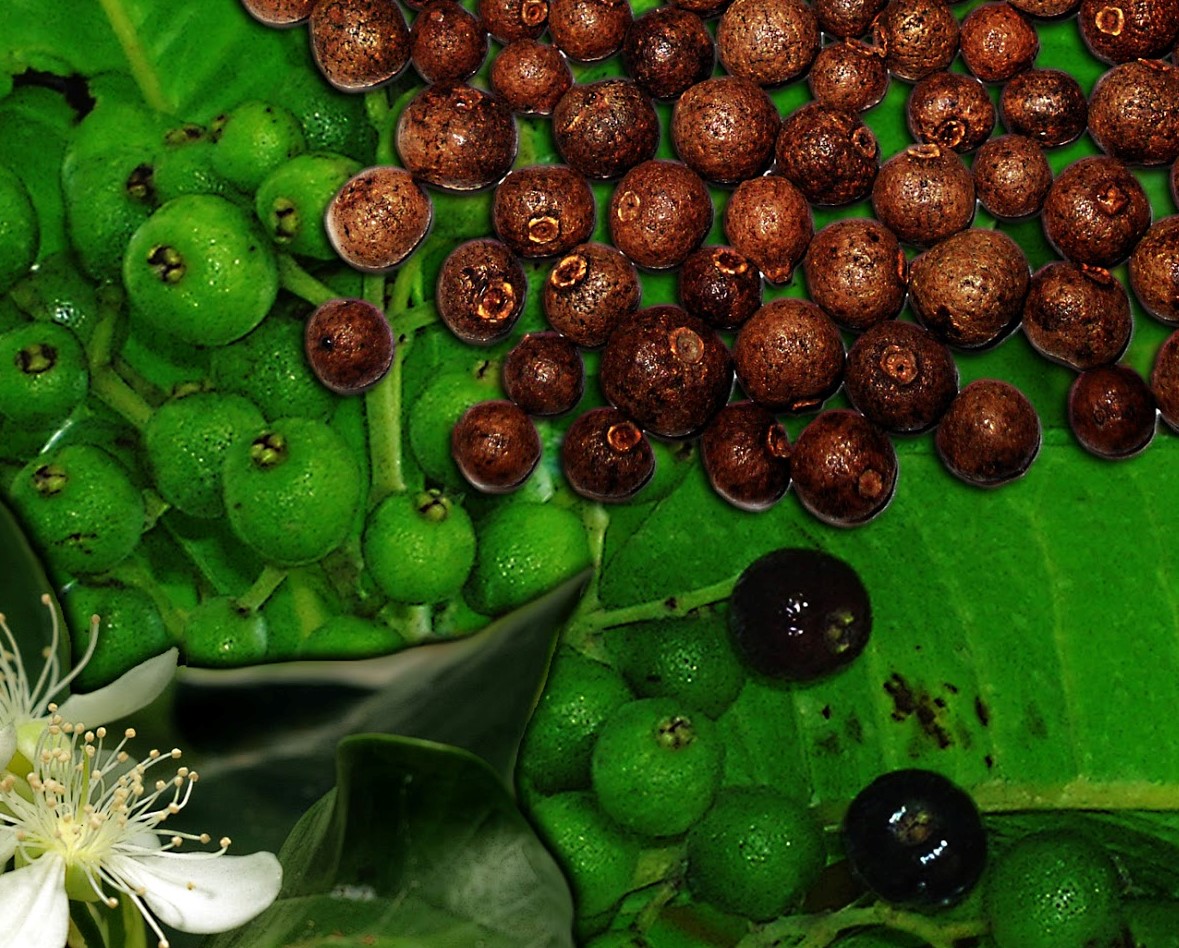
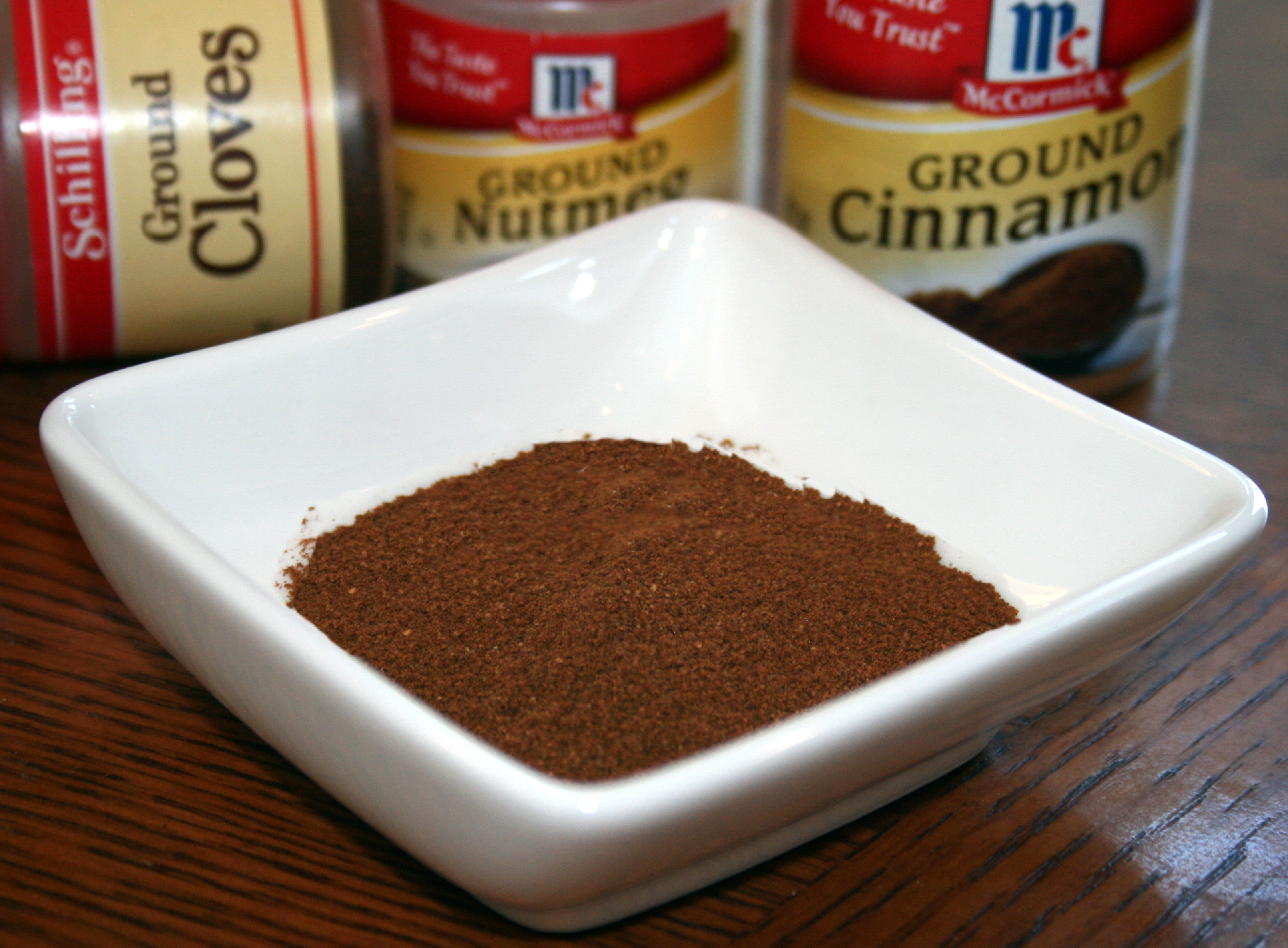
The name Allspice refers to its compound aroma that seems like it’s a mixture of mace, clove, cardamom, and cinnamon. The Allspice berries are actually plucked when green and are cured in the blazing tropical sun on large concrete slabs until they turn black and their shells become fragrant with oil.
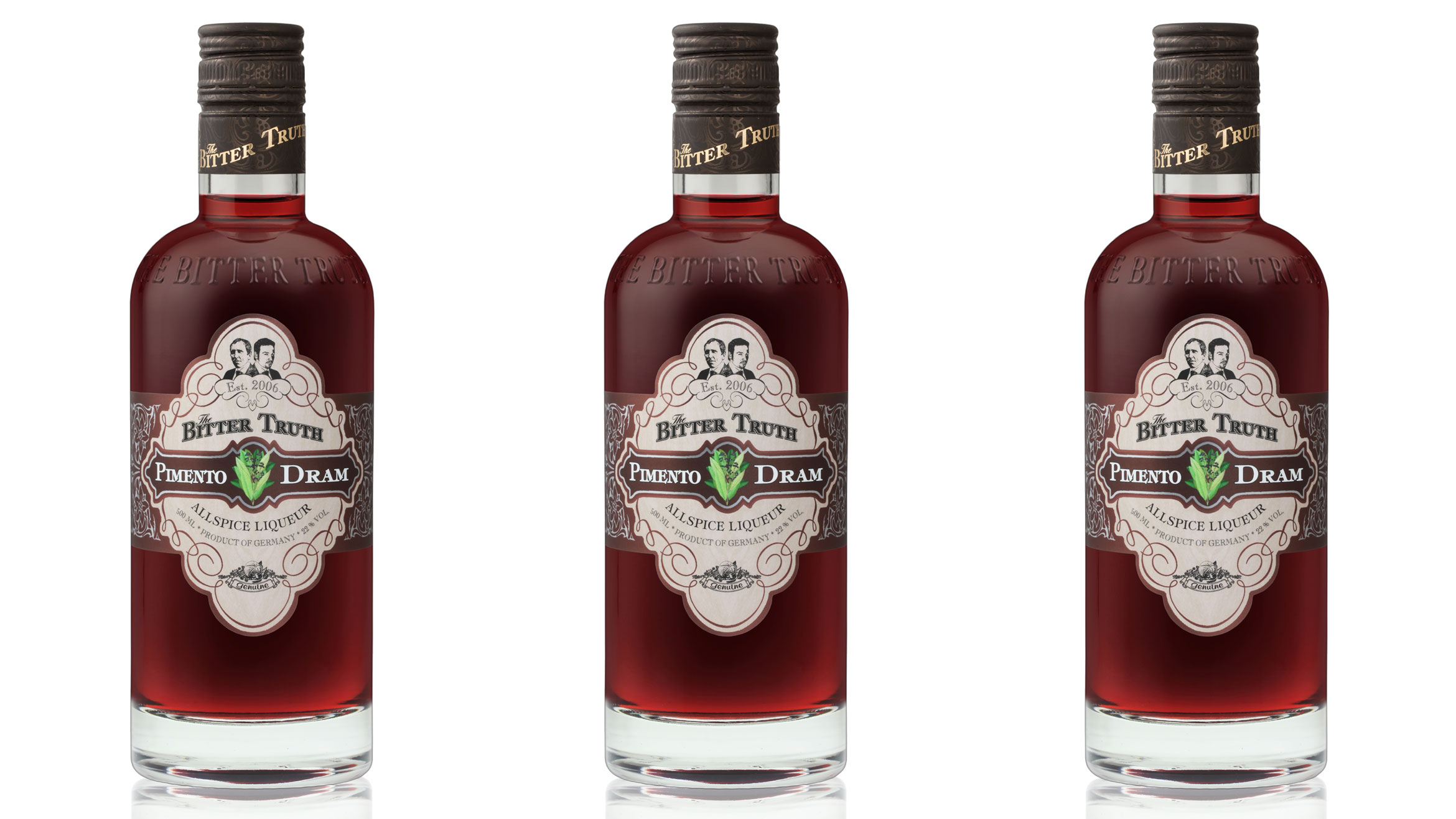
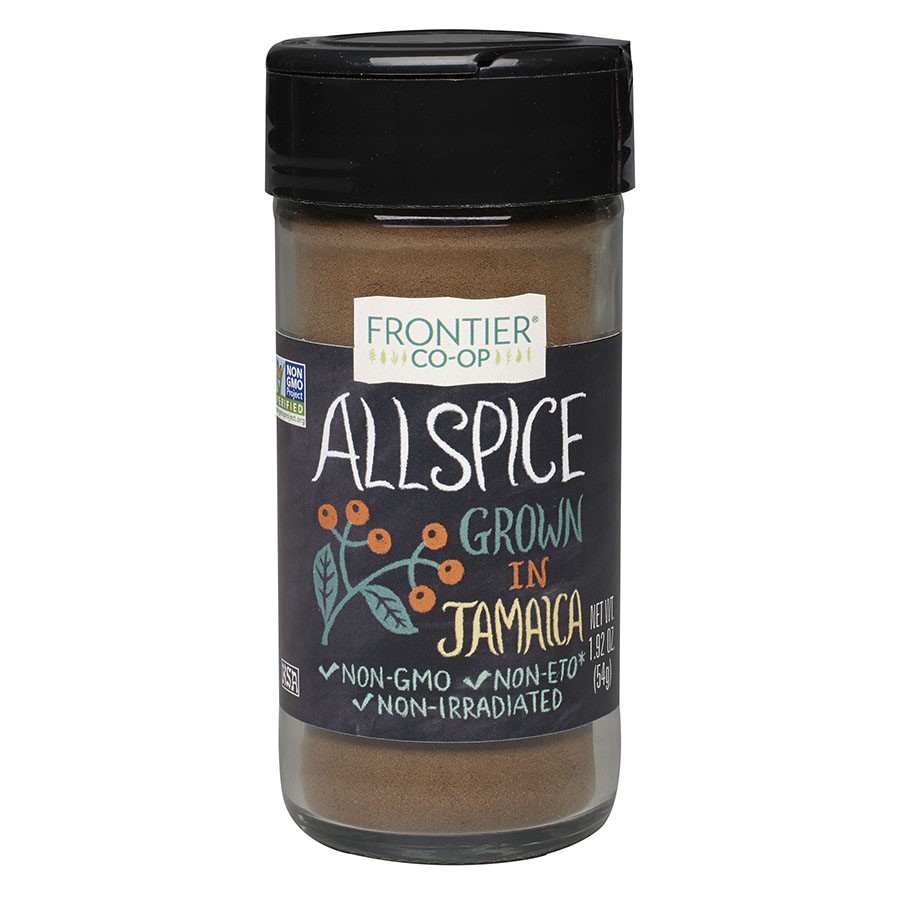
Allspice has a place in preserved goods and plays an important role in spice blends and rubs like jerk seasoning and garam masala. Also is made a delicious bitter-liqueur out of Allspice. Click on pics above to size up. In addition, it plays a central role in many North American pastries such as gingerbread cookies and pumpkin pie.
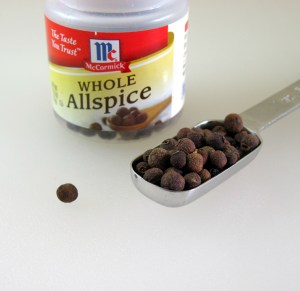
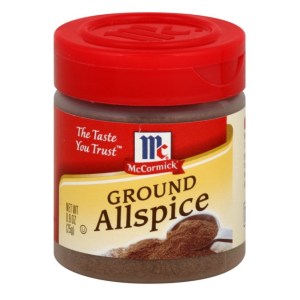 Allspice products are found all over the world, whole berry’s or ground.
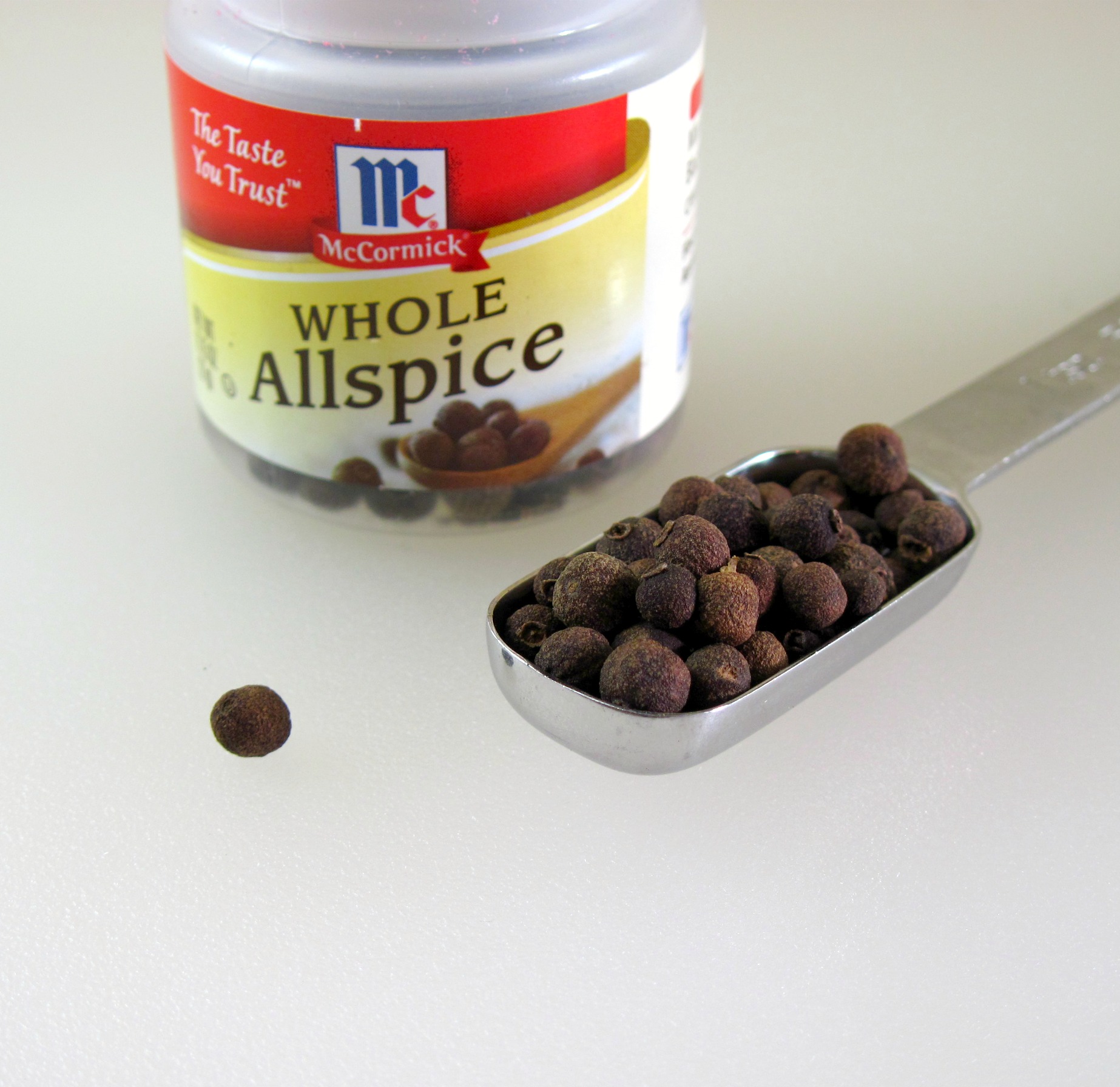

Whole Allspice berries can be ground up and toasted for a fresher, more intense Allspice flavor than pre-ground Allspice. Whole berries are also essential for proper pickling. I a cool and dry place it has a shelf time of at least 2 years.
Tamarind.
G: Tamarinde; Fr: tamarin; Sp: tamarindo; It: tamarindo.
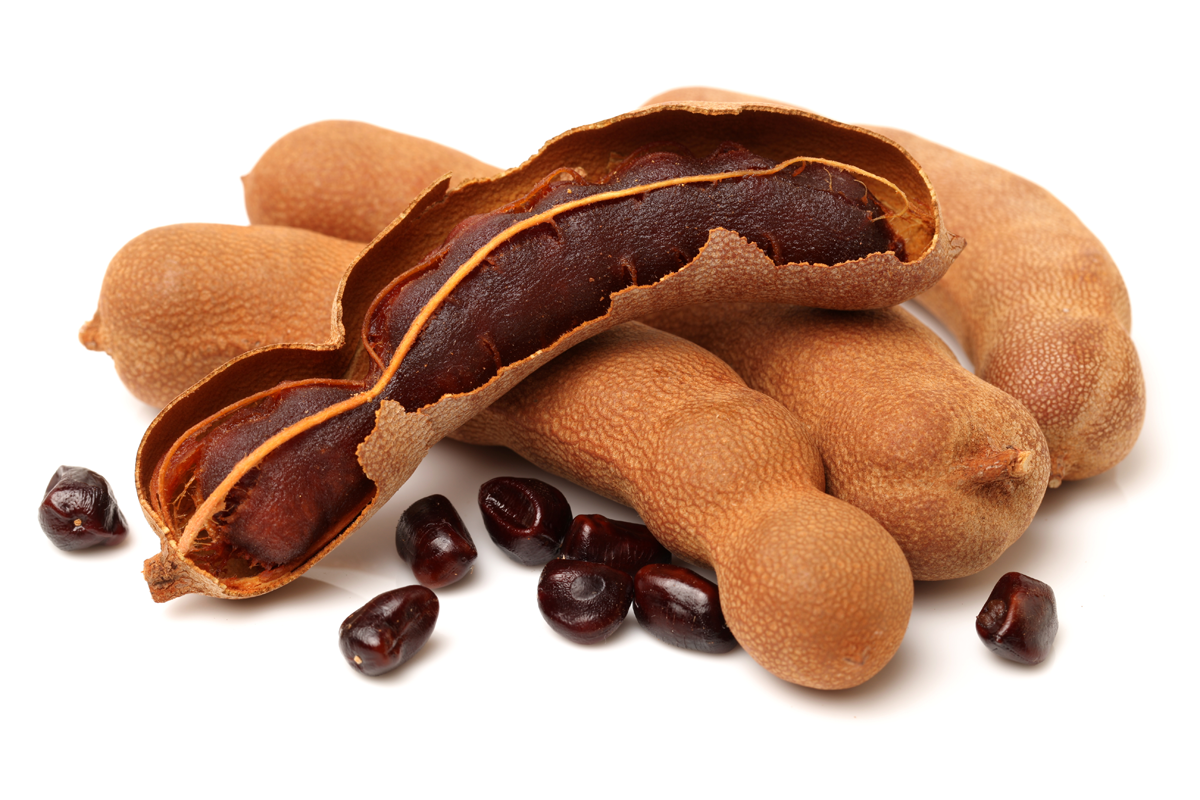
The health benefits of tamarind have been well-studied, and they include its ability to reduce inflammation throughout the body, improve vision, boost respiratory health, heal skin conditions, and improve the digestive system. It may also help lower cholesterol to improve cardiovascular health, treat piles, and protect against parasites and worms.
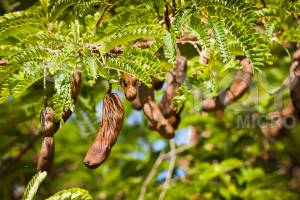
 Tamarind tree with its beans. And Mexican Tamarind candy’s. Click on pics.
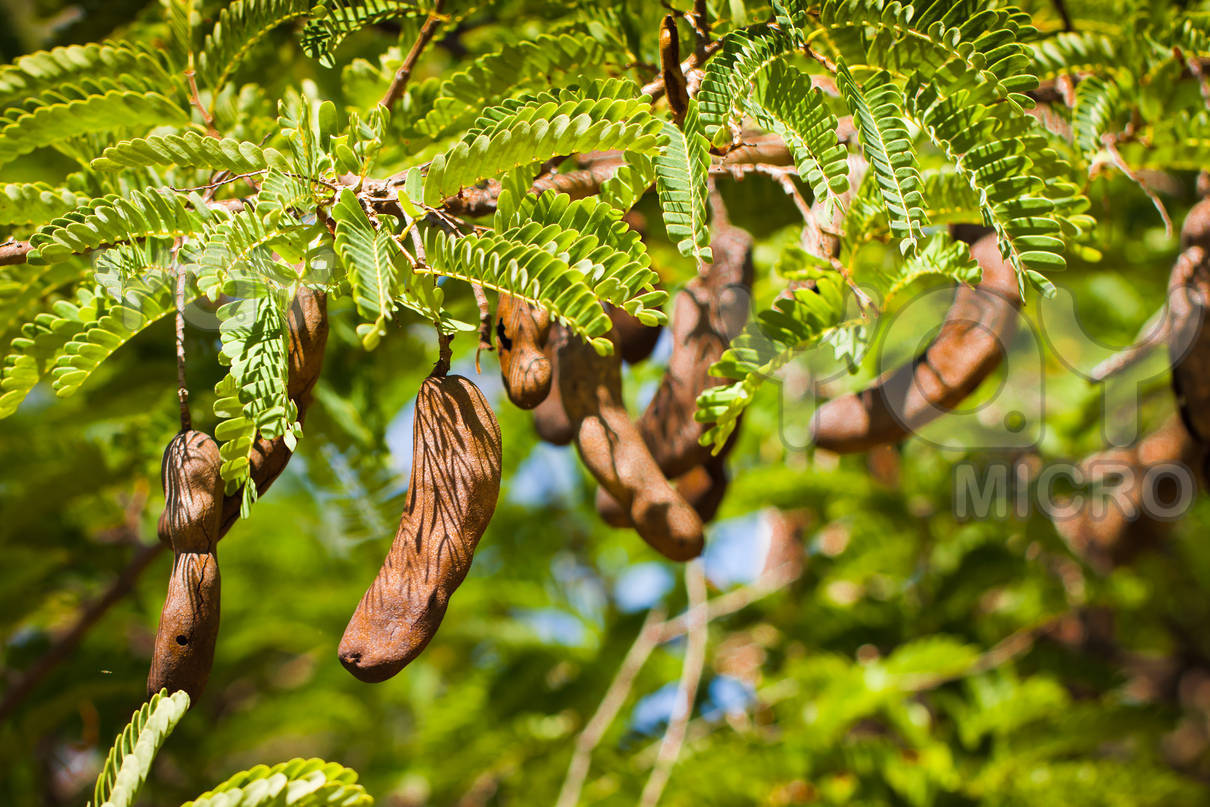
A member of the Fabaceae family, the scientific name for the tamarind is Tamarindus indica. The tamarind tree is native to tropical regions of Africa, specifically Sudan. However, its farming has spread to almost all tropical areas of the world due to its unique flavor and nutritional value.
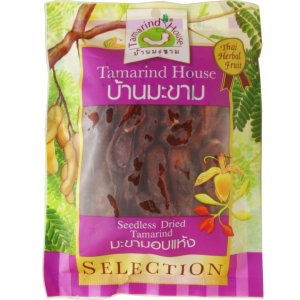
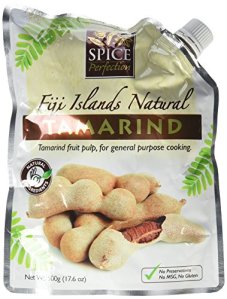 We always had our Tamarind in Australia from Thailand or from Fiji as a paste.
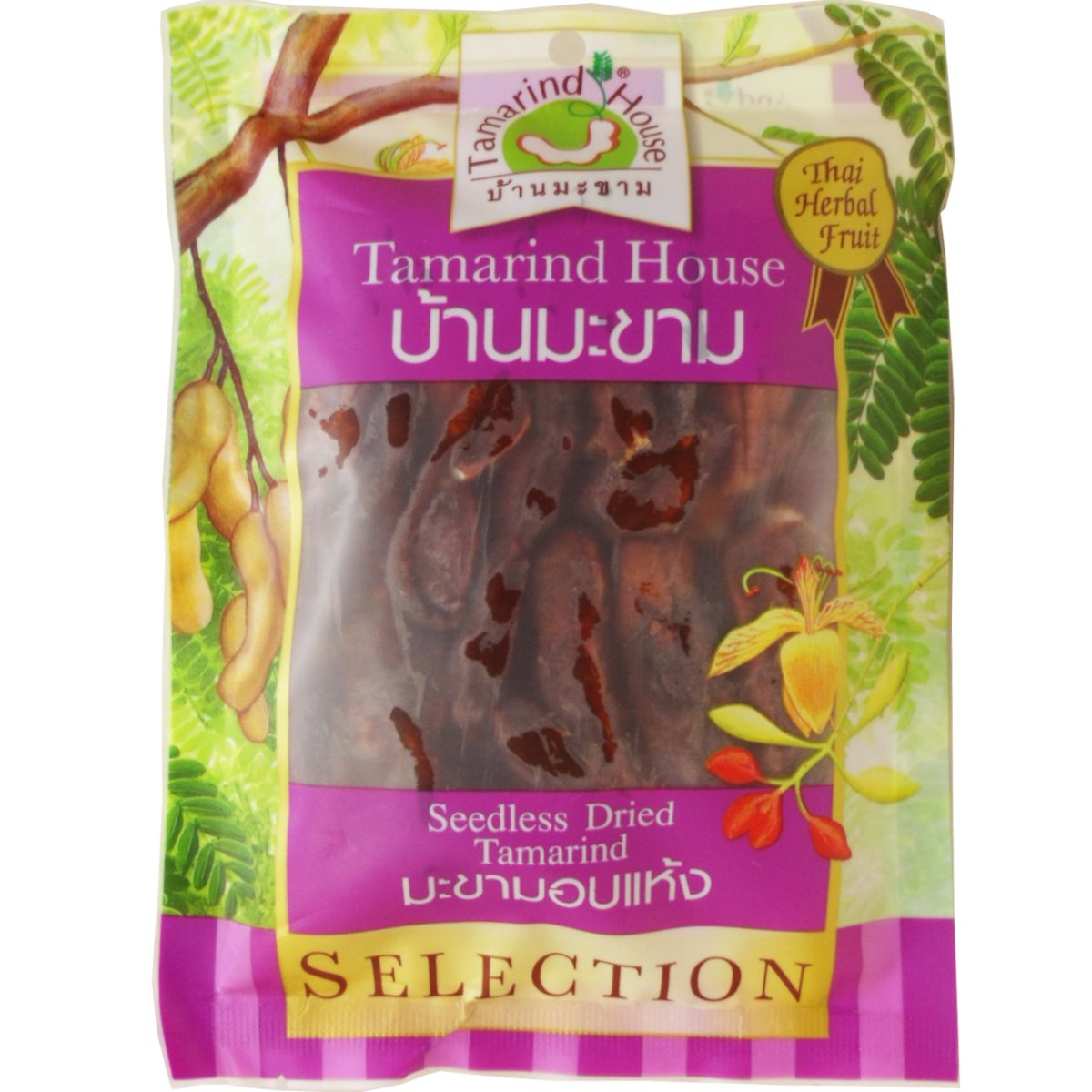
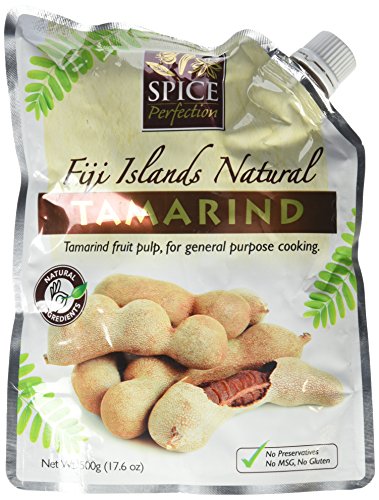
The name Tamarind means „date of India“ and is a well fitting description of the spice.
It is grown throughout India today. It has been cultivated for thousands of years, likely made its way to Asia about 5,000 years ago. It wasn’t until about 500 years ago that it made its way to the Americas by Spanish explorers. South America and Mexico are now the largest consumers and producers of this fruit in the world.
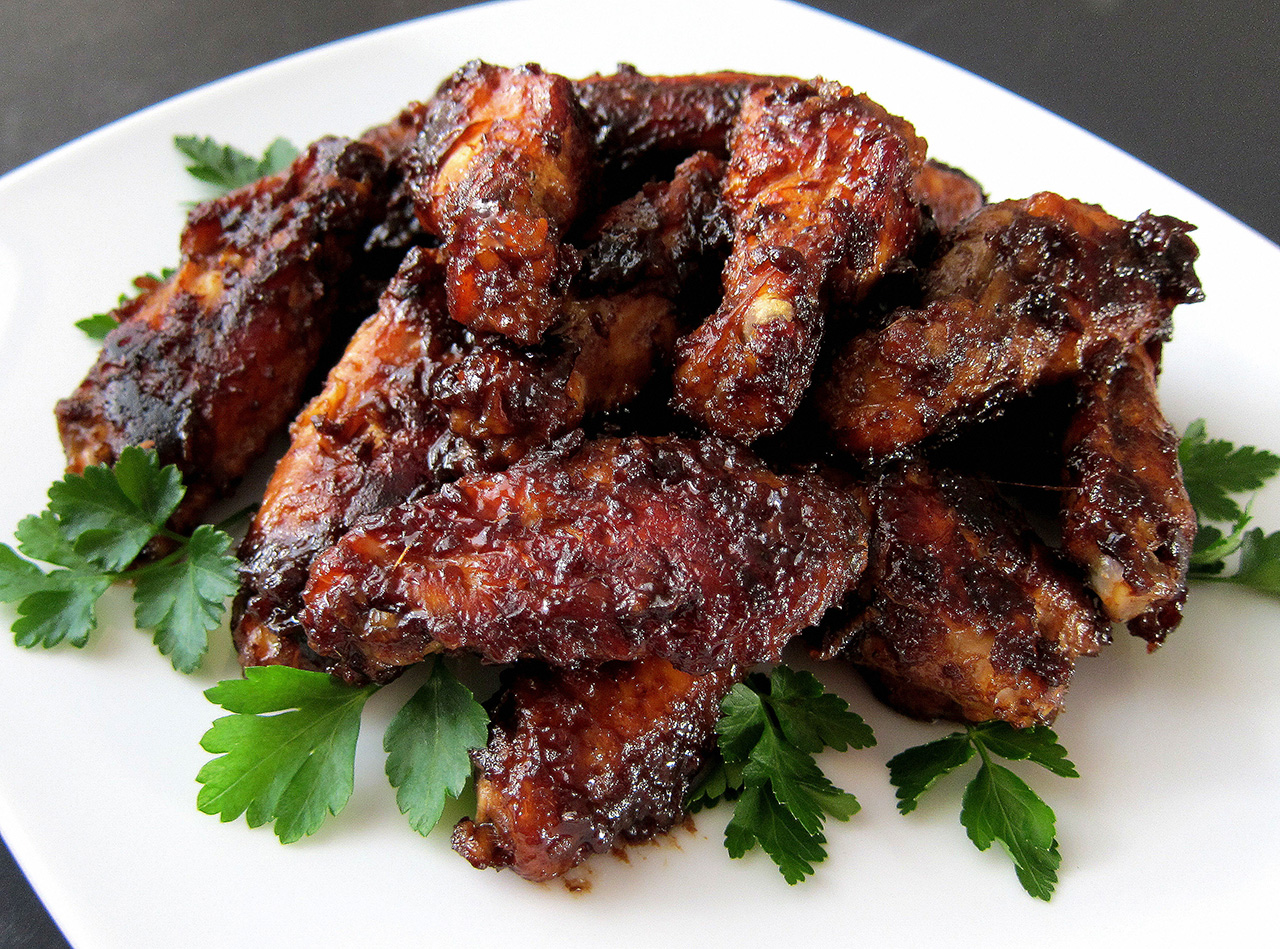
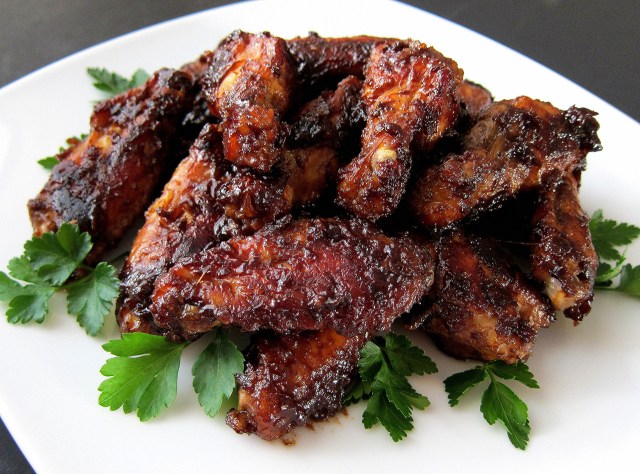 Chicken wings spiced with Tamarind. One of our great party hits.
Tamarind is a delicious sweet and sour fruit that has a wide variety of uses, both for medicinal and culinary purposes. It is a medium-sized bushy tree with evergreen leaves and a fruit that develops in pods. Its pods are characterized by long, brown shells. Inside the pods is sticky, fleshy, and juicy pulp, which is the tamarind fruit. This is where nutrition and taste reside! As it has both a sweet and sour taste, people either tend to immediately like it or have a natural disposition against it.
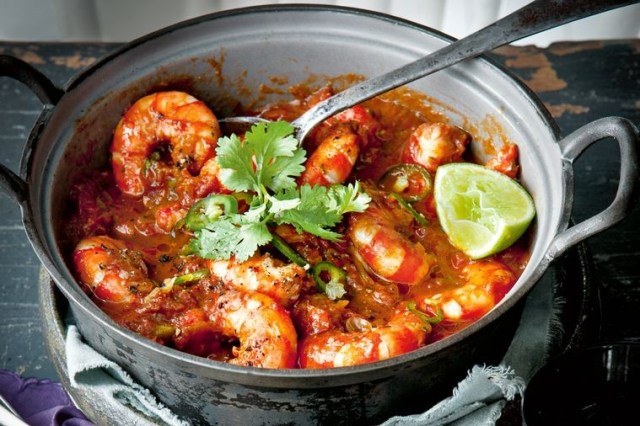 Authentic Thai cooking, pot of Prawns in a hot chilli Tamarind sauce. To die for.
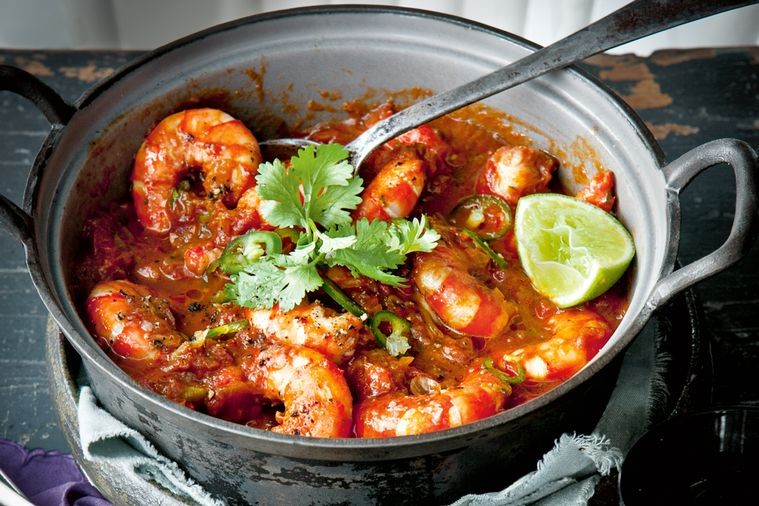
There are many different ways to consume this nutritious fruit.
It can be consumed raw.
It can be added to desserts once it is fully ripe.
It can be dried and ground into a spice.
It is often used in jams and sauces.
It can be dried and processed into candies.
It is a typical ingredient in soups and dishes throughout Asia and South America.
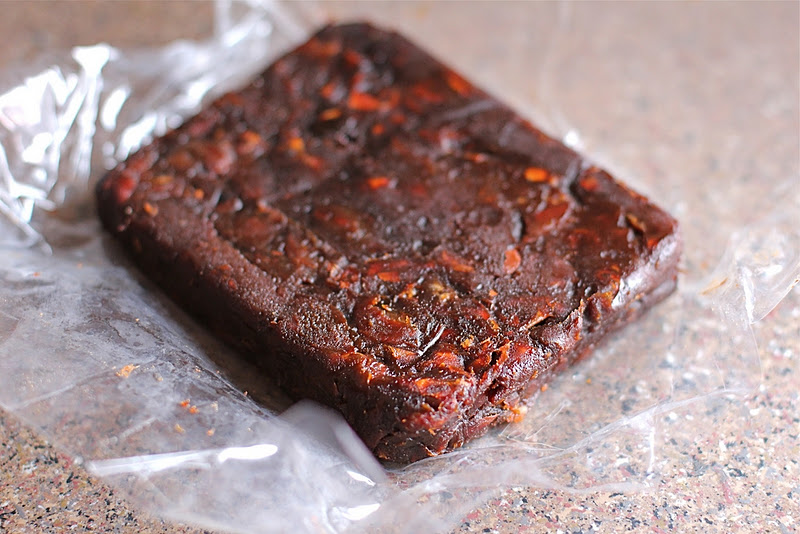
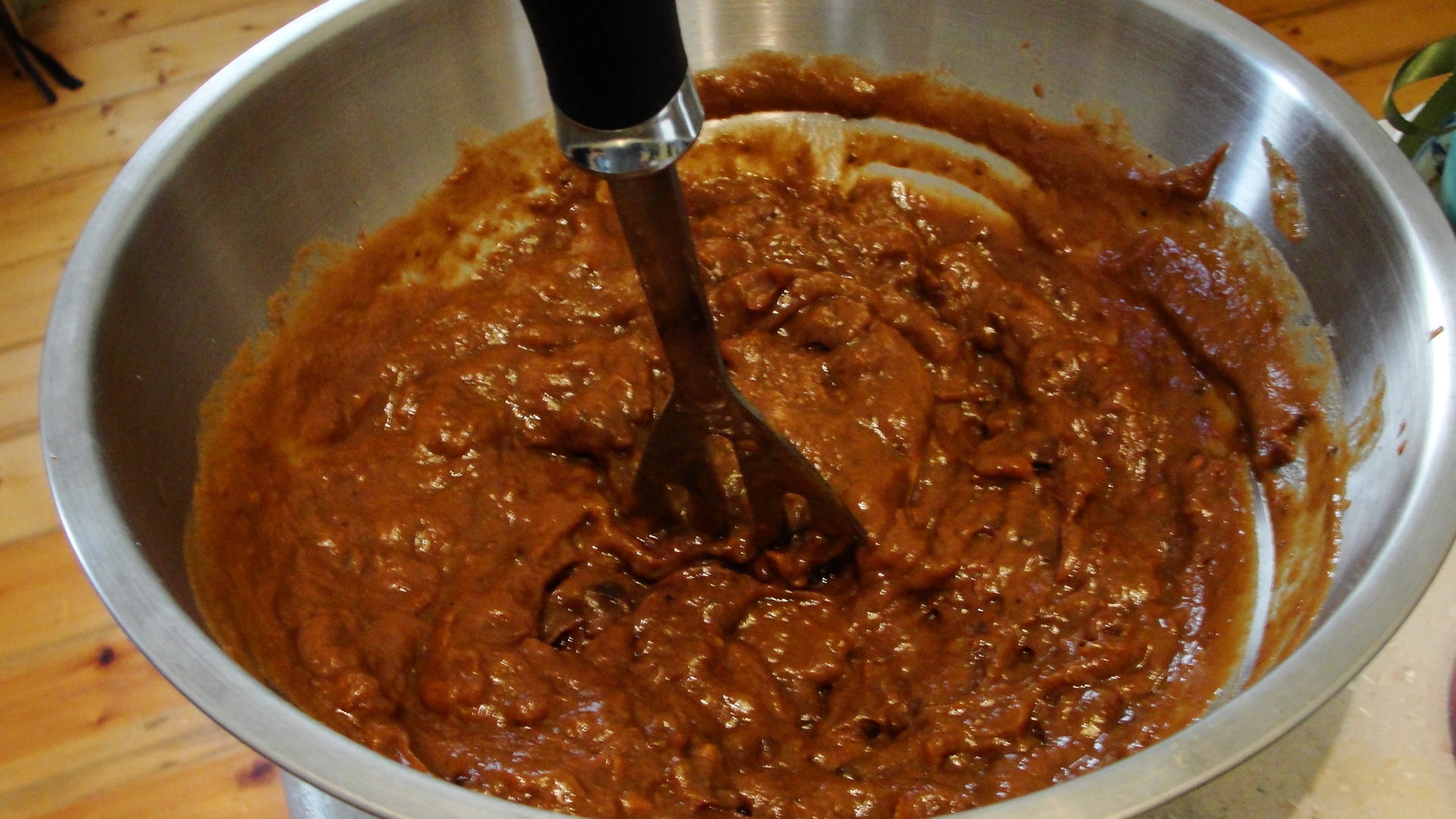
When you buy Tamarind as a block break up the block and soak in warm water for about 15 minutes. Break down the pulp further with your hands and soak for a further 5 minutes, then hit that mix with a potato masher. Work it over until you have a thick pasty consistency (see above). Pass the mix through a fine sieve (I often leave it in a coarse state, but solids out) and discard the solids. This sounds like a bit of work but don’t be a pussy!
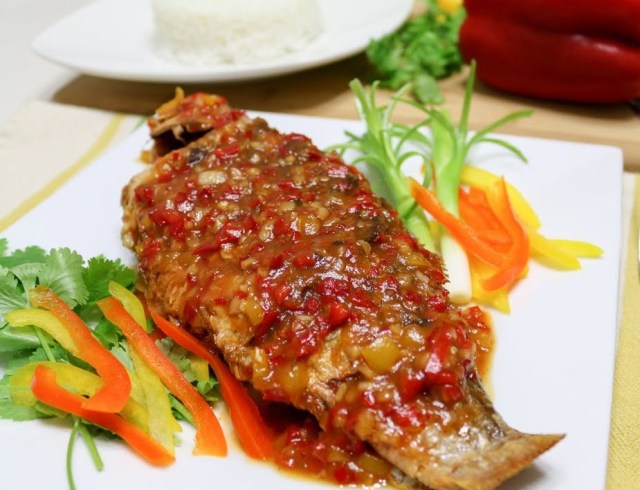 Thai crispy snapper with Tamarind sauce. From the BBQ or deep fried in olive oil.
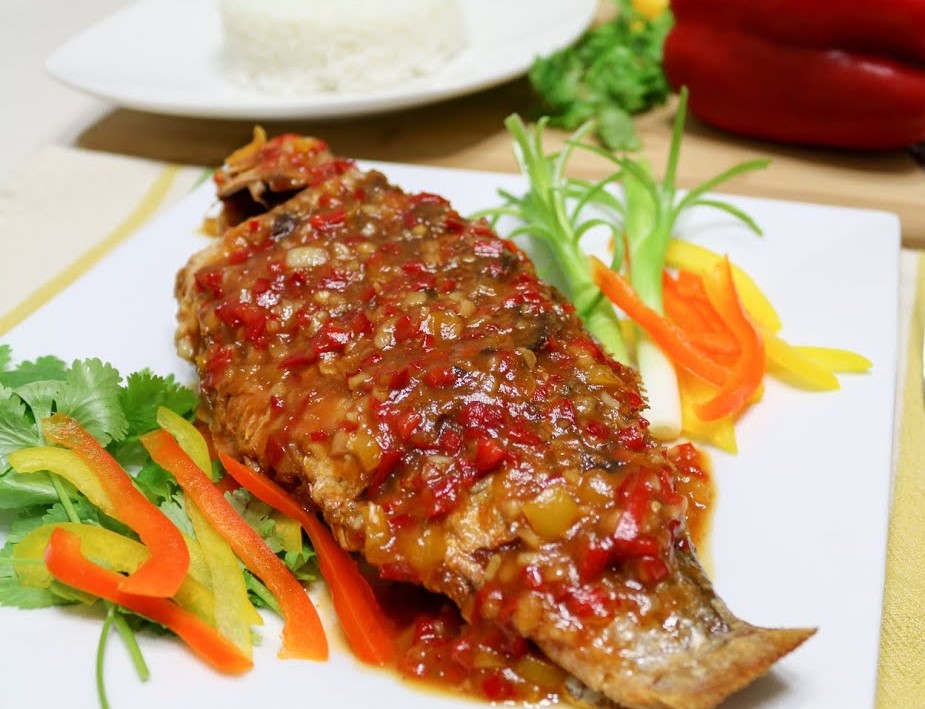
Trust me, once you have made your own, that stuff you have bought from the super market in a jar will never be the same again. Use Tamarind and water 1:1. I had mostly 500gram blocks and used 250gram with 250ml of water. The other half we keep it in the fridge for many many more month.
Tips.
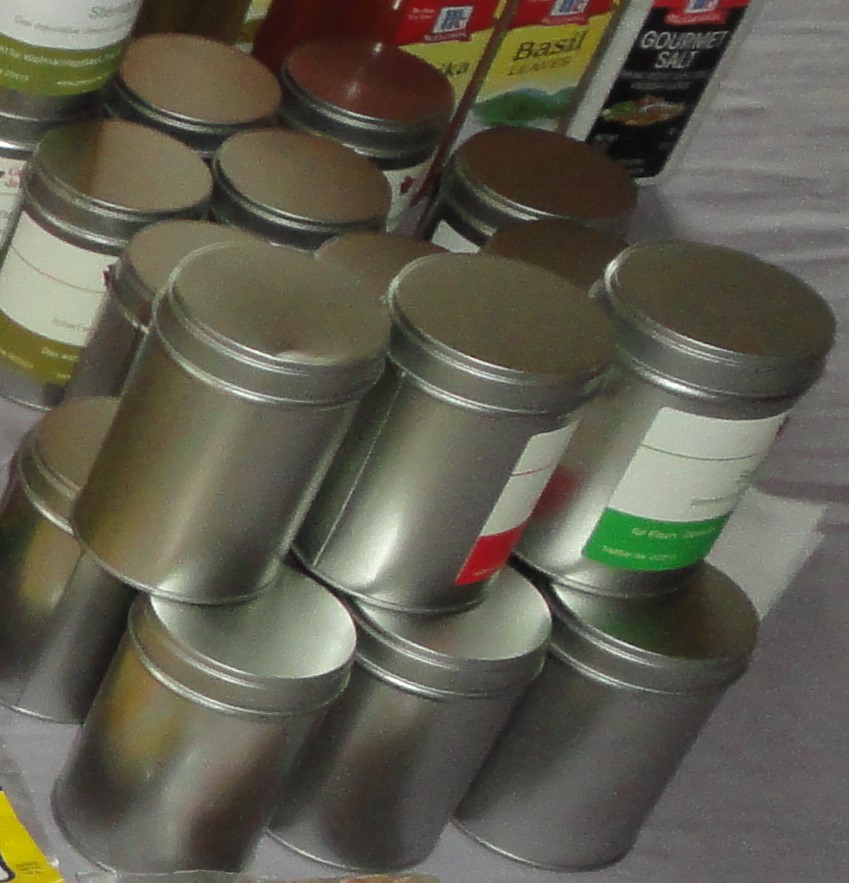
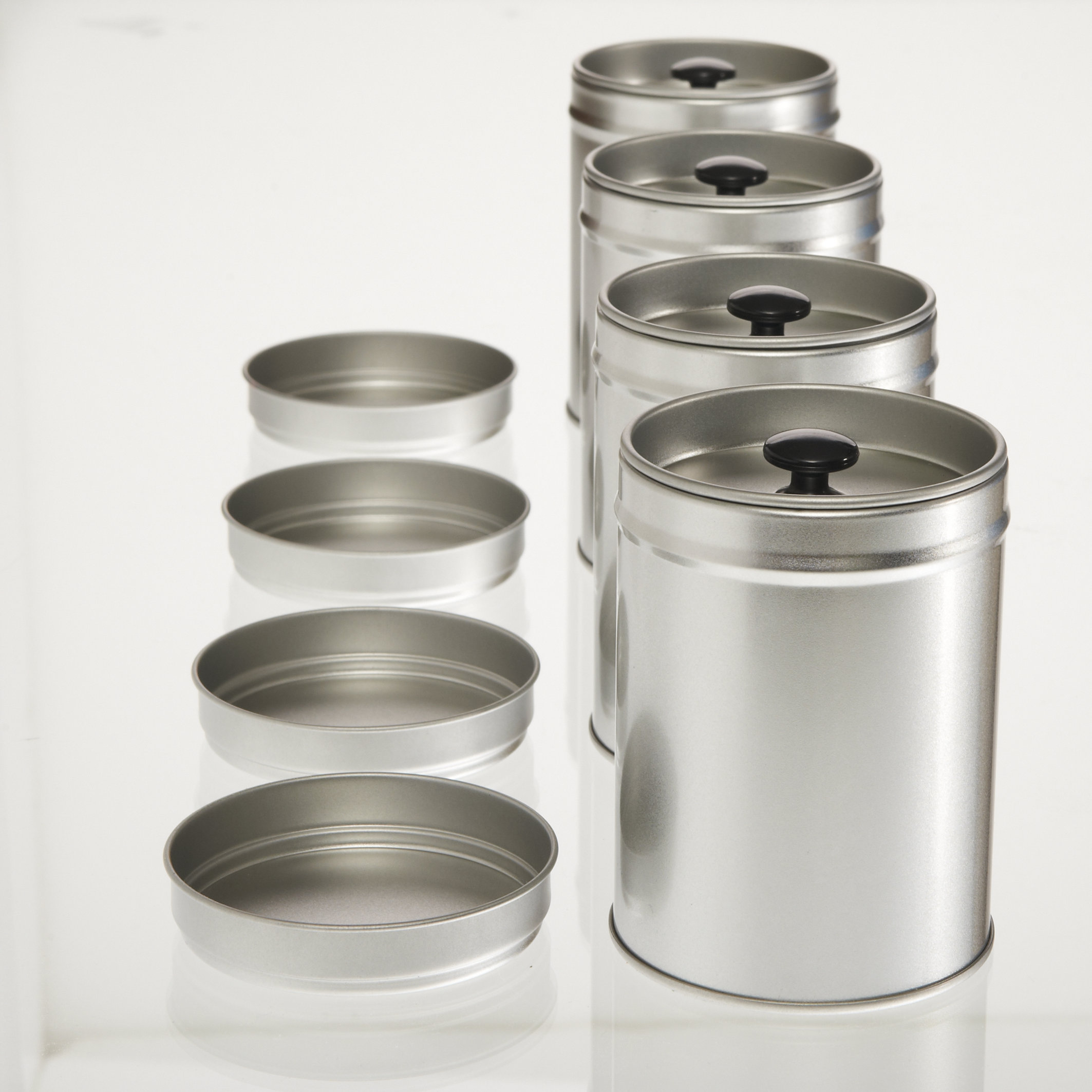 Store most of your spices dry and dark in a well closed container. I have purchased time ago some special „aroma containers“ with a double lid (inner- and outer lid), they are fantastic. The medium size is about 90mm high and 60 mm in diameter, just good for about 100 gram of paprika. Bought in Germany, a set of 4 is about 8,50 euro’s.
That’s it already folks. 12 of my favorite spices. One more part is coming up with spice mixtures like Masala or Curry. Stay tuned and enjoy !


Hi Mike,
fantastic. Yesterday in the city we bought some Galangal and Tamarind at our Italian-European shop. Never used these spices before. Can you send me – please – your recipe about this Thai Prawn Chili pot ? That looks fantastic and we have at Riba Smith some very good offers of camarones.
Say cheers to Anna, ciao Luigi.
LikeLike
Hola Luigi,
thanks for the greetings and question.
No problem my friend, recipe is on its way !!
Tell us how it went, cheers Mike.
LikeLike
Mike, wir bedanken uns fuer die weiteren „spice informations“. So aufklärend und informativ haben wir sie sonst nirgendwo gesehen. Weiter so, Mathis.
LikeLike