Cookbooks – Part 1

Without question I AM A COLLECTOR and friend of interesting things, I love history and I am a fan of good cuisine, according to the motto:
„Life is to short for bad food or wine“!
During the last 60 years of gourmet pleasures, a whole bunch of beautiful cookbooks accumulated on my shelves.

I am not a cookbook collector, but some of the series are pretty unusual ones. And some I can’t even remember how or where I’ve got them. These, not so normal cookbooks which appeared in my inventory, I would like to show in this 3-part article. Of course at the beginning a little dive into history, sorry I can’t help it, it’s my hobby, here just answering some questions I had in my mind.

Which is the oldest cookbook in the world ?

Probably the oldest, earliest known cookbook in the world is the Indian cookbook „Vasavarajeyam“.
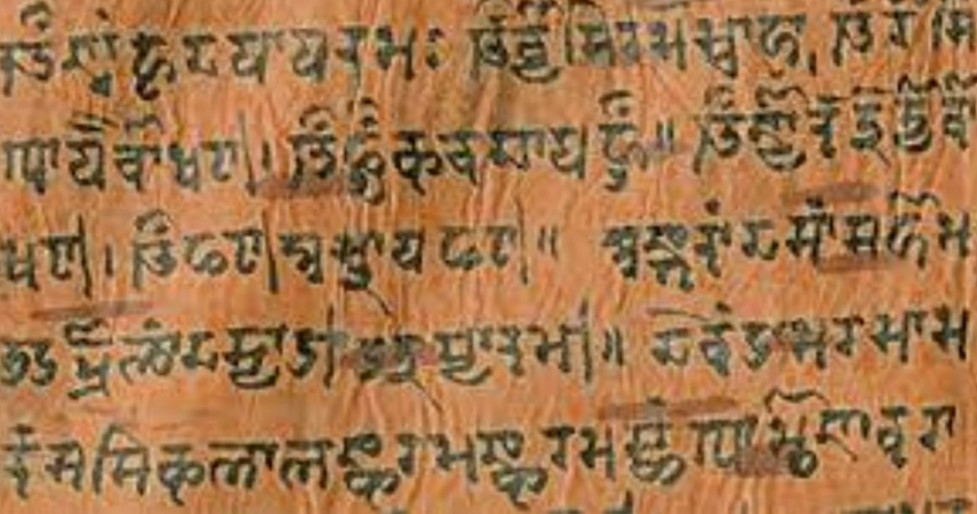
According to Richard Gollmer (author, translator etc.) it is written in „Sanskrit“ (as you can see above), the language of the oldest Indian literature. According to this it should be about 3500 years old and is a purely vegetarian cookbook.
Unfortunately nothing else is known about this cookbook. The oldest of the western world is De Re Coquinaria, a Roman cookbook.
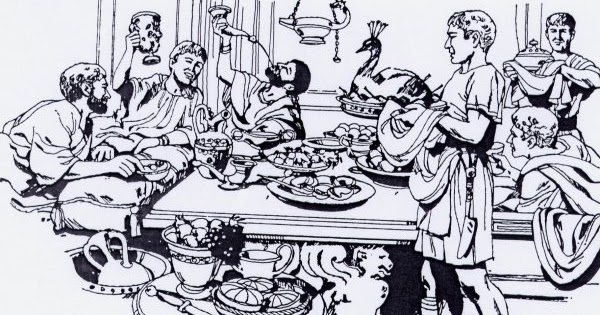
De re coquinaria.

The oldest preserved cookbook is the Latin „De re coquinaria“ (On the art of cooking). This text is from about the 3rd century and was several times rewritten during the centuries. It is now called „Apicius“, why and how it happened is not fully documented.
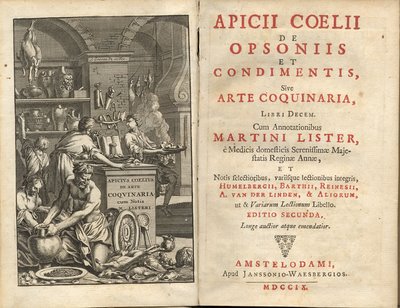

De opsoniis et condimentis (Amsterdam: J. Waesbergios), 1709. Frontispiece of the second edition of Martin Lister’s privately printed version of Apicius.
De re coquinaria is one of the oldest surviving cookbooks in the world. The only version that still exists is from a reworking from the 3rd or 4th century AD. And there are various facts that speak for the fact that this cookbook was not edited and supplemented by one and the same person, but by different authors, and that there were even different sources. It is considered proven that Marcus Gavius Apicius himself published recipes in written form. Whether this recipe is the basis for the cookbook „De re coquinaria“ is not certain. It is possible that this version, which is available to us, was only given in his honor.

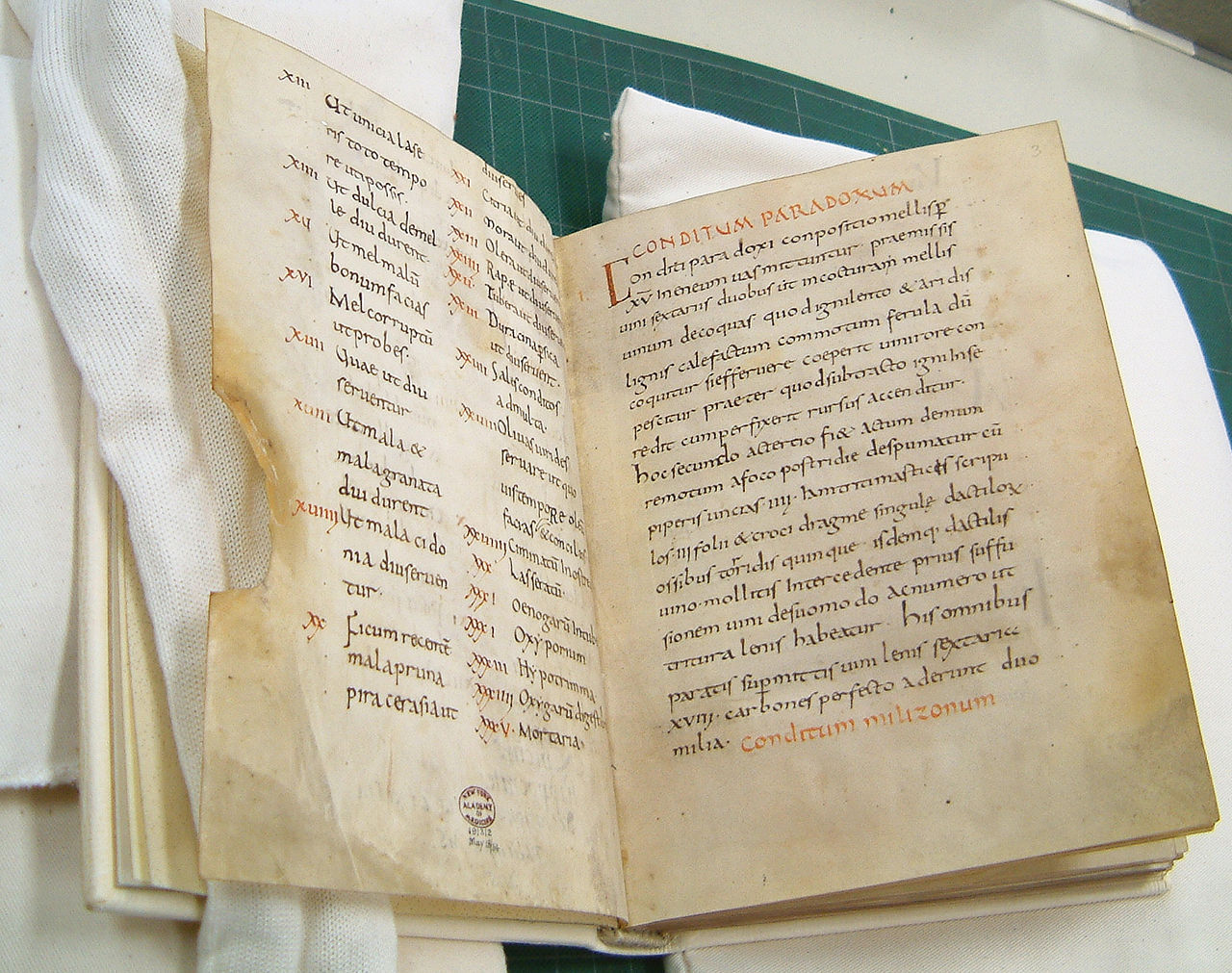
The original Apicius manuscript (ca. 900 AD) of the monastery of Fulda in Germany, which was acquired in 1929 by the New York Academy of Medicine.
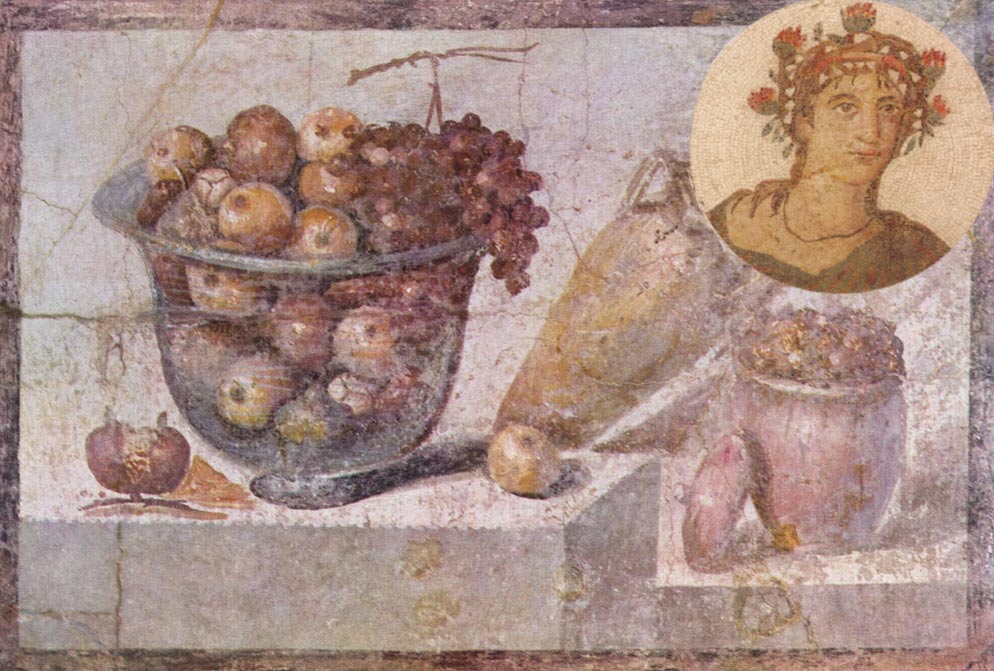
Marcus Gavius Apicius.

Marcus Gavius Apicius is believed to have been a Roman gourmet and lover of luxury, who lived sometime in the 1st century AD, during the reign of Tiberius. The Roman cookbook Apicius is often attributed to him, though it is impossible to prove the connection. He was the subject of „On the Luxury of Apicius“, a famous work – now lost, by the Greek grammarian Apion. M. Gavius Apicius apparently owed his cognomen (his third name) to an earlier Apicius, who lived around 90 BC, whose family name it may have been: If this is true, Apicius had come to mean „gourmand“ as a result of the fame of this lover of luxury.
Reports about his death:
After he saw himself overloaded with debts, he was forced to see the state of his household for the first time: The calculation showed that he would have only ten million sestertii left; it seemed to him as if he was destined for a miserable existence… and so he ended his life with poison.
Before he died, he held a great banquet and then poisoned himself for fear of starvation.

In any case, it is a fact that this book was a model for many other cookbooks of the same genre, and it gives posterity a view of the cuisine of Roman times like no other.

Like many contemporary cookbooks, Apicius is divided into sections based on main ingredients, although unlike them, it does not specify measurements and often omits preparation techniques, simply saying “cook until done.” The book includes sections on meats, vegetables, legumes, fowl, and seafood. The meat chapter offered recipes for domestic livestock as well as venison, boar, and even dormouse (a small rodent), while the fowl section included recipes for crane, ostrich, flamingo, and peacock.
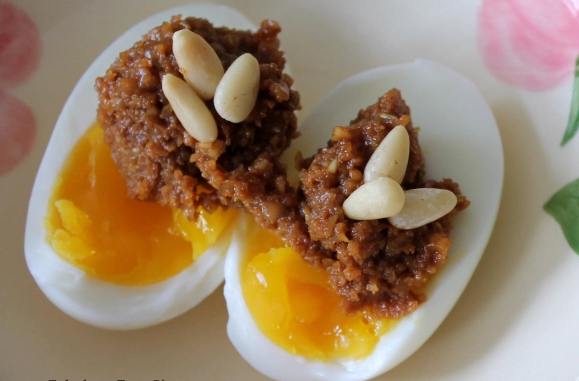
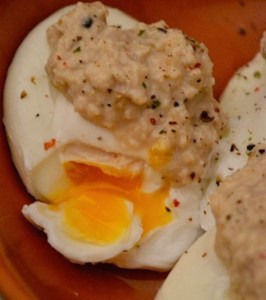
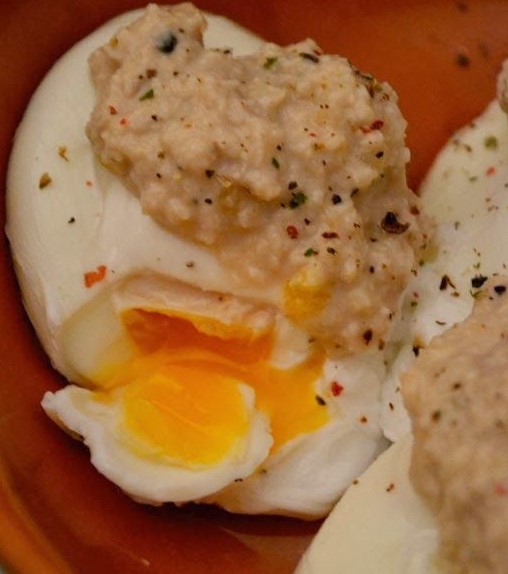
An original recipe out of the Apicius cookbook – Roman Eggs: 
4 eggs
1/2 cup pine nuts
1 teaspoon honey
1 tablespoon dark soy sauce
dash fresh ground pepper

Note: the original recipe called for the fermented fish sauce but I have substituted a dark soy sauce. Picture of this, thousands of years old, recipe above.

See my post about Colatura (the fermented Italian fish sauce) under the tag „Amalfi“ :
Must See – Amalfi 4, Cetara

                     Another nice variation is to poach the eggs and use white soy sauce instead of a dark one.
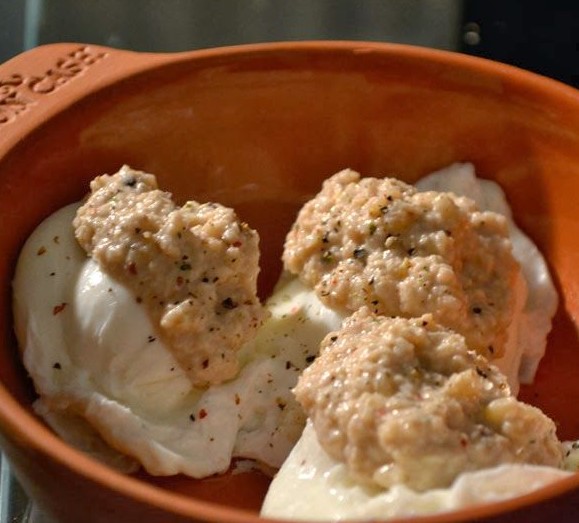
Place the eggs in a pot of boiling water and cook until soft boiled. Remove from heat, drain and rinse with cold water. Peel eggs and slice in half lengthwise.

Meanwhile, place the pine nuts and 1 cup water in another pot. Bring to a boil and boil for one minute. Drain pine nuts and place them in a food processor. Add the honey and the dark soy sauce. Pulse until as smooth as possible; scrapping the sides of the bowl between pulses. Scoop a tablespoon or so onto each soft boiled egg half and garnish with a few fresh pine nuts. Serve immediately – this is a cracker for every breakfast or party.

Which is the smallest cookbook in the world ?
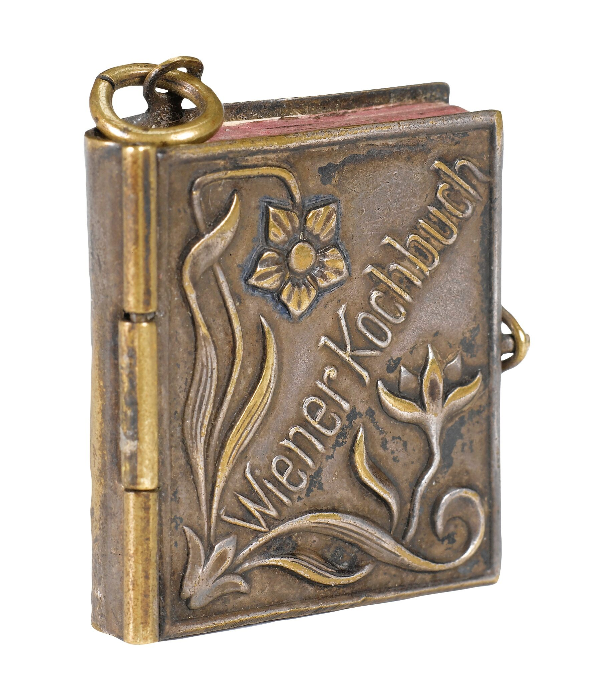
The smallest cookbook in the world was printed in Vienna, Austria around 1900. It measures 23 x 21mm. It has a contemporary hinged metal binding with art-nouveau style flowers on upper cover and title “Wiener Kochbuch“. It is extremely rare and a copy’s sold at auction fetched 960,–GBpound (Christie’s 2006) and 950,–Euros (eBay 2015).

Which is the most expensive cookbook in the world ?

There are several very expensive cookbooks sold during the years. The value depends, as always with art or antiques, on the demand and „the will“ to pay by collectors. I like to show you four of the most expensive cookbooks in the world.
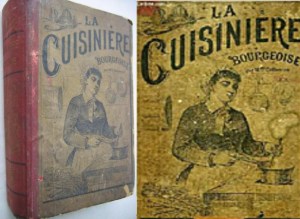
  “La Cuisiniere Bourgeoise” by Menon. Sold for US$1.100,–, it was the fourth edition from 1752 by Guillyn, Paris.
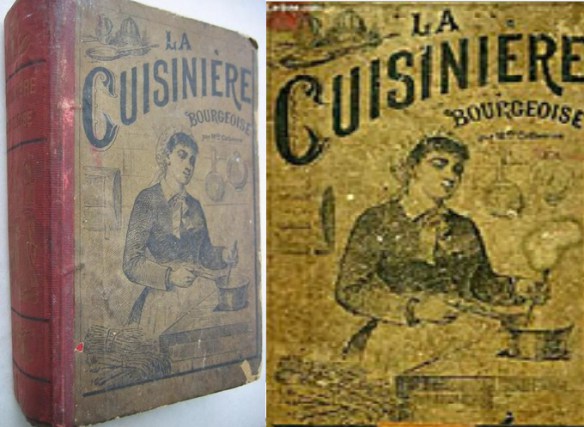
This collectible expensive cookbook is written in French and first published in 1746. It was considered as one of the most influential cookbooks in the history of culinary. The book contains recipes and ragouts, including insights of liquors. The original copy of Menon’s family cookbook is kept in Chateau de Villiers. It has pen inscriptions on each title. On the first blank, there is handwriting in ink from 1875 by Villiers, the last owner of the book.
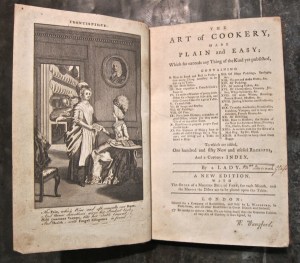
  “ The Art of Cookery Made Plain & Easy” by Hannah Glasse. Sold for US$2,875, first edition from 1747.
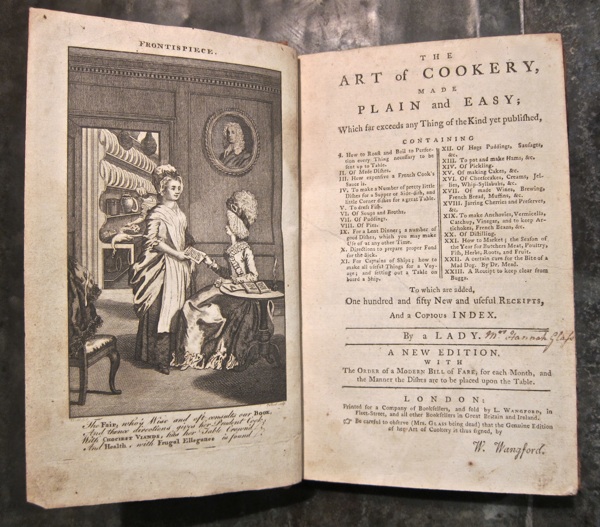
Even though you can find the regular edition of this book for around US$30, some people still look to buy the first edition of the book for a lot more. It was originally printed for household servants or maids. Back in the days, this was the most popular cookbook in America. Glasse’s cookbook is so popular that even two of America’s former presidents were interested. George Washington and Thomas Jefferson did have copies of this book.
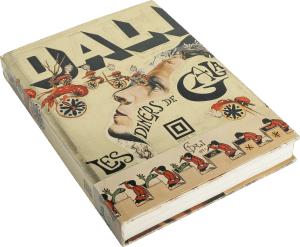
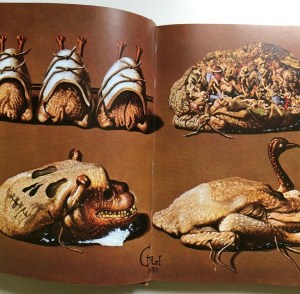
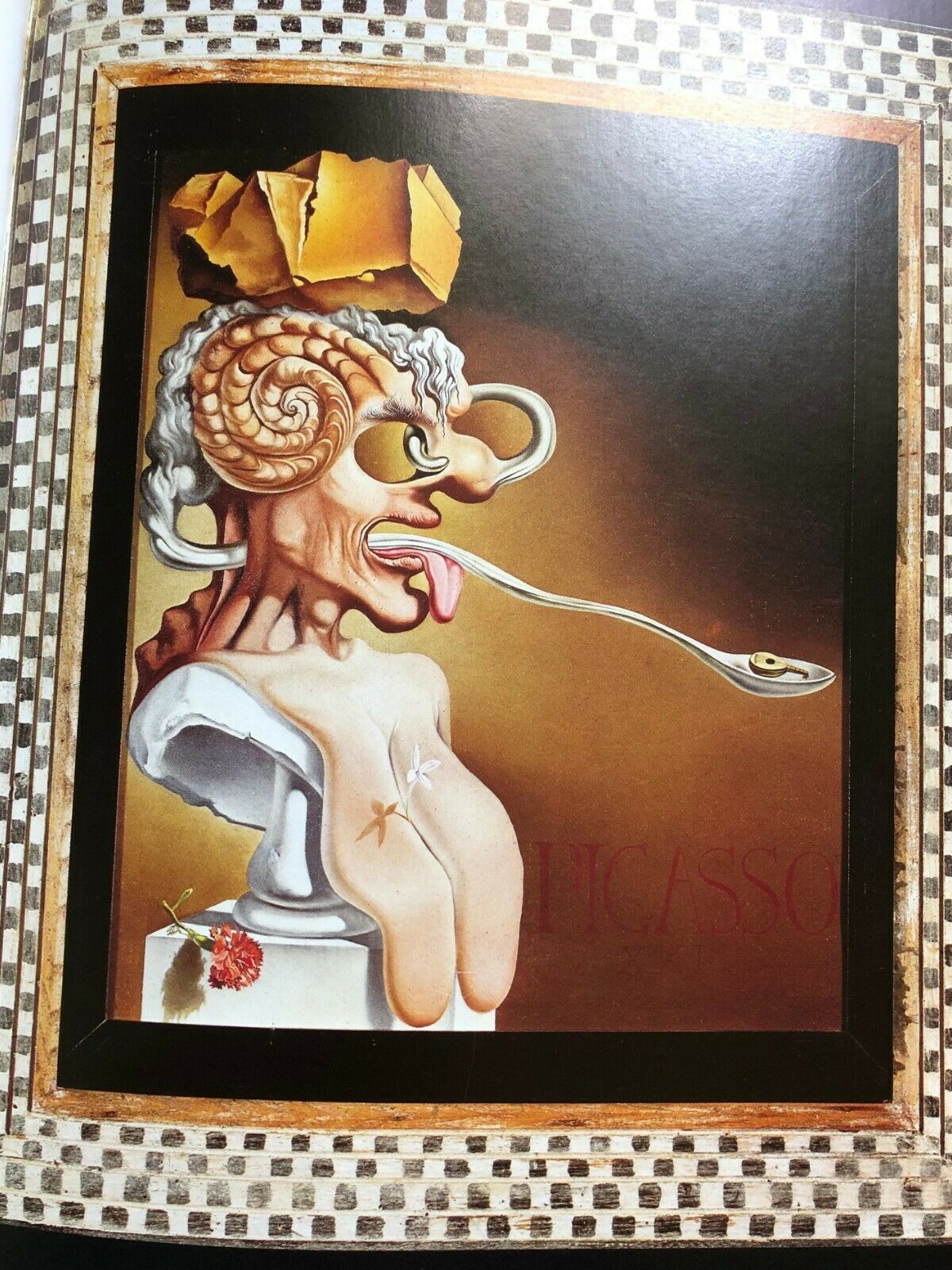
      “Les Diners De Gala” by Salvador Dali, sold for US$ 4.400,–, the first edition from 1973, originally signed by the author and artist himself Salvador Dali.
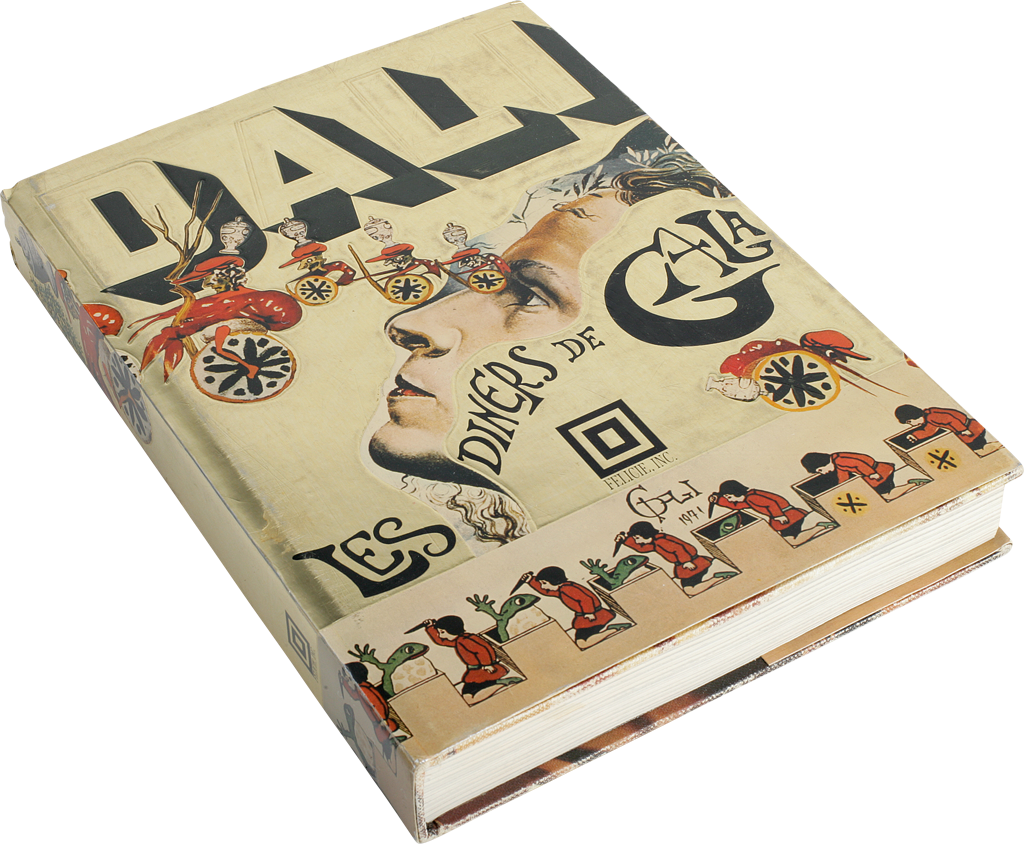
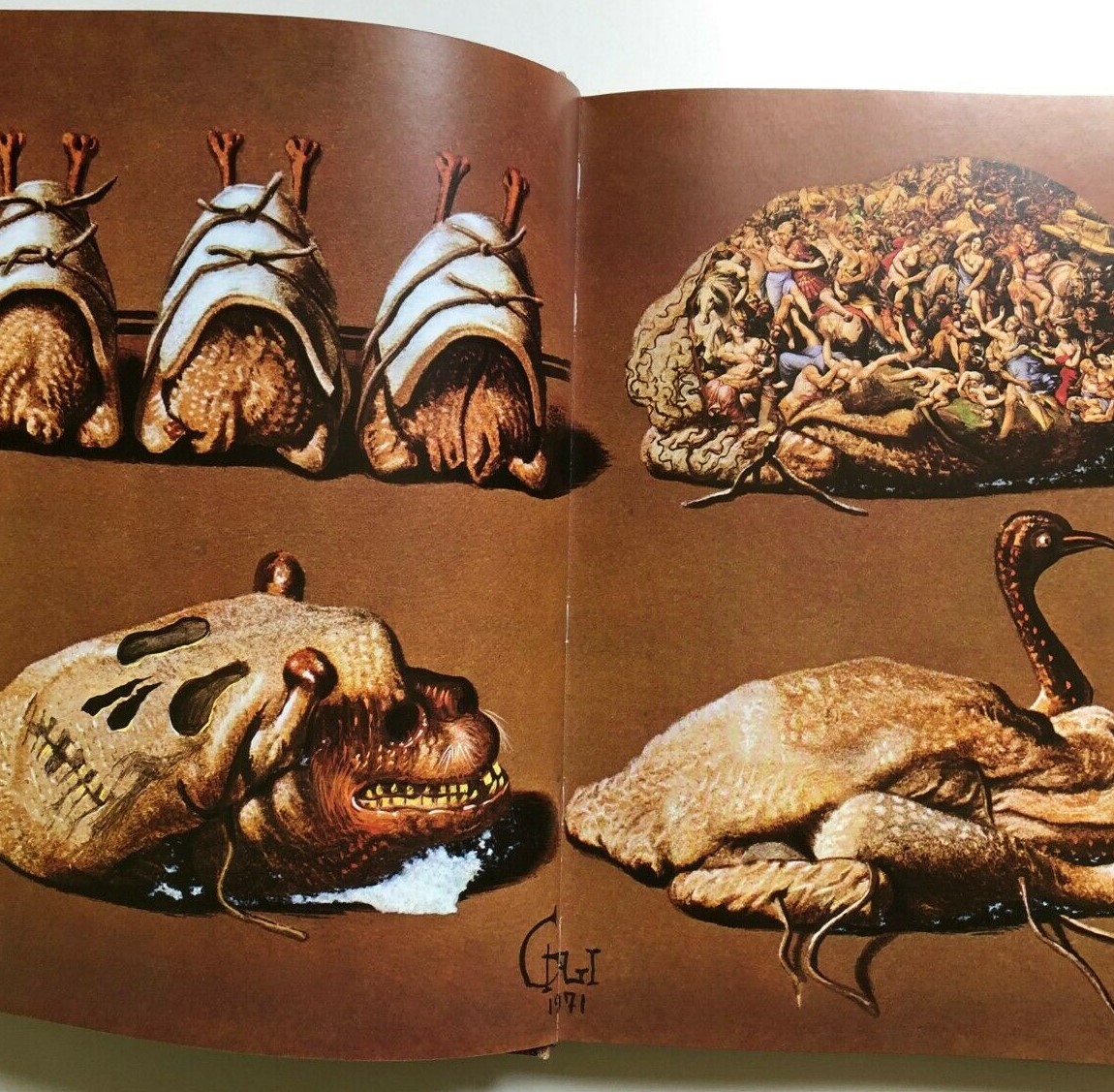
This book is about cooking with the wonder of arts (notice the entry picture of this post, surreal Dali art). Salvador Dali, the author of the book, is not commonly known as a chef. Although, he stated in the book that he always wanted to be one.  However, you can get the exact same book, just without his signature, for just US$150,–. If you are into a healthy diet fine dining, this book will disappoint you. Or even more, terrify you. The recipes in this cookbook are mostly meaty and fattening. How fattening and terrifying could it be? Just take a look at these examples of recipe: Prawn Parfait, Ox Snouts in Puff Pastry Shells, and Pierced Heart. Yummy?
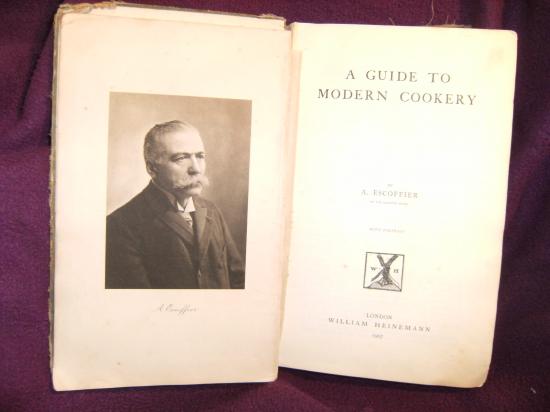
                           “A Guide to Modern Cookery” by Auguste Escoffier, sold for US$ 5.124,–, the first edition from 1907 and originally signed by  Auguste Escoffier.
You can get this cookbook for less than US$50,– nowadays. So what makes this one costs $5,124? Sarah Morgan, an employee of Cavendish Hotel London, sold her copy of the book for such a price. It was the original first edition and signed by the author himself. Plus, it was inscribed personally to her. However, collectors decide what’s worth paying for.

Like „The Art Of Cookery,“ this is an old cookbook that can be purchased for under $50 for an ordinary version. But if you want a rare 1907 first edition, signed by author Auguste Escoffier and inscribed to Sarah Morgan (a worker at the Cavendish Hotel), be prepared to write a check of US$5.000,–, because there are other people out there that want that cookbook, too. The current edition of this book is 100 years newer and 100 times cheaper than the above-mentioned edition, the food you can make with it tastes just as good.

Which vintage cookbooks are for sale at the moment ?
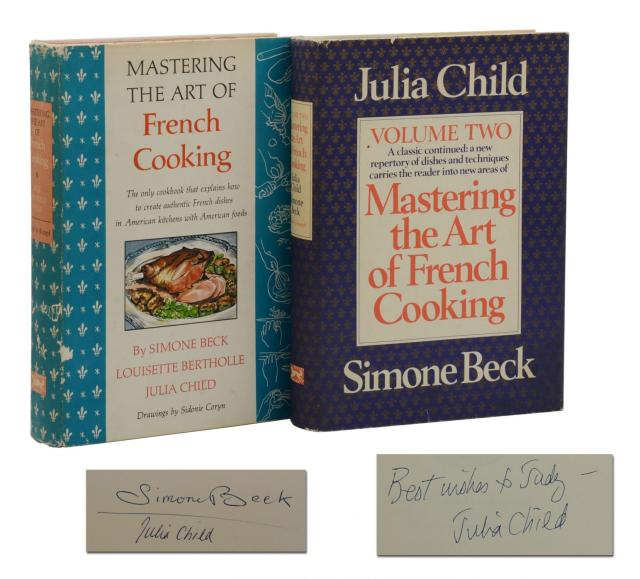
Mastering the Art of French Cooking: Volumes 1 and 2 by Julia Child – recently sold for US$7.500,–.
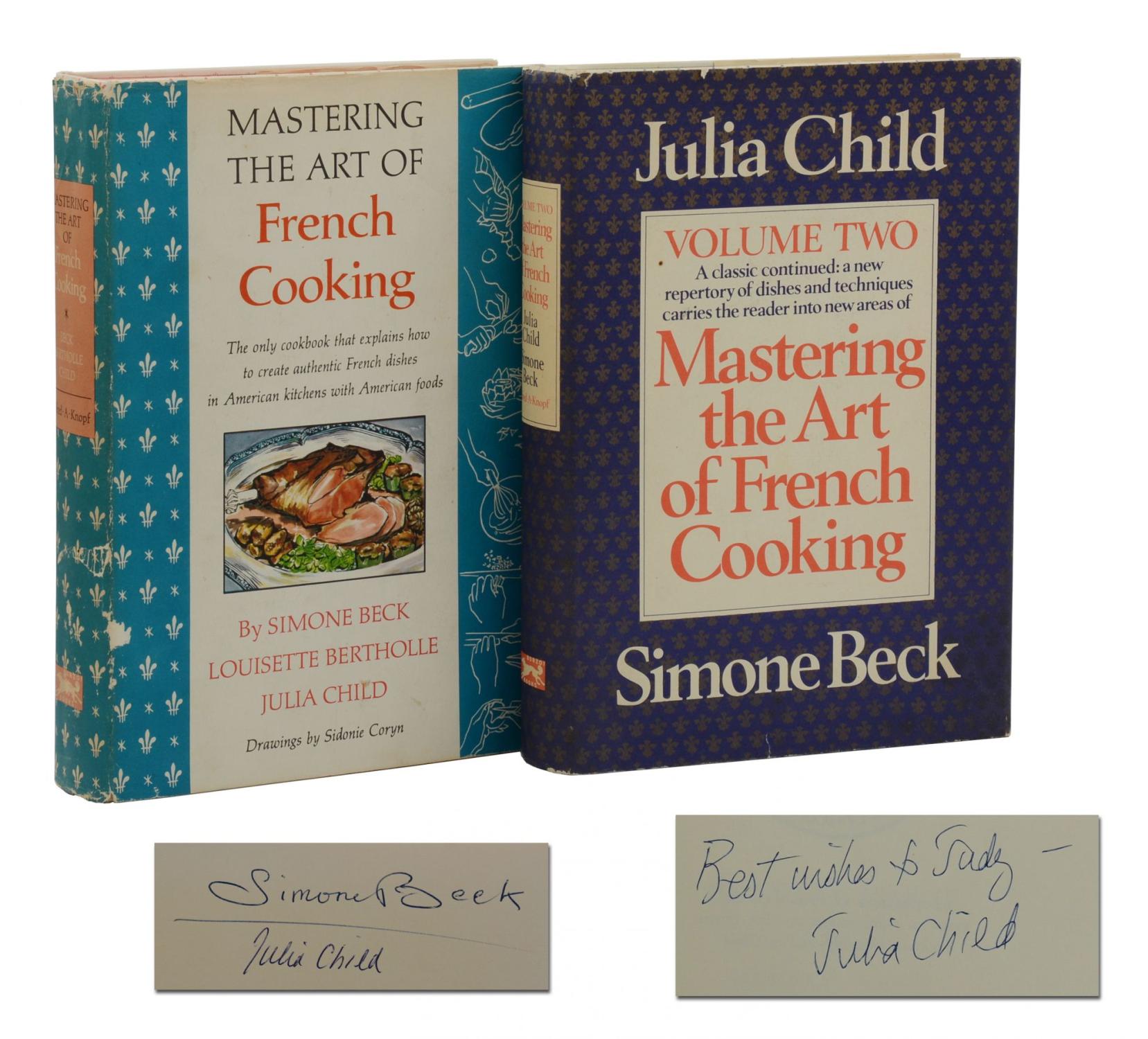
Right now is a couple of these sought after books under offer on the internet, first editions of both volumes (1961 and 1970, very collectible) of this classic cookbook, both copies are signed, by coauthor Simone Beck and also by Julia Child“. For sale US$ 9.500,–.

We know that in the past cookbooks were sold in the range of 20.000-30.000 US$. But that is always a matter of availability. At the moment the most expensive ones for sale are to find in German eBay. There are at least a dozen cookbooks in the four-digit euro range. And much more expensive ones are to find on shelves of specialized book dealers, like the Julia Child Double up here.

Original altes Saltzburgisches Kochbuch von Conrad Hagger.
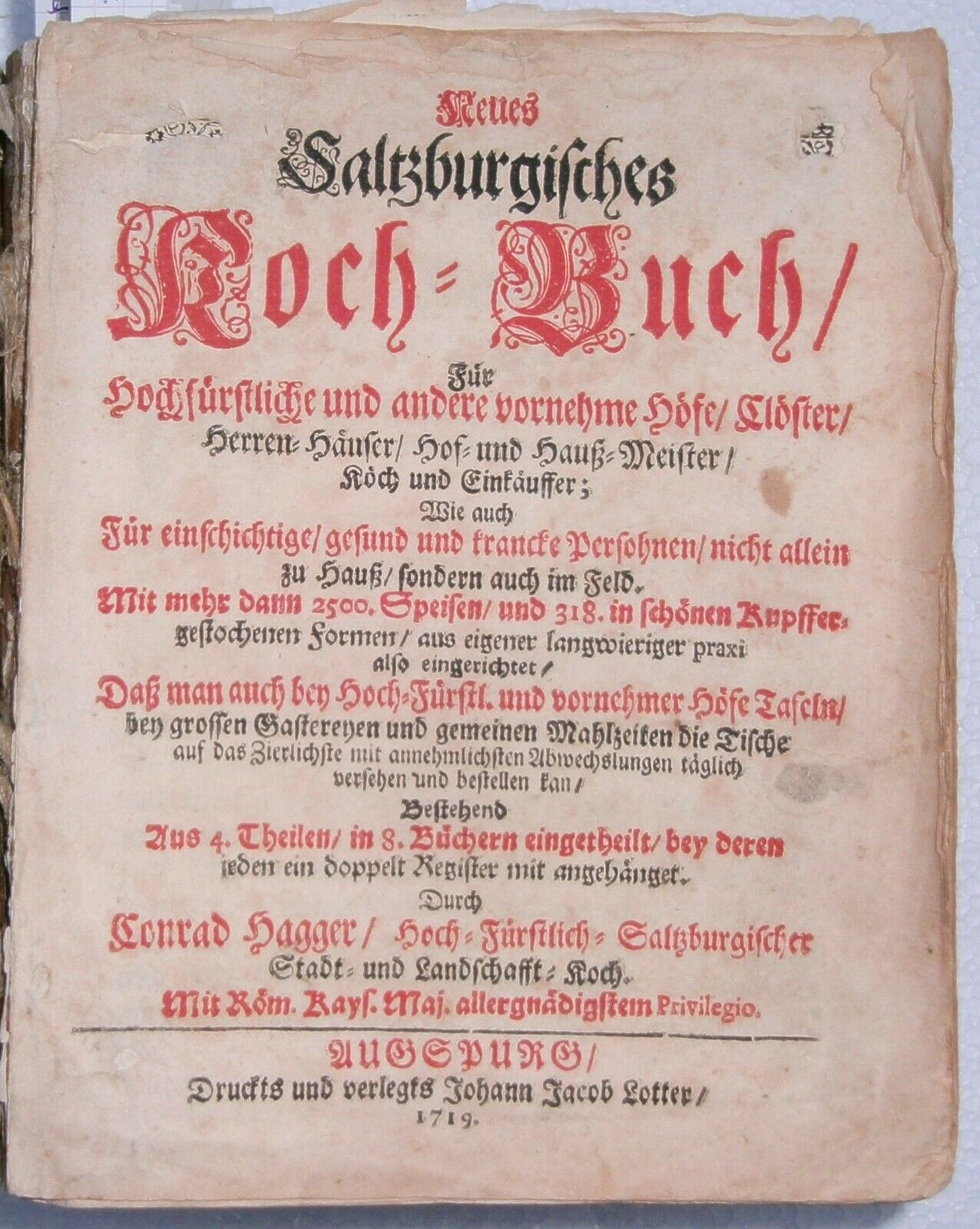
                         

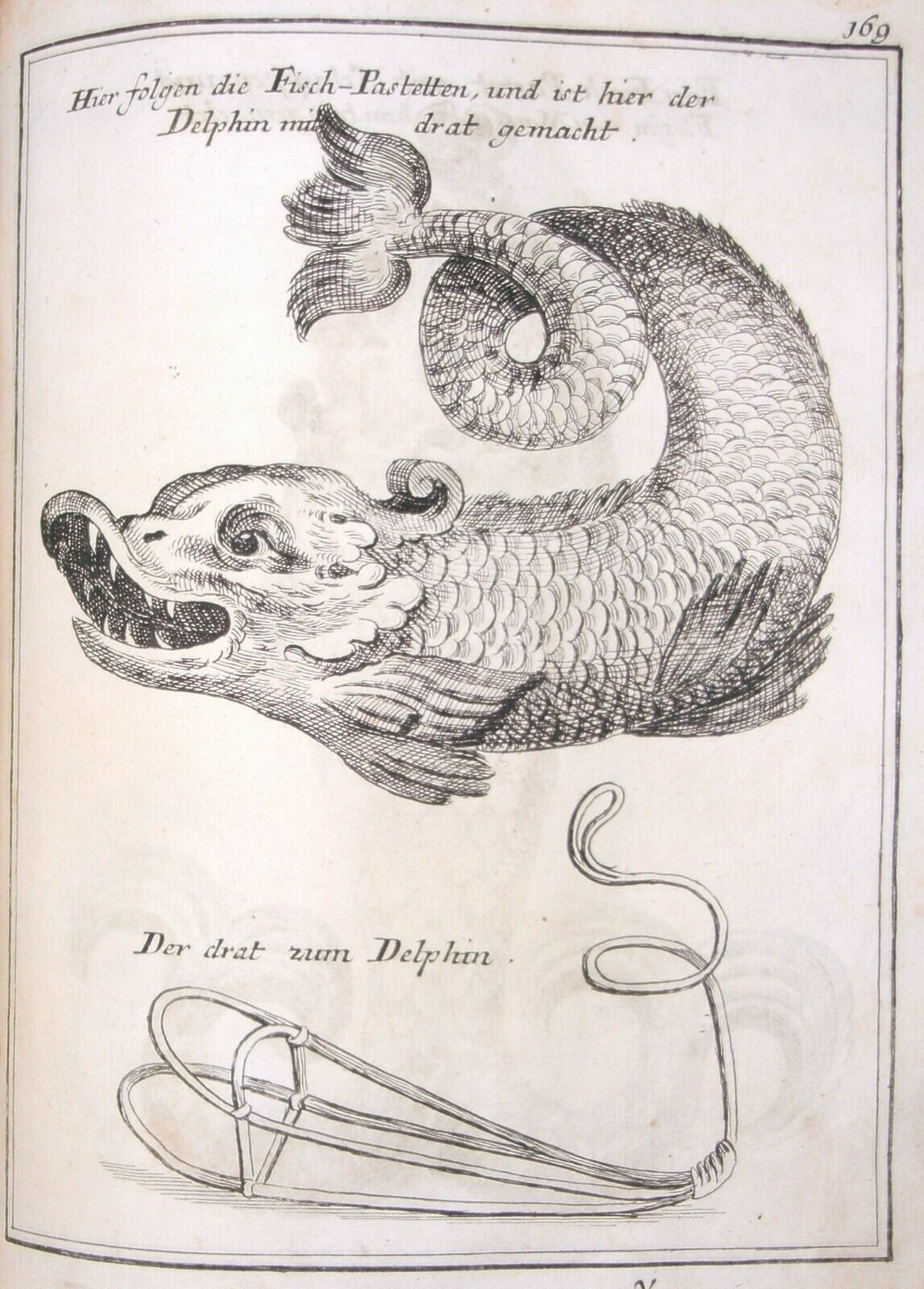
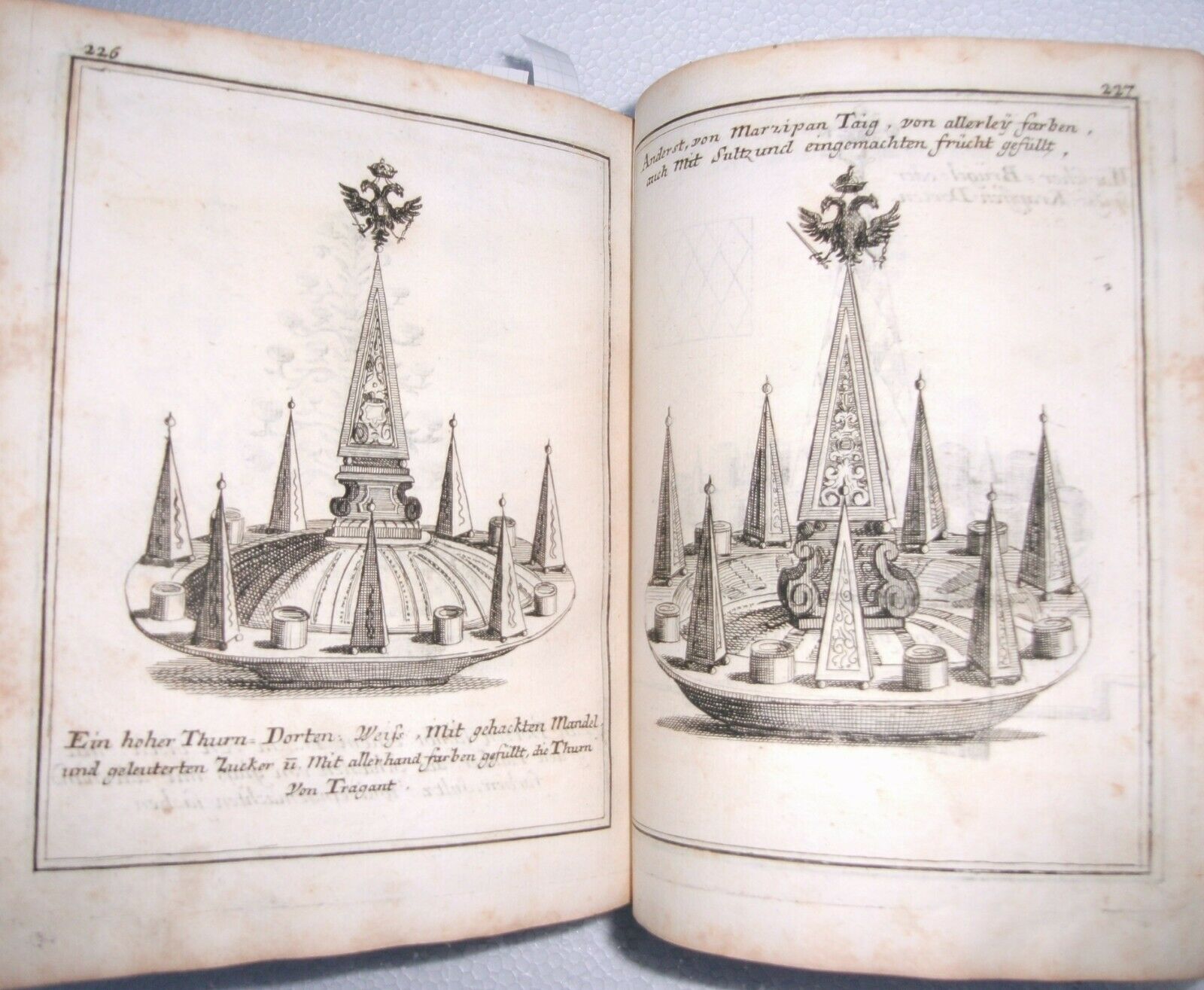
This famous and extremely rare cookbook is illustrated with 303 full-sized copper plates printed on 153 sheets on both sides. The work is probably a second print (it dates 1719) of the first edition of 1718 and contains two books with four parts each, combined in one volume. In his two-volume work, Hagger describes more than 2500 dishes on about 1700 pages. See the 4 pictures above and below. Priced at 4.800,–Euros ( US$ 5.200,–).

  

Ryff Confectbuch 1578 und Practicierbüchlein 1574. 2 in one, 2.800,–Euro.

              

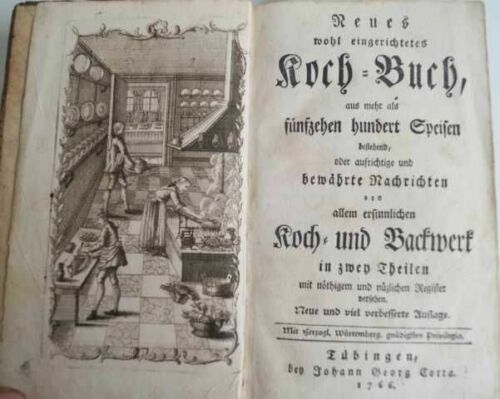
Neues Kochbuch und Trenchierbuch 1766. 2 in one, 2.500,–Euro.
               

What to do if you like to start your own collection ?

Maybe this article (part 1 and part 2) motivates you to collect cookbooks. The internet is full of tips on how to do it, especially which cookbooks are worth collecting.
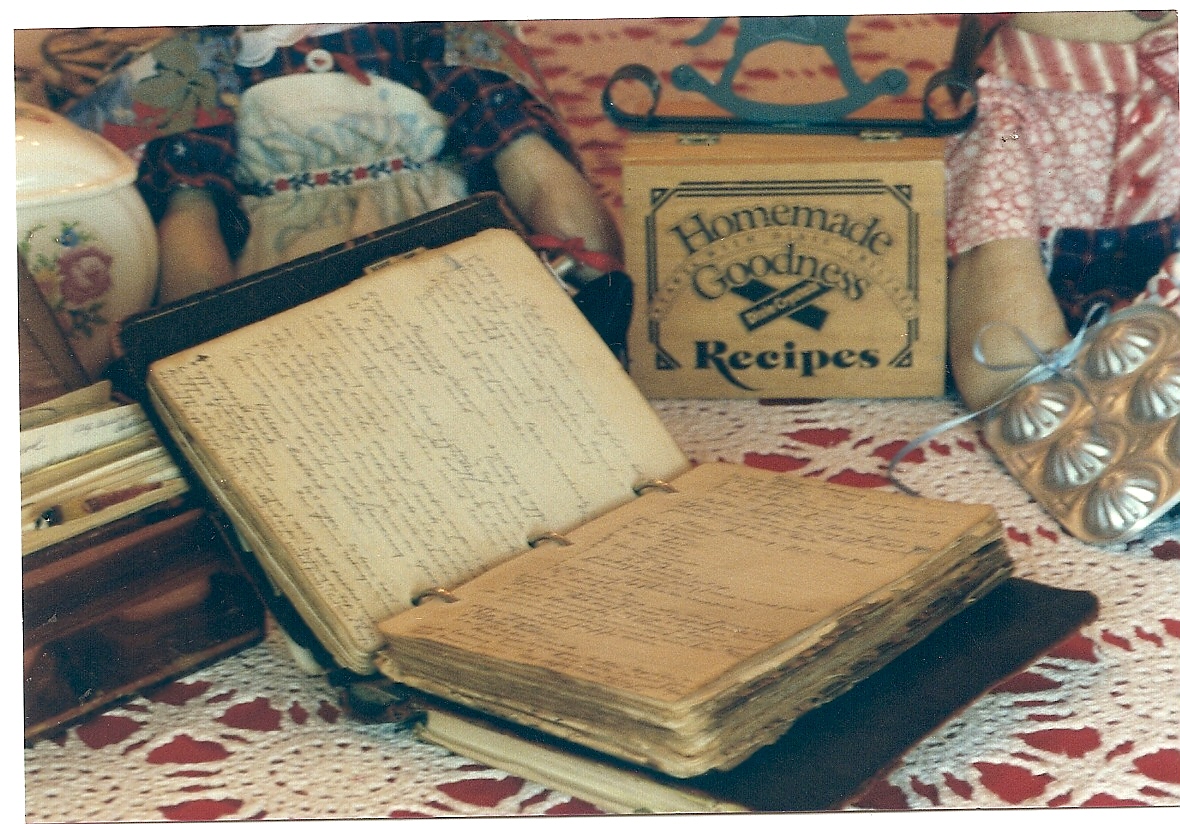
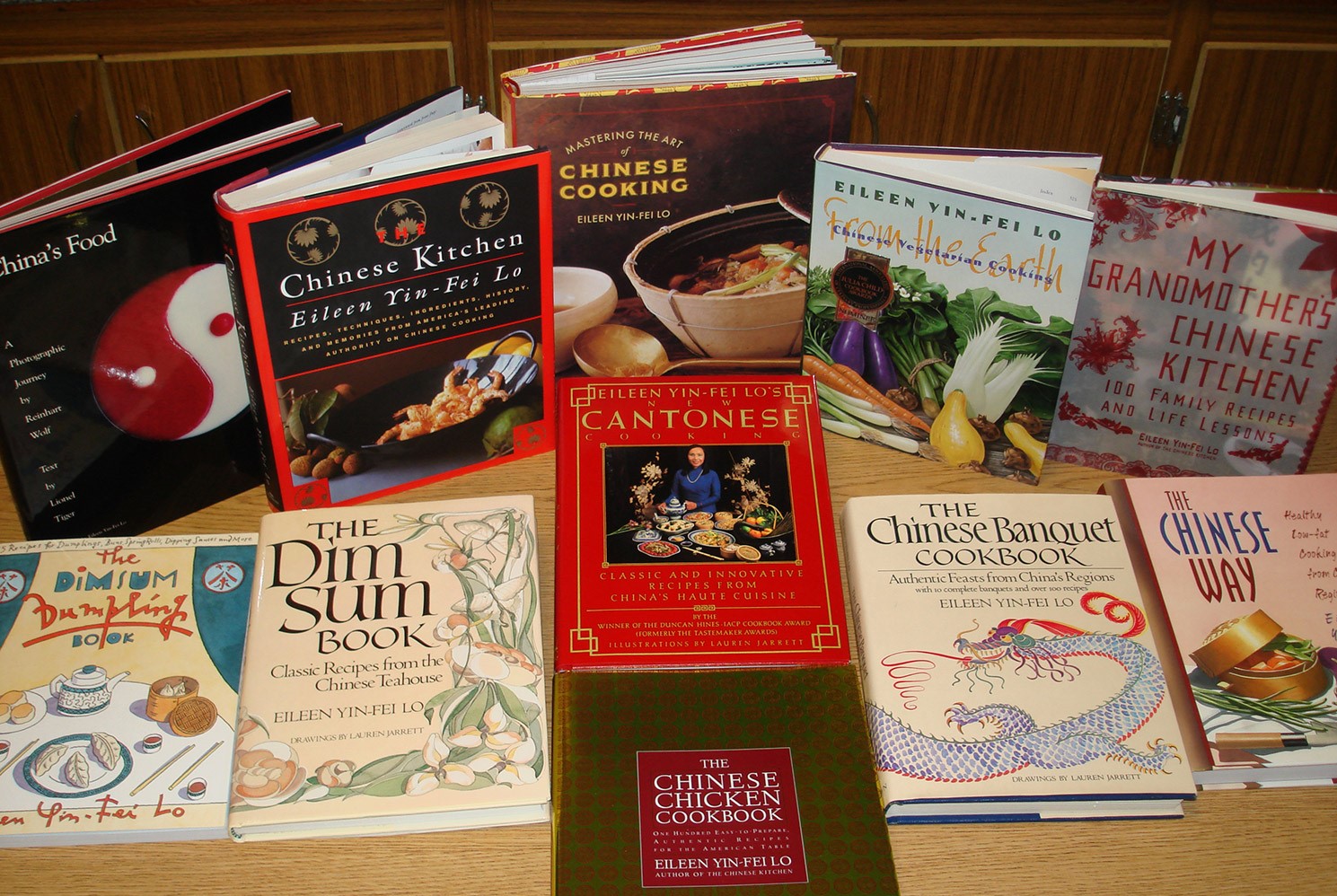
 

You can collect handwritten recipes only, just Chinese cookbooks (even if they are all from one author only, as seen above) or you collect whatever you like and maybe in some year’s time, you’ll have a whole wall full of cookbooks.
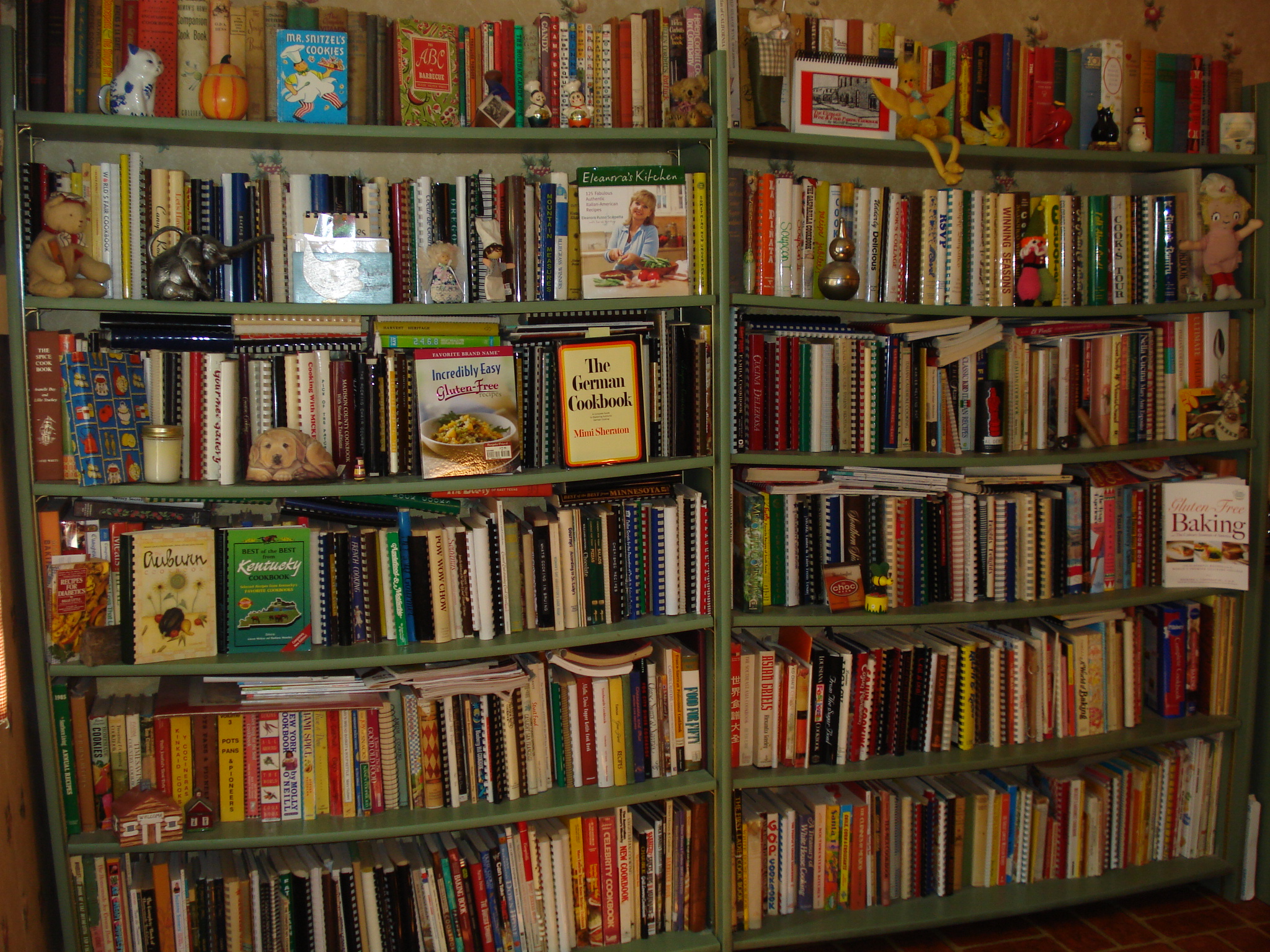
Have a look into the second and third parts of this post and see examples out of my cookbook assembling. Not as old or expensive, but very interesting also.  Enjoy !
Veröffentlicht unter Collecting, History, Hobbies, Lifestyle, Recipes | Verschlagwortet mit , , , | 5 Kommentare

Vegetable Ivory

     Finest Tagua Nut art.

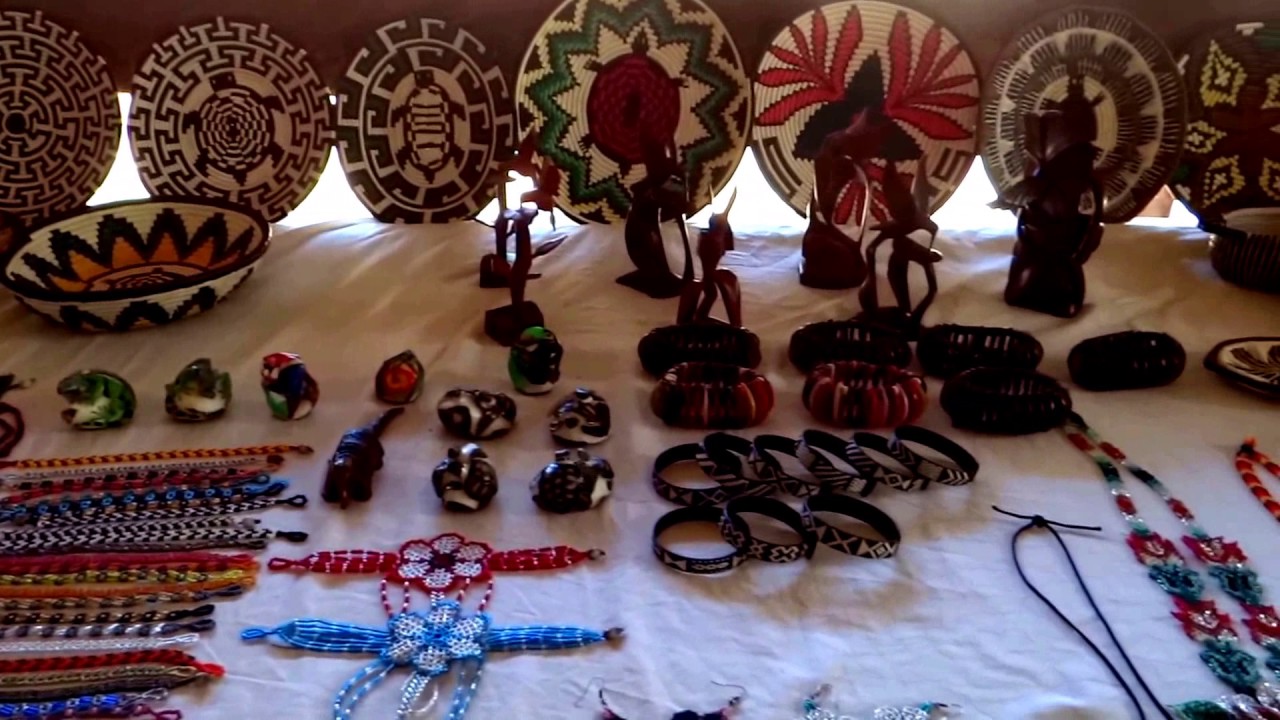
For many years we lived in Panama, there we came of course across the indigenous local artists. Just visiting one of the many souvenir markets or events could bring you in personal contact with them. Or, as we did, an adventures tour through the Darien jungle.

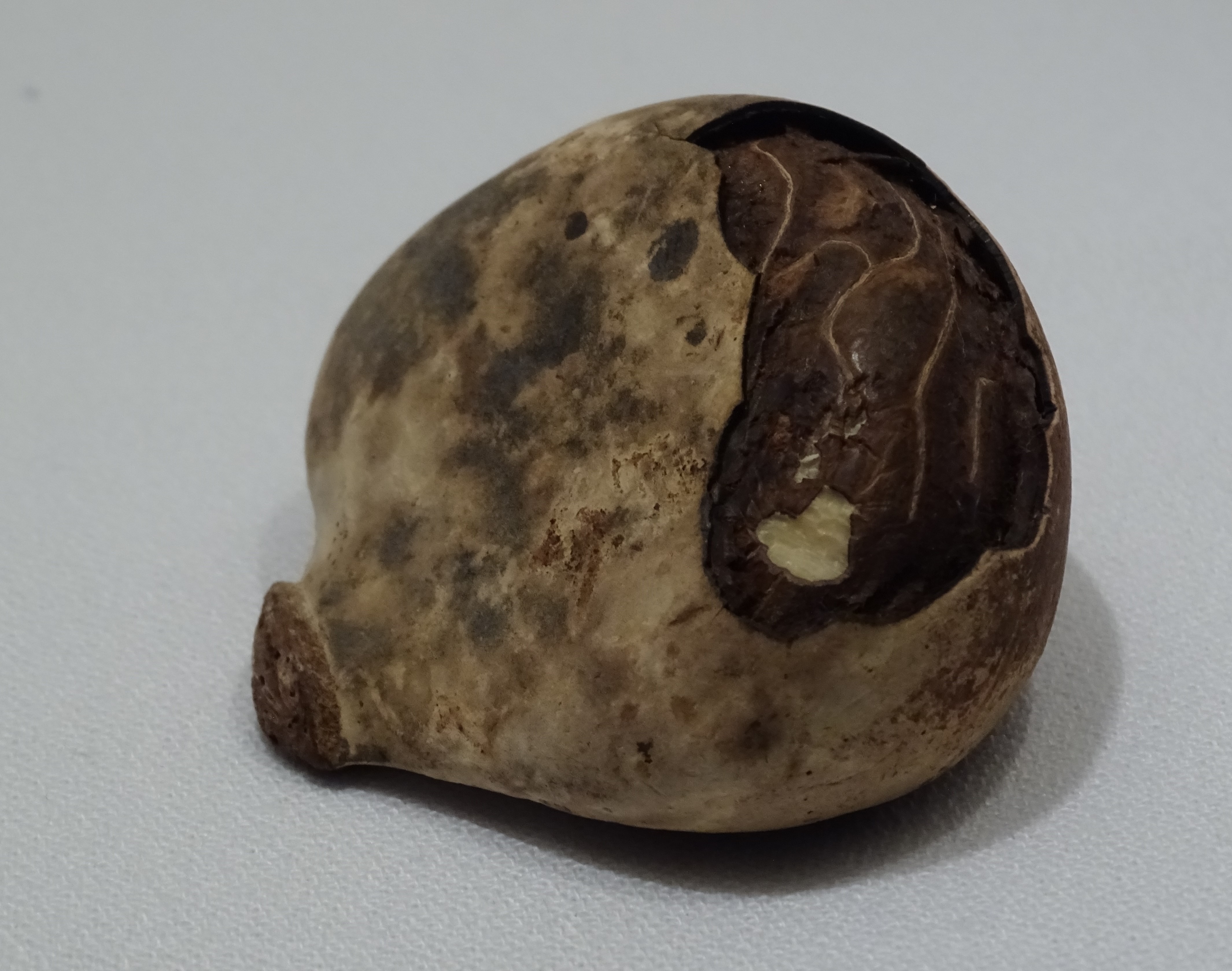
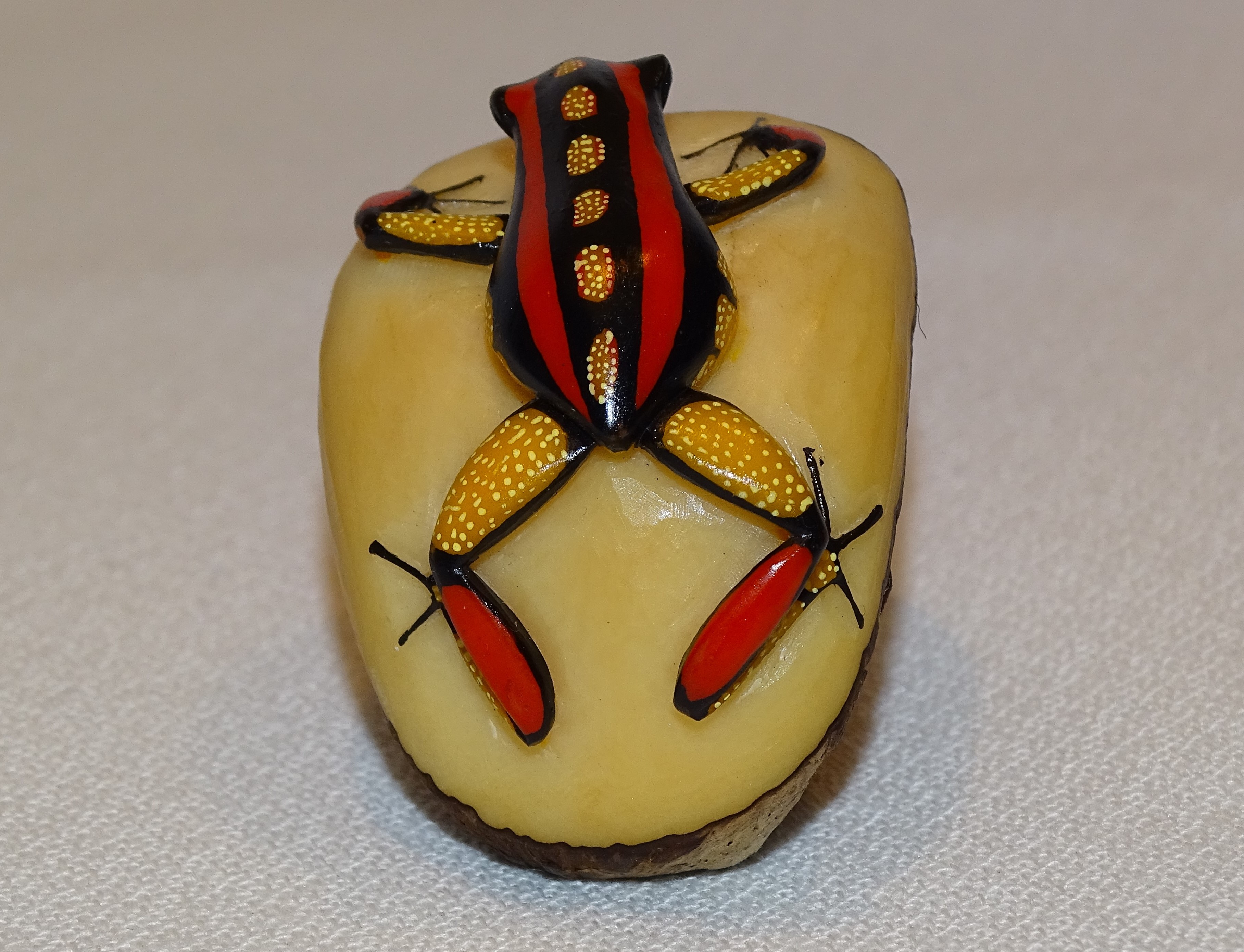
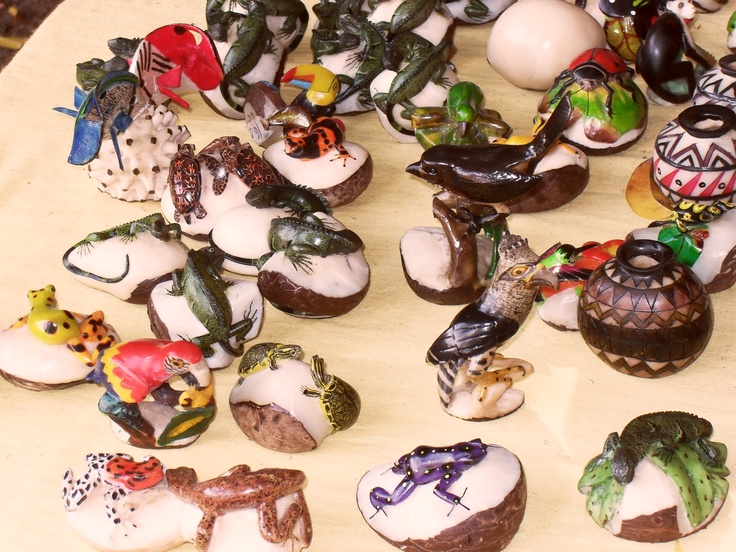
During the years I was always fascinated how creative the aboriginal descendant carvers used the palm-nut (Tagua Nut) to produce fantastic little items, mostly simulations of the domestic wildlife. I couldn’t resist to buy some of these local souvenirs. Because they are so beautiful that I like to tell you about and show to you some items out of my collection.

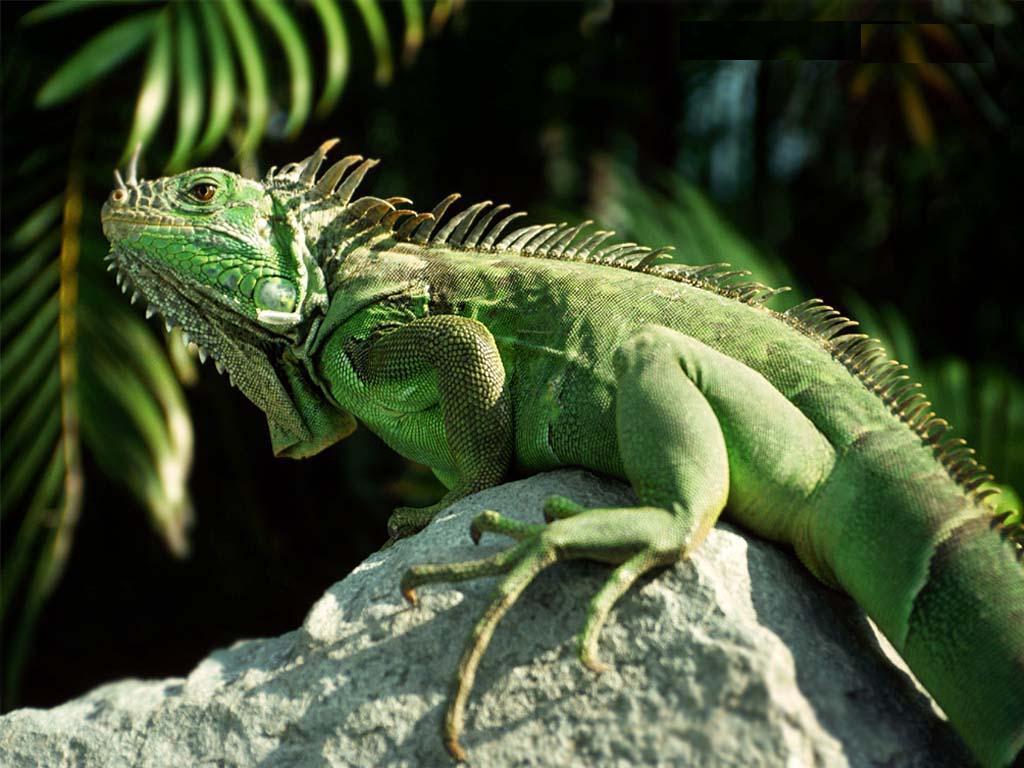
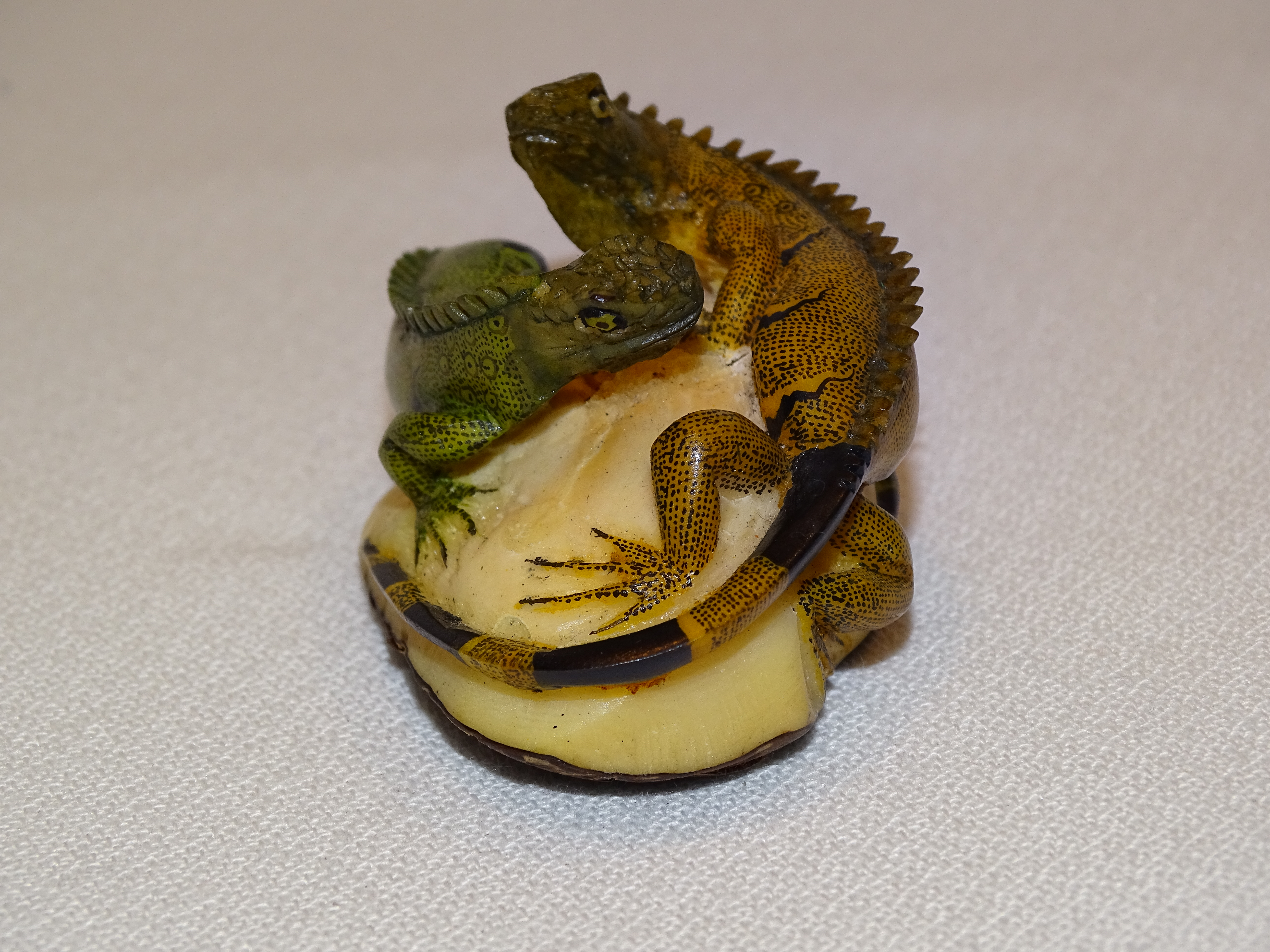
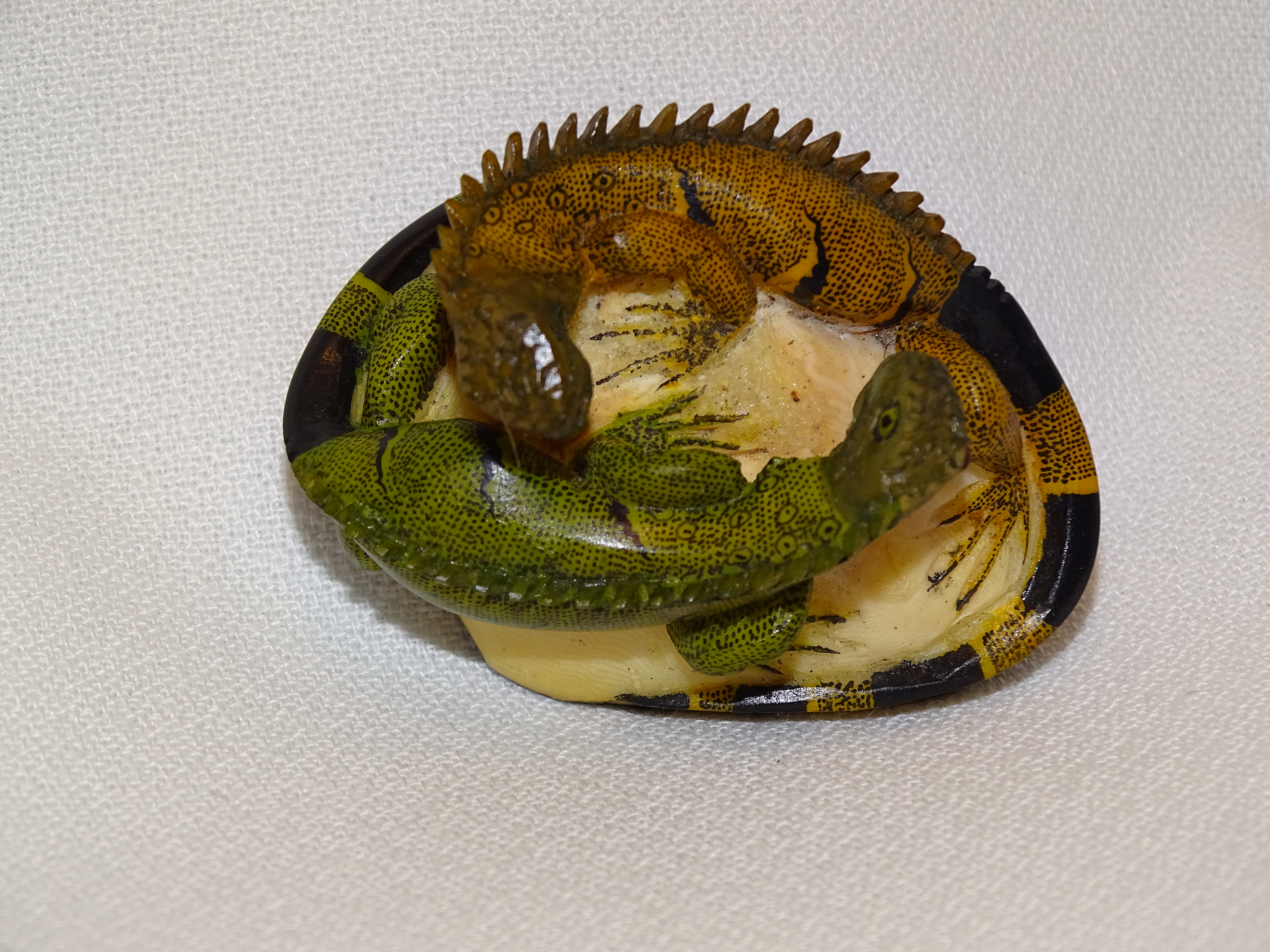
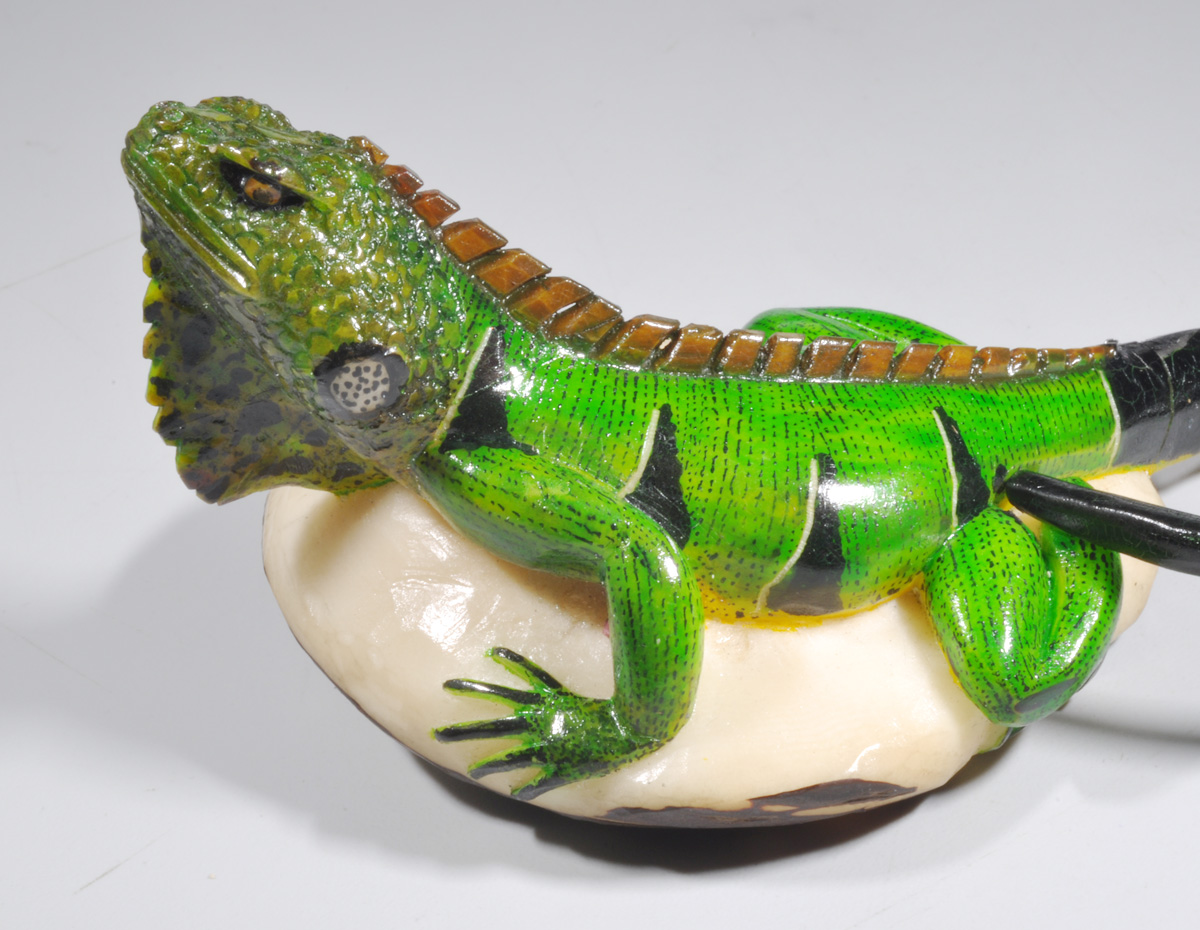
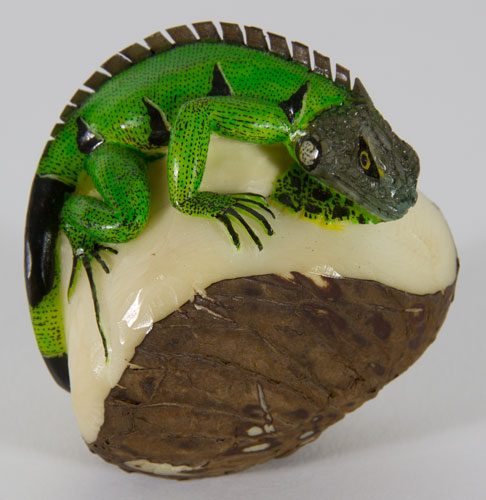
The green Iguana. Native to Panama, this one has about 50cm body length without the tail (they can reach up to 2 meters in total). Often held as pets, completely harmless, they nurture fruits and vegs. Indian artists like to carve them into Tagua Nuts as you can see above, but then just 4cm long.

The Elephant Palm.

Since 1990, when the ban on trading ivory came into effect, vegetable ivory has celebrated a veritable comeback.
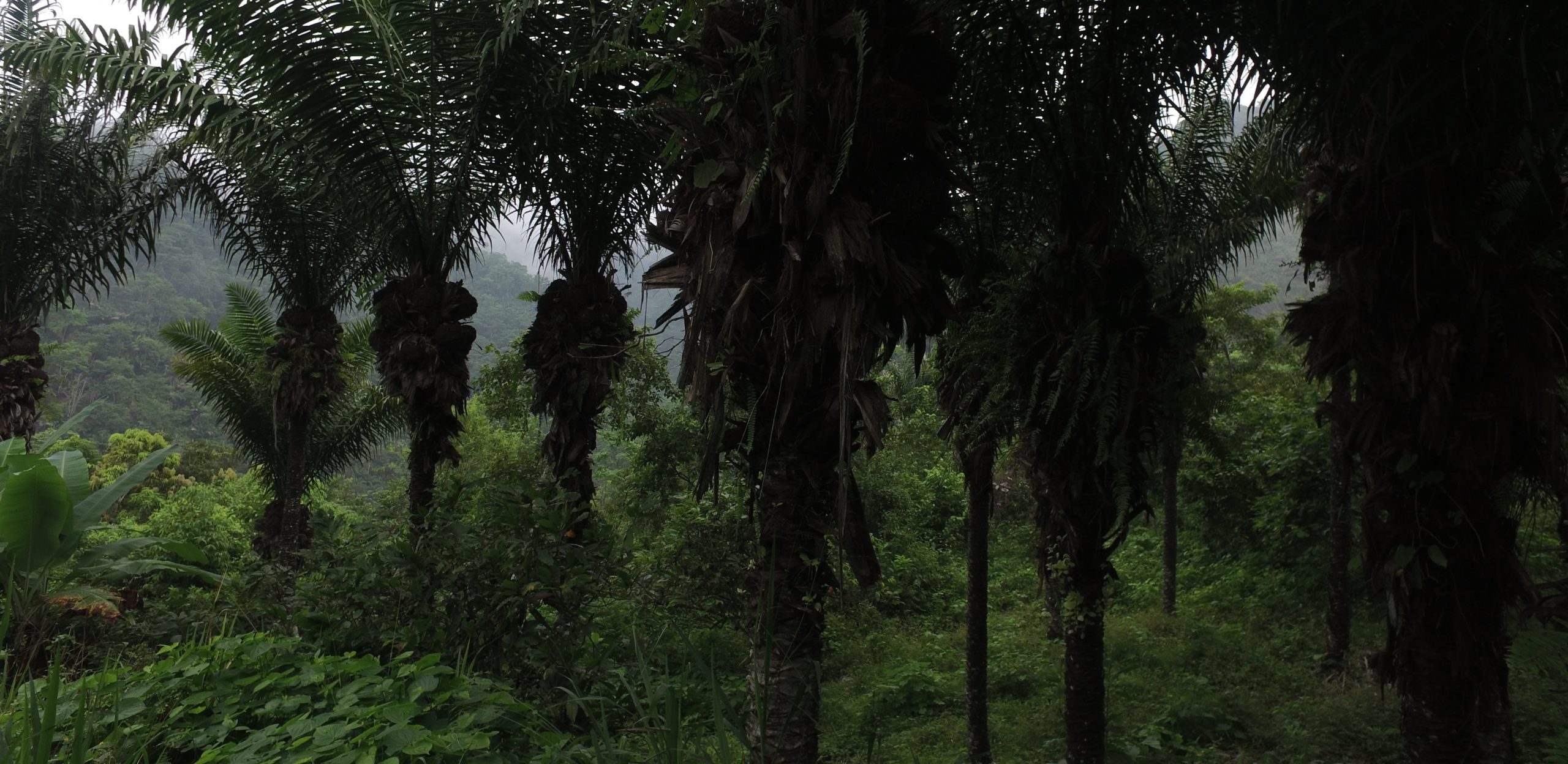
Some members of the arecaceae (palm plants) family, phytelephas macrocarpa and phytelephas aequatorialis, produce so-called vegetable ivory. The name derives from the greek phyton for „plant elephant“ (phyto-elephas) which evidently needs no translation. Hardly has a nickname been more justified, as a glance at the physical data given below will testify.

This very attractive plant prospers in the humid rain-forests of the Central and South Americas, from Panama to Ecuador and grows medium size to a height of 10 meters.

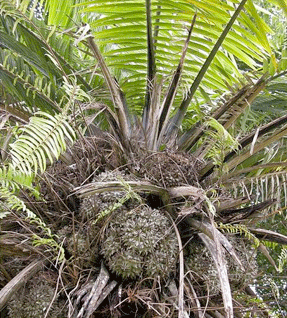
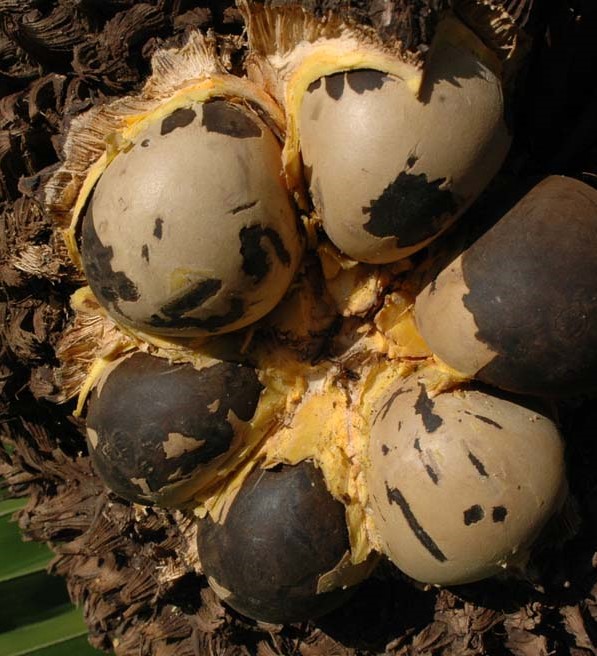
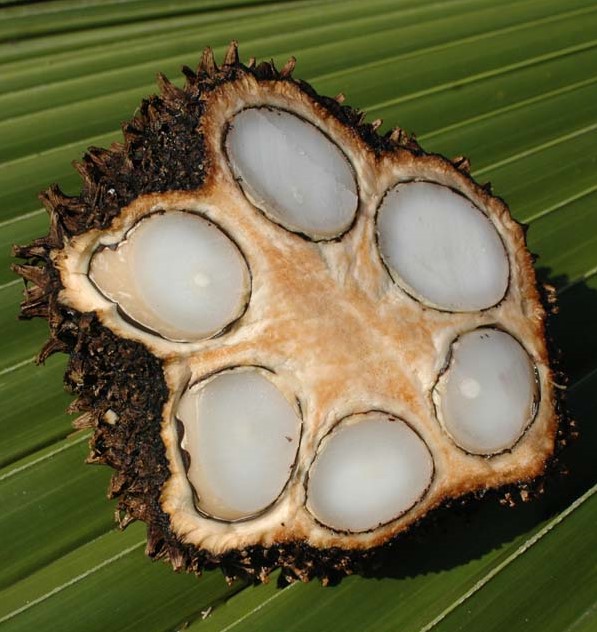
Female specimens of the Ivory-nut Palm, as it is commonly called, bear fruits reaching the size of a watermelon and weighing up to 10kgs. The fruits grow in clusters, so-called cabezas, containing 6 to 9 seeds each, which can be up to 15cms in length.

    Fruit clusters of the Ivory-Nut-Palm.

The majority of these „nuts“, however, measure 4 to 6 cm. In Ecuador, the main producing region, these nuts are called Taguas, a name which quickly took hold in the international trade language.
Freshly harvested Taguas contain a milky fluid, not unlike coconut milk and equally potable, and need to dry in the sun for several months. During that drying period the milky fluid solidifies and reaches its final hardness.


Do you know the Tagua Nut ?

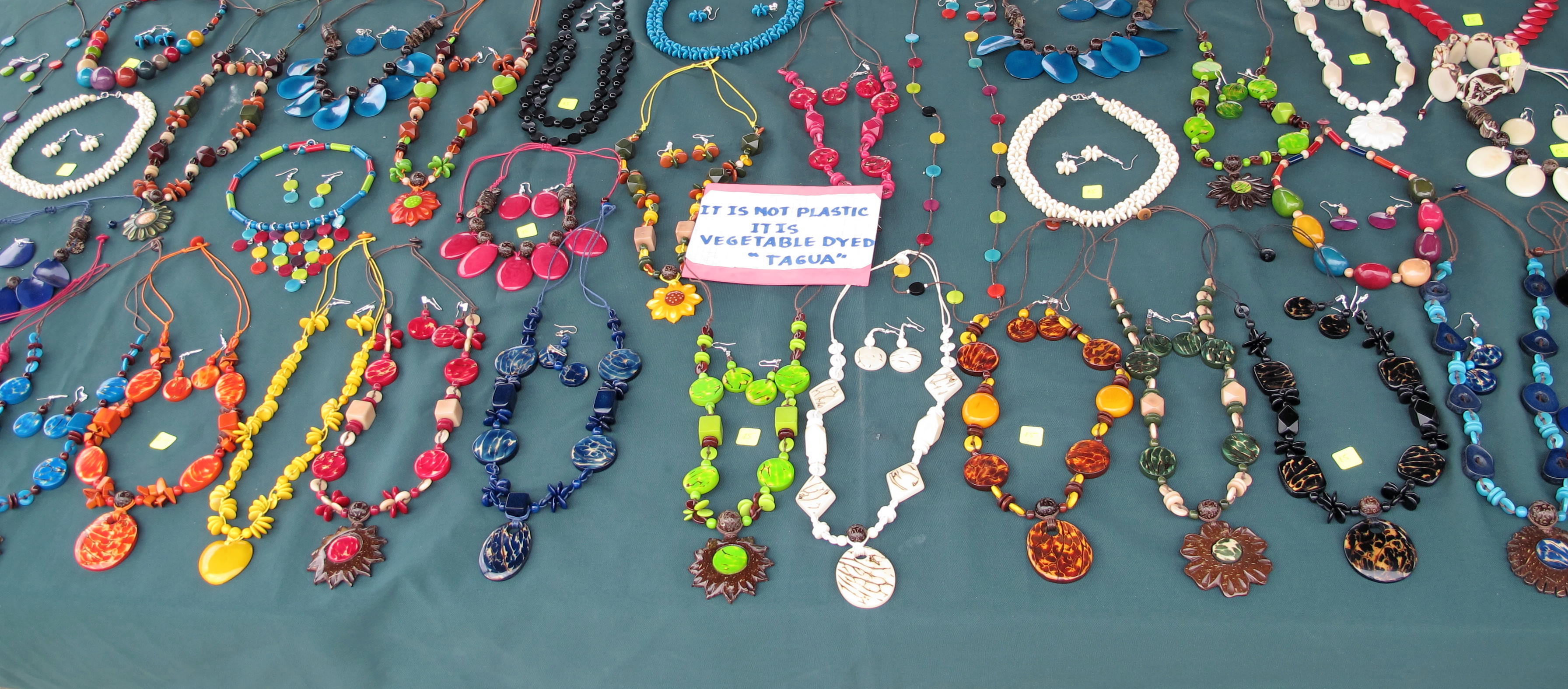
The carvings on the Tagua Nut originally depicted the various animals of the region; however, in the 19th century, several household items such as buttons (notice the antique Tagua Nut buttons in the head-picture above), jewelry, figurines, billiard balls, dice and chess figurines, formerly made of animal ivory, began to be produced as a cheaper and renewable alternative which could easily be colored by the use of dyes.

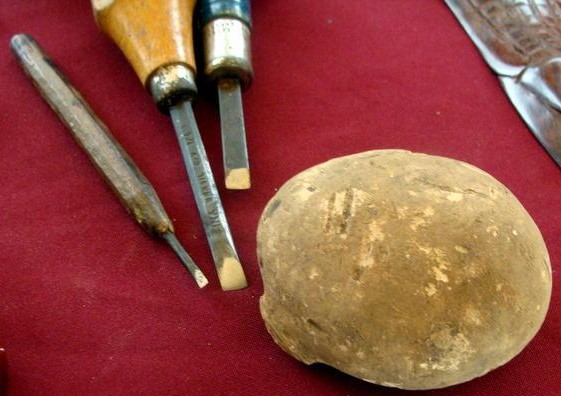
   Some primitive tools produce finest art work.

Tagua Nuts, when ripe, are fully edible and have a consistency of jelly, the center of which holding a milky-sweet liquid. Once these nuts fall from the palms they are harvested and dried for several weeks. After they are dried, Tagua Nuts are made of pure cellulose.

Indigenous peoples such as the Embera and Wounaan (formerly known as the Choco tribe of Panama, which was wrong) maintain a sustainable income from the production and sale of Tagua Nut carvings. Due to this income, the increasingly declining rain-forest does not need to be cleared for farmland or pastures for grazing animals.

  Embera girls performing a traditional pelican dance. They all wear their colorful skirts and tops made from shells, Tagua Nuts and coins.

The Darien Jungle.

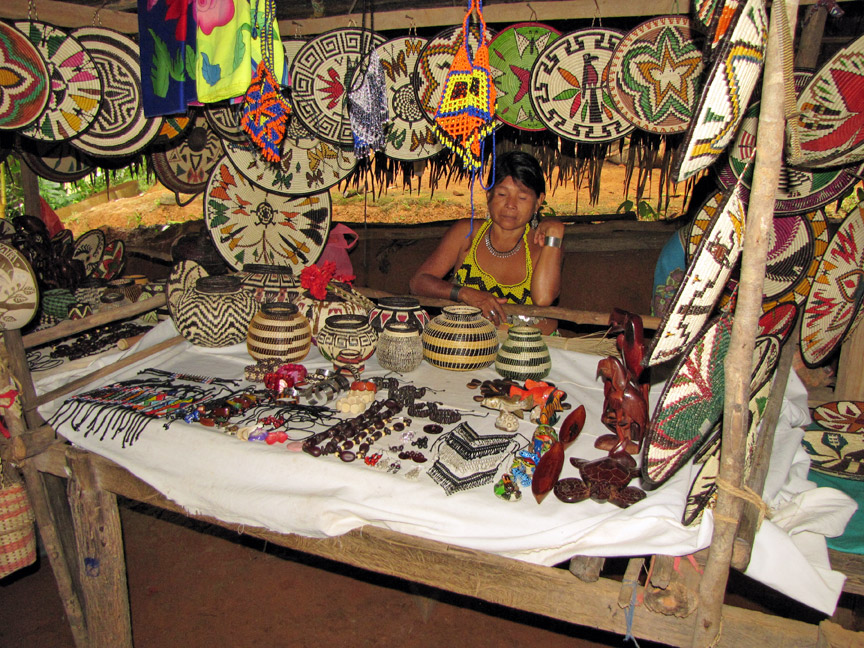
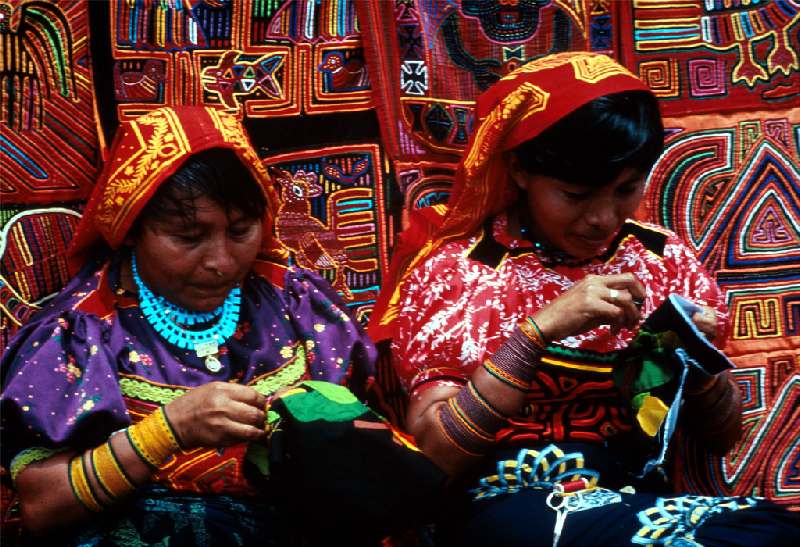
The Darien jungle region in Panama is home of the Wounaan and Embera Indians which are famous for the handcraft of Molas, Tagua Nut Carvings and Baskets, see both pictures down here. The Wounaan and Embera traditionally live in the Choco Bioregion, the tropical rainforest lowlands on the Pacific Coast of Eastern Panama and Colombia.


Its called Darien Province in Panama and Department of Choco in Colombia. This is land that is so difficult of access that even today the Pan-American Highway (highway 1 in Panama or the Interamericana) stops at the town of Yaviza (that point called „The End of Safety“) in Panama and does not continue on through the 106 kilometer long „Darien Jungle Gap“, now the Darien National Park. It is the only section of the highway between Alaska in the north and Tierra Del Fuego in the south that is still missing.

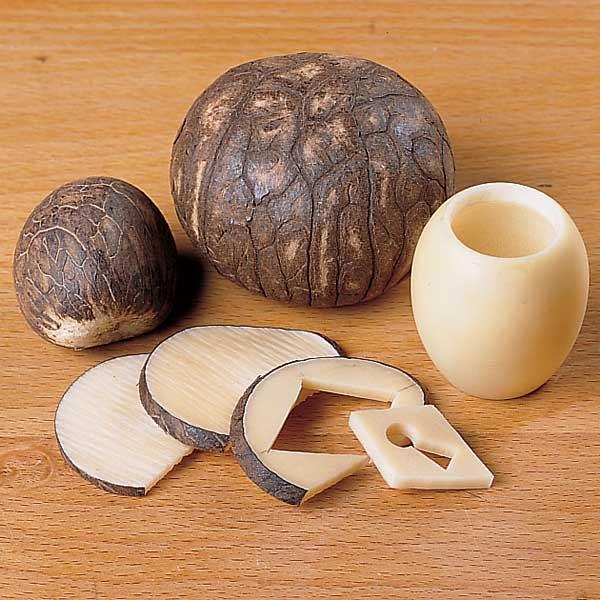
      Left the raw nut and right what an artist is carving out of it. This beautiful little firefrog item measures 7×4 centimeters and was carved 2006 by Hernan from the Wounaan tribe in Panama.

Inexpensive Vegetable Ivory.

Before the introduction of inexpensive plastic buttons, about 20% of buttons manufactured in the United States were made from Tagua Nuts. In the 1920’s Tagua exports brought $5 million per year into Ecuador. Ecological groups have been instrumental in increasing the number of major companies who are once again using Tagua, a sustainably harvested natural resource, for buttons. See head picture of buttons.

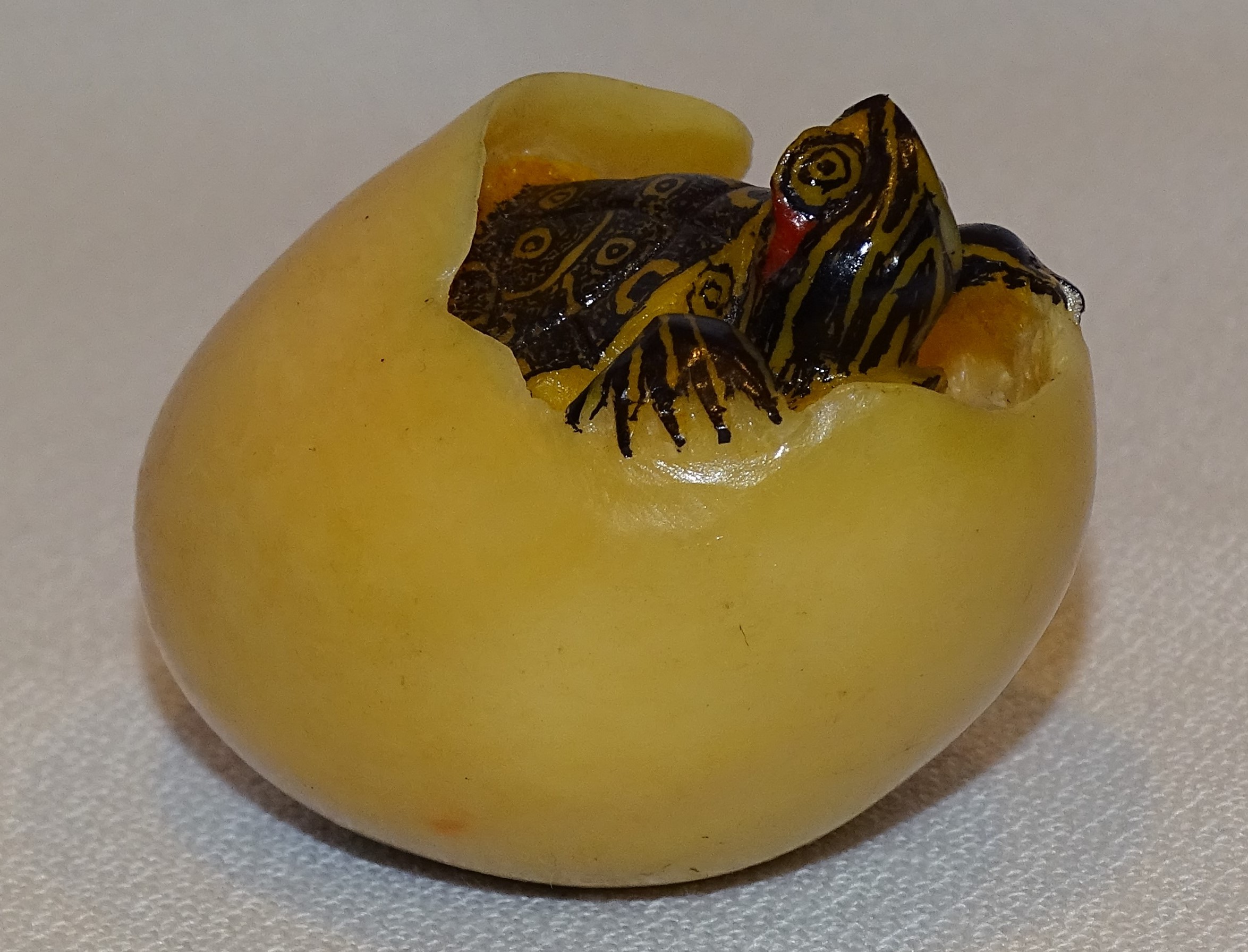
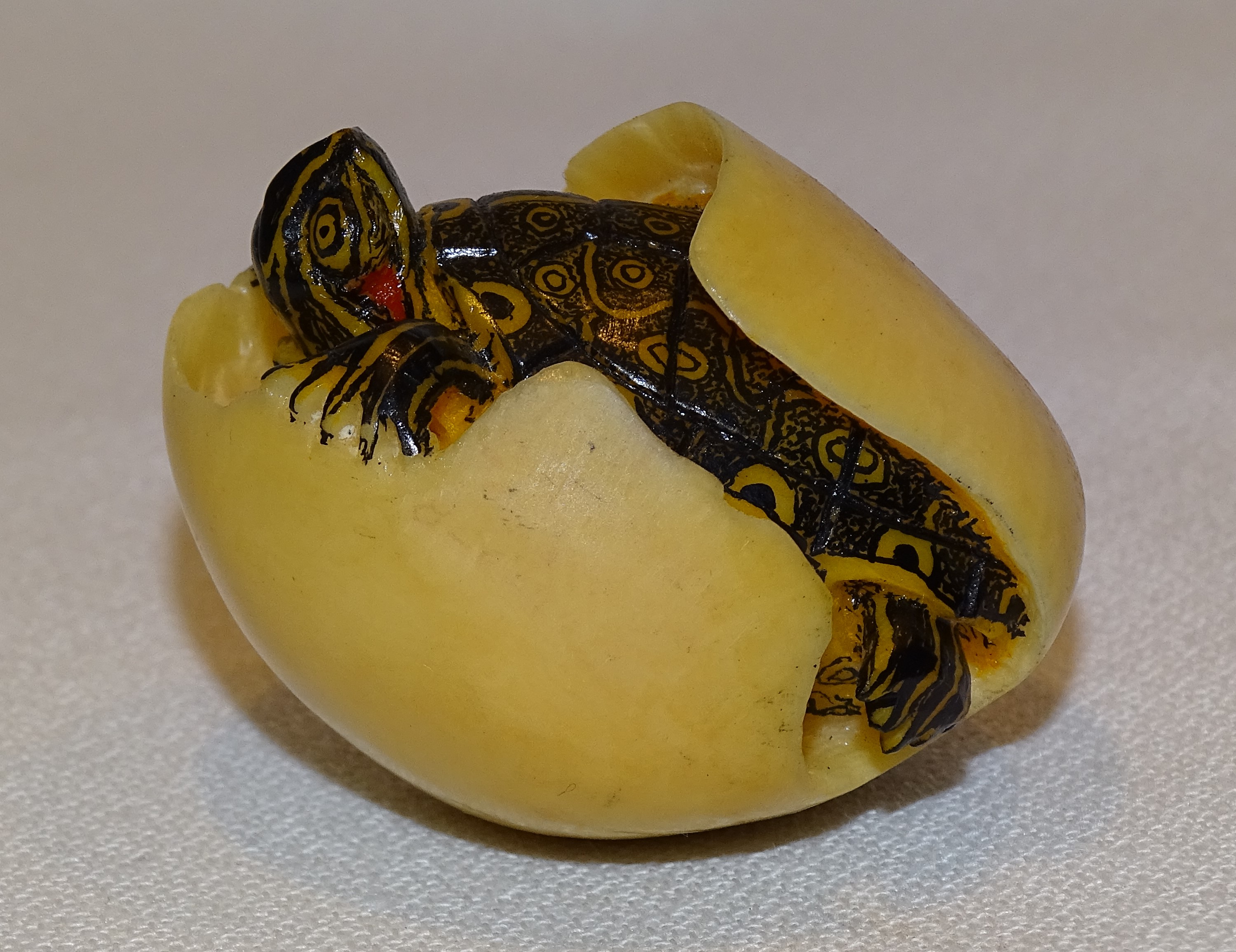
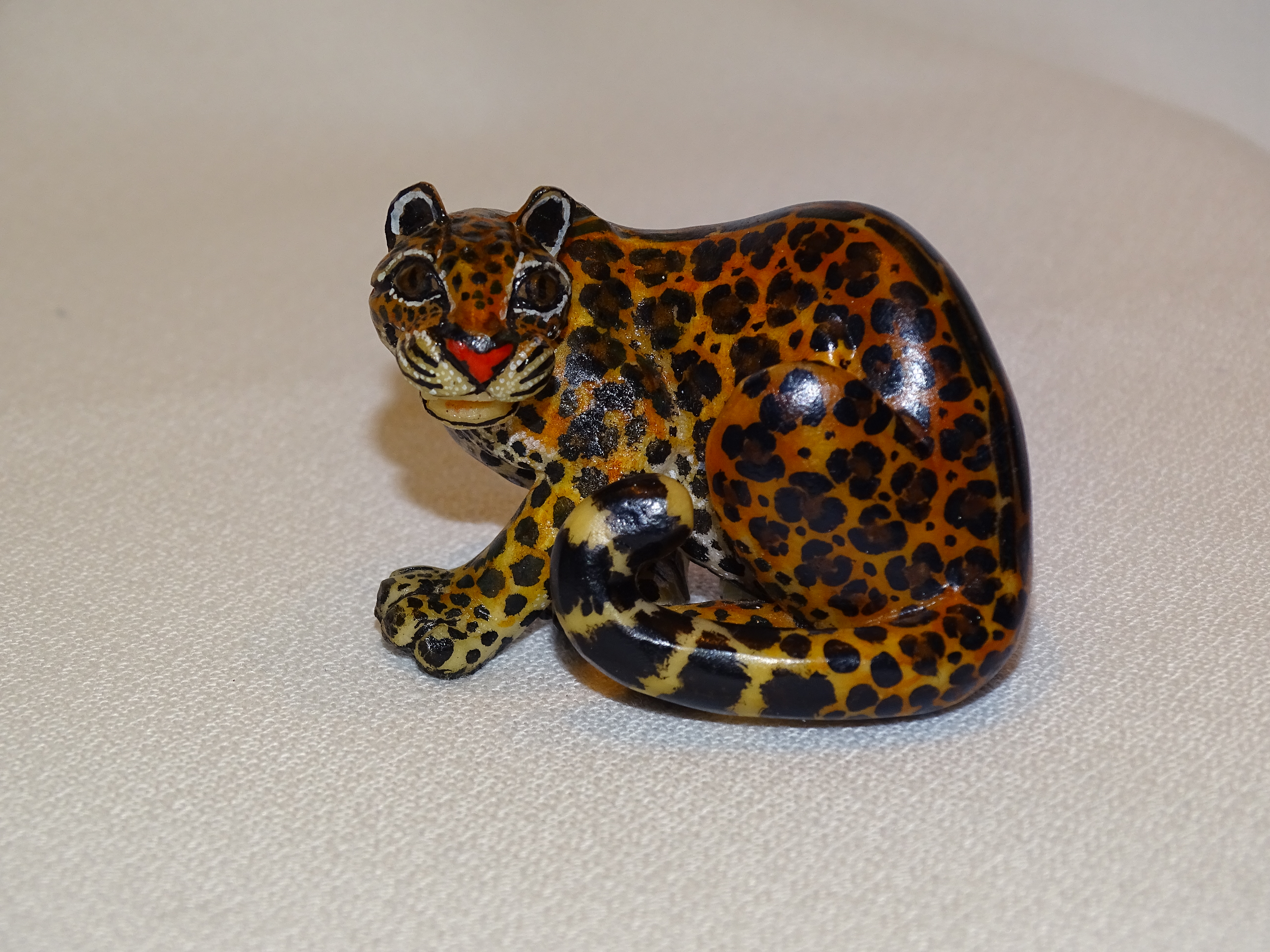
       Baby turtle hatching from an egg. No, not a real egg, this piece is carved out of a Tagua Nut – same as the little leopard in the next picture down..

But what about the demand for elephant ivory? No artificial plastic can take its place; however, vegetable ivory is a very desirable substitute. Like elephant ivory, it is completely natural and it comes from a marvelous wild creature.

  Tagua Nut carvings on a Panama market booth.

Unlike elephants which must die for their precious ivory, Tagua palms are a renewable resource; as long as their native habitat is preserved and sufficient seeds are left to perpetuate the palms. A single female Tagua palm may produce up to 50 pounds of nuts in a year, that’s roughly the amount of ivory in an average African elephant tusk. The elephant, however, yields its ivory only once while the palm produces nuts year after year.

Tagua Nut Carvings Handcrafted in Panama.

The Tagua Nut has a strong resemblance to animal ivory, making it a wonderful resource for creating all types of beautiful things.    Because of this, nowadays we see the Tagua Nut again becoming very popular as more and more people are fighting to protect endangered species used for ivory.

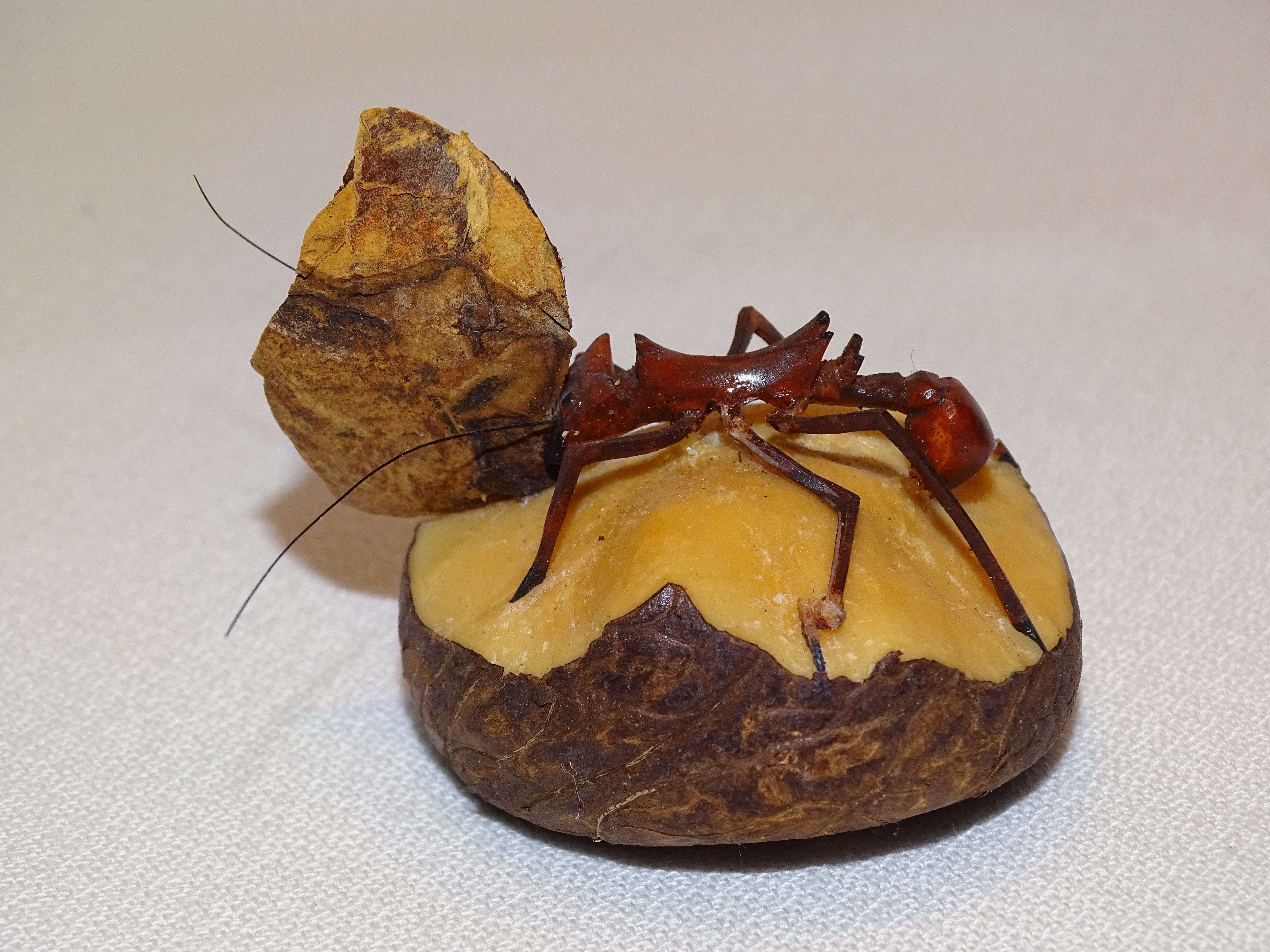
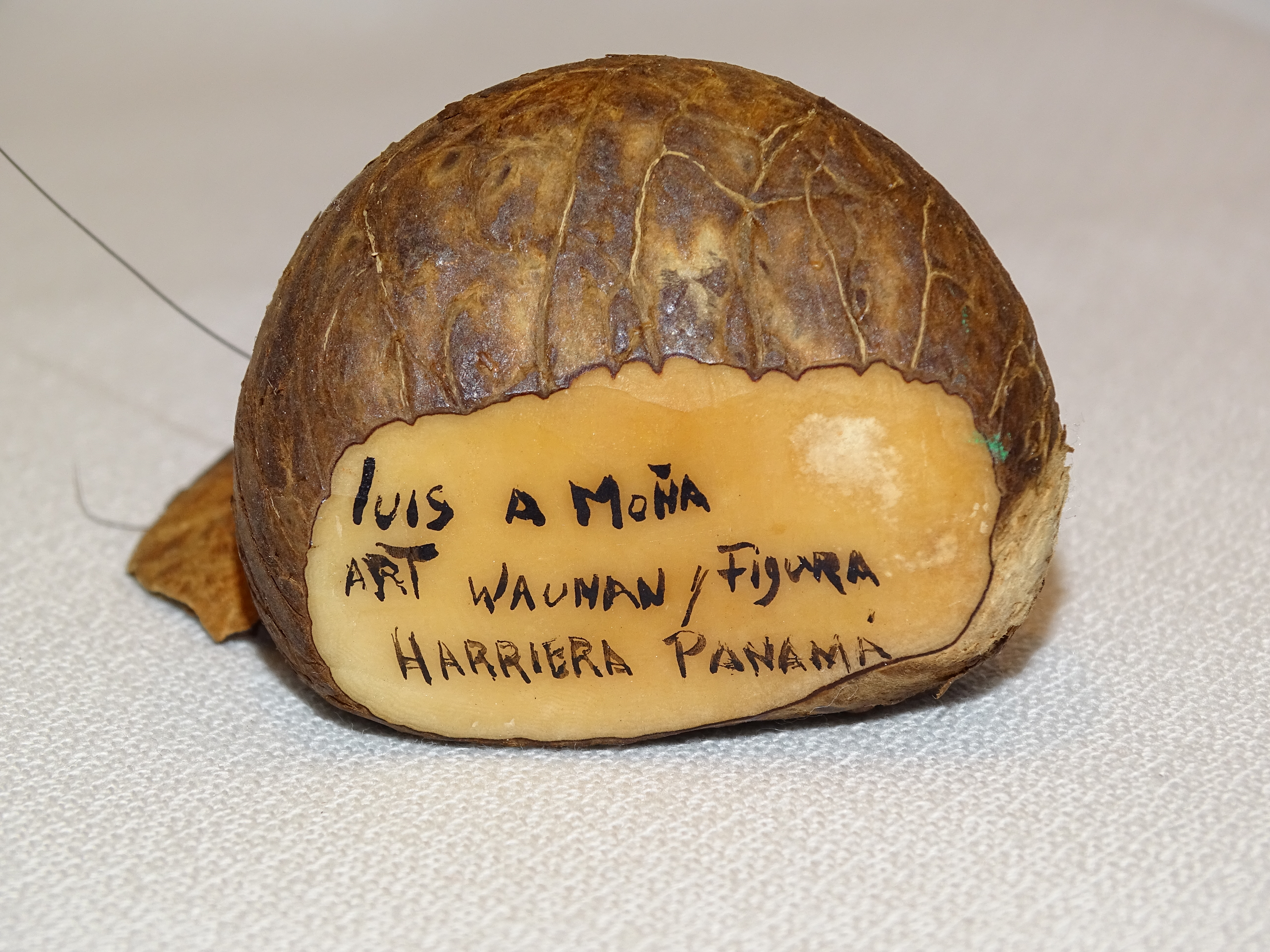
     Leaf-cutter ant carved as one peace out of the nut. Sadly a leg broke during our last move from Panama.

Tagua nut carvings from Panama have been such a great source of income for the forest people, giving them back self-sufficiency and pride. Many of these people are no longer able to live a full tribal life simply because of the demise of the rain-forest so this type of harvesting allows them to retain their sense of self and history.

     Excellent carved set of 2 lizards out of one nut. Click on pictures to supersize the view.

Once the Tagua Nuts are picked from the ground, the artisans carve them into amazing pieces. You will find that many of the Tagua Nut carvings from Panama depict the nature of the rain-forest to include monkeys, birds, and various other animals. In fact, the carvings are typically considered an artistic expression for these tribal men, giving them the opportunity to incorporate their feelings, dreams, and aspirations into the designs.

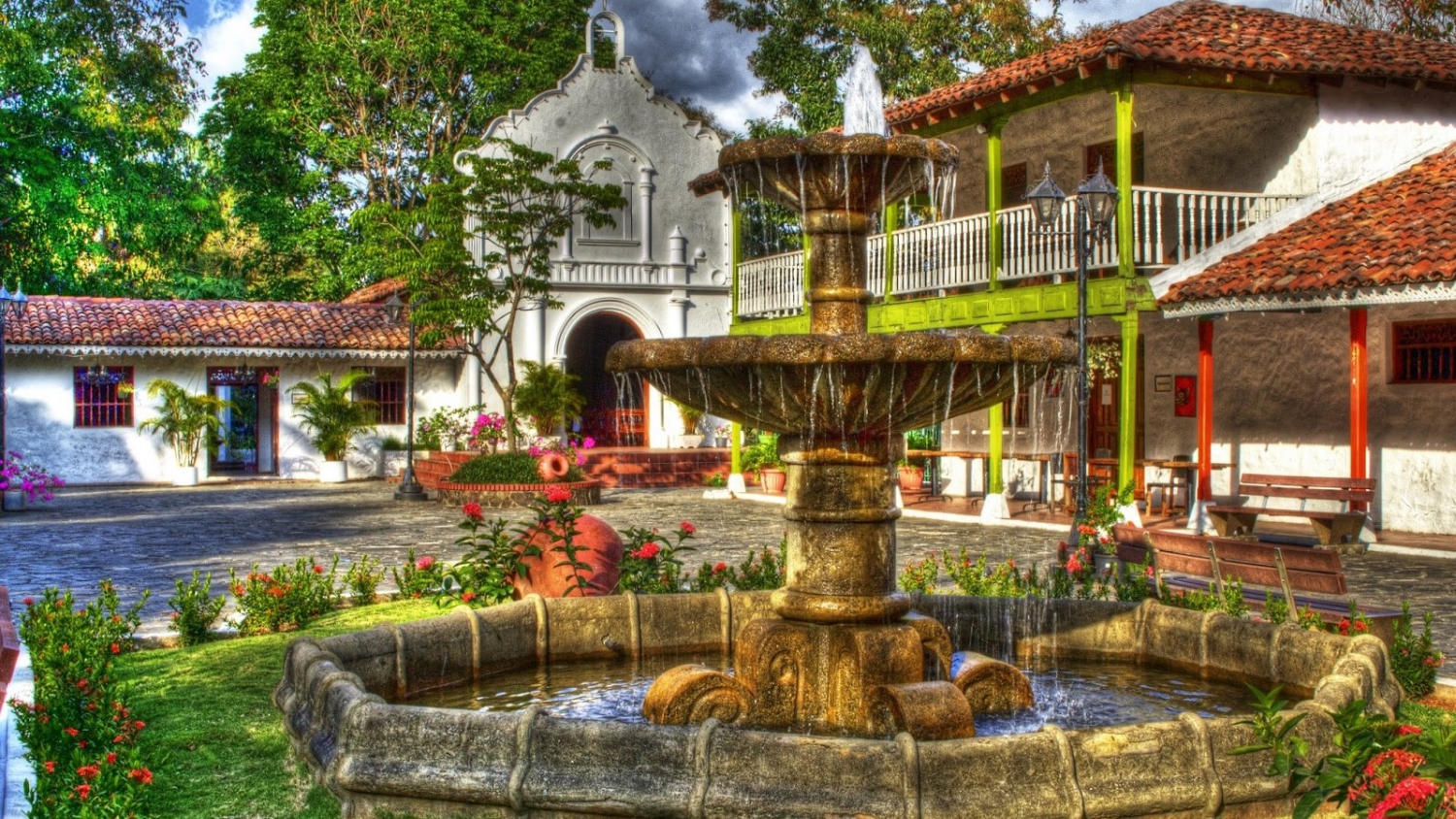
Mi Pueblito in Panama City.

This is an example of many typical houses displayed at Mi Pueblito in Panama City, Panama. These red tile roof houses were built by the campesinos of Panama’s countryside. It was a tradition to build these houses during a social community activity called “Junta de Embarre”. If you visit Panama you should visit „Mi Pueblito“ as well, its worth while.

       
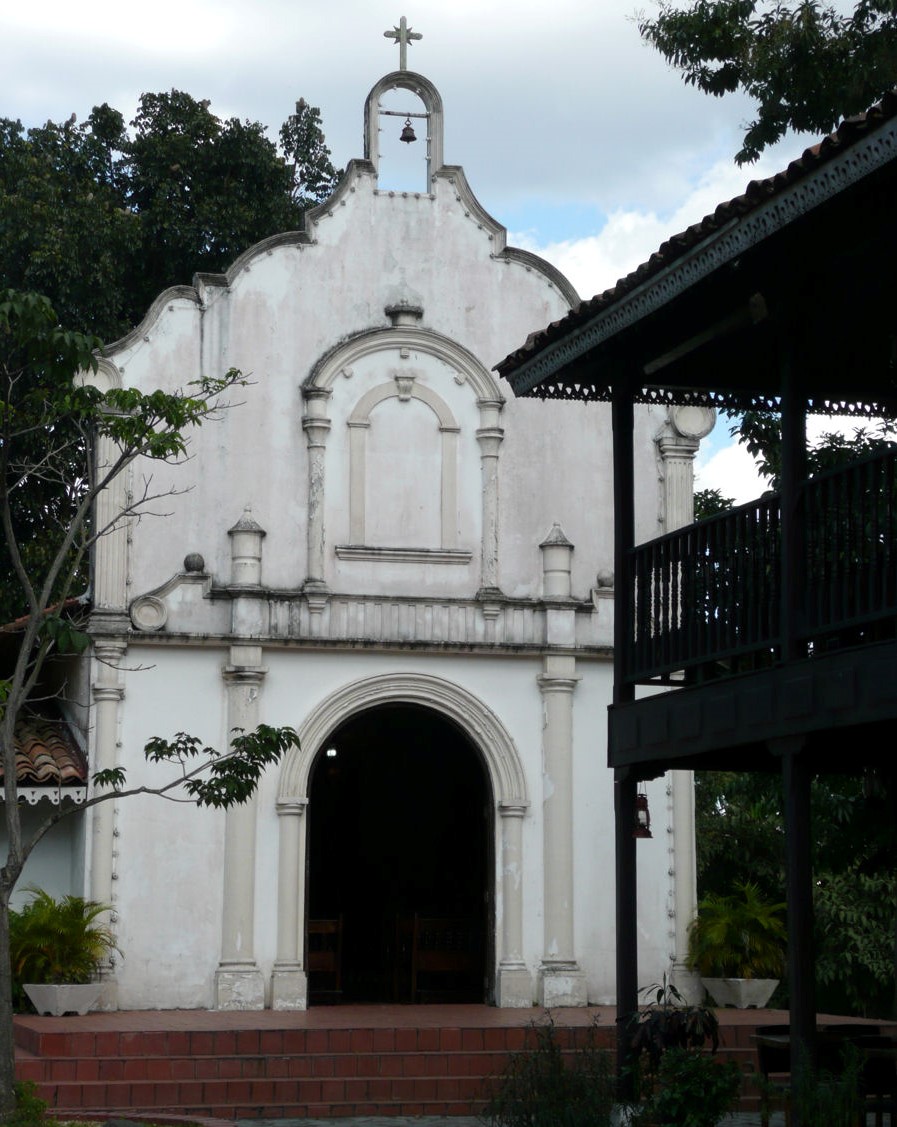
Beautiful little church erected in the center of Mi Pueblito.

The men would collectively mix mud and grass to build the houses while drinking a fermented corn beverage called chicha fuerte, seco or chirrico. The women of the community would prepare lunch and dinner for the hungry mix of men taking part in the event. The whole town participated, and in less than one day, a new home was erected.


After the mud dried up, the houses were painted and decorated. This is an example of the Panama of yesteryear which is evaporating rapidly as the new generation of Panamanians build more modern homes in the name of progress. See all the indigenous art works, like above, which are shown in dozens of stalls throughout the little village.

Fine Collectors Items.

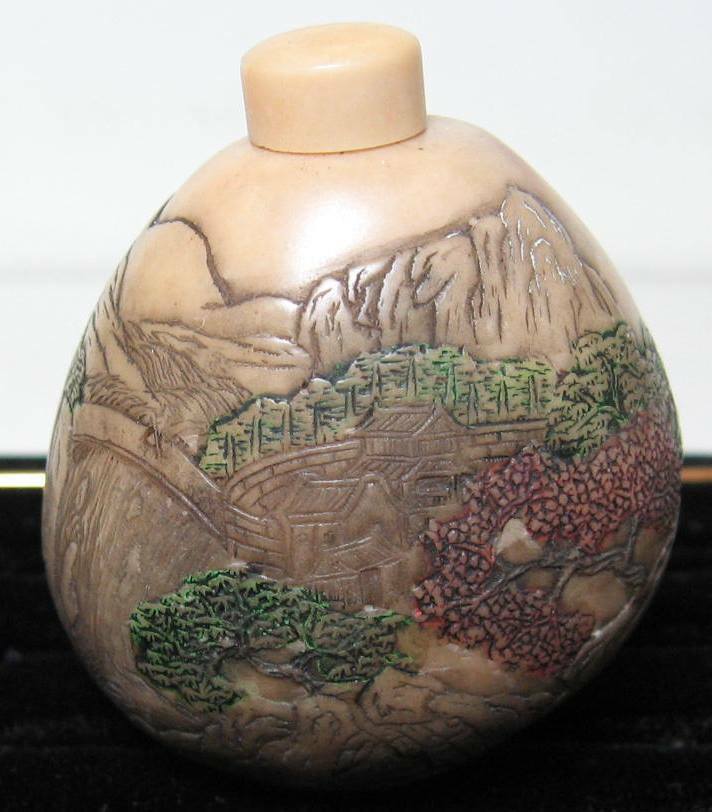
Something different is this Tagua Nut carving from around 1860-1870. A Chinese Tagua Nut snuff bottle 19th – Qing Dynasty. This Chinese Tagua Nut snuff bottle shows engraved and colored detail of a continuous mountain landscape scene which covers virtually the whole bottle. The scene shows buildings in the mountains with a bridge giving access over a gorge in front of a large waterfall. There is a figure crossing the bridge with a staff in his hand. The waterfall forms a river which flows around the base of the bottle. This bottle admires the minute detail in the engraving/carving. The bottle has it’s original stopper and measures 48 mm in height. Valued in auction for about US$ 2.000,–.

Some more nice Tagua Nut carvings will be found during the centuries in Japanese Netsuke carvings. If you are interested have a look into the Internet. See down here some fantastic examples of Netsuke carvings from the 19th century.


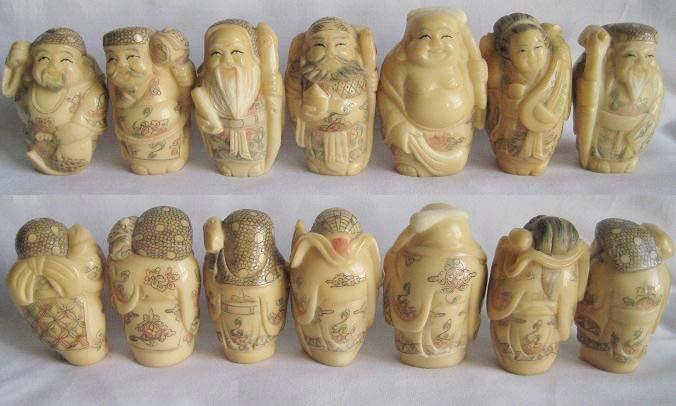
Above: Very rare set of the 7 lucky gods. Tagua Nut Netsuke. Auction value US$ 600,–.
  This kind of Panamanian Tagua Nut carving art is a bit cheaper then the Chinese Snuff Bottle above. About 30 to 40 US$. The prices range normally between 20 and 80 US$. Click on pictures, many of them will supersize.

Additional Information.

I posted this article about the carving and the souvenir item, but some Export company’s  sell Tagua Nut powder, that „grows  wildly“ in the Ecuadorian and Panamanian rainforest, in the cosmetic world the name is INCI: Phytelephas aequatorilis Seed Powder, this ingredient for formulation cosmetics has organic ingredients, not tested on animals, vegan and sustainability, it’s a replacement for plastic micro-beads.

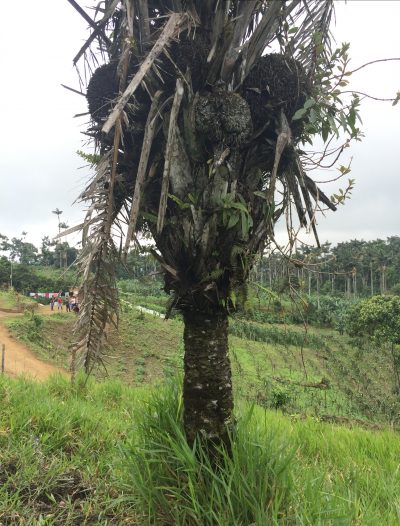
   Tagua Nut Palm, in distance a palm tree farm.

The Tagua powder product is absolutely pure with chemical and additive free processes.
With the latest technology in production processes and experience in what it can do, an extraordinary team of people specialized in each area, their experience and knowledge make the quality safe and reliable.

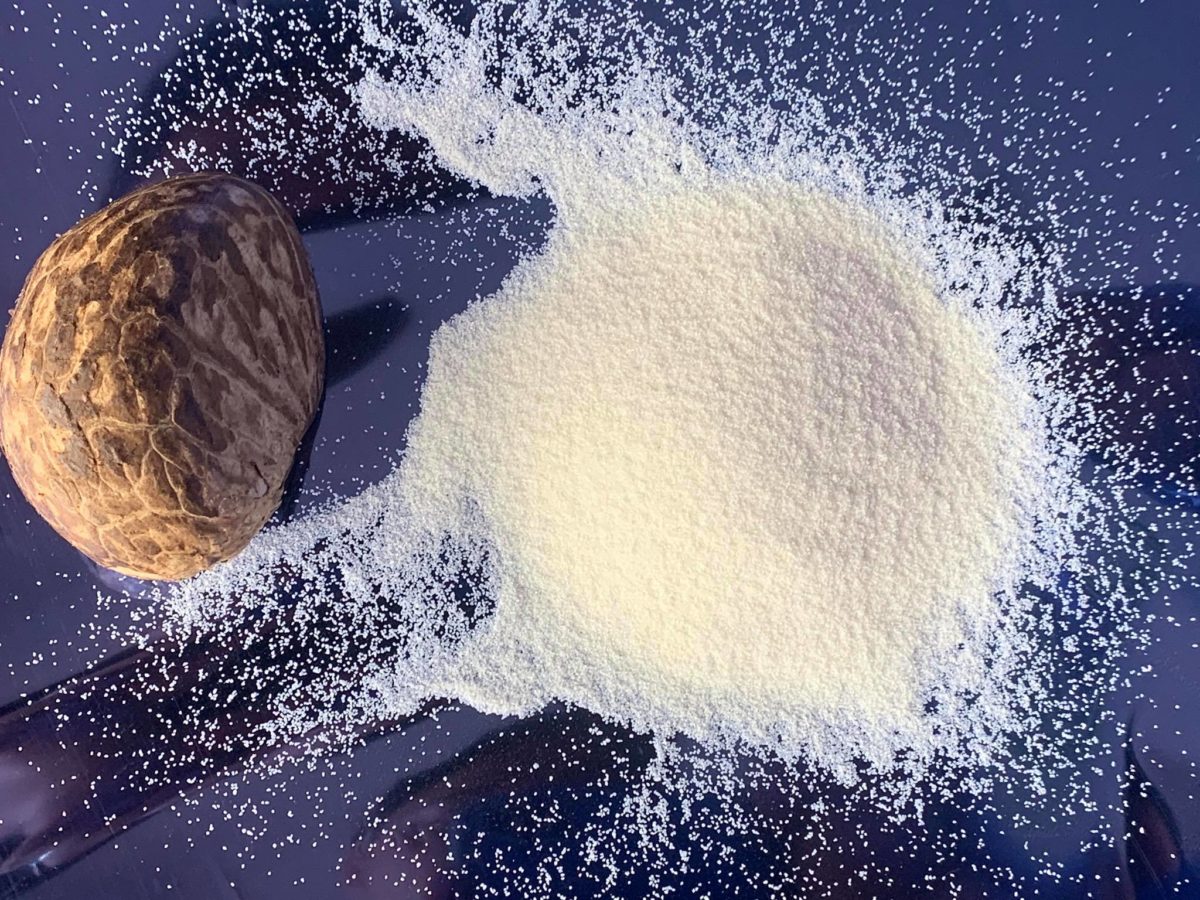
  The Tagua powder.

This natural ingredient to formulate exfoliator, scrubs, cleansing powder, soaps, gel, face-mask, toothpaste, body cream, base material, texturizer, skin care, exfoliation, cream, botanical and much much more. The abrasive Tagua facilitate removal of dead cells and therefore smoothen, cleanse and regenerate the skin.

Panama In Total Lock-down.

During the actual Corona crisis is Panama, as many other country’s, in full lock-down. No tourists means no sales, no food, no medicine. That is what is happening to the Kuna, Wounaan and Embera tribes in Panama. They are desperate and need help.

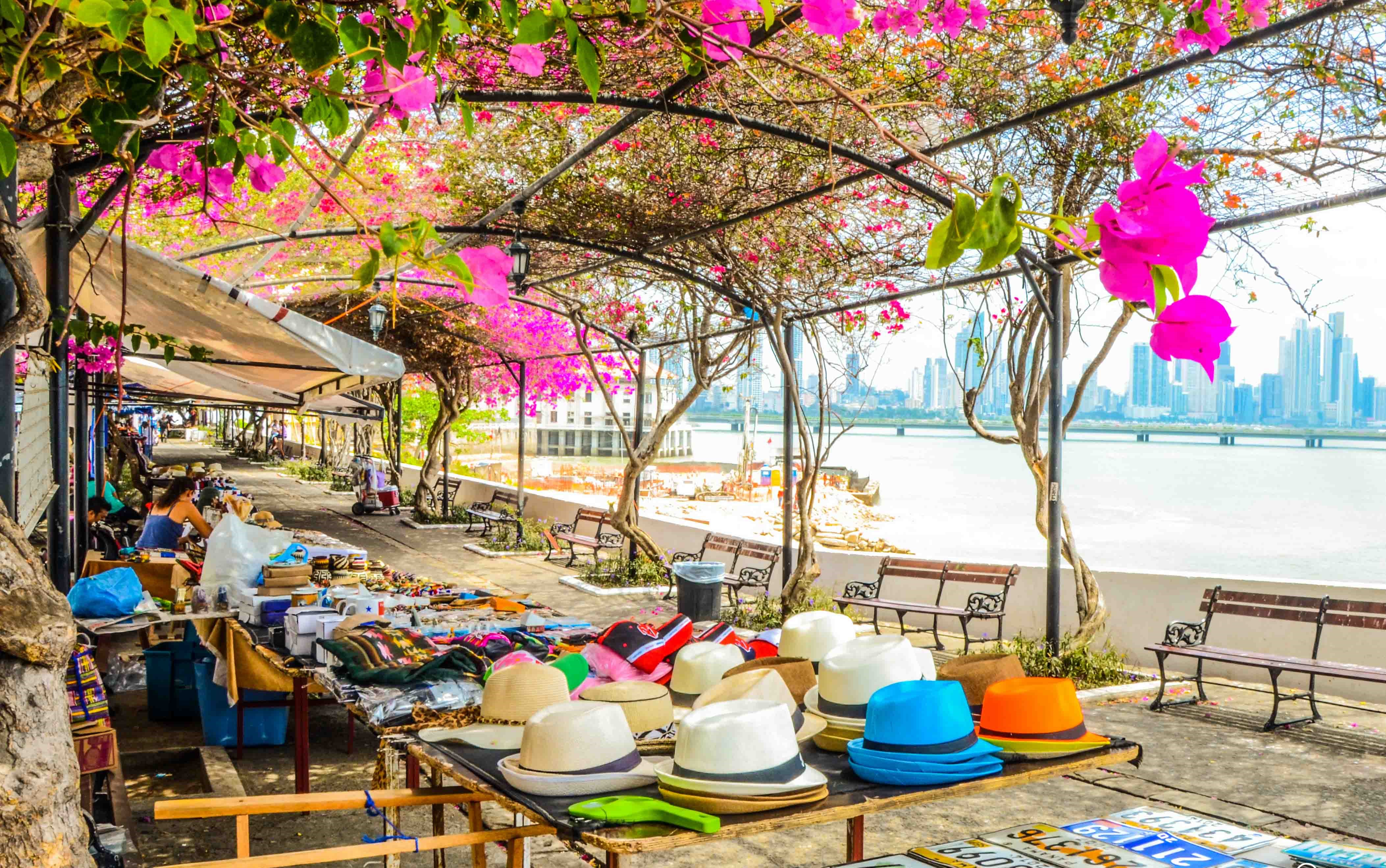
  Empty tourist markets during the lock-down along the causeway. Click on pic, it will supersize and show in distance the skyline of Panama City.

Dealers like Traderbrock, Molamagic and Molamadness will match all sales revenue and use it to purchase Molas, Tagua Carvings and Baskets for the next 60 days. They have church pastors and others that sell regularly via photos. The art is in an amazing quality and shipped through the mail.  Now it is critical to help the poorest.
If you are interested to purchase this kind of art, go through the internet.

Veröffentlicht unter Collecting, Hobbies, Information, Travel | Verschlagwortet mit , , , | 3 Kommentare

Collecting – Luggage Labels Uruguay 2

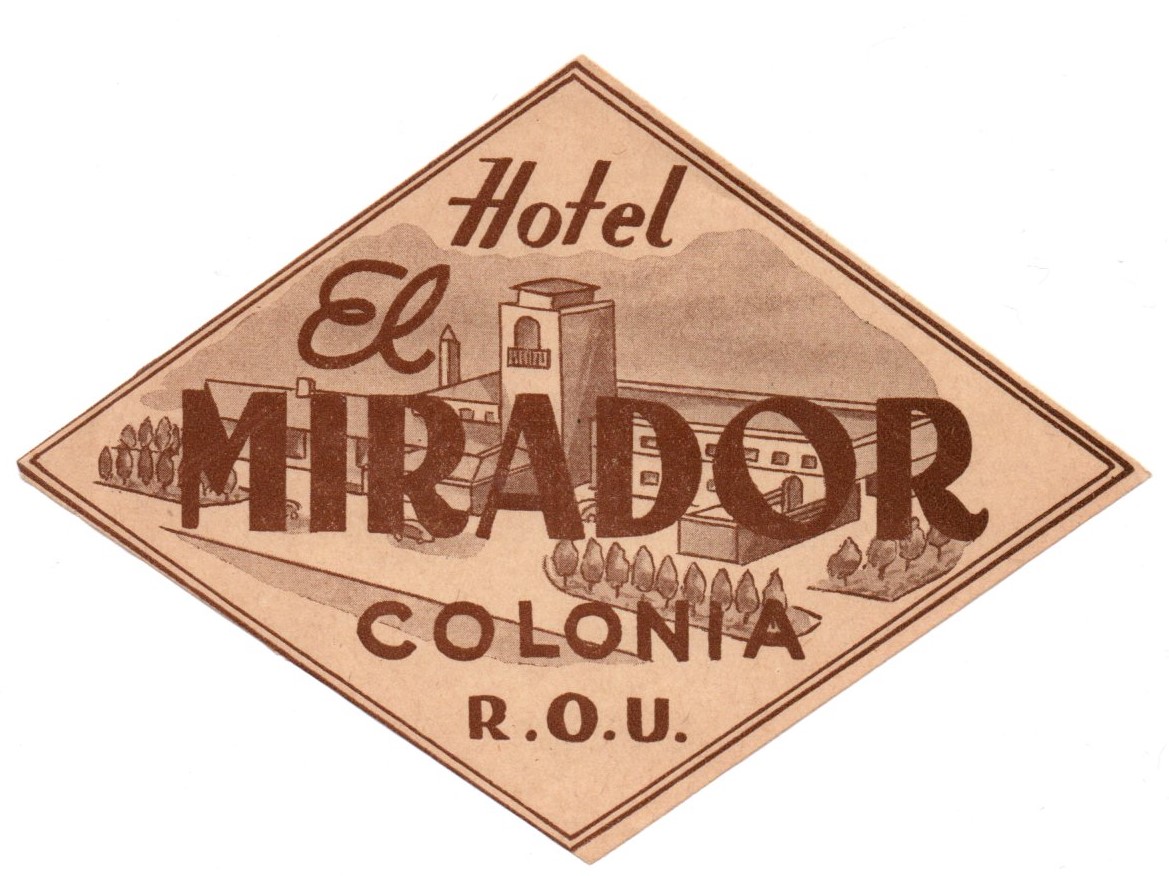
Hotel El Mirador, Colonia.

Jose Sande, current Director of Hotel El Mirador, was born into a very humble family in La Piedra, a tiny village in Galicia, Spain. He was called Pepe.

„Pepe“ was never an ordinary child, and his parents knew it. One spring day in 1951, with his thirteen years of age, he unhesitatingly posed to his family the desire to travel to America in search of a better future.

His plan was to arrive in Uruguay. Once in Castillos, he took a bus to Rocha, where Pepe still remembers eating the tastiest sandwich of his life, made with a can of sausages and a „flute“ bread. After the lavish banquet, he set off on his train journey to the capital.

He loved Uruguay from the moment he stepped on its soil, and decided that he would build his life in this country. Driven by a great desire to „become the America“. He began to work without pause, taking advantage of every opportunity that presented itself. Nothing frightened him or diverted him from his great desire.

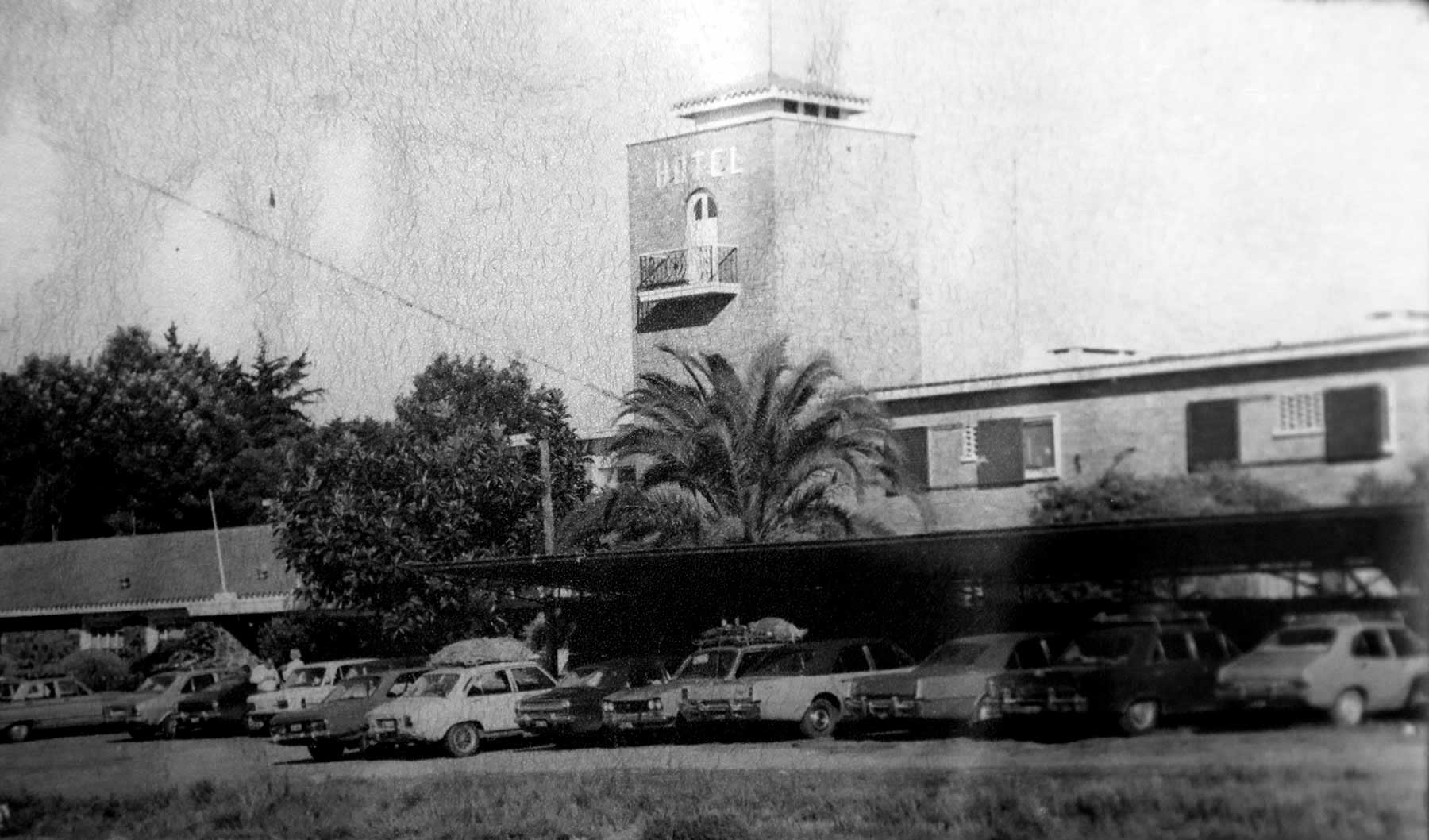
  Hotel El Mirador in the 1970’s.

In the Bar and Warehouse Los Montaneses he began, gradually, to approach his work destiny, since there he was hired as a waiter and in charge of the purchase of fruits and vegetables, to continue in the same function in the Hotel Osran during a year and a half.

His wife, Adela Maite, whom he married at the age of 19, also became involved in the hotel industry at a young age, gradually moving into the gastronomic area. The Hotel Osran was also his first experience in the hotel business, and then at the Hotel Verdun in the City of Minas, where they began to work together during the 1959 carnival.

The great opportunities were not far away, and Pepe was not willing to let them pass by, so he quickly accepted the proposal of being in charge of Hotel Verdun along with Mr. Montiel, who shortly afterwards proposed to travel around the interior of the country to expand and look for new horizons through new undertakings.

  Hotel El Mirador today.

Colonia del Sacramento made an impact and instantly made Pepe fall in love with it and El Mirador was the hotel chosen to rent. They decided to form a partnership: Pepe would provide work and Mr. Montiel would provide capital. A short time later Montiel retired from the partnership and Pepe continued with El Mirador for a year until he decided to buy it together with Adela.

With highly complementary areas of expertise and pure breed fighters, it took a short time for them to start receiving recognition for the level of services, the gastronomy and the innovation of their hotel. From 18 to 101 rooms, from a dining room with capacity for 50 guests to the current 500, from a non-existent infrastructure to the current swimming pools, tennis and paddle courts, barbecue and spa, there is a long way to go. Pepe and Adela have been an example of struggle, motivation, attitude, vision and intelligence. Therefore, this is a story worth telling.


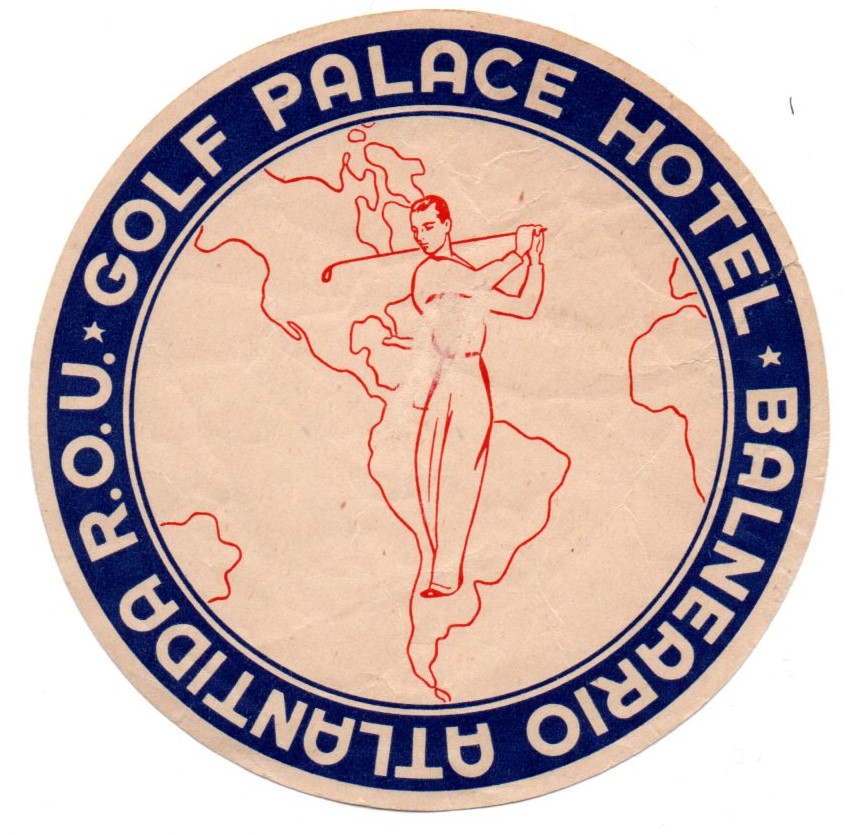
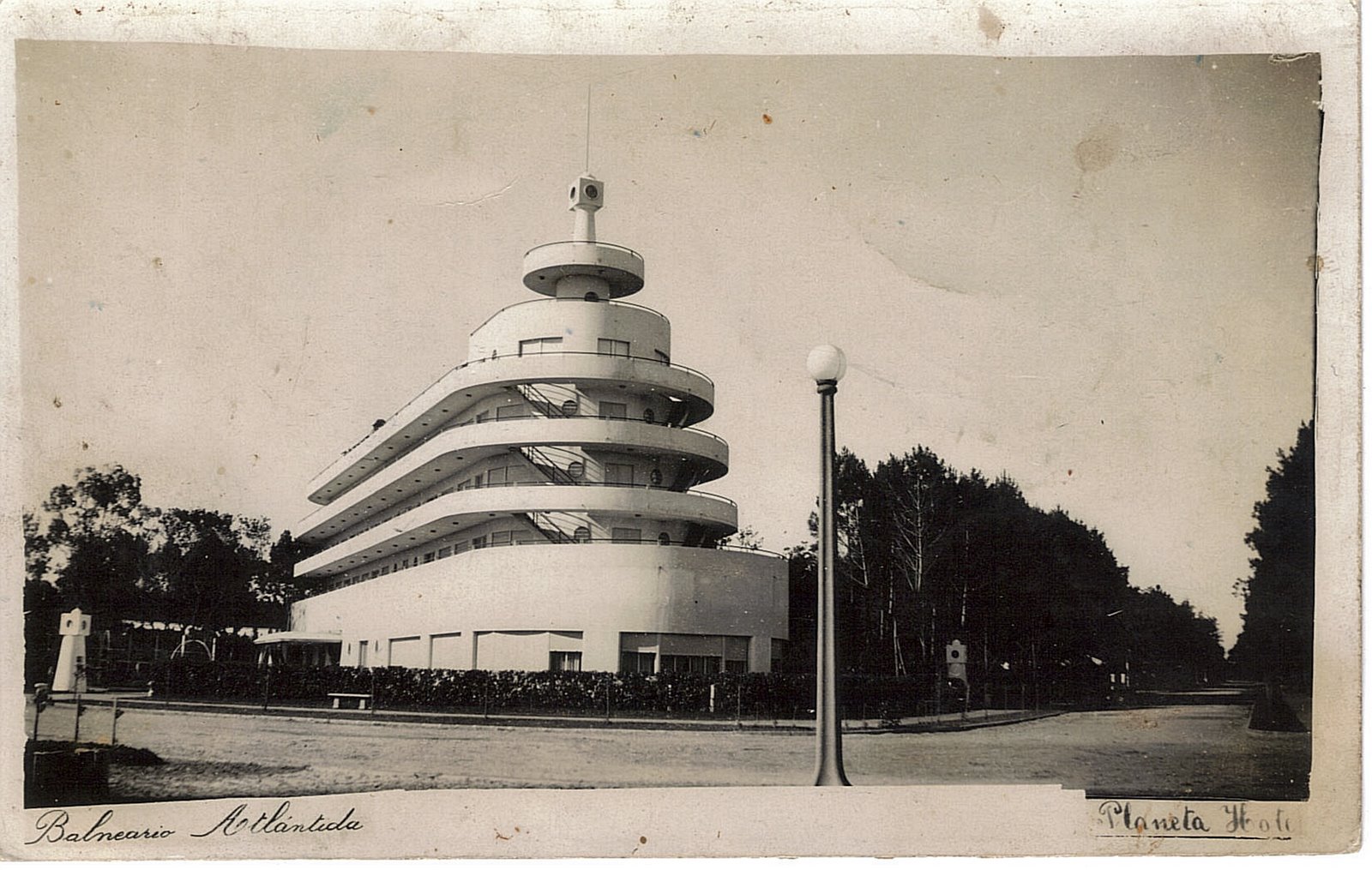
Golf Palace Hotel Atlantida.

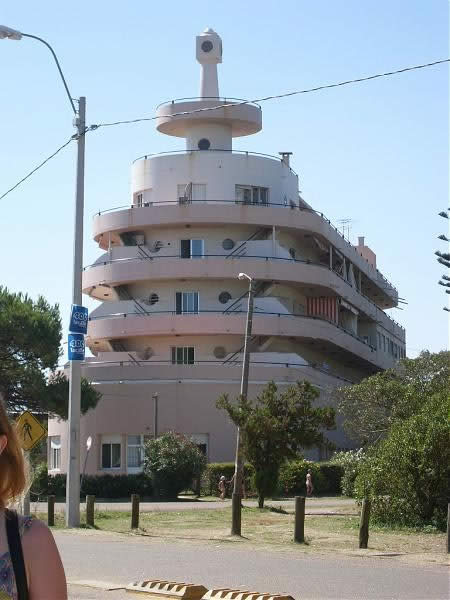
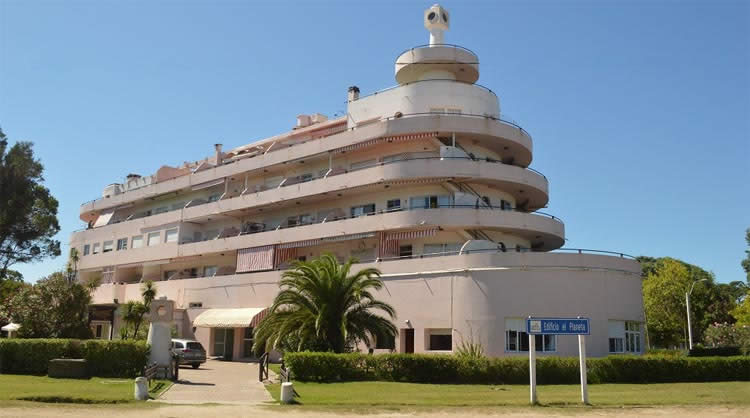
This eye-catching structure is noticed at first sight, maybe due to its extravagant appearance or due to its Martian antenna. The truth is that no one can avoid looking at it and falling in love.
One of the distinguished citizens Uruguay has ever had was Natalio Michelizzi. Born in Southern Italy, in Calabria, he was an immigrant who settled down in neighboring Buenos Aires, where he became an essential member of the company that produced printing presses under the Planeta label. His well-known financial skills, along with his ideas and achievements, soon made his business thrive incredibly. His wealth multiplied every day.

In 1935, he arrived in Atlántida –which was just starting- as another tourist and he began to realize that the place had a certain magic. It was just what he needed to settle down and develop his ideas. He stayed at Hotel Atlántida, opposite the beach, where he could smell the pine tree wood and hear the roaring of the waves. He immediately resolved to purchase several pieces of land facing the sea immersed in a young pine tree forest.

The famous Planeta Palace Hotel would be raised there by the company called Pérez Butler y Pagano, one of the best-known at the time. In less than one year of construction works, the hotel became worldwide famous, as it featured the most luxurious amenities available in those days.

His architectural ideas went beyond the hotel and spread throughout the City of Atlántida. Its rare shape makes it extraordinary in the eyes of visitors. Its white stateliness and the amazement it provokes make it seem from out of this world. Its aspect, with balustrades teeming with tourists, and its position make everyone think this beautiful „ship“ is about to cast off into the sea.

Nevertheless, those who are already used to watching it consider this venue just as an old hotel that once lodged the most aristocratic families in Uruguay and Argentina early in the XX century. Especially when it was renamed to „Golf Palace Hotel“, located next to the only and largest 18 hole golf course in whole South America. It was once just THE BEST !

It is said that the most influential characters of the time stayed there, from worldwide known rulers to actresses, boxers, sportsmen and artists of the most varied genres. Even today, this place goes almost unnoticed, but whoever is familiar with Atlántida knows that reasons are more than enough to come close to this beautiful city.


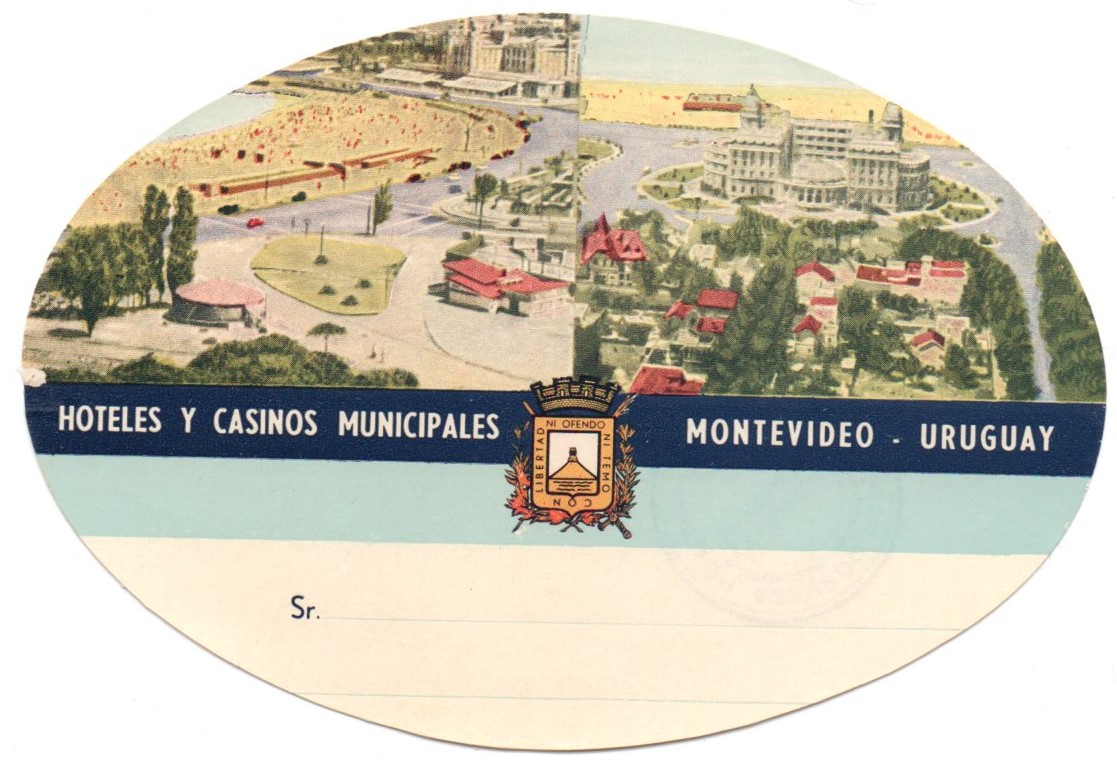
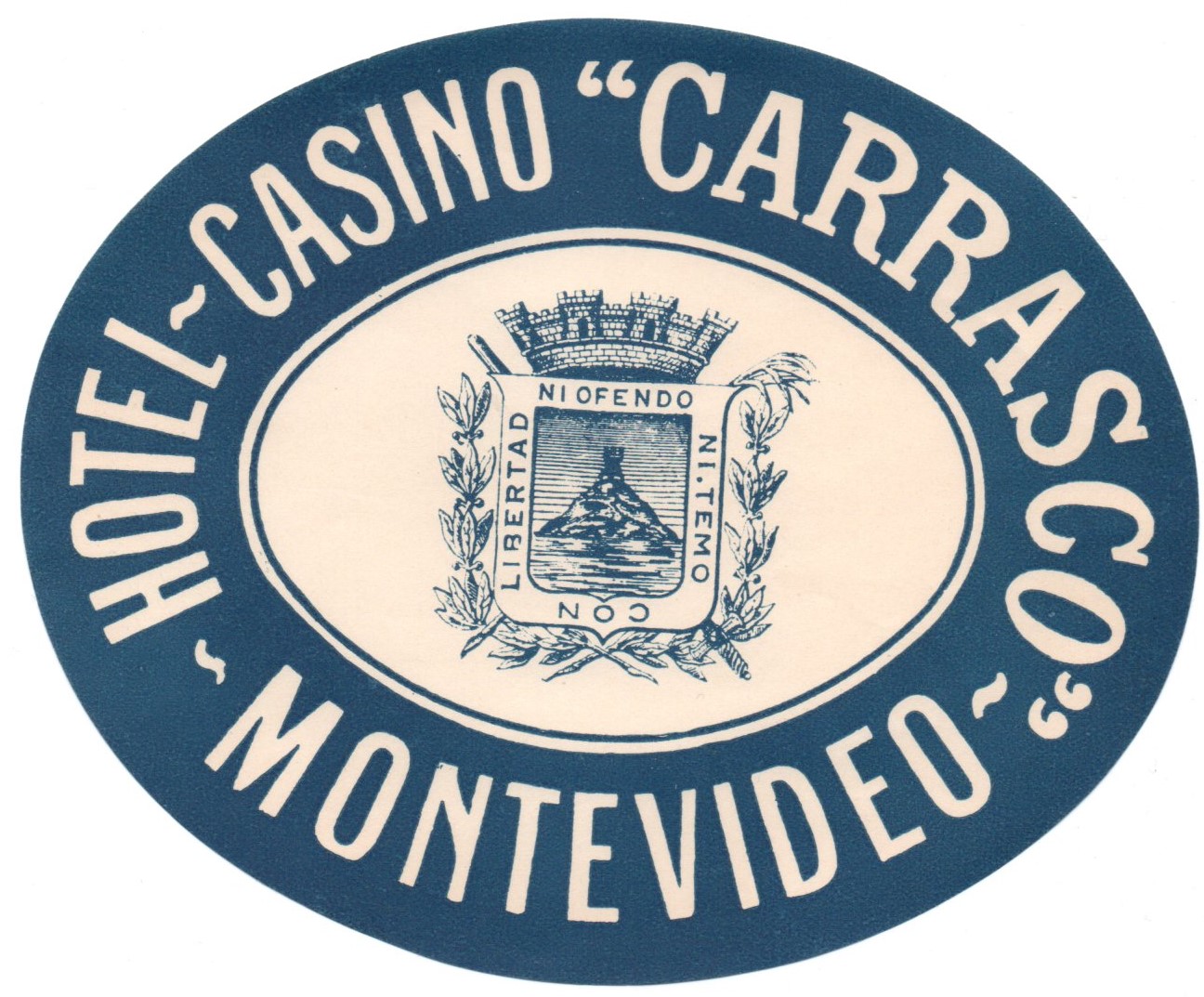
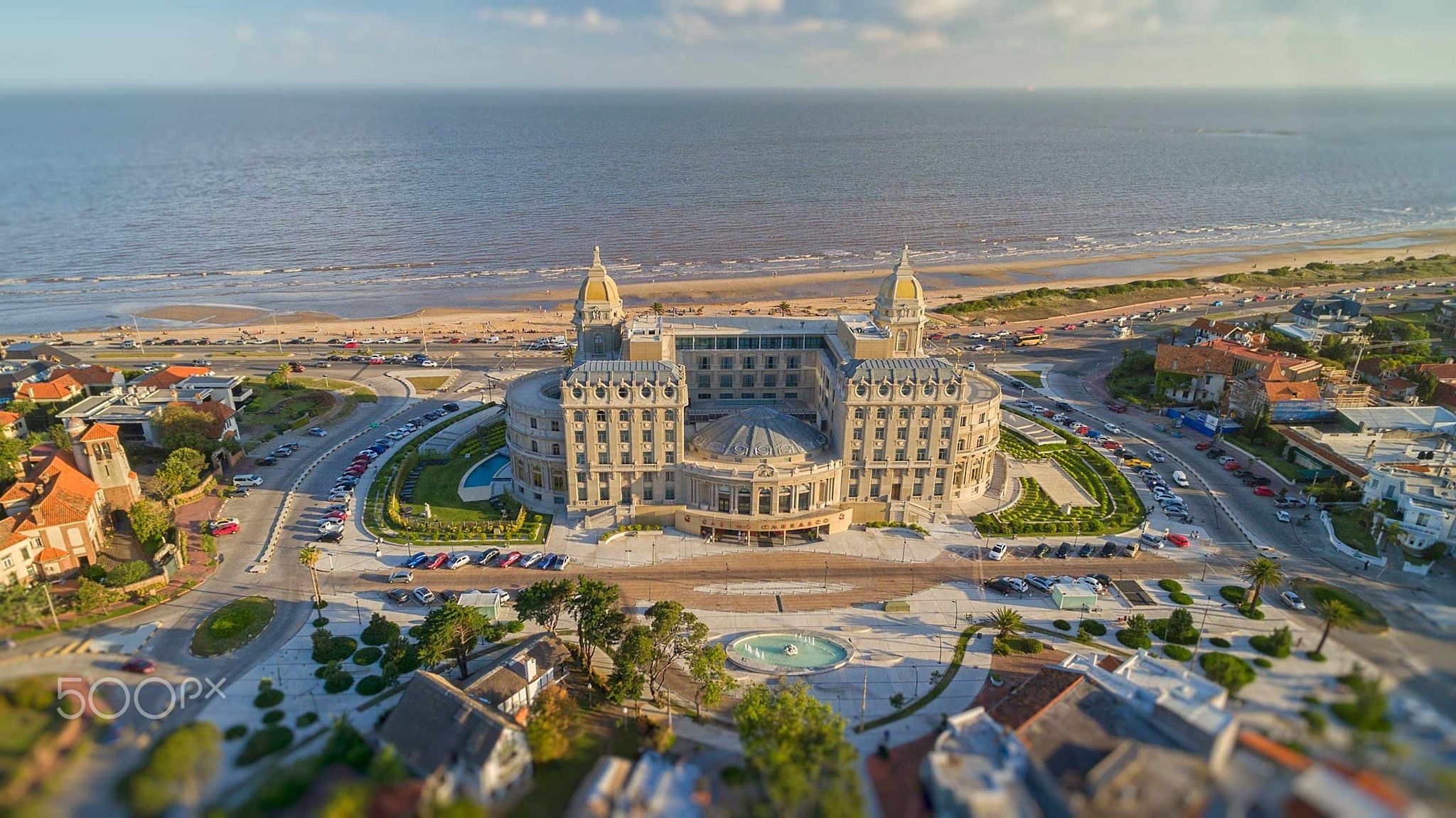
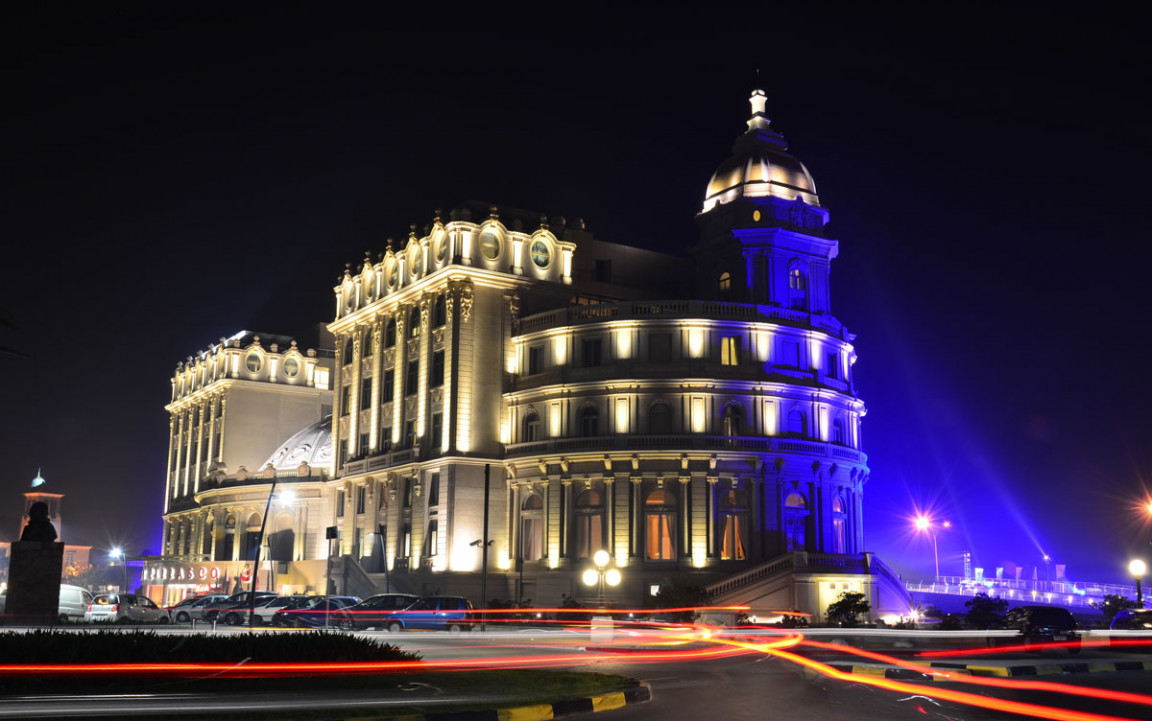
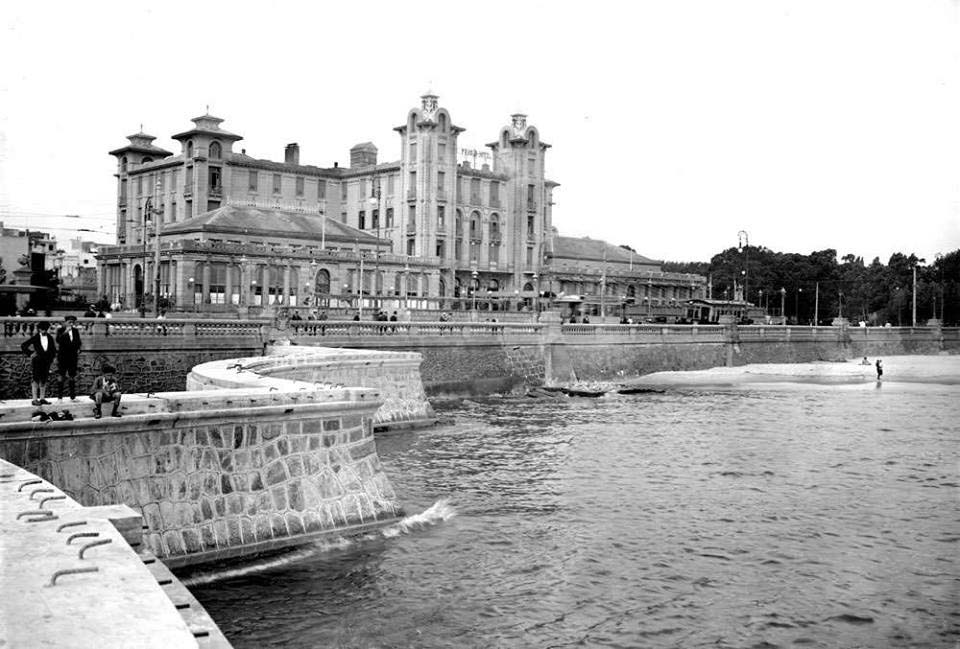
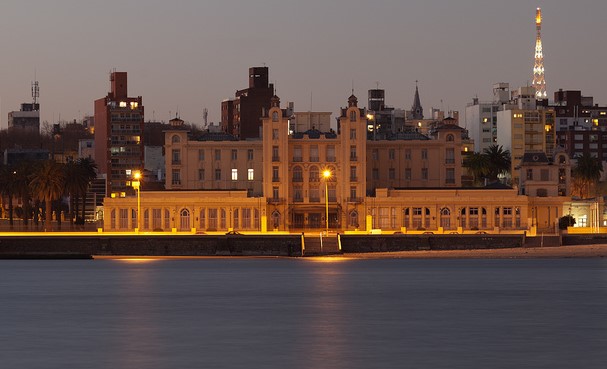
Hotel Casino Carrasco.

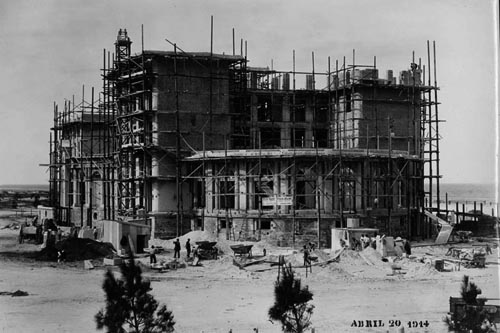
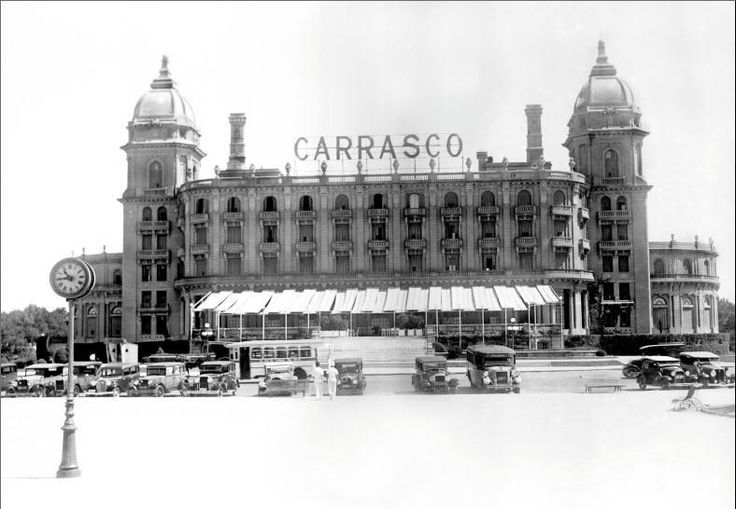
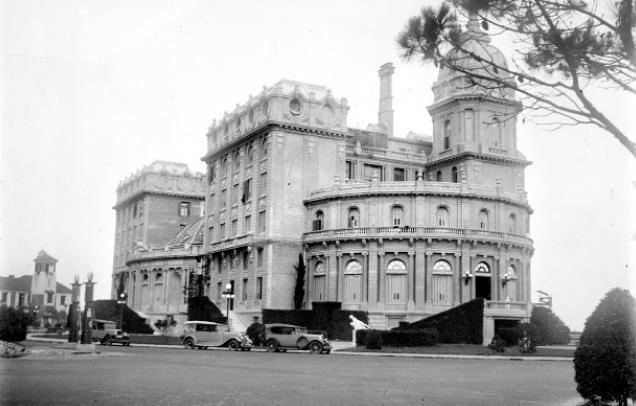
The hotel – built in 1912 – is part of Dr. Alfredo Arocena’s project, inspired by the elegant and aristocratic European spas, where sumptuous residences, parks and gardens with trees and luxury hotels abounded. Built according to plans by Architects Munart and Mallet, it is located on the Rambla República de México between streets of Arocena and Costa Rica.

In 1915 it was acquired by the municipality of Montevideo along with 12 hectares of land destined for a public park, since the Society that projected it and began its construction could not overcome the crisis that produced the First World War. The emblematic Hotel Carrasco went from apogee to decay, and was, after years of renovation, reborn in 2013 by the French hotel chain Sofitel.


Its construction started in 1912 and finished in 1921, after 9 years work.

For decades it was a landmark of luxury for tourists visiting Montevideo. Because of eventual deterioration of the building, it was closed in the late 1990s.


In 2007 started the bidding for a public contract for its restoration and operation. By the end of 2009, it was finally adjudicated to Carrasco Nobile SA, a consortium led by the Codere Group together with international investors Global Partners and AGG. They designated Sofitel of the French chain Accor as the hotel operator. The hotel re-opened its doors in March 2013.


According to El País, the opening of this building brings with it a whole revolution in the neighborhood of Carrasco, with many real estate and business investments.


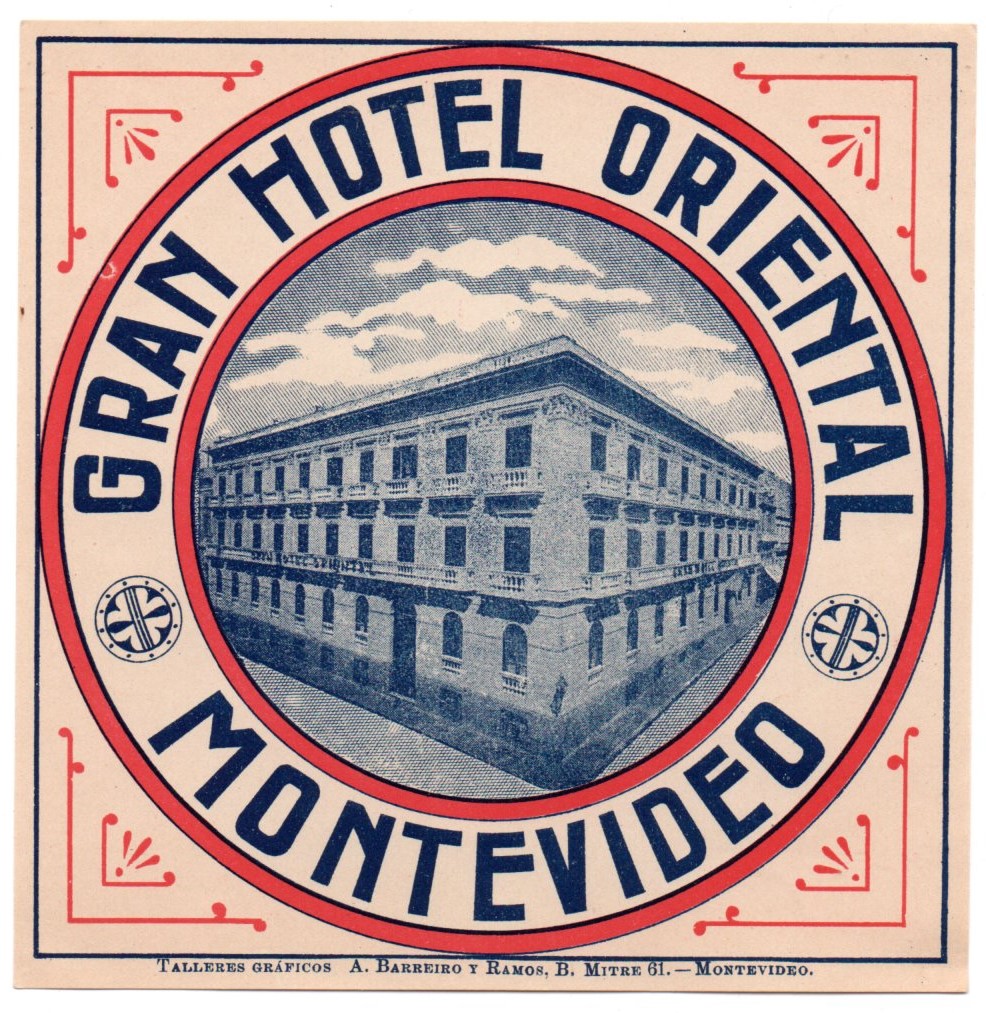
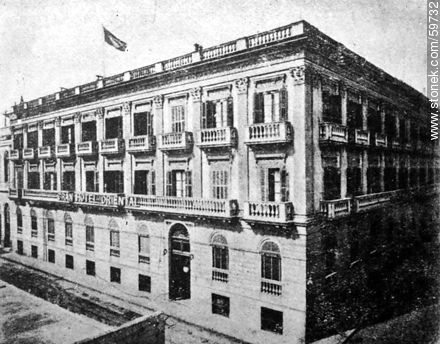
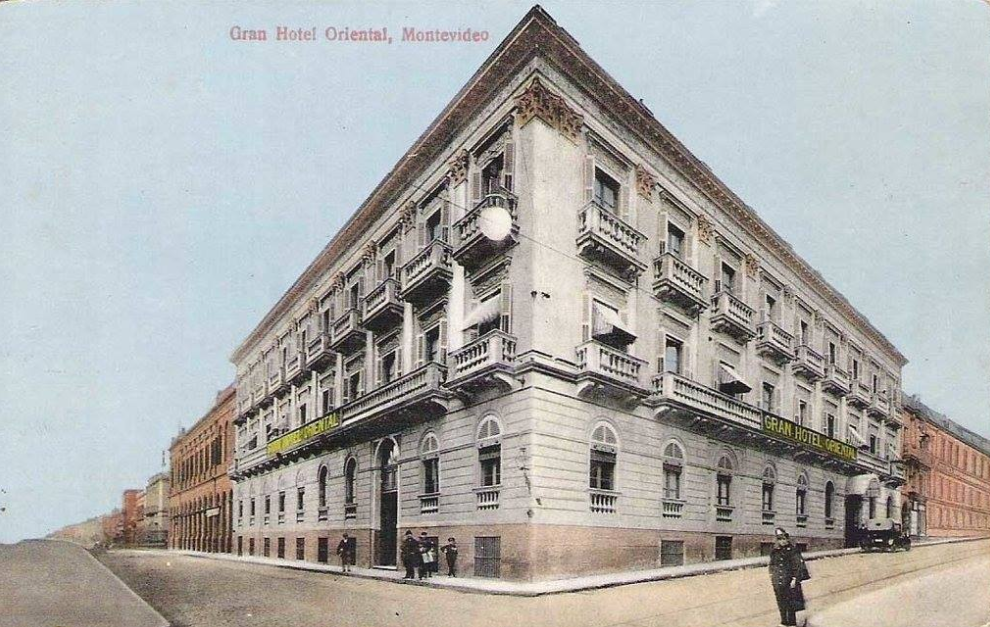
Grand Hotel Oriental.

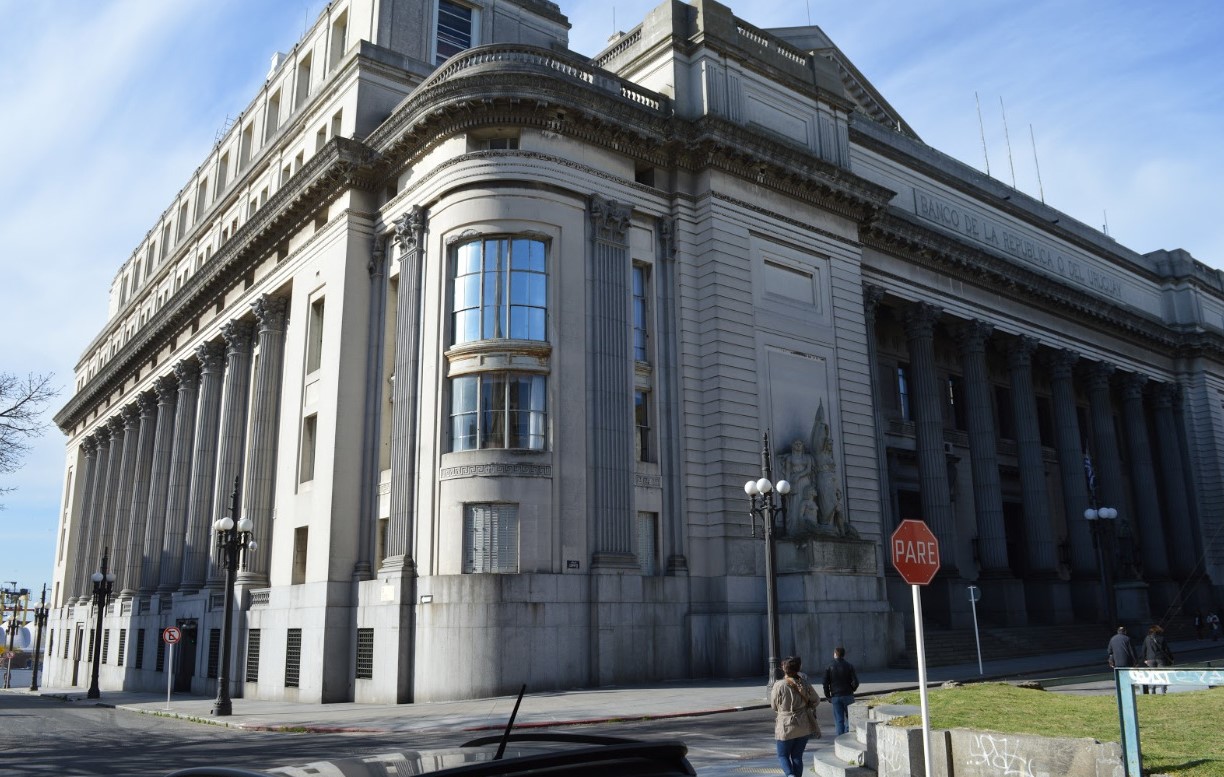
Hotel Oriental, street corner of Solis and Piedras. Towards the end of the sixties of the 19th century, 25 de Mayo Street maintained the urban prominence that Sarandí would soon assume, concentrating a good part of its banking activities and export businesses to the south.

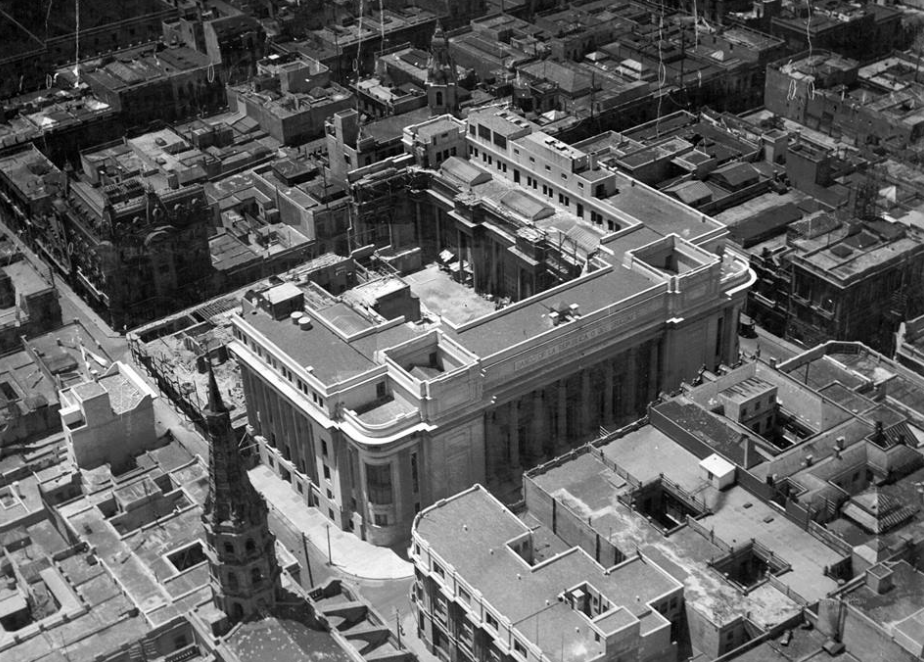
The section of Piedras between Zabala and Solís, near the port, acquired a particular rank at that time, with the disappearance of the colonial houses that were surveyed around 1860 in the Capurro Cadastre to make way for large works, among them the Stock Exchange and the internationally famous Hotel Oriental, occupying the entire front of the north sidewalk in two adjacent blocks.

  Two city-blocks of Hotel Oriental.

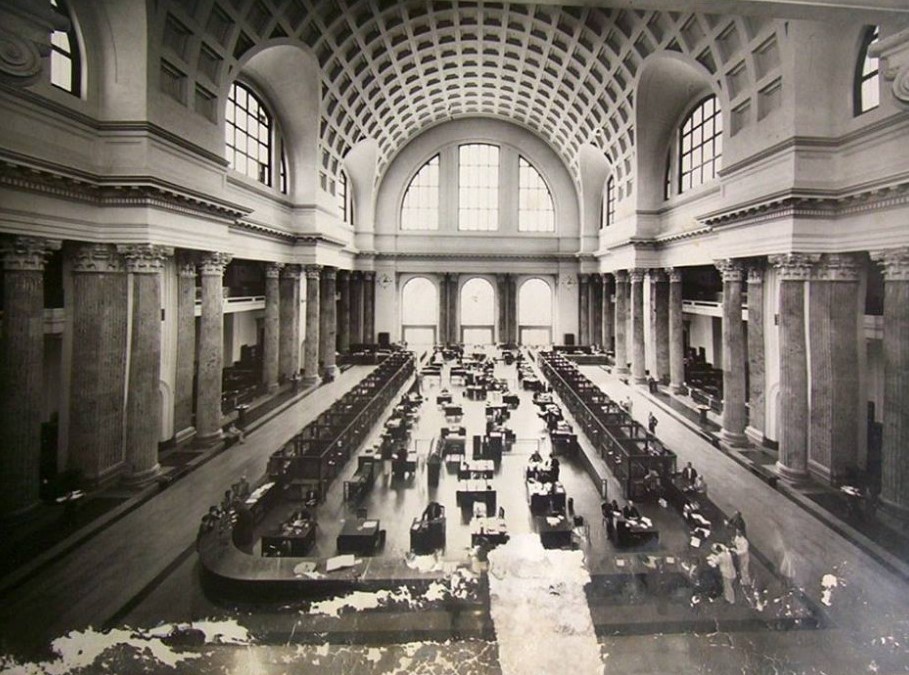
In both cases, this scenario of active life was losing prominence as the centrality of the city changed, in an accelerated process around 900 and the first decades of the 20th century. In 1925 the hotel was already occupied by the Bank (BROU), which moved all its offices there, but its demolition was only decided when the project of half a block was changed to that of the entire block, which in turn imposed the annexation of the stock exchange register.

  Since the mid-1920’s headquarter of BROU.

The Hotel Oriental is undisputed as one of the first establishments of its kind. Its spaciousness – it occupies an area of two thousand two hundred and fifty-six square meters. The comfort of its facilities that allow it to easily accommodate over two hundred guests, its comfort, and the series of advantages it offers, suffice it to consider it a traveler as in its own terminal advantageously highlights it, making it the favorite of those who know how to travel and wish to have a spacious and comfortable facility.

       The BROU transformation and inside courtyard of the bank. Click on pics.

The Hotel Oriental has twenty-four luxuriously furnished apartments, consisting of living room, bedroom and attached bathroom, all of the most modern and elegant. As a complement to its comfort, and in order to offer the amenities that the most existing guest may desire. It has a magnificent reading room with all kinds of national and foreign publications, newspapers and weekly magazines, as well as an excellent library with a very select collection of ancient and modern authors.

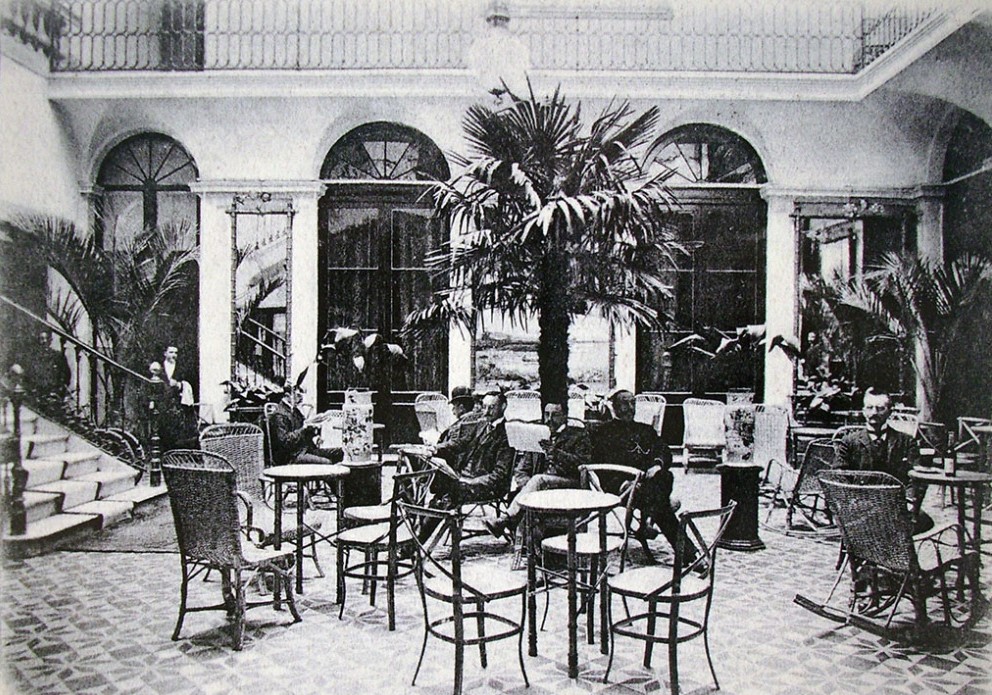
  The Courtyard.

But what stands out as a special note of this Hotel is its magnificent Hall (Solis Street) that has been converted into a tuxedo room, stern and comfortably furnished in the English style. Most of its rooms have a balcony overlooking the street, since the Hotel Oriental dominates the corner of Piedras and Solis streets, all spacious, with hot and cold water pipes, heating, electric light, elevators for all floors, and wide staircases. There is also a music room and reception rooms, etc. The alma mater of this establishment is Mr. Juan Fiandesio, of the firm J. Fiandesio y Cía., owner of the Hotel.

   Old postcard from Grand Hotel Oriental.

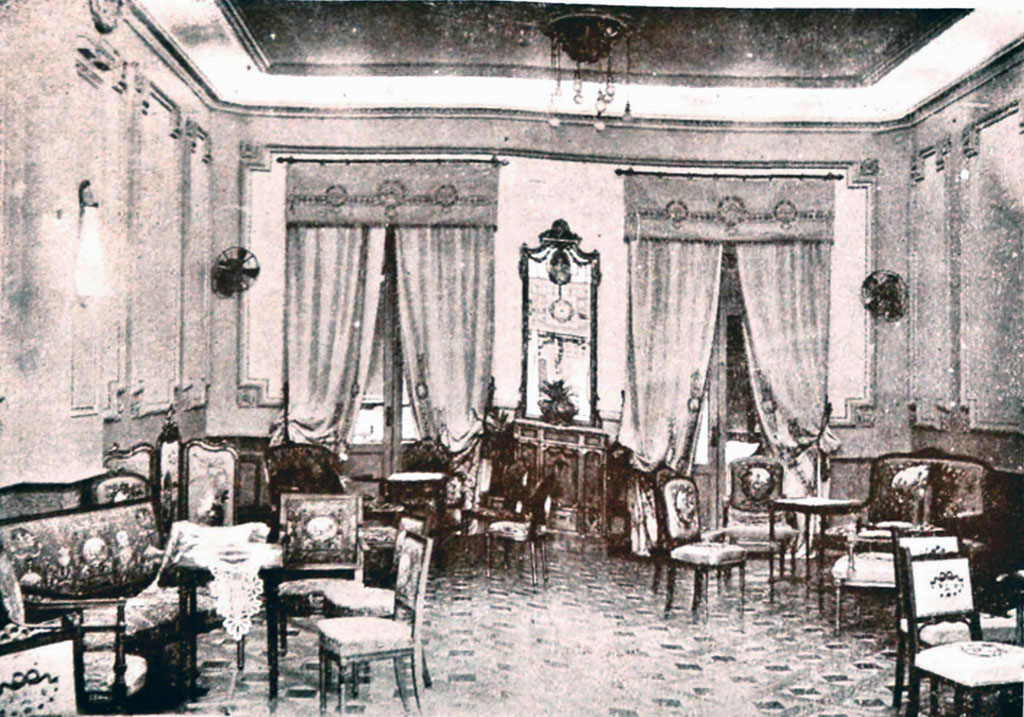
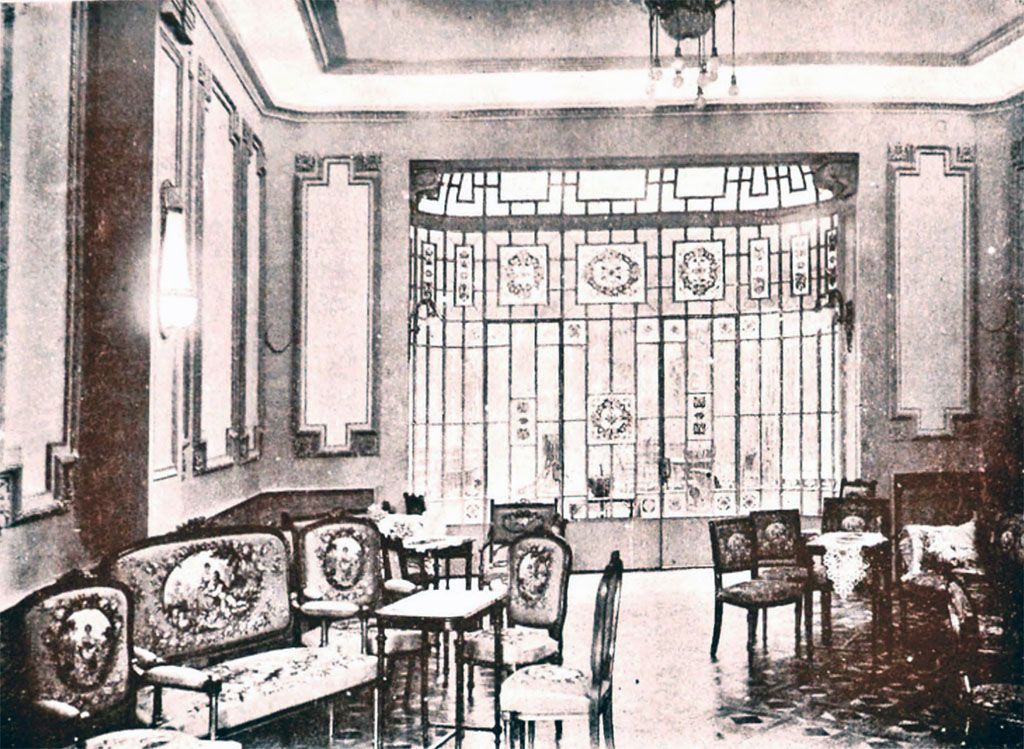
With a cultured, innovative and progressive spirit, Mr. Fiandesio has added a section to the Hotel Oriental that complements, in a sumptuous and elegant artistic form, the facilities of the House. Referring to the special premises, European style, which will serve for the great social events, weddings, dances, banquets, teas and other parties of this genre. The premises are formed by a large and elegant Wintergarden, a spacious and splendid White Room, Louis XVI style, a large Hall, an annex and several small meeting and conversation rooms.

        The Wintergarden (left).   The Ballroom (right).

It is easy to understand the immense advantages that Montevideo’s society will obtain in celebrating, as it is done in Europe and in Buenos Aires itself, the weddings in that place. Apart from the trouble that always causes the transformation of private houses to receive a lot of guests, the wear and tear of furniture in the dismantling, the expense required to decorate the upholstery and flowers, you will find a real and convenient advantage in the reasonable prices indicated for these parties. Attached to these luxurious facilities, there are some apartments for brides and grooms that are decorated with exquisite taste.


More Uruguayan Hotel Labels out of my collection, without closer information, some are still existing as shown, just click on pic’s:

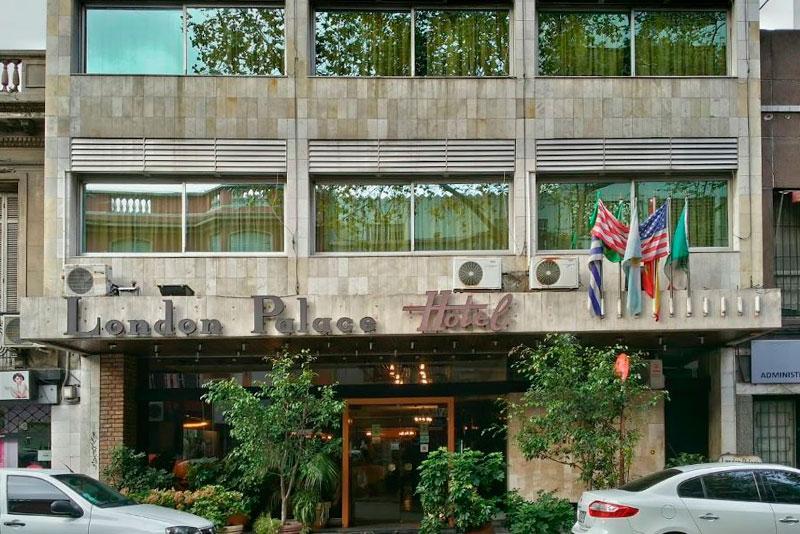
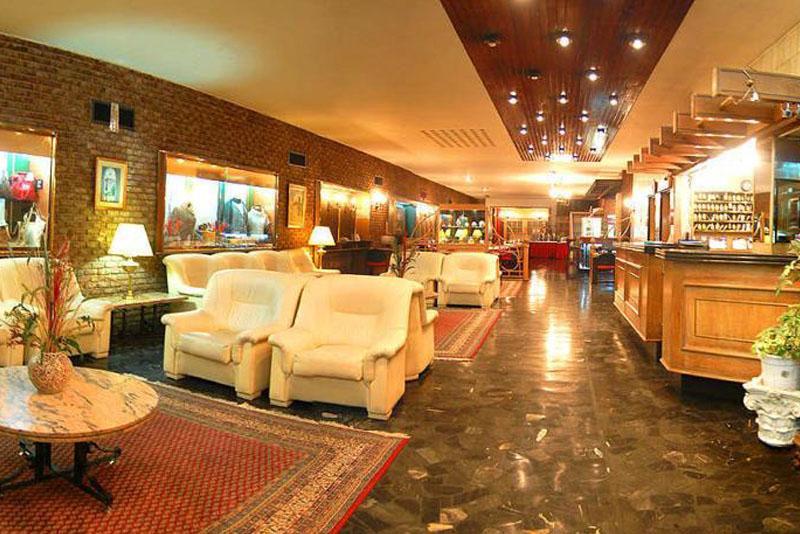
Hotel London Palace, Montevideo.


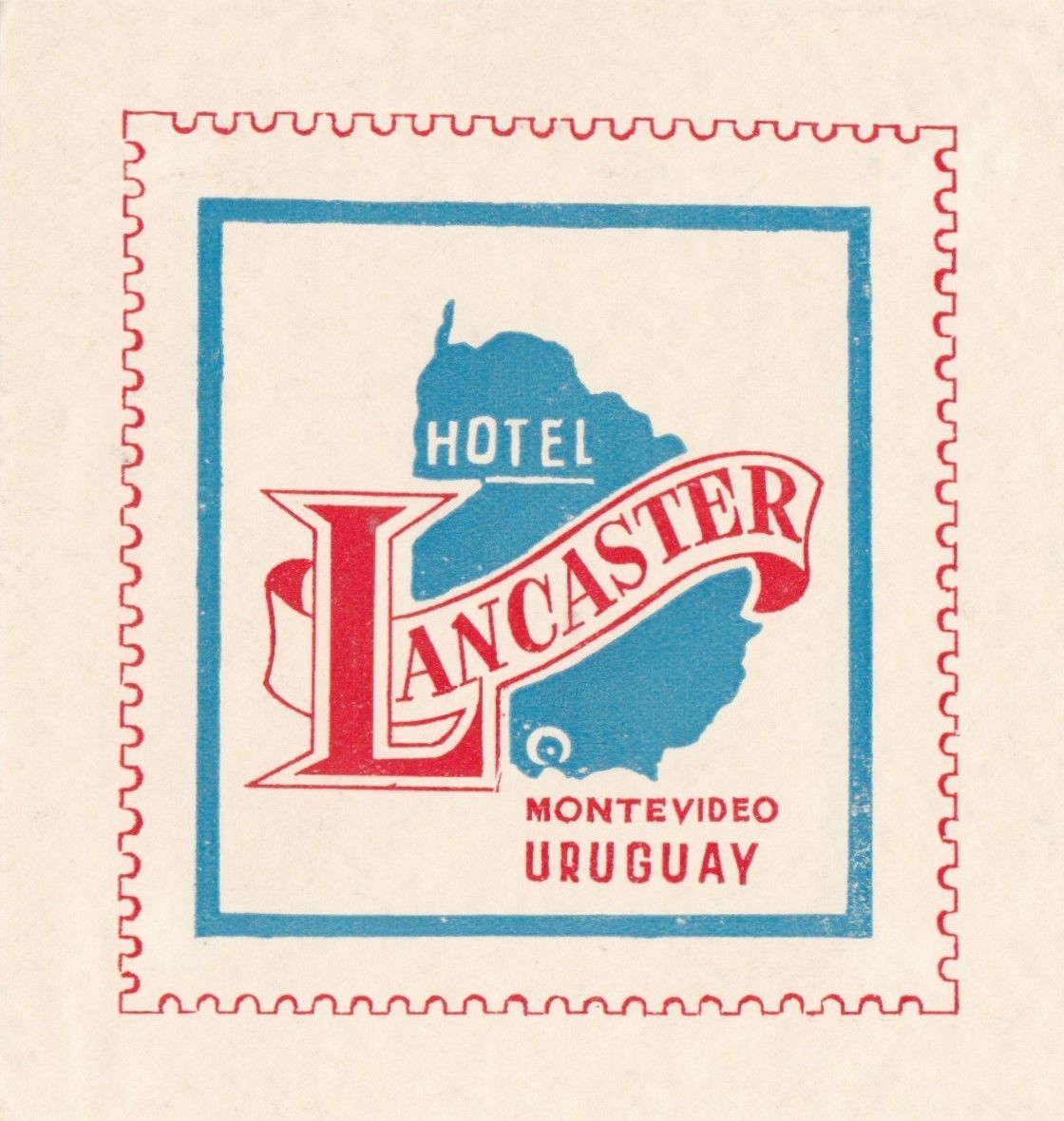
Hotel Lancaster, Montevideo.


Hotel Centenario, Montevideo and California Hotel, Montevideo.


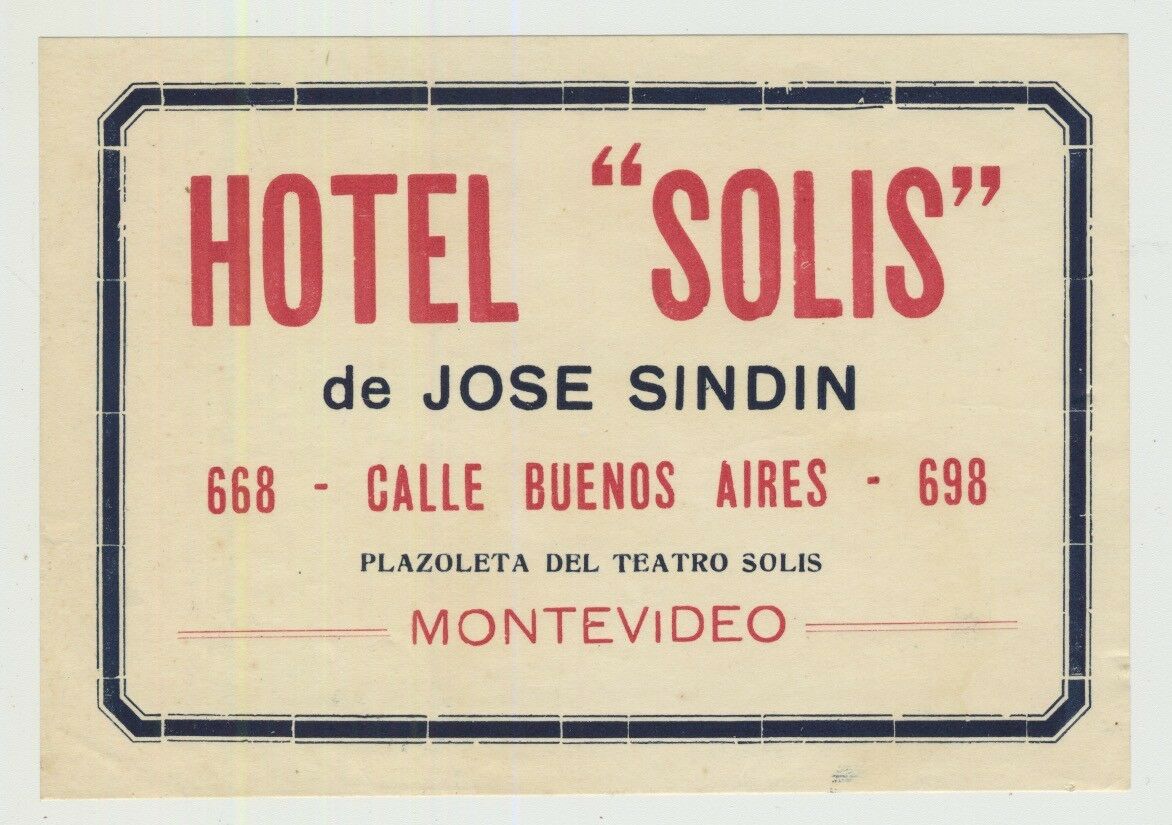
The Oxford Hotel, Montevideo and The Hotel Solis, Montevideo.


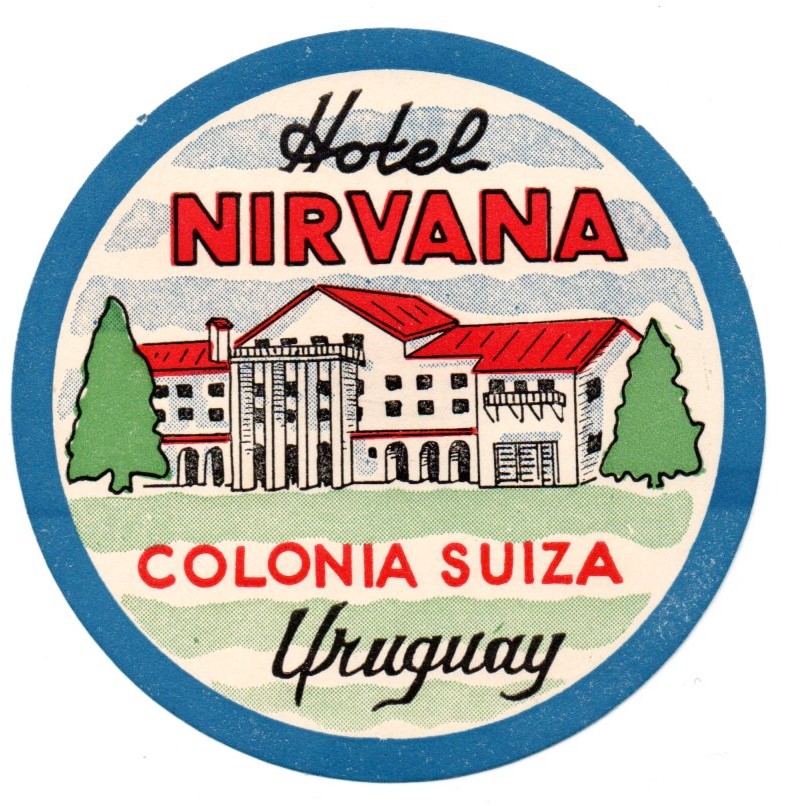
Hotel Nirvana, Colonia Suiza.


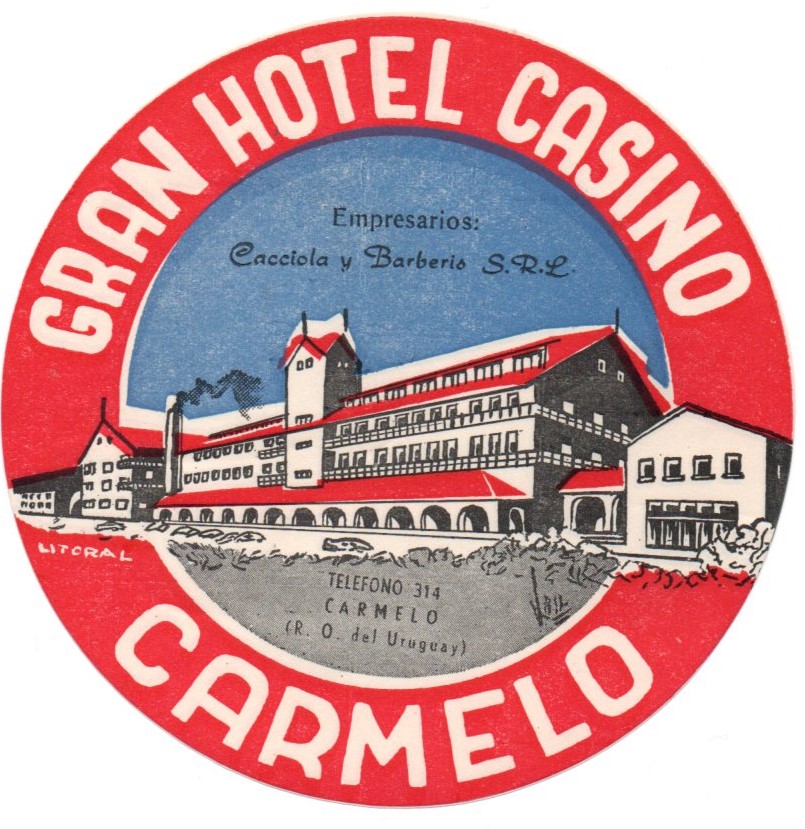
Grand Hotel Casino, Carmelo.


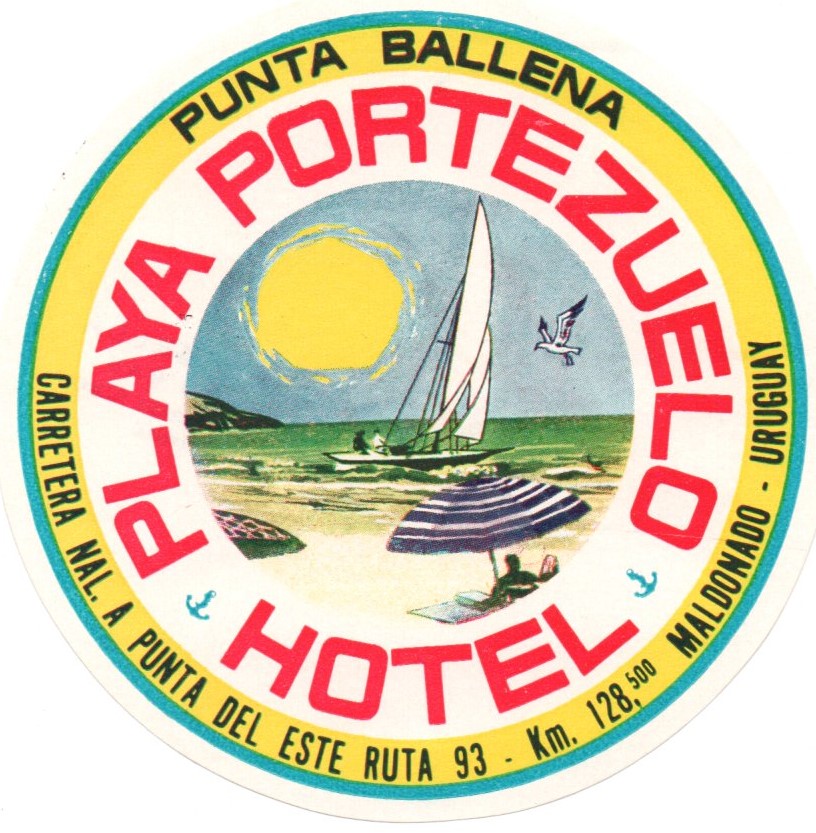
Hotel Playa Portezuelo, Punta Ballena.

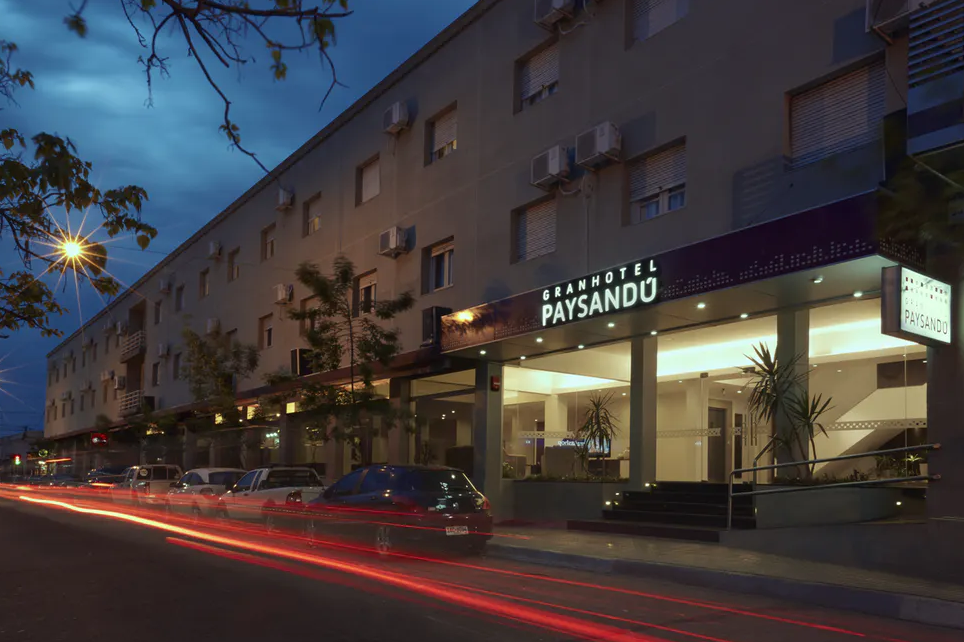
Grand Hotel Paysandu.


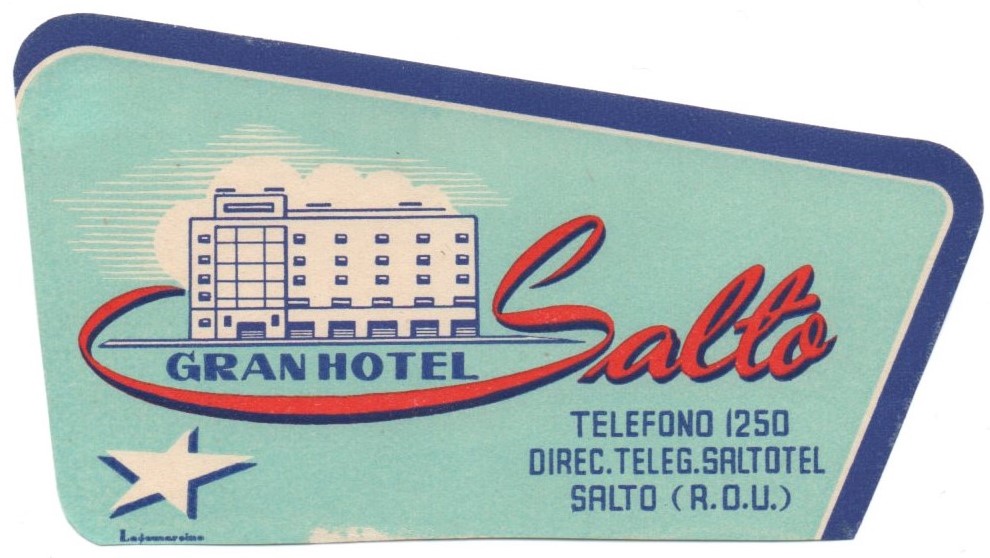
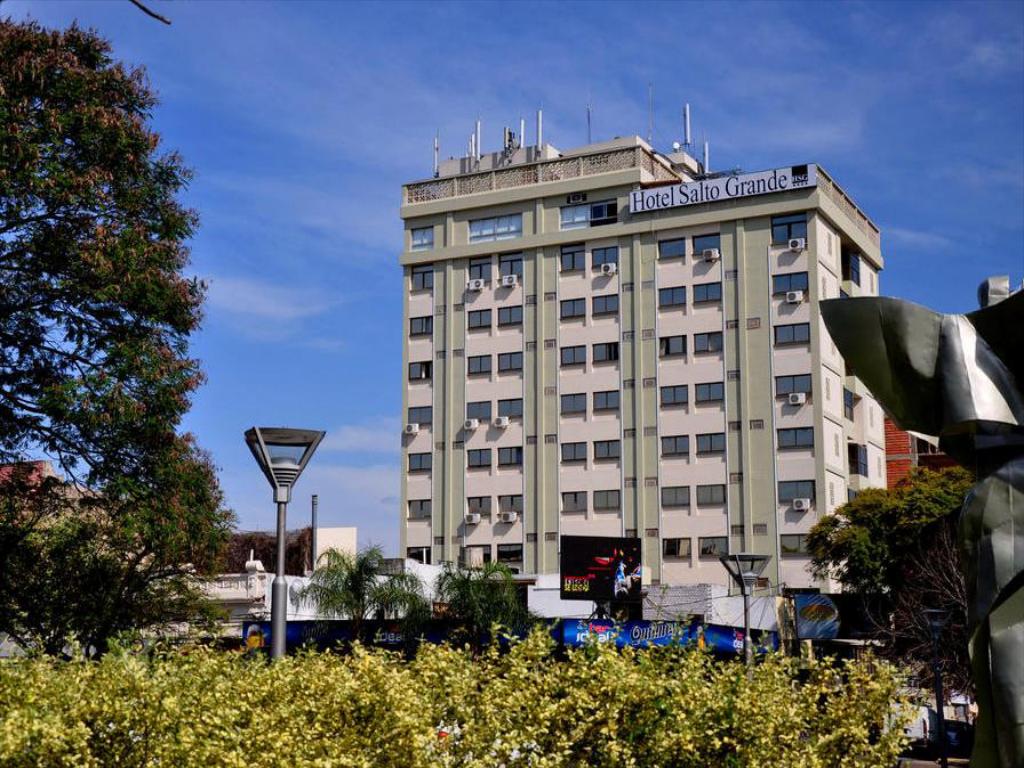
Grand Hotel Salto.


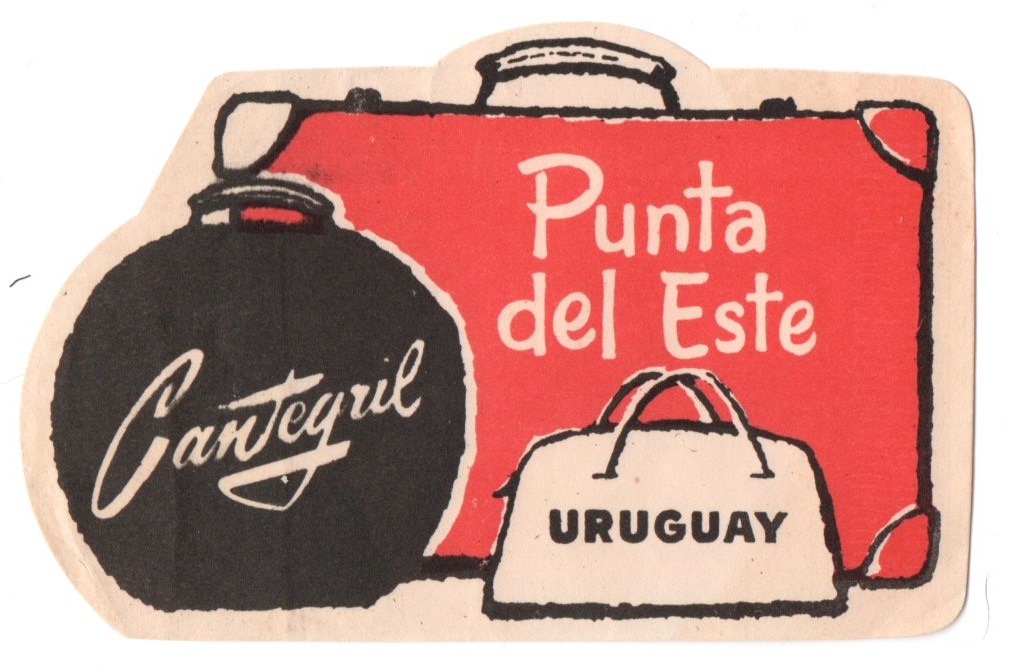
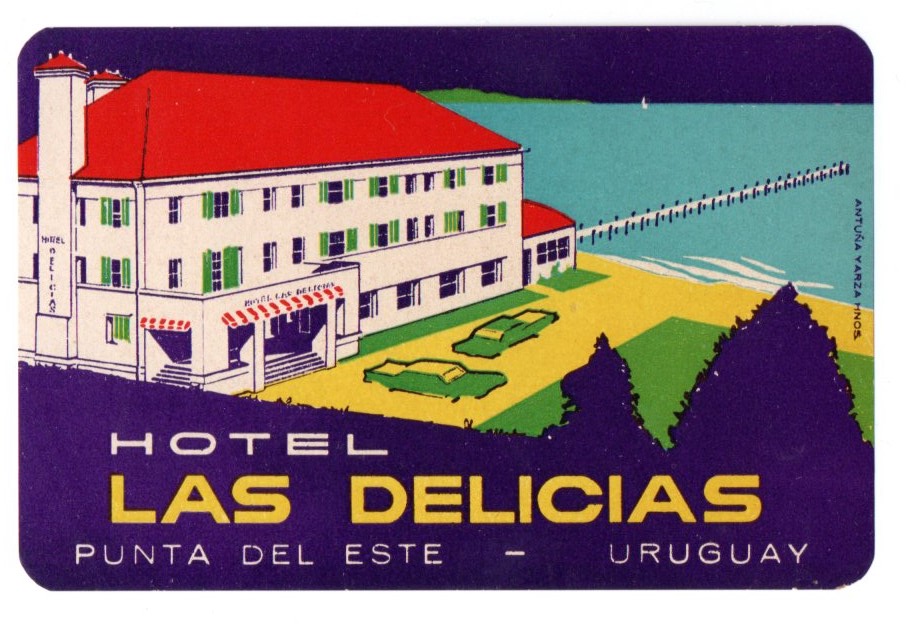
Hotel Cantegril and Hotel Las Delicias, both Punta Del Este.


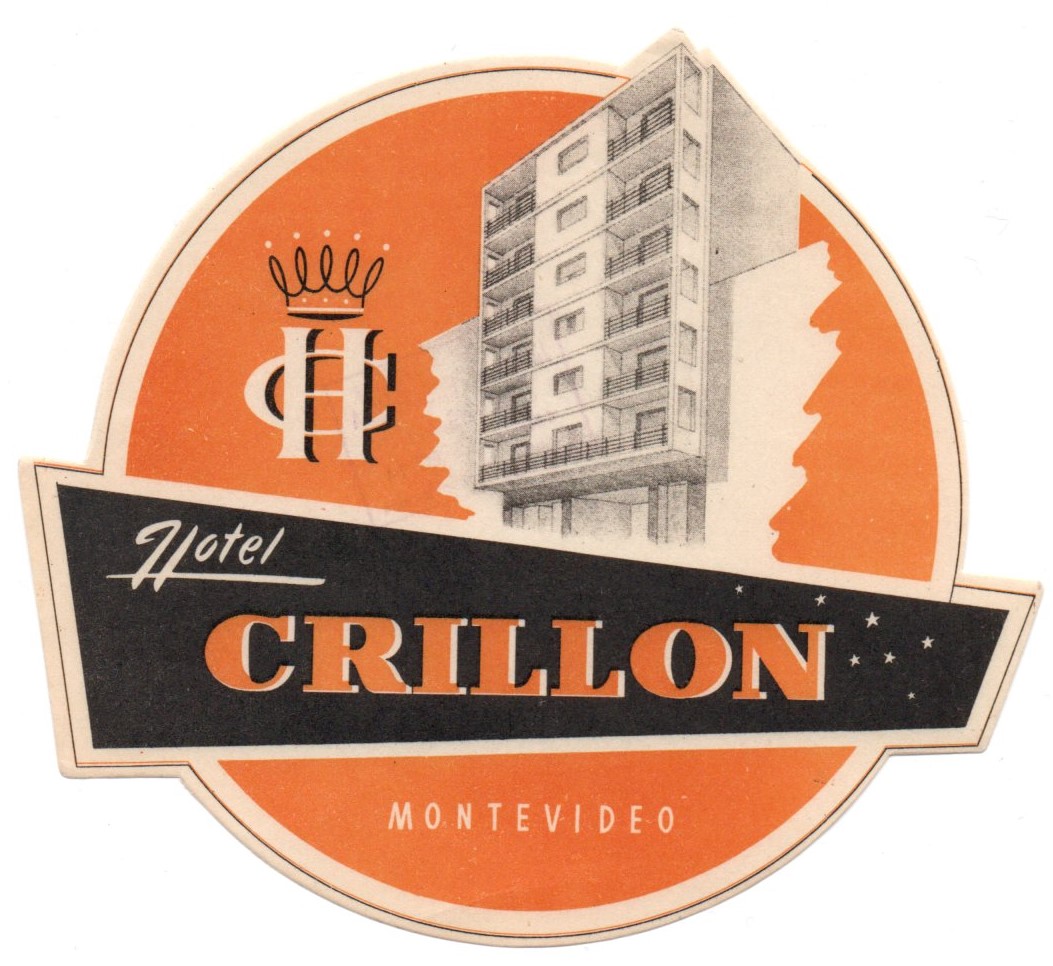
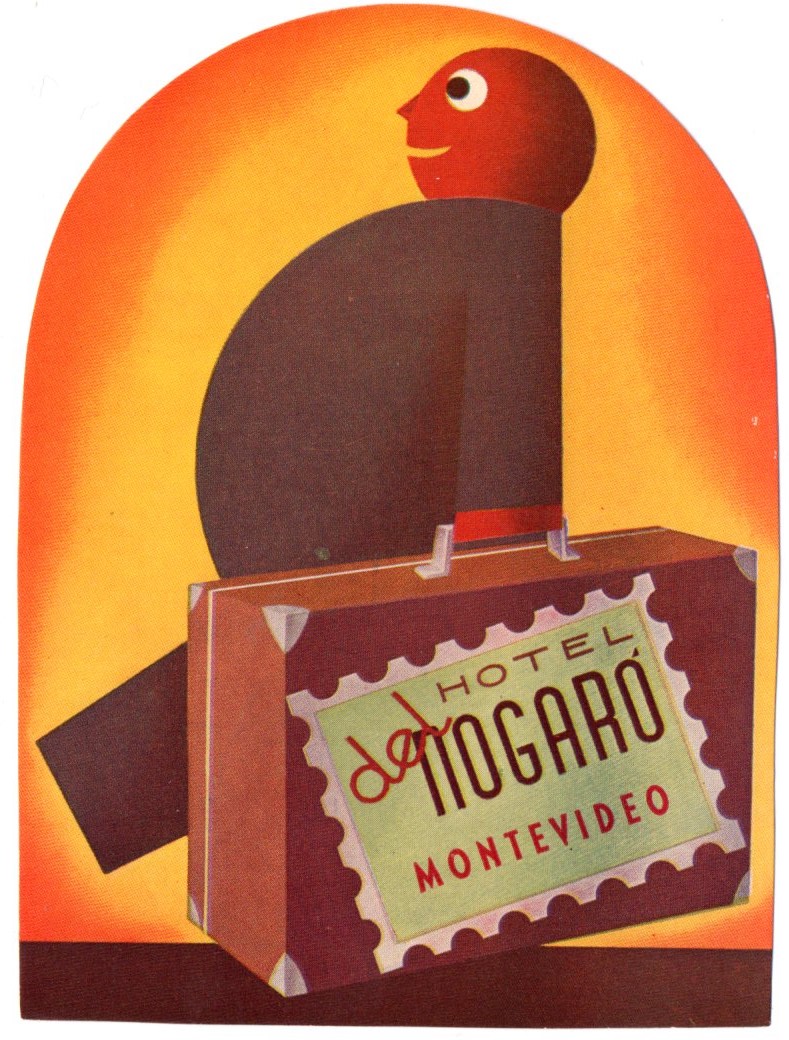
Hotel Crillon and Hotel del Nogaro, both Montevideo.


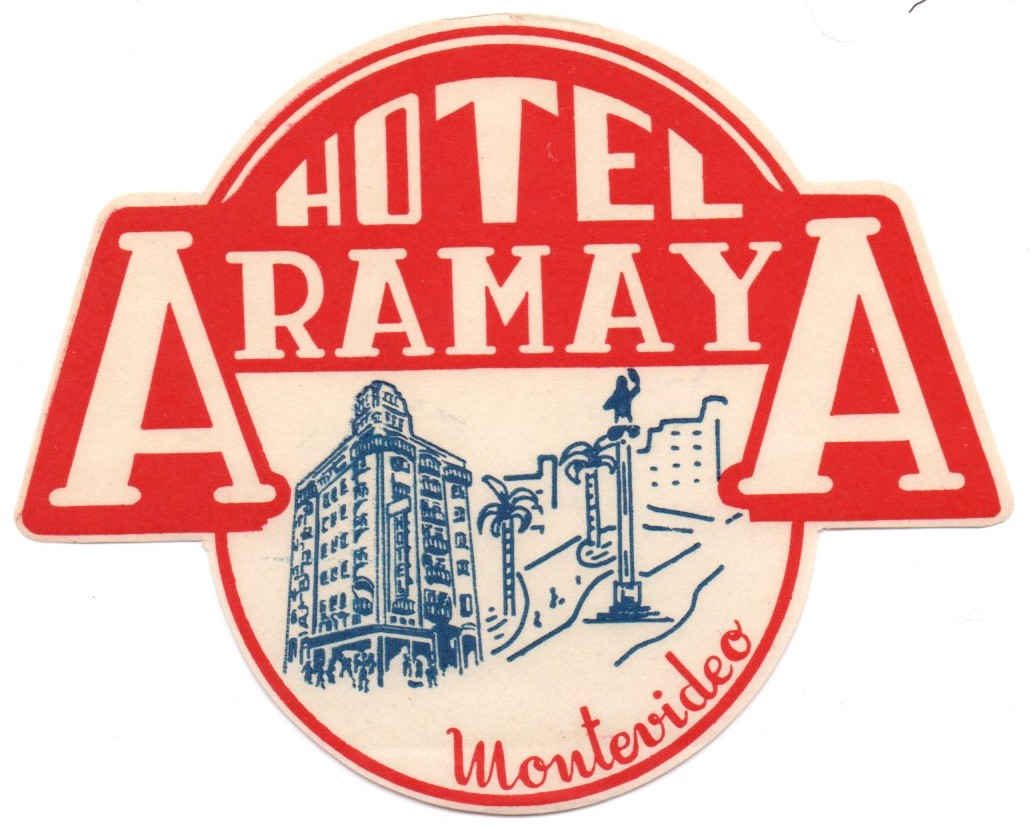
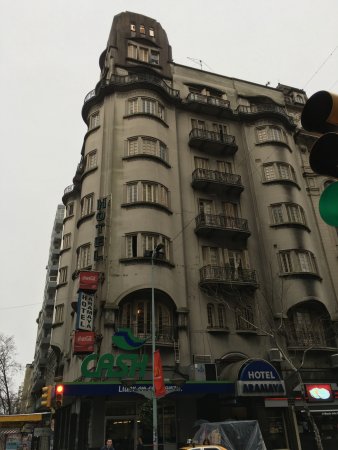
Hotel Aramaya, Montevideo.


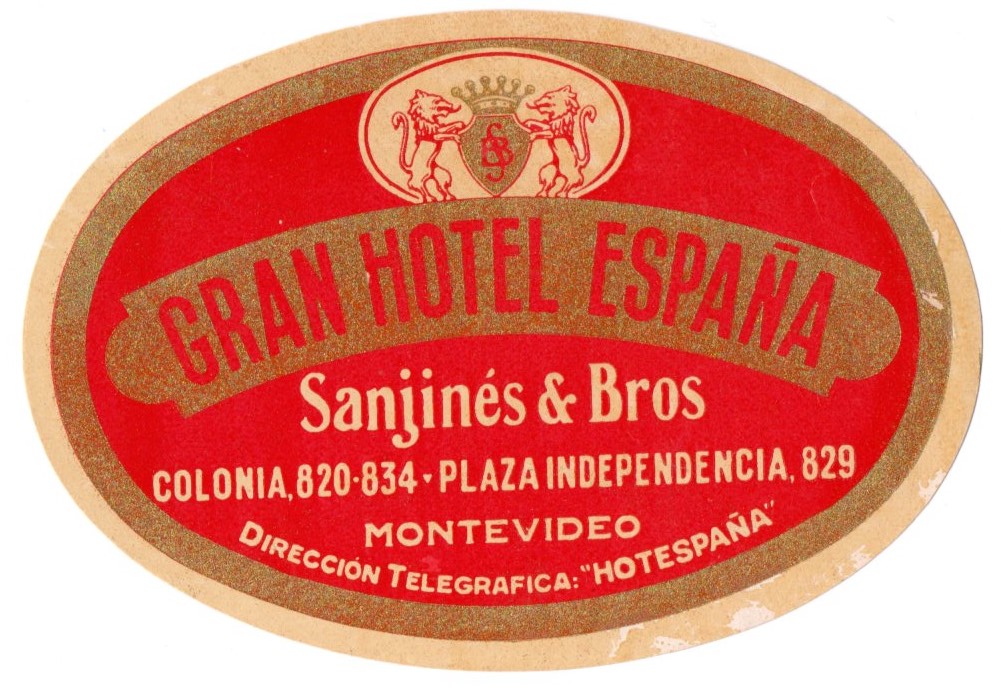
Grand Hotel Espana, Montevideo.


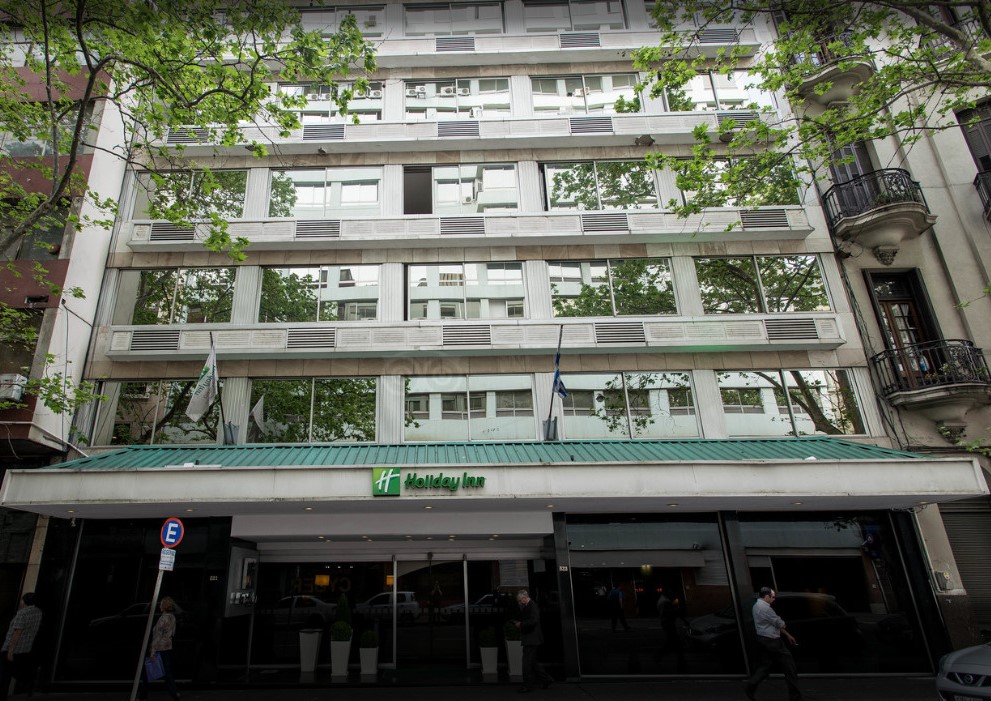
  Now the Holiday Inn Montevideo, on two locations/addresses.


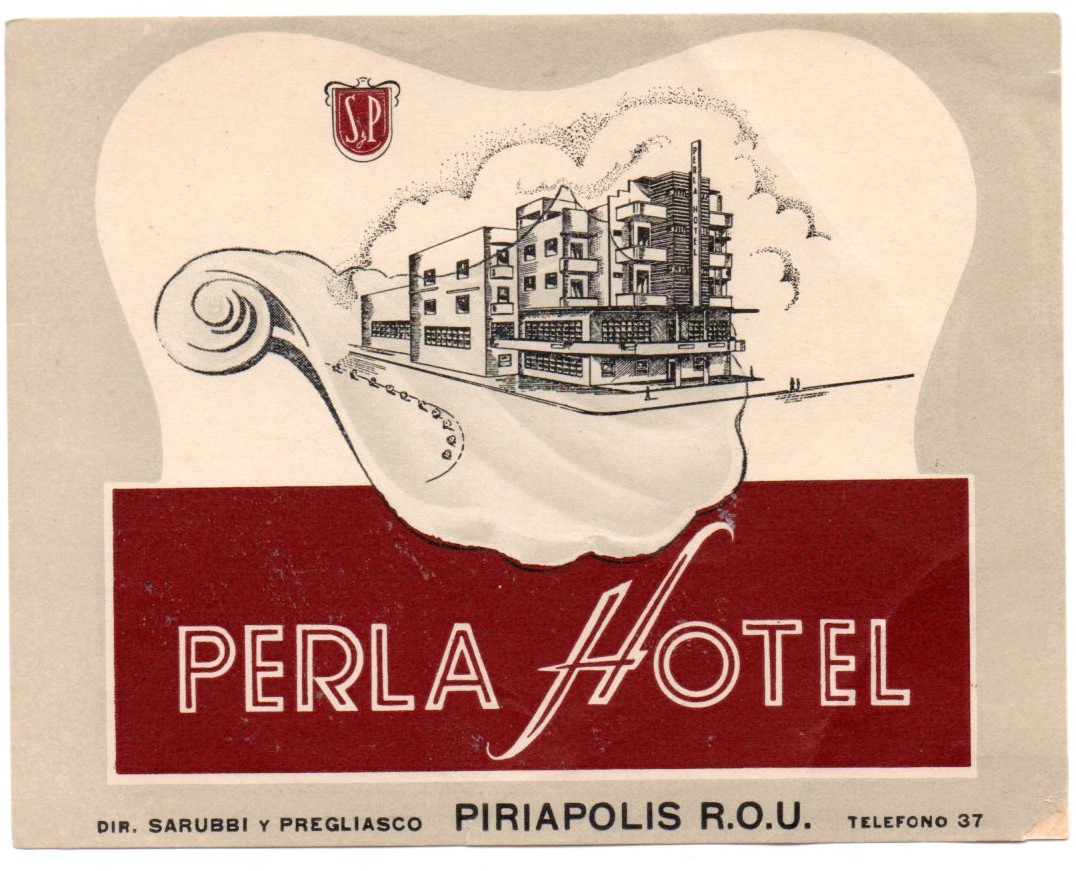
Hotel Presidente, Montevideo and The Perla Hotel, Piriapolis.


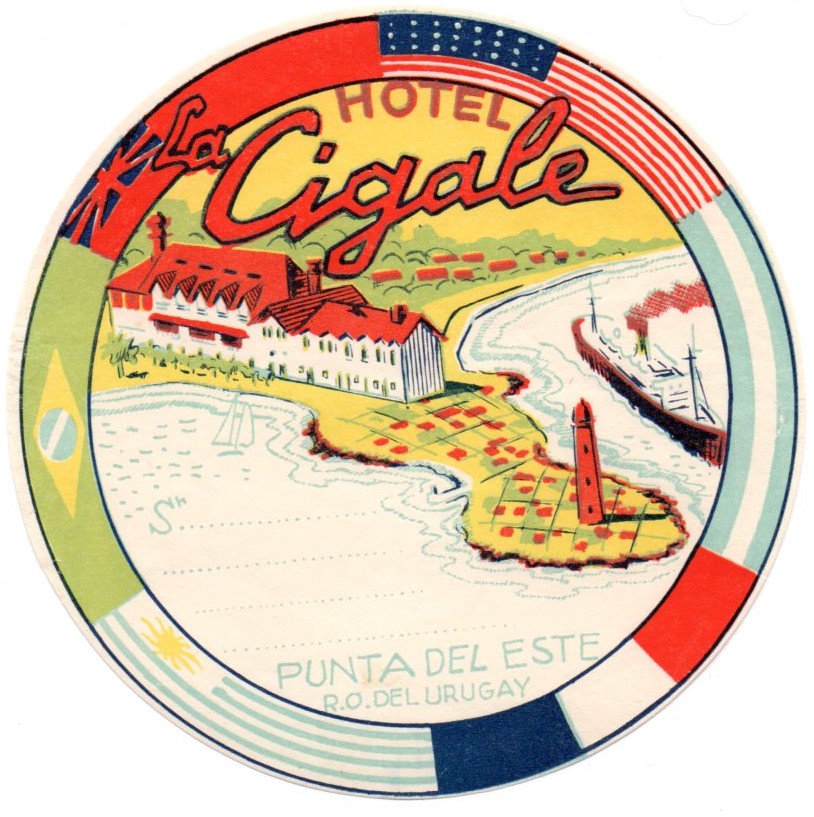
Hotel La Cigale, Punta Del Este.

Beautiful example of an old hotel luggage label. Notice all the flags around and the details of Punta Del Este peninsula with the light tower and an old steamship.

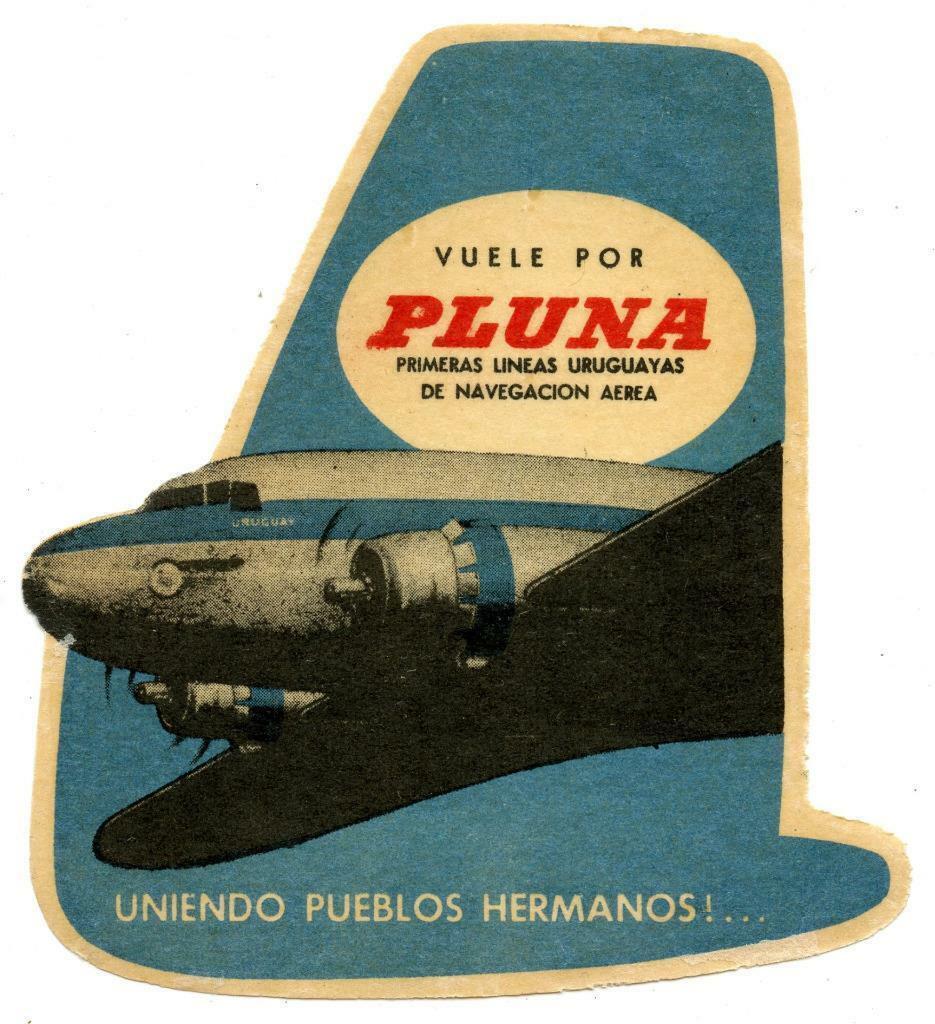
One could find, swimming in the waters of the hotel label fashion, also involved industries as well as the travel agencies, airlines etc. See down here:

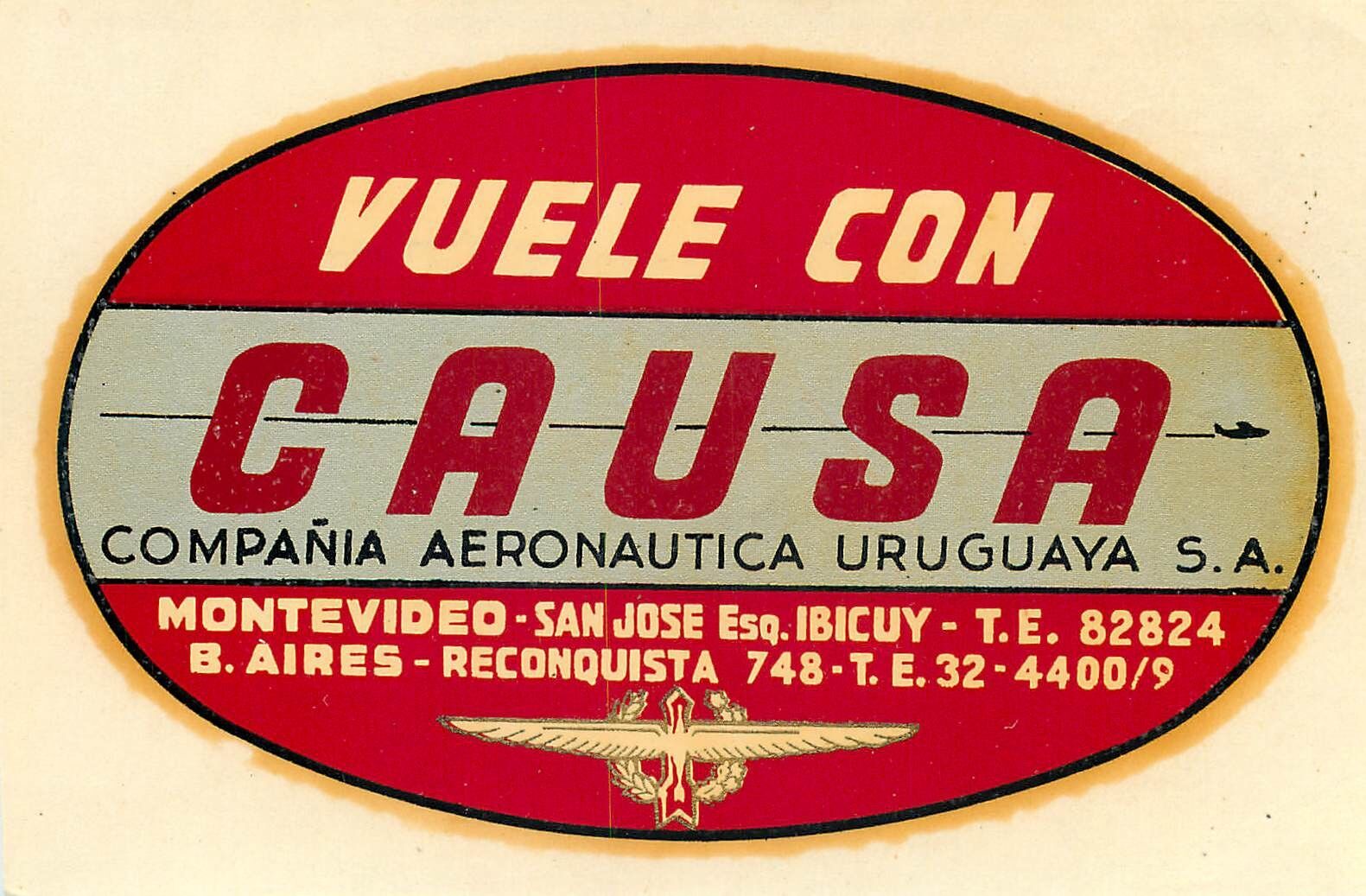
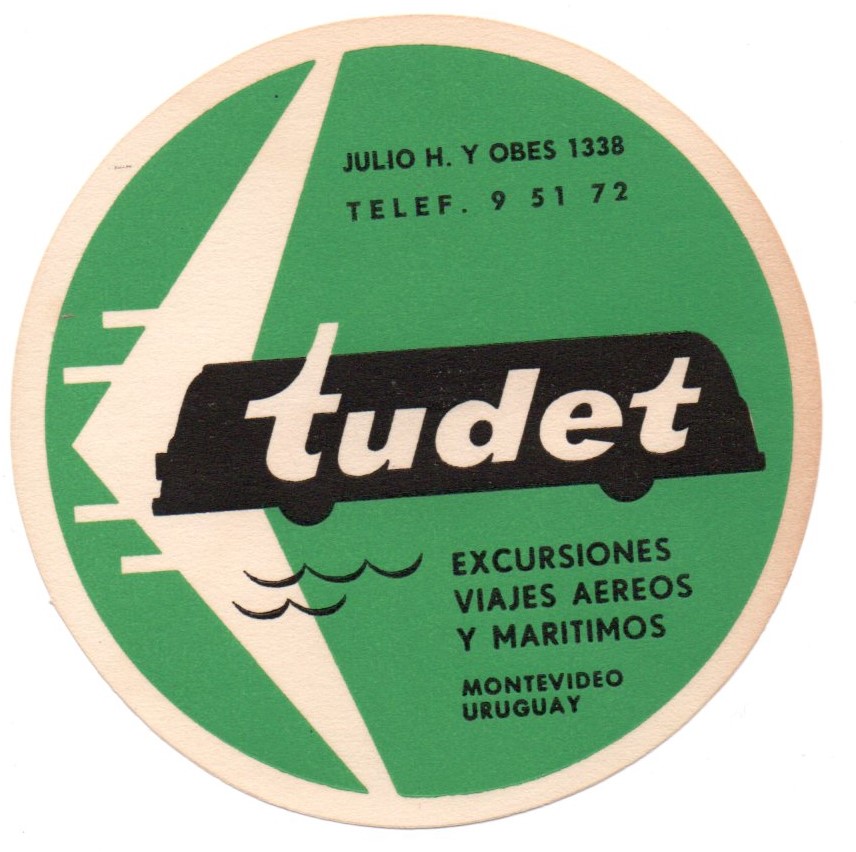
Extremely rare labels of, once existing, Uruguayan services PLUNA, CAUSA, TUDET !


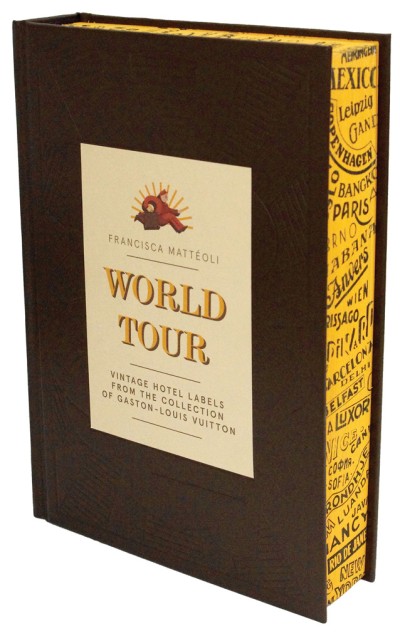
A fascinating, „Tour of the World“, book to read.

This article was one example of hotel label collecting. If you are much more interested in this amazing hobby and the picture of worlds travel and hotel heritage, you should read the following book.

      Title: „World Tour“.

Vintage Hotel Labels from the Collection of Gaston-Louis Vuitton (grandson of „the“ Louis Vuitton himself) . If you like travel and may be dreaming of destinations you’ll never visit.
By Chilean author Francisca Matteoli.
Imprint: Abrams Books
Publication Date: March 5, 2013
Price: about US$60.00
Illustrations: 800 color illustrations and photographs.

Amazing book to read! A fun collection of hotel labels from all over the world plus interesting history and vintage photos of exotic destinations. Enjoyable and a great gift idea. I saw this book in the Hotel Adlon Kempinsky in Berlin and started reading it, thought it would be very expensive, so I had a look on Amazon, it was a bargain! A good book definitely worth to buy and read it.

„What do we find on old luggage? We find the traces of… the places visited. We will follow these, and with them, we will tour the world, not in 80 days like Phileas Fogg, but much faster still.„ Gaston-Louis Vuitton.   I hope you enjoyed this excurse into history.

Veröffentlicht unter Collecting, History, Hobbies, Travel, Uruguay | Verschlagwortet mit , , | 2 Kommentare

Trumps Corona-Farce

U.S. Death Toll Reaches 50.000.

How many of these 50.000 – there are many more to come – are going on to this morons account ?

Update 2 days later:  Over 1.000.000 infected and over 55.000 DEAD !

Update 6 days later: 1.200.000 infected and over 61.000 DEAD !
And the IDIOT still claims, fake news, no problem, and the worst: „I don’t take any responsibility“ ! 
I will stop updating this farce now, it’s worthless !

Update 2 1/2 weeks later :    Over 80.000 DEAD  !!!
And the MORON still ignores, but promotes his private golf course, what a cold blood bonehead he is !!!  

The following 2 headlines are true. US officials have hard work to clear up, that Americans don’t follow their President’s (Trump’s) advice to use his medical advice. Never ever in my 75years of life I experienced a dumber Idiot as a President of a country and the much dumber people electing him and still cheering for this menace !  I know there are many other idiots around the world – I could write about – but no one else compares to this guy.

SORRY, I can’t help myself, I have to post  my discoveries !

  Doing nothing will also be penalized sometimes.

LYSOL MAKER: ‘UNDER NO CIRCUMSTANCE’ TRY TRUMP CURE !
HUFFPOST 04/24/2020 07:27 am ET

  The disinfection Trump like to inject against Covid-19.

A leading disinfectant producer has issued a strong warning not to use its products on the human body after Donald Trump suggested they could potentially be used to treat corona-virus. Reckitt Benckiser said „under no circumstance“ should its products be injected or ingested. Disinfectants are hazardous substances and can be poisonous if ingested. Even external exposure can be dangerous to the skin, eyes and respiratory system.

FDA SOUNDS ALARM ON TRUMP MIRACLE DRUG !
HUFFPOST 04/24/2020 11:16 am ET

  Malaria Pill Trump suggests to take against Covid-19.

The US Food and Drug Administration warned on Friday against the use of two drugs that have been touted by President Donald Trump as potential treatments for the novel corona-virus. The drugs, hydroxychloroquine and chloroquine, should only be used in hospitals or clinical trials because they can kill or cause serious side effects, the FDA said. These include serious heart rhythm problems in Covid-19 patients treated with the drugs.

Are the following posts, I found, true or false? I leave it to the reader. They sound so true.

Trump: „I’ve been injecting myself with disinfectant for years – and has it hurt me?“

Washington Postillon (DPO) – On Thursday Donald Trump shocked the medical world with the proposal to cure corona patients by injecting disinfectant. After all, doctors consider this behavior to be life-threatening. But the US president said that he himself had made good experiences with it.

„Every day after getting up, I inject myself with an injection of disinfectant,“ Trump said. „And did it damage my brain? Did it change my skin or my hair? Did it make my hands smaller? Have I become a narcissistic psychopath at the mental level of a six-year-old? As you can see: No. It’s perfectly safe!“

He then pulled out a bottle of Lysol, drew up a syringe with it and injected it directly into his vein in front of running cameras.

Terrible suspicion: Was Trump bred in a Chinese laboratory to harm the USA?

Washington Postillon (DPO) – It sounds adventurous – but according to experts it cannot be ruled out: More and more people suspect that Donald Trump might not have been created by chance, but might have been bred in a Chinese laboratory in order to cause serious damage to the USA.

„The Chinese government is now acting as if it has nothing to do with the conditions in the USA,“ explains a user on the Facebook page Corona Truthers. „But is it really a coincidence that we now have a man in the White House who can barely speak English and is doing everything possible to undermine a unified response to the crisis?“

Trump’s visual appearance also fuels speculation: For example, some suspect that the unrealistic complexion and tangled hairstyle of the US president is due to the fact that Chinese scientists have no clear idea of what people from West-cultures actually look like.

The first claims for damages are already being made against China – claims that the People’s Republic is firmly rejecting.

Serious scientists are rather cautious: „So far we have assumed that Trump was created naturally. However, we cannot completely rule out the possibility of a development in a Chinese laboratory,“ explains biochemist Celine Smith-Garcia from the University of Washington.

Mutual recriminations are out of place anyway. „Currently, the most important task of the international community is to contain the consequences of Donald Trump as much as possible and to ensure that not too many people die because of him.

Mentally disturbed man storms press conference at the White House and attacks journalists.

Washington Postillon (DPO) – An apparently mentally disturbed man stormed the US President’s Coronavirus briefing on Monday and savagely berated the journalists and media representatives present for over an hour. How the distraught elderly gentleman managed to get into the White House is still completely unclear.

The bizarre incident occurred when representatives of the press were waiting in the east wing of the White House just as the President of the United States was waiting for the President of the United States to comment on how to proceed with the Corona crisis. „Suddenly the doors open and this orange-painted guy with completely crazy hair and an overlong red tie bursts in,“ recalls journalist Katie Franken.

But the Secret Service did not react to the man, who immediately entered the podium that was actually intended for the US president and began to alternately utter political slogans and insult the journalists present. In addition, he played a propaganda video.

„We tried to distract him as much as possible with questions in the hope that someone would take action in the meantime,“ said Franken. „But in vain.“
On the contrary, the strange man grew more and more into confused fantasies. At one point he claimed to have „total authority“. He repeatedly called the media present „fake news“ and „very fake news“.

Only after over two hours did the man leave the podium again. „You could tell from all those present how happy they were that nobody was hurt,“ said a reporter from ABC News. „I then waited for about half an hour, but unfortunately I did not see a president that day.“

And finally – play the following song and you might get cured of the above :

That was Roy Zimmerman !!

Veröffentlicht unter Information | Verschlagwortet mit | 12 Kommentare

Collecting – Luggage Labels Uruguay 1

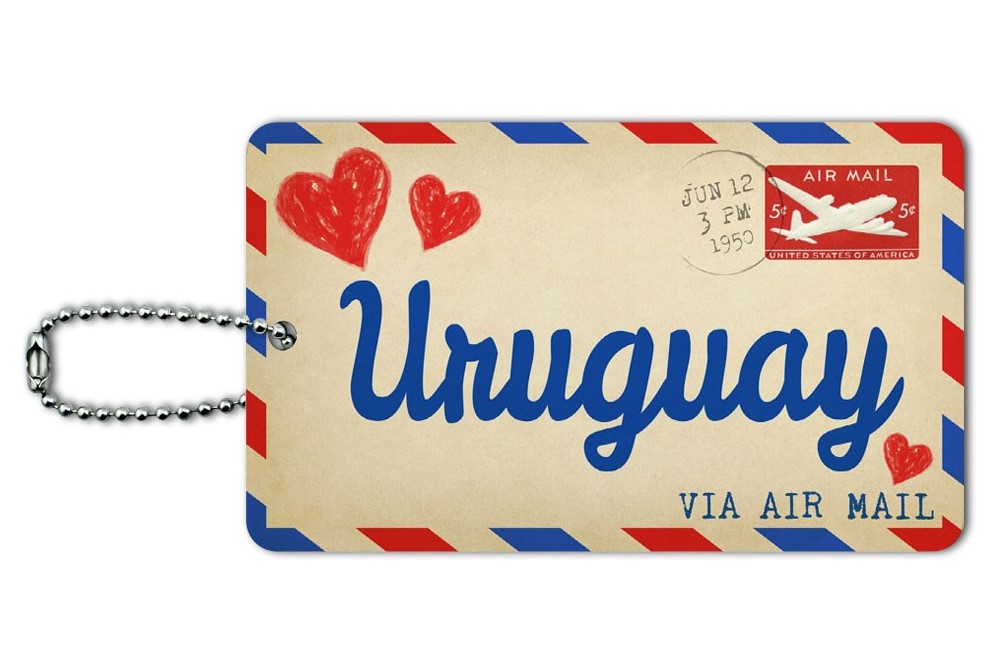
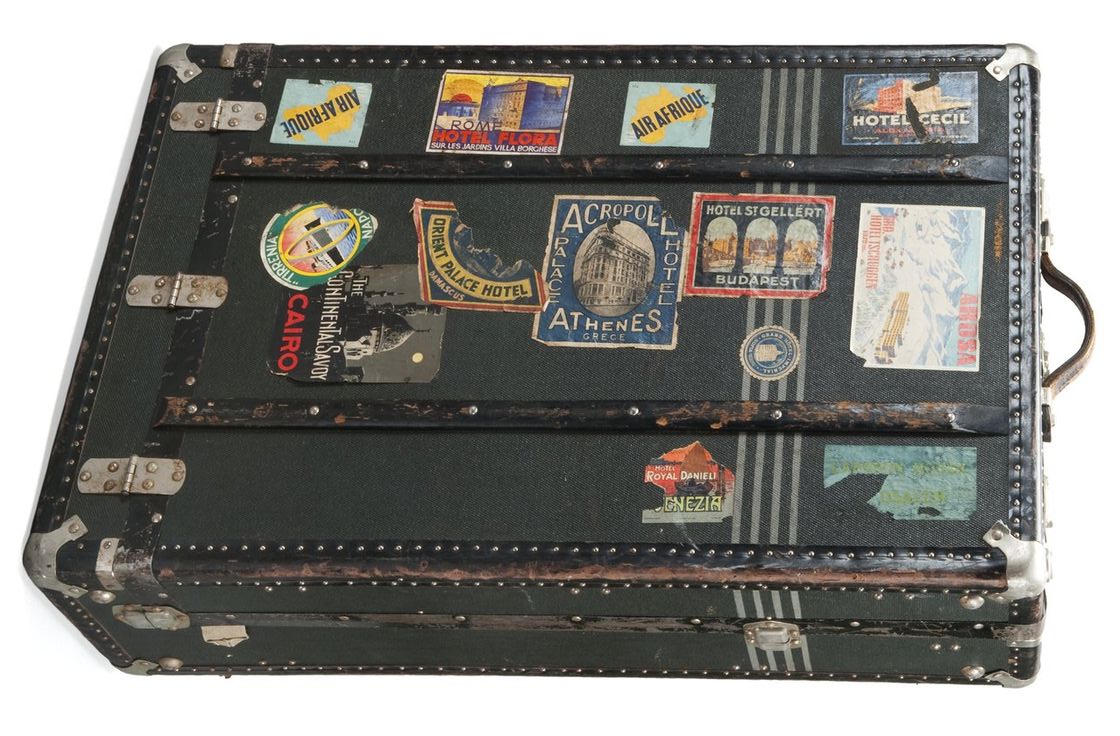
LUGGAGE LABELS HAVE AN INTRICATE LANGUAGE.

I wish they could also speak, as the story’s they could tell would be of far greater essence than what we see through them or what we can learn from researching hotel history. Some people have hobbies that others will question, but it is very personal and individual, that’s why we should give everyone his or hers freedom to do or collect what they like.

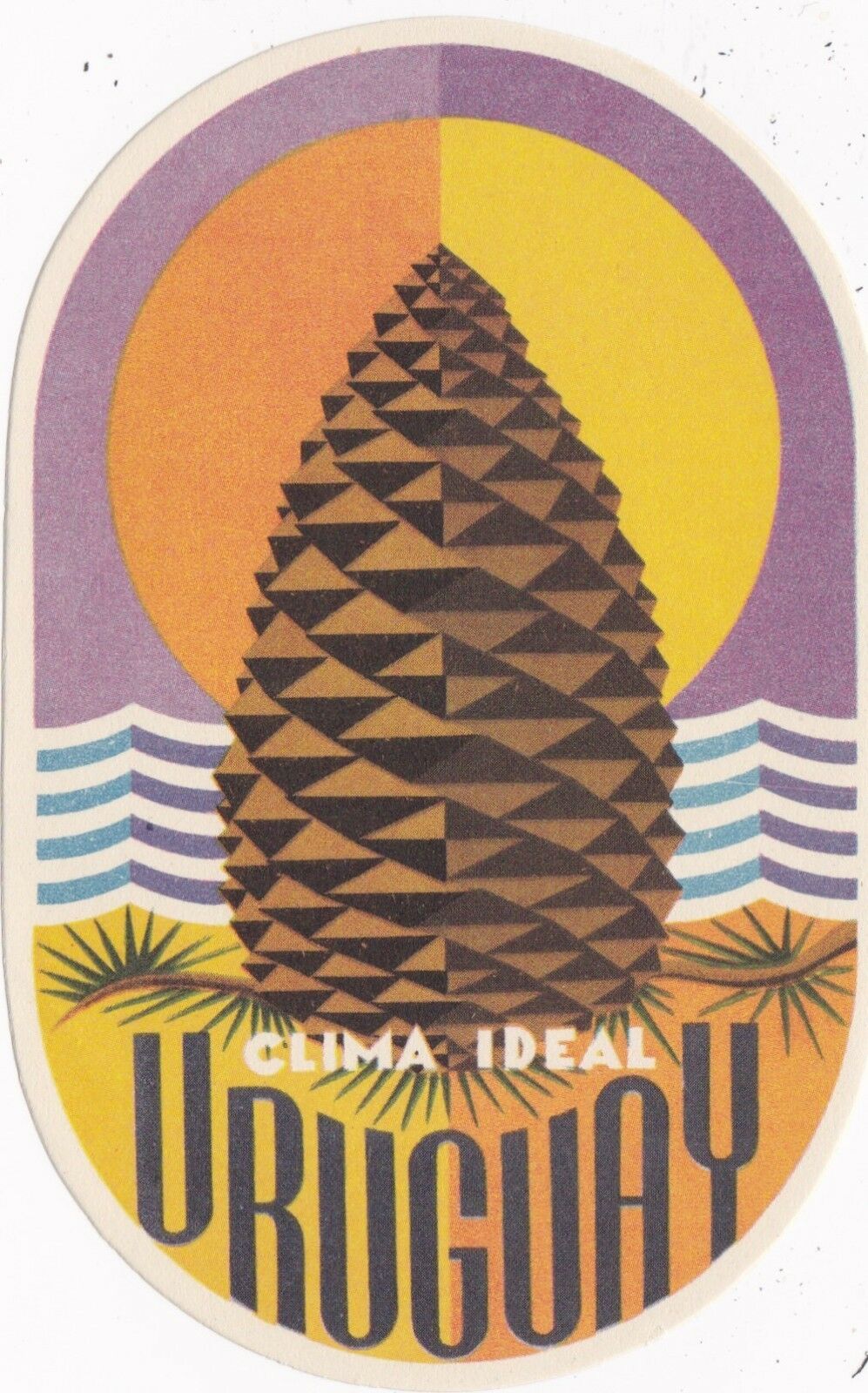
    A large colorful Uruguayan luggage label from the 1920’s.

My small luggage label collection from Uruguay, collected in the early years of living in this country, like other ephemera collections I have about Uruguay, told me about the heritage, people and mentality of the new country I lived in. Now, 10 years later, I like to share it with you and give a background to the hotel history in Uruguay, if I found some.

My passion for research led me to research the history of many things in Uruguay, as churches, as architecture, city’s, landscapes, as music or the local money and now the hotels, which led to this collection. Just have a look under the category Uruguay and you’ll find many posts. The following luggage labels are shown in oversize, other pictures smaller, but if you click on them most of them will supersize, just try it.


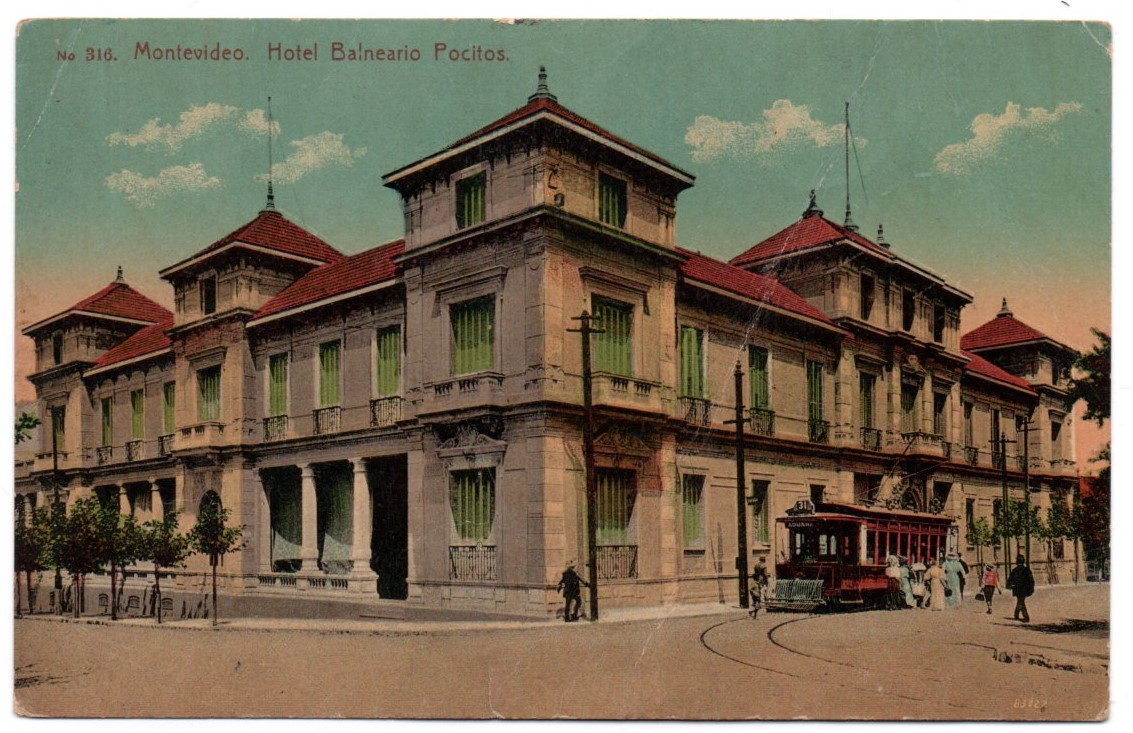
Very old hotel post card from Uruguay.  This was the time of Hotel Luggage Labels.

To predict the future, we must first understand the past.

The hotel has always had an element of romance and mystique, even in the days of the hospice, the inn, the khan and the caravanserai. Being cocooned in the safety, warmth and conviviality of the inn with its food and drink, away from the treacherous environment of the long journey has always been a subject of social conversation even though hotels’ beginnings in the Middle Ages were simple and barely functional, and a far cry from romantic.

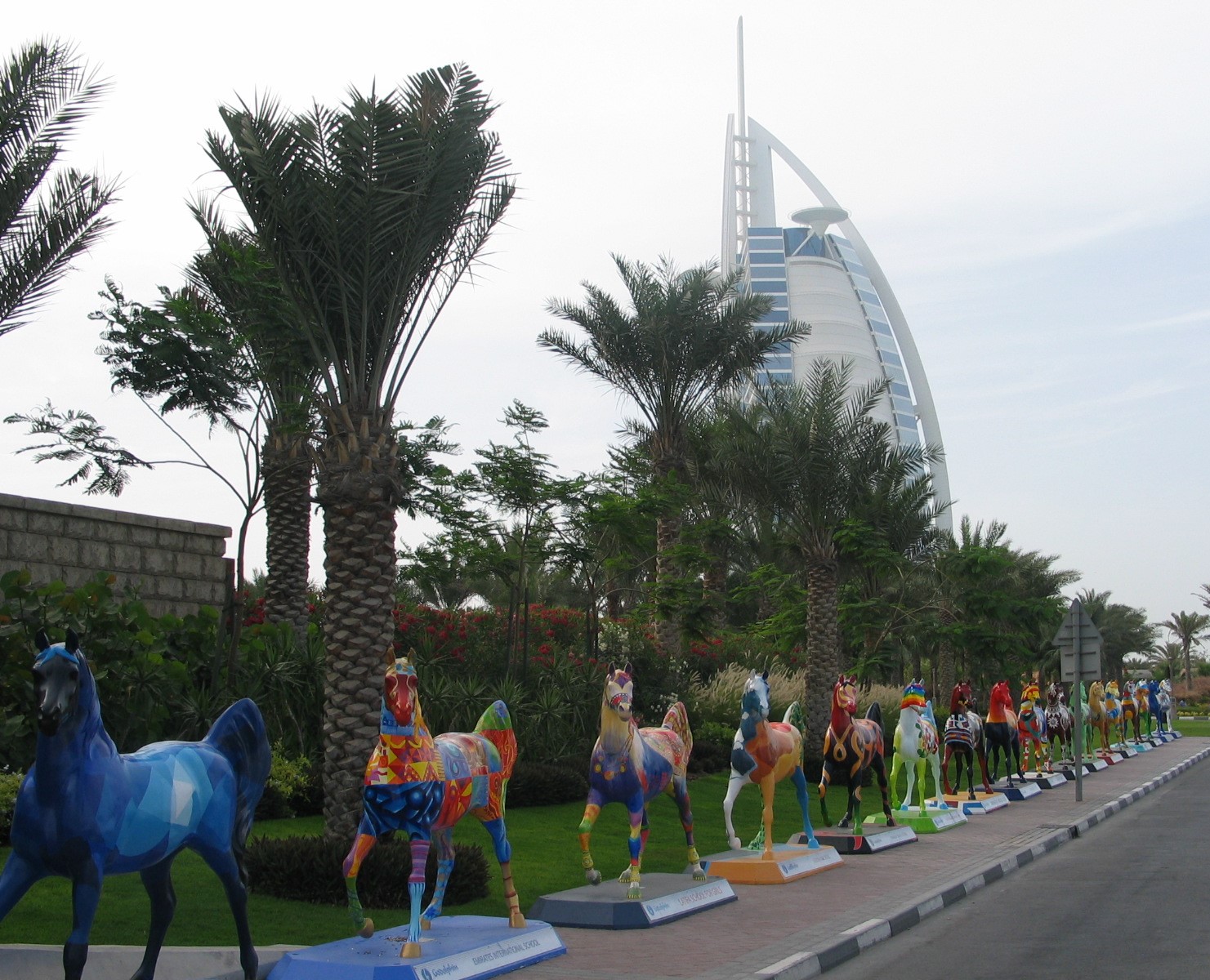
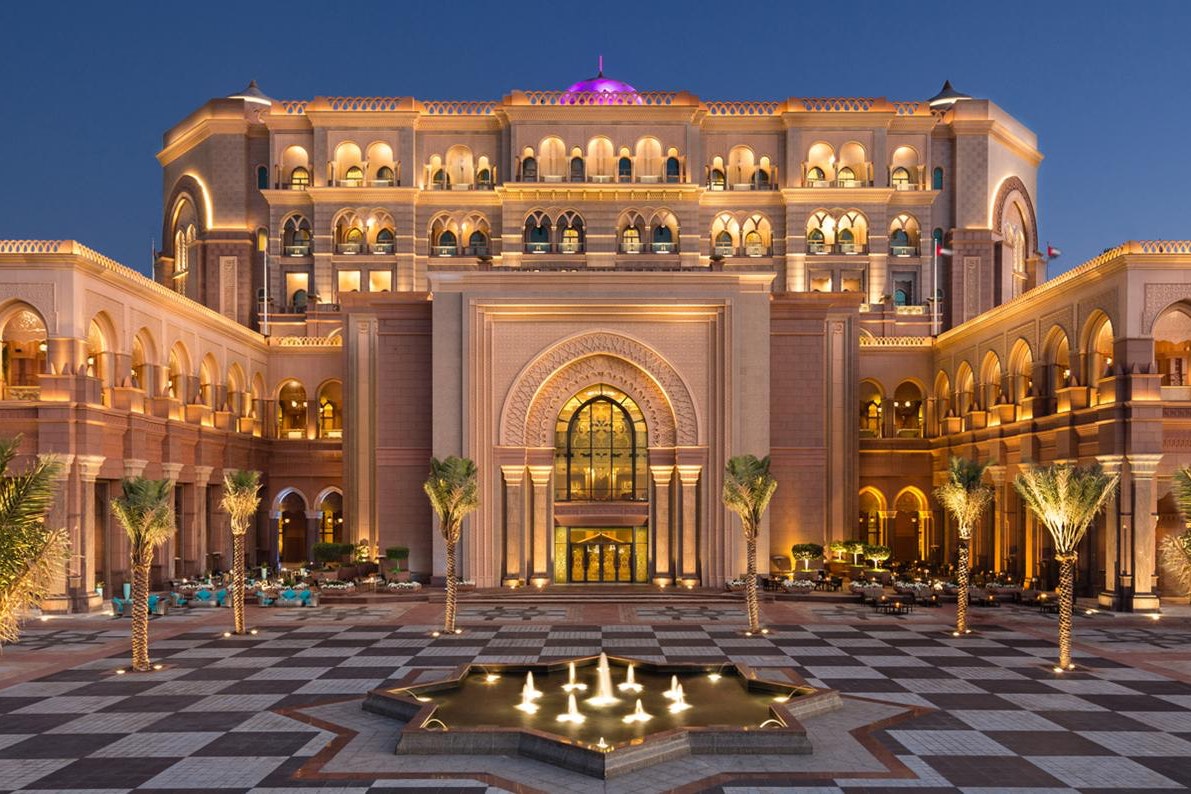
      Some of the most luxurious hotels, the Burj Al Arab (left) and the Emirates Palace (right). Click on pics to size up.

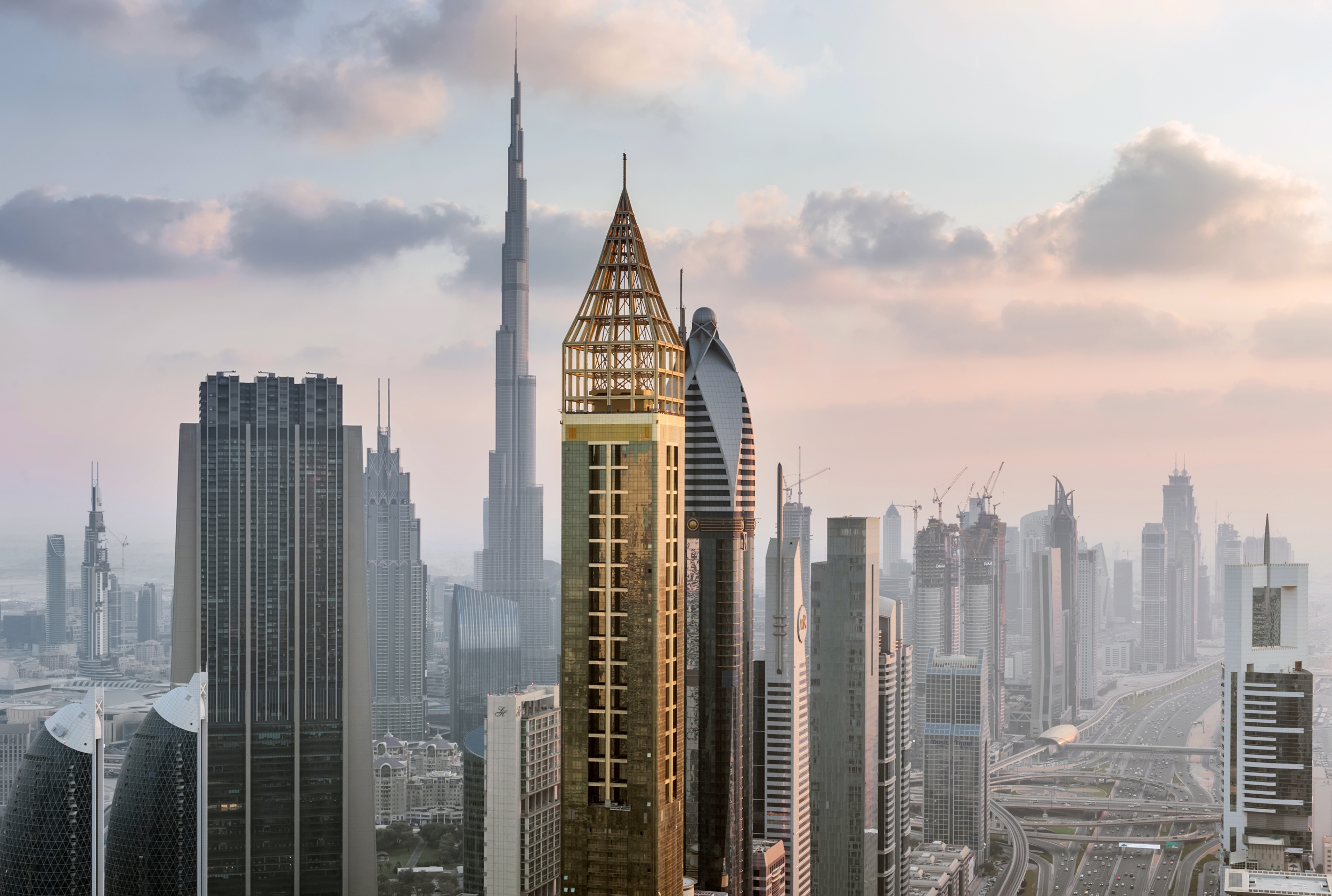
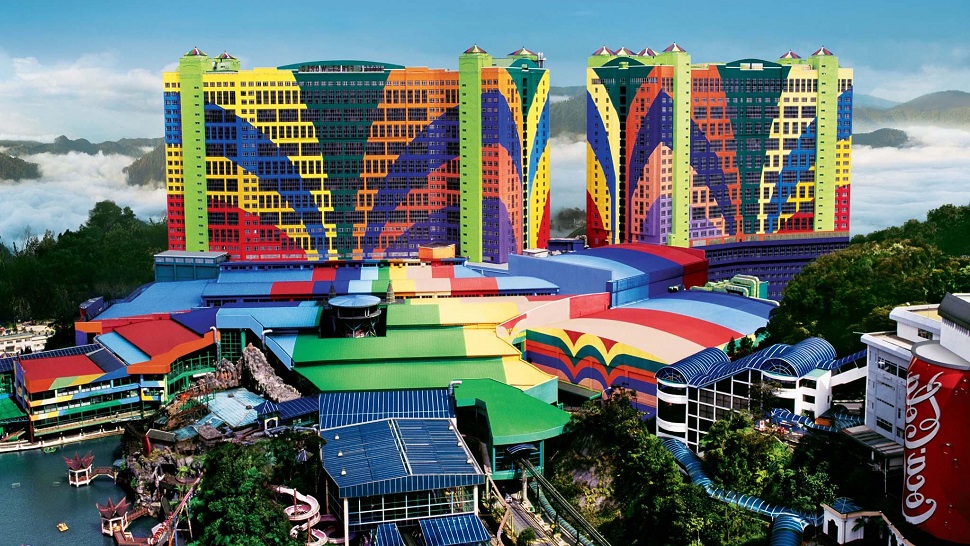
From the Hospes-Hospitis and stark monks’ shelters known as Hospitale in the Middle Ages with only a few mattresses, tables and chairs, we have come a long way to the days of the newest luxury hotels. The Burj Al Arab Hotel in Dubai or Emirates Palace in Abu Dhabi or the largest in the world, the First World Hotel in Malaysia with 7350 rooms or the tallest in the world, the Gevora Hotel in Dubai with a height of 357 meters.

        The tallest in the world, the Gevora, Dubai (left) and the largest, First World in Malaysian mountains (right).

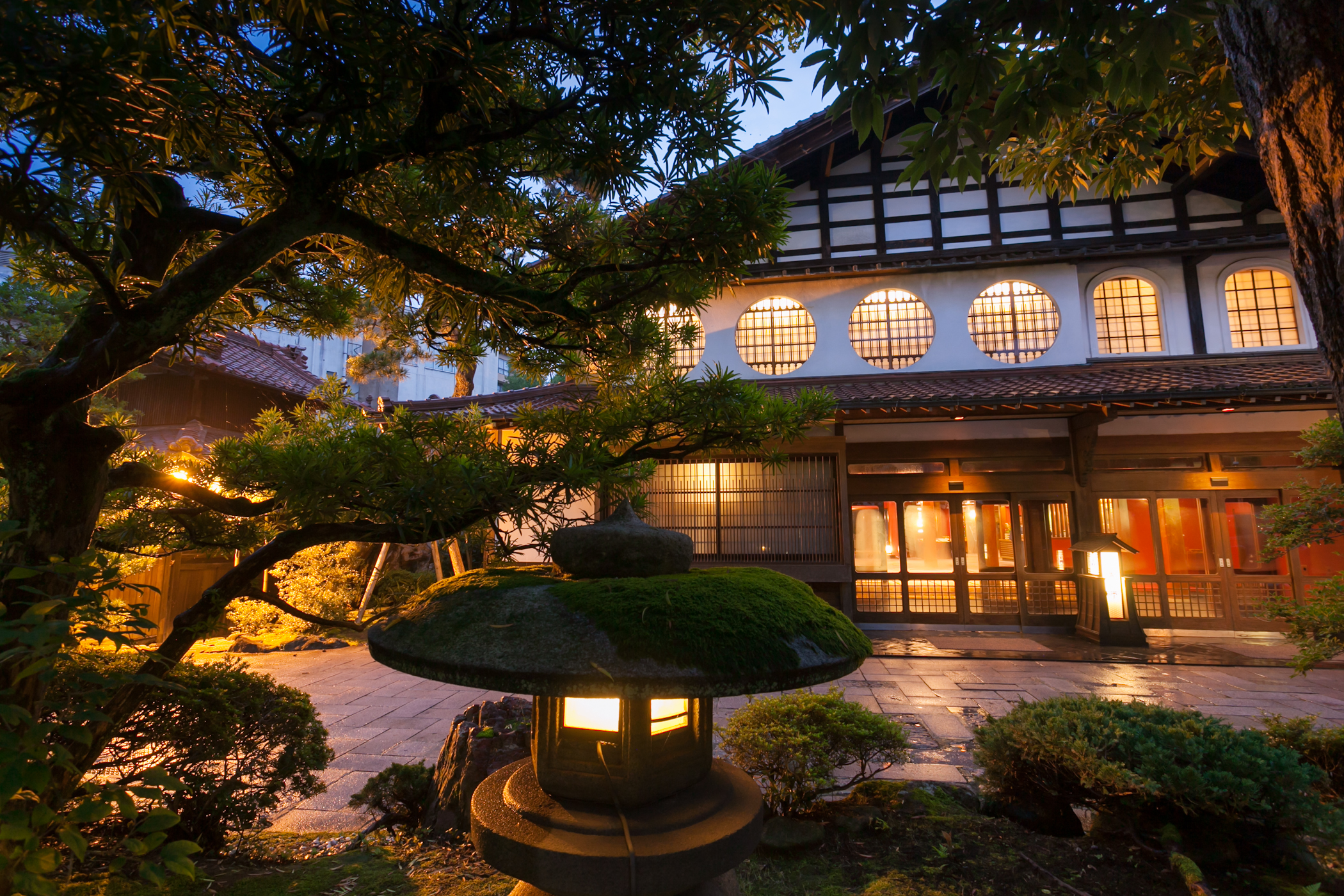
Innkeepers were always prominent figures, running simple family establishments of varying repute. We still have small family-run hotels or boutiques like the Hoshi Ryokan run by the 46th generation of the family since 717 AD but the real modern day innkeepers are international chains that grew from a single or like the classic Mandarin and Oriental two hotels.

The Hoshi Ryokan.

Hoshi Ryokan, Japan.

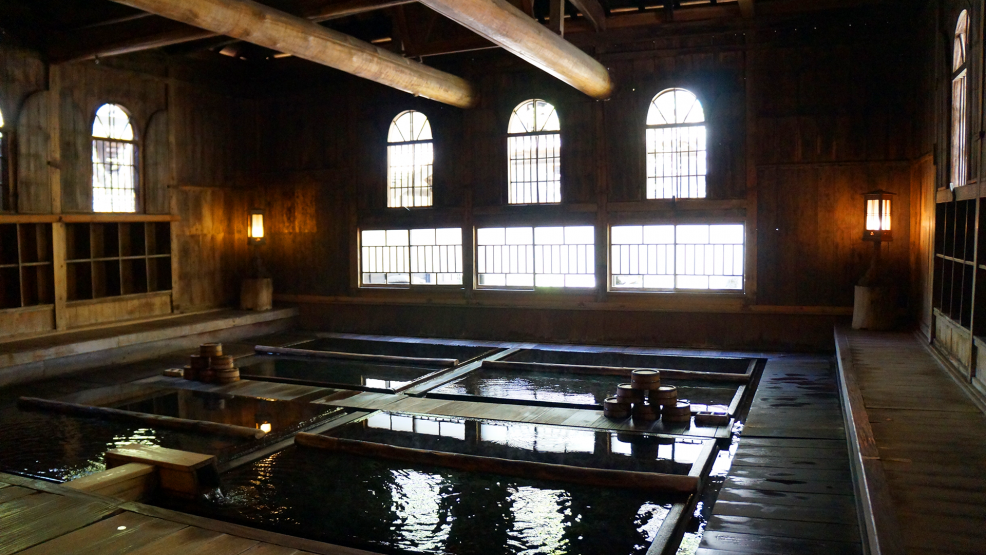
Where in the world is the oldest hotel? Consult the Guiness Book of World Records and they’ll tell you it’s in Japan: the Hoshi Ryokan was long purported to be the oldest hotel, although it has since been displaced by another Japanese hotel. Nonetheless, the Hoshi Ryokan opened its doors in 718 and never looked back; the inn has been in the family for 46 generations and has been serving guests for over 1,200 years. The hotel is a traditional Japanese Inn (ryokan) and features an ofuro, a traditional Japanese bathing room.

The Hoshi Ryokan Ofuro.

In areas with onsen, hot springs, the ofuro will use water from the spring. Ryokan also allow visitors to wear yukata, a more relaxed version of traditional Japanese dress, and most have a relatively informal entrance where guests can congregate and even speak with the owner. Hoshi Ryokan is located in the Awazu Onsen area of Komatsu.

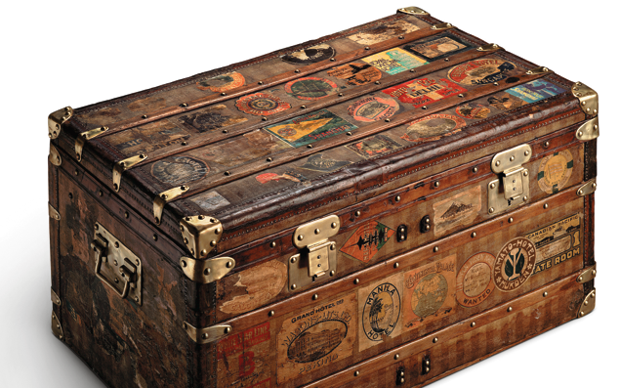
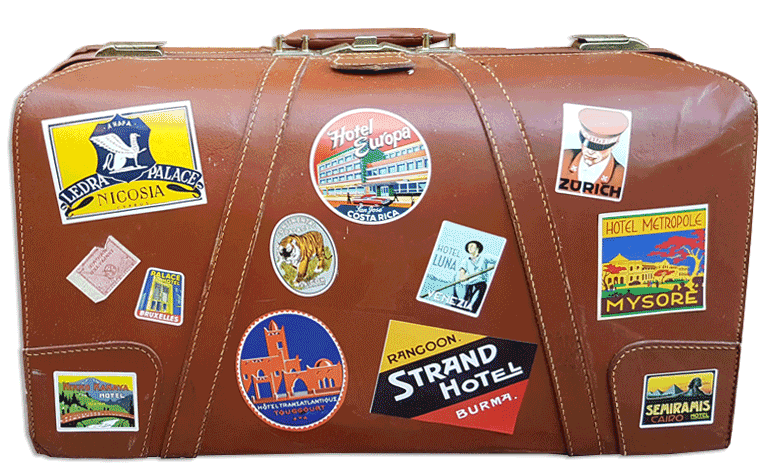
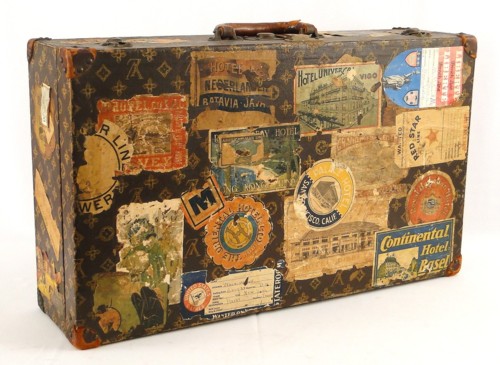
Hotel luggage labels.

Hotels evolved in 19th century into temples of refinement and luxury. The labels of those hotels often adorned the trunks and luggage of the well-traveled as status symbols. The sticky label tradition continued through the two world wars and was gradually replaced or expunged from existence.

My little collection of Uruguayan labels focuses on yesteryear’s „exotic“, may be once famous hotels that no longer exist, and on the Grande Dame symbols of the Belle Epoque that still survive today. This collection is not special, like other international labels are, but that’s what exists and I think its worth to show. And – its part of Uruguayans history.

Luggage labels of hotels started around the 1850’s and went on for a whole century. Master designer and famous artists were involved as well as unknown people which just took over the style of time, especially Art Nouveau and Art Deco.

They focused on the symbolic human flavor of the place rather than the hotel, displaying confidence, understating merits while making „location“ the key message. No wonder the classic three key success factors for hotel investment are commonly known today as „location, location and location“.  What was visible is the clear division between hotels serving clients at a destination and those that were a destination themselves. This is a concept we still rely upon today.

Labels tell us the distinction between persuasion and positioning (in today’s marketing language). The self-confident labels of distinction were understated but exhibited signs of quality. Some were obviously produced without much thought, in a haphazard composition of meritless graphic message.

We smile at the naivete of history, but 100 years later I still see a huge variety in the presentation ability of hoteliers. Some labels also hint at the continuum between business and leisure, seriousness and fun, adult and family, an early indicator of market segmentation. During that process one secretly should ask, „what would the sticky label of this hotel look like if we were in the golden era of luggage labels“??
Lets start with my Uruguayan collection.


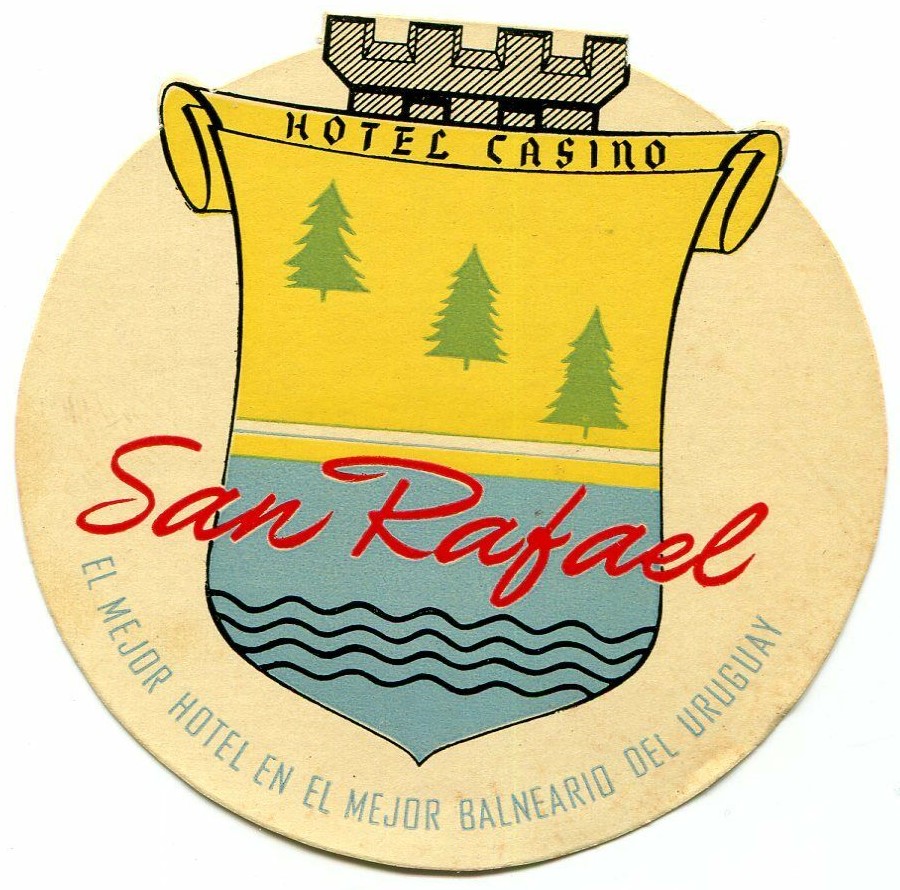
San Rafael Hotel, Punta del Este.

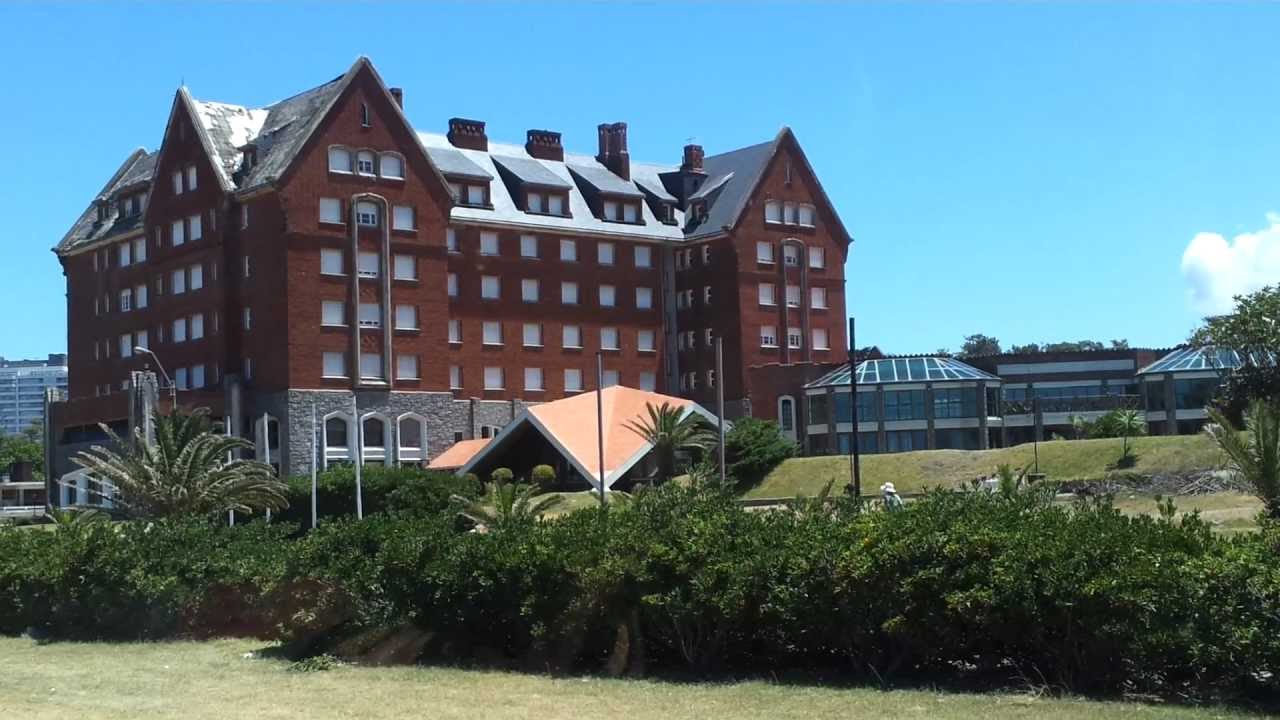
The construction of the San Rafael Hotel began in 1945, and the inauguration ceremony was held on December 11, 1948.
With its impressive Tudor style, the San Rafael, which made the „Playa Brava“ – the beach next to it – famous, opened an Eastward path for a resort that had remained until then within the limits of the Peninsula.
For over fifty years, the San Rafael Hotel has been not only an example of excellence but also a symbol of Punta del Este.

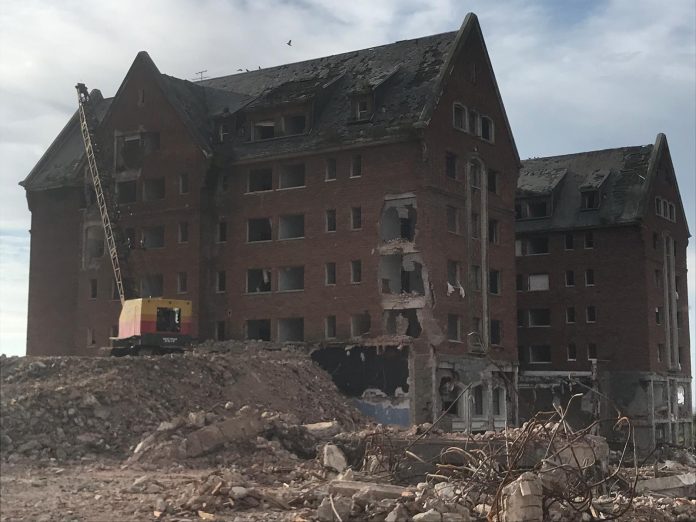
       San Rafael Hotel in operation for many years, now demolished.

Located by the sea, between the dunes and the forests that surround it, the hotel rises majestically above the skyline of one of the most important residential areas of the resort.
Since its inauguration, the San Rafael Hotel has been visited by hundreds of celebrities coming to this country, and has been the venue for very important events.

        Some architect ideas.

Not all ideas are good nor are good ideas accepted. Something like this happens in Punta del Este where Rafael Vinoly, an Uruguayan citizen and Argentine architect, presented a project to develop what was to be the largest luxury complex in South America.

In almost 3 blocks at the 11th stop of La Brava, next to the Hotel de San Rafael and in front of the most exclusive beaches of Punta del Este, Vinoly proposed to build 3 buildings, one of 268 meters high that would become the second highest tower in South America. Behind the Great Tower of Santiago de Chile (300 meters) and above the Alvear Tower of Buenos Aires (230 meters). We have to wait and see what really will be achieved in the future.


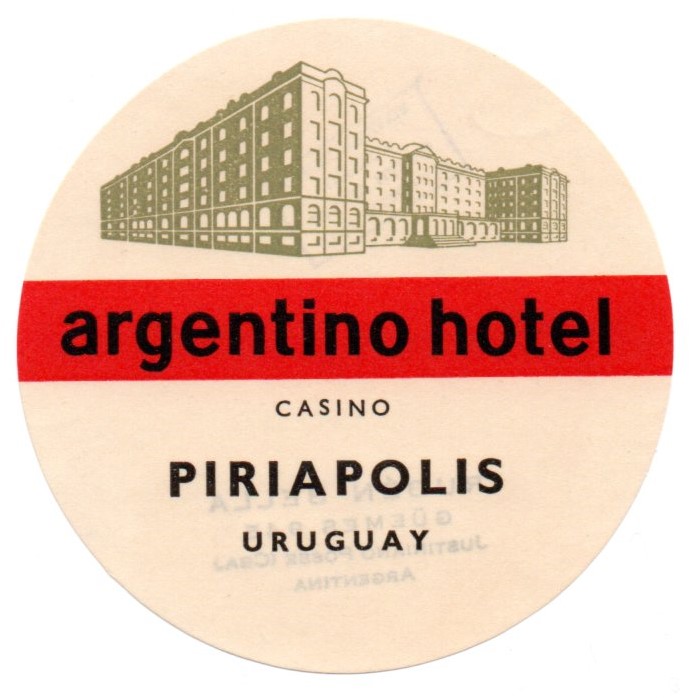
Argentino Hotel, Piriapolis.

In 1930 Francisco Piria, creator of the Piriapolis spa, after having made 22 trips to Europe, inaugurated this hotel in the image and likeness of the great hotels of the Costa Azul. He imported from Europe all the best and most modern things; furniture, linen, crockery, kitchen facilities, washing machines, etc.
Since then, the first facilities for the use of Thalassotherapy (therapeutic use of sea water) were already in place, and this would turn the Argentino Hotel into a pioneer in the development of tourism and in particular, in health tourism until today.
Along with its permanent innovative creativity as a fundamental premise, creating constant differentials and in a continuous contribution of new proposals, the Argentino Hotel Casino & Resort of today, fulfills the legacy of its creator.

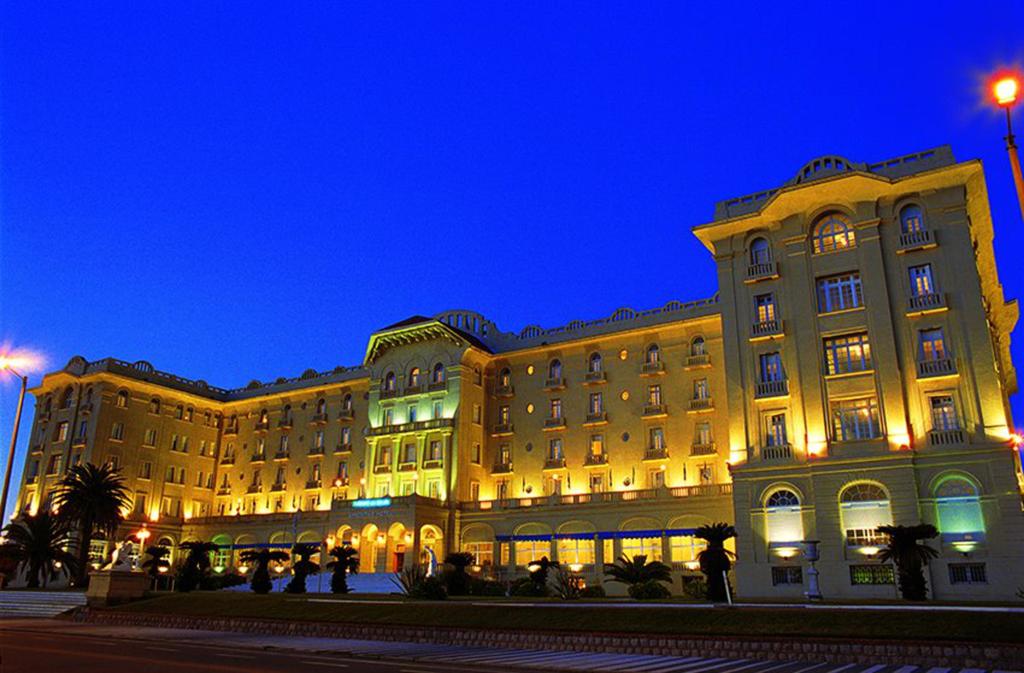
  The still existing Argentino Hotel.

The Argentino Hotel was the crowning achievement of the masterpiece thought and built on a whim by Francisco Piria for this magical city by the sea which is called Piriapolis. His skills as a town planner, businessman and alchemist forged the personality of a man who could see much more than sand dunes, sea and hills. And after much work and effort, the dreams which kept him awake at night came to life.

Perhaps that is the reason why such a big hotel was being built for its time, as if this great building would have wanted to leave trace of a glorious past for this region of the world and its inhabitants. See also my posts on Francisco Piria under the Tag „Uruguay“.


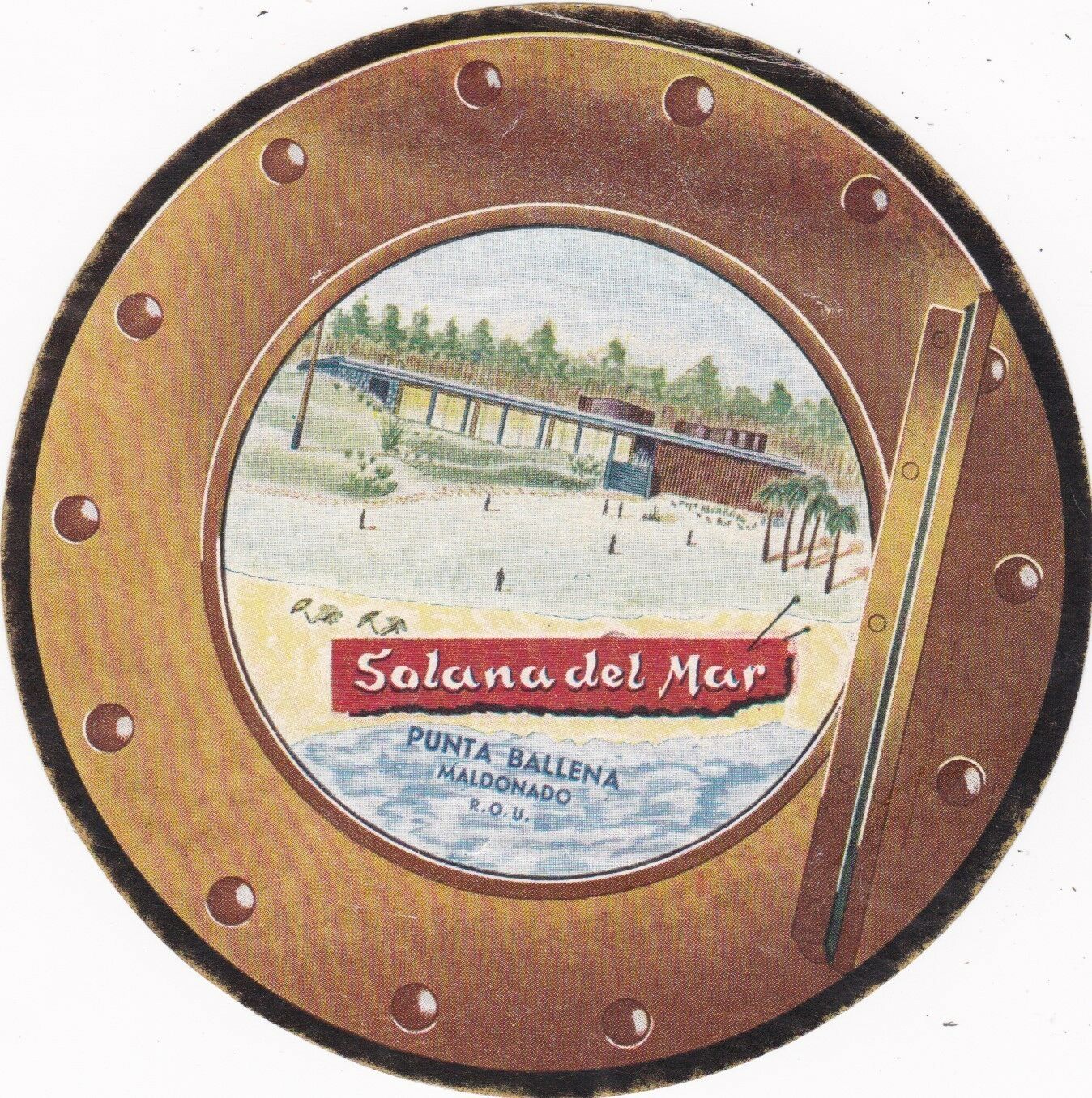
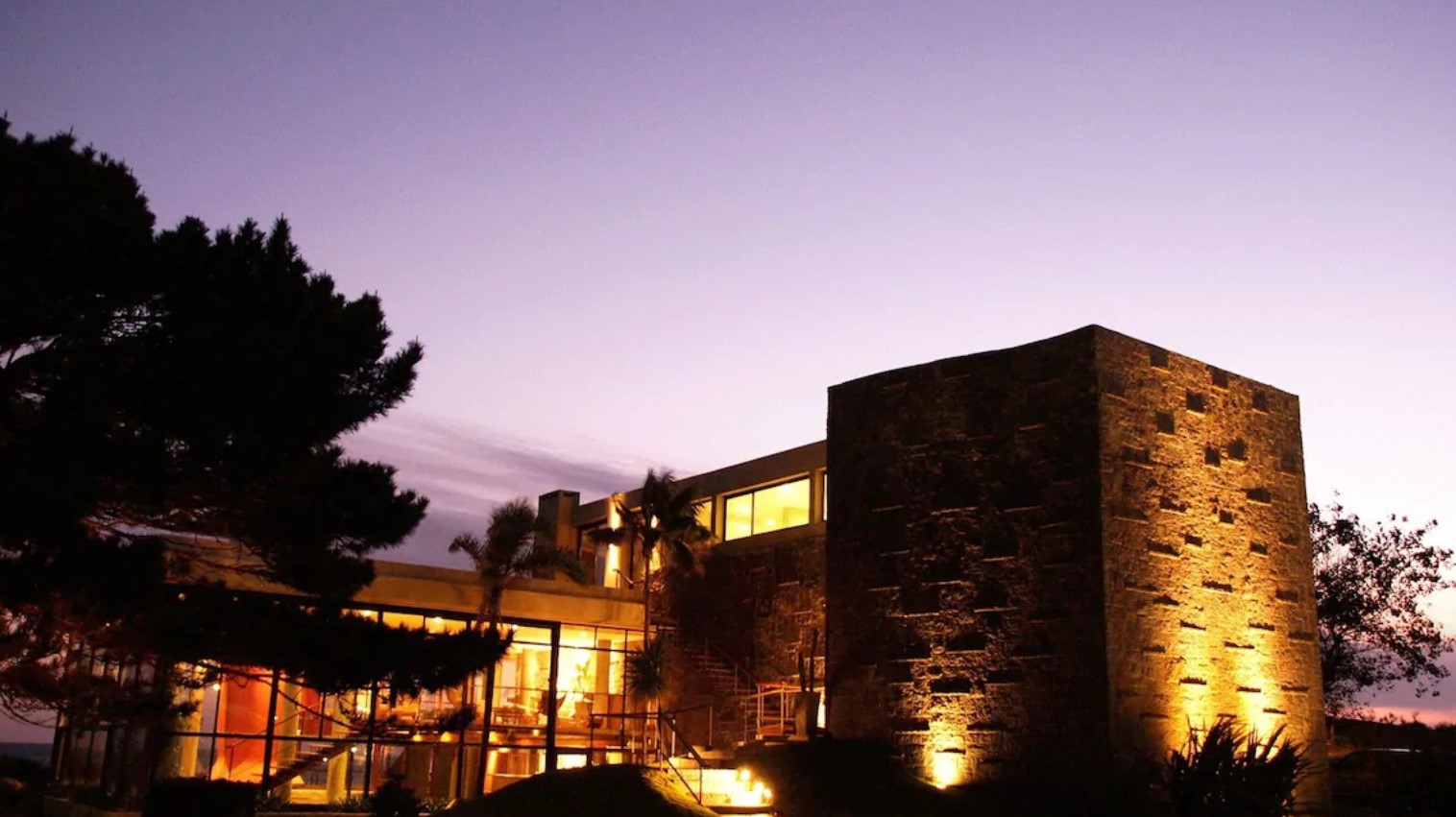
La Solana del Mar, Punta Ballena.

La Solana Boutique Hotel, an exclusive Boutique Hotel in Punta del Este, is located in Solana Beach. The Hotel was built in an emblematic building created in 1947 by a well – known architect and landscape designer, Antonio Bonet, and it is protected as a National Historic Monument. With only six rooms, La Solana offers a blend of nature and stone, set in a lush landscaped garden on the calm Solana Beach. La Solana Boutique Hotel devotes its potential to provide a place of rest and relaxation for its guests.

  La Solana del Mar.

Architect Antoni Bonet, known as Antonio Bonet (Barcelona 1913 – 1989), was an architect, urban planner and designer who lived in the Rio de la Plata area for most of his life. While living in Punta Ballena during the 40’s, he was asked to plan the urbanization of the area, but he also built houses and furniture of cutting edge design. He believed that both architecture and furniture should be at society’s service. He built numerous buildings along the coast of Punta Ballena (notable ones are Hotel Solana del Mar and the Belingieri house in Portezuelo), where he performed the urbanization. He founded the Austral Group with Ferrari, Hardoy and J. Kurchan, he is said to have been the creator, together with his partners, of the mythical BKF chair, along with other antique furniture, considered objects of art by experts. The different rooms in La Solana boast a beautiful collection of Bonet furniture.


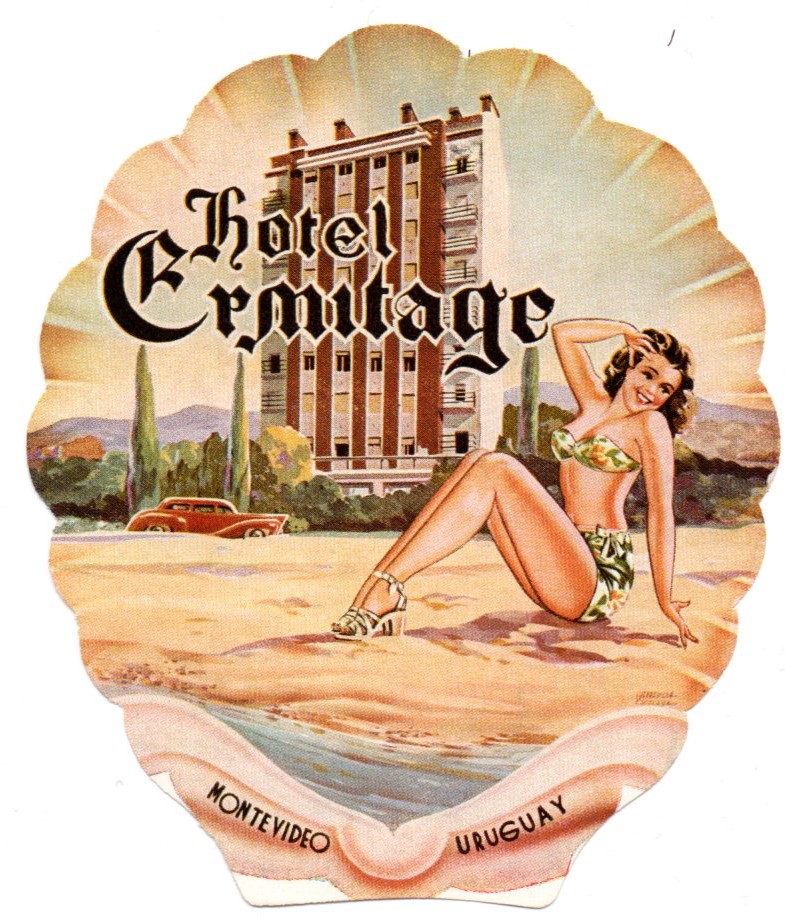
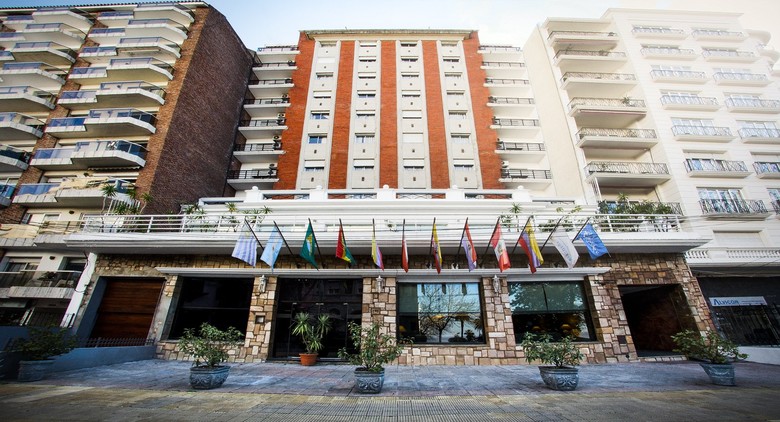
Hotel Ermitage, Montevideo.

Built in 1945 with the solidity, spaciousness and use of noble materials characteristic of that time, in the middle of a residential area and near the famous Pocitos Beach.

  Hotel Ermitage.

Integrating a well cared for square dating from the beginning of the last century where you can enjoy all year round the incomparable postcard that means the sunrise.


 Hotel Columbia, Montevideo.


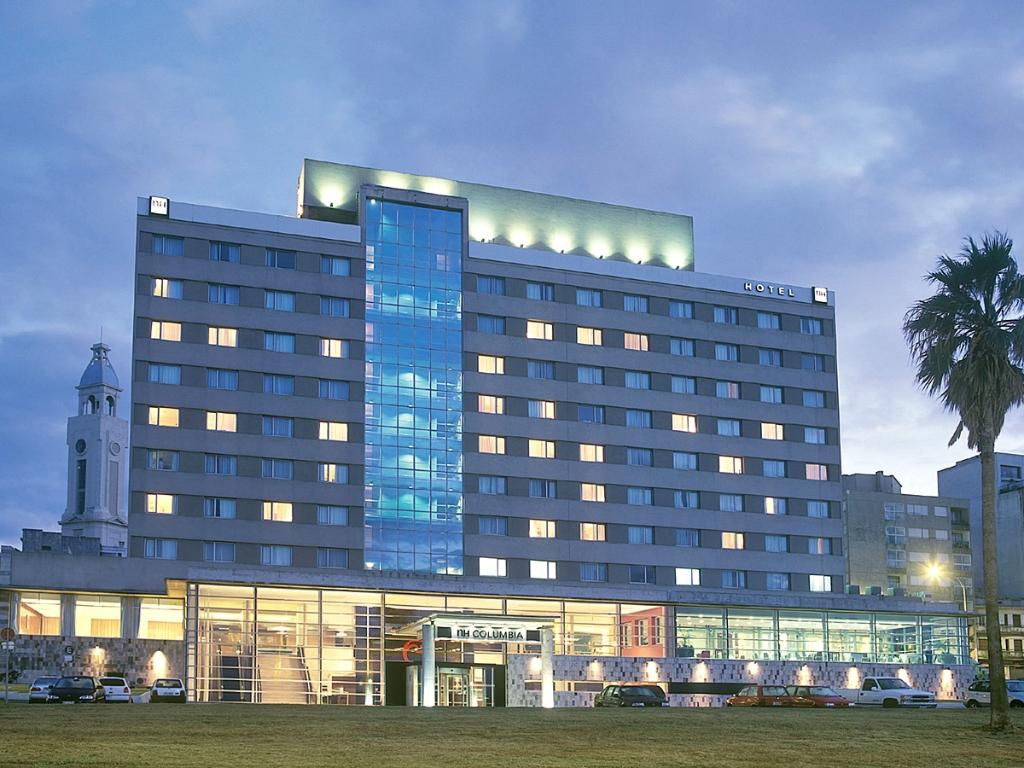
  Hotel Columbia.

Montevideo Columbia Hotel is in Montevideo’s old quarter – the city’s most historic neighborhood. From here you’re within walking distance of the major tourist attractions. It is also right on the Montevideo Riverside Rambla, a 25-kilometer stretch that’s great for biking and running. Consequently the hotel enjoys spectacular views of De La Plata river.


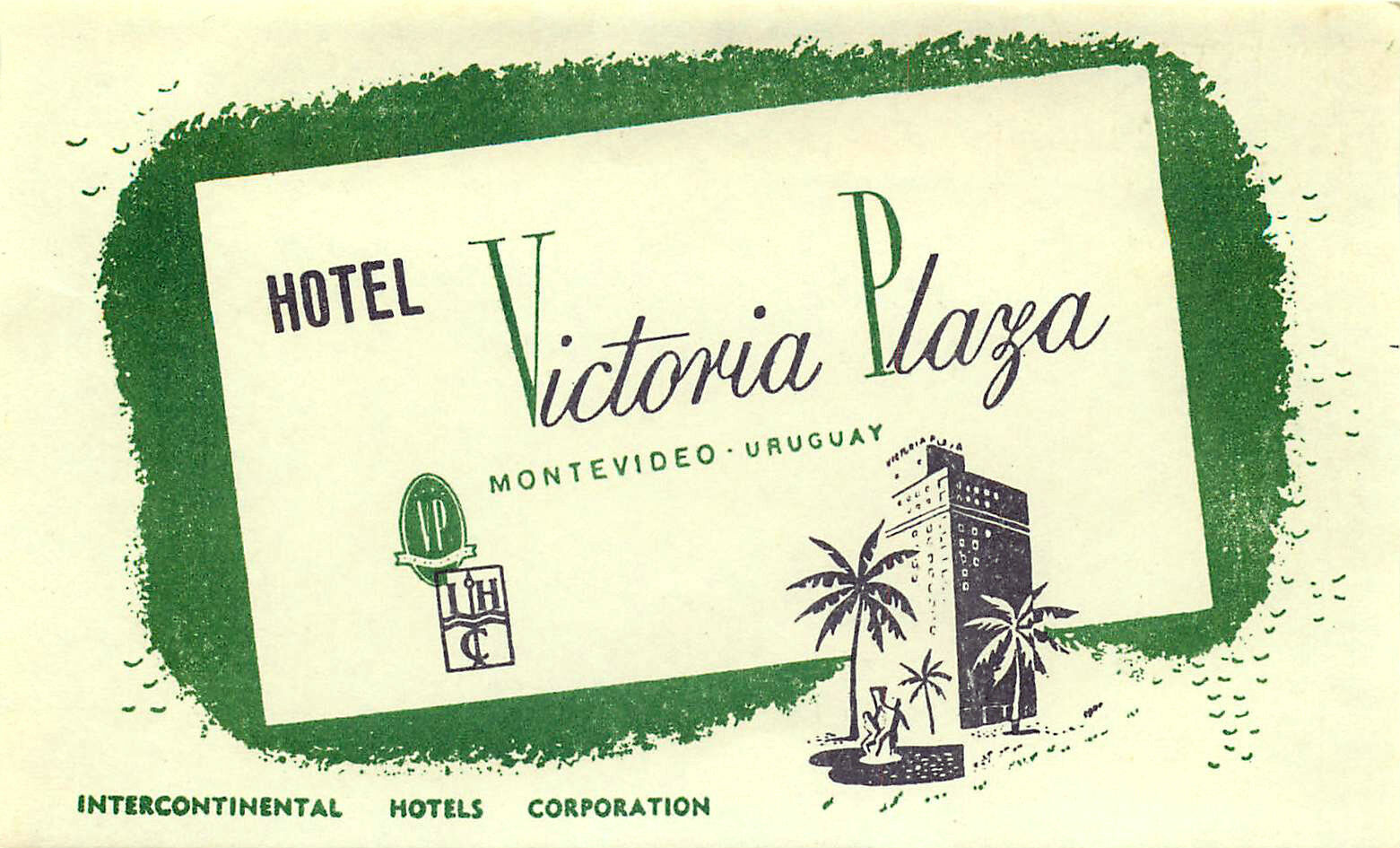
Hotel Victoria Plaza, Montevideo.

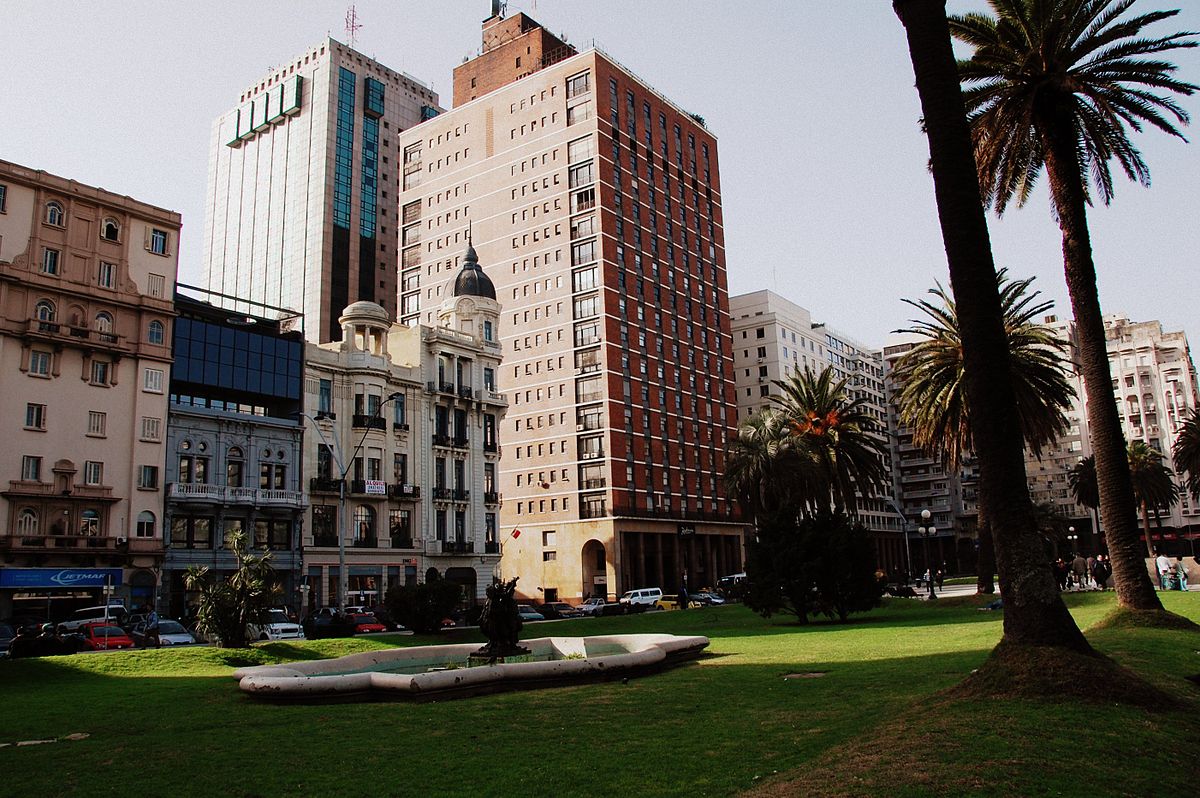
The Radisson Montevideo Victoria Plaza Hotel is a hotel located in the central Plaza Independencia in the Old City of Montevideo. It is operated by Radisson. The Radisson Montevideo Hotel has 232 rooms and contains a casino and a convention center. Food is served by the Arcadia Restaurant, located on the 25th floor.

  The Radisson Montevideo Victoria Plaza Hotel.

The original building of the Victoria Plaza Hotel was inaugurated on December 15, 1952 and designed by Argentine architects SEPRA. For many years it was the only five star hotel in Montevideo. In 1996 a second building (see pic above) was added, designed by architects Gomez Platero, Cohe and Alberti. In the 1960s it was owned by the Intercontinental hotel chain, and since 1999 it has been managed by the Radisson chain.

In 1996, when the second tower was inaugurated, many of the rooms in the old building were used to house offices, taking advantage of its privileged location, in front of the Presidential building, the Palacio Salvo and the Teatro Solís and a few blocks from the city’s financial center. Its still a famous meeting point in the city of Montevideo.


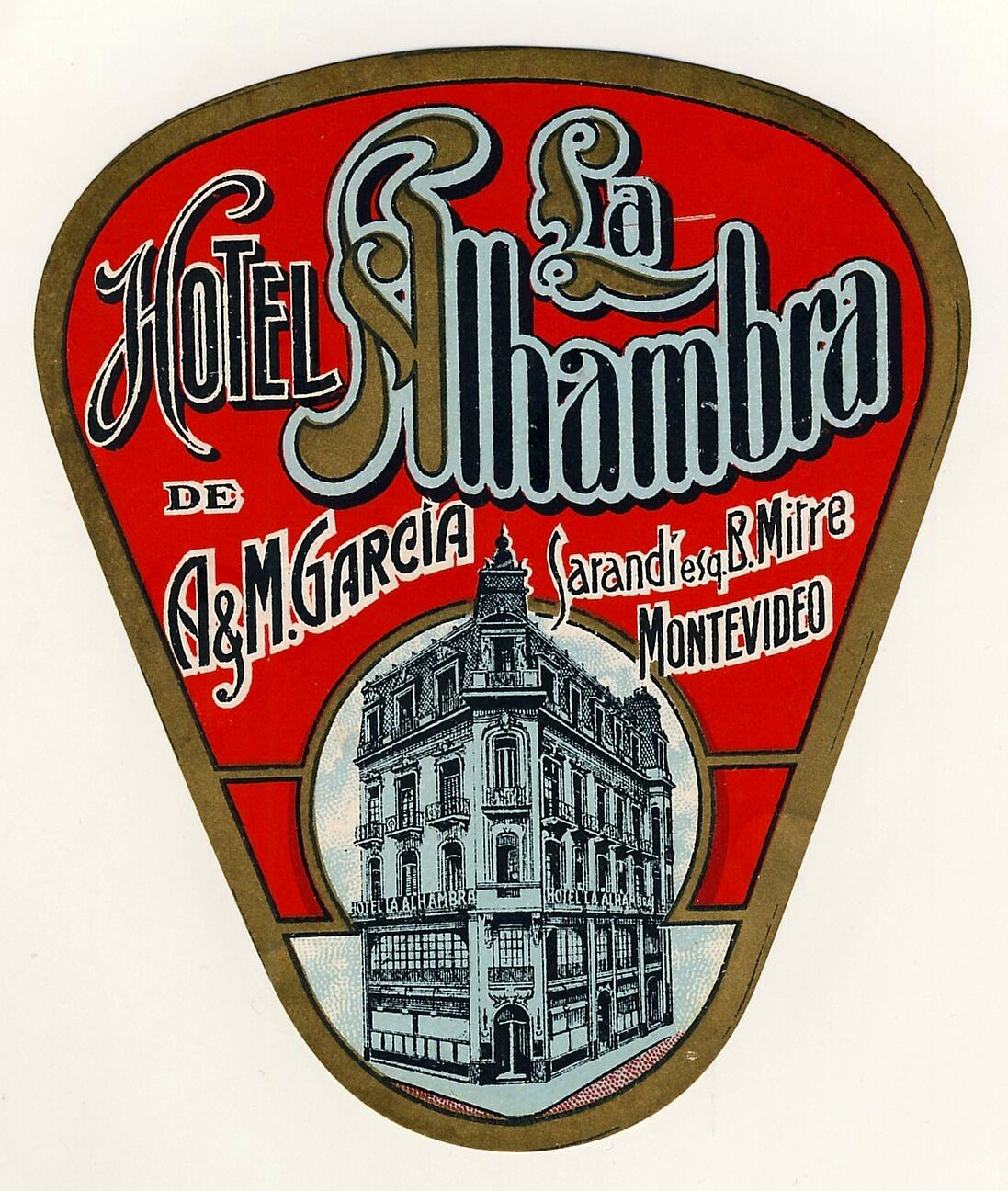
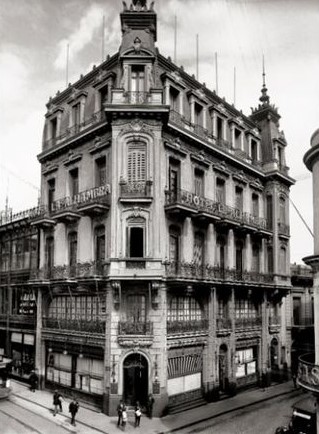
Hotel La Alhambra, Montevideo.

  Hotel La Alhambra de Garcia.


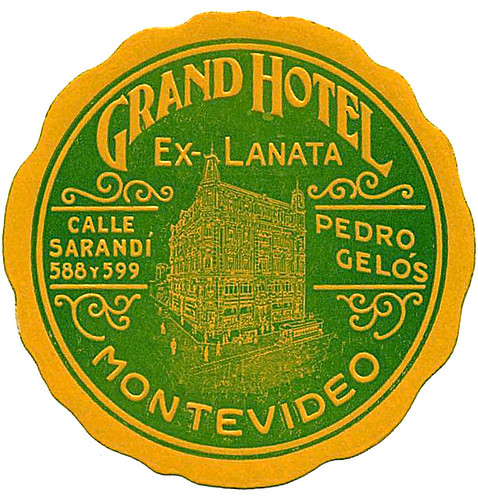
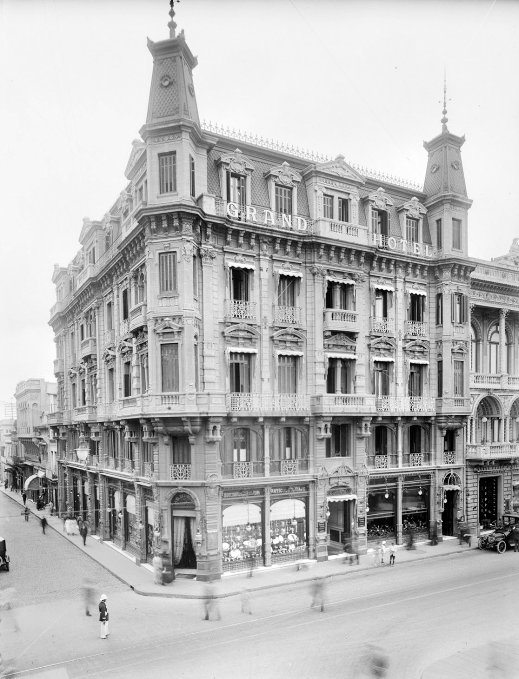
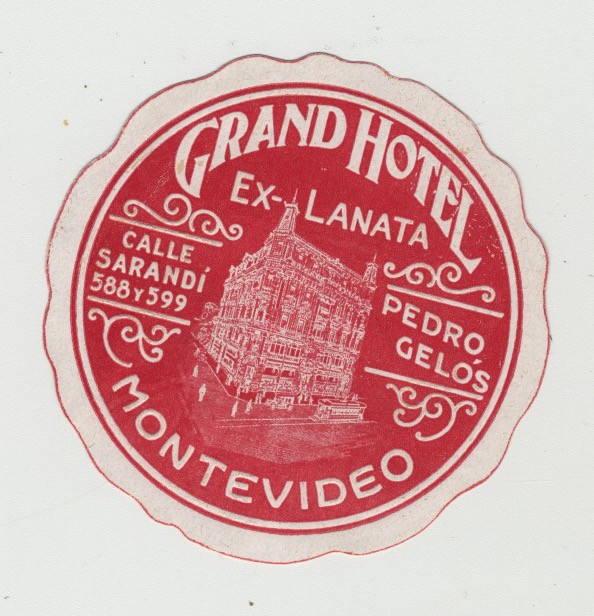
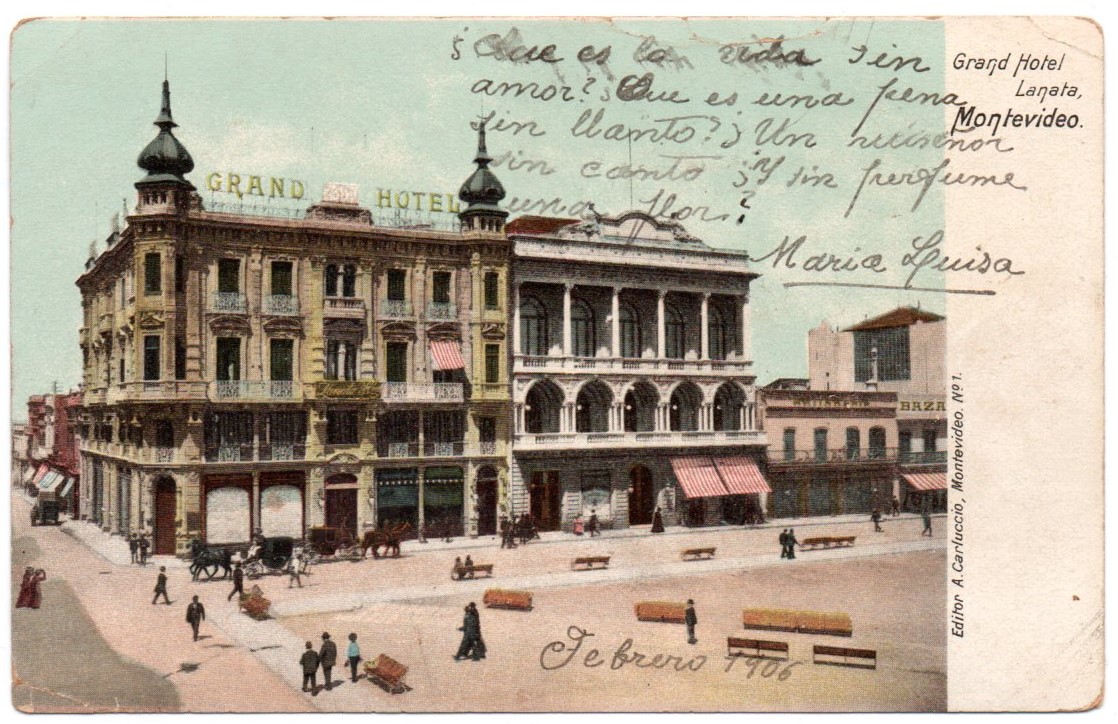
Grand Hotel, Ex – Lanata, Montevideo.


Grand Hotel (Ex – Lanata) en 1906 and 1926, Sarandí y Juan Carlos Gómez.


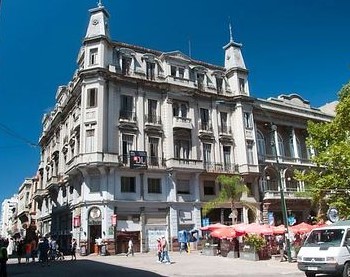
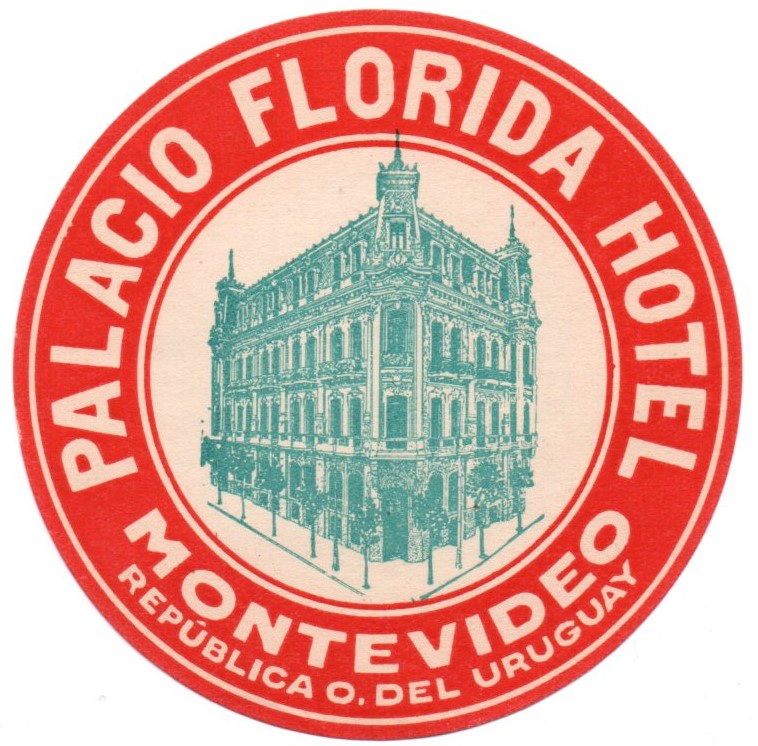
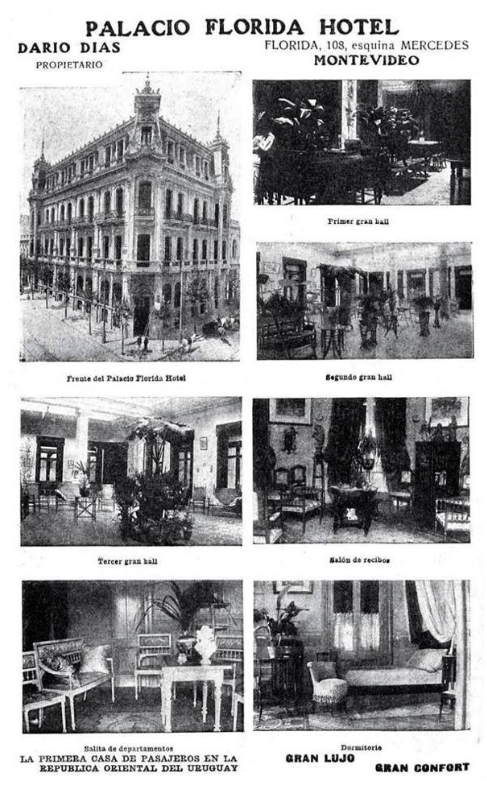
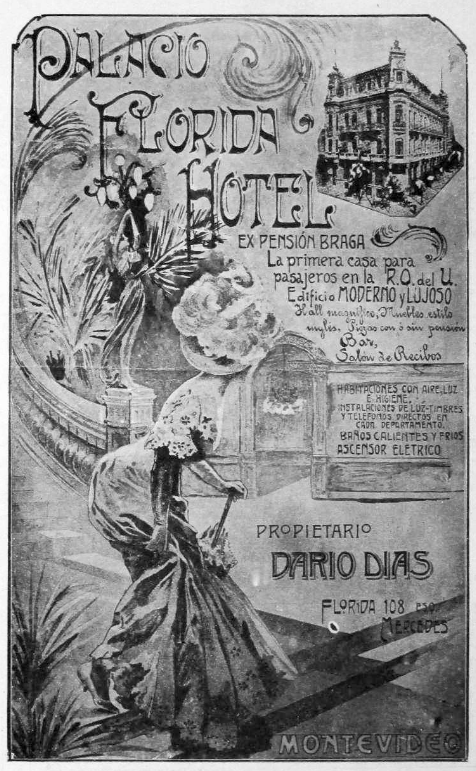
Palacio Florida Hotel, Montevideo

During the first two decades of the last century, the political will to turn Montevideo into a „great seaside resort“ encouraged the construction of large hotel complexes on the Rambla (Parque Hotel, Carrasco) and several buildings of similar typology and architectural style in the city center. Some examples are still part of the urban scenario, although with adaptations to new contexts of use (the case of the former Hotel Colón -current IDB headquarters-, the Alhambra and the Grand Hotel Lanata). They all look similar.

                    Click on pics to supersize.

The Palacio Florida Hotel was not so lucky. Just like the former Hotel Colón -which is notoriously similar- it suffered the ravages of time, but its functional decadence was not followed by the possibility of recycling, which, by placing it in a new context of use, would save its urban values. Demolished in the sixties (or seventies, there is no precise date), in its place was a wasteland where a few years ago a large car park was built.


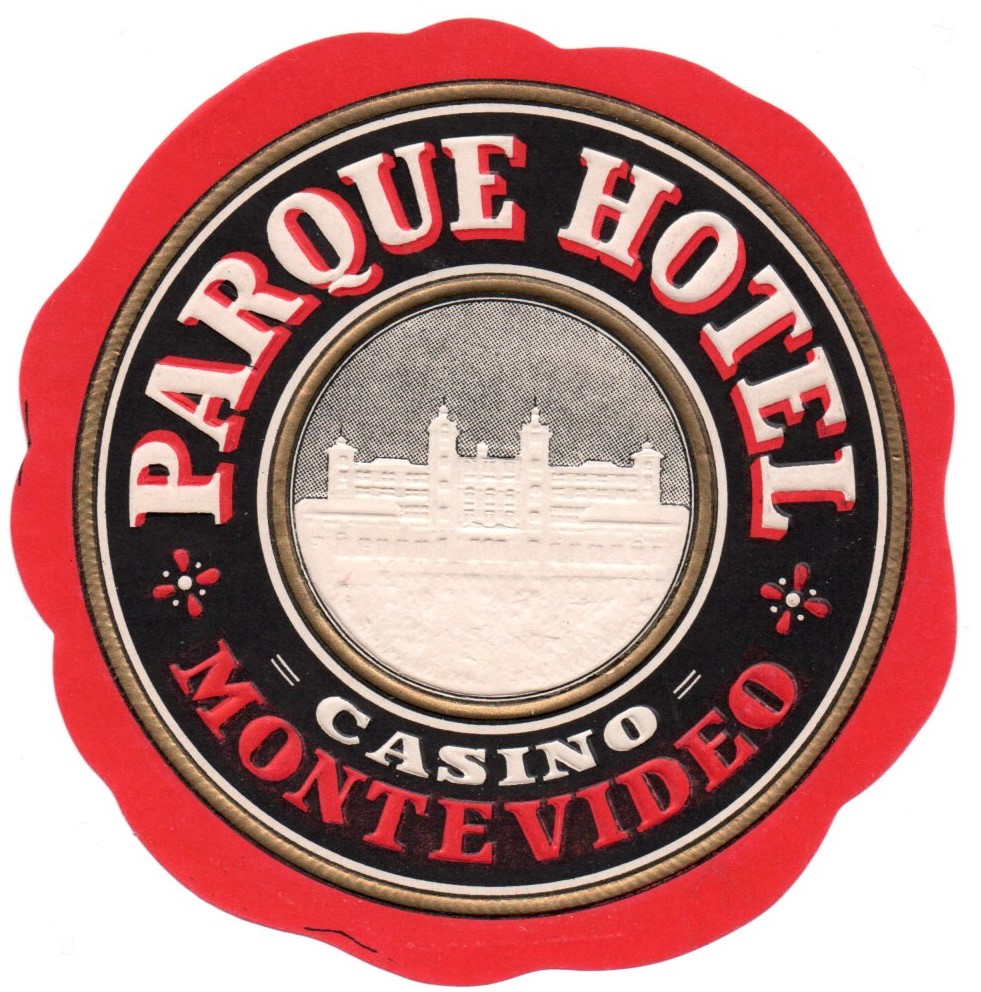
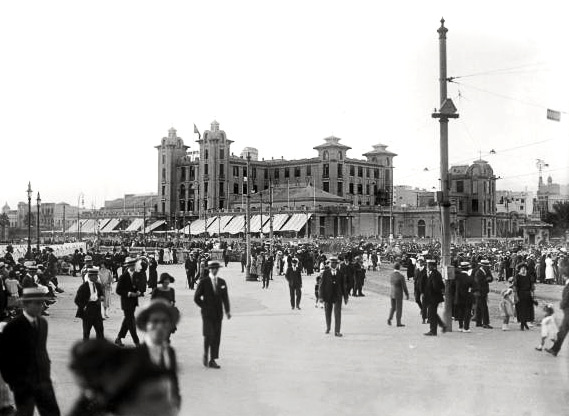
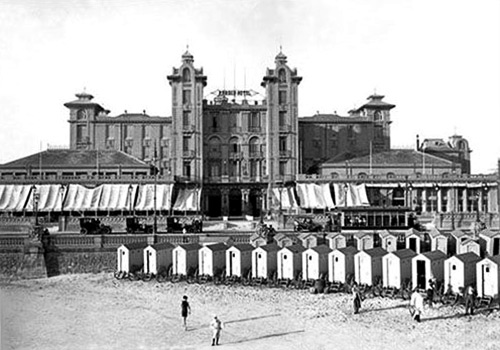
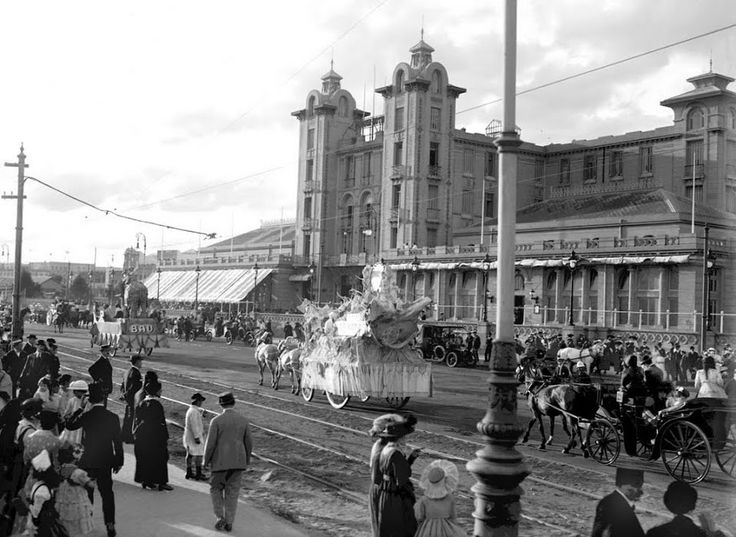
Parque Hotel Casino, Montevideo.

On May 17, 1906, the firm Luis Crodara y Cía. requested from the Municipality of Montevideo the authorization to build a building for the headquarters of the „Hotel-Theatre-Casino del Parque Urbano“ in an area near the beach of the old salting house of Ramírez, on the original plans of the French architect Pierre Lorenzi.

On December 30, 1909 it was inaugurated at the intersection of the current Rambla Presidente Wilson, Juan D. Jackson, Dr. Luis Piera and Dr. Pablo de Maria. The inauguration was scheduled for Christmas Eve 1909, but the delay in the arrival of the ship that transported the kitchens from Germany forced the postponement of the ceremony to December 30. And even on that day it was known that the small and striking electrical appliances in the rooms would not be working, that the elevators would only be in use 10 days later, that the heating boilers would not be ready until April.

On the opening night, the French chandeliers shone in the huge halls, the dining rooms, the magnificent hall, the tea room, the dance hall, and the Casino, while two big orchestras hired in Buenos Aires livened up the meeting and then the dance.

The new electric trams, inaugurated three years earlier, reached the Parque Urbano (now Parque Rodó) and the first taxis were waiting at the doors of the luxurious hotel.

On December 1, 1915, the Municipality of the capital, being mayor Don Santiago Rivas, acquired the premises from the „Sociedad Anónima Casino Parque Hotel“, in the amount of one million one hundred thousand pesos.

From its early days, the „Parque Hotel“ was an important center of Montevidean social life, with memorable parties in its halls and, during Carnival, it was the venue for memorable „Veglioni“ with performances by famous international and Rio de Janeiro orchestras, including Armando Orefiche’s „Los Lecuona Cuban Boy“.

In 1975 the Parque Rodó, including the El Retiro building, was declared a National Historic Monument.

From 1986 the building housed the Casa de Andalucía Civil Association, the name and function by which it was known until the installation of the Parque Hotel Casino, except for a short period when it became a restaurant again.

In 2012, work will begin on its restoration, adapting the building to house the Casino. Today the building shows off its best qualities while maintaining the essential characteristics of Scasso’s work.

  The current building of the Casino Parque Hotel.

The current building, which has been completely restored, dates from around 1900. At the beginning it was supposedly a dairy and then a restaurant until in 1930 Juan Antonio Scasso -architect among other great works of the Centennial Stadium, the Malvín Experimental School and the current Naval School- projected and built the municipal restaurant El Retiro del Parque Rodó, reformulating the whole and proposing a very similar arrangement to the current one.

The successive extensions and modifications were made maintaining the architectural language used by Scasso: gable roofs of French tiles, wooden structures, semicircular arches and facades with white textured plaster. Festivals, carnival balls, shows and film screenings took place at the El Retiro restaurant.

I really hope you enjoy this little history excurse into the Uruguayan Hotel Landscape. Please stay tuned to the second part of this article.

Veröffentlicht unter Collecting, History, Hobbies, Travel, Uruguay | Verschlagwortet mit , , | 2 Kommentare

Germany – Worth a Visit

Sitting at home during the Easter weekend because of the Corona Virus Quarantine, just like you, I thought why can’t we take the time to travel together through my beautiful home country Germany. Just a few explanations and some nice pictures to enjoy. If you like join me on this trip through Germany.

Happy Easter and stay healthy !
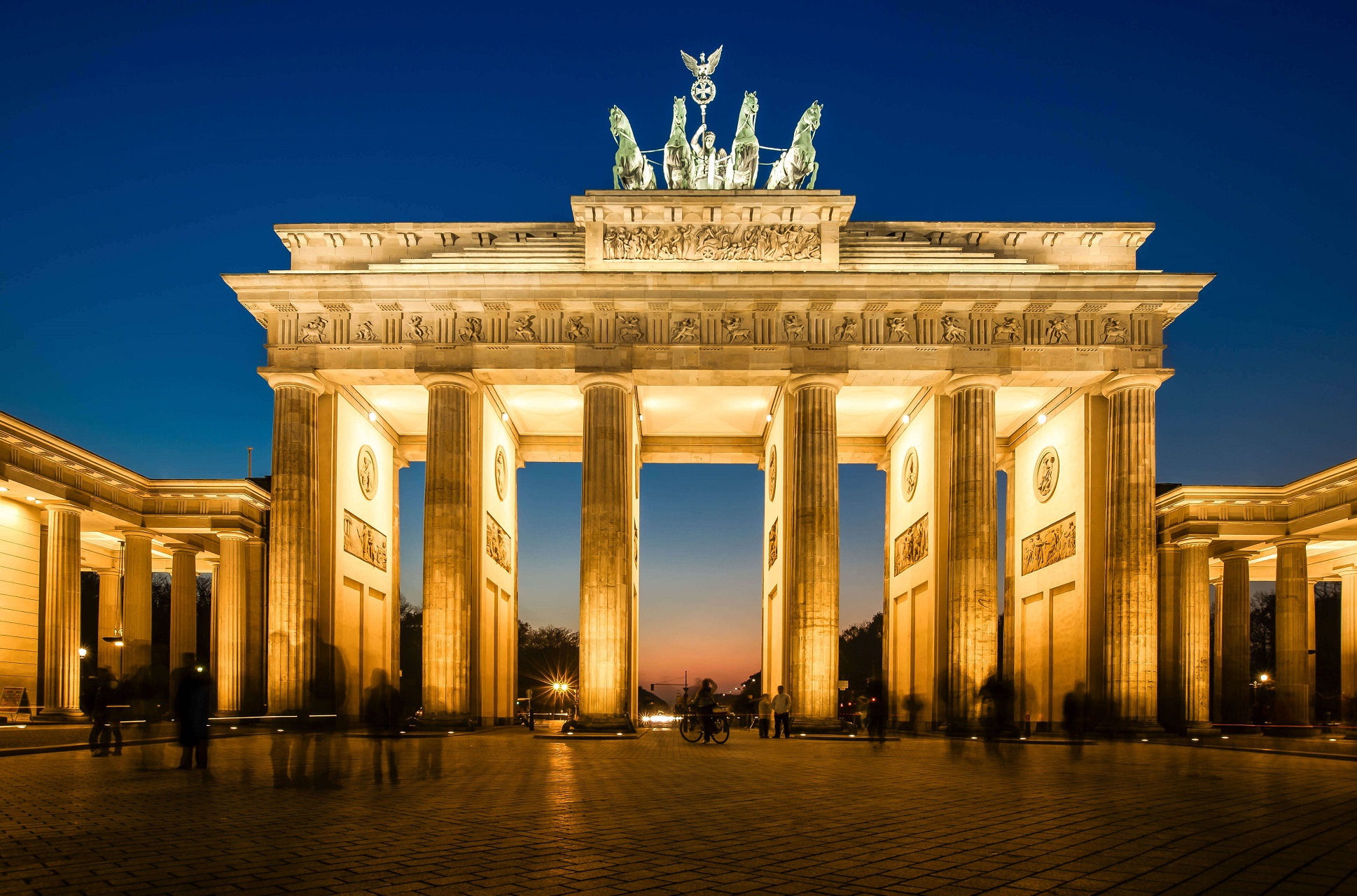
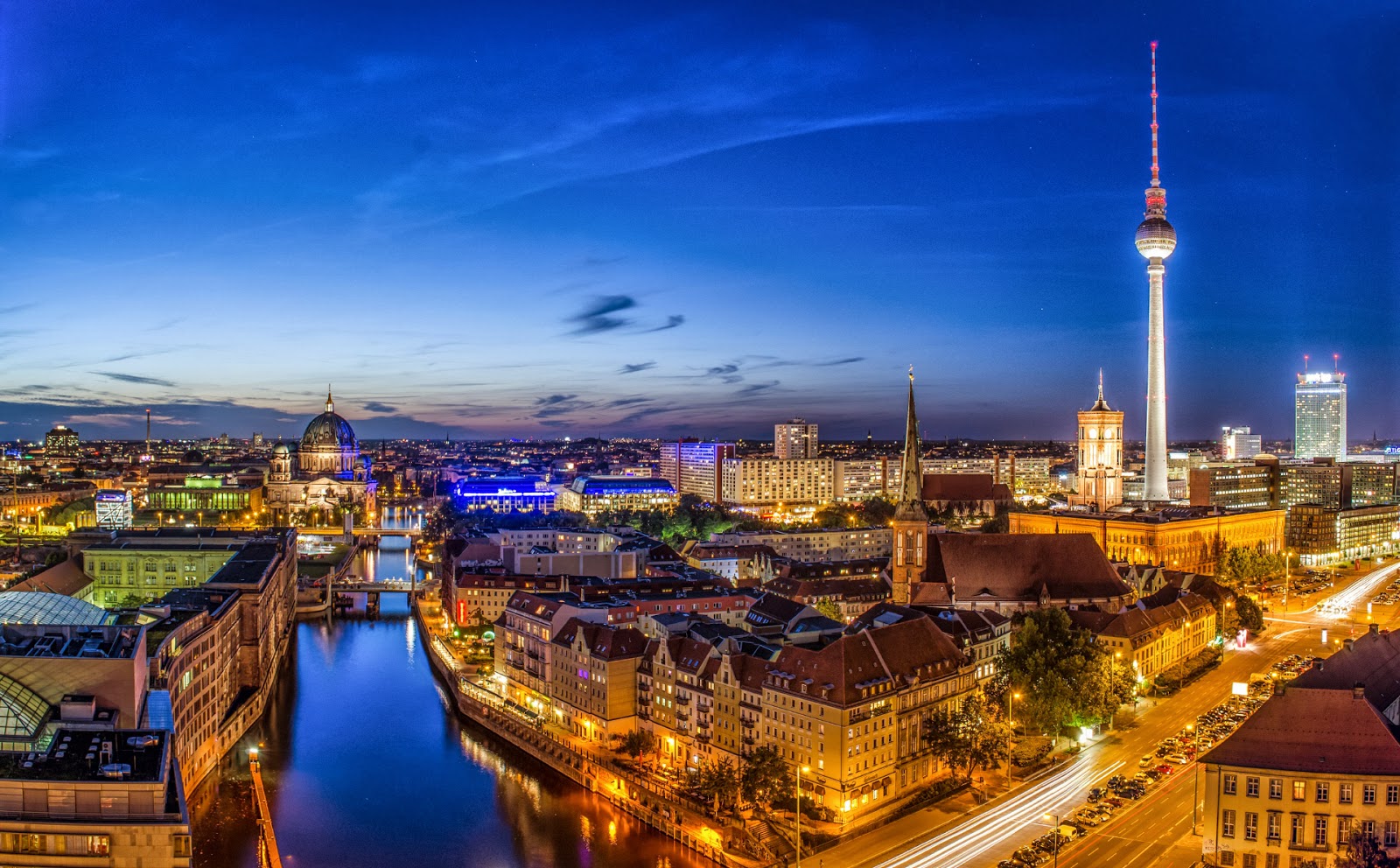
Germany has been center stage through much of world history. Today, travelers head to the fascinating city of Berlin to get a firsthand look at remnants of 20th century events, such as World War II and the Cold War.  AND – Berlin is now considered the hippest party city in Europe, if you want to dance along 24/7 you’ll have the chance in Berlin.

But even though the capital is the most popular tourist destination in the country, each of Germany’s 16 states boast innumerable attractions: opulent palaces, rich forests, soaring mountains and picturesque villages.

Berlin has longer waterways then Venice and more bridges then Amsterdam, just discover it.

Every corner of Germany has something to offer. The southern region of Bavaria is marked by lush emerald-green terrain and castles that seem as though they were plucked from the pages of a child’s fairy-tale book.

The north is home to glittering seaside cities, such as Bremen and Hamburg. In between, the country is filled with countless other gems like 45.000-year-old caves, towns that have gone untouched for hundreds of years and vibrant national parks.
By no means a definitive list, check out the following photos of Germany’s most beautiful (not to forget – beauty is a matter of personal taste) places – of course without claim to completeness and without any ranking.

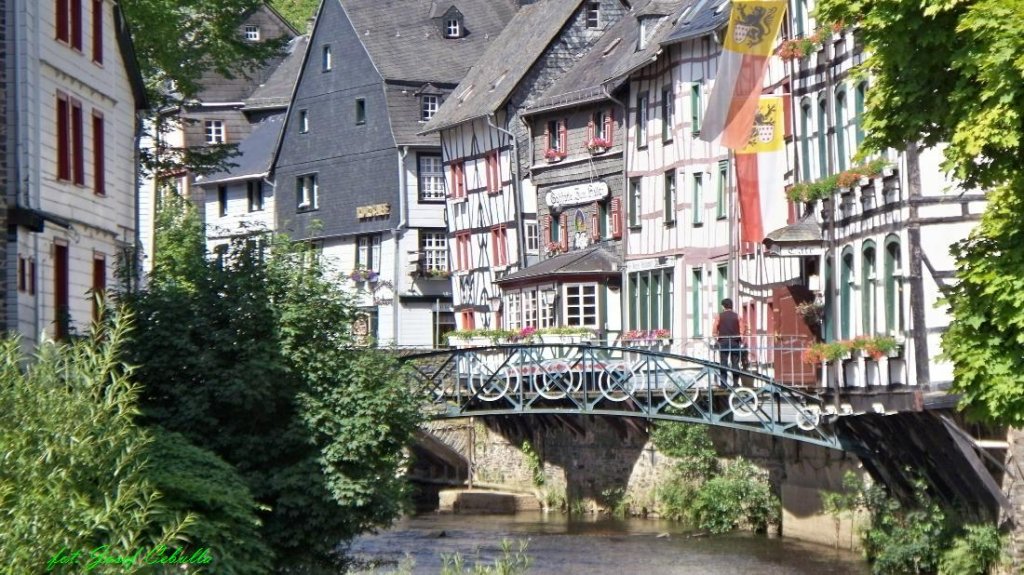
Monschau: Rows of timber houses (some are over 300 years old), elegant restaurants and charming boutiques give the historic center (follow signs „Altstadt“) of this western resort town its storybook whimsy.

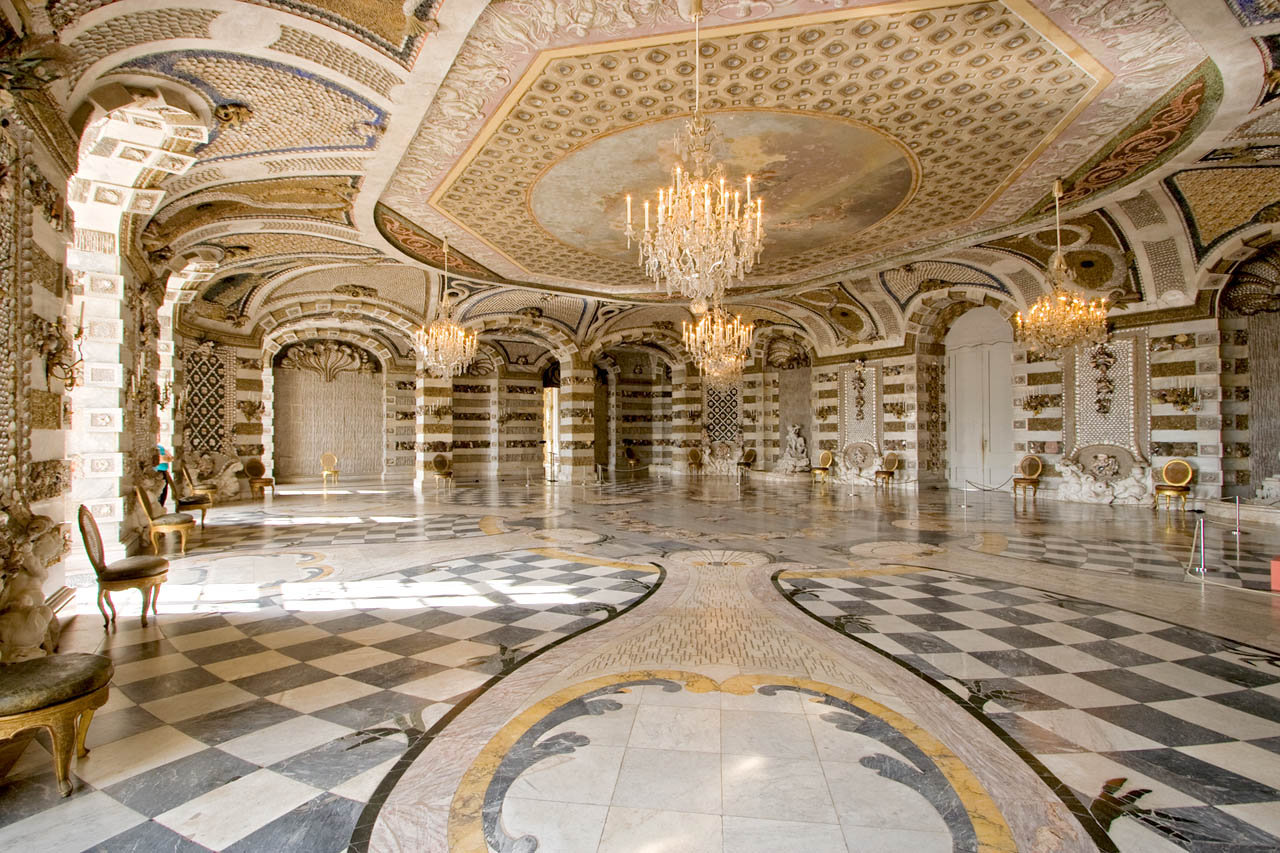
Potsdam: The Prussian palaces of Sanssouci are the main attraction of Potsdam. The Grotto Hall of the New Palace is offering guests an exquisite salon with marbled walls that feature intricate mosaics made of glistening bits of seashell and stone.

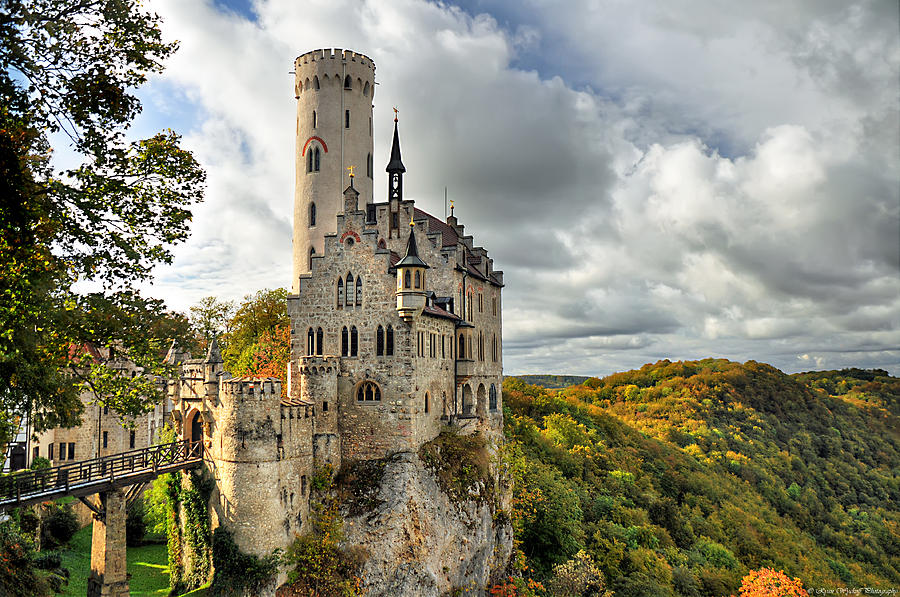
Lichtenstein Castle: Huddled in the Swabian Jura mountain range, this impressive structure sits on a steep escarpment that, depending on the season, it shimmers in all colors. It has been described as the „fairy tale castle of Württemberg.“ It overlooks the Echaz valley near Reutlingen. The modern castle was inspired by the novel Lichtenstein (1826) by Wilhelm Hauff and was built in 1840–1842. The ruins of the medieval castle that inspired the novel are a few hundred meters away. The name Lichtenstein translates as „shining stone“.

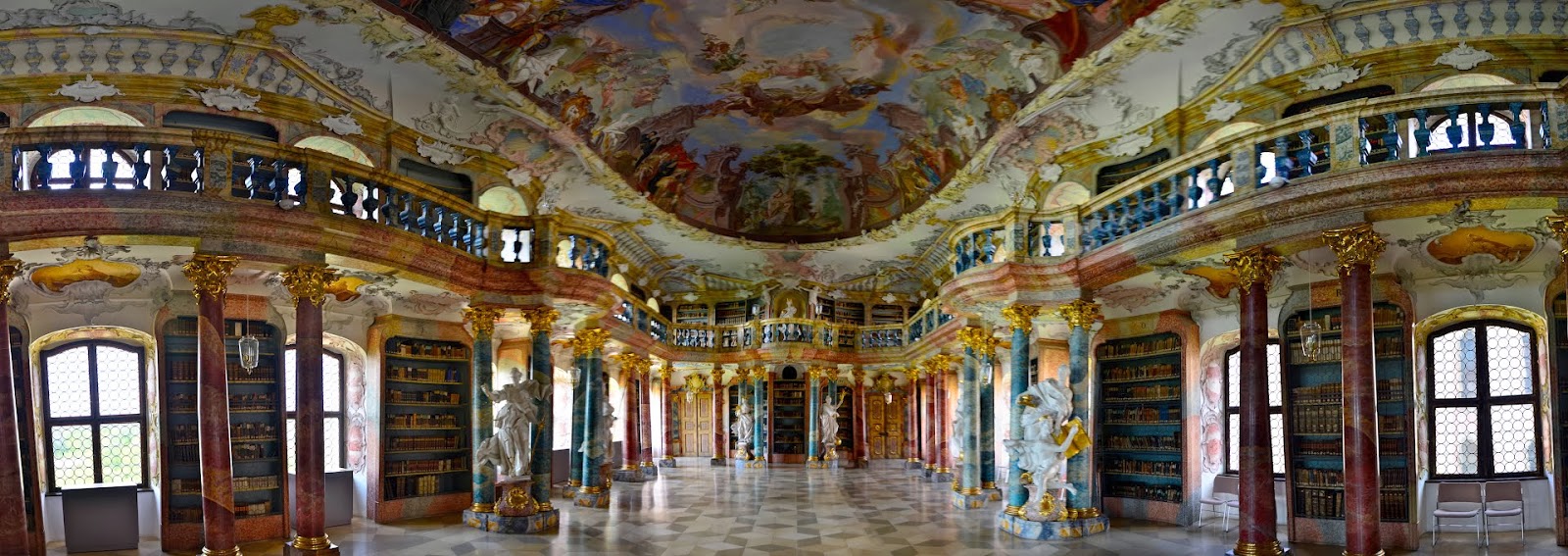
Wiblingen Abbey Library: With its elaborate ceiling paintings by Franz Martin Kühn and intricate gold-trimmed pillars, the Rococo style library at Wiblingen Abbey is considered one of the most beautiful book rooms in the world. The monastery’s church area also houses celestial frescoes and a striking altar.

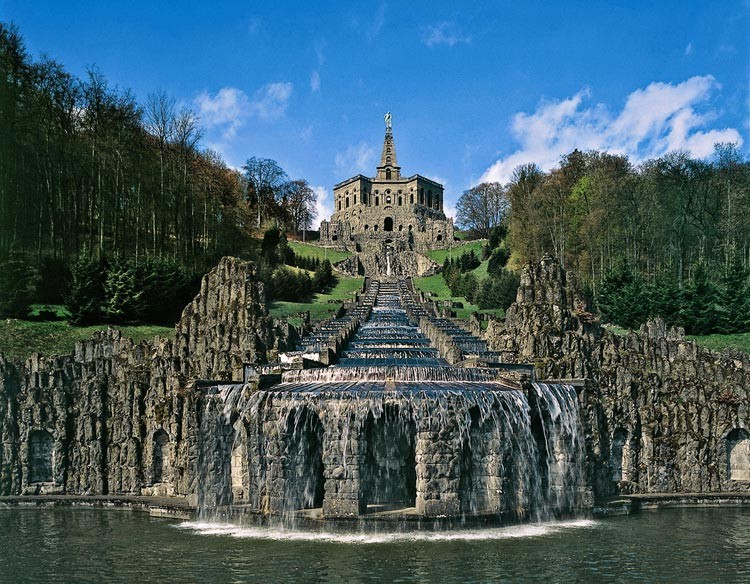
Wilhelmshöhe: In 2013, UNESCO designated this landscape park in Kassel a World Heritage site. A 350-meter-long Grand Cascade flows down to the Neoclassical structure Wilhelmshöhe and a towering copper statue of the Greek god Hercules.

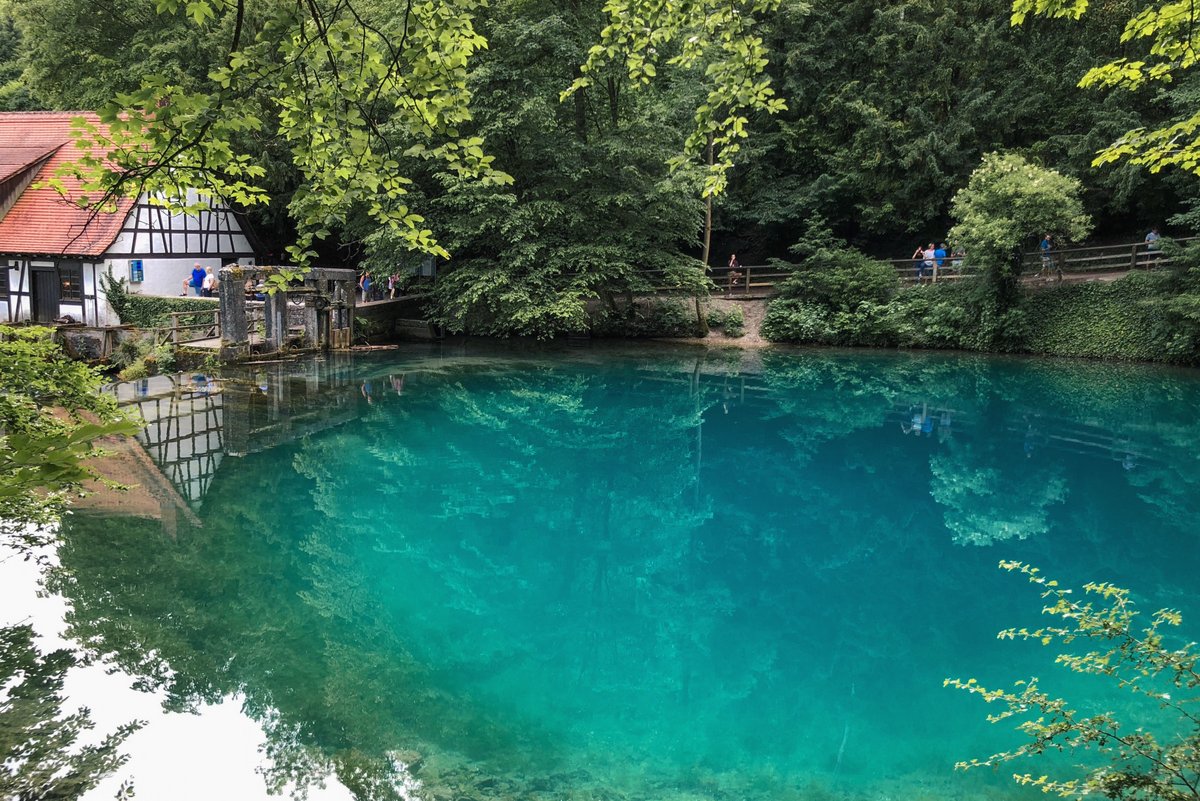
Blautopf: One of Germany’s most colorful treasures is the Blautopf, a jewel-toned spring in the city of Blaubeuren that feeds into the River „Blau“. The bright blue pool is about 21 meters deep, and surrounding sites – such as the Benedictine Blaubeuren Abbey – make the view even more impressive.

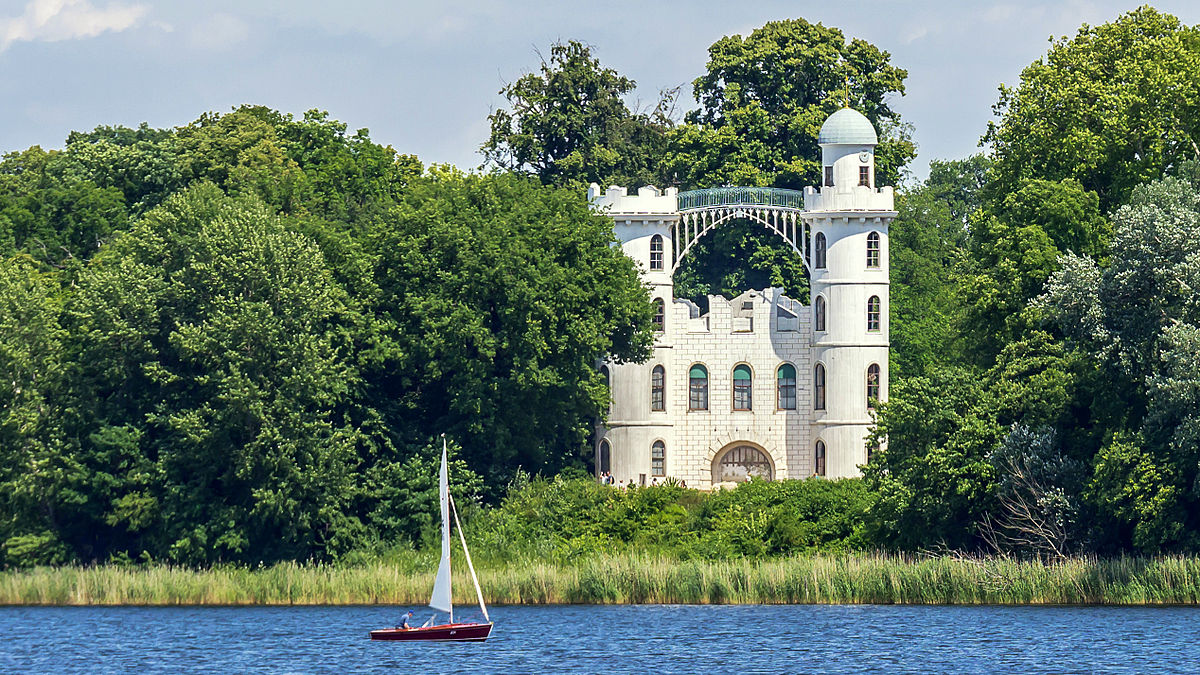
Pfaueninsel: Translated Peacock Island, is an island in Berlin’s River Havel. In addition to a tiny, storybook castle that sits on the edge of the island, the area is known for a flock of peacocks that strut among the leafy brambles and wooded areas. An insider tip in Berlin.

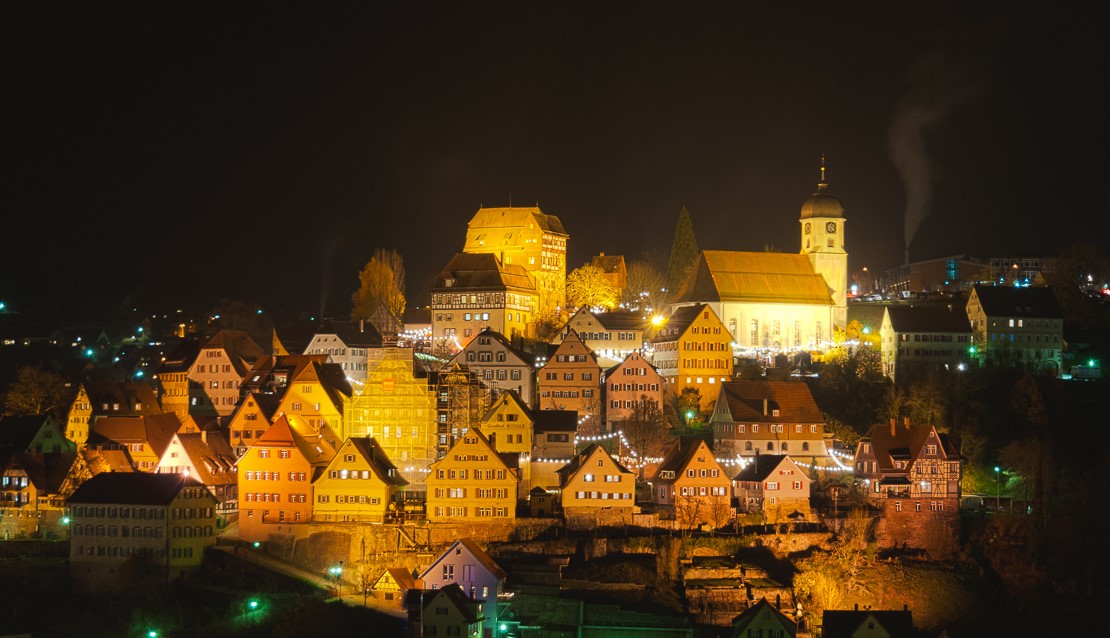
Altensteig: While the natural beauty of the Black Forest is a draw for many travelers, this small, absolute picture-perfect village is also a must-see for anyone stopping near Baden-Württemberg. The medieval architecture and timber houses feel like entering a time portal into the Middle Ages.

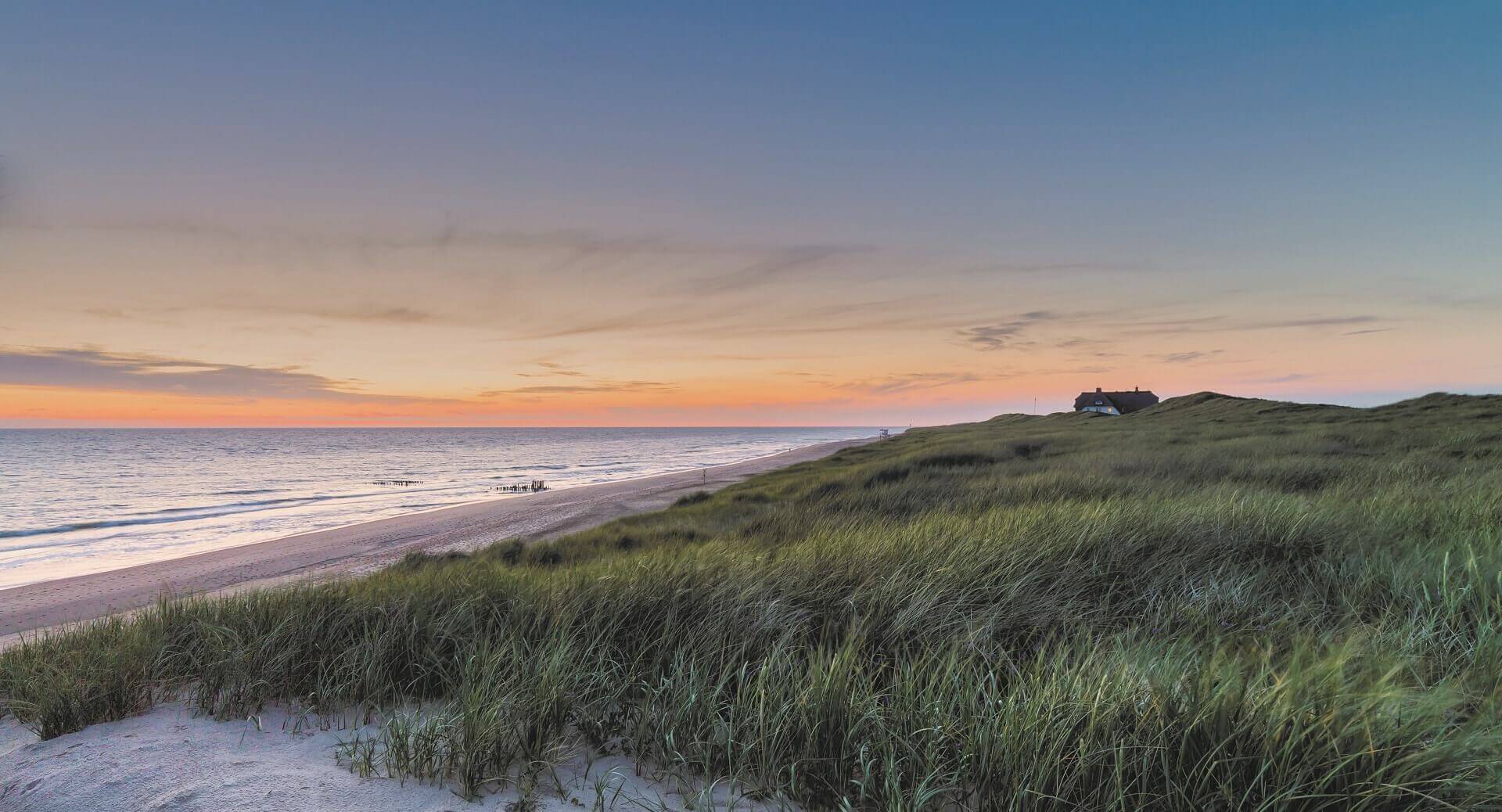
Sylt: The island of Sylt in the North Sea is full of natural treasures, including a geological marvel known as the Morsum Kliff. The rock formation rises about 20 meters into the sky and is marked by a palette of colors – the result of a mix of black mica clay, red sandstone and white sand. Meantime Sylt is known as the island of the rich and famous.

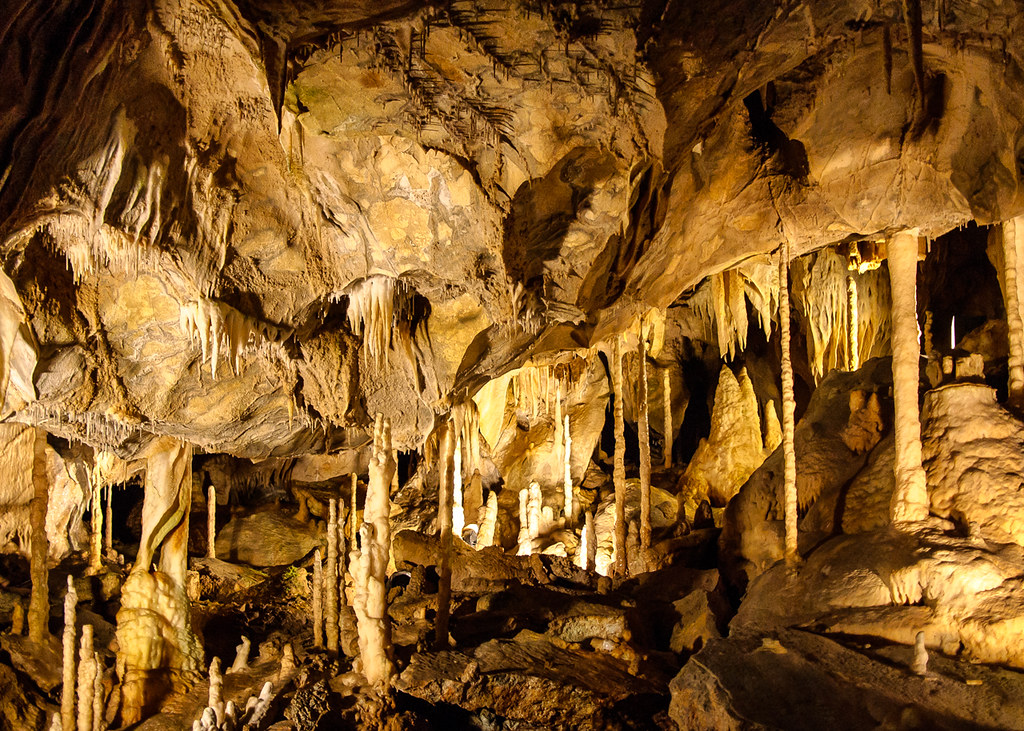
Atta Cave: Running nearly 500 meters deep, this is Germany’s largest drip-stone cave and home to some of the most unique limestone formations in the country. Since its accidental discovery in 1907, the cave has attracted millions of visitors from around the world each year. You’ll find the cave in Attendorn near Olpe in North Rhine-Westphalia.

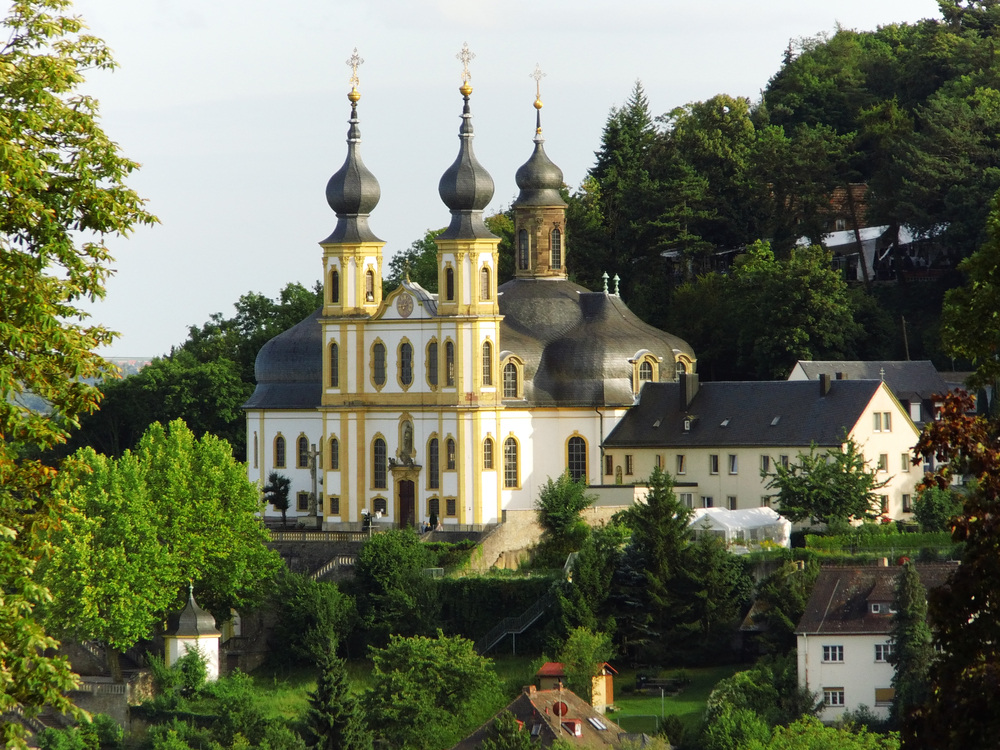
Käppele: The Pilgrimage Church of the Visitation of Mary is known for fantastic ornate architecture built by Balthasar Neumann between 1748 and 1750. Just as stunning as the Käppele’s onion domes and indoor frescoes is its location on the slope of the emerald green Nikolausberg hill above Würzburg in Bavaria.

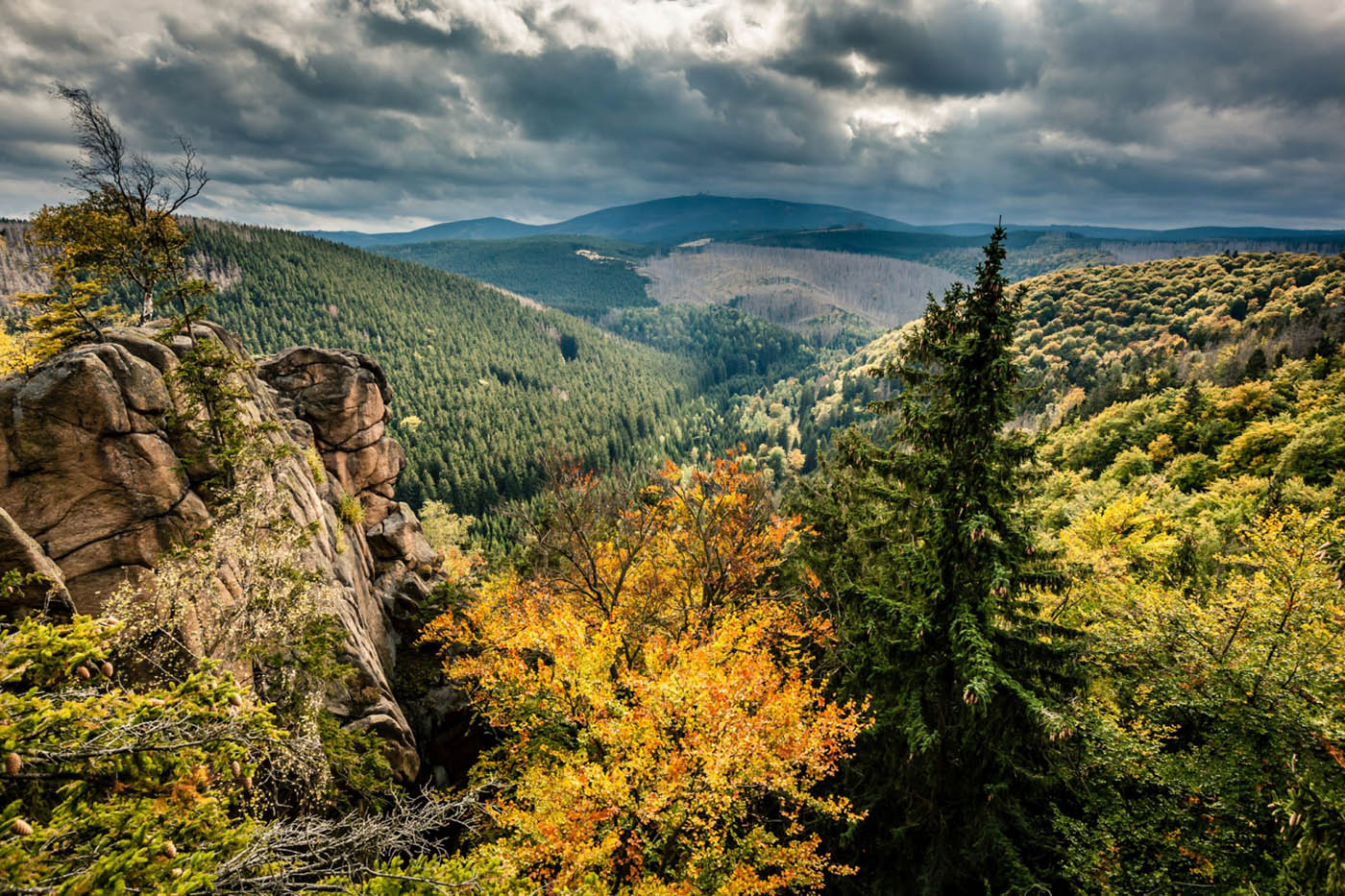
Harz National Park: With its sweeping forests and soft-blue mountains, Harz National Park is easily one of the most impressive and diverse nature reserves in Germany. To my opinion THE BEST ! It stretches across Lower Saxony and Saxony-Anhalt, offering lovely moss-covered hikes and terrain ideal for mountain sports. Dozens and dozens of historic and worth visiting towns and areas, as the highest mountain Brocken, make it a Must See.
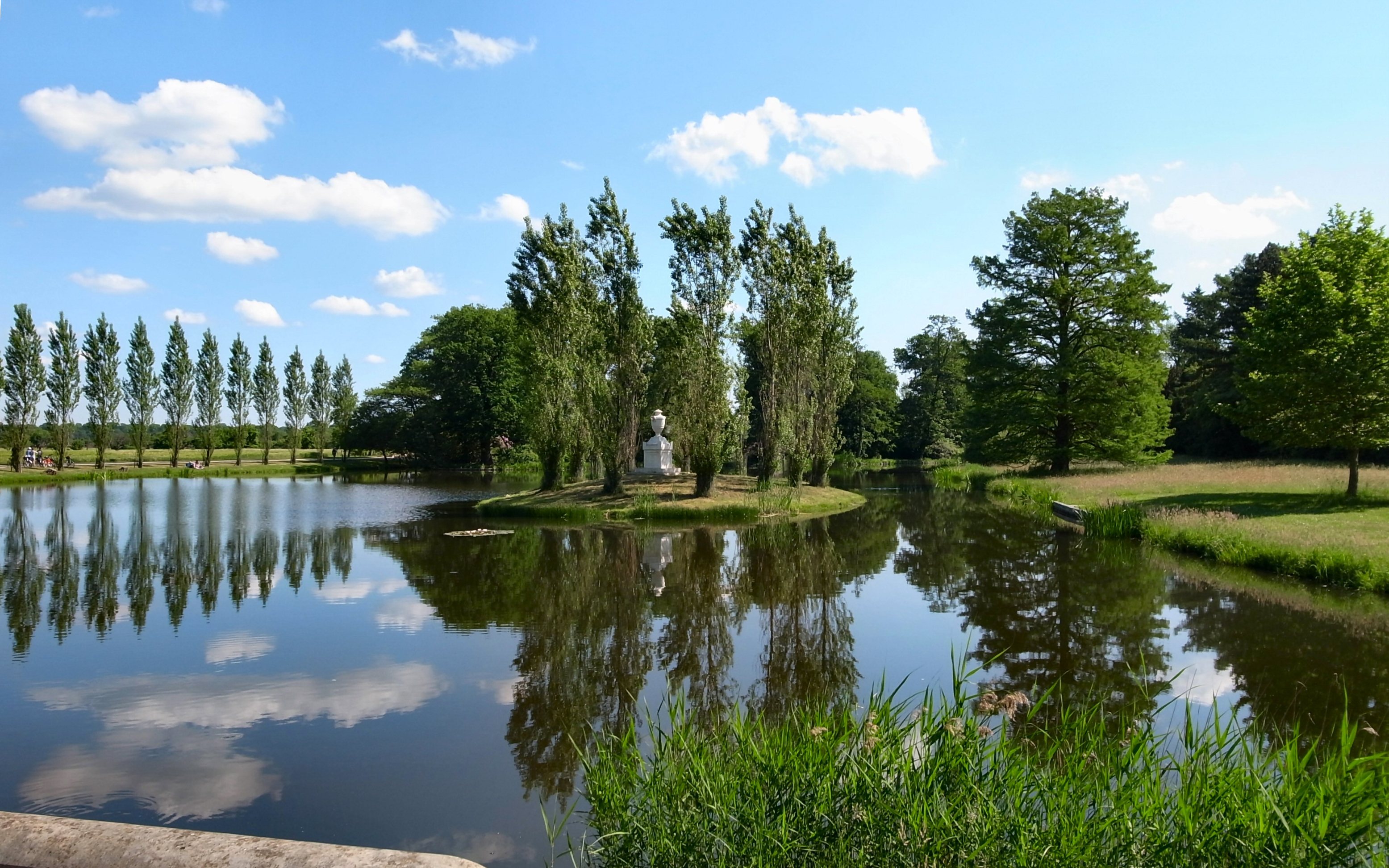
Garden Kingdom of Dessau-Wörlitz: Located in Central Germany, this World Heritage site is one of the oldest and largest English-style landscaped parks in Europe. Influenced by the 18th century’s new Enlightenment ideas, Duke Leopold III of Anhalt-Dessau made a conscious decision to move from a Baroque style to a more natural aesthetic garden landscape.

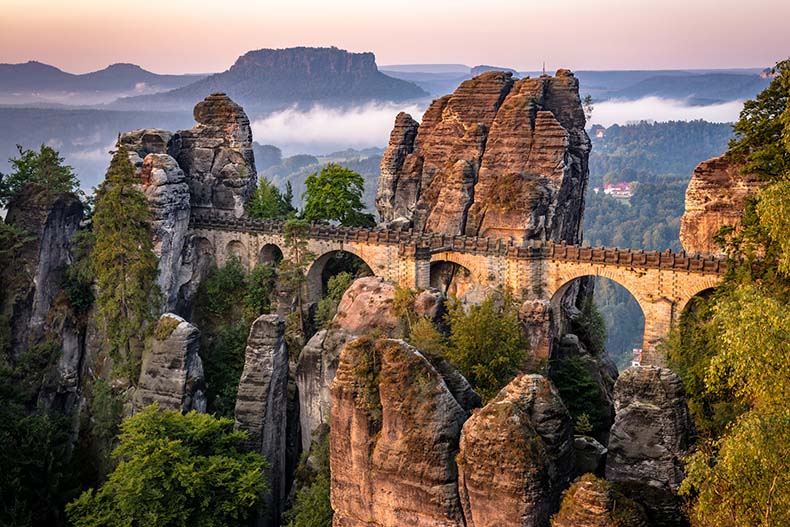
Bastei: The Bastei rock formation juts out 194 meters above the Elbe River in Germany’s Saxon Switzerland National Park. From atop the sandstone Bastei Bridge, visitors can take in sweeping panoramic views of the Elbe Valley below. Dresden and Meissen are nearby.

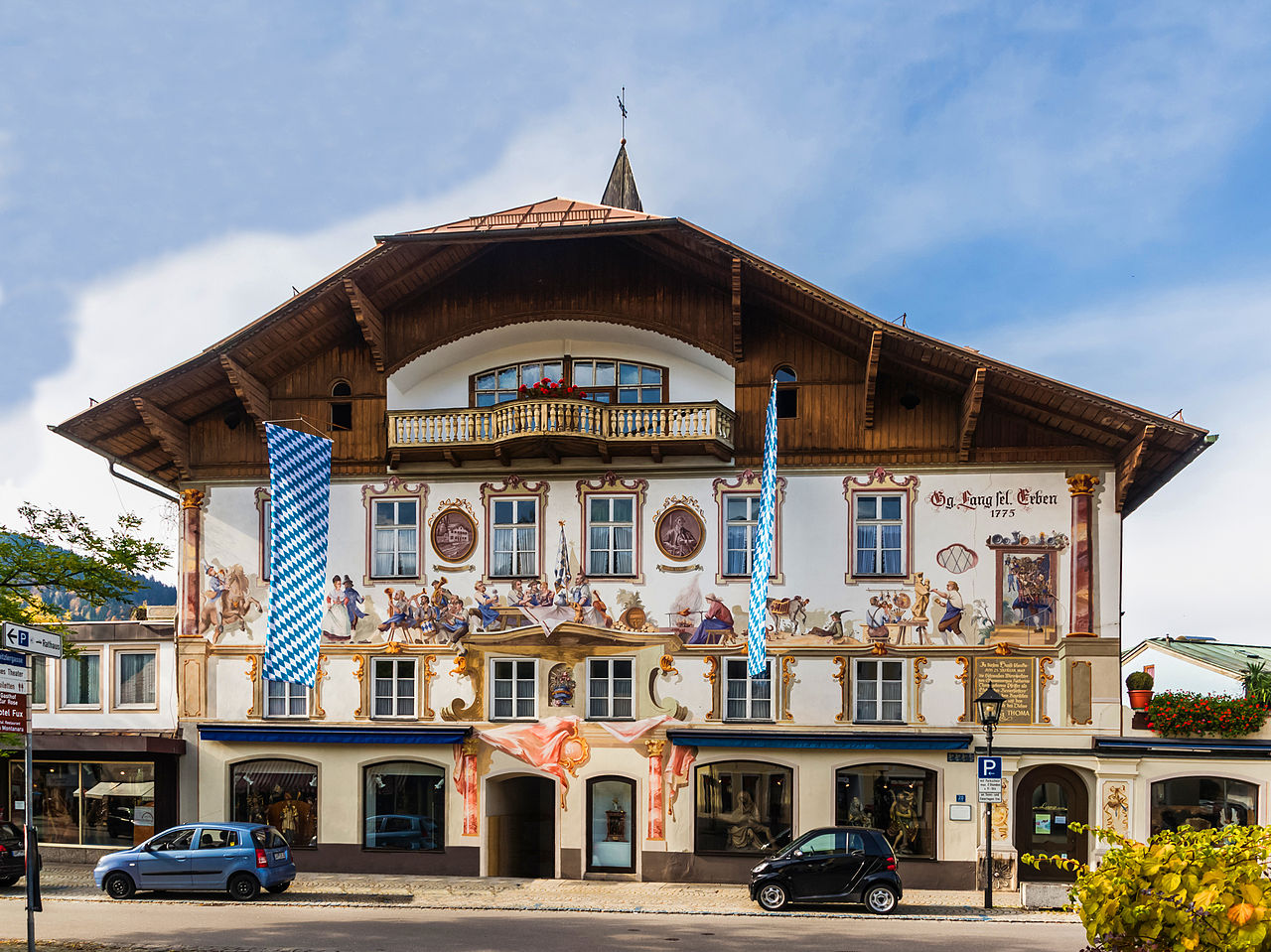
Oberammergau: This small, dreamlike town sits on the Ammer River in southern Germany. Traditional frescoes known as lüftlmalerei adorn the town’s buildings, depicting everyday life in Bavaria, as well as fairy tales and religious scenes. One of a kind town !
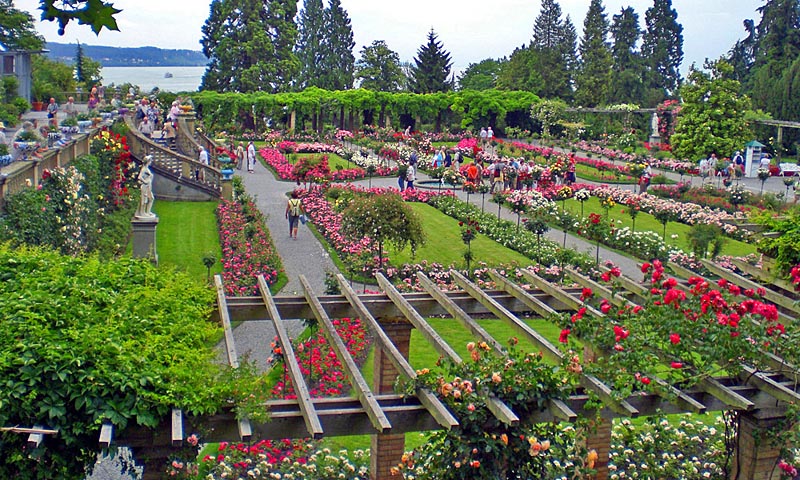
Mainau: Thousands of flowers bloom on this garden island in southern Germany’s Lake Constance. In addition to the burst of color from the flowers, Mainau’s tropical climate makes it possible for thousands of butterflies to flourish and flutter around the terrain, depending on the season. And another attraction are the Palace/Castle gardens of Mainau.

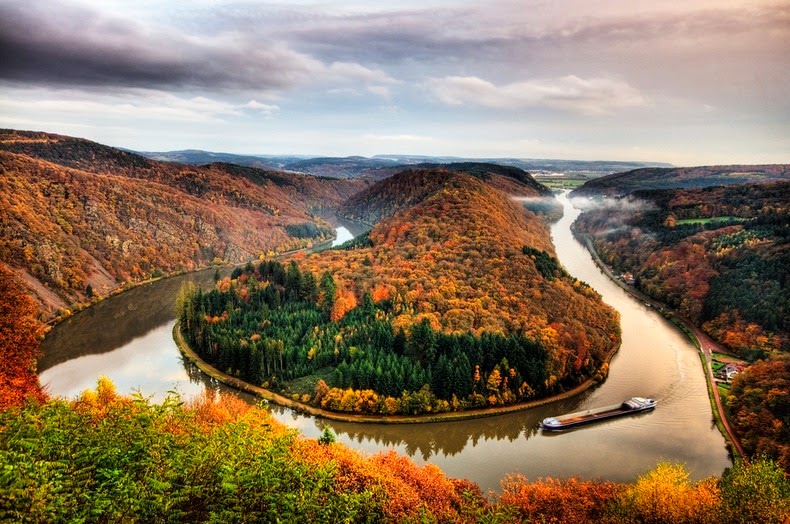
Saar Loop: The Saar River makes a deep turn as it approaches the German town of Mettlach, curving into a horseshoe shape known as the Saar Loop. The best way to take in this natural curiosity is by trekking up the free Saarschleife outlook for a panoramic view.

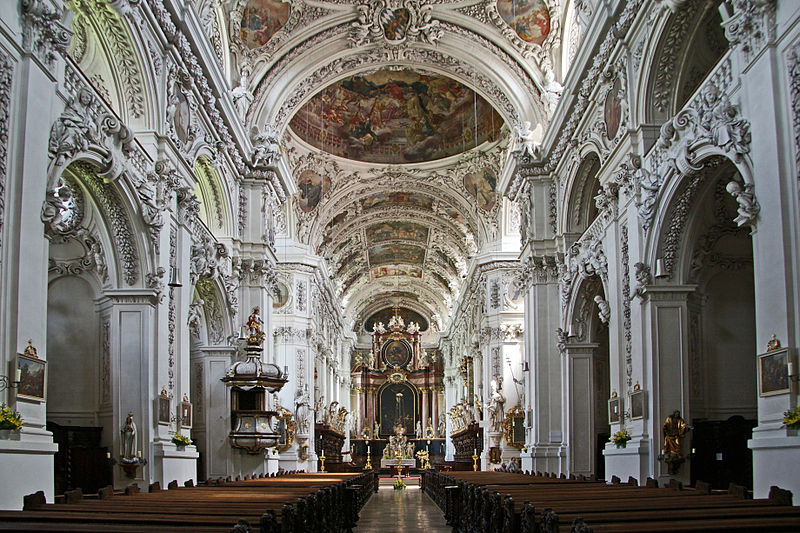
Waldsassen Basilica: For some, a baroque church filled with jeweled skeletons may not be beautiful in the traditional sense of the word. But these remains of Christian martyrs exhumed from Roman catacombs more than 250 years ago carry an eerie and haunting mystique. The Basilica houses 3 massive organs, a true rarity for history fans. The main instrument has 141 ranks, 101 stops and 7,720 pipes. Find it near Tirschenreuth, Bavaria.

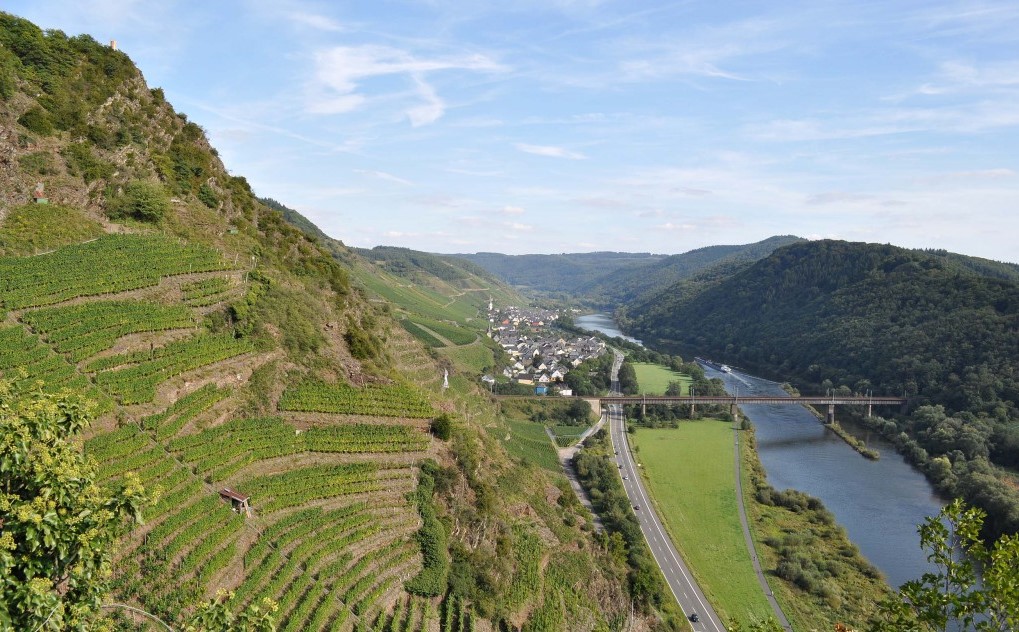
Mosel Valley: The Mosel Valley boasts some of the most scenic attractions and finest vineyards in Germany. A few standouts in this lush region include the medieval Eltz Castle, the vertiginous town of Cochem and Trier, the oldest city in the country. The city of Trier with its Roman history is truly a Must See destination.

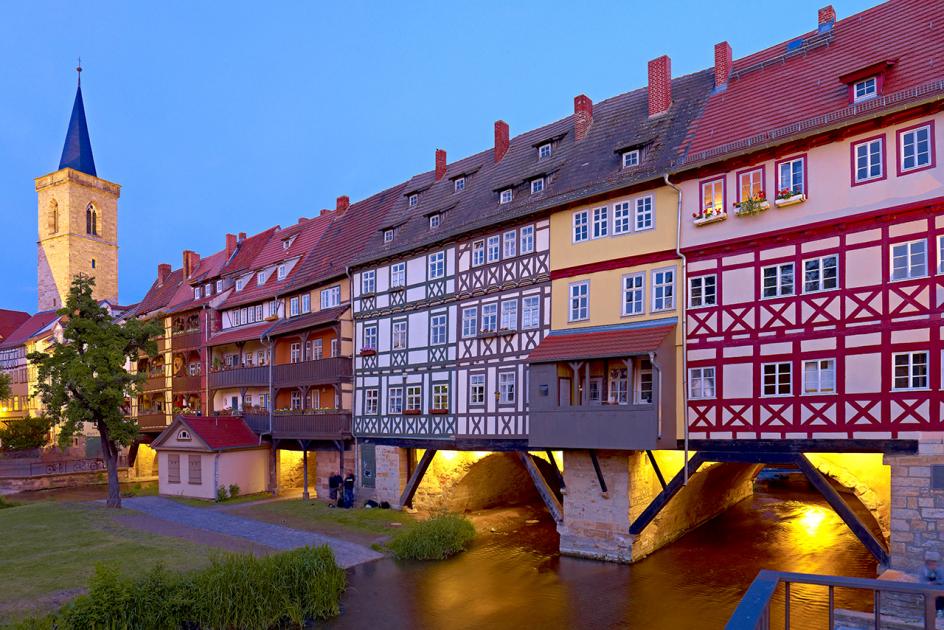
Krämerbrücke: The „merchants‘ bridge“ can be found in the central city of Erfurt. The medieval bridge is lined on both sides by timbered boutiques and homes that have been continually inhabited for the last 500 years – a record in Europe.

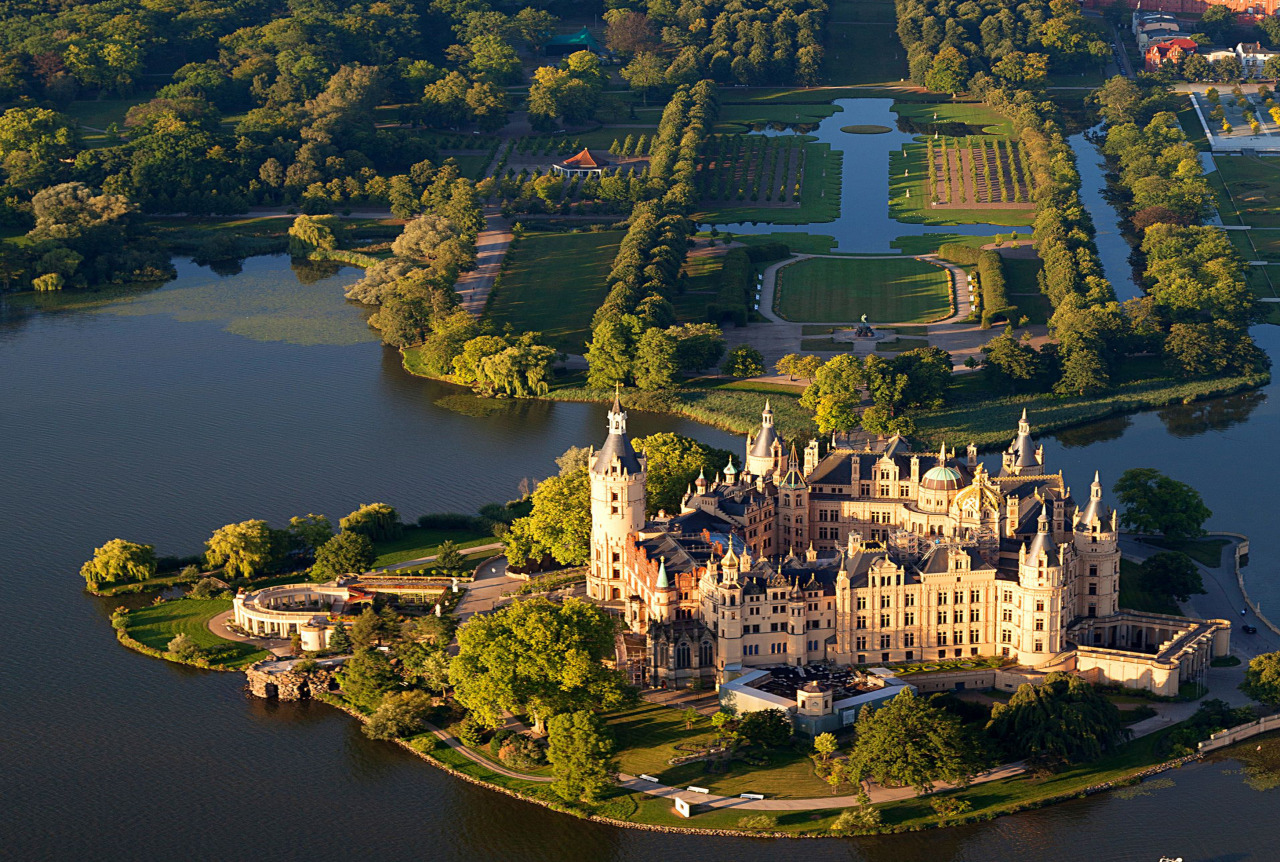
Schwerin: The glimmering Lake Schwerin gives this northeastern city its bright charisma. Schwerin Castle, a highlight for visitors, sits in the lake and serves as the seat of the state’s parliament. The history of this castle dates back to 973 AD !!

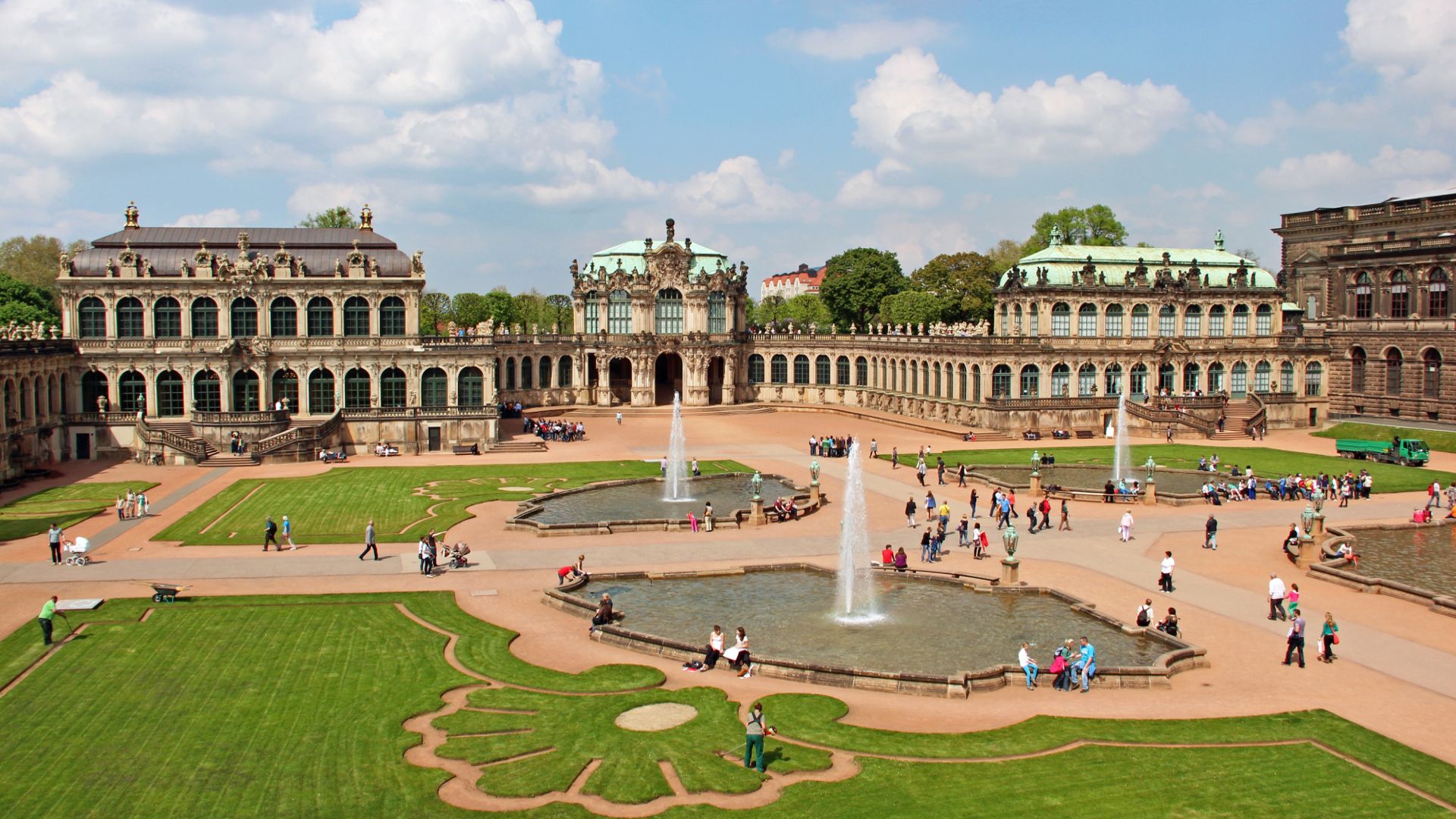
Zwinger Palace: Augustus the Strong commissioned this famous Baroque court in 1709. Today, its shooting fountains and impressive sculptures have made it the centerpiece of Dresden, the capital of Saxony, that once served as the home to monarchs and royal elects. Dresden is a Must See anyway, called once the Florence on the river Elbe.

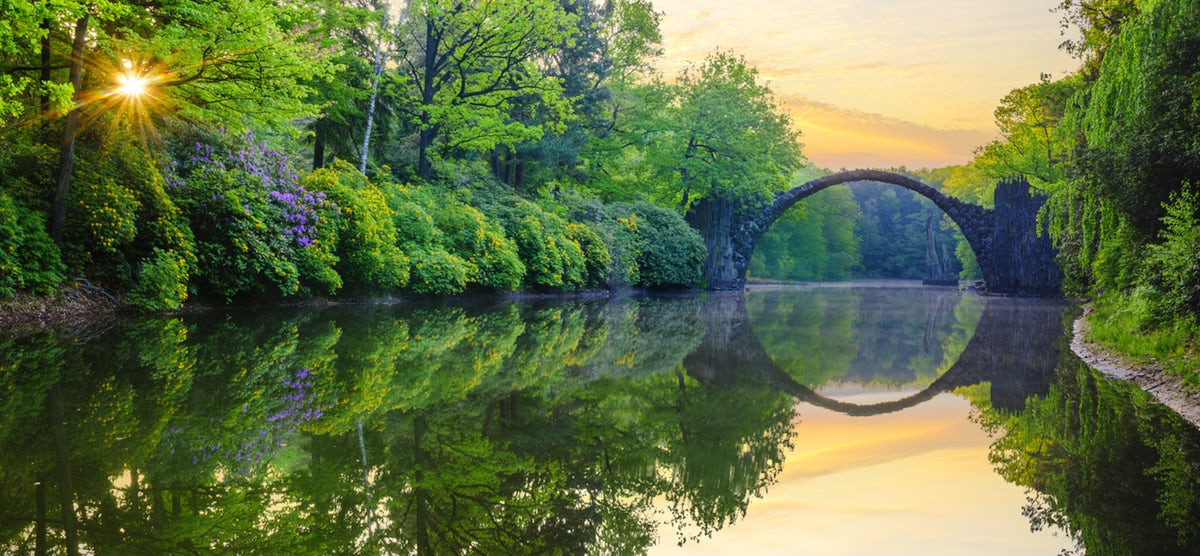
Azalea and Rhododendron Park Kromlau: This 200-acre English landscape park was built in the 19th century in Gablenz, Saxony. The arched Rakotz bridge, also known as the „devil’s bridge,“ reaches over one of the park’s many bodies of water and creates a perfect circle with its reflection below.

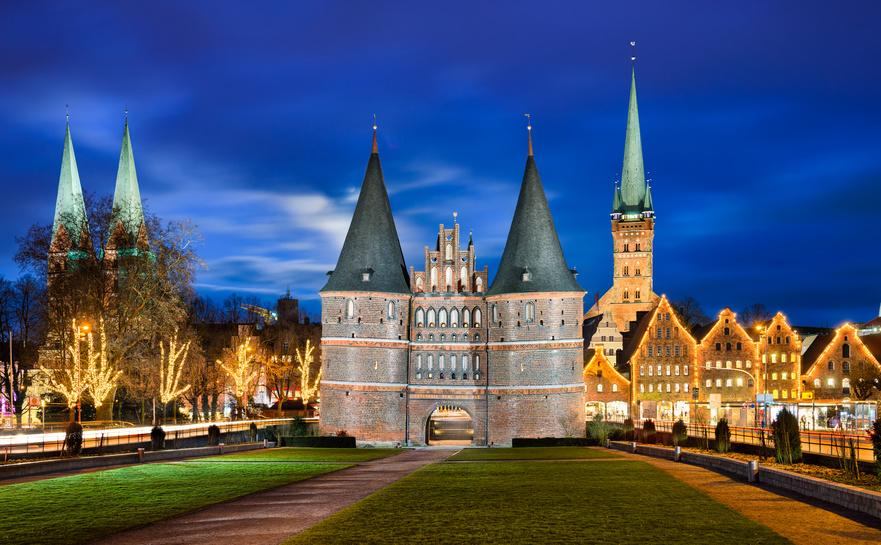
Lübeck: Lübeck is a small city, but its striking brick Gothic architecture and history as a major port have given it a UNESCO World Heritage designation. Many travelers who are visiting the maritime beauty of the city of Hamburg often plan a quick visit to Lübeck, which makes for a relaxing day trip. But Lübeck is much more then a quick trip worth.

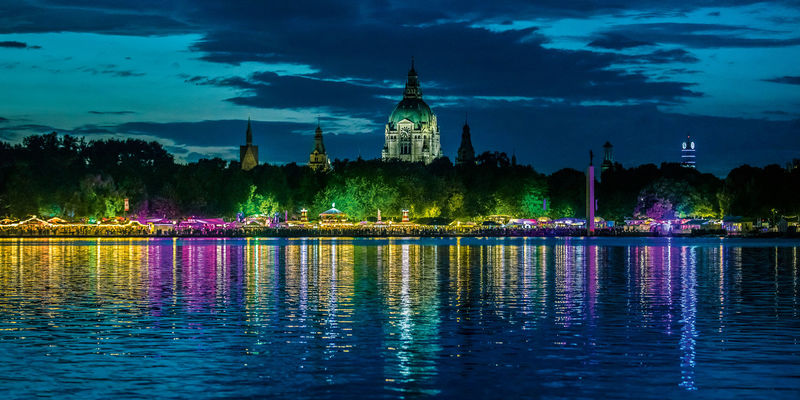
Maschsee: This quiet and idyllic lake, to my opinion totally underestimated destination, attracts families throughout the year in Hannover, the capital of Lower Saxony. However, it transforms during festivals in the summer, when the twinkling lights of the city reflect and glimmer back at visitors in the water.

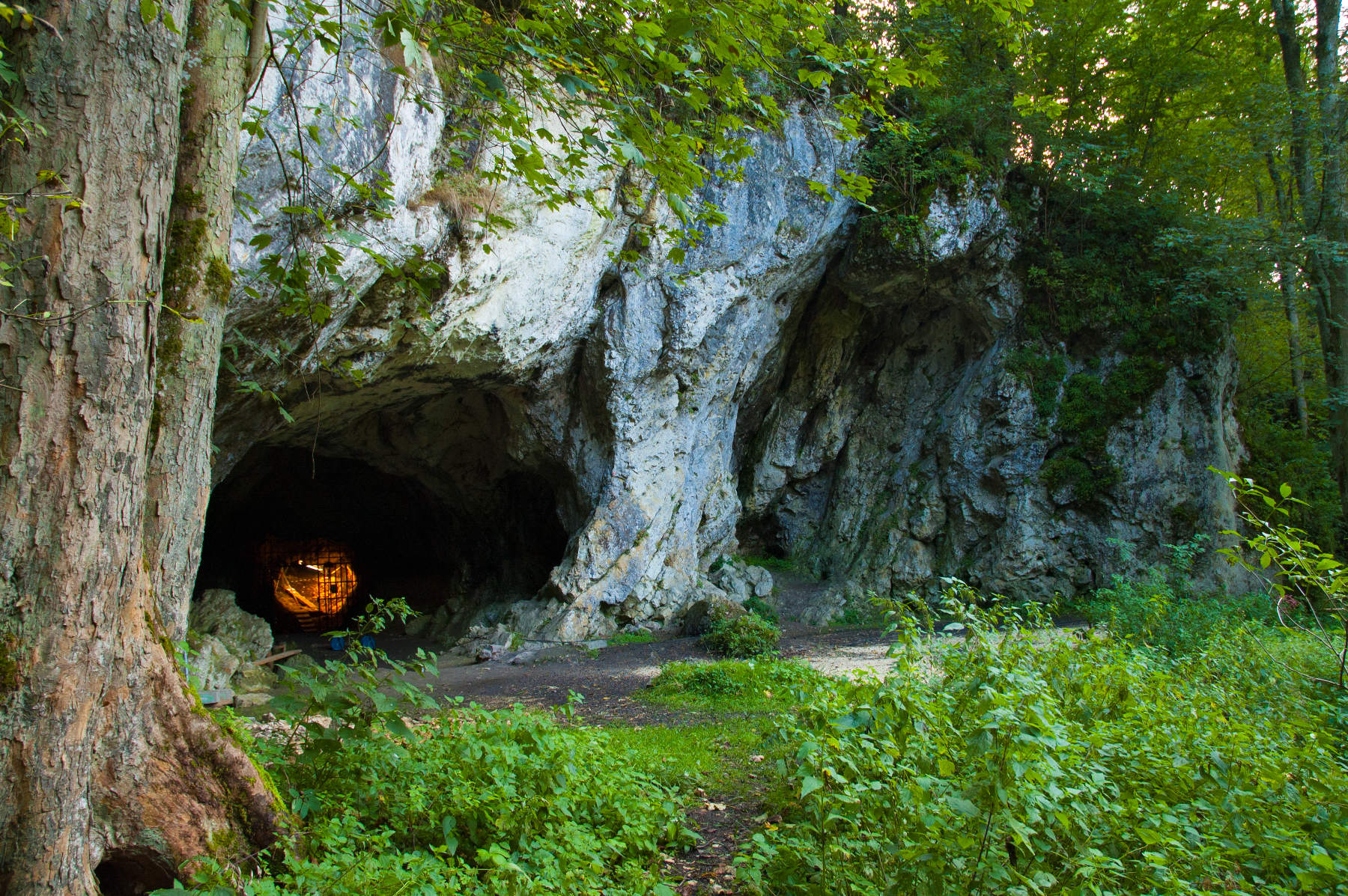
Caves and ice age art in Swabian Jura: Some of the oldest traces of human civilization exist inside six mesmerizing caves in the Swabian Jura region. Here, during the last Ice Age approximately 40,000 years ago, humans made their homes and left behind carved animal figures and musical instruments that viewers can see today.

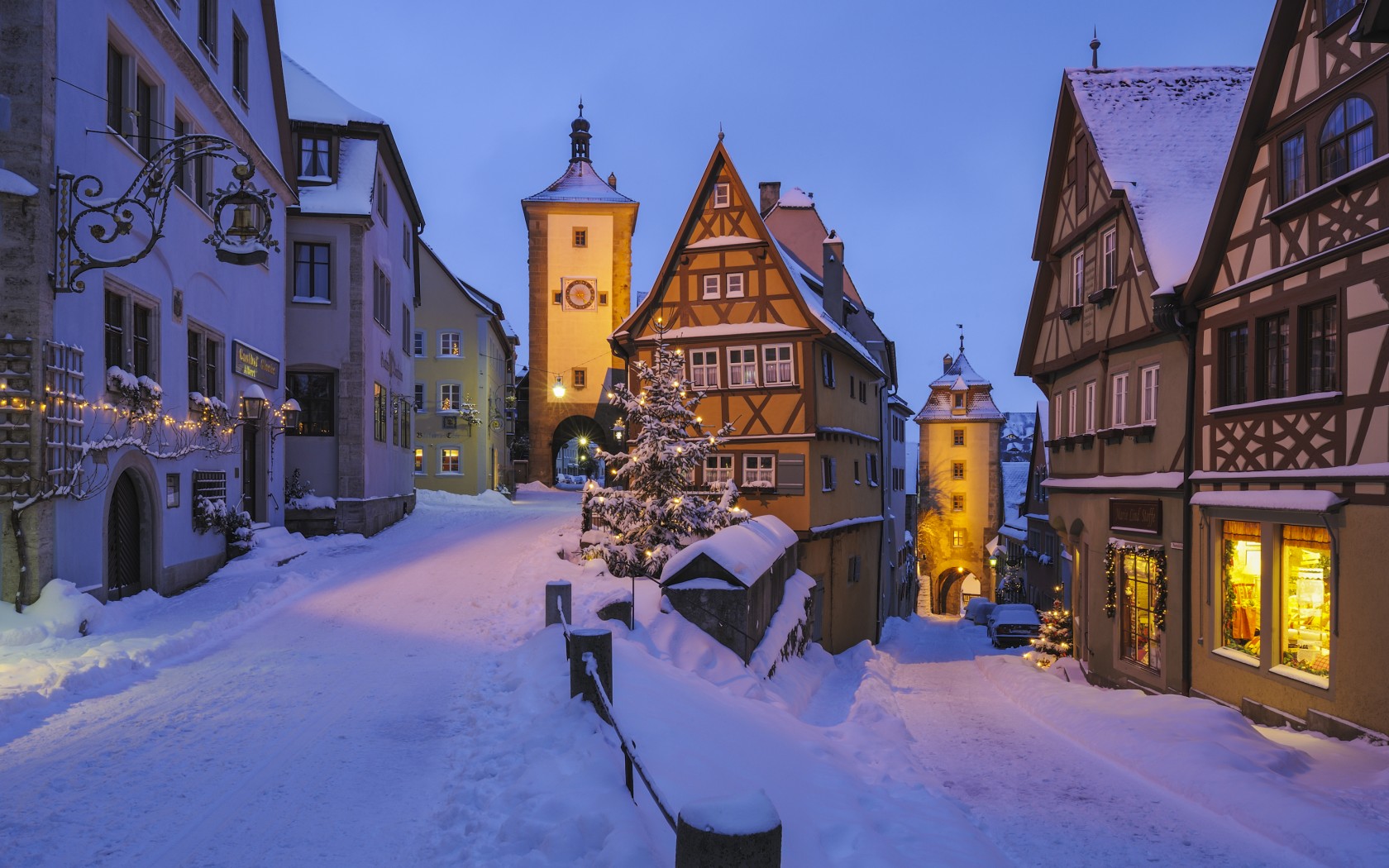
Rothenburg ob der Tauber: While driving along southern Germany’s popular and scenic Romantic Road, a 350-kilometer route that cuts through mountain areas and abundant forests, many travelers make sure to stop at the storybook town of Rothenburg ob der Tauber. The half-timbered houses decorated with flower boxes and the little cobblestone streets make the „Plönlein“ or „little square“ particularly endearing. Thousands of tourists all year round make this town a not to attractive destination to me.


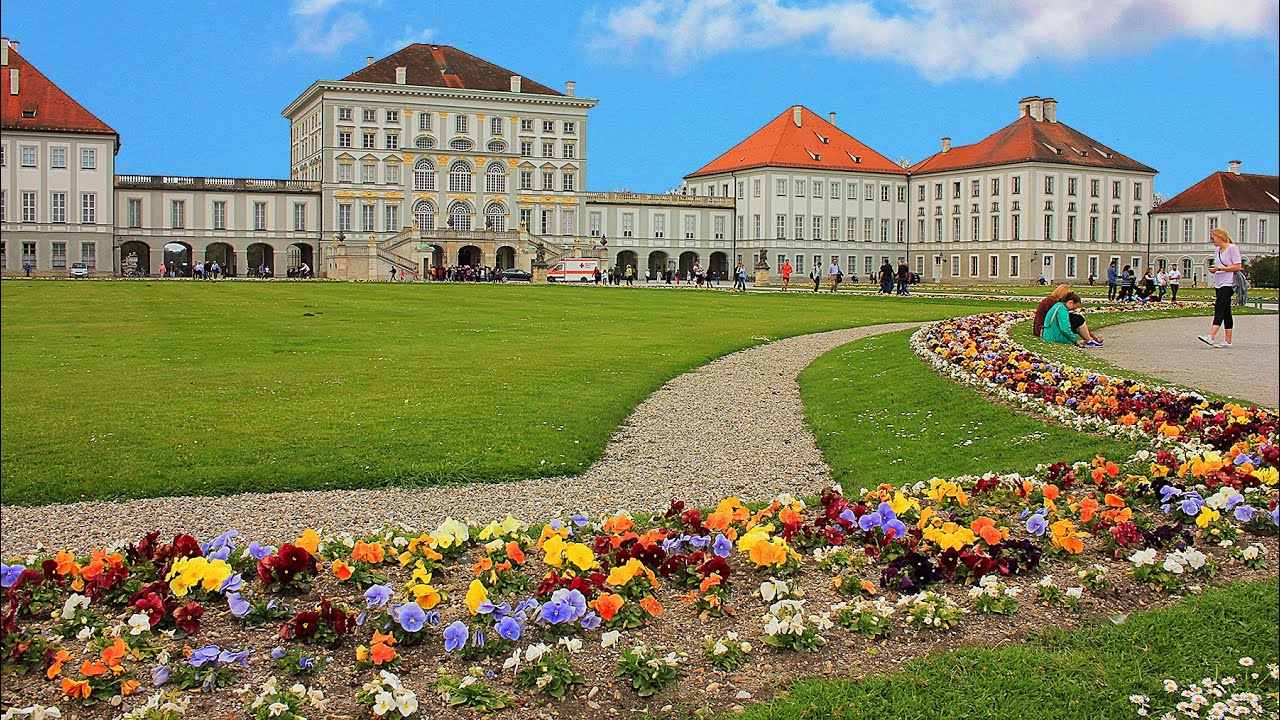
Nymphenburg Palace:
Within the impressive grounds of Nymphenburg Palace lies the Amalienburg, a residence and former hunting lodge that the Prince-elector of Bavaria Charles Albert built in 1734. The ornate interiors include the Rococo-style Hall of Mirrors designed by the architect François Cuvilliés the Elder.


Neuschwanstein Castle:
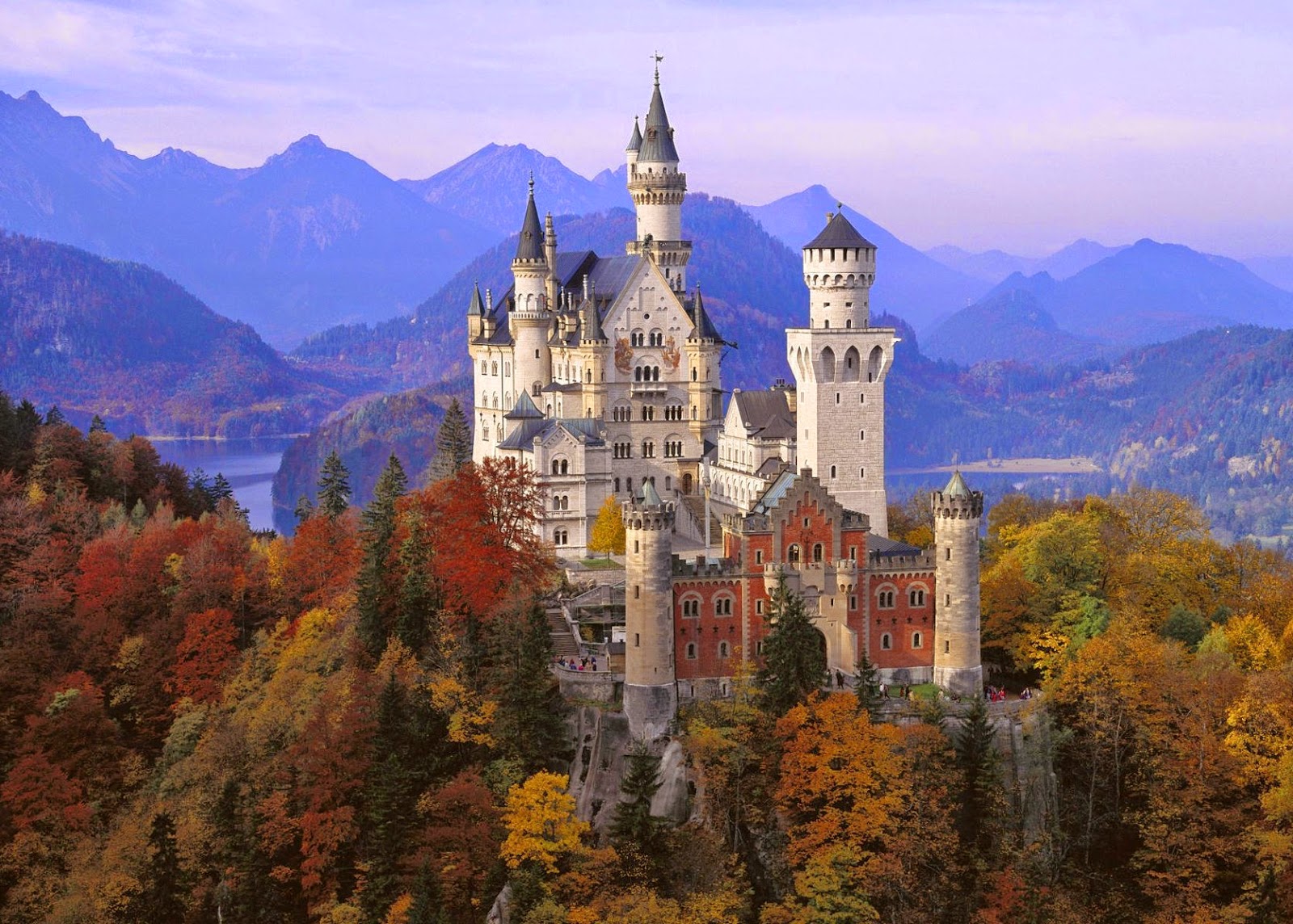
Built on a rugged hill by Ludwig II of Bavaria in the late 1800s, its Romanesque Revival style has made the castle a standout throughout Europe. The top of the structure offers a dramatic view of the Bavarian villages near Füssen below. But this is the second destination, I chose because of its prominence, not to recommend because of the long long waiting lines of millions of tourists all year round.

Berchtesgaden National Park: Alpine lakes and ice-topped mountains are just a few of the natural wonders that make Berchtesgaden such a breathtaking national park. This is a place to relax, visit the Königssee with its Basilica (shown far above in the header) or the well worth seeing town of Ramsau, or just enjoy the nature during long long hikes.

Dozens and dozens more attractions would be worth to be presented here, but this should be enough as a suggestion to travel the fantastic country of Germany.  More „Germany Tips“ you’ll find if you click under Tags (above on the right) on Germany !  Hope you enjoyed it !


Veröffentlicht unter Must See, Travel | Verschlagwortet mit | 2 Kommentare

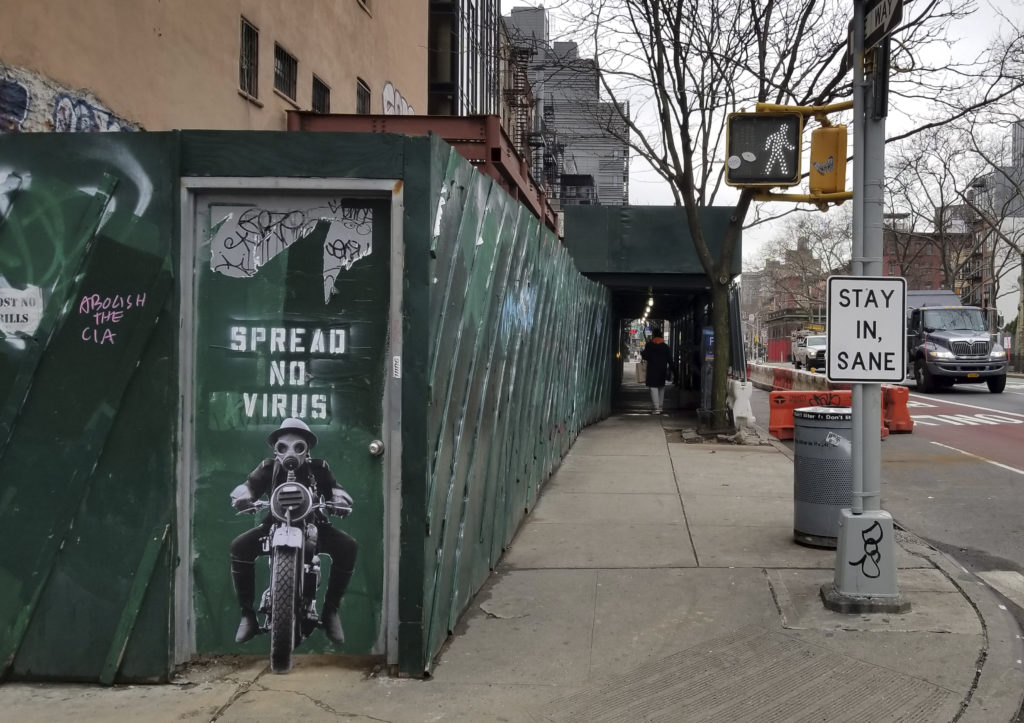
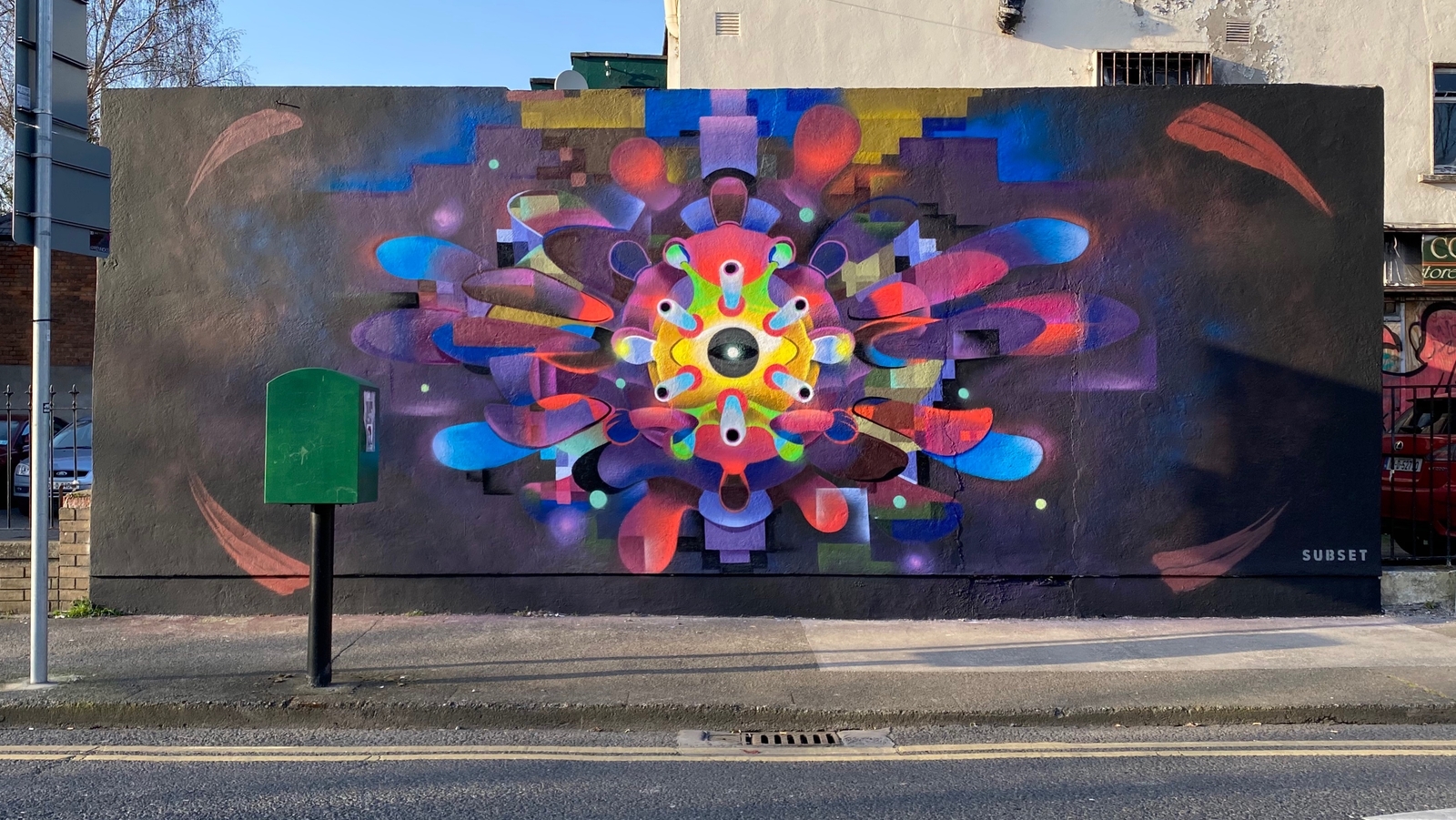
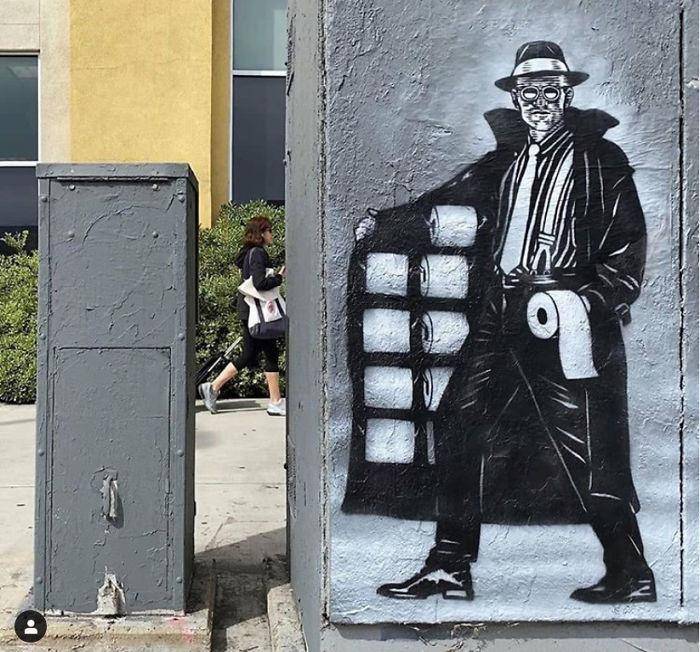
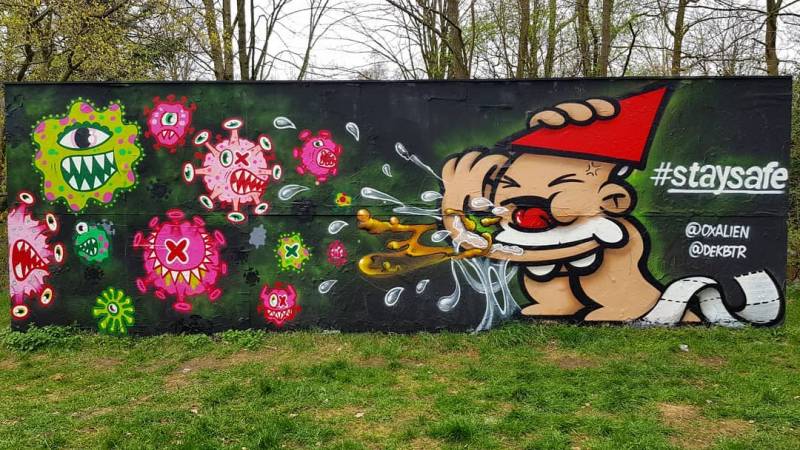
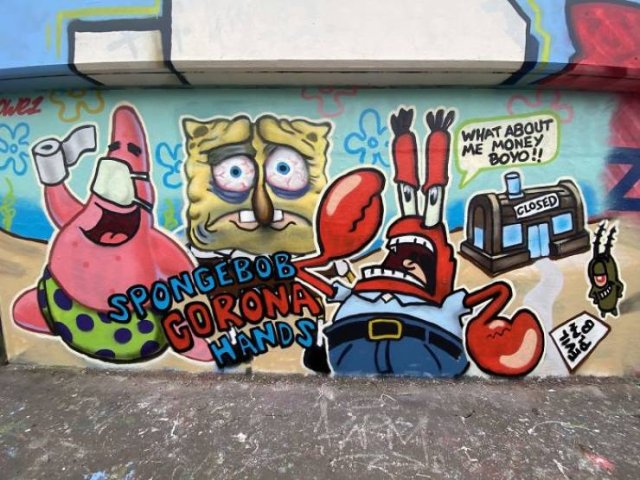
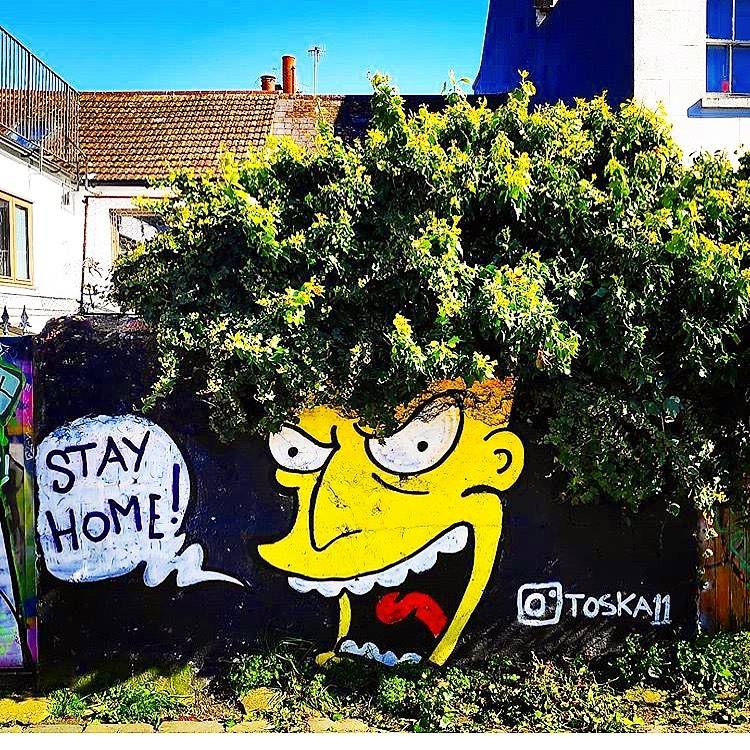
Corona Virus – Street Art

At the moment, the world has turned to Corona. Everybody knows „The Virus“. Covid-19 stands for COrona-VIrus Disease, 2019. I don’t want to write about the Corona Virus, many many other, much more predestined, people have done this already.

  This tiniest organism, unseen and killing us from the inside, gives a beating to the masters of the universe, namely us human beings.

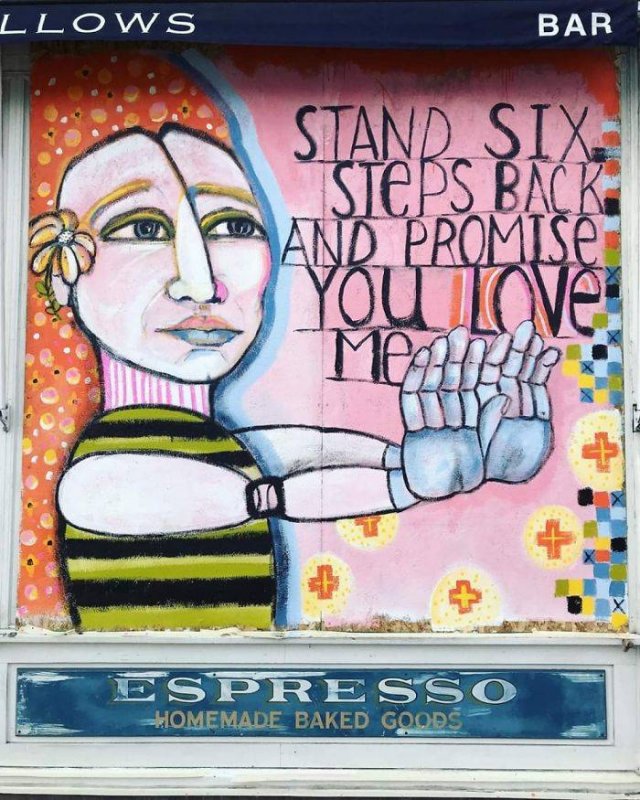
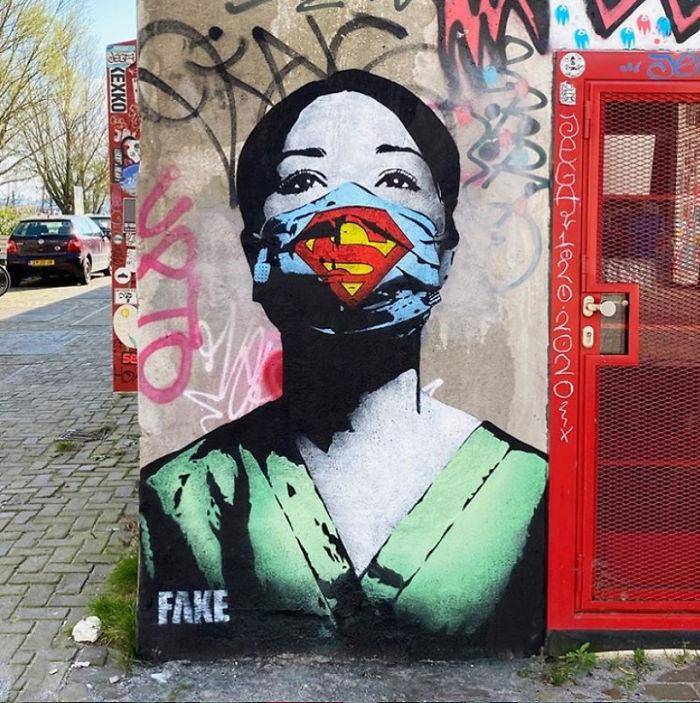
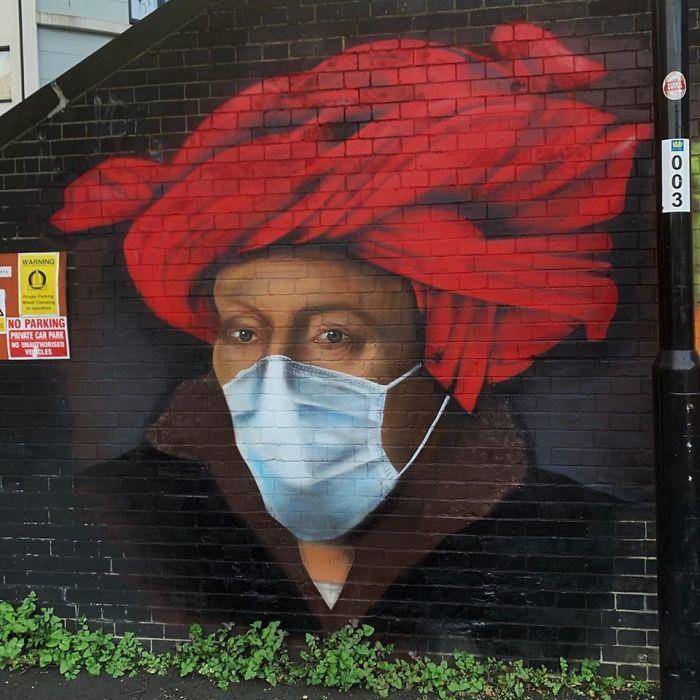
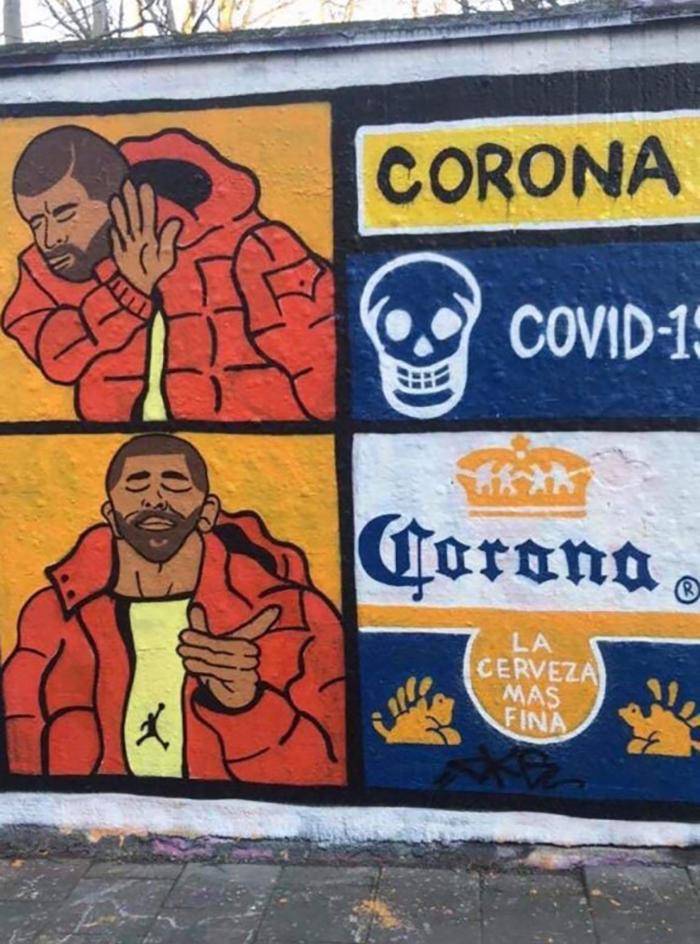
During the years writing this blog I posted several times pictures about STREET ART, because I think these artists are reflecting peoples thoughts, problems and actual worries pretty timely all around the world. They have their thumb on the pulse of time.

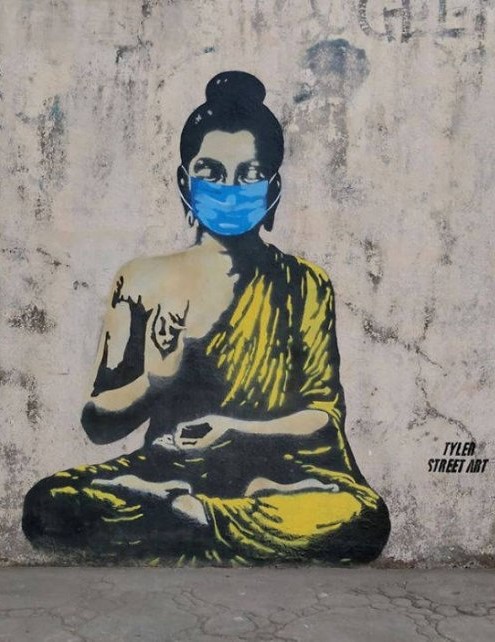
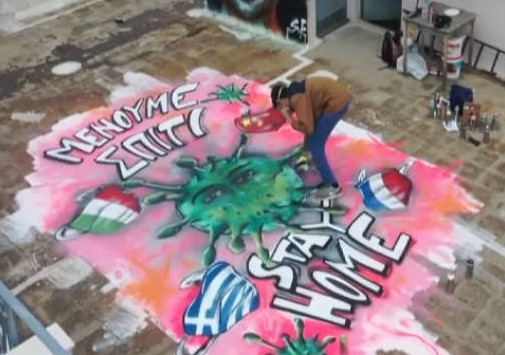
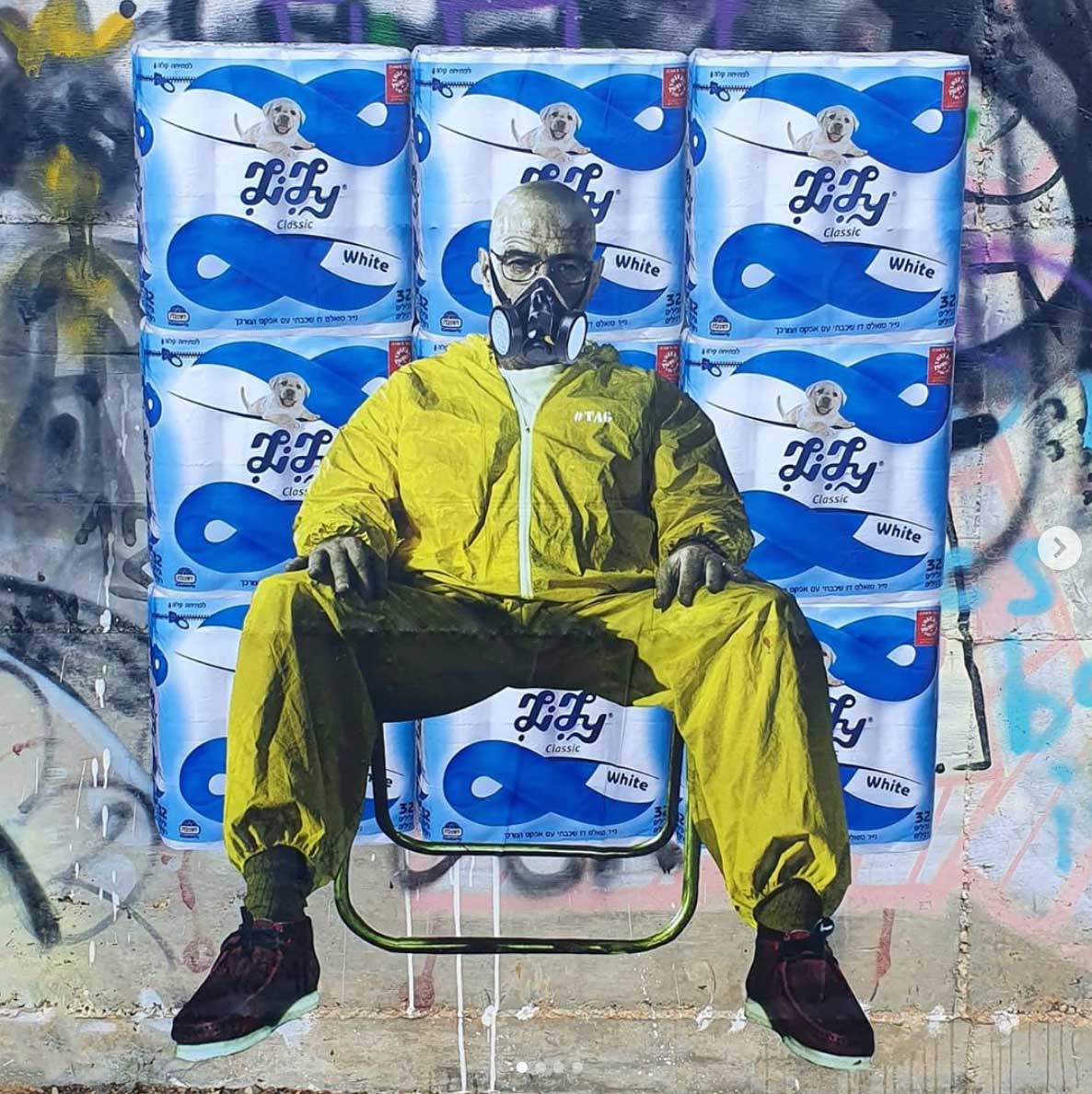
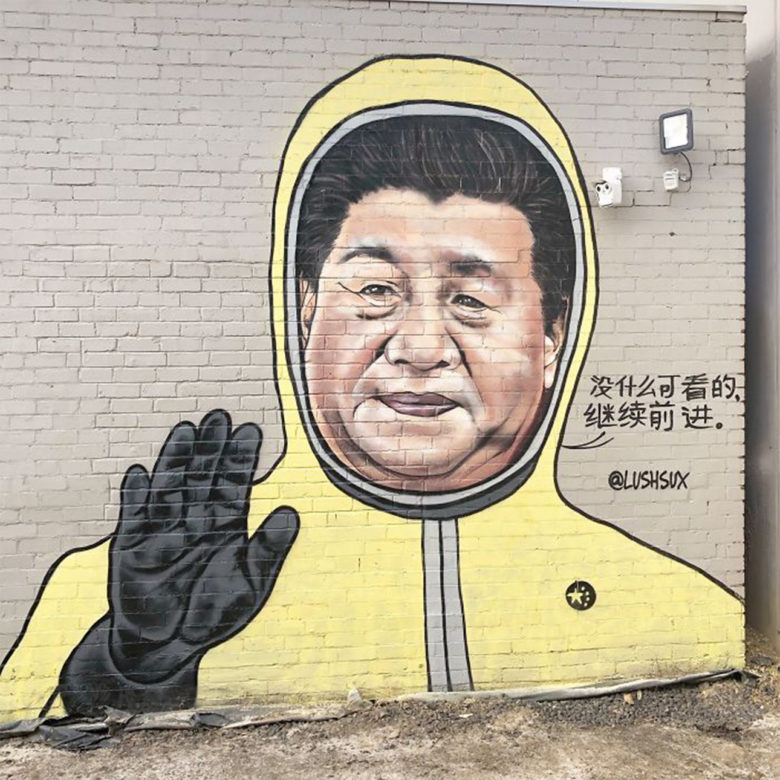
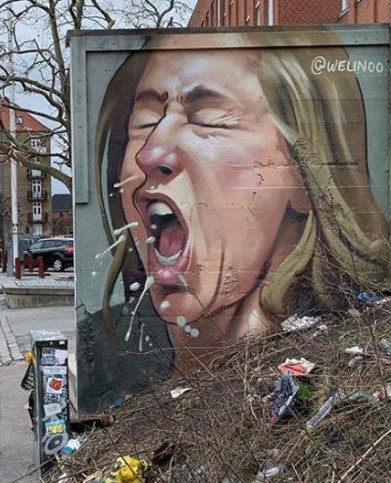
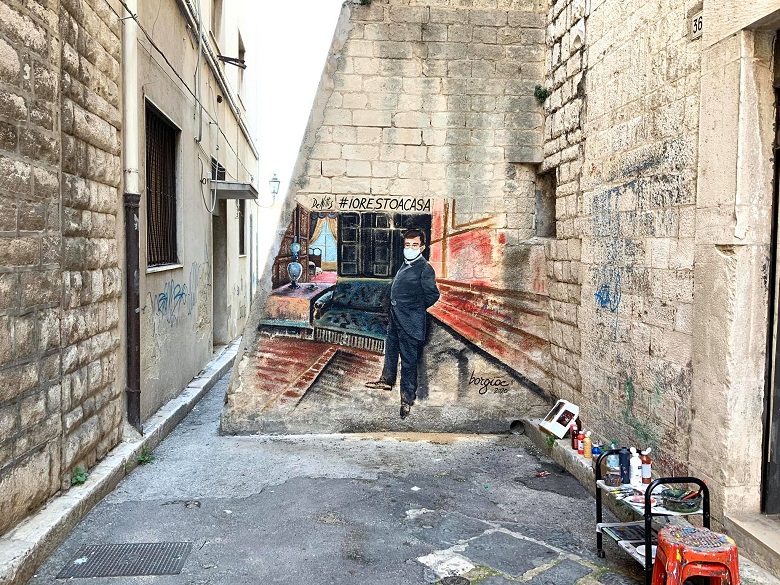
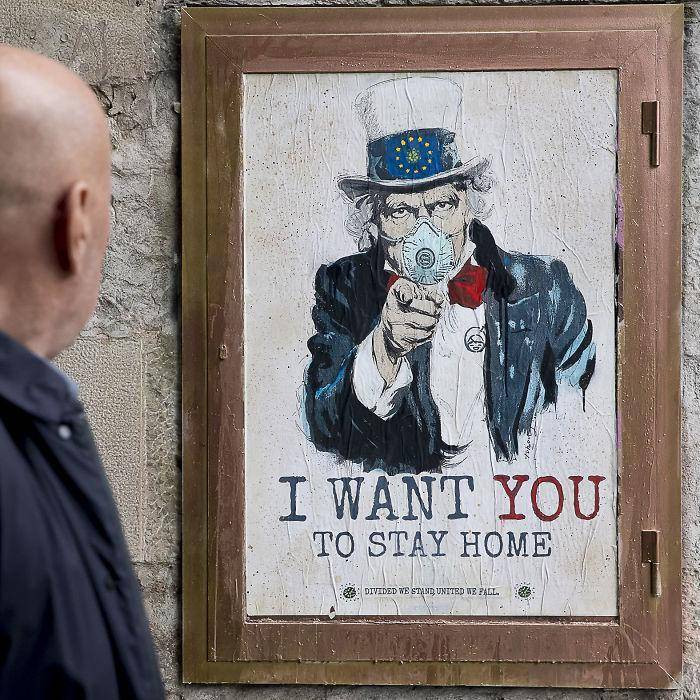
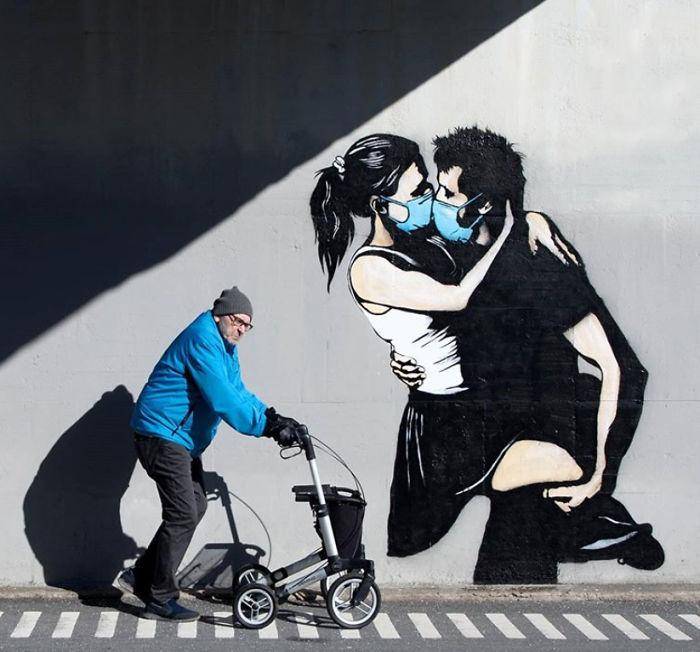
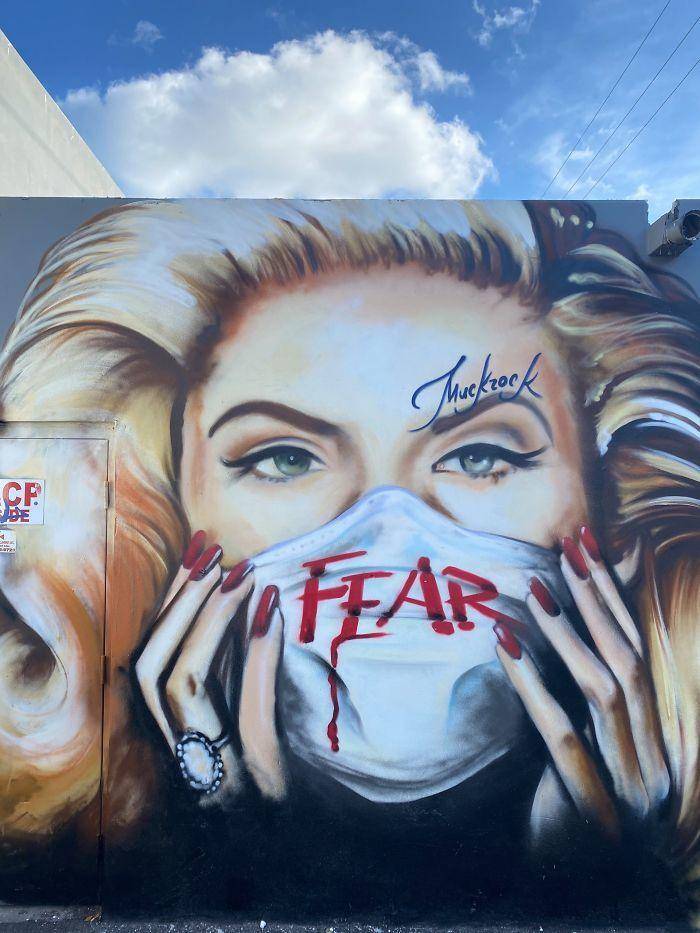
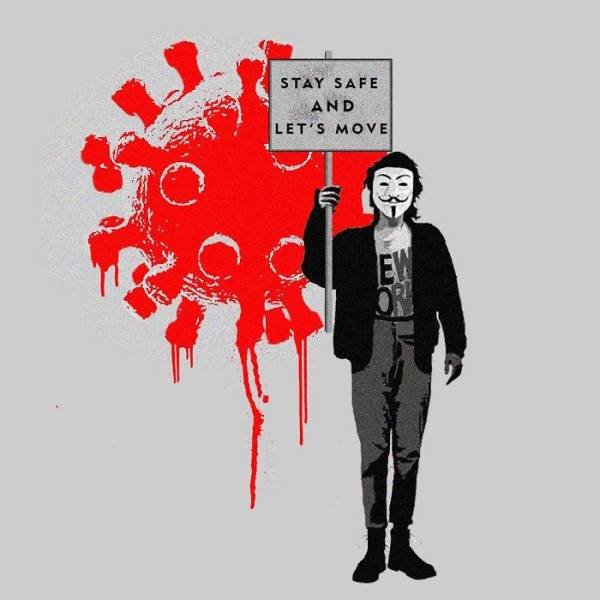
Some are meantime so famous that auctions sell them for millions of dollars, like Banksy. During the CORONA CRISIS, numerous graffiti are created worldwide, dealing with the virus and its effects. Here are some examples I found for you, enjoy:

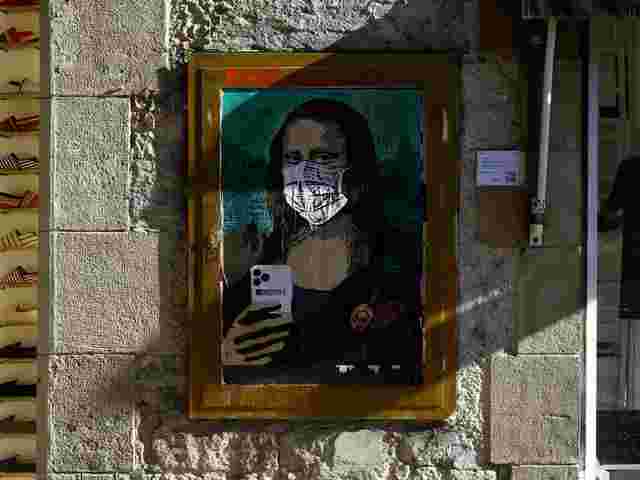
Above: The Italian Salvatore Benintende alias „TVBOY“ chose the Mona Lisa as his motif in Barcelona and gave her a face mask.


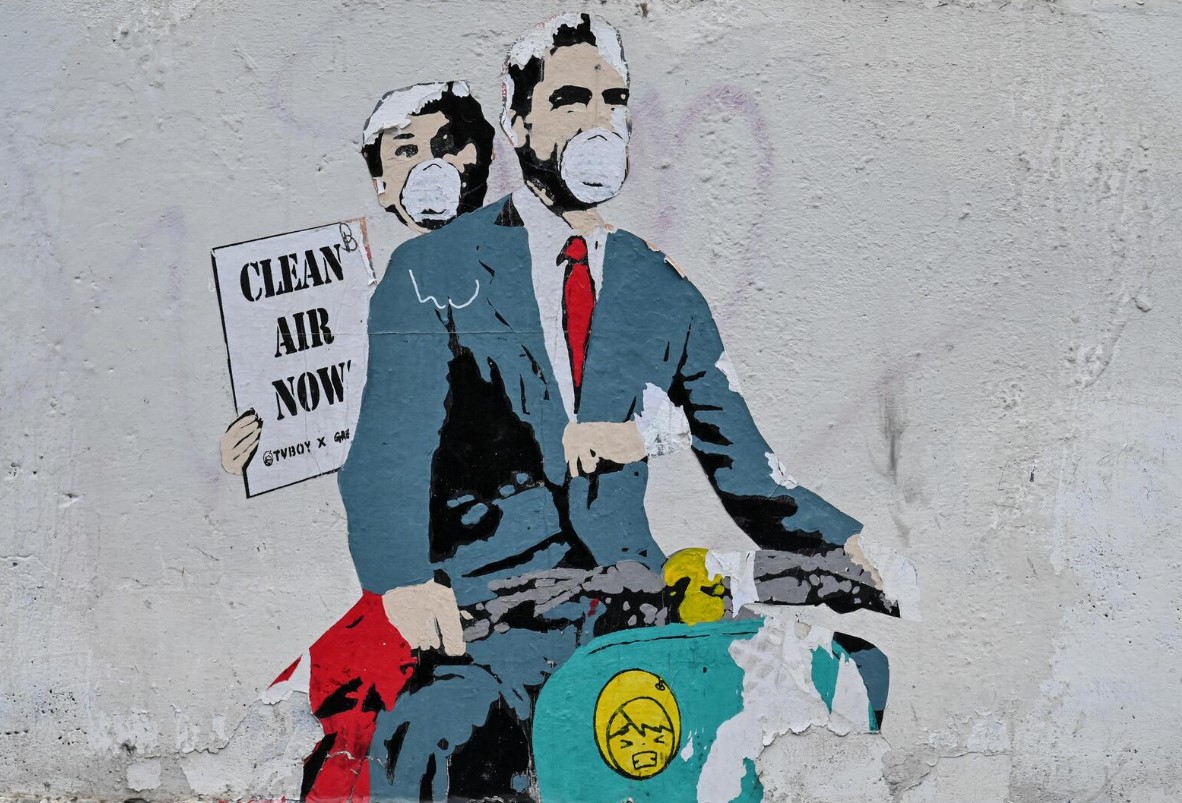
Above: The street artist „TVBOY“ was also on tour in Rome. Here his graffito shows a movie scene from „A Heart and a Crown“ with the movie icons Gregory Peck and Audrey Hepburn on a Vespa.


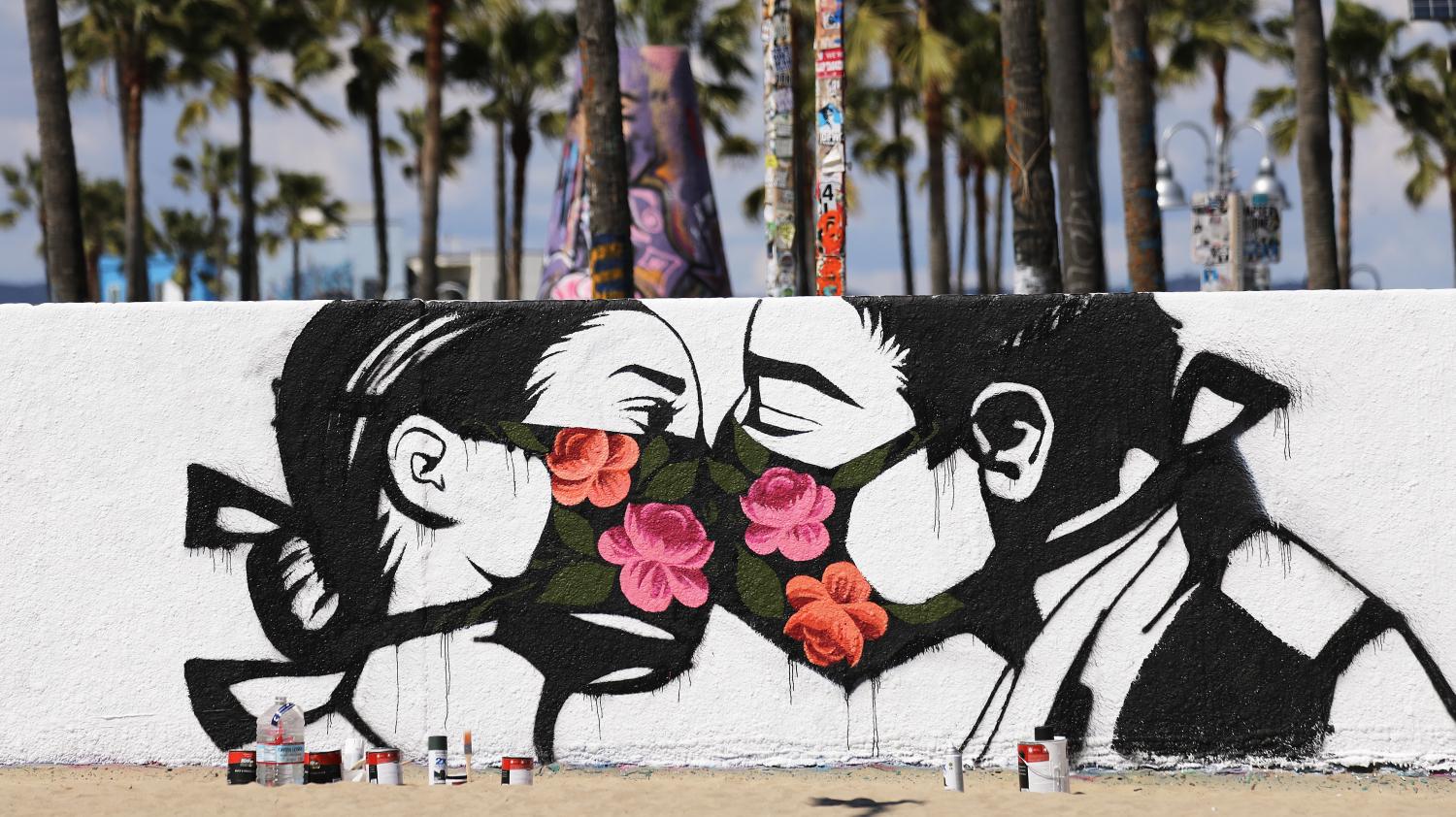
Above: On Venice Beach in California, the artist Pony Wave sprayed this picture on a wall.


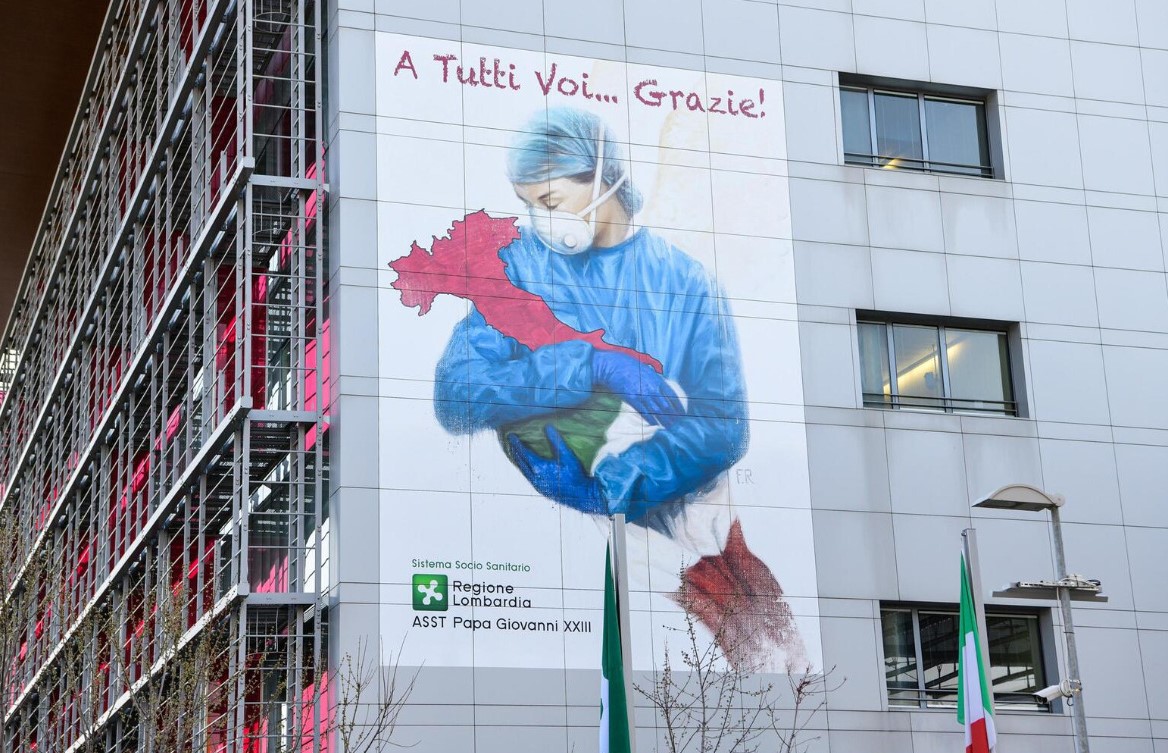
Above: A painting by the artist Franco Rivolli adorns a hospital in Bergamo. In it a nurse with angel wings holds all of Italy in her arms. It says: „To all of you… Thank you.“


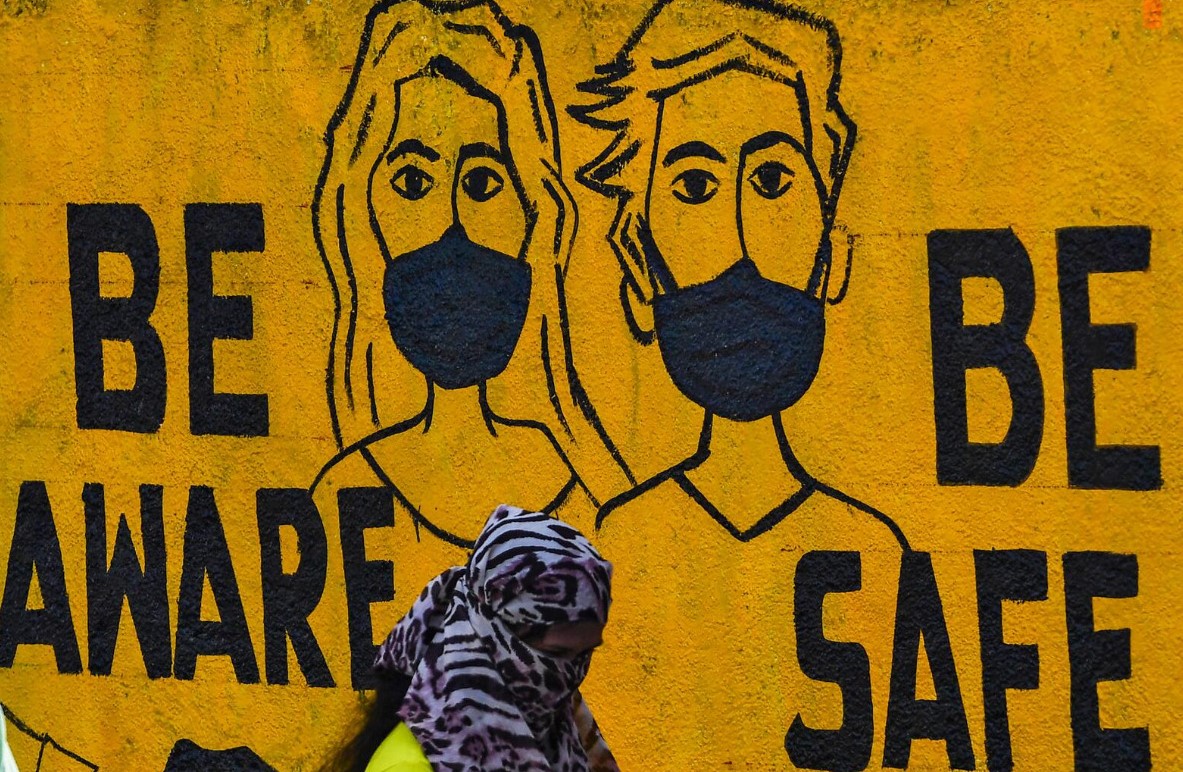
Above: In the Indian city of Mumbai, a graffito advises people to be careful.


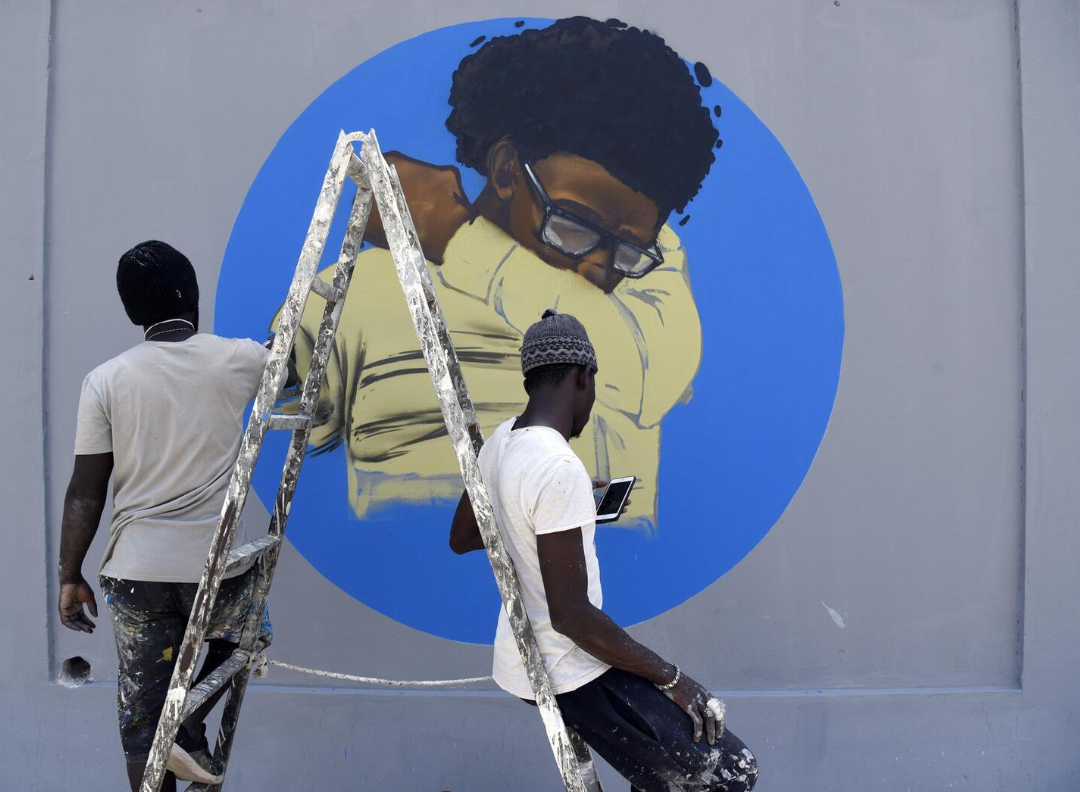
Above: At the University of Dakar in Senegal, the graffiti collective „RBS CREW“ is working on a man sneezing into the crook of his arm.


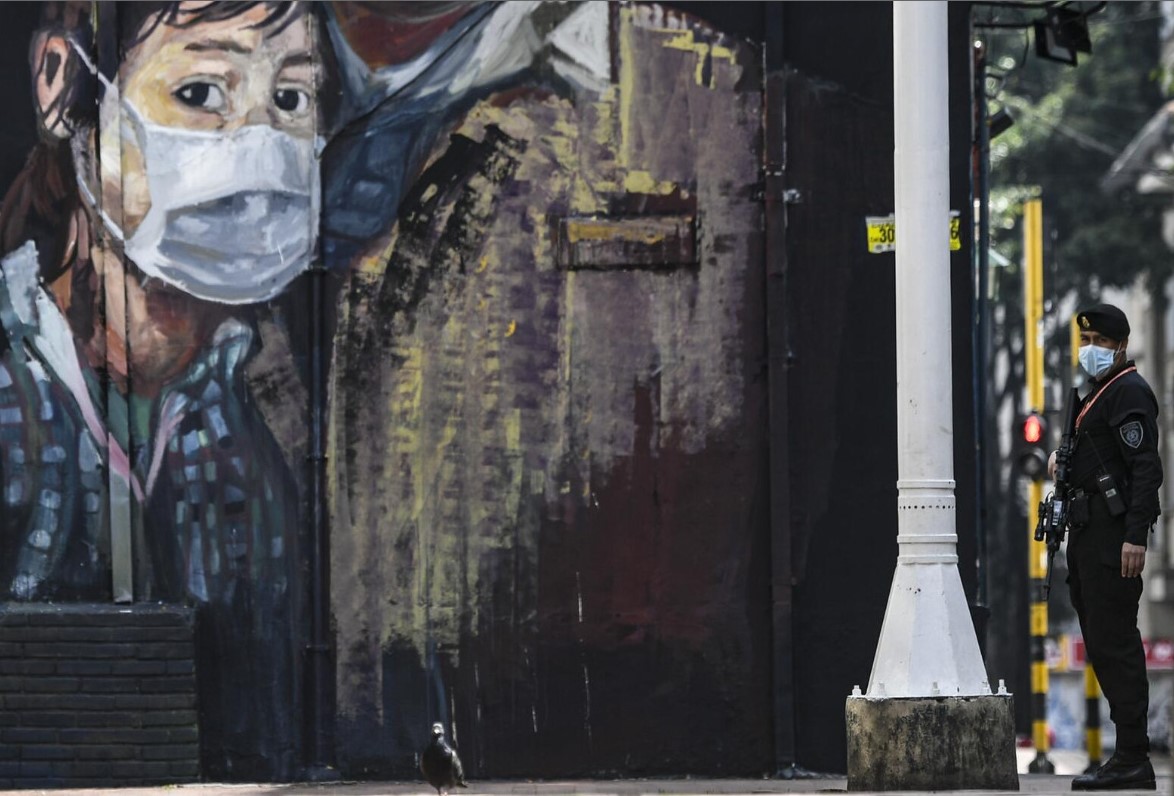
Above: In the Colombian city of Bogotá a graffito with coronavirus reference was created.


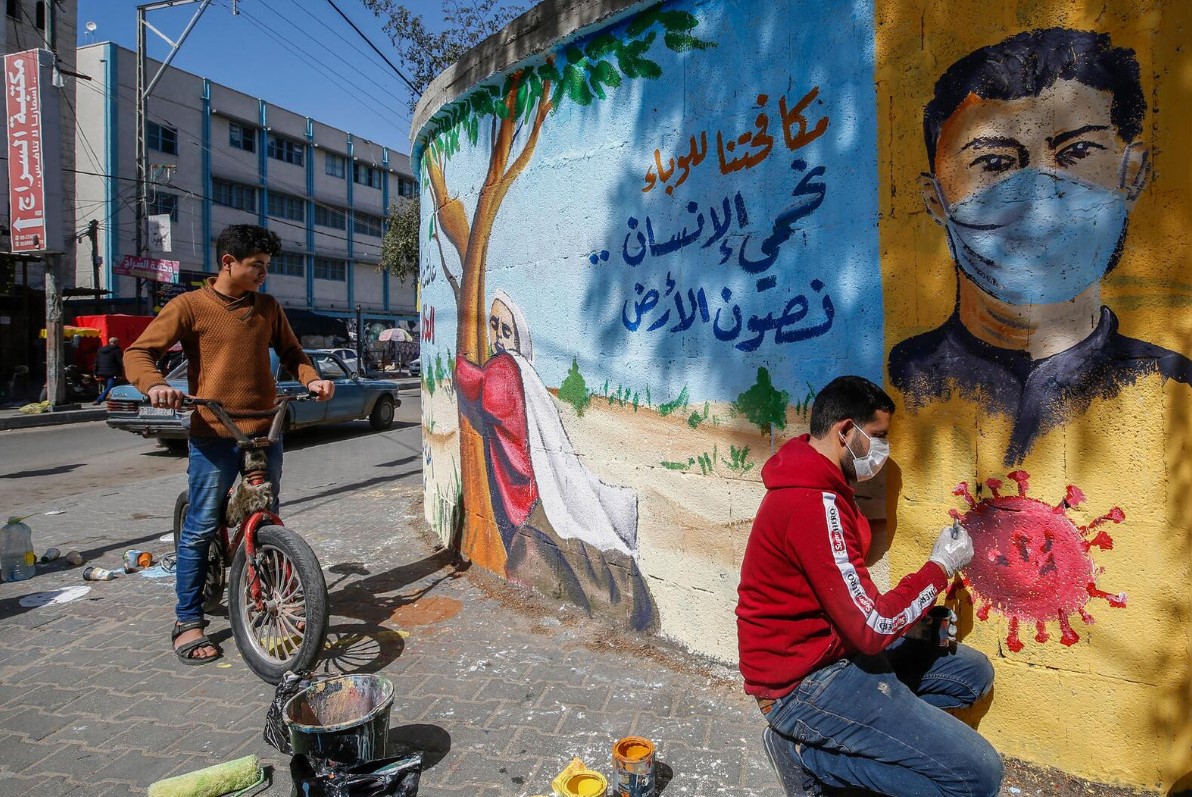
Above: A Palestinian in Rafah in the Gaza Strip is just finishing his wall painting. It says, „By fighting the epidemic, we protect mankind and preserve the earth.“


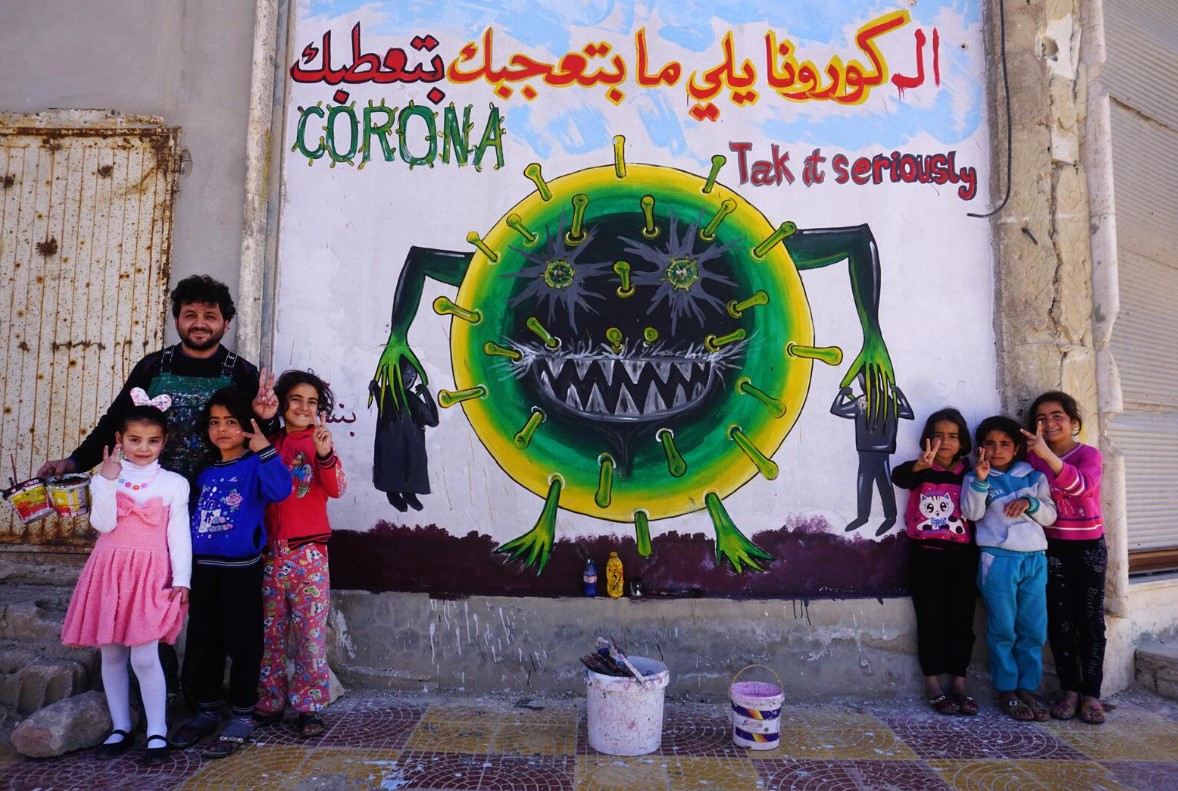
Above: The Syrian artist Aziz al-Asmar stands with children in front of a fresh mural in Binnish, which shows the coronavirus as a cartoon character. The Arabic letters indicate that the virus causes illness. It also says in English: „Take it seriously!“


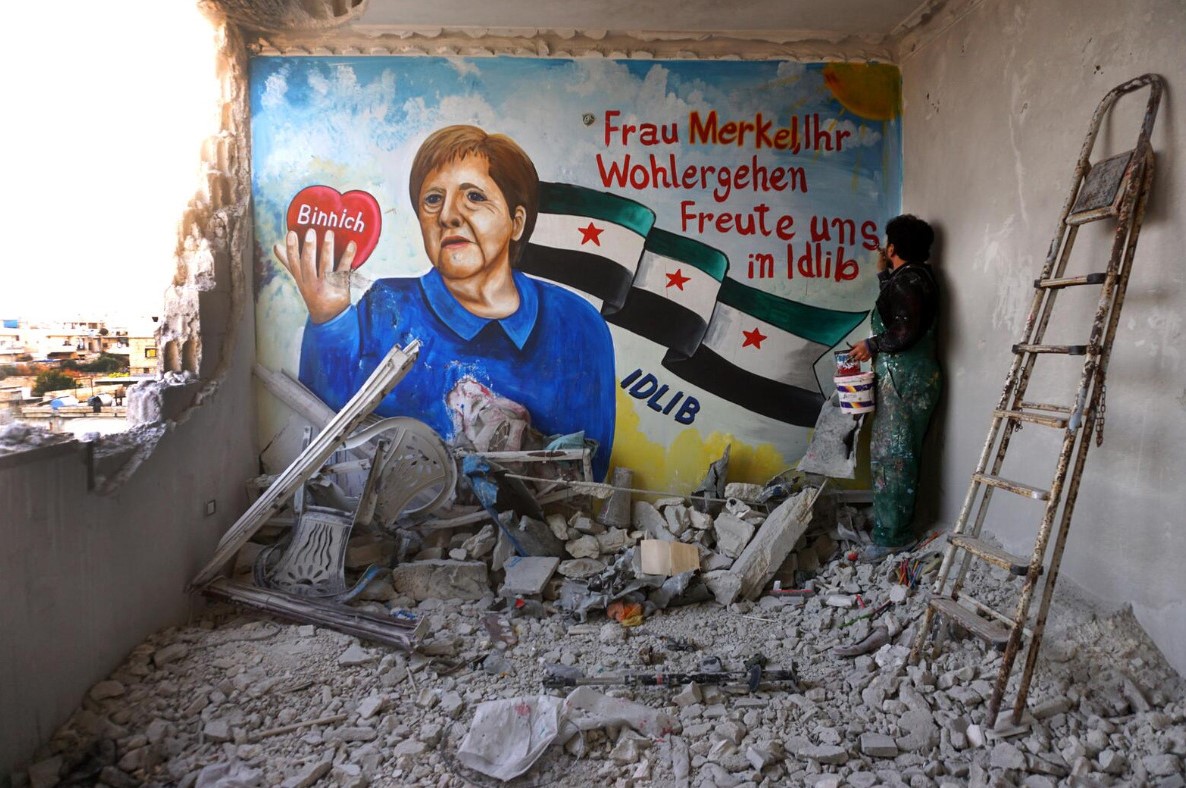
Above: Aziz al-Asmar has also painted the Chancellor in a destroyed house in Binnish, Syria, who was currently ruling from a self-imposed domestic quarantine because she was in contact with a corona infected person, but recovered healthy.


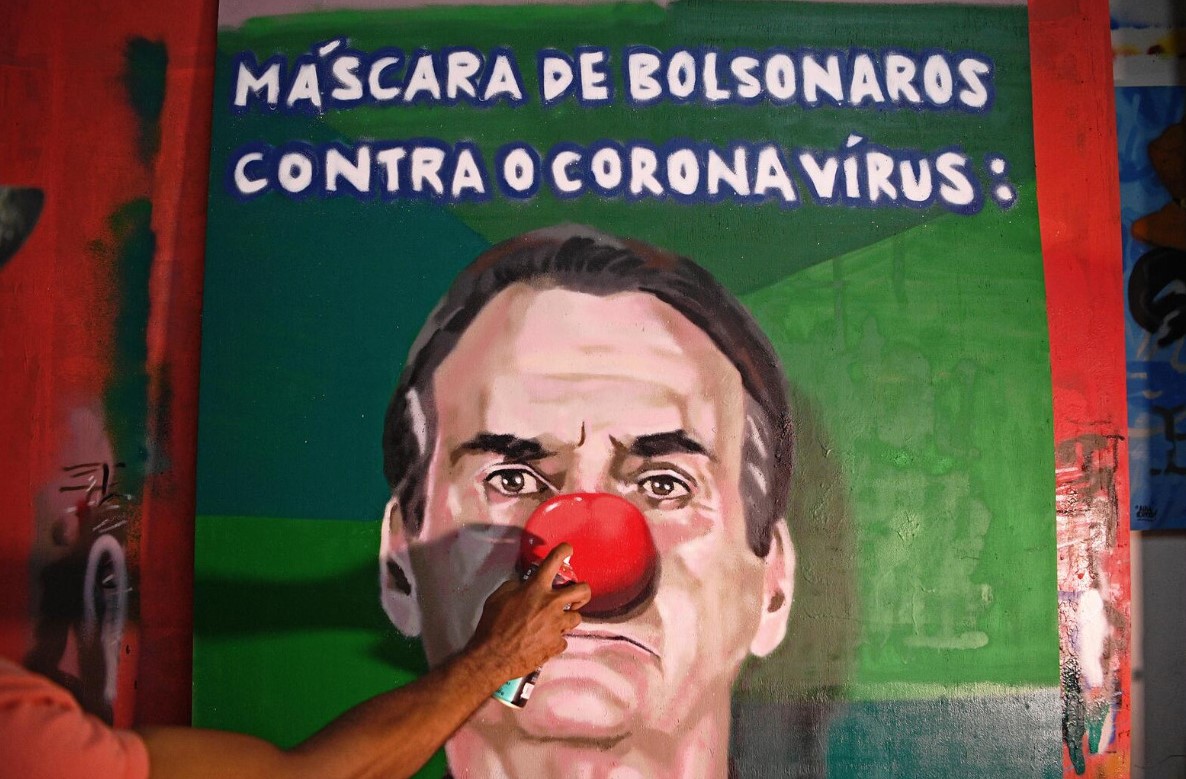
Above: The Brazilian graffiti artist Aira Ocrespo, on the other hand, draws a clown nose for his president Jair Bolsonaro. The picture was created in the artist’s studio in Rio de Janeiro and reads „Bolsonaro’s mask against the corona virus“.


Above: In the Berlin Wall Park, a graffito showing the figure Gollum from „Lord of the Rings“ with a toilet roll, calling it „My Love“.

Above: And Trump is not missing of course. The „Master of Deals“ is dealing with a much stronger problem now. This time he won’t solve the problem with his usual lying, covering and BULLSHITTING. It will affect his whole future – just wait and see !!
I hope you enjoyed this little excursion into the arts.

Veröffentlicht unter Information, Lifestyle | Verschlagwortet mit | Hinterlasse einen Kommentar

Corona – Uruguay is Different

With these „German Air Force Plane Hospitals“, Italian seriously ill corona infected people are flown to Germany. So positive such mutual help in hardest times.

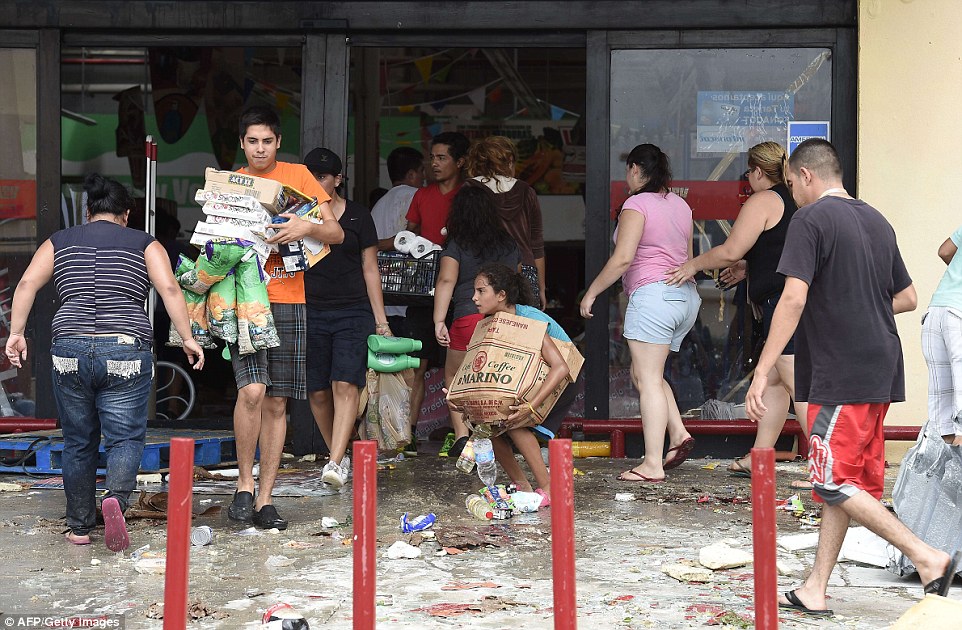
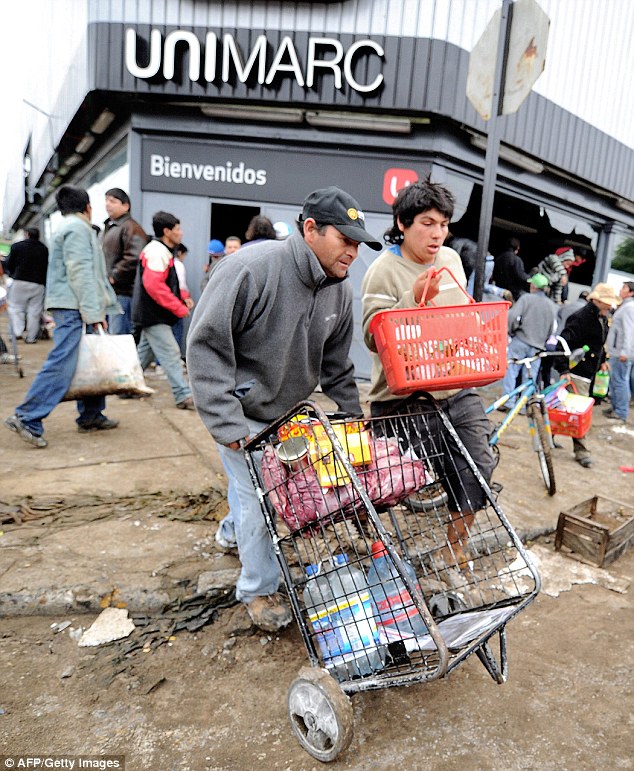
Friday, 13th of March 2020. The date will be marked in the memory of all Uruguayans as the first day of the corona-virus pandemic in the country. The first four infected were confirmed 72 days after China reported 27 cases to the World Health Organization in Hubei province. Up to that point, Uruguayans were mere spectators of the scenes of economic and health chaos left behind by the virus as it advanced from Asia to Europe. The reality in Italy and Spain, with thousands of infections and deaths that caused health systems to collapse, seemed far away for Uruguayans who followed the news through the media and social networks. Today, as I post this article we have in Uruguay 350 infected persons, 4 dead and 62 recovered. But no panic, no looting, no „hamster“ buying, all and most stay calm and quiet.


Typical Uruguayan Farmacia, well stocked, helpful, friendly and calm organized.

During the Corona Virus Crisis people read about it every day and seek for as much information as possible. So do I ! And I found many positive news worth talking about.

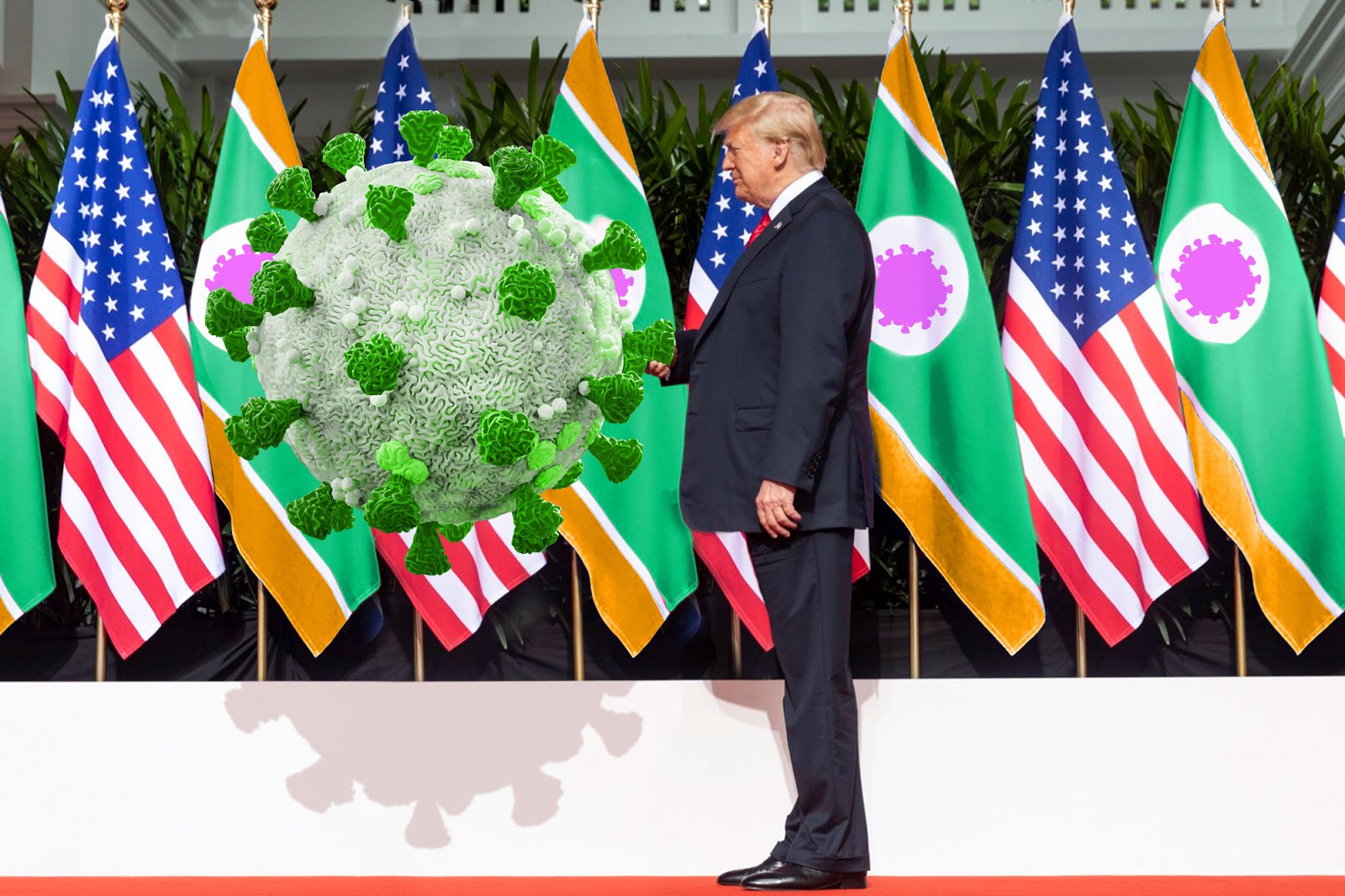
But some press articles read so bad that one is inclined to explode. By example the „Moron Trump“ who has nothing better to do as to stir up the world even more then the virus. Here two examples from the international press, just this week – NO FAKE NEWS :

Trump suggests US should treat Germany as an enemy because of World War II !

and

USA buy up (steal) protective masks in China. French politician raises serious accusations against the USA !

  
Good is, that Trump is meeting Corona – he might make a deal ! What a CLOWN !!!  Click on pics to size up.

But this article is not antipersonnel Trump. It is worthless to comment about him as it was worthless in the 1930’s to be against Hitler! To many followers worship mindless dictators! But future will punish and time will penalize – as always in history – poor Americans !!

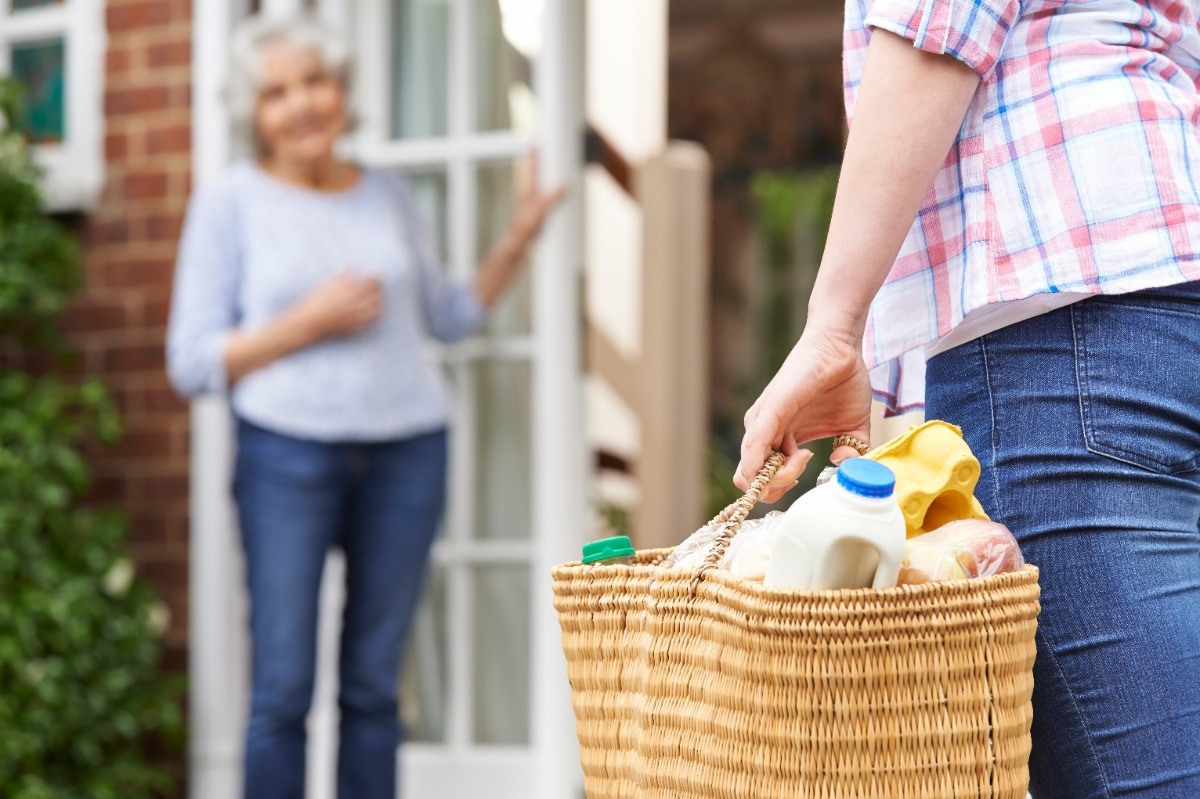
During the last weeks more and more people reflect on human relations with each other ! Human togetherness is booming again   ….may be only until after the pandemic. But it is worth to notice these „delicate flaws“.

People help each other – shopping service and food delivery for the elder’s – THANKS TO ALL !

Looting occurred in most countries in South America during the first week of quarantine. One exception is Uruguay, where unions, grassroots committees, football clubs and neighborhood groups are organizing folk kitchens across the country. Uruguay is different!


In several countries, there has been looting since quarantine was imposed, as here in Colombia. pic:Saltaren.

In Colombia’s La Guajira province several supermarkets have been looted in recent days. The police and the Esmad counter-insurgency unit defended the shops, but caused panic among shoppers. Elsewhere, groups of people stopped lorries with food to empty them afterwards.

Colombian motorbike taxi. Flickr.

Many motorbike taxis, the most common means of transport in Colombia, helped with the actions. They are part of the informal sector that lives from hand to mouth throughout Latin America and accounts for more than 50 percent of the working population. Those who are dependent on „making money“ every day with some kind of job on the streets are existentially affected by the quarantine. For them there is neither unemployment insurance nor health protection.

On the Colombian-Venezuelan border. People try to survive where nothing is available anymore.

On the Colombian side in the border area with Venezuela, there have also been riots and looting. Trucks with food were cleared out, as it were. A significant part of the population lives from smuggling and from buying and selling subsidized Venezuelan products on Colombian soil. The border closures hit these people hard.

Looting a supermarket in Mexico. Getty.

In Peru, panic broke out in various supermarkets when the police there tried to arrest alleged looters among the hamster buyers.

Mexico is particularly affected by organized raids. However, according to official statements, this is not the appropriation of food or articles of basic needs. Rather, groups of people come together through Whats-app, who together mainly raid shops with expensive electronic or household appliances. Televisions and microwaves are particularly popular. They arrange the meeting place via mobile phone, check the situation on site and then storm the shops. „This is a group of people who are taking advantage of the exceptional situation of the Corona quarantine to enrich themselves with high-quality goods,“ said the spokeswoman of the Ministry of the Interior. „In none of these cases were food or medicines sought“.

Looting for valuables in Mexico, there is no starvation.

Individual group attacks on shops have been reported from Chile, but so far there are only a few exceptions. Since the beginning of the quarantine, the country has been plagued by a different kind of looting, which mainly affects the socially weak classes: Some companies are increasing the prices of goods like food, toiletries and especially respirators many times over. They speculate with the need and with the fear of infection. In Parliament, the issue led to the accusation that President Sebastian Piñeira was too slow and too petty in his reaction with social aid measures for the needy. The privatized health service is out of reach for this section of the population, and the corona test, for example, costs the equivalent of 35 unaffordable US-dollars.

Looting in Chile. Getty. Situations like this are totally unknown in Uruguay.

No attacks of this kind have yet been reported from Uruguay. The country provides an example of human solidarity from below. People’s kitchens are springing up everywhere like mushrooms. The trade union federation PIT-CNT, basic committees of the left-wing party Frente Amplio, sports clubs, neighborhood groups, even shop and pub owners took part in covering the country with a network of people’s kitchens within a few days. In Montevideo alone there are more than 20 such improvised establishments. There is experience, because during the harsh economic crisis of 2002, Uruguayans organized a similar wave of solidarity, especially in the poorer districts of the city.

Folk kitchen during the Corona Pandemic in Uruguay.

„Nobody is starving here“, says a veteran, waving the large ladle of pasta, minced meat, vegetables and tomato sauce to fill the plastic bowl of a woman with two small children. In fact, this is a deeply rooted cultural tradition.

Many folk kitchens are set up in poor areas to provide food during the Corona Crisis in Uruguay.

Shops in the area supply food, and bakers and butchers make daily donations. The town halls in Montevideo’s administrative districts bring basic foodstuffs to the people’s kitchens by truck. Neighbors donate a kilo of rice, a bag of pasta or a cleaning agent. Everything here is useful. I am happy to be in the most civilized country of Latin America during a crisis like this.  So, be positive, as I am – let’s ride out the Pandemic – and let us look forward to hug our buddies again after the Corona Crisis !
Watch this:

„After Corona, when I meet my old buddies again“. Sent by my good buddy Bernd.


Comment picture added 4/3/2020 8.36 :

Veröffentlicht unter Home, Information, Lifestyle, Uruguay | Verschlagwortet mit , , | 12 Kommentare

Fake The Wine Connoisseur

My last article about the wine connoisseur has brought a lot of comments. Thanks for that. Anyway, I want to stick to the content, but I have to admit that some people’s knowledge of wine, or what they think they have, often ends up in boasting.

That’s why I like to give you a few thoughts on how to stand up against such people. My suggestion, do it the „nice way“, as well as I’ll hang it on to the „French neighbor example“. A real connoisseur doesn’t need to show off, he is using his knowledge for hers/his own satisfaction. Just using the knowledge if its asked for.

Fake the wine connoisseur.

By example you are invited by your French (holiday home) neighbors and a good bottle of wine is served on the table – a sign of good French hospitality! But how much do you know about wine? 5 tips for those who still have difficulties with grape varieties and aromas.

   Don’t worry, fakes are everywhere.

If you assess the situation correctly, you’ll notice dust on the bottle, old vintages and terms like Cru classé or Grand Cru on the label are important features. But the shining eyes of the host often also indicate that he has brought something special from the wine cellar. If he then subtly brings the label into your field of vision, then there is something better on the table than a local house wine.

1. Lure the host out of his reserve.

If everything points to a good drop, then don’t panic, it won’t be a Pétrus or a Romanée-Conti. But chances are good that your neighbors will uncork a wine in the price range between 20 and 50 euros or dollars. You can now tell them that you have recognized the quality of the wine by saying: „Tiens, c’est une bonne bouteille! (Look at,  what a good bottle of wine!). A safe and strategic move, because the host will certainly tell you now what good wine he has chosen for you. And you will get all the necessary information, if you can listen. In this case „silence is power“, just wait and see.

Just US$20.000,– for one bottle like this in auction !!

You now know that you are getting something delicious and you are certainly curious. But take your time before you take the filled glass. It may sound obvious, but sometimes you tend to take a sip while your hosts are still busy in the kitchen. Not done in France. Here they sometimes wait an agonizingly long time until the very last guest is present and everyone is ready to toast. Take the time to wait for your host.

2. Toast „comme il faut“ (properly).

To toast yourself, hold up the glass and say: santé or tchin-tchin (that’s the more common and relaxed version). Toasting is not necessary, and in some social circles it is not common – so it is best to wait and see what your French hosts do. When toasting, the same applies as with us, look each other in the eyes ! But the joke about „10 years of bad sex if you don’t look at each other“ is better left out.

3. Panning and smelling.

And now let’s go, but – stop! – don’t drink yet, use a few of the tips you learned in the previous post of this blog. First, move the glass slightly (a controlled hand movement, because the sofa should stay clean) to let the wine flow through the glass and then hold your nose in. As long as the procedure is not overdone, this is a popular ritual in France. Swirling all the time like hell, as you see sometimes in movies or wine tastings, is no style. Wine tastings at home also always start with smelling. But keep back with spontaneous comments about the aroma (danger zone!), an expectant nod is enough for now. Especially ambitious people can start with „Mmm, un joli nez …“. (Mmmhh – nice nose, means „what a full bouquet“).

4. Here we go.

Now it’s getting exhausting. Take the first sip with a light sip, pull the air between your lips (often recommended: so that you can hear it) as quiet as possible and make a concentrated expression. That was the hardest part, now all you have to do is smile and say: „Ah oui, très bon ce vin“ (Ah yes, this wine is very good). No more and no less. A win-win situation, because if the wine isn’t that special after all, the French consider you polite. And if the wine is excellent, then you will be delighted.

Be happy, you made it ! A toast on you !

5. A happy ending.

Now you’re on a roll and you might even get a little cocky. Better hold back and refrain from „I love Merlot!“ if there is a Bourgogne (100% Pinot noir) in the glass, otherwise it was all for nothing. And take things slowly, even if the wine tastes great. Because if it really is such a good wine, the neighbors have at most one copy of it. And it would be embarrassing for them if the bottom of the bottle would come out after only half an hour.
I really hope you always will have a nice „wine and dine time“ with your friends and neighbors, without the need using my „Fake The Connoisseur“ tips.

One last tip (very effective) before you set off: ask if you can take a picture of the label as a memento of this unforgettable evening: „Vous permettez“? ( would you allow me?) This looks like the ultimate compliment to the host and also gives you the opportunity to do more research about the wine at home.  Afterwards you will know for sure if your „neighbor“ has led you astray with a cheap wine in a high-quality bottle. ENJOY WINE !

Veröffentlicht unter Lifestyle, Uruguay | Verschlagwortet mit , , | Hinterlasse einen Kommentar

Wine Connoisseur

„But where there is no wine, the charm of life dies“.  Anyone who can agree with this quotation from the Greek tragedian poet Euripides (c. 480 – c. 406 BC) is well on the way to become a wine connoisseur.


Bust of Euripides. Marble, Roman copy after a Greek original from ca. 330 BC. Wikipedia.

5 characteristics that make you a wine connoisseur.

The Wine Connoisseur. People who love wine know good wine when they smell it. High quality wine stimulates a part of their brain that arouses emotion and excitement. A connoisseur would rather drink no wine than drink average quality wine.

    Doesn’t matter, if you are woman or man, both have the ability’s to be a wine connoisseur.

But what distinguishes the wine drinker from the real connoisseur? Professional knowledge and passion are details that real wine professionals can show. If you fulfill the following five points, you can justifiably claim to be a wine connoisseur.

French actor and comedian Louis de Funés (31 July 1914 – 27 January 1983) as connoisseur Charles Duchemin in his 1976 movie „L’Aile ou la Cuisse – The Wing or the Thigh“.

1. You not only distinguish between „red“ and „white“.

Red wine with grilled meat and white wine with fish. The knowledge of many wine drinkers does not go beyond this principle. But wine connoisseurs have known for a long time that wine has more to offer. He is aware of the fact that a Cabernet Sauvignon tastes like currant and brings rich tannins and that the powerfully spicy Syrah is called Shiraz in Australia. Connoisseurs can also clearly differentiate between a Chardonnay with dried fruit on the nose and a fruity and sour Riesling.

Even the connoisseur does not have to know every grape variety and its aromatic potential inside and out. However, it helps to be able to name the characteristics of the most important varieties. This makes it easier to choose the right wine and the asparagus is not inadvertently accompanied by a Chianti.

And another wine conoisseur, French actor Gerard Depardieu, checking the aromas of a Hungarian white wine at the “Vinexpo“ international fair in Bordeaux, 2005. Depardieu told French magazine So-Film that he can drink up to 14 bottles of wine a day. Who ever it believes.

2. You keep an eye on the temperature.

Not only the sommelier, but also a die-hard wine connoisseur not only serves his wine in the matching glass, but also at a pleasant temperature. Anyone who has been involved with the subject for a longer period of time uses a special temperature control cabinet for this purpose, which brings white and red wines to drinking temperature.

As far as temperatures are concerned, it depends on the type of wine. A refreshing white wine such as Riesling or Pinot Grigio is served cool, just like a Spanish Rosado. Between six and ten degrees Celsius prove to be ideal for light wines. The situation is different with red wines. The more full-bodied and dense the aromatic profile of a red wine is, the warmer it can be served. Temperatures between twelve and 18 degrees are permitted here. The allover known phrase of „room temperature“ survived from the 18-19hundreds, when our living rooms had about 18 degree Celsius. Now we face often 22 and more degrees.

A fantastic selection of great Uruguayan wines. Picture to supersize if you click on !

3. You divide the world into production areas.

A wine connoisseur knows, there is more than „Italy“, „Germany“ or „Spain“. When selecting his wine, he proceeds in a planned and interested manner, studies the label and can name important regions. The fact that French white wines often come from the Loire region and that Bordeaux and Rhone are known for their red wines is not unknown to a wine connoisseur. He knows main wine-growing regions of Germany from Saxony to Württemberg and knows that „Rioja“ does not only designate a wine, but is also the name of the growing region, which is divided into the sub-regions Rioja Alta, Rioja Alavesa and Rioja Baja.

And those who, as connoisseurs, go even deeper into the matter and venture into the „New World“ know about wines from Marlborough (New Zealand), Napa Valley (California), Margaret River (Australia), Swartland (South Africa) and Paysandu in Uruguay, where they grow on fertile and rich soil my favorite „Red’s“,  Tannat, Cabernet Sauvignon and Syrah. Please understand, that’s just an example.

Exploration of a wonderful wine can already be the reading and understanding of its label.

4. You explore instead of drinking.

As a wine connoisseur you prove yourself when you do not simply drink your wine, but explore it in the style of a „degustation“ (tasting). Here the wine in the glass is first examined. The base color and its reflections are important details that reveal a lot about the grape variety and quality.

After the visual phase of the tasting, wine connoisseurs introduce the glass to their nose and take a deep breath. This is where the bouquet reveals itself, so this step may take time. Connoisseurs are not satisfied with a „good smell“, but discover nuances of tar, flowers, honey or even hay before even a drop of wine touches their tongue.

According to this please notice my post „Wine and Dine“, posted April 7, 2019.

Wine and Dine

Only when the bouquet has been explored does the connoisseur drink. In small slurped sips that let the tongue „roll“ on the palate. Does the wine have a velvety texture, or is it rather oily? How does the acidity relate to the sweetness? What notes are hidden in the aroma profile? Questions upon questions that no wine connoisseur in the world will leave unanswered.

           The only reason why I still prefer the original cork is the celebration to open a bottle and to show the knowledge of using the wonderful professional opener I acquired once from a favorite hotel or a winery. Click on pics to supersize.

5. You don’t condemn screw caps.

That a good bottle of wine can be recognized by the exclusive use of natural corks is a widespread prejudice. Wine connoisseurs know this and do not join the chorus of screw cap opponents. They know that high-quality cork is becoming increasingly rare – after all, it is a natural product.

The screw cap as an alternative method is therefore proving to be practical. After all, it ensures a tight closure of the bottle and prevents the penetration of oxygen. The wine can age more slowly than in a bottle with a cork and remains better protected. It is often said that a wine must also be able to breathe in the bottle and that it needs oxygen to develop. This, however, is a fatal statement that a true wine connoisseur will not be able to make. In addition, the screw cap also takes away the unloved „cork spirit“ (bad smell and taste).


Finally, after all the wine exploring or discussions, one should just drink and enjoy – but enjoy with all your senses, that’s when wine can make you happy. What else can be the reason to enjoy fine wine and dine as
BEING HAPPY !

A friends comment.

„Cork closures that stick together with plastic glue are not a good solution either. White wine or red wine – that’s a different question than after meals. I have clearly decided in favor of red for the last 40 years. After many Spätlese, Kabinetts and ice wines of the 70s, I have learned a better lesson in Tuscany, the Rhone area and in Australia.   The scientists praise resveratrol, some are rather skeptical about it. I sacrifice myself to science, drink 0.5 l of red wine every evening to help my heart and the pancreas. Makes me HAPPY. At the moment I am only 79, but I will let you know in 20 years how the cure has worked“.

My comment.

If you click on the picture above you will have a full size view into an unique atmosphere. This kind of gathering in relaxed surrounding, with friends sharing the same interest, having good food and excellent wines, is a lifestyle a real connoisseur dreams about. The picture was taken during the „Literature Festival of Domaine Viticole Bouvet Ladubay in Saumur, Val de Loire, France“. My good friend Mathis had the chance to attend it.

While I am writing this article, mid March 2020, the whole world is under the pressure of the Corona Virus. People are frightened what to expect and what to do, many have nothing better to do as panic-shopping and more. Some morons, like US President Trump are stirring up the situation with their/his lies and incapacity,  irresponsibility and incompetence, only to gain personal advantage. Meantime I took the time to store a few cases of excellent wines, selected like a „world wine tasting“ (from Australia to Chile), not cheap but worth while, planing to sit out the pandemic at home and enjoy these drops on my terrace.  Hope you can do the same – „connoisseuring“ !  Stay healthy !


Veröffentlicht unter Lifestyle, Uruguay | Verschlagwortet mit , , | Hinterlasse einen Kommentar