
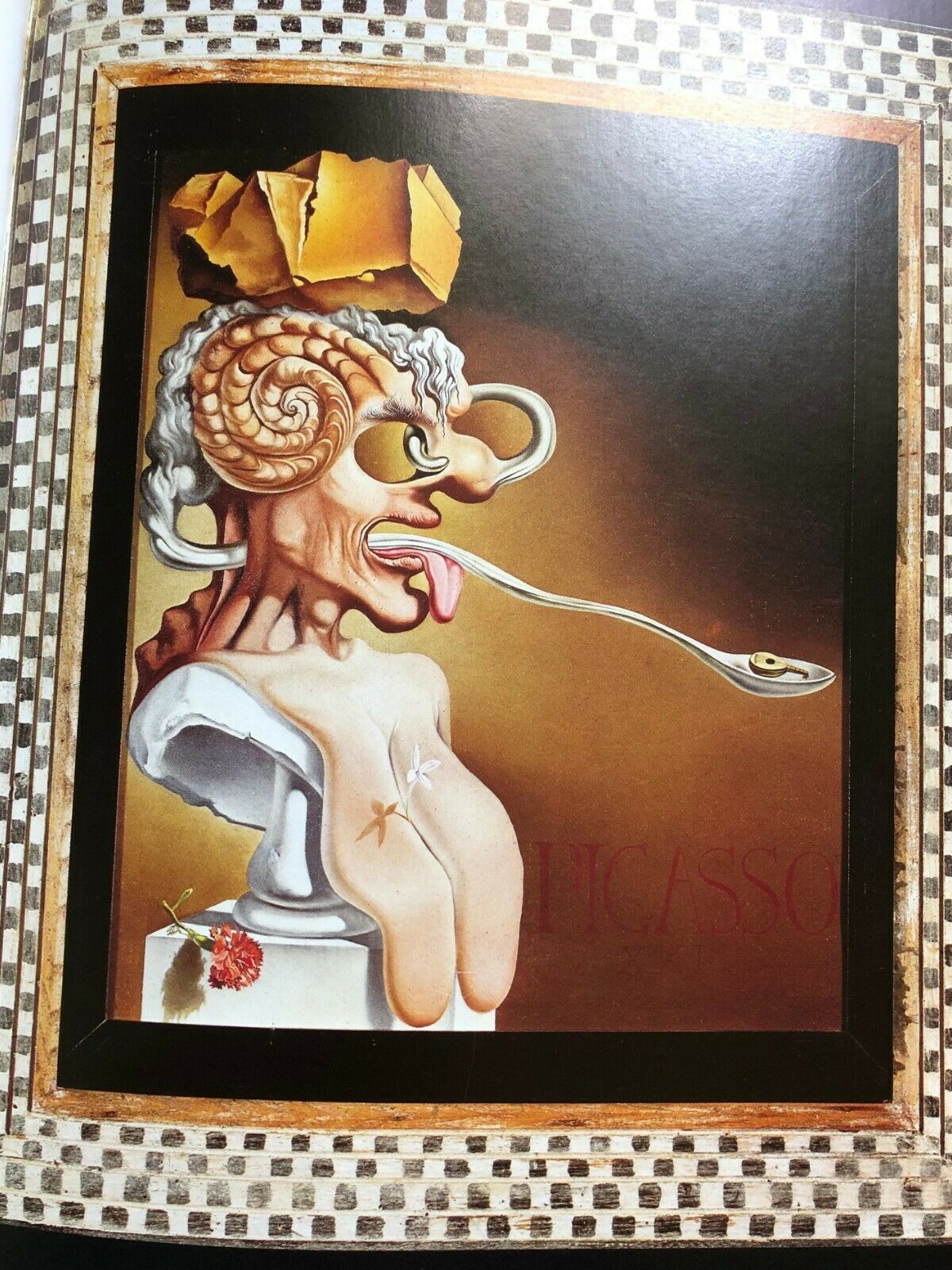
Without question I AM A COLLECTOR and friend of interesting things, I love history and I am a fan of good cuisine, according to the motto:
„Life is to short for bad food or wine“!
During the last 60 years of gourmet pleasures, a whole bunch of beautiful cookbooks accumulated on my shelves.
I am not a cookbook collector, but some of the series are pretty unusual ones. And some I can’t even remember how or where I’ve got them. These, not so normal cookbooks which appeared in my inventory, I would like to show in this 3-part article. Of course at the beginning a little dive into history, sorry I can’t help it, it’s my hobby, here just answering some questions I had in my mind.
Which is the oldest cookbook in the world ?
Probably the oldest, earliest known cookbook in the world is the Indian cookbook „Vasavarajeyam“.
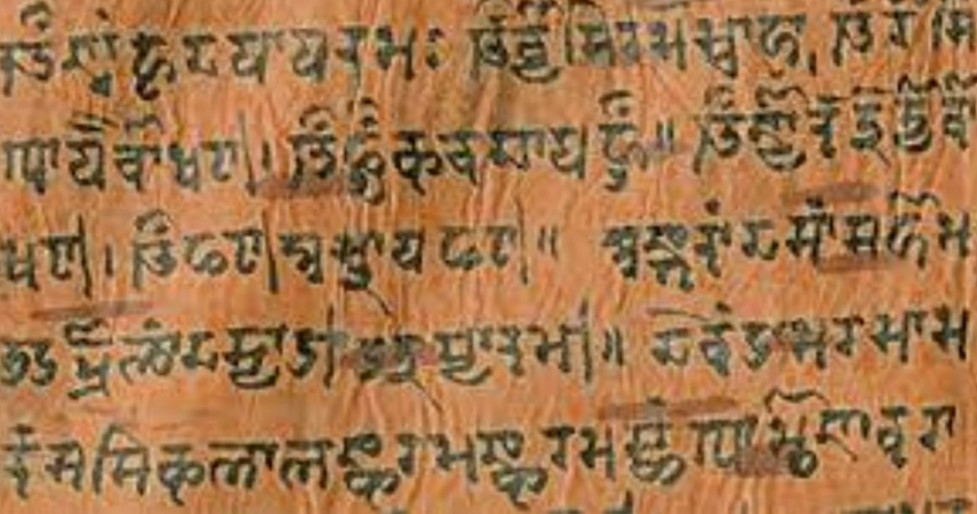
According to Richard Gollmer (author, translator etc.) it is written in „Sanskrit“ (as you can see above), the language of the oldest Indian literature. According to this it should be about 3500 years old and is a purely vegetarian cookbook.
Unfortunately nothing else is known about this cookbook. The oldest of the western world is De Re Coquinaria, a Roman cookbook.
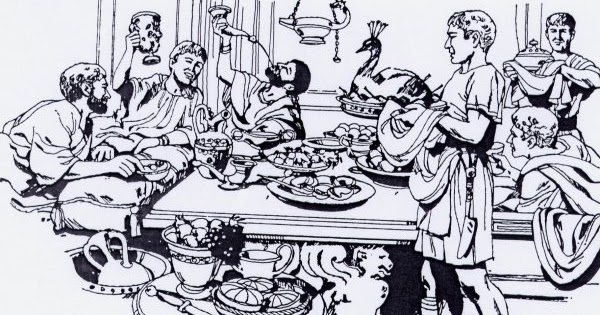
De re coquinaria.
The oldest preserved cookbook is the Latin „De re coquinaria“ (On the art of cooking). This text is from about the 3rd century and was several times rewritten during the centuries. It is now called „Apicius“, why and how it happened is not fully documented.
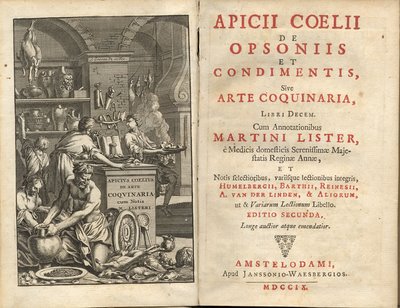
De opsoniis et condimentis (Amsterdam: J. Waesbergios), 1709. Frontispiece of the second edition of Martin Lister’s privately printed version of Apicius.
De re coquinaria is one of the oldest surviving cookbooks in the world. The only version that still exists is from a reworking from the 3rd or 4th century AD. And there are various facts that speak for the fact that this cookbook was not edited and supplemented by one and the same person, but by different authors, and that there were even different sources. It is considered proven that Marcus Gavius Apicius himself published recipes in written form. Whether this recipe is the basis for the cookbook „De re coquinaria“ is not certain. It is possible that this version, which is available to us, was only given in his honor.
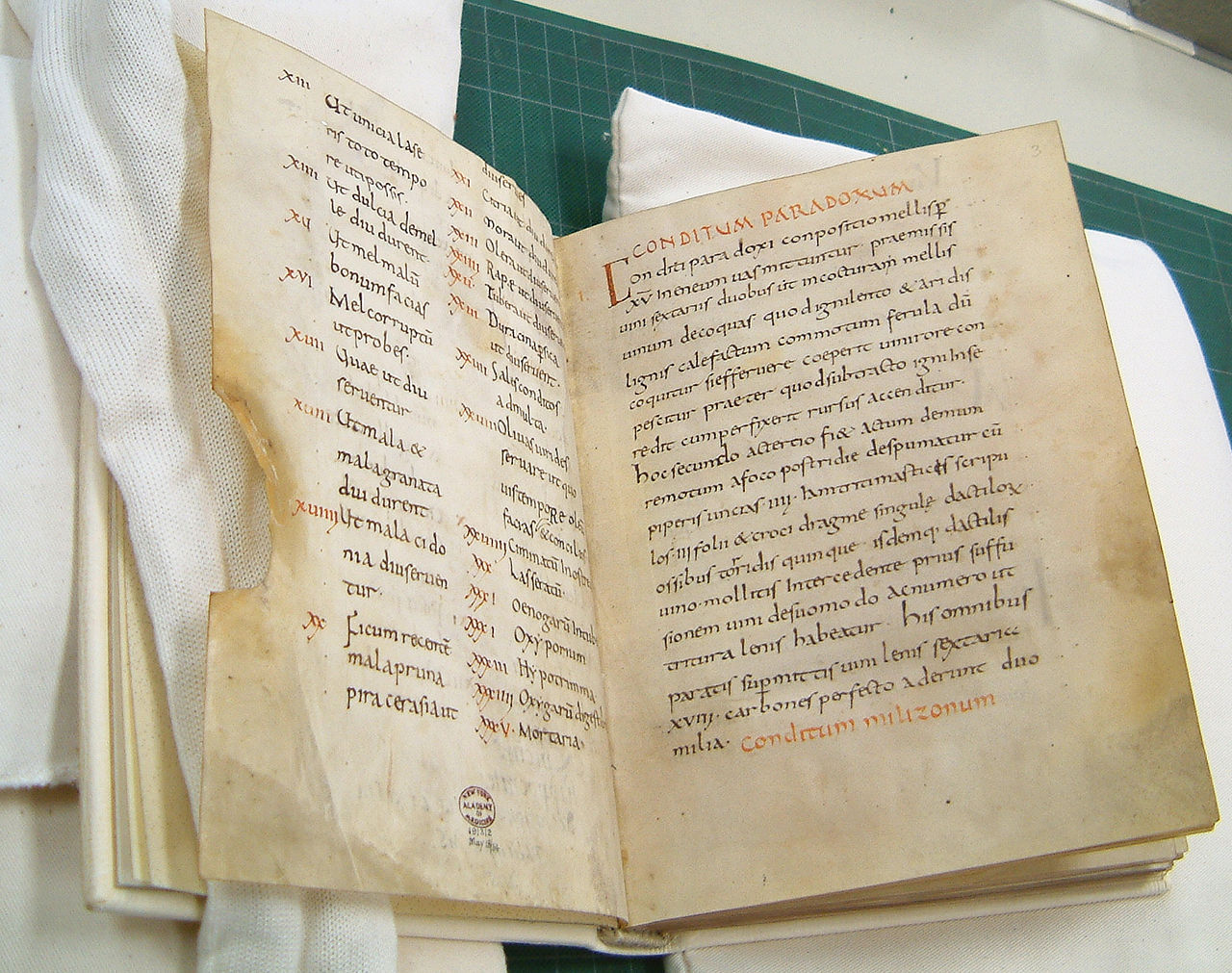
 The original Apicius manuscript (ca. 900 AD) of the monastery of Fulda in Germany, which was acquired in 1929 by the New York Academy of Medicine.
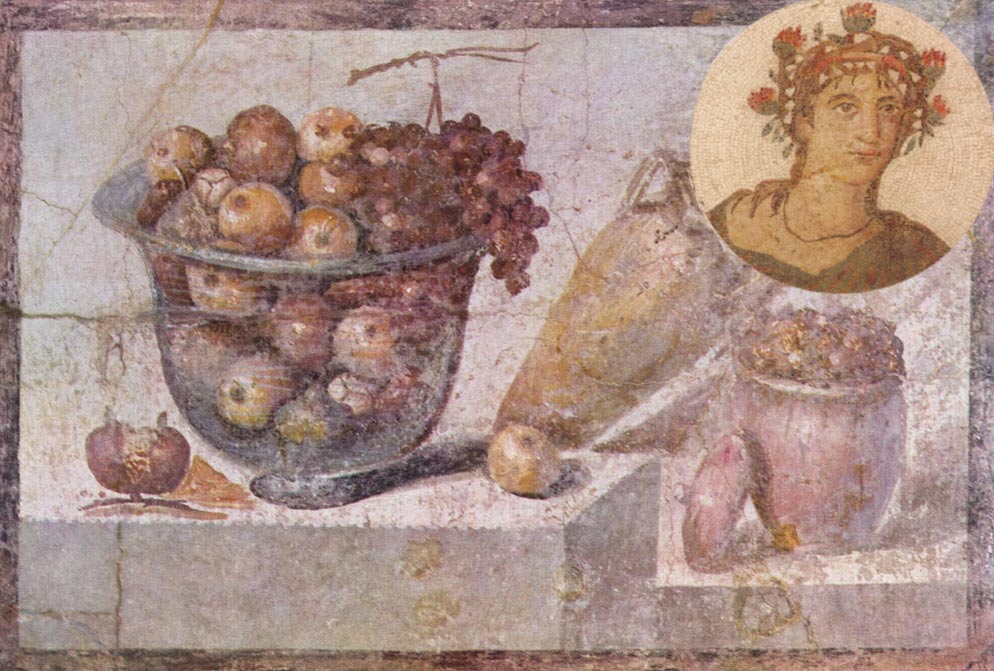
Marcus Gavius Apicius.
Marcus Gavius Apicius is believed to have been a Roman gourmet and lover of luxury, who lived sometime in the 1st century AD, during the reign of Tiberius. The Roman cookbook Apicius is often attributed to him, though it is impossible to prove the connection. He was the subject of „On the Luxury of Apicius“, a famous work – now lost, by the Greek grammarian Apion. M. Gavius Apicius apparently owed his cognomen (his third name) to an earlier Apicius, who lived around 90 BC, whose family name it may have been: If this is true, Apicius had come to mean „gourmand“ as a result of the fame of this lover of luxury.
Reports about his death:
After he saw himself overloaded with debts, he was forced to see the state of his household for the first time: The calculation showed that he would have only ten million sestertii left; it seemed to him as if he was destined for a miserable existence… and so he ended his life with poison.
Before he died, he held a great banquet and then poisoned himself for fear of starvation.
In any case, it is a fact that this book was a model for many other cookbooks of the same genre, and it gives posterity a view of the cuisine of Roman times like no other.
Like many contemporary cookbooks, Apicius is divided into sections based on main ingredients, although unlike them, it does not specify measurements and often omits preparation techniques, simply saying “cook until done.” The book includes sections on meats, vegetables, legumes, fowl, and seafood. The meat chapter offered recipes for domestic livestock as well as venison, boar, and even dormouse (a small rodent), while the fowl section included recipes for crane, ostrich, flamingo, and peacock.
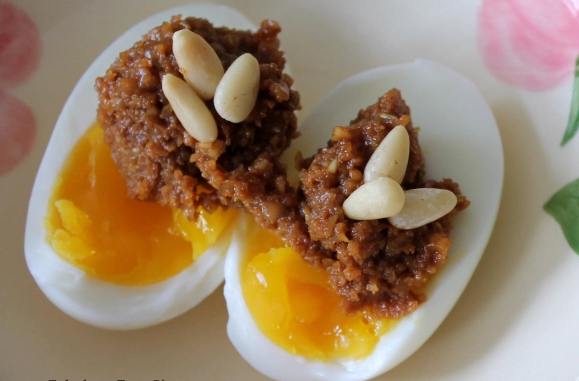
An original recipe out of the Apicius cookbook – Roman Eggs:
4 eggs
1/2 cup pine nuts
1 teaspoon honey
1 tablespoon dark soy sauce
dash fresh ground pepper
Note: the original recipe called for the fermented fish sauce but I have substituted a dark soy sauce. Picture of this, thousands of years old, recipe above.
See my post about Colatura (the fermented Italian fish sauce) under the tag „Amalfi“ :
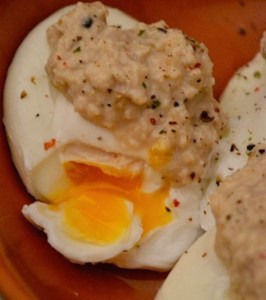 Another nice variation is to poach the eggs and use white soy sauce instead of a dark one.
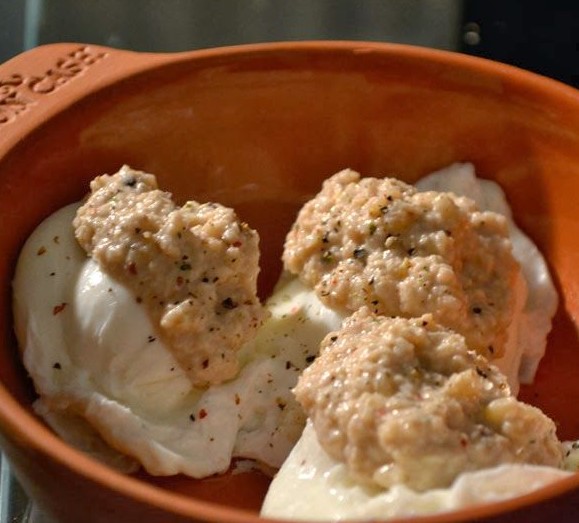
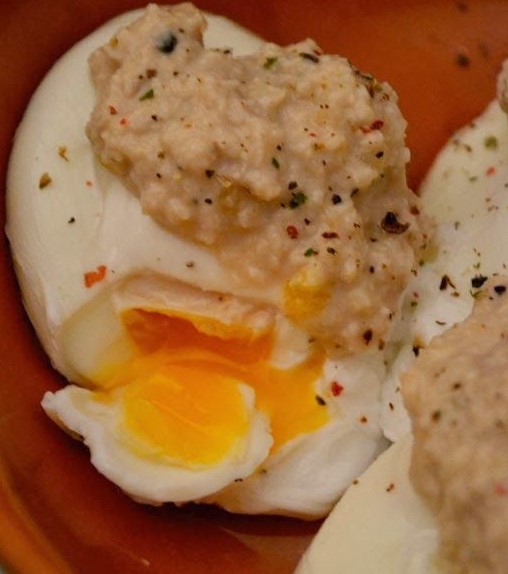
Place the eggs in a pot of boiling water and cook until soft boiled. Remove from heat, drain and rinse with cold water. Peel eggs and slice in half lengthwise.
Meanwhile, place the pine nuts and 1 cup water in another pot. Bring to a boil and boil for one minute. Drain pine nuts and place them in a food processor. Add the honey and the dark soy sauce. Pulse until as smooth as possible; scrapping the sides of the bowl between pulses. Scoop a tablespoon or so onto each soft boiled egg half and garnish with a few fresh pine nuts. Serve immediately – this is a cracker for every breakfast or party.
Which is the smallest cookbook in the world ?
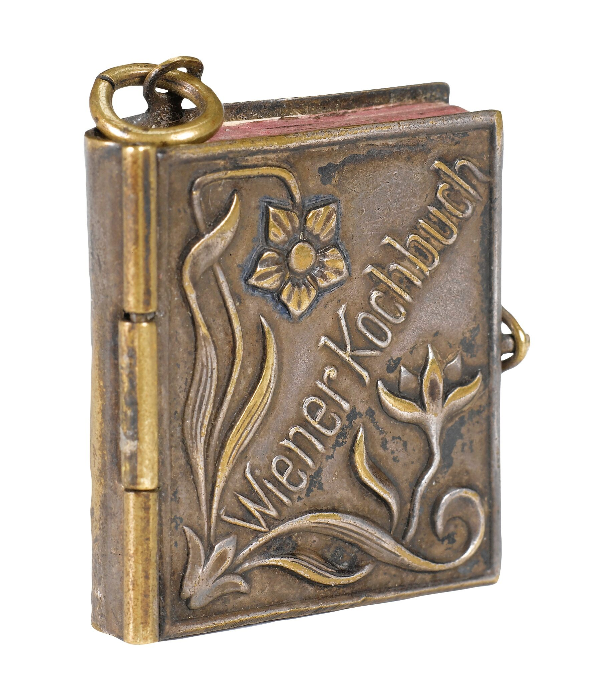
The smallest cookbook in the world was printed in Vienna, Austria around 1900. It measures 23 x 21mm. It has a contemporary hinged metal binding with art-nouveau style flowers on upper cover and title “Wiener Kochbuch“. It is extremely rare and a copy’s sold at auction fetched 960,–GBpound (Christie’s 2006) and 950,–Euros (eBay 2015).
Which is the most expensive cookbook in the world ?
There are several very expensive cookbooks sold during the years. The value depends, as always with art or antiques, on the demand and „the will“ to pay by collectors. I like to show you four of the most expensive cookbooks in the world.
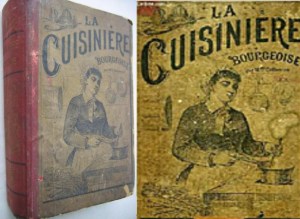 “La Cuisiniere Bourgeoise” by Menon. Sold for US$1.100,–, it was the fourth edition from 1752 by Guillyn, Paris.
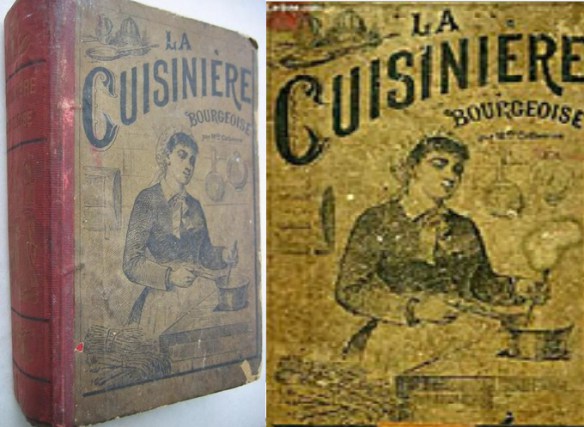
This collectible expensive cookbook is written in French and first published in 1746. It was considered as one of the most influential cookbooks in the history of culinary. The book contains recipes and ragouts, including insights of liquors. The original copy of Menon’s family cookbook is kept in Chateau de Villiers. It has pen inscriptions on each title. On the first blank, there is handwriting in ink from 1875 by Villiers, the last owner of the book.
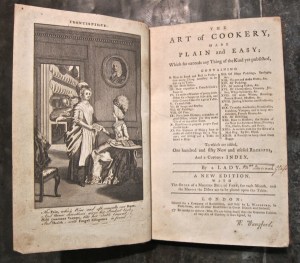 “ The Art of Cookery Made Plain & Easy” by Hannah Glasse. Sold for US$2,875, first edition from 1747.
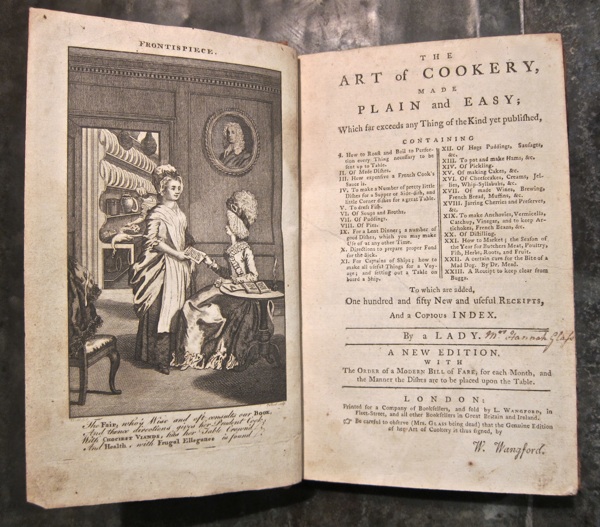
Even though you can find the regular edition of this book for around US$30, some people still look to buy the first edition of the book for a lot more. It was originally printed for household servants or maids. Back in the days, this was the most popular cookbook in America. Glasse’s cookbook is so popular that even two of America’s former presidents were interested. George Washington and Thomas Jefferson did have copies of this book.
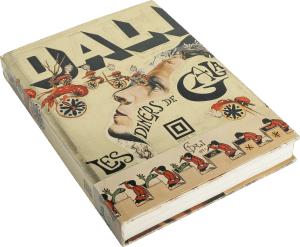
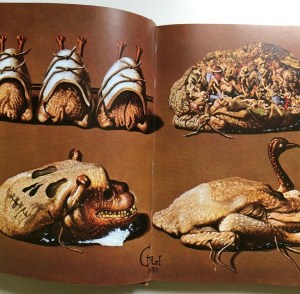 “Les Diners De Gala” by Salvador Dali, sold for US$ 4.400,–, the first edition from 1973, originally signed by the author and artist himself Salvador Dali.
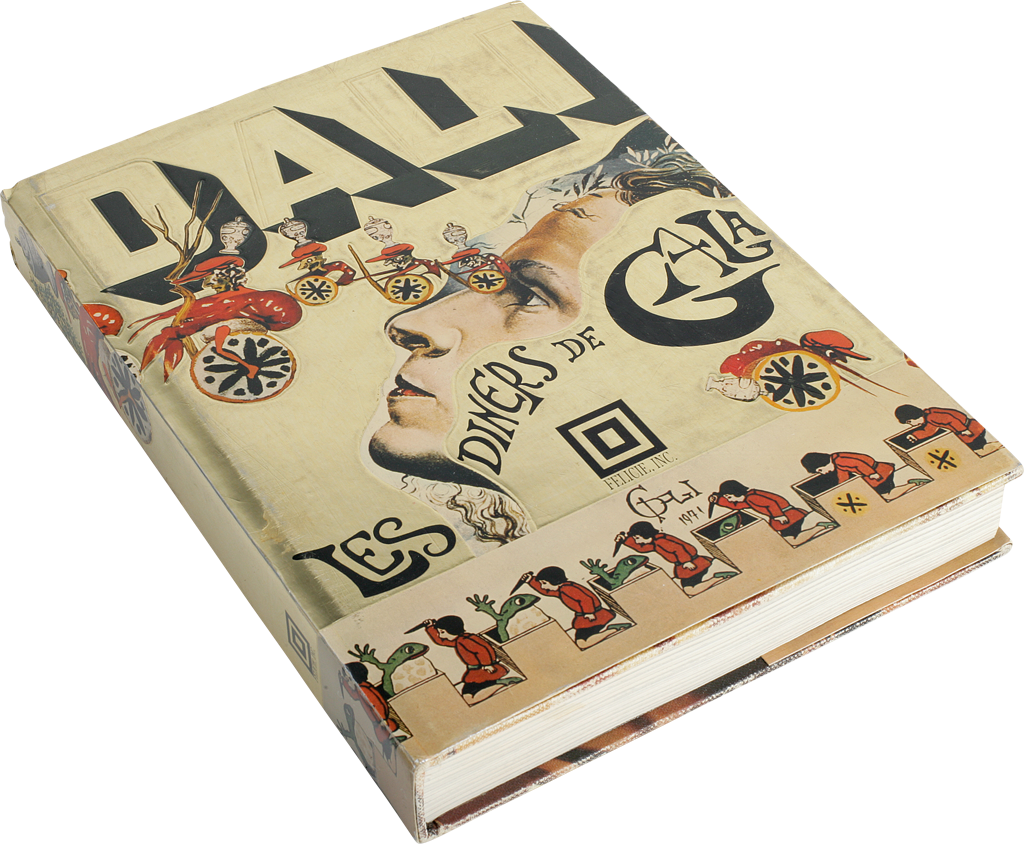
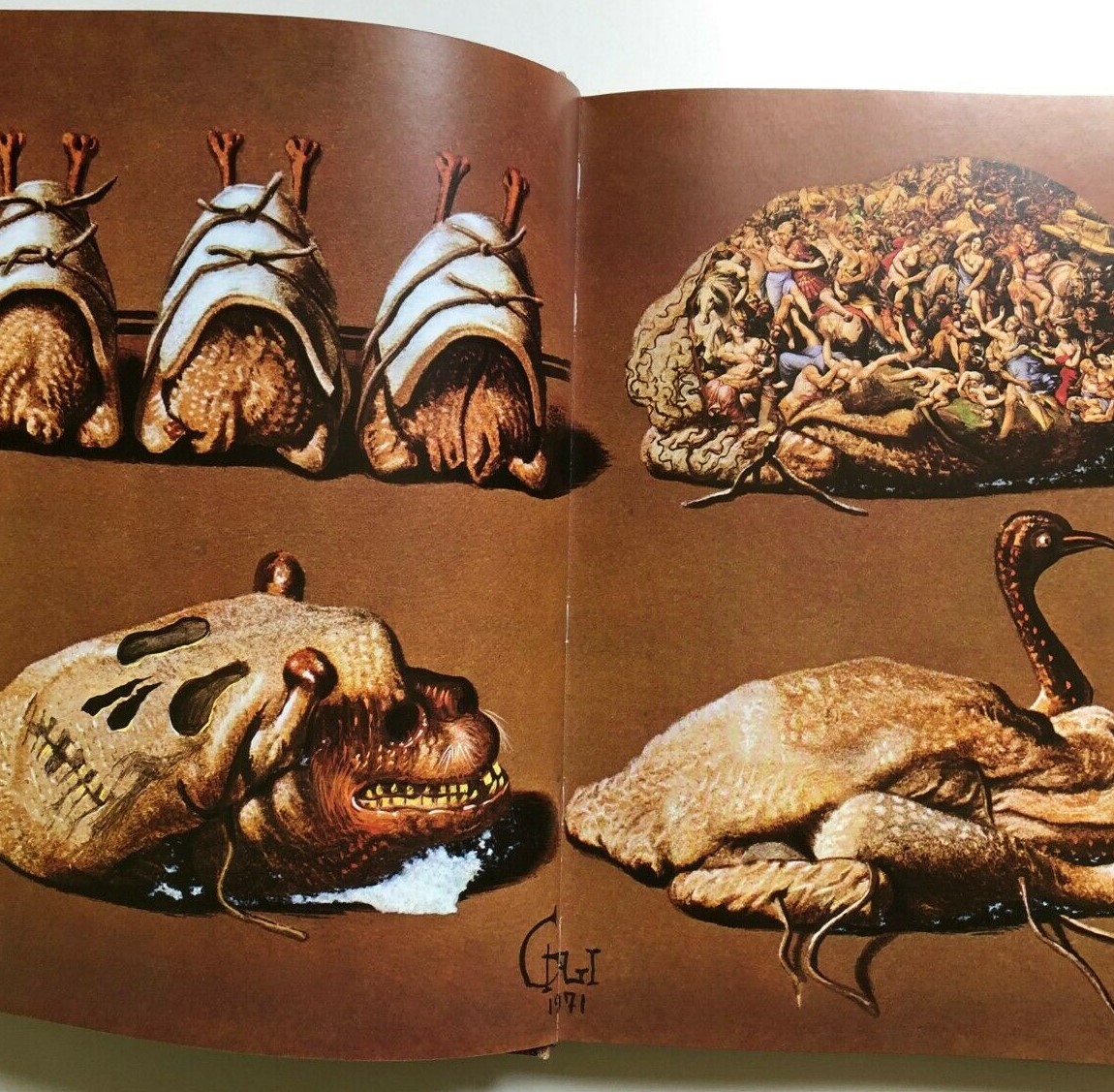
This book is about cooking with the wonder of arts (notice the entry picture of this post, surreal Dali art). Salvador Dali, the author of the book, is not commonly known as a chef. Although, he stated in the book that he always wanted to be one. However, you can get the exact same book, just without his signature, for just US$150,–. If you are into a healthy diet fine dining, this book will disappoint you. Or even more, terrify you. The recipes in this cookbook are mostly meaty and fattening. How fattening and terrifying could it be? Just take a look at these examples of recipe: Prawn Parfait, Ox Snouts in Puff Pastry Shells, and Pierced Heart. Yummy?
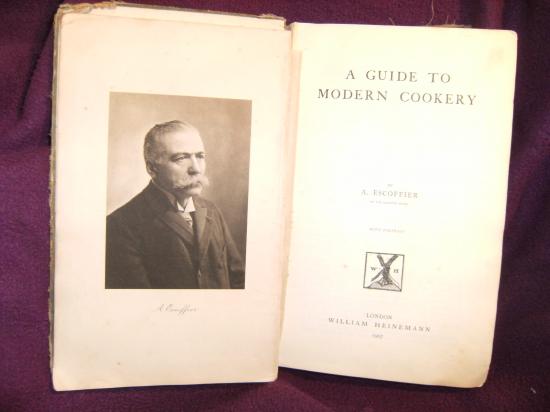 “A Guide to Modern Cookery” by Auguste Escoffier, sold for US$ 5.124,–, the first edition from 1907 and originally signed by Auguste Escoffier.
You can get this cookbook for less than US$50,– nowadays. So what makes this one costs $5,124? Sarah Morgan, an employee of Cavendish Hotel London, sold her copy of the book for such a price. It was the original first edition and signed by the author himself. Plus, it was inscribed personally to her. However, collectors decide what’s worth paying for.
Like „The Art Of Cookery,“ this is an old cookbook that can be purchased for under $50 for an ordinary version. But if you want a rare 1907 first edition, signed by author Auguste Escoffier and inscribed to Sarah Morgan (a worker at the Cavendish Hotel), be prepared to write a check of US$5.000,–, because there are other people out there that want that cookbook, too. The current edition of this book is 100 years newer and 100 times cheaper than the above-mentioned edition, the food you can make with it tastes just as good.
Which vintage cookbooks are for sale at the moment ?
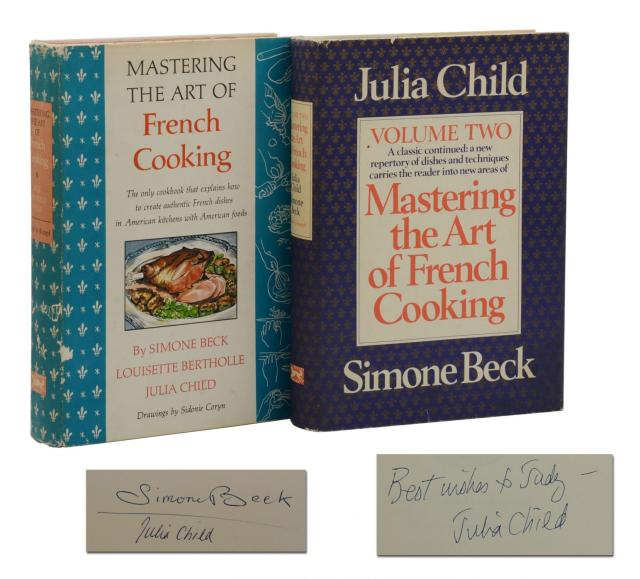 Mastering the Art of French Cooking: Volumes 1 and 2 by Julia Child – recently sold for US$7.500,–.
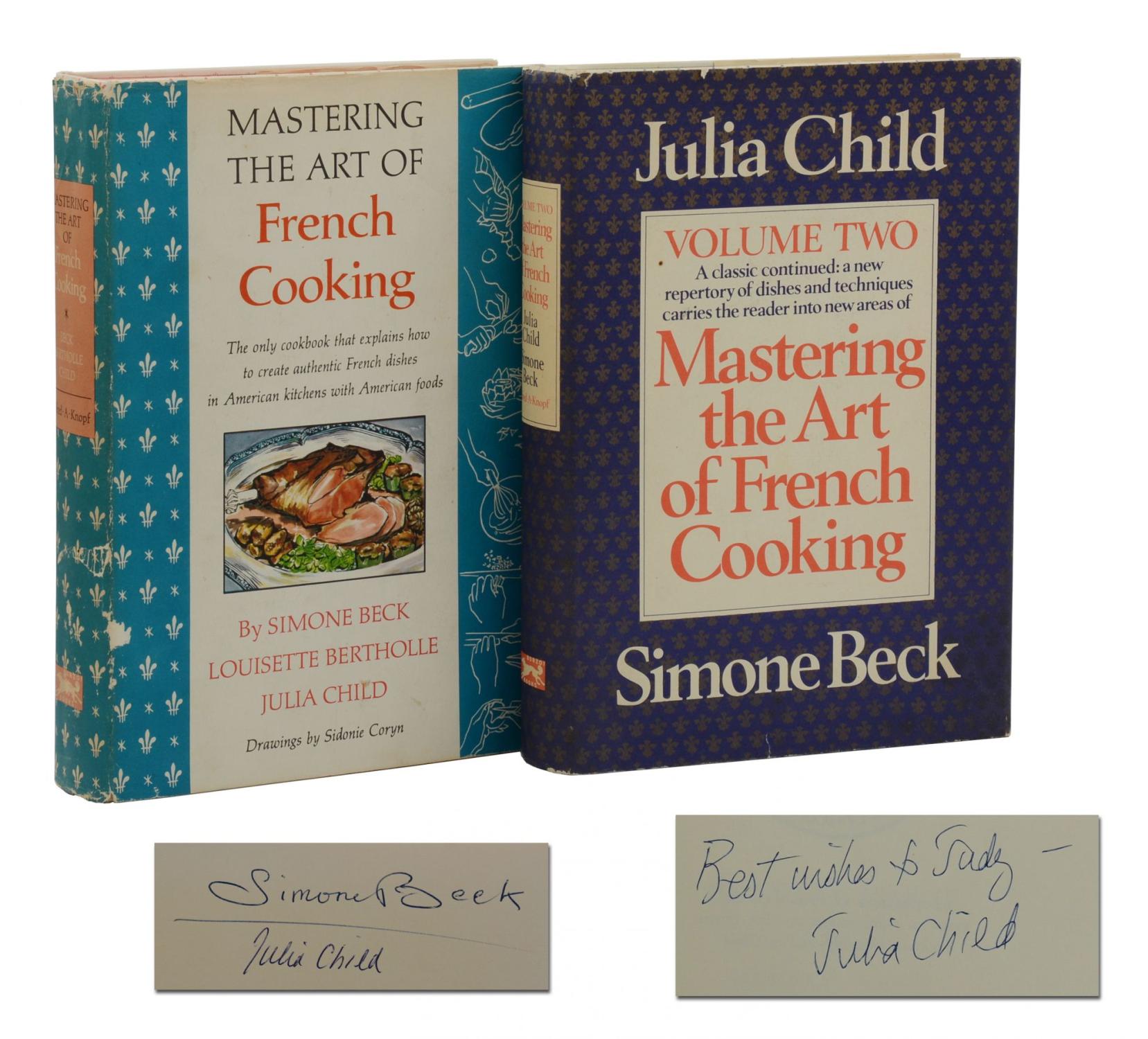
Right now is a couple of these sought after books under offer on the internet, first editions of both volumes (1961 and 1970, very collectible) of this classic cookbook, both copies are signed, by coauthor Simone Beck and also by Julia Child“. For sale US$ 9.500,–.
We know that in the past cookbooks were sold in the range of 20.000-30.000 US$. But that is always a matter of availability. At the moment the most expensive ones for sale are to find in German eBay. There are at least a dozen cookbooks in the four-digit euro range. And much more expensive ones are to find on shelves of specialized book dealers, like the Julia Child Double up here.
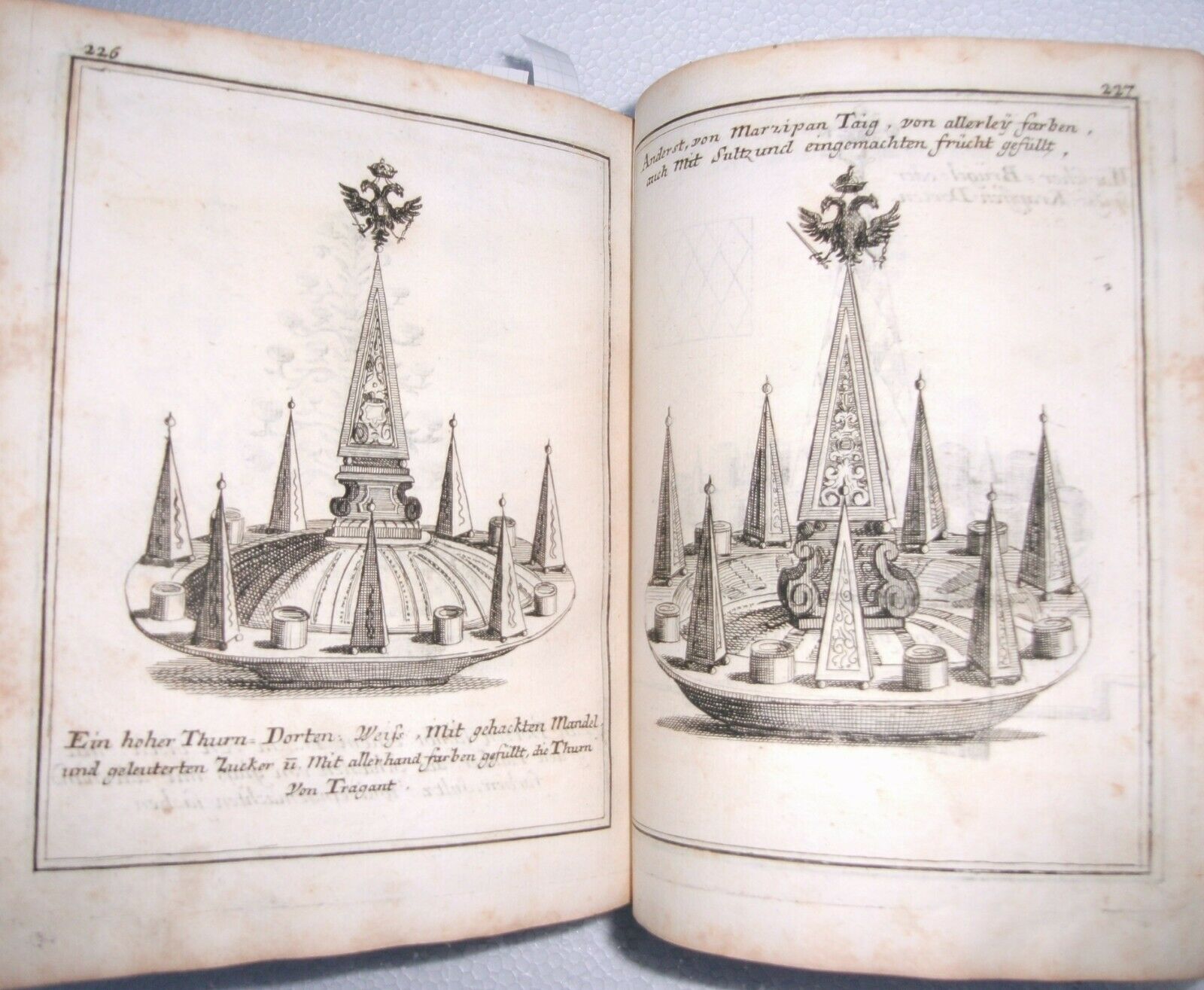
Original altes Saltzburgisches Kochbuch von Conrad Hagger.
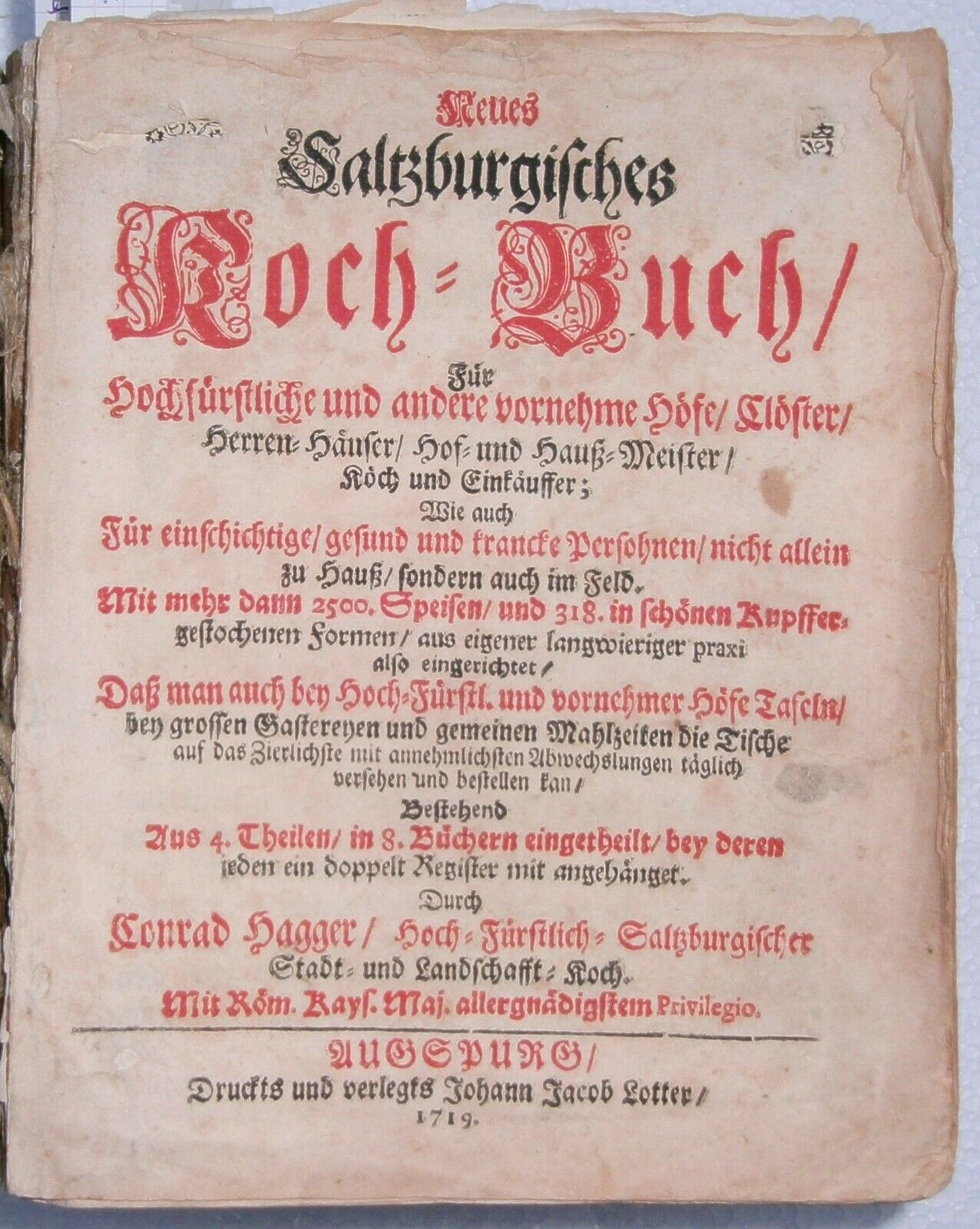
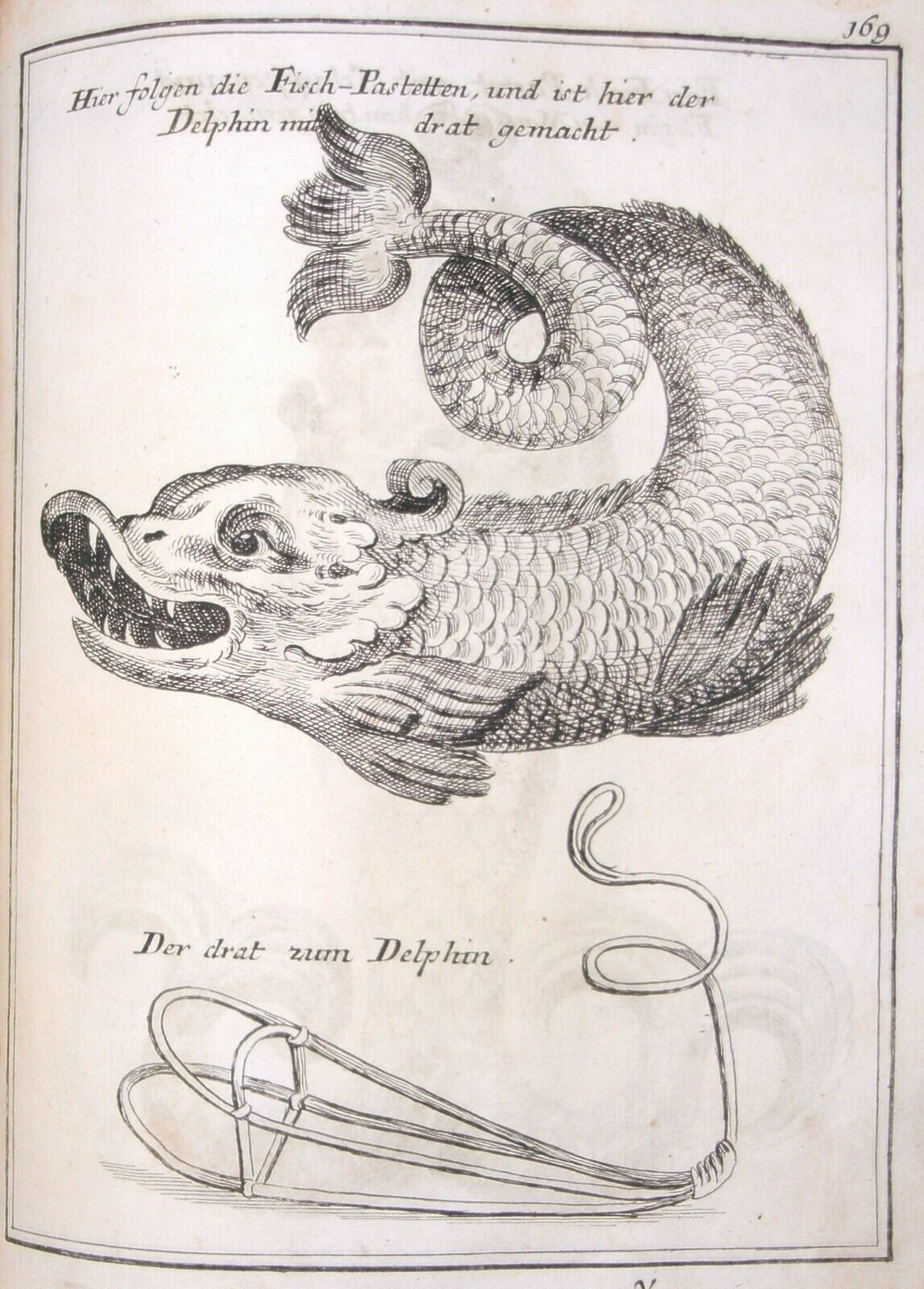
This famous and extremely rare cookbook is illustrated with 303 full-sized copper plates printed on 153 sheets on both sides. The work is probably a second print (it dates 1719) of the first edition of 1718 and contains two books with four parts each, combined in one volume. In his two-volume work, Hagger describes more than 2500 dishes on about 1700 pages. See the 4 pictures above and below. Priced at 4.800,–Euros ( US$ 5.200,–).
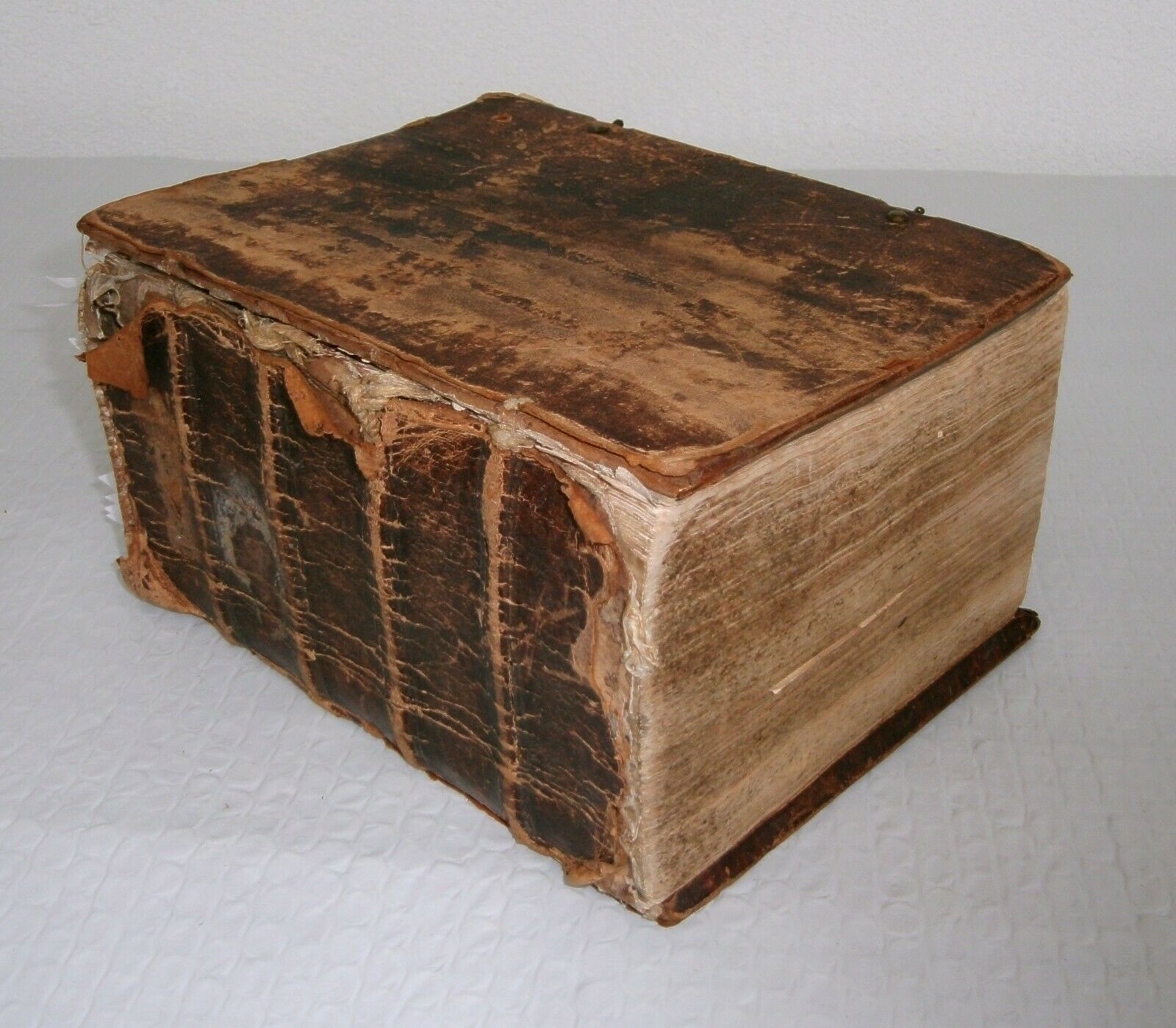
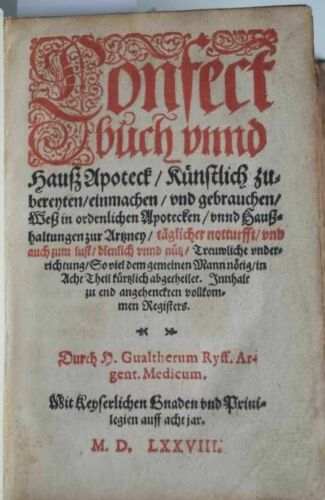
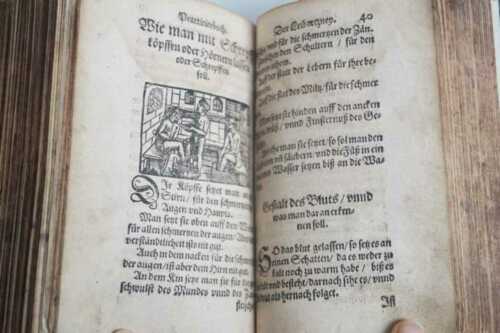
Ryff Confectbuch 1578 und Practicierbüchlein 1574. 2 in one, 2.800,–Euro.
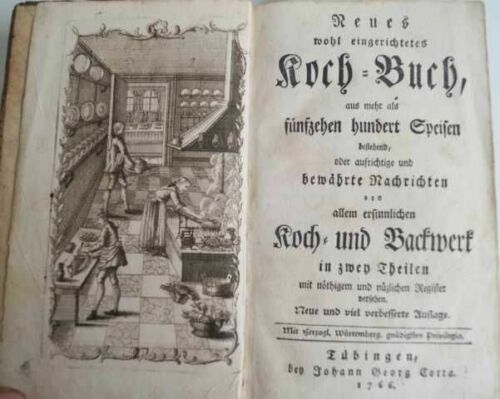
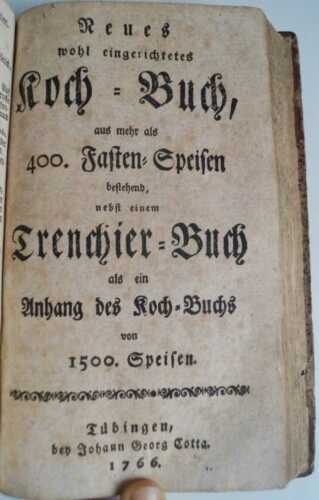
Neues Kochbuch und Trenchierbuch 1766. 2 in one, 2.500,–Euro.
What to do if you like to start your own collection ?
Maybe this article (part 1 and part 2) motivates you to collect cookbooks. The internet is full of tips on how to do it, especially which cookbooks are worth collecting.
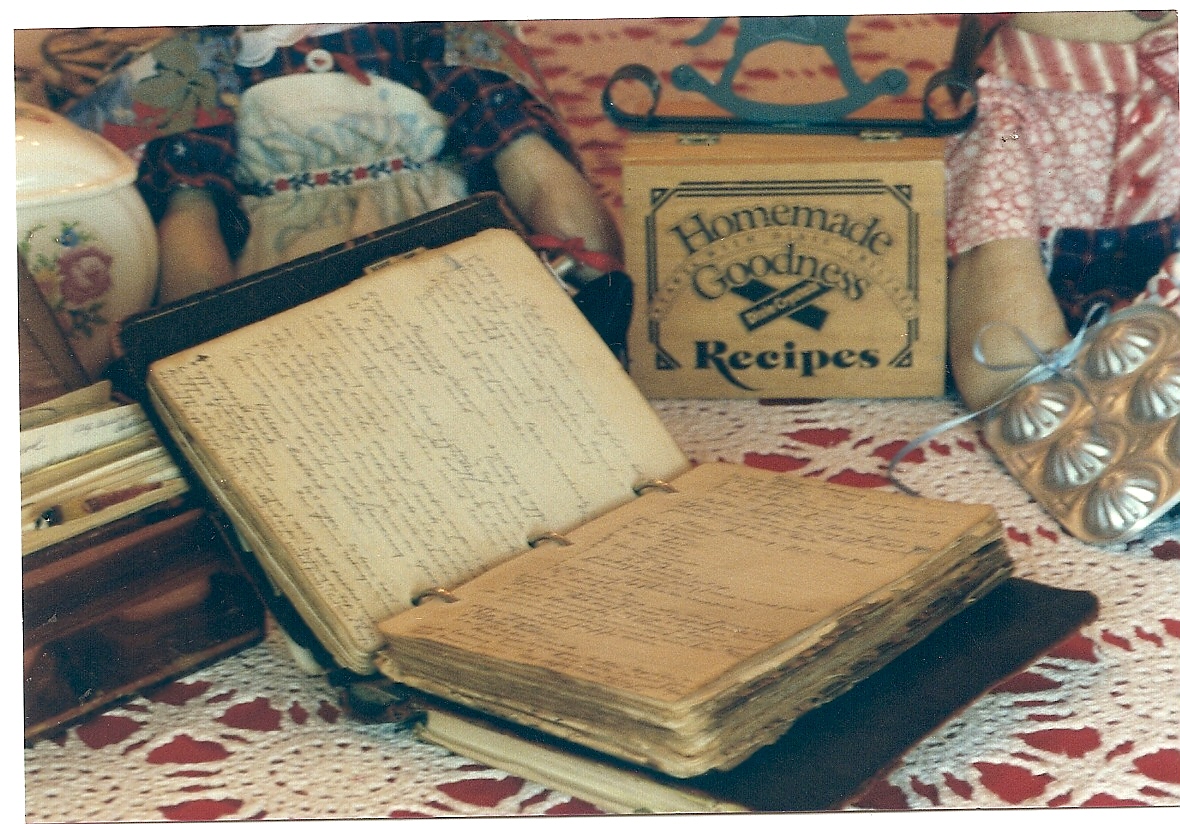
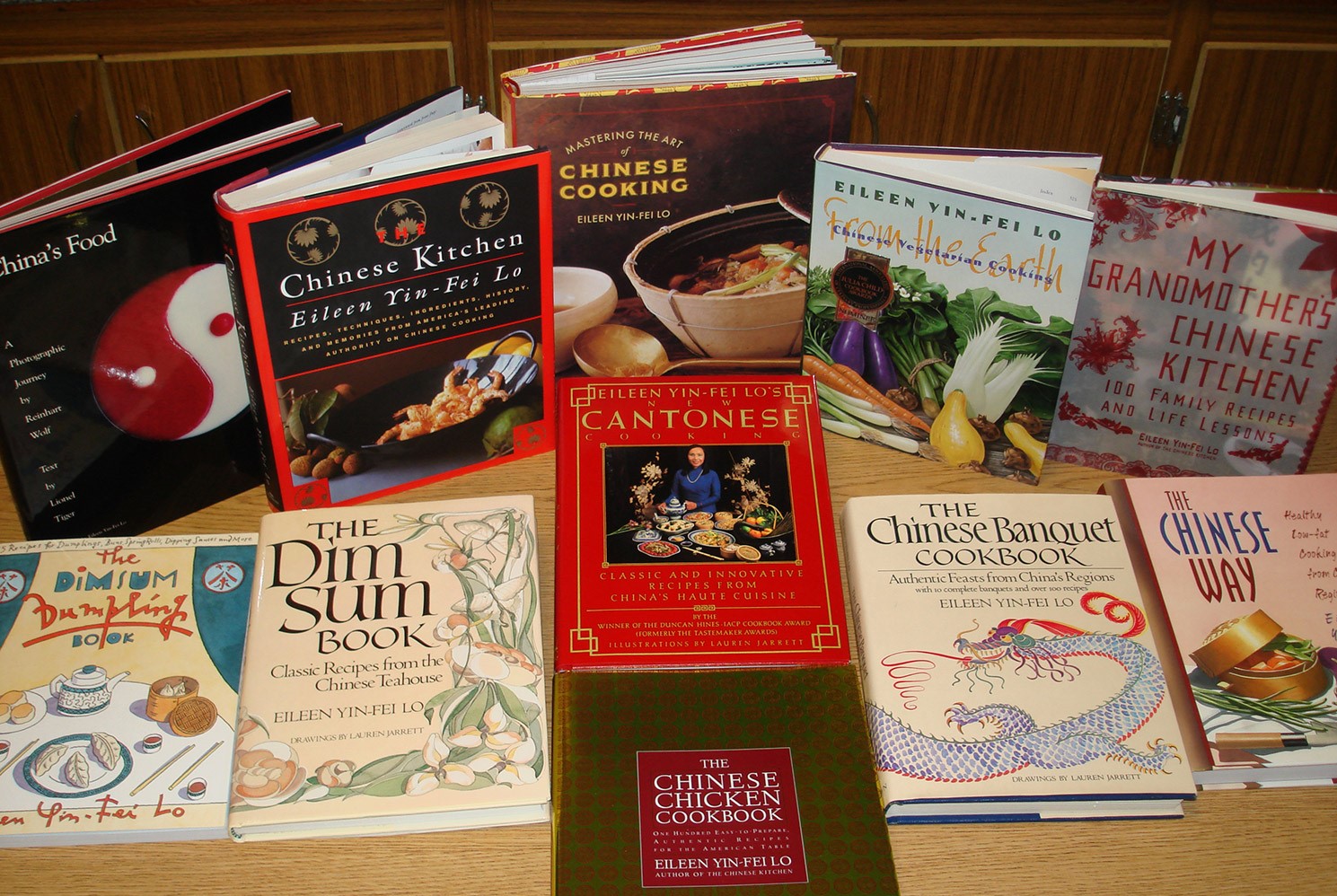
You can collect handwritten recipes only, just Chinese cookbooks (even if they are all from one author only, as seen above) or you collect whatever you like and maybe in some year’s time, you’ll have a whole wall full of cookbooks.
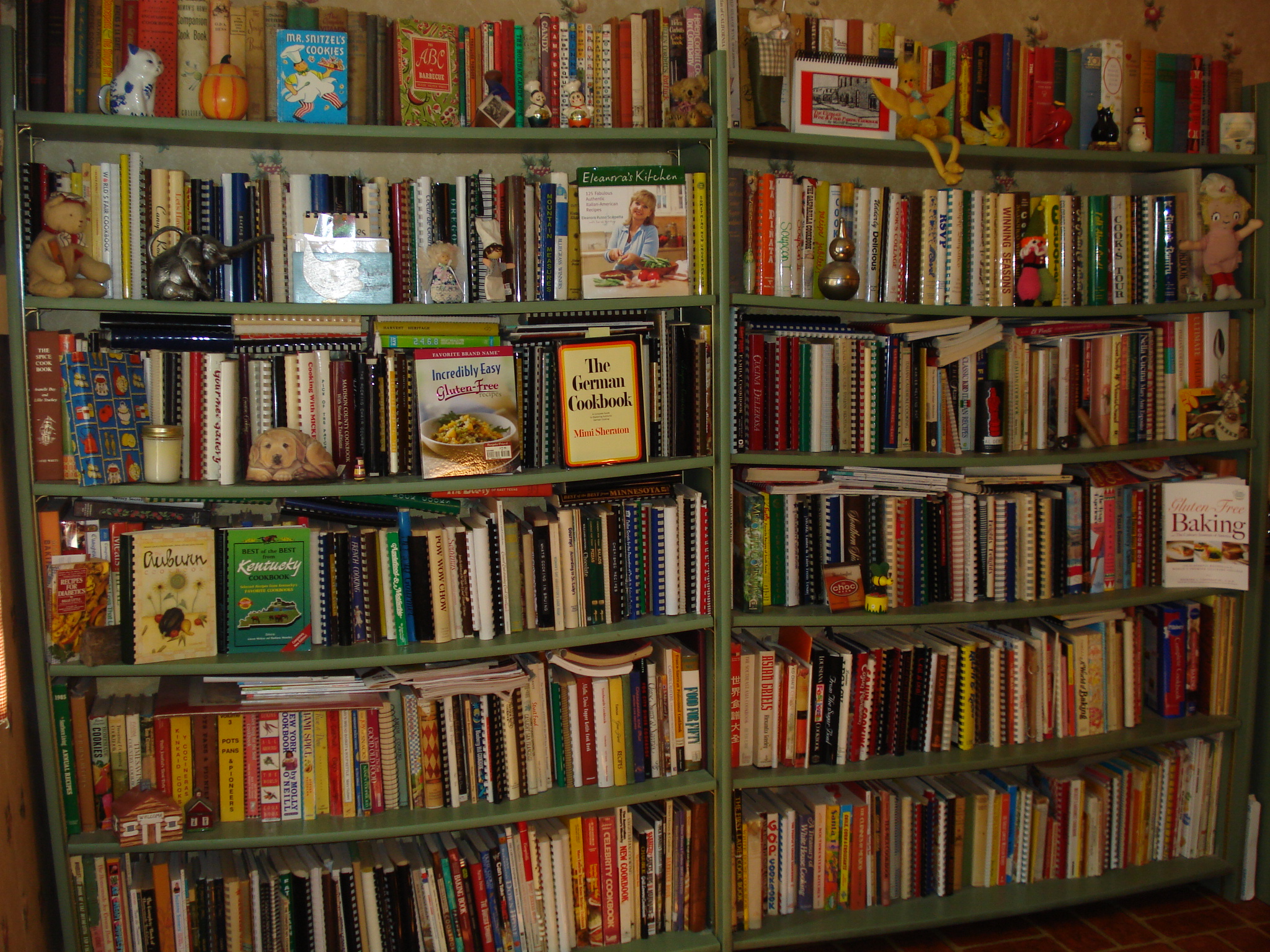
Have a look into the second and third parts of this post and see examples out of my cookbook assembling. Not as old or expensive, but very interesting also. Enjoy !


Wat heb ik weer genoten van deze blog. Ja, natuurlijk ook omdat het mijn hobby is. Ik had 5 meter aan kookboeken in mijn boekenkast in een groter huis. Ik zie dat jouw planken ook aardig doorzakken! Toevallig heb ik ook het boek van Julia Child. Vele kookboeken heb ik weggegeven door gebrek aan plaats of omdat ik er nooit iets uit kookte. Dus een verzamelaar kun je mij niet noemen.Ik merk wel dat koken en eten ook aan MODE onderhevig is. Ik kijk uit naar deel 2. Groetjes Wilma
LikeLike
Hallo Wilma,
danke fuer Dein Kompliment. Es macht mir Spass so etwas zu schreiben.
Zur Richtigstellung: „planken die je ziet doorzakken“ sind nicht von mir,
das ist die Sammlung eines Freundes in Australien.
Meine sind viel weniger und auch ich hatte letzten Dezember hier ueber
600 Buecher verschenkt. In Panama hatten wir schon mal ueber 2500 Buecher
an eine Bibliothek verschenkt. Ja – wenn man aelter wird fehlt der Platz.
Groetjes terug, Mike.
LikeLike
Hello Mike, fantastic post again. Interesting info’s about the antique books. I have bought recently a German DAVIDIS here in N.Y. on an antique market. Very interesting. Till soon, Sas.
LikeLike
Thanks Sascia,
wait till next part, I’ll show you a DAVIDIS from 1900,
I have here, with a green Art Nouveau title.
Cheers Mike.
LikeLike
Pingback: How Ancient Romans would feast | my uy tips