
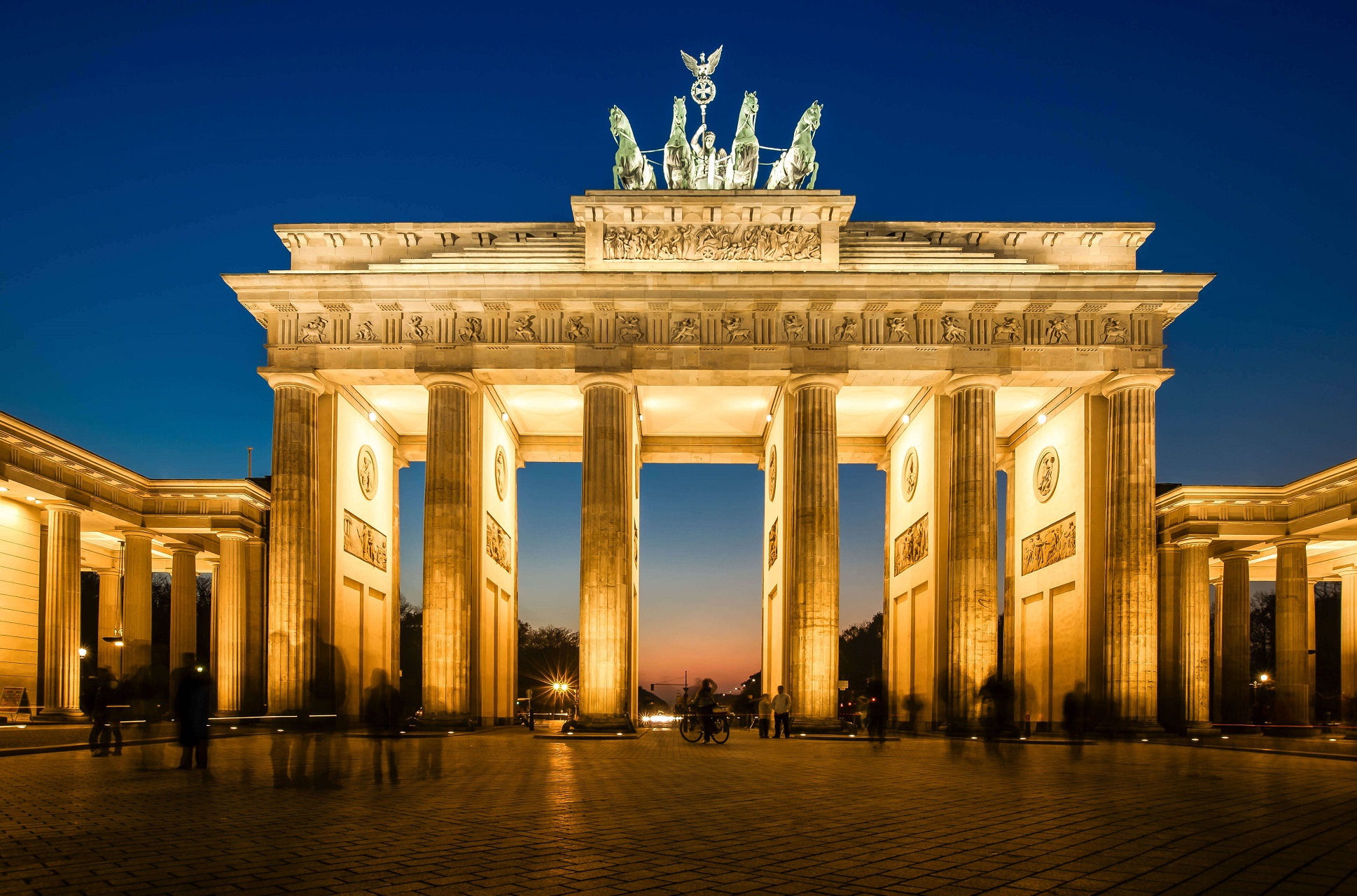
Sitting at home during the Easter weekend because of the Corona Virus Quarantine, just like you, I thought why can’t we take the time to travel together through my beautiful home country Germany. Just a few explanations and some nice pictures to enjoy. If you like join me on this trip through Germany.
Happy Easter and stay healthy !
Germany has been center stage through much of world history. Today, travelers head to the fascinating city of Berlin to get a firsthand look at remnants of 20th century events, such as World War II and the Cold War. AND – Berlin is now considered the hippest party city in Europe, if you want to dance along 24/7 you’ll have the chance in Berlin.
But even though the capital is the most popular tourist destination in the country, each of Germany’s 16 states boast innumerable attractions: opulent palaces, rich forests, soaring mountains and picturesque villages.
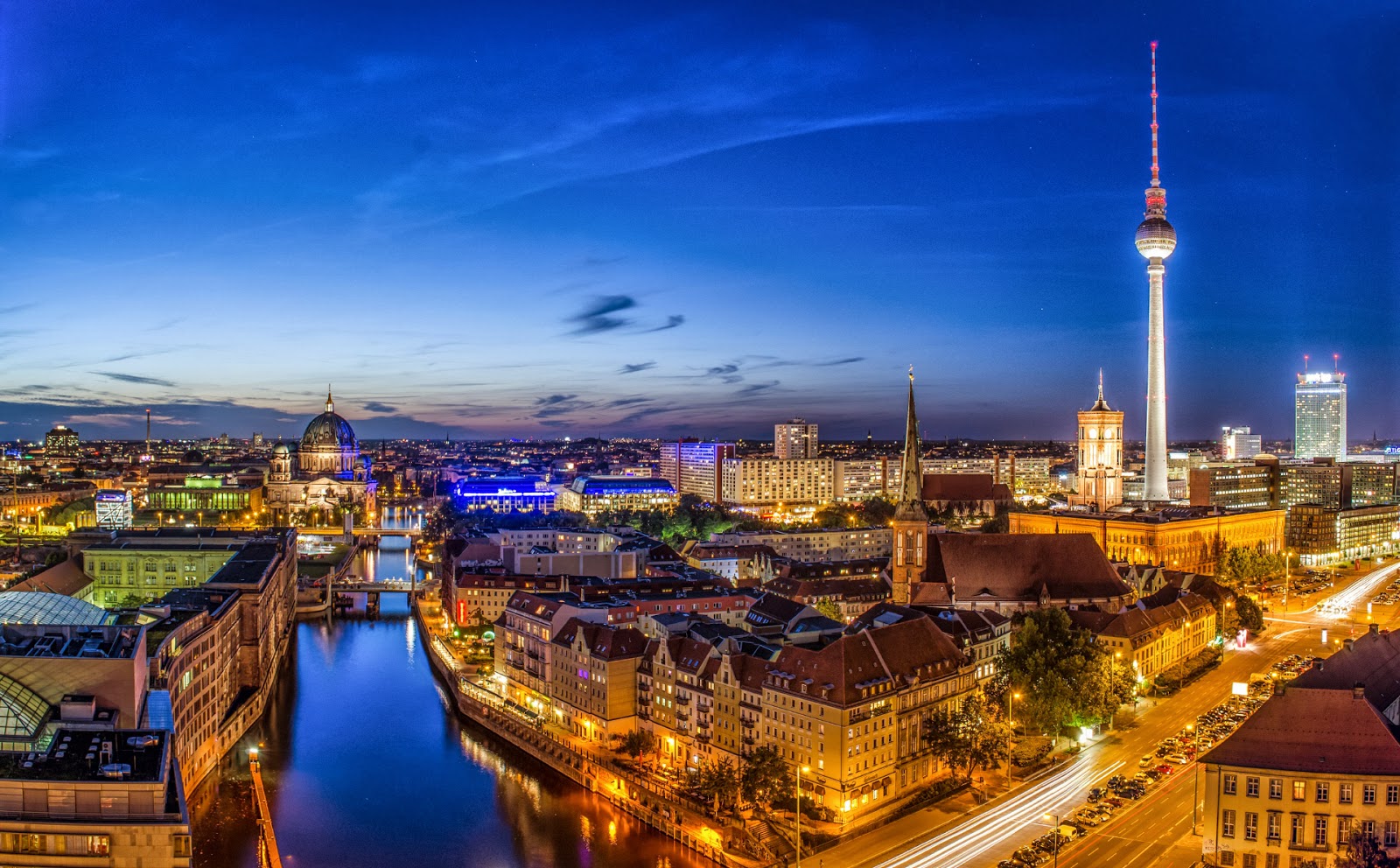
 Berlin has longer waterways then Venice and more bridges then Amsterdam, just discover it.
Every corner of Germany has something to offer. The southern region of Bavaria is marked by lush emerald-green terrain and castles that seem as though they were plucked from the pages of a child’s fairy-tale book.
The north is home to glittering seaside cities, such as Bremen and Hamburg. In between, the country is filled with countless other gems like 45.000-year-old caves, towns that have gone untouched for hundreds of years and vibrant national parks.
By no means a definitive list, check out the following photos of Germany’s most beautiful (not to forget – beauty is a matter of personal taste) places – of course without claim to completeness and without any ranking.
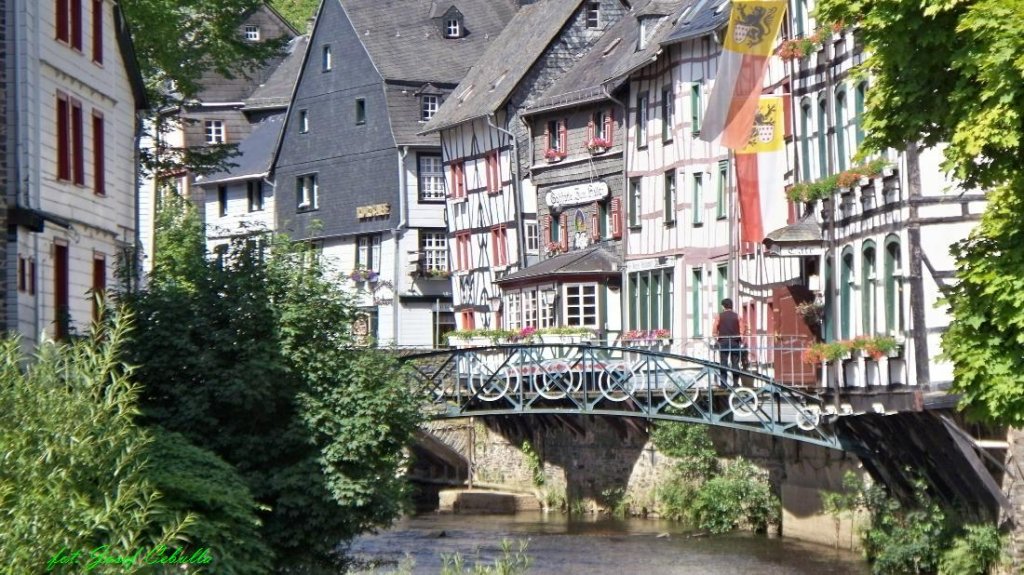
Monschau: Rows of timber houses (some are over 300 years old), elegant restaurants and charming boutiques give the historic center (follow signs „Altstadt“) of this western resort town its storybook whimsy.
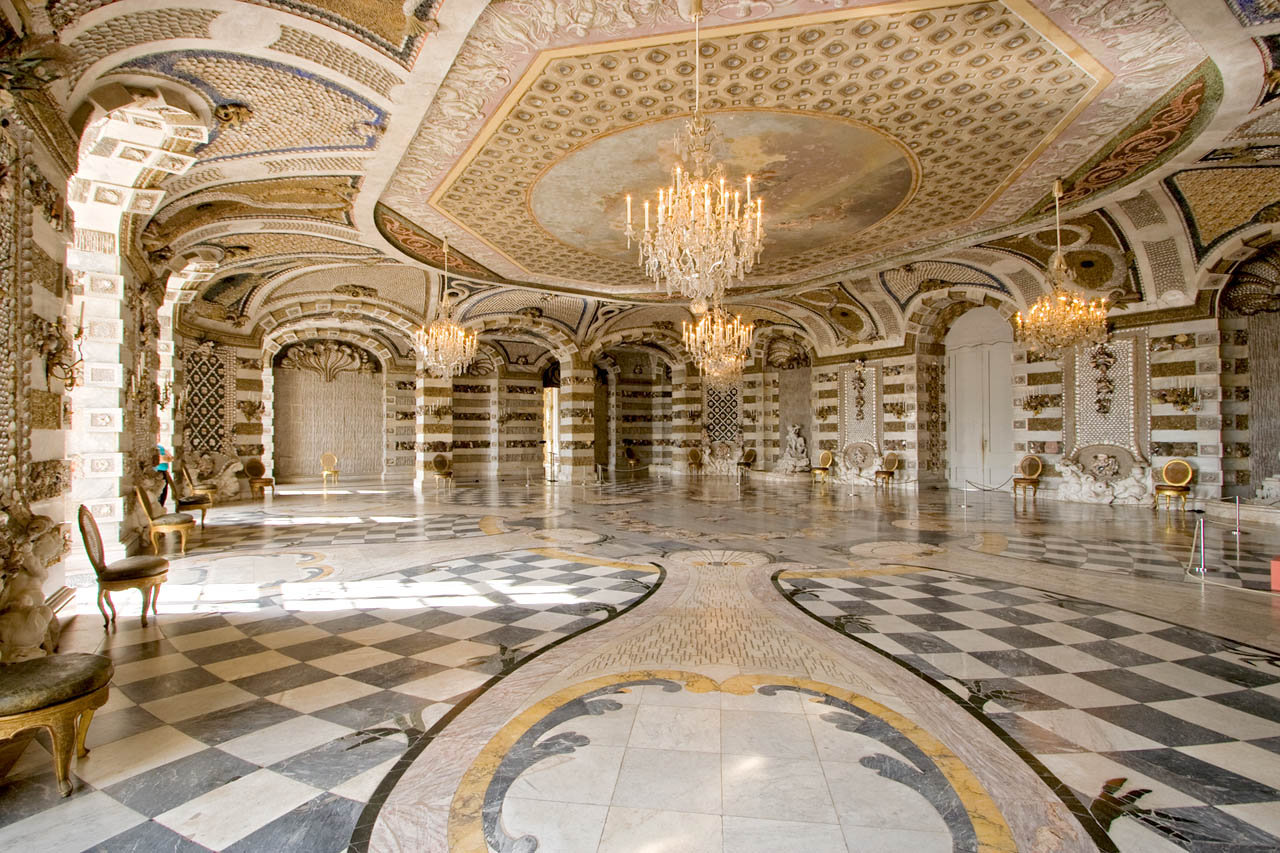
Potsdam: The Prussian palaces of Sanssouci are the main attraction of Potsdam. The Grotto Hall of the New Palace is offering guests an exquisite salon with marbled walls that feature intricate mosaics made of glistening bits of seashell and stone.
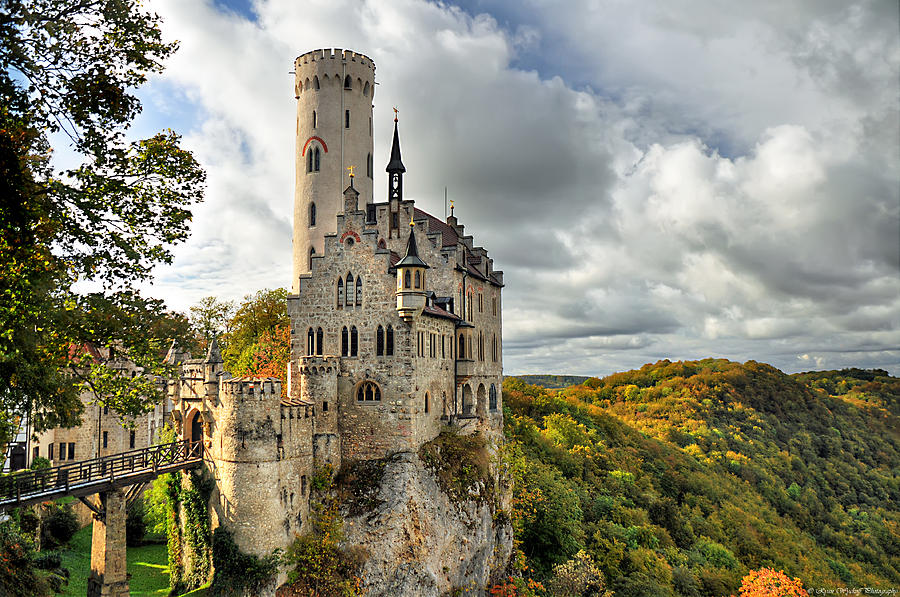
Lichtenstein Castle: Huddled in the Swabian Jura mountain range, this impressive structure sits on a steep escarpment that, depending on the season, it shimmers in all colors. It has been described as the „fairy tale castle of Württemberg.“ It overlooks the Echaz valley near Reutlingen. The modern castle was inspired by the novel Lichtenstein (1826) by Wilhelm Hauff and was built in 1840–1842. The ruins of the medieval castle that inspired the novel are a few hundred meters away. The name Lichtenstein translates as „shining stone“.
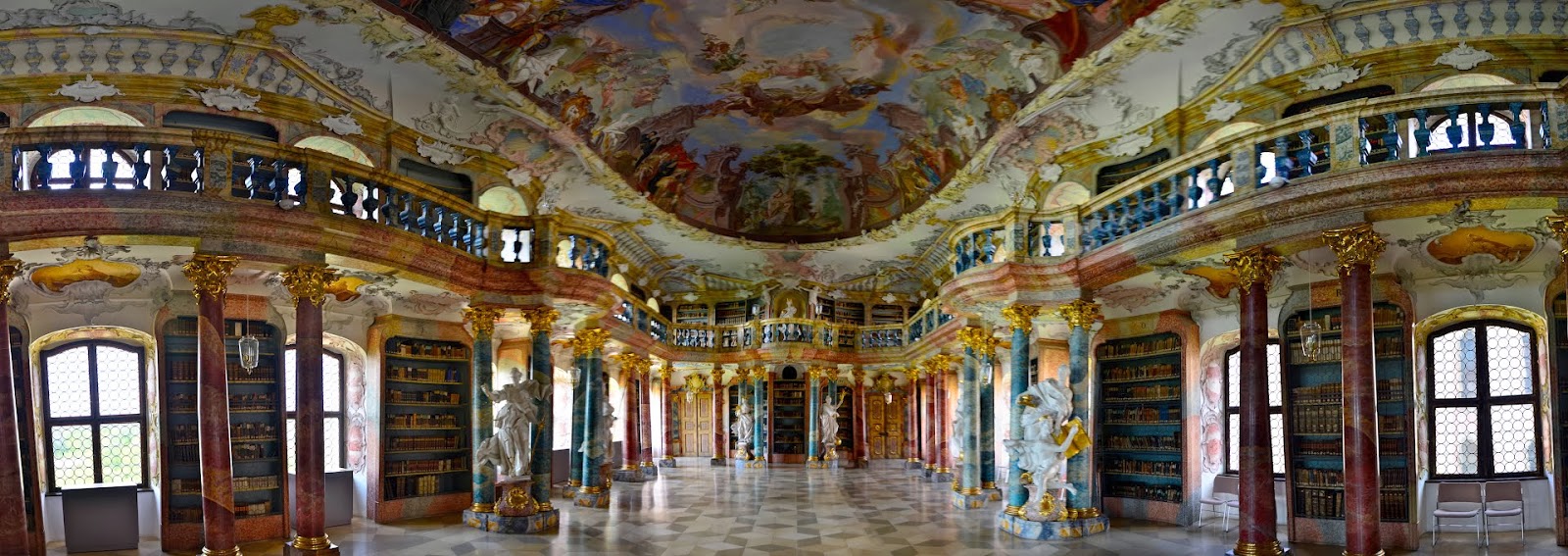
Wiblingen Abbey Library: With its elaborate ceiling paintings by Franz Martin Kühn and intricate gold-trimmed pillars, the Rococo style library at Wiblingen Abbey is considered one of the most beautiful book rooms in the world. The monastery’s church area also houses celestial frescoes and a striking altar.
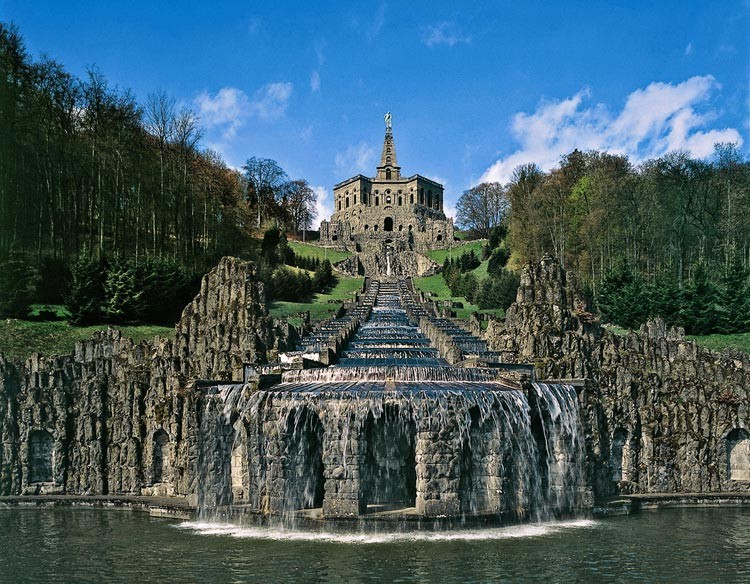
Wilhelmshöhe: In 2013, UNESCO designated this landscape park in Kassel a World Heritage site. A 350-meter-long Grand Cascade flows down to the Neoclassical structure Wilhelmshöhe and a towering copper statue of the Greek god Hercules.
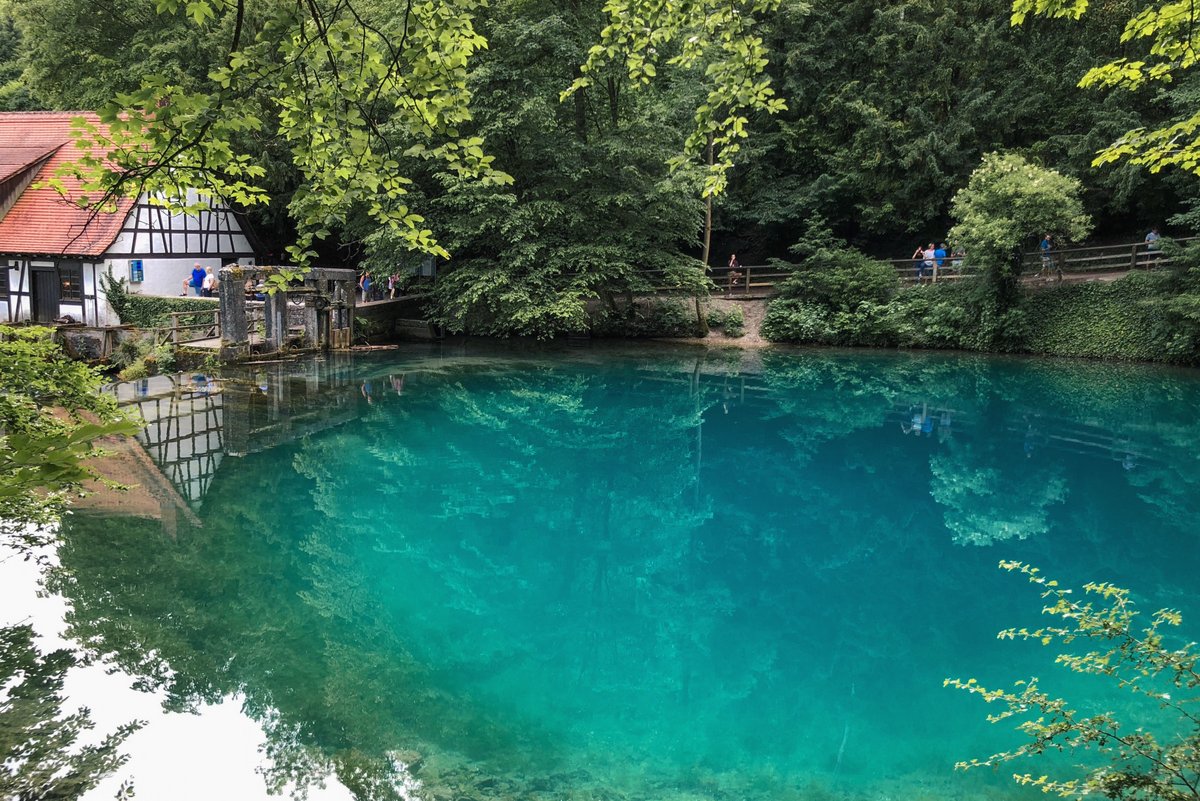
Blautopf: One of Germany’s most colorful treasures is the Blautopf, a jewel-toned spring in the city of Blaubeuren that feeds into the River „Blau“. The bright blue pool is about 21 meters deep, and surrounding sites – such as the Benedictine Blaubeuren Abbey – make the view even more impressive.
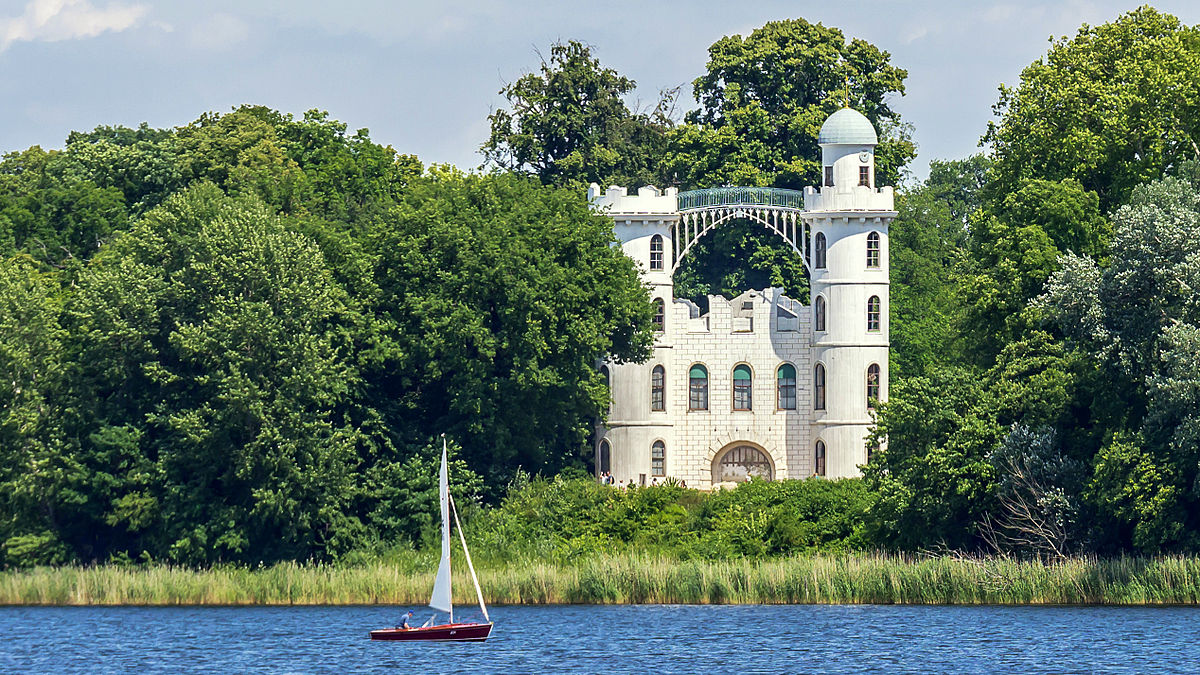
Pfaueninsel: Translated Peacock Island, is an island in Berlin’s River Havel. In addition to a tiny, storybook castle that sits on the edge of the island, the area is known for a flock of peacocks that strut among the leafy brambles and wooded areas. An insider tip in Berlin.
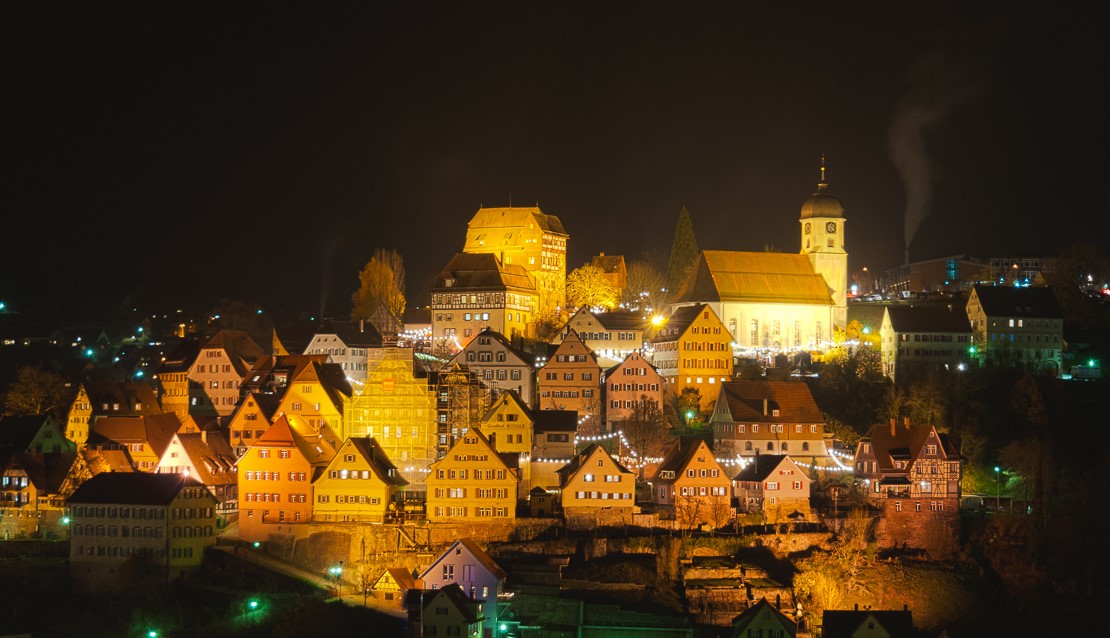
Altensteig: While the natural beauty of the Black Forest is a draw for many travelers, this small, absolute picture-perfect village is also a must-see for anyone stopping near Baden-Württemberg. The medieval architecture and timber houses feel like entering a time portal into the Middle Ages.
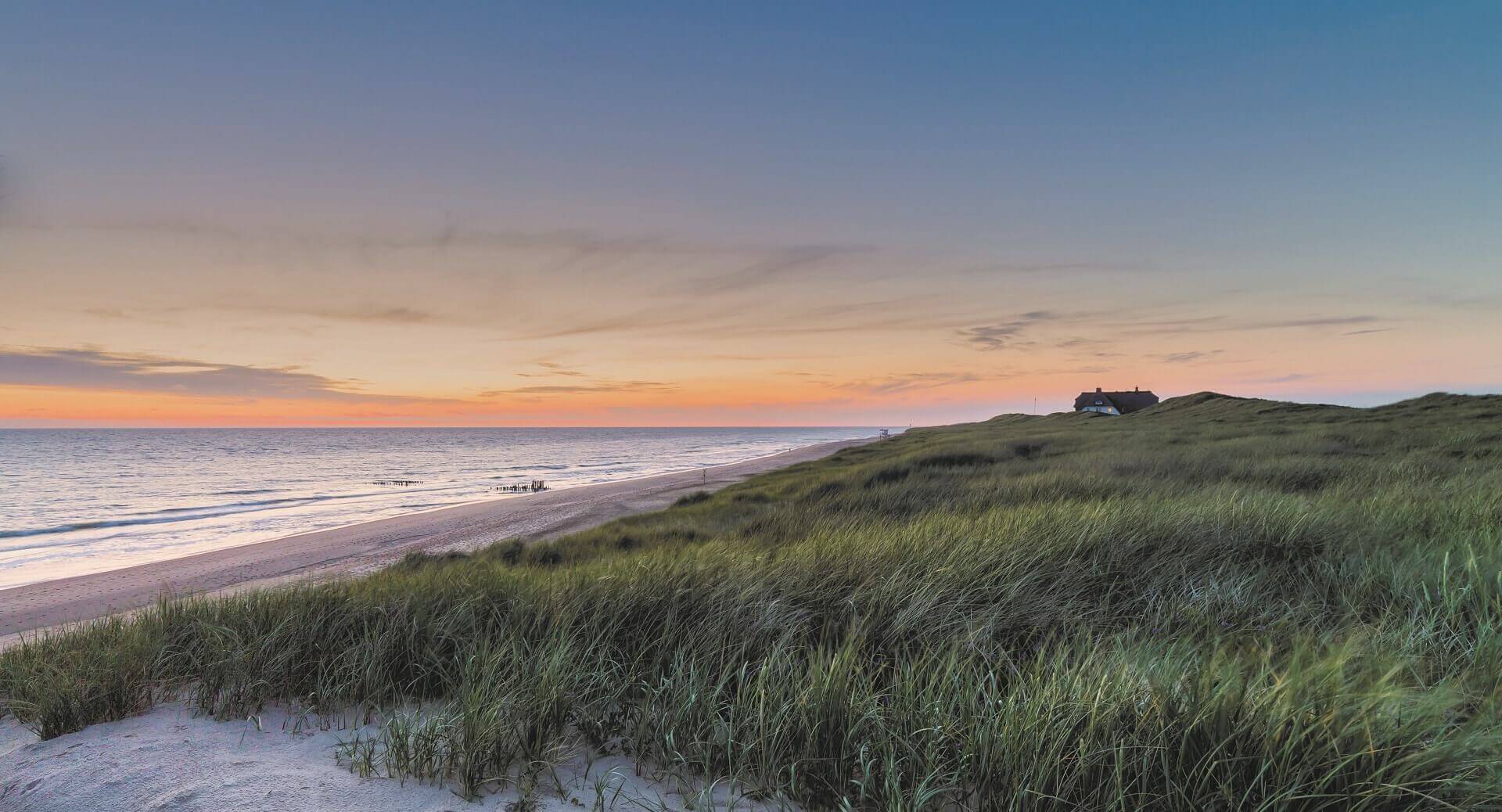
Sylt: The island of Sylt in the North Sea is full of natural treasures, including a geological marvel known as the Morsum Kliff. The rock formation rises about 20 meters into the sky and is marked by a palette of colors – the result of a mix of black mica clay, red sandstone and white sand. Meantime Sylt is known as the island of the rich and famous.
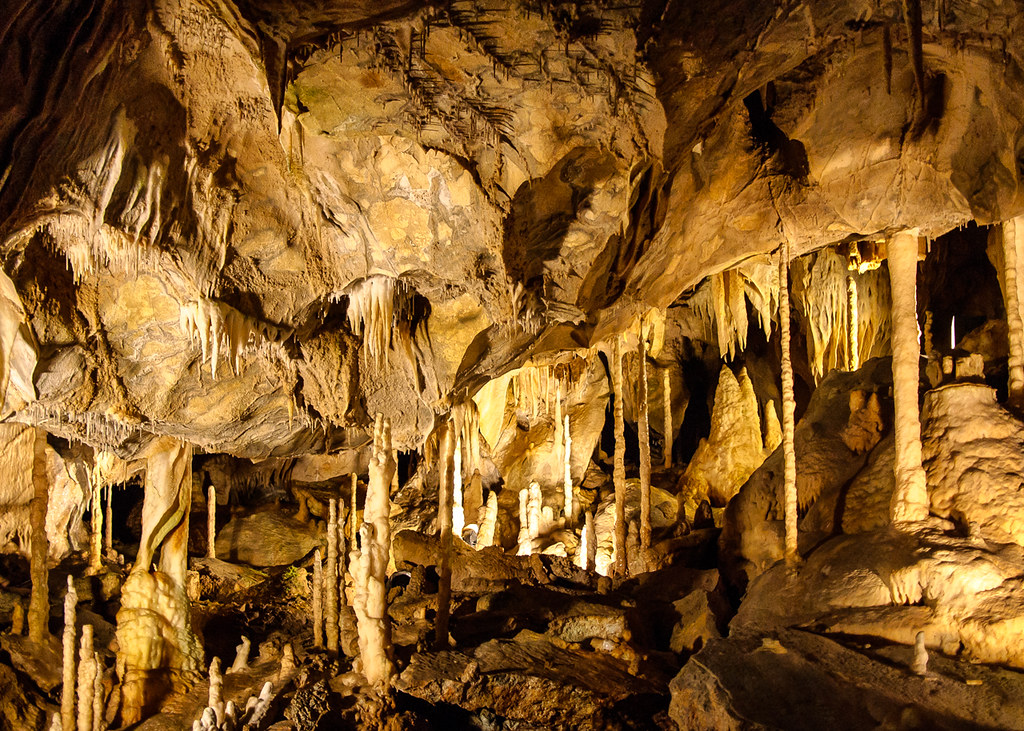
Atta Cave: Running nearly 500 meters deep, this is Germany’s largest drip-stone cave and home to some of the most unique limestone formations in the country. Since its accidental discovery in 1907, the cave has attracted millions of visitors from around the world each year. You’ll find the cave in Attendorn near Olpe in North Rhine-Westphalia.
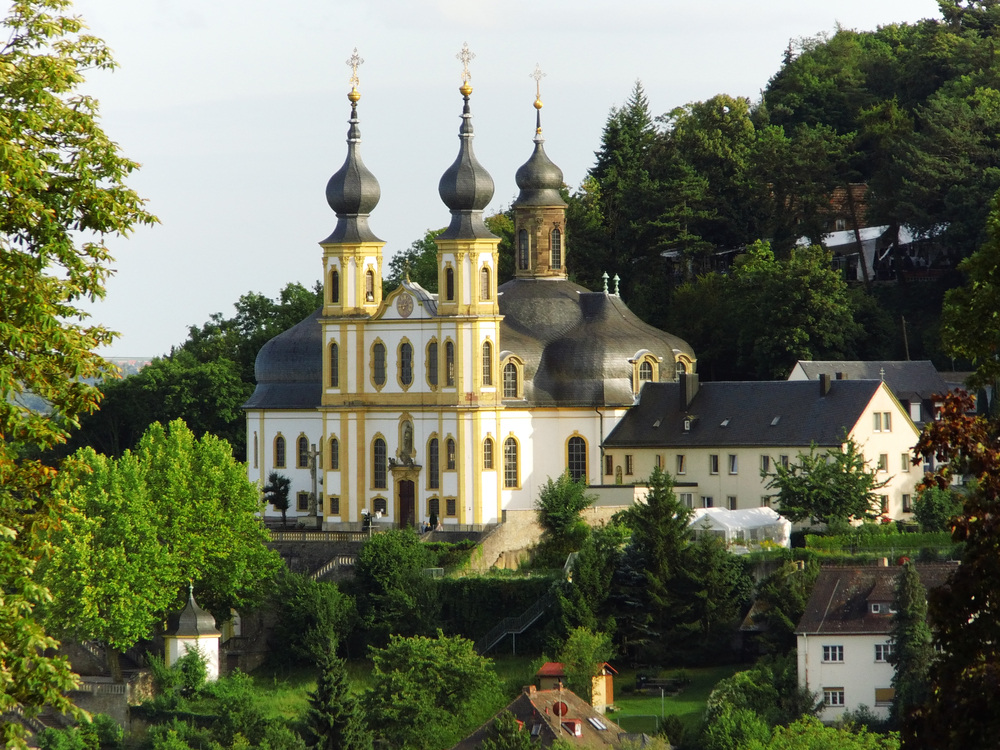
Käppele: The Pilgrimage Church of the Visitation of Mary is known for fantastic ornate architecture built by Balthasar Neumann between 1748 and 1750. Just as stunning as the Käppele’s onion domes and indoor frescoes is its location on the slope of the emerald green Nikolausberg hill above Würzburg in Bavaria.
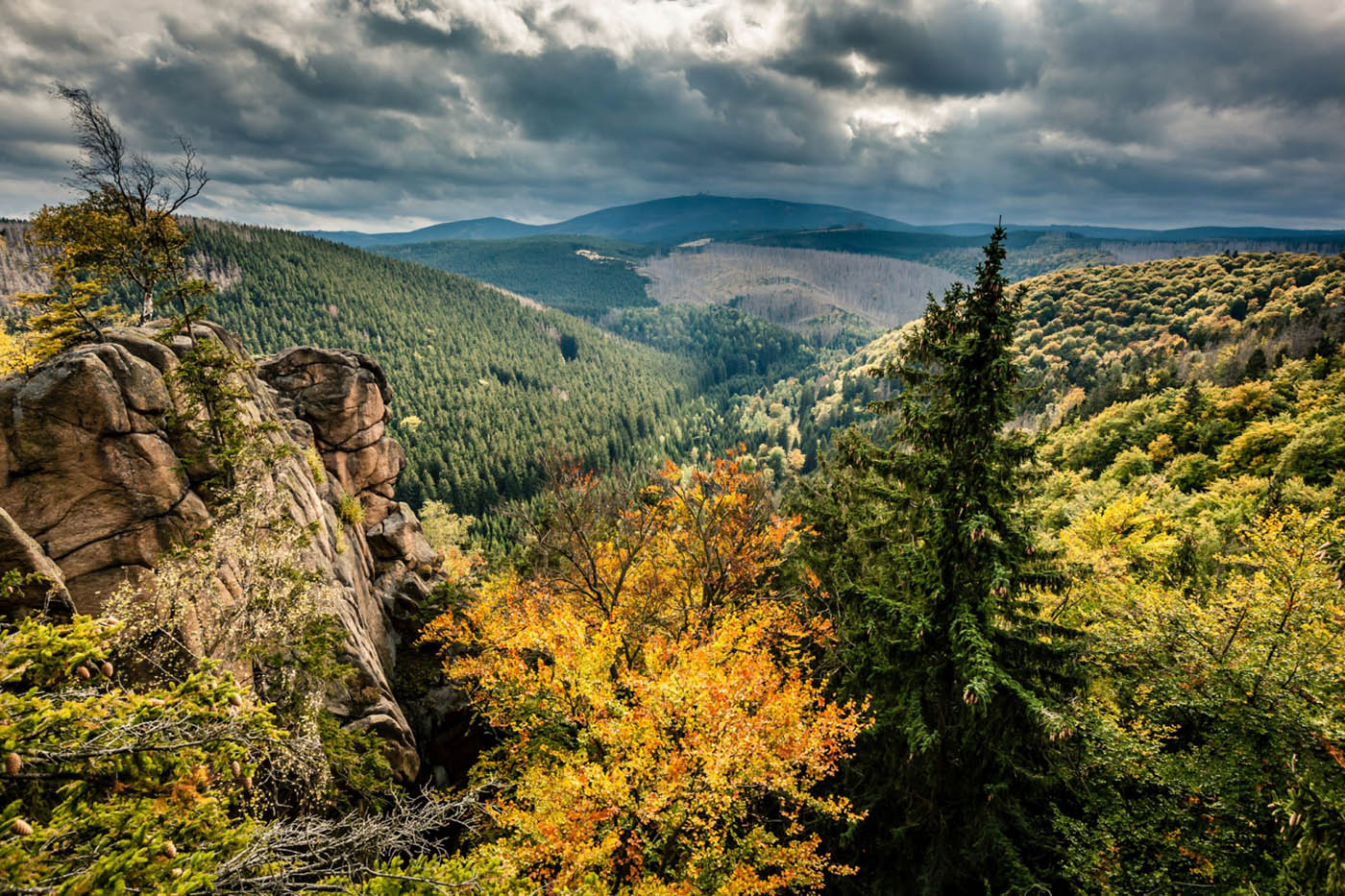
Harz National Park: With its sweeping forests and soft-blue mountains, Harz National Park is easily one of the most impressive and diverse nature reserves in Germany. To my opinion THE BEST ! It stretches across Lower Saxony and Saxony-Anhalt, offering lovely moss-covered hikes and terrain ideal for mountain sports. Dozens and dozens of historic and worth visiting towns and areas, as the highest mountain Brocken, make it a Must See.
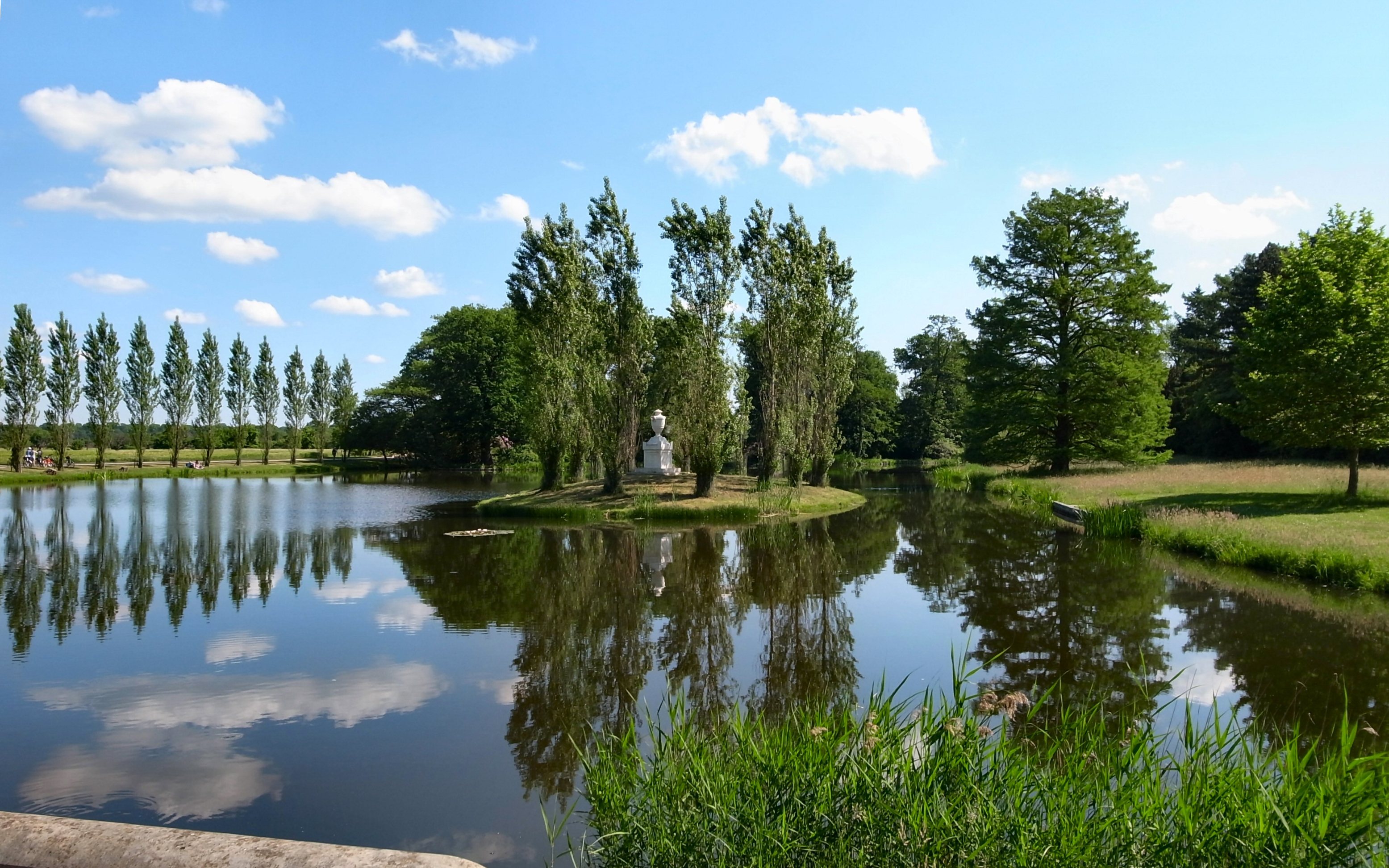
Garden Kingdom of Dessau-Wörlitz: Located in Central Germany, this World Heritage site is one of the oldest and largest English-style landscaped parks in Europe. Influenced by the 18th century’s new Enlightenment ideas, Duke Leopold III of Anhalt-Dessau made a conscious decision to move from a Baroque style to a more natural aesthetic garden landscape.
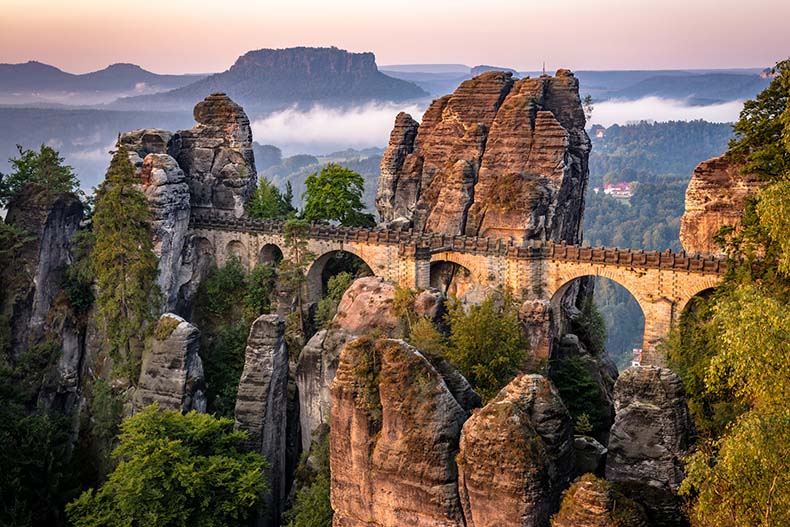
Bastei: The Bastei rock formation juts out 194 meters above the Elbe River in Germany’s Saxon Switzerland National Park. From atop the sandstone Bastei Bridge, visitors can take in sweeping panoramic views of the Elbe Valley below. Dresden and Meissen are nearby.
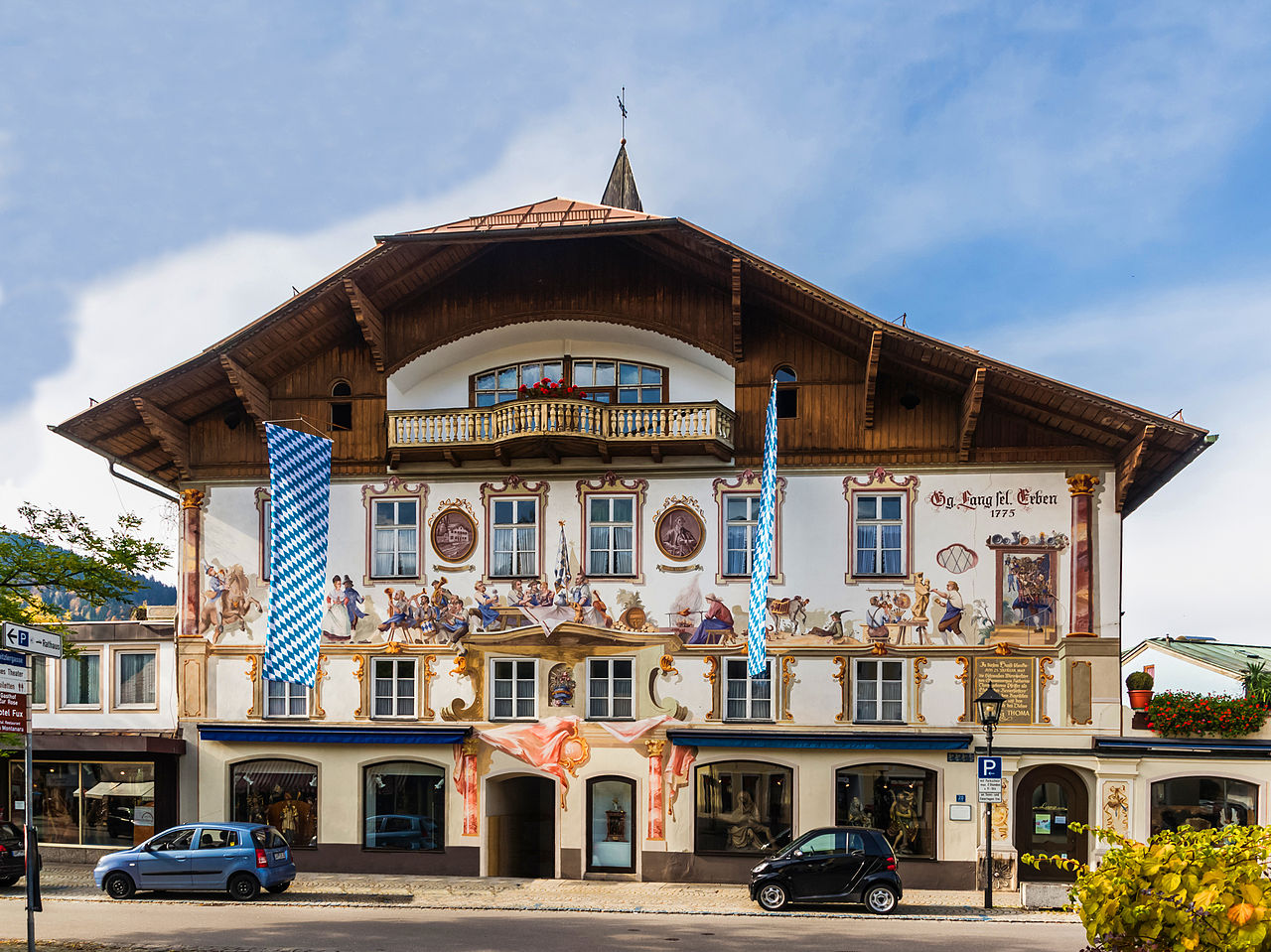
Oberammergau: This small, dreamlike town sits on the Ammer River in southern Germany. Traditional frescoes known as lüftlmalerei adorn the town’s buildings, depicting everyday life in Bavaria, as well as fairy tales and religious scenes. One of a kind town !
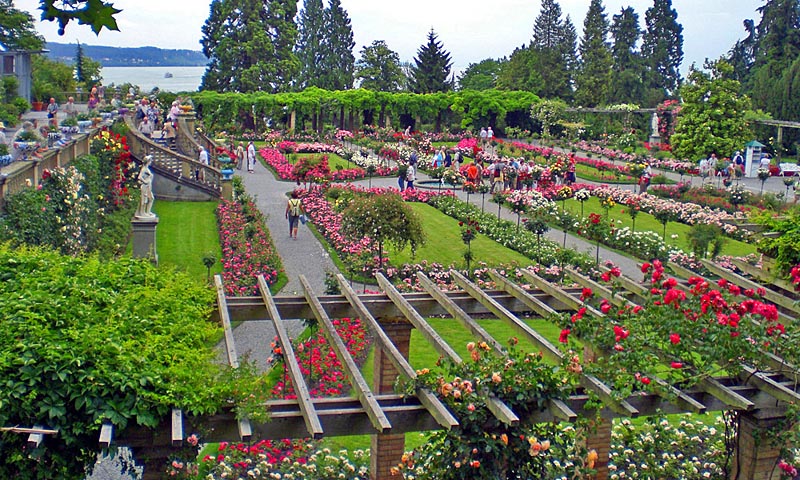
Mainau: Thousands of flowers bloom on this garden island in southern Germany’s Lake Constance. In addition to the burst of color from the flowers, Mainau’s tropical climate makes it possible for thousands of butterflies to flourish and flutter around the terrain, depending on the season. And another attraction are the Palace/Castle gardens of Mainau.
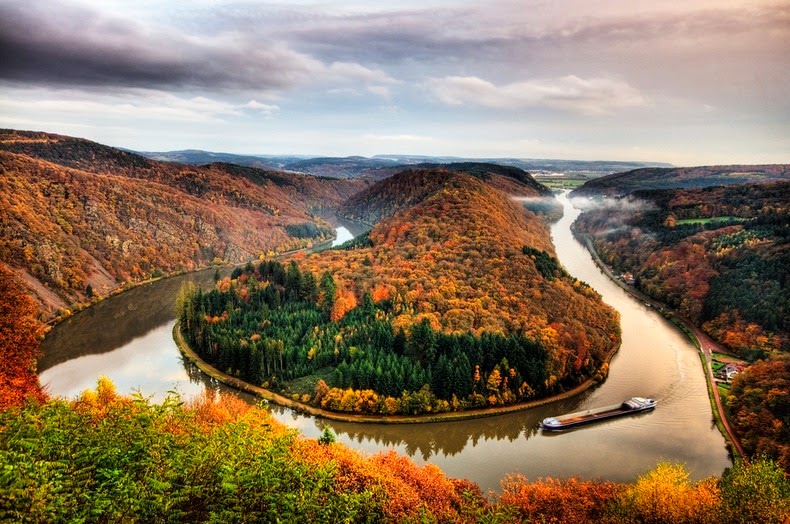
Saar Loop: The Saar River makes a deep turn as it approaches the German town of Mettlach, curving into a horseshoe shape known as the Saar Loop. The best way to take in this natural curiosity is by trekking up the free Saarschleife outlook for a panoramic view.
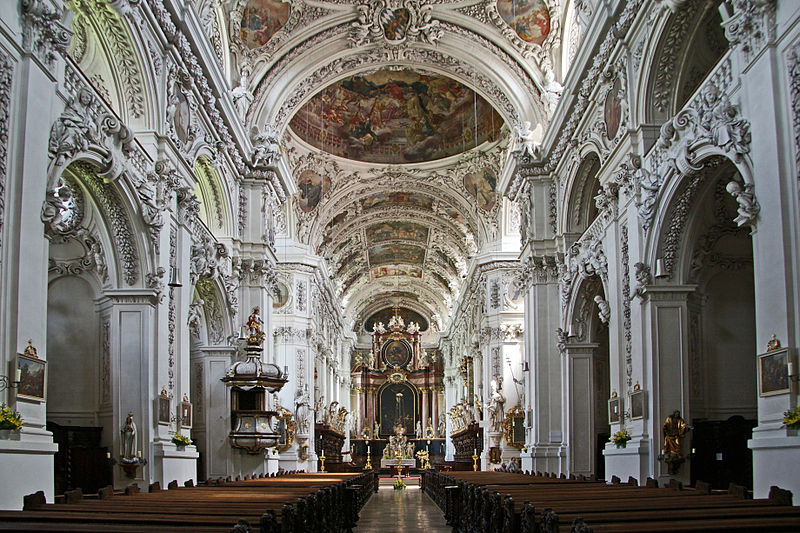
Waldsassen Basilica: For some, a baroque church filled with jeweled skeletons may not be beautiful in the traditional sense of the word. But these remains of Christian martyrs exhumed from Roman catacombs more than 250 years ago carry an eerie and haunting mystique. The Basilica houses 3 massive organs, a true rarity for history fans. The main instrument has 141 ranks, 101 stops and 7,720 pipes. Find it near Tirschenreuth, Bavaria.
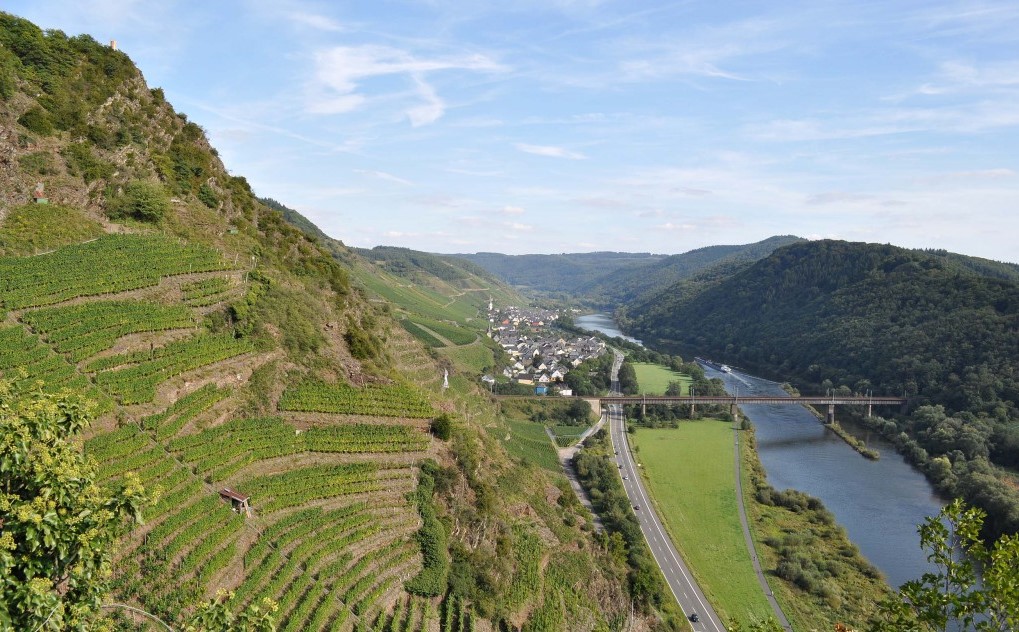
Mosel Valley: The Mosel Valley boasts some of the most scenic attractions and finest vineyards in Germany. A few standouts in this lush region include the medieval Eltz Castle, the vertiginous town of Cochem and Trier, the oldest city in the country. The city of Trier with its Roman history is truly a Must See destination.
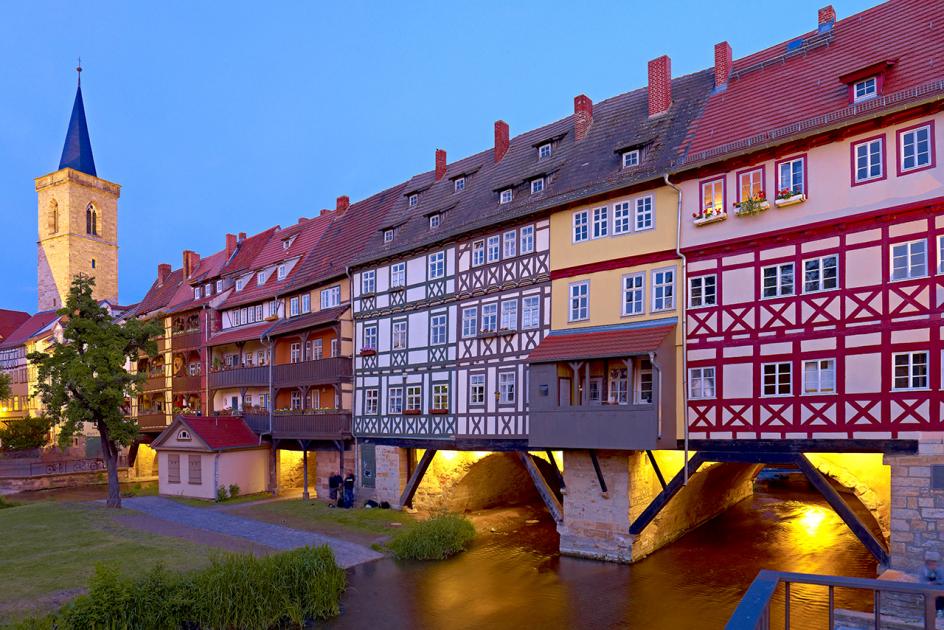
Krämerbrücke: The „merchants‘ bridge“ can be found in the central city of Erfurt. The medieval bridge is lined on both sides by timbered boutiques and homes that have been continually inhabited for the last 500 years – a record in Europe.
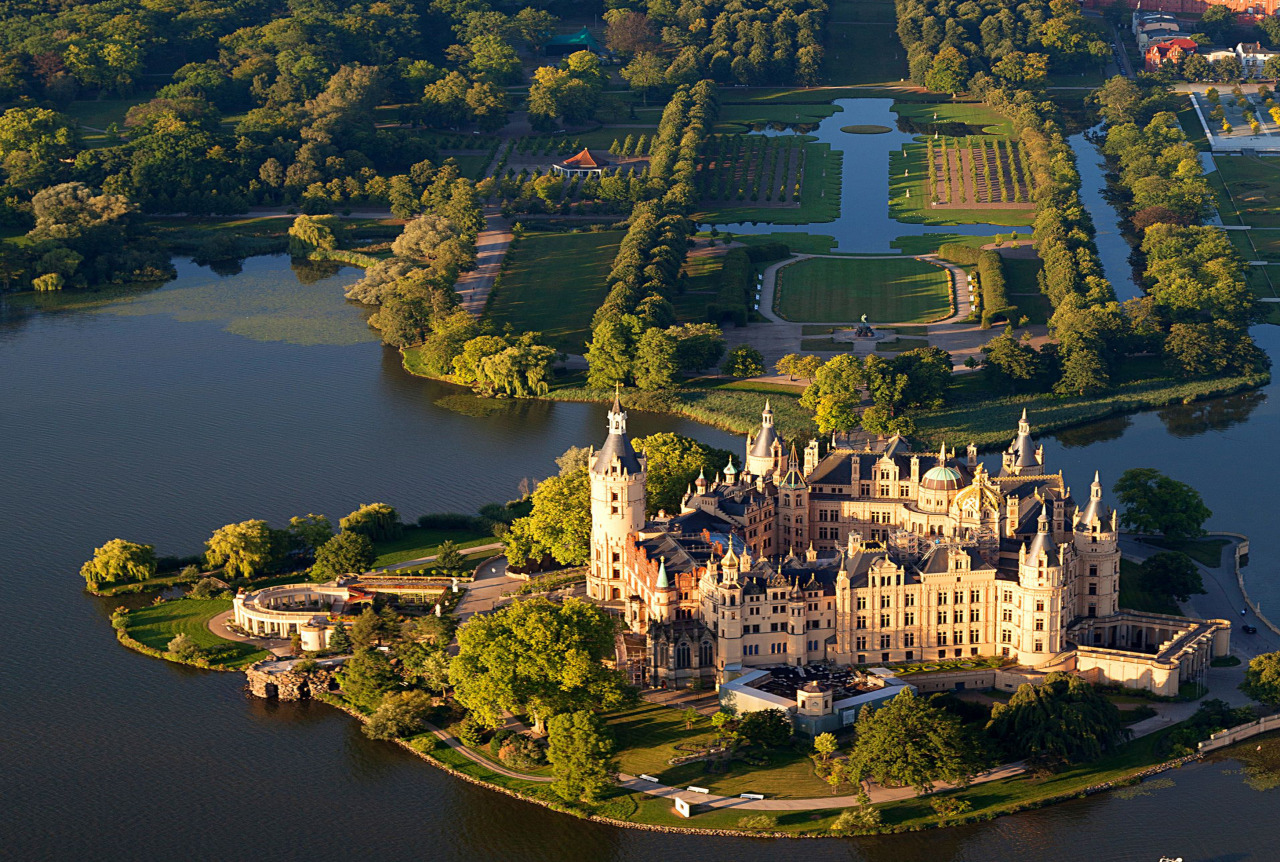
Schwerin: The glimmering Lake Schwerin gives this northeastern city its bright charisma. Schwerin Castle, a highlight for visitors, sits in the lake and serves as the seat of the state’s parliament. The history of this castle dates back to 973 AD !!
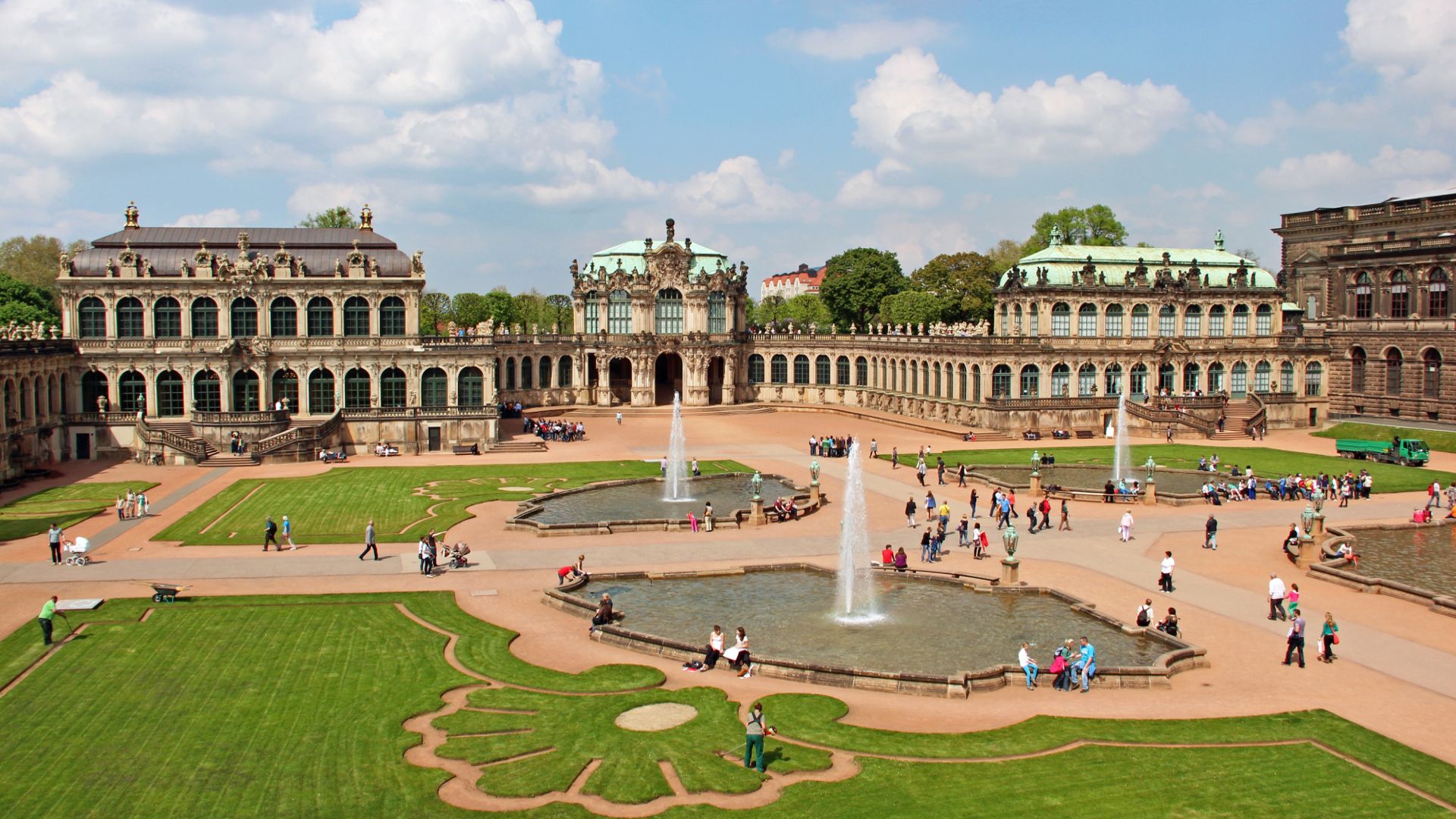
Zwinger Palace: Augustus the Strong commissioned this famous Baroque court in 1709. Today, its shooting fountains and impressive sculptures have made it the centerpiece of Dresden, the capital of Saxony, that once served as the home to monarchs and royal elects. Dresden is a Must See anyway, called once the Florence on the river Elbe.
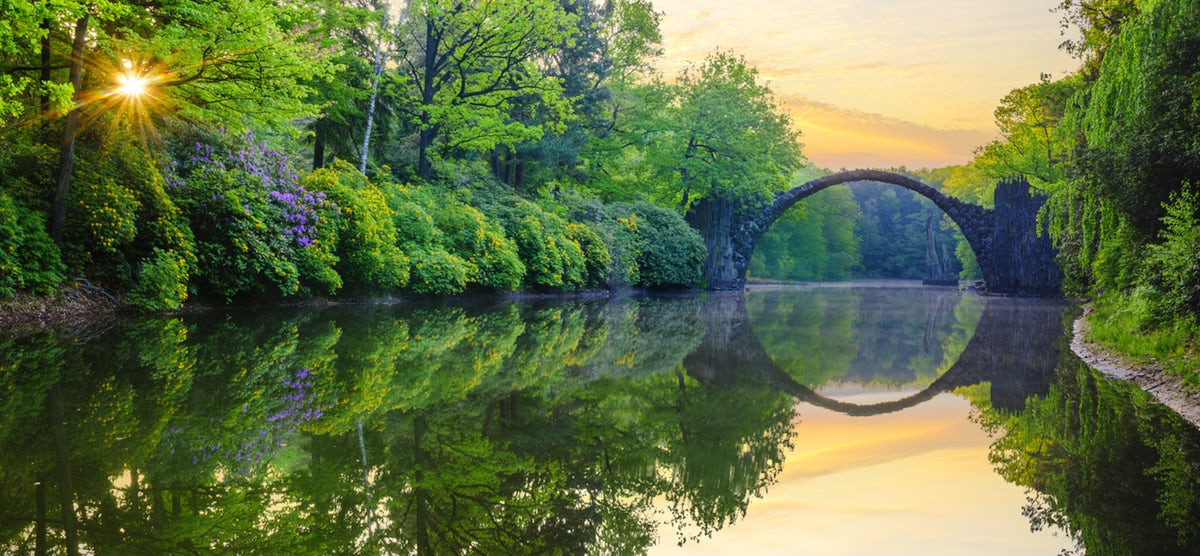
Azalea and Rhododendron Park Kromlau: This 200-acre English landscape park was built in the 19th century in Gablenz, Saxony. The arched Rakotz bridge, also known as the „devil’s bridge,“ reaches over one of the park’s many bodies of water and creates a perfect circle with its reflection below.
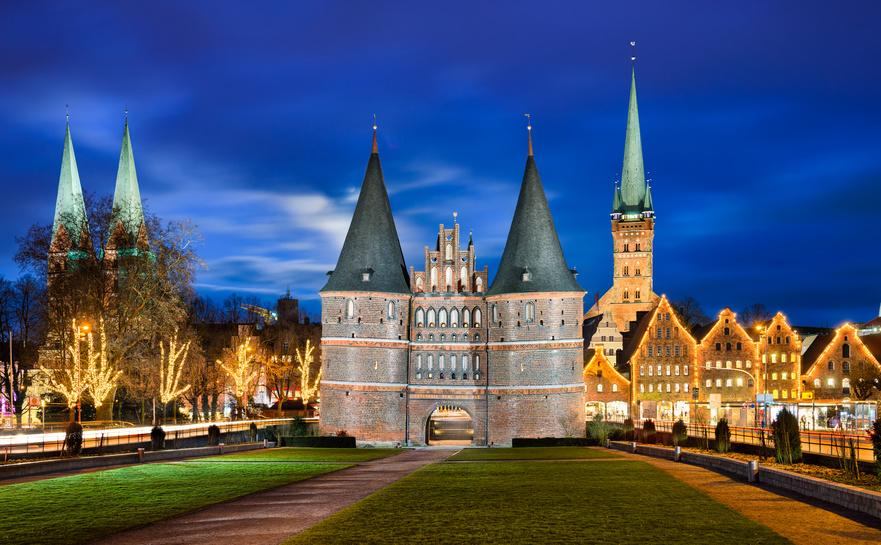
Lübeck: Lübeck is a small city, but its striking brick Gothic architecture and history as a major port have given it a UNESCO World Heritage designation. Many travelers who are visiting the maritime beauty of the city of Hamburg often plan a quick visit to Lübeck, which makes for a relaxing day trip. But Lübeck is much more then a quick trip worth.
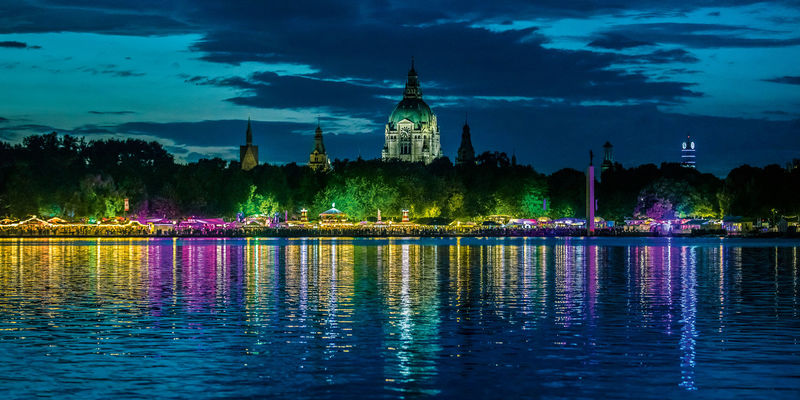
Maschsee: This quiet and idyllic lake, to my opinion totally underestimated destination, attracts families throughout the year in Hannover, the capital of Lower Saxony. However, it transforms during festivals in the summer, when the twinkling lights of the city reflect and glimmer back at visitors in the water.
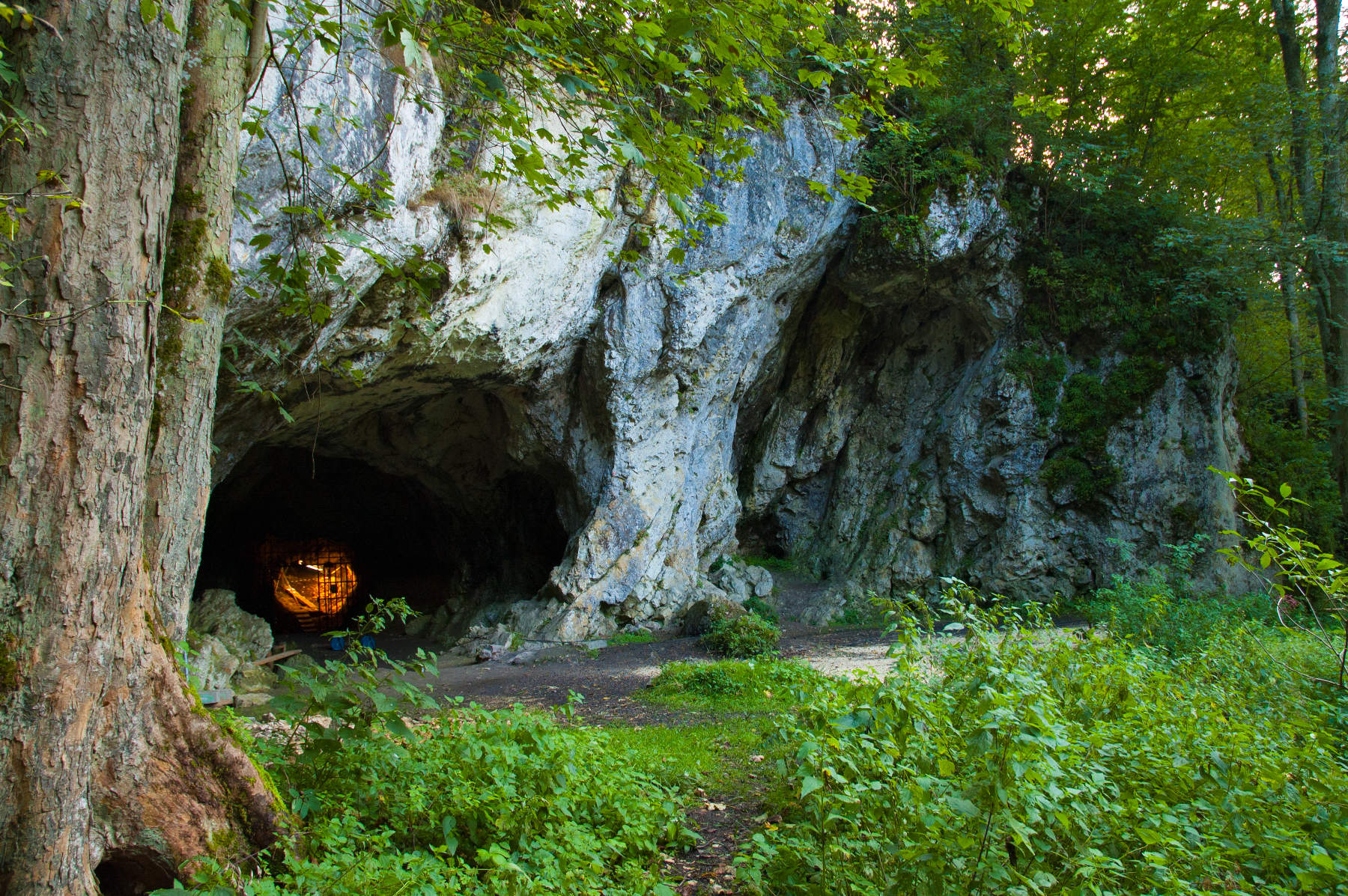
Caves and ice age art in Swabian Jura: Some of the oldest traces of human civilization exist inside six mesmerizing caves in the Swabian Jura region. Here, during the last Ice Age approximately 40,000 years ago, humans made their homes and left behind carved animal figures and musical instruments that viewers can see today.
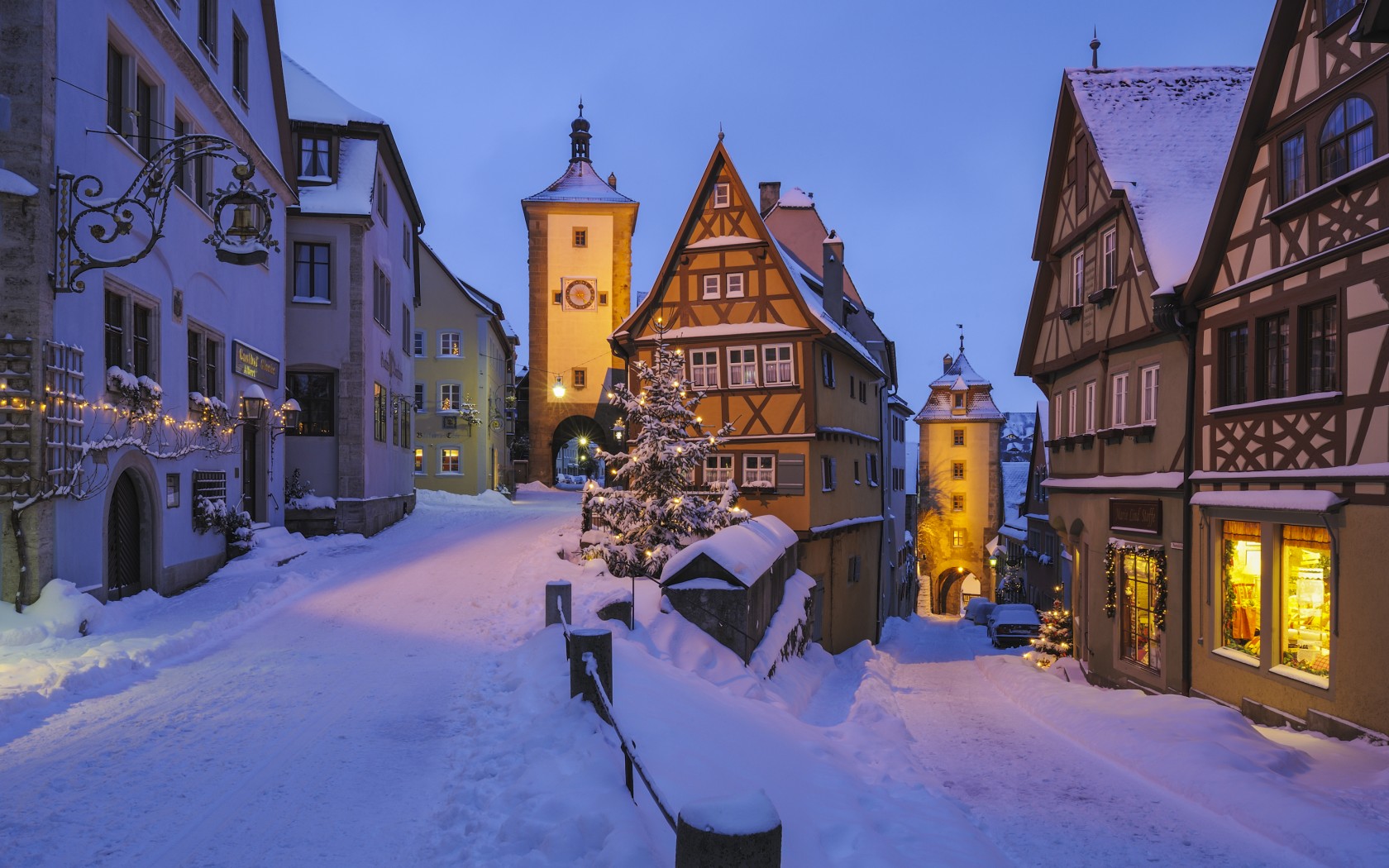
Rothenburg ob der Tauber: While driving along southern Germany’s popular and scenic Romantic Road, a 350-kilometer route that cuts through mountain areas and abundant forests, many travelers make sure to stop at the storybook town of Rothenburg ob der Tauber. The half-timbered houses decorated with flower boxes and the little cobblestone streets make the „Plönlein“ or „little square“ particularly endearing. Thousands of tourists all year round make this town a not to attractive destination to me.
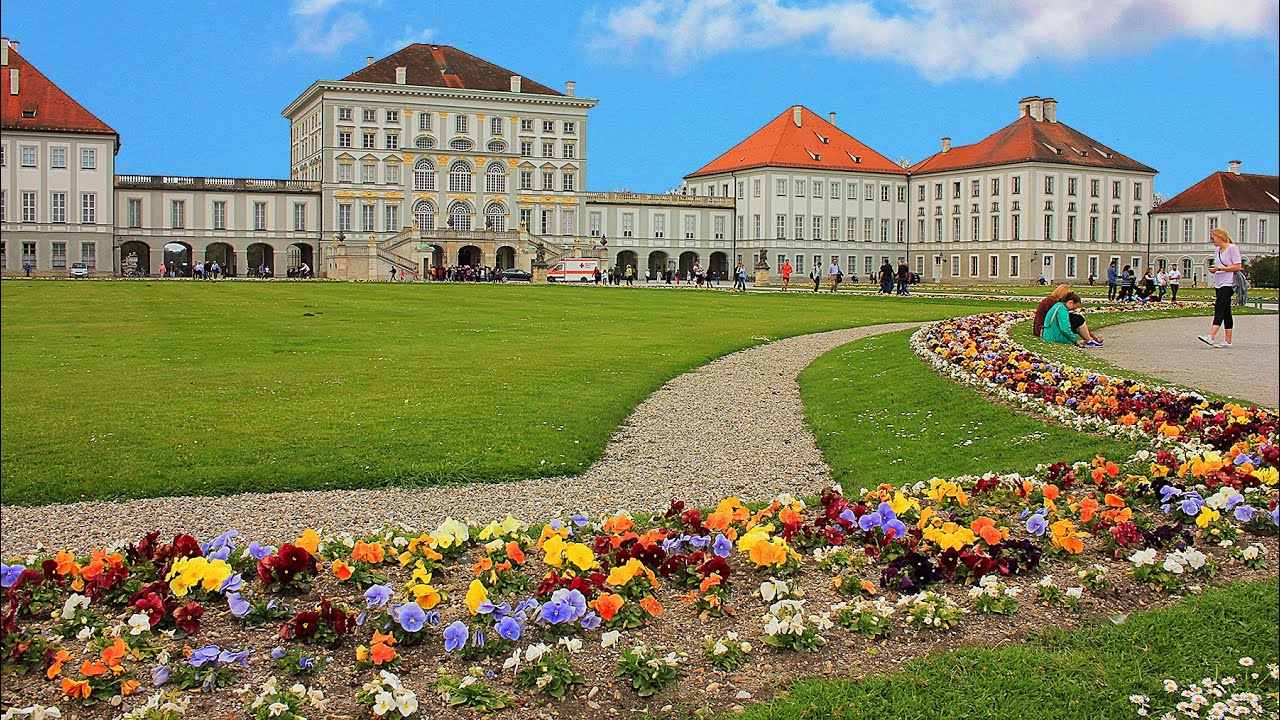
Nymphenburg Palace: Within the impressive grounds of Nymphenburg Palace lies the Amalienburg, a residence and former hunting lodge that the Prince-elector of Bavaria Charles Albert built in 1734. The ornate interiors include the Rococo-style Hall of Mirrors designed by the architect François Cuvilliés the Elder.
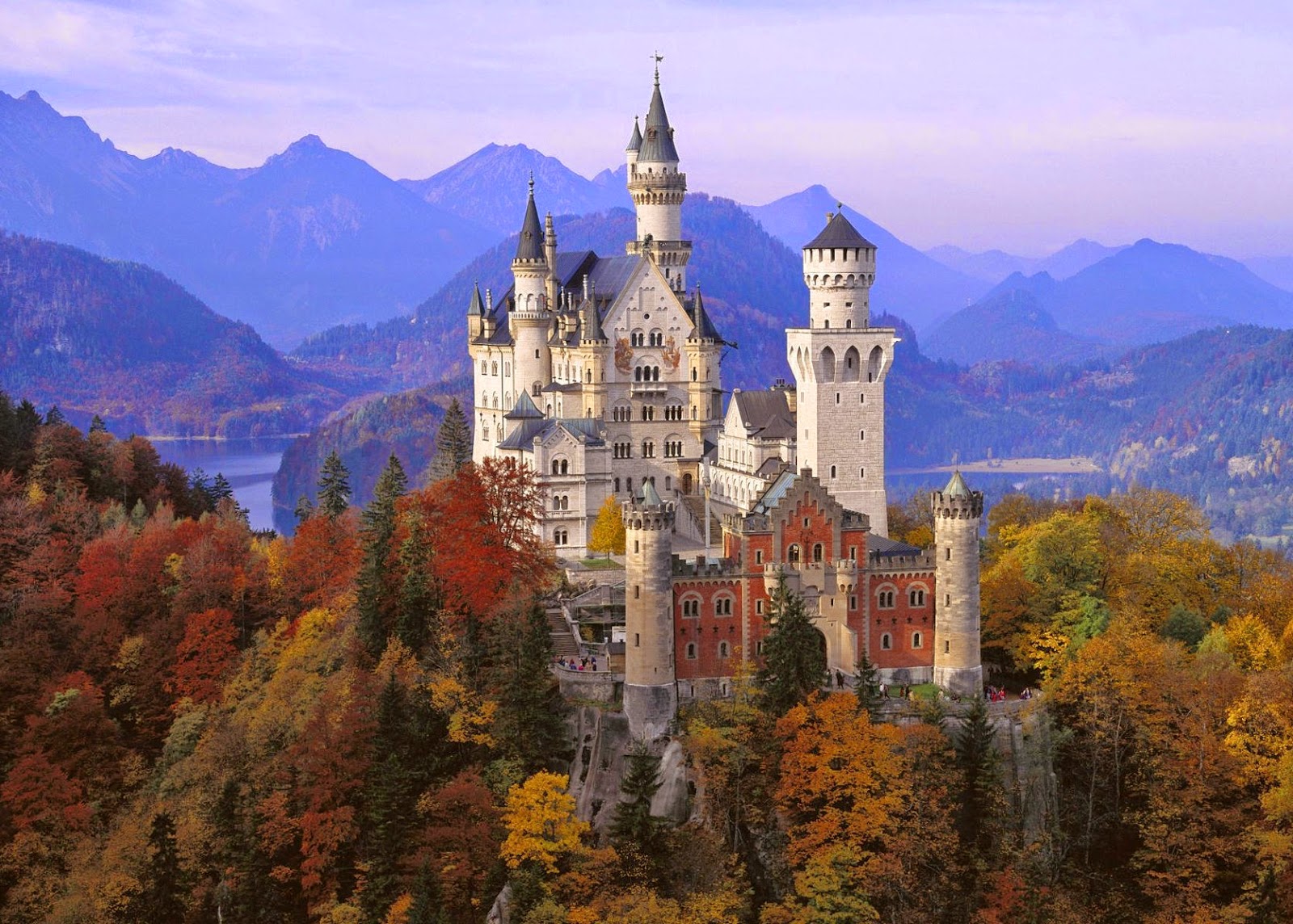
Neuschwanstein Castle: Built on a rugged hill by Ludwig II of Bavaria in the late 1800s, its Romanesque Revival style has made the castle a standout throughout Europe. The top of the structure offers a dramatic view of the Bavarian villages near Füssen below. But this is the second destination, I chose because of its prominence, not to recommend because of the long long waiting lines of millions of tourists all year round.
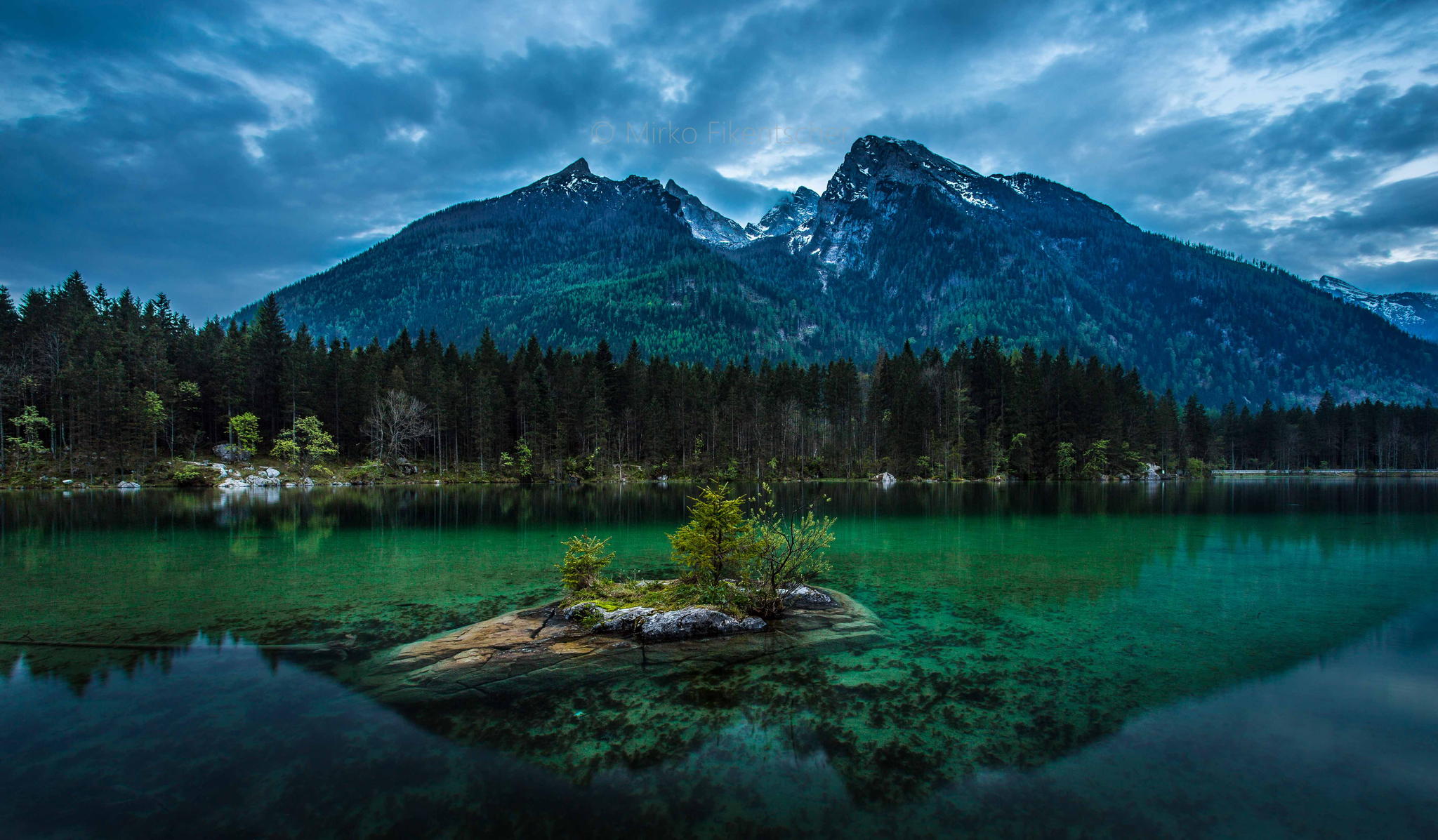
Berchtesgaden National Park: Alpine lakes and ice-topped mountains are just a few of the natural wonders that make Berchtesgaden such a breathtaking national park. This is a place to relax, visit the Königssee with its Basilica (shown far above in the header) or the well worth seeing town of Ramsau, or just enjoy the nature during long long hikes.
Dozens and dozens more attractions would be worth to be presented here, but this should be enough as a suggestion to travel the fantastic country of Germany. More „Germany Tips“ you’ll find if you click under Tags (above on the right) on Germany ! Hope you enjoyed it !


Wat is dit een mooi stuk. Dat Duitsland mooi is, weet ik wel, maar ik heb me er nooit echt zo in verdiept. Ik heb echt genoten van deze foto’s en tekst erbij. Dit brengt me op het idee om, wanneer deze akelige corona periode voorbij is, een reis in Duitsland te maken. Maar, ik denk dan wel om met een reisorganisatie mee te gaan. Alleen met de auto durf ik niet meer zo goed aan. Dank je wel Mike.
LikeLike
Fantastic – all the comments you’ve sent today.
I love you for it – because „praise is the bread of the artist“.
Hartelijk bedankt my DEAR !!
LikeLike