
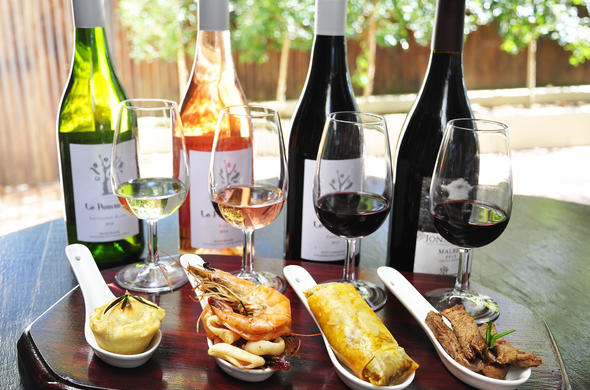
My last article about the wine connoisseur has brought a lot of comments. Thanks for that. Anyway, I want to stick to the content, but I have to admit that some people’s knowledge of wine, or what they think they have, often ends up in boasting.
That’s why I like to give you a few thoughts on how to stand up against such people. My suggestion, do it the „nice way“, as well as I’ll hang it on to the „French neighbor example“. A real connoisseur doesn’t need to show off, he is using his knowledge for hers/his own satisfaction. Just using the knowledge if its asked for.
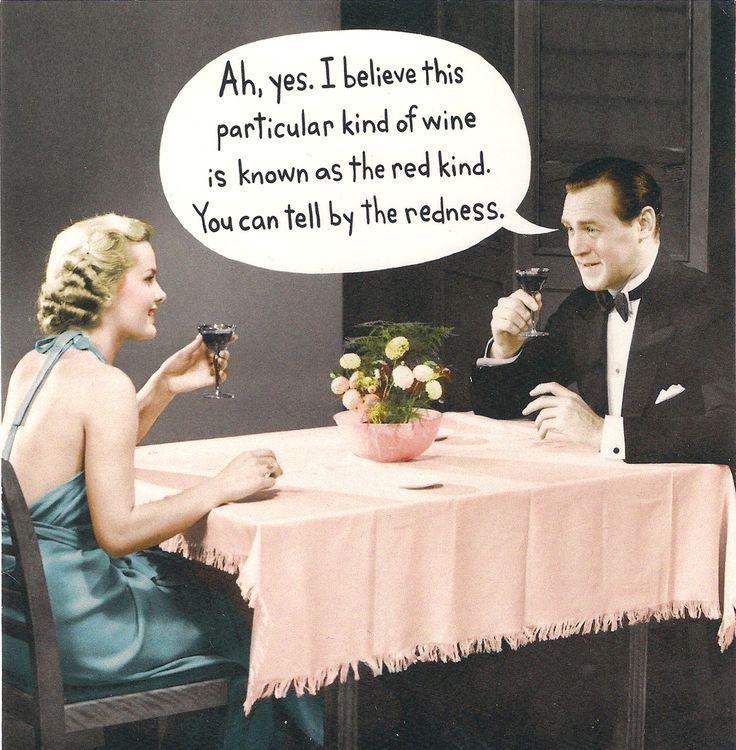
Fake the wine connoisseur.
By example you are invited by your French (holiday home) neighbors and a good bottle of wine is served on the table – a sign of good French hospitality! But how much do you know about wine? 5 tips for those who still have difficulties with grape varieties and aromas.
 Don’t worry, fakes are everywhere.
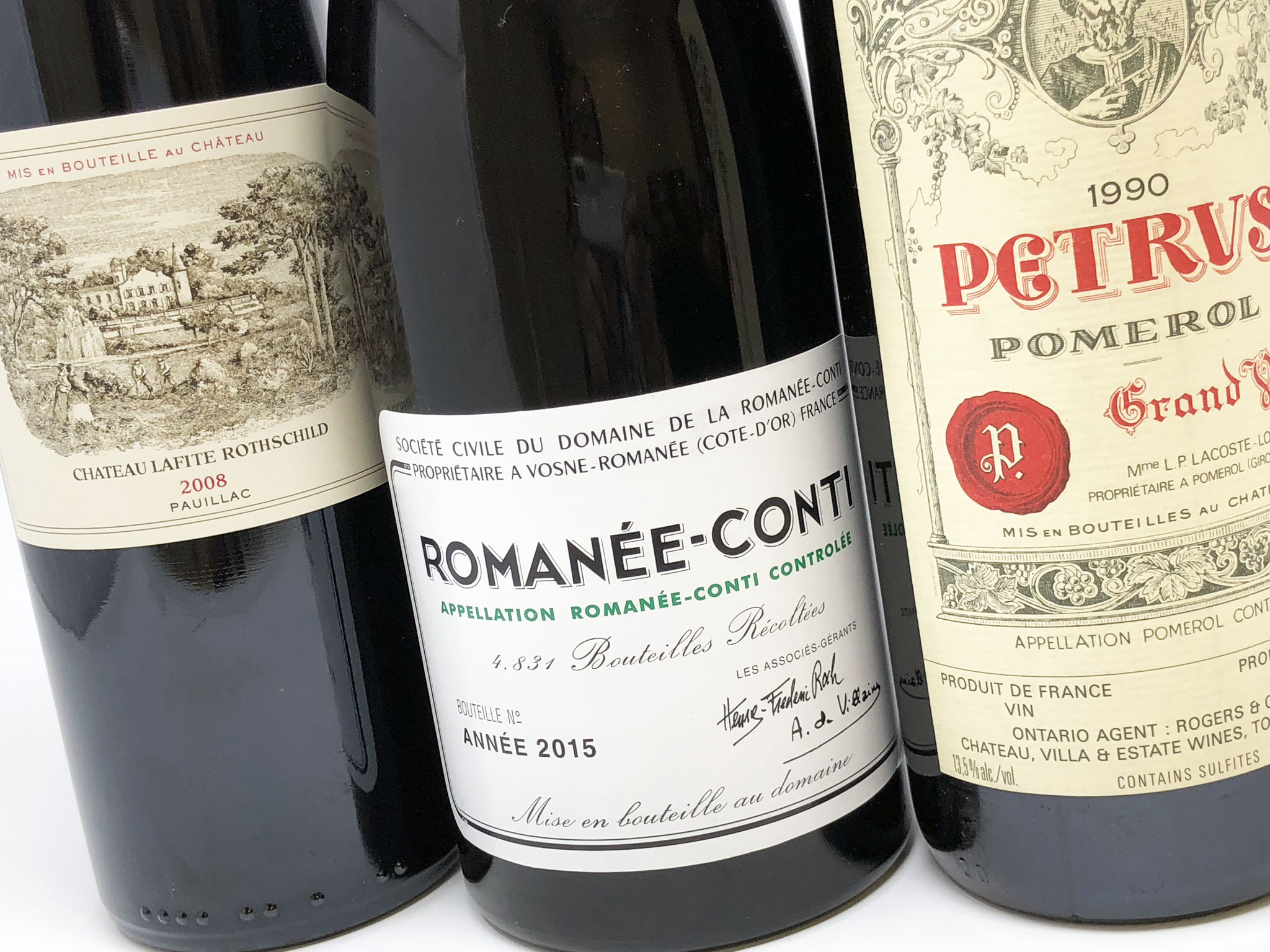
If you assess the situation correctly, you’ll notice dust on the bottle, old vintages and terms like Cru classé or Grand Cru on the label are important features. But the shining eyes of the host often also indicate that he has brought something special from the wine cellar. If he then subtly brings the label into your field of vision, then there is something better on the table than a local house wine.
1. Lure the host out of his reserve.
If everything points to a good drop, then don’t panic, it won’t be a Pétrus or a Romanée-Conti. But chances are good that your neighbors will uncork a wine in the price range between 20 and 50 euros or dollars. You can now tell them that you have recognized the quality of the wine by saying: „Tiens, c’est une bonne bouteille! (Look at, what a good bottle of wine!). A safe and strategic move, because the host will certainly tell you now what good wine he has chosen for you. And you will get all the necessary information, if you can listen. In this case „silence is power“, just wait and see.
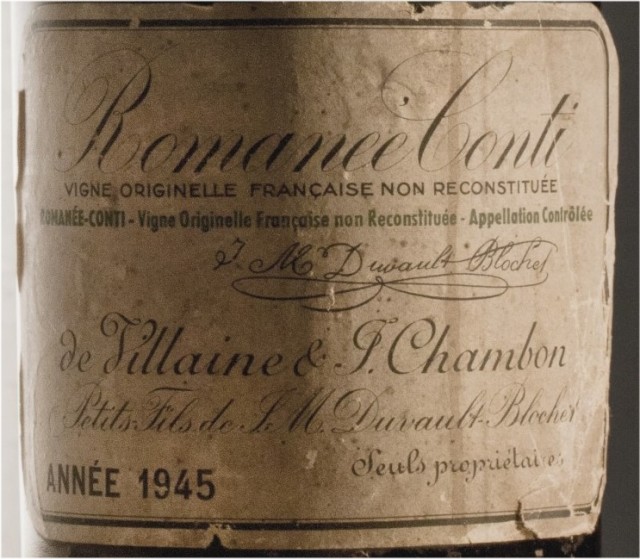 Just US$20.000,– for one bottle like this in auction !!
You now know that you are getting something delicious and you are certainly curious. But take your time before you take the filled glass. It may sound obvious, but sometimes you tend to take a sip while your hosts are still busy in the kitchen. Not done in France. Here they sometimes wait an agonizingly long time until the very last guest is present and everyone is ready to toast. Take the time to wait for your host.
2. Toast „comme il faut“ (properly).
To toast yourself, hold up the glass and say: santé or tchin-tchin (that’s the more common and relaxed version). Toasting is not necessary, and in some social circles it is not common – so it is best to wait and see what your French hosts do. When toasting, the same applies as with us, look each other in the eyes ! But the joke about „10 years of bad sex if you don’t look at each other“ is better left out.

3. Panning and smelling.
And now let’s go, but – stop! – don’t drink yet, use a few of the tips you learned in the previous post of this blog. First, move the glass slightly (a controlled hand movement, because the sofa should stay clean) to let the wine flow through the glass and then hold your nose in. As long as the procedure is not overdone, this is a popular ritual in France. Swirling all the time like hell, as you see sometimes in movies or wine tastings, is no style. Wine tastings at home also always start with smelling. But keep back with spontaneous comments about the aroma (danger zone!), an expectant nod is enough for now. Especially ambitious people can start with „Mmm, un joli nez …“. (Mmmhh – nice nose, means „what a full bouquet“).
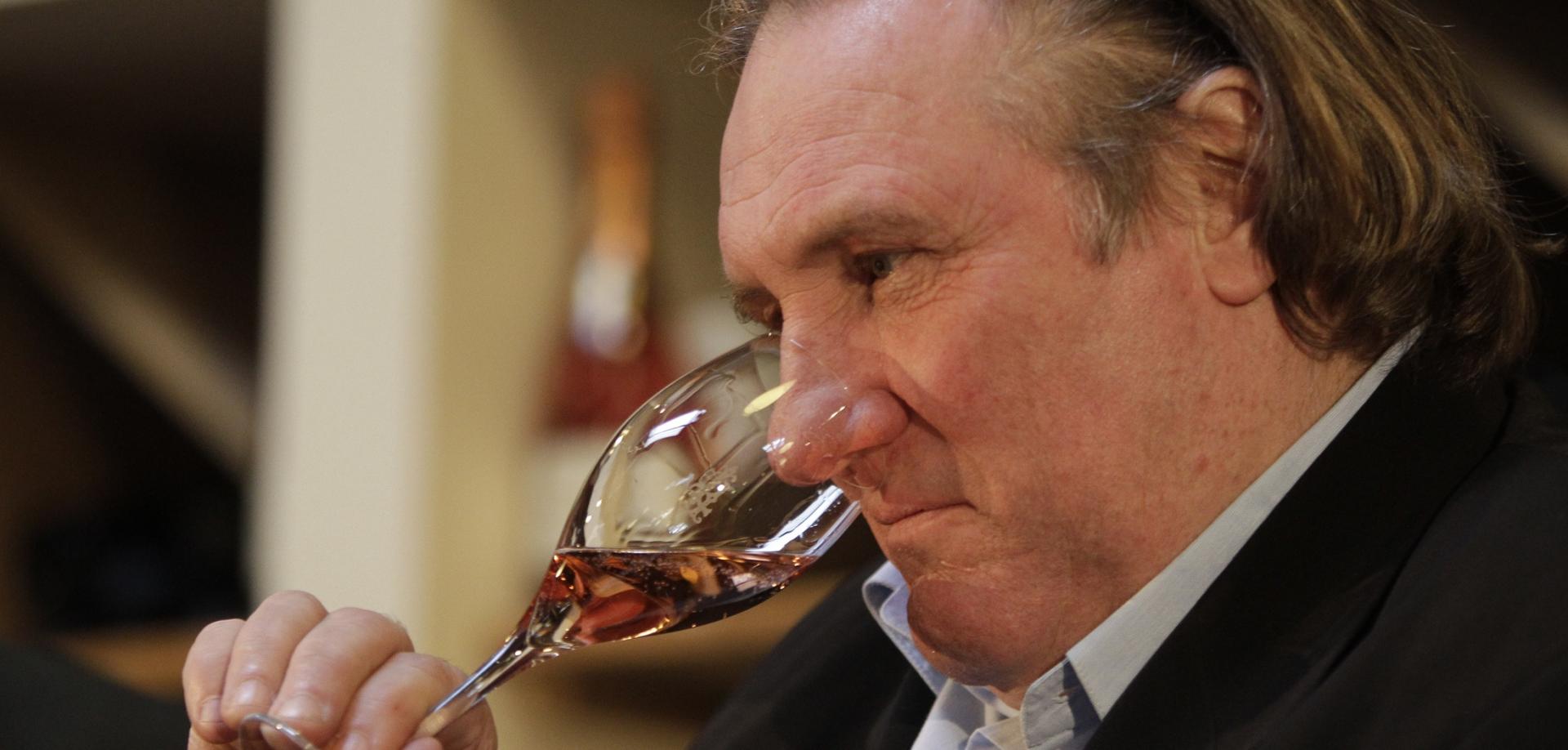
4. Here we go.
Now it’s getting exhausting. Take the first sip with a light sip, pull the air between your lips (often recommended: so that you can hear it) as quiet as possible and make a concentrated expression. That was the hardest part, now all you have to do is smile and say: „Ah oui, très bon ce vin“ (Ah yes, this wine is very good). No more and no less. A win-win situation, because if the wine isn’t that special after all, the French consider you polite. And if the wine is excellent, then you will be delighted.
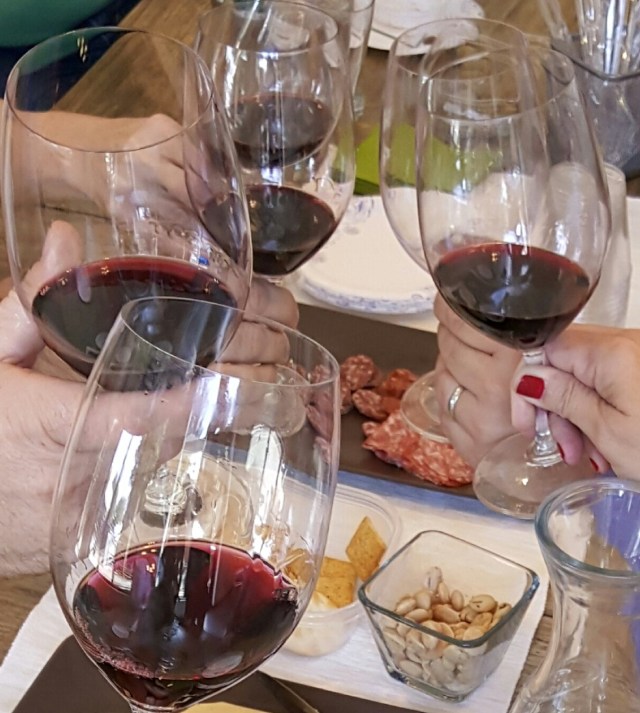 Be happy, you made it ! A toast on you !
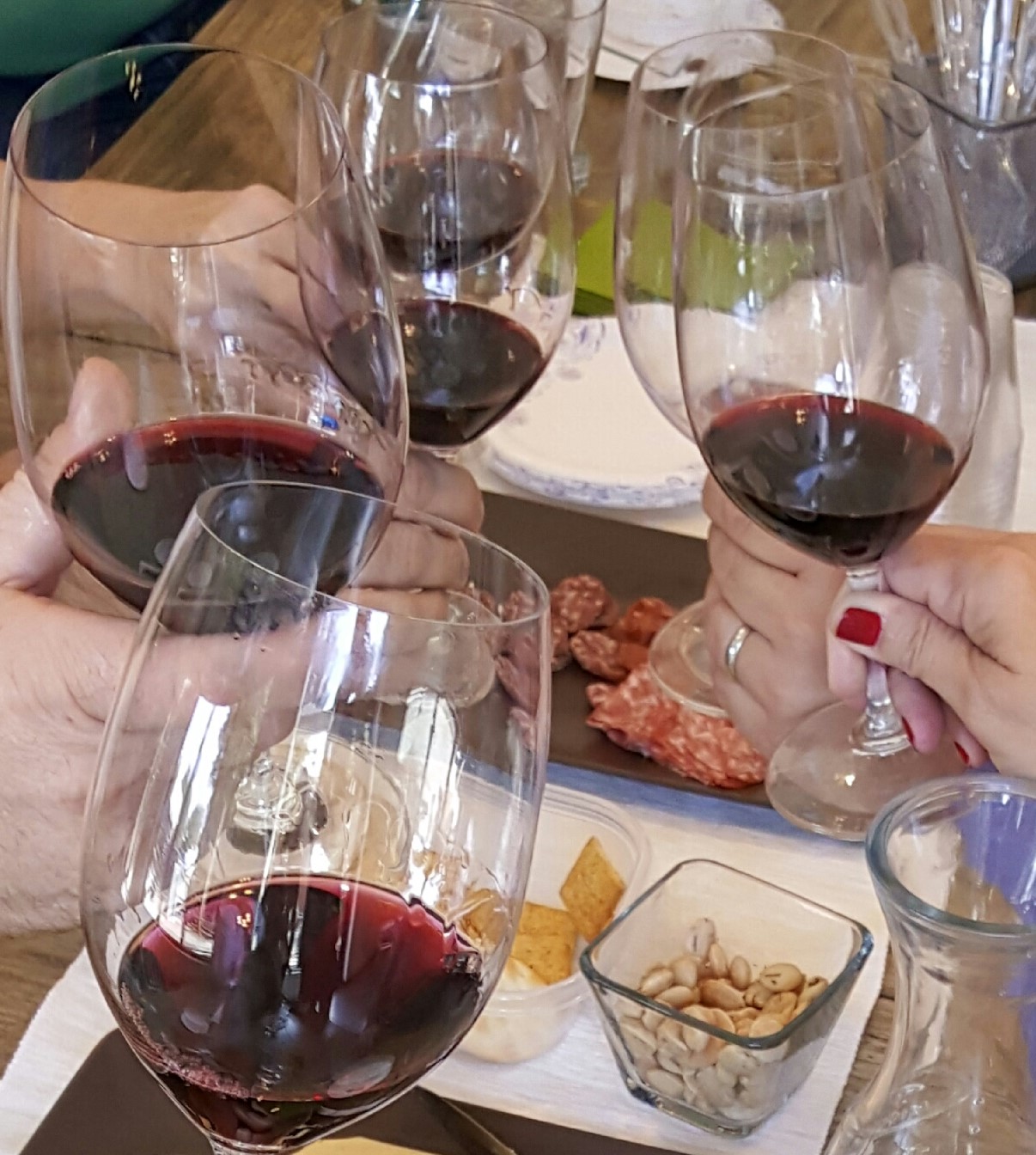
5. A happy ending.
Now you’re on a roll and you might even get a little cocky. Better hold back and refrain from „I love Merlot!“ if there is a Bourgogne (100% Pinot noir) in the glass, otherwise it was all for nothing. And take things slowly, even if the wine tastes great. Because if it really is such a good wine, the neighbors have at most one copy of it. And it would be embarrassing for them if the bottom of the bottle would come out after only half an hour.
 I really hope you always will have a nice „wine and dine time“ with your friends and neighbors, without the need using my „Fake The Connoisseur“ tips.
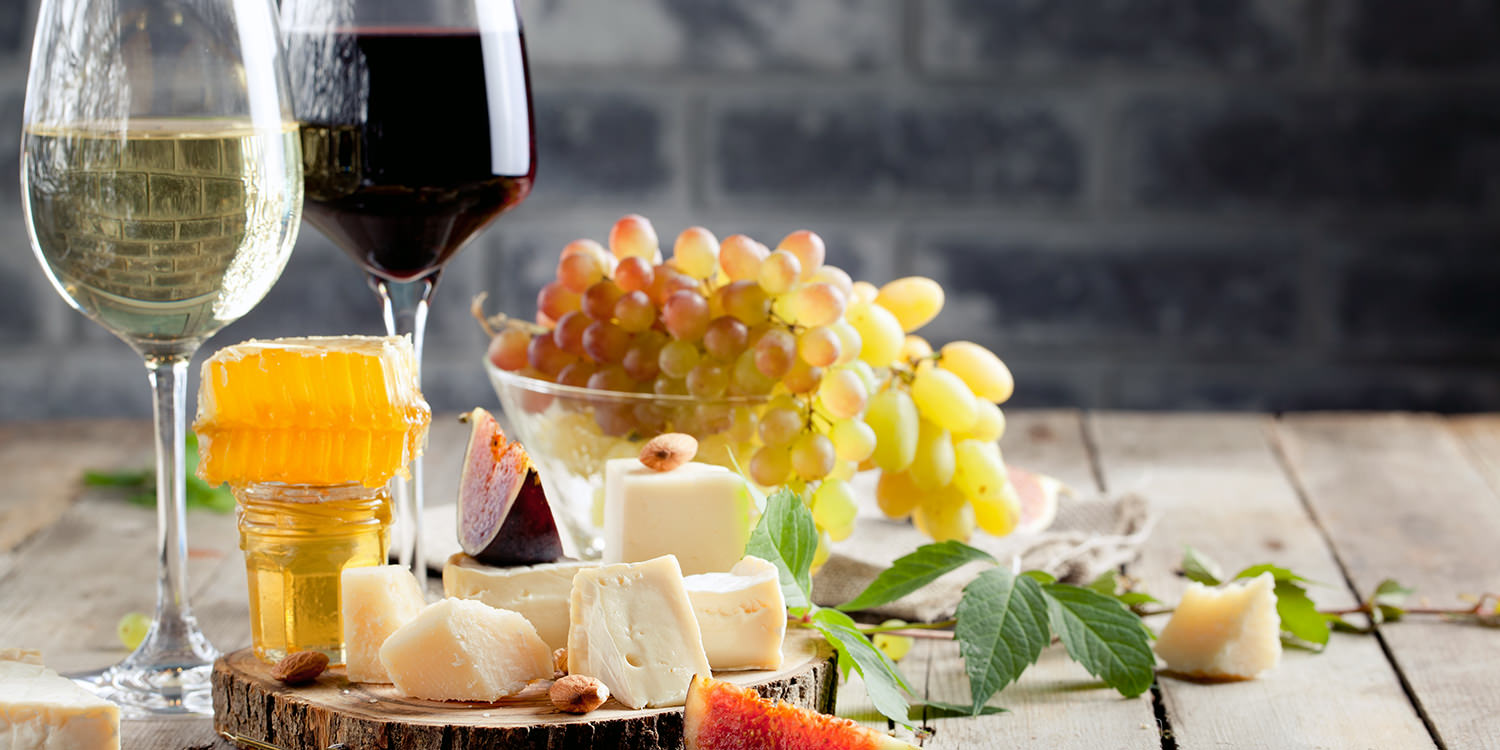
One last tip (very effective) before you set off: ask if you can take a picture of the label as a memento of this unforgettable evening: „Vous permettez“? ( would you allow me?) This looks like the ultimate compliment to the host and also gives you the opportunity to do more research about the wine at home. Afterwards you will know for sure if your „neighbor“ has led you astray with a cheap wine in a high-quality bottle. ENJOY WINE !

