Buying BBQ Meat

meat chart 11

Recently we were sitting together, having a nice BBQ with friends.
Among others we were discussing the food and especially the meat situation
in Uruguay. One said, it would be great to have a copy of these charts we
see sometimes in butcher shops.

And of course in English and Spanish, that would make buying, the
right BBQ meat, much easier.  O.K. friends, here are some of these
wonderful charts. Just click them on to super size and print them out.

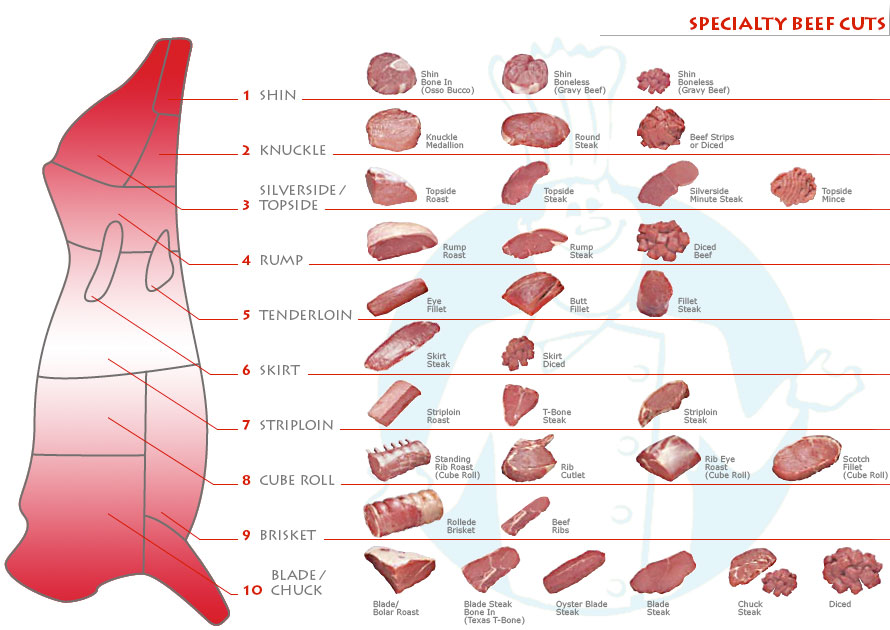
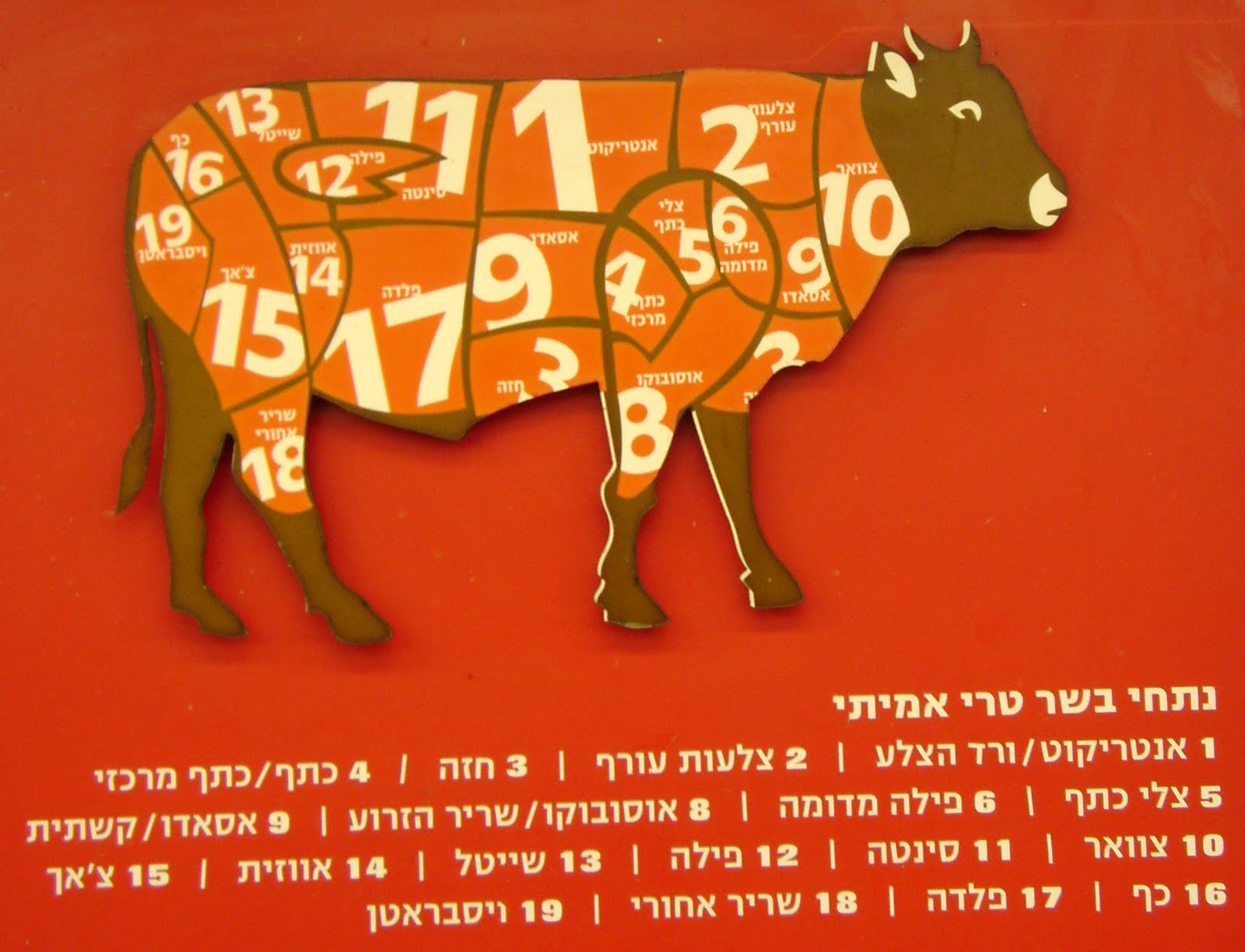
meat chart 1
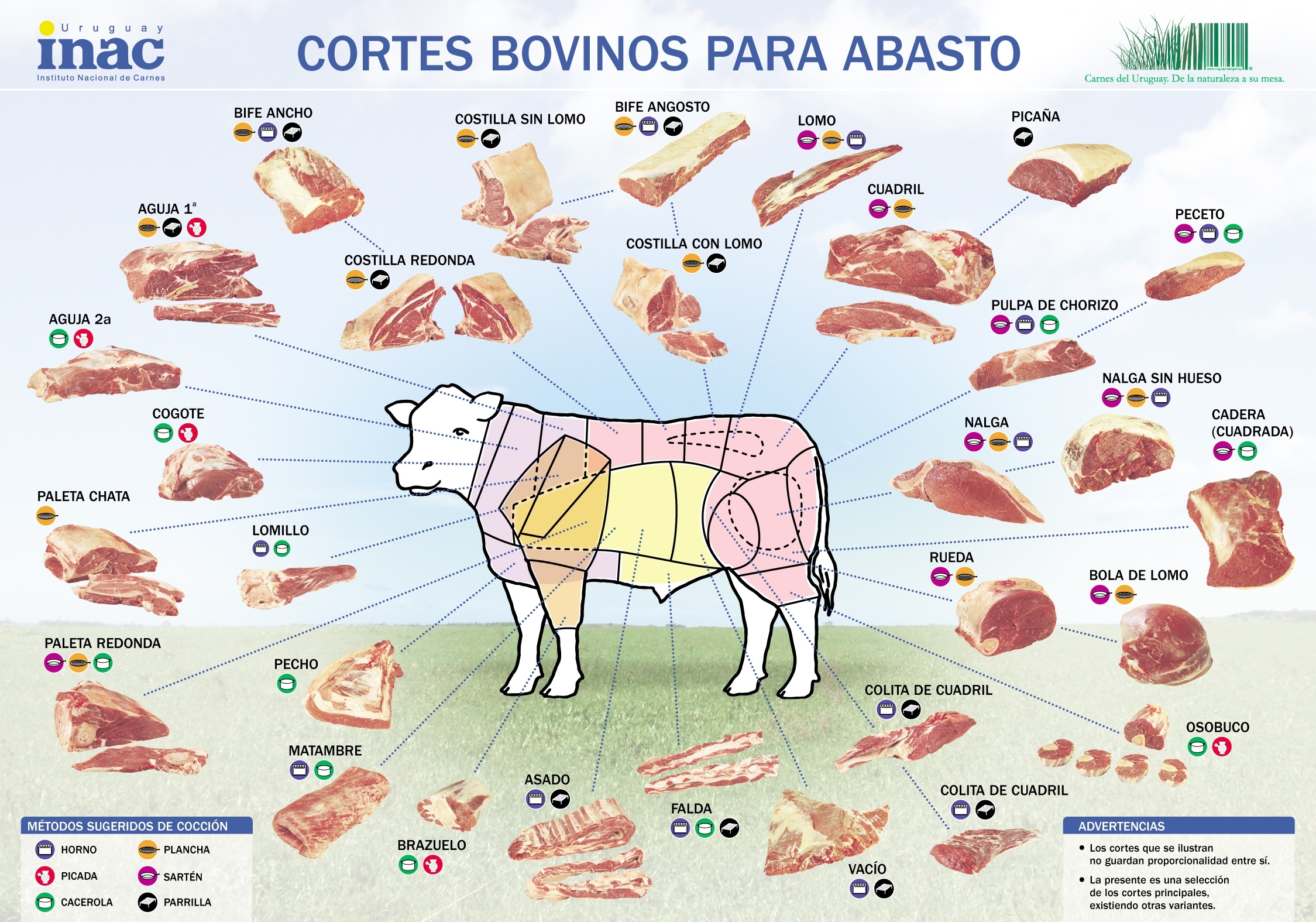
This is the chart you’ll find in most of the local butcher shops. BEEF !
meat chart 4
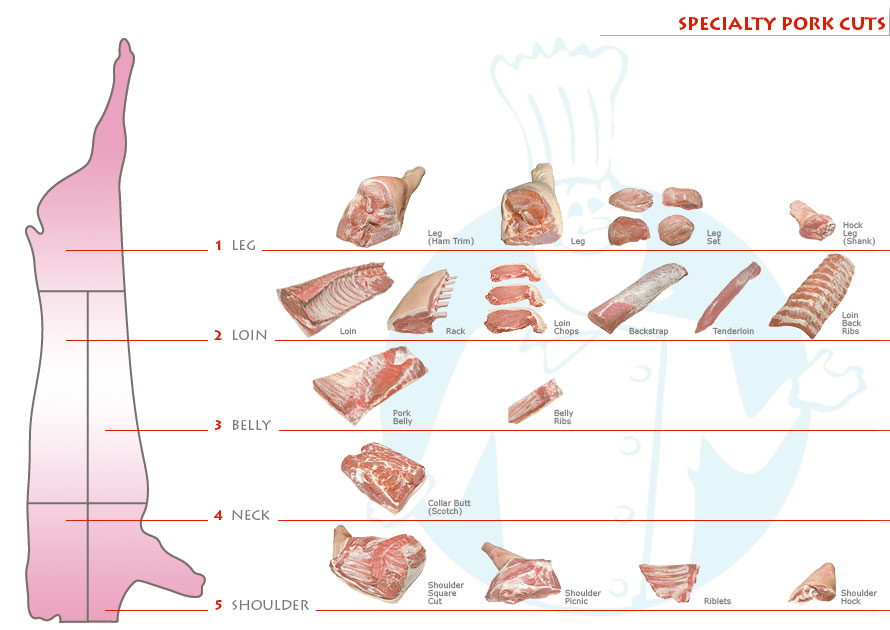
This chart is for people who want to show their butcher,  meat with finger tipping. PORK !
meat chart 5
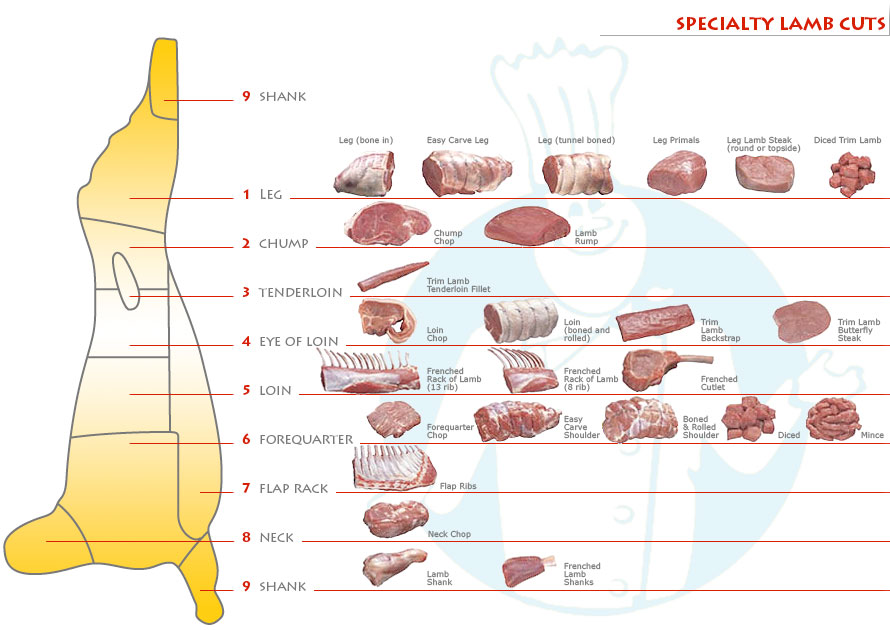
This chart is for people who want to show their butcher,  meat with finger tipping. LAMB !
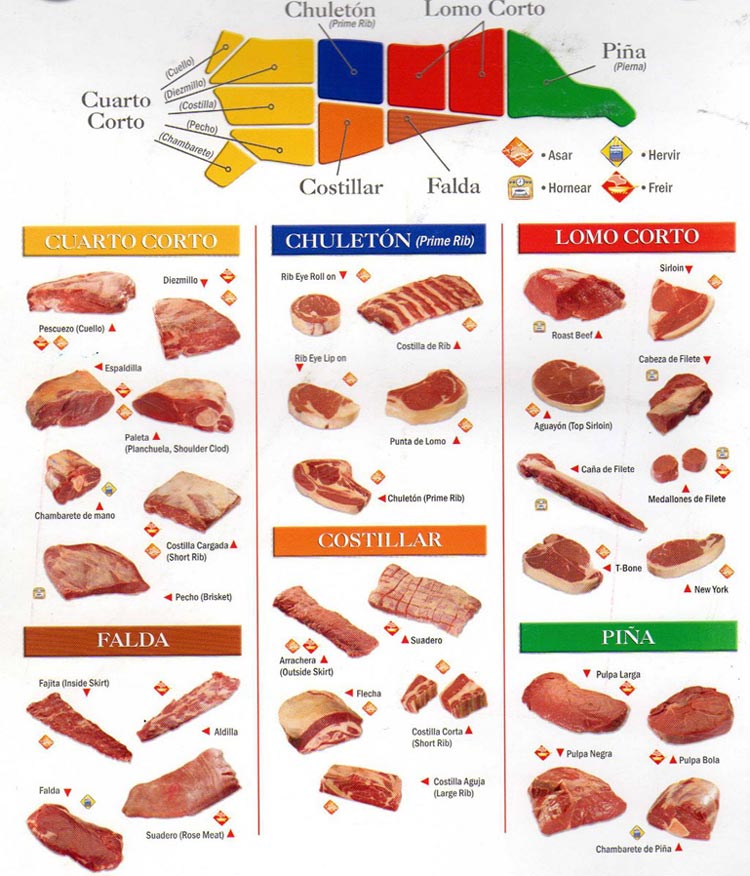
meat chart 6
This chart is for people who want to show their butcher,  meat with finger tipping. BEEF !
meat chart 8
Another wonderful chart in Spanish. BEEF !
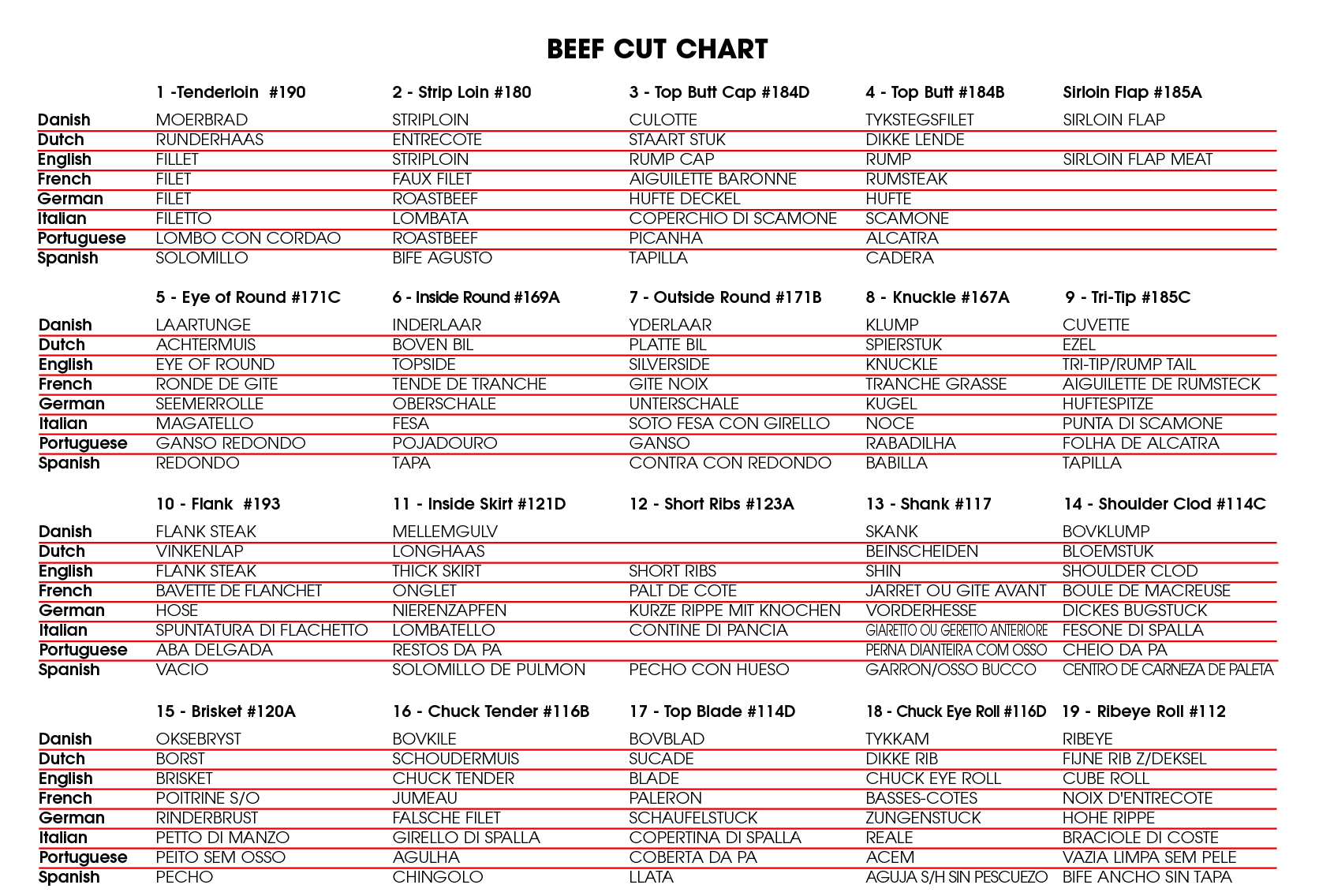
meat chart 7
Here you find the most important BEEF cuts in 8 languages.
Just write the language you want into your favored chart copy.
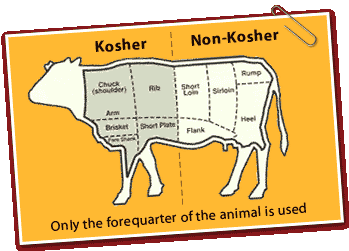
meat chart 9
Because we are so international, we don’t want to forget one.
This is the chart for our Jewish friends.
meat chart 10
And – just to be fair, a chart for our Arabian friends.
Take this one to your butcher and just tell him the number. LIFE IS SO EASY !
gourmet platter 2
O.K. done !?!
If you have done all right now, you bought the perfect piece of meat and cooked
it to your perfection, may be celebrating it as „Surf and Turf“ – gourmet style.
Then you know all about a good life in retirement.
UY food
If you don’t like this „piece of work investment“, just go to one of the
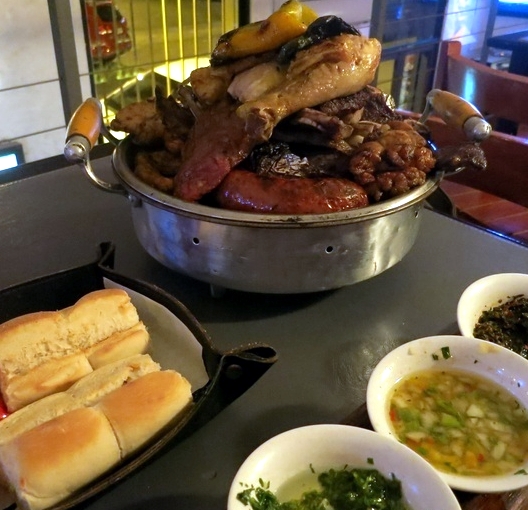
many parrillas in Uruguay and order „Asado Mixta“.   ENJOY !!!
Veröffentlicht unter Information, Lifestyle, Uruguay | Verschlagwortet mit | Hinterlasse einen Kommentar

Outback Uruguay

Rio-Negro-by-Nahuel-Patino
The Rio Negro near Mercedes.

Timber, Crop and Cattle.

After I introduced you to Colonia del Sacramento, the trip went on north and
inland. On the road north from Colonia up to Carmelo is nothing to see.
Carmelo itself is a sleepy little town, only interest for the tourist is the
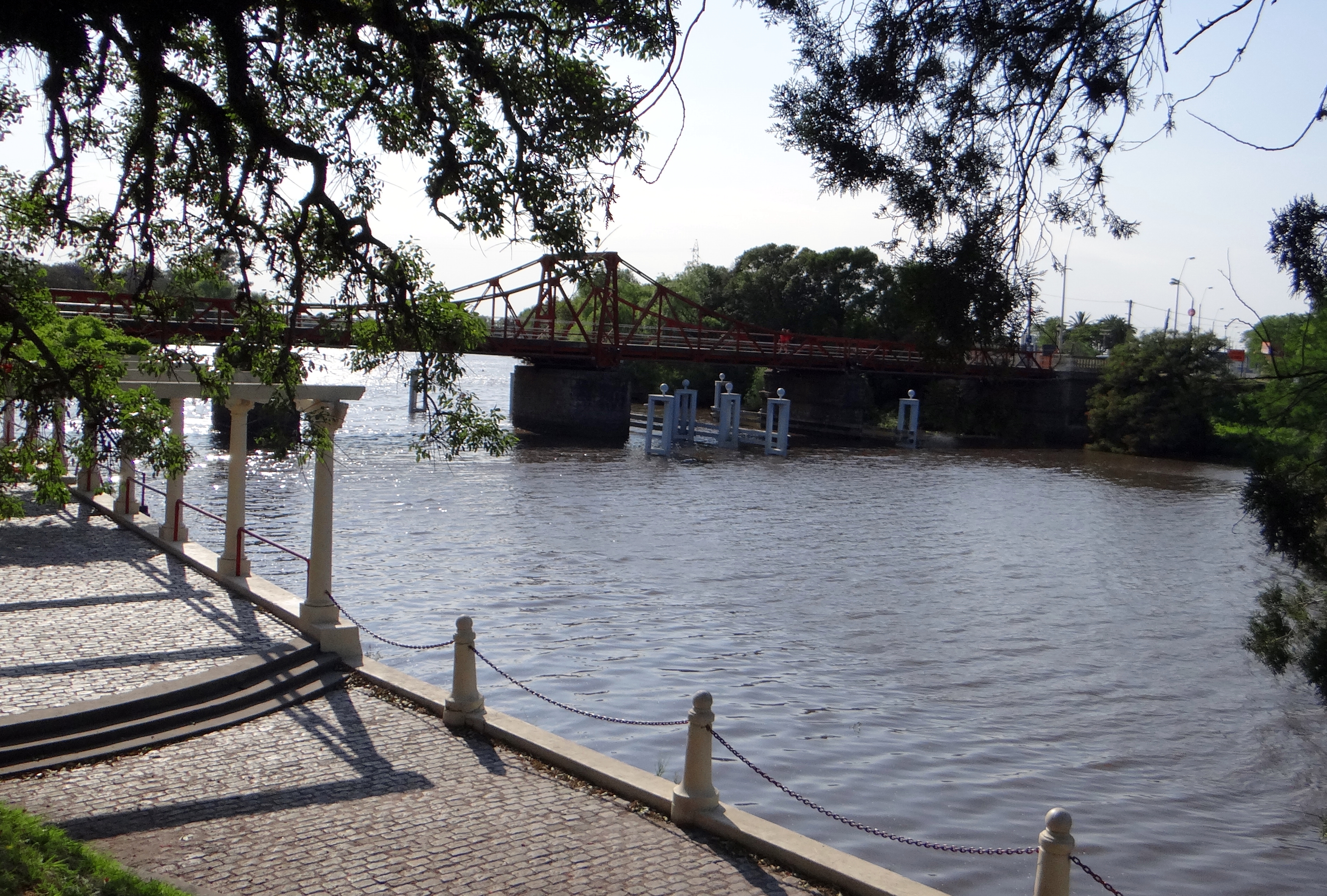
„red bridge“ over the Rio Vacas.
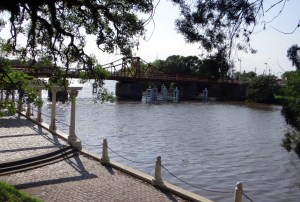
DSC00094
The red bridge in Carmelo.

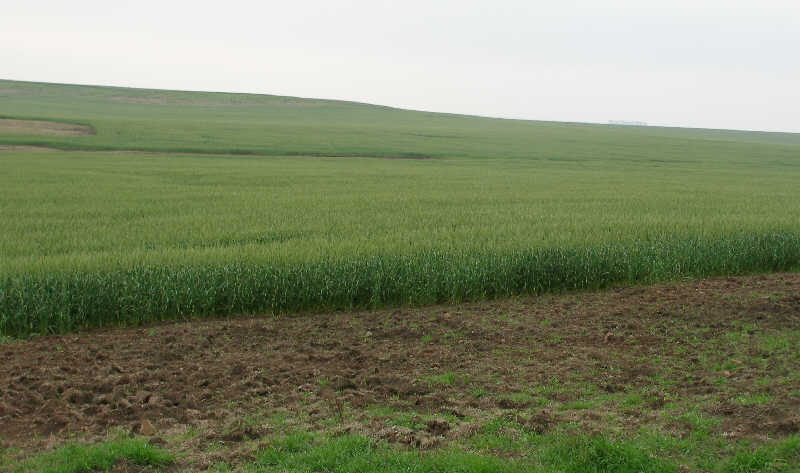
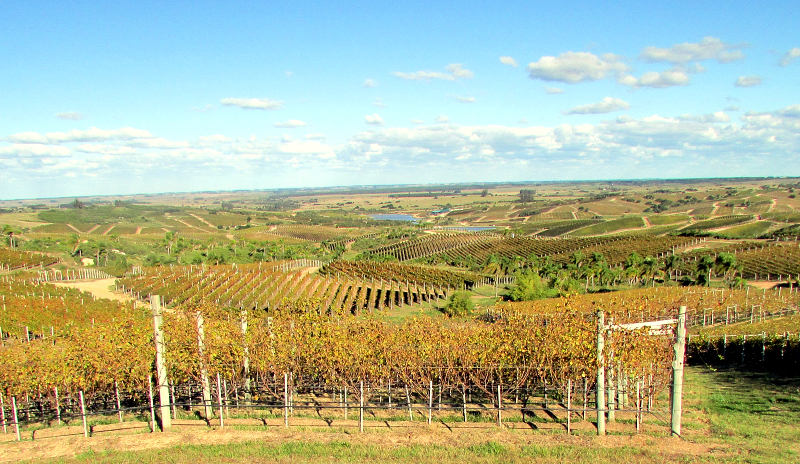
Driving on north you’ll be surprised about, how sudden you’ll be hit by „the big
country“. Miles and miles, as far as the eye can see the crop chamber of
Uruguay. It just starts here, but you are direct in the center of grain/crop
storage and transportation.


DSC00096  DSC00097
Hundreds and hundreds of silos near Nueva Palmira.

Nueva Palmira is the shipping harbor for most of the crops harvested in thousands
of square kilometers inland. You will see massive storage facilities and not only
one or two, no, hundreds of them.

NuevaPalmira 1
Docking and loading ramp in Nueva Palmira.

Uruguay differs from most other countries in Latin America, having no mountains
and very little natural forest. Over 80% of the land can be used for open
agriculture. Uruguay’s temperate climate and natural grasslands lend themselves
to livestock production. But the fertile soils in the south-west are also suitable
for crop farming. Uruguay benefits from a developing infrastructure and good port
facilities, as well as experienced farmers and increasing crop yields per hectare.


crop 1  crop 8 soy
On the left wheat fields and on the right soya harvest.

Crops.

Most of the companies growing crop in Uruguay are multinational investors corporations.
One of the smaller ones by example is Ingleby. Ingleby is a Danish based international
farm investment group and has seven pasture and arable farms in the south-west of
Uruguay, totaling over 27,200 hectares.(about 68.000 acres). They produce wheat, corn,
barley, sorghum and soya. The farms have mainly natural grassland, ideal for breeding
and fattening cattle and sheep.

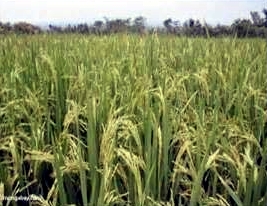
crop 9  crop 6
Rice plantations in Uruguay, machine planting left and rice field on the right.

Further north you hit the cities of Mercedes and Fray Bentos. Mercedes is a very nice
city, located on the Rio Negro. I will not repeat all the touristic information which
one can find in any other blog and travel guide. The city of Fray Bentos has a long
and well known history connected to the Liebig meat and meat
extract factories. This will be a theme of some further posts.
I believe that some of the following datas are expired and may be needed adaption, but
that’s the information I’ve got by now with my limited possibilities.
crop 3  crop 5
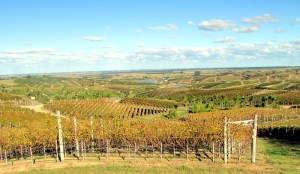
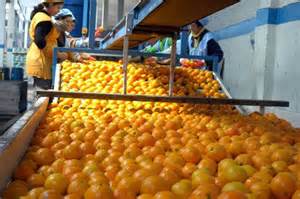
Mixed fruit tree plantations. Big business the citrus export.

From here on, all the way up to Salto, then inland to Tucuarembo and Rivera, the whole
country of Uruguay boosts with massive farms of three kinds: crops, cattle and timber.
And then timber, crops and cattle etc. etc. That’s the future of Uruguay. Giving the
land away to international investors and „lords of moneymaking“. Of course not all of
this is in the interest of Uruguay and Uruguay’s population.
It is not in my interest to get into the well known discussion about these problems.


crop 10 mariu  crop 11 mariua
And the newest plants in Uruguay. Legalized Marihuana growing and a demonstrator in Montevideo.

Everything anyhow has Pros and Cons. Let’s have a quick look onto the forestry of
Uruguay. Example again one of the smaller companies, the investment group
Weyerhaeuser, located in Washington State,USA.
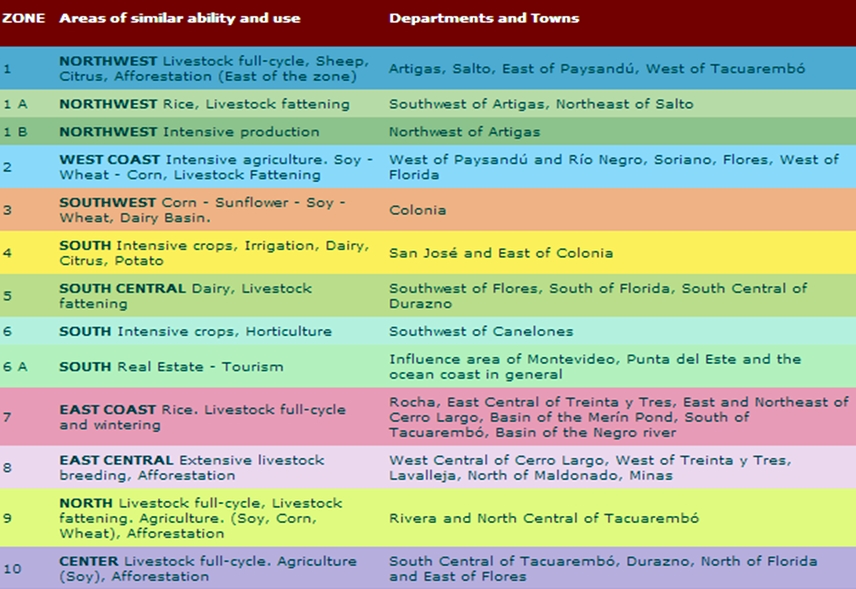
crop 2a
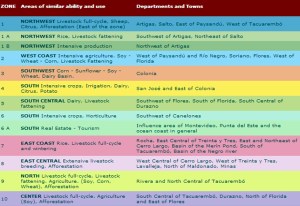
This chart shows, what kind of plantation and where they are located. Click on to extend size.

Timber.

Weyerhaeuser Company is one of the world’s largest forest products companies. This
company manages 320,000 acres (about 128.000 hectares) of timberland in northeastern
and north central Uruguay that they purchased in the 1990s. These forest plantations
in Uruguay were established through a process, called afforestation — the practice of
actively planting forests where none previously existed. They began harvesting the
lands in 2005 with the first commercial thinning operations.
The plywood and veneer mill began operation in Tacuarembo in June 2006.

crop 2b
This chart shows areas of timber plantations and – new – olive plantations. Click on to extend size.

As I know, Weyerhaeuser is only the 6th largest of these timber companies in Uruguay.
Everyone heard about the discussions and problems the pulp mill operations near Fray
Bentos have. Finland’s UPM/Botnia plant owns this mill and another one. The investment
for the first pulp mill was around 1,5 billion US$, this was once the biggest
investment ever made in the history of Uruguay. Not bad for such a small country.

timber 1
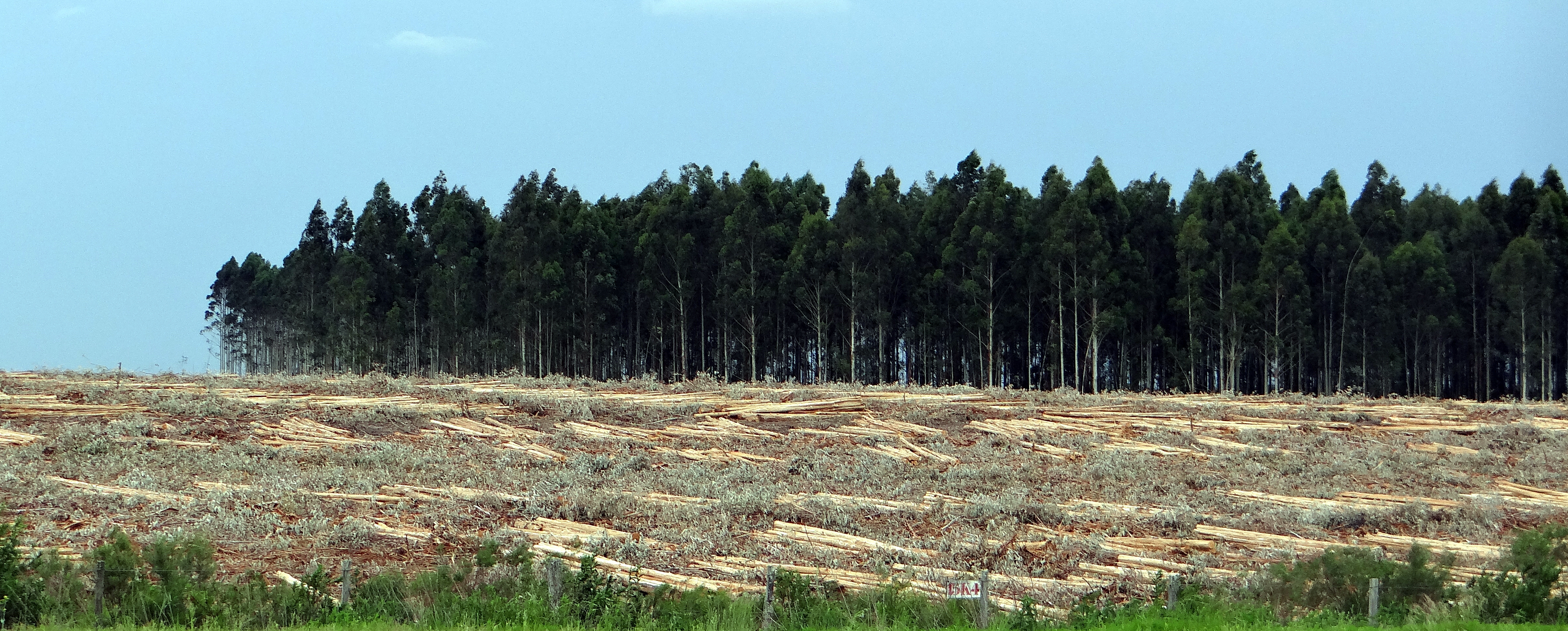
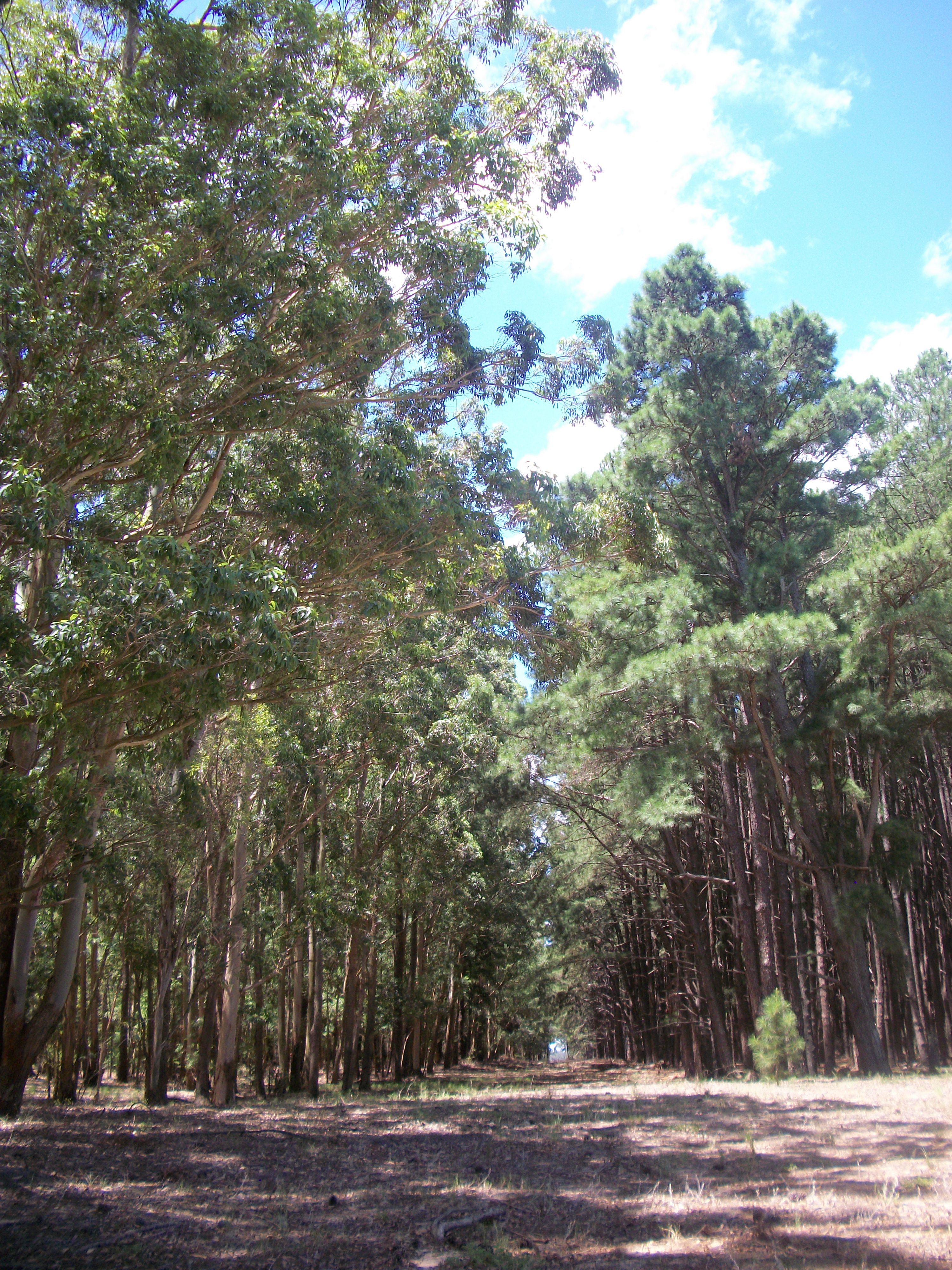
Eucalyptus forest on the left and further down the path pine plantation on the right.

The forestry industry expansion in Uruguay is far from over. Uruguay already has two
pulp plants: UPM, former Botnia on the shared river Uruguay and a motive of ongoing
clashes with Argentina. And Montes del Plata, from Chile’s Arauco and Finland’s Stora
Enso, in Colonia to the south east on the River Plate which was operational in 2014.
Montes del Plata, Stora Enso’s 50/50 joint operation with the Chilean pulp producer
Arauco, officially inaugurated its industrial complex located in Punta Pereira, Uruguay.

The Uruguayan President José Mujica together with government officials from Uruguay,
Finland and Sweden were among the 1 500 guests participating to the opening ceremony
on 8 September 2014.
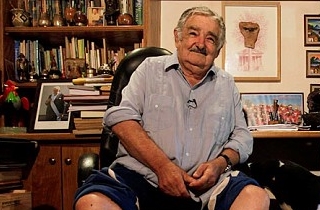
Jose-Mujica a_2867184b
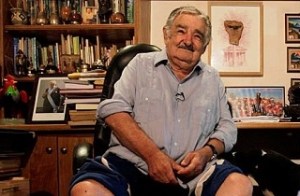
Jose Mujica, called Pepe, former president of Uruguay in his private office.

The total investment of the mill amounted to USD 2 270 million, with an
additional USD 230 million in the port, making it the country´s largest
private investment in history.

The Montes del Plata’s pulp mill’s annual capacity is 1.3 million tonnes of bleached
Eucalyptus kraft pulp and Stora Enso’s part, 650 000 tonnes, is to be sold entirely as
market pulp. The wood is sourced mostly from the company’s own forestry plantations.

Production will apply the best available techniques for the pulp sector by following
IPPC BAT European Union standard. The mill is the last link of a value chain that
comprises over 5 000 full-time jobs (including direct, indirect and induced jobs).

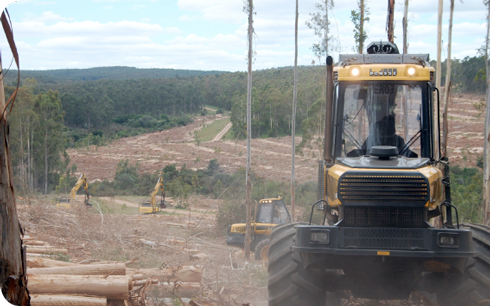
forest 1
Massive timber harvesting.

Plans and permits are already adopted for a third mill near the Brazilian border in
the east of UY. Once UPM implements this recently allowed production expansion and
Montes del Plata is full to roll, between the two, the output will be over three
million tons a year.

New pulp mill.

The project of a new pulp mill comes in the midst of a conflict with Argentina over UPM’s
latest production expansion authorized by the Uruguayan government to the fury of
Argentina which has again threatened to take the case to the International Court of
The Hague, plus the usual bullying tactics: doubling the delay for Uruguayan exports to
Argentina and explicitly limiting the activities of Uruguayan ports.
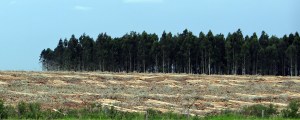

DSC00154  DSC00132
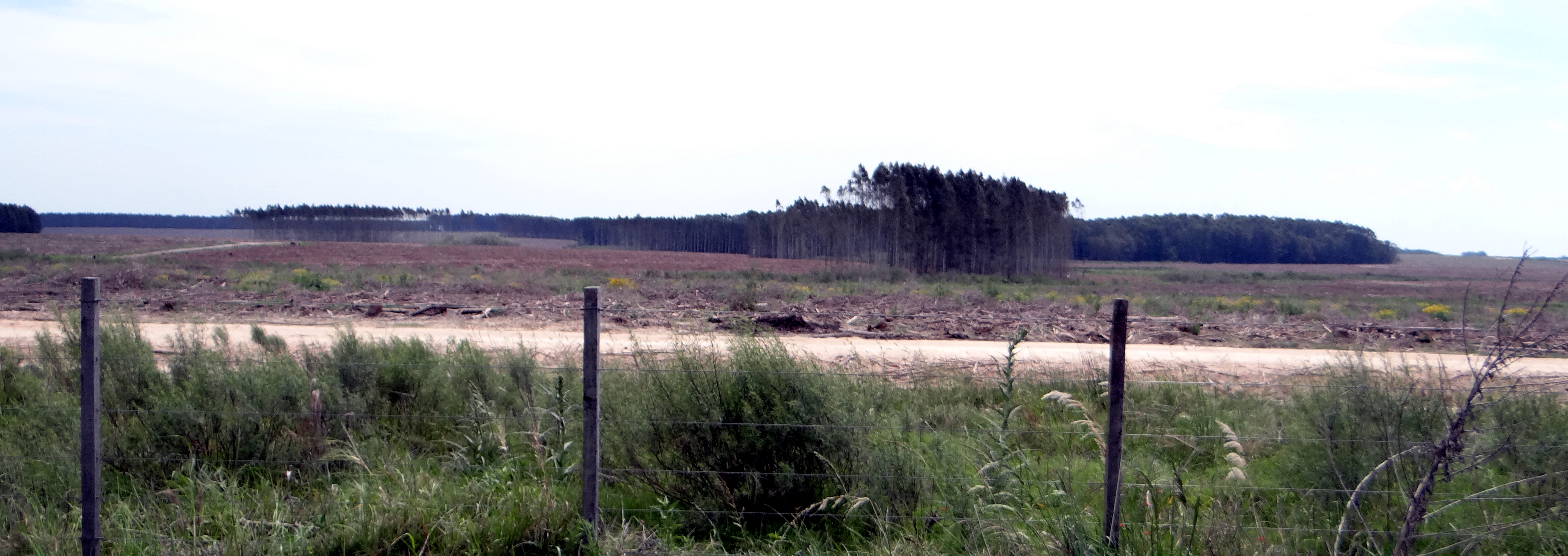
Hundreds and hundreds of kilometers through the timber plantations.

This has been achieved by banning all Argentine exports from being shipped from
Uruguayan ports, mainly Montevideo, arguing the lack of an agreement on the issue with
Uruguay in the framework of Mercosur, and drastically increasing the cost for barges from
Paraguay, whose cargo is shipped overseas from Uruguayan port Nueva Palmira.

Tugs pulling barges down the Paraná River crossing Argentina, now ‚for safety reasons‘
instead of the usual 16 or 12, have to cut the number by half, leaving the other 8 or 6
docked and waiting in Rosario, and obviously paying rates and more than doubling costs
for the overall operation.

The UPM mill, which Argentina is constantly claiming, is a hazard for the environment,
but with no conclusive scientific data, started production in 2007. For over four years
the international bridge linking the neighboring countries, and next to the mill, was
blocked by Argentine pickets to protest the construction of the plant.


pulp mill 1        pulp mill 2
Pulp mill under the Fray Bentos bridge and Argentine pickets during the blockade.

In 2010 The Hague International Court of Law ruled that the plant did not contaminate
according to the standards agreed, thus favoring Uruguay, but at the same time ordered
a standing monitoring of the water and air of the region to analyze the degree of
pollution, if any.

The forestry industry has had a major impact on Uruguay, which has a territory of
176,000 sq km. Prior to the 1987 passage of a law promoting investment in the sector,
there were only 100,000 hectares of plantation forests. That total had soared to nearly
one million hectares in 2009, of the 3.3 million hectares approved for forest plantations
by the Agriculture Ministry. Protected native forests, meanwhile, cover 750,000 hectares.
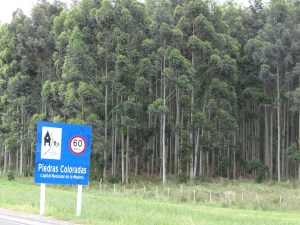
DSC00151
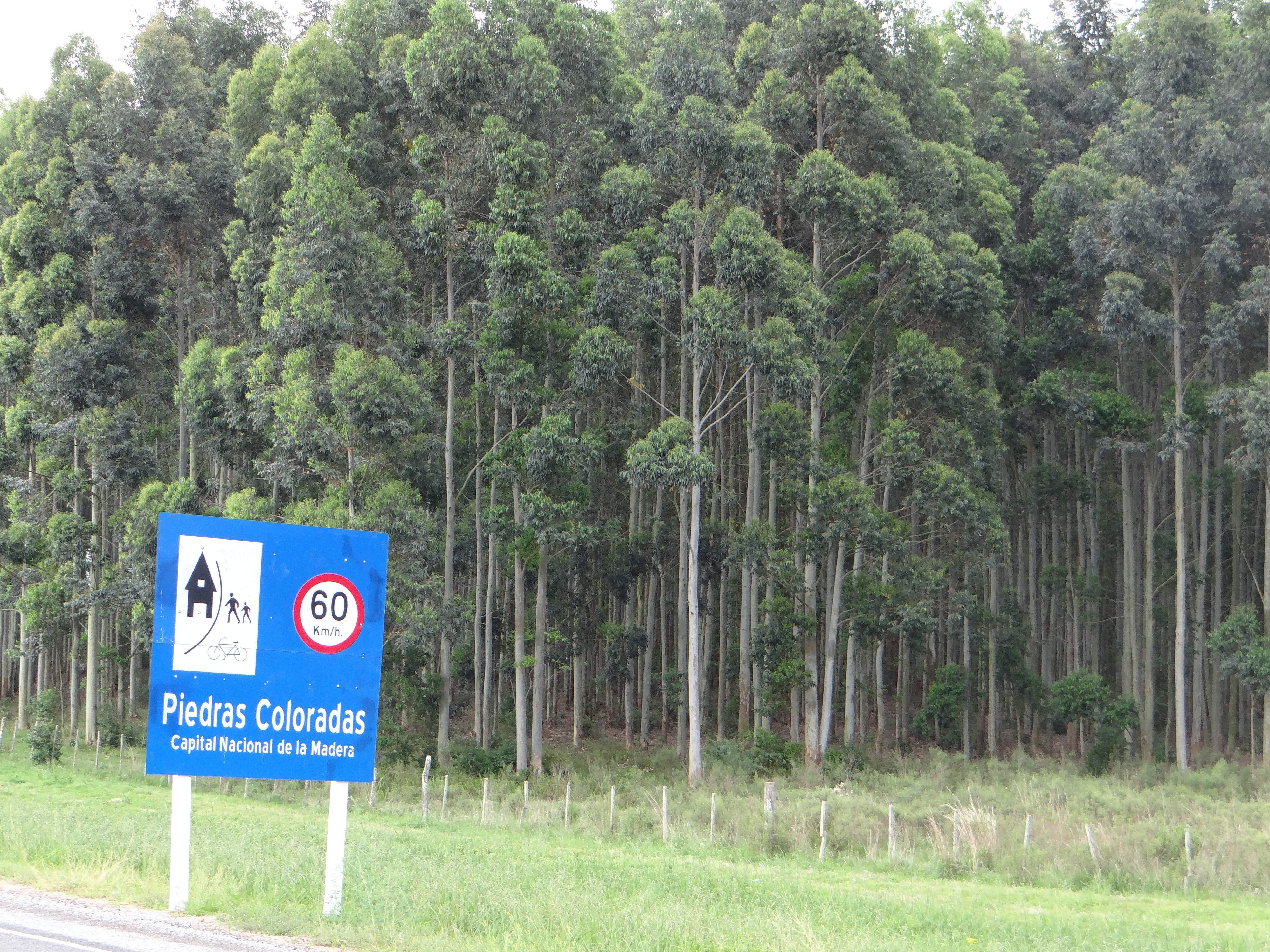
Little town Piedras Coloradas, Uruguay called now „The National Capital of Timber“.

The industry already employs some 6,000 workers in the western border provinces alone.
But within the next four years, another 4,000 jobs are expected to be generated – a
significant number in a country this size. And new investment projects are in the pipeline,
so the prospects are for steady growth.

Everywhere Pros and Cons.

The growth of the industry and the influx of foreign investment, especially encouraged
by the left-wing government of incumbent President Tabaré Vázquez, have been criticized
by local environmentalists, who point to damages to the soil and depletion of water
reserves caused by monoculture plantations of fast growing eucalyptus and pine trees.

tabare vazquez
The new President elect of Uruguay Tabare Vazquez.

A massive improvement arrived in December 2008 with a new law that set an eight-hour
workday, with a 30-minute break, for all rural workers. The conditions for forestry
workers have improved significantly in the last few years. There are still problems in
terms of getting days off. Many workers work 12 days in a row, with just two off. They
also have the option of working for an entire month, with four days off.

Their supervisors, on the other hand, work Monday through Friday, with weekends off.
At least the workers no longer live in tents in the middle of the countryside, in subhuman
conditions, as they did until a few years ago. And, by the way, producing jobs is the only
chance for a country like Uruguay to survive the future on its own.

The forestry industry generates one job for every 30 to 35 hectares. By comparison,
agriculture and livestock raising, traditionally the main engines of the Uruguayan
economy, employ one person for every 500 hectares. And that money comes into UY’s
pocket, one can see on inland’s road improvement. The coastal areas of Uruguay, with the
tourist income struggling, should take this chance for the other parts of the country .

DSC00153
Hundreds of kilometers perfect new roads in Uruguays outback, no traffic, no cars,
but build from „timber dollars“. Not bad at all.

Cattle.

Uruguay currently has a cattle herd of around 14 million head with beef becoming the
main export commodity of the country, over a billion US dollars last year. Based on
this Uruguay is the country with the highest number of cattle per capita, 3,8.
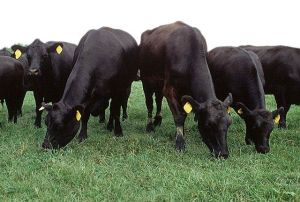
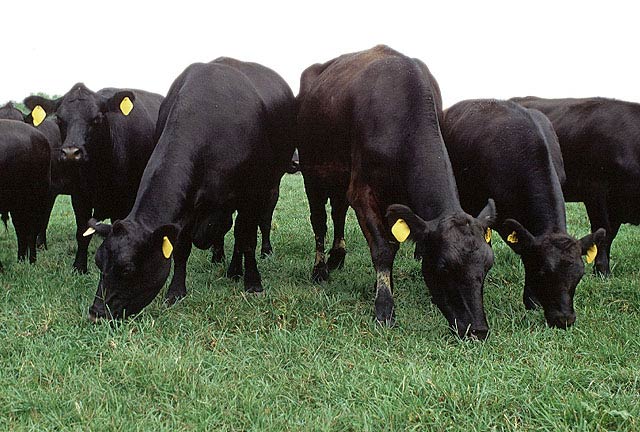
angus 1
The finest and most expensive beef – Aberdeen Angus.

Official statistics from Uruguay’s Agriculture and Livestock ministry indicate that meat
and sheep farming is Uruguay occupy 59.6% of the land, 9.875.000 hectares of a total
16.420.000. But the percentage increases to 82.4% when cattle breeding are linked to
other farm activities such as dairies, forage and rotation with crops. These figures will
change as you read carefully my explanations about forestry growth in Uruguay.
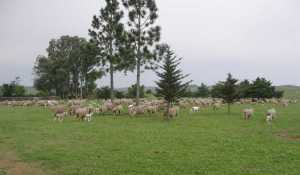
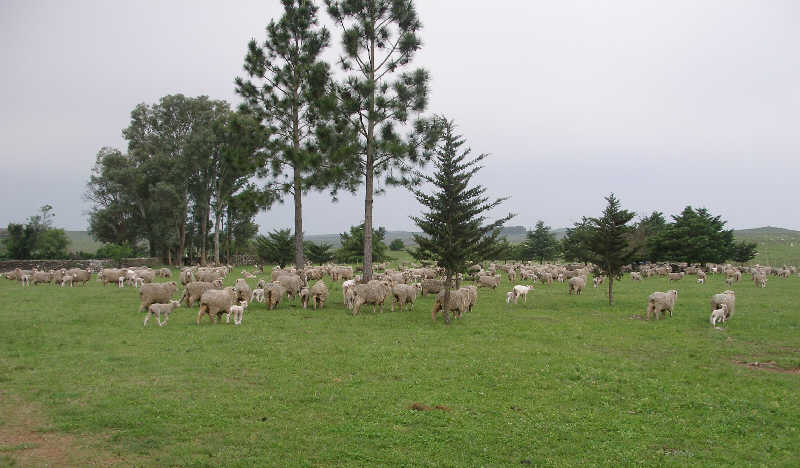
merino 2
Sheep herds throughout the inland of Uruguay.

Census figures also show that most farms concentrated in beef and wool (78.8%) are a
family business with spreads not larger than 500 hectares. But even when they are the
more numerous they only occupy 21.9% of the land and own 24.5% of the cattle herd.

Cattle raising.

Uruguay’s cattle raising tradition dates back to early colonial times. Today the
country has comparative advantages with respect to the rest of the region. Firstly,
it has extensive natural, green pastures. Secondly, it meets strict sanitary standards
that enable it to access the world’s most demanding markets, such as the European, Asian
and North American markets.

angus 7
The Northern German Holstein Cows for dairy farming.

No hormones or chemical treatments are used in Uruguayan cattle to achieve
international grade. Uruguay’s most representative breeds are Aberdeen Angus and
Hereford in beef cattle and Holstein in milk cattle. However, all the breeds raised
in Uruguay have been genetically improved, with embryos being exported to improve
cattle quality in other countries.

???????????????????????
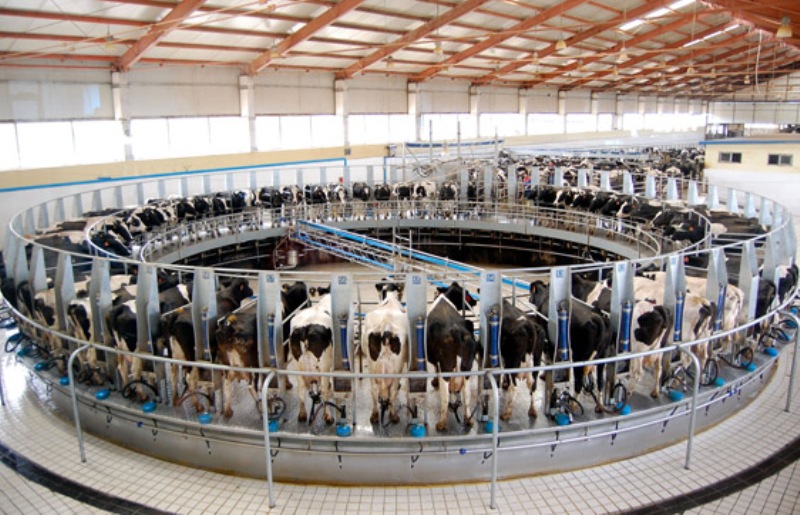
Full automatic milking station on a modern Uruguayan dairy farm.

In Uruguay, you can choose from extensive cattle raising methods for either bovine or
ovine stocks, and obtain excellent results. Many international companies are currently
investing in Uruguayan meat packing plants, a trend that clearly evidences widespread
confidence in the future of this industry. One of the cornerstones of the country’s
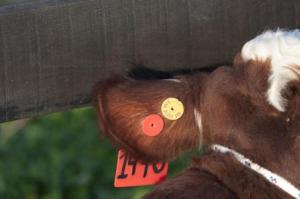
commitment to quality is the traceability policy implemented by the national government.

angus 9  angus 6
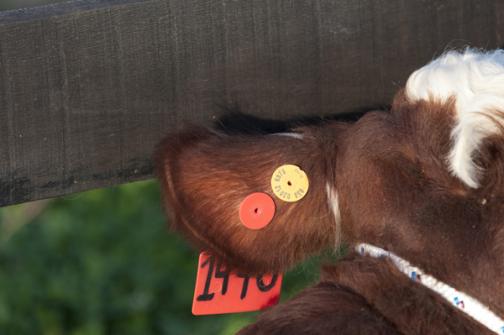
The traceability tagging system throughout Uruguay, from cattle to butchers beef.

Thanks to a complete and permanent monitoring system it is possible to follow an
animal’s development from the moment it is born and until it reaches consumers as a
product. That’s value added.

DSC00158  DSC00164
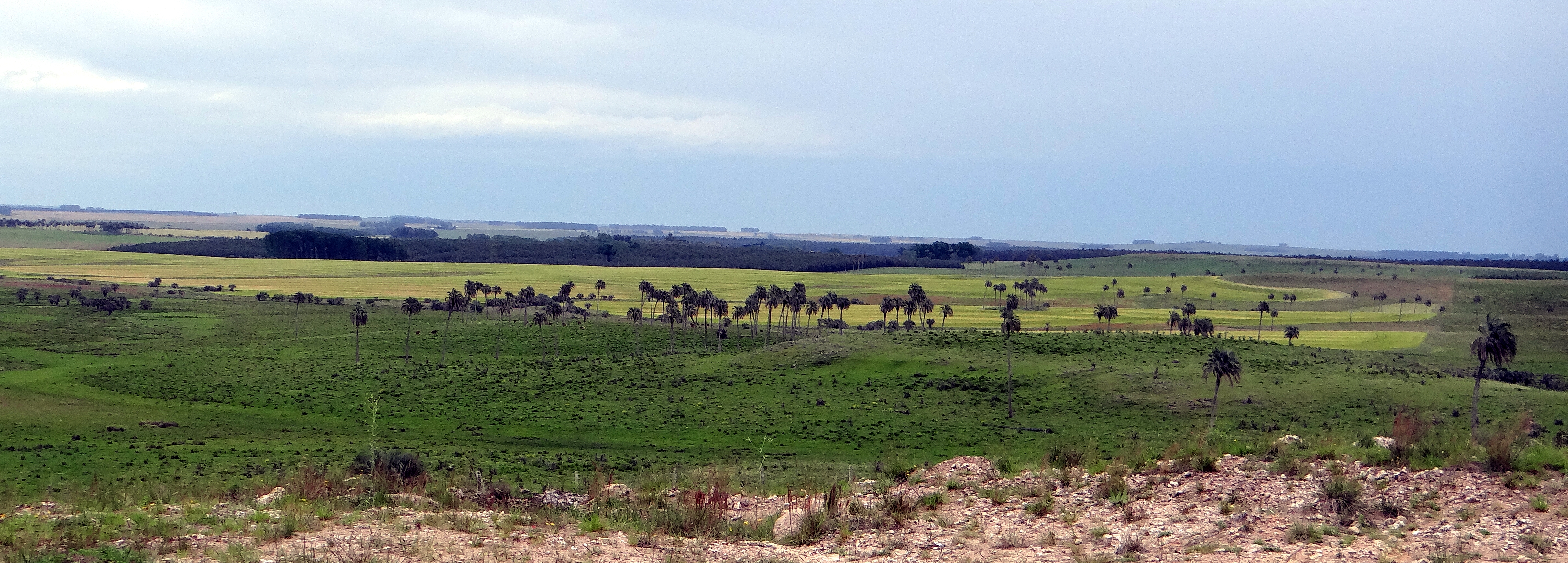
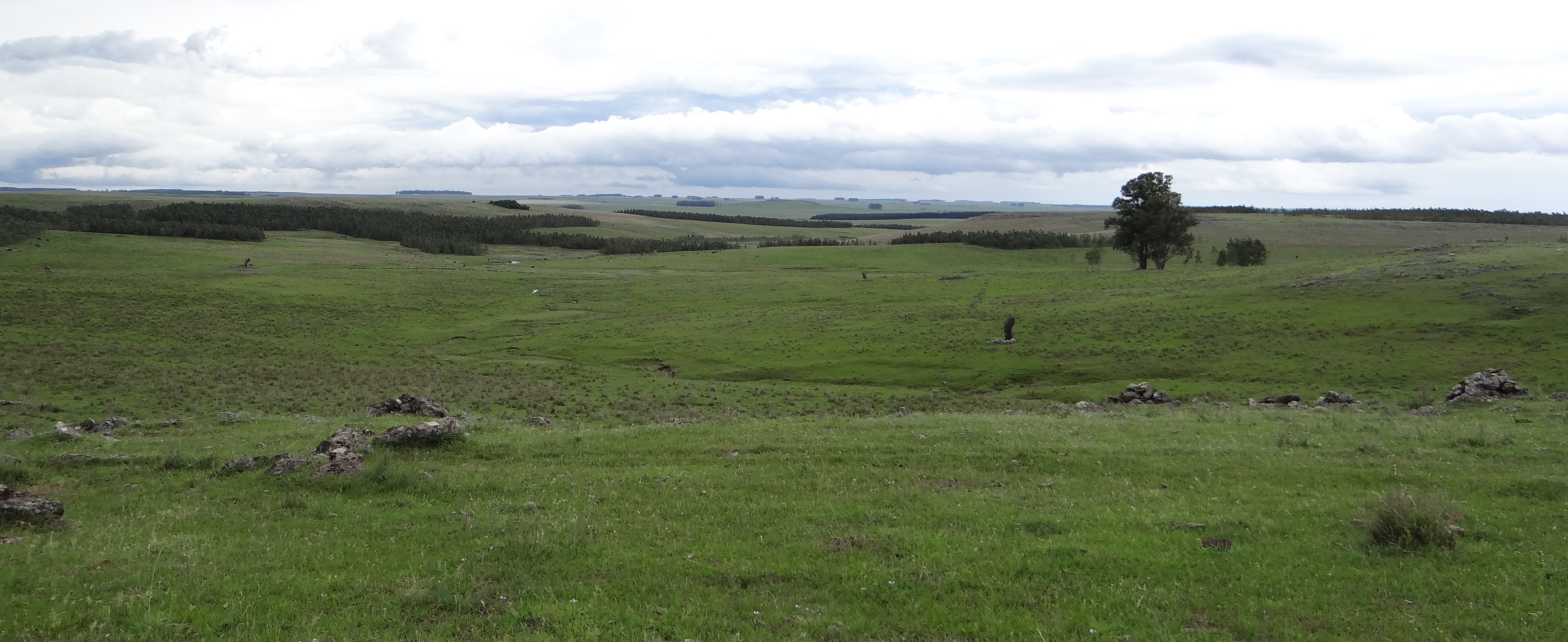
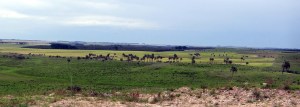
Uruguays „Green Pampas“, as far as the eye can see, cattle outback. Click on pics to supersize.

Some news.

Aberdeen Angus producers in Uruguay are now able to certify the provenance of Angus
beef, destined for the European Union.
China’s share of Uruguayan beef exports doubled .
Uruguayan beef exports during July increased by seven per cent on the previous month,
to 20,133 tonnes.
angus 8
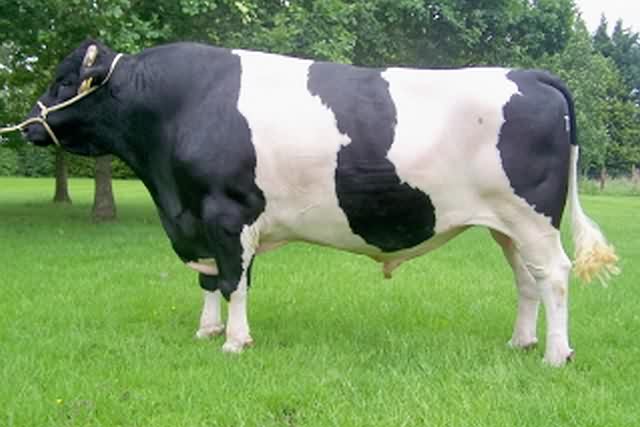
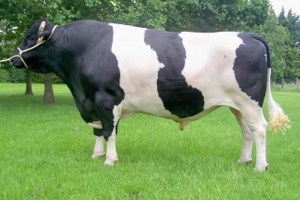
A massive Holstein bull.

Meat, the foundation of Uruguay.

The Uruguayan people are said to eat more meat per capita than any other country
in the world. Another statistic shows that Uruguayans eat at least 9 times per
week meat. And we sure got a taste, of how prolific the beef industry is in the
country, and how important its production is, at Estancia Las Rosas.
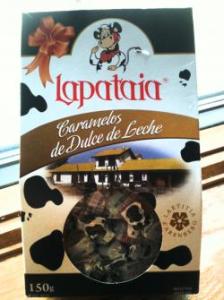
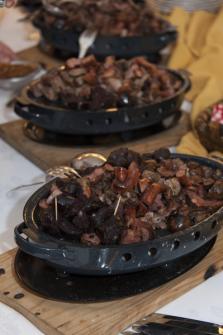
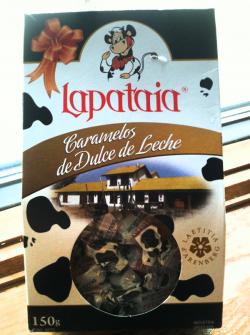
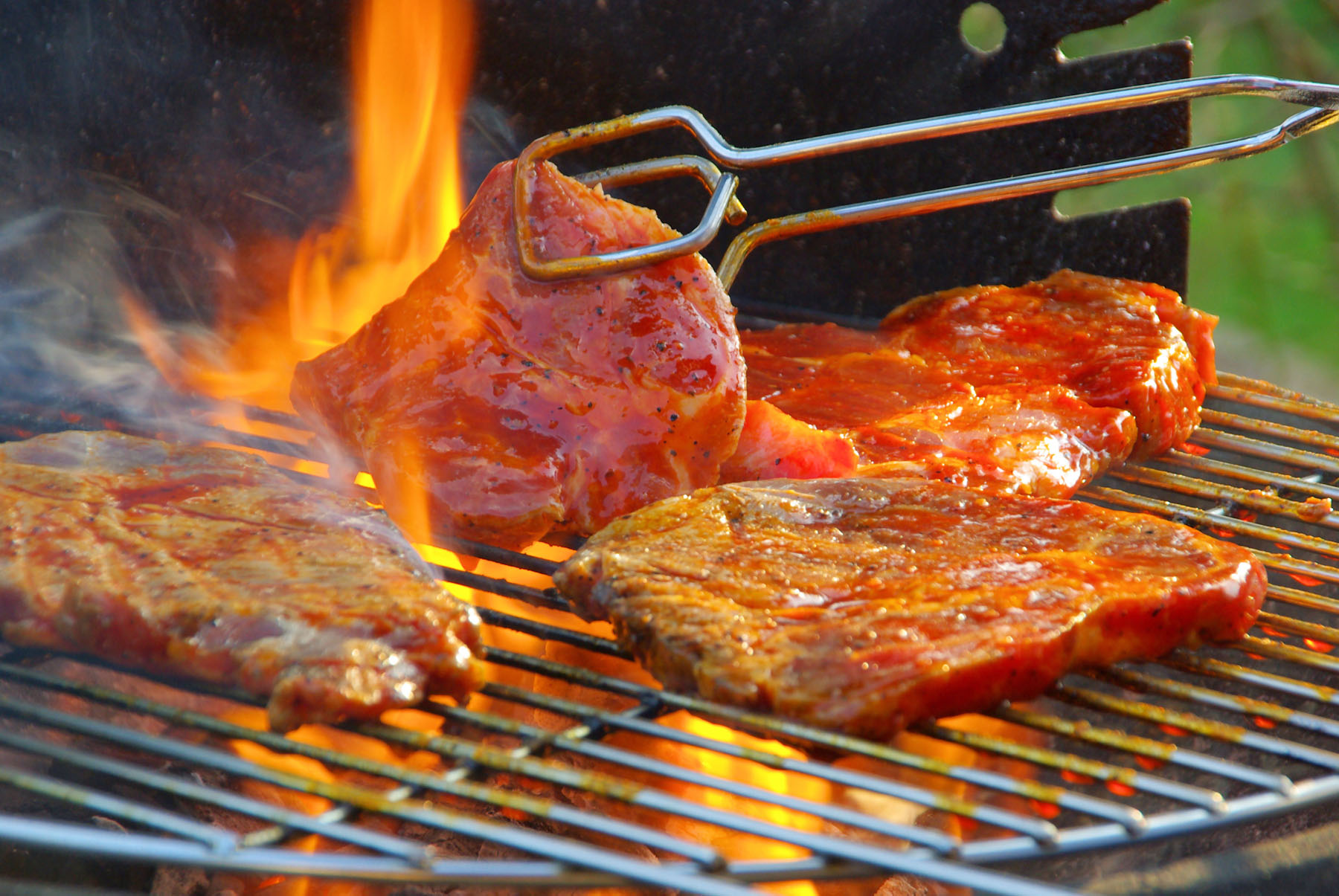
angus 10                 angus 11
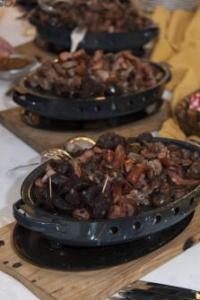
Left, delicious, fresh grilled Angus snacks on Estancia Las Rosas.
Right, nice gift, the caramel goodies produced through Las Rosas dairy.

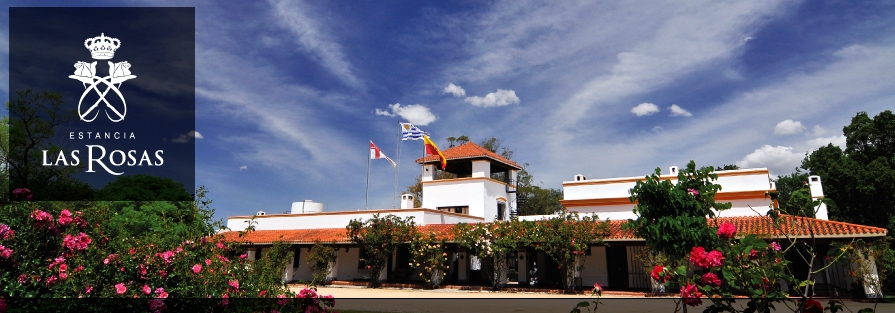
Estancia Las Rosas is a meat and dairy farm and is owned by a Belgian Princess
named Laetitia d’Arenberg, who welcomed the group and introduced us to several
of the 100 employees who work on the farm throughout the year. Laetitia’s parents
invested in the land in Uruguay when Laetitia was a child.

estancia las rosas
Wonderful Estancia las Rosas, about 2 hours driving north of Montevideo, dep. Florida.
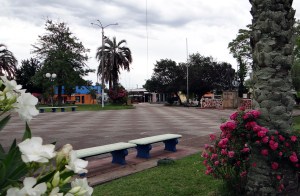
DSC00156  DSC00155
A trip through the „outback“ of Uruguay can be wonderful.
Nice clean towns, friendly people, if you find them !!!???


DSC00163  DSC00167
You always know where you are, because the towns are named by their purpose.
Pinera grows pine trees,  forestry’s around, Merinos „grows“ …. get it !!!???

DSC00170  DSC00162
The only challenge is to get there, every 100km a sign, if you are lucky.
And you need the right car, especially if a rainstorm hits you. Adventure in Uruguay.

Veröffentlicht unter Information, Travel, Uruguay | Verschlagwortet mit | Hinterlasse einen Kommentar

Alabama White BBQ Sauce

alabama sauce 2

Since my article about the „beer can chicken“, many of my readers asked
what is „Alabama Sauce“. Outside the US an understandable question,
but even some American friends didn’t know.

So – here it is.

I like to show you this real rarity. It is almost unknown in fact outside
of North Alabama. A lot of people in South Alabama have never heard of it!
This traditional Alabama barbecue sauce used as a base, instead of tomato
sauce, mayonnaise and vinegar. History claims that this kind of BBQ sauce
was invented about 1923 in Russelville, North Alabama.

alabama sauce 3

Like many BBQ sauces you should apply until the very end this sauce.
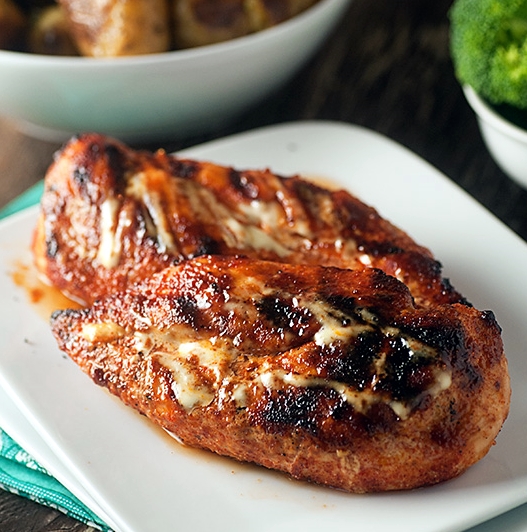
Use this sauce on chicken and turkey. It is also good on pork.
This really is a regional thing, but also a regional request. Every BBQ
Restaurant in North Alabama has white BBQ sauce on the menu.

North Alabamians eat their flesh and almost everything else, from french fries
to bread chicken and ribs with this unique, spicy sauce. I think this sauce is
a real alternative to all „red“ sauces and can be used for all kinds of grilling or
smoking recipes.

alabama sauce 5

Ingredients:

1 cup mayonnaise
1 tablespoon creole mustard (any spicy mustard will do)
1 tablespoon prepared (minced with cream) horseradish
1 clove garlic, minced
1/2 teaspoon ground black pepper
1/4 cup white vinegar (white balsamico is great too)
1/4 teaspoon salt
1/4 teaspoon paprika
1/4 teaspoon cayenne pepper
2 tablespoons lemon juice

How to do:

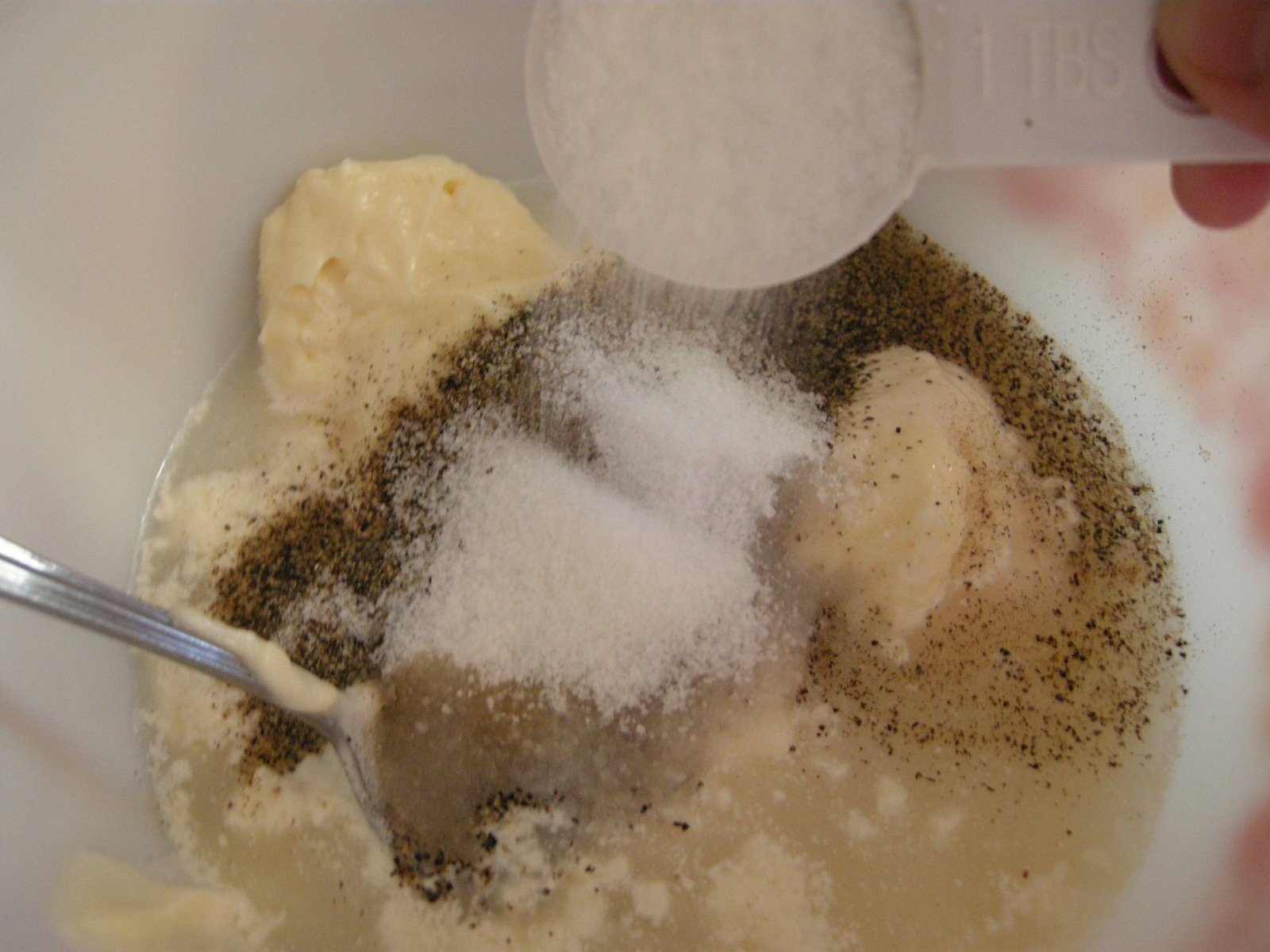
Combine the ingredients in a medium bowl.
Refrigerate at least 1 hour to allow the flavors to develop.
Keep refrigerated in an airtight container for up to a week.

alabama sauce 7

My version is with a full spoon of fresh grated horseradish,
makes it spicy to my taste. I suggest to start with 1/2 spoon.
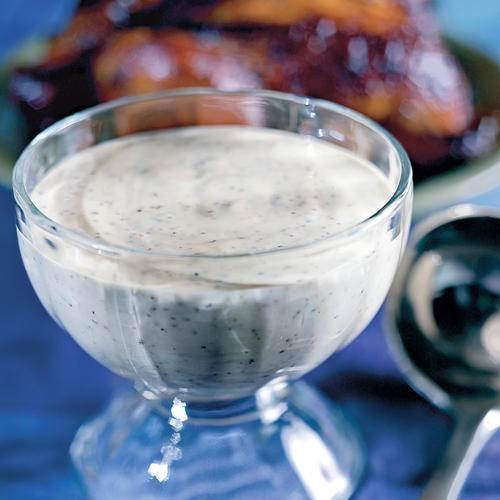
And this version is not too white, because of the paprika and
the mustard, more ivory.

Tip:

Make this sauce fresh for every grilling, doesn’t take much time.
It only will last 5-7 days in a fridge.
Use it on the end of grilling or as a garnish just before serving.
It can separate and break down if you heat it too long.

alabama sauce 10    alabama sauce 9

This sauce can be individually changed to your taste. I already
saw it sometimes thick, sometimes thin, white or ivory. Doesn’t
matter, its Alabama sauce as long as you use mayonnaise.

alabama sauce 4

These are the basic ingredients for Alabama White Barbecue Sauce:
2 Cups Mayonnaise
1 1/2 Tablespoons salt
2 Tablespoons black pepper
6 Tablespoons white vinegar
6 Tablespoons lemon juice
4 Tablespoons white sugar
If you use just these ingredients you have a wonderful sauce to
make coleslaw !!!
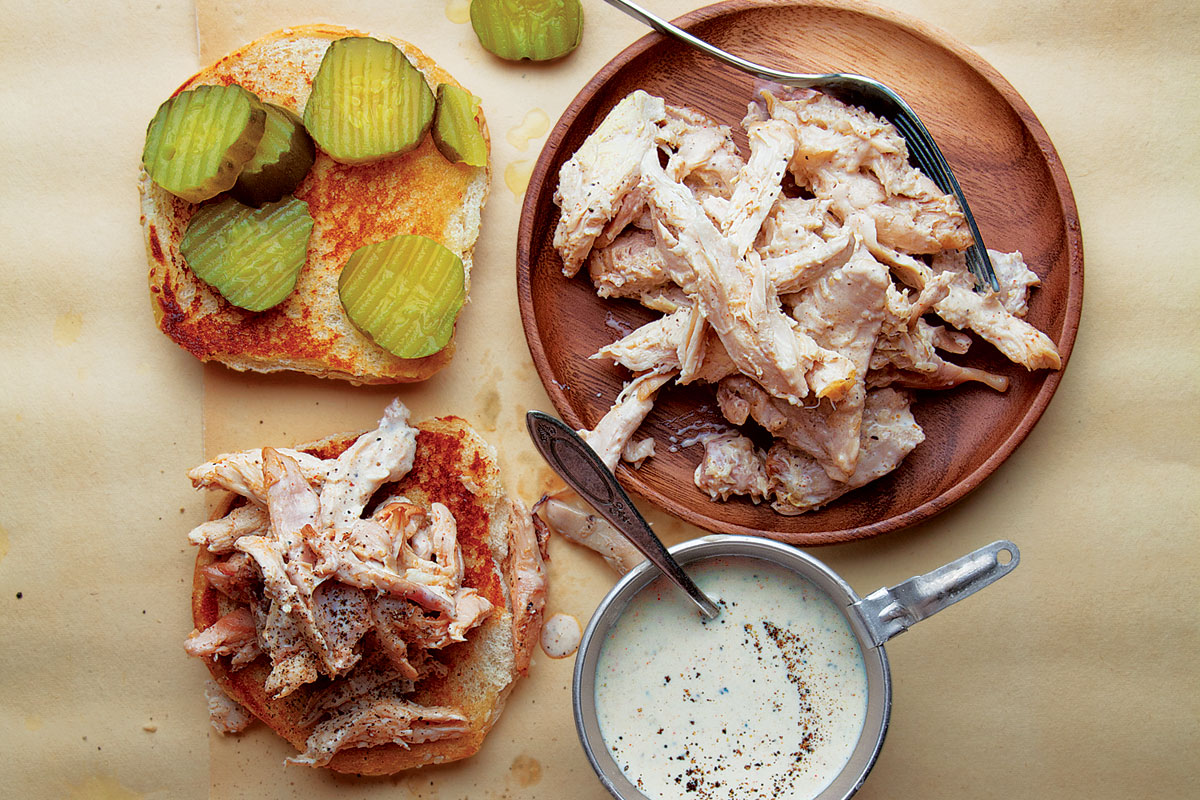
And the last tip, try to make your own chicken sandwich or burger
with it. Enjoy !!!

alabama sauce 11

Veröffentlicht unter Lifestyle, Recipes | Verschlagwortet mit | 2 Kommentare

Collecting Art 2 – Makonde

DSC00369

Who are the Makonde?

The Makonde are a Bantu tribe in East Africa. Their
original habitat are the highlands between Tanzania
and Mozambique, left and right of the Rowuma river.

From the 1950s onwards ,the most famous Makonde artists
moved to Daressalam, Tanzania. In the following decades they
gained international recognition of their wood carving art.

tanzania 2
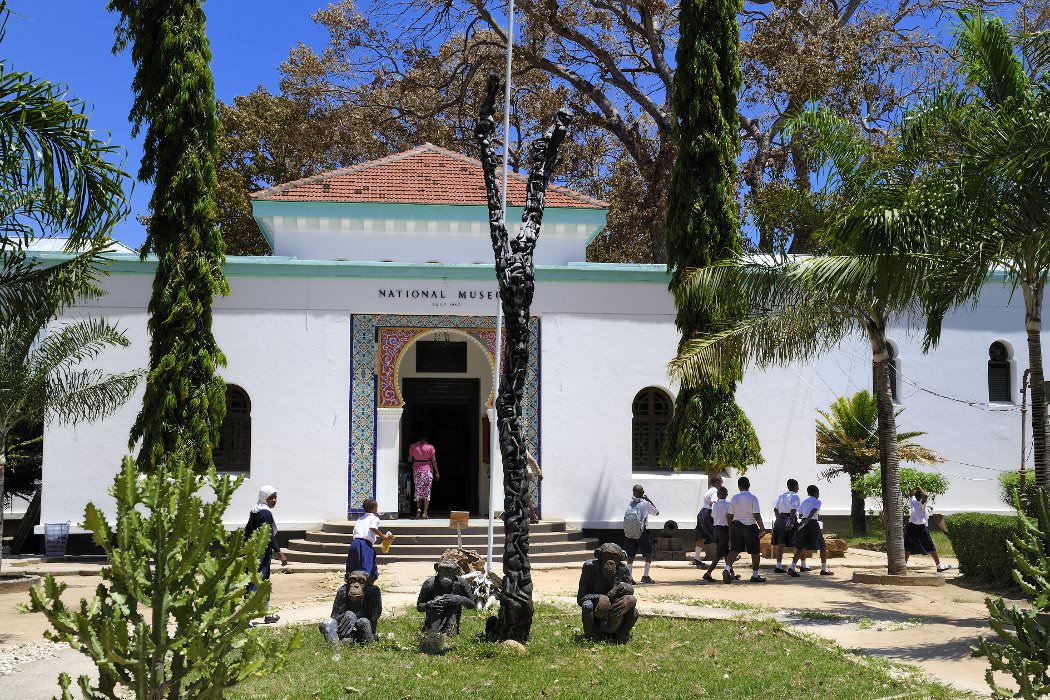
National Museum in Tanzania. See the „Life Tree Sculpture“ and monkeys in front.

Tanzania.

It is impossible to write about the Makonde and not writing
a few words about Tanzania, the former Tanganjika.
I believe, it is one of the most beautiful countries in whole
Africa. For decades you don’t hear any negative’s from there.
Tanzania is a magnificent tourist destination and has fantastic
cultural and scenic attractions.

tanzania 6
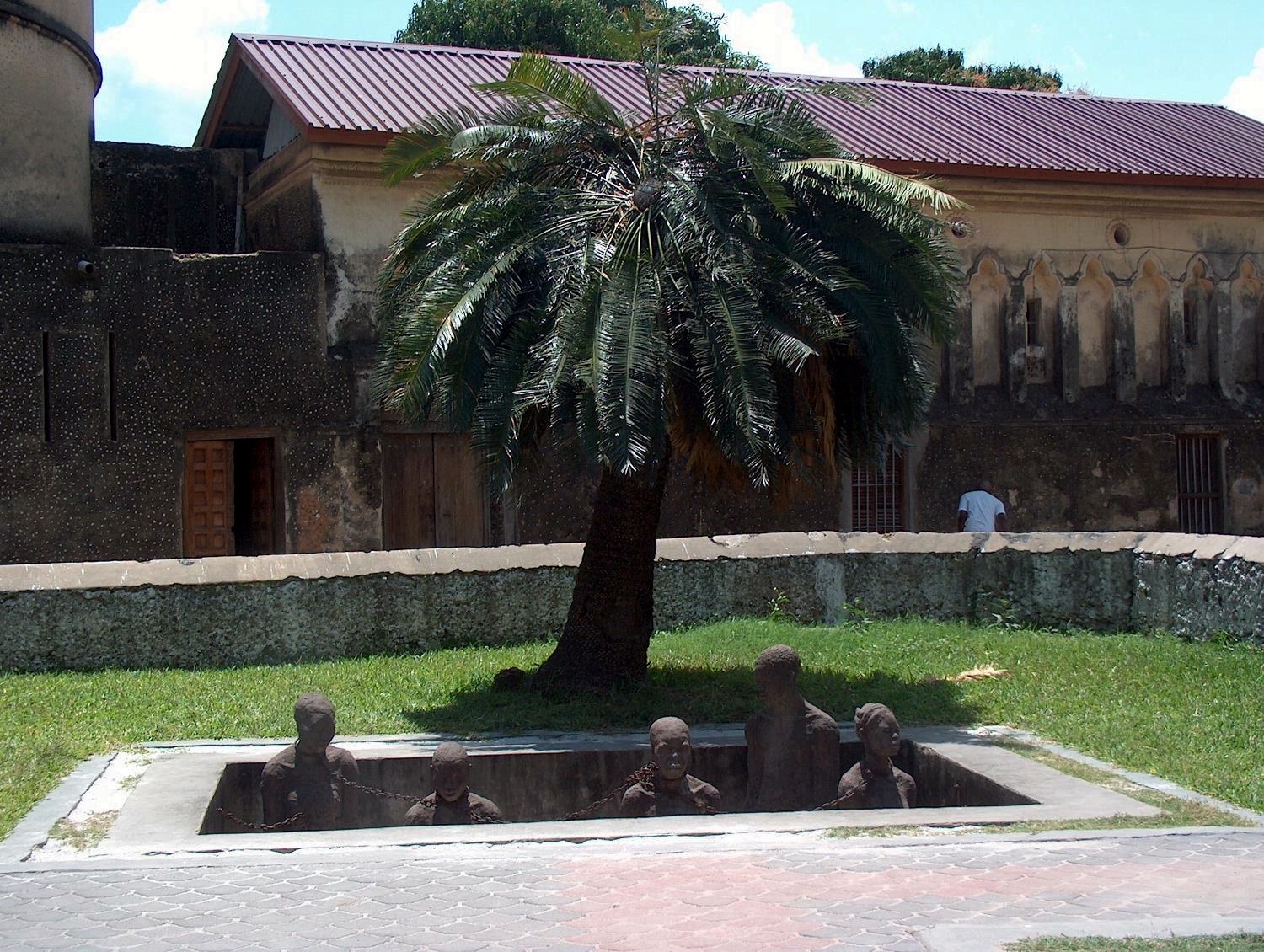
Slave monument in Zanzibar. Sculptures in chain’s.

Culture.

Tanzania has been described as one of the most diverse
countries in Africa and this is reflected in the fact that there are
more than 120 local languages spoken in the country. Swahili is the
national language that is widely spoken, while English is the official
language of education, administration and business.

tanzania 5
Monumental Christian church in Daressalam with a high clock tower.
Many many years later the Islam tower was build, it had to be 10 meters higher !!!

Local people are native African 99% (of which 95% are Bantu consisting
of more than 120 tribes) and the remaining 1% consisting of Asians,
Europeans, and Arabs.

Scenic examples.

Most of the many movies made , during the decades, about or in Africa,
showed at least one of the following 5 destinations – all in Tanzania.If
one thinks about real Africa, you’ll find it in Tanzania.

tanzania 7
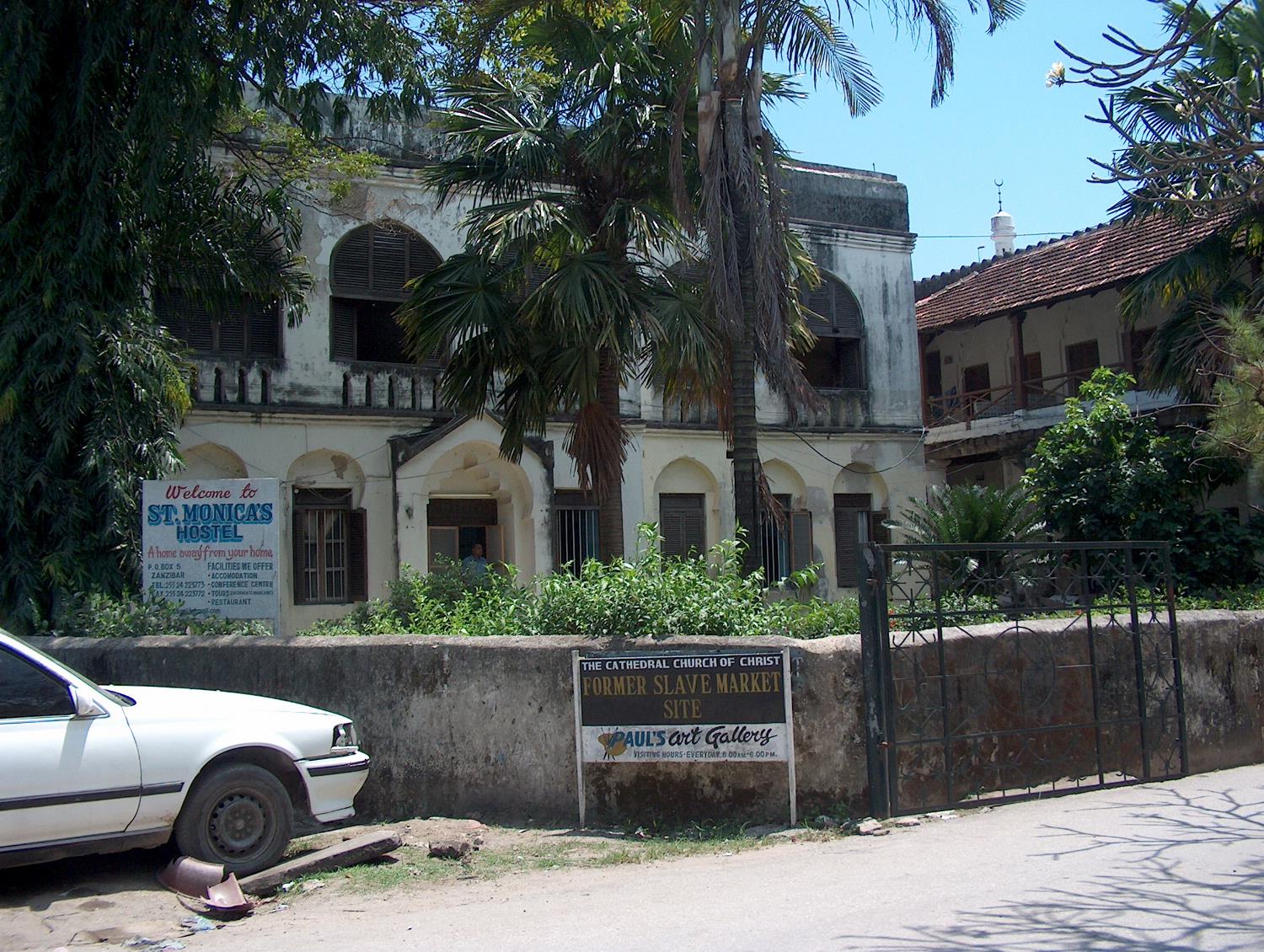
St. Monica’s Hostel with it’s „colonial style“ bar.

THE KILIMANJARO:  This is a snow-capped mountain, just south of the Equator.
At 5895 meters above sea level, the Kilimanjaro (if we want to be correct,
then it is the Mountain Kibo in the Kilimanjaro massive) is the highest
mountain in Africa and the tallest free standing in the world.

tanzania 1
The Kilimanjaro massive with a big Acacia (over 20m high) tree in front.

THE SERENGETI:  The Serengeti is a national park with millions of wild life
living together. It is indeed a garden of nature. The nature of this national
park provoked a remark from the famous German Prof. Grzimek that
„Serengeti shall never die“.

If you are interested, History, pictures and Movies (also the award winning
documentary from Michael Grzimek und Bernhard Grzimek, title
„Die Serengeti darf nicht sterben“, Germany 1959, it’s all over the internet.

tanzania 10
Inside Serengeti National Park.

ZANZIBAR:  This is the spice island with abundant history, beautiful and
white sandy beaches. Zanzibar (also Sansibar) was independent and still has
it’s own President within the Tanzanian government.

tanzania 8
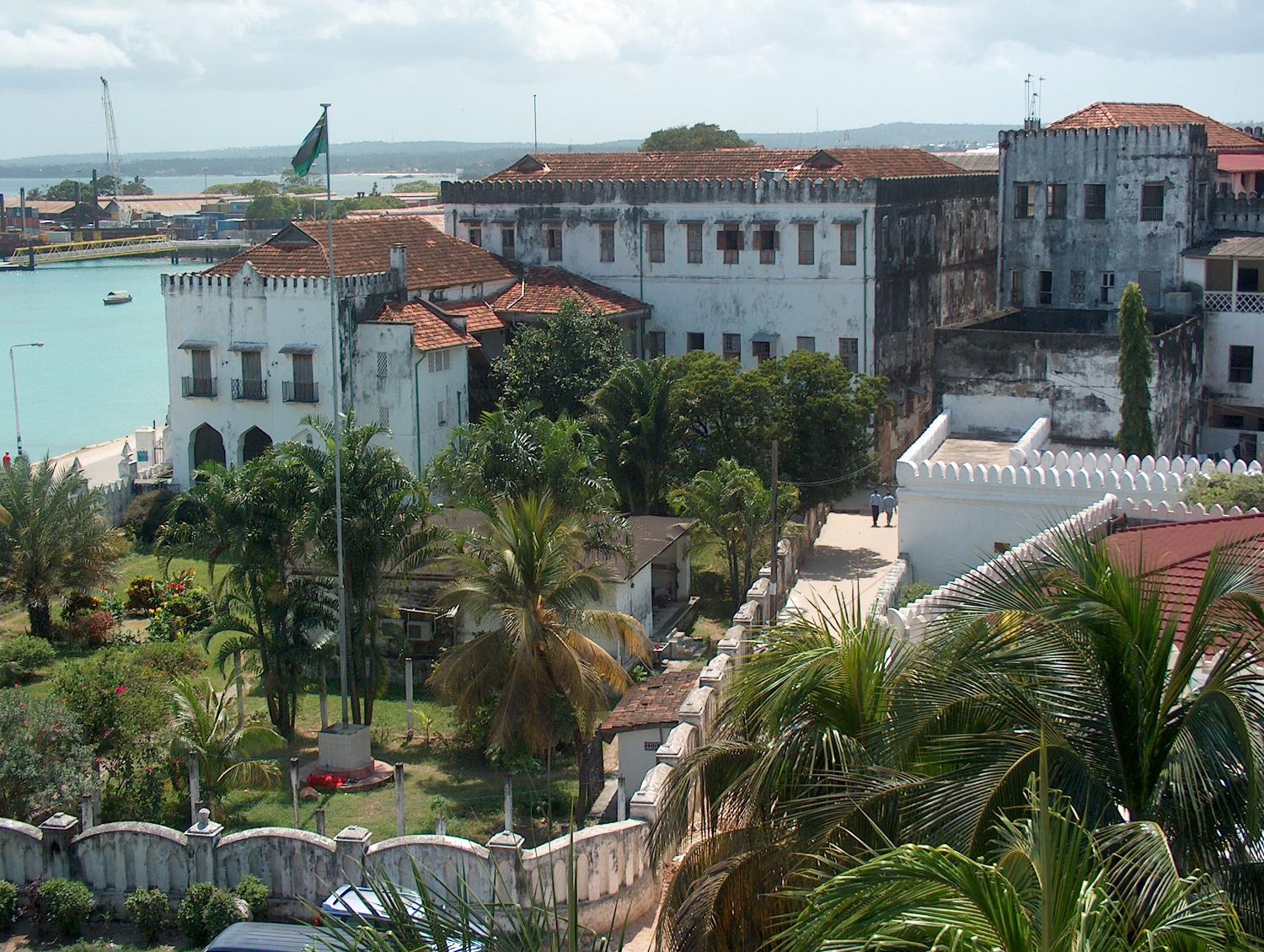
Harbor side of Zanzibar city.

LAKE VICTORIA:  The largest lake in Africa and the second largest fresh water
lake in the world. It is the source of the River Nile. 66% of the lake lies
within Tanzanian territory.

tanzania 11
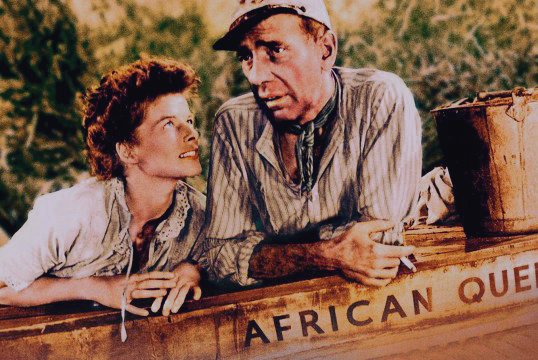
Remember the movie „African Queen“ from 1951, shot on Lake Victoria and in Tanzania.

LAKE TANGANJIKA:  The longest fresh water lake in the world and the second
deepest. 41% of the lake lies within Tanzanian territory. Aquarium friends
would know about Cichliden of Lake Tanganjika. They are unique in the world.

tanzania 3
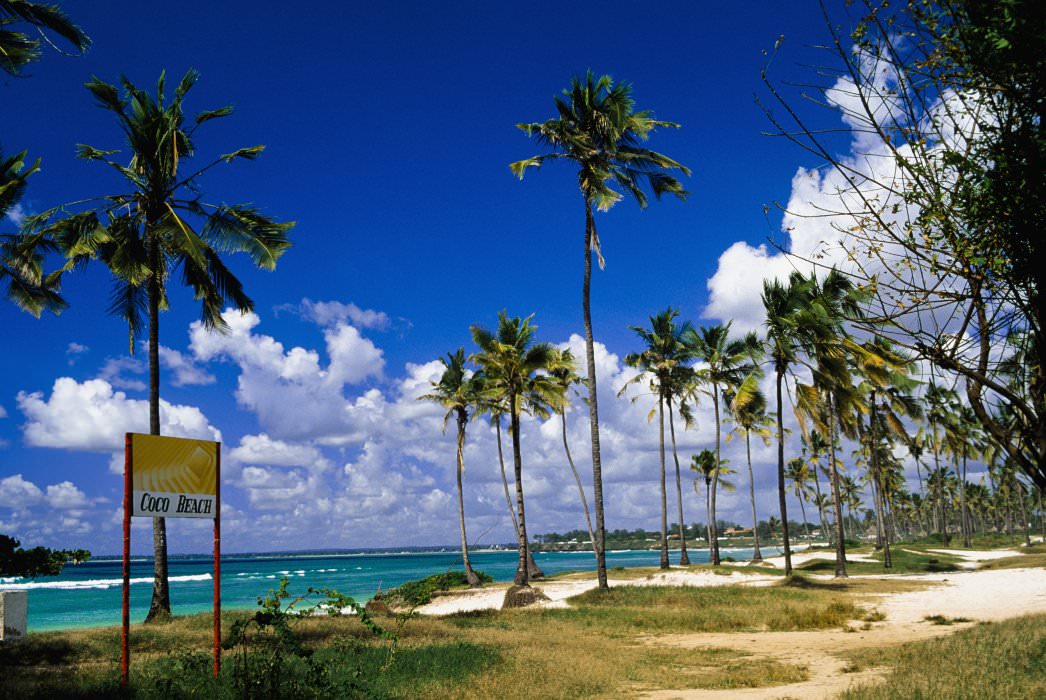
Coco Beach in Daressalam, about 40 years ago. Won’t be the same anymore.

Makonde sculptures.

The sculptures of the Makonde have an amazing charismatic force, which one
hardly find in our „western culture“. Artists, such as Moore, Vlamink, Picasso,
Klee and others have high artistic value recognized in these works, and it can be
seen that they are influenced by them.
Fetishism, birth, love and death, hunger and water shortages, ancestral and
daemon faith are reflected in the Makonde works .

Makonde 3
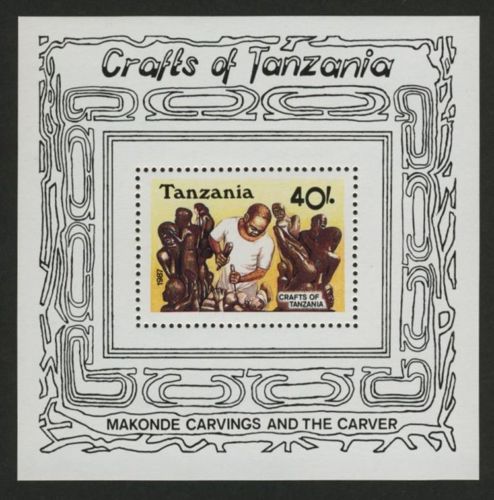
Stamps of Tanzania with Makonde carvers.

The material, the Makonde use, is the very valuable and difficult to
work with, wood of the ebony tree, better name is African blackwood,
called „Mpingo“ in Tanzania and most areas of East Africa.This East African
Blackwood tree, is used to make clarinets, oboes and bagpipes. Besides
it is the medium of choice for local wood carvers. It´s dark, lustrous
heartwood is one of the most valuable timbers in the world, but the tree is
under threat from over-exploitation and could become commercially extinct.

makonde 10                       makonde 11                           makonde 15
All made from Mpingo : Clarinet, Oboe and Bagpipes. This Canadian soldier play’s
one of the top end bagpipes in the world, the Scottish „Wallace Bagpipe“.

The color scale of the heartwood ranges from dark brown to deep black.
Normally, the bright edge of the wood is removed before they start the
work, but also often, magical in the importance of the figure, included.
The Makonde artists say: “ the tree will tell you how it want to be carved“.

makonde 14
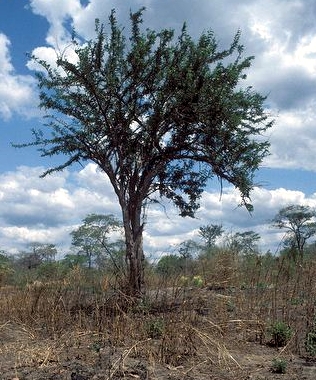
Lonely Mpingo tree in the Tanzania highlands.

Makonde carvers had their highlights, beginning in the 1960s until
the early 1990s. Then a series of the first generation of carvers died and
there were (and are)a few followers only. These few still dominate the
carving of comparable quality and expressiveness.

makonde 13
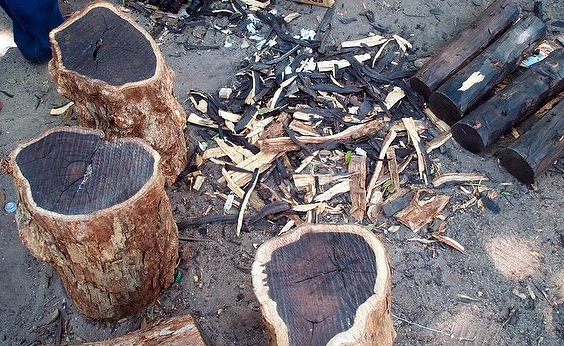
Cutted Mpingo tree for carving. The black hardwood inside and the
black branches already cleaned from the  white softwood outside , see top right.

However, all master carvers had students such. Until today they can produce
high above average good works. These include, for example Mbangwende Moris
(Chanuo pupils). Also Malangange tried the Chanuo style. Augostino Mwanga
was a student and longtime employee of Dastani.
Lugwani has developed their own direction under the Mawingu style,
Matajo under the Shetani style.

Makonde 5
Kashimiri Matajo, specialized in shetani art, a great and well known Makonde sculptor.

The here shown sculptures are all from the late 60s to early 70s.
significantly the deep black ebony, which is found only very rare today.

It is also amazing with what simple tools the Makonde create their sculptures.
On the international art market, the Makonde sculptures have now found its
place. Regularly held exhibitions in galleries of cities such as London,
Paris, Berlin, Hamburg and New York.
Each Makonde sculpture is unique and correspondingly valuable.

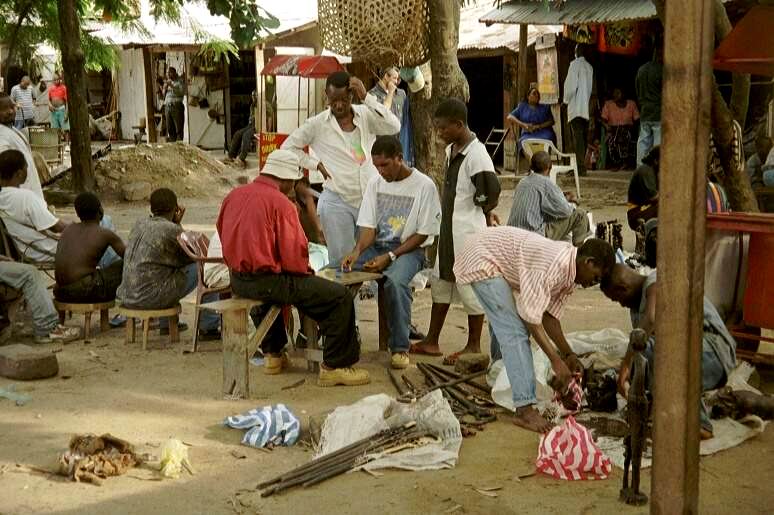
makonde 16
The Makonde carvers market in Daressalam.

Makonde – myth of creation.

In the beginning, legend says, lived in an essence in an unreal earth,
neither man nor animal.
His body was covered like the animals of the forest with hair. His ways were
the ways of the bush. It lived among the rocks along the river and pulled
around by day and by night. But there was unrest in his heart, and there
were times when it was very lonely.

One day, legend says, he took the essence of a piece of wood and carved with
a knife a figure out and placed it near his camp in the sun.
The night came and the darkness. And when the sun came up the next morning
and the earth heated, what was the figure, became a woman.

DSC00364
A sex symbol piece of art, with typical, Makonde style, over sized organs.

She was the consort of the essence, and soon after a child was born to them.
But the child died after three days. „It’s a sign,“ said the woman. „Let’s
change the place, situated higher to a place away from the river.
„This they did, and again a child was born. But this also died after three days.

Again, the woman said, „Let’s move us higher again, there where only dense
bushes grow“. And so they went on the height of the plateau.
In contrast to the high country, the lowlands were frequently infested with
malaria and other pathogens.

A third time a child was born to them. It stayed alive and was the first man,
the first Makonde. Since then, you can hear the counsel of the Makonde women.
They take an important position of respect in the Makonde society.

DSC00360                    DSC00361
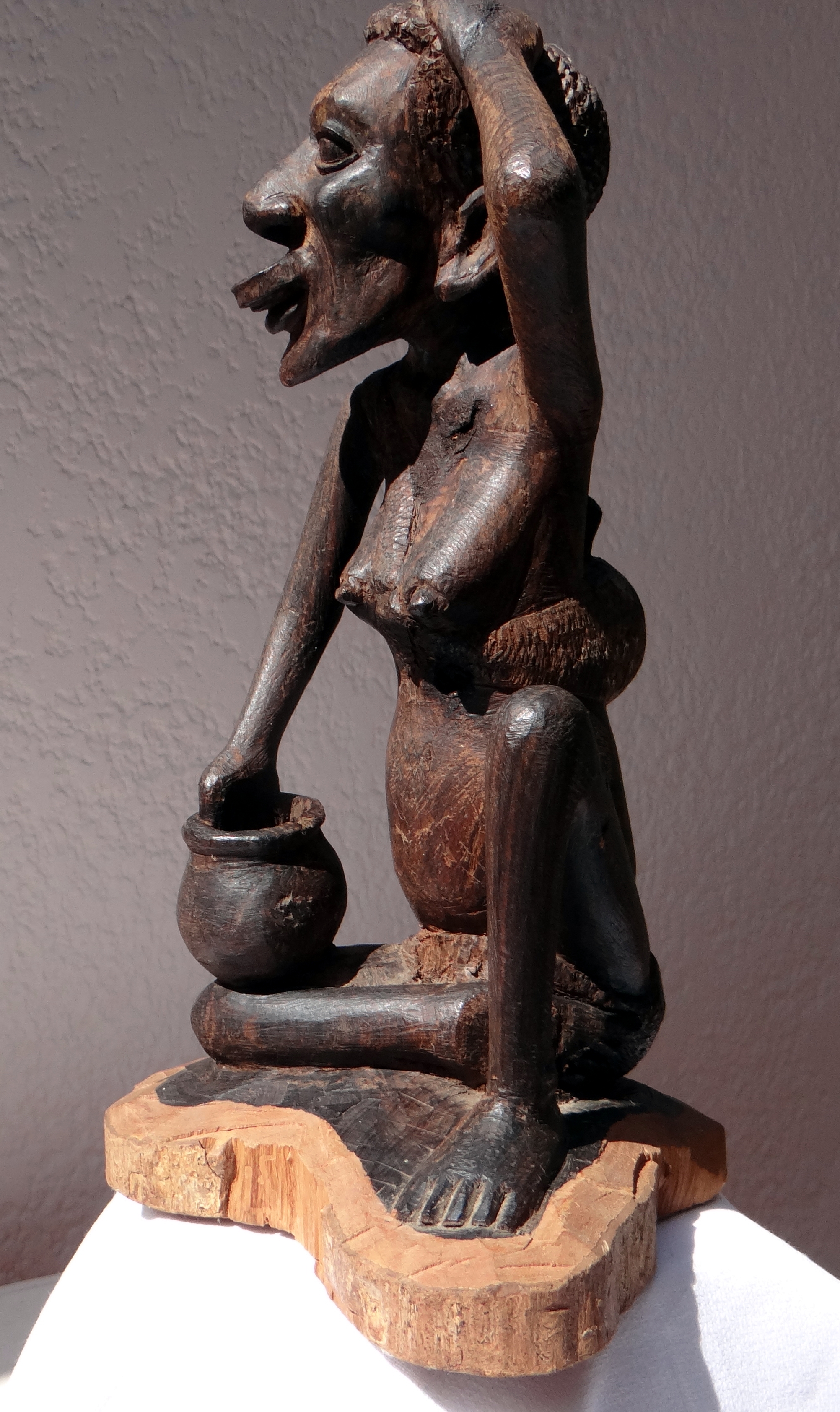
This great piece of Makonde art shows a women with water jug in front and
a food bag on her back.  Wonderful, the left over outer softwood, as bottom stand.
Notice the decorated  big upper lip with a wooden inlay, women’s fashion.

What do they carve?

The world’s most famous works of art of the Makonde are probably their
motives which they began to carve since the missionary in East Africa.

Shetani (demon, spirit, devil).

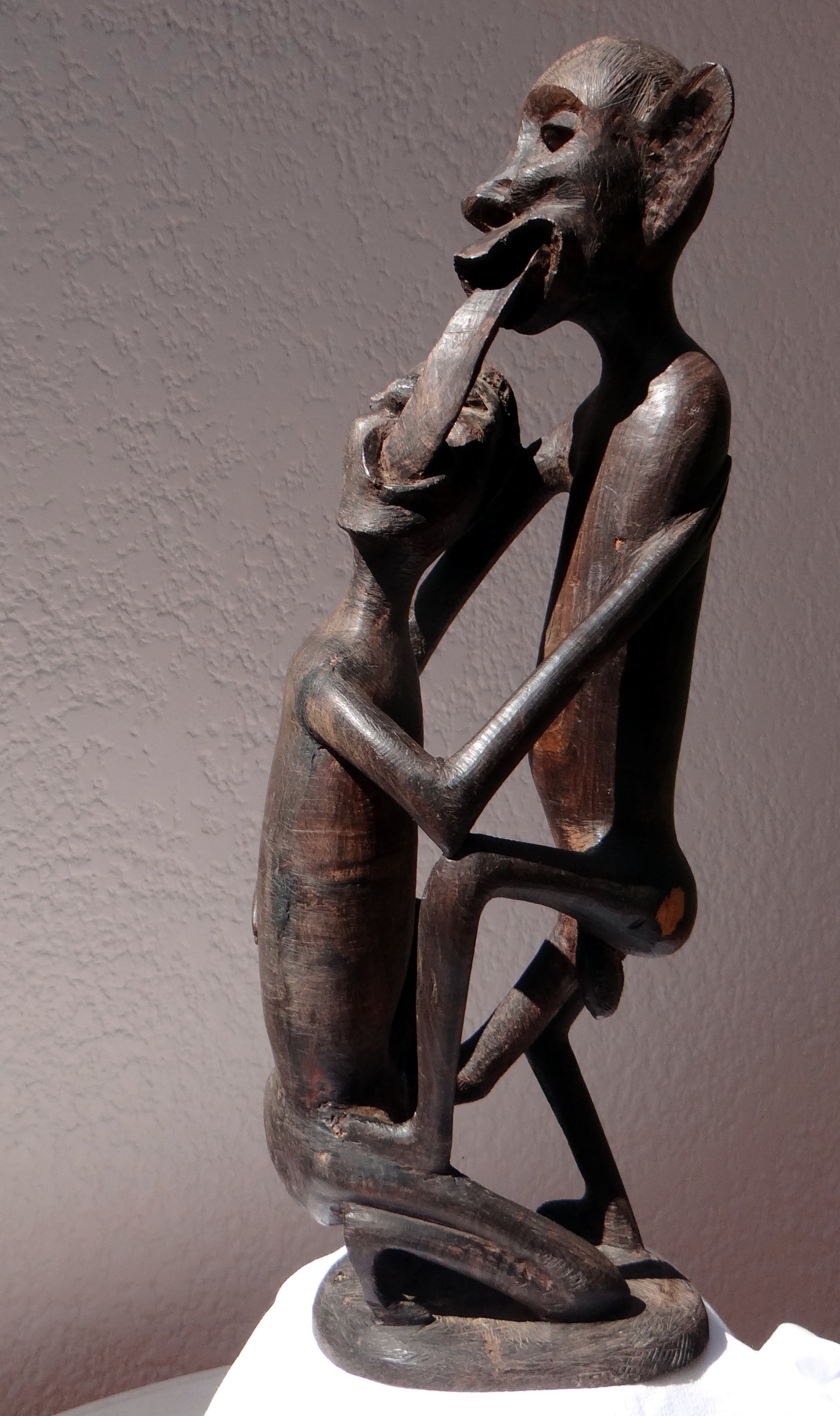
Shetani , abstraction of eyes, teeth and ears
sculptures often contain reptiles (chameleon and snakes), amphibians,
fishes and birds that bite each other, swallow and climb the central figure
of the carving. there is everyday and animal figures. realistic
carved reflecting the daily life .

DSC00366              DSC00367
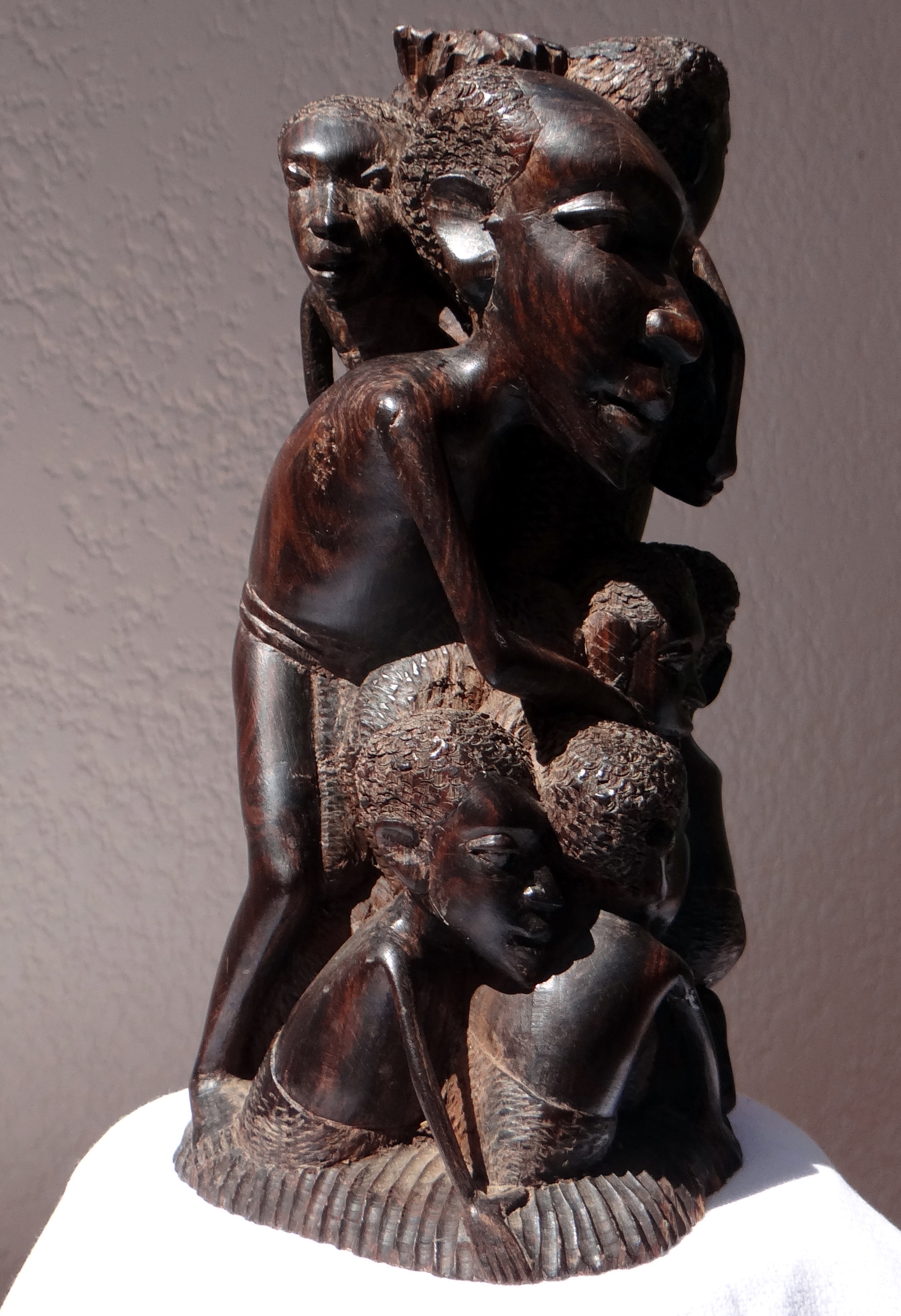
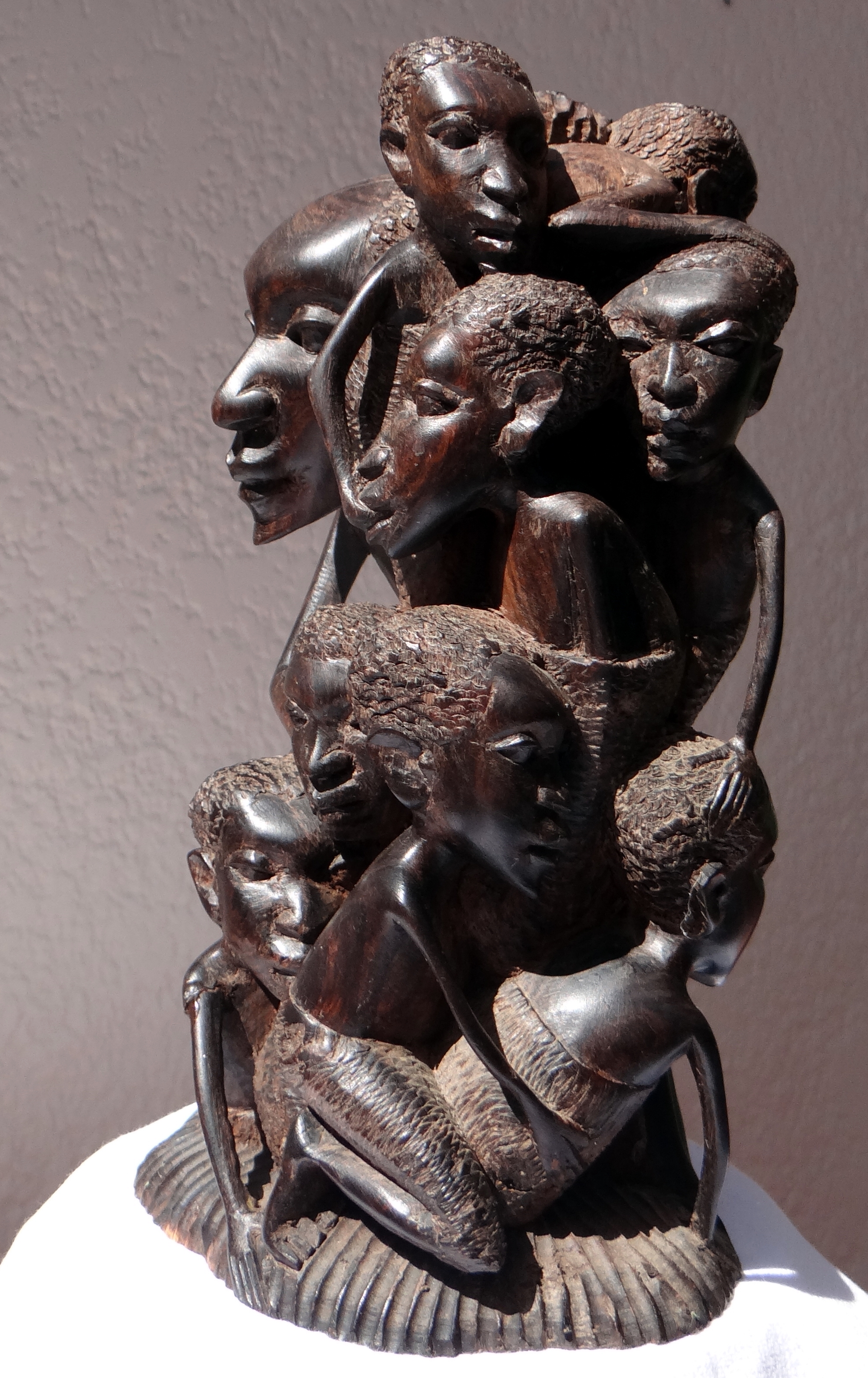
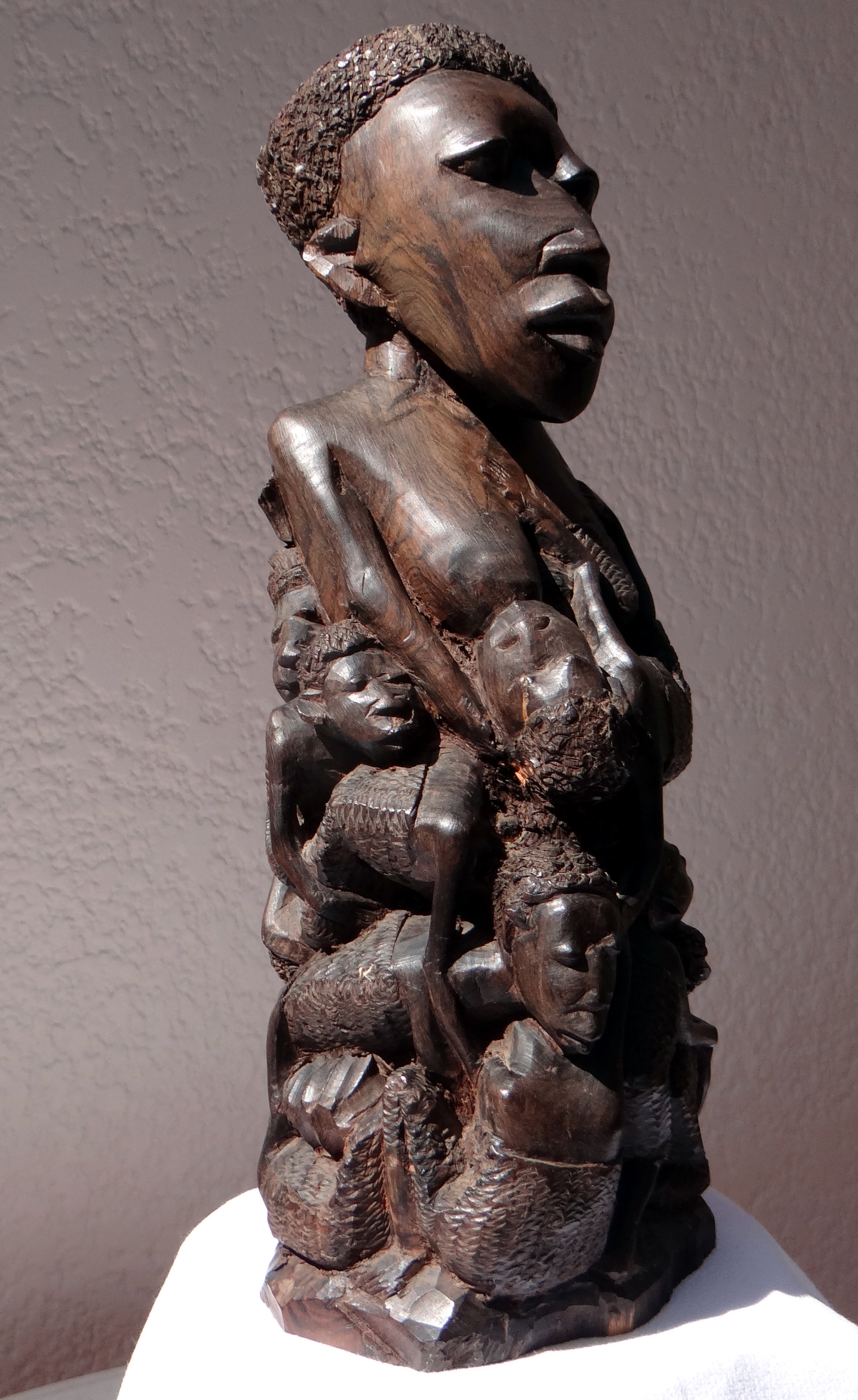
Tree of life. Ujamaa style sculpture with tribal chief as center figure
and community around him. What a great example of Makonde ebony carving.

Mawingu (cloud).

Mawingu sculptures are more ore less charming, not
aggressive and much more abstract than the Shetani
These sculptures leave much space for ones imagination.

Ujamaa (family, community).

Ujamaa figures are often described as tree of life or family tree.
Shown is almost always a more central figure (tribal chief) around
whom smaller figures (family or tribal members) are arranged.
Here the interaction of the community is represented. often the
people are delicately interconnected. These are the most expencive
sought-after works.

DSC00362               DSC00363
Another masterpiece, a Grand Mama as center figure and the kids around.
One baby breast feeding. Family tree in Ujamaa style.

Unfortunately, the collection interest has decreased because of the
scarcity of expensive ebony, standing since 1994 on the Red List of
Protected Plants.

Makonde 2a             makonde 12
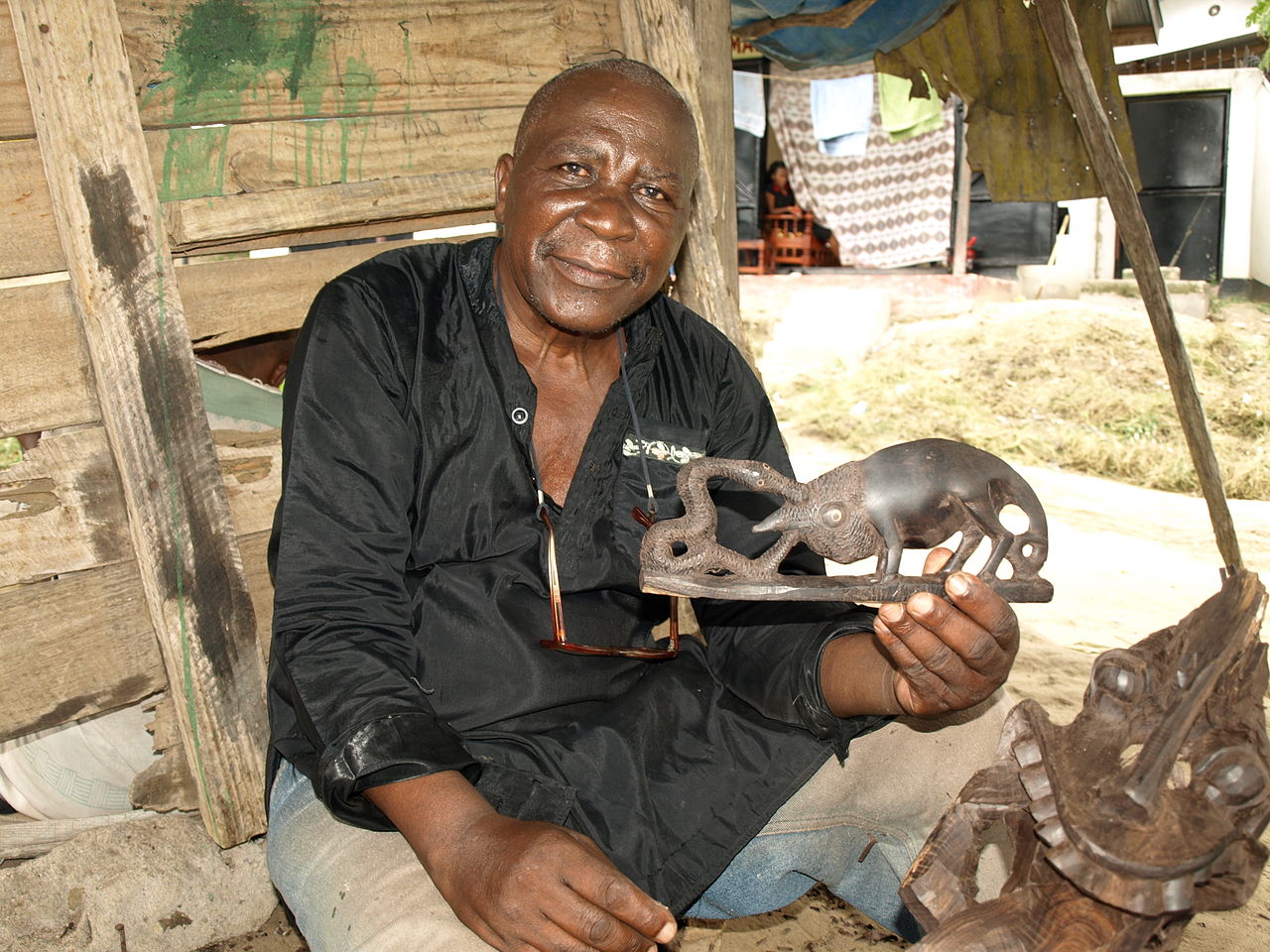
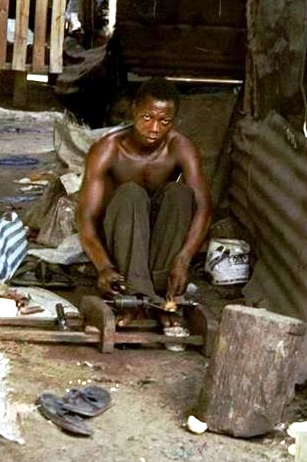
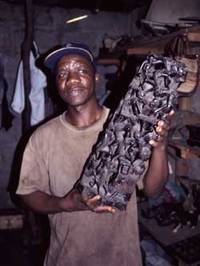
Primitive workshop of a Makonde carver and proudly shown finished sculpture.

Sadly the carving has changed to „cheap“ Airport Tourist Attraction
and towards mass production. Often cheap wood will pretext,
blackened with shoe polish and polished.
Today to find real originals in Tanzania or Mozambique is almost
impossible. Interested collectors get it through the private market
or from serious art auctions and other collectors.

Veröffentlicht unter Collecting, History, Hobbies | Verschlagwortet mit , | Hinterlasse einen Kommentar

Beer Can Chuck

beer can chuck 7

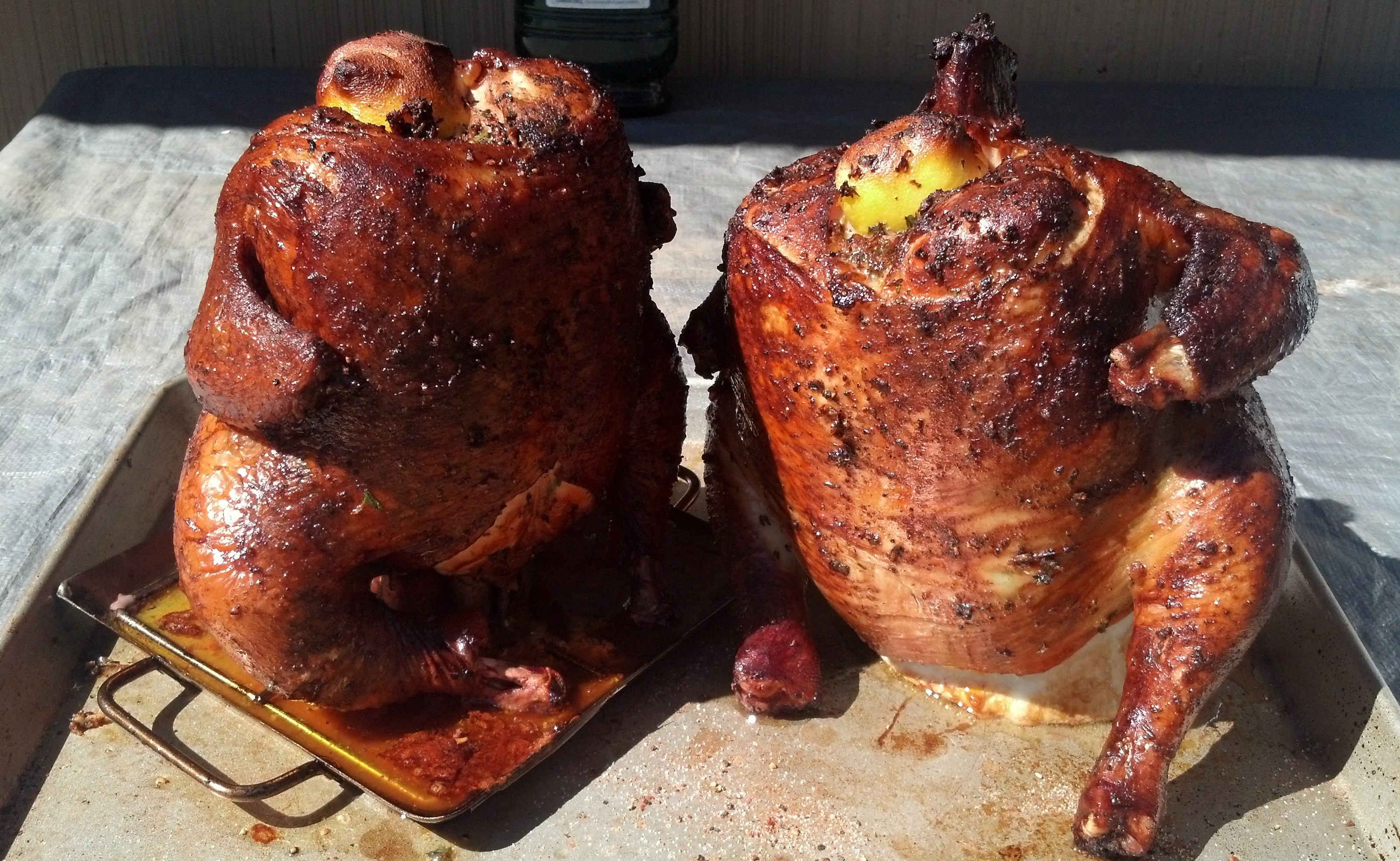
Can Beer Can Chicken be Gourmet style ?

Chicken on a beer can is an old fashion idea, but I always loved it, because of
the funny looking birds and the interesting and moist barbequing method.
We had it so often and it always was great fun and a gourmet style dinner.
And – it is a great way to have this fun together with friends on a BBQ night.

If a special blend of rub or marinade is allowed to permeate the freshest chicken
available, and holes are punched all around the top and sides of a can of good beer
so the bird steams gently as it cooks, the result could be the finest.

beer can chuck 8
Hey brother, having been in the sun too long ??

It will become a “gourmet beer-can chicken”, if not the very best chicken dish ever!
Try to get the freshest chickens delivered to our markets or butchers.
And try to get one of 1,5 to 2 kg ones, not the big (typical Uruguayan)
2,5 to 3kg ones. Better two smaller ones then 1 big one.

beer can chuck 9
Just laughing – onion between my legs !

Just look at the golden brown, beautifully rich and shining color on my birds.
The even coating of my special herb mix brings out the glistening juiciness
and flavor of the meat. Sure you can blend you own mix to suit your taste.

beer can chuck 11
Come on – don’t be shy dear.

Ingredients:

1 whole chicken, cleaned of fat, especially neck and tail
4 tablespoons your own special poultry herb blend , see my blend below
4 big cloves of garlic, crushed
Salt to taste
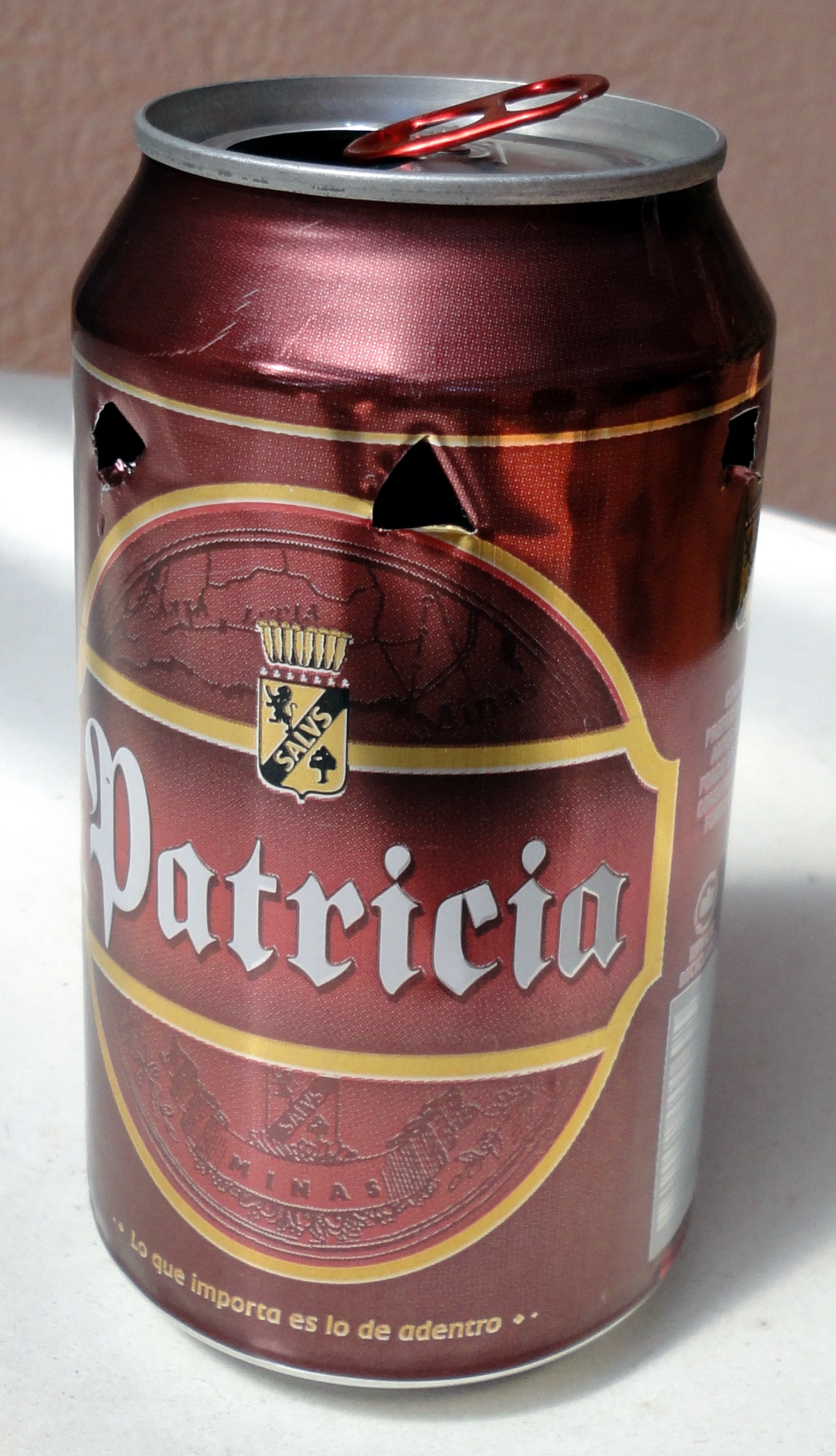
1 can of your favorite beer, around 5% alc., a tasty „Patricia“ is fine.

How to do:

Clean, wash and dry the chicken, rub it inside and out with herb mixture
and place in a plastic bag to marinate in the refrigerator all day,
overnight even better.

beer can chuck 5

Open a can of beer and drink about 1/4 of it. Punch 6 holes in the can
around the top sides. Drop the crushed garlic into the beer can.

DSC01460beer can chuck 13

Place the chicken, open end down, over the can, so that he sits up with his
feet set to make a tripod. Using a beer can chicken rack will help.
Set the chicken over medium heat on the top of a BBQ grill , or gas grill.
close the cover and cook for 1 hour, or until the bird turns golden brown.

If you do it in your oven, 165 degrees Celsius on an instant-read thermometer.
Using large tongs, lift the bird off the grill while using a turner to support
the beer from the bottom.
Rest 5 minutes. Carve and serve.

beer can chuck 2
Great – just sitting on a COOL German Warsteiner.

Ingredients for my favorite herb mixture:

2 tablespoons sage
2 tablespoons thyme
2 tablespoons rosemary
2 tablespoons oregano
1 teaspoon of cumin
1 tablespoon of coriander
1 teaspoon black pepper, ground
1/2 teaspoon chilli powder, hot
1 teaspoon nutmeg

Place these herbs (as many as you can get fresh, otherwise dry) in a mortar and mull
with a pestle until the mix is a fine consistency, which may take several minutes.
You also can use a food processor, but you’ll loose the fun of work .
Keep your mix, as you do with other herbs or spices too, in a dry and dark container.

beer can chuck 1

Tips:

I served these birds with Anna’s juicy potato salad and some sweet corn, buttered and
sprinkled with Paprika, goat cheese crumbles and finely chopped coriander.

beer can chuck 12

One variation is to cover the chuck with bacon. You will loose the crispy chicken skin,
but the crispy bacon and the flavor of the chicken is just great.

beer can chuck 4  beer can chuck 14
Can’t see anything – might need a haircut.                 Hey, I said cutting, not coloring.

Another tip is, a drizzle of „Alabama“ sauce over the chicken and you have a
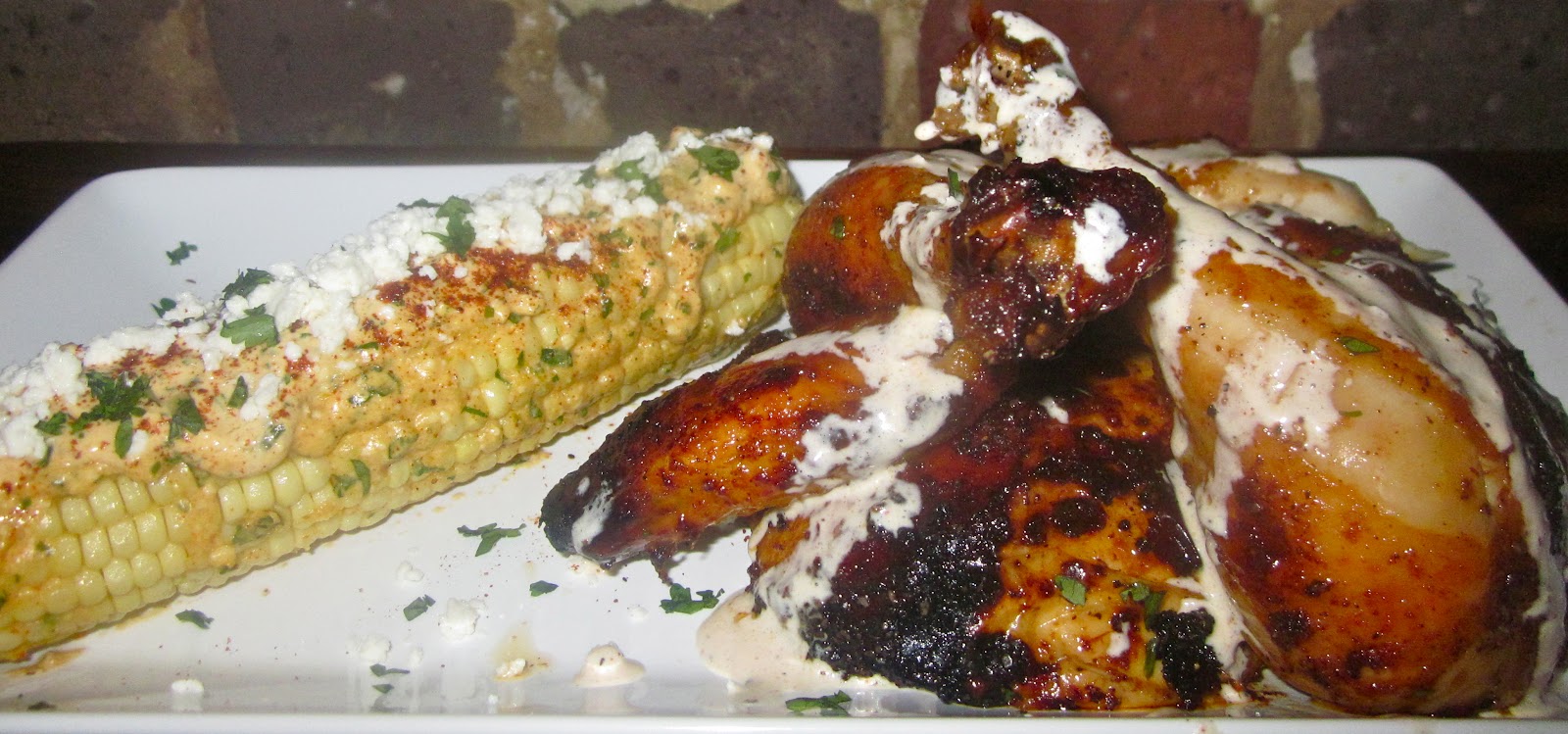
„gourmets delight“. Something really special for your guests. Enjoy !!

 
Veröffentlicht unter Recipes | Verschlagwortet mit , | 2 Kommentare

Collecting Curiosities 2 – Hortus Medicus Medal

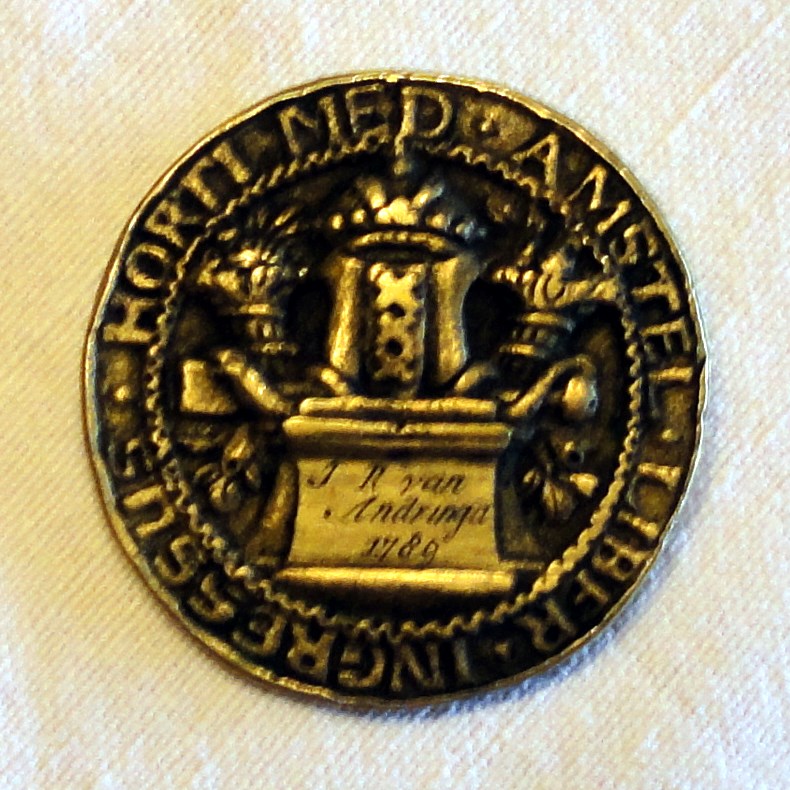
DSC01308

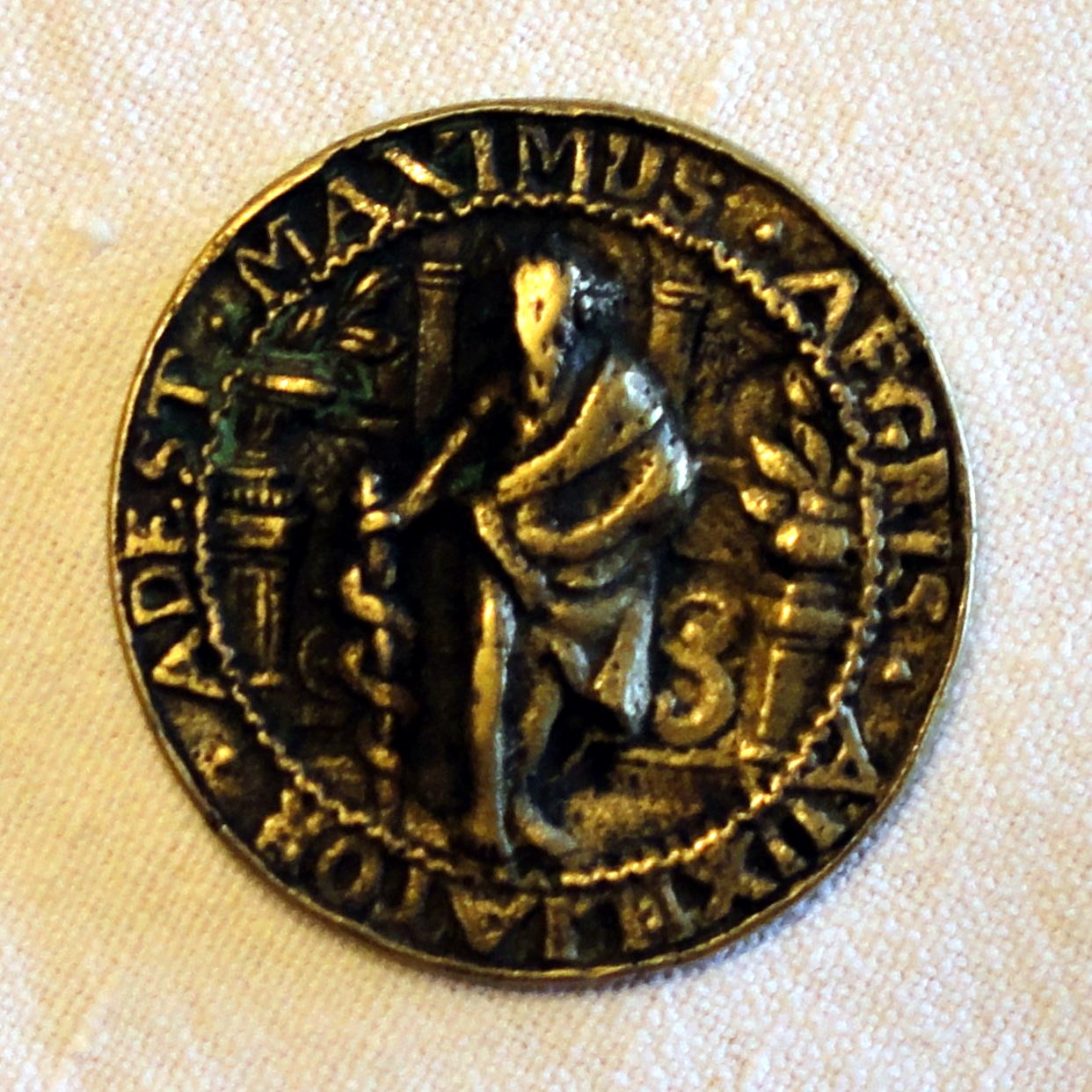
Very rare bronze from 1789.

This Dr.’s medal is an access identification for physicians and pharmacists to the
herb garden, Hortus Medicus, in Amsterdam. Medals like this were known for
the Amsterdam Medical Gardens from around 1740 till about 1820.

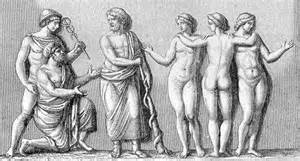
hortus 13
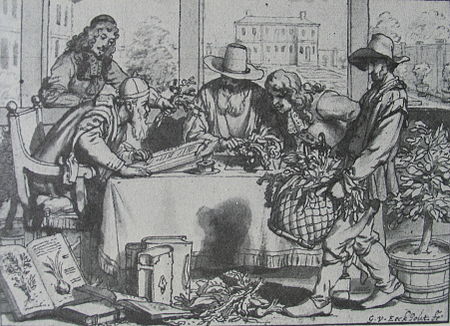
Doctors, Physicians and Pharmacists, studying together lots of different herbal plants.

The front of the medal
shows the Greek healer Asclepius in his tunic with the famous
Asclepius rod and the snake.

hortus 19

Asclepius, the Greek god of medicine and healing, is regarded as the son
of Apollo and Coronis. Asclepius, masterful doctor, who dominated the medicine
like no other. Also, it is said that he, above the medicine, have dominated
surgery and herbalism.

hortus 20

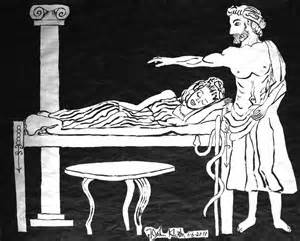
The medical treatment in the Asclepius cult often was, that the patient was
brought to sleep, mostly outside the city Temple of Asclepius.
Then in the dream, the doctor appeared and advised the patient was diets
or other treatments to use.

asclepius 2
Sign of the United Nations World Health Organization. In the center the rod of Asclepius.

Asclepius is usually depicted as a bearded, serious man, decorated with laurel
and based on a rod. This rod is entwined by a serpent (snake),
the so-called Asclepius rod became the symbol of medicine.

The skirting words,
MAXIMUS AEGRIS AUXILIATOR ADEST
mean as much as
IMPORTANT PATIENT ASSISTANCE IS

DSC01311

The flip side of the medal
shows the coat of arms of Amsterdam.

Here the sign with the 3 crosses and crown over it.
The lions, which can be normally found on the left and right of the shield,
were omitted and replaced by urns with bundles of medical herbs.
The exact meaning of the coat of arms of Amsterdam is unknown. However,
there are several theories that are historically considered plausible.

hortus 15
Sign of Amsterdam, the three crosses as a route identification ?

The three crosses symbolizing the three plagues of flood, fire and plague
the Amsterdam threatened. A better explanation is that the crosses were used
for identification of fords on ancient trade routes. The coat of arms of
surrounding cities have similar arrangements.
For example, Amstelveen 4 crosses and Ouder-Amstel 5 crosses.

In the indicated roll of parchment, we find the name of the owner of this
medal, „JR van Andringa 1789“.

The skirting words,
HORTI MED AMSTEL LIBER INGRESSUS
mean as much as
GARDEN MEDICAL AMSTEL FREE REGISTERED

Coat of arms of Amsterdam.

Three St. Andrew’s crosses form the core of Amsterdam’s city crest and
represent the three words written on Amsterdam’s coat of arms. A St. Andrew’s
cross is a heraldic symbol named after apostle St. Andrew who would have
crucified on such a cross.

hortus 16
The modern variation with the „new motto“ of Amsterdam.

Two lions were added to the city’s coat of arms at the beginning of the
16th century. They represent shield bearers.
Amsterdam’s city motto, emblazoned on the bottom of the Coat of Arms on a
silver scroll, rests around the ideals of „Heroic, Resolute, Merciful“
with other translations being „Valiant, Resolute, Compassionate“ or
„Valiant, Steadfast, Compassionate“. Those words were added at the end of
the second world war, the crosses go back a lot further than that.

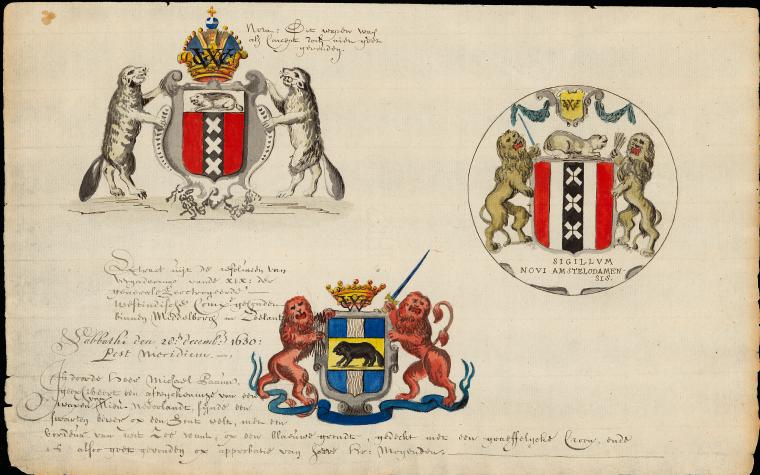
hortus 14
Different suggestions for a new coat of arms for „New Amsterdam“ in „New Holland“.
Hand colored feather draw from 1630.

The use of the coat of arms of Amsterdam dates back to at least as far as
1350. The digging of the Amsterdam North South metro line provided a pair
of pliers having belonged to a sheet or cloth guild with the crosses on it.
This find is to date one of the earliest known uses of the Amsterdam Coat of Arms.

Hortus Botanicus.

Amsterdam has been called one of the oldest botanical gardens in the world,
Hortus Botanicus. It was founded 1638 as Hortus Medicus, a herb garden with
a predominantly medical planting for doctors and Pharmacists .

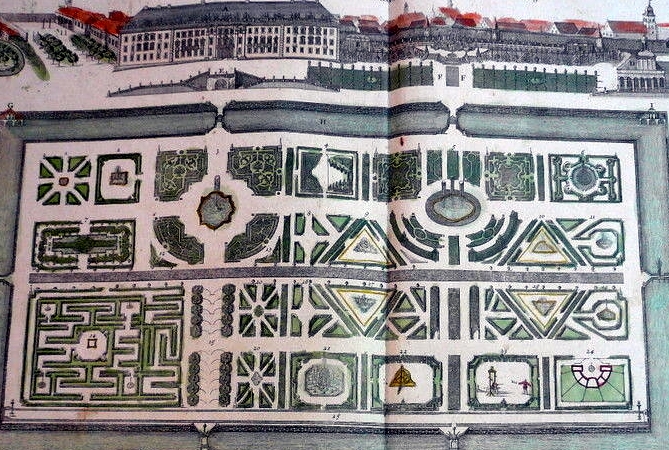
hortus 14
Architectural outline of a medical herb garden for a monastery around 1780.

Approximately in 1682 the medical garden was created at the same address
where it is still today, right in the middle of Amsterdam.
The garden is located on the edge of downtown Amsterdam, at Middenlaan. This
garden is still excising and it is known as one of the finest botanical gardens
in the world, called Hortus Botanicus Amsterdam.

hortus 18         hortus 17
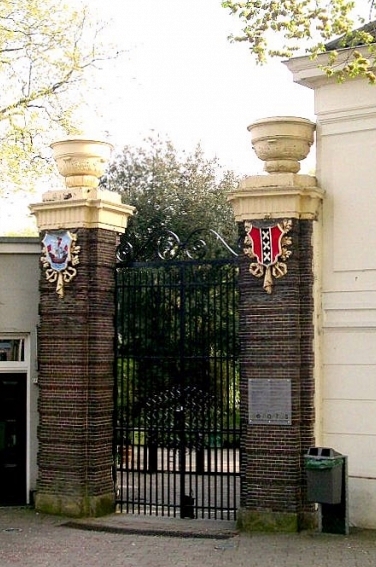
Left: Entry gate to Hortus Botanicus, with the Coat of Arms of Amsterdam.
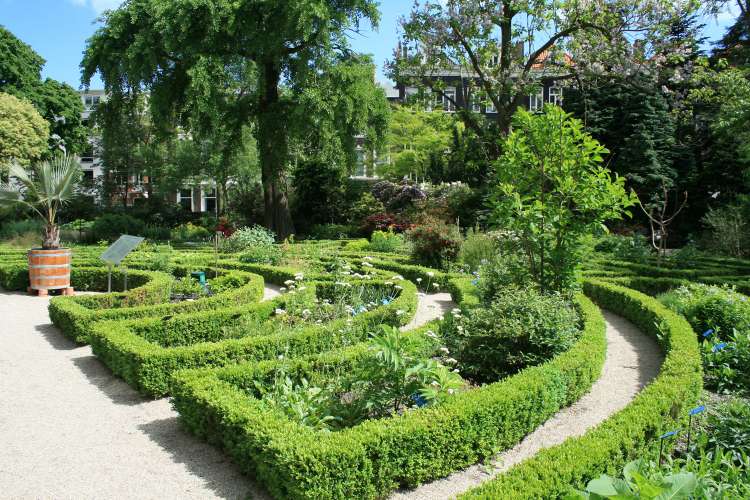
Right: Today’s medical herb and plant section of the Botanical Garden Amsterdam.

Hortus Botanicus’s initial collection was amassed during the 17th century through
plants and seeds brought back by traders of the East India Company (VOC) for use
as medicines and for their possibilities for commerce. It contains more than six
thousand tropical and indigenous trees and plants. A single coffee plant,
Coffea arabica, in Hortus’s collection served as the parent for the entire coffee
culture in Central and South America.

hortus 7             hortus 13
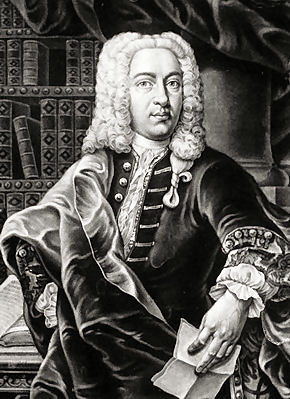
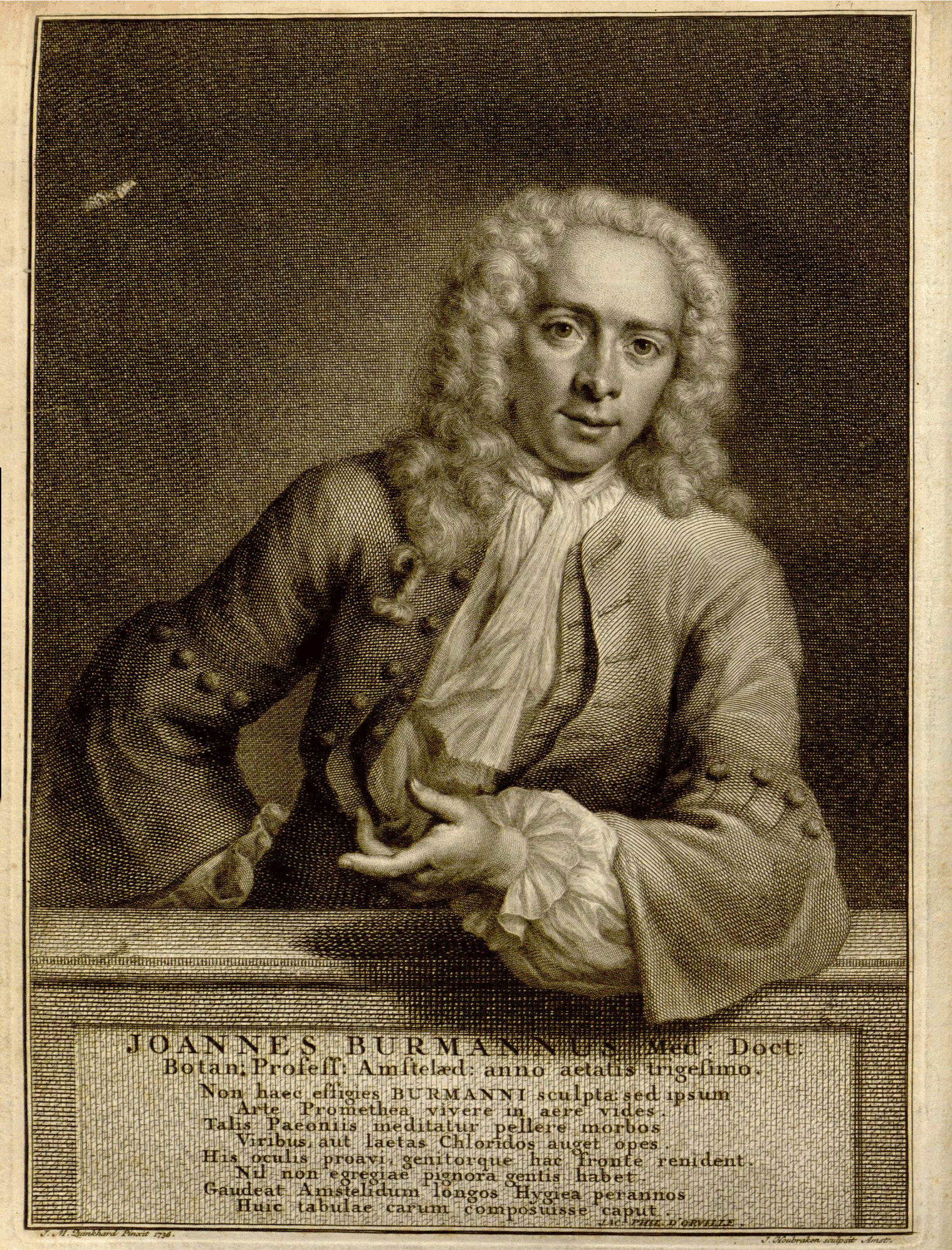
Left: Dr. Andringa could have looked like this, same as … Right: a college of him in the same time period.

Doctor Johannes van Rudgerus Andringa, was a professional physician. He was
born 1763 in Leiden, Netherlands and died around 1819-1823.

The Andringa sex is still known in the medical world of the Netherlands.
E.g. GP Dr P. Andringa in Oud Gastel, or Dr. Gerda Andringa to Middelburg,
or Dr. Tjeerd Andringa, a professor at the University of Groningen.

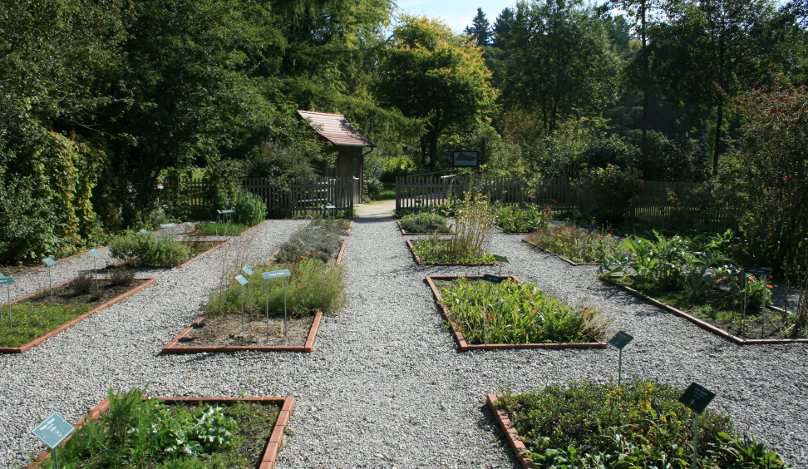
Kraeutergarten 1
Modern medical herb gardens of a monastery in Germany.

Just for your information, where this medal in time is classified.
In the same year the medal was exhibited to Dr. Andringa, 1789,
George Washington became First President of the United States of America,
and with the storming of the Bastille in Paris the French Revolution began.

The medals diameter is 35 mm, thickness is 3.5 mm and it weighs 45 grams.
This medal is a museum’s quality and will enhance any home-, as well as
public-, medical-history collection.

Veröffentlicht unter Collecting, History, Hobbies, Information | Hinterlasse einen Kommentar

Hortus Medicus Medal – US$ 450,–/or offer

DSC01308

Very rare bronze from 1789.

This medal is an access identification for physicians and pharmacists to the
herb garden, Hortus Medicus, in Amsterdam. Medals like this were known for
the Amsterdam Medical Gardens from around 1740 till about 1820.

DSC01311

The medals diameter is 35 mm, thickness is 3.5 mm and it weighs 45 grams.
This medal is a museum’s quality and will enhance any home-, as well as
public-, medical-history collection.
History and description of this medal see my post under „Collecting Rarities 2“.
You can write questions or offers under comments – will not be published.

Veröffentlicht unter For Sale, Uncategorized | Verschlagwortet mit | Hinterlasse einen Kommentar

New Year’s Eve Montevideo

2015 4

Celebrate This New Year 2015 The Wild Way In Montevideo.

Celebrations start quite early in Montevideo. The first signs of it being shredded pieces
of paper everywhere you go. People tear up the calendars of the year gone by, discarding
everything of the previous year and gearing up to welcome the coming year in the best manner possible.

Get ready for a New Year that is crazy, fun, wild and wet.
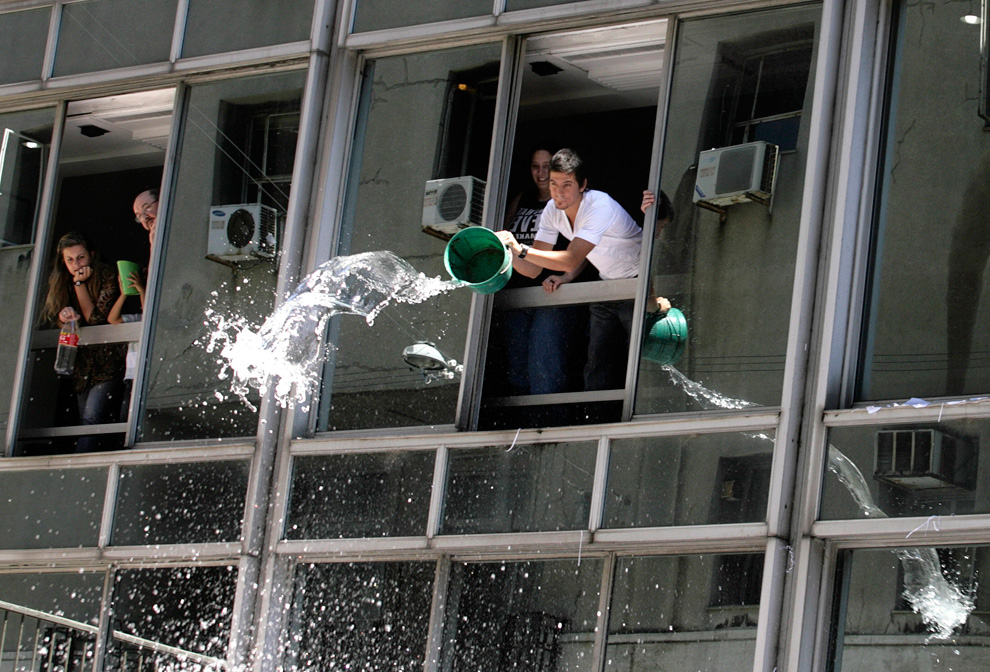
If you are in Montevideo on the New Year’s Eve, you will find it hard to stay dry amidst
the celebrations that take place. It is a part of the New Year celebrations in Montevideo
to throw water and beer at each other thereby, making the celebration a completely wet one.

s 18 Water throwing in Montevideo.

This is a Latin American custom, we had that in Panama too.
People even go to the extent of throwing water from the
balconies on the by-passers. Things get wilder when people start throwing plastic
bottles at each other as a means of celebration.
Some are even open their sprinklers, directed to the street, and their garden hoses.

So, if you are someone who does not really like being wild, it is better to witness
things from a distance.
And if that is not the case, then join the wild fun in getting and making wet.
It is a widely known fact that NYE fireworks forms an important part of the New Year
celebrations whichever place you choose to be in and Montevideo is no exception.

s 17 mvd  Fireworks in Montevideo.

Fireworks are much smaller then Christmas evening. They start 12.00 midnight and an
hour later all is quiet. EXCEPTION, this year (2015) we had the feeling, there are much
more fireworks then all the years before. Yeah, never put any rule on Uruguay.
Streets and parks are filling up again around 2.00-3.00am and the new year party starts
until next afternoon.
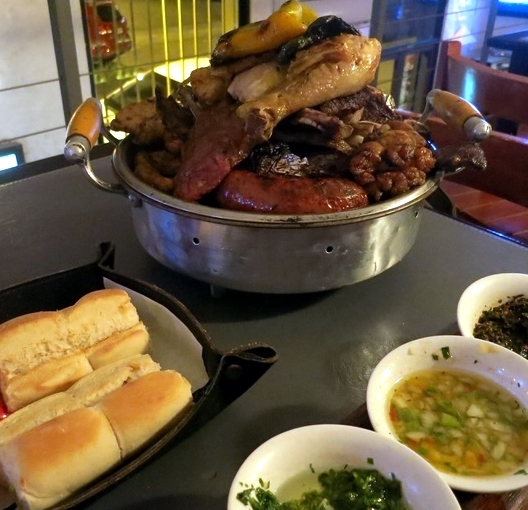
Many parties are, as Christmas, family celebrations where it ends all in big „Asados“,
the famous south American barbeque .An asado usually consists of beef alongside various
other meats, which are cooked on a grill, called a parrilla, or an open fire.

UY food    UY food 2
Asado … Asado … Asado ……… lots of meat and massive portions !!!

Along with everything else, the food also forms an important part of any Latin
celebration in South America and Montevideo is no exception to it.
The restaurants are also packed with an assortment of cuisines special to the place.
Plus all kinds of streetfood, like “torta frita”, “fish in a box”, churro’s and chorizo’s .

A HEALTHY AND WEALTHY HAPPY NEW YEAR TO ALL OF YOU.

2015 3

Veröffentlicht unter Information, Lifestyle, Uruguay | Hinterlasse einen Kommentar

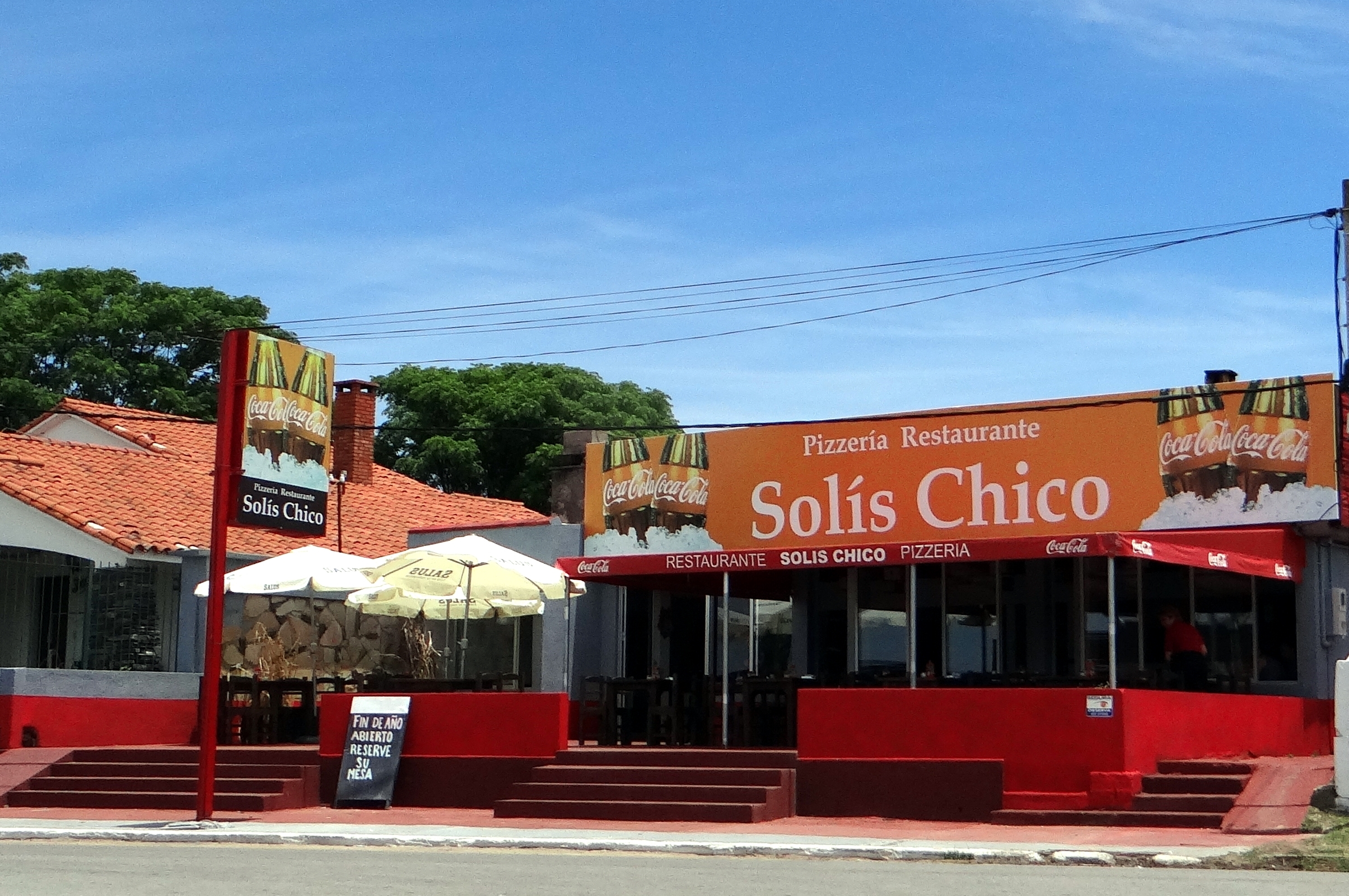
New Restaurant in Town

DSC00347

Solis Chico.
Pizzeria – Restaurant – Parrillada

This new restaurant just opened in perfect location, direct across
the yacht club in Parque del Plata. Very easy to find at the Rambla.
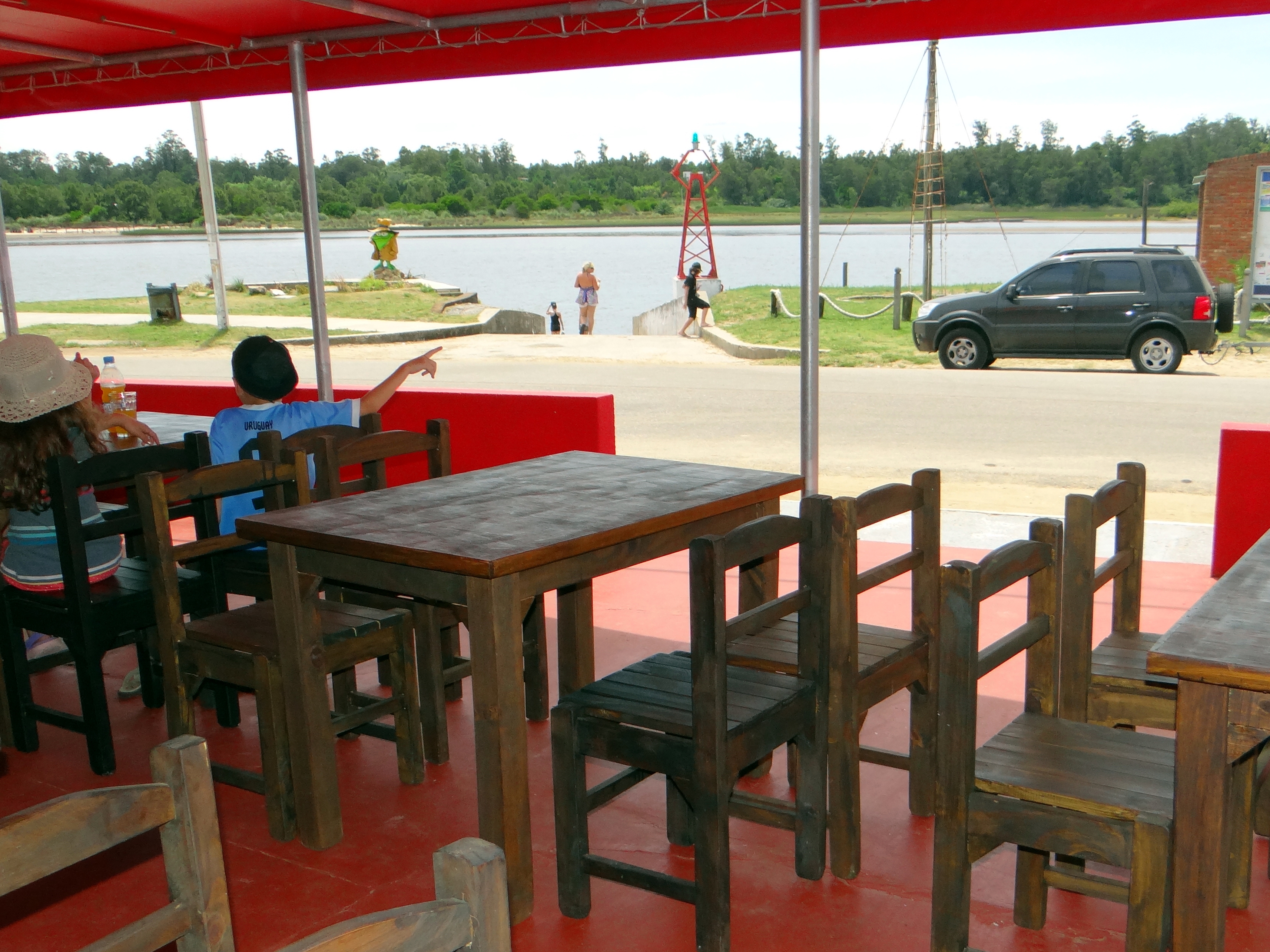
It is welcoming, staff extreme friendly and you’ll have a wonderful
view onto the Solis Chico.

DSC00340

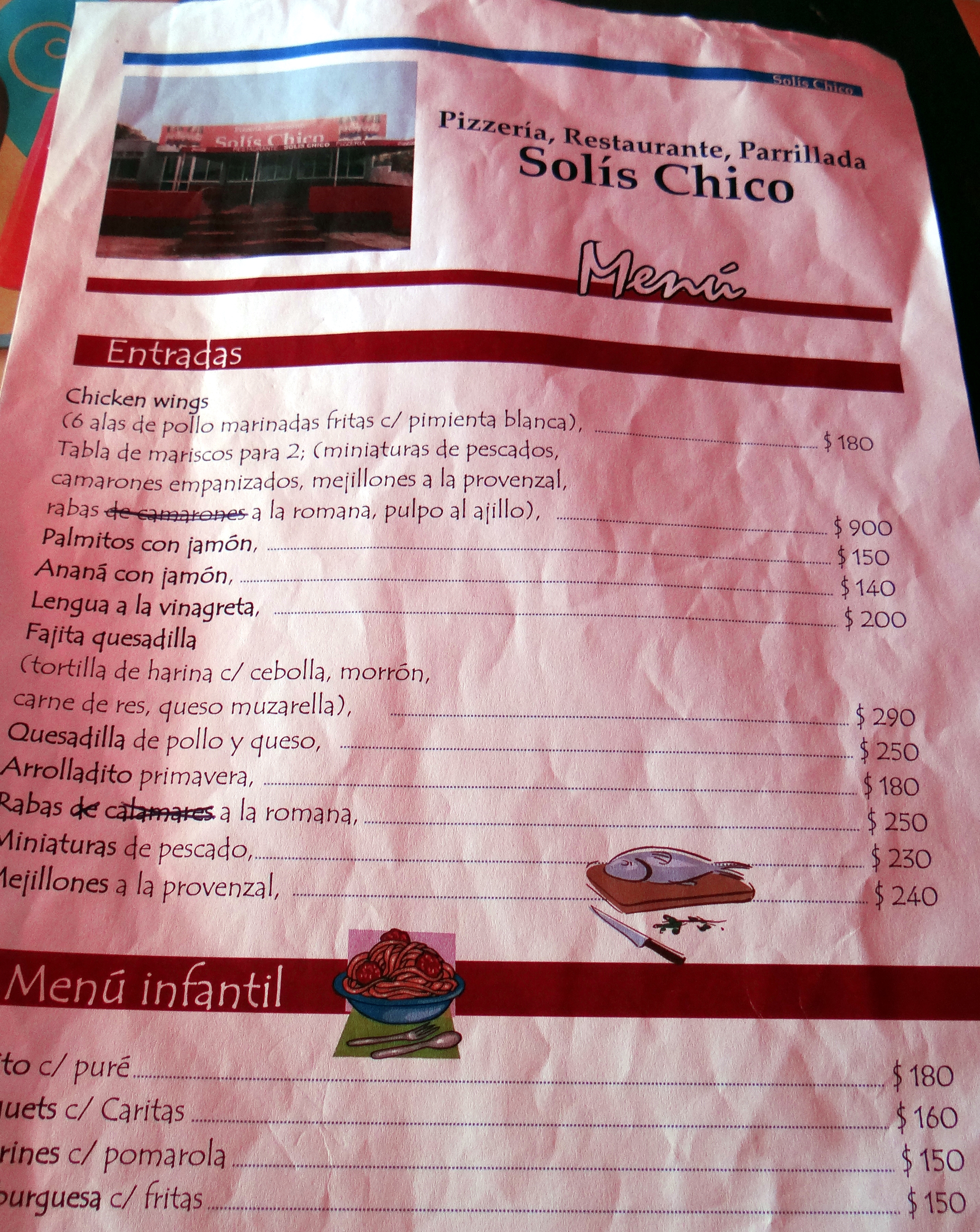
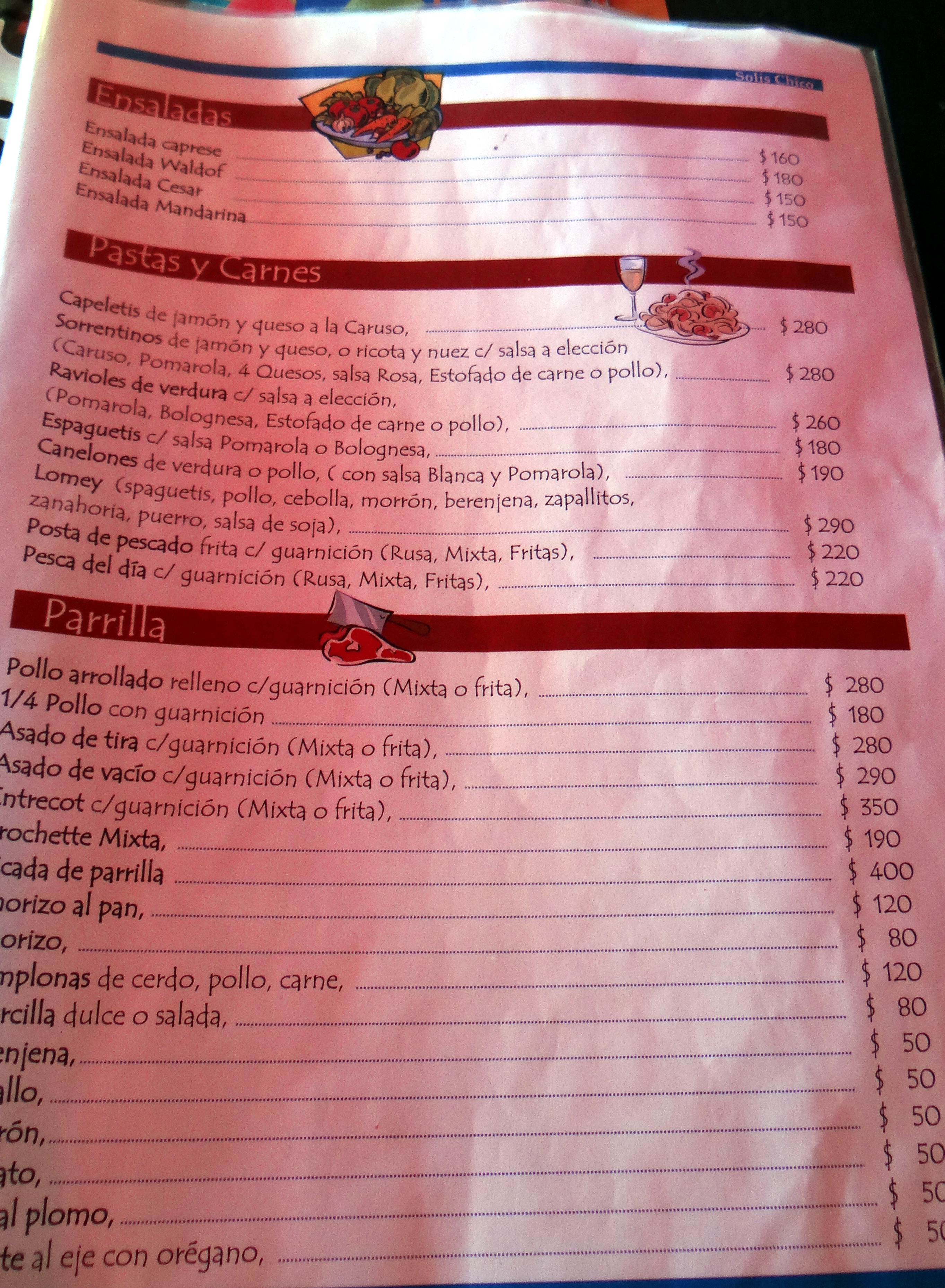
The menu has everything one requires in Uruguay. The prices are
below the average of Atlantida. Have a look at the pics, sorry they have
red reflections, because of the big red sunscreen in front the windows.

The menu will be in the next few weeks in decent folders and offers
from fresh fish, over the parrillada dishes to excellent pastas a good
variety of pizzas and postres.

DSC00335   DSC00337

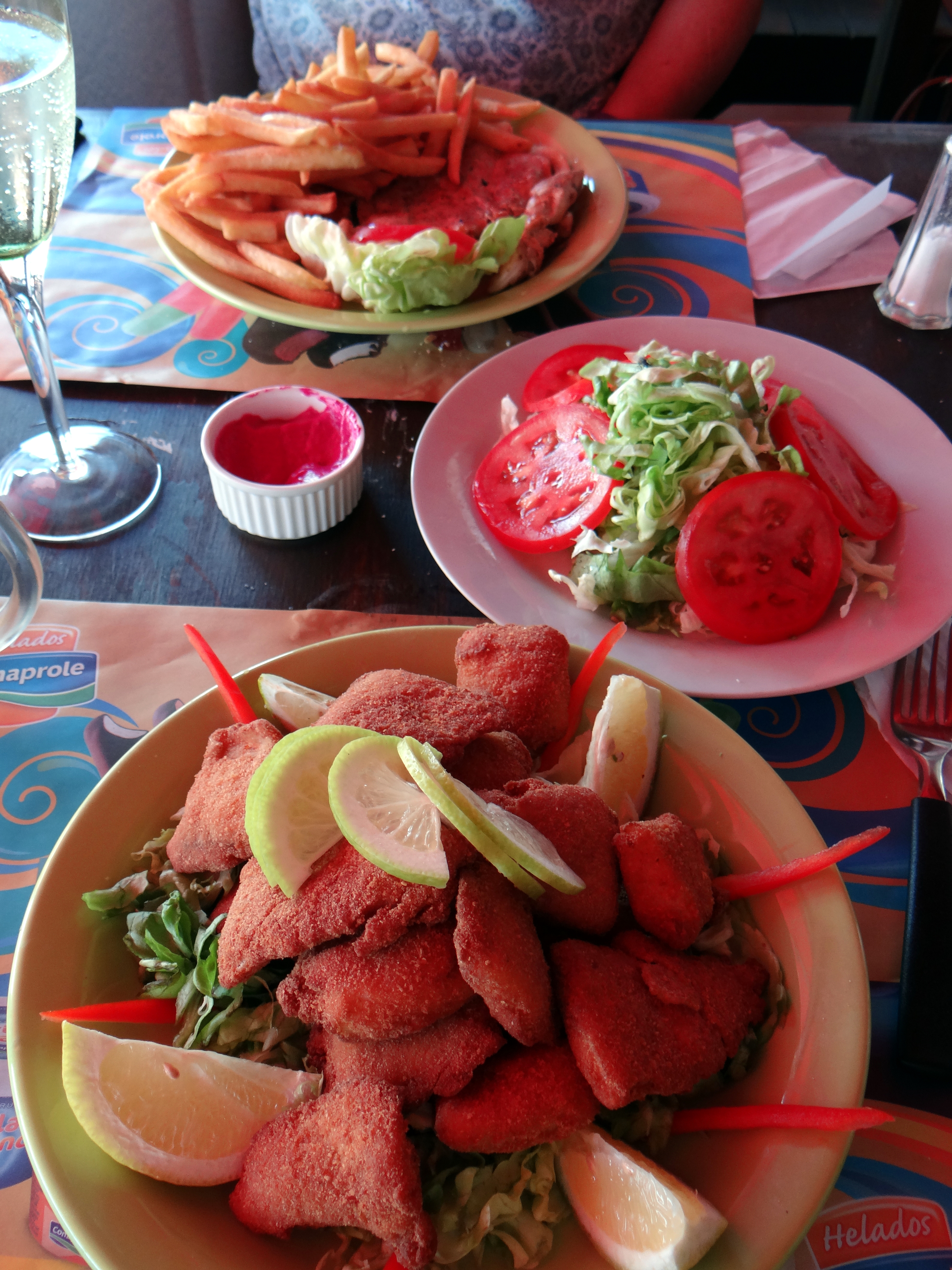
We were welcomed with warmed bread and a spread of very tasty garlic cream
in an unusual pink color. Surely made with beetroot juice. Great idea.

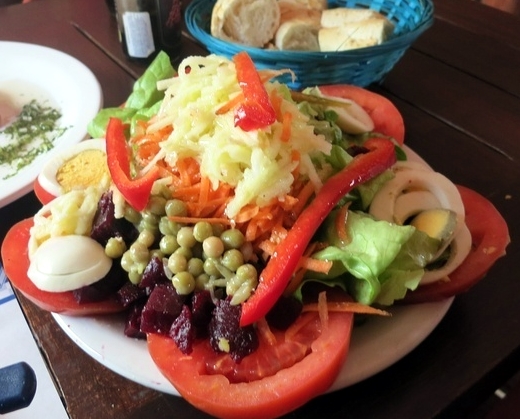
Then we ordered a „Chivito Pollo a la plancha con papas fritas“ and a
portion „Miniaturas con insalada mixta“. Both were very large portions
and fresh and tasty. The 2 pieces of „Torta de Chocolate“ and „Torta Chaja‘,
we took home with us and had them later, my comment:  „insane“.
DSC00342

The owners are well known from the real estate agency „Inmobiliaria Atlántida“
in Atlantida, Rossana and Carlos Sosa y Otros.
This family owned restaurant is run by the family. Rossana and her sister Noelia,

brother Horatio and the good soul Mama Elizabeth. The chef is Carlos and the

pizza station is overseen by Sergio. All together a warm welcoming team.

DSC00348

During the temporada they are open every day from 10.00am till late night,
without a break. New terms after April 2015. They have inside at least 40 seats
and the same outside.They have plans for life music, special dishes days etc. etc.
Let’s see how it goes, we definitely will be back there.


Veröffentlicht unter Atlantida, Information, Lifestyle | Verschlagwortet mit | 7 Kommentare

Collecting Sheet Music 1 – Introduction

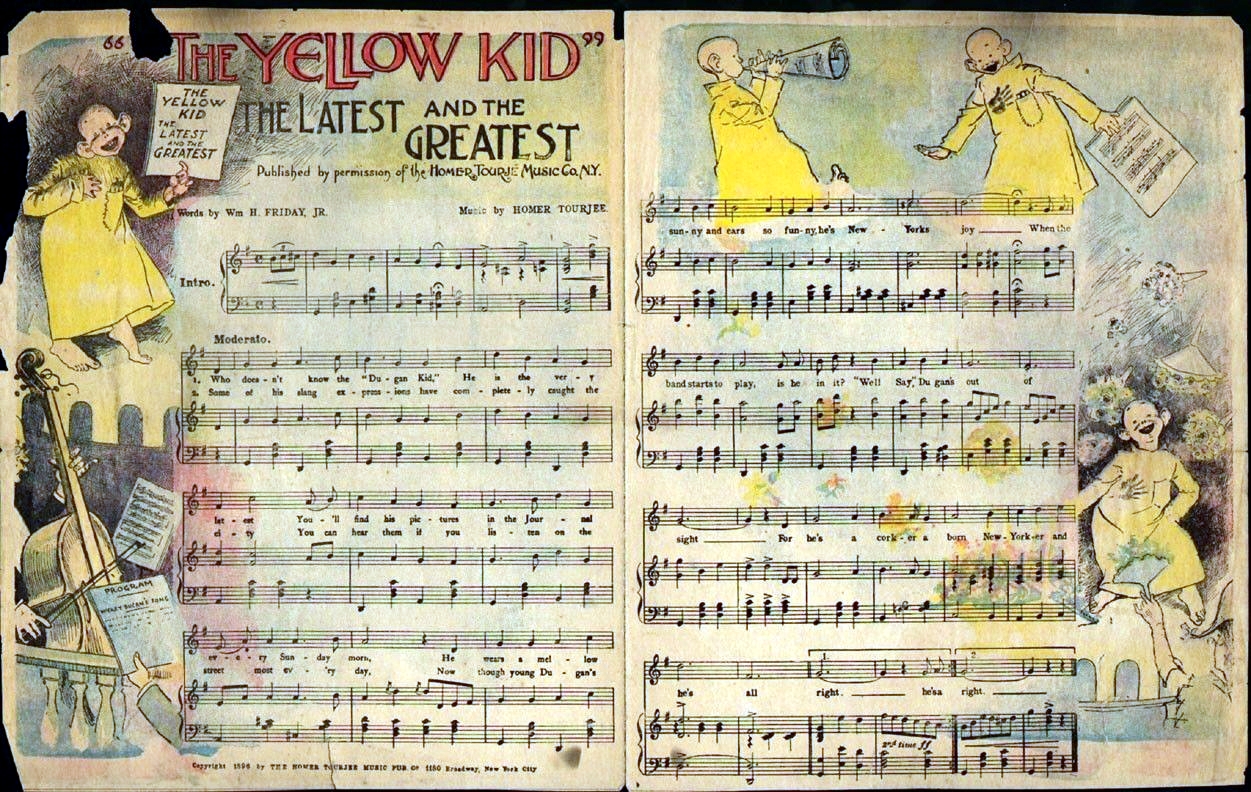
sheet music 23a 1896-2500
Extremely rare sheet music from 1896 „The Yellow Kid“, H.Friday and H.Tourjee.

Collecting Sheet Music.

Let me introduce you to the hobby of collecting sheet music. It is as interesting and comprehensive as collecting stamps or postcards.
Collecting sheet music is something that anyone can enjoy. There are thousands of different songs to meet any interest and budget. This article will have a few suggestions on how to start your collection and what to look for when purchasing sheet music. This „Collecting Hobby“ can fill many books of information. I will just give a short introduction what it means and how one can be interested in. Also, I am not a music specialist,
I only like the different artworks of the sheet music front pages.

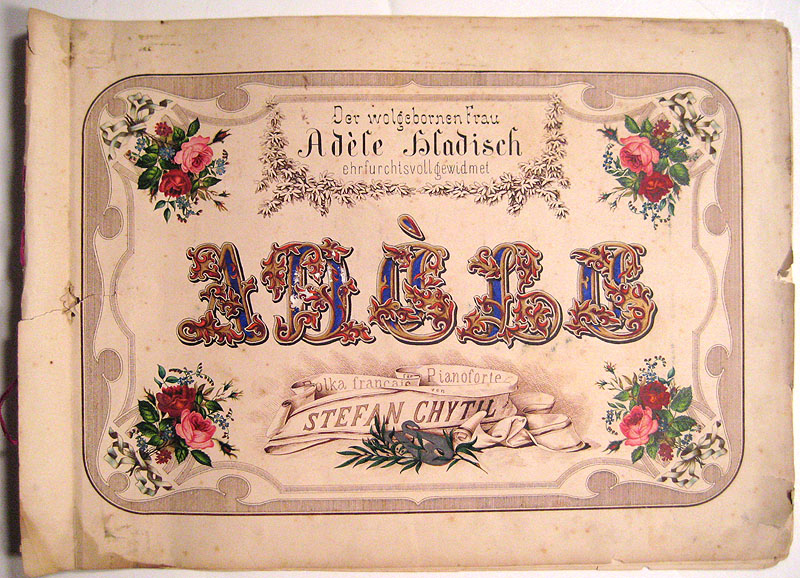
sheet music 25 1873-200
Very rare and well decorated German sheet music from 1873.
Frontpage says „Respectfully dedicated to the well-born woman Adele Kladisch“.

When you begin collecting sheet music the most important thing is condition. The front and back covers should be attached. Often there are page numbers so check that the music is complete. The middle page is usually a single sheet so it is easy to get lost. Often there will be slight wear at the edges but there should be no large tears. It was very common for the owner to write their name on the cover or for there to be a gift inscription. If a name or gift inscription is small and does not detract from the cover design it will not reduce the value of the piece too much. Even if you are collecting for decorative value of the cover you should never detach them. Keep the sheet music intact to retain the value of your collection. I store my sheet music in large acid free plastic sleeves and in a dark place. Most of the pics in this post are from the Authors collection.

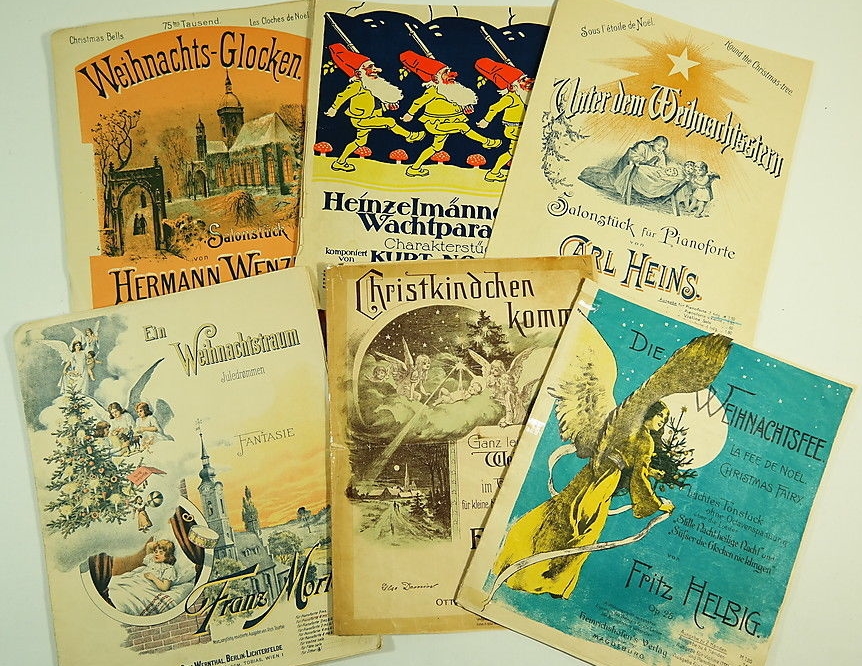
sheet music 27
German Christmas Songs, sheets are from about 1870 to 1900. Notice on the top left sheet the print of 75.000 !

There are thousands different categories of sheet music to collect. Some of the most popular subjects are cover illustrators, Movies, Composers, Dixie/Tango/Rag, Black Face, Patriotic, Cowboy, Transportation, Countries. These covers are often beautiful works of art by such artists as Barbelle, Andre Detakacs, E. T. Paull, E. H. Pfeiffer, Starmer, Harrison Fisher, James Montgomery Flagg, and Norman Rockwell.

sheet music 1 1861-10000
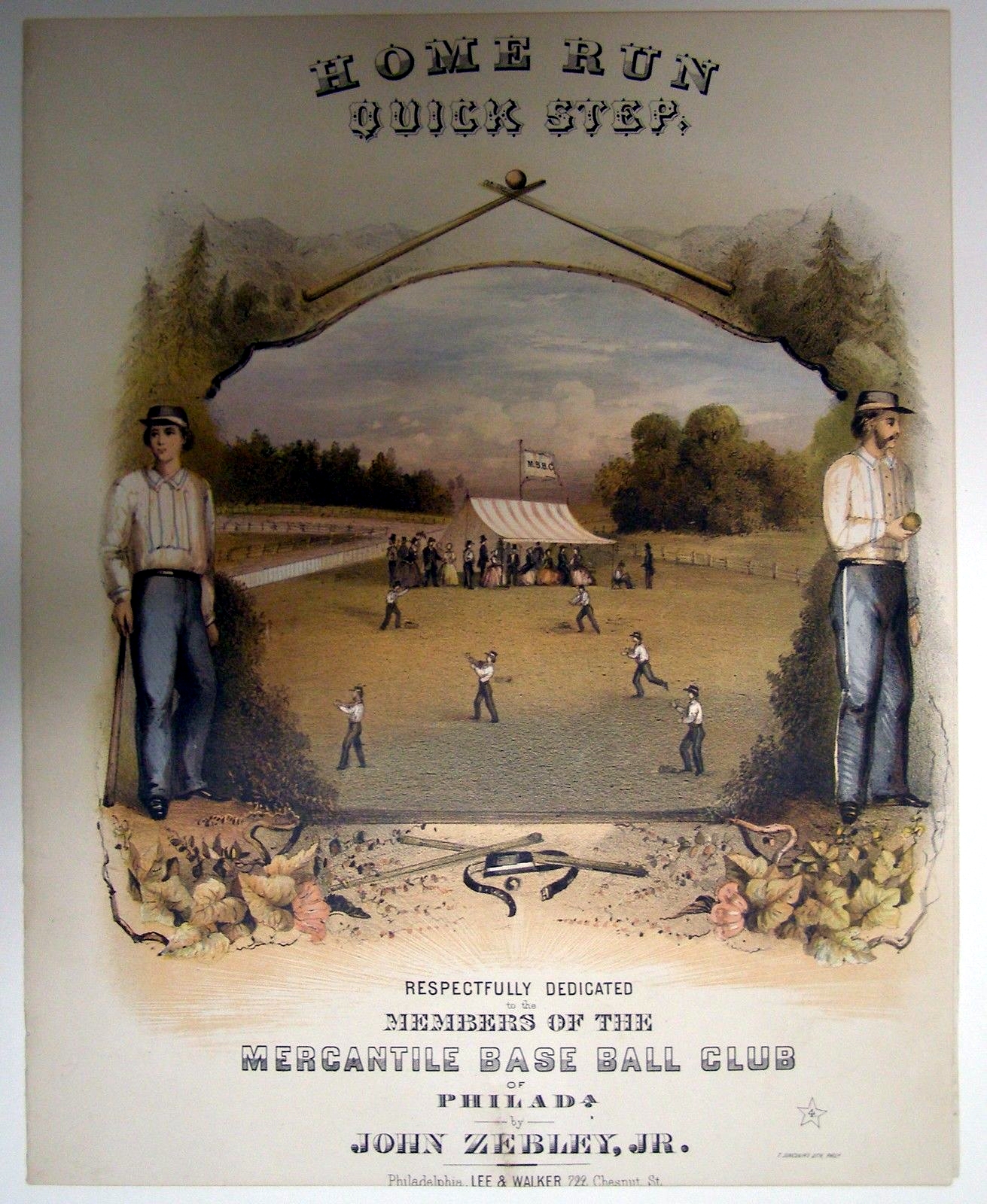
This is one of those rarities. Home Run Quick Step, by John Zebley,Jr. 1861. Valued at US$ 10.000,–.
A „sports memorabilia“, not a music sheet only, dedicated to the Base Ball Club of Philadelphia.

Collectible composers include Irving Berlin, George M. Cohen, Stephen Foster, Scott Joplin and John Phillip Sousa. Collectors will also focus on a favorite name, state, city or even one word that interests them. Others collect sheets from special publishing companies or just by a country, or the ones you like,  what I did.

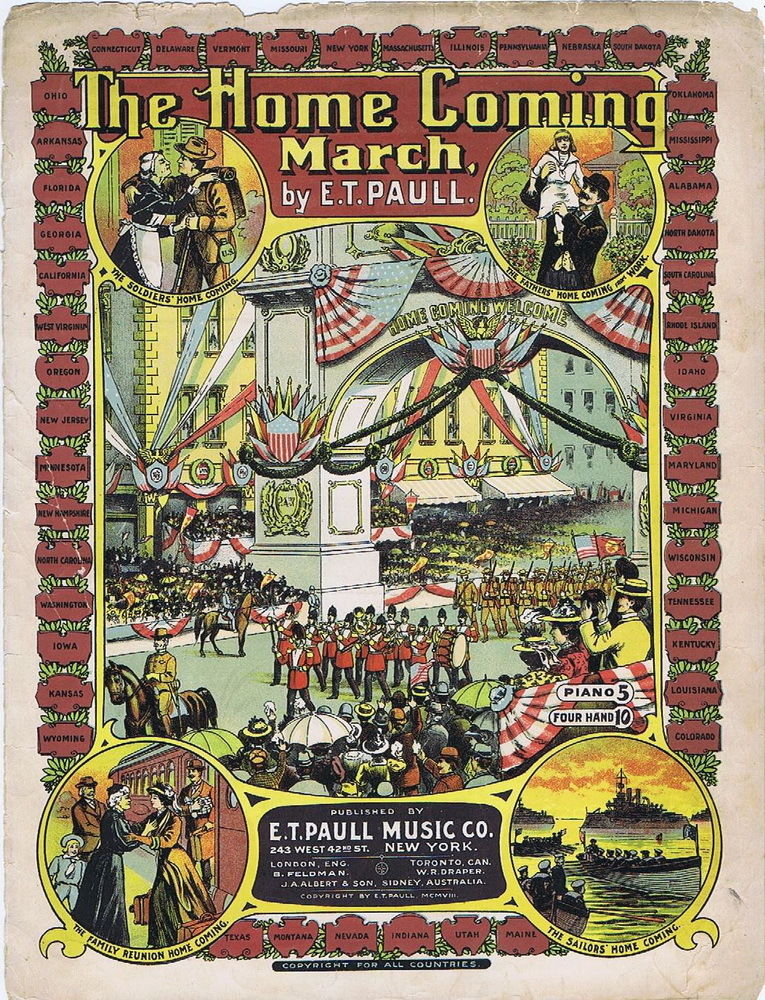
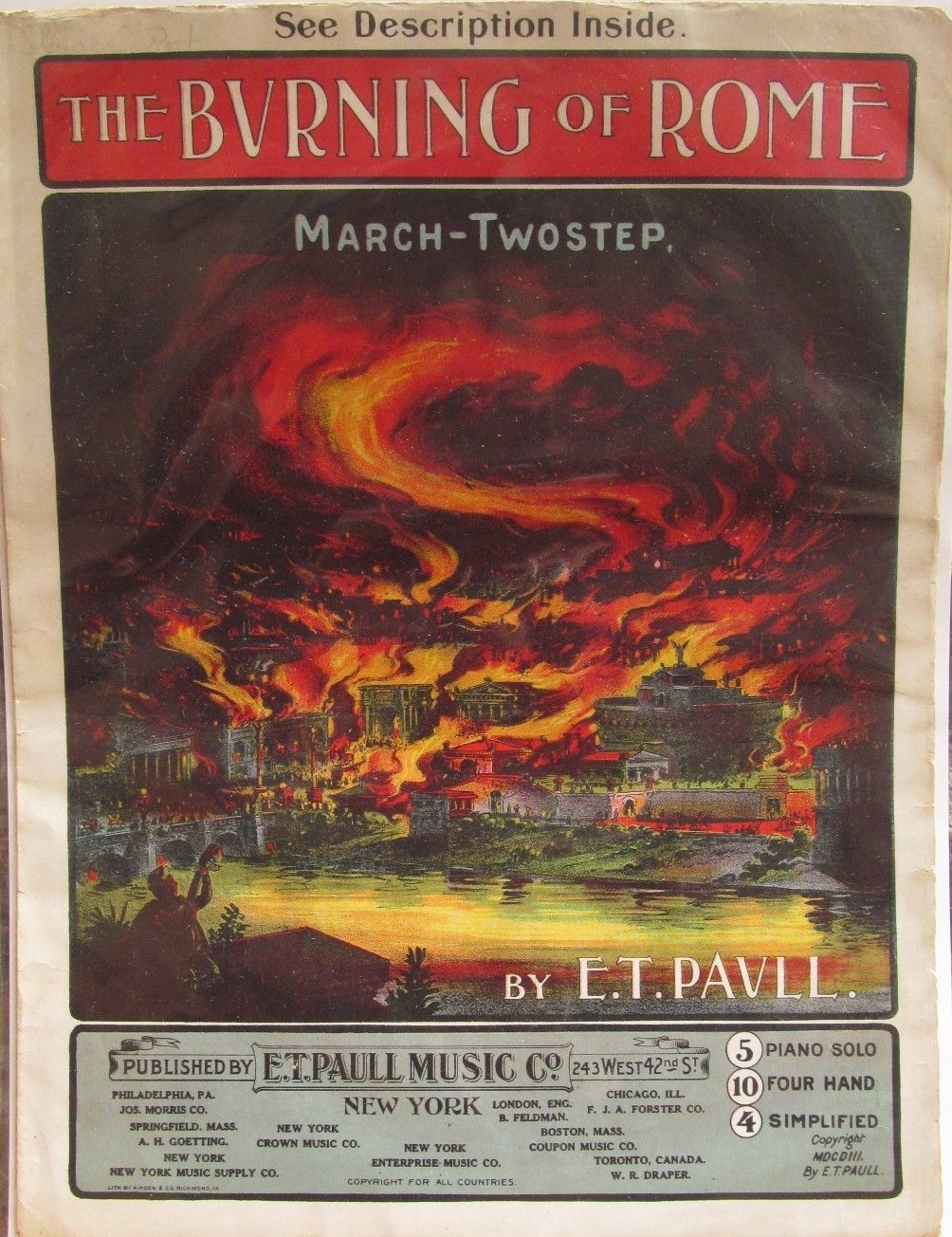
By example „E.T.Paull Music Company New York“, mostly because of their extreme colorful  and aggressive decorated  title pages (more to be seen further down).

sheet music 38 1908-20        sheet music 33 1903-28
Two typical E.T.Paull sheet music prints. Home Coming Parade from 1908 and Burning Rome from 1903.

Blues and Jazz sheet music is hard to find. A few of the more popular band leaders such as Cab Calloway and Duke Ellington are available.

Then, one can collect by time frame, just all before 1900 or the 1870-1880’s with their special engravings or the 1920’s, or all from Art Nouveau etc. If you collect a special theme, like the country of Uruguay, then you will take first everything you can get your hand on. Some are so rare that the quality doesn’t matter. Often you will find cutted sheets. They were printed in different sizes and to bring them together in folders or even bound into books, they had to be cut. Sadly they often cut the magnificent art of the front page.
If a better condition comes on the market later, you always can exchange it.

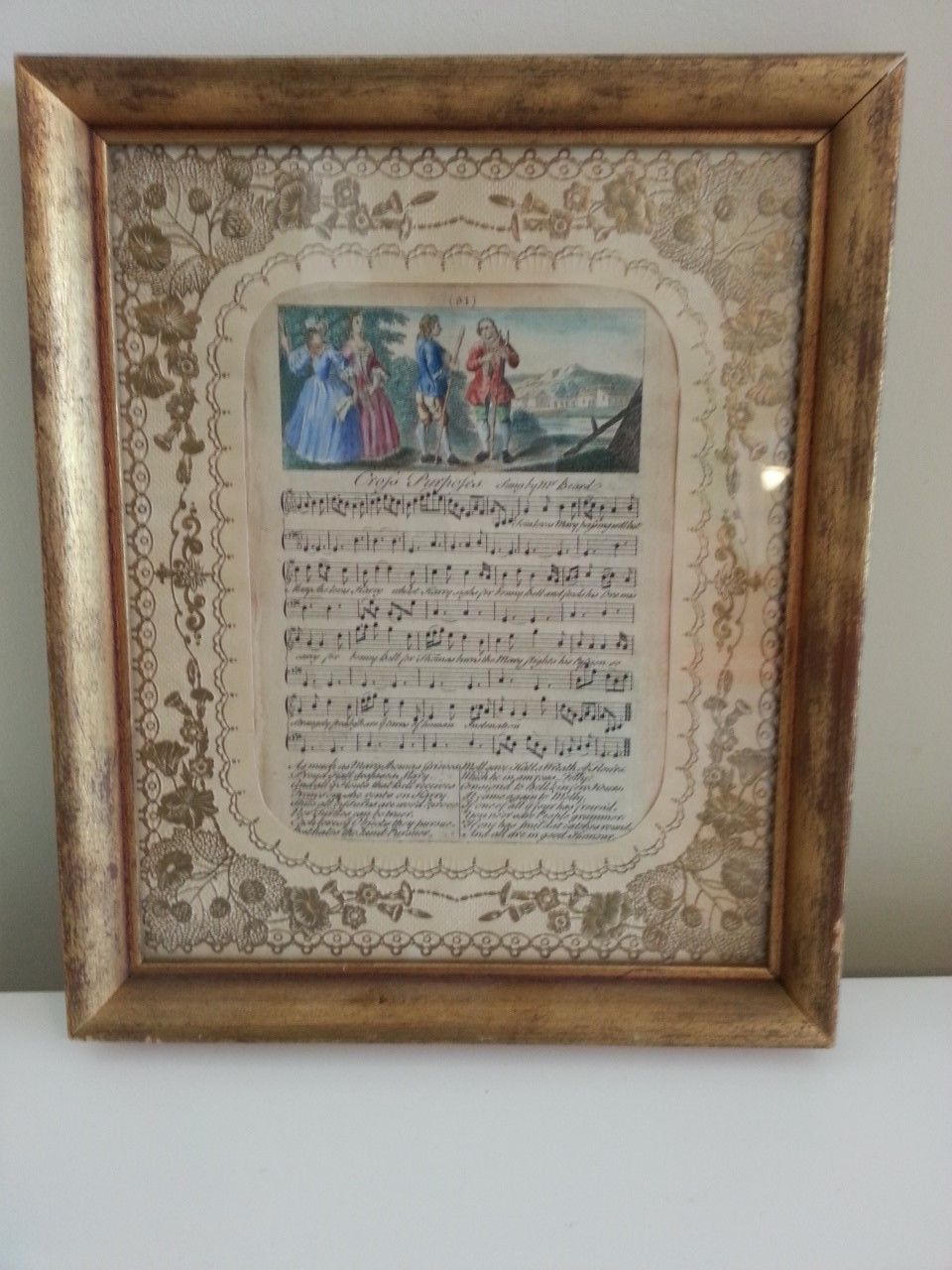
sheet music 6 1888-700           sheet music 7 1777-500
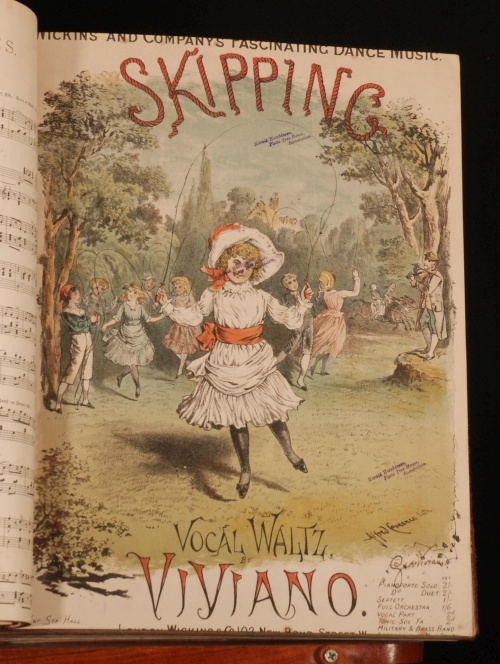
Typical cuttings of sheet music. The Skipping Viviano, from 1888 to be bound in a book,
and the Cross Purposes, song by John Beard (1717-1791, opera singer), from 1777 to be framed.

Most sheet music is worth $3-$10 making it a very affordable to collect. Many of the illustrator covers, black face and Transportation sheet music are in the $25-$50 range. It was also common to have the singer sign your sheet music. Signatures can add $20-$40 (or sometimes thousands) to the value depending on the star. Rare or one of a kind sheet music can bring high prices. Keep Smiling a rare Irving Berlin sheet music brought $2.800 at a recent auction. If you look around you can find sheets for over $10.000,–. But that’s what one asks, not usually what they receive.

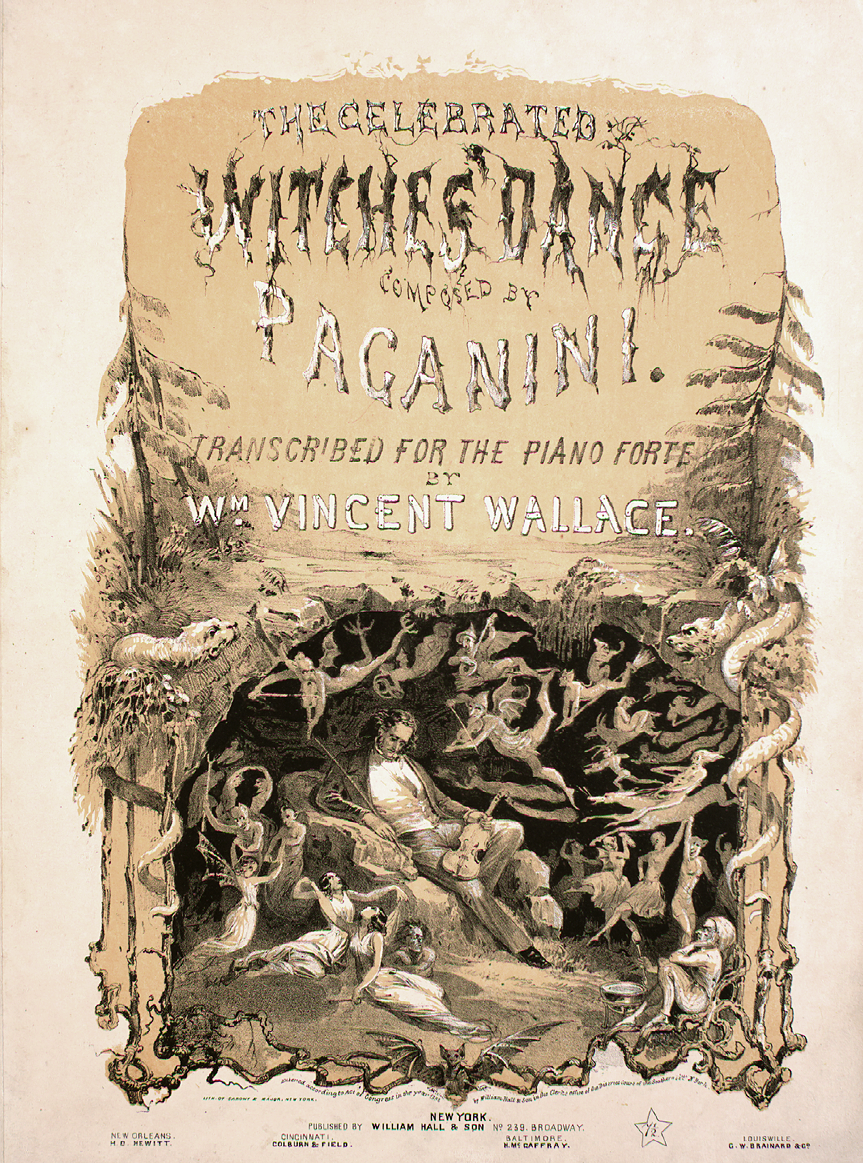
sheet music 2 2013-3000         sheet music 0
Two fine examples how to value a music sheet.
Left: A $5,–piece from the Beatles, In 2013 signed by Paul McCartney, now valued at $3.500,–.
Right: A rare sheet, printed 1852, composed by Niccolo Paganini 1782-1840, excellent condition, valued at US$4.000,–.

The style of designing the front pages of music sheets changed dramatically during
the years. As you will see here, lifestyle or art or sales marketing, printing technique’s
changed, and so changed the style of producing sheet music.

Auctions and estate sales often sell sheet music in box lots so it is easy to build up a large collection. Antique stores, online auctions and online ephemera sites are good if you are looking for a single title. You should store your sheet music flat in a dry ventilated area. Keep it away from dampness and bugs and you will be able to enjoy your collection for a long time.

History.

sheet music 21
Egypt’s hieroglyphic writing.

The human need to communicate, connect and to be understood has evolved throughout history, from emitting sounds to drawings on cave walls and the development of languages, including music. From a scientific perspective, a 2007 Georgetown University Medical Center study found that the same brain systems process music and language. Science Daily summarized the study’s findings thus: “One brain system, based in the temporal lobes, helps humans memorize information in both language and music— for example, words and meanings in language and familiar melodies in music. The other system, based in the frontal lobes, helps us unconsciously learn and use the rules that underlie both language and music, such as the rules of syntax in sentences, and the rules of harmony in music.”

The earliest form of writing has been attributed to cultures in the Middle East, including Mesopotamia’s cuneiform system that used wedge shaped characters. The first visual representations of musical sounds are believed to have survived in connection with ancient Egypt’s hieroglyphic writings. Below is a diagram of the evolution of cuneiform script.

sheet music 22
It’s easy to see how, starting with evolution #4, the shapes began to lend themselves to musical notation.

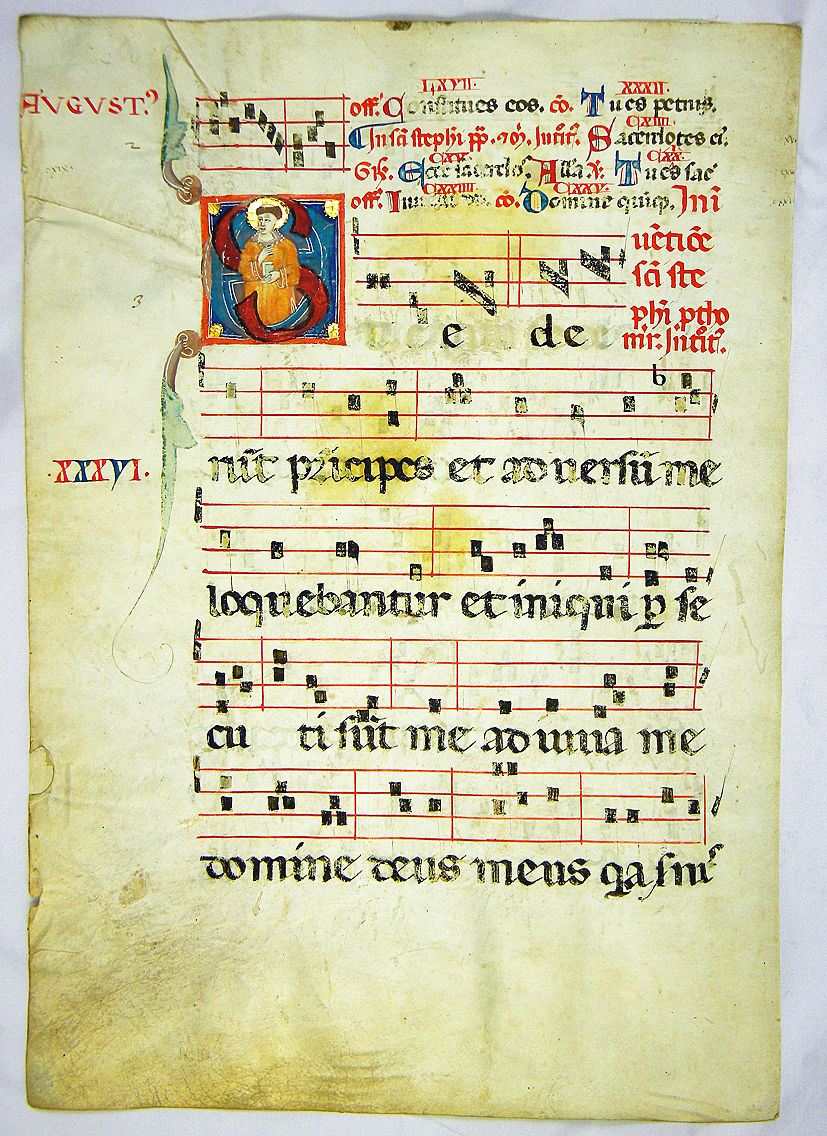
Handwritten and hand copied music sheets go back in history til the 13th century, may be even earlier. Before the 15th century, western music was written by hand and preserved in manuscripts, usually bound in large volumes. Even after the advent of music printing, much music continued to exist solely in manuscripts well into the 18th century.

sheet music 28 1390-1400
Absolutely rare, large sheet of parchment,a Latin manuscript, from an Antiphonar, Italy, about 1390-1400 !
Antiphonare (also Antiphonarium or Antiphonar) is a book of melodies with antiphons, the antiphonal
singing of cantors-choirs in the Roman Catholic Church.
This is a hand written, medieval document, a sheet of a liturgy book with musical lyrics. Six lines of Gothic,
hand written notes in red and blue, very big initial „S“ in different colors and letter types, showing the Holy Stephanus.

The first machine printed music appeared around 1473, approximately 20 years after Gutenberg introduced the printing press. In 1501, Ottaviano Petrucci published Harmonice Musices Odhecaton , which contained 96 pieces of printed music.

Petrucci’s printing method produced clean, readable, elegant music, but it was a long, difficult process that required three separate passes through the printing press.

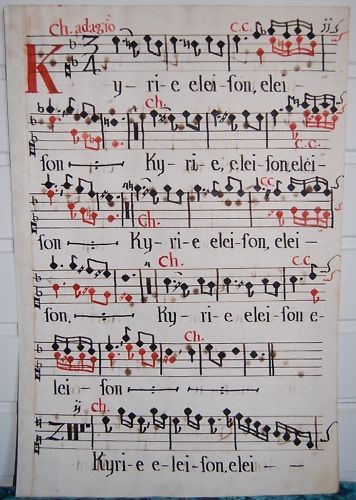
sheet music 29 1680-250
Hand written ancient calligraphy made in 1680. This noble old multicolored
calligraphy comes with the Kyrie Eleison. The notes are hand painted in full color.

As England was to copyright and France was to performing rights, Germany was the pioneering country in modern music publishing. The first German music publishing enterprises date from the 18th century. Bernhard Christoph Breitkopf of Leipzig, a printer and general publisher, decided to specialize in music printing as of 1754. He became successful by developing improvements in the setting of music type. Gottfried Christoph Härtel joined the firm in 1795, which soon became the partnership of Breitkopf & Härtel. They were the original publishers for a who’s-who of great German composers, including Beethoven, Haydn, Mozart, Schubert, Schumann and Wagner and many more.

sheet music 5 1793-900
Fine example in excellent quality (over 250 years old) of a sheet music book.
One of the very first machine printings with an ink drawing, printed 1761 by Breitkopf, Leipzig.

In North America 1764, Josiah Flagg compiled the first collection of popular and religious music, printed on paper, made in the colonies. But the breakthrough in America came in the early 1900’s and then with very decorative engravings on the front page.

How Sheet Music was used.

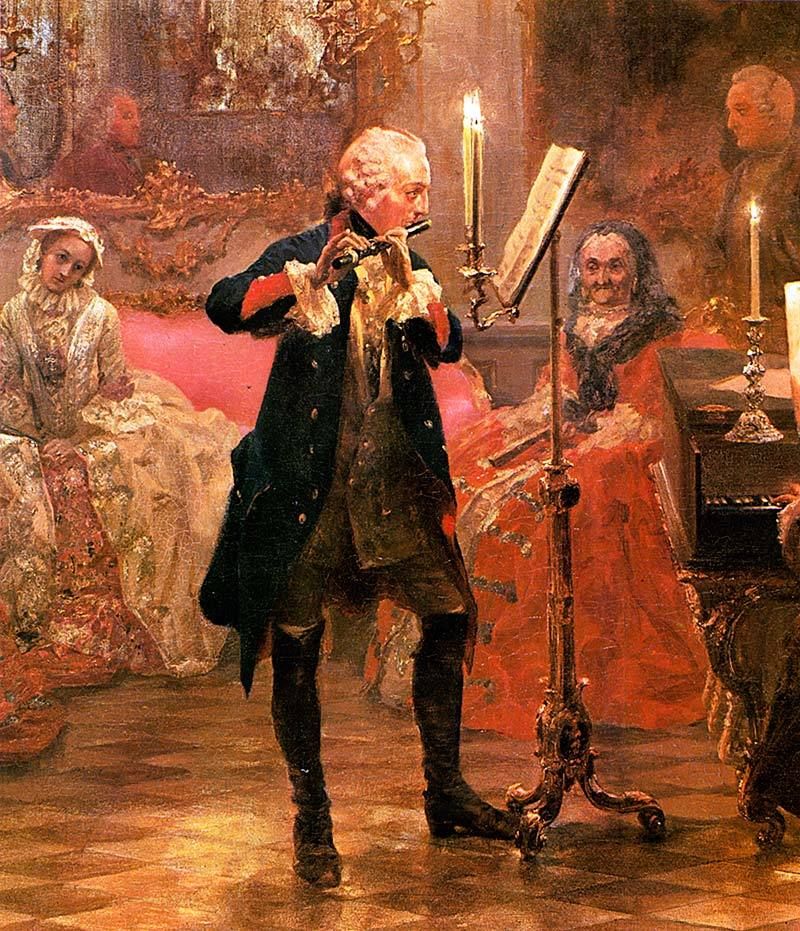
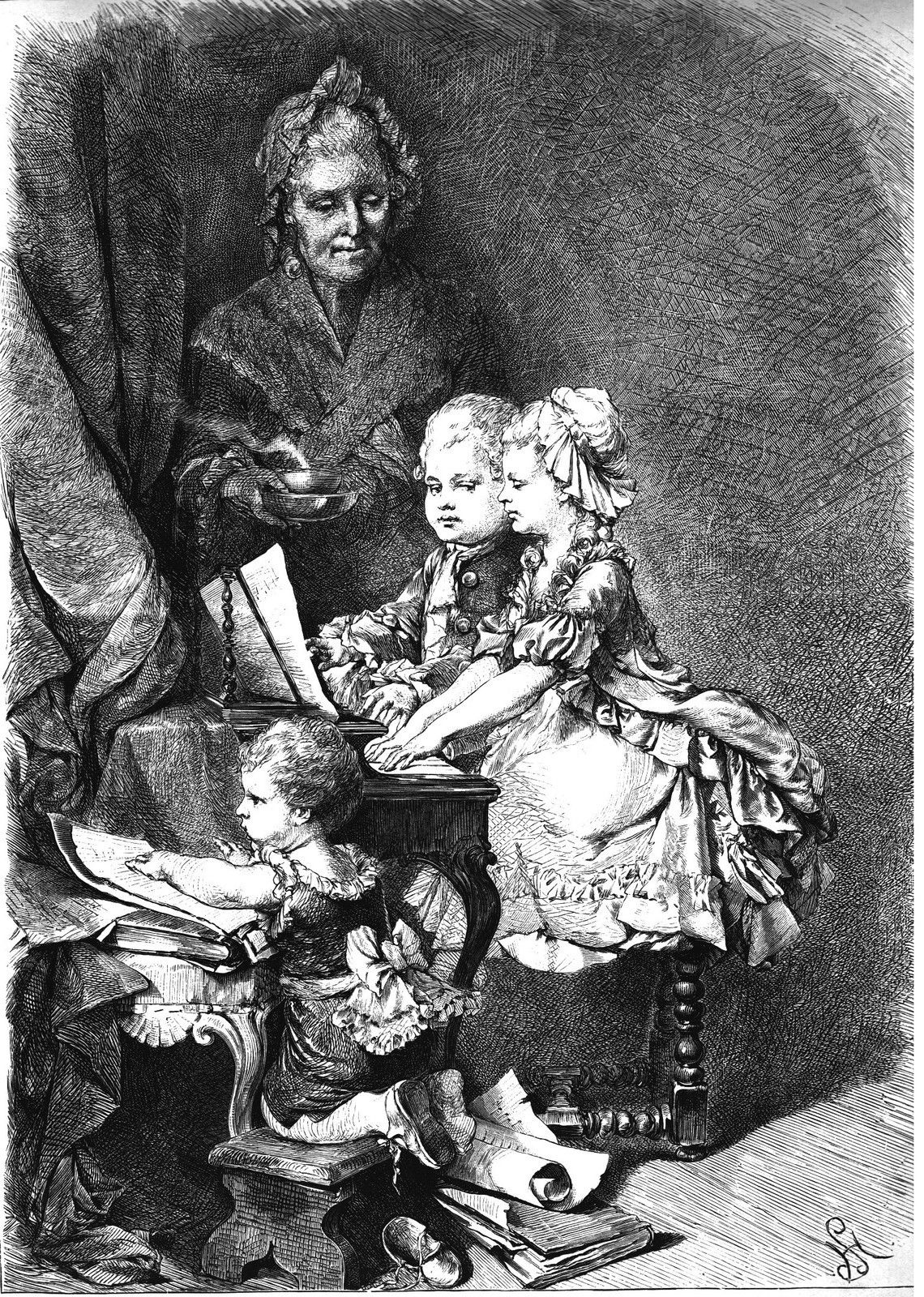
sheet music 24            sheet music 26 mozart 1893
Left : Frederick The Great (1712-1786) plays (partitur) flute. Oil painting by Adolph Menzel (1815-1905).
Right : Little Wolfgang Amadeus Mozart (1756-1791) plays (partitur) piano. Wood engraving around 1870.
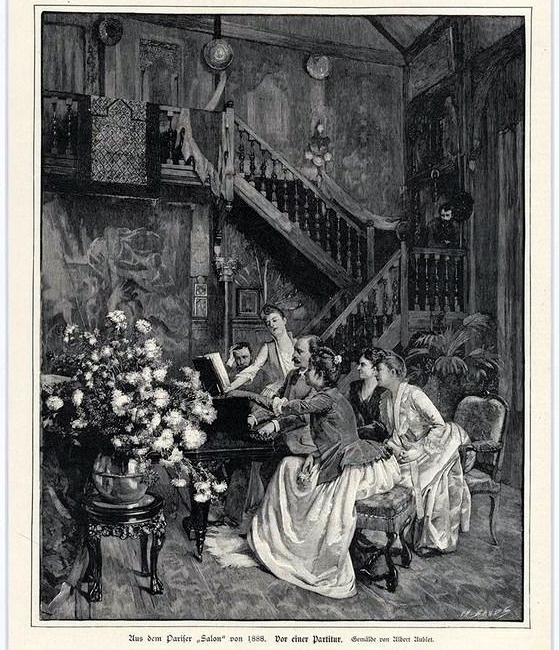
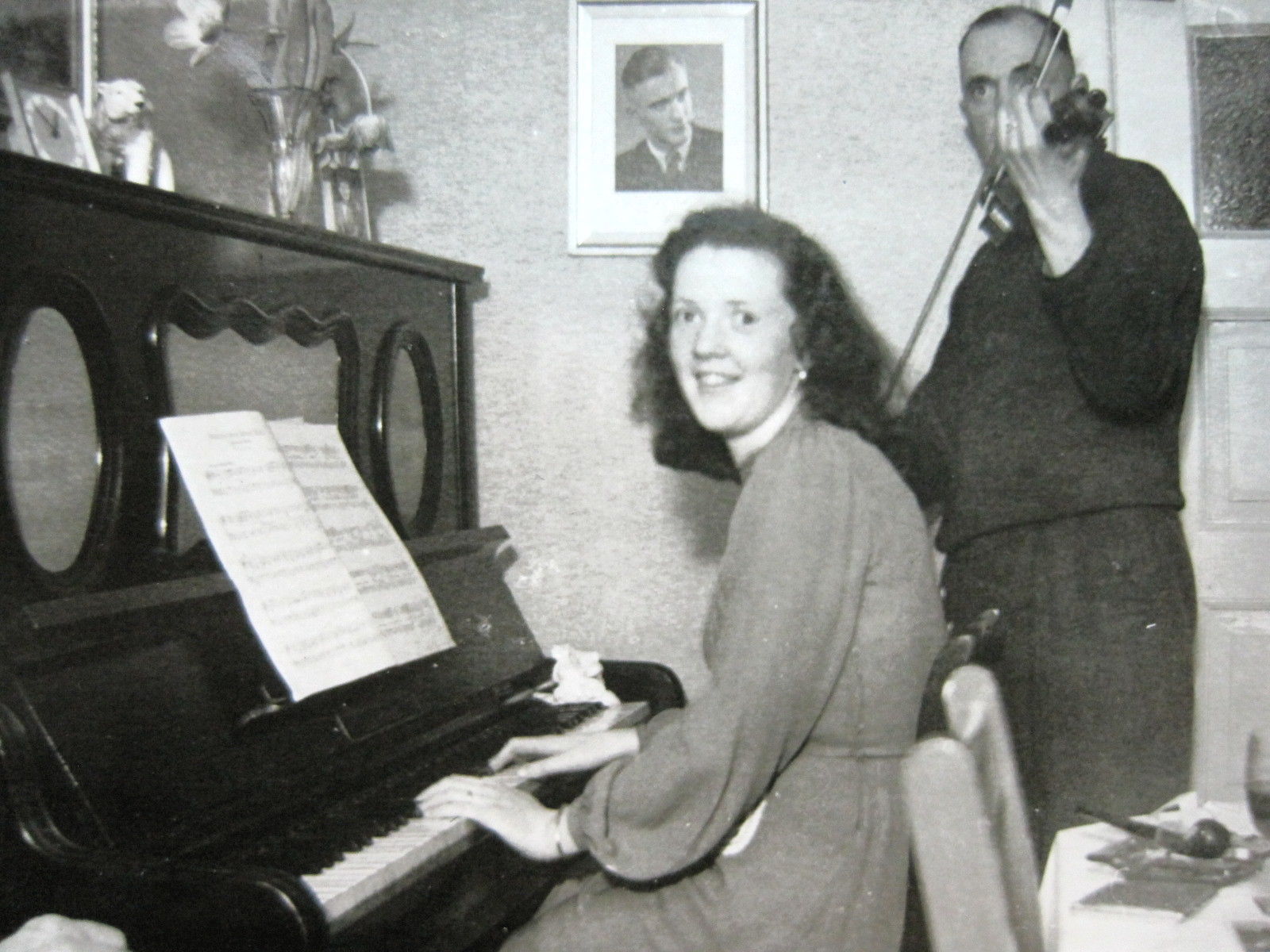
sheet music 22 1880  sheet music 25
Left : In a French „Salon“, title is „In front a Partitur“, wood engraving 1890.
Right : House music in the 1950’s, sheet music (in many languages called partitur) for piano and violin.

Some sheet music by decade.

Before 1880

sheet music 30 1874-60                 sheet music 28 1862-160

1880 – 1890

sheet music 29 1886-75 sheet music 24 1882-850

1890 – 1900

sheet music 9 1898-50            sheet music 10 1898-100

sheet music 26 1898-200 sheet music 27 1896-170

1900 – 1910

sheet music 14 1903-80          sheet music 13 1905-180

1910 – 1920

sheet music 12 1912-160            sheet music 11 1921-200

1920 – 1930

sheet music 45          sheet music 46

1930 – 1940

sheet music 16 1930s-70             sheet music 15 1933-60

1940 – 1950

sheet music 17 1941-50         sheet music 18 1943-50

1950 and onwards

sheet music 19 1957-7500              sheet music 20 1950s-20

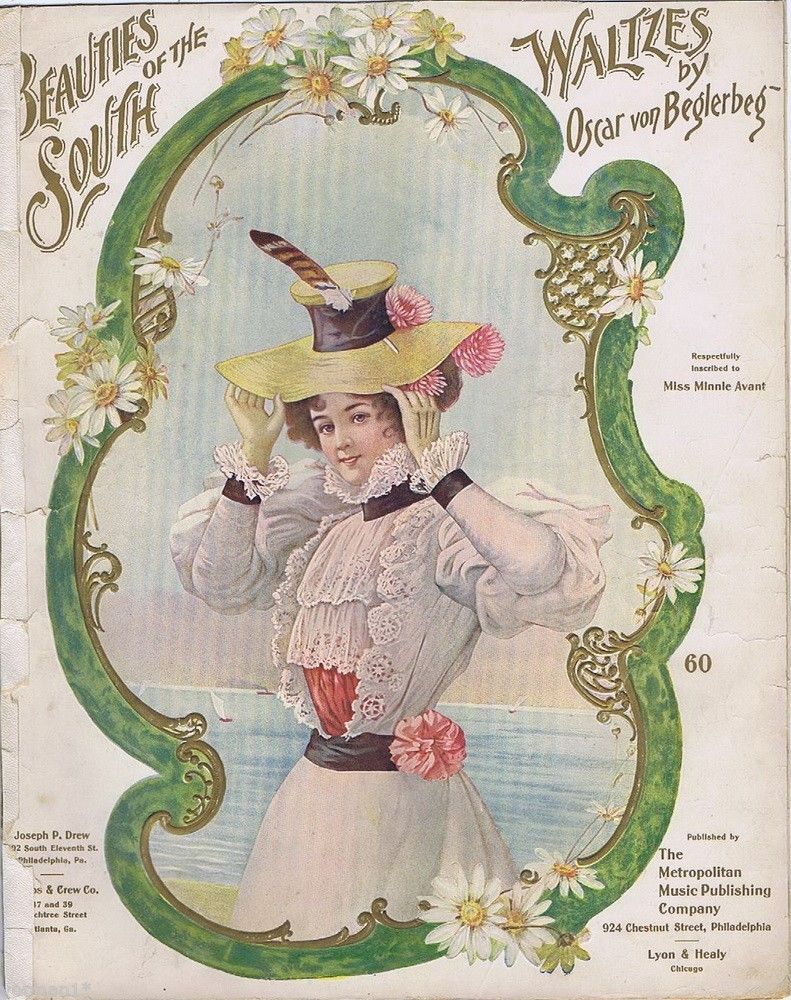
If you look good onto  all the different pictures, you will recognize that almost every 10 years  a big change in art and taste was developing.
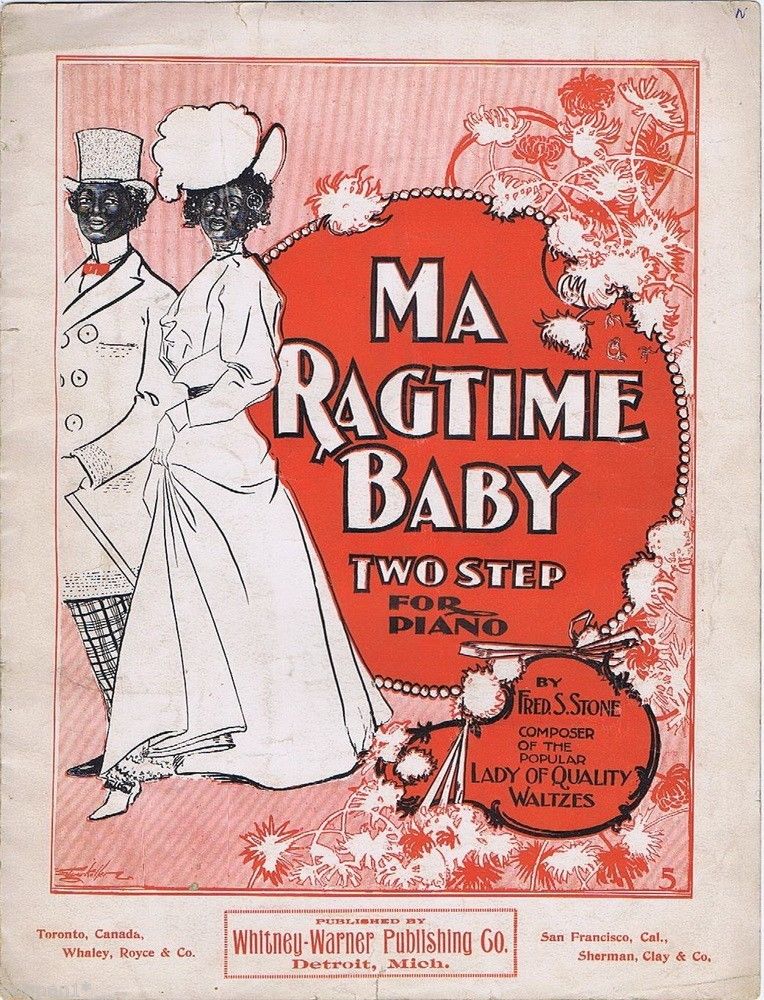
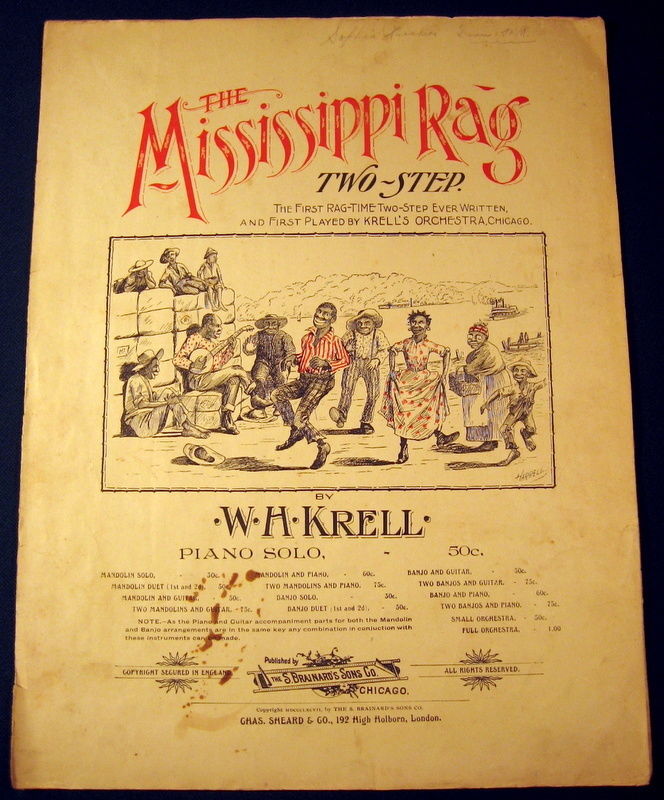
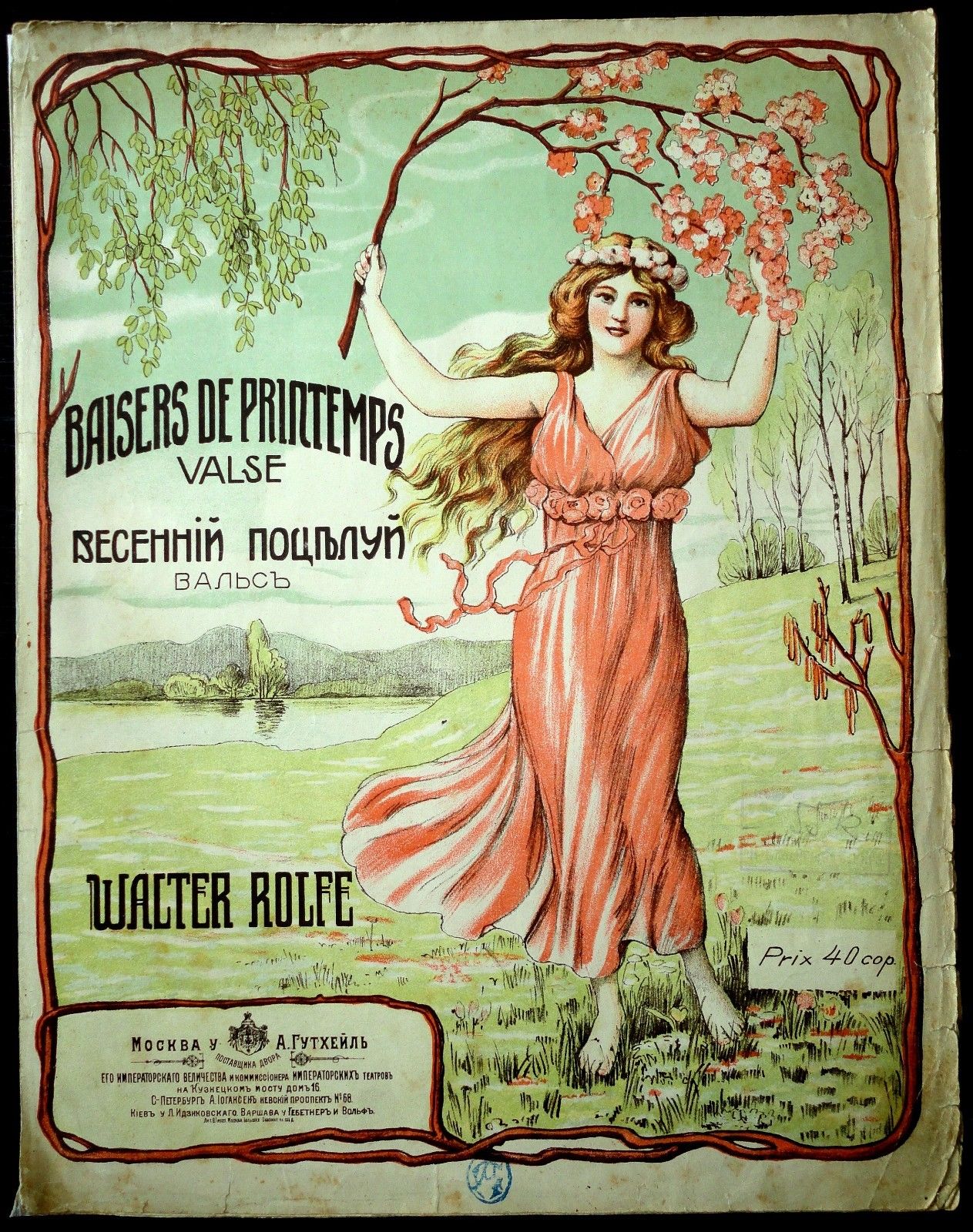
From copper engravings over steel and wood engravings to very colorful lithographs. Then from free artistic drawings to perfect Art Nouveau style and Art Deco. Very common in the time the many covers with Black Americana or the overwhelming Russian decoration.

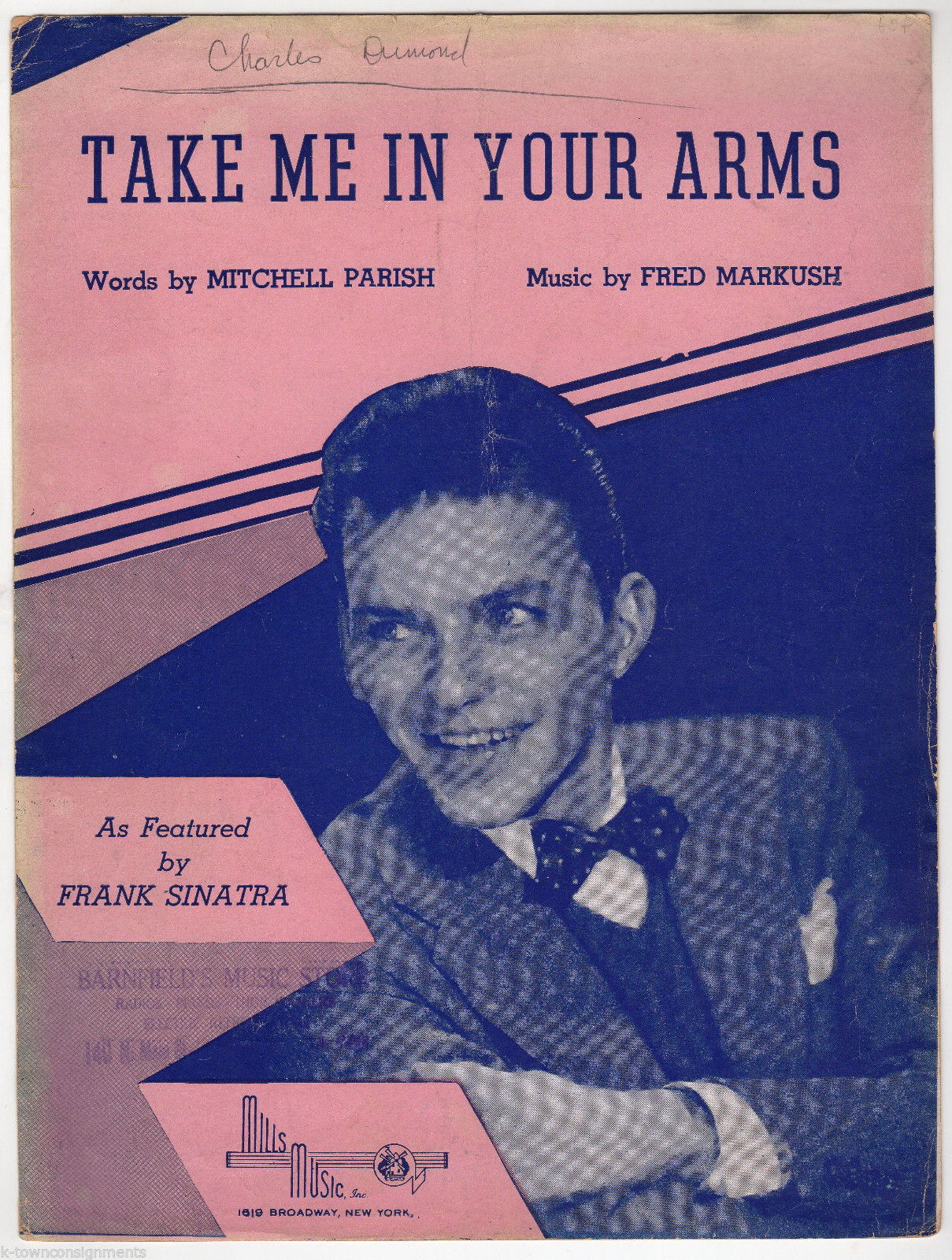
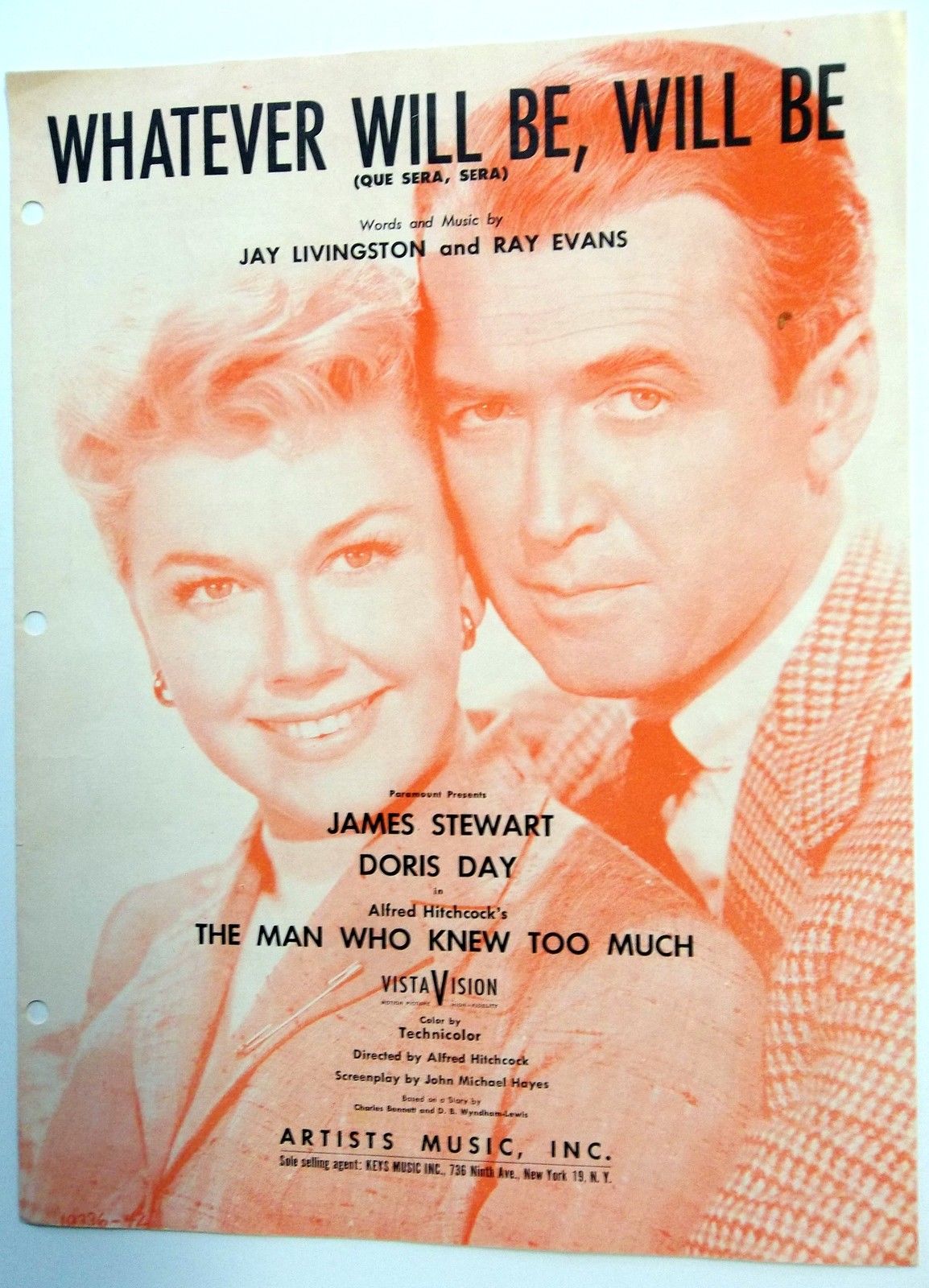
In the 1930’s they had different and modern printing techniques, so the publishers used many pics into pics and bright colors. End of the 1930’s and onwards the record industry took over the market and sheet music went down. The 1940’s were dominated from war covers and as cheap as possible. The money saving went on and on with one exception in the 1950’s, the photographic printing technique came into fashion, but still  „money saving“ one color printing. Very cheap cover from Elvis Presley 1957, around 4-5 dollars
US. But his original autograph makes it a US5.000,– piece. Be lucky to find one.

E.T. Paull covers.

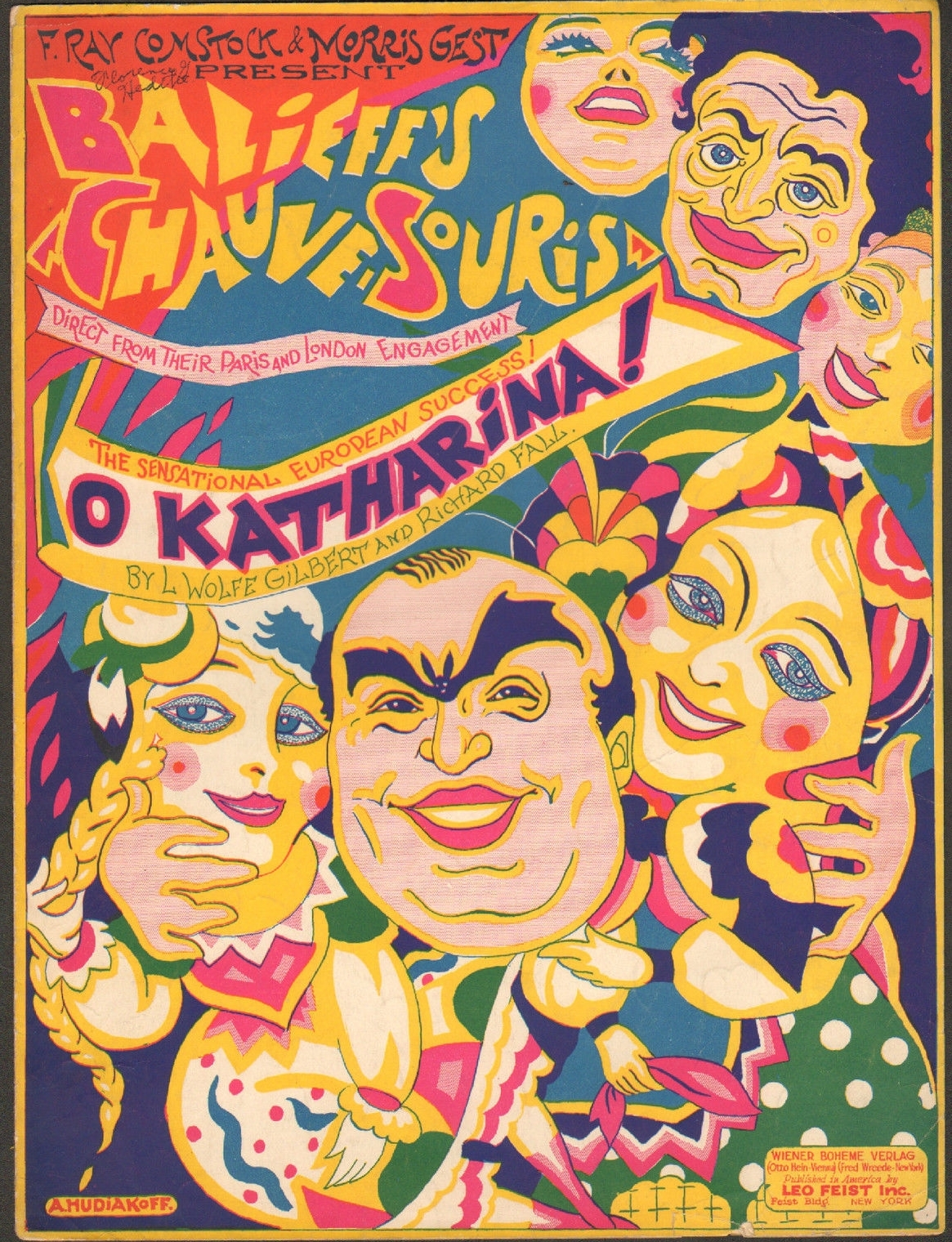
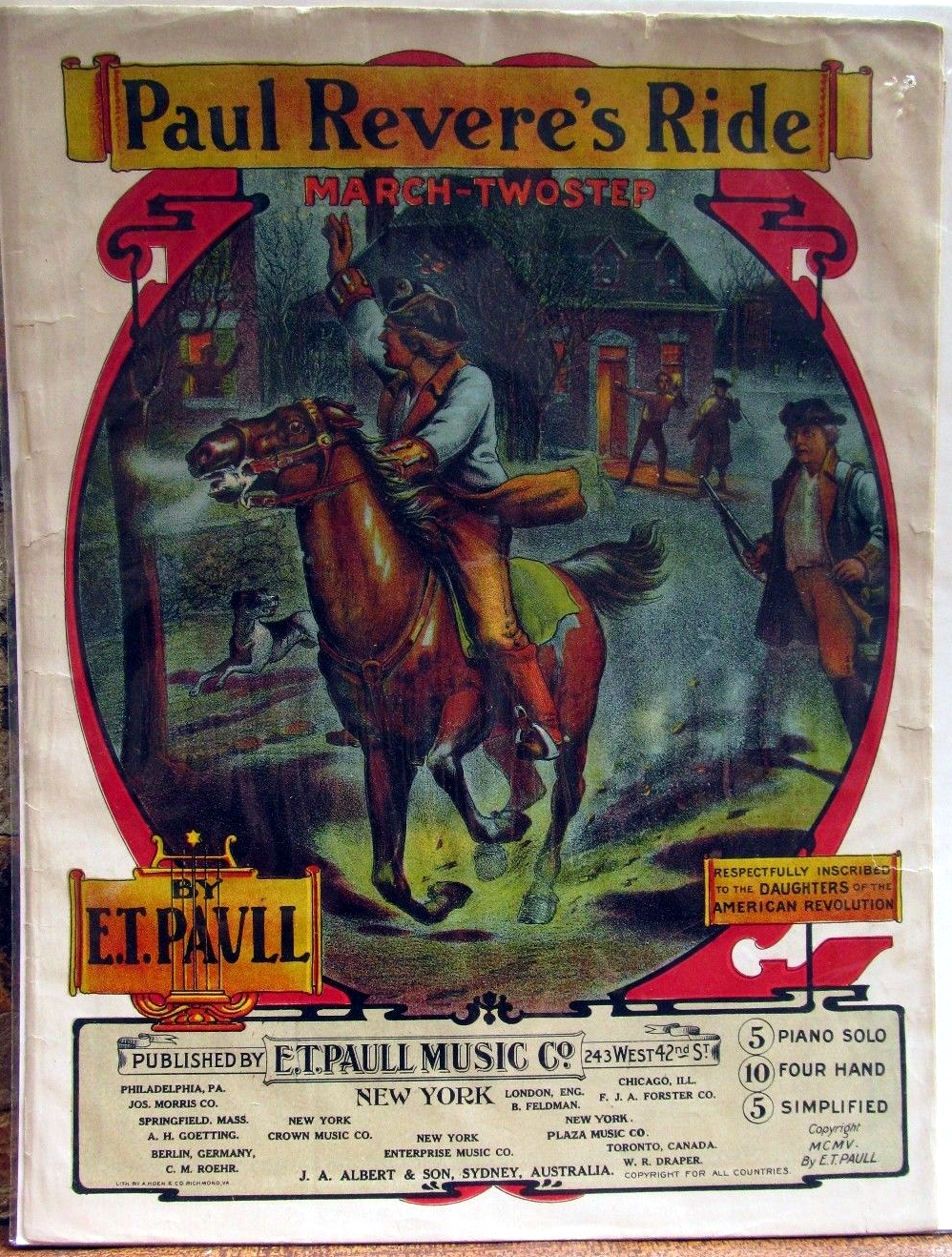
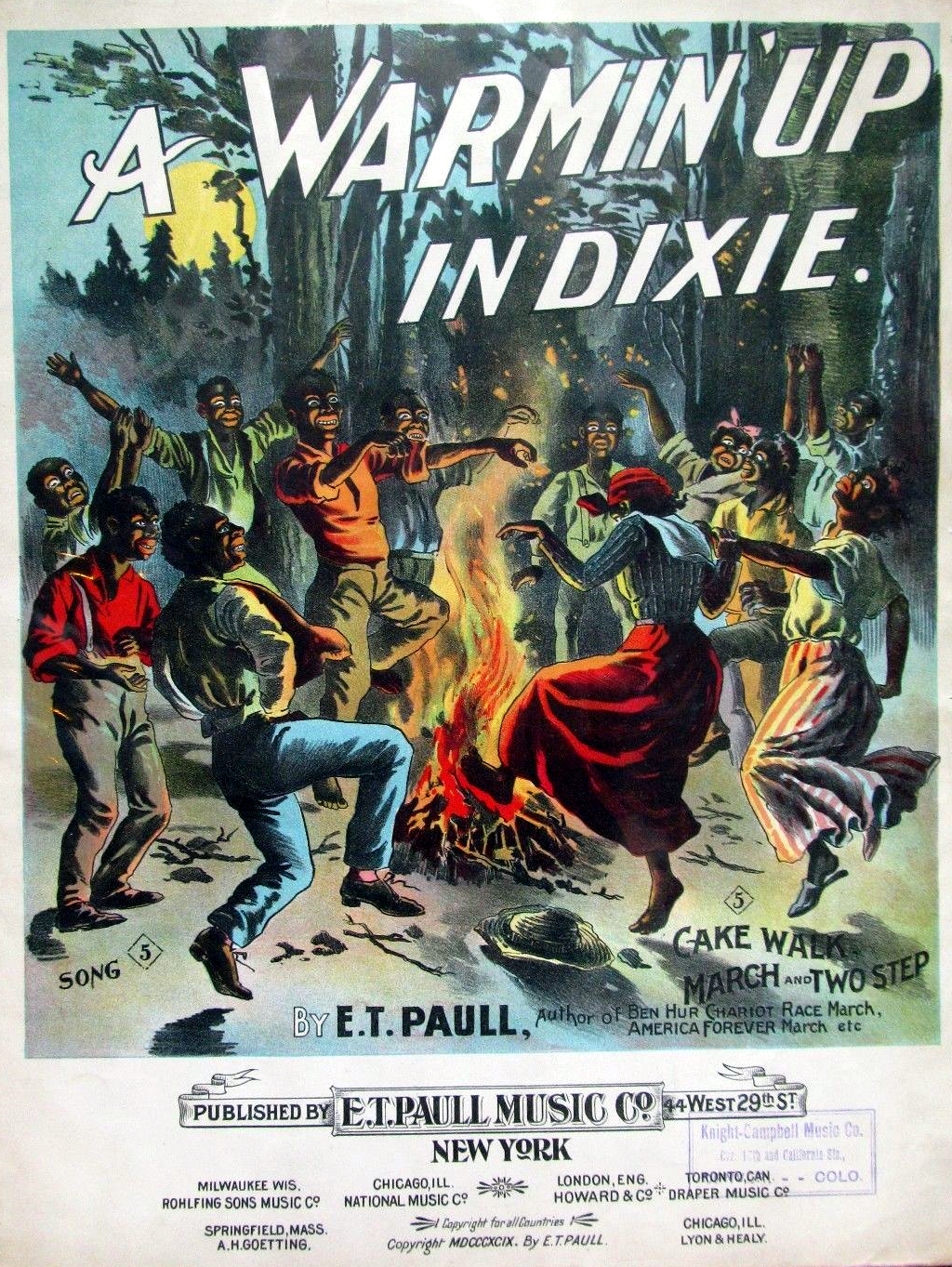
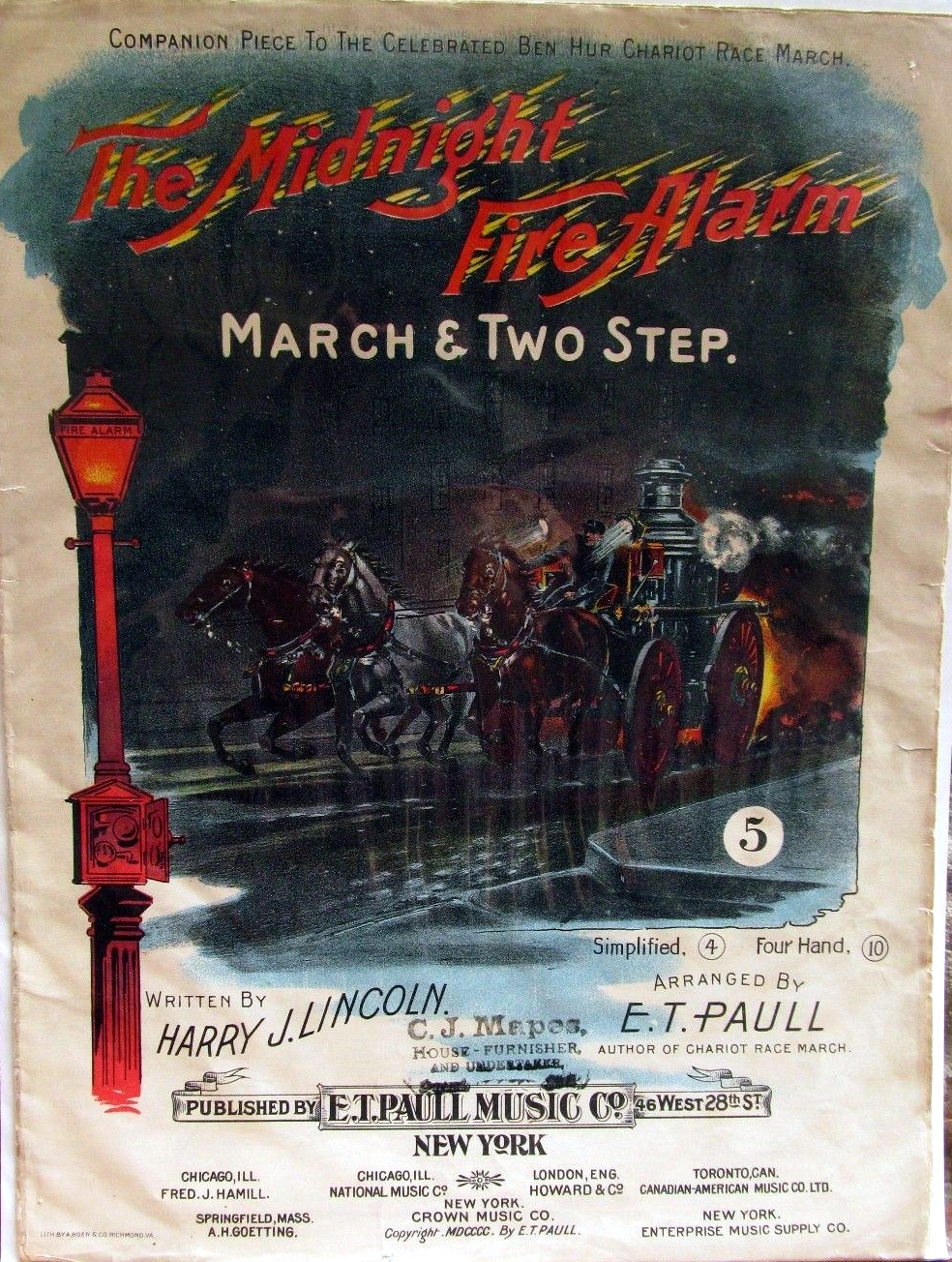
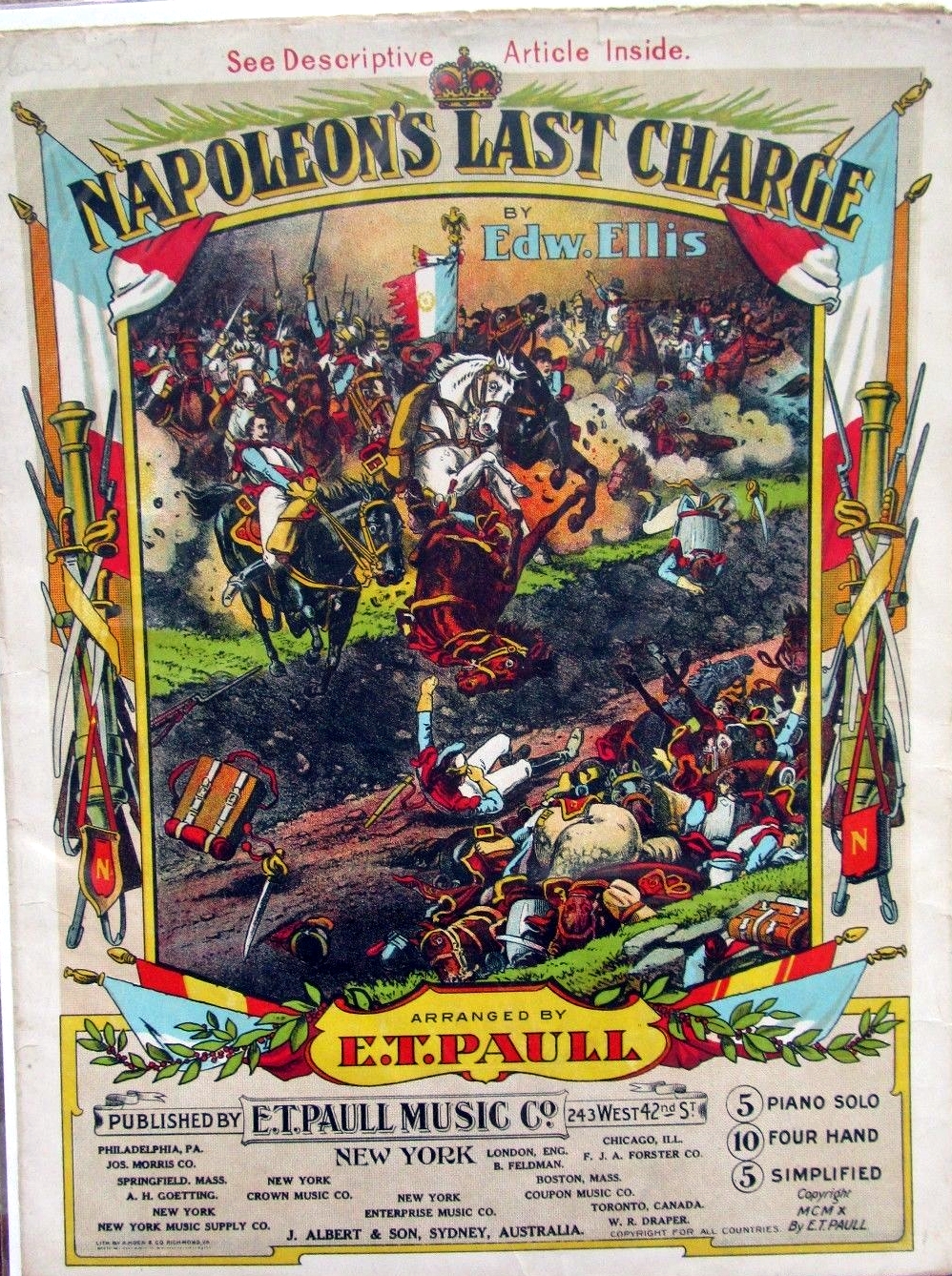
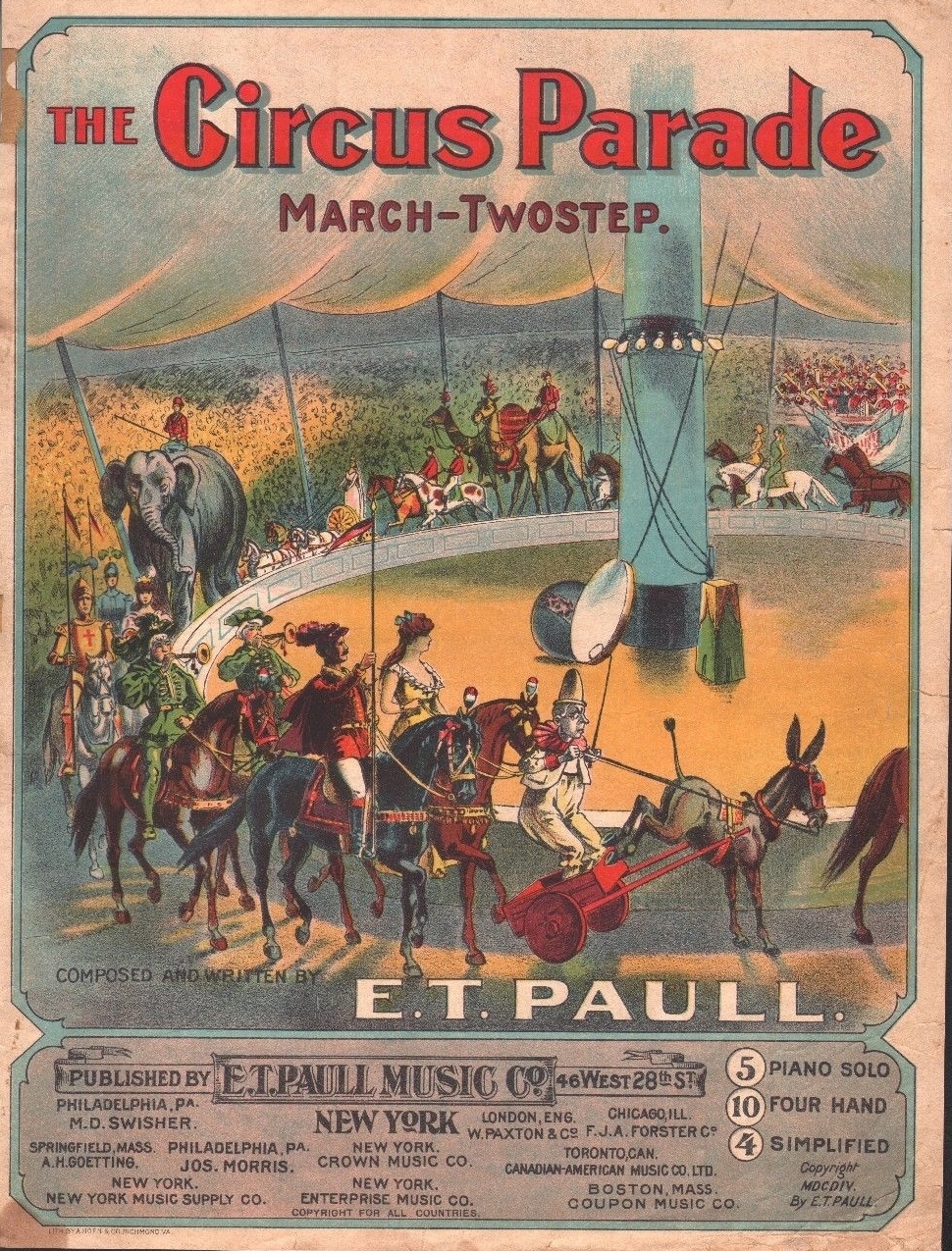
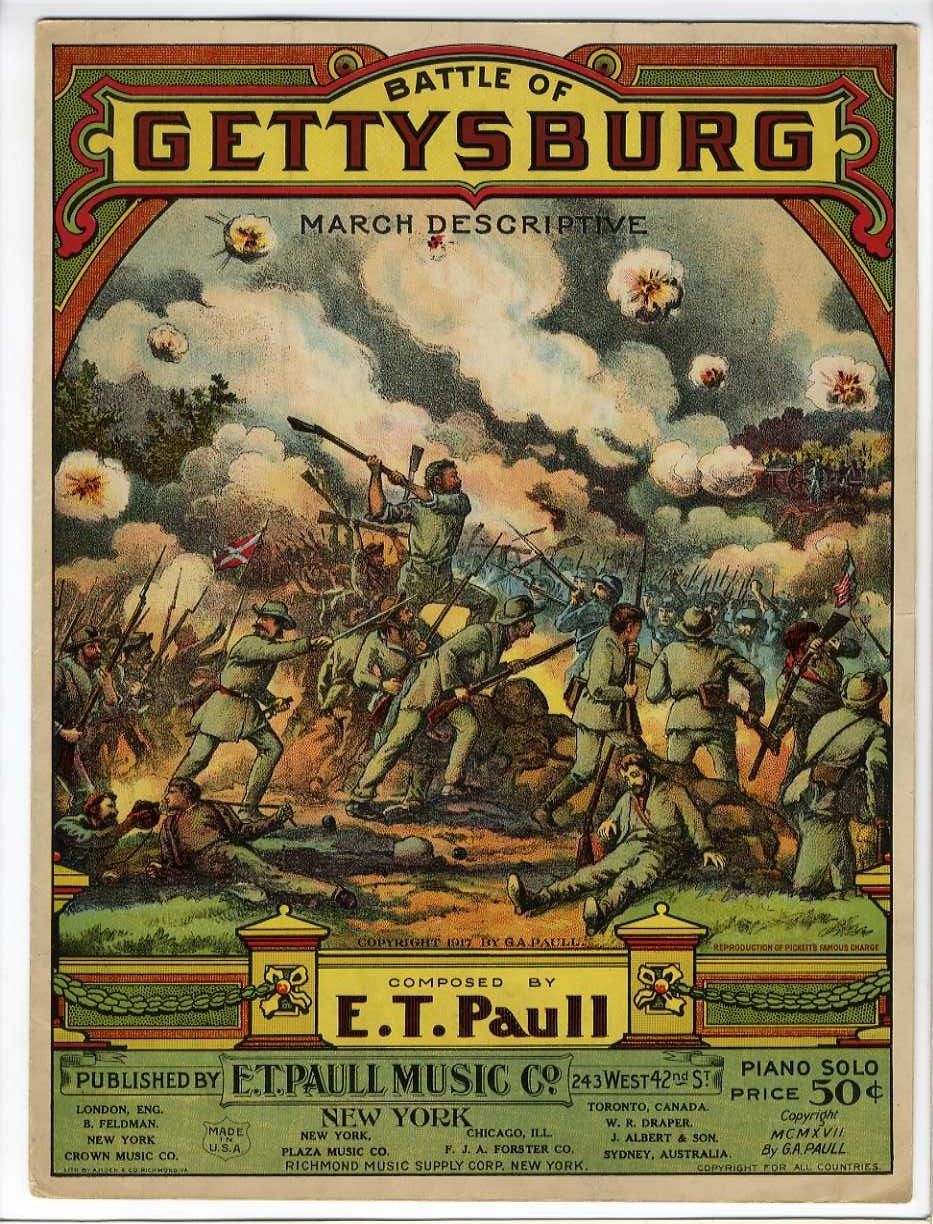
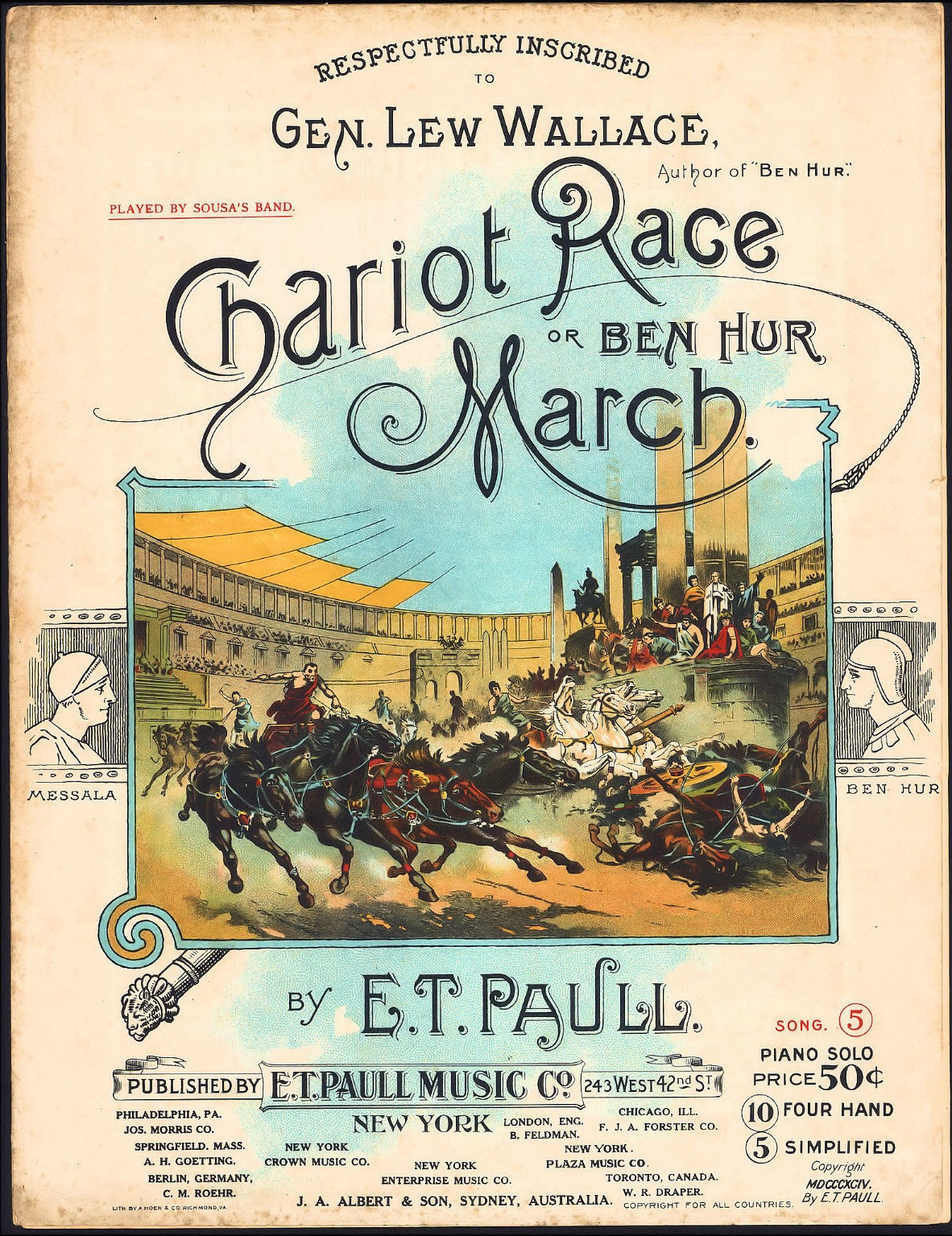
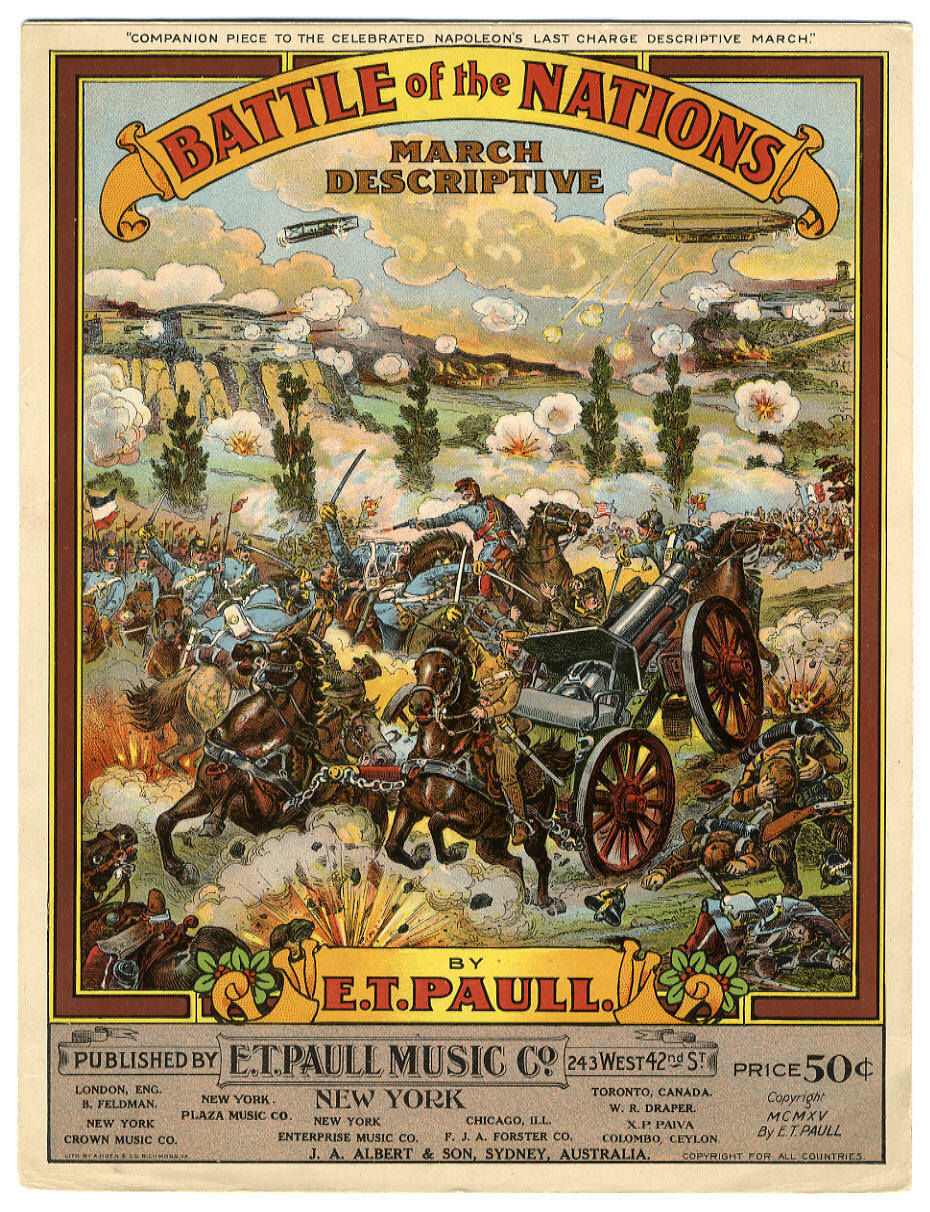
Just to show you the difference, down here a few of the „over the top decorated“ and very dramatic E.T.Paull  music sheets between 1890 and 1910.

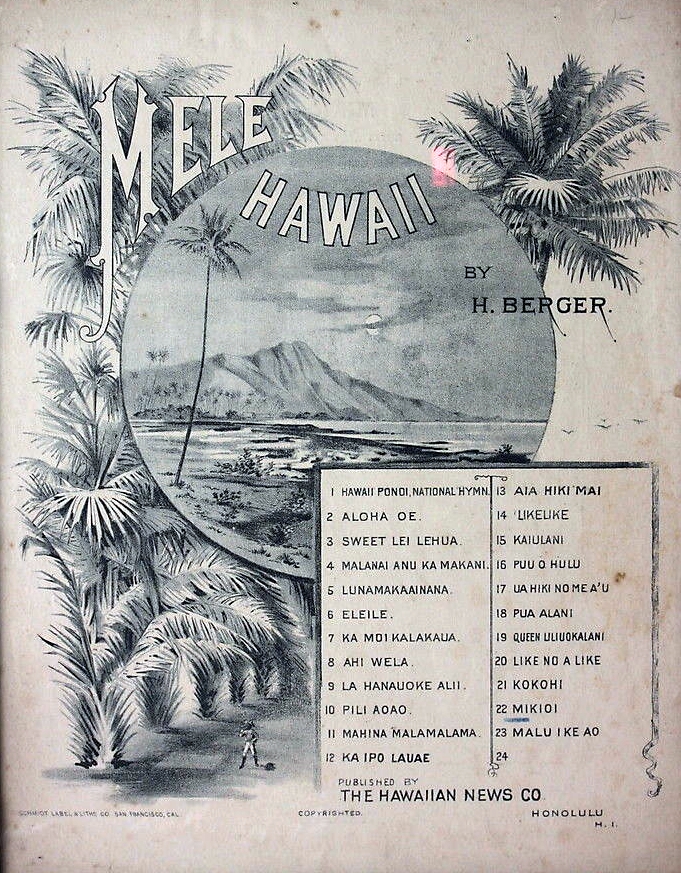
sheet music 34 1905-25          sheet music 35 1899-120

sheet music 36 1900-40          sheet music 37 1910-45

sheet music 39 1904-23          sheet music 40 1917-20

sheet music 41 1894-15          sheet music 42 1915-12

And finally a few sheets from former collections I had, collected by
country. These collections are completely sold.

Australia

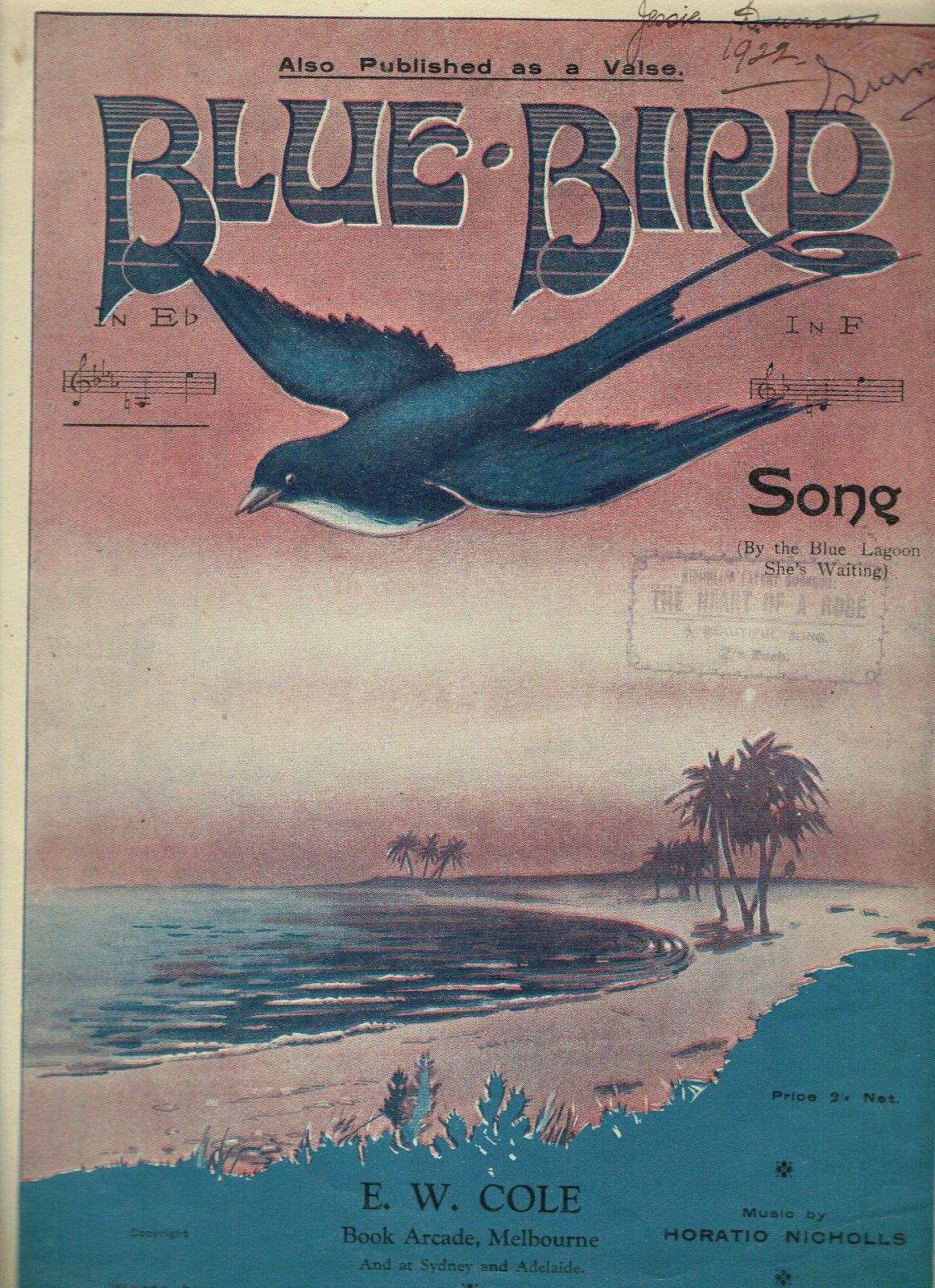
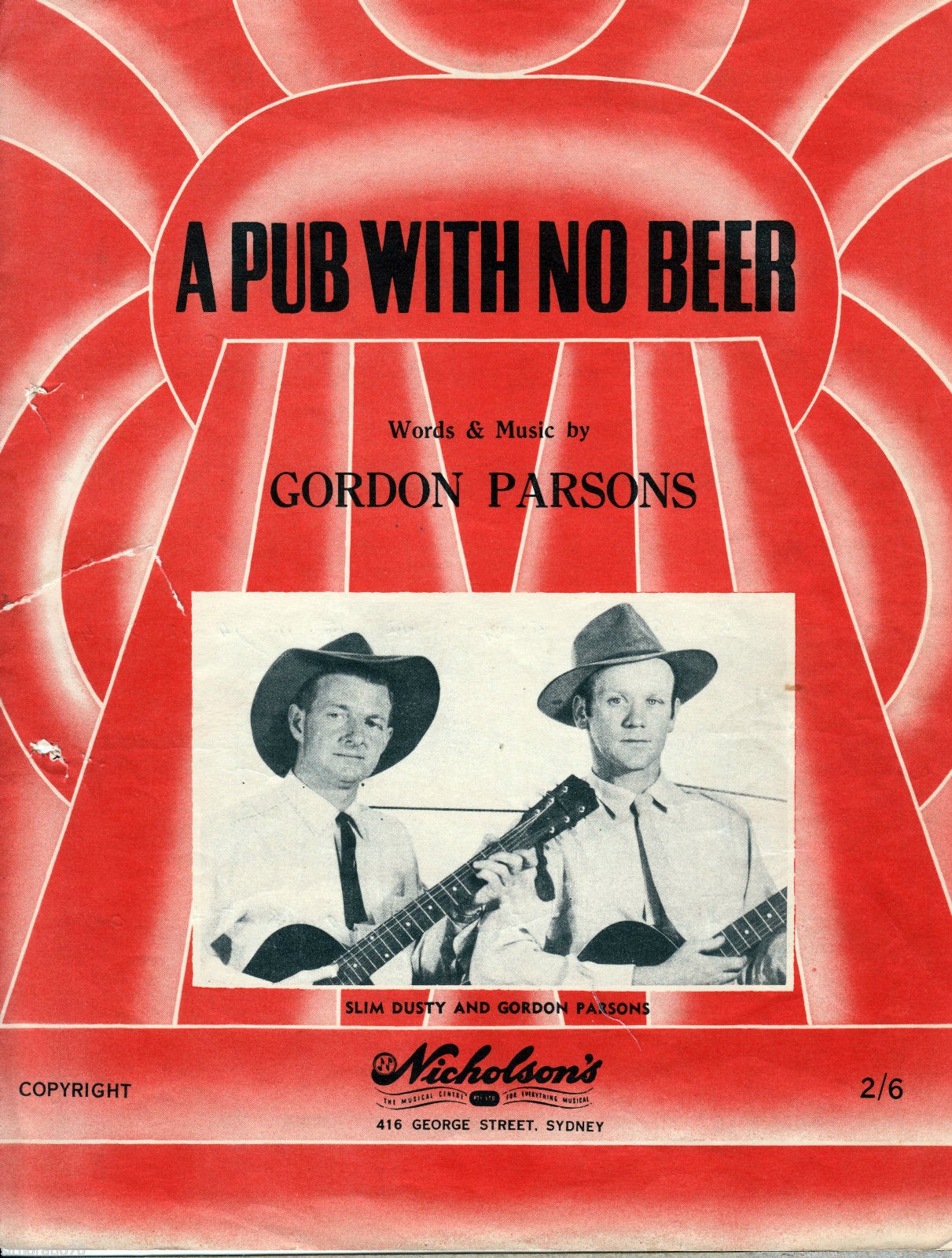
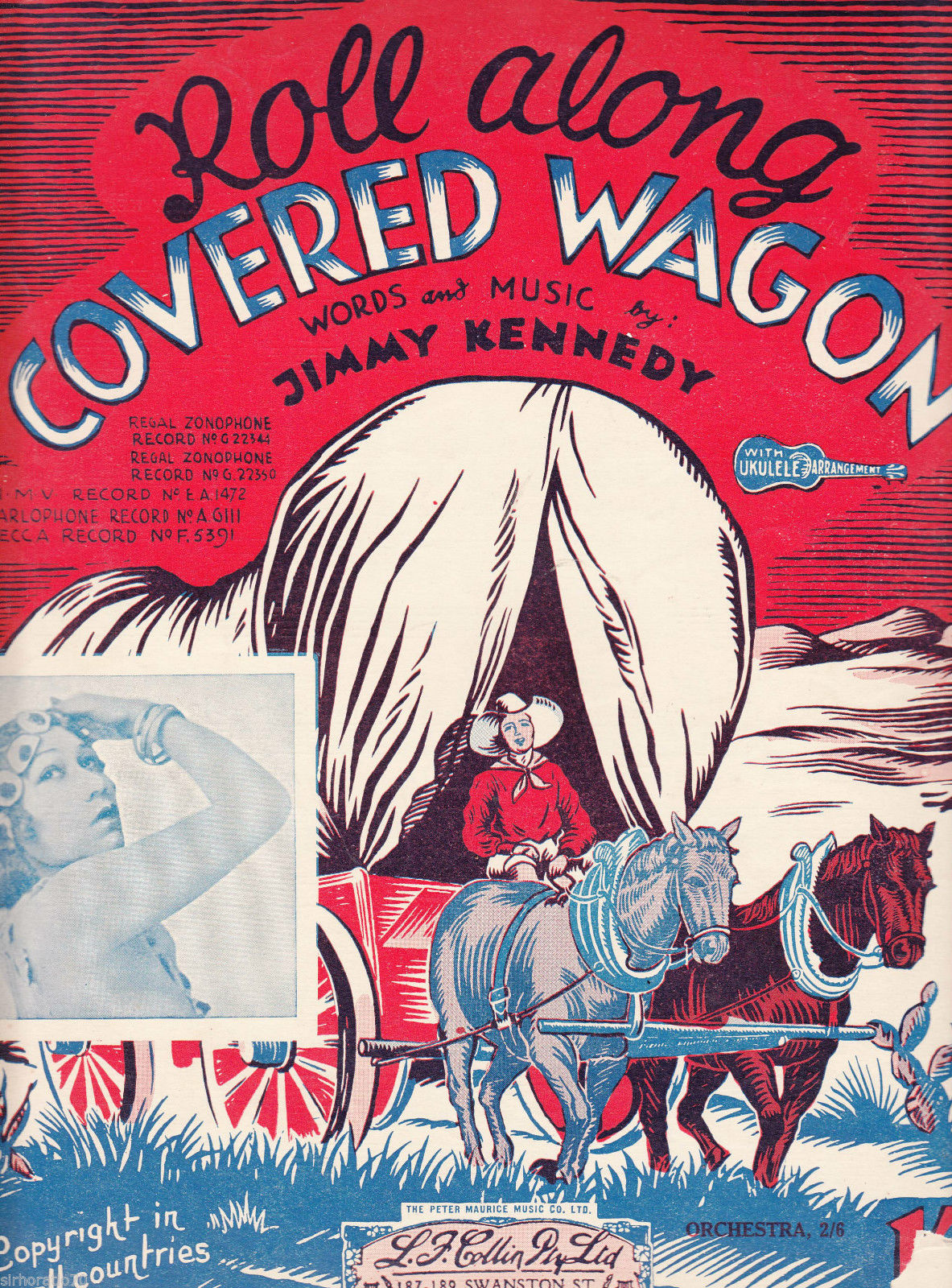
sheet music Australia 1921         sheet music Australia 50's

sheet music Australia 40's          sheet music Australia 1938

New Zealand and Mexico

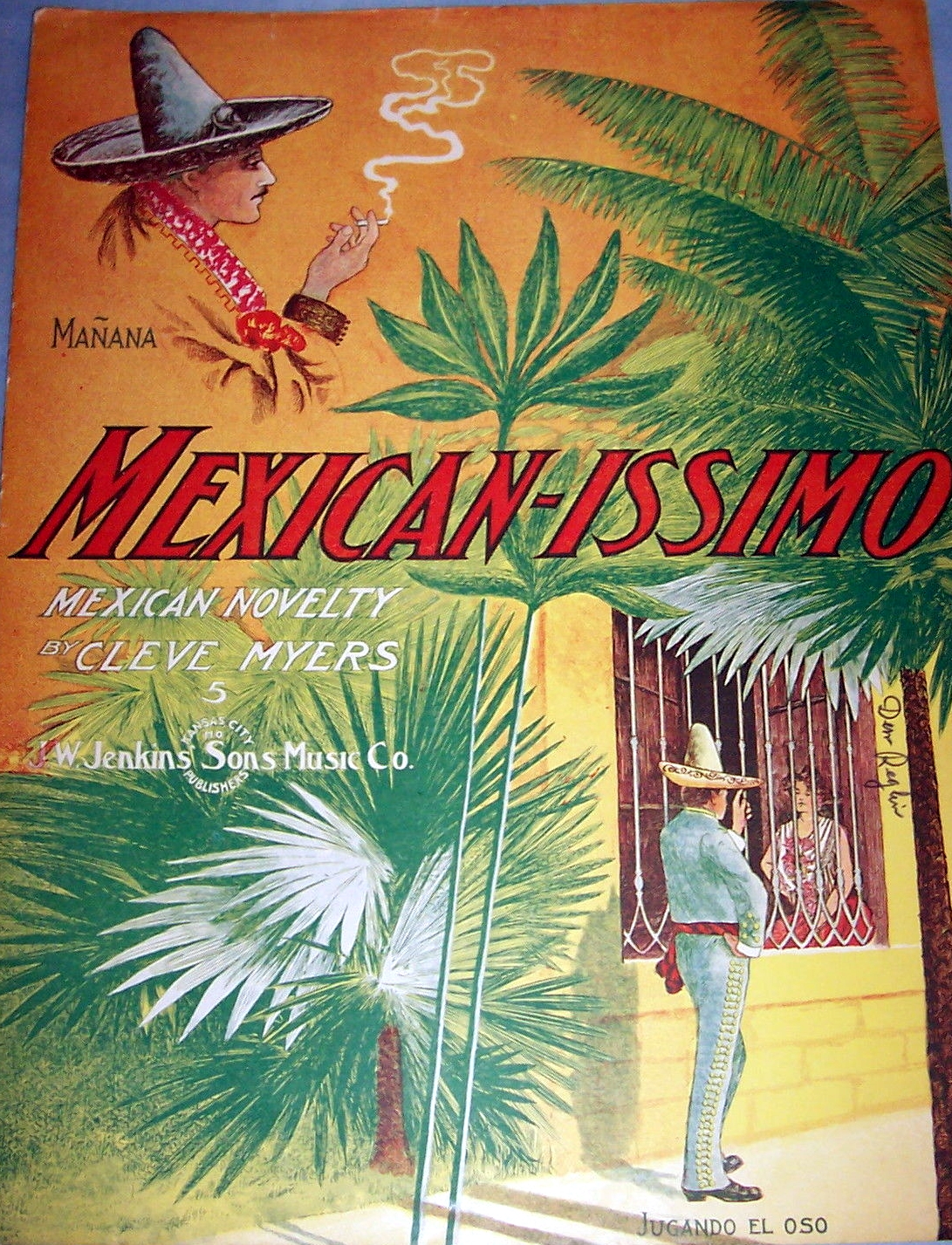
sheet music New Zealand 1936      sheet music 32 1906-30

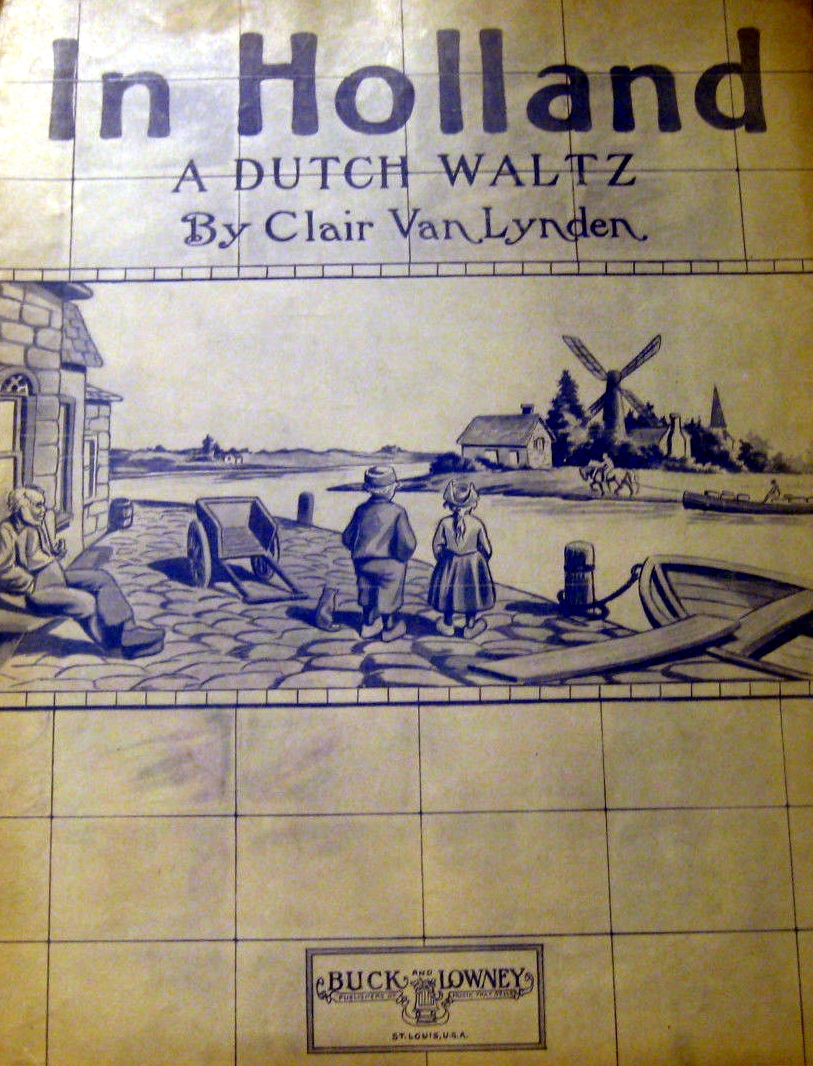
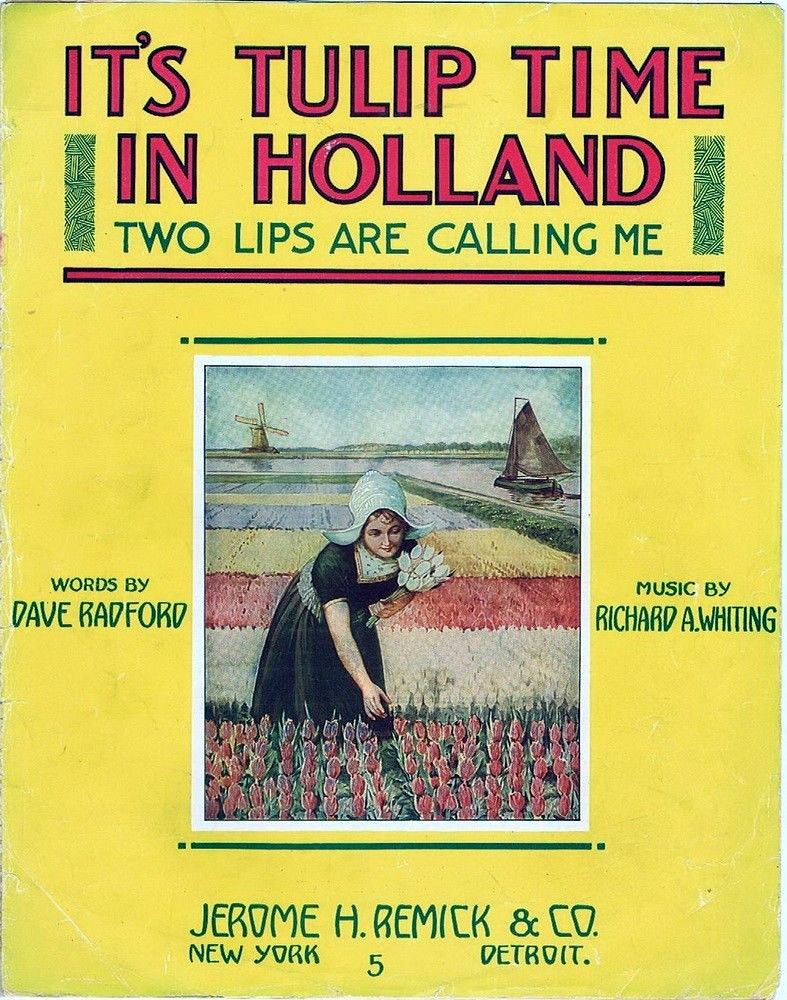
Holland

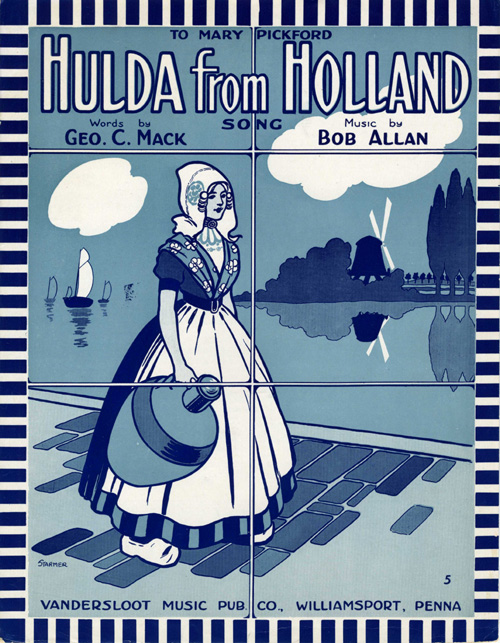
sheet music Holland 1917   sheet music Holland 1915

sheet music Holland 1916 sheet music Holland 1935

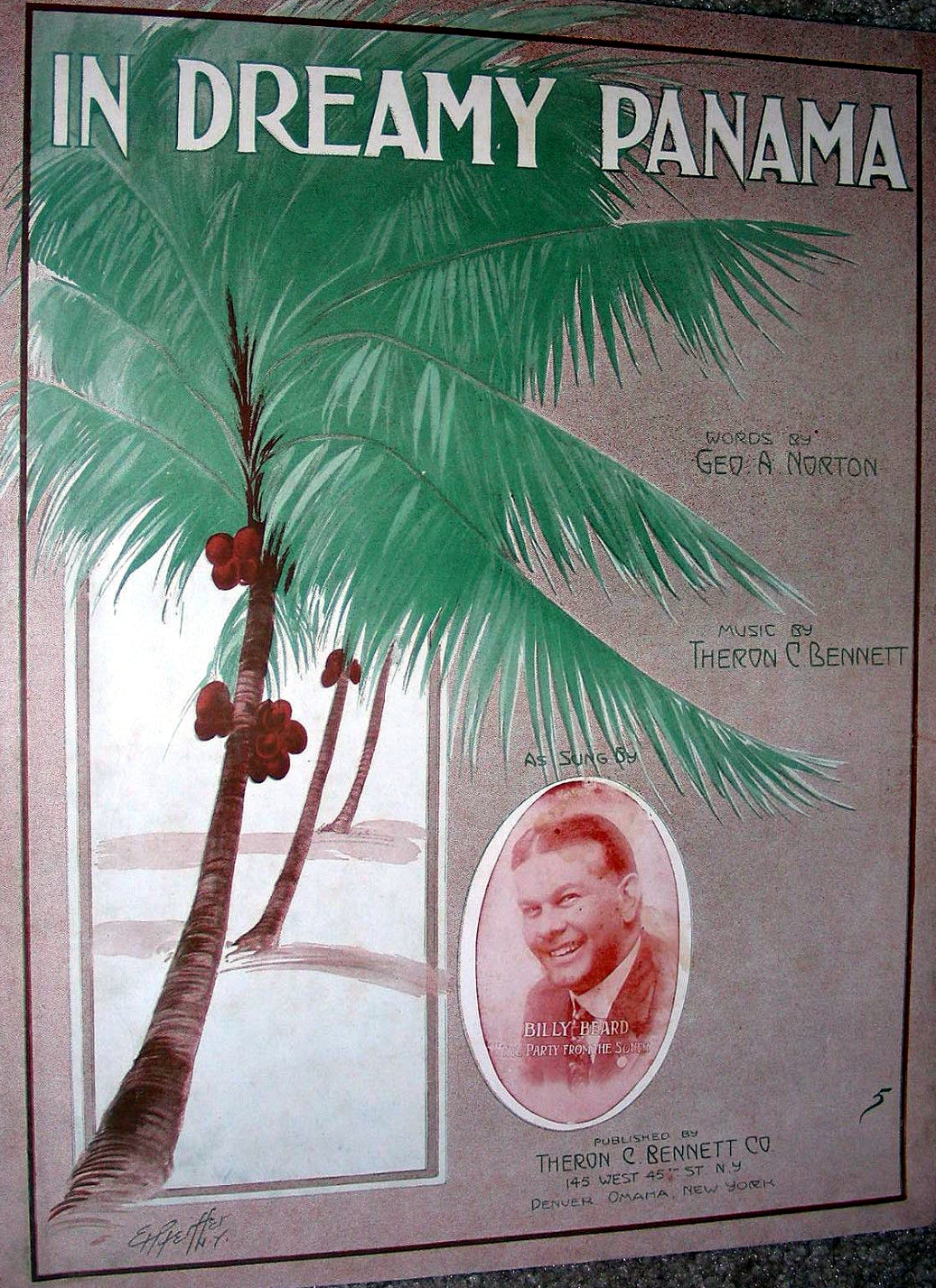
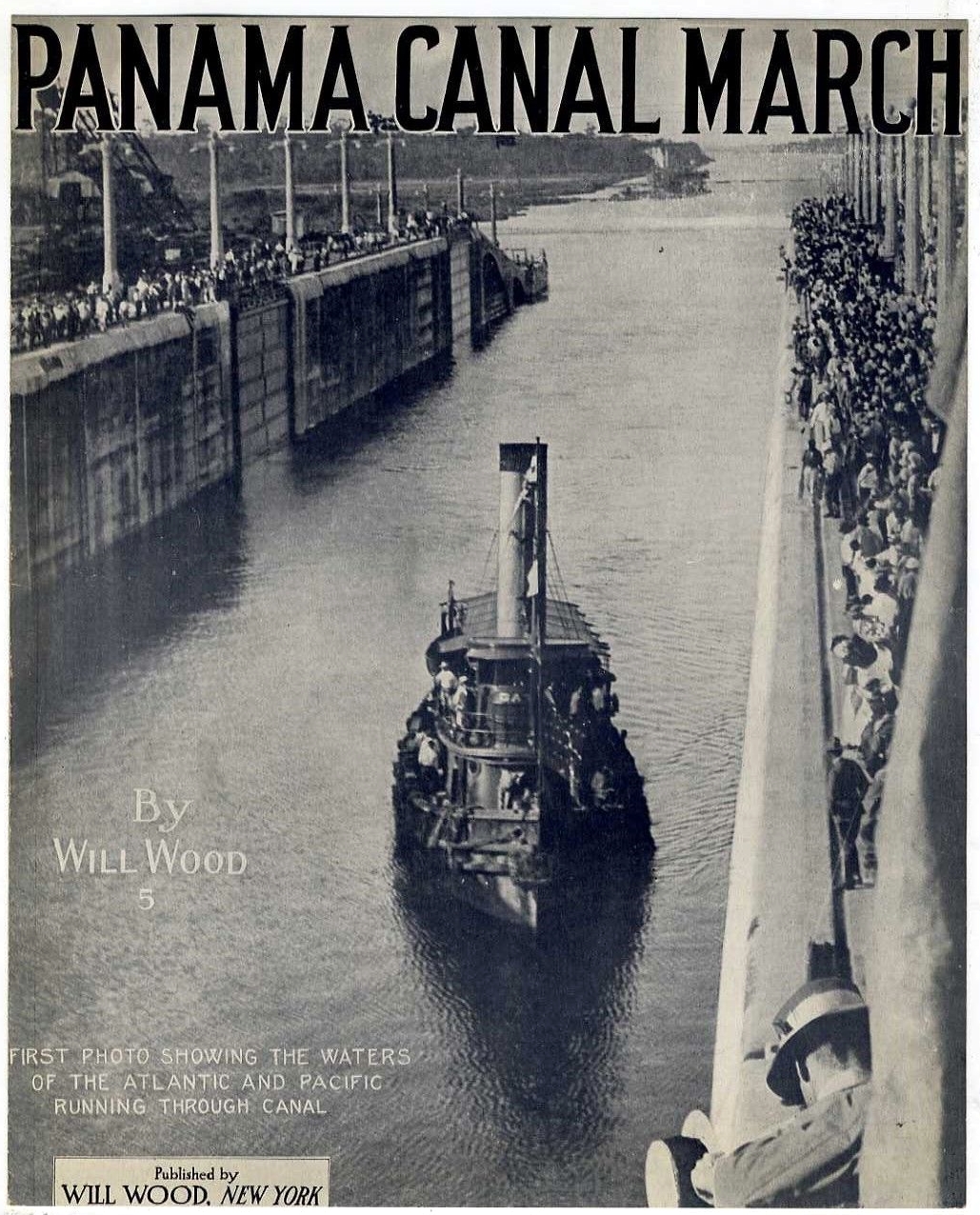
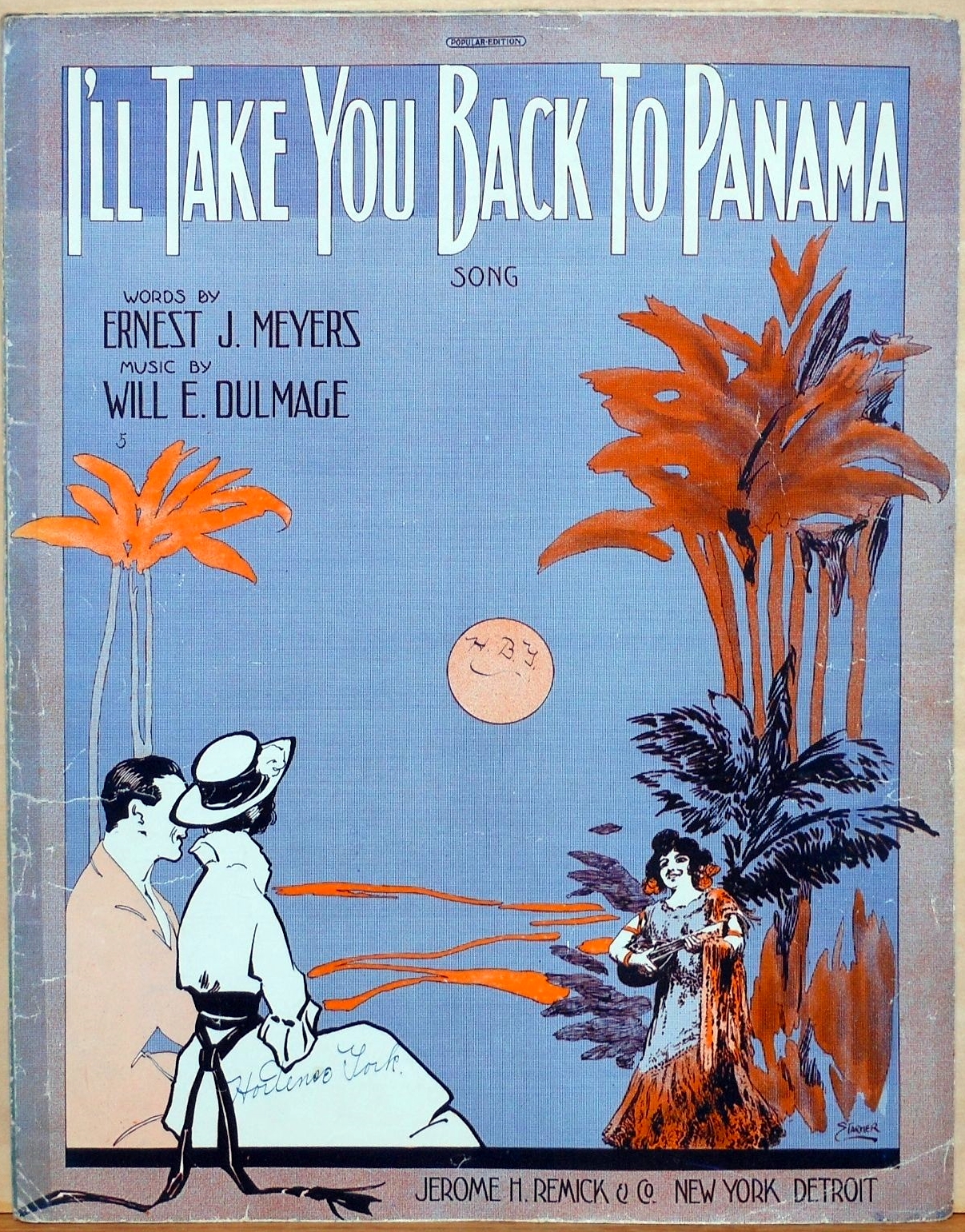
Panama

sheet music Panama 1912     sheet music Panama 1913

sheet music Panama 1922   sheet music Panama 1914

Hope you enjoyed reading. Much more, especially from Uruguay,
the country who created the TANGO, will be posted.
Stay tuned with my posts in Hobbies and Collecting.

Veröffentlicht unter Collecting, History, Hobbies, Information | Verschlagwortet mit , | 2 Kommentare