Collecting Art 3 – Pokerwork


pokerwork auction 009

Australian Pokerwork.

During my over 10 years living in Australia, I build up one of the finest and largest Australian Pokerwork collections in the country. In total there were more then 400 pieces of Australian Pokerwork art. All the here shown pictures were part of this amazing collection. Most pieces are sold in the meantime. Many photographs are sadly lost and the whereabouts of the collection is mostly unknown. Some similar single pieces, which I had in this collection, are part of the powerhouse museum collection, which I will mark „Powerhouse“. And some of the remaining pictures, I like to share with you.

Pokerwork or the method of burning designs into timber has been a method of artistic expression for thousands of years.
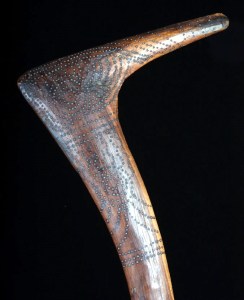
pokerwork 7            pokerwork 8
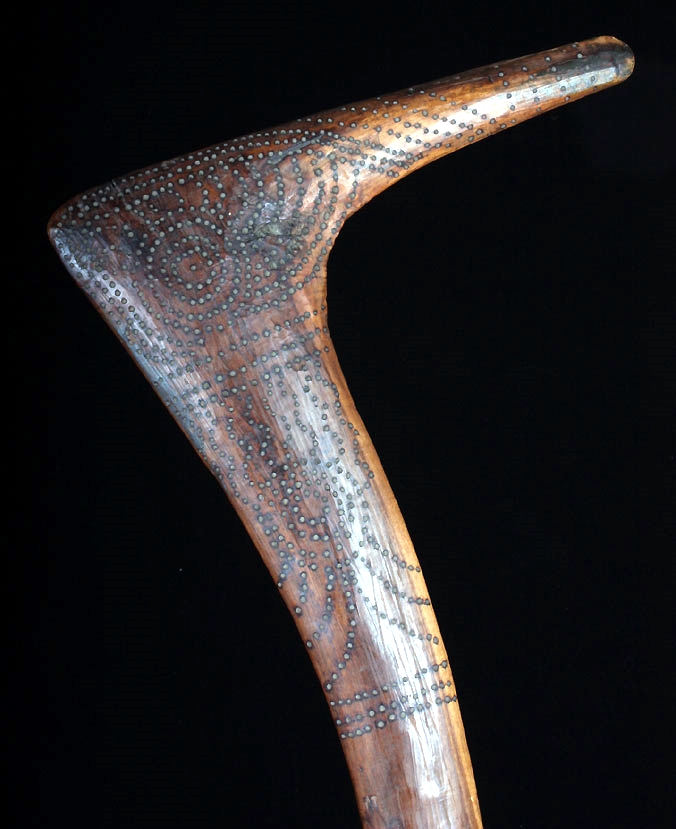
Wonderful, very old Pokerwork art on an Aborigine Hunting Boomerang. Powerhouse.
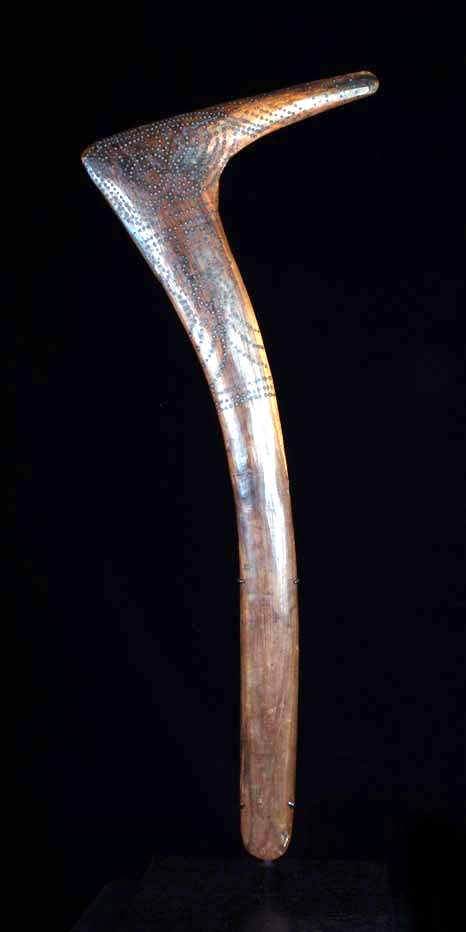
Pokerwork, sometimes known as pyrography, is one of the oldest decorative folk crafts known and involves burning designs onto wooden (sometimes leather and cork) objects with a heated tool. Often the work is then colored with ink. Many ancient and/or Indigenous cultures, including Australian Aborigines used this art form to decorate weapons, domestic and religious items. Considered ‚amateur‘, Pokerwork is often overlooked, despite its presence in museum collections, including the Victoria and Albert Museum London, the Musee de l’Homme, Paris and the Powerhouse Museum, Sydney.
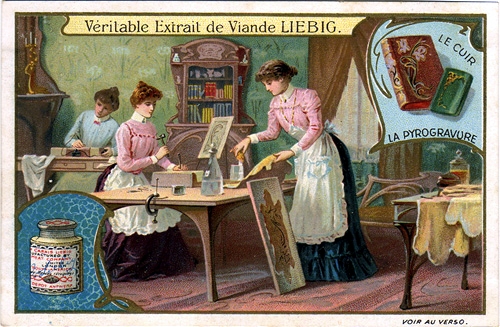
pokerwork 2
Ladies are busy with Pokerwork art. La Pyrogravure in French, on a „Liebig’s extract“ collectors card.
Some Like It Hot.

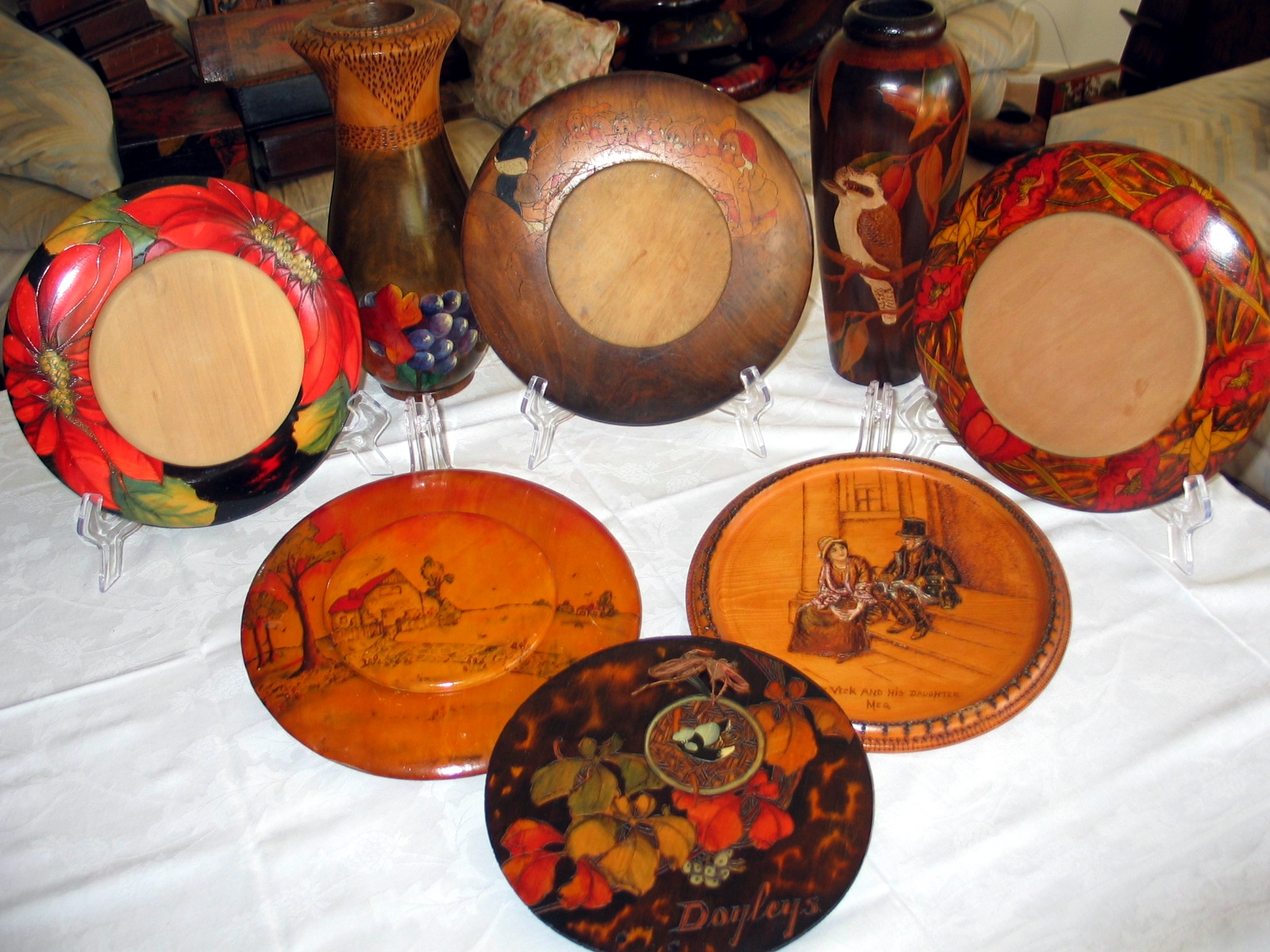
Pokerwork was a popular art form in Australia in the period prior to World War 2. It appeared as a decorative form of design on a variety of household items made from wood such as vases, spoons, coat hangers, bowls, egg cups, coasters, doily covers and trays. The quality of the work appeared to vary greatly, from that done by amateur hobbyists to professional artists. So great was its popularity that companies specializing in its production supplied major department stores of the time including Anthony Horderns, David Jones, Grace Bros, Farmers and Mark Foys. In recent years the art has had something of a revival.
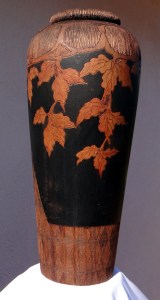
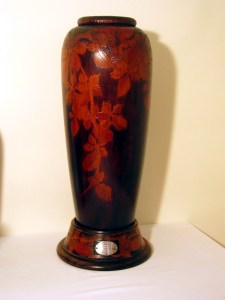
DSC00383                     aussiepok 004
Two wonderful vases.  Left in natural colors, just poked and blackened, c. 50cm high, from about 1910.
Right a gift from a political party to their new leader. Colored/lacked, on separate stand, c.70cm high, 1932.
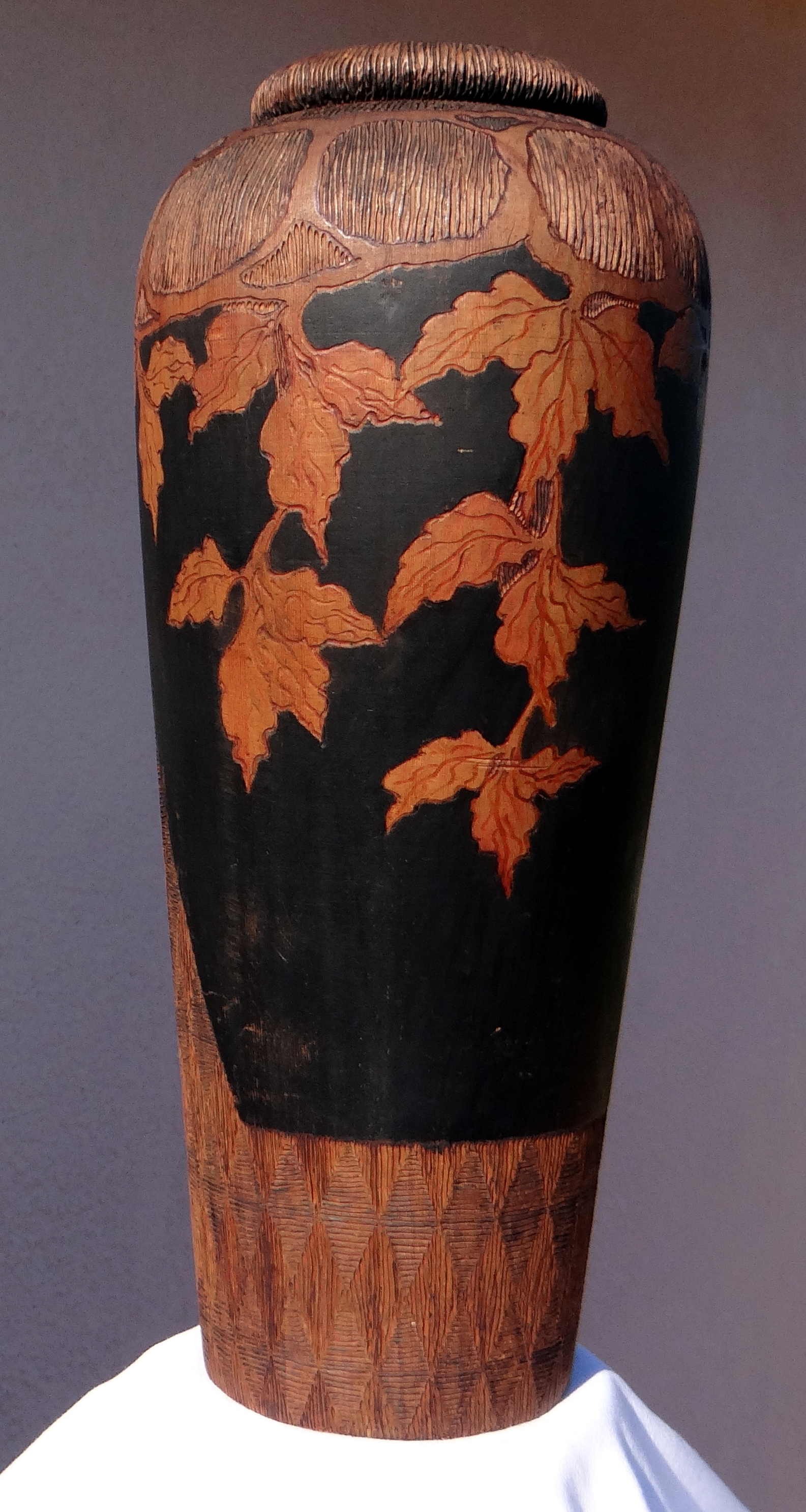
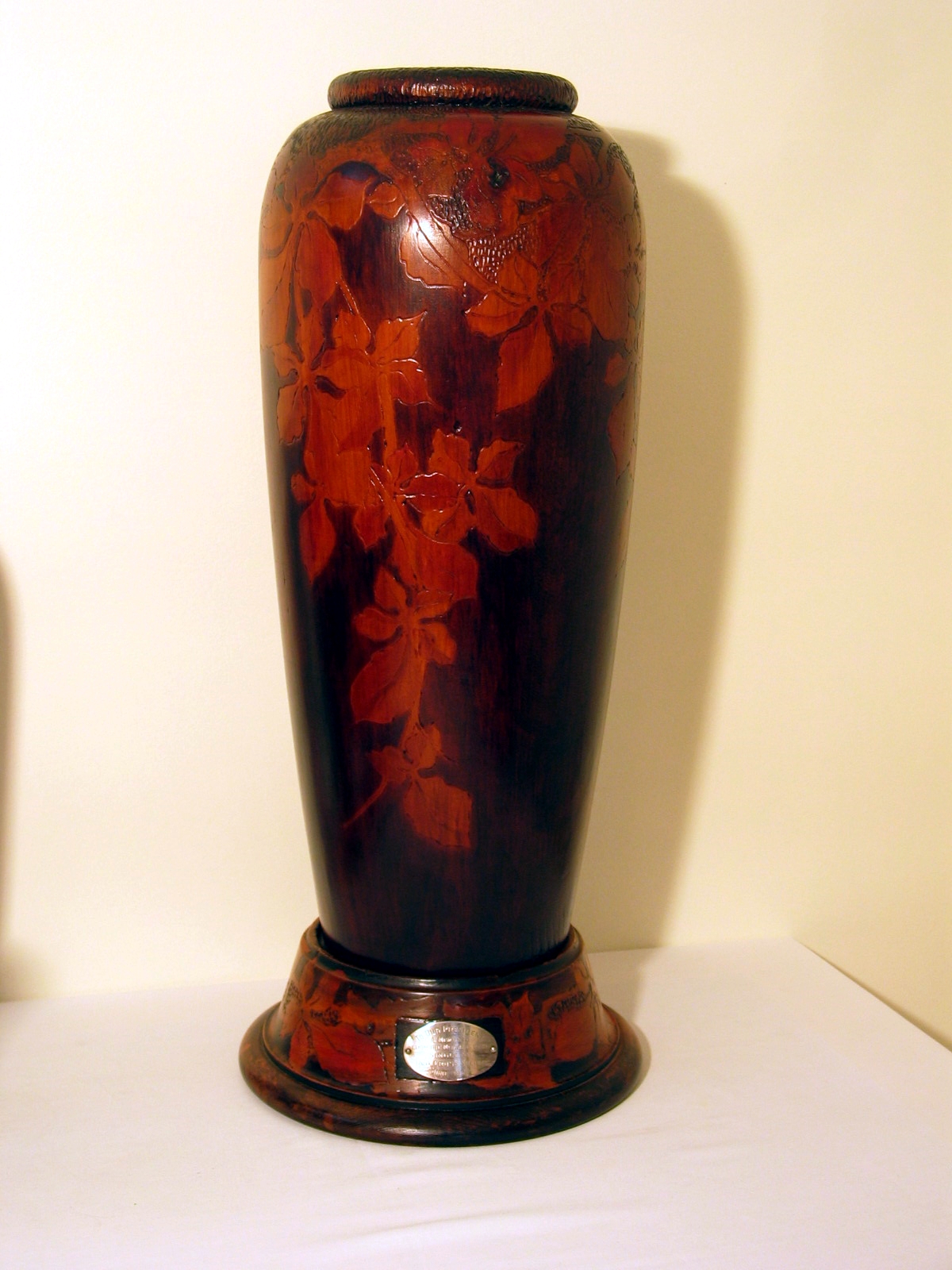
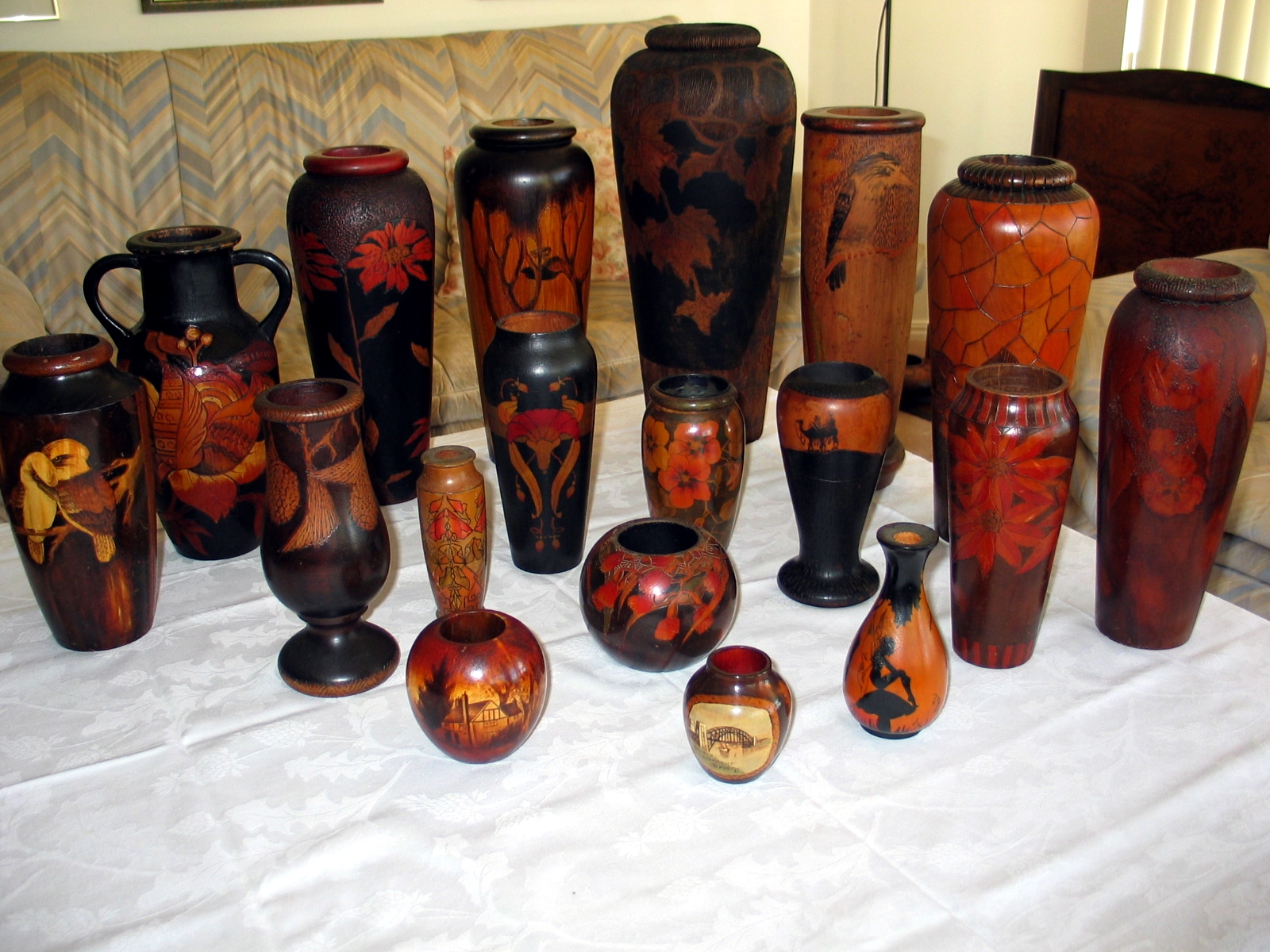
Popular designs found on Australian poker work of this period include Australian flora and fauna. Most notably these include gum leaves and blossom, waratahs, wattle and poinsettia flowers. Fauna also figured highly and included mainly koalas and kookaburras as well as other types of birds.
pokerwork auction 005
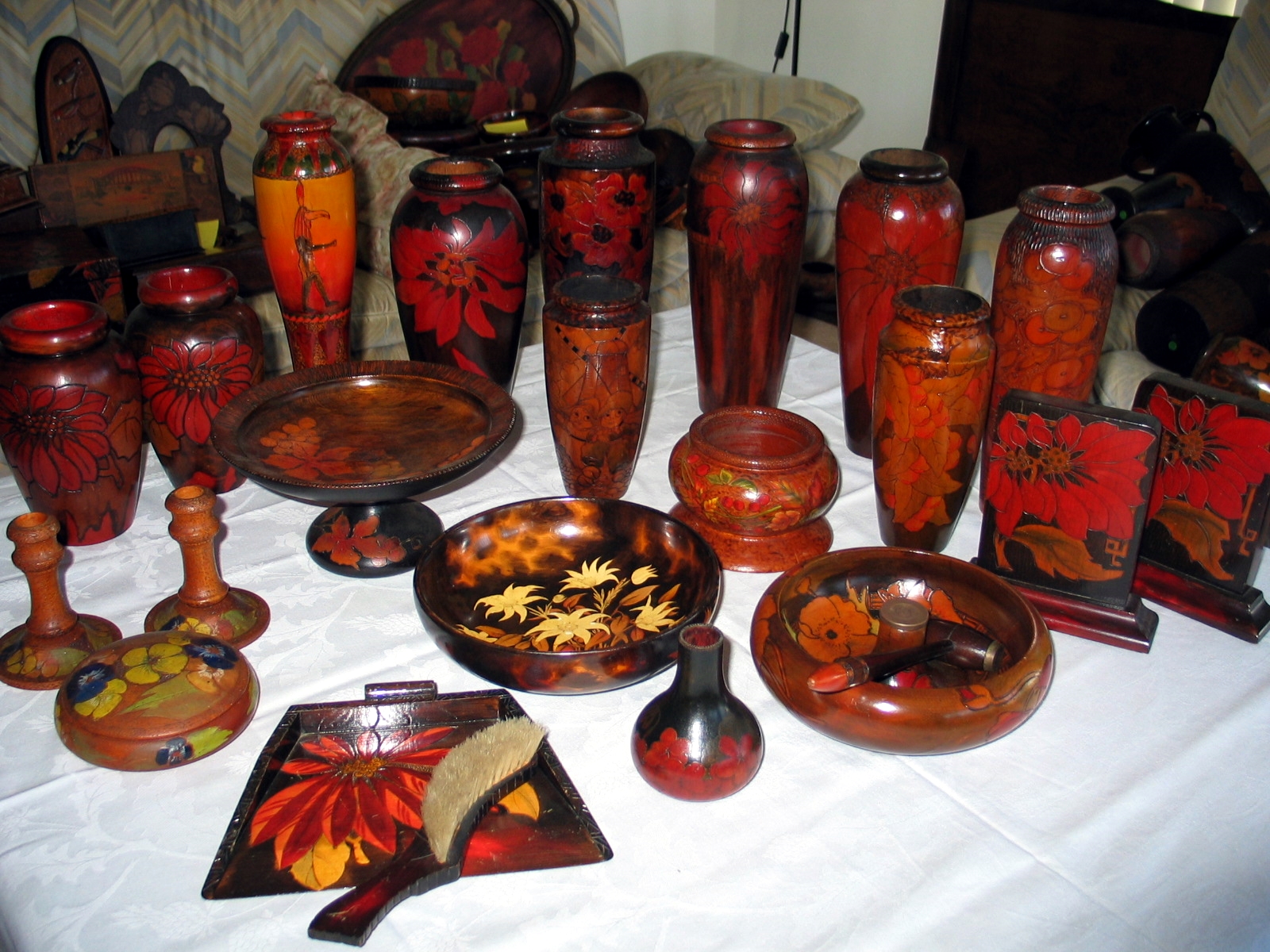
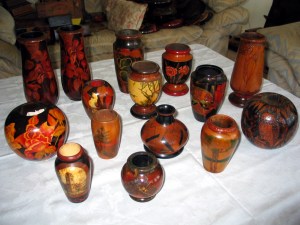
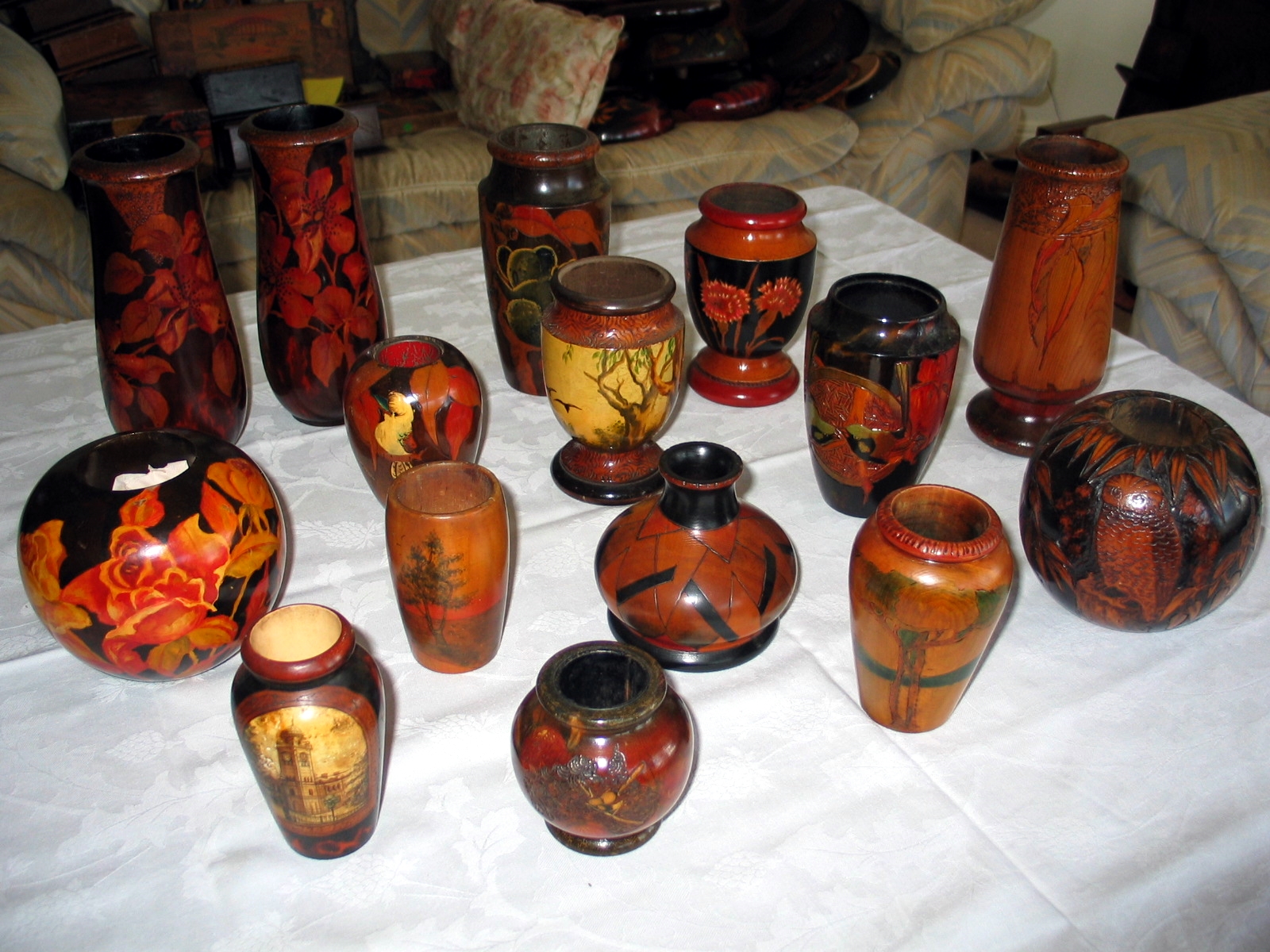
Nice collection of Australian decorated Pokerwork vases.
Although poker work was such a popular art form and many pieces were commercially produced, most examples of poker work remain anonymous. Poker work production during the years of the Great Depression was a way household income could be supplemented. It is rare that particular artists can be identified as such. This collection of poker work was also significant for its family connections of the artists involved and the first-hand accounts available of working life in a commercial poker work factory during the first half of the 1930s.
pokerwork auction 002
Different artwork, in front a nutcracker bowl with brass top.
Louise Tufnell.

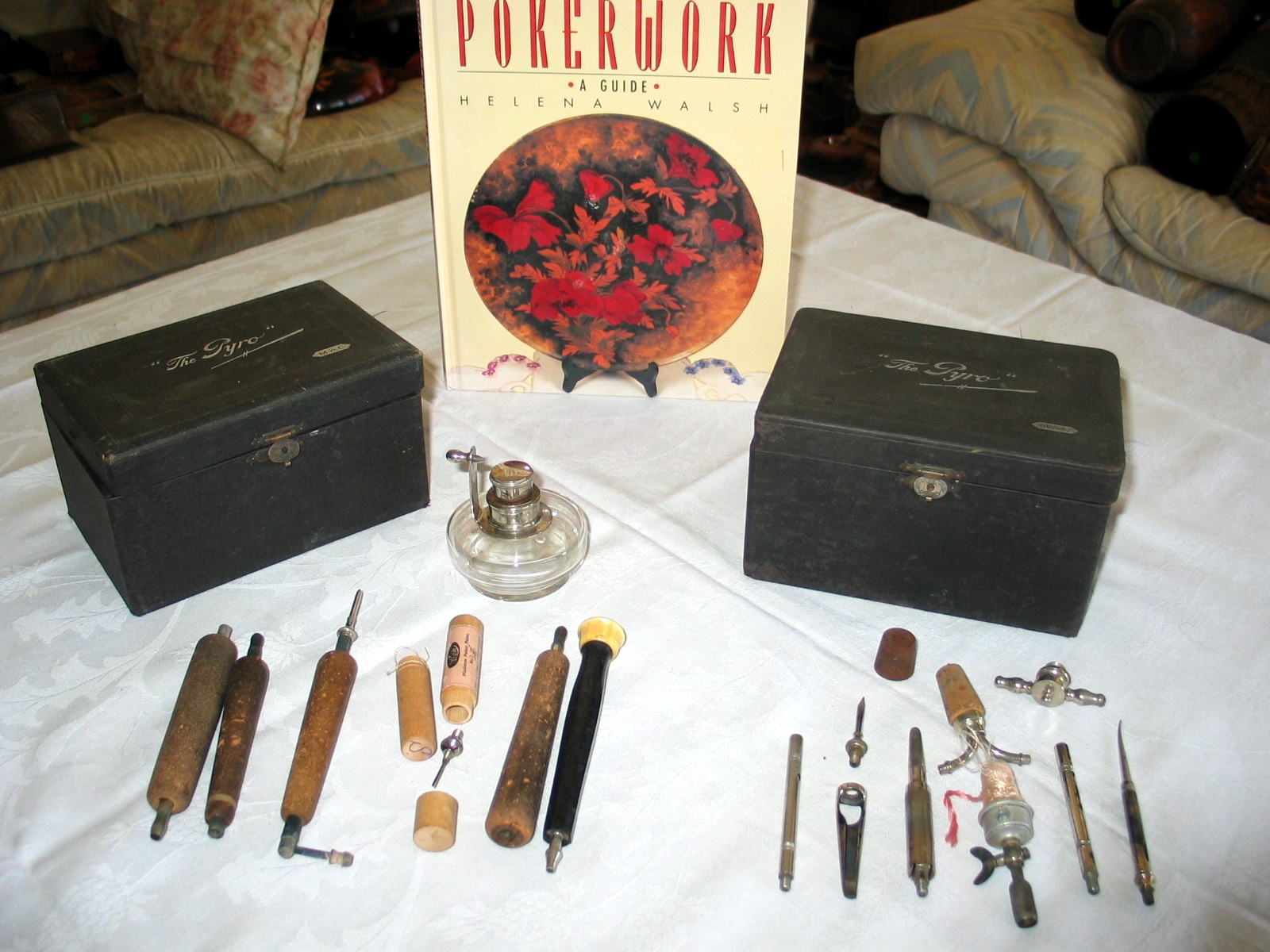
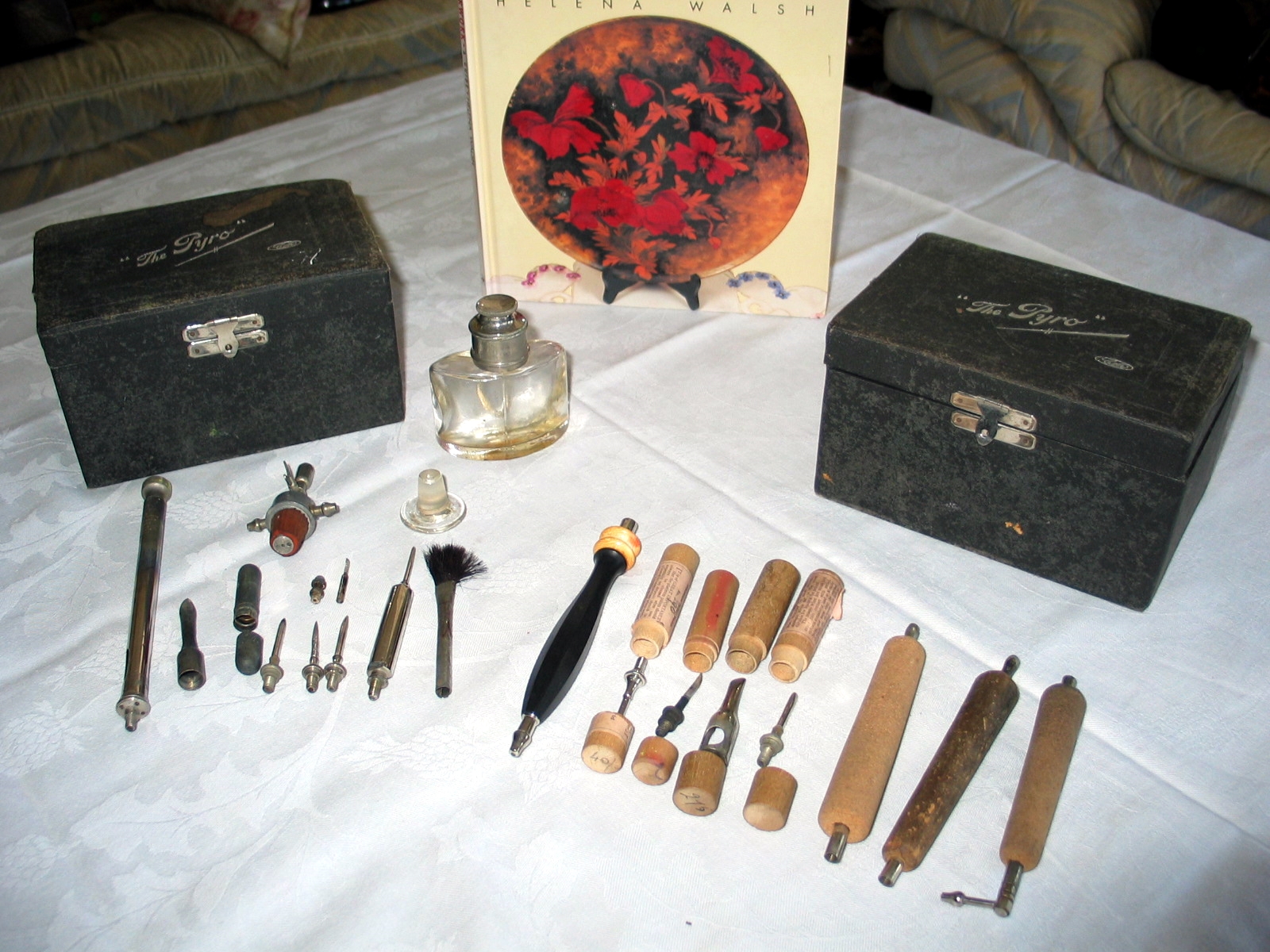
Multi-talented artist Louise Tufnell (1878 – 1970) worked in Sydney in a variety of art forms including painting and drawing, jewellery making, embroidery, crochet and poker work. Her daughter, Olive Hughes also had great talent as an artist and won a three year scholarship after attending Sydney Girls High. In 1929 accompanying her mother on a trip to England, Olive Hughes discovered poker work after her mother bought a small poker work tool called the Pyro, two examples of which are in the collection. Developing her skills on the six week voyage, Olive Hughes arrived back in Australia in December 1929.
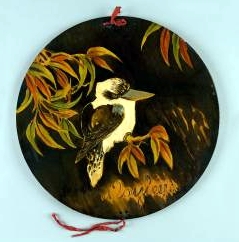
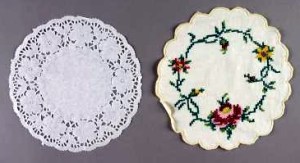
pokerwork 11   pokerwork 12
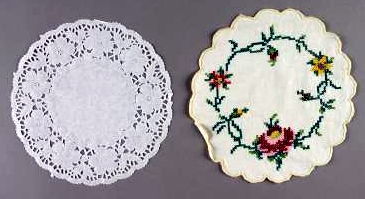
Pokerwork doily cover with kookaburra design, 1930 by Louise Tufnell. Doilies next to it. Powerhouse.
As the Great Depression gripped Australia her mother’s dress shop was forced to close and Olive and her mother resorted to poker work to earn a living. In 1930 at the age of seventeen Olive was successful in obtaining a job as a poker work artist at the firm Heilman & Co., in Elizabeth Street, Sydney, where she continued for the next four and a half years. Living in Bondi and working in the city six days a week, her usual work day at the factory started at about 8.15 am until 5.30pm with a half hour lunch break. This provided a weekly wage of one pound per week. The cost of a platinum needle for the pyrograph machine cost two pounds so was a significant investment if a needle had to be replaced, especially if work was also done at home using small domestic machines.
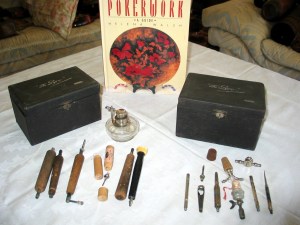
pokerwork auction 017 pokerwork auction 018
Two different sets of „Pyro“, the known Pokerwork art set, from the late 1920’s. And a Pokerwork book, 1992.
Conditions in the factory were less sympathetic to workers than they are today. The building, Solar House, was an early concrete construction which was extremely cold in winter without any heating, so much so that the 16 girls had to get wooden packing boxes to put their feet on to keep them off the cold floor. If workers were sick they were docked pay. At each table the girls worked in groups with two groups doing poker work and the other two groups doing coloring. Items used for poker work were supplied to the company from the wood turning company Adair and Son in Abercrombie Street, Sydney.
pokerwork auction 006
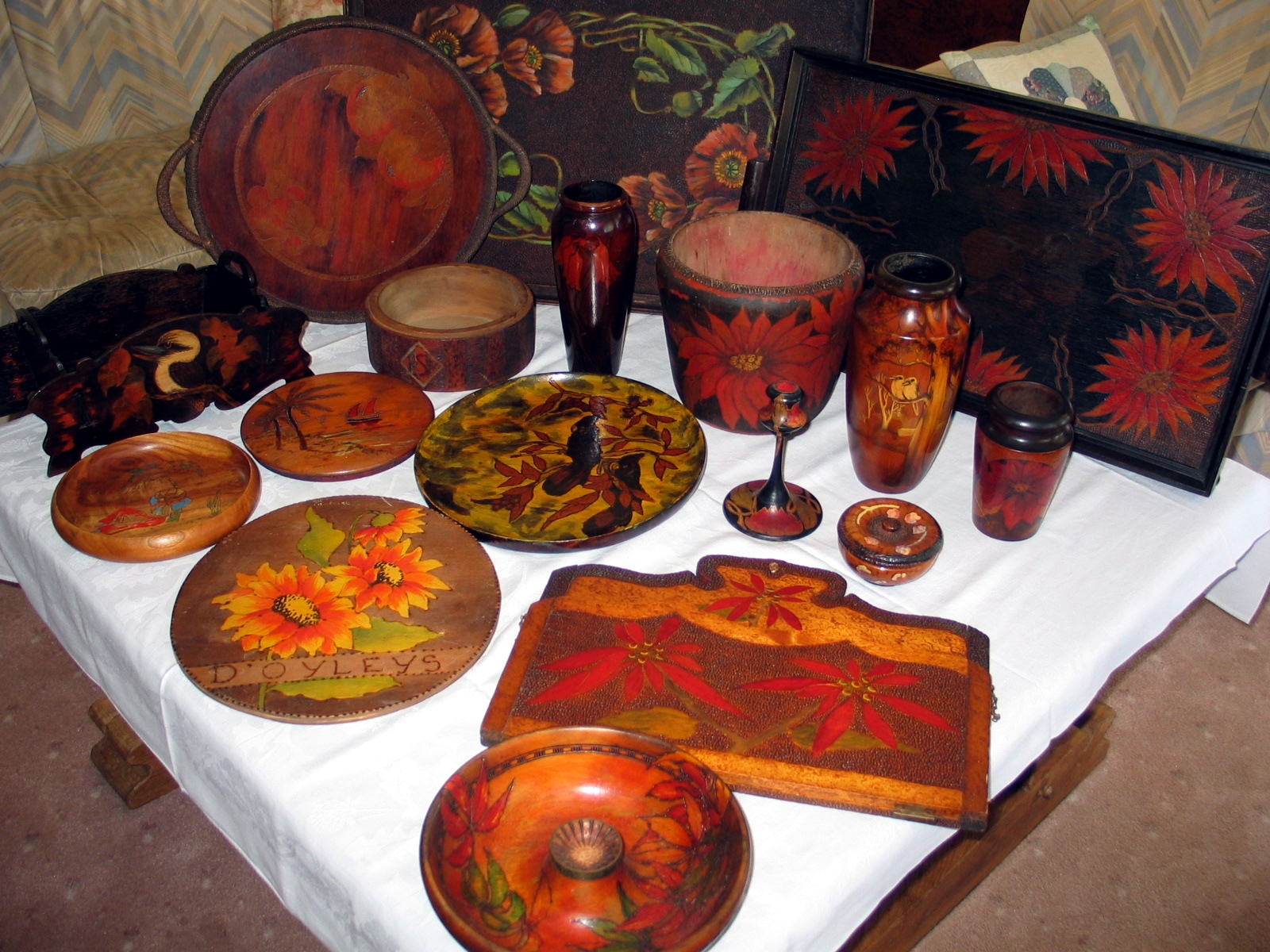
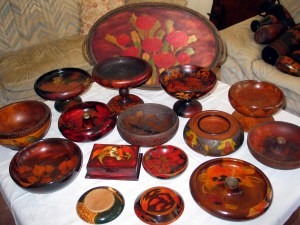
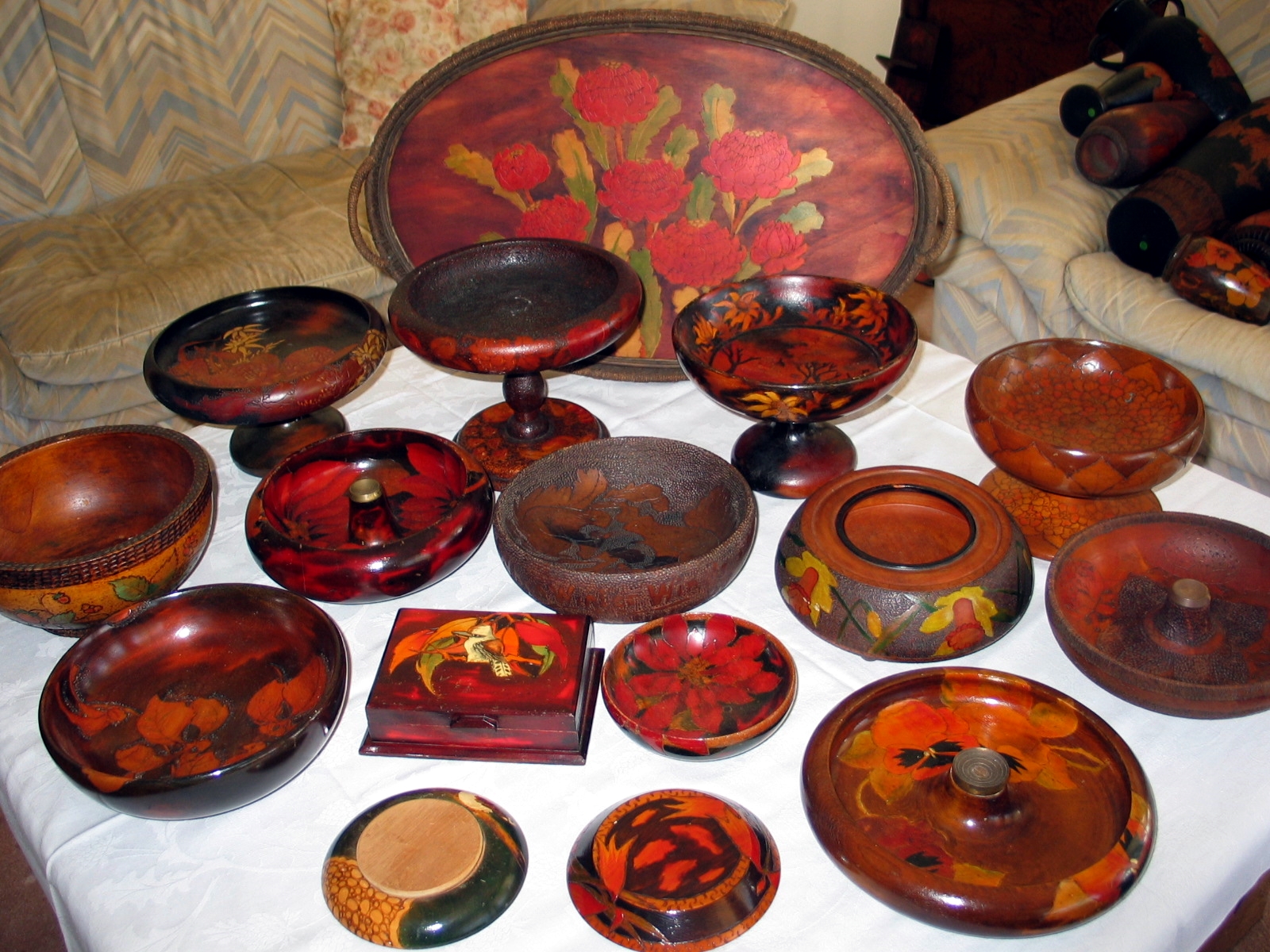
Collection of bowls, plates, fruit stands and a serving tray.
Olive Hughes.

Orders for poker work came directly from stores wanting particular items. The secretary/manager of Heilman’s, Frank Rowan, would mark in pencil on each piece letters indicating the kind of decoration that the order required, such as gum blossom and leaves, waratahs etc. A basic training system was in place at the firm when Olive Hughes began there. Initially working with a senior artist (Mrs Merton) she would learn how to do backgrounds on items such as breadboards. As she gained experience she would work on more complex tasks with other senior staff doing both poker work and drawing and coloring. As all the girls had art training they were fast workers. Olive Hughes did all her work freehand without the use of stencils or drawing the images first.
pokerwork auction 003a                                         pokerwork auction 003b
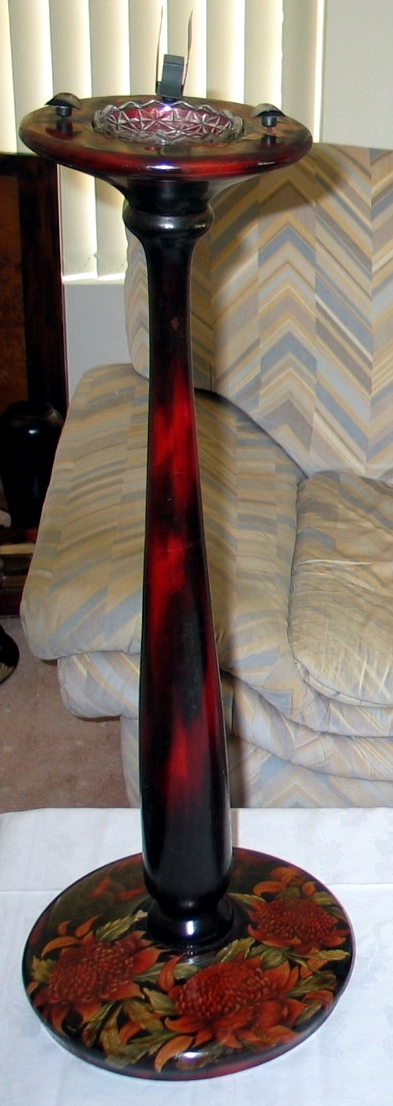
One of the great pieces made by Olive Hughes, Waratah design on a smokers stand.
Poinsettia design on a massive flower pot stand.
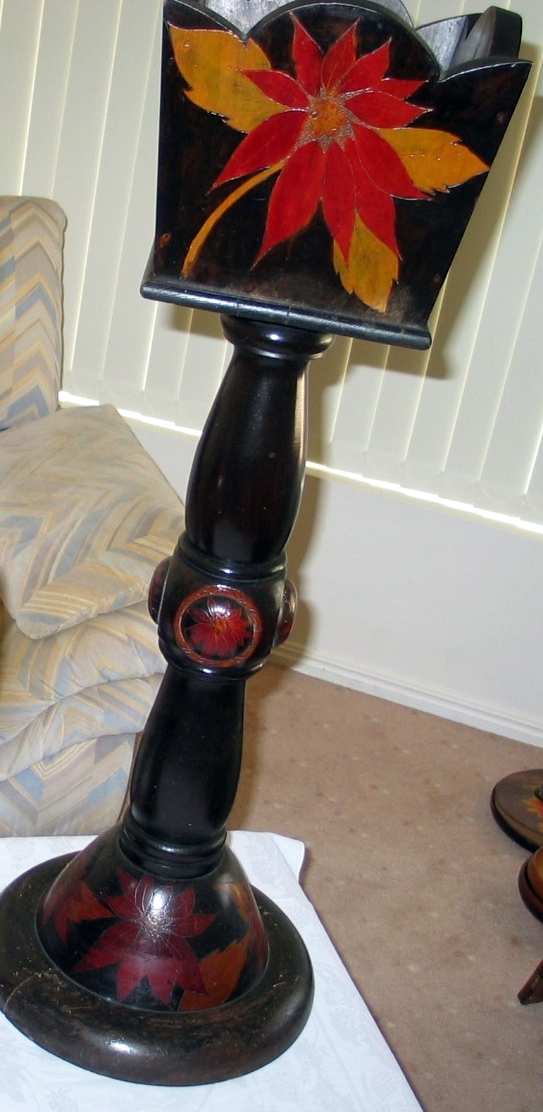
By about 1936 Olive Hughes had left the poker work factory and was working in the art department of the US firm Aladdin Industries in Sydney and had moved on from poker work to other art forms. During the 1940s she and her mother made jewellery supplying a local shop.
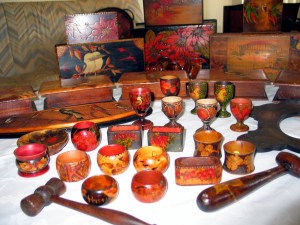
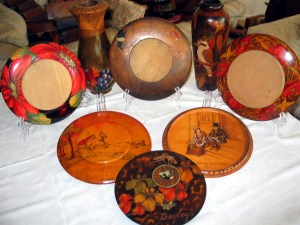
pokerwork auction 008   pokerwork auction 012
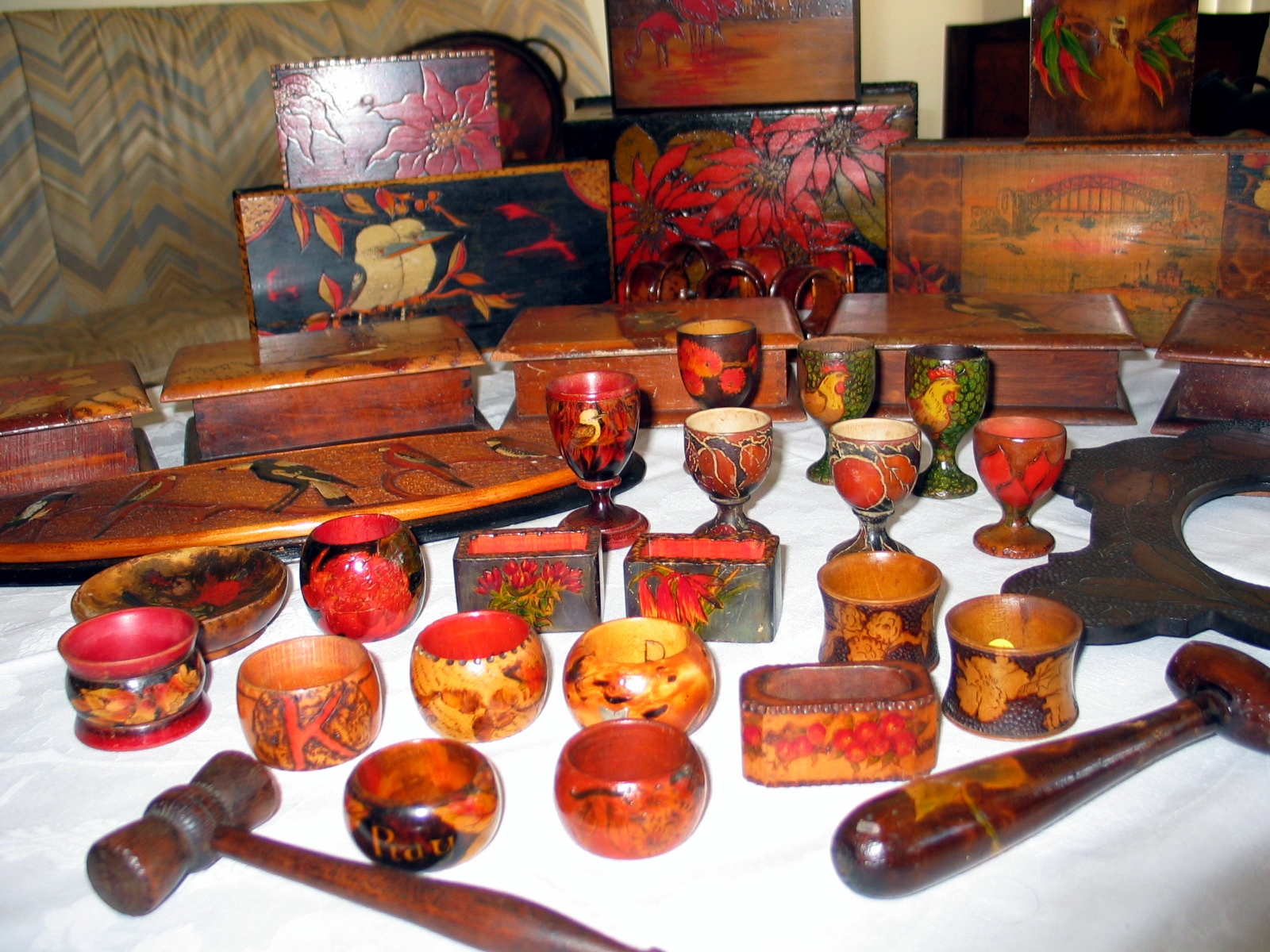
Everything could be decorated, napkin boxes, serviette rings, gavels, egg cups, bread boards,
marriage plaques etc. Notice the box in the rear with 2 kookaburras from 1900’s and the square
serviette holders, made  out of a solid block.
Between 1969 and 1979, she visited art centres in nine countries of Europe plus Israel, as well as pursuing studies in England. Also during that decade, she attended a World Education Conference in Japan and studied at the International Academy in Salzburg, Austria. She also went to Vermont, U.S.A. to paint with Claude Croney and was even able to travel to remote Alaska, U.S.A. to see Eskimo art.
pokerwork 16     pokerwork 17
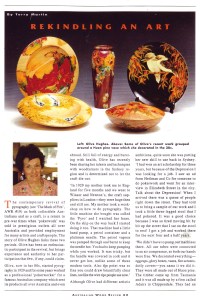
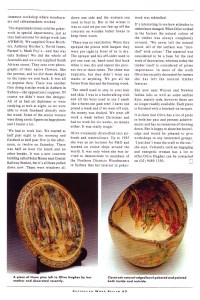
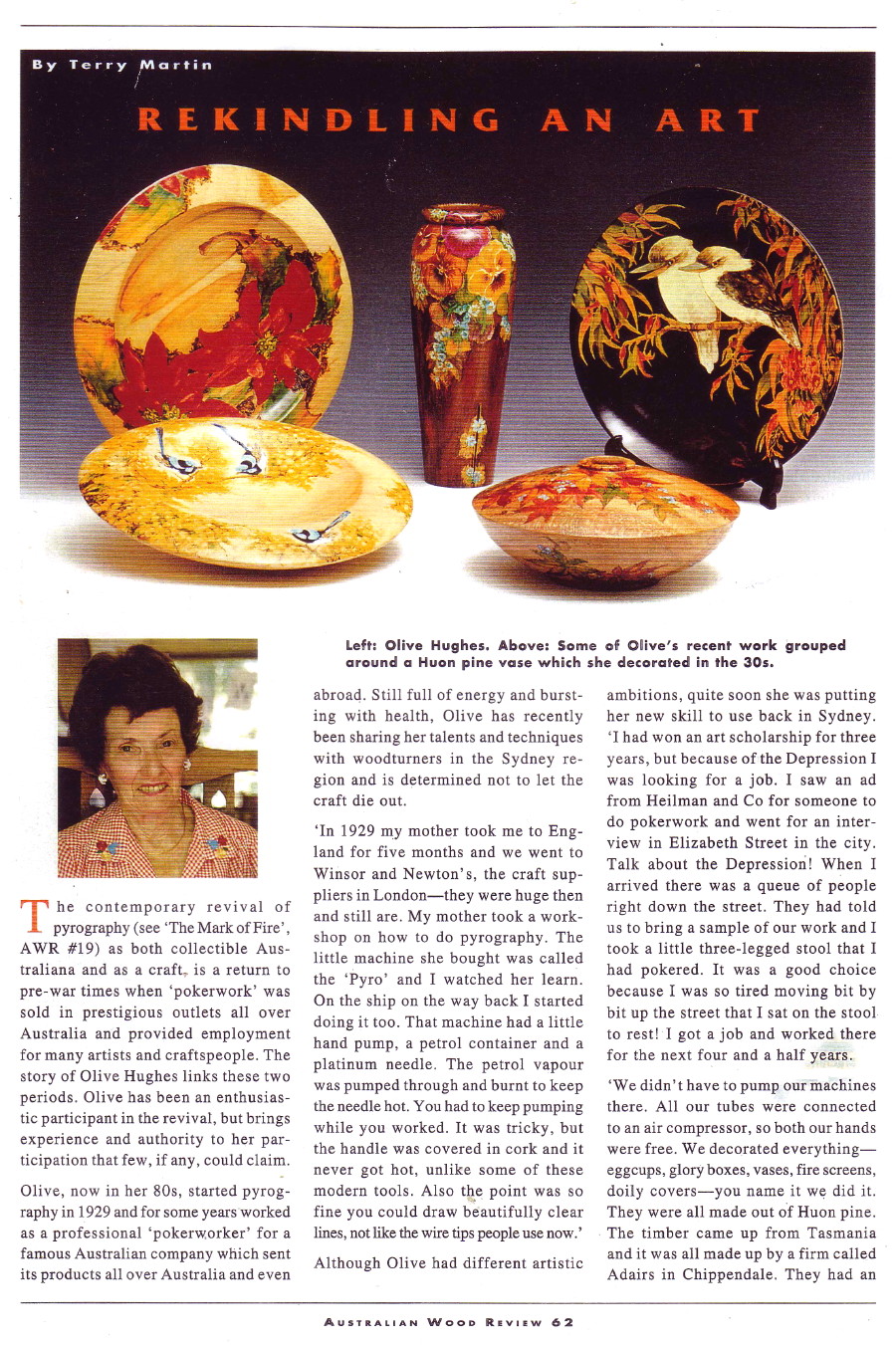
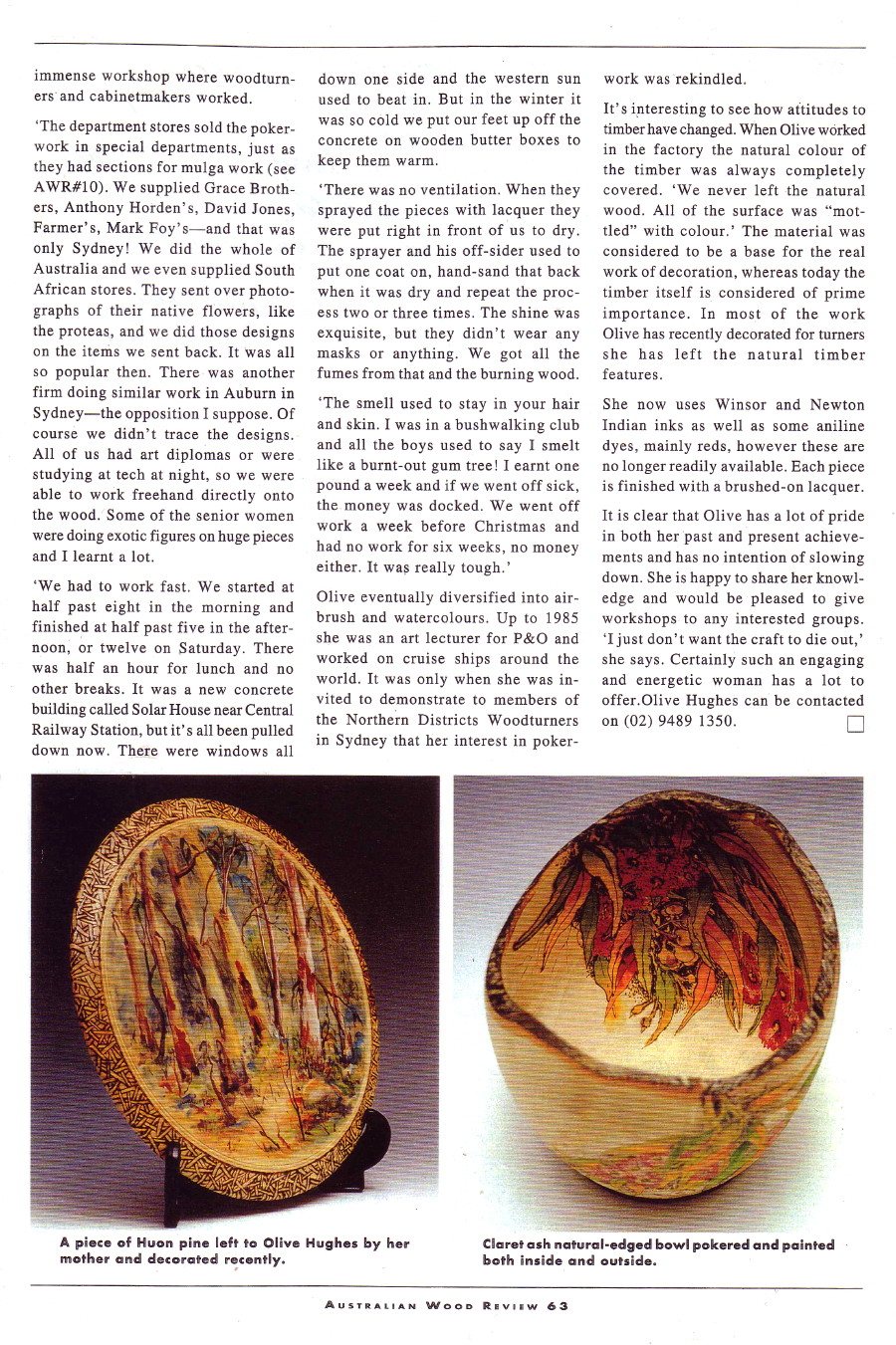
Great article, about life and art of Olive Hughes, in the „Australian Wood Review“ magazine.
Amazing what kind of wonderful art this lady produces in her mid 80’s.
Between 1981 to 1986, in her capacity as an Art Lecturer for P. & O. Shipping Lines serving the Pacific and the Mediterranean, Olive traveled to Japan, Korea, China, and Malaysia. She even managed to visit Nepal with a group of artists. That decade of the 1980s and even into 1991 was also a period when she had successful one-woman exhibitions of paintings and even sculptures, too. Besides Australia and the United States, her work is in private collections in England, continental Europe, Canada, and Japan.
pokerwork 14   pokerwork 15
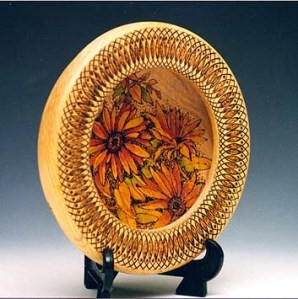
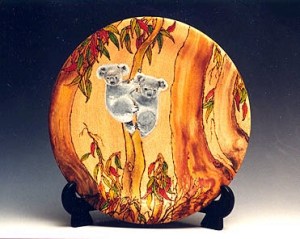
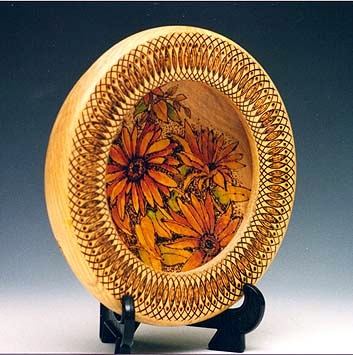
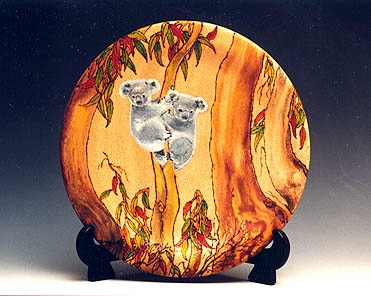
Deep bowl of Hoop Pine, daisy design worked in pyrography and color, deep on base and inside
of the bowl. Pyrography and color on wood, plaque of Silky Oak. Both made 1998, after more then
70 years of pokerwork art, both made by Olive Hughes. Powerhouse.
Pokerwork As Art.

Pokerwork was highly valued by the arts and crafts movement which, though often associated with Britain was equally important in Australia and in America. This movement was born in response to concerns that industrialization had “degraded in style and execution”. Proponents advocated a society where work was created “for the people and by the people, and a source of pleasure to the maker and the user” . The movement gained a considerable following of philosophers and artists, many of whom, including famous names like John Ruskin, William Morris and Ellis Rowan, drew on nature for inspiration.
pokerwork auction 011
Vases, candle holders and more. Vases often had a glass or metal inset to keep the wood water safe.
Australian Pokerwork demonstrated this interest in nature, focusing on Australian flora and fauna. Indeed, in Australia, Pokerwork was “espoused by the arts and crafts movement”, as representing their ideals and focusing on Australian designs. Additionally, at the time when Pokerwork was at its height there was a desire to create an Australian ’national design style‘, reflecting increasing nationalism.
aussiepok 005
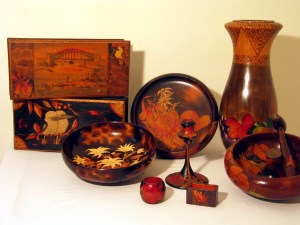
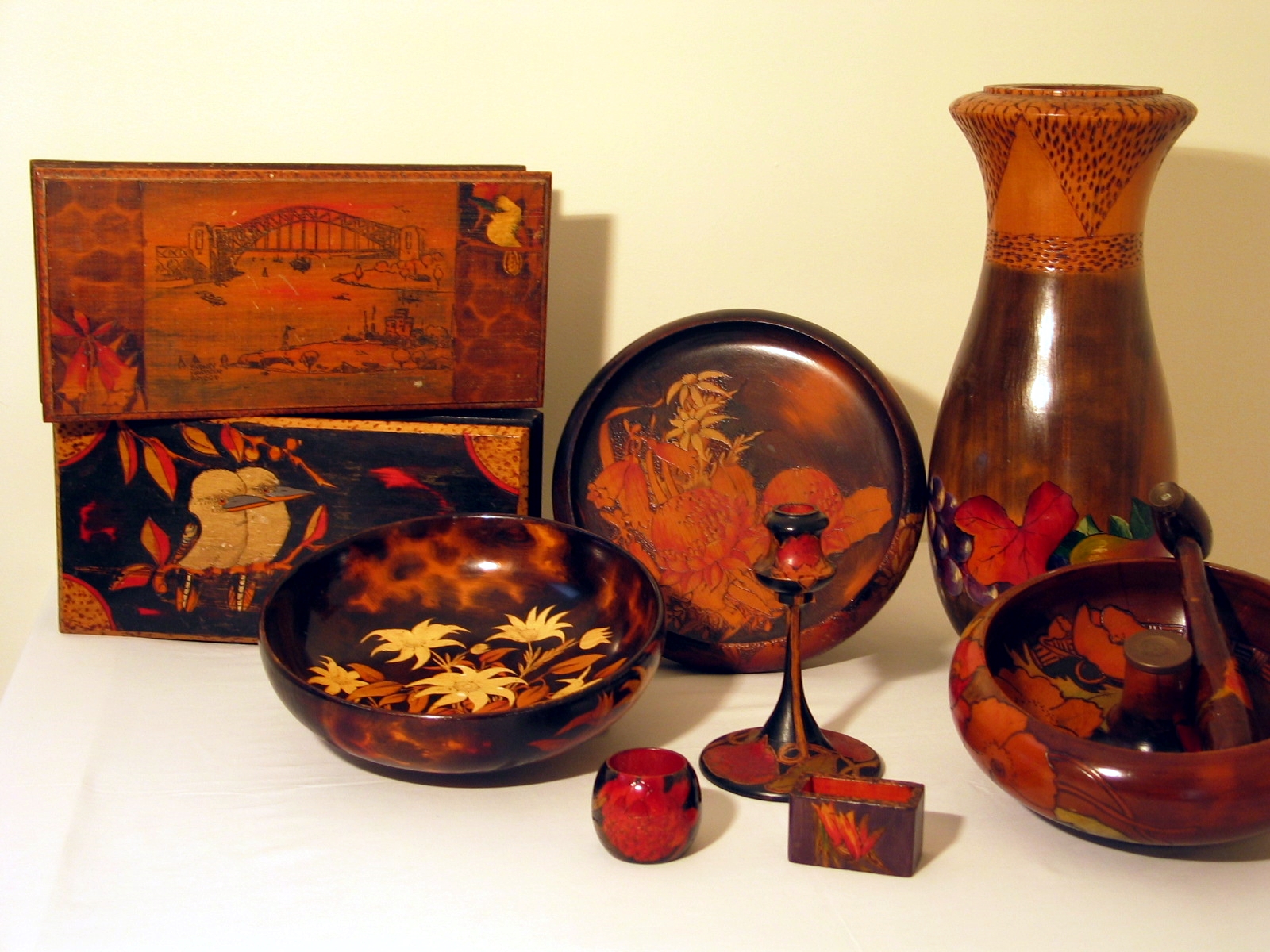
Finest examples of Australian Pokerwork Art.
After opening of the Sydney Harbor Bridge in 1932, the bridge was a popular motive.
Many groups promoted this and between 1906 and World War II, a permanent exhibition at the Technological Museum (now the Powerhouse Museum in Sydney, Darling Harbor) entitled Australian Flora Applied To Art aimed to inspire artists, and “encourage a love of country and its belongings”. Neither this nor its 1978 rest aging appear to have included Pokerwork, though Pokerwork is the style of art which mostly depicts Australian flora.
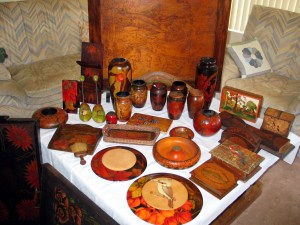
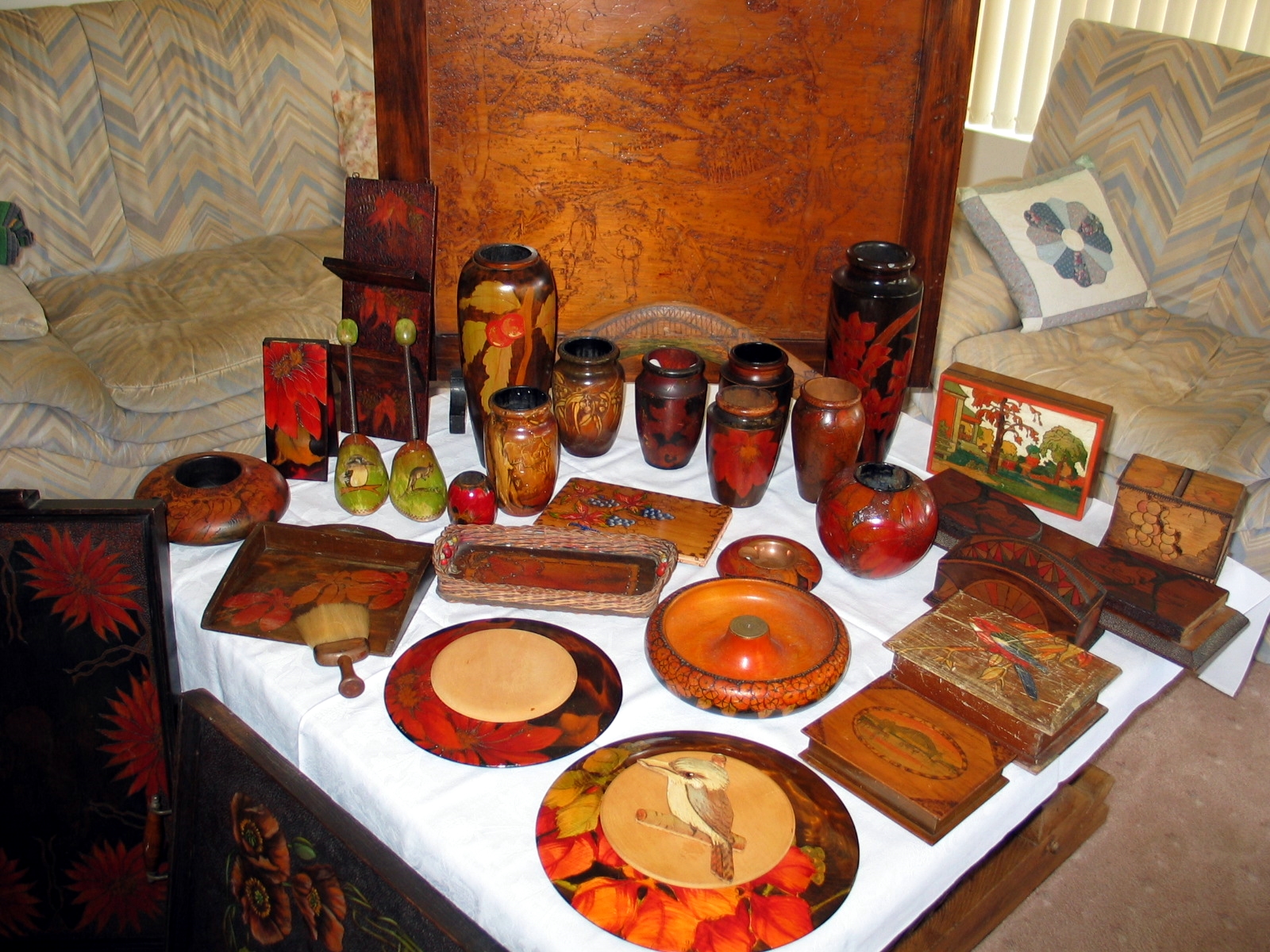
pokerwork auction 001
Look at the massive fire screen in the back, a whole landscape is beautifully poked on it.
A nut cracking bowl in the middle with metal top. Even shoe spanners were decorated.
Today, although Pokerwork is still regarded by most as ‘amateur’, there are established artists who use the technique in their work, including the Australian, Mixo Sydenham. Sydenham has exhibited not only in Australia, but internationally, including an exhibition in Austria’s Castle Marchegg. As well as being a talented pyrographic artist, Sydenham has been a driving force behind the push for greater recognition of this art form.

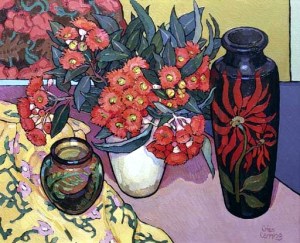
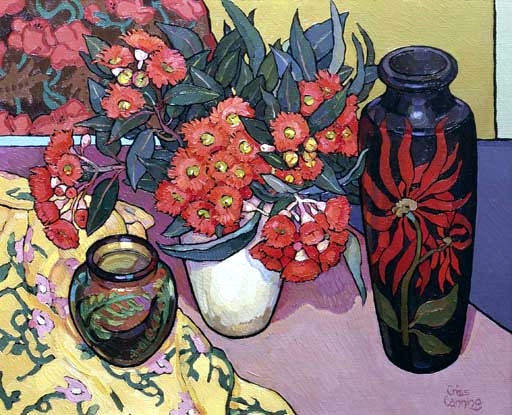
pokerwork 10                  pokerwork 9
Left: Very modern, a panel decorated with a colorful lizard design pokerwork.
Right: Beautiful oil painting with pokerwork art shown in art.

Pokerworking, especially of functional items, reflects early 20th century domestic life and “almost everyone who lived in Australia before World War II seemed to have at least one Pokerwork ornament or decorated utilitarian object”. Yet it is also an art form which is under appreciated today, despite its significance to social history and the arts and crafts movement. If you look on value of single pieces, more then 90% are underestimated. Some rare, well known artist mades are fetching prices, which represent the real value of such fine art work. Remember, the next time you see a piece of Pokerwork, appreciate the craft involved and don’t discard it so easily!

Veröffentlicht unter Collecting, History, Hobbies, Information | Verschlagwortet mit , | 4 Kommentare

Our Funny World

Look at the world we live in.

Many times I hear complaints about the country we live in.
It was in Europe, Australia, USA, everywhere and now in Uruguay.
People like to see only what is NOT SO GOOD. But – every country
has it’s goods and bads, if one compares, one should compare both.

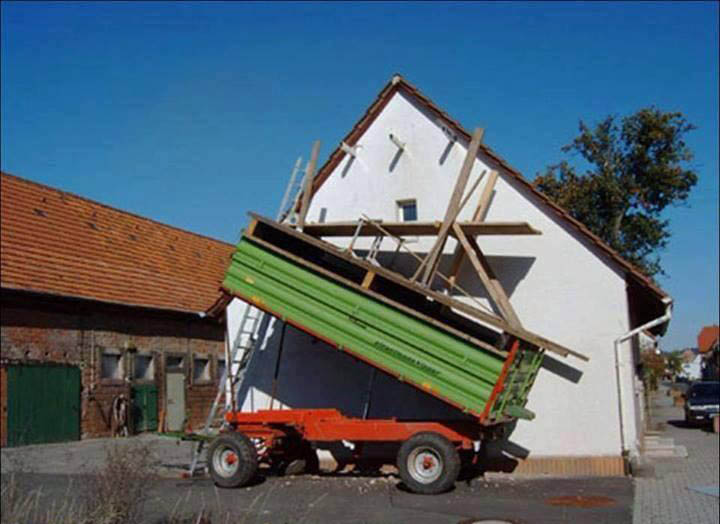
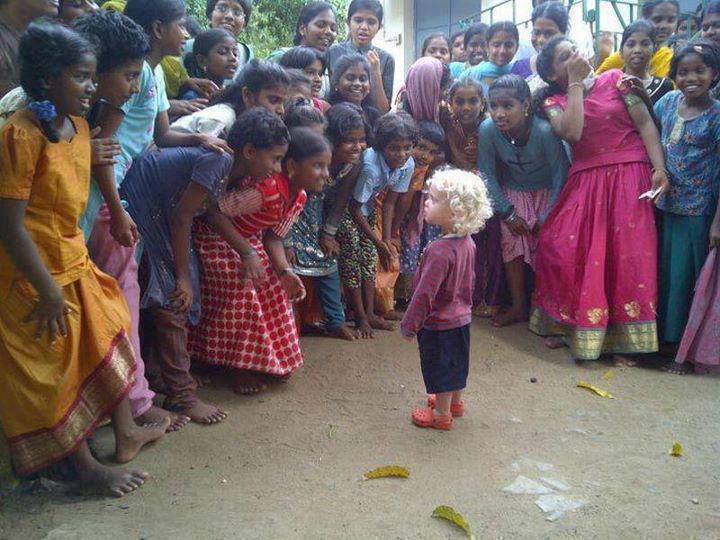
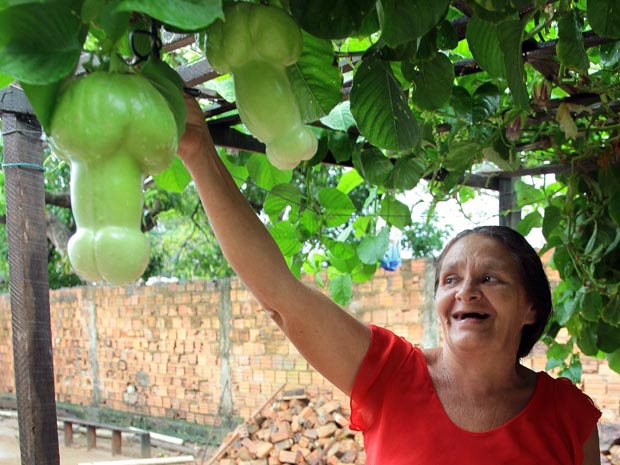
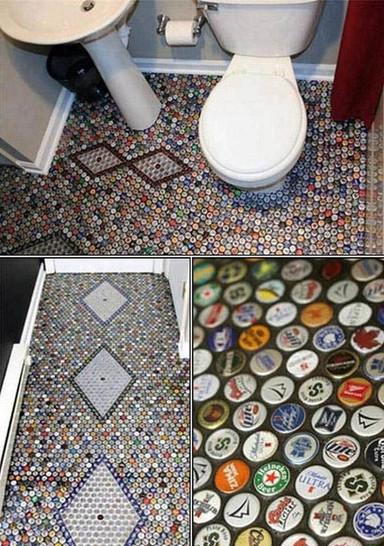
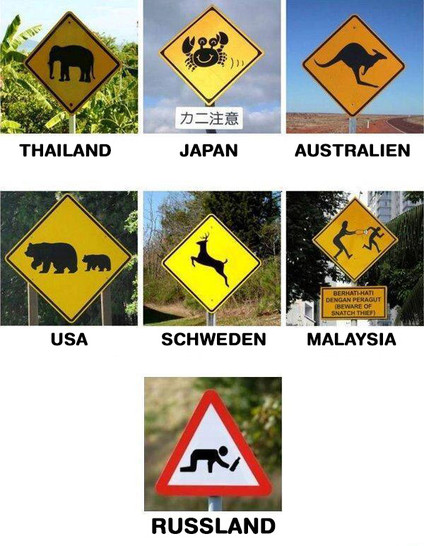
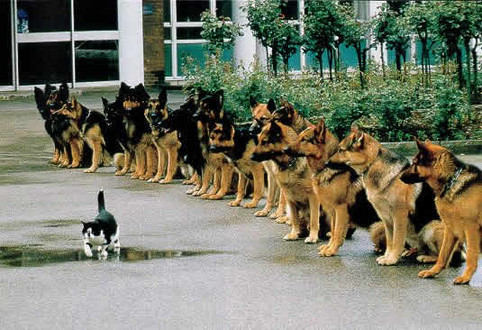
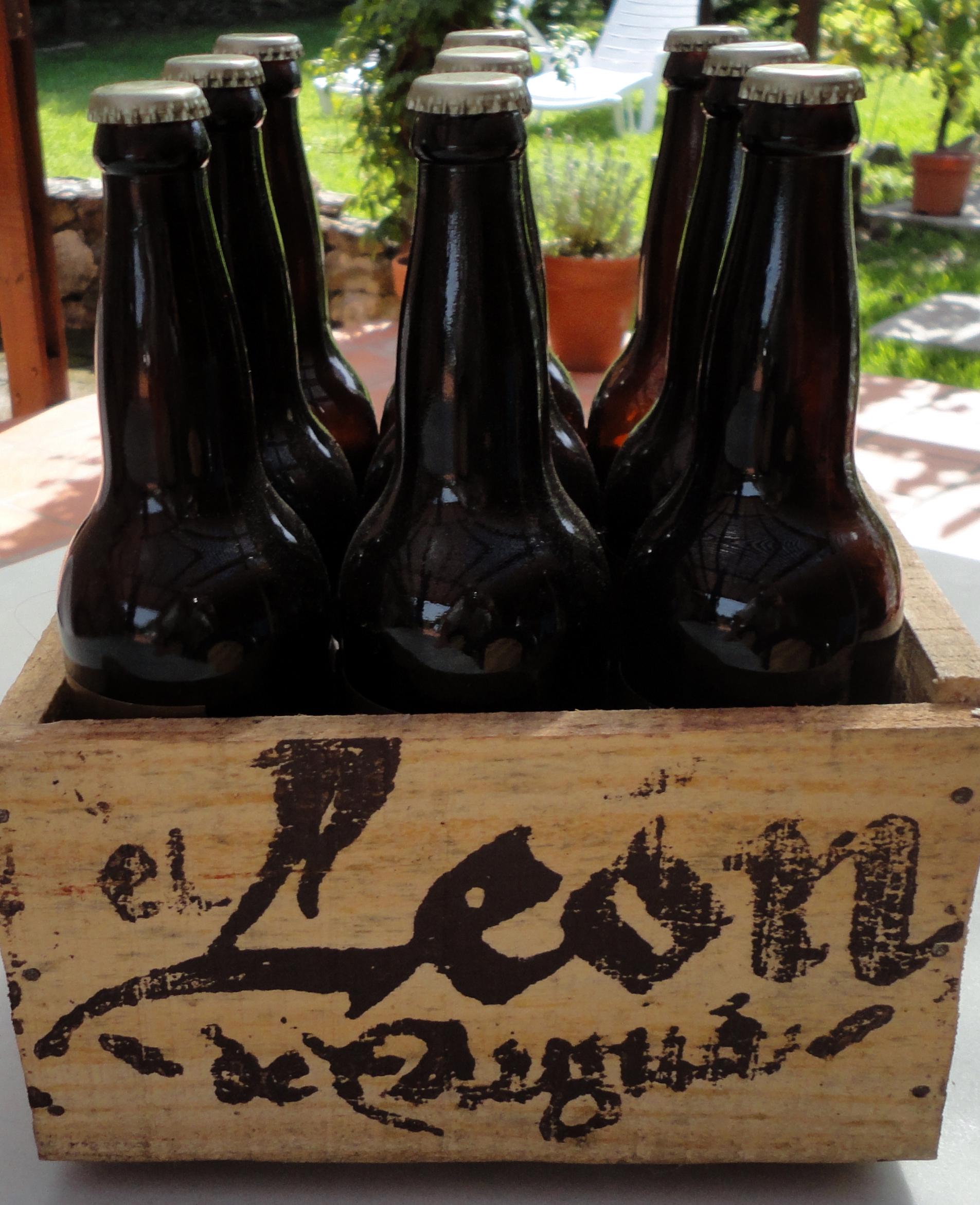
Here are shown 30 pics from around the world, only one is Uruguay.
Can you find out which one ?
Or if you like, guess which pic is from which country. I will post
the answer ( Top row left = pic 1, Top row right = pic 2, Second row
left = pic 3, Second row right = pic 4, and so on) in a few weeks.
29 different pics (except the signs) from 29 countries. HAVE FUN !!
2015 1  2015 2


2015 3  2015 4


2015 5  2015 6


2015 7  2015 8


2015 9  2015 10


2015 11  2015 12


2015 13  2015 14


2015 15  2015 16


2015 17  2015 18


2015 19  2015 20


2015 21  2015 22


2015 23  2015 24


2015 25  2015 26


2015 27  2015 28


2015 29  2015 30

Veröffentlicht unter Information, Travel, Uruguay | Verschlagwortet mit , | 1 Kommentar

The Lion of Aigua

leon 3
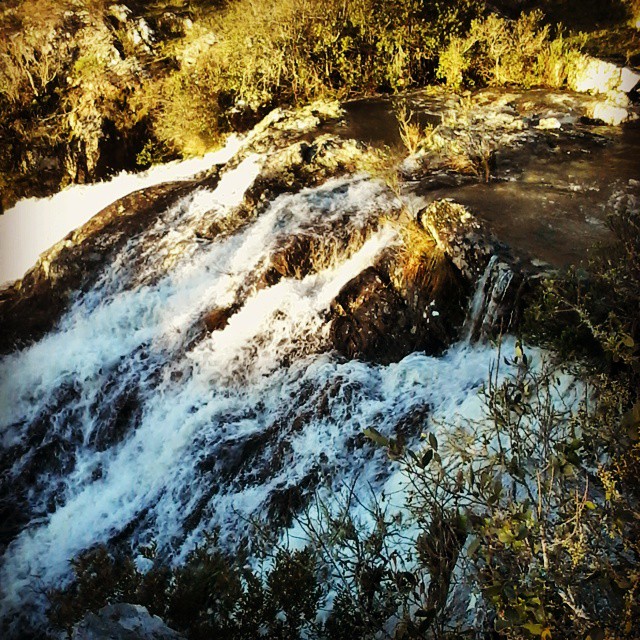
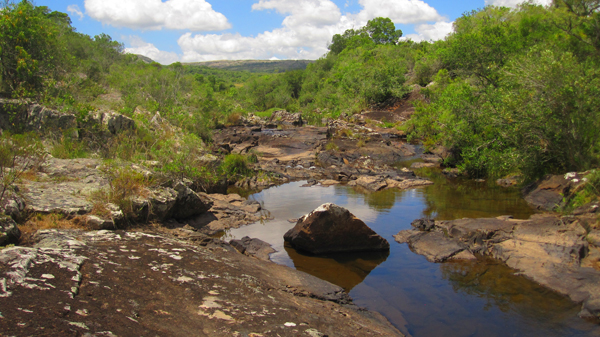
Waterfall in the mountain area near Aigua.

My odyssey with a young brewery.

We sometimes make very strange experiences in Uruguay. I like to call it
retirement adventure – why not ?
Some month ago I came along the information of a new private home brewery
in Uruguay. Interesting, I thought, lifestyle has finally arrived.
And may be interesting to write about in my new founded blog.

With my German experiences of wonderful hours in cozy little breweries,
where you can taste a few home made beers and  nice snacks , may be making
new friends over a cool glass of brew, I was very keen to see this brewery.

hausbrau 4  hausbrau 6
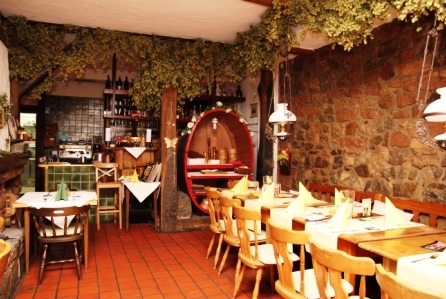
Above impressions went through my mind when I thought about a new home brewery. Nice restaurant,
atmosphere, some good food and lots of beer to taste. I know – my problem, having dreams as such.

Since I got a web address, I looked it up and found wonderful photographs of
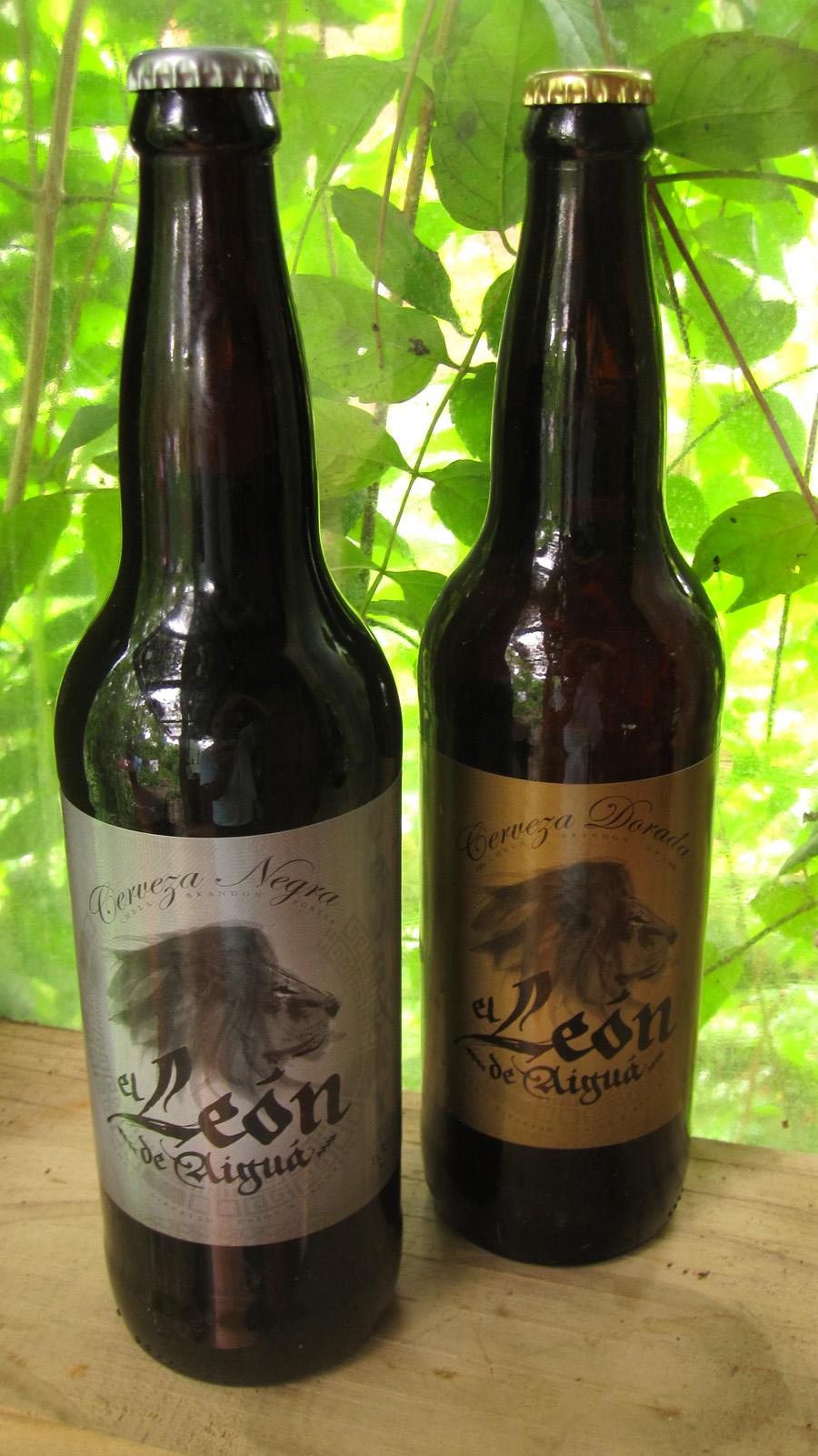
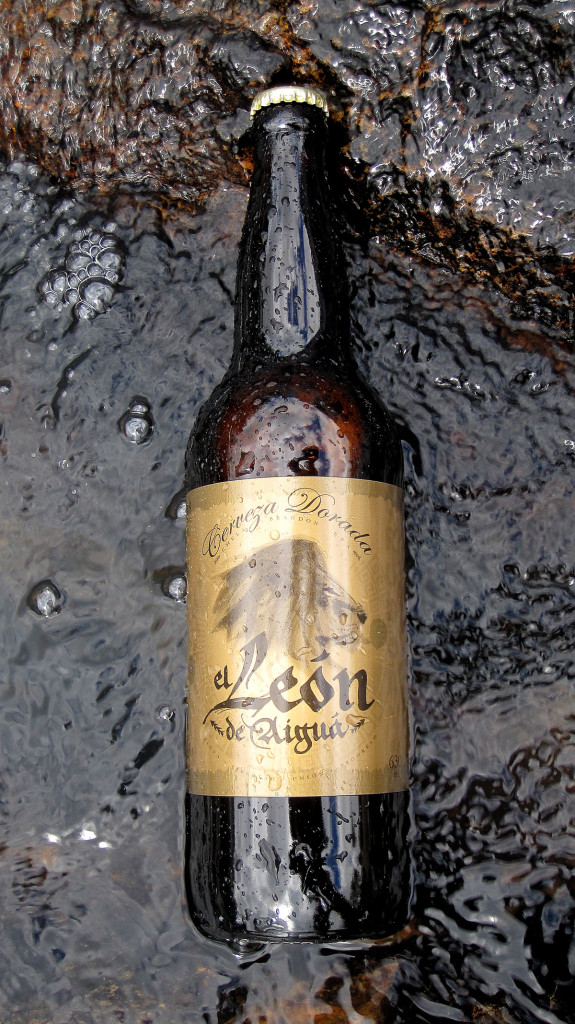
lovely beer bottles in a fresh stream of spring water. A silver label (cerveza
negra) and a gold label (cerveza dorada) designed with a great lion head.

UY beer 37                        UY beer 36
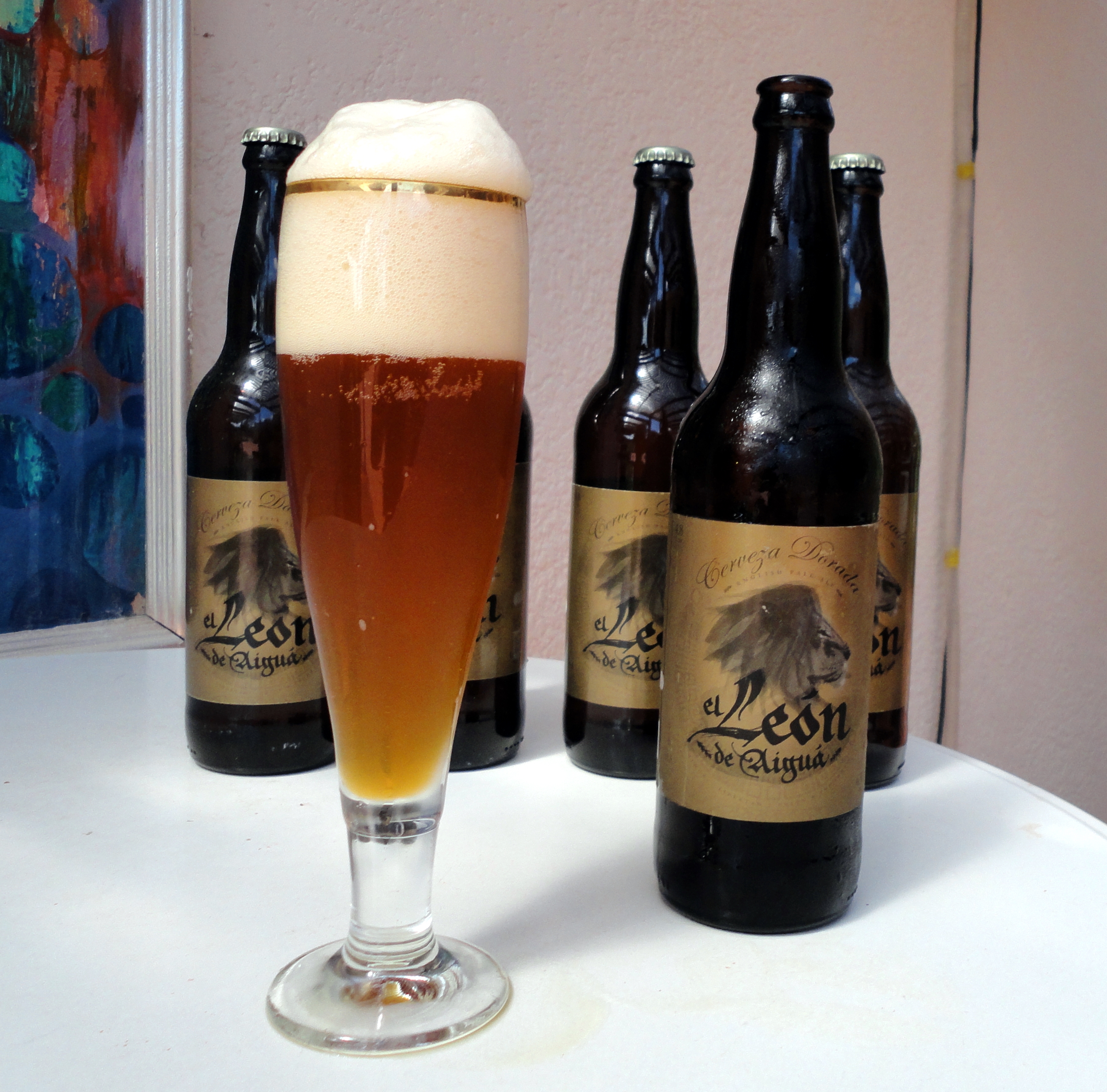
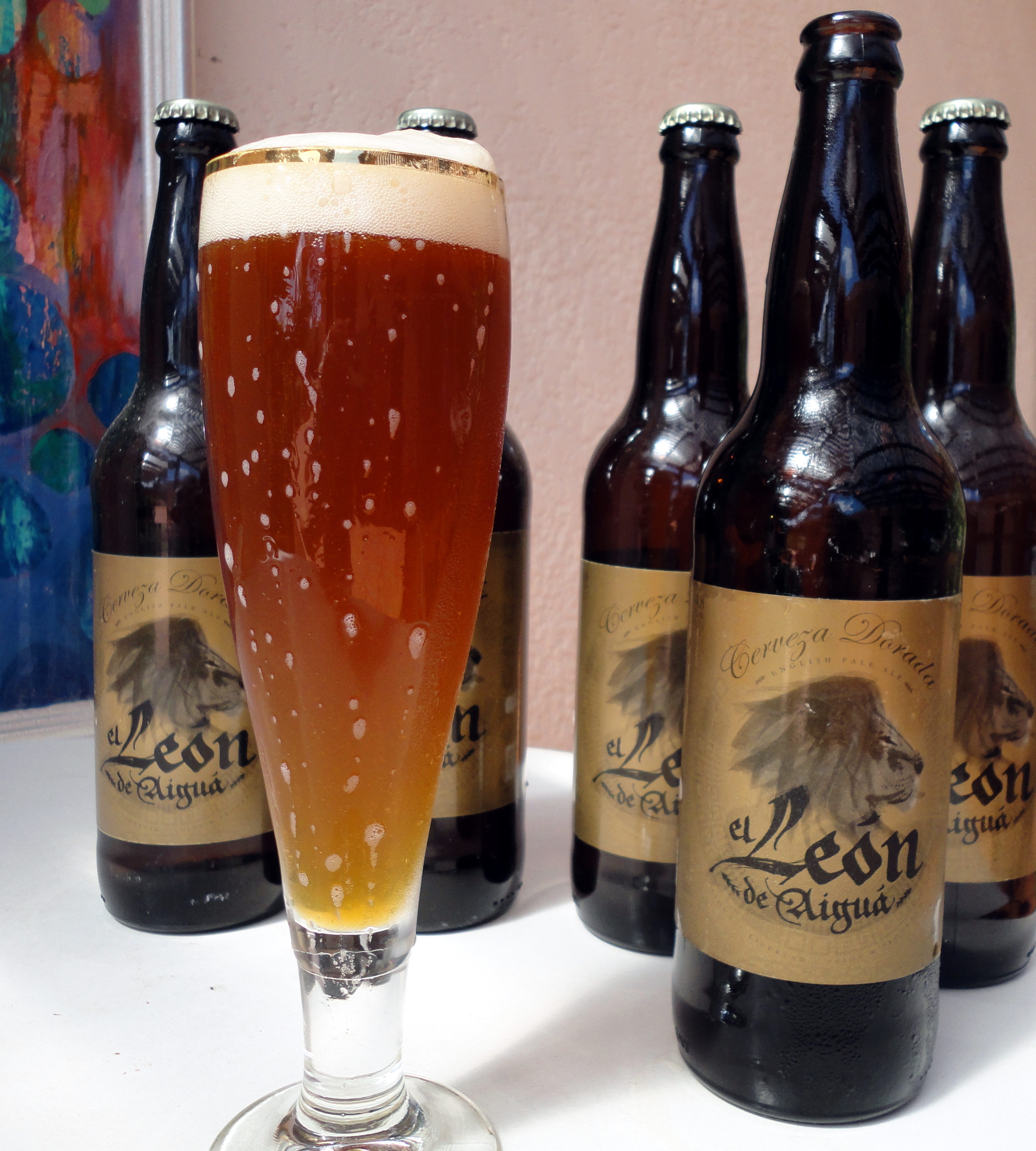
The Lion beers, the silver – a porter like dark ale and the gold – a light amber style.

El Leon de Aigua.

*************************************
This is how they advertize on their homepage:

EL LEÓN DE AIGUÁ ®
Paraje El León – Aiguá, Maldonado, Uruguay
Ruta 109 Km. 13.5
Planta Industrial:
Libertad San José – Ruta 1 km. 44
Nº 183A – 1807- SERIE D – Receta ®
Empresa declarada de interés Municipal
por el Municipio de Aiguá en 2014
It is a small agro industry that begins on the banks of the
brook „the lion“ near Aiguá, Maldonado,
there is planted hops.
Barley is planted in Soriano.
The recipe is cooked in the area of Liberdad,
Glass bottles are manufactured in Montevideo,
Beer is distributed in Maldonado.
**************************************

All that looked very inviting and promising. I definitely wanted to see more.
The street address was shown in Aigua. Since I have never been in Aigua
before, I thought it’s a trip worth and have look.

leon 9
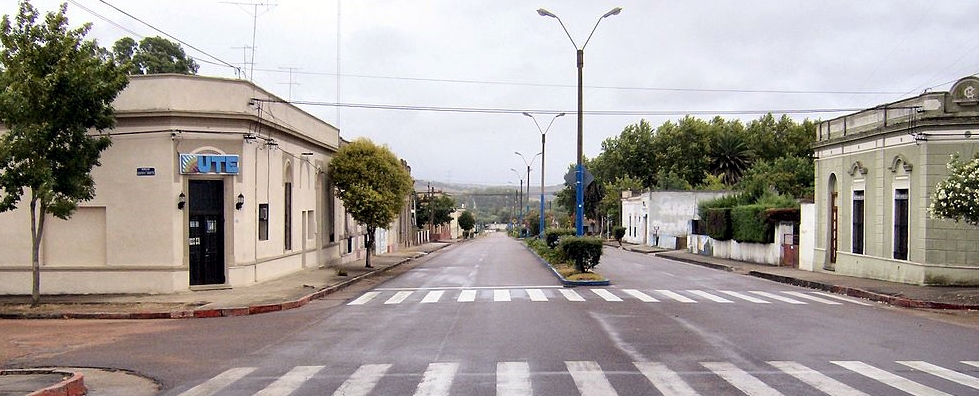
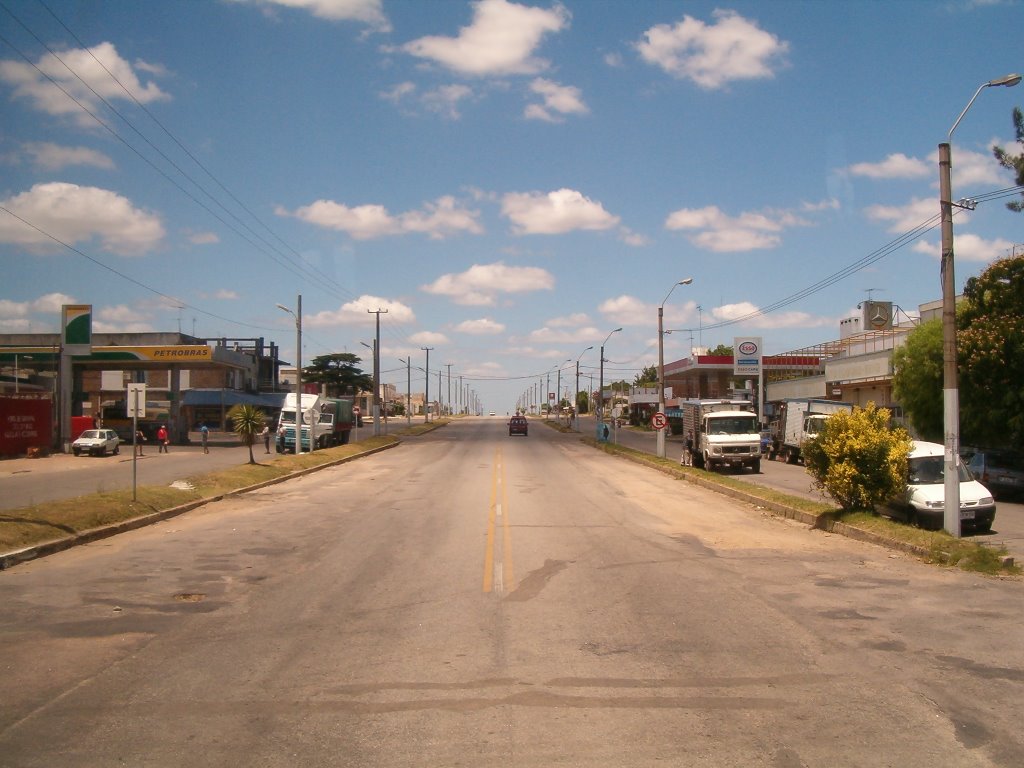
Main street in Aigua, a sleepy town in outback Uruguay.

I make a long days trip short. Up and down the ruta 109, asking even at the
tourist information in Aigua. Nothing ! They never heard about, there is no
brewery and on the ruta – just dry desert . Over 400km driving for nothing.

DSC00260
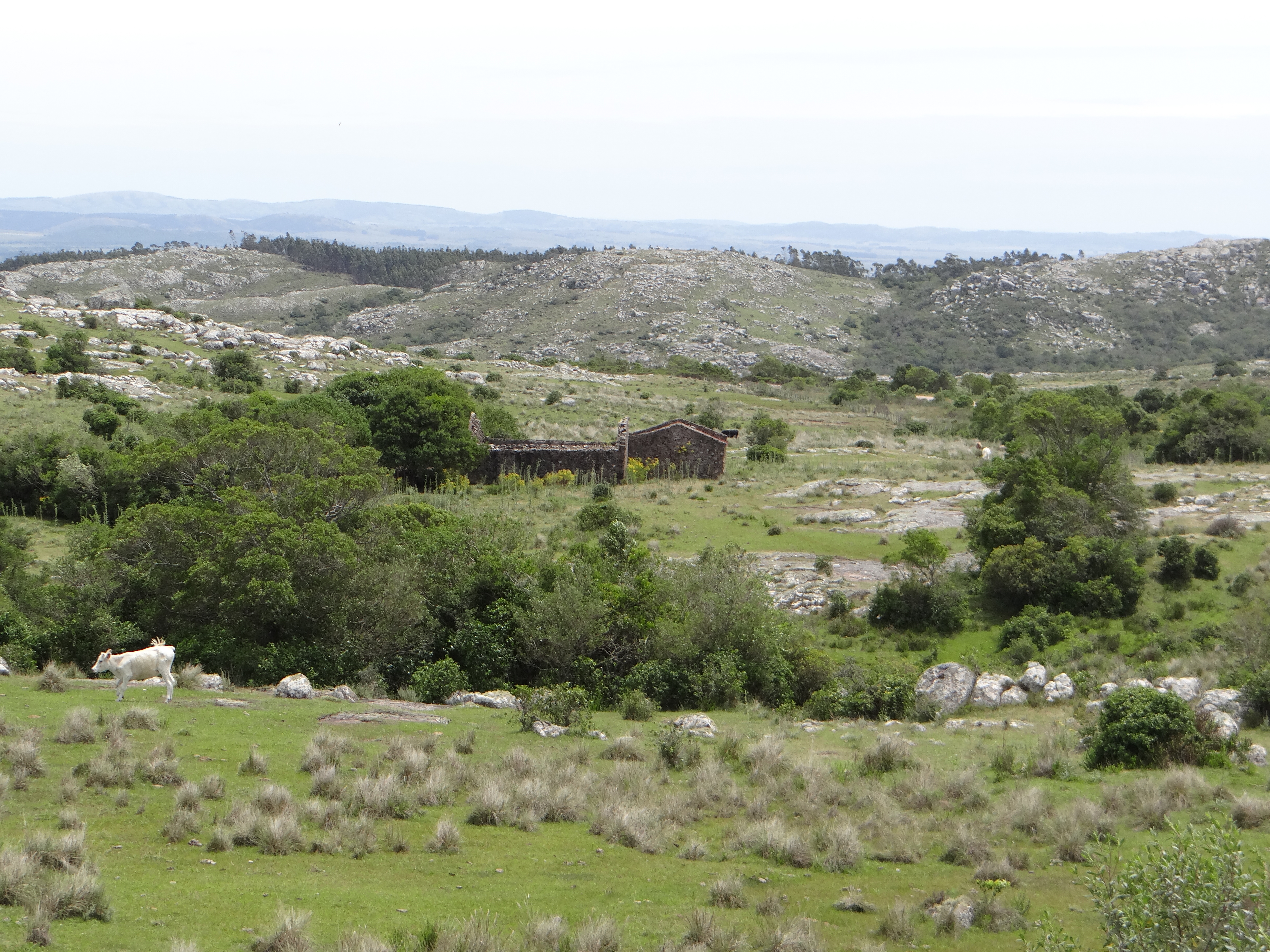
Nothing but stony desert around km13.5 on ruta 109.

Back home, I thought, write an e-mail and see what’s going on.
So I did, and received a friendly answer with some lectures, that
1. I should have phoned before driving that far.
2. There is nothing to see at the ruta 109, all (the water stream may be ?) is
more inland and only to visit by appointment.

leon 4

3. The brewery is in Liberdad and not in Aigua.
4. Sales of the beers are only through ANCAP stations in Maldonado. Wow !

O.K., I thought, all my fault. So I wrote again and asked if it is possible to see
the brewery, to buy some beers and to come to Liberdad. I never received an
answer on that. I tried a few more times, but no contact.
I am not the one giving up that quick.

Searching for the LION.

A few weeks later I was in Maldonado again and searched for the new beer
„El Leon de Aigua“, as they mentioned in their mail.
Two ANCAP stations never heard about, they looked at me like „strange gringo“.
But – hurray, the 3rd one had it in stock, gold labeled El Leon de Aigua !!!

DSC01466

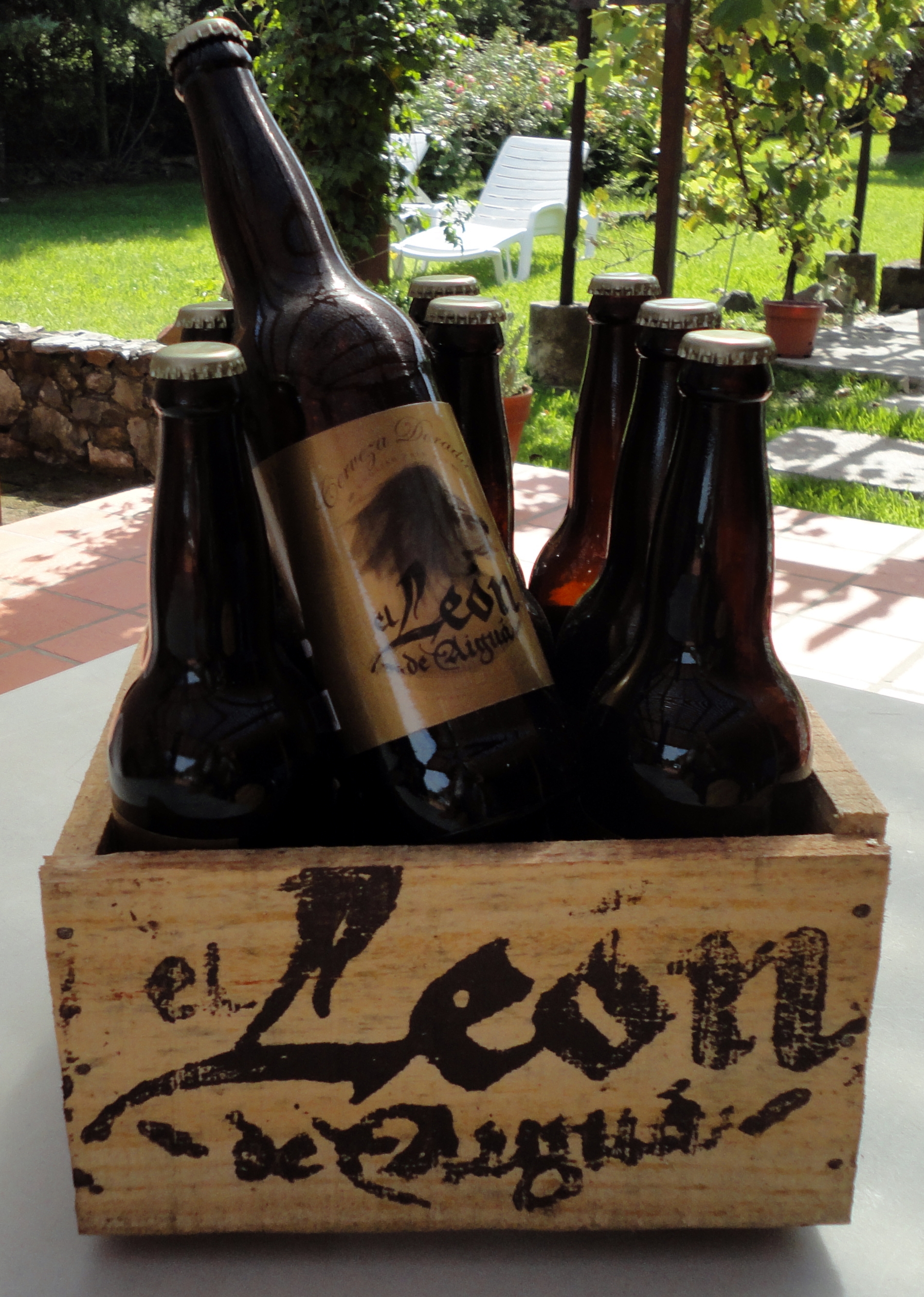
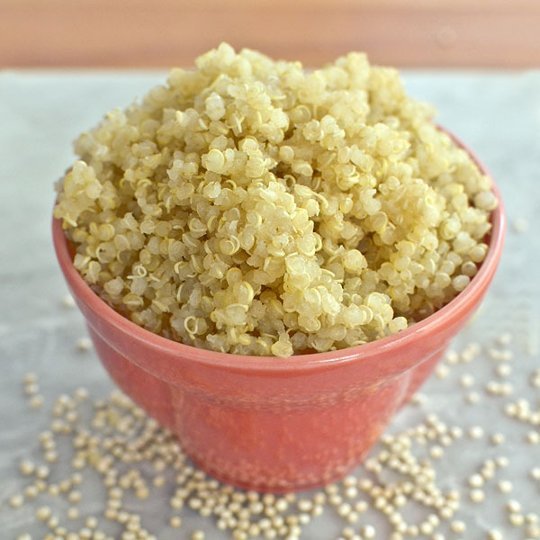
I decided to buy a box with 9 bottles, and believe it or not, they even had the
wooden box. So, 9 bottles of beer in a box 1.480,– pesos, 165,–pesos per bottle
of 630ml. A 960ml bottle of local beer is usually around 70,–pesos !!!
What a surprise, I never thought about buying the whole brewery !!

But if I start something , I go through. So I asked the lady at the gas station
counter for the silver labeled beer .
Answer, „Silver is brewed in winter time only, now in summer time it’s the gold“!
An answer with no logic reason, but I could live with it.

Beer tasting.

Next I did, because the beer was lovely chilled, I surprised a couple friends of
mine in Maldonado, to taste this new beer with me. So, I drove along and guess,
we all were very positive about it.

DSC01461

A honey colored, or if you want amber colored, light cloudy beer with a nice
foam. Alcohol content is 4,8% and the bottle content is 630ml.
Most important, the taste is fruity, medium dry and fantastic to drink.
Spontaneously we decided, that can be our new home brew, but then – appeared
the price question and the positive discussion was over.

DSC01464

During the following days I enjoyed the remaining bottles and left the box aside.
Last month in Maldonado, I went back to ANCAP with the empty bottles, may be
receiving some bottle money!?
Short answer, we don’t deal with this beer anymore. O.K. bad luck again.

Another 200km Search.

leon 10
Main street in Liberdad, San Jose.

Once again, I don’t give up. A few days later I decided to drive to Liberdad San Jose
and face the brewery at ruta 1, km 44. Guess what ? You are right – Nothing !!
So I went into the township and asked at the post office, a hardware store and at a
gas station where the brewery „El Leon de Aigua“ might be. No one ever heard about
and an hour circulating around the area brought up no results. May be I should have
looked into sheds, backyards or private cellars, who knows.

leon 2
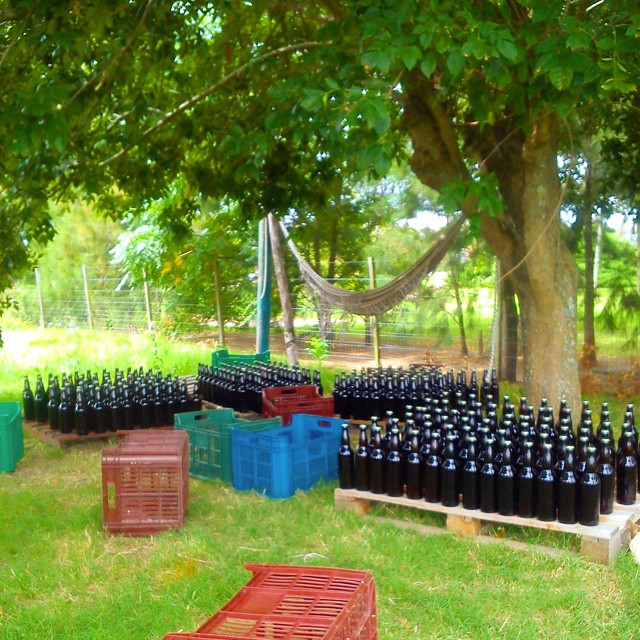
Beer bottles in a backyard, where ever. I couldn’t find them.

I decided to drive home via Canelones, visiting a very nice winery, having a wine tasting
with snacks and coffee ( no payment at all ), and finally spending my money on lovely
wines instead beers. Bad luck dear „LION OF AIGUA“.

Back home, I couldn’t help myself, and looked into the El Leon website again. Surprise,
surprise. Many more nice photos as there were before. The Silver label beer is not shown,
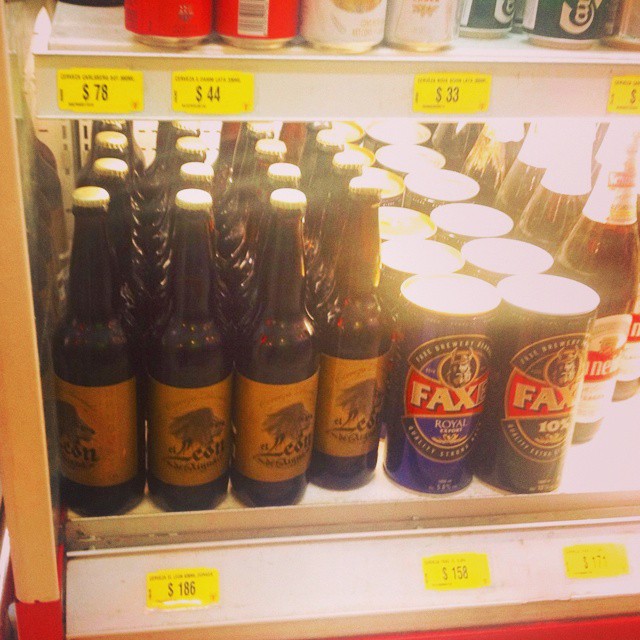
may be not existing anymore. Instead I found a pic, showing the shelf of Tienda Inglesia,
selling this beer for 186,–pesos a bottle. WOW again.

leon 1
The shown shelf of Tienda Inglesia, but which one, where ?

Never give up ?

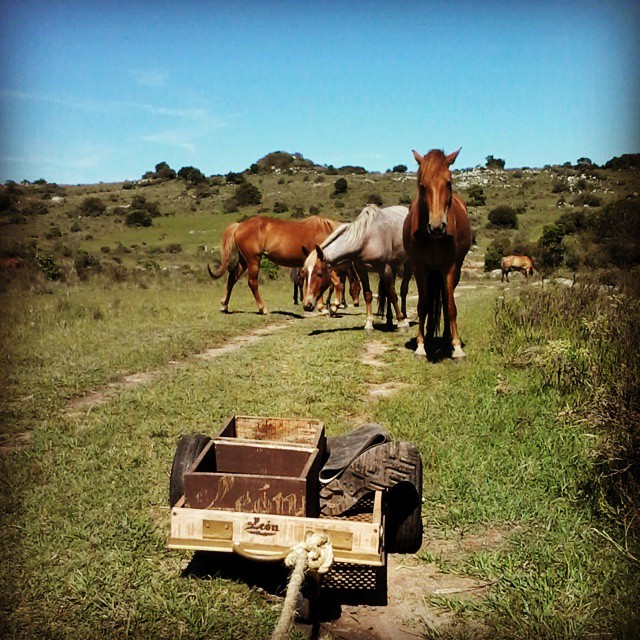
Many many nice „nature“ pics, like flowers, plants and horses, but not one of the brewery
itself, except a few bottles in a backyard, or on a homemade trolly.
Since Inglesia takes back all kind of bottles, I put my 9 goodies in a bag (wooden boxes
they won’t take anyhow – except may be in wintertime) and drove to Tienda Inglesia.

leon 7
Nice photo of some landscape with horses. What does that „El Leon de Aigua“ trolly
in front mean ? Same trolly you can see in a short video they show. But brewery ???

Ha Ha Ha – they have this beer not for sale, they even never heard about it – means
of course, they can not take the empty bottles.
What – never give up ?  Yes, sorry guys, now I give up !
I have better things to do, as teaching an Uruguayan brewery about Marketing or Sales
or Management. Even if it was my profession for over 30 years.

DSC01467

Just thinking – May be, I could try to contact the „LION OF AIGUA“ again ???
Or copy the Tienda Inglesia photo and go back to them ???
Or may be I should drive around and find the „right“ Supermarket, where they sell LEON ?

Very clear, my friends, I am not negative, it’s just the way how they do business in
Uruguay, how they think marketing works and how they think they can be successful.
And for sure, it’s all my problem, if I want a special beer and if I am too stupid to find it.

leon 5

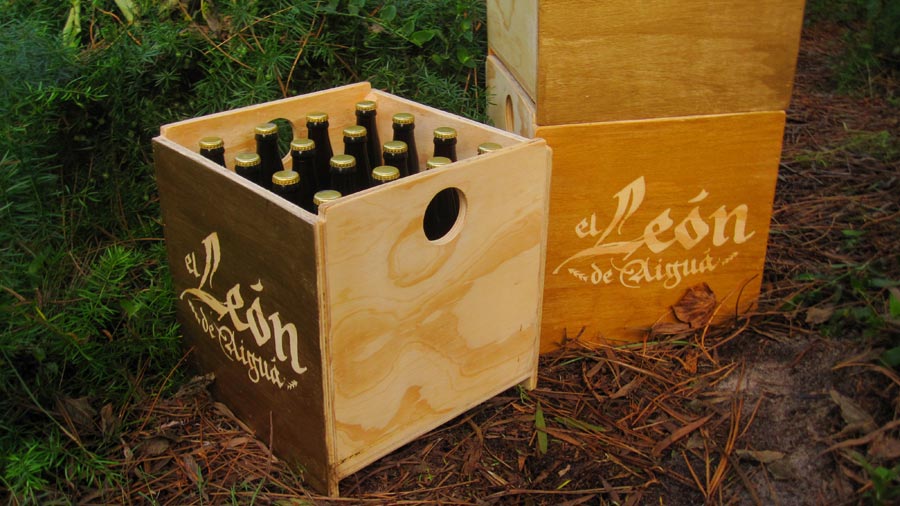
All the „brewery“ pics are taken from the website of El Leon de Aigua. Meantime I saw a
pic there with a wooden box of 16 bottles content. Makes almost $uy3.000,– for the box.
Let’s be patient and give a young enterprise a chance to learn and to grow. GOOD LUCK !

Veröffentlicht unter Information, Lifestyle, Travel, Uruguay | Verschlagwortet mit , | 2 Kommentare

Valentine’s Day

img539
Antique Valentine Moving card from 1898. Author’s collection.

This coming Saturday, the 14th of February 2015, is Valentines Day again.
Every year on Valentine’s Day floral and chocolate gifts speak the language of
lovers. Wrongly it is assumed that this day was invented by florists and chocolatiers.

valentin 25
Valentine’s postcard from the 1920’s. Authors collection.

Origin of Valentine’s Day.

Saint Valentine’s Day, also known as Valentine’s Day or the Feast of Saint Valentine,
is a holiday observed on February 14 each year. It is celebrated in many countries
around the world, although it is not a holiday in most of them.

St. Valentine’s Day began as a liturgical celebration on a early Christian saint named
Valentinus. Several martyrdom stories were invented for the various Valentines that
belonged to February 14.

valentin 13
Saint Valentine of Terni oversees the construction of his basilica at Terni,
from a 14th-century French manuscript. Terni is located in Umbria, Italy.

According to tradition, the roots of Valentine’s Day dates back to Bishop Valentine of
Terni. He is said to have blessed the 3rd century AD in love with flowers and carried
out against the will of the state ceremonies. His execution was allegedly held on
14 February. However, there are various speculations on St. Valentine and until today
realities of that time could not be accurately determined.

valentin 14
Saint Valentine (Latin: Valentinius) is a widely recognized third-century Roman saint,
commemorated on February 14 and associated since the High Middle Ages with a tradition
of courtly love. Precise dates born and died are unknown. His execution is dated to 269bc.

Another origin theory refers to an ancient Roman festival of the goddess Juno, patroness
of marriage. On this day it was common for Roman husbands to
give their wives flowers. The not yet married, young women could be, however, make a
love oracle in the temple of the goddess Juno, to find the right man for life.

Some Valentine’s Day traditions:

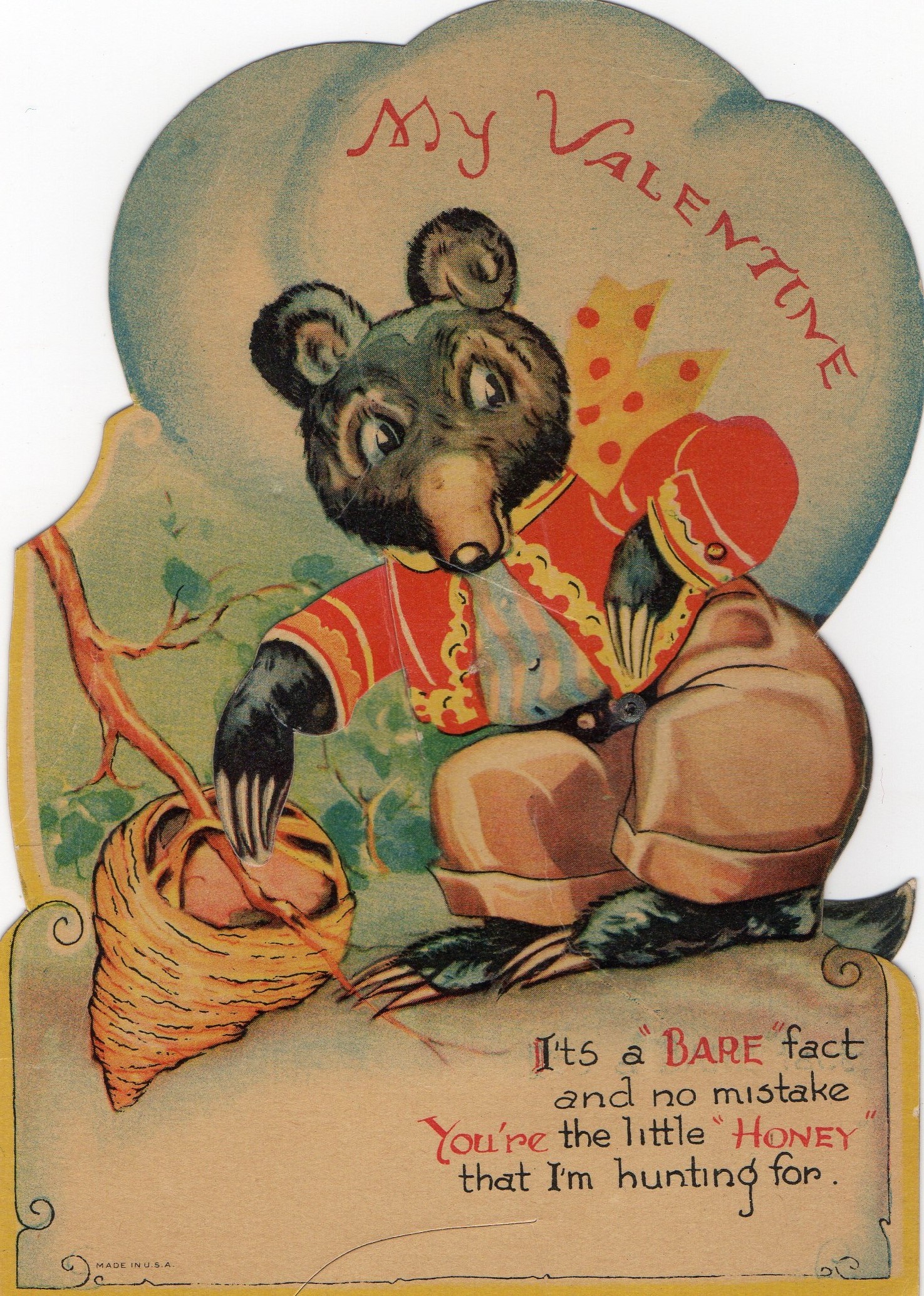
img540                      img541
Sending postcards to Valentine’s Day was as attractive as sending Birthday cards or Christmas cards.
These, here shown, four cards are „undivided back“ cards, and posted during 1904 and 1905.
Authors collection. Click on the pictures to super size.

In Asia :

The Chinese counterpart of the Valentine’s day is named Quixi and falls on the seventh
day of the seventh month of the Chinese lunar calendar. According to legend, it is the
evening when the „shepherd boy“ and the „weaver girl“, two stars separated by the
Milky Way, can be together for one night.

In Europe :

Couples in love in some countries like Italy and Hungary give each other a padlock on
Valentine’s Day, on which they write their initials. Then they lock the locks off at a
bridge railing and throw the key into the river – as a symbol of eternal love. In Italy
they had to close an old bridge already for this kind of celebration, because of the weight
of padlocks which used to threaten the bridge collapsing.

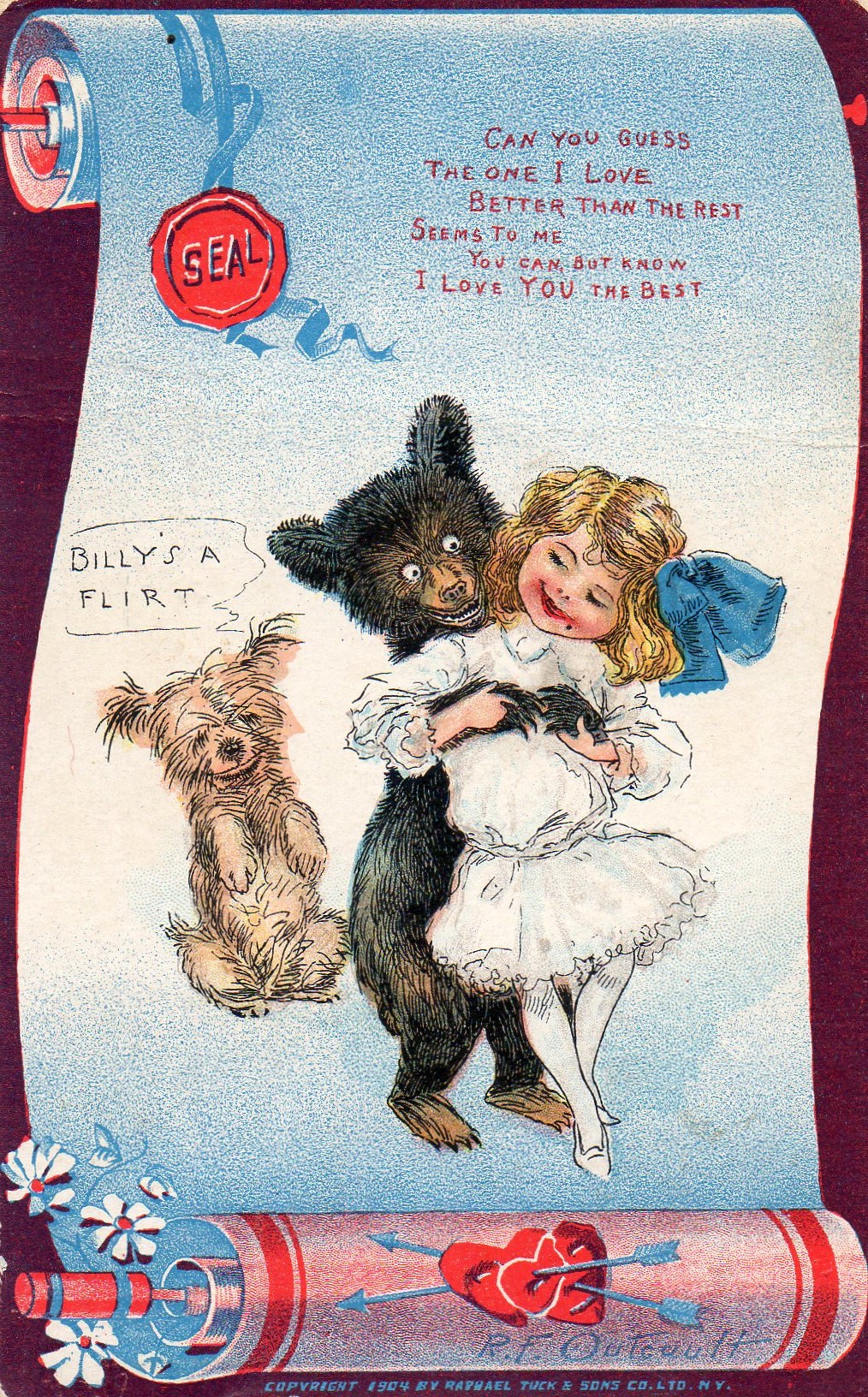
img542                       img543
These shown 4 cards are extremely rare and designed by Richard Felton Outcault (14.01.1863 – 25.09.1928)
He was an American comic strip writer-artist. He was the creator of the series „The Yellow Kid“ and „Buster
Brown“, and he is considered the inventor of the modern comic strip. Magnificent drawn Valentine Cards.

In America :

In the US state of Colorado, there is a town called Loveland, where all love post for
Valentines day will be answered, and send back hand stamped to the sender.

In most countries of the world :

Giving small gifts or chocolate to the loved ones is widely spread.
Still, most people send or give flowers as a gift, especially Valentine’s day is very
early in spring time, flowers starting to bloom and people are keen to have fresh colors.

valentin 15   valentin 24

Not to many people think about and know about different meanings of different flowers.
But you should do, before using them as a gift. Here I show some examples.

Meanings of Flowers:

There is a language, little known,
Lovers claim it as their own.
Its symbols smile upon the land,
Wrought by nature’s wondrous hand;
And in their silent beauty speak,
Of life and joy, to those who seek
For Love Divine and sunny hours
In the language of the flowers.
Book of Flowers, London, 1875.

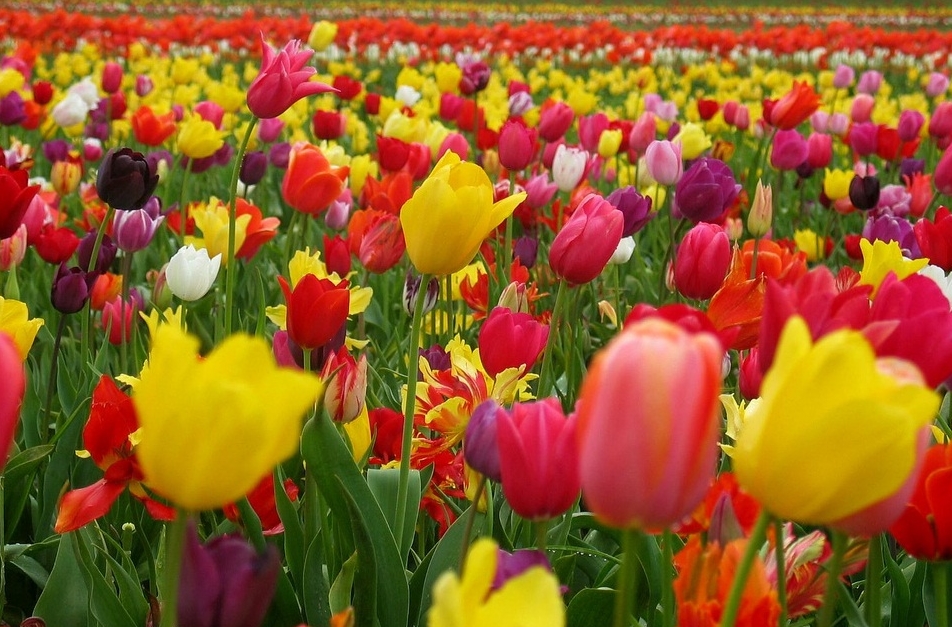
Meaning of Tulips: Perfect Love.

valentin 1

Like roses, tulips generally symbolize perfect love, but the exact meaning can vary with
the color. Yellow tulips are for those hopelessly in love, for example. And romantics may
want to steer clear of white tulips. Though not particularly malicious, they symbolize
forgiveness, which may send the wrong message.

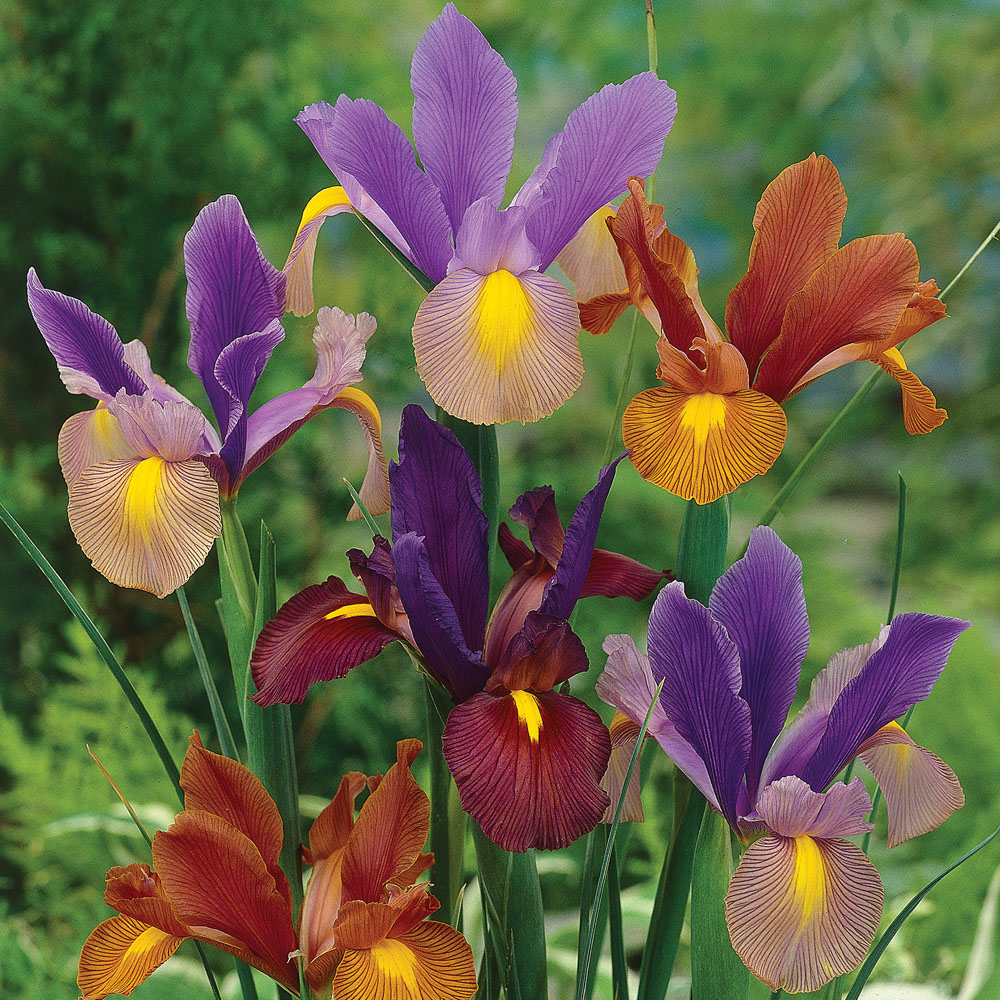
Meaning of Irises: Faith and Hope.

valentin 2

The gorgeous flowers are rightfully admired by many, including Vincent Van Gogh, who
captured them in his iconic painting. The flower traces the origin of its name back to
the ancient Greek goddess Iris, who was the messenger to the gods, and the link between
the heaven and earth. Irises continued to have great significance over the centuries. In
medieval France, irises were associated with the monarchy, leading to the Fleur-de-lis,
becoming the national French symbol.

valentin 18

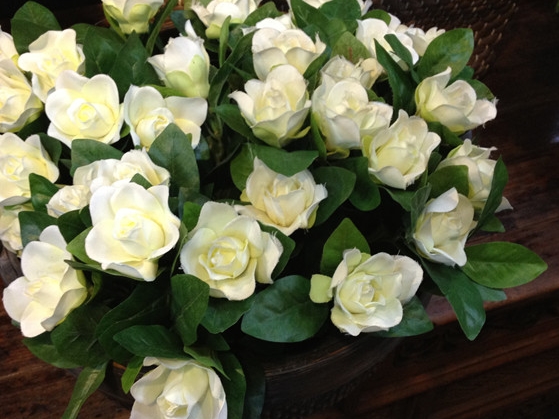
Meaning of Gardenias: Purity and Joy.

valentin 3

Gardenias are a popular choice for necklaces in the Pacific Islands, and they’re used in
Hawaiian leis. On certain Polynesian islands, the flower indicates a persons relationship
status. If worn on the right ear, the person is single, if worn on the left ear,
the person is taken.

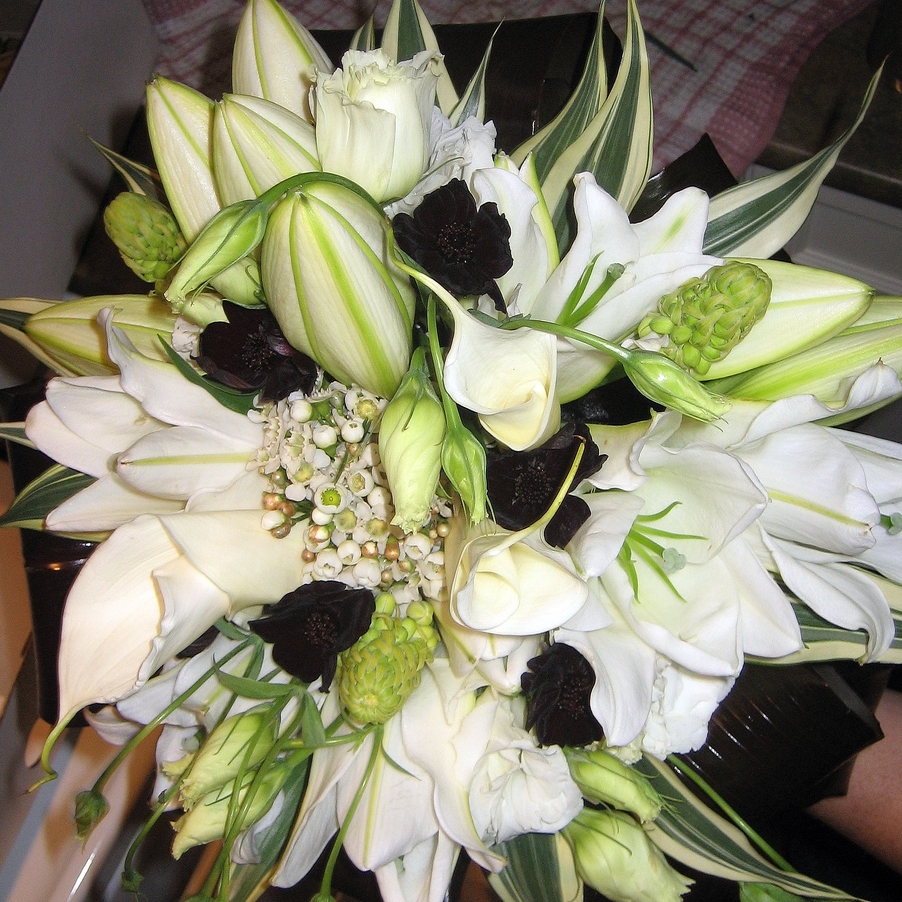
Meaning of Lilies: Celebration.

valentin 4

The highly fragrant, snow white casa blanca lily variety is very commonly used
for graduations, weddings, and other celebrations.

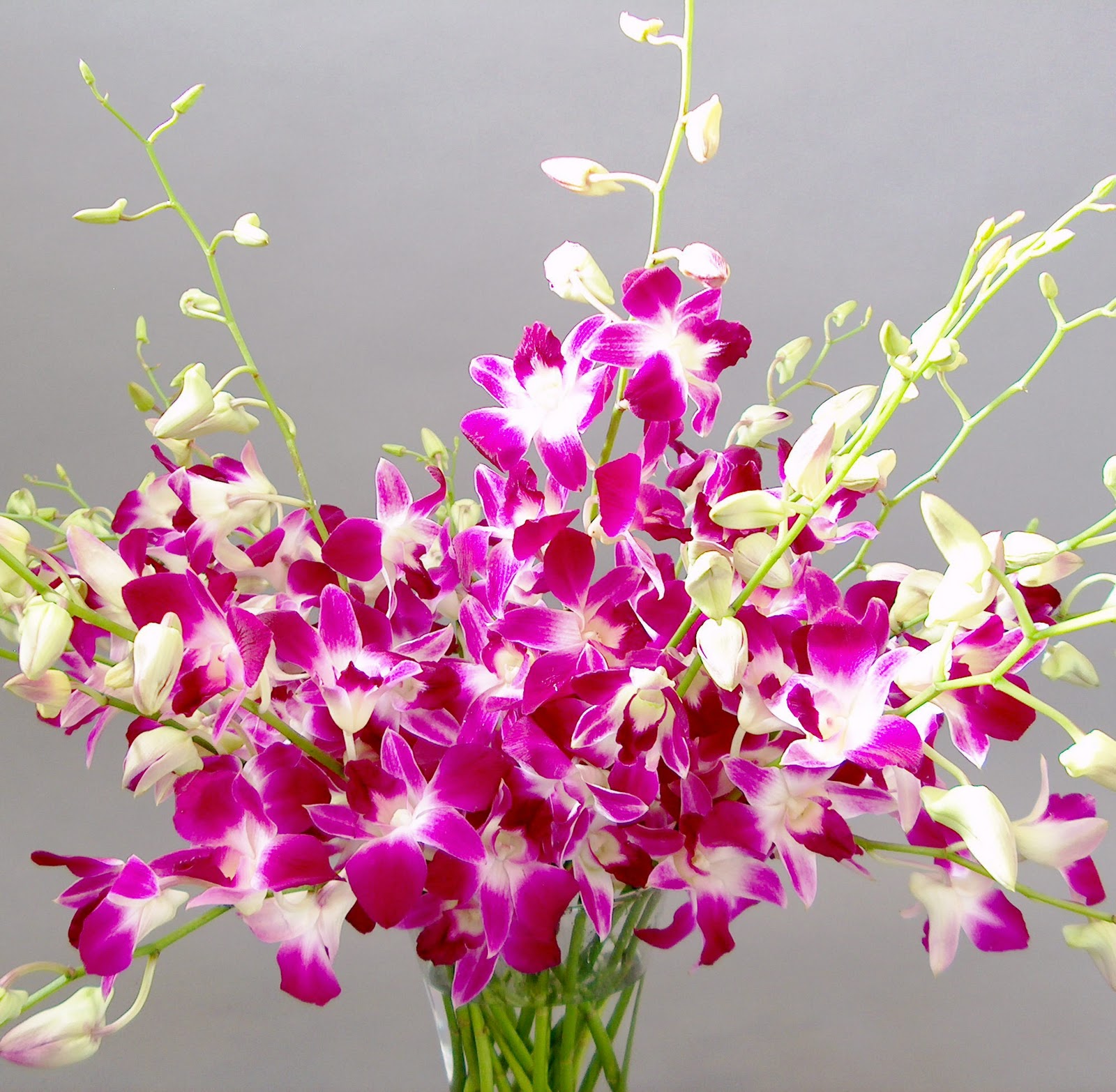
Meaning of Orchids: Beauty and Strength.

valentin 5

Orchids have long been treasured flowers all around the world.
From ancient China and Greece to the Aztecs, many cultures valued orchids for their
healing properties. While there are thousands of varieties that grow naturally,
certain species that are extremely rare, making those orchids highly coveted.
In ancient Greece, they were associated with virility.

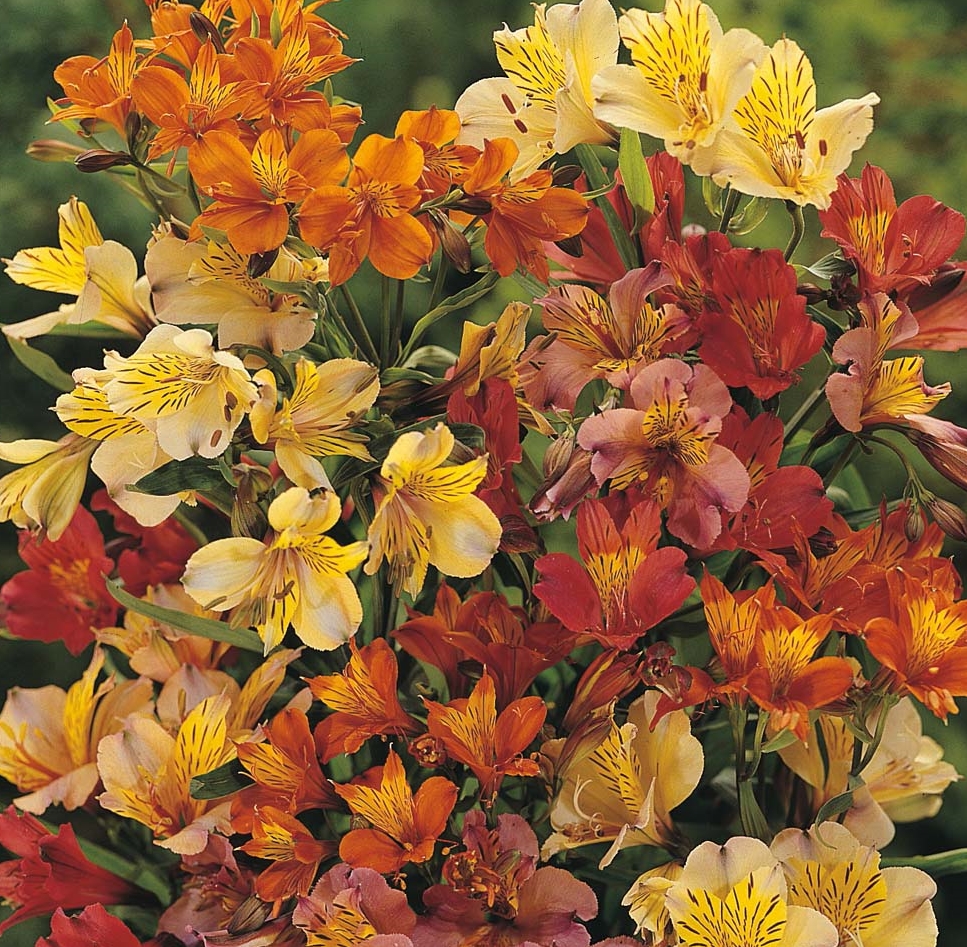
Meaning of Alstroemeria: Friendship.

valentin 6

The vivid alstroemeria is the perfect bouquet to gift to a close friend. The leaves
of alstroemerias twist and turn, which symbolize how friendships mold and change over
time. Though more associated with platonic relationships, the flower can be given to
other loved ones with whom you’ve had a fair share of ups and downs but continue to
remain close.

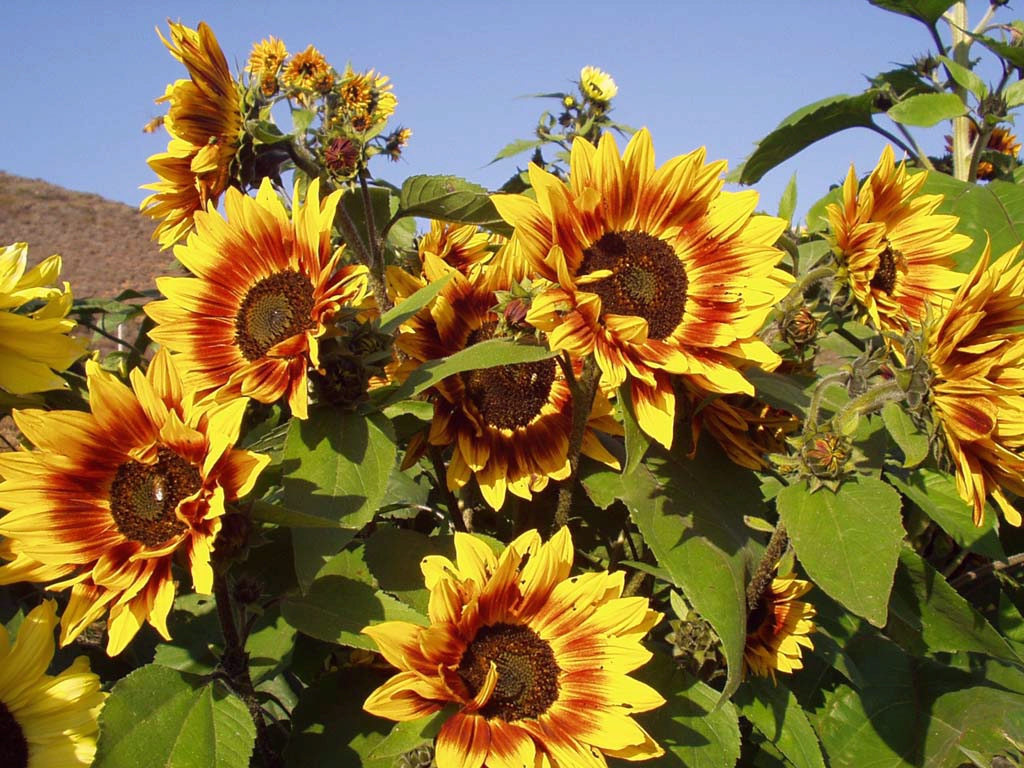
Meaning of Sunflowers: Warmth and Happiness.

valentin 7

For you flower geeks out there, did you know that sunflowers are not a single flower,
but rather an inflorescence? Each head is actually many flowers that grow in a group.
So go ahead and buy just one and say that it’s a bouquet. You’re technically correct!
The flower signifies loyalty and longevity as well as happiness.

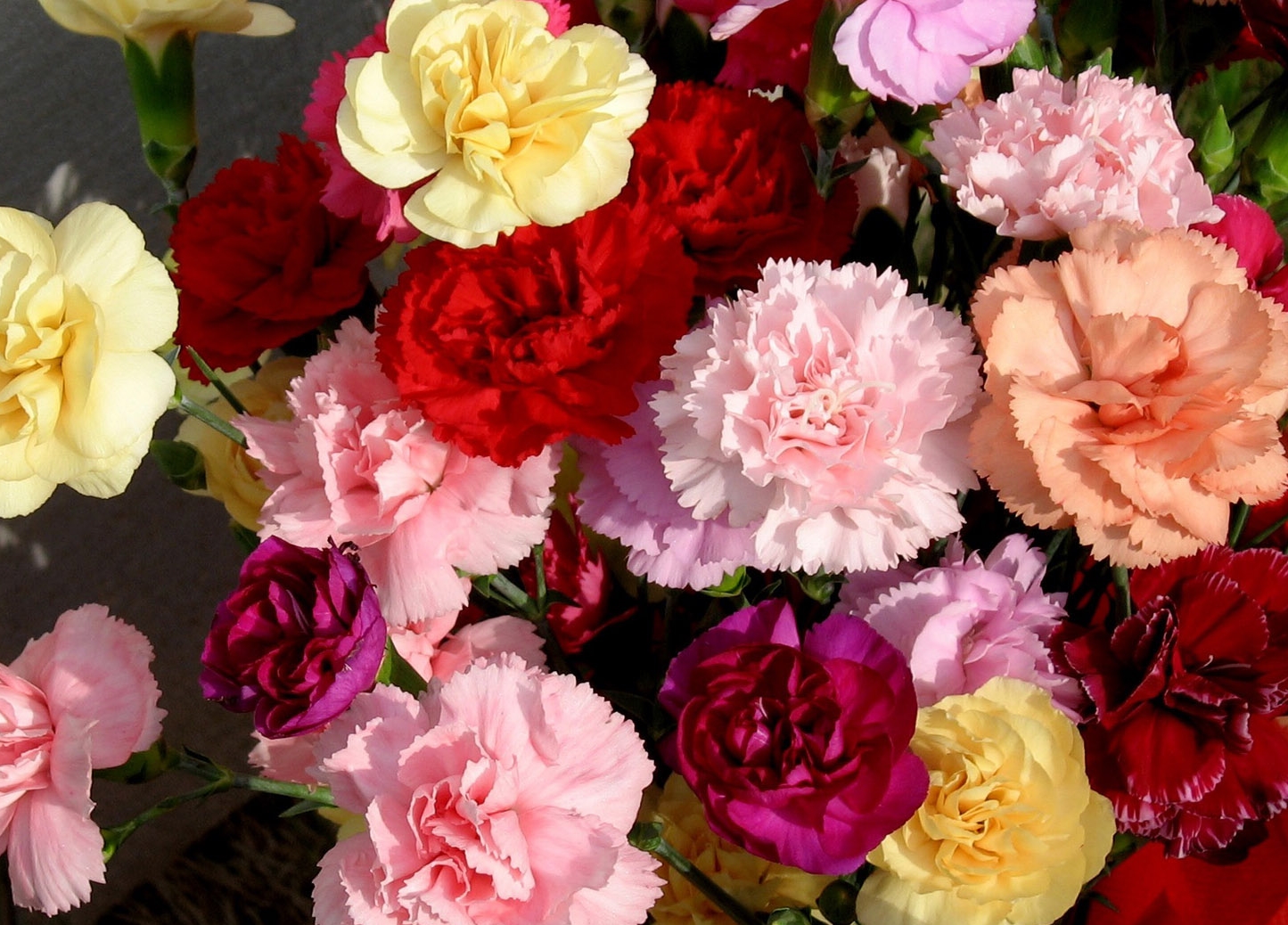
Meaning of Carnations: New Love.

valentin 8

The instantly recognizable blooms are widely beloved, and in many parts of the world
surpass roses in popularity. Carnations are also associated with a mother’s love and
are a common choice for Mothers Day, as well as Valentine’s Day.

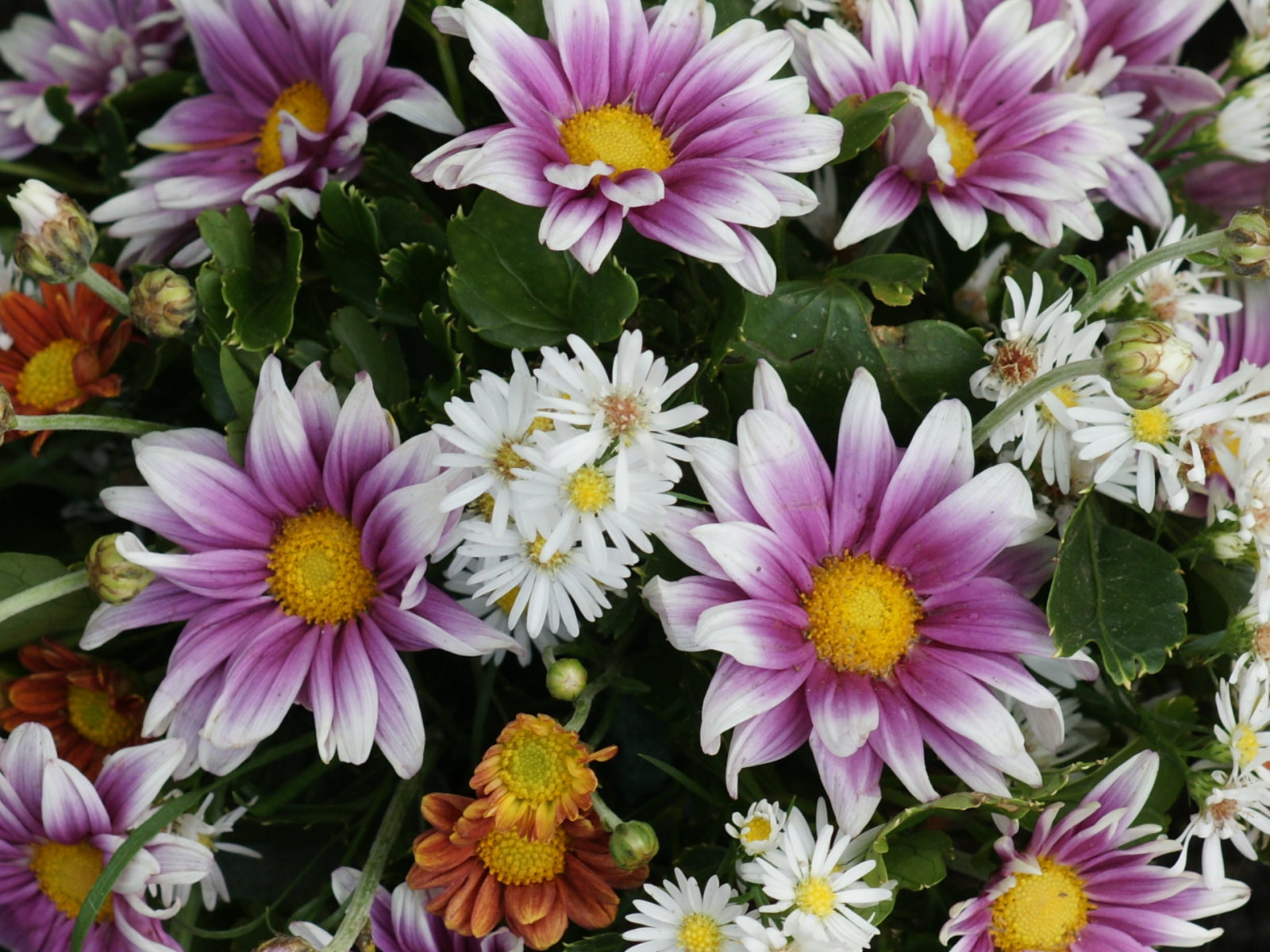
Meaning of Daisies: Beauty and Innocence.

Beautiful flowers Philippine islands

Daisies are quite common and easy to grow. In fact, there are over 22,000 different
species of the flower. The name comes from the Anglo-Saxon “daes eage” which translates
to “day’s eye”. The moniker comes from the daisy’s unique feature of opening when the
sun is out. Victorian England’s „language of flowers“ gave daisies their connotation of
beauty and innocence.

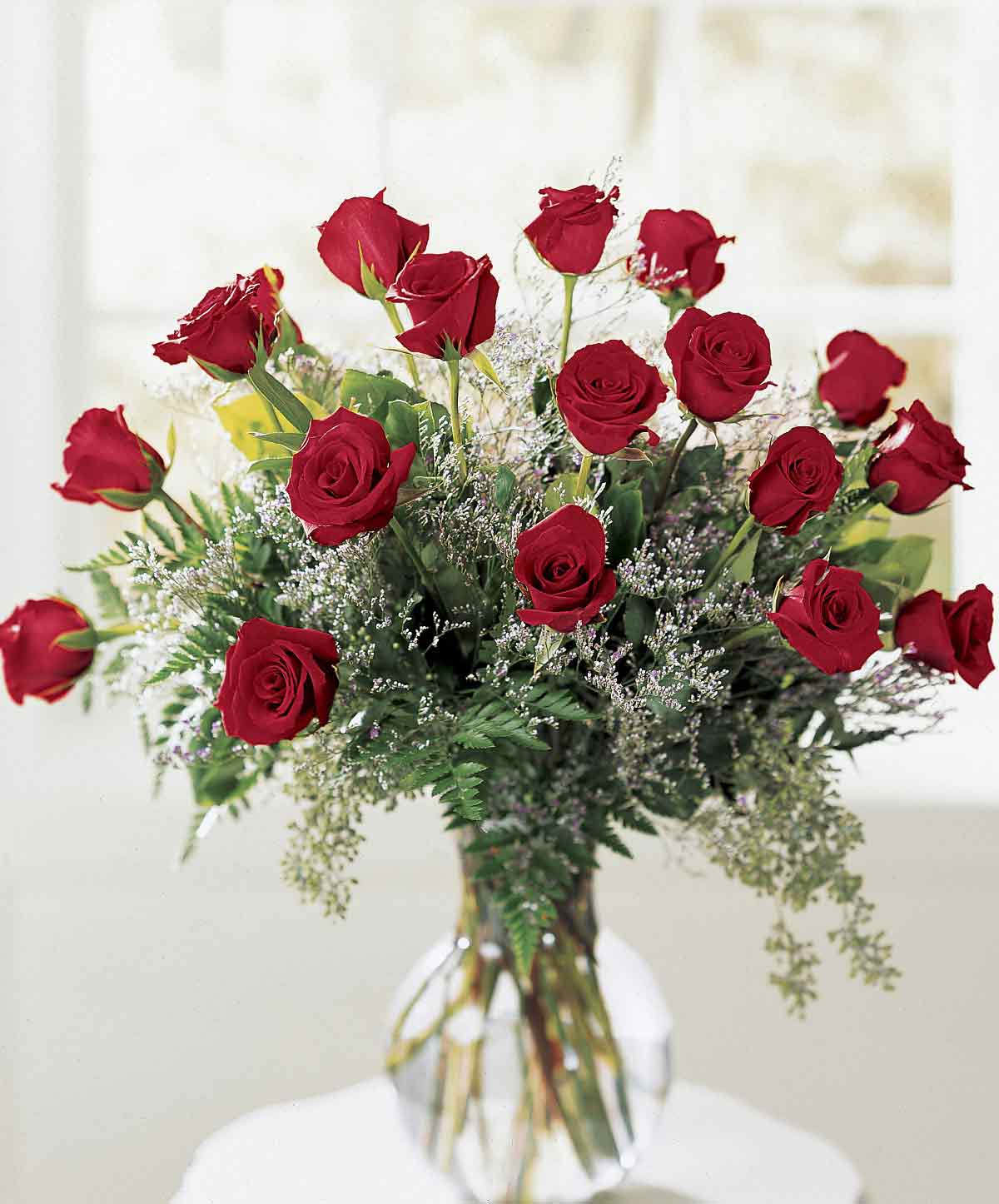
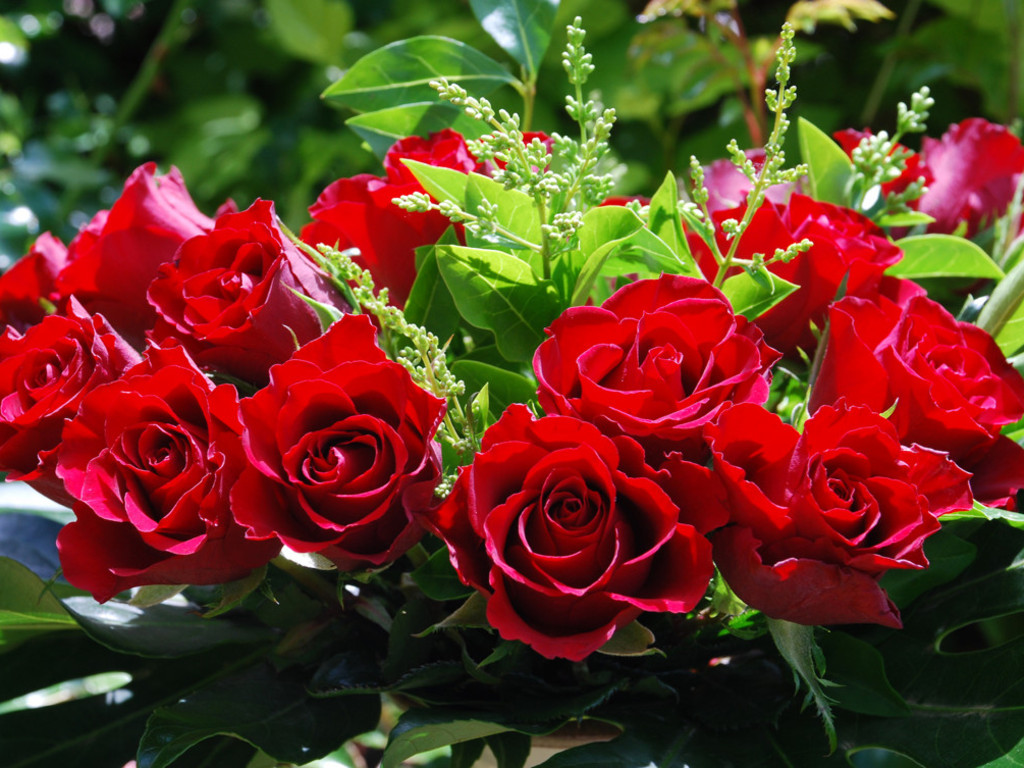
Meaning of Roses: Romantic Love.

valentin 10

Red roses are perhaps the most iconic symbol of love when it comes to flowers. In the
seventeenth century, roses were so valuable that the blooms functioned as legal tender.
Among royalty. But the link between romance and the red rose stretches even further back
in history. Ancient Greek culture associated the flower with Aphrodite, the goddess of
love. Unsurprisingly, red roses are the most popular choice in flowers for Valentine’s Day.

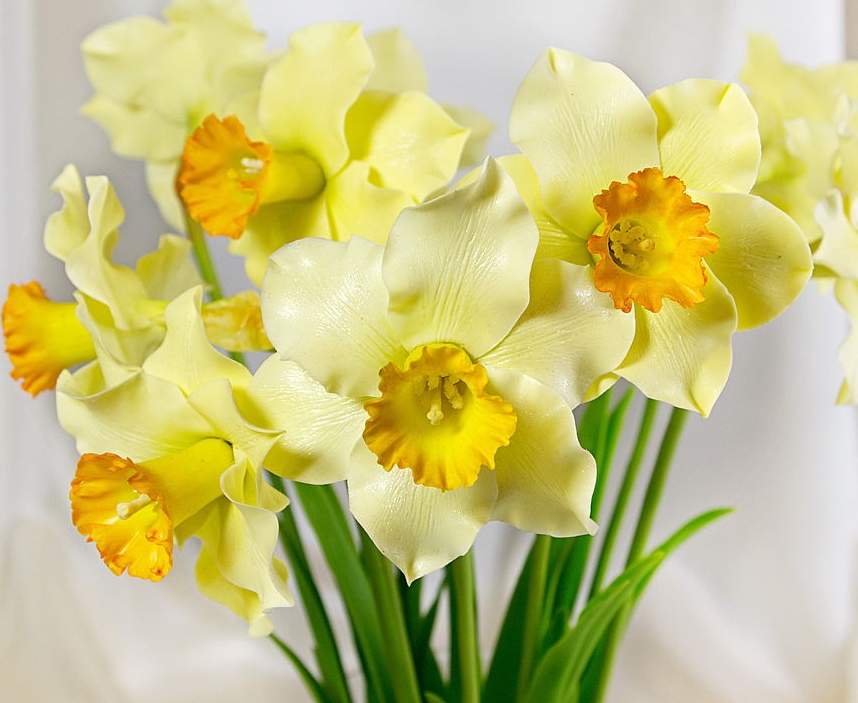
Meaning of Daffodiles: New beginning.

valentin 11

Symbolizing rebirth and new beginnings, the daffodil is virtually synonymous with spring.
Though their botanic name is narcissus, daffodils are sometimes called jonquils, and in
England, because of their long association with Lent, they’re known as the “Lent Lily.”

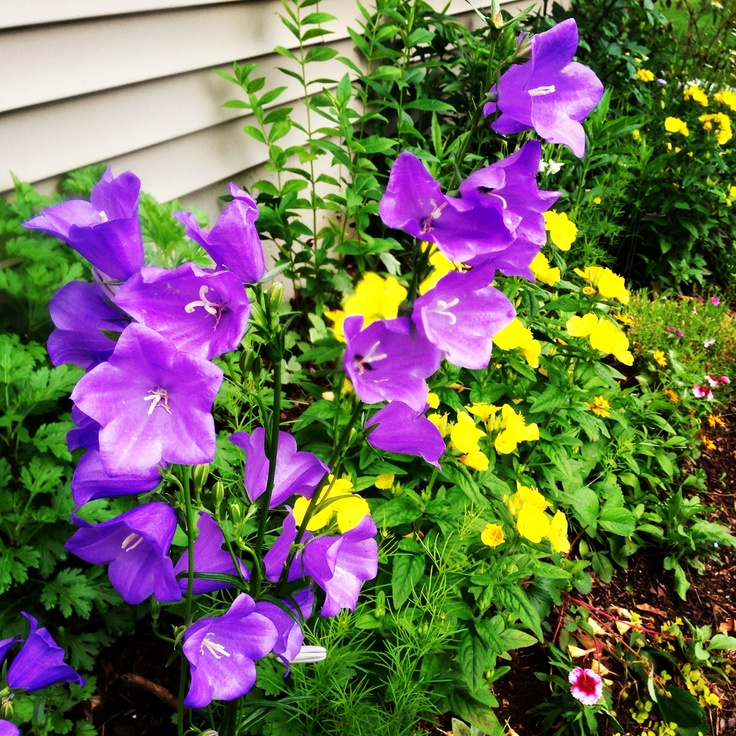
Meaning of Bluebells: Humility and Gratitude.

valentin 12

Bluebells have long been symbolic of humility and gratitude. They are associated with
constancy, gratitude and everlasting love. Bluebells are also closely linked to the realm
of fairies and are sometimes referred to as „fairy thimbles.“ To call fairies to a convention,
the bluebells, also named wild hyacinth, would be rung. Try it !!

valentin 23
In case you can’t decide which flowers to take, such a wonderful bouquet of mixed flowers will do too.

The above shown flowers named in German:

Tulpen
Irises
Gardenien
Lilien
Orchideen
Inkalilien
Sonnenblumen
Nelken
Gänseblümchen
Rosen
Narzissen
Glockenblumen

valentin 22
Vintage Valentine’s poem card from the 1930’s. Authors collection.

The above shown flowers named in Spanish:

tulipanes
irisis
gardenias
lirios
orquideas
alstroemerias
girasoles
claveles
margaritas
rosas
narcisos
campanillas

valentin 19

Veröffentlicht unter History, Hobbies, Information, Lifestyle | 2 Kommentare

Soul Food of the Andes

quinoa hist 6a

From staple to gourmet kitchen.

Recently I posted recipes made with quinoa. I was confident that the question would come up, „what is quinoa ?“.  And I was right, most countries and most people don’t know about it, ad if, they never cooked it,  or had a taste of it. Here are all the answers. Like the potato, quinoa was one of the main foods of the Andean people before the Incas. Traditionally, quinoa grain are roasted and then made to flour, with which different types of breads are baked.

quinoa cook 7
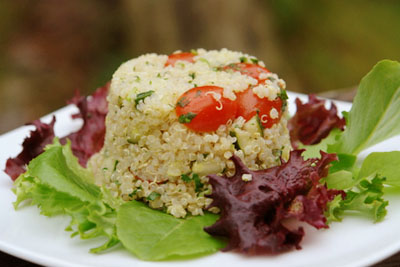
A vegetarian feast, quinoa salad with cherry tomatoes and fresh herbs.

It can also be cooked, added to soups, used as a cereal, made into pasta and even fermented to beer or chicha, the traditional drink of the Andes. When cooked it takes on a nut-like flavor.

quinoa hist 14 chicha
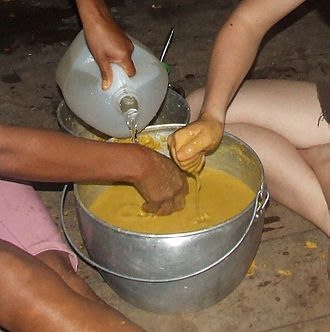
Making chicha from quinoa. Chicha is a fermented or non-fermented beverage. Also called Inca-beer.

Today quinoa also has a key role in the gourmet kitchen, but its use has also been extended to the pharmaceutical and industrial areas.

From America to the world.

Almost all the current quinoa production is in the hands of small farmers and associations. Quinoa can be found natively in all countries of the Andean region, from Colombia to the north of Argentina and the south of Chile. The main producing countries are Bolivia, Peru and the Ecuador. The cultivation of quinoa has transcended continental boundaries: it is being cultivated in France, England, Sweden, Denmark, Holland and Italy. In the United States it is being grown in Colorado and Nevada, and in Canada in the fields of Ontario. In Kenya it has shown high yields and in the Himalayas and the plains of northern India, the crop can also developed successfully.

quinoa hist 1aa
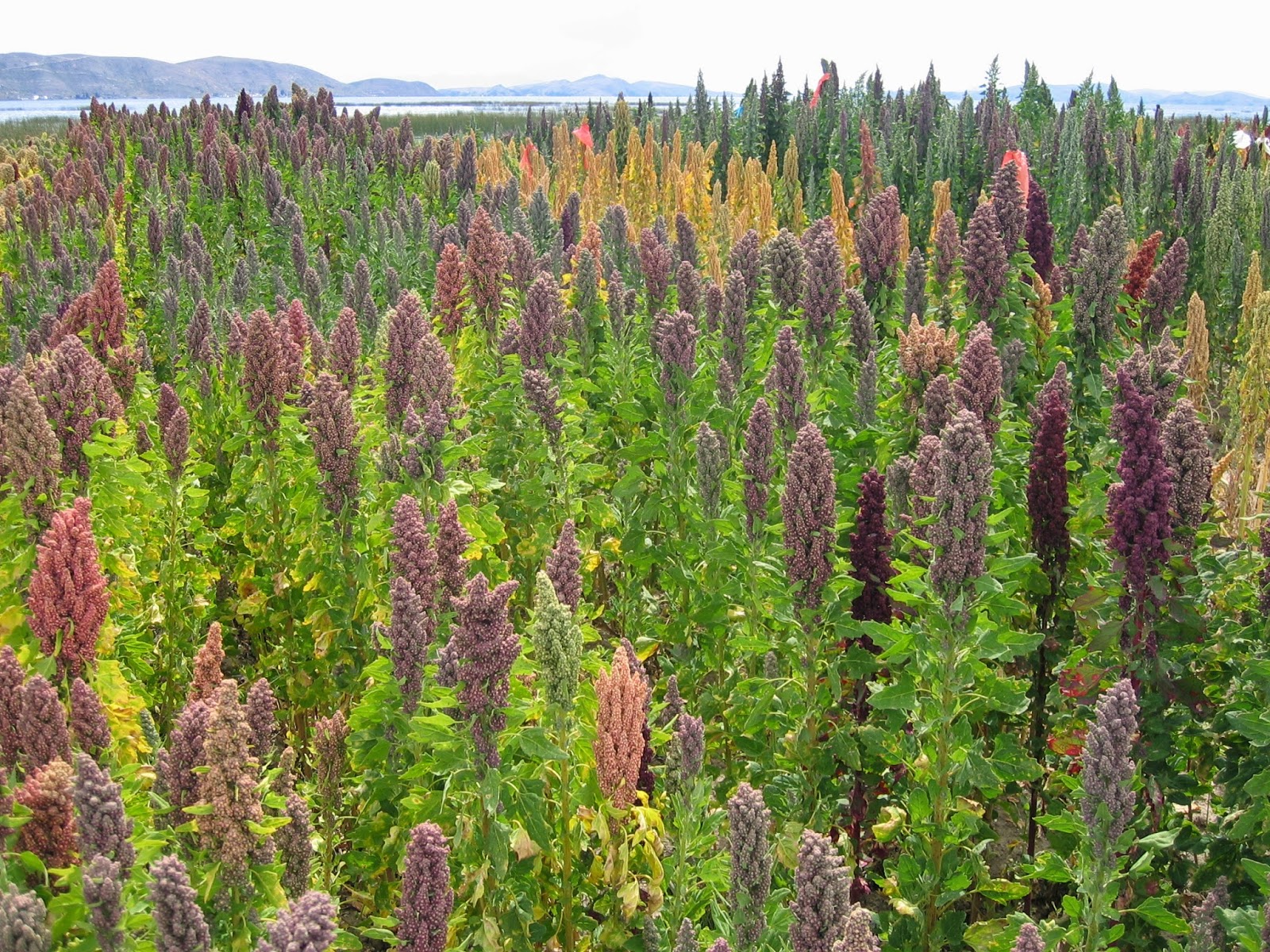
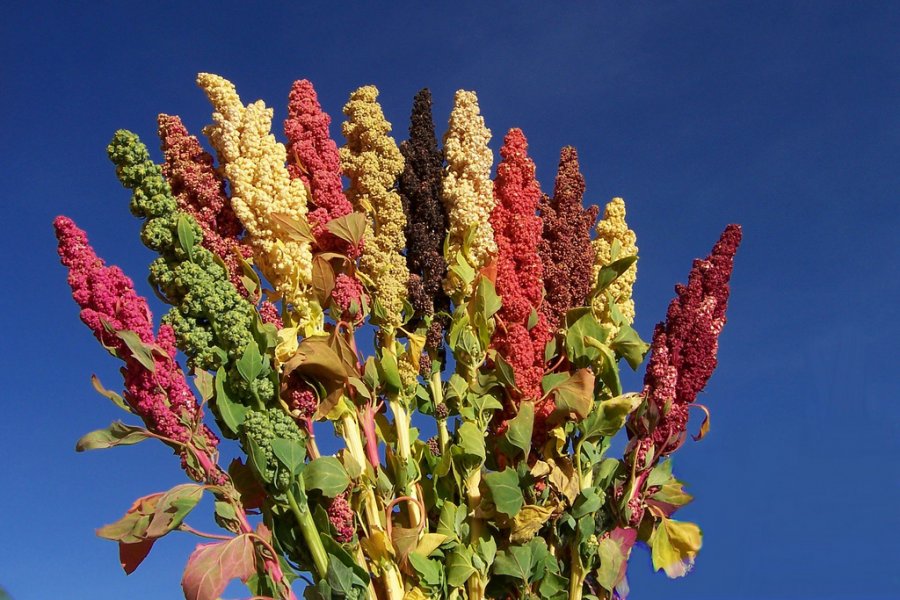
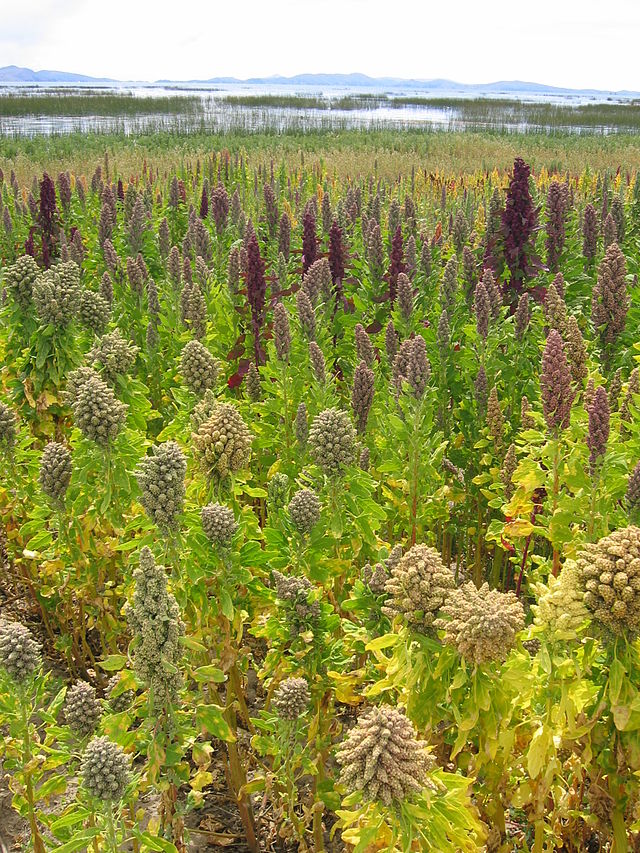
Wonderful quinoa flowers, all kinds of colors, rainbow like.

High in the Andes, the quinoa harvest starts in late March, when farmers gather together for celebrations like the two-day Harvest Festival near the salt flats of Uyuni, a gathering of representatives from 4,000 family farms. By celebrating quinoa in March, honoring these timeless traditions, with information about this unique „mother grain.“

quinoa hist 4
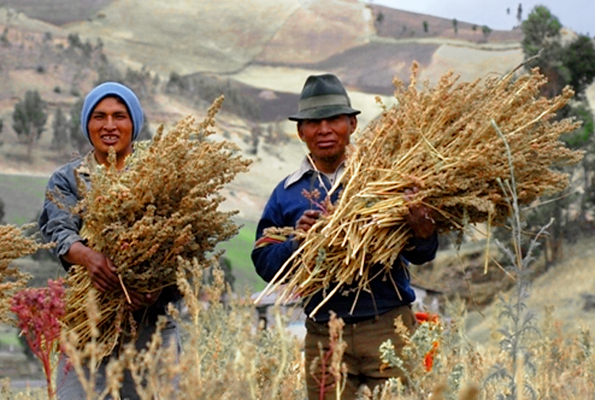
Quinoa harvesting in Peru.

Quinoa at a Glance.

„While no single food can supply all the essential life sustaining nutrients, quinoa comes as close as any other in the plant or animal kingdom.“ That was the pronouncement of researcher Philip White, in an obscure 1955 article on „Edible Seed Products of the Andes Mountains.“ While very few people may have read White’s original article, in the last few years his words have been repeated on countless websites and in articles in newspapers and magazines, as quinoa has been rediscovered.

quinoa hist 1a
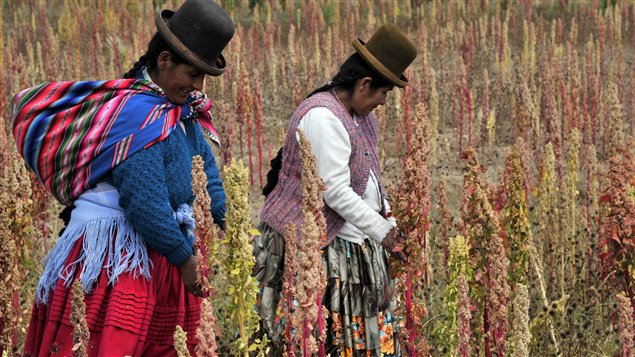
Quinoa harvest near lake Titicaca in Bolivia.

Quinoa (Chenopodium quinoa, or goosefoot) is in fact not technically a cereal grain at all, but is instead what one calls a „pseudo-cereal“ – our name for foods that are cooked and eaten like grains and have a similar nutrient profile. Botanically, quinoa is related to beets, chard and spinach, and in fact the leaves can be eaten as well as the grains. It’s a testimonial to how far quinoa has come in the last few years, that most people now know it’s pronounced KEEN-wah, not kwin-OH-a.

quinoa hist 1
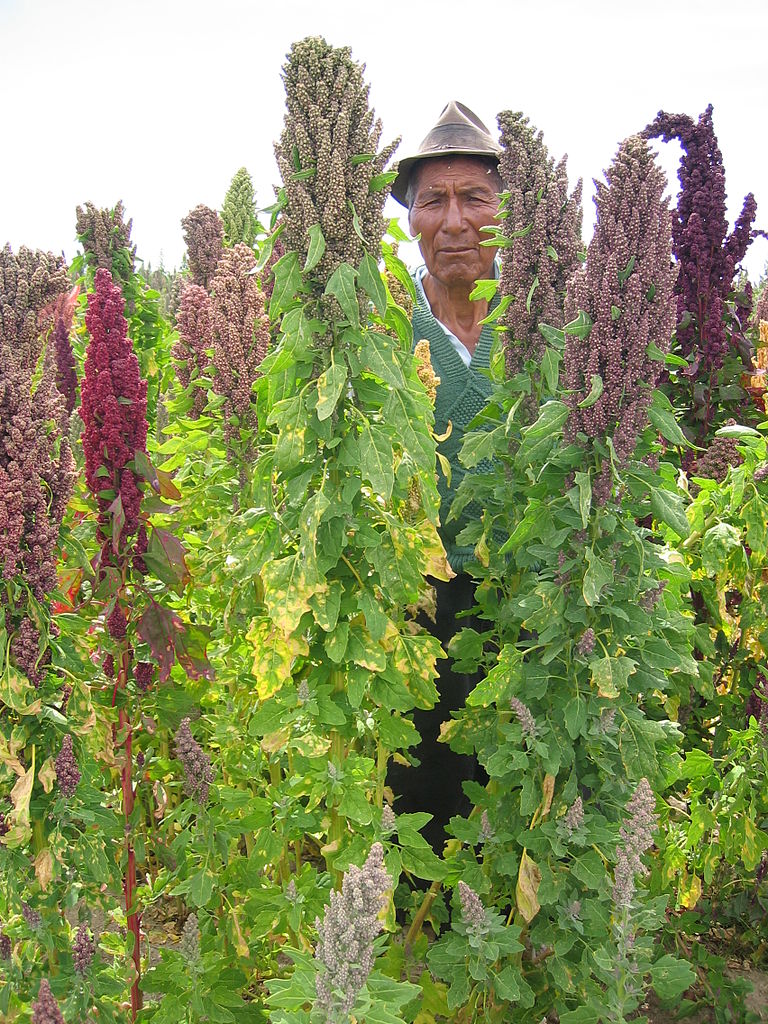
The quinoa perennials can reach up to 2 1/2 meters, about 8 feet.

Quinoa grows on magenta stalks three to nine feet tall, with large seed heads that can be almost any color, from red, purple and orange to green, black or yellow. The seed heads are prolific: a half pound of seed can plant a full acre, yielding 1200-2000 pounds of new seeds per acre. Since nutrient-rich quinoa is also drought resistant, and grows well on poor soils without irrigation or fertilizer, it’s been designated a „super crop“ by the United Nations, for its potential to feed the hungry poor of the world.

quinoa hist 3
Different colored quinoa corns.

Over 120 different varieties of quinoa are known, but the most commonly cultivated and commercialized are white (sometimes known as yellow or ivory) quinoa, red quinoa, and black quinoa. Quinoa flakes and quinoa flour are increasingly available, usually at health food stores.

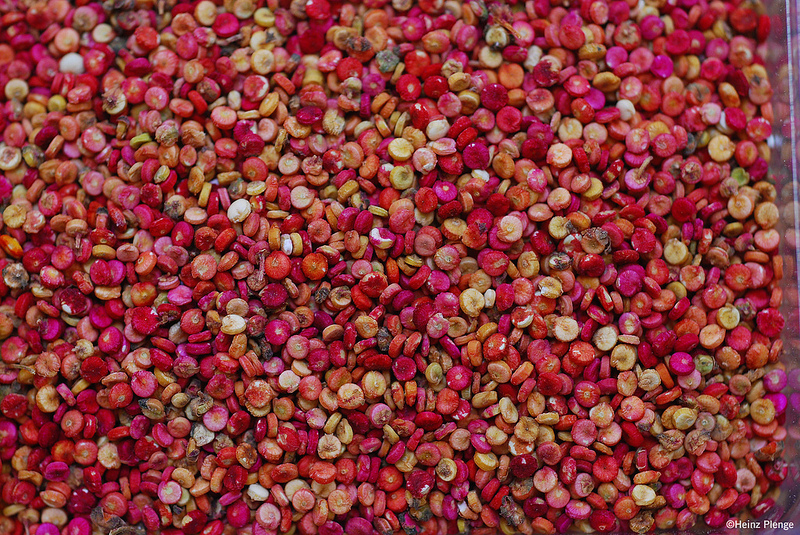
quinoa hist 11equa  quinoa hist 13 boliv
Left: Red quinoa from Ecuador.                                        Right: White quinoa from Bolivia.
quinoa hist 10peru         quinoa hist 5
Left: Grey quinoa from Peru.                                 Right: Brown quinoa from the USA.

Ancient Quinoa.

First cultivated more than 5,000 years ago, quinoa, along with corn and potatoes was one of the three foods considered the centerpiece of the Andean diet. In that diet quinoa was a primary food source while animal foods were secondary.

quinoa hist 6
Wild quinoa growing at lake Titicaca in Bolivia.

During the period when the Incas thrived in Bolivia, relay teams of barefoot runners would carry news from one region to another, often covering 150 miles in a 24-hour period. Bolivia’s elevation is over 12,000 feet above sea level, an altitude where oxygen is considerably reduced. How did the runners perform this unbelievable feat? A practice still prevalent with today’s Bolivian athletes involves combining coca leaves and ash from the quinoa plant and holding it in the cheek. The combination increases the body’s oxygen because quinoa ash releases alkaloids in the coca.


Old drawing of an ancient quinoa harvesting feast and chicha presentation.

For centuries quinoa has been above it all–and it still is. Grown at 10,000 to 20,000 feet above sea level. No maize or rice would grow in heights like this.


Quinoa plantation in Ecuador.

Sacred to the Incas, quinoa was referred to by them as chisaya mama, or the mother of all grains. Legend has it that each year, the Incan emperor would sow the first quinoa seeds, with much solemn ceremony. Although it’s estimated that Bolivians in the Lake Titicaca area began to cultivate quinoa at least five thousand years ago, quinoa came close to disappearing after 1532. That’s when Francisco Pizarro, the Spanish explorer, destroyed the quinoa fields to undermine the Incan culture, built as it was on ceremonies that almost all involved quinoa.

quinoa hist 15 pizarro
Francisco Pizarro Gonzalez (c. 1471 or 1476 – 26 June 1541), Spanish conquistador who conquered the Incan Empire, cousin of Hernan Cortes.

Only small pockets of wild quinoa at high altitudes survived, and quinoa was largely forgotten until its „rediscovery“ by the outside world in the 1970s.

Quinoa Today.

Today, an amazing range of products are made with quinoa, from breakfast cereals to beverages. Quinoa pasta is popular among those following a gluten-free diet, and the grain is a favorite ingredient in granola’s, breads, and crackers. Home bakers can try „ancient grain“ blends or cook with quinoa flakes and flours. In the restaurant world, the American National Restaurant Association named quinoa as the hottest trend in side dishes !

quinoa hist 7 chips   quinoa hist 8 puffs
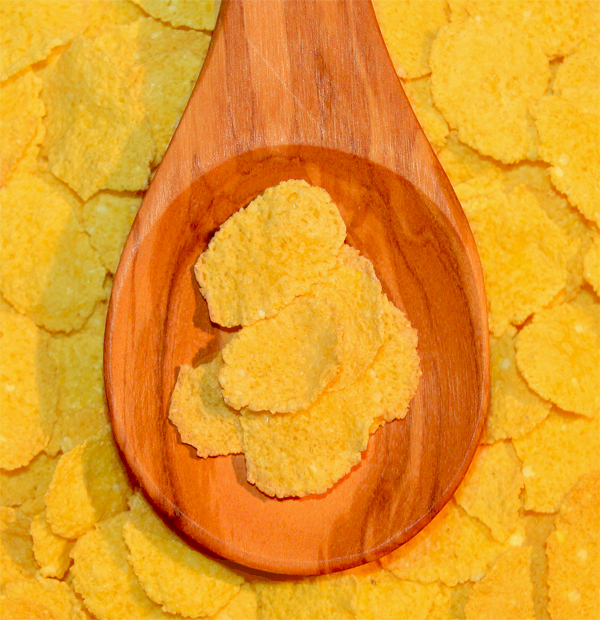
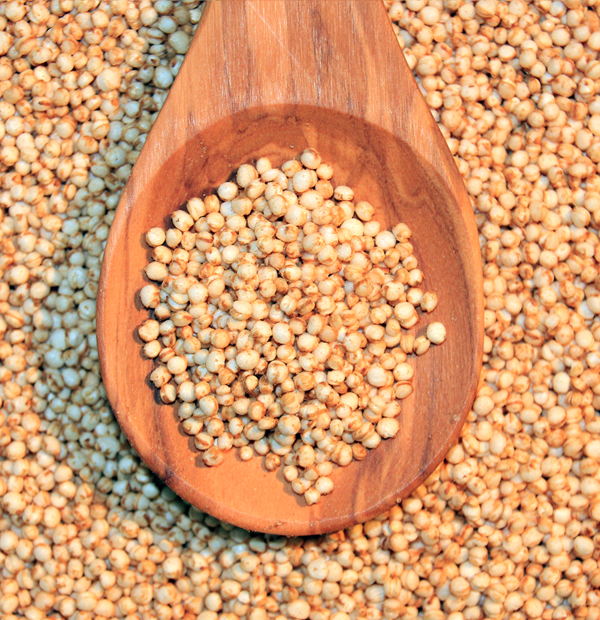
Left: Quinoa chips.                                                                    Right: Quinoa puffs.
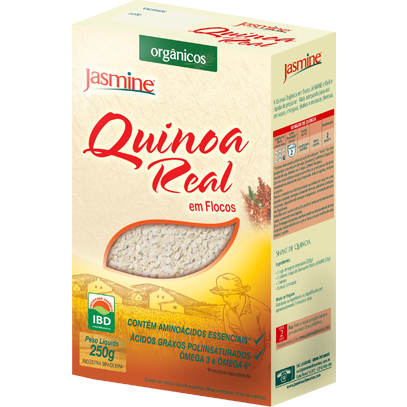
quinoa hist 9 flakes  quinoa cook 1
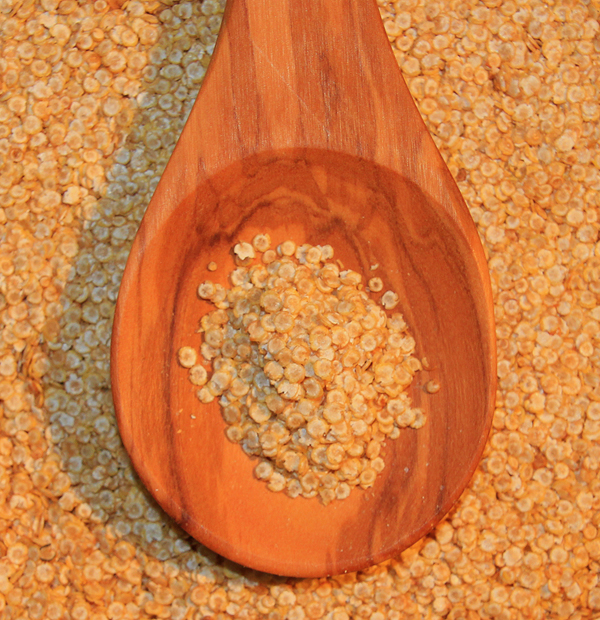
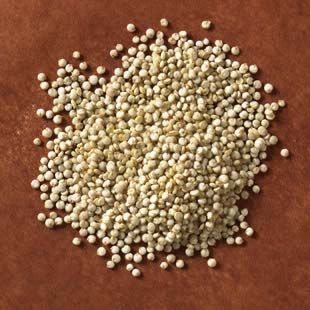
Left: Quinoa flakes.                                                                  Right: Quinoa raw corns.

20150203_145425                       DSC01478
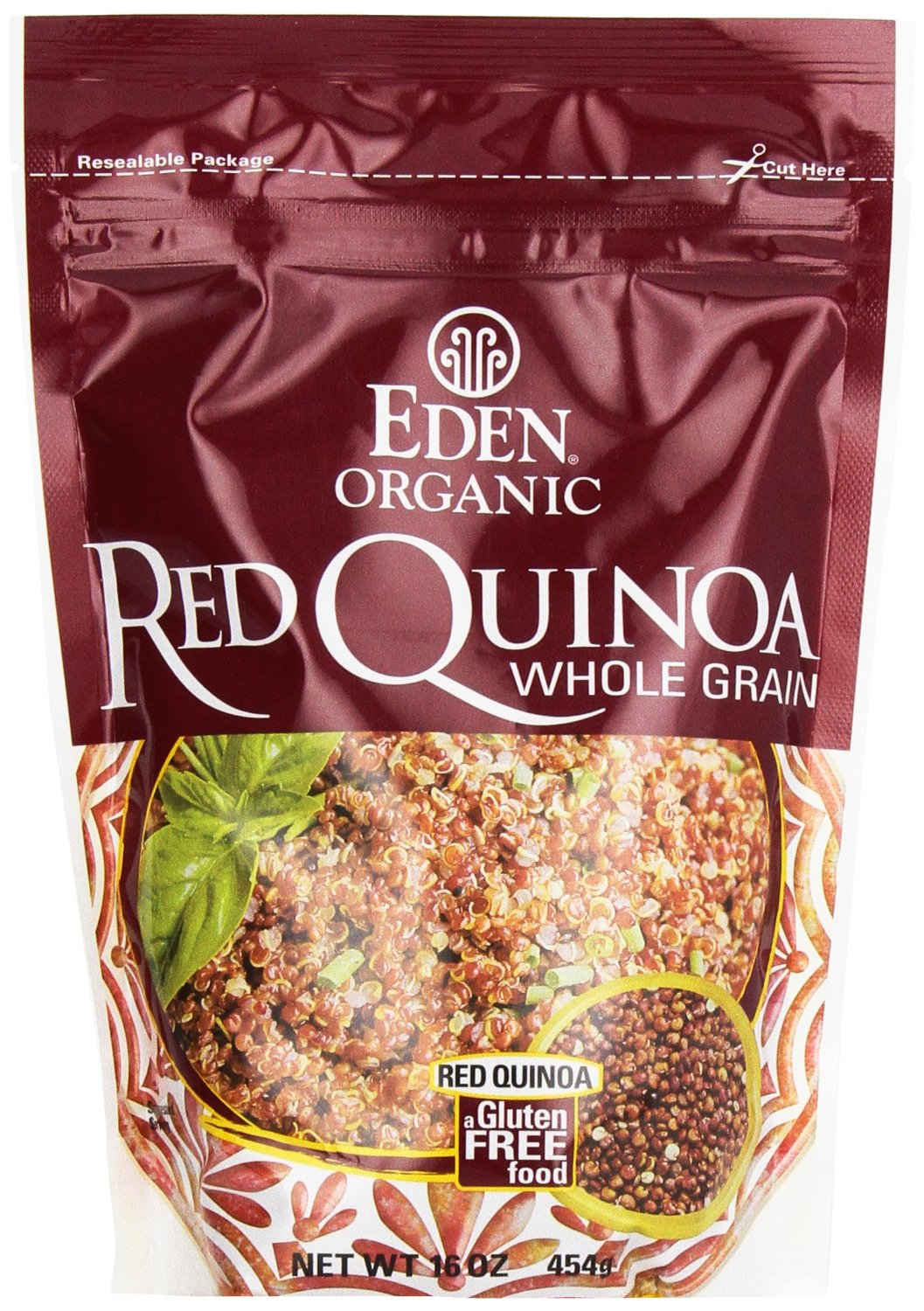
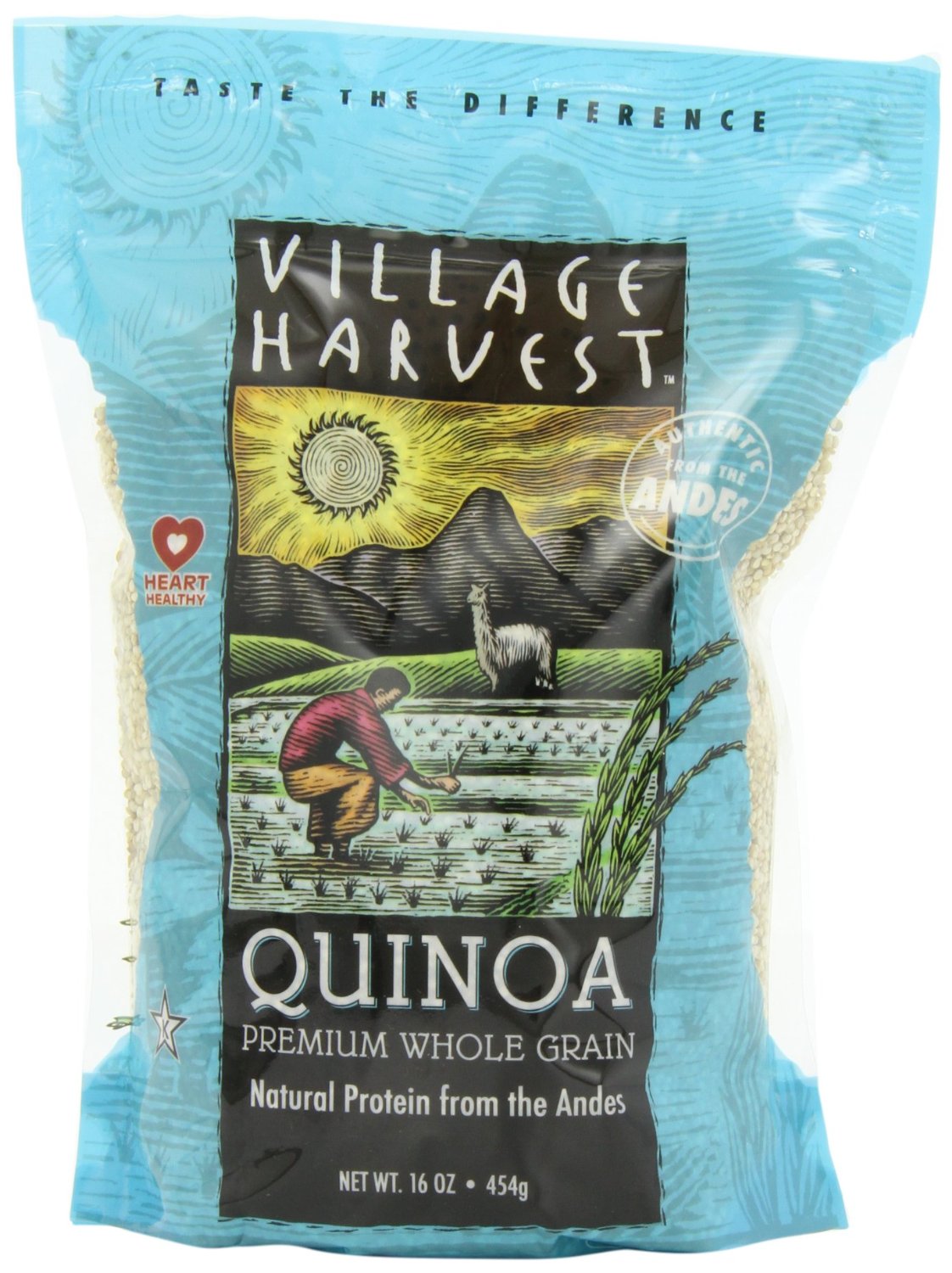
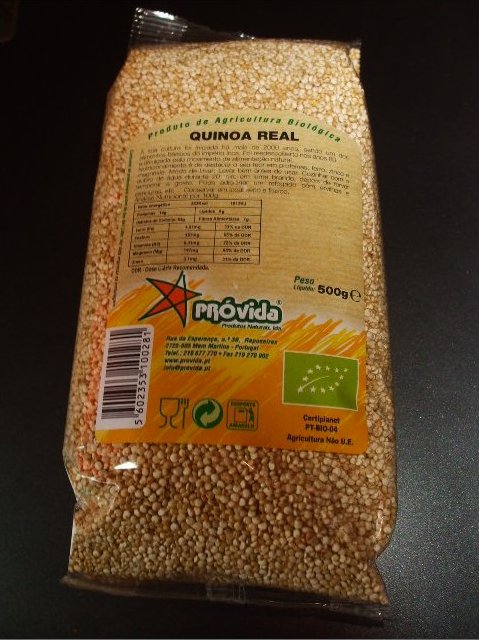
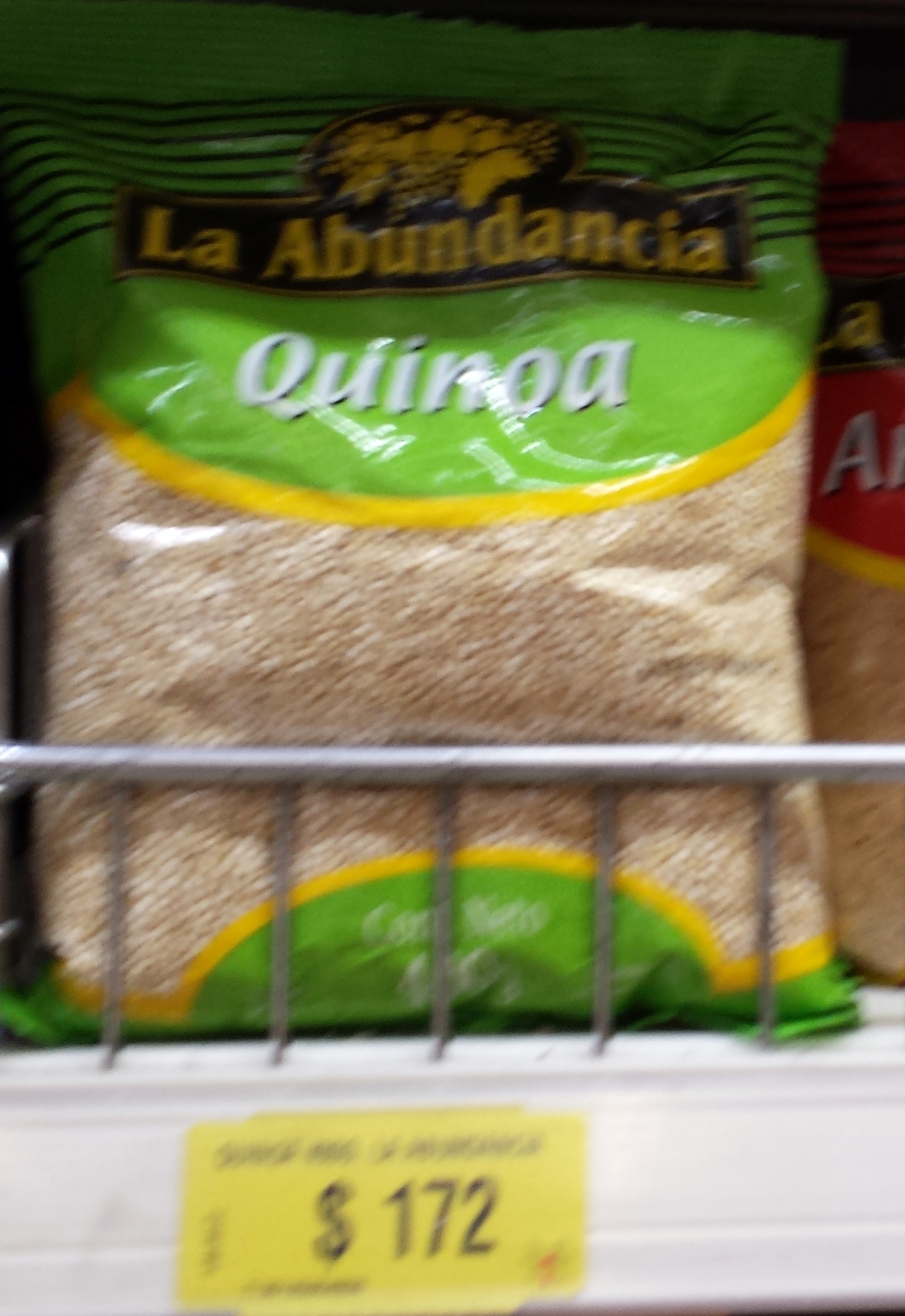
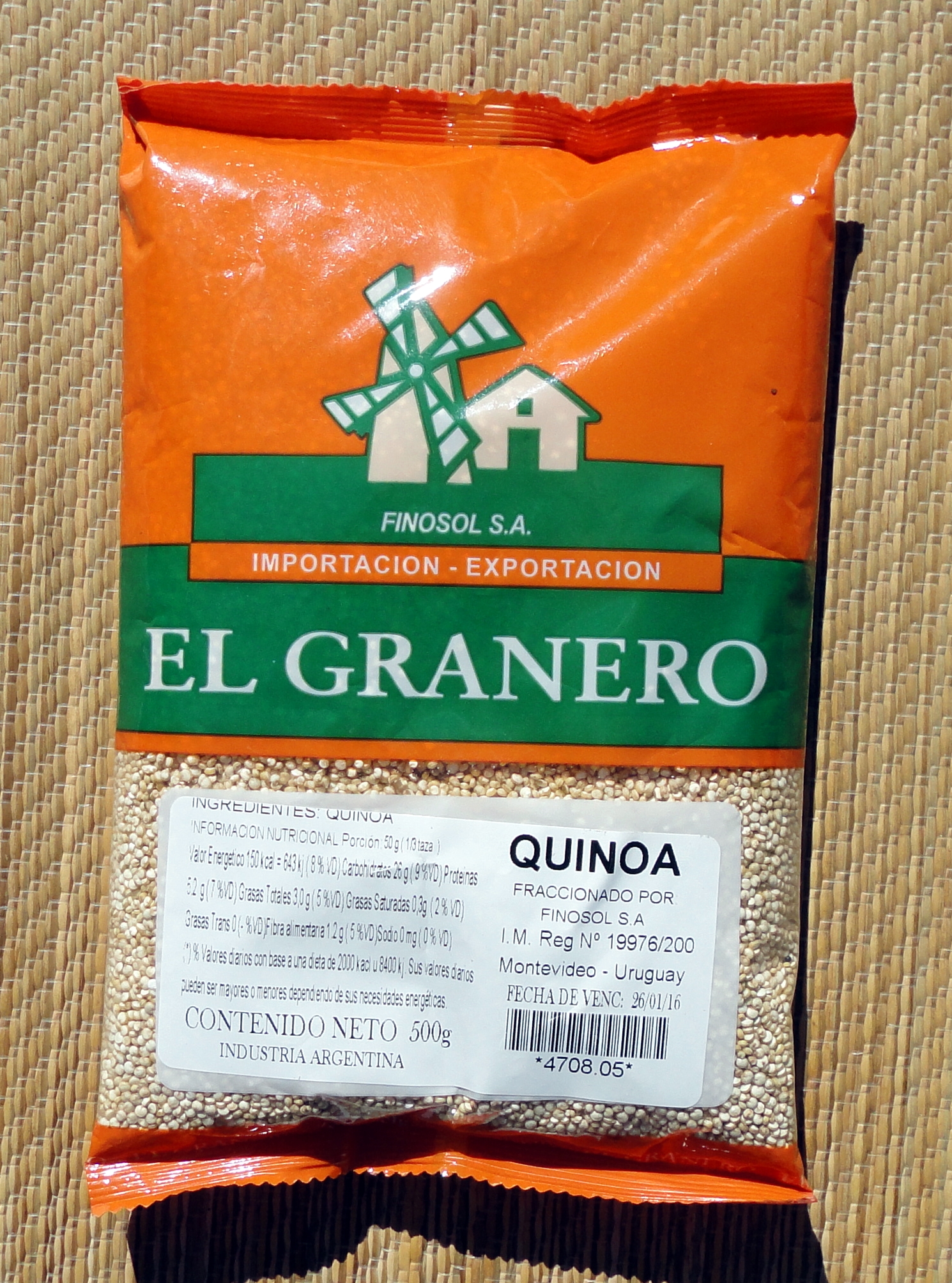
In Uruguay quinoa is as unknown as in many other countries. But the health and gluten free demand puts quinoa on the shelf’s. I found it several times, at Tienda Inglesia for instance, 500 gram for 172,–Pesos. At El Granero 500 gram for 160,–Pesos. Both products are imported from Argentina. 1000 gram of Blue Patna rice is 33,–Pesos only !! The red quinoa shown up there sells even more expensive, around 15,–euros, just 454gram in Europe. That explains a bit, why quinoa is still so underestimated against rice or maize.

quinoa hist 12 aranjuez
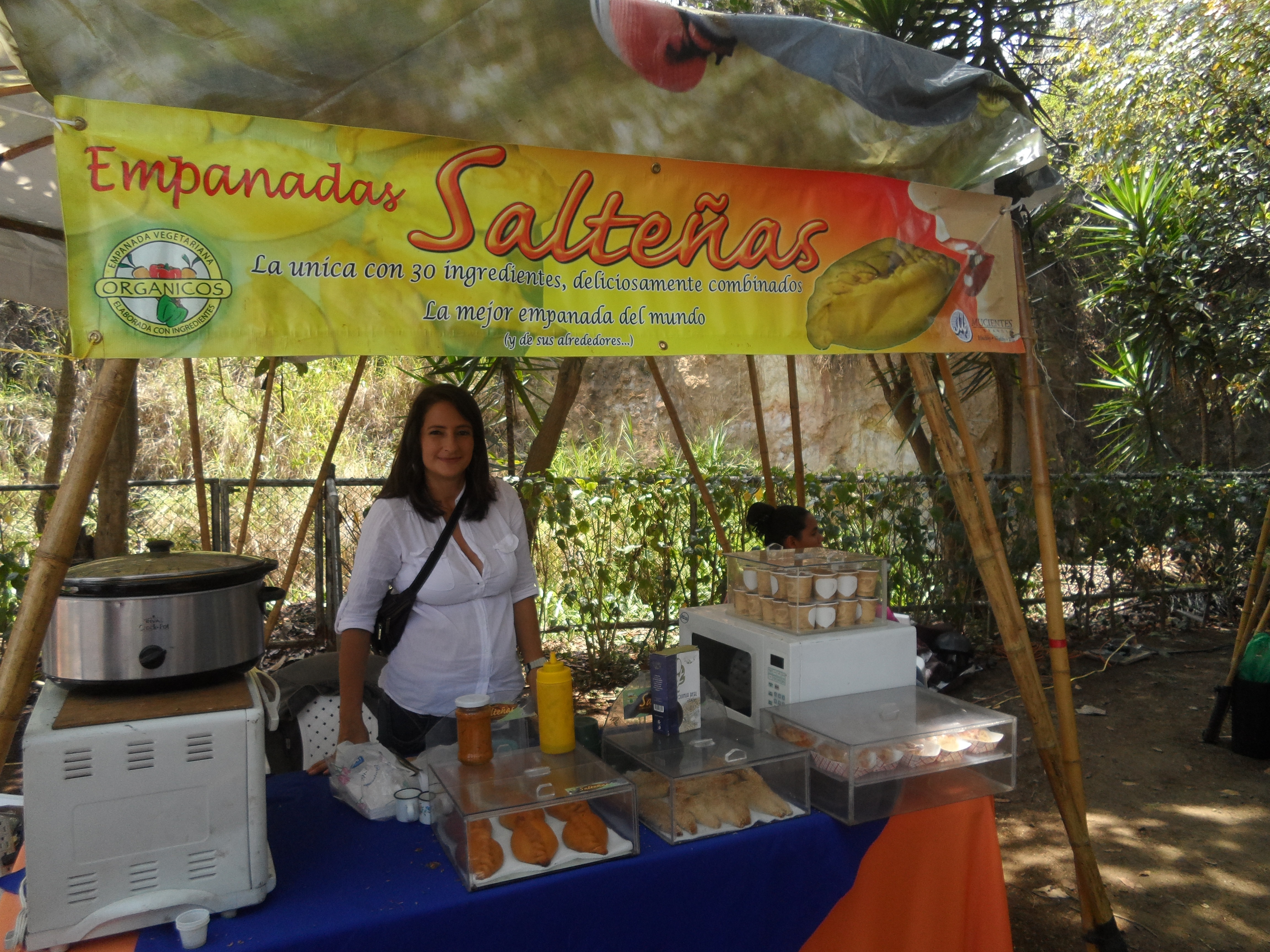
Lovely lady selling organic empanadas made from quinoa flour.
During a weekend feria in Aranjuez, Valle de Canca – Bolivia.

Basic Quinoa Q’s and A’s.

How much cooked quinoa does 1 cup dry quinoa yield? 1 cup dry quinoa yields about 3 cups cooked quinoa. How much liquid do I need to cook quinoa? To cook 1 cup quinoa, you need about 2 cups liquid.
quinoa cook 3  quinoa cook 4
How long does it take to cook quinoa? 1 cup quinoa will cook in about 20 minutes. How do I make quinoa less bitter? Nearly, if not all, of the natural bitterness of quinoa’s outer coating can be removed by a vigorous rinsing in a mesh strainer. How do I make better-tasting quinoa? Quinoa is really excellent when cooked in vegetable or chicken broth.
quinoa cook 6  quinoa cook 5
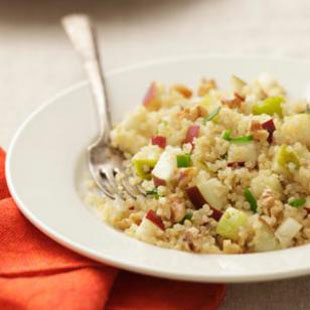
Also, add about 1/4 teaspoon salt to each cup dried quinoa when cooking. Try adding other spices aromatics during cooking as well: A clove of smashed garlic, a sprig of fresh rosemary, a dash of black pepper etc. Can I use my rice cooker to make quinoa? Yes! Just use the 2:1 liquid to quinoa ratio and follow the instructions on your rice cooker.

Veröffentlicht unter History, Information, Lifestyle, Recipes, Travel | Verschlagwortet mit , | Hinterlasse einen Kommentar

Quinoa Fiesta 2

quinoa 8

The large pic on top of the blog shows wild quinoa, growing along lake
Titicaca, Bolivia. More about Quinoa in some followings posts. Stay tuned.

Ingredients.

50 g quinoa
125 ml vegetable stock
1 large zucchini
2 tablespoons olive oil
1 clove garlic, chopped coarsely
1 small onion , dice finely
2 spring onions
1/2 branch rosemary
1 branch thyme
a little dried oregano
4 medium size button mushrooms,
3 small tomatoes
1 tbsp tomato puree
1 tablespoon maple syrup
salt and pepper to taste
red pepper flakes or chilli powder to taste
possibly vegetable broth
1 tablespoon sour cream

quinoa 9

How to do.

Rinse the quinoa with hot water in a saucepan, pour in boiling vegetable stock
and let them go on a low heat for 20 minutes.
Wash, dry and cut in half the zucchini.
Using a teaspoon, scoop out, cut the meat into small cubes and place to one side.
Place the zucchini halves on a lined baking tray. Preheat the oven to 180 ° C .
In a pan let oil get hot, add the garlic and onions and fry briefly.
Then solve rosemary and thyme from the branch and add.
Add when available, some dried oregano.

quinoa 10

Add the zucchini flesh and mix well with the herbs.
Wash, dry and cut into small rings in the pan spring onions.
Mushrooms briefly clean (with mushroom brush or rub off with some kitchen roll)
and cut into small cubes. The mushroom cubes in the pan.
Wash tomatoes, chop and add to the other vegetables in the pan, mix well and leave
to simmer. Add the tomato paste and the maple syrup and season to taste with freshly
ground salt and pepper and hot pepper flakes.
Now stir in the finished quinoa. If desired, a little vegetable stock can now still
be added. Finally, stir in the sour cream and fill in all the zucchini halves.
Put in the oven for about 15-20 minutes.

quinoa 11

Tips.

Before you bake everything in the oven you can mix in a nice amount (depends on your
taste) of pre roasted minced meat.
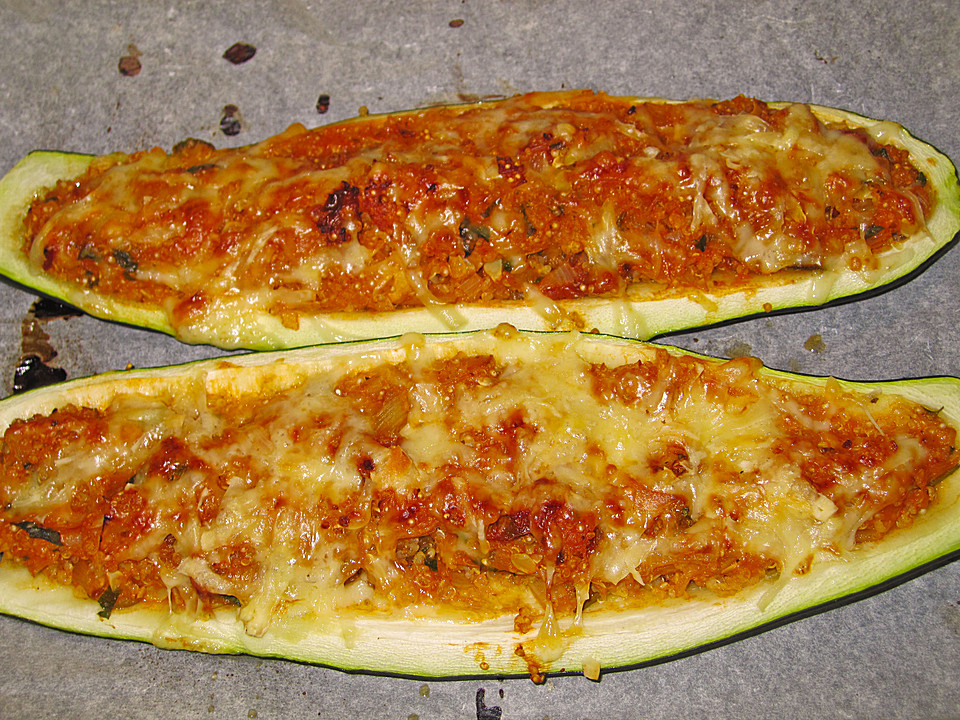
It is a nice taste if you sprinkle over all a good amount of Parmesan cheese and then
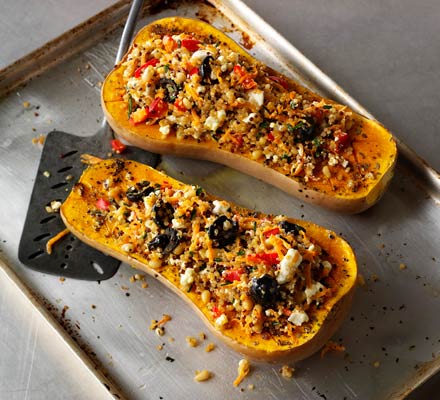
bake it. Same idea and recipe you can make with pumpkin. Garnish with fresh herbs or
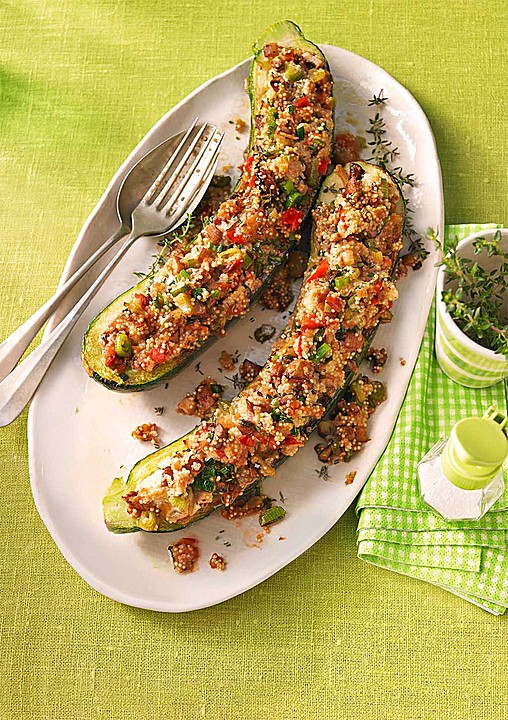
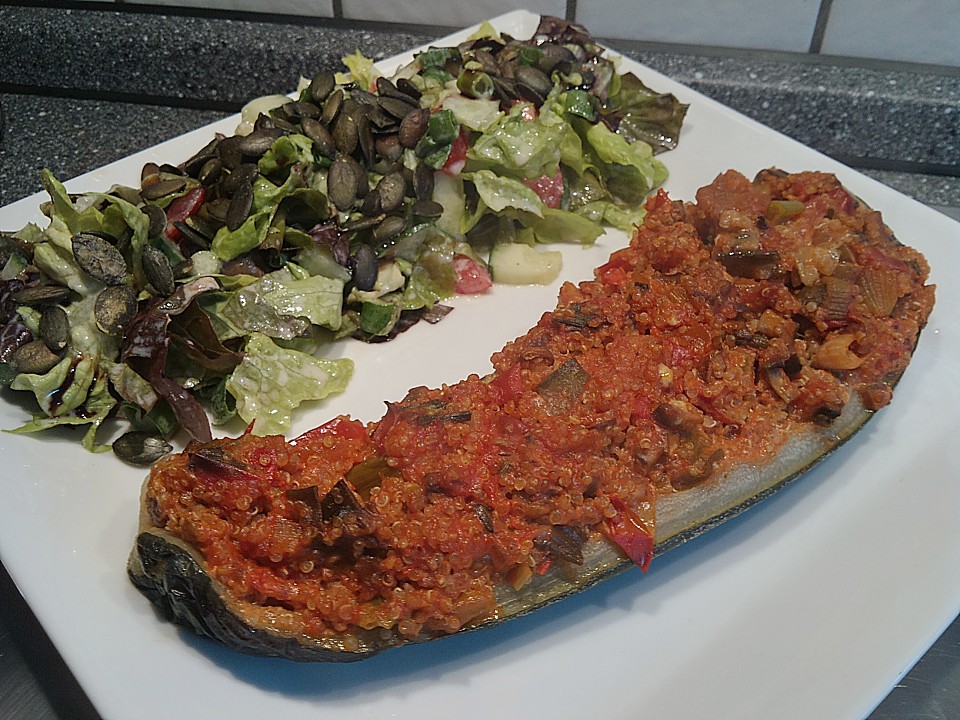
olives or anything else you like. See all the pics to these different ideas.  Enjoy !!!

Veröffentlicht unter Recipes | Hinterlasse einen Kommentar

Climate change in Uruguay ?

DSC00421

Today is the 1.February. Normally a day in the middle of summer.
But this year the summer was a bit wet, lots of rain. Do we have a
climate change in Uruguay now? Walking through my garden this morning
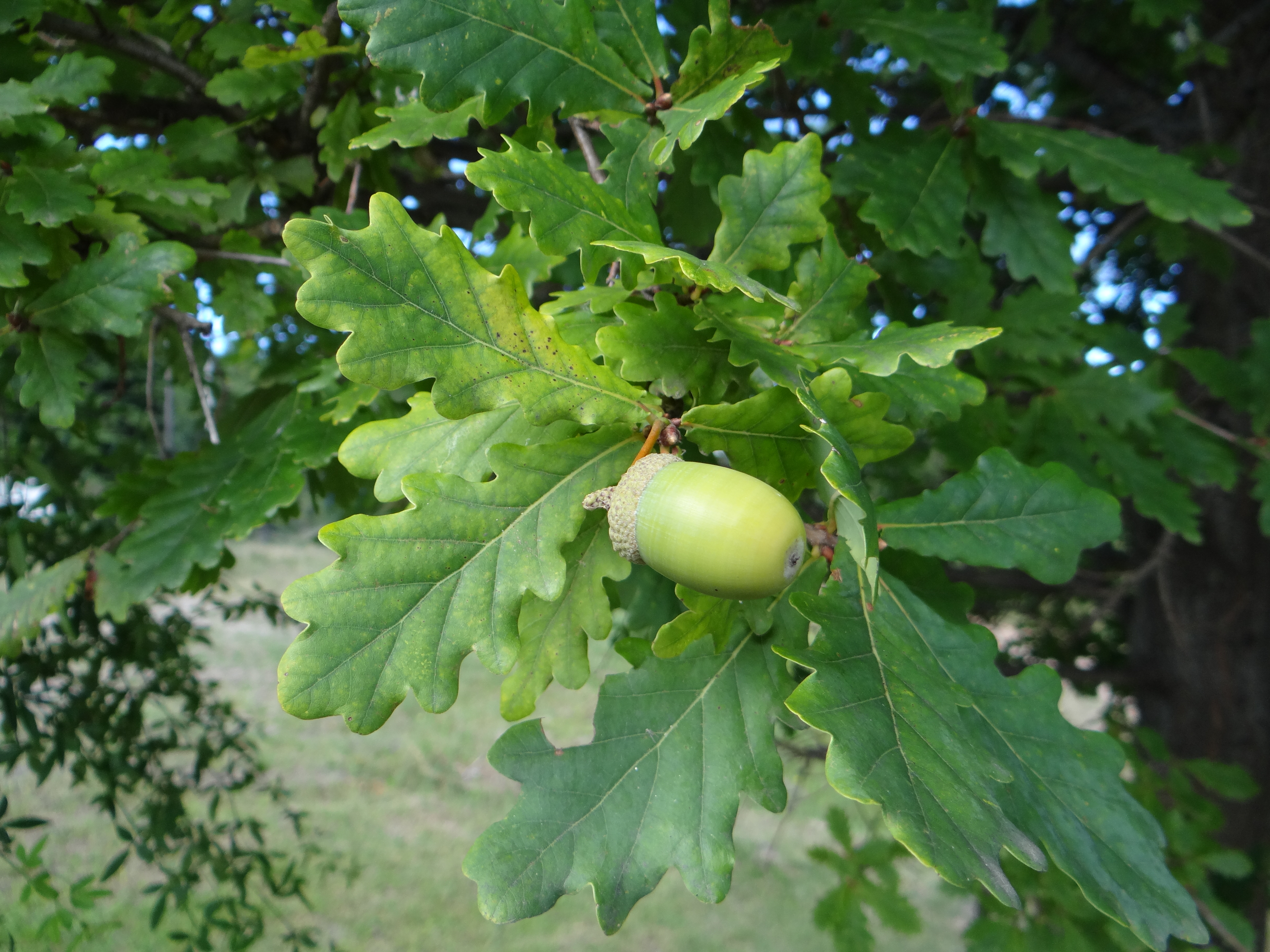
shows strong signs of autumn, and this on the 1st of February. Look above,
my oak tree has fully grown acorns and the leaves turn brown .

DSC01475

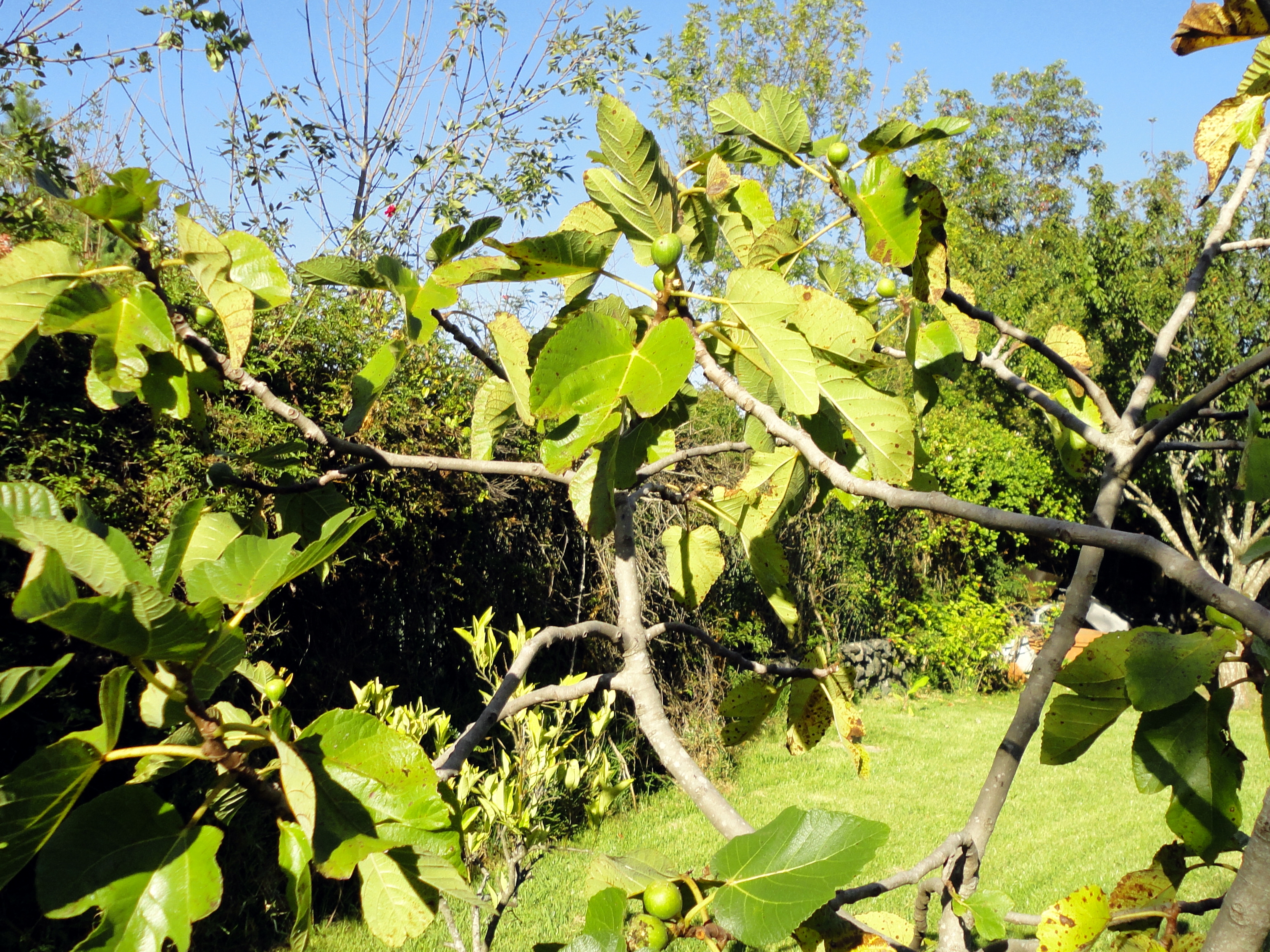
My figs stopped ripening and the fig tree leaves already turn brown
and fall off. See in the background of this photo, other trees are
loosing their leaves too and all looks like autumn. Bad luck, just a
few figs this year. Two month to early, a climate change in Uruguay?

DSC01476

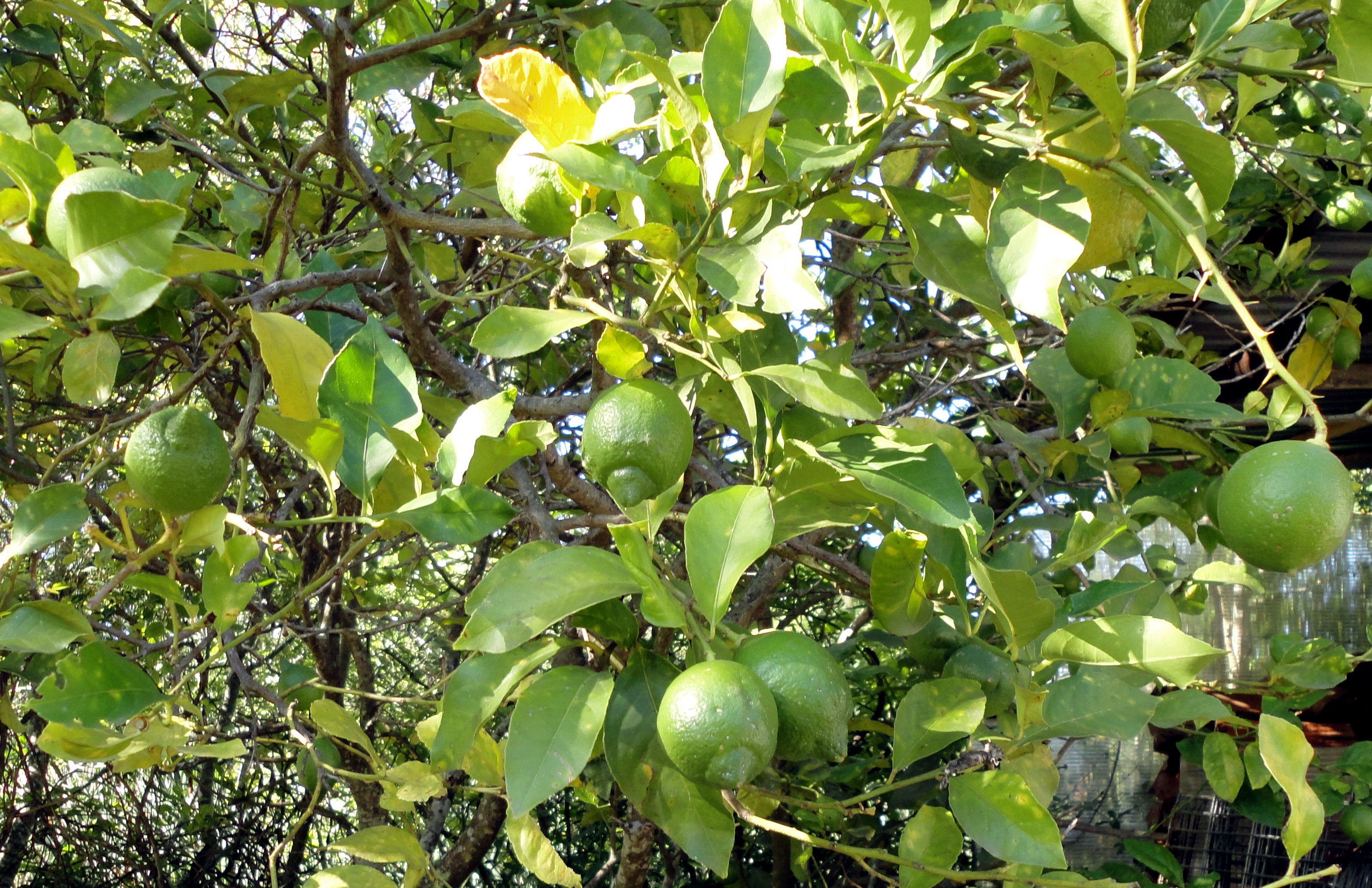
Therefore are the lemons in full growth. They start to turn yellow already.
Normally we have new, ripe lemons from May/June onwards. Two month to early.

DSC01474

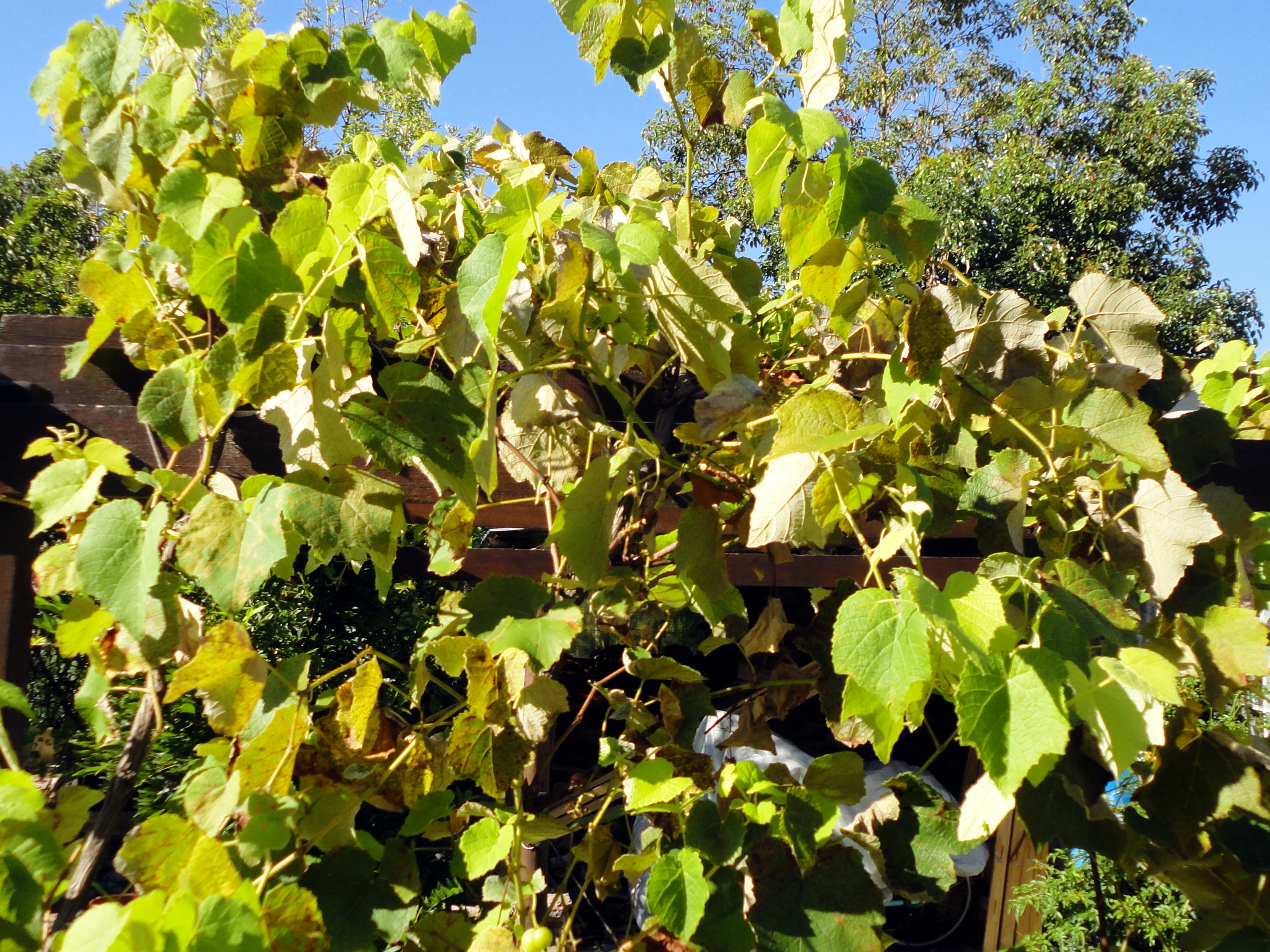
And the worthiest change this year are my Tannat vines. They are harvested
already, just 15 kilos of grapes this year, instead over 50 kilos last year.
All the leaves turn brown and they fall off. Autumn on the 1st of February.
Was it to much rain this year or do we have a climate change in Uruguay ???

Veröffentlicht unter Information, Uruguay | 6 Kommentare

New Movie – Uruguay

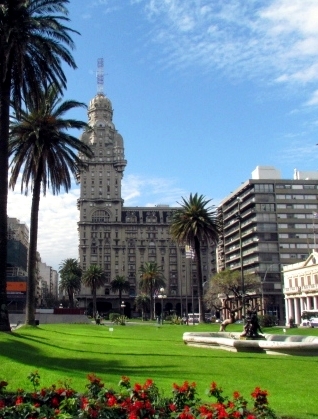
UY 2 PalacioSalvo
Palacio Salvo, Plaza Independencia – Montevideo.

Der nachstehende Link führt zu einem sehr empfehlenswerten Dokumentarfilm
zu Uruguay, 87 Minuten.Einfach YouTube starten und unten rechts Vollbild !
The following link leads to a new and interesting documentation about Uruguay.
Sadly in German language only, 87 minutes. Click on and down right full screen.

“Reisen in ferne Welten: Uruguay – Unbekanntes Land am Silberfluss”,
von Chris Strickland.

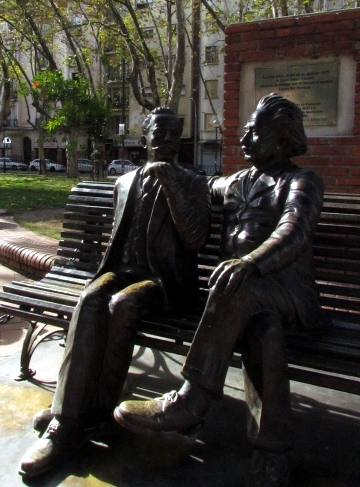
UY 1 Einstein+Ferreira
Albert Einstein and Carlos Vaz Ferreira, Plaza de los 33 – Montevideo.

Veröffentlicht unter Information, Uruguay | Verschlagwortet mit | Hinterlasse einen Kommentar

Quinoa Skillet Fiesta 1

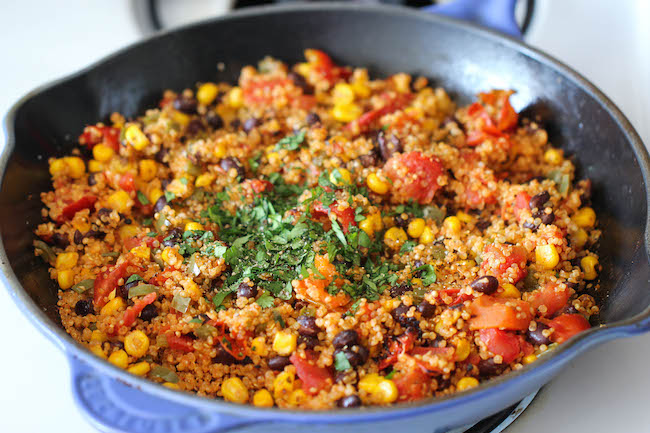
quinoa 5

This Quinoa Fiesta is such a great cooking idea,
that you can use it as often as you want. There are dozens of versions,
easy and quick to cook, especially if you don’t know what to cook or if
you are in no mood to cook at all.

The large pic on top of the blog shows wild quinoa, growing along lake
Titicaca, Bolivia. More about Quinoa in some followings posts. Stay tuned.

Wonderfully light, healthy and nutritious recipe. And so easy to make .
Vegetarian version.

Ingredients.

1 tablespoon olive oil
2 cloves garlic, minced
1 jalapenos, minced (you can use any medium sized red or green chilli)
1 medium size onion, finely diced
1 cup quinoa, cooked to yield about 4 cups quinoa
1 cup vegetable broth
1 (15-oz, c. 450gr ) can black beans, drained and rinsed
1 (15 oz, c. 450gr) can fire-roasted diced tomatoes
1 cup corn kernels
1 teaspoon chili powder
1/2 teaspoon cumin
Salt and freshly ground black pepper, to taste
1 avocado, halved, seeded, peeled and diced
Juice of 1 lime
2 tablespoons chopped fresh cilantro leaves

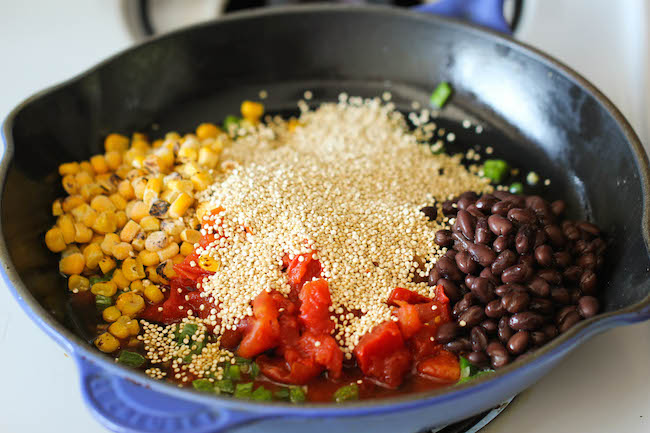
quinoa 3

How to do.

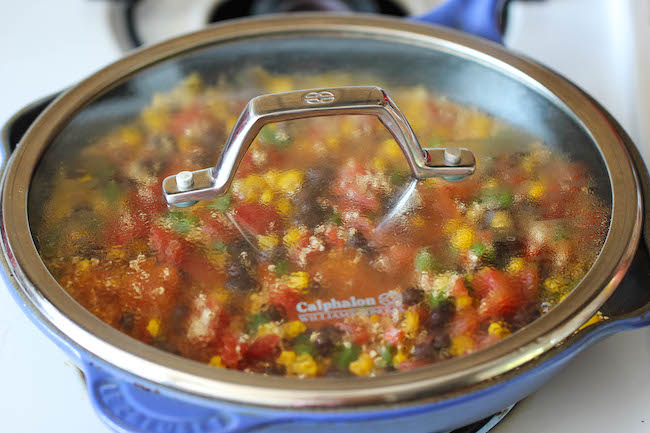
Heat olive oil in a large skillet over medium high heat.
Add garlic, onion and jalapeno, and cook, stirring frequently,
until fragrant, about 1 minute.
Stir in quinoa, vegetable broth, beans, tomatoes, corn, chili powder
and cumin.
Season with salt and pepper, to taste.
Bring to a boil, cover, reduce heat and simmer until quinoa is cooked
through, about 15 to 20 minutes.
Check occasionally and add a bit more broth if needed.
Stir in avocado, lime juice and cilantro.
Serve immediately. Enjoy !

quinoa 4

Tips.

Meat version.
If you like it meaty add 1 pound (about 500gr) ground beef or turkey.
Also usable is 1/2 and 1/2 pork-beef mince.

In case you use the meat version, brown the minced meat in a pan and add it
to the garlic/jalapeno/onion mixture, then start adding quinoa and others,
and follow the instructions above.

quinoa 12
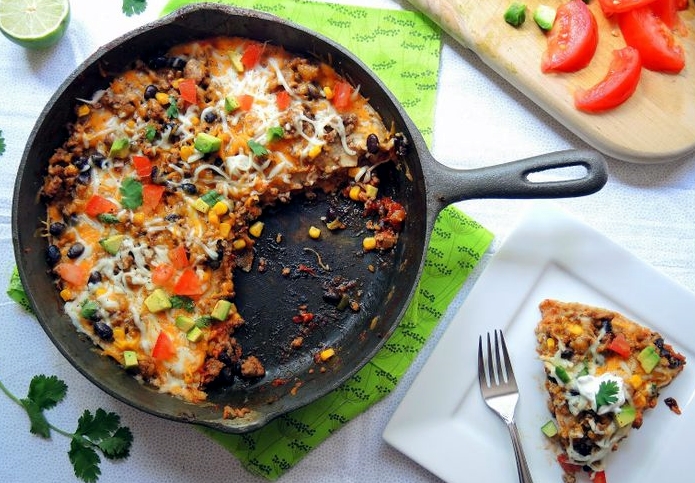
The meat version, dry cooked and sprinkled with Parmesan cheese.
A fresh green salad and a glass of cool Chardonnay goes well with it.

Veröffentlicht unter Recipes | Hinterlasse einen Kommentar

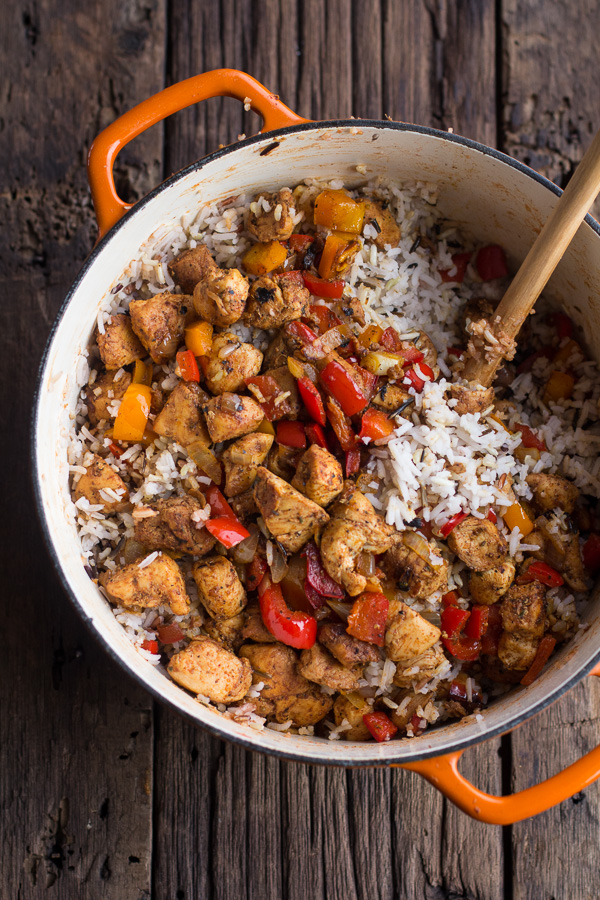
Cajun Chicken with Rice

Cajun chuck 1

Ingredients.

1/2 cup wild rice
3/4 cup Basmati rice
The rice suggestion up here is for my international friends.

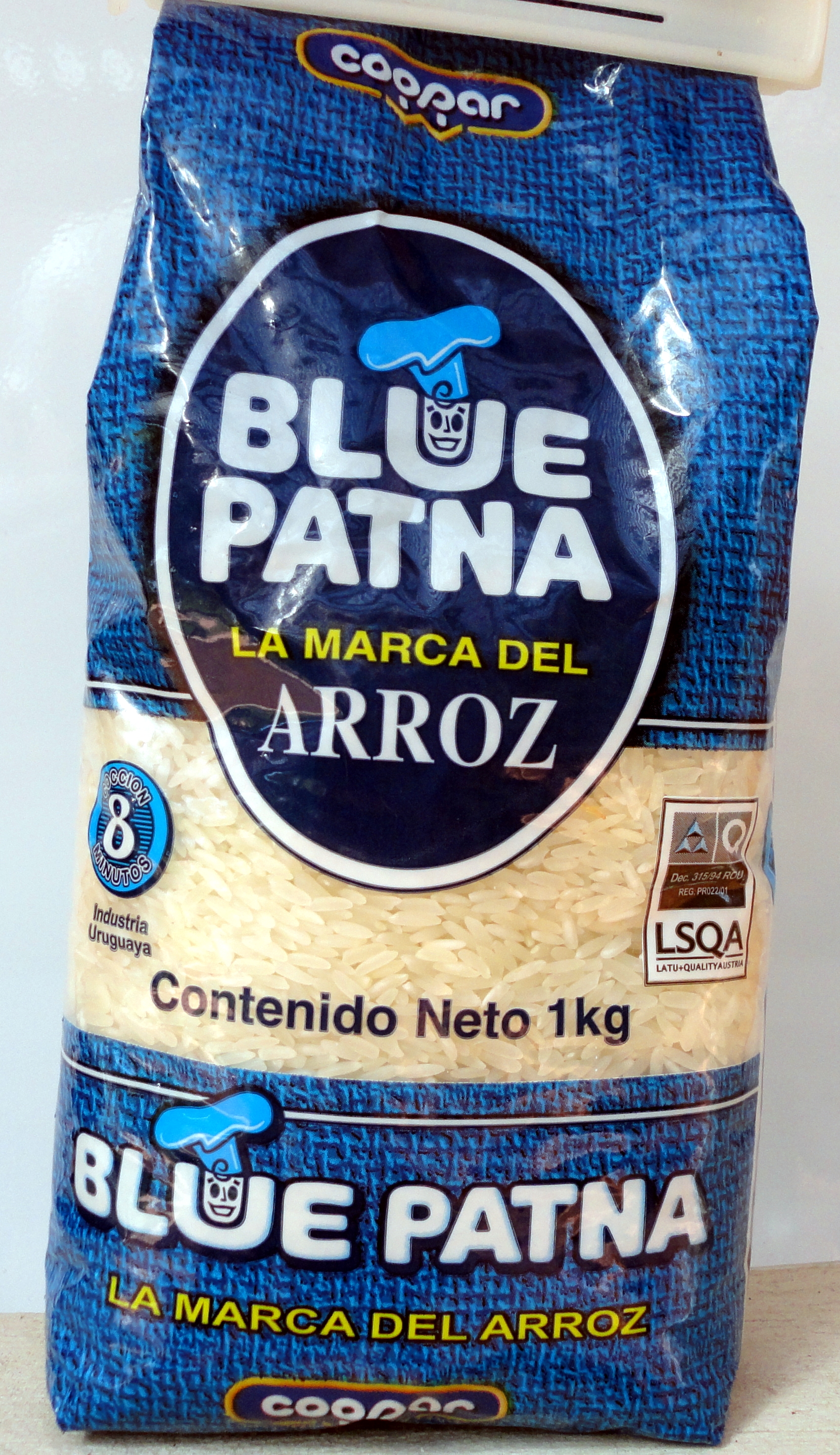
In Uruguay you won’t find „wild rice, Basmati rice, Jasmin rice“ or
other well known ones. But the local rice „Blue Patna“ is a very good
quality and I use it for almost everything. For fancy dishes, when I
want a bit color, or for sea food dishes, I use the Brazilian brand
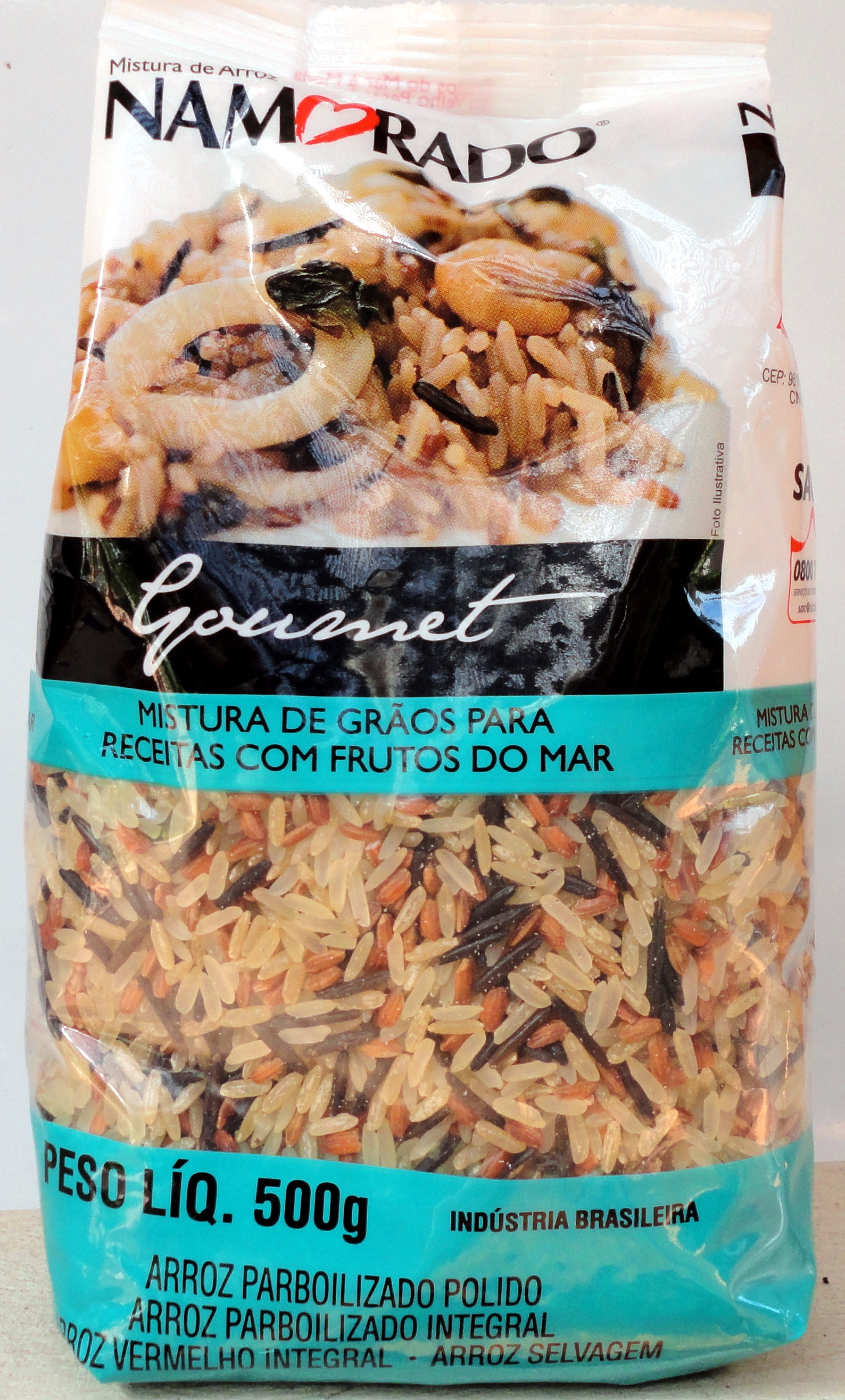
„Gourmet, Nam Rado“, nice mix of different rices.

DSC01469               DSC01470
For this recipe, in Uruguay, use
1 full cup Blue Patna rice

3 cups water or chicken broth
1 pound boneless skinless chicken breast, cut into bite size pieces
2 tablespoons olive oil
1 tablespoon Cajun seasoning
1 tablespoon Creole seasoning
1/2 tablespoon brown sugar
1 teaspoon sweet paprika
1 teaspoon black pepper
1/2 teaspoon cayenne pepper
1/2 teaspoon dried thyme
2 tablespoons soy sauce
1 large red pepper (Paprika), chopped
1 large orange pepper (Paprika), chopped
1/2 a onion, chopped
2 cloves garlic, minced or grated
1 can (c. 450g or 14 oz) diced tomatoes
2 tablespoon fresh parsley, chopped, plus more for garnish

How to do.

Cook the rice as you know ( the Blue Patna not longer then 8 minutes)
Let the rice rest for about 10 minutes.

Meanwhile heat a large skillet on medium high heat and add 1 tablespoon
olive oil. In a small bowl combine the cajun seasoning, creole seasoning,
brown sugar, pepper, cayenne, sweet paprika and dried thyme.

Cajun chuck 2
It is up to you if you stir all parts in  one pot together,
or if you like to serve the rice and meat/veggie mixture separate.

Add the chicken and the spice mixture to the skillet and give it a good
toss. Then spread the chicken in an even layer and allow it to cook for
2-4 minutes. Stir the chicken and add the soy sauce, continue cooking
another 5 minutes or until the chicken is browned all over and cooked
through. Remove the chicken from the skillet and set aside.

Add the remaining tablespoon of olive oil to the skillet. Add the red
pepper, orange pepper, onion and garlic. Stir fry the veggies for about
5-10 minutes or until the onions are soft.

Add the chicken back to the skillet and toss well. Now stir in the diced
tomatoes and simmer until almost all the liquid has evaporated. Remove
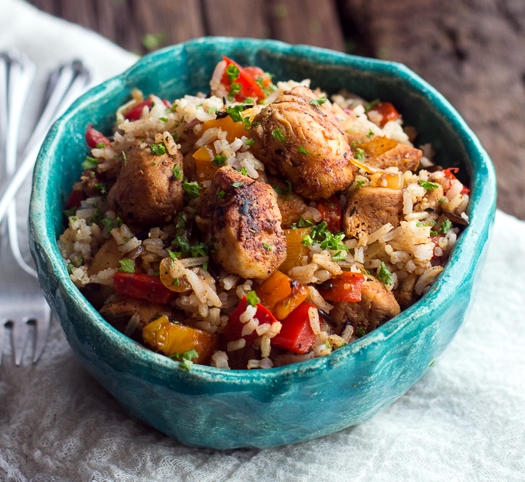
from the heat and add the chicken mixture to the rice. Toss well and serve.
Garnish with chopped parsley or fine sliced spring onion (green part only).

Cajun chuck 1

Tips.

This same recipe you can cook with pork. Or you can add to this dish shrimps
and garnish with chopped coriander for an Asian taste. If you like a more
„saucy-Asian“ effect mix a cup of coconut milk into it. Enjoy !

Veröffentlicht unter Recipes | Hinterlasse einen Kommentar