
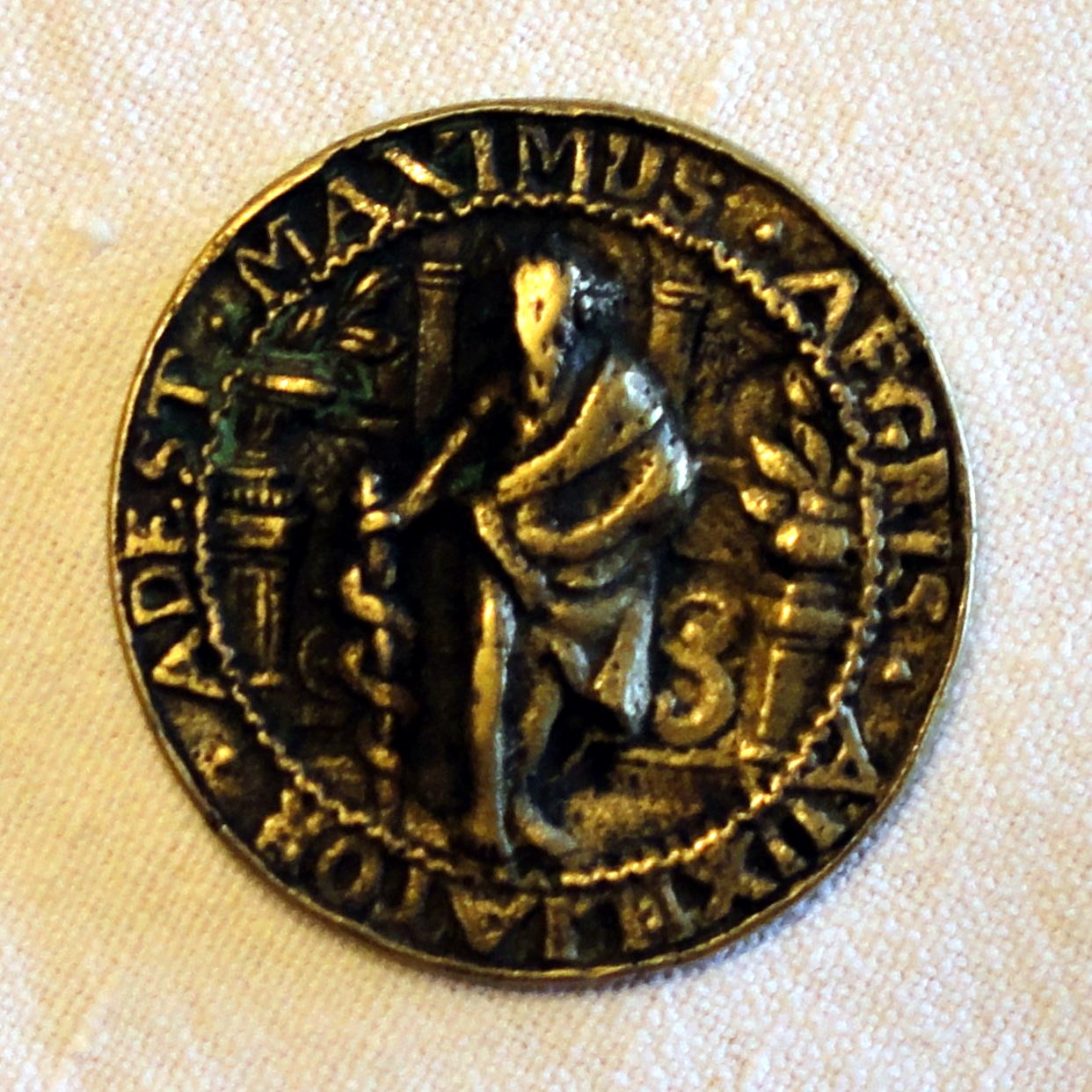
Very rare bronze from 1789.
This Dr.’s medal is an access identification for physicians and pharmacists to the
herb garden, Hortus Medicus, in Amsterdam. Medals like this were known for
the Amsterdam Medical Gardens from around 1740 till about 1820.
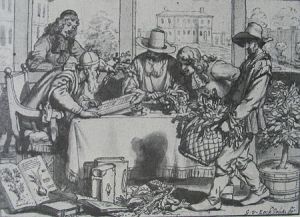
Doctors, Physicians and Pharmacists, studying together lots of different herbal plants.
The front of the medal
shows the Greek healer Asclepius in his tunic with the famous
Asclepius rod and the snake.
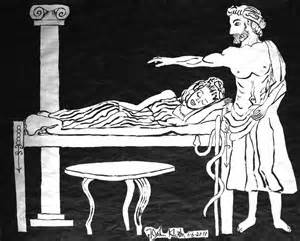
Asclepius, the Greek god of medicine and healing, is regarded as the son
of Apollo and Coronis. Asclepius, masterful doctor, who dominated the medicine
like no other. Also, it is said that he, above the medicine, have dominated
surgery and herbalism.
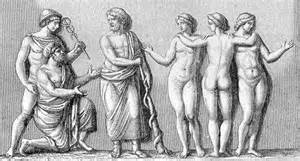
The medical treatment in the Asclepius cult often was, that the patient was
brought to sleep, mostly outside the city Temple of Asclepius.
Then in the dream, the doctor appeared and advised the patient was diets
or other treatments to use.
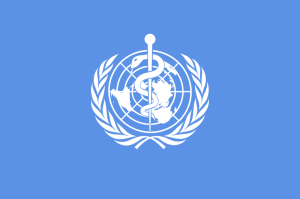
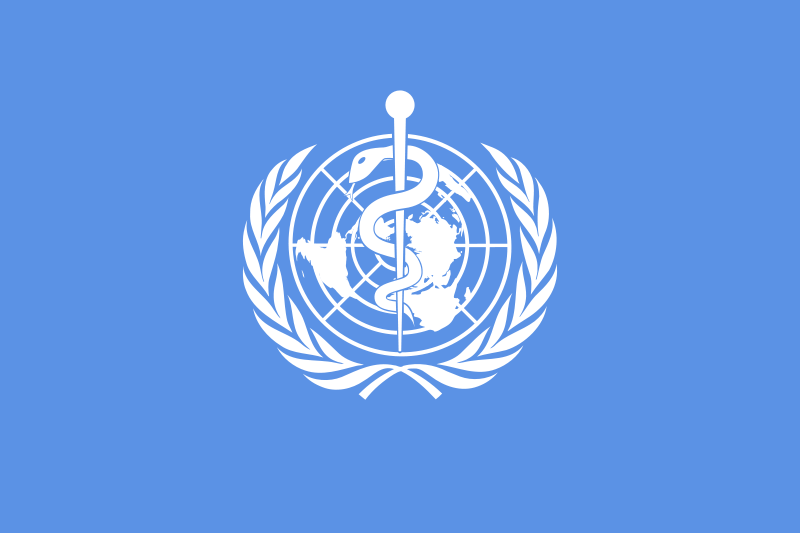
Sign of the United Nations World Health Organization. In the center the rod of Asclepius.
Asclepius is usually depicted as a bearded, serious man, decorated with laurel
and based on a rod. This rod is entwined by a serpent (snake),
the so-called Asclepius rod became the symbol of medicine.
The skirting words,
MAXIMUS AEGRIS AUXILIATOR ADEST
mean as much as
IMPORTANT PATIENT ASSISTANCE IS
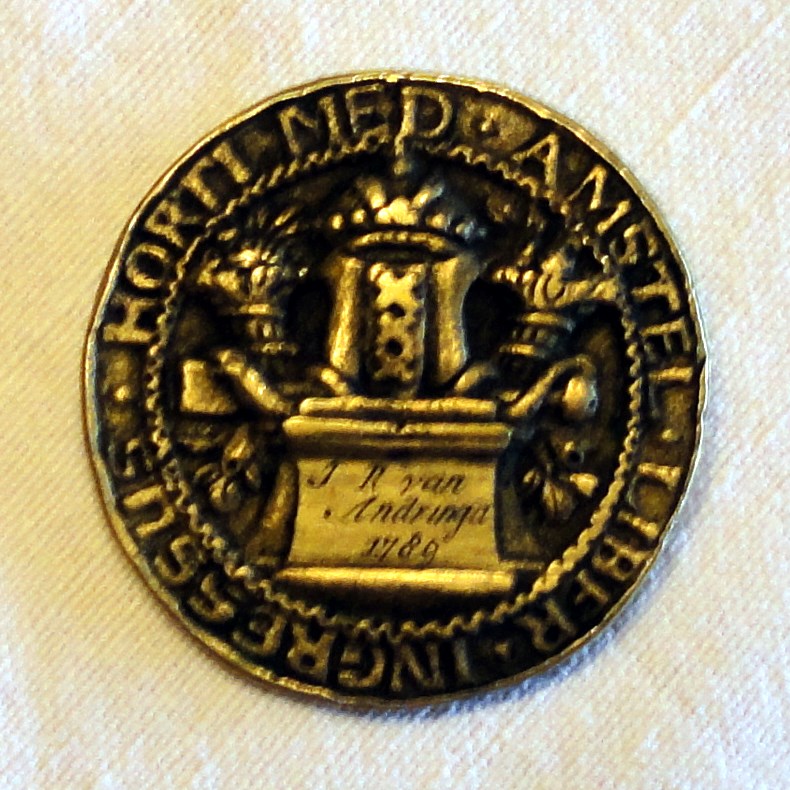
The flip side of the medal
shows the coat of arms of Amsterdam.
Here the sign with the 3 crosses and crown over it.
The lions, which can be normally found on the left and right of the shield,
were omitted and replaced by urns with bundles of medical herbs.
The exact meaning of the coat of arms of Amsterdam is unknown. However,
there are several theories that are historically considered plausible.
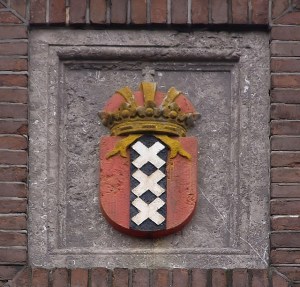
Sign of Amsterdam, the three crosses as a route identification ?
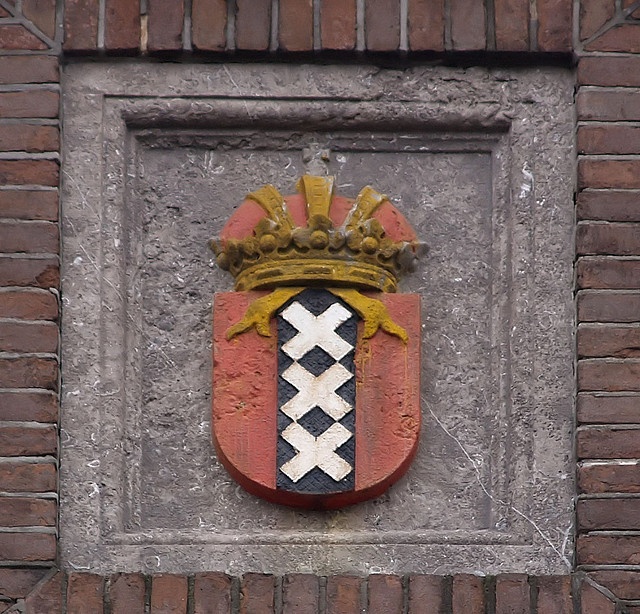
The three crosses symbolizing the three plagues of flood, fire and plague
the Amsterdam threatened. A better explanation is that the crosses were used
for identification of fords on ancient trade routes. The coat of arms of
surrounding cities have similar arrangements.
For example, Amstelveen 4 crosses and Ouder-Amstel 5 crosses.
In the indicated roll of parchment, we find the name of the owner of this
medal, „JR van Andringa 1789“.
The skirting words,
HORTI MED AMSTEL LIBER INGRESSUS
mean as much as
GARDEN MEDICAL AMSTEL FREE REGISTERED
Coat of arms of Amsterdam.
Three St. Andrew’s crosses form the core of Amsterdam’s city crest and
represent the three words written on Amsterdam’s coat of arms. A St. Andrew’s
cross is a heraldic symbol named after apostle St. Andrew who would have
crucified on such a cross.
The modern variation with the „new motto“ of Amsterdam.
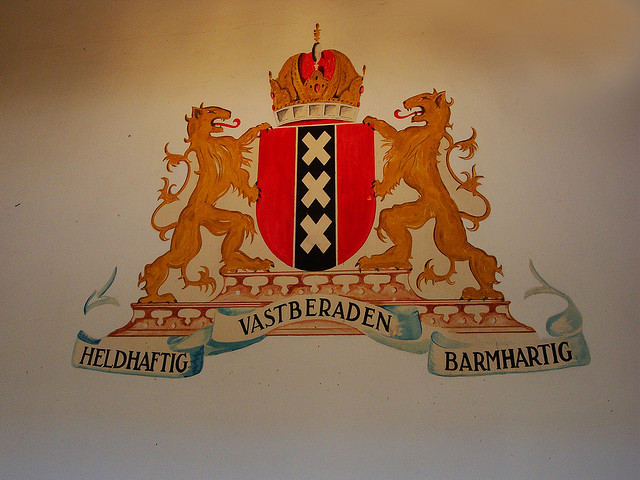
Two lions were added to the city’s coat of arms at the beginning of the
16th century. They represent shield bearers.
Amsterdam’s city motto, emblazoned on the bottom of the Coat of Arms on a
silver scroll, rests around the ideals of „Heroic, Resolute, Merciful“
with other translations being „Valiant, Resolute, Compassionate“ or
„Valiant, Steadfast, Compassionate“. Those words were added at the end of
the second world war, the crosses go back a lot further than that.
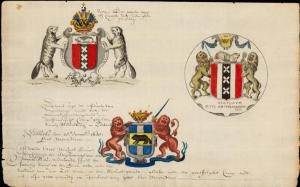
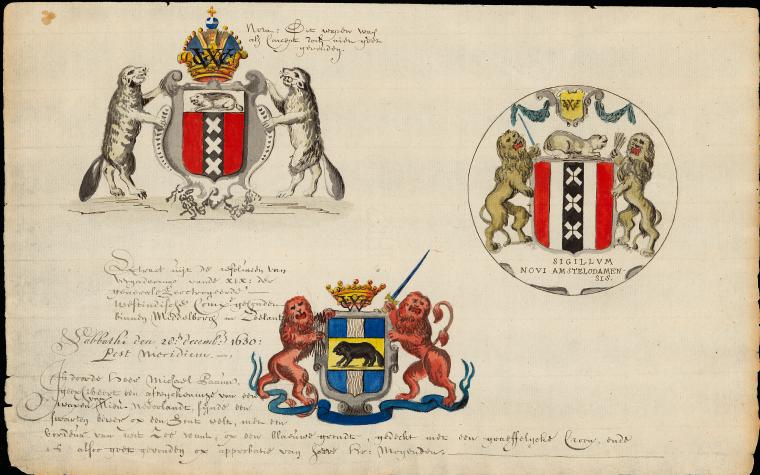
Different suggestions for a new coat of arms for „New Amsterdam“ in „New Holland“.
Hand colored feather draw from 1630.
The use of the coat of arms of Amsterdam dates back to at least as far as
1350. The digging of the Amsterdam North South metro line provided a pair
of pliers having belonged to a sheet or cloth guild with the crosses on it.
This find is to date one of the earliest known uses of the Amsterdam Coat of Arms.
Hortus Botanicus.
Amsterdam has been called one of the oldest botanical gardens in the world,
Hortus Botanicus. It was founded 1638 as Hortus Medicus, a herb garden with
a predominantly medical planting for doctors and Pharmacists .
Architectural outline of a medical herb garden for a monastery around 1780.
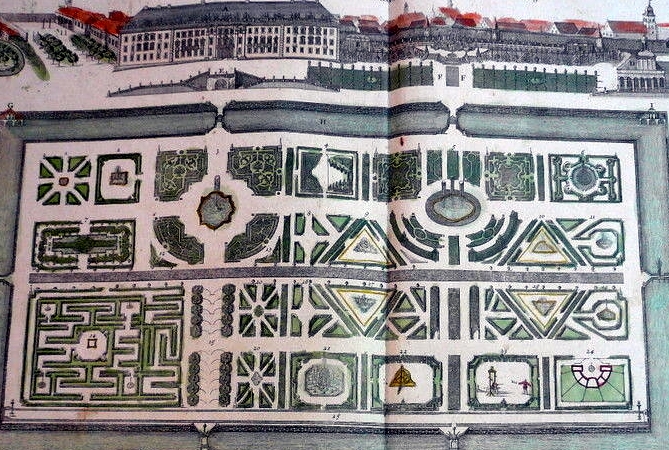
Approximately in 1682 the medical garden was created at the same address
where it is still today, right in the middle of Amsterdam.
The garden is located on the edge of downtown Amsterdam, at Middenlaan. This
garden is still excising and it is known as one of the finest botanical gardens
in the world, called Hortus Botanicus Amsterdam.
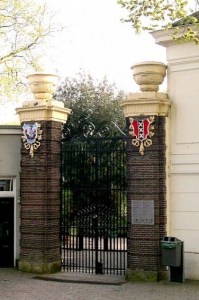
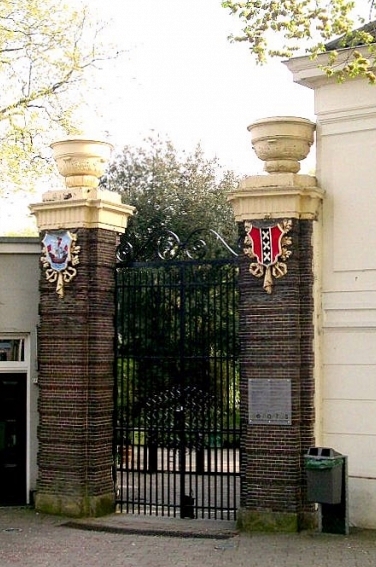
Left: Entry gate to Hortus Botanicus, with the Coat of Arms of Amsterdam.
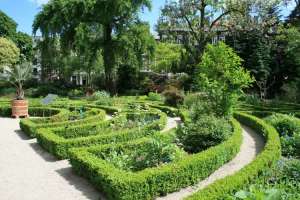
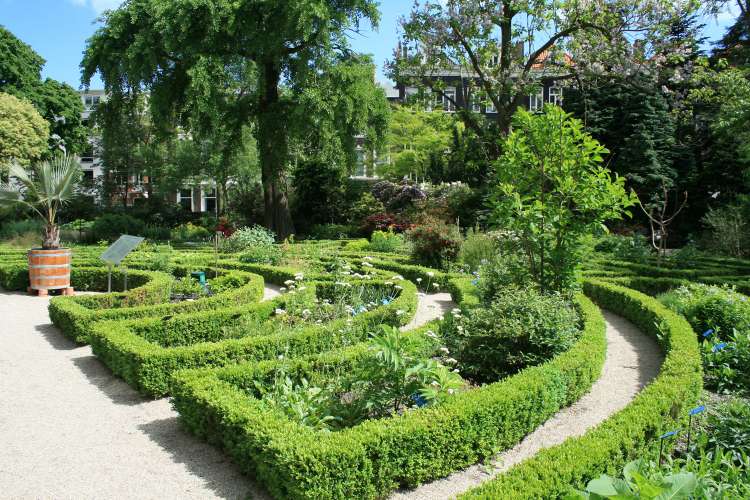
Right: Today’s medical herb and plant section of the Botanical Garden Amsterdam.
Hortus Botanicus’s initial collection was amassed during the 17th century through
plants and seeds brought back by traders of the East India Company (VOC) for use
as medicines and for their possibilities for commerce. It contains more than six
thousand tropical and indigenous trees and plants. A single coffee plant,
Coffea arabica, in Hortus’s collection served as the parent for the entire coffee
culture in Central and South America.
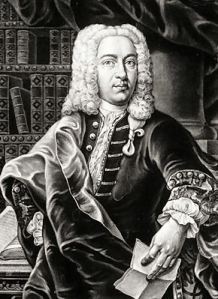
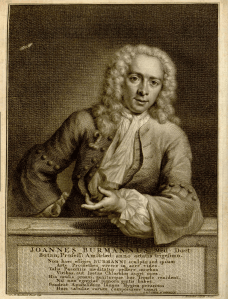
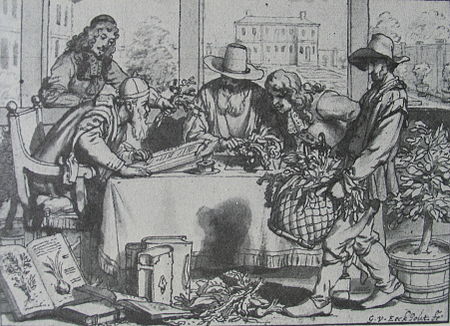
Left: Dr. Andringa could have looked like this, same as … Right: a college of him in the same time period.
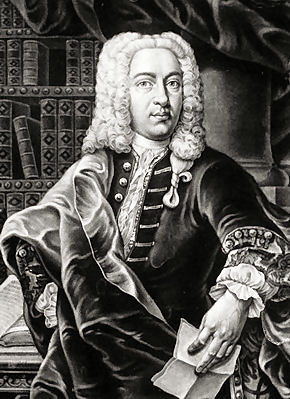
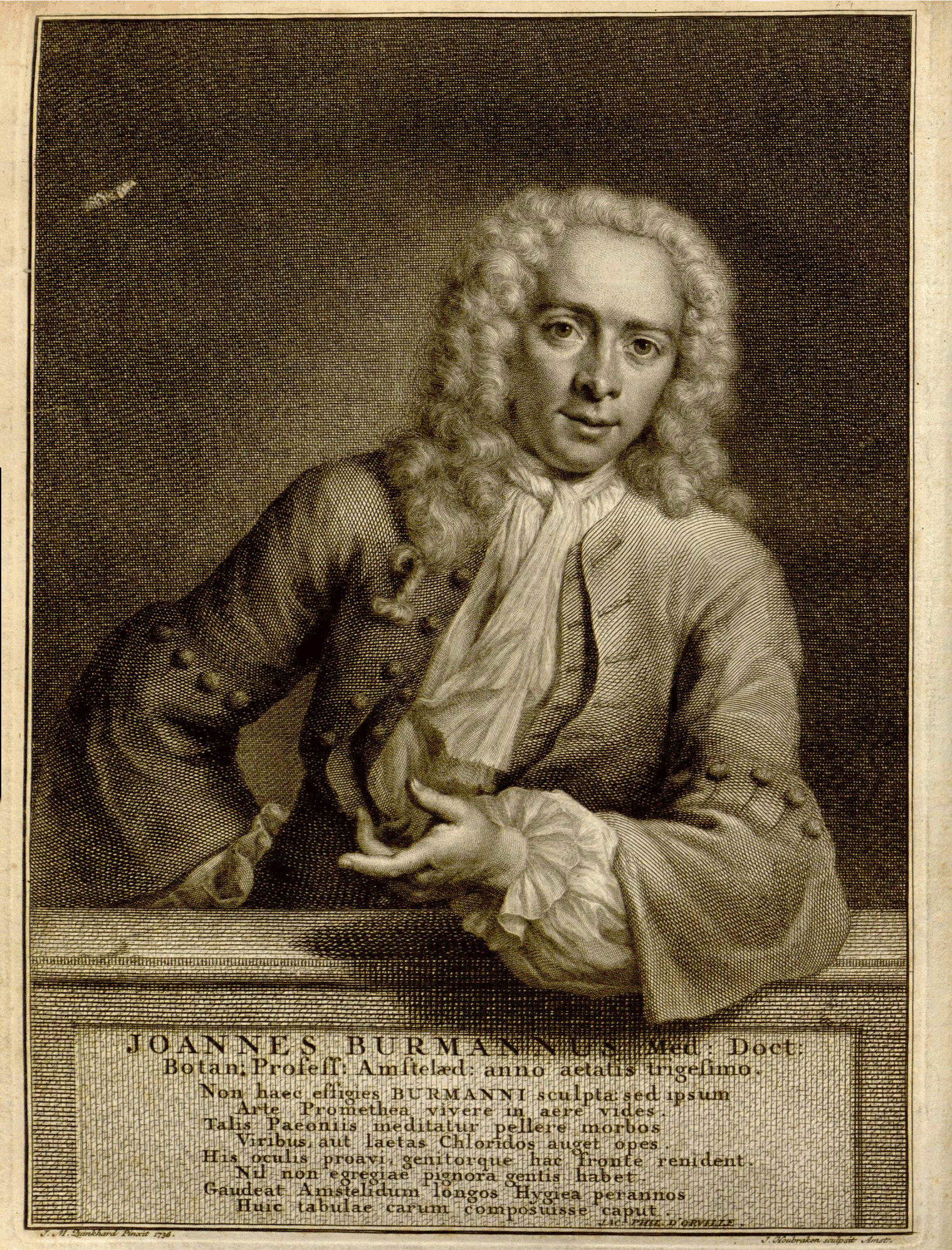
Doctor Johannes van Rudgerus Andringa, was a professional physician. He was
born 1763 in Leiden, Netherlands and died around 1819-1823.
The Andringa sex is still known in the medical world of the Netherlands.
E.g. GP Dr P. Andringa in Oud Gastel, or Dr. Gerda Andringa to Middelburg,
or Dr. Tjeerd Andringa, a professor at the University of Groningen.
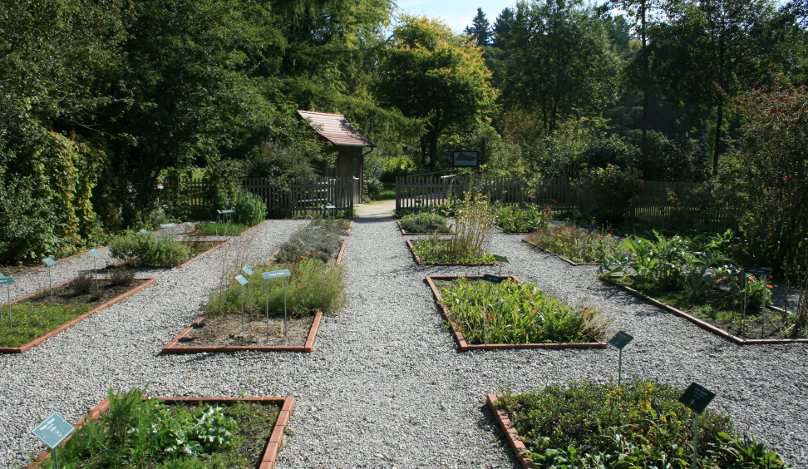
Modern medical herb gardens of a monastery in Germany.
Just for your information, where this medal in time is classified.
In the same year the medal was exhibited to Dr. Andringa, 1789,
George Washington became First President of the United States of America,
and with the storming of the Bastille in Paris the French Revolution began.
The medals diameter is 35 mm, thickness is 3.5 mm and it weighs 45 grams.
This medal is a museum’s quality and will enhance any home-, as well as
public-, medical-history collection.

