
Christmas Trees Around The World

christmas 1  christmas 7
Today is Christmas evening. Some countries celebrate today, others tomorrow on Christmas day.
It doesn’t matter if you live in the northern or southern hemisphere, with snow or on the beach.
If you want a Christmas tree and celebration, just do it and enjoy the holidays.
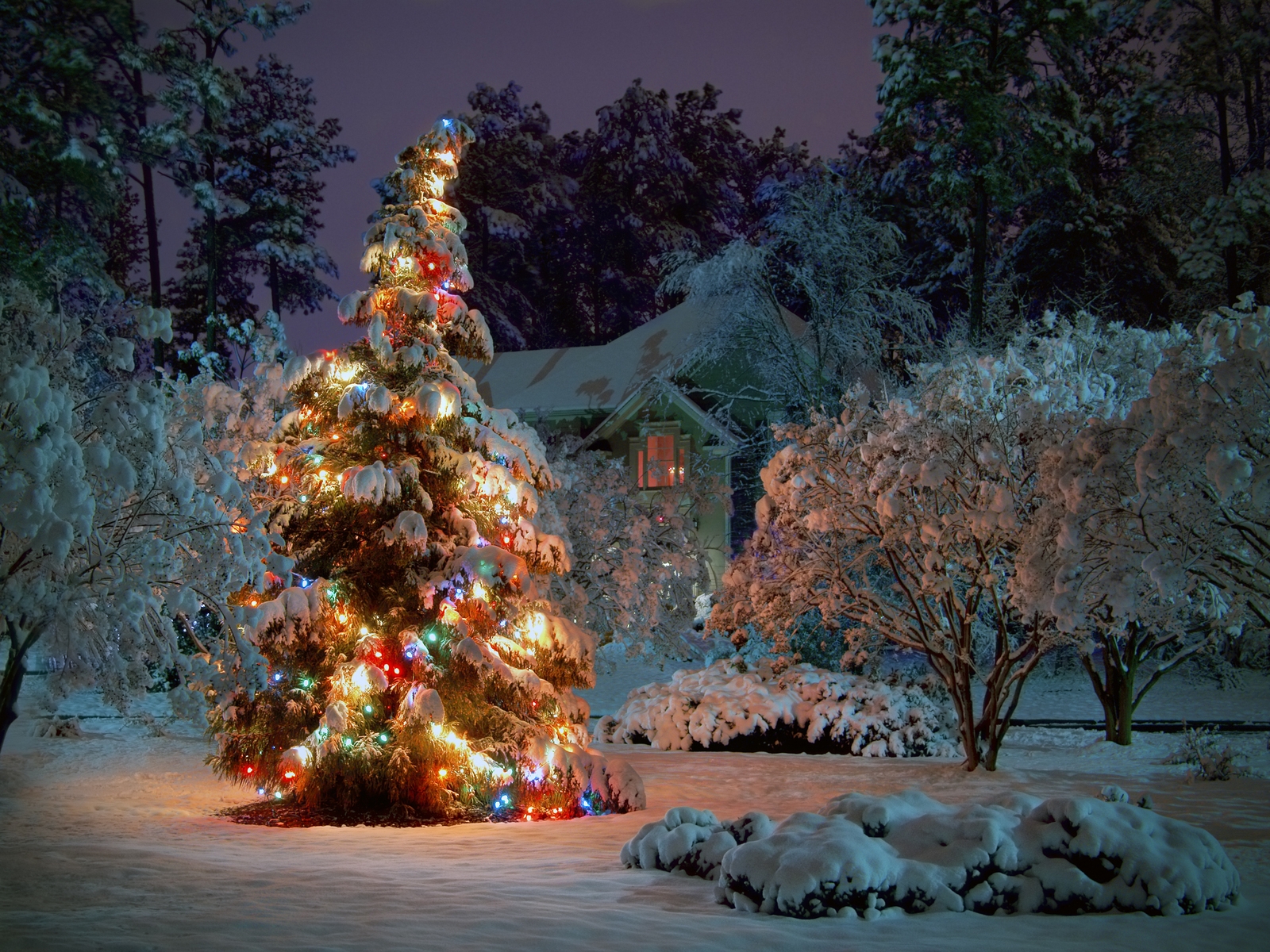

How It All Got Started

Long before the advent of Christianity, plants and trees that remained green all year had a special meaning for people in the winter. Just as people today decorate their homes during the festive season with pine, spruce, and fir trees, ancient peoples hung evergreen boughs over their doors and windows. In many countries it was believed that evergreens would keep away witches, ghosts, evil spirits, and illness.
christmas 19
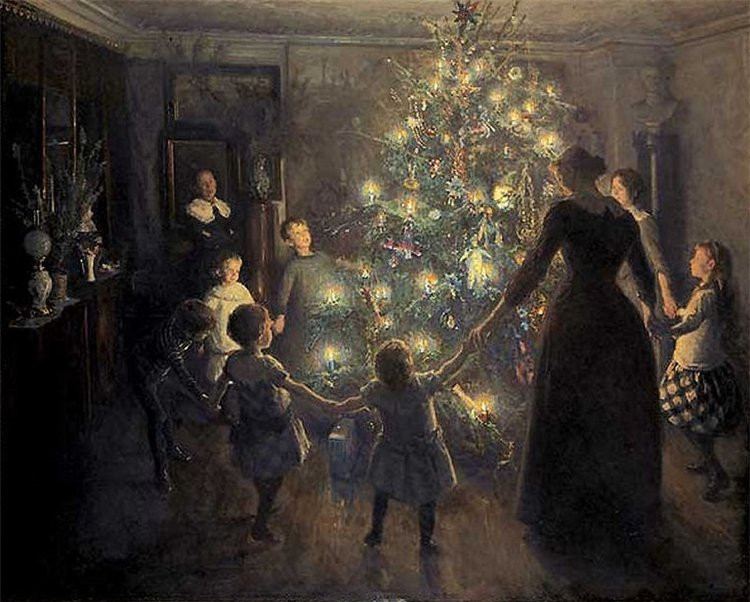
The historic dancing around the Christmas tree. Painting from late 1800’s.
In the Northern hemisphere, the shortest day and longest night of the year falls on December 21 or December 22 and is called the winter solstice. Many ancient people believed that the sun was a god and that winter came every year because the sun god had become sick and weak. They celebrated the solstice because it meant that at last the sun god would begin to get well. Evergreen boughs reminded them of all the green plants that would grow again when the sun god was strong and summer would return.
christmas 13
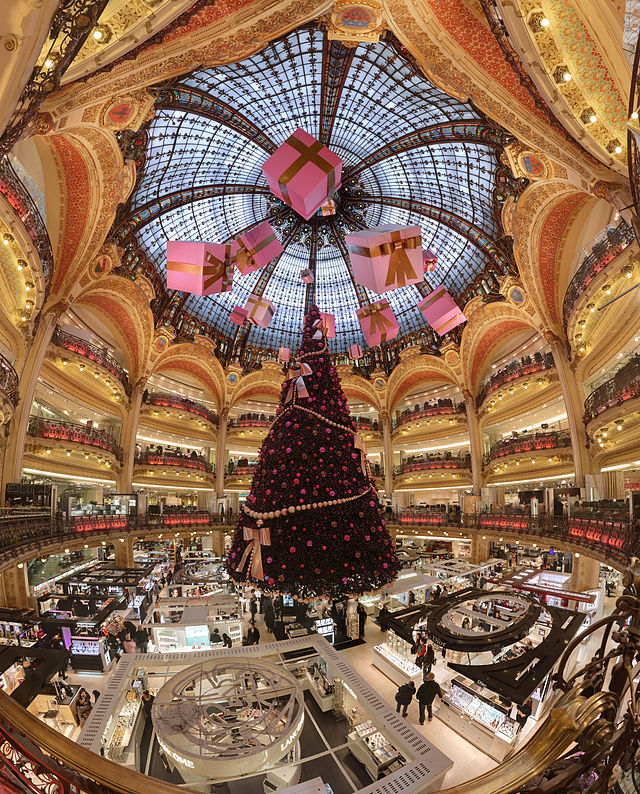
An  Christmas tree stands at the center of the department store Galleries Lafayette in Paris, France.
The ancient Egyptians worshiped a god called Ra, who had the head of a hawk and wore the sun as a blazing disk in his crown. At the solstice, when Ra began to recover from the illness, the Egyptians filled their homes with green palm rushes which symbolized for them the triumph of life over death.
christmas 12
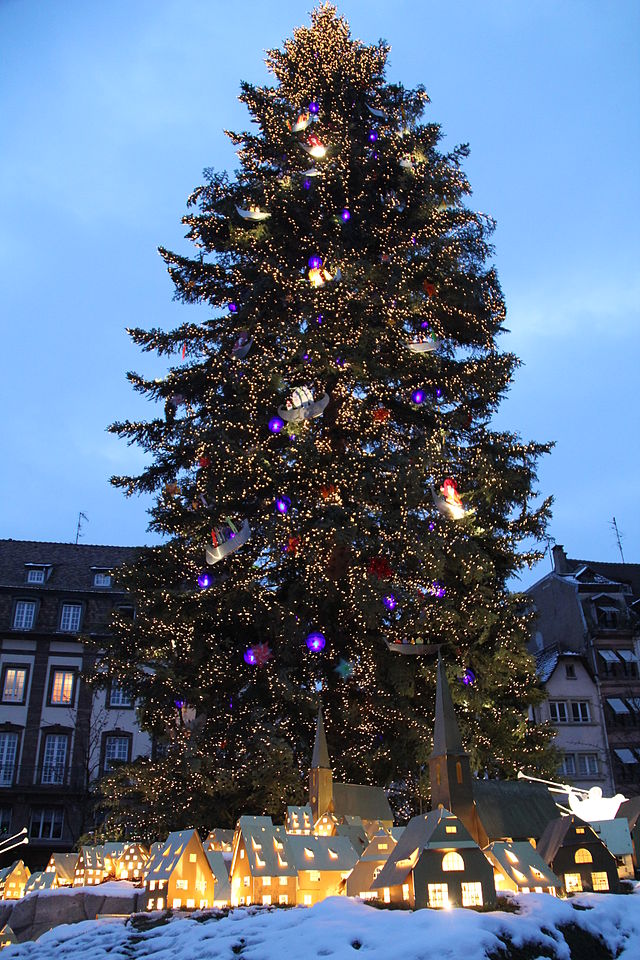
Thousands of lights on this Christmas tree in Strasbourg, France.
Early Romans marked the solstice with a feast called the Saturnalia in honor of Saturn, the god of agriculture. The Romans knew that the solstice meant that soon farms and orchards would be green and fruitful. To mark the occasion, they decorated their homes and temples with evergreen boughs. In Northern Europe the mysterious Druids, the priests of the ancient Celts, also decorated their temples with evergreen boughs as a symbol of everlasting life. The fierce Vikings in Scandinavia thought that evergreens were the special plant of the sun god, Balder.

christmas 9 bondi
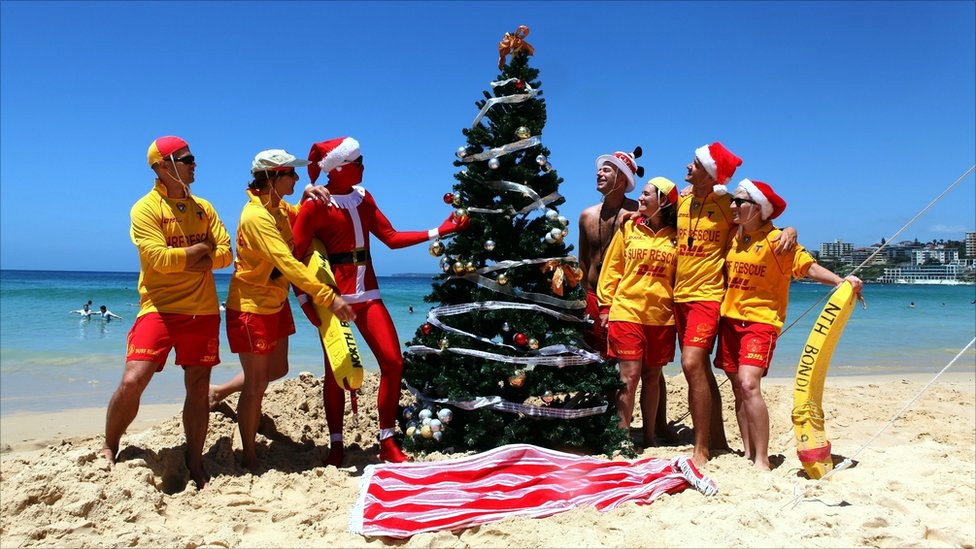
Christmas tree at Bondi Beach, Sydney Australia. Different countries – different Christmas celebrations.
Germany is credited with starting the Christmas tree tradition as we now know it in the 15th century when devout Christians brought decorated trees into their homes. Some built Christmas pyramids of wood and decorated them with evergreens and candles if wood was scarce. It is a widely held belief that Martin Luther, the 16th-century Protestant reformer, first added lighted candles to a tree. Walking toward his home one winter evening, composing a sermon, he was awed by the brilliance of stars twinkling amidst evergreens. To recapture the scene for his family, he erected a tree in the main room and wired its branches with lighted candles.
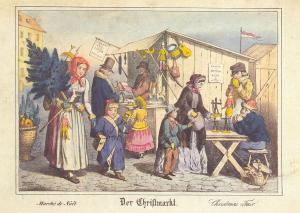
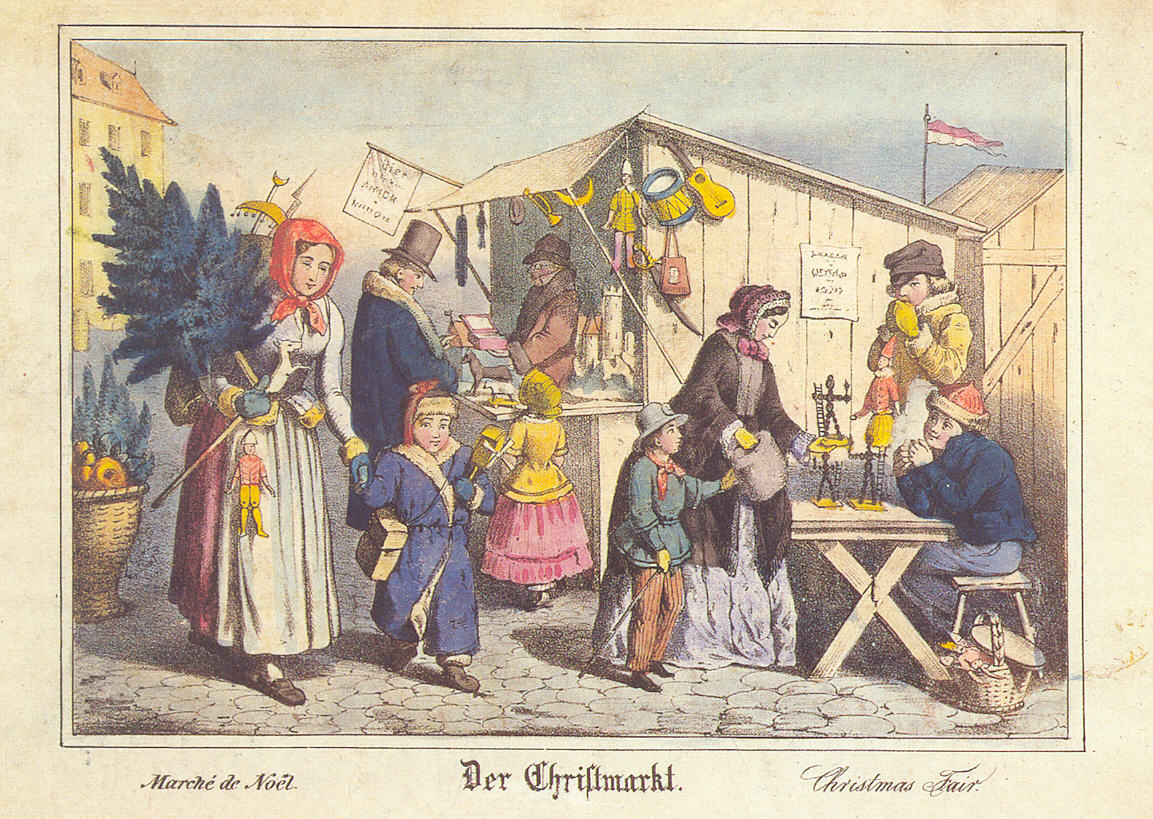
Christmarkt
German Cristmas market around 1800, with Christmas tree sale. Hand colored engraving.
Most 19th-century Americans found Christmas trees an oddity. The first record of one being on display was in the 1830s by the German settlers of Pennsylvania, although trees had been a tradition in many German homes much earlier. The Pennsylvania German settlements had community trees as early as 1747. But, as late as the 1840s Christmas trees were seen as pagan symbols and not accepted by most Americans.
tree 20
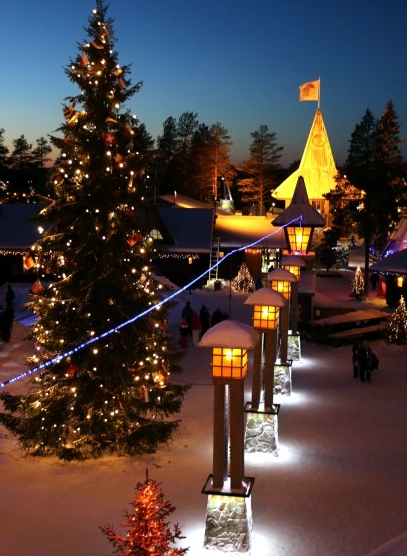
The Arctic Circle line in Santa Claus Village in Rovaniemi. Santa Claus Village
is situated right on the Arctic Circle (66° 32′ 35”) in Rovaniemi in Finnish
Lappland. It’s a popular destination to cross the Arctic Circle line, and to meet
Lappland’s most famous inhabitant – Santa.
It is not surprising that, like many other festive Christmas customs, the tree was adopted so late in America. To the New England Puritans, Christmas was sacred. The pilgrims’s second governor, William Bradford, wrote that he tried hard to stamp out “pagan mockery” of the observance, penalizing any frivolity. The influential Oliver Cromwell preached against “the heathen traditions” of Christmas carols, decorated trees, and any joyful expression that desecrated “that sacred event.” In 1659, the General Court of Massachusetts enacted a law making any observance of December 25 (other than a church service) a penal offense; people were fined for hanging decorations. That stern solemnity continued until the 19th century, when the influx of German and Irish immigrants undermined the Puritan legacy. The Christmas tree had arrived.
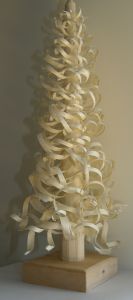

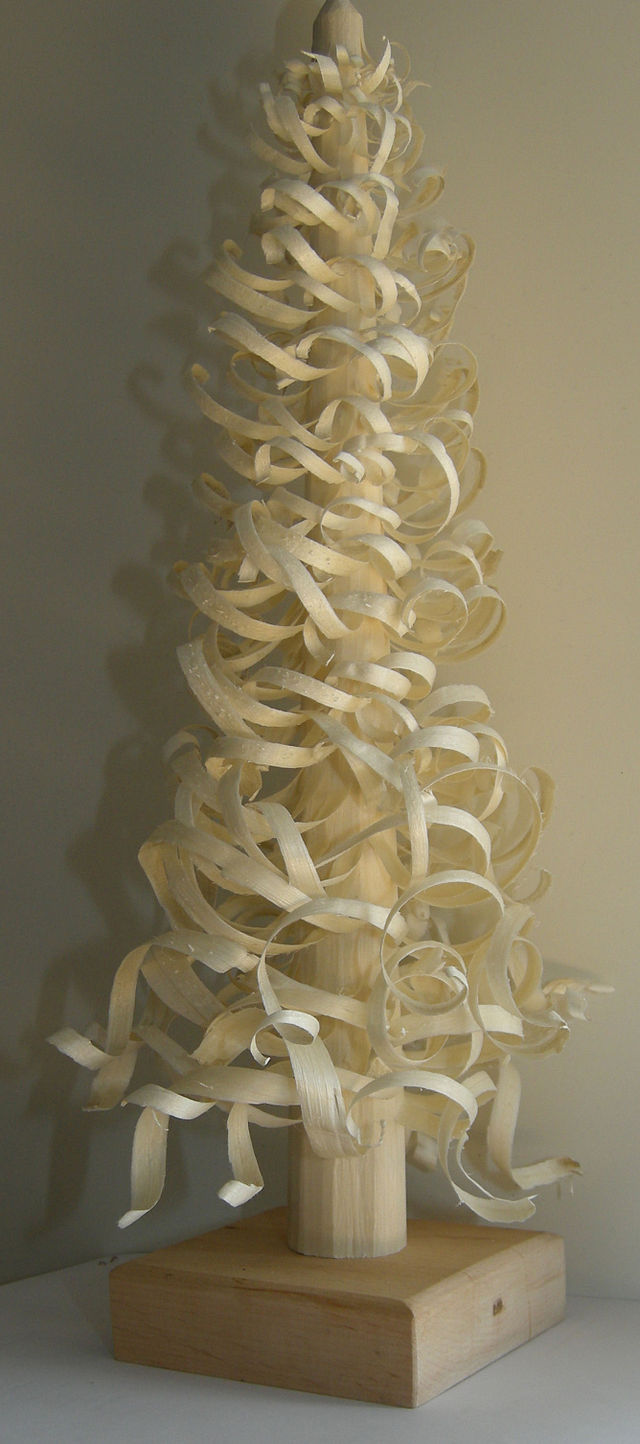
christmas 15           christmas 23
Handcarved Christmas tree from pine, Finnland. And an Ice tree in Santa Park Rovaniemi, Finnland.

If you are really interested in the history of the „Christmas Tree“, details,
photographs and much more, then I suggest to read the wonderful article in Wikipedia.
Click on:

http://en.wikipedia.org/wiki/Christmas_tree
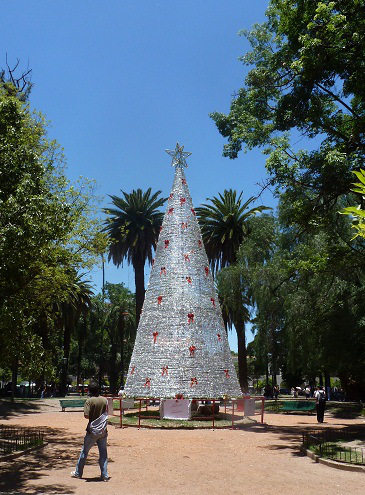
tree 15
Silver shiny Cristmas tree made from Aluminum plates in a park of Buenos Aires, Argentina.
Christmas Trees Around the World

Canada
German settlers migrated to Canada from the United States in the 1700s. They brought with them many of the things associated with Christmas we cherish today—Advent calendars, gingerbread houses, cookies—and Christmas trees. When Queen Victoria’s German husband, Prince Albert, put up a Christmas tree at Windsor Castle in 1848, the Christmas tree became a tradition throughout England, the United States, and Canada.
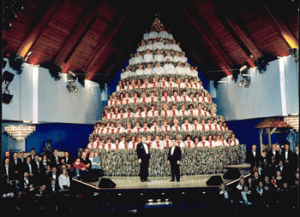
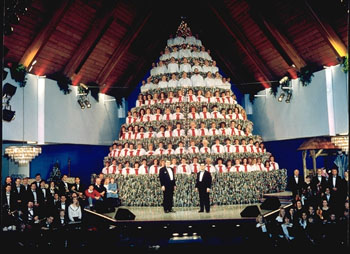
 christmas 28
The Central Pentecostal Tabernacle church in Edmonton, Alberta has produced
„The Singing Christmas Tree“ for nearly 30 years. At 35 feet high, the tree
contains a choir of 125 and is illuminated with 4785 lights.
Mexico
In most Mexican homes the principal holiday adornment is el Nacimiento (Nativity scene). However, a decorated Christmas tree may be incorporated in the Nacimiento or set up elsewhere in the home. As purchase of a natural pine represents a luxury commodity to most Mexican families, the typical arbolito (little tree) is often an artificial one, a bare branch cut from a copal tree (Bursera microphylla) or some type of shrub collected from the countryside.
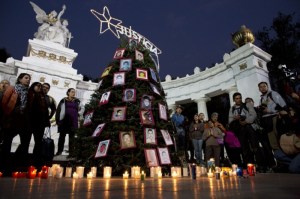
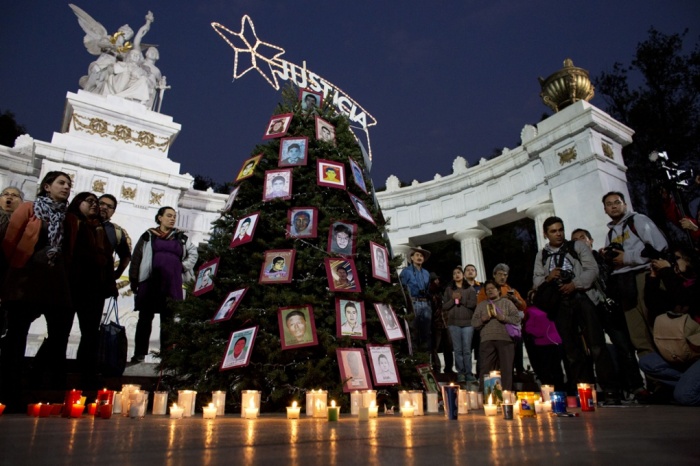
tree 9
In Mexico City people decorate a Christmas tree decorated with pictures of the
43 students who have now been missing for more than two months and are now
presumed dead after being attacked by police in southern Mexico.
Britain
In 1846, the popular royals, Queen Victoria and her German Prince, Albert, were sketched in the Illustrated London News standing with their children around a Christmas tree. Unlike the previous royal family, Victoria was very popular with her subjects, and what was done at court immediately became fashionable—not only in Britain, but with fashion-conscious East Coast American Society.
tree 2
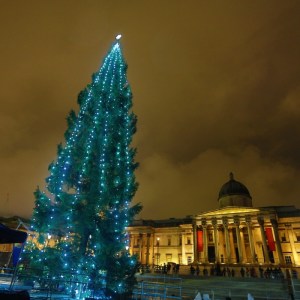
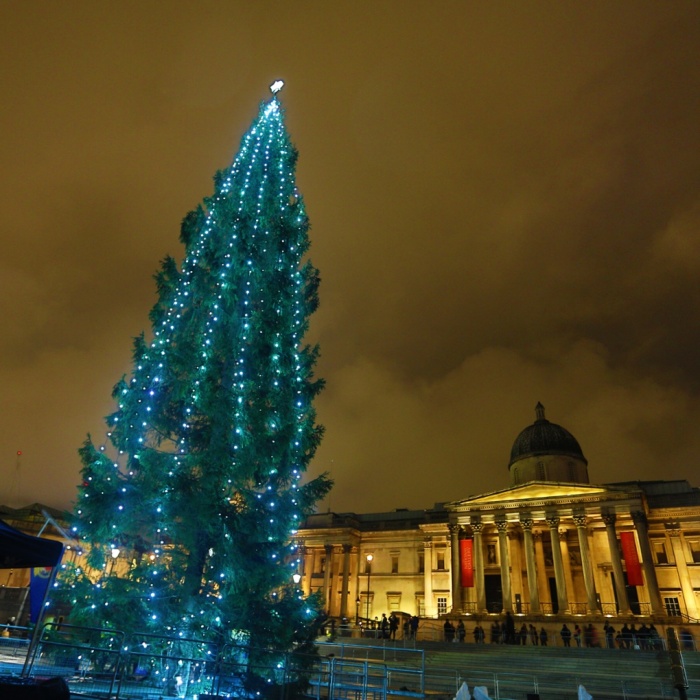
The traditional Christmas tree, a gift from the people of Norway, stands in Trafalgar Square, London.
Panama
The Christmas tree has joined the “Nacimiento” (Nativity scene) as a popular ornament because of the European population in Panama. Gifts are left under the tree on Christmas morning for the children. Parents and adults do not exchange gifts until New Year’s Day.
Rich company’s, banks, law firms and high rise buildings show a massive Christmas
lighting throughout the season. A big Christmas parade is hold in the City of Panama.
This Christmas parade is like a Latin American early Carnival Parade.
christmas 29
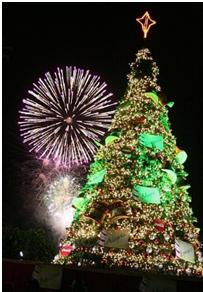
Christmas tree and fireworks in Panama, a Latin American style. Colorful, noisy and full of life.
Brazil
Although Christmas falls during the summer in Brazil, sometimes pine trees are decorated with little pieces of cotton that represent falling snow.
tree 1
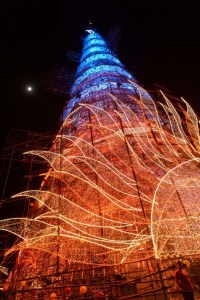
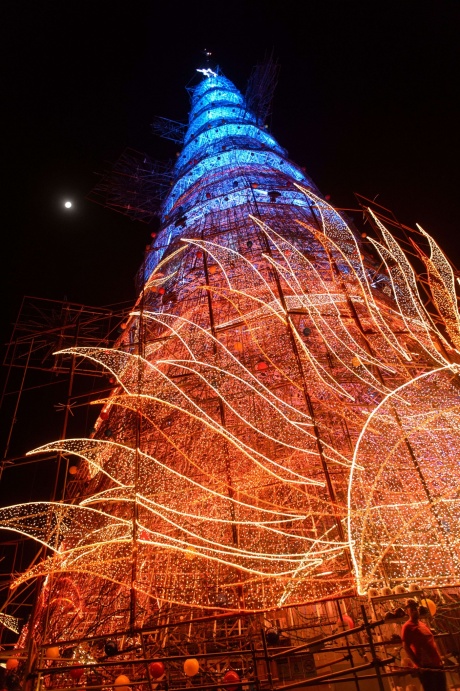
A 85-meter-high Christmas tree in Rio de Janeiro, Brazil is the world’s highest floating
Christmas tree as registered by the Guinness World Records.
Ireland
Christmas trees are bought anytime in December and decorated with colored lights, tinsel, and baubles. Some people favor the angel on top of the tree, others the star. The house is decorated with garlands, candles, holly, and ivy. Wreaths and mistletoe are hung on the door.
tree 7
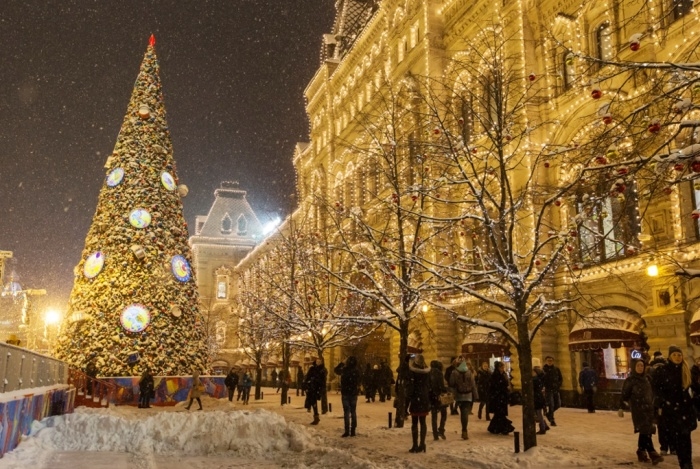
A snowy scene outside Moscow’s GUM department store in Red Square, Russia.
Sweden
Most people buy Christmas trees well before Christmas Eve, but it’s not common to take the tree inside and decorate it until just a few days before. Evergreen trees are decorated with stars, sunbursts, and snowflakes made from straw. Other decorations include colorful wooden animals and straw centerpieces.
christmas 16
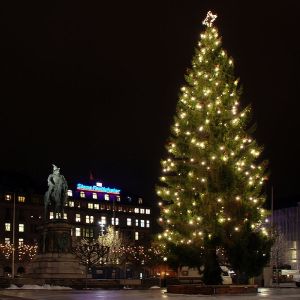
The Christmas tree in Malmoe, Sweden.
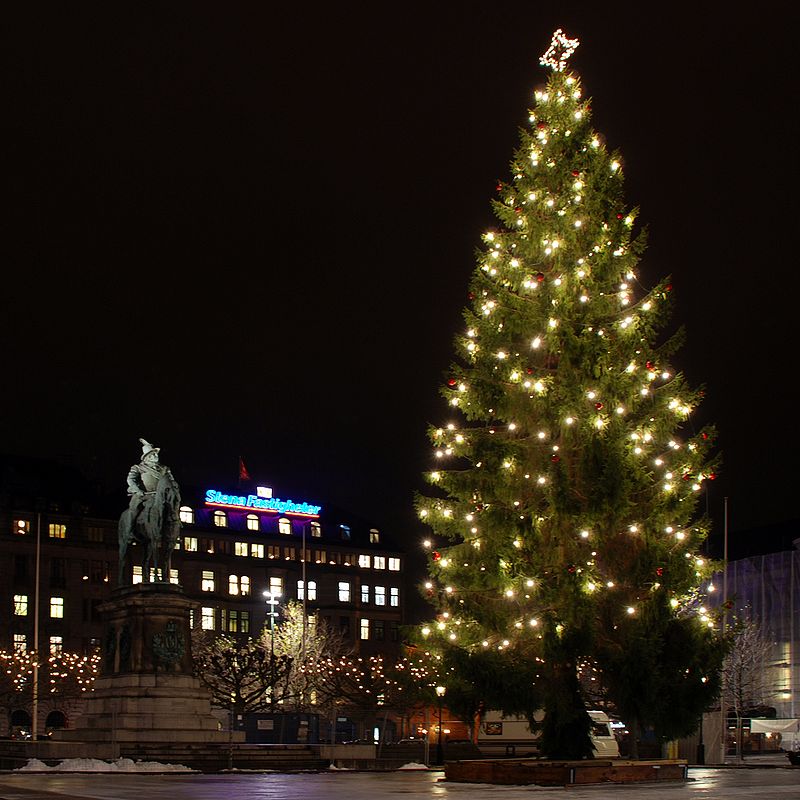
Norway
Norwegians often take a trip to the woods to select a Christmas tree, a trip that their grandfathers probably did not make. The Christmas tree was not introduced into Norway from Germany until the latter half of the 19th century; to the country districts it came even later. When Christmas Eve arrives, there is the decorating of the tree, usually done by the parents behind the closed doors of the living room, while the children wait with excitement outside. A Norwegian ritual known as “circling the Christmas tree” follows, where everyone joins hands to form a ring around the tree and then walk around it singing carols. Afterwards, gifts are distributed.
christmas 11
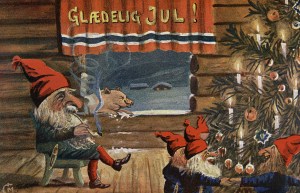
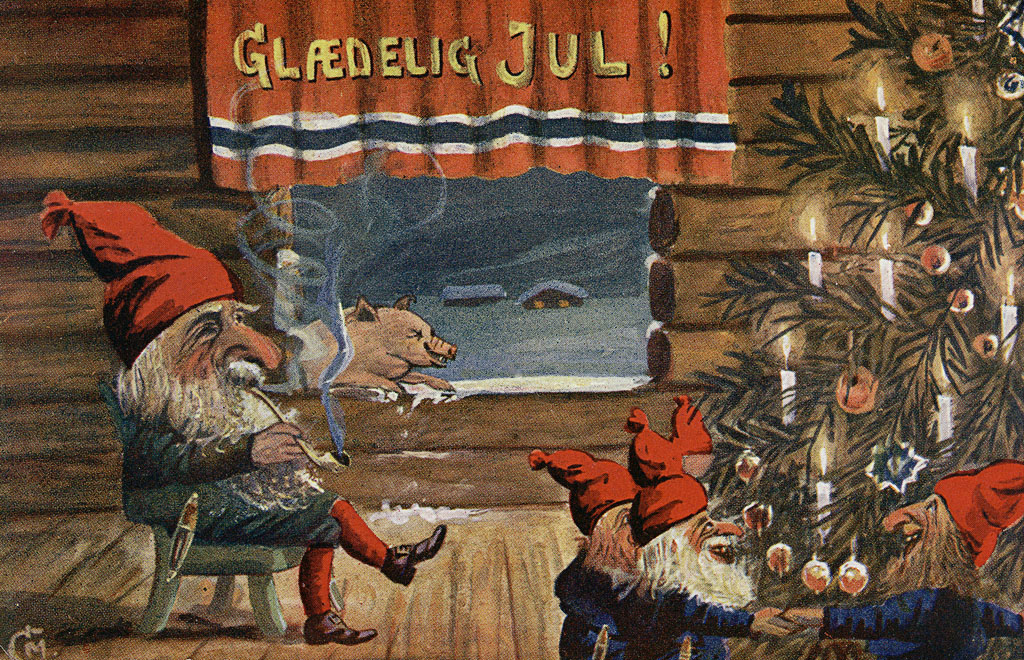
Norwegian Christmas greetings. Troll’s dancing around the tree and a „lucky pig“ in the window.
Ukraine
Celebrated on December 25th by Catholics and on January 7th by Orthodox Christians, Christmas is the most popular holiday in the Ukraine. During the Christmas season, which also includes New Year’s Day, people decorate fir trees and have parties.
tree 8
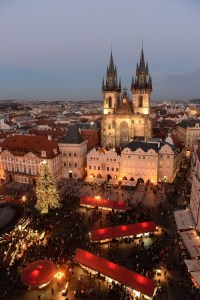
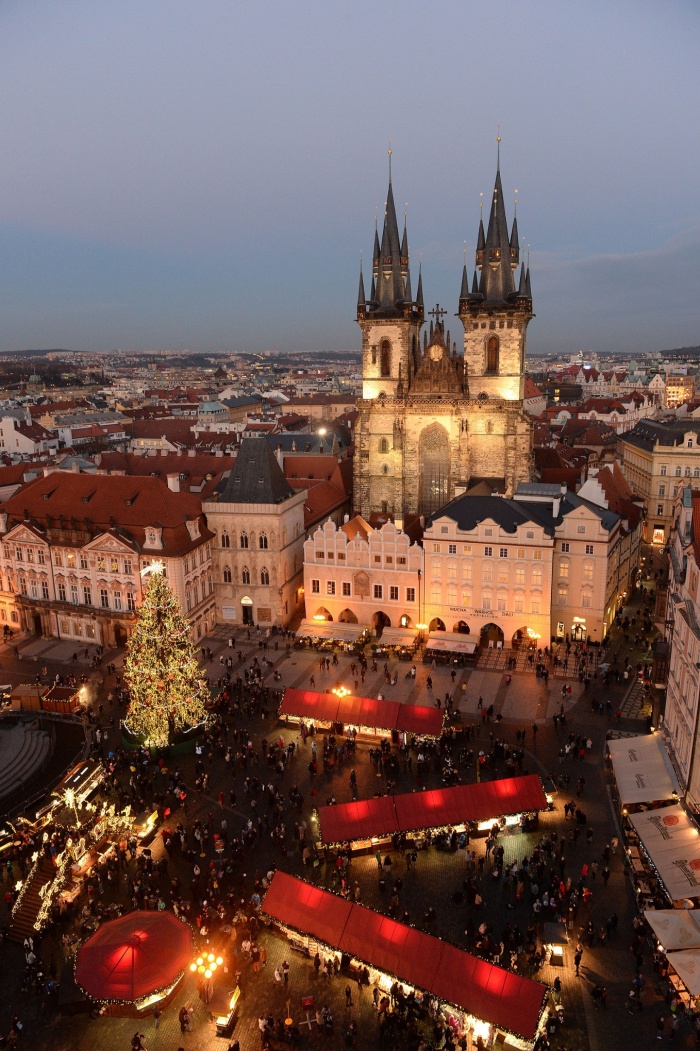
An illuminated Christmas tree sits in the center of the Christmas market in Prague’s
Old Town Square, Czech Republic.
Spain
A popular Christmas custom is Catalonia, a lucky strike game. Famous in these days is in Spain the multimillion Dollar raffle, where the winning numbers are sang out by children.
A tree trunk is filled with goodies and children hit at the trunk trying to knock out the hazel nuts, almonds, toffee, and other treats.
tree 10
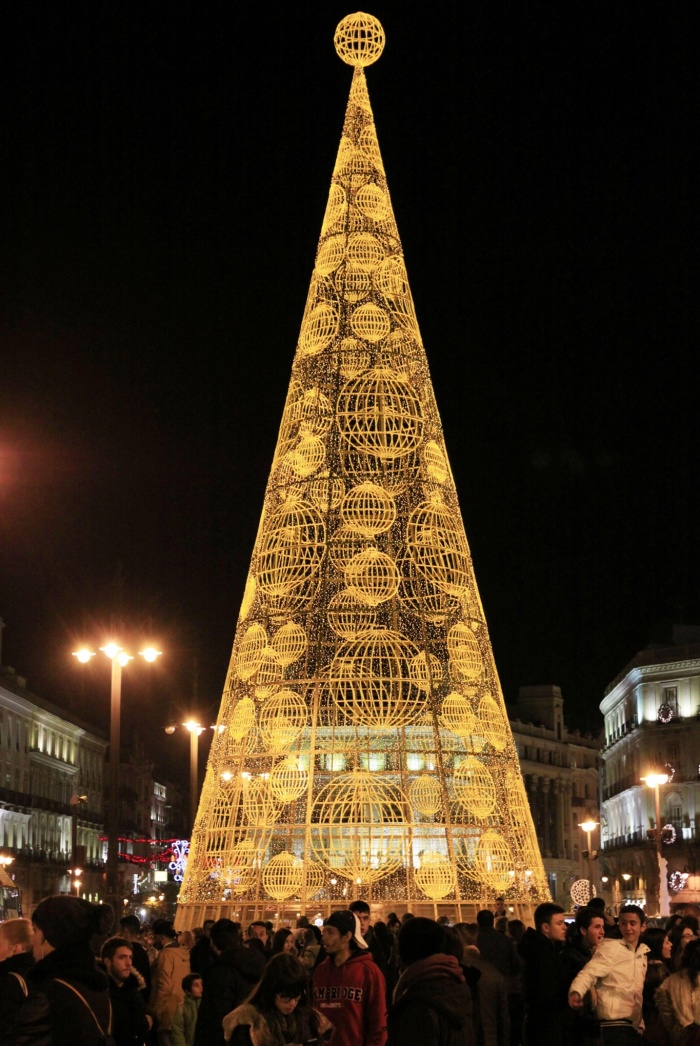
A tall and golden Christmas tree in the central square of Plaza Puerta del Sol, Madrid, Spain.
Italy
In Italy, the presepio (manger or crib) represents in miniature the Holy Family in the stable and is the center of Christmas for families. Guests kneel before it and musicians sing before it. The presepio figures are usually hand-carved and very detailed in features and dress. The scene is often set out in the shape of a triangle. It provides the base of a pyramid-like structure called the ceppo. This is a wooden frame arranged to make a pyramid several feet high. Several tiers of thin shelves are supported by this frame. It is entirely decorated with colored paper, gilt pine cones, and miniature colored pennants. Small candles are fastened to the tapering sides. A star or small doll is hung at the apex of the triangular sides. The shelves above the manger scene have small gifts of fruit, candy, and presents. The ceppo is in the old Tree of Light tradition which became the Christmas tree in other countries. Some houses even have a ceppo for each child in the family.
tree 11
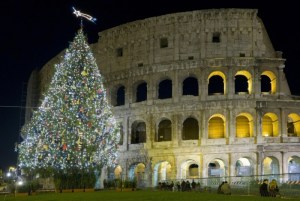
The traditional Christmas tree outside the Coliseum in Rome, Italy.
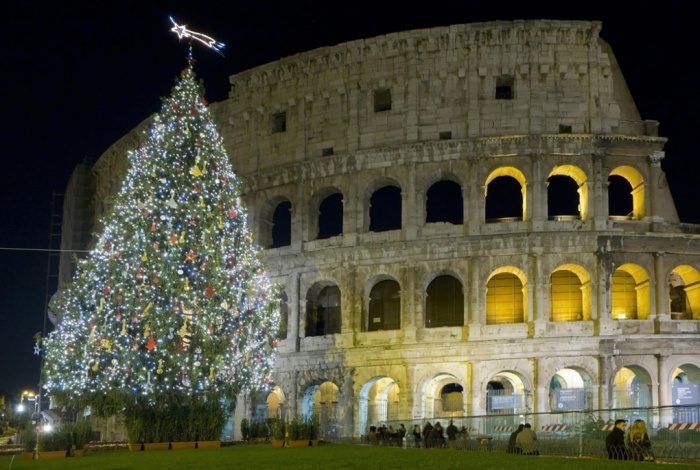
Germany
Many Christmas traditions, practiced around the world today, started in Germany.

It has been long thought that Martin Luther began the tradition of bringing a fir tree into the home. According to one legend, late one evening Martin Luther was walking home through the woods and noticed how beautifully the stars shone through the trees. He wanted to share the beauty with his wife so he cut down a fir tree and took it home. Once inside he placed small lighted candles on the branches and said that it would be a symbol of the beautiful Christmas sky. Hence, the Christmas tree.

Weihnachtsbaum vor dem Brandenburger Tor
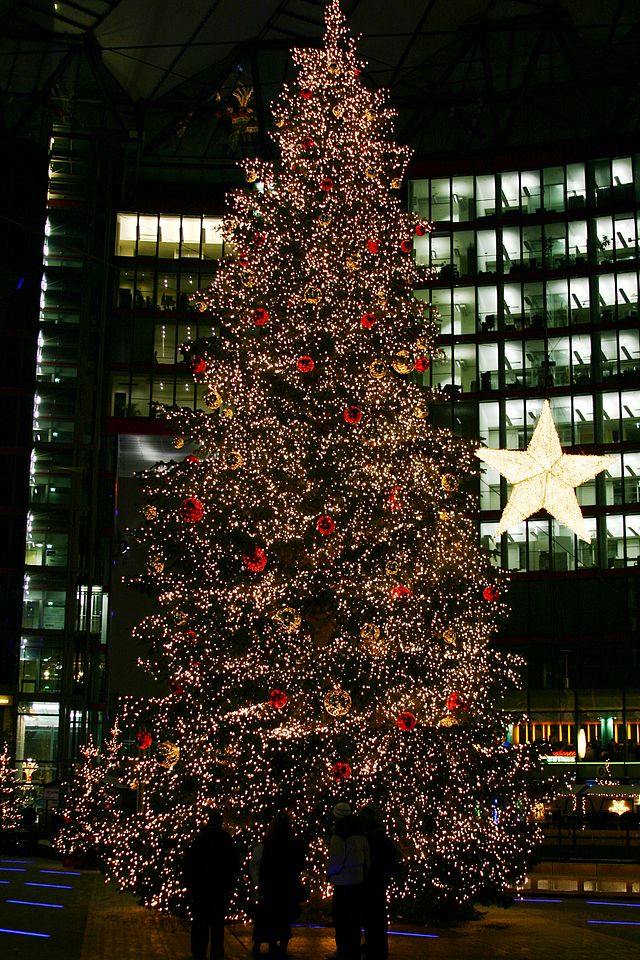
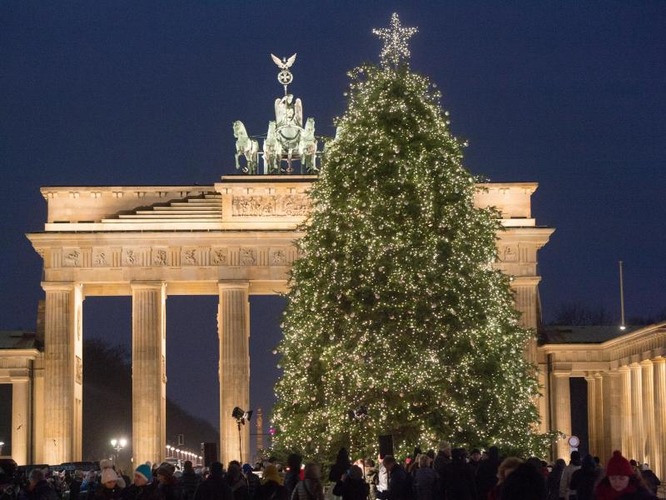
Massive Christmas tree, with over 30000 lights, in front the Brandenburg Gate in Berlin, Germany.
Another legend says that in the early 16th century, people in Germany combined two customs that had been practiced in different countries around the globe. The Paradise tree (a fir tree decorated with apples) represented the Tree of Knowledge in the Garden of Eden. The Christmas Light, a small, pyramid-like frame, usually decorated with glass balls, tinsel, and a candle on top, was a symbol of the birth of Christ as the Light of the World. Changing the tree’s apples to tinsel balls and cookies; and combining this new tree with the Light placed on top, the Germans created the tree that many of us know now.
christmas 10               christmas 18
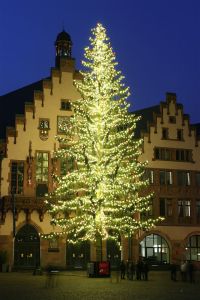
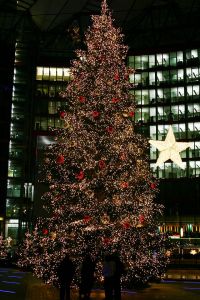
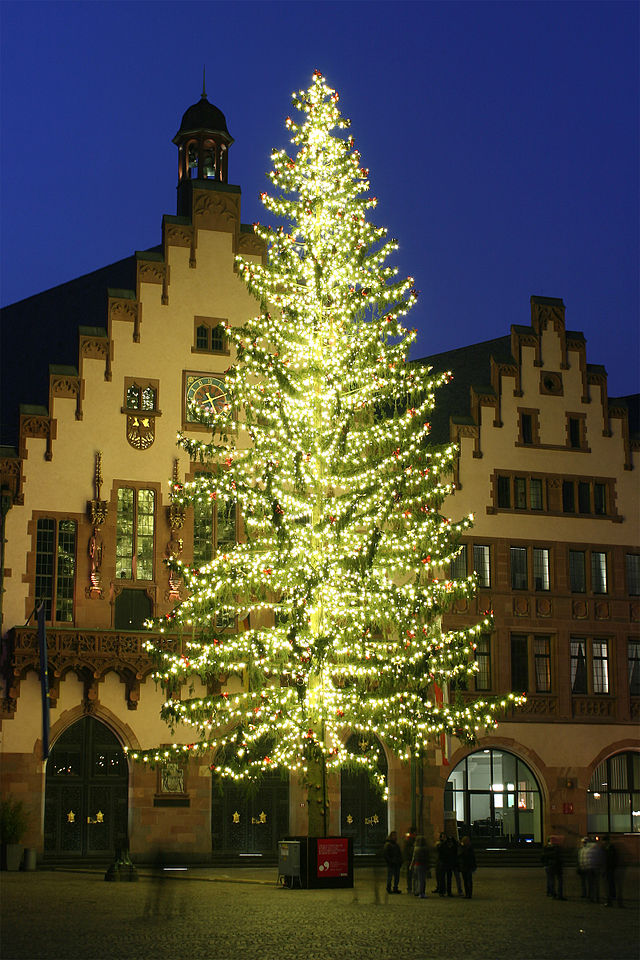
The Christmas tree at the Roemerberg in Frankfurt/Main, and market square Potsdam, Germany.
Today, the Tannenbaum (Christmas tree) is traditionally decorated in secret with lights, tinsel, and ornaments by the parents, in secret, and is lit and revealed on Christmas Eve with cookies, nuts, and gifts under its branches. Often they have a Cristmas plate full of
goodies, like chocolates, different nuts, cookies, fruits and much more – for every person of the family a separate one.
tree 13
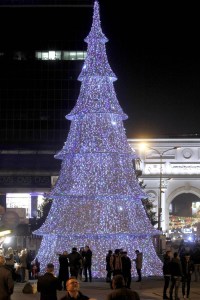
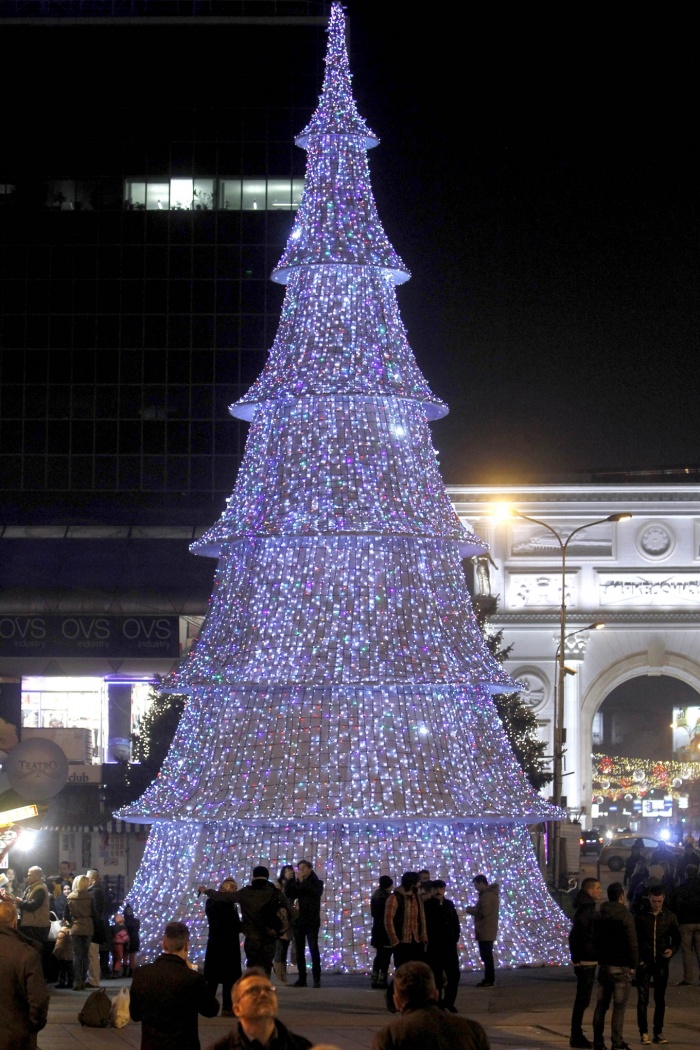
The illuminated Christmas tree in Macedonia’s capital Skopje.
South Africa
Christmas is a summer holiday in South Africa. Although Christmas trees are not common, windows are often draped with sparkling cotton wool and tinsel.
christmas 21
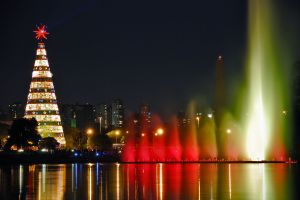
Christmas tree in Parque do Ibirapuera, Sao Paulo, Brazil.
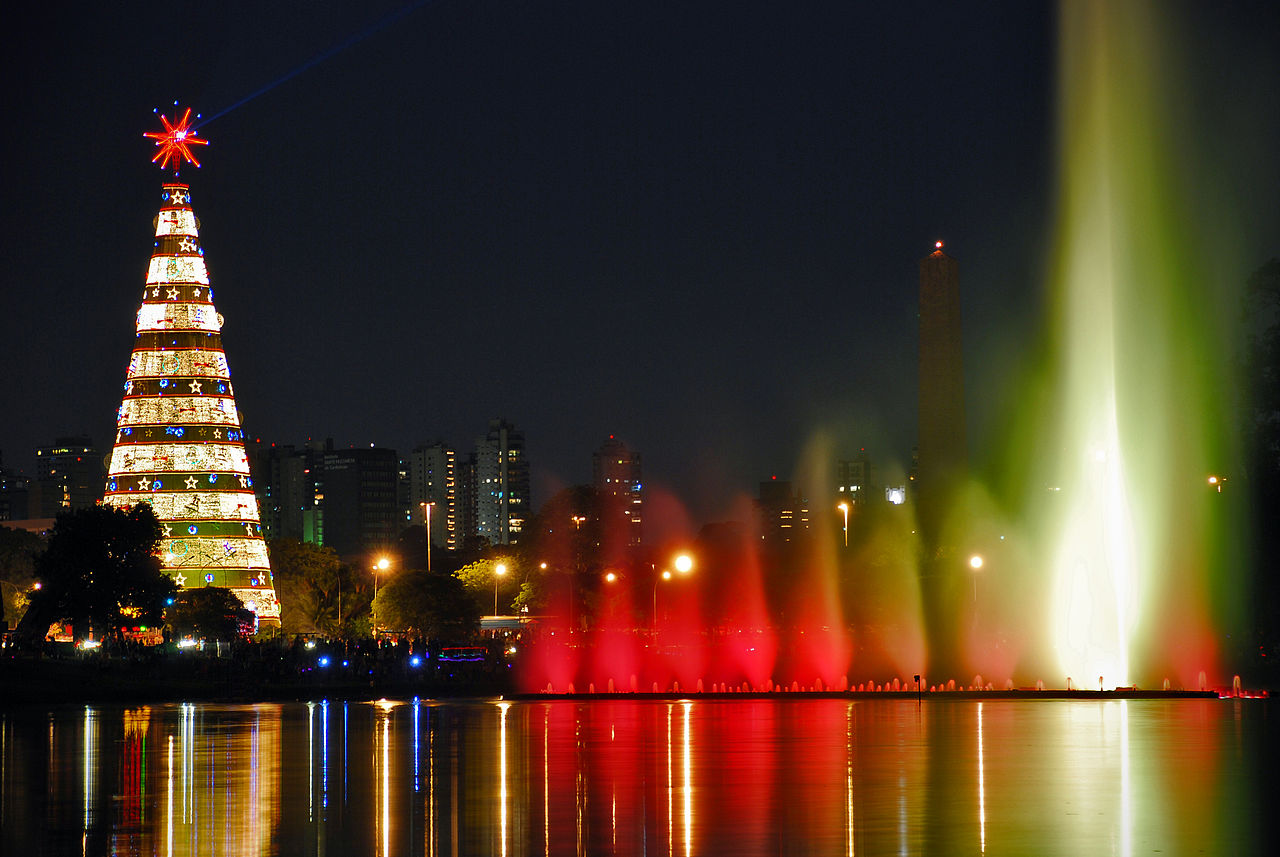
Australia
Similar to South Africa. The cities are decorated, Christmas songs are played for
weeks everywhere and on Christmas eve all shops are open for the public 24 hours.
Many big container ships full of Christmas trees are brought into the country every
year. And – of course – Santa has no reindeer’s, he has Kangaroos in front of his sledge.
tree 12
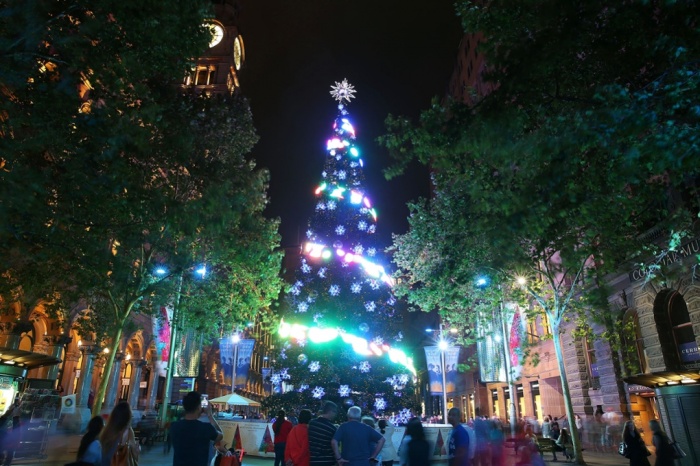
St Martin Place’s Christmas Tree, Sydney, Australia.
Netherlands
A majestic Christmas tree returns to Amsterdam this year to take its traditional place towering above Dam Square in the city centre. The lights on the festive Amsterdam tree are traditionally switched on during an illumination ceremony early in December.
christmas 24  christmas 25
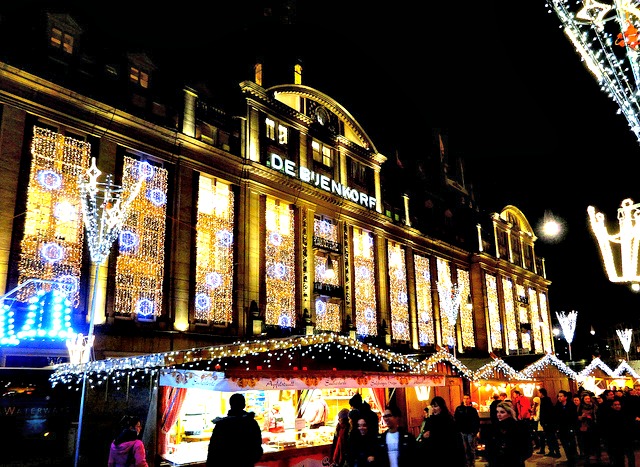
The Christmas tree and Christmas Market infront the shopping center
De Bijenkorf  on Amsterdam’s Damrak, Netherlands.
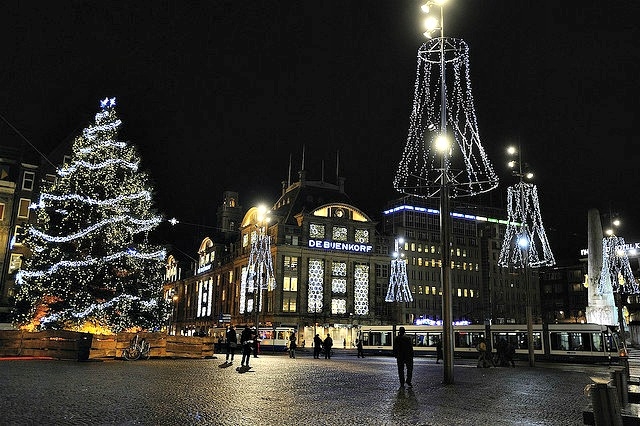
Traditionally grown in the German Ardennes, the tree soars over 20 metres into the Amsterdam sky, decorated by four kilometres of Christmas lights. An imposing feature outside the Amsterdam Royal Palace, the tree is adorned with upwards of a whopping 40,000 energy-saving LED fairy lights.
tree 14
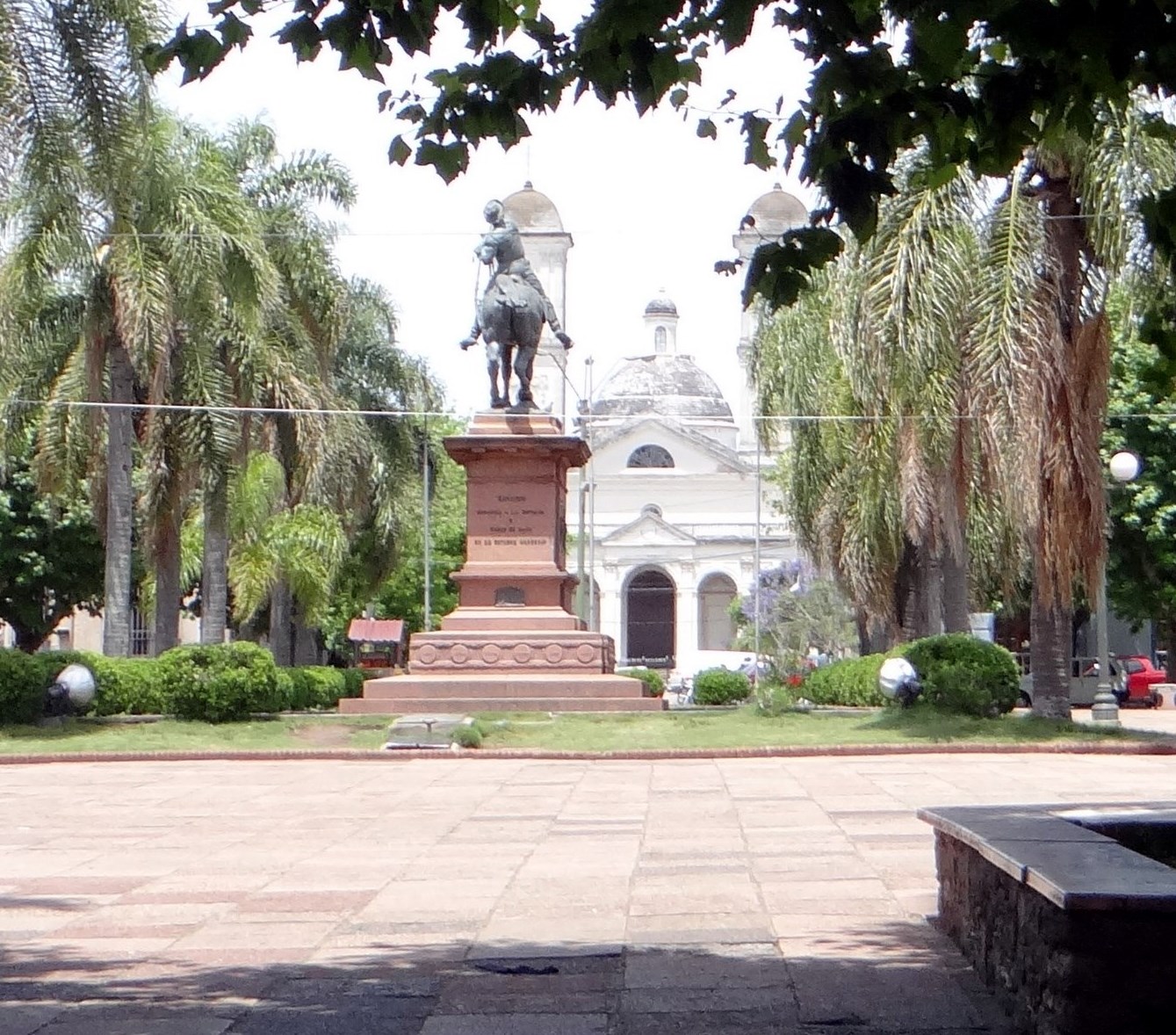
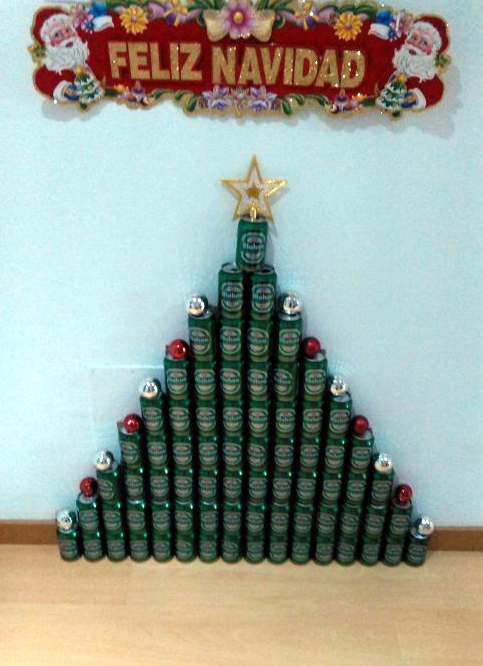
Heineken beer Christmas tree in Uruguay. Latin American fun !
The illuminated Christmas tree and de Bijenkorf building on Dam Square form a centerpiece for the Christmas decorations installed earlier on the lamp posts, making the square an attractive Amsterdam highlight every festive season.

Saudi Arabia
Christian Americans, Europeans, Indians, Filipinos, and others living here have to celebrate Christmas privately in their homes. Christmas lights are generally not tolerated. Most families place their Christmas trees somewhere inconspicuous.
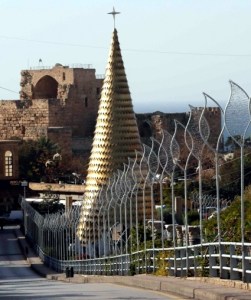
tree 6
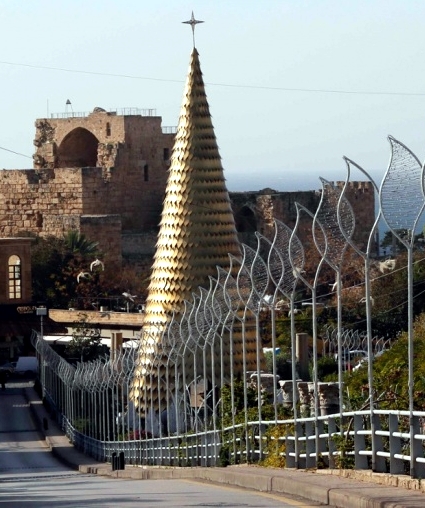
A Christmas tree made from gold-colored iron leaves, stands at the entrance
of the ancient city of Byblos in Beirut, Lebanon.
Philippines
Fresh pine trees are too expensive for many Filipinos, so handmade trees in an array of colors and sizes are often used. Star lanterns, or parol, appear everywhere in December. They are made from bamboo sticks, covered with brightly colored rice paper or cellophane, and usually feature a tassel on each point. There is usually one in every window, each representing the Star of Bethlehem.
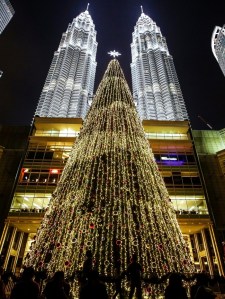
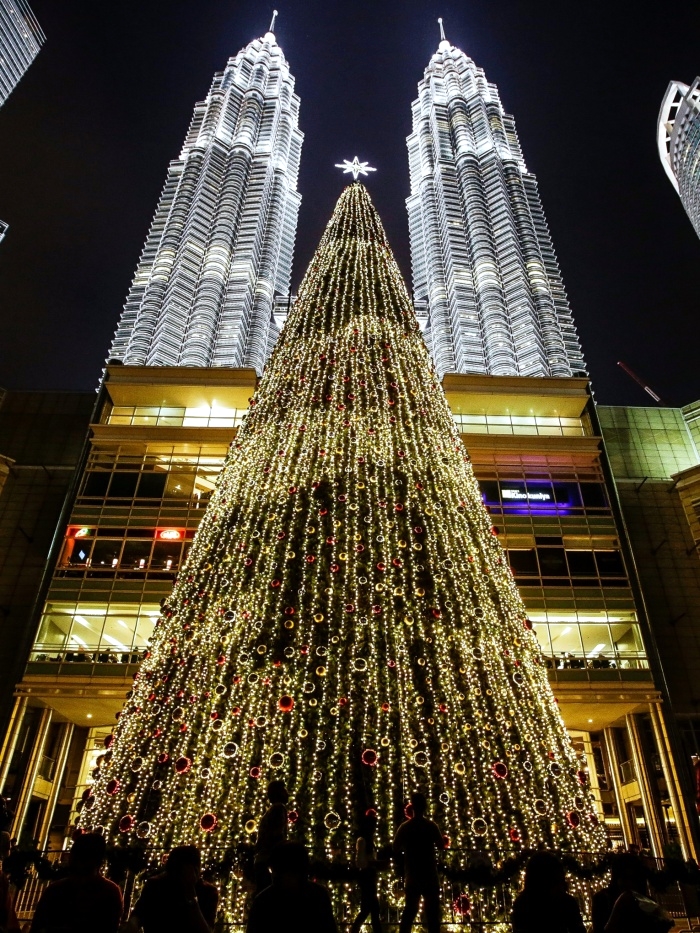
tree 4
A Christmas tree stands against the Malaysian landmark Petronas Twin Towers in Kuala Lumpur, Malaysia.
China
Of the small percentage of Chinese who do celebrate Christmas, most erect artificial trees decorated with spangles and paper chains, flowers, and lanterns. Christmas trees are called “trees of light.”
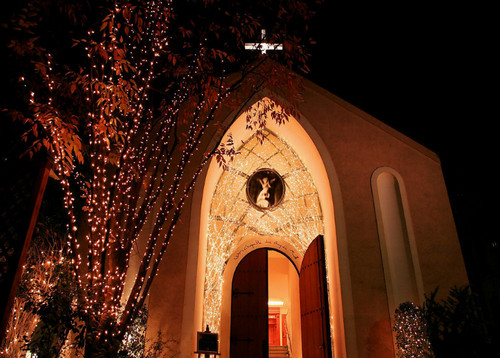
christmas 26
Christmas tree in front a Catholic Church in China.
Japan
For most of the Japanese who celebrate Christmas, it’s purely a secular holiday devoted to the love of their children. Christmas trees are decorated with small toys, dolls, paper ornaments, gold paper fans and lanterns, and wind chimes. Miniature candles are also put among the tree branches. One of the most popular ornaments is the origami swan. Japanese children have exchanged thousands of folded paper “birds of peace” with young people all over the world as a pledge that war must not happen again.
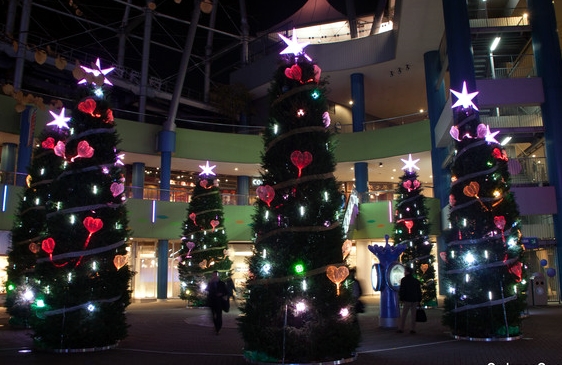
christmas 27
Christmas trees in a shopping center in Tokyo, Japan.
USA
Most 19th-century Americans found Christmas trees an oddity. The first record of one being on display was in the 1830s by the German settlers of Pennsylvania, although trees had been a tradition in many German homes much earlier. The Pennsylvania German settlements had community trees as early as 1747. But, as late as the 1840s Christmas trees were seen as pagan symbols and not accepted by most Americans.

tree 3
Performers sing during the National Christmas Tree Lighting Ceremony on the Ellipse,
south of the White House in Washington DC,USA.

It is not surprising that, like many other festive Christmas customs, the tree was adopted so late in America. To the New England Puritans, Christmas was sacred. The pilgrims second governor, William Bradford, wrote that he tried hard to stamp out “pagan mockery” of the observance, penalizing any frivolity. The influential Oliver Cromwell preached against “the heathen traditions” of Christmas carols, decorated trees, and any joyful expression that desecrated “that sacred event.” In 1659, the General Court of Massachusetts enacted a law making any observance of December 25 (other than a church service) a penal offense; people were fined for hanging decorations. That stern solemnity continued until the 19th century, when the influx of German and Irish immigrants undermined the Puritan legacy. The Christmas tree had finally arrived.
christmas 20
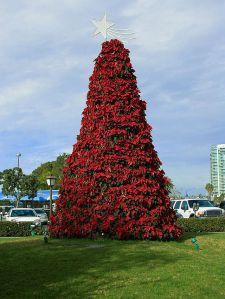
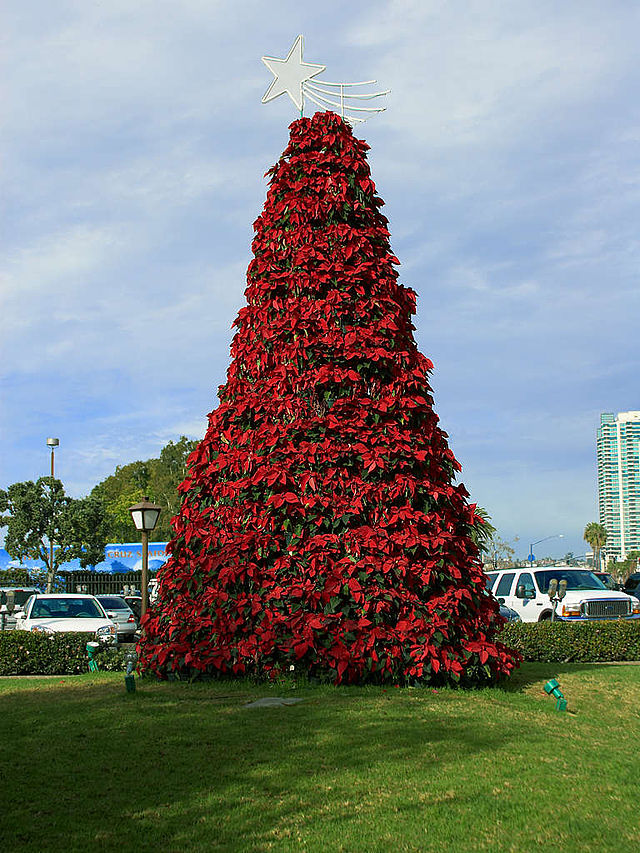
Christmas tree made from Poinsettias in San Diego, USA.
Uruguay
First of all, there is no such a thing as white Christmas in Uruguay, for two reasons. The first one is that in this hemisphere is summer time, the second being that it never snows in Uruguay (a great deal of Uruguayans don’t know snow at all), so even if it were winter, it wouldn’t be white anyway. In hot summers here is more like sweating Christmas.
tree 18  tree 16
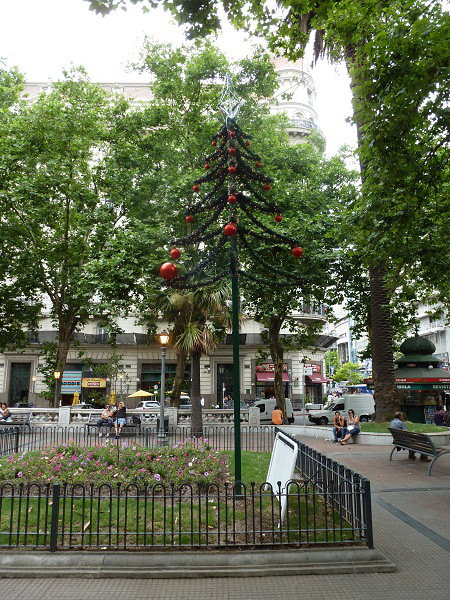
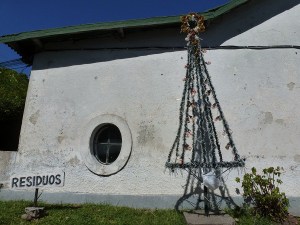
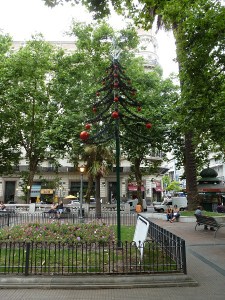
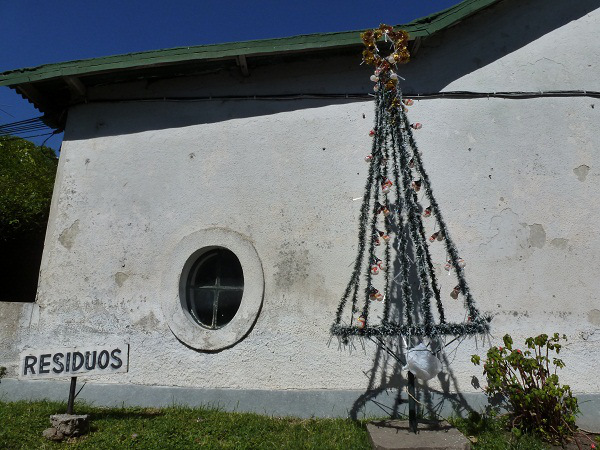
Christmas trees-decoration in a suburb and in Montevideo, Uruguay.     Sorry, without a comment.
Santa Claus here is called Papa Noel, and his associates here deliver all the Christmas presents at 12.00 midnight at Chrismas eve. So children expect presents to appear right away under their noses and they are a tough clientele. Yes, yes, HoHoHo! For some weird reason Santa Claus has this weird way of laughing over here too, although here is spelled more like JOJOJO,  Uruguayan slang schoschoscho .
tree 17        tree 20
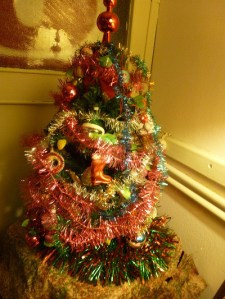
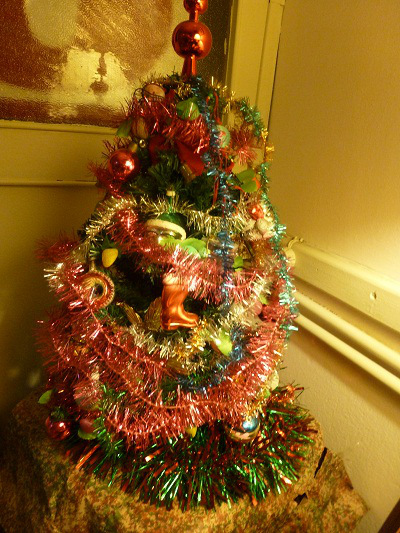
Some families decorate it very nice in Uruguay, but trees are often overload with decoration.
Christmas is celebrated typically in the following manner: families gather on a Christmas’s eve dinner, spend the evening together, until the clock ticks twelve. When Christmas day finally does arrive, everyone hugs each other, parents put up a children’s deceiving show telling them to look at some nonexistent star in the sky where Santa is supposedly coming from (here the north pole Santa’s elves factory thing is not very spread), also this scheme lends to several possible variations. While the children are looking at the sky after some decoy the other parent or some relative puts the presents beneath the Christmas tree, and shouts notifying of the sudden arrival and departure of Santa. Everyone else who is not involved in this children deceiving scheme may probably be playing with fireworks, making a lot of noise, lighting up the city, eventually getting a hand burned. Mostly fireworks on Christmas night are more intense here then New Years eve.
christmas 3a
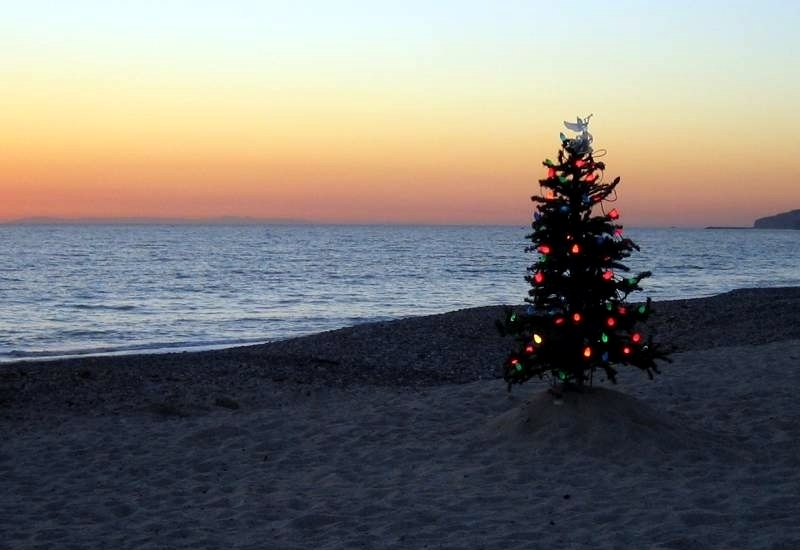
Our Christmas tree at the beach in Uruguay.
Merry Christmas to all of you !

Veröffentlicht unter History, Information, Lifestyle, Travel, Uruguay | Verschlagwortet mit , | Hinterlasse einen Kommentar

Collecting Sheet Music 2 – Uruguay’s Himno Nacional

DSC00321_2

Uruguay’s National Anthem – the best, and longest, in the world.

This post is not about collecting sheet music, just about the National Anthem of
Uruguay. Details and information about this fantastic hobby „collecting music sheets“
I’ll post in later parts, also many more music sheets from Uruguay.

As well as being an important national symbol, the National Anthem of Uruguay is
a good piece of music. This was confirmed in 2008 when Alex Marshall, a journalist
writing for the UK Guardian, listened to the national anthems of all 205 countries
that would be competing in the Beijing Olympics. He then selected the 10 national
anthems with the best musical compositions and ranked them. Number one on his
list was the National Anthem of Uruguay.

Of course, ranking a music is very much of personal taste. I read at least 8 national
anthem rankings and every one had a different result. Let’s leave it like this and
let’s enjoy the Uruguayan Anthem, music, vocals and pictures of the country.
Click on down here or „copy and paste“ the you-tube address into your browser.

https://www.youtube.com/watch?v=GI6QKEdYgNc

After Uruguay’s independence in 1828 without a national anthem, the poet Francisco
Esteban Acuna de Figueroa (1791 – 1862) offered to write one for the government,
and it was accepted as a draft anthem in 1830 , then  officially approved by the
government three years later, at the 8th of July 1833.

sheet music 3
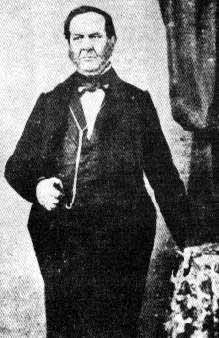
Francisco Esteban Acuna de Figueroa (September 3, 1791 – October 6, 1862)
was an Uruguayan poet and writer.

The anthem’s lyrics included bitter attacks against Uruguay’s former oppressors,
Spain, Portugal, and Brazil. However, it soon became apparent that a national
anthem that disparaged specific countries by name was not helpful to Uruguay’s
international relations. Acuna de Figueroa revised his work in 1845 taking out
the pointed references to Spain, Portugal, and Brazil, and adding the more generic
“Tyrants beware/tremble!“.

Spanish Lyrics:
Orientales, la Patria o la tumba!
Libertad o con gloria morir.(x2)
Es el voto que el alma pronuncia
y que heroicos sabremos cumplir.(x2)

Libertad, libertad, orientales
este grito a la patria salvo
y a sus bravos en fieras batallas
de entusiasmo sublime inflamo
Este don sacrosanto la gloria
merecimos, tiranos: temblad !
Libertad en la lid clamaremos
y muriendo también libertad !

DSC00313_2
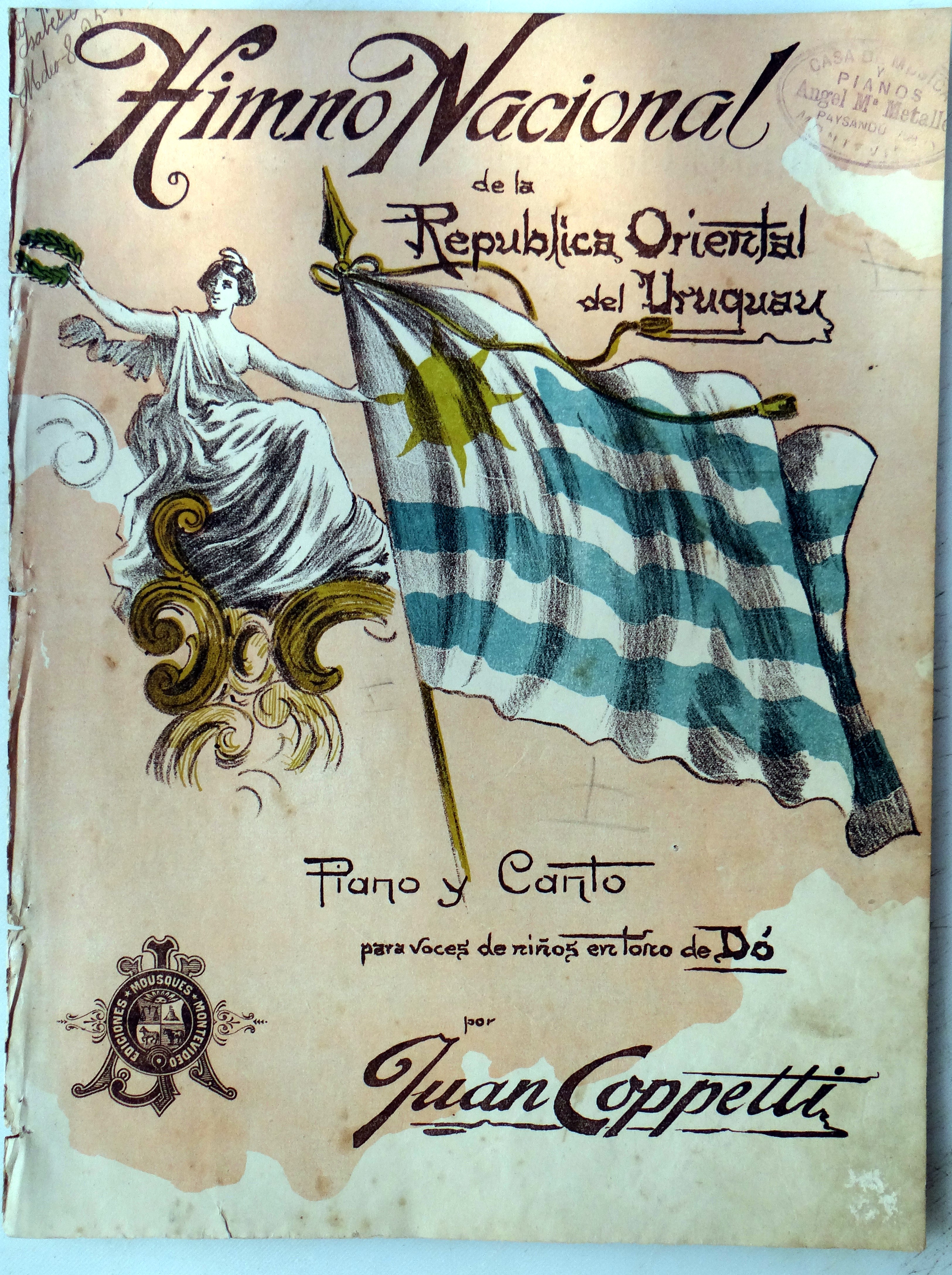
This sheet music is from 1890 and very nice designed. Dedicated to Juan Copetti/Capetti or
Juan Copelli/Capelli. It was impossible for me to find out who this person was. May be in a later
post I can add more information. This is very very unusual, because the Anthem, very clearly, was
composed by Debali. See story down here. This is an extreme rare music sheet, Authors collection.

English Translation:
Uruguayans, the Fatherland or Death!
Orientals, our nation or the grave,
Liberty or with glory we die.
Its the vows that our souls pronounce
and which heroic we will fulfill.

Liberty, Liberty, Orientals.
This is the outcry which our nation saved
and its braves in fierce battles
of sublime enthusiasm inflamed
This Holy gift of Glory we deserved
Tyrants: Tremble !
Liberty in combat we will Cry Out !
and even dying, Freedom we shall also Shout !

Acuna de Figueroa’s work had 11 versus and a chorus. In 1938 a government decree
determined that just two versus of the Anthem would be sung. Today, one verse and
the chorus are sung.

sheet music 4
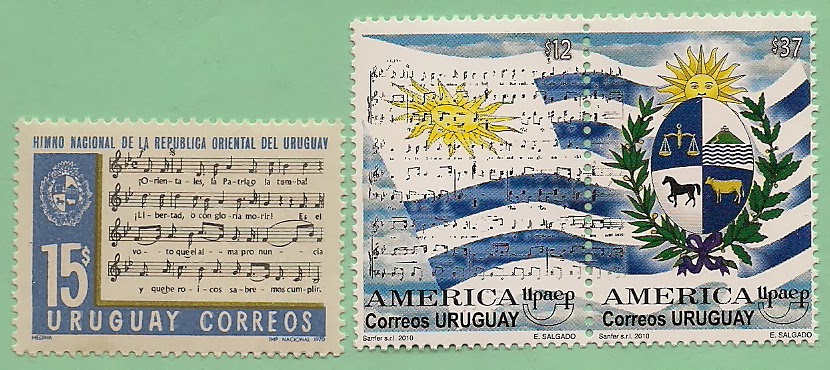
Uruguayan stamps referring to the Himno National de la Republica Oriental del Uruguay.
National Anthem of the Republic East of the Uruguay.

The music, typical for a Latin American epic Anthem is operatic in nature,
reminiscent of works by Italian composers Donizetti, Verdi, Bellini or Rossini.
According to some authors, the melody of the verses is identical, almost
plagiarized, to the opera Lucrezia Borgia by Gaetano Donizetti.

However, the music was composed by Francisco Jose Debali (1791 – 1859),
a Hungarian who had moved to Uruguay in 1838 after having served as a military
band master in the Piemont area of Italy. His name writes sometimes with „2 ll“,
like Deballi and sometimes with „1 l“, like Debali. Since his original Hungarian
name is „Ferenc Jozsef Debaly“, „one l“, I use only „one l“ in my post too.

For a short while he stayed at Sao Paulo, Brazil, but he fled that place because of
a yellow fever epidemic. Debali then arrived in Uruguay in 1838. In this country
he was the director of the orchestra at the Sala de Comedias in Montevideo
from 1841 to 1848.

Himno 1_2
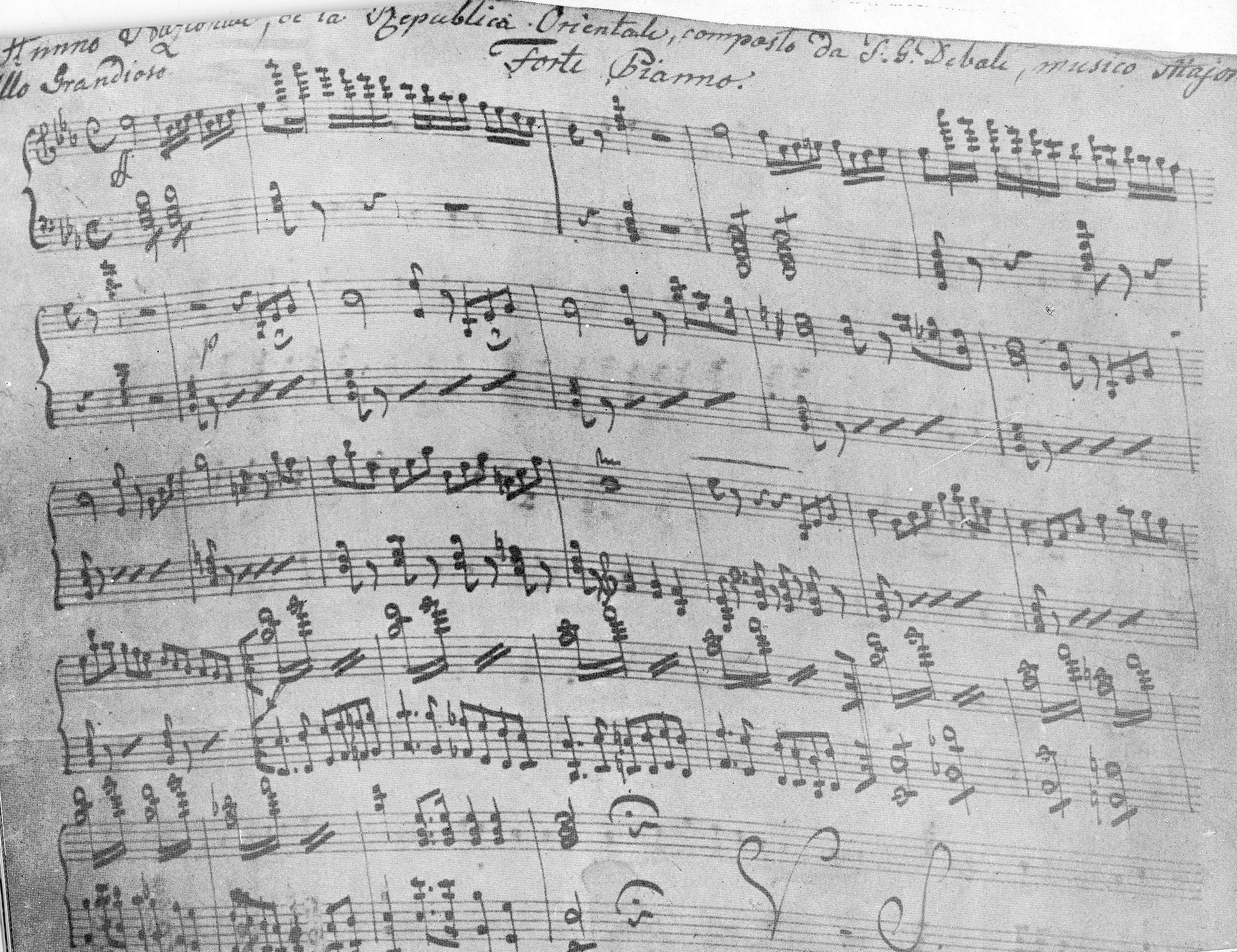
Handwritten manuscript of the Debali composition „Hymno National“. Notice the
handwritten words on top of the composition „Republica Orientale composito da Debali“.
Presumably collection of  „Escuela National de Artes y Oficios“, Montevideo.

Acuna de Figueroa’s words were first set to a piece of music by a
composer named de Barros, but in 1848 it was set to Debali’s work. The extended
grandeur of the music makes it run very long, even though only one verse is
performed today; at 105 bars and almost five minutes in length.

DSC00312
Old music sheet of „Himno Nacional“, printed about 1860, Authors collection.

The music with the introduction, just one verse, and the chorus takes over
four-and-a-half minutes to play, making it the longest national anthem in the world.

DSC00315   DSC00316_2
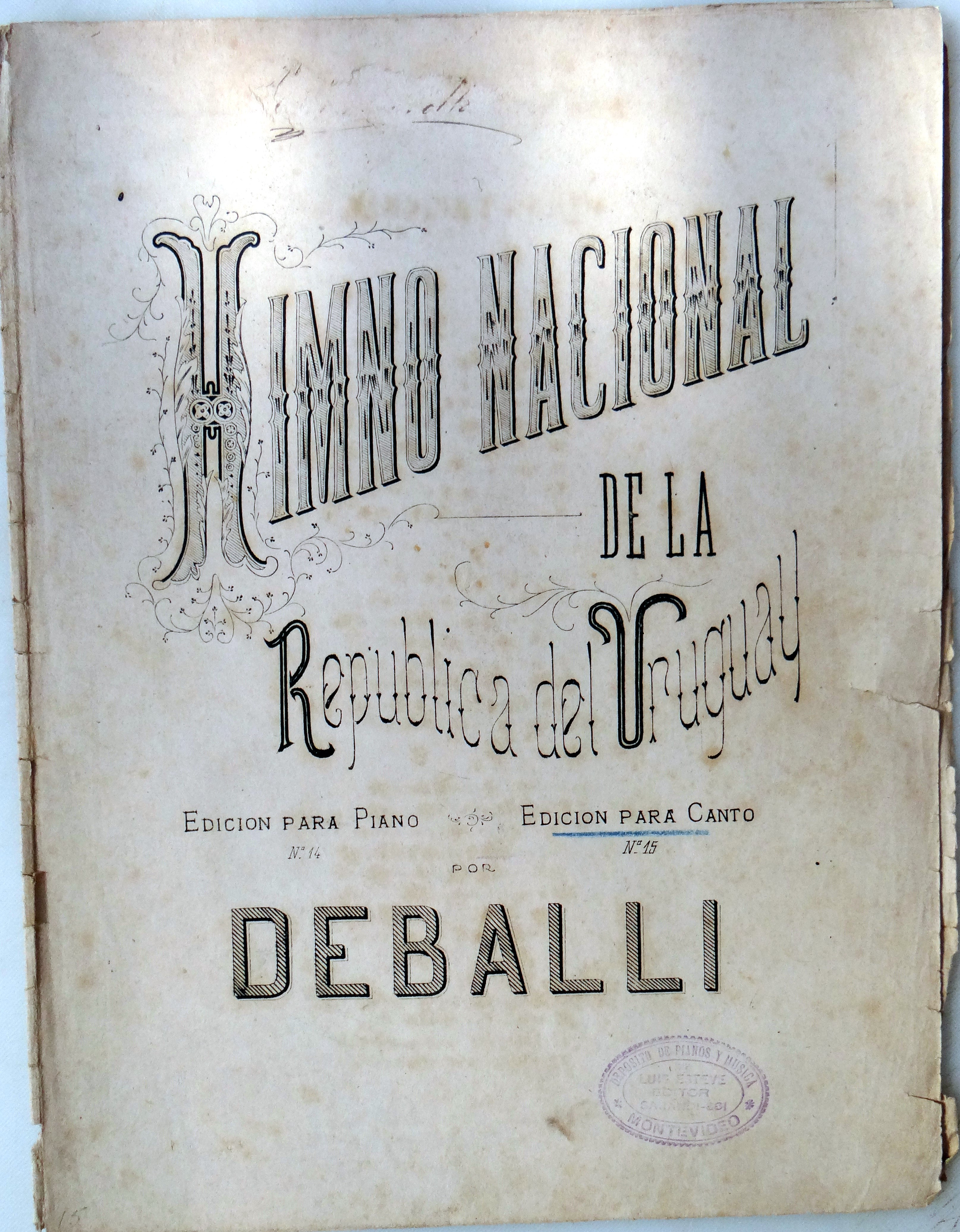
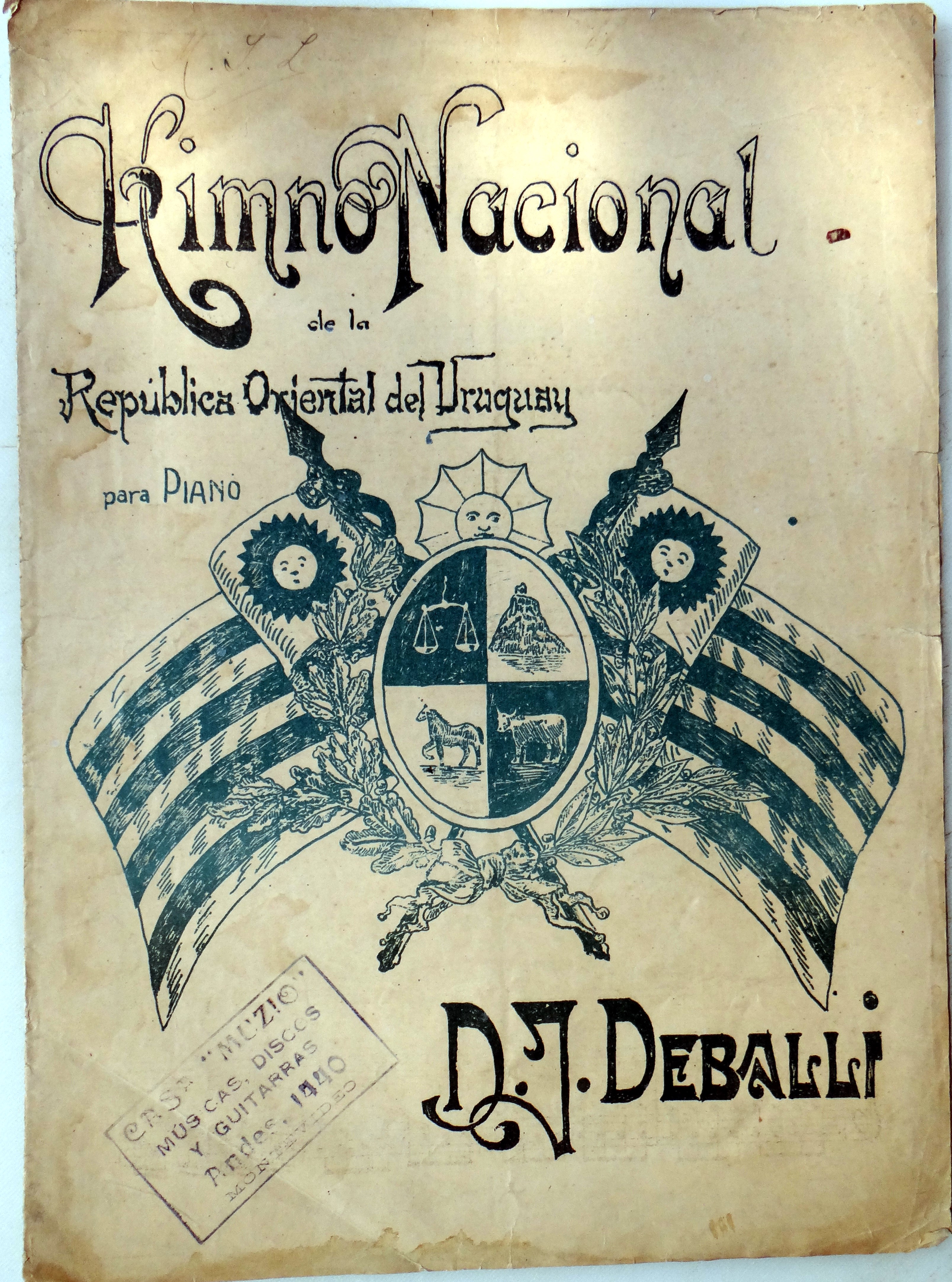
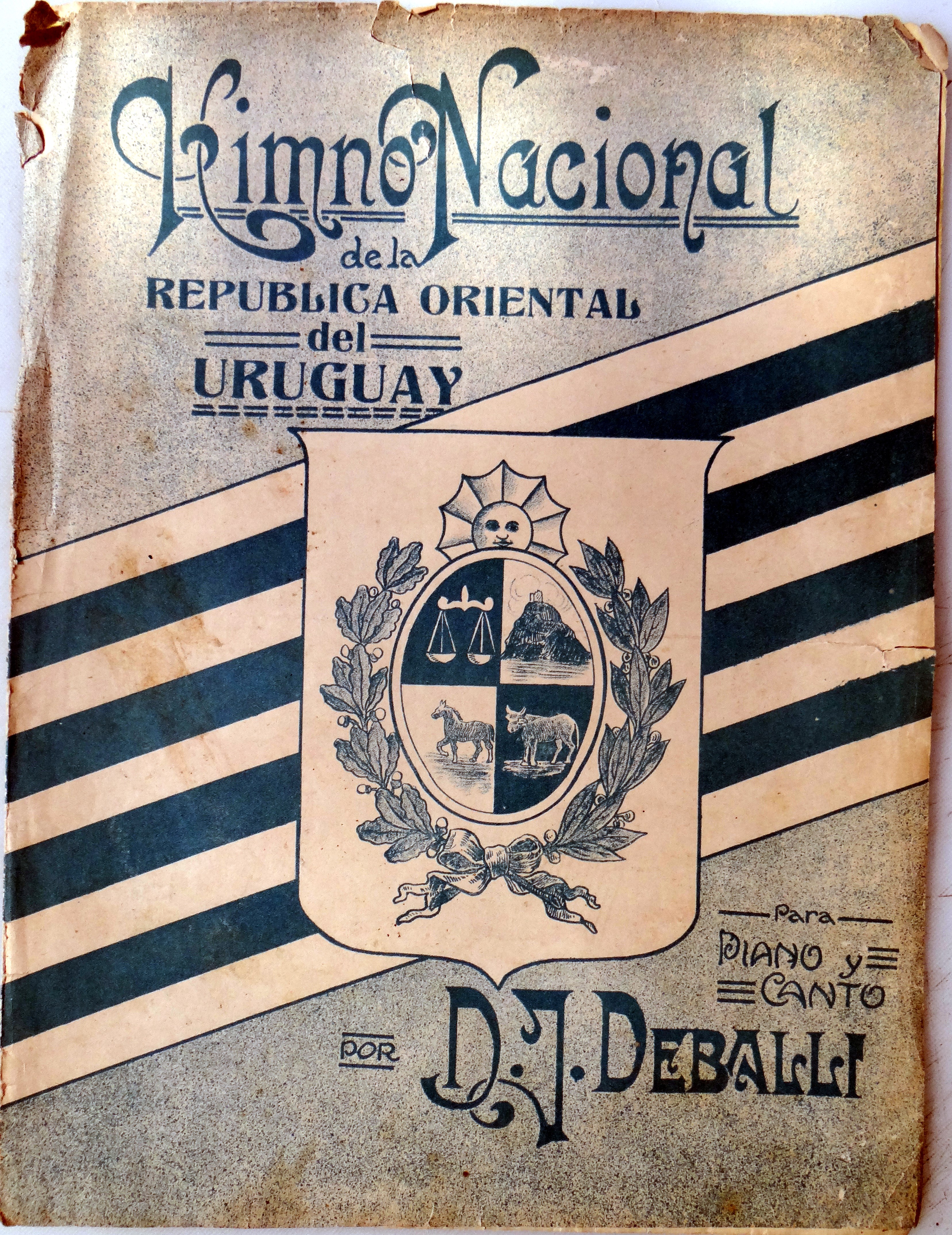
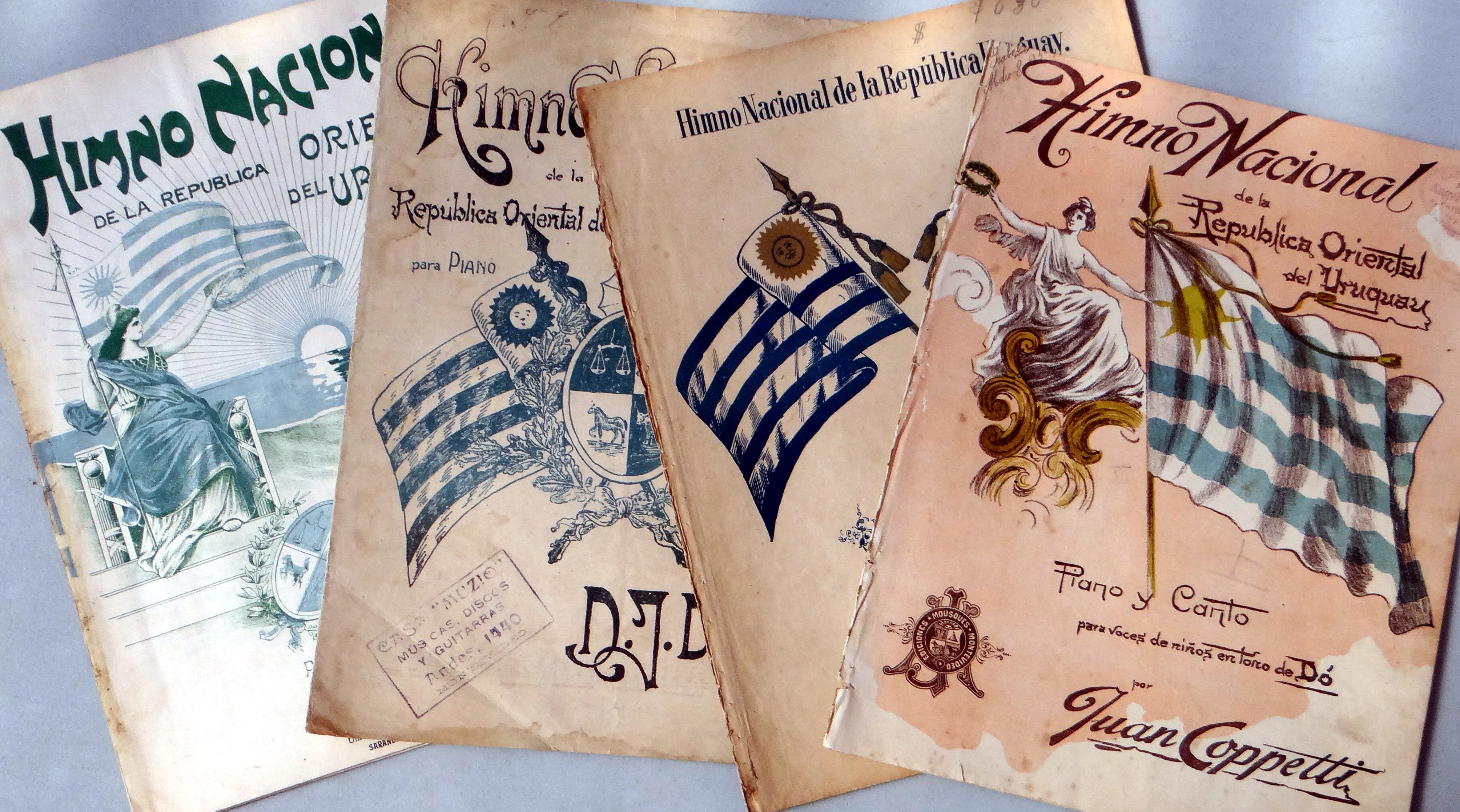
Every few years out came new prints with different covers, to stimulate the market.
These two are from around 1900. After over 100 years some are in very bad condition.
Authors collection.

The music was composed by Francisco José Debali with the collaboration of
Fernando Quijano. He was the assistant of composer Francisco Jose Debali.
Fernando Quijano (1805 – 1871) was an Uruguayan songwriter. And that was the main
reason to credit Quijano over Debali (a Hungarian) with the National Anthem.
Quijano’s death in 1871 came 12 years after the death of his more eminent fellow
composer Debali, with whom he collaborated, but, given the facts that he lived
longer than Debali in the young Oriental Republic of Uruguay and that Debali
spoke little Spanish, these factors served to enhance his reputation. Anyhow,
today every one knows and accepts that Debali is the composer of Uruguay’s
National Anthem.

DSC00318_2    DSC00317_2
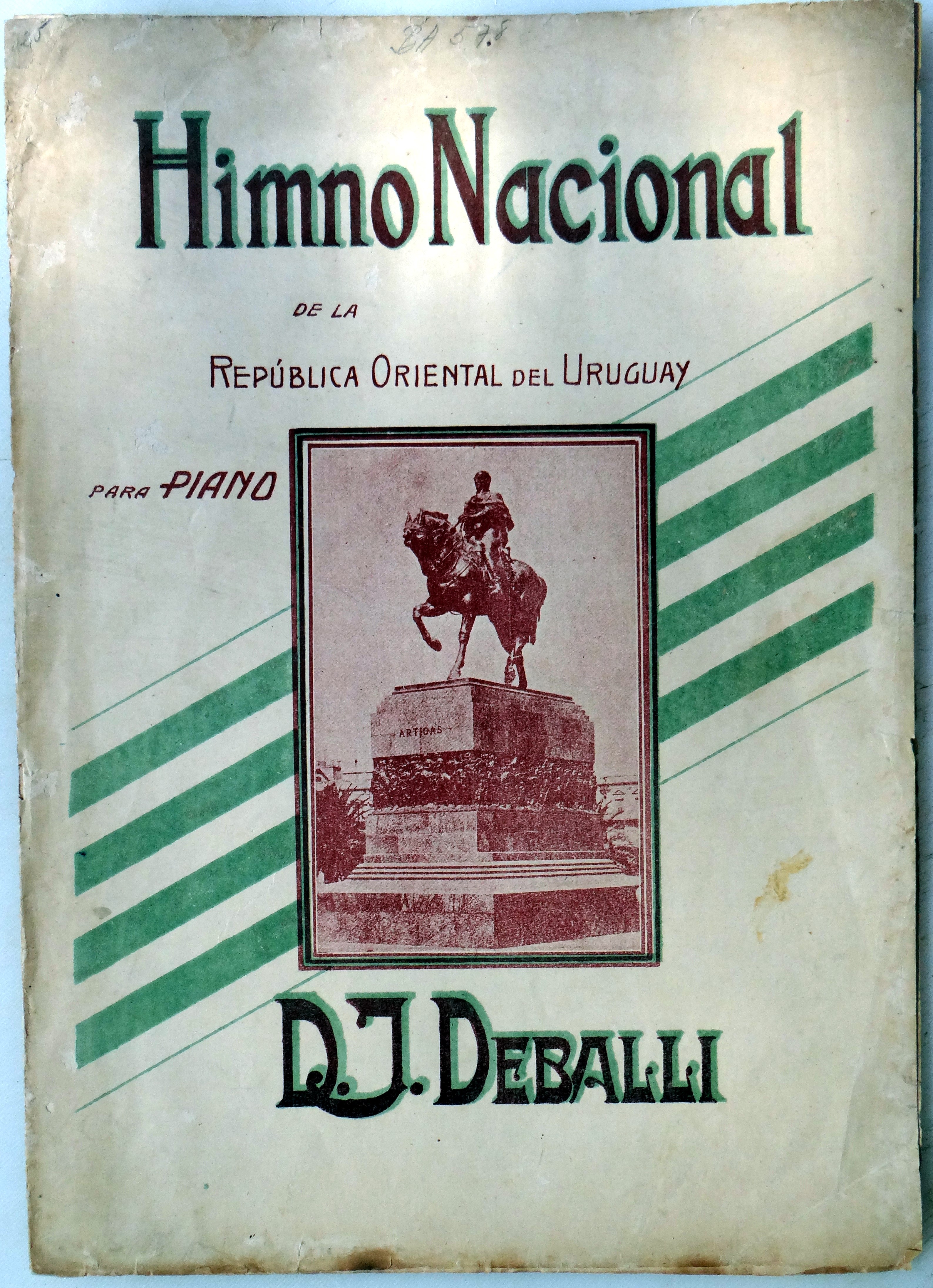
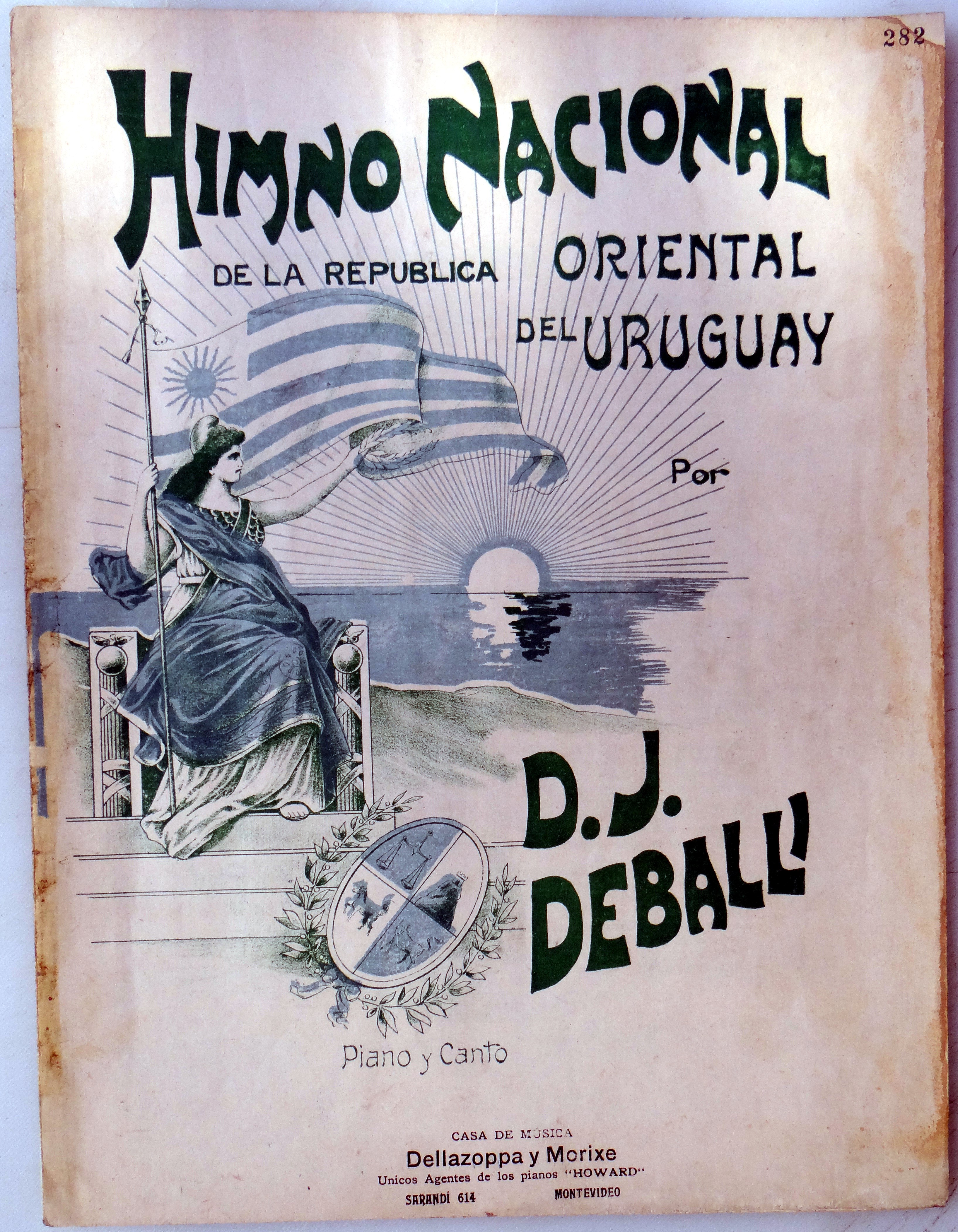
Two fine examples of later prints, around 1920’s. The left one came on the market just after
the completion of the „Artigas Monument“ on Plaza Independencia, Montevideo 1916.
Authors collection.

Ninety years later (May 20, 1938) a new decree incorporated modifications by
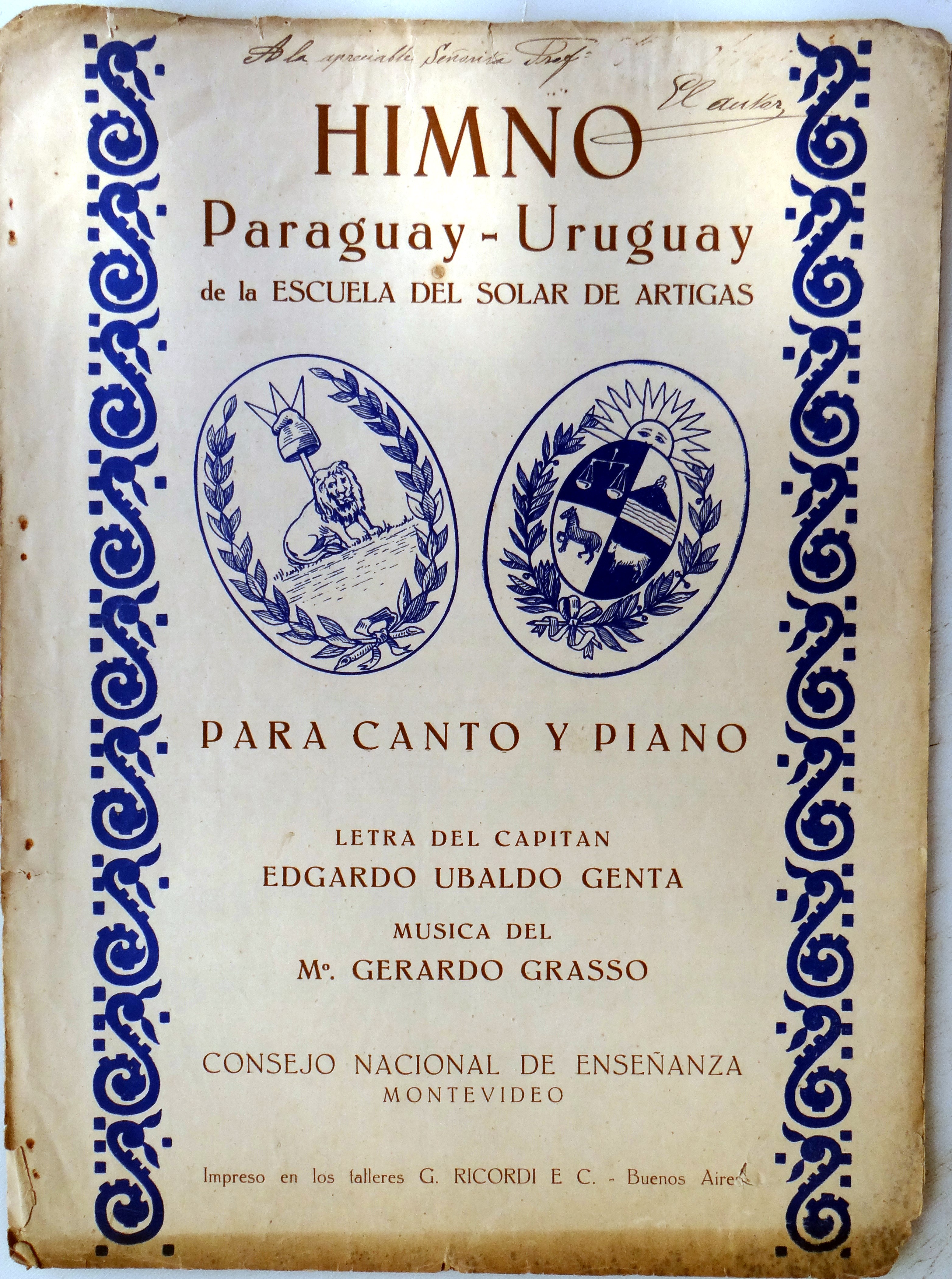
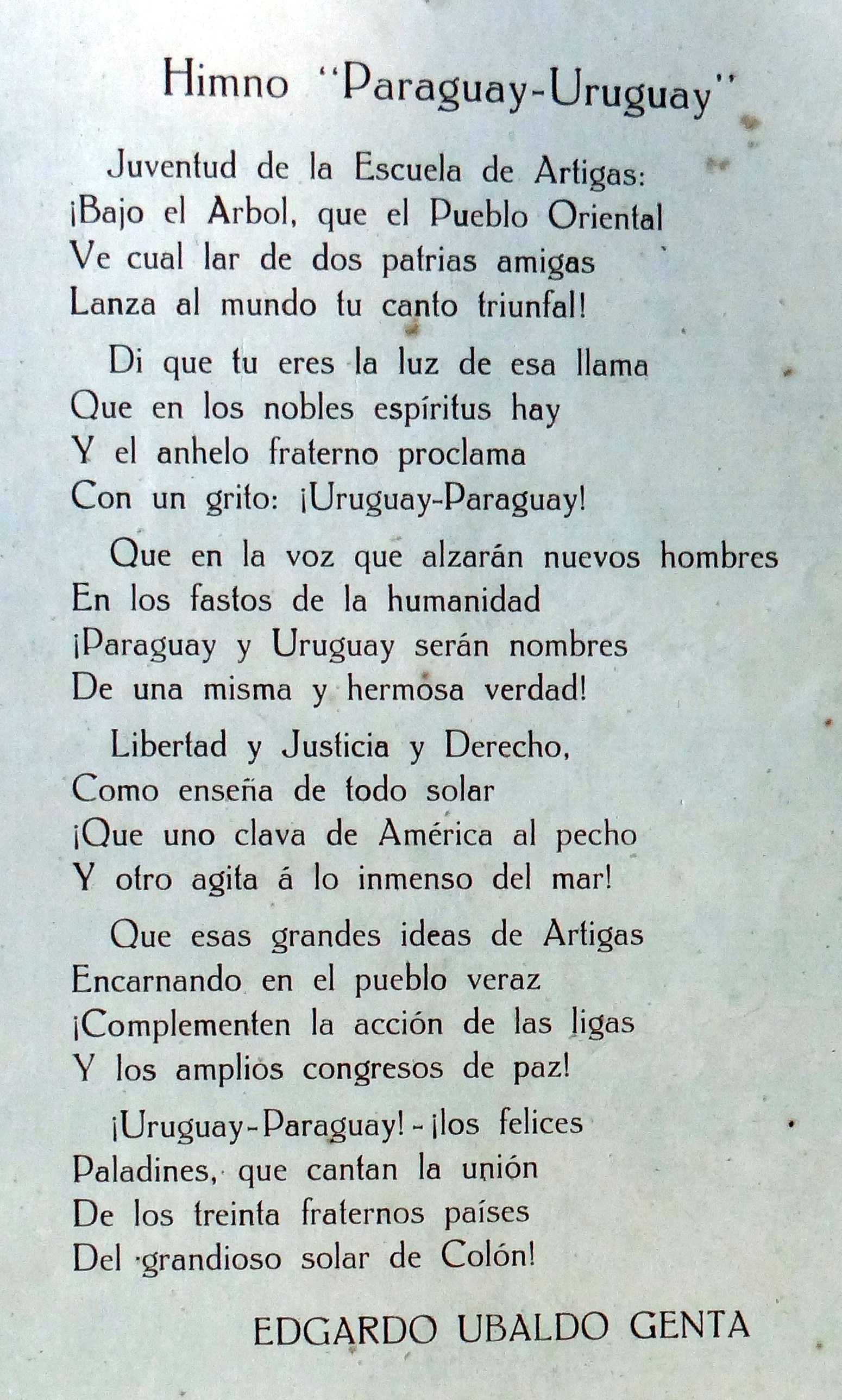
Gerardo Grasso and Benone Calcavecchia. Grasso also composed the „Himno Paraguay-
Uruguay“, which I show here and also the text of E.U. Genta. But the idea to have
an Anthem for two countries could have never been realized.

DSC00319_2        DSC00320_2
The Grasso „Anthem of Paraguay and Uruguay“ with text of Genta, Authors collection.

The National Anthem of Uruguay is played on national holidays, at national events,
and at most official ceremonies. It is a deeply rooted national symbol of freedom
and self governance for the people of the Republica Oriental del Uruguay.

Veröffentlicht unter Collecting, History, Information, Uruguay | Verschlagwortet mit | 2 Kommentare

Red Wine Roast Chicken

Red Wine Chicken_2
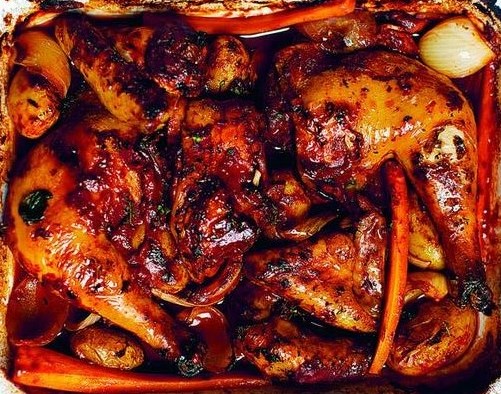
Getting hungry if you see this tray ? Then you cooked it well.

Red Wine Roast Chicken.

Sometimes you can’t quite finish a whole bottle of wine.
That’s when this marinade comes in handy. A loitering leftover glass of
red wine can make the perfect marinade.
If leftover wine is a rare occurrence in your household, donate a glass
from your favorite bottle of red and enjoy a spectacular dish to
accompany the remainder of the bottle.

Ingredients:

⅔ cup red wine,
6 tablespoons/100 g tomato paste,
3 sprigs thyme, leaves picked,
3 sprigs marjoram, leaves picked, or ½ tsp,
½ cup red wine vinegar,(you can use Balsamico if you want
a darker and sweeter coating),
1 whole chicken, cut into 8 or 10 pieces (about 3½ lb/1.5 kg),
(Uruguay chicken are average 2,5 kg, so add equal amount
of all ingredients),
Salt and freshly ground black pepper,
18 oz/500 g baby potatoes, washed,leave the skin on,
3 medium size white onions, quartered,
6 medium size carrots, peeled and quartered lengthwise,
½ cup water.

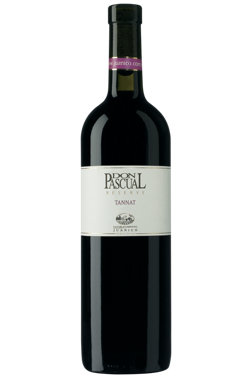
red wine  red wine 3

Around 1870, Tannat roots were brought by Basque emigrants to Uruguay,  here they found
very good soil and related growing areas, to spread out. In Uruguay it is also called Harriague
after the founder of Tannat cultivation, the Basque/France emigrant Don Pascual Harriague.

How to do:

Mix together the wine, tomato paste, thyme, marjoram, and vinegar.
Season the chicken with plenty of salt and pepper, then place it in a sealed
bag with the wine mixture.
Shake the bag to make sure each piece is well coated.
Refrigerate for at least 30 minutes, better overnight. Shake bag several times.

Place the potatoes in a saucepan of cold water, cover, and bring to a boil.
Boil for 1 to 2 minutes, then drain in a colander.
Preheat the oven to 400F/200C. Arrange the onions, carrots, and cooked potatoes
in a large baking dish or tray and pour in the water.

Arrange the chicken pieces, skin-side up, in a layer on top of the vegetables
in the dish. Pour the marinade over the chicken. Cover loose with a sheet of foil
and roast for 30 minutes. Remove the foil and baste the chicken with the
cooking liquid. You don’t want to much liquid in the tray, but if liquid
evaporates to quick, fill up with 50:50 wine and water.
Roast, uncovered, for another 15 minutes, or until the skin is crisp.
Serve immediately.

Tips:

Buying a whole chicken will always be more affordable.
With 8 or 10 pieces this recipe serves easy 4 persons. Because we are two only,
I leave the whole breasts out and freeze them for another serving.
If you aren’t up for jointing it yourself, ask your butcher to do it for you.
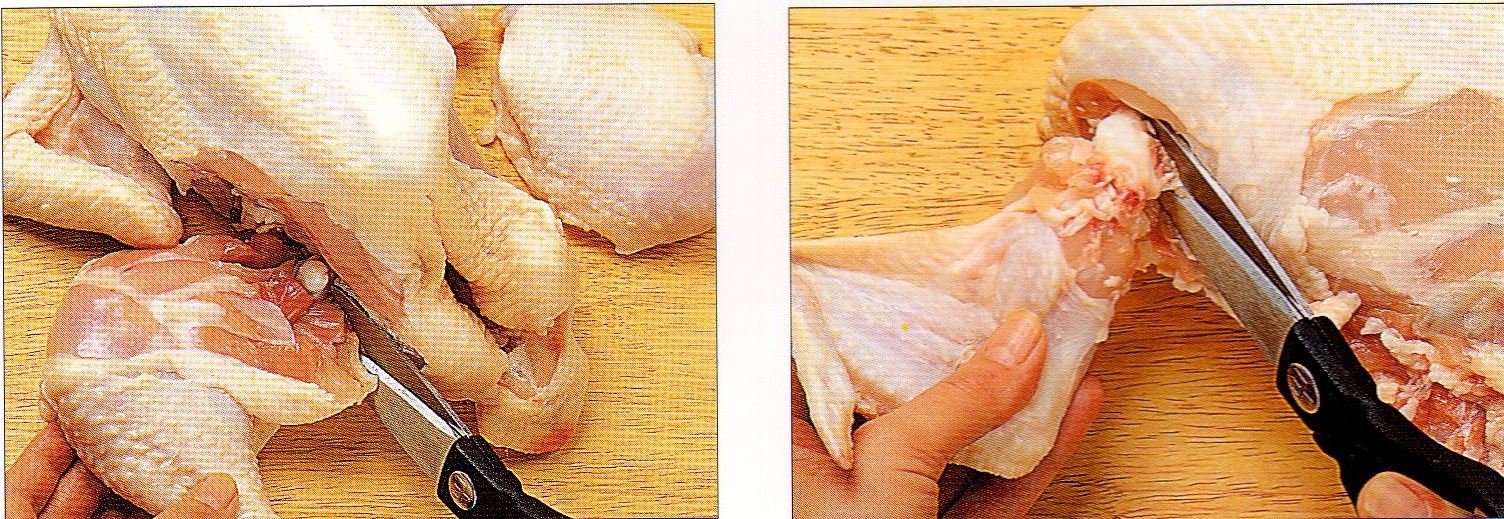
If you do it yourself, its easy, then see down here how to do it.
The veg and chicken can be prepared up to 1 day in advance, then simply pop it
all in the baking dish and heat it up (slowly) again. Don’t use a microwave,
that makes the veggies mushy and the chicken sissy – won’t taste crisp anymore.
Serve with the same good wine as you used for cooking.

Jointing a whole chicken:

It’s an easy process. Use a sharp meat knife or poultry shears. To cut a bird
into 6 pieces, remove the leg by cutting around the end of the thigh joint.
Twist the leg sharply outwards to break the joint, then cut through the joint.

img532_2

Turn the bird and do the same on the other side. Remove the wings by bending
them outwards and snipping around the joints.
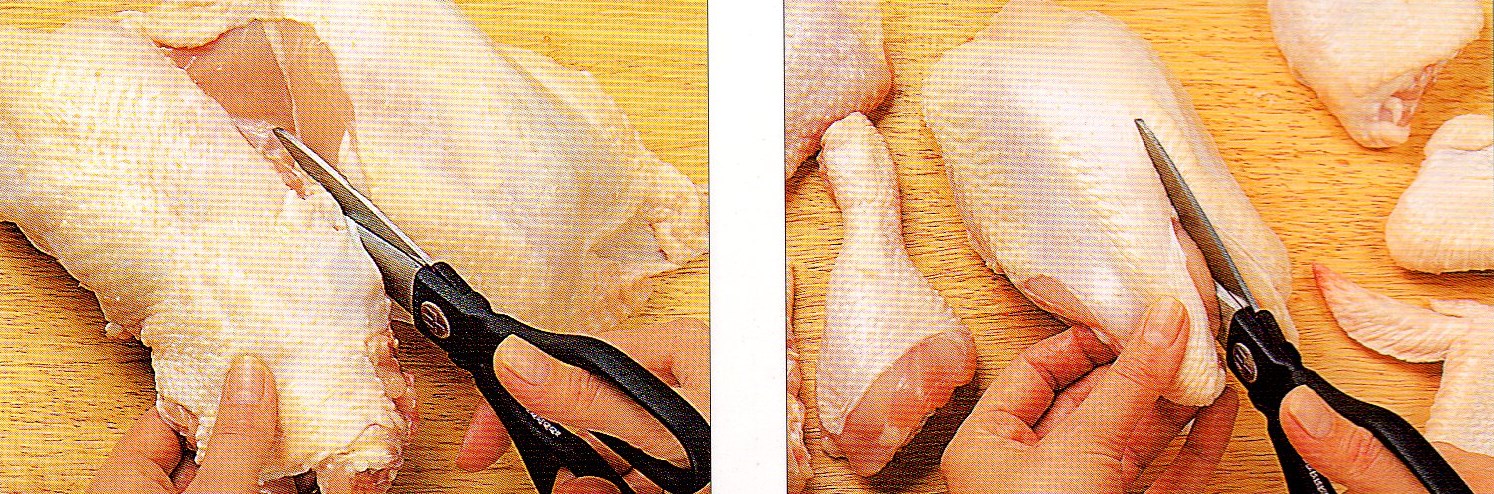
Cut up one side of the body and open it out flat. Cut the body in two pieces.
Cut down the center of the breast.

img532_3

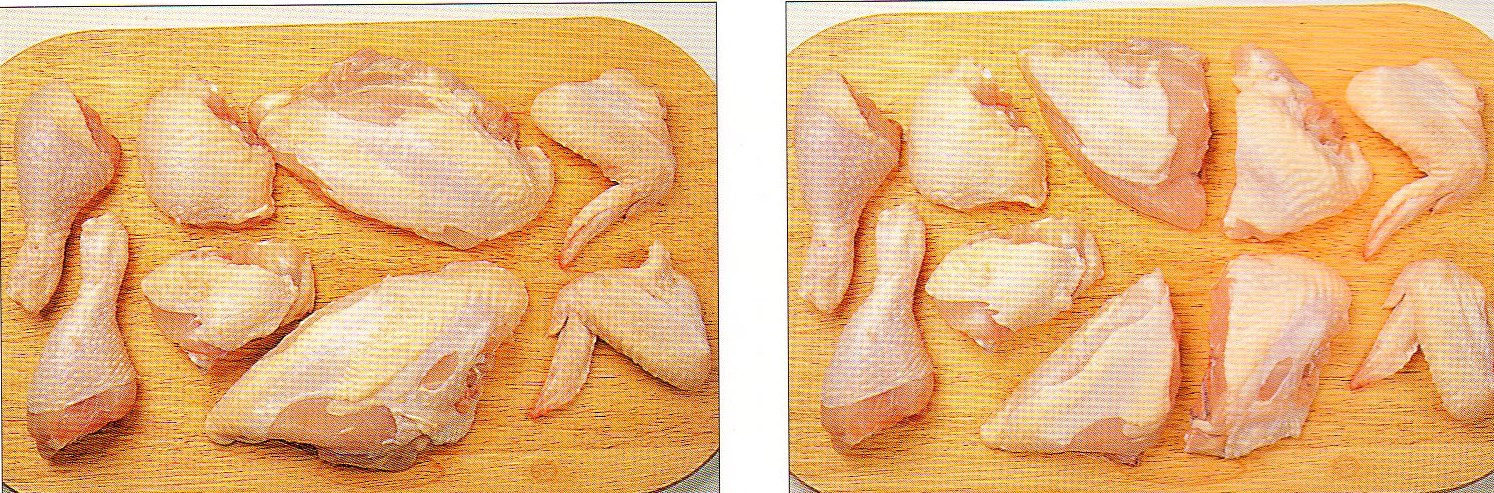
To make 8 portions, seperate the thigh from the drumstick. To make 10 pieces
cut the breast pieces in half.

img532_4

Always keep in mind, that the dark meat of legs and thighs takes longer to cook
through then the white meat of the breasts. Enjoy !

Veröffentlicht unter Recipes | Verschlagwortet mit | Hinterlasse einen Kommentar

Herbs and Spices

Kraeuter 3  spice 1 Istanbul
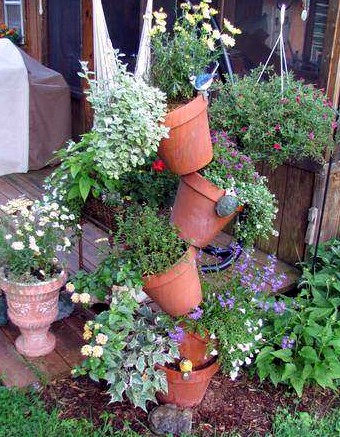
Herbs. A friends „little“ garden with more then 20 different herbs.
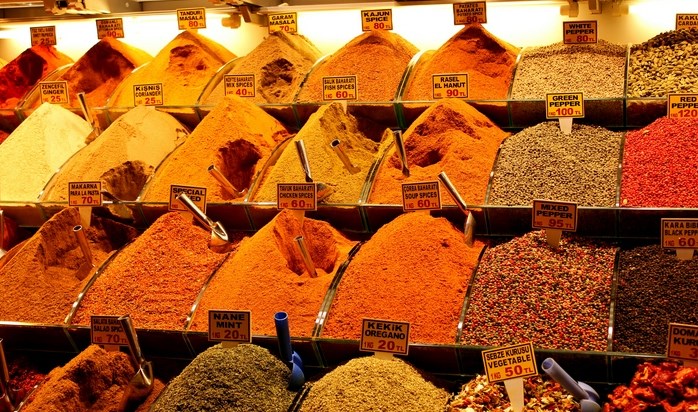
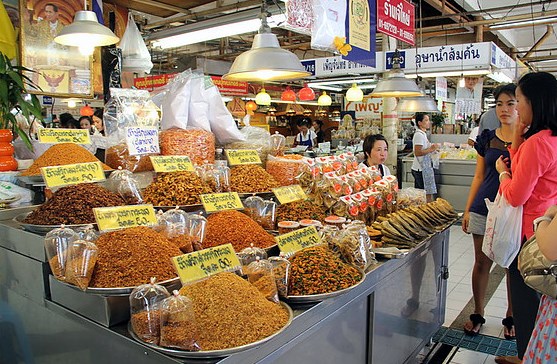
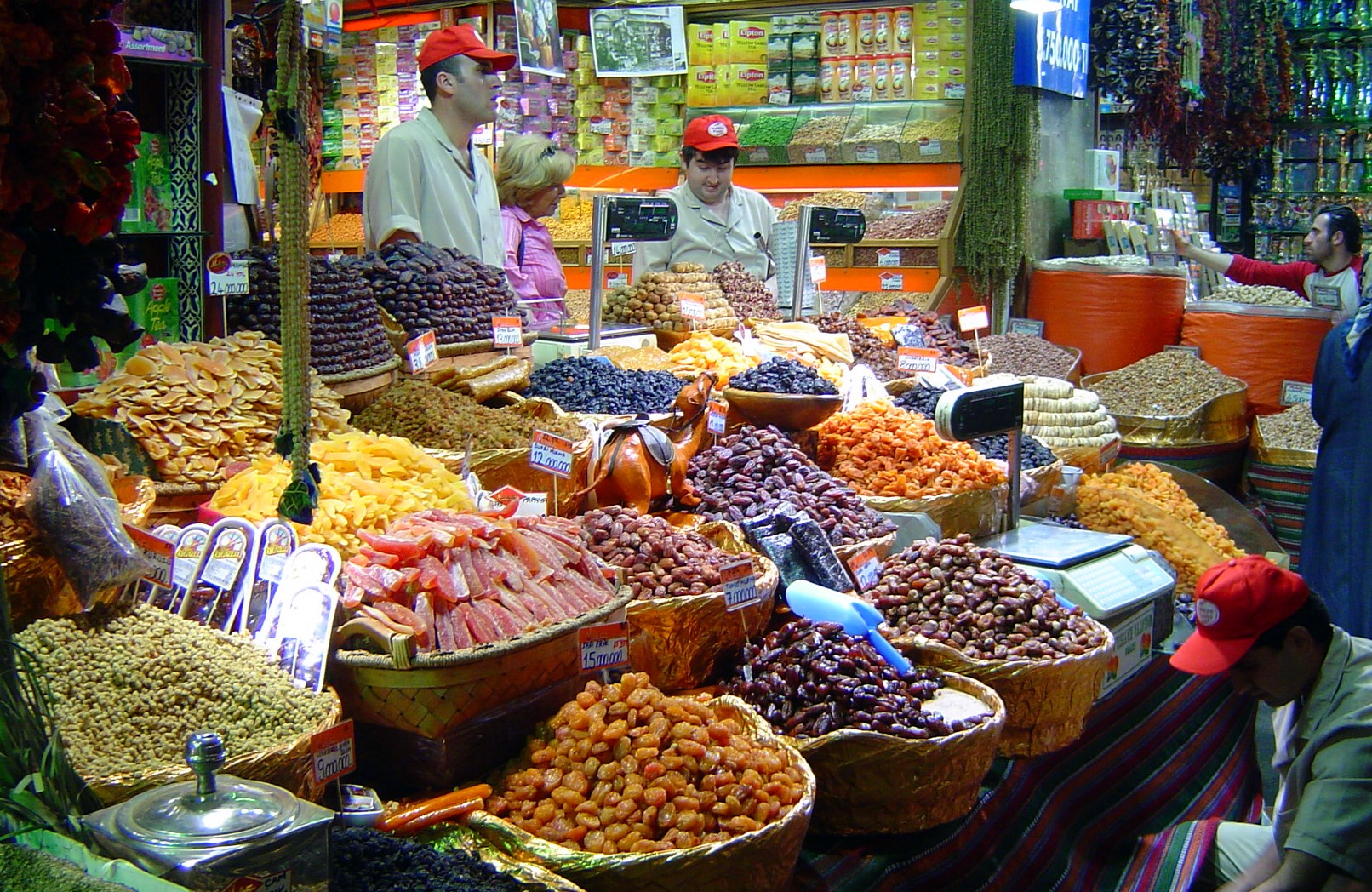
Spices. The spice market in Istanbul, Turkey.

My valued readers asked many times about the meaning of this herb or that spice.
Mostly it was a misunderstanding between languages. Here are the most well known
herbs and spices (more then 50 listed), we use for cooking, in 4 main languages.

English = French = Spanish = German

Allspice = Tonte-epice = Pimiento de Jamaica = Piment
Anise = Anise = Ani = Anis
Bay leaf = Laurier = Laurel = Lorbeer
Basil = Basilic = Albahaca = Basilikum
Chives = Ciboulette = Cebollino = Schnittlauch
Celery = Celeri = Apio = Sellerie
Caper = Capre = Alcaparra = Kapern
Caraway = Carvi = Alcaravea = Kuemmel
Chillies = Piment = Chile = Chillies
Cinnamon = Canelle = Canela = Zimt
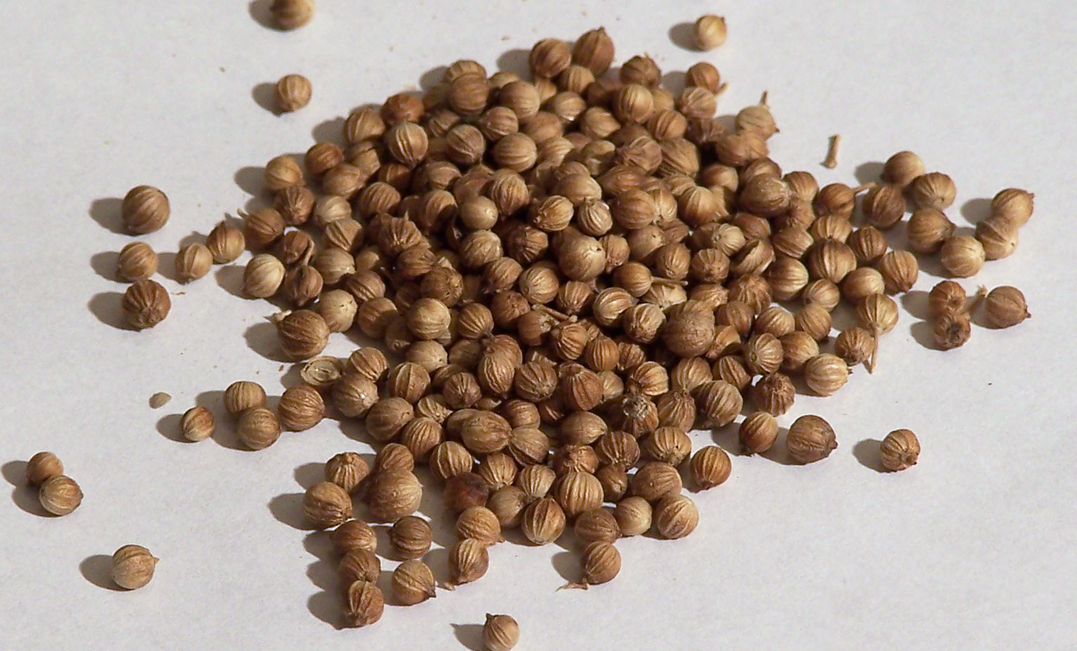
Coriander = Coriandre = Cilantro = Koriander
Cumin = Cumin = Comino = Kreuzkuemmel

spice 6 Dubai
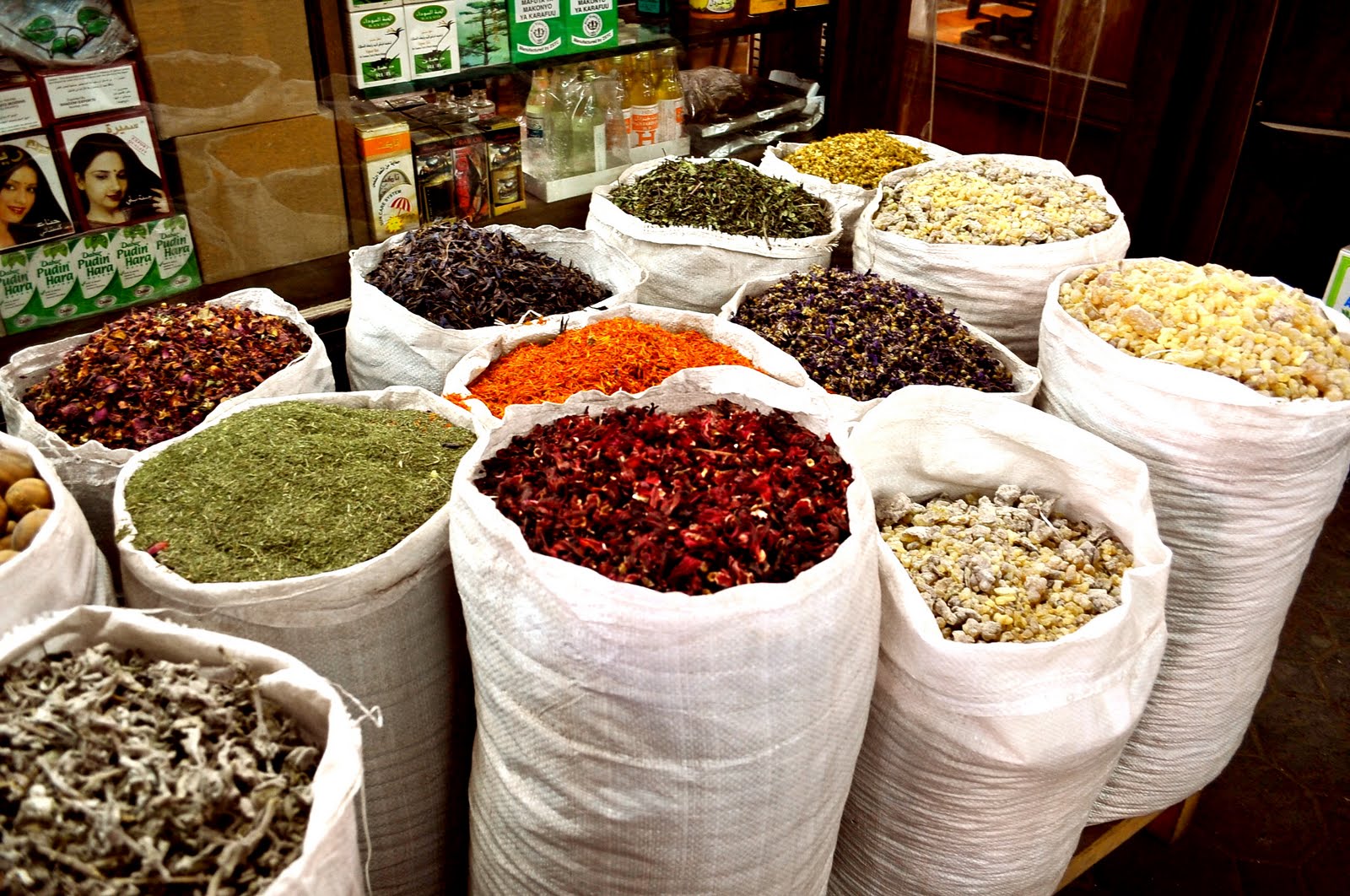
View of a spice market in Dubai, VAE.

Cardamom = Cardamome = Cardamono = Kardamom
Clove = Clou de Girofle = Clavo de Especia = Gewuerznelken
Curry leaves = Fenille de Cari = Hoja = Curryblaetter
Chervil = Cerfenil = Perifollo = Kerbel
Dill = Aneth = Eneldo = Dill
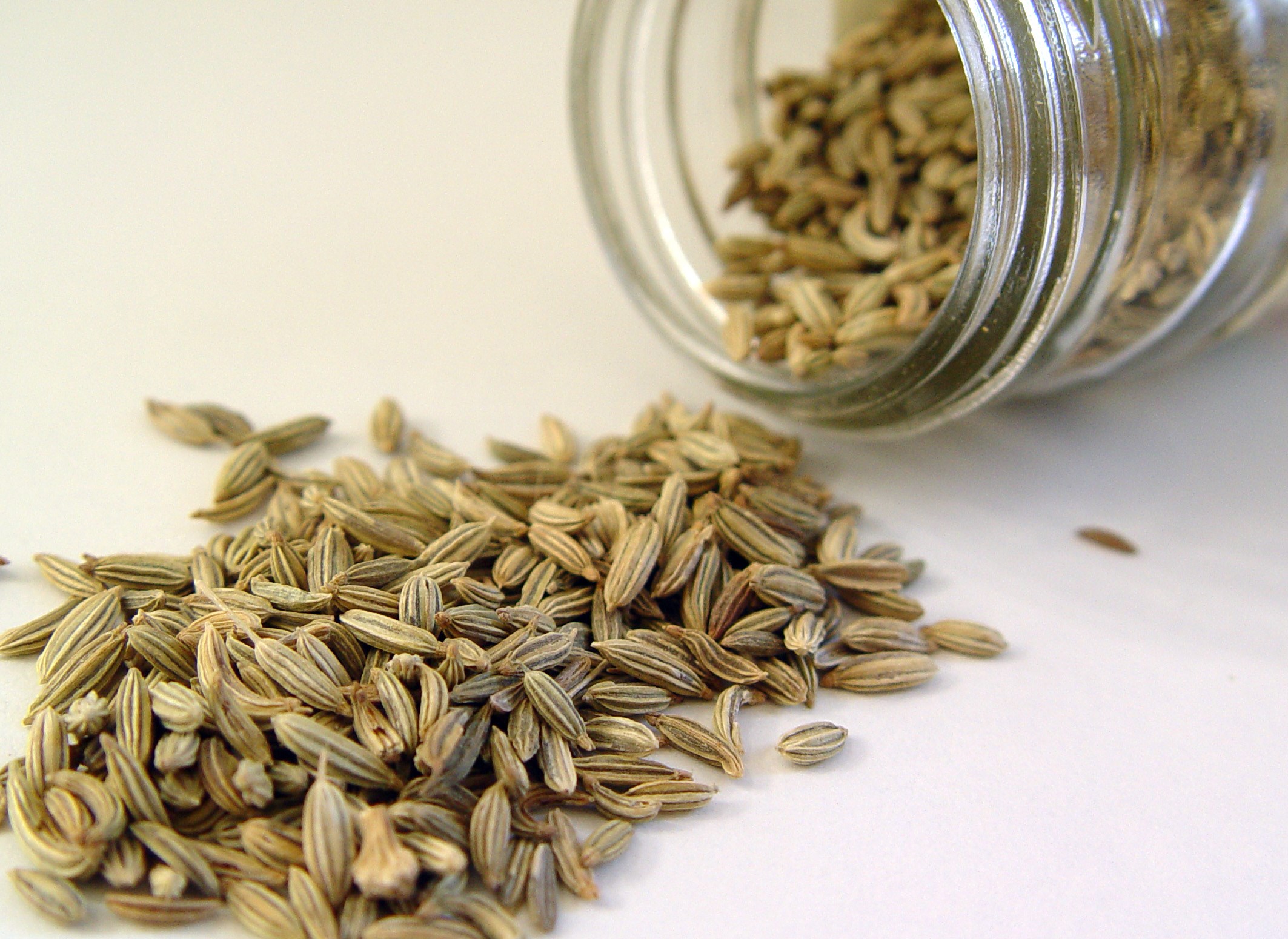
Fennel = Fenonil = Hinojo = Fenchel
Galangal = Galanga = Galanga = Galgant
Ginger = Gingembre = Jengibre = Ingwer
Garlic = Ail = Ajo = Knoblauch
Horseradish = Raifort = Rabano picante = Meerrettich
Juniper = Genievre = Junipero = Wacholder
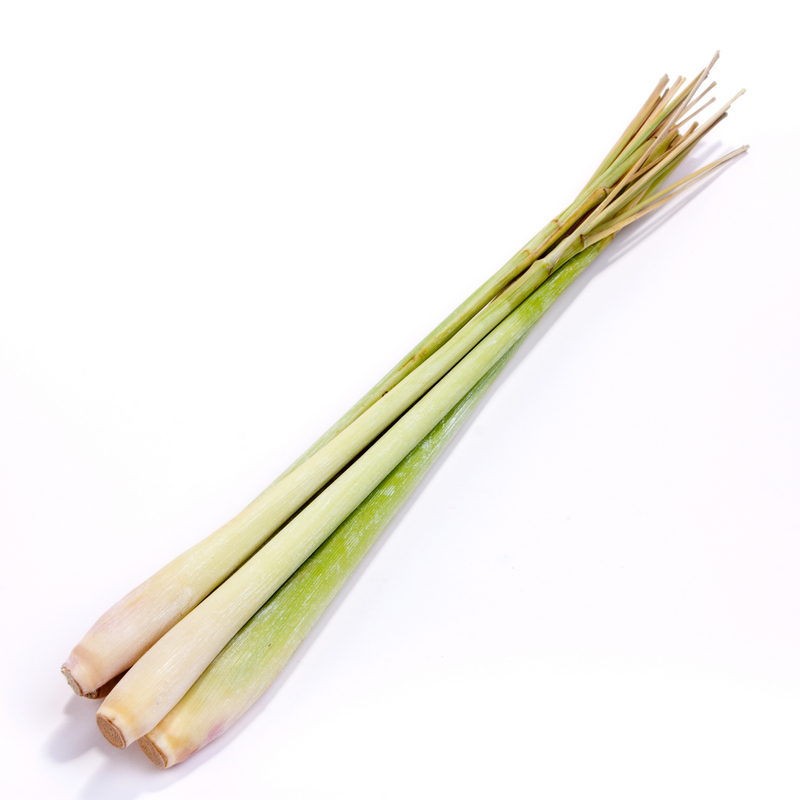
Lemon grass = Herbe de Citron = Herba de Limon = Zitronengras
Liquorica = Reglisse = Regaliz = Suessholz

spice 7 Goa
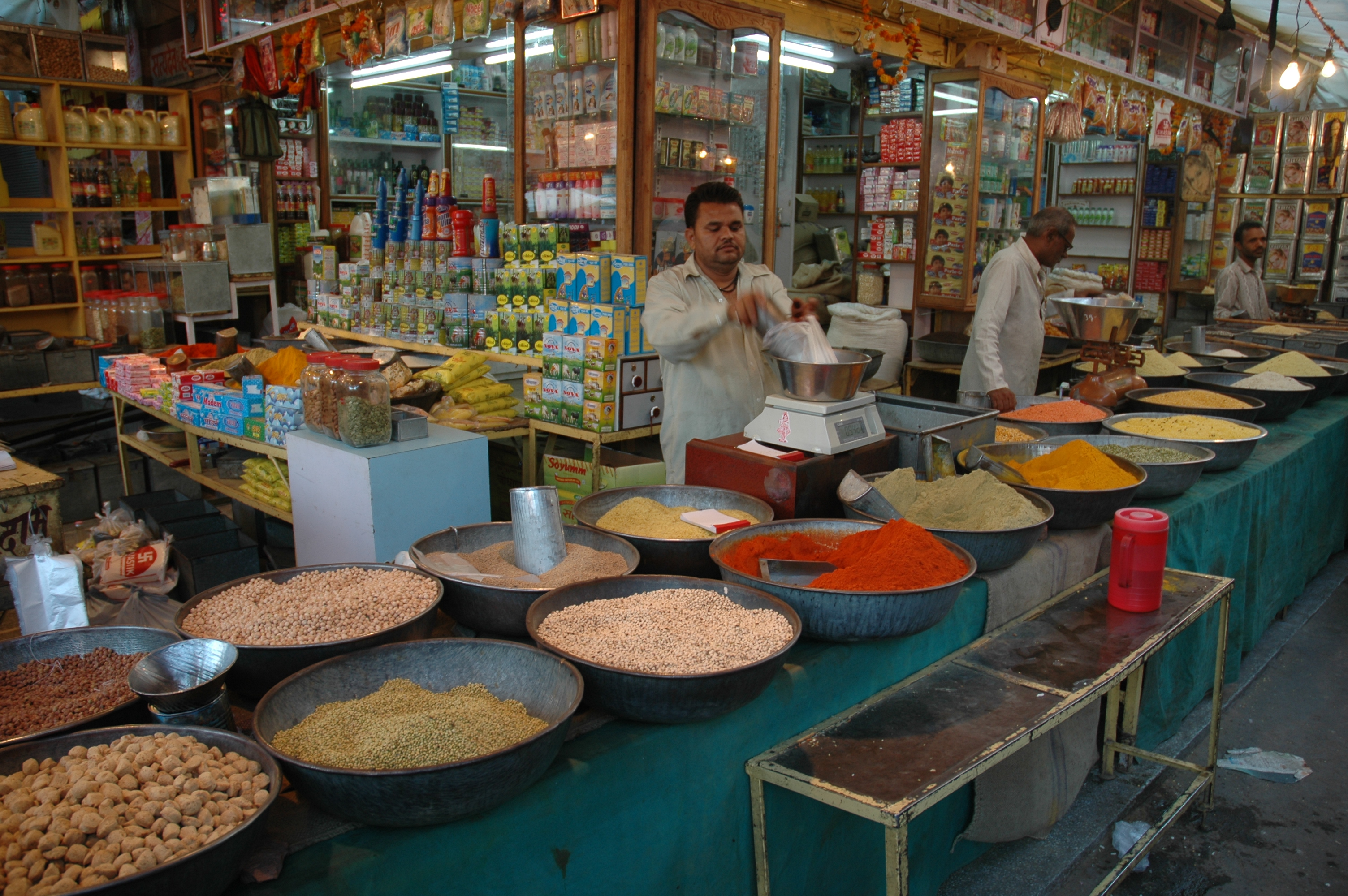
So much fun walking through spice markets, here in Goa, India.

Mustard = Montarde = Mostaza = Senf
Mango powder = Mangne = Manguey = Mangopulver
Nutmeg = Muscade = Moscada = Muskatnuss
Nigella = Nigelle = Neguilla = Schwarzkuemmel
Onion = Oignon = Cebolla = Zwiebel
Oregano = Origan = Oregano = Oregano
Papaya = Papaye = Papaya = Papaya
Peppermint = Menthe = Menta = Pfefferminze
Poppy seeds = Oeillette = Amapola = Mohn

spice 3 Quito
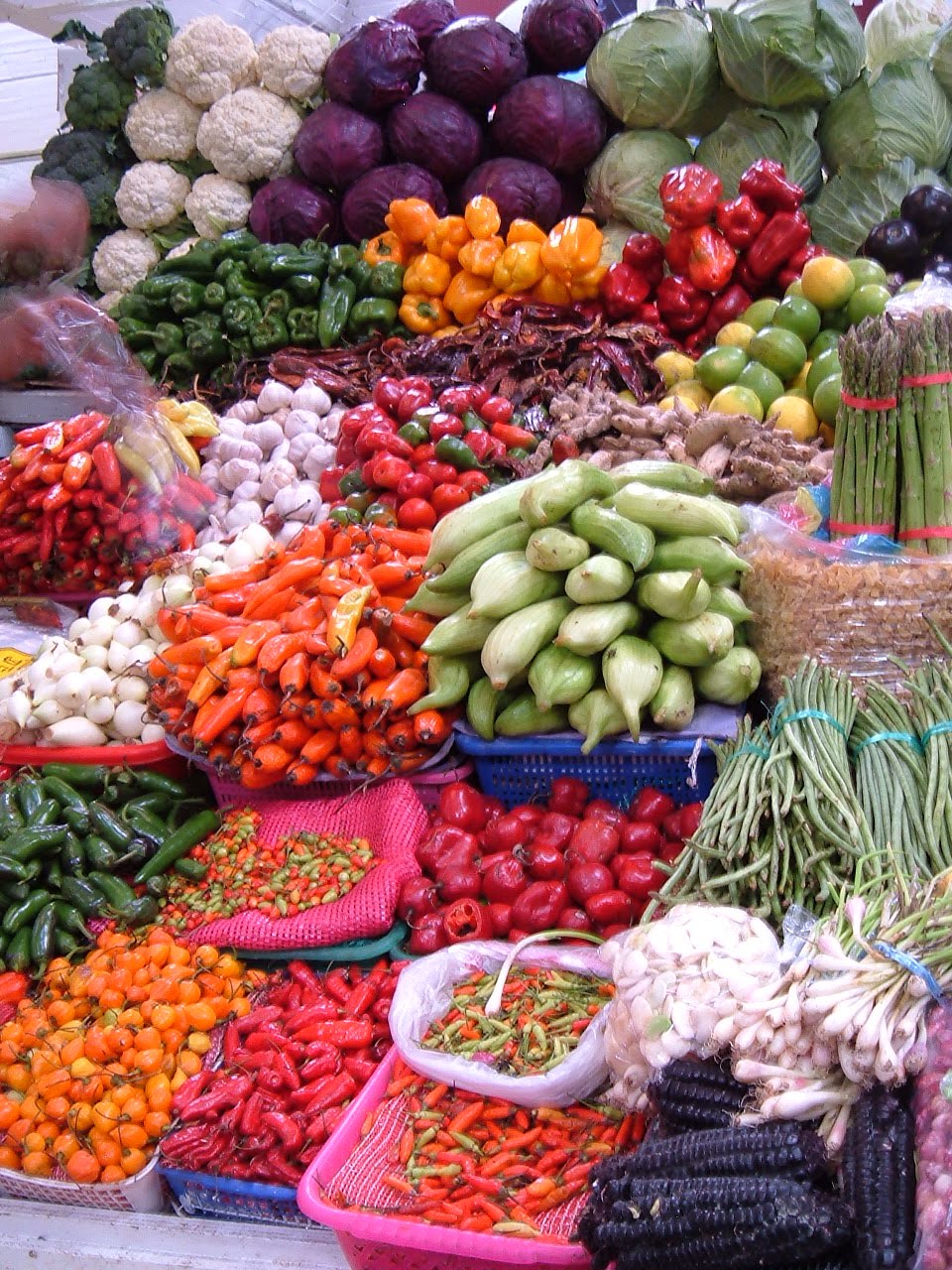
Herbs, spices and veggies in Quito, Ecuador. Wish we had markets like this one in Uruguay.
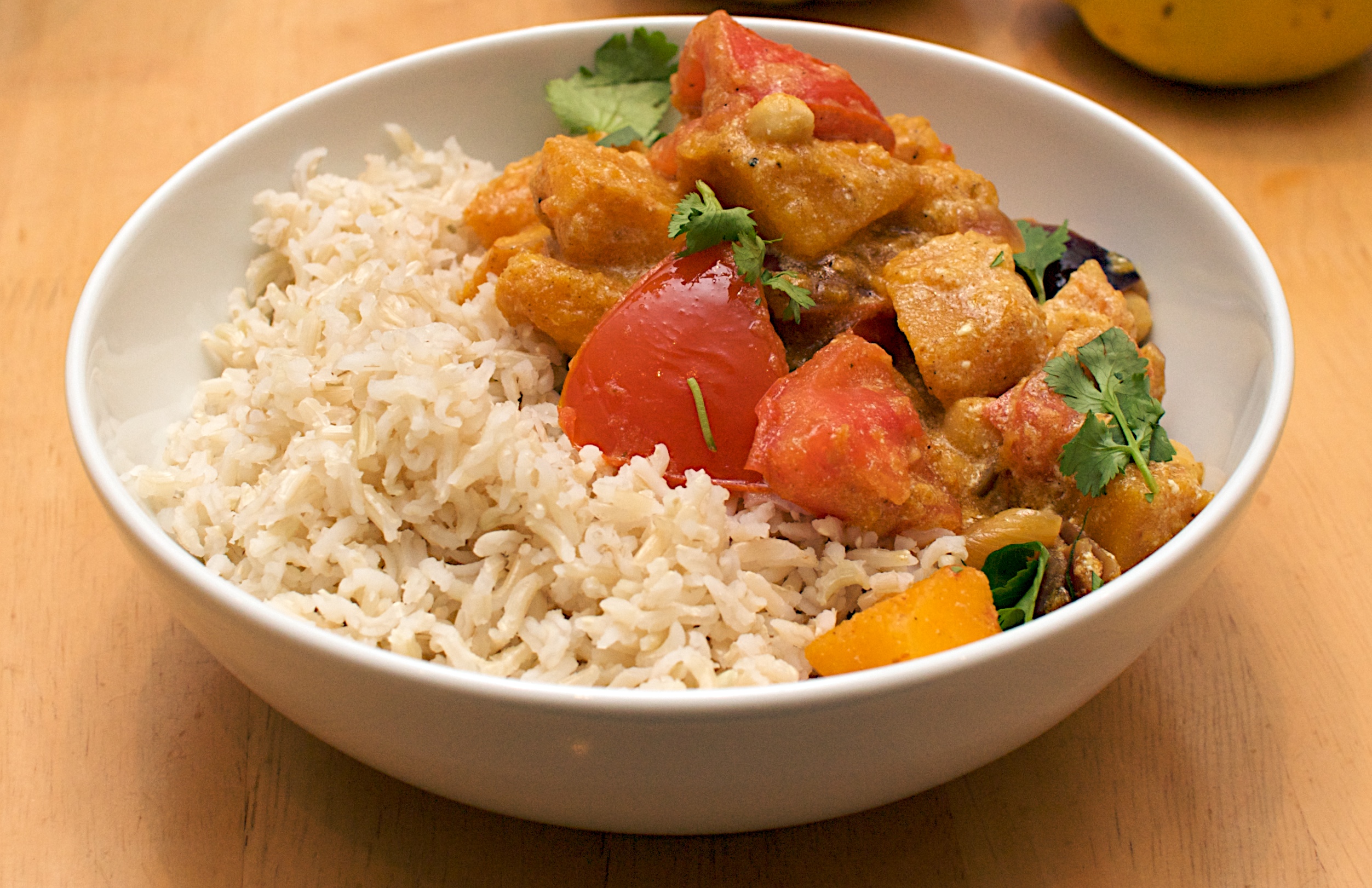
By example, there are more then 5000 potato varieties in the world, Peru alone has more then
1500 different ones. In Uruguay, to me not understandable, why it’s so hard to find 3 or 4.  And
Chillies or Spring Onions are almost not available. But – heads up – we find what we need.

Pepper = Poivre = Pimienta = Pfeffer
–black = —– = negra = schwarz
–white = blanc = blanca = weiss
–green = vert = verde = gruen
–Szechuan pepper = Poivre Anis = Piementade Anis = Sichuanpfeffer
Paprika = Paprika = Pimenton = Paprika
Parsley = Persil = Perejil = Petersilie
Pomegranate = Grenade = Granada = Granatapfel
Rosmary = Rosmary = Romero = Rosmarin
Savory = Sariette = Salado = Bohnenkraut
Sage = Sange = Salvia = Salbei

spice 5 Bangkok
One of the smaller spice stands in a market hall in Bangkok, Thailand.

Saffron = Safran = Azafran = Safran
Salt = Sel = Sal = Salz
Spring onion/green onion = ciboule = cebolleta = Lauchzwiebel
Sumac = Sumac = Zumaque = Sumach
Sesame = Sesame = Sesamo = Sesam
Star Anis = Anis de la Chine = Badiana = Sternanis
Taragon = Estragon = Estragon = Estragon
Thyme = Thym = Tomillo = Thymian
Tamarind = Tamarin = Tamarindo = Tamarinde
Turmeric = Curcuma = Curcuma = Kurkuma
Vanilla = Vanille = Vainilla = Vanille
Watercress = Cresson = Berro = Brunnenkresse

Kraeuter 6  spice 4 Kairo
Another lovely little herb garden idea.             The spice market in Cairo, Egypt.

In case you missed names like Curry, Masalas, Sambals, Cajun, 5-spice or others,
they are mostly blends or mixtures. I already wrote about curries. Other well known
blends or mixtures are named after regions or countries, like African, Nam-Prik,
Mus-sa-man, Malayan, Madrasi, Garam, Kashmiri and more. It would go to far to get
into all of these. The reason for this post was, to help you with shopping or to
understand foreign ingredients in recipes. Have fun.

Veröffentlicht unter Information, Lifestyle, Travel | Verschlagwortet mit , | 4 Kommentare

Curry

curry 6  curry 4
Vegetable curry with pumpkin, onion and chickpeas. Pork curry with sweet potato, peaches and tomato.

Curry is one of those words like salsa; it means different things to different people. At its most basic, the term refers to a spicy dish of vegetables or meat served with rice. It is derived from the Tamil word „kari“, which means sauce.

In some types of Indian cuisine, curry denotes a dish that is sort of like a soup made with yogurt, clarified butter, spices and chick pea flour. Other regions from England to Thailand use the term as a generic word for meat or vegetables cooked with a spicy sauce.

Different types use different main ingredients, depending on the region of Asia or India. Curry from the Punjab region, for instance, involves wheat instead of rice, and is heavy on the butter and cream. Dishes from Malayali usually have coconut and coconut milk, as well as bay leaves. That from Tamil, however, is probably what most western people think of when they think of this term. Tamil curry refers to shallow-fried meat or vegetables cooked along with dry spices.

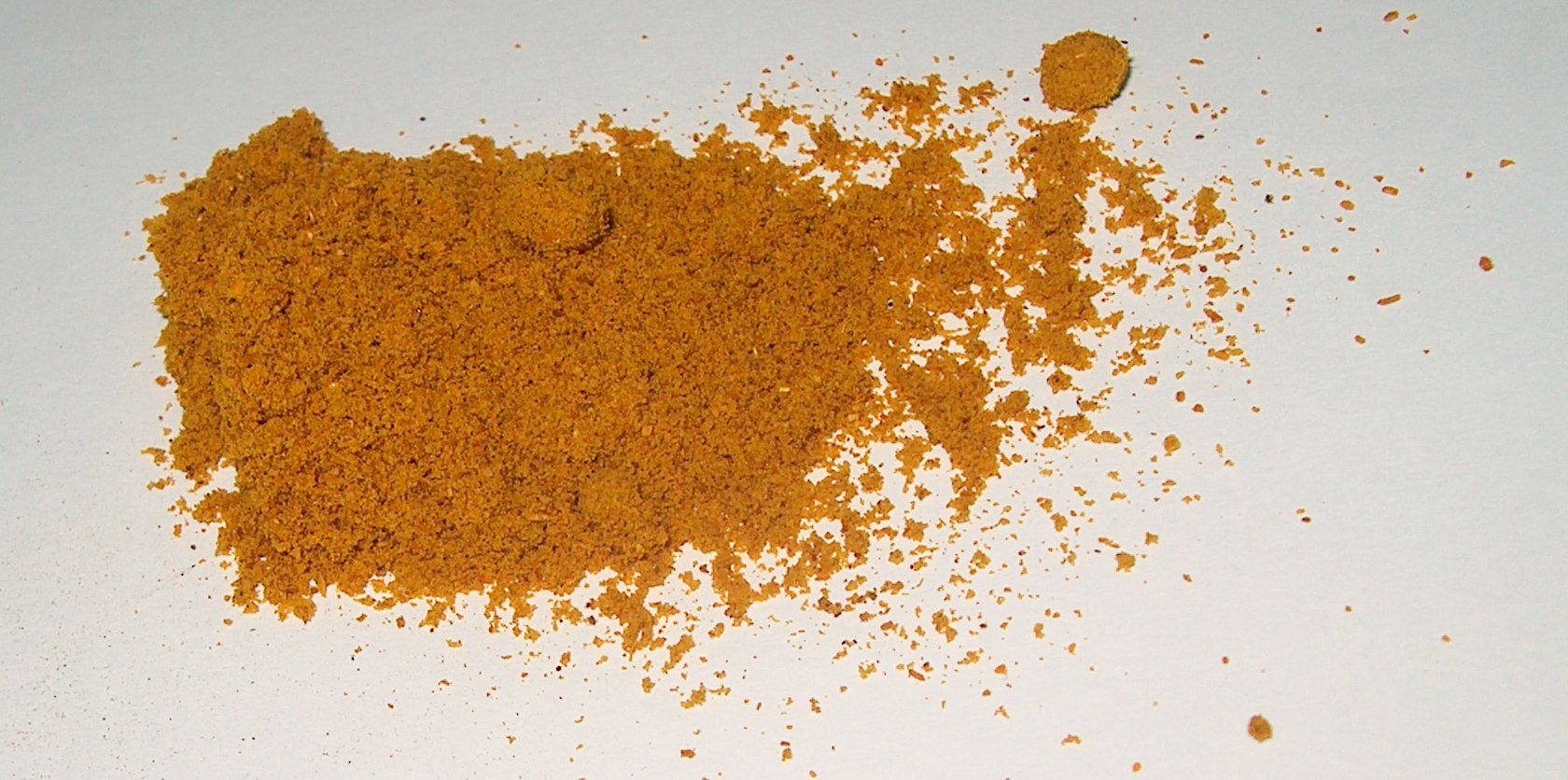
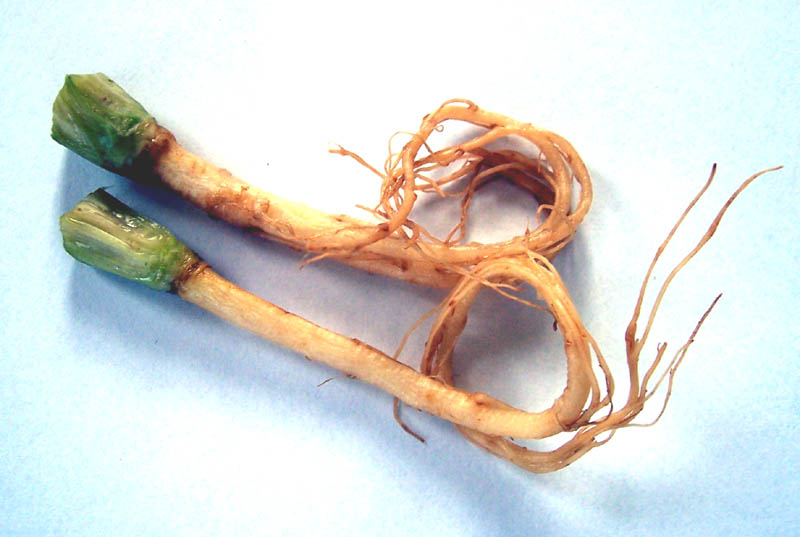
It’s the spices that most people think of as making defining curry. That’s because in many parts of the world you can buy a prepared blend of spices known as curry powder that is used to make a dish of this name. To make things more confusing, this powder may contain curry leaves, which come from the curry tree (or curry leaf tree), which is native to India.

curry 1

Curry powder is a spice mix of widely varying composition based on South Asian cuisine. Curry powder and the contemporary English use of the word „curry“ are Western inventions and do not reflect any specific Indian food, though a similar mixture of spices used in north India is called garam masala.

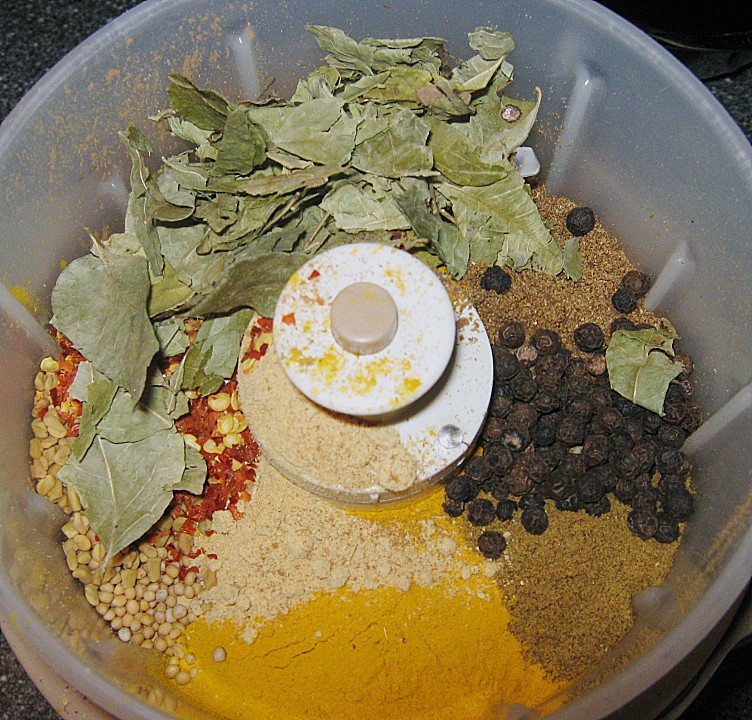
Curry paste is generally a more complex mixture, including things like ginger, garlic and lemongrass, in contrast to curry powder, which is generally just powdered spices. Important to know is, that curry powder is not made from curry leaves.
Curry powder is a mix of different spices, curry leaves can be one of these spices.

curry 11

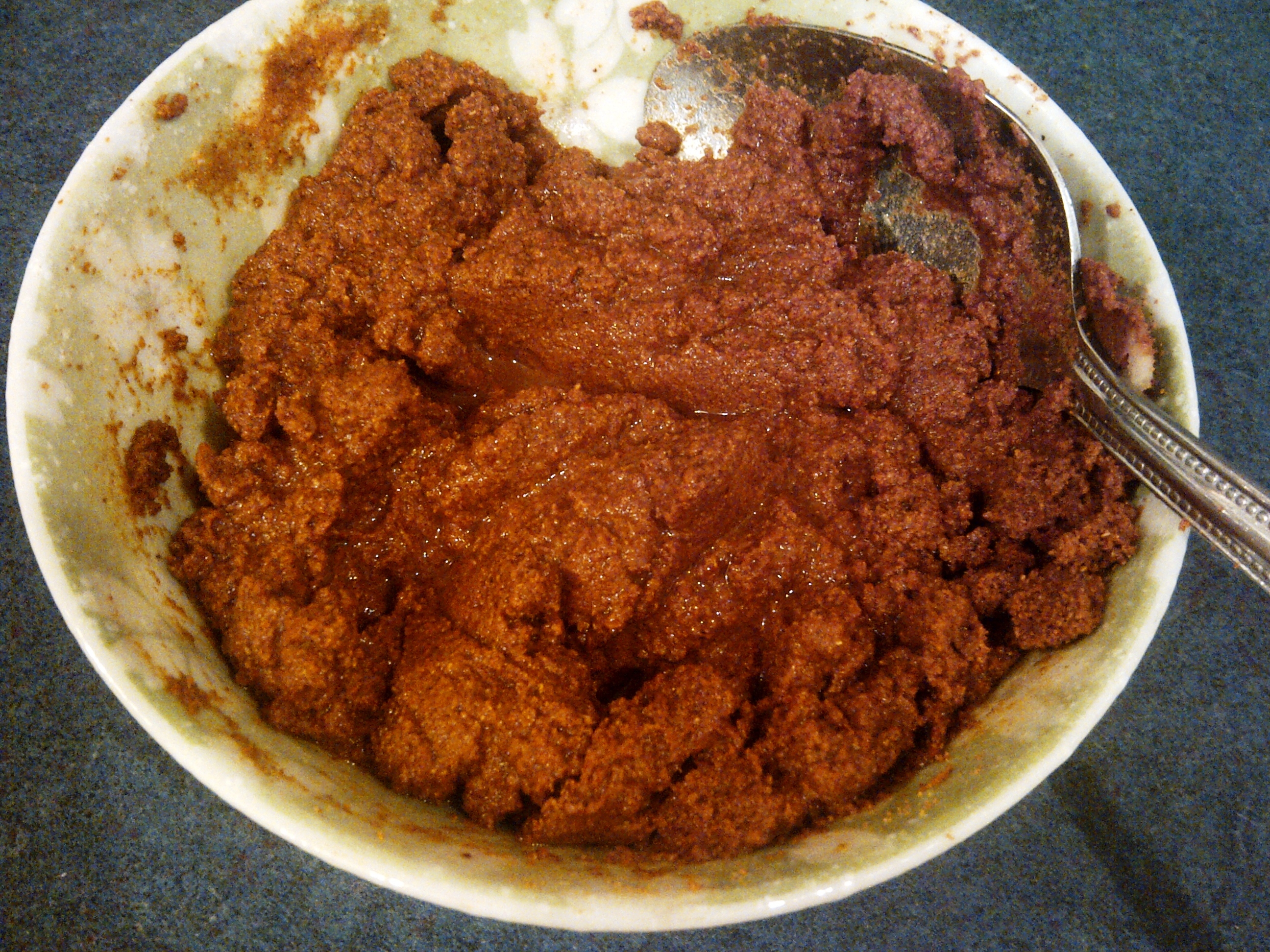
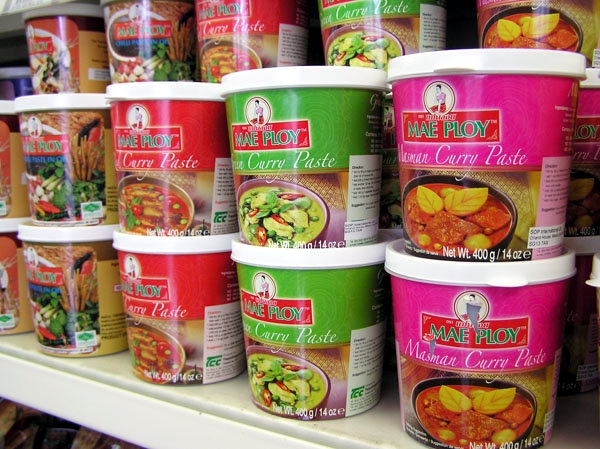
Curry Paste.

Curry paste is most often used in Thai food. It is a moist mixture of ground herbs and spices and usually is made fresh when certain herbs are in season.

Varieties of Curry Paste:
There are several varieties of curry paste, including red, green, yellow, Massaman (Masman) and Panaeng (Penang). The names depend on the ingredients used.

Curry Paste Ingredients:
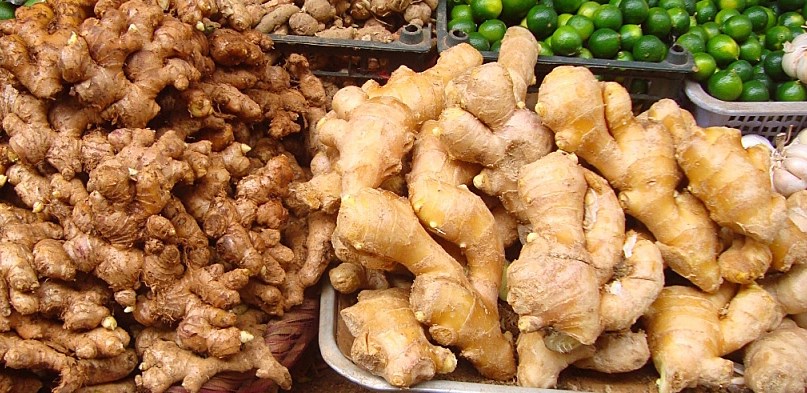
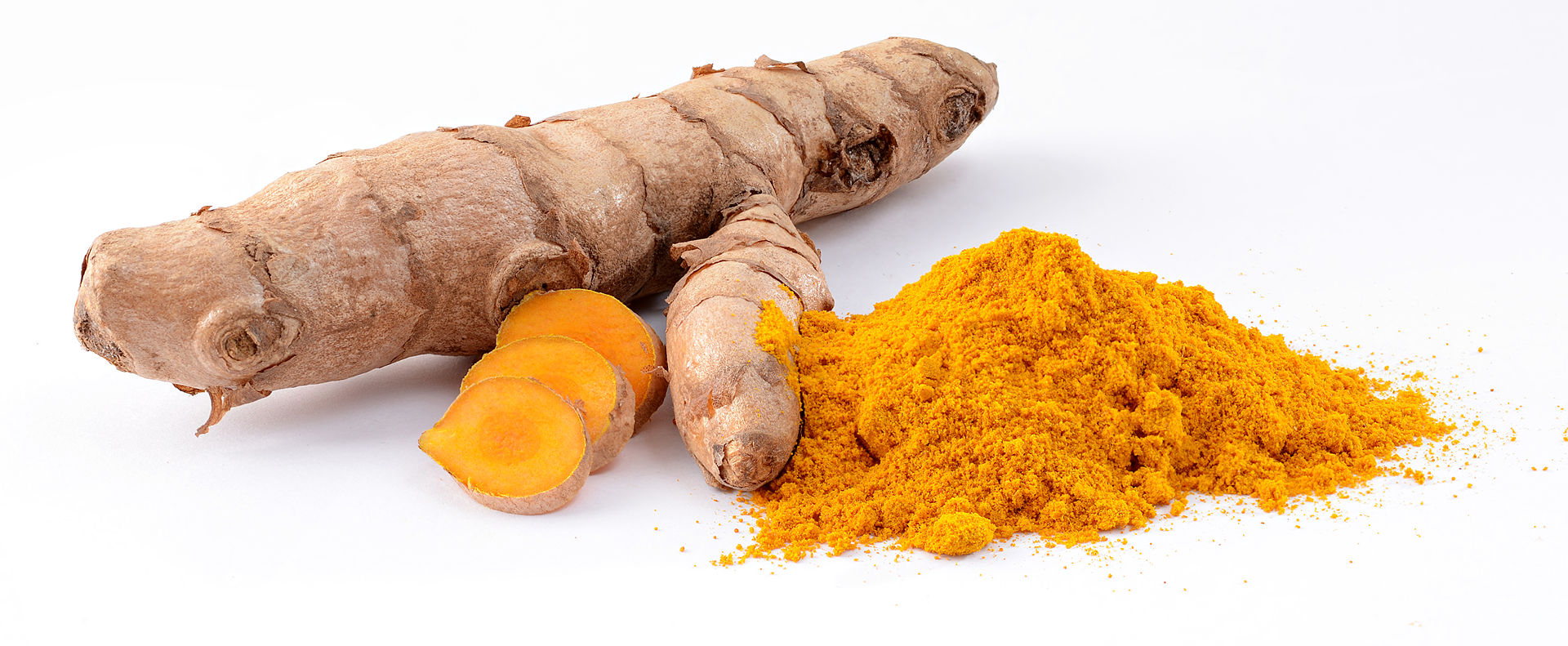
Red curry paste includes red chilli peppers, while green chillies are used in green curry paste. Yellow curry paste gets its color from turmeric, which is in the ginger family and used in curry powder. Panaeng curry paste is milder than the others, and Massaman curry paste includes dry spices as well as fresh ingredients.

curry 8

Curry Powder.

Curry powder comes in sweet and hot varieties, and both generally include turmeric, coriander and lemongrass, a bitter herb used in a number of cuisines, including Egyptian and Lebanese dishes.

Additional Curry Powder Ingredients:
Curry powder blends also can include cumin, ginger, garlic, cardamom, fennel, cinnamon, clove, nutmeg and black pepper. Most regional cuisines have their own curry mix and recipes, so as by example Thailand, Vietnam, Indonesia etc. In total you will end up with hundreds of curry powder or curry paste recipes.

curry 15

Curry dishes.

That depends all on personal taste or taste of a region, a restaurant chef or your own expectations. A dish made with a curry paste or seasoned with curry powder is then often just called „CURRY“. I will do the same.

Thai Curry Paste Recipe.

The master recipe makes a red curry paste, using dried red chiles. For green curry paste, see the variation at the bottom.
Thai curry paste is traditionally made using a sturdy granite mortar and pestle, but a food processor works fine.
This curry paste will have a softer texture than the fudge-textured curry pastes you find in stores because of the water you add to help the blades move. I always prefer curry paste over curry powder for my cooking.

  My Red Curry Paste, see down here.

Red Curry Paste:
Ingredients:

1/2 cup small dried hot red chillies (such as Thai bird eye chillies), or fresh chillies
1 Tbs. coriander seeds
1 tsp. cumin seeds
5 whole black peppercorns
3 stalks fresh lemongrass
1/4 cup chopped shallots
2 Tbs. chopped garlic
1 Tbs. chopped fresh or frozen galangal or fresh ginger
1 Tbs. coarsely chopped cilantro root or chopped cilantro stems and leaves
1 tsp. finely chopped lime zest
1 tsp. kosher salt
1 tsp. shrimp paste (optional)

curry 2_2

How to do:

Open the chillies, breaking off their stems and shaking out and discarding most of their seeds. Break the pods into pieces. Combine the chilli pieces in a medium bowl and add warm water to cover them. Set aside to soak for about 30 minutes.
Of course, if you use fresh chillies, you don’t have to soak them.

Meanwhile, put the coriander seeds in a small, dry skillet over medium-high heat. Cook, shaking the pan, until they darken to a golden brown color and become fragrant, 2 to 3 minutes. Transfer to a small plate.

Let the skillet cool for a few minutes and then toast the cumin seeds in the same way until nicely browned and fragrant, 1 to 2 minutes. Transfer to the plate with the coriander seeds.

curry 10_2 curry 13_2

Put the coriander, cumin, and peppercorns in a small spice grinder and finely grind. Transfer to a plate and set aside.

Chop off and discard the grassy tops of the lemongrass, leaving about 10 centimeters, including the rounded base and root end.
Discard any dry or discolored outer leaves and trim off the root end to leave a smooth base just under the plump bulb. Transfer to a medium bowl.

Drain the chillies well and add them to the bowl of chopped lemongrass along with the shallots, garlic, galangal, cilantro root, dried lime peel or lime zest, salt, and shrimp paste (if using). Add the ground spices and stir gently to combine.

curry 14

Transfer to a food processor, add 1 or 2 Tbs. cold water, and process to an almost-smooth paste. If the paste hasn’t come together,
add more water, 1 Tbs. at a time. Scrape the paste into a jar and cover tightly.

Variations.

Green Curry Paste:
To make green curry paste, use 1/2 cup finely chopped unseeded fresh hot green chillies, instead of the dried red chillies.

Yellow Curry Paste:
If you can get yellow habanero chillies use them instead red or green, otherwise leave a green or a red chilli and add more turmeric and mustard seeds instead.

curry 9

The curry paste can be refrigerated for up to 5 days, or frozen in 1- to 2-Tbs.- size portions for up to 1 month. The pastes you buy in shops have additives and you can keep them much longer.

Of course you can bye pre made curry pastes. The one I like most is made in Thailand from Mae Ploy. It comes in 400gramm jars or larger and offers all the 5 different kinds I was writing about earlier. Sadly not seen in Uruguay yet.   See also my curry recipes.

Veröffentlicht unter Information, Lifestyle, Recipes | Verschlagwortet mit , , | Hinterlasse einen Kommentar

Thai Lamb Curry

DSC01438

This is one of my favorite curries, Thai Lamb Curry.

Every Thai meal is a delicate balance of flavors. The curries are both, tart and creamy sweet. While the cooking of Thailand has borrowed from other countries, like stir-fries and steamed dishes from China or spices from India. These influences have been shaped into a cuisine whose tastes and fragrances are uniquely Thai.

This dish is prepared with a light different curry paste then the one I posted under „Curry“.
The reason is, that other curries are sometimes a bit „dry“ on their own. This is no problem, if you have a few side dishes like it is normal in Thailand.

I like this curry as a „lonely“ main meal with rice. Therefore I like to have  lots of sauce.

Ingredients:

1kg of diced lamb – this time I used a small leg of lamb.
1/2 teaspoon salt
1/4 teaspoon black pepper
3 large onions, chopped
4 tablespoons oil
2 stems lemongrass, white part only, sliced
6 cloves garlic
3 cm fresh galangal, roughly chopped
10 cm piece fresh ginger, roughly chopped
2 1/2 teaspoons ground turmeric
1 teaspoon tamarind paste
2 large hot red chillies, roughly chopped
1 teaspoon shrimp paste
3 tablespoons oil, extra
2 small cinnamon sticks
1/8 teaspoon ground cloves
3 cups (750ml) coconut milk
1 cup (250ml) coconut cream, or double cream

How to do.

Here I take the chance to go with you through a few steps of meat cutting.

DSC01427  DSC01429
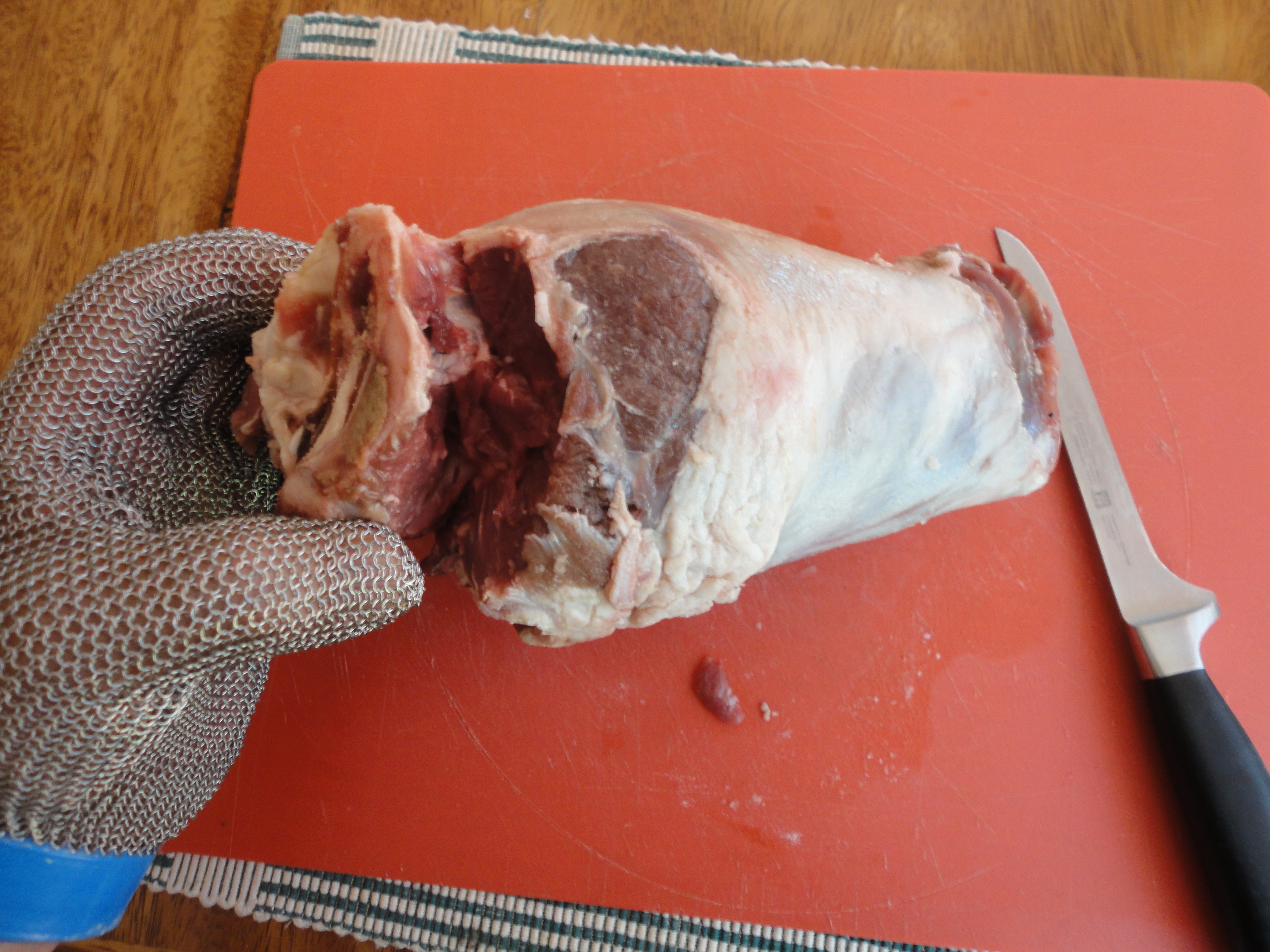
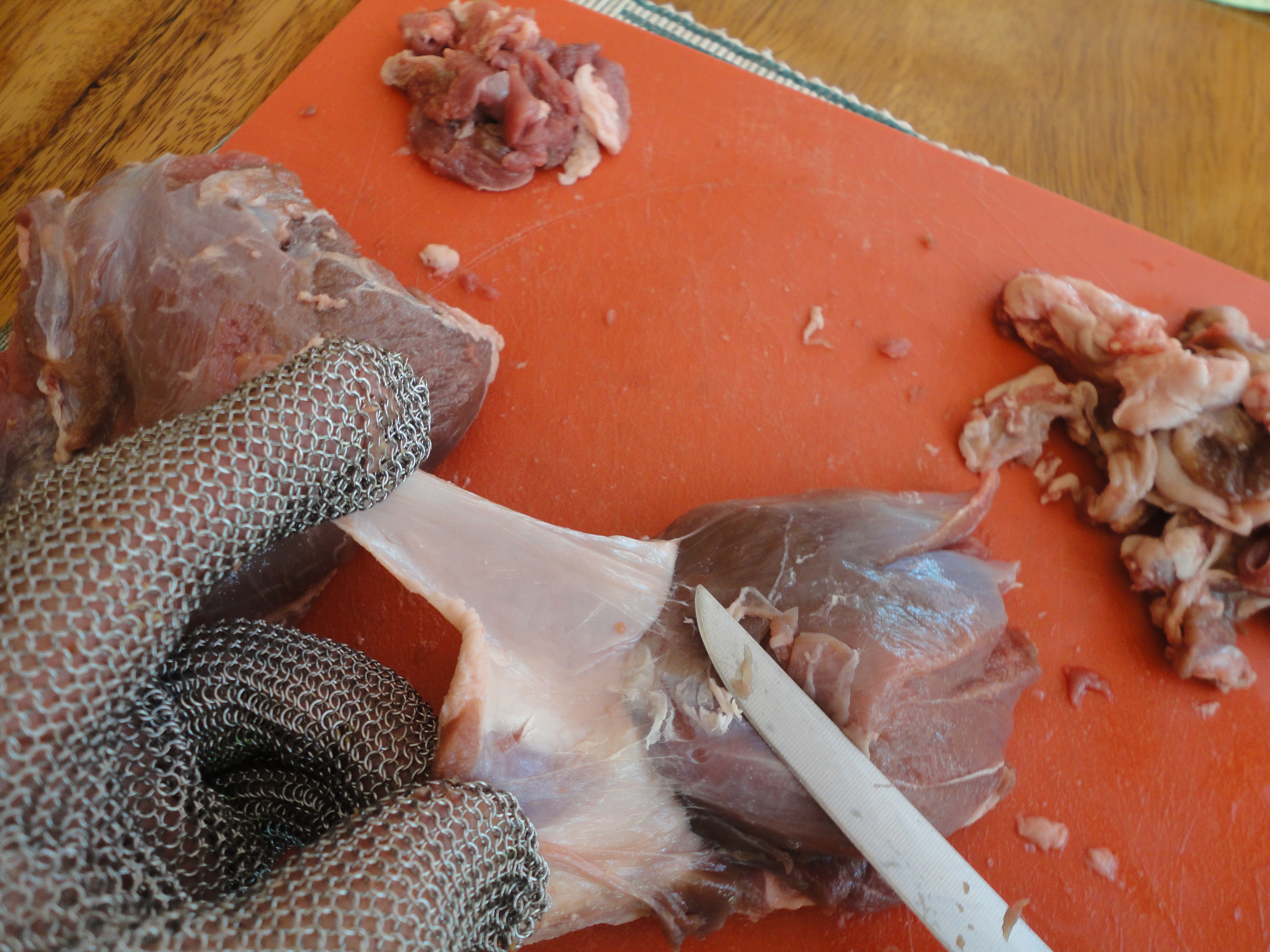
Hold the leg upside down and on the bone. Then cut with your knife along the bone till its completely
removed. If you are not experienced, may be try a butchers glove, as I use, for safety too. Next step,
remove the silver skin, by pulling and soft cutting, you won’t loose meat.

Combine the lamb, salt, pepper, onion (about 2/3 of the onions) and oil. Heat the wok or heavy based pan until very hot.
Add the lamb and onion mixture in several batches and brown well. Remove from wok and keep on side.
Mix all other ingredients, (except 1/3 of onions, cinnamon and cloves) with the extra oil into a food processor and mix well until you receive a smooth paste.

DSC01430_2  DSC01431_2
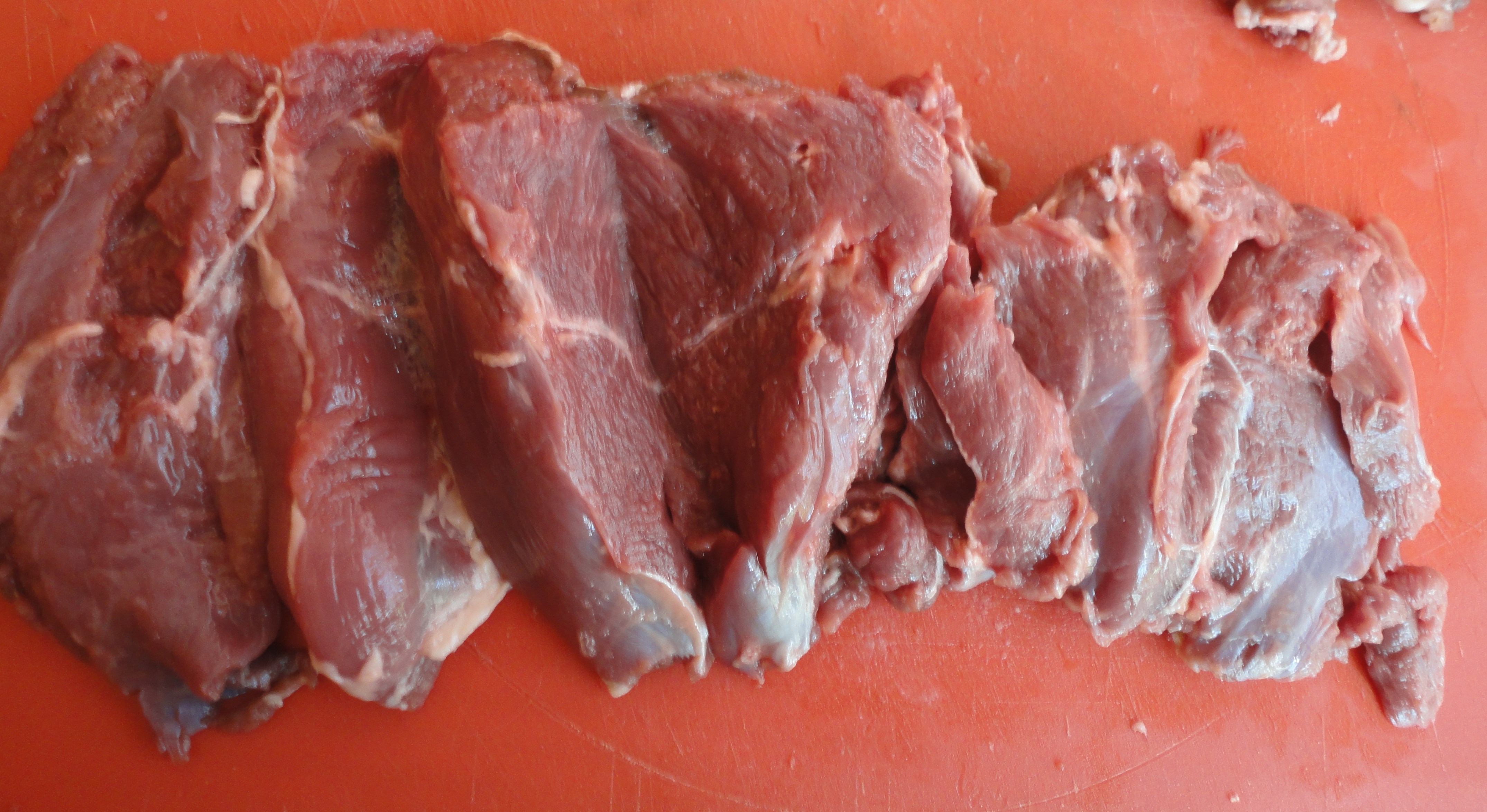
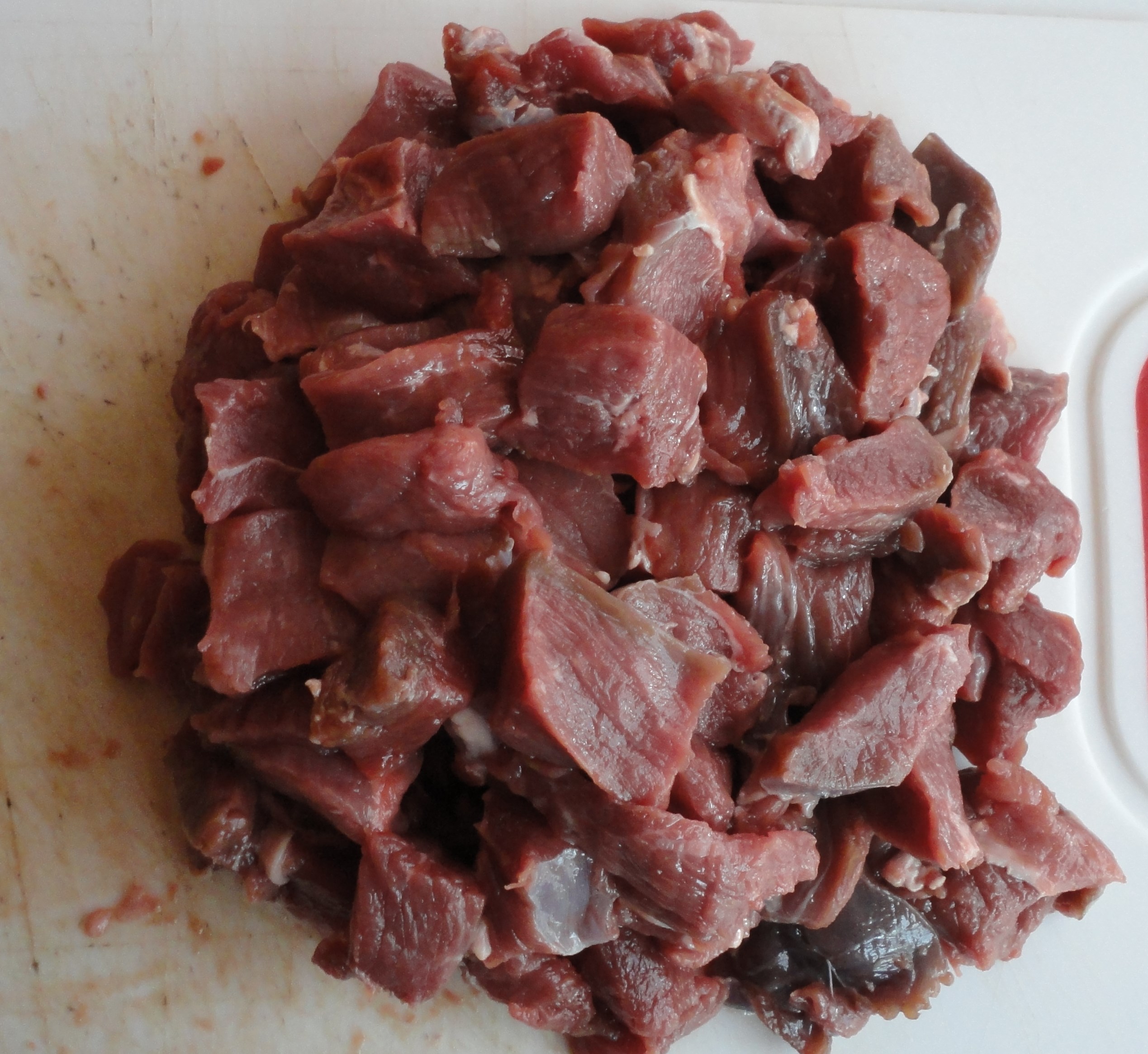
Then remove big sinews and skin or stringy parts. Last step, cut the meat into roughly 2×2 cm pieces.

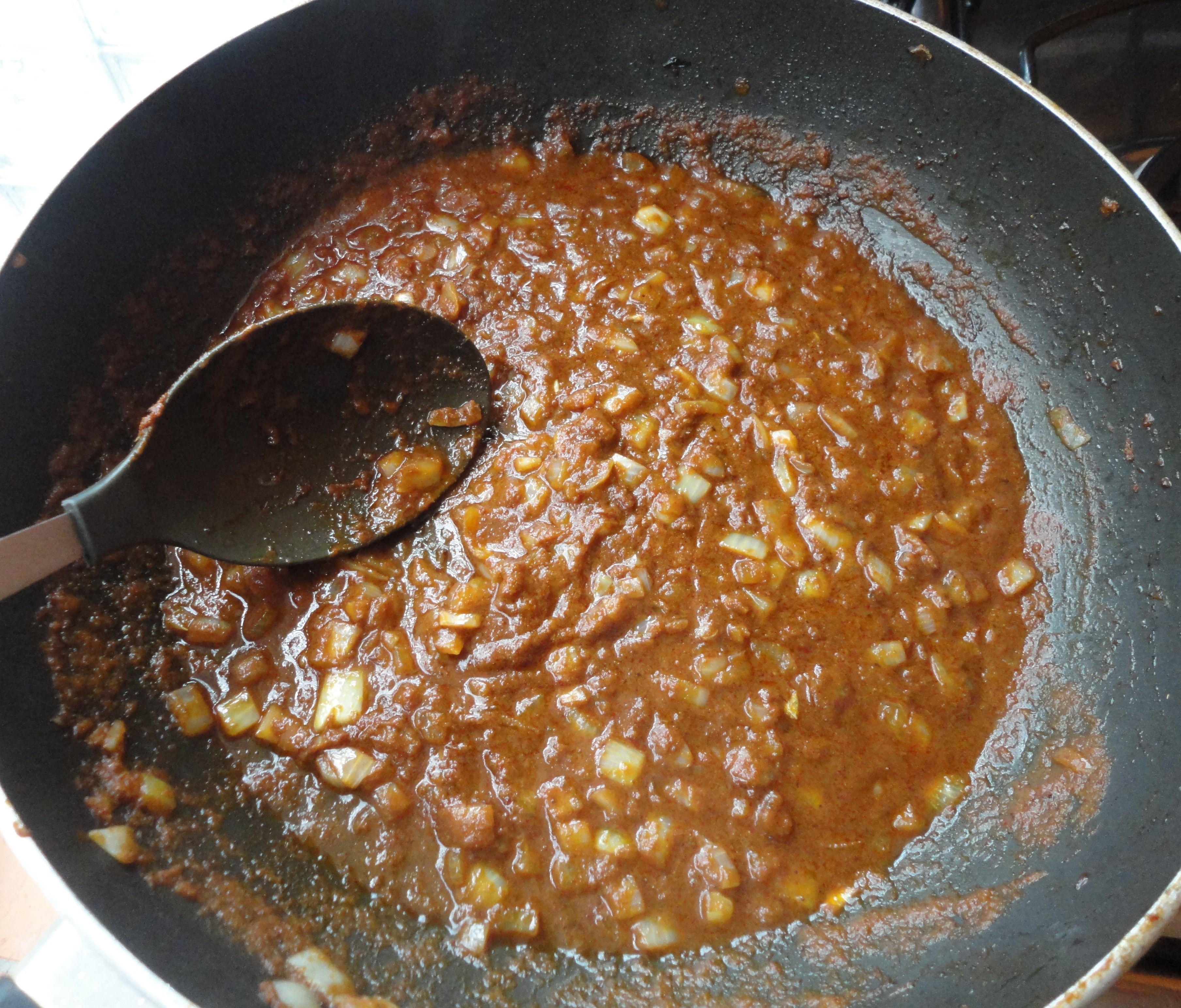
Reheat the wok, add the remaining onion and the „curry paste“ (notice that there is no curry in this paste, we still call it curry) and cook over medium heat for about 3-4 minutes, stirring constantly. In this stage I use onion and paste to keep the paste from burning and add a bit texture.

DSC01433  DSC01434
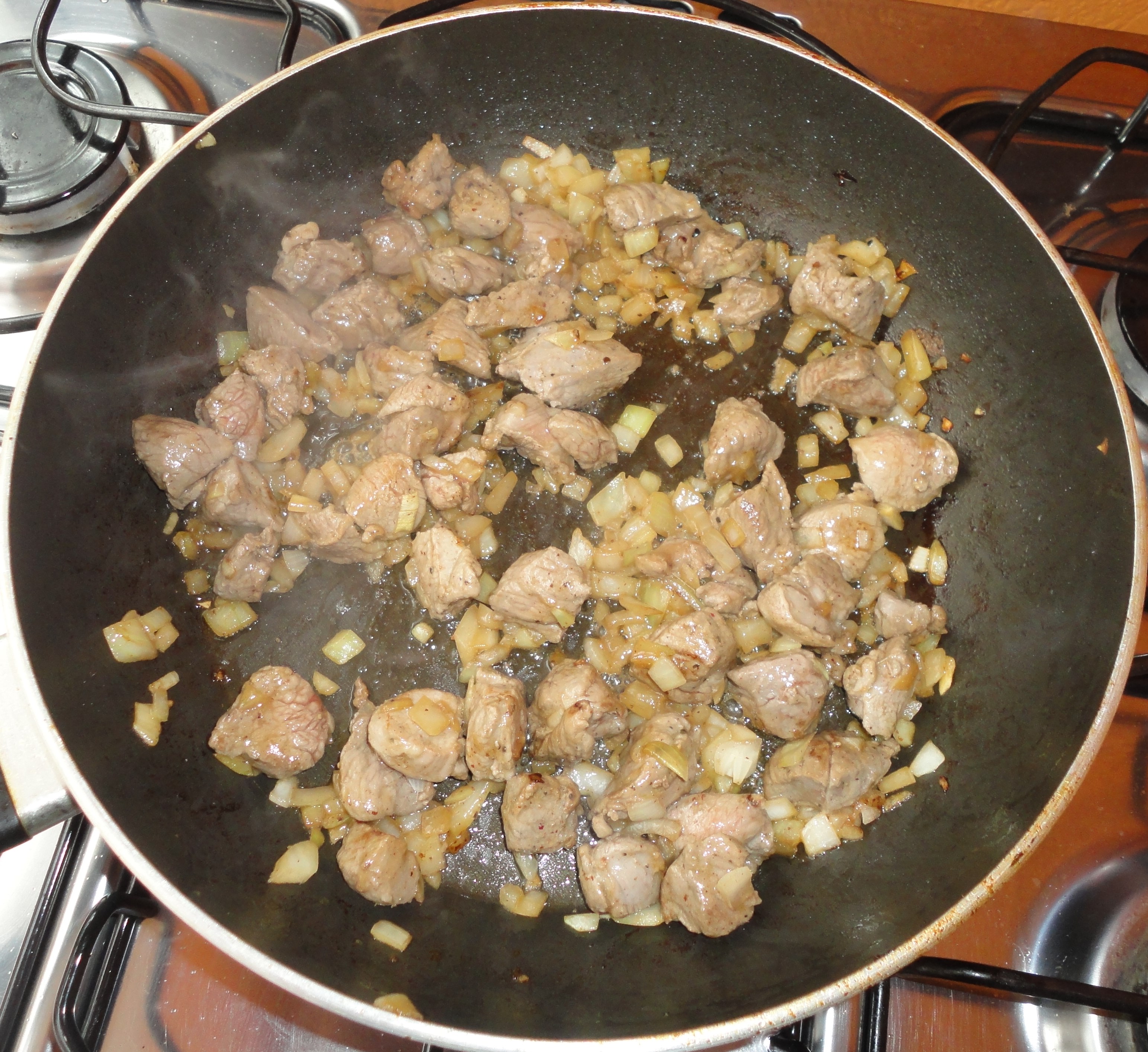
Brown the lamb and onion mixture in batches. Now cook through your curry paste and remaining onions.

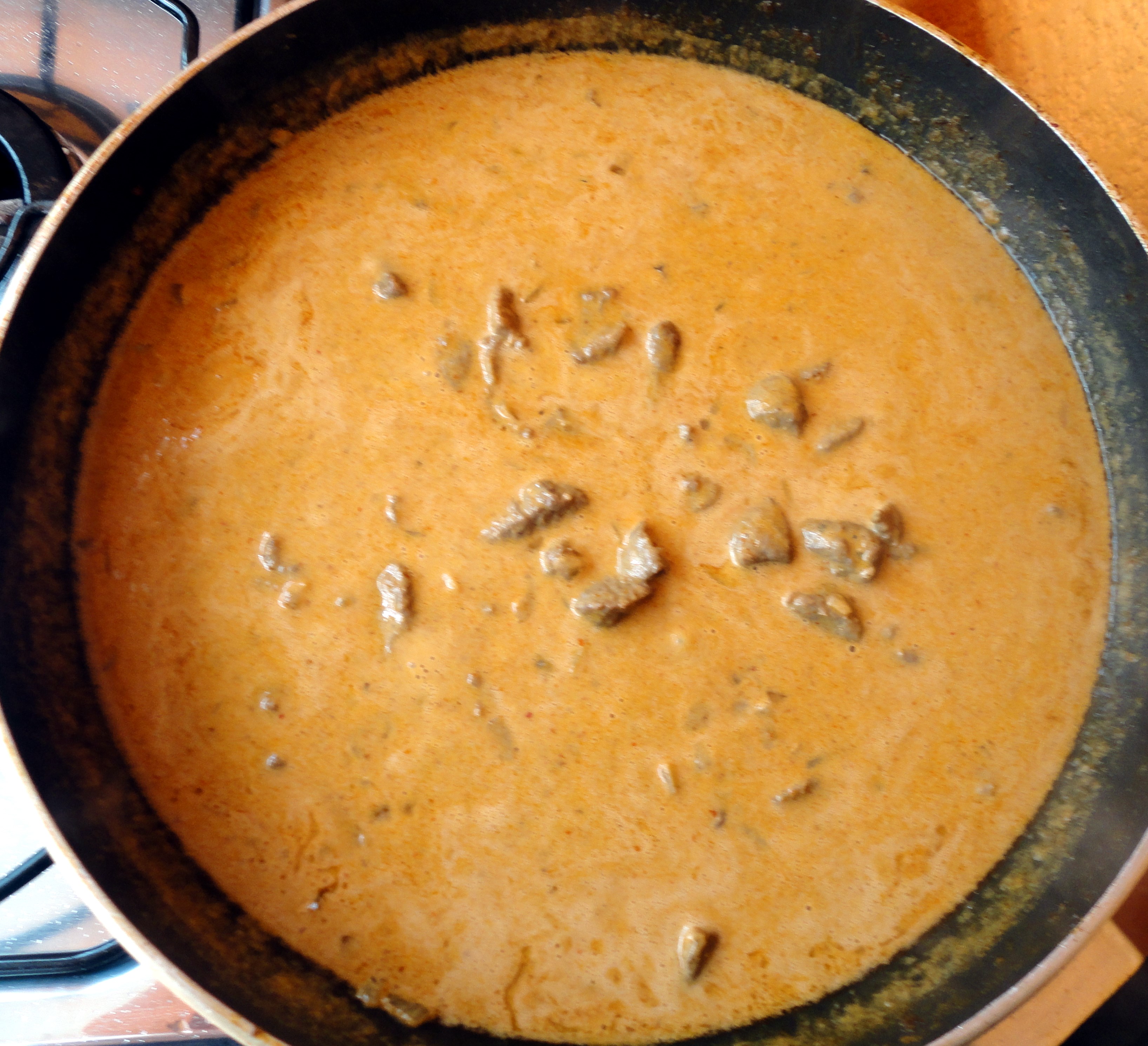
Now add the lamb and onion mixture, the cinnamon and clove.Heat through and then add the coconut milk and cream. Simmer, first covered, then uncovered for  35-45 minutes or until lamb is tender. The lamb should melt in your mouth. Stir occasionally.

DSC01435  DSC01436
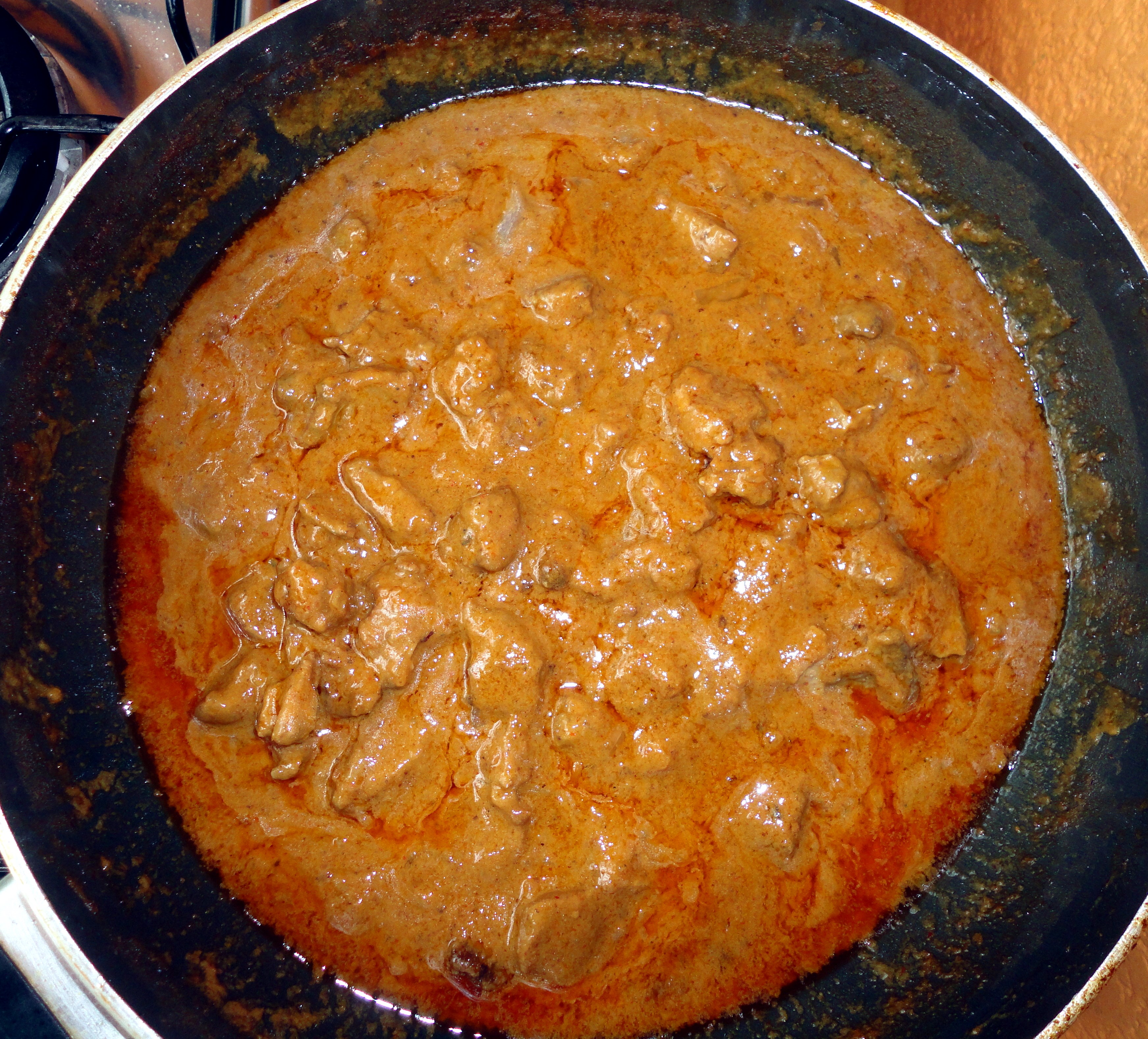
Add the coconut and cream mixture and simmer until lamb is real tender. You will see how the liquid reduces and you get your finished creamy curry.
lamb curry_2
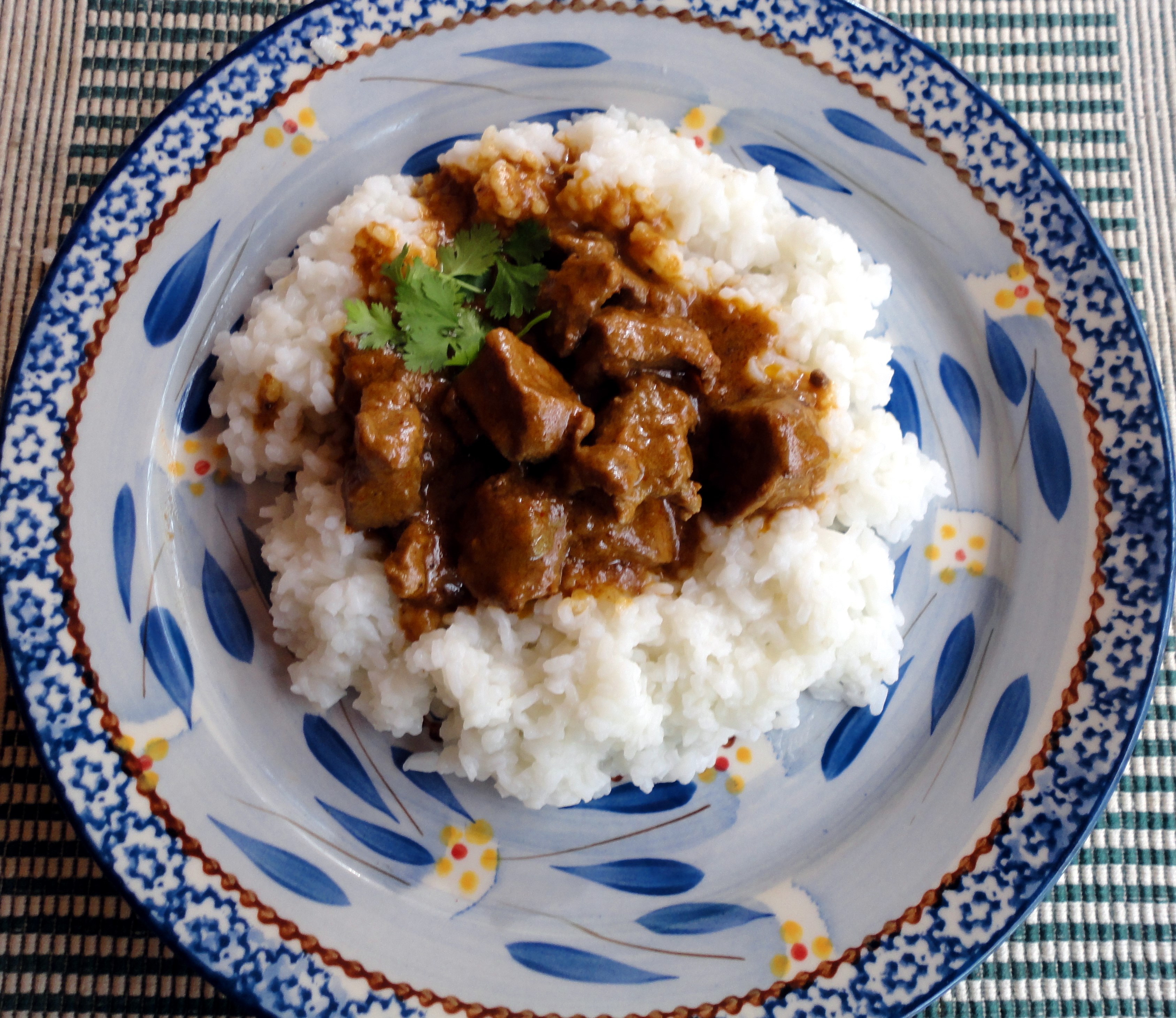
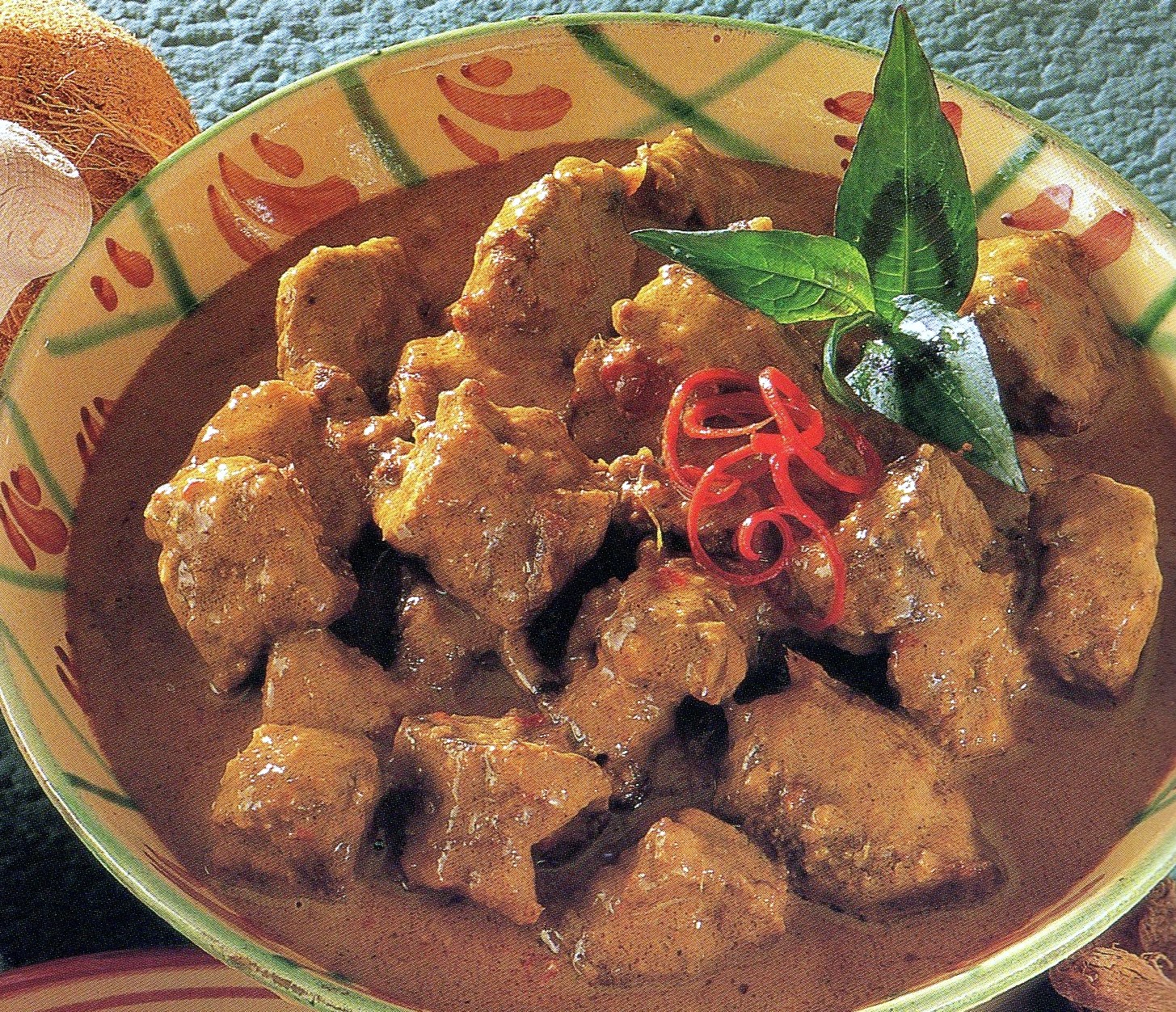
This is the same lamb curry made with the curry paste as described in the article „Curry“, made earlier this year.

Tips.

Serve with white rice and fresh coriander. A nice, cool glass of Sauvignon Blanc will round up this delicious meal. This curry is very rich, if you want you can add a fresh salad. And in case you made it „too hot“ serve plain yoghurt on side.
This is a basic Thai curry. Instead of lamb you can use fish, vegetables, beef, pork or chicken. Enjoy !

Veröffentlicht unter Recipes | Verschlagwortet mit | Hinterlasse einen Kommentar

The Olive Trail

Ruta del Olivo.

A couple weeks ago I took the car and drove „The Ruta del Olivo“.
I had great expectations, because of the advertising I saw and the
information I got about it.

DSC00253
On ruta del olivo. As far as the eye can see – no olive tree.

Let’s say it, directly at the beginning, it was disappointing.
But think positive and make the best out of such a trip, which took
me 360 kilometers through the country that day.

From Atlantida take the IB east and turn off in Pan de Azucar north
onto ruta 9. Half way to San Carlos you will turn north into ruta 12
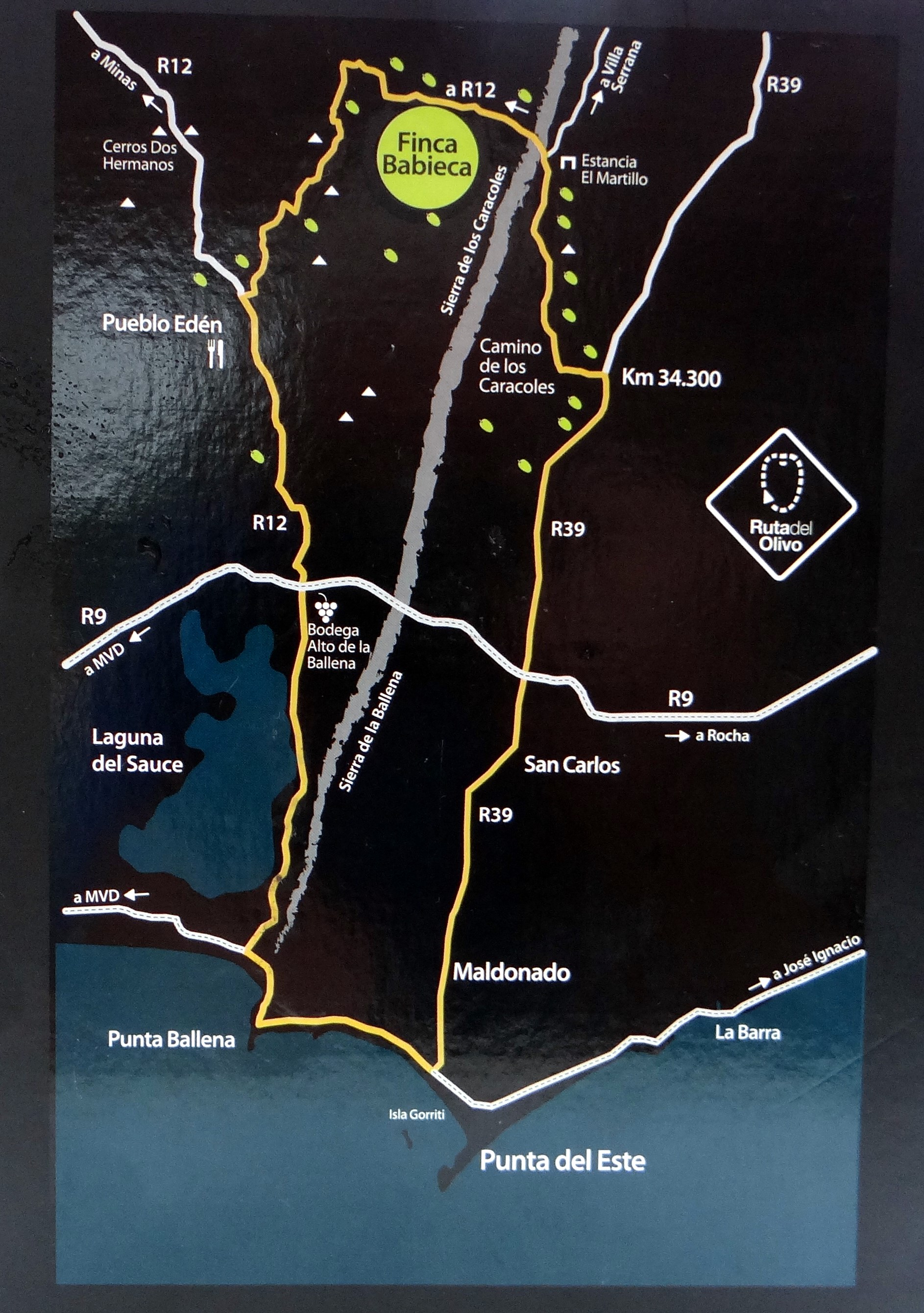
and you are already on the „Ruta del Olivo“. See map !

DSC00293_2
Advertizing map of Finca Babieca. Olives along the ruta everywhere !?

Here on R12 starts a total different landscape of Uruguay. Lush hills,
lots of little creeks, winding road with some spectacular views over
the rolling hills. And wonderful fincas on large acreage everywhere.

Pueblo Eden.

After a few kilometers you reach Pueblo Eden. What a positive surprise.
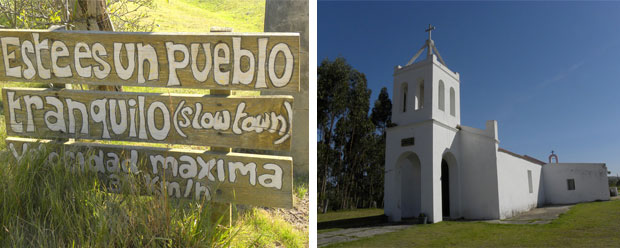
I have never seen such a tidy town in Uruguay before. A „slow town“,
just 80 inhabitants, clean and tranquil. Maximum speed 20km/h.

eden 4
Entry sign of Eden at the bridge and the lovely little church in town.

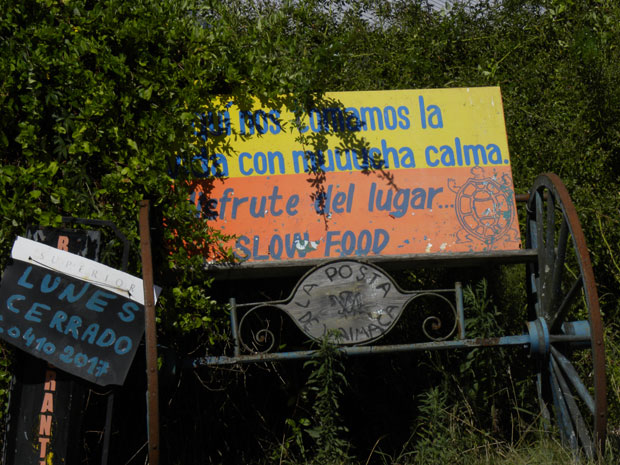
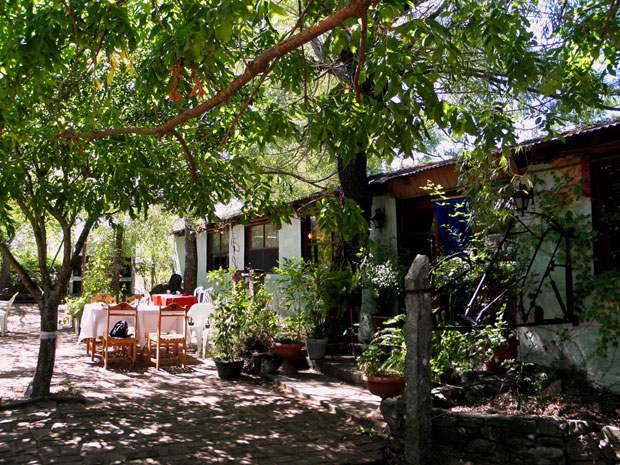
The only restaurant, one and a half block left of the church, is a slow one
too. „La Posta de Vaimaca“ says on their welcome board already
„slow food“, instead „fast food“.

eden 1
The „La Posta de Vaimaca“ restaurant. Beware of SLOW FOOD.

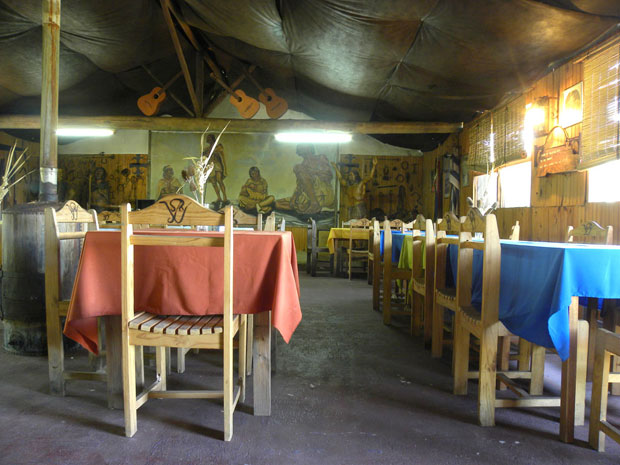
This restaurant has atmosphere, a nice
menu and life music. Every day open except Monday. You can enjoy
your meals outside or inside and the friendly waitress is patient with you.

eden 2 eden 3
The restaurant outside and inside.A meeting point for the whole area.

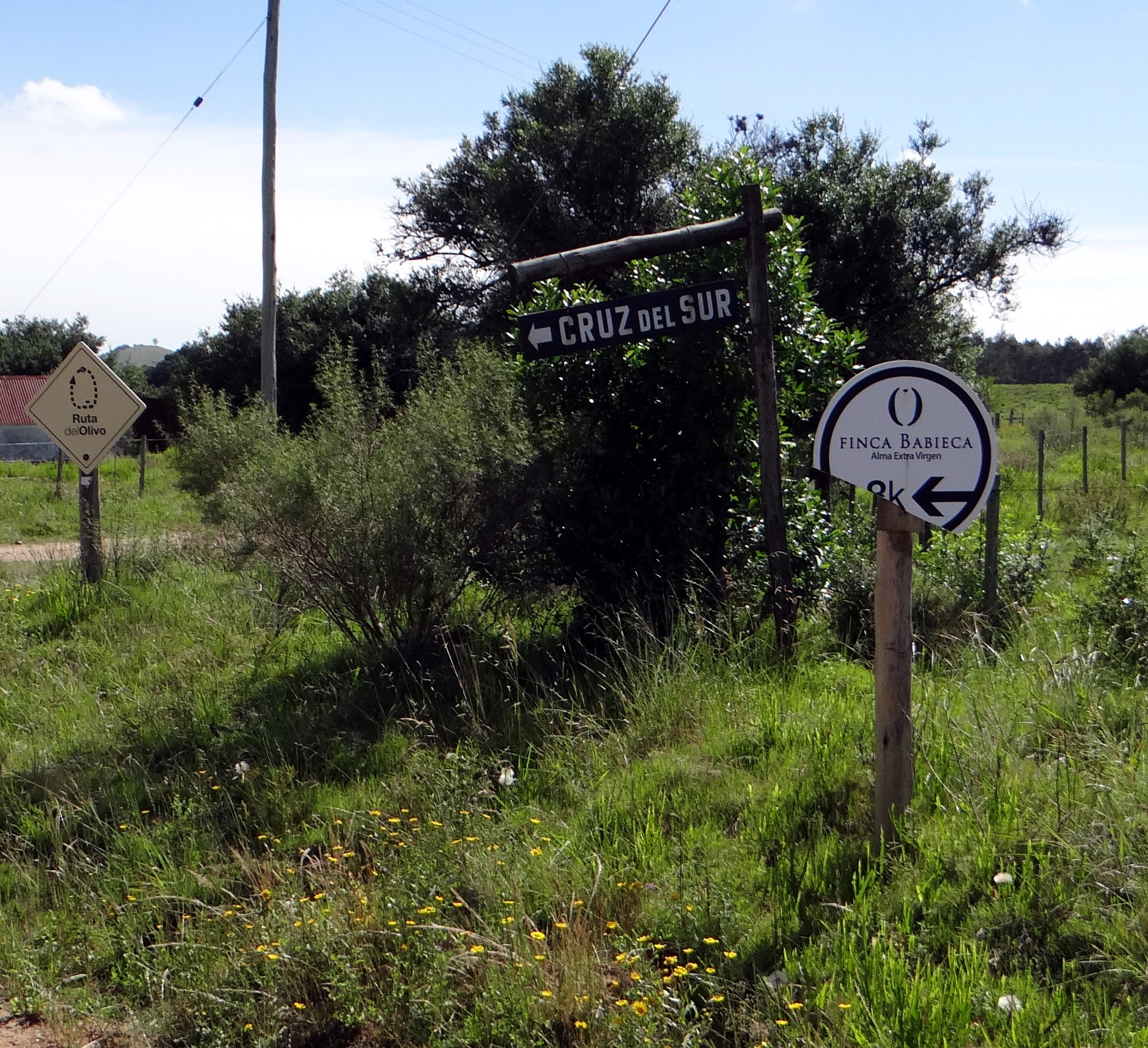
At the northern end of the town the ruta olivo turns right into a dirt road.
There are signs „Ruta del Olivo“ or „Finca Babieca“, but that’s it. Here
the disappointment started. I expected an area of olive farms, or plantations
of olive trees, as it is shown on the advertising map – nothing !

DSC00252_2
Tour signs of Ruta del olivo and Finca Babieca.

I was lucky, a sunny and dry day. A long, boring, rough road. During a
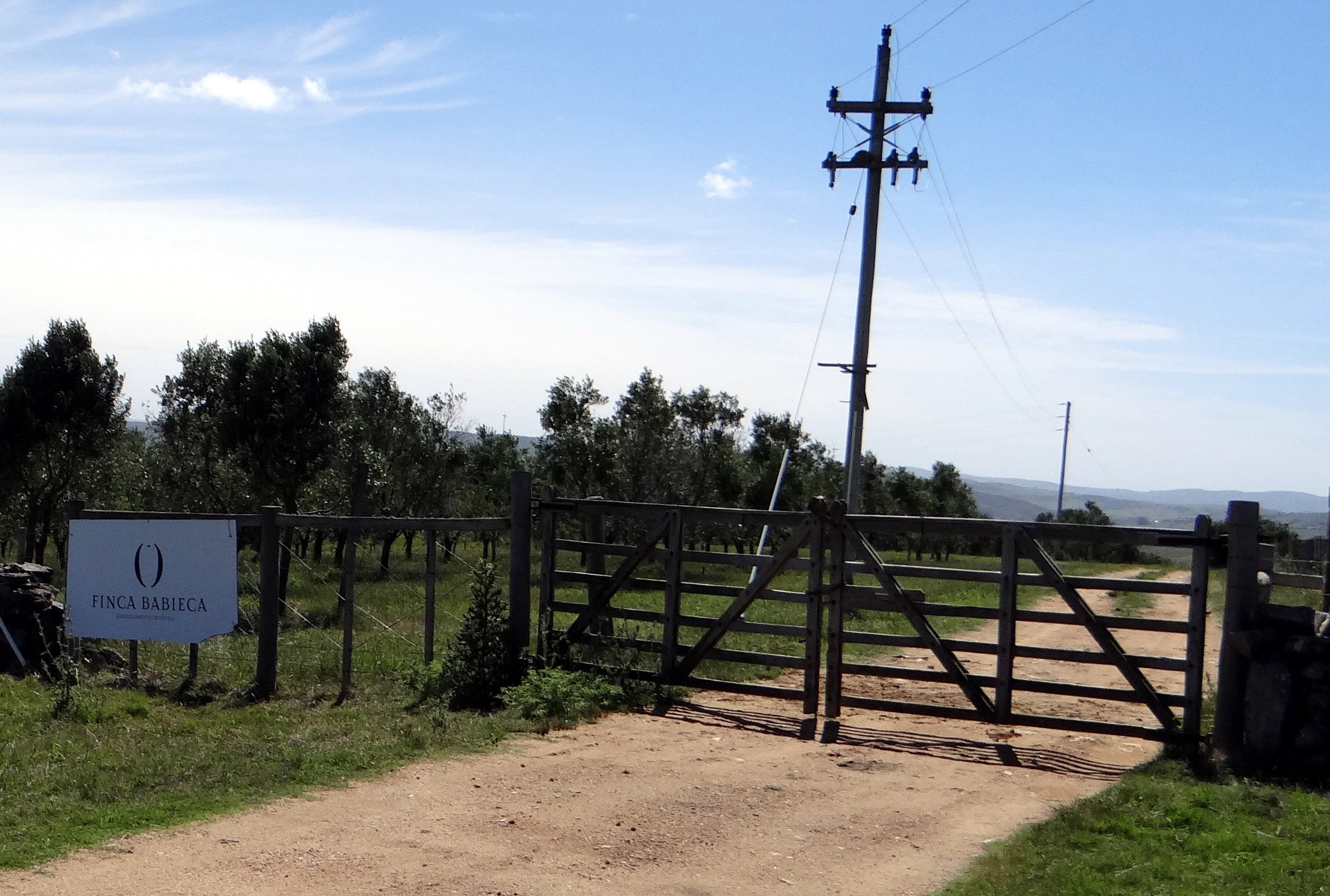
rainy day one should have a 4WD. Finally in front Finca Babieca – closed !
That was my mistake, I know. I was trying „blind“ and they require „visits
by appointment only“. But how ? I tried a few times via email – no answer !
I tried a few times by phone to contact them – no one pics up !
Very disappointing !

DSC00256_2
Entry gate to Finca Babieca.

Then the „Olive trail“ goes on for miles and miles and miles till you hit
ruta 39. During this whole trip not one olive tree to see. The only thing you
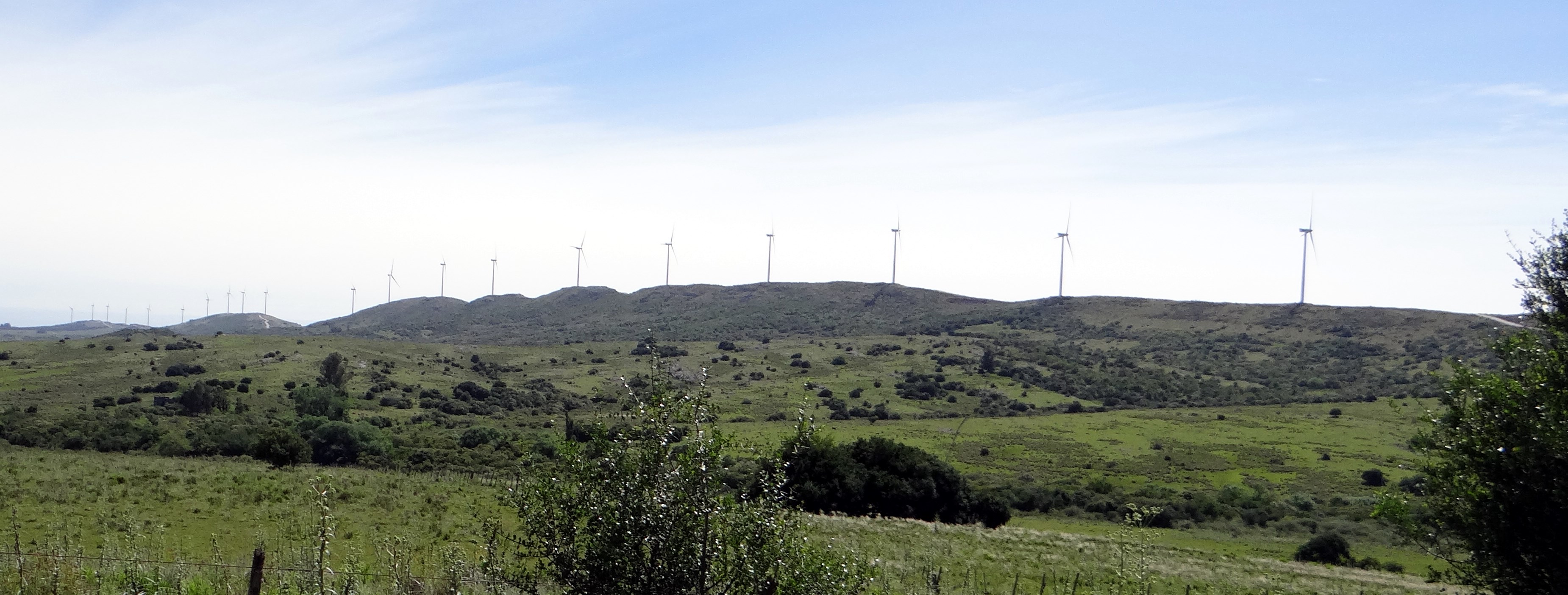
will see all over are the ugly windmills. That wind park they build on the
ranges of Sierra de los Caracolas is necessary, I know, but it damages the
beauty of the landscape. Better call it from now on „Sierra de los Molinos“.

Sierra de los Molinos.

DSC00257_2
As far you can see, every hilltop got a Windmill. This is the „left“ part, same view to the right.

After a few hours on this boring dirt road „Ruta del Olivo“, which in my opinion
is just the advertising and route description of Finca Babieca, you are back on
a sealed road, on R39. Follow it north and you hit a few olive farms on your
right and left. Open for tourists, friendly and inviting. I bought a bottle olive
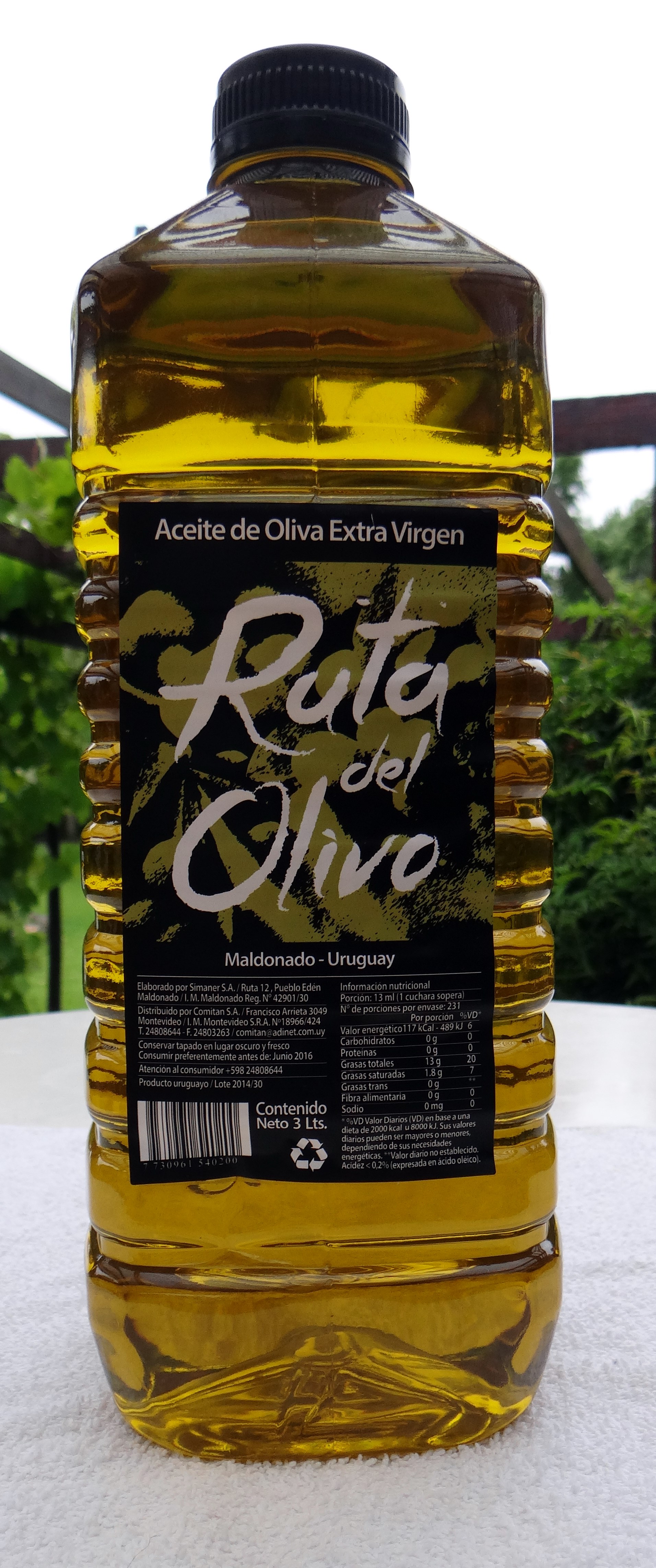
oil „Ruta del Olivo – Extra Virgin Olive Oil“. THREE litres finest olive oil for
less then 400,– pesos. This same bottle I have seen in supermarkets too.

DSC00296
Three liter bottle of fine Urugayan Extra Virgin Olive Oil.

Why to buy the expensive Import Oil, when you can have excellent quality
from Uruguay. And excellent is the Finca Babieca oil also. Even if I was
disappointed about the „Ruta del Olivo“ situation, I will honor the quality
and taste of their olive oils from the bottom of my heart. They have won
a lot of prices and their oils are in many well known restaurants on the
table, like the Conrads in Punta del Este or the Sofitel in Carrasco MVD,
and many others. I faced it first at the fine TRYP restaurant in MVD.

Finca Babieca.

DSC00294
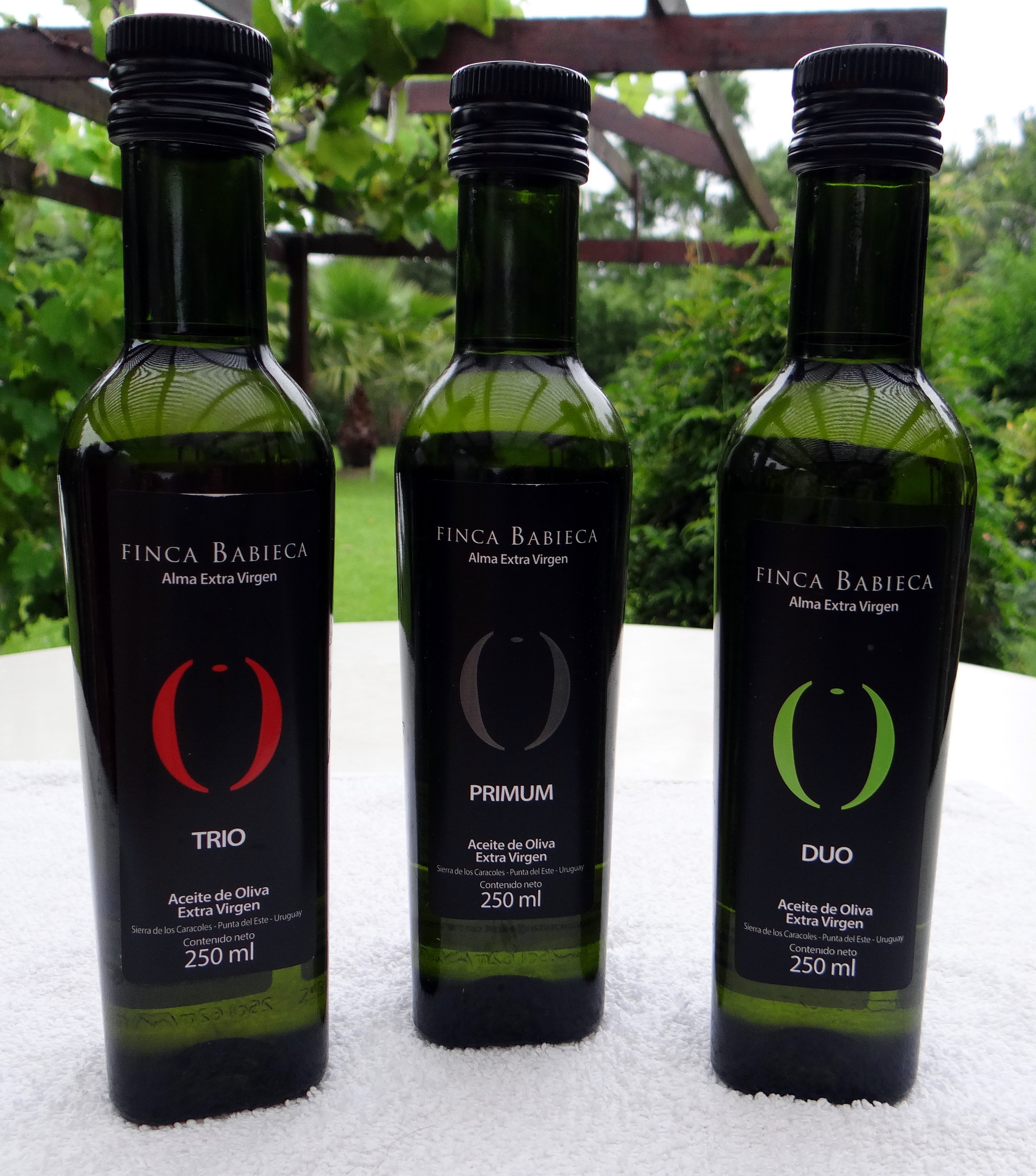
A trio of Babiecas Olive Oils.

Finca Babieca sells mainly 6 different oils, which are all Extra Virgin.
The following is their description:

1. Primum
Delicate Extra Virgin Olive Oil, varietal, made from Arbequina olives.

2. Duo
Extra virgin olive oil composed of two varieties of olives, Arbequina and Frantoio.
With notes of freshly cut grass, tomato leaf and fresh note reminiscent herbs.
Spicy and sour, soft and harmonious.

3. Trio
Extra virgin olive oil made from three varieties: Frantoio, Leccino and Coratina.
Good intensity and flavor complex, wherein the green notes of the mowed grass
mix apple nuances. Sour and spicy marked.

4. Perse
Composed of the best fruit of the harvest; by example Empeltre and Picual.

5. Vivendi Modus
As our way of life, where the freshness of freshly harvested olives with intense
passion for what we do meet.

6. Flavored Aceites
To flavor oils we use a method that consider authentic and craft. The olives are
ground together with herbs or fruit flavor like Basil, Rosemary, Ginger, Laurel,
garlic or hot pepper.

I had the opportunity to taste 5 different ones (1,2,3 and two of 6) and it is
unbelievable how different they all taste. This is all about our personal palate
and taste. I prefer the „Trio“ and a flavored one with taste of oranges and chilli.

olive oil testing
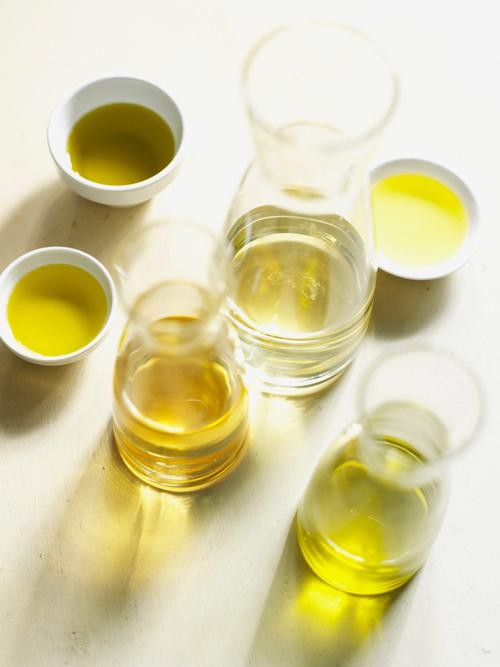
During an olive oil tasting.

After this oil tasting experience I made the decision to write another post about the
Uruguay olive oil situation and the producing of olive oil. And may be a third post
about how to choose the right oil as well as olive oil recipes .

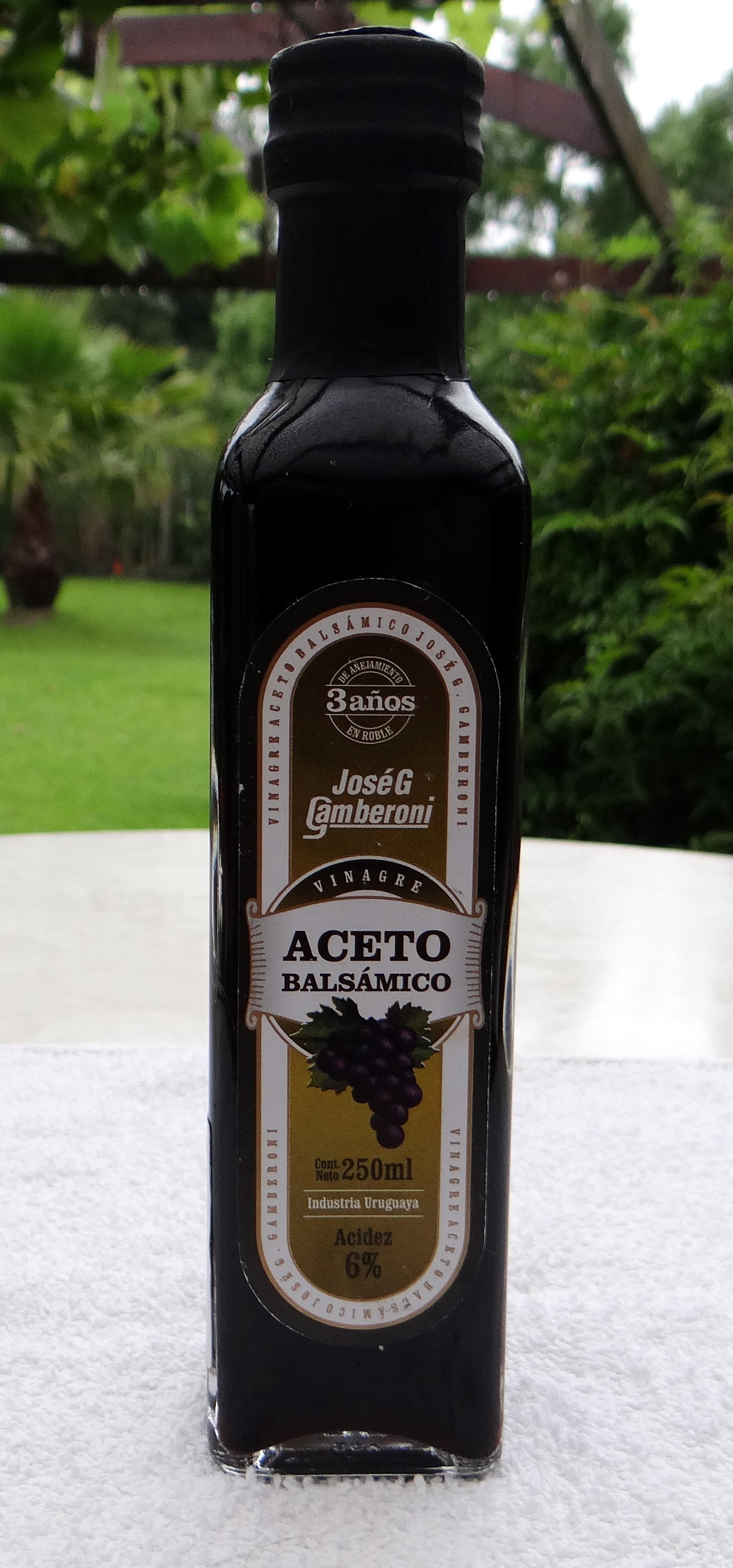
Mostly we use olive oil combined with a good vinegar like balsamico. Uruguay has
also an excellent „Aceto Balsamico“. A red wine one, ripened 3 years in oak casks.
The quality is as good as the best from Modena, Italy. Available in supermarkets.
DSC00297_2        DSC00297_2_2
The delicious Aceto Balsamico from Gamberoni, Liberdad San Jose.

Just to complete my interesting day tour . Arrived on ruta 39, I turned north and
followed a good sealed road all the way to Aigua. Aigua is off all main roads, but
interesting to see. Lots and lots of old buildings, and I mean VERY OLD. One can
touch history there. Some are restored and nicely painted.

UY 514m
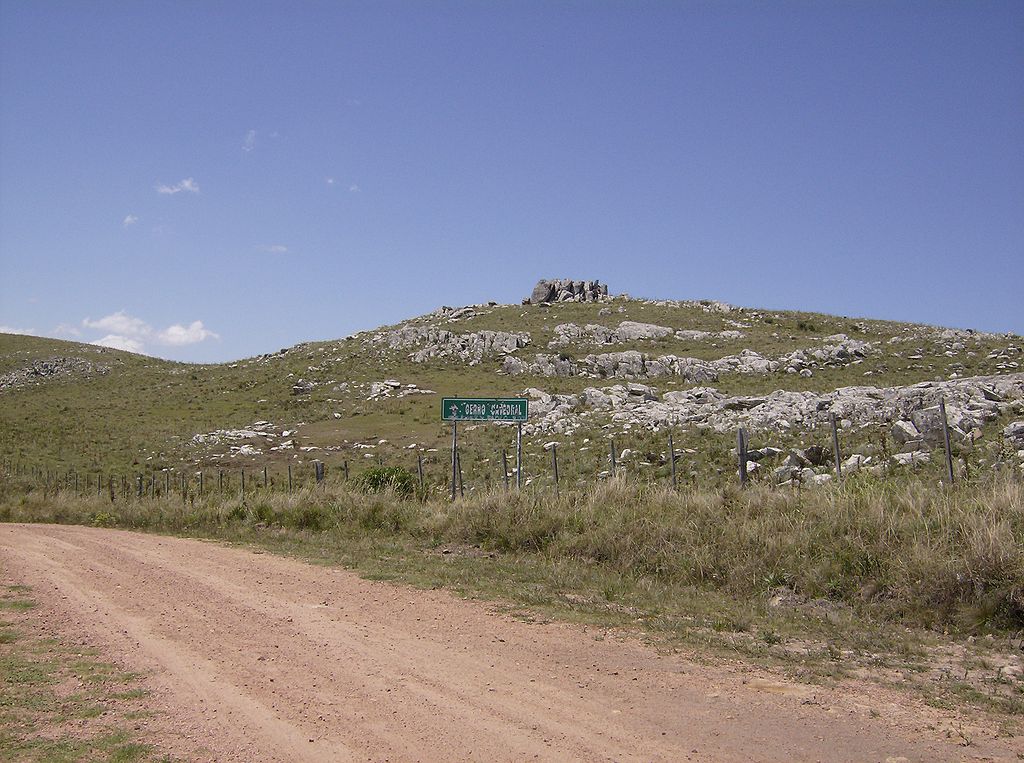
If you drive into ruta 109 from Aigua, leading to Rocha, you will see on the
right the rock formation of the highest point in Uruguay, Cerro Catedral 514meters.

Ruta Panoramica.

Then back south west on ruta 13 and ruta 8 to Minas. Minas full of history and worth
a separate trip. From Minas I followed south on 12 and 60 the „Ruta Panoramica“.
When 12 and 60 divide, I followed the ruta 60 – Panoramica down to Pan de Azucar.

DSC00269_2
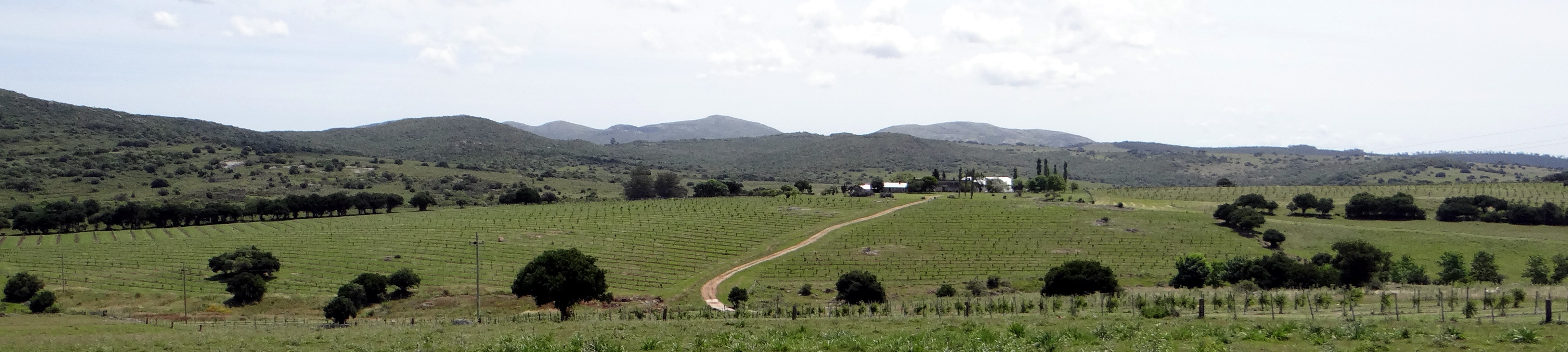
One of the young olive plantations along ruta 60.

This is real panoramic and worth driving. You can see how they damaged the hill
side in the spring area of the river San Francisco, which is streaming down to the
OSE dam in front of Minas. Yeah digging for gold around Minas.

DSC00268_2 DSC00265_2
Lavalleja statue on Plaza Liberdad and behind the cathedral in Minas.

Also on this Panoramica you will see, at least lots, of olive farms. Most of them are
very young and just established. Another big olive plantation area is around Carmelo.
Uruguay is an upcoming olive producer with excellent investment opportunities and
an immense growth potential.

Veröffentlicht unter Information, Lifestyle, Travel, Uruguay | Verschlagwortet mit , , | 2 Kommentare

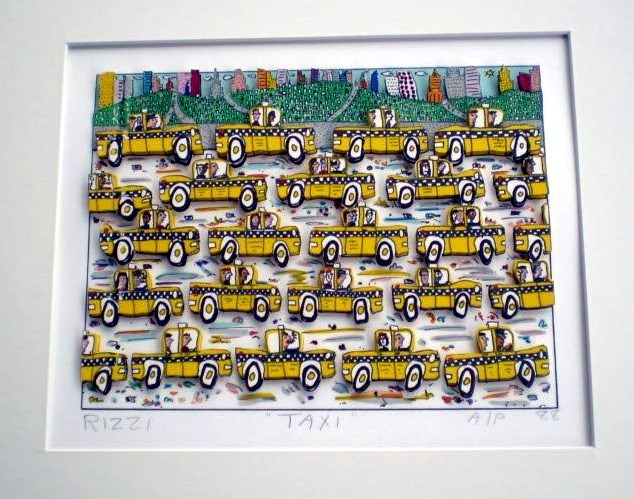
James Rizzi – Taxi – US$ 2.400,– ///GONE///

This is another great Rizzi 3D work.
Taxi came out in 1988 and was available for around
US$ 400,–. The sheet is 17x22cm and in perfect condition.

PB260005(1)_2

Not one is available on the market, if they come up
they will cost between US$2.600,– and US$3.500,–.

PB260005(1)_3

The here offered one is an extreme rar A/P (artist proof)
version and originally signed by Rizzi.
Take your time and have a look at my post about James Rizzi.

Veröffentlicht unter For Sale | Verschlagwortet mit | Hinterlasse einen Kommentar

James Rizzi – Daddy’s Country Club – US$ 11.000,–///GONE///

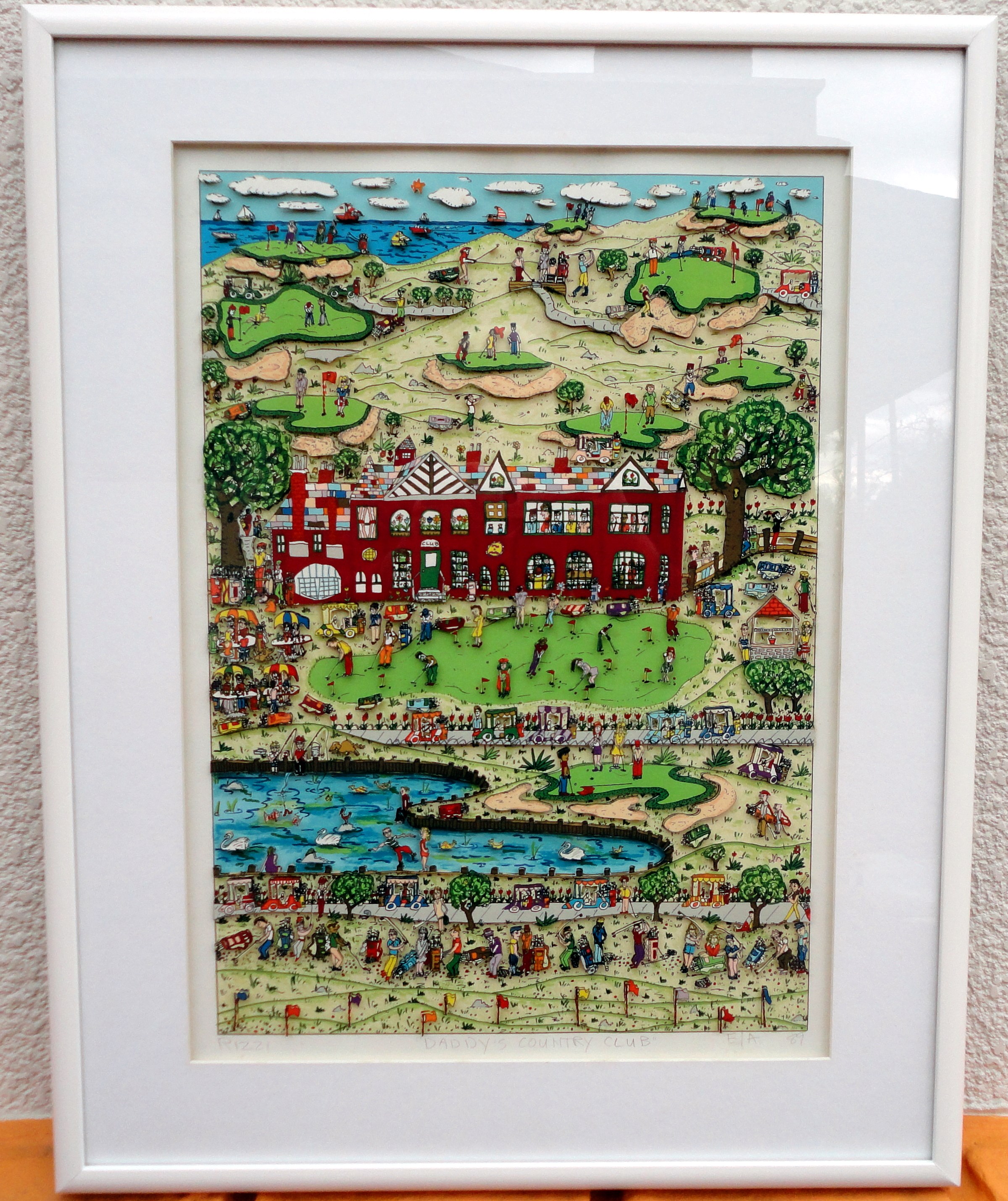
Wonderful 3D Collage from 1989.

This great work is for many years sold out and much sought after.
It measures 54x38cm inside, with frame 70,5×54,5cm. This one is
an extreme rare E/A (Erst-Ausgabe, same as A/P artist proof).
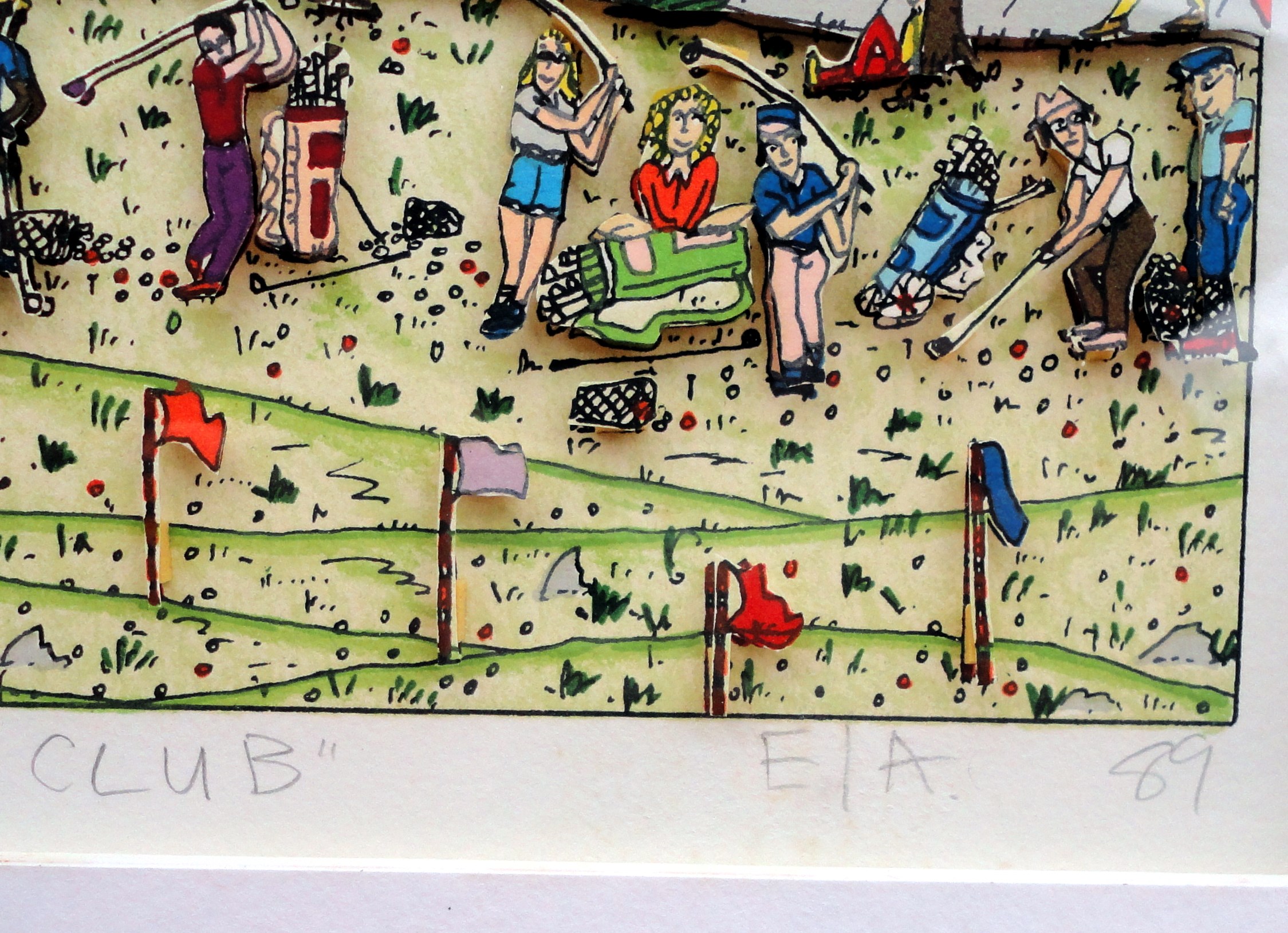
Originally titled and signed by Rizzi himself.

DSC01356
The original „Daddy’s Country Club“ from 1989.

Large 3D paintings out of Rizzi’s earlier works, like this one, fetch
prices around US$15.000,– to 18.000,–. This one is since years not
any more available. Some weeks ago it was professionally cleaned and
re framed. Almost 30 years old and looks like new.

DSC01358
Authors collection.

A great investment for the future and a wonderful piece of
art for a Golf fan or a lover of unusual valuable art. One centerpiece
of art in every stylish office or living room.
Please take your time and read my post about James Rizzi under category
Collecting.
You can write questions or offers under comments – will not be published.

Veröffentlicht unter For Sale | Verschlagwortet mit | Hinterlasse einen Kommentar

Collecting Art 1 – James Rizzi

James Rizzi.

Rizzi was born in 1950 in a family of Irish and Italian roots in Brooklyn,
New York. He was not a creative leader, but he achieved renown for
its linear, childish style, vivid colors and whimsical images.

James Rizzi w/ Rizzi Beetle
For a Volkswagen advertising campaign Rizzi designed 3 VW beetles.

The American pop artist James Rizzi died at the age of 61 years
(26.12.2011) for a heart condition.

His work has been described by the critic Glenn O’Brien as a cross
between Picasso and Hanna-Barbera. Rizzi himself led his idols as
Paul Klee, Jean Dubuffet, Keith Haring, Andy Warhol and Bugs Bunny.

rizzi 6
Colorful Rizzi design on a tram in Heilbronn.

He first pursued art as a minor before it became his main field of
study. In his 3 D reliefs he joined sculpture, Graphic design and
painting. Rizzi settled 1975 on Sullivan Street in Soho, the
neighborhood of Manhattan, where he spent the rest of his life.
He painted outdoor art in Brooklyn Heights and Washington Square
and sold pictures outside the museum’s of Modern Art and Metropolitan.
In the same period he created a 45m mural on Eric’s Bar and Grill
in New York, which was demolished along with the building in 1985.

rizzi 2
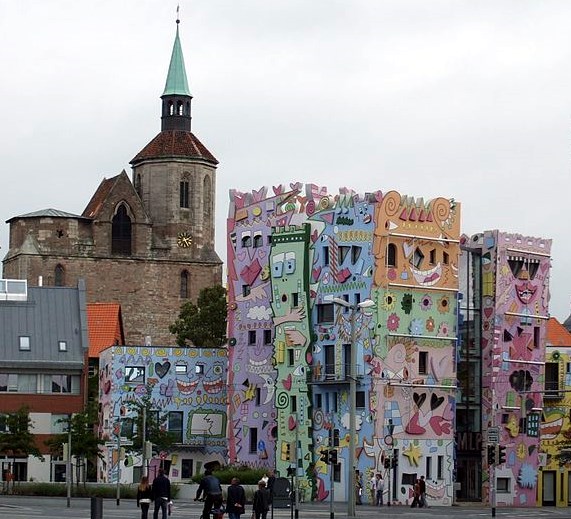
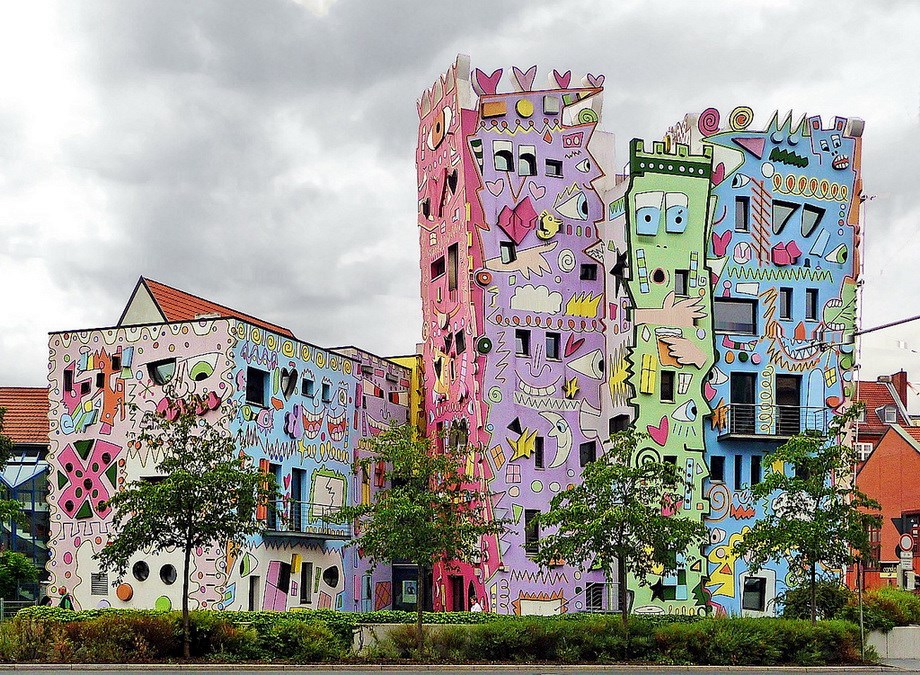
Old and New together, the „Happy Rizzi Haus“ infront of the St.Magni church, Braunschweig.

Rizzi’s reputation was established by his little graphic work.
He developed a knack for eye-catching, quirky and sometimes downright
facile, in Japan Rizzi worked with great success on television.
Movies, puzzle designs, menus, a calendar for a whiskey company and
the cover of a dictionary.

rizzi 4
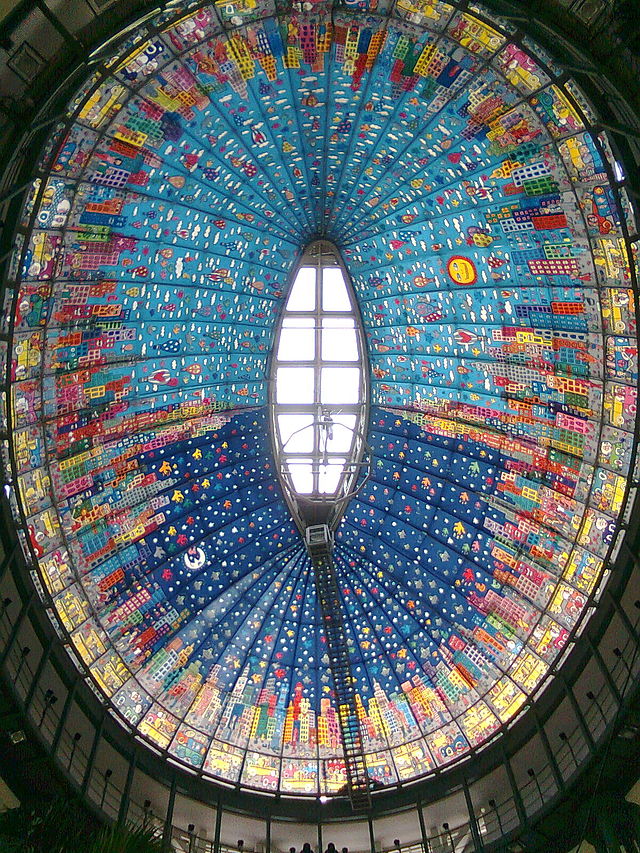
Over 500sqm fantastic designed Dom in „Centro-O mall“ in Oberhausen.

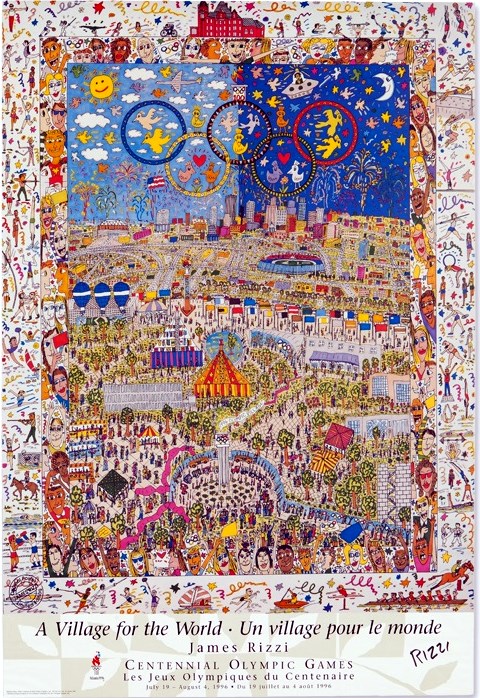
In 1996 he reached his high-profile job as the official artist of the
Olympic Games in Atlanta, Georgia. He created a series of paintings
for the opening ceremony, which are now in the Olympic Museum in
Lausanne Switzerland to see.
The combination of the Olympic spirit and Rizzi’s art were perfect.

rizzi 11
Official poster „A Village for the World“ Rizzi’s design for the Atlanta Olympics.

Rizzi: The best Art is a good Heart.

New York may be Rizzi’s main inspiration, but it was Germany that its
continuous creativity and employment, from production of teddy bears,
a boxer robe, the design of the dome of a shopping mall in Oberhausen,
the Happy Rizzi House in Braunschweig and much more forced his succes.

rizzi 9
The „Happy Rizzi Haus“ in Braunschweig, a controversial piece of art.

In 1999, he adorned the bodies of three cars in order to promote the
Volkswagen Beetle. He also created the outer look of a Boeing 757.
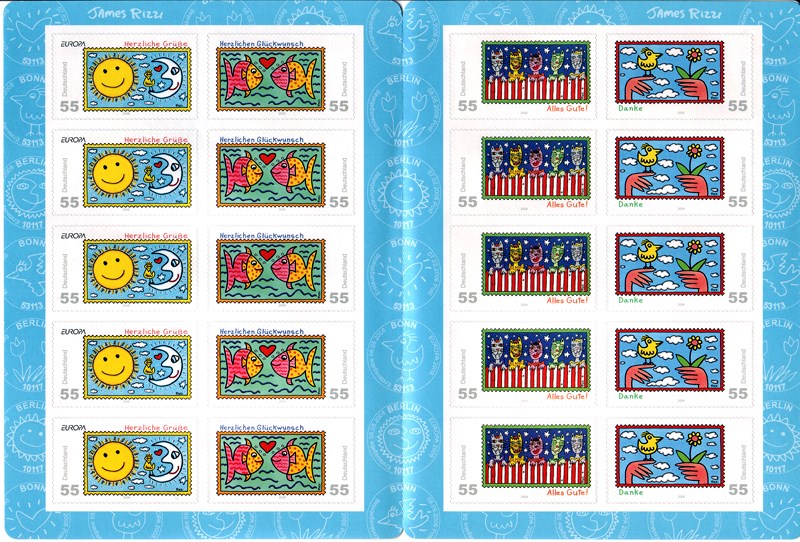
Moreover, Rizzi was commissioned to create a number of German stamps.

rizzi 5
Four sets of Rizzi’s German stamps in the series Europa.

A major achievement was his retrospective in 2008 in Mainz, Rhineland,
containing more than 1000 works and attracted more than 50.000 visitors.
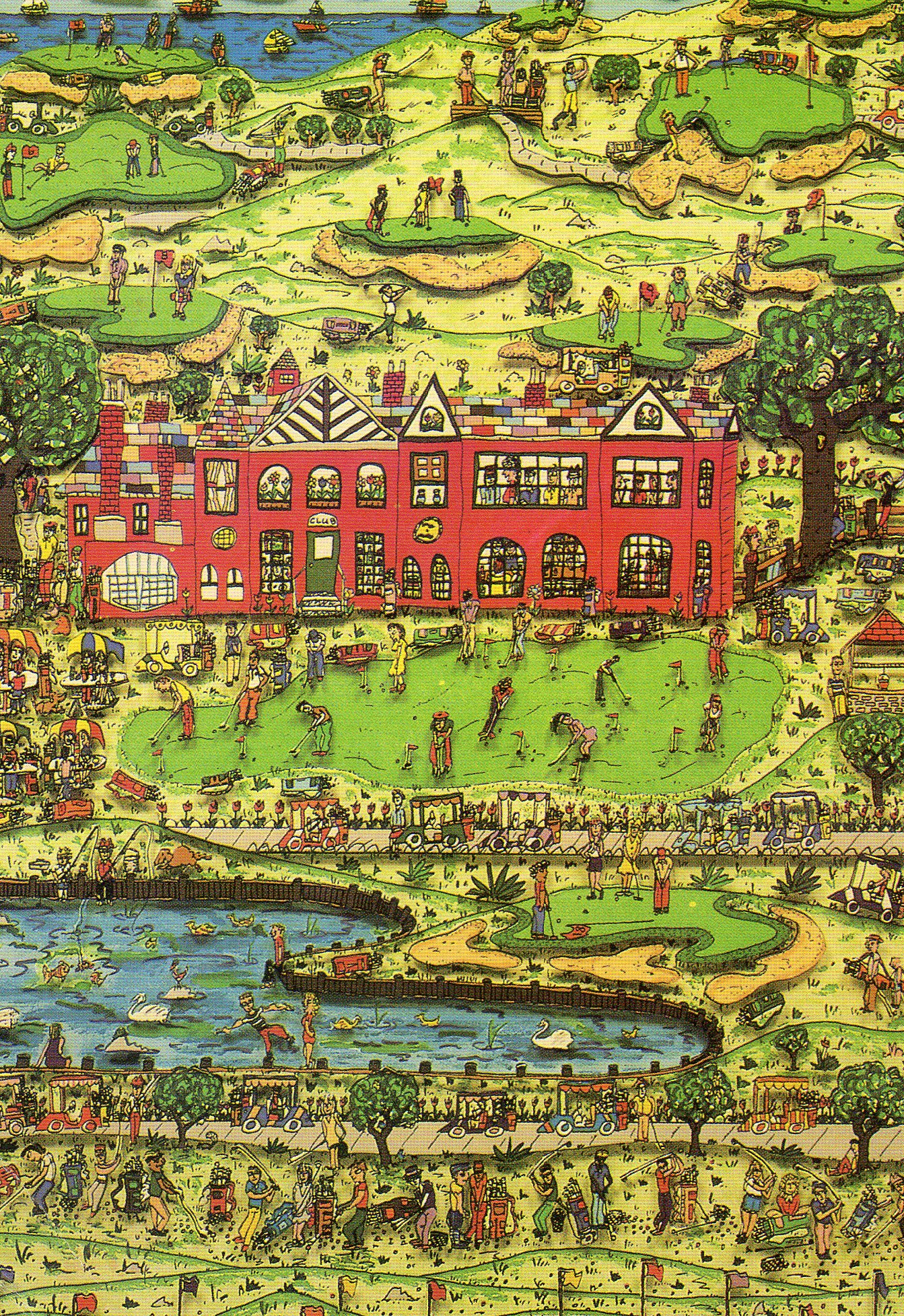
In Rizzi’s special 3D technology, also the here shown „Daddy’s Country
Club“ was born. A serigraph on paper in perfect quality. c. 50x70cm.
Extremely rare – by Rizzi „E/A“ (same as A/P artist proof, German for
Erst-Abzug) original titled and signed!

DSC01356
The original „Daddy’s Country Club“ from 1989.

James Rizzi was honored by a designated school in the city of Duisburg.
Rizzi’s work has often his hometown of New York and its inhabitants as
a theme. The pictures are mostly held by almost childlike naive simplicity
and in very bright colors and radiate happiness, joy and optimism.

Titel
Postcard made from the „Daddy’s Country Club“.

In the three dimensional structure characteristic of his art, is a
duplicate of the image. This serves as a background, and the cut out of
the pixels of the foreground and is set on jumpers from foam or similar
materials in a second image plane. This gives the viewer, by the resulting
shadows, a generated 3-D effect.

rizzi 3
The „Rizzi Bird“, for Condor Airline designed Boeing 757.

Rizzi was a workhorse and despite the immense number of his works, the
market takes it all down. The vibrant, positive 3D collagen of the artist
still enjoying growing popularity.

You can feel „Rizzi LIVES“.

Rizzi 3
The first Rizzi books and „Big Apple“ sticker.

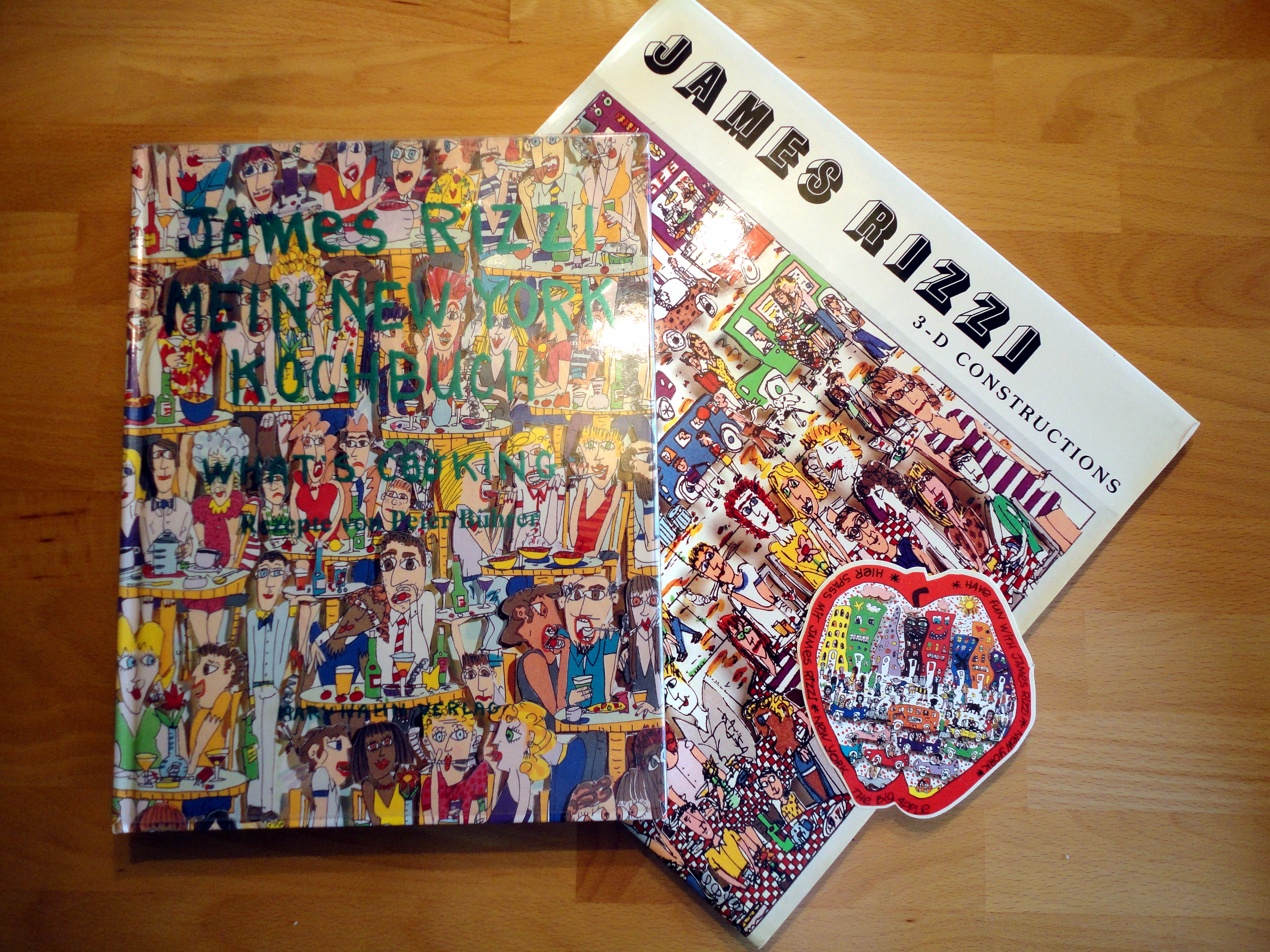
His first book „3 D constructions“ (1988) or the gorgeous volume of
„My New York Cookbook“ (1989) are bestsellers and long time sold out.
The sticker „Big Apple“ reflects his 3D work „The Big Apple“ modeled 1984.
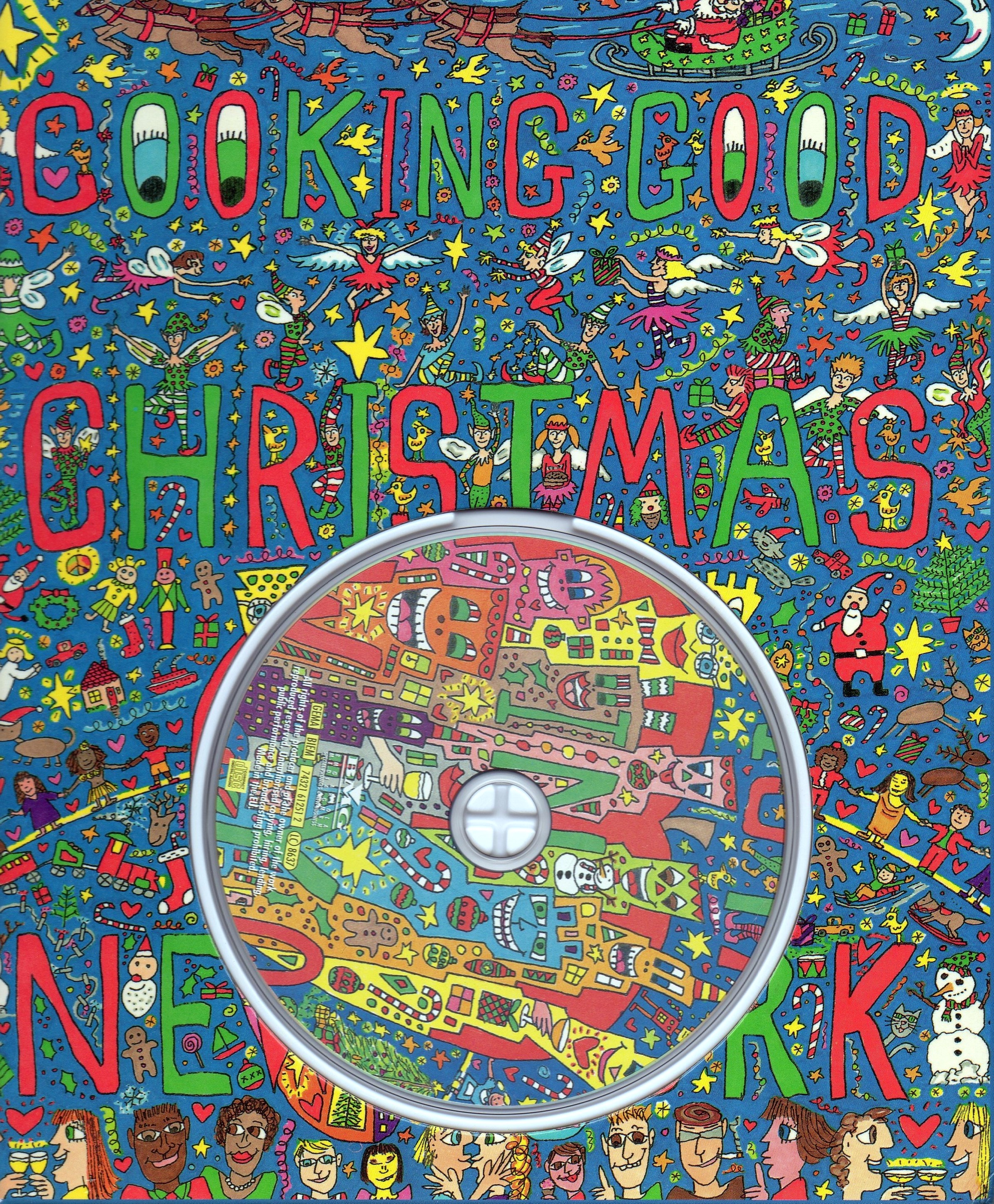
A gem and fun to use and read is his book „Christmas Cooking in New York“,
from 1997. Wonderful and enjoyable pictures as well as a CD with 15 famous
Christmas songs adorn this work.

christmas 2014 2
The elegant Christmas cookbook „“Cooking Good Christmas New York“ with CD.

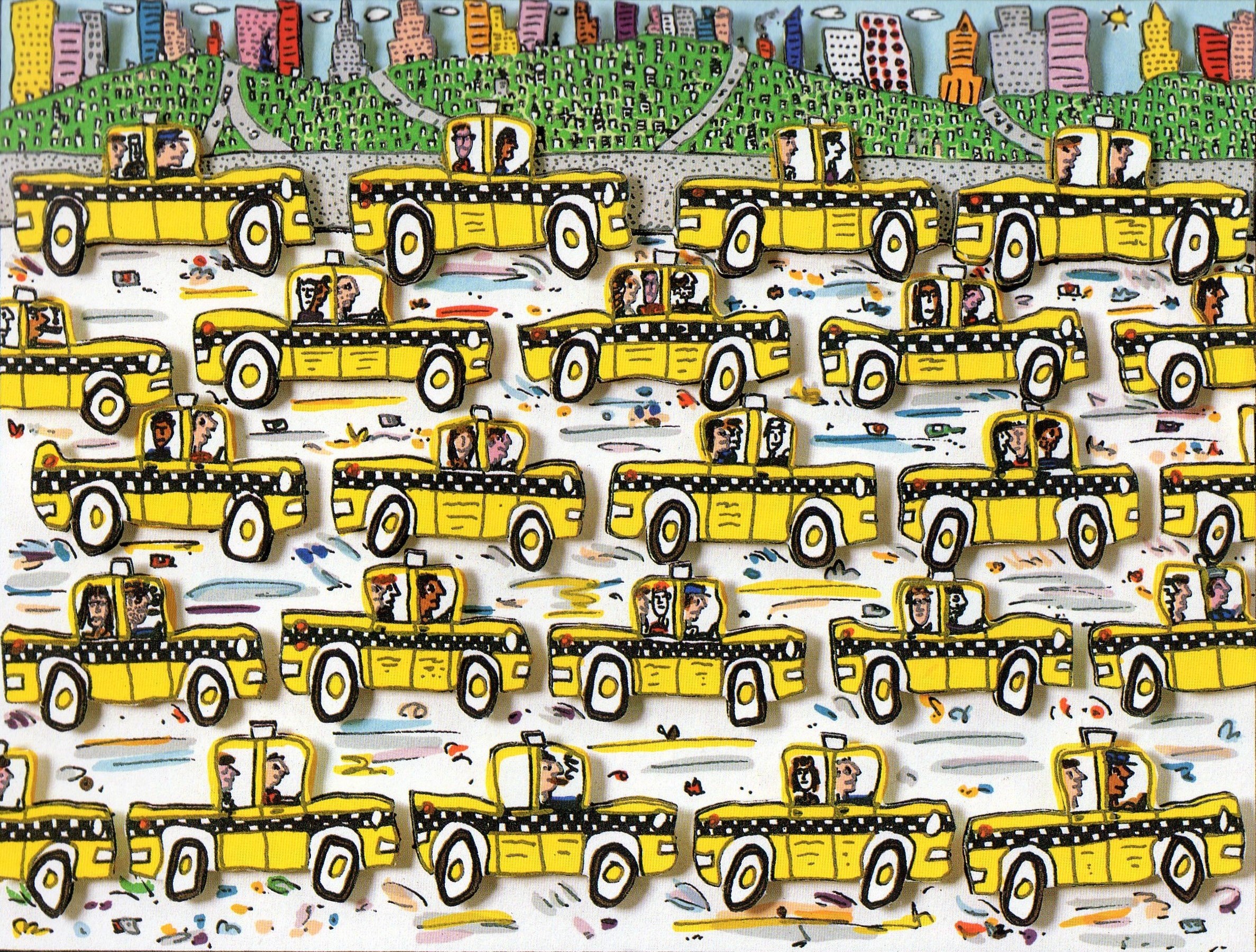
One of the most famous collages by Rizzi, „Taxi“, produced in 1987.
An edition of 250 were produced. The shown one is an original signed sheet
again, „A/P“ – artist proof, original titled and signed by the artist.

Rizzi 5_2
The famous 3D work „Taxi“. Rizzi’s often used New York icon.

In both mentioned books you will find a picture of the famous New York „Taxi“ .

rizzi 10
James Rizzi in his studio in Soho, New York City, where he lived and worked.

His philosophy of life was :
„The past is history, tomorrow is mystery and today is a gift“.


Veröffentlicht unter Collecting, Hobbies, Information | Verschlagwortet mit , | 3 Kommentare