
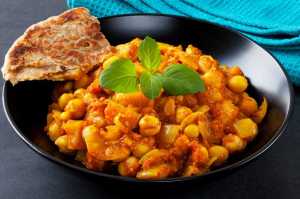
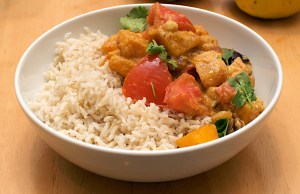
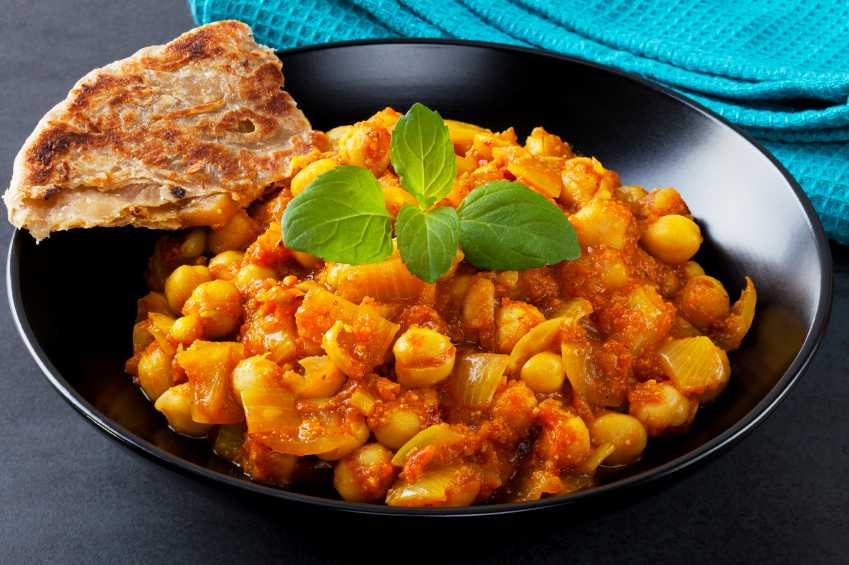
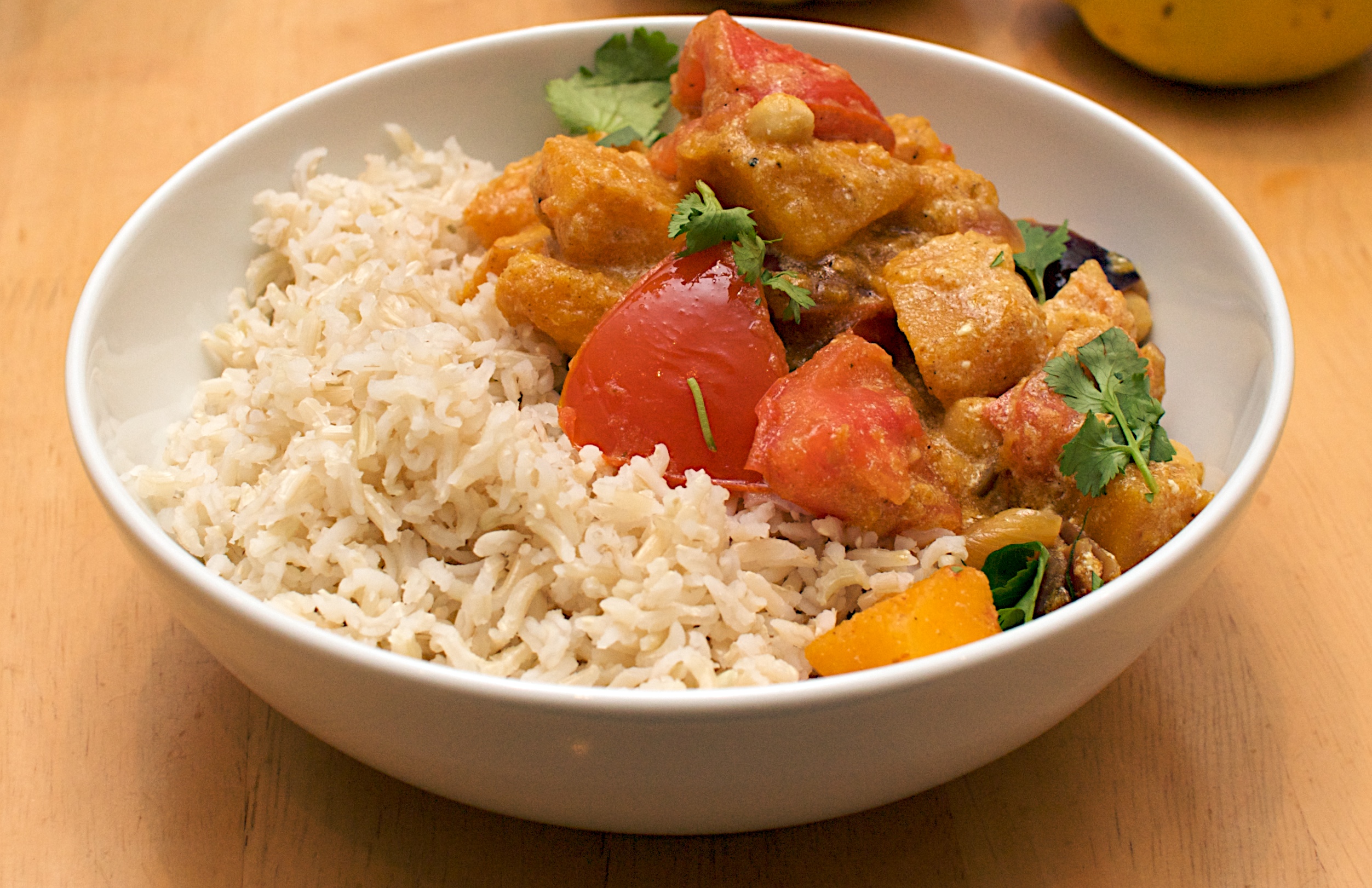
Vegetable curry with pumpkin, onion and chickpeas. Pork curry with sweet potato, peaches and tomato.
Curry is one of those words like salsa; it means different things to different people. At its most basic, the term refers to a spicy dish of vegetables or meat served with rice. It is derived from the Tamil word „kari“, which means sauce.
In some types of Indian cuisine, curry denotes a dish that is sort of like a soup made with yogurt, clarified butter, spices and chick pea flour. Other regions from England to Thailand use the term as a generic word for meat or vegetables cooked with a spicy sauce.
Different types use different main ingredients, depending on the region of Asia or India. Curry from the Punjab region, for instance, involves wheat instead of rice, and is heavy on the butter and cream. Dishes from Malayali usually have coconut and coconut milk, as well as bay leaves. That from Tamil, however, is probably what most western people think of when they think of this term. Tamil curry refers to shallow-fried meat or vegetables cooked along with dry spices.
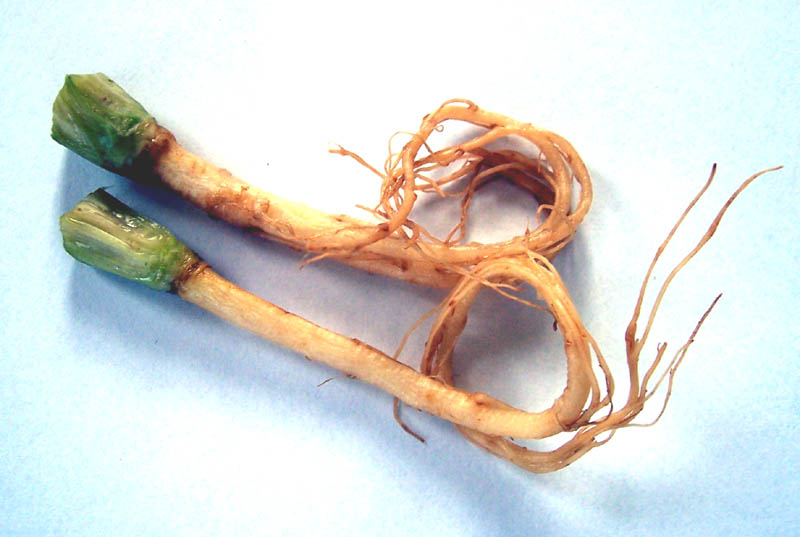
It’s the spices that most people think of as making defining curry. That’s because in many parts of the world you can buy a prepared blend of spices known as curry powder that is used to make a dish of this name. To make things more confusing, this powder may contain curry leaves, which come from the curry tree (or curry leaf tree), which is native to India.
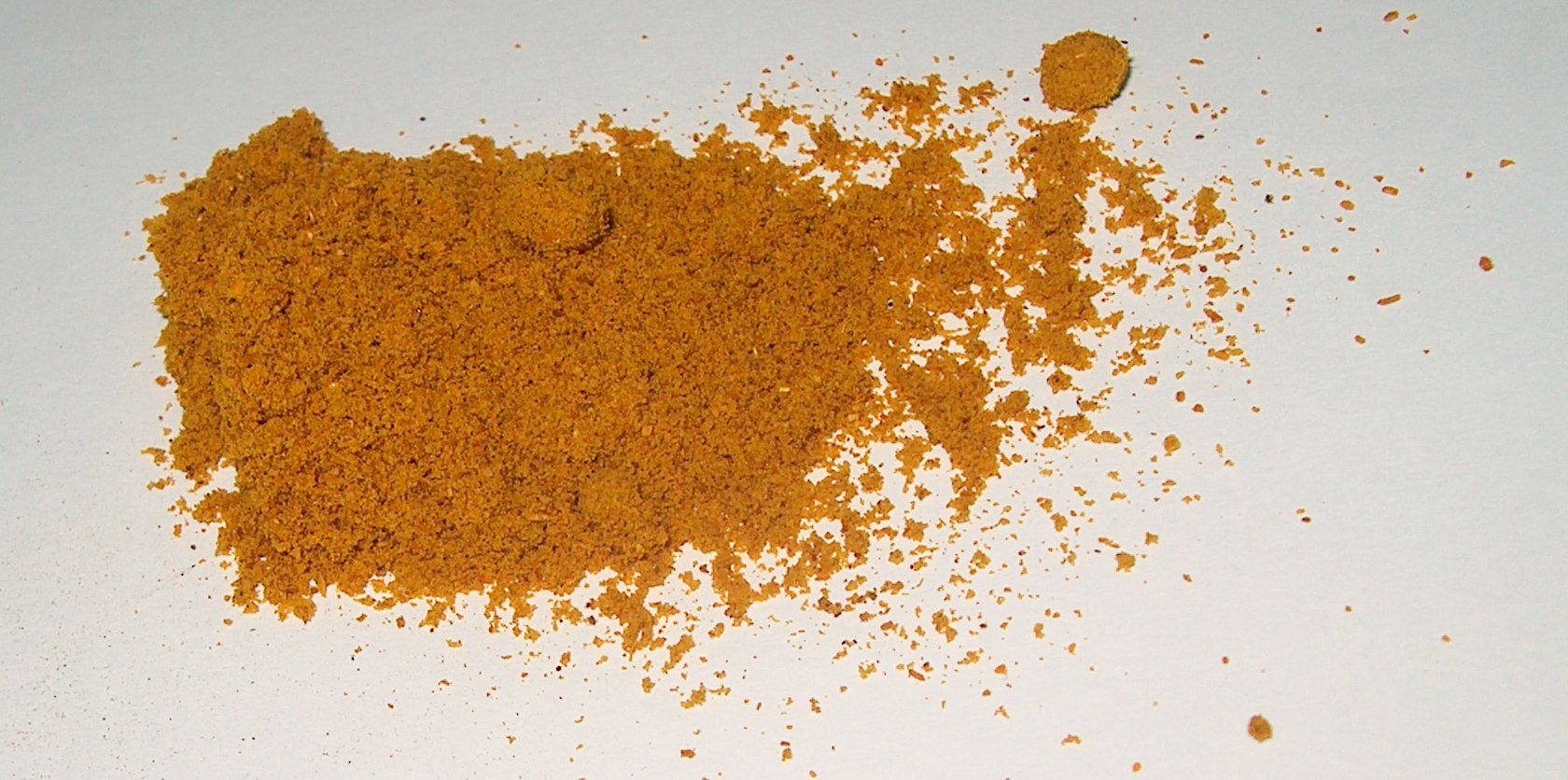
Curry powder is a spice mix of widely varying composition based on South Asian cuisine. Curry powder and the contemporary English use of the word „curry“ are Western inventions and do not reflect any specific Indian food, though a similar mixture of spices used in north India is called garam masala.
Curry paste is generally a more complex mixture, including things like ginger, garlic and lemongrass, in contrast to curry powder, which is generally just powdered spices. Important to know is, that curry powder is not made from curry leaves.
Curry powder is a mix of different spices, curry leaves can be one of these spices.
Curry Paste.
Curry paste is most often used in Thai food. It is a moist mixture of ground herbs and spices and usually is made fresh when certain herbs are in season.
Varieties of Curry Paste:
There are several varieties of curry paste, including red, green, yellow, Massaman (Masman) and Panaeng (Penang). The names depend on the ingredients used.
Curry Paste Ingredients:
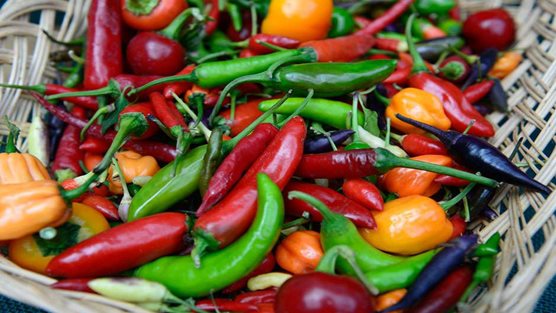
Red curry paste includes red chilli peppers, while green chillies are used in green curry paste. Yellow curry paste gets its color from turmeric, which is in the ginger family and used in curry powder. Panaeng curry paste is milder than the others, and Massaman curry paste includes dry spices as well as fresh ingredients.
Curry Powder.
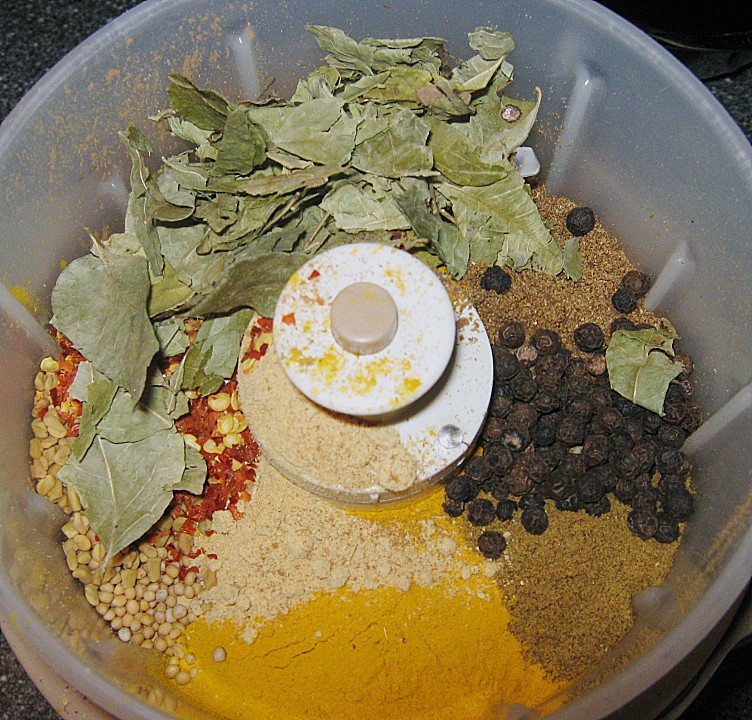
Curry powder comes in sweet and hot varieties, and both generally include turmeric, coriander and lemongrass, a bitter herb used in a number of cuisines, including Egyptian and Lebanese dishes.
Additional Curry Powder Ingredients:
Curry powder blends also can include cumin, ginger, garlic, cardamom, fennel, cinnamon, clove, nutmeg and black pepper. Most regional cuisines have their own curry mix and recipes, so as by example Thailand, Vietnam, Indonesia etc. In total you will end up with hundreds of curry powder or curry paste recipes.
Curry dishes.
That depends all on personal taste or taste of a region, a restaurant chef or your own expectations. A dish made with a curry paste or seasoned with curry powder is then often just called „CURRY“. I will do the same.
Thai Curry Paste Recipe.
The master recipe makes a red curry paste, using dried red chiles. For green curry paste, see the variation at the bottom.
Thai curry paste is traditionally made using a sturdy granite mortar and pestle, but a food processor works fine.
This curry paste will have a softer texture than the fudge-textured curry pastes you find in stores because of the water you add to help the blades move. I always prefer curry paste over curry powder for my cooking.
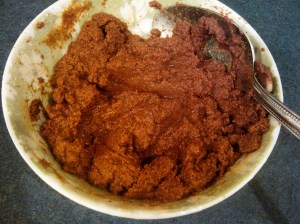 My Red Curry Paste, see down here.
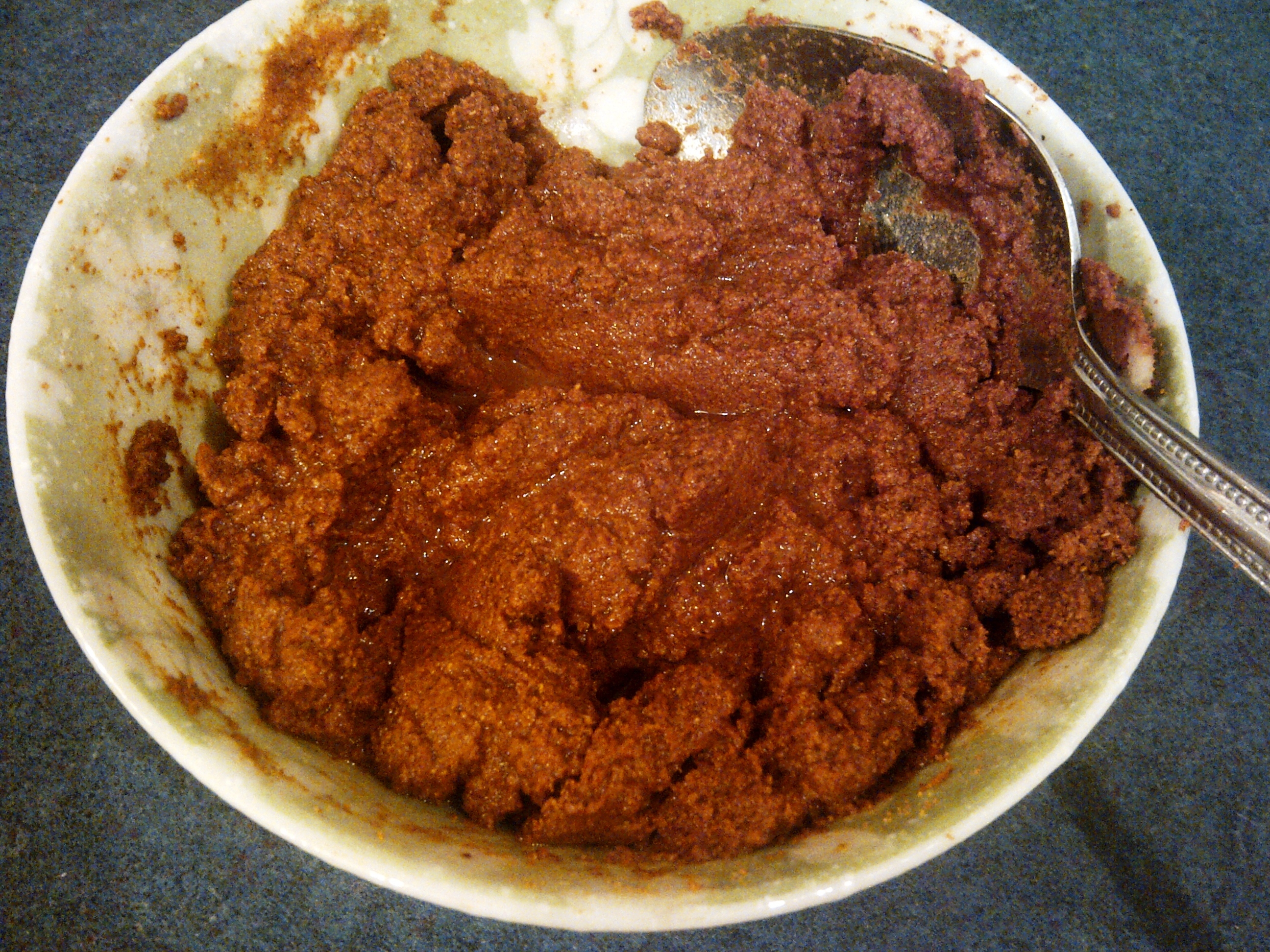
Red Curry Paste:
Ingredients:
1/2 cup small dried hot red chillies (such as Thai bird eye chillies), or fresh chillies
1 Tbs. coriander seeds
1 tsp. cumin seeds
5 whole black peppercorns
3 stalks fresh lemongrass
1/4 cup chopped shallots
2 Tbs. chopped garlic
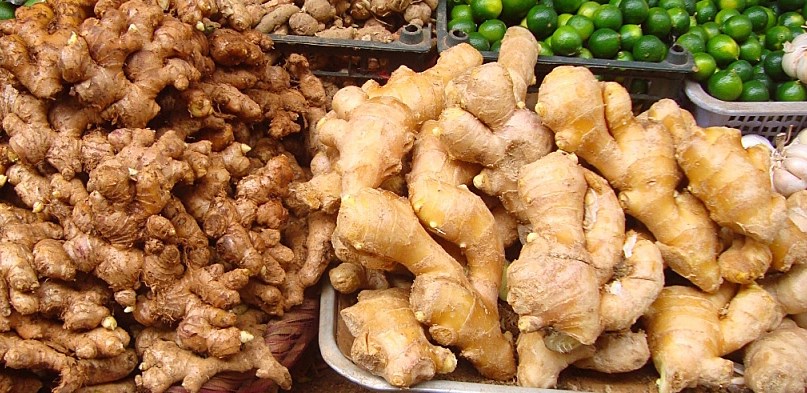
1 Tbs. chopped fresh or frozen galangal or fresh ginger
1 Tbs. coarsely chopped cilantro root or chopped cilantro stems and leaves
1 tsp. finely chopped lime zest
1 tsp. kosher salt
1 tsp. shrimp paste (optional)
How to do:
Open the chillies, breaking off their stems and shaking out and discarding most of their seeds. Break the pods into pieces. Combine the chilli pieces in a medium bowl and add warm water to cover them. Set aside to soak for about 30 minutes.
Of course, if you use fresh chillies, you don’t have to soak them.
Meanwhile, put the coriander seeds in a small, dry skillet over medium-high heat. Cook, shaking the pan, until they darken to a golden brown color and become fragrant, 2 to 3 minutes. Transfer to a small plate.
Let the skillet cool for a few minutes and then toast the cumin seeds in the same way until nicely browned and fragrant, 1 to 2 minutes. Transfer to the plate with the coriander seeds.
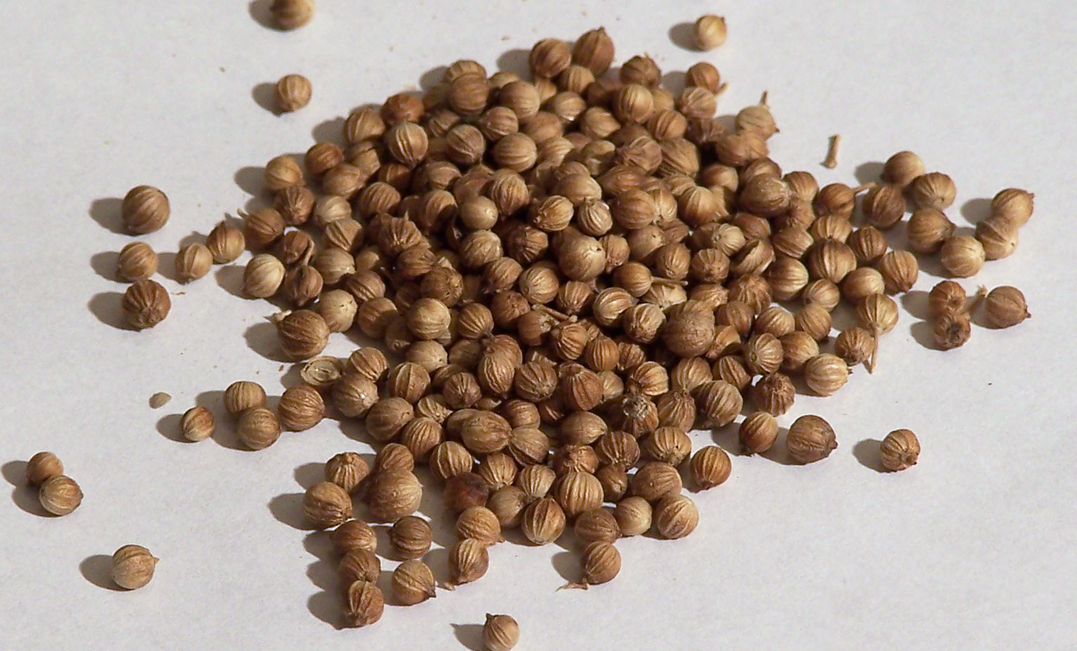
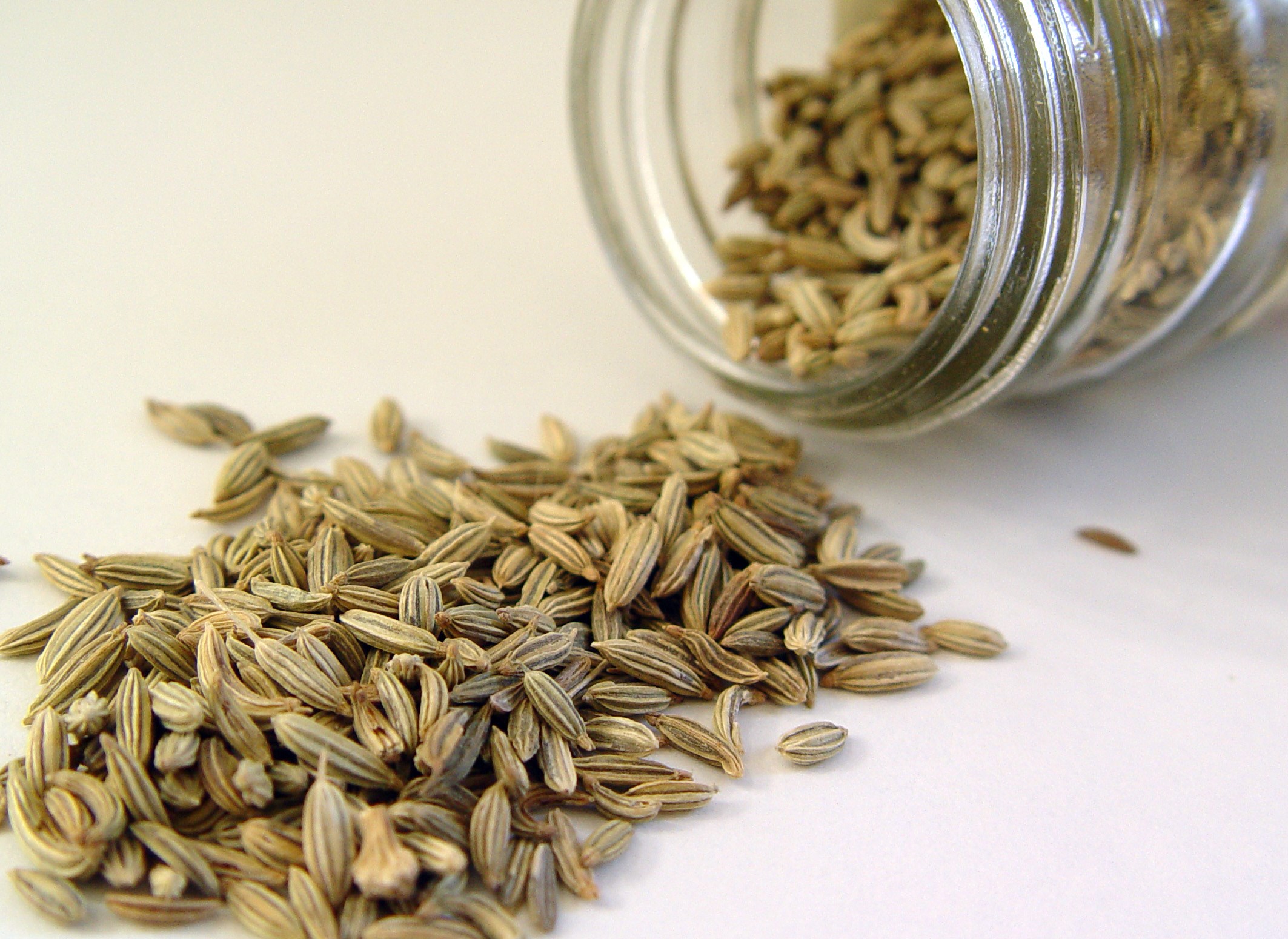
Put the coriander, cumin, and peppercorns in a small spice grinder and finely grind. Transfer to a plate and set aside.
Chop off and discard the grassy tops of the lemongrass, leaving about 10 centimeters, including the rounded base and root end.
Discard any dry or discolored outer leaves and trim off the root end to leave a smooth base just under the plump bulb. Transfer to a medium bowl.
Drain the chillies well and add them to the bowl of chopped lemongrass along with the shallots, garlic, galangal, cilantro root, dried lime peel or lime zest, salt, and shrimp paste (if using). Add the ground spices and stir gently to combine.
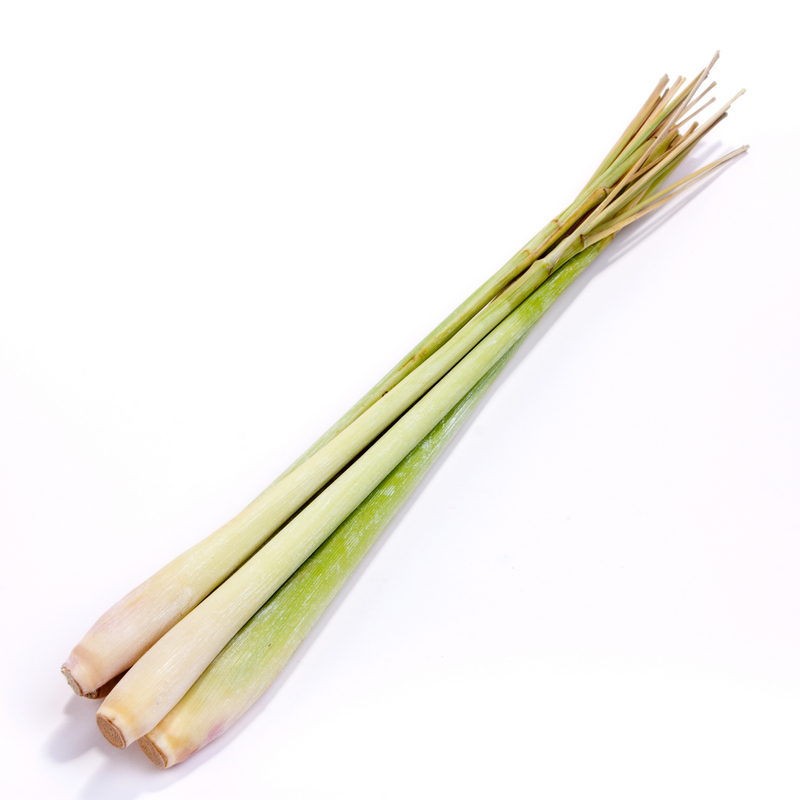
Transfer to a food processor, add 1 or 2 Tbs. cold water, and process to an almost-smooth paste. If the paste hasn’t come together,
add more water, 1 Tbs. at a time. Scrape the paste into a jar and cover tightly.
Variations.
Green Curry Paste:
To make green curry paste, use 1/2 cup finely chopped unseeded fresh hot green chillies, instead of the dried red chillies.
Yellow Curry Paste:
If you can get yellow habanero chillies use them instead red or green, otherwise leave a green or a red chilli and add more turmeric and mustard seeds instead.
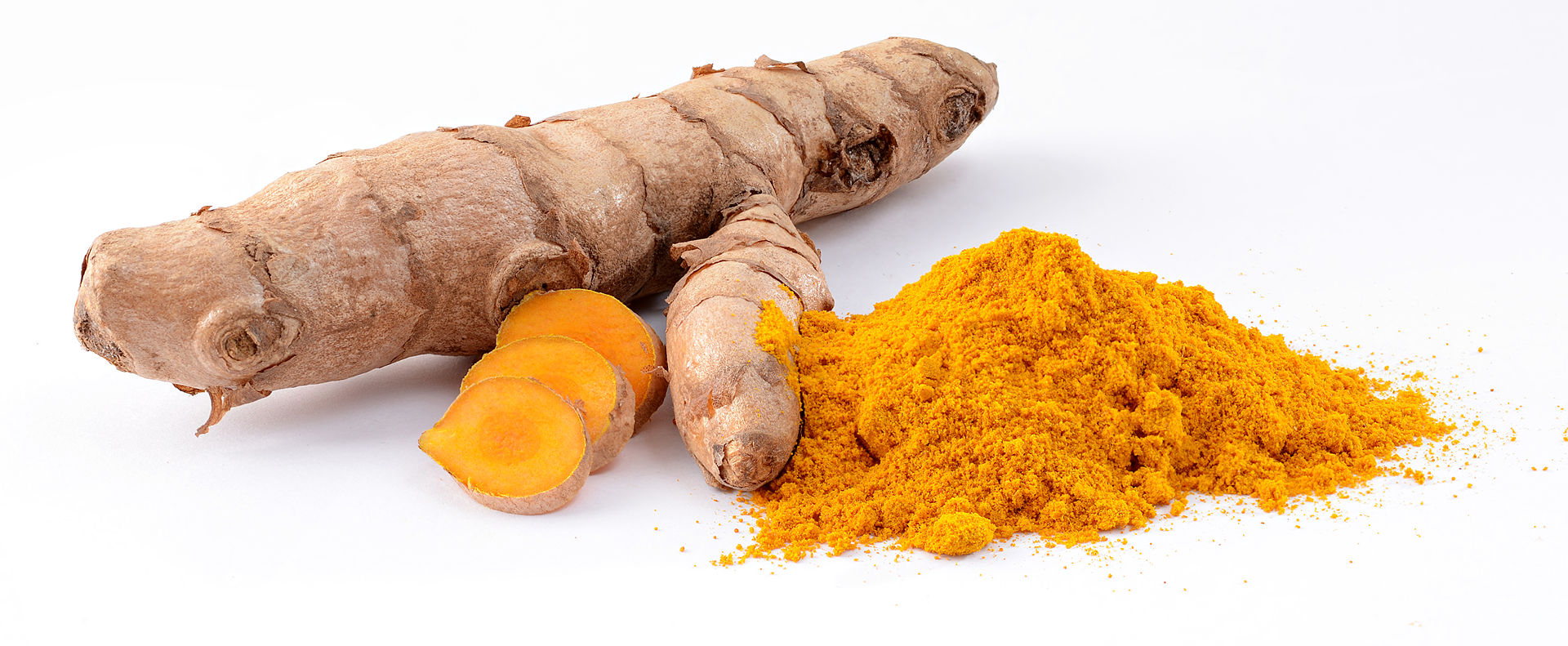
The curry paste can be refrigerated for up to 5 days, or frozen in 1- to 2-Tbs.- size portions for up to 1 month. The pastes you buy in shops have additives and you can keep them much longer.
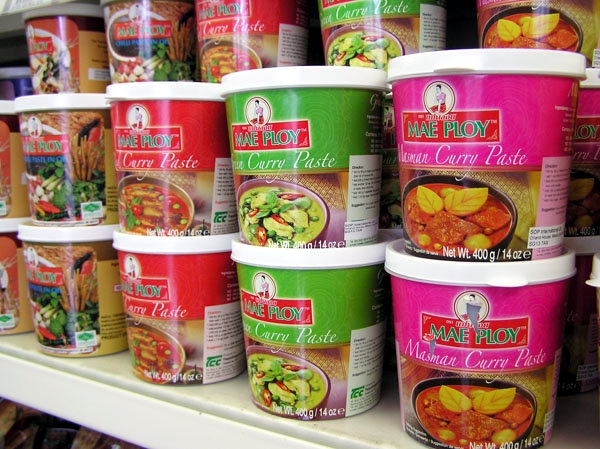
Of course you can bye pre made curry pastes. The one I like most is made in Thailand from Mae Ploy. It comes in 400gramm jars or larger and offers all the 5 different kinds I was writing about earlier. Sadly not seen in Uruguay yet. See also my curry recipes.

