
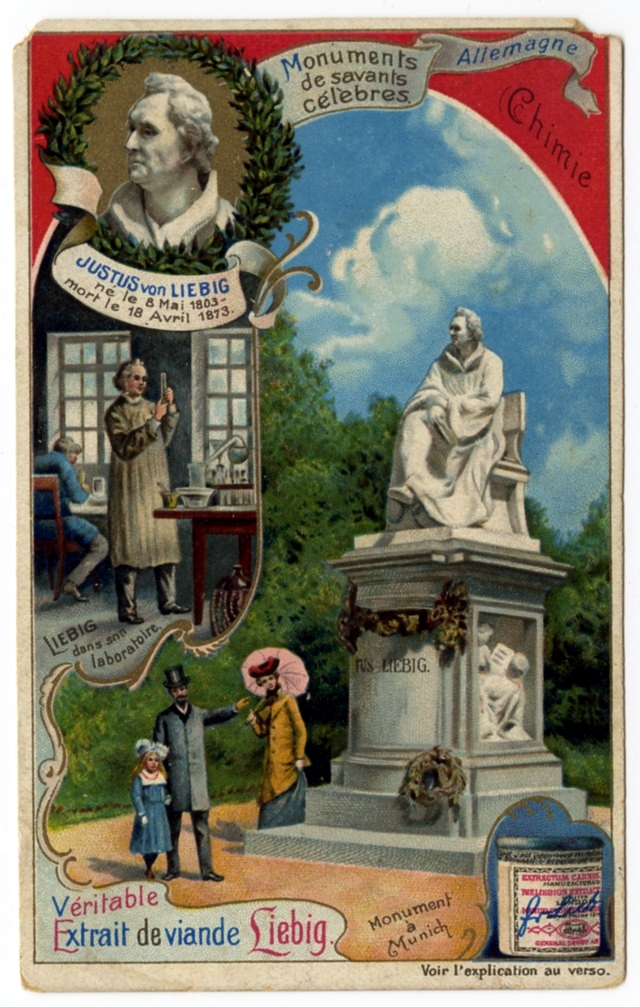
We already know that concentrated meat extract was invented by the German chemist
Justus von Liebig. However as it required 30 kilos of beef to make one kilo of extract, with the price of beef in Europe it was a non starter. In Uruguay at the time, it was a total different story. Read Part 1 and 2 of this post. If you click on pics, most will super-size !
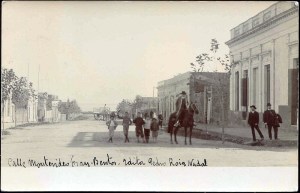
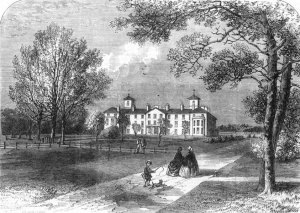
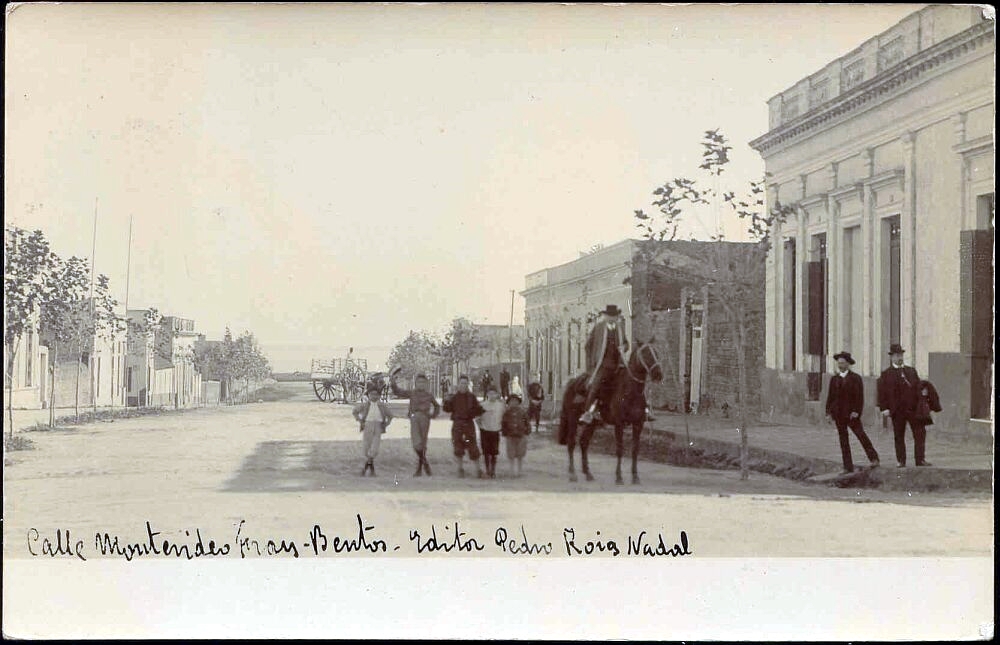
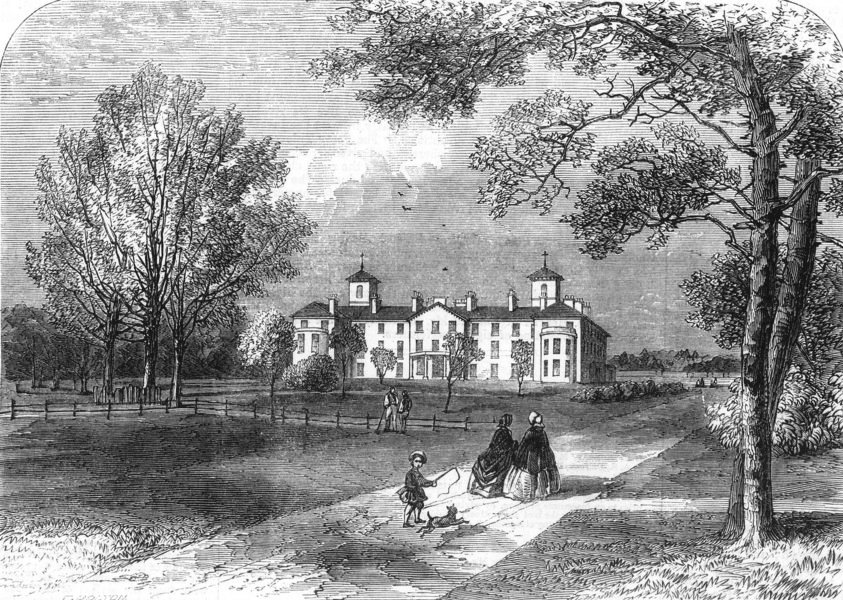
Calle Montevideo in Fray Bentos, around 1900 and the Liebig hospital, around 1880 (not existing anymore).
LEMCO in South America.
The cattle in Argentina and Uruguay were slaughtered only for the skins, as there
was no refrigeration to transport the beef. From 800 kilos per month initially,
the company was producing 500 tons meat a month by 1878.
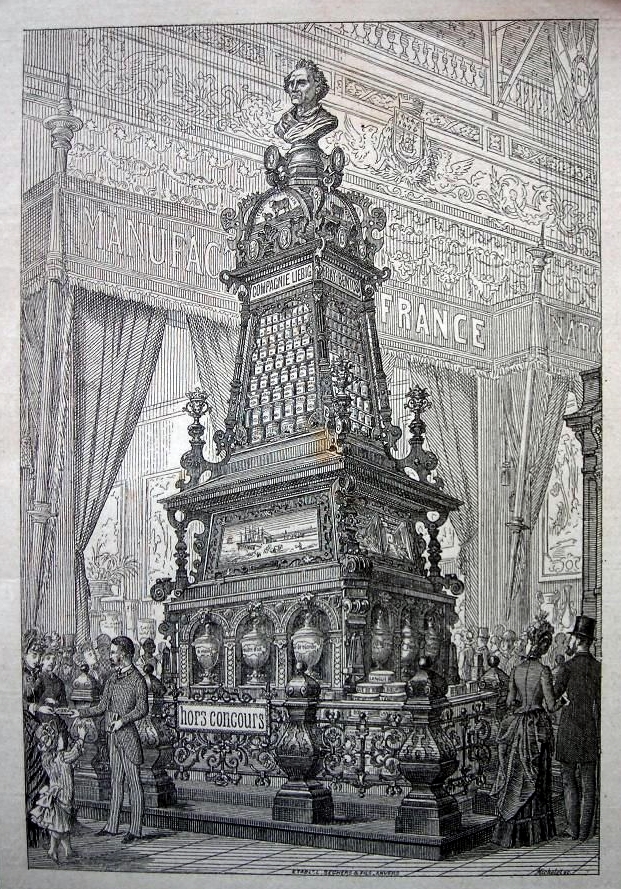
 Exhibition Liebig, Paris France 1886.
The meat was being thrown out for the making of Tallow until in 1878 the first corned beef was produced. This corned beef which later became known world wide as Fray Bentos Corned Beef. The staff at each plant was over 5,000 killing 1200 cattle a day on the ground, in teams of 5 men, on a kill floor the size of two football fields.
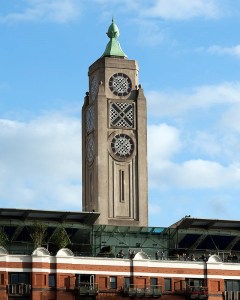 The OXO tower on the warf in London.
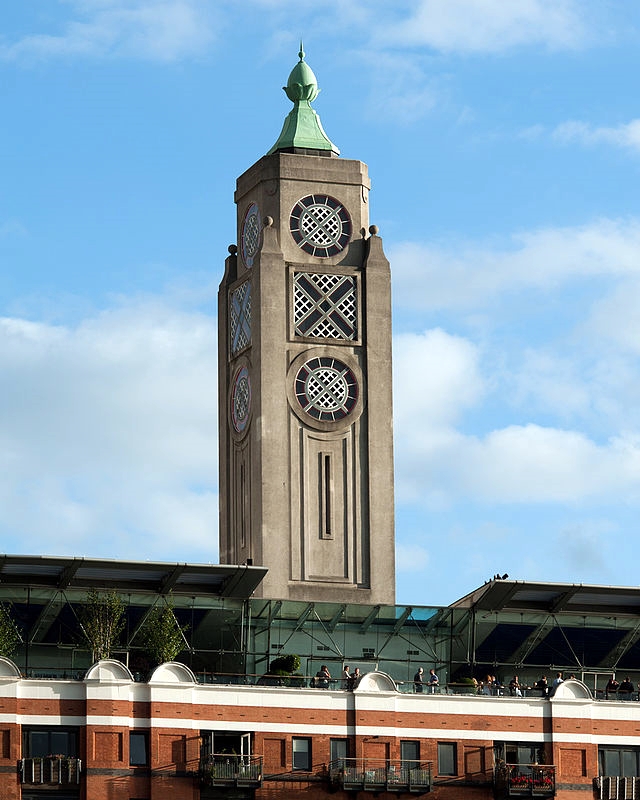
In the 1920s, the Liebig’s Extract of Meat Company acquired the Oxo Tower Wharf on the south bank of the river Thames in London. There they erected a factory, demolishing most of the original building and preserving and building upon the riverside frontage.
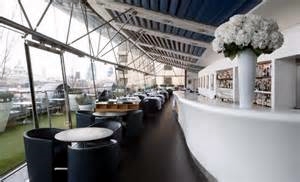 OXO tower restaurant, these days.
Further international expansion.
The company had another site in Argentina, known as Fábrica Colόn or Pueblo Liebig, six miles (ten kilometres) north of the city of Colόn. It was in a town called Villa Colόn, founded by General Justo José de Urquiza. A beef-salting and drying operation had been established there by an Apolinario Benitez with his brother. They sold it to a John O’Connor from Ireland; He sold it in 1889 to the „Sociedad Argentina de Carnes“, and by 1905 it was a Liebig operation. The factory made tinned beef tongue as well as the extract.
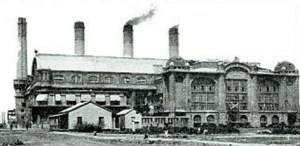 Frigorifico Anglo in South Dock, Buenos Aires.
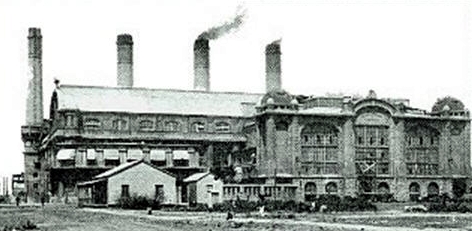
In Argentina, the factory provided workers with company homes and running water. The manager’s side of town had tennis courts. The ships came up the river right to the plant, which employed 3,200 people and processed 1,200 cows a day. In 1965, the plant started shipping frozen beef as well. The town was renamed to Pueblo Liebig on 17 May 1975. In 1980, the factory town and site were sold to the Vizental family. They operated a meat processing business there until they closed it in 1997, but the town is still mostly owned by them. Since about 2005 most of the factory site is in ruins.
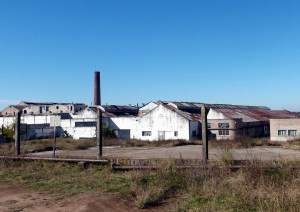 Pueblo Liebig, Argentina.
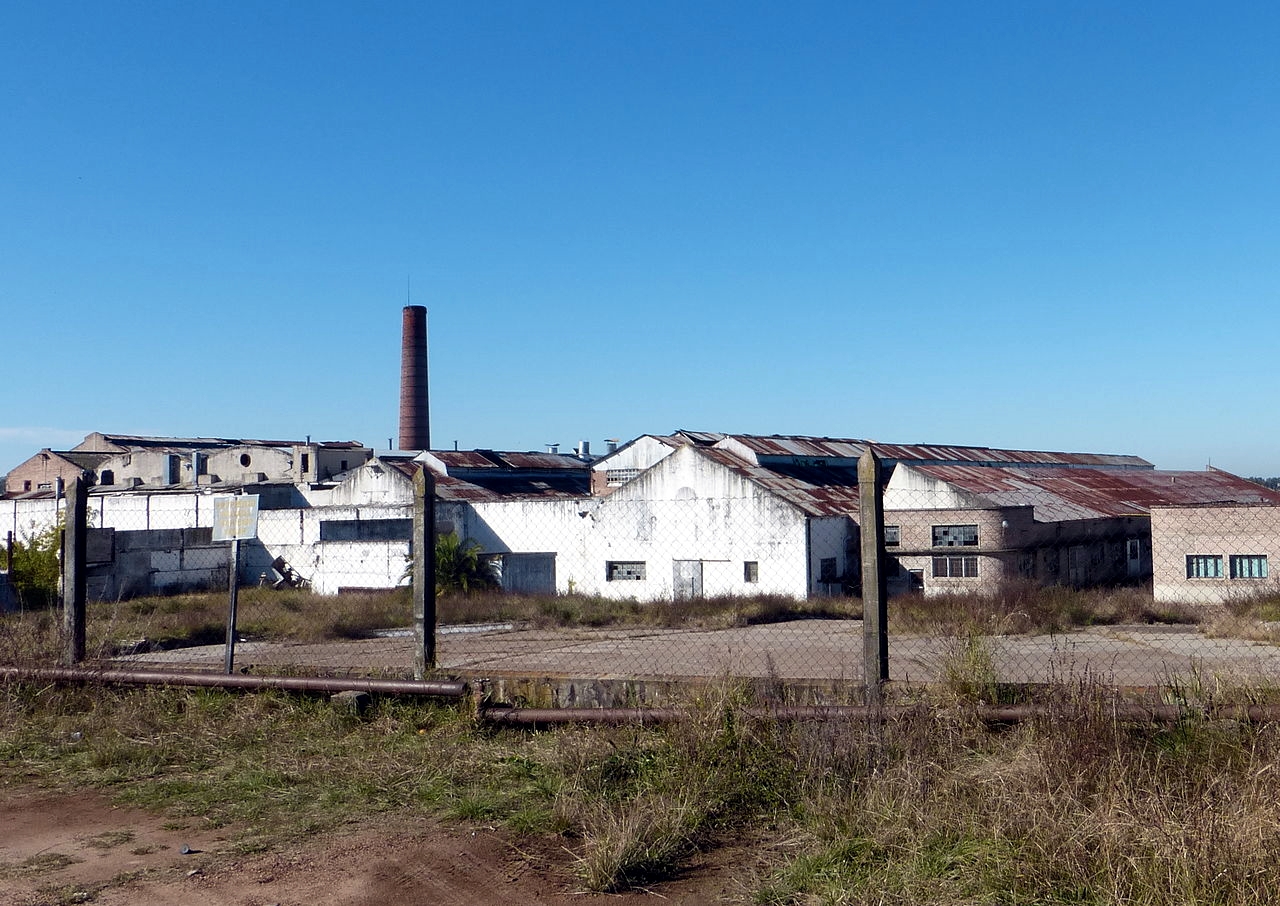
And in Australia.
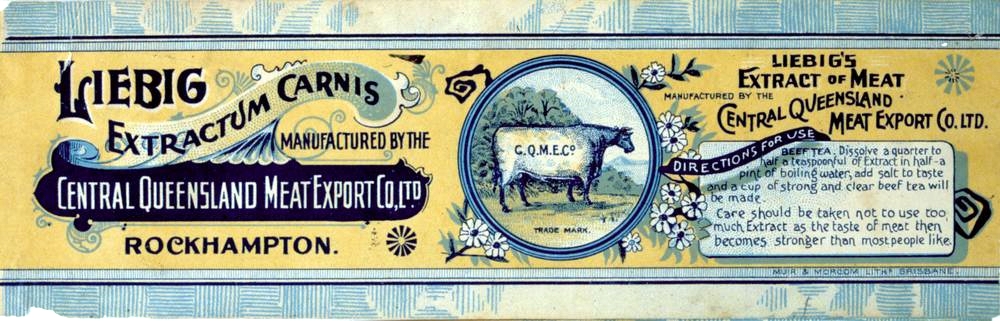
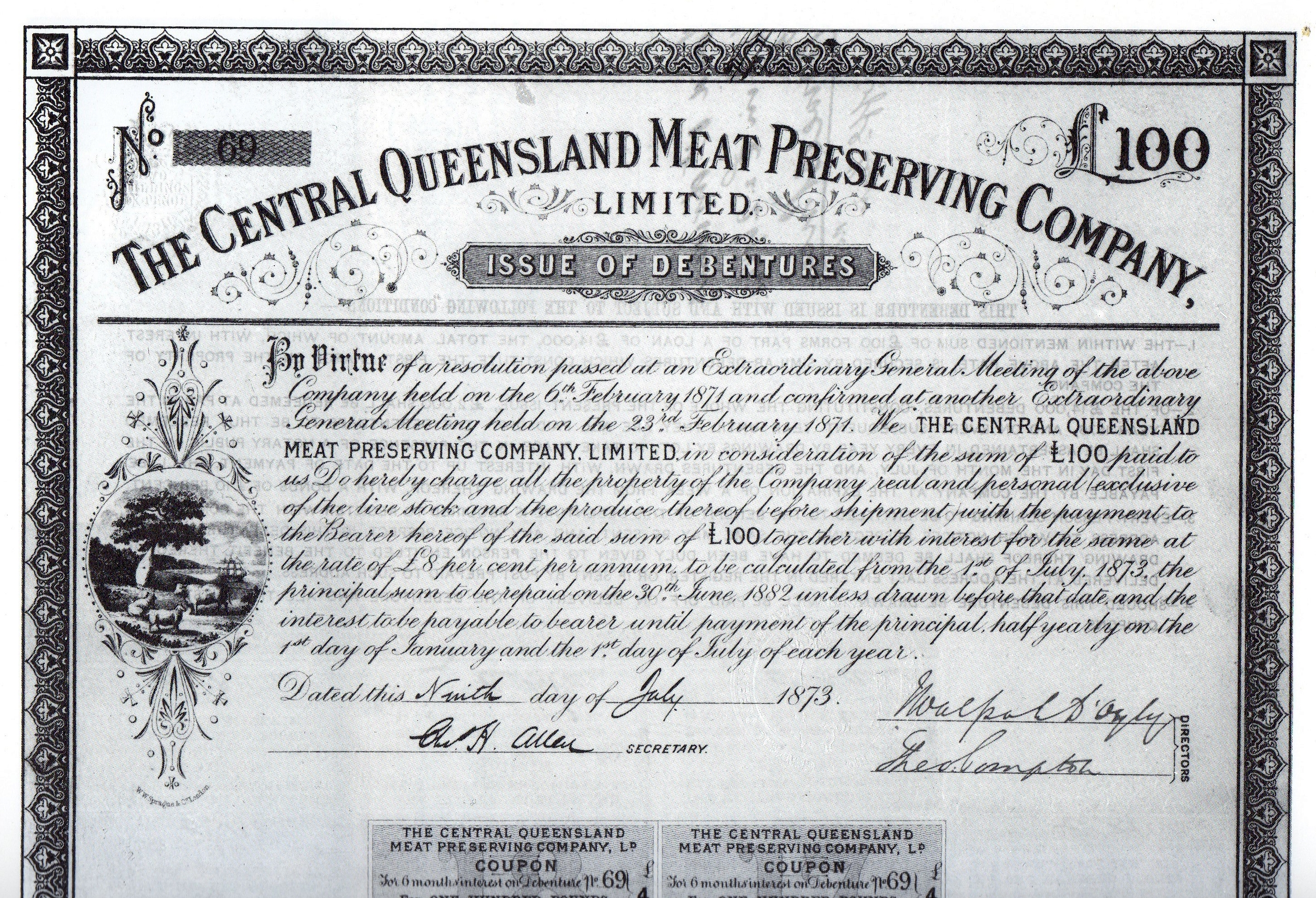
Already in 1873 was in Australia a meat preserving company established. The Central Queensland Meat Preserving Company Limited, nicknamed in Australia as „Queens Meat Press“. This company was concerned in cattle breeding on a large scale, as well as the complete meat production. One year later, in 1874 the sister company Central Queensland Meat Export Company Limited was founded. They were for many years the largest Australian corned beef and meat extract producers and exporters.
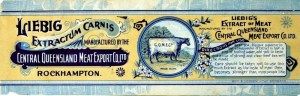
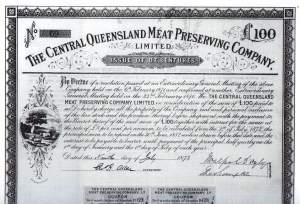
The original can label on the left and the share certificate on the right are extremely rare collectors items.
The share certificate is from 1873, one of only two known and auctioned a few years ago for A$ 7.600,–.
LEMCO expansion in South-West Afrika.
In September 1907, the Company LEMCO acquired more than 200,000 acres of land in Namibia, Afrika,for many years the German South West Afrika. Here the so-called Liebig-house was built in 1911. In subsequent years, the company’s senior staff were housed here. The location of the house was selected due to its exposed location and excellent visibility. The employees had the opportunity to monitor the huge herds of cattle.
 The Liebig House in Namibia, South-West Afrika.
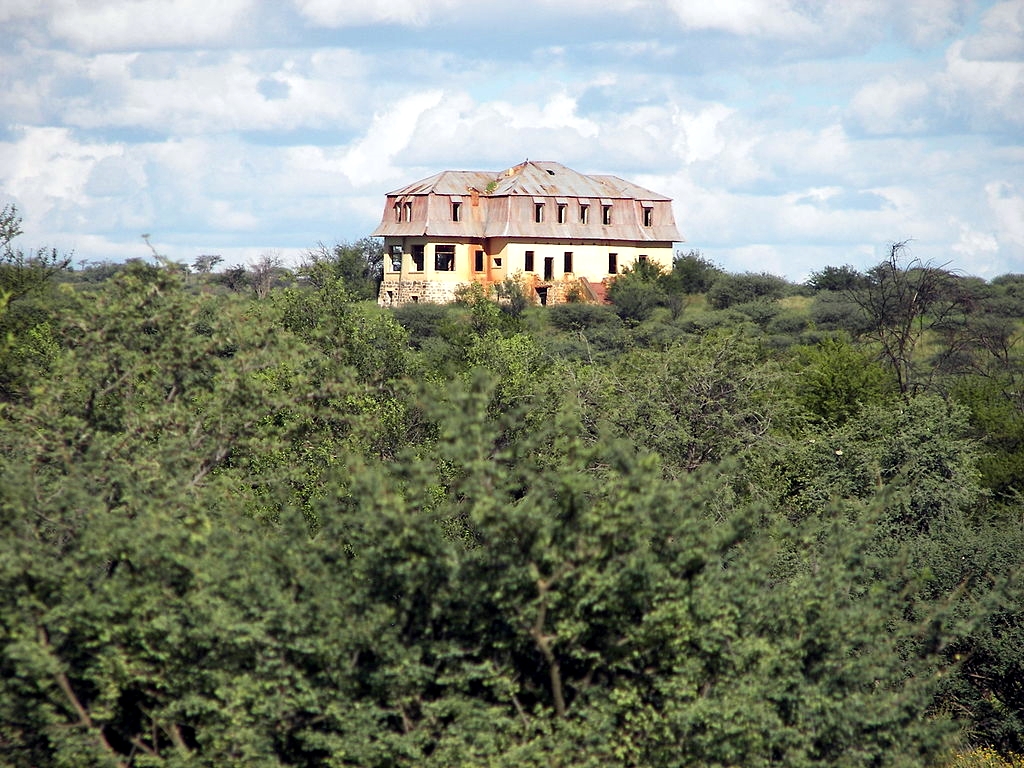
The Liebig-house, better known as the haunted house. Located near the Daan Viljoen Game Reserve and the capital Windhoek in the Khomas Highlands in Namibia.
 The Hounted House in evening light.
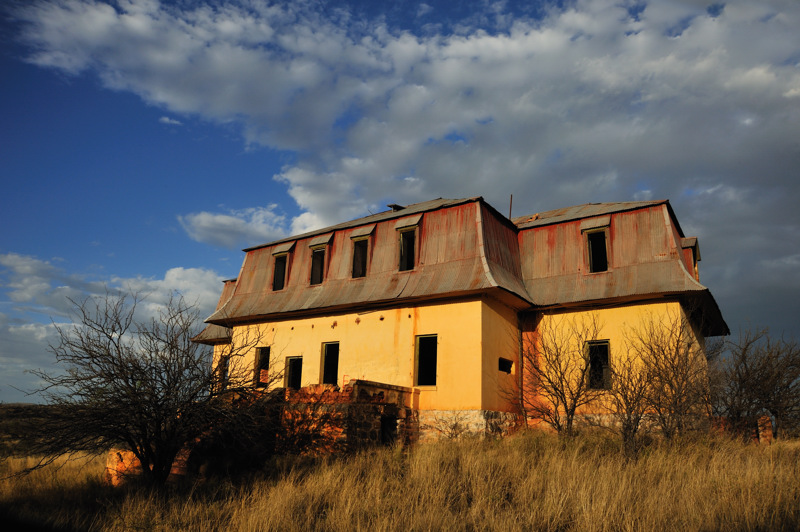
1939 acquired the South African government, the farmland of the company Liebig order to share it in 65 farms and thus provide land for settlers. In 1945 the house was sold to the family of Margaret Courtney-Clarke-known photographer. Now the house is a national Monument. For several decades, the house is abandoned and forfeited increasingly. This also results in the well-known name as a haunted house.
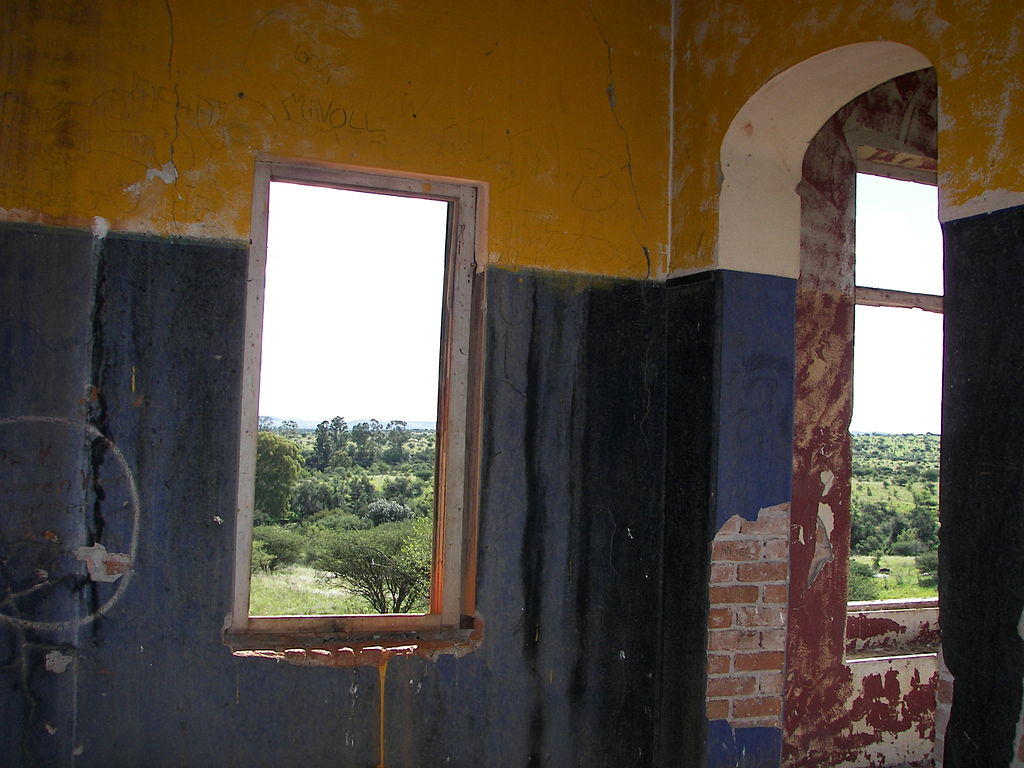
 Amazing views from the house over the country.
The haunted house is located on private farmland and the access is possible only with the approval of the farmer/owner.
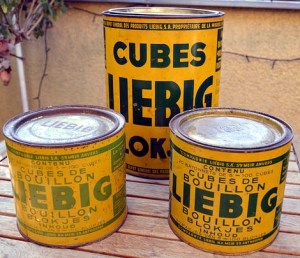
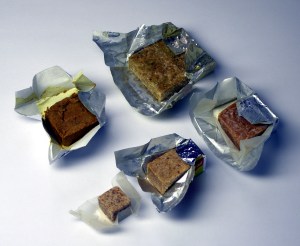
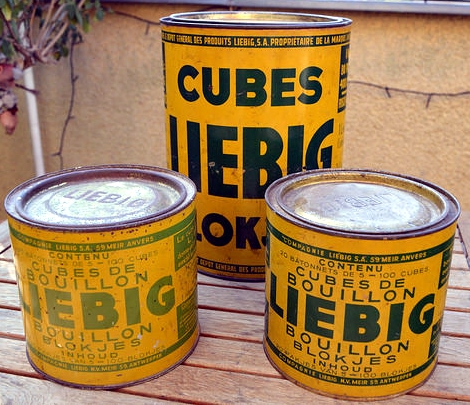
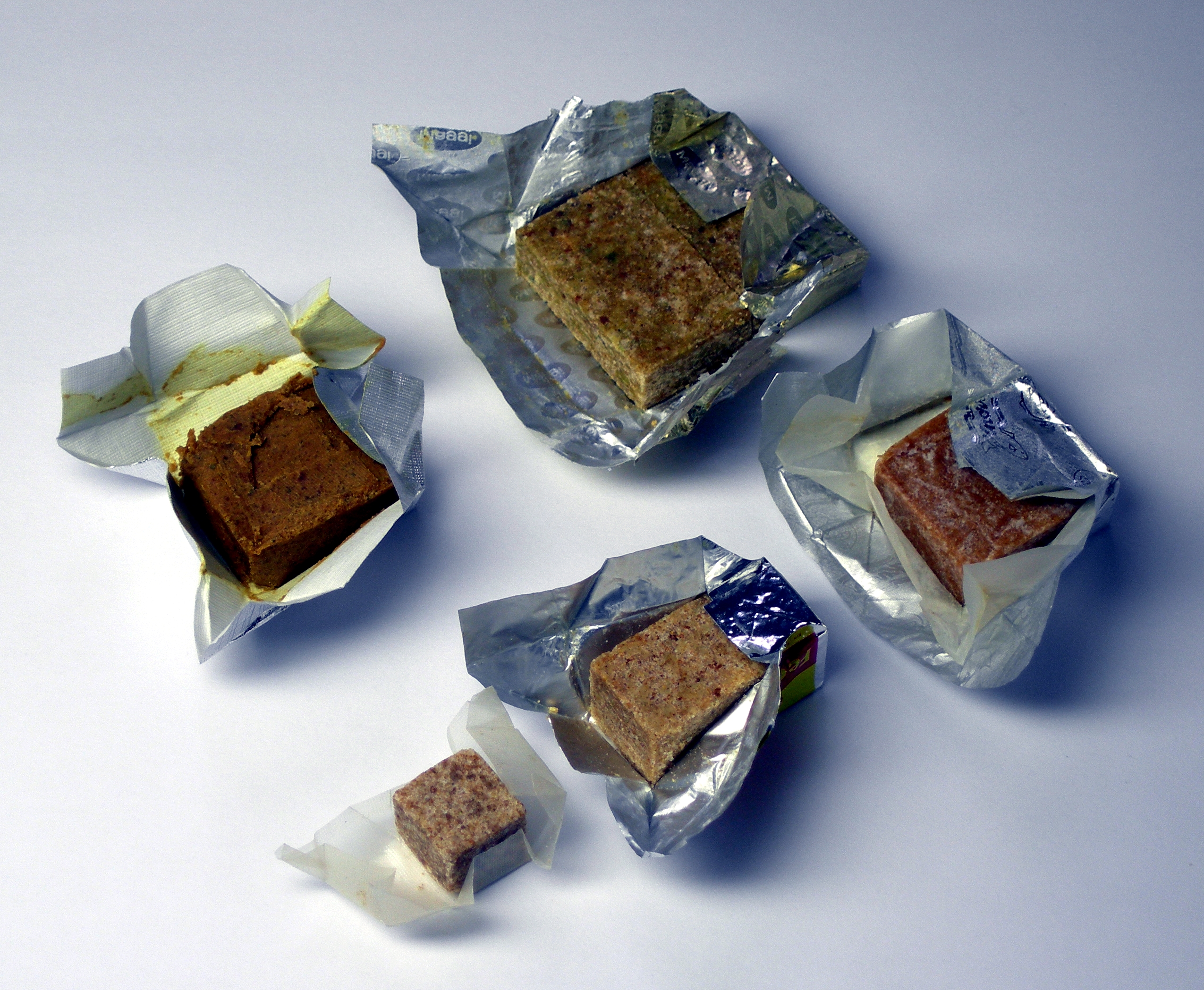
Products of the factory, bouillon cans and the well known and famous bouillon blocks.
Museo de la Revolucion Industrial, Fray Bentos Uruguay.

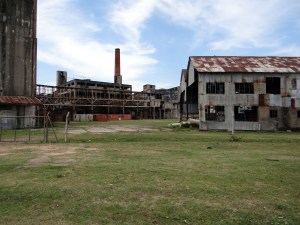
Aerial view of the museum site, the former original industrial complex. Inside the museum site.
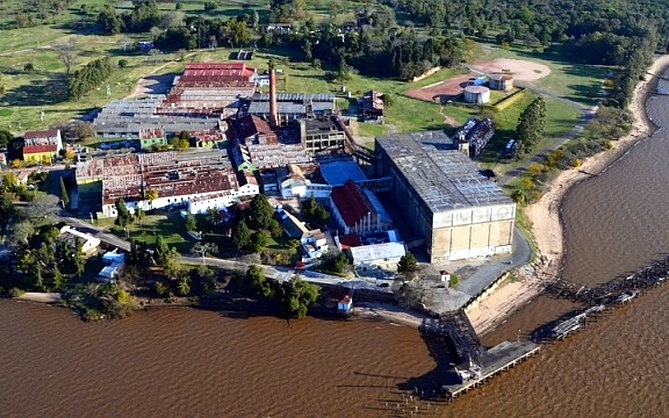
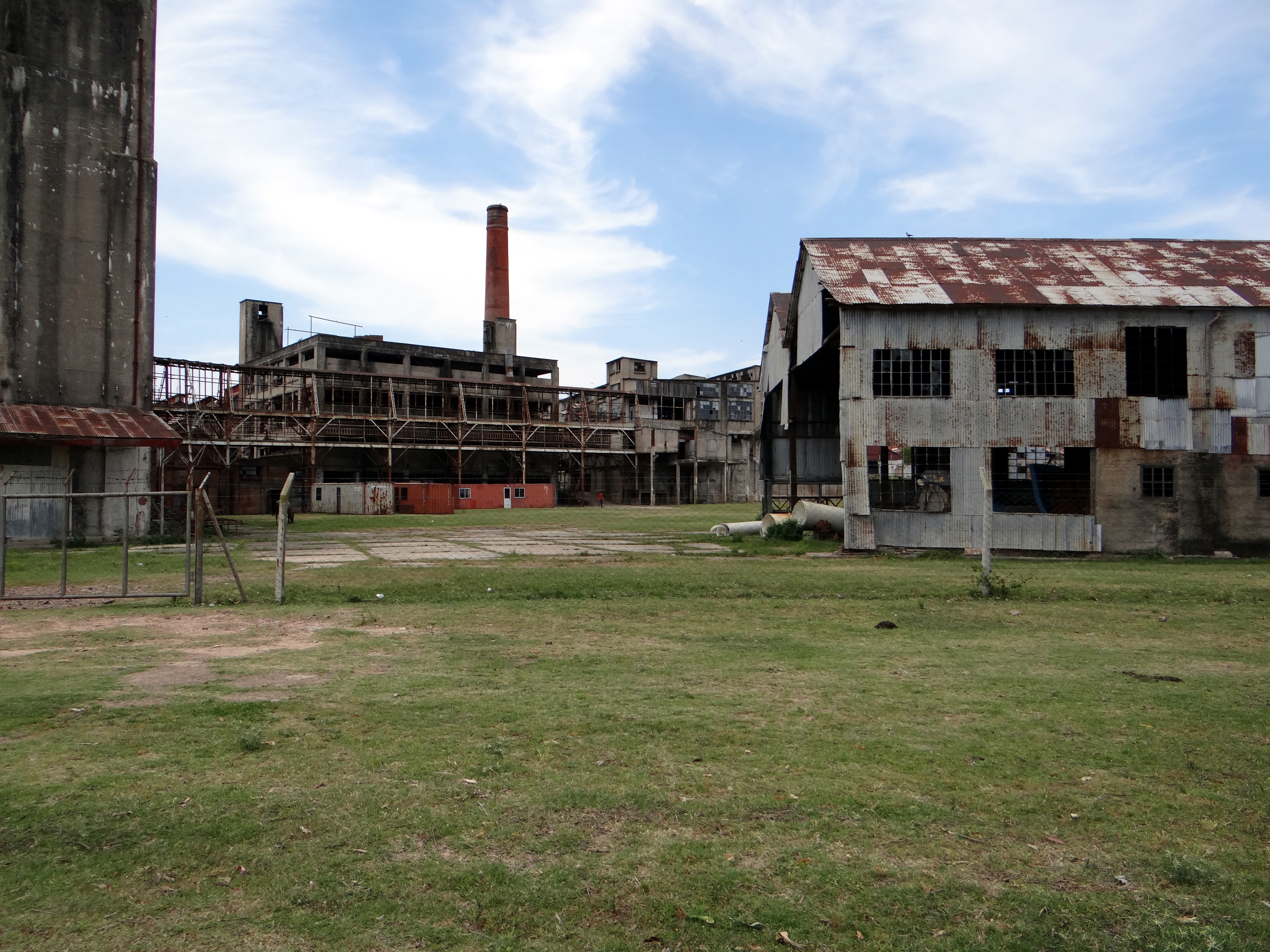
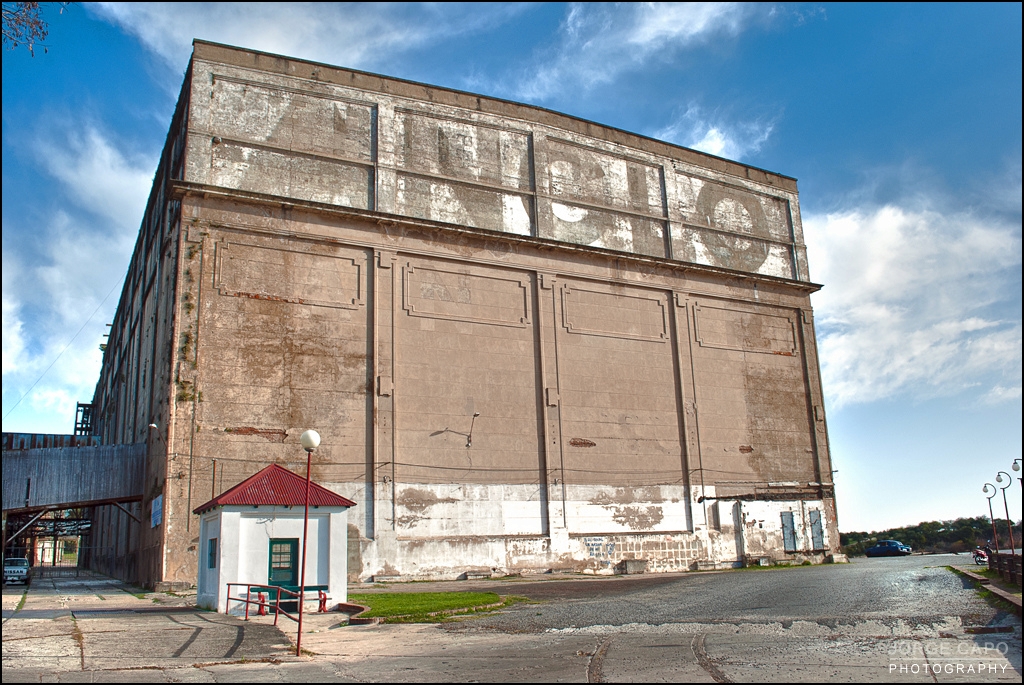
The Museo de la Revolución Industrial (Museum of the Industrial Revolution) is housed in the former works and yards at Fray Bentos. Thousands of people worked in the Frigorífico Anglo del Uruguay, which increased and diversified the use of agricultural products. When it was shut down, the municipality decided to create a museum which would displaying the original machinery, as well as social and cultural artifacts of the technological revolution in Fray Bentos.
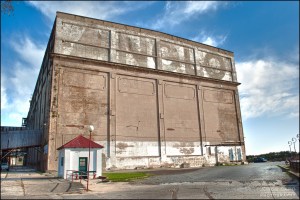
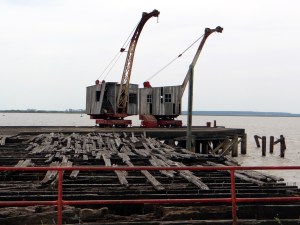
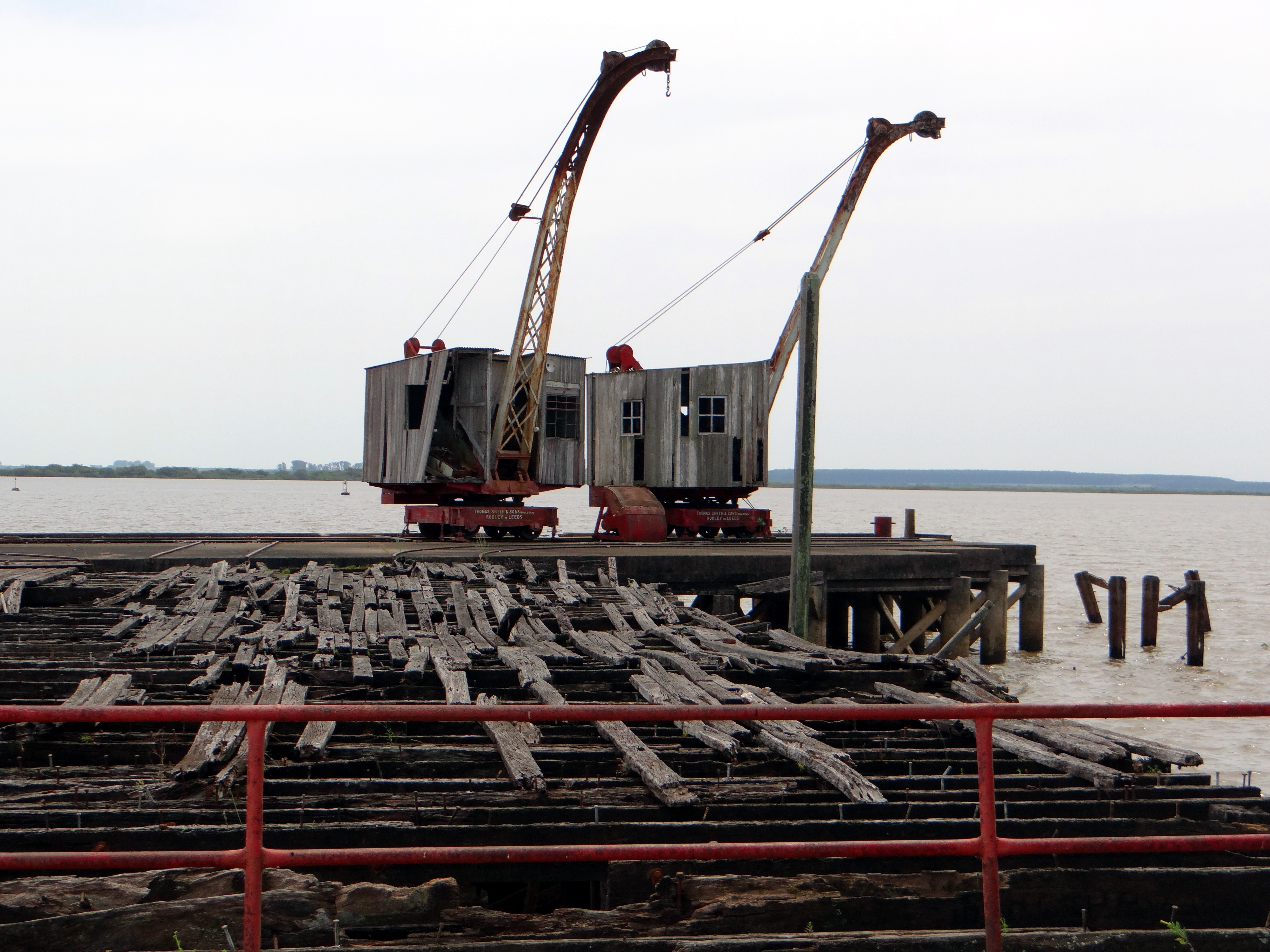
The massive old refrigeration building, still to see the name ANGLO on it.
On the right two original cranes on the pier at the river Uruguay.
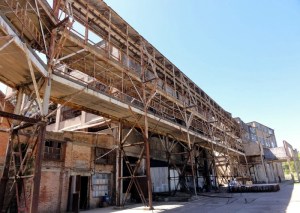
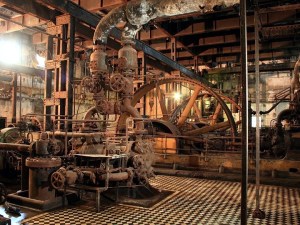
Inside the museum, cattle bridges to the slaughter station and inside the machinery house.
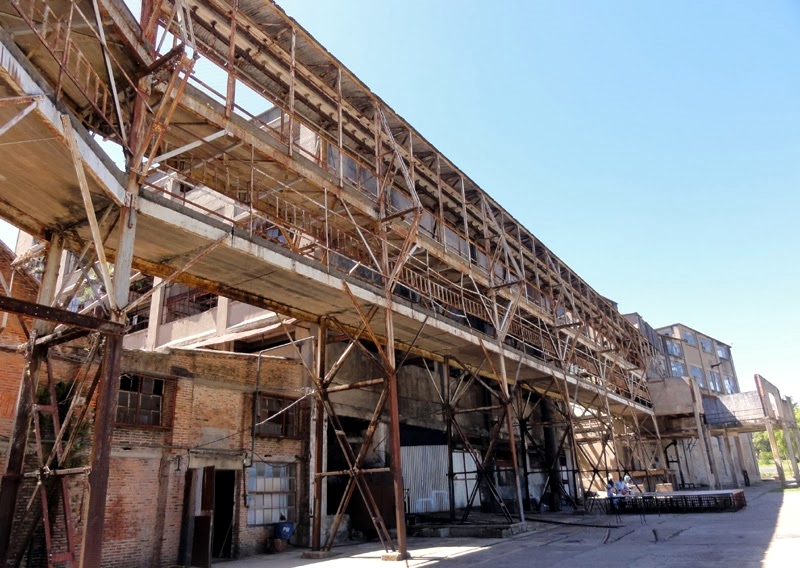
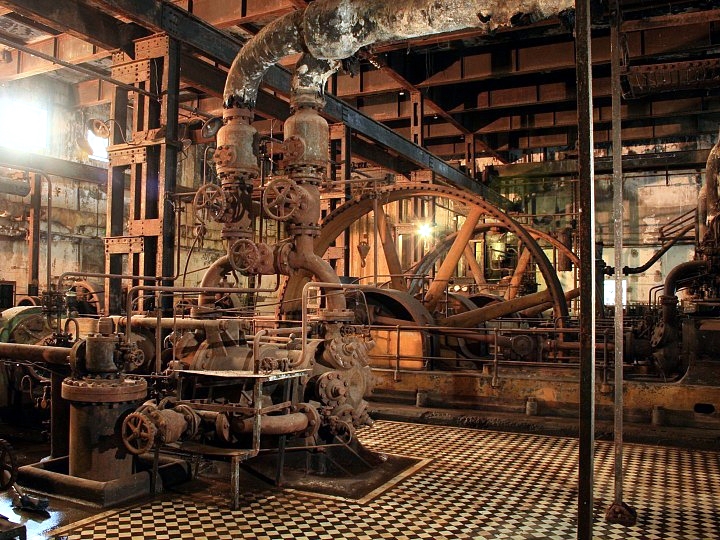
Dr. Sue Millar, president of the International Cultural Tourism Committee (ICOMOS), said: “Thus there is the chance to save time and massive expenditure on conservation, to retain the exceptional scope and variety of the 19th and 20th century British and German manufacturing and engineering machinery.” The site has been proposed as a possible UNESCO World Heritage site.
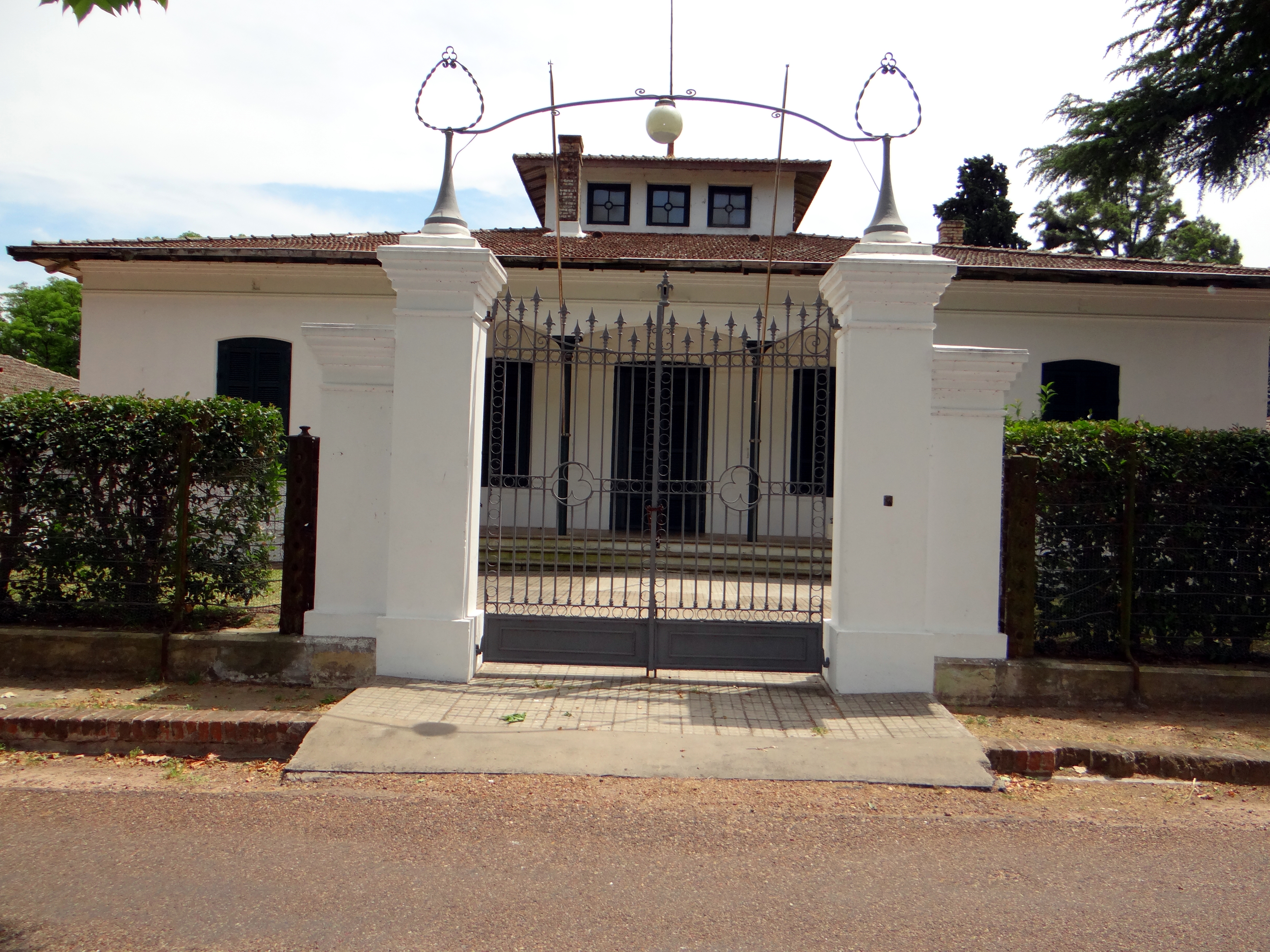
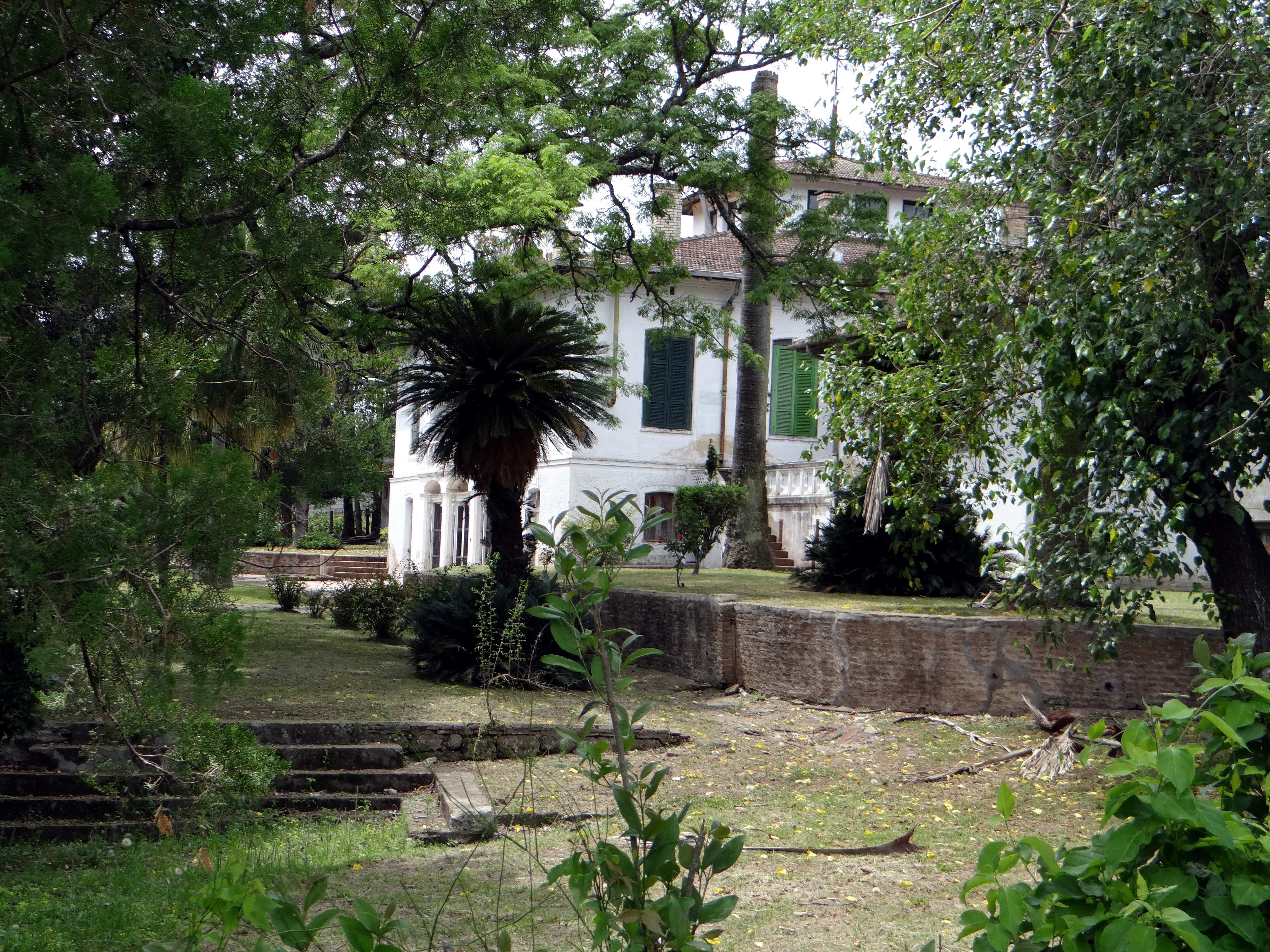
Front of Casa Grande at the museum site and view of the terrace and backyard.
The Casa Grande can be visited by appointment. Sadly, as so much there, it is very neglected.
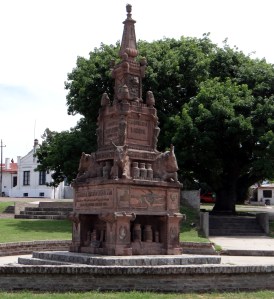
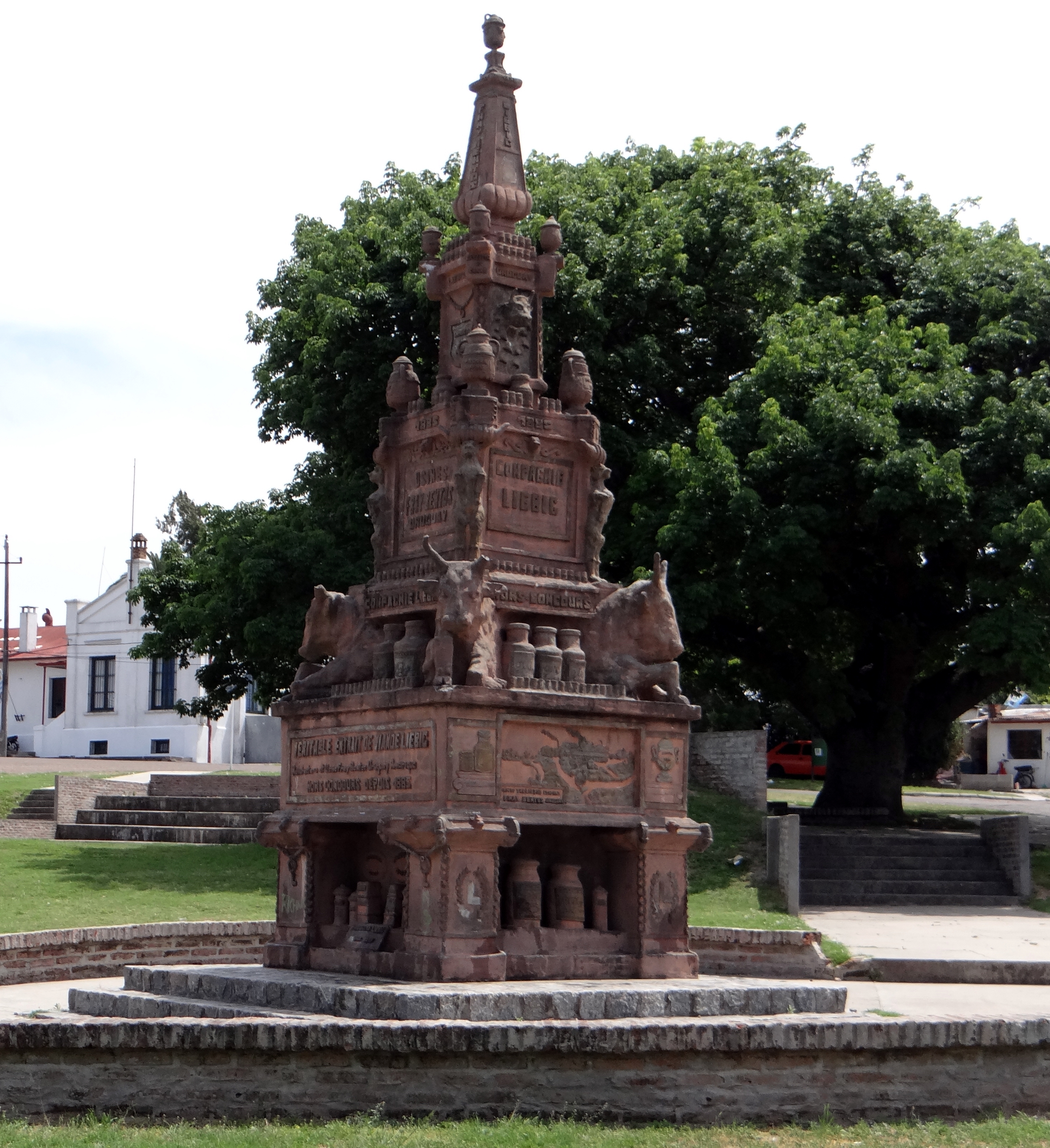
The Liebig monument at the entry part of the old industrial complex.
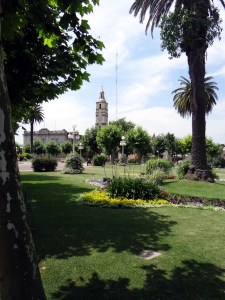
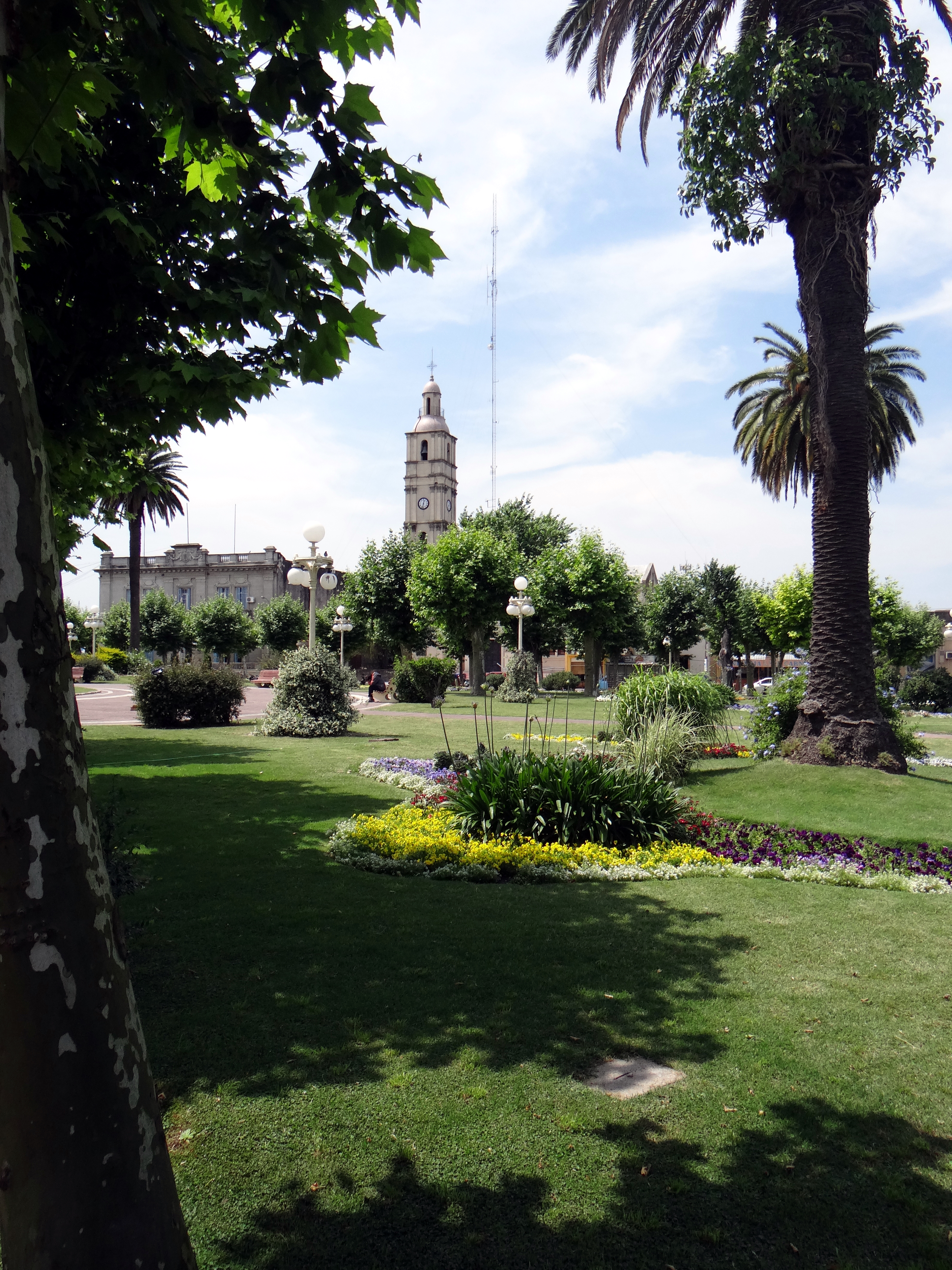
Next to the church, center of Fray Bentos, the old building of ANGLO.
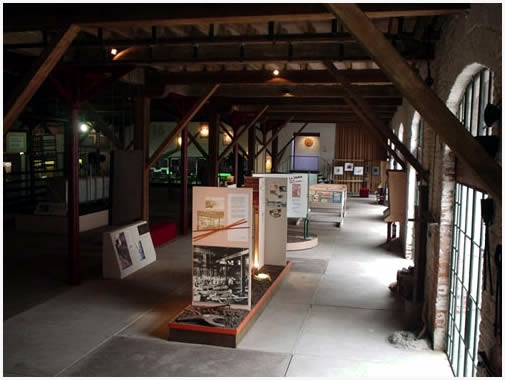
The museum is open for tourism and education, displaying the machinery used in the meat and extract of meat processing, the buildings, an 1893 Merryweather water pumping machine, a complete canning plant, a meat-cooking plant, and laboratory full of chemicals and chemistry jars, flasks and stoves. The museum collection contains hundred’s of photos and glass negatives detailing the working life at Liebig’s.
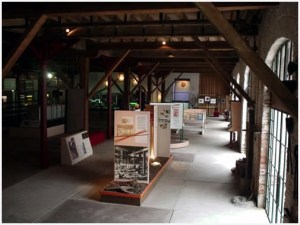
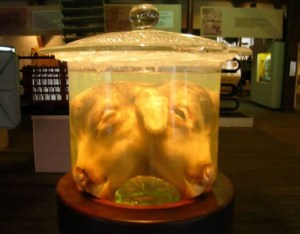
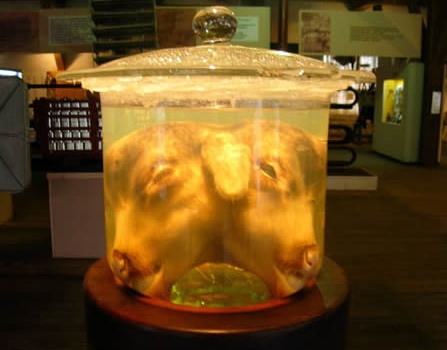
Several view’s from inside the museum. And the most photographed display,
a freak of nature: The two-headed calf.
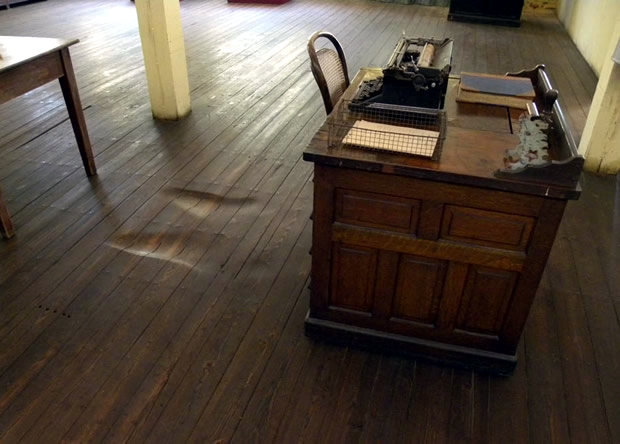
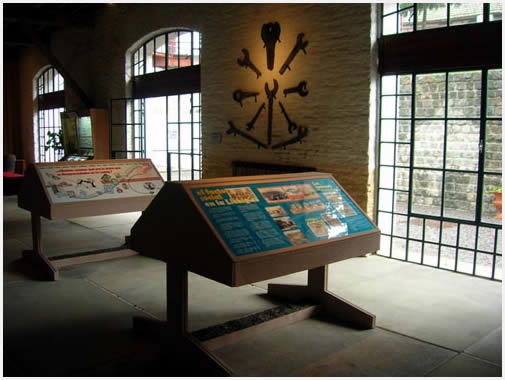
And now the „Liebig Collectors“ Section.
Many 100000’s of collectors worldwide are interested in Liebig items.
Colorful calendars and trading cards were also marketed to popularize the product. Liebig produced many illustrated advertising products: table cards, menu cards, children’s games, free trading card sets, calendars, posters, poster stamps, paper and other toys.
There are 4 main collecting areas. Down here you’ll find examples of these Hobbies.
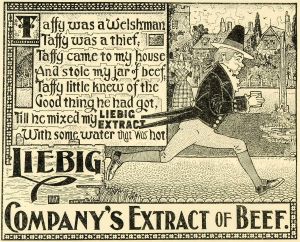
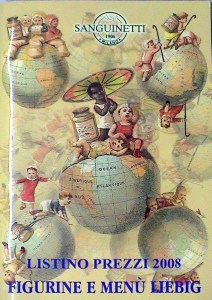
Liebig advertising in past and present.
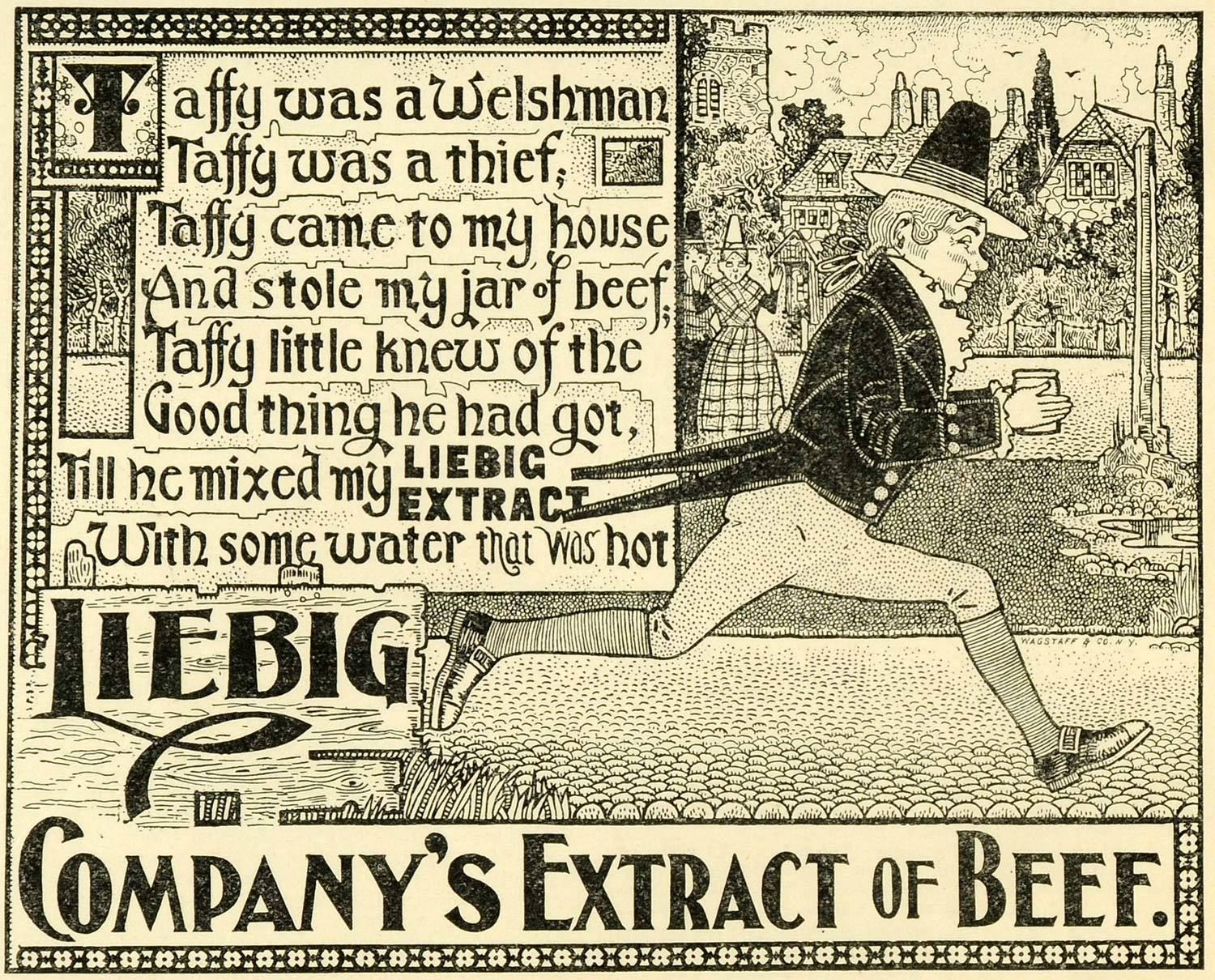
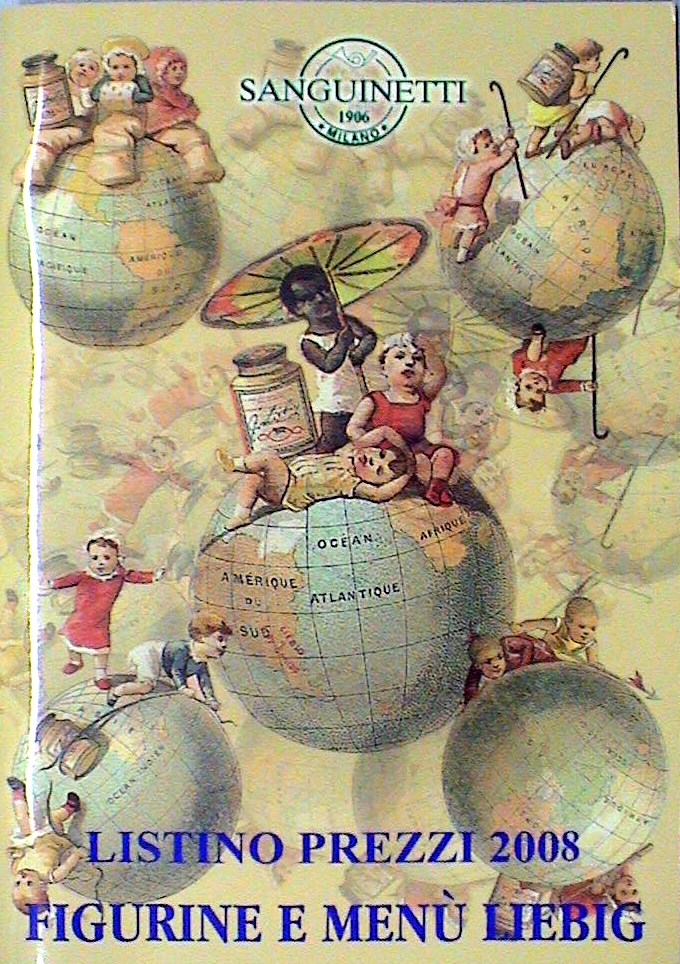
Cookbooks.
Liebig’s company worked with popular cookery writers in various countries to popularize their products. German cookery writer Henriette Davidis wrote recipes for Improved and Economic Cookery and other cookbooks. Katherina Prato wrote an Austria-Hungarian recipe book, Die Praktische Verwerthung Kochrecepte (1879). Hannah M. Young was commissioned in England to write a cookbook for the Liebig Company. Her popular cookbook, The Liebig Company’s Practical Cookery Book, was published in 1893. In the United States, Maria Parloa extolled the benefits of Liebig’s extract.
Hannah Young’s cookbook, England. Inside page from a recipe book Henriette Davidis.
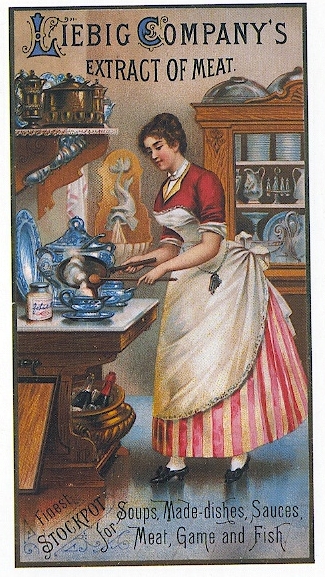
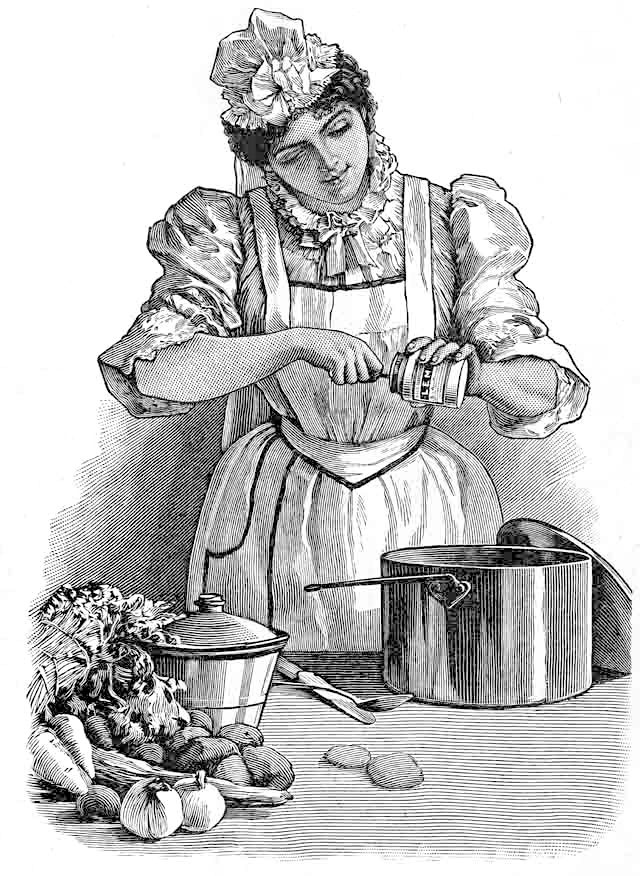
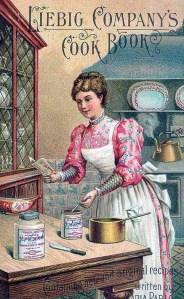
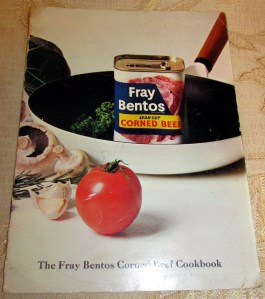
The very rare cookbook of Maria Parloa, United States. A more modern Fray Bentos cookbook, 1950’s.
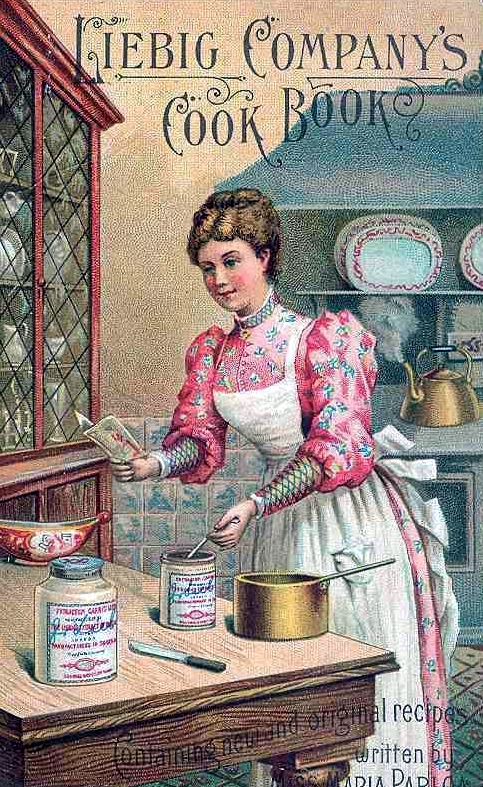
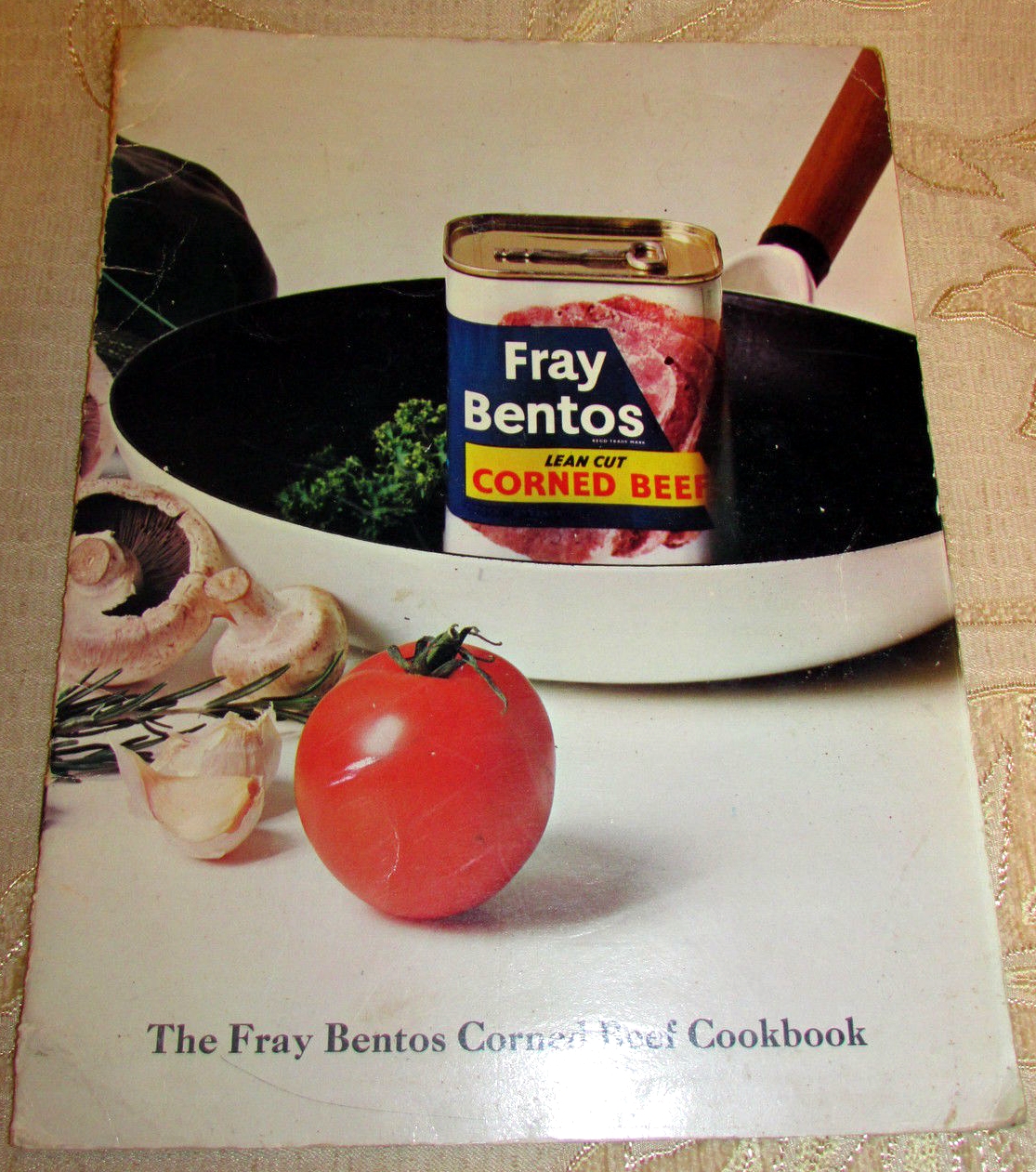
Cans, Labels, Calenders, boxes and other items.
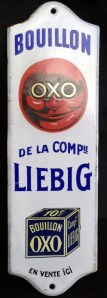
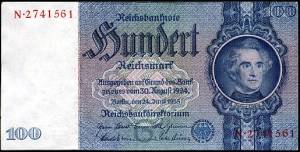
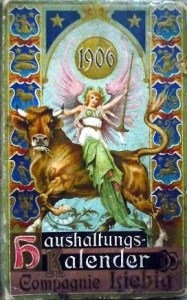
Left: Extreme rare door shield. Middle: German bank note with Liebig pic. Right: Rare Calender from 1906.
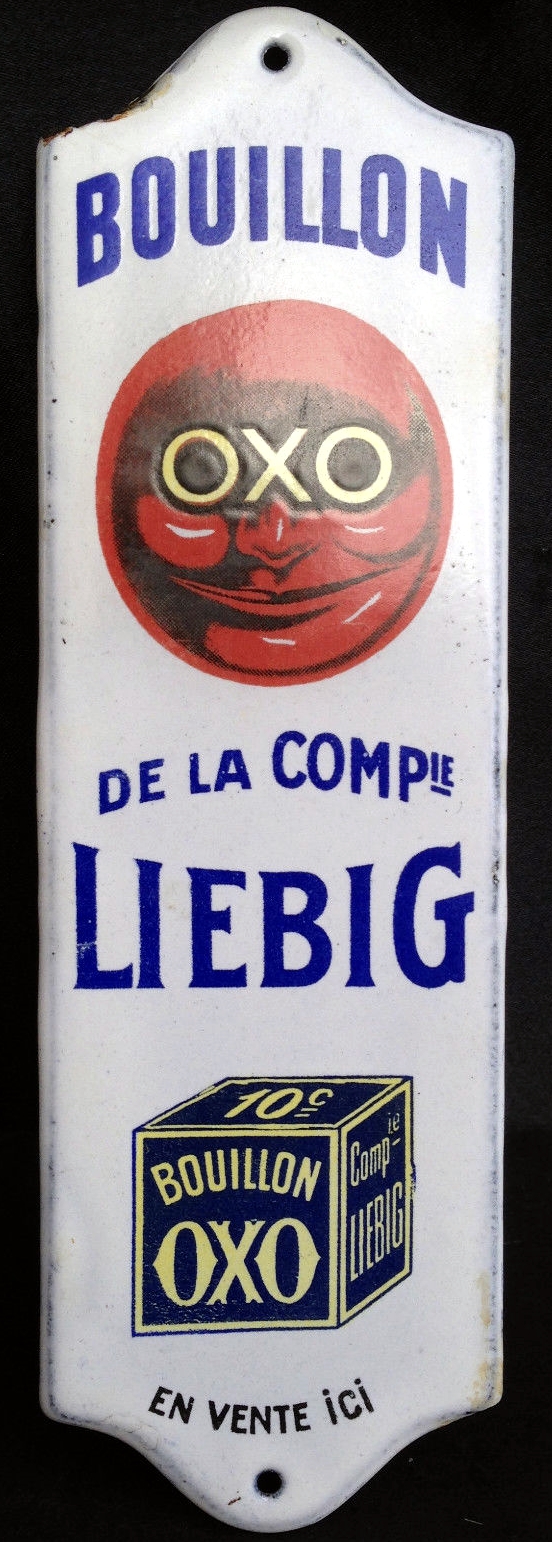
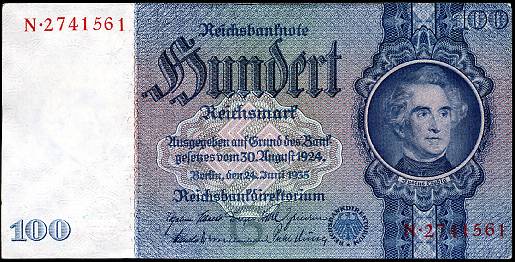
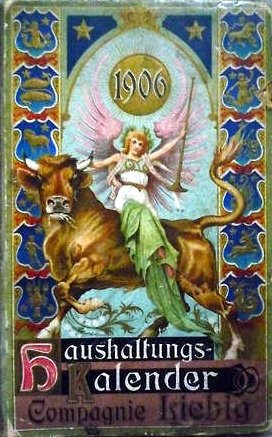
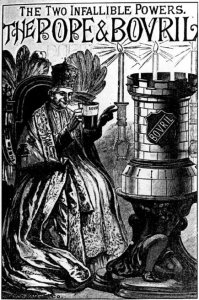
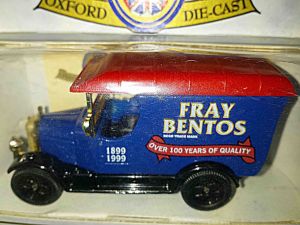
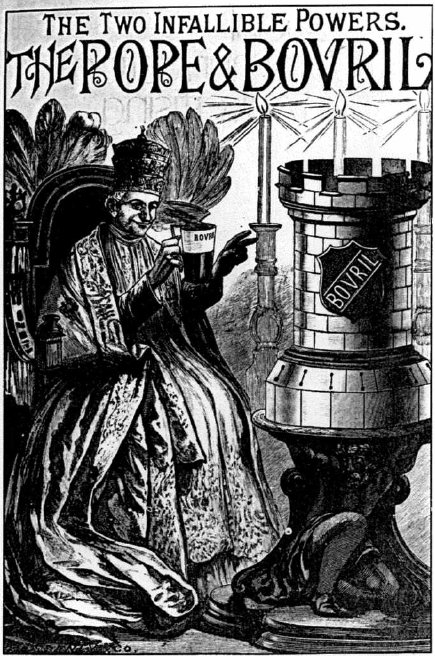
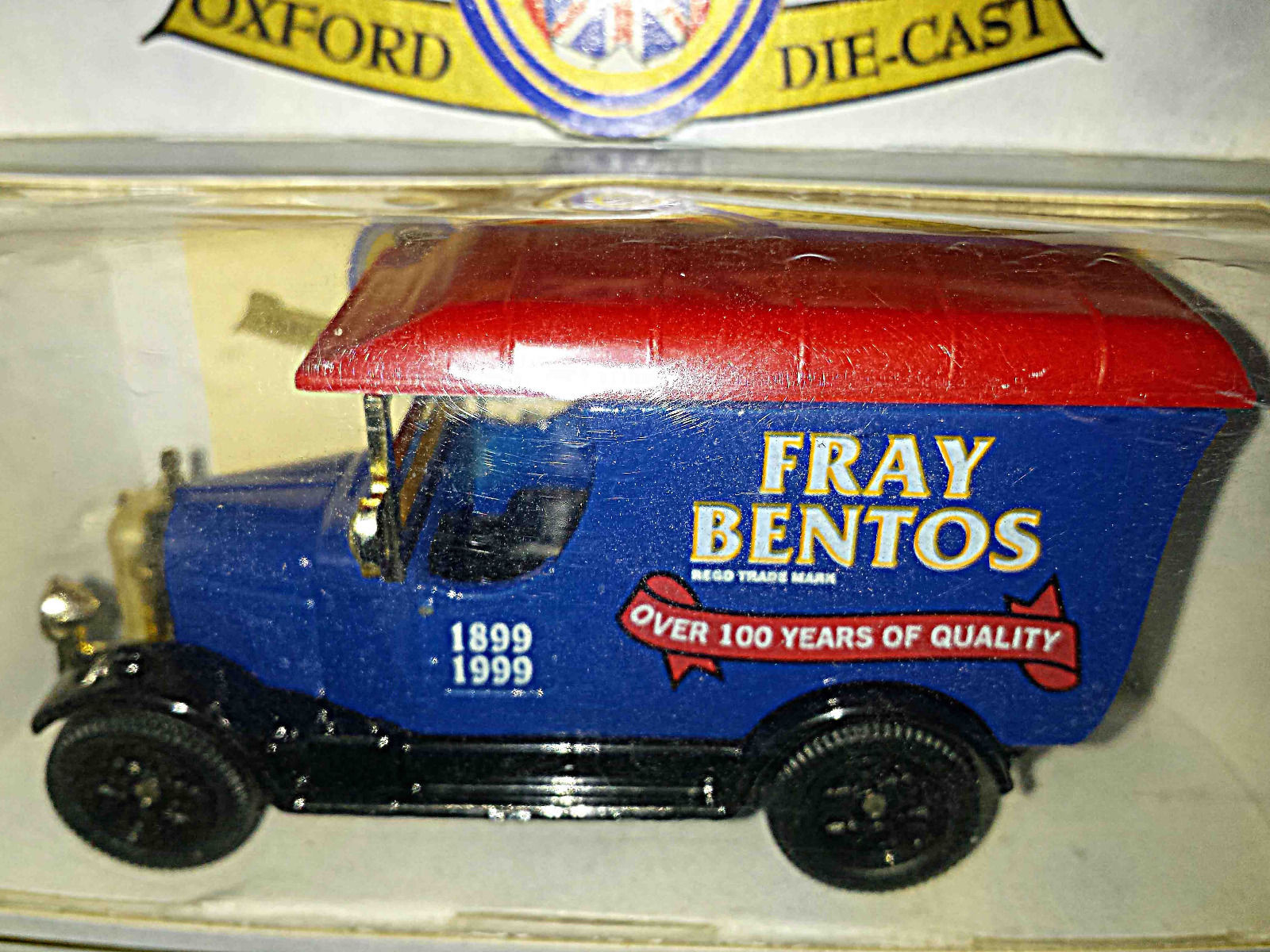
Even the Pope likes Liebig’s extract. Die Cast toy truck for 100 years Fray Bentos Oxford.
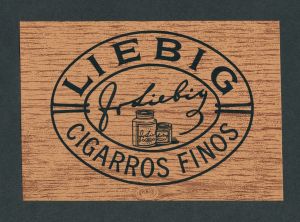
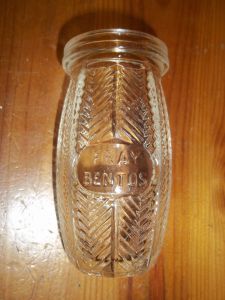
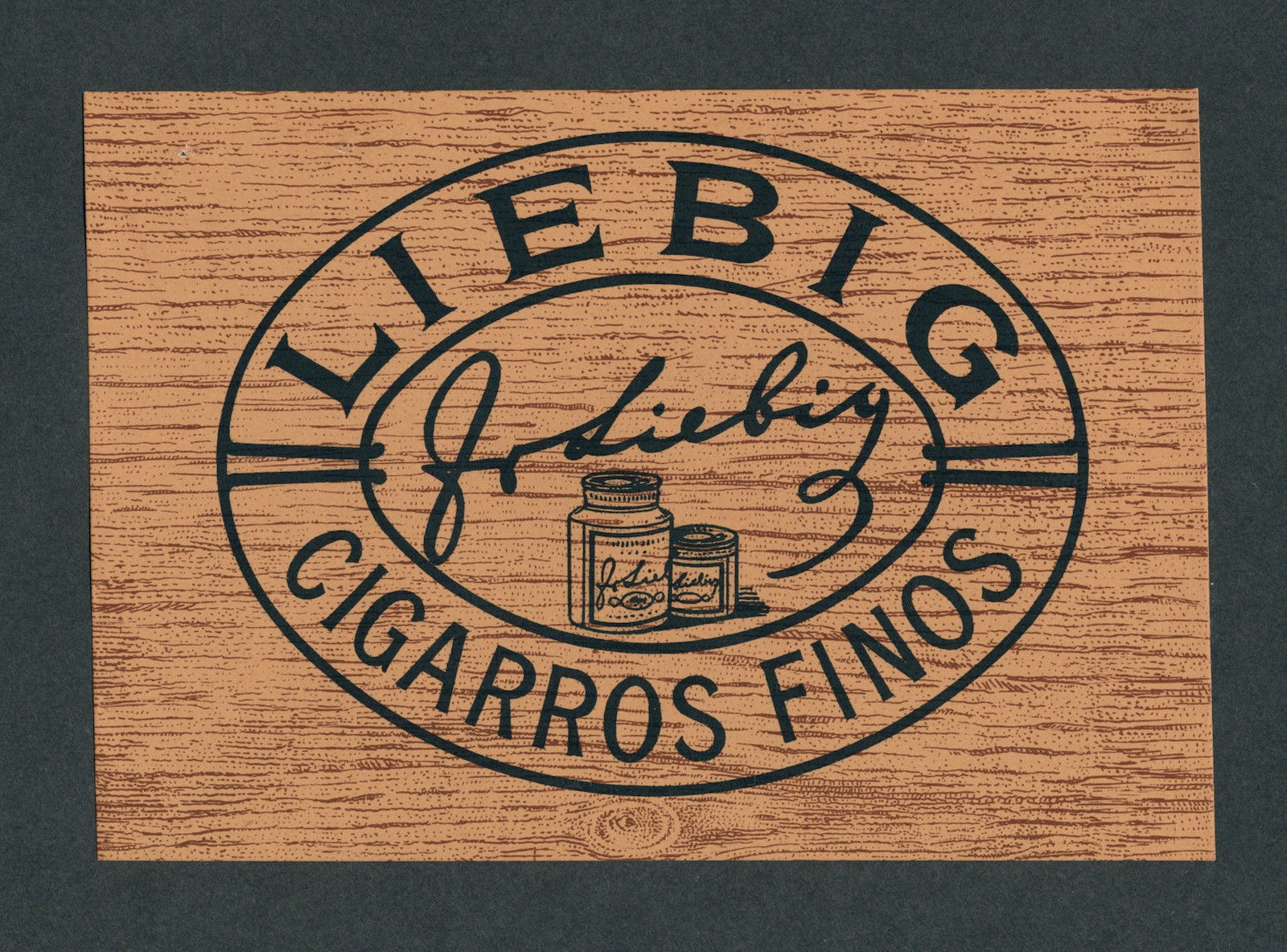
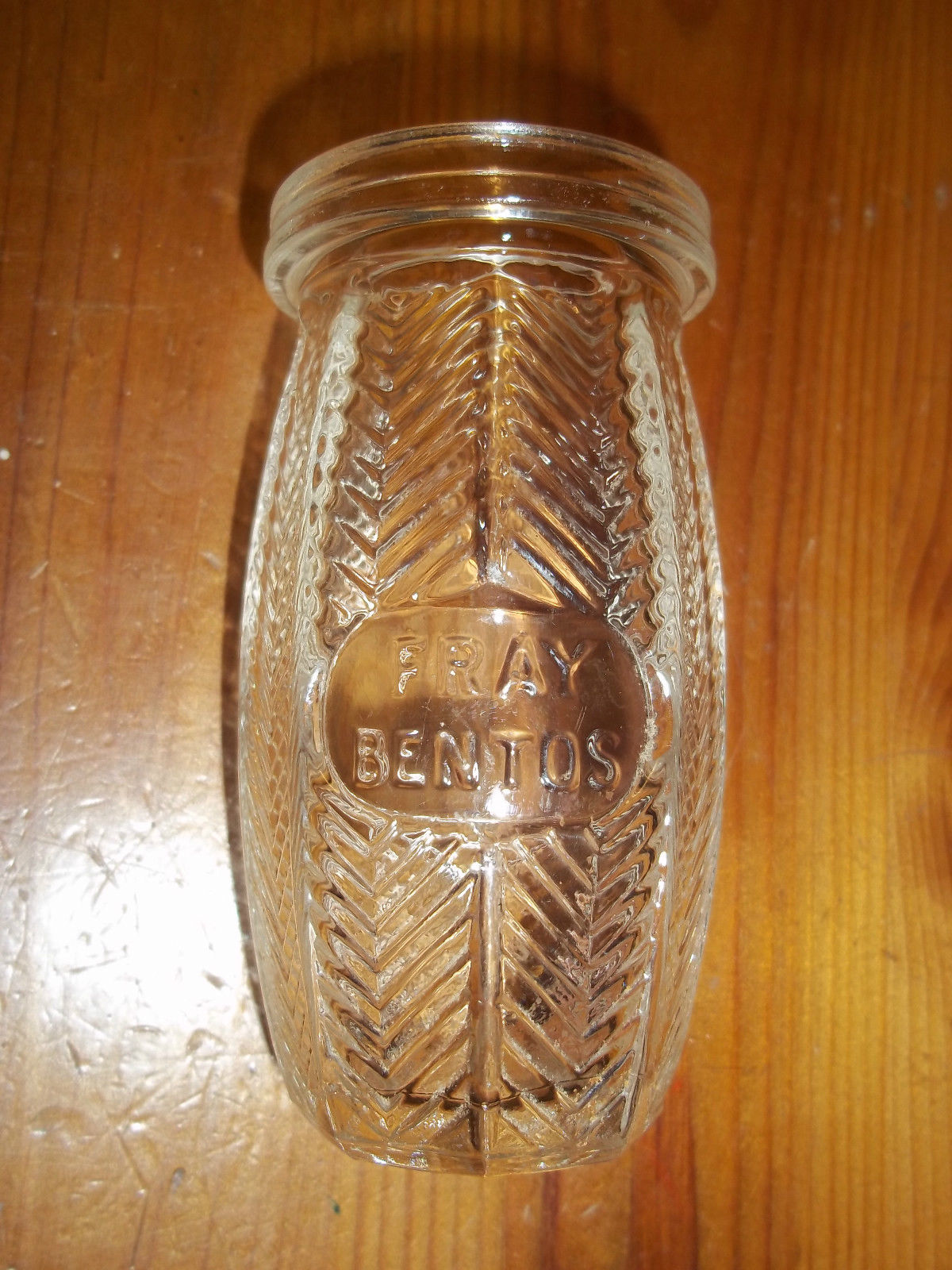
Why not a Liebig Cigar ? Cigar box from around 1910. Extremely rare Fray Bentos glass bottle from 1900.
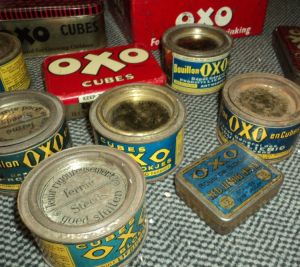
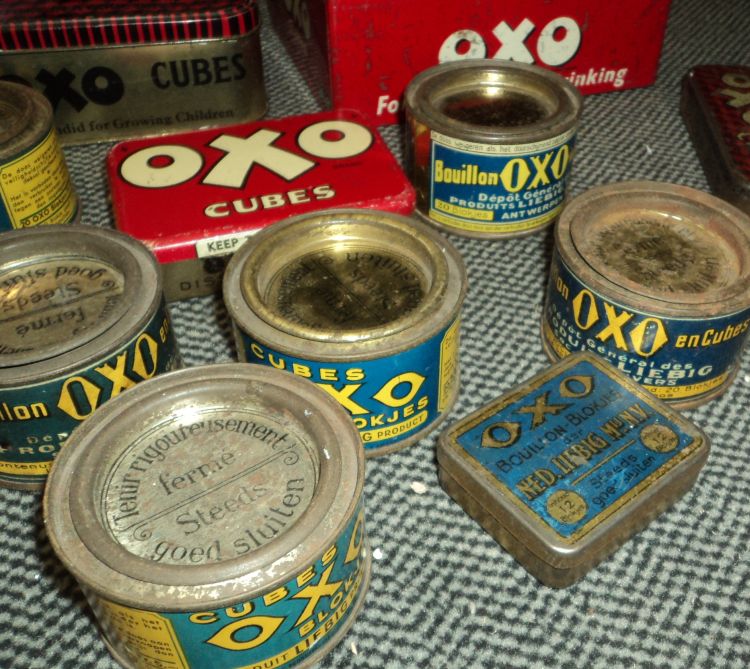
A collection of rare old OXO cans from the early 1900’s to the 1920’s.
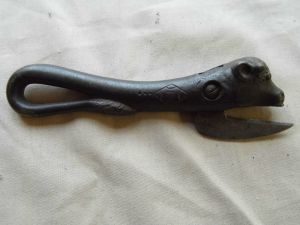
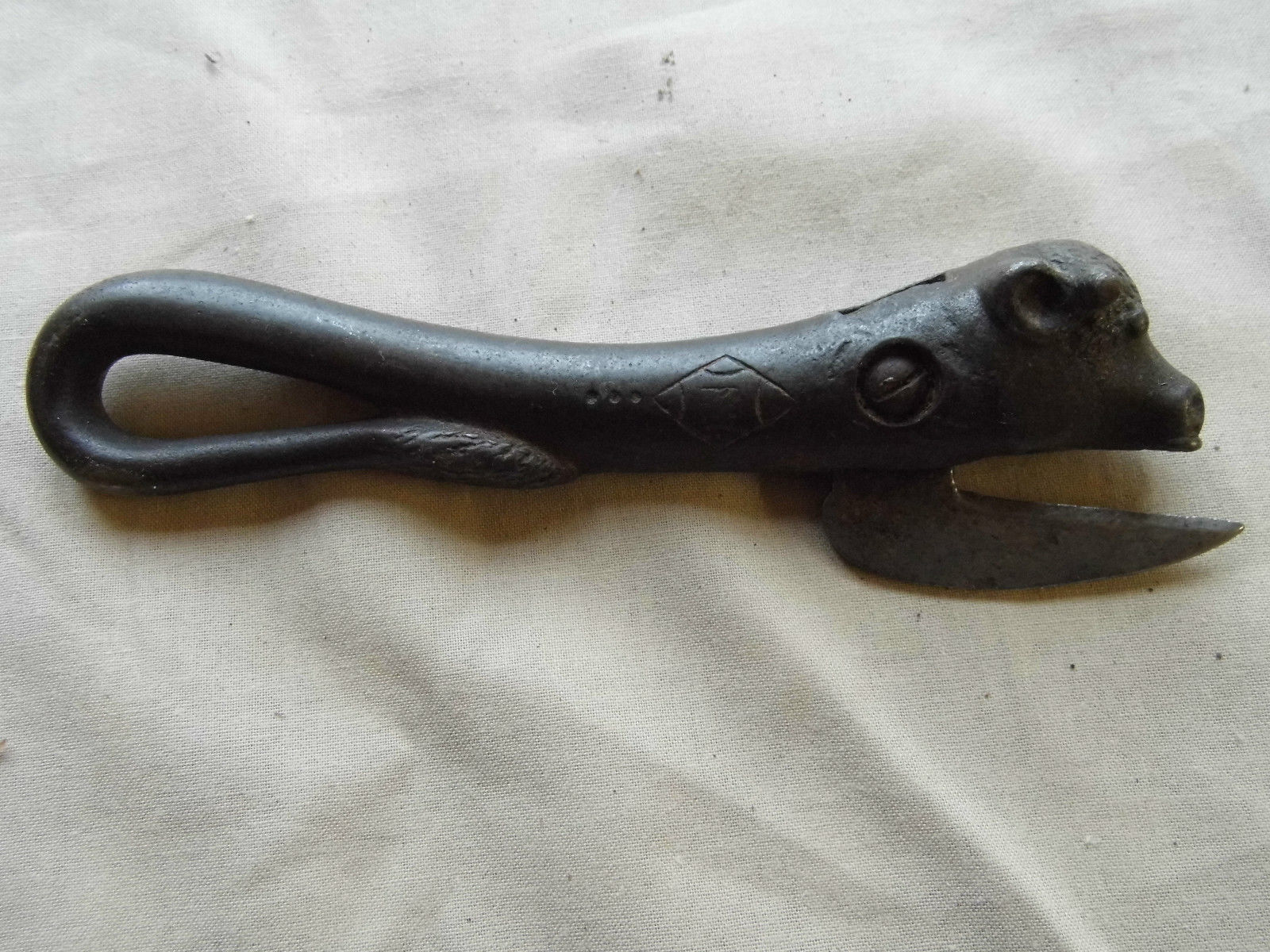
And an antique, ultra rare, can opener from the 1880’s. Notice the bull design with head and tail.
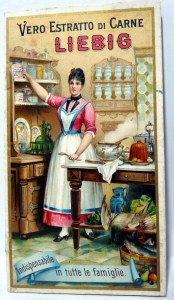
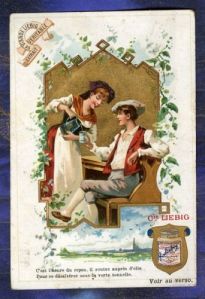
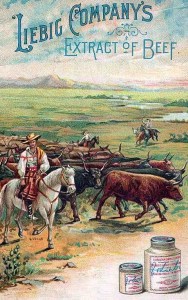
Wonderful designed sales (products and prices) catalogs from different countries, 1890 – 1898 – 1910.
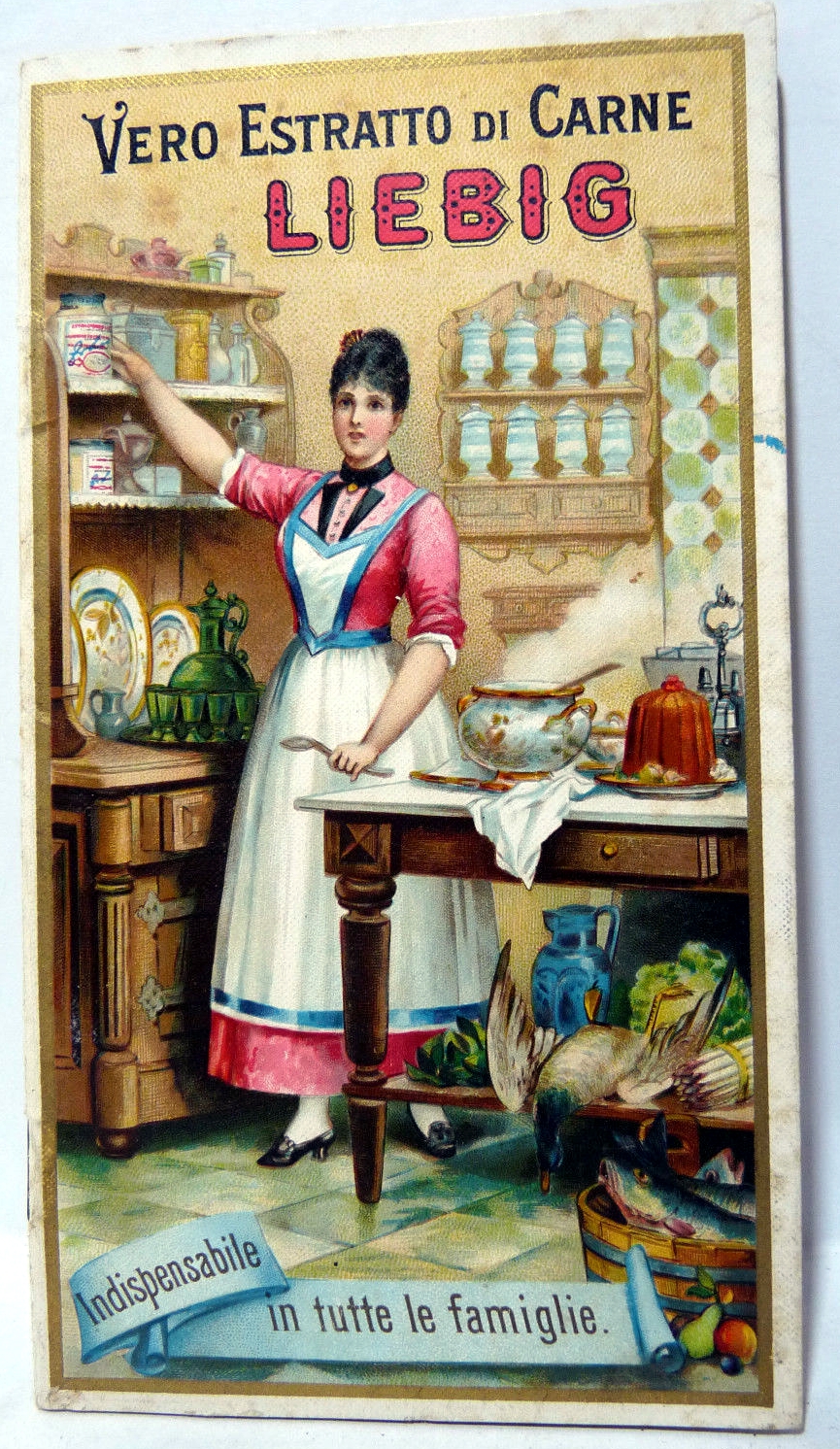
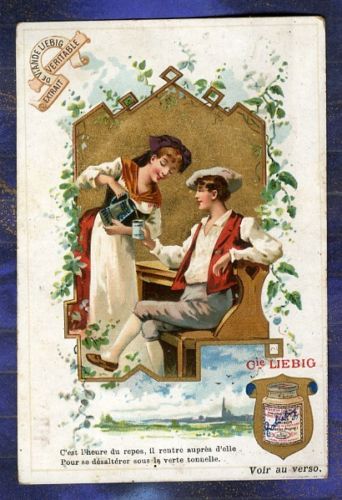
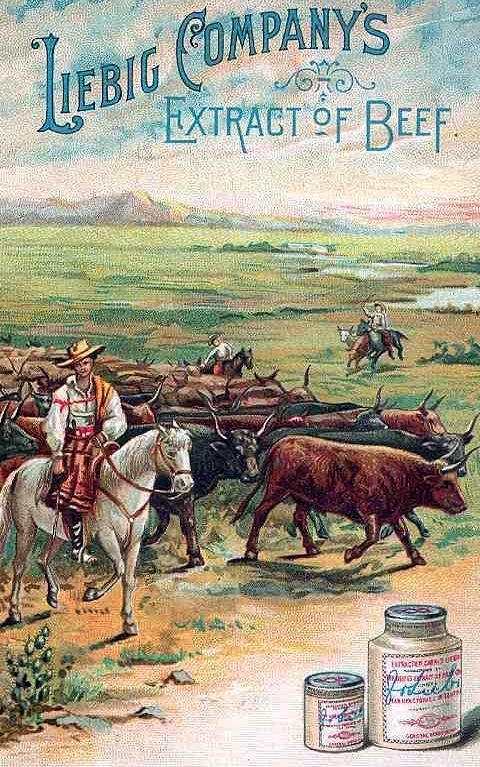
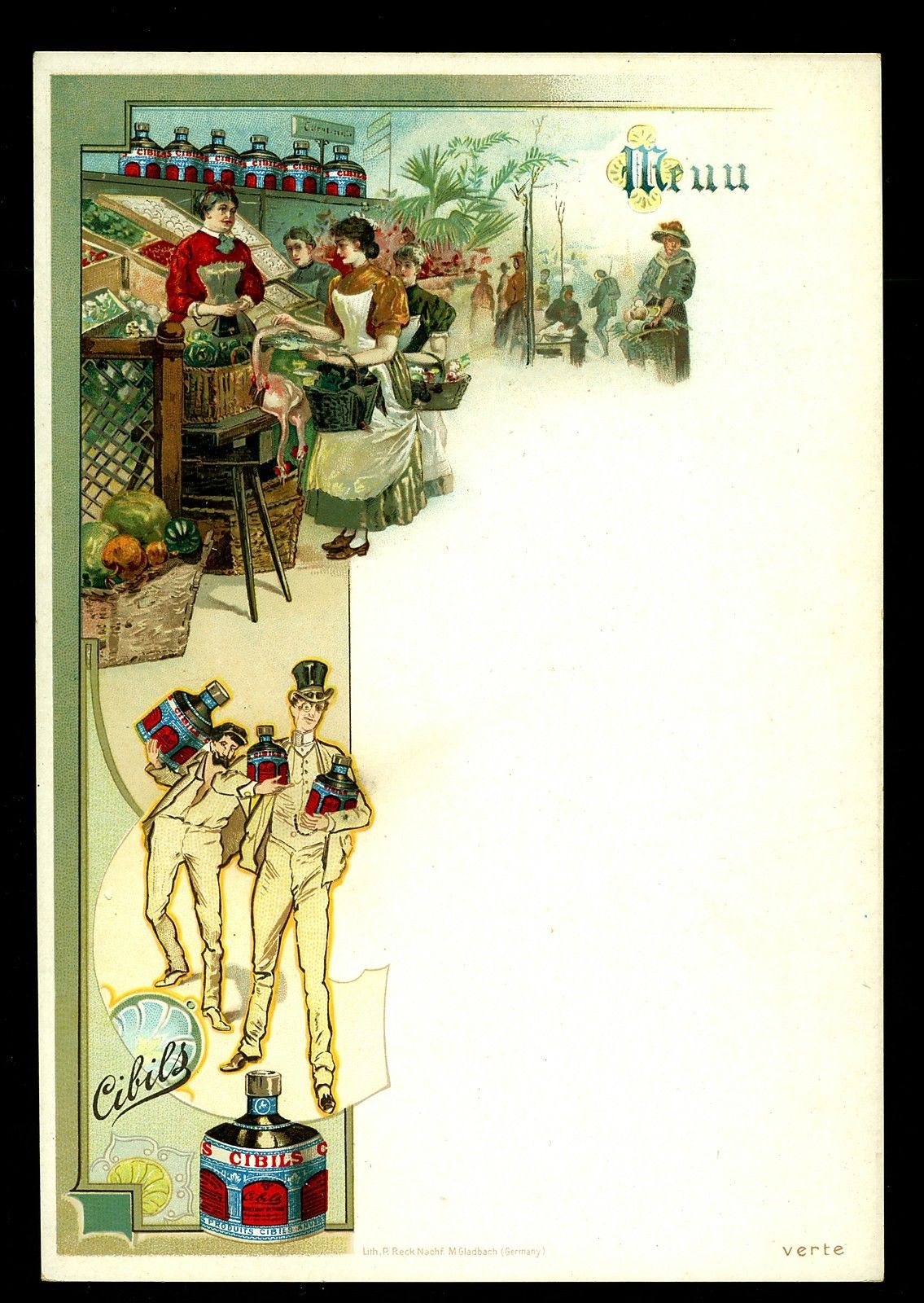
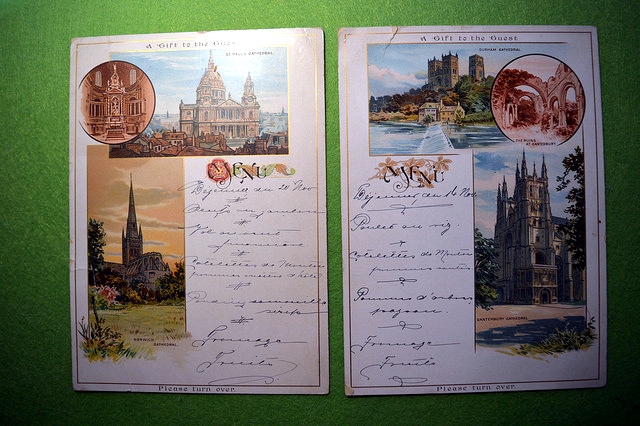
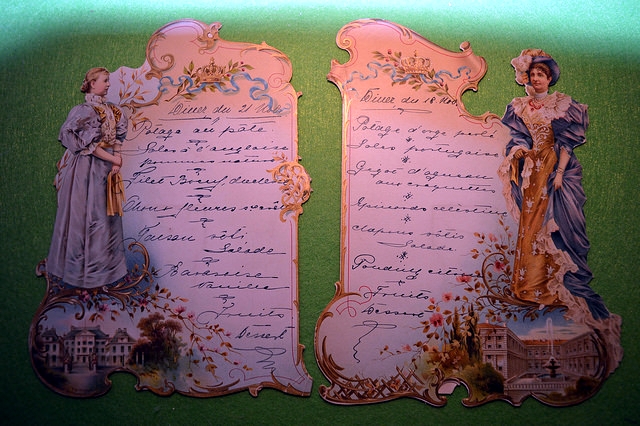
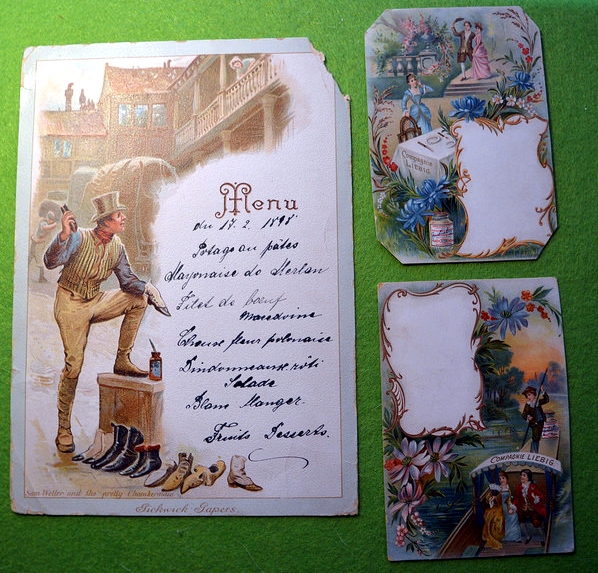
Menu cards.
One will find menu cards in all kinds and shapes and decorations. Mostly they are decorated by very well known artists and given away as blank form. Then one fills in the menu details by him/herself. These cards are printed in sets of 6 to motivate the customer to collect. Some have pre printed menus with the cooking recipes on their back. The card size is 99% in Din A6, very very rare you find a bigger size in Din A5, see below.
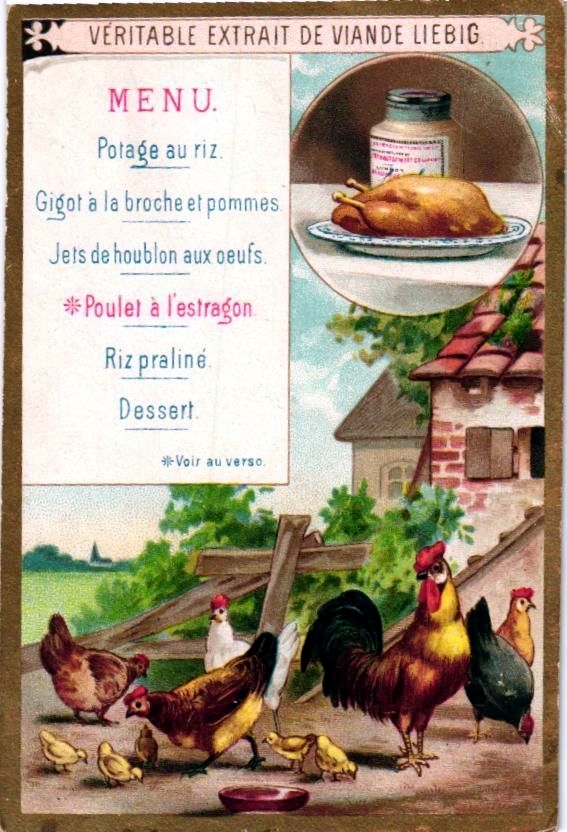
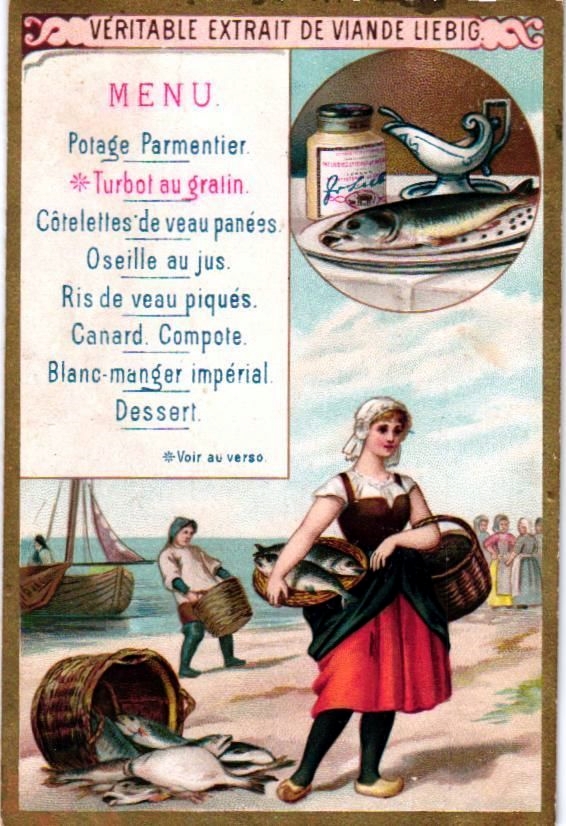
Trading card sets.
In 1872, they began to include sets of trading cards featuring stories, historical tidbits, geographic tidbits, and so on. Many famous artists were contacted to design those series of cards, which were first produced using true lithography, then litho chromo, chromolithography, and finally offset printing. The cards remain popular with collectors and are often collected in albums. And – there are thousands of different ones to collect.
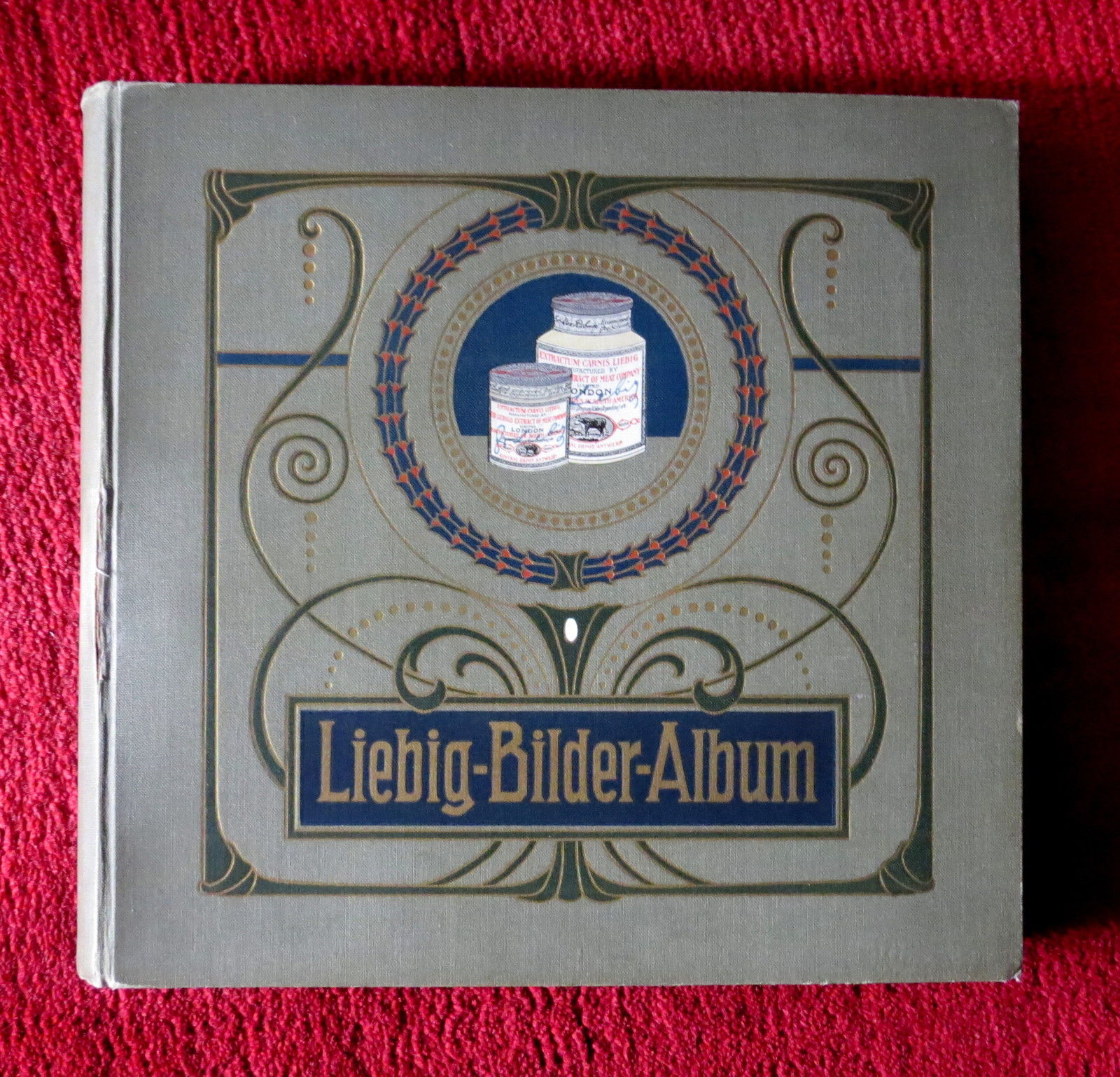
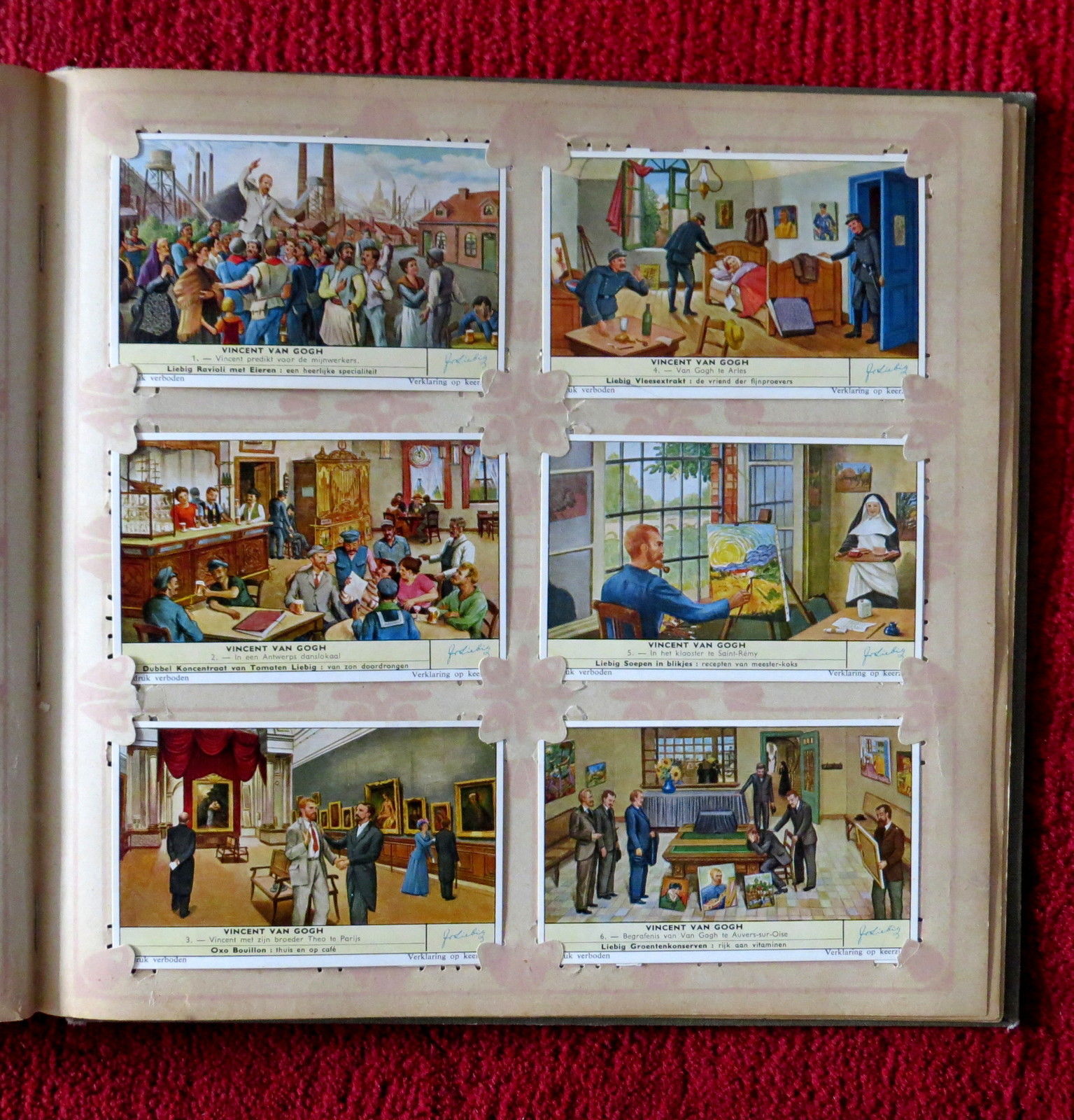
Typical trade card set album. Every page contains one serie of 6 cards. The first series from the 1880’s are of course the most expensive ones. If you are interested in collecting or prices, have a look into ebay.
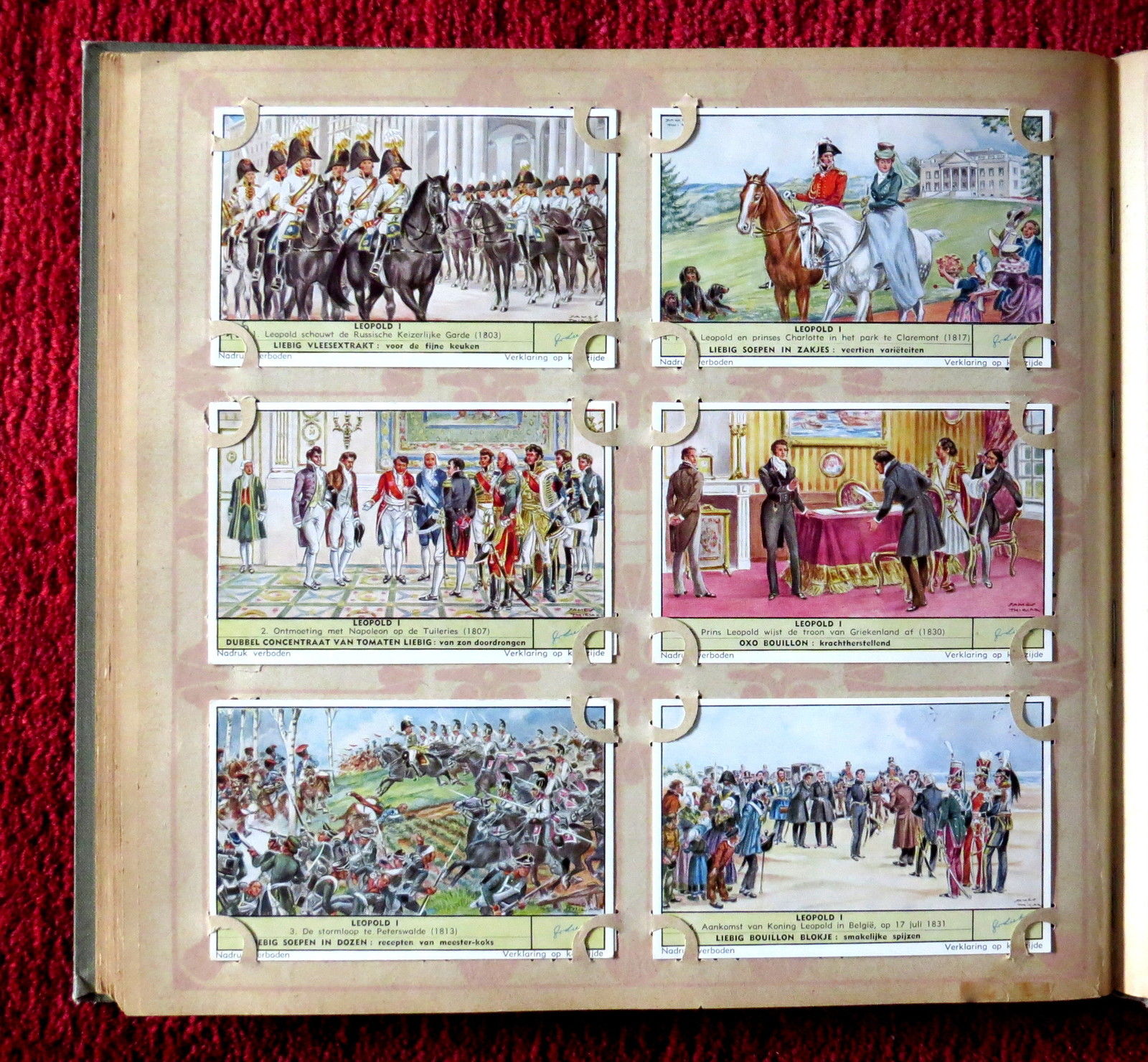
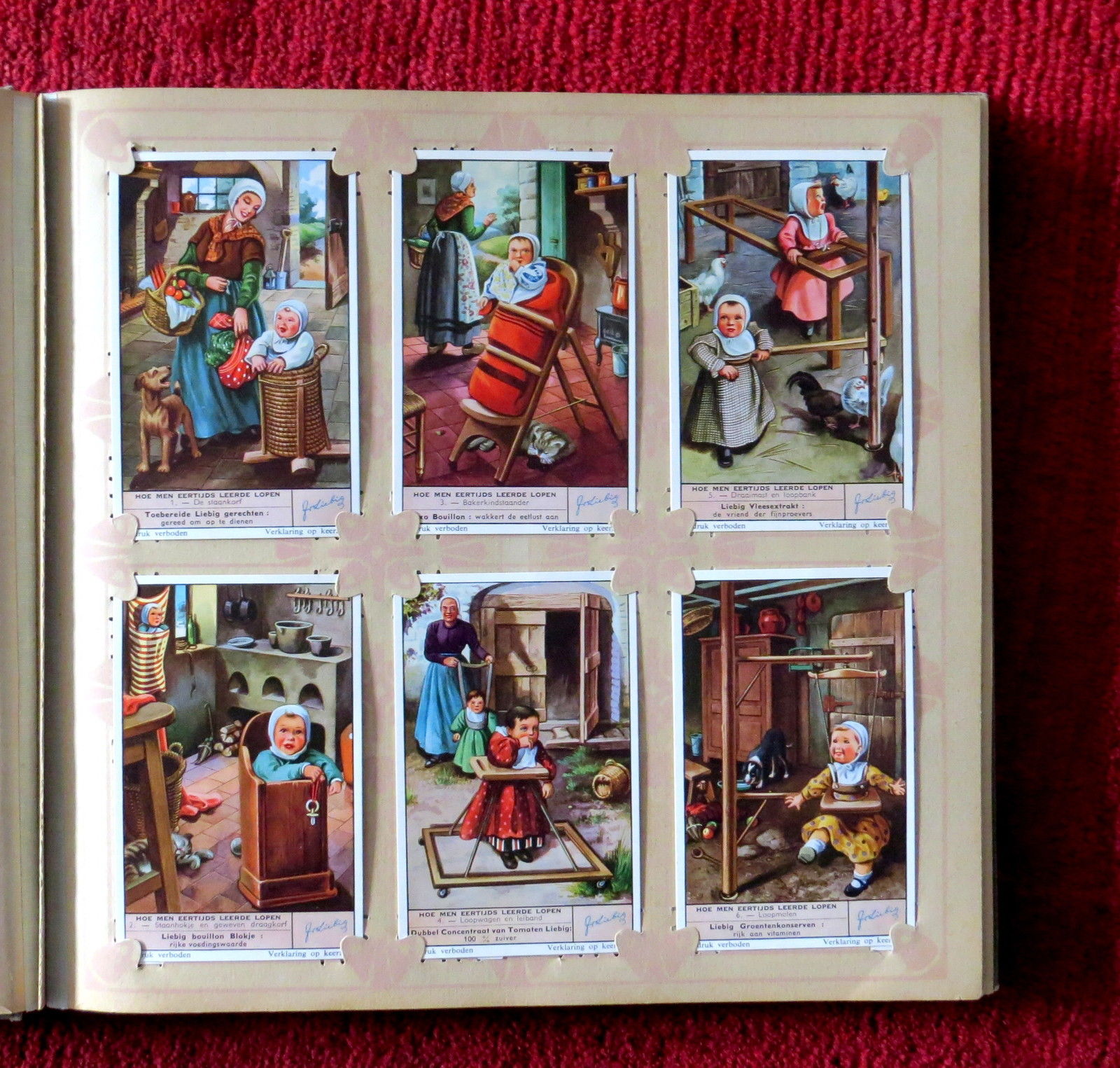
A set usually consisted of six cards, grouped around a particular theme. The card sets told often a story, from card one to card six (like the opera Carmen), or they showed one particular theme (like the set of national anthems). All of them were strongly educating.
Down here some examples of these phantastic card sets.
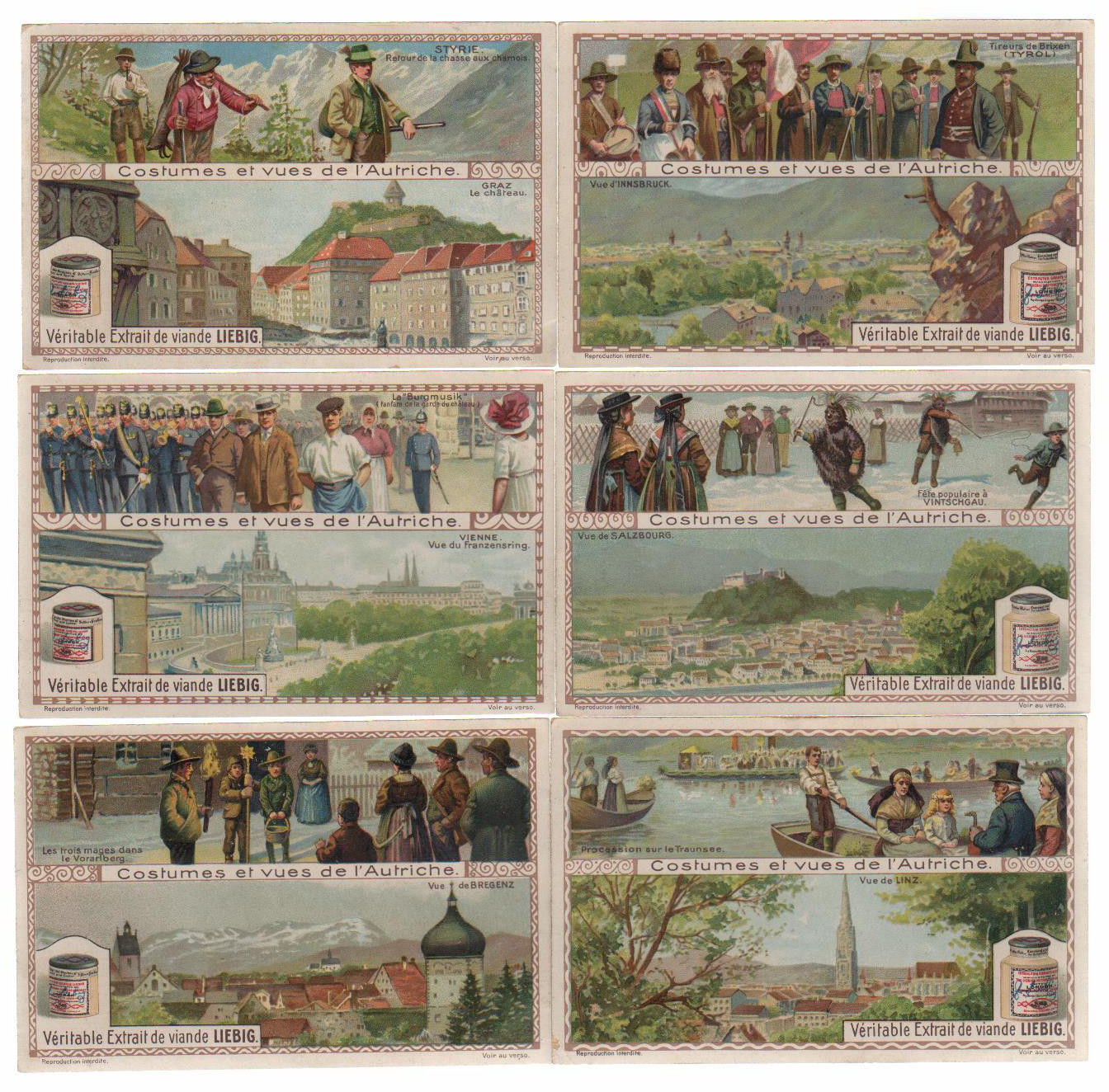
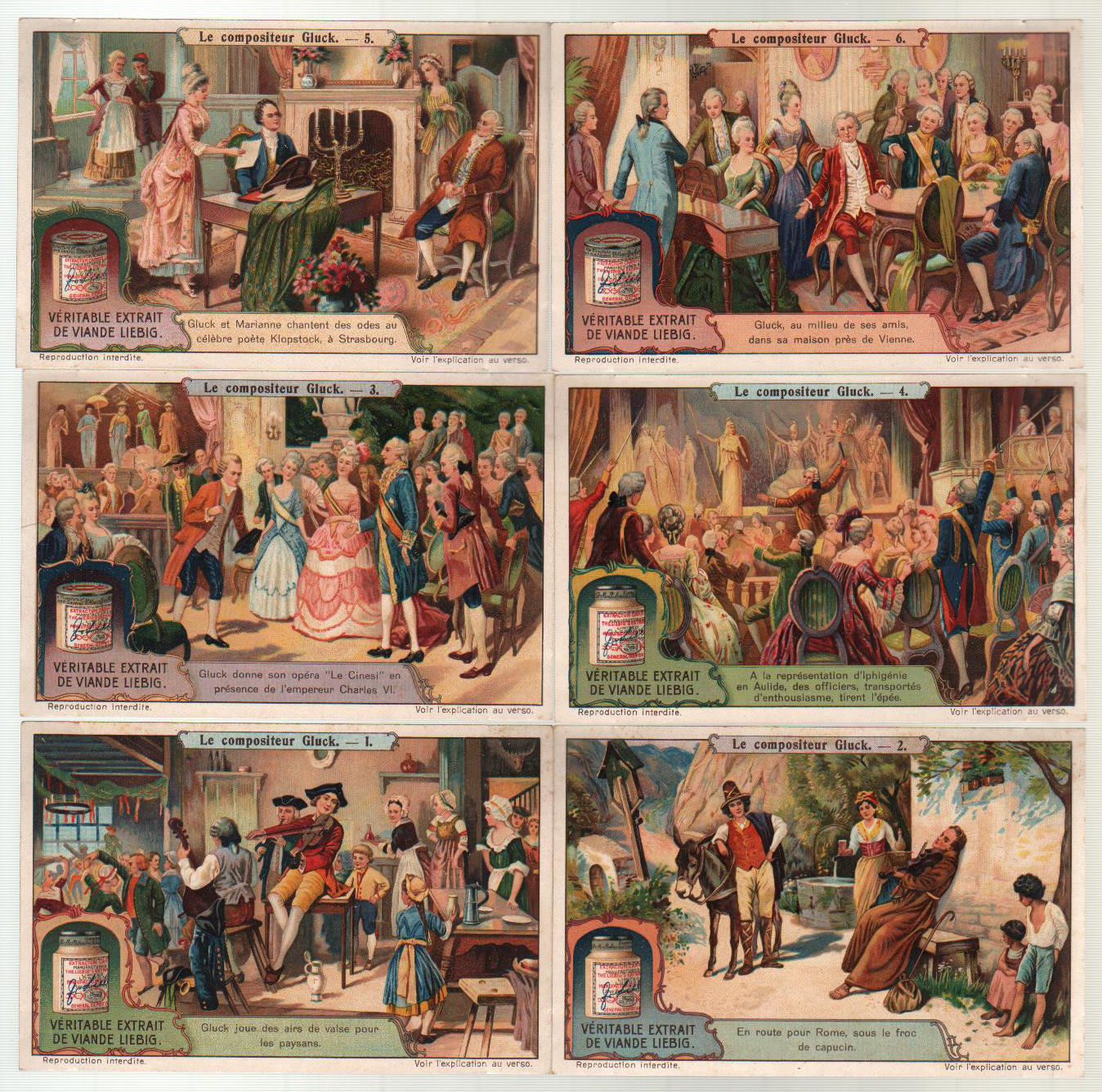
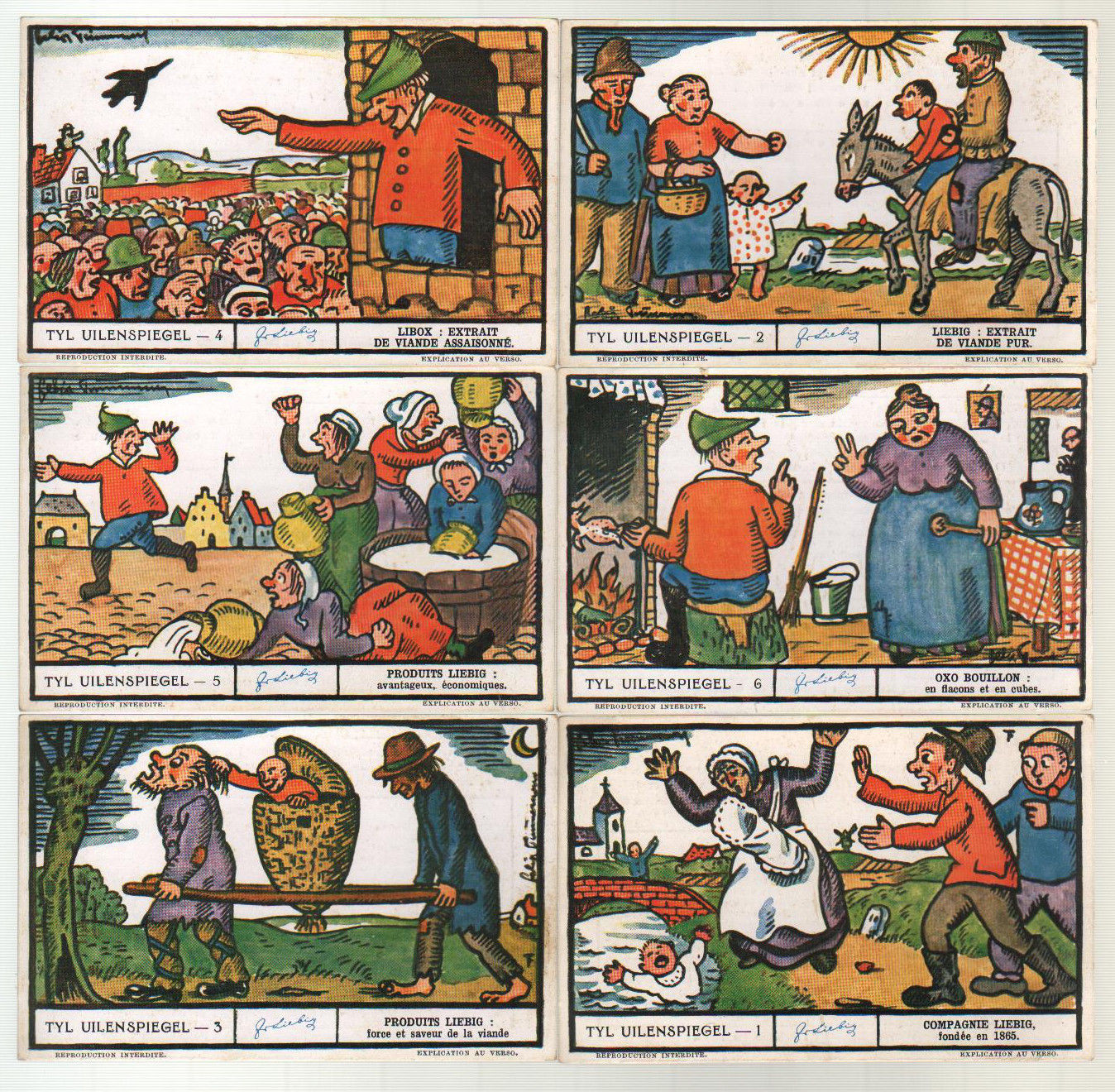
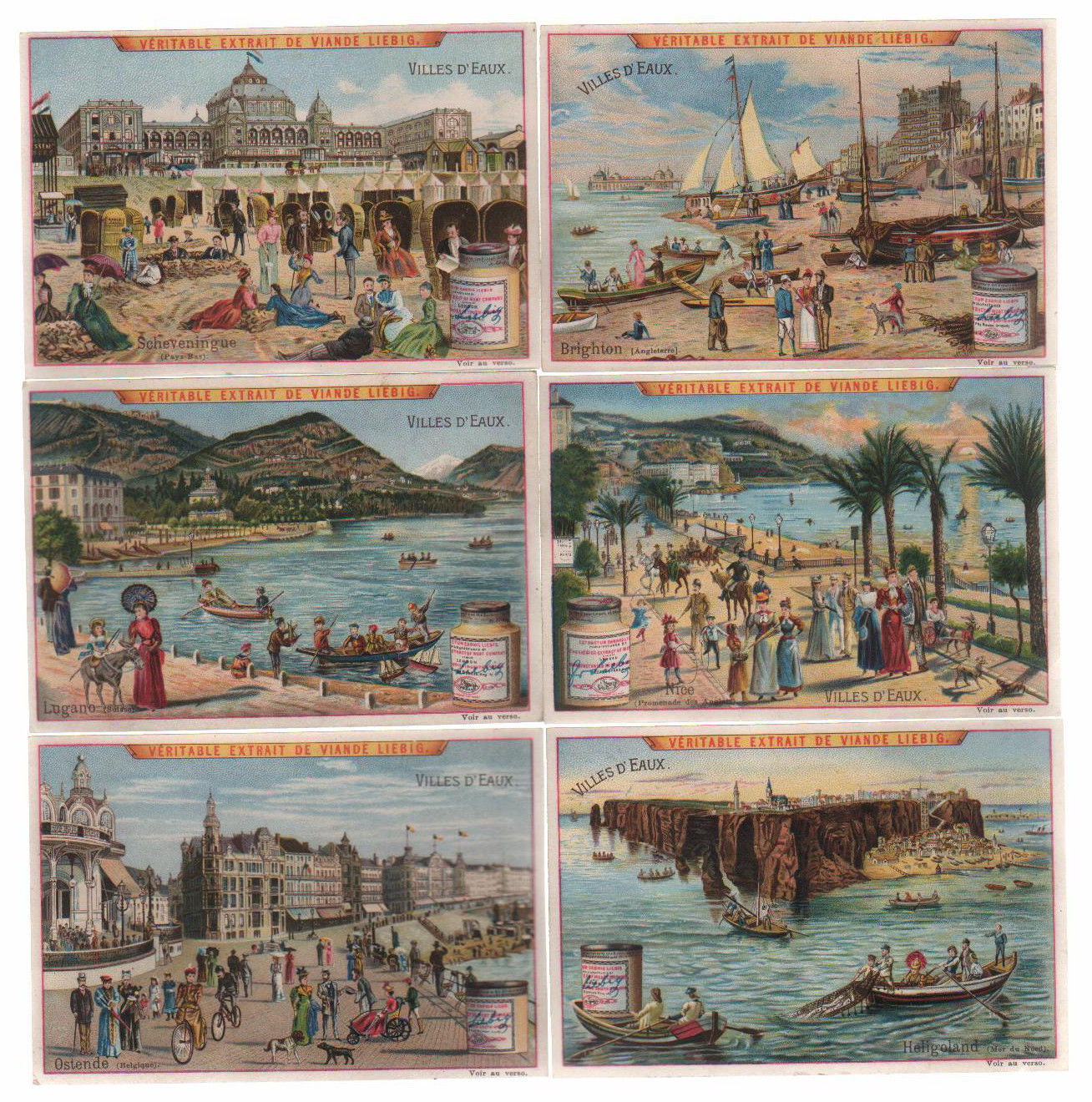
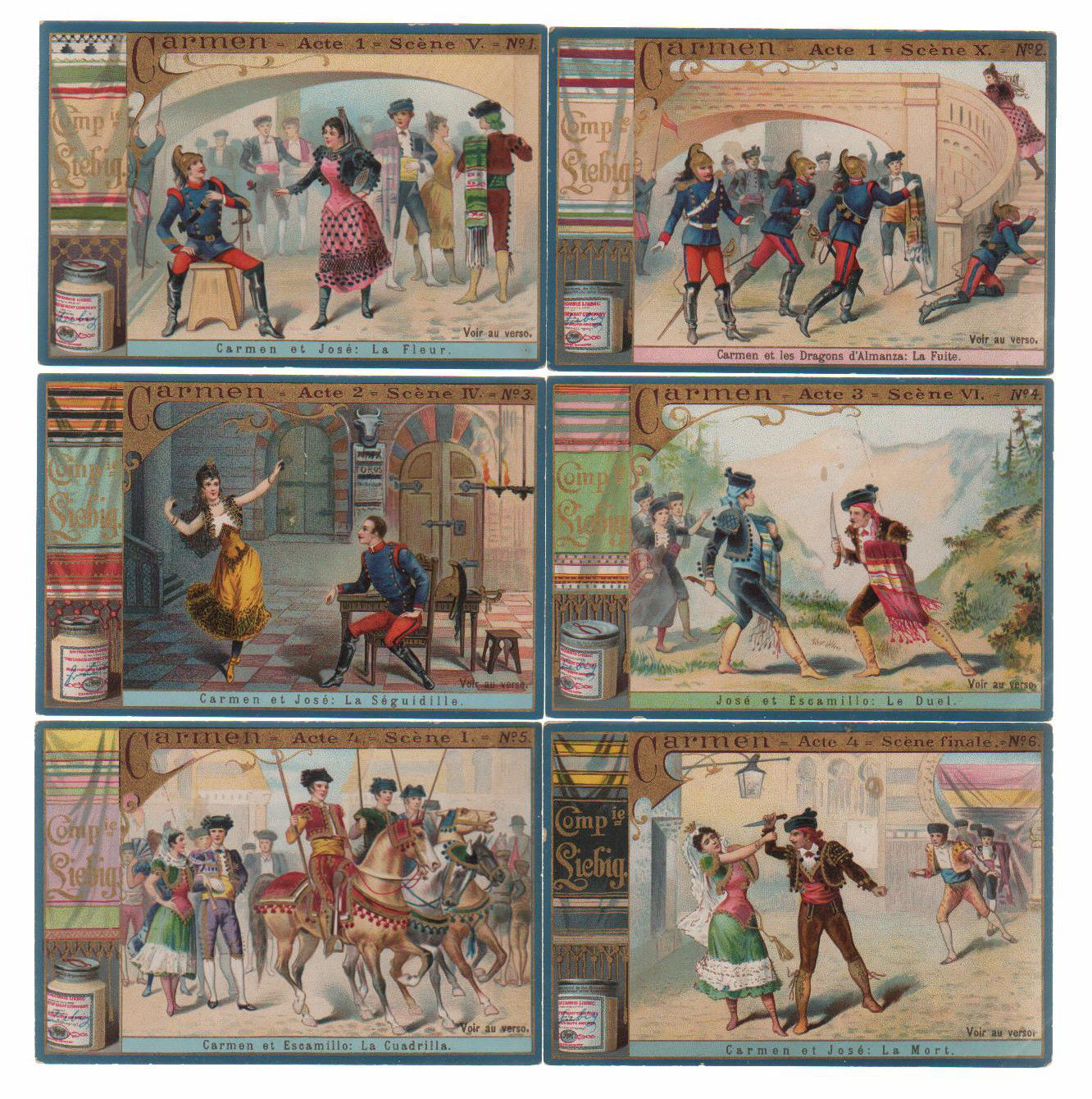
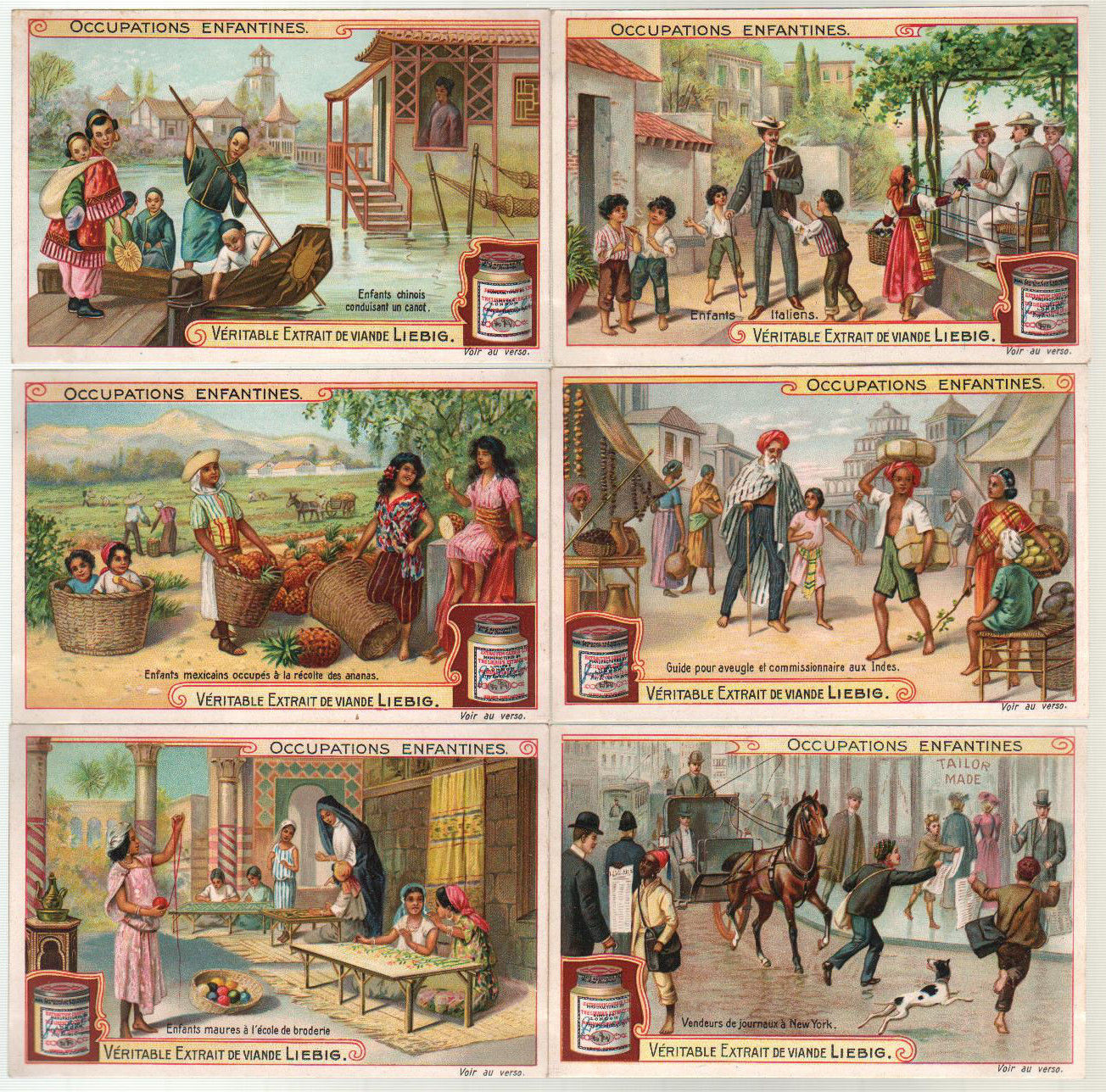
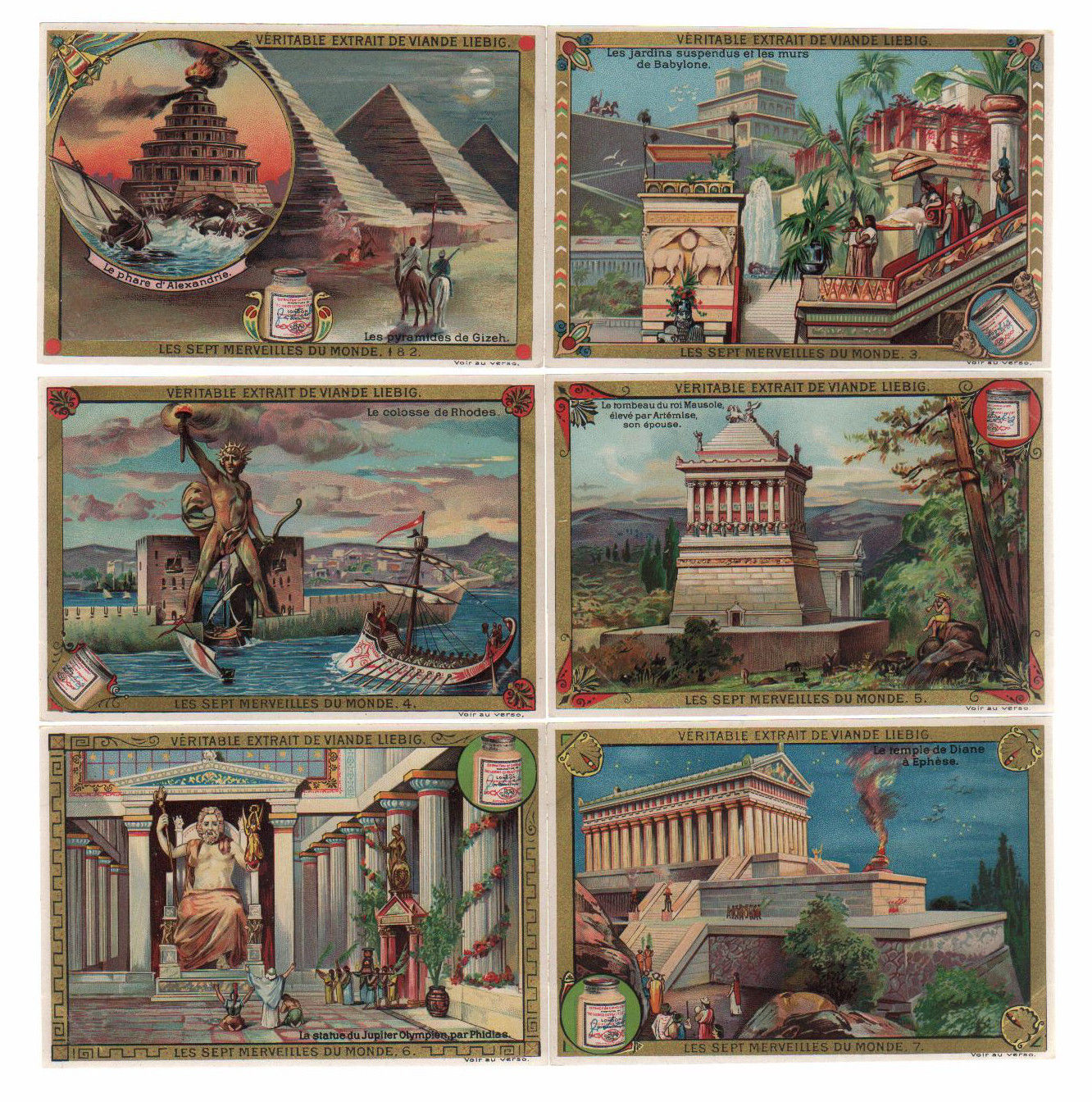
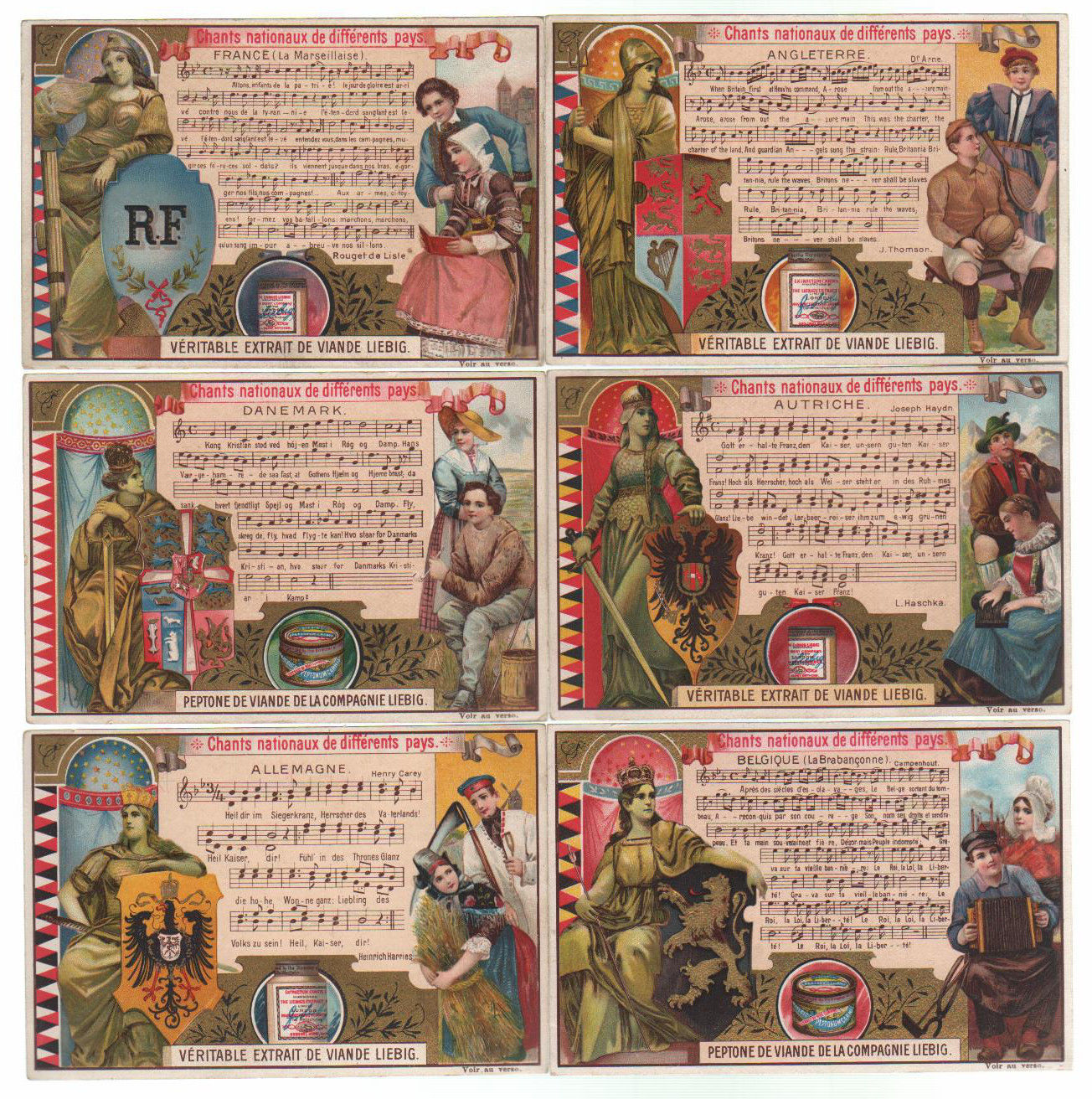
If one ask the question „how many cards or how many sets were printed ?“ then no one can answer precisely. Many countries had their own marketing and trading sections. For sure there were „10th of thousand“ different ones. No collector in this world is known who has all of them. May be you’ll start to collect yourself ? Life is boring without a hobby !!


Toll gemacht, so viele info, danke Dir Anna !
LikeLike
Graag gedaan, Ciao !
LikeLike