The PomPom Hat is Back

This week is the second week of this years Winter Olympics in South Korea. During the last few days I watched some of the Olympic news and  –  WOW, there is a fashion back, which I thought it was dead for many years. What ? The „Bobble Hat“ or „Bommelmuetze“ or „PomPom Toque“ is back. I am totally surprised, but I like it.
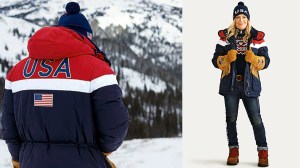

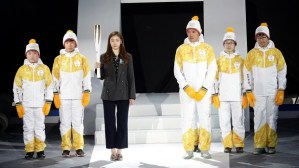
           Team USA (left) and team Switzerland (right), both in their official Olympia 2018 outfit with bobble hats.
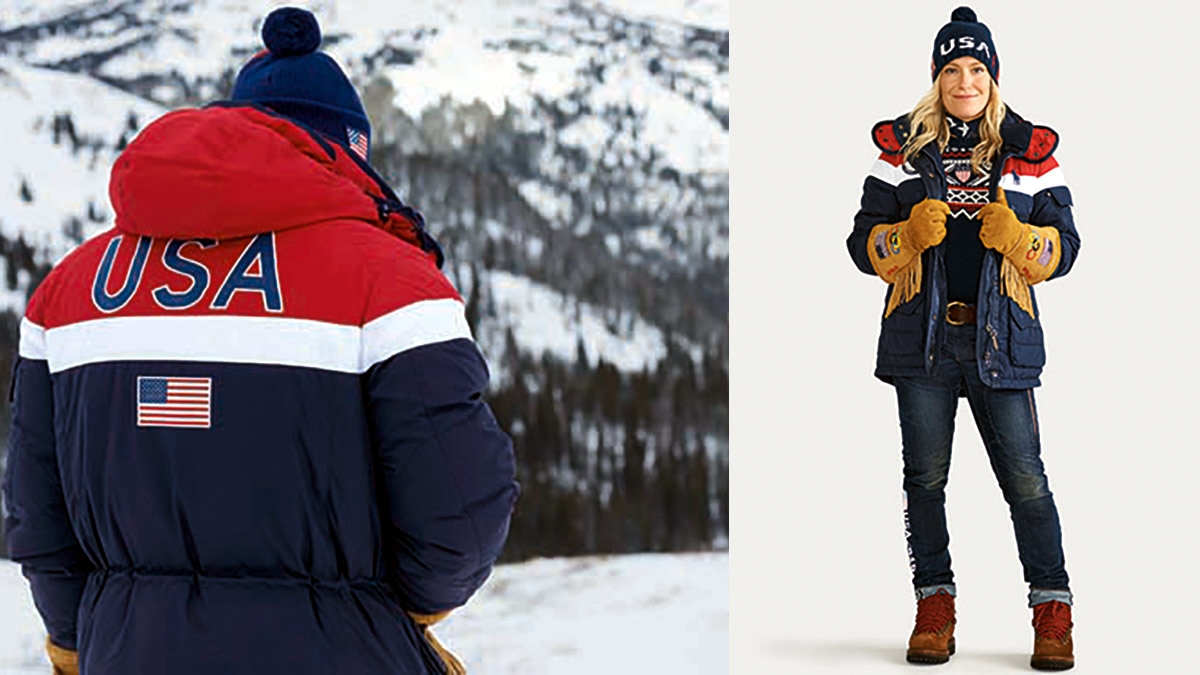
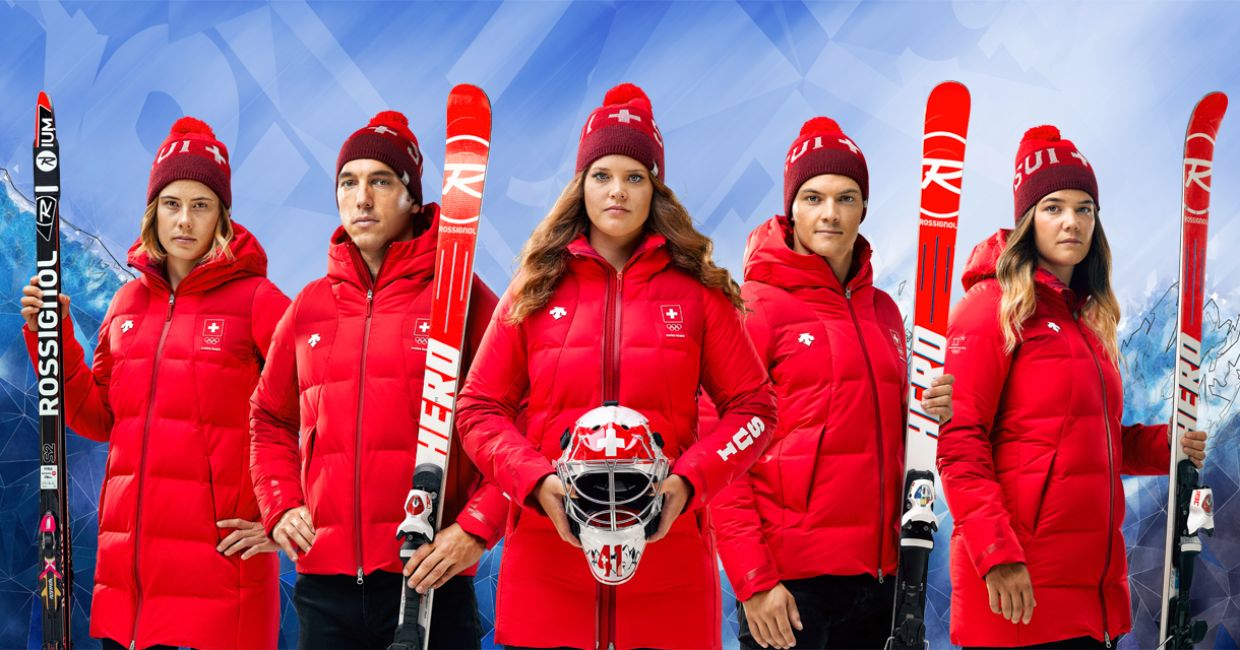
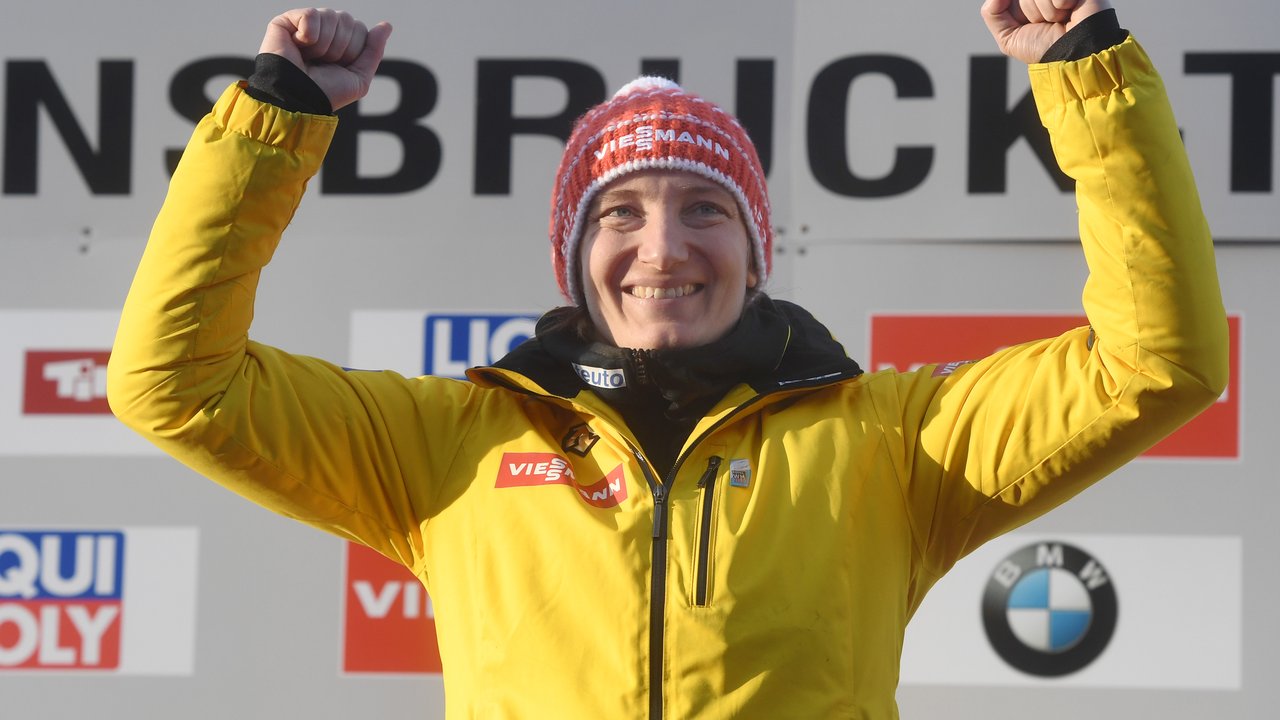
Yes my friends, one could and still can see it all over the Olympics and of course the spectators wear the „modern“ cap also again. See the pics I downloaded for you.


                       Tatjana Huefner, Germany (left) and Martin Fourcade, France (right) with bobble hats.
       The bobble hat outfit of South Korea (left) and the team Canada (right), Pyeongchang 2018.
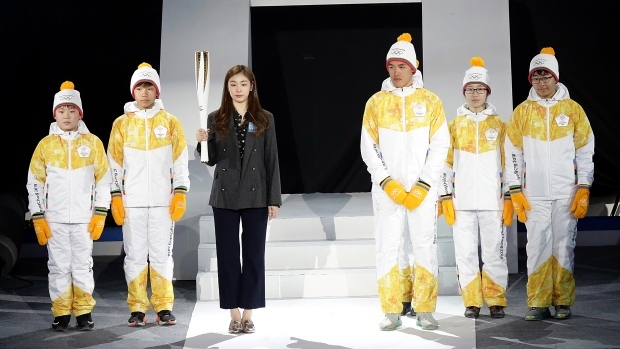
When I thought about this headgear I got back memory’s from the 1950’s where I used one to wear as my favorite. It’s known allover the world and a lovely sign of personality. But where did this fashion with the „bobble“ came from or why is used in the first place ?
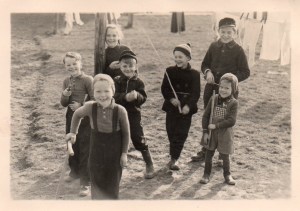
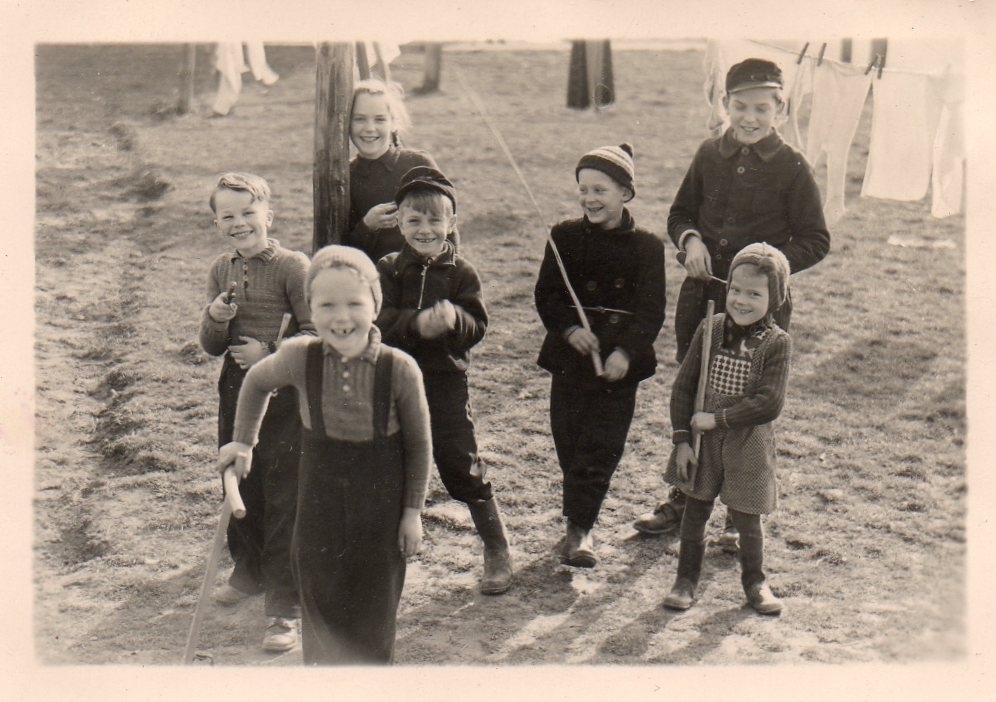
   Yes folks, that’s me, bobble hat and stick, in 1951.
What is a bobble hat ?

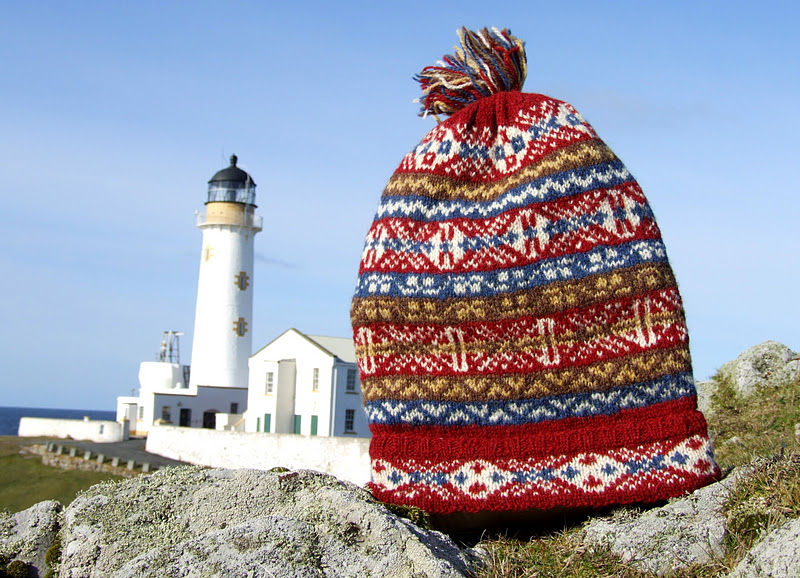
A bobble hat or bobble cap is a knit cap that has a yarn „bobble“ or pom-pom upon its top. It is similar to the tuque or watch cap. But, the tuque does not have a bobble on its top.

  Yarn pompom on a knit cap – the bobble hat.

From Wikipedia: A bobble hat or bobble cap is a colloquial (usually British English) term for a knit beanie or tuque trimmed with a yarn bobble or pom-pom upon the crown. Bobble hats are generally considered utilitarian cold weather wear. In the late 20th century the UK was associated with utilitarian unfashionably (like the Anorak) or older football supporters, as they were popular in club colors in the 1960s and 70s.
  Were bobbles just used for decoration ?
With the pin on Rosette and Football scarf in club colors, the bobble hat is seen as traditional (if old fashioned) British working class football regalia. In the 2000s the bobble hat has become popular with some celebrities and not always considered to be an entirely unfashionable choice. The term is coined as a false British term of abuse („you bobblehat“) towards a middle aged man who has lost his charisma in German playwright Botho Strauss’s „Der Park : Schauspiel“ (1983): a reworking on Shakespeare’s A Midsummer Night’s Dream set in 1980s England.
  The verbal attack „you bobblehat“ in „Der Park“.
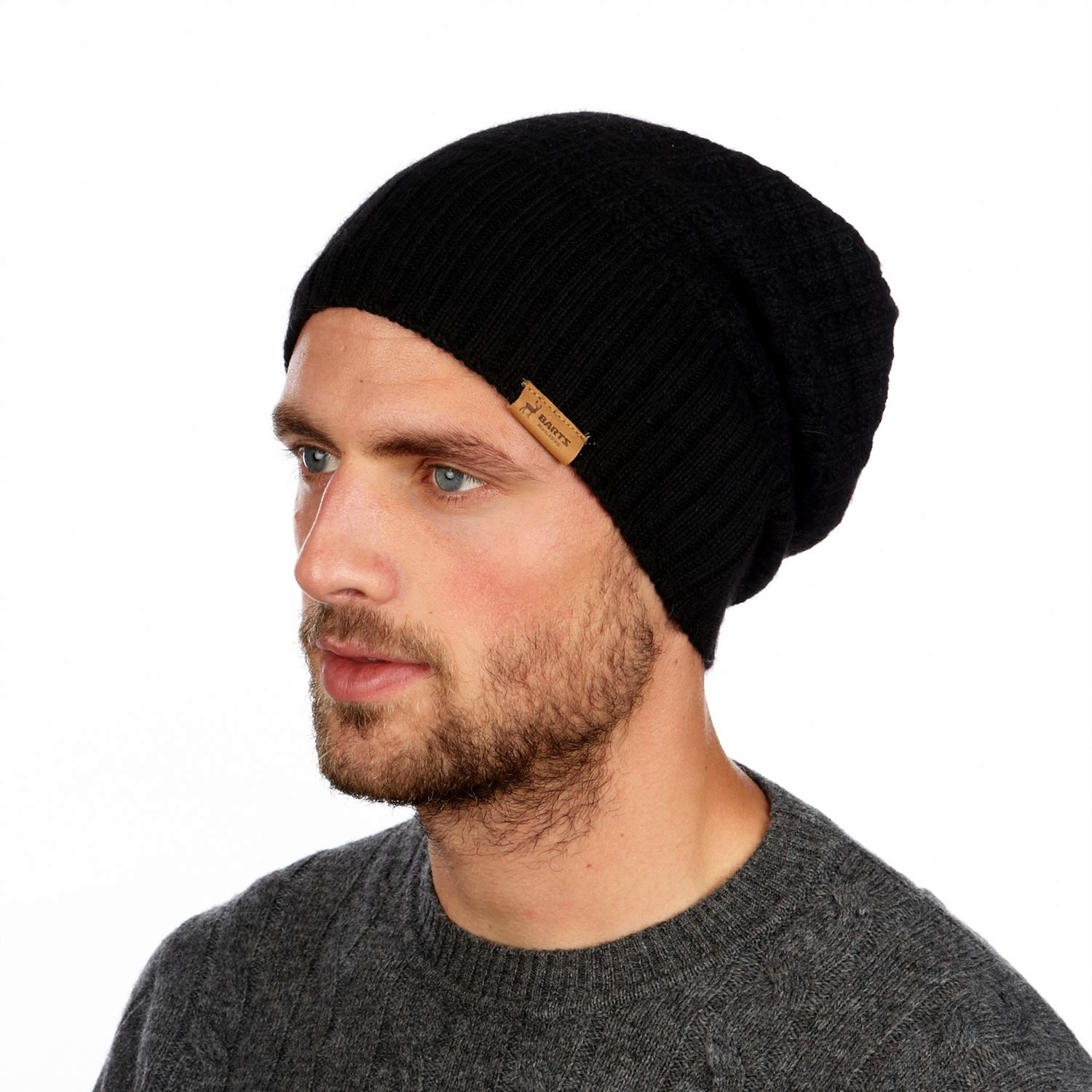
This article is about the knit cap also known as a „beanie“ or „tuque“, among other names. People easy mix up the bobble hat with a beanie or others. But it is an unique style of fashion – a headgear with a bobble on top. The beanie, by example, is also a knitted cap, but without a bobble.

               The „beanie“ (left), for many years in fashion is definitely  „out“ and back „in“ is the bobble hat (right).
History.

My history interest was awakened. I searched, as I like to do, and found some different story’s about it.If one digs deep it is unbelievable how much information is coming up.
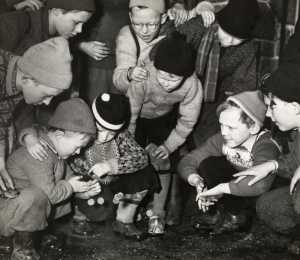
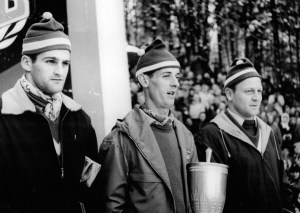
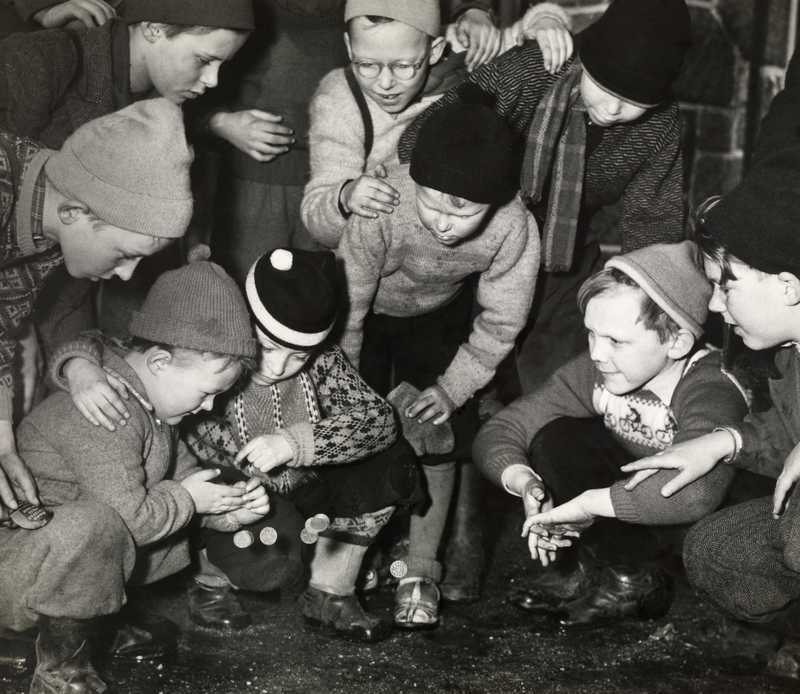
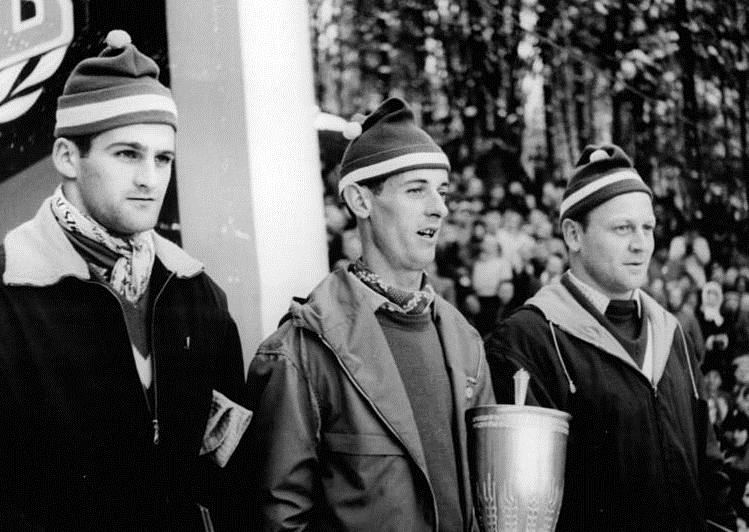
        The 1950’s have been one peak of fashion with the bobble hat. Left a bunch of kids with their typical knitted caps, Oslo 1950. Right the medal winners of the Nordic German Ski Championships in Altenberg on 23.February 1956. From left to right the 3 German winners, Recknagel, Glass and Lesser.
First a few different language terms of the same „thing“.

  The most comfortable winter cap ever.

Bobble hoed – Netherlands
Bommelmütze – German
Pudelmütze – old Bavarian
Gorro con borla – Spanish
Topplue – Norwegian
Pälsmössa – Swedish
Pompom Toque – French
Bobble hat- English
Tuttmüts – Estonian
Capello bobble – Italian
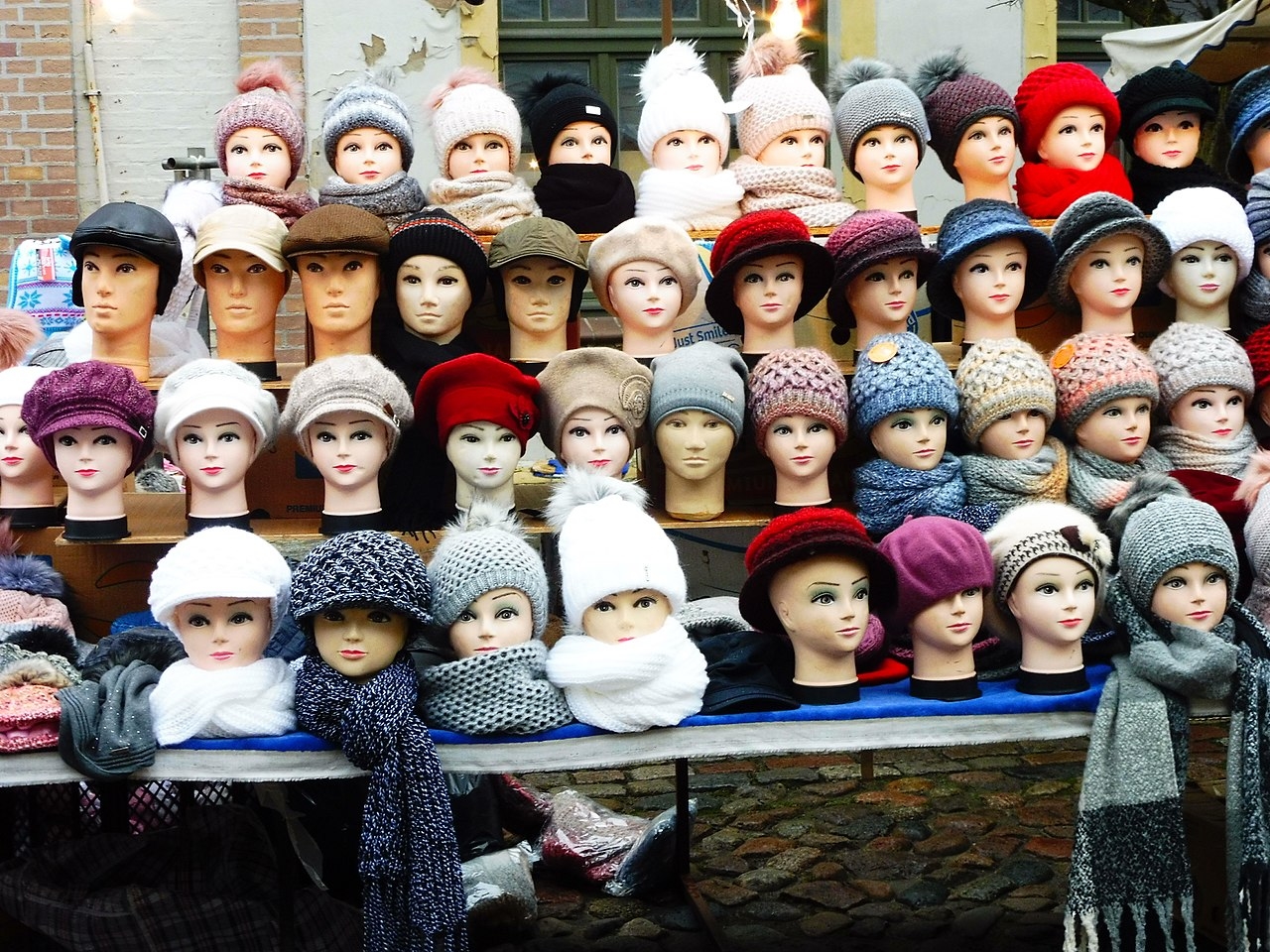
  Bobble caps FOR SALE.
For my German readers, some fun in „OLD BAVARIAN“ language. (Während die deutsche Schriftsprache im 15./16. Jh. entstanden ist, stammen die aeltesten altbayrischen Texte aus dem 8. Jahrhundert.) :
A Pudlhaubn oda Pudlhaum (dt. Pudelmütze, engl. Knit Cap) is a gstrickde Haubn, de wo a Bompal obn dro hod.
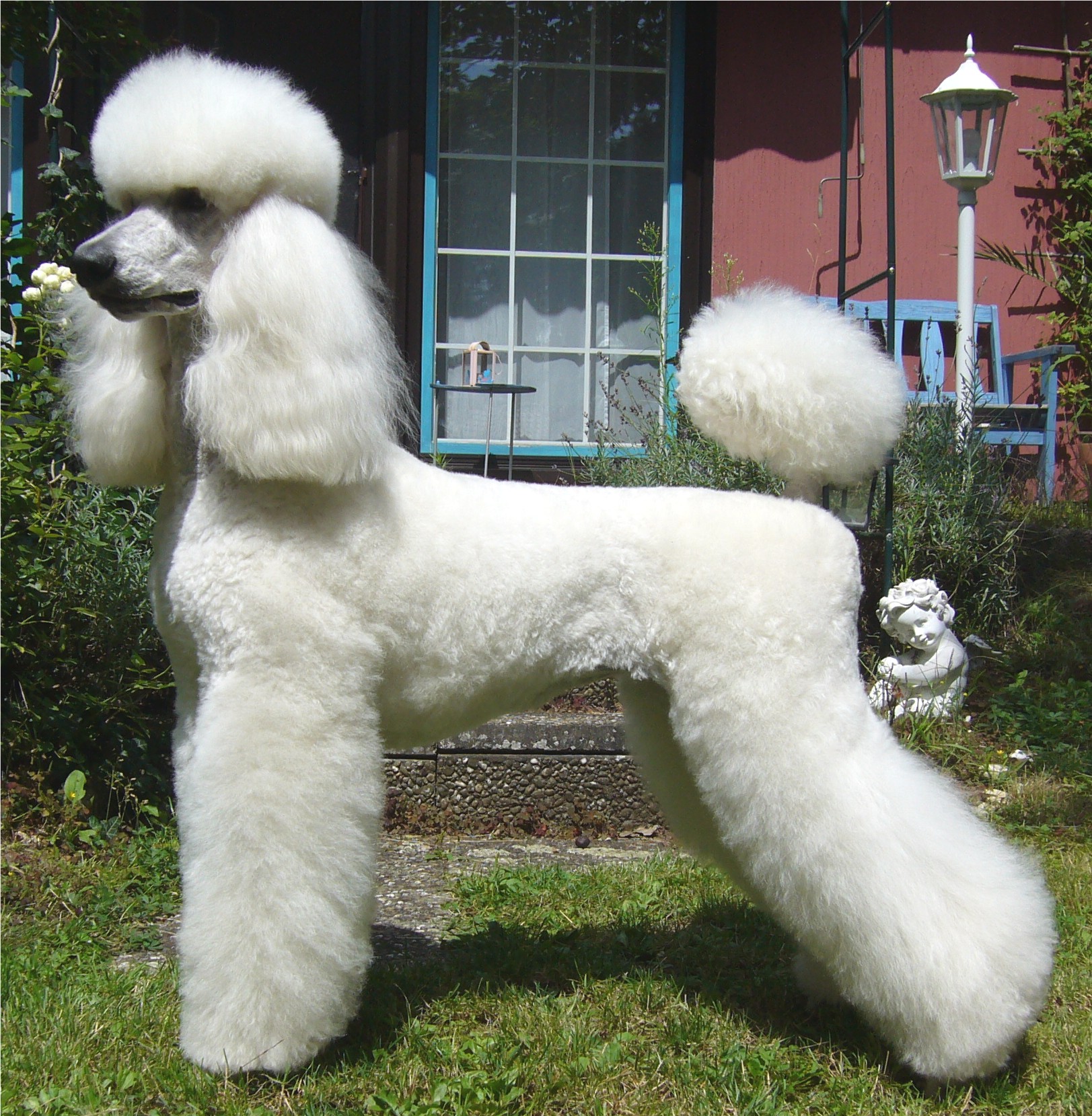
Pudlhaubn hoassts, wei de zrechstutzde Quastn an a Frisua vo an Pudl dainnad.
De Pudlhaubn hod zwoa grousse Voatei: Easchtns hoits in ganzn Schädl woarm und zwoatens fliagst aa ned ba an heftign Windstoos davo.
  The namesake „Pudelmuetze“ or „Pudlhaubn“.
Beanie and Tuque/Toque.

For the head-hugging cap made of cloth panels, also known as a „skully“, see Beanie (seamed cap).  A knit cap, originally of wool (though now often of synthetic fibers) is designed to provide warmth in cold weather. Typically, the knit cap is of simple, tapering constructions, though many variants exist.
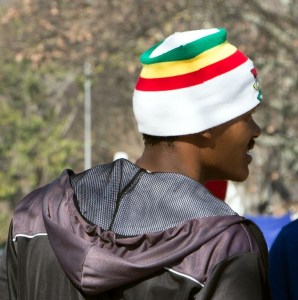
   Without a bobble. Man wearing a beanie cap with Rasta stripes (not a rastacap) in Franschhoek, South Africa.
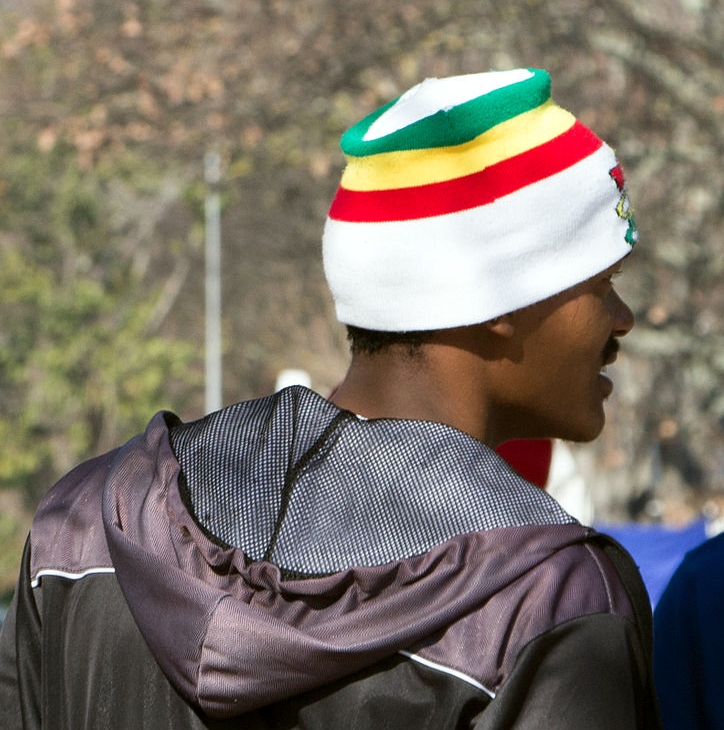
Historically, the wool knit cap was an extremely common form of headgear for seamen, fishers, hunters and others spending their working day outdoors from the 18th century and forward, and is still commonly used for this purpose in Scandinavia and other cold regions of the world. Being found all over the world where climate demands a warm hat, the knit cap can be found under a multitude of local names.


                        King Philip II of Spain, wearing the Spanish Tocado, late 1500s. Painting by Sofonisba Anguissola.
The typical toque in ancient and in modern times.
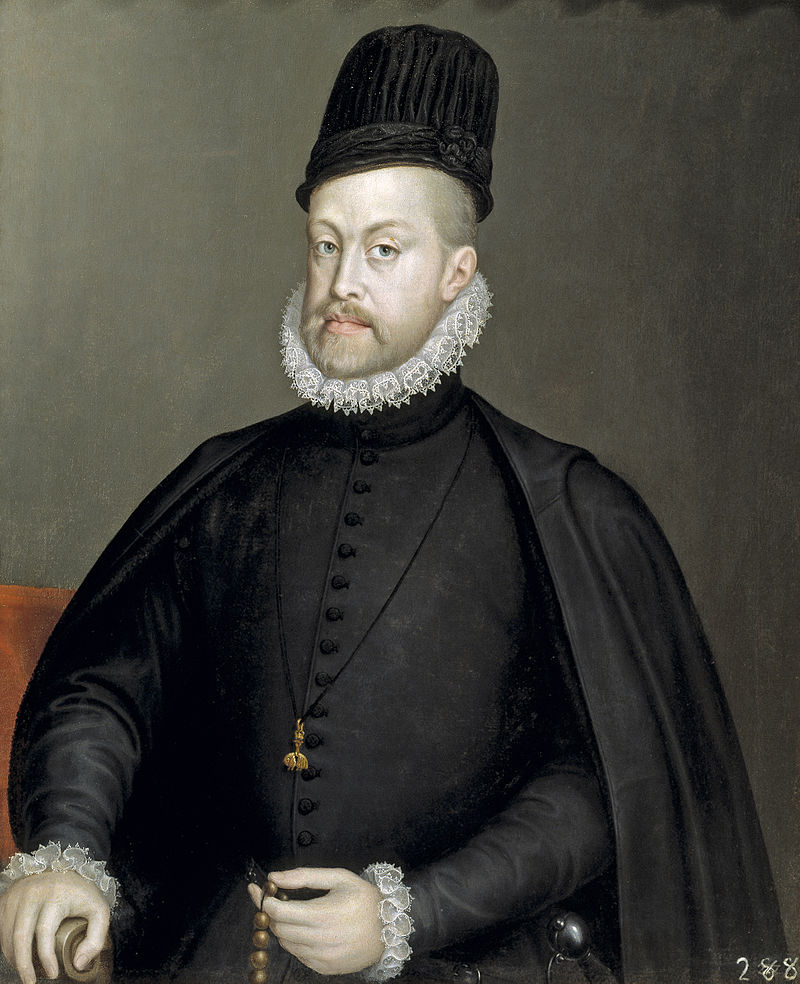

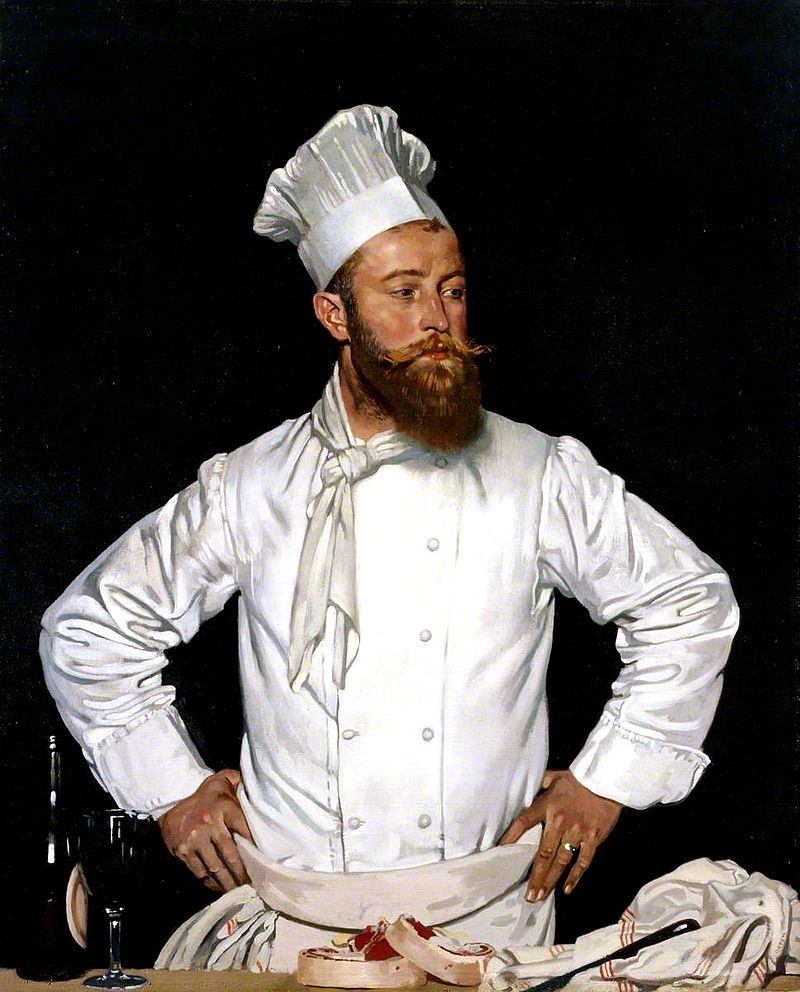
A toque is a type of hat with a narrow brim or no brim at all. Toques were popular from the 13th to the 16th century in Europe, especially France. The mode was revived in the 1930s. Now it is primarily known as the traditional headgear for professional cooks, except in Canada where the term is primarily used for knit caps.
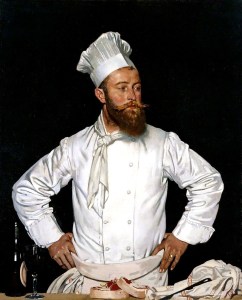
  Le Chef de l’Hotel Chatham, Paris (1921),  by W. Orpen.
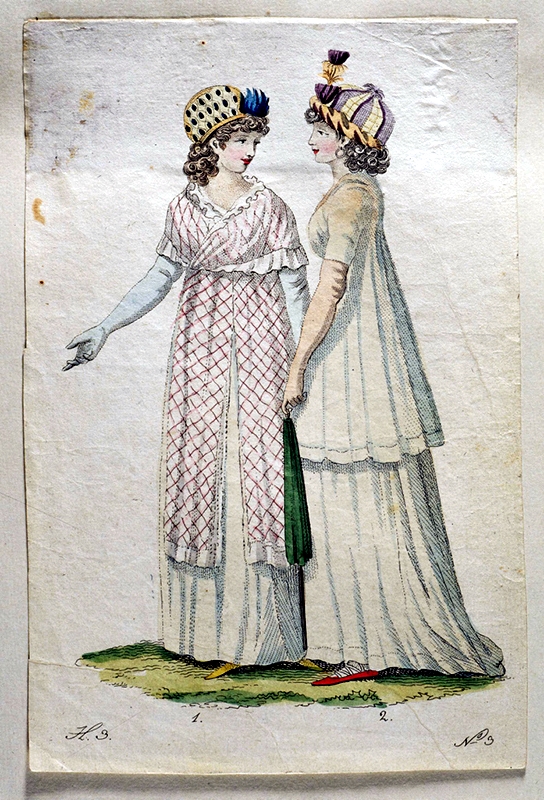
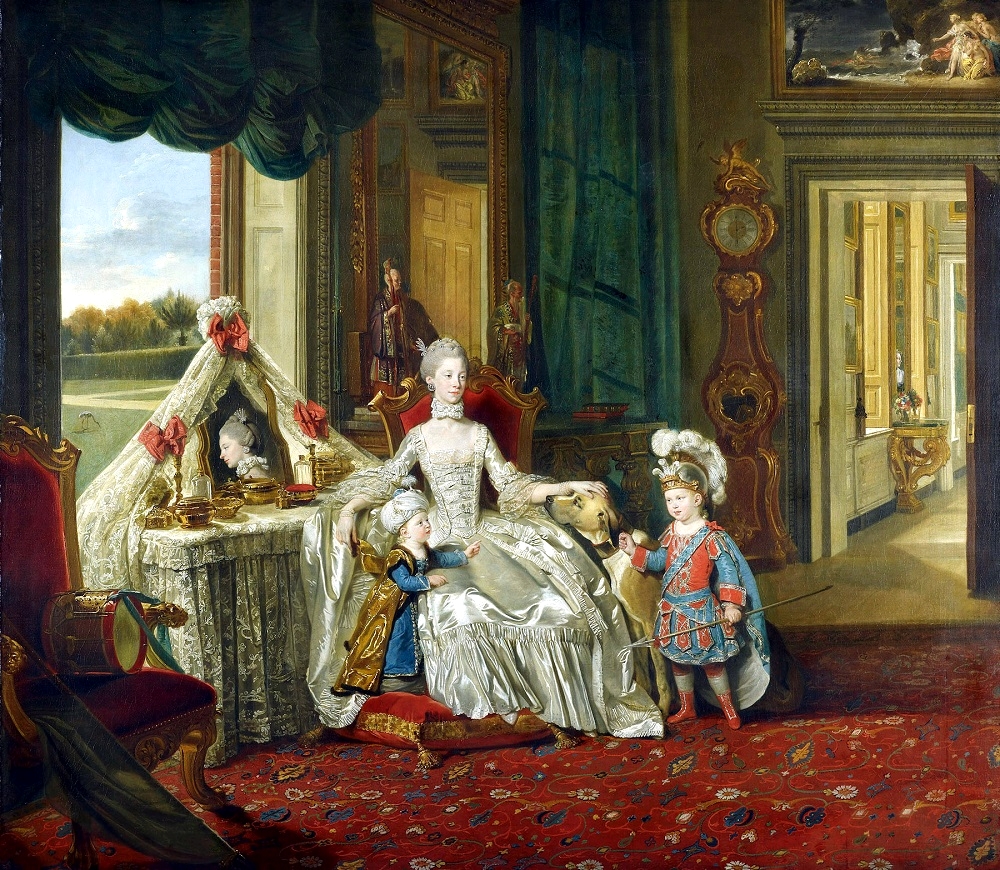
The word toque is Arabic for „round“ and „taqia“ for „hat“ originally for something „round“ that has an opening. The word has been known in English since 1505. It came through the Medieval French toque (15th century), presumably by the way of the Spanish toca „woman’s headdress“, from Arabic  „taqa“  for „opening“.
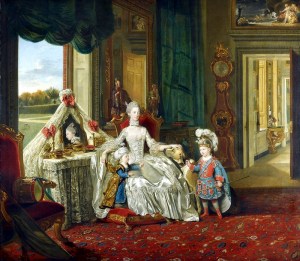
                                 Fashion drawing from 1800 with ladies wearing toques. And on the right Queen Charlotte of Mecklenburg-Strelitz (German Queen on an English throne) with her two first born sons, right the future king George IV. The younger one, Prince Frederick wearing a toque with a pompom, in her dressing room in Buckingham Palace (painting Johan Zoffany 1765).
During the Centuries.

However, when it comes to hats with a long, rich history, the simple knit cap is in a class of its own. Like so many historic icons, the knit cap can be traced back to a quiet corner of Medieval England. The first examples originated from the wool-rich town of Monmouth, in the early 14th century, and the style quickly gained popularity for its warmth and simple construction.
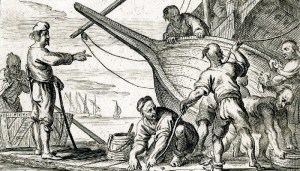
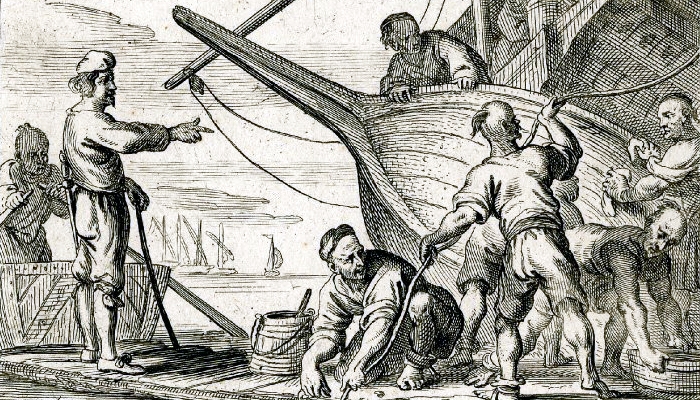
  Flemish sailors, woodcut from 1647.
By the 16th century, “Monmouth caps” had become standard apparel for soldiers, sailors, and everyday laborers. In fact, the hats became so wildly popular (and so essential to the British wool industry) that in 1571, Queen Elizabeth passed an edict demanding that all common menfolk wear a wool hat on Sunday, or face a potential fine.
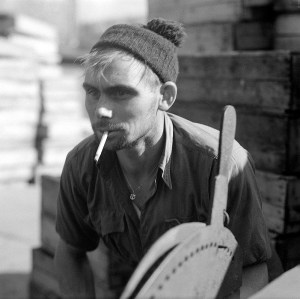

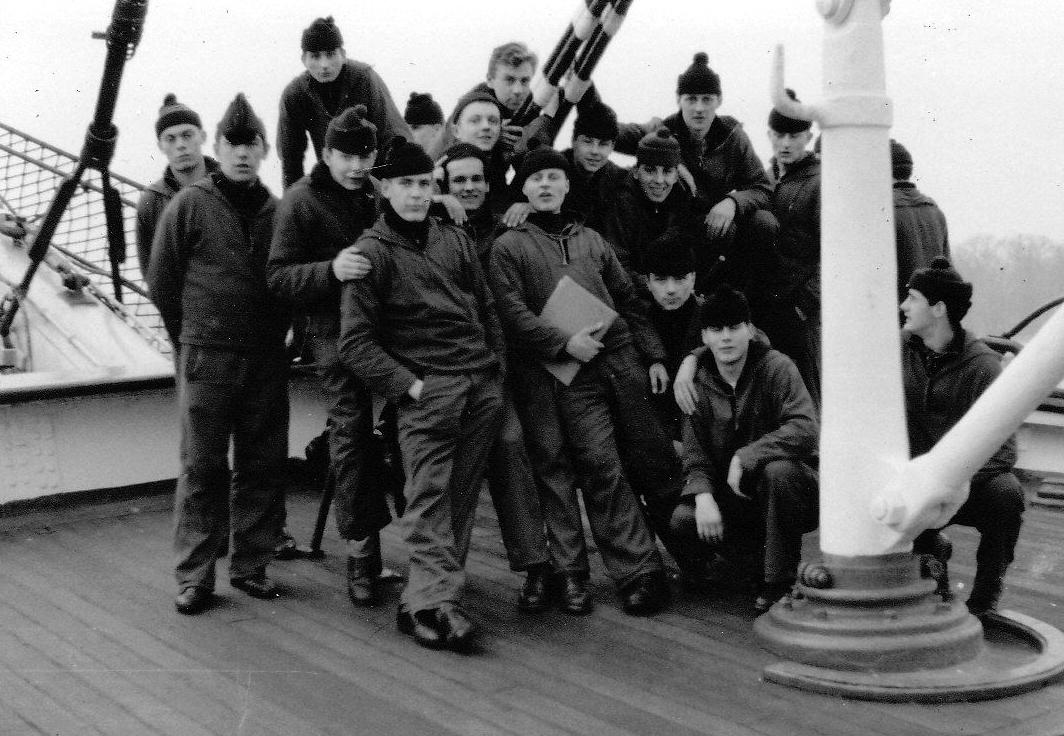
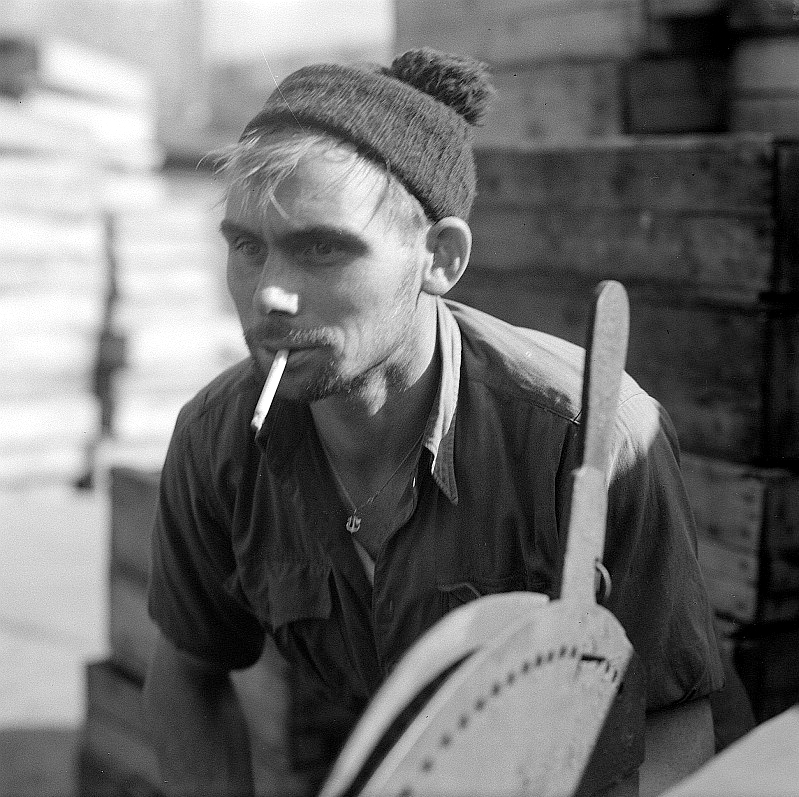
       German fisherman in Stralsund 1963. Sea-cadets on the German sail-training-ship Passat 1962.
From that point onward, the cap’s influence knew no bounds: It was mentioned in Shakespeare’s Henry V, and counted among the supplies for the Jamestown expedition. In time, this first iteration (and its legal counterpart), would eventually die out, but not before British explorers had carried their winter headgear to every corner of the globe.
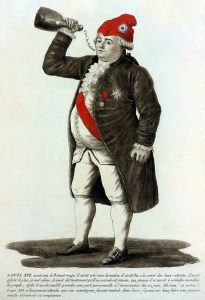
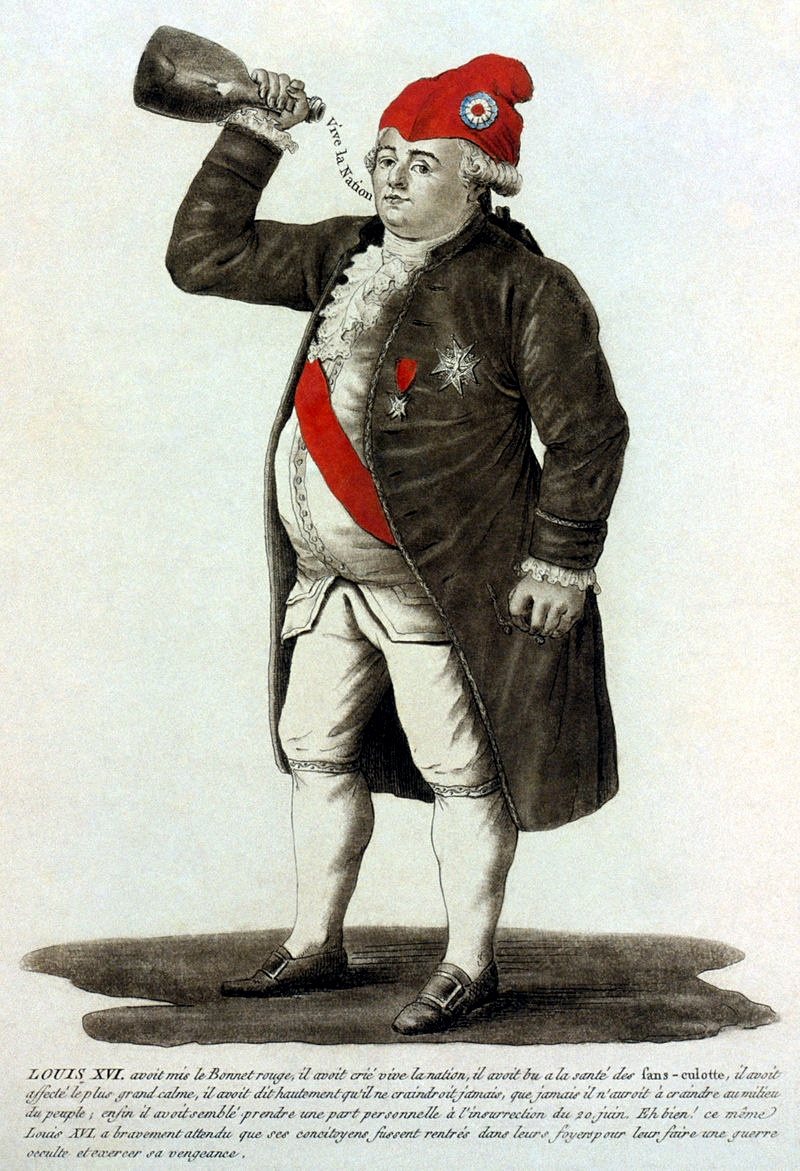
  Tinted etching of Louis XVI of France, 1792, with a Phrygian cap.
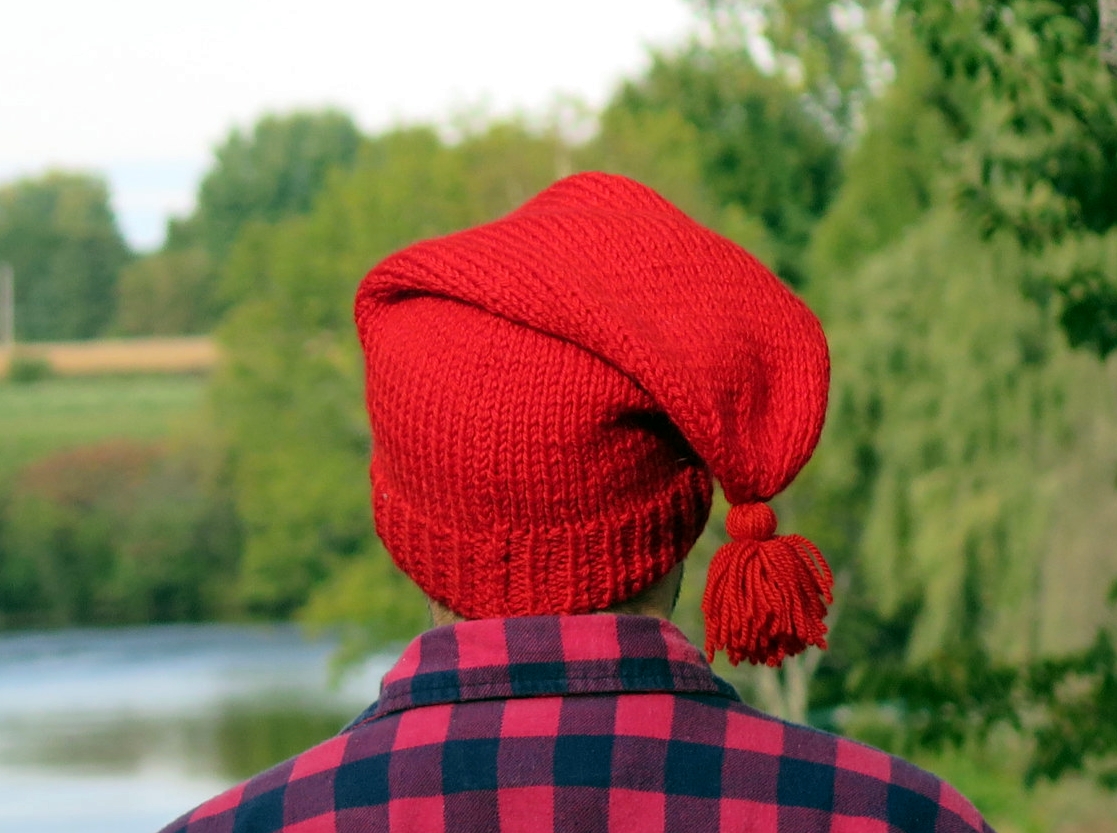
Famously, one such place was the frigid British colony of Canada. The redesigned Monmouth cap, now called a tuque, was a perfect fit for the region’s bitter winters, and it became a constant companion for the colony’s trappers and lumberjacks. It even took a turn as a revolutionary icon during the Patriots Wars of 1837, when Canadian rebels adopted a red woolen tuque as a play on the French Revolution’s Phrygian cap, which was ill suited for winter warfare. In the end, the rebellion was unsuccessful, but it did lead to a unified Canadian territory, and the tuque has remained a symbol of Canadian nationalism ever since.
  The Canadian red woolen tuque with a pompom.
By the start of the 20th century, popular fashion had begun to shift, and the knit cap regained its popularity with blue-collar workers, who sought a sleek, functional hat that could hold back their hair without obstructing their vision. This utilitarian bent came into its own with the start of World War II. Knit caps were standard cold-weather apparel for the U.S. Navy, while an olive drab version (called a “jeep cap”) was issued to soldiers as a winter hat that could fit under their helmets. But these caps had no bobble.
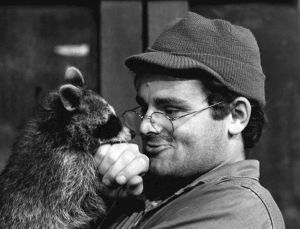
  Gary Burghoff as „Radar“ in the movie MASH, 1974.
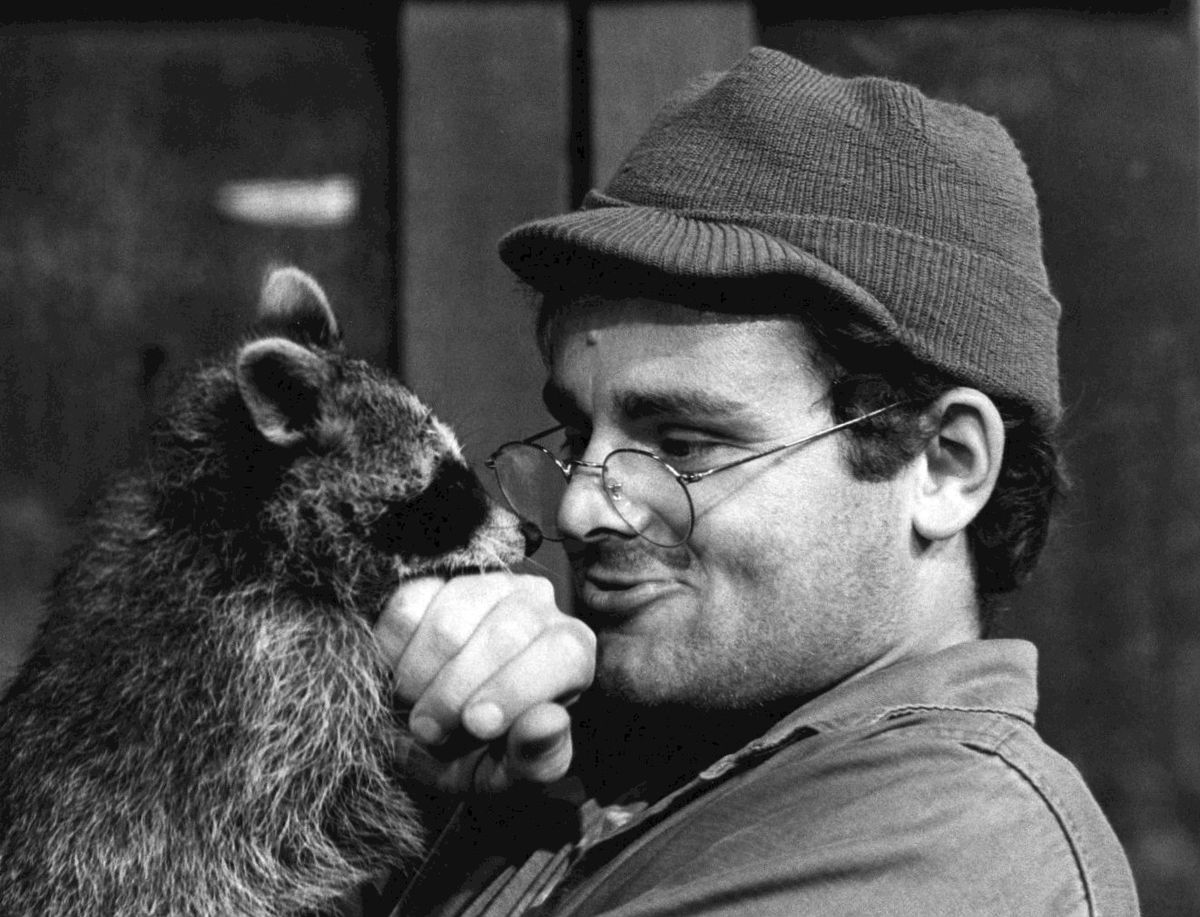
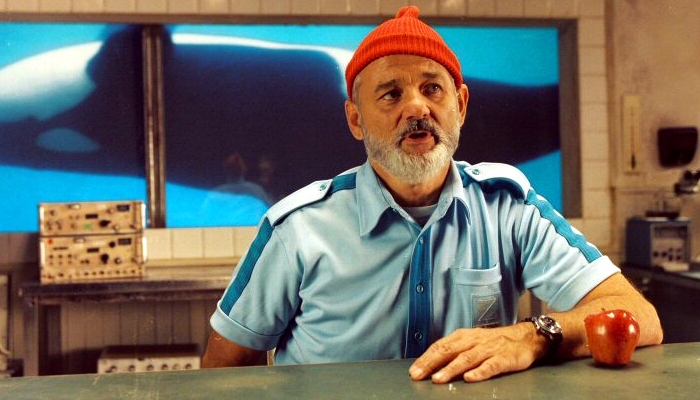
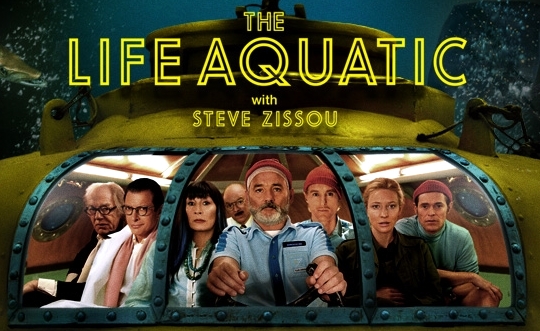
This widespread use turned the humble knit cap into a postwar pop culture icon, associated with everything from the stereotypical sailor to the legendary marine biologist Jacque Cousteau (and by association, Wes Anderson’s Steve Zissou).
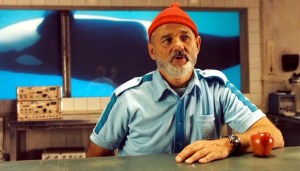
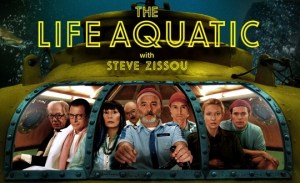
     Movie from 2004 with Bill Murray. Zissou is both a parody of and homage to French diving pioneer Jacques-Yves Cousteau (1910–1997), to whom the film is dedicated. Cate Blanchett, Willem Dafoe, Michael Gambon, Jeff Goldblum, Anjelica Huston, Owen Wilson and Seu Jorge are also featured in the film. Whole crew is wearing bobble hats.
Today, the knit cap has varied competition in the realm of winter headgear, but its simple, utilitarian design remains a common sight among civilians and soldiers alike. Despite its many iterations since that first batch at Monmouth, its design remains largely unchanged, if you ask us, we wouldn’t have it any other way.
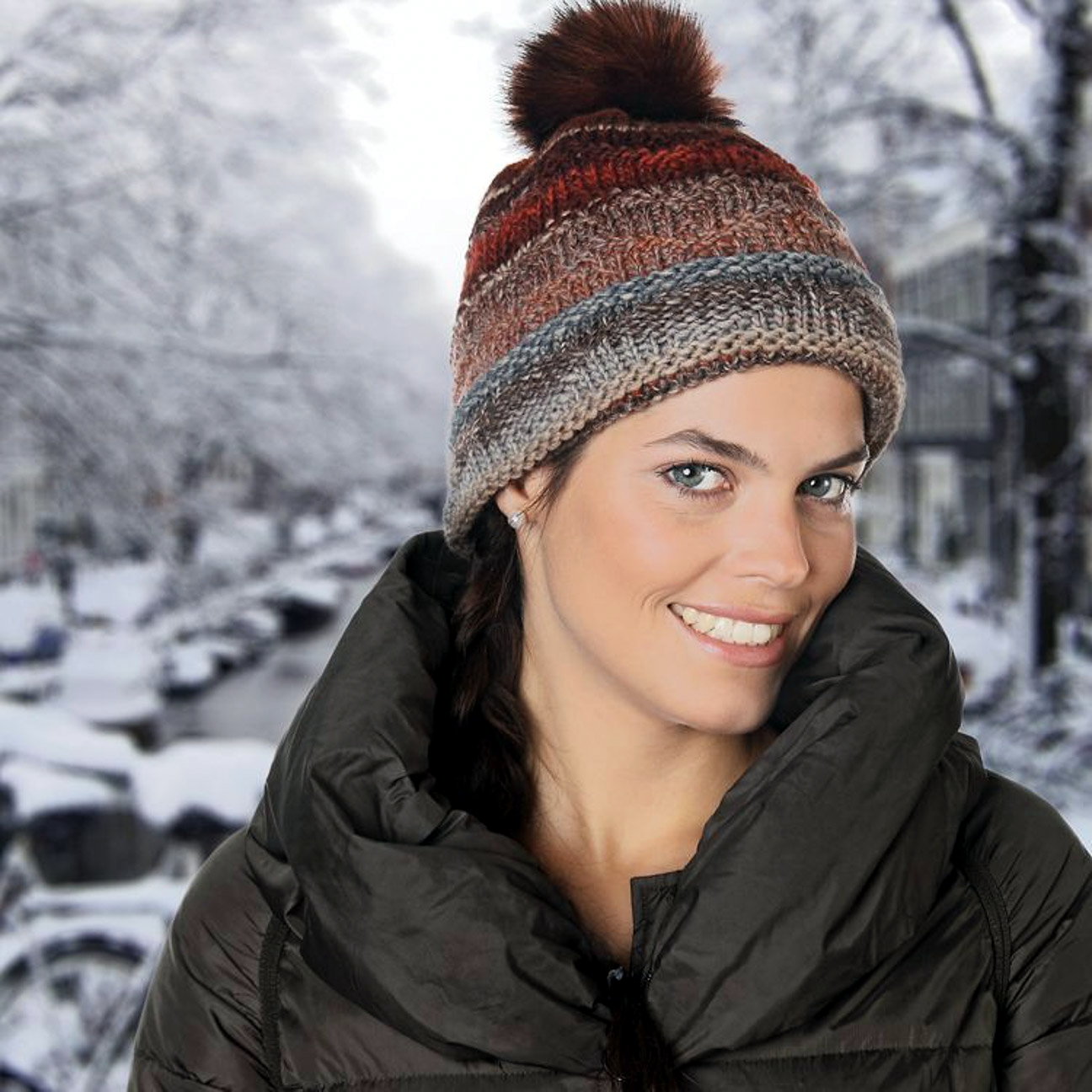
   Very stylish head cover against the cold.
What’s The Most Believable Story ?

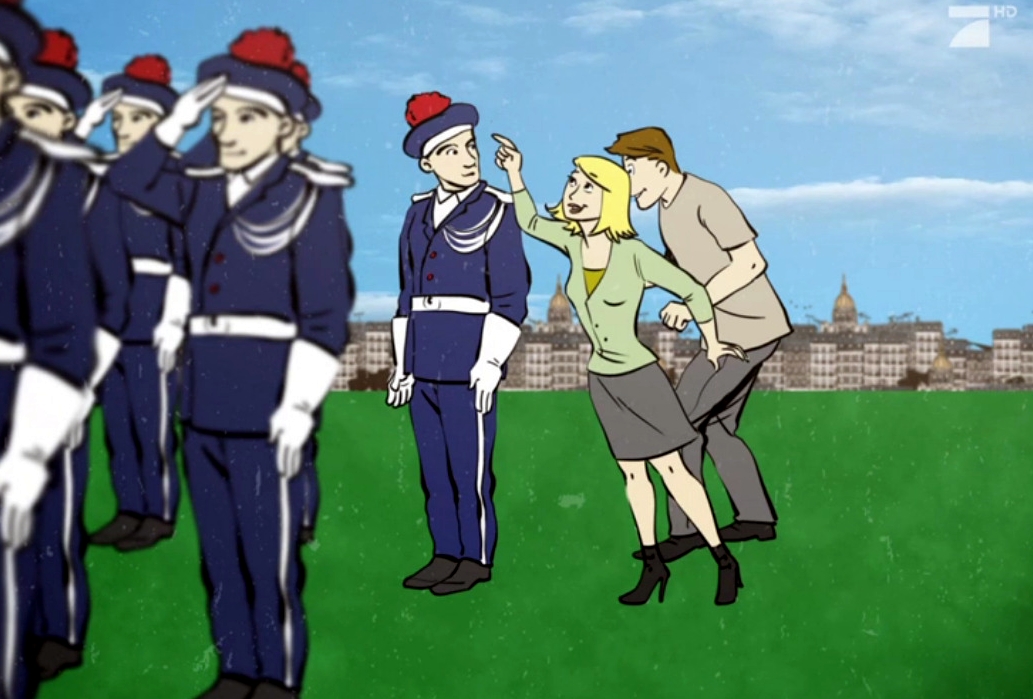
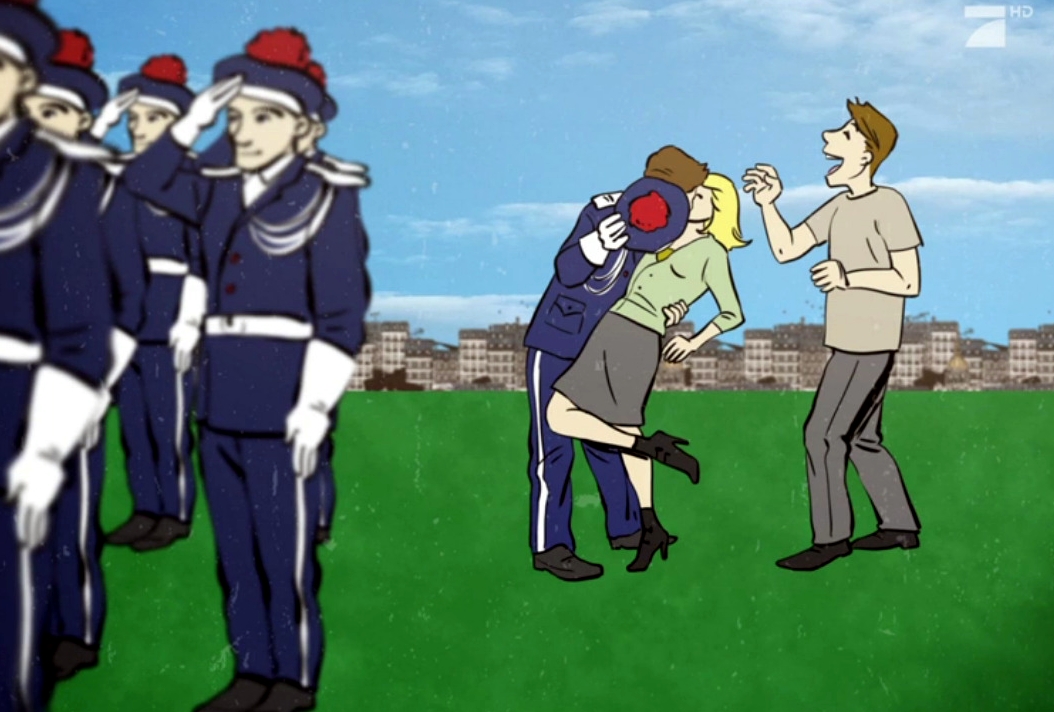
One story claims that the pompom was invented by the French navy. The ship decks were so narrow that people bounced their heads all the time. So they mounted a pompom on top to cover for safety. See the drawings from German TV PRO7.
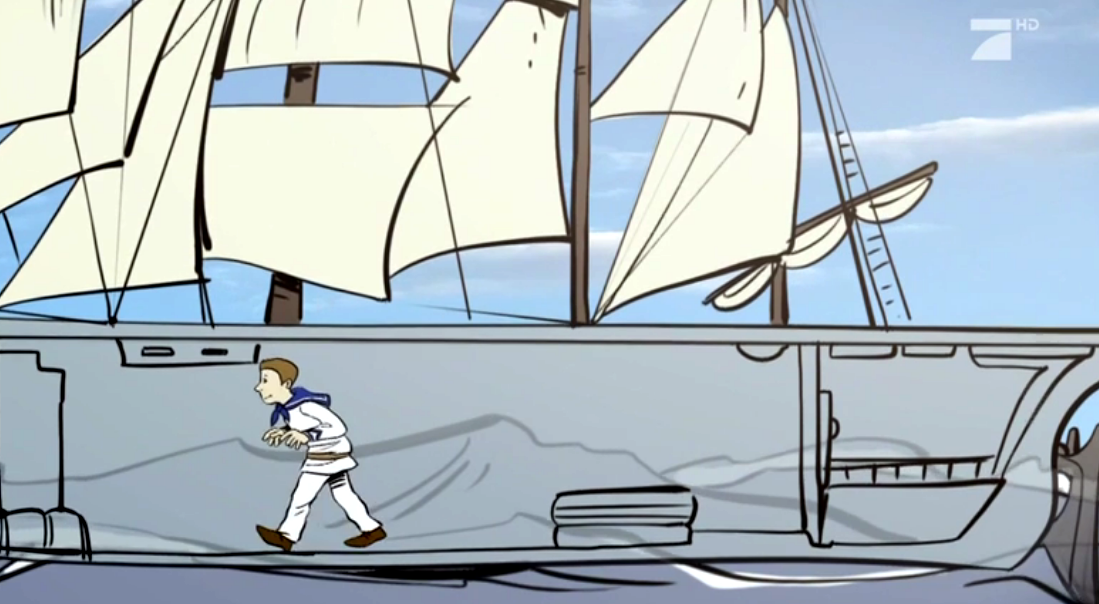

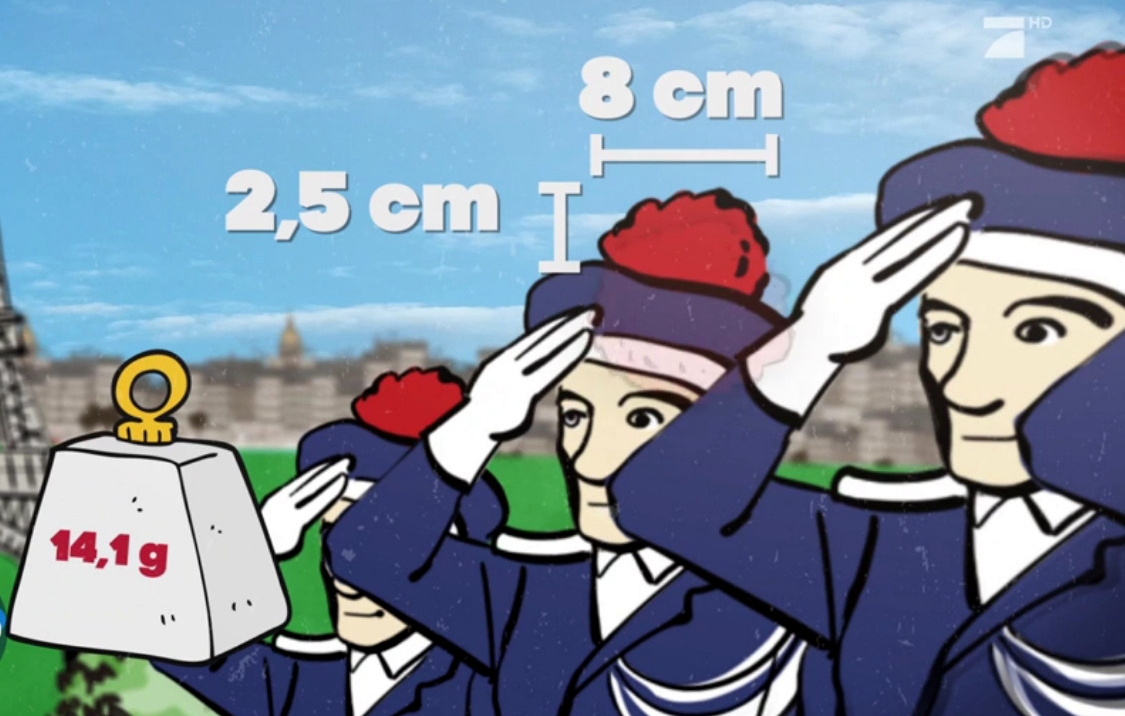
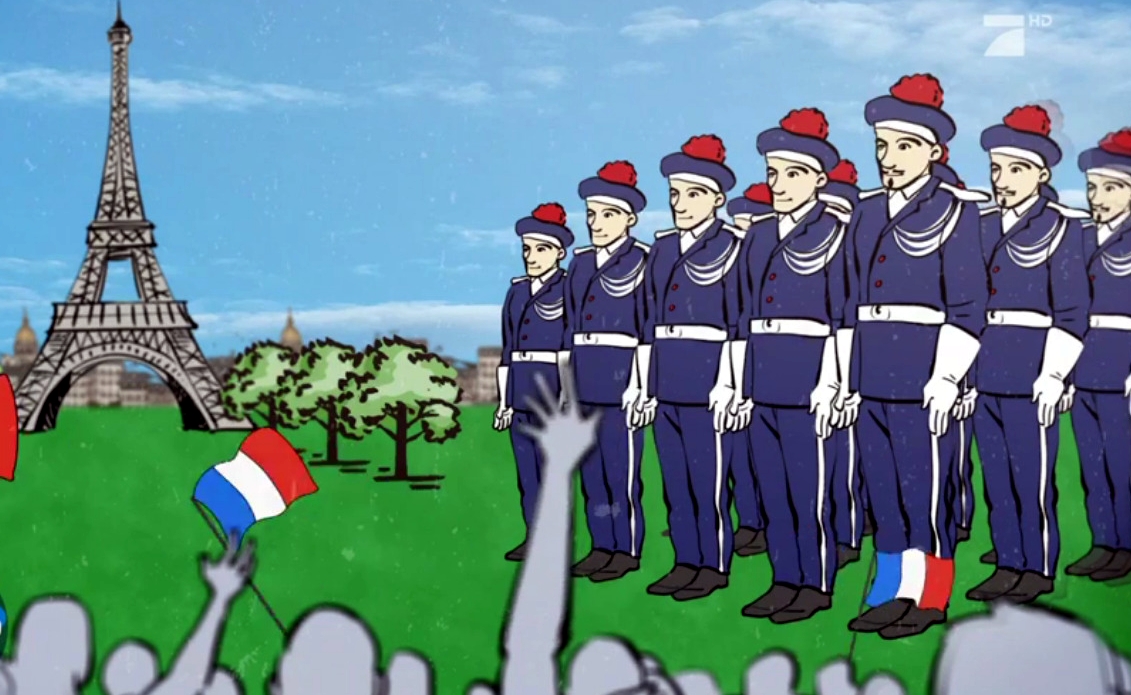
        Ha ha, I like this fairy tale. But there is some truth too. The French Navy still uses today the pompom hat. It has to be precise in their measurements.

  Precise pompom measurements in the French navy.
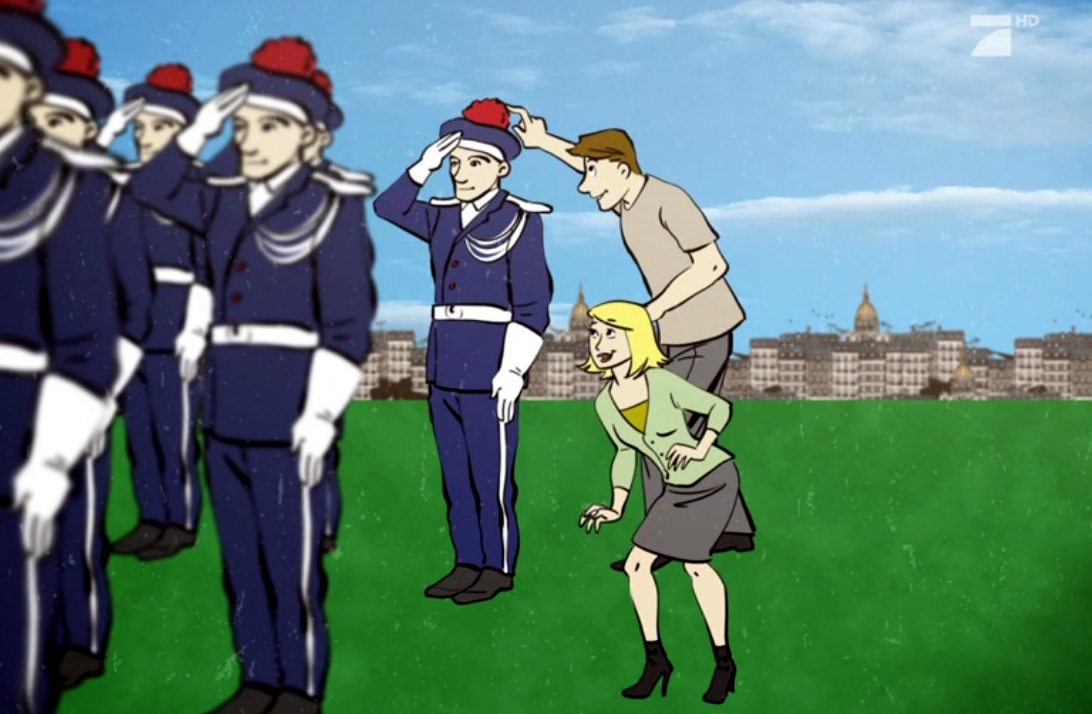
But this story goes on. If one is able to touch a pompom (without notice of the holder) then one  will have a full day of luck. If a girl touches a pompom and get cought, she must kiss the sailor. Nice, what people like to believe.
The pom-pom hat’s origins can be traced back to Scandinavia a very long time ago. The Viking god Freyr, or what is widely thought to be the Viking god Freyr, is depicted wearing a hat or helmet with a pom-pom on it in a statuette that was discovered in 1904 on the farm Rällinge in Södermanland, Sweden.

  Red woolen caps outlawed as symbols of national unity, from Trondheim 1942. Seen in Norway’s WW2 Resistance Museum (Hjemmefrontmuseet) at Akershus fortress in Oslo, Norway.
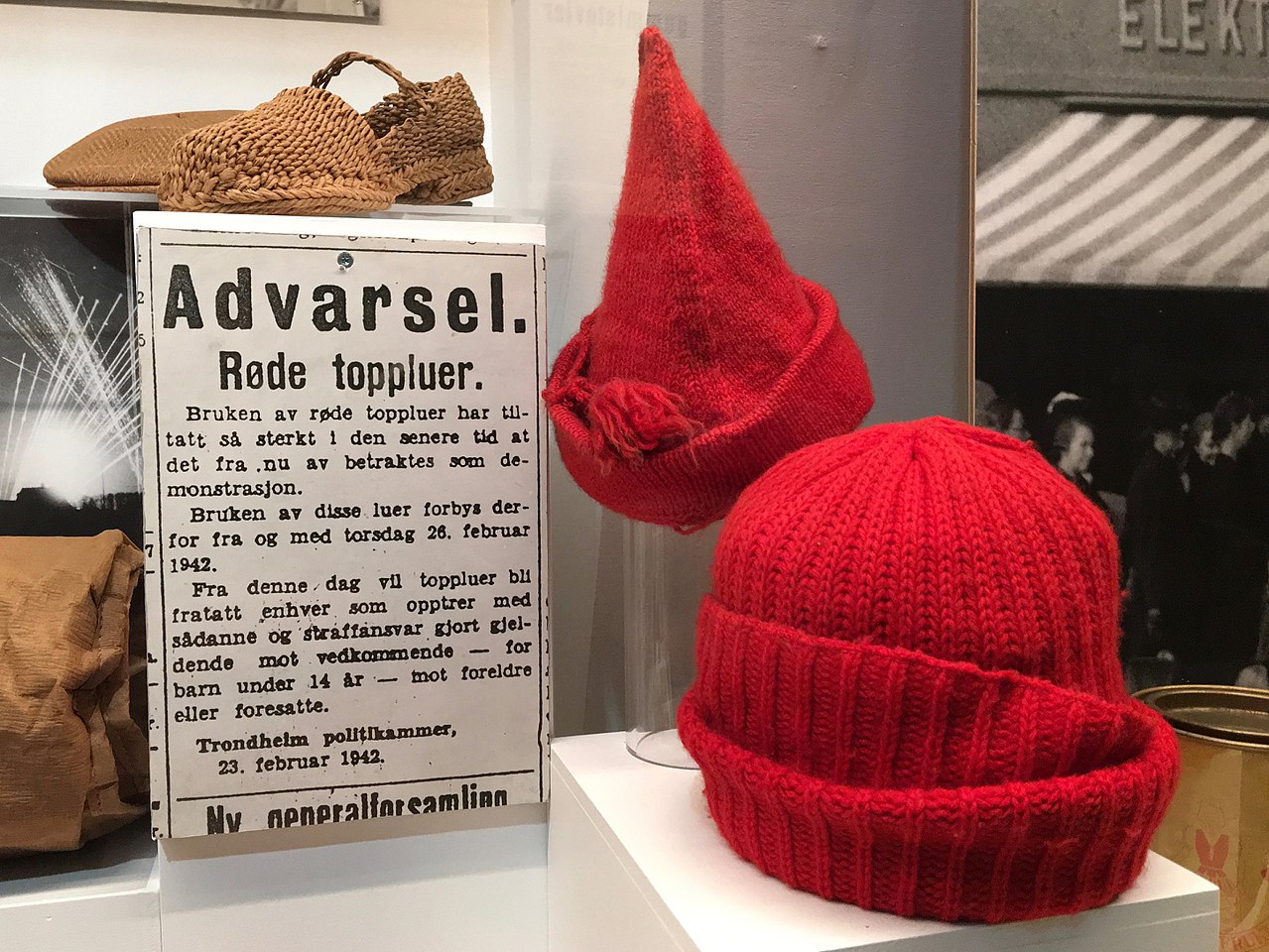
Another theory is that the function of the pompom, as it is speculated, could be to cover or gather the seams left from binding the hat.
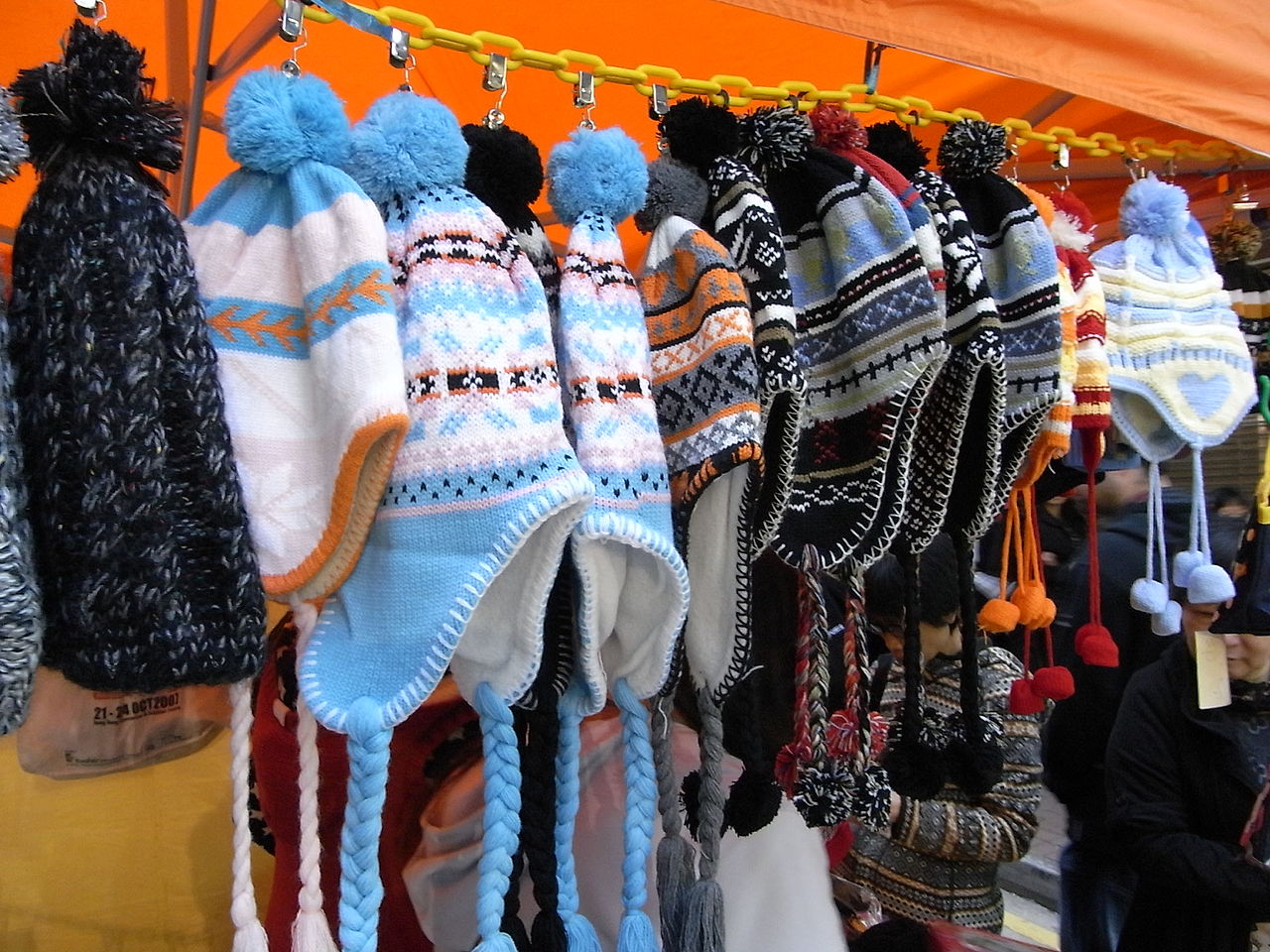
  Covering the „seam together spot“ on the hat.
The word pompom derives from the French word „pompon“ and was adopted in the late 19th century to refer to what you think of when you think of a pompom today: a little puff of fabric or feathers or whatever. Proper pompom hats were used as part of the military uniform of Napoleon’s infantry, where their color denoted the company to which the man belonged – green for the first company, blue for the second, orange for the third, and violet for the fourth, and so on.
Napoleon’s infantry with different pompom colors.
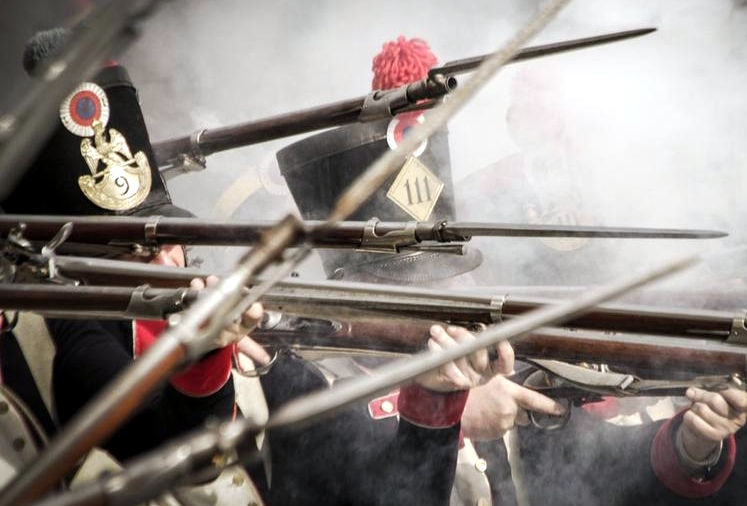
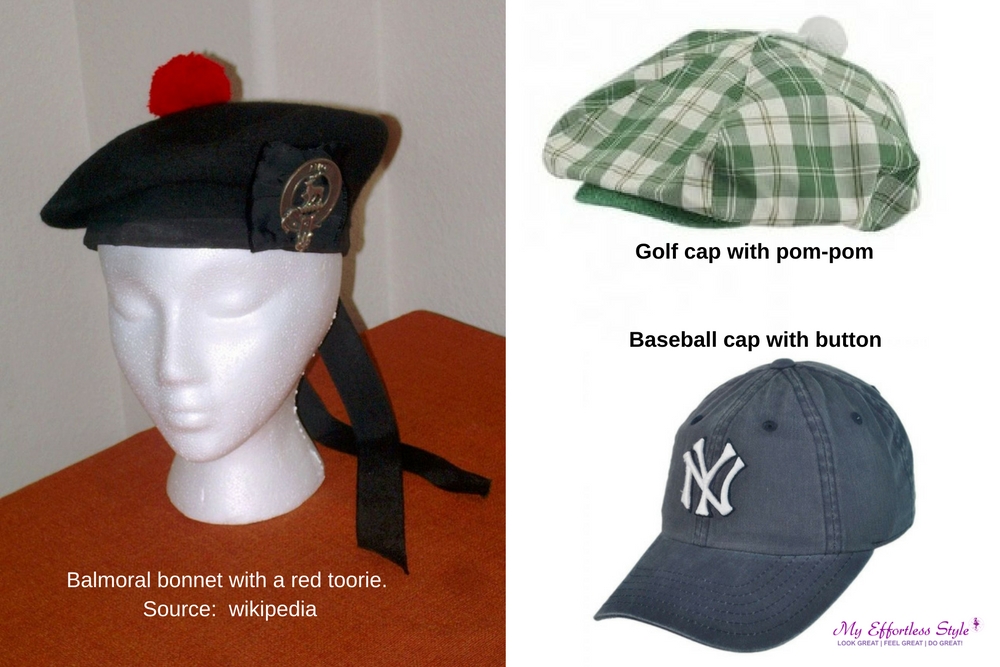
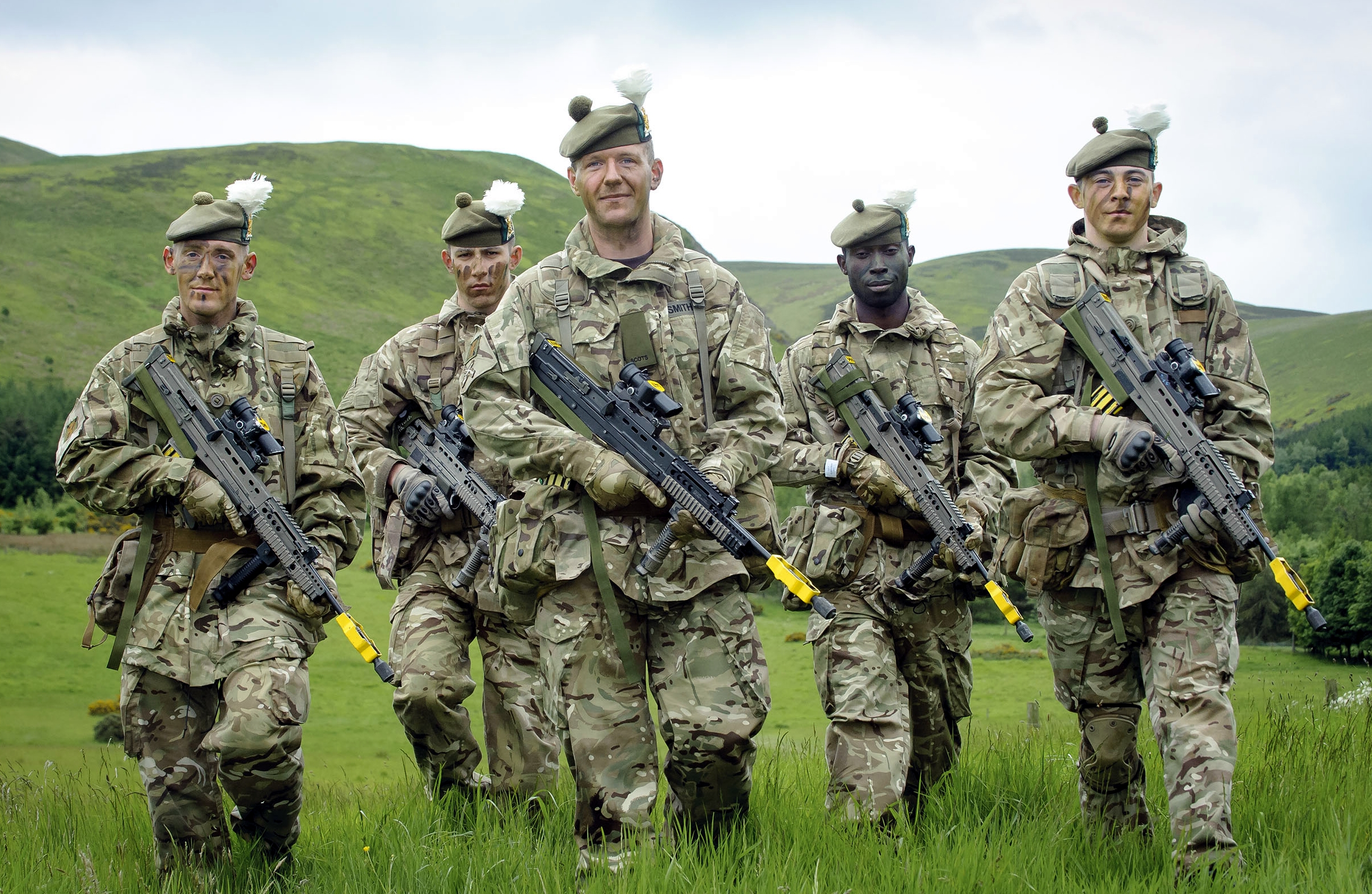
Pompoms were also part of the uniform of Scottish Highland regiments, on their Balmoral bonnet, until the 19th century. The Scott’s Balmoral bonnet was predated by the bluebonnet, worn by Scottish laborers between the 16th and 18th centuries.

      The Scottish Royal Highland Regiments, then and now. Well to see the pompoms during the centuries.

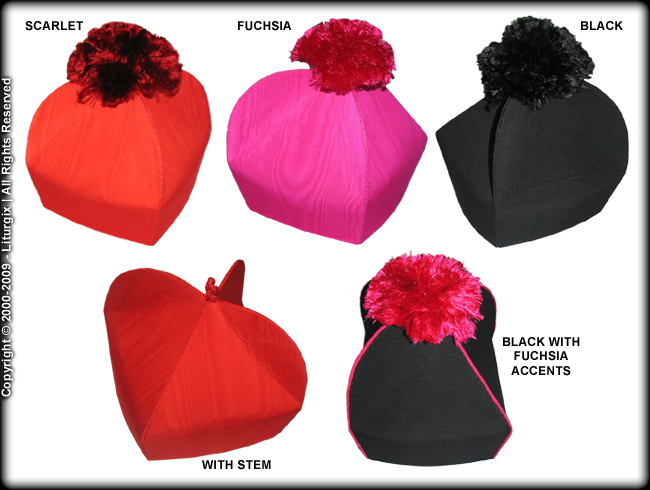
Roman Catholic clergy have also worn them – their pom-pom hats are called birettas – and the colors of the hat and pompom tell you what type of guy they are – cardinals wear red birettas, bishops wear violet, priests, deacons, and seminarians wear black, etc.
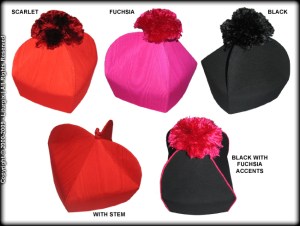
  The different Roman Catholic Birettas.
One more PomPom Hat Custom, Unique in the World – the Bollenhut.

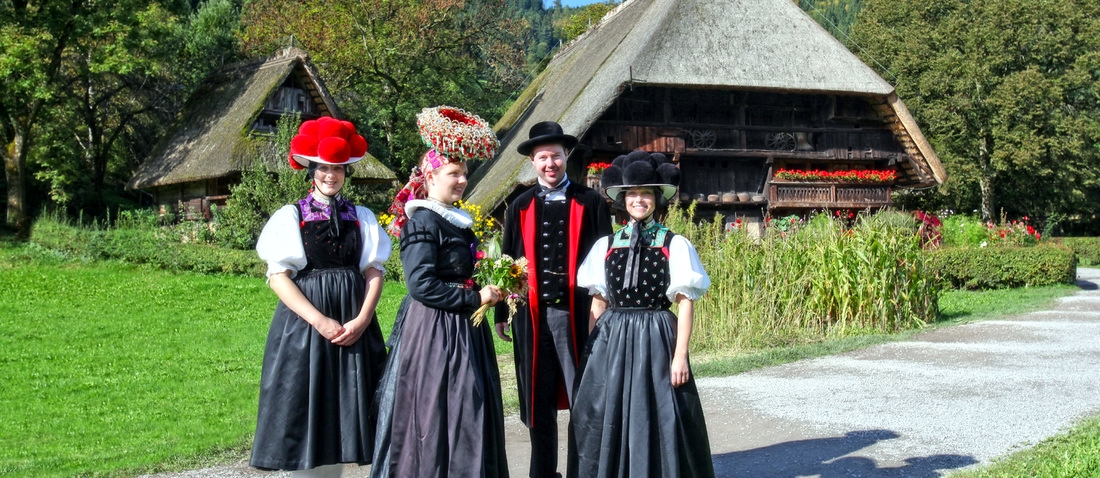
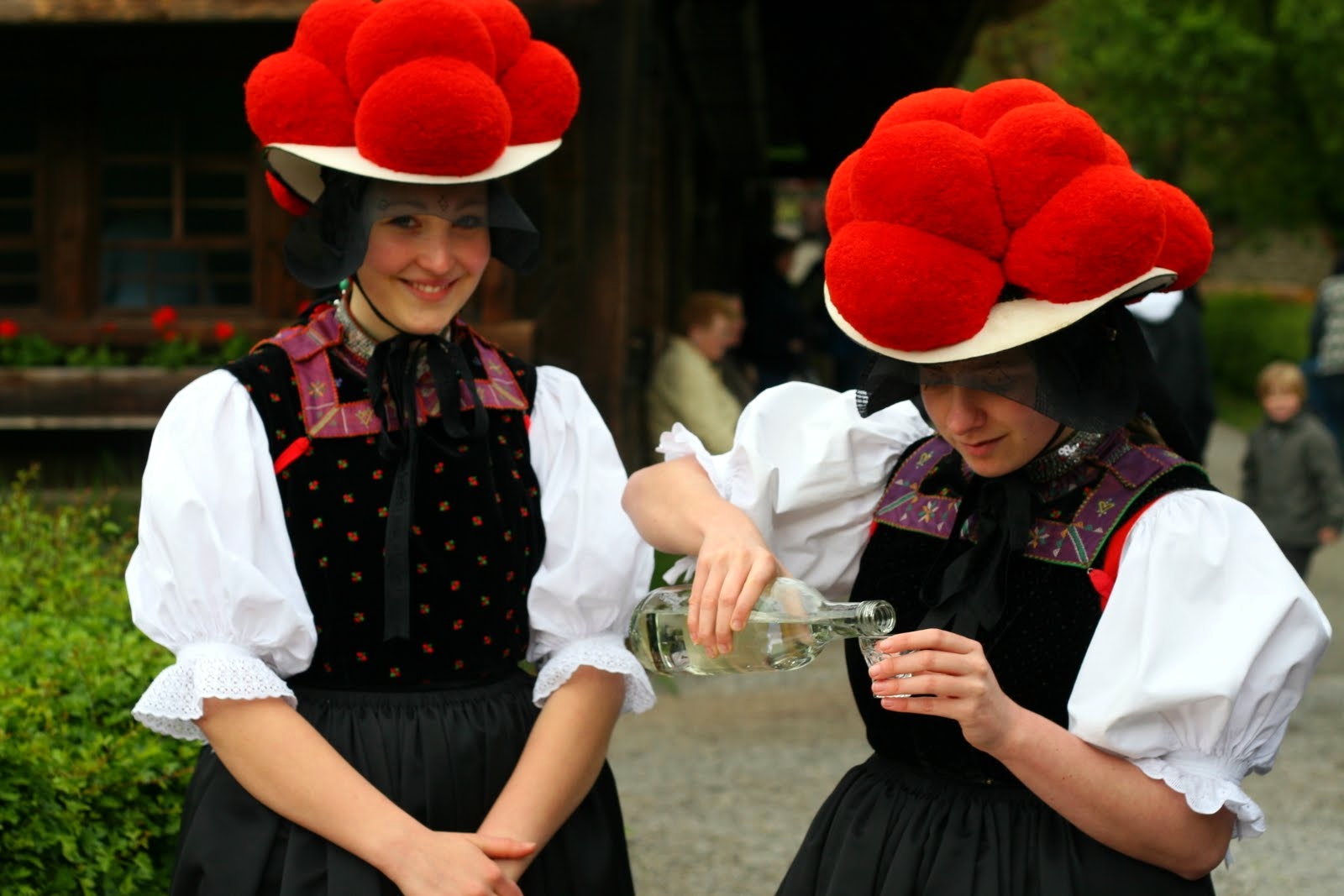
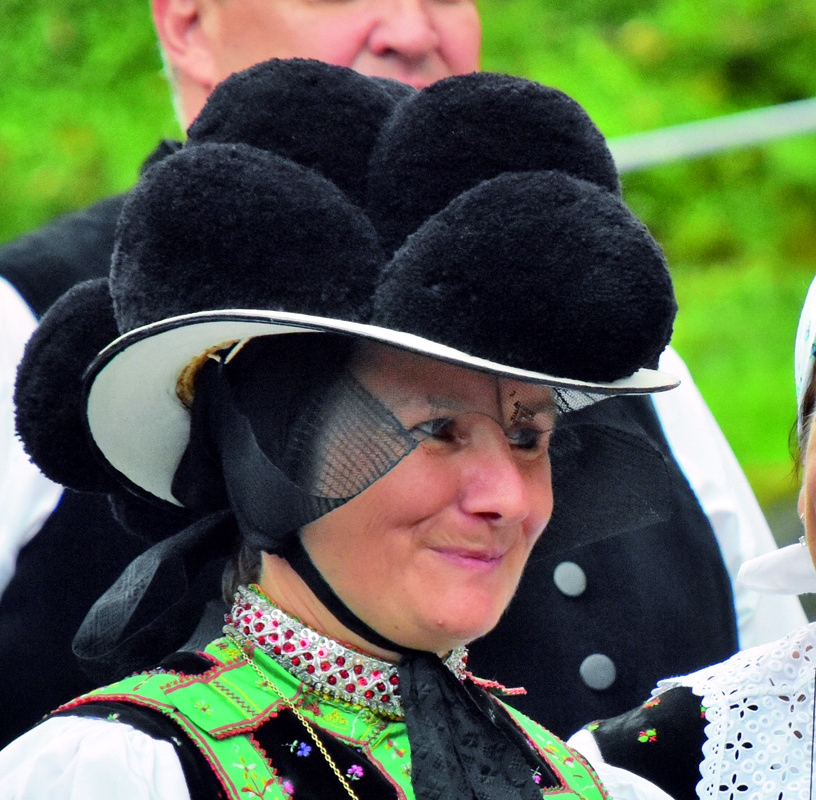
A Bollenhut is a formal headdress worn since c.1750 by Protestant women as part of their folk costume or Tracht in the three neighbouring Black Forest villages of Gutach, Kirnbach and Hornberg-Reichenbach. With its woollen pompoms, the picturesque-looking red Bollenhut has become a symbol of the Black Forest as a whole, despite its very local origins.
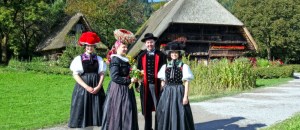
  In the Black Forest, Germany.
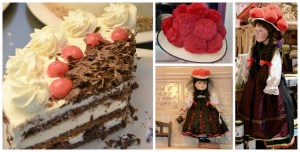
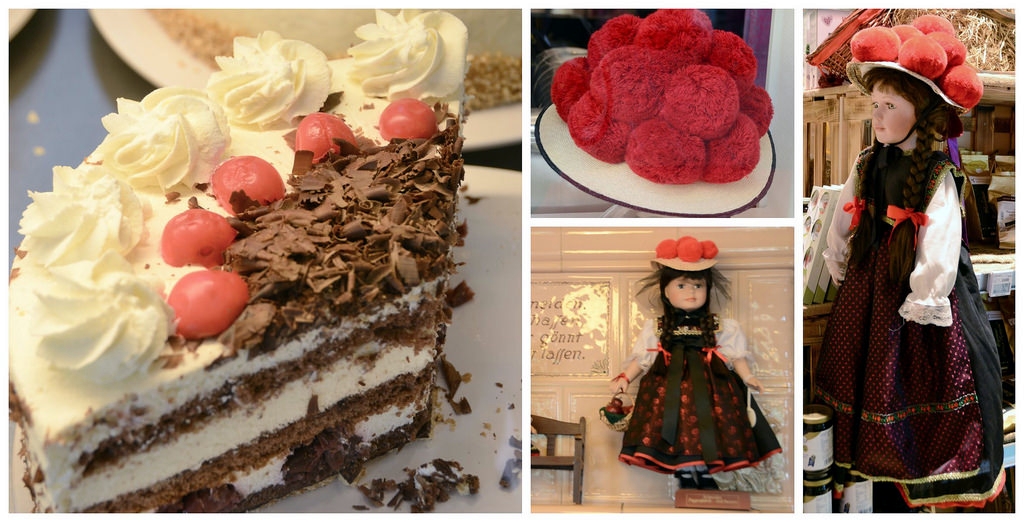
The red pompoms and white brim of the Bollenhut also is said to have inspired the top layer of the Black Forest Cake.
The broad-brimmed, whitewashed straw hat bears 14 prominent, woollen, pompoms arranged in the shape of a cross. Only eleven pompoms are visible, however, because three are covered by those on top. Unmarried women wear red pompoms, married women wear black, old women and widows wear only the mob cap. The Bollenhut can weigh up to two kilogrammes and is manufactured by female milliners. The red Bollenhut may first be worn by girls at their confirmation.
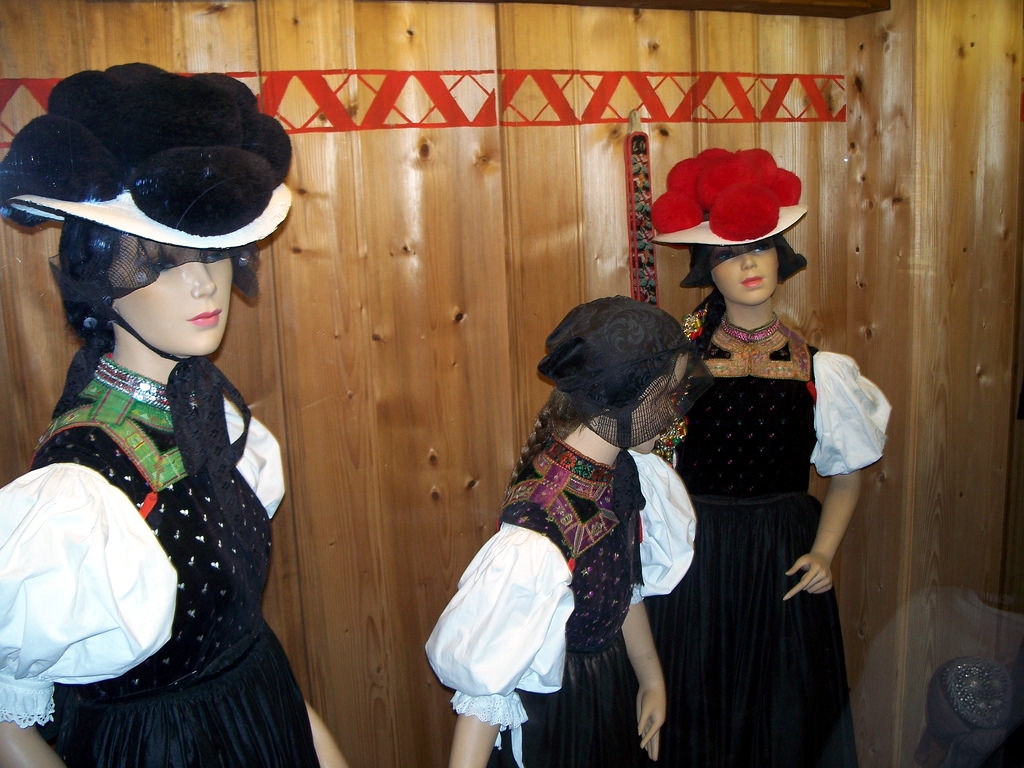
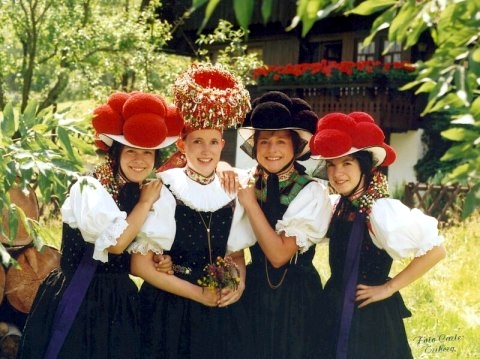
  

A silk mob cap is worn underneath the Bollenhut, tied under the chin. Young girls before confirmation (Gutach and several neighbouring parishes were part of Württemberg until 1804 and were Protestant, unlike the majority of the Black Forest) and old women only wore the mob cap.
  

Today.

But why do we wear bobble hats now, as people who are not old military ghosts, or cardinals, or seamen, unless you are?  Pompoms had a rise in popularity during the Great Depression because adding a pompom was an inexpensive way to embellish clothing. Seems right. It might be all about fashion now, just adding a touch of „happiness“ to our outfit. It seems right to me people look happy with a Bobble Hat ! And You ?
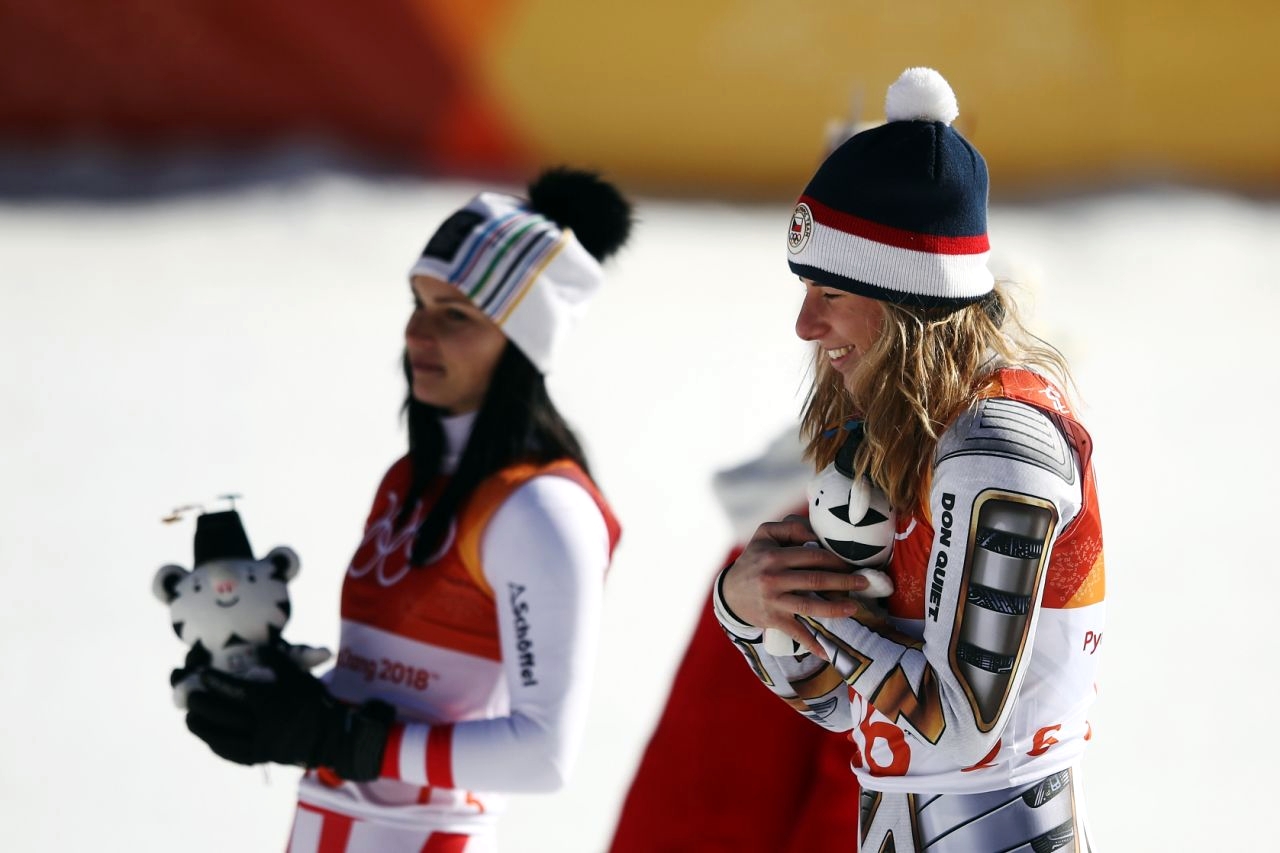
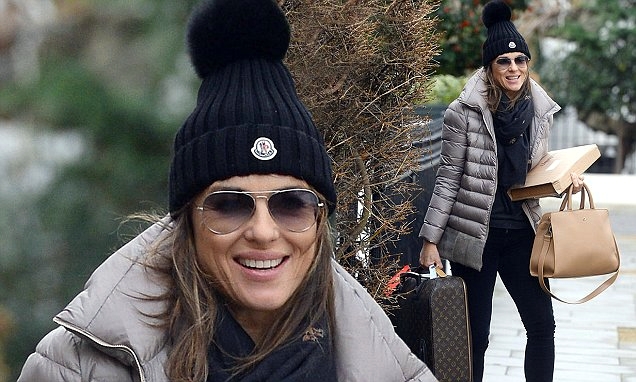
    Happy people with modern pompom hats. Left Anna Veith, Austria and Ester Ledecka, Czech Republic during the Winter Olympics. Right actress Elizabeth Hurley.
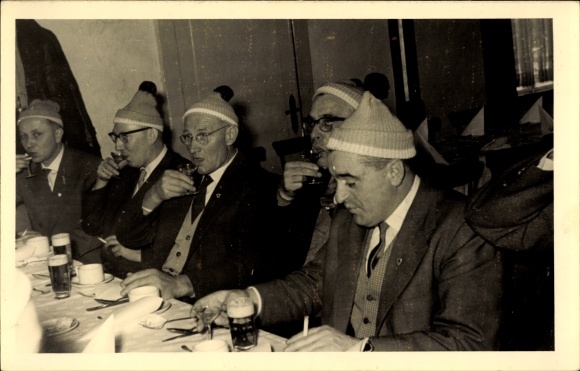
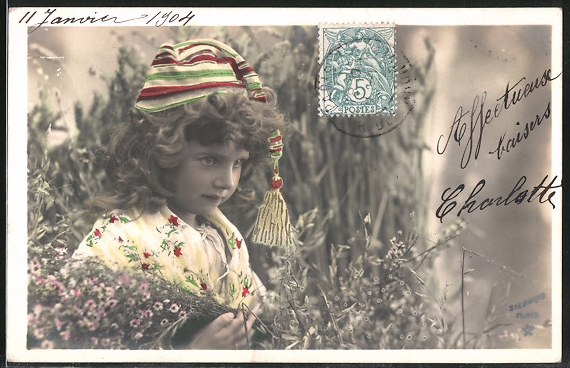
  Interesting clubmeeting in the 1950’s with „Schnaps and Beer, Cigarette and Bobble Hat“. What a good life after the war. Right a wonderful hand-colored postcard from 1904.
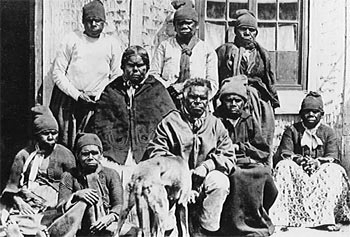
  Aborigine people with bobble hats in Tasmania, Australia.
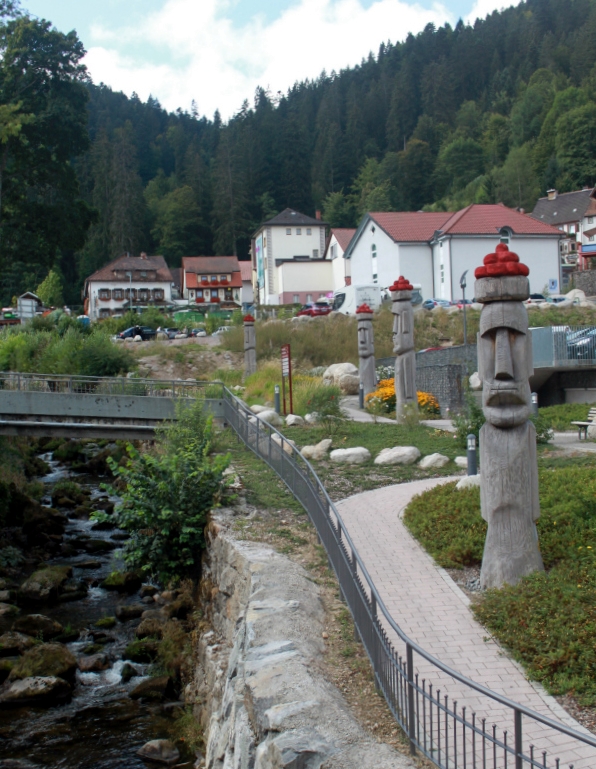
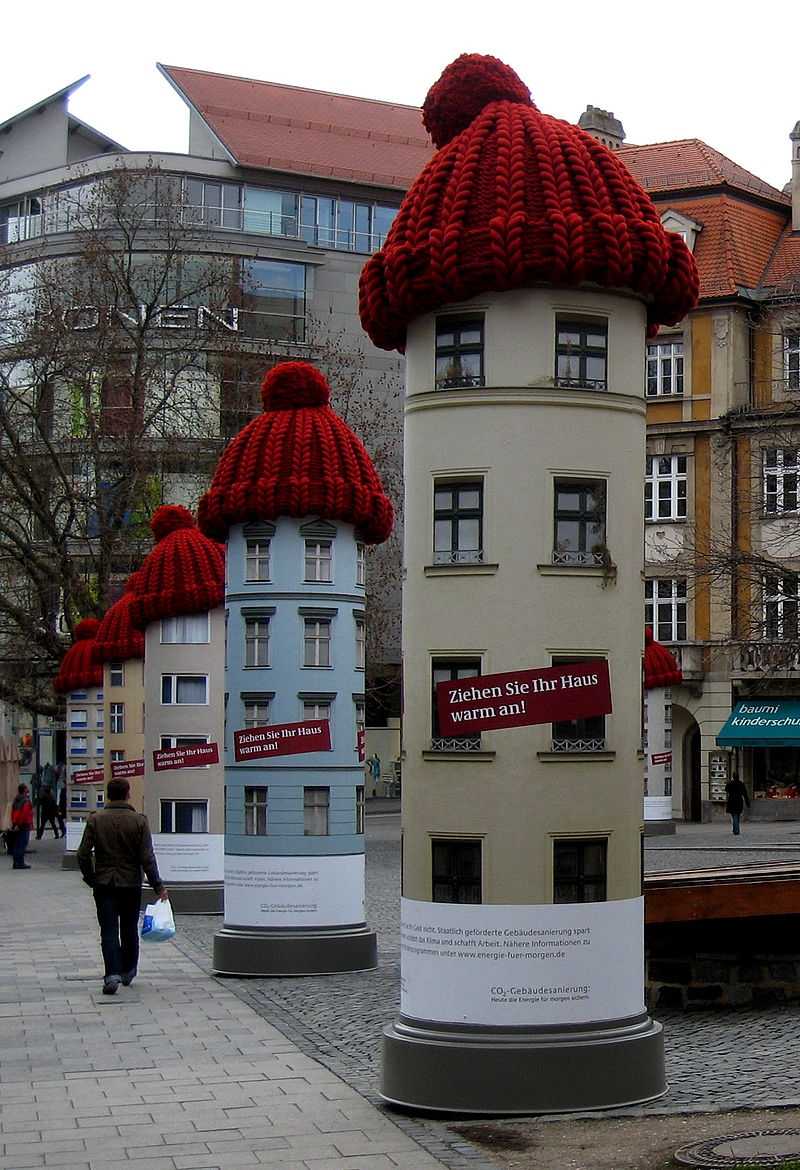
               How cool is this ? Left some Bollenhut Tikis next to the river Gutach in Germany. Right shows some advertising columns with bobble hats on top. An eye catcher for sure. As always, click on pictures to size up and enjoy.
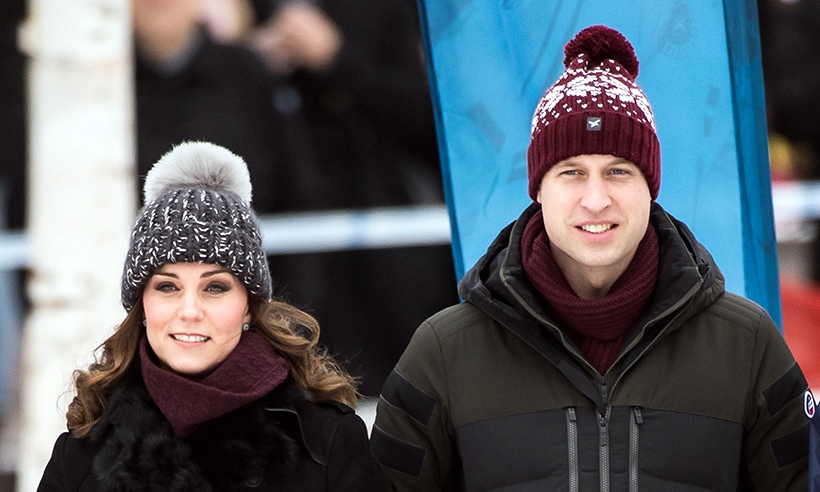
      More happy people. Actress Christina Hendricks in Glasgow. The royal couple Prince William and Kate in Sweden. No question at all, the bobble hat is back in fashion.  Hope you found this unusual post enjoyable and start to wear your PomPom Hat now.   Stay tuned !
Veröffentlicht unter History, Information, Lifestyle | Verschlagwortet mit | Hinterlasse einen Kommentar

Knowing Pasta – Results

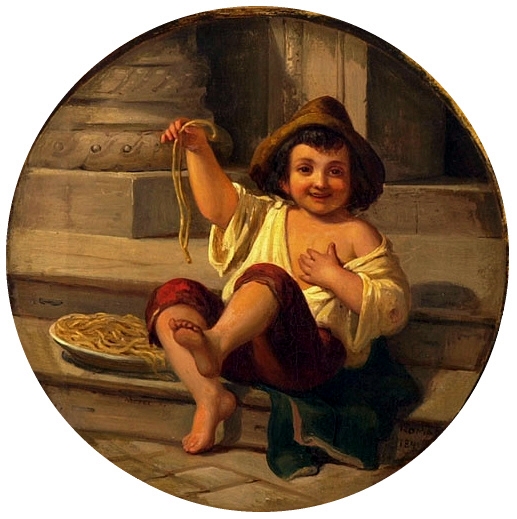
Hello my dear readers, that pasta post was good fun, as I can see on results and mails. From all over the world 72 people send their answers. Thanks very much to everyone !   I like the above picture very much, it is a painting from Julius Moser, „The Spaghetti Boy, 1808“. But first, as I promised, a bit more about pasta.

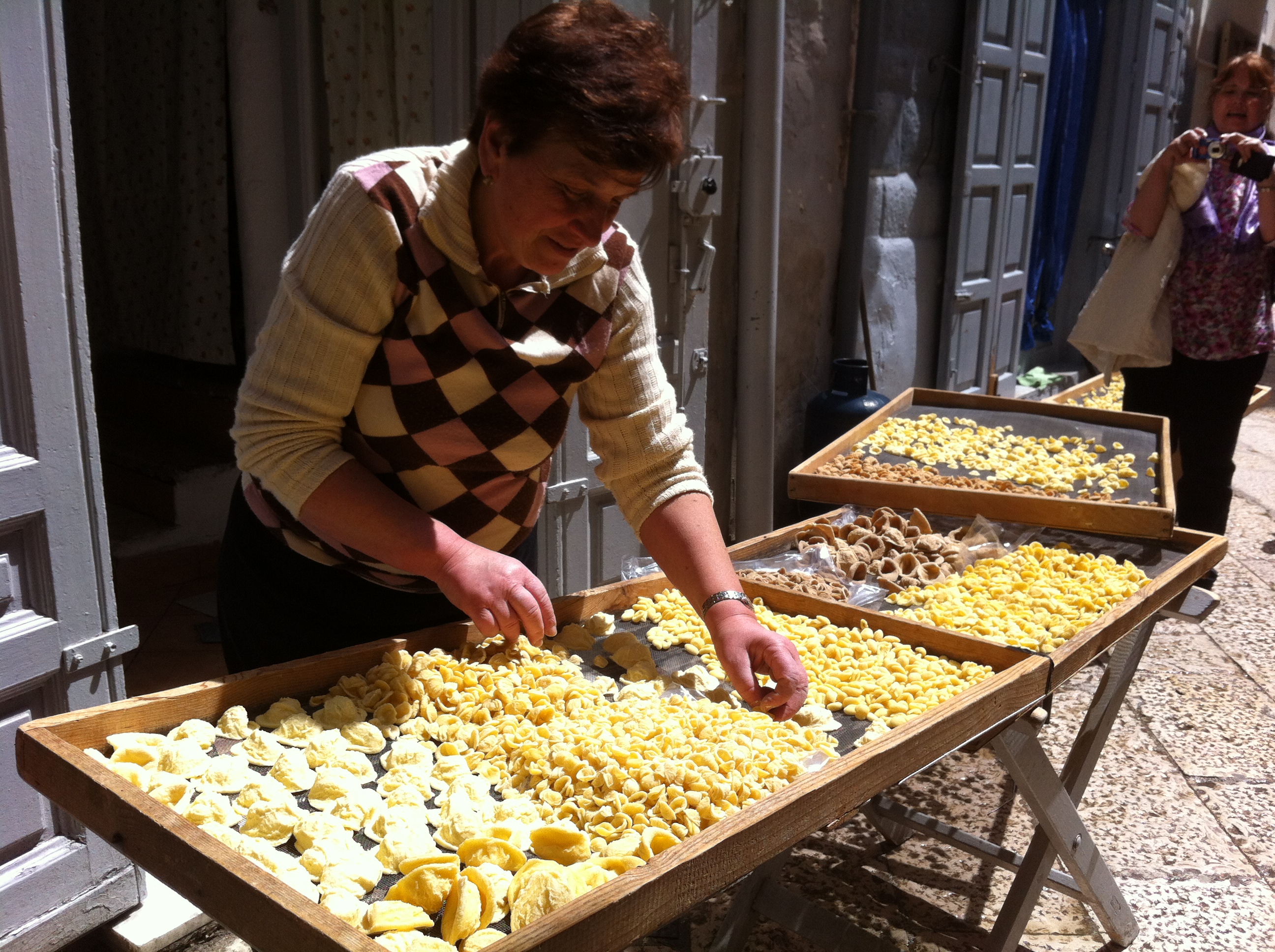
  A lady in Bologna, Italy selling her homemade pasta in front her home. Click on pic to enjoy a better view.

More History.

Pasta, with its long, multicultural history, is a culinary connection to our past.

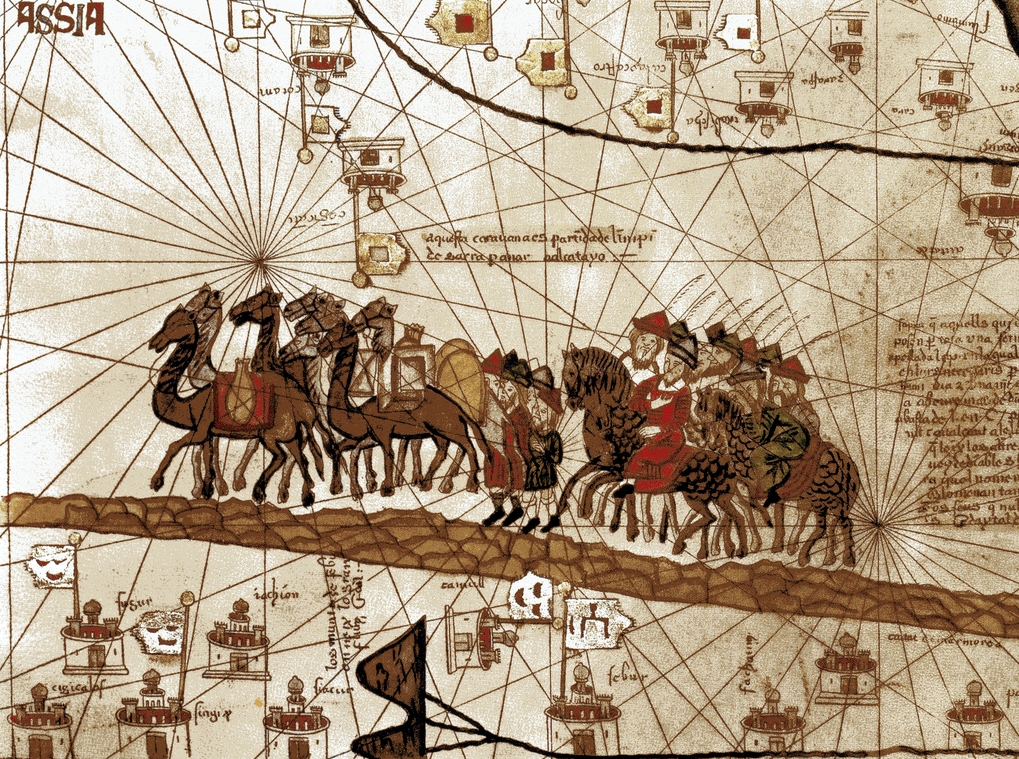
While we do think of pasta as a culturally Italian food, it is likely the descendant of ancient Asian noodles. A common belief about pasta is that it was brought to Italy from China by Marco Polo during the 13th century. In his book, “The Travels of Marco Polo,” there is a passage that briefly mentions his introduction to a plant that produced flour, possibly a “breadfruit tree”.

  Marco Polo’s travel in Asia.

The Chinese used this plant to create a meal similar to barley flour. The barley-like meal Polo mentioned was used to make several pasta-like dishes, including one described as “lagana” (lasagna). Since Polo’s original text no longer exists, the book relies heavily on retelling’s by various authors and experts. This, combined with the fact that pasta was already gaining popularity in other areas of Italy during the 13th century, makes it very unlikely that Marco Polo was the first to introduce pasta to Italy.

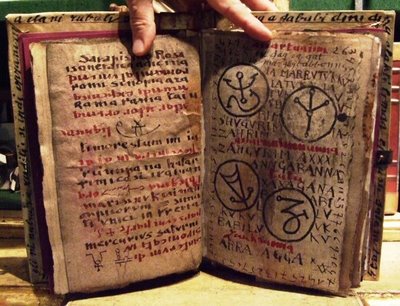
   A pasta recipe. Description in the „history of necronomicon“, written in Damascus 738 AD. This copy was found in the library of the University of Buenos Aires, Argentina.

Noodles existed in Asia long before Polo’s trip to China. Archaeologists believe that central Asia is most likely the first area to have produced noodles thousands of years ago. From Asia, it traveled westward. The way it reached Europe is unclear, though there are many theories—some believe that nomadic Arabs are responsible for bringing early forms of pasta westward.

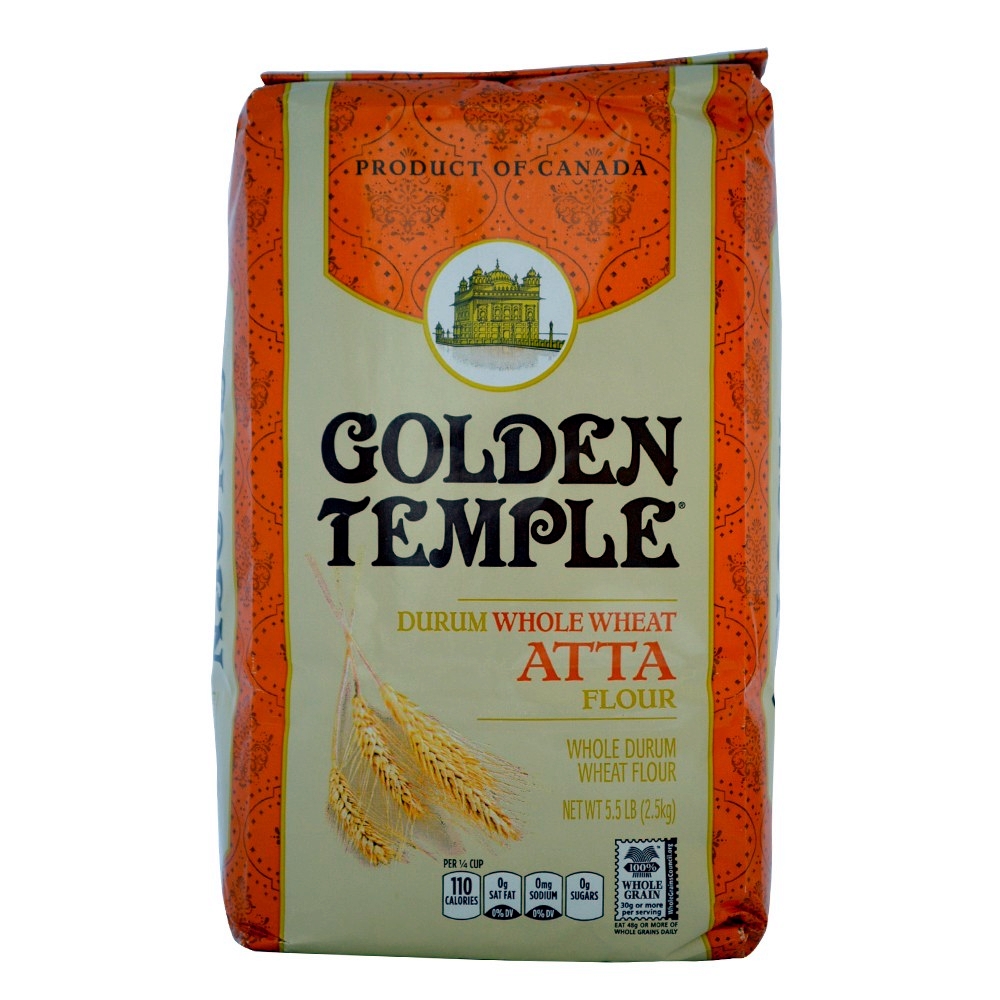
  Durum wheat flour.

Once it reached the Mediterranean the process was refined, and durum wheat became the ingredient of choice for pasta flour because of its high gluten content and long shelf life. When durum wheat pasta is dried, it lasts indefinitely, making it a very convenient food to store. Over time, because of pasta’s affordability, shelf life, and versatility, it became firmly rooted in Italian culture.

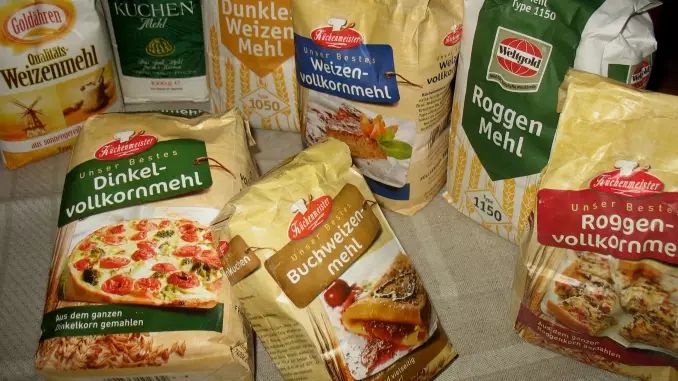
  In Germany its called „Weizenmehl“.

The warm Mediterranean climate of Italy is suited to growing fresh vegetables and herbs, which meant that Italians could get creative with a delicious variety of pasta sauces. Tomato-based sauces emerged as a favorite complement to pasta, and tomatoes remain the most popular ingredient in pasta sauce today.

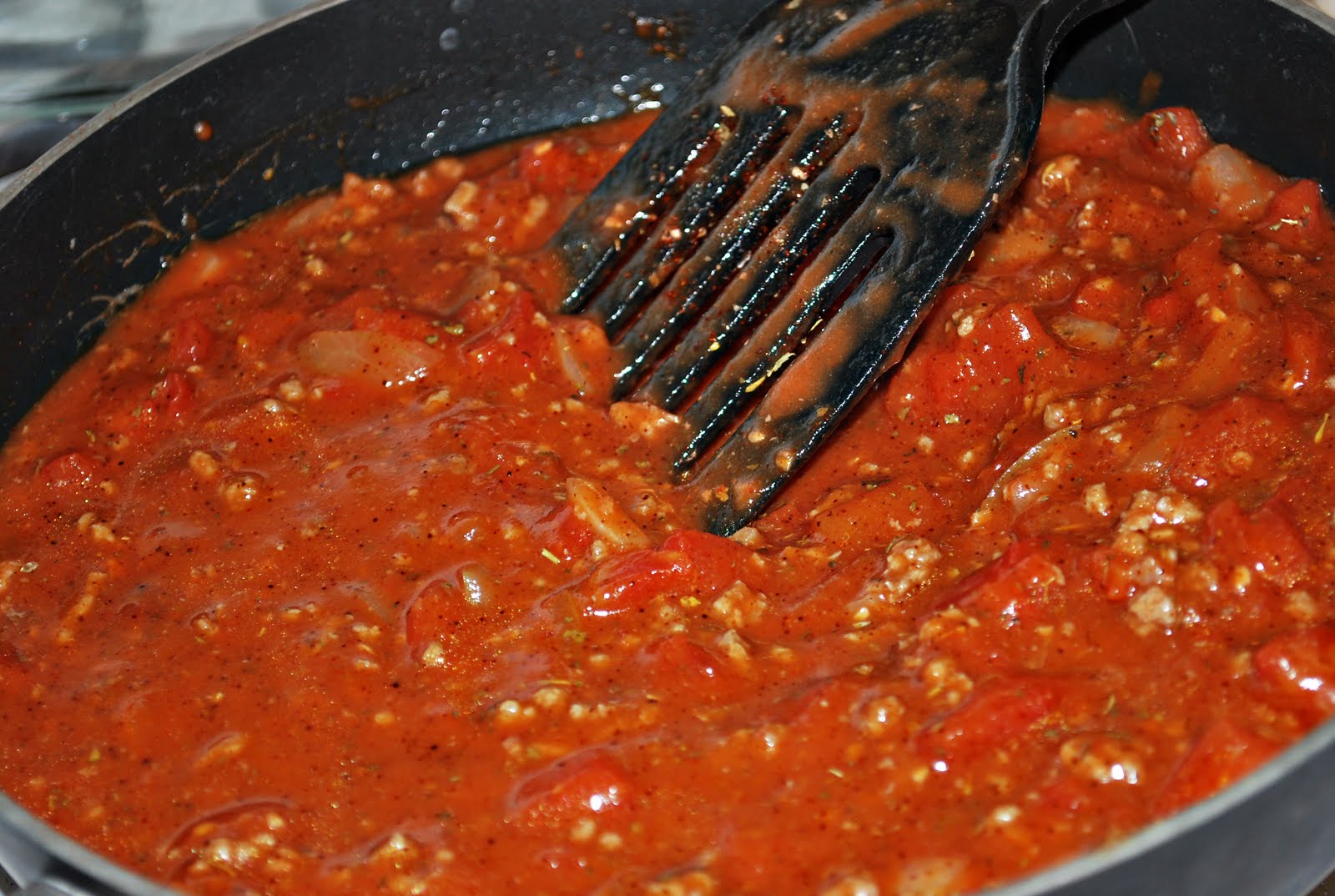
  Most popular, tomato based pasta sauces.

Early Spanish settlers were among the first to bring pasta to America. Believe it or not, it was Thomas Jefferson that helped give pasta an initial push into popularity. During an extended stay in Paris from 1784-1789, Jefferson ate what he called macaroni. Back then, the word could have referred to any shape of pasta. He enjoyed the dish so much that he returned to America with two cases in tow. When his supply ran out, he sent for reinforcements via a friend from Naples.

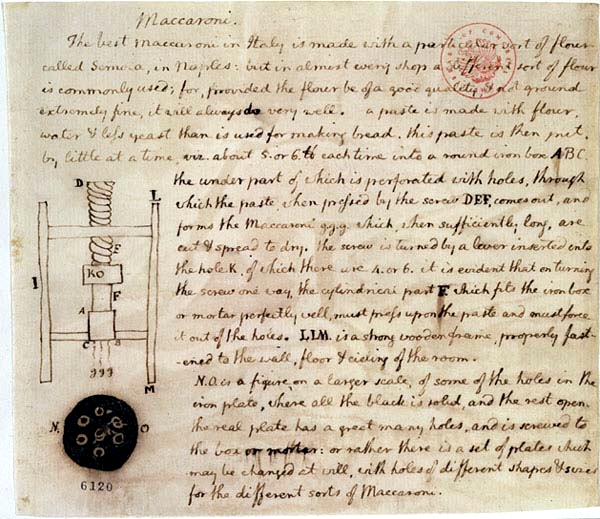
     Jefferson discovered the dish while living in France and became so enamored with it that he sketched a “maccaroni” machine. He first served the delicacy at a state dinner in 1802, at the White House. And back in those days, anything served at the White House became the talk of the town.

During the late 19th century, when a large group of immigrants relocated from Italy to America (most from Naples), pasta became a common food in the states. They have been making spaghetti in America ever since.

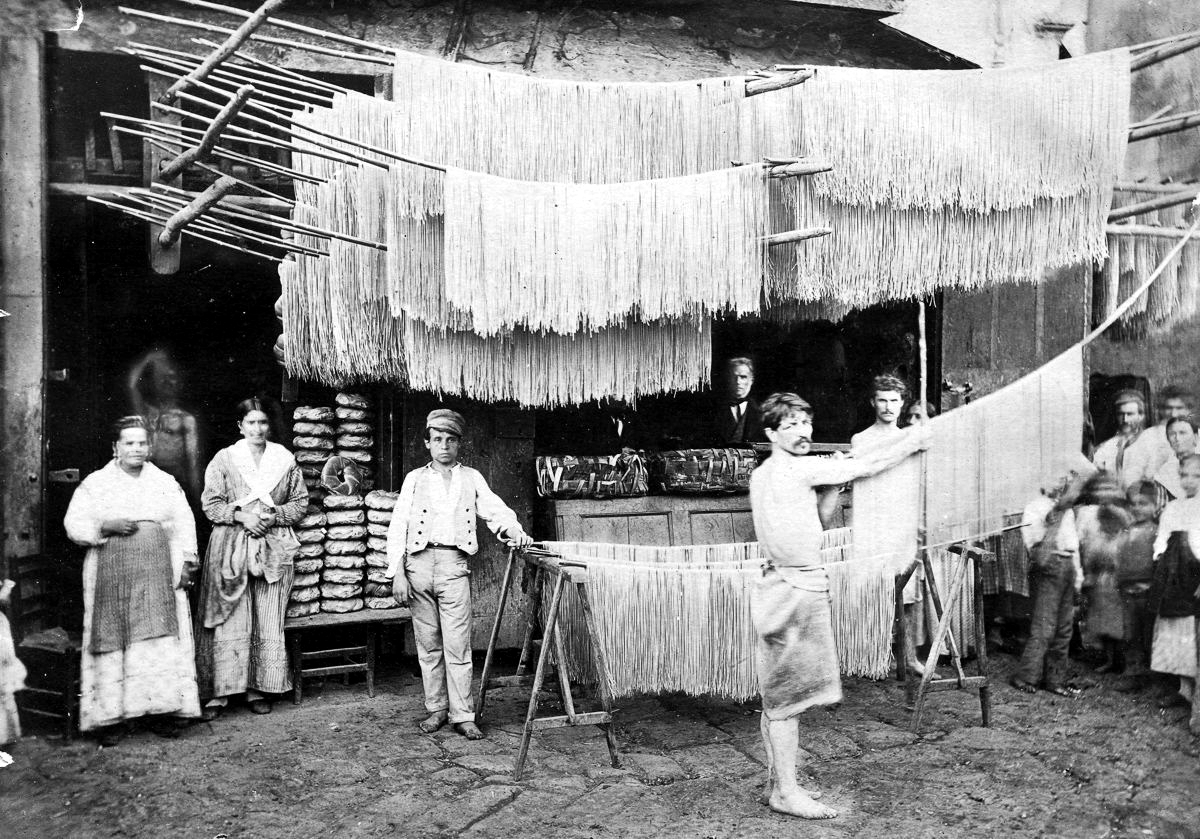
  Italian spaghetti drying in Naples around 1900. Pasta making for the Americas.

Today, pasta is generally cooked by boiling the dough. The first evidence of pasta being boiled comes from the Jerusalem Talmud. The Talmud includes a discussion on whether or not boiled dough should be considered unleavened bread under Jewish law. Pasta was likely boiled before the Talmud was written, but this is the first text reference to the cooking method.

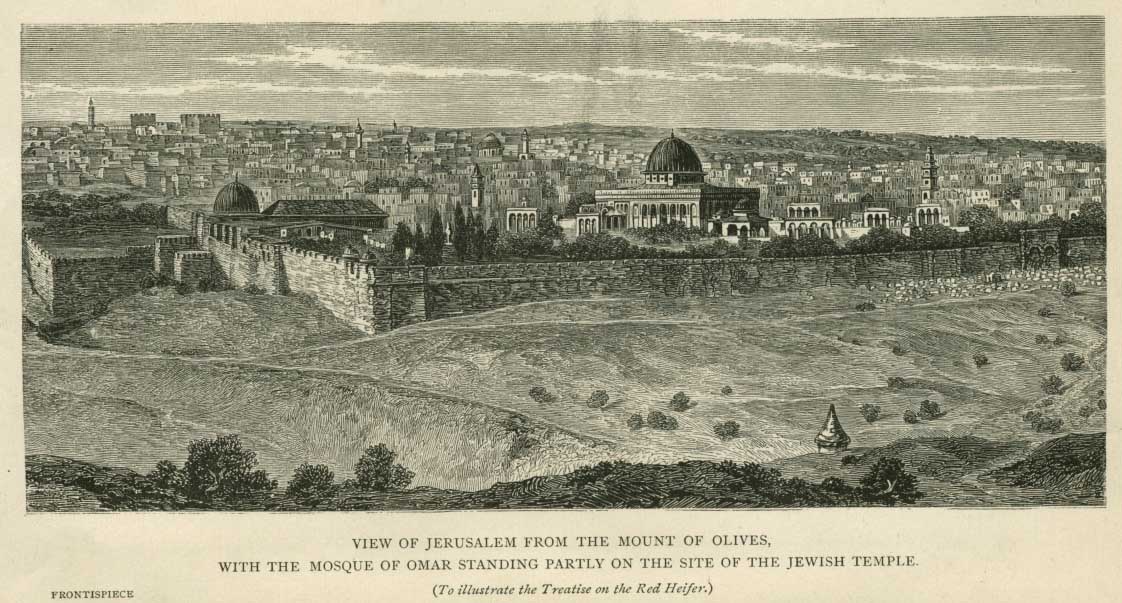
Frontispiece of the Jerusalem Talmud. Sacred texts in about 60 book volumes.

The world is most familiar with dried pastas imported from Italy. Dried pasta is usually made from semolina, or purified durum wheat. Semolina isn’t overly absorbent, which makes for great „al dente“ style pasta. It also has a long shelf life, unlike fresh pasta.

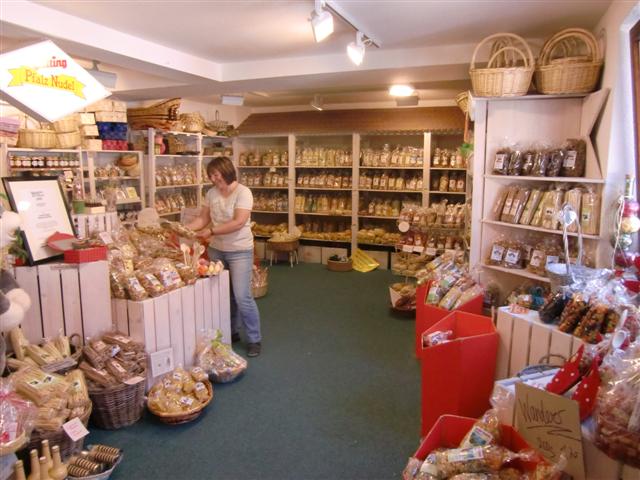
        This pasta shop in Germany, called „Pfalznudel“, is specialized on dry pasta. Look at the variety.

Al Dente.

As Wikipedia describes, in cooking, al dente is a pasta that is cooked to be firm to the bite.The etymology is Italian „to the tooth“.

This means you still can „bite“ it,  in German „es hat Biss“.  That’s how pasta should be.

In contemporary Italian cooking, the term identifies the ideal consistency for pasta and involves a brief cooking time. Molto al dente is the culinary term for slightly undercooked pasta. Undercooking pasta is used in the first round of cooking when a pasta dish is going to be cooked twice.

Pasta that is cooked al dente has a lower glycemic index than pasta that is cooked soft. When cooking commercial pasta, the al dente phase occurs right after the white of the pasta center disappears.  Also known as pasta that is neither too hard nor too soft.

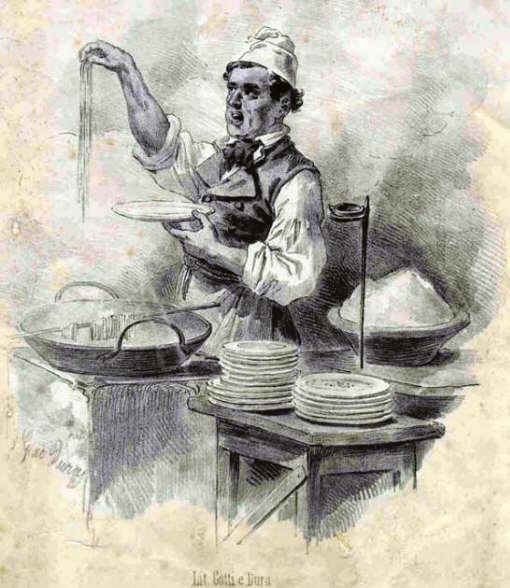
  The spaghetti seller, known in Italy as „maccaronaro“.

Test Results.

Pasta is, for all intents and purposes, a comfort food. One of its most comforting qualities is how little it has changed over the centuries. It is still made with the same essential ingredients and preparations that it has been since antiquity. When we eat pasta, we can be assured of the likelihood that our ancestors, and our ancestor’s ancestors, ate something similar.

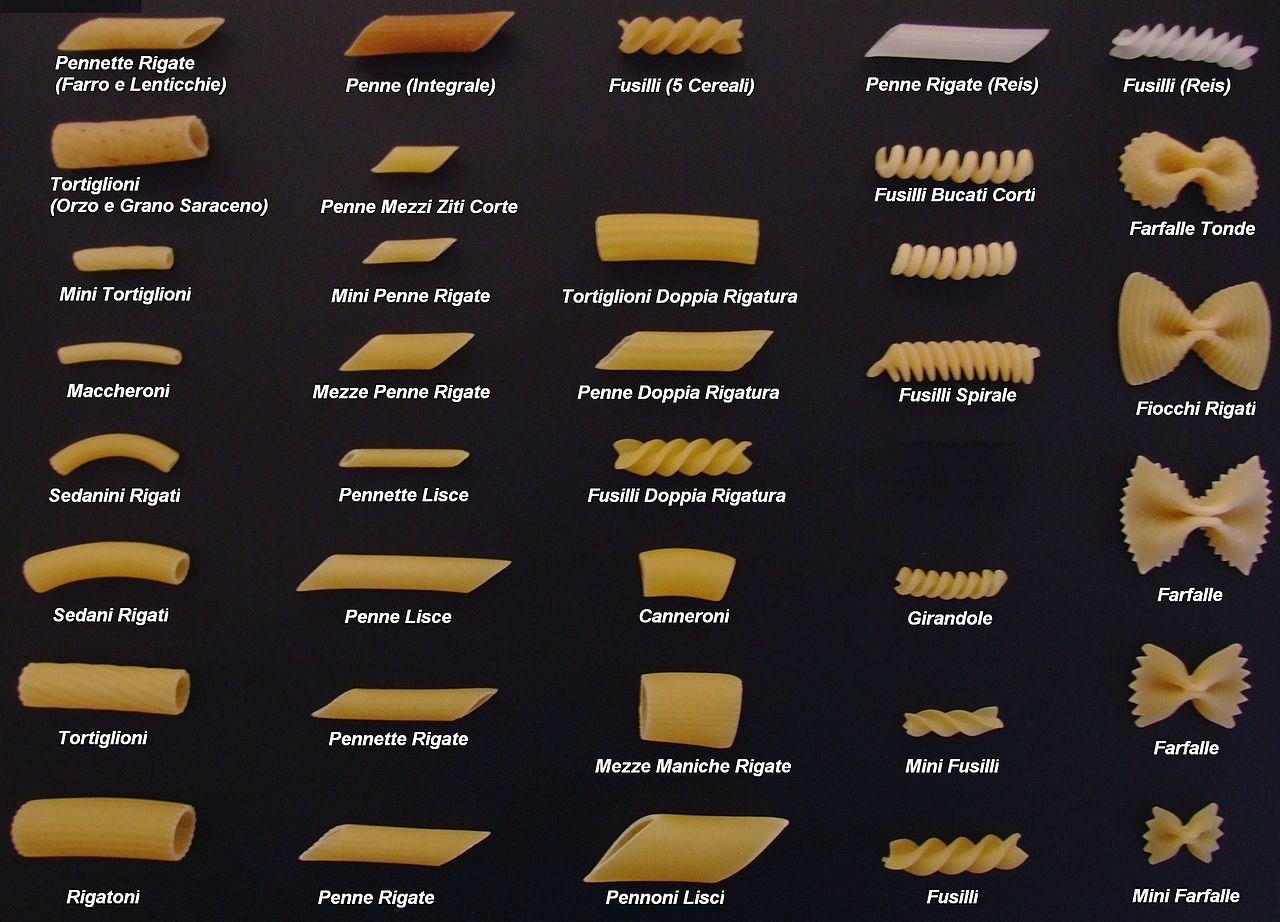
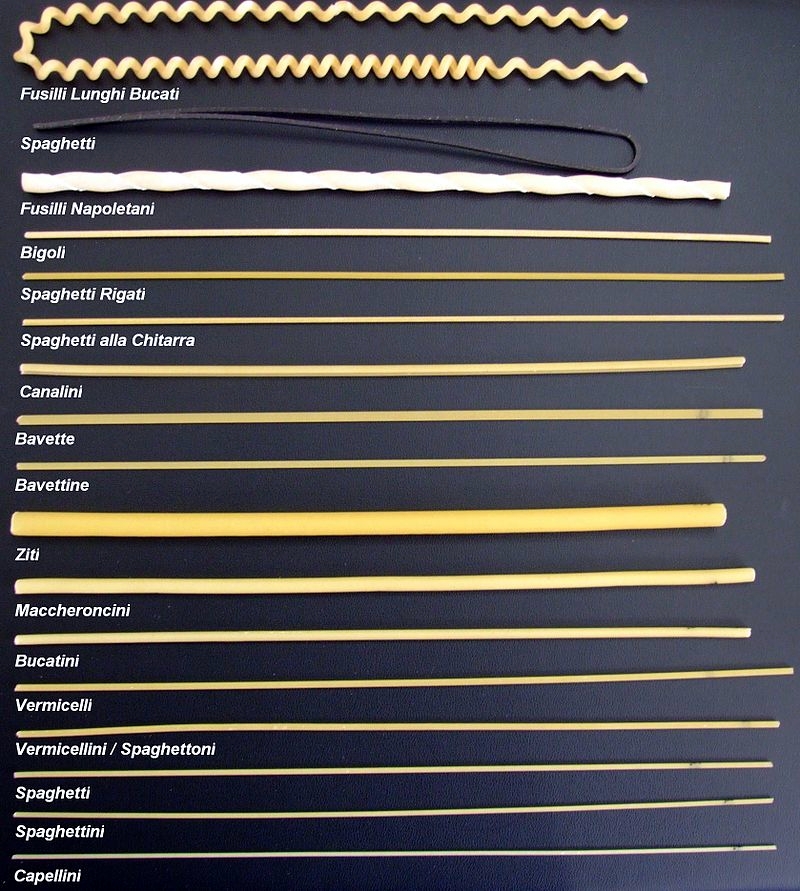
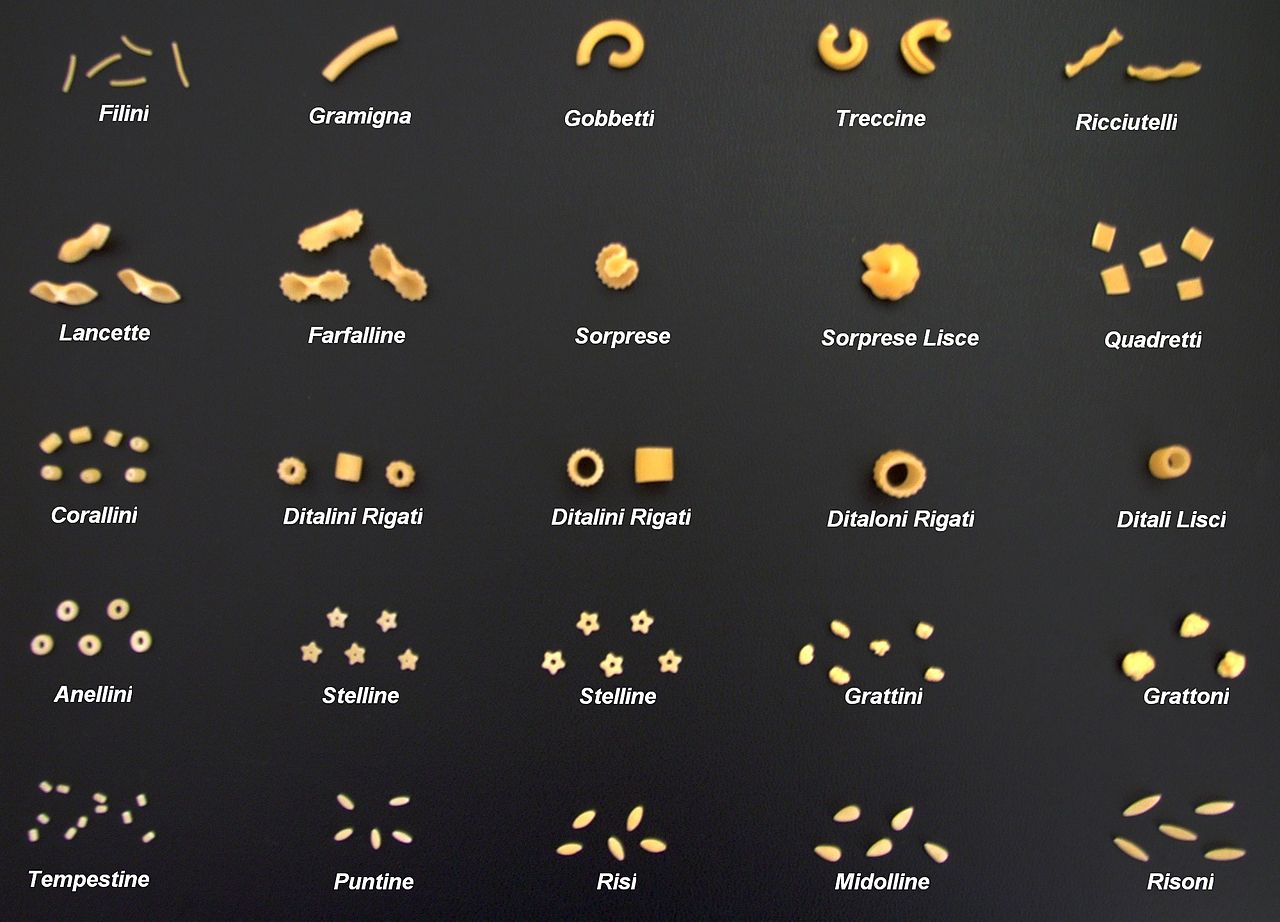
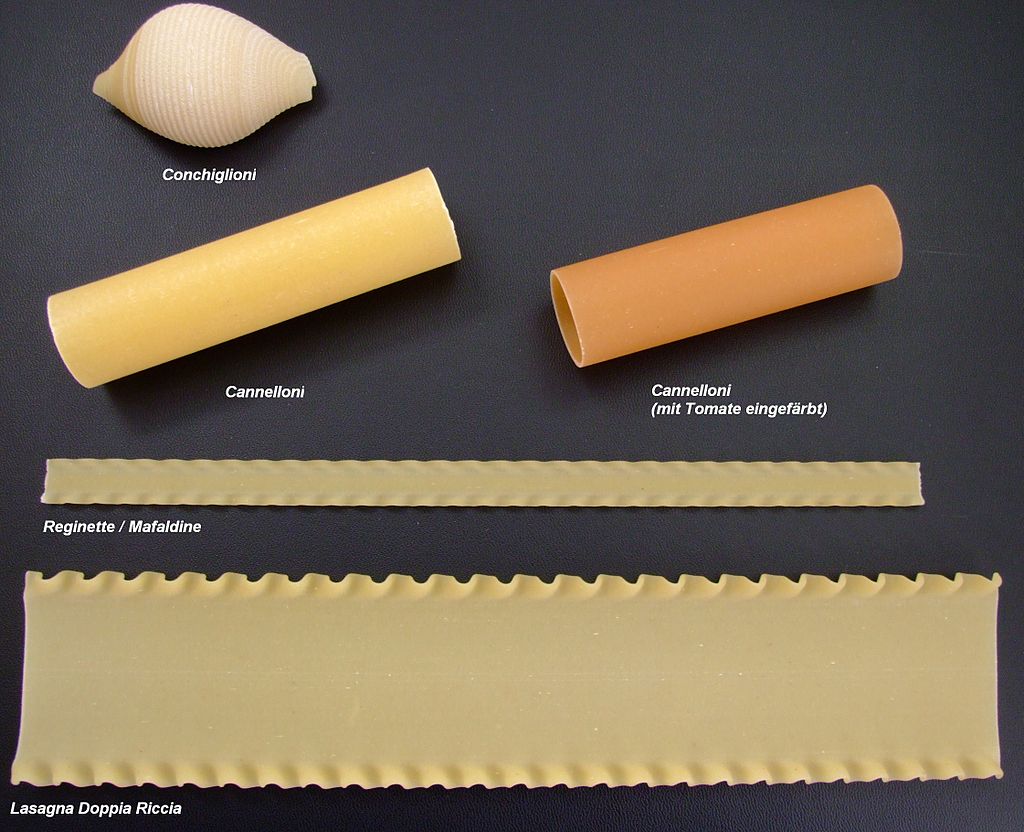
               Pasta overview 1 (short pasta) and 2 (long pasta).  Click on pics to supersize.  Some of these pics are from Wikipedia, as always about using pics, please read my comment about it in the header „Information“ – THANKS !

Out of the hundreds of different pastas and pasta dishes, I picked out 14 more or less known common Italian pasta terms. No. 1 Spaghetti and 13 more for the test. During this week I received 72 results from 16 different countries. Wonderful – THANKS very much for participating.

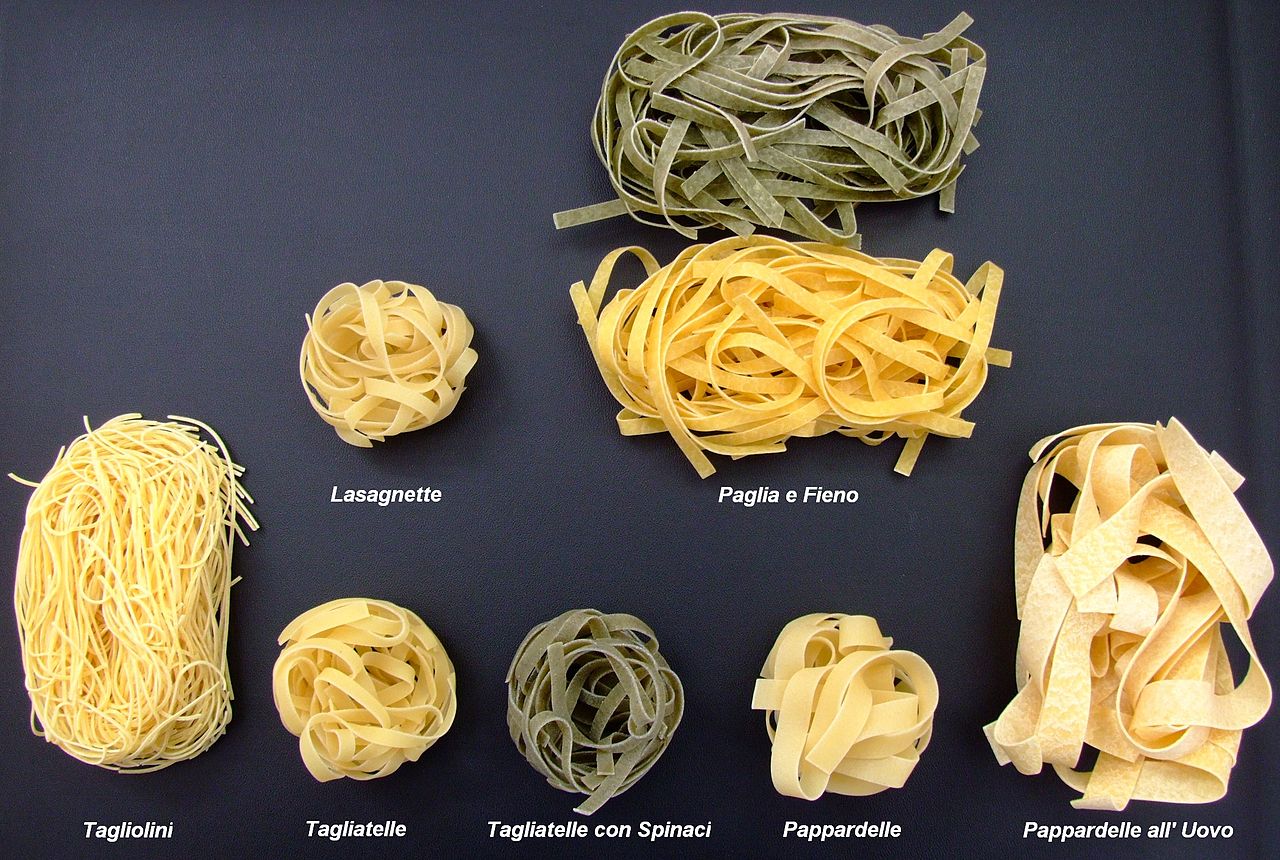
        Pasta overview 3 (soup pasta) and 4 (egg pasta). Click on pics to supersize.

As a few of you asked for it, I will leave out „ALL“ names and personal hints. Out of 72 :

7      named right all 13 dishes ( 2 from Italy, 1 from Panama – but an Italian, and 1 each
from China, New Zealand , Germany, Switzerland).
2      named right 12 dishes (from Netherlands and Canada).
10    named right 11 dishes.
14    named right 10 dishes.
22    named right 9 dishes.
8      named right 8 dishes.
9      named right 5-7 dishes.

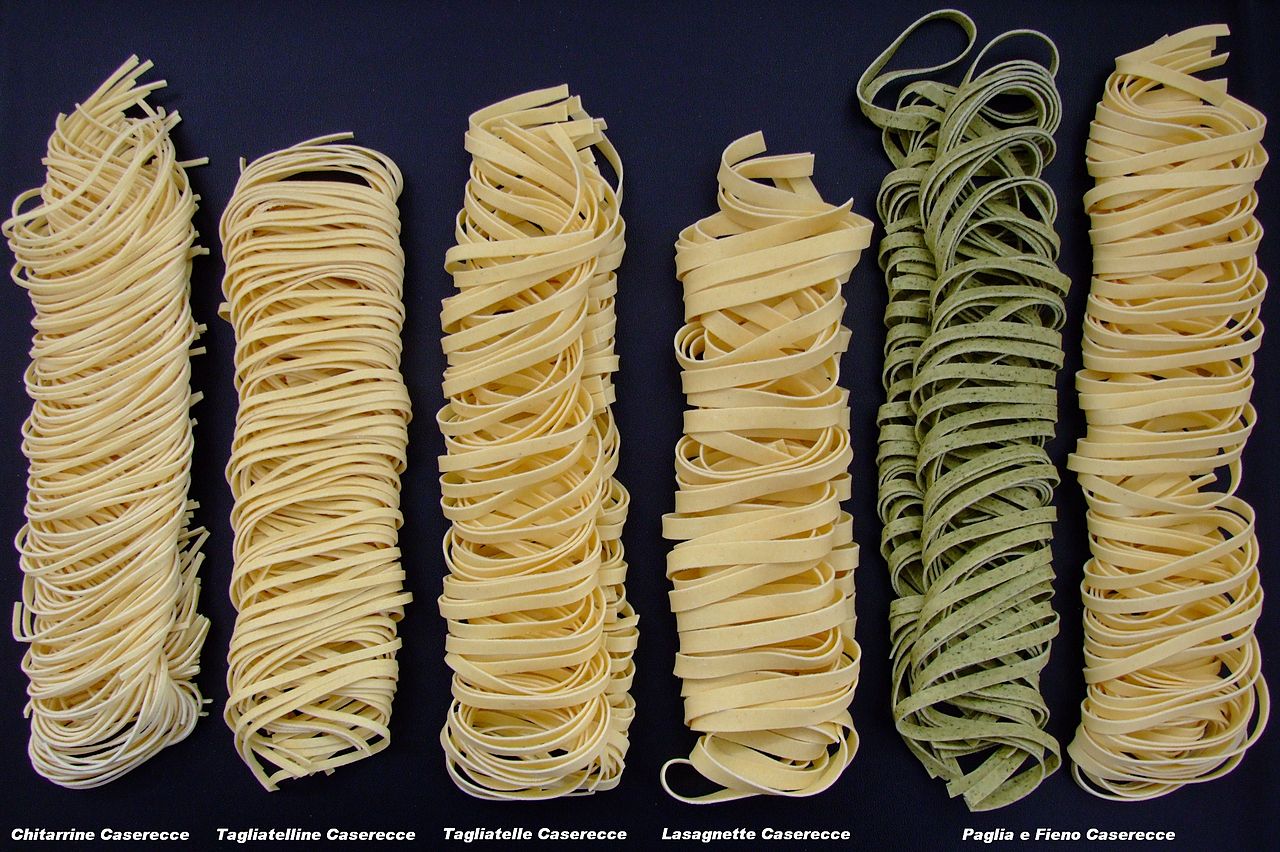
     Pasta overview 5 (fresh pasta) and 6 (to bake pasta). Click on pics to supersize.

The right dish names were: A-3, B-3, C-2, D-3, E-3, F-1, G-2, H-1, I-3, J-3, K-1, L-1, M-1.

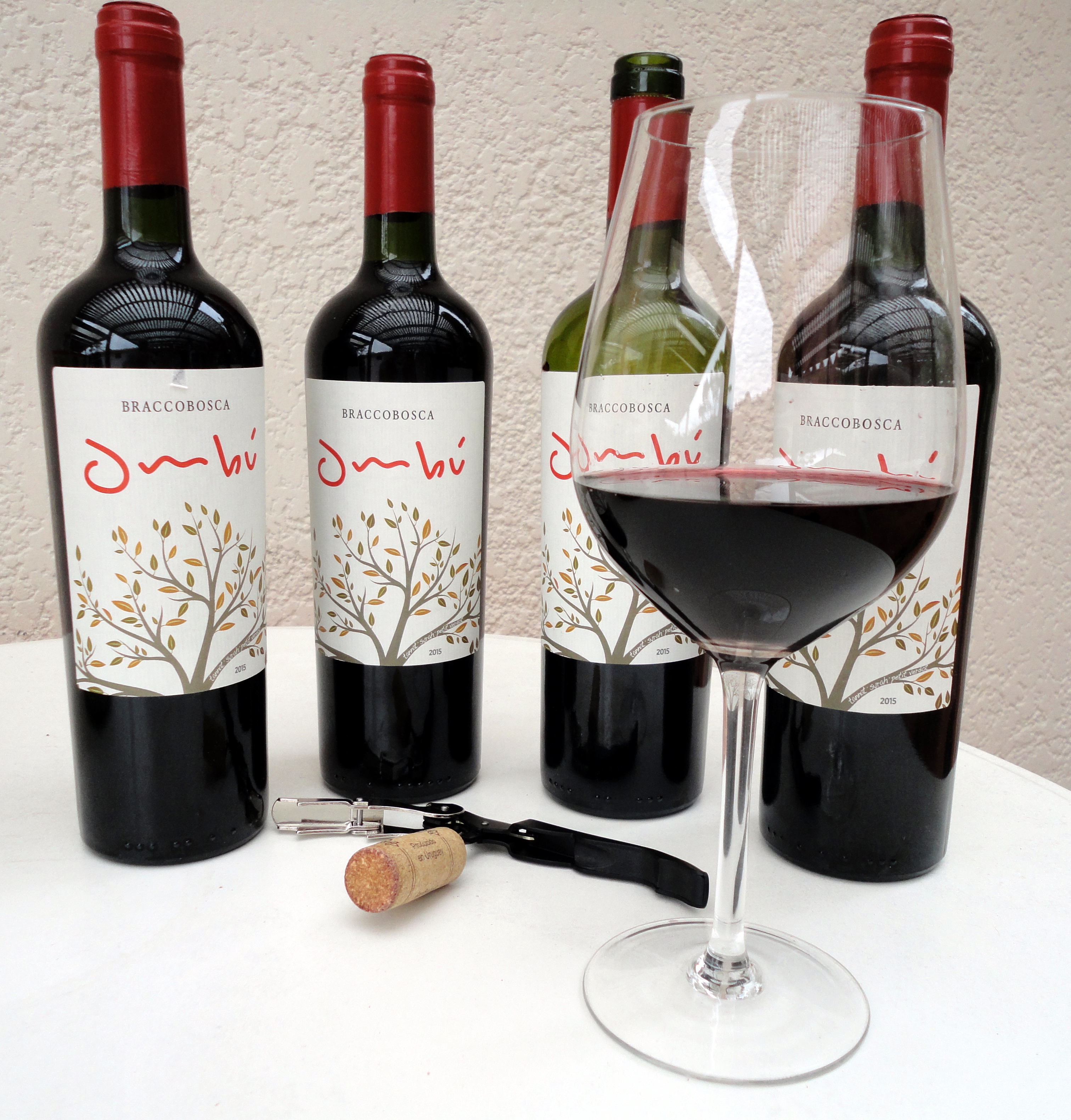
   A surprise for an Italian (Sicily) reader. OMBU wine.

Finally a surprise for our 7 winners. For you I was raffling a box of my favorite Uruguayan wine. Its an „Ombu Tannat“ and will be sent from the German Importer.  The winner is in Italy and I will ask you for your address in a separate mail.   CONGRATULATIONS !!!

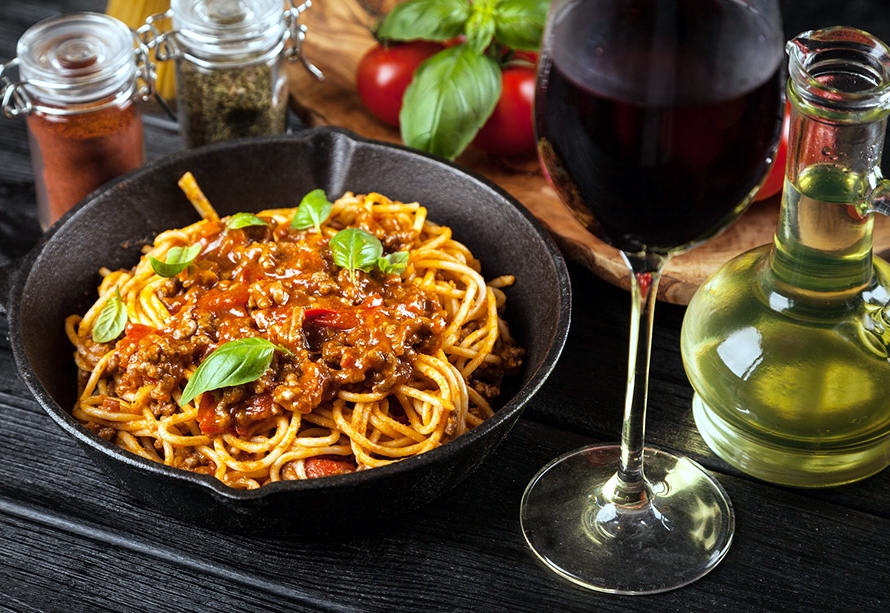
How delicious is pasta and wine ? A reason to celebrate your new knowledge.   Enjoy !!!


Veröffentlicht unter History, Information, Lifestyle | Verschlagwortet mit , | Hinterlasse einen Kommentar

Knowing Pasta – Test

Some weeks ago we went to an Italian restaurant for dinner. All kinds of special Italian dishes, like pizzas, risottos, ample variety of antipasti, very nice fish and meat dishes and of course pastas.

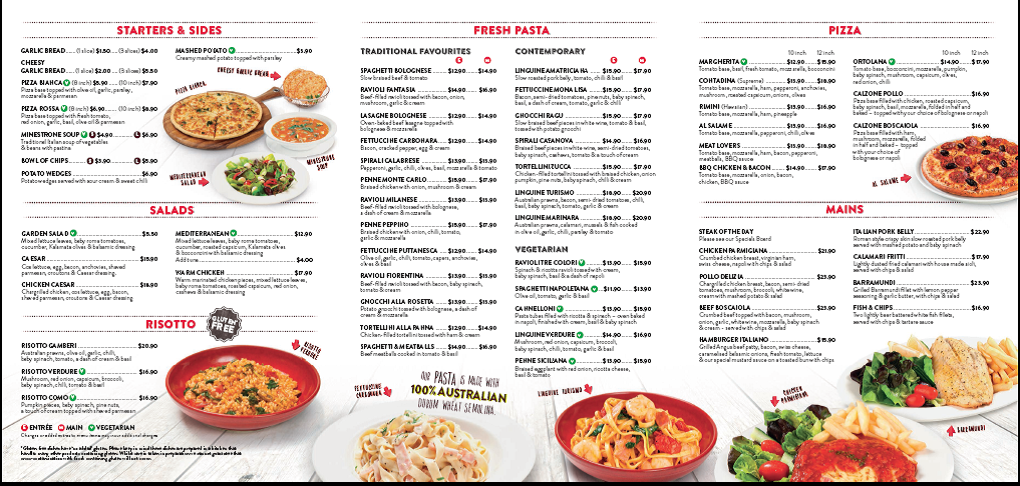
  Typical Italian Restaurant menu card, from Australia.

Next to us, sitting 2 families with about a dozen people and we had no chance as to overhear their conversation. We heard like: girl 1: „what’s rigattoni?“, boy 1:“dad, what’s tortellini?“, mum:“dear – do you also want pasta?“ girl 2: „no mami I want spaghetti“ or man 1:“waiter, what pasta do you serve on the carbonara“ –  waiter: „what do you like Sir, we have lots of different ones“ – man 1: „no answer“ . Waiter: „What do you like with your calabrese, fettucini or penne ?“ man 2: „nothing fancy, just pasta“ !?!?!    Oh, oh !

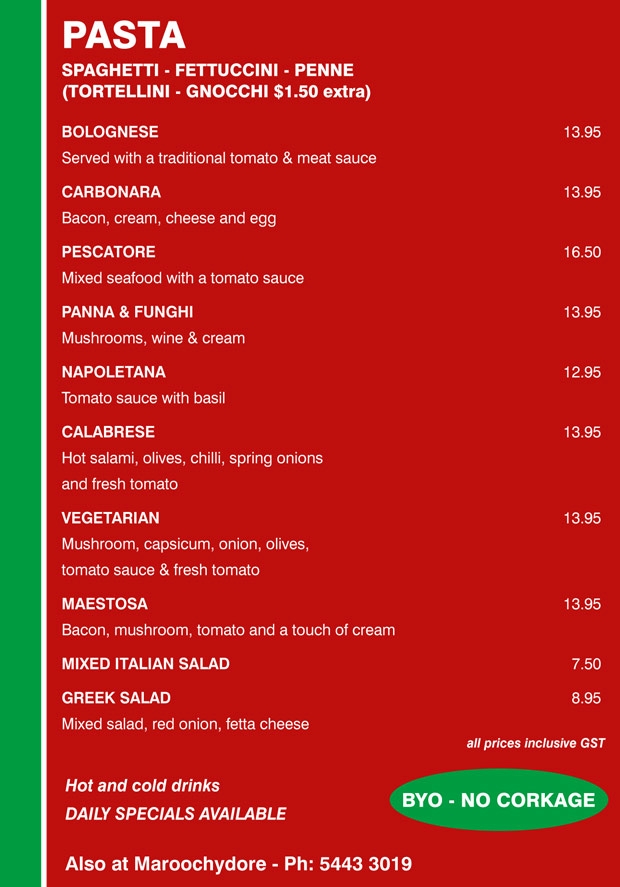
  Easy to choose pasta and your favorite sauce. Well described for the inexperienced. Again Australia, near where we used to live. We loved that little restaurant – great quality of food, take away service, friendly and clean, direct on the beach and BYO (good bottle Aussie wine for 5 bucks) without additional costs.

The order went into some pizzas and 7 times spaghetti with different toppings. Nothing against those people, they were very nice and behaved – but: It seems to me that most people don’t know the basics about pastas and their names. That’s why I thought it might be interesting to have some basic names about pasta orders in Italian (or others) restaurants.

  Good pasta menu card, well described for the inexperienced customer. A great chance to learn about Italian pasta dishes. Wish we had one like this around here in Uruguay.

The Pasta World.

Pasta is one of the world’s most accessible foods. Nearly every country has its own unique version of this popular, inexpensive staple. In Germany and Hungary they have spaetzle. In Greece, orzo. In Poland, they enjoy pocket like pierogi. Ashkenazi Jewish families make kreplach dumplings. And in America, pasta is prepared and served similarly to the way it is found in Italy, with the exception of all-American „spaghetti and meatballs“.

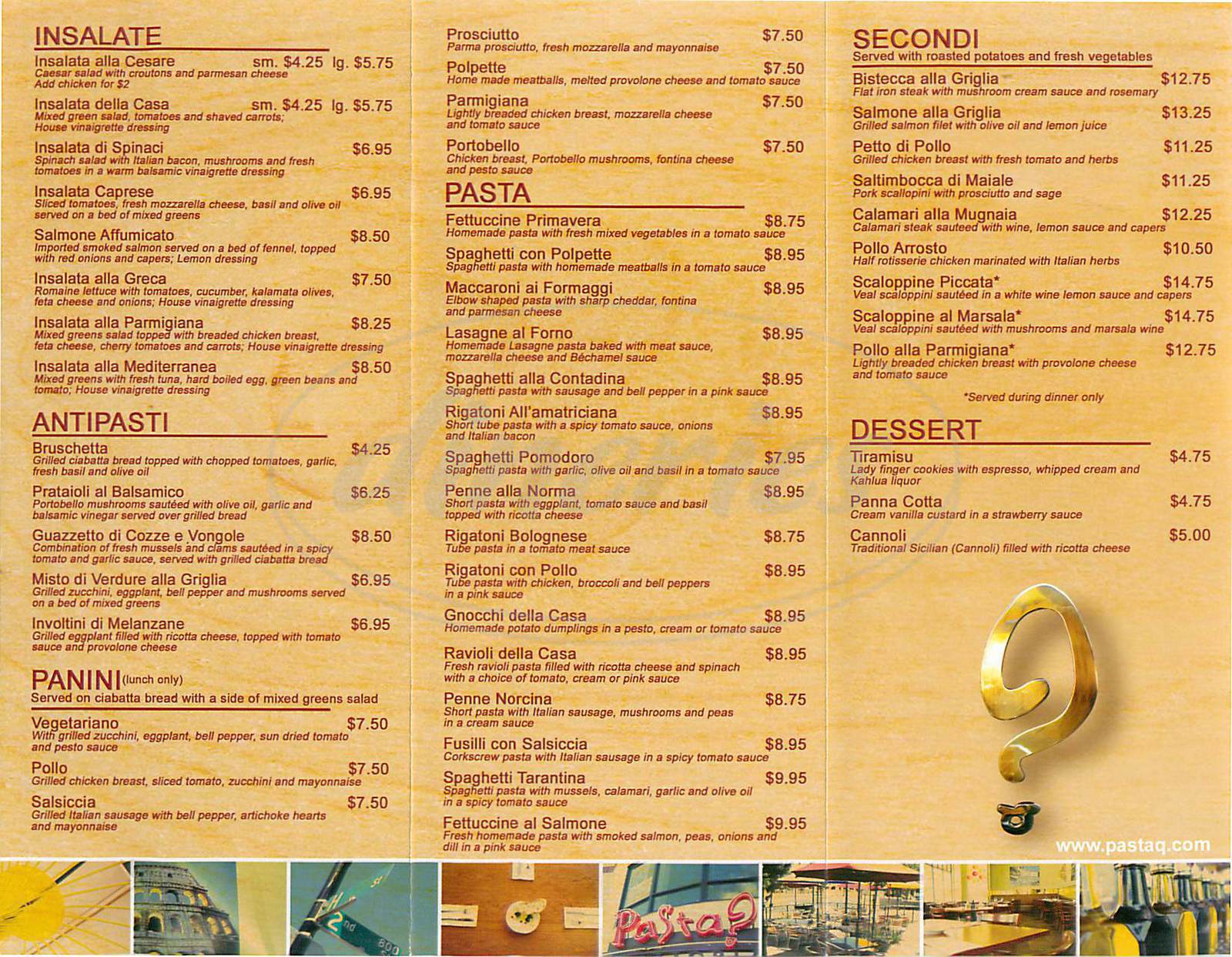
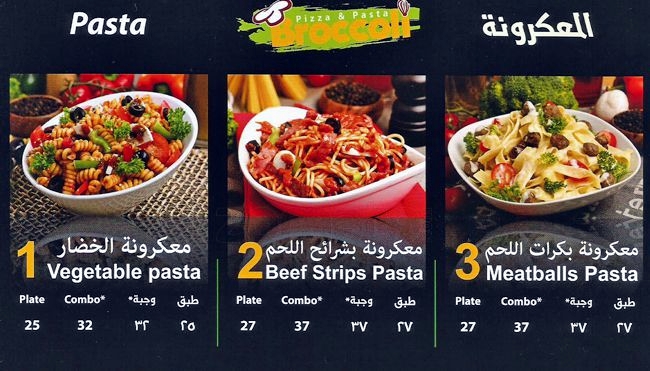
A pasta menu card Asian style, means with photographs. One goes by picture, chooses a size and that’s it. From Abu Dhabi.

In fact, when many of us think of pasta we think of Italian food, and most people believe that it originated there. But more about the whereabouts later. It’s not easy to keep an article about pasta short. Both dried and fresh pasta come in a number of shapes and varieties, with far over 300 specific forms known variably by over 1300 names having been documented.

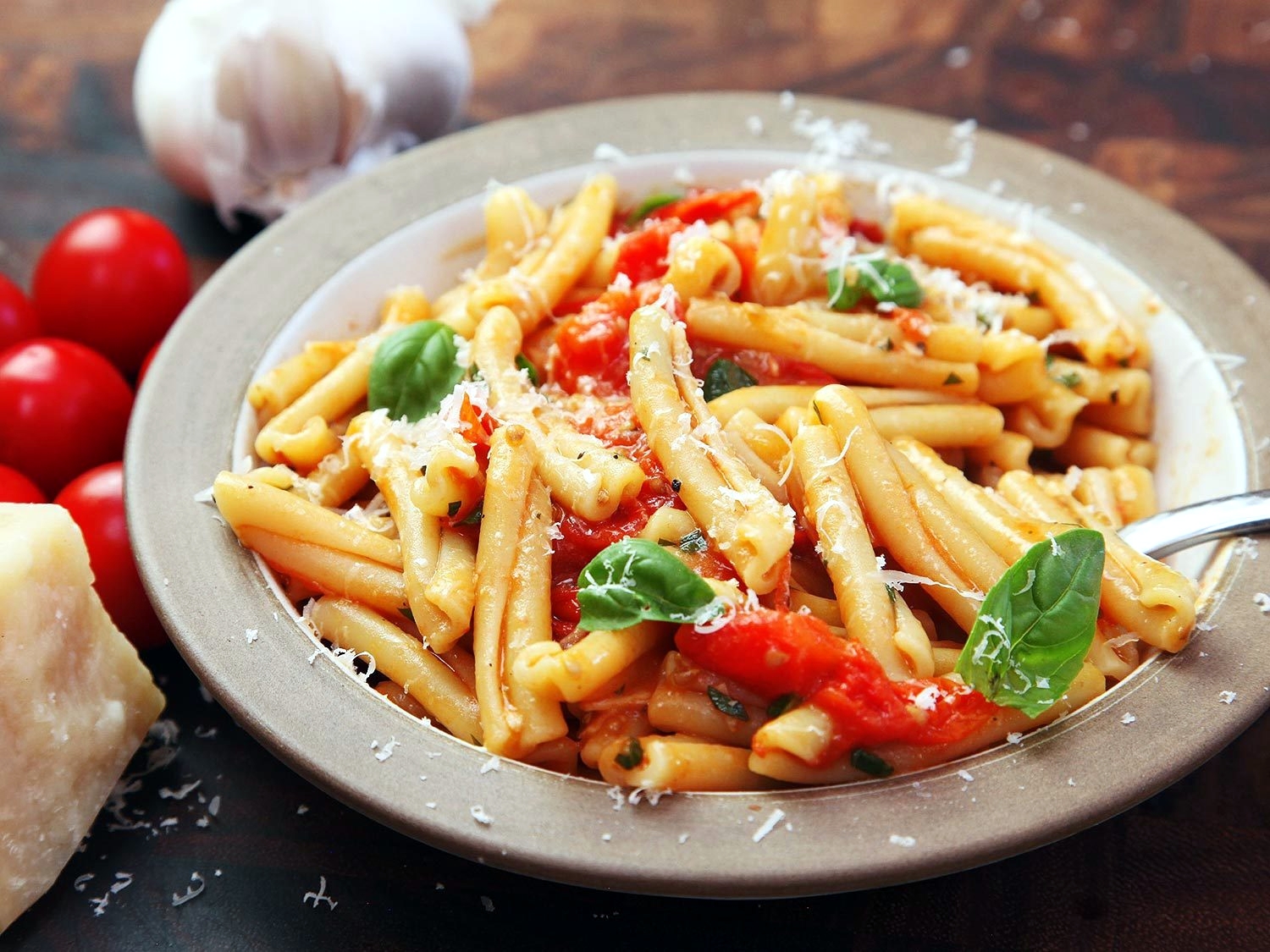
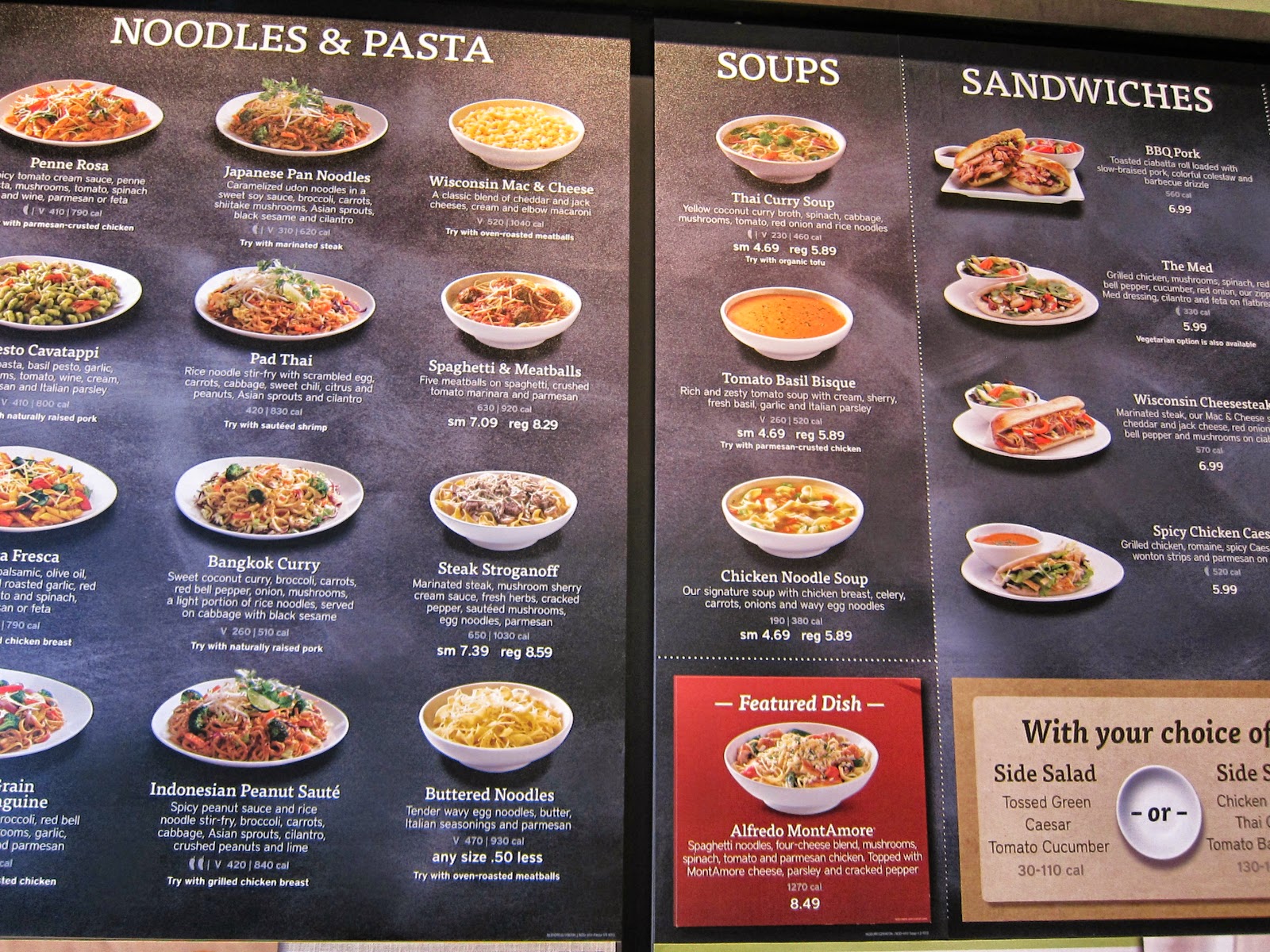
  That’s what Americans like: Not much thinking, ticking on a picture and deciding for small or regular. Of course one will find „Mac & Cheese“ or  „Spaghetti & Meatballs“. Anyway, a rare pasta (or may be a noodle) was found on this menu card, „Cavatappi“ a corkscrew shaped macaroni. Also named cellentani, amori, spirali, tortiglioni, or fusilli rigati.

Also commonly used to refer to the variety of pasta dishes, pasta is typically a noodle made from an unleavened dough of a durum wheat flour mixed with water or eggs and formed into sheets or various shapes, then cooked by boiling or baking. Pastas may be divided into two broad categories, dried (pasta secca) and fresh (pasta fresca).

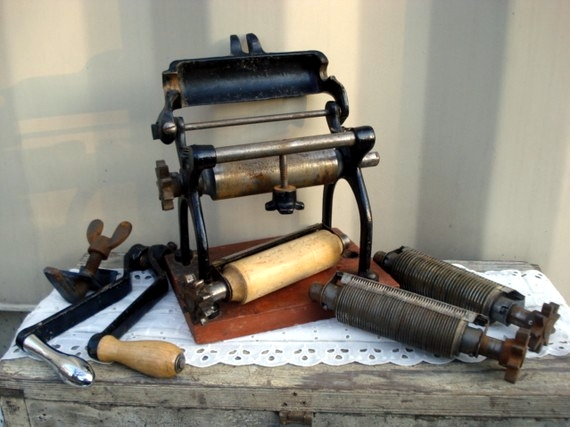
  Vintage pasta maker, still a lot of hand work, especially preparing the dough, even if one could use a dough maker.

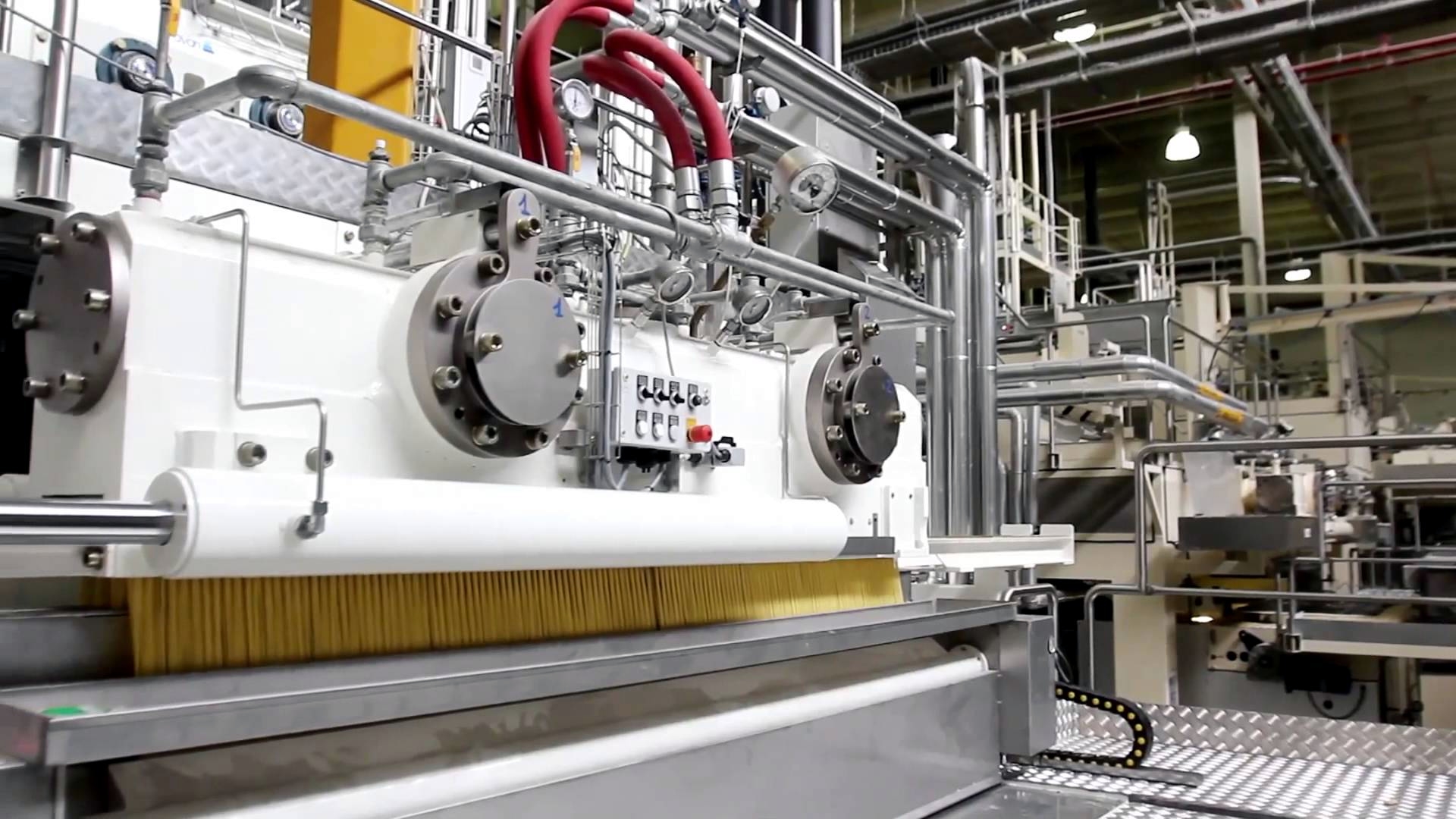
Most dried pasta is commercially produced via an extrusion process although it can be produced in most homes. Fresh pasta was traditionally produced by hand, sometimes with the aid of simple machines, but today many varieties of fresh pasta are also commercially produced by large-scale machines, and the products are widely available in supermarkets.

  Industrial pasta maker, by Barilla, Italy.

The History of Pasta.

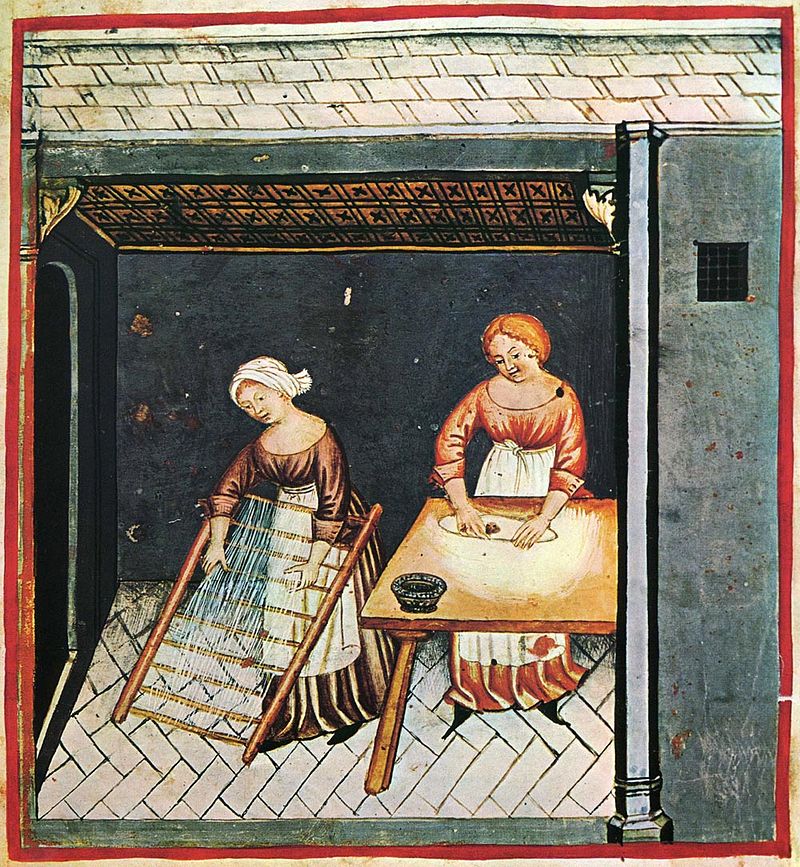
When we talk about pasta, we must first define the term. The word pasta is generally used to describe traditional Italian noodles, which differentiates it from other types of noodles around the world. Pasta is made from unleavened dough consisting of ground durum wheat and water or eggs. Durum wheat is also called pasta wheat or macaroni wheat.

Pasta making, from 15th century „Tacuinum Sanitatis“.

The use of durum wheat sets pasta apart from other forms of noodles. Durum wheat’s high gluten content and low moisture make it perfectly suited to pasta production. The durum wheat dough is pressed into sheets, cut into a variety of shapes, and cooked before serving.

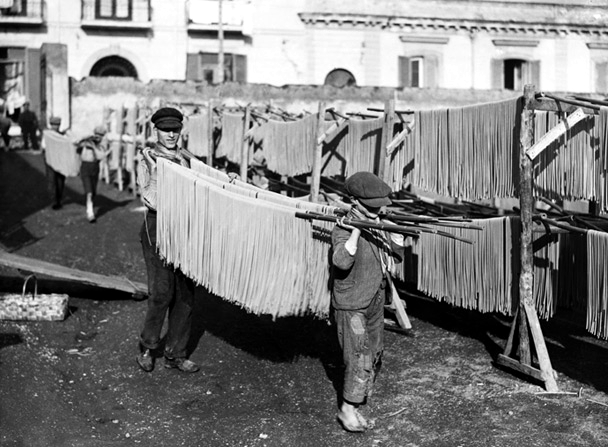
While pasta is traditionally Italian, it actually has a very ancient history that makes it almost impossible to know who came up with the dish first.

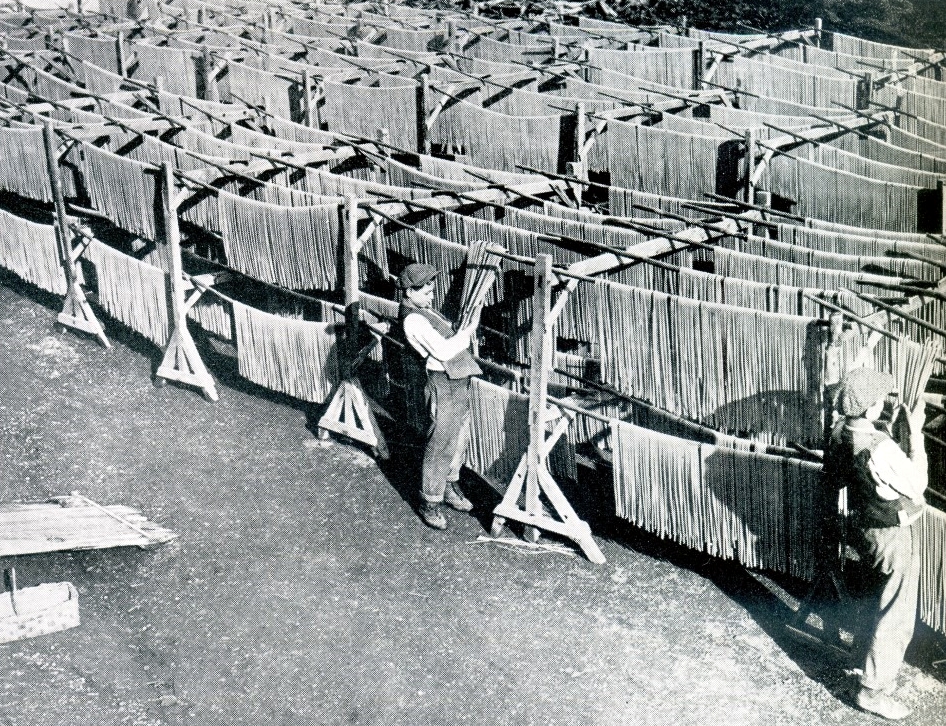
  Pasta making (drying) in Italy around 1900.

The history of pasta is difficult to trace for several reasons. The word itself translates to “paste” in Italian. This is a reference to the dough, made from a combination of flour and water or eggs – all simple components that have been around for centuries.

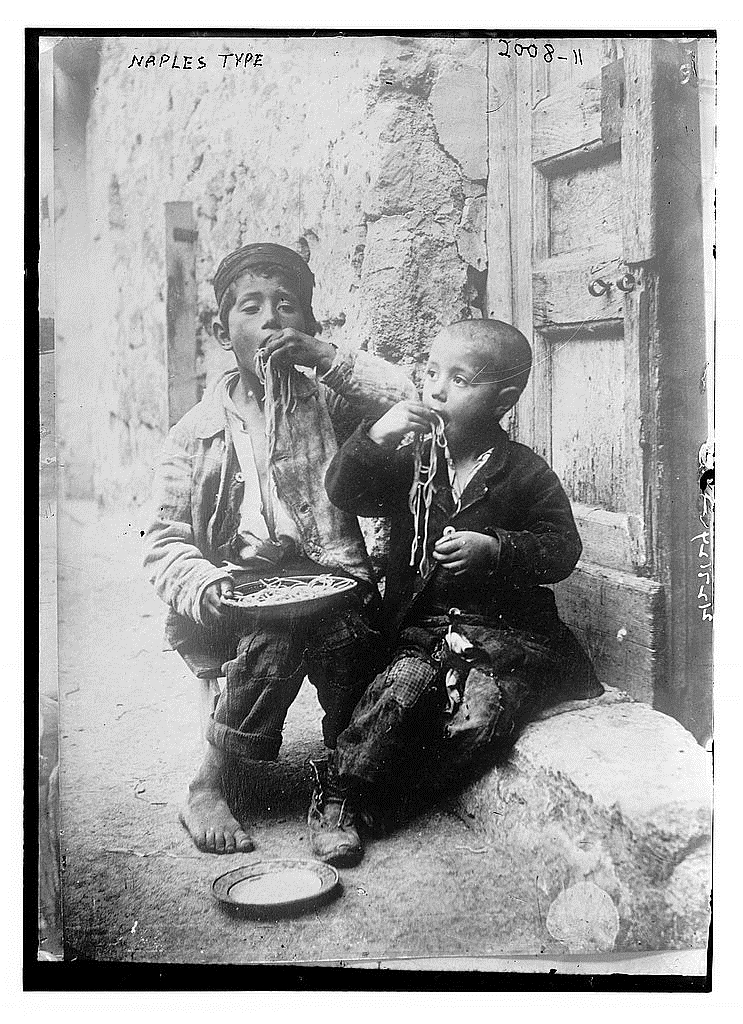
This makes it hard to differentiate pasta from other ancient dishes made from the same ingredients. In addition, since pasta has long been a food of the common people, it has not received as much attention as more extravagant foods… a pity, since it’s one of the most popular foods on the planet ! Let’s go deeper into history the next time.

  Very popular food for these two in Naples around 1890.

Do you know Pasta ?
Let’s make a little test and see if you know some of the most common Italian pasta names. It is not important to be perfect, but it will help next time to order a bit more professional in your favorite „Italian“.  In Italy the names of specific pasta shapes or types often vary with locale. For example, the form cavatelli is known by 28 different names depending on region and town.

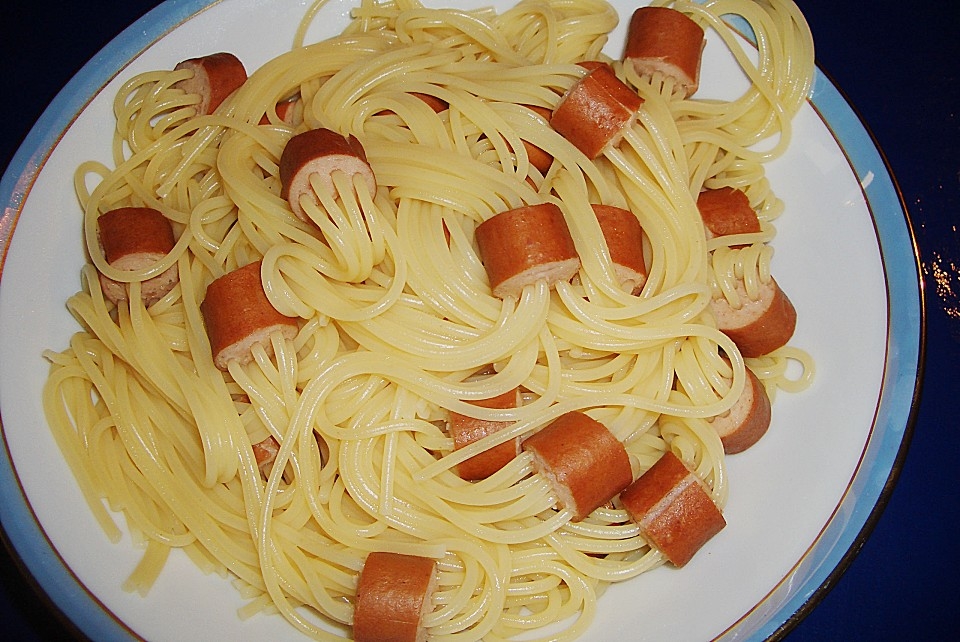
  Almost everyone knows Spaghetti, the bit thinner type is called Vermicelli and the bigger ones are called Macaroni. Our daughter asked, when she was little, how they make Spaghetti. Our answer: „that’s the inside of the macaroni“. Not very fair – eeh ? But – she really was keen to know how we got the spaghetti into the sausage.  Great stuff and kids love it, a bit ketchup on top and they have their favorite meal. As always, click on the picture to supersize, it will be much more enjoyable.
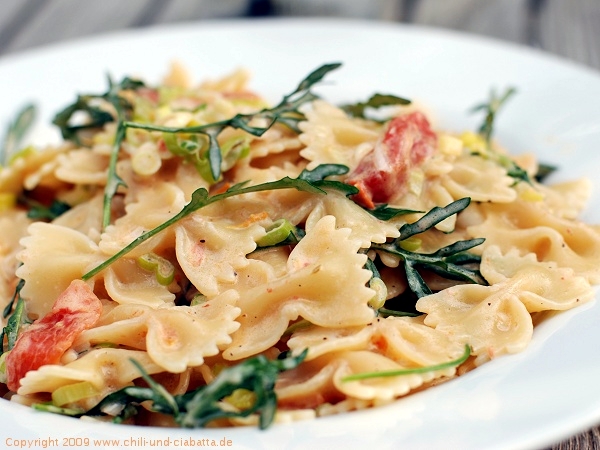
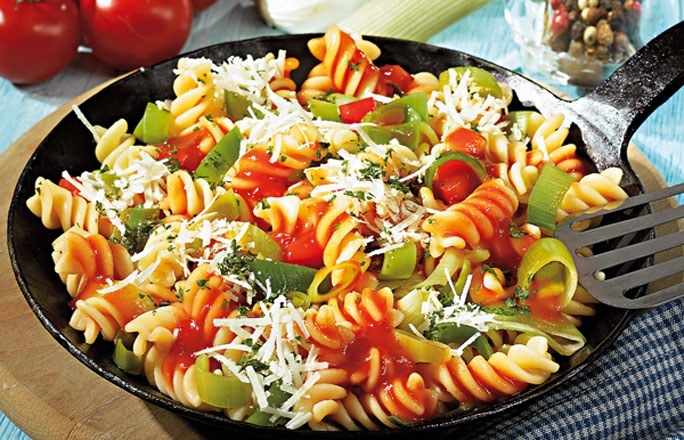
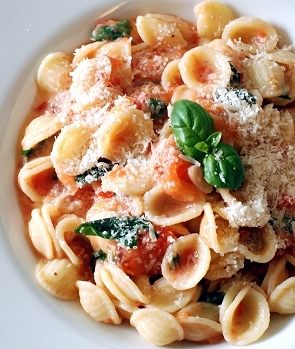
Now browse through the following pictures and decide which is the right name – 1., 2. or 3. Some are easy, some you will find difficult. If you like you can send me your result numbers (like – A-4  B-5 etc.), I will post the answers in a following article.

What is their name – go on, test yourself .

   A. 1.Fratelli  2.Fanfare  3.Farfalle

  B. 1.Spiralini   2.Fisulli  3.Fusilli

  C. 1.Okapi  2.Orecchiette  3.Origami

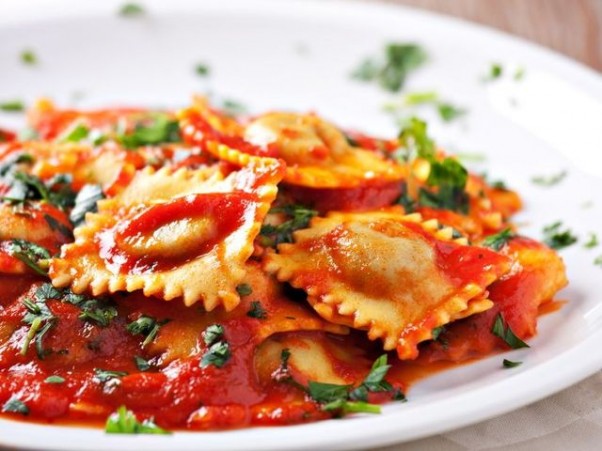
  D. 1.Ravanelli  2.Rastafari  3.Ravioli

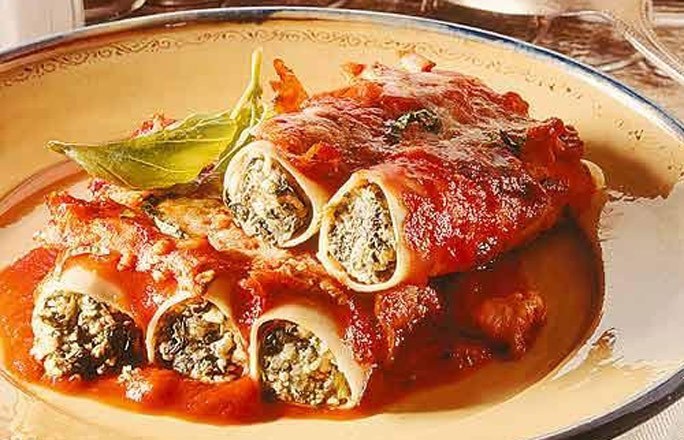
  E. 1.Canoni  2.Calzonini  3.Cannelloni

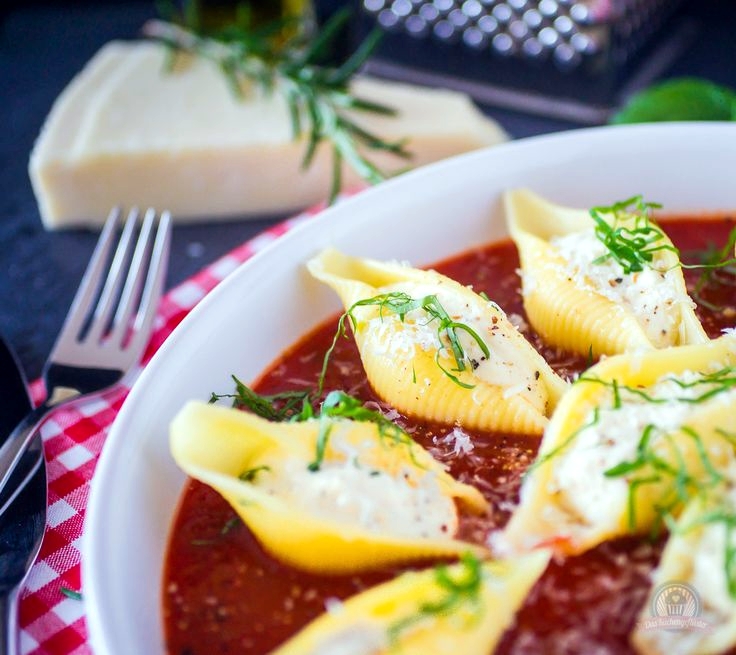
  F. 1.Conchiglioni  2.Konichiwa  3.Musselini

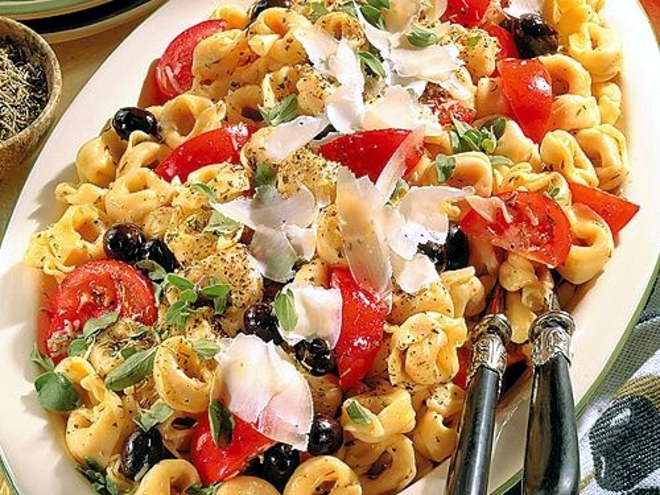
  G. 1.Tamburini  2.Tortellini  3.Originelli

  H. 1.Rigatoni  2.Rigoletti  3.Ristoranti

  I. 1.Knotschi  2.Njocki  3.Gnocchi

   J. 1.Pinzettelle  2.Rizzitelli  3.Strozzapreti

  K. 1.Taglierini  2.Pappardelle  3.Campanelle

  L. 1.Fileja  2.Fedelini  3.Fettucine

  M. 1.Penne  2.Trenne  3.Lumachenne

We’ll see how your knowledge is. You also can send your answers and they will be kept secret if you wish. I hope you enjoyed this little excurse. With the results I post a few more information’s about pasta. And behind all the pics above is a delicious recipe, if you want one, just tell me.  Stay tuned !

Veröffentlicht unter Information, Lifestyle | Verschlagwortet mit , | 1 Kommentar

Must See – Dubai 3


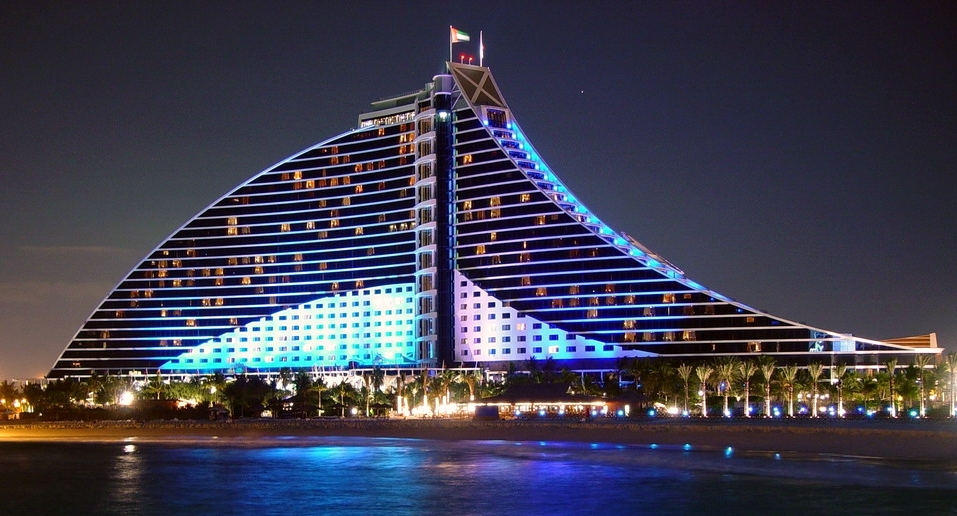
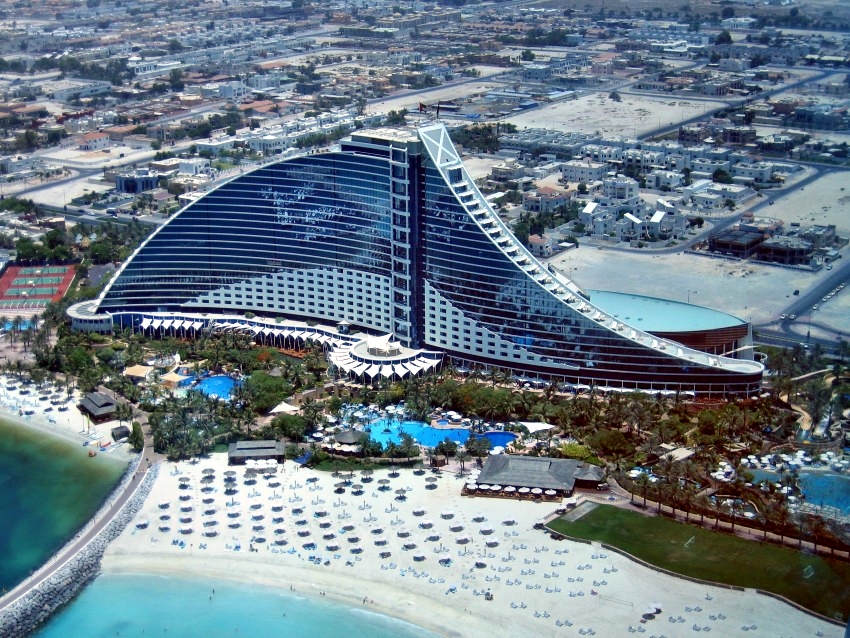
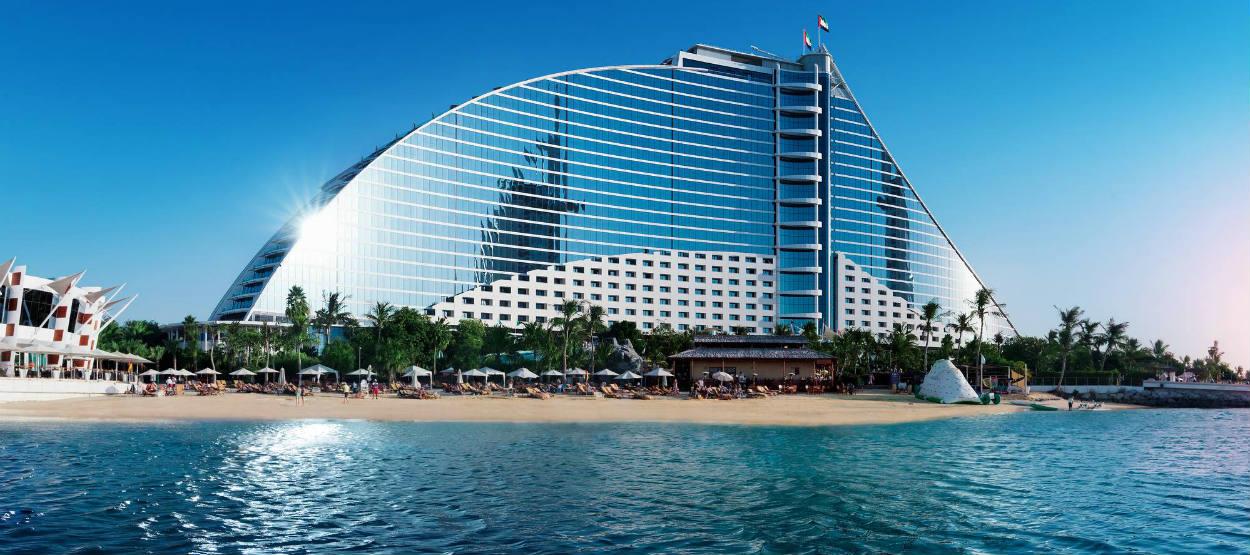
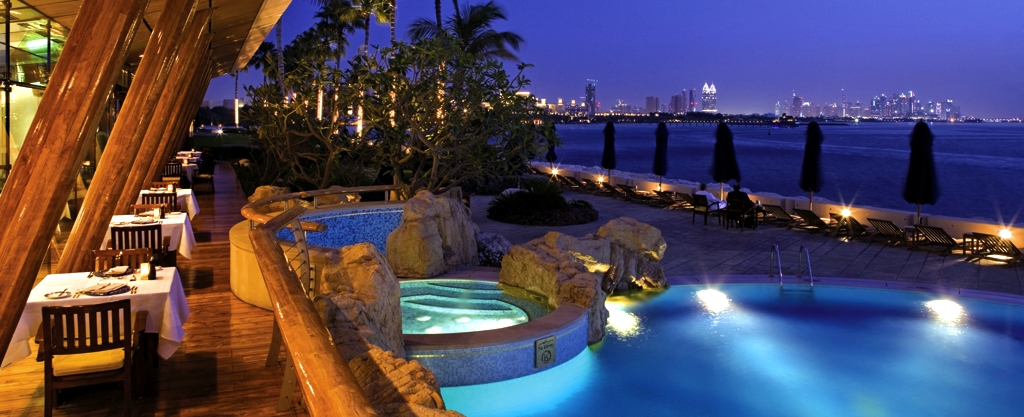
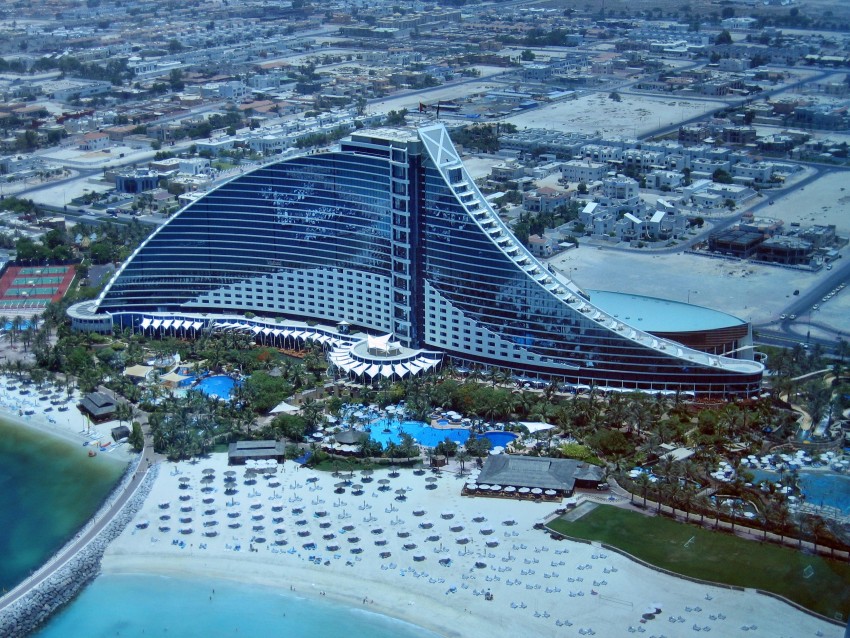
Luxurious resort on the golden sands of Jumeirah Beach in Dubai, United Arab Emirates.

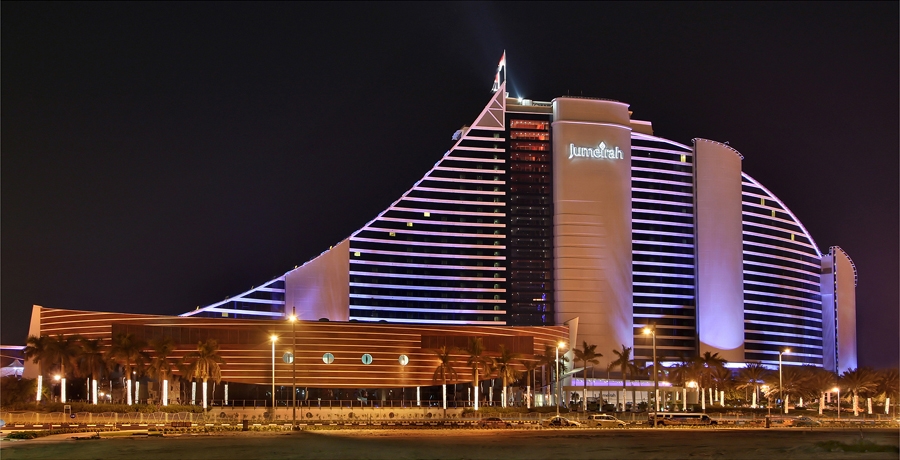
Jumeirah Beach Hotel.

Commanding a prime position on Jumeirah Beach, this famous hotel offers the height of contemporary luxury with endless facilities and activities to keep the whole family entertained. And with the city center just 20 minutes away, you can combine your memorable beach stay with an exciting exploration of Dubai.

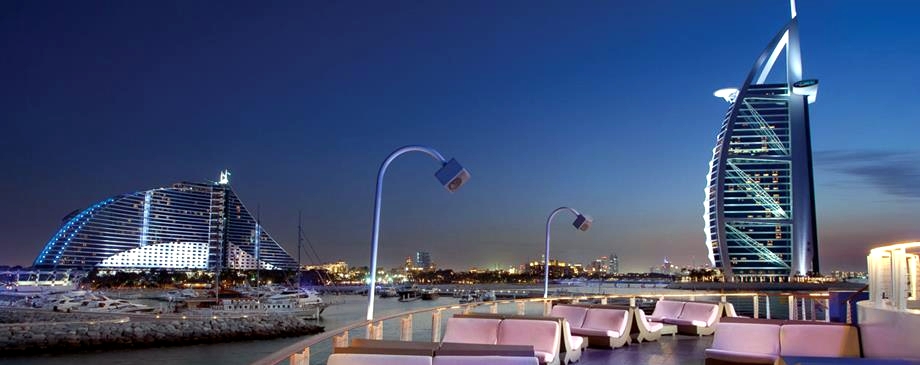
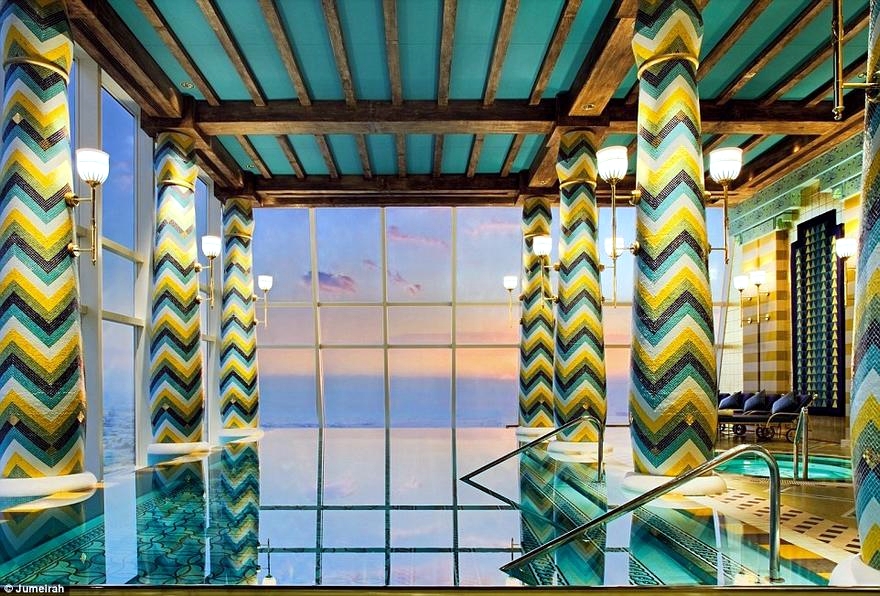
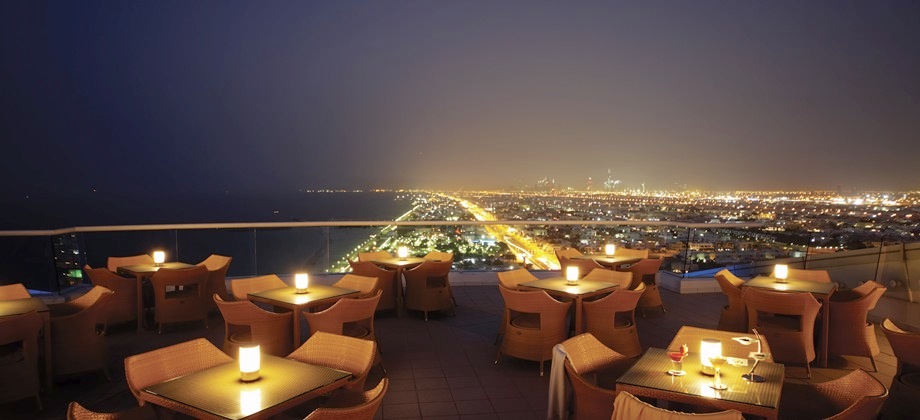
  View from the Sky View Bar in Burj Al Arab.

During dozens of stopovers in Dubai, we/I experienced a lot of different hotels. When we turned 60 in 2005, we wanted to have an unforgettable event for us, not for other people. We decided not to throw a big party, rather having a „first class trip around the world“.

  Once in a lifetime trip.

This trip was organized by Emirates Airlines in Sydney Australia and we thought it was a bargain and professionally done. Today we wouldn’t have the money for it anymore and we can’t play with points. Emirates really organized first class. The flights in 1st (most) and business (partner airlines), the additional stopovers and hotels (all with breakfast or even half board) inclusive was in that time just over A$11.000.– per person.

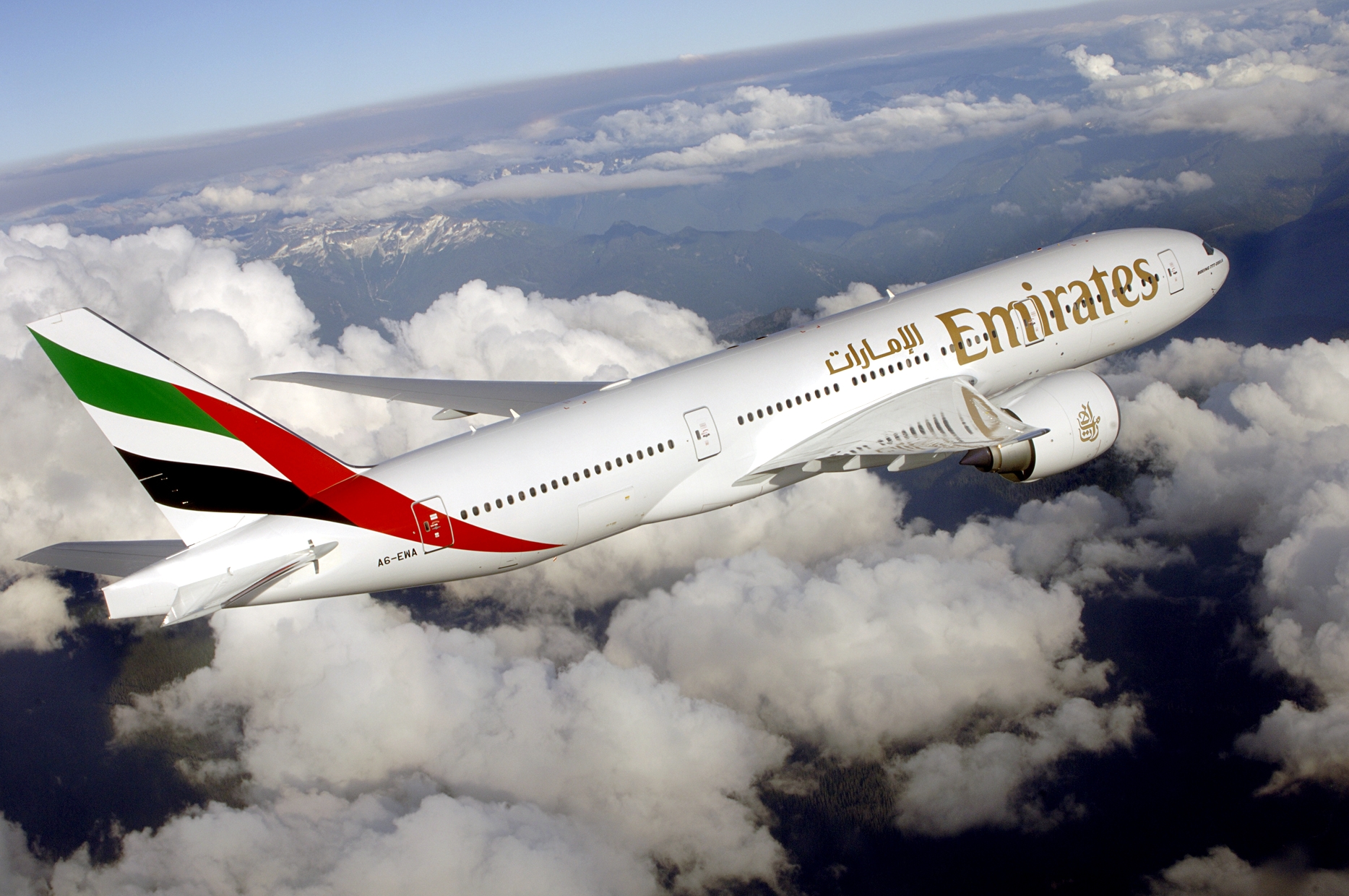
  Emirates, one of the best airlines worldwide.

The itinerary covered from Sydney to Sydney the following: Singapore, Kuala Lumpur, Penang, Bangkok, Langkawi, Dubai, Frankfurt, Miami, Panama, Los Angeles, Hawaii, Aukland, Fidji. In total, 6 weeks indulging lifestyle, a once in a lifetime travel.

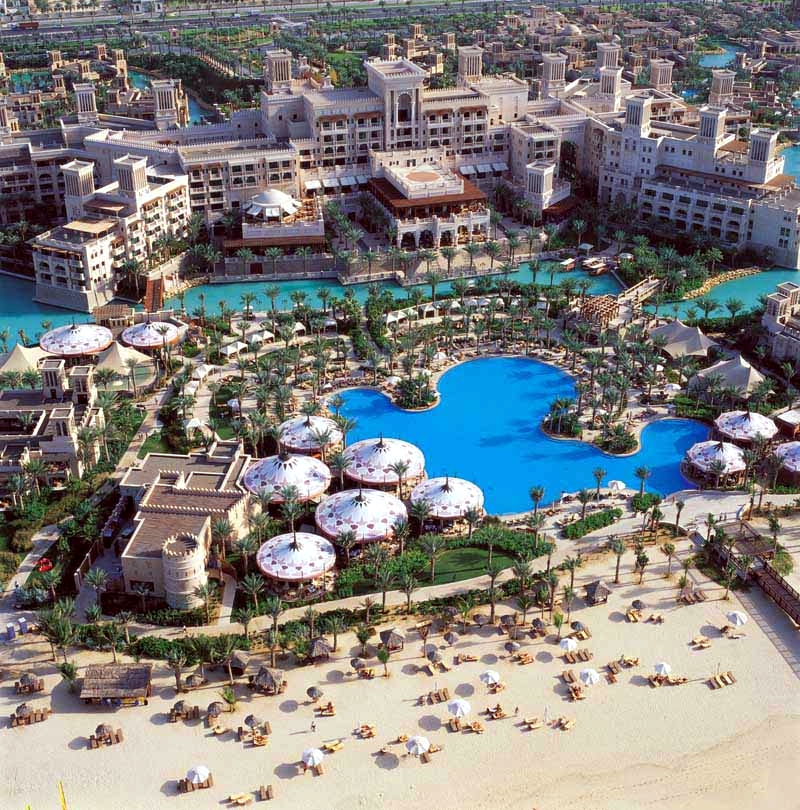
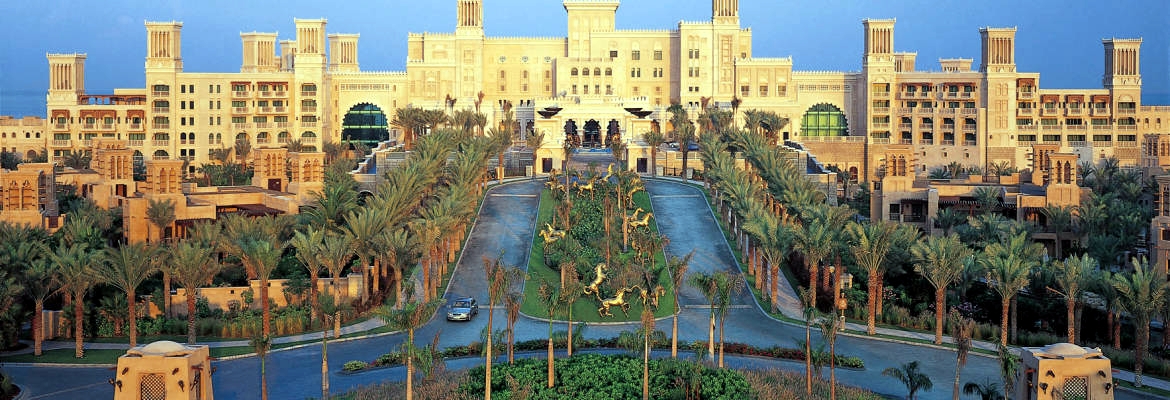
Here I only like to share with you the stopover in Dubai, because of the Dubai article. We stayed 5 nights (4 paid, fifth free) in Dubai at the Jumeirah Beach Hotel.

  Inviting Jumeirah Beach Hotel, street view.

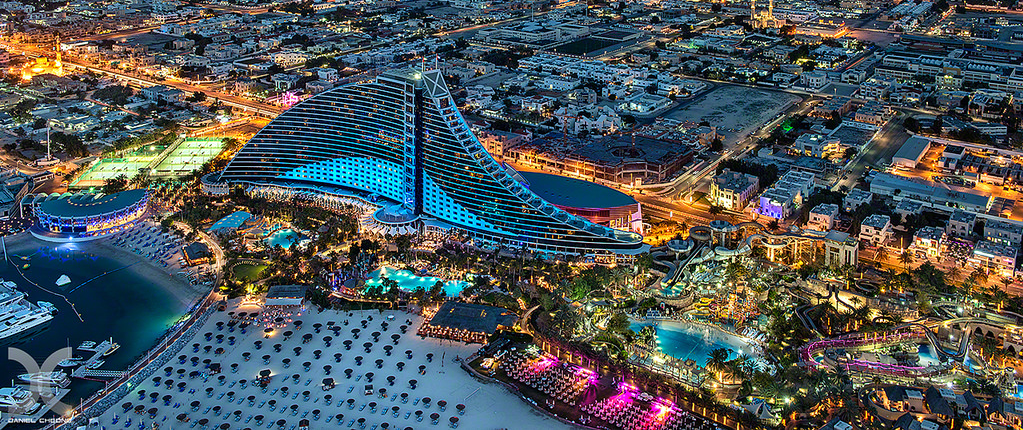
With a striking wave-like design, opened in 1997, Jumeirah Beach Hotel is one of Dubai’s most stunning and instantly recognizable structures with blue plated glass that artfully reflects the waves of the ocean. Times are running faster in Dubai then somewhere else, at least it seams like. Around 2000 it was the ninth tallest building in Dubai, now it can’t even reach 100. That’s why I try to give our experience there, from 2005,  mixed with some new facts i learned meantime.

  Jumeirah Beach Hotel reflecting Burj Al Arab.

Jumeirah Beach Hotel Offers.

599 ocean-view rooms and suites
21 restaurants, cafes, lounges and bars
Six swimming pools and private beach
Floodlit tennis courts, one multi-purpose court and three squash courts

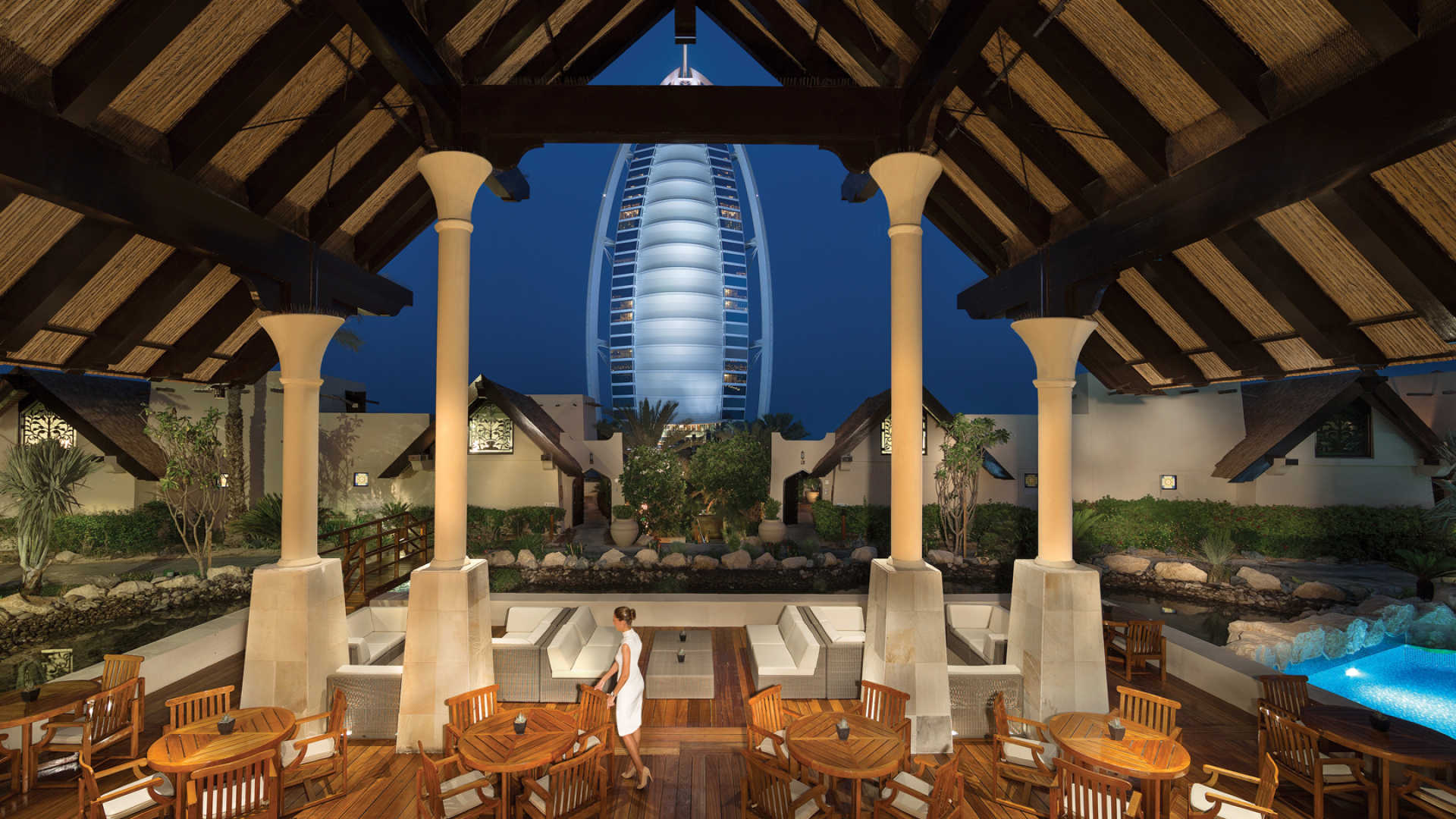
  Lounge at the villas, click on pic to supersize.

19 traditional Arabian styled beach side villas
Complimentary access to Wild Wadi Waterpark for the duration of your stay
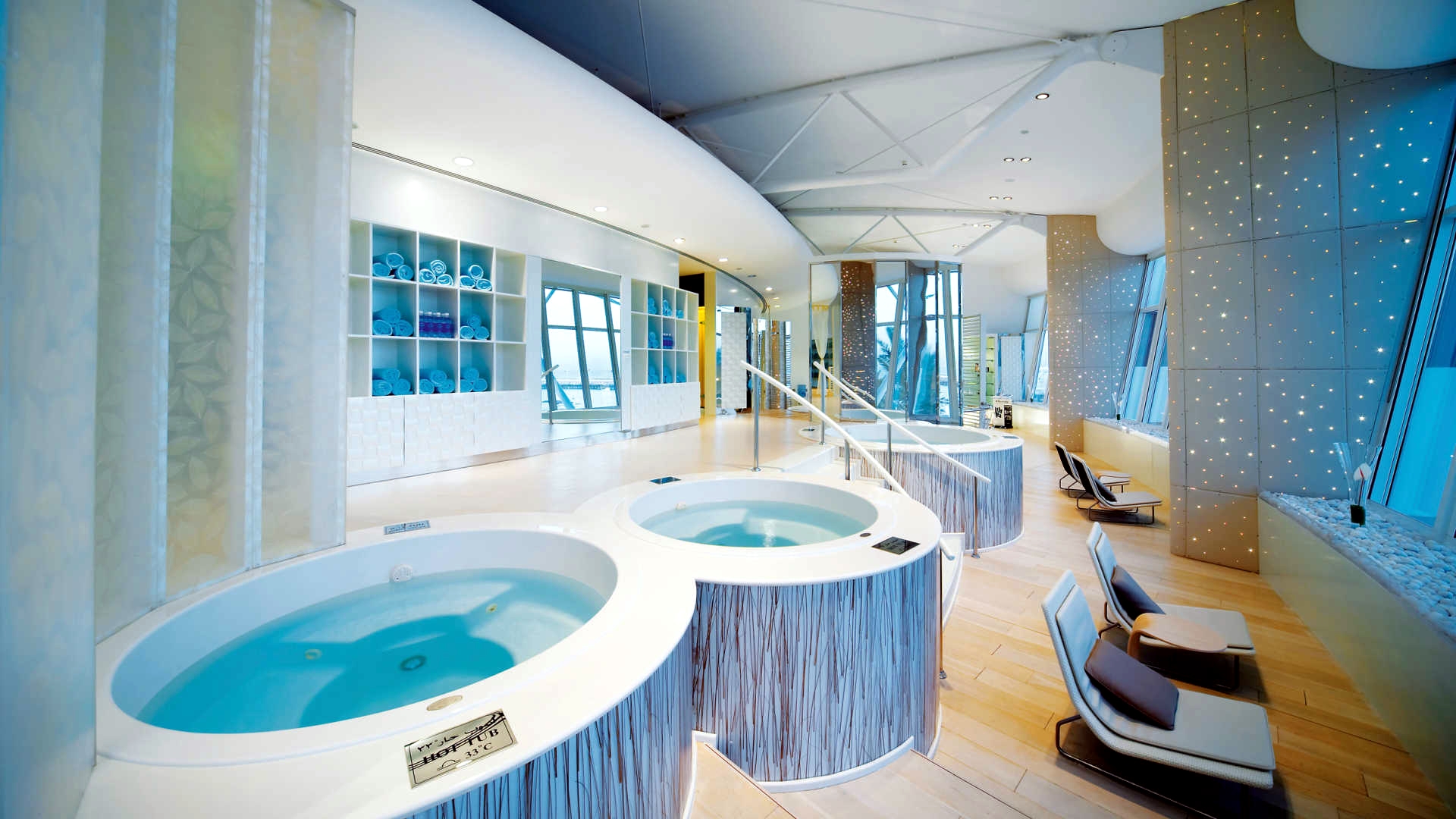
Talise Spa with saunas, massage rooms, hot tubs, Jacuzzi, steam room and plunge pool
Talise Fitness set up with the latest Technogym
Sinbad’s Kids Club


The „Suite Sensation Offer“, where Emirates booked us in, also offers to esteemed guests incredible complimentary benefits that include:

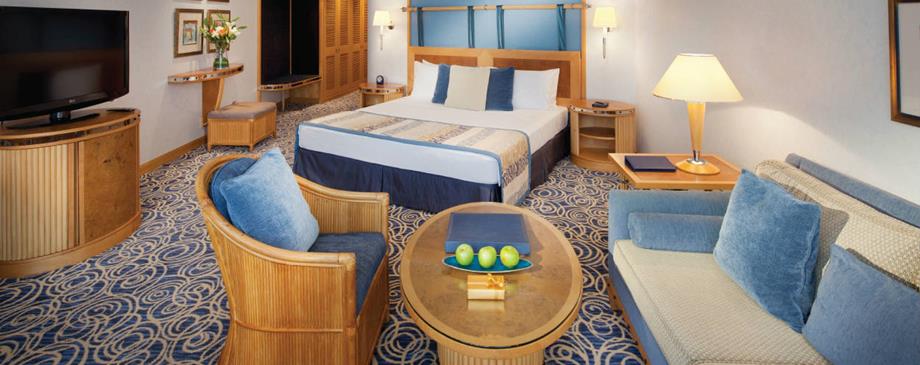
A 136sqm, 1 bedroom, ocean club deluxe suite.
A lavish buffet breakfast – just incredible !
Limousine transfers to and from Dubai International Airport (Emirates 1st Class and  Business Class include this transfer anyhow).
Access to the private Club Lounges.

Palm Court Lounge, great happy hours here.

Exclusive access to our private beach and swimming pools.
Daily access to Wild Wadi Waterpark with a dedicated entrance from the hotel (that is new now, we had to pay extra in 2005).
Wi-Fi access all around the resort.
Exclusive access to Talise Fitness and Talise Spa facilities.

  Part of Talise Spa Club.

Jumeirah Beach Hotel is for sure a true 5star hotel. It already started, when we arrived at the hotel short after 09.00 in the morning. We had to wait til our room was ready. The system is that we got a key for the spa area, to have showers, relaxing beds on the terrace or a swim in the pool. Snacks are available too. They gave us a beeper to call us when room is ready. About 01.00pm we got the call and checked in easily. Luggage was already stored in our suite. Since we were relaxed and freshet up we went to explore the hotel.

  Jumeirah Beach in Dubai. Click on pic to size up.

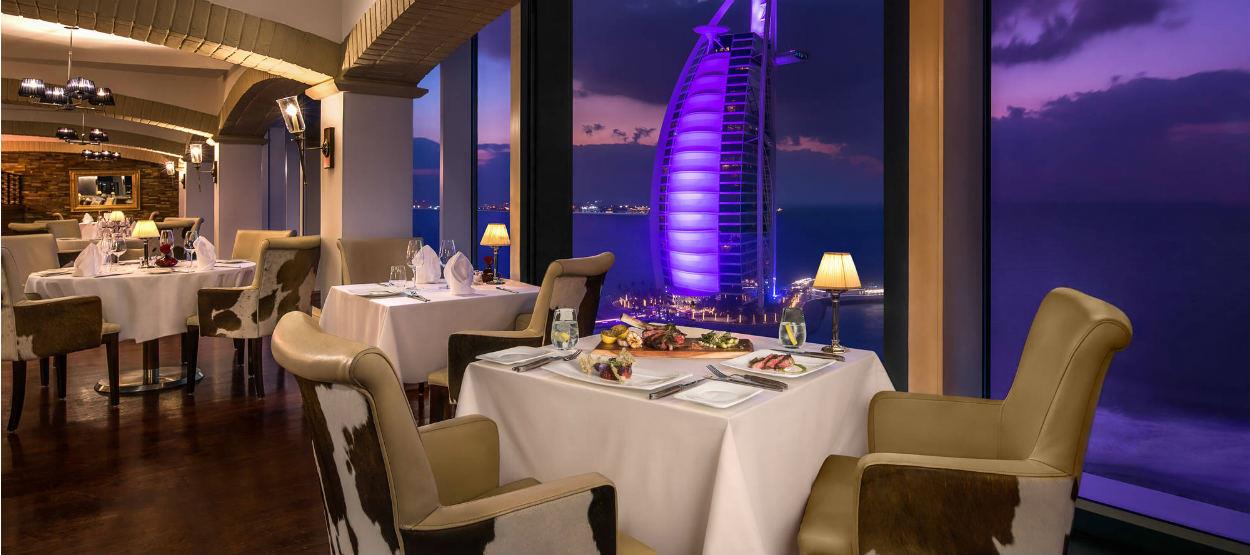
There are 21 restaurants and bars to choose from, with a variety of international menus that offer everything from flavorsome northern Indian dishes to delicious Italian and hearty German cuisine. For a taste of the hotel’s signature dining with a superb view from the 25th floor, why not sample the spices of Argentina at La Parrilla, where you can enjoy tango dancing as you dine for a truly entertaining experience.

Wild Wadi Water Park on the right of the Jumeirah Beach Hotel. Click on picture to enjoy.

Everyone will love the unlimited complimentary access to Wild Wadi Waterpark that can be found along a short pathway from the hotel. Get your adrenaline pumping with over 30 rides and attractions including The Wipeout Flowrider – the world’s first barrelling wave ride, and Breaker’s Bay – the largest wave pool in the Middle East.

Our first evening was a reason to celebrate. We spent a couple hours at Uptown Bar (25th floor) and watched the sunset over Dubai.
  After some drinks on the terrace we had an excellent dinner at La Parilla restaurant. This is not as fancy as Burj Al Arab, but for sure 5star and worth to experience. We had Argentinian Beef for two from the grill. The accompanying Shyraz came from New Zealand . Excellent choice.

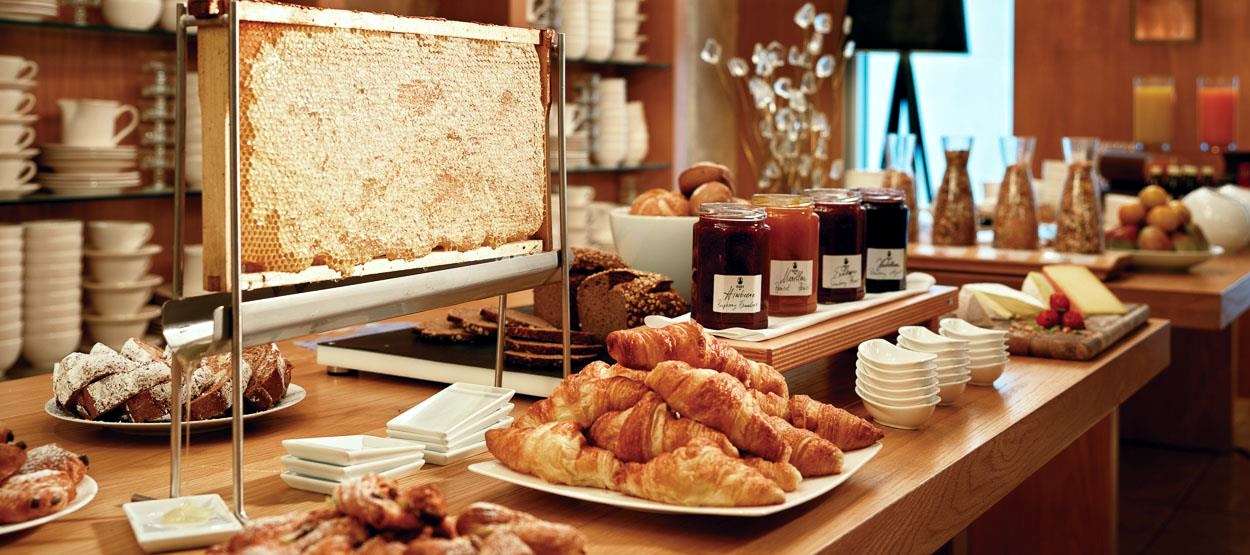
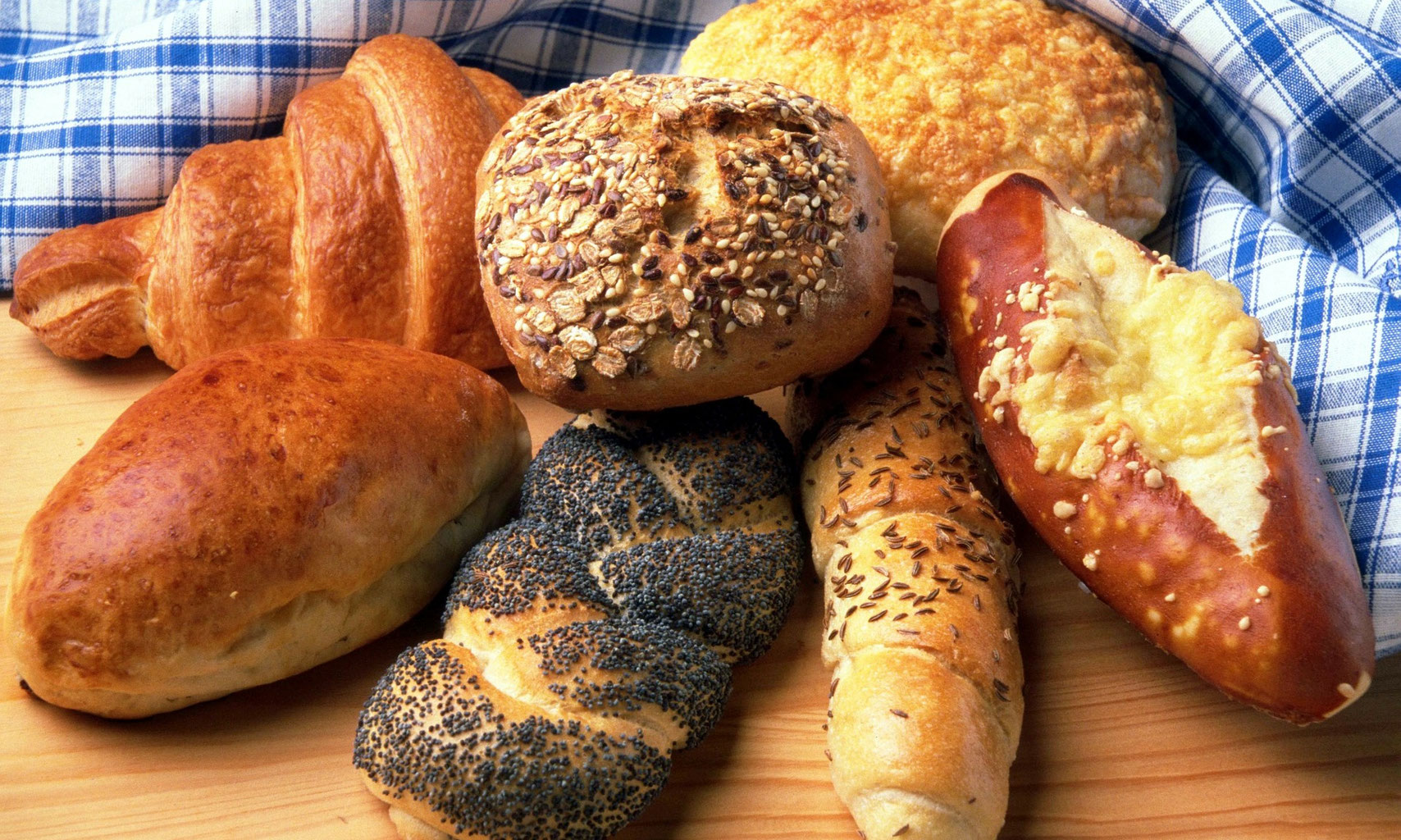
The next morning started with a breakfast buffet, I have never seen before. Dozens of meters whatever one can imagine. From this day on we spent every day about 2 hours for „breaky“ and then we had one more meal in the evening.  It would break the possibility of writing if I would go into details with this buffet. I counted 14 personal, just serving behind the buffet, serving champagne, explaining details and on. They have a German bakery and offer dozens of different rolls and breads.

  How unusual is this. One breakfast buffet table with warm baked fresh croissants, different jams or marmelades – AND an ORIGINAL BEE HONEYCOMB where the honey drips fresh into a jar. This is almost over the top, but we enjoyed it.

Restaurants.

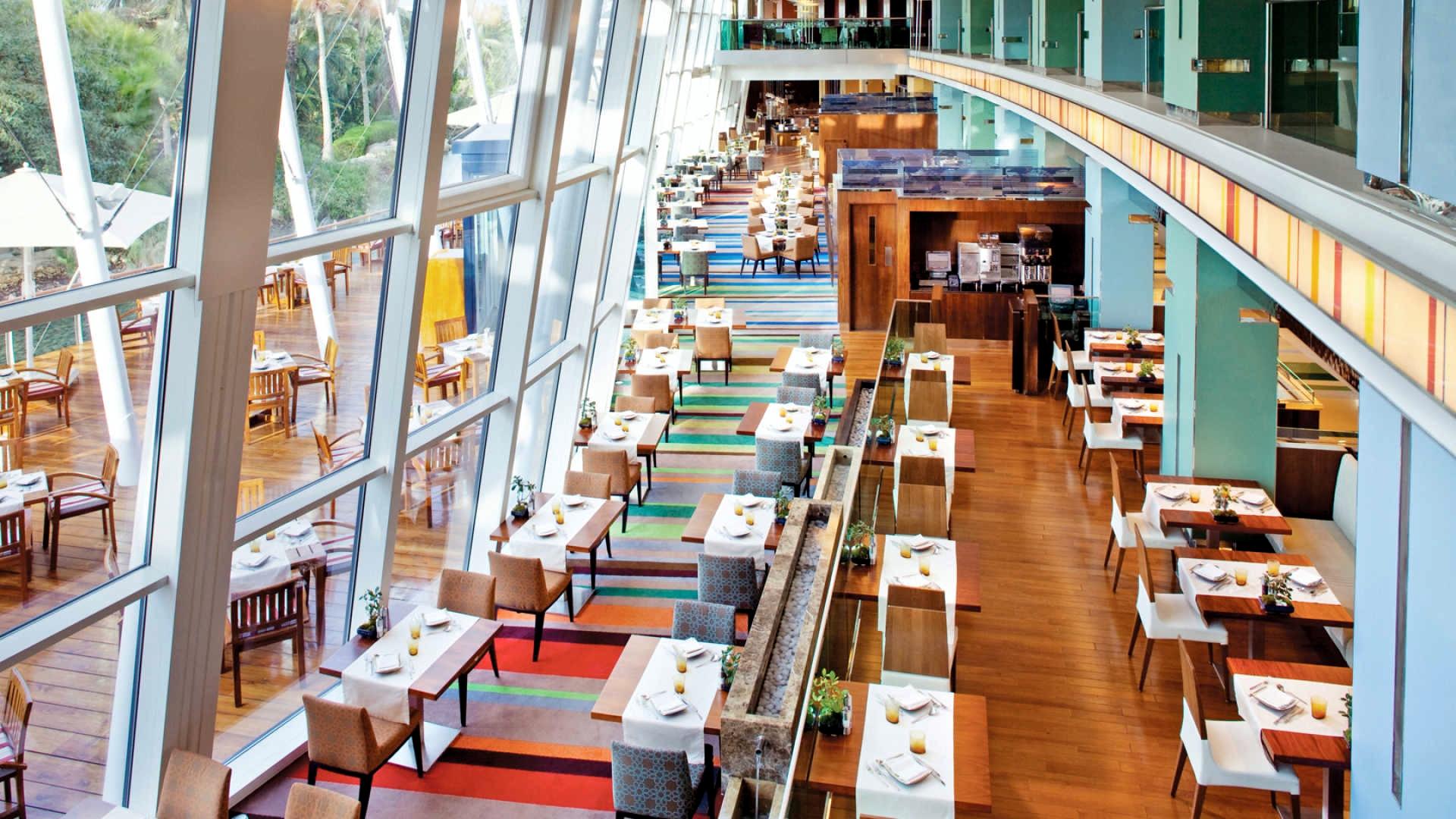
Already described before was the La Parilla and the breakfast in Latitude, which is the biggest restaurant in the resort area.

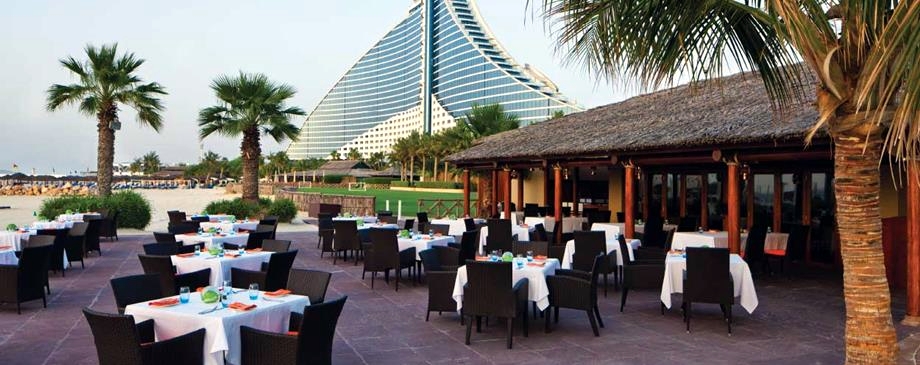
  The Latitude, stylish for food from breakfast to dinner. The buffets are changing imperceptible during the day. It is fantastic what the kitchen offers 24/7.  A picture from inside, just click on.
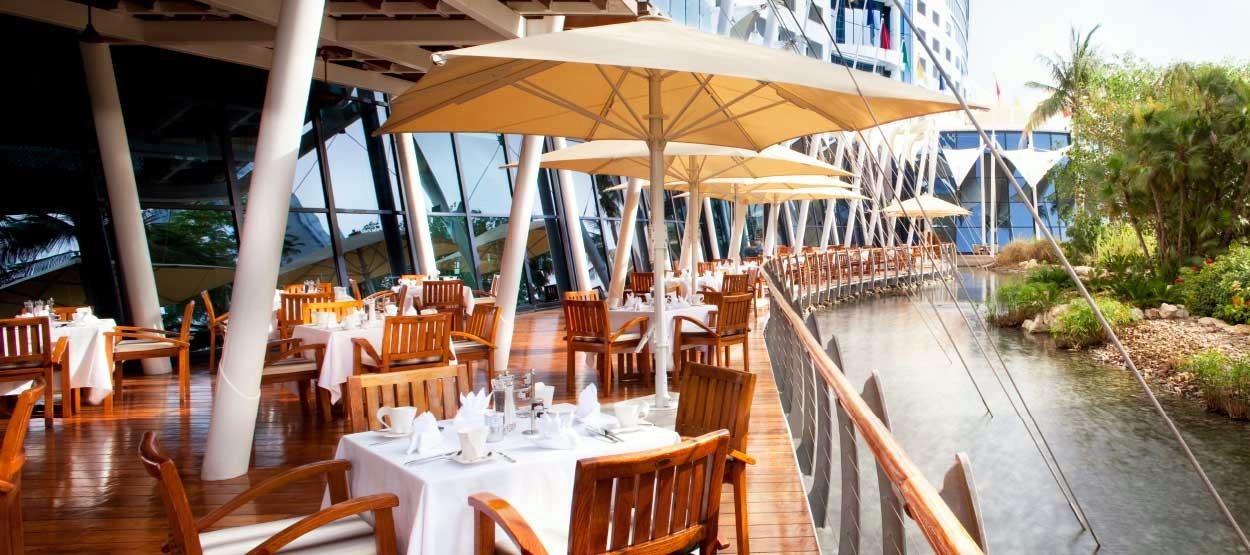
  And a pic from outside, the Latitude terrace. Sadly, during our travels, I made thousands of pictures in analog slide form. Most of them are lost and I have to use hotel own pictures or some from the free internet. If one knows a source I am happy to add the copyright.
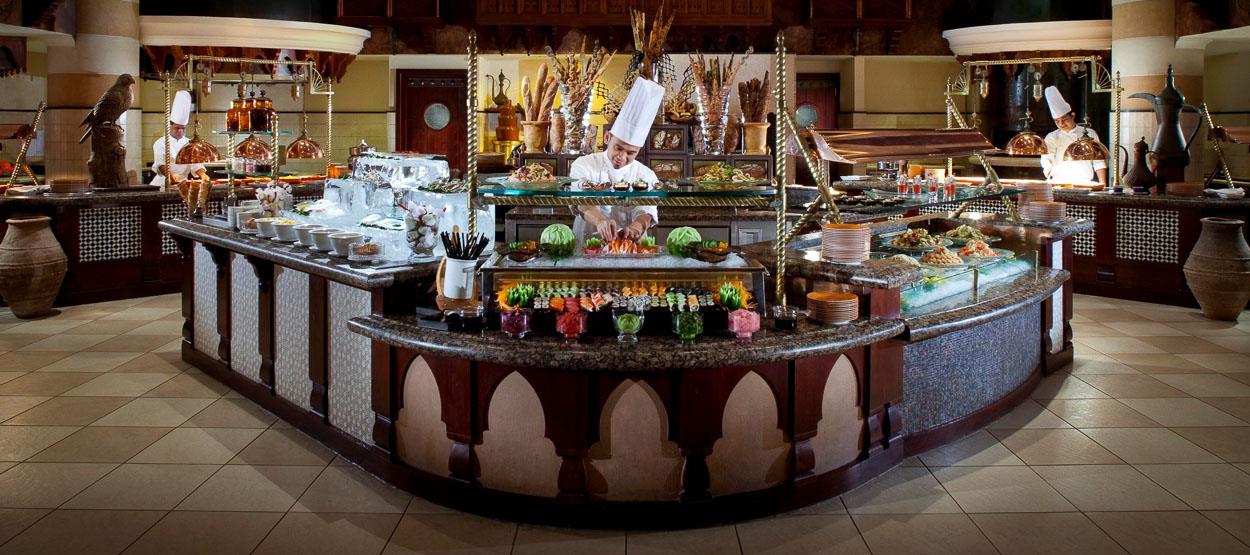
  A Friday brunch buffet at restaurant La Parilla. Friday’s, because Friday and Saturday is weekend in the Emirates, not Saturday and Sunday as we know. Without a reservation is almost no chance to have a seat. But even if its fully booked, one has not to wait in lines at the buffet and it always offers full range of dishes, never I have seen empty plates. The above shown plates are ready to go, you don’t pick some food, you pick the whole plate.
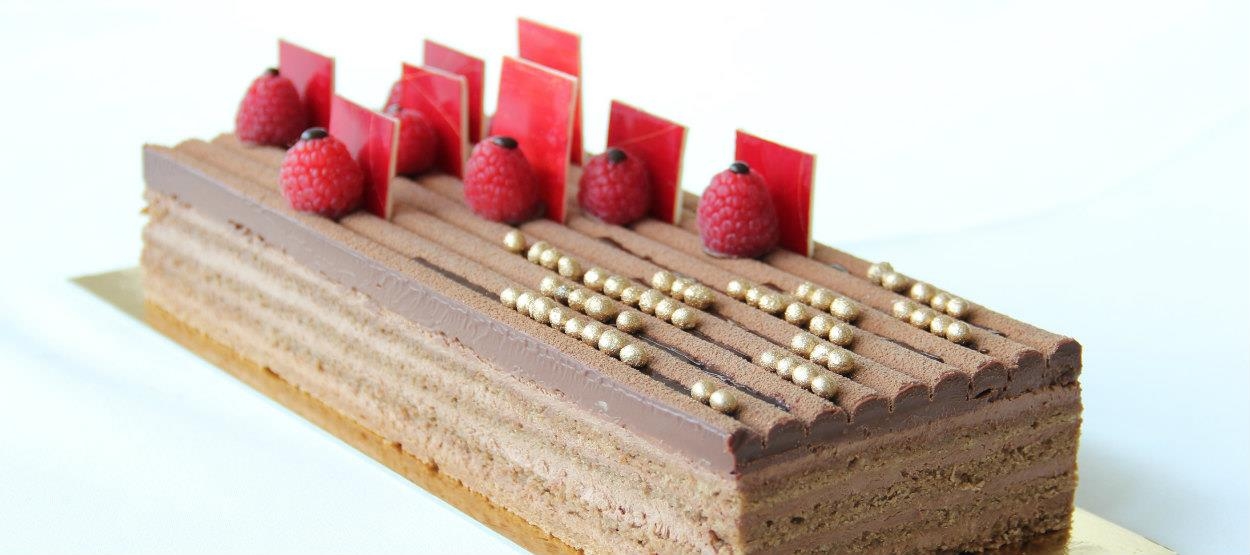
  One of my favorites at Latitude was this German „Nougat Butter Cream Tart“. Softly chilled it melts in your mouth. Look at the detailed work.
  Some of the (we counted 14) different Latitude German breakfast rolls. And we counted a dozen different breads. What a treat, coming from Australia and having there the rubbery toast packs or some weak tasteless baguette only.

As I mentioned before, I can’t and won’t describe in detail 21 restaurants and their offers at Jumeirah Beach Hotel. One can choose food and tastes from almost every part of the world. Here a short introduction.

  Villa Beach.

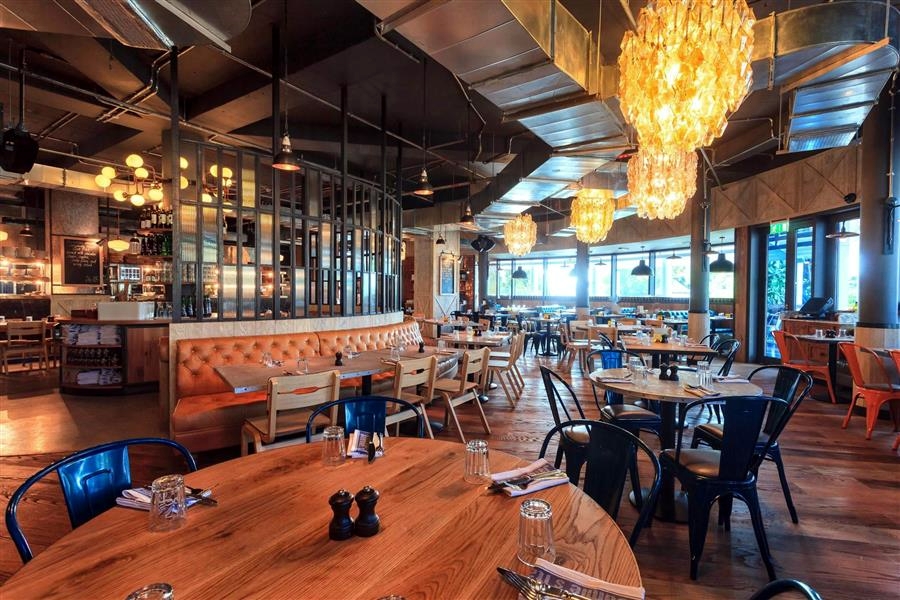
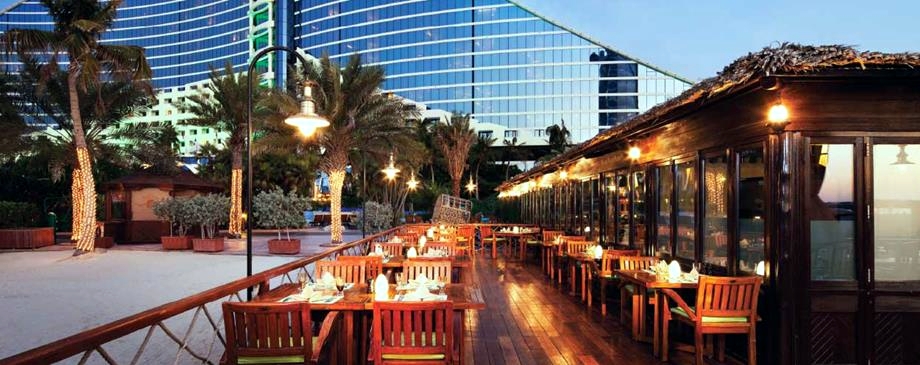
Al Khaya Restaurant serves Arabic and Lebanese cuisine. Beachcombers is a beachfront restaurant with Southeast Asian cuisine. The Carnevale serves authentic Italian cuisine. The Cellar is a German beer cellar with typical German cuisine. The Dhow & Anchor serves simple, perfectly prepared dishes on the menu. Traditional Italian dishes in the style of Jamie Oliver are served by James Italian.

  Carnevale.

The Latitude serves European, Japanese, Malaysian and Thai dishes. The special Bakery Latitude Creations has freshly baked bread, innovative desserts, cakes and pies in its assortment. Samba rhythms and Latin American cuisine, La Parrilla is the place to be.

  Dhow & Anchor.

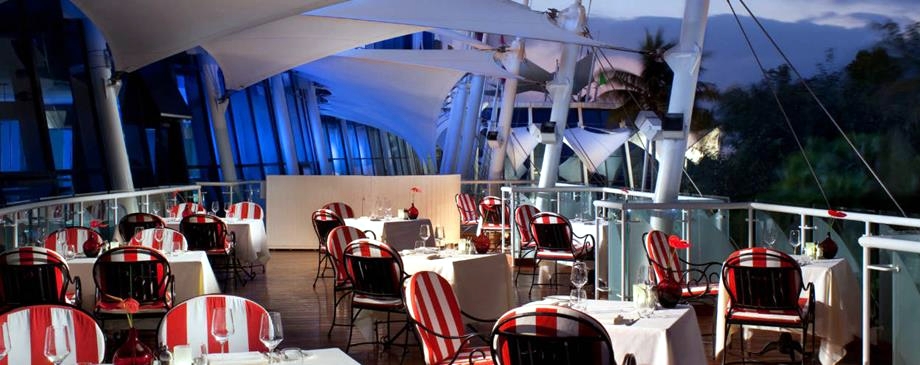
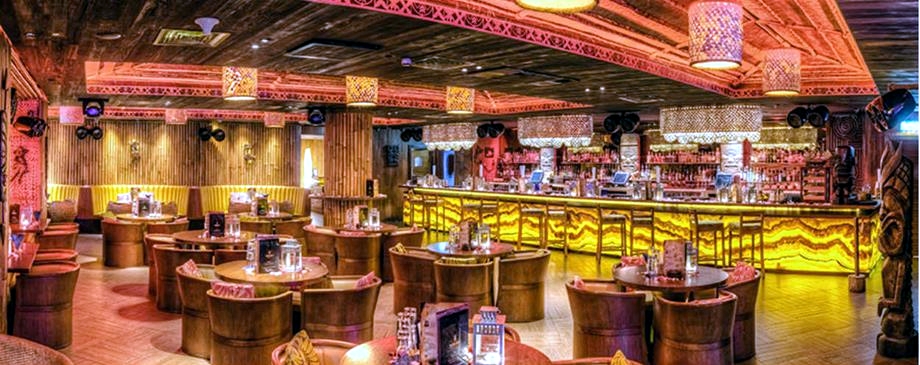
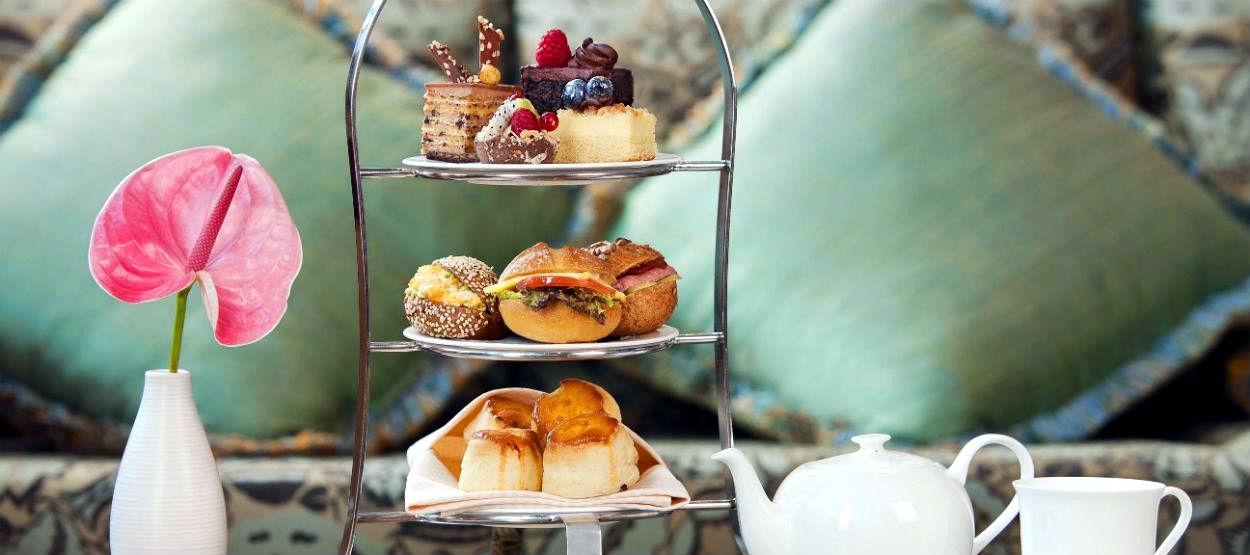
A pizzeria on the beach and harbor is La Veranda. The Polynesian-style Club Mahiki serves tropical grilled specialties. Ocean Blue is a beachfront bar overlooking the Burj Al Arab. Palm Court is an elegant lounge serving traditional afternoon tea. Light snacks are available in the Pool Bar.

  Beachcomber.

The Uptown Bar offers exotic cocktails and spectacular views from the 24th floor (adults only). Villa Beach is a Mediterranean restaurant overlooking the Persian Gulf. Healthy and enjoyable is the kitchen at the Waterfront. An impressive club at the end of the hotel harbor is Club 360.

  Mahiki.

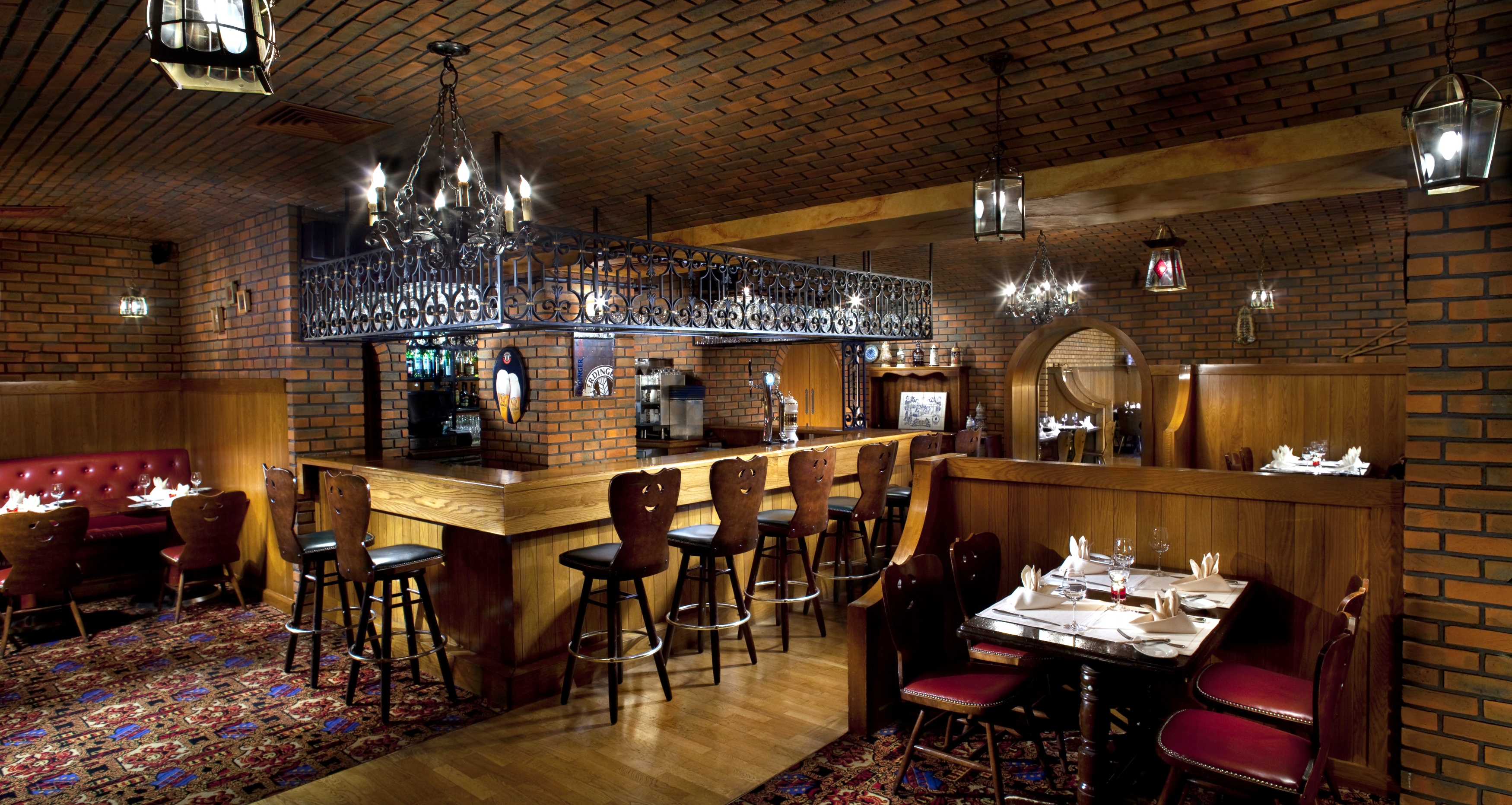
One more restaurant I like to introduce you to. The German Cellar Bar. A cozy, homey and relaxed atmosphere to enjoy a few beers and some original German snacks. When I was there, not many German guests, mostly Americans I spotted. They think in a German restaurant one has to „cry around“, yelling „humpa humpa“ and „hammer their fists“ on the table. Very well known undisciplined and uncultivated American behavior abroad.

  The Cellar Bar.
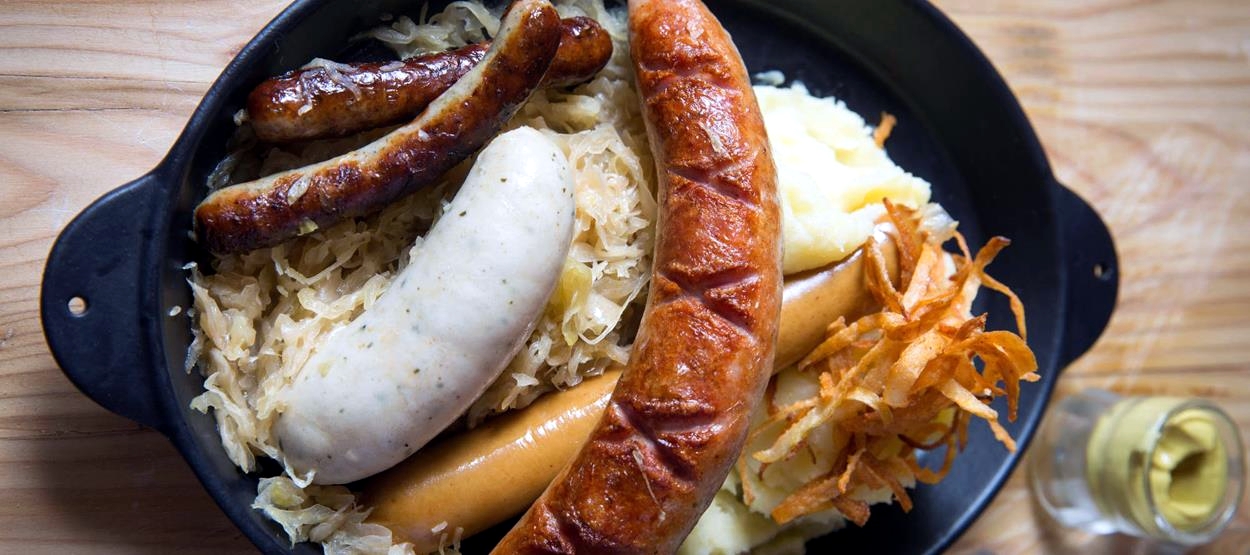
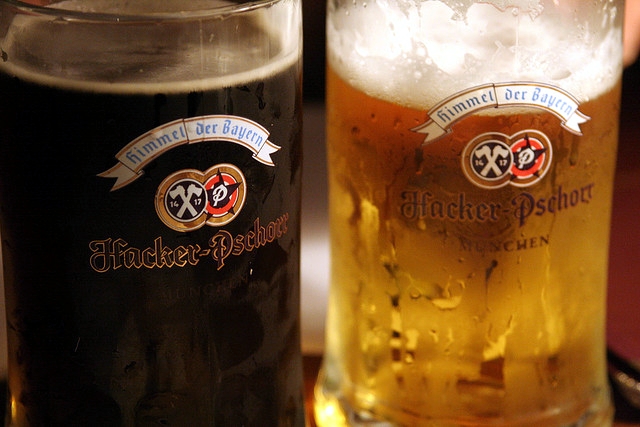
         At „The Cellar“, for the hungry after a hard day at the beach, a mixed sausage plate and Bavarian beer on tab.
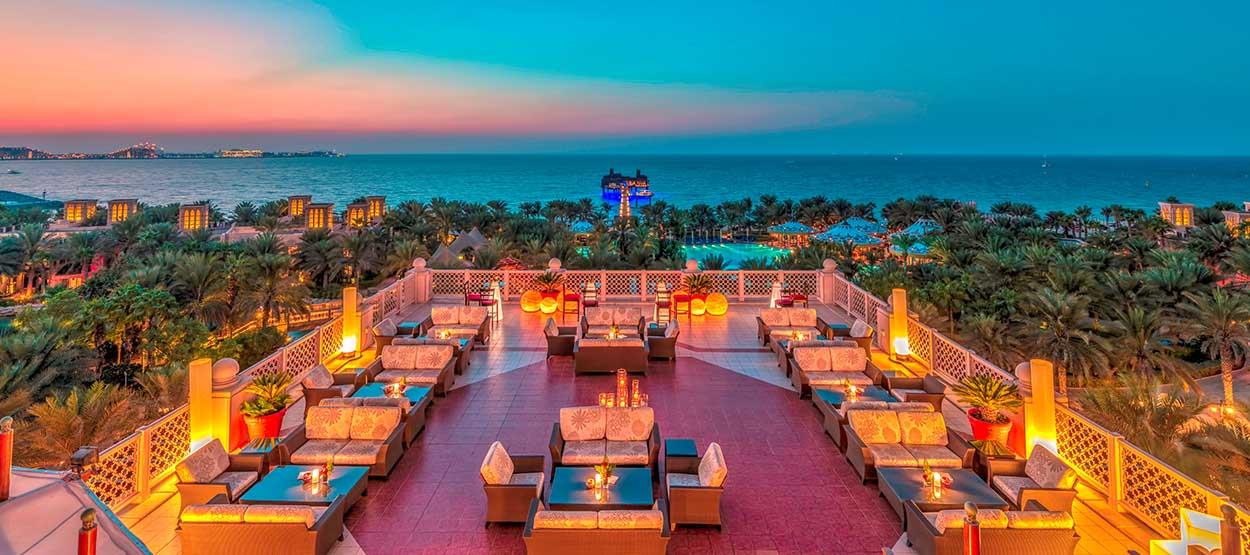
  Afternoon Tea at The Palm Court.

All in all the Beach Hotel is much more relaxed then the Burj Al Arab. Shorts, t-shirts and sandals are no problem during the day. O.K. in the evening – like in La Parilla – they want to see decent clothing, but even there, a tie or jacket is not required. We enjoyed this 5star resort very much. It is very international, but Germans are the majority here. That’s why most of the staff speaks, beside English for communication, native German.

  Club 360.  Click on pictures for a better view.

Just to mention, The Emirates have far over 1700 hotels and many thousand restaurants. It would take a lifetime to check out everything. I think being impressed by their ideas, future architecture and Emirates ostentatious hotels is just humanly. Following a few they have build meantime or they have under construction.

More Dubai Hotels.

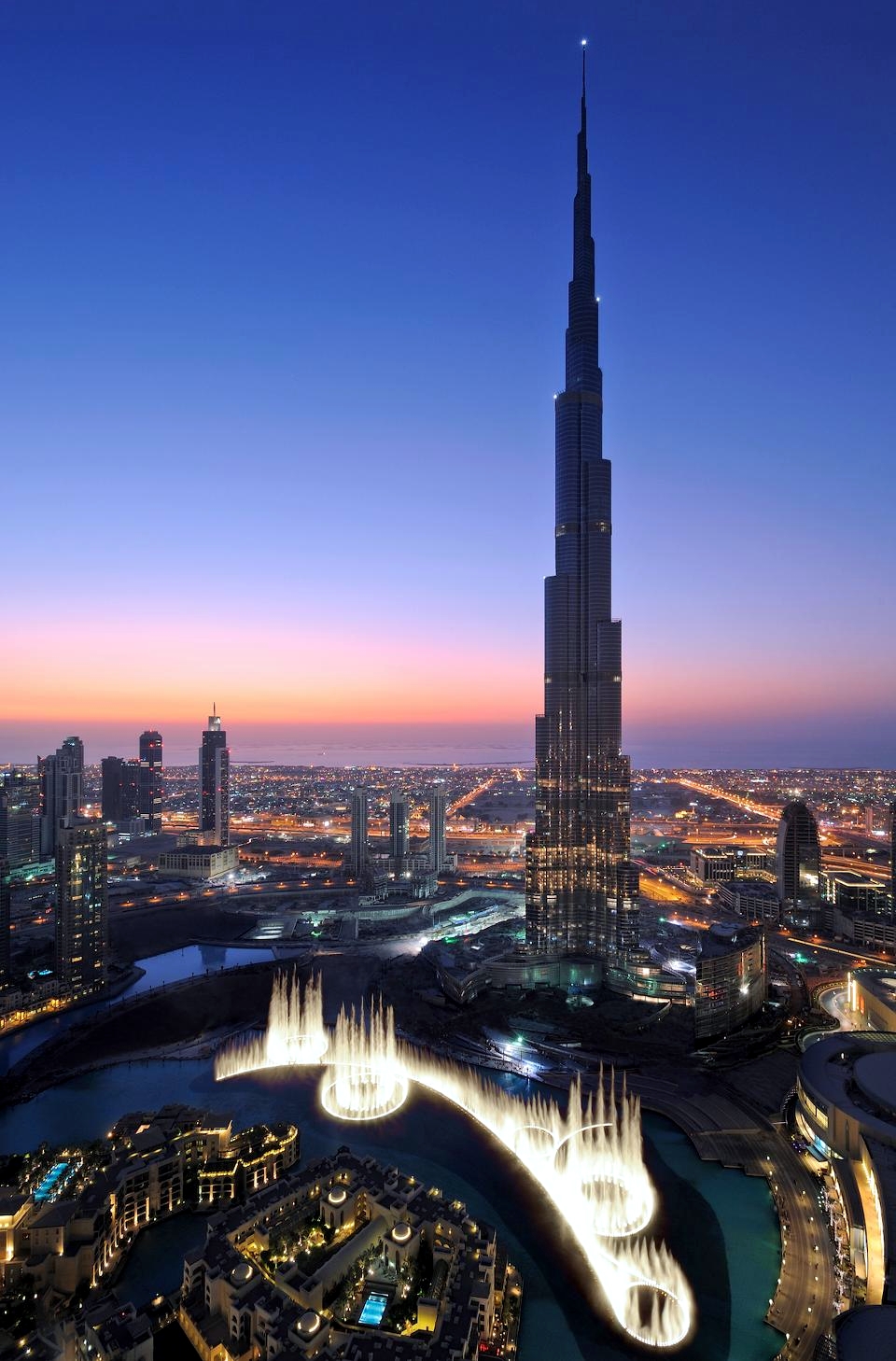
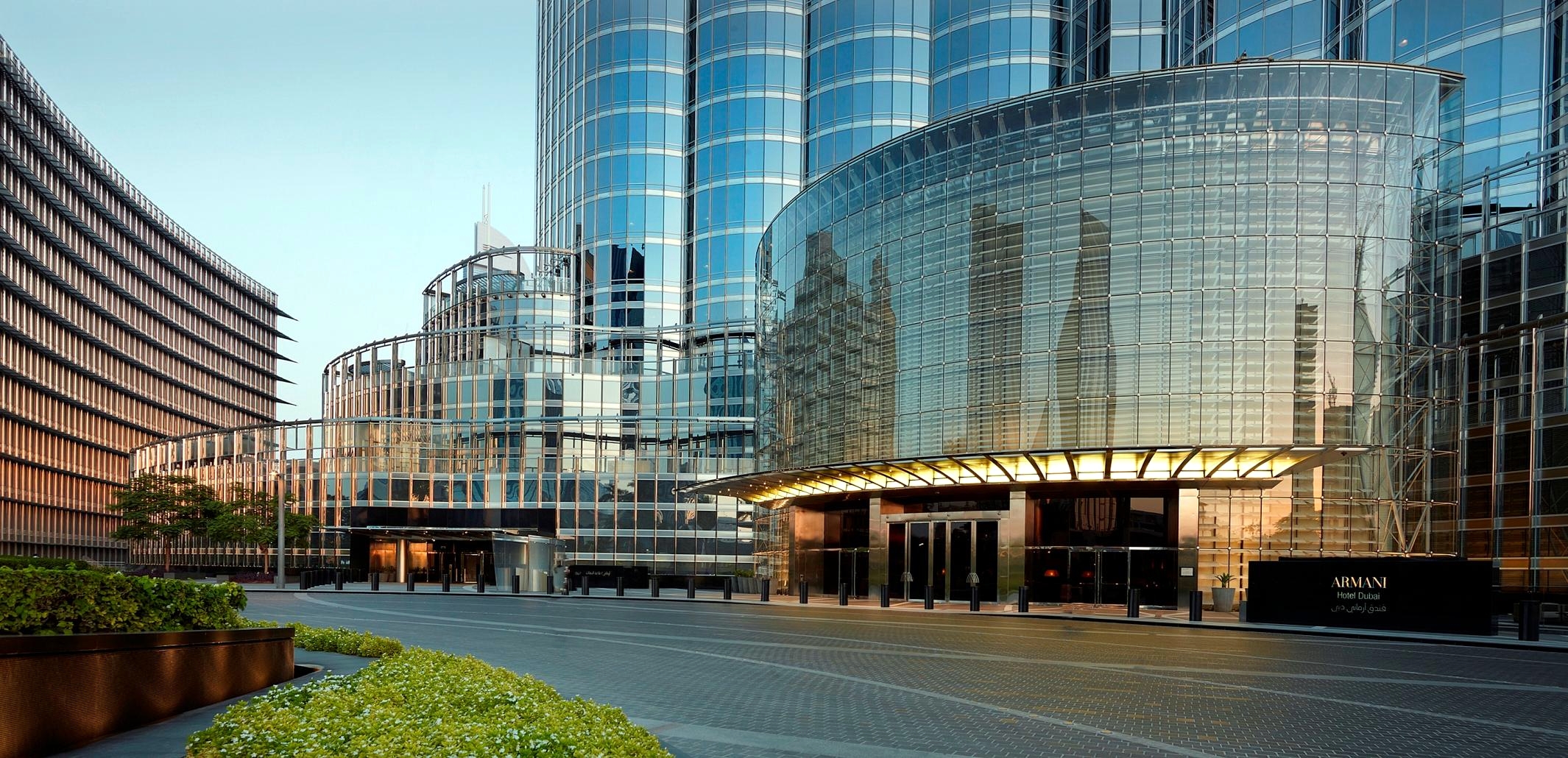
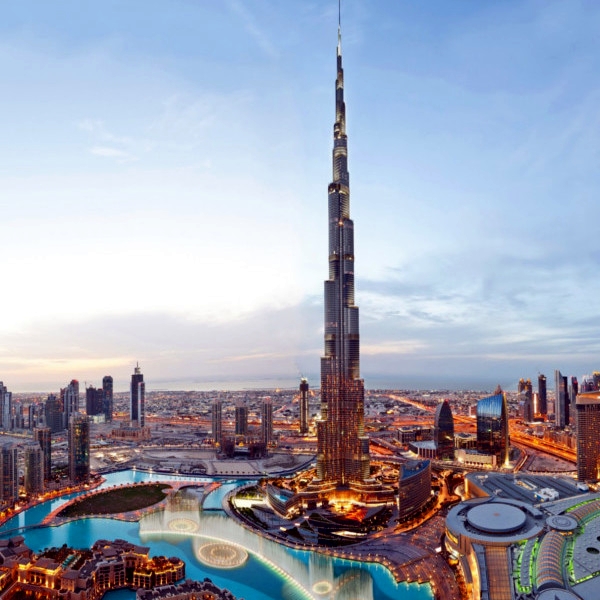
  Armani Hotel in front of Burj Khalifa, tallest building on our planet.

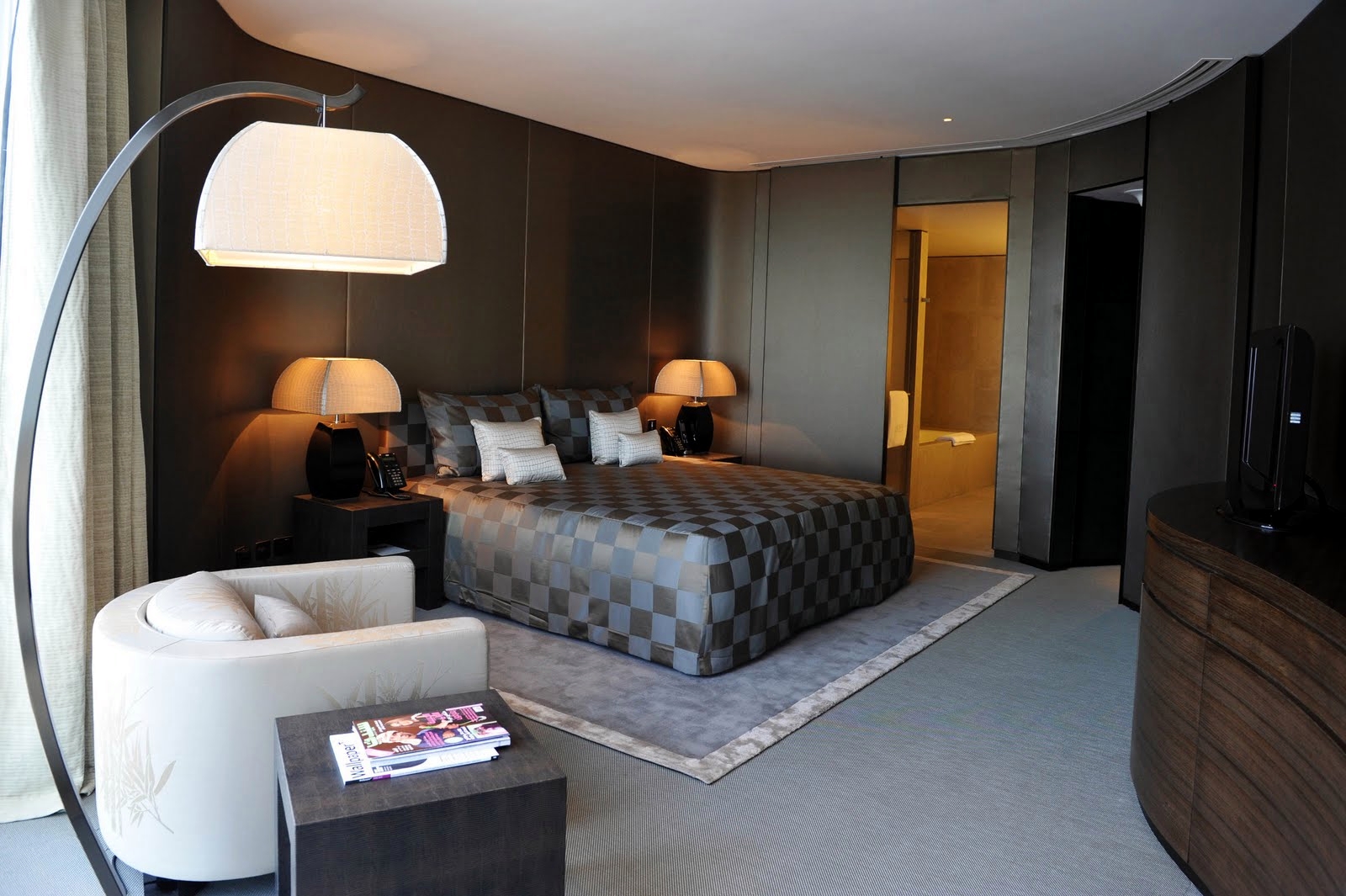
Armani Hotel.

   Opened since 2010, the ten-story hotel with 160 rooms and suites is the first hotel by fashion designer Giorgio Armani. What does it take to become the world’s most luxurious hotel? Does it involve outrageous amenities such as in-room 24 karat gold iPads (Burj Al Arab), private jet and butler services, or even pet psychics for your pooches?
    According to Anton Perold, Managing Director of the World Luxury Hotel Awards, for 2016, the ten-year organization shifts the focus on supreme style and unique elegance, and named Armani Hotel Dubai the winner.

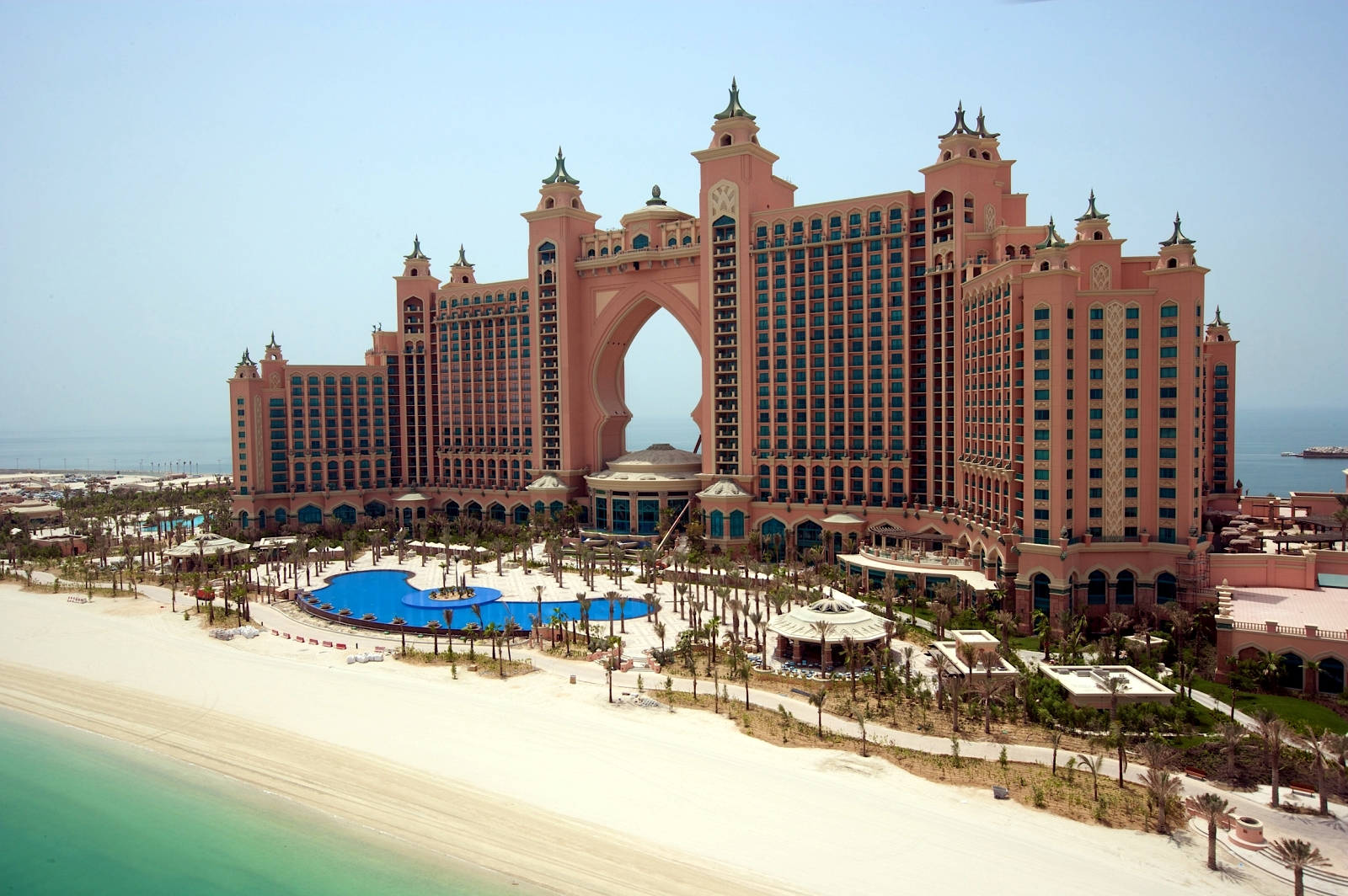
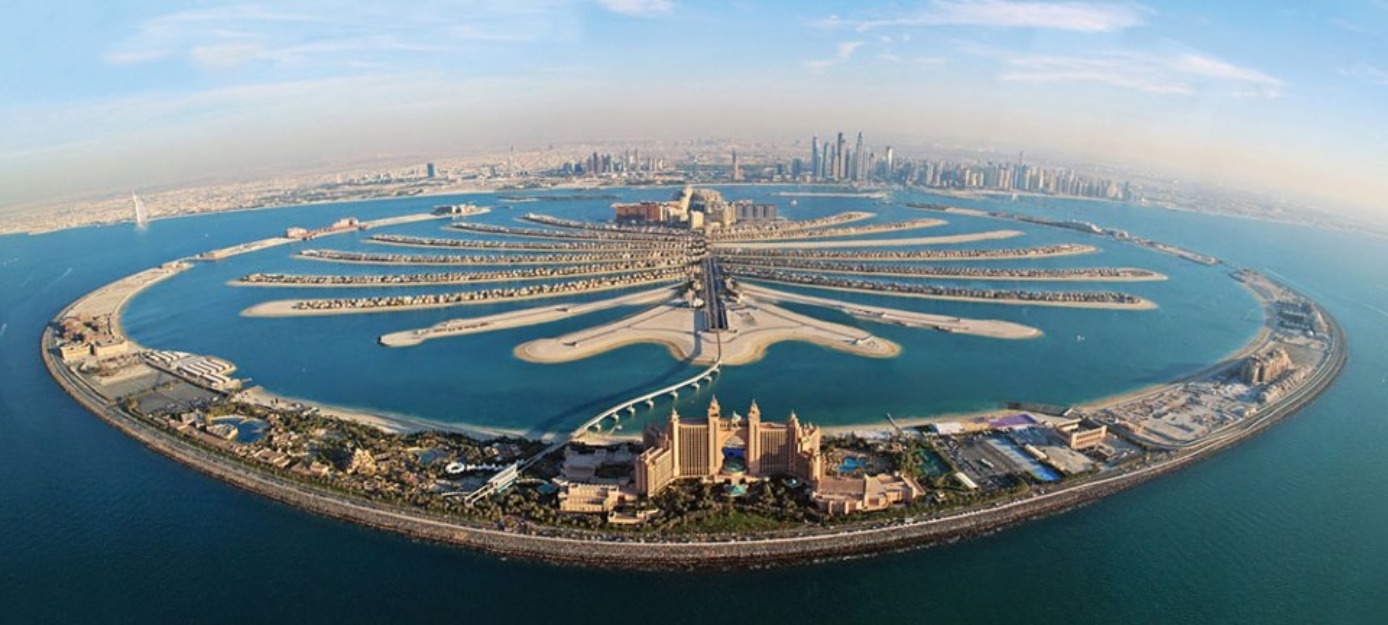
The Atlantis.

       The Atlantis on Palm island.   Click on pics to enjoy a better view.

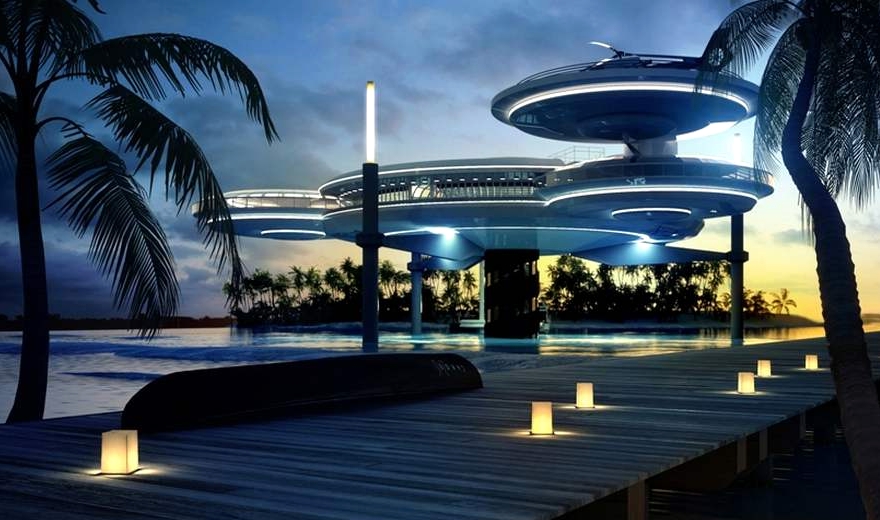
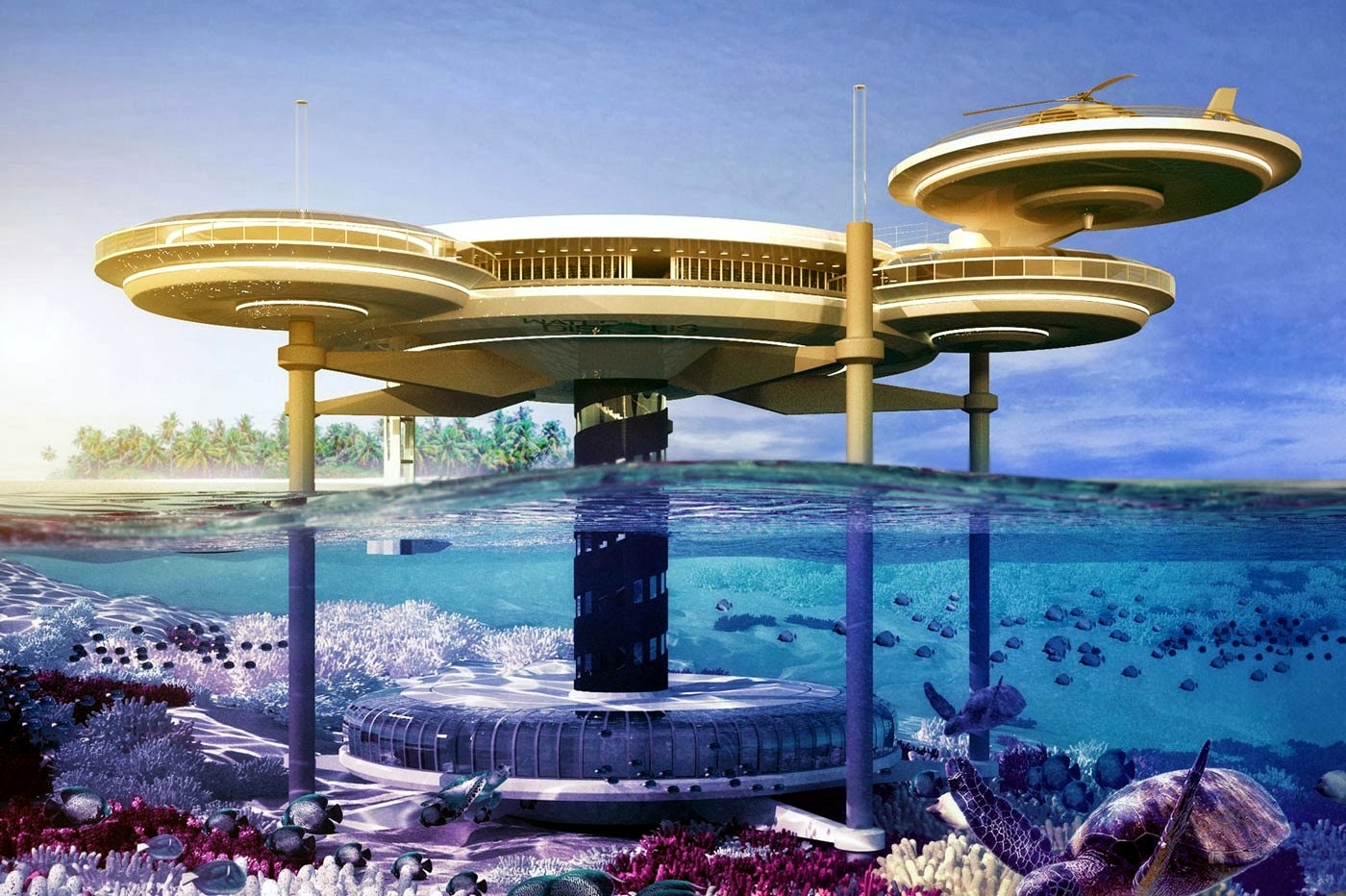
The Hydropolis.


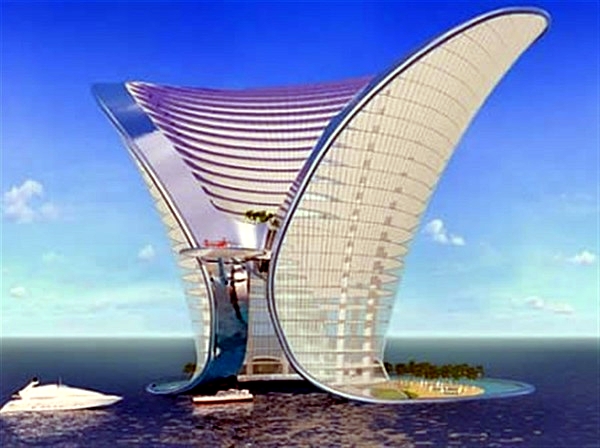
The Apeiron „underwater“.

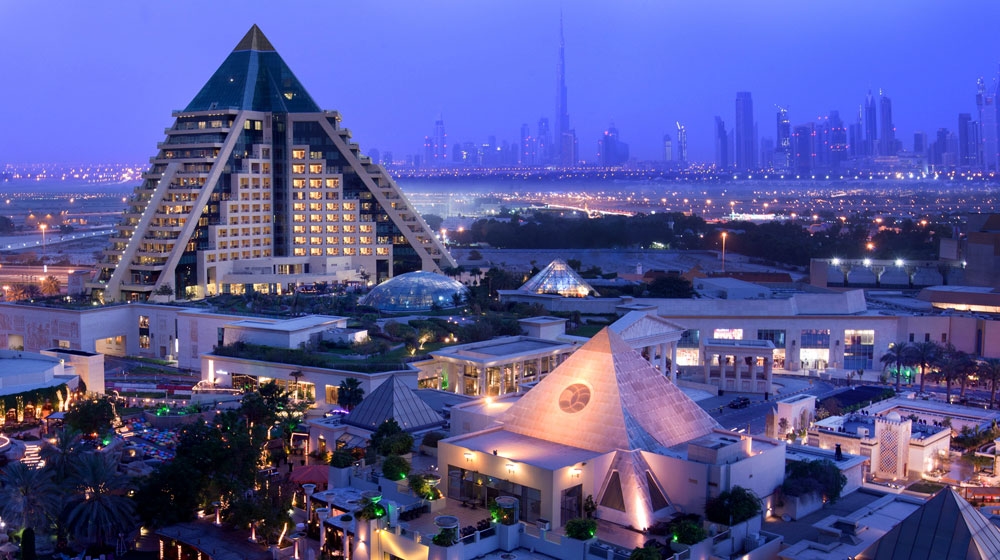
The Raffles.

The Icon „3 star“ Hotel.

The Nihal Palace Hotel in Burj Khalifa.

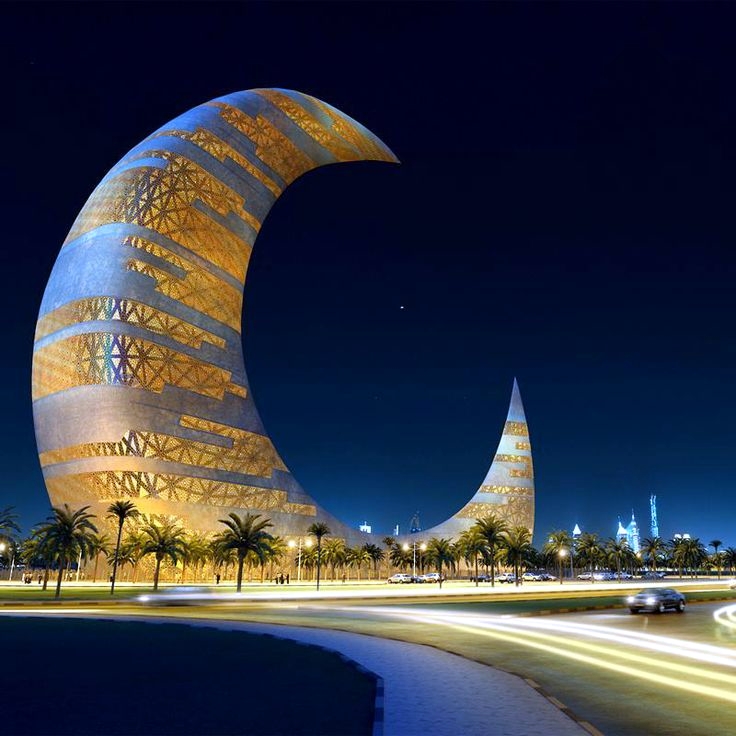
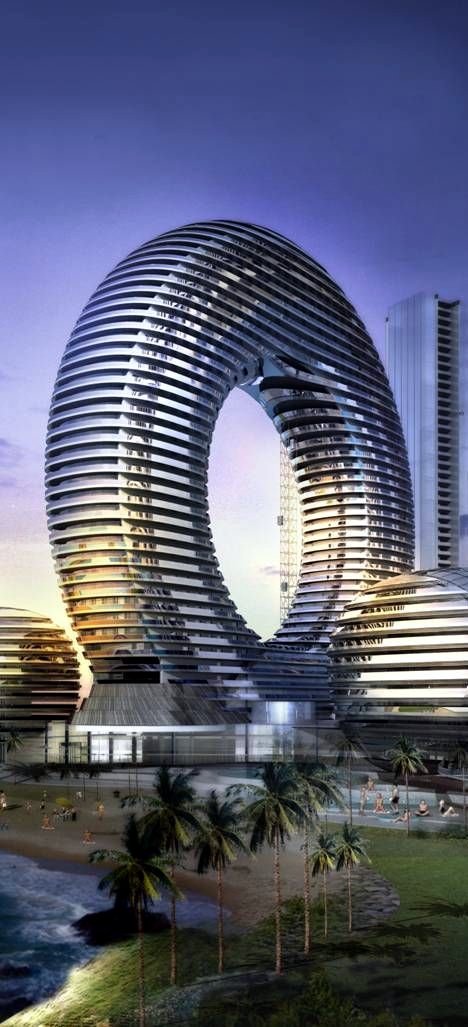
The Crescent Moon.

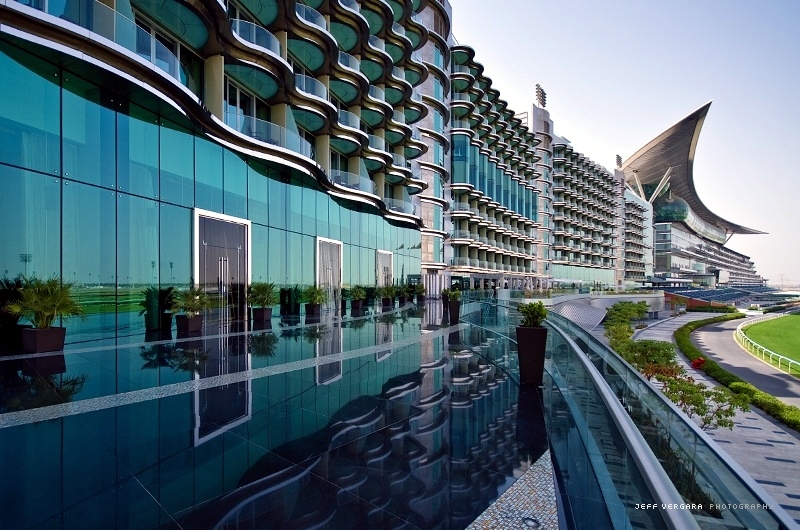
The Meydan Hotel.

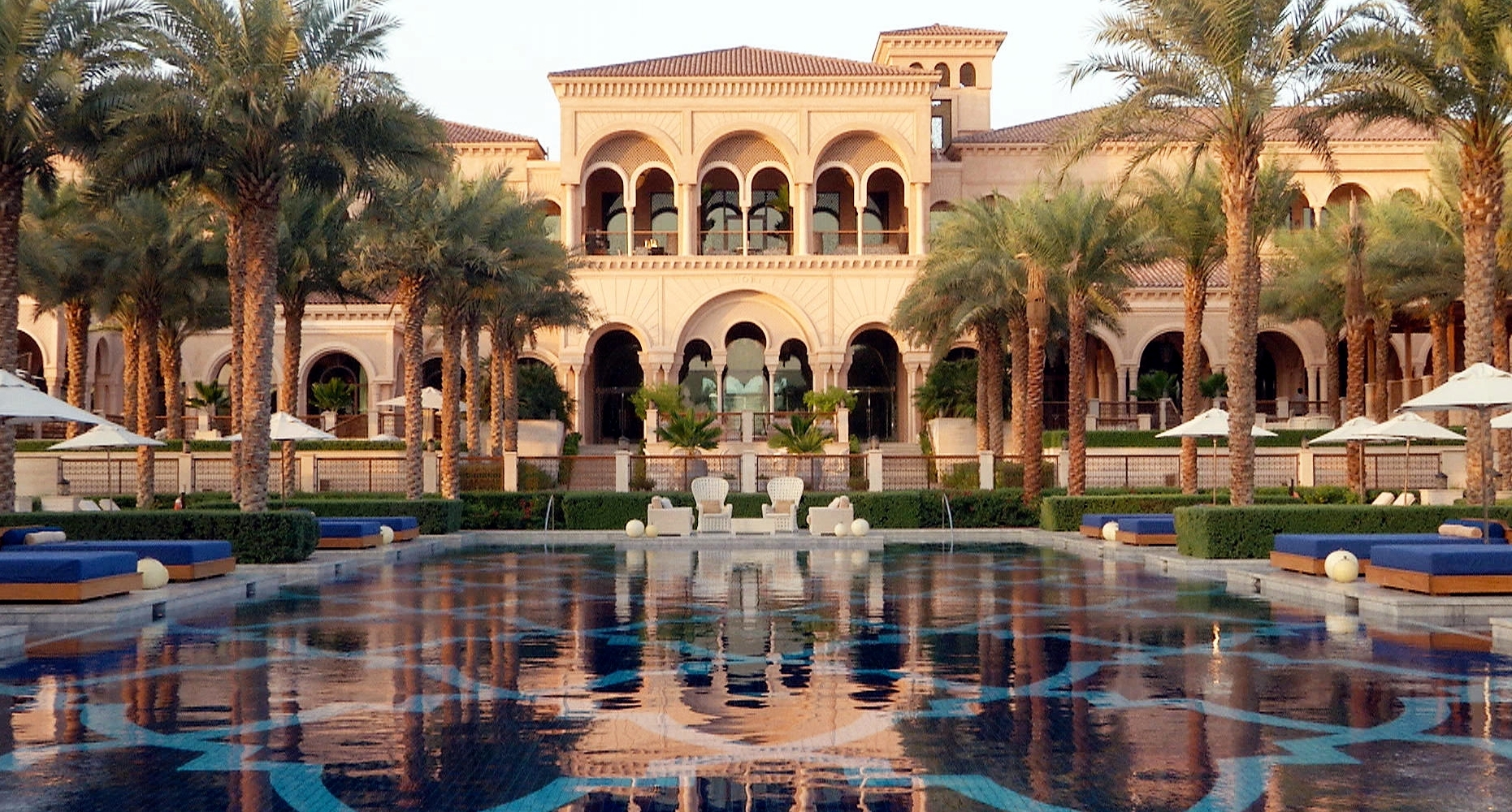
The OneOnly.

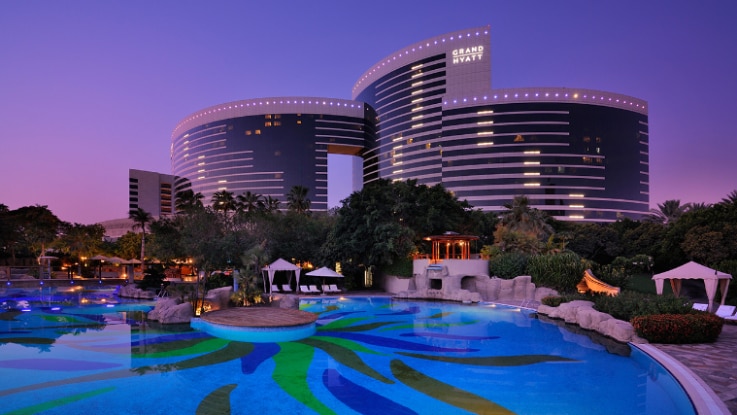
The Grand Hyatt.

     Have been here a few times on stopovers. Central location. Grand old dame in Dubai.

The Nihal Palace.

Jumeirah Al Qasr Madinat.

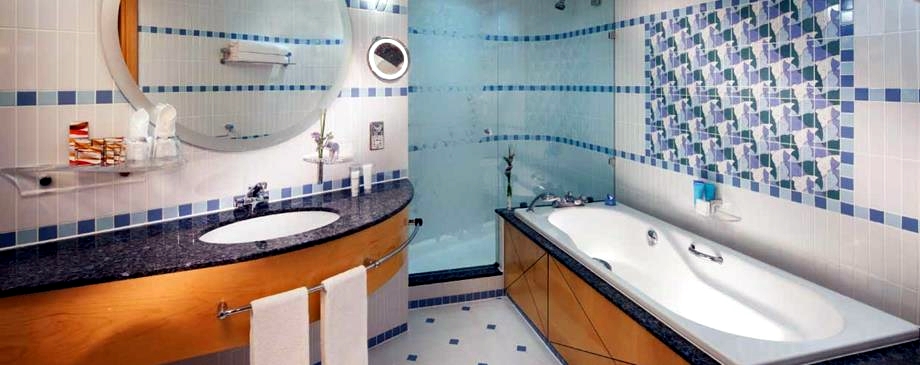
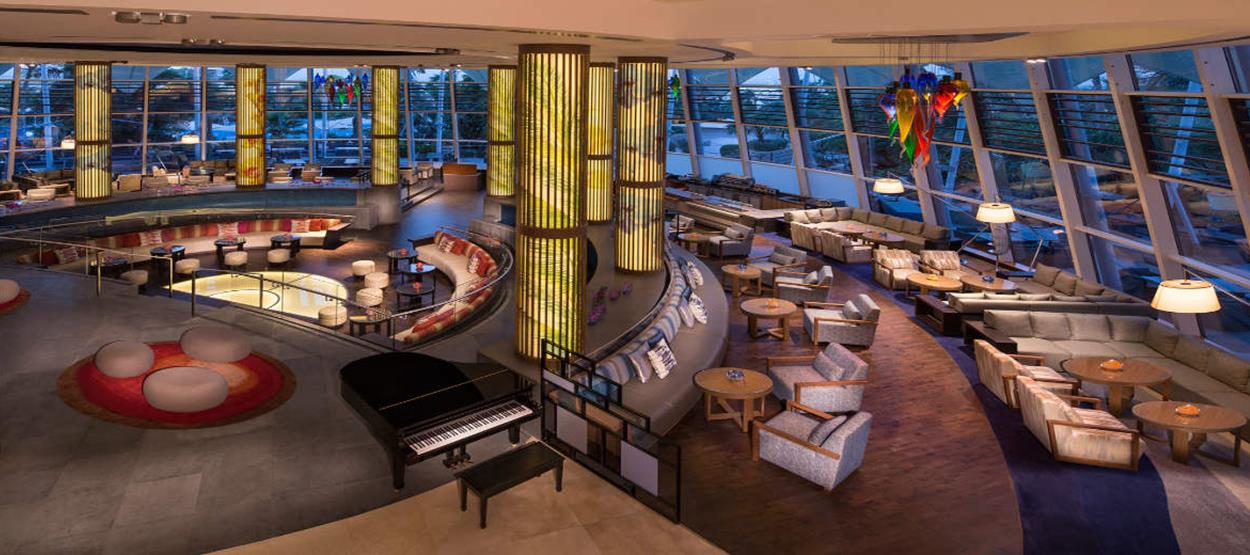
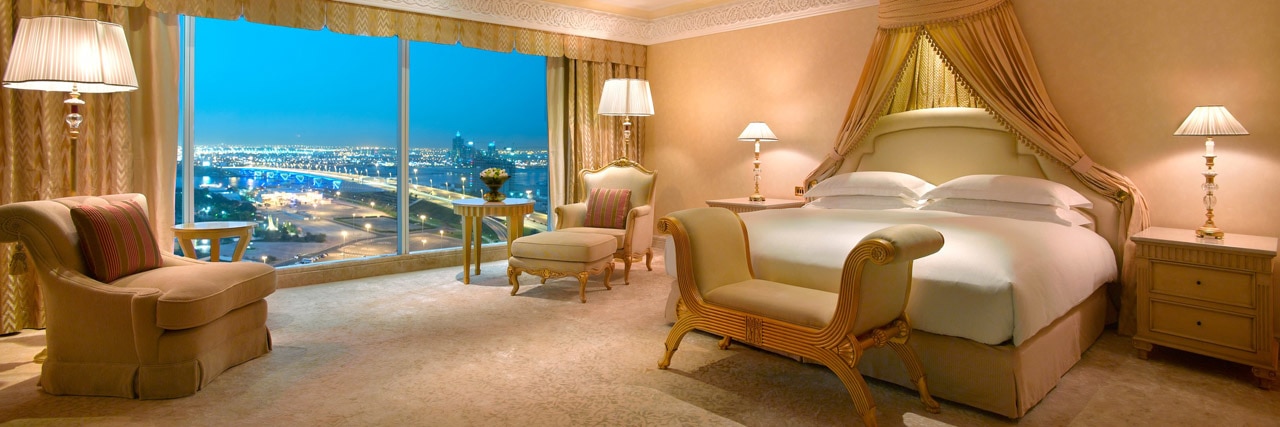
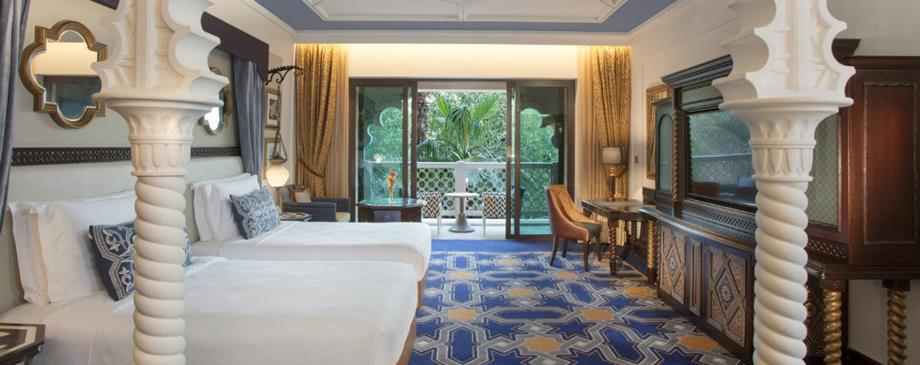
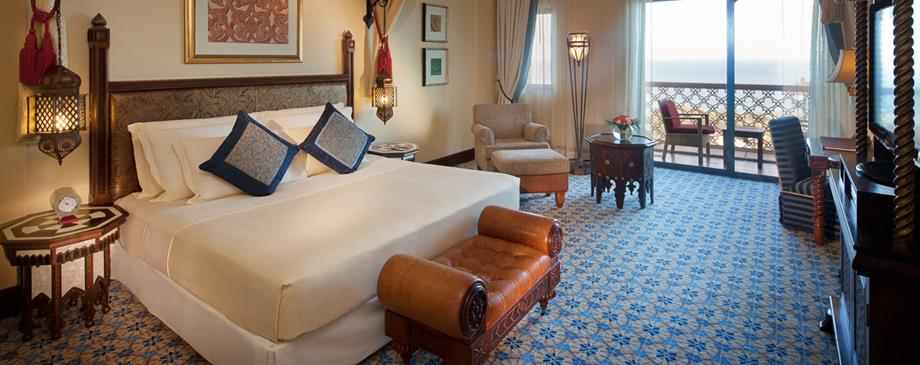
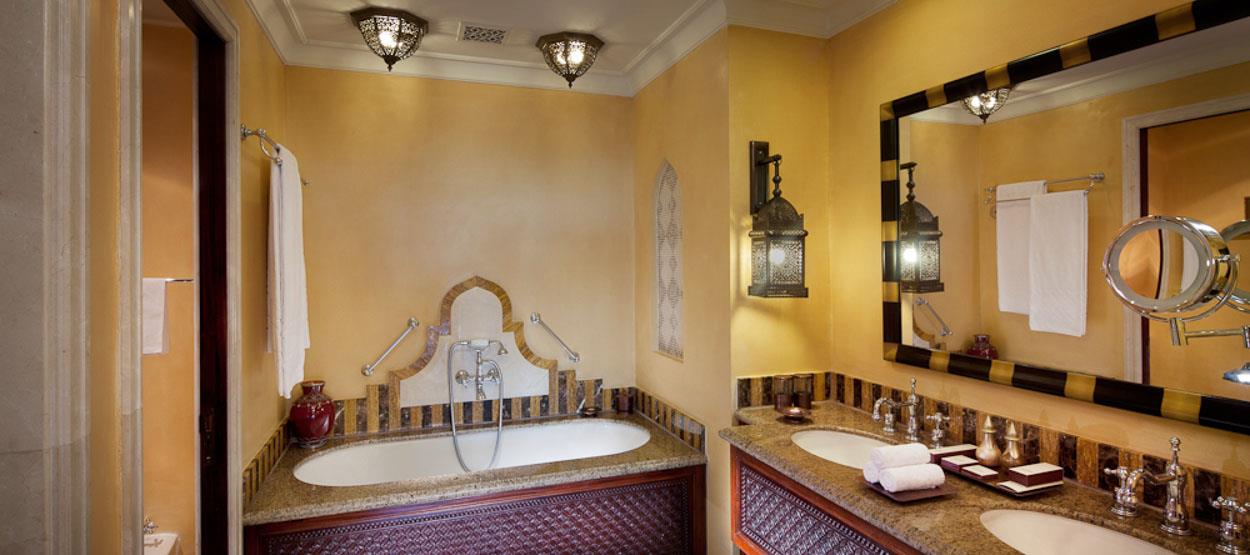
         Rooms we had during the travels. Top left a so named „Arabian Club Superior“, top right a „One Bedroom Ocean Suite“, always available with 2 double beds or one king-size. Bottom left, a typical bathroom. Bottom right, one of our favorite places, the „Sunset Lounge Bar“, a fantastic place to chill out in a soft breeze, having cocktails and snacks and enjoying the sunset, before walking somewhere for dinner.
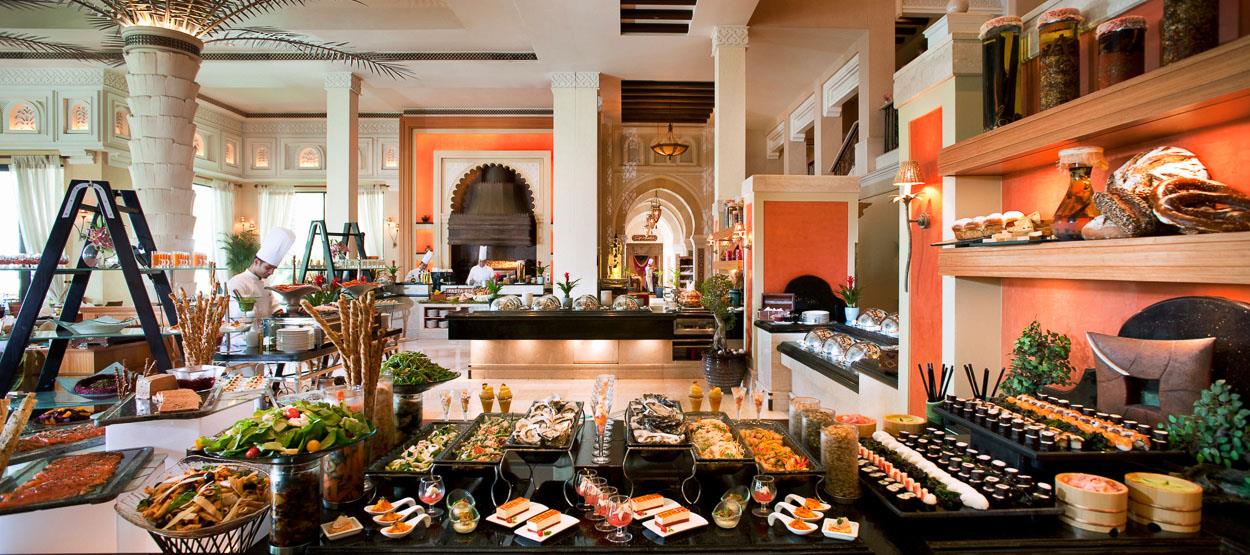
     Madinat brunch buffet. One of my favorite hotels in Jumeirah Beach. For such a large resort, very relaxing, very quiet, nothing over the top but still 5star quality. Immense parks and lush gardens as well as many shops and souk areas invite for sunset strolls. Anna bought a nice teapot here. At home we found out, German made and 3 times as expensive as in Germany. Ha Ha ! Positive is, she still has it in use – after 15 years.

Two Hotel Details.

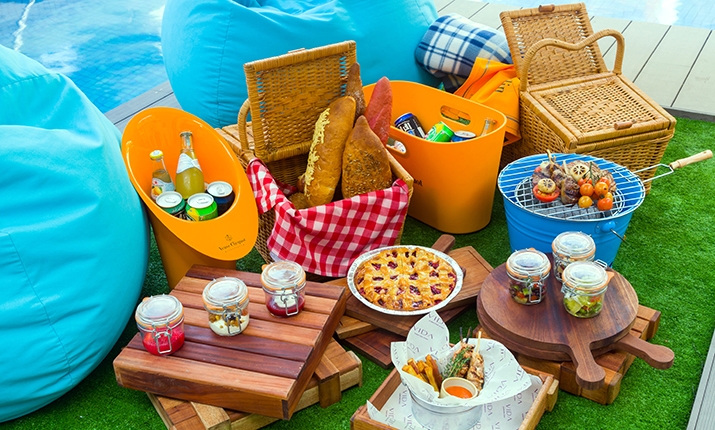
First, this wonderful picnic set, offered by Urban Downtown Hotel. This one was prepared for 3 guests. No alcoholic drinks offered, but anyway, have a look on the details.
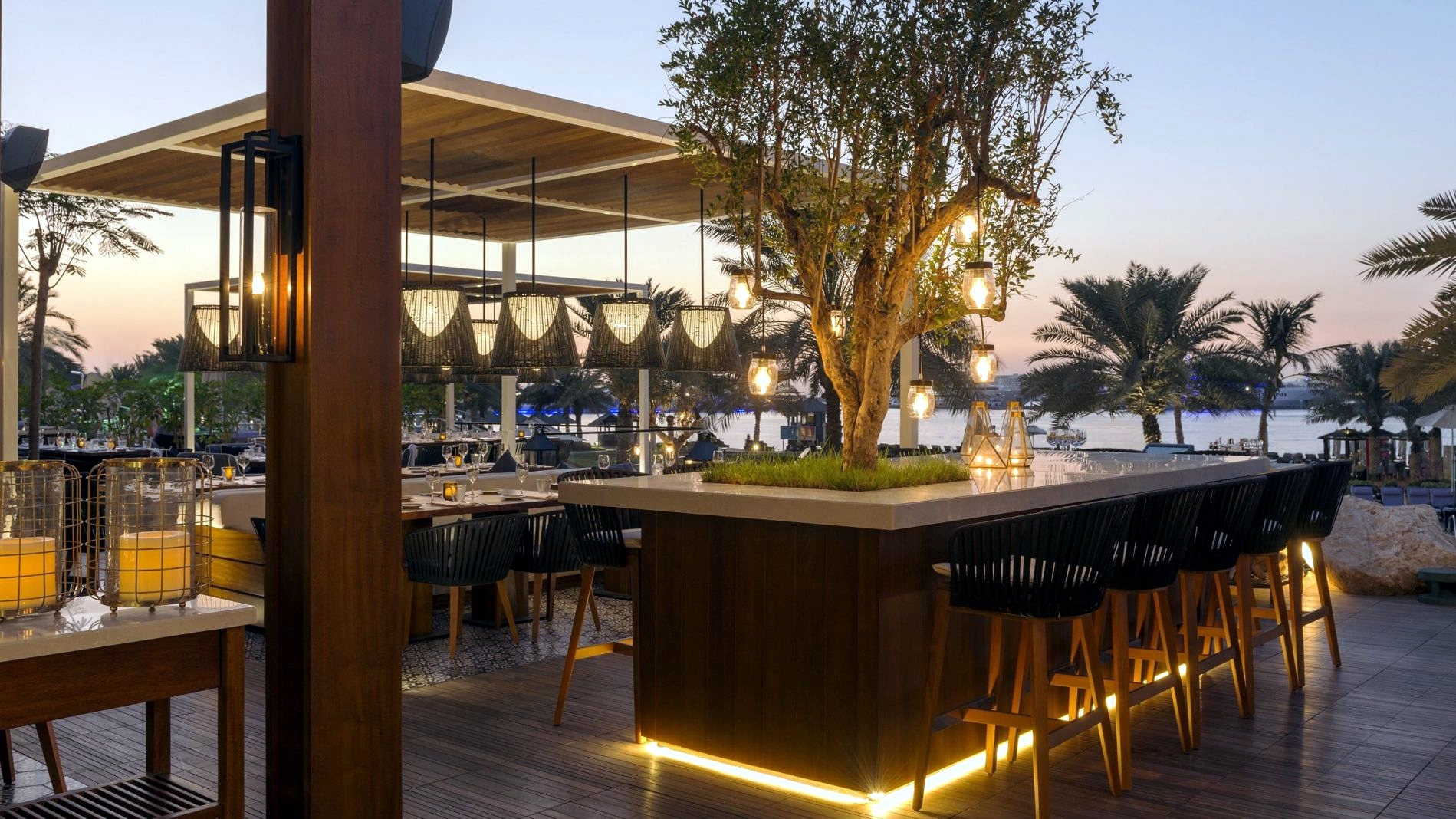
Second, the River Front Bar at the Bussola Westin Hotel. To me the best place for Italian cuisine and pizzas in the Dubai area.

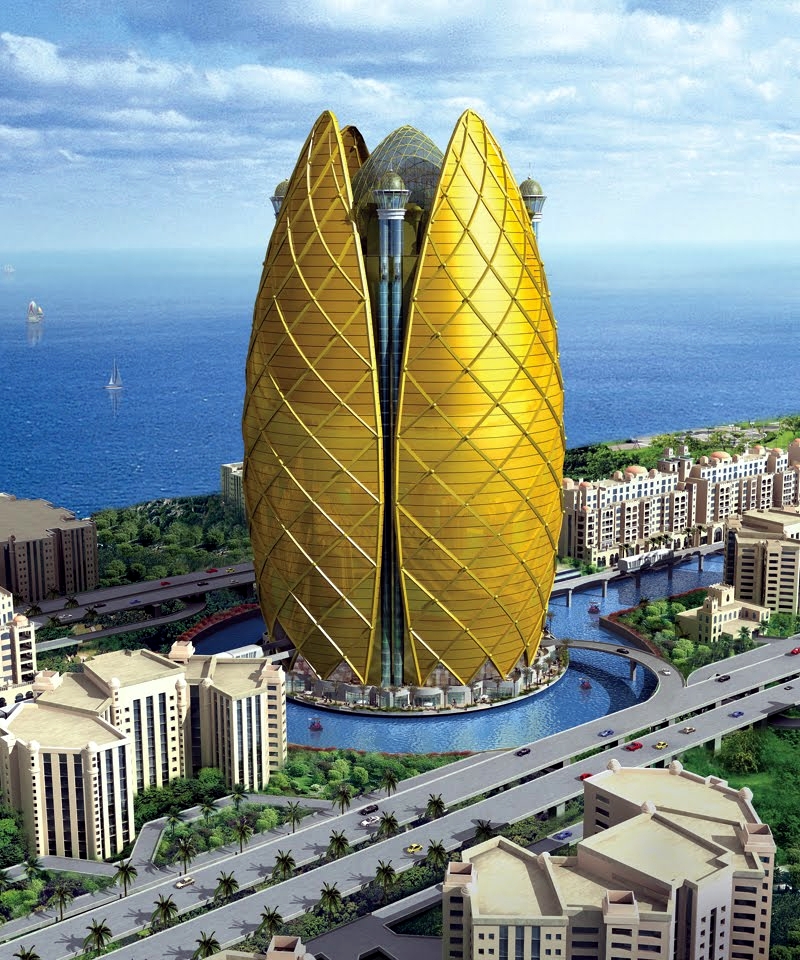
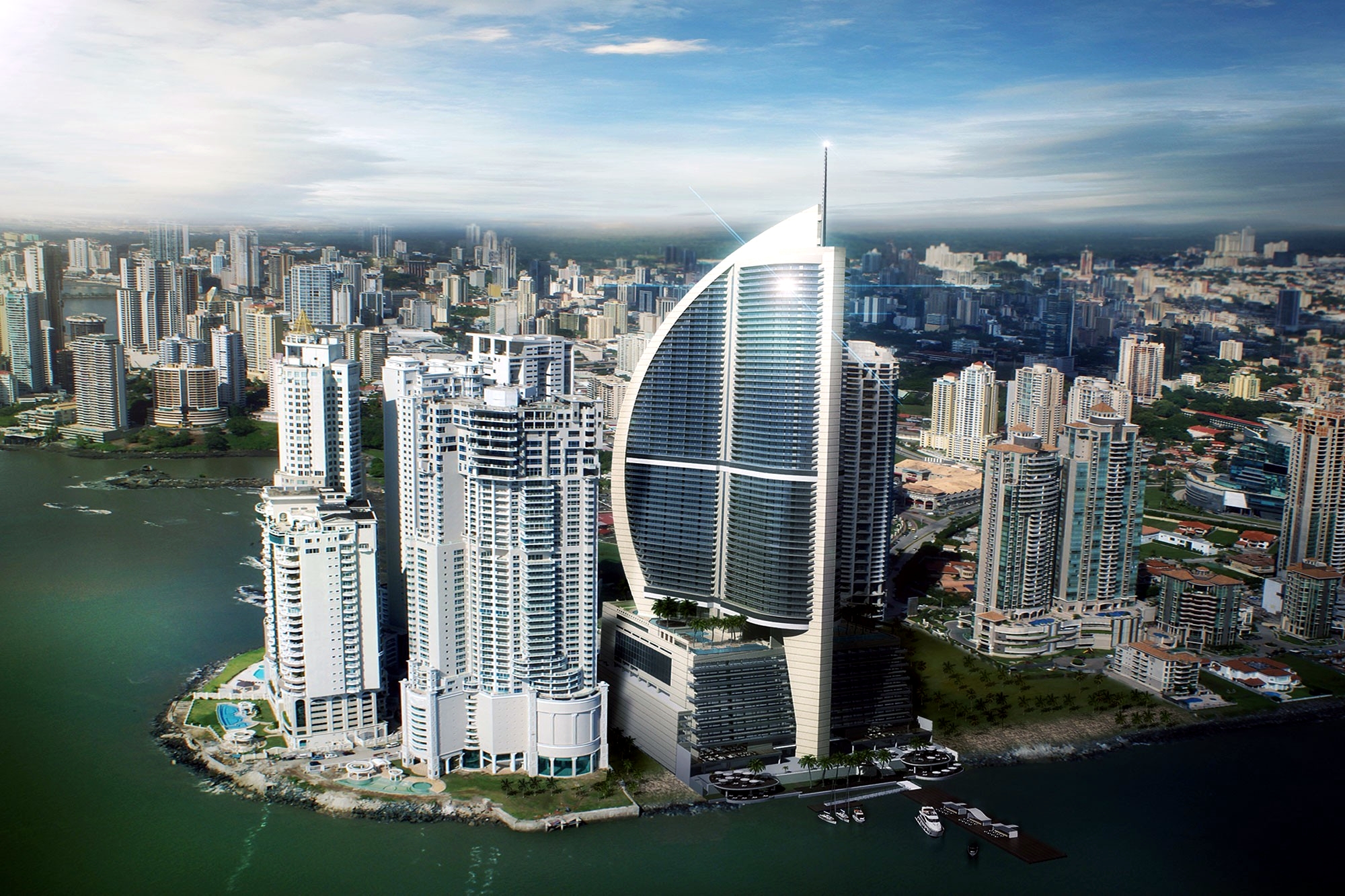
Palm Trump Tower Hotel.

  Futuristic planning, but cancelled, will not be build.

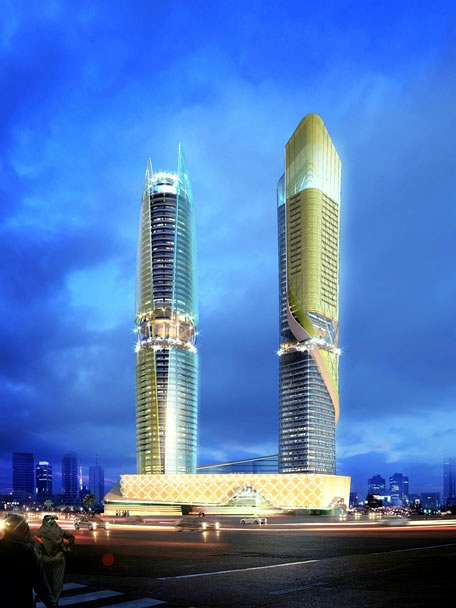
The Rosemont.

                             Under construction. A double residence tower and hotel.

In June 2015, Emporis, a real estate data management firm, said Dubai boasts of the sixth-best skyline in the world with its 686 buildings awarded 20,642 points. Hong Kong, China, with 7,794 buildings and 133,531 points, was named the world’s best skyline followed by New York City, USA, Singapore, Moscow, Russia, and Seoul, South Korea.

Veröffentlicht unter Lifestyle, Must See, Travel | Verschlagwortet mit | Hinterlasse einen Kommentar

Must See – Dubai 2

For more then 40 years I had to travel between Europe and Australia. Sometimes up to 3 times a year. The usual stopover destinations, like Singapore, Dubai and Bangkok were extensively visited and explored, so as easy to reach destinations nearby.

Many other travels were especially planned to see as much and many places as possible.  A trip from Australia to Europe often took up to 10 or 14 days, with all the side flights and detours I made during the years. Some far into the  South Pacific Ocean. Lucky me !

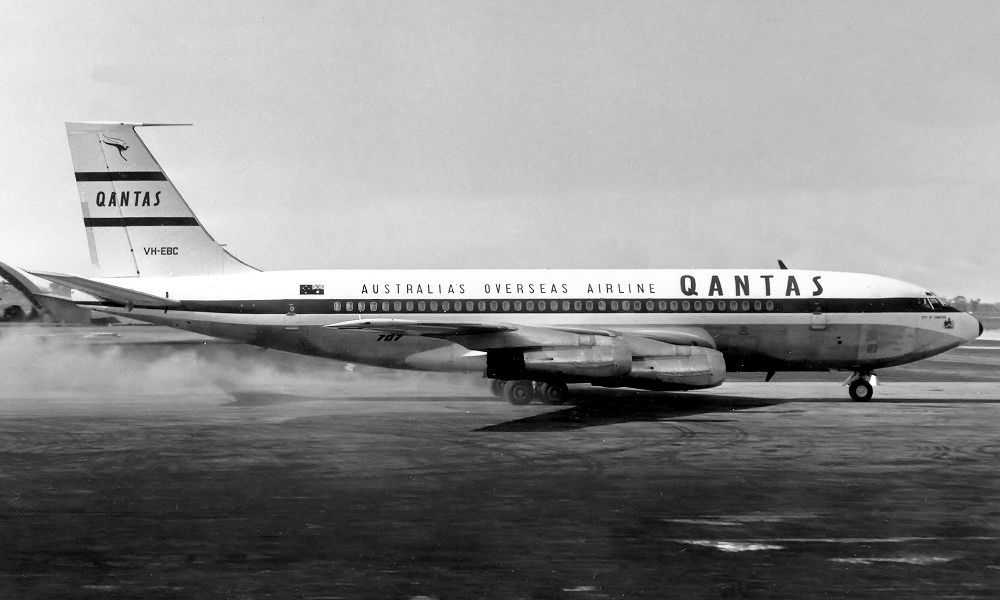
Flying Qantas Boeing 707 from Jakarta to Melbourne.

I’ll never forget my very first flight in 1963 from Germany to Australia. Starting in Frankfurt with stopovers then in Athens, Bahrain, Colombo, Jakarta, Perth and finally Melbourne. Three different airlines and in total 43 hours flight time, all for a special price of 3.260,– German Marks. The changing rate to the Australian Dollar was then 1:3 !!

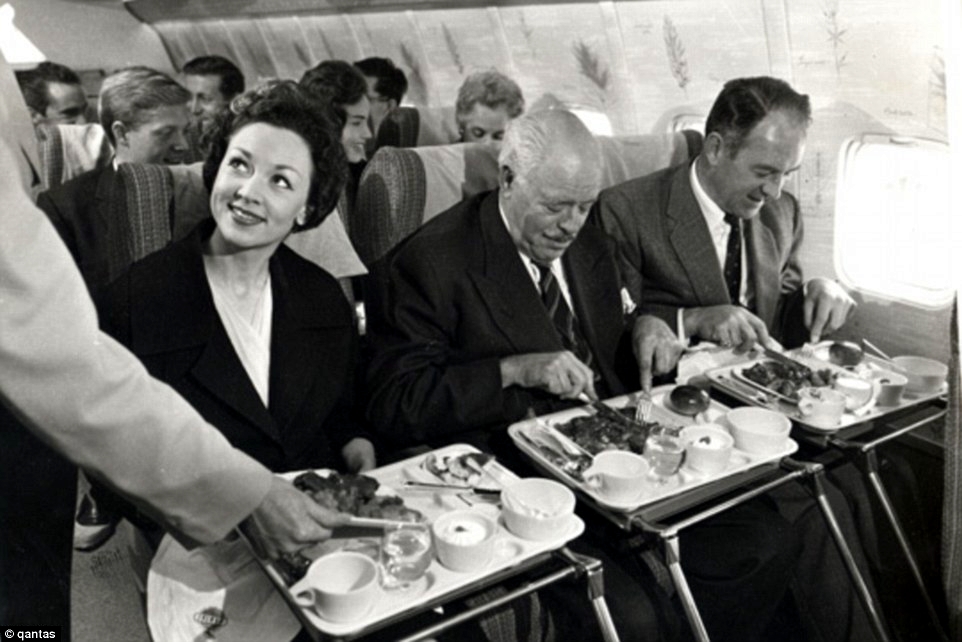
Tourist class in Qantas flight. Notice how well in those times everuone was dressed. Flying was a „luxury venture“ in the 1950’s and 60’s . Pics Qantas.

Those times offered tourist class and first class only. How comfortable is it today with just one stop and c. 19-20 hours flight time. And the prices are cheaper then 50 years ago. During all those years I met a lot of travelers which thought „flying as cheap as possible“ and just a bed „to put your head down“ is plenty. O.K. everyone has different minds and some, like me, enjoy the 5star (or more) luxury. Especially if it is paid for !!

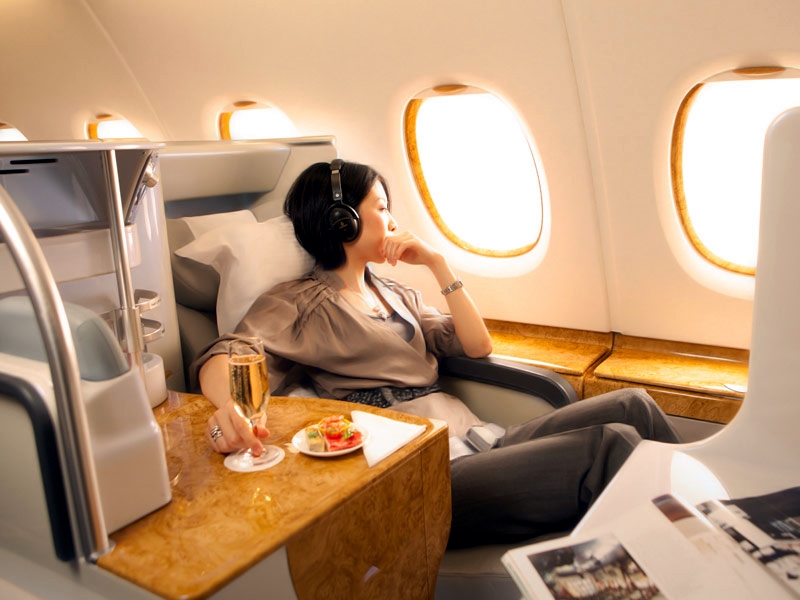
What a difference, flying Emirates Business Class today through Dubai. What the hell- I loved it. The price, less the tourist class 50 years earlier. Pic Emirates.

Let’s concentrate on the stop over hub Dubai.

When I read about the opening of Burj Al Arab in December 1999, I directly had the hot wish to stay once at this hotel. It was at time in March 2003, normally a wet and humid month, but luckily out of season. I stayed 3 nights and 4 days and had an average temperature of enjoyable 26 degree Celsius and a bit rain over nights only.

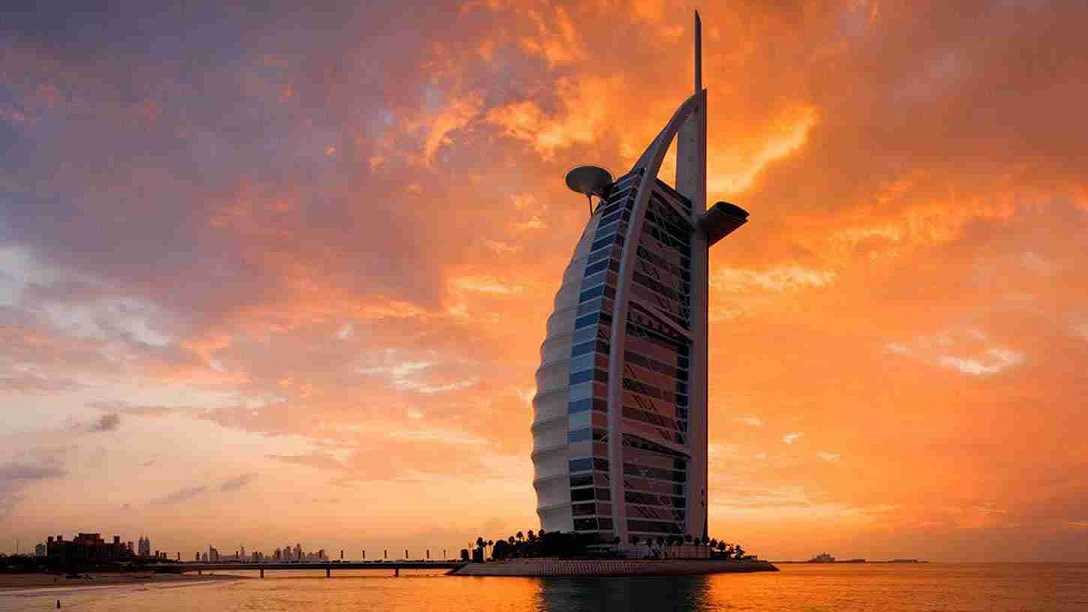
  Depends on arrival time what kind of view one can expect. This is early morning sunrise. Shaped like a sail to represent Dubai’s nautical heritage, the hotel’s distinctive silhouette has become a symbol for the nation.

Still, the hotel was almost fully booked. I had a One Bedroom Deluxe Suite and paid, as I remember right AU$ 1.650,– per night. Today’s price will be around AU$ 1.400,– for the same room per night – but – not included: 5% VAT, 10% Municipality Fee, 10% Service Charge, Tourism Dirham Fee !!

The Hotel.

Let’s face the Positives. I will use a bunch of pictures and just comment them, instead writing to much.

  The luxurious Burj Al Arab Hotel is widely regarded as having seven-star service. This is partly due to the fact the hotel pushes the boundaries of what comparable five-star establishments offer guests. Maximum stars rating will offer an accommodation of five stars.

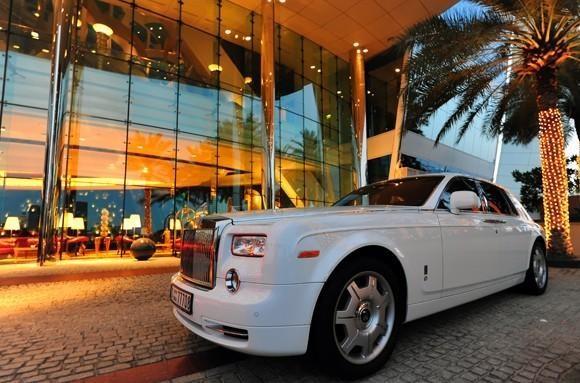
The 7star indulgence starts at your arrival at Dubai airport. Burj Al Arab greats their guests and transports them with a „white Rolls Royce“ service. Emirates business Class anyhow offers for free a „white limousine shuttle“ service.

  Rolls Royce Service included in the room rate.
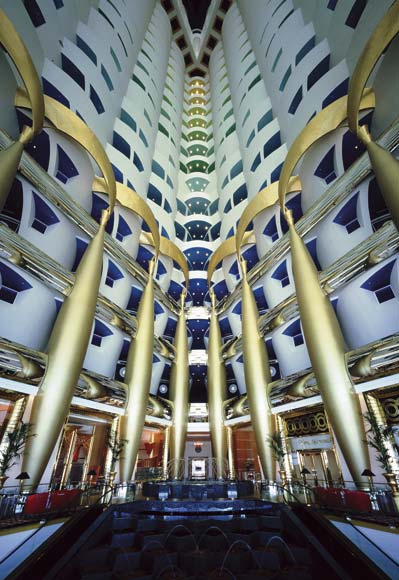
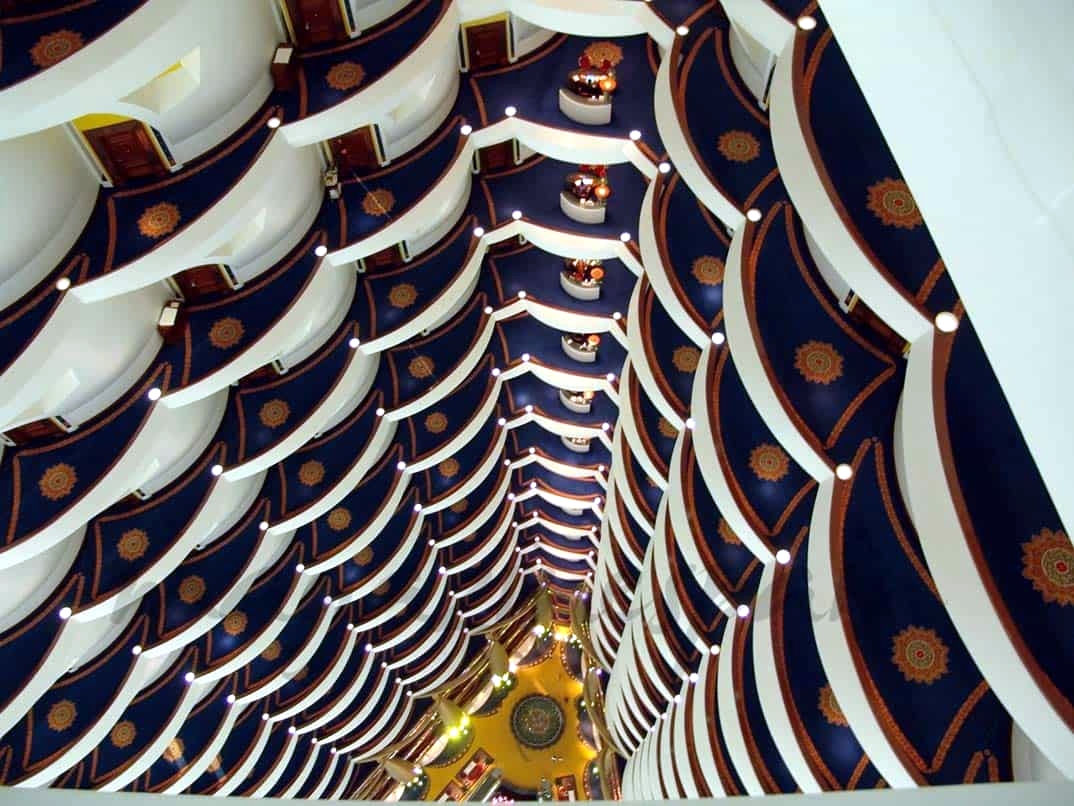
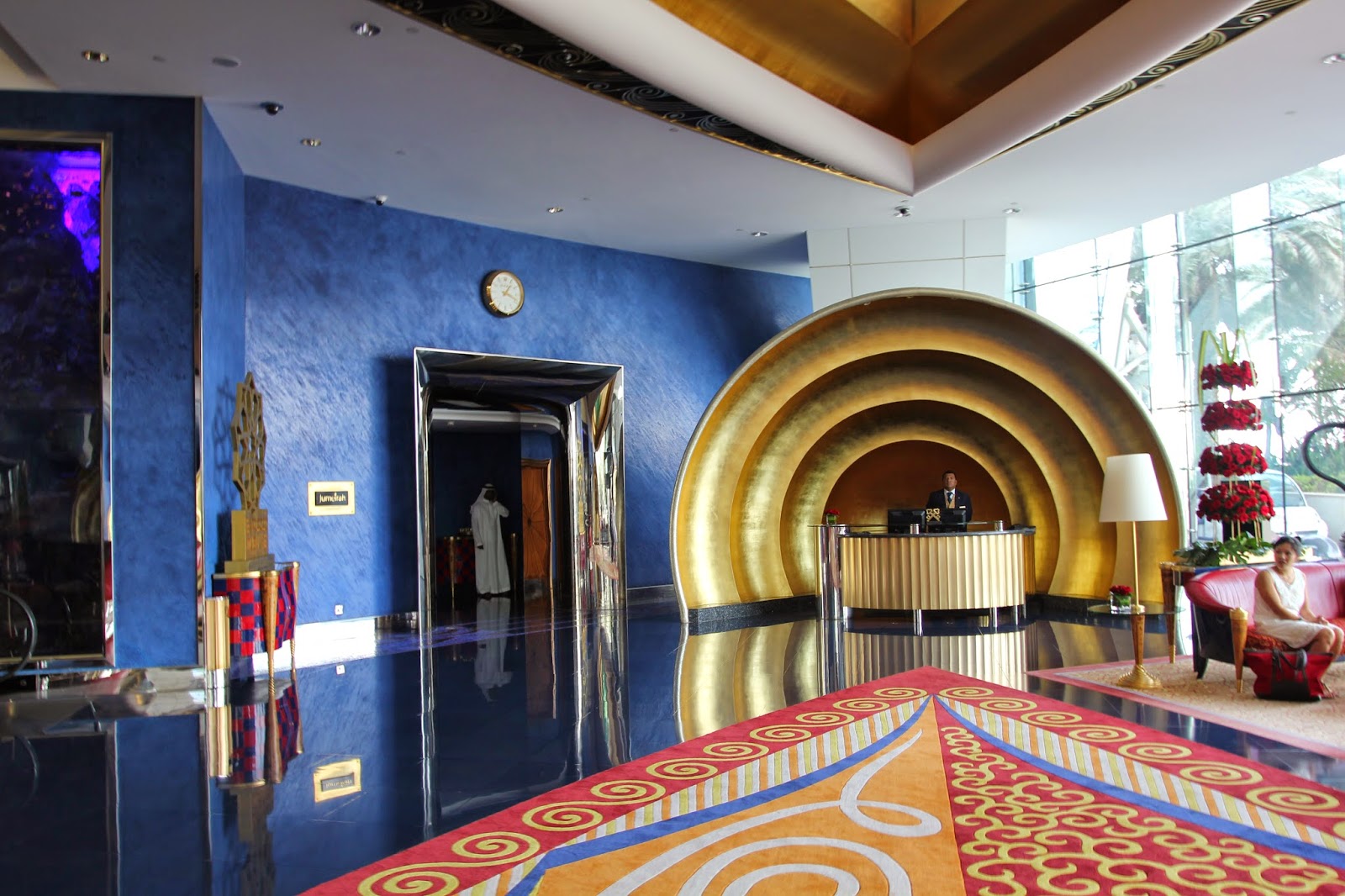
                                       Next impression is the highest hotel atrium in the world. Entering the lobby and greeted by friendly staff with cooling towels and a cool drink. No hustle and bustle at check in, that’s what your butler does on your floor.
     Each floor, I had my suite on the 18th, has its own lobby with its own butler 24/7. There is no chance that a stranger sneaks around the hotel or the guest levels. A fantastic secure feeling. The massive atrium is build and designed – that everyone who looks down has no height fear. Unbelievably thought out details.

The Suite.

                    
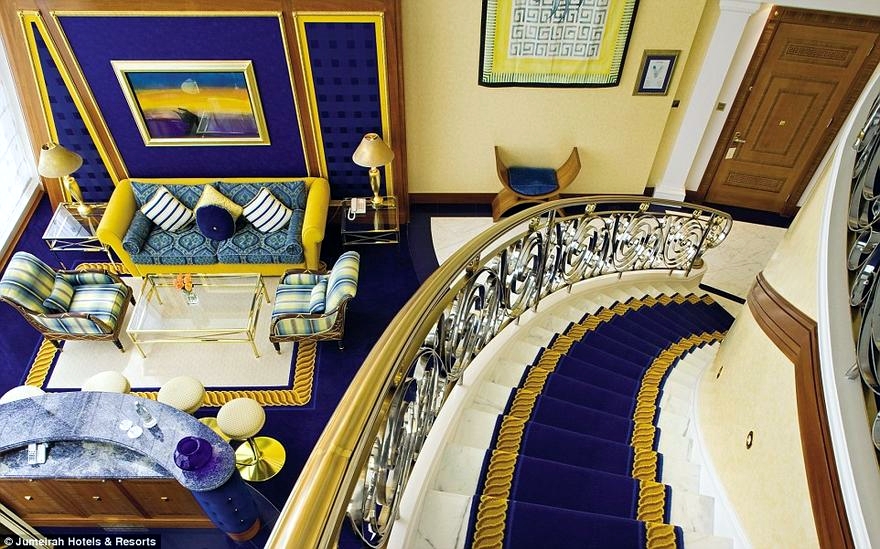
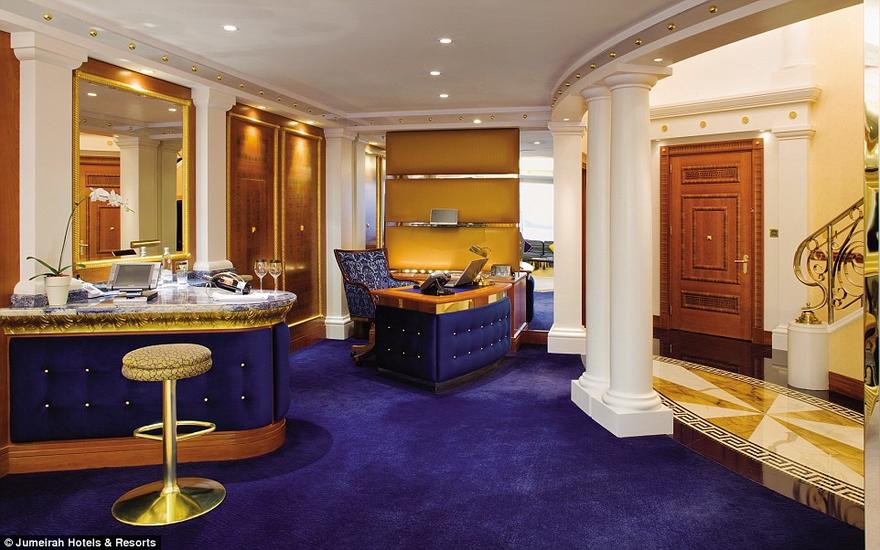
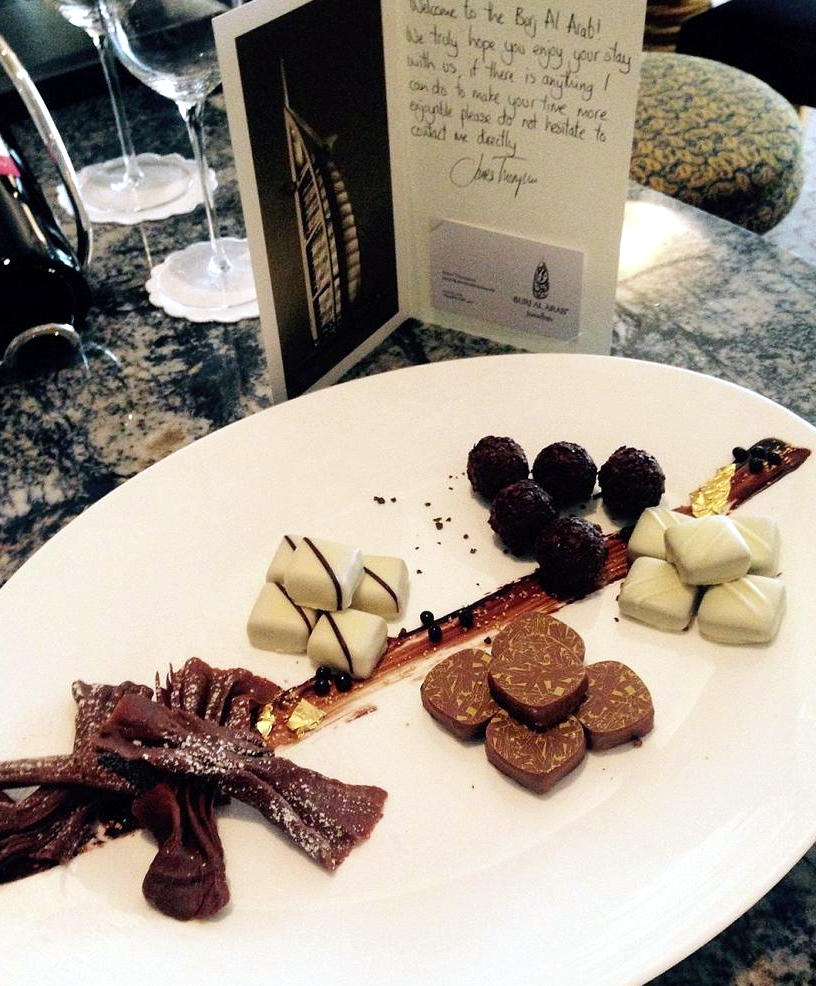
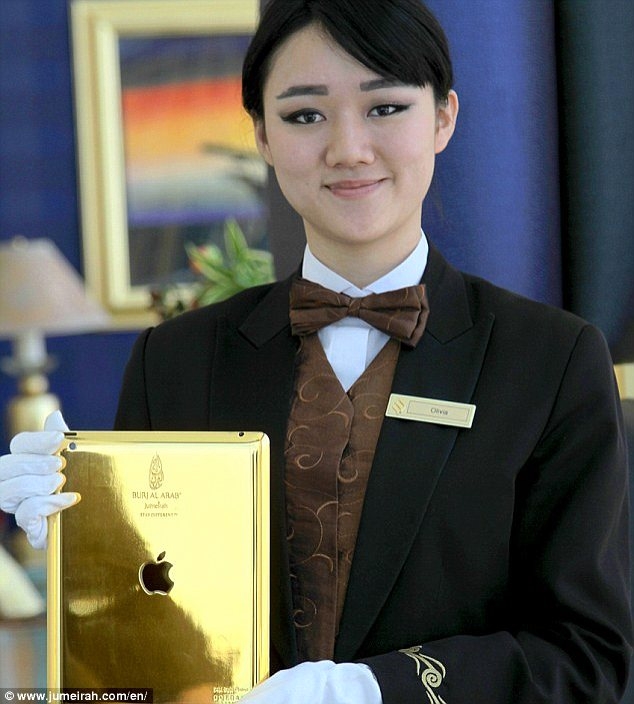
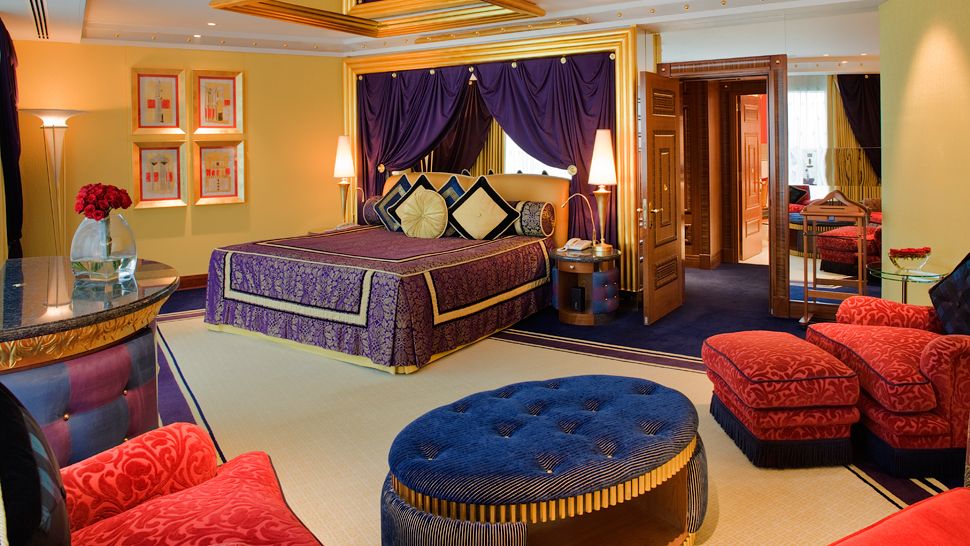
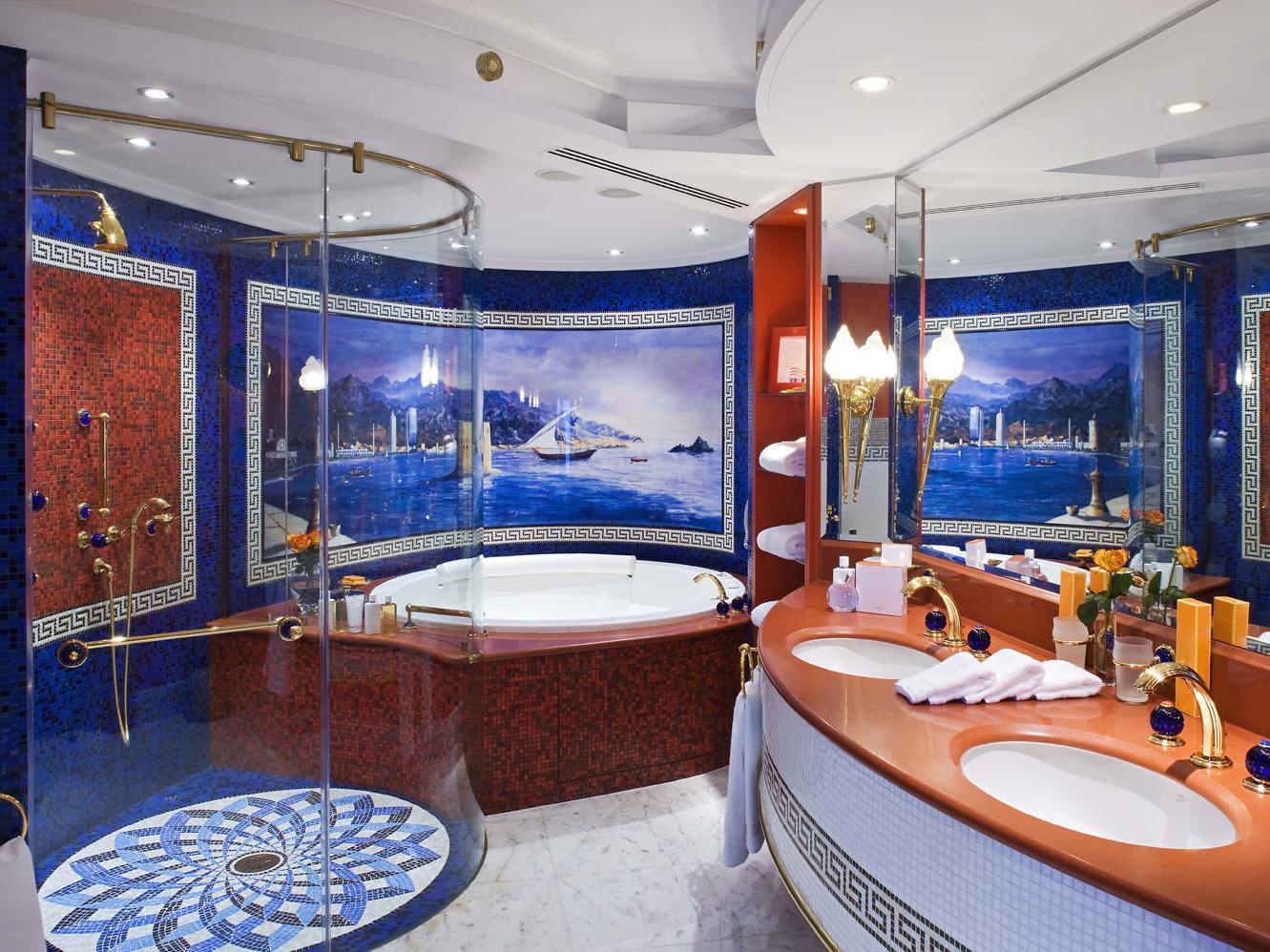
The next astonishment is to enter your suite. Your personal butler explains everything and has a 24carat gold plated notebook for your own use. Bathrooms are filled with Hermes cosmetics for Her and Him. A personal written welcome card with free mineral water and a plate of sweet goodies are completing the service.
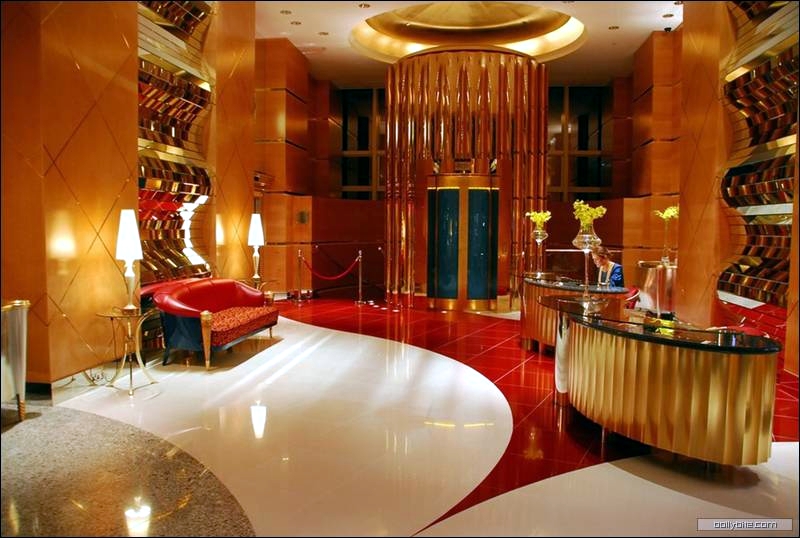
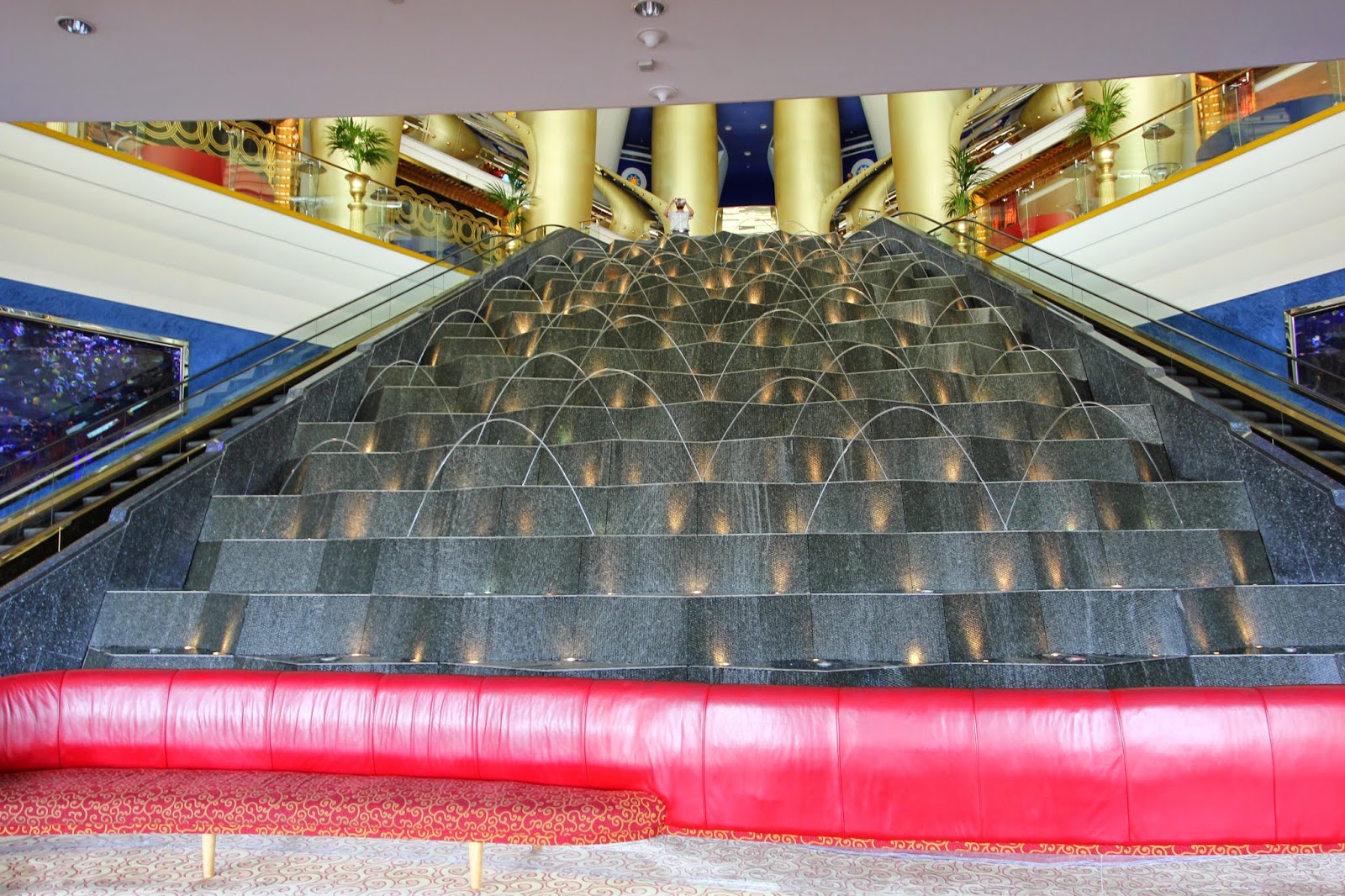
       The lobby fountain and the restaurant entrance as well as the lobby bellman counter.

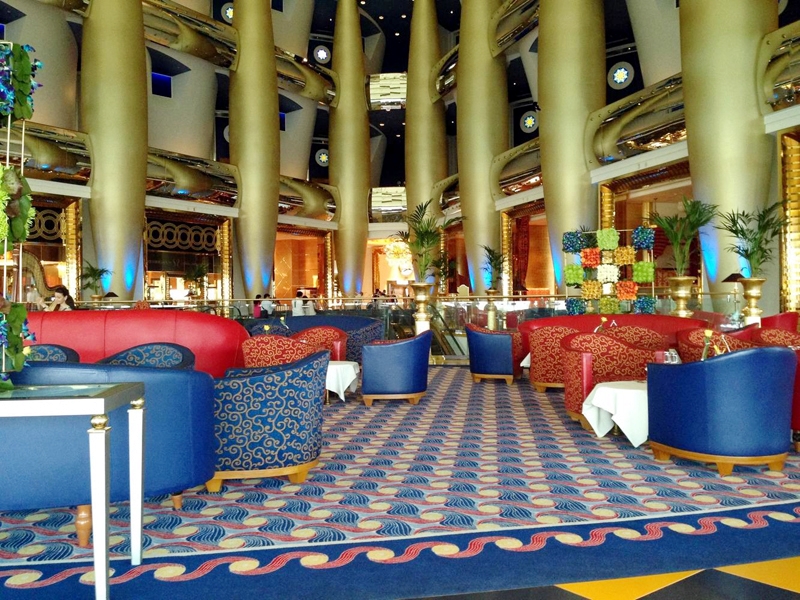
When I was there, the minimum booking was 2 nights and this is what one needs to discover the hotel fully. There are 202 suites in the hotel, each spanning two floors and filled with plush carpets and pristine furniture, which offer a bright welcome. It’s a personal taste if one likes this heavy and colored furniture, its the Middle East, so what?

The Service.

Every suite has its own computer desk and there is no delay with connection or fuss with speed etc. TV screens are shooting out of mahogany desks and blinds work electrical.

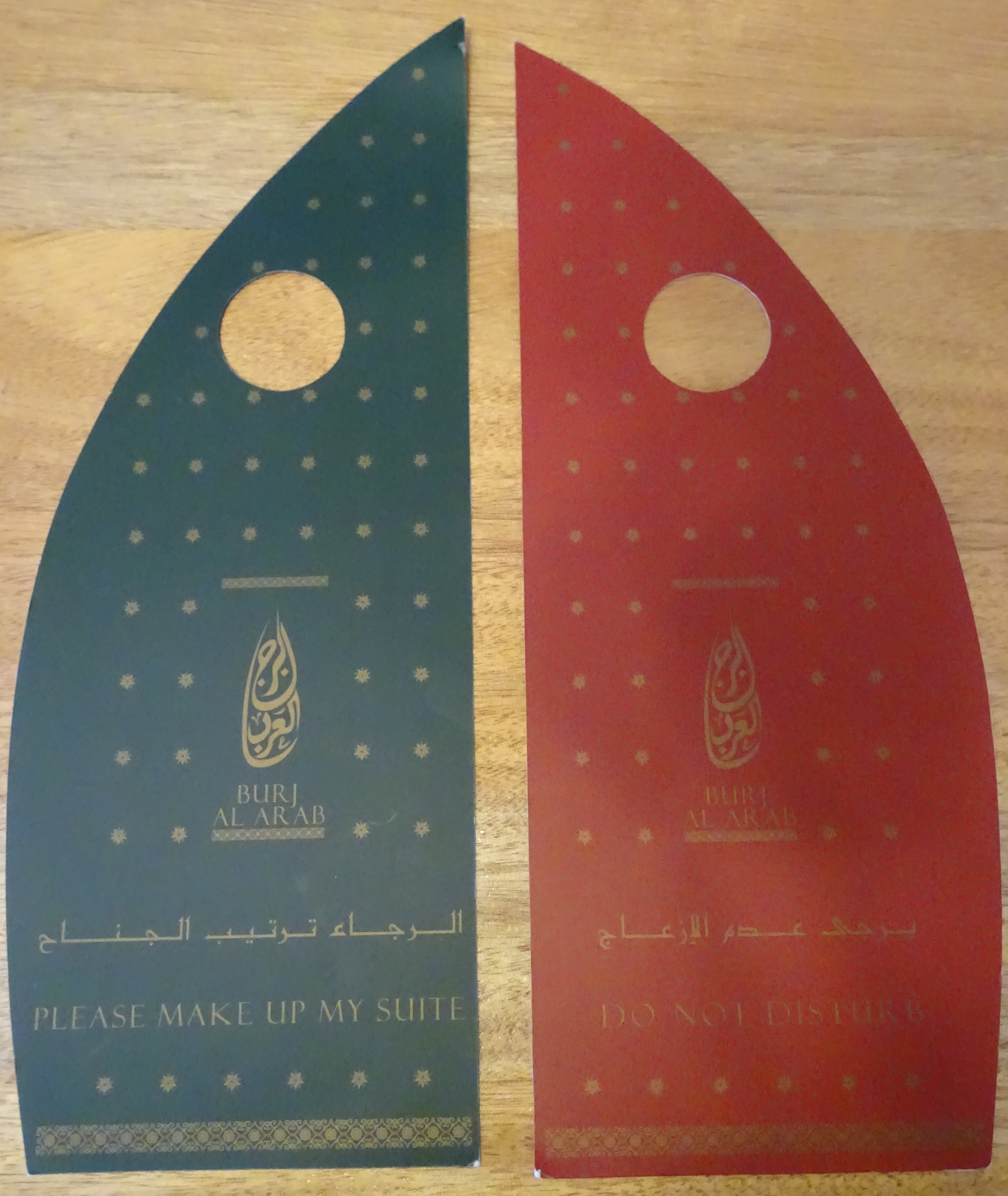
  The Burj Al Arab is a true mecca for souvenir hunters. So many little things and details to enjoy the paying guest. Only thing I took with me was the door-hanger „don’t disturb“. The reason is easy to explain, I am a passionate collector and I have collected such hangers surely over 2000 during my travel years.
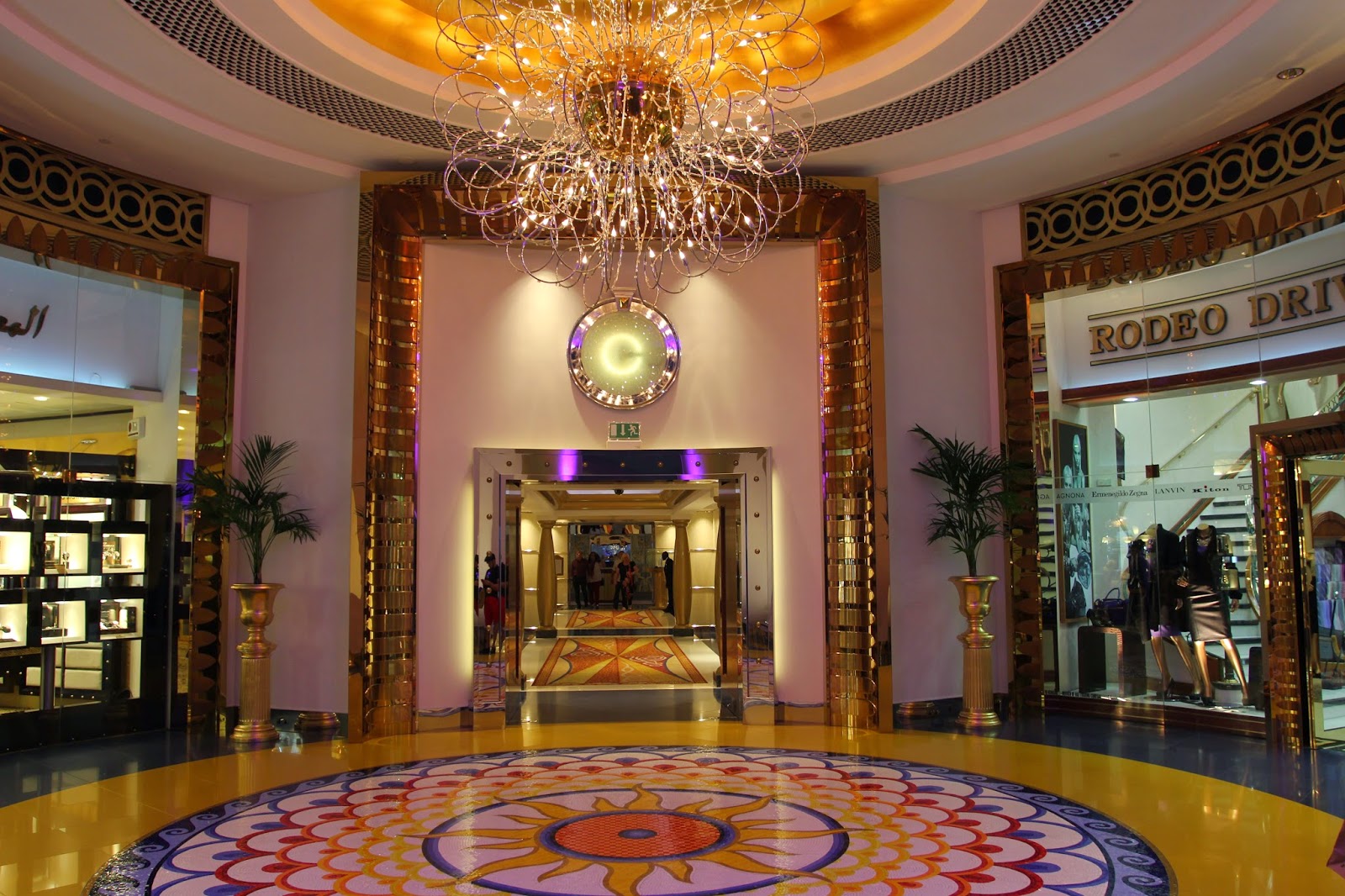
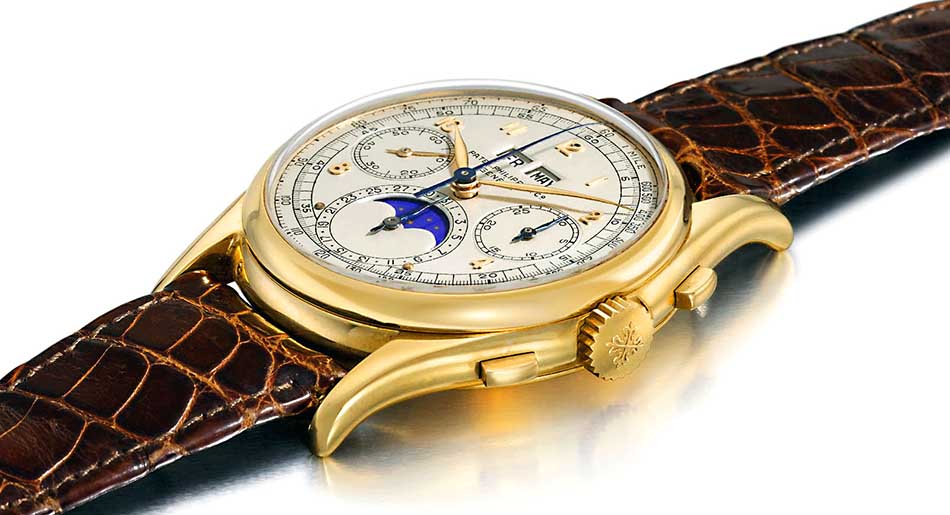
          Of course the Burj has a shopping arcade. Not big but some well assorted shops for every taste. This is for the quick stopover guest, who has no time to take the Rolls Royce to Dubai Mall, but needs a souvenir. I have seen a menss pocket watch from Patek Philippe for US$ 2.7 million and a 24carat gold vest for US$ 680.000,–. Other souvenirs start around 30-50 bucks.

It is no surprise, therefore, that there are 200 members of staff (out of a total 1.500) dedicated purely to customer service and meeting the most obscure of demands. And of course their recruitment and training is rigorous.

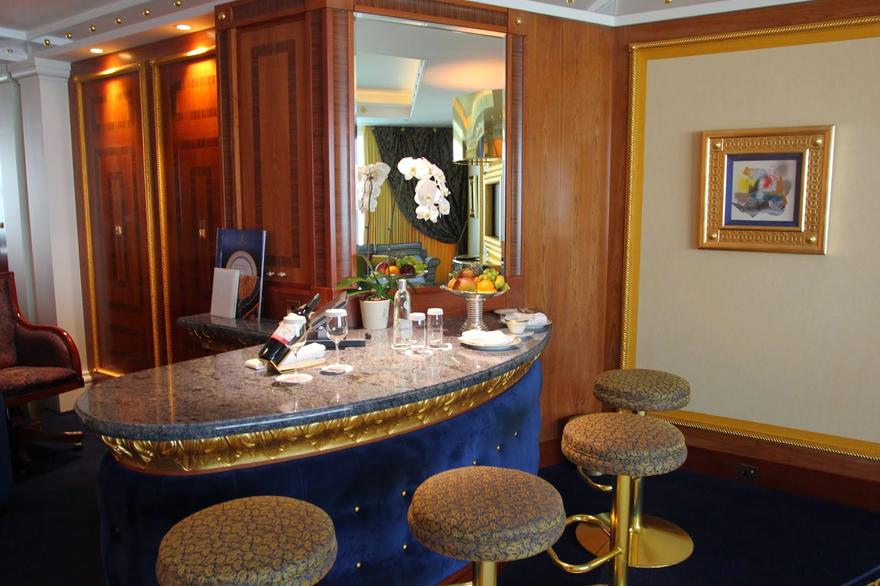
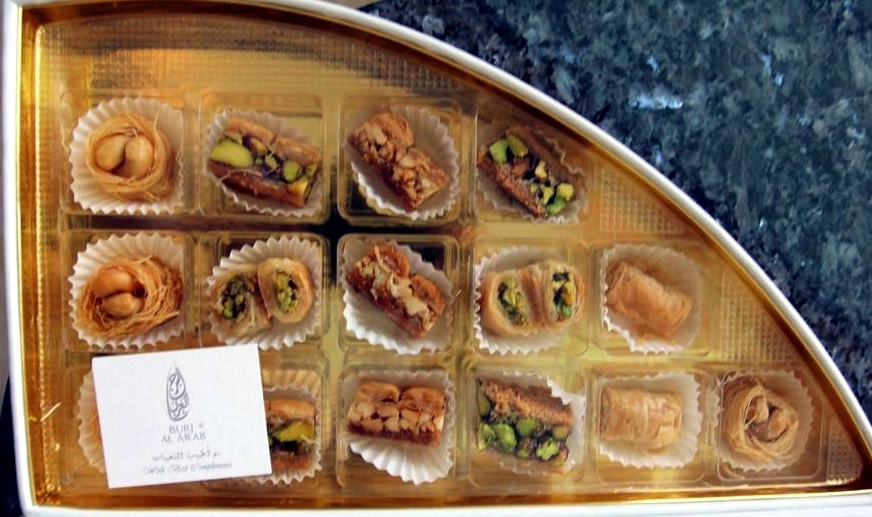
       After a hard day’s „beeching“ or „sightseeing“, it’s natural to want a drink. Next to the office, there was a nice bar which was fully stocked with an assortment of refreshments and treats. I made myself a „CC7“ which I hadn’t for years (Canadian Club and Seven Up) and dug into sweets which included a box of baklava in the shape of the Burj Al Arab.

There were bottles of water all around, and the butlers brought more, as well as always some sweet goodies (every time different, they must keep a file about) each time they came to freshen up the room.

The Restaurants.

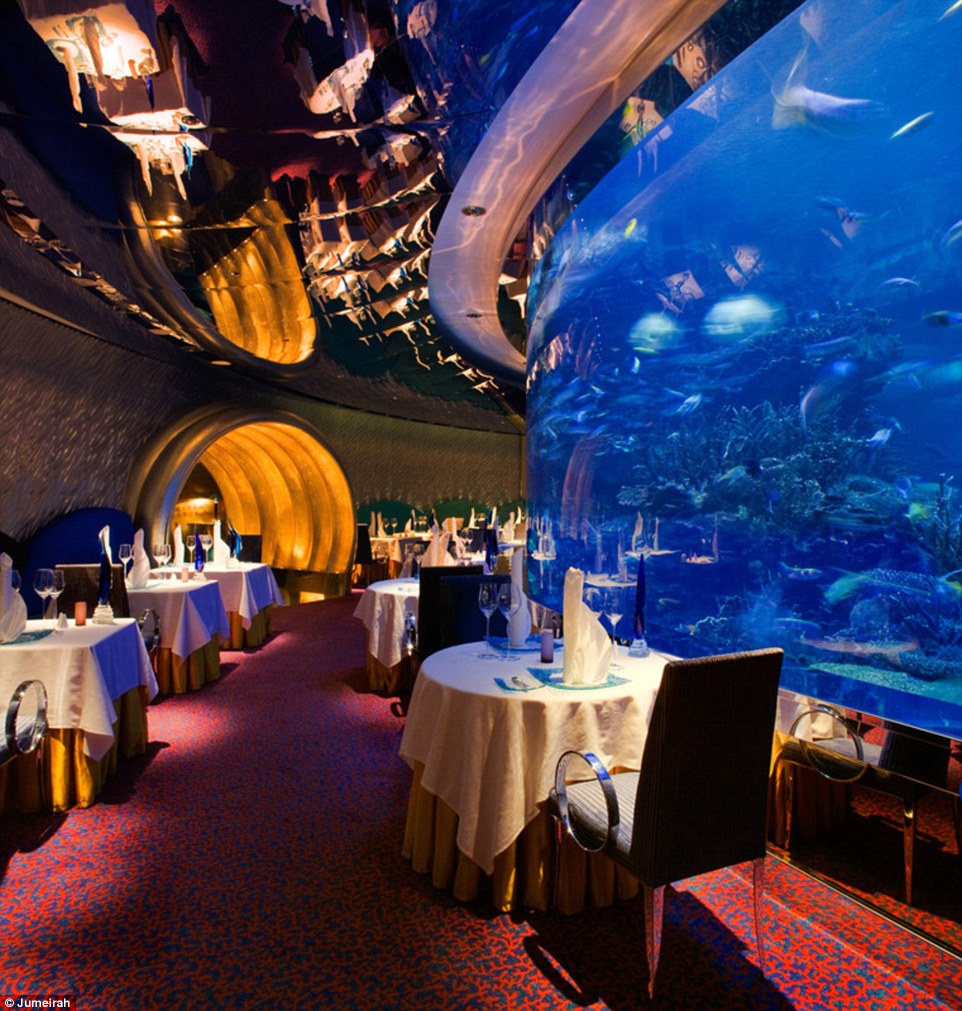
Al Mahara – The Oyster.
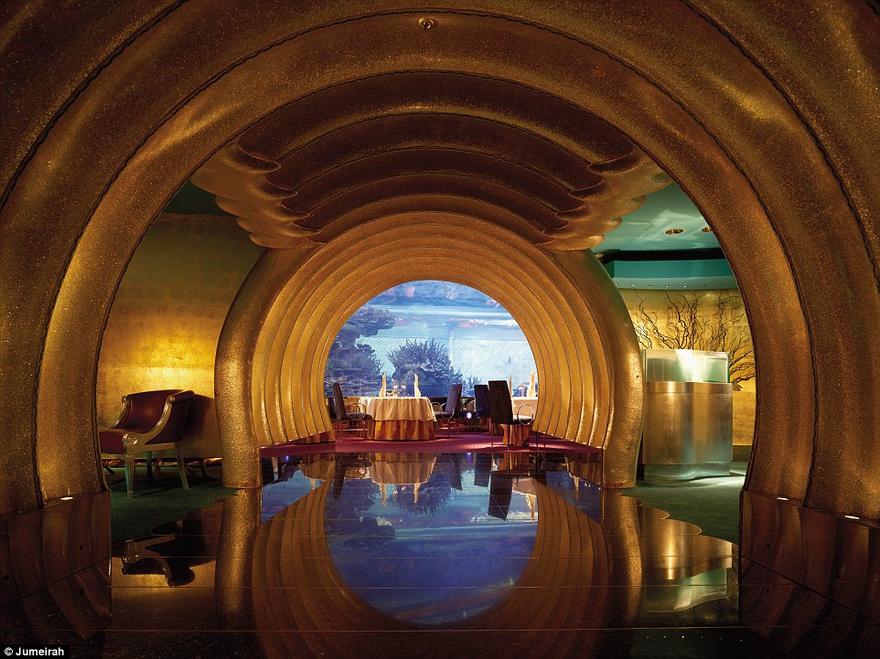
Reaching this restaurant one is transported via a mock simulated submarine ride, that lasts for 3 minutes and simulates going to the bottom of the ocean and traveling to the entrance of the restaurant through the water to get into the spirit of the occasion and to make you think that you are at the bottom of the ocean.

         The opulent golden entrance to the Al Mahara restaurant, which specializes in sea food.

The service at this restaurant is top class even by the Al Arab standards with the immaculate waiting staff and chefs, even the toilets have staff there to turn the taps on and hand you towels to dry your hands with. As guests ate food, soft music was played.

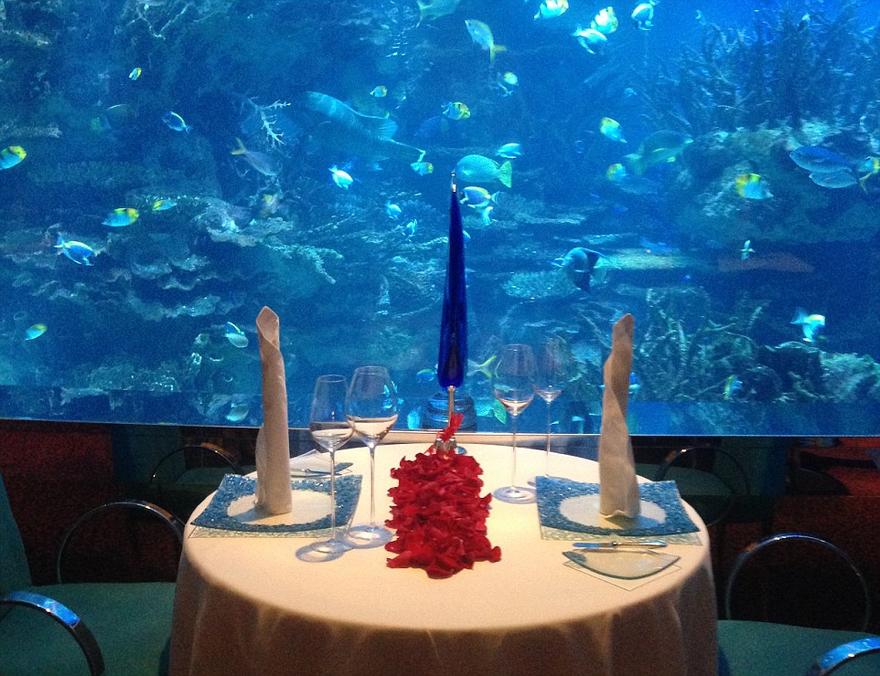
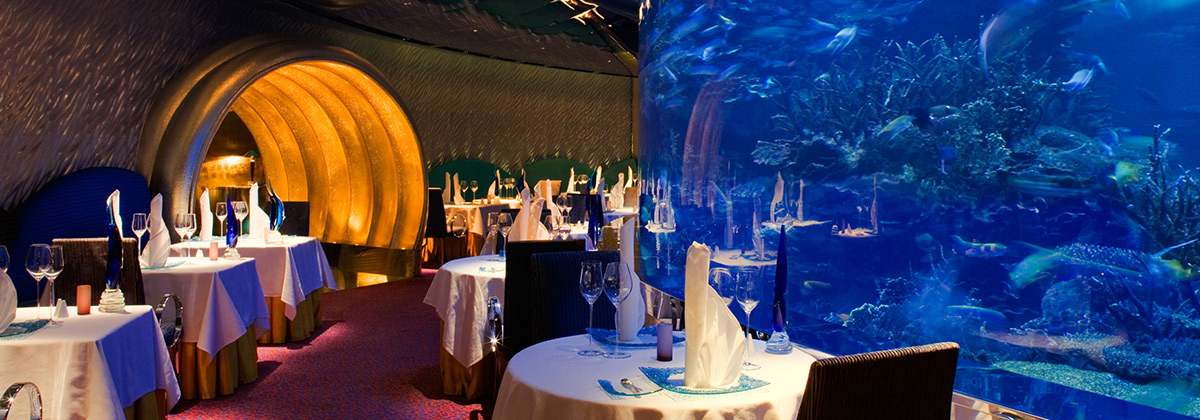
  Luxurious and ethereal, all the tables are placed around that circular aquarium filled with multitudes of colorful fish and even some sharks. The opulent golden entrance to the Al Mahara restaurant, which specialises in sea food.

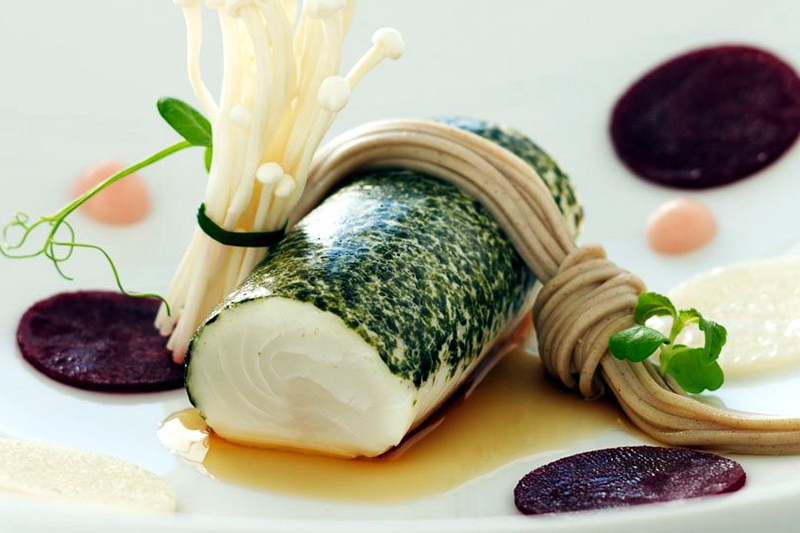
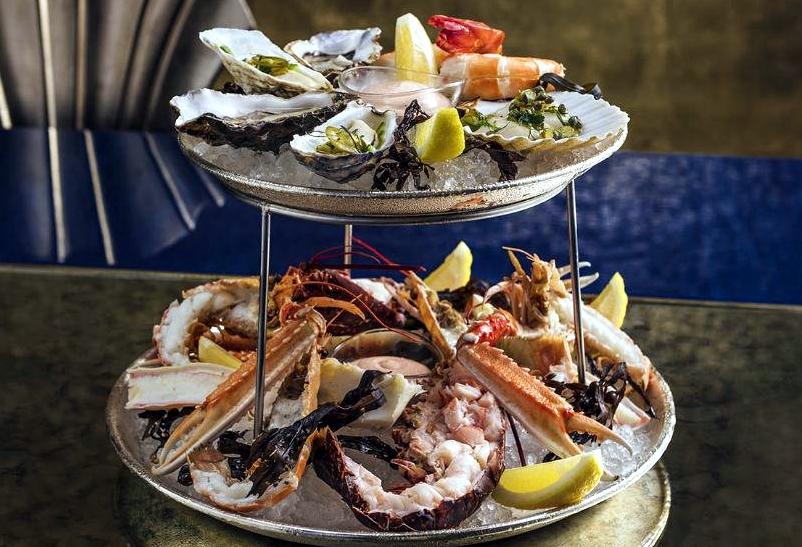
This restaurant is among the top 50 in the world which speaks volumes as once you have eaten here you would put this as the top sea food restaurant in the world. The food is selected and imported from all around the world including Iranian caviar, Norwegian cod, Dover dole, Tasmania salmon, Atlantic lobster and Japanese scallops.

           It is for sure the best seafood restaurant in Dubai. Pricy – yes – but spectacular and every bite worth it. The only potential down side to this restaurant is you might feel guilty ordering the fish!

Al Muntaha – The Ultimate.

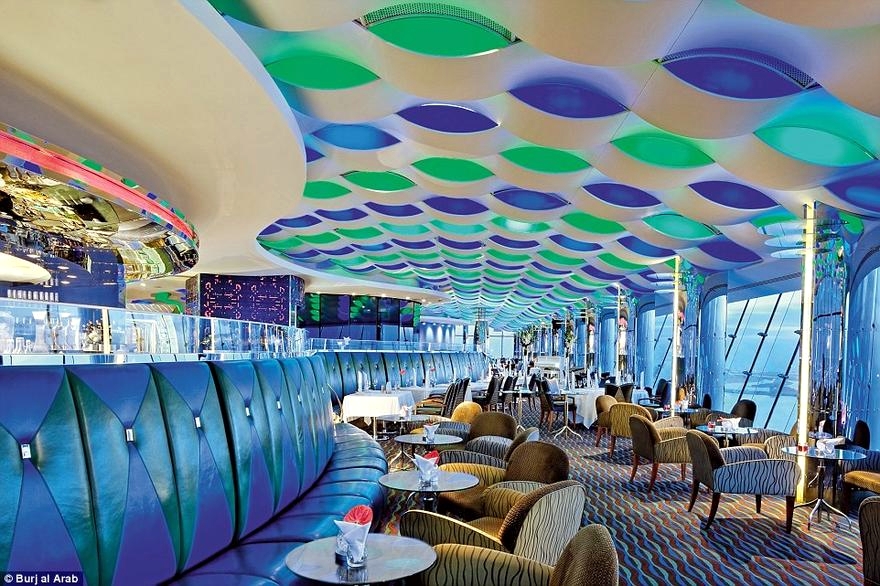
The wow factor restaurant, Al Muntaha, is found at the top of the opulent sail and best explored at night, as it has stunning panoramic views overlooking the twinkly Dubai skyline. But also lunch or the famous „afternoon tea“, which I described in my post „Must See – Dubai 1“ is worth a visit.

    Despite the exquisite menu and luxurious food it almost continually felt a waste to have such an opulent suite lying empty below. I admit I was happy to go back to enjoy it more.  Sky View Bar is a part of the Al Mutaha.
      The food in Al Mutaha, including Wagyu Beef, was colorfully presented, and extremely delicious.
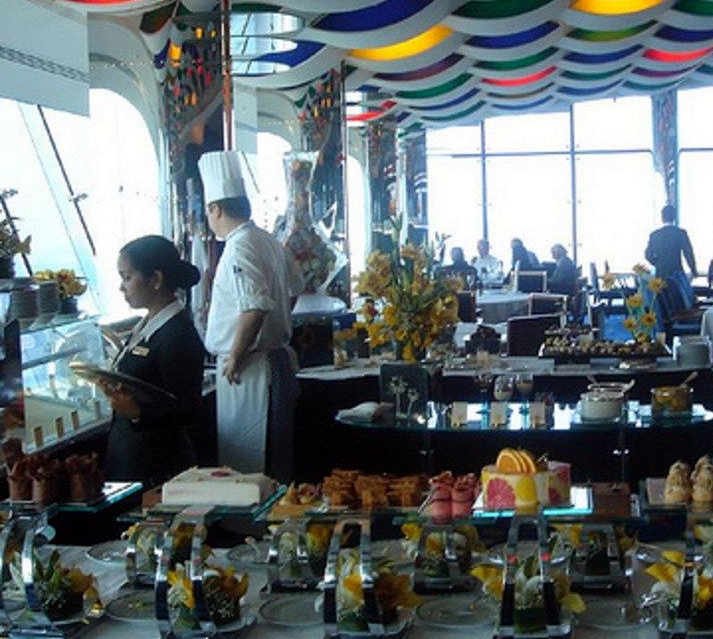
       The food is excellent at Al Mutaha, but legendary are their appetizer and dessert buffets.

Over the years the Burj Al Arab has transformed as everywhere else in Dubai. Friends tell me that  the Burj boasts nine signature restaurants in total now, each more elaborate than the last. It’s best to let the time of day dictate which you try when. I only can write about the experience I had. In begin visitors were not very welcome, they wanted „the class“ being „private“. Now one can buy visiting ticket, per internet pre booking, US$ 39,– !

Conclusion.

   During my stay the only thing better than an immaculate spa is one overlooking the Dubai skyline. In recent years they extended the man made island with a massive spa, relaxing, pool, beach and „much more“ area.

Today the ocean front Bab Al Yam restaurant is the most relaxed. Flip flops and children were clearly allowed and welcomed. Years ago I had envisaged everyone sweeping around the hotel intimidatingly in ball gowns from dawn until dusk. Even visitors had to „rent“ through the bell counter a dinner jacket just to be in style for a restaurant. However, Burg Al Arab is worth to discuss, perhaps less would be more, as it was almost untastefully opulent. On the other hand – WOW, it’s one of a kind and certainly a MUST SEE.

Expect a part 3 about Dubai, especially the unbelievable hotel evolution !


Veröffentlicht unter Lifestyle, Must See, Travel | Verschlagwortet mit | Hinterlasse einen Kommentar

Must See – Dubai 1

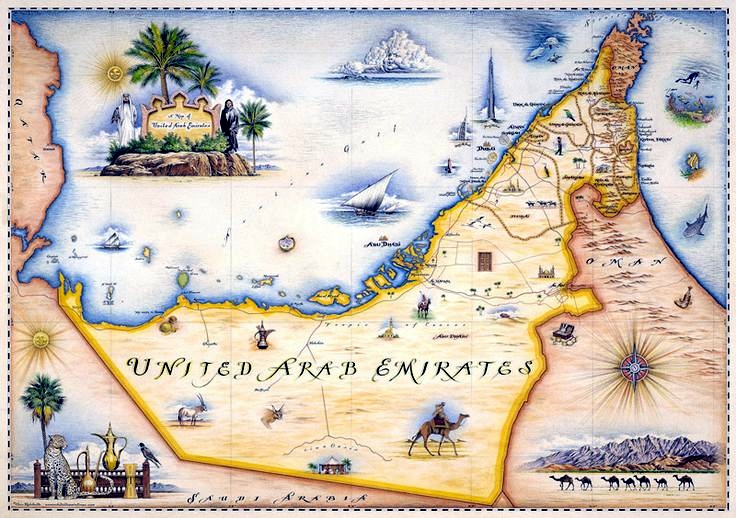
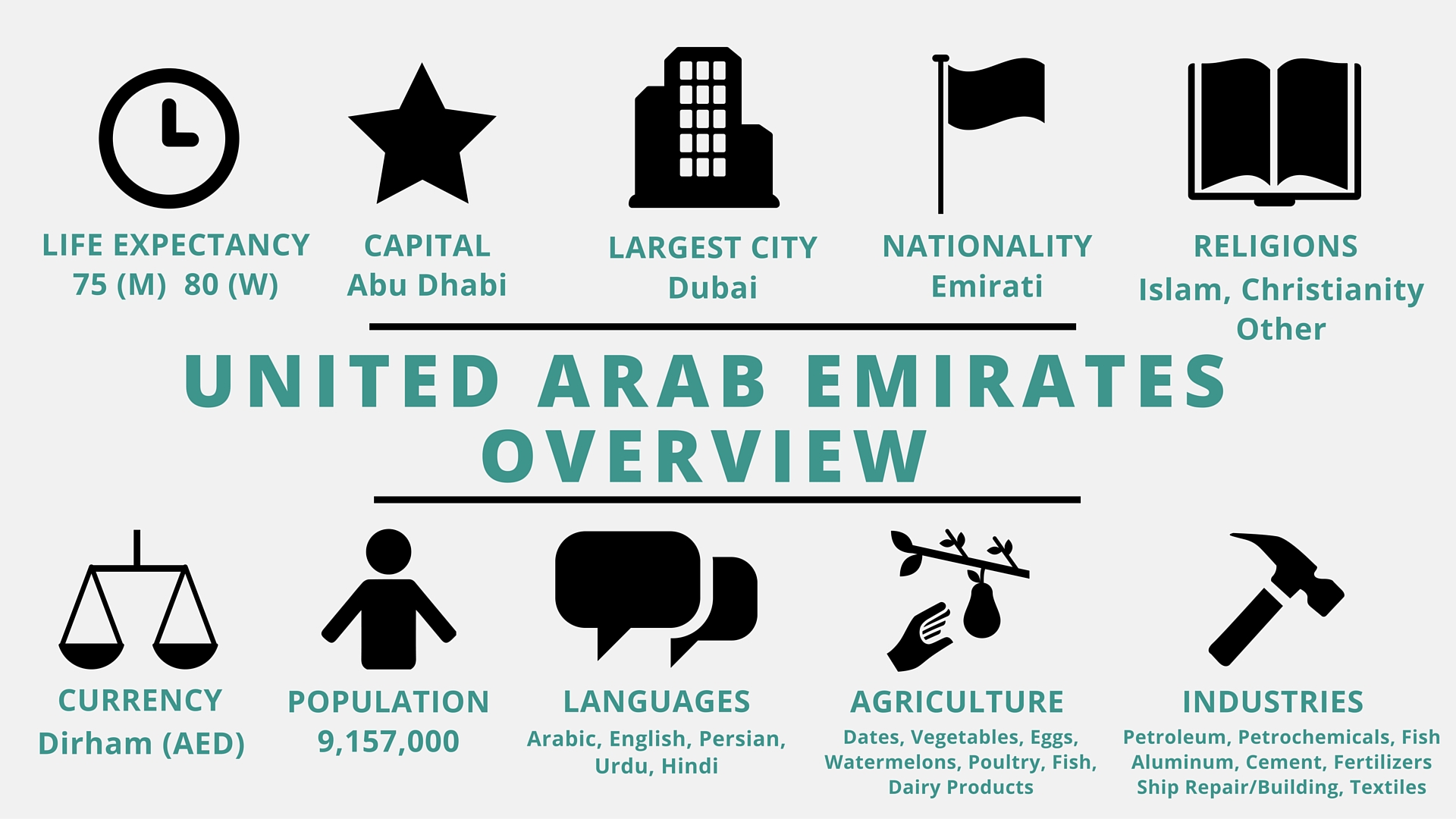
Dubai is the largest and most populous city in the United Arab Emirates (UAE). It is located on the southeast coast of the Persian Gulf and is the capital of the Emirate of Dubai, one of the seven emirates that make up the country. Abu Dhabi is the capital city of the United Arab Emirates .

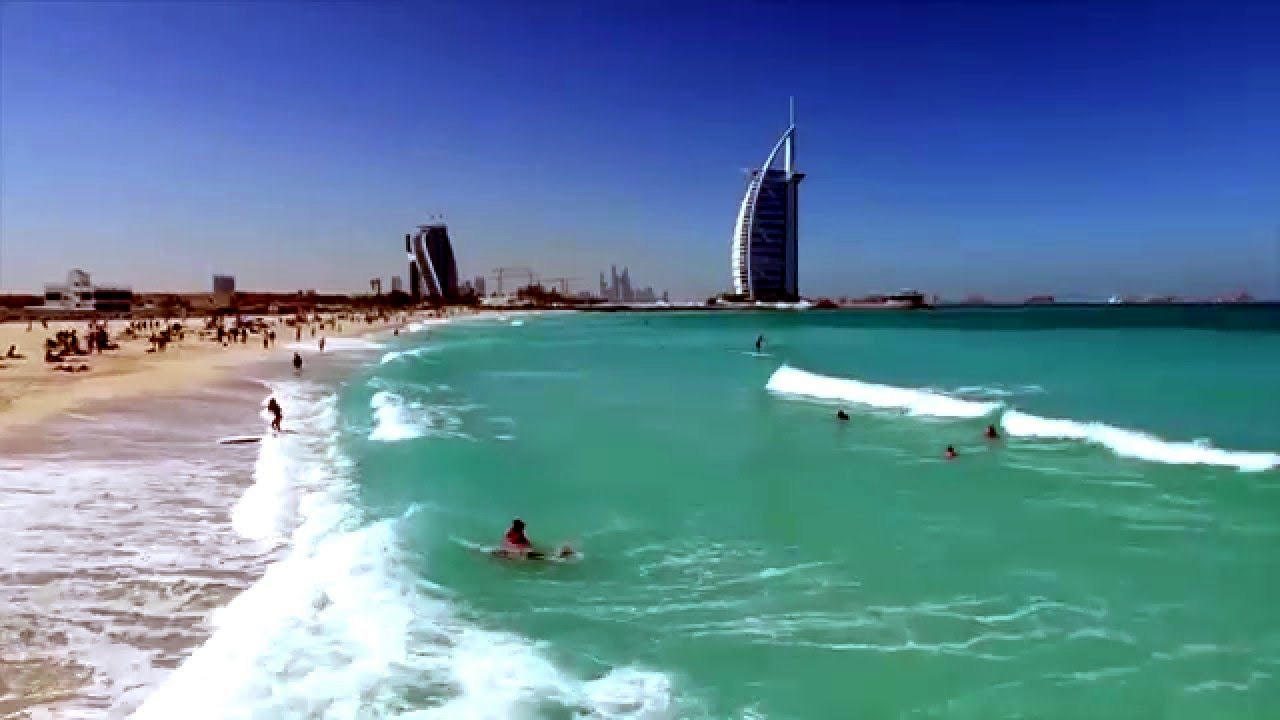
  Beautiful beaches of the Persian Gulf.

Year Round Sunshine, Pristine Beaches,

spectacular sand dunes and pulsating cosmopolitan lifestyle await every guest in the UAE. These emirates known around the world for its massive oil reserves and majestic mosques with towering minarets. These, combined with the distinct Arabic hospitality, mystique, and world-class infrastructure, make the UAE an excellent destination both for the experienced and novice traveler.

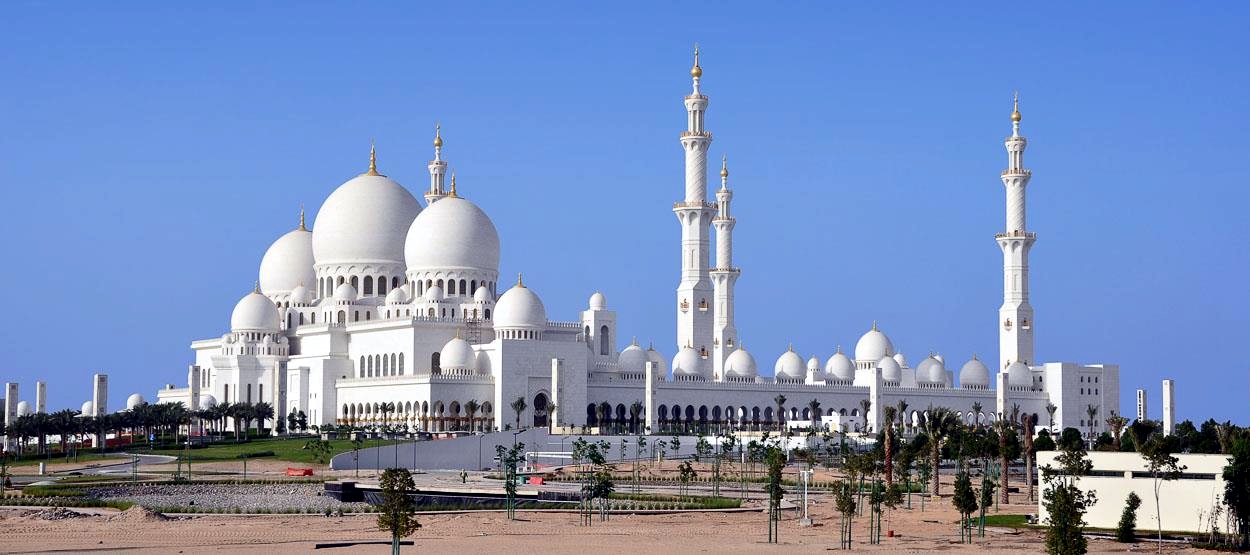
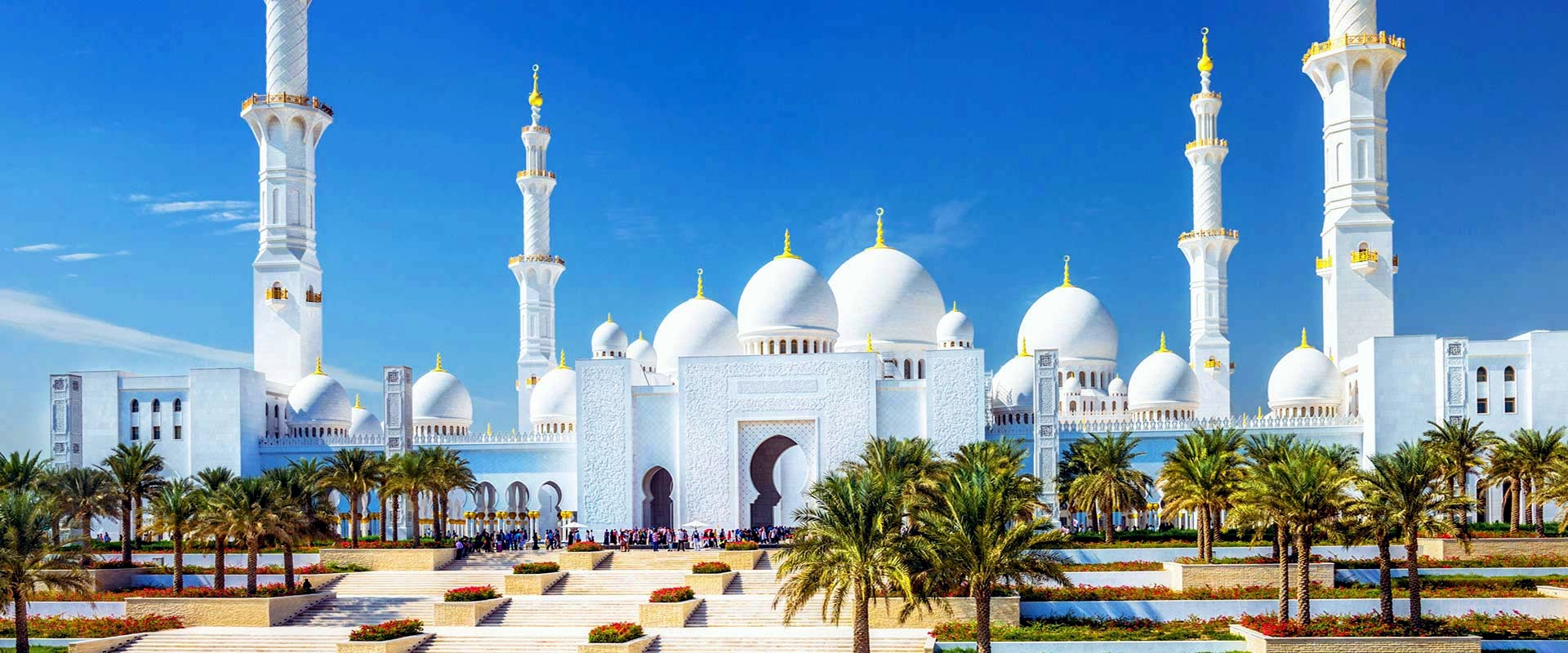
      Sheikh Zayed Grand Mosque, Abu Dhabi.  Click on pictures to supersize them.

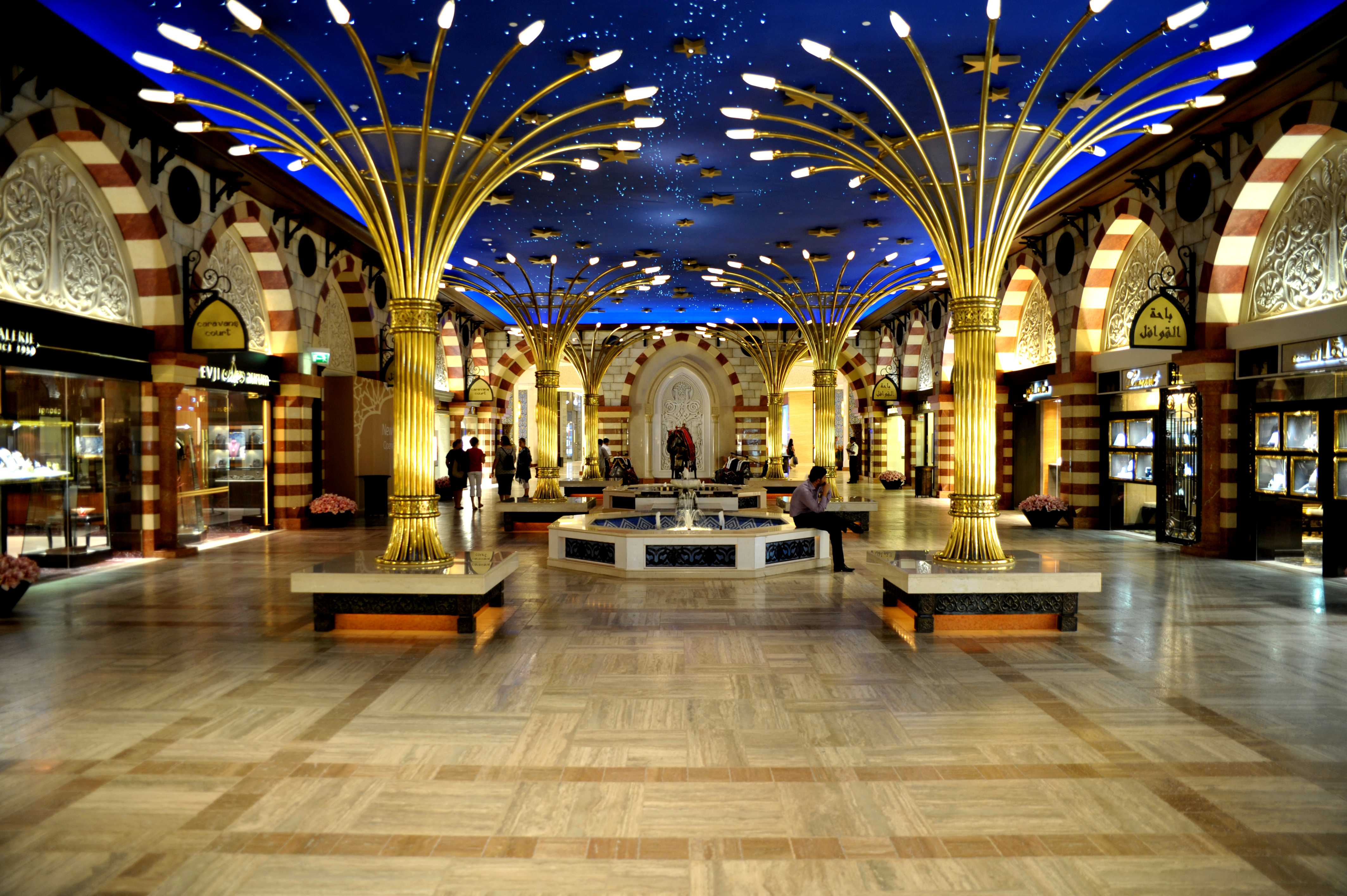
Abu Dhabi city bursts with dazzling business-cum-leisure facilities ranging from state-of-the-art convention center, luxurious hotels, spas, designer golf courses, theaters and very soon, some of the world’s most famous museums. The palace-like shopping malls and indigenous souks in Abu Dhabi make for a great shopping expedition. Gastronomic treats further abound from cool and sophisticated cafes, clubs and restaurants. For the fitness conscious, jogging and cycling are a welcome treat in along the city’s charming Cornice or beachfront, merely minutes away from the bustling city center.

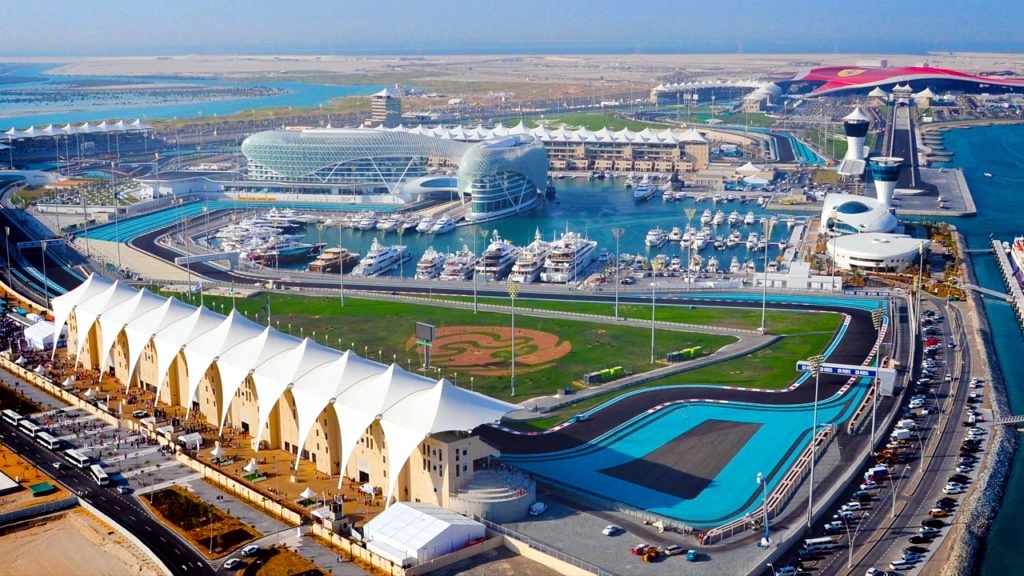
      Abu Dhabi business center and the Yas Island F1 Circuit with Ferrari F1 Theme park. The yearly Abu Dhabi Gran Prix is held here. Also water parks, hotels, beaches and marina round off the entertaining range .

Oil Created the United Arab Emirates.

Although stone tools have been found at many archaeological sites, little is known about the UAE’s early inhabitants as only a few settlements have been found. Many ancient towns in the area were trading centers between the Eastern and Western worlds. The remnants of an ancient mangrove swamp, dated at 7000 BC, were discovered during the construction of sewer lines near Dubai Internet City.

  Oil, Oil, Oil, the billions they pump out.

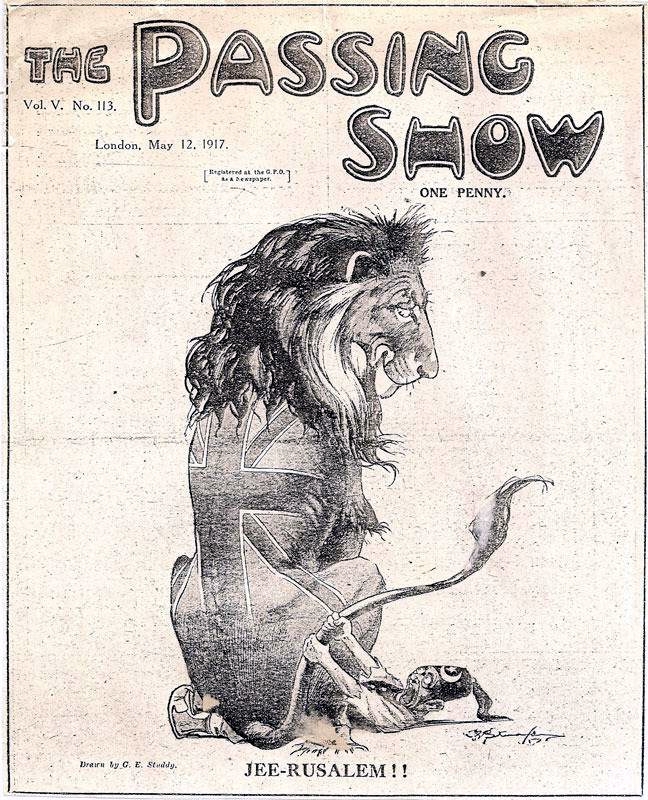
Under British occupation of the region in the 1800s, the various tribes, called sheikdoms, had constant disagreements and wars largely due to British influences. This prevented solidarity among the sheikdoms that would have been a threat to the British power. In 1892, Britain signed a treaty with the sheikhdoms that prohibited the ruling sheikhs from establishing any political or economic relations with any other nation. Essentially, they were not allowed to talk to any nation except Great Britain. In return, Britain offered the protection of its royal forces against any enemies.

           
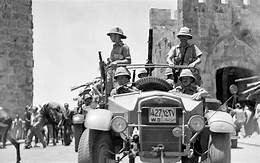
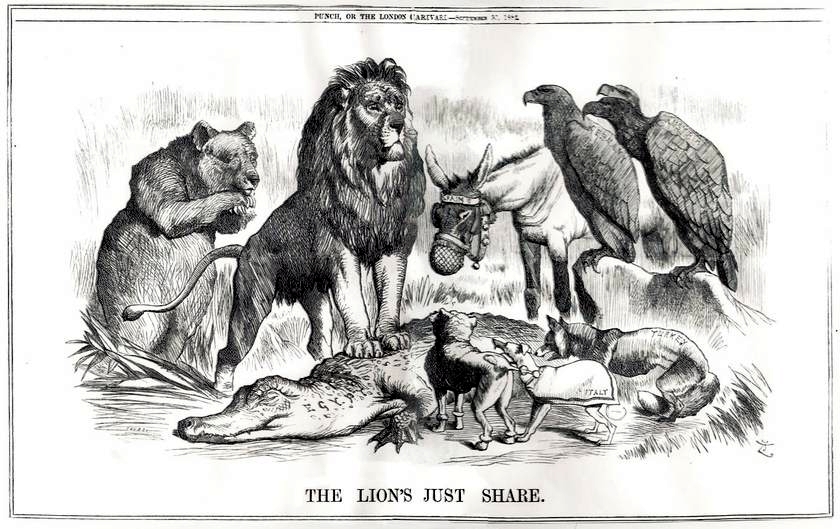
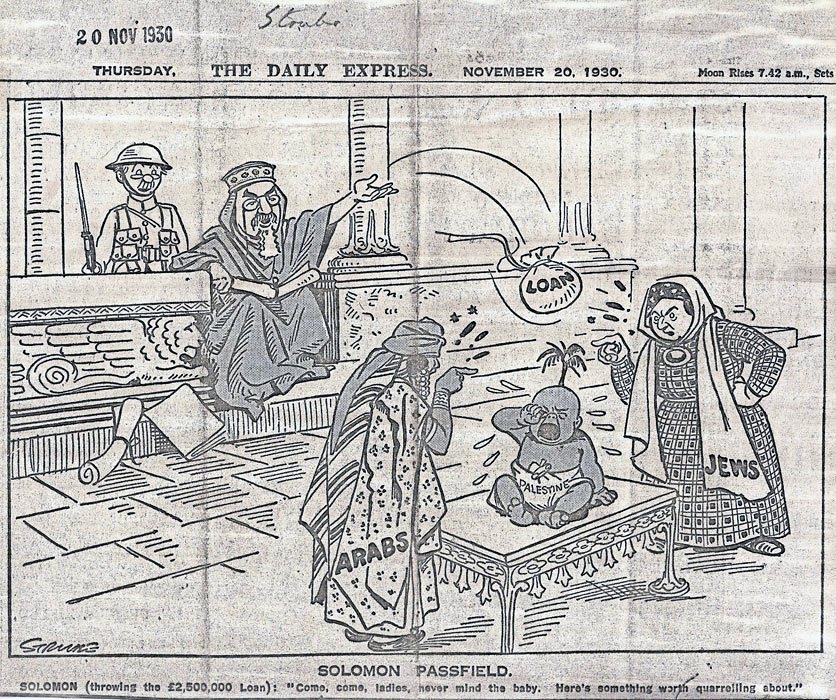
British imperialism (top left) in the Middle East. The other 3 pics are from the fine article „How the British Screwed Up the Middle East“. A history in 10 Classic Cartoons by Sambourne, in Punch 1907.

The Sun Never Sets on the British Empire.

This phrase was often used to describe the British Empire at the peak of its power as the largest empire in history. Covering 13.01 million square miles of land, almost one-fourth of the world, the empire encompassed about 458 million people in 1938 through overseas colonies, dominions, protectorates, trading posts and mandates.

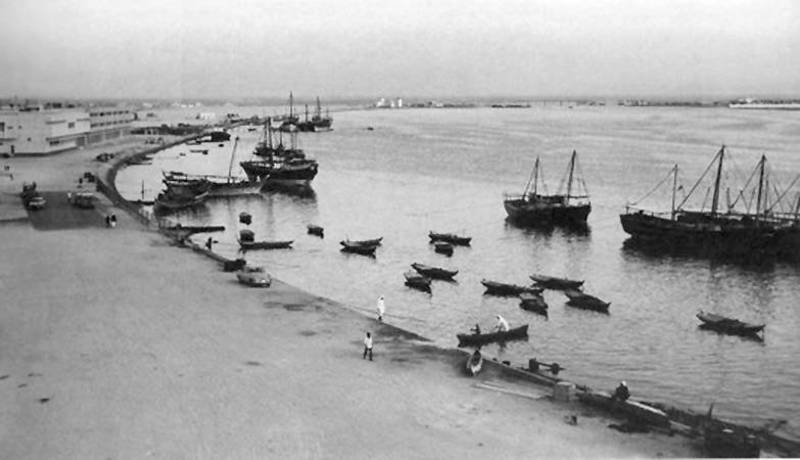
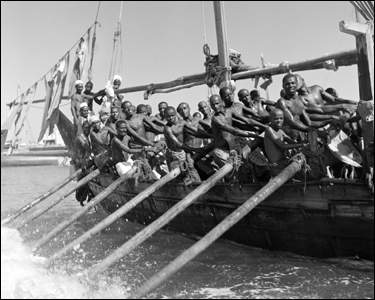
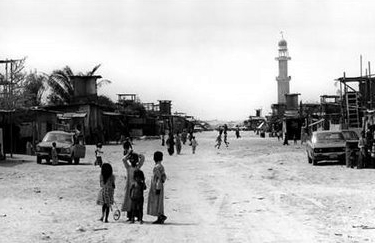
  Old creek in Dubai, 1950.
  Perlers rowing into Dubai old creek, 1950.

In the early 1900s, worldwide interest in the Middle East started to focus on oil. British officials saw this as a threat to the holding of their Middle East colonies. To prevent the interest in independence that oil wealth would bring, Britain obtained pledges from several colonies to not explore for, or export oil, without permission from the British government. The pledges did not work however. Oil was discovered and did create great wealth for the area. This ultimately led to the ousting of the British occupation and the eventual development of the United Arab Emirates.

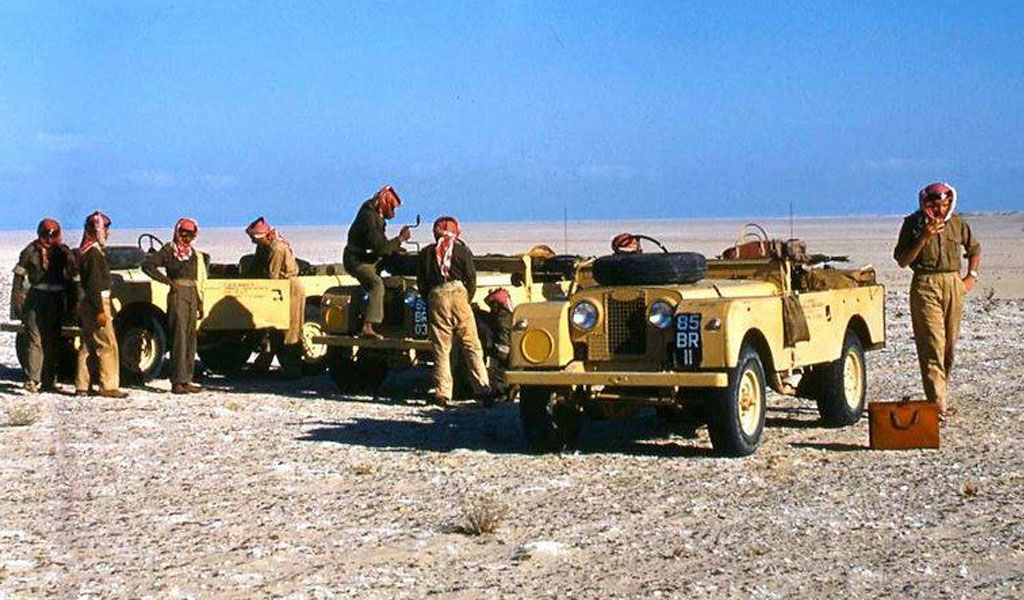
  British-Arabian land rover desert patrol, 1960.

With this newfound oil wealth, the rulers of the UAE saw opportunity for their people. They built schools, roads, and hospitals that quickly changed the region into a developing country. This evolution also brought about a desire for independence from Britain. After a decade of political maneuverings and military battles, Britain pulled out of the area completely in 1968.

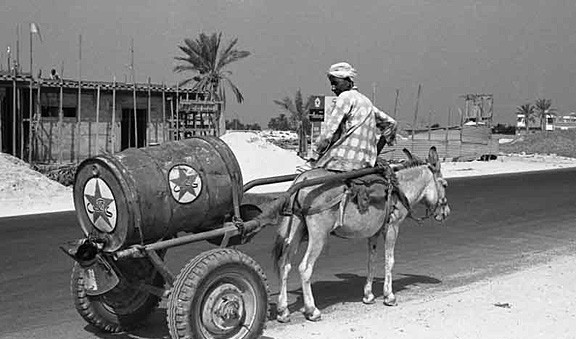
      Jumeirah Beach Road and a barrel of Caltex oil on same road, 1975.

Dubai.

As of 2012, Dubai was the 22nd most expensive city in the world and the most expensive city in the Middle East. In 2014, Dubai’s hotel rooms were rated as the second most expensive in the world, after Geneva.

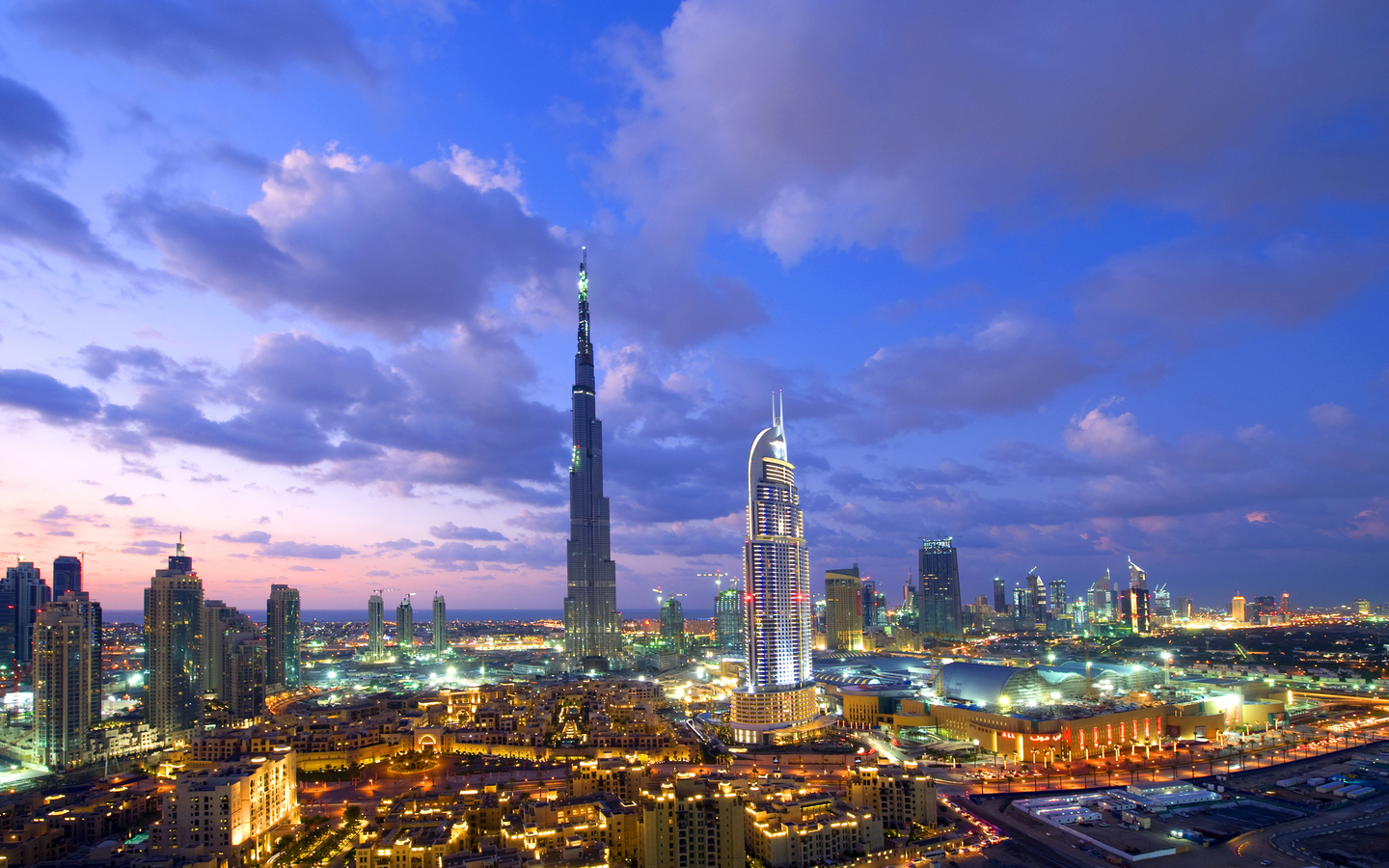
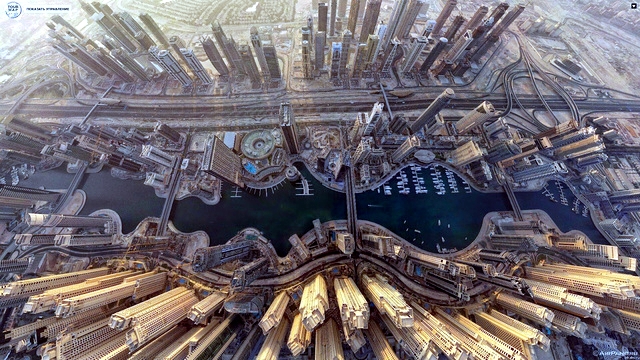
  Dubai as it looks today. Click on pic to size up.

During my/our travel, dozens of times, between Europe and Australia we had fantastic stopovers in Dubai, first with Qantas, later with Emirates, to me one of the best airlines in the world. The following article should give you a glimpse of our stays during the years.

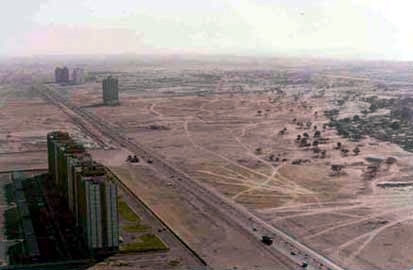
  Dubai Beach Road in the 1990’s.

The desert playground of Dubai is a bit of an enigma. It’s part of the Muslim world, yet has a nightlife that rivals Sin City. It’s dripping with money, yet is built by impoverished slave labor. Middle East and western values collide in this eclectic city of extremes. Many foreigners who visit are impressed by its modern beauty and enchanted by its vestiges of old world charm.

  Dubai Beach Road 25 years on ! What an evolution !

Others are are offended by its culture of excess and overwhelmed by its striking contrasts. Dubai is certainly not for everyone, but for adventurous travelers who thrill at stepping out of their comfort zone, it presents a luxurious cosmopolitan hub like no other. If you want to experience the impact between rich and poor and between different cultures and religions, Dubai (or the whole UAE) is a MUST SEE destination.

  Multi-national, multi-cultural, multi-religious & more.

Some Mind Blowing Facts About Dubai.

It’s Not All About Oil.
You may be surprised to learn that oil industry comprises only 6% of Dubai’s economy. Tourism and real estate are the real money drivers here.

  The tourist dollar is driving the Emirates today.

They Don’t Call It The “City of Gold” For Nothing.
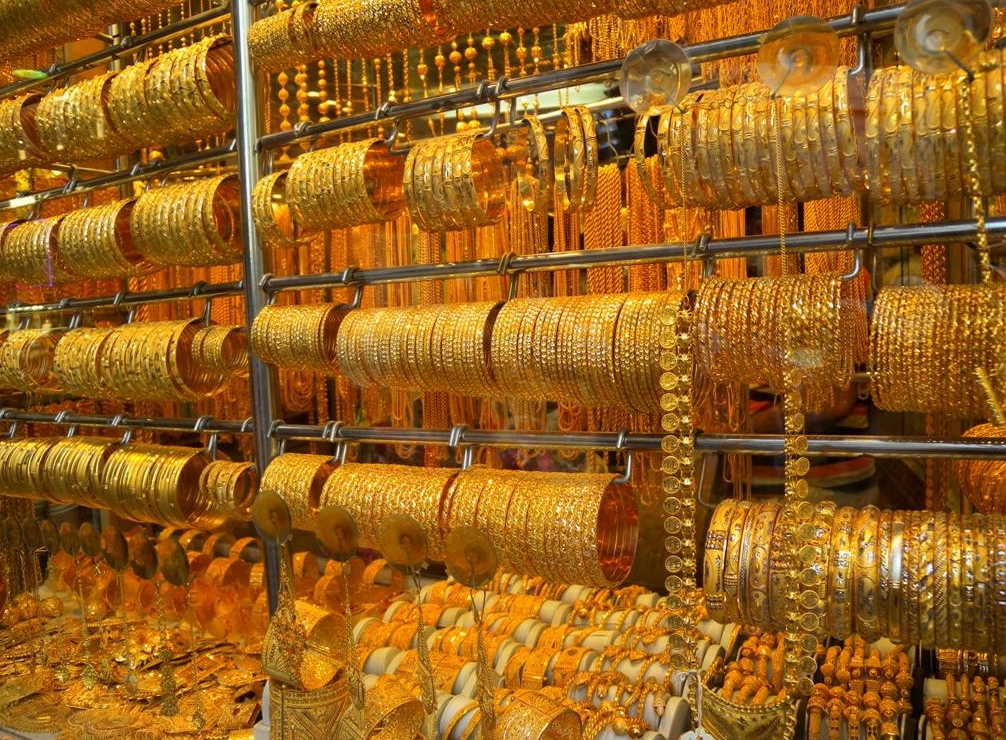
In 2013, almost 40% of the world’s physical gold traded in Dubai, almost $75 billion worth weighing 2,250 tonnes. The city has over 800 jewelry retailers, the dazzling Gold Souk being a major center for this.

      Gold Souk in Dubai, tonnes and tonnes of gold in every shop.

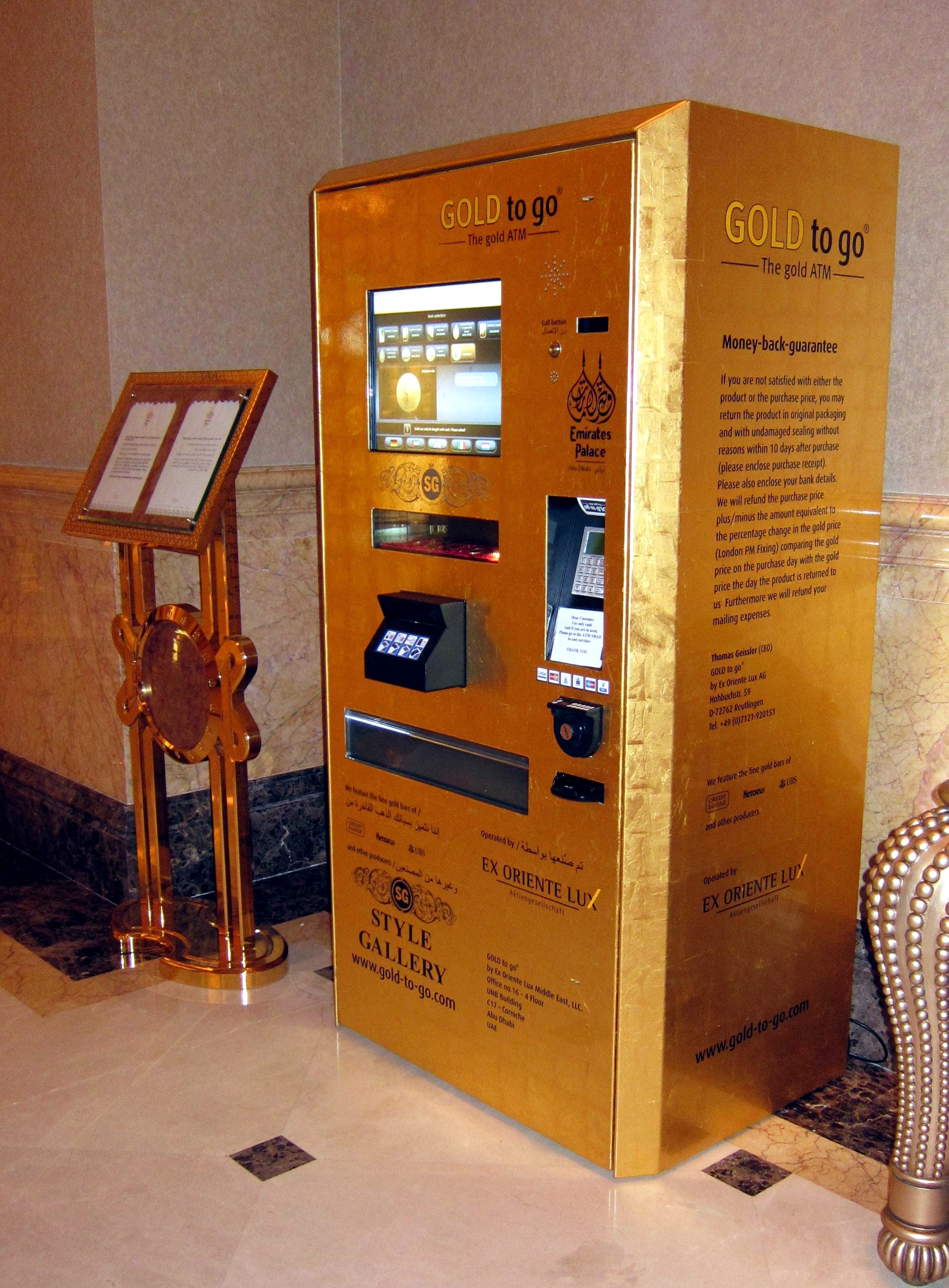
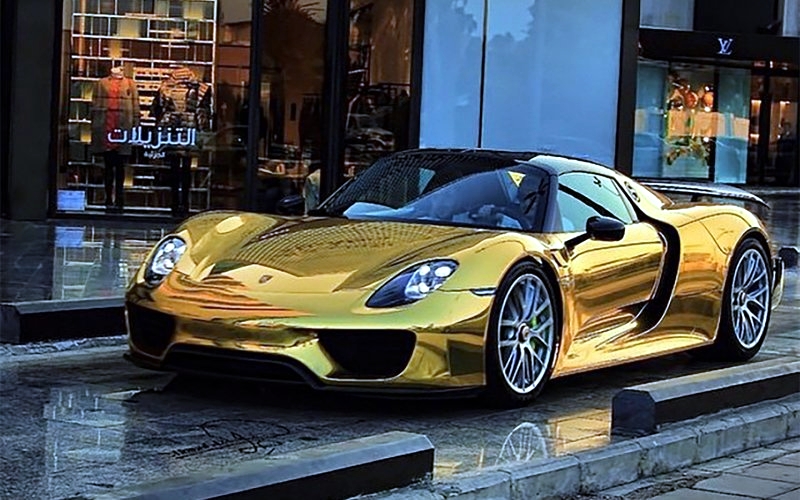
The seven-star luxury Burj Al Arab hotel has 1,790 square meters of 24-carat gold leaf covering in its interior. The Raffles Dubai spa offers gold-leaf facial treatments. You can even buy gold bars from vending machines in Dubai. What’s next, streets paved with gold? Not quite, but a $7.5 million solid gold Lamborghini Aventado was showcased at the Dubai Auto Show a few years back.

                                Gold vending machine in Abu Dhabi (pic wikimedia) and a solid gold Lamborghini.

Tennis Or Golf Extreme.
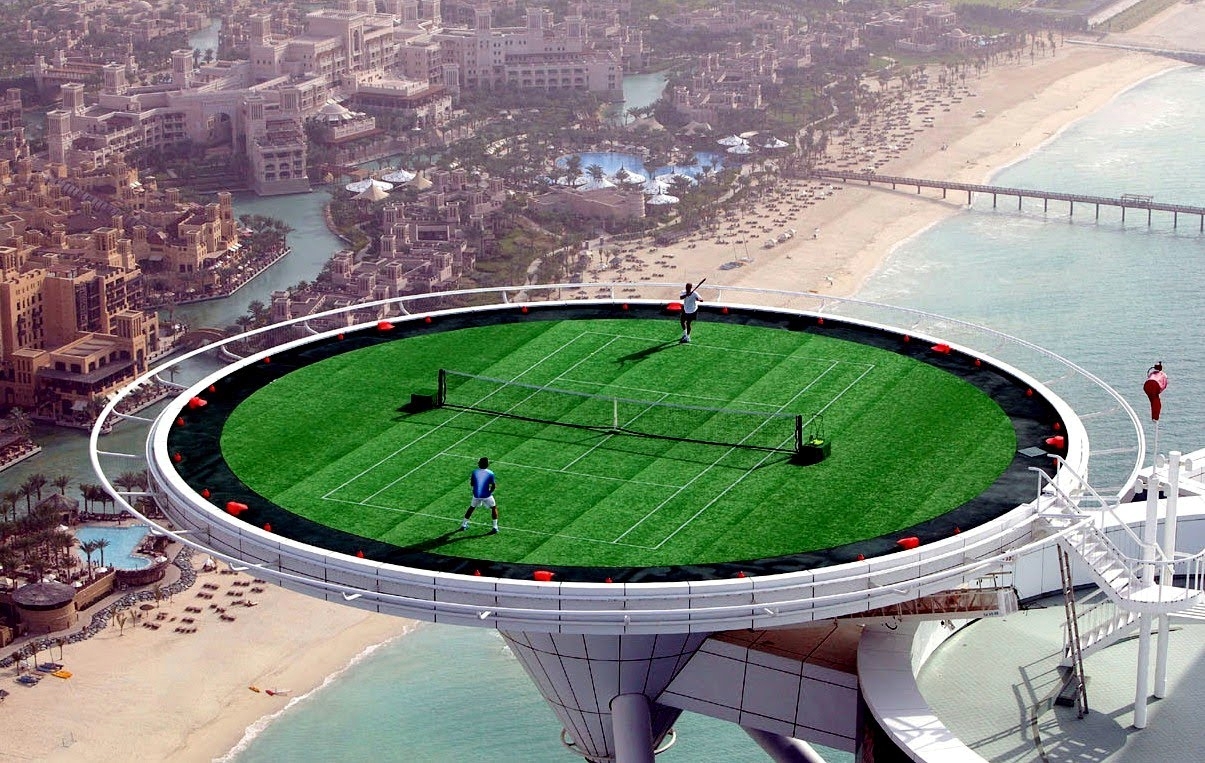
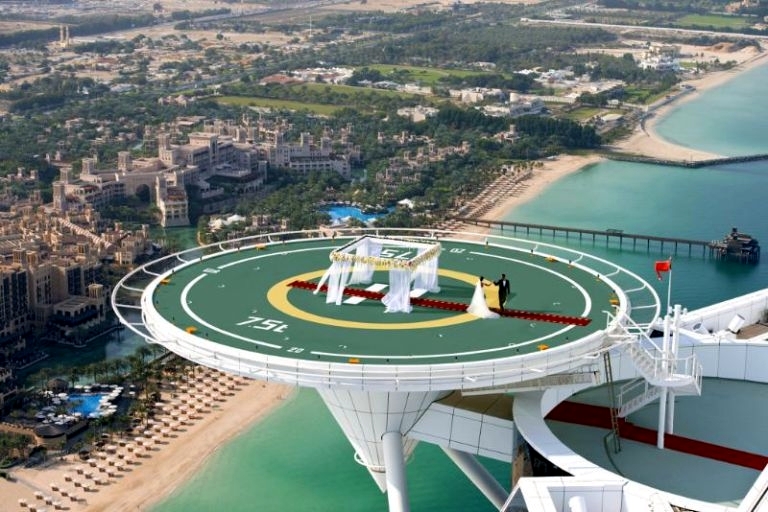
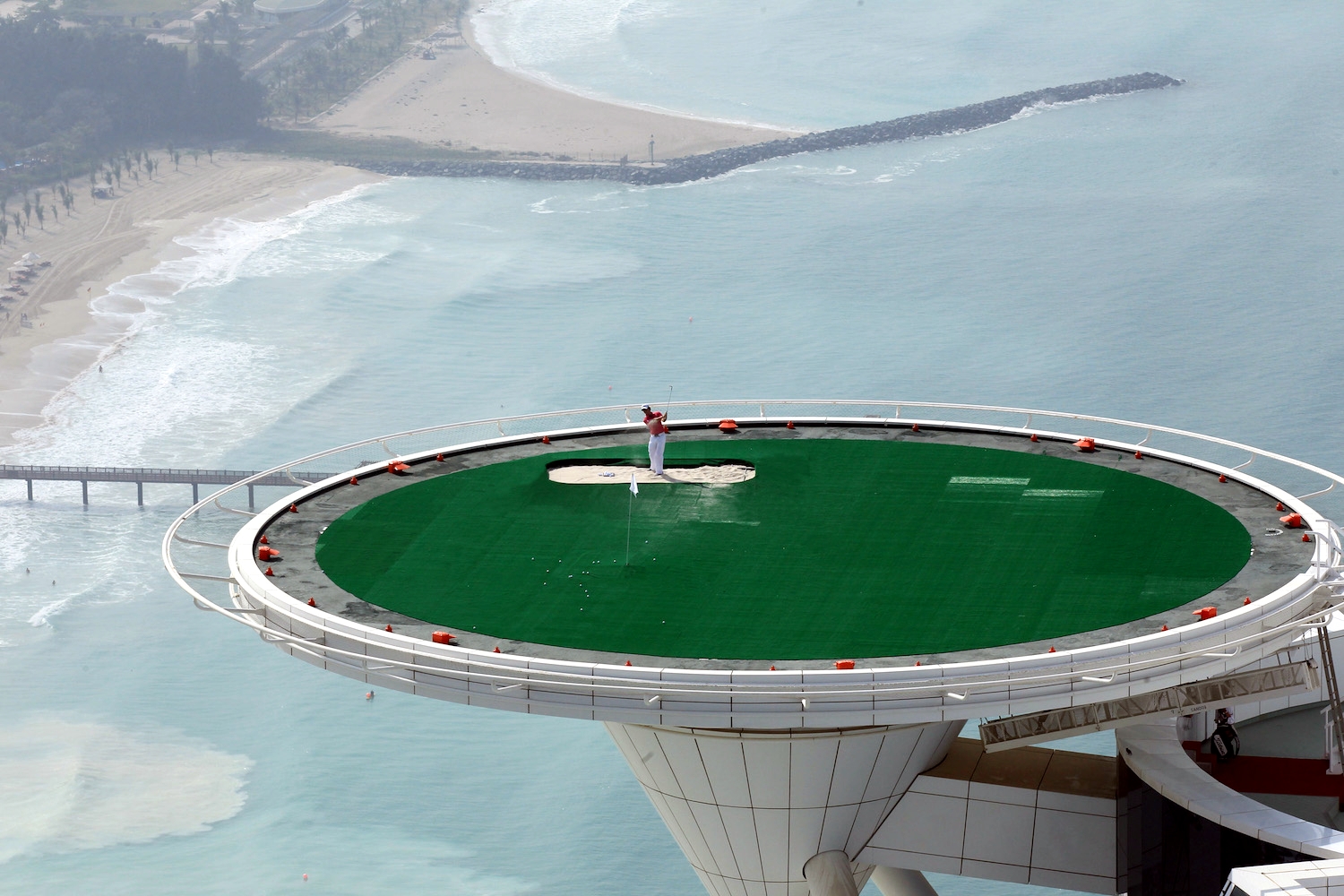
You’ve probably heard about the indoor ski hill and snow park in the Mall of the Emirates, but did you know the world’s highest tennis court is located in Dubai? The circular roof of the over-luxurious Burj Al Arab hotel, usually used as a helipad, has also been used as a crazy sky-high tennis court. In fact, Andre Agassi and Roger Federer once played an edgy  match on its vertigo-inducing surface. Glad neither of them went for that long shot.

       Tennis on the 200 meter high helipad. Or a wedding ceremony or a golf bunker shot made by Rory McIlroy. Dubai extreme !

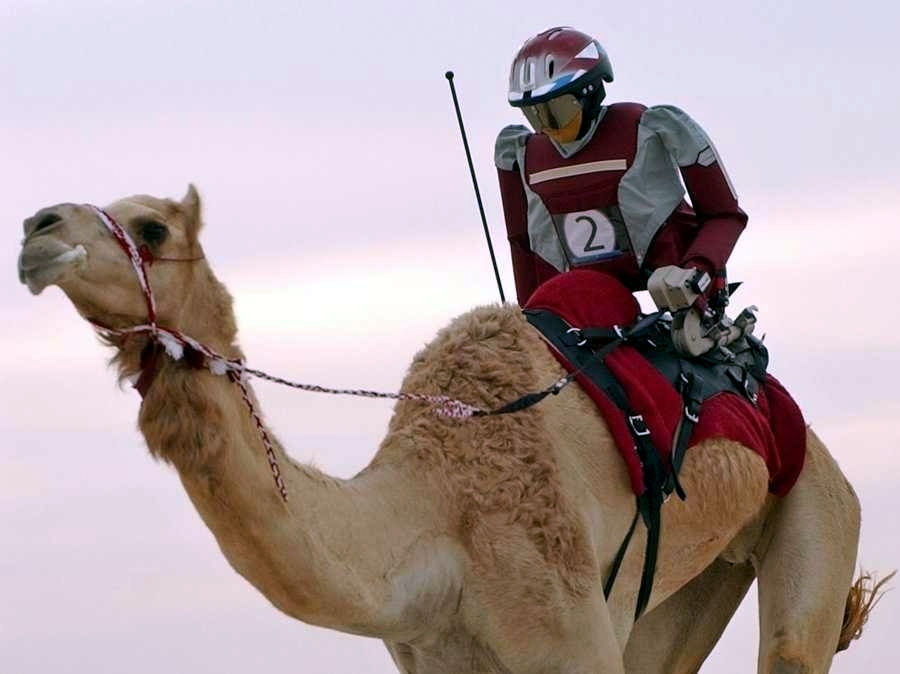
Camel Races Have Robot Jockeys.
A more appropriate desert sport is camel racing. Traditionally, the animals were ridden by small children, as camel backs can only support so much weight. However, human rights activists rightly kicked up a fuss about the dangers of camel racing for exploited youngsters. So, Dubai’s ingenious solution was to develop kid-sized robots to ride in their multi-million dollar camel racing tournaments.

Each robot can cost from US$3000 to $10,000.

Exotic Pets Are A Status Symbol.
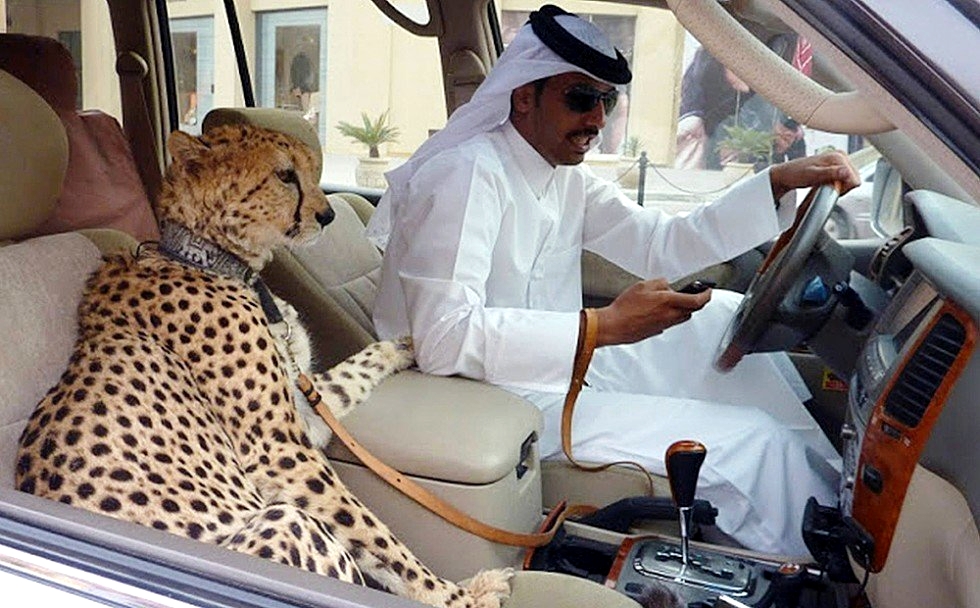
It’s not unheard of to see a cheetah in the front seat of a passing car in Dubai. The UAE is cracking down on this due to pressure from animal rights activists, but owning creatures like white lions, white tigers, black jaguars and cheetahs is a sure indicator of extreme wealth, bravery and bragging rights, so it’s an ongoing issue.

  No further comment needed, right ?

The Crime Rate Is Nearly Zero.
Well, some petty and white collar crimes do happen, but because of the strict penalties of Muslim law, people watch their step here. Violent crime is extremely rare, and the zero-tolerance policy on drugs keeps that element (mostly) out the equation. Foreign residents and tourists know they’ll be deported or imprisoned for committing any crime in Dubai.

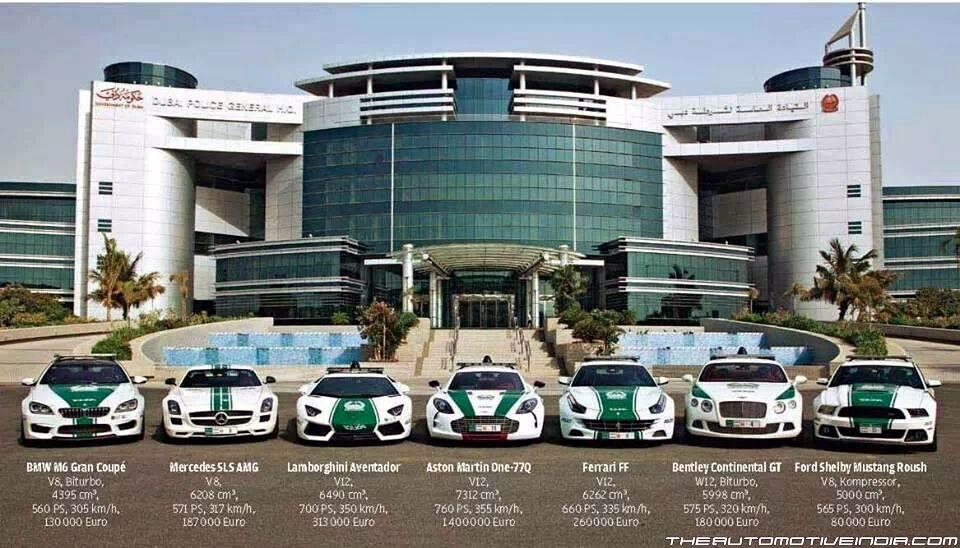
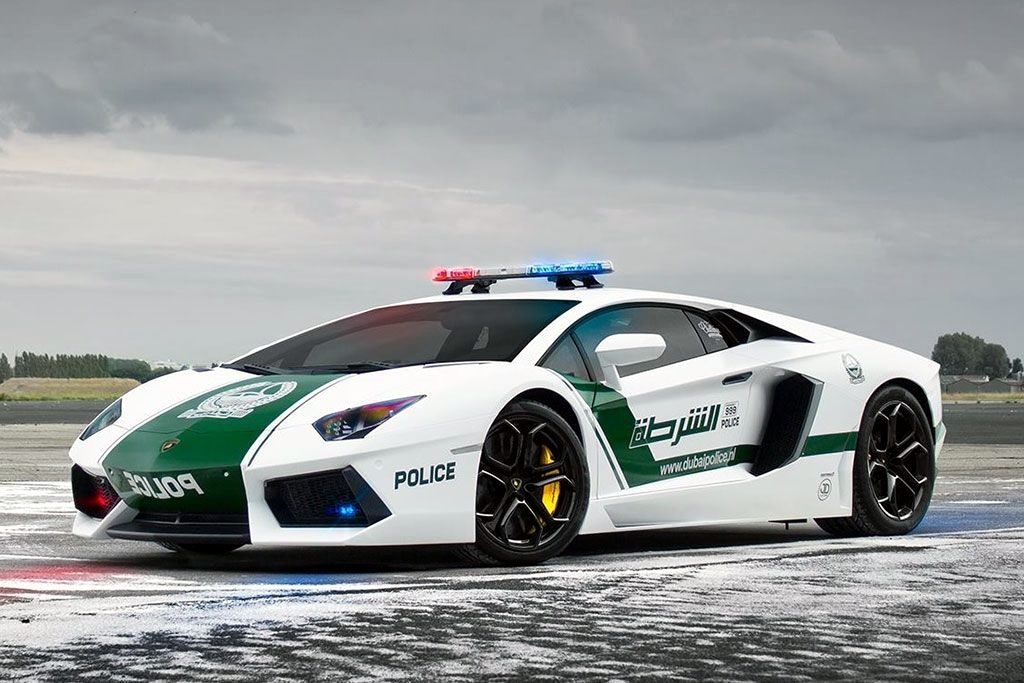
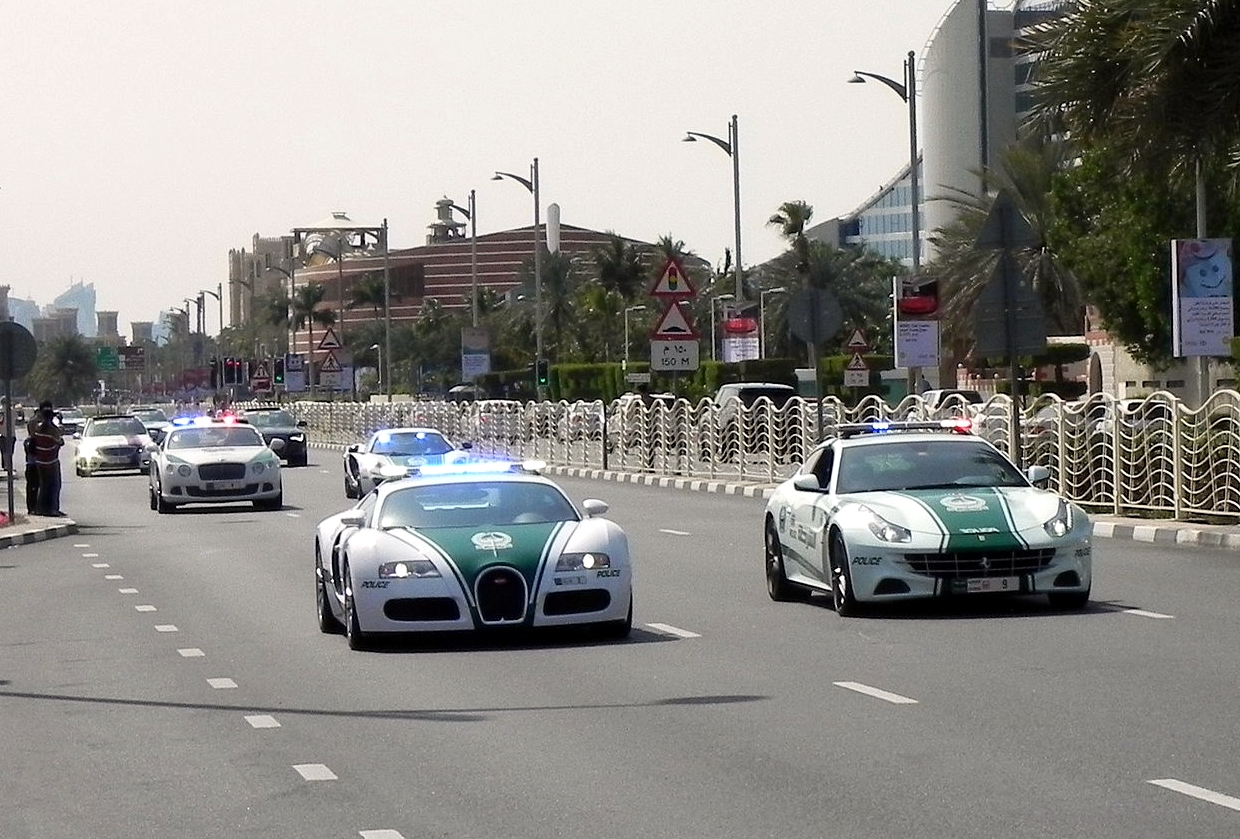
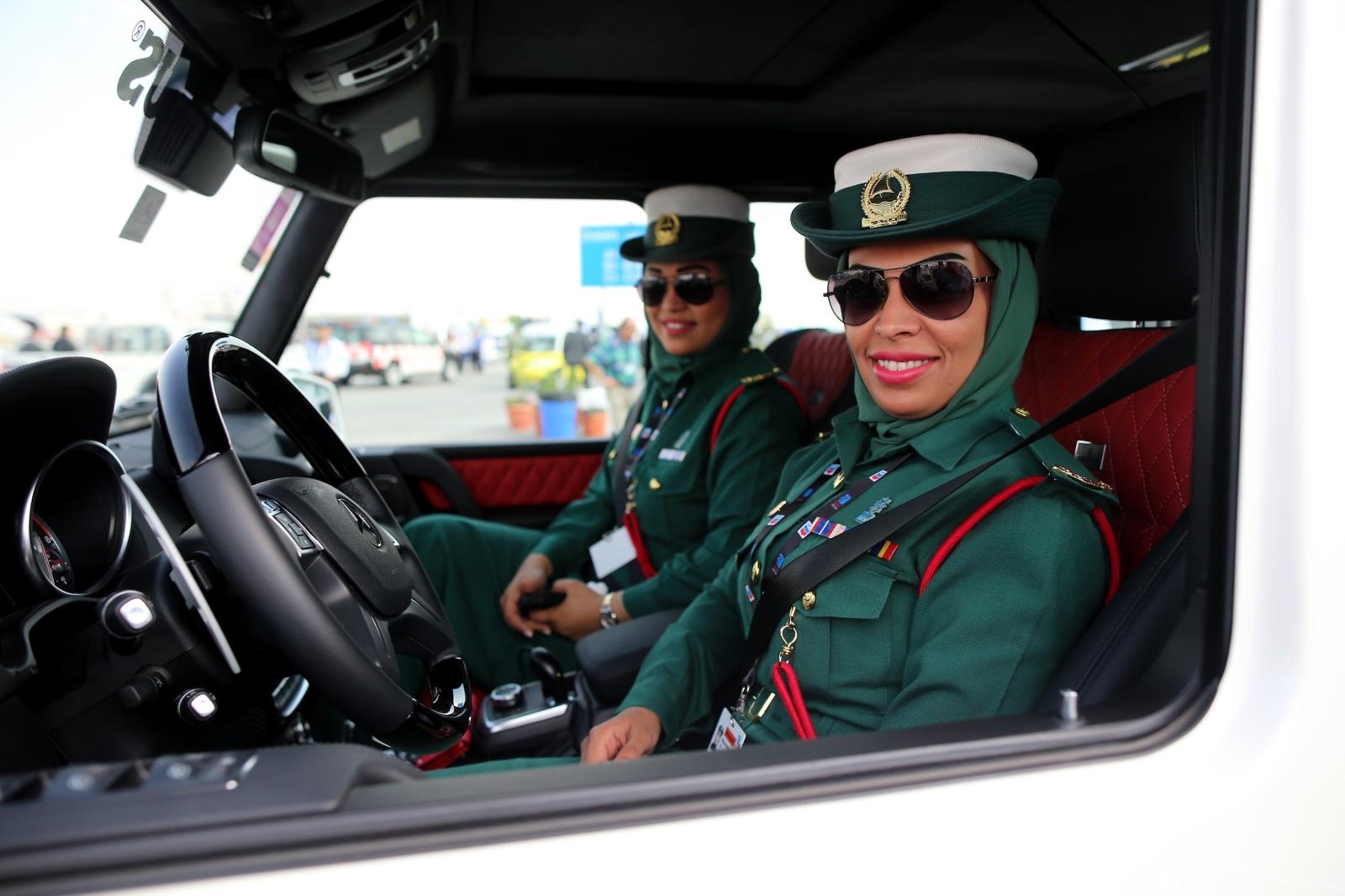
    Millions of dollars for fast police cars in Dubai, in-front Dubai police headquarters.  Click on pics to size up.

For that reason, it’s considered one of the safest cities in the world, a fact they like to promote. True to their over-the-top style, Dubai police cars include Ferraris, Lamborghinis, Aston Martins and Bentleys in their fleet. Don’t even think about speeding here, as you can’t outrun these super-cars.

      What a show, some cars of the police fleet, a Ferrari and a Bugatti (over 3 million Us$ just for the Bugatti) in front, a Bentley and a Lamborghini in second row. Don’t try to mess with them, they can drive like hell.

City Of Superlatives.
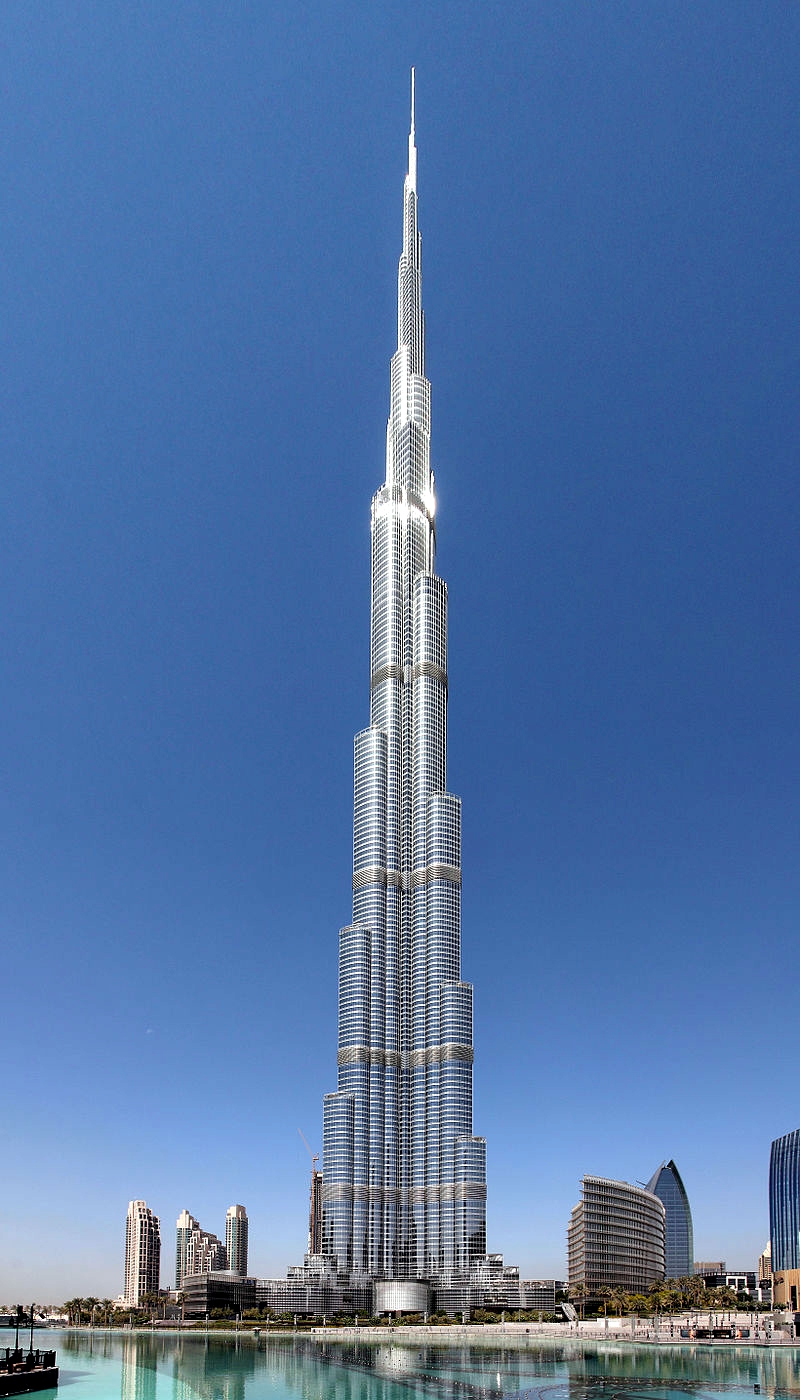
Dubai spares no extravagance or expense to achieve its superlative status. It boasts the world’s tallest man made structure, the Burj Khalifa. At a height of 2,717 feet, this skyscraper also lays claim to the world’s highest restaurant, highest outdoor observation deck, highest nightclub and highest mosque.

     Burj Khalifa, 828 meters,  worlds highest building.

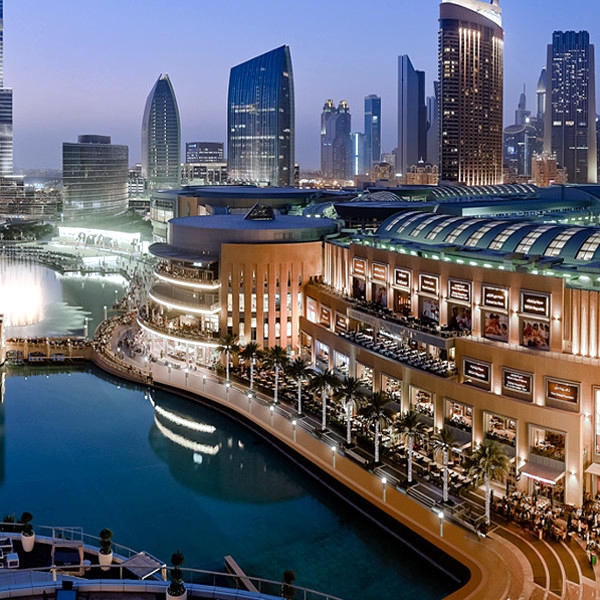
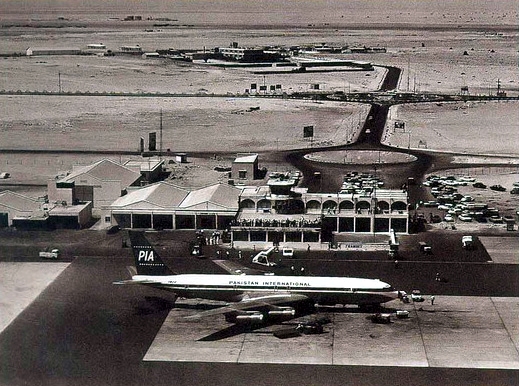
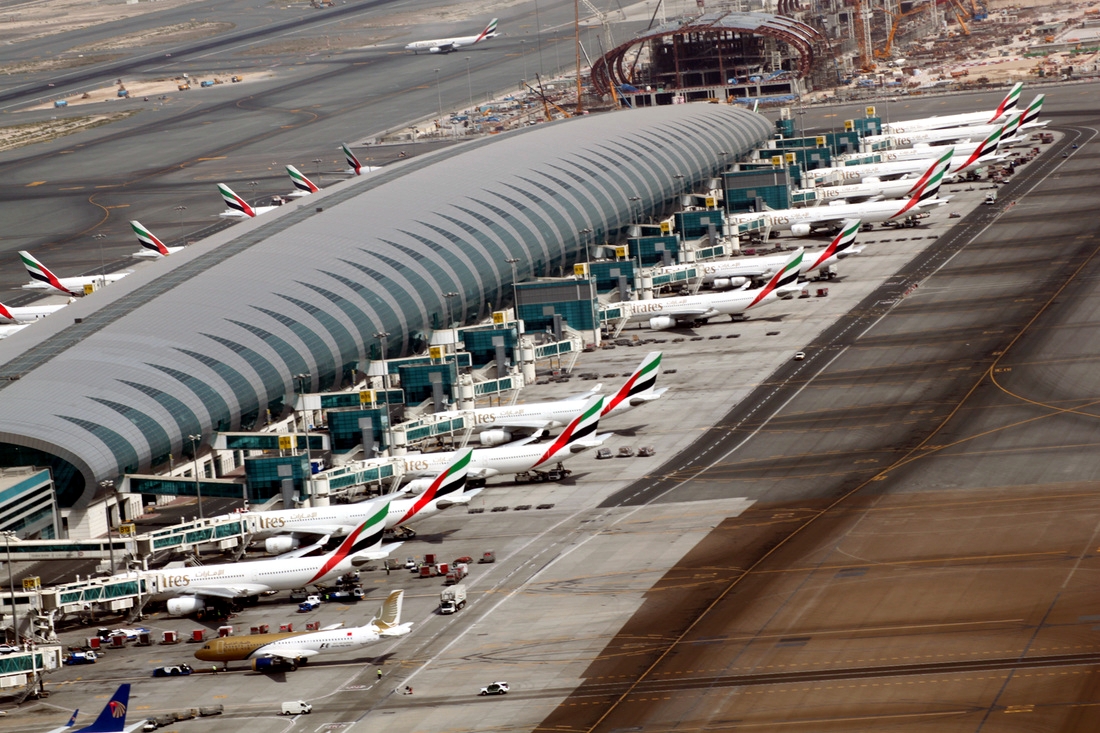
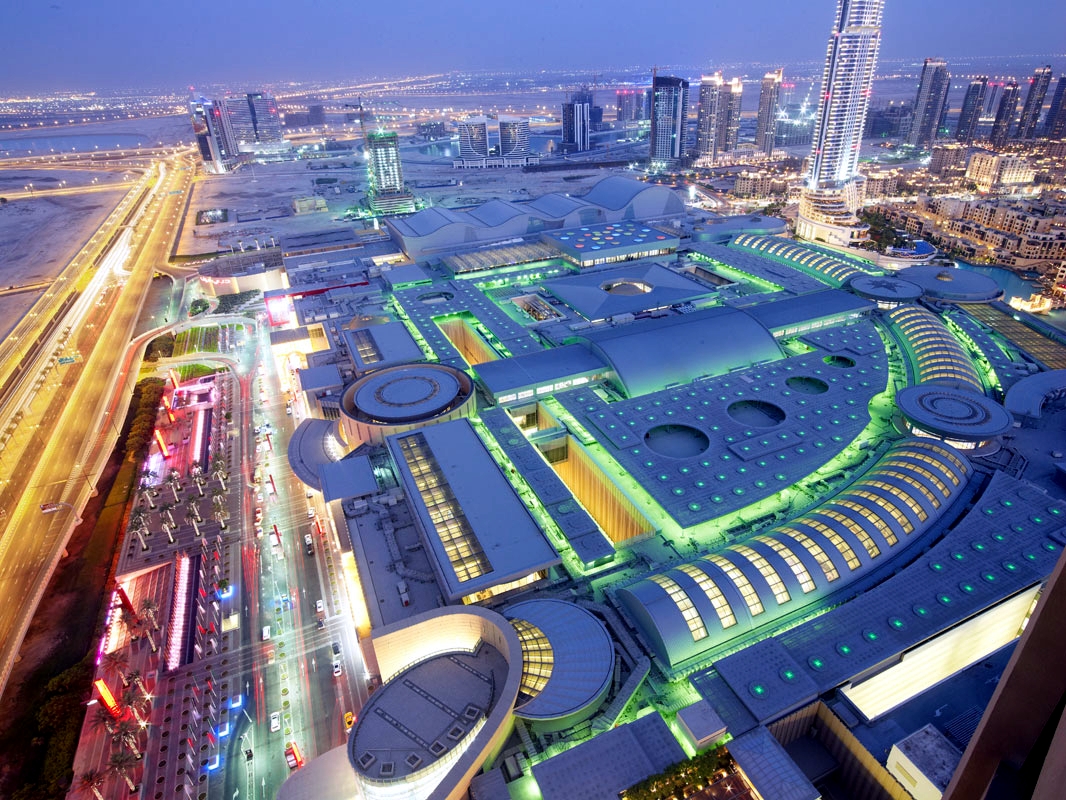
Dubai’s Terminal 3 is the largest airport terminal anywhere. China is picking up (in 2019) with their new terminal in Beijing.  The Dubai Mall is the biggest mall in the world, and inside is the largest aquarium ever.

     Dubai airport in the 1970’s (left). Now is one terminal, the new terminal 3 of Dubai’s airport (right) bigger then the whole airport 40 years ago.
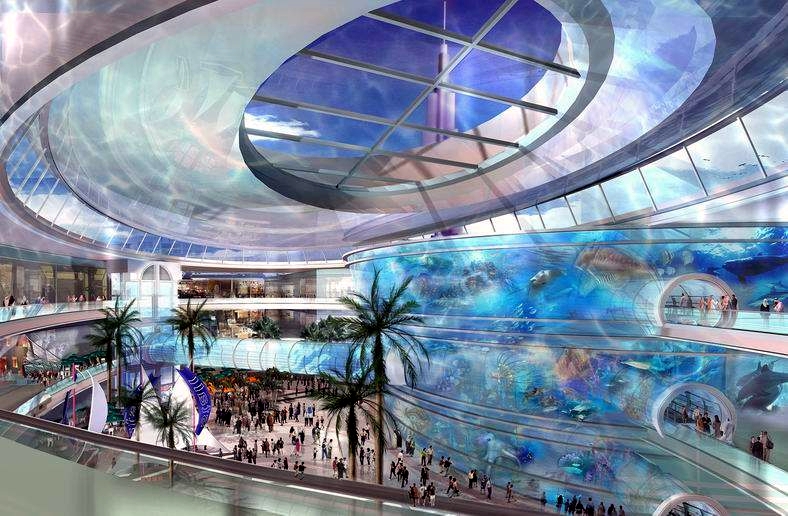
       The Dubai Mall is over 3 km (THREE KILOMETERS) long, the biggest in the world. The aquarium goes over several story’s and one can go right through it. Amazing MUST SEE superlatives on our planet.
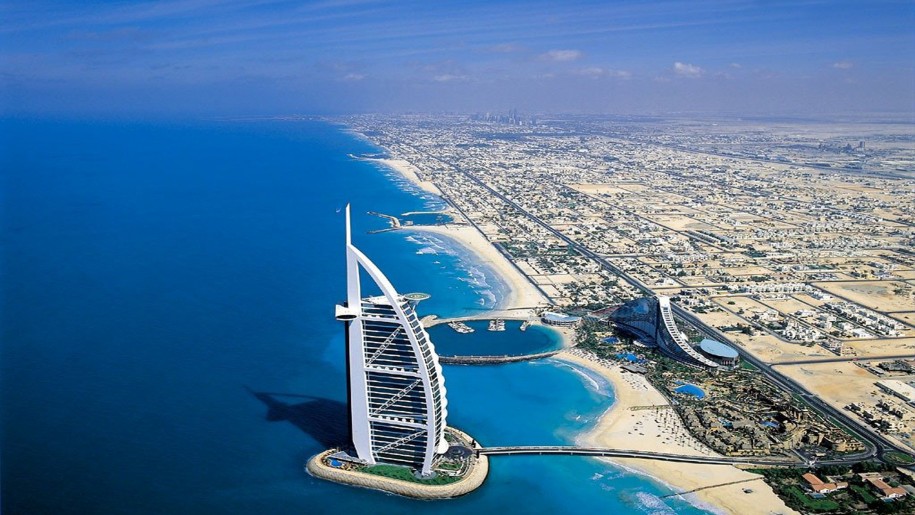
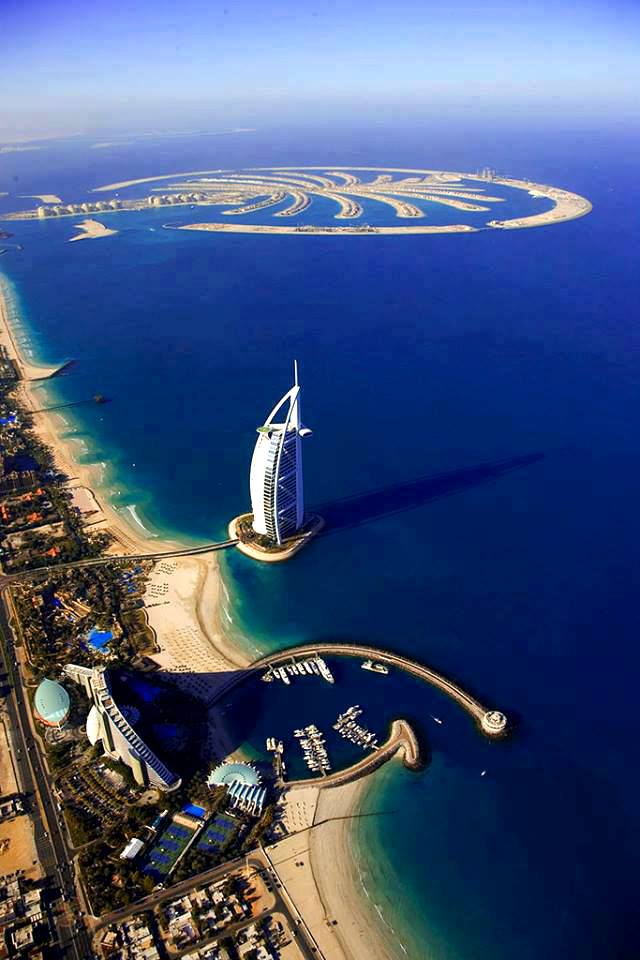
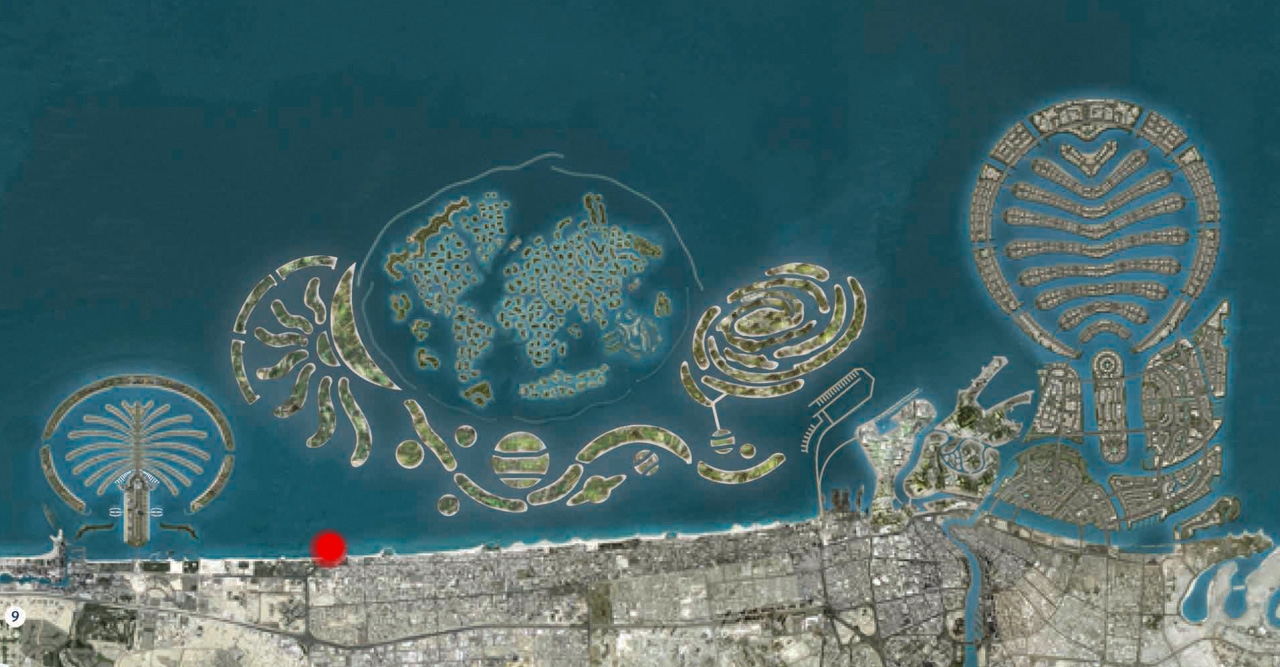
  Dubai’s artificial islands, the Palm Islands, the World Islands and more. All man made and many more are planned. The red dot shows the location of the „Burj Al Arab“ and the „Jumeirah Beach Hotel“.  MUST SEE ??

The Tallest Hotel In the World.
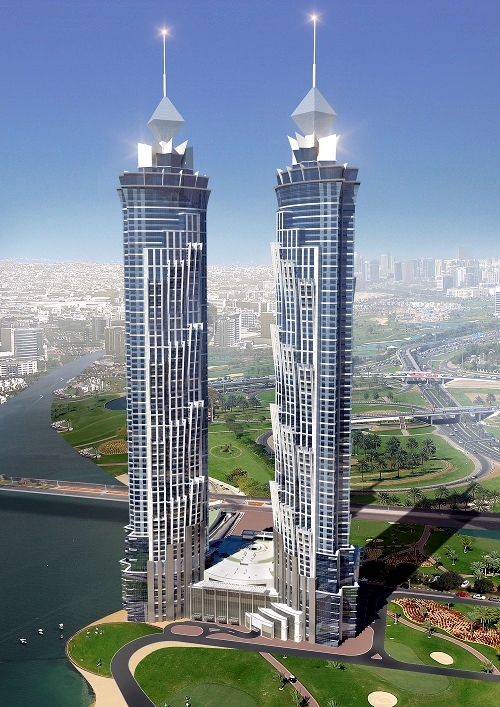
It is the J.W. Marriott Marquis Dubai. One gets the feeling that if any other country tries to outdo Dubai, they will find a way to make something bigger, better and more bad-ass just to top them. And that goes on and on, the superlatives in Dubai or the UAE will never end.

  The 2 towers of Marriott’s Marquis Dubai Hotel.

Marriott Marquis, which is 355 meters tall. Around 25% of the 1608 rooms will be suites while both the towers will have a combined car parking facility for over 1.000 vehicles. The US$490 million JW Marriott Marquis Dubai, owned by Emirates Airlines, will have nine restaurants, five lounges and additional entertainment venues.

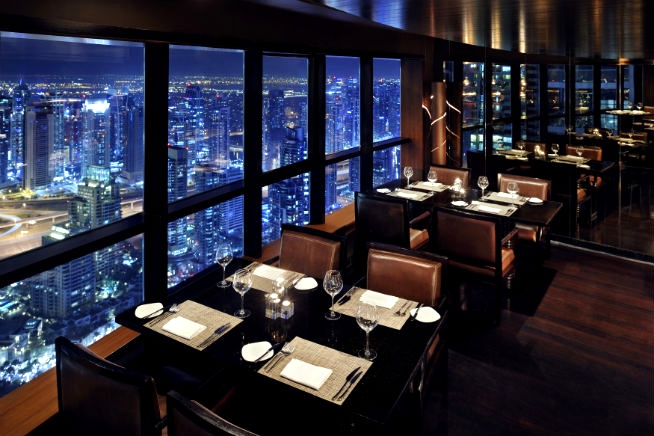
  One of the lounges, Vault Lounge on 72 floor.

The „Green“ Superlative.

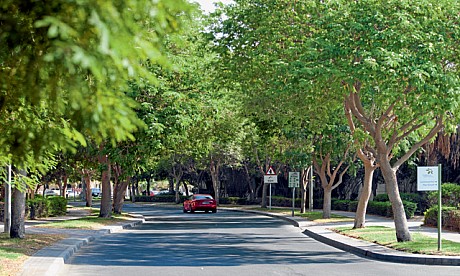
       One will be surprised how green this city is, right in the middle of a hot desert. For many years Dubai collects and cleans all „grey water“ and uses it to sprinkle parks, road medians, house gardens and much more.
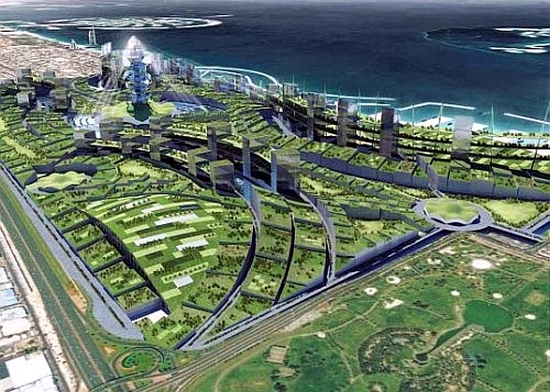
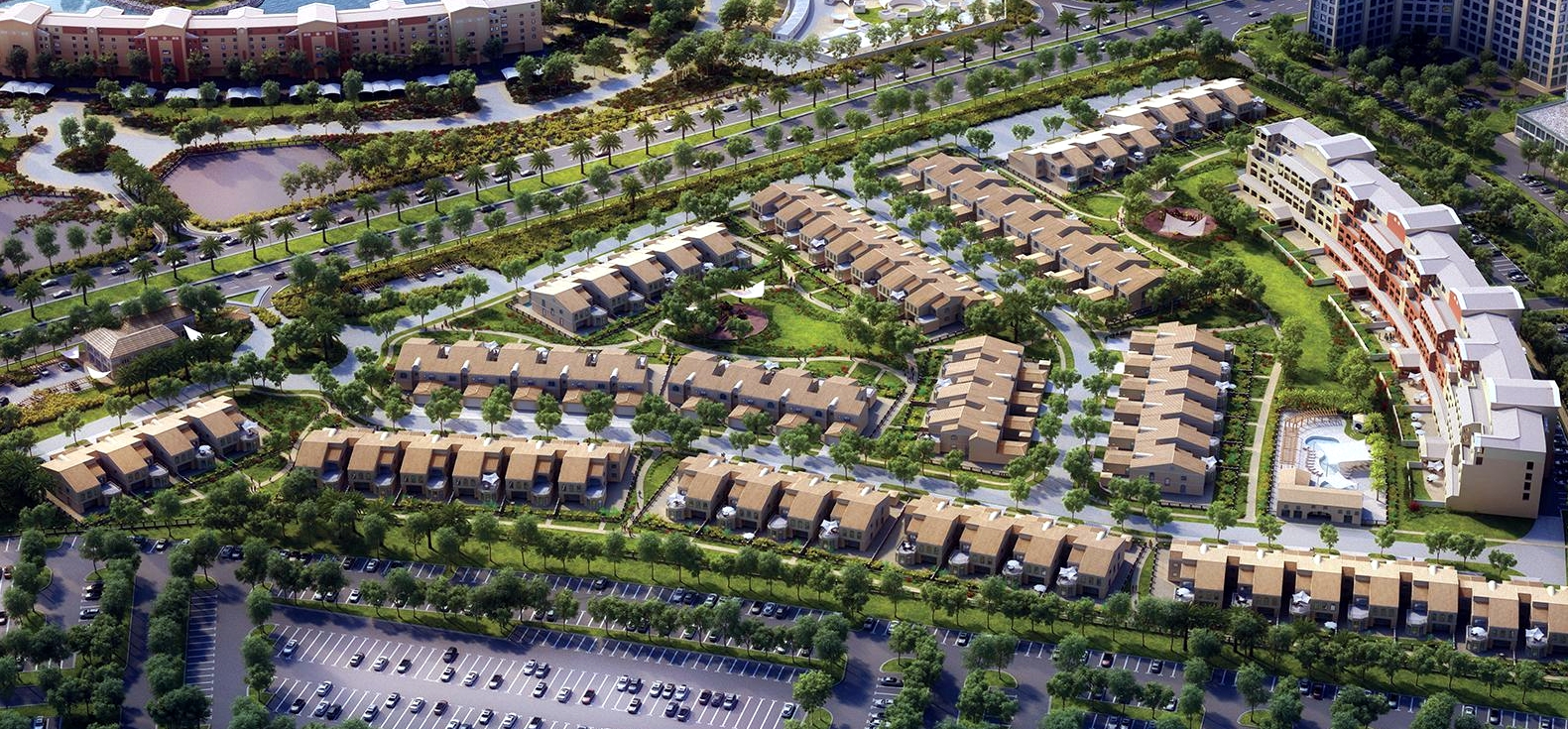
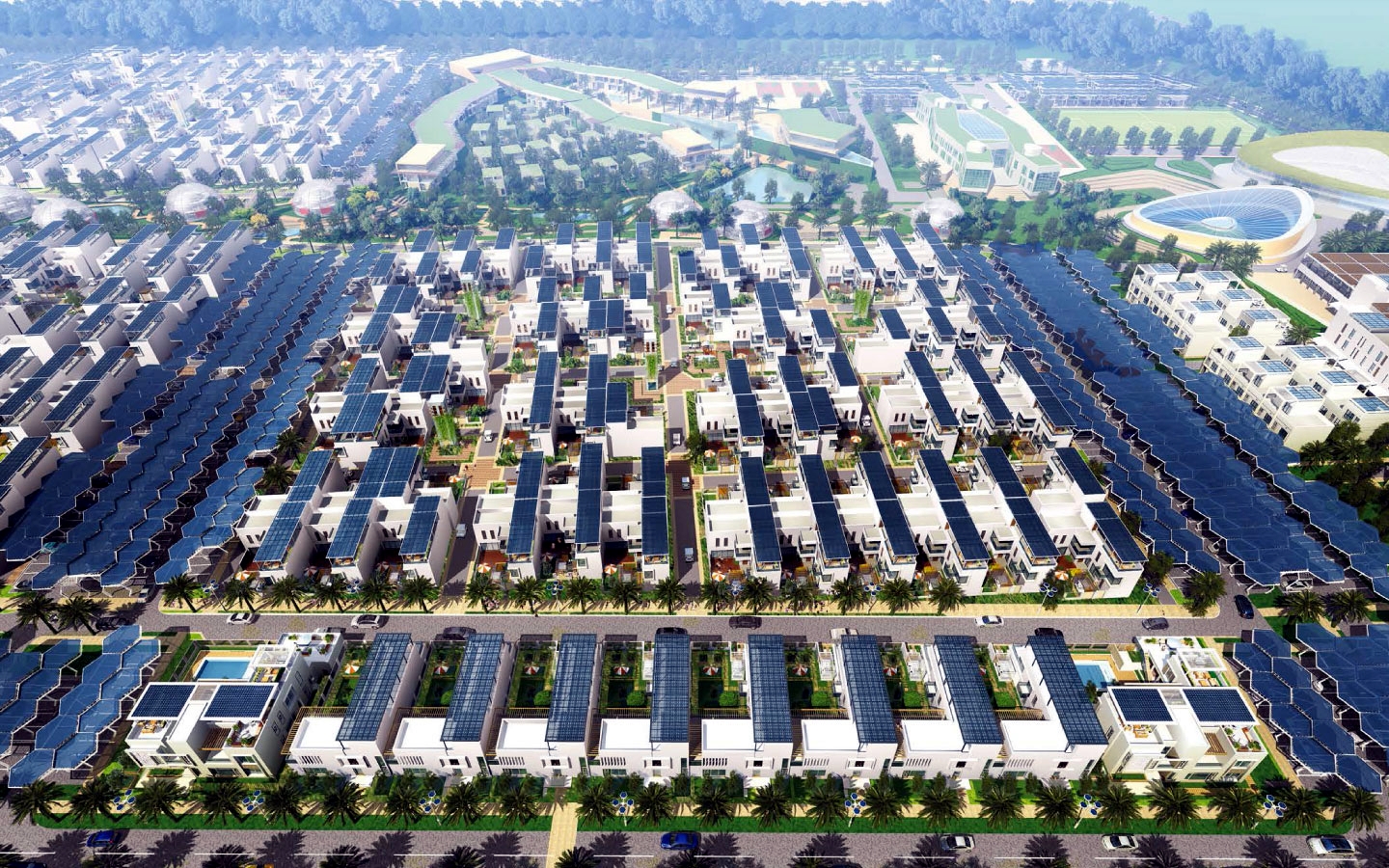
      Can you believe that the left picture is made in a living area of a hot desert city ?? And how do they handle the immense need of power and the costly cooling systems ? The answer is solar. The UAE is much much more advanced as the bureaucratic slow country’s in Europe or the Americas.  Examples are seen if you look up Green City or Sustainable City .

Burj Al Arab.
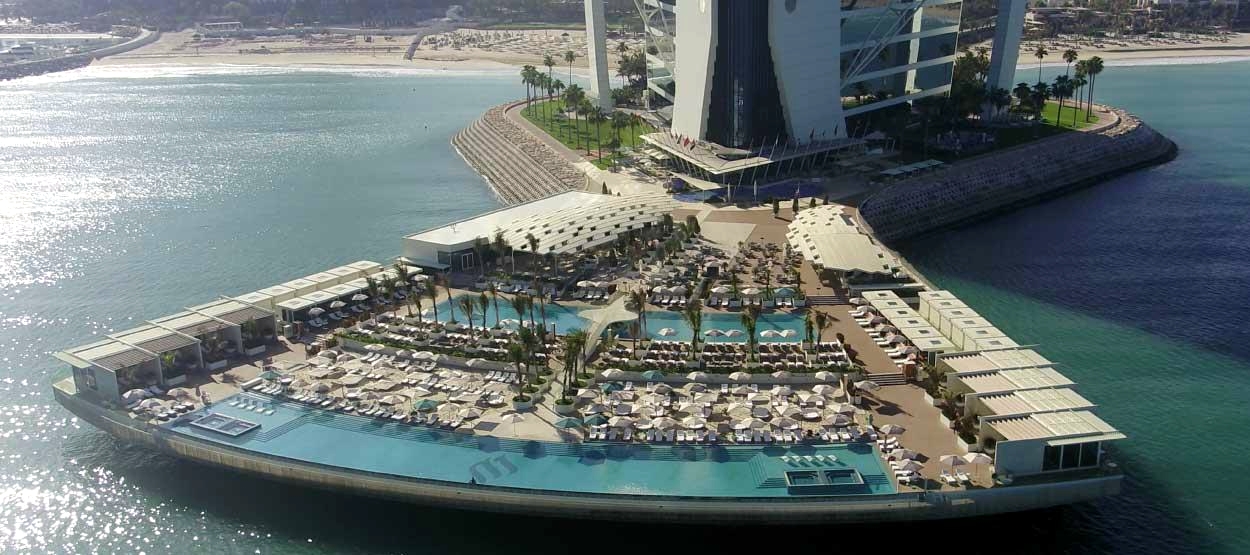
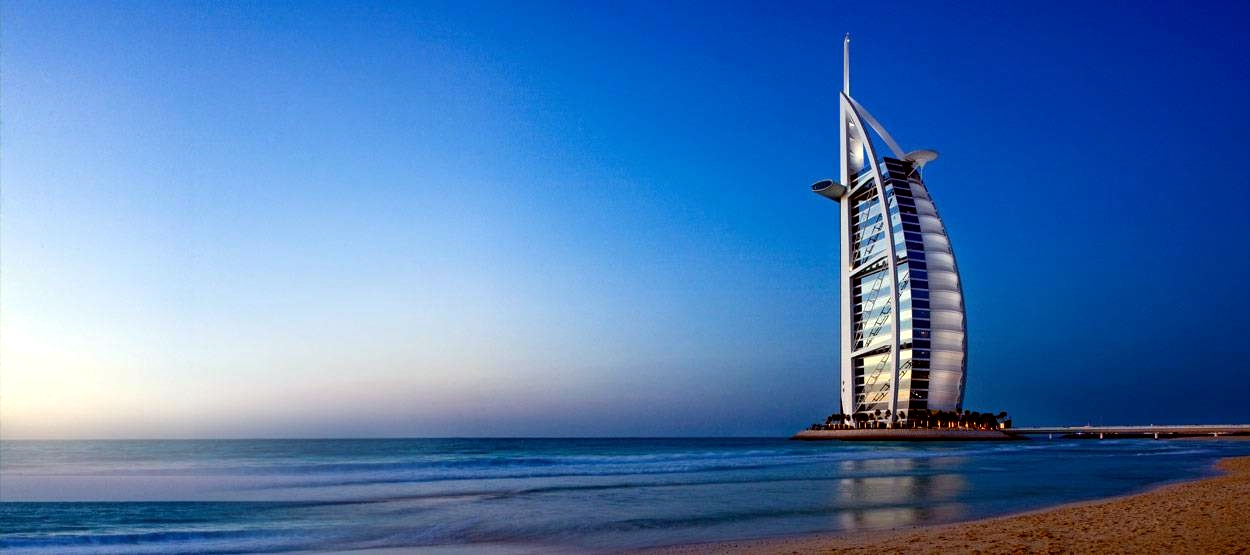
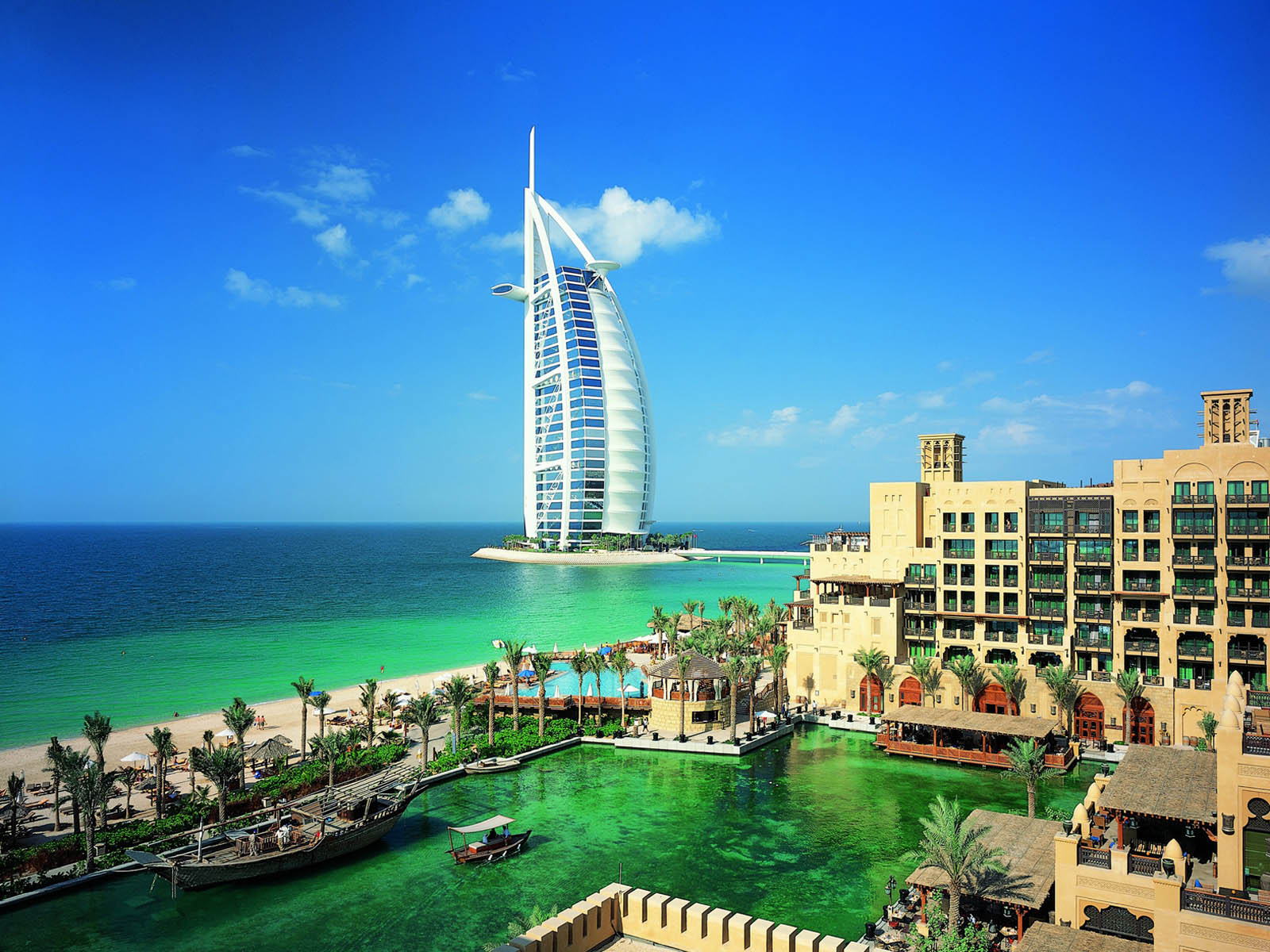
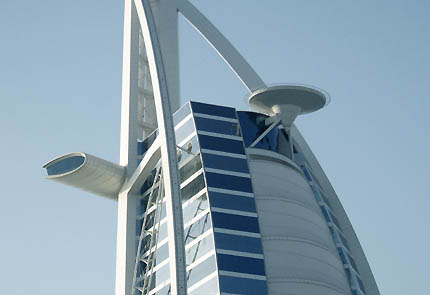
Construction of the Island began in 1994 and involved up to 2.000 construction workers during peak construction. It was built to resemble the billowing spinnaker sail of a J-class yacht. Two „wings“ spread in a V to form a vast „mast“, while the space between them is enclosed in a massive atrium.

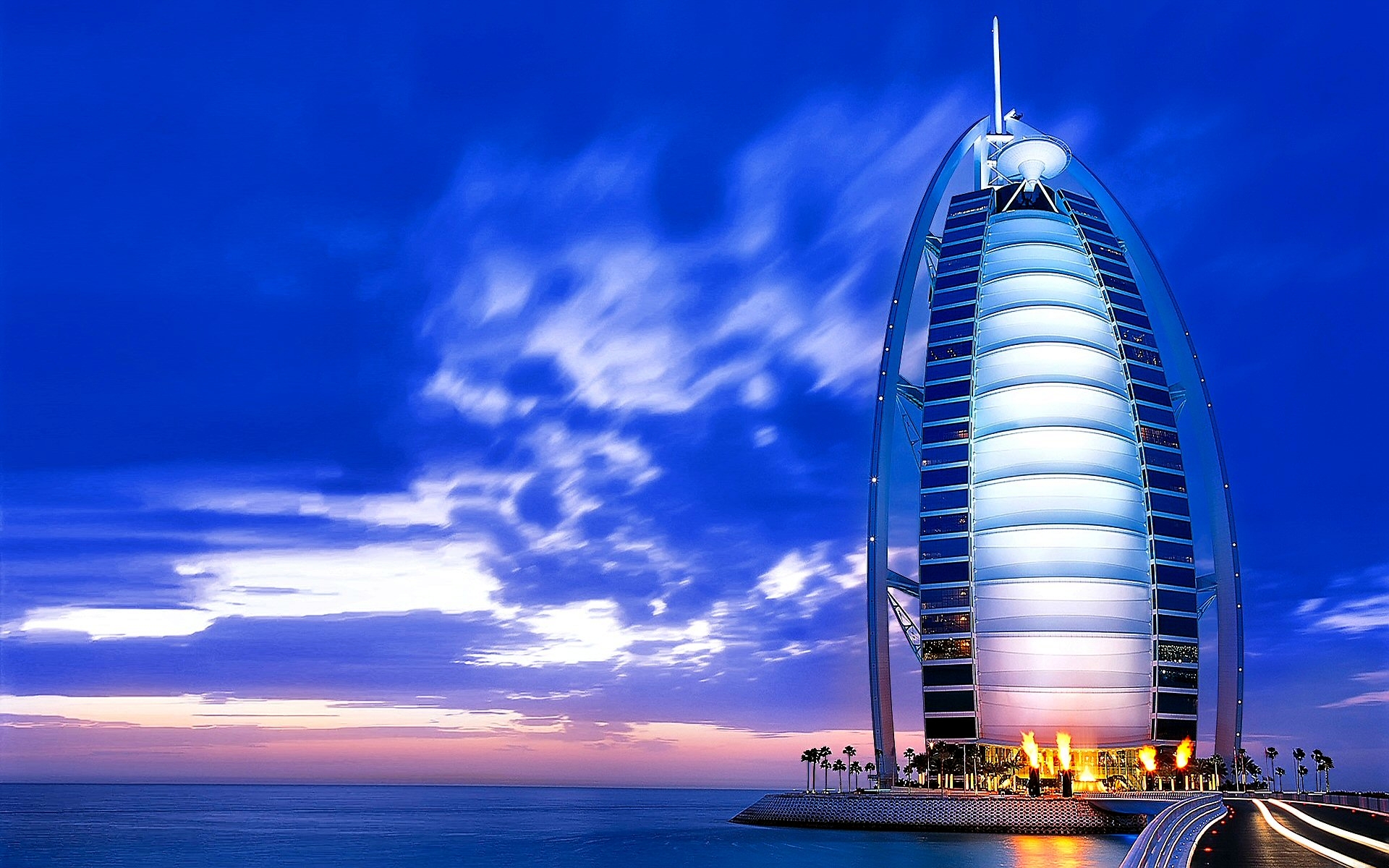
  The „Sail“, only 7 star hotel on the planet.

Donald Trump had massive lawsuits to fight with the Emirates, because he copied the „Sail-Spinnaker-Yacht“ idea in „V-form“ for his „Trump Tower Hotel“ in Panama City, Panama. But as a copy it has not this synonymous mind as the original.

  Typical Trump, moneymaking  with „Stolen Ideas“.

The architect Tom Wright said „The client wanted a building that would become an iconic or symbolic statement for Dubai; this is very similar to Sydney with its Opera House, London with Big Ben, or Paris with the Eiffel Tower. It needed to be a building that would become synonymous with the name of the country.“

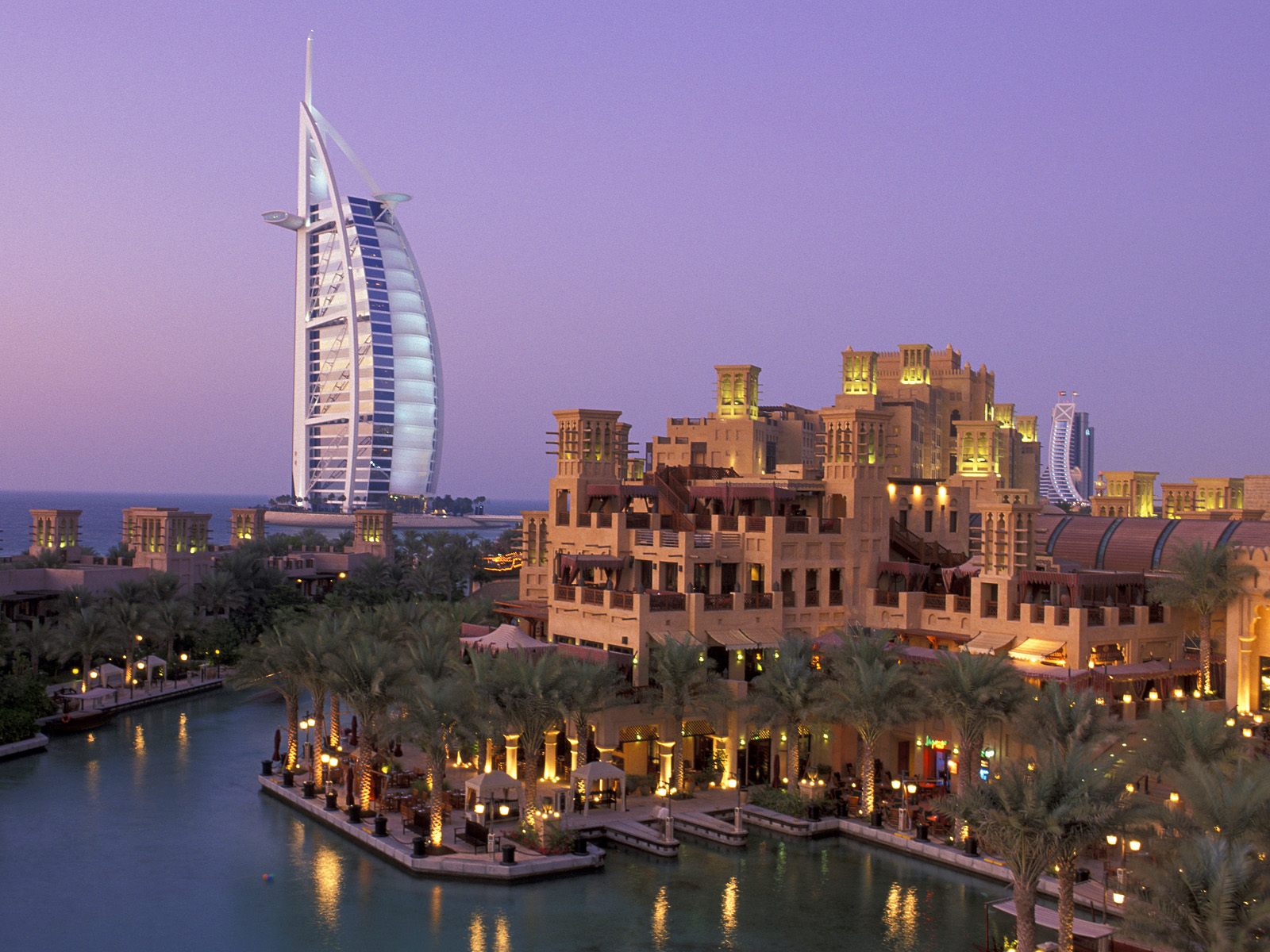
  A symbol of the modern Dubai, Burj Al Arab.

The building opened in December 1999 and if one is interested to know more and see how it was build and what kind of philosophy is behind, watch the „Burj Al Arab documentary“, a very interesting 50minutes movie on YouTube.

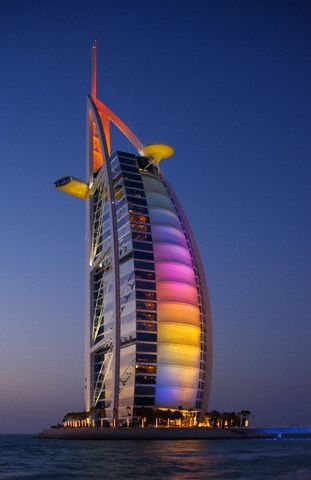
  We watched the „rainbow color show“ several times. All night long they change the colors every few minutes. Lush nights with a glass of cool Chardonnay, sitting on the balcony of Jumeirah Beach Hotel and watching the Burg Al Arab light shows.

Burj Al Arab holds only 28 double-story floors which accommodate 202 bedroom suites. The smallest suite occupies an area of 169 m2 (1,820 sq ft), the largest covers 780 m2 (8,400 sq ft). I have been 3 nights in this hotel and I can tell you, it is a big difference between a 5 star (or what they name it) and this 7 star (only in the world) hotel. I will have a separate post about the hotels, we stayed in Dubai,  and their amenities in a few weeks.

  Outside the Burj, on ground level, a nice restaurant to watch the sunrise over the ocean during early breakfast or watching the night sky line of Dubai.

Al Muntaha – Al Mahara.

Al Muntaha („The Ultimate“), is located on 27th floor above the Persian Gulf, offering a view of Dubai. The Sky View Bar (200m above) is supported by a full cantilever that extends 27 m (89 ft) from either side of the mast, and is accessed by a panoramic elevator.

  Sky View restaurant and helipad, 200m above ground.

Al Mahara („The Oyster“), which is accessed via a simulated submarine voyage, features a large seawater aquarium, holding roughly 990.000 L (260,000 US gal) of water. The wall of the tank, made of acrylic glass in order to withstand the water pressure, is about 18 cm (7.1 inch) thick.

  Sitting under water level and dining around this massive aquarium. may be enjoying some kind of a fish dish !?

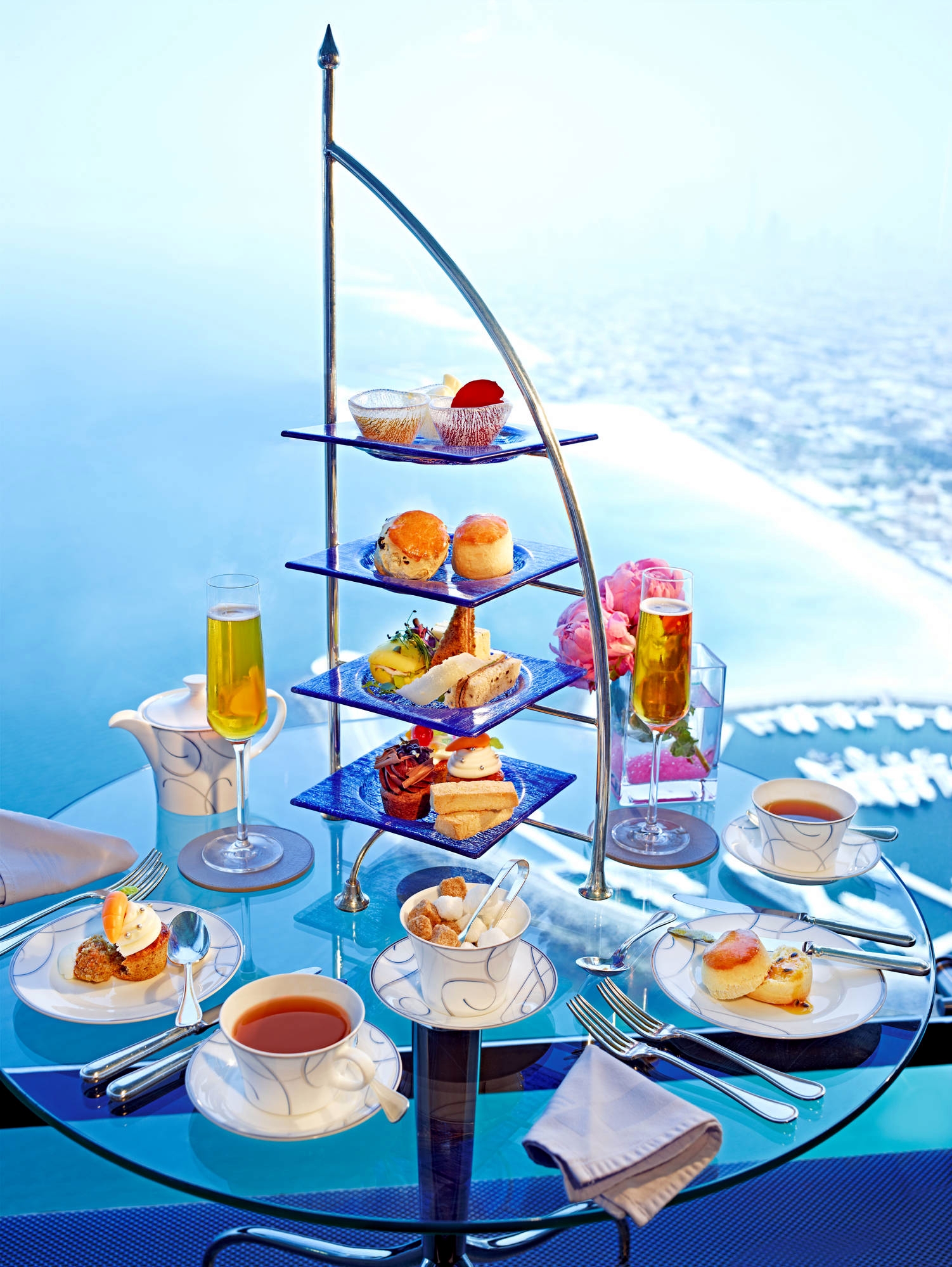
Sitting at the top of the Symbol of Dubai, having great afternoon tea with an open view of the World Island and Palm Jumeirah with authentic Arabic Hospitality. What could be better?

  Enjoy a selection of coffee/tea either sandwiches or cake with pastries served with a choice of homemade jams, plus the mouth-watering clotted cream at the Sky View Bar. A fine glass of champagne will round up this indulgence.

Jumeirah Beach Hotel.
The hotel, which opened in 1997, is operated by the Dubai-based hotelier Jumeirah. The hotel contains 598 rooms and suites, 19 beachfront villas, and 20 restaurants and bars. This wave-shaped hotel complements the sail-shaped Burj Al Arab, which is adjacent to the Jumeirah Beach Hotel.

  The „Wave“, 5 star resort along Jumeirah Beach.

The beachfront area where the Burj Al Arab and Jumeirah Beach Hotel are located was previously called Chicago Beach. The hotel is located on an island of reclaimed land offshore of the beach of the former Chicago Beach Hotel. The locale’s name had its origins in the Chicago Bridge & Iron Company which at sometime long back was a welded giant floating oil storage tankers on the site.

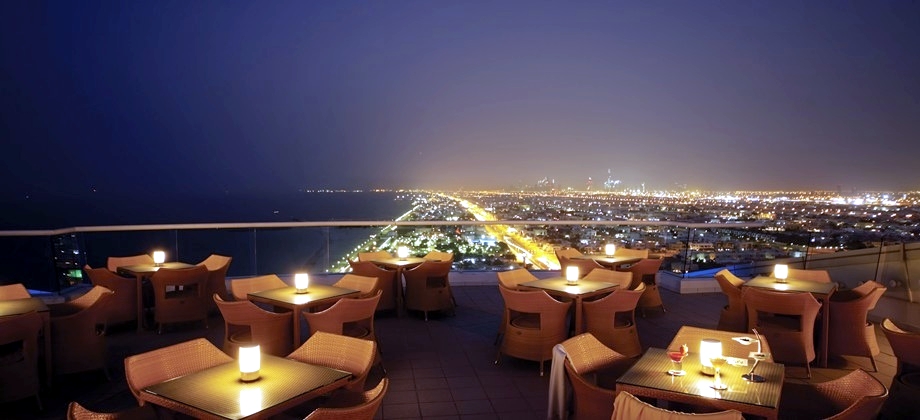
  Sky lounge on top of the hotel. Fantastic views along the Arabian Gulf beaches. Happy hour up here is a MUST SEE. Just click on pictures to watch a full view.

The old name persisted after the old hotel was demolished in 1997 since „Dubai Chicago Beach Hotel“ was the Public Project Name for the construction phase of the Burj Al Arab Hotel until Sheikh Mohammed Bin Rashid Al Maktoum announced the new name.

  View from 200m high Sky restaurant in Burj Al Arab.

When completed in 1997, the Jumeirah Beach Hotel was 93 meters high making it the 9th tallest building in Dubai. Today, it is ranked lower than the 100th tallest building. Despite its lower rankings, the hotel remains a landmark in Dubai. We stayed almost a week in this fantastic 5 star hotel and I can tell you, it was worth every penny.
Stay tuned to an article about those outstanding hotels in the hub Dubai !

Veröffentlicht unter Lifestyle, Must See, Travel | Verschlagwortet mit | Hinterlasse einen Kommentar

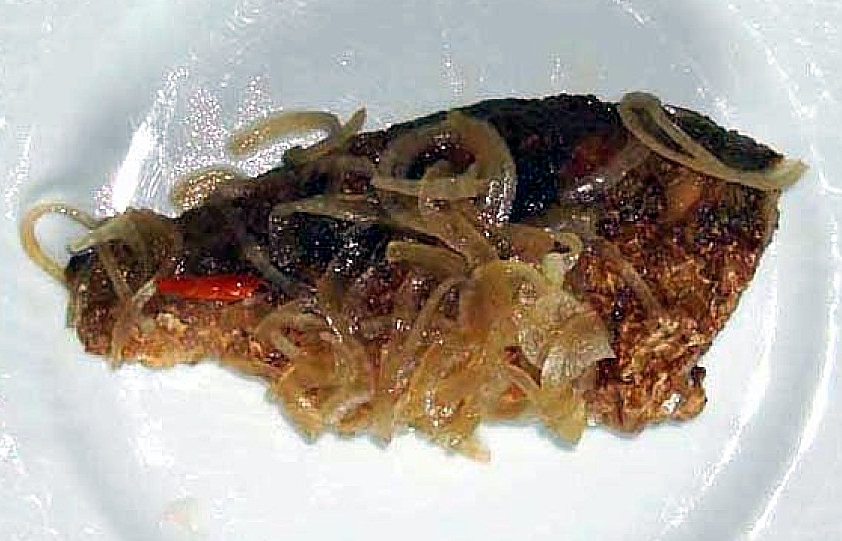
Brathering

When I posted last month my article about „Bratkartoffeln“, my dear friend Mathis started a conversation about „Brathering“ as supplement. Many people asked meantime what Brathering is or how you can make it yourself and so on. I tried to answer all this and soon it became an own article which I post here.

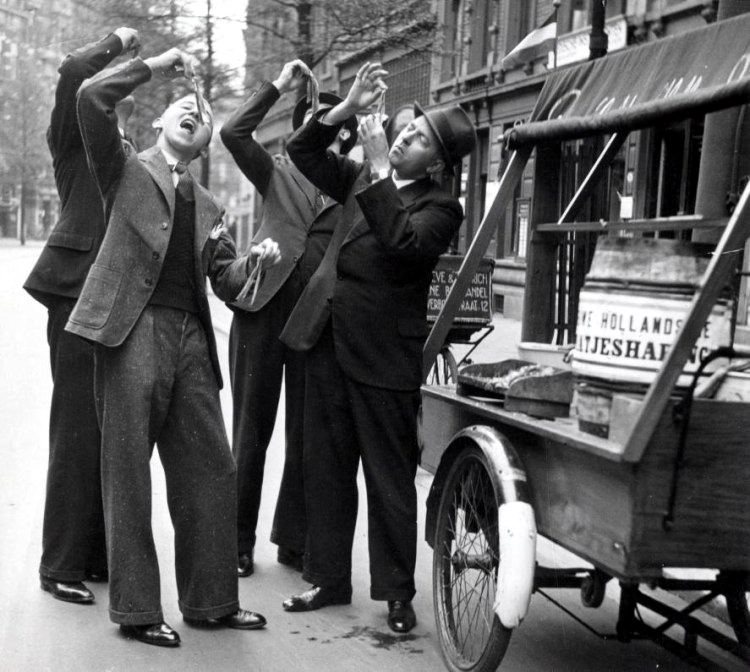
  This is, by example, how the Dutch like their herrings. Not fried, just marinated and then slicked down in a whole, best with a Genever afterwards.
      But this article is strict about the “ GERMAN BRATHERING“, not more. Fried, marinated and served with onions.

A bit of history.

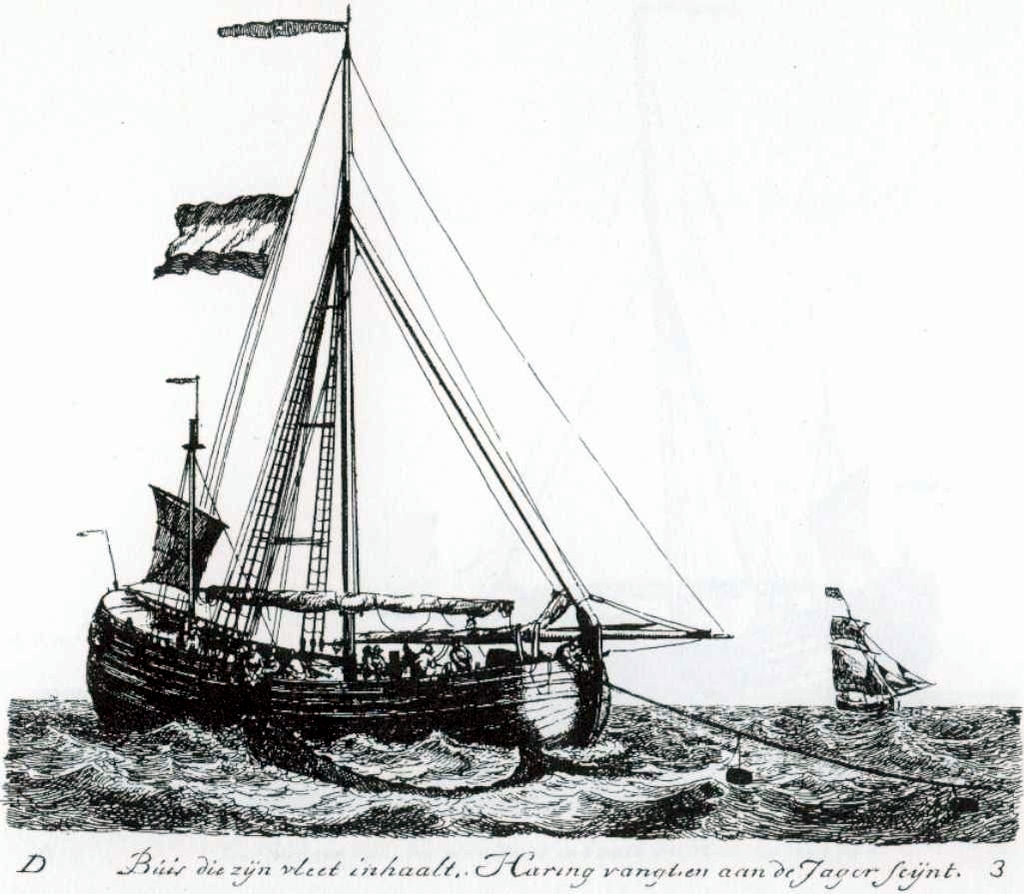
Fried and pickled fish is known for thousands of years. The centuries of „discovery and sailing around the world“ needed some special preparation of travel food. What better as fried and pickled fish – and in those times cheap and available in abundance.

  Copper engraving: Dutch herring fishing around 1600’s.

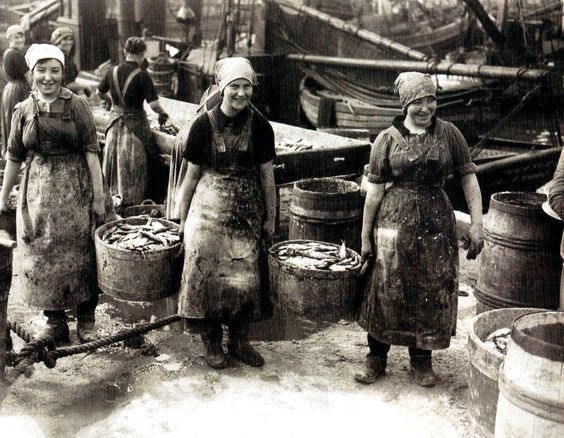
It all starts with fishing of the herring. Years ago no problem, masses of fish available and in many varieties. Also the preparation of herring is known in dozens of possibilities. In old times herring was a meal for the poor, today its a delicatesse for the rich.

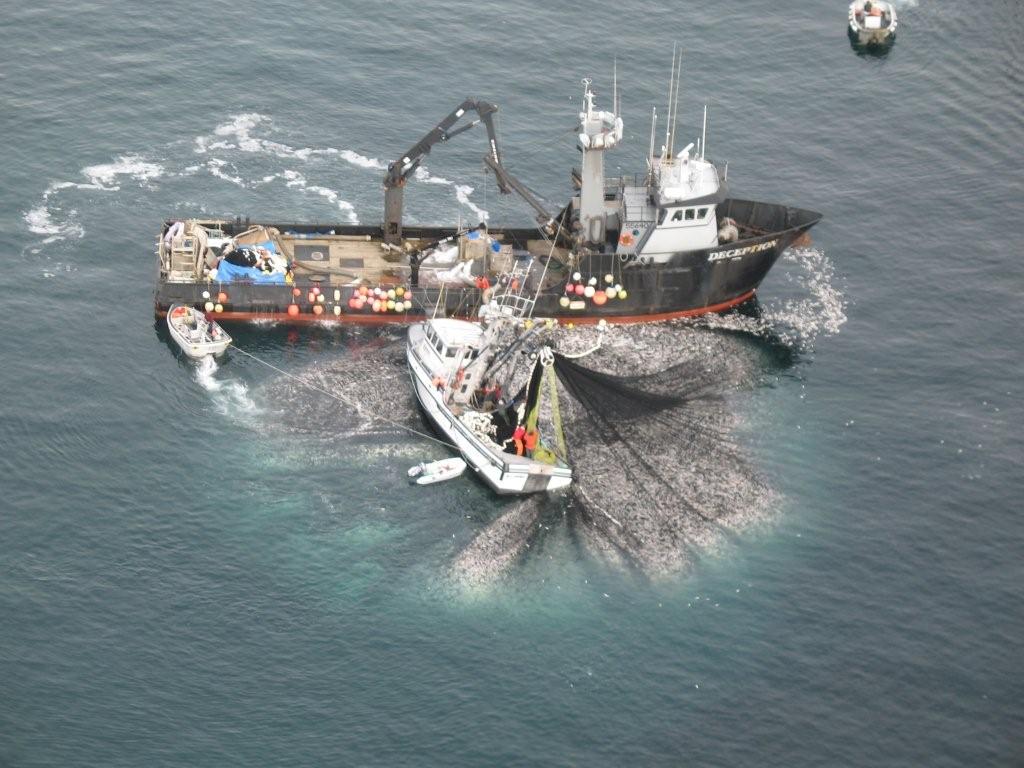
Modern fishing methods. Notice all the full nets of herring around the mother-ship. Overfishing, especially herring, is a modern environmental problem.
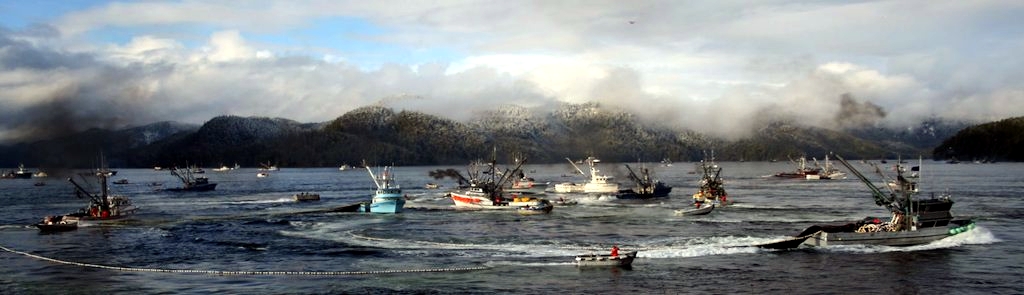
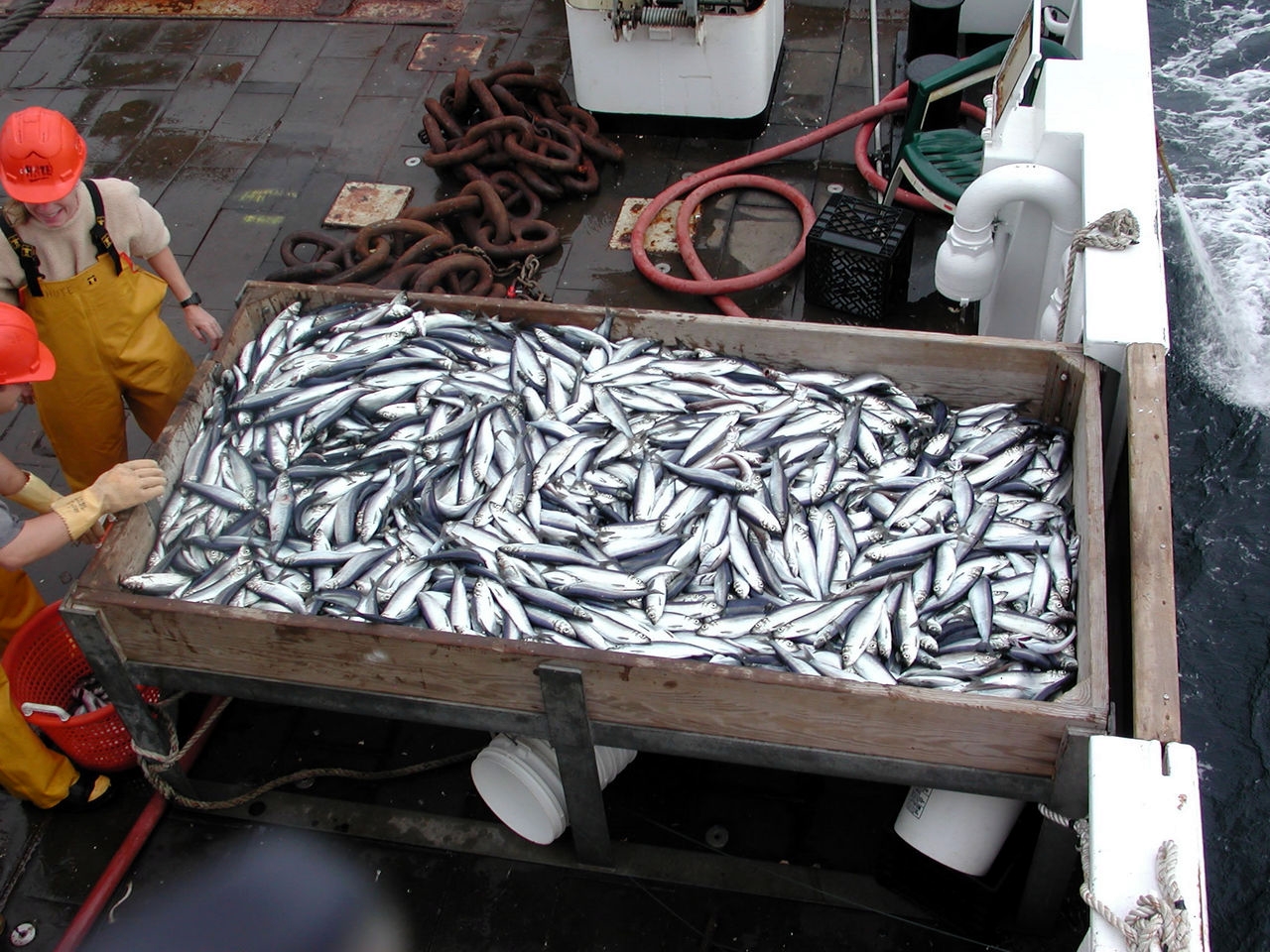
Herrings fleet at the coast of Alaska. Industrial fishing Togiak Herring. For how long, with 60-70 boats ?

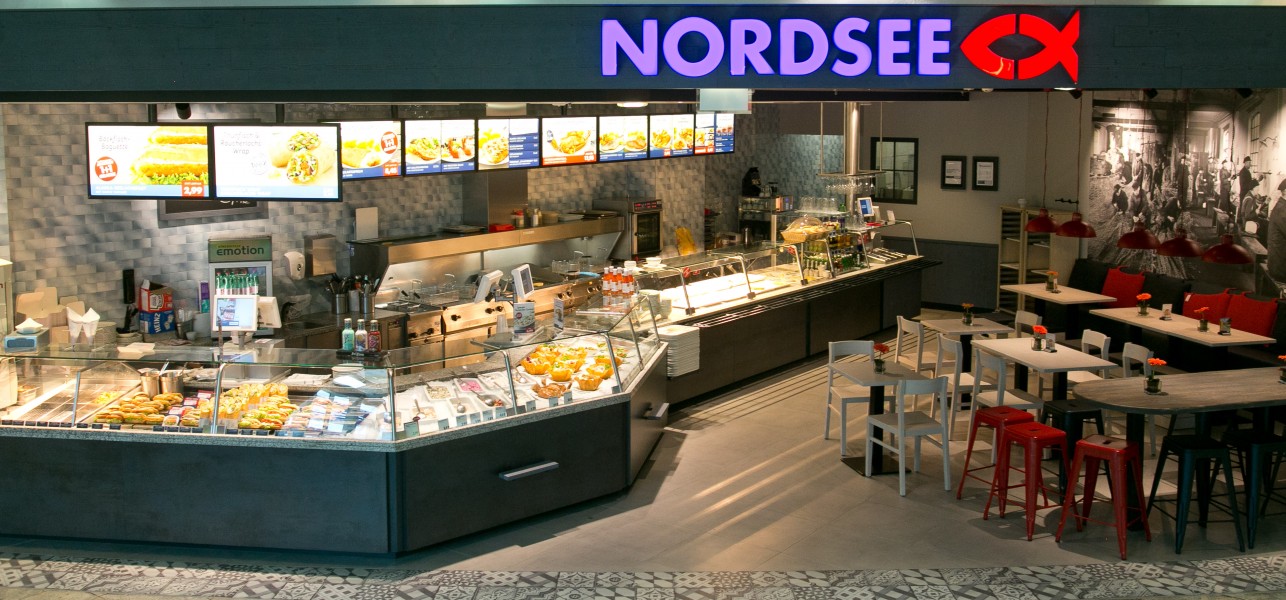
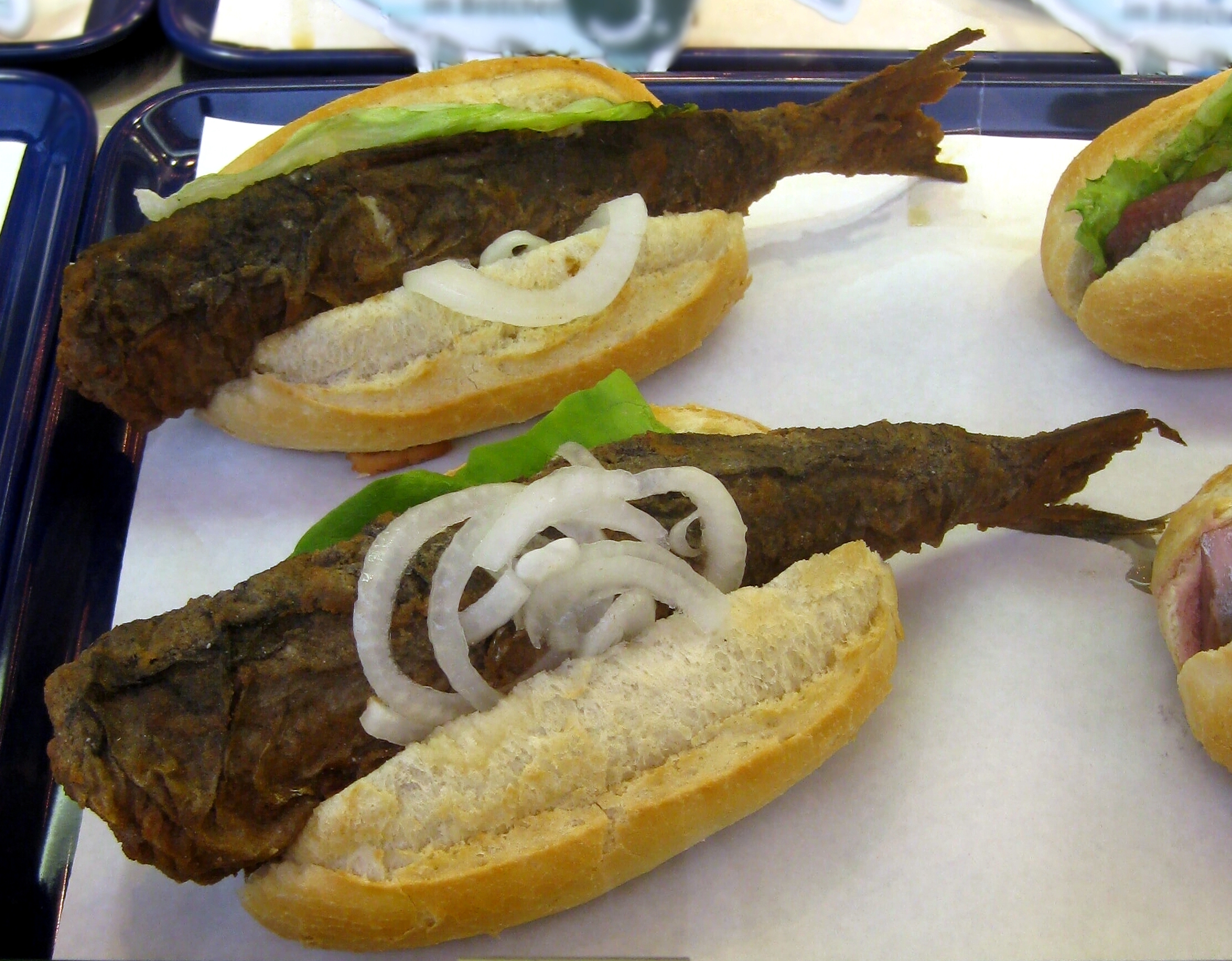
Brathering, in English fried herring, is a simple and traditional German dish of fried and marinated herring. It is typical for the cuisine in northern Germany either for lunch or as a snack at fast food stands or take-out restaurants. One of the most well known chains in Germany and Europe is „Nordsee“. Click on pics to have a better view.

  The most popular fast food chain in Germany.

Brathering itself is served well pervaded and cold, together with warm fried potatoes (Bratkartoffeln) or cold potato salad (Kartoffelsalat). All in all a perfect summer dish.

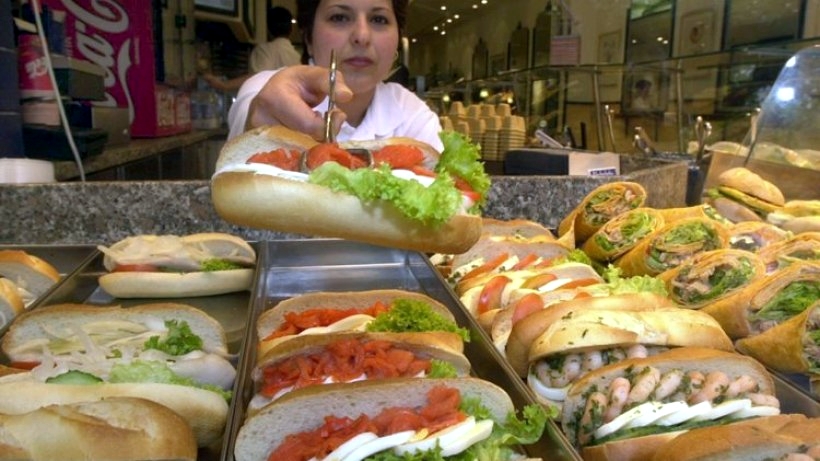
    Always fresh at „Nordsee“, the „Fischbroetchen“ (fish sandwiches), sometimes also with Brathering.

Martin Luther once stated that Brathering served with cooked green peas and mustard (an unknown combination nowadays) was one of his favorite dishes. I never tried that !

  Time will come again, when good fish is outweighed by gold.

The Herring.

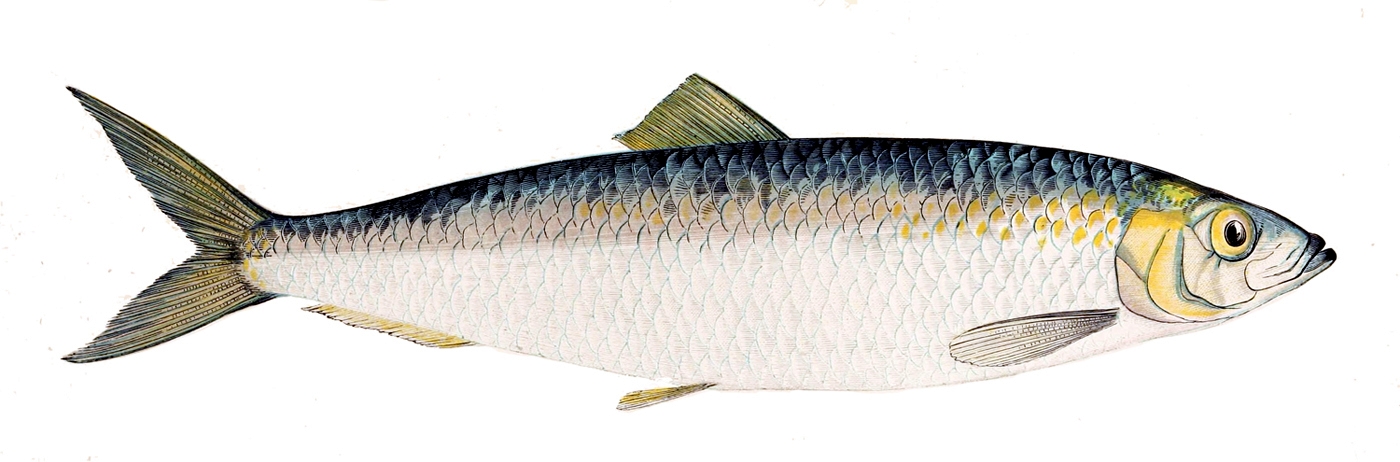
Clupea Harengus, the Atlantic Herring. Here the 2 most well known herring species.
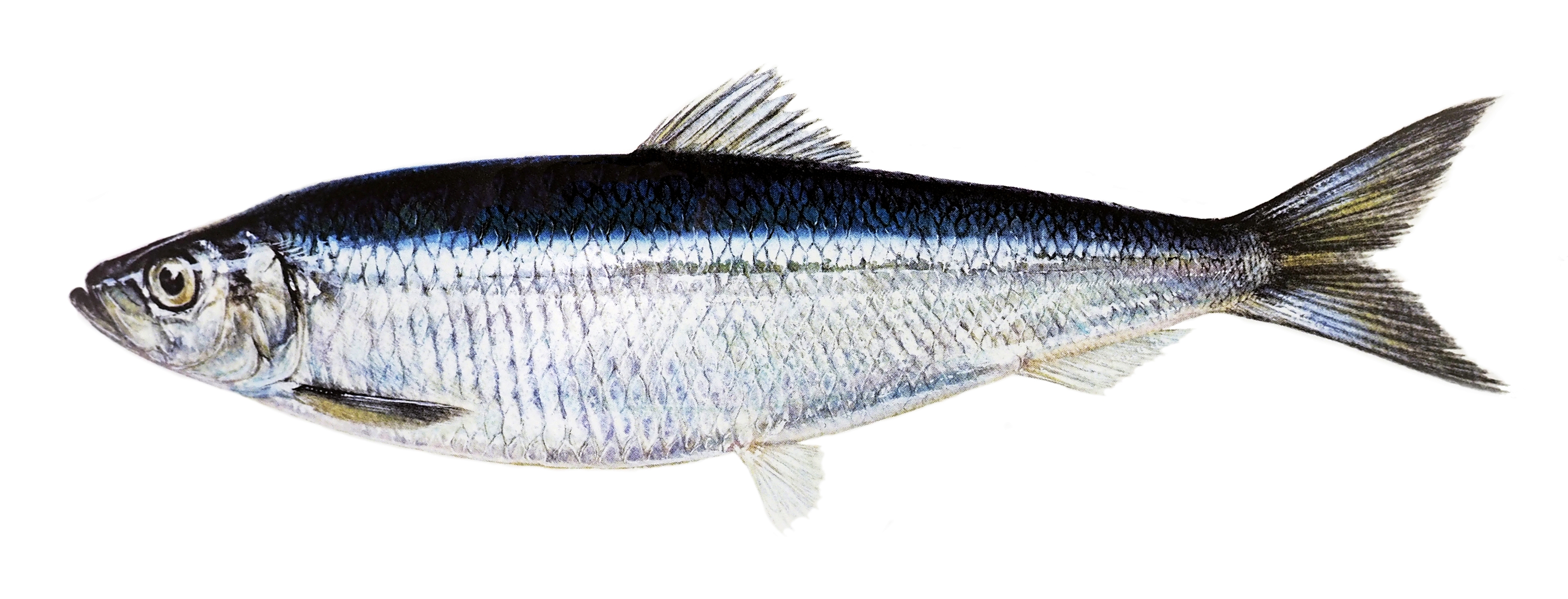
And the Pacific Herring. Not much difference, they both can reach about 48cm (19inch).

How to make Brathering ?

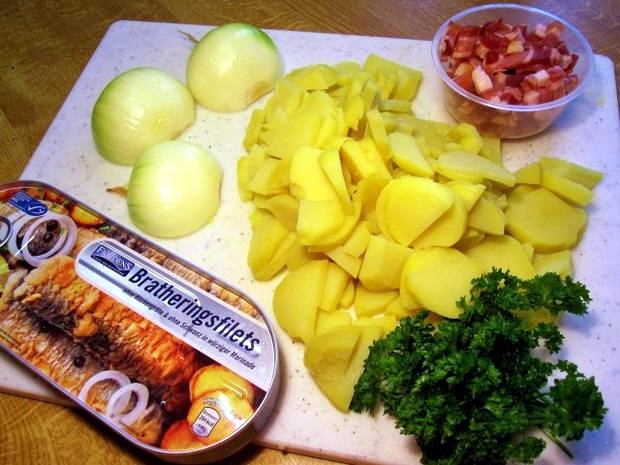
Usually, the green (means fresh) herrings with the heads and guts removed are either breaded or simply turned in flour, then fried, and finally pickled in a marinade of white vinegar and briefly boiled water, onion, salt, spices like pepper, bay leaves, mustard seeds, and a little sugar.

   Average size, 15 to 20 cm (6 1/2 to 8 1/2 inch).

Ingredients.

10 fish  (green herrings)
salt and pepper
700ml vinegar (I use white wine vinegar)
700ml vegetable broth, also meat stock is tasty
2 bay leaves
10 grains of allspice
5 juniper berries
6 tablespoons sugar
6 teaspoons salt
1 teaspoon of mustard seeds
2 large or 4 small onions sliced. I always use more,
because we like the pickled onion on the fish dish.
Flour for breading
Oil for frying

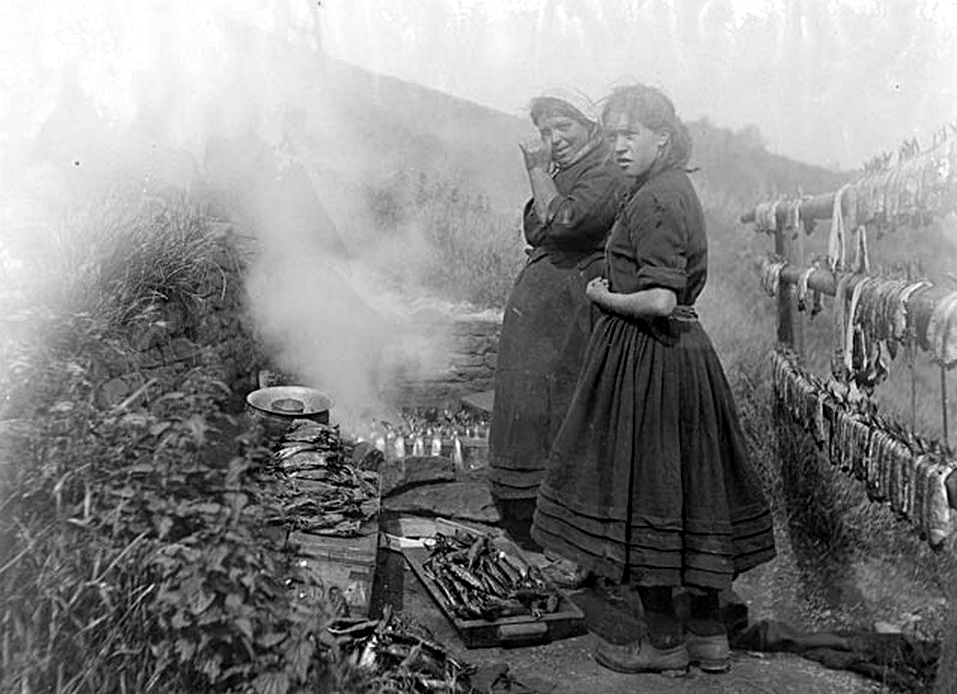
Frying, smoking and marinating herring – what a tough job around the turn of the century 18-1900’s.

How to do.

Season ready-to-cook herrings inside and out with salt and pepper.
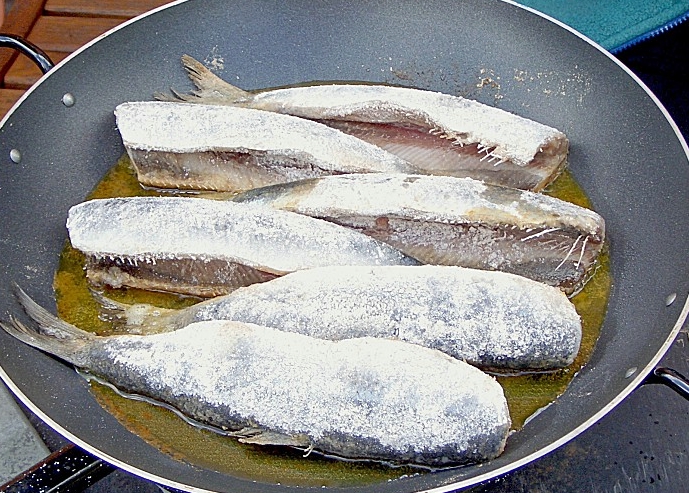
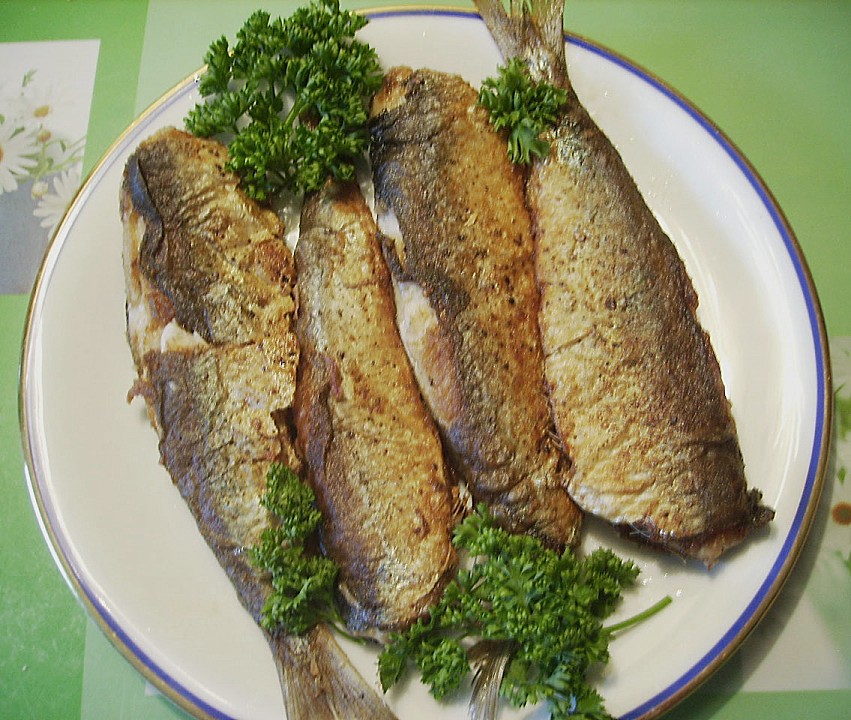
Turn into flour, place in heated oil and brown well.
Boil vinegar and meat stock, bay leaves, allspice, cloves and all other ingredients together.
Peel onion and slice into thin onion rings or half rings.
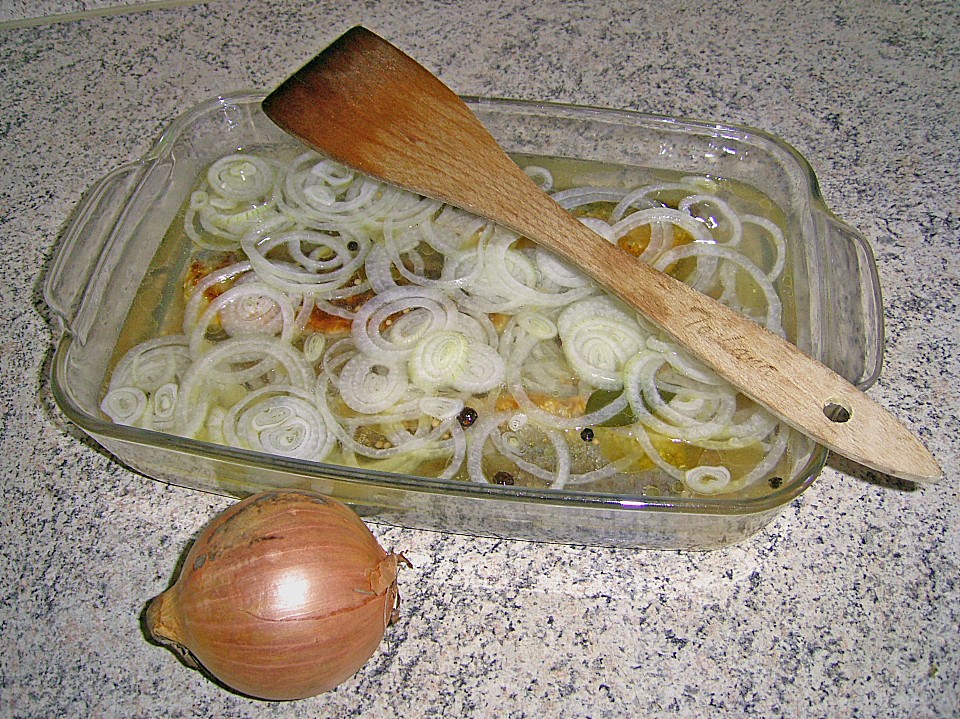
Layer the herrings with the onion rings in a casserole and pour over the hot marinade.
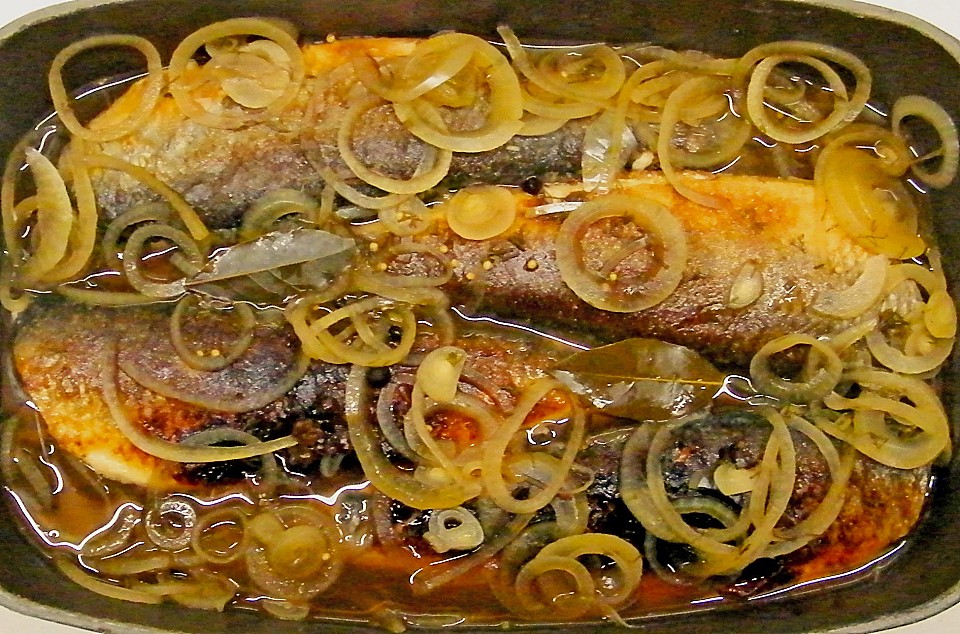
Let it rest in a cool place (refrigerator) for 2 to 3 days. See the pics down here, floured and fried, then fresh marinated and finally in marinade after 3-4 days !
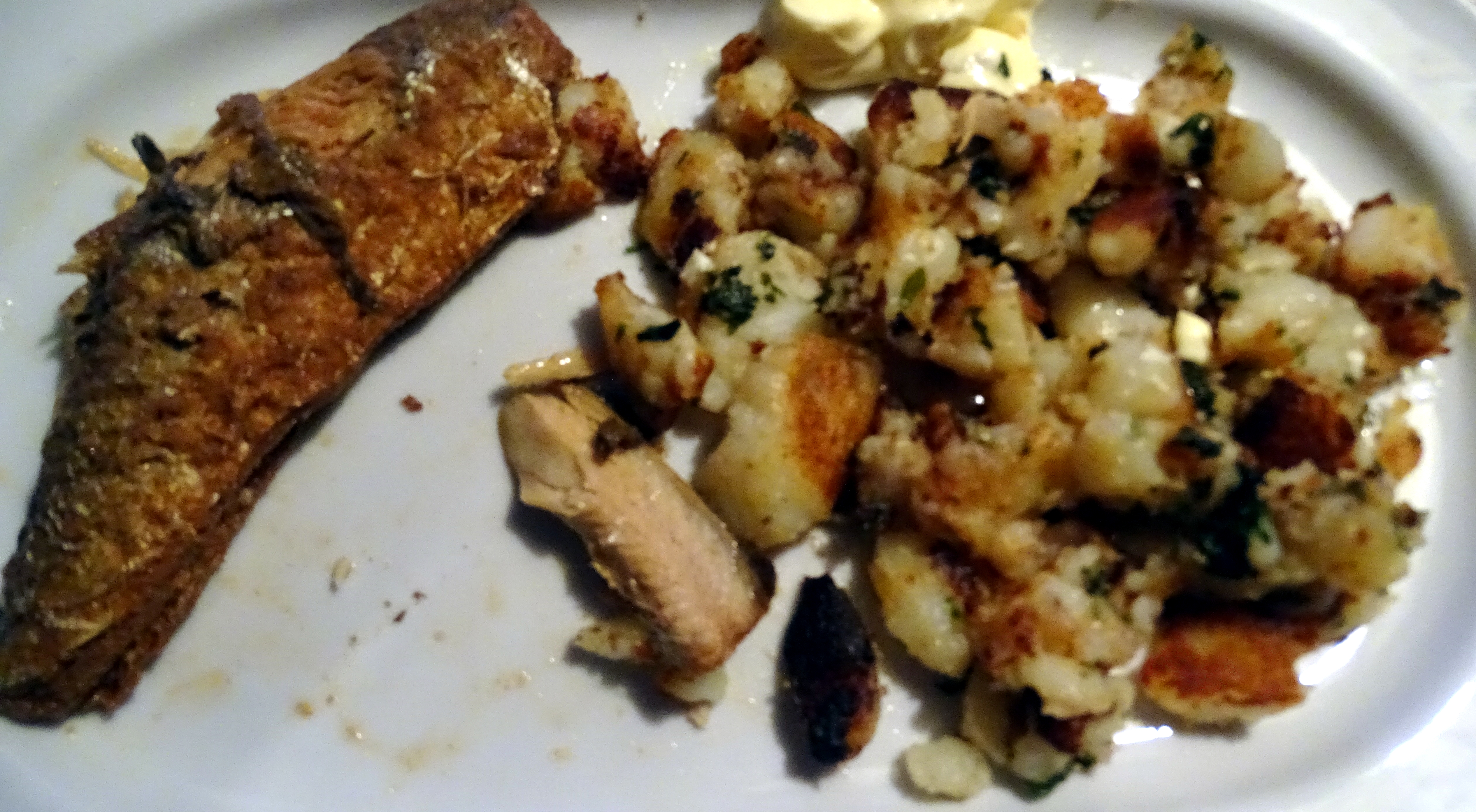
Then serve with boiled potatoes, butter and bread. Or with Bratkartoffeln of course. See my post „Bratkartoffeln“.

Tips.

If refrigerated, fried and marinated herrings may be preserved for up to two/three weeks. Nowadays Brathering is mostly available as a commercial product in cans. Look down.

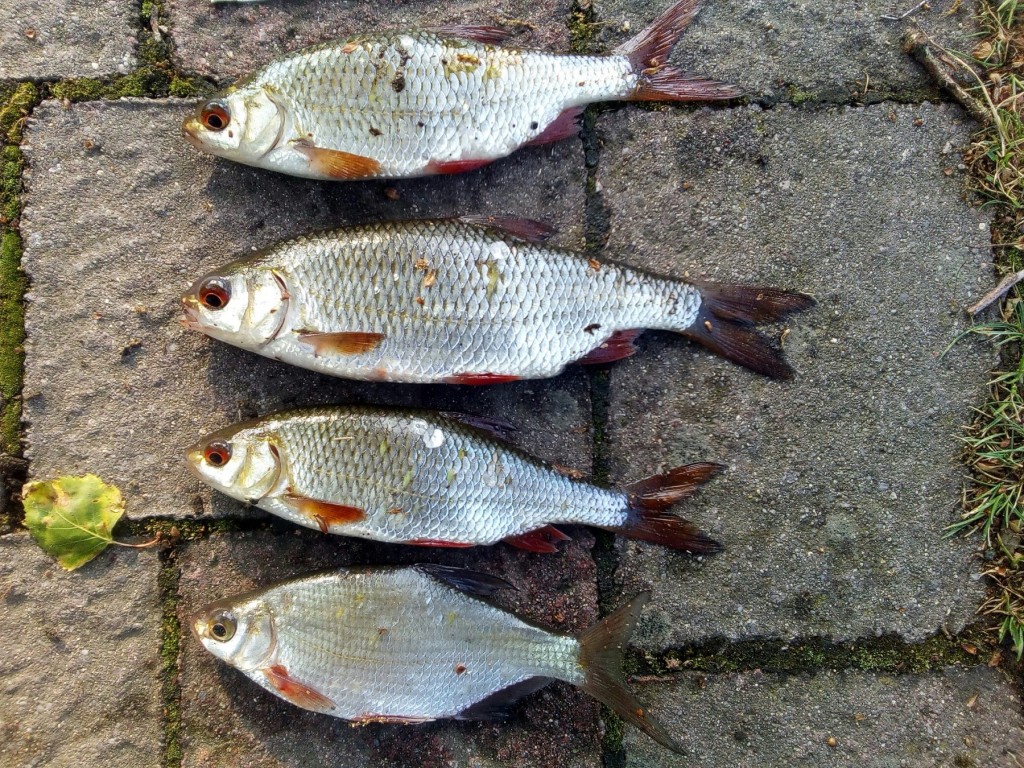
In some places its hard to get fresh nice herring. One can do the whole recipe here with substitute fish, like „Rotaugen“, „Ploetze“ or any other white fisch. White fish are usually called smaller, silvery-white colored species of carp fish. White fish are very tasty, but they have a lot of fine bones. As a result, they are not much appreciated as food fish. That’s why they are ideal for Brathering – frying and marinating – the fine bones „disappear“.

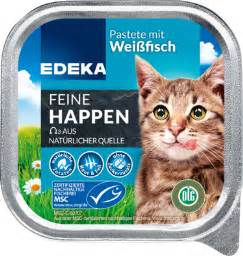
                      White fish are not bigger then a hand. Because of the small bones they are mostly used as cat food.

The thin bones of the green herring are partially dissolved in the marinade, so that they hardly interfere with eating. Don’t try to take them out of the fresh fish, its a mess.

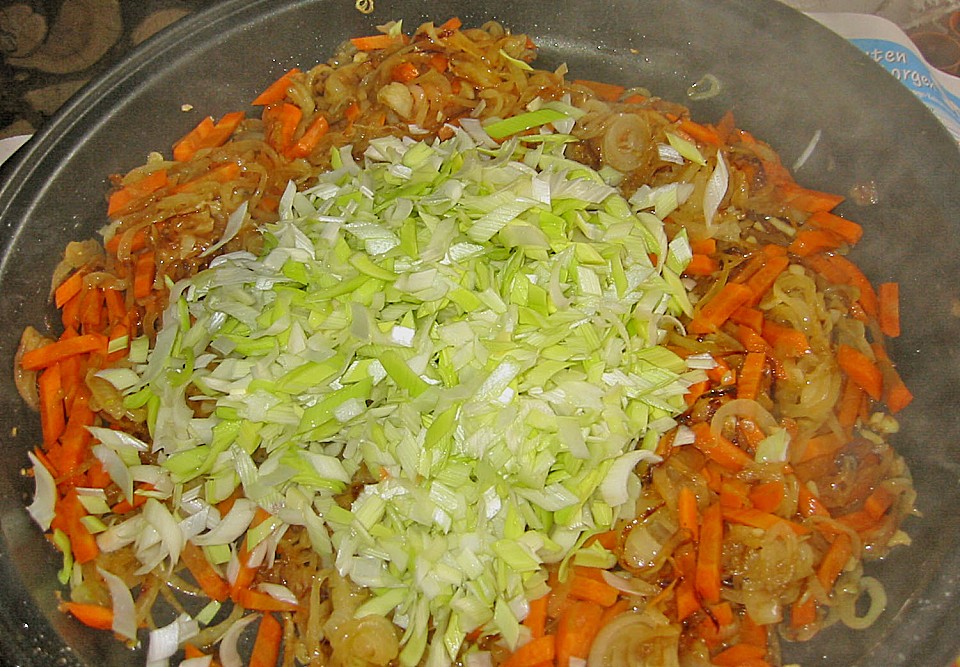
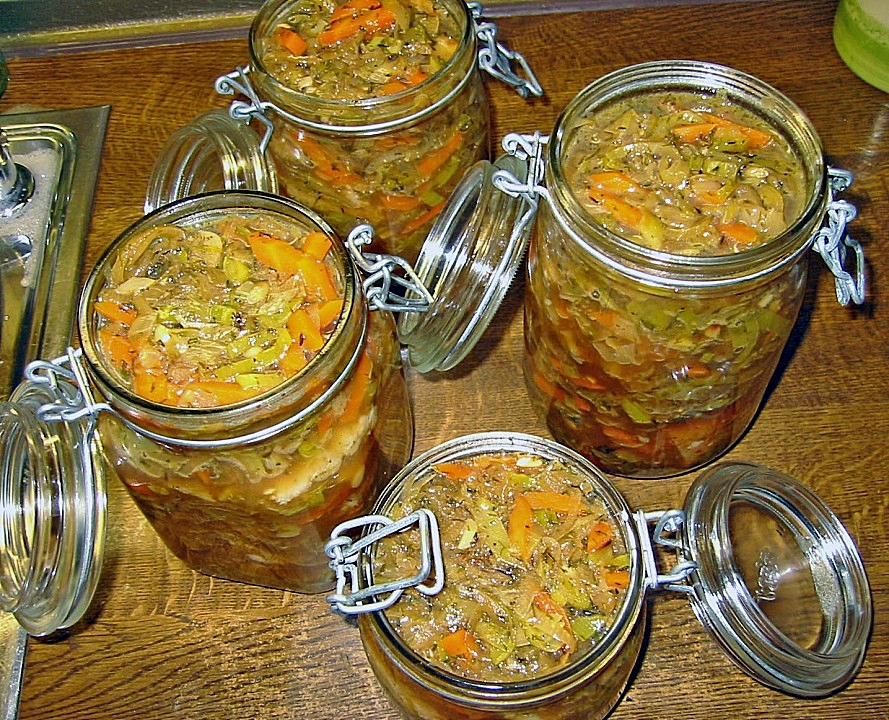
To prepare the herring for a later use, up to a year, is the following. Fry some onions till golden add some sliced celery and carrots and cook shortly. Then layer the herring into glasses and poor over the veggie mix and the hot marinade. Close the glasses immediately.

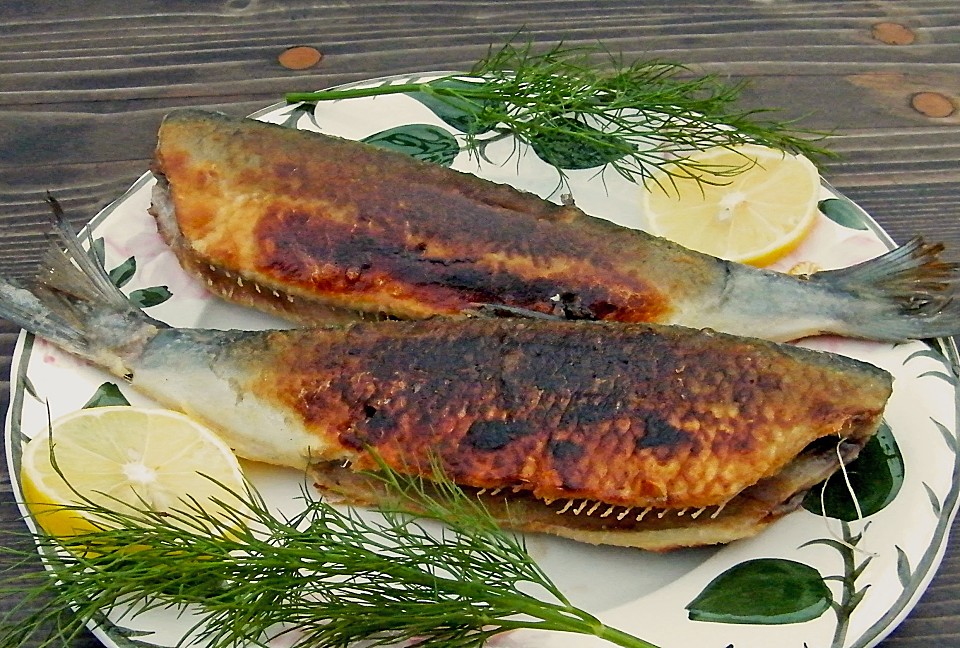
Another good tip is to fry the herrings (or BBQ) and not marinade, just eat after frying. We do this pretty often in summertime. Fresh fish from the BBQ, often better then meat.

Delicious with lemon or some remoulade. And of course Bratkartoffeln. Typical „German asado“ in Uruguay.

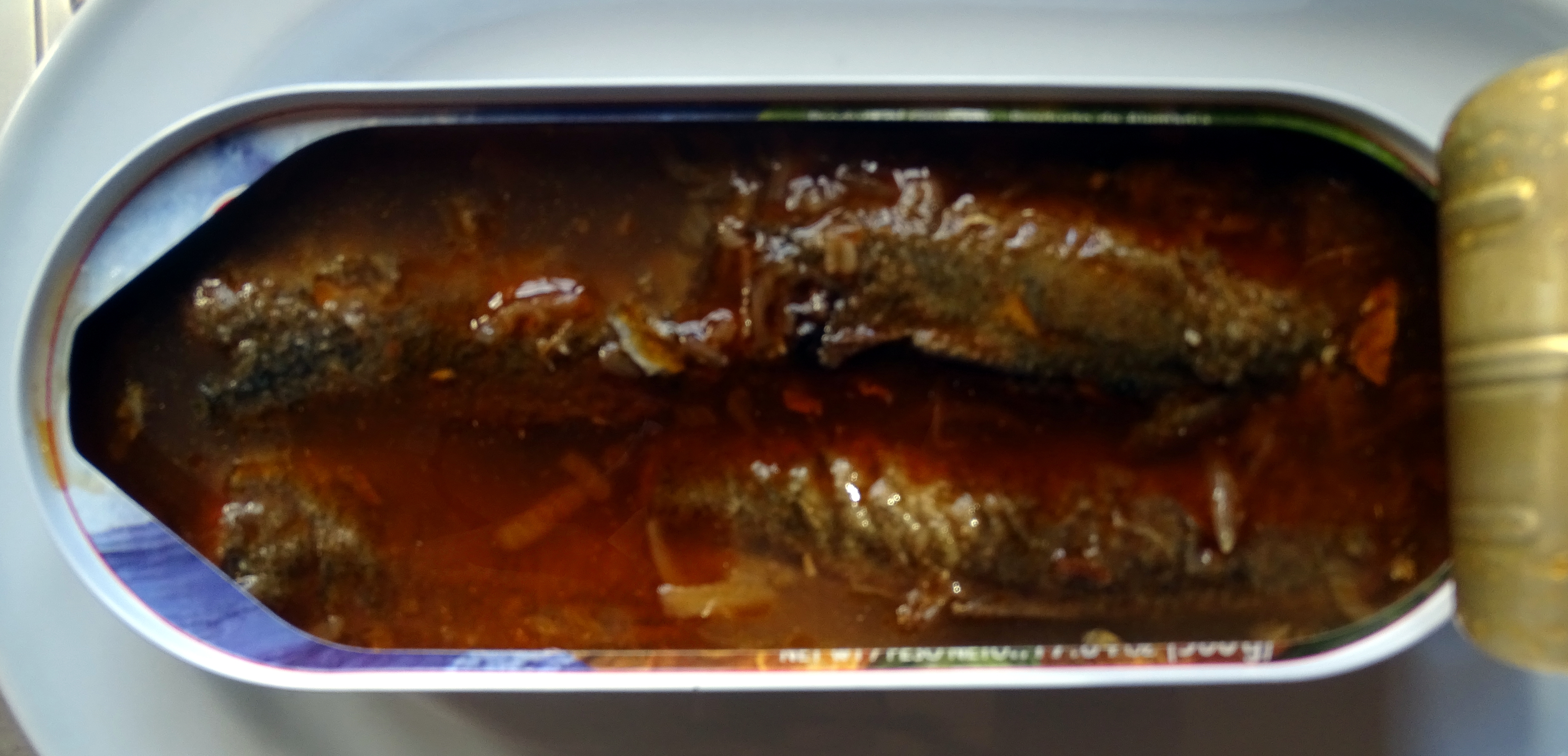
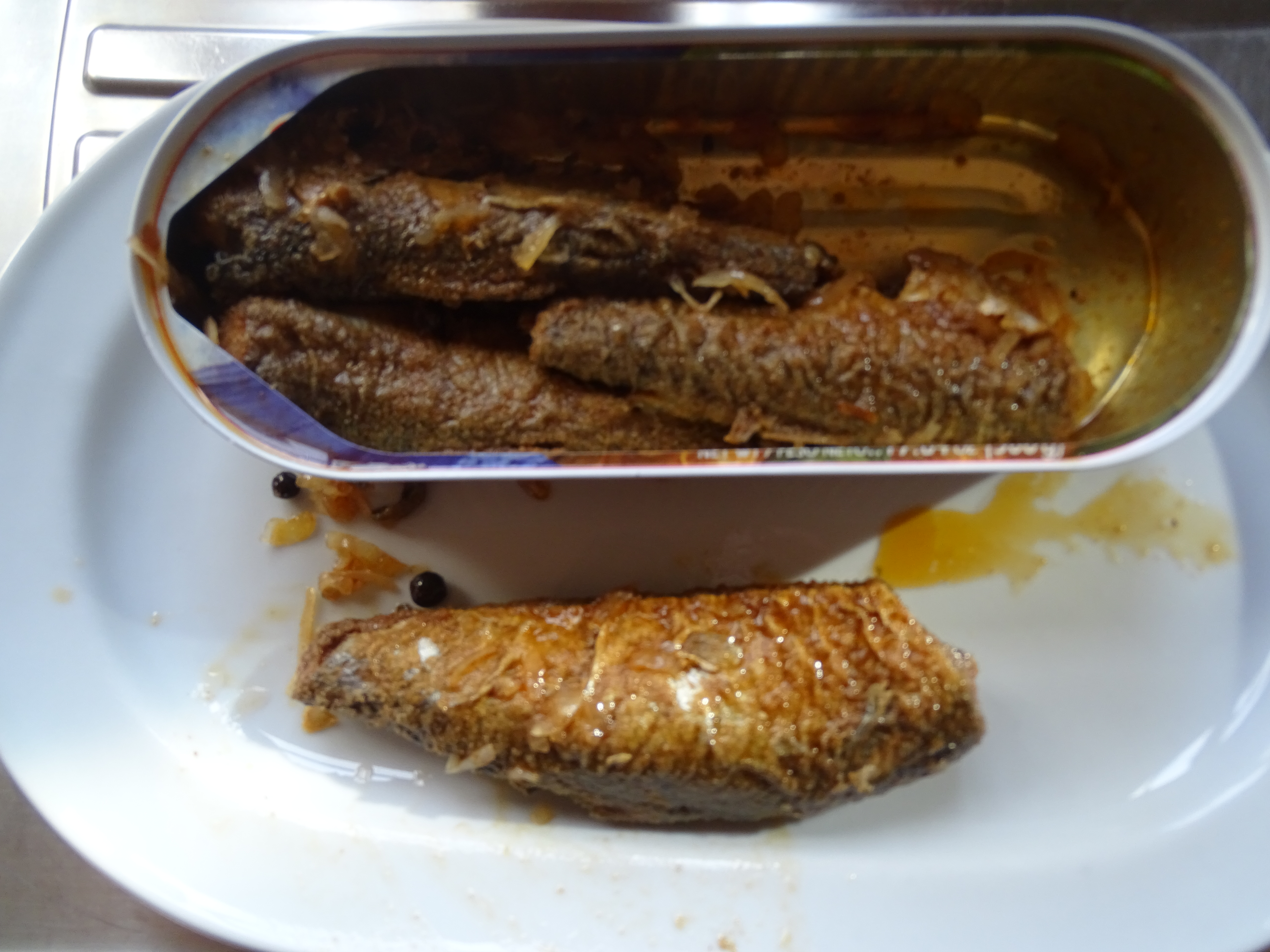
Brathering out of the can.

To make your own Brathering is really no big deal. But it can be that you are, as me, to lazy to go through the whole procedure. Being honest, the biggest part is always to find the right and freshest fish you can get your hand on – and this is in Uruguay almost impossible. A good quality solution is the can.

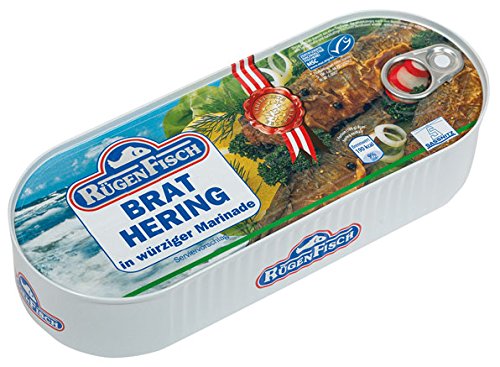
     This is the can of Brathering we can buy here in Uruguay (left). Looks almost the same as the original German one (right). Price in supermarkets around $120,–peso (c. US$4,20 or 3,50 euro). The quality is excellent and it is a can one can store, like tuna cans, almost anywhere for an emergency meal.
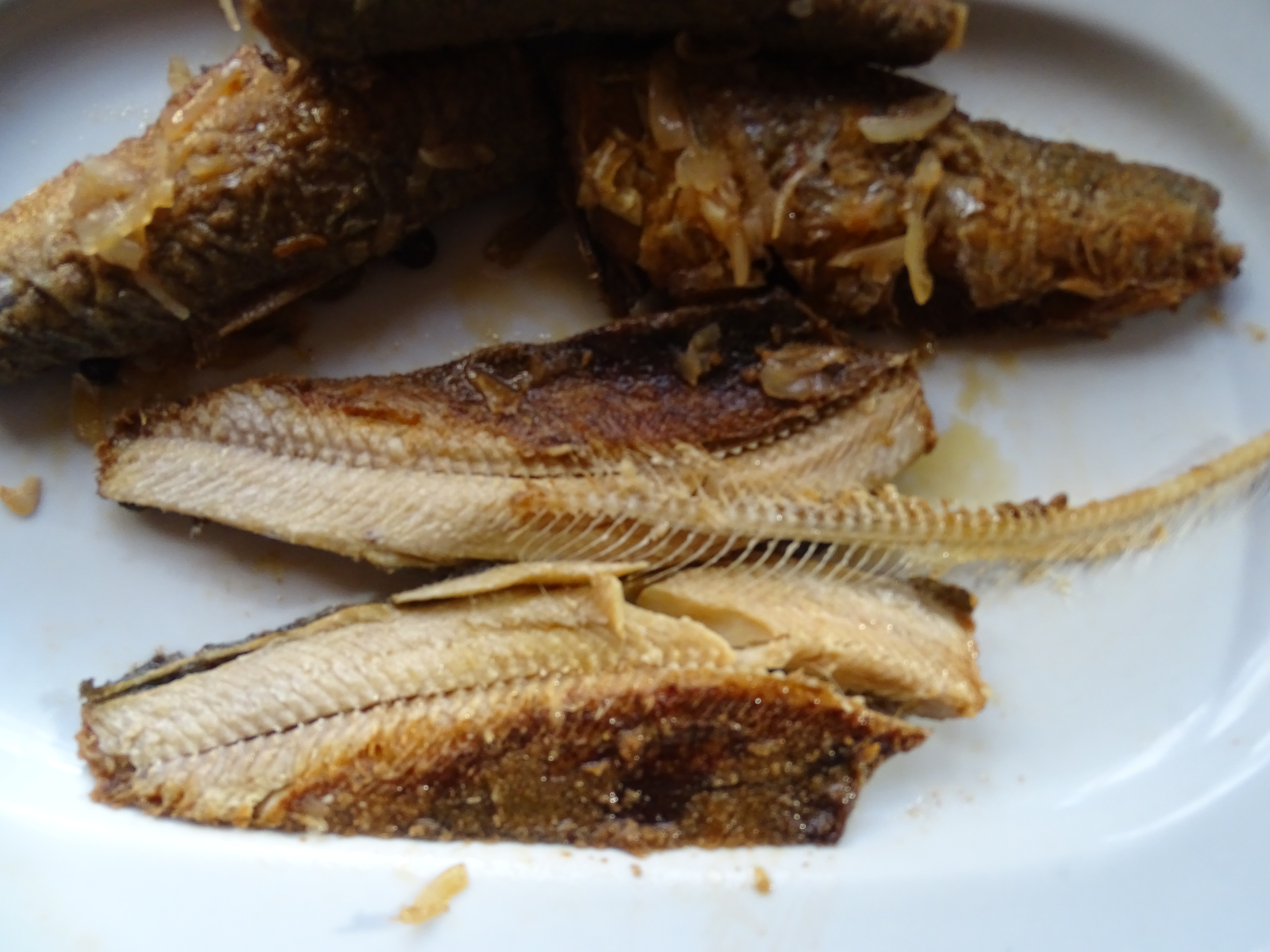
Preparing one can for a meal is just perfect for 2 people. We like it if the can was a few hours in the fridge before and the dish is nice cool against the hot baked potatoes. Also, I always take out the bones (just open the fish carefully and peal it out- easy). One can eat them, but we don’t like it. In total, a wonderful, easy to make, summer meal.
Now its up to you to enjoy some BRATS – herring and potatoes.
Veröffentlicht unter History, Lifestyle, Recipes | Verschlagwortet mit , | 2 Kommentare

More Satanic Verses ?

Years ago I read that the „Islam“ publicly condemned a book author to death, called on the world to destroy him wherever one will find him.
For many years he had to go underground and hid from Islamic revenge.

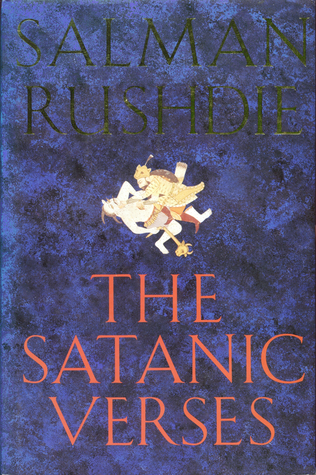
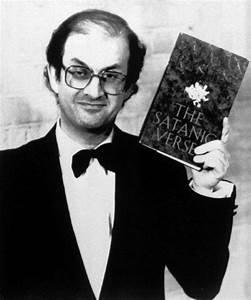
The author was Salman Rushdie and the book „The Satanic Verses“ his  fourth novel, first published in 1988.
In mid-February 1989, following a violent riot against the book in Pakistan, the Ayatollah Ruhollah Khomeini, then Supreme Leader of Iran and a Shi’a Muslim scholar, issued a „Fatwa“ calling for the death of Rushdie and his publishers, also called for Muslims to point him out to those who can kill him if they cannot themselves !!

         Salman Rushdie.

Wow – I thought I have to read this book and try to find out what is all this about.

Now, 30 years later, I have a similar feeling again about a book, just like to know what’s all this about. Why this fuss about an upcoming book ?

First answer, its the Streisand effect! A phenomenon whereby an attempt to hide, remove, or censor a piece of information has the unintended consequence of publicizing the information more widely, usually facilitated by the Internet. It is an example of psychological reactance, wherein once people are aware that some information is being kept from them, their motivation to access and spread it is increased.

  The Streisand house in Malibu, here it is shown „AGAIN“.   Donald Trump Embraces the Streisand Effect. Read about more if you like in „The Atlantic – politics daily“.  The president’s threats to sue Steve Bannon, Michael Wolff, and a publisher over a forthcoming book are more likely to bring the book publicity than deliver him a win in court.

The effect is named after American actor Barbra Streisand, whose 2003 attempt to suppress photographs of her residence in Malibu, California, inadvertently drew further public attention to it.

Second answer, just got yesterday my hands on this book. Written by Michael Wolff and titled  „Fire and Fury – Inside the Trump White House“.

  Michael Wolff.

I started reading and I can tell you, it is hard to stop and lay the book aside. Why ?

Author Michael Wolff’s bombshell expose on the Trump administration has shot to the top of Amazon’s and Barnes & Noble’s best-seller lists. Amazon customers purchasing the hardcover edition of „Fire and Fury – Inside the Trump White House,“ which publisher Henry Holt & Co. released four days ahead of schedule amid unexpectedly strong demand, will have to wait two to four weeks for shipping, according to the e-commerce site.

  Is it really all about Trump and Bannon ?

Barnes & Noble lists the book as being „temporarily out of stock“ on its website. According to BuzzFeed, an independent bookseller in Washington, D.C., sold out of the book less than 20 minutes after its midnight release. Book wholesale distributor Ingram Content Group also is out of stock, according to a spokeswoman.

  „I am the nicest person on earth“ !

Wow again – what happens and why this interest and demand? Here a few answers and comments one already can find around the web. I declare sincerely, they are not my personal statements. I like to be informed and the book gives a good view behind the scenes – that I can inform all of you about what’s happening allover the news, right now.

The following book comments (not mine) come without my remarks:

„Evidence that Trump must be removed. Best for all if he resigns (he could blame the GOP, media, God, for not giving him a chance and making his job impossible).
Whatever you think of Trump, this book is unlikely to change your mind, but buy it anyway. It’s fascinating“.

  Typical situation one can read about in the book: „The glorious king sings his hymn alone – the puppets just take part“. Click on pics, most will supersize.

„The fact that Trump ’s lawyers sent a cease and desist letter to publisher and author to stop book from being distributed tells us that we should definitely read the book“.

„My biggest takeaway from the book so far, is not its juicy stories, but the fact that Trump’s inner circle and, pretty much all of GOP is complicit and doing nothing about Trump. We all know he’s not fit for the job. He golfs and watches Fox and Friends all day. Let him do that and let someone else have the job“.

„This book is a shocking read and much worse than anyone might have imagined. Our government is not in capable hands; it is a circus. I was inspired to purchase this book by the efforts that Trump made to keep the people from reading it“.

   Tough words, but what do you do against it ?

„You must read this…  how did we Americans allow ourselves to stoop so low“?

„This book reveals once and for all that the emperor not only has no clothes but also has no marbles. Trump has already done so much damage to our nation both at home and abroad. It will take decades to regain our nation’s stature internationally. The US has become a joke because of this jokester“.

  Mr. Fire and Mr. Fury in a poker game.

„Bigger than Watergate. Time to impeach this fraud“.

„I bought this only to support our right to read whatever we want“.

„This book has a lot of assumptions (scary if a lot is true); entertaining to say the least“.

  Steve Bannon.

„What can be said that we already didn’t know? Nothing in this book will surprise anyone who has been following his golf outings and his crazy tweets on a daily basis of Donald Trump. His base will say it is fiction but this confirms a lot of stuff that other people has said about his character and his own past statements, and some may say that not all of it isn’t true — but even if 5% of what is in this book is true, OMG! Holy Cow!“.

„Reading this book is like being forced to eat an entire carton of ice cream in one sitting and some popcorn later, the book sucks you in and you don’t want to stop reading“.

  Mine is bigger ! KFC twittered !

Now, if you like, build up your own mind about „this“.
What is „this“?
„this“ is only one person in office at the top of the USA. Once the leading nation (in power, economics, politics and moral) of the free world. Now this individual – as we heard today „A Very Stable Genius“ (as he described himself) – breaks with a whole world order and drives everyone, all of us, our world on the brink of ……  !!! Ja, what – Fire and Fury ??

Veröffentlicht unter Information, Lifestyle | 4 Kommentare

Fast Food Revealed

Fast Food, however, already existed in ancient times. Here are some interesting things that you may not have known about the popular fast food dishes.
Every child knows fast food today. The products of the US chains Subway, Taco Bell, McDonald’s, Burger King, Pizza Hut or Kentucky Fried Chicken are literally on everyone’s lips. But Doener Kebap, Bratwurst, Currywurst, Fish and Chips and more are also part of the fast food for in between. Usually tasty and cheap, but in the long run not healthy.

   Fast food offer at Dairy Queen.

Here are some facts about the popular snacks, which are likely to surprise even some fast food fans. Most pics are free download from the web. And even if we have a „long article“ this time, its a short part of all available facts only.

    Reality is, sadly, often sooo different to the nice ads as shown in fast food restaurants. That’s another story.

Burger King sells black burgers.

Auspicious names such as „Black Diamond“ and „Black Pearl“ are the fast food chain in Japan’s two latest burger creations. The burgers are pitch black and look like they’ve been in the oven a little too long. However, the black color is not the result of a bake and roast breakdown. The bread and sliced ​​cheese were blackened with bamboo charcoal, the sauce contains the ink of squid and the meat inlay also contains black pepper.

    Black Perl and Black Diamond in Japan.

A really big problem.

One in four Americans visits a fast food restaurant every day. Ninety percent of US children visit McDonald’s at least once a month. While in 1970 in the US just six billion dollars with fast food were implemented, it was already 192 billion in 2013. The problem of rampant overweight, but especially not only in the US, is therefore not accidental.

   Fast Food obesity.

A 2010 study on adult health in Germany by the Robert Koch Institute found out that around 23 percent of men and 24 percent of women are obese. So you have a body mass index of over 30 and need treatment. For comparison, the norm is between 18.5 and 25. The health consequences of obesity can include diabetes, high blood pressure, coronary heart disease, osteoarthritis, gout and back pain.

  No comment needed, right ?  Click on pic !

Fight against obesity – San Francisco confirms ban on „Happy Meals“.

It’s more of a symbolic gesture – and yet it does cause quarrels: The City Council of San Francisco remains in its controversial ban on „Happy Meals“ with children’s toys as a side dish. The fast food giants are protesting against it.
Only healthier menus that meet a range of strict dietary requirements can still be sold with toys after the ban has entered into force. These dishes would have to contain less fat, salt and sugar, and would also include fruits and vegetables.

   Healthy stuff – but no one really likes it !!

Doener Kebap – invented in Berlin.

A German fast food variant is the Doener Kebap. What some consider to be a Turkish specialty comes originally from Berlin. Although it is not clear who can claim this fame. Many sources call the Turkish originating from Anatolia, Kadir Nurman, who from 1972 first packed lamb or veal mince with onions in a flatbread and sold.

        The German invention of fast food, Doener Kebap, Berlin. Available and known everywhere now.

Nurman was awarded in 2011 by the Association of Turkish kebap manufacturers in Europe (ATDID) for his life’s work and is thus officially the inventor of Doener Kebap. These are available in numerous variants today. The German touch on Doener Kebap are vegetable side dishes, the sauces and the versions „spicy“, „curry“ and „garlic“ etc..

Believe me, a good Kebap, like this one, is a delicious meal. And – in Germany – always available with beer.

A quick dive into Fast Food history.

Fast food itself is by no means an invention of modern times. Already in ancient times there was fast food. In the years 500 to 300 BC During the Olympic Games in Greece, small snacks were served in between. In the Roman Circus Maximus (see my post „Did You Know That – 6) in the years 100 BC. until 300 AD, pies, fried fish, sausages, cakes and donuts have been brought under the people.

    Roman Taberna.

Ancient Ruins Reveal the Habits of Roman Spectators.

A new discovery in Carnuntum, Austria, shows once again how much the Greco-Roman culture has influenced and shaped western civilization. Just like most spectators do nowadays when they attend a sporting event. Roman “sports fans” also used to buy souvenirs of their favorite and most popular gladiators.

The bakeries, fast-food stands, and shops detected in the area indicate that spectators back then would eat before, during, or after the gladiator or chariot events.  A movie made by LBI ArchPro Carnuntum and worth wile to watch is about the described discovery, just click on – and later you can click on for much more – if you are interested:

Fast food is often derided as a modern scourge, one that has made us fatter and ruined family dinners everywhere. But fast food isn’t an American invention. As we already learned, it’s been around since ancient times.

  Excavated fast food kitchen in Pompeii, Italy.

A Pompeiian takeout.

The residents of ancient Pompeii did not like to cook, as archeologists discovered when they began to excavate the famously preserved city, which was covered in ash during the 79 AD eruption of Mount Vesuvius. Barely anyone had a home kitchen. Instead, residents of Pompeii (except for the wealthy) ate on the go, at cook shops that functioned kind of like ancient takeout restaurants. These “popinae” had masonry counters inset with cooking pots, and customers might have selected their choice of porridge, ham, stew, and other culinary delights. The walls were often painted with frescos bearing images of the available food items.

  Ancient Pompeiian fast food kitchen.

The Mesopotamian McDonalds.

Godin Tepe, an archeological site in western Iran that was inhabited by humans as far back as 5000 BC, features evidence of takeout windows. A few years ago, archaeologists discovered that some of the buildings in the ancient Mesopotamian town had windows, an unusual feature for the time, around 3200 BC. The building they excavated contained a fireplace, food remains, and a lot of bowls—indicating that it might have been a takeout.

   Catering to trade: hospitality in the ancient Iranian site of Godin Tepe.Evidence of beer and wine-making, along with a well-fortified settlement, suggest that weary traders would have found Godin Tepe (originally over 20 hectares large) a pleasant place to rest their heads while on long journeys with their wares. Click on pics to supersize.

The Roman Hamburger.

A recipe from Roman times by an unknown author, included in Apicius (a cookbook published in the 4th or 5th century AD), features a dish, Isicia Omentata, that’s fairly similar to the modern hamburger. It was a patty made of minced meat mixed with pepper, wine, pine nuts, and a sauce. They probably didn’t have the option to supersize that.

      Typical street food vendors in ancient times.
      Funny – Roman Centurion cooking his meat patty’s.

Odysseus and the Hot Dog.

The American incarnation of the Hot Dog didn’t come onto the culinary scene until the 1800s (and the term itself might not have appeared until 1891), but sausages have been referenced in some of our oldest texts. In The Odyssey, for instance, Homer compares a „sleepless Odysseus to a sausage rolling around before a fire“. There are several variations of the translation, but in one, the passage describes the warrior’s tossing and turning as being like “when a man besides a great fire has filled a sausage with fat and blood and turns it this way and is very eager to get it quickly roasted“.

  Did Odysseus had his sausage like this ?

Chinese restaurant culture.

In 1200 AD, Chinese peasants enjoyed blood soup, which was both, sold at cheap restaurants and featured in upscale banquets. In big cities, vendors sold this and other hot food out of cauldrons and baskets in storefronts that catered to people who worked until late at night. Public restaurants, a fairly rare feature of the ancient world, catered to both the wealthy and the poor, and most restaurants were open late (just like your neighborhood Burger King). In fact, Hangzhou, China may have been the site of the first real restaurant, where diners could order food directly from a menu instead of taking whatever was available for the day.

  As old as in China is Fast Food in Japan.

And – Endless Tamales.

The priest Bernardino de Sahagun, who served as a missionary and ethnographer during the initial Spanish conquest of Mexico in the 1500s, described visiting Aztec street markets that sold hot sauce and tamales of near-infinite varieties—filled with meat, fish, frog, mushroom, rabbit, and more. Centuries later, in the 1870s, tamale carts would become L.A.’s first blockbuster street food.

    Tamales with all kinds of filling. The filling on the right: Minced meat, onions, beans, herbs, spices, cheese, tomatoes and much more . We tried those in Mexico and Panama, delicious – I tell you.
   Tamaleros, as they were called, started appearing in L.A. as early as the 1870s, and by the 1890s dominated downtown Los Angeles and started spreading to other cities. Tamale carts, left about 1911 in L.A., right 1931 in Madison, Wisconsin.

Short history of the Drive-Through.

It’s hard to imagine fast food without drive-through windows. Drive-through’s existed in the 1930s, and many drive-in restaurants had some form of drive-up window. However, the speaker systems commonly used to place drive-through orders didn’t hit the scene until the 1950s. The double drive-through, used by many busy fast-food restaurants, debuted in the 1980s.

      Out of the marketing philosophy it all makes sense. Modern „one lane“ and „double lane“ drive through.

Food with tradition.

The Historic Sausage Kitchen of Regensburg in Germany opened back in 1134 AD when it was the „cookshop near the crane“ and served food to workers building the Regensburg stone bridge. Later workers from the cathedral project came for their meals too.

    Picture made from the „Old Stone Bridge“.  The remaining city wall tower at the south end of the bridge, with the old Salt Store and Regensburg Cathedral in the background. The umbrellas in the lower left corner are belonging to the „Historische Wurstkueche“.

The current building dates from the 17th century but there is clear evidence for the previous restaurants on the spot. Around 1800, it became known for its „gesottenes Fleisch“ or boiled meat and in 1806, it began to specialize in sausages. It opens daily from 8am to 7pm and serves around 6,000 sausages a day including regional specialties.

  The „Historic Sausage Kitchen“ of Regensburg.

After that, small snack huts quickly got used to, because they were available for little money. Many people had no oven at that time and were dependent on „fast food“.

      The rear wall of the kitchen dates back to 12th century. Right, hard cooking work inside the kitchen, with about 6.000 sausages a day. Every portion of six sausages on sauerkraut will be served with bread rolls, except you order it different. This building dates back to the 17th century.

During nineteenth-century industrialization, workers had less and less time to eat, making cheap and fast food more important. Starting in the 1950’s, the triumphant advance of the global fast-food chains began from the USA.

World politics in fast food restaurants.

  Still worlds No. 1 country in fast food consume.

No, Burger King does not exist everywhere. In the Antarctic there is no branch yet. That’s likely to be the only area in the world where the „Double Whopper“ or the „Big Mac“ of competitor McDonald’s has not made it yet. Incidentally, an adult male would have to walk 14 kilometers to burn the calories he or she consumed after eating such a whopper. For most people, however, the nearest fast food outlet is much closer and who cares, from time to time a nice, juicy burger with fries is „something“, am I right ?

  Thanks to advertising professionals it looks so inviting.

That fast food in the US even plays a national role, was clear in the First World War. At that time the „Hamburgers“ were no longer called „Hamburgers“, but „Salisbury steaks“. They wanted to wipe out the German city on the Elbe and the former war opponent. Didn’t work out well, the „Hamburger“ came back quickly.

  Salisbury steak (a big chunk of minced meat) nicely grilled and still available in restaurants or loved at home. Mostly served with an onion-mushroom sauce, veggies and mashed potatoes. Delicious homemade meal.

When in the second Iraq war the French refused to join the US campaign, the American fries were no longer called „French Fries“, but „Freedom Fries“. Thus, world politics also finds its echo in the fast food restaurant.  Ha ha ha, what a bullshit !!

       What a childish behavior „Freedom Fries and Apple Pie“. Did one really believe that the French cared about this ?? This pisses ME off !! But, „French Fries“ came back quicker then Americans could destroy their ads.

Take away increases the profit.

Every experienced fast food customer has heard this question many times: „Eat in or take away?“ The customer decides at will, but for the fast food provider, the question has a monetary value. If a guest eats their meal in the house, the innkeeper in Germany must pay 19 percent VAT, if the guest takes the goods away, the host pays only 7 percent !!

      Wouldn’t it be great, empty restaurant and most of the turnover via take away. 36 meals in bags and SAVED tax, cutlery, plates, cleaning tables and floors and removing all the trash. That really puts money in the entrepreneurs pockets.

The fast-food chains should therefore be better off, if the customer takes his goods. The „drive-in principle“ really pays off for German fast-food chains. But for another reason as well. If a customer eats in the store, it could be that he needs much longer for consumption than 30 years ago, because at least in the US, the average portion size has doubled in the past three decades.

       Just to inform you, one once is 30 grams. Both pics are showing Mc Donald’s products.

McDonald’s, Burger King and more.

McDonald’s is the epitome of fast food worldwide. One in eight Americans has worked at McDonald’s at least once in their lives. The chain is regarded worldwide as the most important buyer of beef and potatoes.   96 percent of all US children know the clown „Ronald MacDonald“, the mascot of the company and so on.

  Ronald McDonald and kids.

McDonald’s is dominant, but by no means unrivaled. Amongst others, the chains Burger King, Yum, Brands, Wendy’s, Arby’s, Starbucks, Taco Bell, Domino’s Pizza and Dairy Queen play a big role in the fast food industry. In the number of worldwide branches, the sandwich chain Subway ran even McDonald’s out of the rank.

  Most popular fast food chain USA 2017. And in Germany 2 times more popular then Burger King and 3 times more popular then McDonalds.

Globally conceived, regionally implemented.

In India, the religion of Hinduism is state-bearing. This religion has declared the cow to be a sacred animal and the Hindus are forbidden to eat beef. Moslem’s are forbidden to eat pork. So, as a result fast food chains like McDonald’s or Burger King naturally responded to this national peculiarity.

     This is how, by example, McDonalds responds in India.

In China, Ireland, Serbia, Japan, Turkey, Malaysia and Thailand, there is the Mega Mac for the giant hunger, a kind of Double Big Mac. Sometimes it is also limited available in the US and Canada, mainly for promotional purposes.

            A Meat Monster and some Mega Fries made for Japanese customers.

The Canadians also lure their customers with the posh „McLobster“, a fast food lobster sandwich. Also from Germany would be a special feature to call – the beer. Brewed strictly in accordance with the German Purity Law, it is offered in about 40 percent of all McDonald’s stores, which is the exception rather than the rest of the world.

  McLobster in Ontario, Canada and in the US – Wendy’s „lobster caviar burger“. Decadent ??

Different country’s or a different lifestyle and mentality requires a different marketing to lure customers into their restaurants. In Germany they try it not only with beers, but also with the popular McRib (where aficionados in the US have been to drive hundreds of miles for) It’s a tasty pork sandwich slathered with BBQ sauce. See pics.

Germany’s McDonald’s restaurants offer fresh bread and rolls with butter, honey, jam, and Nutella for breakfast. Another McDonald invention, Mediterranean style, (see in the photo below) is „McToast“. The flatbread sandwich is stuffed with strips of ham and cheese.
They also knock the socks off of American McDonald’s by offering the McCurrywurst, a popular German sausage with curry sprinkles. Optionally with a mild or hot curry powder aside and a bread roll.  How cool is that ??

Wish I could go and have some „German McDonald food“ now. But it is no wonder that they try everything to win the customers. McDonald in Germany is far far behind most of all other food-chains in the country, when it counts by popularity.    Getting hungry ??

Veröffentlicht unter History, Information, Lifestyle, Travel | Verschlagwortet mit | 10 Kommentare

Christmas – Time of Reflection

Weihnachten, Zeit der Reflexion.

Weihnachten, Zeit der Reflexion,
von Frieden und Versoehnung.
Weihnachten, Zeit der Lichter
und Zeit für die Liebe.
Weihnachten, Zeit der Solidaritaet.
Teile Deinen Tisch mit Deiner Familie
und, besser, mit denen die hungrig sind,
mit denen, die eine bruederliche
Umarmung brauchen.
Oeffne Dein Herz Deinem Naechsten,
Pflanze Hoffnung in jenem,
dem alles verloren gegangen ist.
Schreibe das Gedicht von Frieden und Liebe
und breche mit der Sprache des Krieges.
Begleite dein Herz hin zu meinem, zu ihrem,
zu dem Deines Nachbarn, den Du kennst
und demjenigen, den Du nicht kennst.
Lasst uns die Sprache erheben, reden
von Respekt und Toleranz.
Gemeinsam, zusammen als Brueder,
lass uns froehliche Weihnachten feiern
und mit Begeisterung
das Neue Jahr empfangen.

Navidad, Epoca de Reflexión.

Navidad, época de reflexión,
de paz y de reconcilición.
Navidad, época de luces
y tiempo para el amor.
Navidad, tiempo de solidaridad.
Comparte tu mesa con los tuyos
y, mejor, con aquéllos
que padecen hambre,
con esos que necesitan
de un abrazo fraterno;
abre tu corazón al prójimo,
siembra esperanza
en los que todo lo han perdido,
escribe el poema de la paz y del amor
y rompe el discurso de la guerra,
une tu corazón al mío, al de ella,
al de tu vecino, al que conoces
y al que no conoces,
al que piensa diferente a ti,
levantemos el lenguaje
del respeto y la tolerancia
y juntos, como hermanos,
celebremos la Navidad
y recibamos con ilusión
El Nuevo Año.

Christmas, Time of Reflection.

Christmas, time of reflection,
of peace and reconciliation.
Christmas, time of lights
and time for love.
Christmas, time of solidarity.
Share your table with your family
and, better, with those
who are hungry,
with those who need
of a fraternal embrace.
Open your heart to your neighbor.
Sow hope in which everything has been lost.
Write the poem of peace and love
and break the speech of war.
Join your heart to mine, to hers,
to that of your neighbor, whom you know
and the one you do not know.
Let’s raise the language
of respect and tolerance
and together, as brothers,
let’s celebrate a Happy Christmas
and receive with enthusiasm
The New Year.

To join the worldwide atmosphere of christmas,
watch the following:

And, if you enjoyed Andre Rieu, here is some more:

And finally another Christmas hit, take your time to watch.

Merry Christmas, a Happy New Year, with Health and Wealth to all of You !

Veröffentlicht unter Uncategorized | Verschlagwortet mit | 2 Kommentare