This week is the second week of this years Winter Olympics in South Korea. During the last few days I watched some of the Olympic news and – WOW, there is a fashion back, which I thought it was dead for many years. What ? The „Bobble Hat“ or „Bommelmuetze“ or „PomPom Toque“ is back. I am totally surprised, but I like it.

 Team USA (left) and team Switzerland (right), both in their official Olympia 2018 outfit with bobble hats.


Yes my friends, one could and still can see it all over the Olympics and of course the spectators wear the „modern“ cap also again. See the pics I downloaded for you.

 Tatjana Huefner, Germany (left) and Martin Fourcade, France (right) with bobble hats.


 The bobble hat outfit of South Korea (left) and the team Canada (right), Pyeongchang 2018.


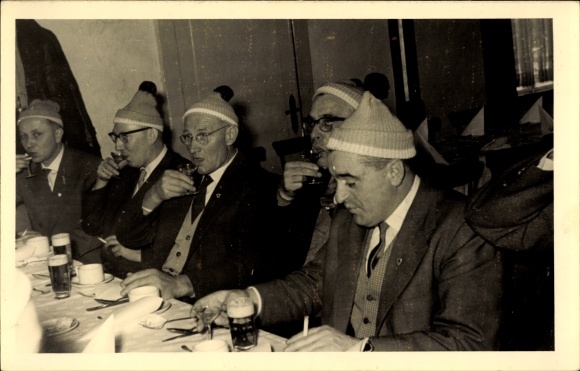
When I thought about this headgear I got back memory’s from the 1950’s where I used one to wear as my favorite. It’s known allover the world and a lovely sign of personality. But where did this fashion with the „bobble“ came from or why is used in the first place ?
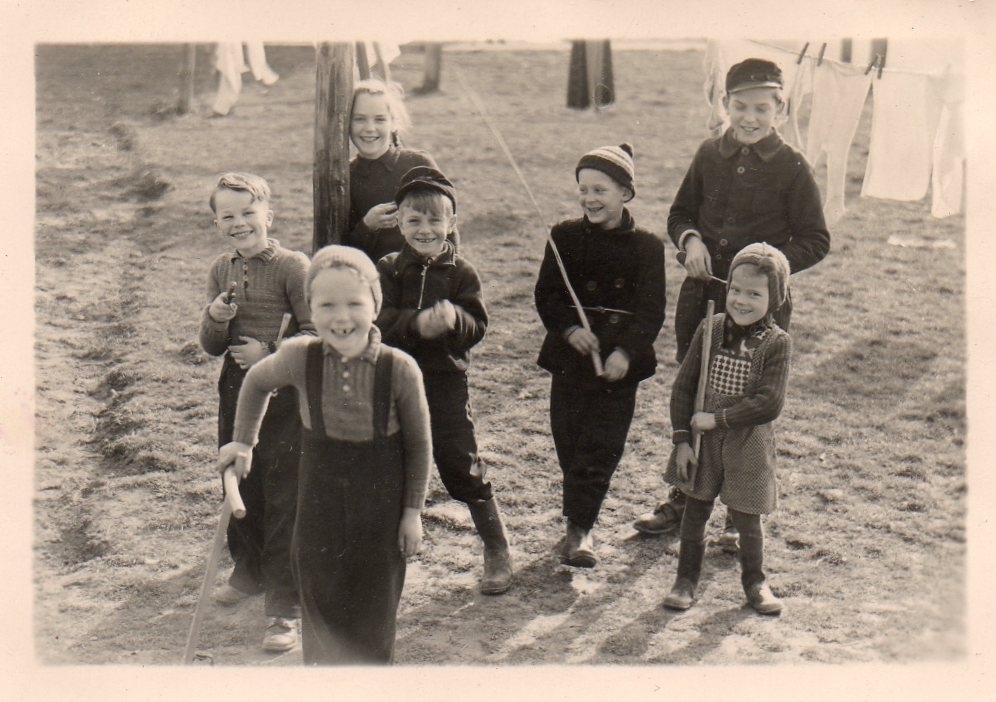
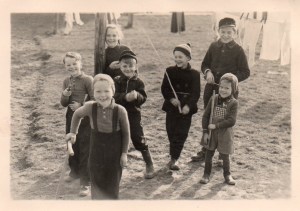 Yes folks, that’s me, bobble hat and stick, in 1951.
What is a bobble hat ?
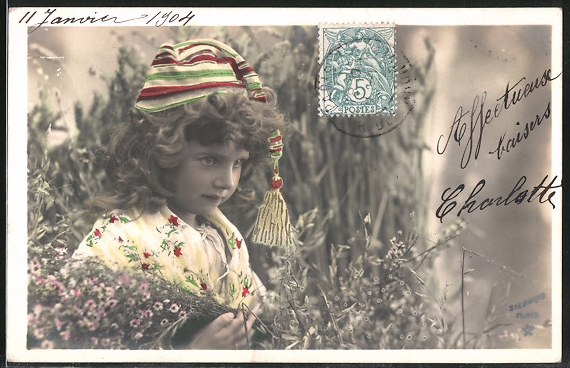
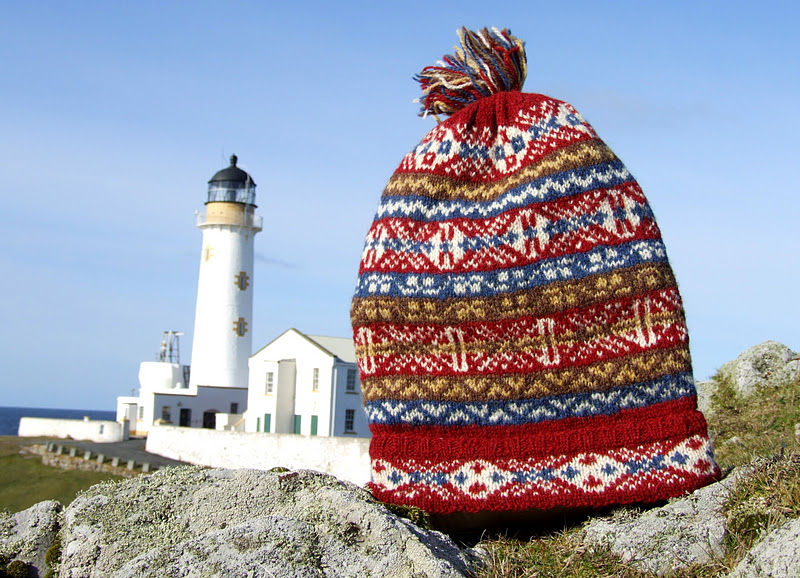
A bobble hat or bobble cap is a knit cap that has a yarn „bobble“ or pom-pom upon its top. It is similar to the tuque or watch cap. But, the tuque does not have a bobble on its top.
 Yarn pompom on a knit cap – the bobble hat.

From Wikipedia: A bobble hat or bobble cap is a colloquial (usually British English) term for a knit beanie or tuque trimmed with a yarn bobble or pom-pom upon the crown. Bobble hats are generally considered utilitarian cold weather wear. In the late 20th century the UK was associated with utilitarian unfashionably (like the Anorak) or older football supporters, as they were popular in club colors in the 1960s and 70s.
 Were bobbles just used for decoration ?
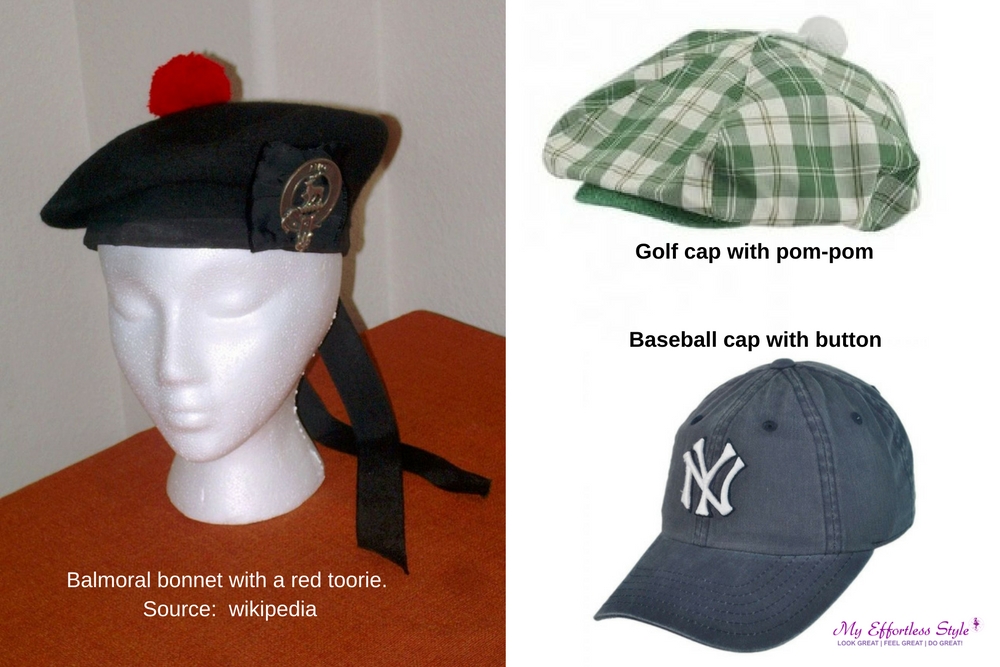
With the pin on Rosette and Football scarf in club colors, the bobble hat is seen as traditional (if old fashioned) British working class football regalia. In the 2000s the bobble hat has become popular with some celebrities and not always considered to be an entirely unfashionable choice. The term is coined as a false British term of abuse („you bobblehat“) towards a middle aged man who has lost his charisma in German playwright Botho Strauss’s „Der Park : Schauspiel“ (1983): a reworking on Shakespeare’s A Midsummer Night’s Dream set in 1980s England.
 The verbal attack „you bobblehat“ in „Der Park“.

This article is about the knit cap also known as a „beanie“ or „tuque“, among other names. People easy mix up the bobble hat with a beanie or others. But it is an unique style of fashion – a headgear with a bobble on top. The beanie, by example, is also a knitted cap, but without a bobble.
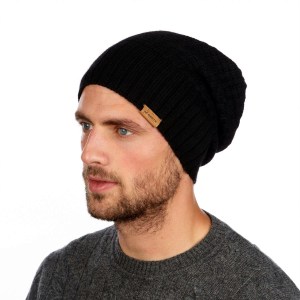
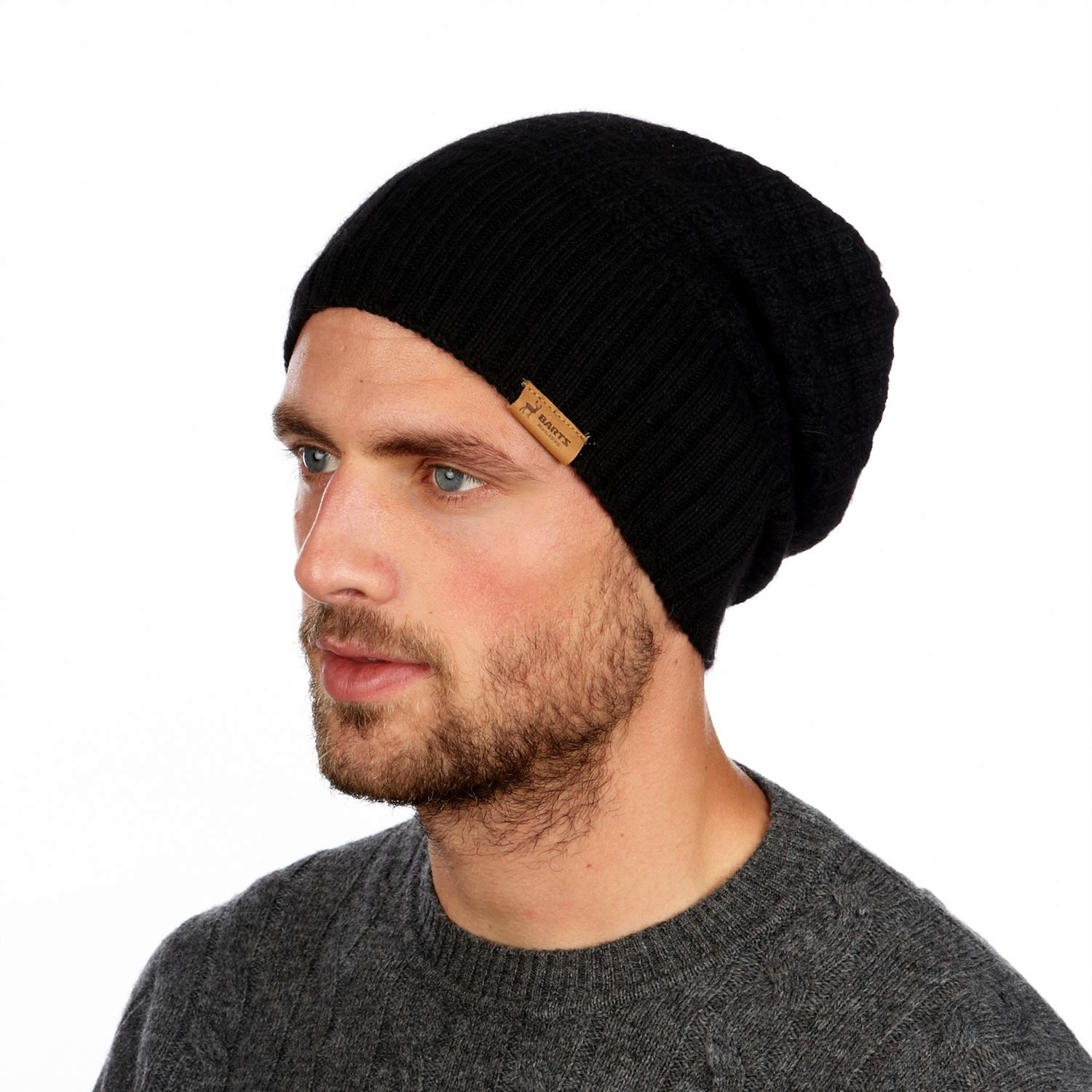
 The „beanie“ (left), for many years in fashion is definitely „out“ and back „in“ is the bobble hat (right).
History.
My history interest was awakened. I searched, as I like to do, and found some different story’s about it.If one digs deep it is unbelievable how much information is coming up.
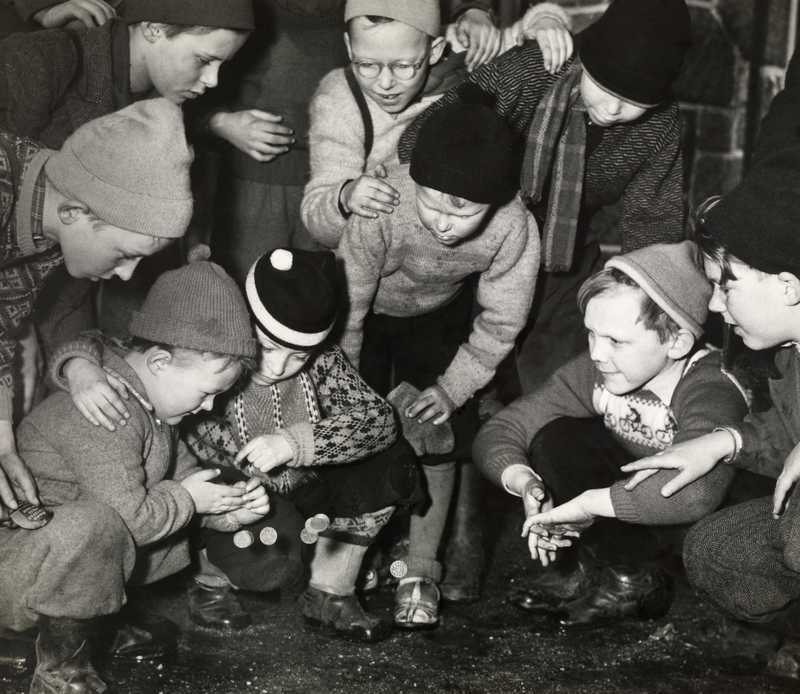
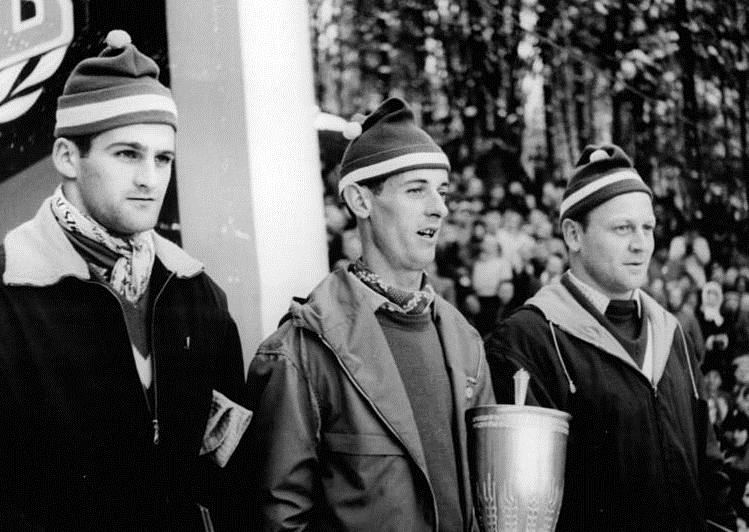
 The 1950’s have been one peak of fashion with the bobble hat. Left a bunch of kids with their typical knitted caps, Oslo 1950. Right the medal winners of the Nordic German Ski Championships in Altenberg on 23.February 1956. From left to right the 3 German winners, Recknagel, Glass and Lesser.
First a few different language terms of the same „thing“.
 The most comfortable winter cap ever.

Bobble hoed – Netherlands
Bommelmütze – German
Pudelmütze – old Bavarian
Gorro con borla – Spanish
Topplue – Norwegian
Pälsmössa – Swedish
Pompom Toque – French
Bobble hat- English
Tuttmüts – Estonian
Capello bobble – Italian
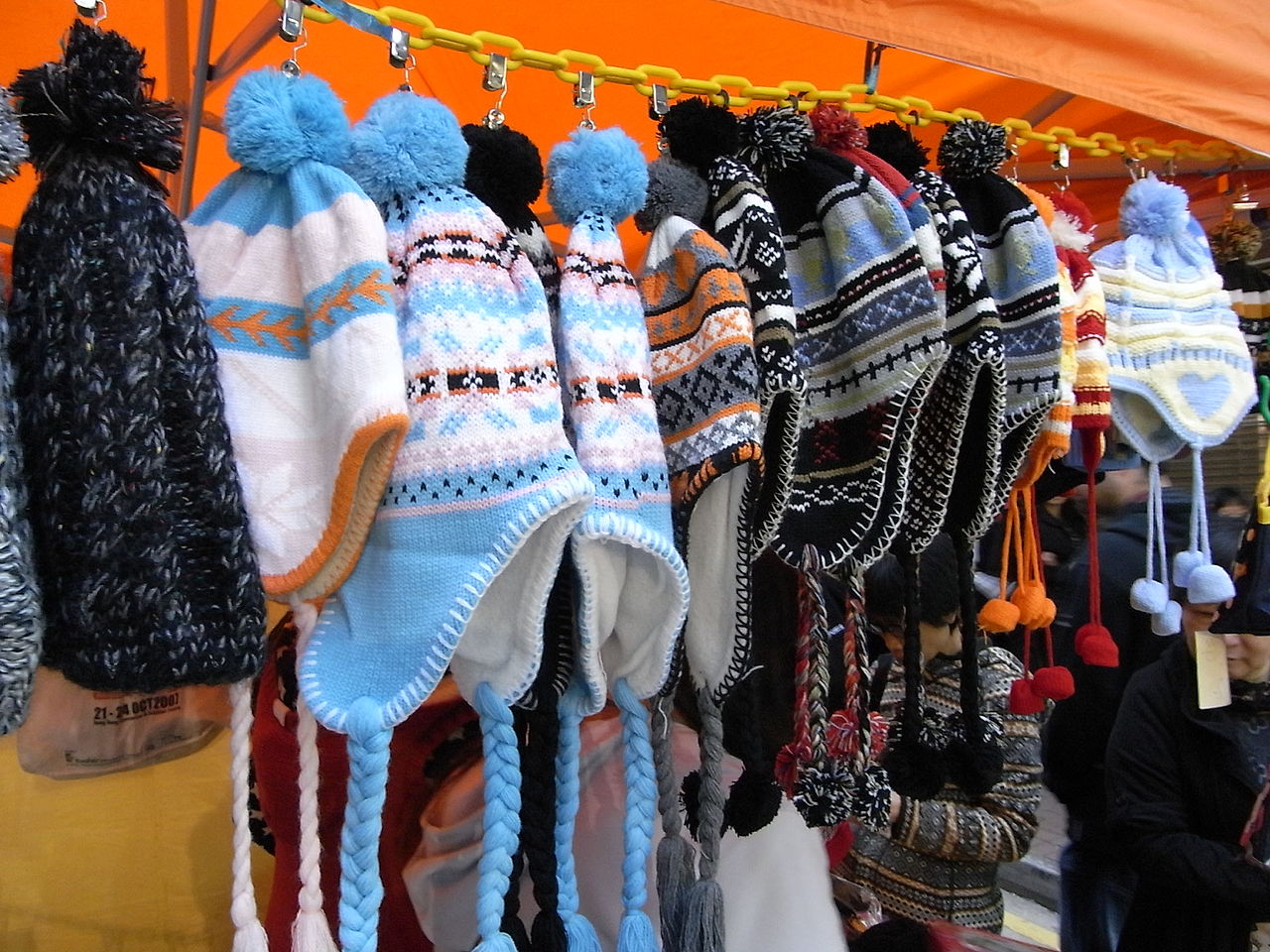
 Bobble caps FOR SALE.

For my German readers, some fun in „OLD BAVARIAN“ language. (Während die deutsche Schriftsprache im 15./16. Jh. entstanden ist, stammen die aeltesten altbayrischen Texte aus dem 8. Jahrhundert.) :
A Pudlhaubn oda Pudlhaum (dt. Pudelmütze, engl. Knit Cap) is a gstrickde Haubn, de wo a Bompal obn dro hod.
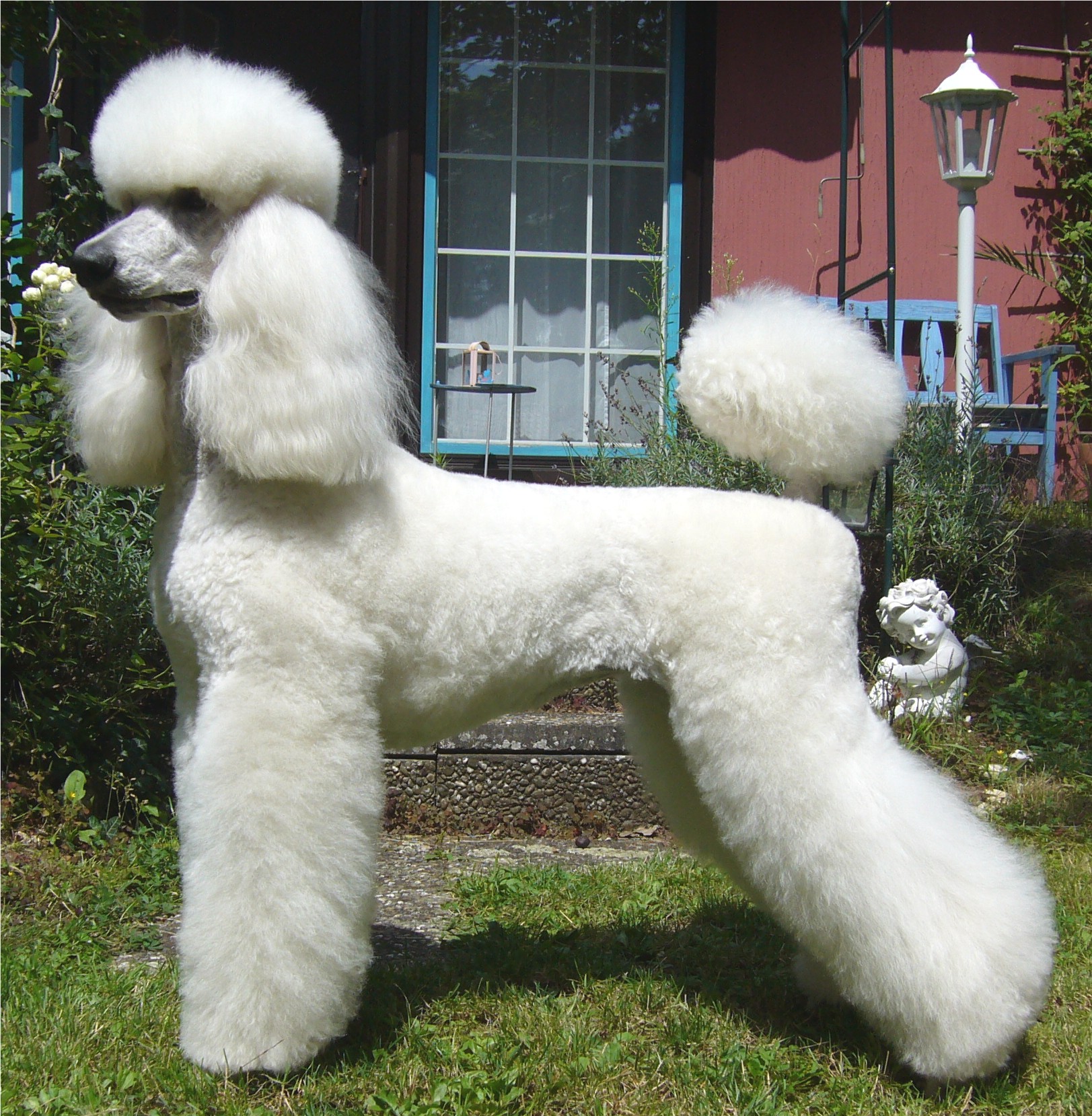
Pudlhaubn hoassts, wei de zrechstutzde Quastn an a Frisua vo an Pudl dainnad.
De Pudlhaubn hod zwoa grousse Voatei: Easchtns hoits in ganzn Schädl woarm und zwoatens fliagst aa ned ba an heftign Windstoos davo.
 The namesake „Pudelmuetze“ or „Pudlhaubn“.
Beanie and Tuque/Toque.
For the head-hugging cap made of cloth panels, also known as a „skully“, see Beanie (seamed cap). A knit cap, originally of wool (though now often of synthetic fibers) is designed to provide warmth in cold weather. Typically, the knit cap is of simple, tapering constructions, though many variants exist.
 Without a bobble. Man wearing a beanie cap with Rasta stripes (not a rastacap) in Franschhoek, South Africa.

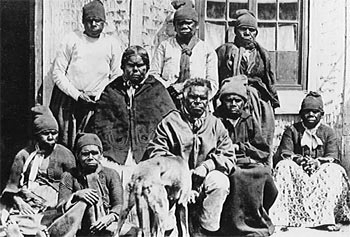
Historically, the wool knit cap was an extremely common form of headgear for seamen, fishers, hunters and others spending their working day outdoors from the 18th century and forward, and is still commonly used for this purpose in Scandinavia and other cold regions of the world. Being found all over the world where climate demands a warm hat, the knit cap can be found under a multitude of local names.
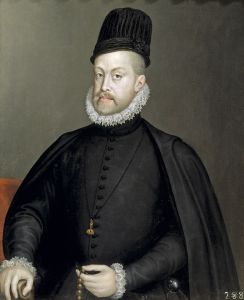
 King Philip II of Spain, wearing the Spanish Tocado, late 1500s. Painting by Sofonisba Anguissola.
The typical toque in ancient and in modern times.
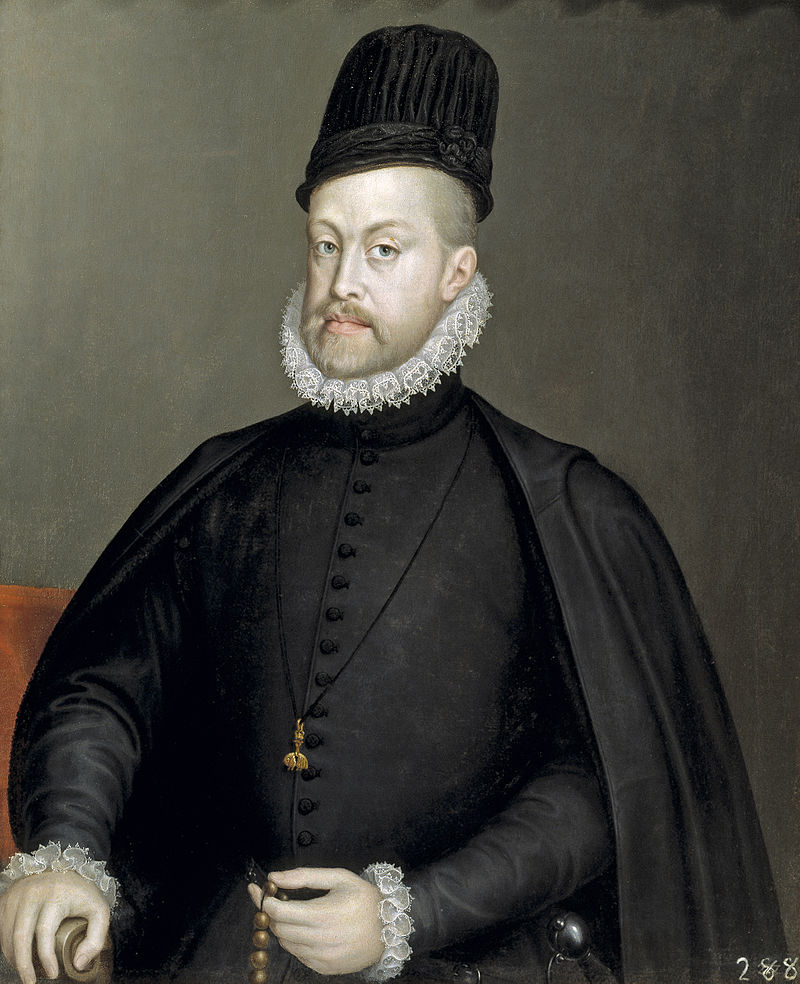

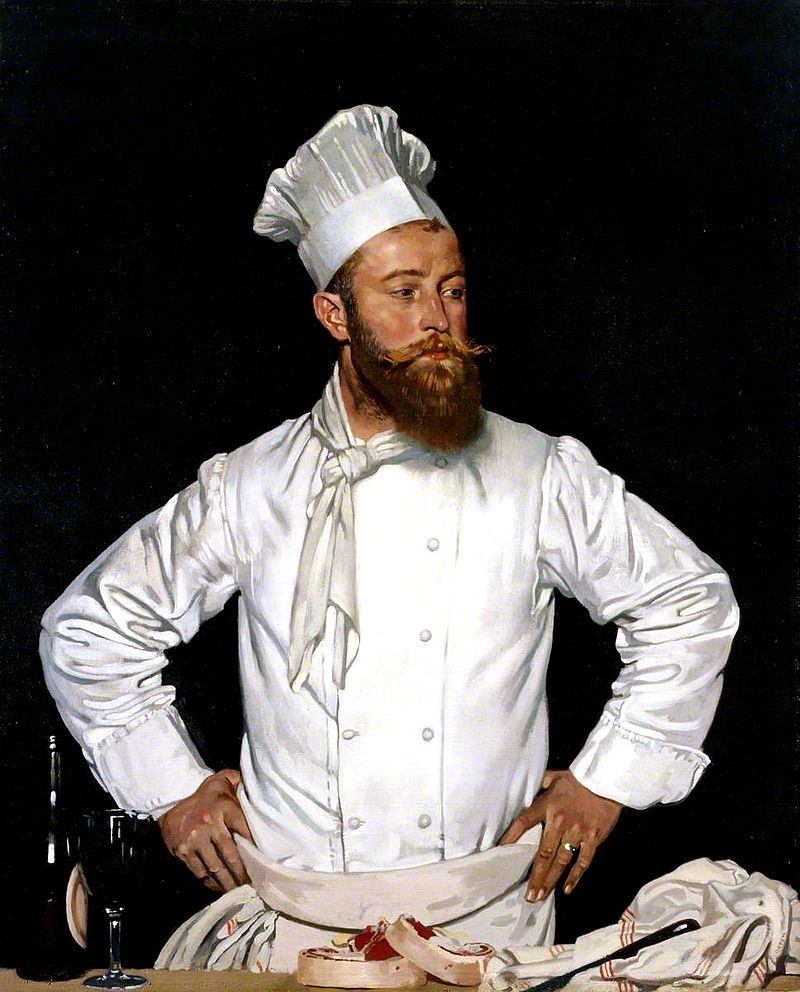
A toque is a type of hat with a narrow brim or no brim at all. Toques were popular from the 13th to the 16th century in Europe, especially France. The mode was revived in the 1930s. Now it is primarily known as the traditional headgear for professional cooks, except in Canada where the term is primarily used for knit caps.
 Le Chef de l’Hotel Chatham, Paris (1921), by W. Orpen.
The word toque is Arabic for „round“ and „taqia“ for „hat“ originally for something „round“ that has an opening. The word has been known in English since 1505. It came through the Medieval French toque (15th century), presumably by the way of the Spanish toca „woman’s headdress“, from Arabic „taqa“ for „opening“.
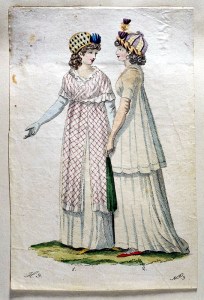
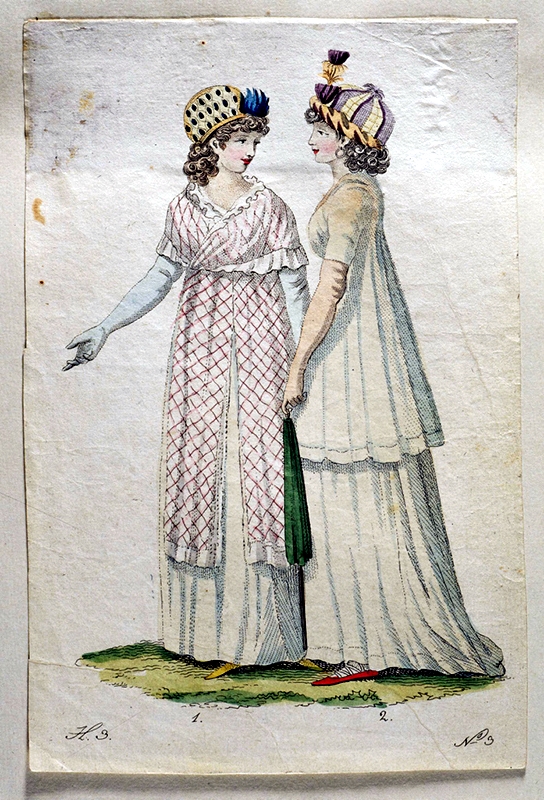
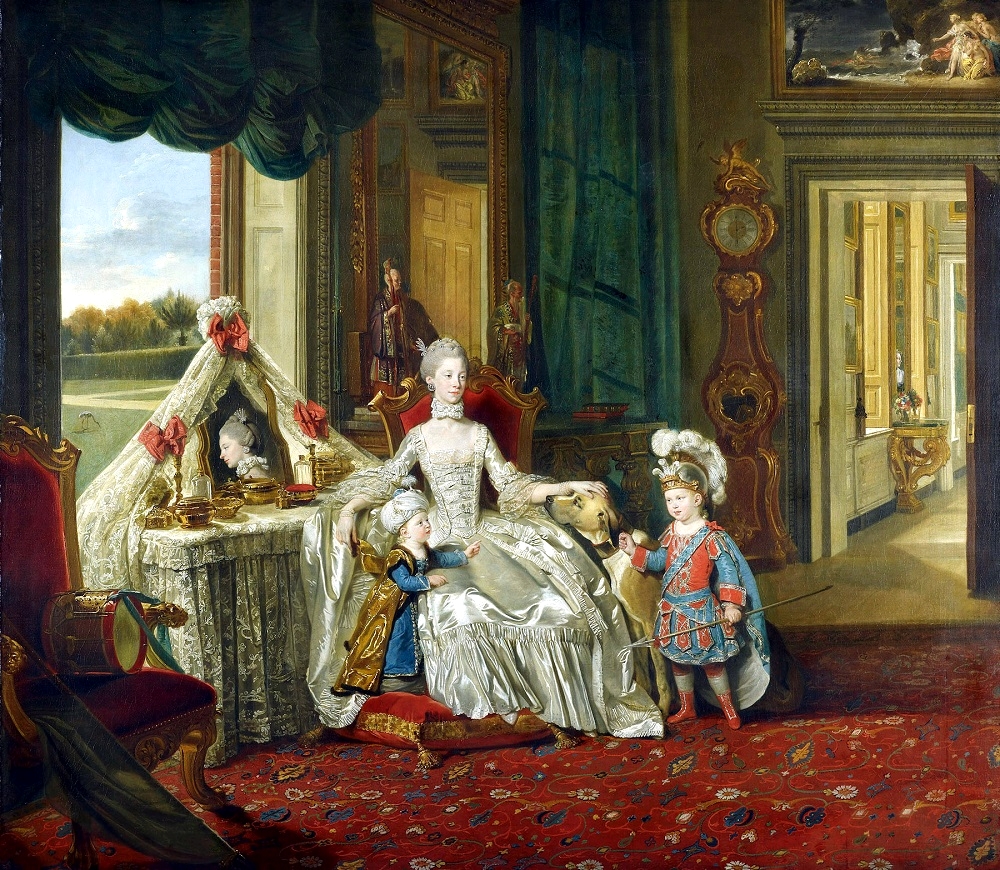
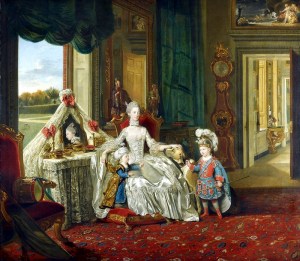 Fashion drawing from 1800 with ladies wearing toques. And on the right Queen Charlotte of Mecklenburg-Strelitz (German Queen on an English throne) with her two first born sons, right the future king George IV. The younger one, Prince Frederick wearing a toque with a pompom, in her dressing room in Buckingham Palace (painting Johan Zoffany 1765).
During the Centuries.
However, when it comes to hats with a long, rich history, the simple knit cap is in a class of its own. Like so many historic icons, the knit cap can be traced back to a quiet corner of Medieval England. The first examples originated from the wool-rich town of Monmouth, in the early 14th century, and the style quickly gained popularity for its warmth and simple construction.
 Flemish sailors, woodcut from 1647.
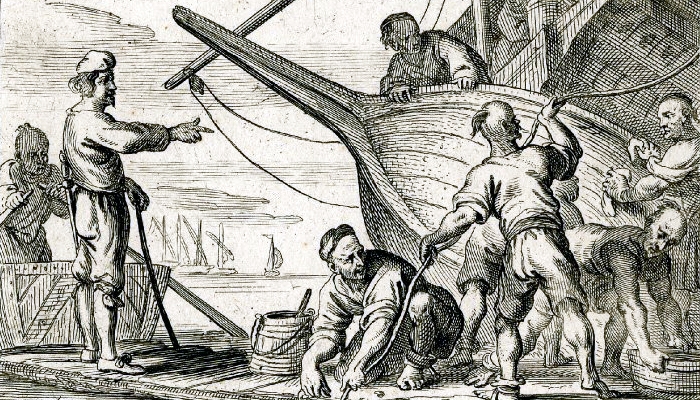
By the 16th century, “Monmouth caps” had become standard apparel for soldiers, sailors, and everyday laborers. In fact, the hats became so wildly popular (and so essential to the British wool industry) that in 1571, Queen Elizabeth passed an edict demanding that all common menfolk wear a wool hat on Sunday, or face a potential fine.
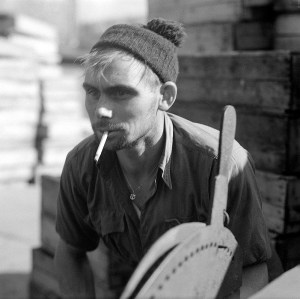
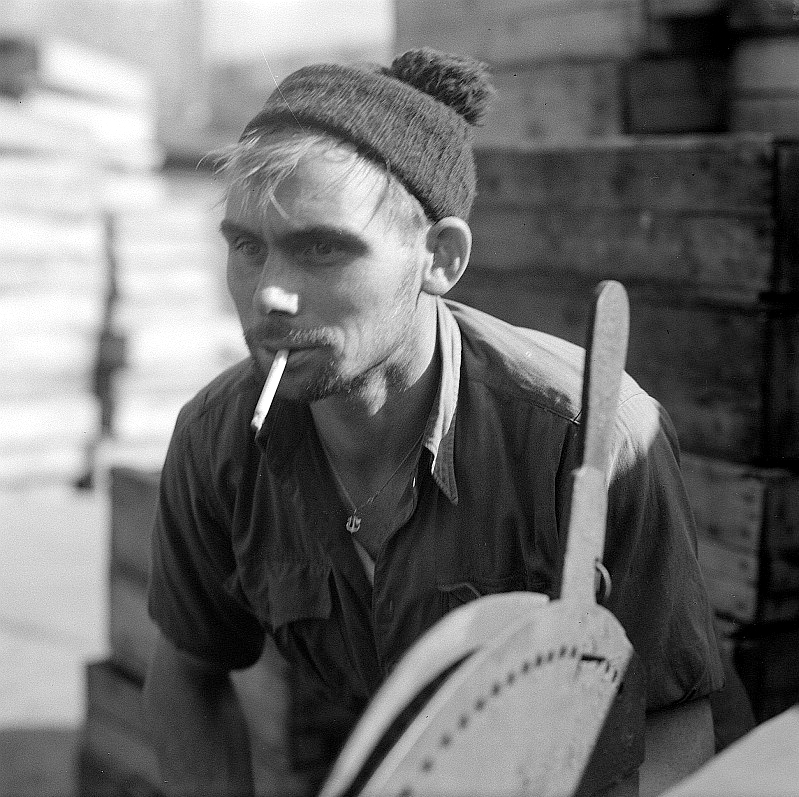
 German fisherman in Stralsund 1963. Sea-cadets on the German sail-training-ship Passat 1962.

From that point onward, the cap’s influence knew no bounds: It was mentioned in Shakespeare’s Henry V, and counted among the supplies for the Jamestown expedition. In time, this first iteration (and its legal counterpart), would eventually die out, but not before British explorers had carried their winter headgear to every corner of the globe.
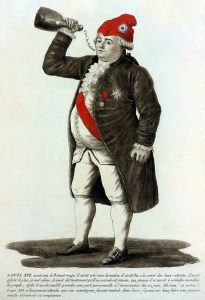 Tinted etching of Louis XVI of France, 1792, with a Phrygian cap.
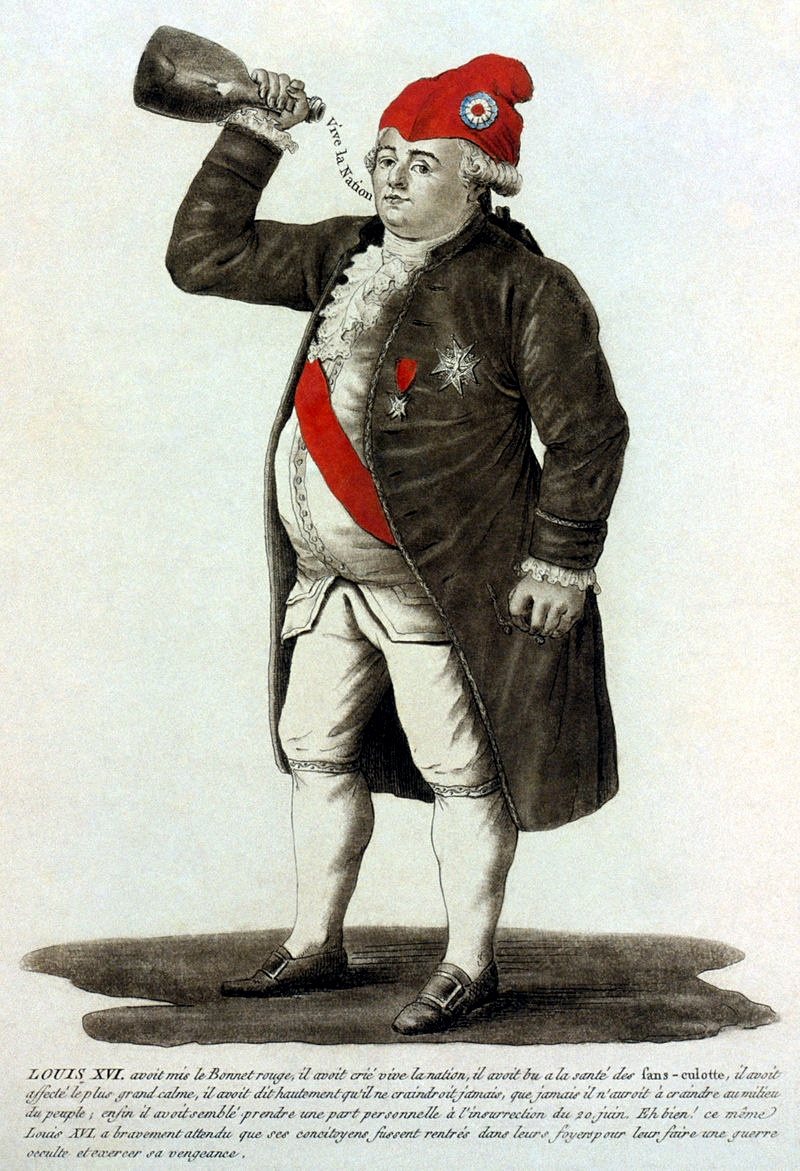
Famously, one such place was the frigid British colony of Canada. The redesigned Monmouth cap, now called a tuque, was a perfect fit for the region’s bitter winters, and it became a constant companion for the colony’s trappers and lumberjacks. It even took a turn as a revolutionary icon during the Patriots Wars of 1837, when Canadian rebels adopted a red woolen tuque as a play on the French Revolution’s Phrygian cap, which was ill suited for winter warfare. In the end, the rebellion was unsuccessful, but it did lead to a unified Canadian territory, and the tuque has remained a symbol of Canadian nationalism ever since.
 The Canadian red woolen tuque with a pompom.

By the start of the 20th century, popular fashion had begun to shift, and the knit cap regained its popularity with blue-collar workers, who sought a sleek, functional hat that could hold back their hair without obstructing their vision. This utilitarian bent came into its own with the start of World War II. Knit caps were standard cold-weather apparel for the U.S. Navy, while an olive drab version (called a “jeep cap”) was issued to soldiers as a winter hat that could fit under their helmets. But these caps had no bobble.
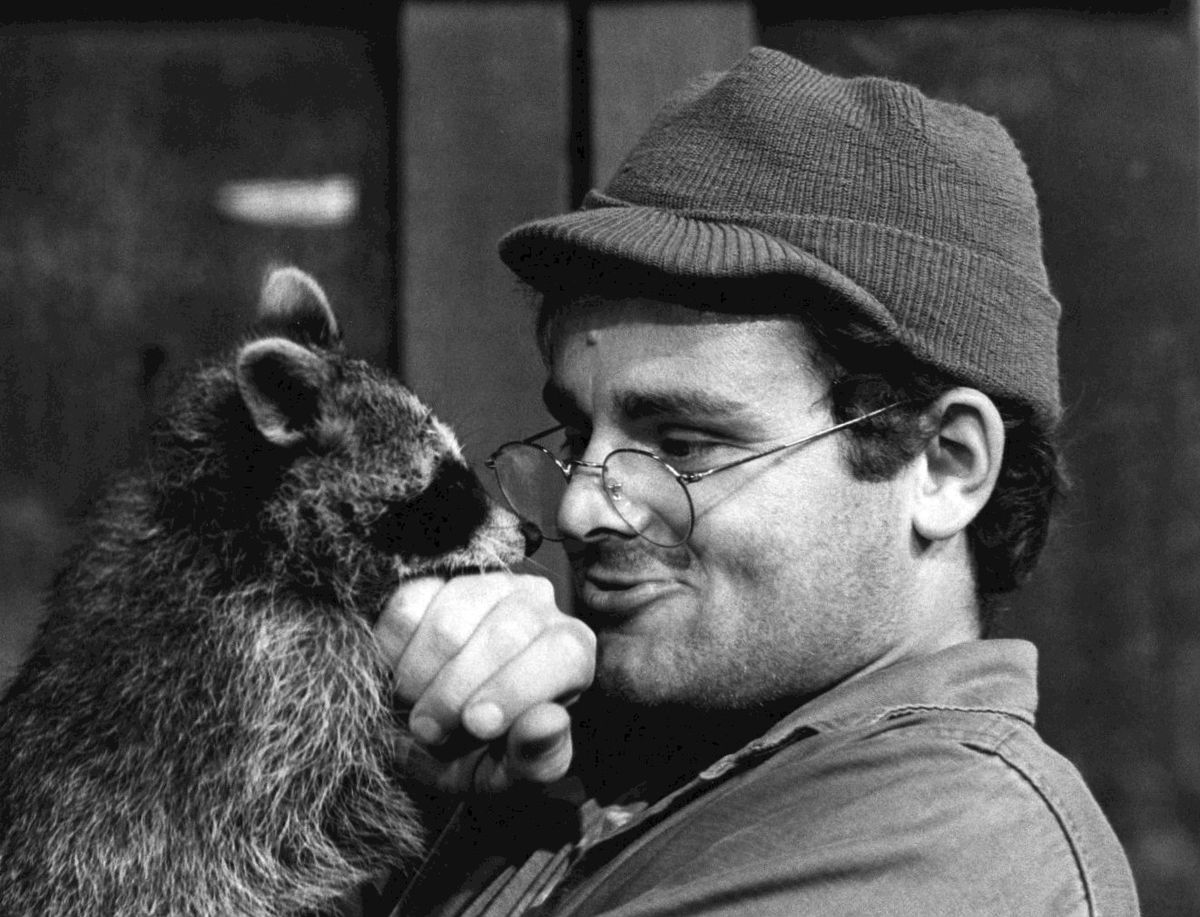
 Gary Burghoff as „Radar“ in the movie MASH, 1974.
This widespread use turned the humble knit cap into a postwar pop culture icon, associated with everything from the stereotypical sailor to the legendary marine biologist Jacque Cousteau (and by association, Wes Anderson’s Steve Zissou).

 Movie from 2004 with Bill Murray. Zissou is both a parody of and homage to French diving pioneer Jacques-Yves Cousteau (1910–1997), to whom the film is dedicated. Cate Blanchett, Willem Dafoe, Michael Gambon, Jeff Goldblum, Anjelica Huston, Owen Wilson and Seu Jorge are also featured in the film. Whole crew is wearing bobble hats.


Today, the knit cap has varied competition in the realm of winter headgear, but its simple, utilitarian design remains a common sight among civilians and soldiers alike. Despite its many iterations since that first batch at Monmouth, its design remains largely unchanged, if you ask us, we wouldn’t have it any other way.
 Very stylish head cover against the cold.

What’s The Most Believable Story ?
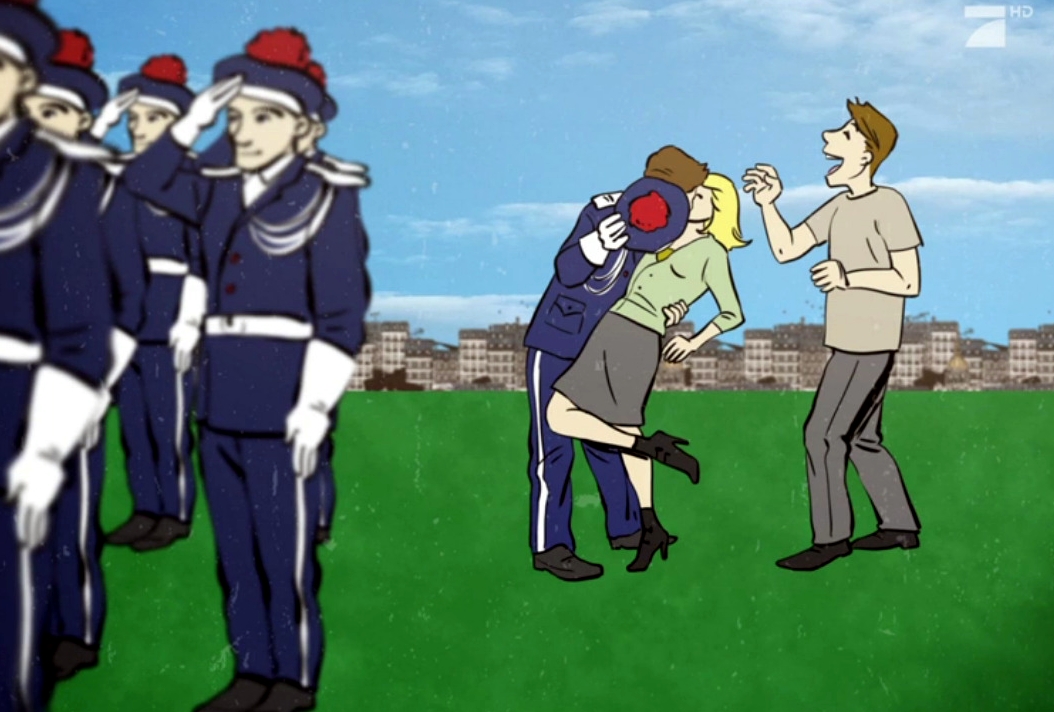
One story claims that the pompom was invented by the French navy. The ship decks were so narrow that people bounced their heads all the time. So they mounted a pompom on top to cover for safety. See the drawings from German TV PRO7.
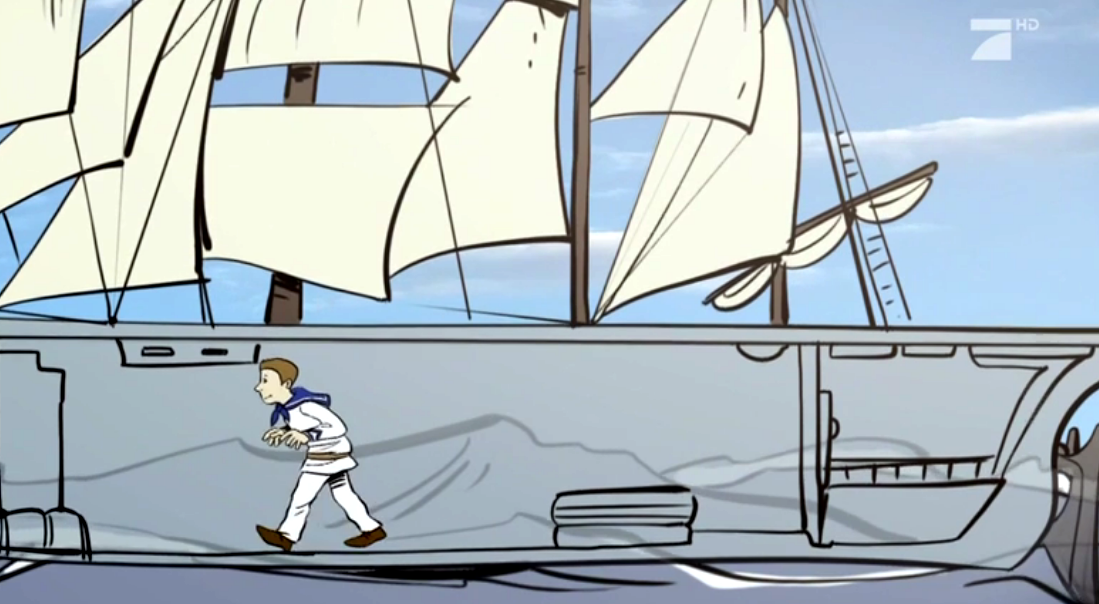
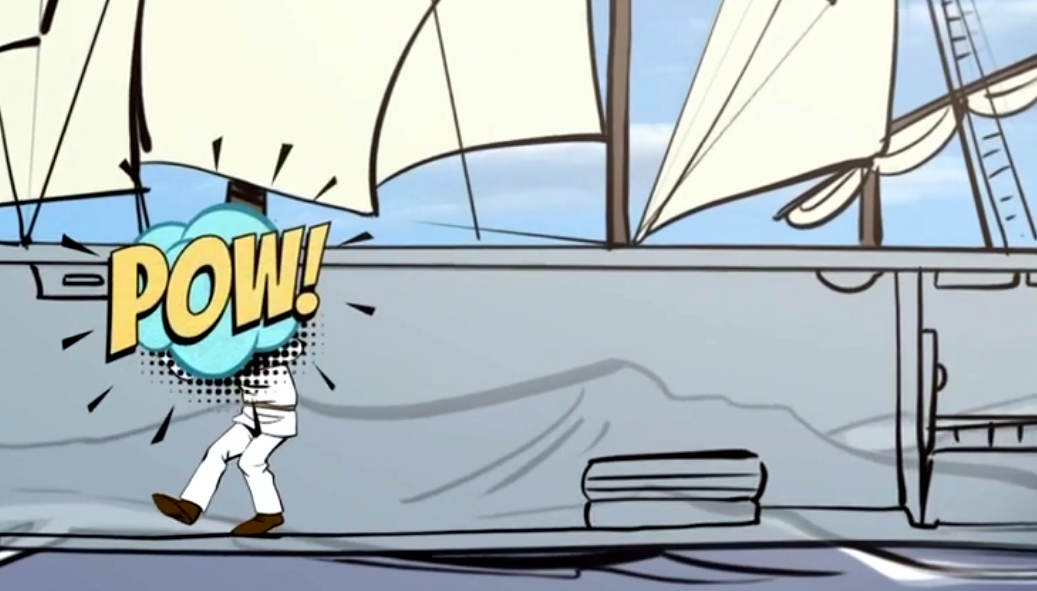

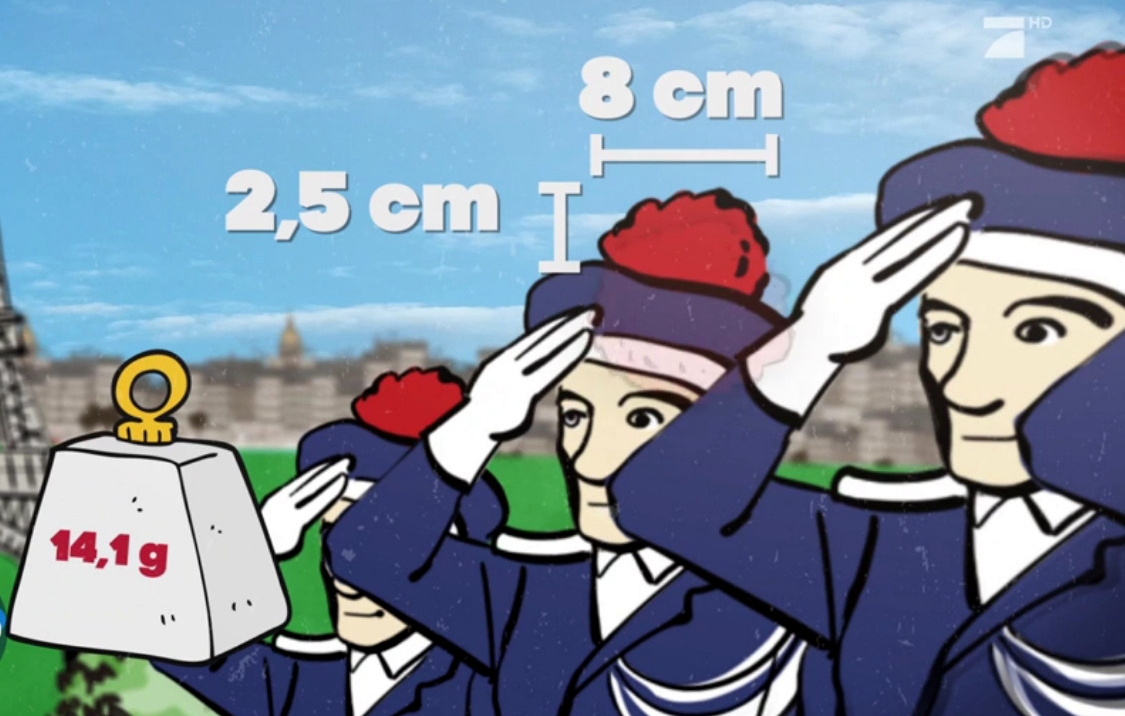
 Ha ha, I like this fairy tale. But there is some truth too. The French Navy still uses today the pompom hat. It has to be precise in their measurements.
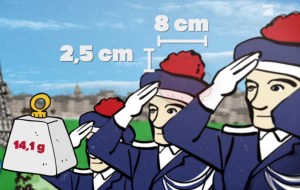 Precise pompom measurements in the French navy.
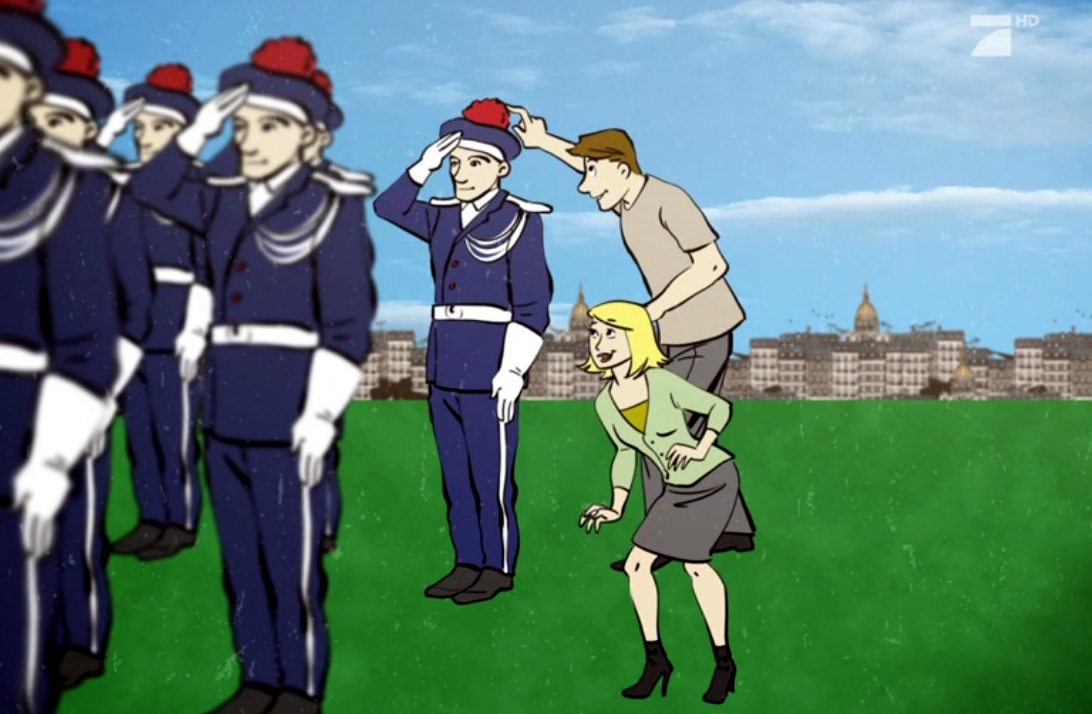
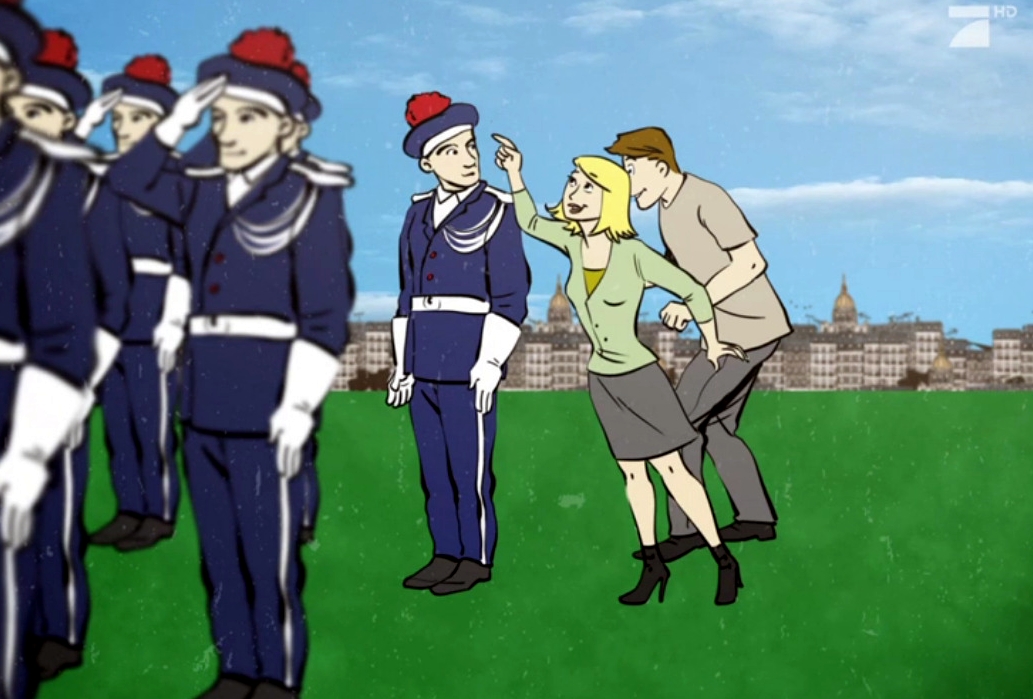
But this story goes on. If one is able to touch a pompom (without notice of the holder) then one will have a full day of luck. If a girl touches a pompom and get cought, she must kiss the sailor. Nice, what people like to believe.

The pom-pom hat’s origins can be traced back to Scandinavia a very long time ago. The Viking god Freyr, or what is widely thought to be the Viking god Freyr, is depicted wearing a hat or helmet with a pom-pom on it in a statuette that was discovered in 1904 on the farm Rällinge in Södermanland, Sweden.
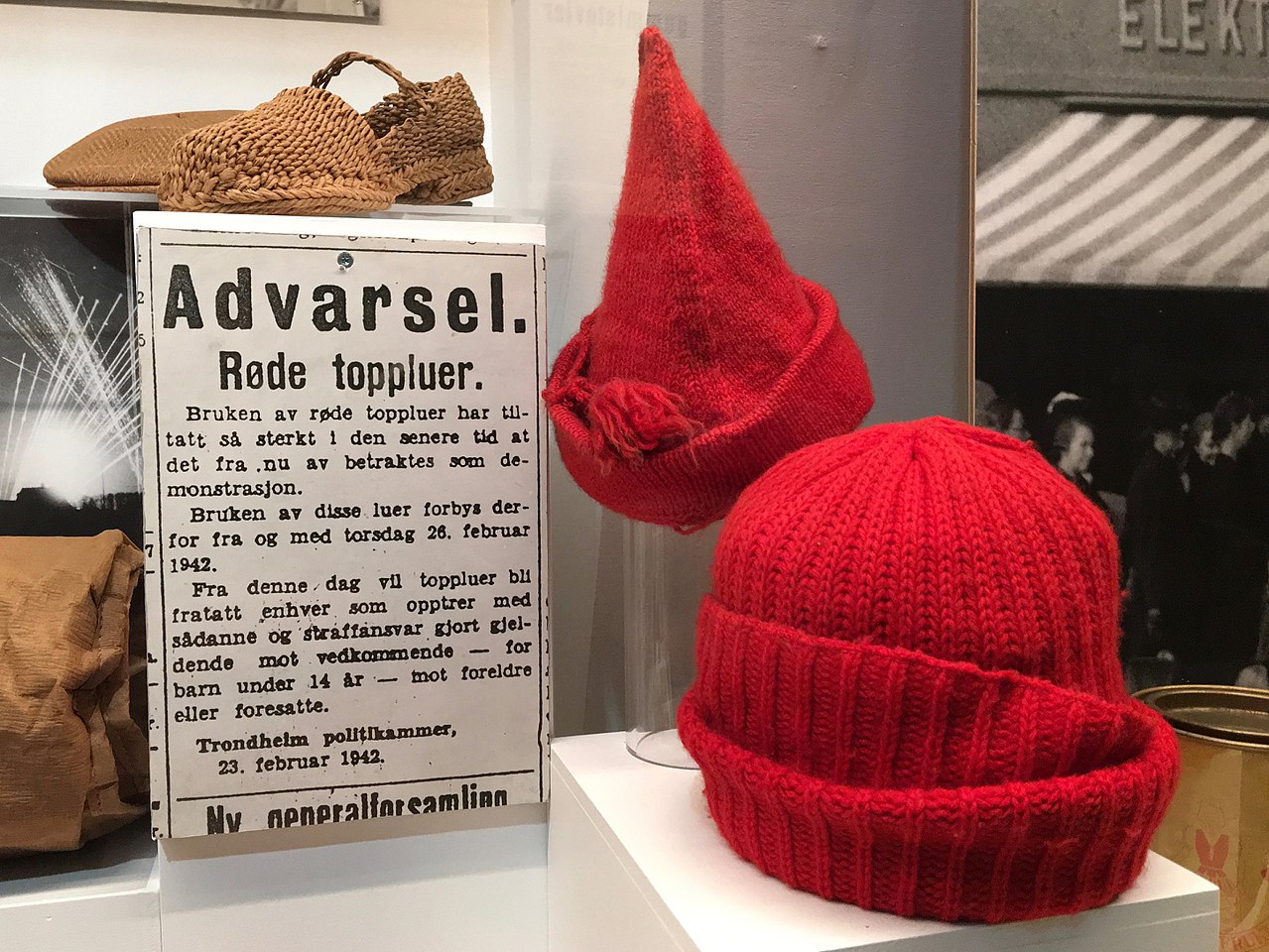
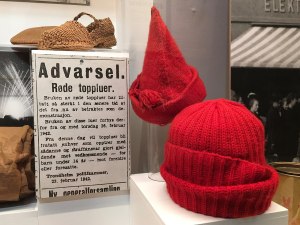 Red woolen caps outlawed as symbols of national unity, from Trondheim 1942. Seen in Norway’s WW2 Resistance Museum (Hjemmefrontmuseet) at Akershus fortress in Oslo, Norway.
Another theory is that the function of the pompom, as it is speculated, could be to cover or gather the seams left from binding the hat.
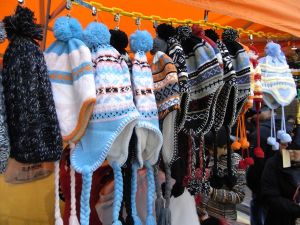 Covering the „seam together spot“ on the hat.
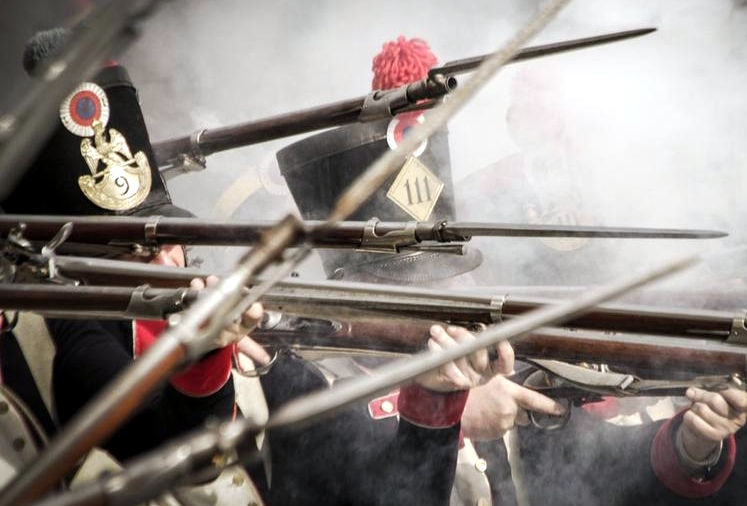
The word pompom derives from the French word „pompon“ and was adopted in the late 19th century to refer to what you think of when you think of a pompom today: a little puff of fabric or feathers or whatever. Proper pompom hats were used as part of the military uniform of Napoleon’s infantry, where their color denoted the company to which the man belonged – green for the first company, blue for the second, orange for the third, and violet for the fourth, and so on.
 Napoleon’s infantry with different pompom colors.
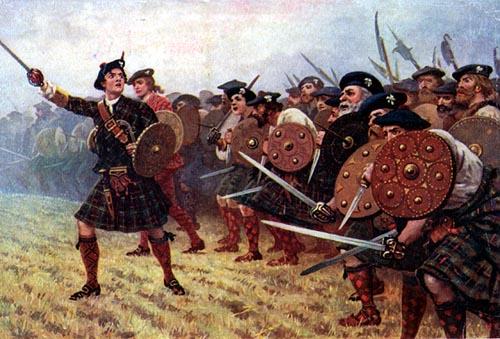
Pompoms were also part of the uniform of Scottish Highland regiments, on their Balmoral bonnet, until the 19th century. The Scott’s Balmoral bonnet was predated by the bluebonnet, worn by Scottish laborers between the 16th and 18th centuries.
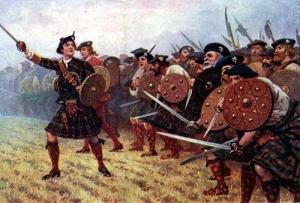
 The Scottish Royal Highland Regiments, then and now. Well to see the pompoms during the centuries.

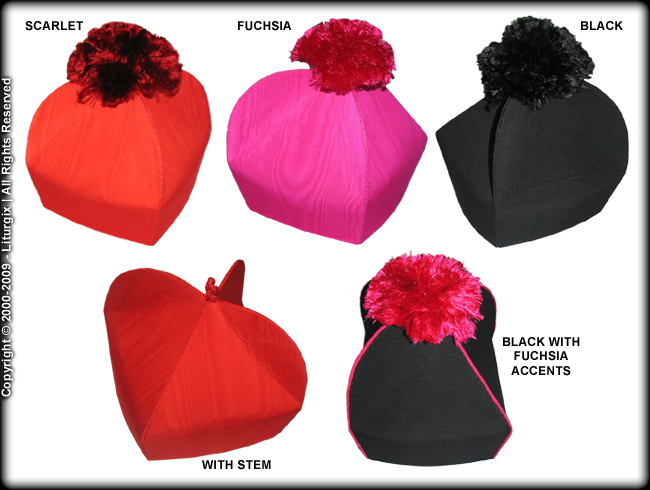
Roman Catholic clergy have also worn them – their pom-pom hats are called birettas – and the colors of the hat and pompom tell you what type of guy they are – cardinals wear red birettas, bishops wear violet, priests, deacons, and seminarians wear black, etc.
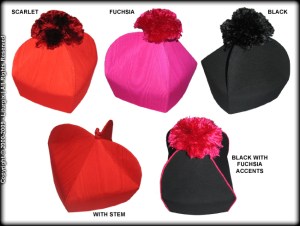 The different Roman Catholic Birettas.
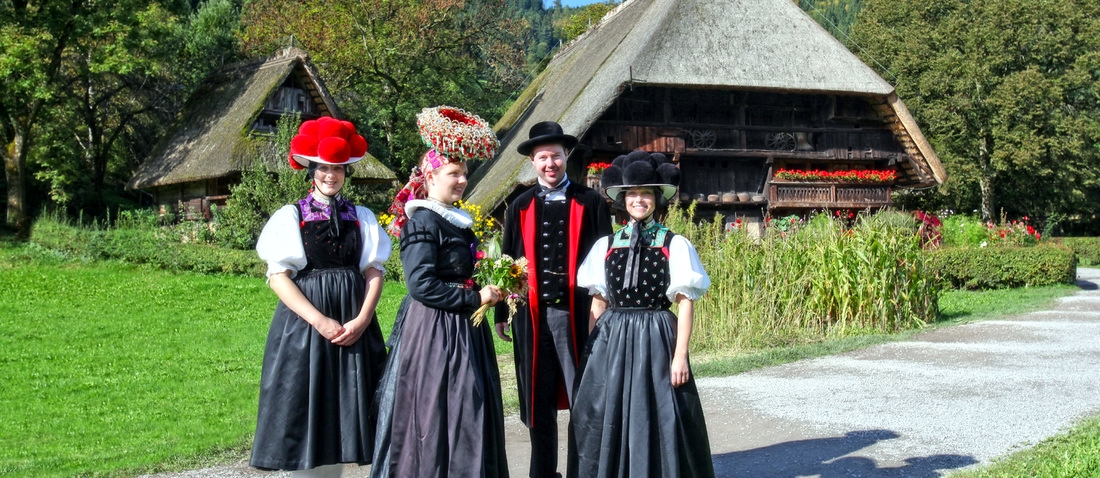
One more PomPom Hat Custom, Unique in the World – the Bollenhut.
A Bollenhut is a formal headdress worn since c.1750 by Protestant women as part of their folk costume or Tracht in the three neighbouring Black Forest villages of Gutach, Kirnbach and Hornberg-Reichenbach. With its woollen pompoms, the picturesque-looking red Bollenhut has become a symbol of the Black Forest as a whole, despite its very local origins.
 In the Black Forest, Germany.
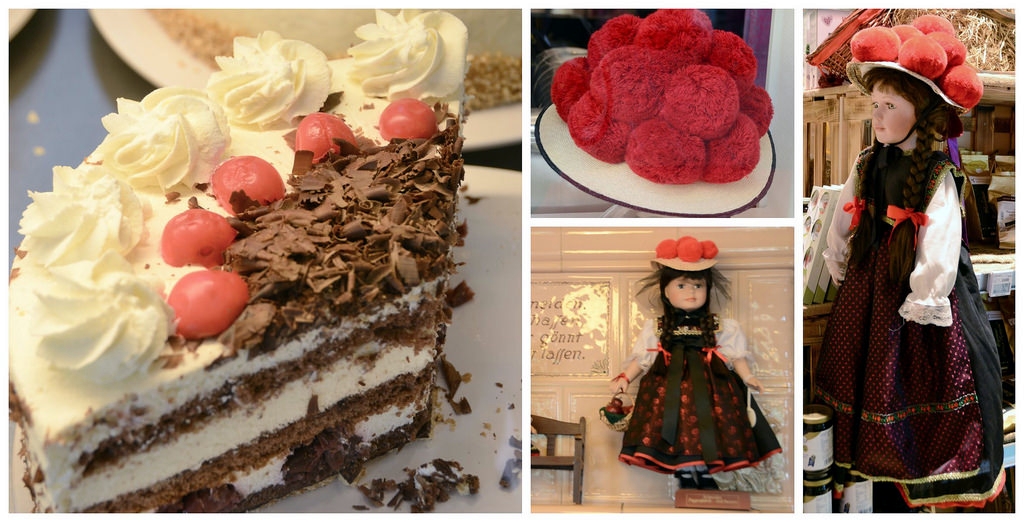
 The red pompoms and white brim of the Bollenhut also is said to have inspired the top layer of the Black Forest Cake.
The broad-brimmed, whitewashed straw hat bears 14 prominent, woollen, pompoms arranged in the shape of a cross. Only eleven pompoms are visible, however, because three are covered by those on top. Unmarried women wear red pompoms, married women wear black, old women and widows wear only the mob cap. The Bollenhut can weigh up to two kilogrammes and is manufactured by female milliners. The red Bollenhut may first be worn by girls at their confirmation.
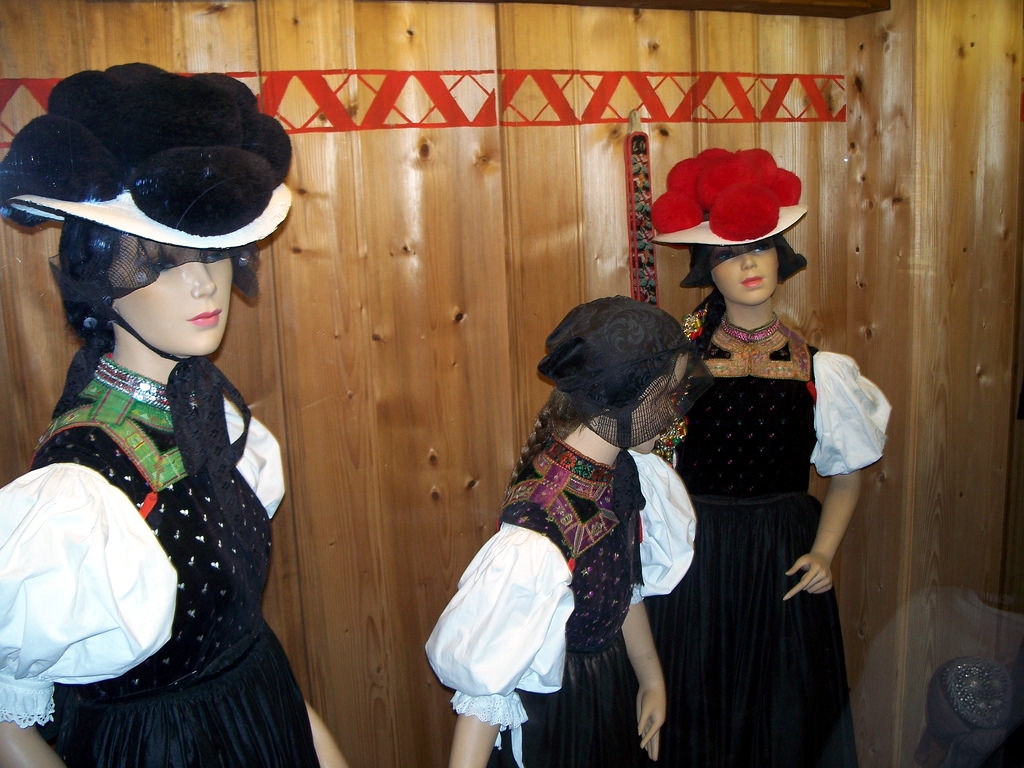
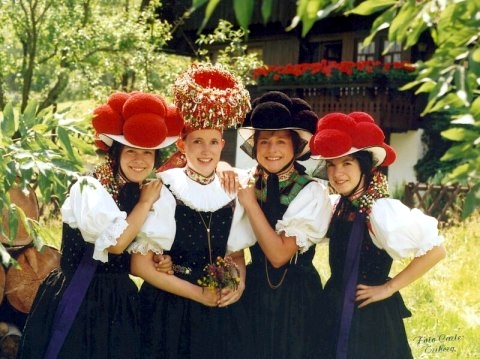
A silk mob cap is worn underneath the Bollenhut, tied under the chin. Young girls before confirmation (Gutach and several neighbouring parishes were part of Württemberg until 1804 and were Protestant, unlike the majority of the Black Forest) and old women only wore the mob cap.
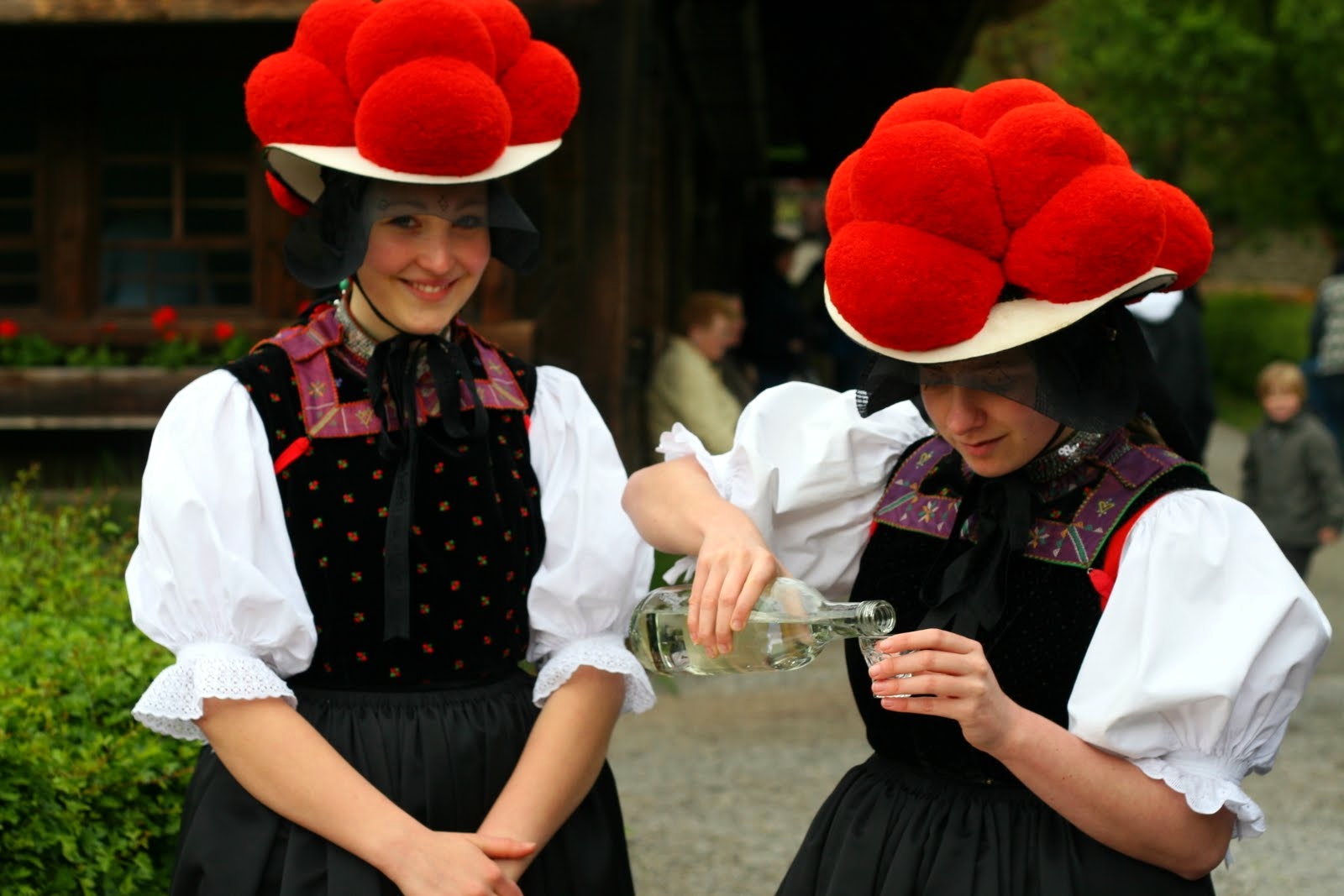

Today.
But why do we wear bobble hats now, as people who are not old military ghosts, or cardinals, or seamen, unless you are? Pompoms had a rise in popularity during the Great Depression because adding a pompom was an inexpensive way to embellish clothing. Seems right. It might be all about fashion now, just adding a touch of „happiness“ to our outfit. It seems right to me people look happy with a Bobble Hat ! And You ?