Langostinos My Way

In previous posts I mentioned that eating was a sensory experience, however, there are some restaurants that actively campaign against this. They try to make the philosophy of their establishment about taste and not about the social experience that is a meal.

„Dans Le Noir“ serves food in a pitch-black room. Another serve’s food dyed in blue! By concealing the presentation of food, dining becomes a process whereby only taste and smell matters. It’s a new marketing way, but I like to use all senses when enjoying food.

The Five Senses.

The theory behind these gimmicks is that by denying yourself of the sense of sight you heighten the sense of taste and smell. Whether this works or serves mainly to attract customers I am not sure.

What I am sure about is that unless I am going to be treated to an absolutely divine, heaven made meal by the most talented chef there is no point to all this fuss. Food must fill your eyes before your belly, therefore color and presentation are necessary to attract you to a particular choice.

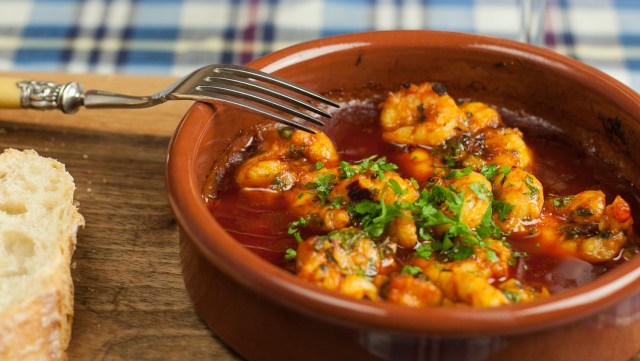
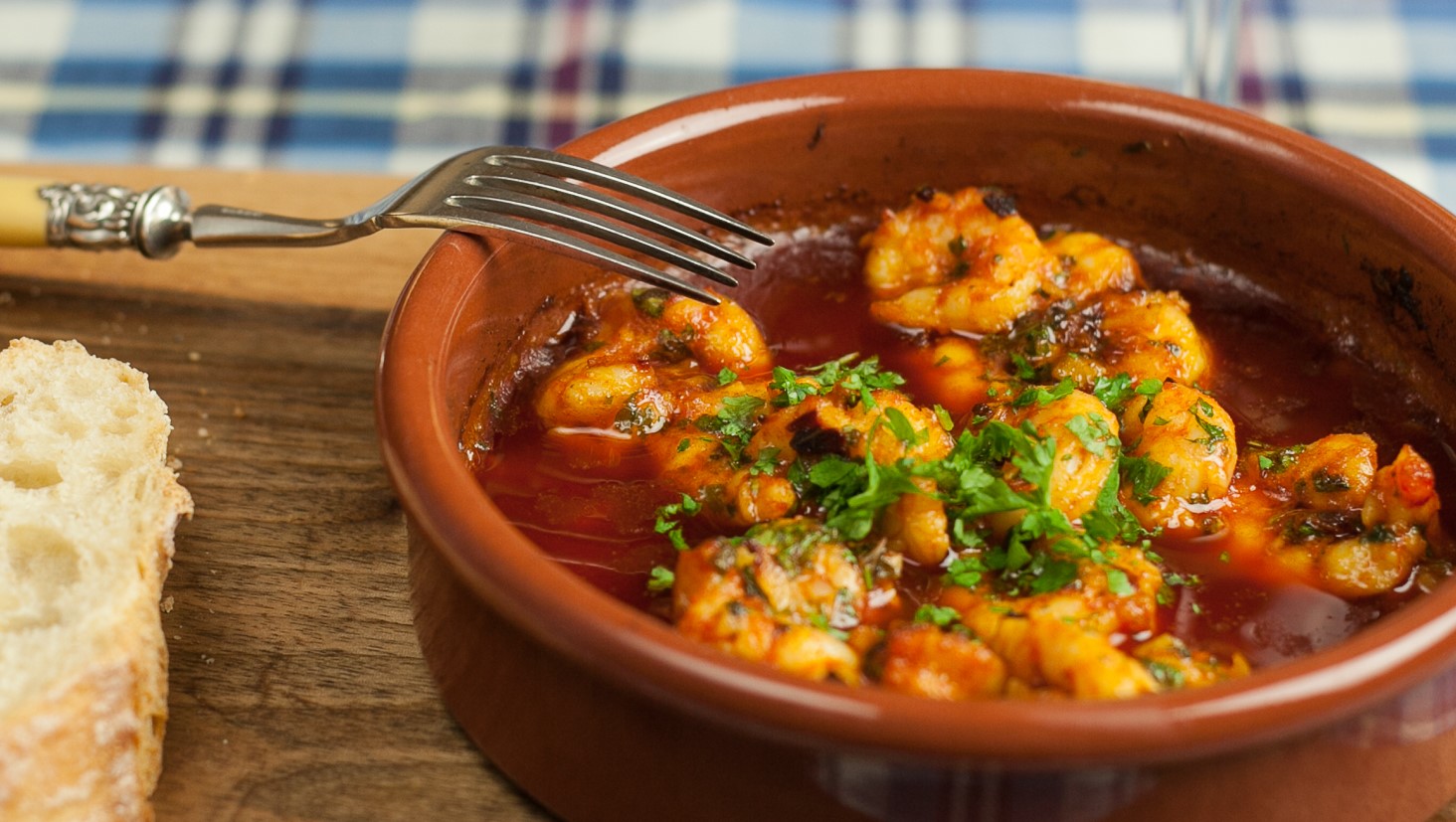
Watching a sizzling clay dish of „prawns pil pil“ (gambas or camarones pil pil) come rushing from a kitchen and being placed in the center of your table alongside a basket of crunchy bread is visually dramatic. As is the sizzle itself. Add the view, the smell of garlic, and the taste of a nice chilled white wine.

Camarones or Gambas Pil Pil, as we had them often at Parador 31, Playa Mansa, Punta del Este.

But what is just as important is the subtle silence that ensues as our eyes digest what has arrived and our mouths start to salivate.

As both bread and fork stab the dish, conversation resumes. Invariably, this is violently breached as everyone burns themselves on the bubbling oil from the dish!
Seen, heard, smelled, touched, and finally tasted (albeit minus a few taste buds). The five senses have worked as one – a tour de force to provide a comforting, friendly, and indulgent moment certainly worth repeating.

MarAustral.

Like people who meet me, soon realize: If I am not eating, I am able to talk about food. Not just talking about food and its preparation but savoring the moment; recalling the sensory ritual of eating. Whether it be fine dining or street food, gourmet, or grub. Food is at the center of our cultural lives. That’s why parts of this blog is a culinary voyage (so to speak) my personal journey with food. Through this blog, I will always attempt to share with you my passion for food.

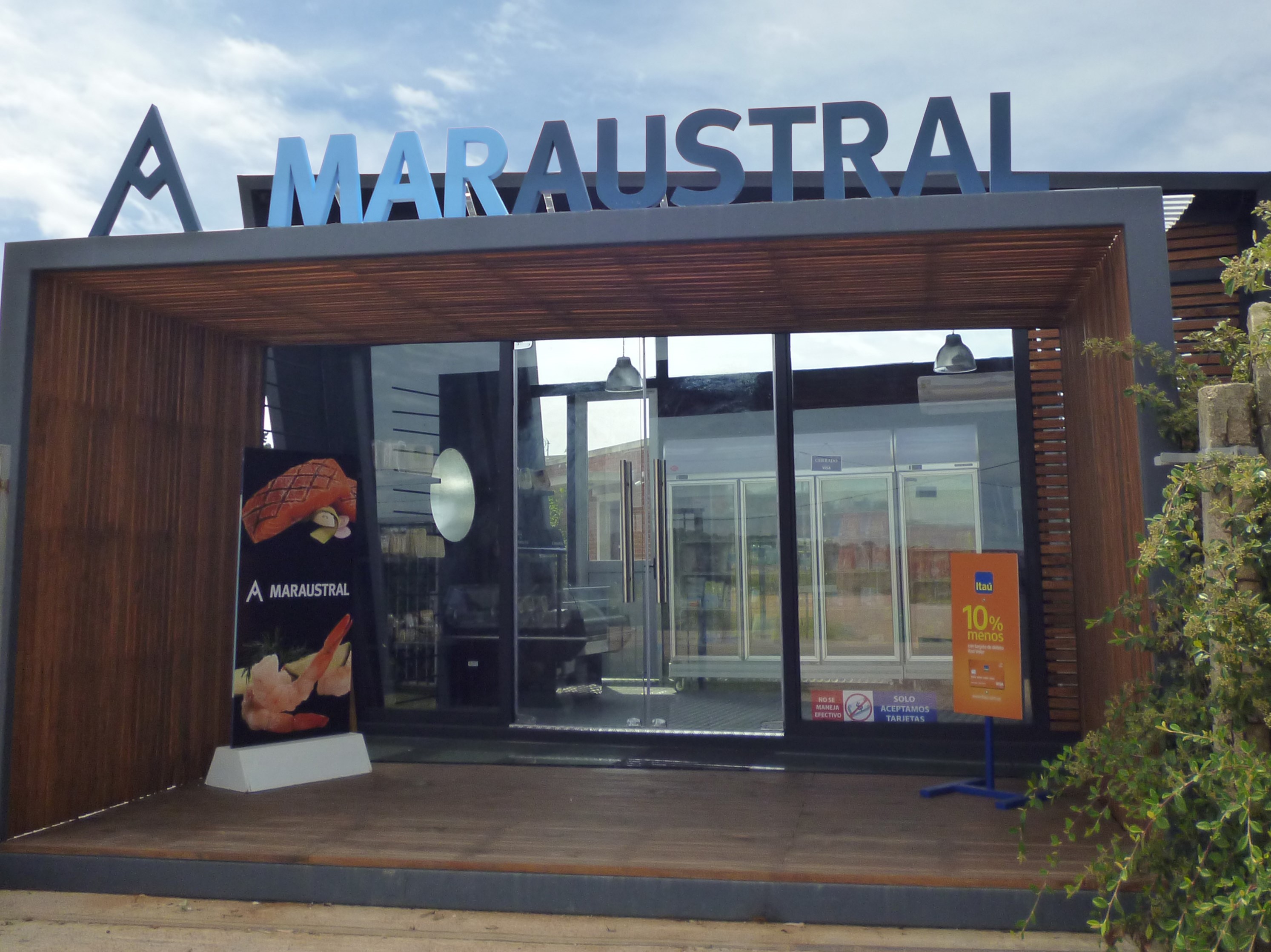
Recently I visited our seafood wholesale „MarAustral“ near Montevideo once again and bought some salmon to prepare „Graved Lax“, which we love so much. Their allover range of products is pretty good, even frozen fruit like cherry’s, which are normally not available in Uruguay, or River Trout is available.

                            
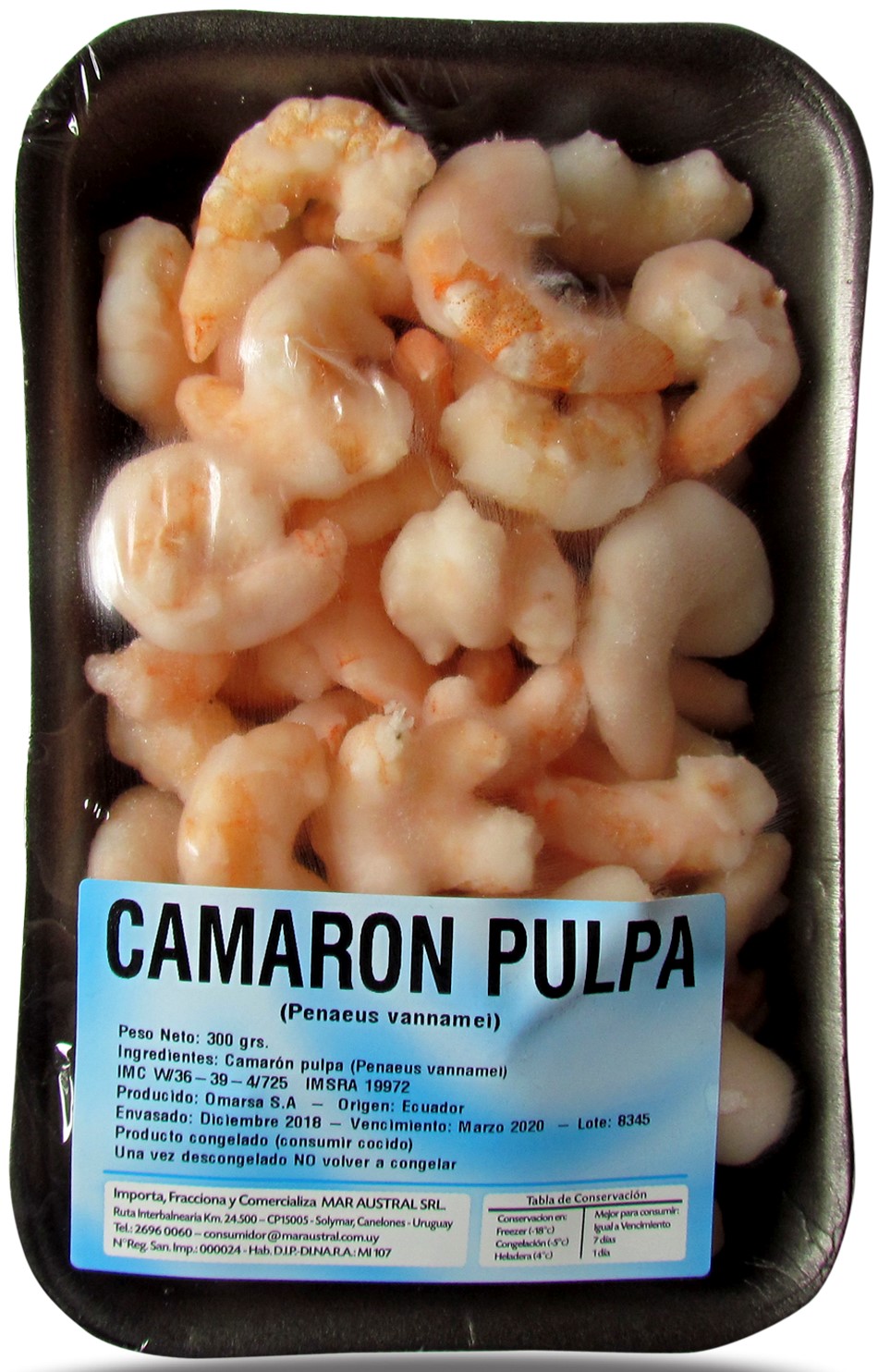
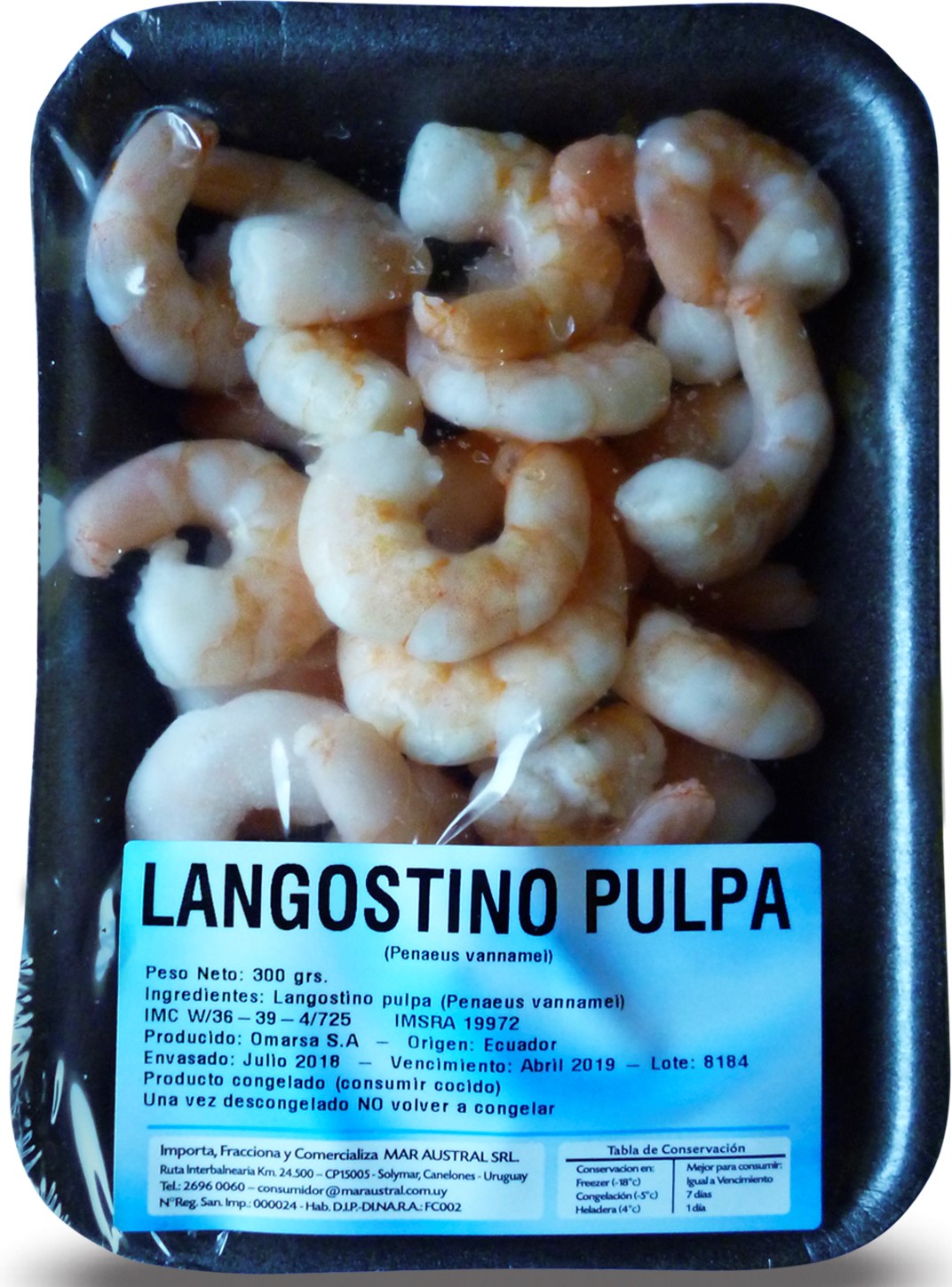
As 90% of all the MarAustral products are frozen, I don’t care so much about, at least it is some available. Even if it’s from Chile as the salmon or from Ecuador as the packets above. For the Pil Pil I prefer Langostinos, which I bought this time, but for the planned pasta, Camarones will do. They are smaller and much cheaper of course.

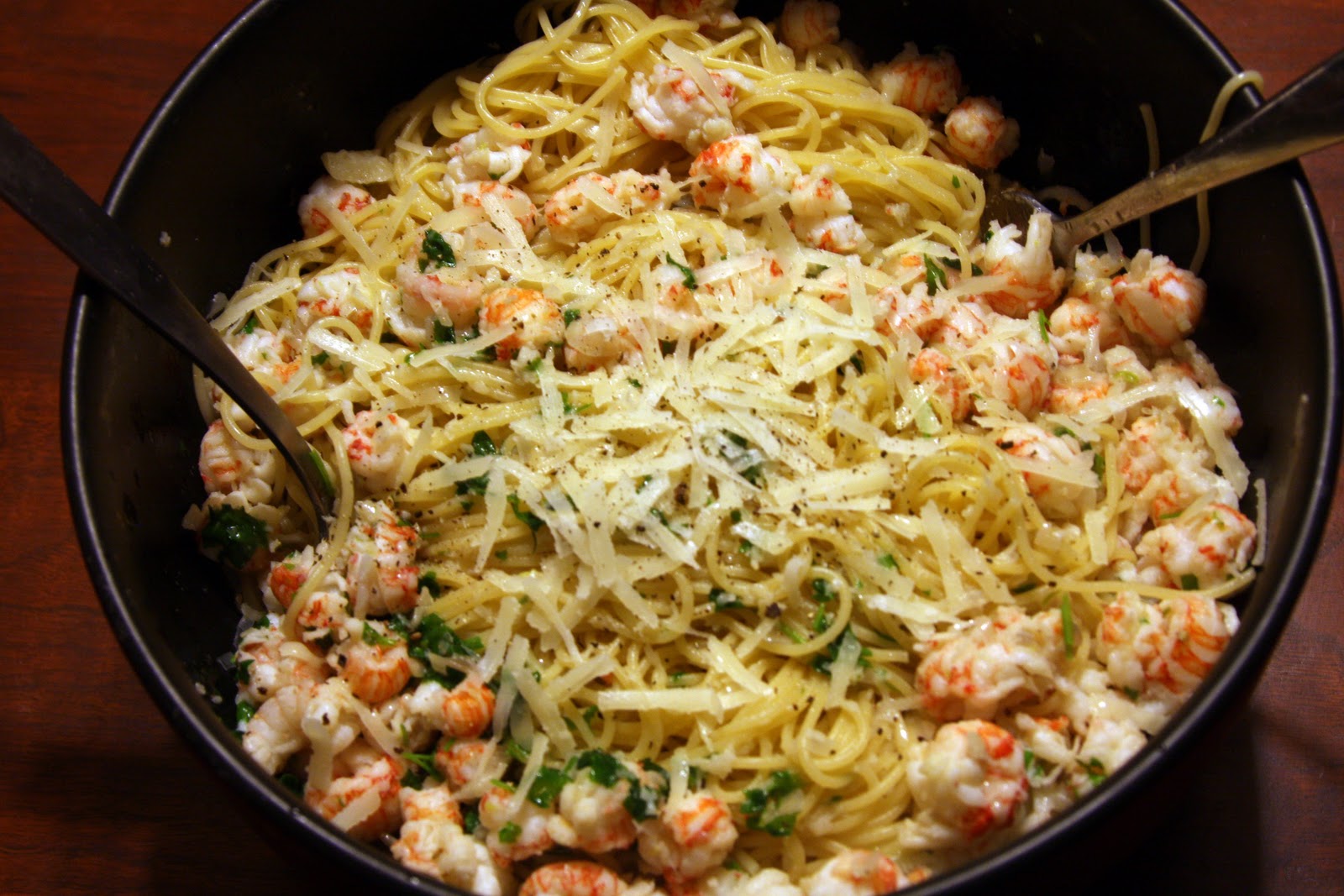
My eyes fell on the packs of Camarones and Langostinos. Immediately I got an appetite for a nice garlicky Langostino pasta. That’s what I meant above with „all senses need to be involved for a gourmet experience“. Said and done I bought 2 packs of 300gram Langostinos and made them last weekend. What a delicious treat it was, therefore I like the recipe to share with you. My mouth is watering again while I write this post.

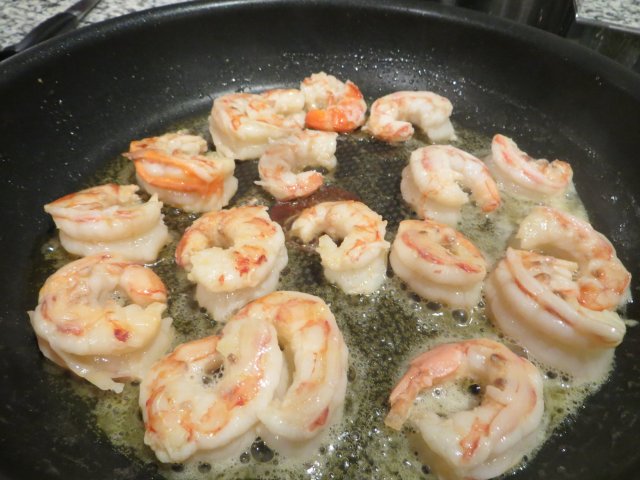
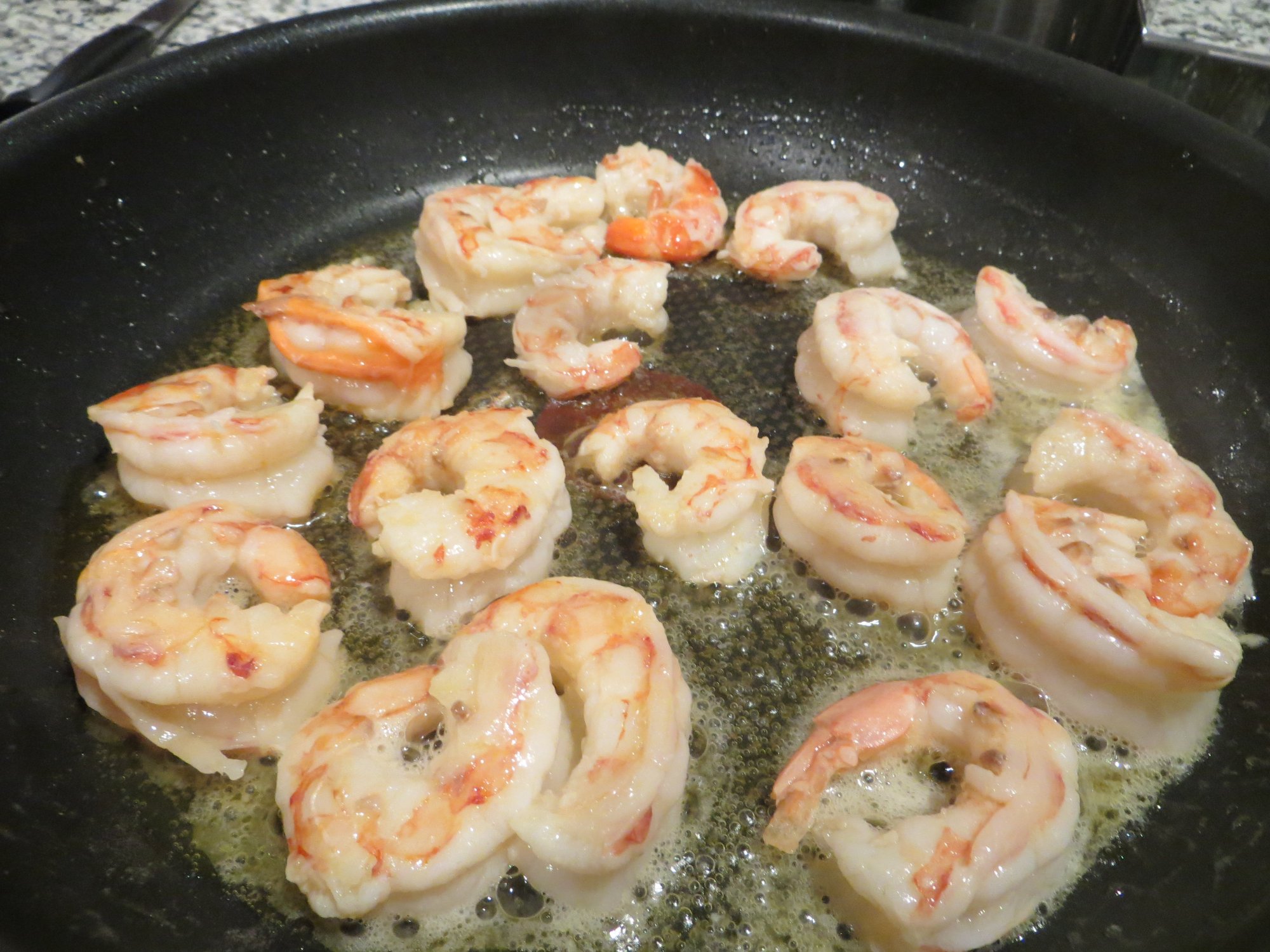
Aren’t they mouthwatering? Another idea, just Langostinos in chilli-garlic-butter and beside a crackly Baguette and a cool glass of Chardonnay. Can a warm summer evening be better ?

Ingredients.

600 g Langostinos , cleaned, rinsed and drained
4 tablespoons of butter
4 tablespoons of olive oil
6 cloves of Garlic, Minced
2 small shallots, thinly sliced
salt and pepper
1 tablespoon of lemon juice
1/2 cup of dry white wine (one cup for the cook – ha ha)
1/4 cup fresh parsley
Parmesan cheese


For cooking, use the wine you like to drink with this meal.  You’ll appreciate it.

How to do.

Important Note: Depending on the cooking time of your pasta: either have the water boiling and wait to add the pasta or once the water for the pasta is boiling and you are making the pasta start this recipe. Otherwise, your sauce could be finished long before your pasta is cooked.


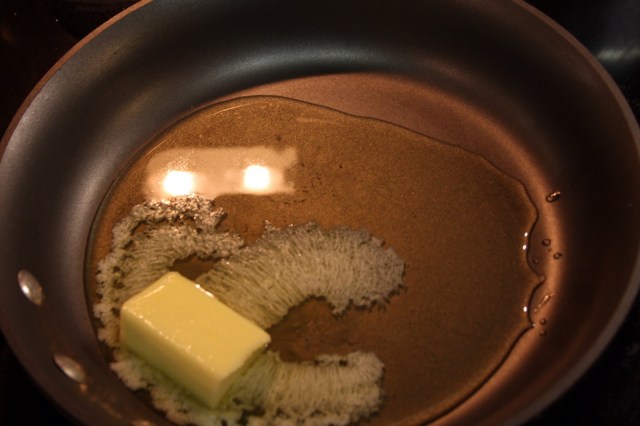
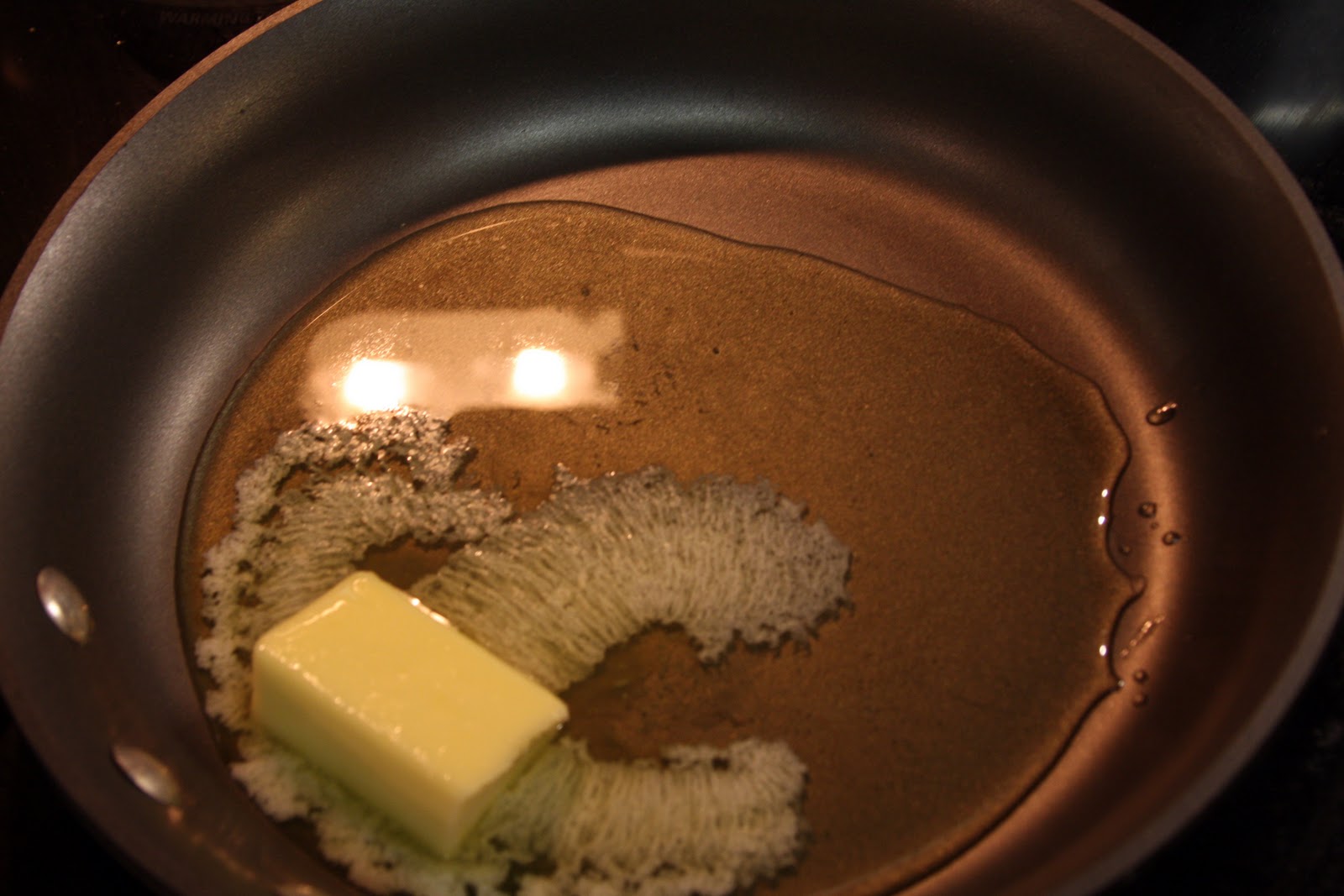
Add the butter and olive oil to a medium-size saucepan. Melt the butter over medium-low heat.

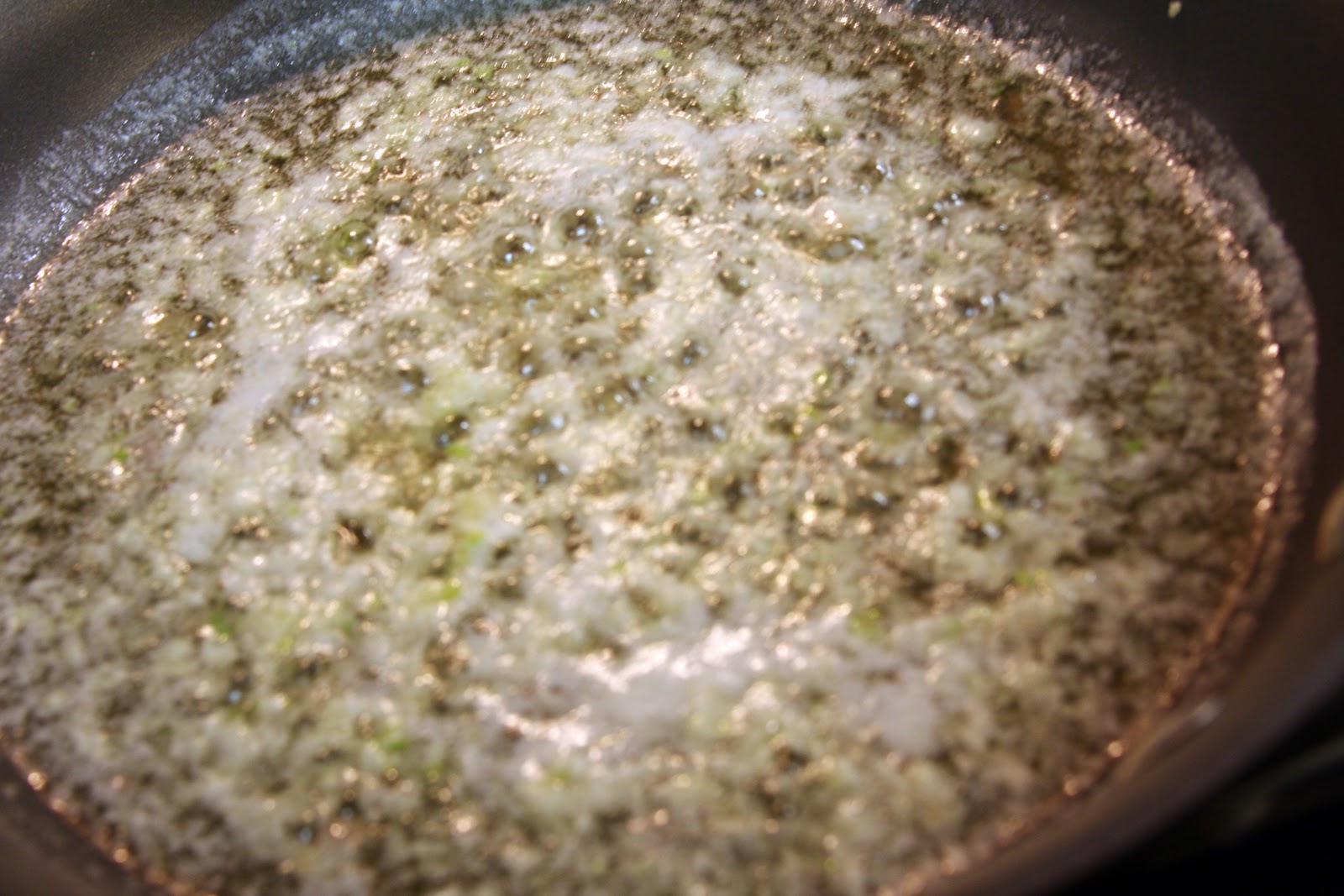
Add the garlic, shallot, and salt and pepper. Saute until the shallot is translucent.

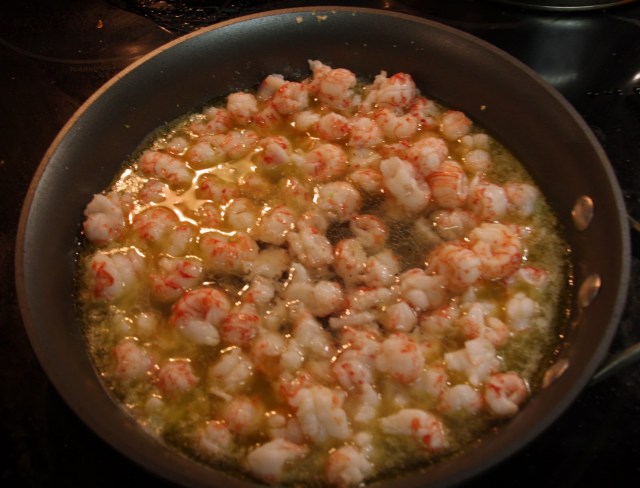
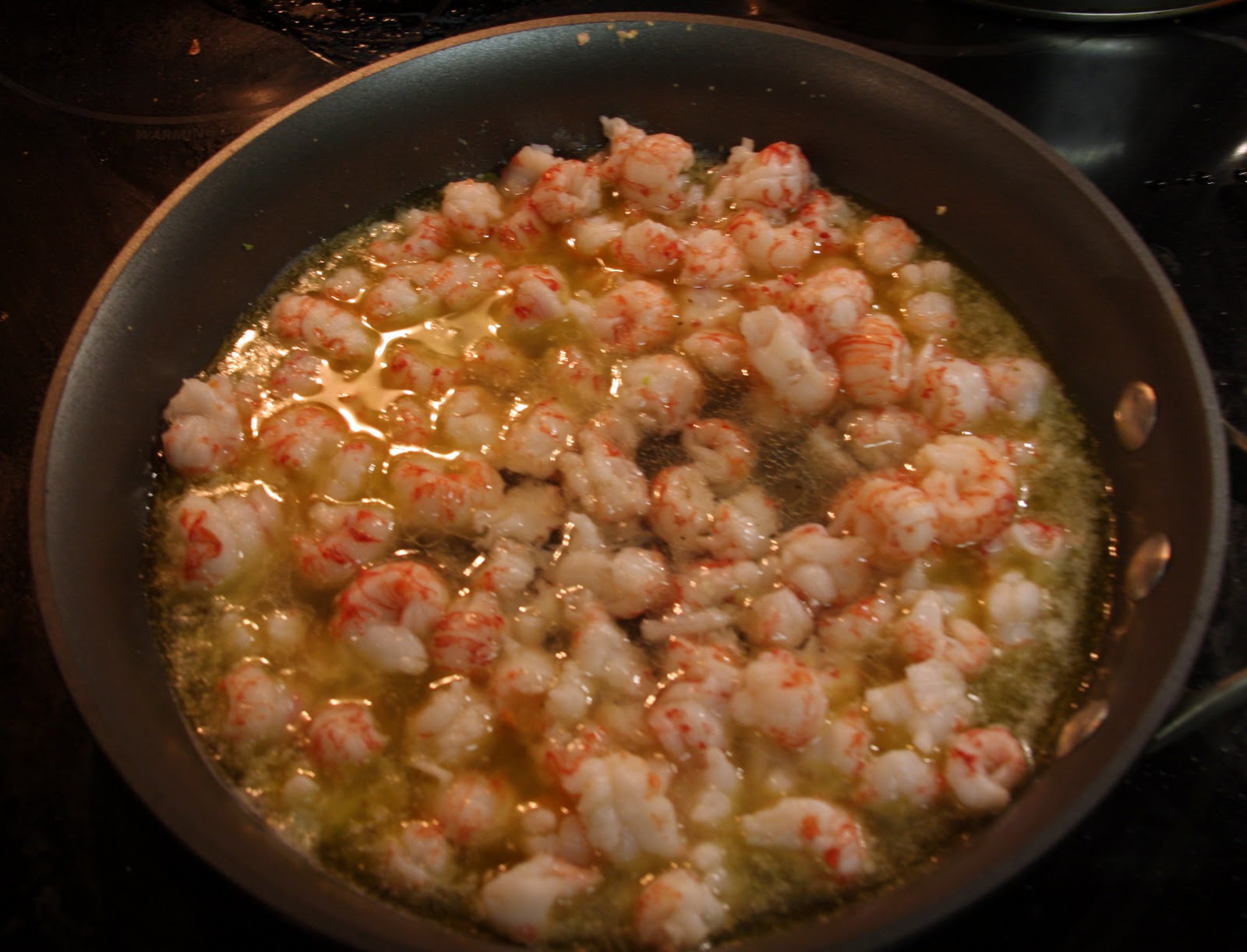
Add the Langostinos (Camarones) and the wine and cook until heated through about 3 minutes.

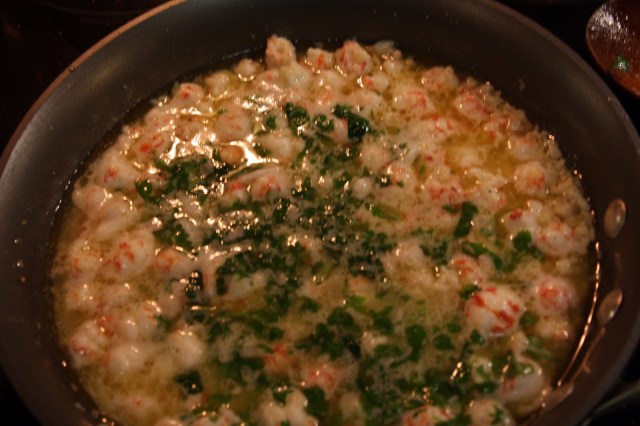
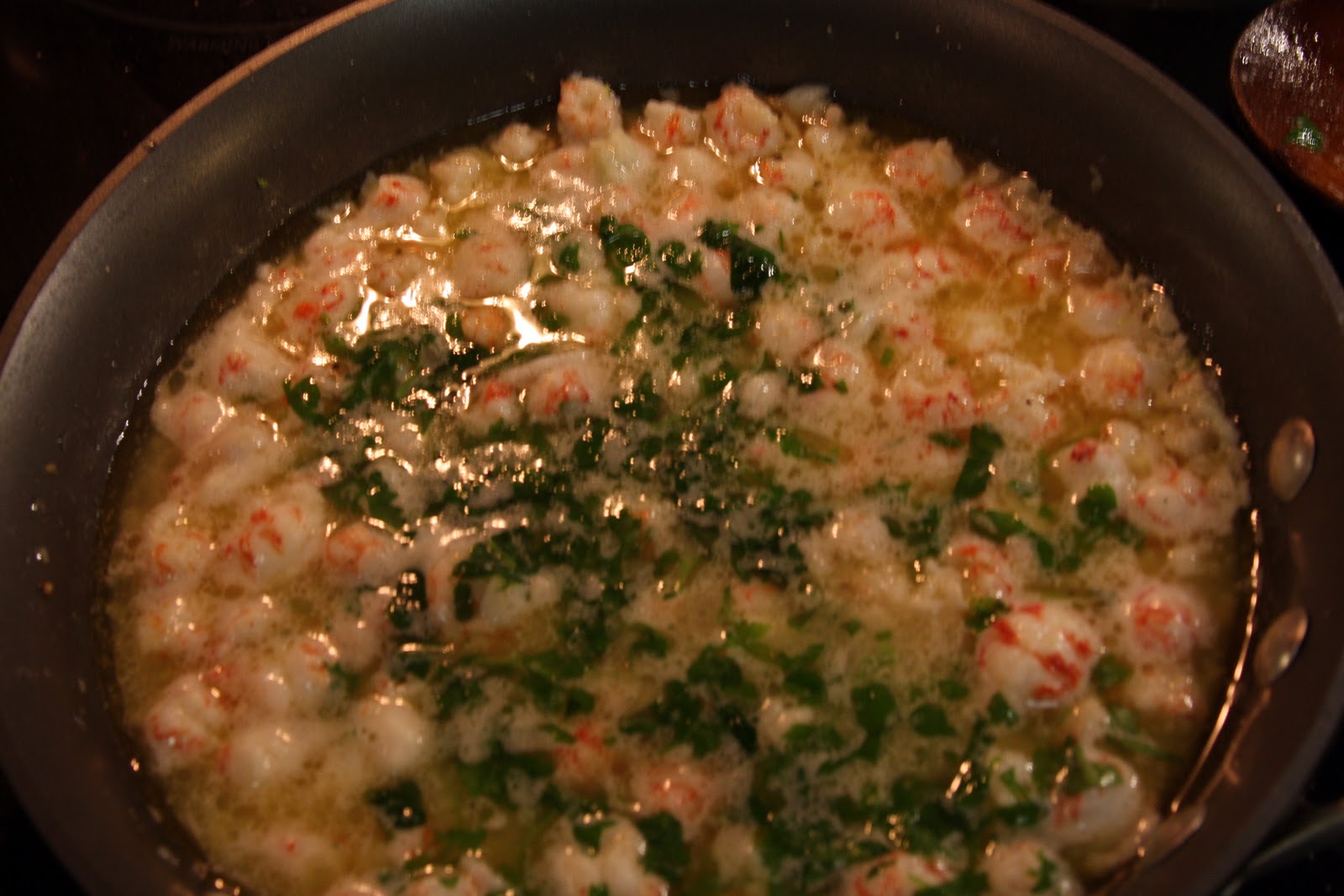
Add the parsley and a splash of lemon juice.

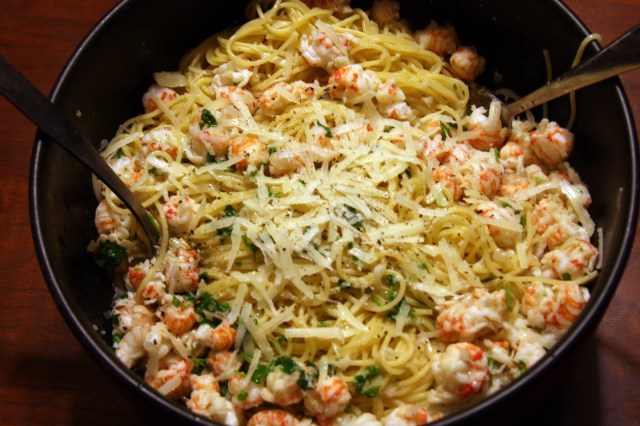
Taste and adjust the salt and pepper. Serve over pasta, sprinkle with Parmesan cheese.

Tips.

I make this again? Oh my goodness yes! It was incredible, amazing, delicious.
Important: Do not overcook the Langostinos they will turn rubbery.

The above pics are from earlier cooking this recipe, made with Spaghetti. And served Italian style – that means the pasta is tossed into the sauce.


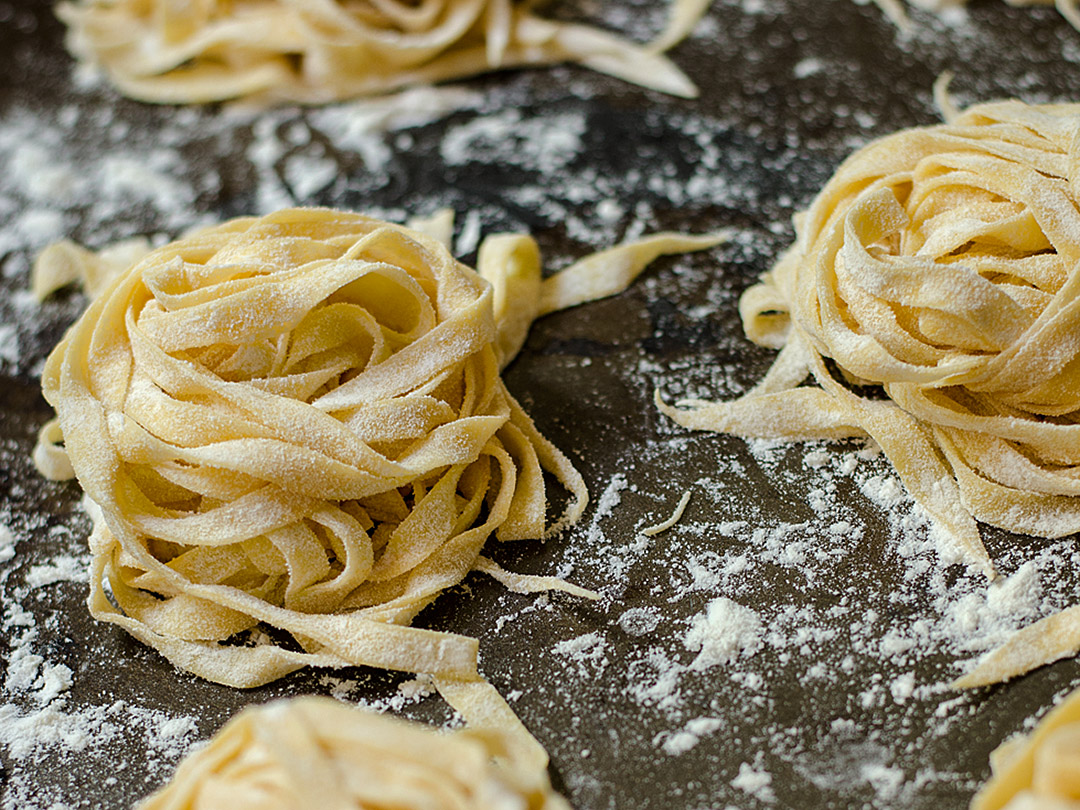
I prefer cooking the sauce and having the pasta aside, that I can take as much sauce or pasta as I like. Instead of Spaghetti I like to have Tagliatelle (above left) or Fusilli (above right) with this recipe, both of them take up the sauce much better than Spaghetti.


Life is too short, so – enjoy good food and wine, it is like enjoying fine art !!

Veröffentlicht unter Lifestyle, Recipes, Uruguay | Verschlagwortet mit , , , , | 2 Kommentare

My German Special

Today a Special for my German readers, in the German language. Because we Germans know that we are very thin-skinned, we are said to be serious, and we are humorless. I don’t know if it’s true or not but sure is that we can whine at the highest level. WHINING I face all over Germany at the moment – have we lost our MOTIVATION ?

Täglich kann man lesen:

Schutzsuchende mit Smartphones und Designklamotten auf dem Weg nach Deutschland.
Eine Handvoll feiert, 180.000 Menschen leiden darunter.
US-Polizisten bei Protesten angeschossen. Wieder ein „Schwarzer“ erschossen.
Bei Wahlniederlage lehnt Trump friedliche Machtübergabe ab – Demokratie in Gefahr.
Wasserwerfer gegen Demonstranten in Minsk. Rettungsschiffe – Taxi nach Europa.
Neue Reisewarnungen – Risikogebiete in jedem zweiten EU-Land.
Kinderarbeit in der Türkei – Leben aus der Mülltonne. Tote bei Luftangriff in Afghanistan.

Brexit, Corona, Trump, Waldbrände, Klimakrise, Elefantensterben, Bankenpleite, Fake News, Lockdown, Hurrikan, Proteste, Demonstrationen, Sanktionen, Hass, Vergiftung.

Und so weiter – und so weiter – und so weiter  ………………………….

So geht es Tag für Tag in der Presse, im Fernsehen usw. Man kann sich dem kaum entziehen und muss aufpassen nicht in diesen „Negativen Dreck Pfuhl der Informationen“ hineingerissen zu werden. Das macht aggressiv, depressiv und krank.

Ich habe versucht mit positiven Informationen, Witzen, Sketchen und Liedern etwas dagegen zu steuern. Es hilft tatsächlich und es macht Spaß. Abends eine Stunde, oder auch zwei, gute Musik und ich schlafe viel besser, das ist besser als sich noch schnell die letzten Nachrichten reinzuziehen.

So, meine Freunde, hört auf mit Selbstmitleid, mit Jammern, mit dem ständigen diskutieren über die eingeschränkte Freiheit durch Corona, hört auf all die negativen Endzeit Berichte und die vielen Verschwörungstheorien zu lesen und zu verbreiten.

Schaut auf Positives, gewinnt eure Motivation zurück und bleibt gesund !
Hier die Medizin für euch, viel Freude damit !

Vor 50-60 Jahren lachte man über einfache Spielereien mit der Sprache:

Vor 20-30 Jahren lachte man über Parodien und Schwätzerei:


Heute muss es HART kommen – kann man deswegen nur noch lachen, wenn es zotig, schweinisch, aggressiv, unter der Gürtellinie kommt, und wenn man persönlich angegriffen und beleidigt wird ?   Neuer Deutscher Humor oder hat Bundespräsident Wischmeyer doch recht ?

Musik kann da besseres bieten, hört und schaut doch mal rein in meine 15 musikalischen Favoriten:

Natürlich ist Musik Geschmacksache. Nicht jeder mag alles und nicht jeder muss alles mögen. Die folgende Auswahl, ohne Anspruch auf eine logische Reihenfolge oder Wertung, soll euch ein wenig den Stress des Alltags vertreiben. Denkt mal nicht, sondern genießt die Musik. Musik macht Freude !

Wo sind DIESE schönen Zeiten hin ? Zurückblickend bleibt meist das Positive in Erinnerung, das Negative wird vergessen, das ist auch gut so. In, ich hoffe für uns alle, nicht zu ferner Zukunft, werden wir all das heute Negative vergessen haben und uns weiter über schöne Musik, Witz, Humor, gutes Essen und Trinken, tiefe Freundschaften, Liebe, Gesundheit und Wohlergehen freuen. Ich wünsche es, euch/uns allen, von Herzen.

Die Welt, die wir kannten, wird sicher künftig nicht mehr so sein wie wir sie gewohnt waren. Es wird anders sein, neu sein, herausfordernd sein und viele neue Chancen bieten. Veränderung ist immer schmerzhaft, vor allem wenn man, wie ich, schon 75 Jahre alte Gewohnheiten auf dem Buckel hat. Mein Motto war immer „CHANCEN NUTZEN“ ! Also – warum sollte es nicht auch euch nutzen. Wenn alles geht, Musik – Genuss – Freude bleibt.

FREUT EUCH mit mir, beim Hören, Schauen, F Ü H L E N und G E N I E S S E N der nach folgenden 15. Alle 15 haben einen tieferen Sinn, findet doch selbst heraus was ich meine !


Und eine Zugabe, weil es so üblich ist.


Merke :
Die Welt ist viel besser als ihre schlechten Nachrichten.


Veröffentlicht unter Information, Lifestyle | Verschlagwortet mit , , , , | 1 Kommentar

The Downside of Paradise

Uruguay is a real paradise between all the South American country’s. It has many good things but also many bad sides as everywhere else in the world. With this article, I don’t want to compare good and bad. But I like to point out some very poor animals.
Anyway, the positive are the friendly people, the relaxed lifestyle, and the freedom of life that everyone almost can do what he wants to do. Negative is that almost everything exists rules and regulations, speaking of laws, but no one is forcing compliance.

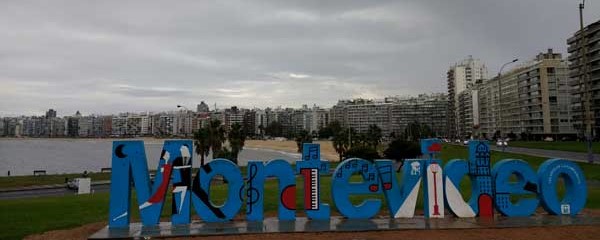
            A truly tourist magnet, the MONTEVIDEO „writing“ in front of the most pictured Montevideo beach „Playa de los Pocitos“. Both, monument and beach are permanently painted and cleaned.    POSITIVE !

You have lots of people which are driving through red lights, speeding 100 through towns where 50 is demanded, and using vehicles without any insurance or even any kind of road safety requirements. Police are standing by or even does the same. I asked once my neighbor, who is a police officer and in charge of the highway part where we live, about this situation. He told me very clearly, „what can we do, most people have no money to confiscate a fine, they just survive on their few pesos“. The result – no one cares.


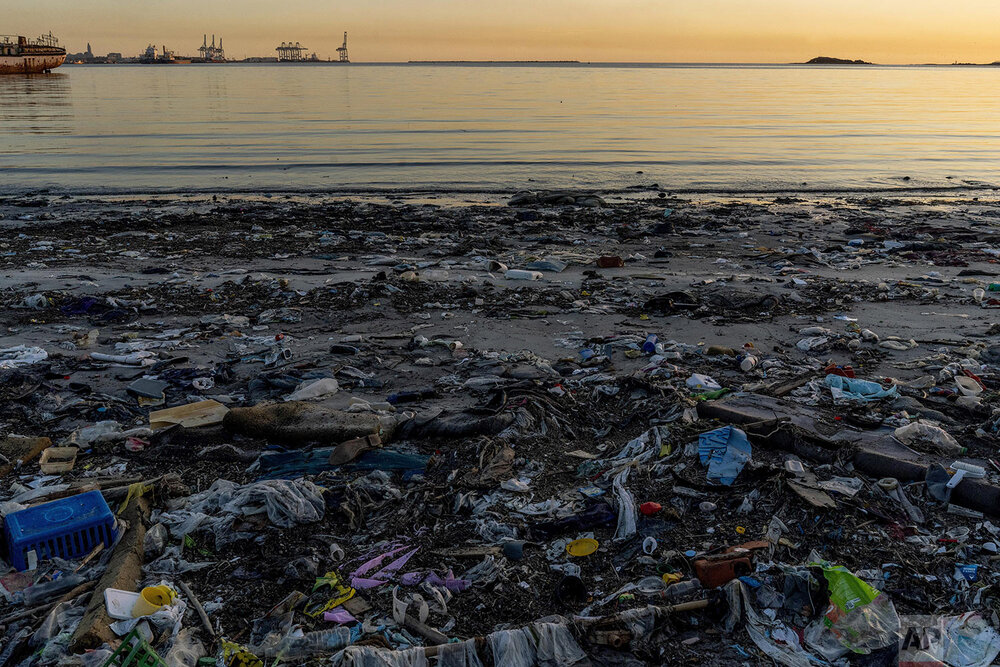
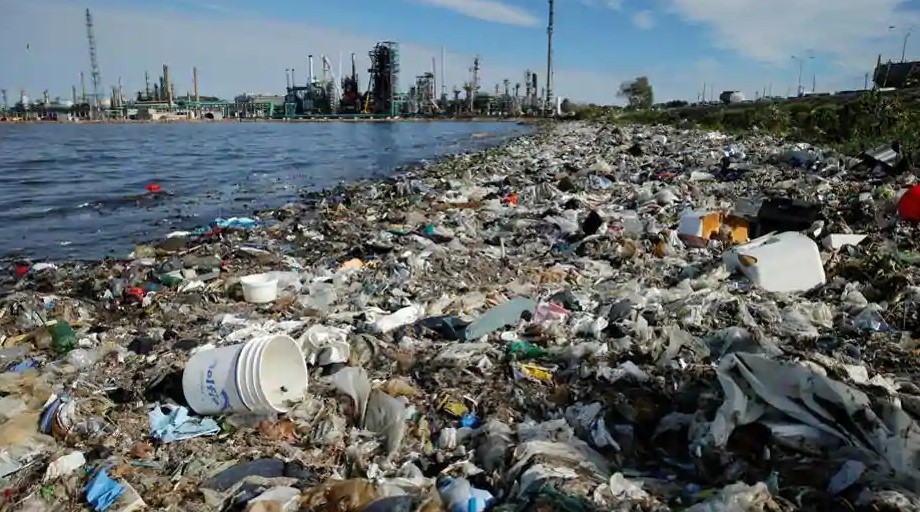
Capurro beach in Montevideo bay. In the distance the ANCAP refinery, one of the richest Uruguayan company’s.   Here happens nothing, no cleaning at all.   NEGATIVE !

If I made a list the dilemma would go on and on. I don’t like to complain, but I really like to focus your eye on something, and that is the rubbish or trash or garbage or waste handling in Uruguay. I live here for more than 10 years but will never adapt to this kind of trash handling mentality.

There are services, like, at our home, they collect the rubbish 3 times a week, not bad. But still, the people through their waste on the road, in the bush, or just next to containers. The whole country has no waste separation at all, everything goes into the same bag, truck, and finally on to the same deposit. 90 % of the country has its own sewer around the house, needs collection every few months. These dump trucks are called „Barometrica“. I’ll spare me to tell you where they dump the stinking „shit“!


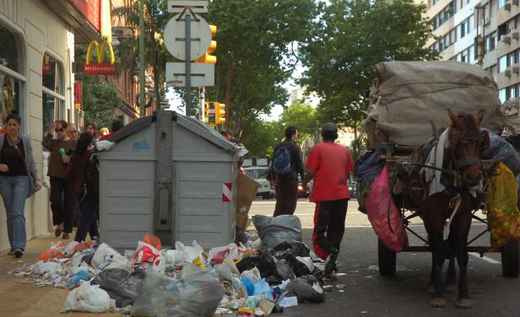
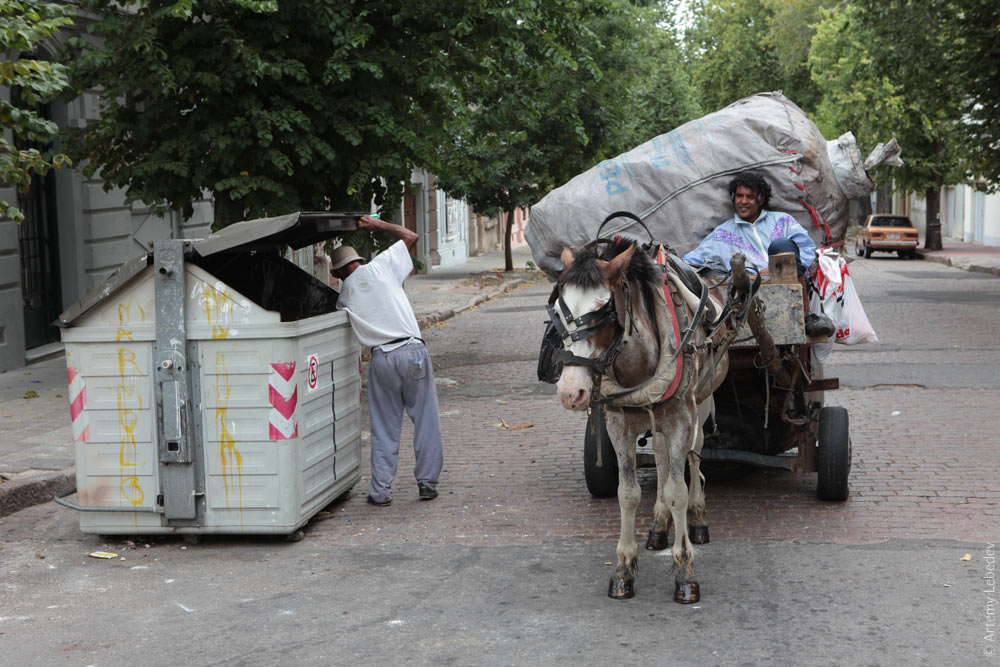
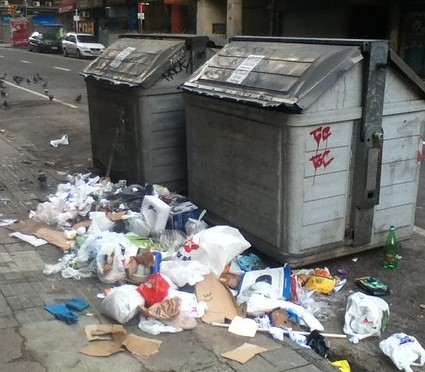
Typical street view in Montevideo. The bin is not even full, but it is easier to throw the waste on the road instead of opening the dumpster and dispose of decently. It’s a culture-mind-mentality problem in Uruguay.
VERY VERY NEGATIVE !

Some city’s try to do something, but the population is not trained and not focussed on motivation and reason to handle waste differently. If you ask why you earn the answer, „we have it always done like this“! Follow my collection of pictures in this article and you will learn what I mean with The Downside of Paradise.


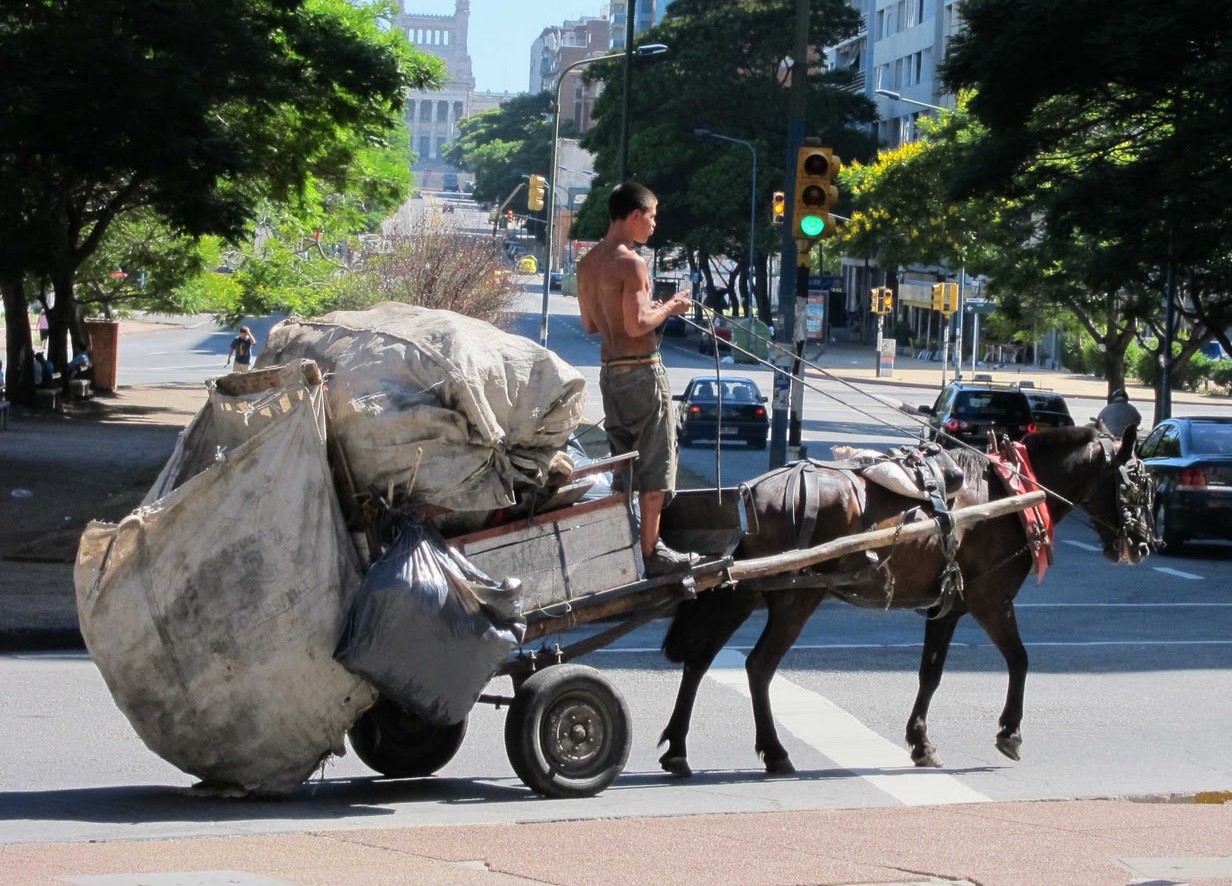
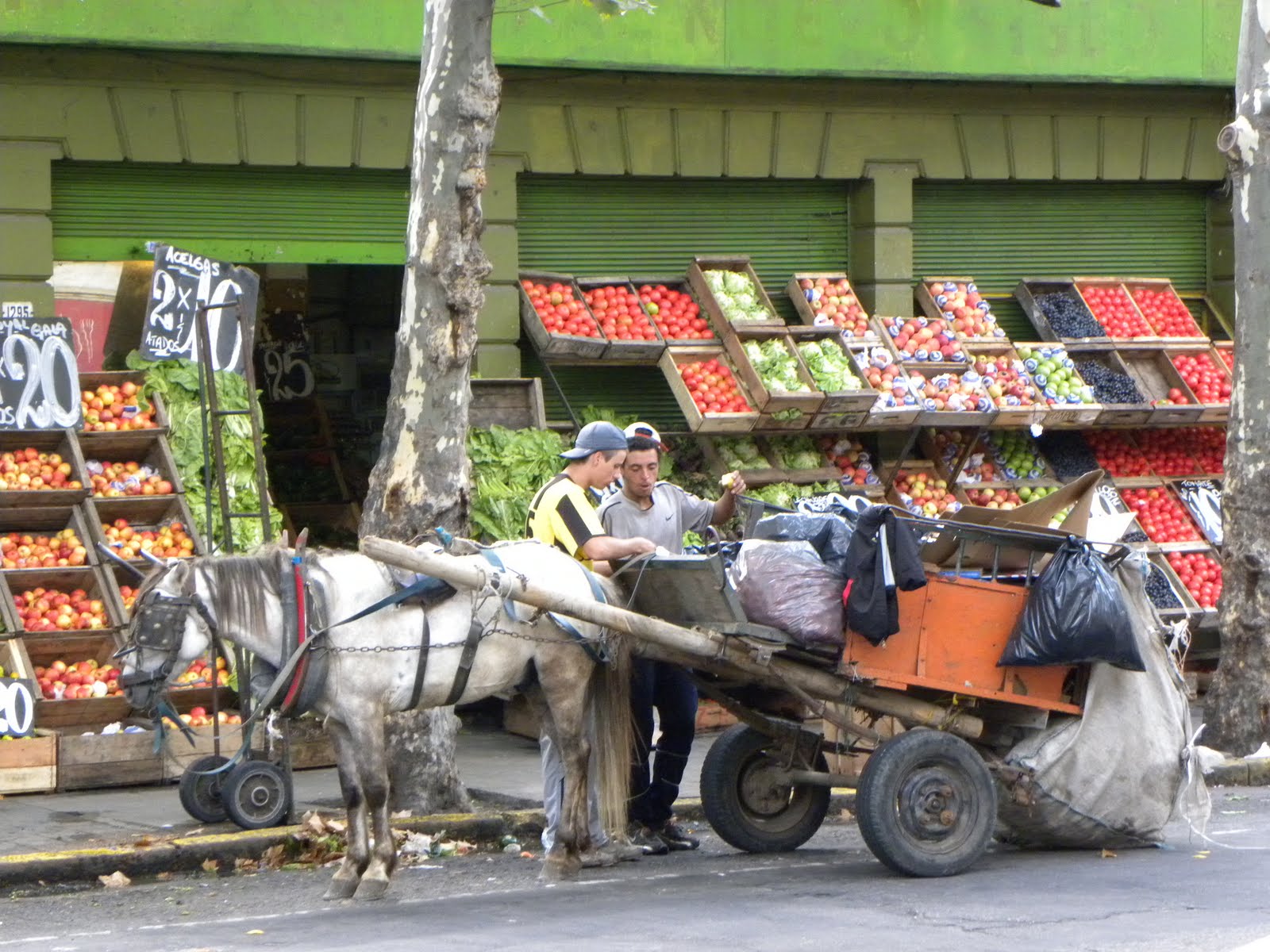
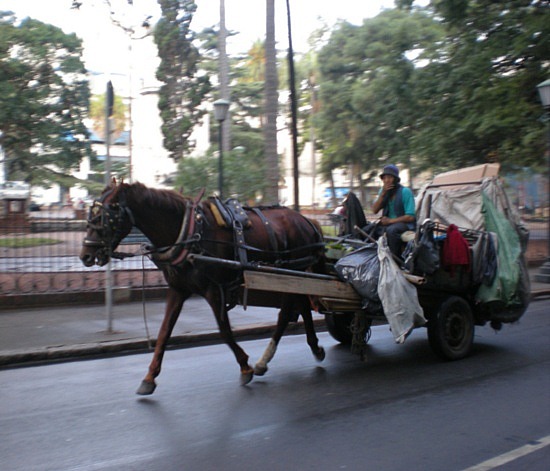
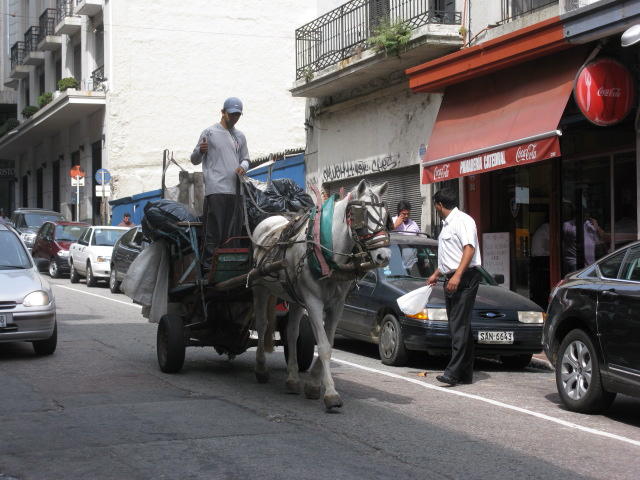
One will see the same image everywhere in Montevideo, the massive weight, hanging at the far back of the trash carts, lifts the horse almost up. It can only pull now with its stomach, not with the collar around the shoulder as it used to be. Horrible treat of the animals here in Uruguay. I wish I could hang such a weight around the neck of the horse owners.

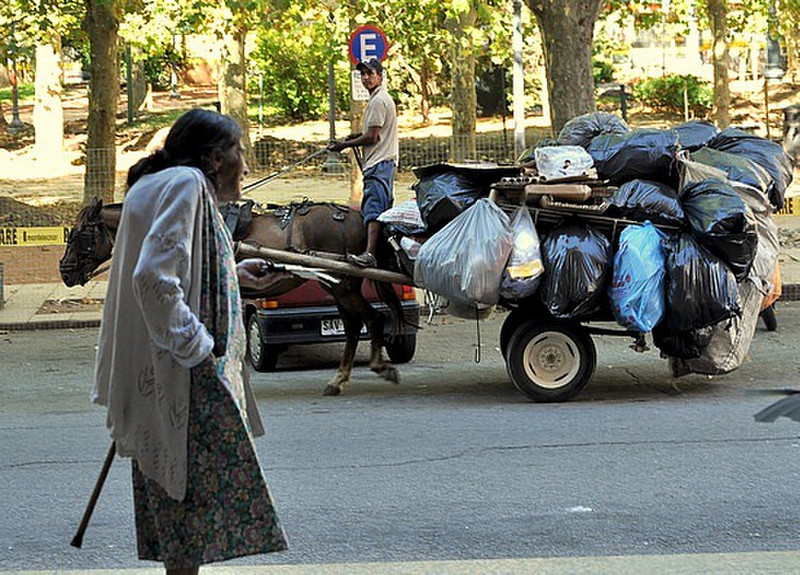
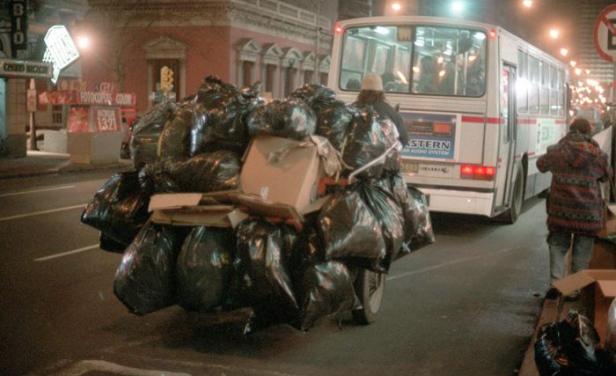
One of the worst situations in Uruguay is the trash collectors in Montevideo with their horse-drawn trash-wagons. They don’t collect all waste, just the recycling stuff to make some money, which is understandable. I like to comment on some pictures and leave the rest to your own opinion.


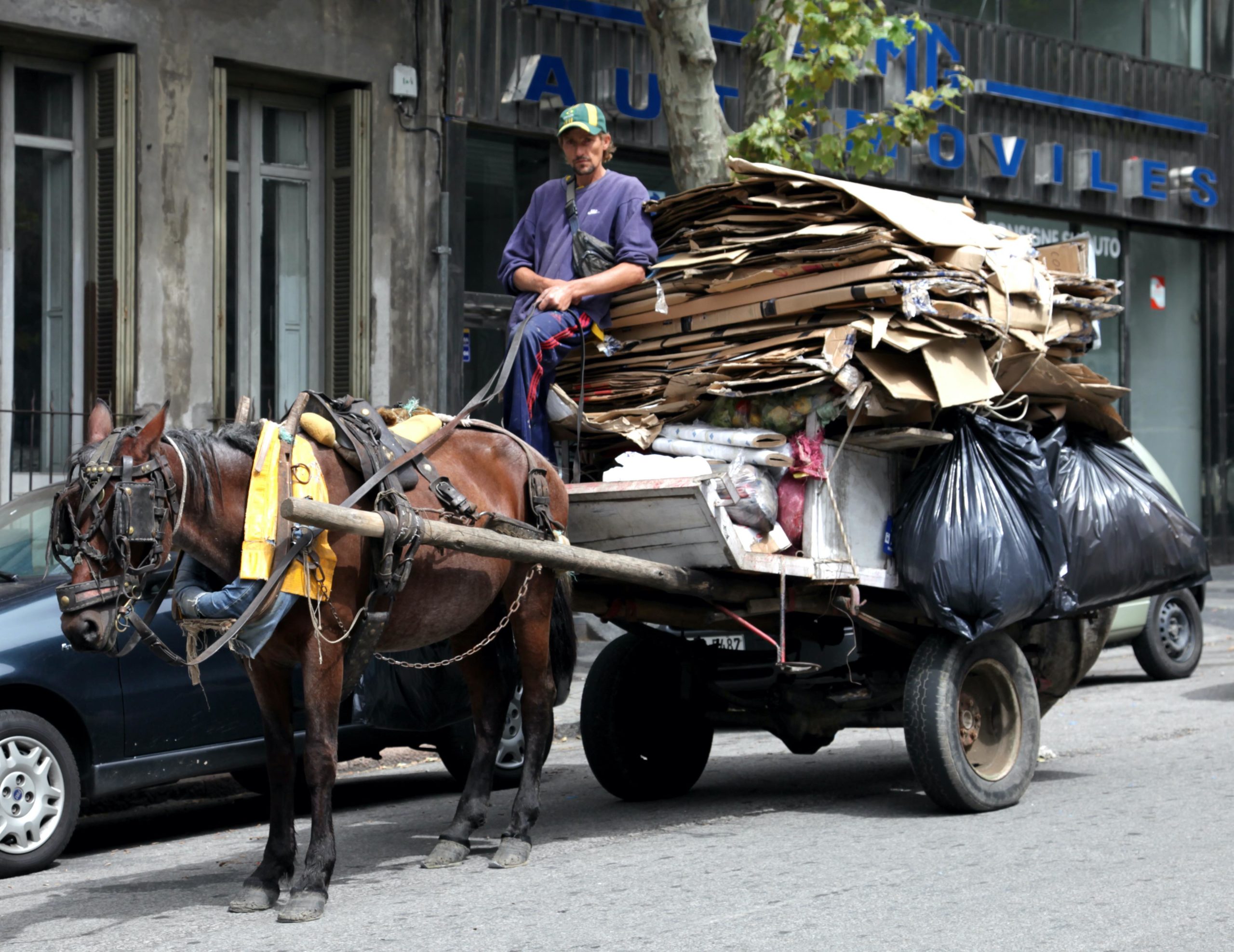
Notice how poor this horse is standing there and how heavy it is loaded, especially on the head, giving up every hope for a decent life. There is no reason to treat an animal like this, I wish I could treat this arrogant looking guy equal !!

Because the horses suffer a lot in the street, they mistreat them, they carry them with many kilos of weight, they work many hours in the street, they do not protect them from the cold, nor from the heat, and they do not protect them from the rain.


Horses are continually beaten by their owners in order to make them walk, so that they surrender more than their tired bodies can render. They do not feed them properly or let them rest long enough. This torture is repeated every day of their lives, and nobody does anything for them. Similar story with dogs in this country.  No one cares.

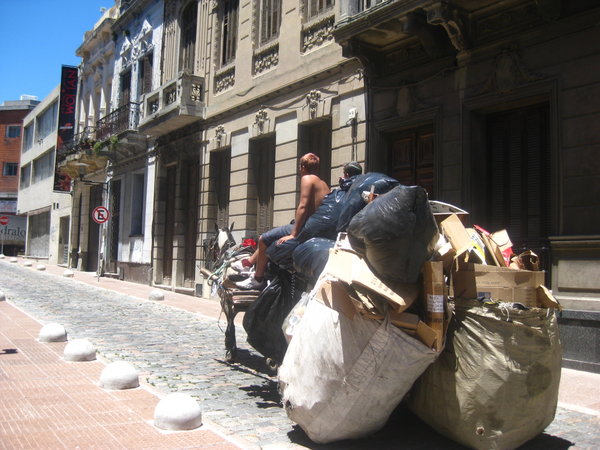
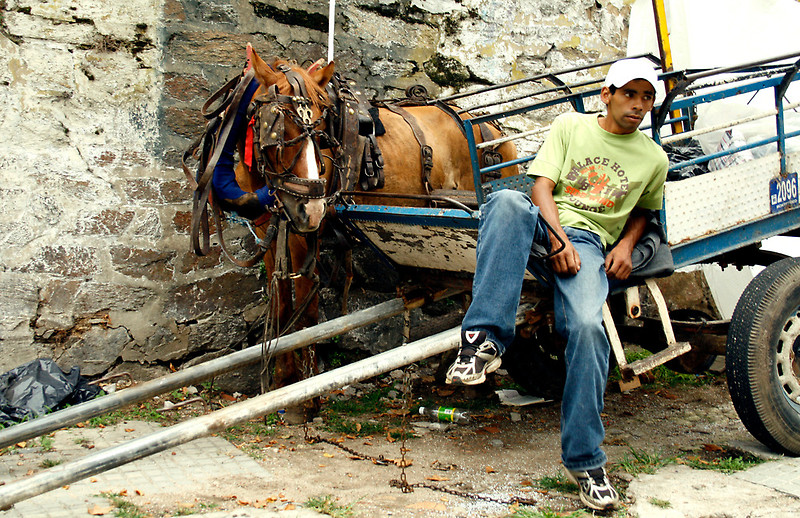
This is a work break for the horse. Left under the weight of all the leather equipment, no room to move, no water, no green grass, no attention at all. The here seen guy has just to watch that no one is steeling wagon or horse, while the owner is on break in a beer bar.

I wish I did not see them anymore on the street. I would like to see them grazing in the field, with other horses, happy with the life they have. I would like to ban all kinds of blood traction throughout the country, we are more sensitive to the suffering of animals.


To the honor, rescue is to be said, that some efforts take place to solve the waste problem. But it is not because of the organization or the lack of money or other means – in Uruguay, as in many other Latin American countries, people just throw their garbage into the area.

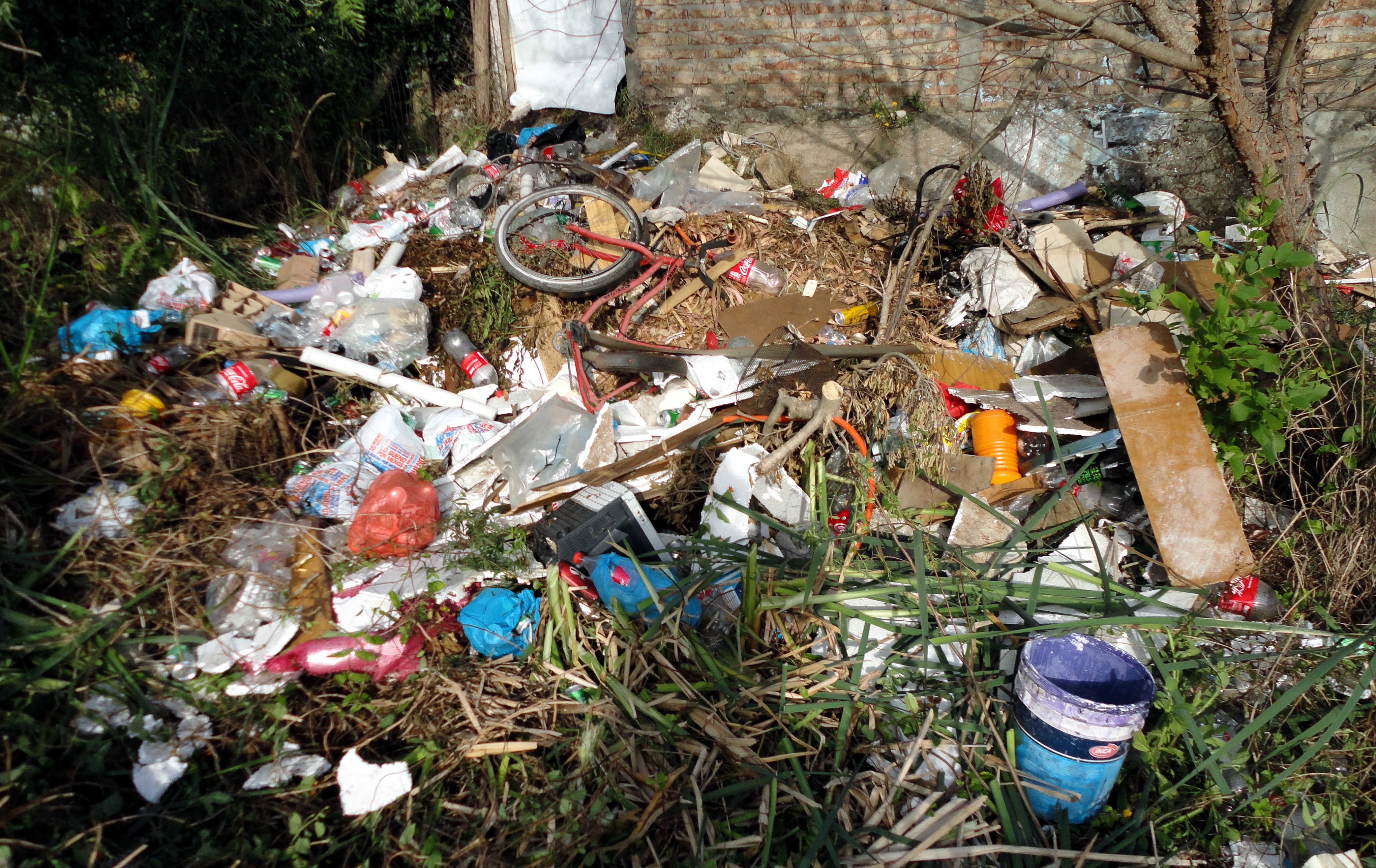
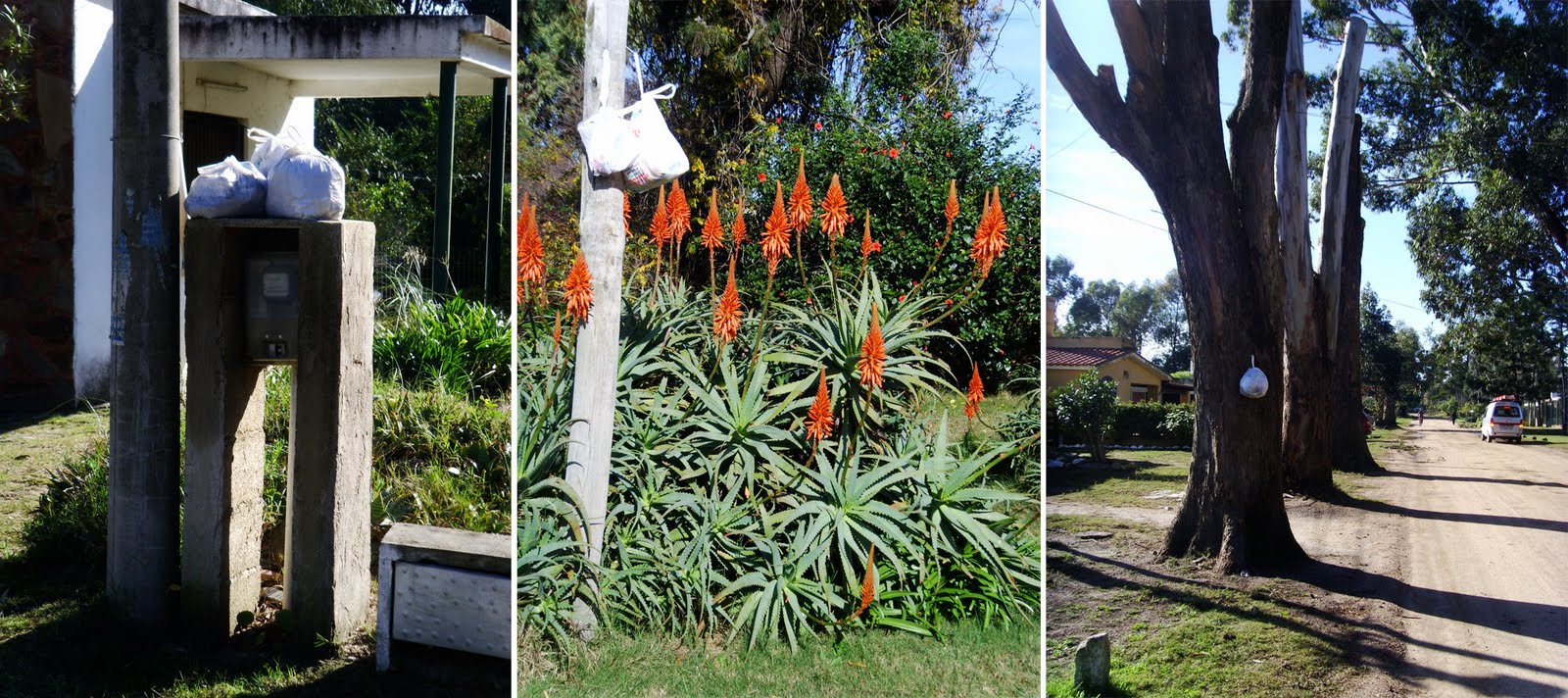
Above: Photographed in my own neighborhood. People throw their garbage through a back door (see the upper picture with white plastic covered) simply on a neighborly lot. Though, as I mentioned before, we have 3 times a week a rubbish truck service – and they take everything. I only can call such people „Cerdos Humanos“ – „Human Pigs“ !!!

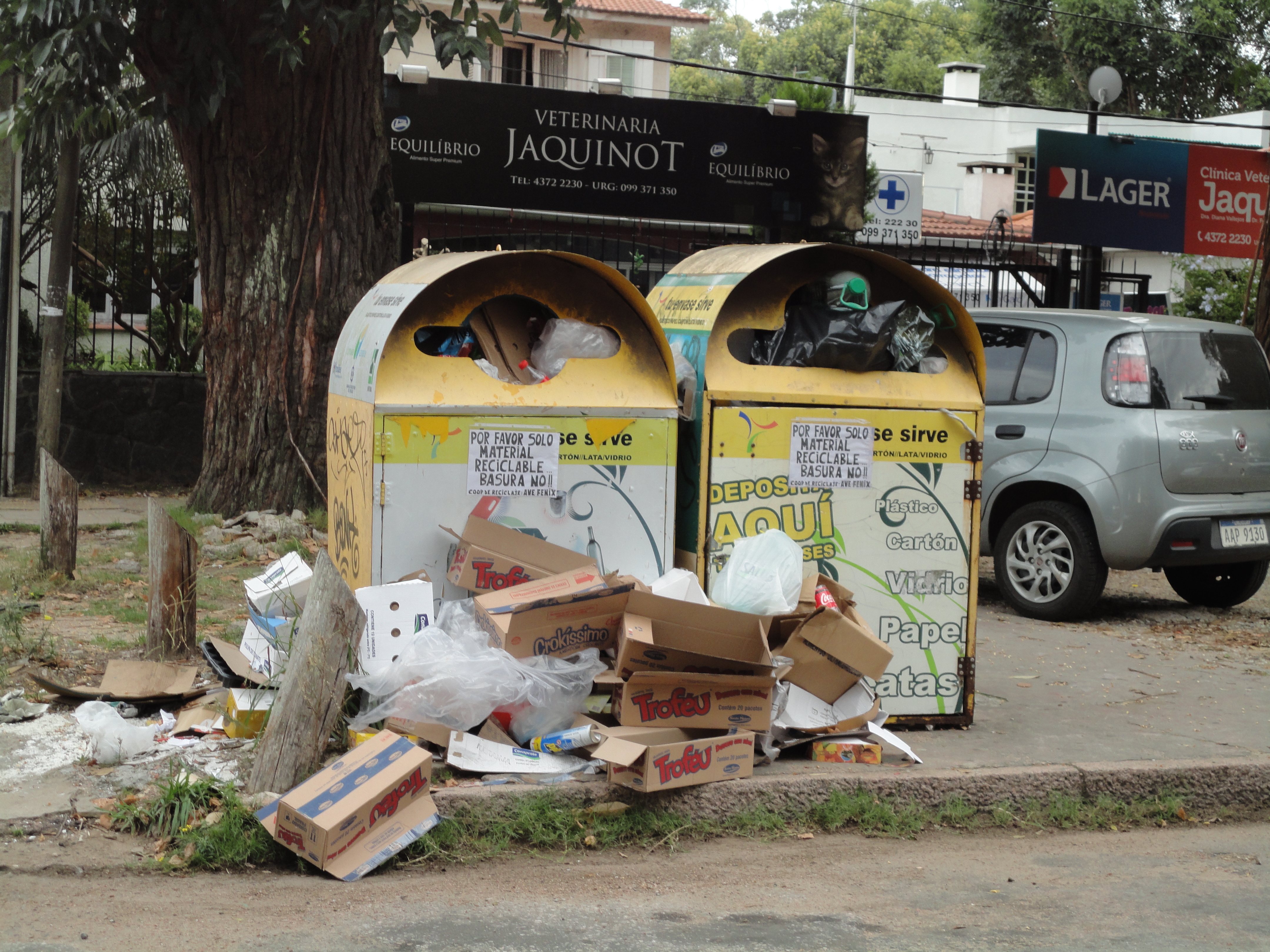
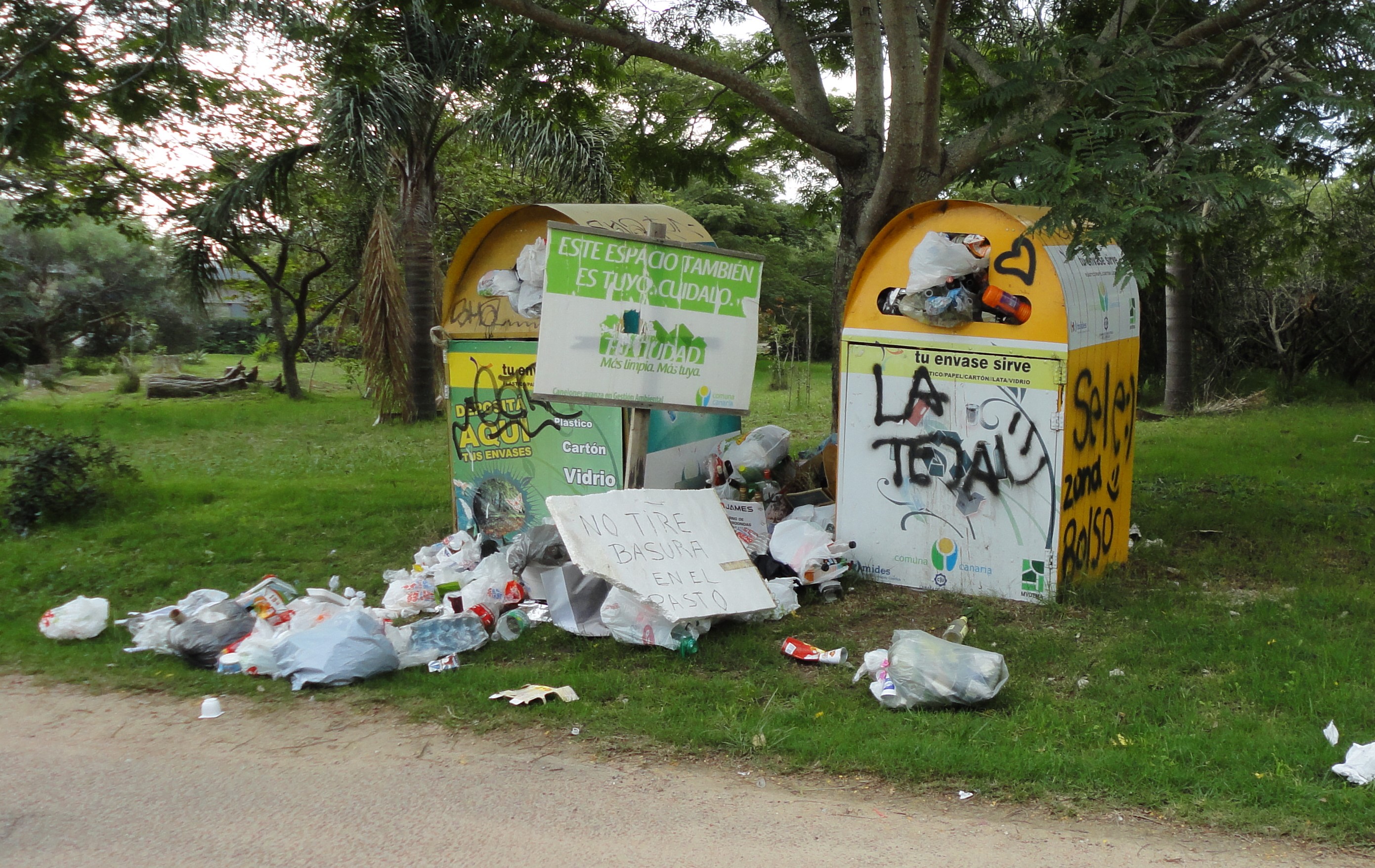
Another story. In our neighboring city Atlantida they tried to collect recycling material and set up special containers for it. Notice above and below how they were used. The already named Cerdos Humanos disposed their „shit“ around everywhere. Above is also to notice, that most of the cartons lying around came from a Tofu-eatery across the road.


No one cares about – the Intendencia (mayors office) just took the bins away and that’s it. Good meaning, goodwill, good ideas – end up in bad results because of the stupidity of the Uruguayan culture „we have always done it like that“ !!

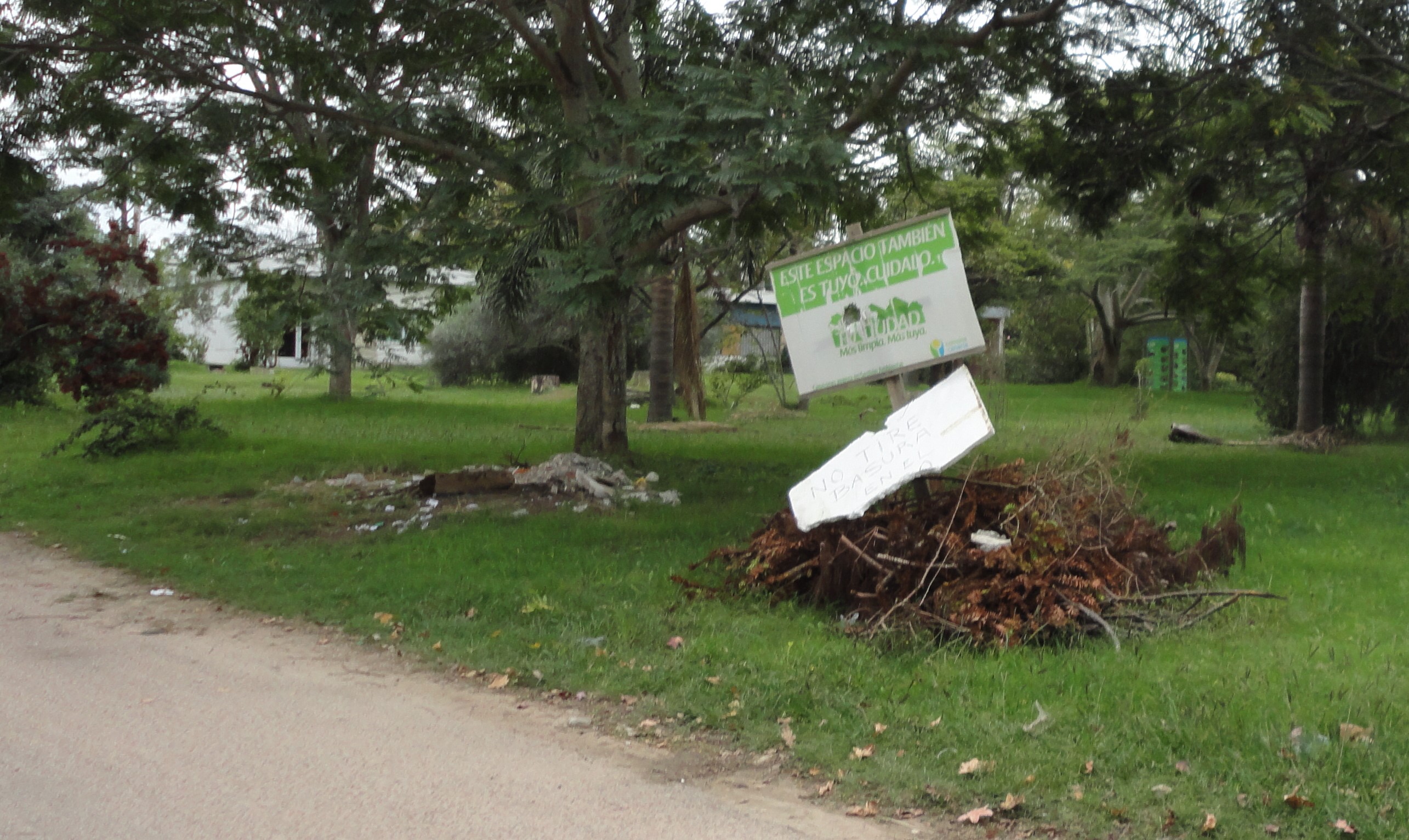
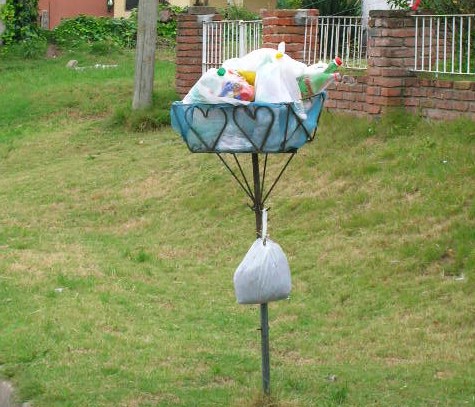
The normal Uruguayan waste disposal is functioning. One hangs out their rubbish in bags (see above) and the garbage truck ladies collect it. It works if all people would do it. The results are nice clean roads and a healthy environment.  Compare the left picture below (here someone took care, that’s the system, it’s o.k.) against the right picture below (and here people don’t care, they just throw it on the road, though bins are empty).


C E R D O S   H U M A N O S  !!!     H U M A N   P I G S  !!!    F I N E   T H E M  !!!

Beautiful Montevideo Bay – just in front of rich ANCAP refinery !  What an  S H A M E !

Veröffentlicht unter Atlantida, Information, Lifestyle, Travel, Uruguay | Verschlagwortet mit | 2 Kommentare

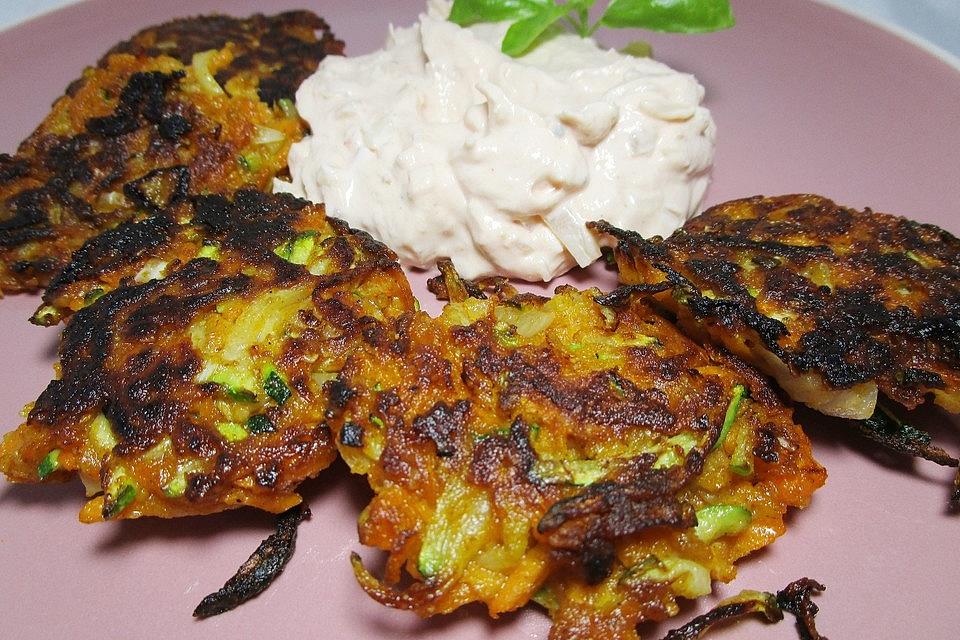
Carrot Zucchini Fritters

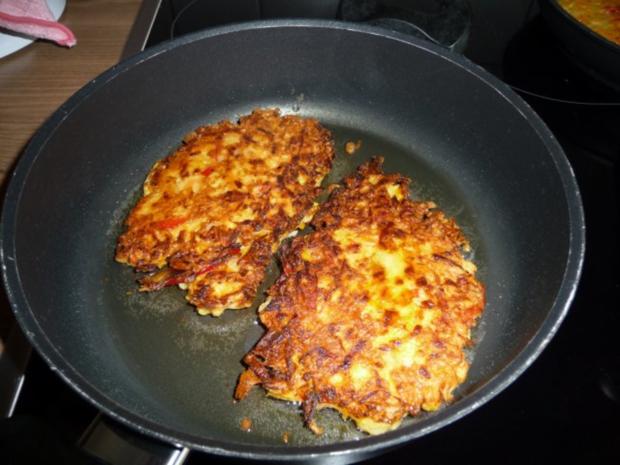
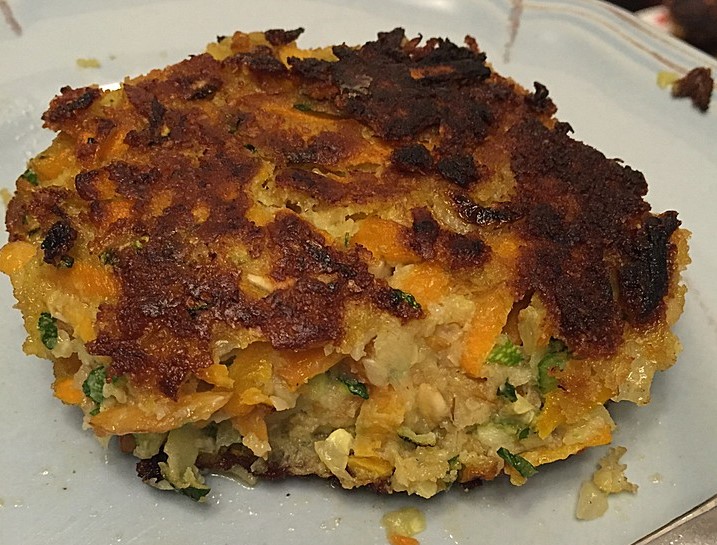
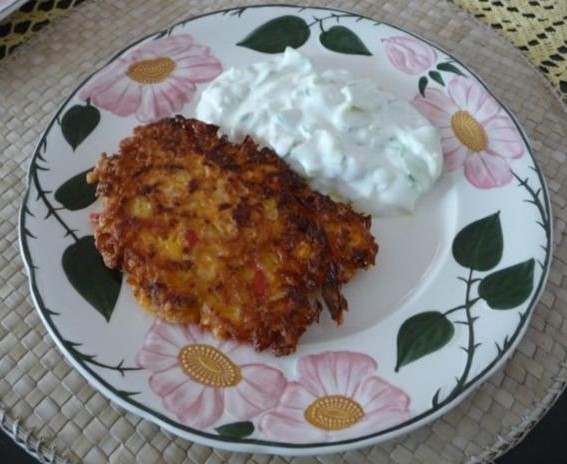
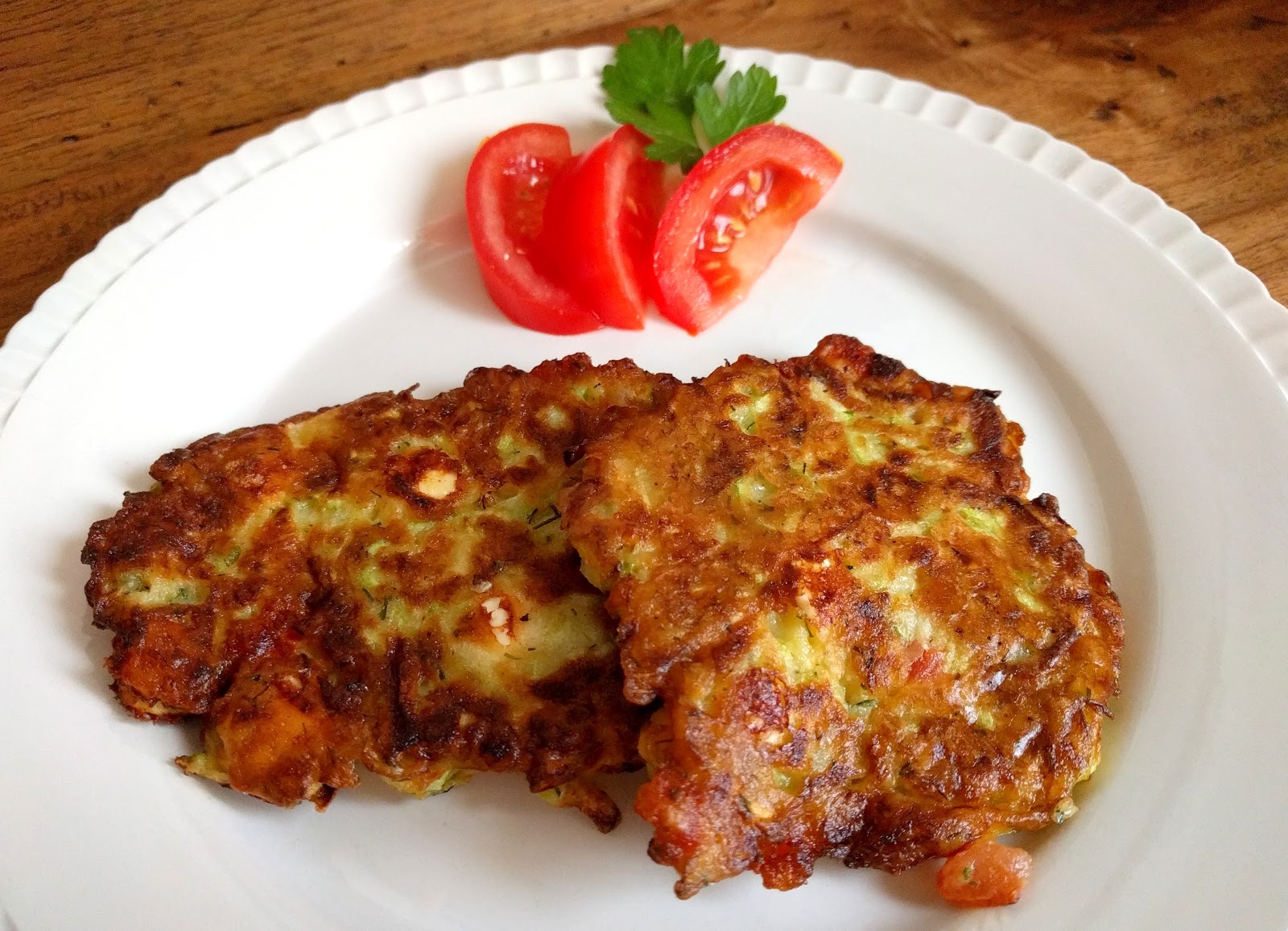
Today a short post for you, showing one of our favorite light vegetable dishes.  This recipe will make about 20 fritters (small size), just enough for 2 people.  Try some and enjoy !

Ingredients.

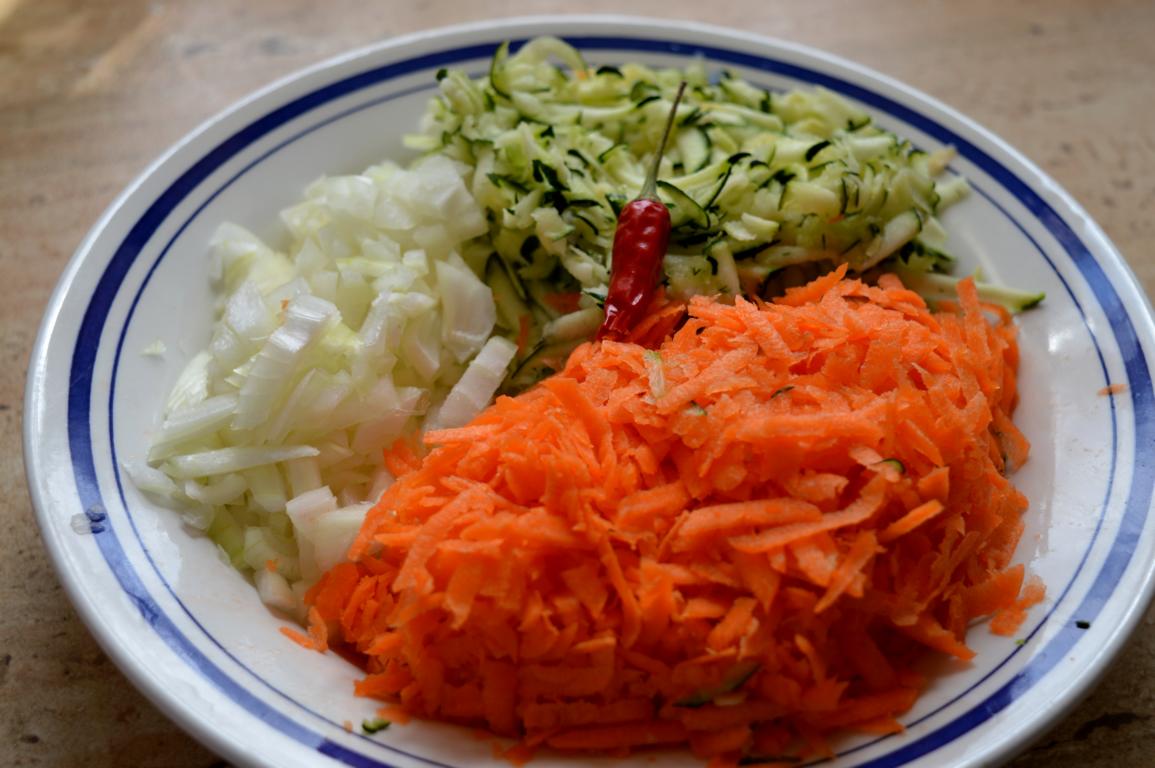
2 medium-size zucchini, grated, I always take one zucchini per person
4 medium-size carrots, grated, the same amount as zucchini
1 medium-size yellow onion, grated
1 teaspoon salt
1/3 cup all-purpose flour
1/2 cup grated Parmesan cheese
2 large eggs, lightly beaten
2 garlic cloves, finely chopped
3 tablespoons olive oil
4 teaspoons reduced-fat sour cream
2 tablespoons finely chopped fresh chives
if you like it spicy, add one red chilli, finely chopped

How to do.

Preheat oven to about 120C (250F). This is just to keep the fritters warm. If you don’t like to use your oven, any other method to keep them warm is also possible.
Stir together zucchini and 1/4 teaspoon of the salt in a large wire-mesh strainer set over a large bowl.

Let stand until zucchini has released water, about 15 minutes. Just the zucchini.
Discard liquid or drink it – I like it as a drink with the same amount of sparkling mineral water. Place zucchini in a kitchen towel, and squeeze to remove excess water.
Add zucchini to a large dry bowl.

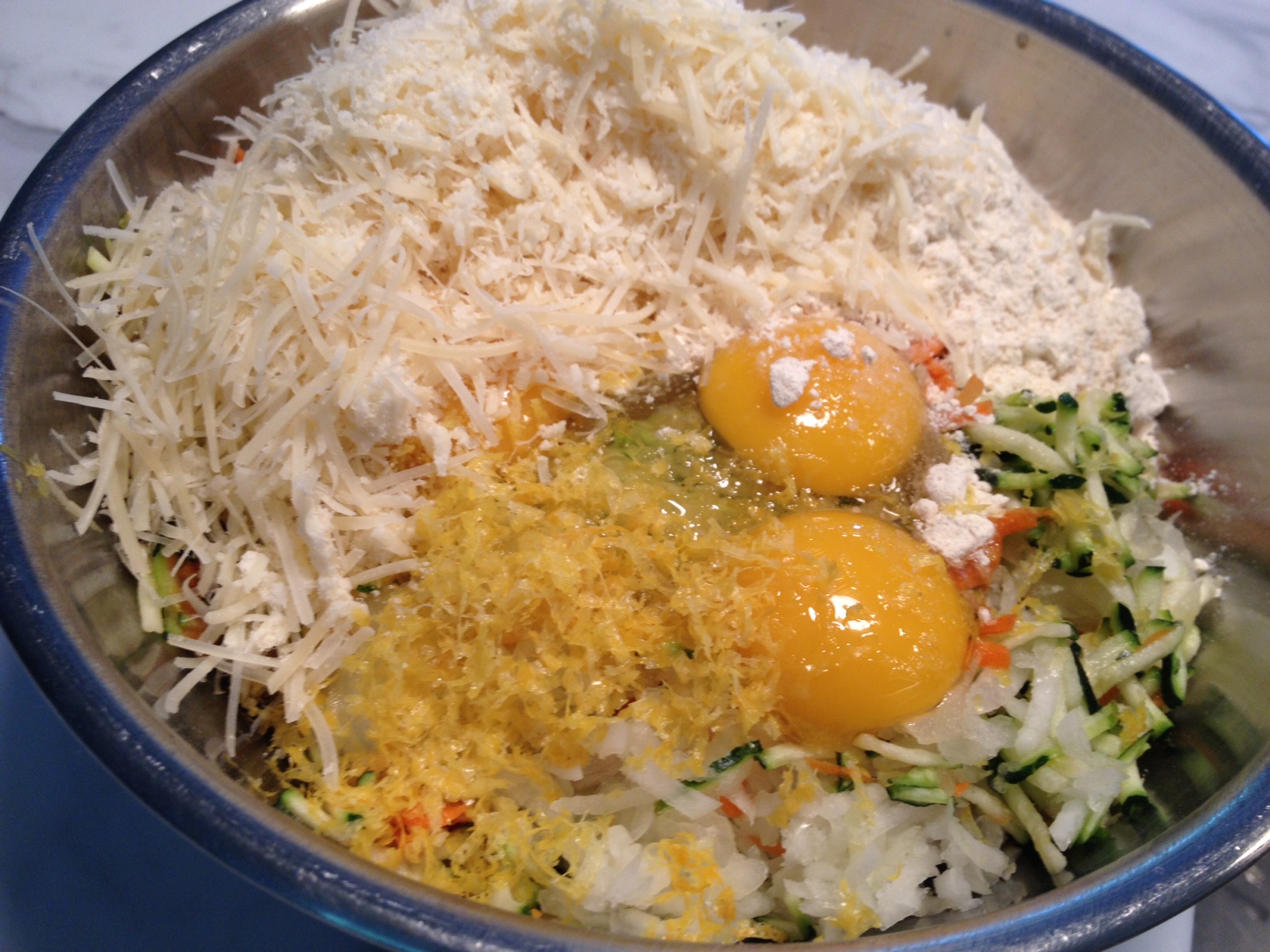
Add carrots, onion, flour, Parmesan, eggs, and garlic to the bowl with zucchini.
Stir well until all is combined. Season with salt and pepper.

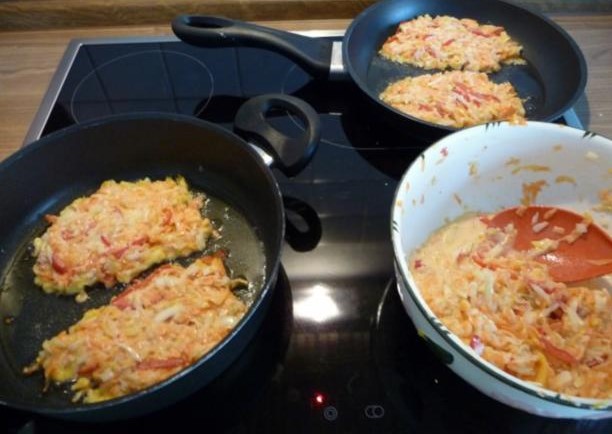
Heat 1 tablespoon of the olive oil in a large nonstick skillet over medium heat.
Don’t heat to strong, otherwise, your patties will burn outside and still be raw inside.
Add 1 heaping tablespoon zucchini mixture to skillet, flattening with a spoon to create a patty. Don’t overload your pan.

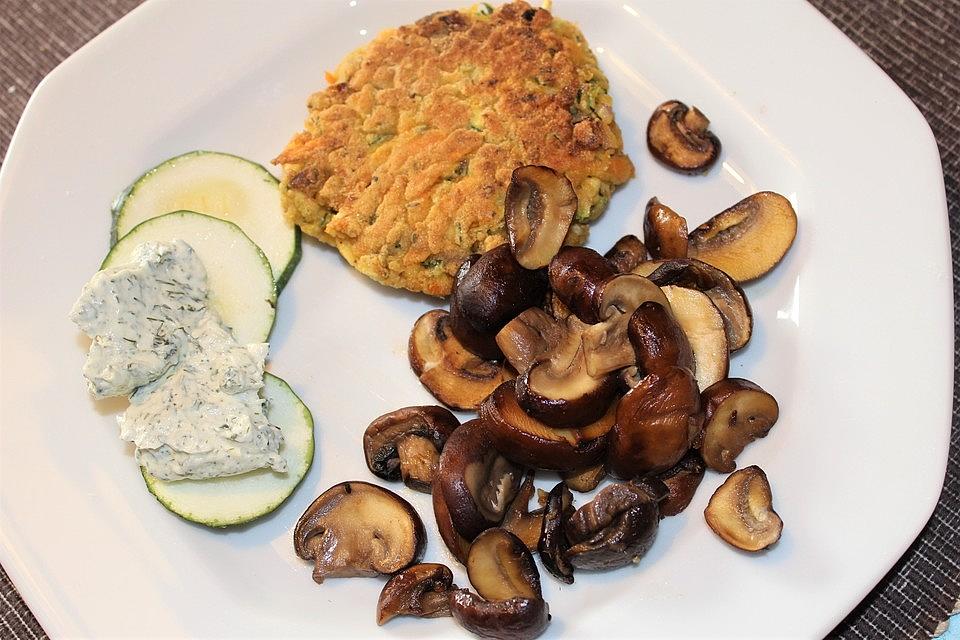
Repeat to make 3-5 more fritters. Cook until golden brown and slightly crisp, about 2-3 minutes. I always prefer small size fritters, they have more browned parts, but big ones, as you can see in the pics are also delicious. Depends on how you like to serve.
Flip and continue cooking until browned on both sides, about 2 more minutes. Be patient !

Transfer fritters to a large baking sheet lined with a wire rack, and keep warm in the preheated oven.
Working in batches, repeat with remaining oil and batter.

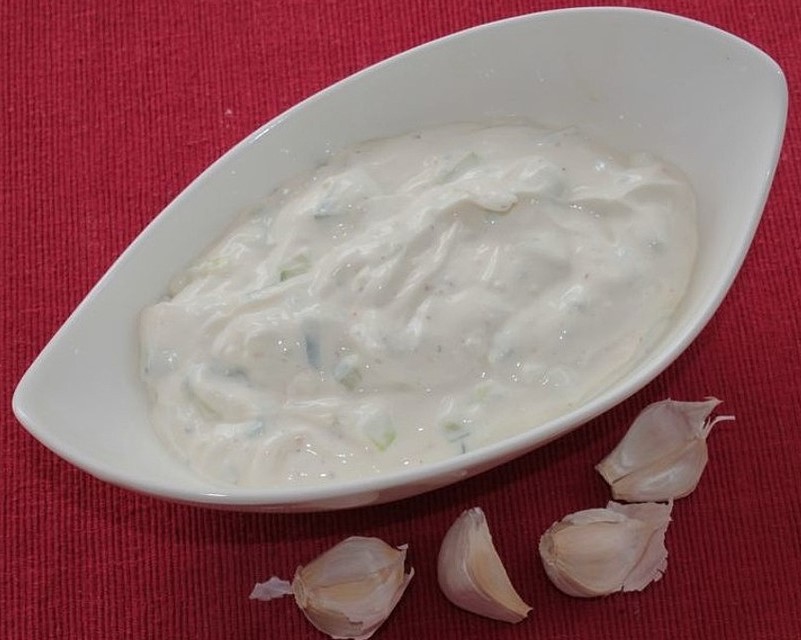
Cucumber, sour cream and yogurt dip.

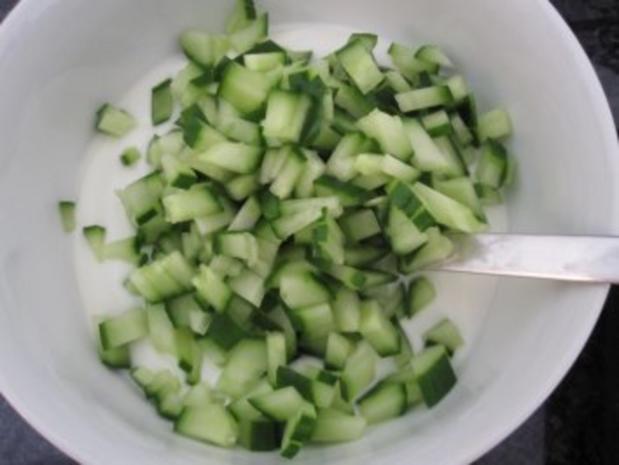
Wash and seed the cucumber (about 20-25 cm salad cucumber) and cut into small cubes.
You also can grate it, but I always like it a bit coarse.
Mix the cucumber with the cream and yogurt (ca. 100g each), salt and pepper to season.
You also can add garlic (will be tzatziki then) and/or spice up with fine grated fresh chilli.


If you like, add garlic, very fine chopped (never press it) or some dill, delish !

Tips.

For this dish you can use all kinds of veggies, even kohlrabi is very tasty. I prepared them for the first time in Australia and since then they can no longer be thought of away from our menu.


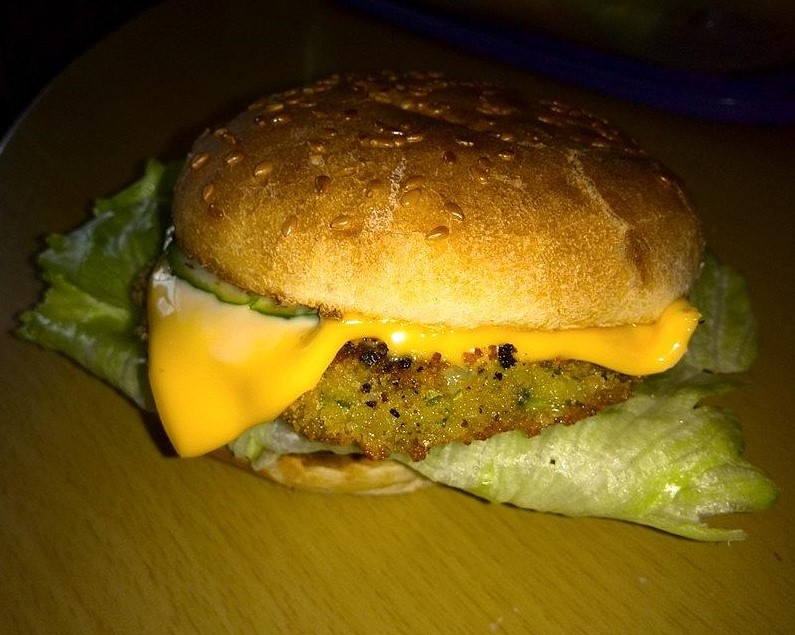
You can eat them just like that, as a substitute for burger patties (very delicious with some cheese or a grilled slice of bacon) or you can eat them with mixed salad, sauce (nice curry sauce or a spicy chilli sauce) or a bunch of fresh fried mushrooms. How about that ?

Leftovers can be stored cool or frozen and even eaten cold on rolls or bread. But don’t warm them up in a microwave, they will turn mushy, better in a heated oven – like pizza.

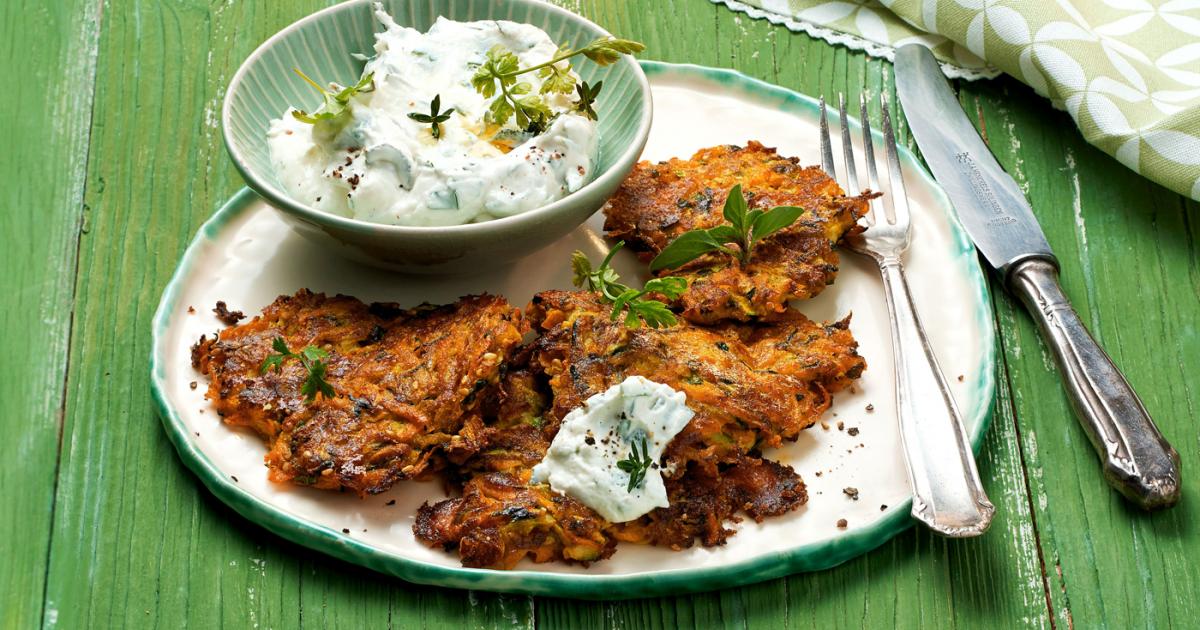
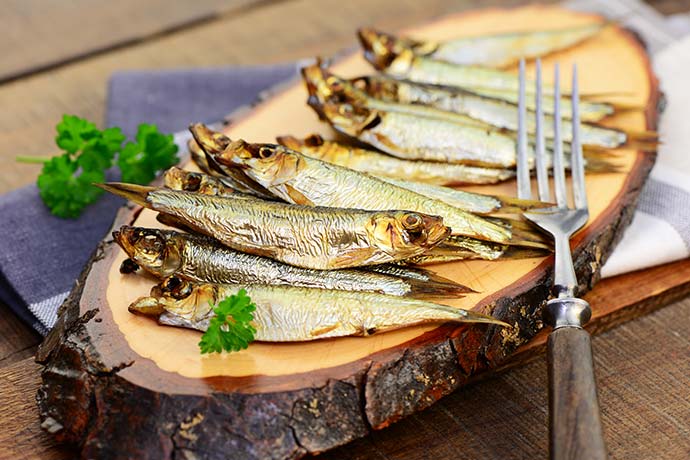
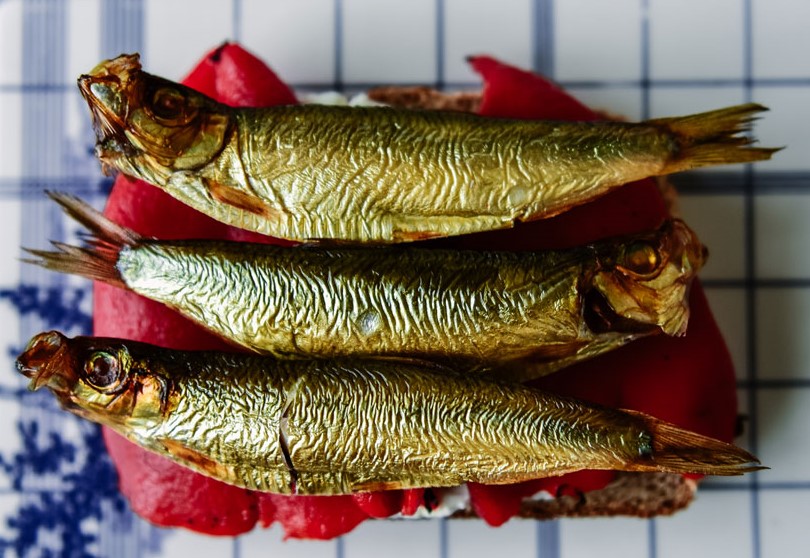
     What a fantastic combination, „Kieler Sprotten“ (see the last article I posted) and these fritters. This is bringing easy dishes to another level,   this is Gourmets Delight !

Veröffentlicht unter Recipes | Verschlagwortet mit | 2 Kommentare

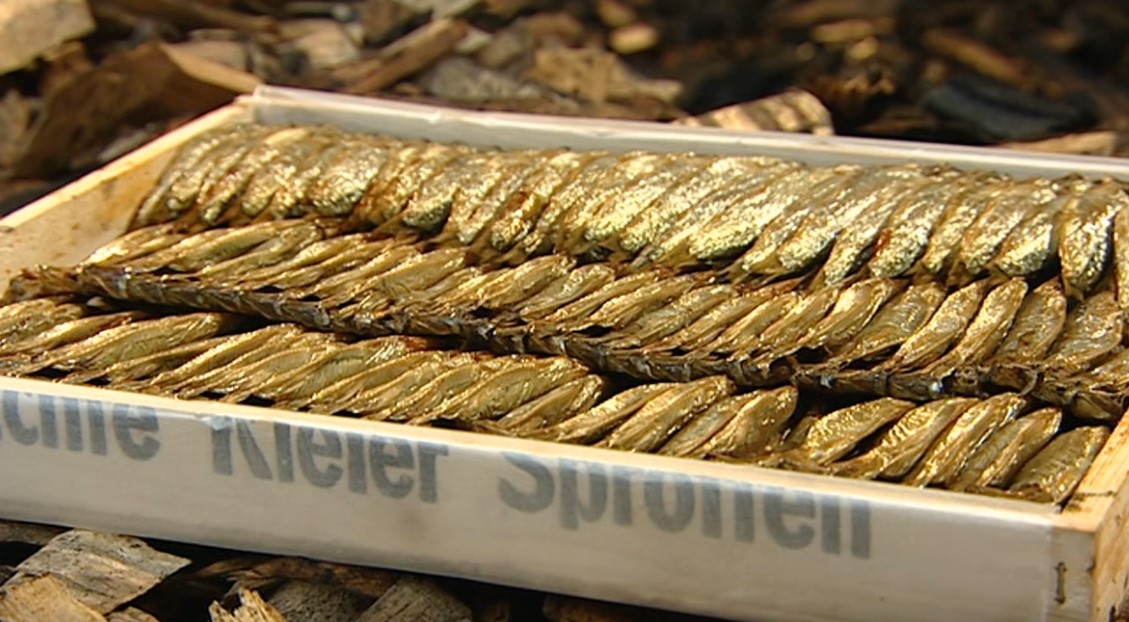
Gold of The Baltic Sea

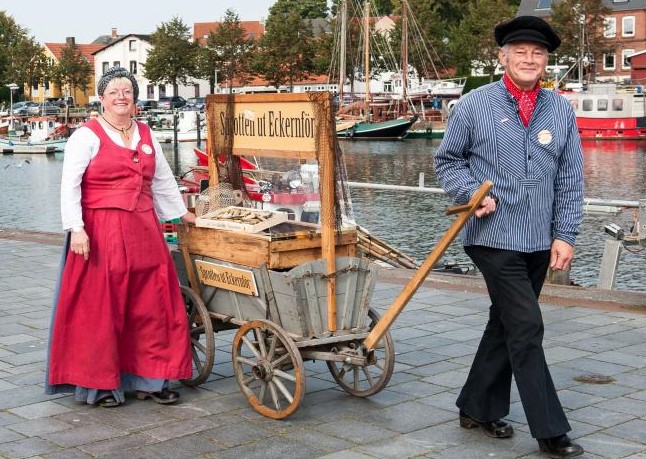
Germany has so many culinary specialties, delicatessen, and food icons, from North to South and East to West, that just Wikipedia lists „thousands“ of them. It is unbelievable if one likes to dive into details. From time to time I pick one out to introduce it to you. Today I like to picture to you a Far North German Food Icon, the famous Kieler Sprotten.

What are Kieler Sprotten ?

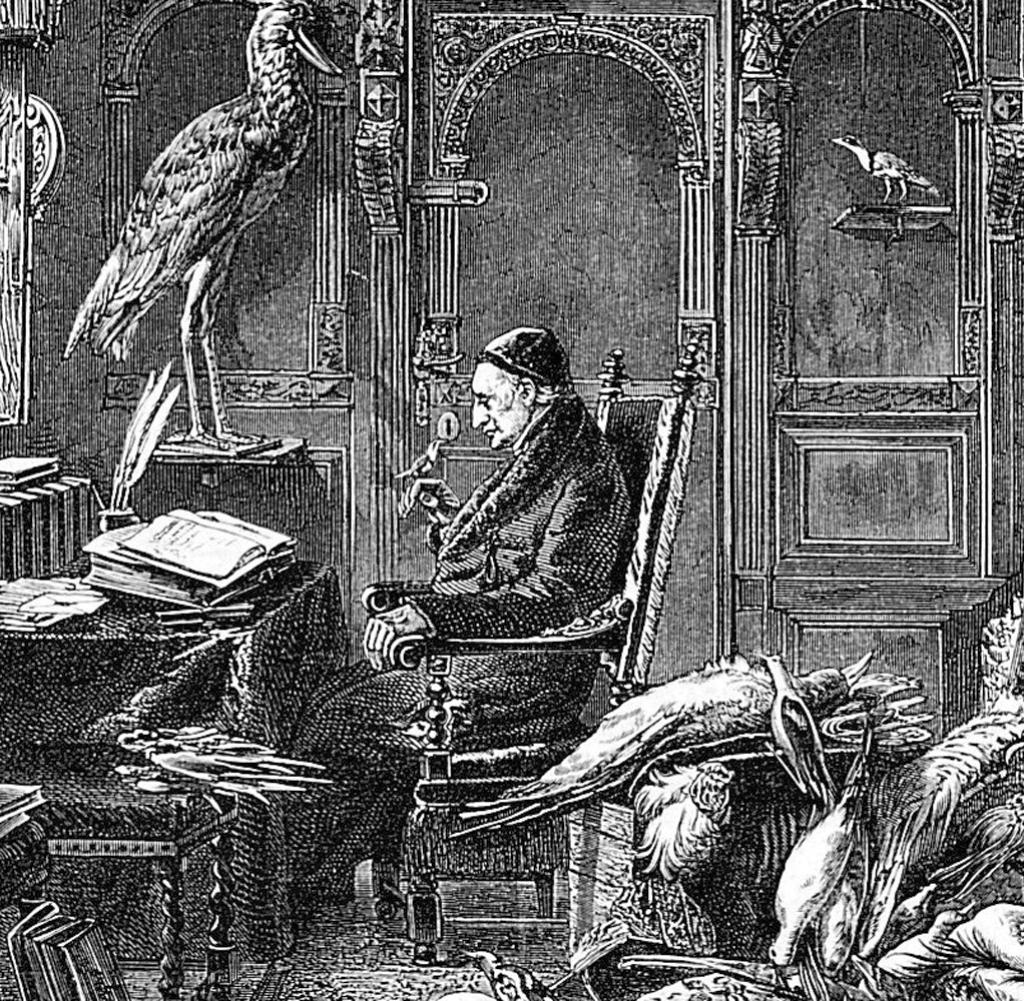
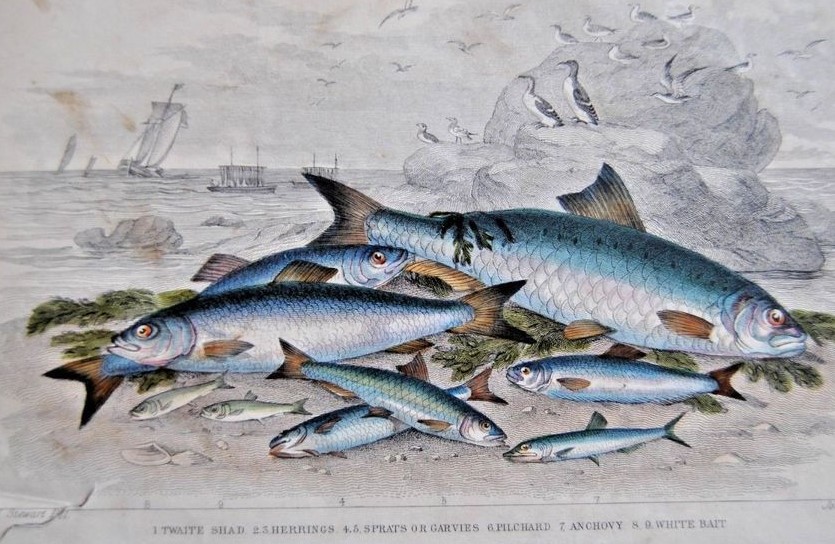
The sprat is a herring like sea fish, which rarely grows to more than 20 cm. Smaller specimens of about 10 cm length (equivalent to about 25 g) are preferred for the production of Kiel sprat. Today, the sprat is caught in economically irrelevant quantities in the Baltic Sea around Kiel; more than 100 years ago this was obviously different: „Also on our coasts, especially those of the Baltic Sea, many sprats are caught every year, on average about sixteen million sprats near Eckernförde alone, mostly smoked and then sent all over the world under the name Kiel sprats“, Alfred Brehm wrote in 1884 in Brehms Thierleben.

   Brehm 1884   

Beautiful old colored steel engraving of the herring family. Foreground in the middle 2 sprats.

Where does the name come from?

An interesting question is why the Kiel sprat is called keels. A story often told in Eckernförde about this is that the sprats were produced in Eckernförde and the crates were given a large shipping stamp in the nearest Kiel main station on their way to the next station, which then gave the impression that they were produced in Kiel.

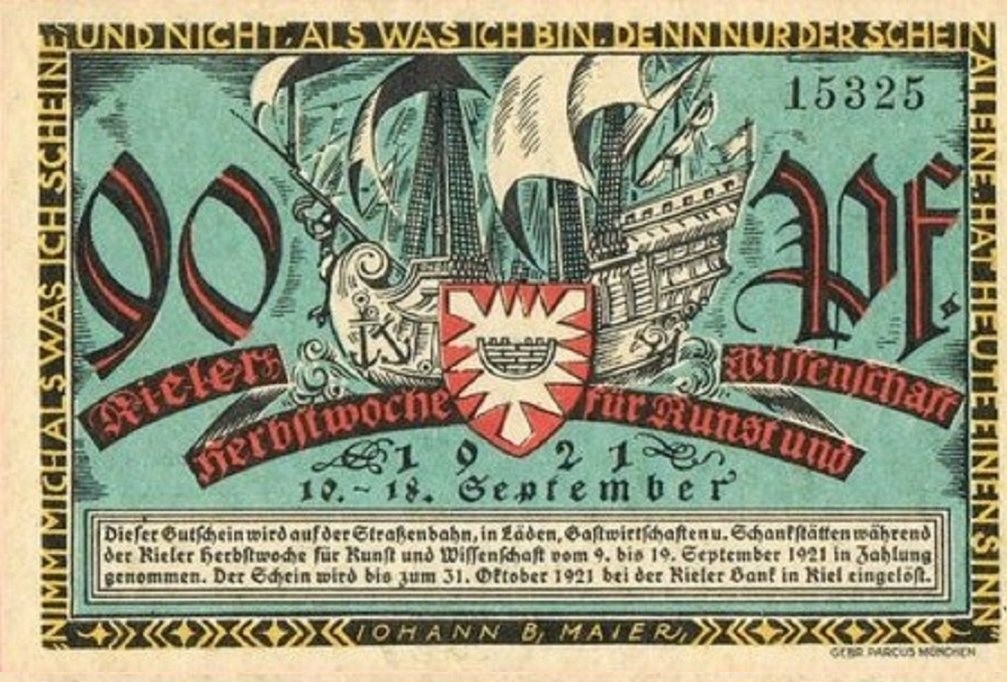
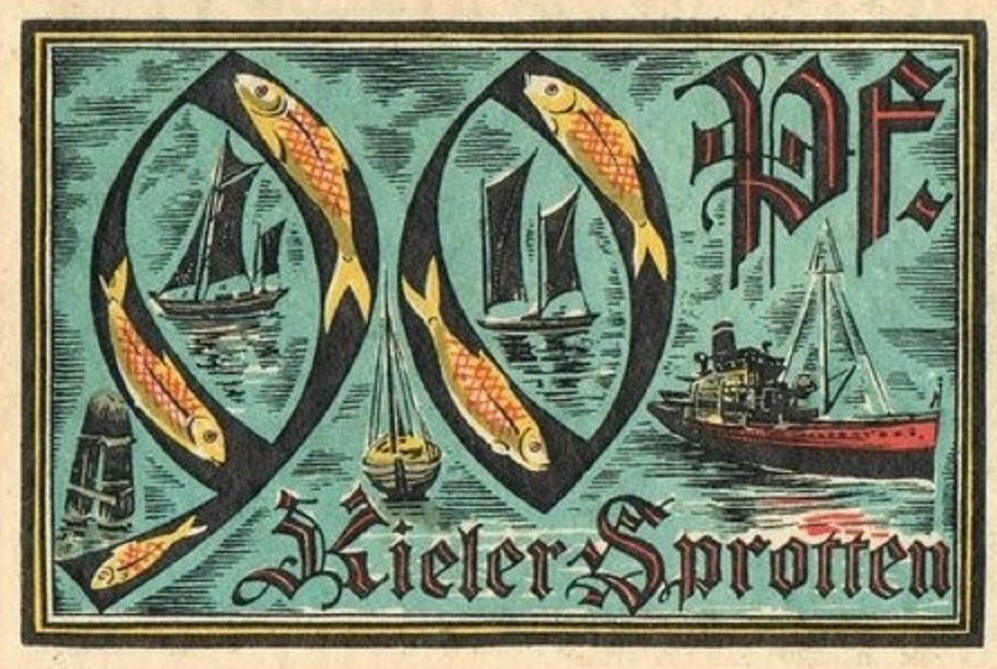
      Emergency money from Kiel, 1921 with Hanse Kogge and Kieler Sprotten.

In fact, however, the Kiel sprats are already mentioned in the book „Neuste Länder- und Völkerkunde“, volume 4 of the Geographical Institute in Weimar from 1809. There, on page 198, the sentence: „The Kiel kippers and sprats are highly appreciated“ can be found. Since this mention of the Kiel sprat was already made 35 years before the opening of the railway line Altona-Kiel in 1844, the history of shipping stamps cannot be the reason for the name Kiel sprat. Rather, the sprat is an original Kiel specialty, which was later also produced in Eckernförde. The already well-known name Kieler Sprotte was kept.

There is an older reference to keel as the place of origin of the Kiel sprat. In the poem „Urians Reise um die Welt“ by Matthias Claudius from 1786 it says: „D’rauf kauf‘ ich etwas kalte Kost / und Kieler Sprott und Kuchen“. Reads: „Therefore I bought some cold food, as well as Kiel Sprats and cake“.

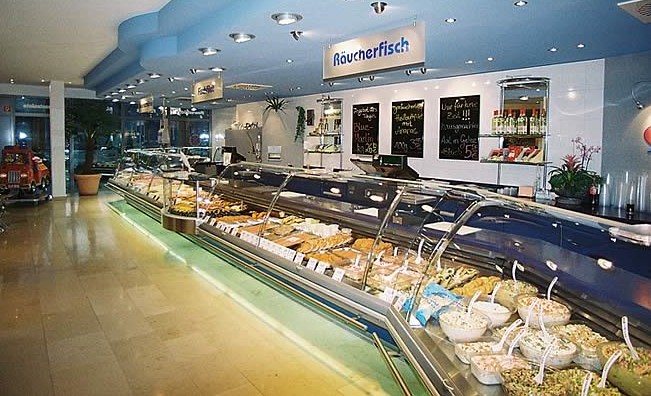
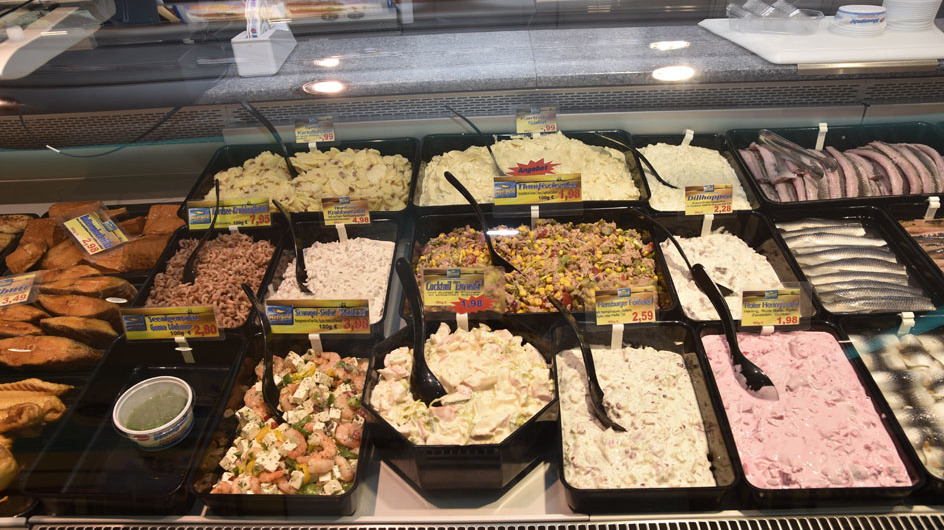
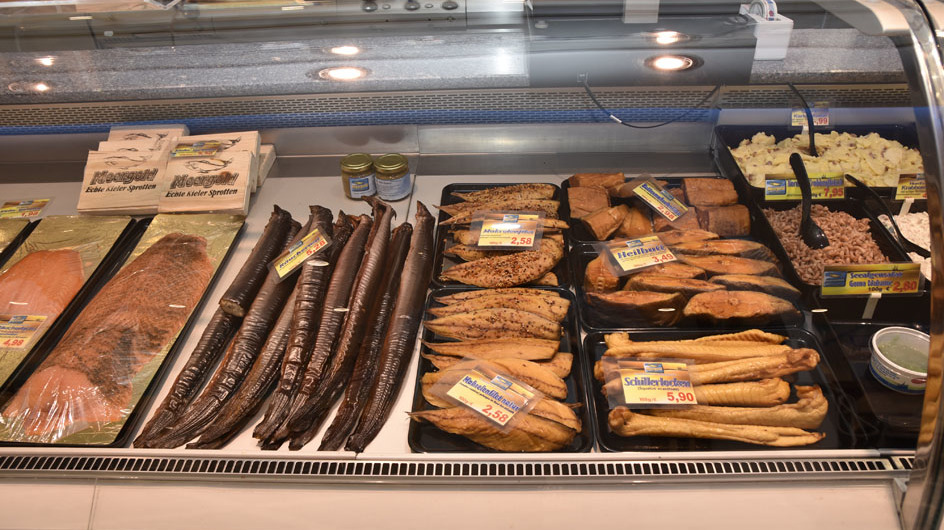
YES, my dear readers, that’s buying fish/seafood in Germany !! Above and below a small choice of fresh produce, the part with seafood salads (different Hering salads, Dillhappen, tuna mixture, shrimp cocktail, and much more) and the smoked fish area (smoked eel, Schillerlocken, smoked and spiced-herbed salmon and much more) with „Kieler Sprotten“ of course. In Uruguay, „ON THE OCEAN“, no seafood shop available, except a few stalls where some fishermen try to sell their catch – that’s it – very very sad!


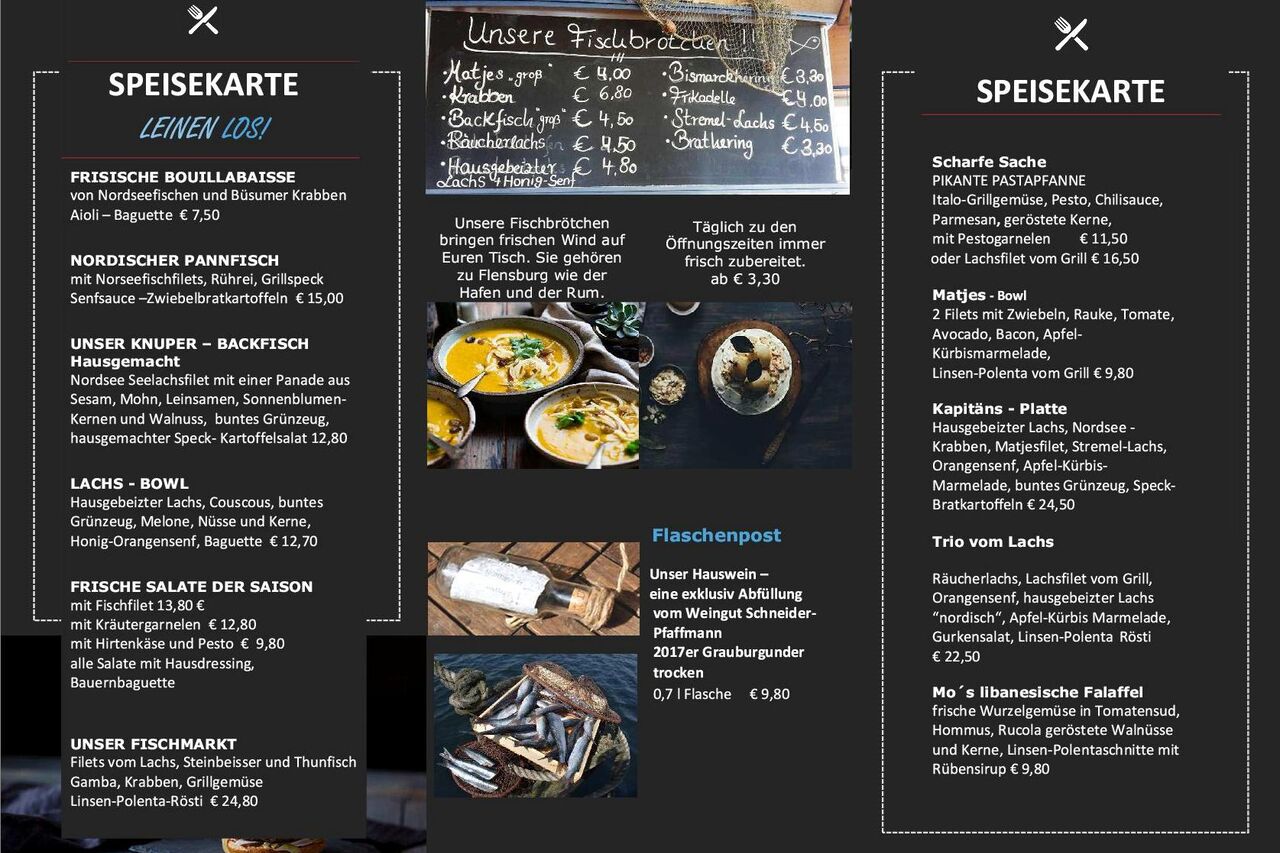
The menu card of a German Seafood restaurant in Flensburg, called „The Sprotte“, mouthwatering !

Genuine Kiel sprats.

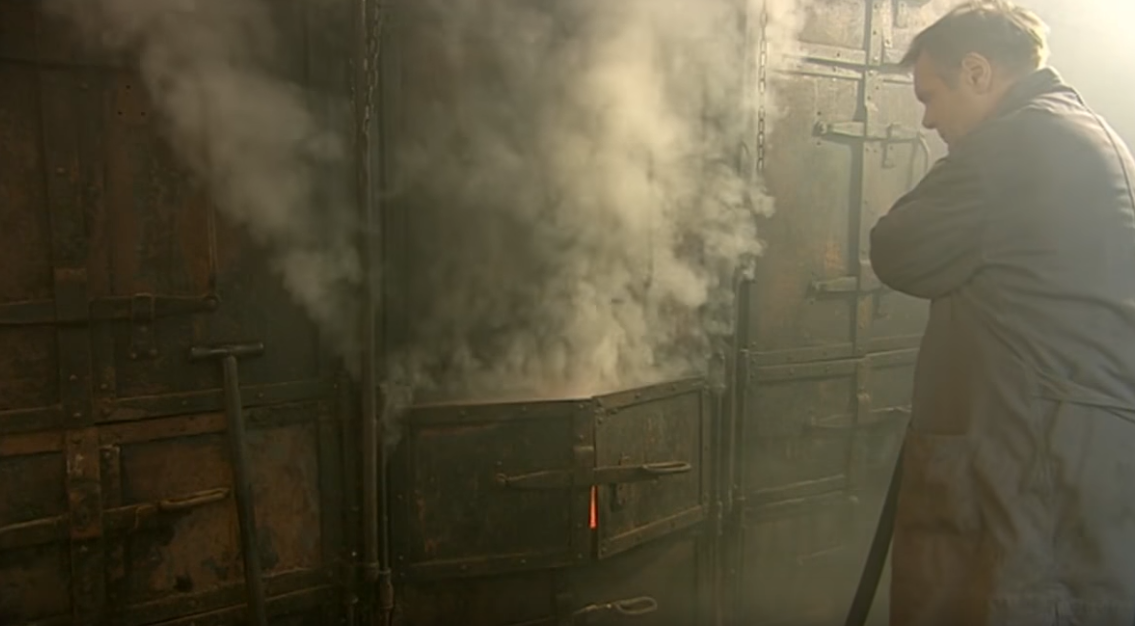
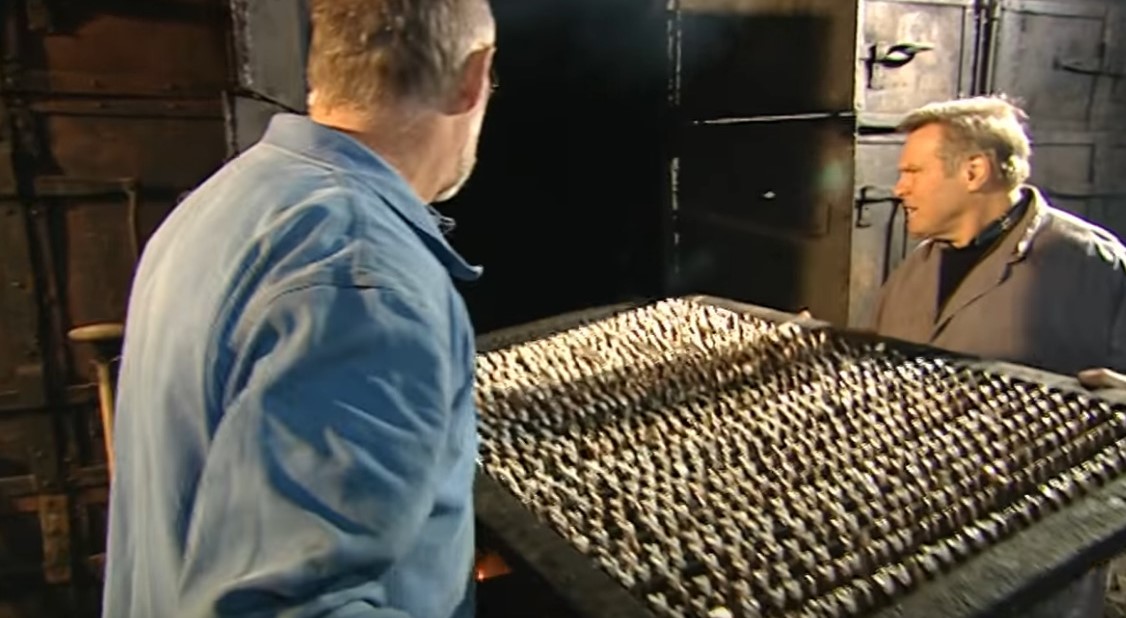
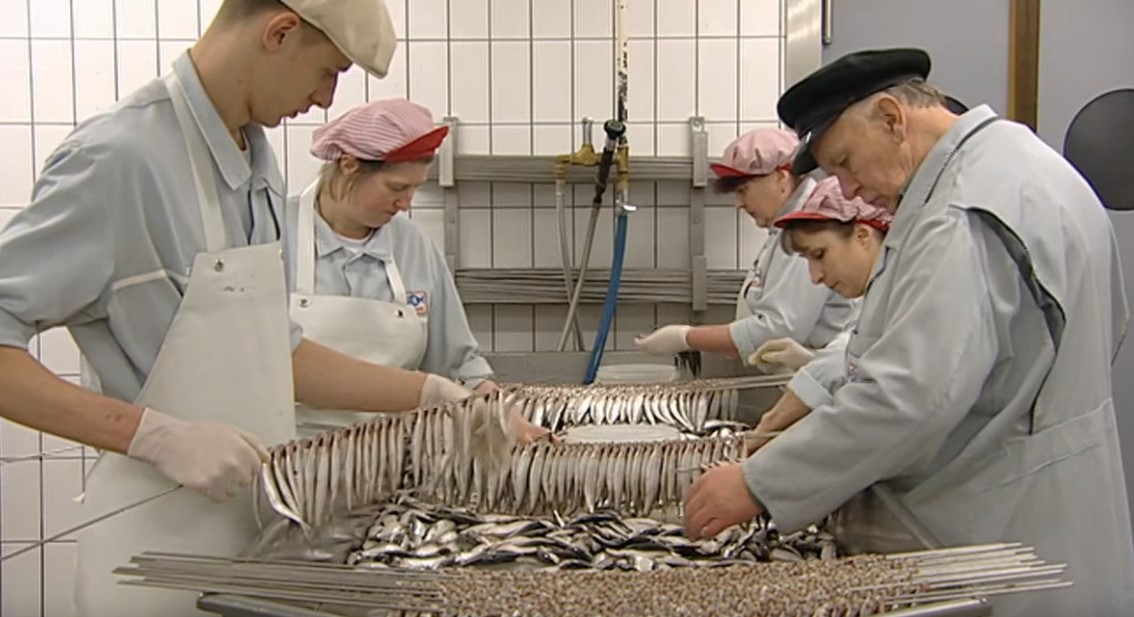
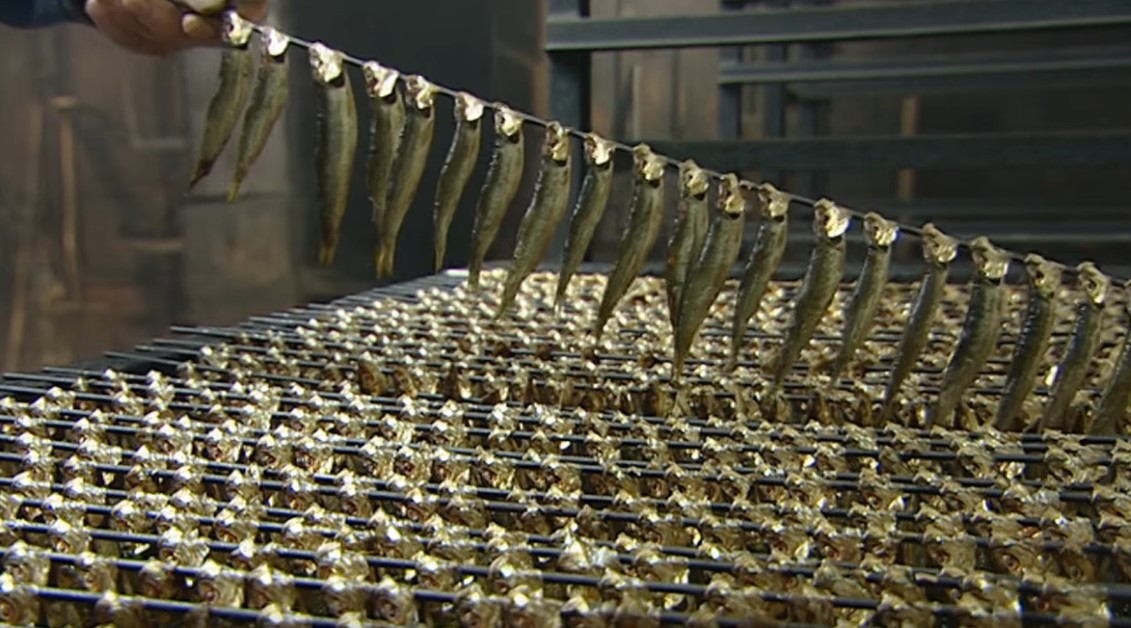
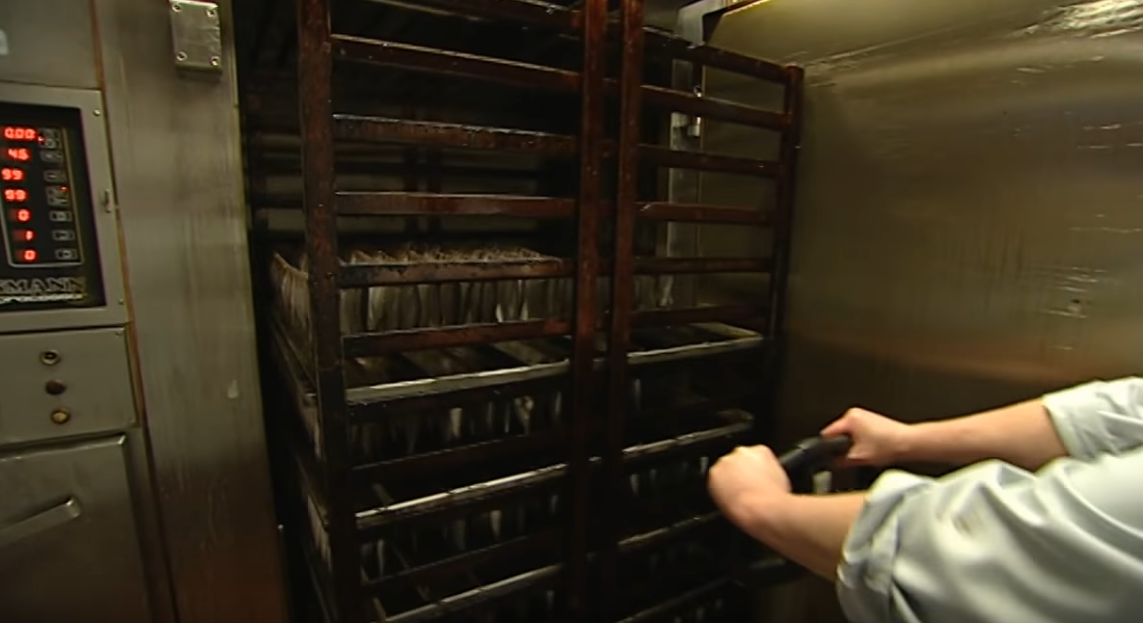
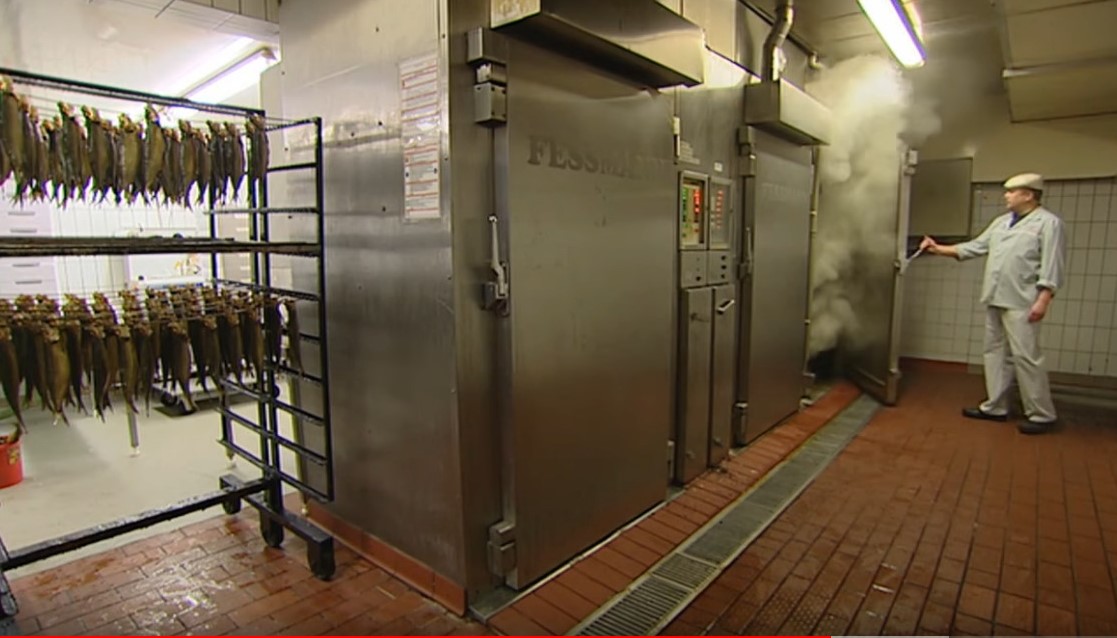
Genuine Kiel sprats are smoked in the traditional Altonaer oven over beech and alder wood. First, they are dried with the oven door open, because if they are smoked too early, they become mushy and fall off the pole. Hartmut Hesse, who was in charge of the family smokehouse for decades, installed 8 such ovens in a row. Hesse stood in front of the ovens for up to 14 hours every day and supervised the correct smoking temperature. Today he supervises the „Eckernförder Fischerei Museum“ and from time to time (once a year during the Sprat Days) he heats one of the old ovens.


In the time before the 2nd World War, there were still more than 60 smokehouses in Eckernförde. The smoke wafted so strongly through this place that at times you could only see the feet of people you met on the street.

This, hundreds of years old smoking method, which gives the sprats their special taste, was finally the „end“ for this smoking method because this traditional smoking method does not correspond to the modern emission standards.


In many places, however, the Altonaer Ofen has given way to modern, gas-fired smoking ovens. This means that a good deal of the typical taste is lost, even though today’s sprat sellers write „smoked over beechwood“ and the like on their fish tins and packaging. „Genuine Kiel sprat“ must also come from the greater Kiel Bay Area.

Kiel’s sprats today.


Today’s smoked fish specialty „Kieler Sprotte“ comes from Eckernförde. The Robin & Kruse smoker is the only still approved Kiel sprat smoker in Germany. As the many distributors do, which they market everywhere Kiel Sprat, I can not say, there will certainly be a kind of franchise system behind it.

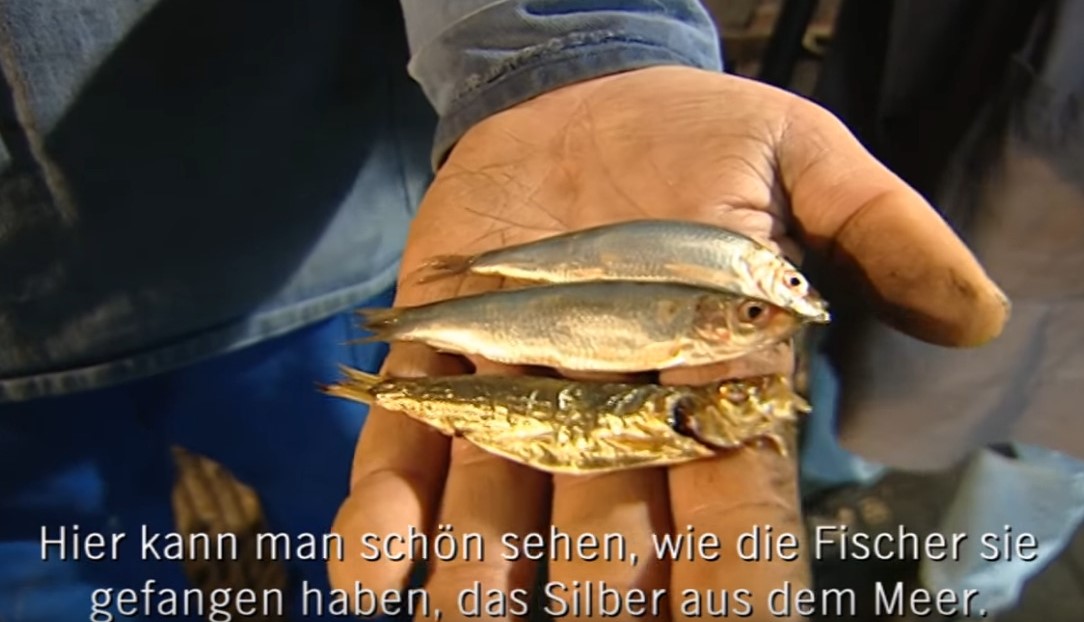
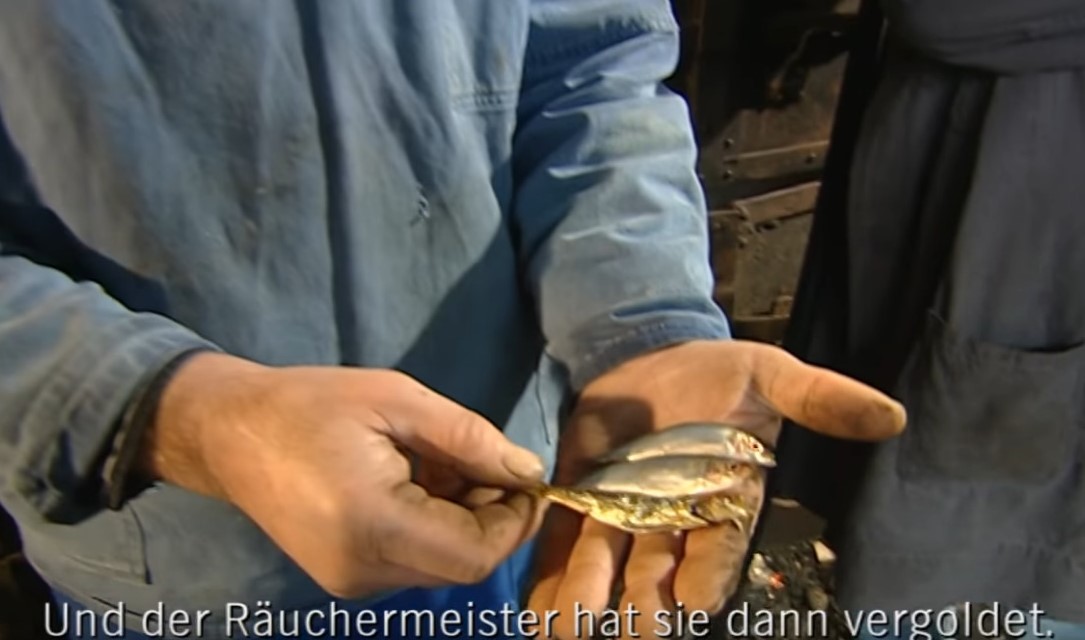
In any case, the Kiel sprat is one of the smoked fish products to which the saying „In Eckernför, dor hebbt se’t rut, ut Sülver Gold to maken“ (In Eckernförde they have the knack of making gold from silver) refers. What is meant is the golden color that the silver fish get through the smoking process.


Unfortunately, the market for sprat is not big enough to expand the business. Much larger quantities of sprat could be caught, but there is only one buyer (Robin & Kruse). As fresh fish the sprat is absolutely worthless.

  Kruse’s own sprat label.

There are of course other competitors on the world market who catch, smoke and market sprat, such as the countries around the Baltic Sea, especially Denmark, Russia and Latvia.

How is the sprat eaten?


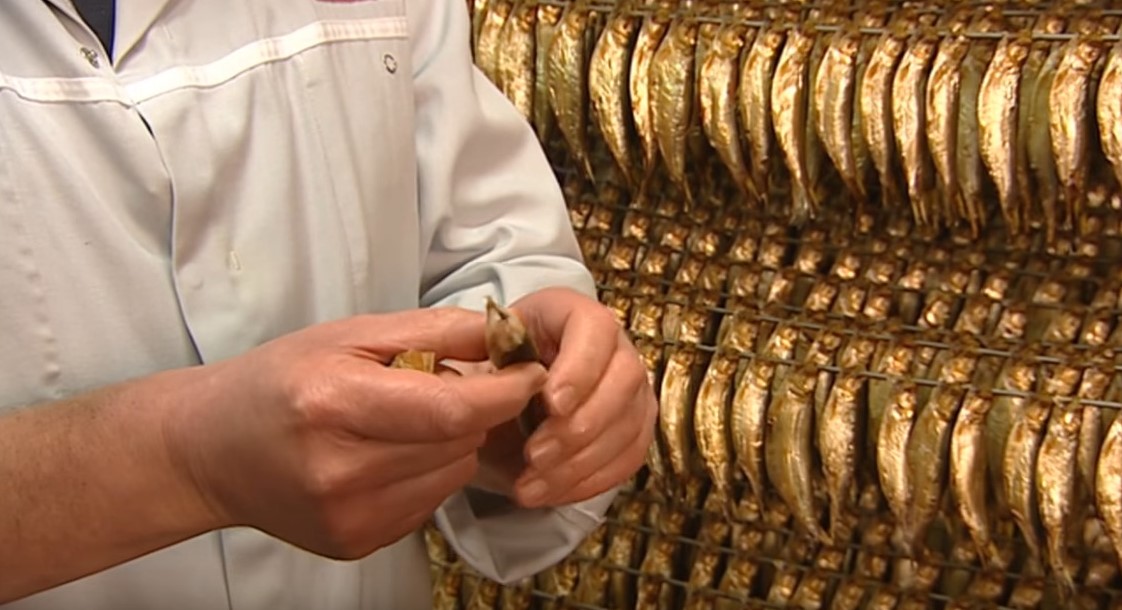
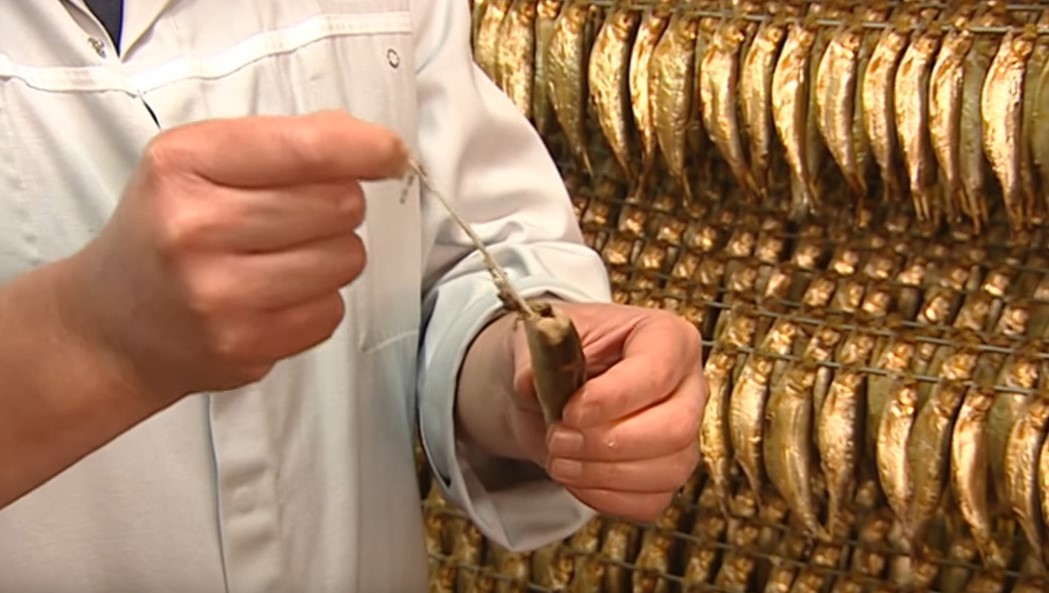
There are many methods to eat sprats. From eating the whole sprat to filleting it. I have adopted the method as I learned it in Eckernförde. You crack the head and tail off, it doesn’t taste very good anyway.

Then you take the sprat between thumb and forefinger, press lightly on the belly so that the sprat opens a little and then you pull out the main bone of the sprat. Now it is soft and
wonderful tasty to eat. See pics above. All pics will supersize if you click on them.

More of Kiels Sprats.


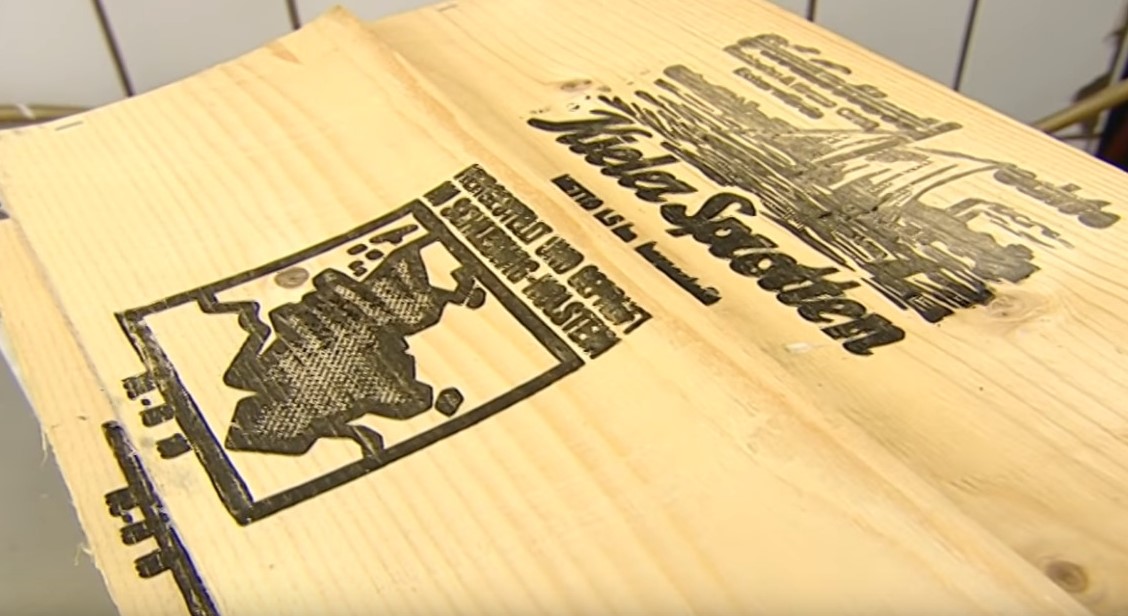
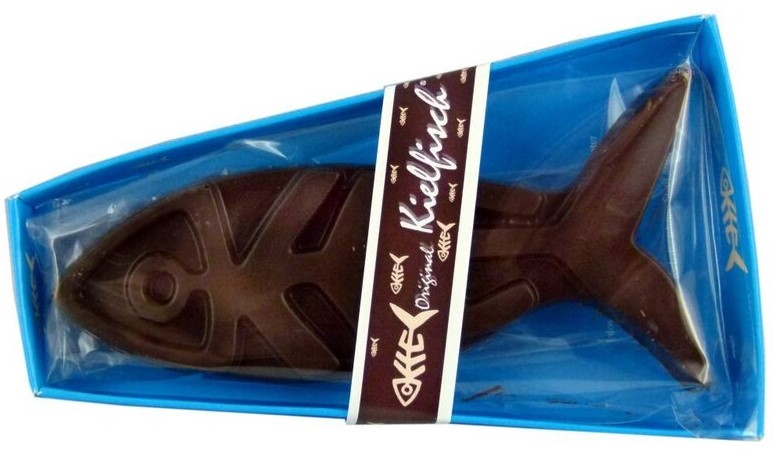
Some shops in the region also offer a chocolate version, which – similar to cat’s tongue – imitates the fish specialty in shape and packaging (a small wooden box).

Figuratively speaking, the term „Kiel sprat“ is used for an old-established or native citizen of Kiel, whether male or female.

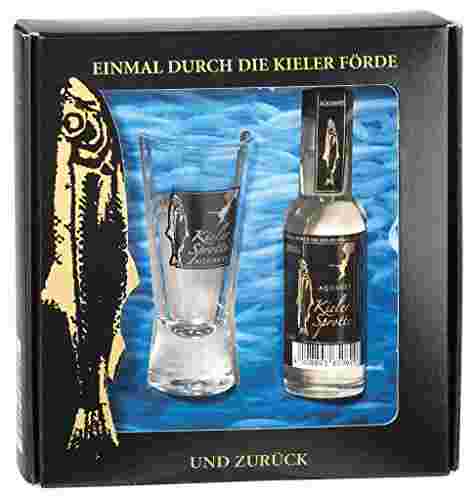
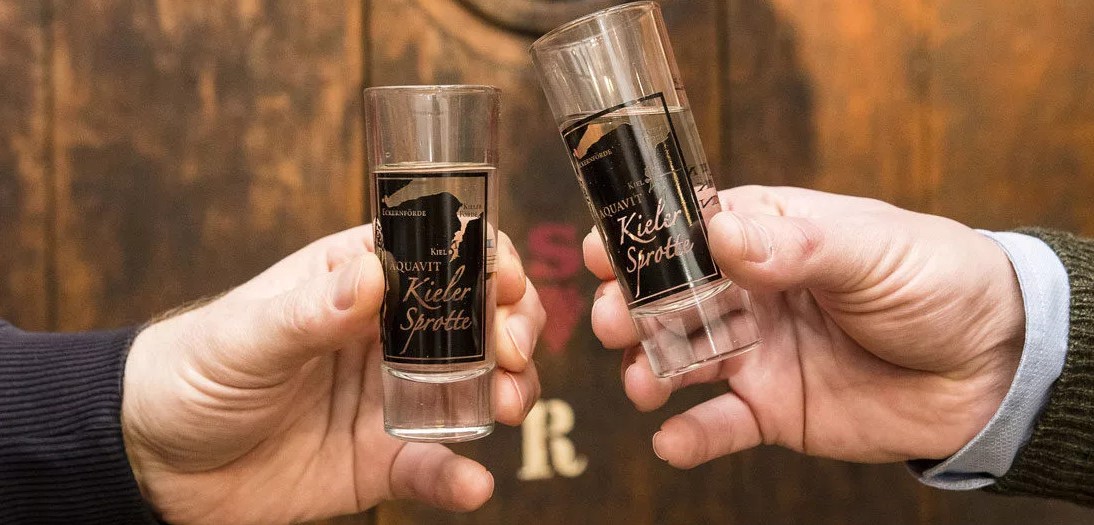
Furthermore, aquavit has been produced in Kiel by Bela (Spirituosen Manufaktur Bartels-Langness) for quite some time now. It is also called „Kieler Sprotte“ and is characterized by the fact that it is driven through the sprat route across the Kiel Fjord according to the old tradition. The picture down here – you are invited for a taste of „Kieler Sprotten“.

Fine spirit with caraway.

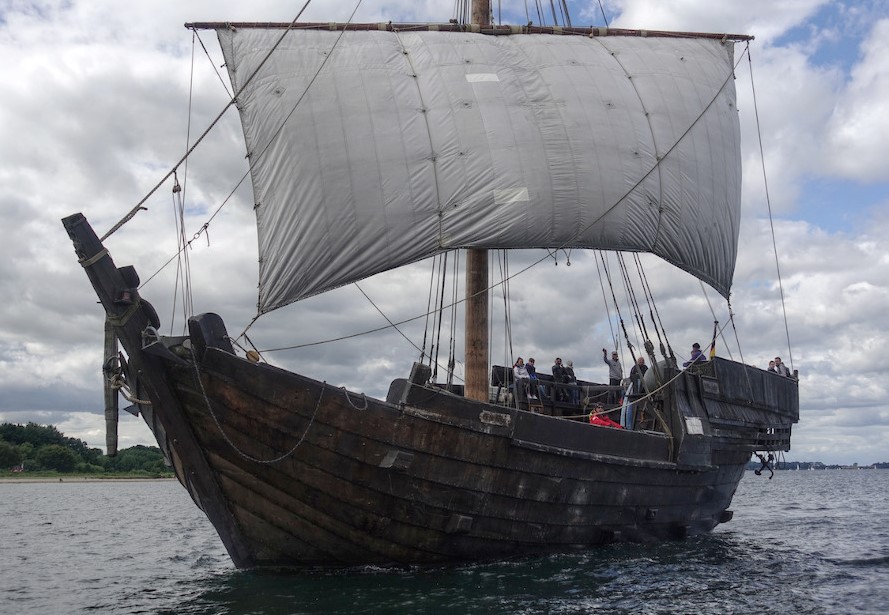
Fish dishes and noble brandy go together perfectly. Thus Bartels-Langness created the „Kieler Sprotte Aquavit“ for highest pleasure. Before it goes on sale, the bottles traditionally sail through the Kiel Fjord – onboard a Hanseatic cog.

When the replica of the medieval cog sets sails in the port of Kiel, it becomes clear that the noble cargo is of an extraordinary nature: whole pallets of Kiel sprat Aquavit are stored in the belly of the wooden cargo ship that an association voluntarily keeps in service.

Don’t get it wrong – these „small looking“ ships are very solid and can load a lot, see pic down.

„In this way we are continuing an old tradition of the Ellerbeck fisher women: Our Aquavit also travels the classic sprat route across the Kiel Fjord and since 2017 to Eckernförde for the Sprat Days and back“, says Sven Harm, production manager in the spirits factory at Bartels-Langness in Kiel. „In the old days, sprats were transported in small fishing boats. Today, the Aquavit is traditionally transported on the  „Kieler Hansekogge“ at Whitsun.

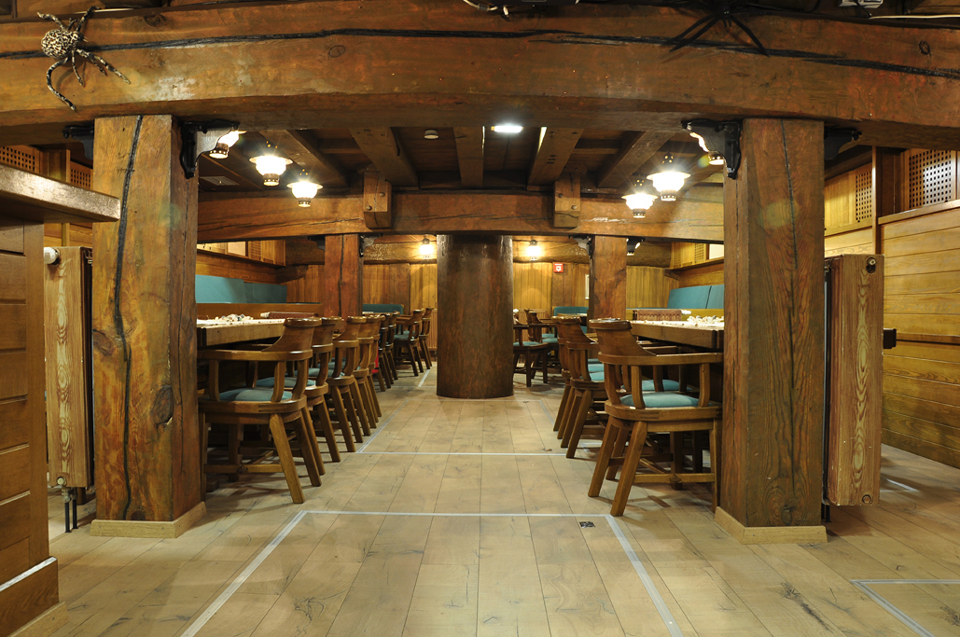
Inside a Hanse Kogge, see how stable they are made – they load up to 300 metric tons.

Also this year the Hansekogge will sail with the high-percentage cargo through the Kiel Fjord some sea miles to Eckernförde. There, the Sprat Days are celebrated every year from May 18th to 21st, because even today the real Kiel sprats come in wooden crates from fish smokehouses in Eckernförde.

„It fits perfectly when our typical Nordic aquavit is enjoyed with hearty fish dishes during sprat days,“ says Sven Harm. The caraway brandy also tastes great with beer. The quality mark „Geprüfte Qualität Schleswig-Holstein“ (tested quality of Schleswig-Holstein) signals to the connoisseur that the high-proofed spirit is produced exclusively in the far north, namely in the spirit cellar of Bartels-Langness in Kiel. By the way, connoisseurs enjoy the Aquavit exclusively in one way: ice-cold! Try to enjoy once the KIELER SPROTTEN !

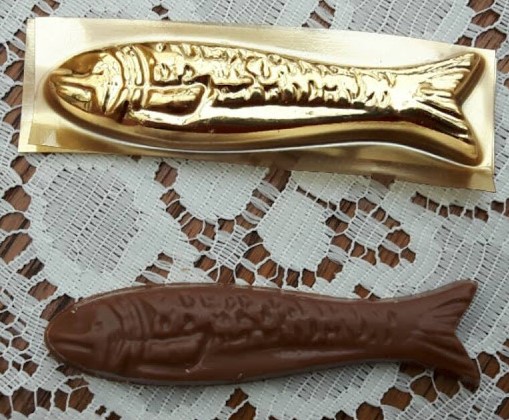
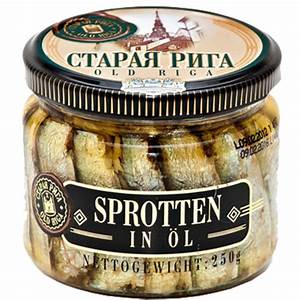
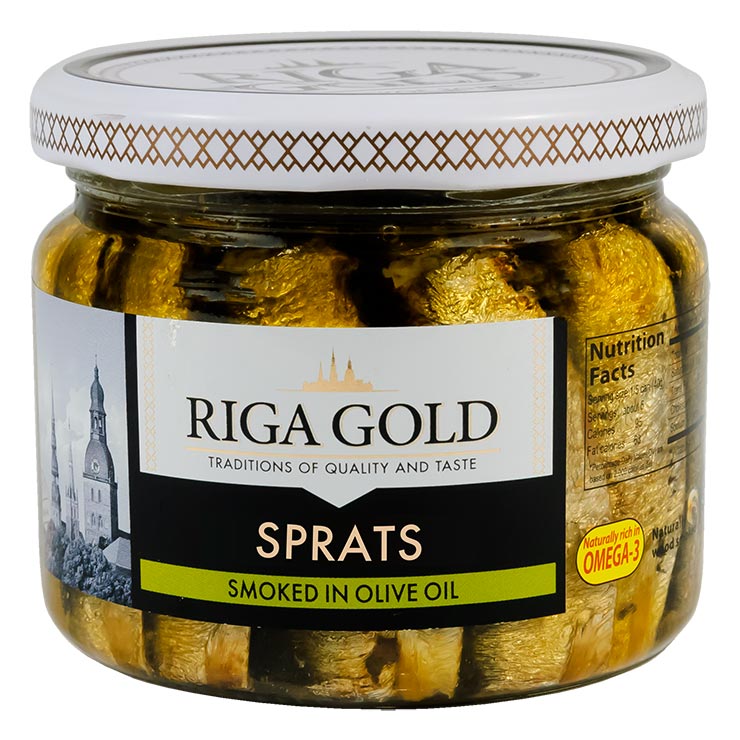
     Left the German variaty. The right picture shows Riga Gold as we can buy it in Uruguay.

Of course the Kieler sprat also has its competition. Especially in Riga the sprats are marketed under the name Riga Gold.

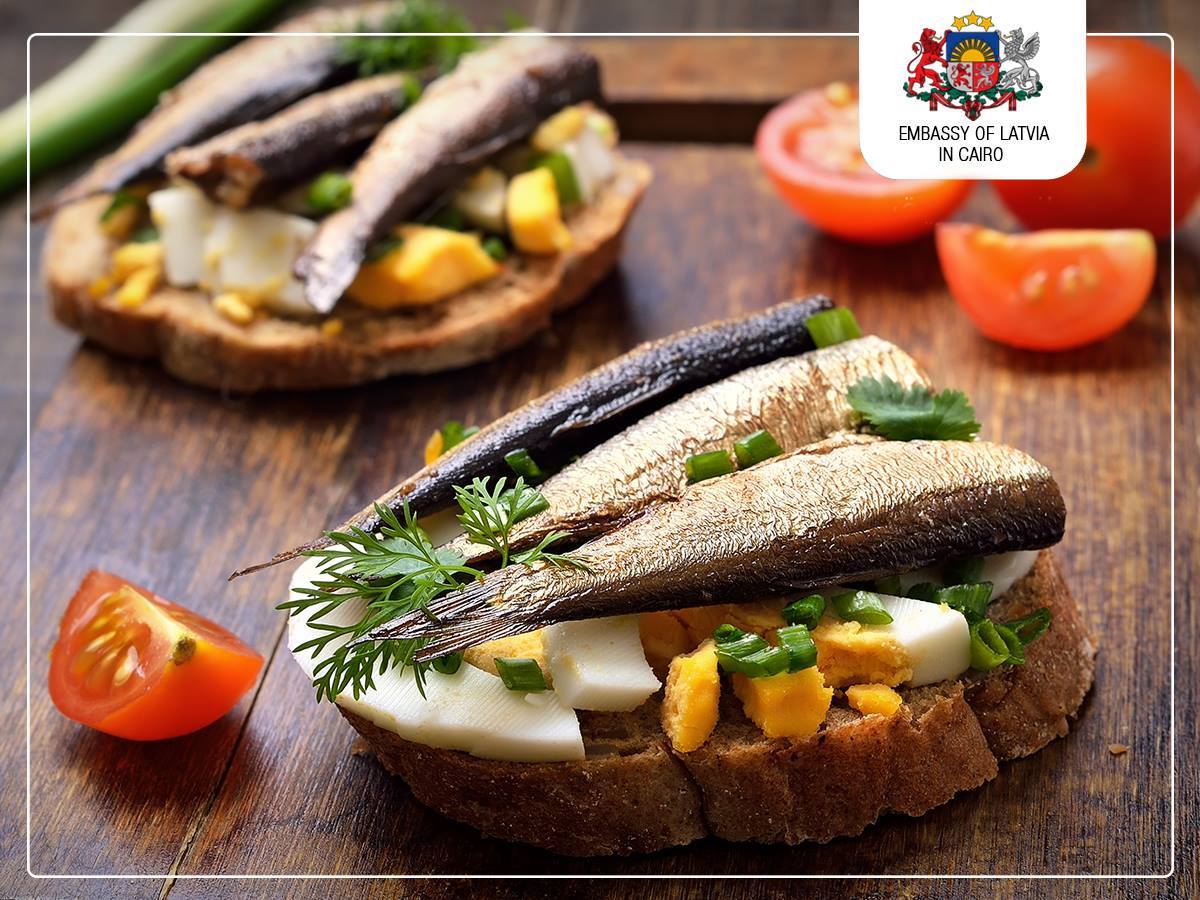
        I am sure that Riga makes more in sales than Kiel, they are as good as the Kiel Sprats and are much better promoted as you can see the add from the Latvian Embassy down here.

More Kiel Sprats to buy in the market.

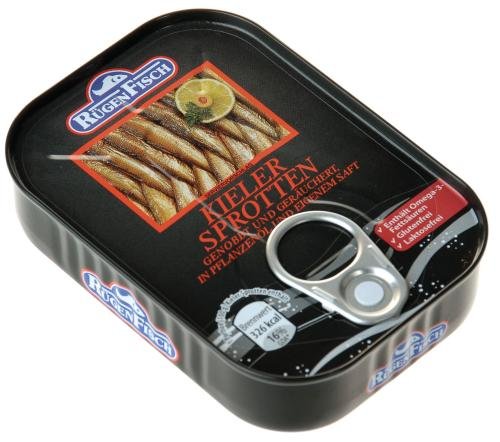
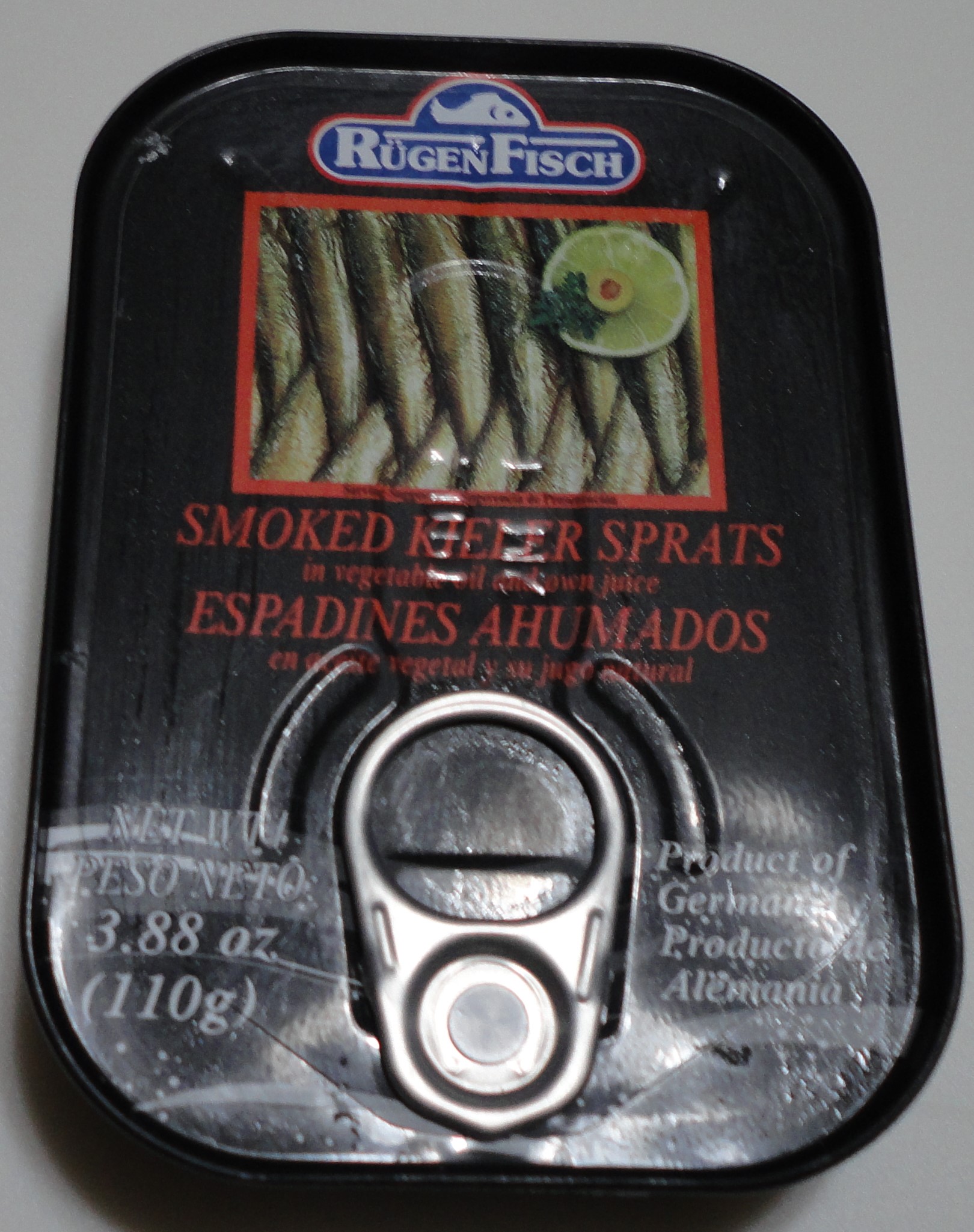
                      Left the „Kiel Sprats“ from „RügenFisch“ in Germany, about 1,20 euros per 110g tin. On the right the same sprats we buy here in Uruguay for 4,40 euros a tin. Riga Gold, like above in a 200g glass, is also 4,40 euro here, that’s half the price !!

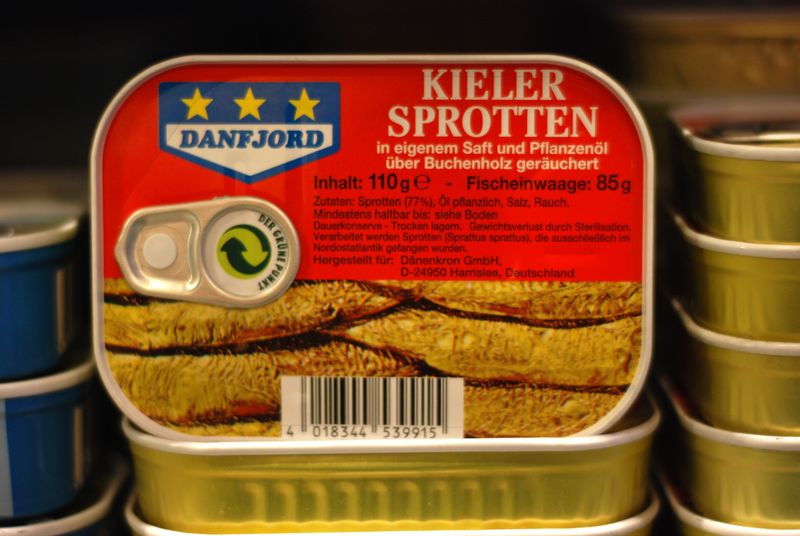
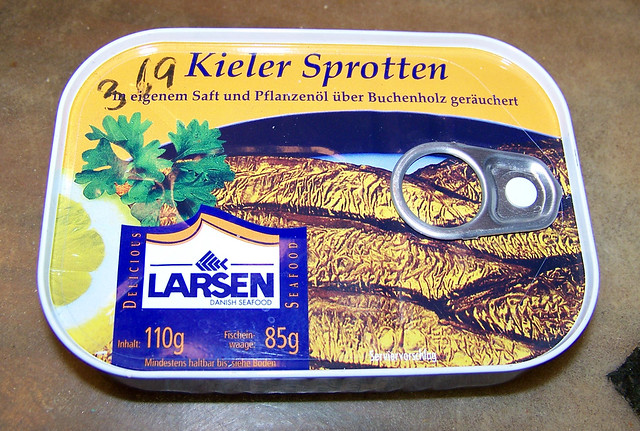
     These are the Original Kieler Sprotten, licenced or franchise, or WHATEVER !!??

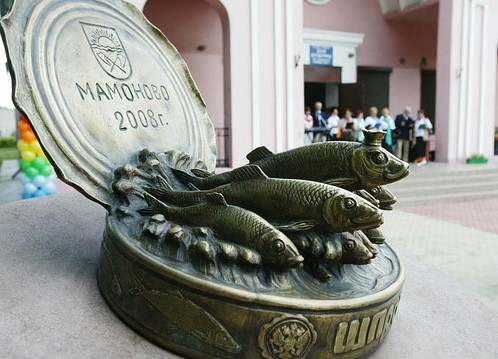
Monument to Sprats in Mamonovo.

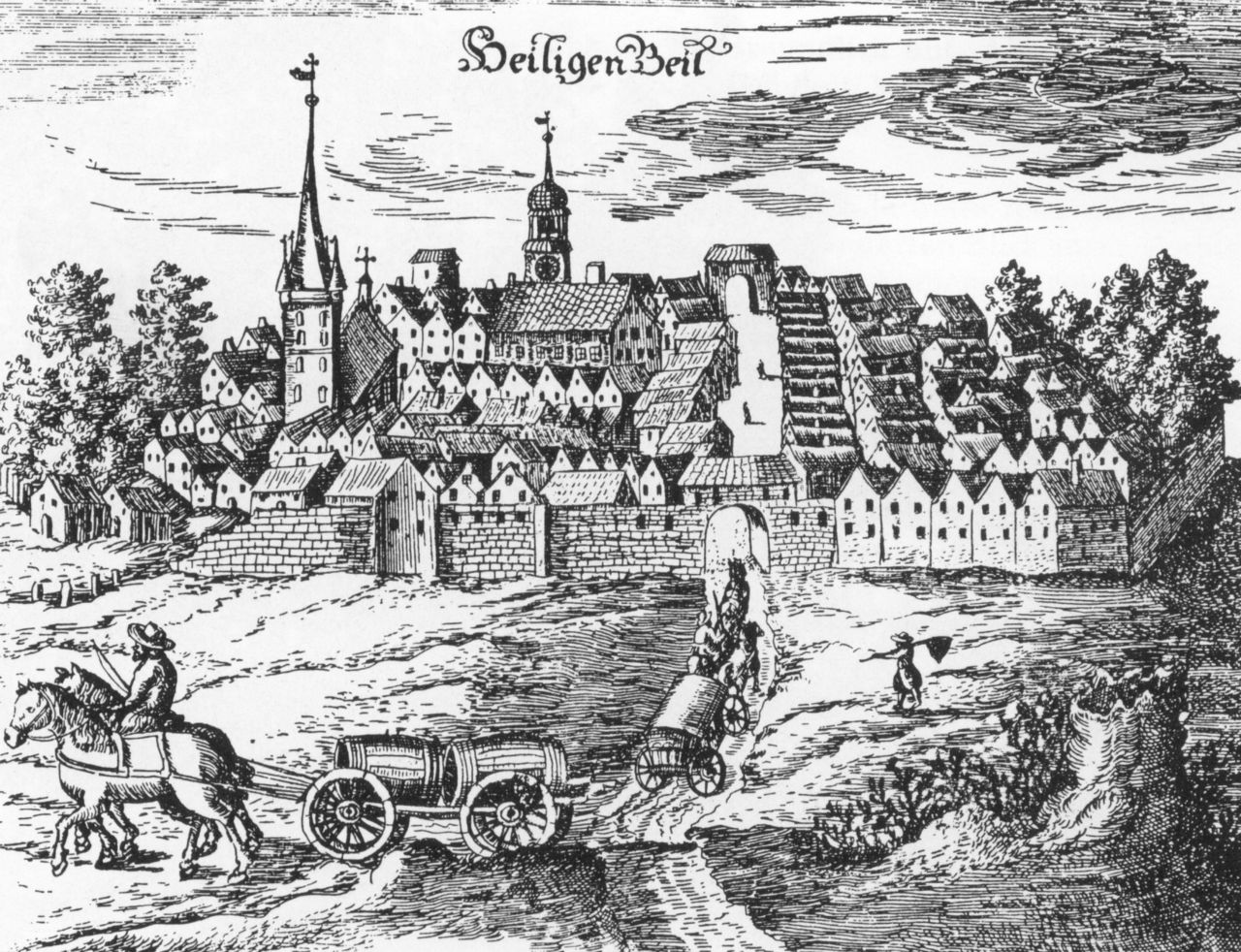
       Left: The Sprats Monument in Mamonovo, Russia. Right: Sprats transport of Heiligenbeil.

Mamonovo is a small city on the Polish border. It was formerly known as Heiligenbeil (copper engraving right). Today in the Russian enclave Kaliningrad, historically it was the German Königsberg. Heiligenbeil was always a center of the Baltic Sea for sprats, as one can see the sprats transport in barrels around the 16th century.

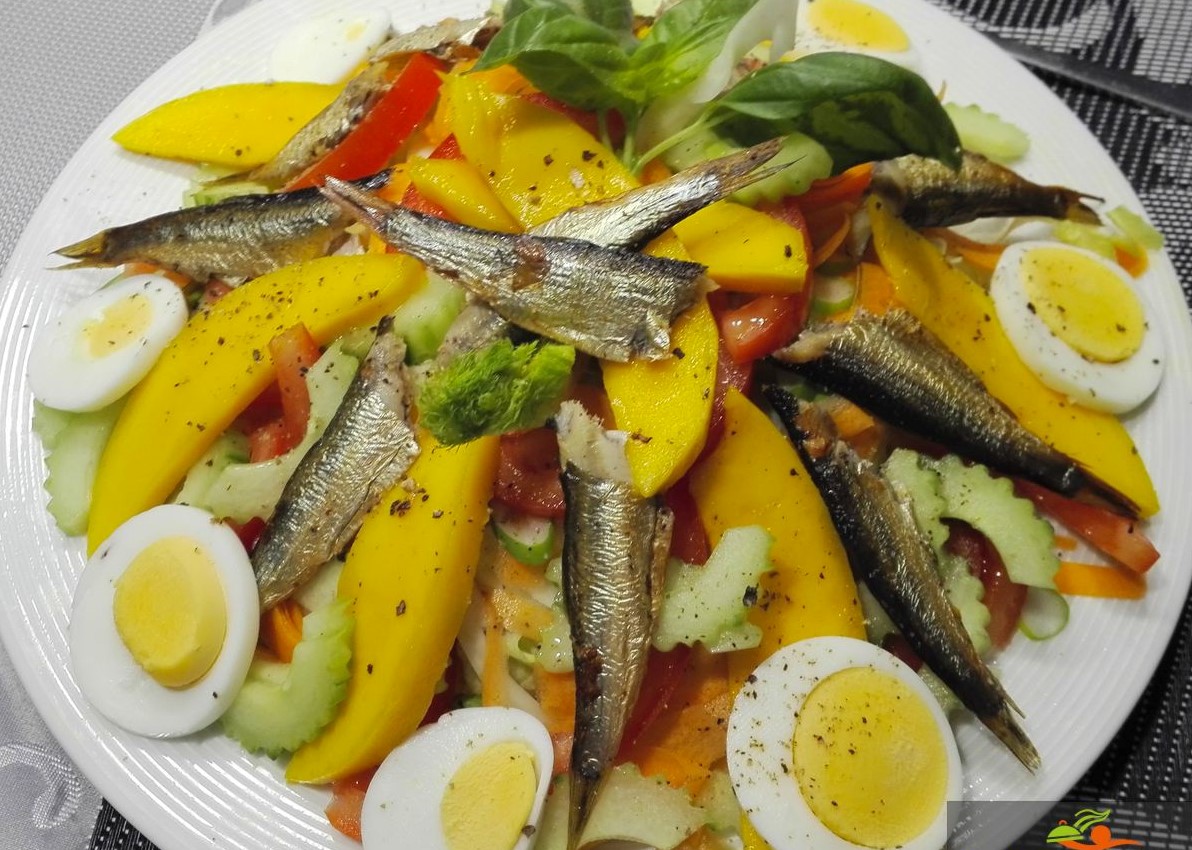
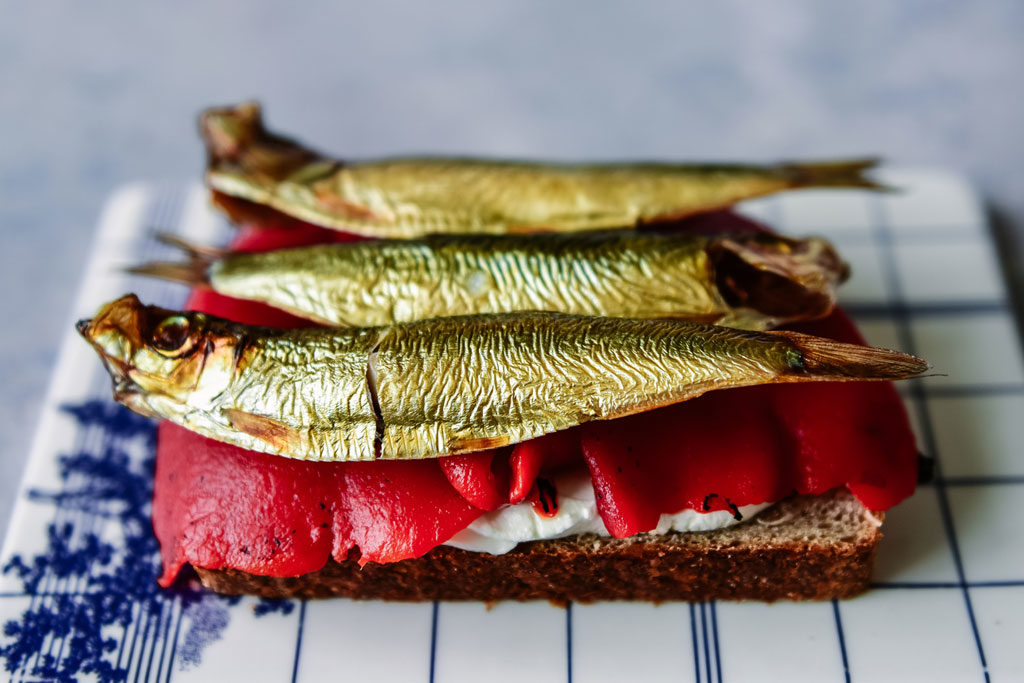
Here some ideas on how to enjoy sprats, they are delicious, just try it out.


Absolute delicious, mixed salad with mangoes, eggs, and sprats.
           Left: A mixed salad with sprats. Right: A slice of bread with smoked paprika on creme freche.
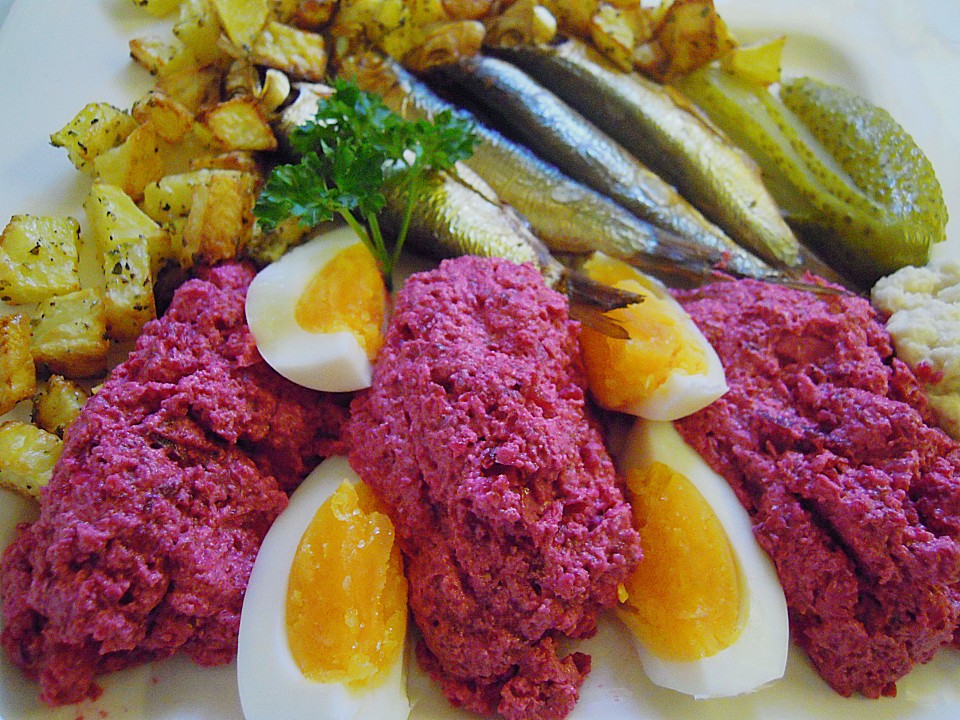
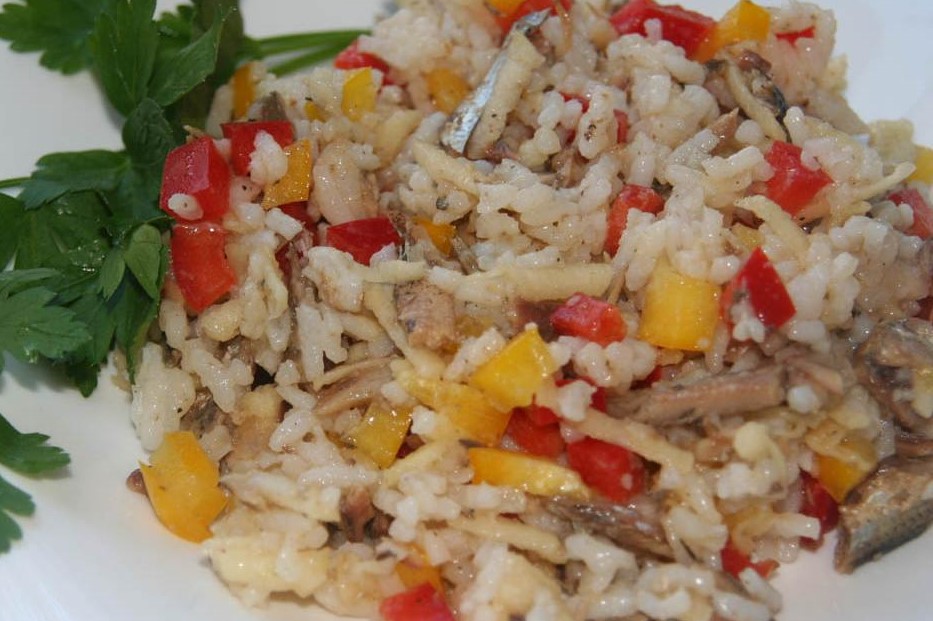
        Left: Typical Northern Germany, sprats, fried Potatoes and beetroot mousse. Right: Rice salad with sprats.
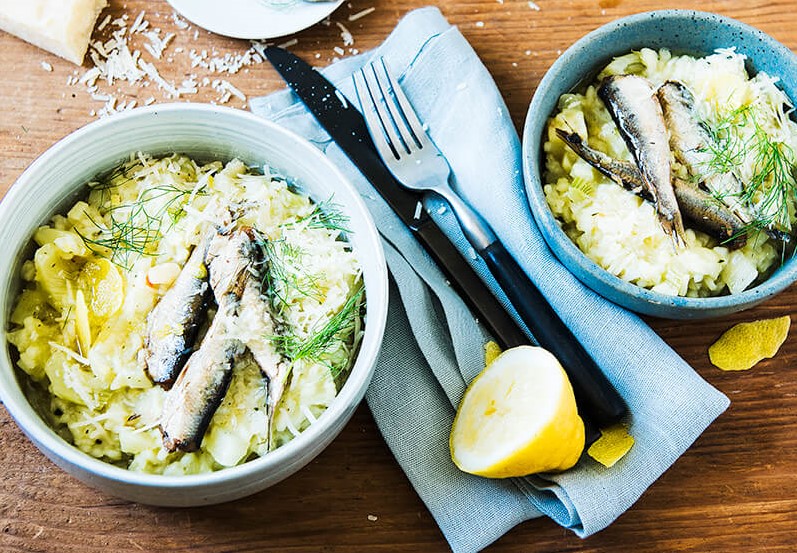
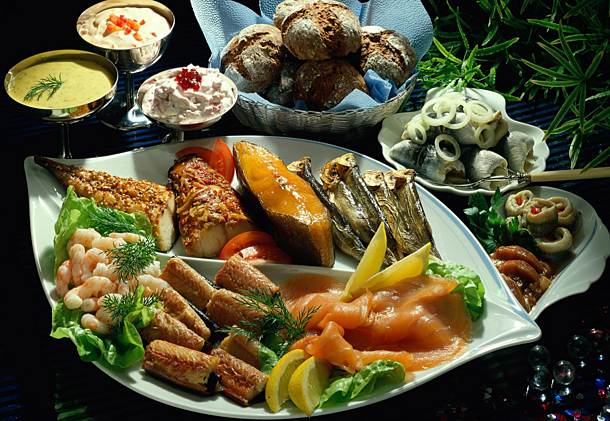
        Finally some gourmet ideas. Left, a fennel and lemon risotto with sprats. Right, a delight for you and your guests, a smoked fish platter with full-grain bread rolls and different dips.
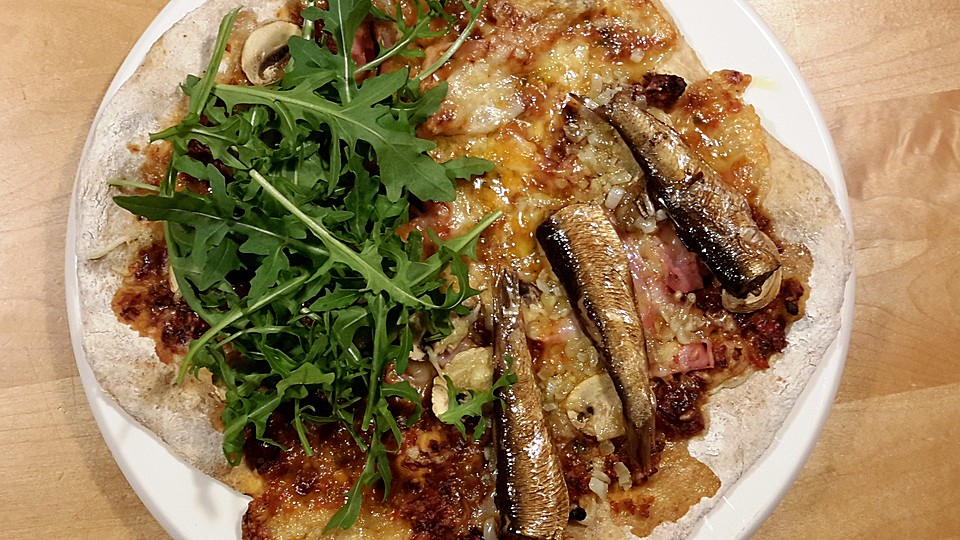
Try this fantastic Pizza with Emmentaler, Tomato pesto, Ham, Mushrooms, Mozzarella, Garlic in oil, Arugula and Sprats. You will love it.

Guten Appetit – Buen Provecho – Bon Appetit – Smakelijk Eten !!


Veröffentlicht unter History, Lifestyle, Recipes | Verschlagwortet mit , , , | 1 Kommentar

Sydney Harbour Bridge

Since we lived so many years in Australia, friends and many readers asked for more posts about this country, but not the normal tourist information. After all the articles about Aboriginal Art and History, I will fulfill your desires with some articles in loose succession. Let’s start with this Sydney icon, the famous harbour bridge. Some information and pictures I use here, are taken from New South Wales Government web information.

The Sydney Icon in Australia.

Sydney Harbour Bridge: The arch bridge that transformed Sydney.


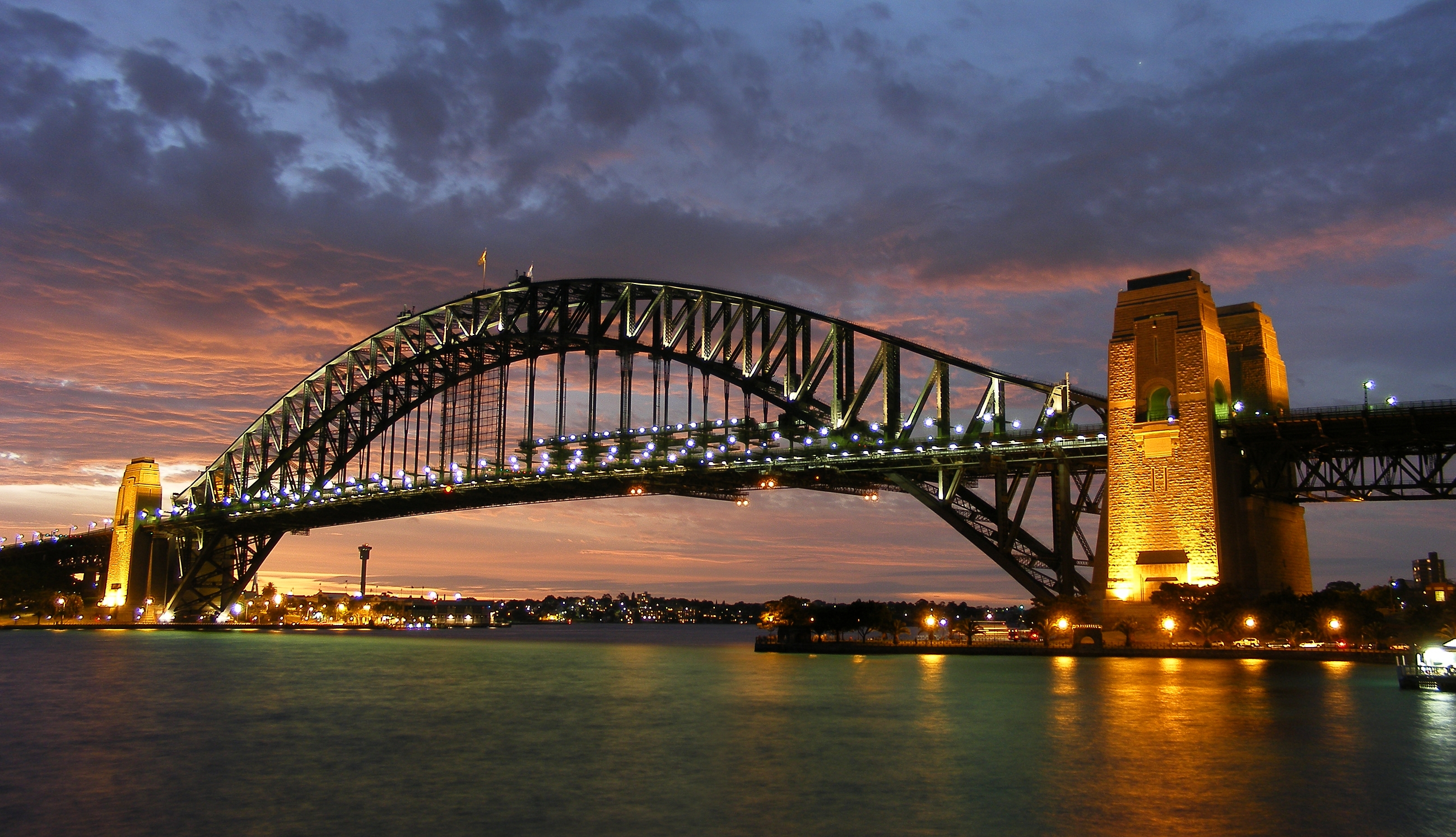
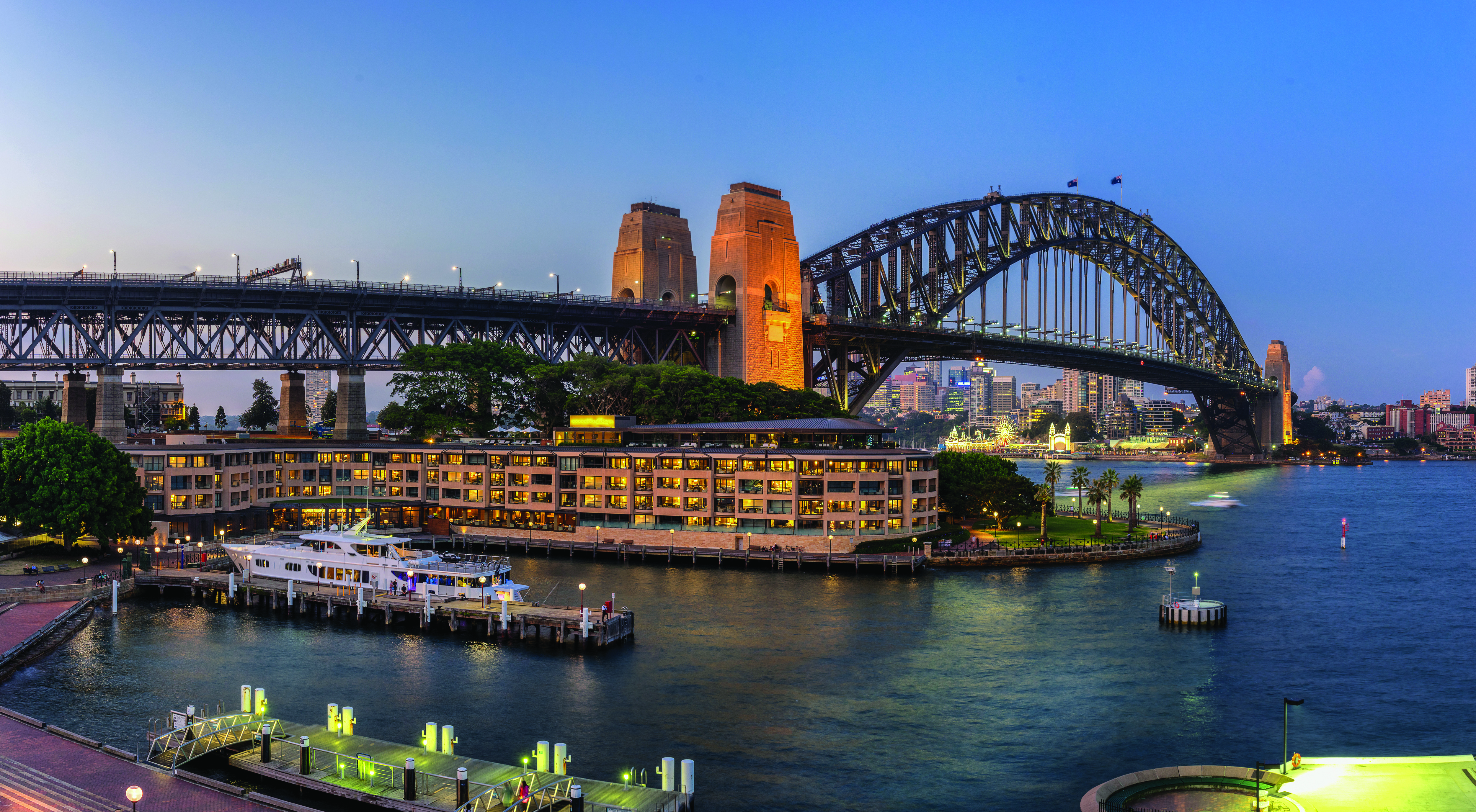
Sydney Harbour Bridge. In the foreground the luxurious Park Hyatt Harbor Hotel, with spectacular views.

Few people are aware that the Australian flags fluttering atop the Sydney Harbour Bridge are replaced every four to six months. This is just one of the many routine maintenance tasks handled each day by a staff of 100 people. They are responsible for protecting both the beauty and operation of the famous bridge, which has become a symbol of Sydney and of Australia around the world.

Ever since its inauguration in 1932, this iconic arched bridge connecting the central business district with the North Shore has changed along with its city, the capital of New South Wales. Back when it opened, daily traffic on its six original lanes was 11,000 vehicles. Today that number has risen to more than 180,000 – PER DAY.


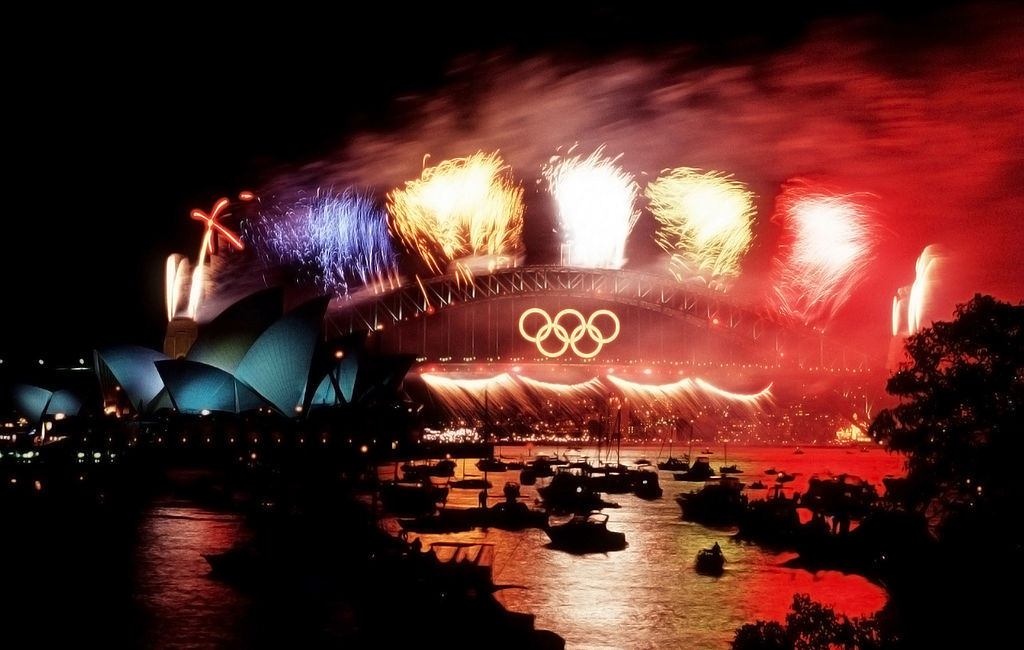
Centenary of federation fireworks in 2000.

The bridge has not only marked the history of the city; it established new aesthetic and functional parameters for the construction industry and was deemed an International Historic Civil Engineering Landmark in 1988.

Since then Sydney has changed. It has become a modern capital thanks to the new and ambitious Sydney Metro project that is revolutionizing the city’s mobility. And its famous bridge has remained at the service of the city’s development.

Sydney Harbour Bridge: Over one hundred years in the making.

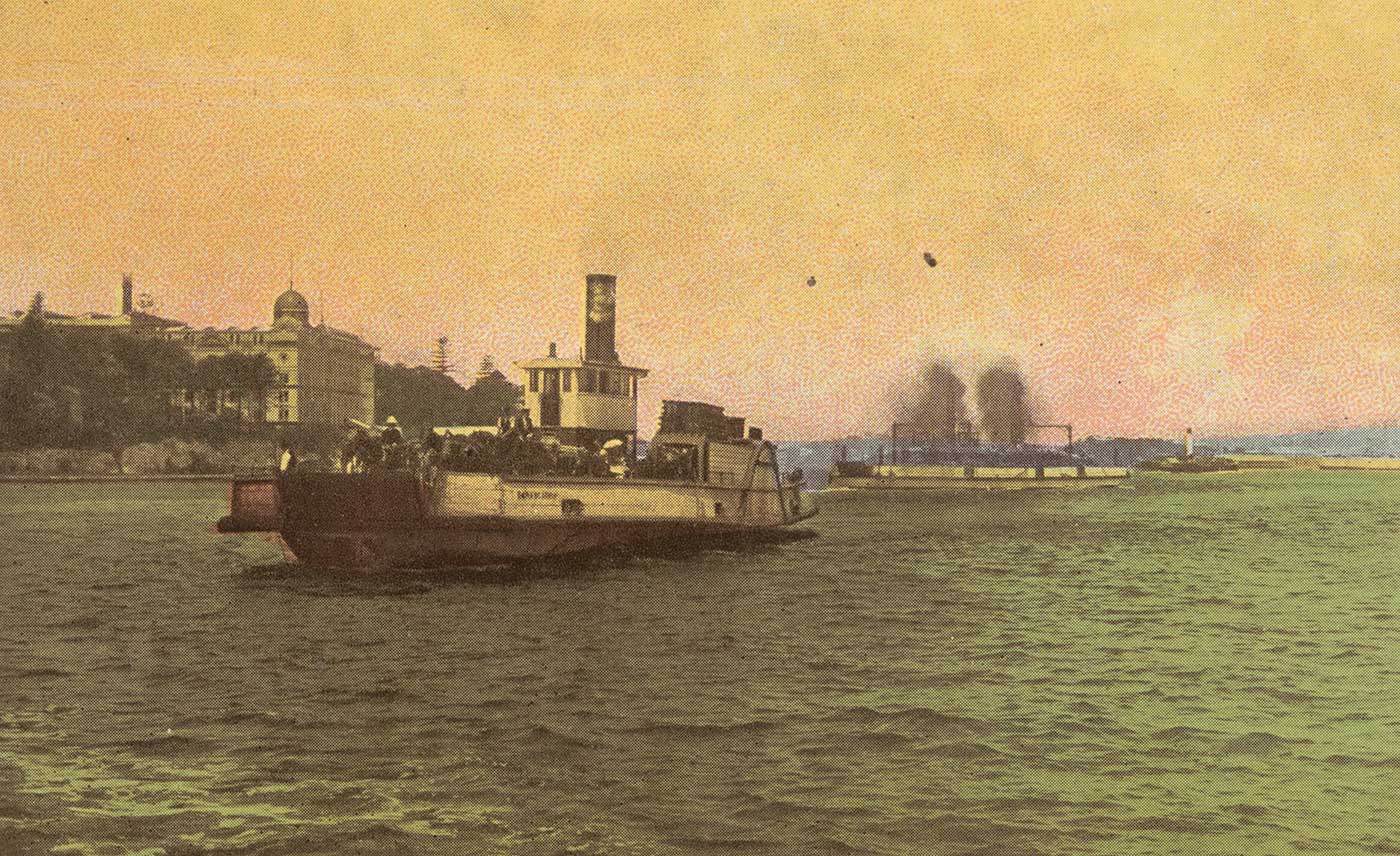
Ferry crossing between South and North Sydney, about 1900.

The first plans to build a bridge in Sydney Harbour date back as far as 1815. But for a variety of reasons, the final project for the construction of the bridge was not approved until the 20th century.

John Bradfield submitted a proposal for the bridge in 1912 and was appointed Chief Engineer of Sydney Harbour Bridge and Metropolitan Railway Construction in 1914, and a bill approving construction for a bridge of a different design was passed in 1916 by the New South Wales Legislative Assembly. But it was blocked by the state Legislative Council during World War I so that the country could focus its economic resources to support the war effort.

The new Millenium in 2000. In Australia open fire during the hot summer season is strongly prohibited, that’s why the harbour bridge fireworks are so spectacular every year. This in 2000 when we still lived there.
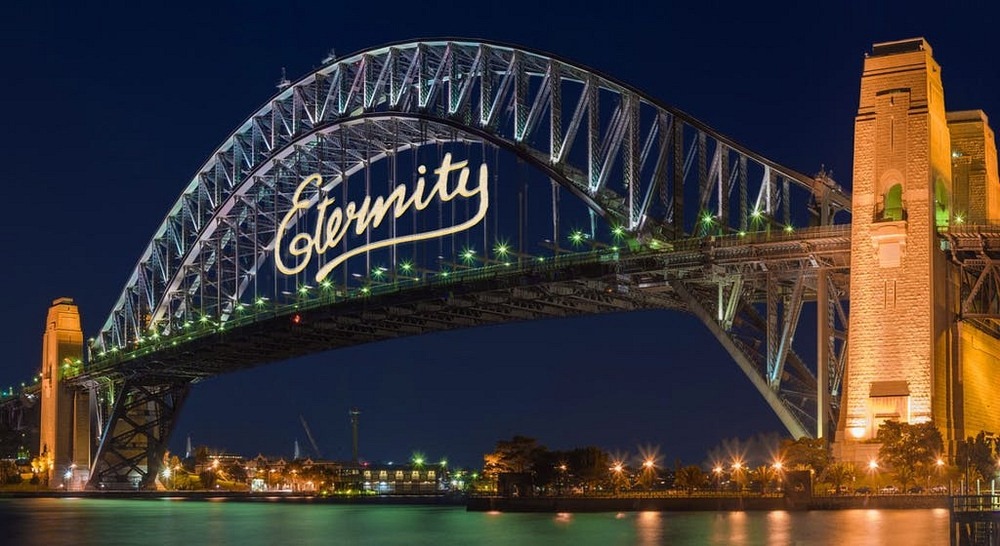
Fireworks 2000 ended with the massive display of „Eternity“, a spectacular surprise to everyone.

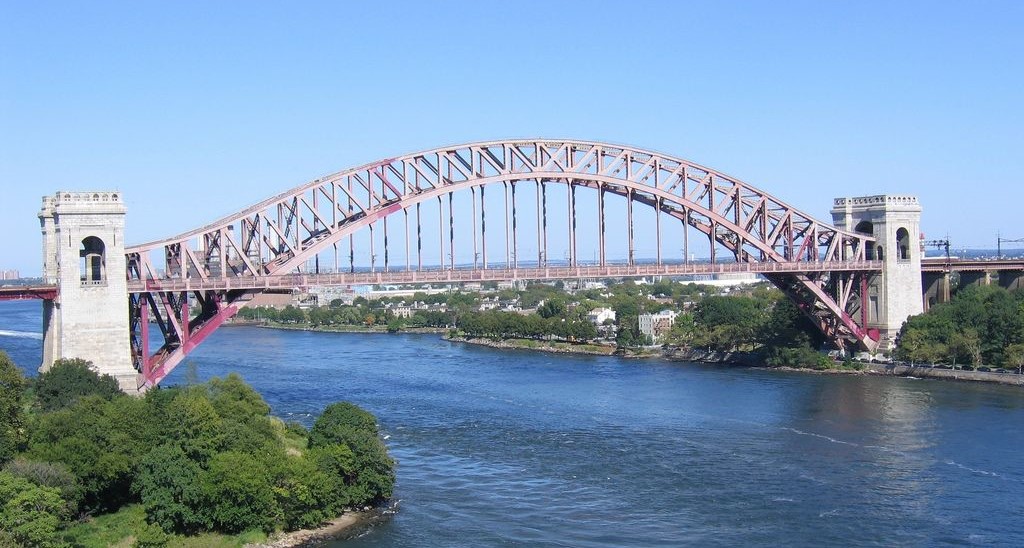
At the end of the war, Bradfield resumed work and in 1921 presented a new plan for an arched bridge. Both Bradfield and the NSW Department of Public Works used the Hell Gate Bridge in New York City as a basis for a reformulated Sydney Bridge design. On 24 March 1922, 6 years after the New York bridge opened, the construction contract was awarded to an English company, Dorman Long and Co Ltd because it had already worked on such bridges in the past.


The Hell Gate Bridge, originally the New York Connecting Railroad Bridge or The East River Arch Bridge, is a 1,017-foot (310 m) steel through arch railroad bridge in New York City. Inaugurated in 1917 and constructed by  Gustav Lindenthal (May 21, 1850 – July 31, 1935), an Austrian born civil engineer who designed the Hell Gate Bridge in New York City.

With the city’s first underground railway construction underway, the bridge was designed to accommodate rail traffic. The final version of the Sydney Harbour Bridge, therefore, had six lanes for road traffic, two for railway lines, and one pedestrian footpath.

The construction of the Sydney Harbour Bridge.

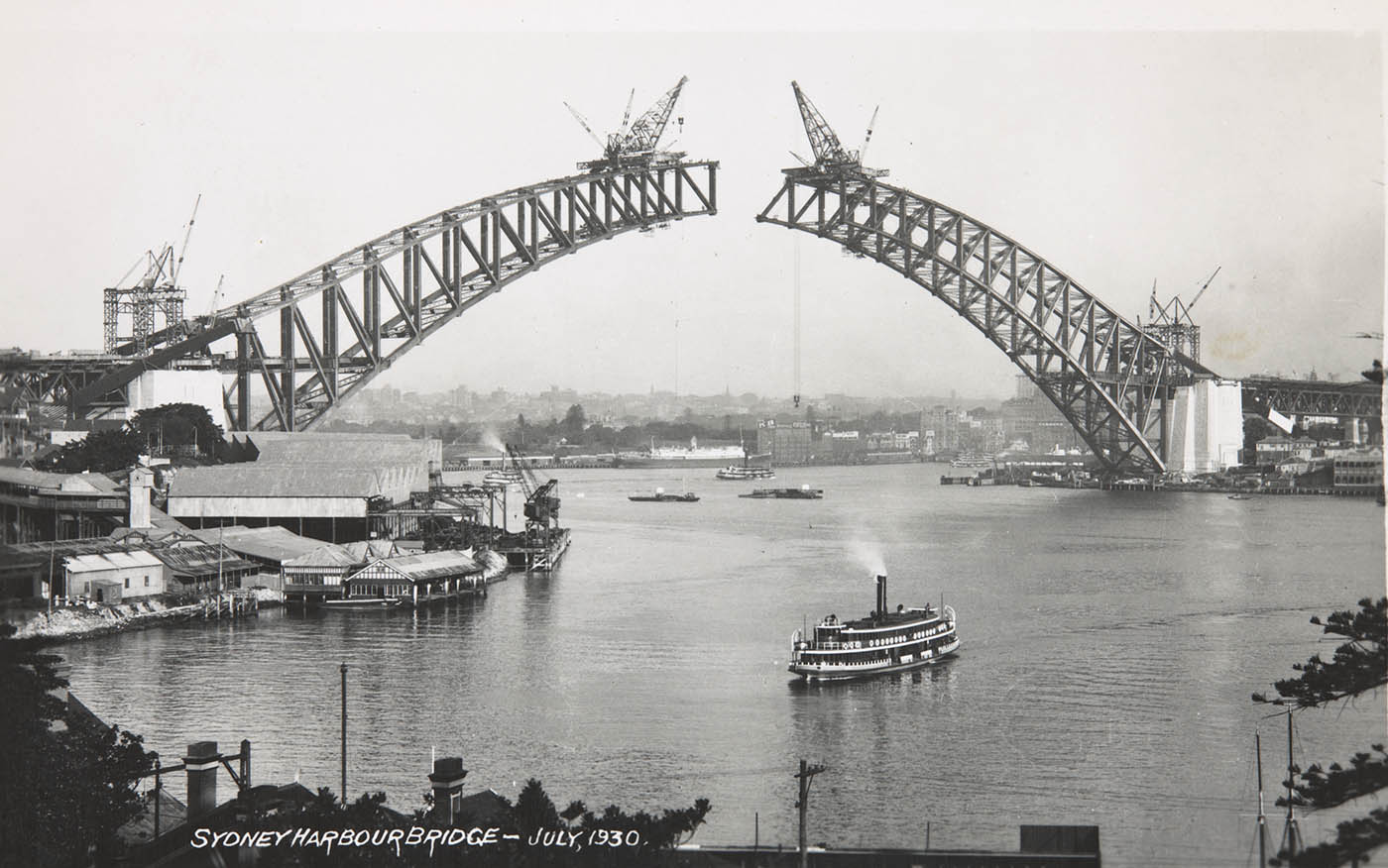
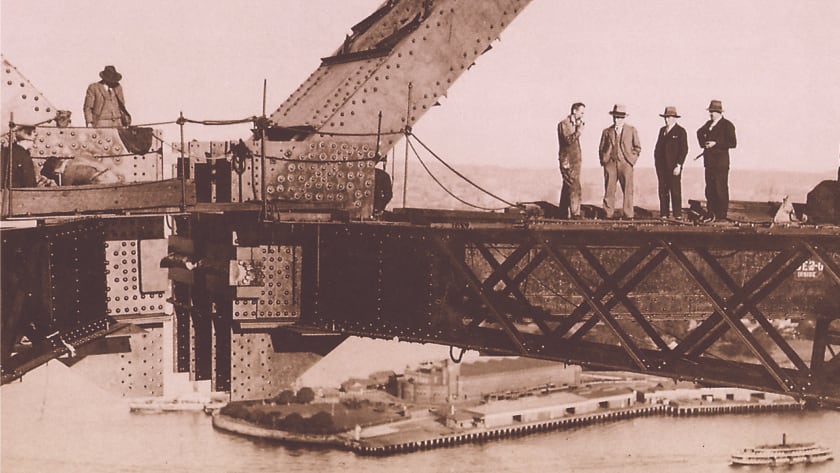
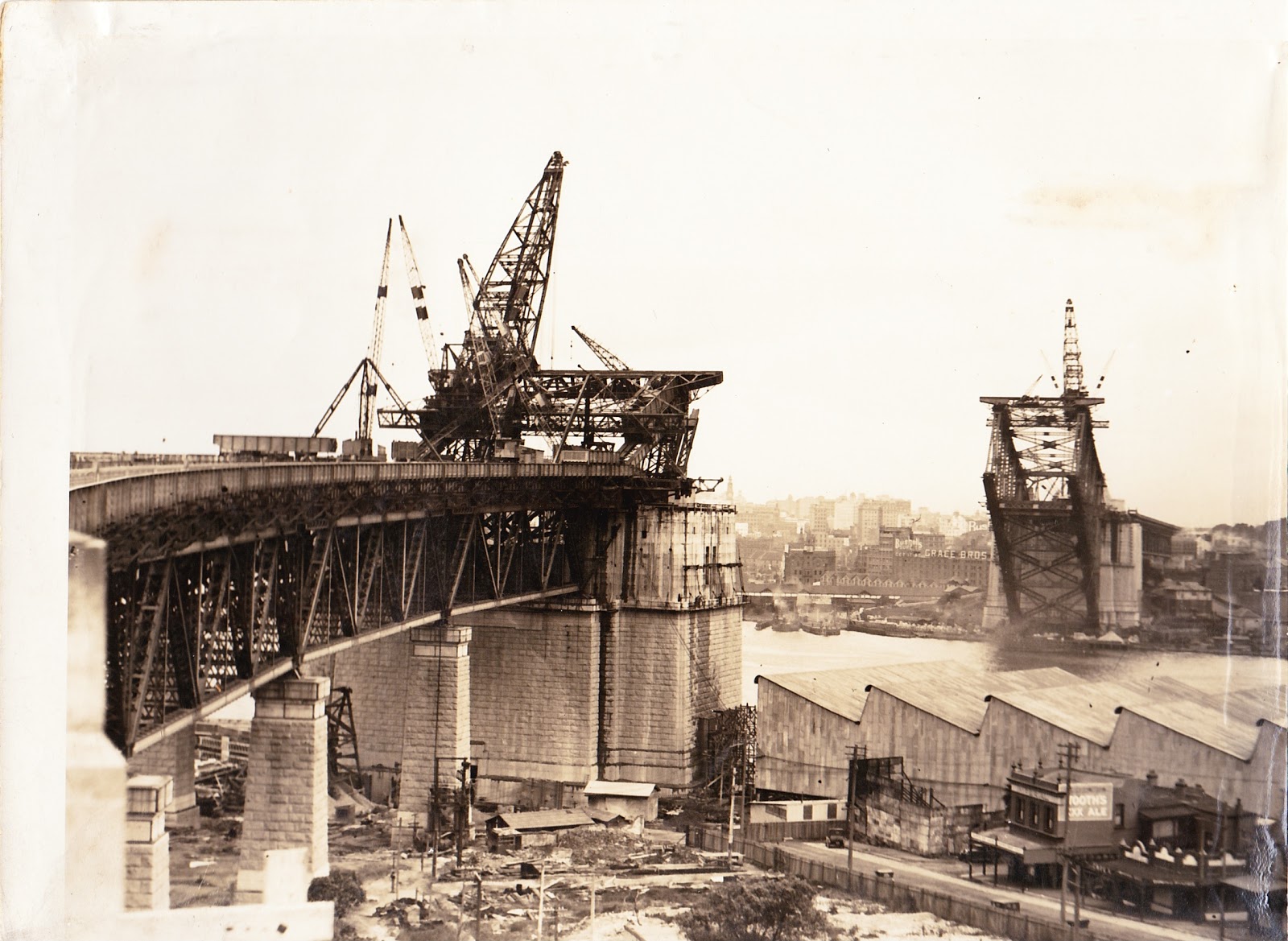
Construction of the bridge kicked off with the laying of the first stone 28 July 1923, under the supervision of Bradfield who continued to oversee it until the end. First came the laying of the foundations, and work on the arch began on 26 October 1928. The construction of the arch started from either side, although the work on the southern side went slightly in advance to check for construction errors and not to repeat them on the other side.

The two sides of the bridge finally met on 19 August 1930, which was a day of celebration for the entire city. At that point the roadworks began: the span was completed in June 1931, when all the gas, power, water, and telephone lines were also set up. The first test was on 19 January 1932 and two months later, on 19 March 1932, the bridge was opened to the public.

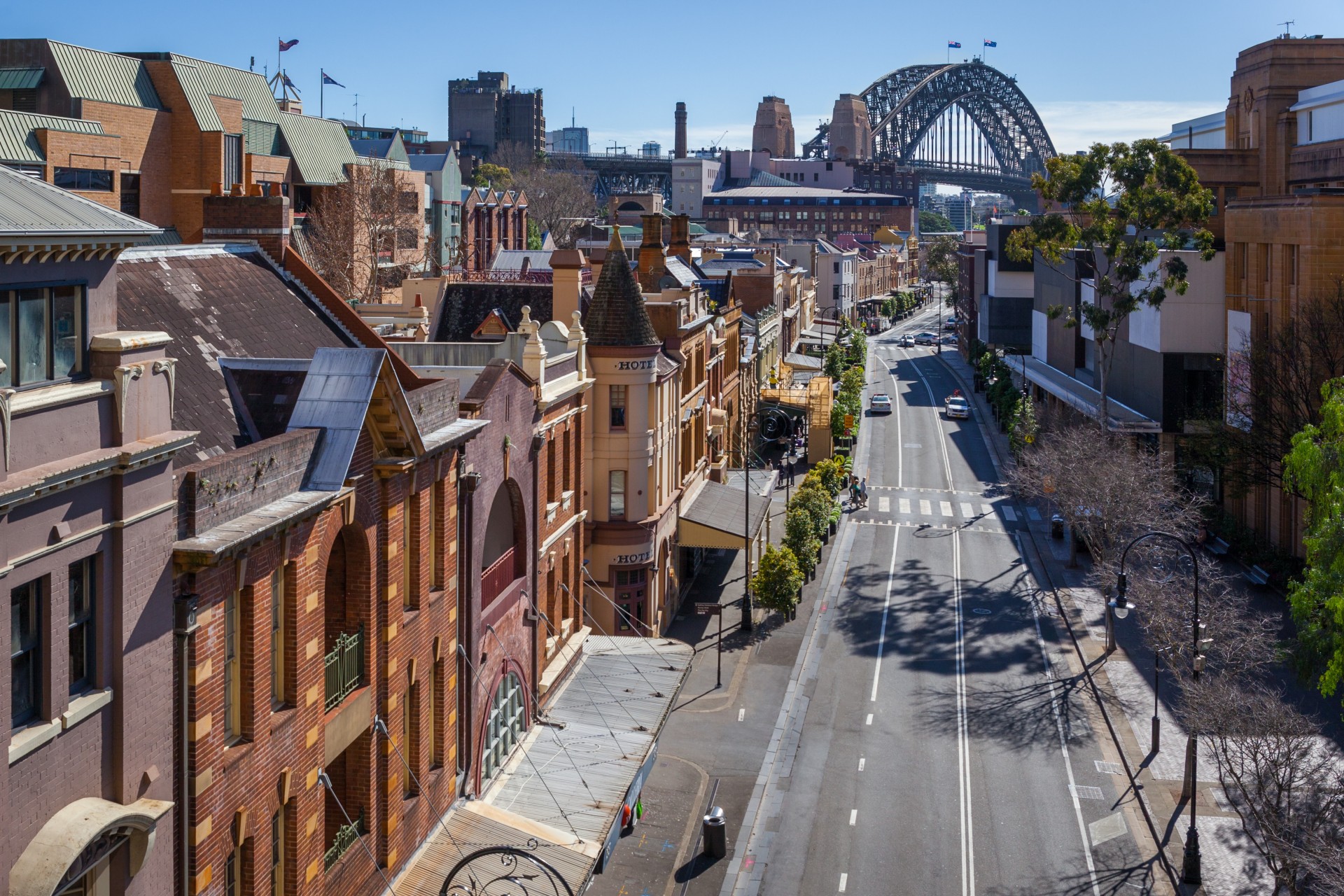
George Street at The Rocks leading towards the Park Hyatt Hotel and the Harbour Bridge. Notice the „HOTEL“ with the pointed tower on the medium left side of the picture (click on picture). In there you will find one of the oldest and most typical pubs in this area. Worth to sip a few lagers there.

The Premier of New South Wales Jack Lang declared the bridge’s inauguration day a holiday. Hundreds of thousands of people flocked to admire the new bridge, making the celebration the largest public events in the city’s history.

Once completed, the Sydney Harbour Bridge measured 1,149 meters (3,769 feet) long and 49 meters (160 feet) wide, and the steel mounted on the bridge weighed 52,800 tonnes.

The resulting infrastructure is an essential part of the city’s life, as well as being beautiful. It immediately became a symbol of Sydney around the world.


Bradfield, the Subway, and modern Skytrain.

A continuous line connects the story of John Bradfield, Chief Engineer of Sydney Harbour Bridge and Metropolitan Railway Construction, with Sydney Metro and the city’s modern evolution — which got a huge boost from the Sydney Metro project still underway.

On the city’s streets, people still call Bradfield “the father of modern Sydney” today because along with the famous arched bridge, the engineer — born on 26 December 1867 in Sandgate, Queensland – also designed and supported the city’s first subway line.

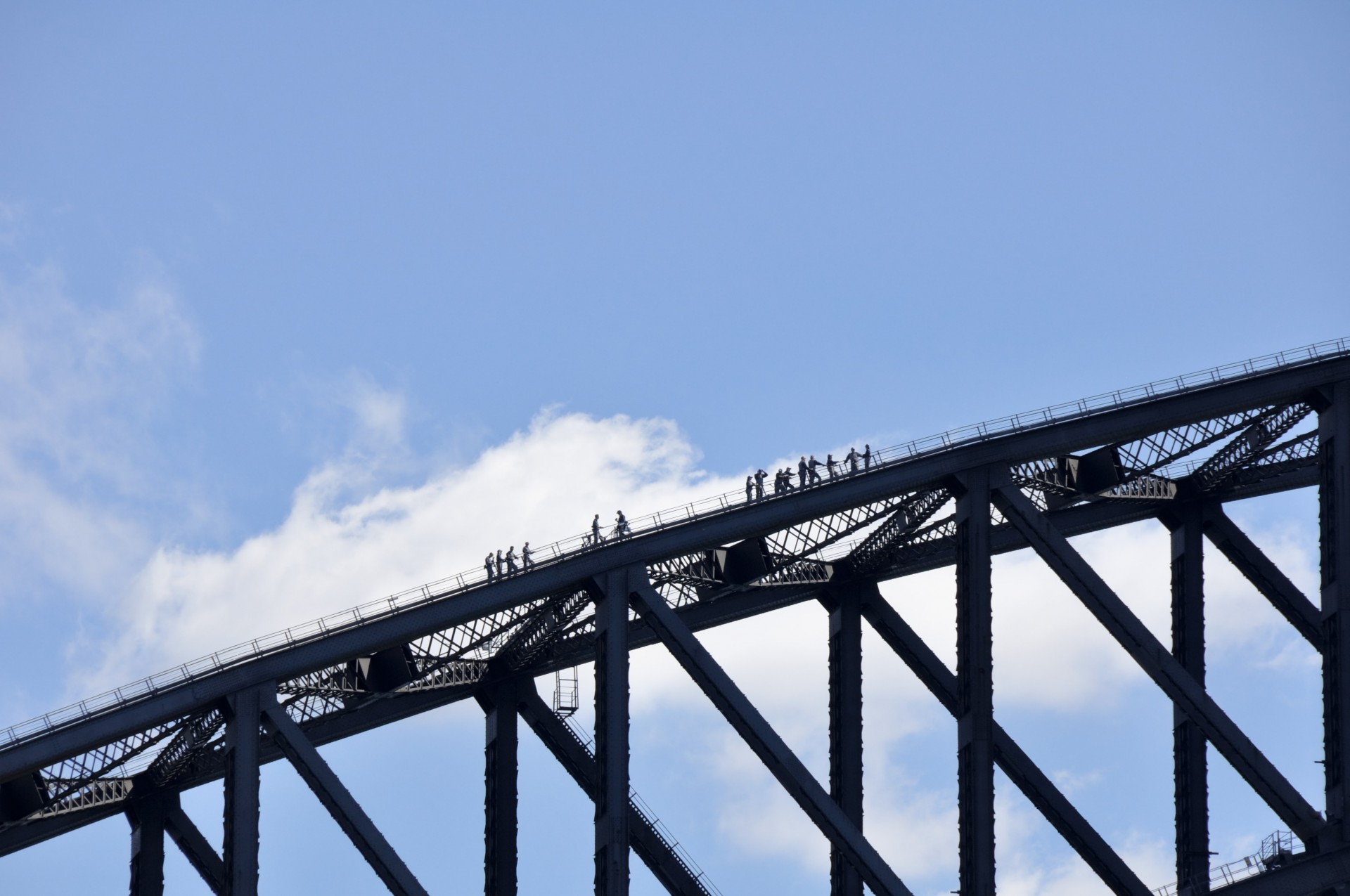
Bridge Climb, see information further down.

After the bridge project was approved, the engineer set to work on a new urban transport system that could support the city’s demographic development. In 1915 he proposed an electric subway. The project was temporarily blocked during World War I but was approved at the end of the war, and the first stations opened in 1926. The Sydney Metro has become one of the most modern and technologically-advanced subways in the world.

       The Metro Skytrain Bridge Sydney.

The Sydney Metro is the natural evolution of this vision. This ambitious design for a new metro network is partly already completed. The Webuild Group (Salini Impregilo) has been commissioned to build the so-called Skytrain Bridge on the Sydney Metro Northwest line, a viaduct 4 kilometers (2.8 miles) long and a curved, cable-stayed bridge measuring 270 meters (885 feet). The finished bridge has been awarded the “2018 Project of the Year” award by Engineering News-Record magazine, as well as being included by the Infrastructure Sustainability Council of Australia in the “World Class Best Practice” category in terms of sustainability.

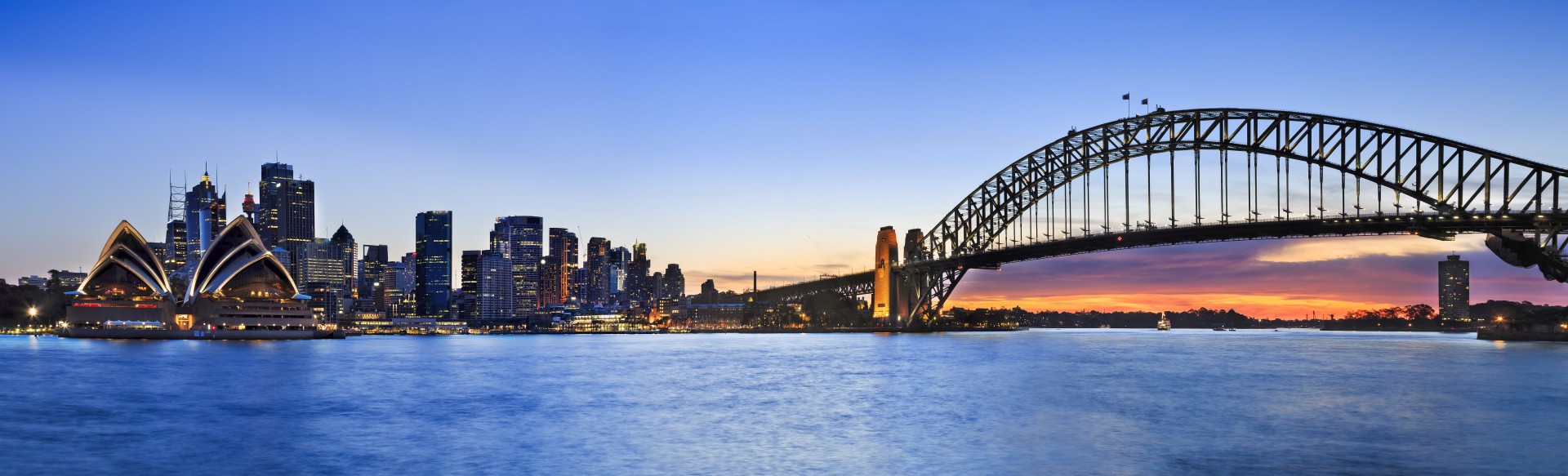
One of the best views of Sydney. Taken from the north, showing from left to right, Rose Bay, Woolloomooloo (a word with 8 o’s), Pott’s Point, The Sydney Opera House, downtown with the Sydney Tower, of course The Bridge, then Millers Point Yacht Harbour, Sydney Harbour, Goat Island, and Balmain Peninsula.

Some Sydney Harbor Bridge facts.

Sydney Harbour Bridge was first proposed way back in 1815.

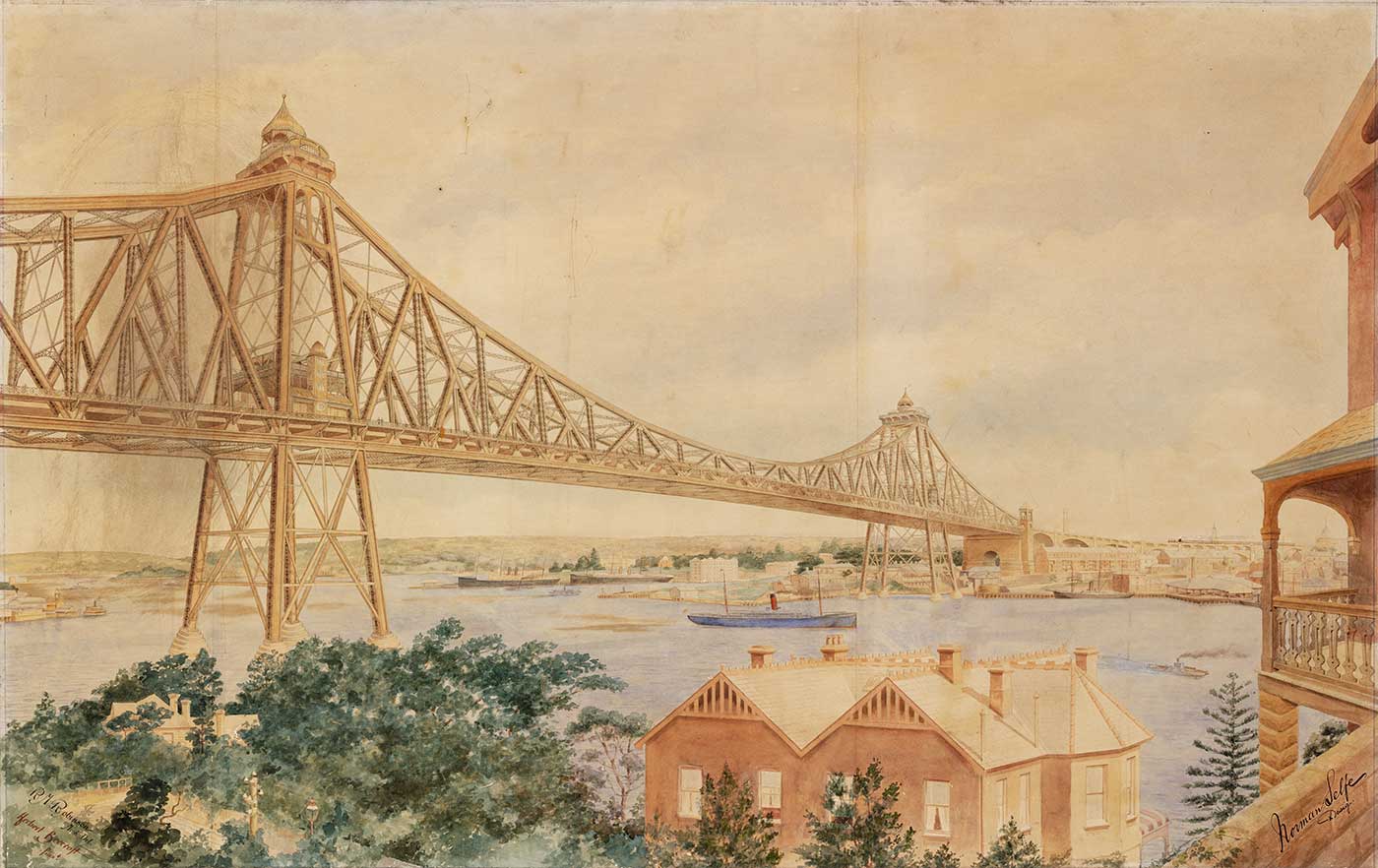
Early bridge design for Sydney harbour, about 1902.

The first instance of the iconic Sydney Harbour Bridge history can be traced back to the year 1815. It was at this time that proposals to connect the North and South shores of Sydney Harbour surfaced when architect Francis Greenway proposed the plan to Governor Lachlan Macquarie. Furthermore, naval architect Robert Brindley proposed in 1840 that a floating bridge be built. In 1857, Engineer Peter Henderson put forth the first known drawing of a proposed bridge across the harbour. Moreover, a truss bridge was proposed in 1879 and a high-level bridge in 1880. Although none of these proposals materialized at their times, the idea had already struck the right chord. The need for a bridge rose to prominence since the only way to cross the harbor was to either take a ferry or trek for 12 miles around the shore. But lack of concrete plans and unavailability of the requisite technology halted the plan for about a century.

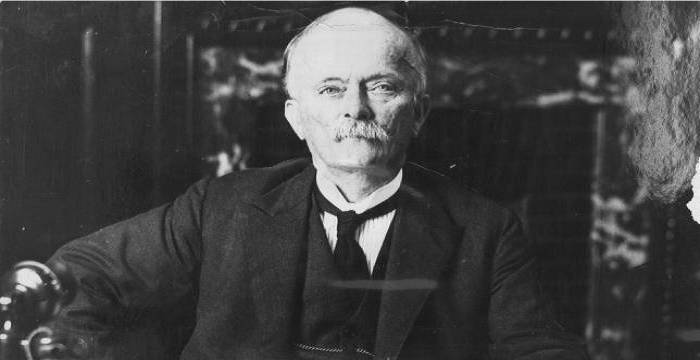
John Bradfield is known as the Father of the Sydney Harbour Bridge.

John Bradfield.

In 1900, the Lyne Government famously organized a global competition for the design and construction of the harbour bridge. While the outcome of the competition could not materialize due to controversy, a local engineer Norman Selfe won the second competition by proposing the design for a steel cantilever bridge. But an economic downturn and a change of government drained his efforts in vain, halting the construction. Plans to construct a bridge over Sydney Harbour surfaced again in the year 1912 when John Bradfield, a civil engineer who was working with the New South Wales Department of Public Works, put forth his ideas to the Australian parliament. He envisioned the bridge as one of two designs – a suspension design or a cantilever design. The cantilever bridge design was finally accepted and John was appointed as the project lead. But World War I interfered with the construction of the bridge and almost a decade passed before funding for the bridge was secured. As Bradfield would ultimately supervise the construction of the bridge, he is regarded as the “Father of the Sydney Harbour Bridge“.

The debate of the true designer of the bridge remains unresolved.

Ralph Freeman.

By the time the First World War ended, advancement in the science of steelmaking had made it possible to construct an arch bridge. The cantilever design was eventually discarded in favor of a steel-arch design, primarily because it was much easier to construct and was capable of handling heavier loads. An arch bridge is a bridge with abutments at each end shaped as a curved arch. The contract of building the bridge was awarded to Dorman Long and Co., a British company. Sir Ralph Freeman, an English civil engineer, was hired to undertake the detailed design work of the structure. Construction eventually began in 1924 under the supervision of Bradfield. Bradfield came forth with the complete ideation of the bridge, but Ralph Freeman considered himself to be its true designer. Although his claim was supported by a few authorities, the controversy has not been resolved to date! While it would be so easy, because the design was taken from the Hell Gates Bridge in New York, constructed 10 years earlier.

It took 8 years to construct the Sydney Harbour Bridge.

Sydney Harbour Bridge Construction from the north side. The southern side was always a bit advanced.

The construction of the Sydney Harbour Bridge officially began in July 1923 with the “turning of the first sod ceremony“. On the other hand, the construction of the arch began in October 1928. August 1930 marked the meeting of the two arch halves and work on the deck consequently commenced. Finally, the bridge was inaugurated on 19th March 1932, taking eight years for its construction to complete. It took a total costing of $A 13.5 Million to complete the bridge and this was finally paid off for only in 1988. It is also estimated that a total of 469 buildings on the northern shore were demolished to pave way for the construction of the bridge. This included both private homes and commercial operations.

A nice and short video shown the construction of the Sydney Harbour Bridge, copyrighted by The New South Wales Government. Have a look. Click on:


The following video shows lots of information about the history, story, and construction of this famous bridge. If you are interested you should watch it. Click on:

The above DVD was picked up in a flea market at The Rocks and has no indication of when it was originally produced. Apologies if any copyright has been infringed – but it deserves a wider audience!

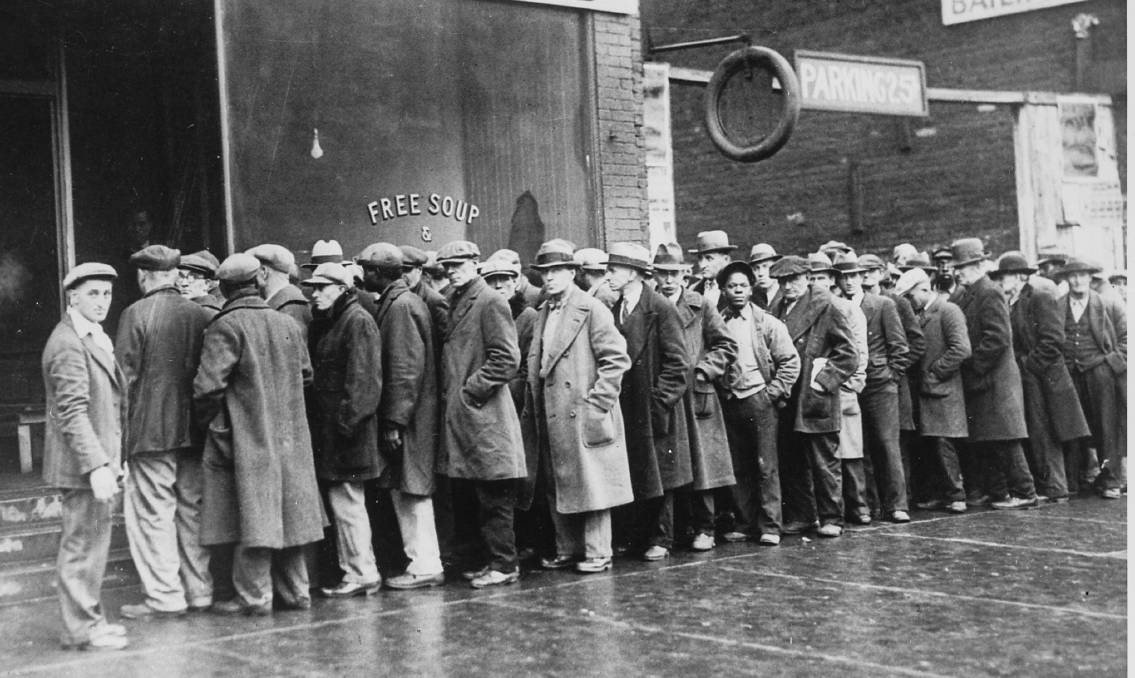
The bridge was a savior for depression-era workers.

          Hunger during the great depression. About 1400 had work at the bridge construction.

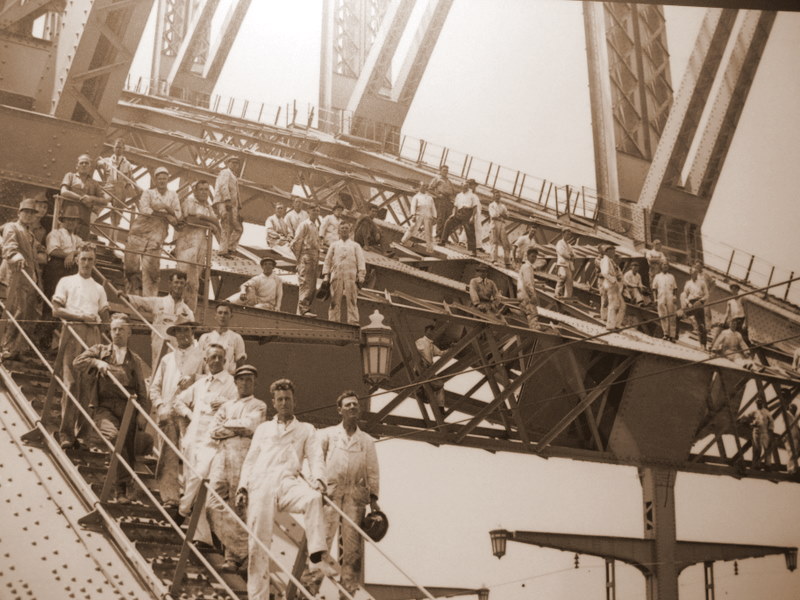
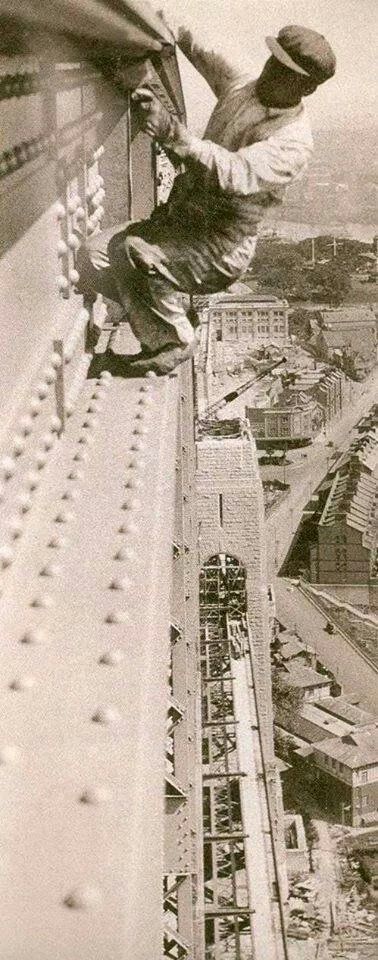
52,800 tonnes of steel, 3200 tonnes of rivets, 95,000-meter cubic of concrete, and 272,000 liters of paint were used in the initial construction of the Sydney Harbour Bridge. It took 1400 workers to take the bridge from ideation to completion. The lives of 16 workers were lost in accidents over the years. During the course of its construction, a total of 6 million steel rivets were manually driven into the bridge by the hands of the workers. Since all this and more involved the input of countless man-hours, the bridge earned the nickname “The Iron Lung“. The modern nickname is „The Coathanger“. Moreover, it was widely regarded as a triumph over depression times by giving employment to many depression-era workers.

Pylons, Museum and Bridge Climb.

Four majestic pylons were erected simply to add aesthetic value. Each end of the arch of the Sydney Harbour Bridge is marked by the presence of a pair of high concrete pylons that are faced with granite. A total of 18,000 cubic meters of granite was quarried by around 250 Australian, Italian, and Scottish stonemasons to construct the pylons. It is interesting to note that all this effort was originally made to add only to the aesthetic value of the bridge.

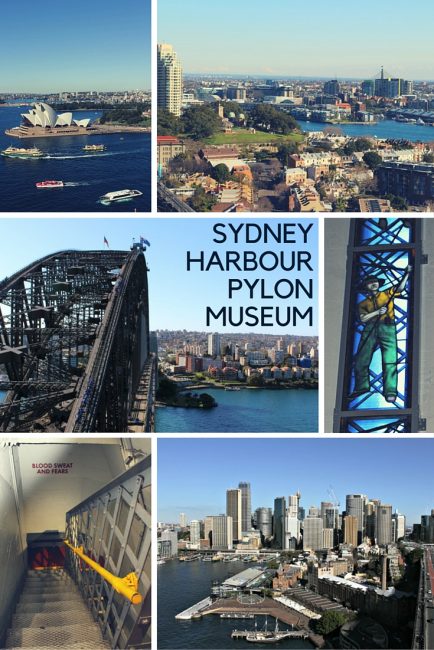
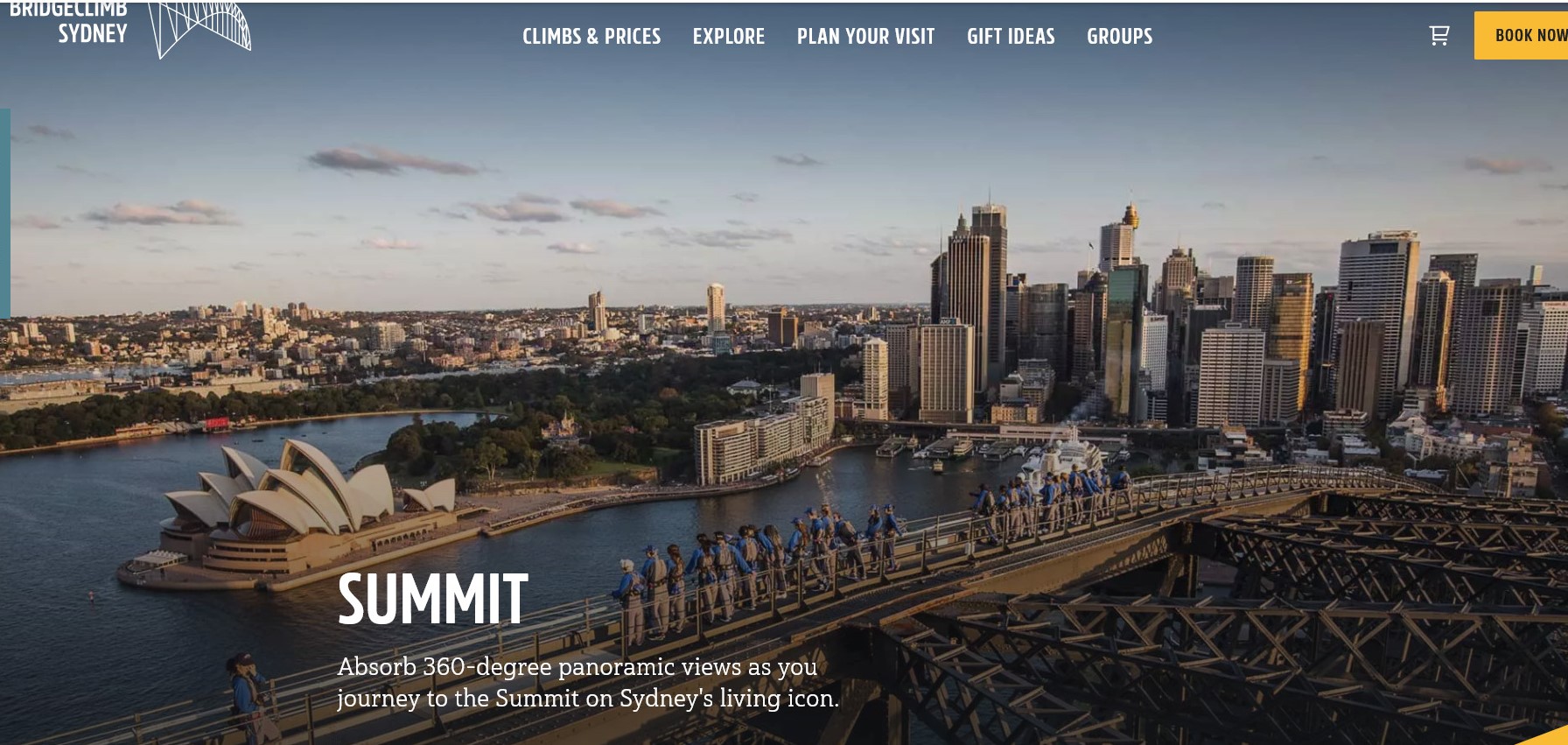
You can make your reservations through the website „Bridge Climb Sydney“. It’s a spectacular experience to be on top of this bridge. But being honest, if you are on holiday, would you spend almost A THOUSAND BUCKS (A$ 1.000,–) for 2 ? That is 2 weeks holiday-living in Australia or a return flight Sydney-Perth for 2 !

The South-East Pylon has been open to the public since 1934 and today it is home to the Pylon Lookout Museum. Entry fee is A$ 19,–. Of course, all prices are subject to change.

Despite the price, the Bridge Climb is booked forward for many months, so you need to plan your climb long in advance. Every ticket to the top includes a Climb group photo, a BridgeClimb cap, a certificate of achievement, and free entry to The Pylon Lookout.
The fee is A$ 268,– to 410,–. One can choose for a Dawn, Day, Twilight, or Night Climb!

Maintenance of the bridge costs A$5 million per year.

       Bridge painting then and now.

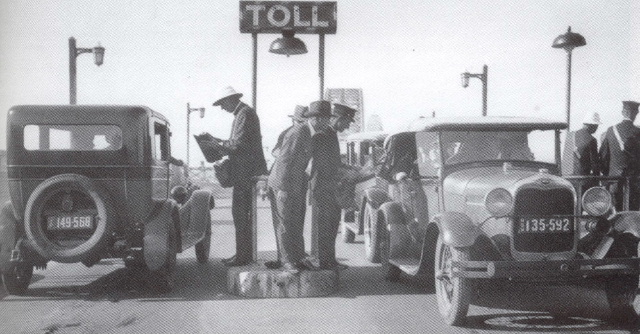
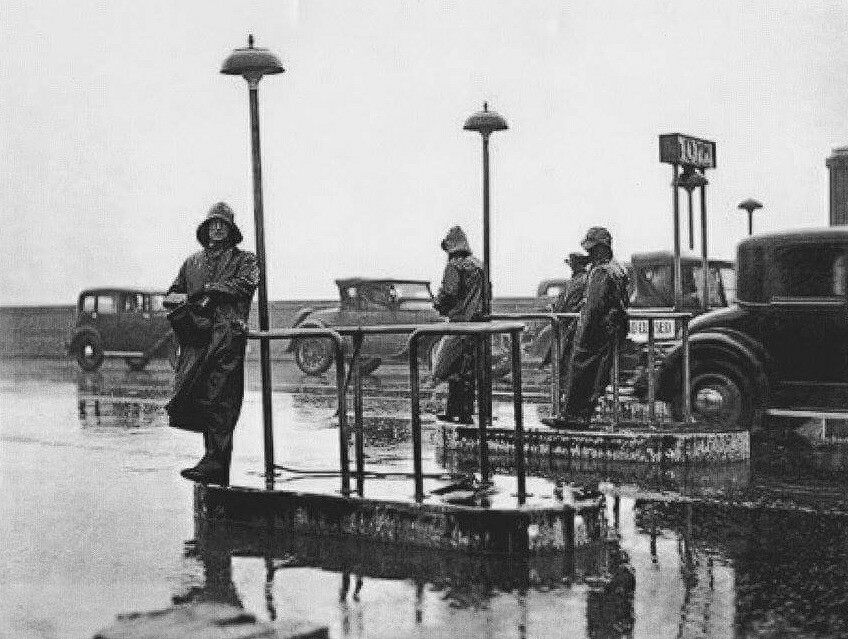
The Sydney Harbour Bridge features four railroad tracks, a highway, and two pedestrian walkways along its length. More than 160,000 vehicles, 200 trains, and 1600 bicycles cross the Sydney Harbour Bridge every day today (2010 statistics). In 1932, this number was about 11,000. At the time the bridge opened, the initial toll for a car was 6 pence (5 cents), and 3 pence (2 cents) for a horse and rider. Today, the toll stands at $3 dollars. The majority of this fund is utilized to cover the maintenance of the bridge that amounts to a whopping $5 million per year! Moreover, painting the bridge is a never-ending task with approximately 80,000 liters (21,000 gallons) of paint being required for every coat. While some parts last up to 30 years, others have to be painted every 5 years.

My little addition to this article. We crossed this bridge innumerable times and every time it was a highlight, an adventure. Crossing the bridge by foot is even a challenge, if you do its amazing, but choose a sunny, clear day without wind. The natural breeze on the bridge will be still strong enough.

      Toll collectors at the bridge in 1932.
Closing ceremony fireworks for the 2000 Olympics in Sydney, we watched from „Mrs. Macquarie’s Chair“. It was kind of very windy that night in Sydney. But its still one of the best places to take pictures of the harbour bridge and the Opera house.

If you cross the bridge by car, you have to pay bridge-toll to enter the city center, if you drive out to North Sydney, its free of charge. A small try to leave the traffic out of the city. Even if there is a wonderful tunnel now to shortcut the trip between North Sydney and the South, we always used the bridge, it’s just a great feeling and brilliant views.

Veröffentlicht unter History, Must See, Travel, Uncategorized | Verschlagwortet mit , | Hinterlasse einen Kommentar

Beau Boeuf Bourguignon

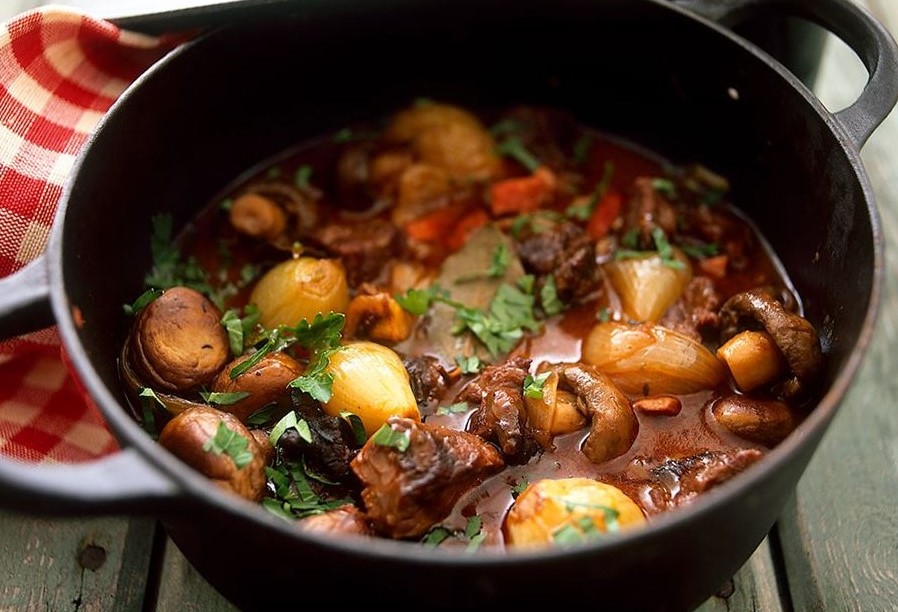
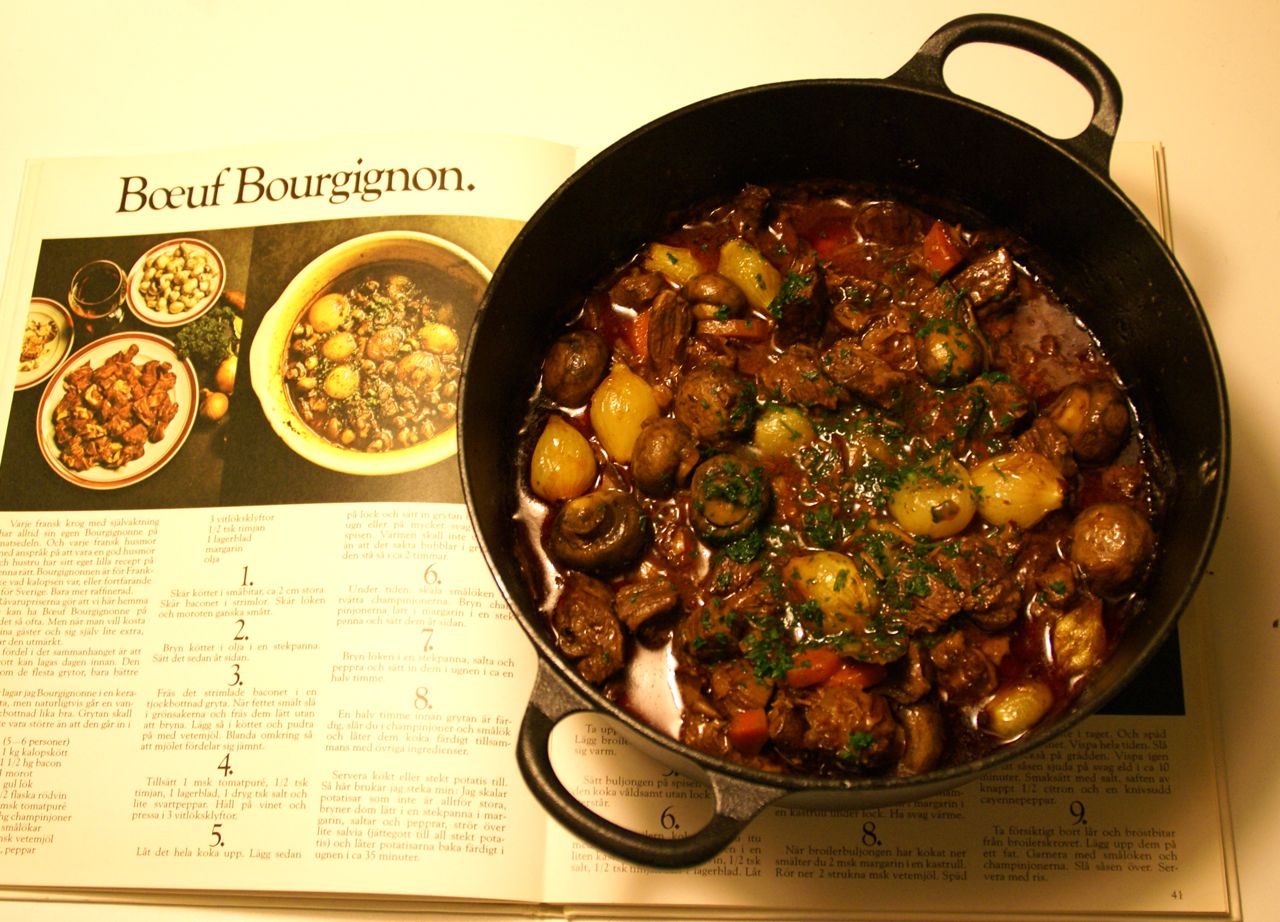
It is called „boeuf a la Bourguignonne“ or „boeuf bourguignon“ or „beef Burgundy“ or „beef bourguignon“ and it is a beef stew braised in red wine, often red Burgundy, and beef stock, typically flavored with carrots, onions, garlic, and a Bouquet Garni, and garnished with pearl onions, mushrooms, and bacon. The ideal winter comfort food. Because it was cold and rainy the last few days, I decided to cook it and post the recipe for you.

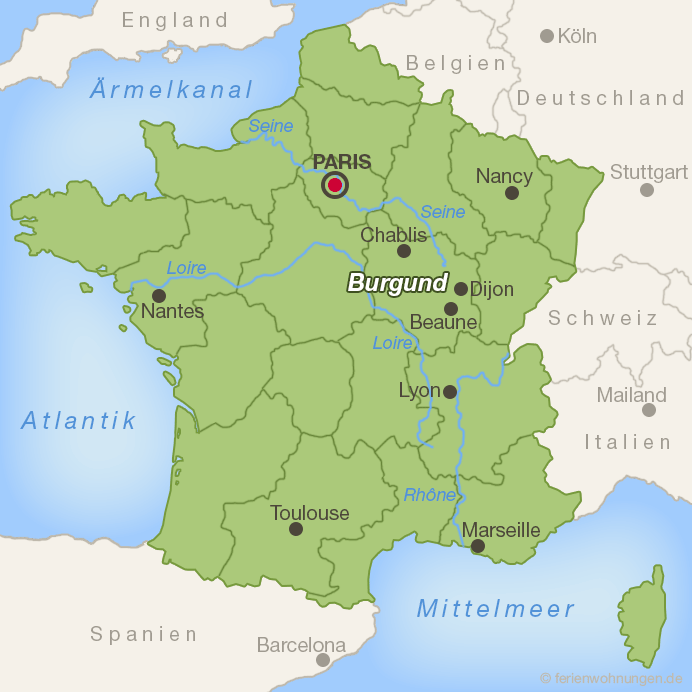
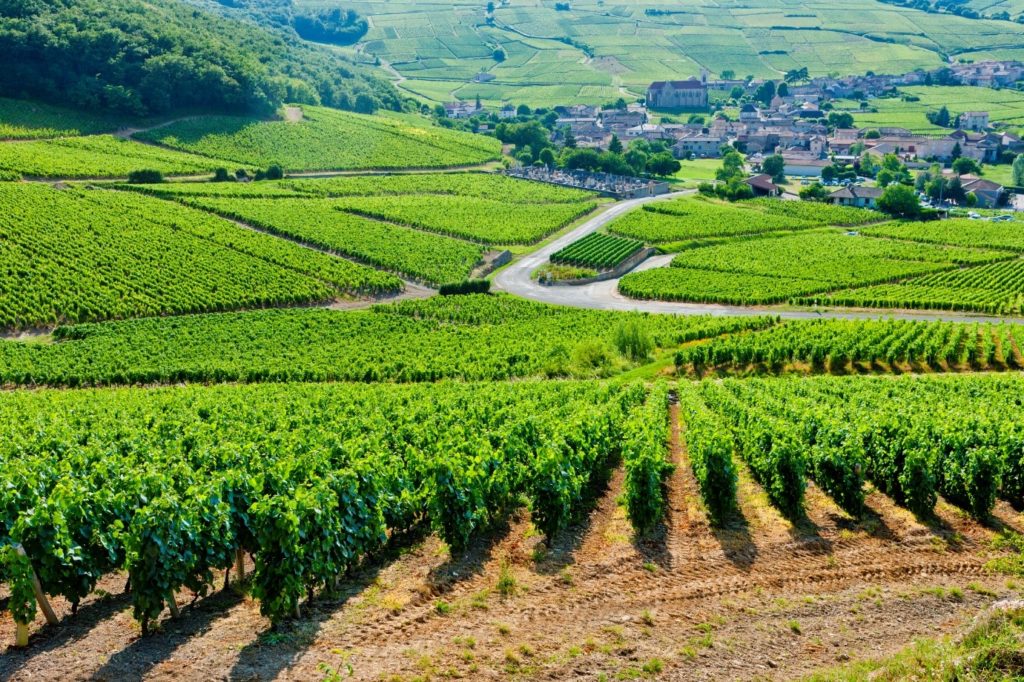
This well-known French dish has its roots from the Burgundy region in France. Beautiful Burgundy, known in French as “Bourgogne”, is 100 km southeast of Paris, stretching 360 km. It has more than 2000 communes (see map Chablis, Beaune, Dijon) and is one of France’s most fascinating regions, known equally for its historical political intrigue as for its dazzling architecture, excellent wines, and rich cuisine.


History.

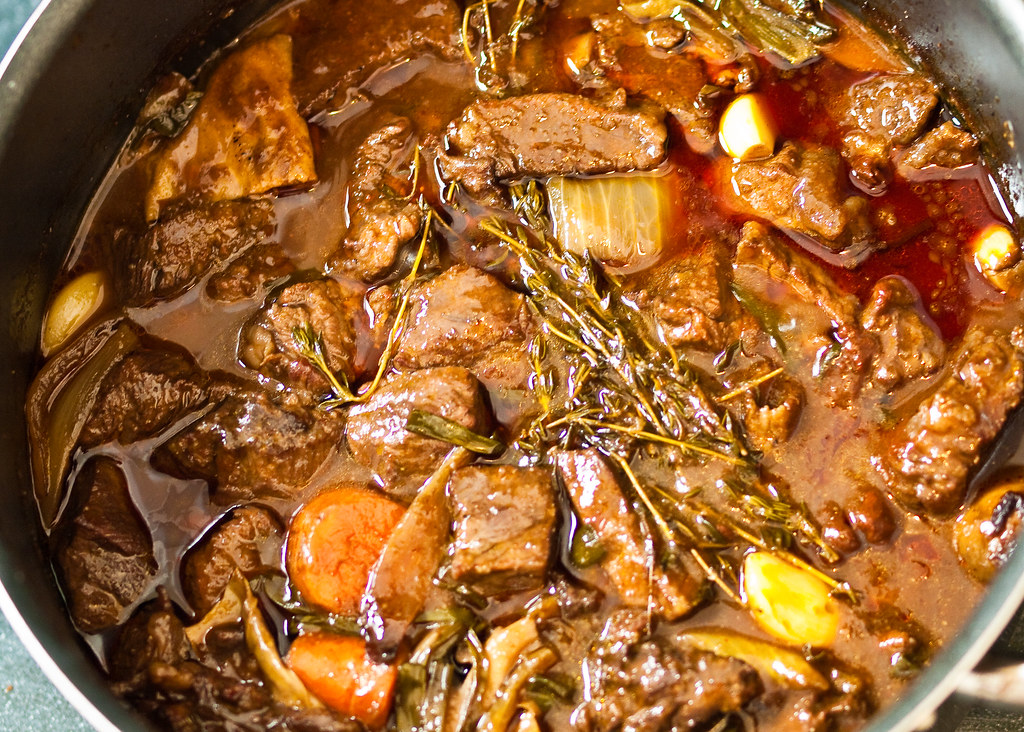
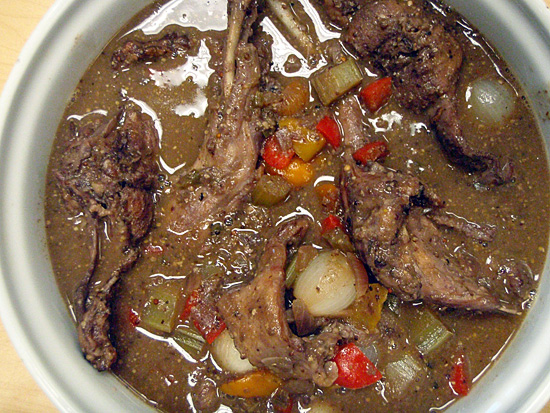
The dish is considered „traditional“. Although it was first documented in the 19th century, beef bourguignon is probably of ancient origin. Other recipes called „à la Bourguignonne“ with similar garnishes are found in the mid-19th century for a leg of lamb (pic down here on the left) and for rabbit (pic down here on the right).


The dish has become a standard of French cuisine, notably in Parisian bistros, however, it only began to be considered as a Burgundian specialty in the twentieth century. Julia Child has described this famous meat dish as „certainly one of the most delicious beef dishes concocted by man“.

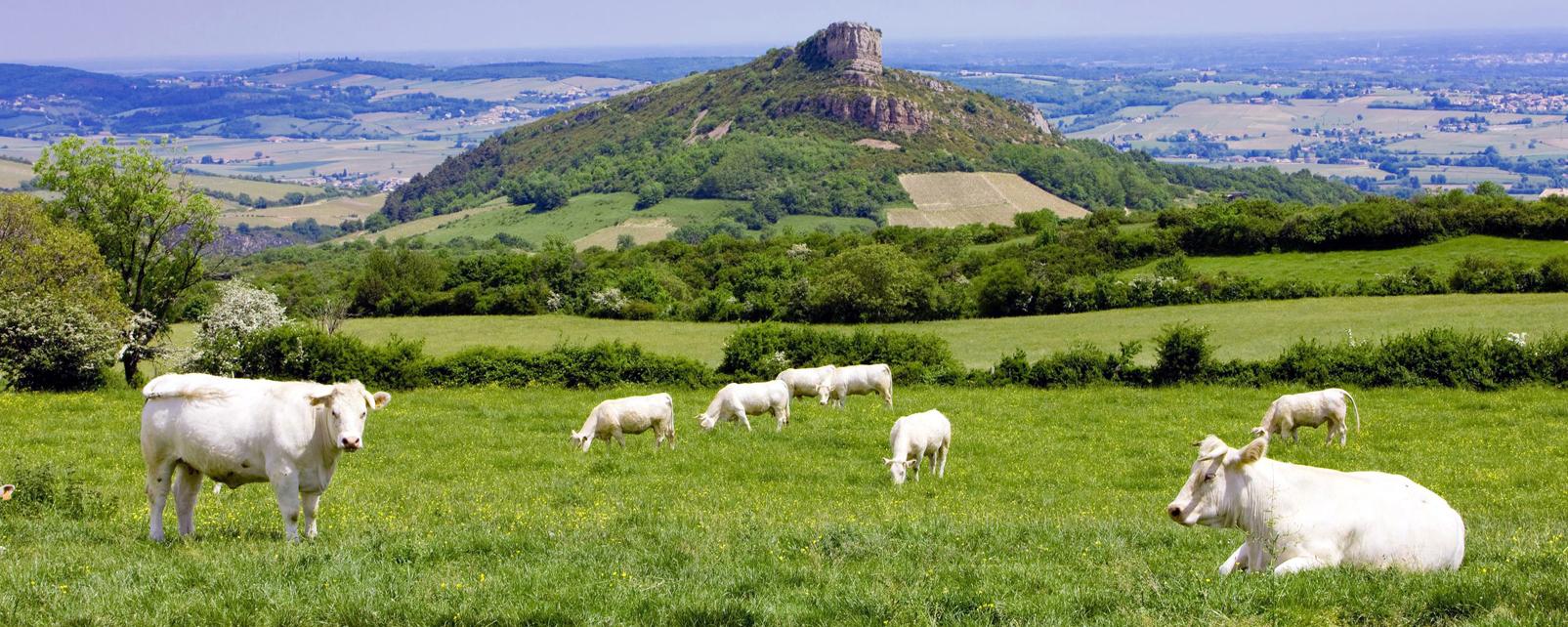
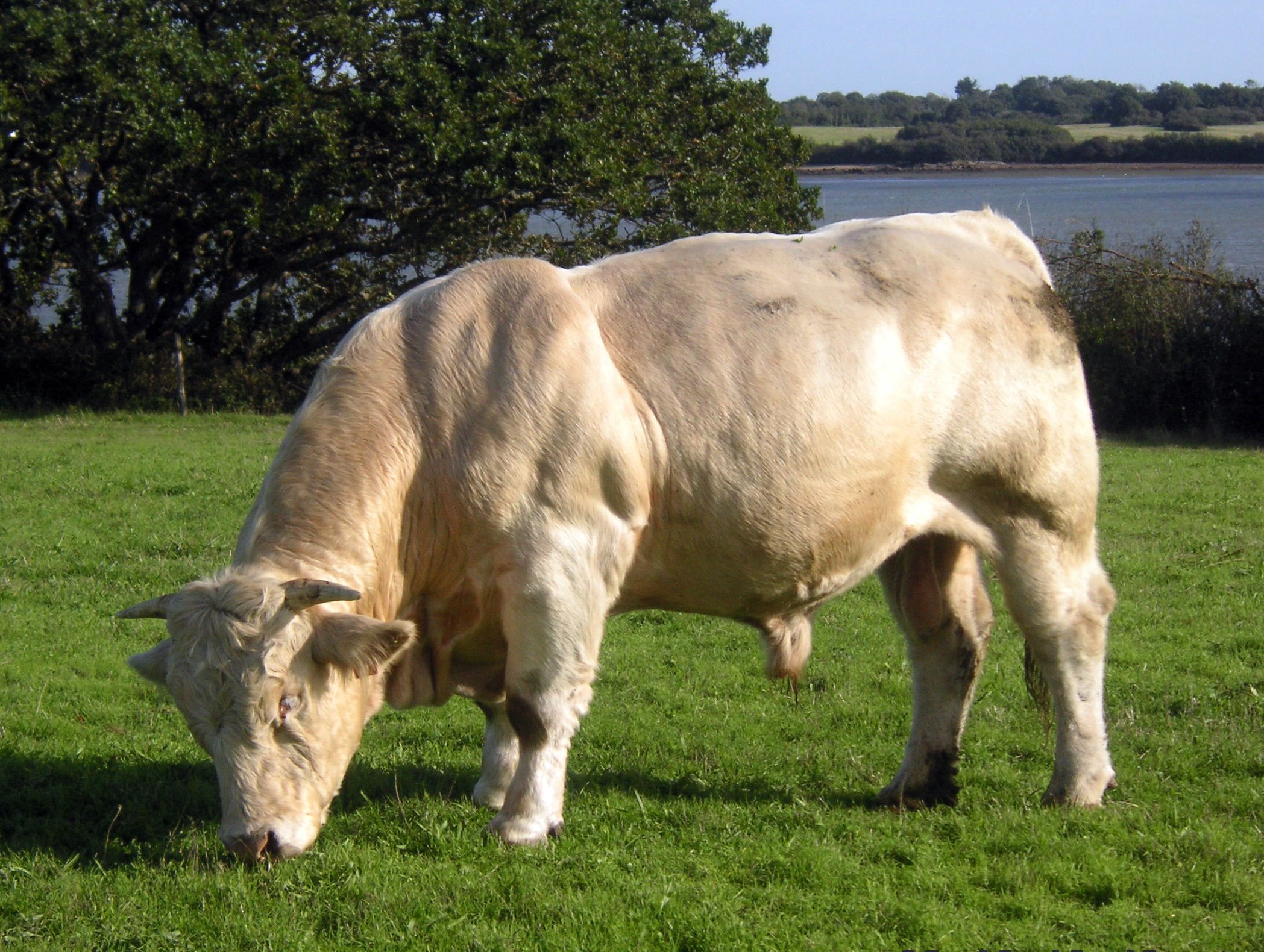
Boeuf Bourguignon, a delectable beef stew, celebrates its roots through homage to its prized Charolais cattle. Reputed for their distinct taste, low-fat content, and gentle temperament, the creamy-white Charolais bulls (see picture down here), found around the Charolles region of southern Burgundy, are used extensively in the making of boeuf bourguignon. The cattle are fed only hay, fodder, and cereal, which produce healthy cows. The meat is very tender and used for stewing and grilling.

Trends.

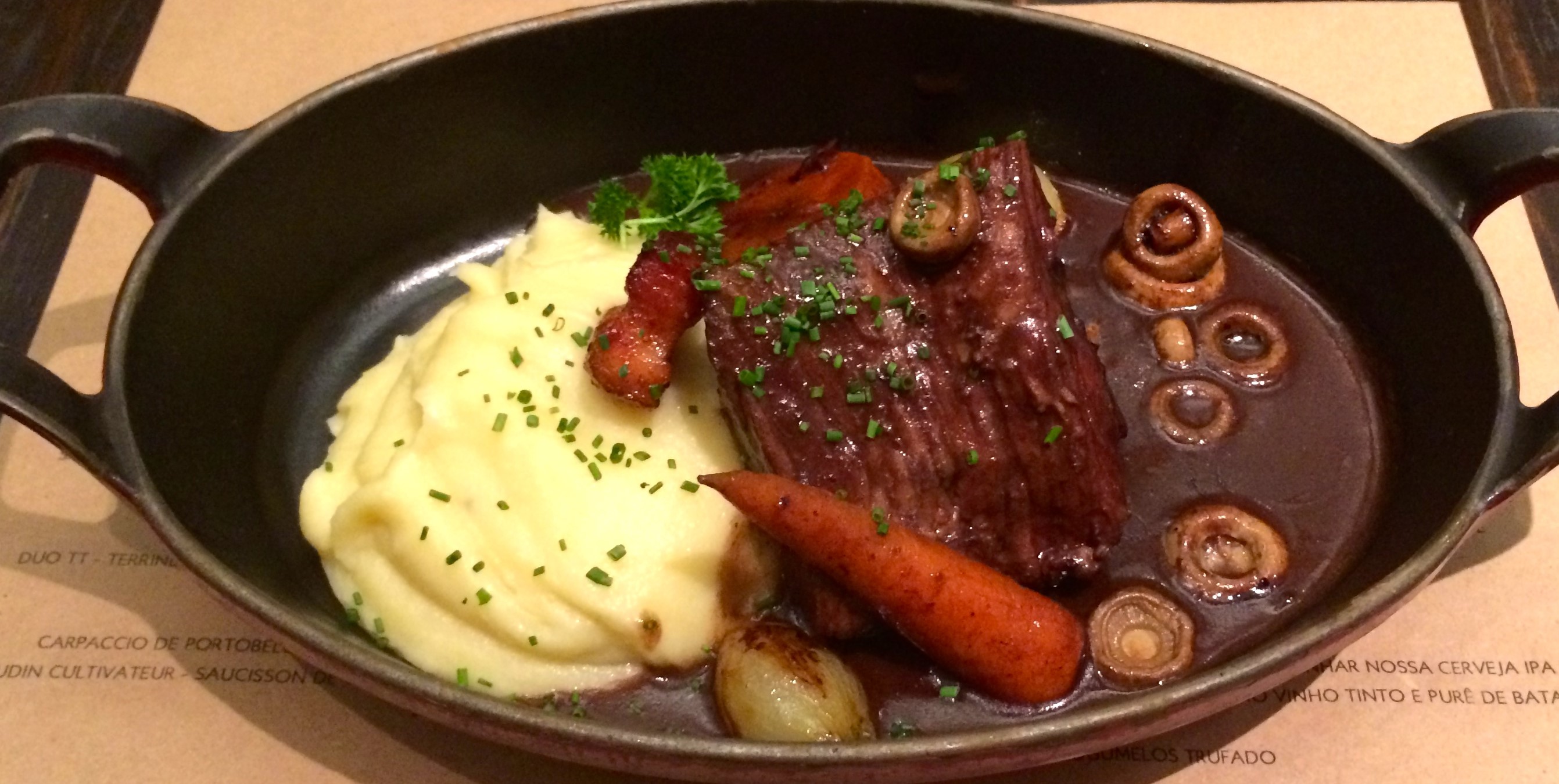
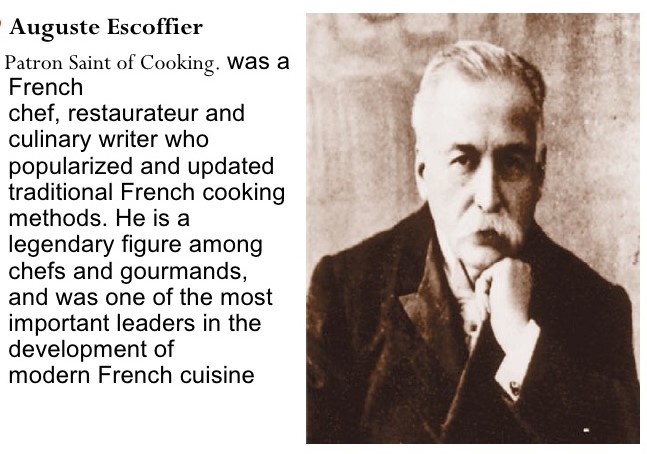
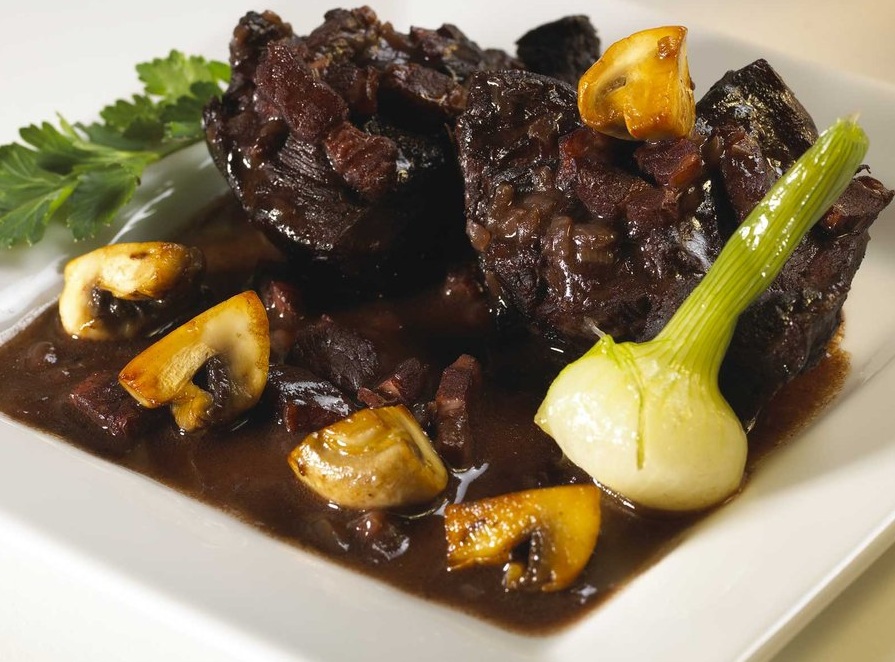
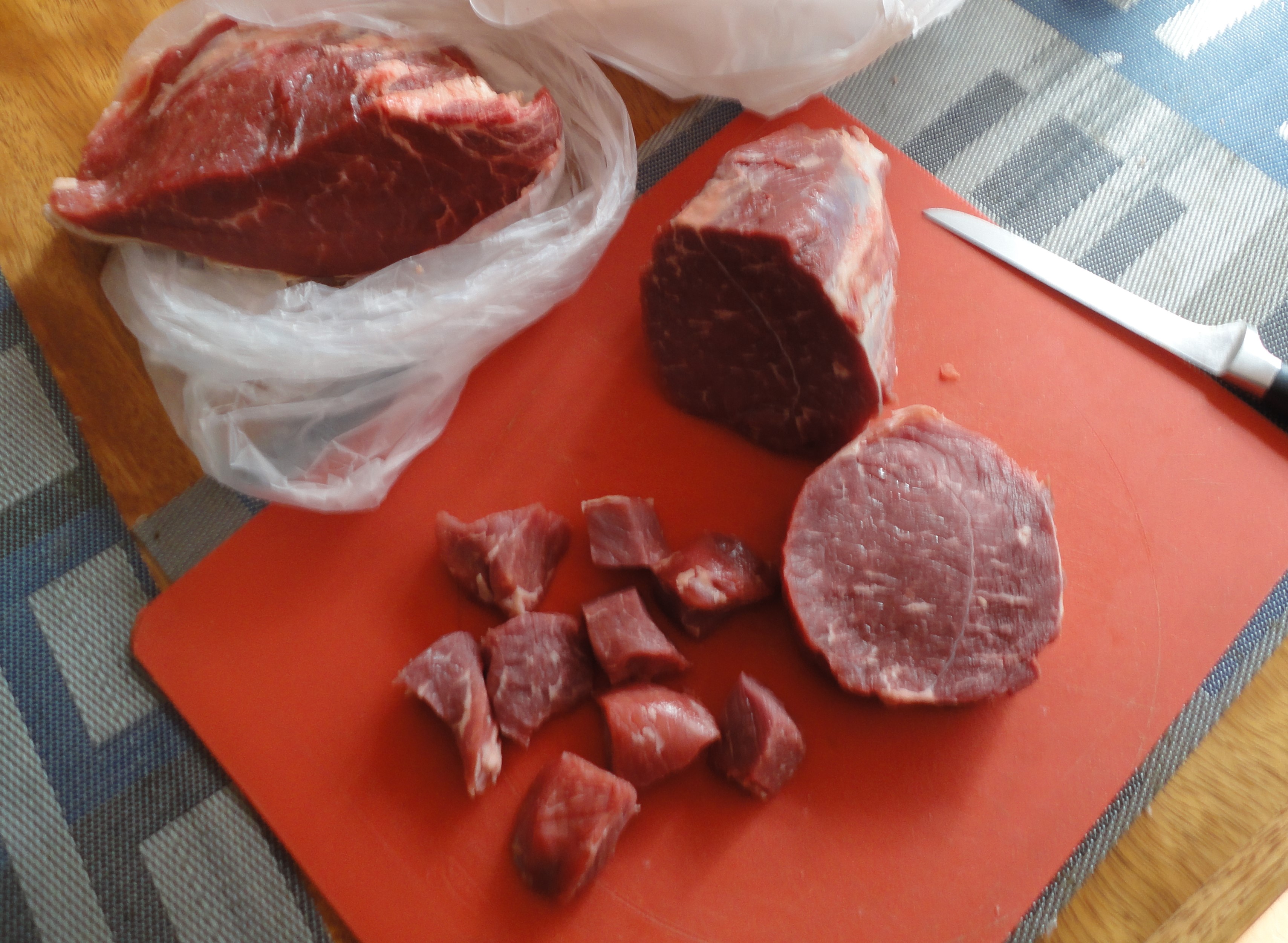
Today, Boeuf Bourguignon is famous throughout the world, thanks to prodigious French chef Auguste Escoffier, who first published the recipe in the early 20th century. Over time, the recipe evolved from honest peasant fare to haute cuisine, and Escoffier’s 1903 recipe became the standard-bearer, using a whole piece of beef in the stew (pic down here).

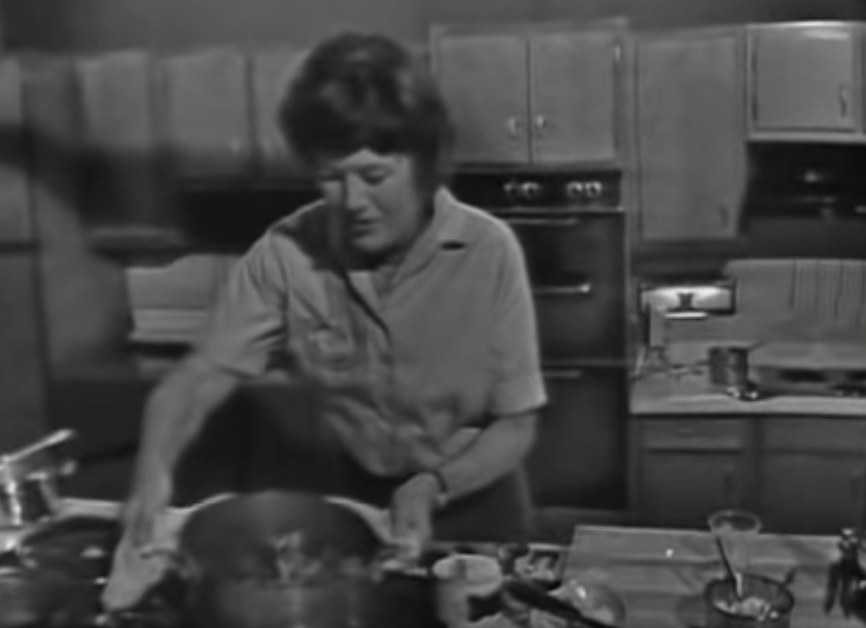
Later, the famous chef Julia Child made this recipe widespread when she made it her own. It is included in her famed cookbook, Mastering the Art of French Cooking. Child says of this meal, „there are more ways than one to arrive at a good boeuf bourguignon. Carefully done, and perfectly flavored, it is certainly one of the most delicious beef dishes concocted by man, and can well be the main course for a buffet dinner“ (read Mastering the Art of French Cooking). Boeuf bourguignon was also the subject of Child’s first episode of her cooking show, The French Chef. In her recipe, Child used beef cubes (see pic down here) unlike Escoffier who used a whole piece of beef (Julia Child – Boeuf Bourguignon). The show became so famous and popular that Child received many awards with this show.

Julia Child in her first series „The French Chef“ showing her Boeuf Bourguignon.
This looks much more appetizing than the black and white picture with Julia Child, but its the same dish!

Recipes.

This dish is prepared by braising the beef in a full-bodied, classic red (Burgundy) wine. It is then stewed with potatoes, carrots, onions, garlic, and well-seasoned (during the stewing process) with a Bouquet Garni, or a small satchel of thyme, parsley, and bay leaves. Traditional preparation of this dish is two days, to continually tenderize the meat and to intensify the flavors of the stew.

                          
Best beef in France, the Charolais.  Charolais is a French breed of taurine beef cattle. It originates in and is named for, the Charolais area surrounding Charolles. Click on pics to enjoy!

In late August, celebrations in Bourgogne laud the prized Charolais beef. There is the „Fete du Charolais“ (see pic above), a festival that takes place in the Burgundy town of Saulieu. Musicians, meat lovers and farmers alike gather in the streets, inviting anyone to enjoy an unforgettable gastronomic experience having traditional “Boeuf Bourguignon”.

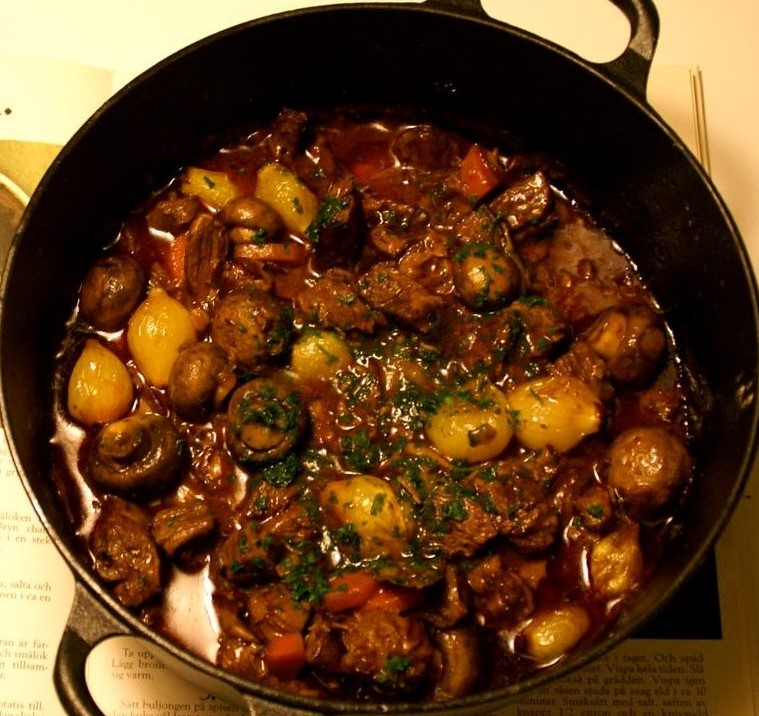
This mouthwatering „Charolais Boeuf Bourguignon“, we could enjoy at the restaurant Frederic Doucet in Charolle, France. It’s located in the old Post Office Hotel in Charolle, in case you visit the area once.

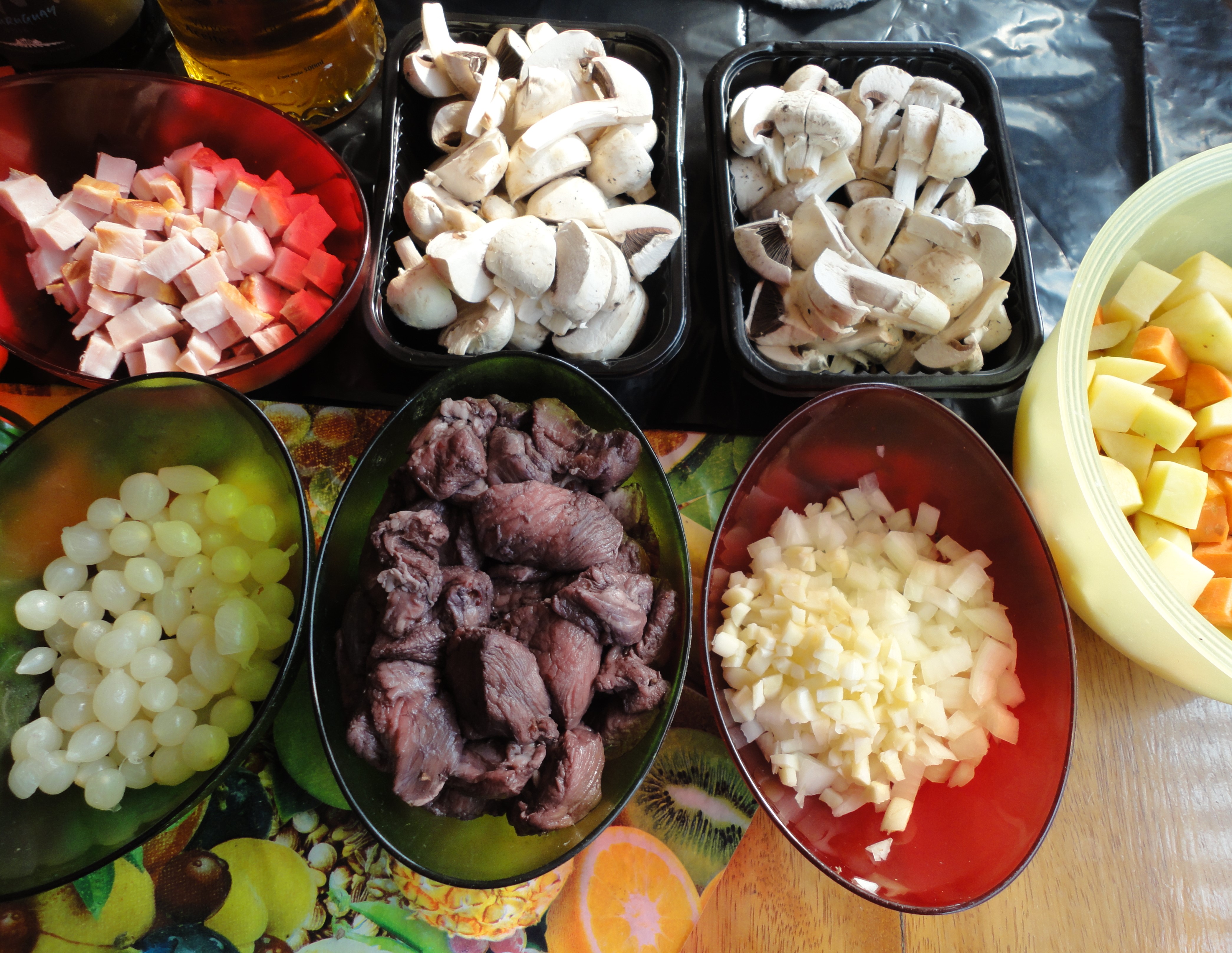
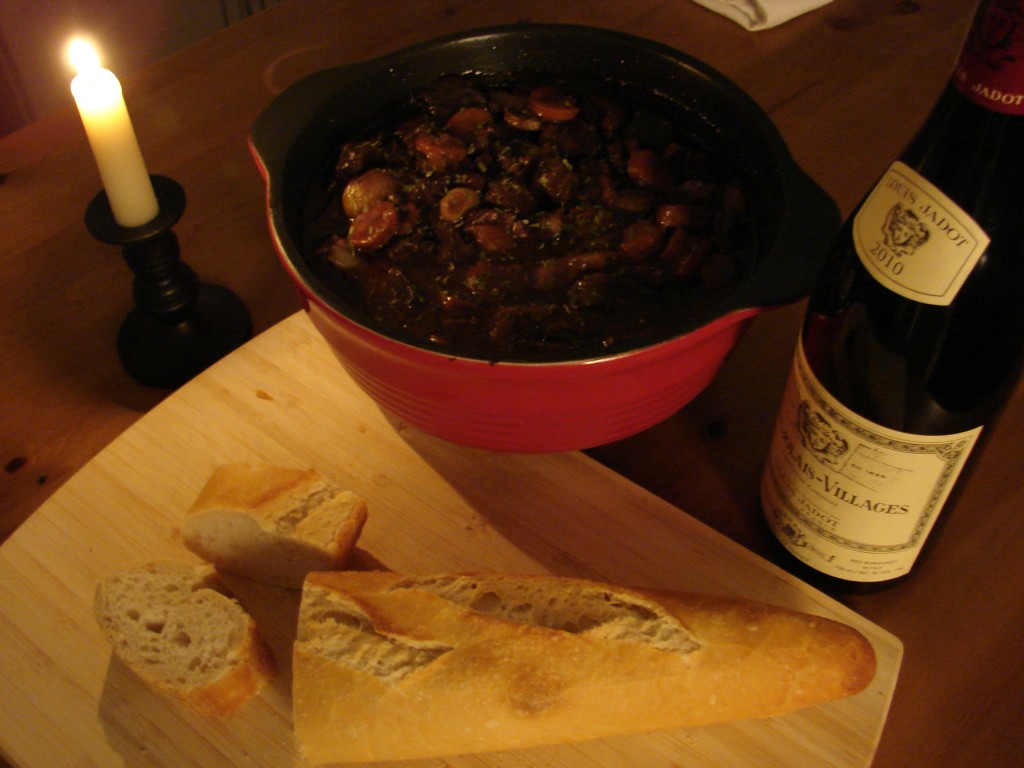
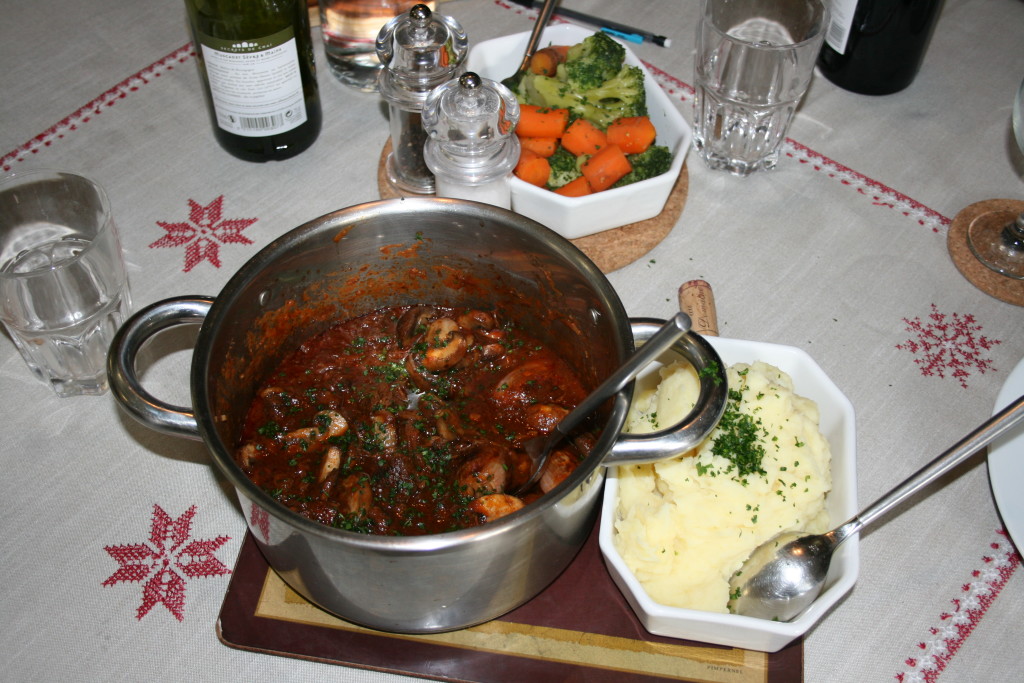
Here my friends are my version of boeuf bourguignon, as I made it often together with my good friend Mathis, now living down in Burgundy, this wonderful part of the world.

Ingredients.

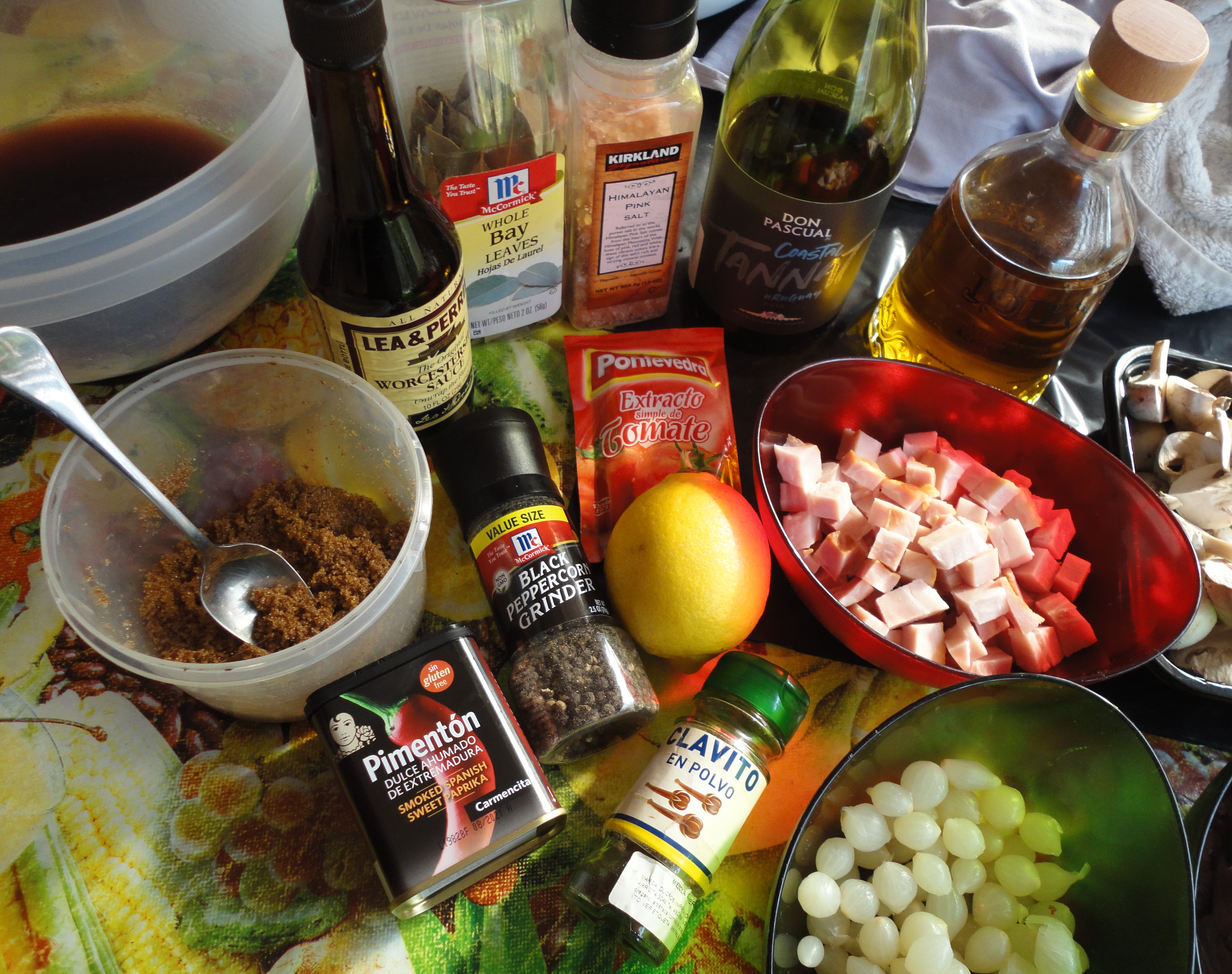
3 pounds (1.36 kg) boneless beef meat (sirloin beef, rump roast, chuck roast etc.),
6 to 8 black peppercorns
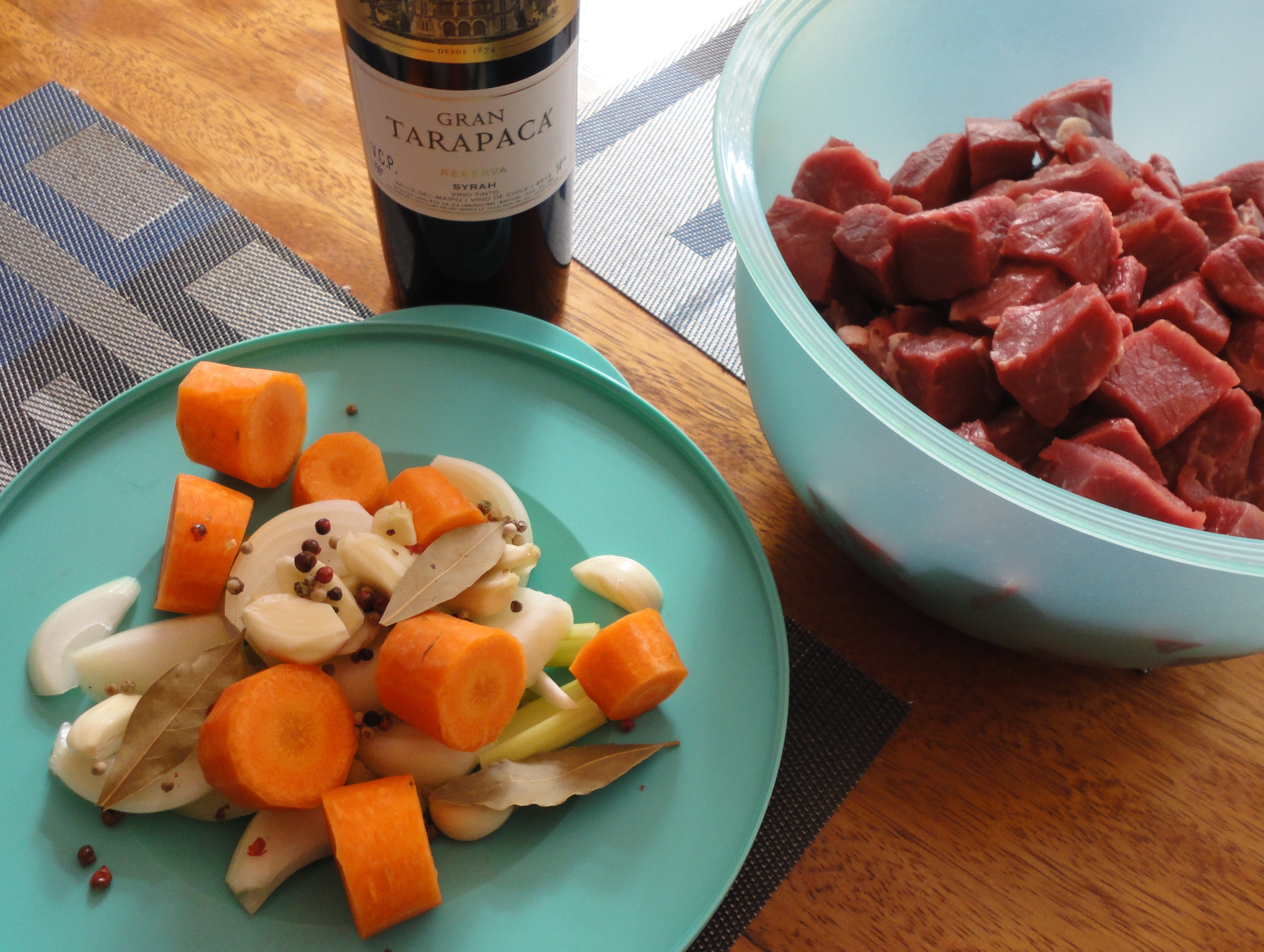
1 bottle (750 ml) strong dry red wine (I use Pinot Noir or Tannat in Uruguay)
5 slices thick bacon, cut into small pieces
2 tablespoons olive oil or vegetable oil
2 garlic cloves, minced
1 medium onion, sliced
1 bouquet Garni


1 tablespoon freshly-squeezed lemon juice
1 teaspoon Worcestershire sauce
1 tablespoon tomato paste
1-2 tablespoons of flour
2 dried bay leaves
Coarse salt and freshly ground pepper to taste
1 teaspoon granulated sugar
1/4 teaspoon ground allspice or ground cloves
1 teaspoon paprika powder (I use smoked, savory one)
2 to 3 cups (0.7 l) good-quality beef stock/broth (use the amount as needed)
4 medium-sized carrots, peeled and sliced into small cubes
1 pound (0.45 kg) small white pearl onions
4 medium-sized potatoes, small cubed
1 pound (0.45 kg) button mushrooms, small size
Parsley for garnish


No problem if you use your own recipe and cookbook, just enjoy this fantastic dish.

How to do.

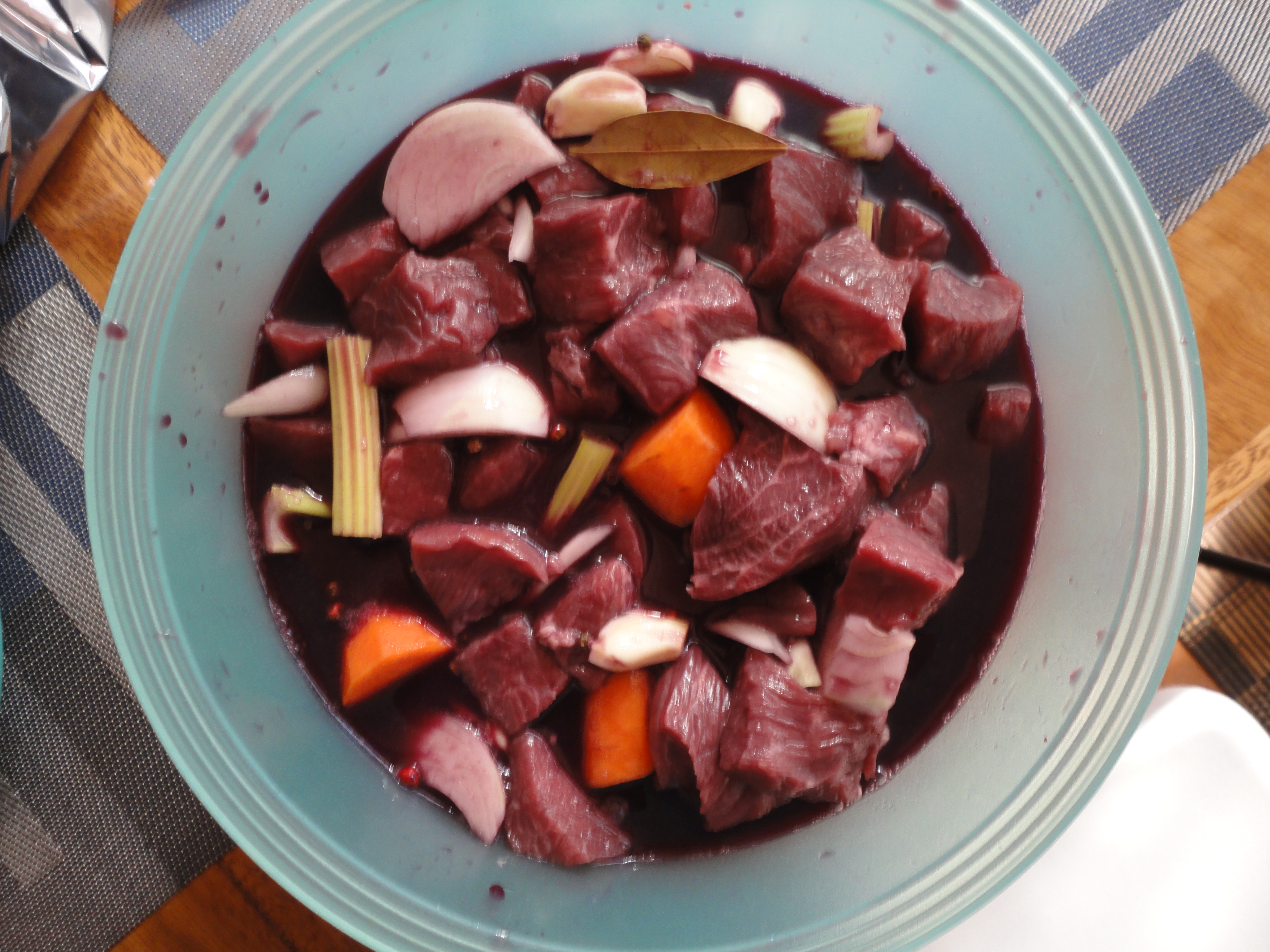
In a large bowl, add the beef cubes and peppercorns; pour in the bottle of wine to cover. Cover the bowl with plastic wrap and refrigerate for 24 hours.
After 24 hours, remove the beef from the refrigerator and pour off the wine marinade; reserving the marinade. Pat the beef dry with paper towels. Make sure that you dry the meat thoroughly on paper towels before browning, as damp meat will not brown.

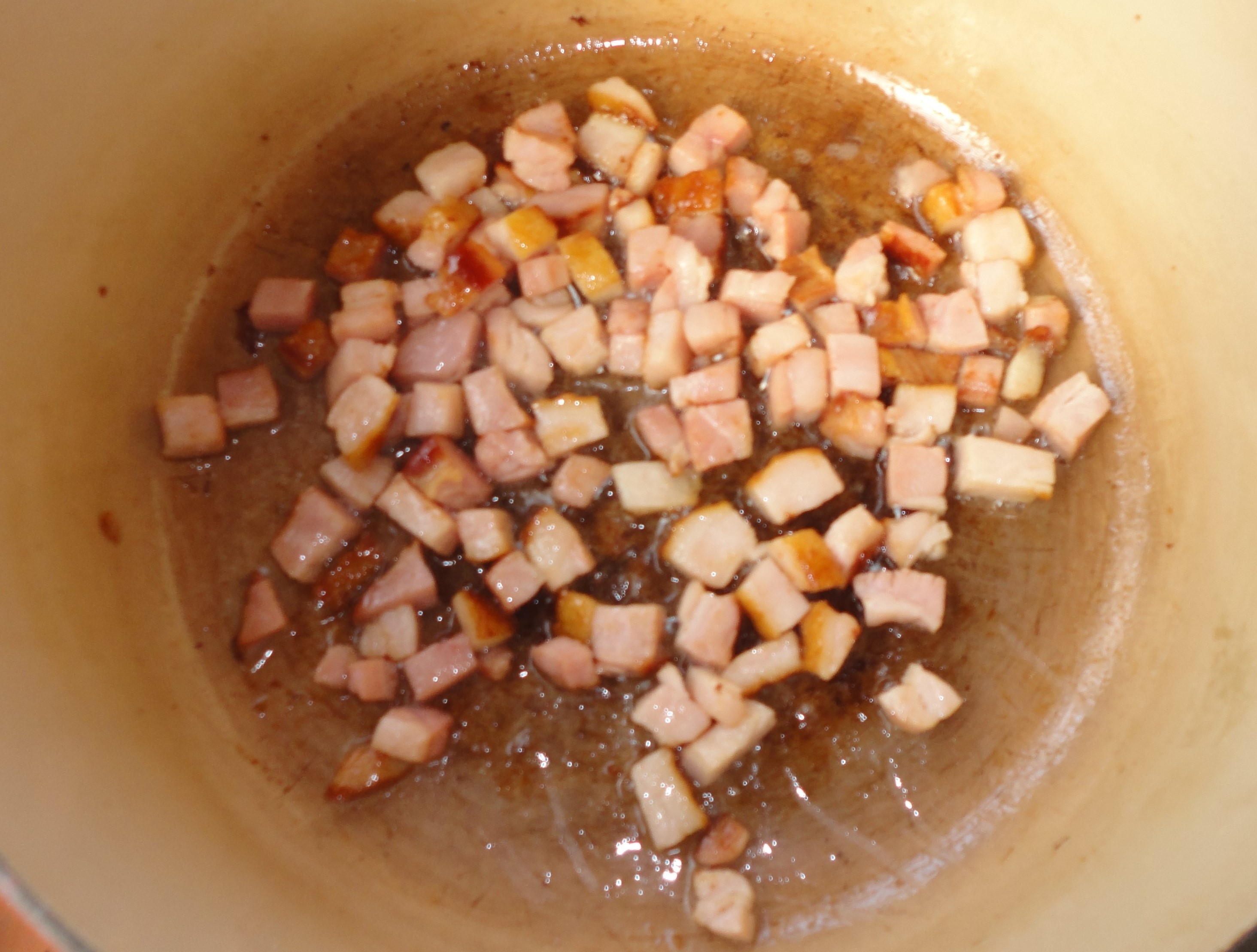
In a large soup pot or cast-iron Dutch oven over medium-high heat, cook bacon until browned; remove bacon to a dish and set aside.


Add olive or vegetable oil to bacon fat and heat until hot; add marinated beef cubes and sauté until brown; remove beef pieces to a plate. Don’t try to rush when you’re browning meat for a stew. It’s a very important step that will take at least 10 to 15 minutes. Don’t crowd the pan with meat (saute a small amount of the beef at a time and leave space around each piece of beef to ensure that it will brown and does not steam).

Add garlic and onion; sauté until soft. Stir in the reserved red wine marinade, lemon juice, Worcestershire sauce, tomato paste, bay leaves, salt, pepper, sugar, allspice or cloves, and paprika. Add bacon and browned beef cubes (and any accumulated juices). Add enough hot beef broth/stock to just cover the meat.


Reduce heat to low, cover, and simmer 2 to 3 hours, stirring occasionally, until the beef is tender (the beef is done when a fork can pierce it easily). Always cook stews at low temperatures; the surface of the liquid should barely move. When you simmer very gently, the fat melts out of rich meats and mingles with the liquid. The dish can then be chilled, and the fat easily skimmed off. You can also place your pot with the stew in the oven to cook. Cook at 150 degrees C (325 degrees F).


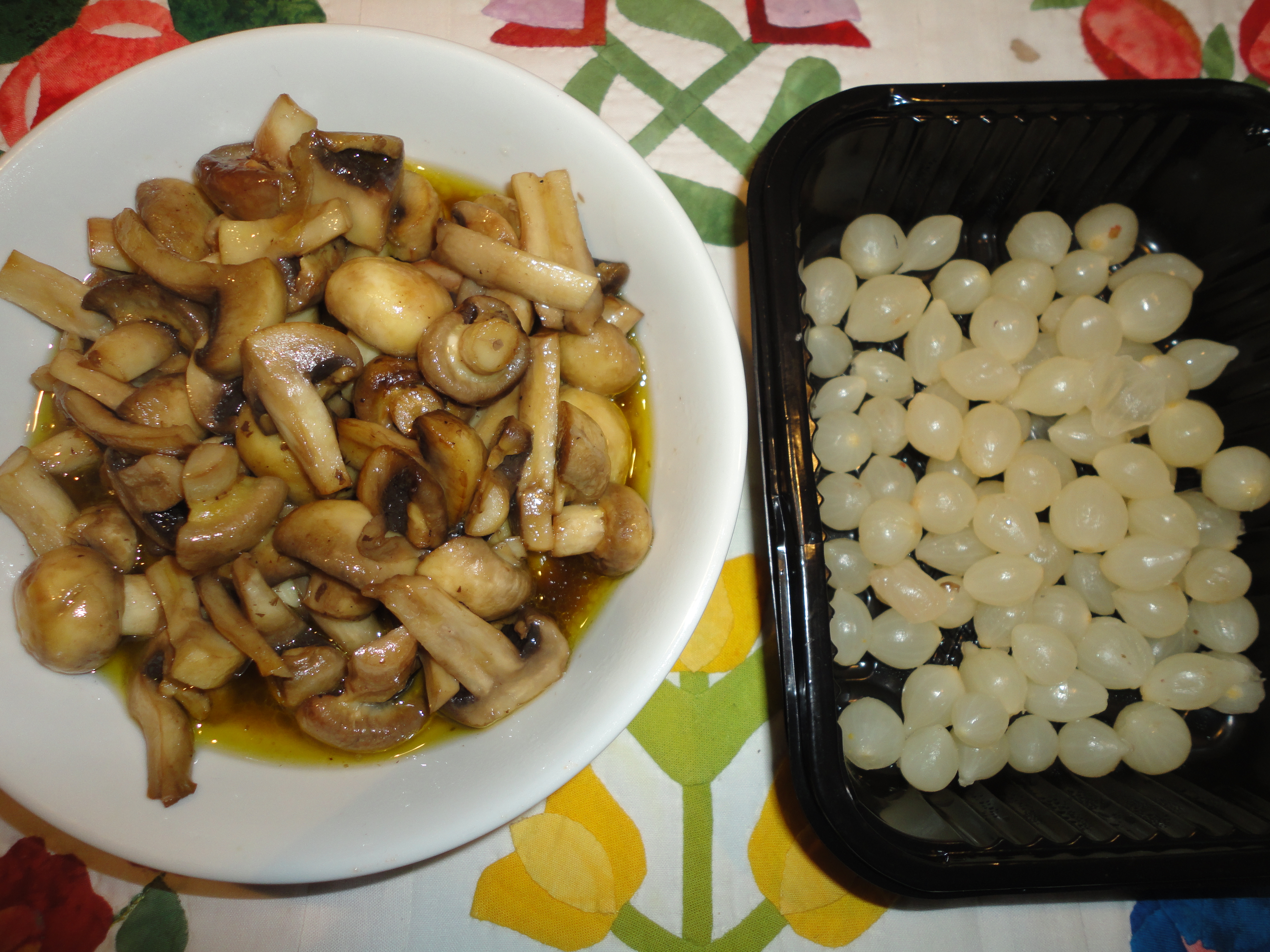
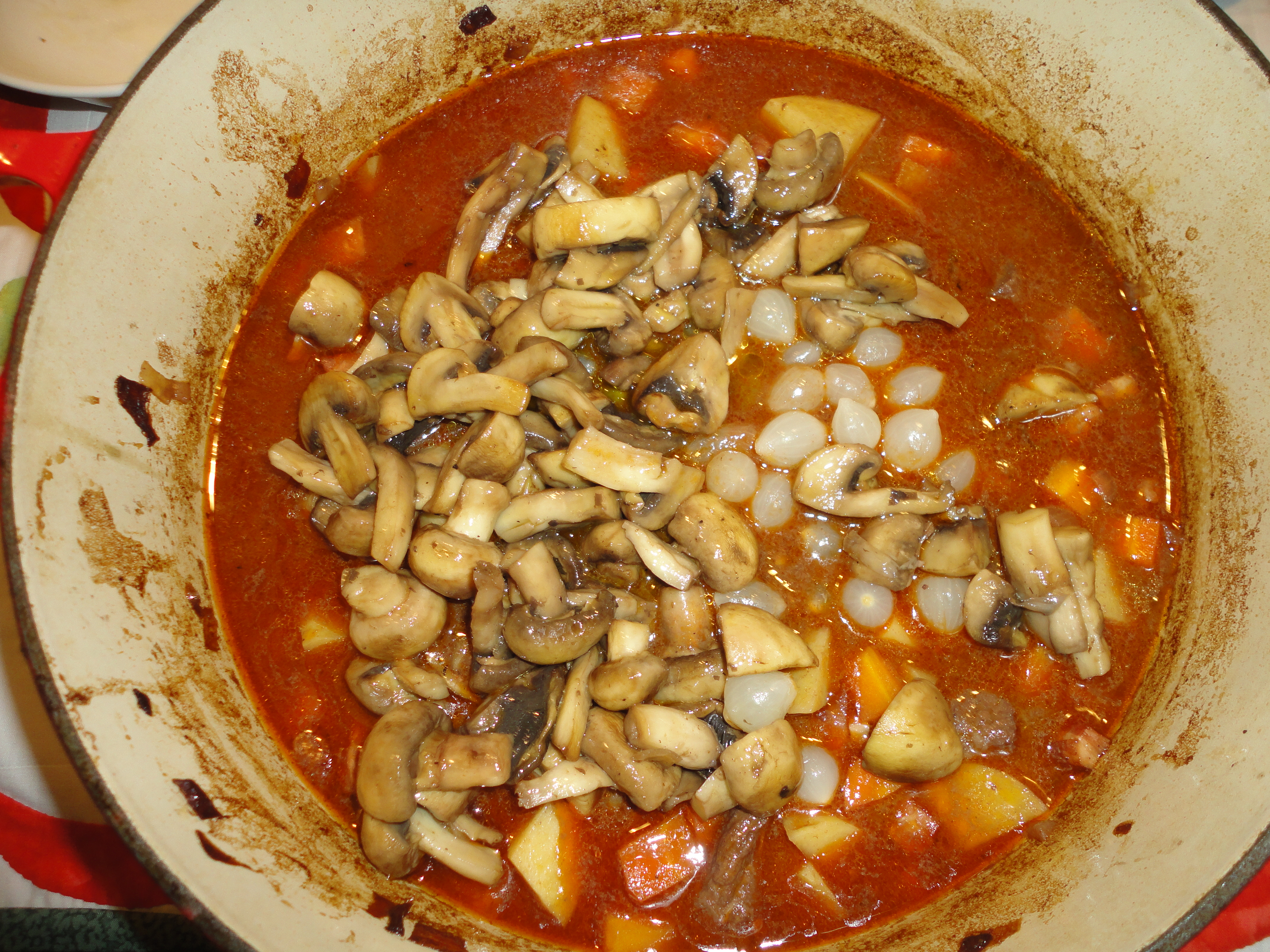
After 2 hours of cooking time, remove bay leaves and discard; add carrots, onions, potatoes, and mushrooms. Simmer another 30 minutes or until meat and vegetables are tender. When the vegetables are cooked, remove from heat and transfer into individual serving bowls. One portion to indulge right now, further 3 portions (for 2) to freeze.

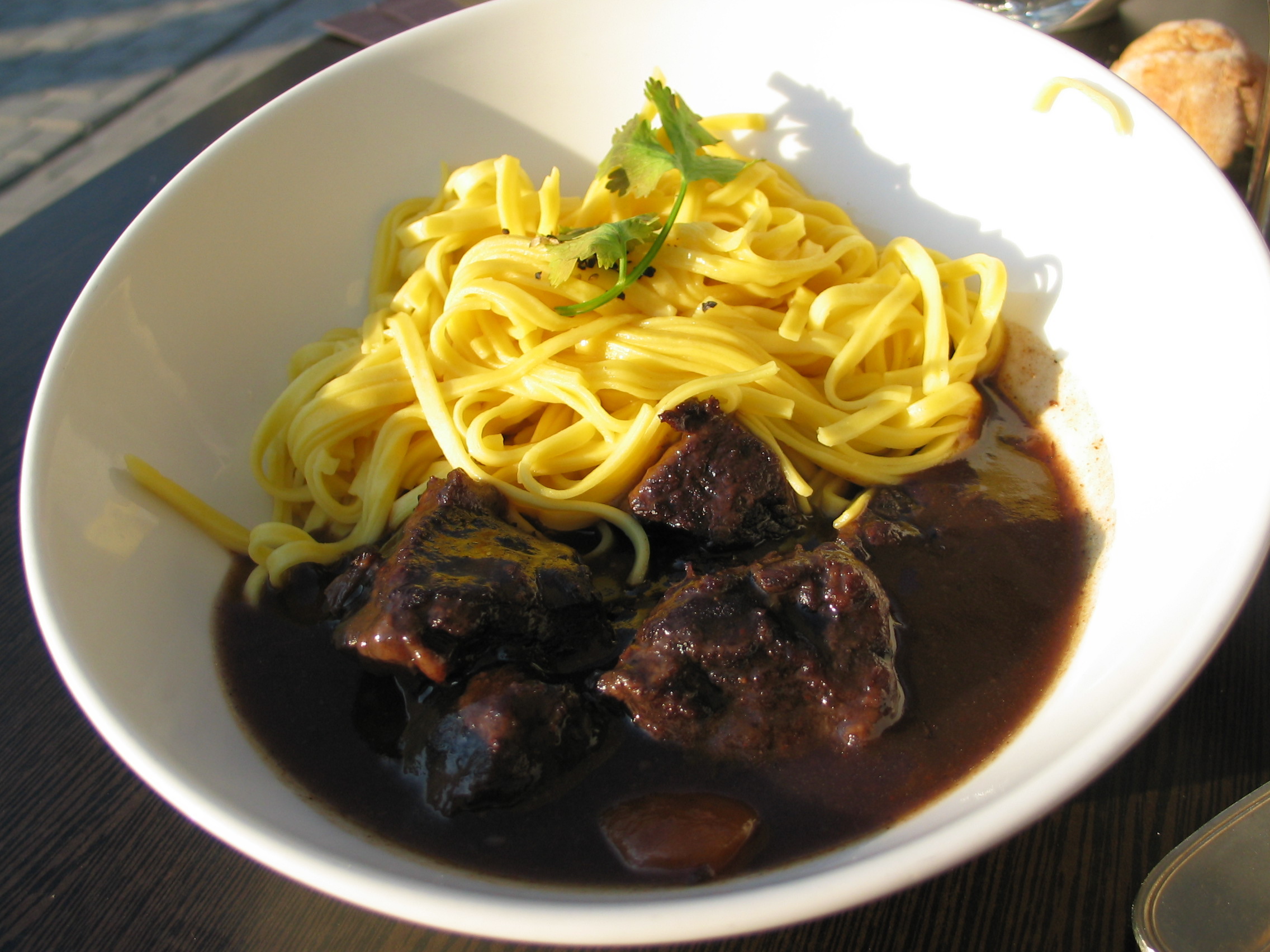
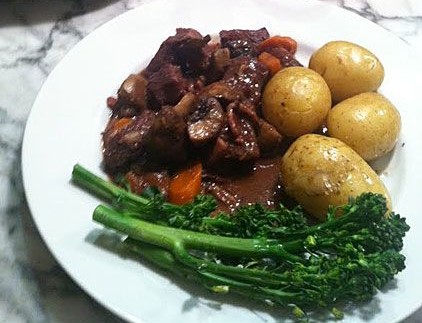
For immediate serving: Serve in a large casserole or individual serving bowls with potatoes or egg noodles and garnished with parsley. It’s a rustic dish, don’t hesitate to serve rustic.

Tips.

For later serving: Boeuf Bourguignon benefits from being made ahead of time as the flavors mellow together. When the beef stew is cool, cover and refrigerate within 2 hours. Approximately 30 minutes before ready to serve, bring to a simmer over low heat, cover, and simmer very slowly for approximately 15 minutes, stirring occasionally.

Serve with lots of crusty bread. Another way to serve the stew, rub slices of thick bread on one side with garlic. For each serving, spoon the stew over a slice of bread and sprinkle with parsley. Aside, one can have mash, rice, potatoes, pasta, or whatever you like.


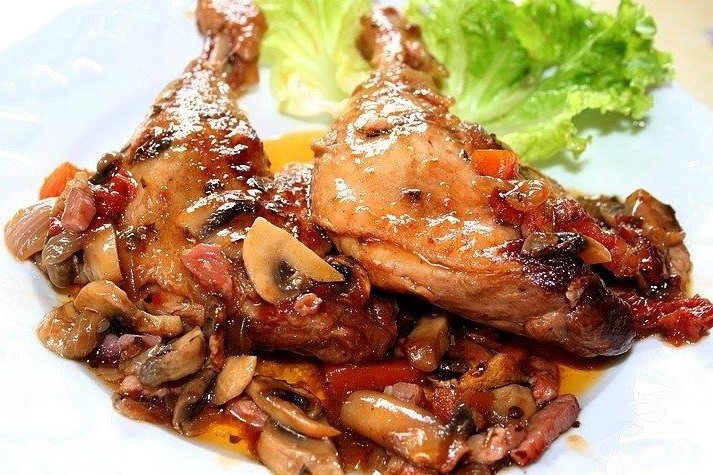
           And – it is even cooked with chicken – „Chicken à la Bourguignonne“. Above picture bottom right.

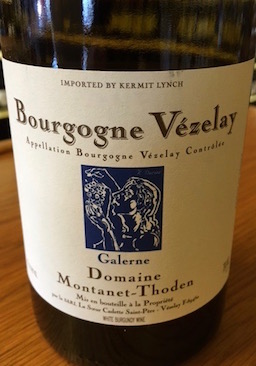
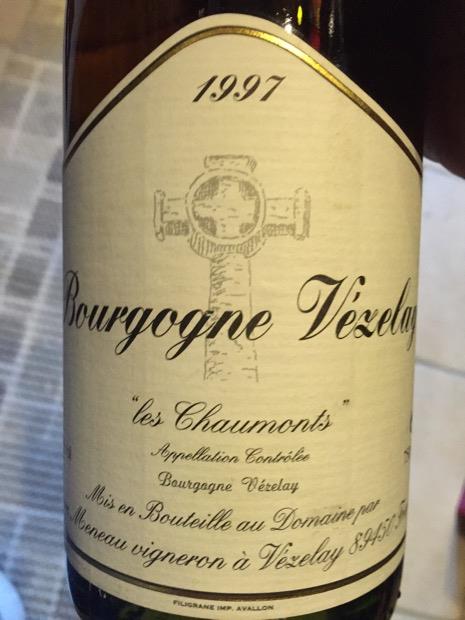
In case you like to cook this recipe with chicken, I suggest using a strong white Burgundy wine, like the „Bourgogne Vezelay Galerne“ or the fantastic „Premier Cru Les Millieres“.


Dijon.

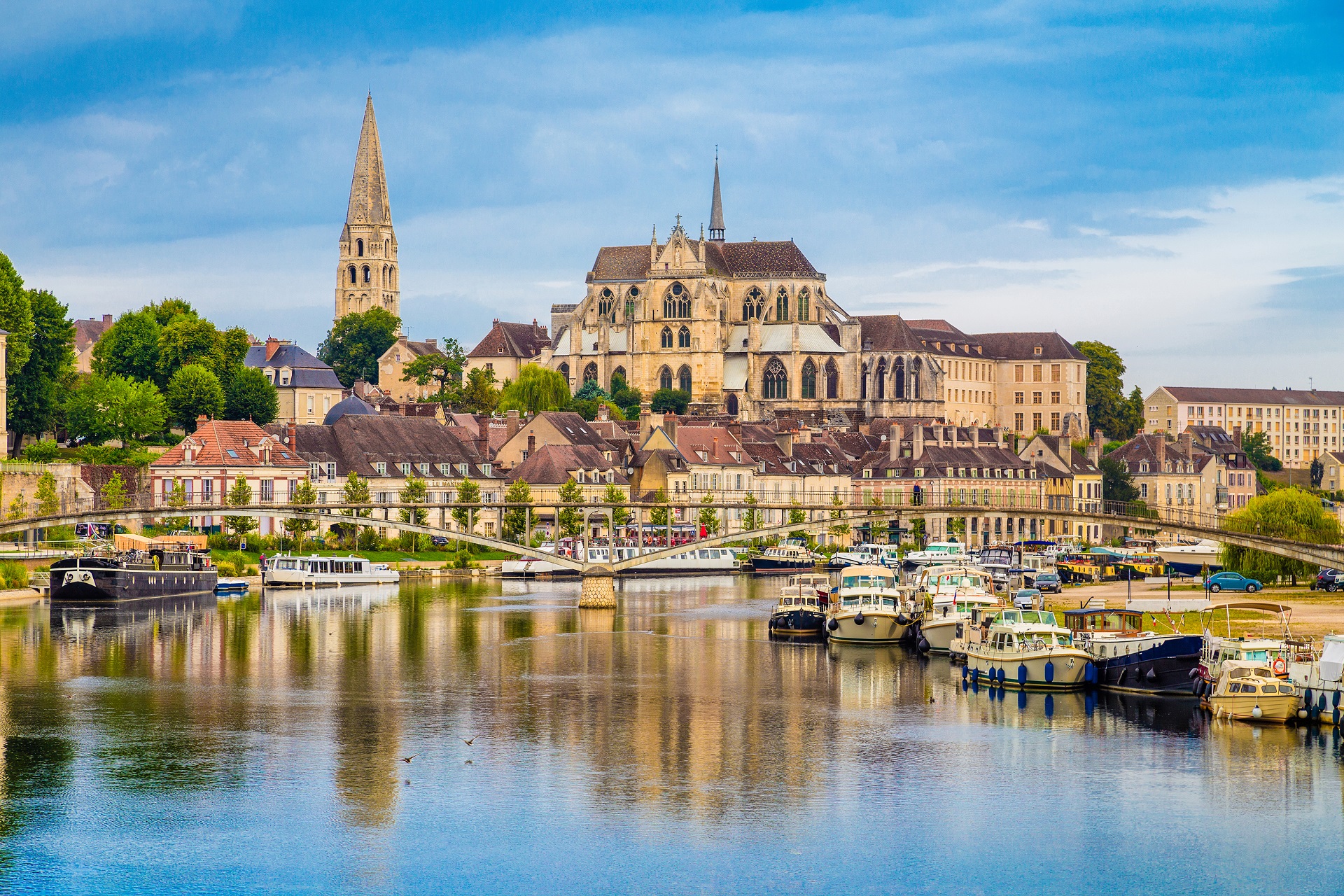
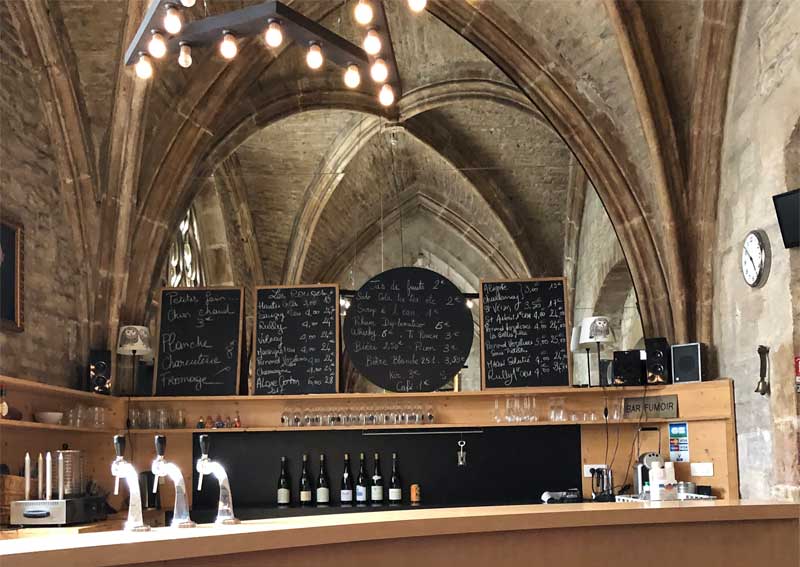
Not only known for the world-famous mustard. When we lived in Freiburg Germany, we used to drive numerous times into Burgundy, it was not even 300km one way. Sometimes up and down in one day, mostly over the weekend, often to Dijon and around. For sheer wow factor the bar of the „Theatre Dijon Bourgogne“ takes some beating. It’s in the former 15th-century church of Saint-Jean, it’s now a theatre (city above, church bar below).

For a lunchtime bevy, there are lots of bars around the Les Halles covered market. And, there’s also a great bar inside. Plus you can buy the most amazing food here. Don’t miss a visit to Le Gourmet-Traiteur stall where you can get the most divine tarts and other scrumptious products. See the Dijon market halls below.

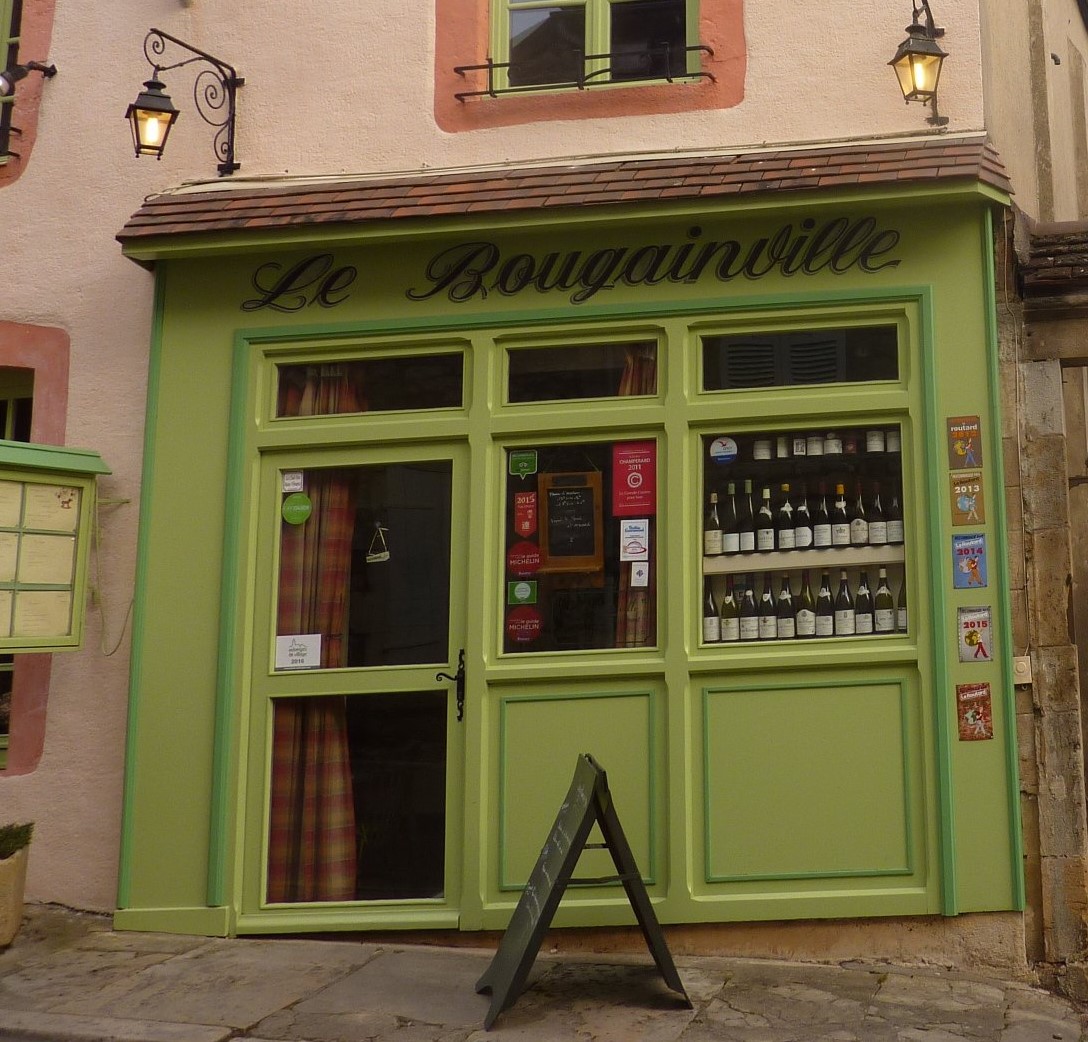
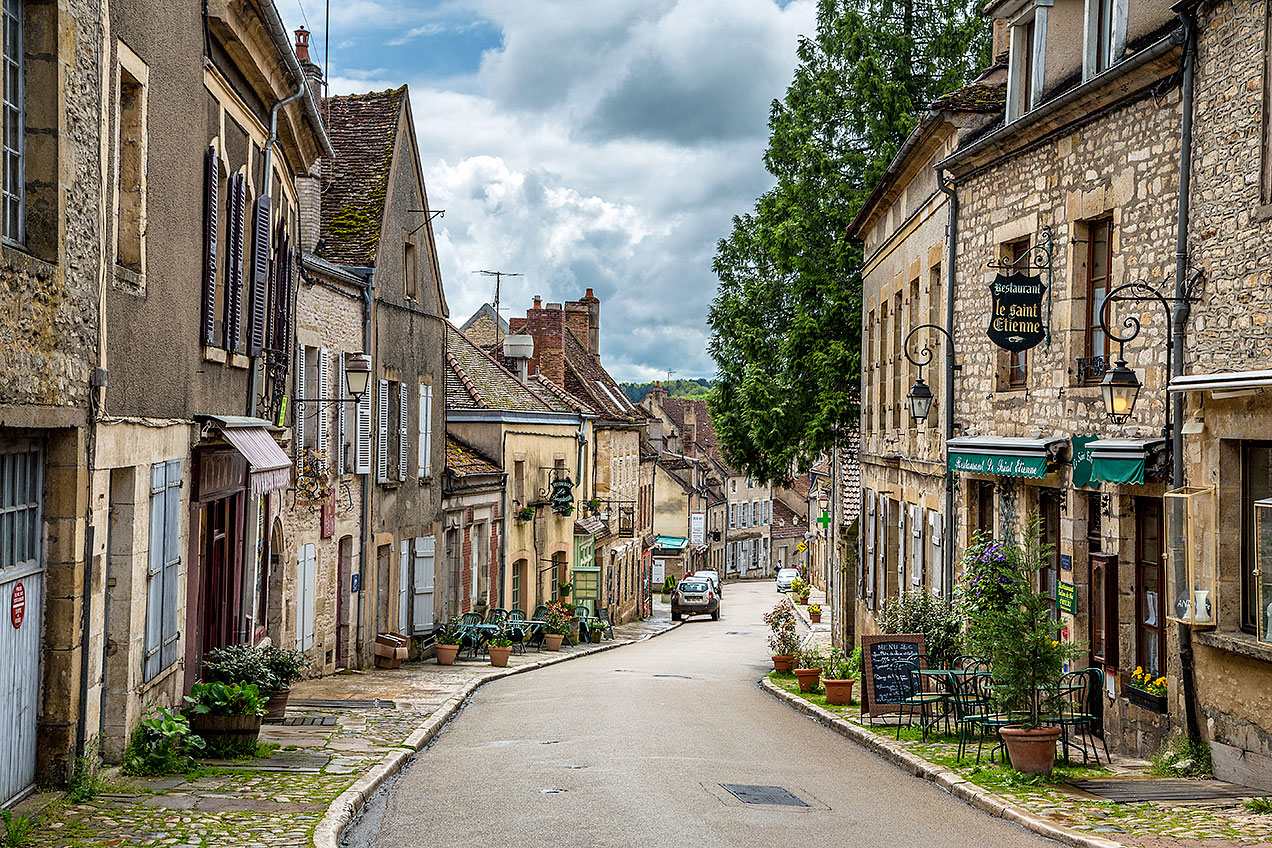
My secret Tip to Burgundy restaurants is „Le Bougainville“ in  Vezelay.

Without a doubt the best restaurant in Vezelay: I’ve eaten here several times. Local ingredients and familiar Burgundian fare, but cooked with great flair and attention to detail. My favorite starter, Tarte a l’Epoisses, just excellent. The boeuf bourguignon had been simmering for hours – it melted on the tongue. There’s also a fabulous cheese board with dozens (yes, dozens!) of local cheeses. Friendly service and very reasonable prices.

My very happy recommendation: Le Bougainville, ‪26 Rue St Etienne, Vezelay.
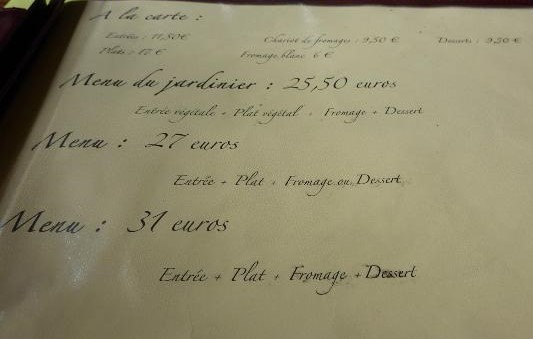
Prices: Euro25,– per person, including good local wine. Add another Euro10,– if you want to go overboard. This restaurant and food are worth every cent. The smiling owner serves rich French and Burgundian specialties such as Charolais beef and tripe sausages. If you’re growing weary of heavy regional dishes, fear not – Le Bougainville is also noted for its Menu du Jardinier, which features vegetarian options – a rarity in Burgundy! Whole menus for under 30 Euros!! See down here.


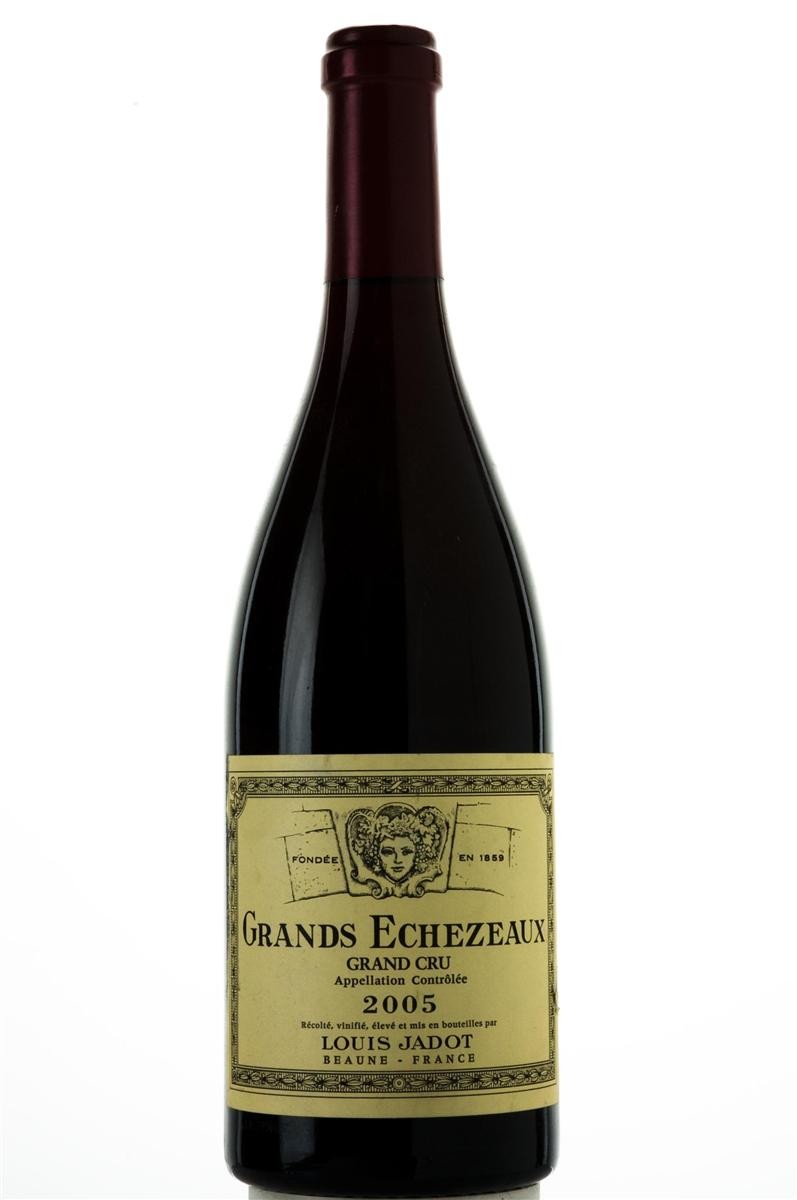
This is what I call a terrific and extraordinary Boeuf Bourguignon serving. A special cooked dish for 2 in „Le Saint Etienne“, Vezelay ( see below). Including a whole bottle of Grand Echezeaux, we paid less Euro100,–.
Just in case you are not such a foodie as I am, then discover the township of Vezelay, its worthwhile!
               Left: Sadly I had no more my own picture of the wine bottle, so I used this one from the internet, with a younger date of course. Still from old times in my collection was the Bourgogne Vezelay wine picture. These drops are the ones we loved to sip and cook with.

GRANDS ECHEZEAUX JADOT.

With a deep color, Louis Jadot produces a powerful wine with intense red fruits and spices aromas. It is a structured wine with a very nice balance. It will perfectly match with sophisticated dishes like red meat „in the sauce“ (boeuf bourguignon), marinated game or quite strong cheeses. Wish I could have wines like this here in Uruguay. We have some in this quality, but they are 5-6 times as expensive as the French ones.

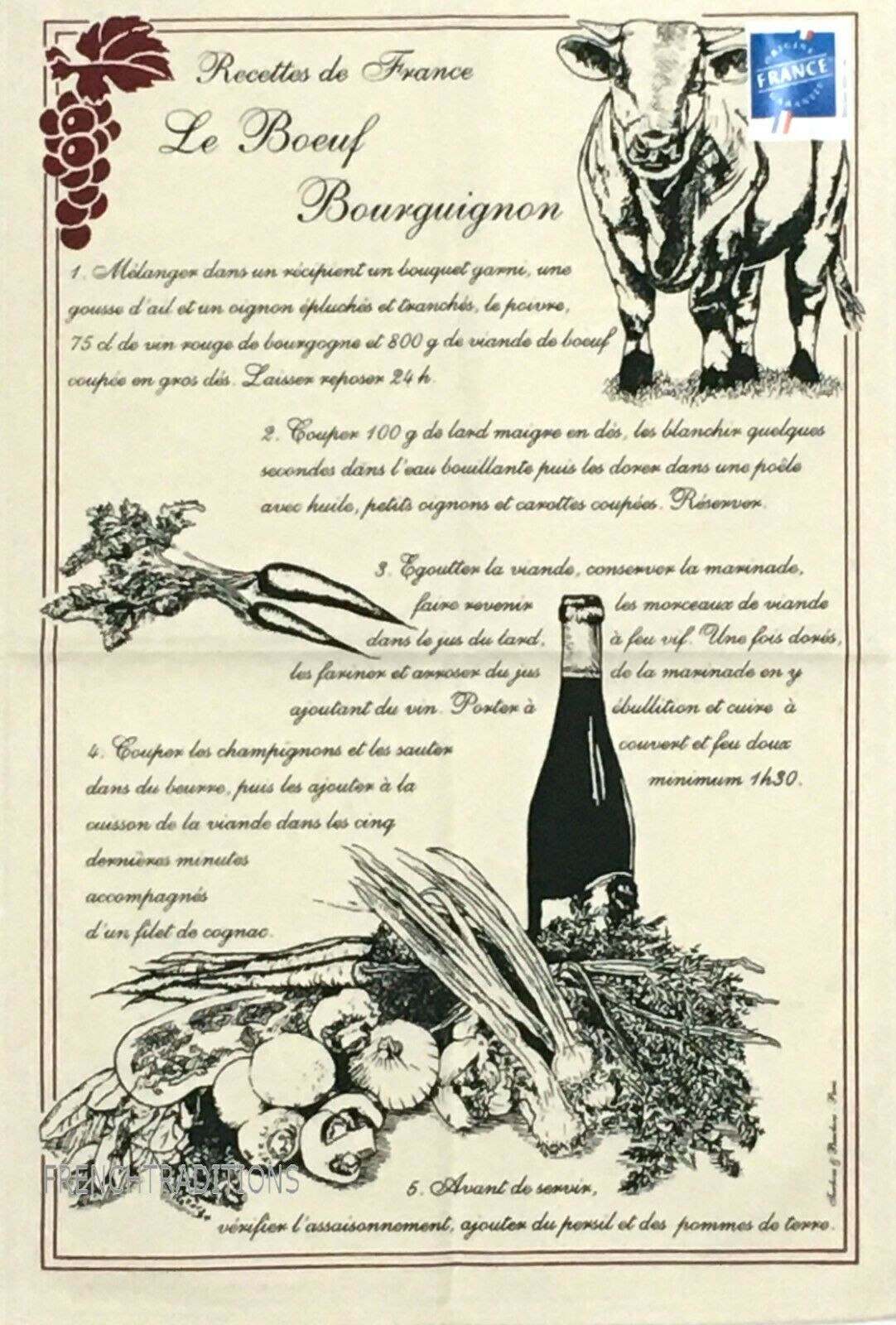
Above, a kitchen towel we bought as a souvenir in Vezelay – Beau Boeuf Bourguignon.

Veröffentlicht unter History, Lifestyle, Recipes, Travel | Verschlagwortet mit , , , | 4 Kommentare

Explore Germany

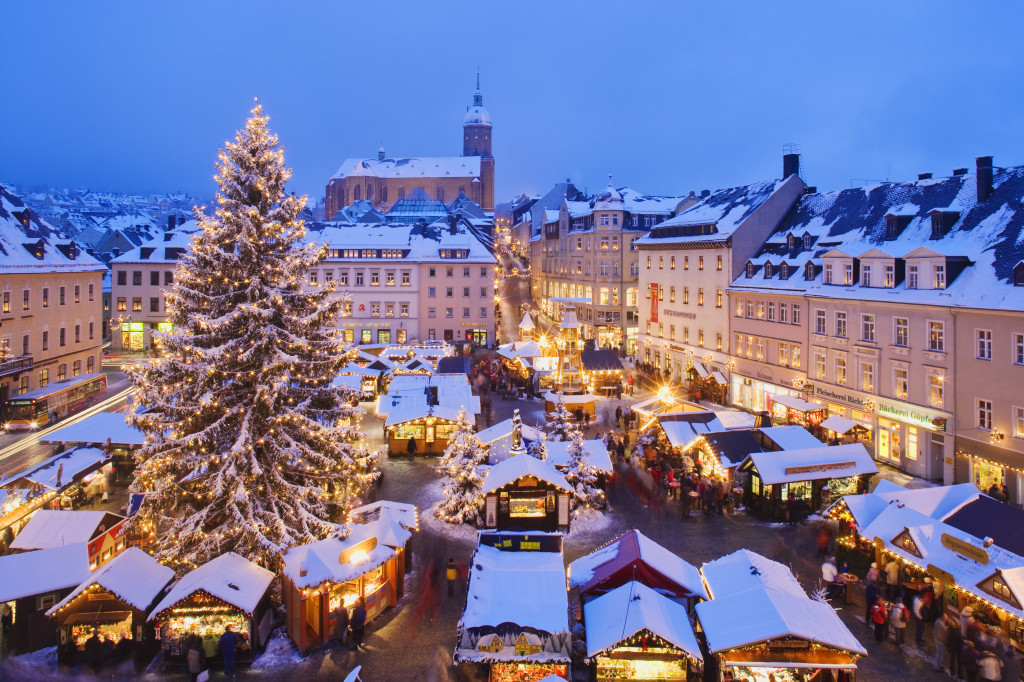
My last article „Wild Germany“, about the 16 German National Parks, brought a number of comments, but also an idea. Wilma wrote: „Je vindt er eigenlijk heel veel wat sommige mensen in andere landen zoeken“. It means: „In Germany you actually find a lot of, what some people looking for in other countries“. She is right – and that gave me the idea to compare some international sights with Germany. Take a look how beautiful Germany can be, even in wintertime, as you can see above:

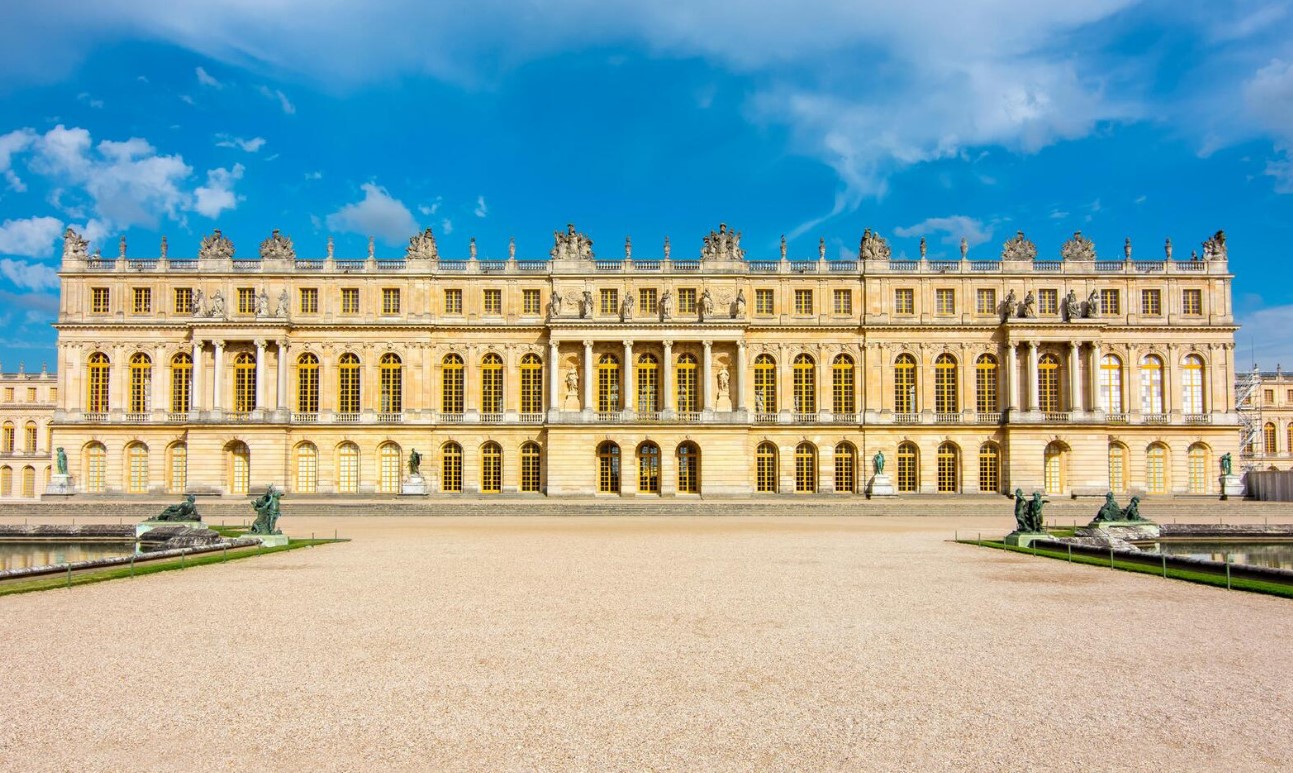
Next to Paris is the castle of Versailles – one of the biggest palaces in Europe. There, magnificent chambers, but also a wonderful exterior view and wide park lands await the visitors. A speaking of visitors: Of course there are masses of them here. If you want a little quieter, you’ll find it in Bavaria.

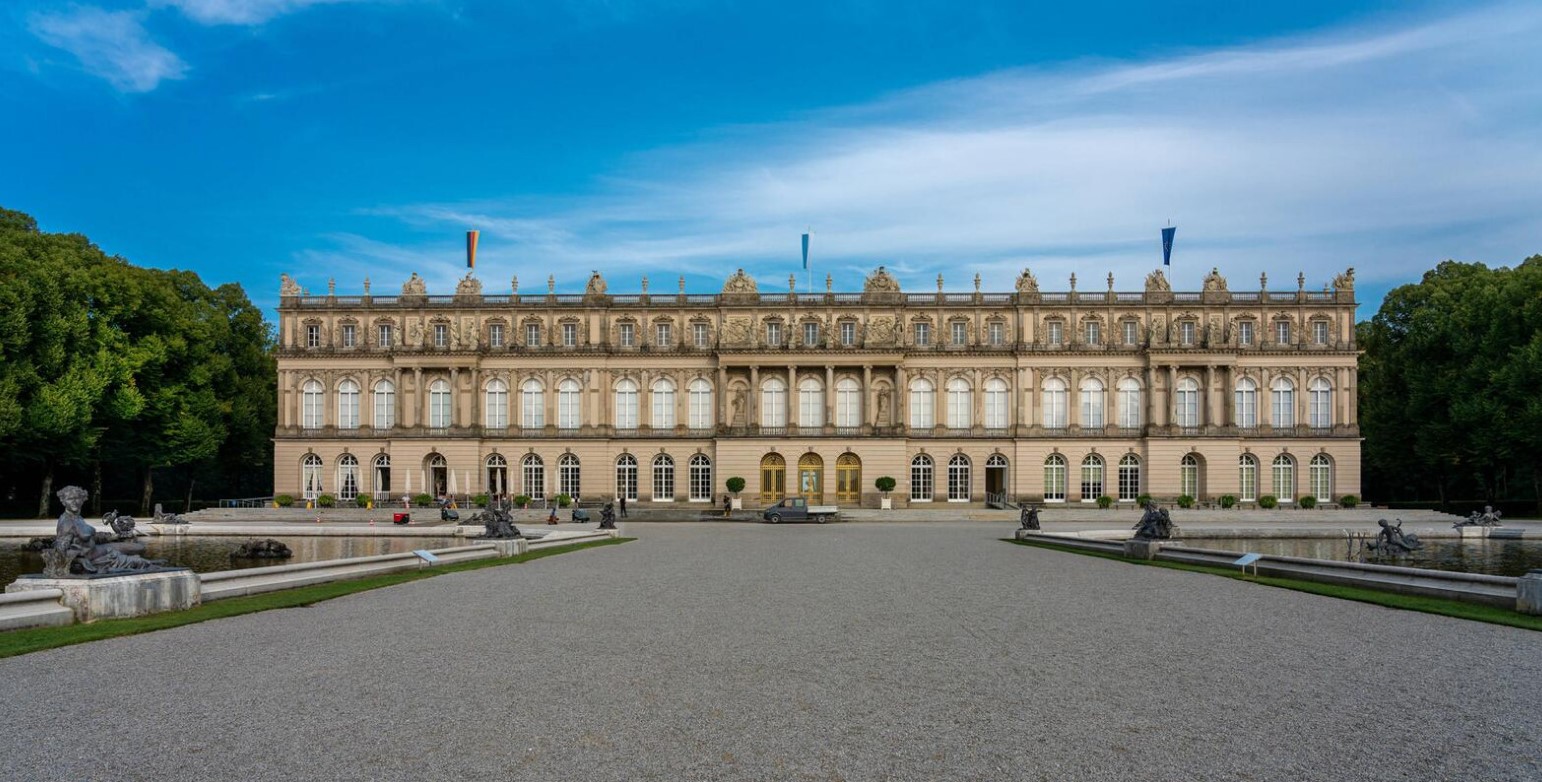
To be more precise, at Chiemsee. On the island of Herrenchiemsee stands the New Herrenchiemsee Palace, which was built from 1878 on the model of Versailles. No wonder that it resembles the palace in France. Clear advantage: on a hot day, you can jump right into the lake to cool off, after a sightseeing tour.

You have to sit in a plane for about nine hours to get from Germany to China. The journey becomes even more complicated if you want to get as far as this sight: the Zhangjiajie National Forest Park in Hunan Province. Those who have taken the way can admire the rocks that rise steeply into the sky. But when it comes to rocks, Germany is no fool – here, too, a region can keep up.

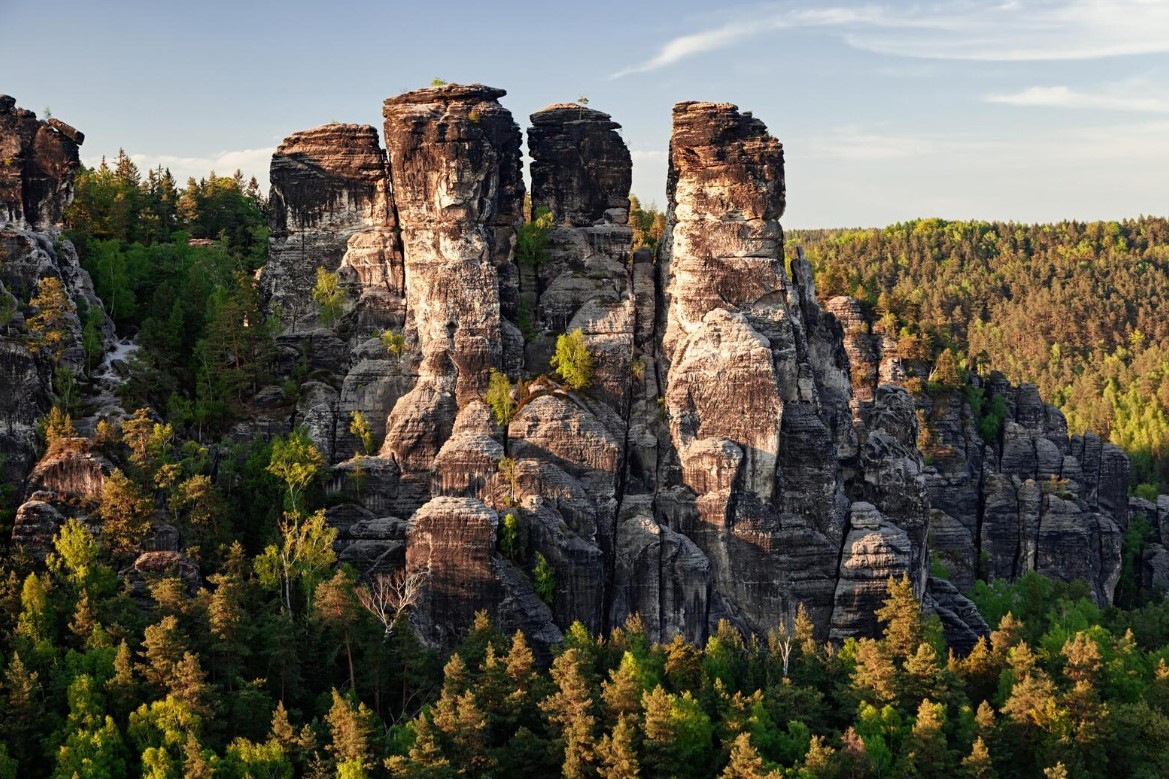
Impressive sandstones also rise from the ground in Saxon Switzerland. A paradise for climbers, but also for day tourists and those who want to inaugurate their hiking boots. A clear advantage: instead of flying, you simply take the train to Dresden for a few hours.

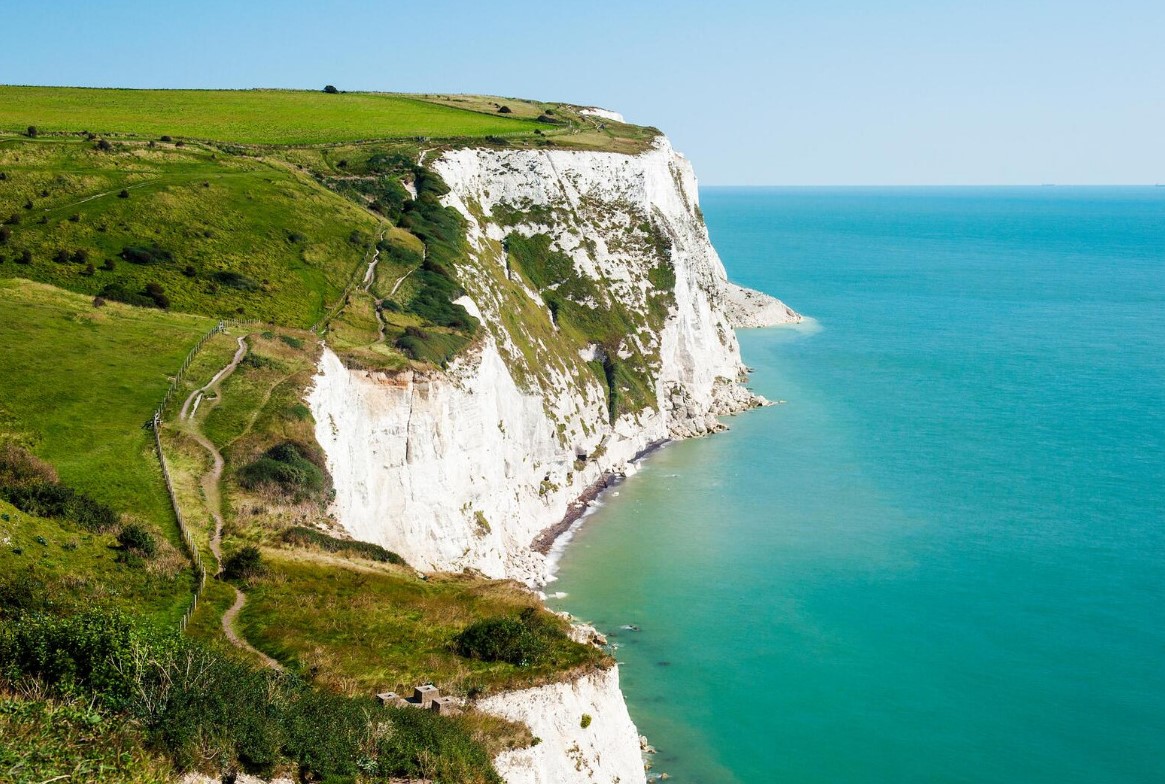
England is not exactly known for sunny beach holidays, but this sea panorama can still convince. The famous white cliffs of Dover have made a name for themselves and attract walkers and hikers time and again.

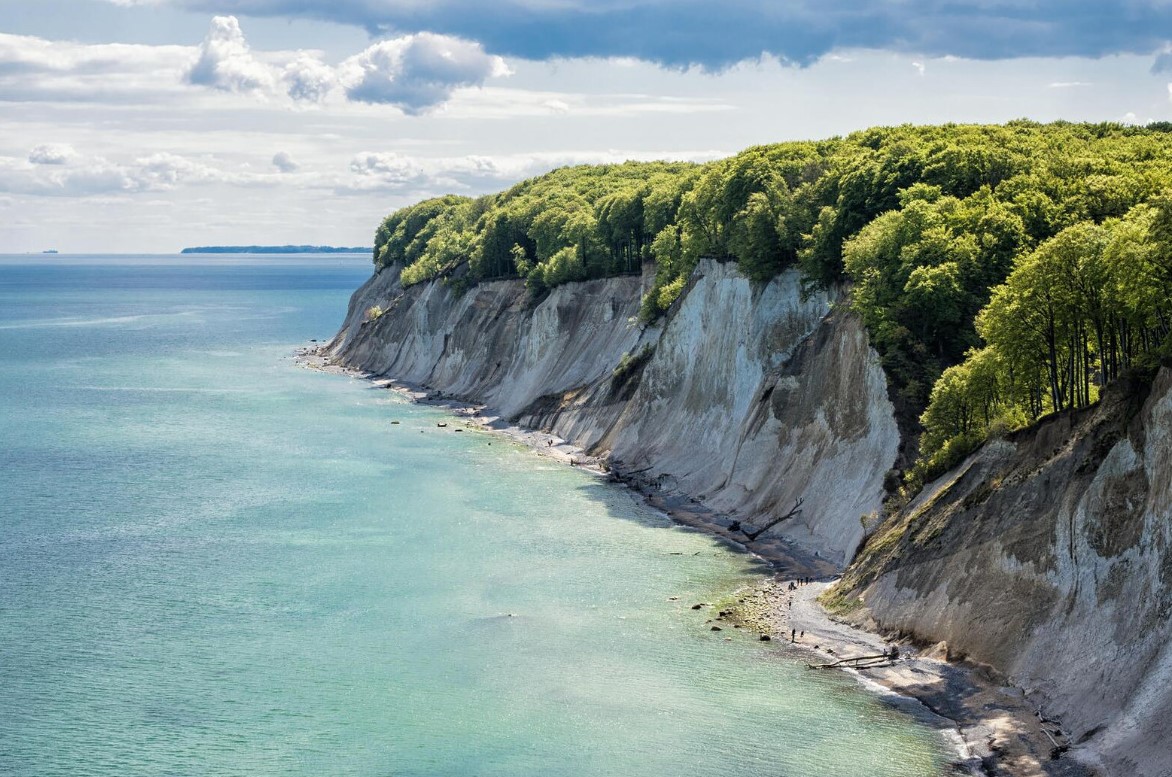
You might have to do without the traditional teatime on Rügen, but not without an impressive cliff panorama. The forest has already taken up a little more space here, but tourists still get their money’s worth of the white cliffs of Rügen.

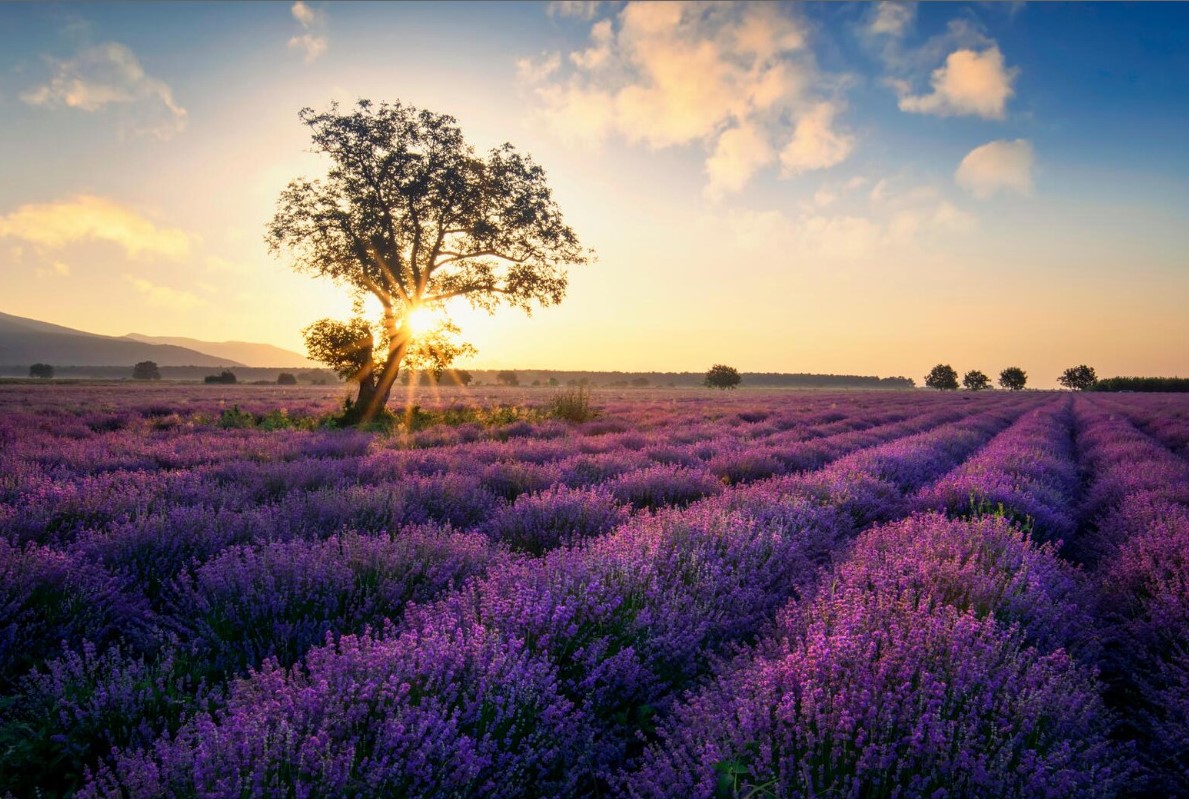
The Provence: Already with the name of the French region most people probably have the lush purple lavender fields in front of their eyes and the wonderful smell of it in their nose. In France miles and miles of agricultural lavender farms.

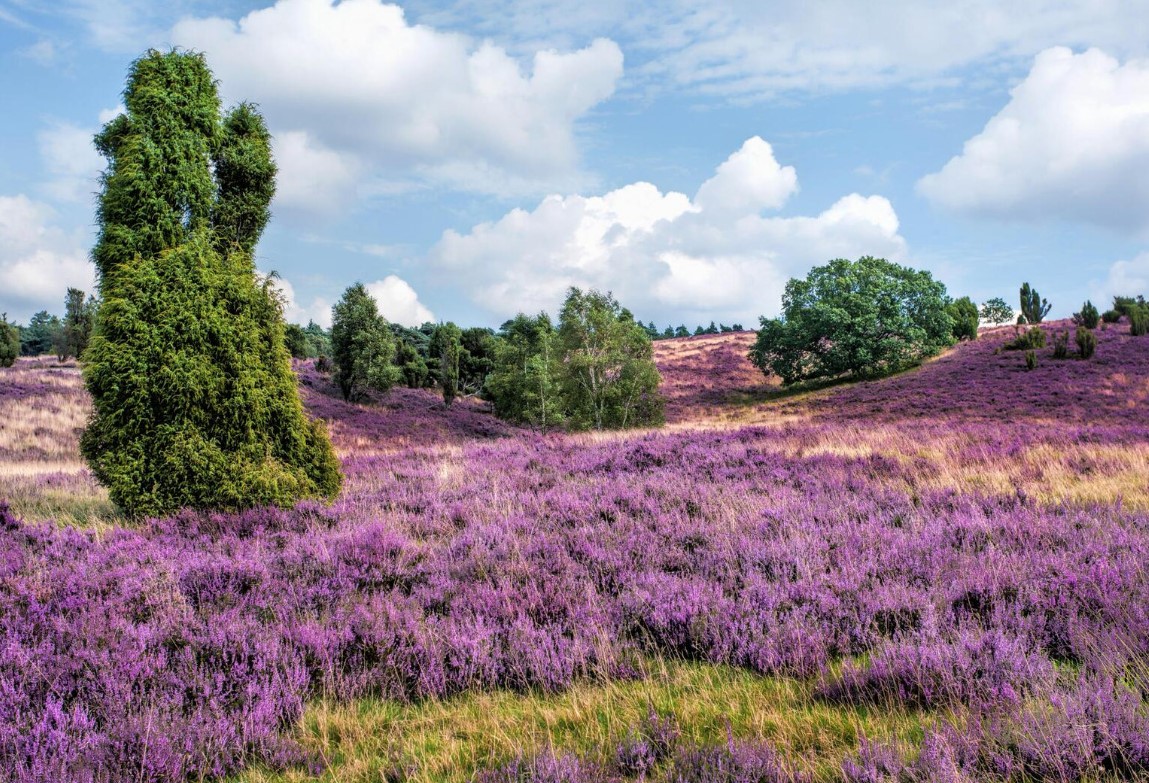
If you can turn a blind eye, you will also find it in Germany. A little more rustic than the orderly lavender fields, the Lüneburger Heide comes along in all its splendor. Those who do not want to miss the purple spectacle should book quickly now: The flowering time of the heath is mainly August and September. A small disadvantage: unfortunately, one has to abstain from French delicacies here. But try a specialty there – Heidschnuckenbraten !!

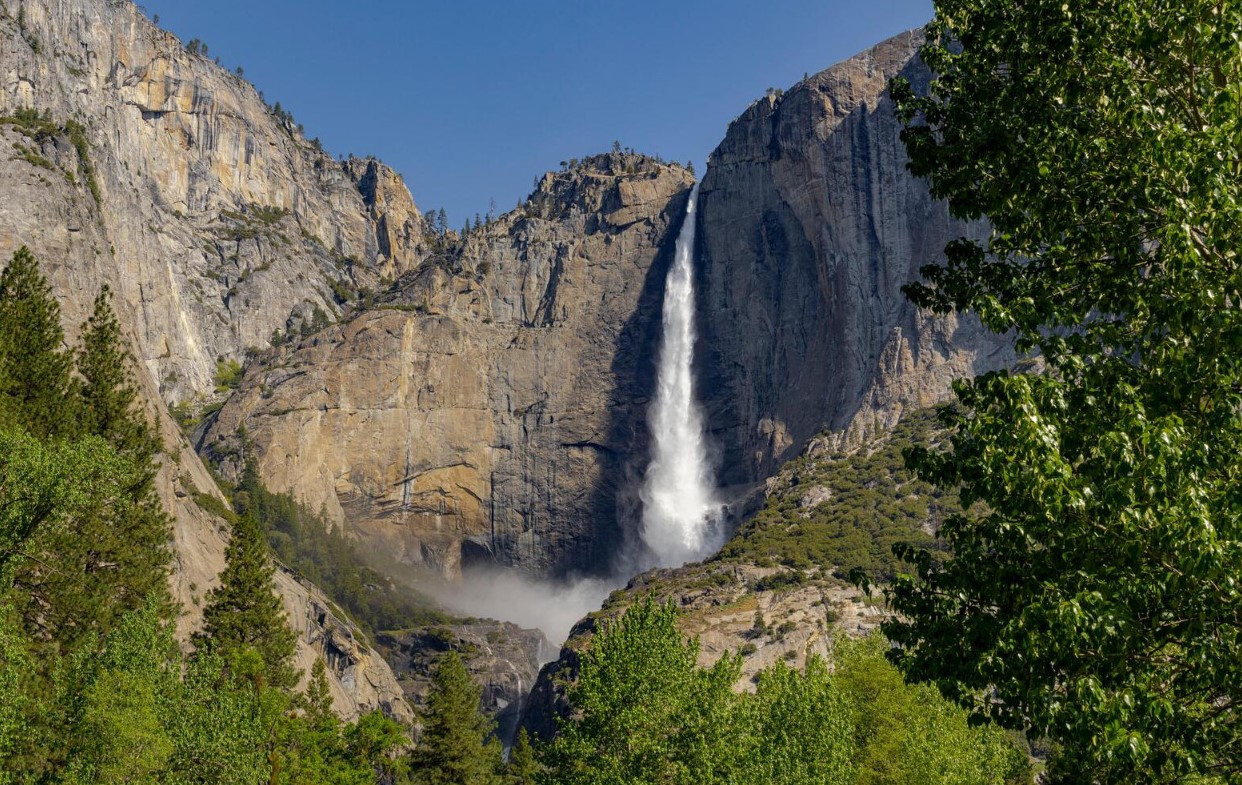
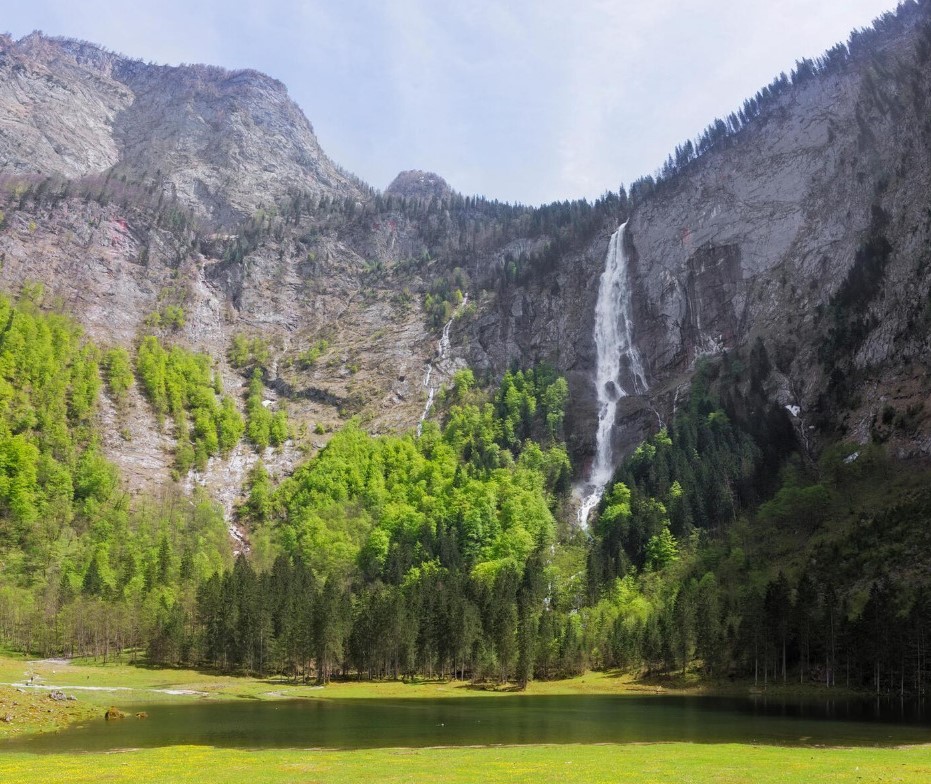
Yosemite Falls in California’s National Park attracts many tourists every year. But mountains, water and hiking – Germany should be able to handle that. Right?

Sure! At least on the pictures, you could think the Röthbach Falls in Berchtesgaden is the waterfall in the USA. Much easier to reach and as beautiful as in the States.

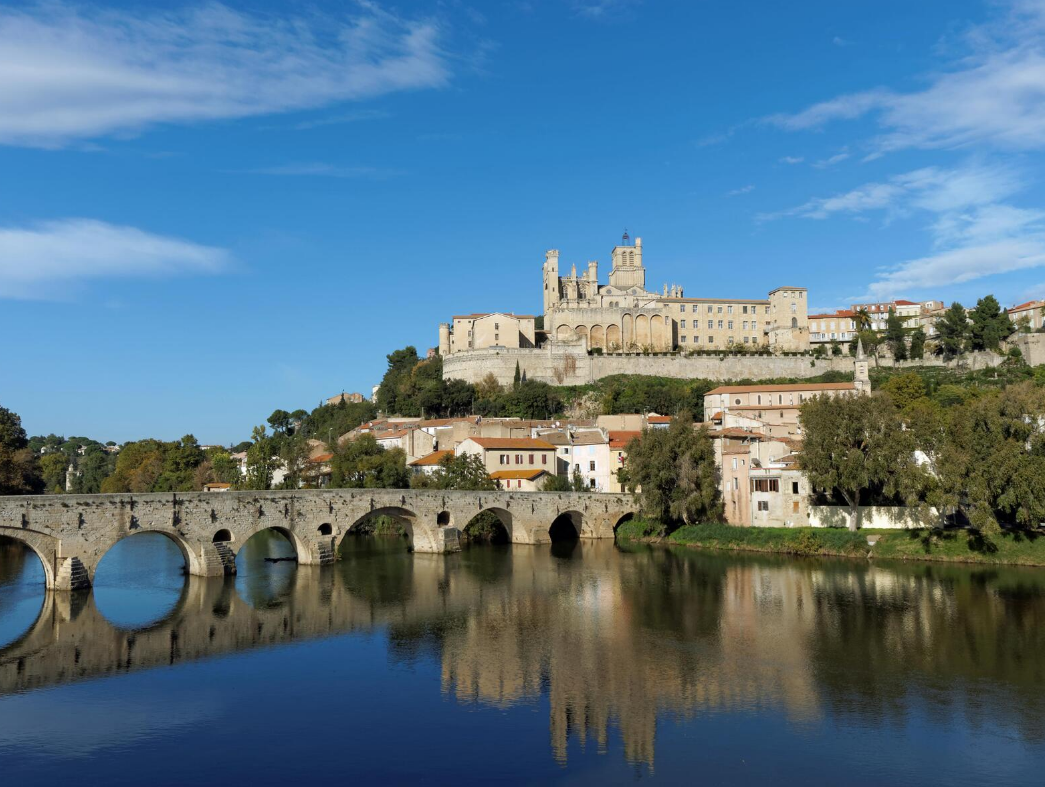
This panorama shows the French town Beziers. Especially the Cathedrale Saint-Nazaire dominates the townscape. The German double of Beziers cannot compete with the proximity to the Mediterranean Sea, but the panorama can keep up.

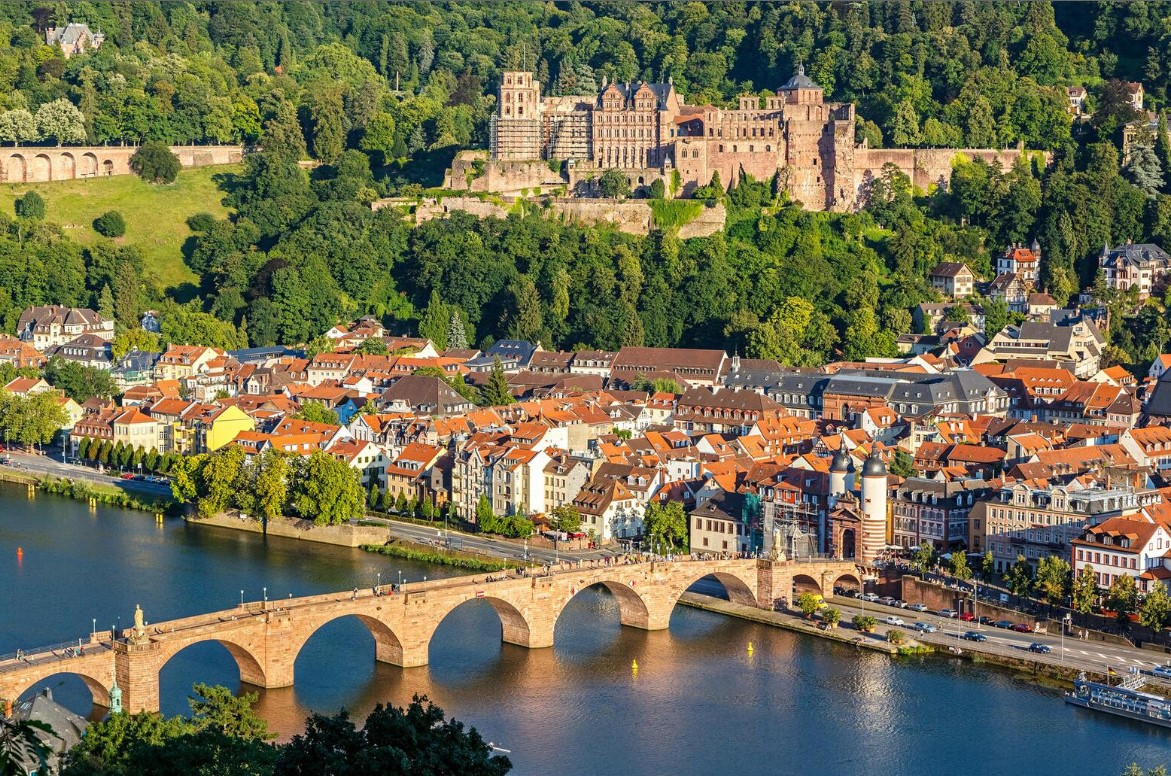
In Heidelberg, the castle ruins tower above the city, the Neckar and the old bridge. A trip to the city, which was founded in the 12th century, is particularly worthwhile for immense history, worldwide known university and a Mecca for wine fans. In Heidelberg castle, one will find the world’s largest wooden wine barrel. In total there are 4 big ones, dating back to 1591. The biggest is made from 130 oak trees and its capacity is 220.000 liters !!

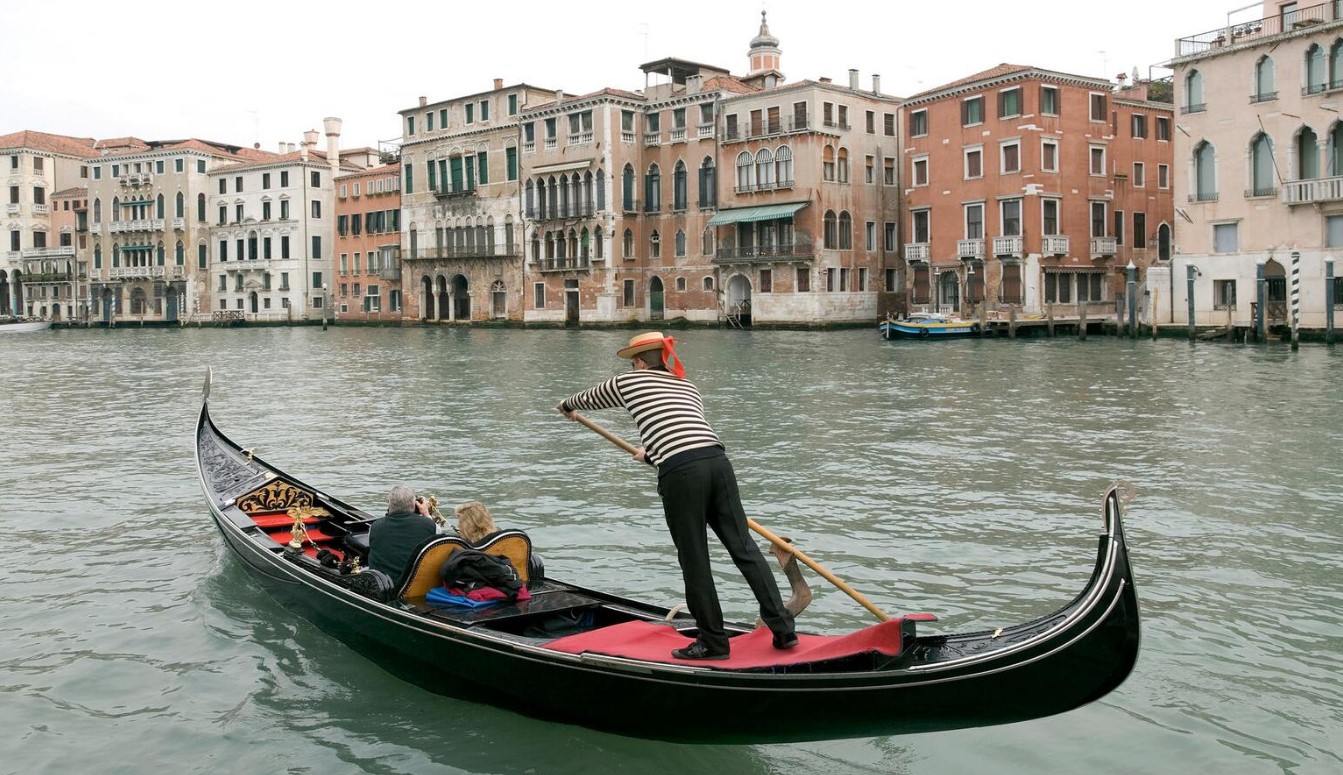
Normally Venice is virtually flooded by tourists, during and shortly after the Corona pandemic it was suddenly as if it was empty. But those who want to make a classic gondola trip do not have to travel up to Italy.

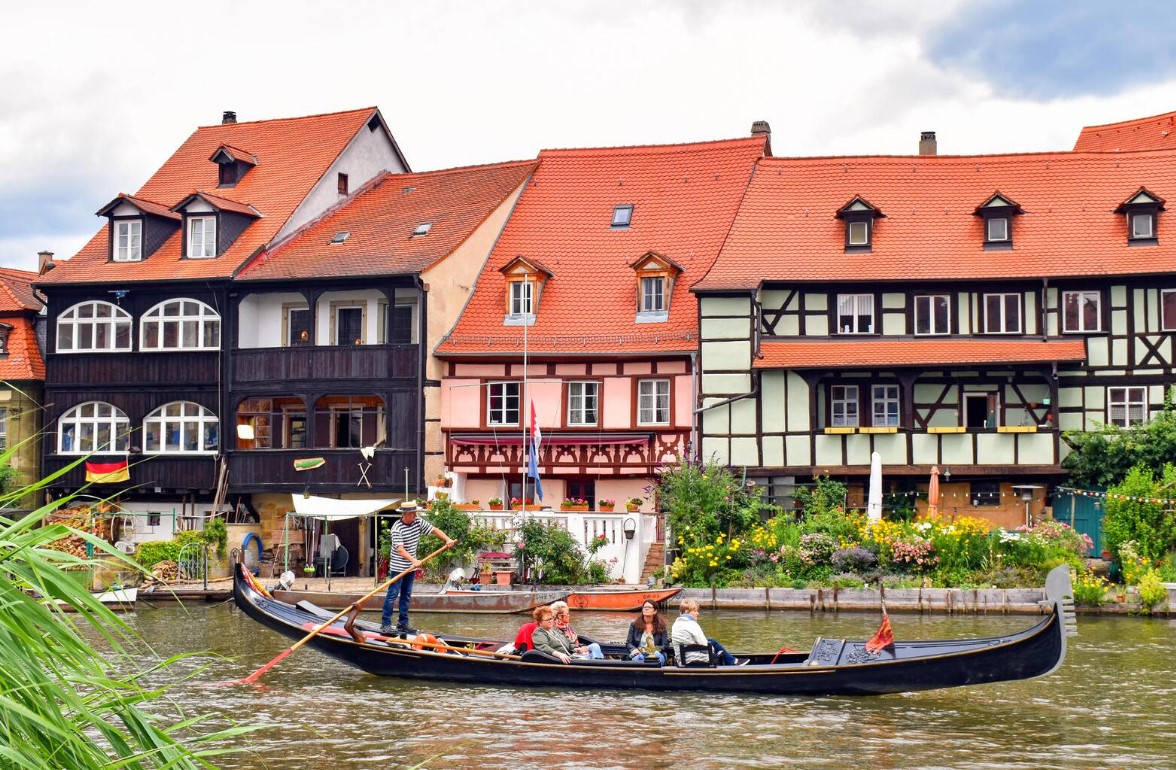
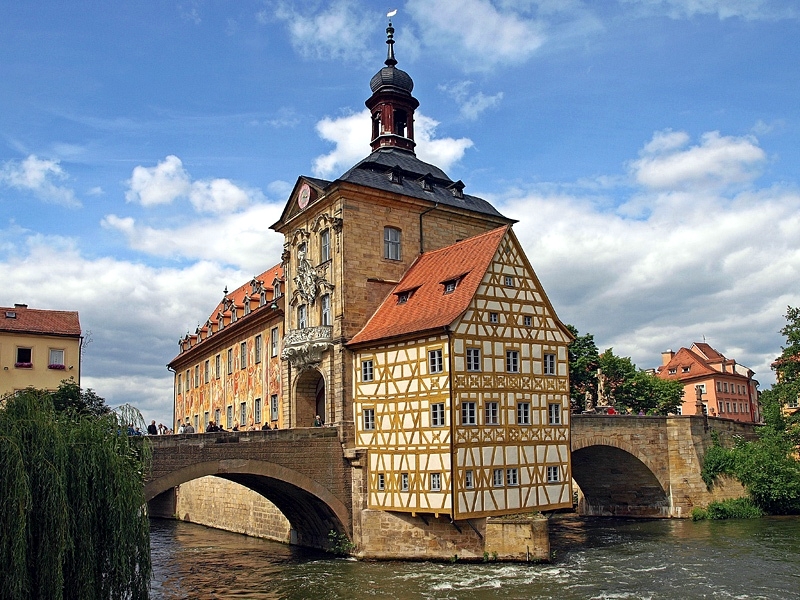
The visitor has to bring a little fantasy with him. As in Bamberg, one can indeed do a gondola trip, but the view is clearly different from the one of Venice. Instead of mass tourism, you can at least enjoy some peace and quiet here – and instead of imported Italian wine, try the Franconian one, and enjoy the special „Franken Bratwürstl“ on „Kraut“.

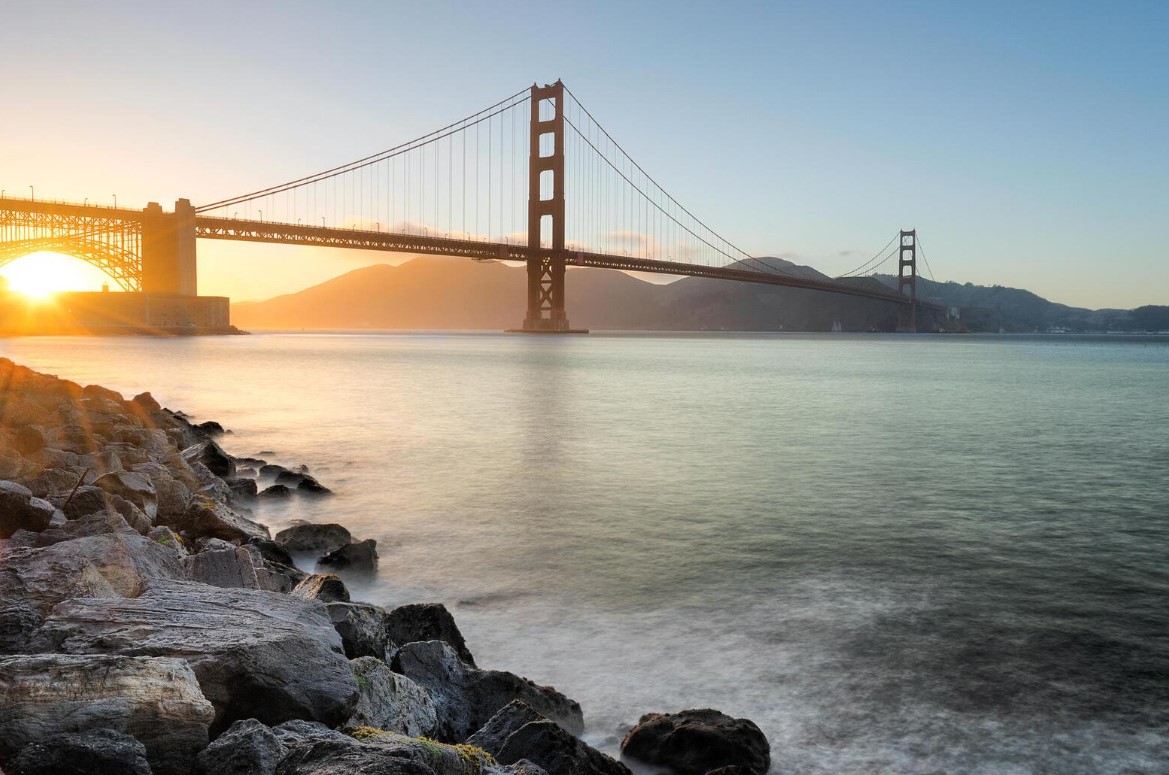
The Golden Gate Bridge is one of America’s most famous landmarks. It was put into operation in 1937 and is 2,737 meters long. Those who prefer to take their travel pictures in front of their own front door will also find what they are looking for in Germany.

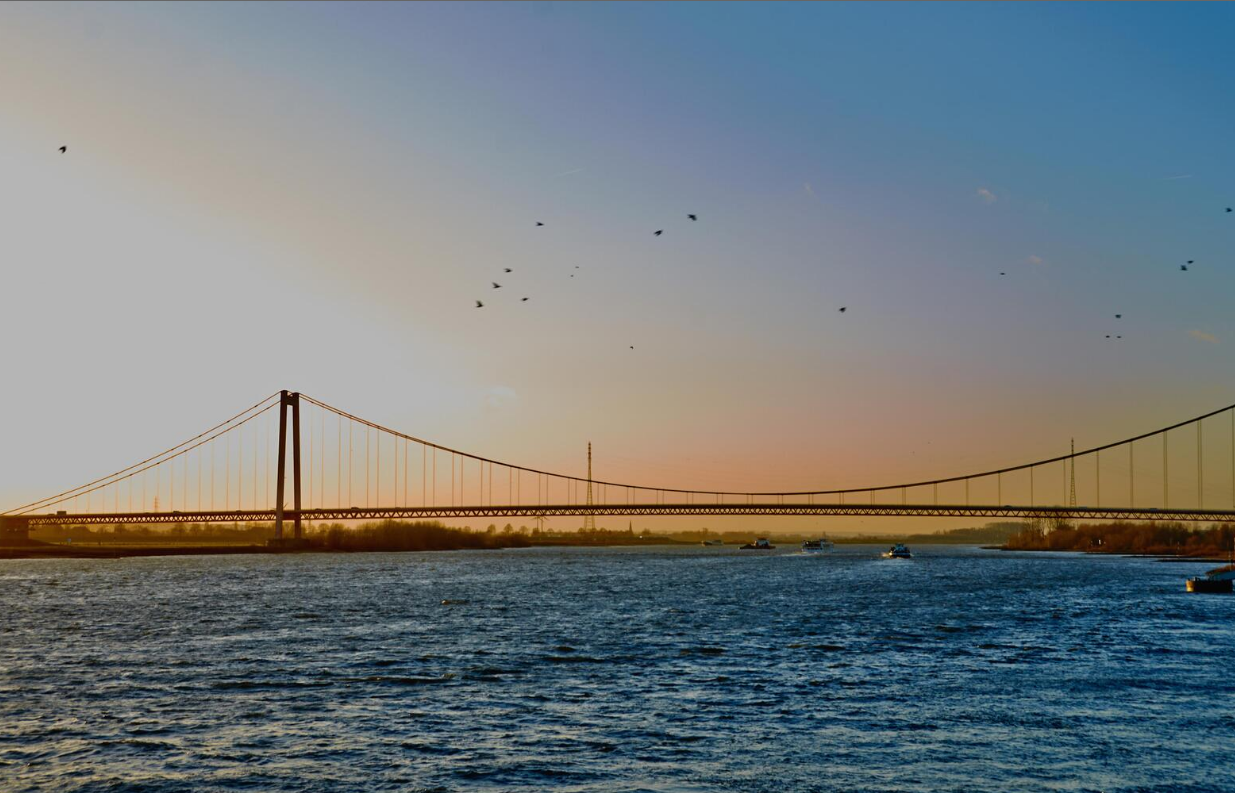
At least from a distance, the Rhine Bridge Emmerich resembles the Golden Gate Bridge. Although the suspension bridge near Kleve, which is also red, is not as famous as its counterpart in San Francisco, it still sets a record: At 803 meters it is the longest suspension bridge in Germany. Along the Rhine promenade, the extraordinary, beautiful architectural building-art can be seen for miles, in my opinion, a „Must See“ destination.

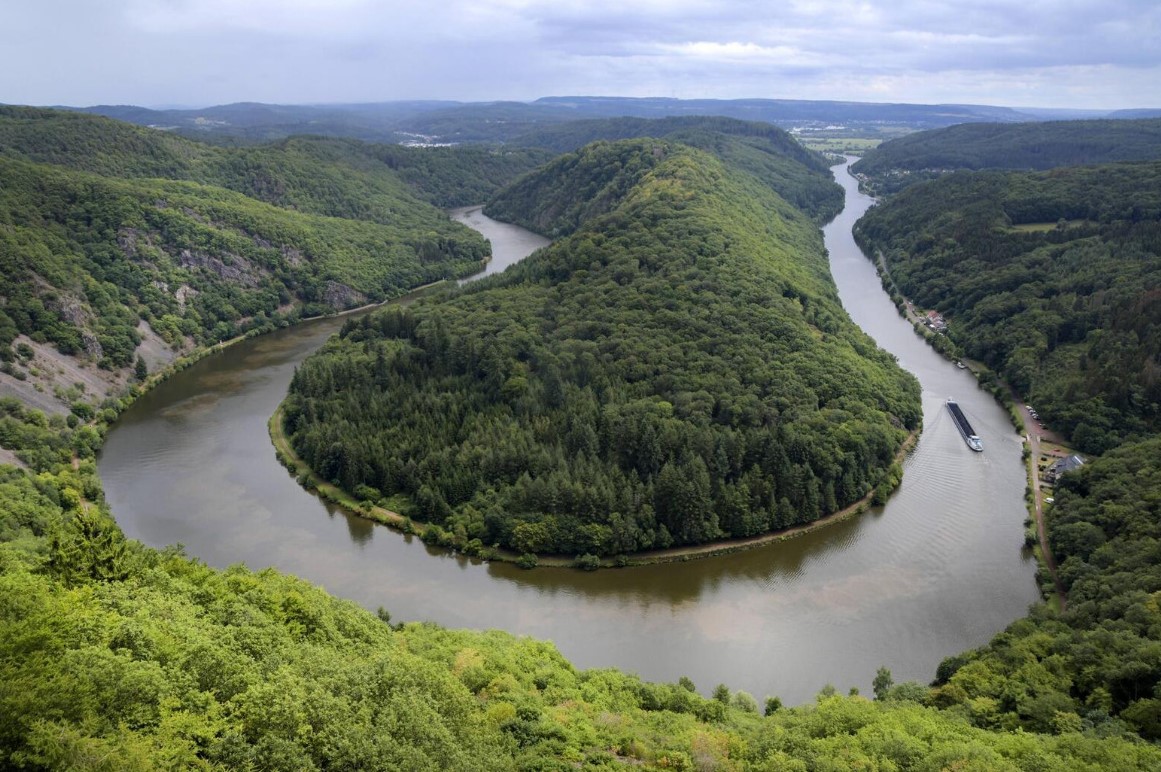
Another US sight is the „Horseshoe Bend“, a horseshoe-shaped bend of the Colorado River in Arizona. Above the river, you have a great view of the stony desert of Arizona. After a whole day drive through Monument Valley, we reached this place, camped and spent the night in front of this amazing panorama, but very lonely, nothing else there for miles.

A very similar river bend can be found at the Saar Bend. You can admire it from the viewing platform or from a treetop path. So why fly all the way to America? Here you can enjoy local specialities and a fantastic wine tasting of the region Mosel-Saar-Ruwer.

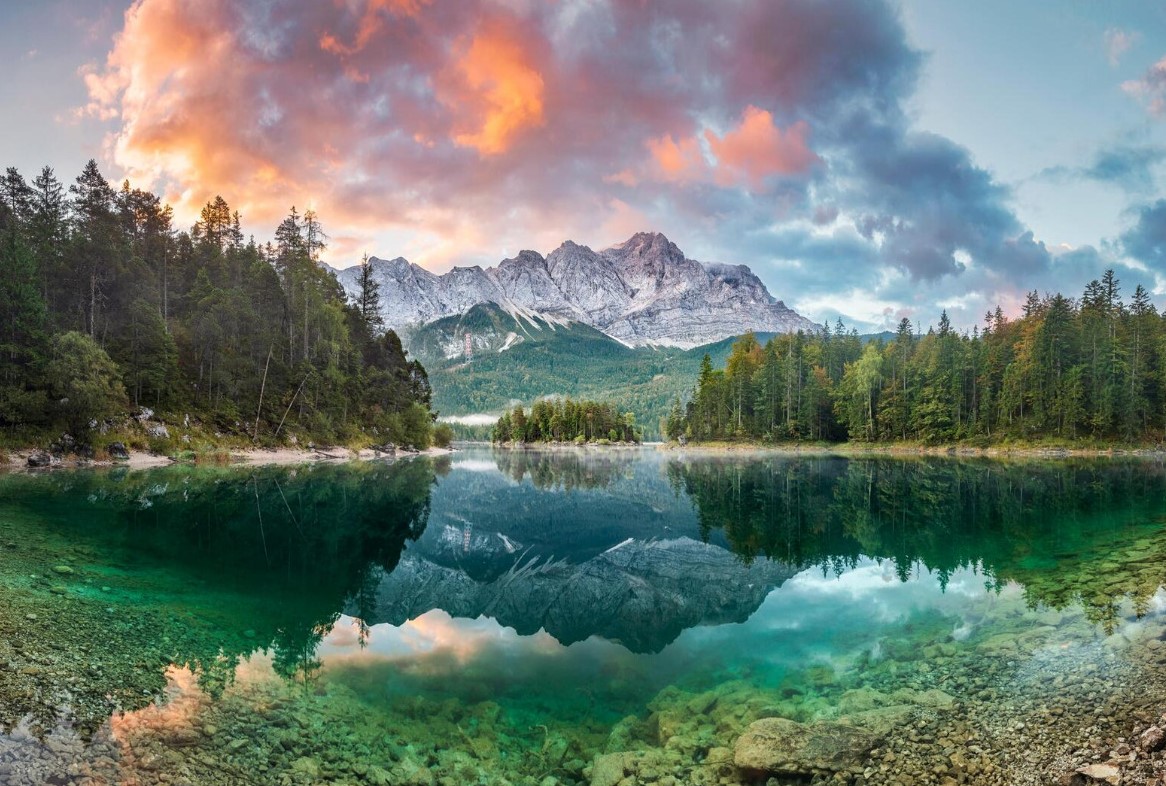
Moraine Lake is located in Banff National Park in Canada. It is wonderful how the mountains are reflected in the crystal clear water. Spectacular scenery, lots and lots of pictures taken. But mountains and water – Germany can do that too!

Near Garmisch-Partenkirchen lies the Eibsee. From there you have a wonderful view of the Zugspitze. The many small islands in the lake are the result of a landslide that occurred between 1700 BC and 1,400 BC. Isn’t this a spectacular view too?

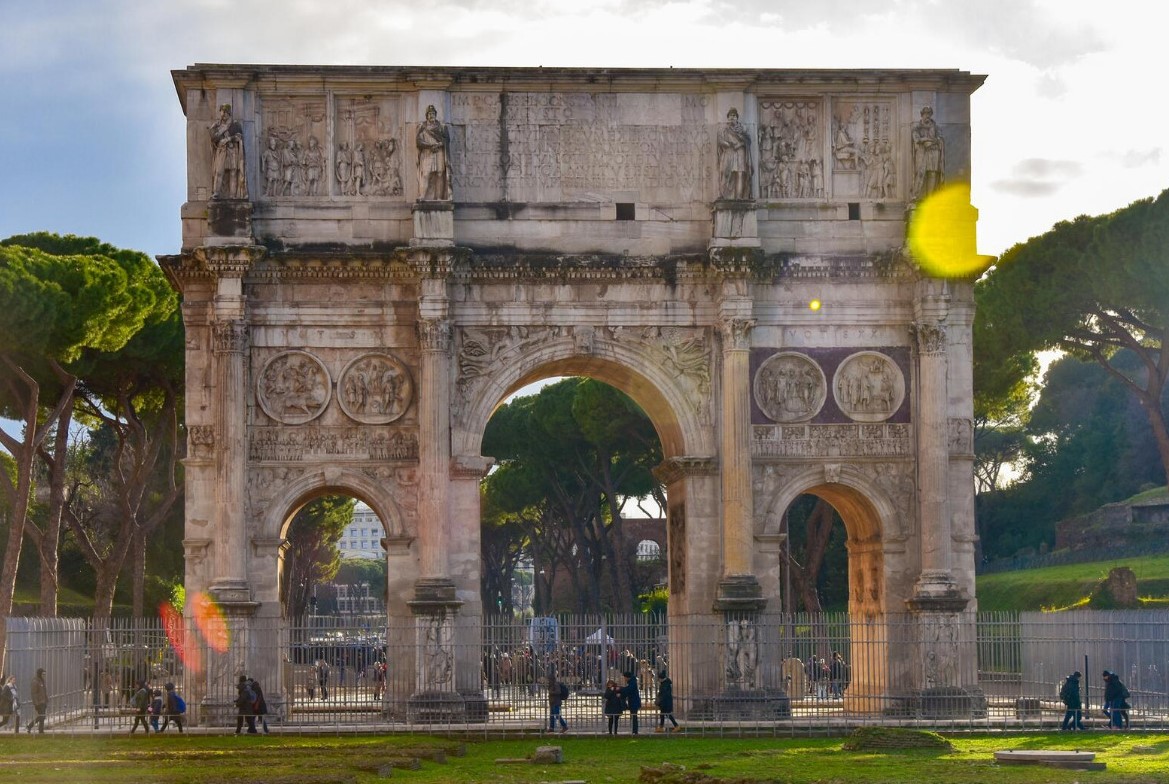
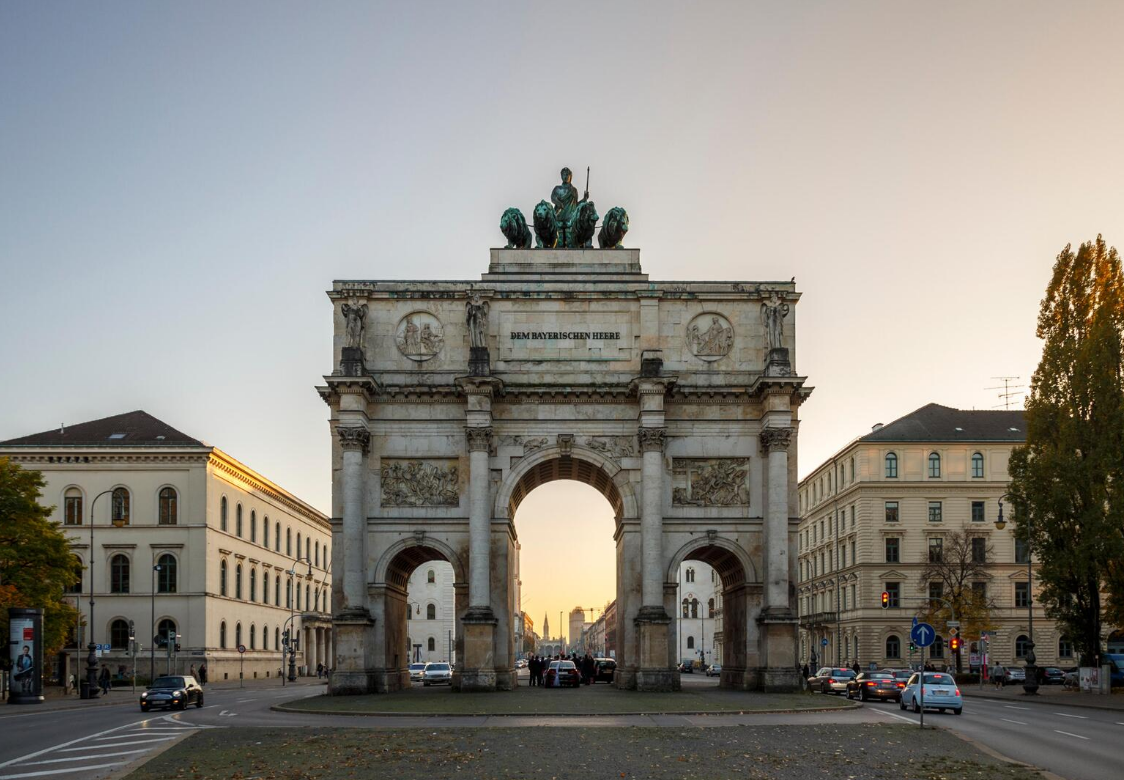
Right next to the Colosseum in Rome, tourists cavort around the Arch of Constantine. It was consecrated in 315, originally there was still a Quadriga on it, but this fell victim to plundering early on. Those who do not want to go to Italy to visit the arch should consider a trip to Munich.

In Munich, between Maxvorstadt and Schwabing, the victory gate is located. Ludwig I. gave the order in 1840 to build it according to the model of the Constantine Arch. In the Bavarian capital, unlike the triumphal arch in Rome, the Quadriga can still be admired on top of the building.

If the above ideas and places are not inspiring you enough, try to find out more sightseeing destinations by yourself. Down here are some views of German beauties without a closer description. Click in this blog on Germany and you will find much more about it.

Go on traveling the „center of Europe“ and discover yourself  Nature, History, Landscape, Architecture, Culture, Local Cuisine, Tradition, and Friendly People. Just the city of Berlin has more miles of waterways than Venice and Amsterdam together.

During my whole life, I traveled the world all over, it was exciting, adventurous, instructive and most wonderful. Now, at the end of my years, I am trying to reflect a bit more on my home country, especially since, during my absence, East and West Germany grew together. It is more to see and to discover in Germany that you can achieve in a lifetime. A German saying is: „Warum in die Ferne schweifen, wenn das Gute liegt so nah“? This means:    „Why to stray into the Distance when the Good is so near“?

Veröffentlicht unter Lifestyle, Must See, Travel | Verschlagwortet mit , , | 2 Kommentare

Wild Germany

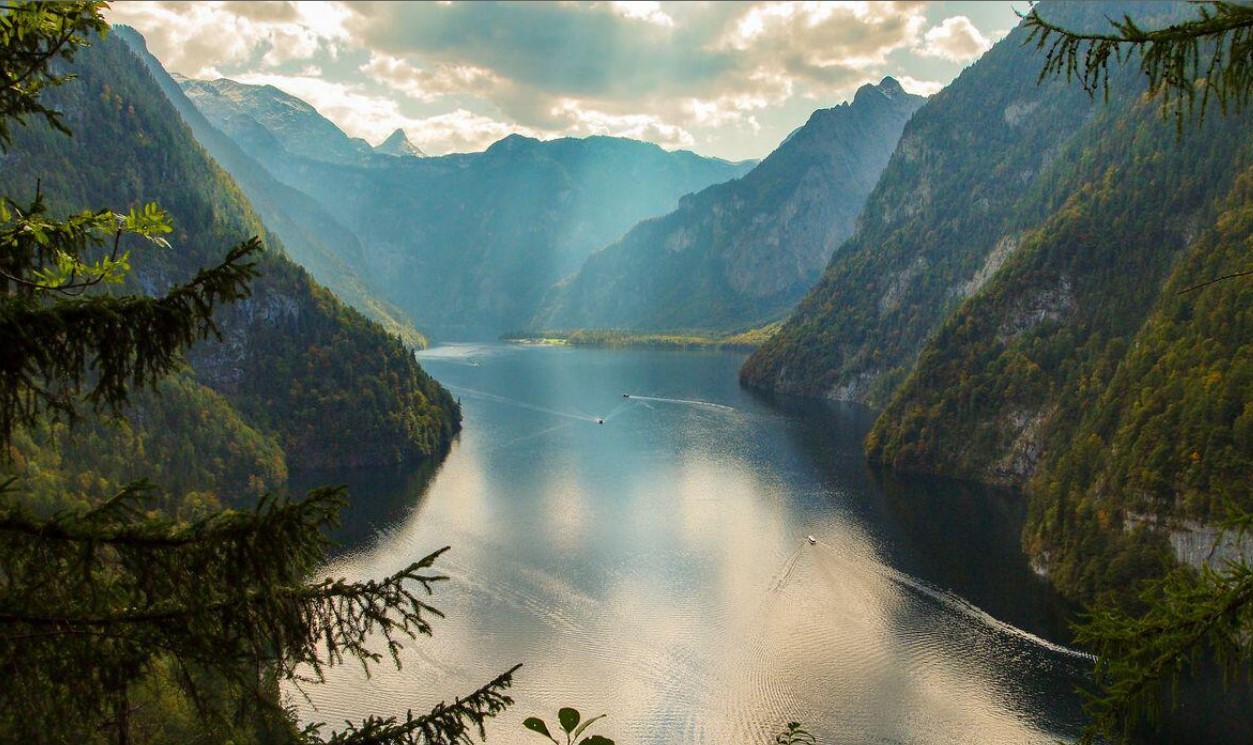
Right now, in 2020, the ongoing Corona Pandemic will put a damper on many holidaymakers. At least when it comes to travel abroad, uncertainty still prevails. Many want to stay close to home. That’s why I show you Germany’s most beautiful national parks, for example, the Königssee in the Berchtesgaden National Park (picture above). All following pictures belong to the text below it.

In Germany, there are 16 national parks in total. These are regions that enjoy special protection from human influence and are left to their own devices. Animals, trees, and plants can develop freely and are specially protected from environmental pollution. However, if you would like to visit one of the following impressive places for recreation, you should always observe certain rules.

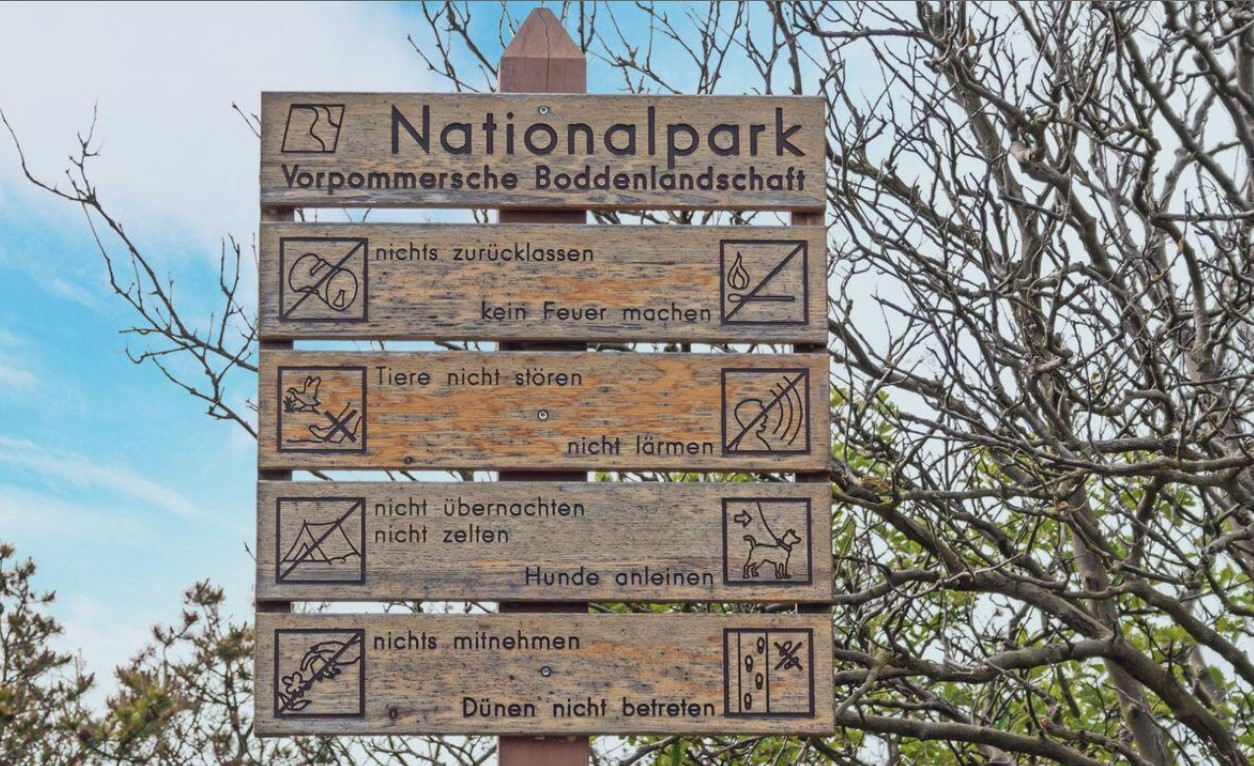
Never leave your rubbish behind, only follow the signposted hiking trails, do not take anything that belongs in nature, do not light a fire (not even for barbecuing), keep your dog on a leash. You should also keep as quiet as possible. Remote-controlled aircraft, such as drones, are prohibited in national parks.

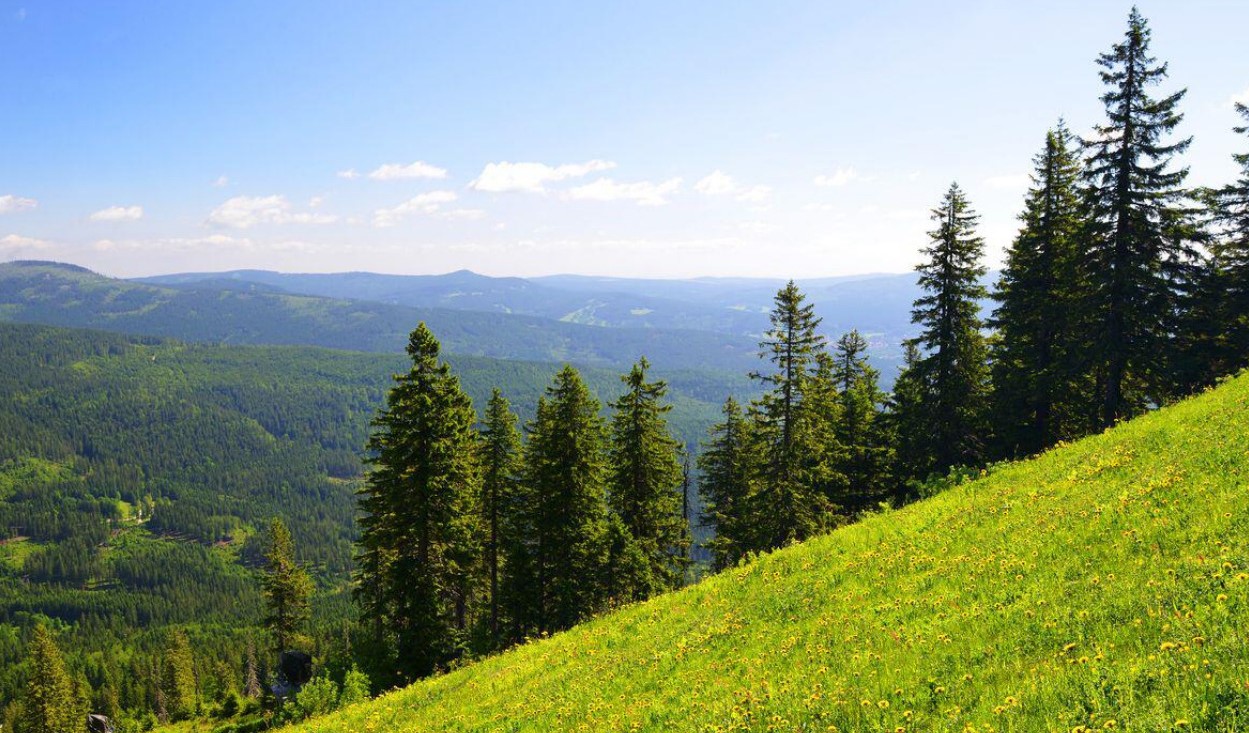
The oldest national park in Germany, founded in 1970, is the Bavarian Forest. Together with the Czech National Park Sumava, it forms the largest contiguous forest area in Central Europe. Game watching is a must in the Bavarian Forest. With a bit of luck, you might see otters, dormice, black storks, honey buzzards, wild cats, capercaillies or peregrine falcons, and much more.

The Berchtesgaden National Park is also located in beautiful Bavaria. Magnificent alpine landscapes delight the heart of every hiker here. If you want to reach high altitudes, climb the Watzmann, which rises to 2,713 meters (that’s what we did when I was 14 years old, joining a boy scout camp at the Königssee, most fantastic 3 weeks I had in my young life, I never forgot). Marmots, snow hares, snow mice, golden eagles, and ptarmigans live in the high mountains of Berchtesgaden. Especially the picturesque Königssee is world-famous for its beauty.

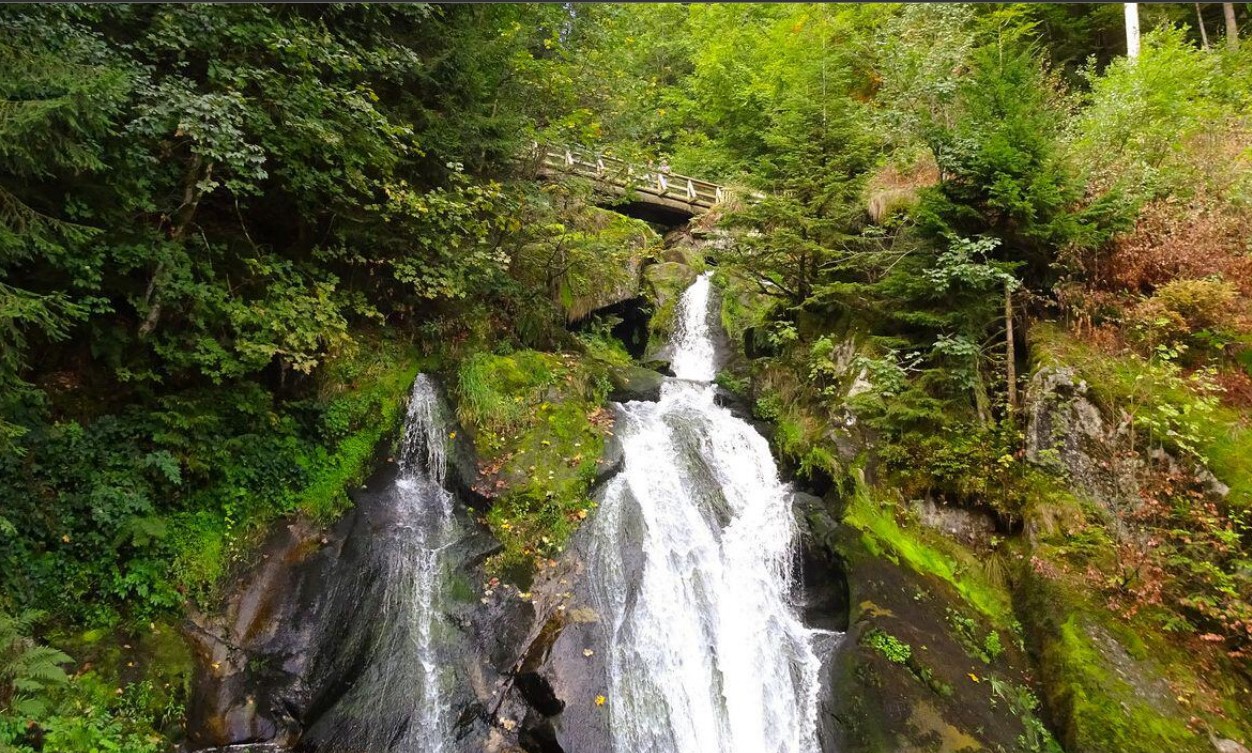
Also in southern Germany, in Baden-Württemberg, lies the Black Forest National Park. It is considered the most important German habitat for the woodpecker. You can admire wild waterfalls and reddish-brown rock formations in the forests, which are located on the oldest low mountain range formation in Europe. Wild boars, alpine shrews, red deer, rough-footed owls, pine martens, and roe deer feel at home here.

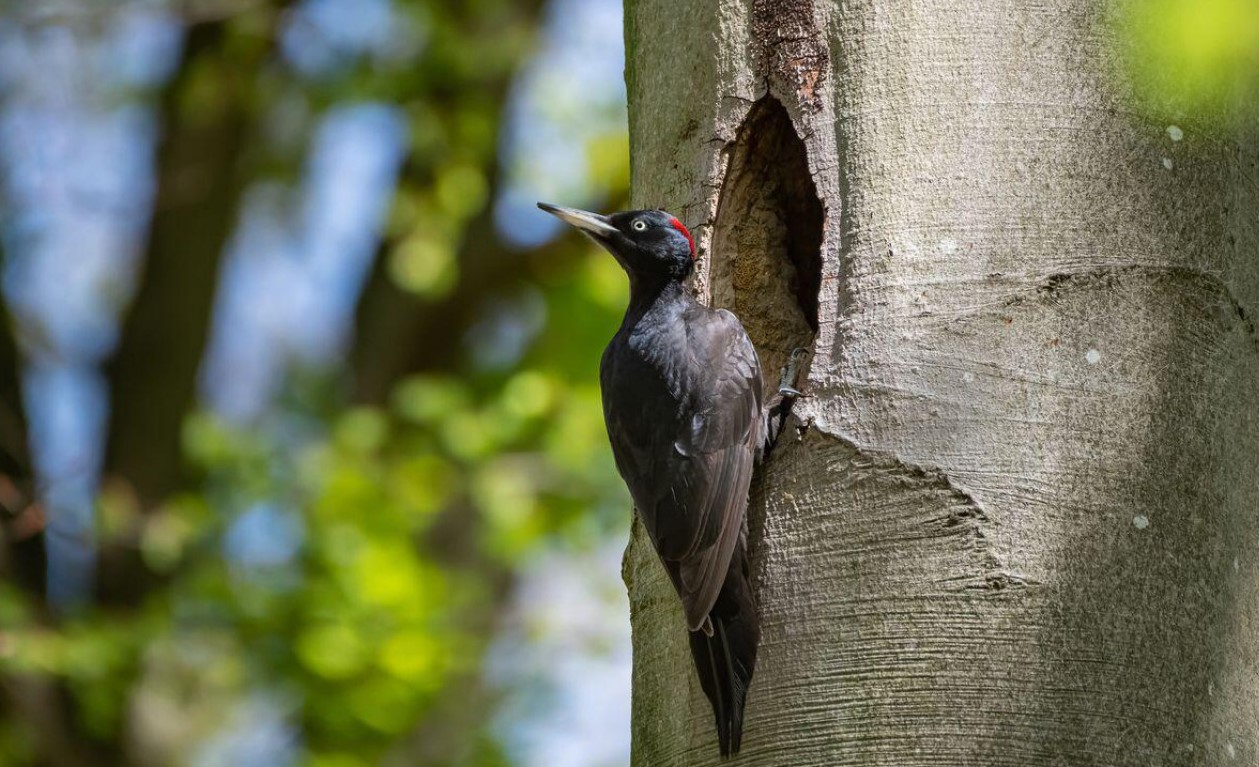
In the west of Germany, in Rhineland-Palatinate and Saarland, is the Hunsrück-Hochwald National Park. The beech forests, with the largest occurrence of wild cats in Europe, were not designated a national park until 2015. Germany’s youngest national park is also home to bats, deer, and special bird species such as the black stork and the black woodpecker. Lots of professional photo tips in the suggested book at the end of this article.

The Eifel National Park is also located in the west of Germany and is so far the only national park in North Rhine-Westphalia. Wild cats and black storks also live in mixed beech forests. Earth toads, fire salamanders and beavers are among the 2,000 endangered animal and plant species that are at home here. The Eifel National Park is characterized by dense deciduous forests, streams, and lakes.

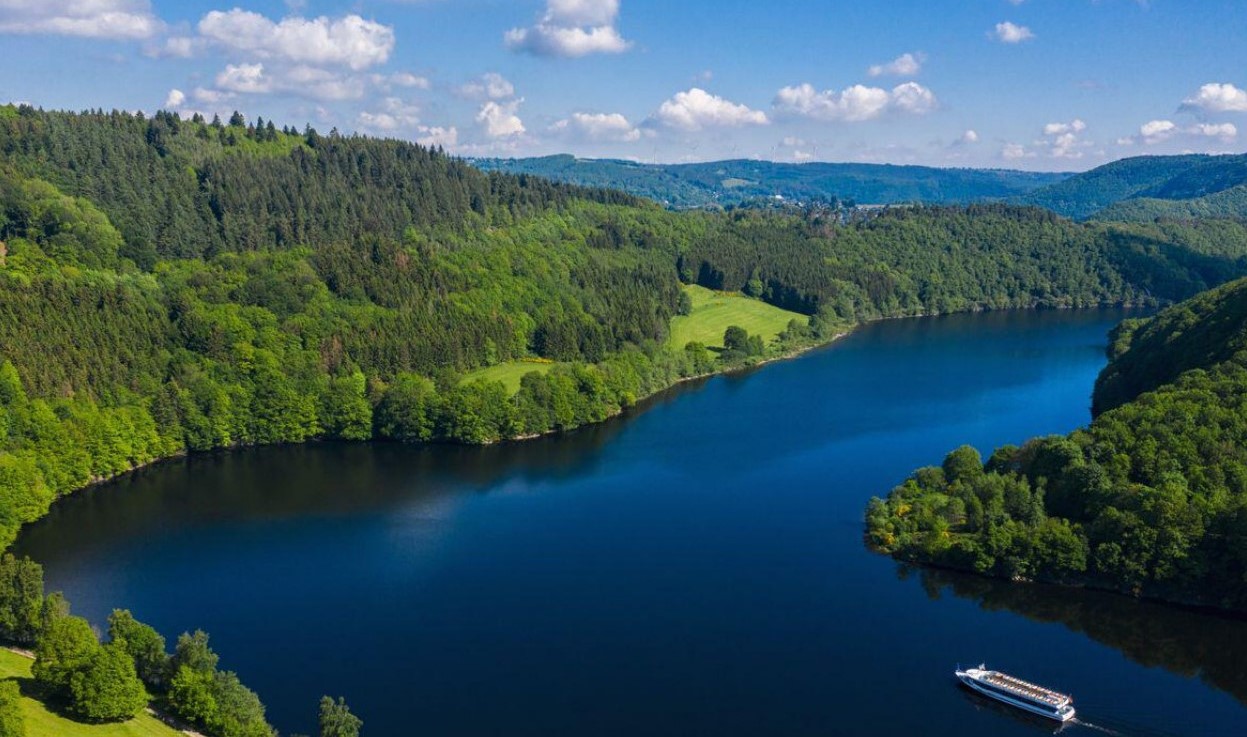
In Central Germany, in the federal state of Hesse, you will find the Kellerwald-Edersee National Park. The name hides the most important excursion destination of the national park: Lake Edersee is a must for visitors to the region. 10,000 different species of plants, fungi, and animals are native to the area, including many rare birds such as the raven, black stork, boreal owl, eagle owl, and Eurasian Pygmy Owl.

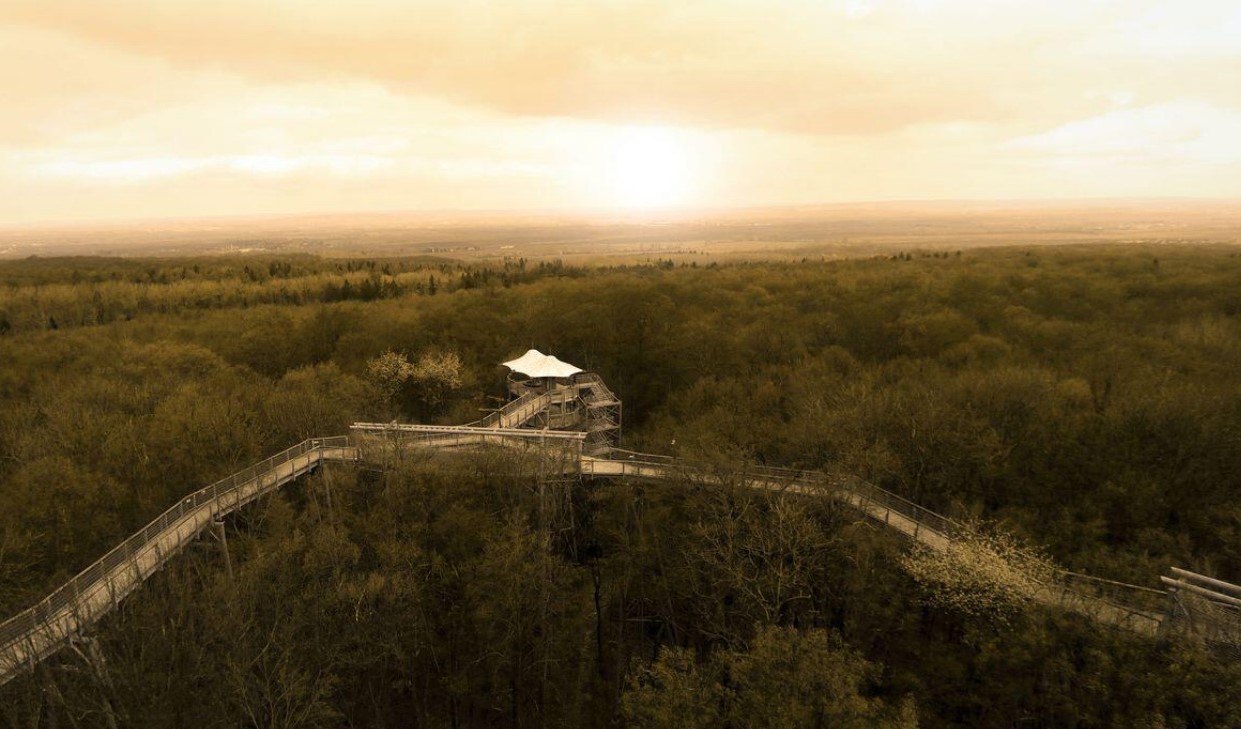
In Thuringia, the Hainich National Park extends over 7,513 hectares. On a treetop path, you can discover the park from a whole new side. Especially in spring, it’s worth visiting Germany’s largest use-free area of deciduous forest, as nature then transforms into a veritable sea of flowers. 14 species of bats are at home here as well as seven different species of woodpeckers.

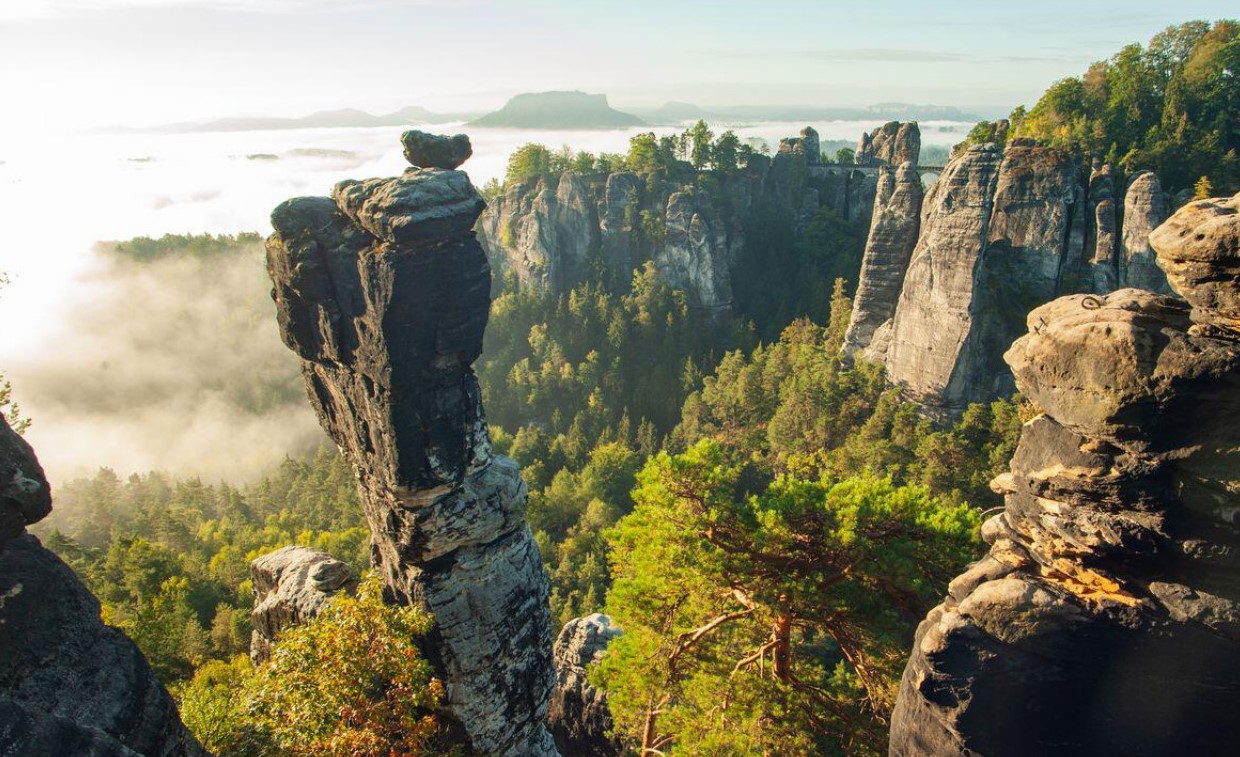
The Saxon Switzerland National Park is famous for its breathtaking hiking trails amidst bizarre rock formations. Saxon Switzerland is the only rock national park in Germany and a popular holiday destination for climbers. Rare animals such as lynxes, adders, or grass snakes can be observed with a little luck while hiking.

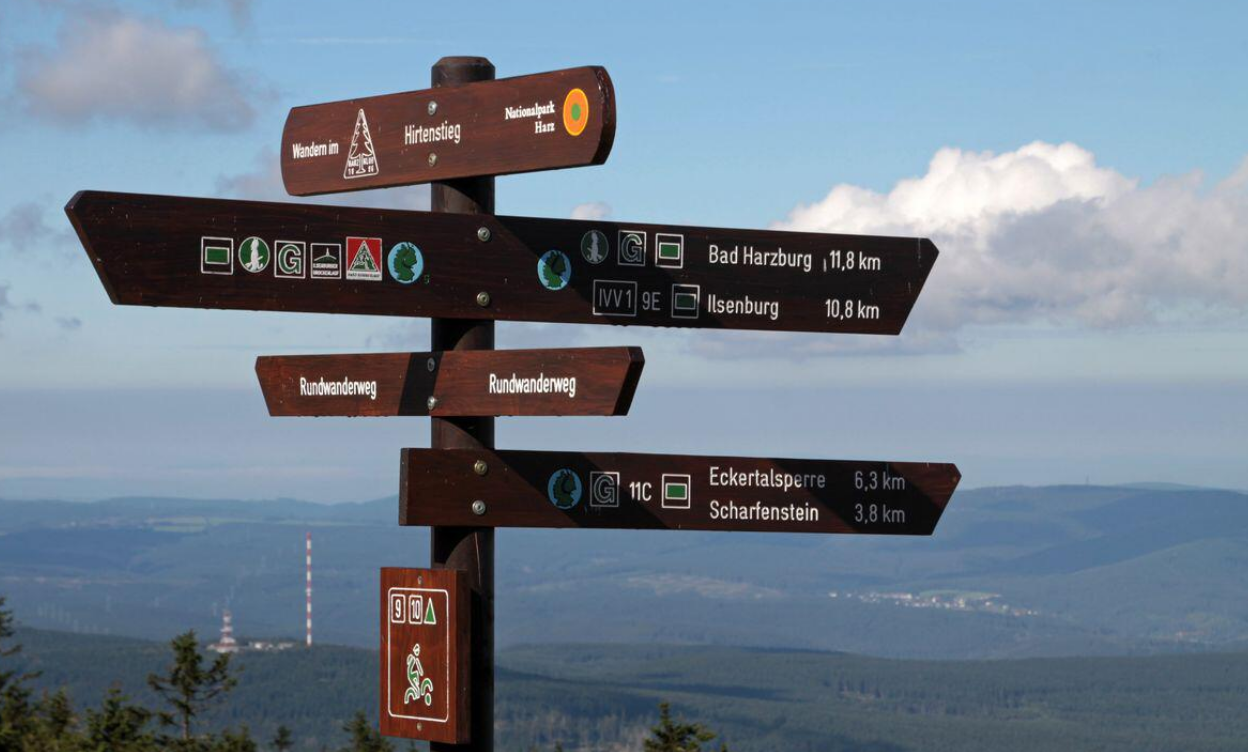
Hikers will also get their money’s worth in the Harz National Park, which extends around the Brocken mountain. The Harz is located in Lower Saxony and Saxony-Anhalt and is the largest forest national park in Germany. Nature offers many moors, rocks, and streams. Seven forest restaurants, nature experience paths, lynx feeding, and wildlife observation stations await visitors.

The Brandenburg Lower Oder Valley National Park extends over 10,323 hectares directly on the Polish border. Waters, swamps, moors, and forests characterize the picture. Visitors can explore the national park on foot, by bike or on a canoe tour. Otters, beavers and migratory birds such as white storks, black-tailed godwits, whooper swans, and the extremely rare aquatic warbler can be found here.

A multitude of small and large bodies of water, moors, and reed beds can be found in the Müritz National Park in the state of Mecklenburg-Western Pomerania, beech, and pine forests are also part of the fauna. You can marvel at this special landscape from your bike or while hiking and rest at one of the many resting places. With a little luck, you will see ospreys and sea eagles, black storks or cranes.

With 3,003 hectares Jasmund is the smallest national park in Germany, located on the island of Rügen. Since 2011 Jasmund belongs to the UNESCO World Natural Heritage. Visit the chalk cliffs, which are among its most famous sights. In addition, beech forests and even orchids await the visitors. From the highest point of the island, the Königsstuhl, you can enjoy the view of the vastness of the Baltic Sea.

Dunes, beaches, wind tidelands, forests, and salt marshes can be found in the National Park Vorpommersche Boddenlandschaft, the third national park in the state of Mecklenburg-Vorpommern. In autumn the north-eastern area is a resting place for cranes and becomes a popular holiday destination for wildlife watching. With a little luck, you can also watch wild boars, mouflons, or even grey seals.

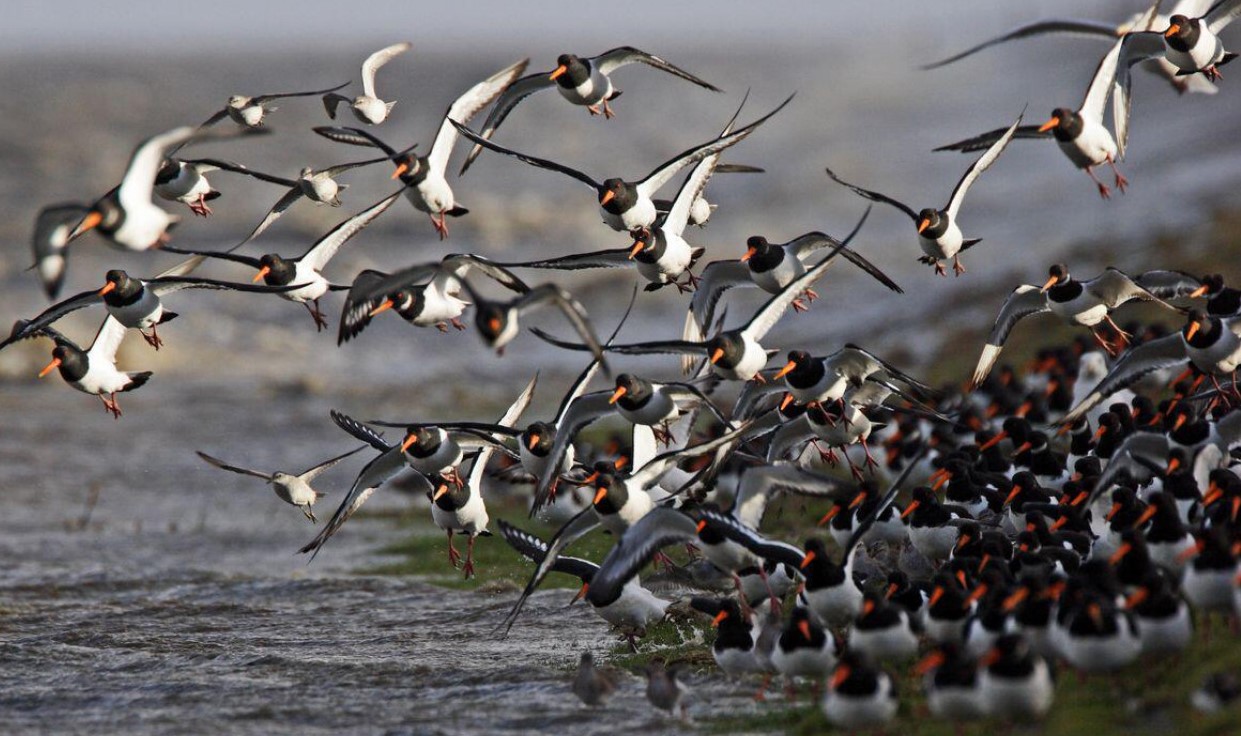
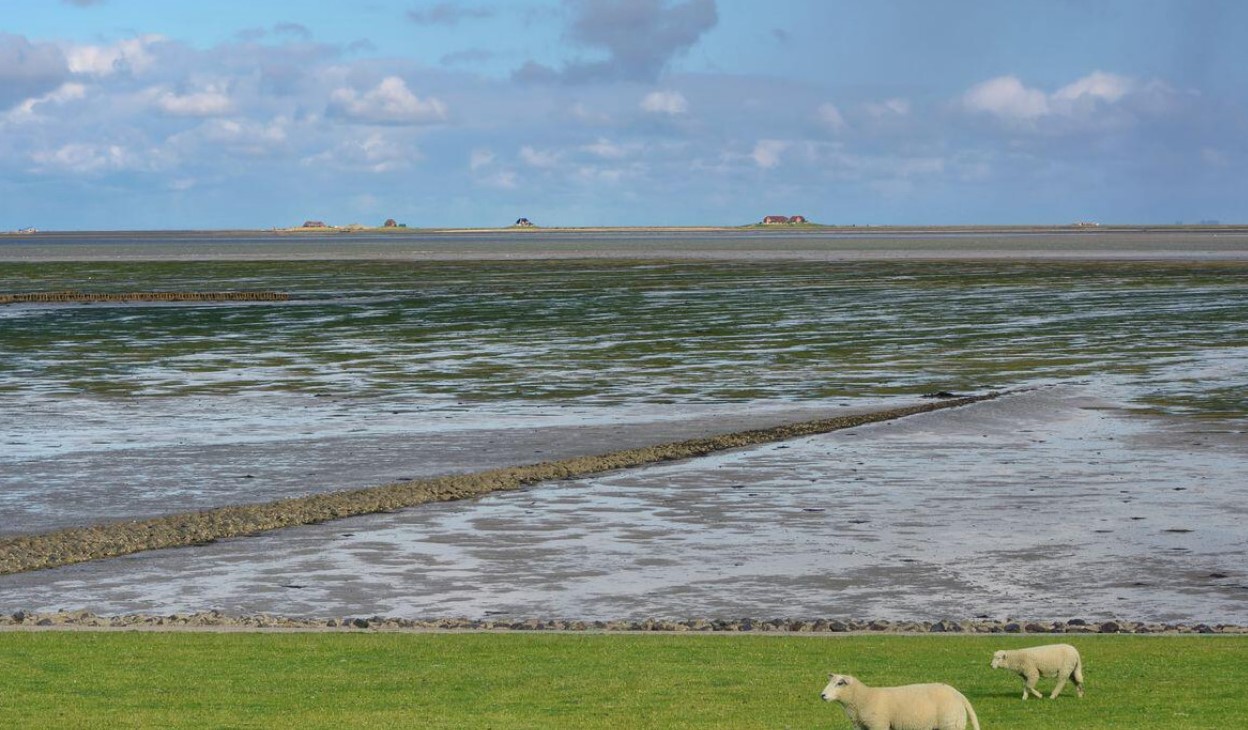
In the far northwest of Germany, you will find three national parks: The Wadden Sea of Lower Saxony, the Wadden Sea of Hamburg, and the Wadden Sea of Schleswig-Holstein. All three belong to the UNESCO World Natural Heritage. Dunes and salt marshes are typical for the Wadden Sea, as are seals and grey seals. Even the endangered harbor porpoise can be seen in the national parks.

Do you like to have more information? Above is a very worthwhile guide through all the 16 German national parks. The title „Wildes Deutschland“, author Norbert Rosing (well-known photographer), 272 pages, printed Welt Bild Verlag, about 22,–euro. Many maps, descriptions, detailed information, travel routes, and excellent photos.
This guide is absolutely worth reading !

Hopefully, you enjoyed this little excurse through German National Parks and will find the time to honor them with your visit.   Be well – stay healthy – have fun traveling !

Veröffentlicht unter Must See, Travel | Verschlagwortet mit , , | 2 Kommentare

Precisely 100 Years Ago

When I was younger, I loved to read novels, especially novels which were filmed later. The reason was, that I believed, if I like a movie, the novel is even better, more detailed and lots of side story’s one wouldn’t find in the movie.

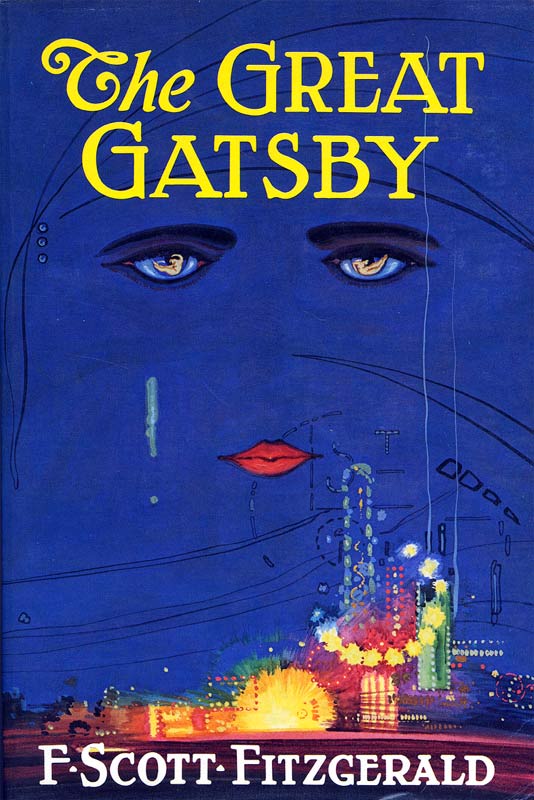
One example is „The Great Gatsby“.  The first time I read it without really understanding why. But the Robert Redford/Mia Farrow movie strikes me as spectacularly beautiful but profoundly sad, a Kentucky Derby party when the favorite pulls up lame and is found to have broken its legs.

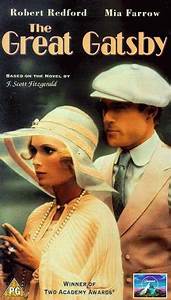
               The Great Gatsby, book and movie.

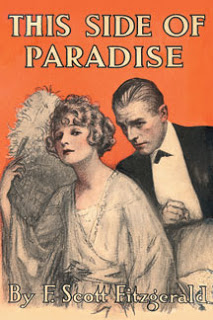
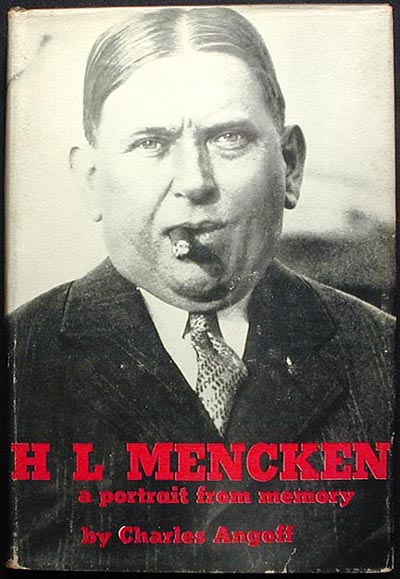
Out of this reading, I, first time, came along Charles Angoffs „H.L. Mencken“ book. There I read that Gatsby is a much more mature work than „This Side of Paradise“, which was a young man’s novel, witty and clever but less wise, written also by Scott Fitzgerald.
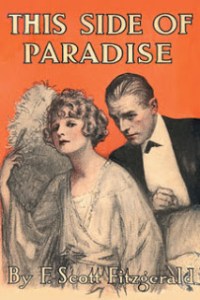
     This Side of Paradise. Later Mencken wrote about: This Side of Paradise was the „best American novel that I have seen of late“.

Further reading stated Mencken saying: „As usual, you’re crazy, Angoff“,  he said. „If you had said The Great Gatsby was poor stuff I’d agree with you. There Scott is writing about people he doesn’t know anything about. At best it’s only an overlong short story, but This Side of Paradise is really something, my boy, and when your children start shaving you’ll realize how right I am. But by then I’ll be in heaven or in a Trappist monastery, and you won’t have a chance to apologize“.
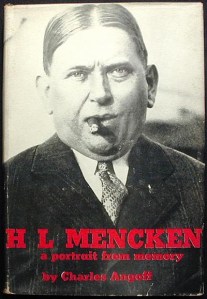
  Charles Angoff’s book about Henry Louis Mencken, which I read much later than the novels described above.

Also: „Fitzgerald greeted us warmly. He had been drinking and was hardly able to stand up straight. He tried to embrace Mencken, who was obviously annoyed by this attempt at intimacy. Mencken then introduced me: „Meet Angoff, my private chaplain“. „Fitzgerald and I shook hands, Mencken then said: „Don’t say anything dirty about the Virgin Mary or call the Pope a dope or discuss Cardinal O’Connell’s children. You see, Angoff is an unfrocked priest and is living with an escaped Polish nun, she smells like smoked ham,  but deep down both of them are still very devout Catholics“. Scott Fitzgerald did not seem amused very much.

After reading comments like the above, I directly was interested in:

Who is Henry Louis Mencken ?
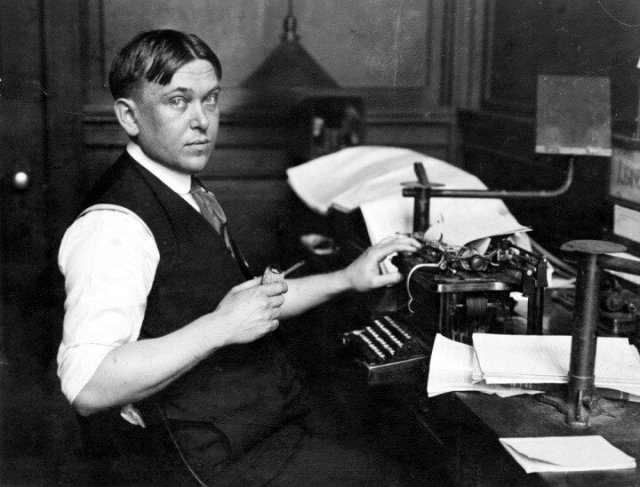
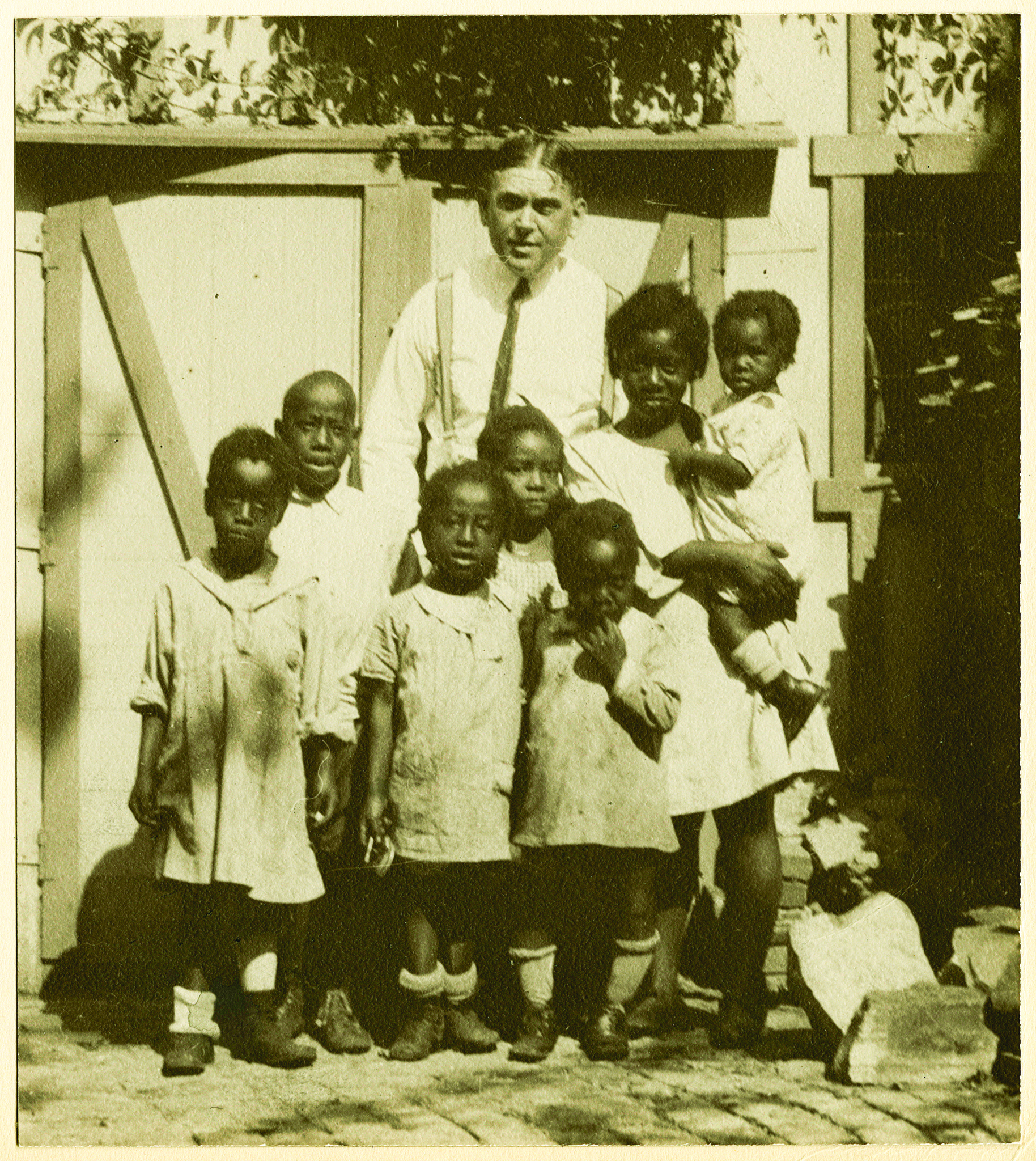
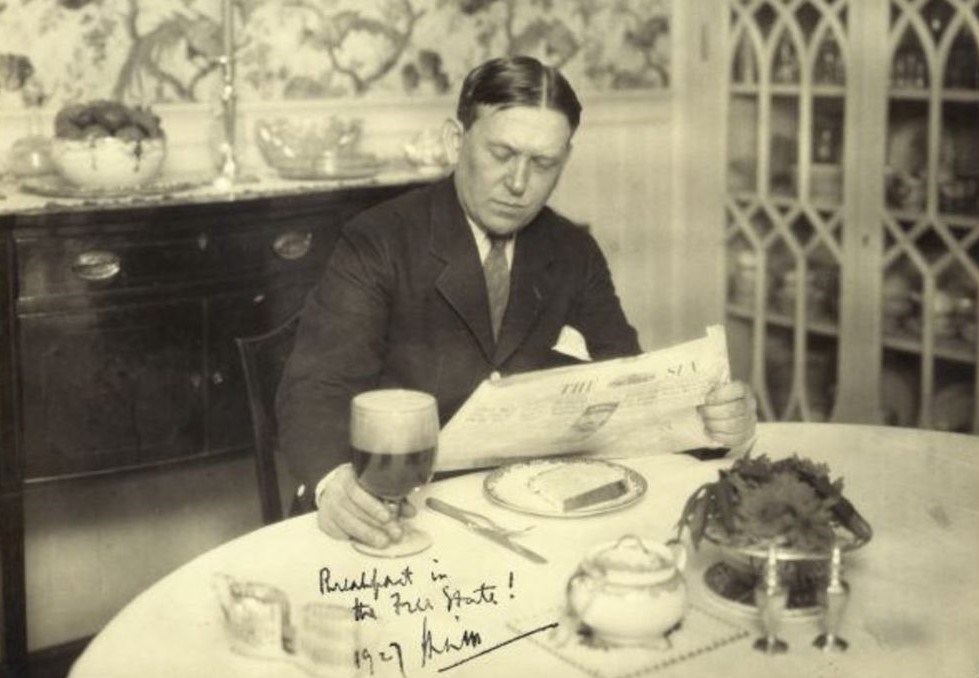
Henry Louis Mencken (September 12, 1880 – January 29, 1956) was born into a German-American family in Baltimore, Maryland. He was the eldest son of August Mencken, a successful businessman who owned a tobacco business, and in whose footsteps the young boy was expected to follow. When he was not roaming the alleys and vacant lots of West Baltimore, he spent most of his time reading. When he was 8 years old he discovered Mark Twain that would have a profound influence on his life. At about the same time, his father bought him a small printing press, which helped form his interest in printing and newspapers.
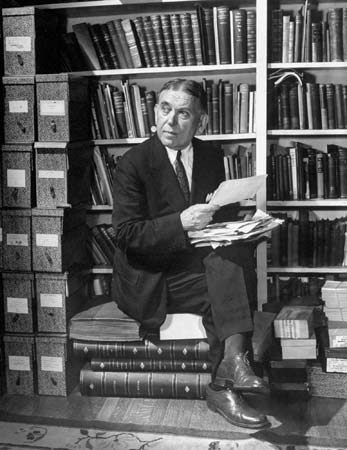
He attended the Baltimore Polytechnic Institute, where was valedictorian of the class of 1896. When he graduated, he wanted to become a newspaper reporter, but his father insisted that he go to college or work at the cigar factory, so Mencken chose the factory. When his father died of a stroke two years later, the 18-year old Mencken haunted the Baltimore Morning Herald city room every day until the editor gave him a job. He was the youngest reporter on the paper. Looking back on those days at the turn of the century, he later wrote: “I believe that a young journalist, turned loose in a large city, had more fun than any other man.”
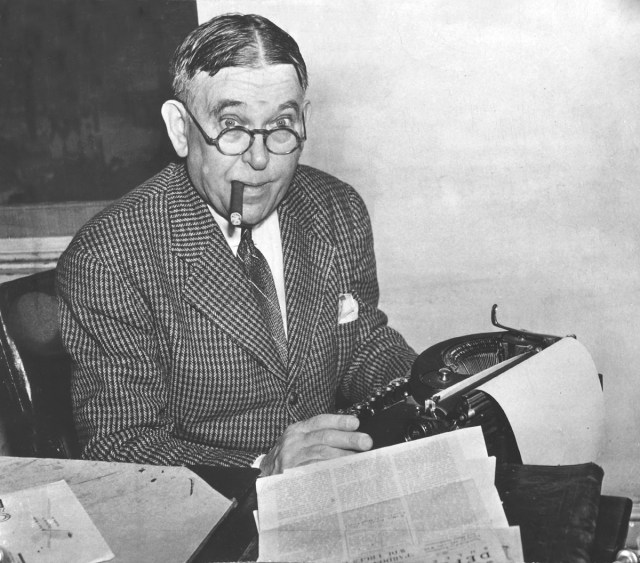
H. L. Mencken was as famous in America as George Bernard Shaw was in England, but it was not only through his work as a journalist. He continues to be recognized throughout the world as an influential critic of literature.

In 1924, Mencken began a new journal, called The American Mercury. Aimed at the “civilized minority,” the magazines blended politics, the arts, and the sciences. It was the first magazine edited by whites to publish the work of African American authors such as James Weldon Johnson and Langston Hughes.
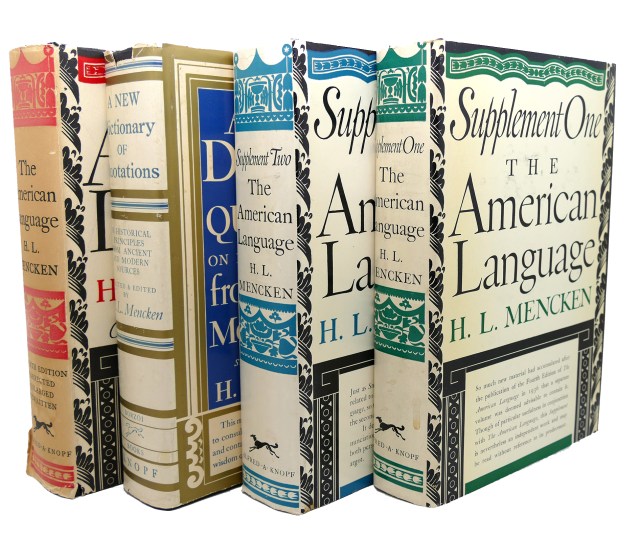
Of his books, Mencken is best known for his monumental study, The American Language, ranked as one of the top 100 influential books in the United States.

Mencken was one of the most famous and colorful literary figures of his time, a friend to senators, movie stars, redcaps, writers, lawyers, doctors, politicians, journalists, convicts, musicians, philologists, rabbis, and priests. So extensive was his medical knowledge, that he was regularly asked to address doctors. Lawyers, debating Mencken at some point, were surprised he had not gone to college, let alone not graduated from Harvard Law School.
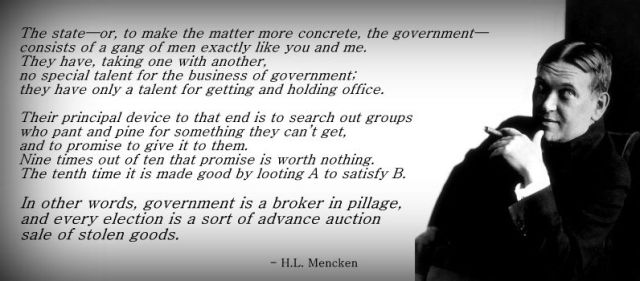
When he was not writing about medicine or law, he could be found having intense discussions on religion with rabbis or priests. Mencken was led to comment that he had an excess of energy. It enabled him to write as many as 60 letters a day (over 100,000 in his lifetime), thirty books, thousands of articles, and edit two magazines, with time left over for activities other men considered full-time jobs – putting up a brick wall in his garden, brewing beer, or playing all night sessions with members of his music group, The Saturday Night Club.

As Germany gradually conquered Europe, Mencken attacked President Roosevelt for refusing to admit Jewish refugees into the United States and called for their wholesale admission: „There is only one way to help the fugitives, and that is to find places for them in a country in which they can really live. Why shouldn’t the United States take in a couple hundred thousand of them or even all of them?“
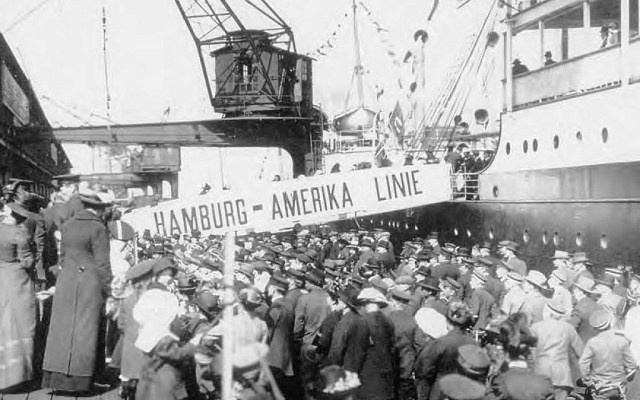
German immigrants boarding a ship in Hamburg to New York, 1913.

The effect of all this energy made him irresistibly attractive to women. „Girls swarmed after him,“ according to Anita Loos, herself inspired by Mencken to write Gentlemen Prefer Blondes. In newspaper polls, women called Mencken one of the most fascinating men in the United States. „America’s Best Known Bachelor“ was, during the 1920s, the patron saint of single men. In 1930, after a seven-year on and off courtship, the confirmed bachelor finally married, at age 50.
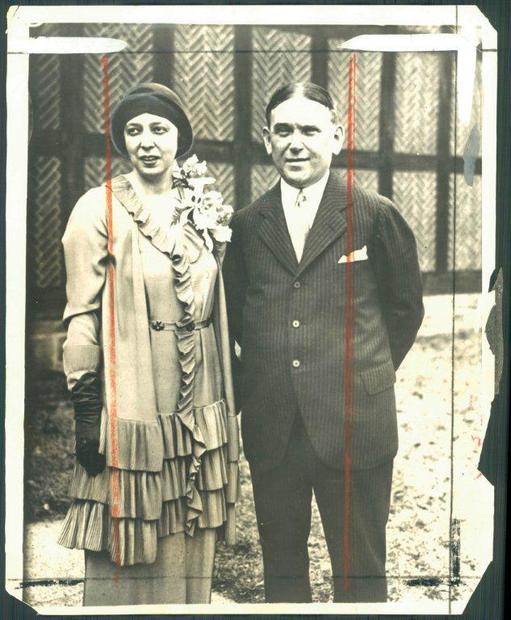
  Harry Mencken and Sara Powell Haardt, courted for seven years, a very slow and uneven romance. Once a woman-hater, here with his bride, just after his marriage in an Episcopal Church just before his 50th birthday.
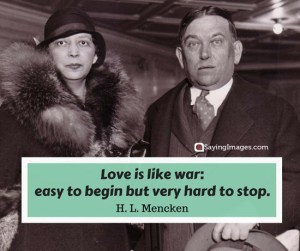
        Some of Mencken’s sayings about women. Not an easy guy to be married with.

The question, „What do you think of Mencken?“ so often repeated during the 1920s, goes on to this day. He is regularly quoted in newspapers and magazines, appearing in such diverse publications as The Wall Street Journal, The New York Times, and Vogue magazine. He has even been a character in the cartoon strip, Brenda Starr, and his fight for freedom of speech has been mentioned in various TV shows, most recently on Law and Order. Under the dome of the US Capitol, his name continues to be invoked by members of Congress.

Is Mencken relevant? Teachers of American Studies, English, History, Journalism, and Political Science will find Mencken’s writing useful when discussing race, literature, language, writing, and political and social history. If he himself is damned or praised, the liberating force he provided for American culture is woven into the fabric of our daily existence and should be so celebrated. If the body of literature he left behind manages to „stir up the animals,“ this is exactly the sort of the reaction H. L. Mencken desired.

Revisiting H.L. Mencken in The Age of Trump:

Precisely 100 years ago next Sunday – on July 26 1920 to be specific – cultural critic and journalist, H.L. Mencken, wrote a column that appeared in The Baltimore Evening Sun. Entitled „Bayard and Lionheart“, that piece included this often-quoted sentence:

„On some great and glorious day, the plain folks of this land will reach their heart’s content at last,
and the White House will be adorned by a downright moron“!

An inveterate critic, Mencken took on everything that mattered and anyone who counted. An iconoclast of epic proportions, he delighted in holding a mirror to society. With scorn and malice intended, he especially liked to target politics. It was theatre to Mencken, and that’s how he saw the Presidential race in 1920.
       Modern politics: „Slitting Throats“ !

It was a contest between eventual winner, Warren Harding, and Democratic challenger, the long since-forgotten David Cox. Mencken viewed Harding as a man „with the face of a moving-picture actor … and the intelligence of a respectable agricultural implement dealer“. He saw Cox as a person „with a gift for bamboozling the boobs“.

While Mencken treated politicians unmercifully, some of his most pointed criticism was reserved for the American public and the institution of democracy. Mencken held both in contempt – not so much in theory as in practice. He detested the relative inability of upstanding people to be elected to office.

Many observers – including myself – associate Mencken’s reference with Donald Trump.

Mencken believed that citizens would eventually screw up democracy. „As democracy is perfected,“ he wrote, „the office (of the Presidency) represents, more and more closely, the inner soul of the people.“

It was Mencken at his hyperbolic best. But make no mistake about it: Mencken wasn’t bombastic. Instead, in a shrill voice and with a dagger-like pen, he offered strident commentary about America’s sociopolitical life.

And he had plenty to write about.

America a century ago was grappling with its destiny – about whether to enter the World War, about what America should be to the world, and – most fundamentally – about who we were as American people.
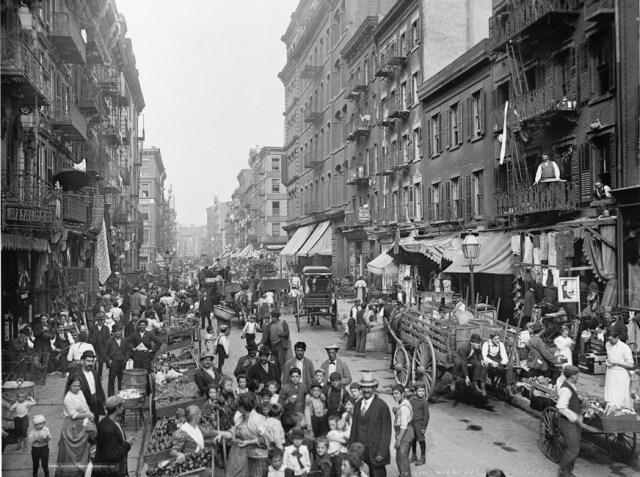
Migrants in New York about 1910.

Immigration was a big issue. By 1910 15% of those living in the States had emigrated from other lands. About 40% of those living in New York City – the epicenter of immigration entry – were either foreign-born or first-generation Americans. America struggled with other forms of diversity, too – of African Americans as free people and of women seeking to be full-fledged citizens.

In all of this churn, activists were noteworthy in the fight for America’s identity and direction. There were larger-than-life Progressives, like Eugene Debs, Jane Addams, and Alice Paul. They pleaded for suffrage (and won) and urged America to stay out of World War I (and lost).
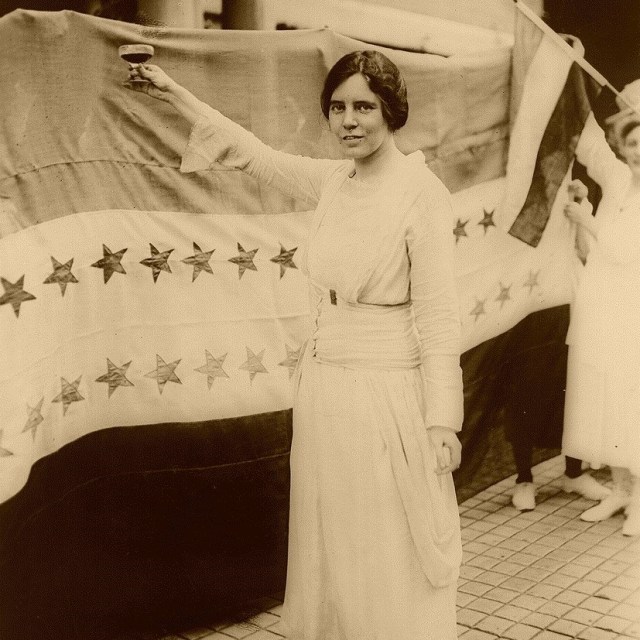
Alice Stokes Paul (January 11, 1885 – July 9, 1977) was an American suffragist, feminist, and women’s rights activist. After 1920, Paul spent a half-century as leader of the National Woman’s Party, which fought for the Equal Rights Amendment, written by Paul and Crystal Eastman, to secure constitutional equality for women

As Germany gradually conquered Europe, Mencken attacked President Roosevelt for refusing to admit Jewish refugees into the United States and called for their wholesale admission: There is only one way to help the fugitives, and that is to find places for them in a country in which they can really live. Why shouldn’t the United States take in a couple hundred thousand of them or even all of them?

The decision to enter WWI cost nearly 120,000 American lives. Another 675,000 Americans died from a flu pandemic in the War’s non-combative aftermath.

The influenza pandemic of 1918-1919 killed more people than the Great War, known today as World War I (WWI), at somewhere between 20 and 40 million people. It has been cited as the most devastating epidemic in recorded world history. More people died of influenza in a single year than in four-years of the Black Death Bubonic Plague from 1347 to 1351. Known as „Spanish Flu“ or „La Grippe“ the influenza of 1918-1919 was a global disaster.

1918 children would skip rope to the following rhyme:

I had a little bird,
Its name was Enza.

I opened the window
a
nd in-flu-enza.

2020 Trump would say, „what’s today’s pandemic loss of 150.000 against 675.000 then“.

Back then it wasn’t a matter of “Making America Great Again.” It was about what it meant for America to be great – should America seek that path? A divided America struggled mightily with that question.

President Woodrow Wilson struggled, too. He eventually became known as – and relished being called – „President of the World.“ It was for the role he played in and after World War I, including championing The League of Nations.

But Wilson largely failed in his role of president for America – for all Americans, especially. A racist, he barred African Americans from serving in major government roles (they weren’t capable). He sat silently during „The Red Summer“ of 1919 when African Americans were terrorized and killed after returning from the War in Europe.

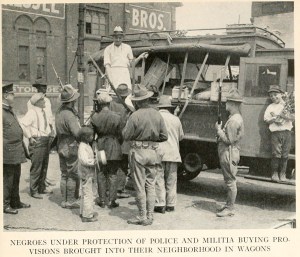
         During the Red Summer of 1919. Click on pictures to supersize, which will show you the smiling faces.

1919 – Mencken wrote:
„I admit freely enough that, by careful breeding, supervision of environment and education, extending over many generations, it might be possible to make an appreciable improvement in the stock of the American Negro, for example, but I must maintain that this enterprise would be a ridiculous waste of energy, for there is a high-caste white stock ready at hand, and it is inconceivable that the Negro stock, however carefully it might be nurtured, could ever even remotely approach it. The educated Negro of today is a failure, not because he meets insuperable difficulties in life, but because he is a Negro. He is, in brief, a low-caste man, to the manner born, and he will remain inert and inefficient until fifty generations of him have lived in civilization. And even then, the superior white race will be fifty generations ahead of him.“
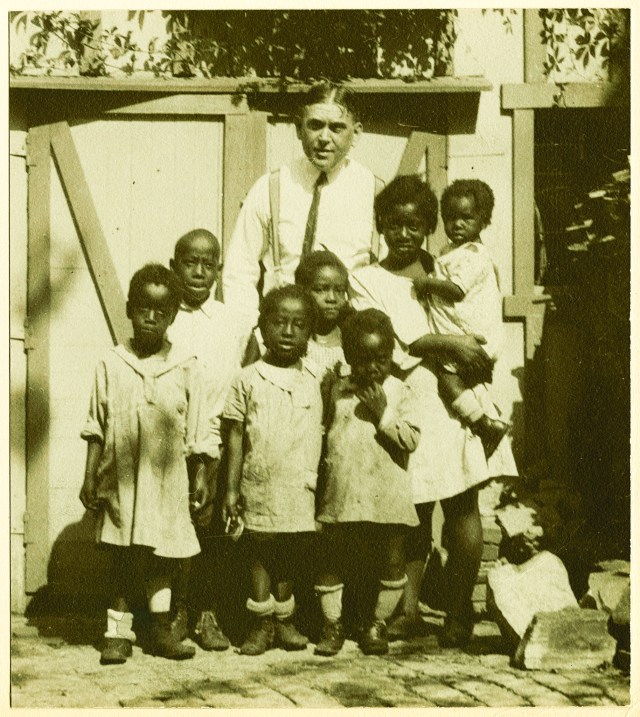
Mencken with children of the Johnson family in Booth Street, 1929.

This leads to the question: „H. L. Mencken: Racist or Civil Rights Champion?“

1910 – Mencken wrote:
„The Negro brain is not fitted for the higher forms of mental effort.“ This from the same man who probably did more to help black writers – including the likes of W.E.B. Du Bois, Langston Hughes, and James Weldon Johnson – get into mainstream print than any other white magazine editor of his day. Mencken wrote blistering attacks on the horror of lynchings, the injustice of segregation, the stupidity of the Ku Klux Klan. And yet, even in his wistful memoir „Happy Days“, he drops race bombs: casually implying that it was implausible that a cop could hit „a bad nigger too hard.“
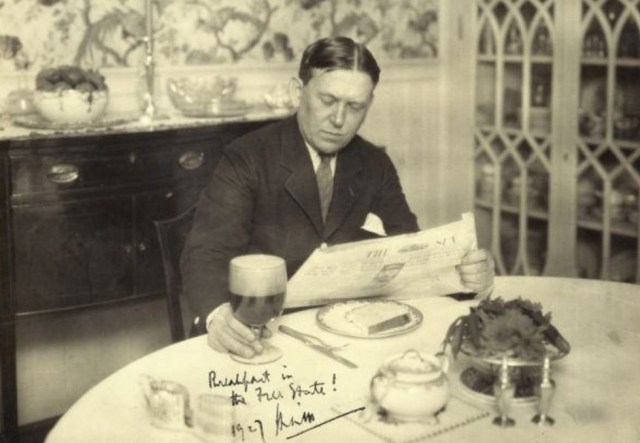
With a style that combined biting sarcasm with the „language of the free lunch counter,“ Henry Louis Mencken shook politics and politicians for nearly half a century. In 2006, fifty years after Mencken’s death, the Johns Hopkins University Press announces The „Buncombe Collection“, newly packaged editions of nine Mencken classics: Happy Days, Heathen Days, Newspaper Days, Prejudices, Treatise on the Gods, On Politics, Thirty-Five Years of Newspaper Work, Minority Report, and A Second Mencken Chrestomathy.
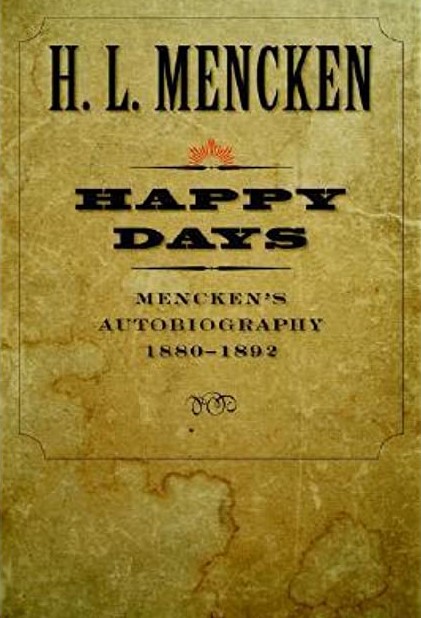
  Mencken’s Happy Days.

Given this context, then, it’s not difficult to understand why Mencken wrote what he wrote – inimical, acerbic style notwithstanding. He shined a spotlight on the hypocrisies and the hypocrites of the day, focusing on political leaders and institutions he felt weren’t living up to espoused democratic ideals.

He lashed out at everyday people and portrayed them as incapable, often stupid because he thought (for the most part) they were. „Democracy is a pathetic belief in the collective wisdom of individual ignorance,“ Mencken wrote in 1926.

  Is this Mencken’s conclusion ?

Would he draw the same conclusion today? Probably. He’d look at the proliferation of social media, witness the corporatization of mass media, observe how little people read, see how Americans get their daily news, and listen to what they have to say.
He’d look at The White House, see Trump, and … then, well … rest his case.

Is history repeating itself ?
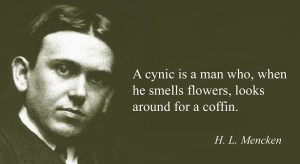
  

But thinking critically wasn’t enough for Mencken. Cynicism – first and foremost – was his hand signature. He took nothing for granted – certainly nothing that politicians said or claimed. Mencken questioned answers above all else.

That’s no easy task – either in Mencken’s time or in today’s world with Alternative Facts and Narrative Truth.  I think he had some great ideas and philosophies which are as valid today as they were 100 years ago.

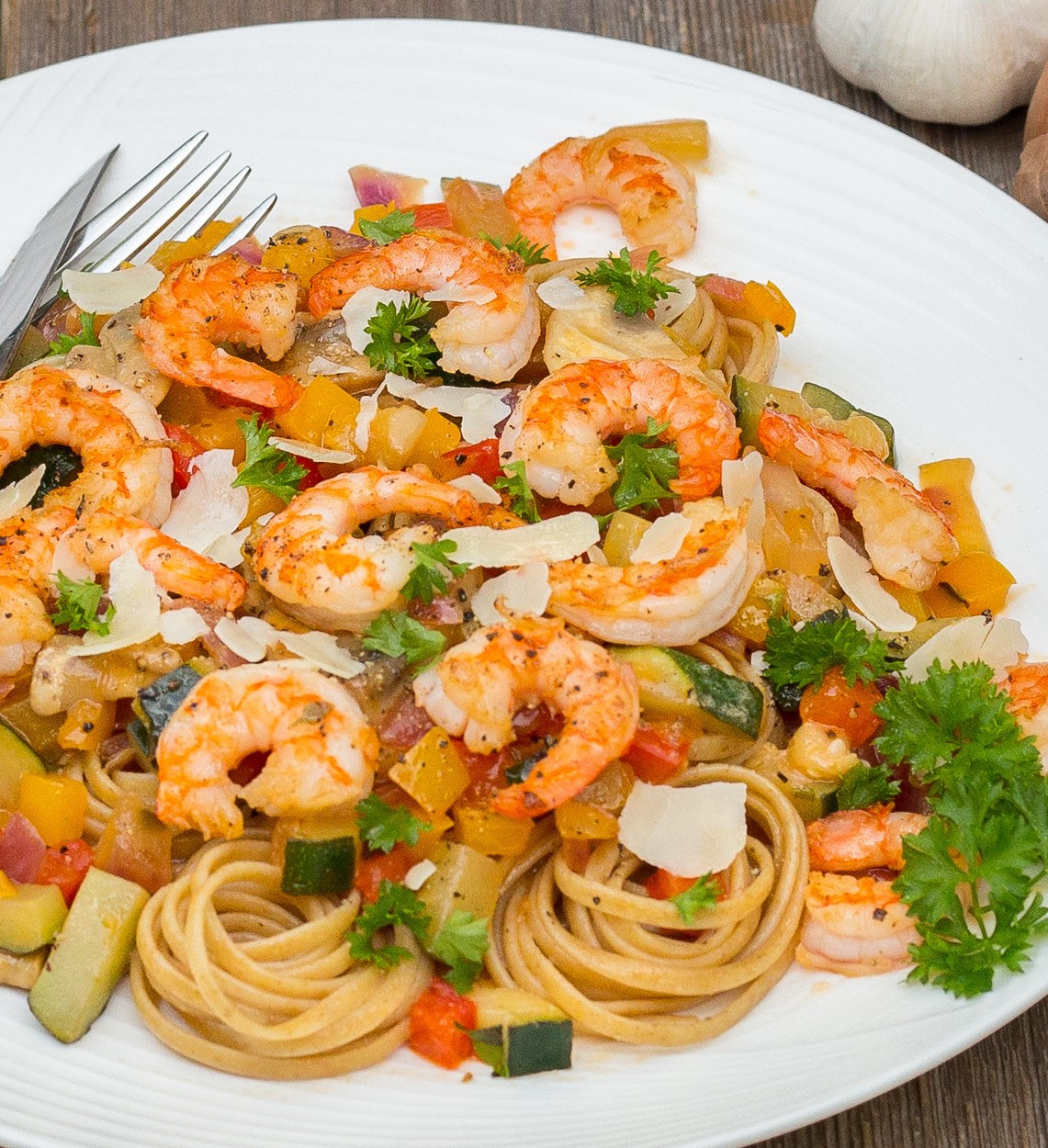
Veröffentlicht unter History, Information | Verschlagwortet mit , , | Hinterlasse einen Kommentar