
Now I have 4 days of fasting behind me, in total 5 days and I am feeling very well. Best sign to go on. Today was a hard day. After resting and giving the body time to change, I drove off to Punta del Este today. First, it is high tourist season and the roads are full of traffic. instead 1 hour from here to Punta I drove today 1 1/2 and 1 3/4 each way.
Second, city of Punta, during the high season, is a nightmare. Every street full of tourists and traffic, no parking nowhere. I was lucky to catch one near the restaurant we meet. This 4-weekly meeting with friends and English speakers who live here or visit Uruguay is a nice highlight every month.
Today there were again around 70 people there and I could greet many good friends and appreciate a lot of good talks and much laughter. normally I stay around 3-4 hours with a lovely lunch between. Today I had no problems with all the nice food I have seen around and just having my bottle of water. I am over the appetite or hunger feeling, no problem.
Third, the noise of so many people chatting and laughing and making noise of course was after an hour some kind of unexpected stress. Normally I won’t realize this, but during fasting all senses are hypersensitive. I had to cut short and left early. Sorry friends, next time – in February – it will be better again.
1. Weight: morning: 113kg (249p) evening: 113kg (249p)
2. Last night: good night sleep, no interruption at all
3. Ingestion:
Early Morning: water
Late Morning: water
Lunchtime: water and a few slices of lemon (my brunch at the restaurant)
Afternoon: cup of tea, water
Evening : cup of hot veggie stock (hot water and 1/2 a cube )
4. Excretion: none
5. Exercise – Rest: grass walking same as yesterday, and the trip to Punta del Este, that was enough for one day.
6. Personal hygiene: good morning shower and brushing, evening (before bed) cold shower and brushing
7. Sensibility: During fasting don’t take any kind of stress if you don’t have to. Just be strict and get off any such situation. People will understand, see my comment above.

My opinion.
Some questions I get meantime, most comments are still coming to my private email and not open via the blog, are very personal and deeply thought over. I will try to answer all of them as qualified as I can. If I can’t I will tell you. Just think about – if you don’t ask – you won’t get an answer.
One more information. When I cancelled to take my blood pressure medication last Friday, I controlled the pressure every day a few times. Always perfect around 110/70 to 120/80. Nothing to complain. I will see how it goes on.
Today I like to confront you with a story about a folk group which was long time forgotten and could therefore keep their lifestyle and their individual survival methods. See the story about the Hunzas further down – just a shortcut out of a long article about the Hunzas, which I like to post sometimes in the future.
Fasting – time of reflection.
The experience of fasting can touch deeper layers of human being. Because it is a time when we are much more confronted with ourselves than in the normal everyday life. Fasting is a time of reflection.
Almost all fasting people report besides the physical experiences they have, about mind sighted focusing on eat-, drink- and indulgent-behavior, also from a lot of psychological impulses.
In the first encounter with the fast we can feel that there is a way to inner freedom and personal independence – in our thinking as well as in action.
The depths of the importance of fasting and the reach of its healing effects can be triggered
only through a long or/and repeated fast.
The Hunzas.
Natural life.
The history of the ancient culture of the Hunzas is a very good example of the fact, that fasting can be more than the possibility of survival. The Hunzas are a community of 10,000 to 20,000 people living in a high valley of the Karakorum in the north of the Himalayas, today’s northern Pakistan.
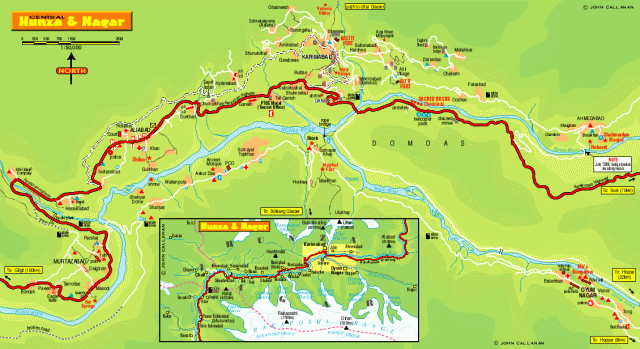 Hunza valley.
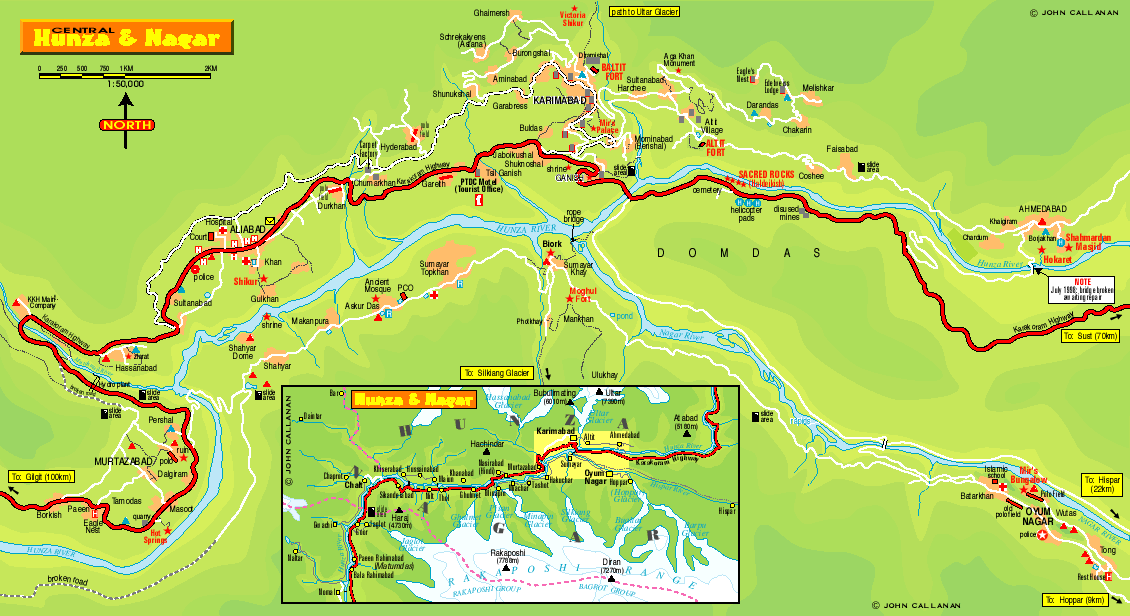
Up to 80 years ago the Hunzas had almost no contact to the outside world. The medical publicist and economist Dr. Ralph Bircher reported in his book „The Hunzas“ following amazing facts, here a short extraction:
The fields of the high valley produced never enough harvest and food to feed all people throughout the year. Until the barley ripened in June, the people were forced some weeks, sometimes even two months, to fast.
The Hunzas still remained cheerful and contented. All this time they fulfilled their work as usual. They went to the strenuous field work and renewed the irrigation ditches which were destroyed by avalanches. They did not know either a doctor and they still needed police. Her life went according to natural behaviors.
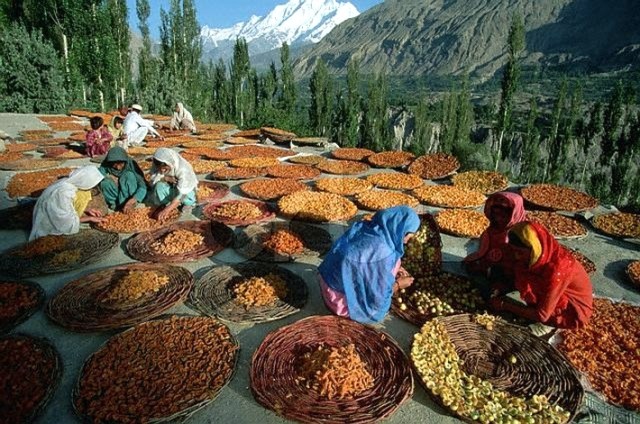 Hunza’s famous fruit harvest – apricots.
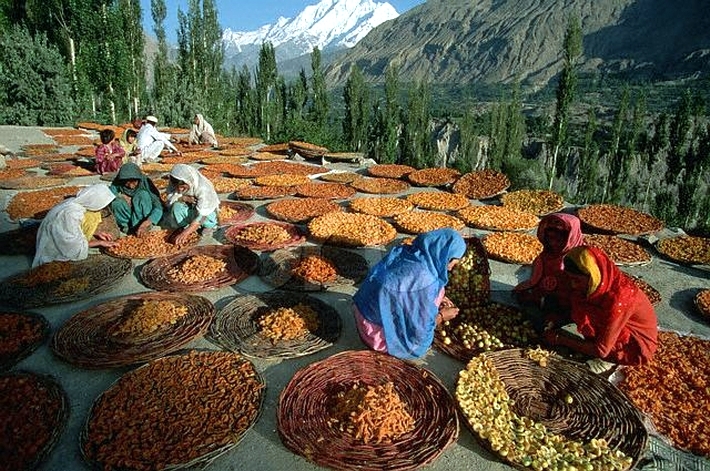
Today, the valley is accessible through the Karakorum Highway from China to Pakistan
Which passes over a hight of 5400 meters. Thus, the so-called civilization door and gate opened for the import of sugar, white flour and finished foods (fast foods). So the people need „no more to starve“, as the Pakistani authorities think.
The Hunzas still know the inner peace, family cheerfulness and higher efficiency. And the sparing food afterwards is enough to fulfill all the tasks and duties, which a mountain world between 2000 and 7000 meters hight demands. For the time being the Huzas still remain in their ancient wisdom of life and survival. By the way the life expectancy for the Hunzas is around 120 years of age !!??!!
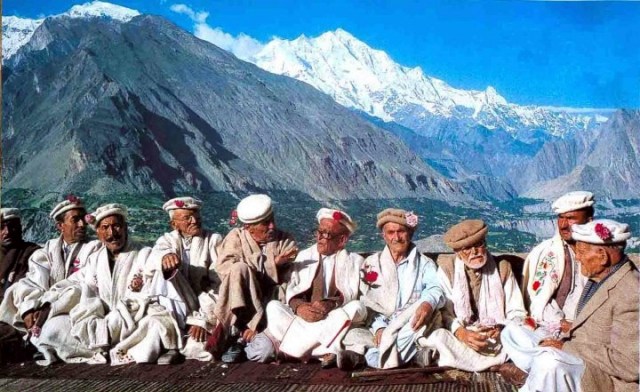 Hunza elder’s, all in their 80’s and 90’s.
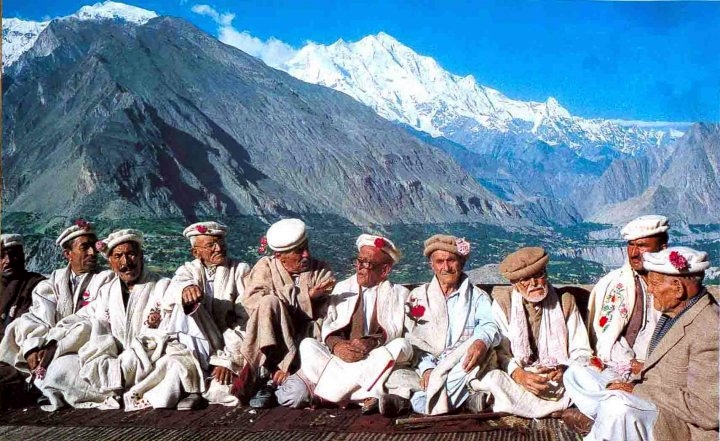
A life in abundance.
In our day, when we are increasingly surrounded by food supplies, it may be difficult to understand the deeper meaning of solitary fasting, this voluntary renouncing food.
But still there are in Australia and Africa natural people, who, like thousands of years ago, have adapted to their unsustainable environment. Same in jungles of South America. I had the opportunity, many years ago, to live some time with Aborigines in Australia. Unbelievable what is possible between spirit and reality and between food and fasting !!
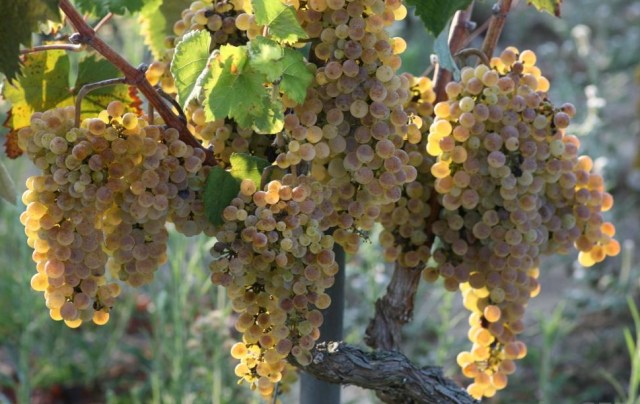 Another health and survival factor, Hunza grapes !
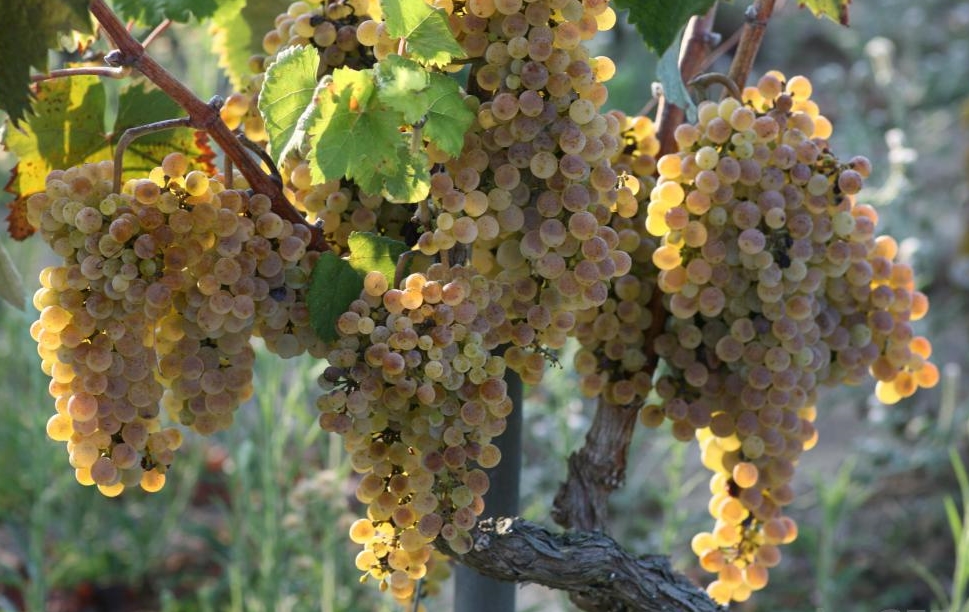
There are times in which they eat „for storage“ and times when they have nothing to eat at all. From this continual change also developed the religiously motivated fasting. Mankind thereby thanks God for the given possibilities to survive and be full. Fasting is seen as a way to inner order, as a process of own development and maturation.
The great religious founders, like Moses, Christ, Buddha, Mohamed, have in long, voluntary fasting times found the basic orders of human existence. They were once with themselves, only concentrated on heir inner voice and were not affected by interruptions like the food distraction.
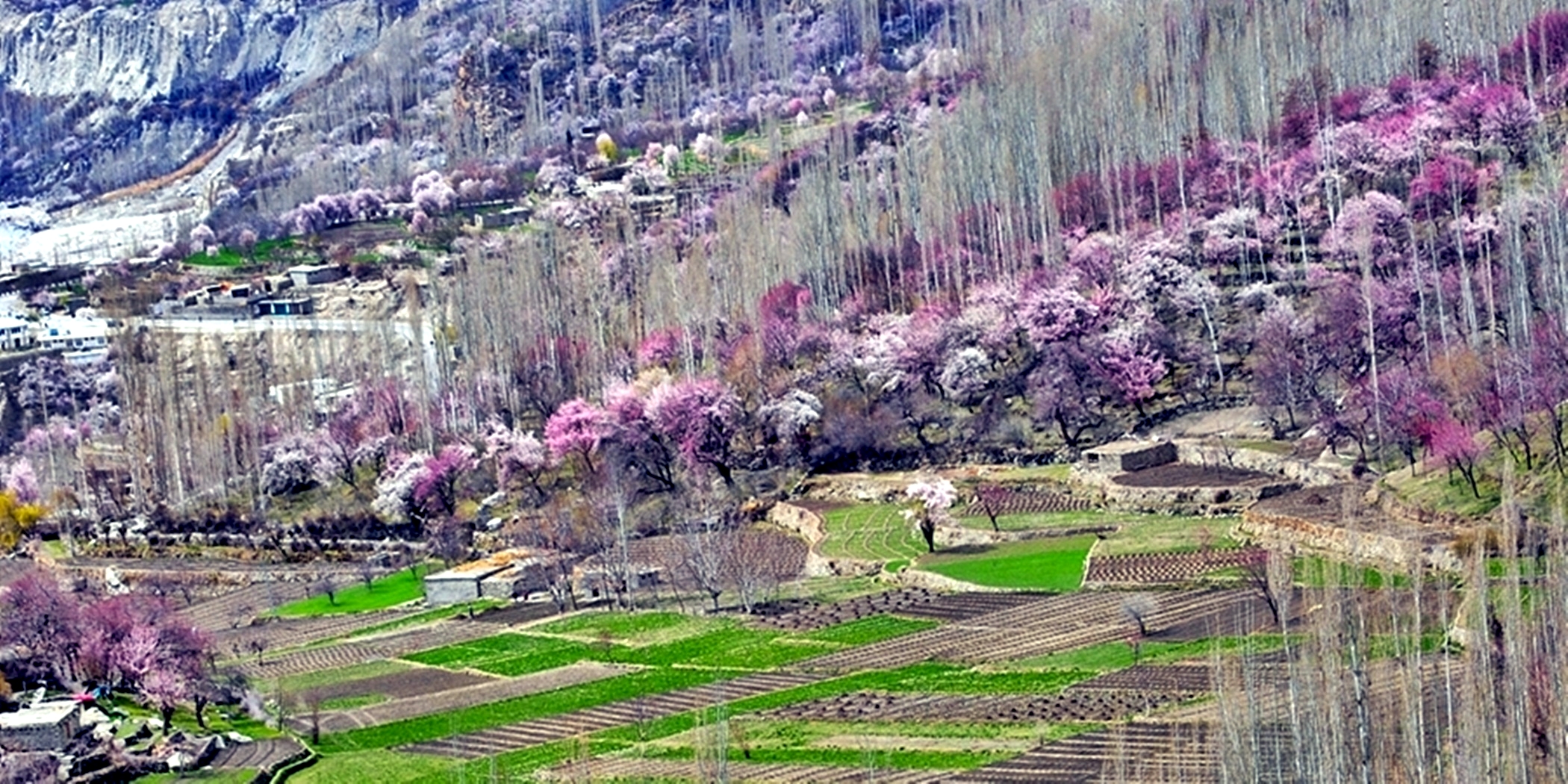
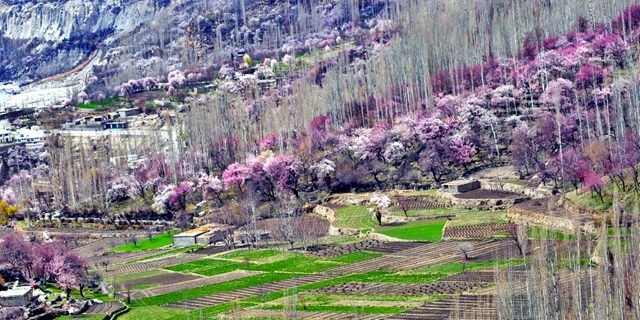 Hunza valley in spring blossom.
Even the church has often failed in her fast history. Her fasting censures or commandments were bypassed and submerged. They evoked growing resistance, often
justified with the fear of health damage. What remained were frozen, meaningless formulas, as we all know.
Tomorrow more about my fasting experience, come back to read and enjoy !

