
 Click on pics, most will supersize.
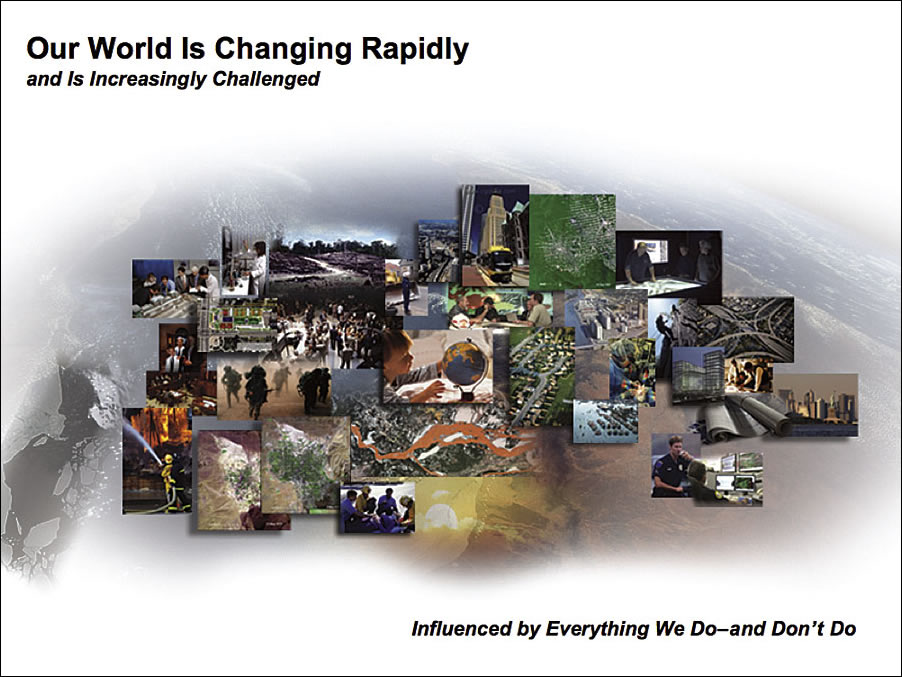
Everyone is aware that the world is changing dramatically at the moment. Especially the part of security rises above many others. Some new statistics and reports conclude the following information in my post.
In many parts of the world the number of murders is falling steadily. In Latin America and the Caribbean, however, they continue to rise. Now a new list of the most dangerous cities in the world was published.
The Venezuelan capital Caracas, according to a new Statistics ranks as the most dangerous place in the world.
 Caracas, Venezuela.

With nearly 120 homicides per 100,000 inhabitants, the South American metropolis has the highest murder rate outside of war zones, such as the „Mexican NGO Citizens‘ Council for Public Security and Criminal“ told .
 San Pedro Sula, Honduras.

In second place follows San Pedro Sula in Honduras, which was previously for four consecutive years at the top. Third place went to San Salvador. In the capital of El Salvador 108 murders have each around 100,000 inhabitants.
„The overwhelming majority of the 50 most dangerous cities in the world located in Latin America,“ it said in the report.
 Acapulco, Mexico. The wonderful holiday destination ?
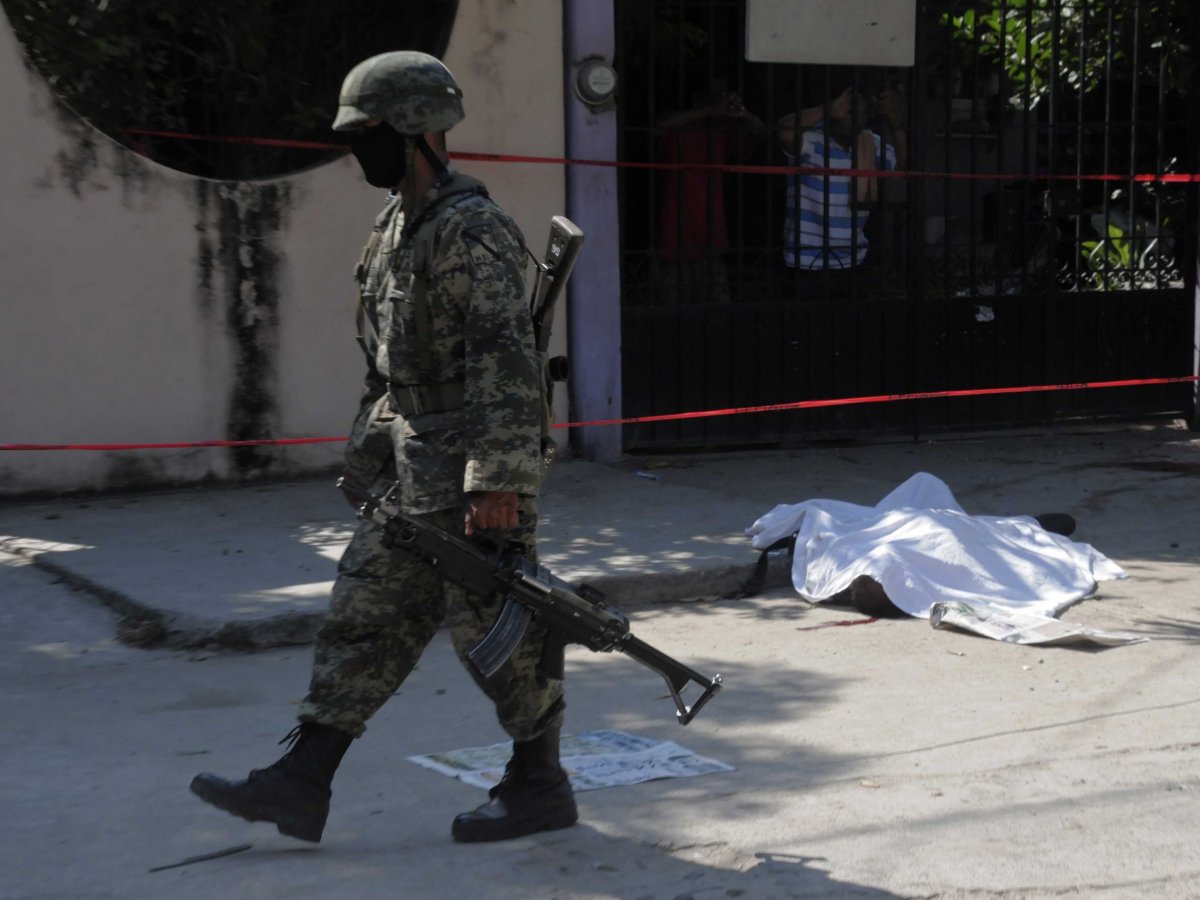
Positive experts reviewed the development in Ciudad Juárez in Mexico and Medellin in Colombia. Ciudad Juarez led to the border with the US ranking of 2008 to of 2010.
The former drug stronghold Medellin was in the 1990s as the most dangerous city in the world. In the list in 2015 both cities no longer appear among the 50 most dangerous places on earth.
 Cali, Colombia.
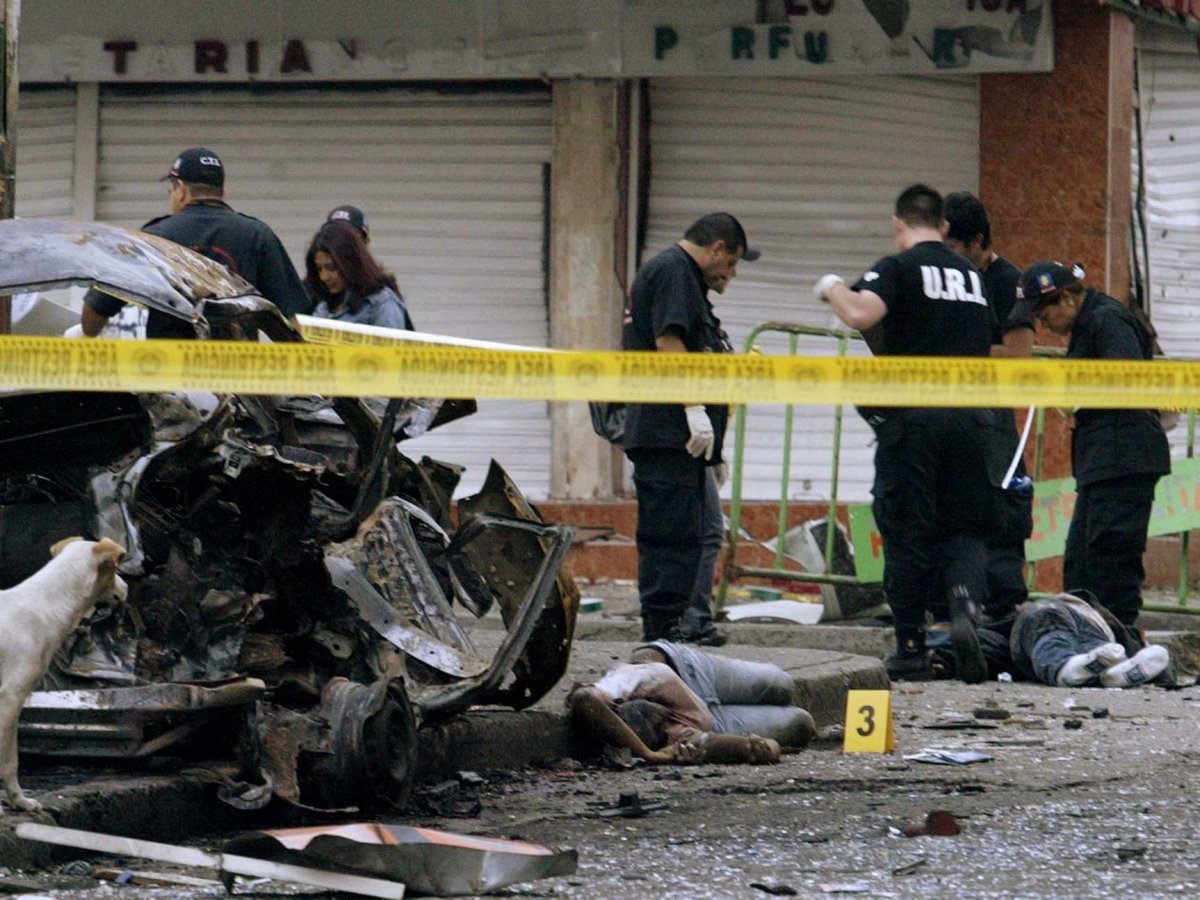
Crime Levels in the US.
Two US cities have a place among the top 25 most dangerous cities in the world (on the basis of murder per capita statistics). St. Louis ranks 19th with a murder rate of 49.93 per 100,000 inhabitants, making it the most dangerous location in the country by far. The city is also present in rankings based on considerations for other crimes – the Missouri city has a burglary rate of 606.9 per 100,000 and an aggravated assault rate of 317.7 per 100,000. This has led many to the conclusion that St. Louis is probably the most dangerous city in the US.
 St. Louis Missouri, USA.

 Detroit Michigan, USA.

 New Orleans Louisiana, USA.
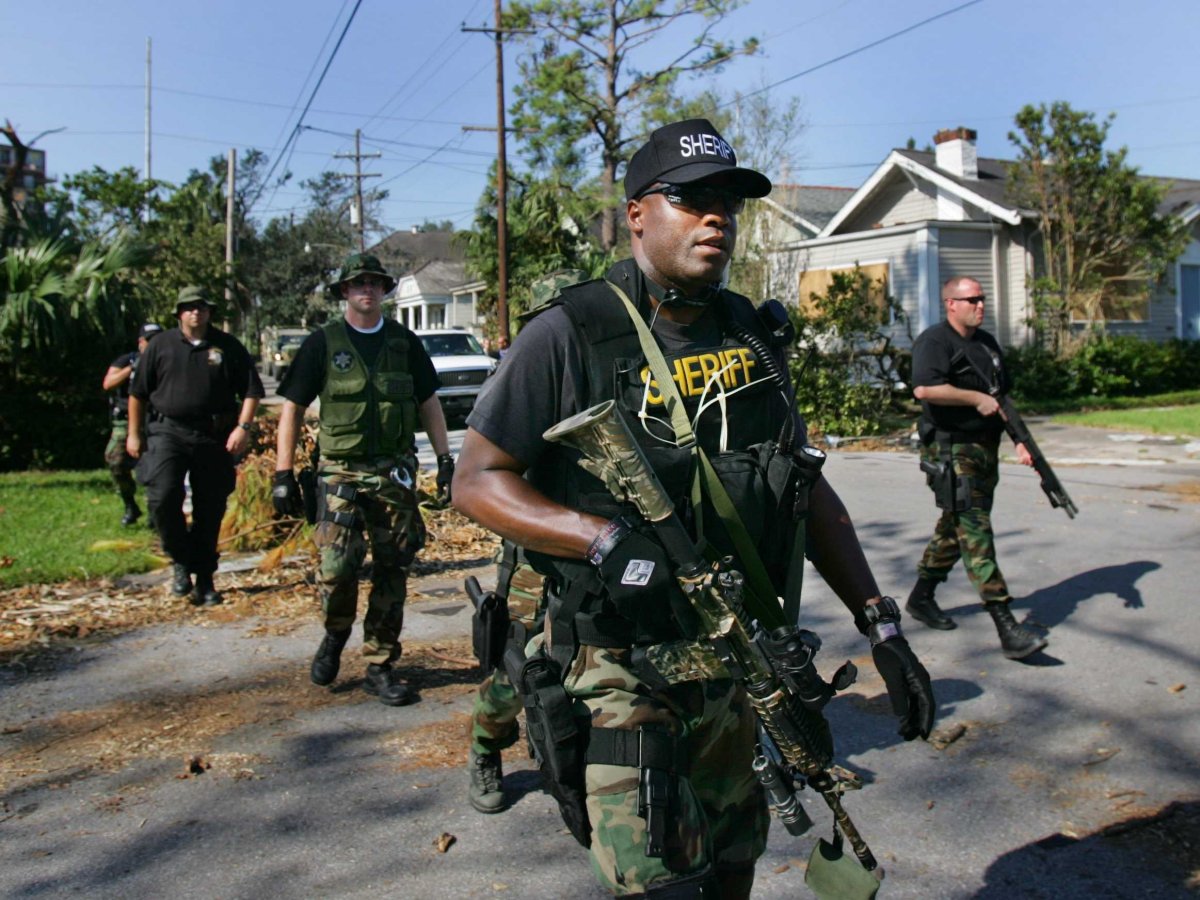
Detroit is the second city included in the 2014 ranking of the world’s most dangerous cities in terms of murder rates. With its 44.87 murders per 100,000 people, Detroit is a bit further down the list than St. Louis, but is still classified a dangerous place nonetheless.
New Orleans falls further down with 39.61 murders per 100,000 residents a year, and the last US city to make the list is Baltimore, with its 33.92 murders per 100,000 people.


Cape Town (left) and Durban (right), both South Africa. Rank 112 on the safety list of countries. 142 county’s are listed. Number 1 is the safest (Hong Kong) and 142 the unsafest, with the highest crime ( Congo).
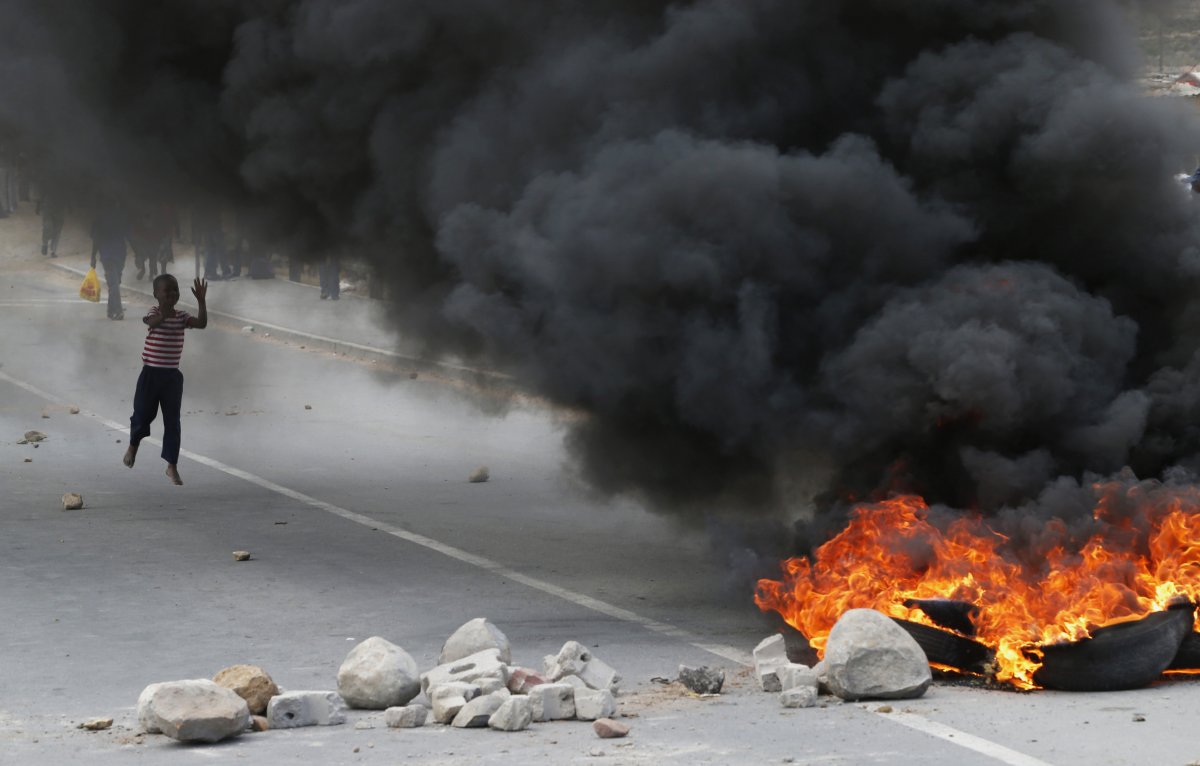

Europe’s Most Dangerous Cities.
Europe may very well be the safest continent in the world, considering that none of its cities appear in the World’s Most Dangerous Cities ranking. However, there are still some cities on the Old Continent that one should be careful about when visiting.
One such city is Rotterdam in the Netherlands. This city tops the chart for European lack of safety. Poland’s Lodz takes second while Newcastle Upon Tyne, United Kingdom occupies the third position in the European city danger rankings.
 Graffiti cars „against crime“ in Rotterdam, Netherlands.

Actual crime rates and perceptions are completely different things. Several official polls have been carried out to assess where people don’t feel safe in Europe. The cities where people felt most secure were Oviedo and Groningen, while residents of Athens (Greece), Istanbul (Turkey), Sofia (Bulgaria) and Bucharest (Romania) felt the most endangered.
Do wealth and standards of living have anything to do with security? Crime statistics do suggest that poverty and murder prevalence could be linked to each other, and some of the world’s most dangerous places are indeed located within countries plagued by political turbulence, corruption, low standards of living and economic underdevelopment. Hopefully, figures for all of these dangerous cities will decline in years to come.
 Istanbul, Turkey.

European Domination.
Out of the top 25 countries topping the list of the globe’s safest, 17 are European, with several of the others in the top 25 hailing from Asia or Oceania, and Canada standing alone in representing the Americas. Further, Europe is also the only continent to have not seen a decline in safety and security since 2009. Seeing almost no civil wars or state-sponsored political violence Europe truly feels as the safest place to live for many there and abroad.
 Toronto, Canada – safest in the Americas.
Moreover, being formed by countries with near-full democracies or otherwise well-represented republics, most of Europe’s nations proffer unto their respective populaces high levels of freedom to express their political opinion without fear, further increasing feelings of safety and security there. According to the Global Study on Homicide, Europe, Oceania, and Asia have the lowest regional murder rates, each at around 3 per 100,000 inhabitants, compared to 12.5 in Africa and 16.3 in the Americas. Such a disparate gap between these regions is huge, and corresponds very well to the rankings discussed below.
 Norway – No. 1 country in Prosperity Ranking.
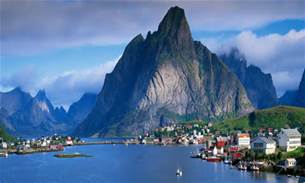
Are Wealthier Countries Safer Countries?
Analyses across a spectrum of different statistics show that living in a ‘rich’ country, or a country with a well-developed economy, generally correlates directly with positive senses of security therein. The Economy sub-index from the 2015 Legatum Prosperity Index shows that only one country (China) out of the top ten in this category is considered unsafe (did not make it to top 25). Furthermore, only 5 of the top 25 safest countries are not ranked among the Highest category in the Economy sub-index rankings. Similarly, only five of the safest countries failed to place in top 30 countries with the highest per capita Gross Domestic Products.
 Have a look yourself into the full report – just click down here:
Klicke, um auf PI2015Brochure_WEB.pdf zuzugreifen
 Hong Kong – safest city in the world.
Scandinavia: The Safest Region In The World.
Having all three of its most prominent constituent nations (Norway, Sweden, and Denmark) among the 8 safest countries in the world, Scandinavia has to be considered the safest region. Moreover, if we more loosely consider Iceland and Finland as making up part of Scandinavia as well, this means that out of the eight safest countries in the world, 5 are located in Scandinavia. Considering intentional homicide rate averages from across these five countries, the regional rate is 0.8 annual incidences per 100,000 inhabitants. Compared to the already mentioned low rates across the continent, Scandinavia’s homicide rates stand at around merely a quarter of those seen across Europe.
 Norway, Sweden and Denmark among the 8 safest.

The Pride of Small Asian Countries.
The second-best represented region in the top 25 safest countries in the world is Asia. Aside from Japan, the Asian countries nearing the top of the list are considerably small in size, both in terms of population and physical area. What is more, two of them are not even full recognized countries by some others, with Hong Kong being a „Special Administrative Region of the People’s Republic of China“, and Taiwan (a.k.a. The Republic of China) not being fully recognized by a number of other countries that conduct business and foreign relations with China (PRC) on the mainland, Taiwan’s cross-sea economic and political rival. It is not all about local culture though.
 Singapore, No. 1 city for economy sub-index.

For instance, expensive tickets for minor violations of the law are also said to play a big role in low crime rates in countries like Singapore. Not only are the laws there rigorous (even selling chewing gum is forbidden) but also brutal, considering that over 88% of sentences in 2012 included some degree of caning.
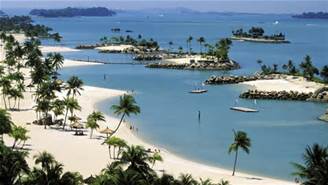
 Singapore, Shangri La’s Rasa Sentosa resort (pic out of my hotel room) on Sentosa island. A place not only for business, also a great lifestyle experience.
Commonalities among the World’s Safest Countries.
As we can see, certain regions of our globe are considered far safer and more secure than others. Among the most significant factors driving such high levels of safety include the educational levels of these populations, their levels of relative social welfare and wealth, and effective criminal justice systems. Furthermore, the governments in these places do not carry out a significant degree of state-sponsored violence and, as such, set a good example and foundations of healthy relationships with their citizens. See Pepe down here.
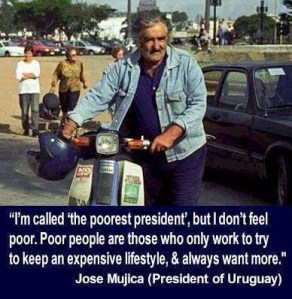 The above was perfectly presented by „President Pepe“.
Sian Hansen, Executive Director, Legatum Institute, says:
„The Prosperity Index tells us that the story of human progress goes beyond economics. It tells us that for nations to flourish they must provide opportunity and freedom to their citizens. It shows how access to quality healthcare and education provide the foundations on which nations can grow. It proves that effective and transparent government empowers citizens to take control of their lives. And it shows that protection from violence and oppression, as well as strong social bonds, are crucial to a thriving society.“
 Sian Hansen, Legatum Institute.
Legatum Index Safety and Security Ranking, best 25 – plus.
Hong Kong 1
Iceland 2
Finland 3
Ireland 4
Sweden 5
Taiwan 6
Denmark 7
Norway 8
Canada 9
Luxembourg 10
New Zealand 11
Singapore 12
Switzerland 13
Slovenia 14
Australia 15
Austria 16
South Korea 17
Portugal 18
Netherlands 19
Belgium 20
Germany 21
Japan 22
United Kingdom 23
Czech Republic 24
Spain 25
———-
Uruguay 28
Malta 29
France 31
United States 33
Chile 38
Argentina 50
Brazil 85
Paraguay 89
Ecuador 90
Peru 101
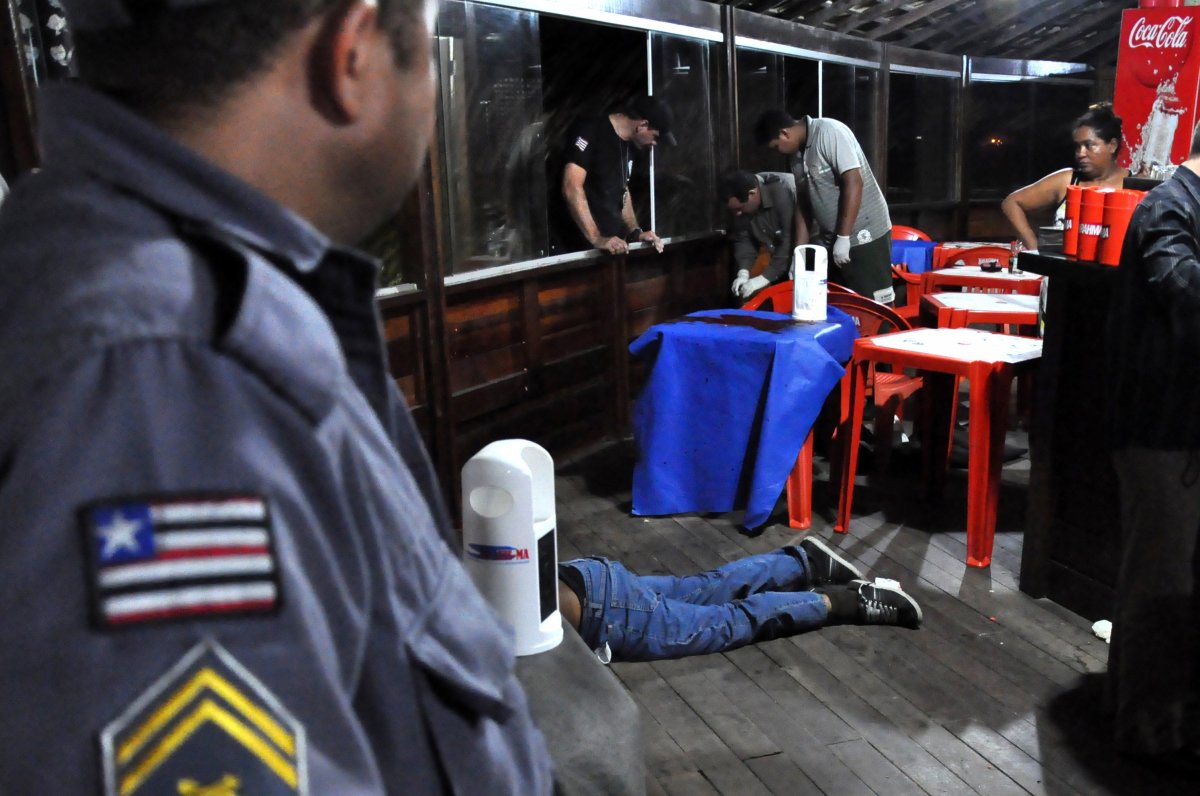
 3 dead after shooting – in Brazil.
Uruguay in the Legatum Index.
Uruguay is (behind Canada) the safest country in all the Americas. It ranks even safer then France and the United States. In the Prosperity Index you will find Uruguay on the 3rd place behind Canada and the USA in all Americas. It is still number one in all Latin America and would be at least 5-6 ranks better (within the first 20) if they had better points in the sub-part of education (Uruguay ranks on very bad 60th place).
 Uruguay is ranking 10 (of 142) for „Personal Freedom“.
Therefore Uruguay ranks in the part „Personal Freedom“ on worldwide place 10 !!! Better then by example Switzerland, Netherlands or United Kingdom and much better then the US. No wonder that we all like to live here. Prices increased the last few years in Uruguay – YES , but the SAFETY, the PERSONAL FREEDOM, the friendliness and openness of the people opposite foreigners and an effective high class and cheap HEALTH SYSTEM makes Uruguay for all of us „No. 1 country“ to live and retire.
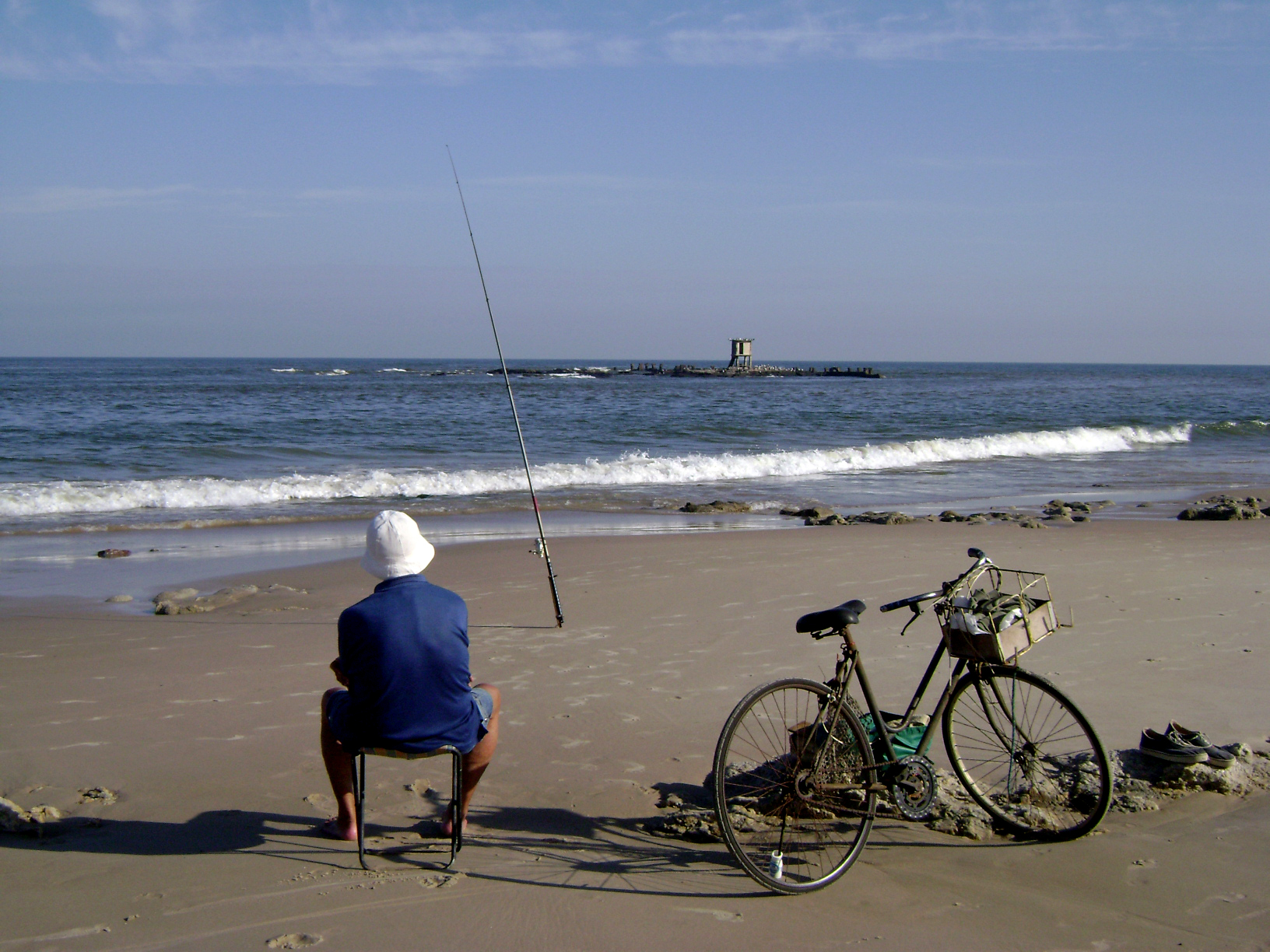
 Beach near La Floresta, Gold Coast Uruguay.

In Prosperity Ranking of all 142 countries Uruguay is the only country (except Australia and New Zealand) in the Southern Hemisphere ranking in midst the TOP 30. That’s another important point for all of us to live here, subtropical and warm climate, 4 soft seasons, no deep frost/snow and the best beaches in all of South America. Of course, if there are UP’s then there are DOWN’s, but on a scale the UP’s outweigh highly the DOWN’s.
 My motto: Uruguay – Love it or Leave it !


Interesting statistics. Plenty of anecdotal evidence leaves me inclined to believe the education system is seriously lacking.
With the refugee invasion of Europe, it will be interesting to see in another year how safe Germany and Sweden (in particular) rate.
No frost in Uruguay? I think you mean no snow. We’ve had frost every winter I’ve been here. http://goo.gl/KtAqyM
LikeLike
Ja ja, the world is changing !!
Let’s see what’s coming up in the US this year !!
I follow sporadically the „US Election Circus“, whatever the result would be,
not one of these „faces“ will better our world. May be the ranking in governance will go down.
Was wondering anyhow where the US got No.1 ranking for health from – against all experience !
Statistics are always a black and white picture.
My words:
LikeLike