
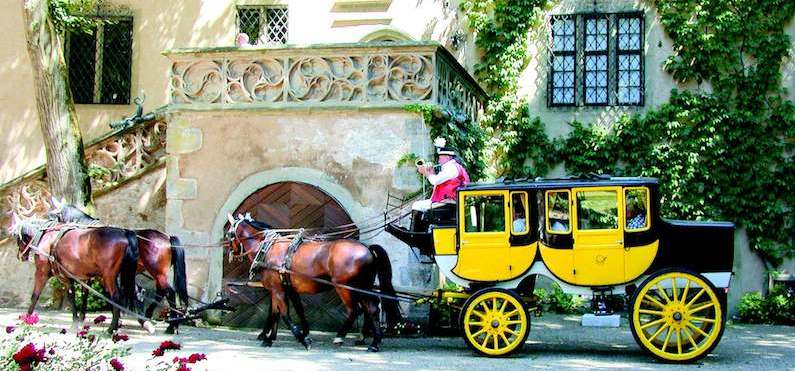
During my recent travel to Germany, I had the opportunity to dive into postal coach history and got some more background to one of my very very rare collectors items, a „Post Coach Road Map“ from 1806-1810. Visiting the city of Bad Kissingen you can’t get around without having contact to the magnificent historic Post Coach. Read a bit about this travel event.
Ancient and Modern Times.
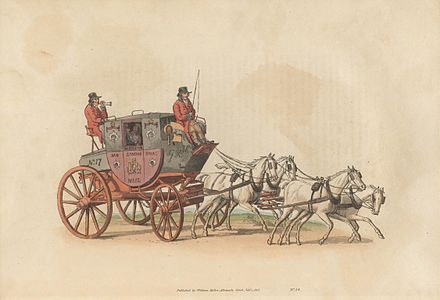
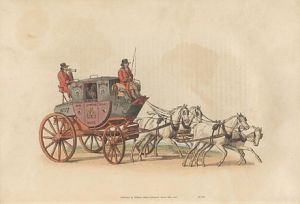 Copper engraving of a 1800’s coach.
As early as the „Cursus publicus“, the postal service of ancient Rome, touring cars had been used. As all former postal systems they were only for government purposes, so as business trips. The ancient Roman traveling carriage, Carrucae, already used a closed passenger cabin and a simple suspension.
 Life around the stage coach.
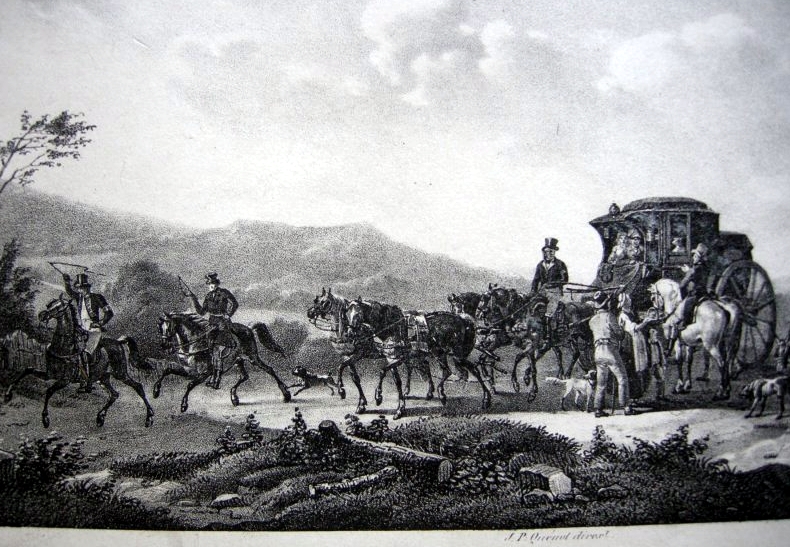
The reintroduction of postal services in the early modern period began with messengers on horseback. Since the 17th century it went on to the messenger post that could also carry people and larger mailings. In England the first stagecoach line between London and Chester was put into operation in 1657.
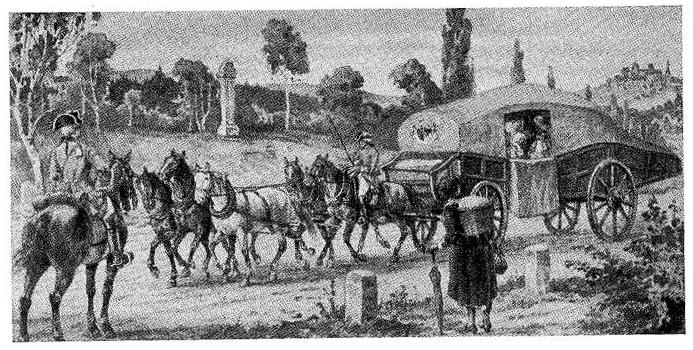
 Saxony post wagon with basket weave weather top.
Unlike England and France were in German-speaking countries as a result of the territorial fragmentation of the Holy Roman Empire no uniform driving postal system, but a complex web of the run by the colonel general postmasters from the house of „Thurn und Taxis Imperial Reichspost“ and the position of individual states – and in 1805 territorial states.
Development of the Mail Coach.
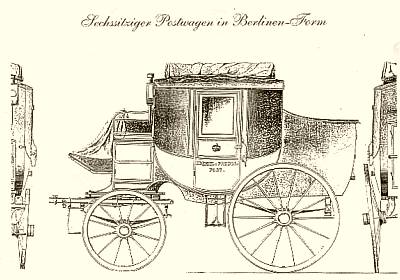
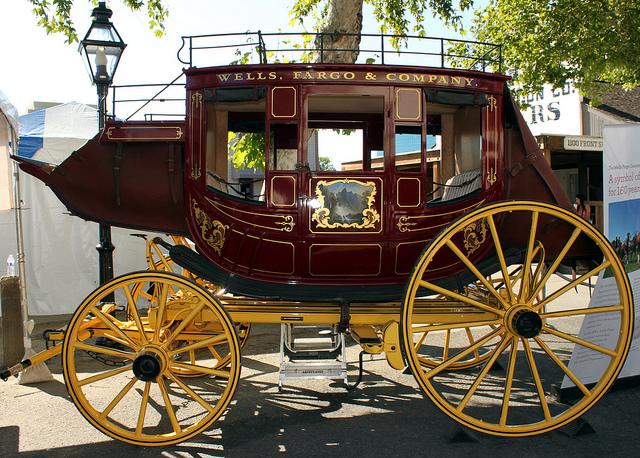
This was the most used form of fast Post Coach travel, the Berline. 6 seats inside and 2 upfront. Most well known type in the Old West of United States, see the Wells Fargo Coach, of course more modern and comfortable (see suspension). Drawn usually by 4 Horses, sometimes 6 horses for greater speed.
The first mail cars were, not only in Germany, no carriages in the strict sense, but unsprung wagons with a basket weave, which was spanned later with a tarp. Nevertheless, they were even then generously called as „coach“ when they had at least one top. One sat in it on wooden benches with fur blankets.
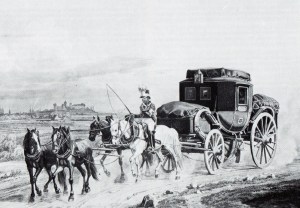 Bavarian Coach near Nuremberg 1823.
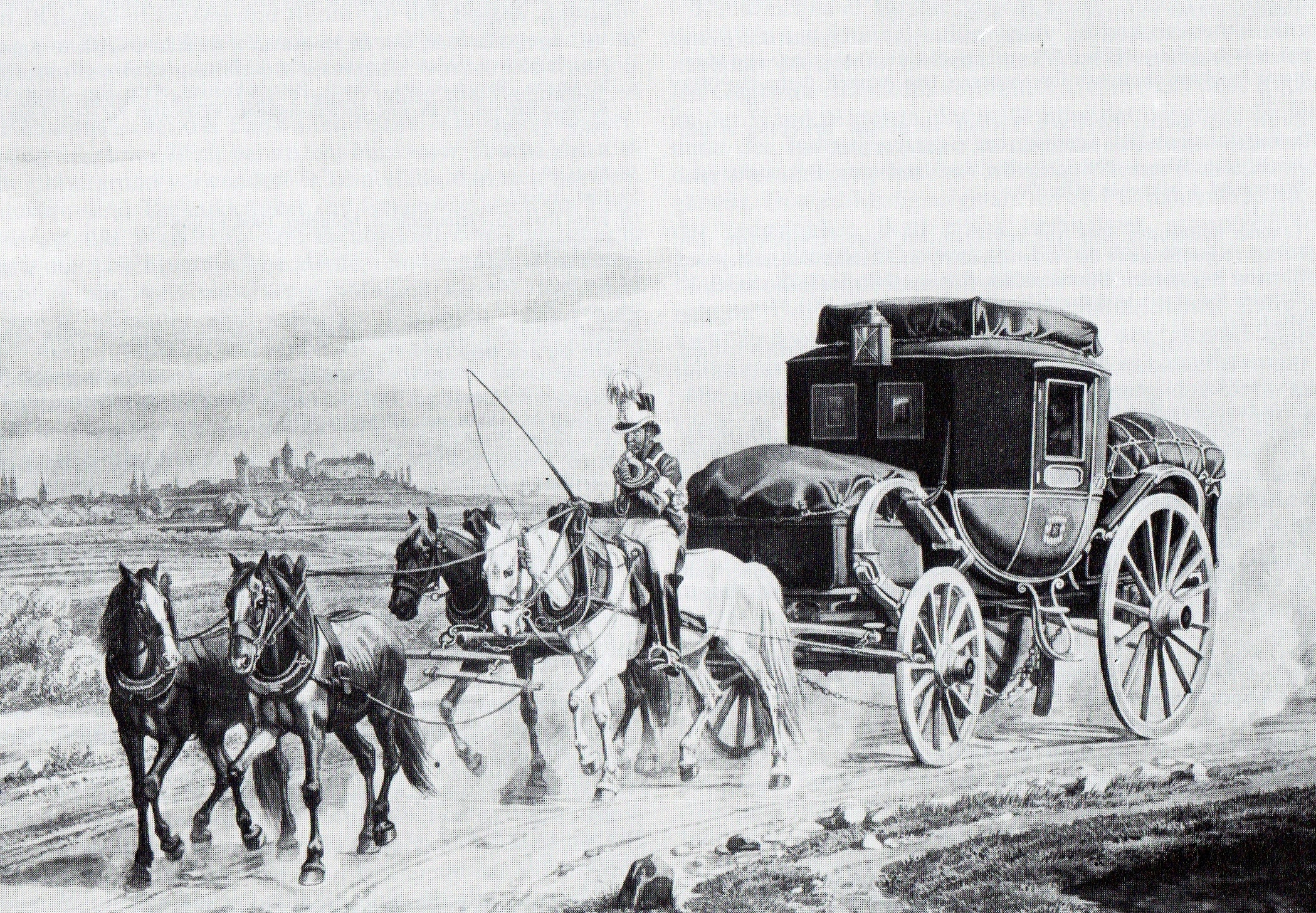
Since the 18th century the importance of stagecoaches increased for passenger traffic. It was used initially the type of Berline for four to six passengers and the mail Coach for 13 to 15 passengers (of which only were four to six indoor seats).
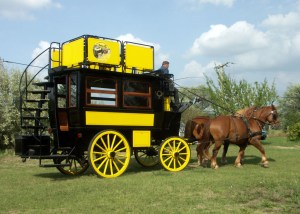 Horse omnibus for 24 passengers.
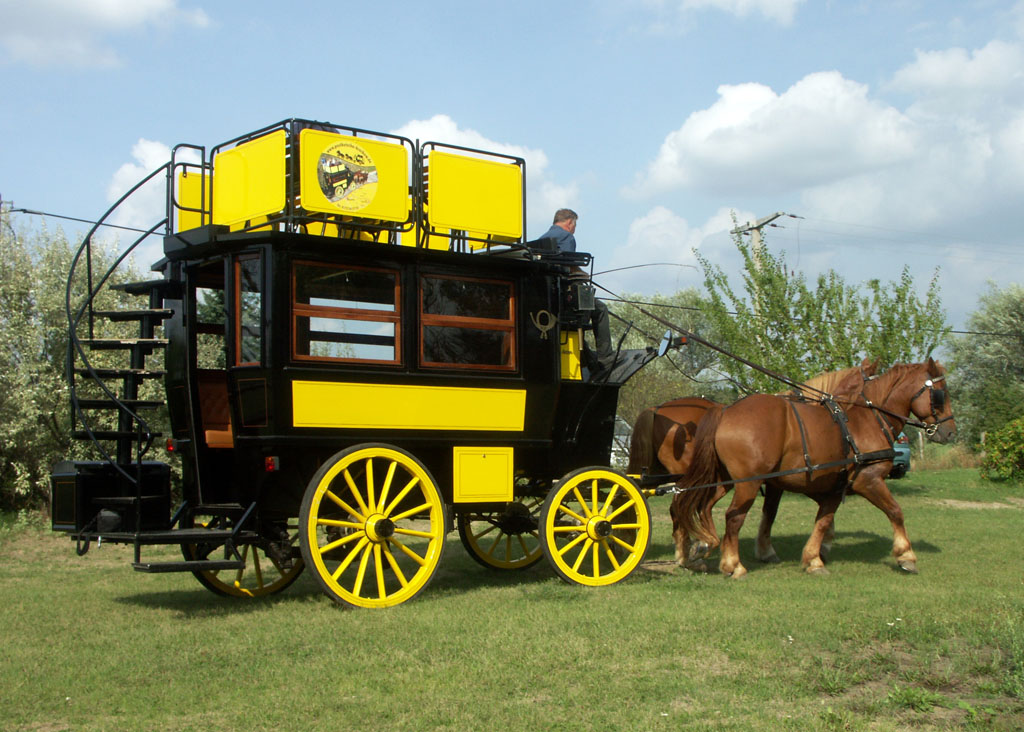
Ordinari-mail and Extra Post.
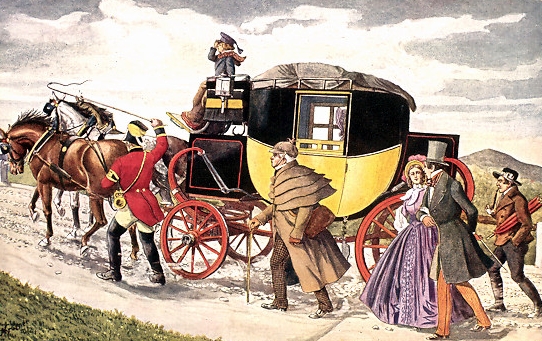
Partly not, partly with bumpy cobblestones paved roads, allowed only slow travel speeds. In the invention of derogatory names for carriages and ways people of the 18th century were due to the uncomfortable locomotion extremely creative: Knead mill, torture box, field carts, bone cracker, devils way, hell path are just the more moderate.
 Lots of walking, pushing and helping outside the coach.
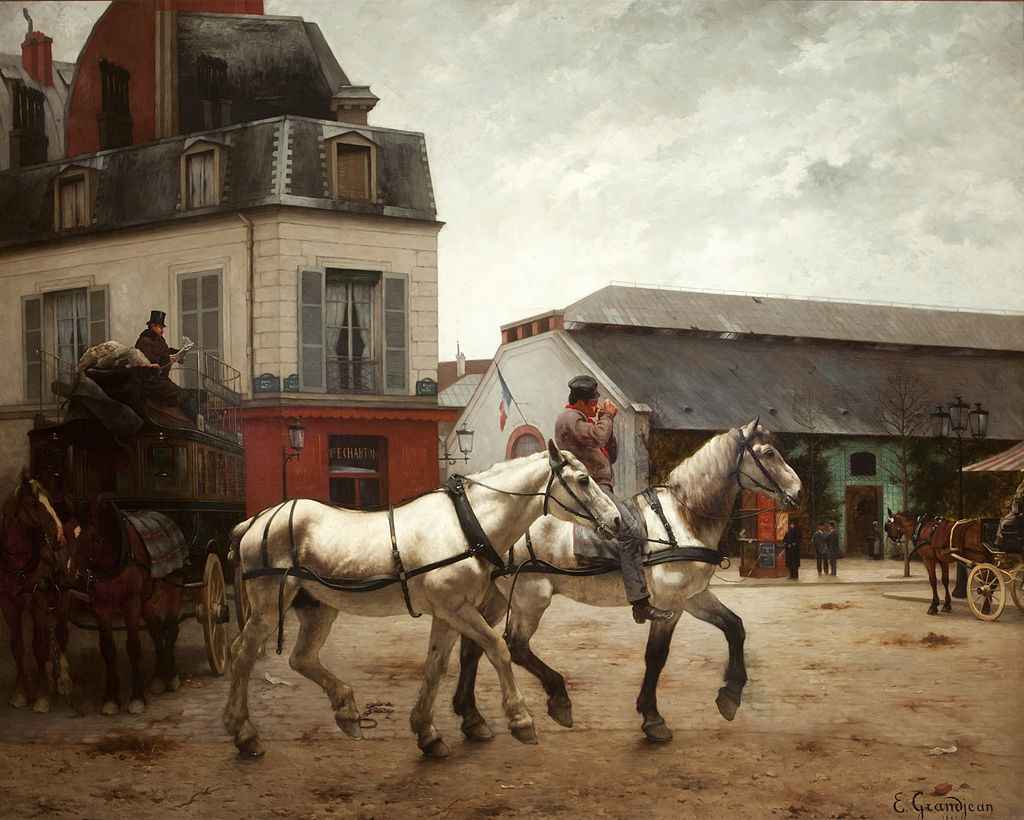
In order to prevent the transport and travel times out of hand, there were organizational arrangements. In the post stations, that the post ultimately gave the name (posta / „post“ within the meaning of supply station) horses were changed. While travelers of Ordinary-post also stayed overnight in post stations, the extra post drove day and night.
Upcoming and Downfall.
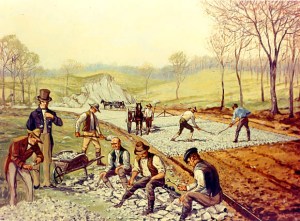 Building roads in the US around 1823.
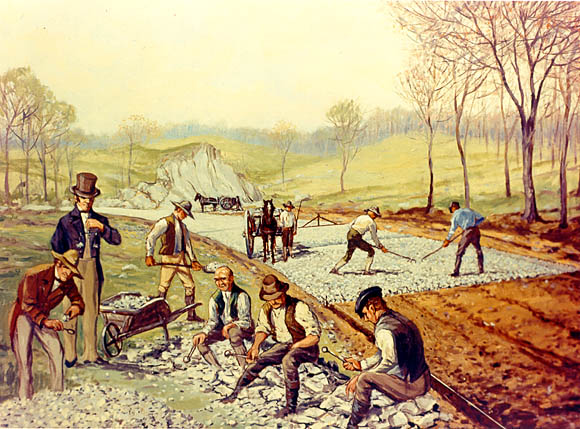
A significant improvement experienced the benefits of driving Post by expanding the roads in the 18th and 19th centuries. In 1820 the major overland postal rates were so well developed that the carriages could keep up with the pace of individual riders. The cruising speed of the mail coach was enhanced by road of about 2 km / h in 1700 to about 10 km / hour in 1850. A carriage sometimes could cover more than 100 kilometers a day.
With the expansion of the railways (coherent Central European network since 1849) the often romanticized era of stagecoaches went into coming to an end.
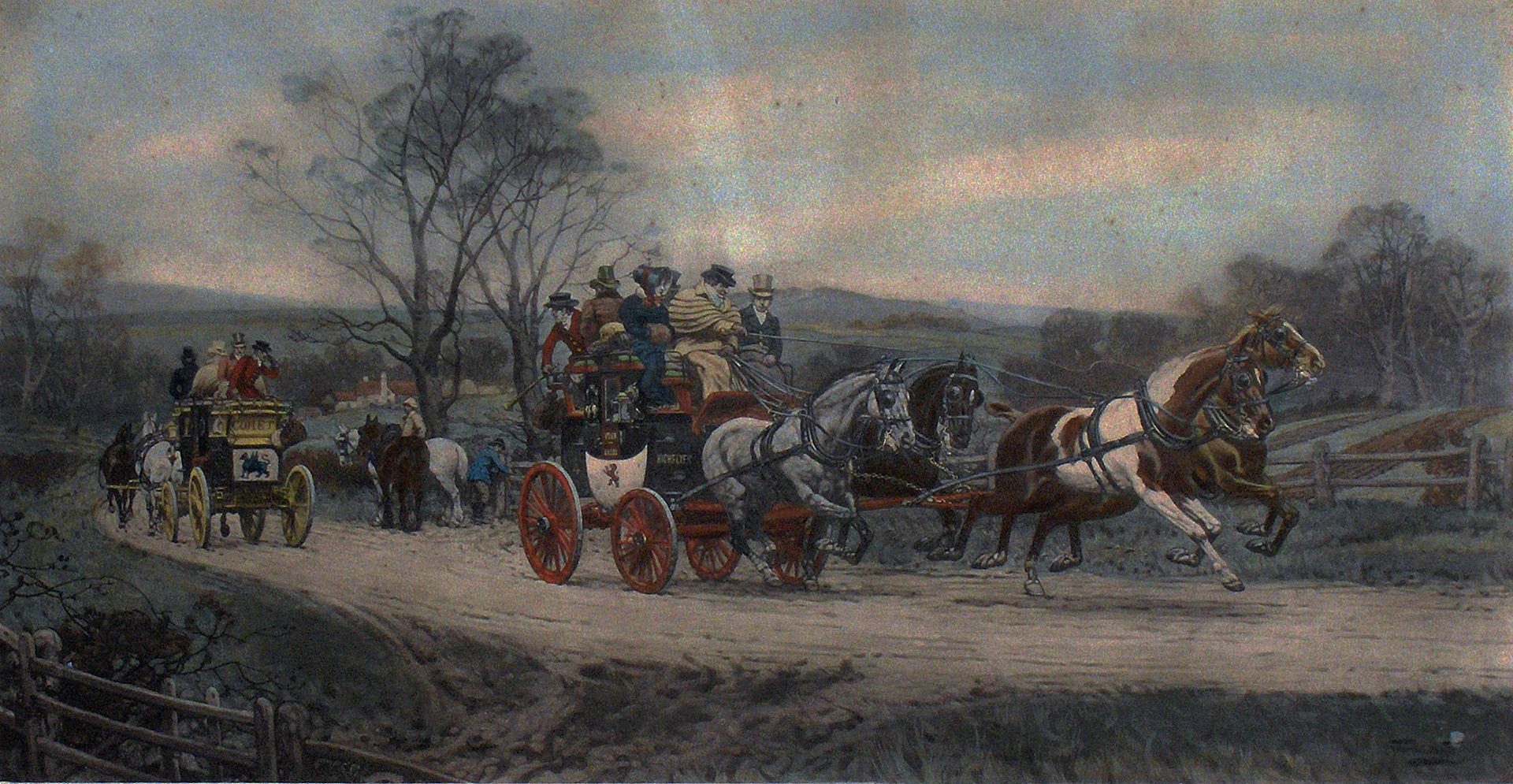
 Busy roads, coach traffic in England 1827.
Thurn and Taxis Post.
The Princely House of Thurn and Taxis (German: das Fürstenhaus Thurn und Taxis) is a German noble family that was a key player in the postal services in Europe in the 16th century and is well known as owners of breweries and builders of many castles.
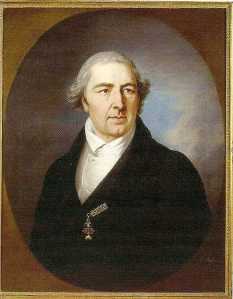
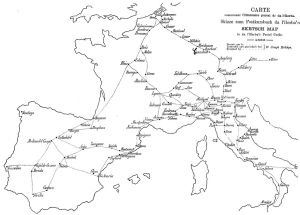
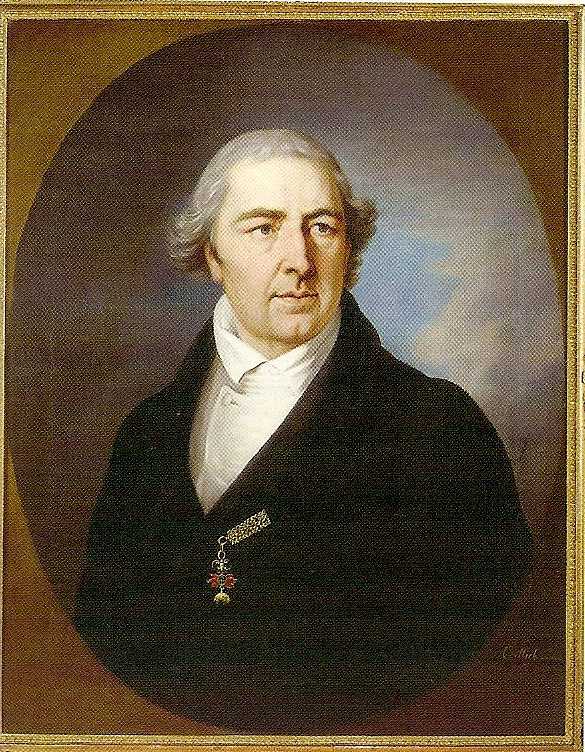
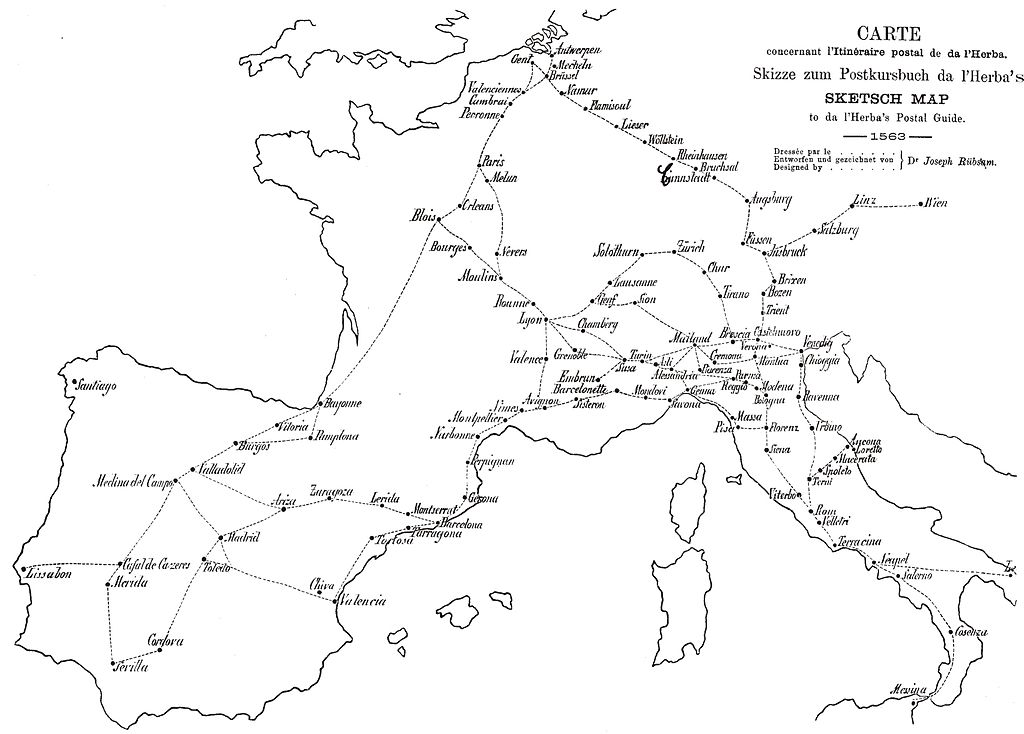
Karl Alexander von Thurn und Taxis 1827. And one of the earliest postal road maps with „posts“ (stations),
in Southern Europe, from l’Herba’s Postal Guide, dated 1563 !!!
 Thurn and Taxis, colors in yellow and black.
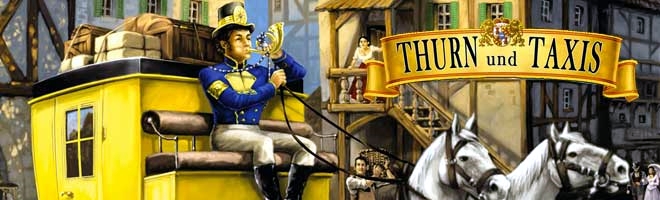
The Thurn-und-Taxis Post was a private company and the successor to the Imperial Reichspost of the Holy Roman Empire. The Thurn-und-Taxis Post was operated by the Princely House of Thurn and Taxis between 1806 and 1867. The company was headquartered in Regensburg from its creation in 1806 until 1810 when it relocated to Frankfurt am Main where it remained until 1867.
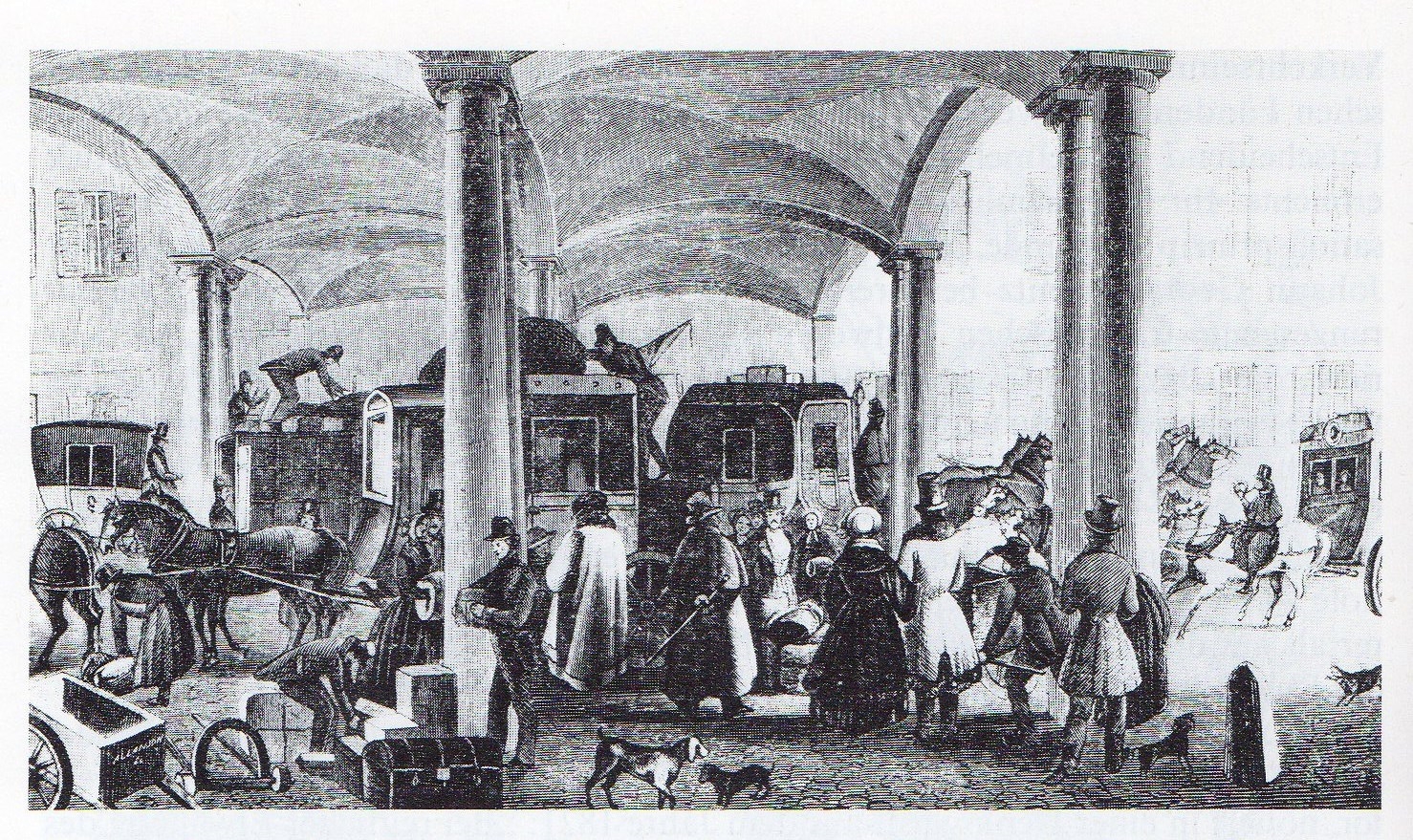
 A Thurn and Taxis station (post) about 1820.
On 1 August 1808, the Kingdom of Bavaria placed the postal system under its government’s control. The Grand Duchy of Baden followed suit on 2 August 1811. After Karl Theodor Anton Maria von Dalberg ceded Regensburg to Bavaria in 1810, the House of Thurn and Taxis relocated the headquarters of its postal operations to Frankfurt am Main.
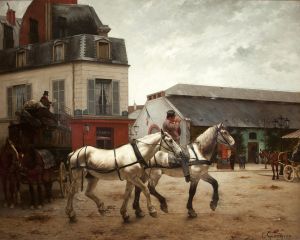 Post station and horse change in Switzerland 1830.
After the defeat and exile of Napoleon, the Congress of Vienna recognized the postal claims of the House of Thurn and Taxis in several member states of the German Confederation as legitimate. This recognition resulted in Article 17 of the German Federal Act of 8 June 1815 which required states that had established their own postal system, or intended to do so, to give the House of Thurn and Taxis fair compensation for its loss of revenue.
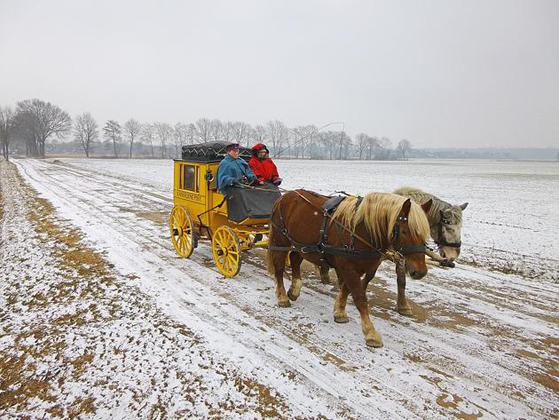
 Not for everyone, post coach travel in winter time.
On 14 May 1816, Karl Alexander entered into a contract with William I, Elector of Hessen to operate the postal system of Hessen-Kassel. Prior to the contract, the Thurn-und-Taxis Post had a 23 January 1814 mutual transportation agreement with Hessen-Kassel’s state postal system. On 27 July 1819, the Kingdom of Württemberg transferred the ownership and management of its state postal system to the Thurn-und-Taxis Post due to its inability to pay its compensation owed to the House of Thurn and Taxis.
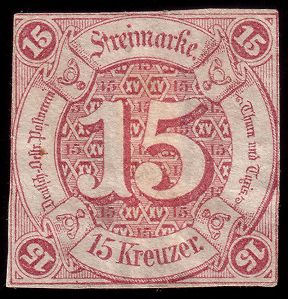
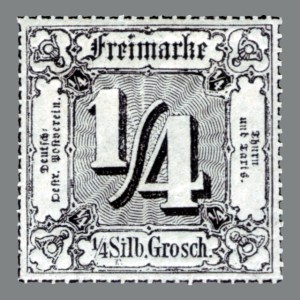 Extremely rare postal stamps, of the „Thurn und Taxis“ company, from 1859 (left) and 1866 (right).
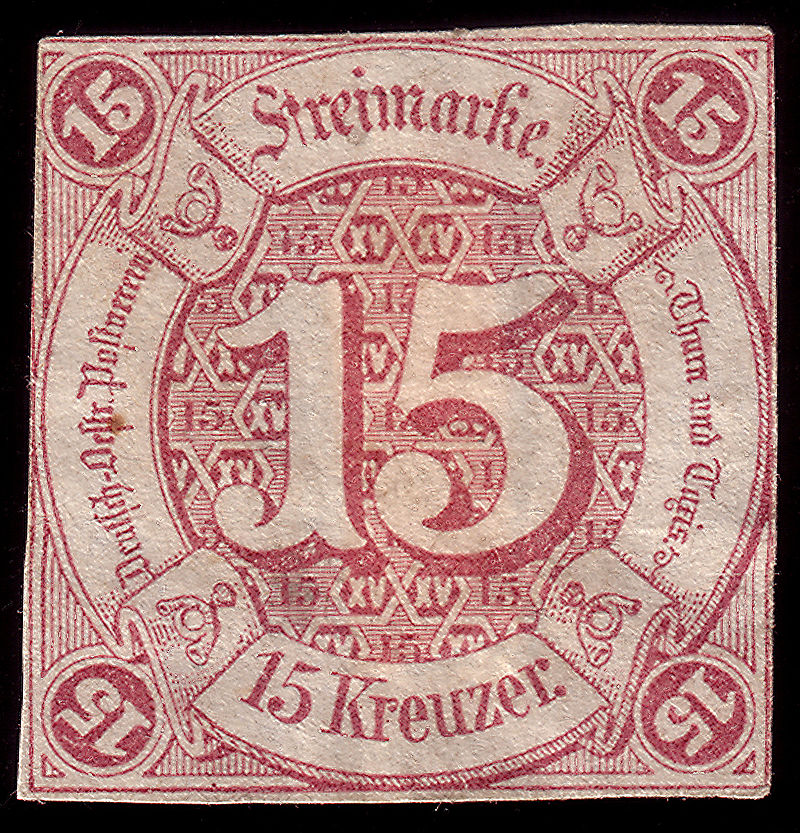
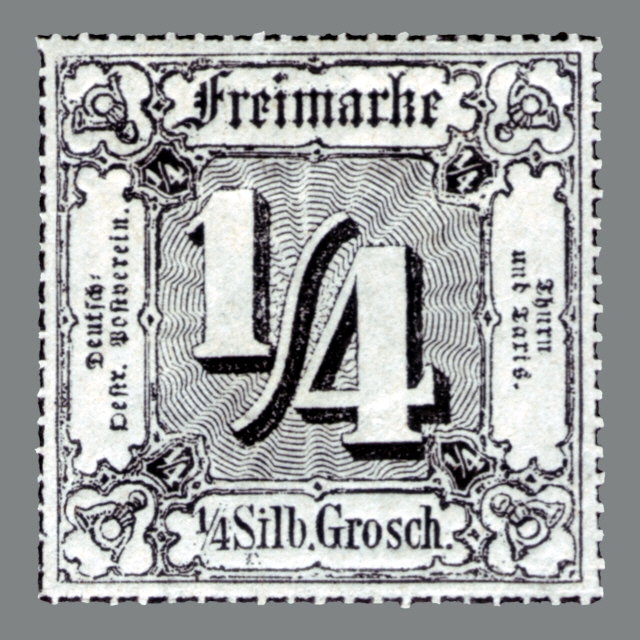
After the Prussian victory in the Austro-Prussian War, the Prussians occupied the Free City of Frankfurt and the Thurn-und-Taxis Post’s headquarters. The Thurn-und-Taxis Post transferred its postal system contracts to the Prussian state for the sum of three million Thaler after a contract was signed and ratified on 28 January 1867. The handover of control of the postal system took place on 1 July 1867.
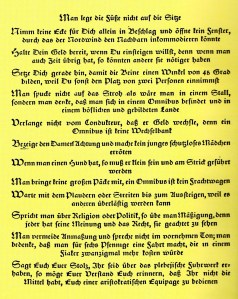
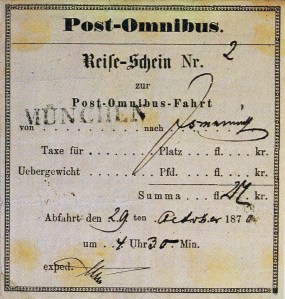
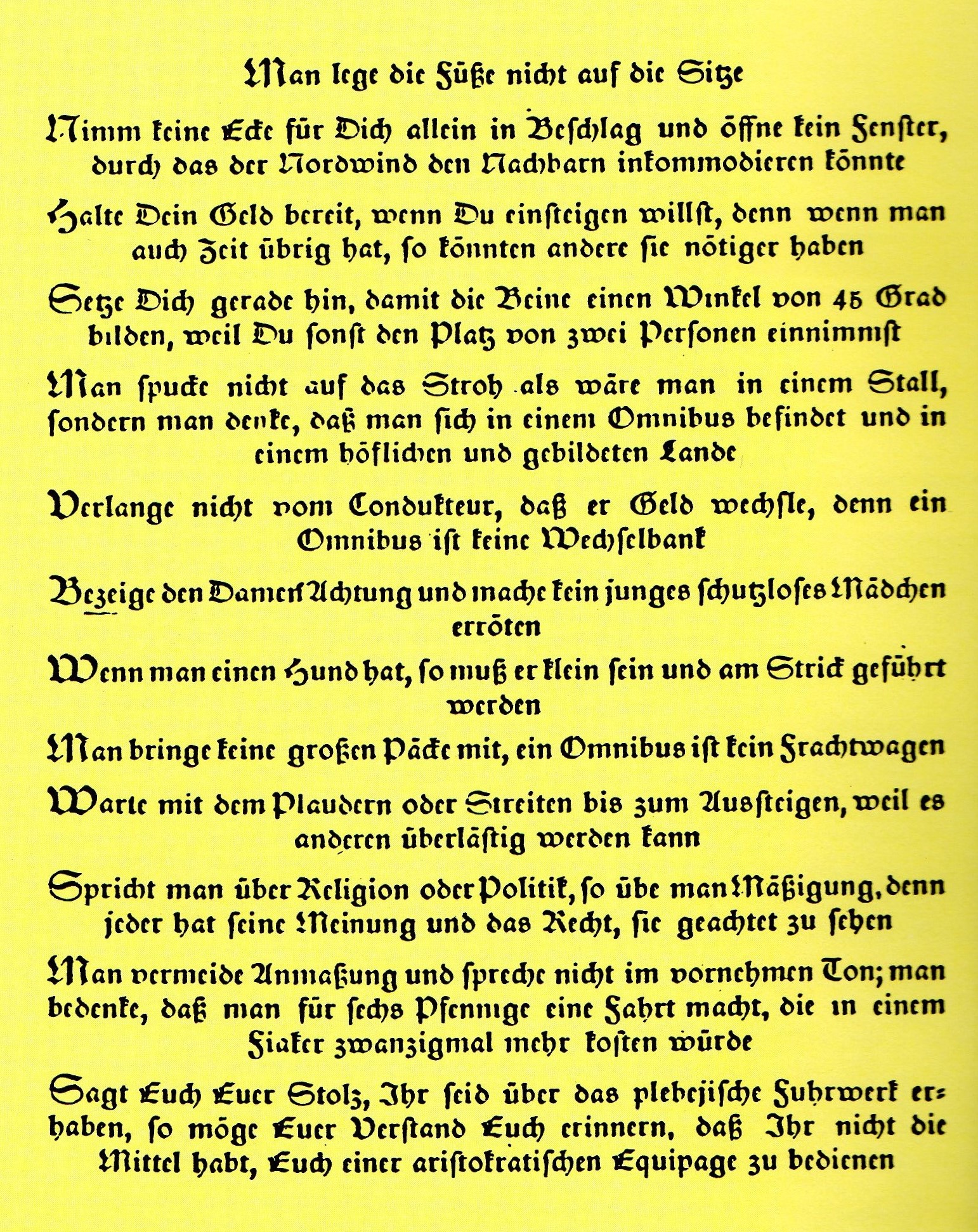
Very rare sheet of rules for passengers using postal coach services. Sadly not translatable into English because of the „Old German“ language, c. 1860’s. But great fun, if you can read it. And a rare Post Omnibus ticket, Munich 1870.
Mail Coach Road Map.
Into this time of Thurn and Taxis, the golden era of postal services, was delivered this magnificent Travel Map, printed on silk/cotton.
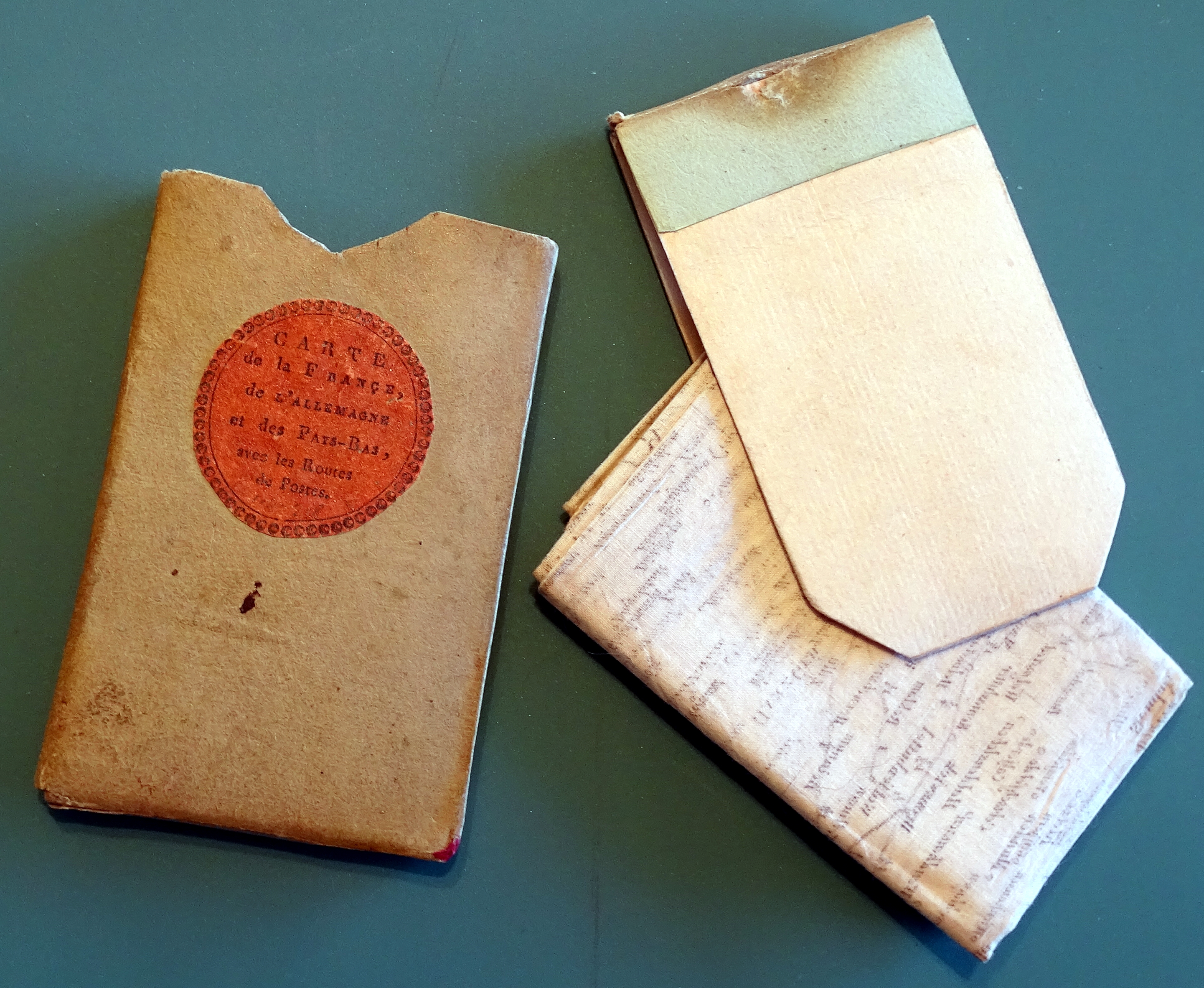
This Ultra Rare Roadmap was printed in Amsterdam by Chez E. Maaskamp. It is a foulded map covered by a slipcase and weights 28gram only.
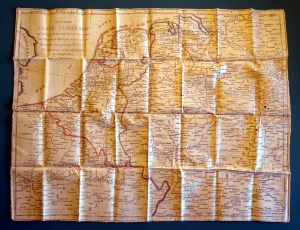 Rarity, front of the postal route map 1806.
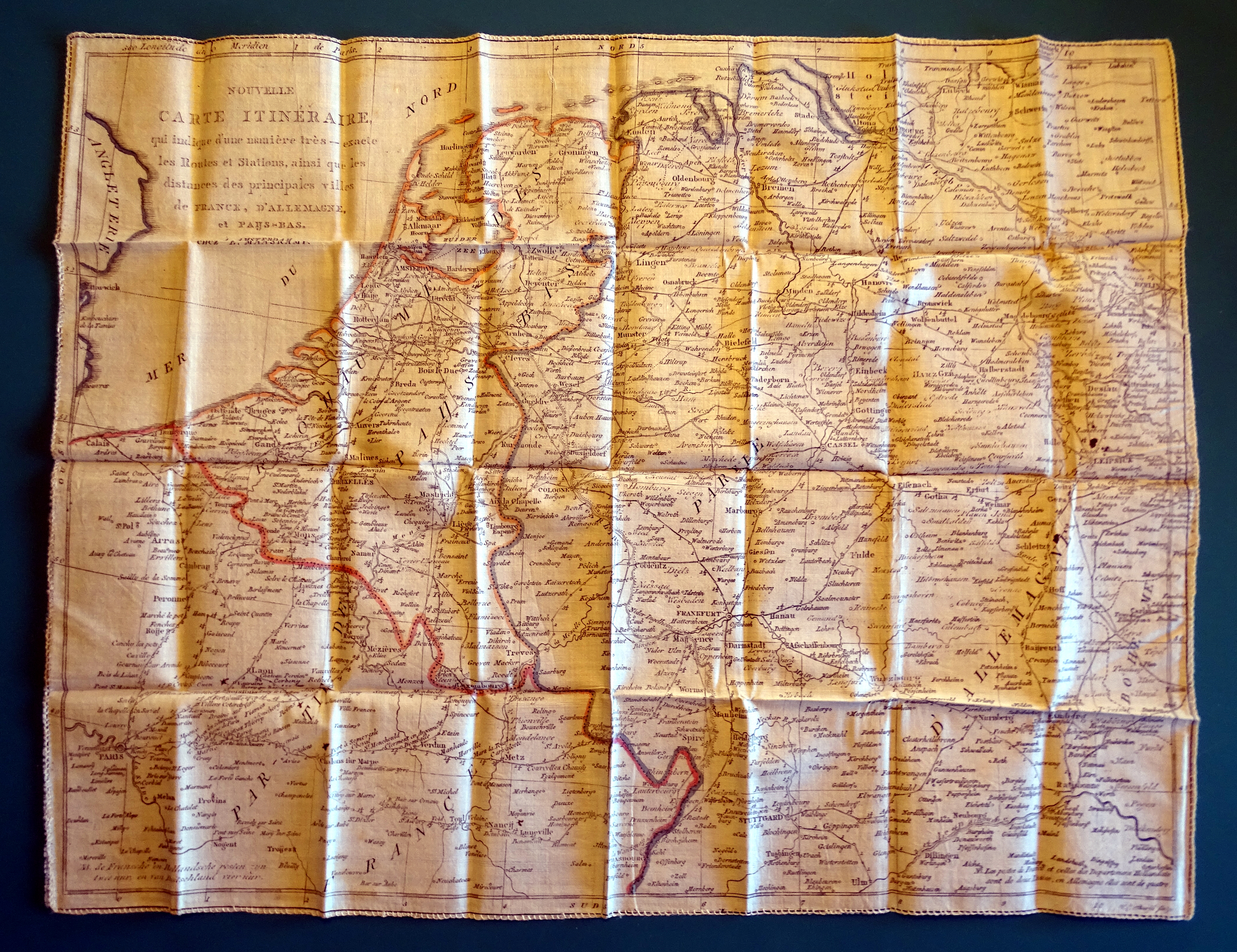
Perfect for travelling and storing in a pocket.
This, over 200 year old map looks, in immaculate condition, like a youngster. For sure a Museum worthy collectors item. It is in authors rarity collection and now for sale.
Have a look under the category „For Sale“.
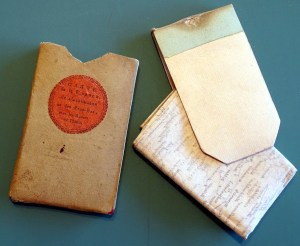 Folded map with the original slipcase.
This Carte Itineraire, from 1806-1810, also included the Netherlands to the Kingdom „Napoleon Bonaparte“. From1813 to 1815, the „United Kingdom of the Netherlands“ under King Wilhelm I was established. From about 1800 to 1830 (the first railways were on) was the „golden era of the stagecoach“. In England it was the „Regency Period“. Carriages became, out of primitive companions, elegant, comfortable touring cars. Also, the roads had a positive impact the travel speeds. The areas in Central Europe were soon so-called by a dense network.
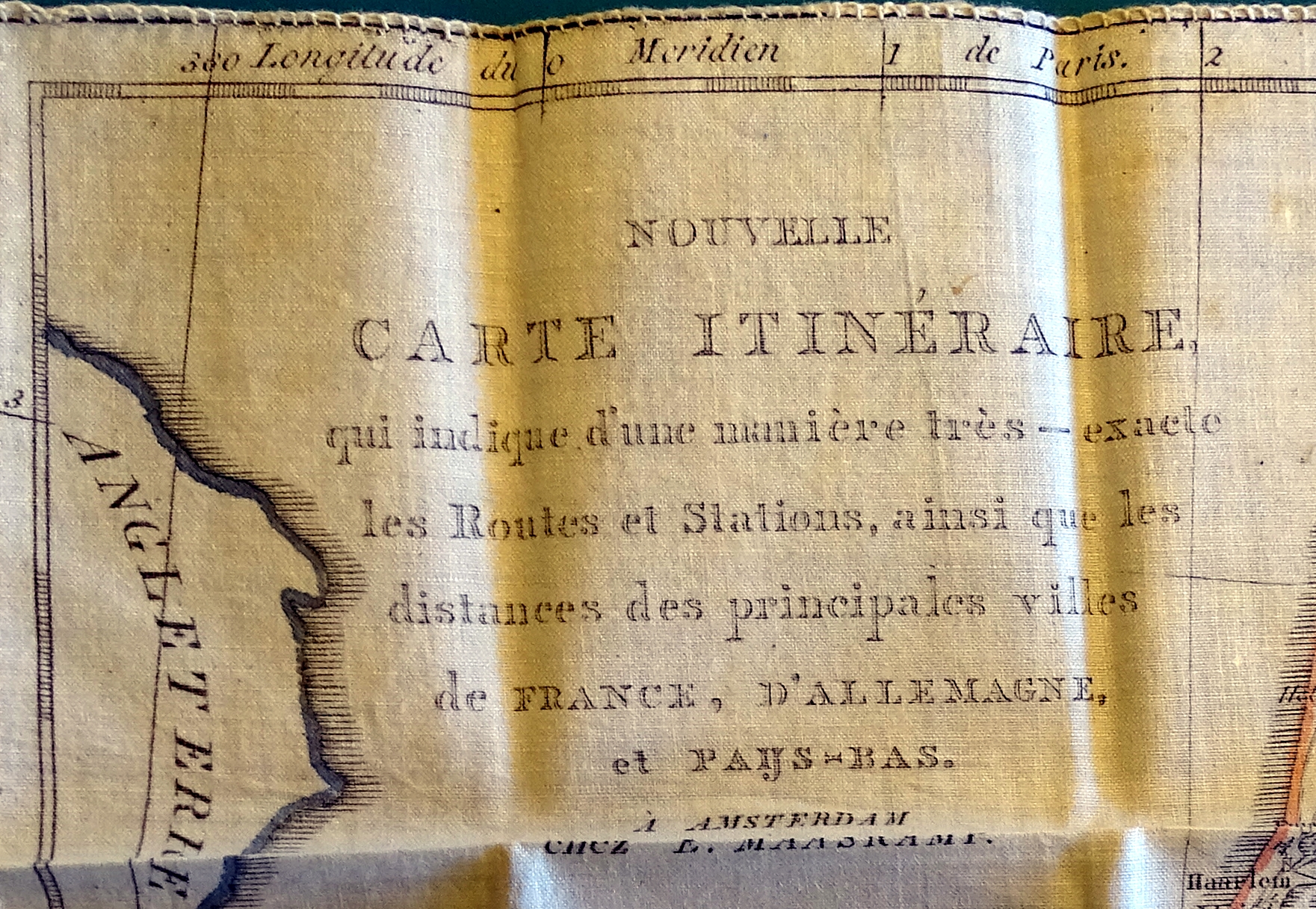
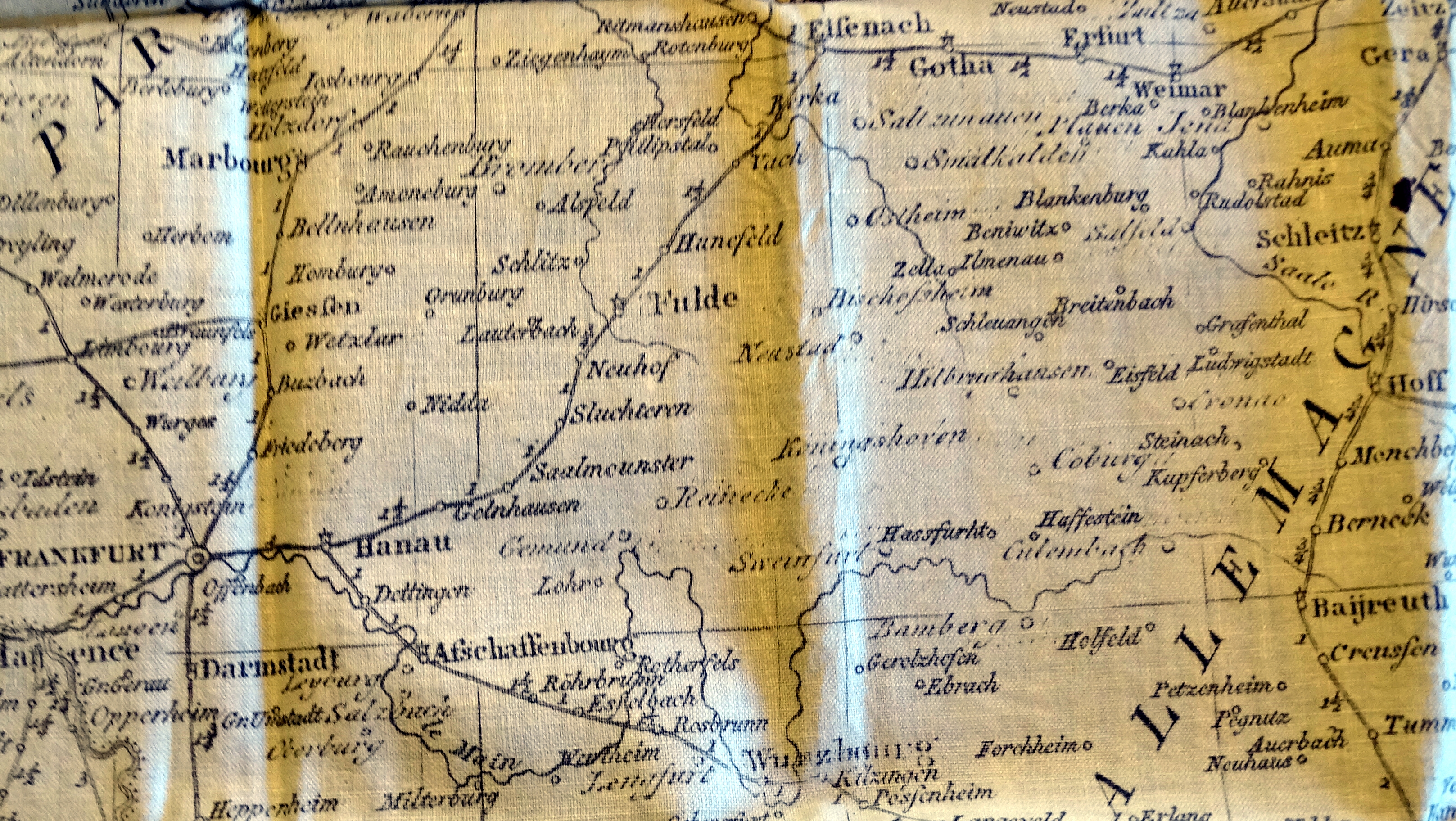
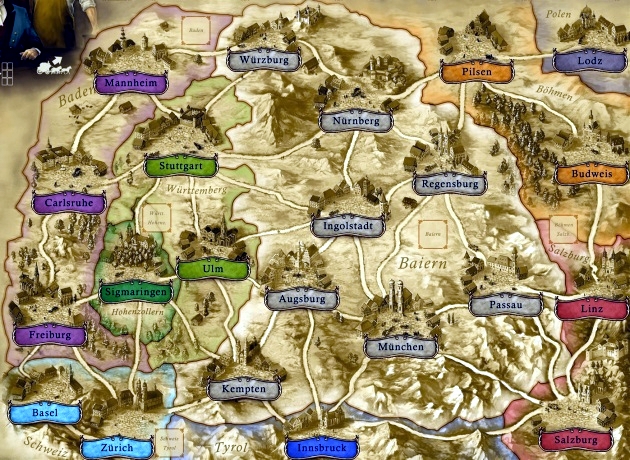
The map shows travel stations (posts = post stations) and distances in travel hours. The area covered from Hamburg to Ulm and from Leipzig to Paris, including the whole Be-ne-lux country’s.
Nostalgia.
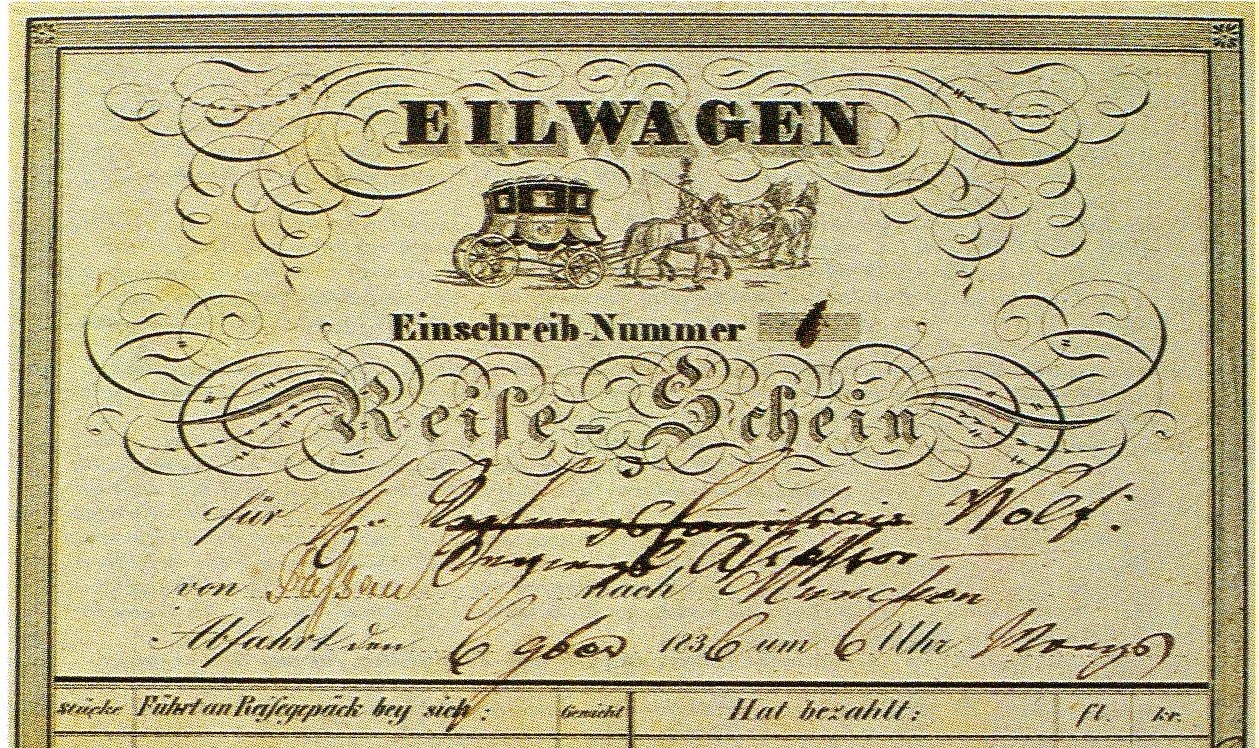
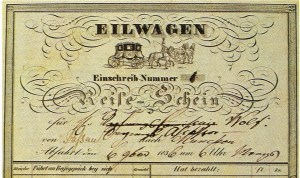 Extremely rare ticket for an „Urgent Coach“ 1836.
For a long time there are in German-speaking countries outside of traditional events no official stagecoaches anymore. But 1938-39 was the German Post for use in 25 German spas again new stagecoaches type „Berline with Coupe“, manufactured by Aug. Nowack AG in Bautzen as well as some post carriages. The last coach in 1938 by order of the German Reich Post was imported and then interrupted during World War II. Tourist Postal Service still runs between Bad Kissingen and Bad Bocklet.
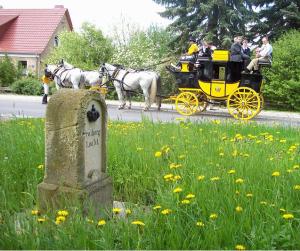 Great coach and old milestone near Freiberg.
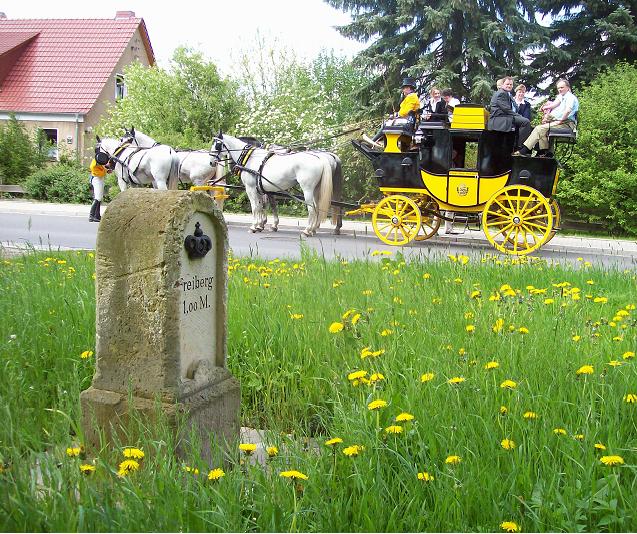
In Eastern Germany there are again tourist stagecoach offers, among others, on the long-distance Hamburg-Berlin, Berlin-Leipzig and Leipzig-Dresden with original stagecoaches and the project „land of historical postal roads“ with regular trips from three stagecoaches and a post carriage.
Bad Kissingen – Bad Bocklet – Aschach Castle.
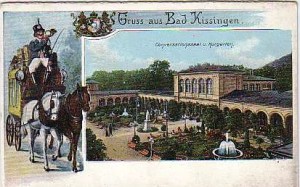 Wonderful old postcard from Bad Kissingen.
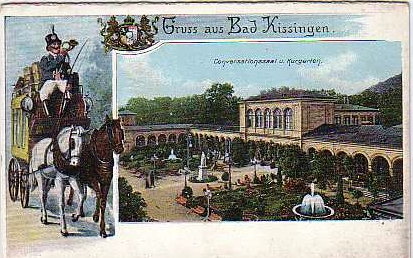
The stagecoach line celebrated last year its 75th anniversary.
It’s a horse-person Post Bad Kissingen – Bad Bocklet or Bad Kissingen Aschach Castle.
The gracious symbol of a time, had nothing to do with the travel rush. It became over the years an attraction for all ages in Bad Kissingen and the Biedermeier spa Bad Bocklet.
The first stagecoach was established 450 years ago. From 1595 the Prince’s of Thurn and Taxis were given the monopoly for stagecoach lines. In 1830, the first time a perverse Royal Bavarian stagecoach between Bad Kissingen and the former hub Poppenhausen.
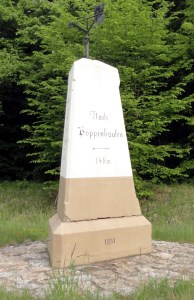
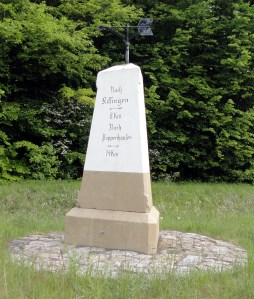
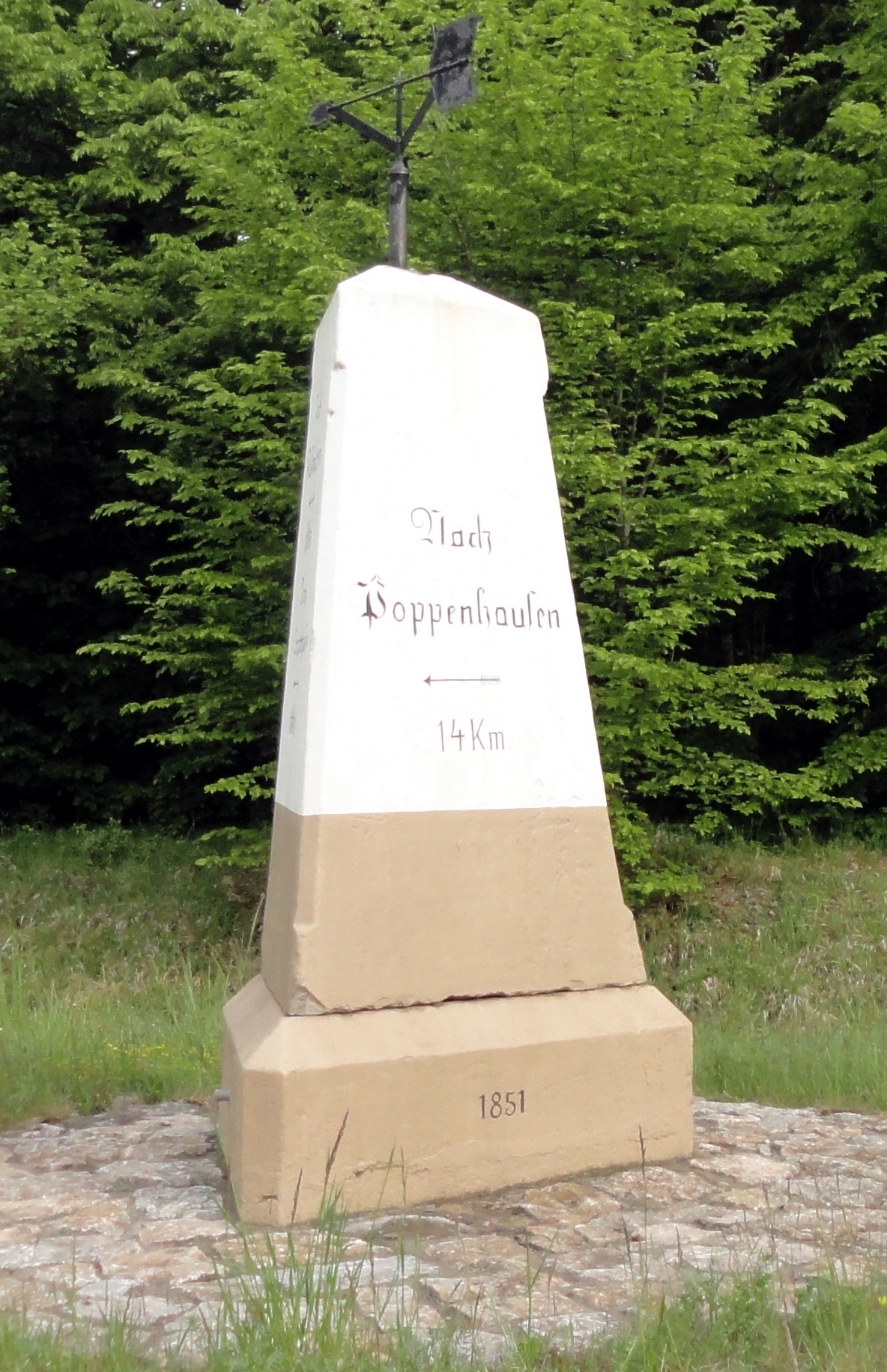
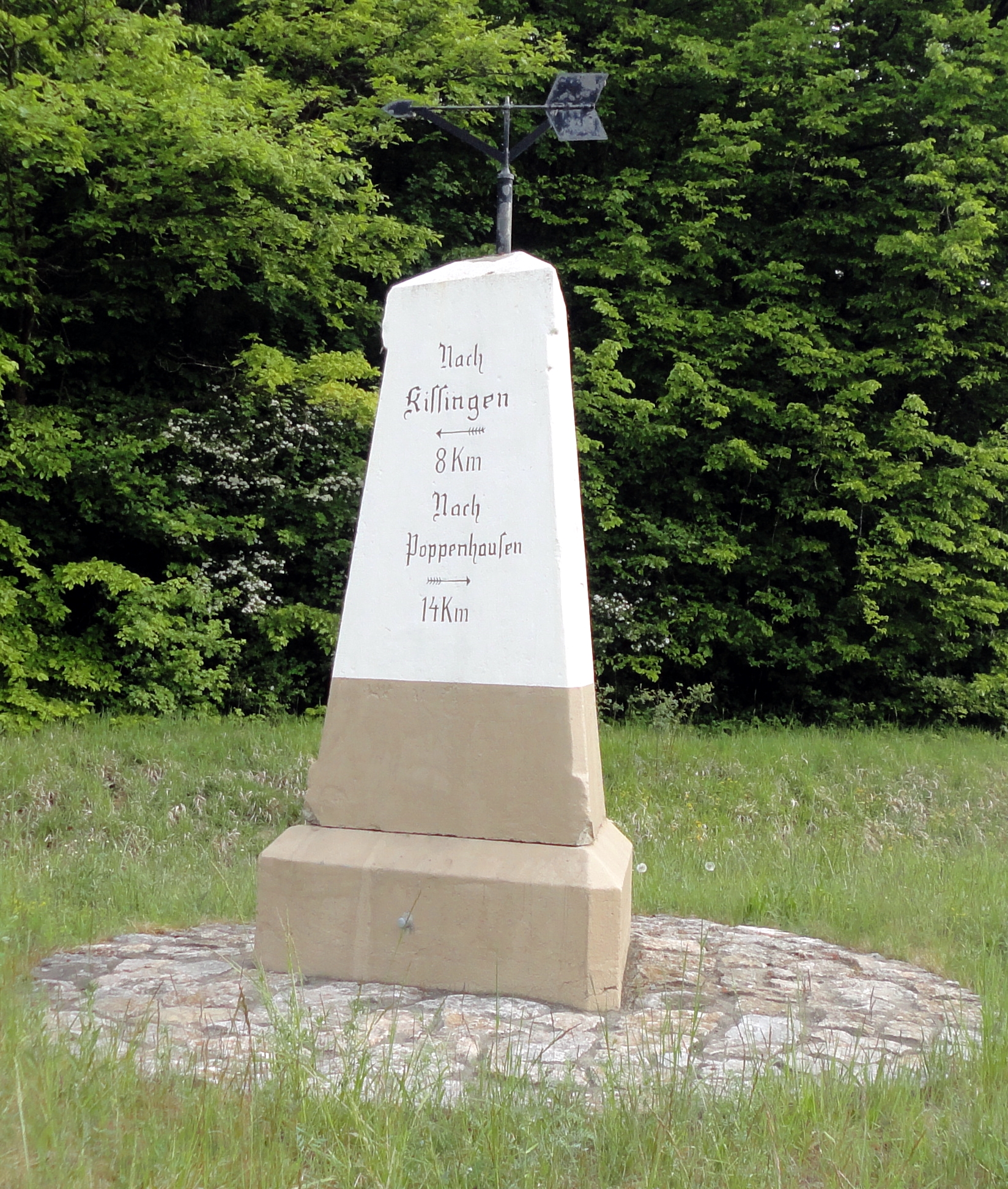
Old milestone for postal carriages near Bad Kissingen. From 1851 shows distances in kilometers.
But as early as 1937 was the former imperial post 24 coaches („Berline with coupe“) rebuild, to put them in scenic areas of Germany. The resumption of stagecoach rides took place with the intention to illustrate the historical development of postal services and travel of transport by a living example. Tourism of spa towns of Bad Kissingen and Bad Bocklet, and the charming landscape of the Saale valley were ideal for this project.
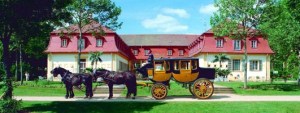 Bad Bocklet – Bad Kissingen tourist coach.
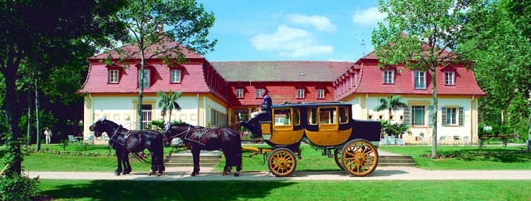
On 07.06.1939 the opening drive of the horse people Post Bad Kissingen found – Bad Bocklet instead. The coach, a replica from the period of the Imperial Reichspost, wrong time twice more from Bad Kissingen to Bad Bocklet. The driving must be reinstated shortly after the outbreak of World War 2.
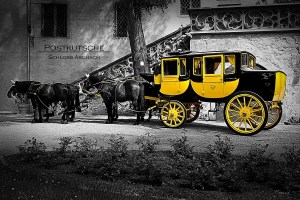
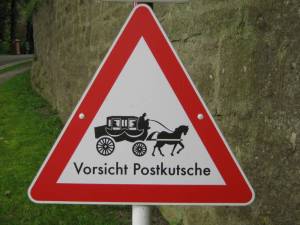
Bad Kissingen coach at the station in Aschach castle. And a „modern“ road sign warning of coach traffic.
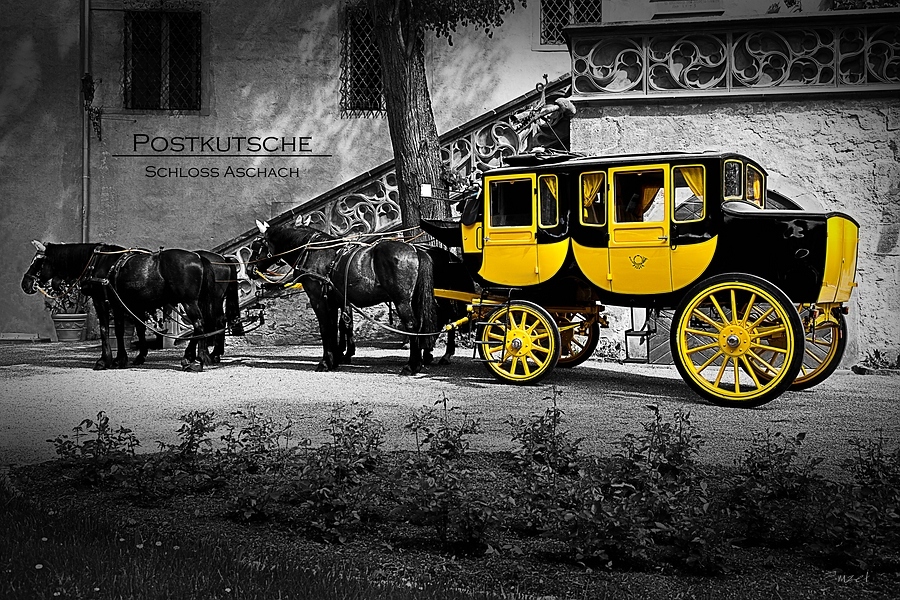
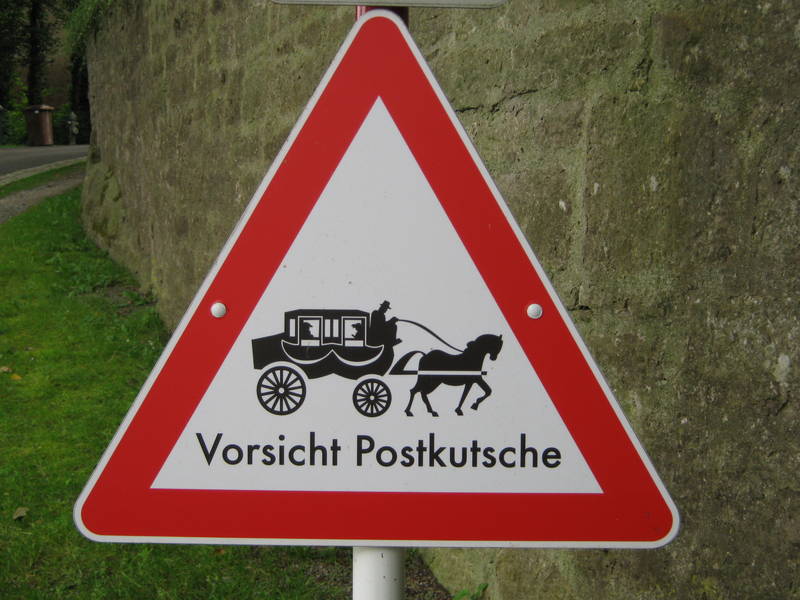
In 1950, the horse people Post Bad Kissingen was – Bad Bocklet reestablished. On August 13, the stagecoach rides organized Rakoczy Festival between Bad Kissingen and Bad Bocklet were the first to be resumed for. The line was operated post officially, team and driver were provided by the company but Kohlhepp.
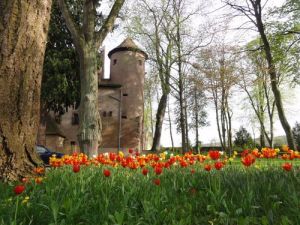
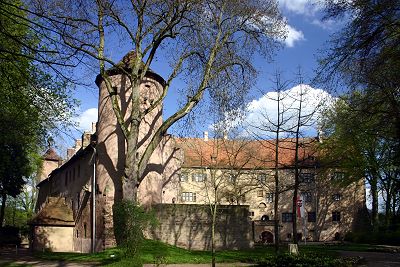
Beautiful Aschach castle, worth visiting all year round. Famous are the castles „Christmas Light“ celebrations.
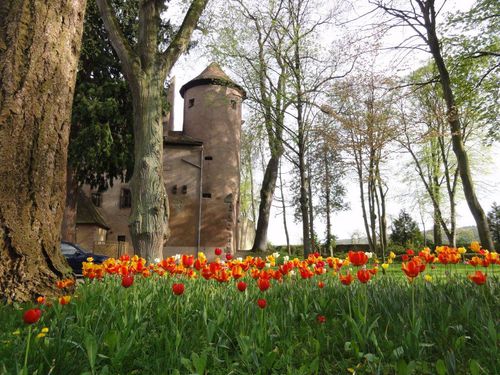
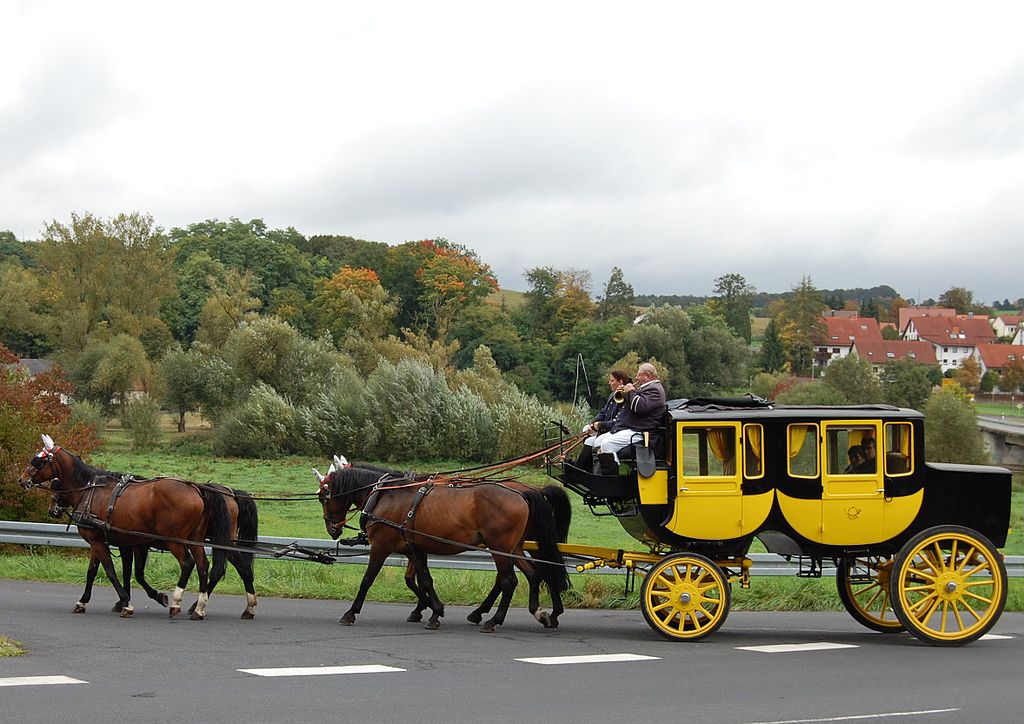
On 17th of April 1967 took place the opening drive with a new coach, which has been produced in the main workshops for motor postwagens in Bamberg. This new coach is similar to the previous coach, the first operated between two resorts on 7th of June 1939. This is a replica of a carriage from the time of the Imperial Reichspost. It is technically improved and equipped with all modern conveniences. The nearly 2,000-kg vehicle was equipped with a hydraulic four-wheel brake and extended wheelbase of 2.55 meters. Four magnificent horses are harnessed to the carriage, which offers seats for 9 people, plus Coachman and Postilion, bearing the Royal Bavarian Postillions uniform (see pic).
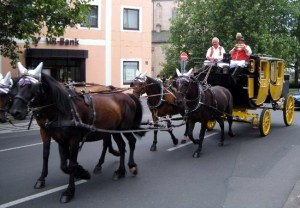 Coach Postillion blowing his horn in Bad Kissingen.
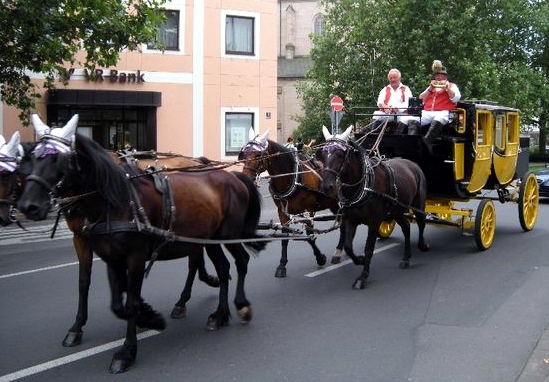
If you visit Germany and are interested in nostalgic history visit Bad Kissingen and drive one of the last Post wagons available.
The journeys of the stagecoach will take place from early May to mid-October, on Mondays, Wednesdays, Fridays and Sundays to Bad Bocklet and on Tuesdays, Thursdays and Saturdays to Aschach Castle. Departure is at 14.00 clock in Bad Kissingen, coming back is is about to 17.15.Uhr. The fare (in 2015) 18,– Euro per person round trip. This is the last official Post Service in Germany.
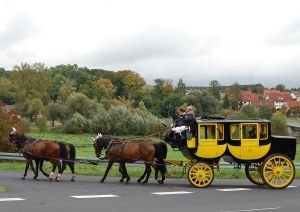 Bad Kissingen coach on tour. See it on YouTube.
Where does the name TAXI is coming from ??
„Taxi“ comes from the Thurn und Taxis.
In the „German Reich“ colors black and yellow, was allowed the entrepreneur Francesco Tassi, an Italian resident in the Netherlands, carrying imperial dispatches. Since that time all „Taxi’s“ and „Post Coaches“ have to have the colors yellow and black, around the world.
 Castles and Estates of the Thurn and Taxis.
Maximilian I had allowed him in 1490 to set up a courier service between Brussels and Innsbruck. But as the Emperor’s pay notoriously not enough, Tassis – Germanized: Taxis could transport on own account for private and expand his network.
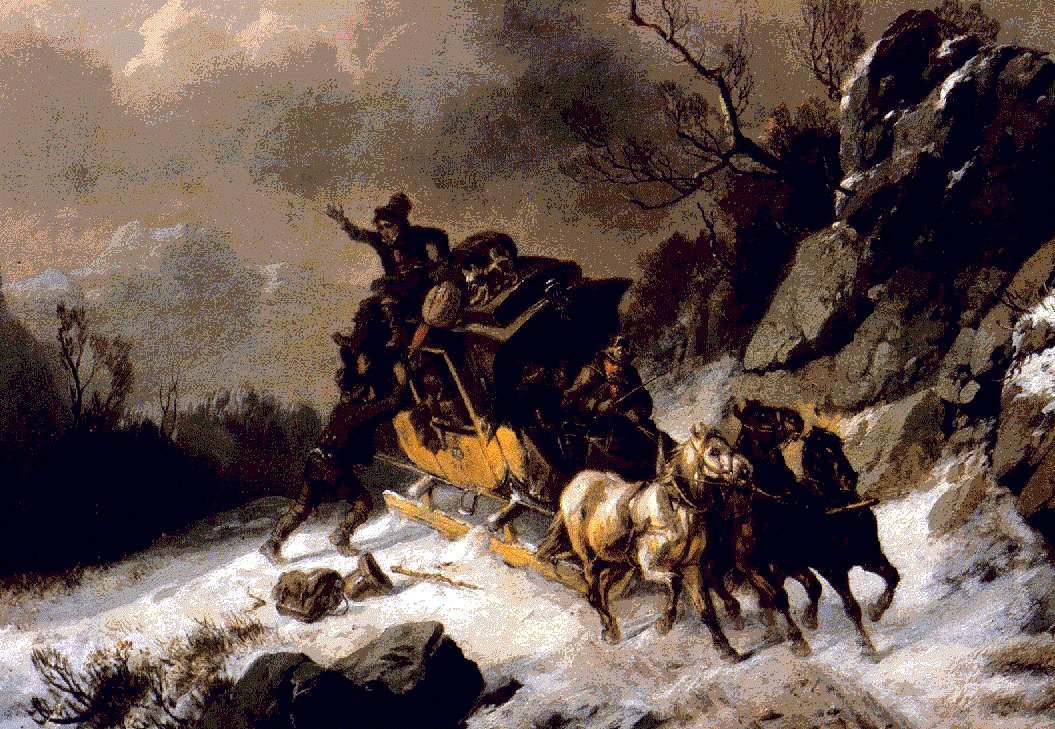
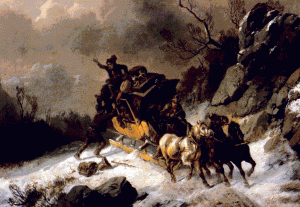 A Thurn and Taxis post coach sled in the alps.
Thus, from the „imperial post shelf“ a commercial monopoly (Thurn and Taxis), which spanned the whole of Europe with express couriers: At the change post, every five miles (about 37.5 km in that time) signaled riders and teams coming up with a post horn and gave the charge on. From Brussels to Paris broadcasts took 44 hours only.
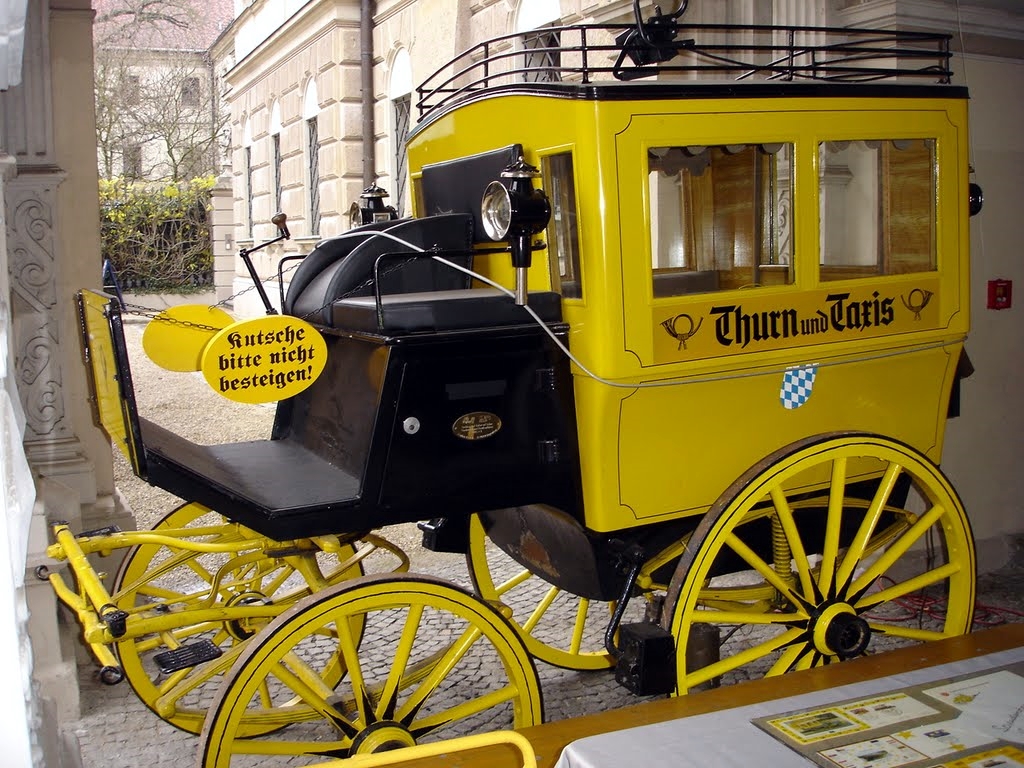
 Old post coach in Taxis Castle of Regensburg.
The name „Thurn und Taxis“ does not come from a partner of those of Taxis, but in the past the Tassis family: After a genealogist commissioned by the Tassis had led the „evidence“ of a relationship with the Italian princes de la Torre, was allowed the family since 1650, with imperial permission called „de la Tour et Tassis“. Since its formal inclusion in the imperial princes in 1695 „von Thurn und Taxis“.
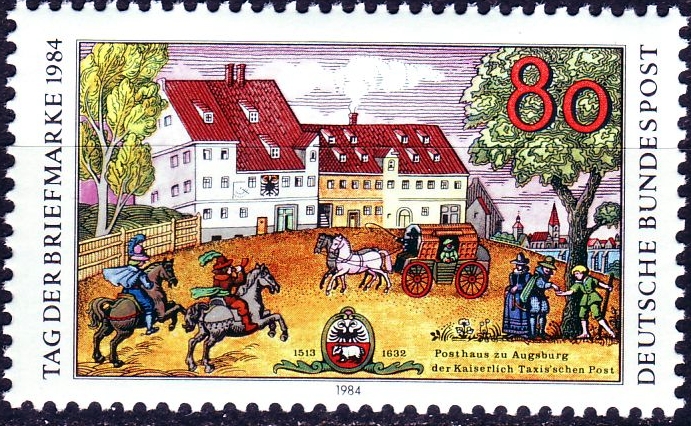
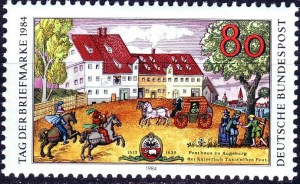 „Imperial Taxis’s Post“ (1513 – 1632) printed 1984.
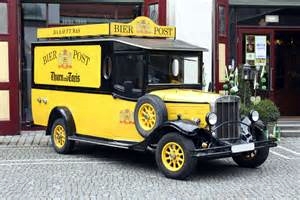 Advertizing car of Thurn and Taxis breweries.
During the years mankind called the „Thurn and Taxis“ carriages short „Taxis“ – and then, later – just „“ TAXI „“ !! And – as the post coaches – all are still in yellow and black !!
Here some taxi images from around the world.
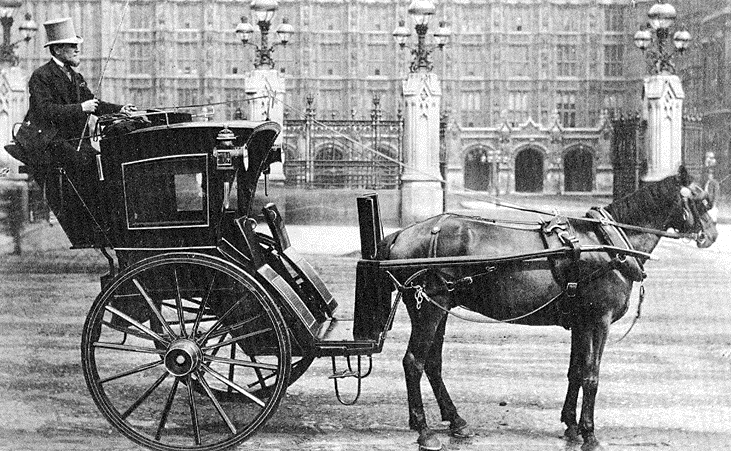 Hansom Cab London 1895.
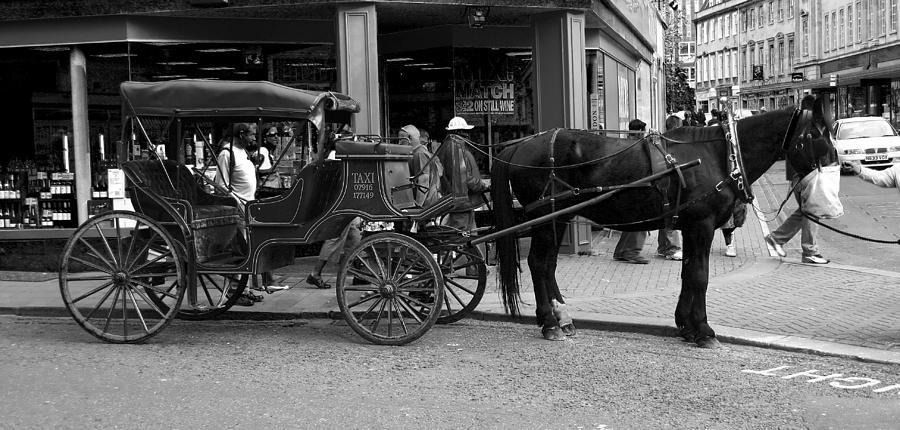 Taxi in the US.
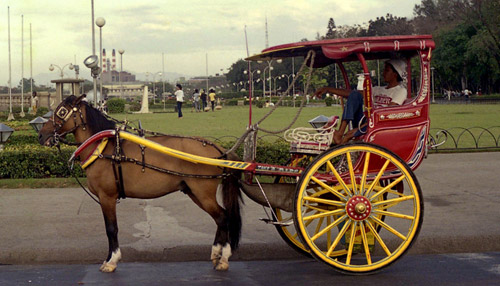 Taxi in Baguio, Philippines.
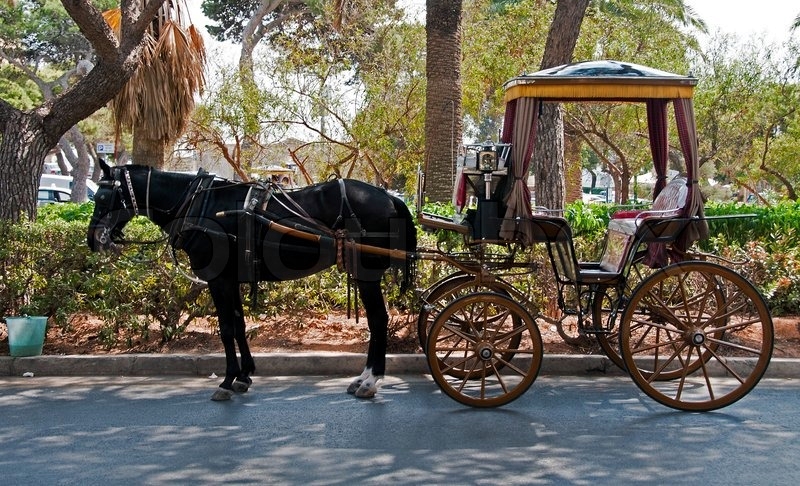 Taxi on the island of Malta.
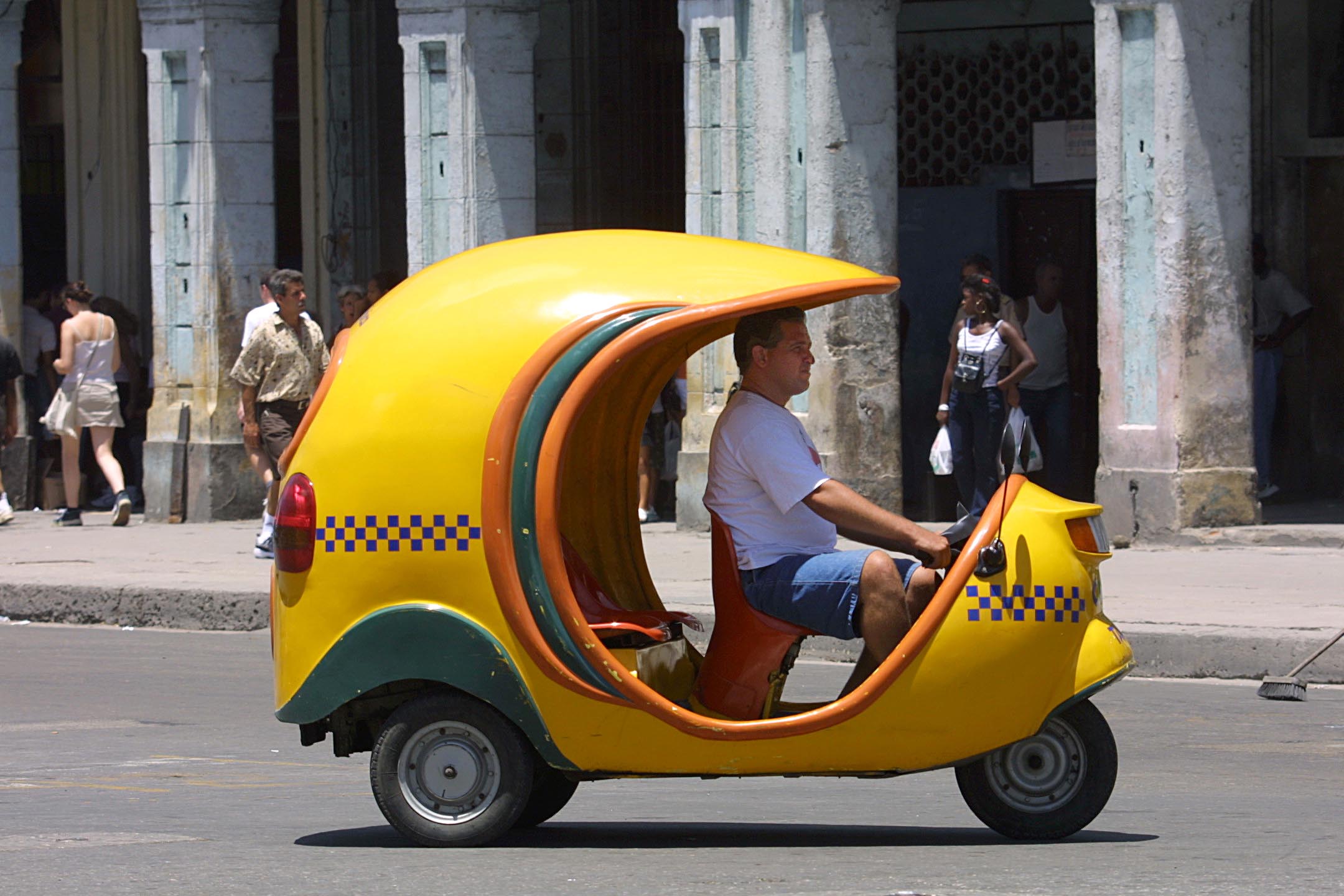 Taxi in Mexico City.
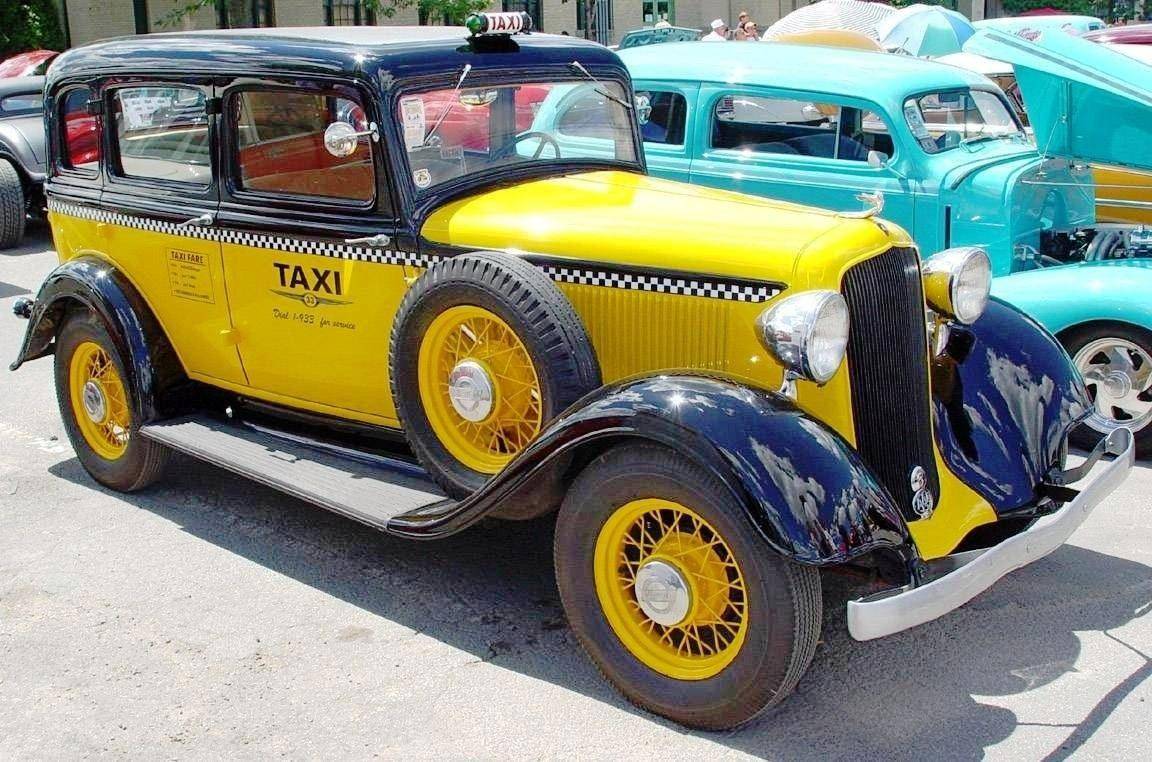 Taxi in Havana, Cuba.
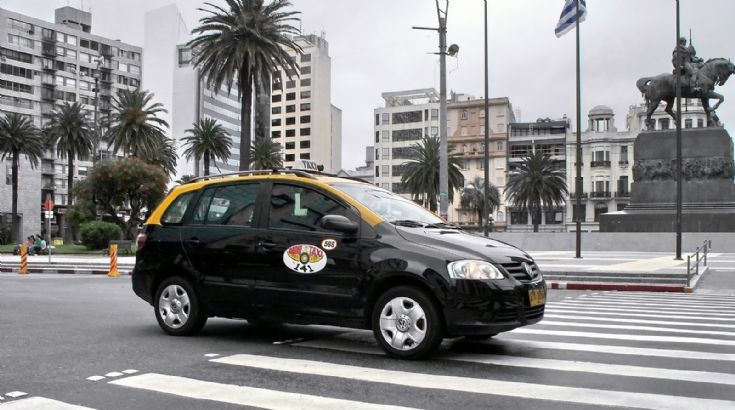 Taxi in Montevideo, Uruguay.
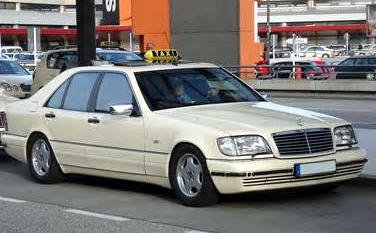 Taxi in Frankfurt, Germany.
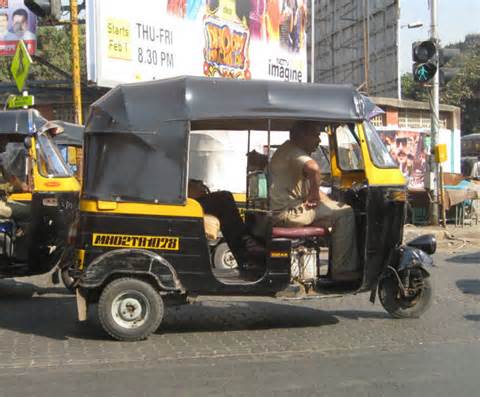 Taxi in Bombay, India.
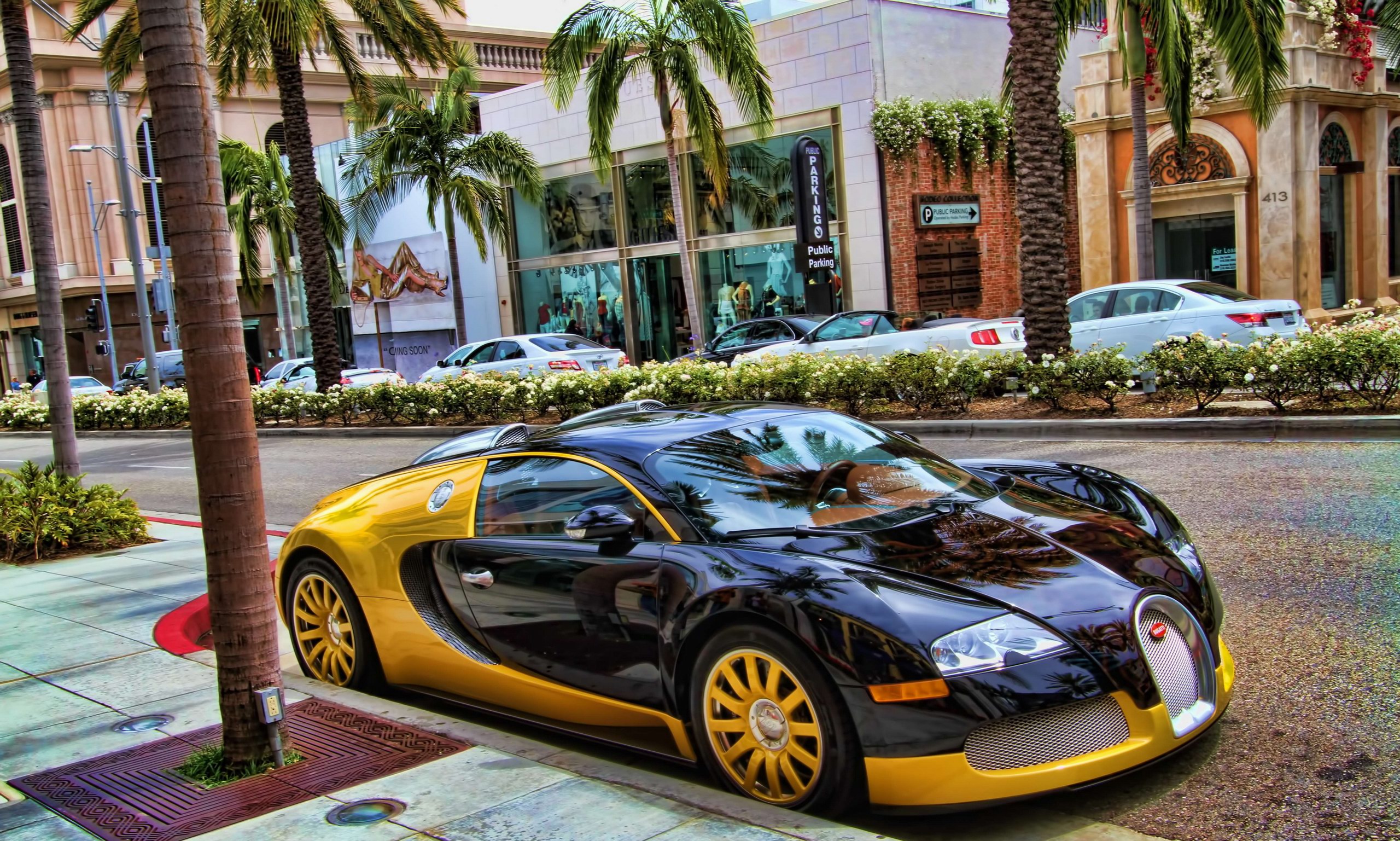 Taxi in Dubai, Emirates.
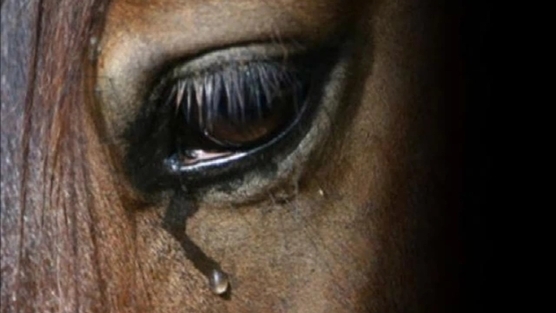
Ever saw a horse crying ? Is this tear about the loss of horse drawn taxis or about the horse cruelty in many parts of the world ??? Hope you enjoyed this post.

