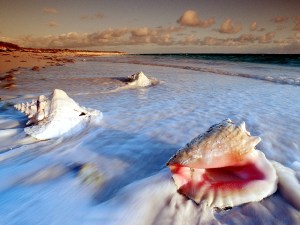
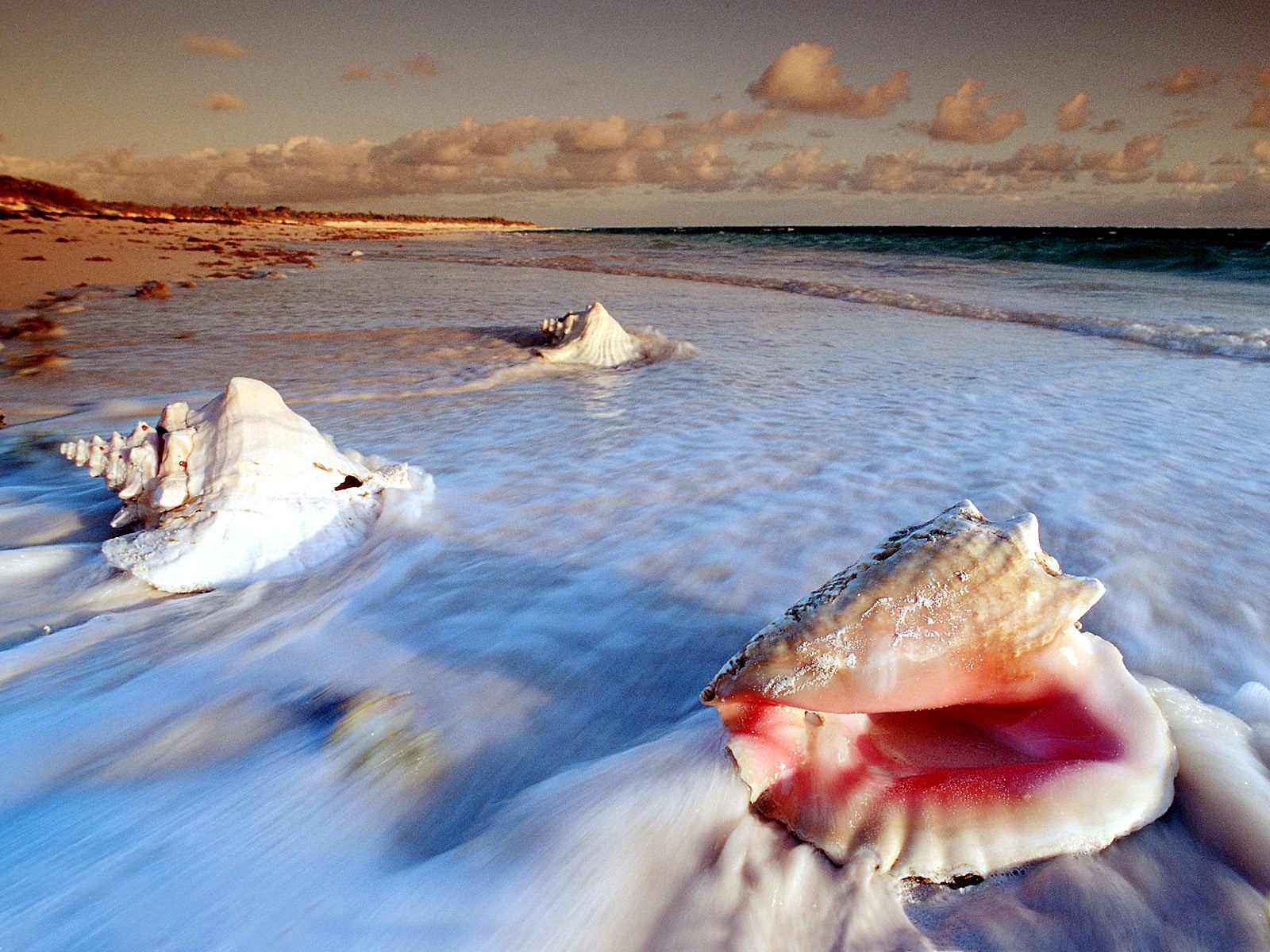
Must See – Conch Republic

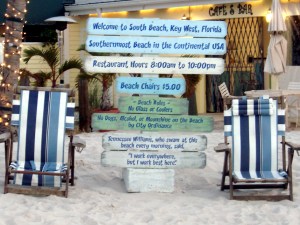
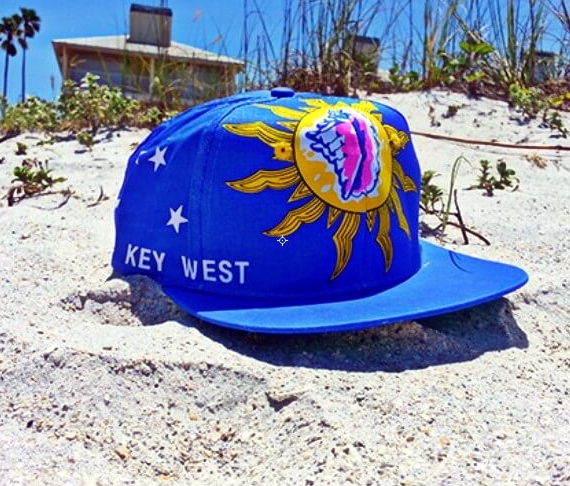
keywest-conch-2a   Conch Republic beach.
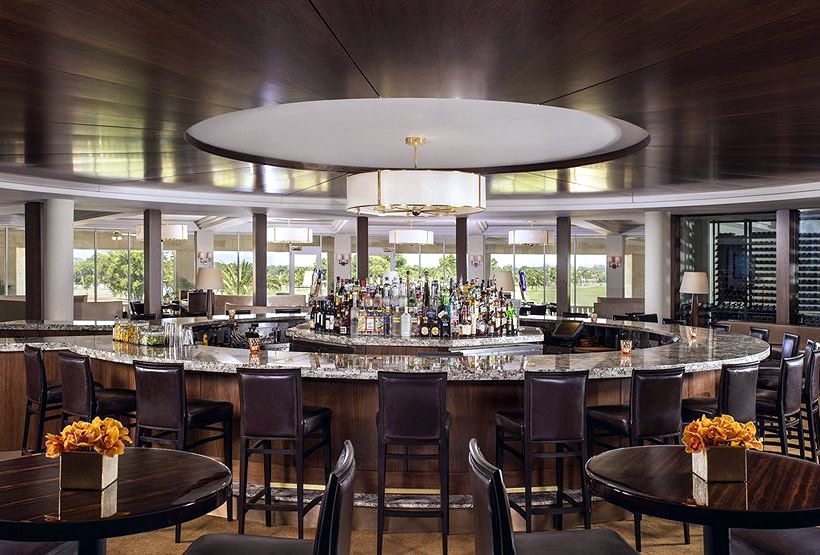
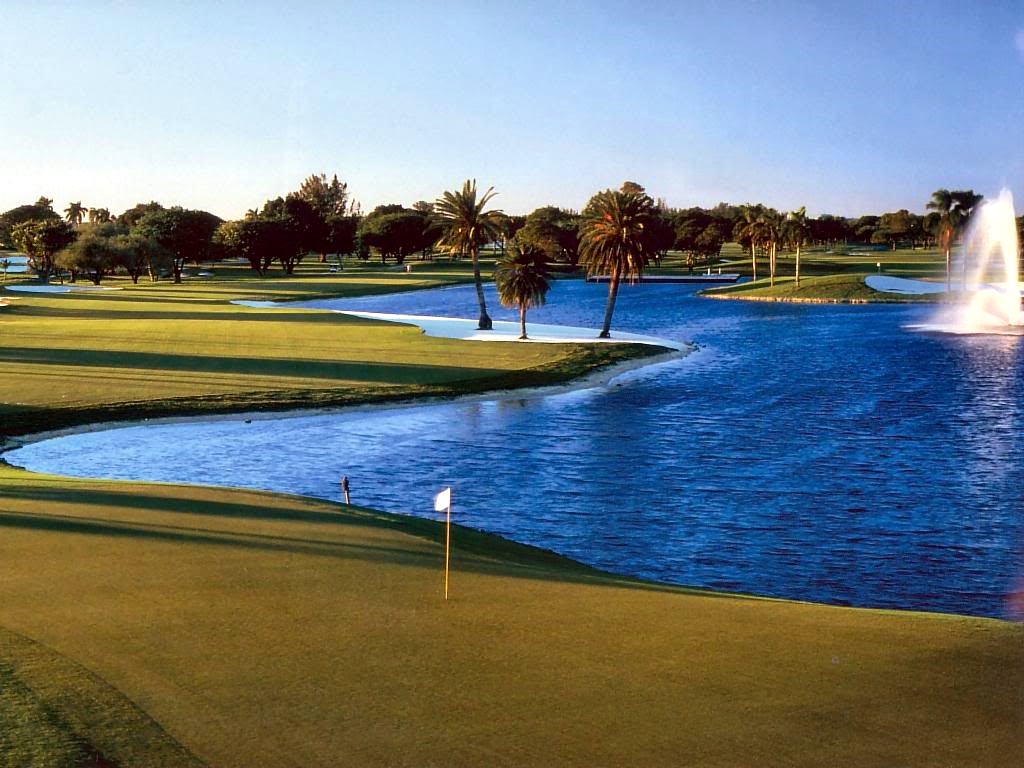
Some time ago I stayed in Southern Florida for a „long“ week. Destination hotel was the Marriott Golf Resort in Doral, which is now the Trump National Doral/Miami. Some great rounds of golf on different courses, including the „Blue Monster“ and a 5 star hotel. No, not only one time, several times and it was great fun.
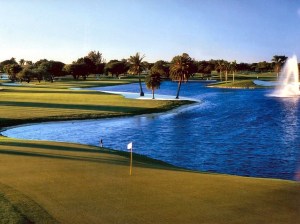
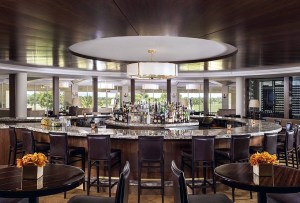
key-west-31a-blue-monster  key-west-31-marriott-doral      The Blue Monster from our hotel room in Doral and my favorite 19th hole at the Marriott.
During that week, I took a tour off to Key West, not for the first time, but this time it turned out to be a bit of a culinary tour. First day an easy drive direct from Doral to Key West and a 3 day/2 night stay at the famous Hyatt Key West. Fourth day slowly back, hopping through the keys and then one night at the Marriott Resort Key Largo.
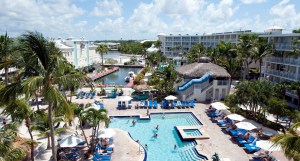
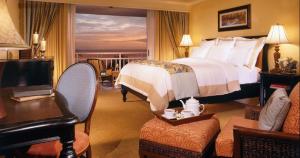
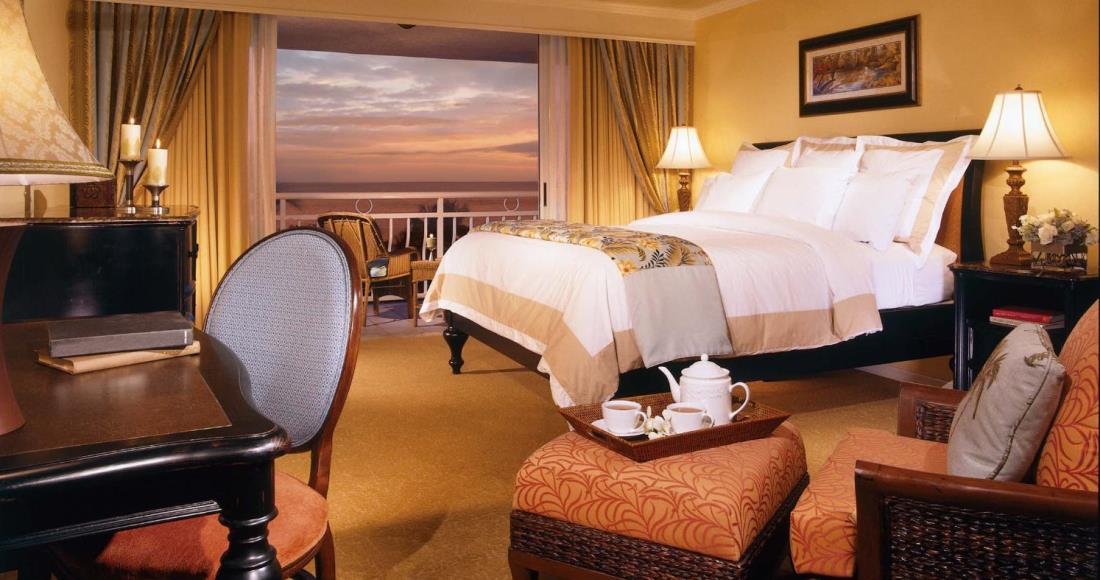
key west 19 marriott key largo   key west 19a       The Marriott Resort Key Largo, left view out the room and right the room on 5th floor.
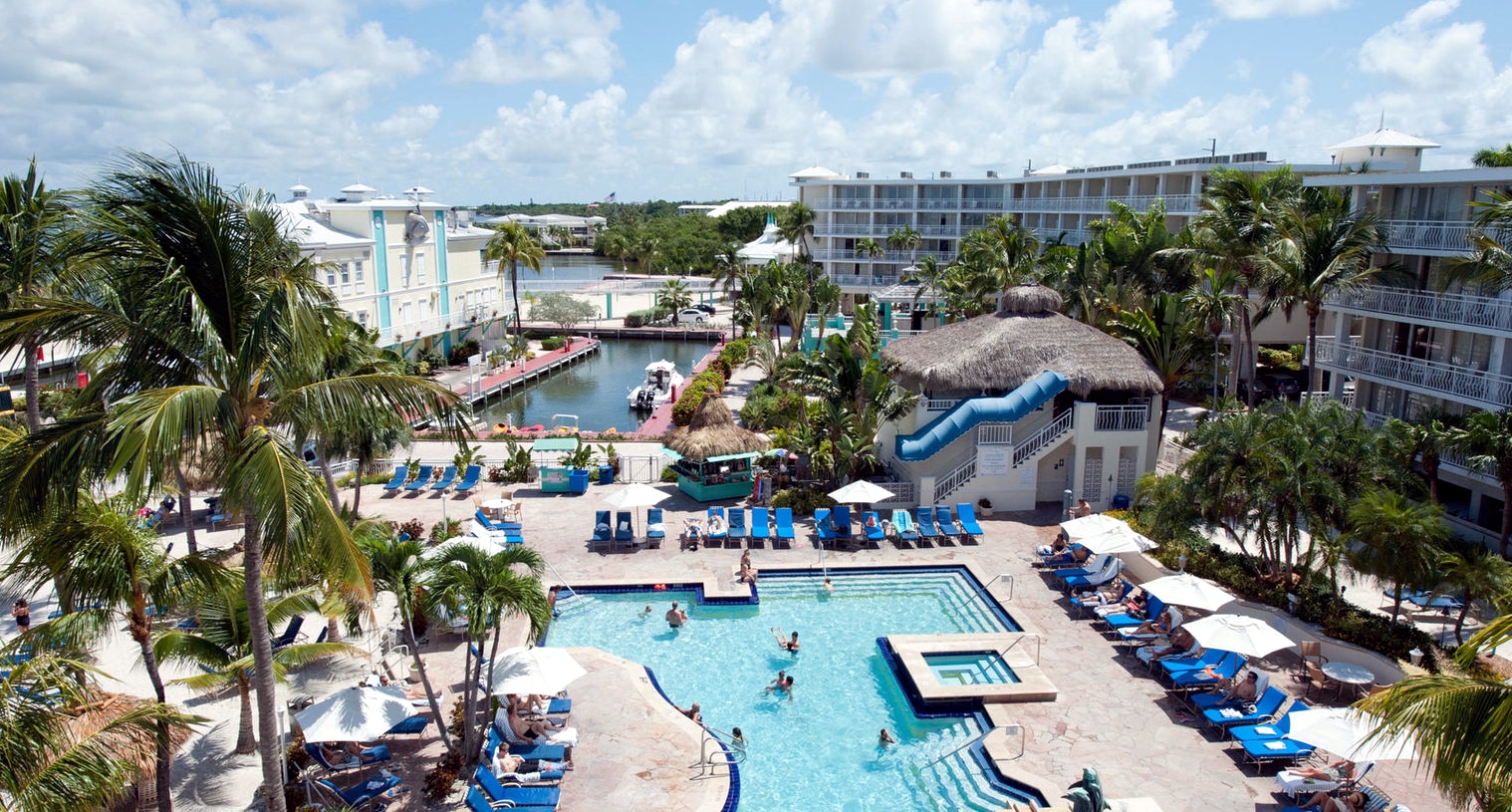
What a wonderful experience of sightseeing, diving into „Caribbean Culture“ and amazing food. Since I am a sworn foodie, I like to share with you this trip. Lucky I was, with perfect weather around 28 C and sunshine every day and not to many tourists and traffic.
key-west-5  My trip through the keys in South Florida, down and up.
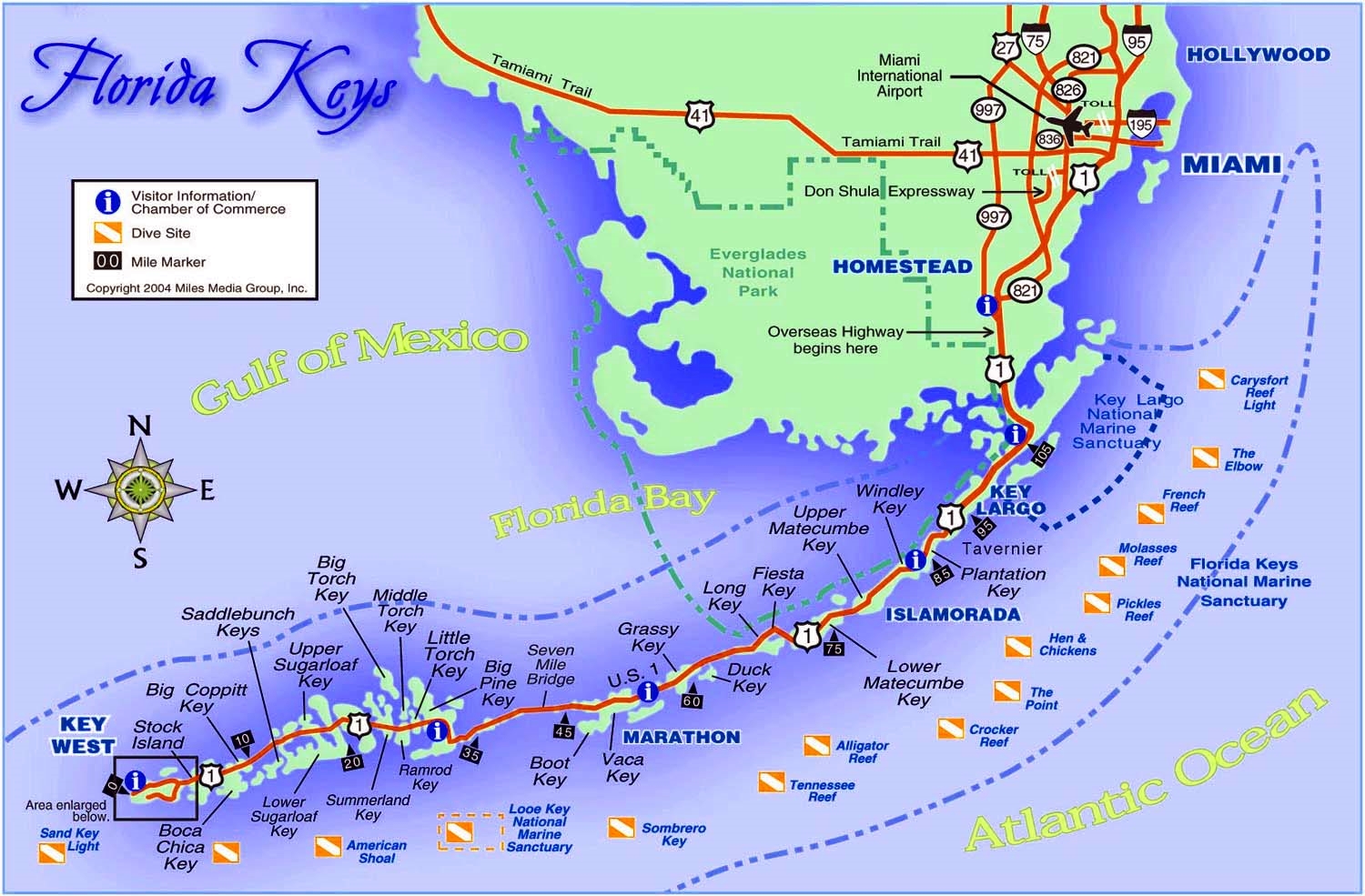
Only 90 miles from Cuba and 150 miles from Miami, Key West is the outermost island in the Florida Keys and the most heavily influenced by Caribbean culture. People here have their own way of doing everything, including cooking, which is heavily dependent on the sea and locally grown tropical fruit.
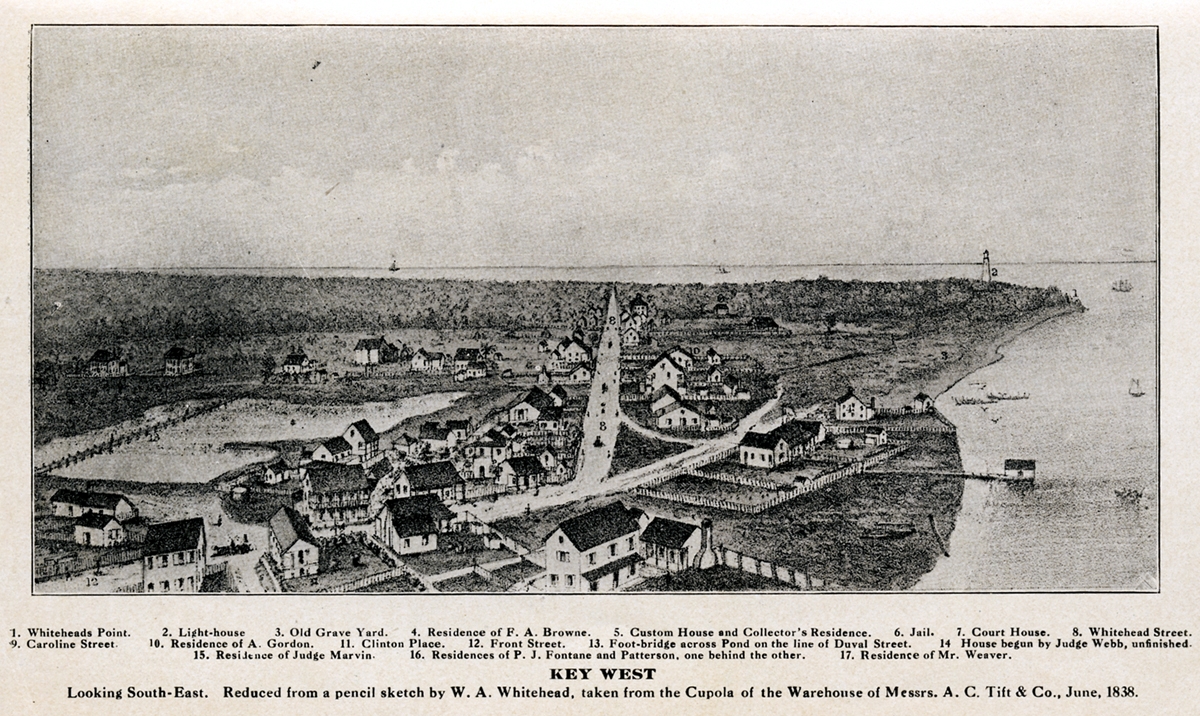
key-west-28-1838  Key West Then !  Click on pic to supersize.
key-west-14b  Key West Now !  You don’t have to click on this one.

Visitors soon realize the two most recognizable dishes in Key West cuisine are the conch fritter and Key lime pie. Dive into these must-try dishes at some of the best restaurants in Key West – and some others I had the chance to try.
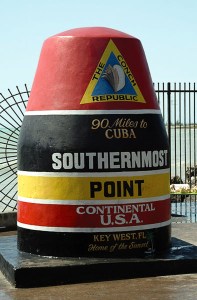
key-west-1a  In Key West is the Southernmost Point of the United States mainland.
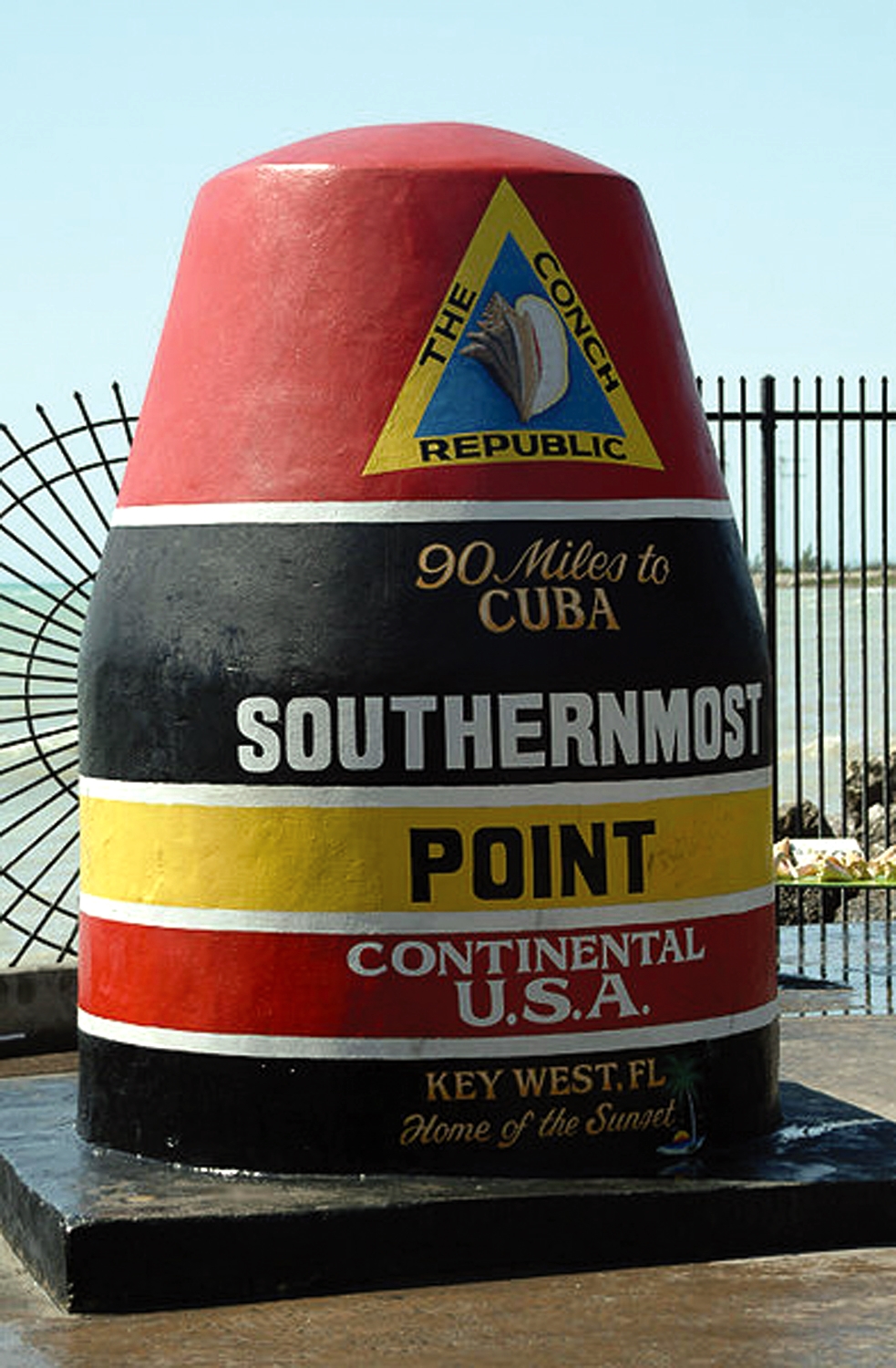
 

The Conch.
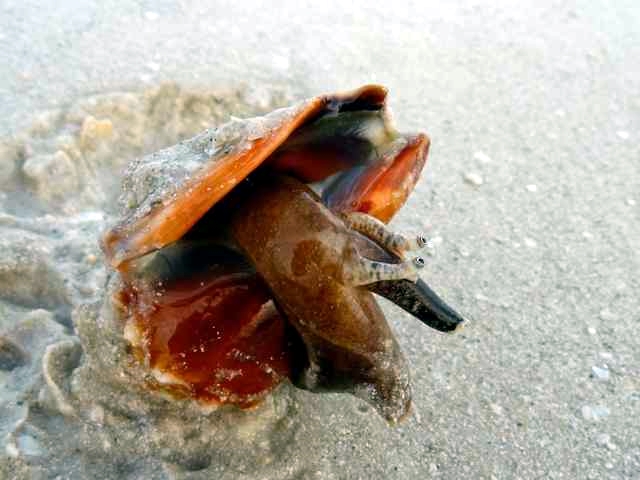
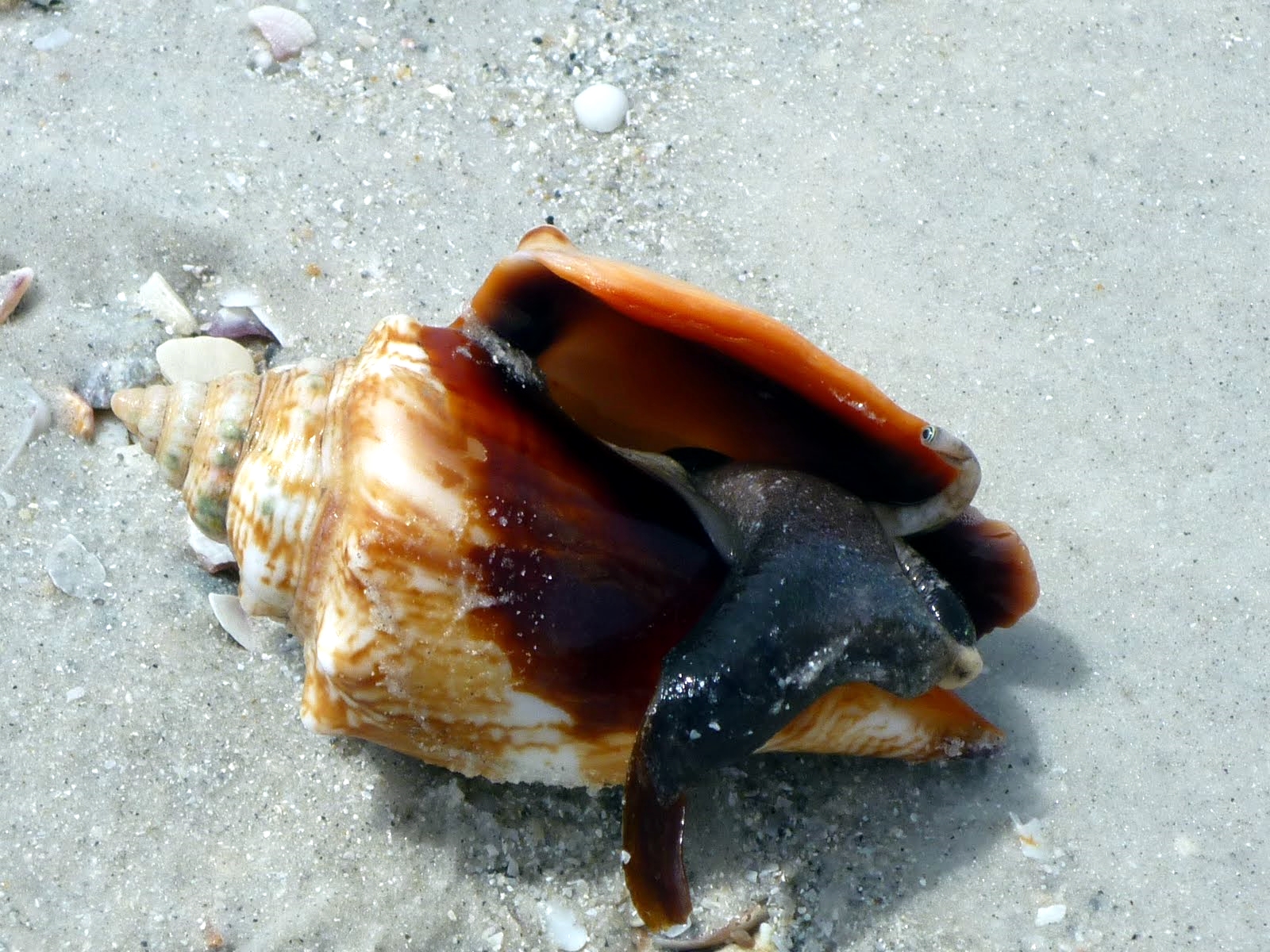
Conch is a common name that is applied to a number of different medium to large sized sea snails or their shells. The term generally applies to large snails whose shell has a high spire and a noticeable siphonal canal (in other words, the shell comes to a noticeable point at both ends).
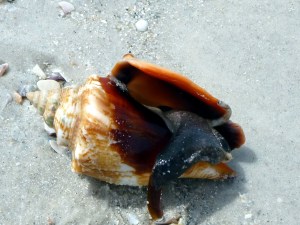
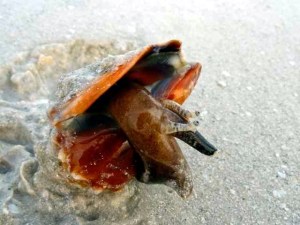
keywest-conch-1 keywest-conch-1b       The conch digging herself away into the sand. Right pic – notice the long protruding eyes.
The conch may be a lowly sea mollusk, but in the Keys, it has been elevated to heights of taste and creativity. Chefs get inventive with the conch: Conch chowder, conch ceviche and even conch pizza. But the conch fritter takes center stage in the Conch Republic.
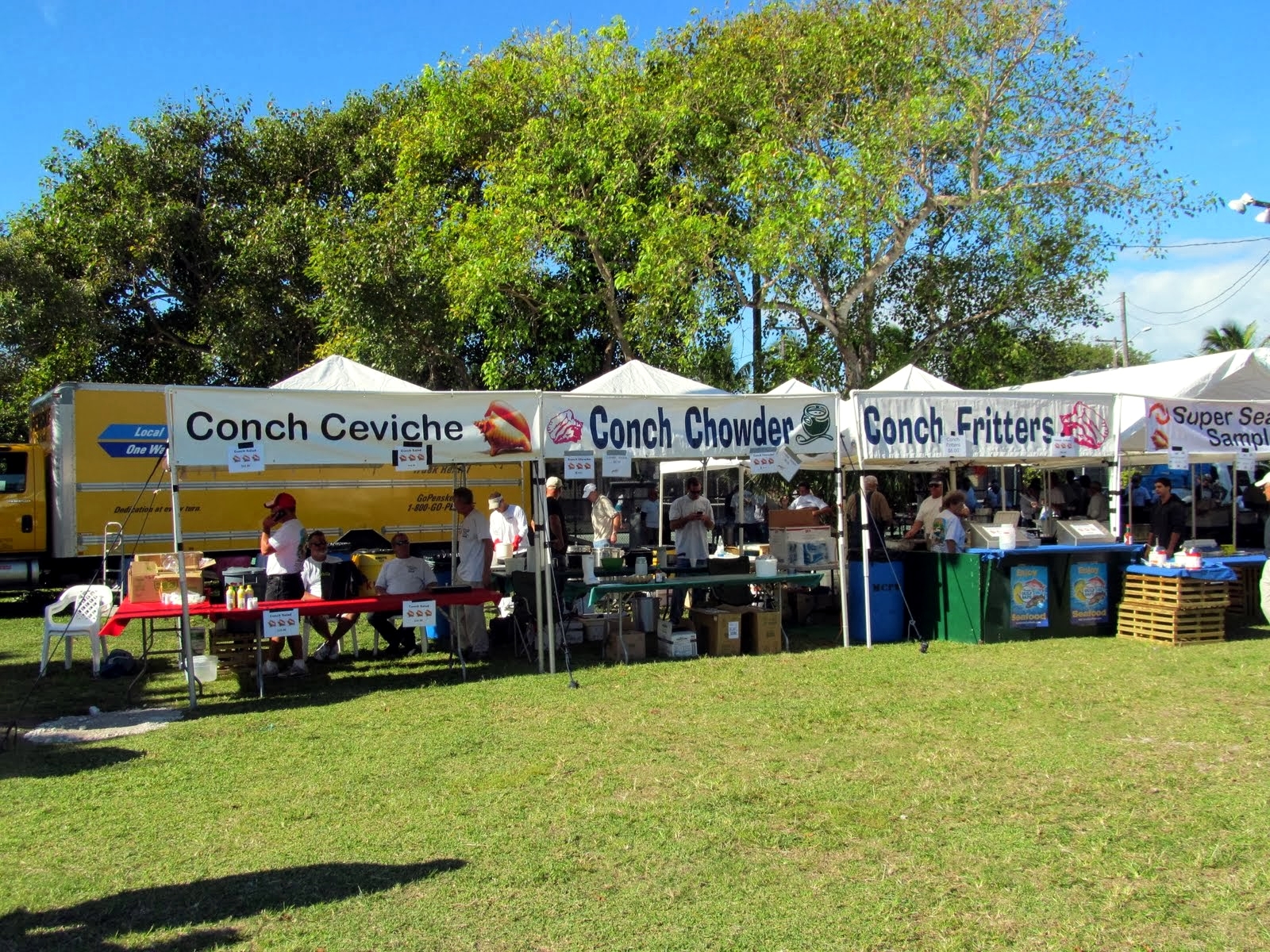
key-west-13-conch-seafood-booths  Conch seafood specialties booths in Key West.
At its core, the fritter is made from finely minced conch, mixed with onion and batter.
From there, chefs add their own interpretation, mixing in everything from jalapeno chilli  to celery or clam juice. The result is something like a hush puppy, served either as an appetizer or a side dish.
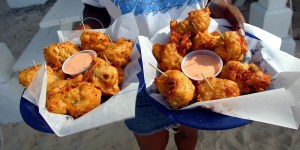
keywest-1-conchfritters  Aren’t they mouthwatering? Served fresh everywhere.
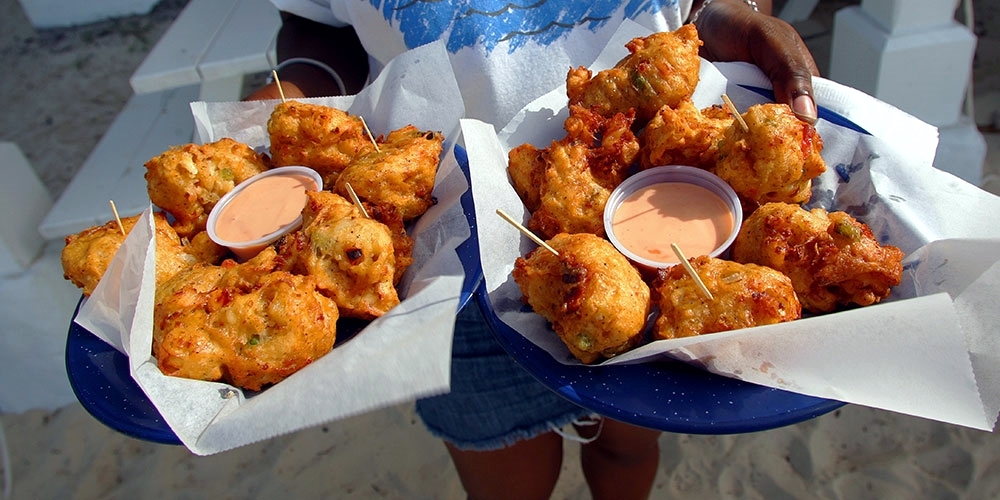
You can find conch fritters on just about every menu in the Keys. Locals rave about the ones from Louie’s Backyard, served with hot pepper jelly or wasabi and terrific ocean views. Known for their especially conchy flavor, the fritters at Conch Republic Seafood Company also get high marks for authenticity and taste.
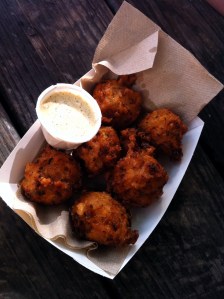
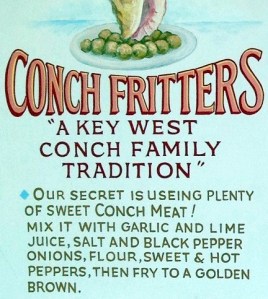
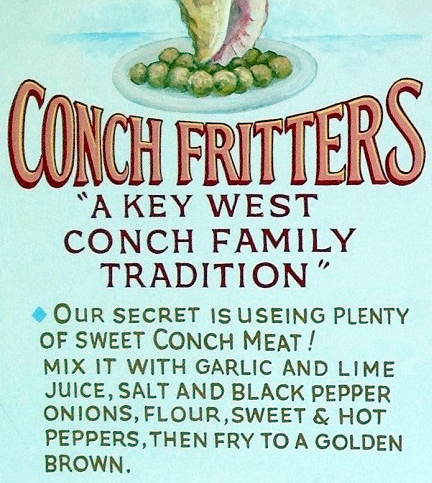
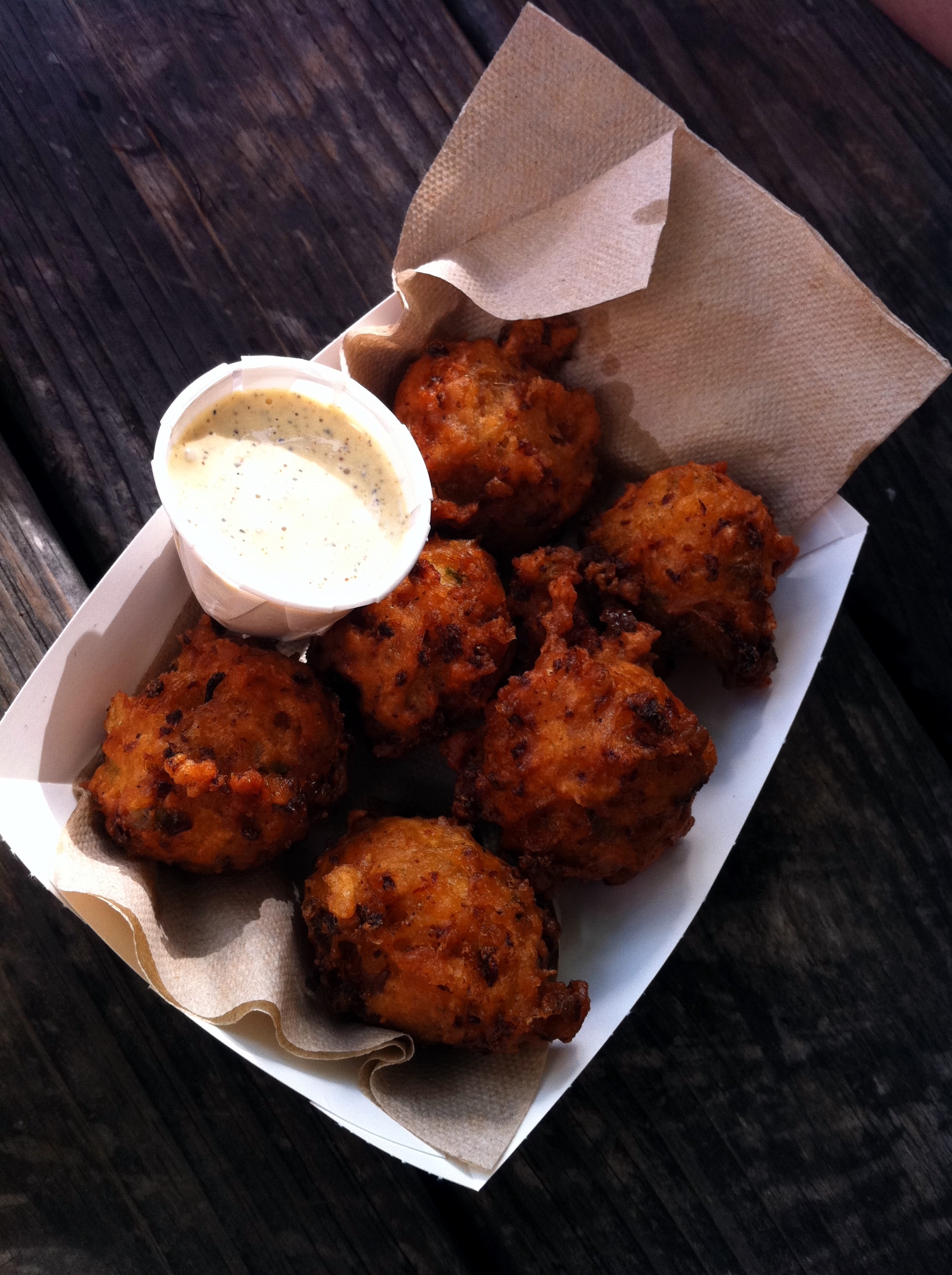
key-west-food-2a                           key-west-6a          Delicious conch fritters fresh and hot from the booth.  And the recipe on a restaurant sign in Duval street.
 

The Conch Republic.
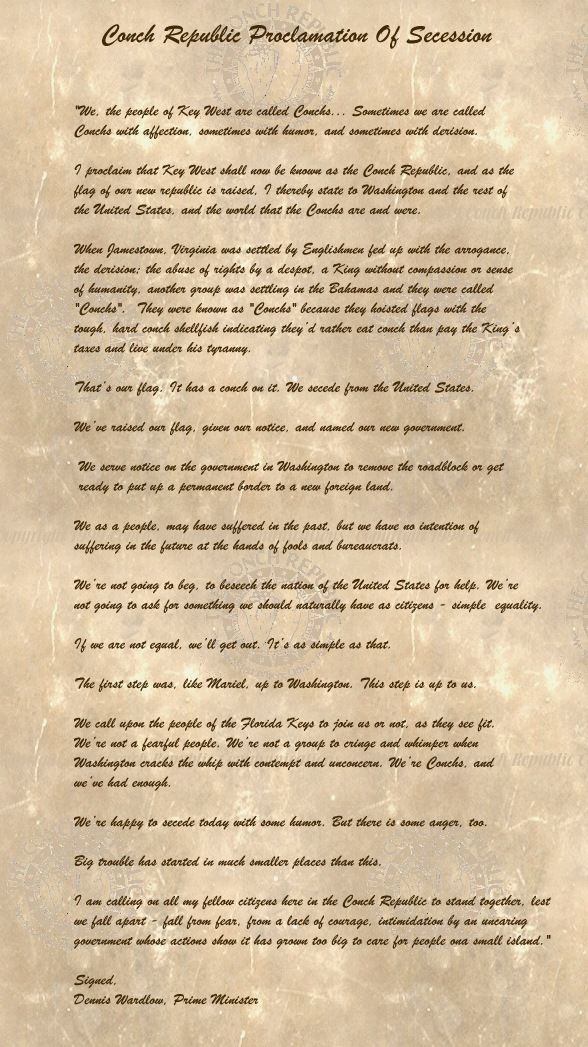
The concept of “One Human Family” has always governed everyday life in the Conch Republic, where everyone “around the world is entitled to equal rights, dignity and respect.” Nowadays, this concept has been branded and distributed on 1.3 million bumper stickers, reminding the greater U.S. of the Keys’ exemplary philosophy.
key-west-10                               key-west-8
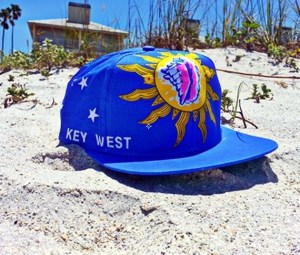
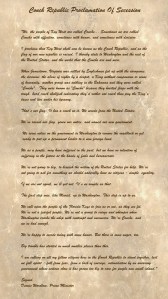
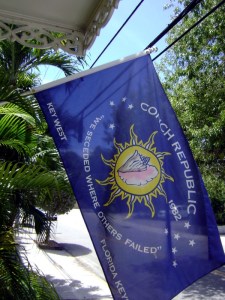
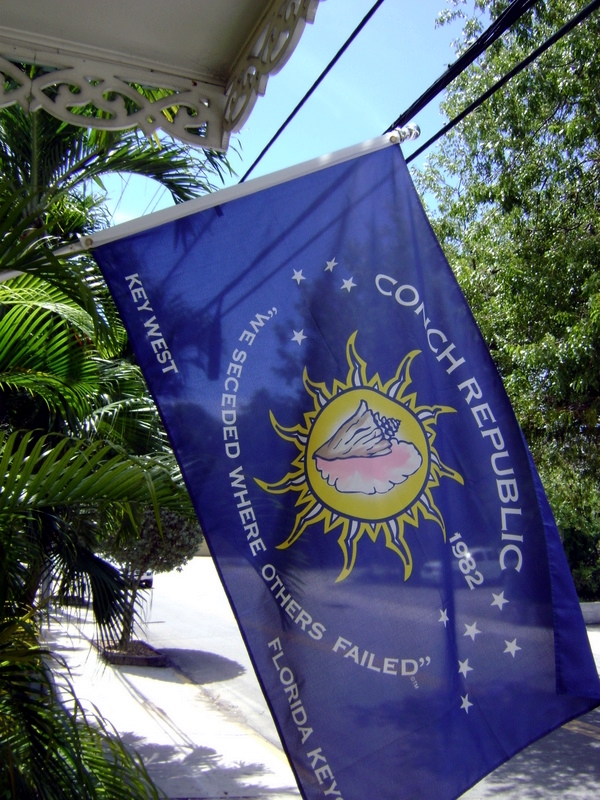
Conch Republic Proclamation. Click on pics to supersize and read. Right, the Republics Flag, one will see everywhere around Key West.
While most American cities tend to follow slash and burn trends, Key West’s predictability and reverence for history is a welcome respite. The gingerbread houses, coconut palms, bougainvillea and lucid waters that inspired Tennessee Williams and Ernest Hemingway forever remain “Old Key West”.
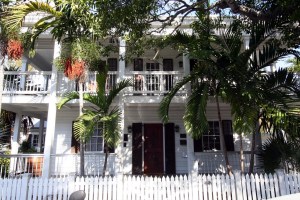
key-west-24-old-town key-west-12a       The „Old Town“ in Key West, a MUST SEE destination. You’ll discover evry day something different.
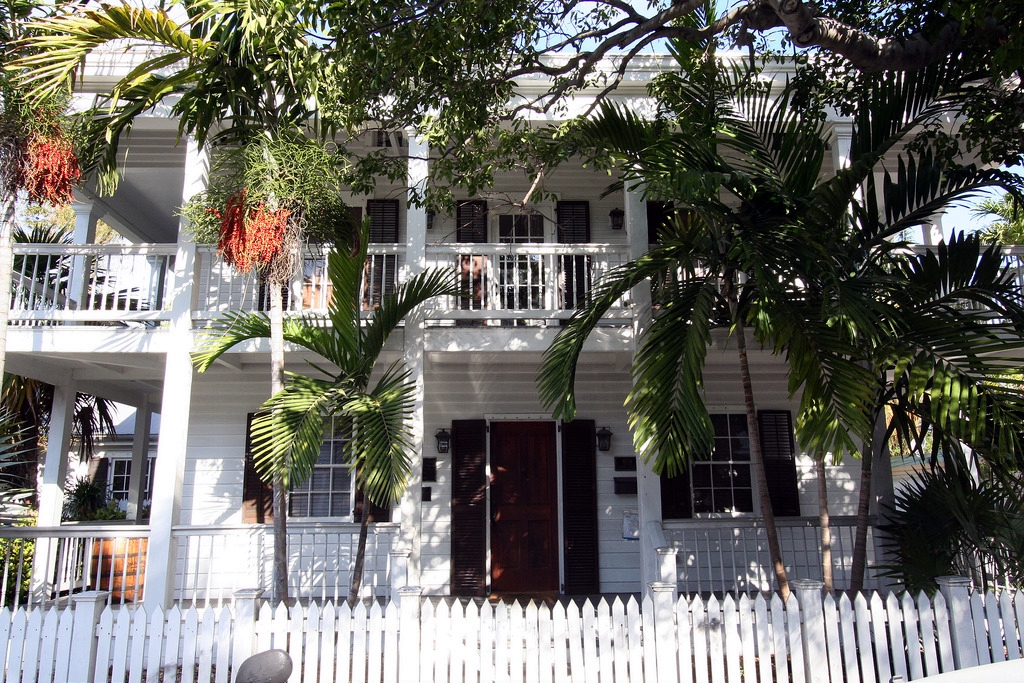
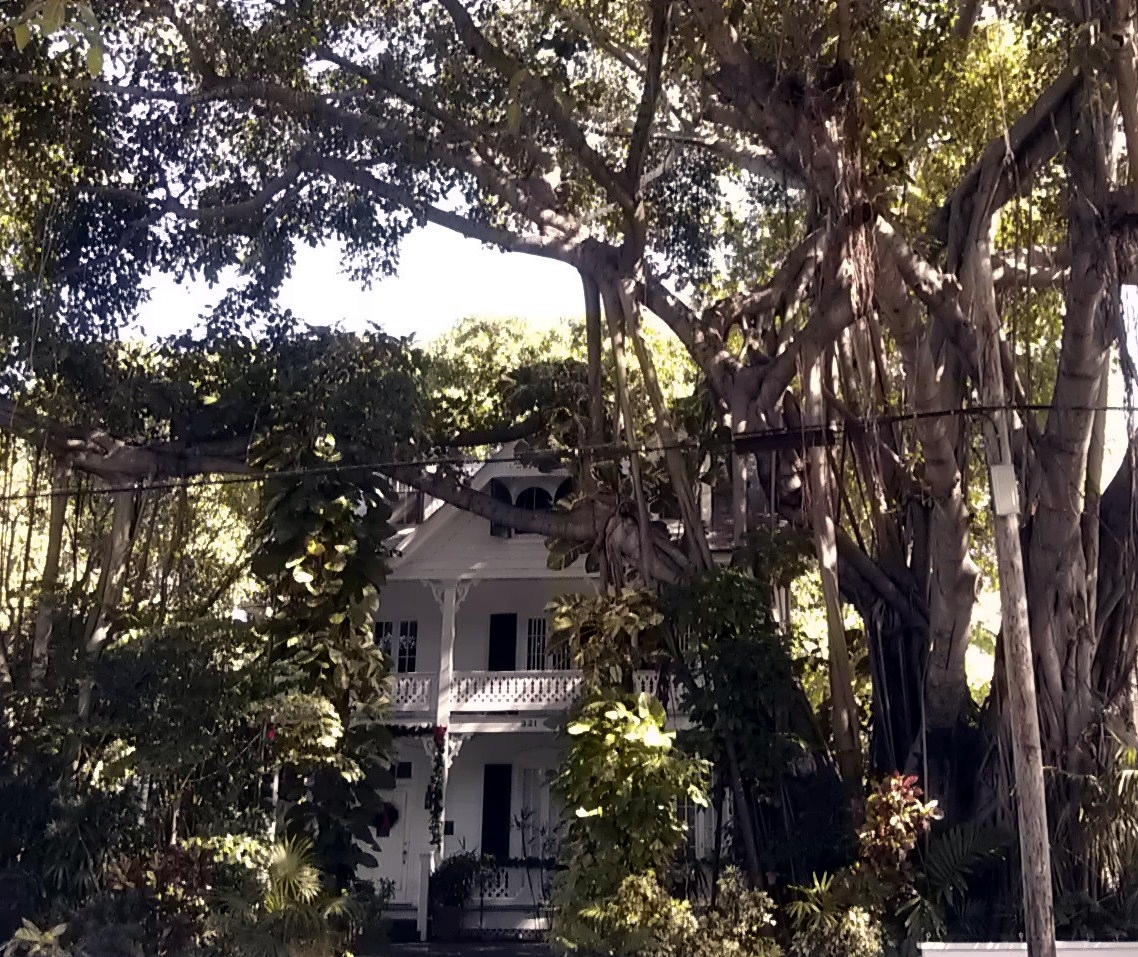
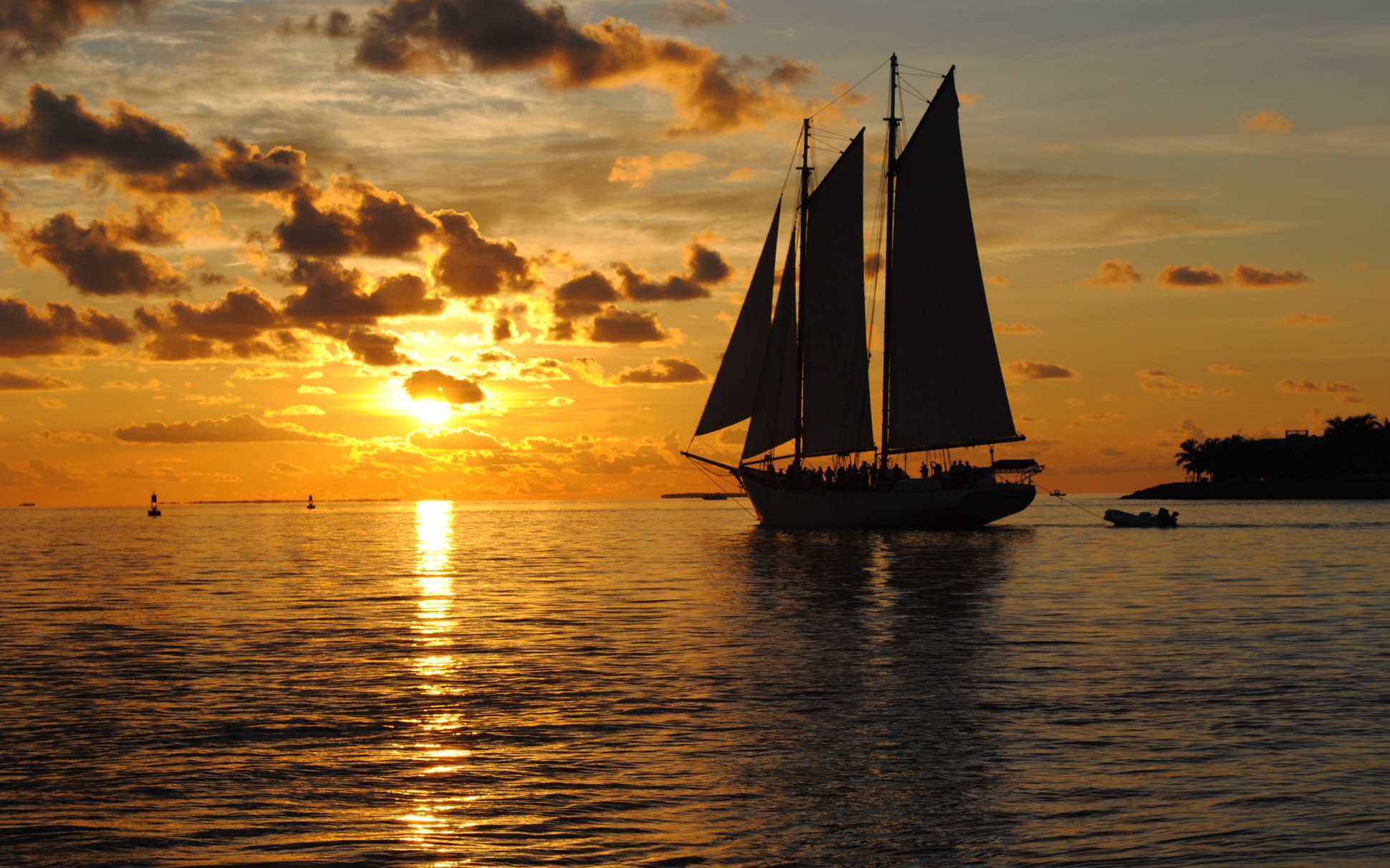
The larger than life, eccentric personalities and unwavering spirit of the island’s residents contrast modern society’s desperation to “fit in”. A drunken stupor through the “Pink Triangle” invariably ends up in a random bed (or the Island House hot tub). And both the sunsets and sunrises seem to grow more breathtaking over the years.


key-west-9 key-west-20
No comments needed, Key West is a tourist „hot spot“ par excellence.
The Hyatt Key West.
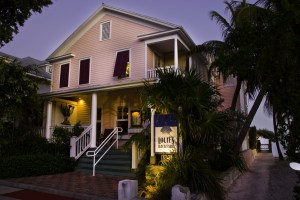
One of the island’s top resorts, the Hyatt Key West on Duval Street,  for those looking to experience the Conch Republic’s latest offerings of modern luxury. Contrasting the palm-tree print/Tommy Bahamas style of most Keys’ hotel rooms, the Hyatt Key West is a blend of contemporary design and Florida color and flavor (delightfully without the overkill throughout).

key-west-7-hyatt key-west-7b       The Hyatt, a sunset destination. As I said, no overkill in room design.
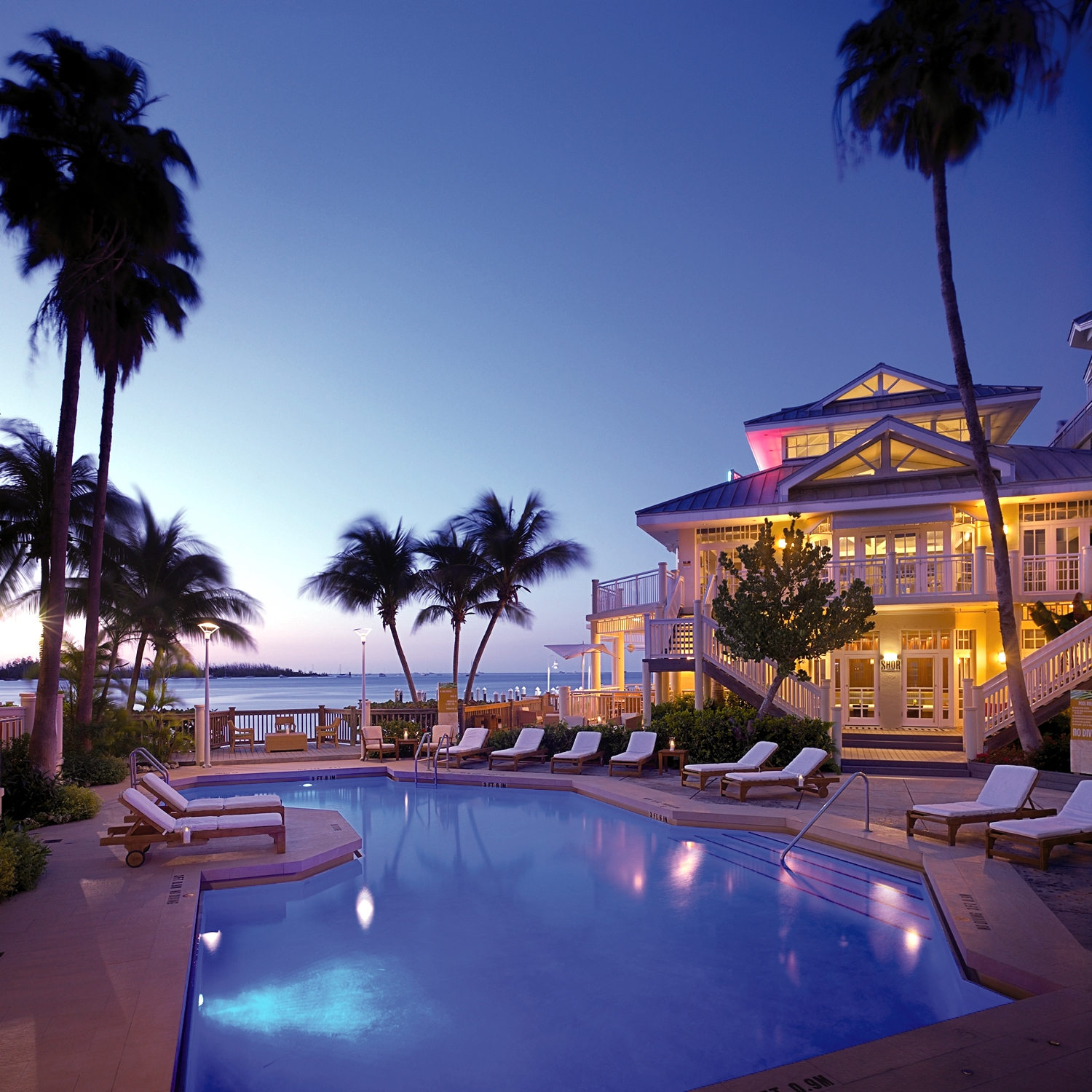
All guest rooms flaunt private balconies, ideal for enjoying the sea breeze with a glass of bubbly or Chardonnay. The pool is everything and anything you’d expect from a high-end resort and the hotel’s signature restaurant, SHOR American Bar and Grill, offers sensational, waterfront dining with a daily catch direct from the docks.
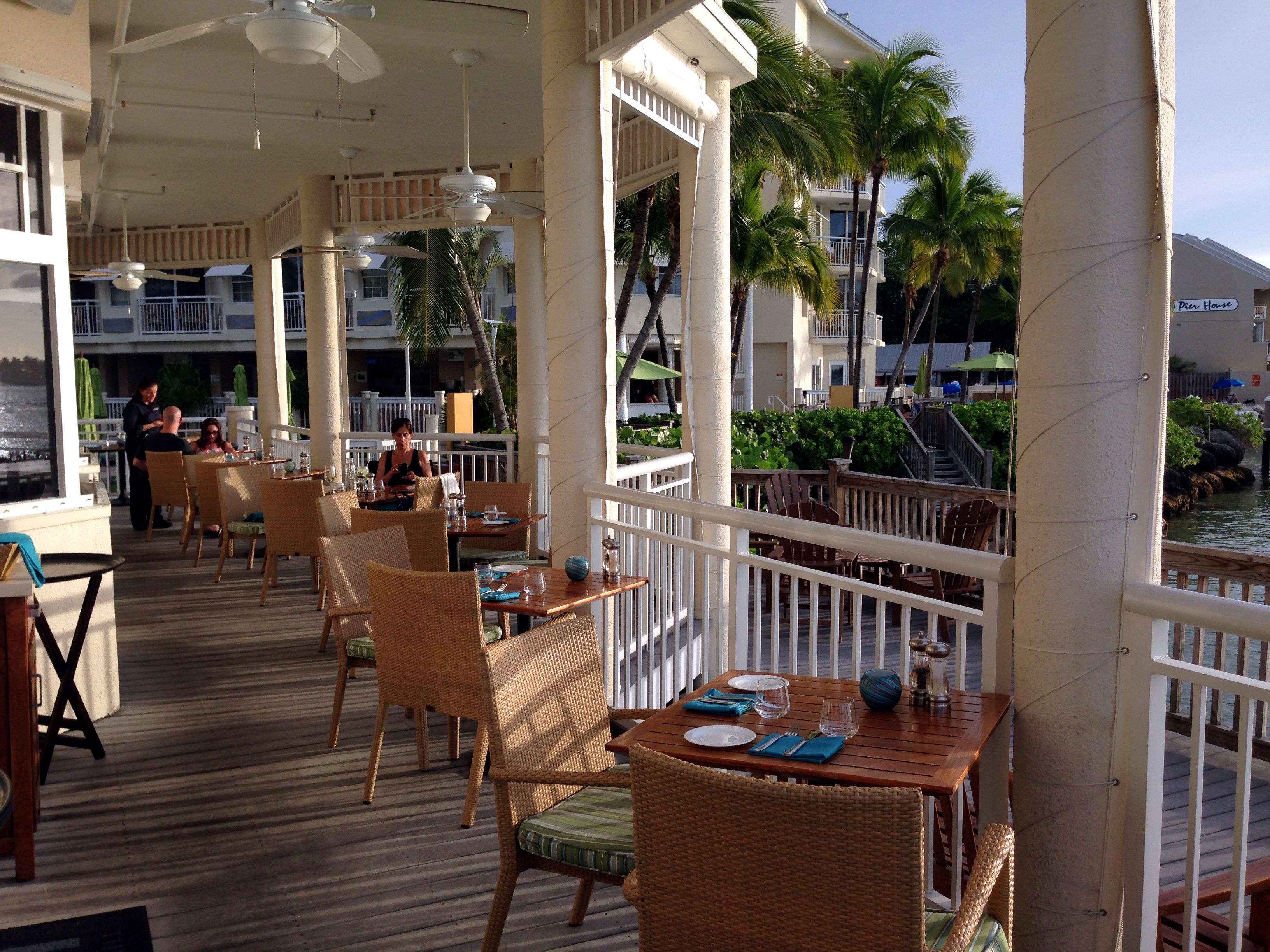
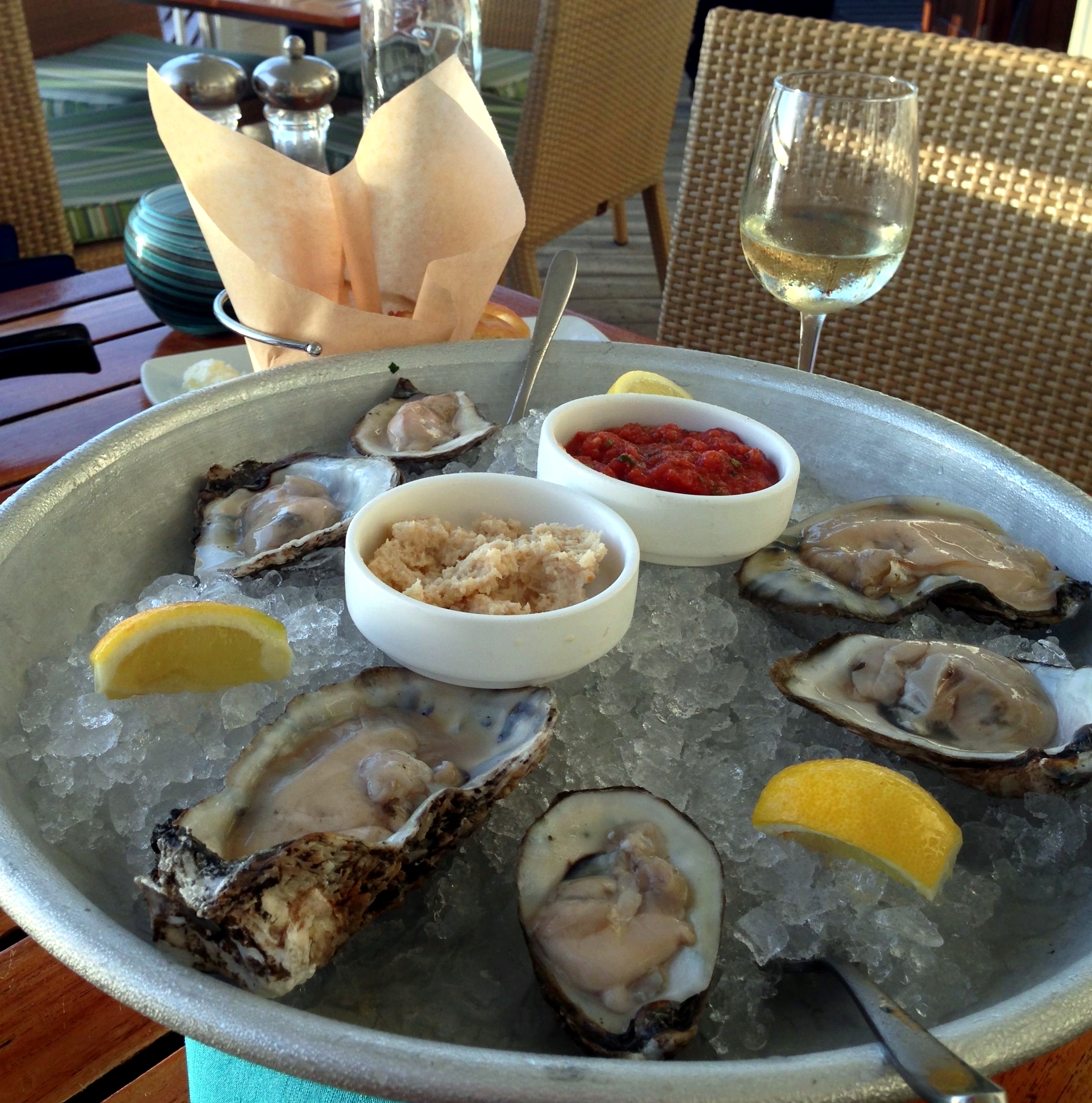
key-west-7e-shor      key-west-7f

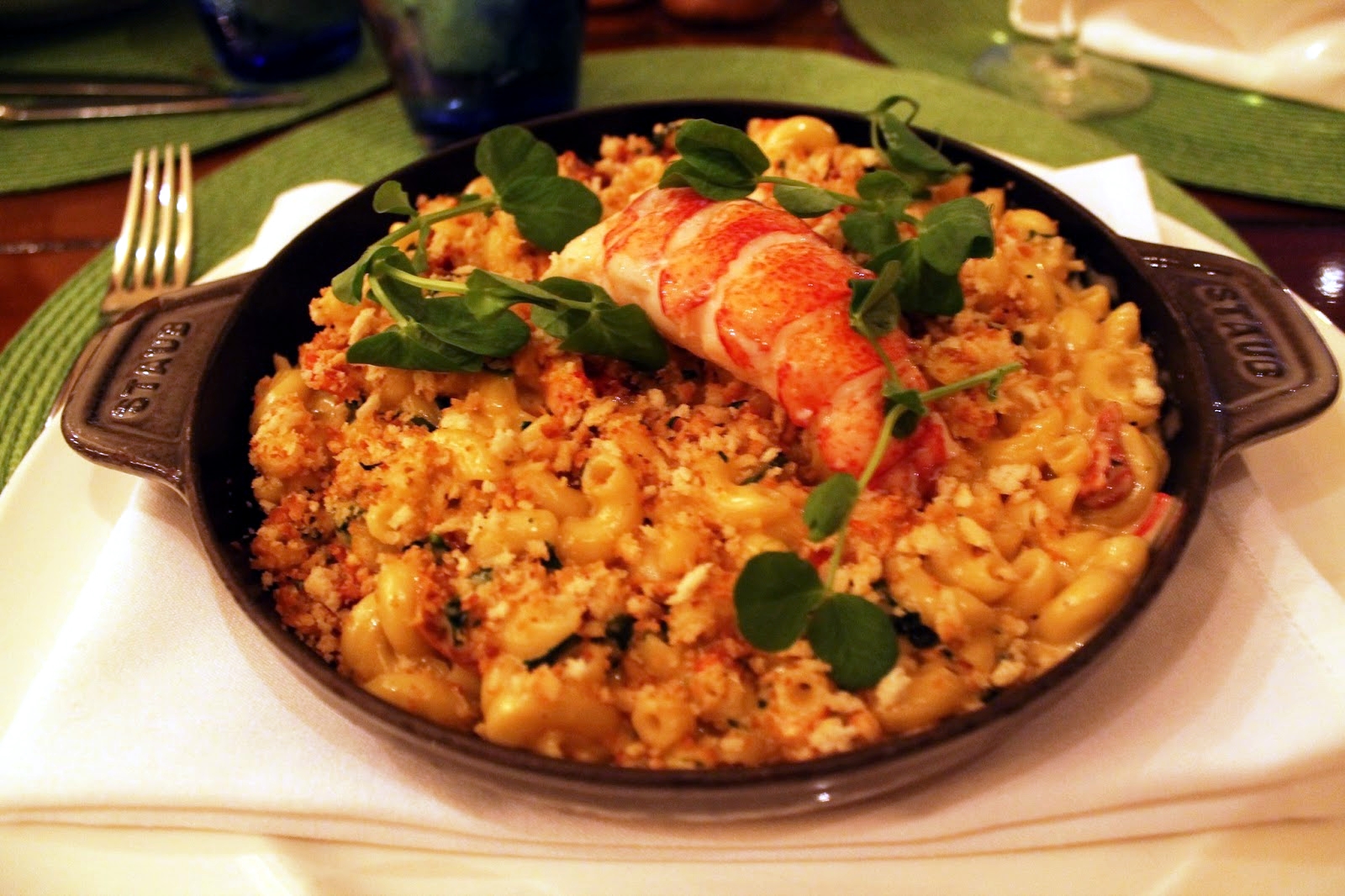
key-west-7g     key-west-7d-shors-lobster-mac    The SHOR, great place for sunset watching. But, be careful, it can be very hot till the sun is really down. We decided to sweat, because we wanted the show. And you can take it easy with oysters on ice and a cold Sauvignon Blanc. When the sun was down we had the main course „SHOR’s Lobster Mac“.
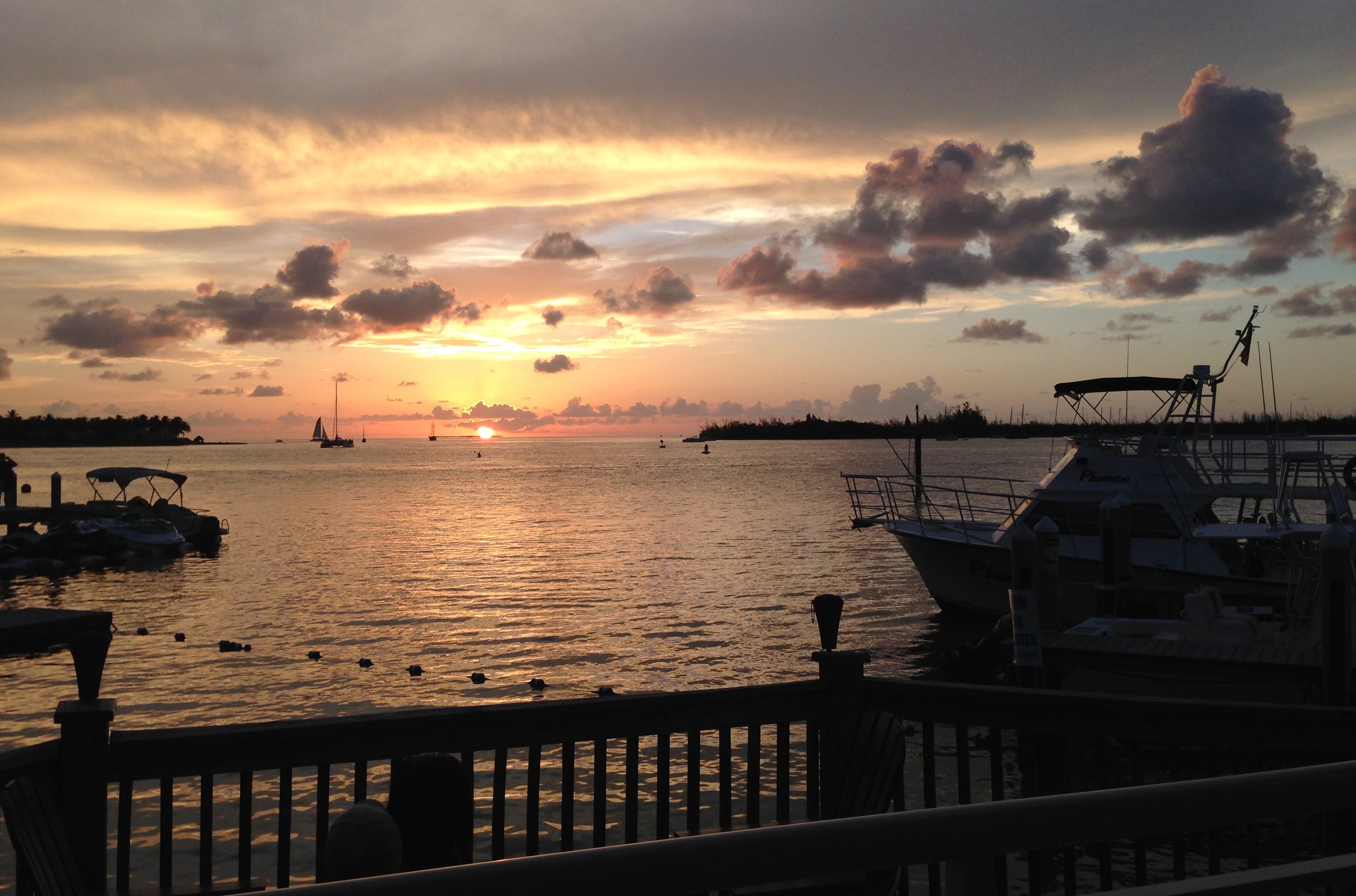
 

Latitudes Sunset Key.
Across the water from the Hyatt at beautiful Sunset Key, Latitudes restaurant has unveiled a modern edge that spills onto Sunset’s downy sands, doling out even more of the delicious local seafood dishes that originally made this beachfront gem famous.
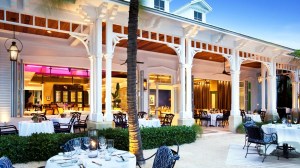
key-west-food-5-latitudes-at-westin-on-sunset-key  Latitudes at the Westin Resort on Sunset Key.
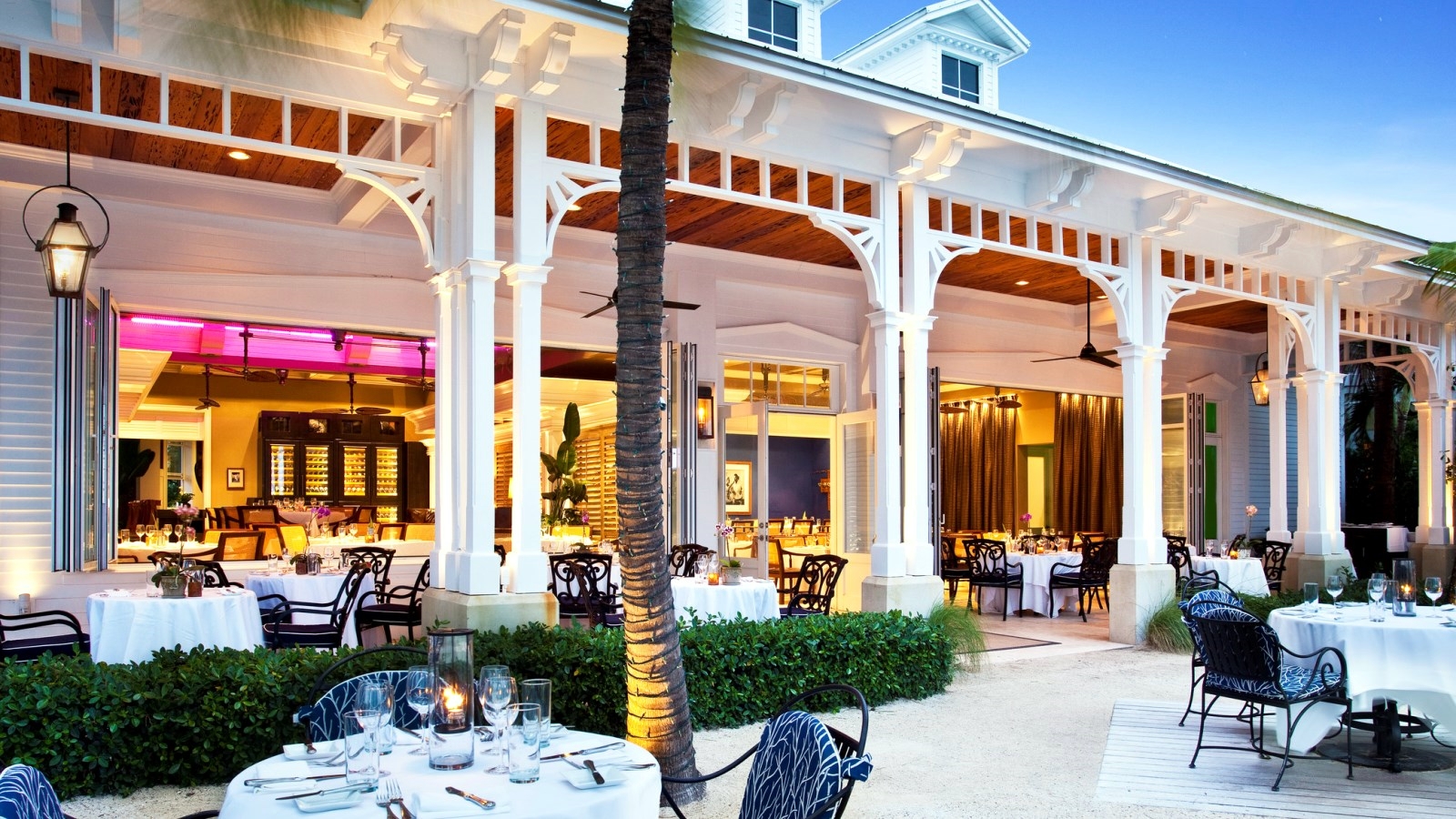
There’s definitely more than just amazing fruits of the sea to be had around the island.
Latitudes Key West Restaurant, located on the Island provides fresh flavorful cuisine with breathtaking views of the Gulf of Mexico. A delicious, ever-evolving “work of art” menu incorporates locally sourced fresh fish and tropical fruits cuisine. To me this restaurant is the most romantic destination in all the keys.
key-west-food-5a    Wish I had the opportunity to dine at this amazing sunset destination. All right, one can’t have everything – may be next time.
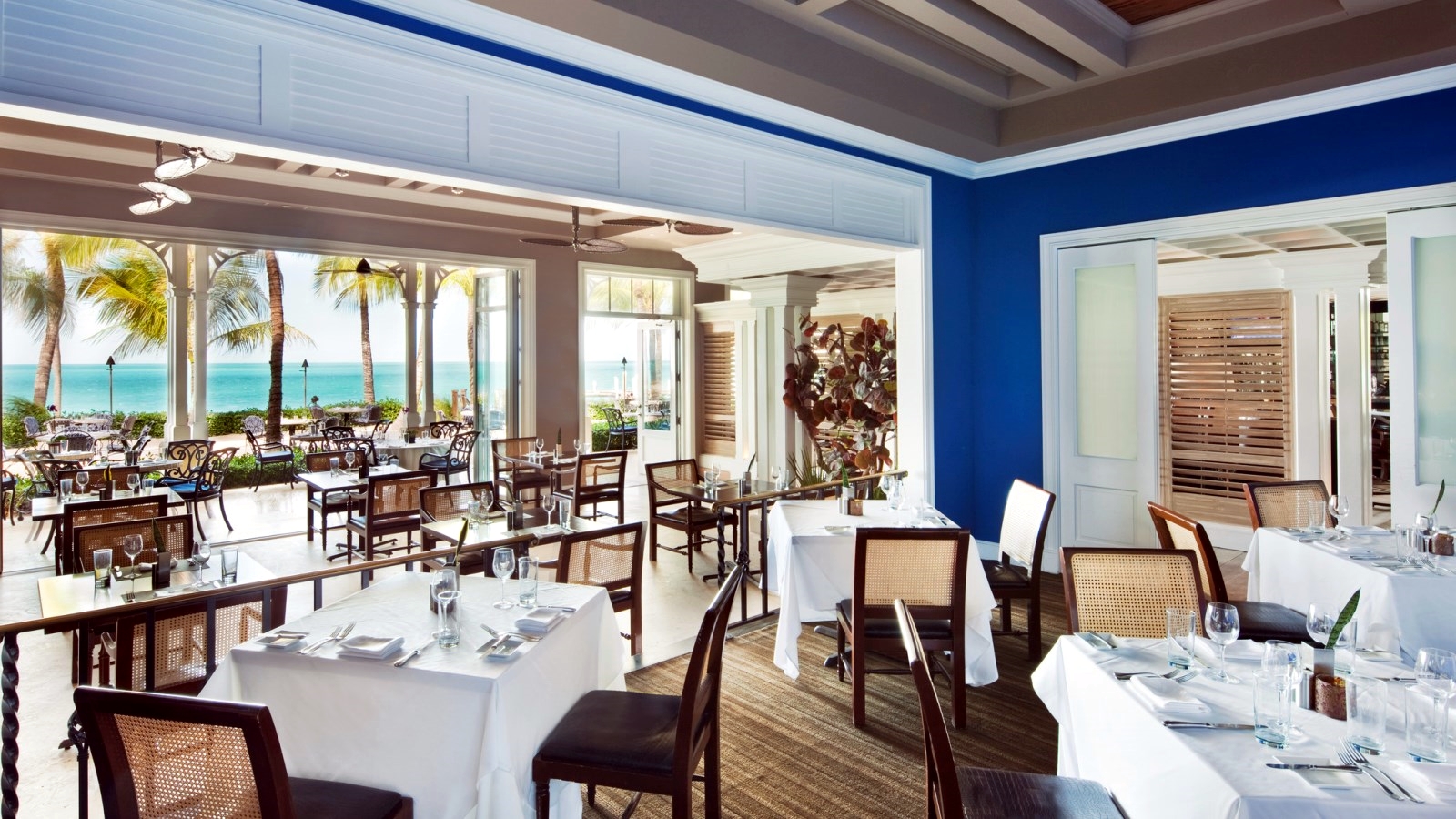
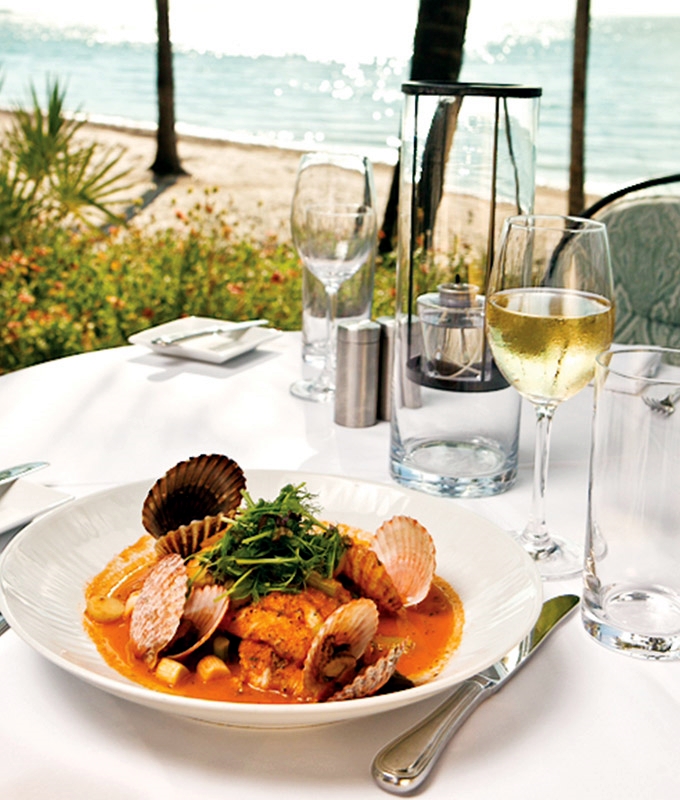
Luxuriate while dining in the Ernest Hemingway Room, where photos of authors, fishermen and former Key Wests resident adorn the walls or outdoor dining overlooking the Gulf of Mexico where tiki torches illuminate the night sky magnifying the glorious Key West sunsets. That’s what everyone likes to see. I only had time for a lunch, but it was worth the trip over, ferry’s leave every thirty minutes.
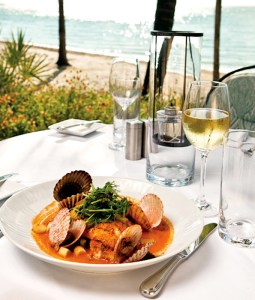
key-west-food-5b-snapper-bowl  My lunch, Snapper Bowl and a cool Chardonnay.
 

A Little About Pepe’s.
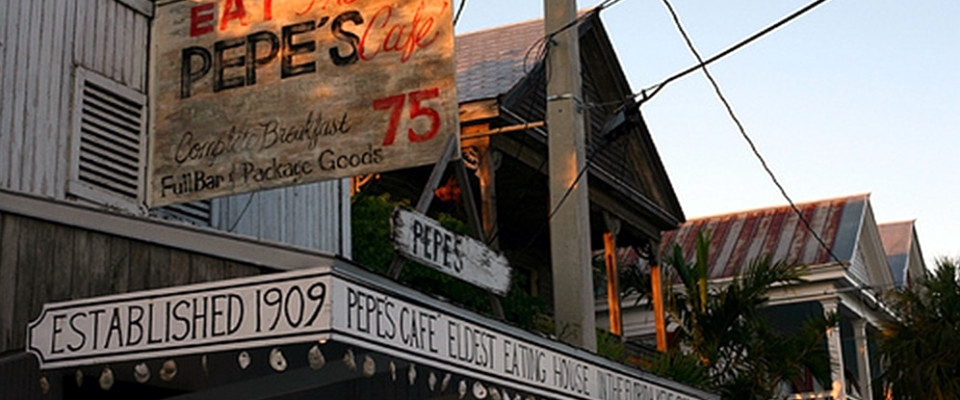
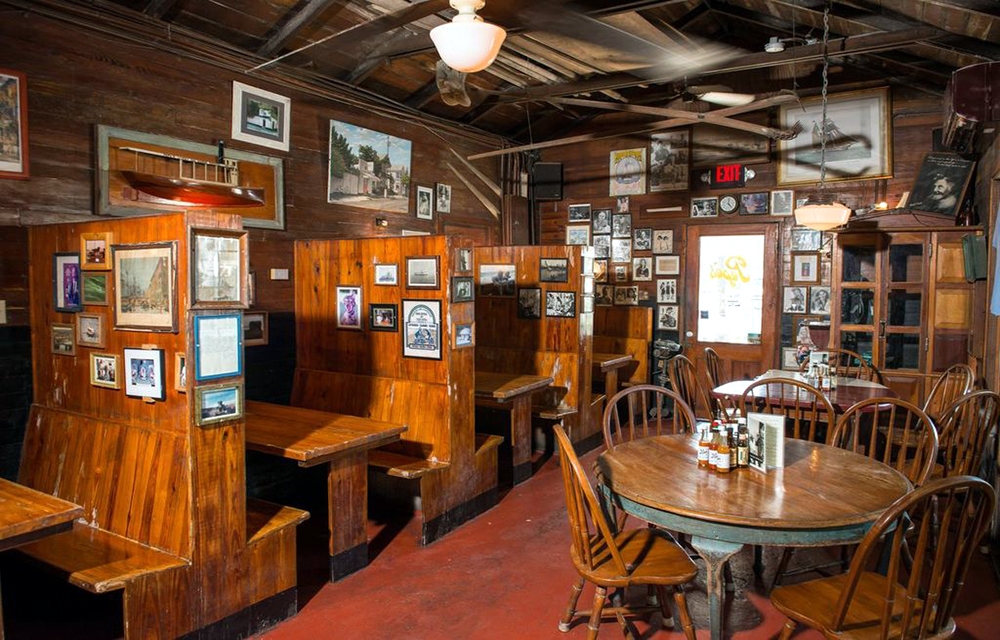
Not quiet exclusive as the ones before, but therefore an affordable place, Pepe’s Cafe. Pepe’s, established in 1909 is the eldest eating house in the Florida Keys. Located on the old commercial waterfront area of Caroline Street. One can have Breakfast, brunch, lunch coffee, diner and late night snacks, a really old style one.
key-west-food-10e-pepes  key-west-food-10c-pepes

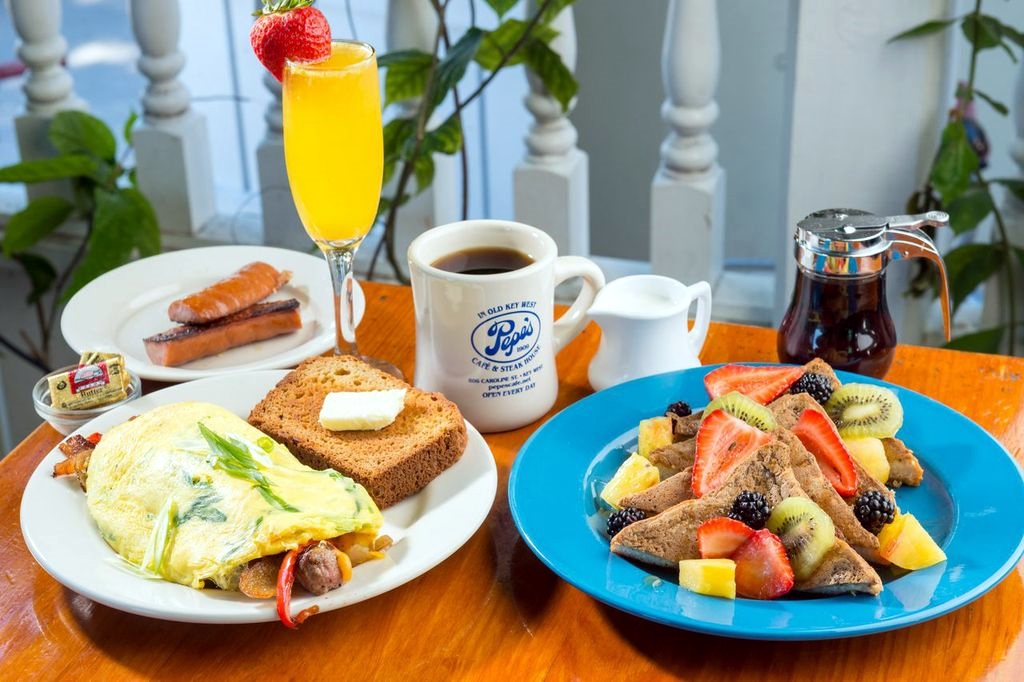
At breakfast time they serve everything from traditional breakfast and build-your-own omelets, to pancakes with fresh fruit to creamed chipped beef.
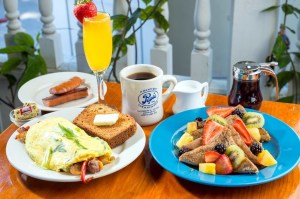
key-west-food-10-pepes-omelet-special-french-toast-fruit  Pepe’s Omelet Special and French Toast with Fruit.
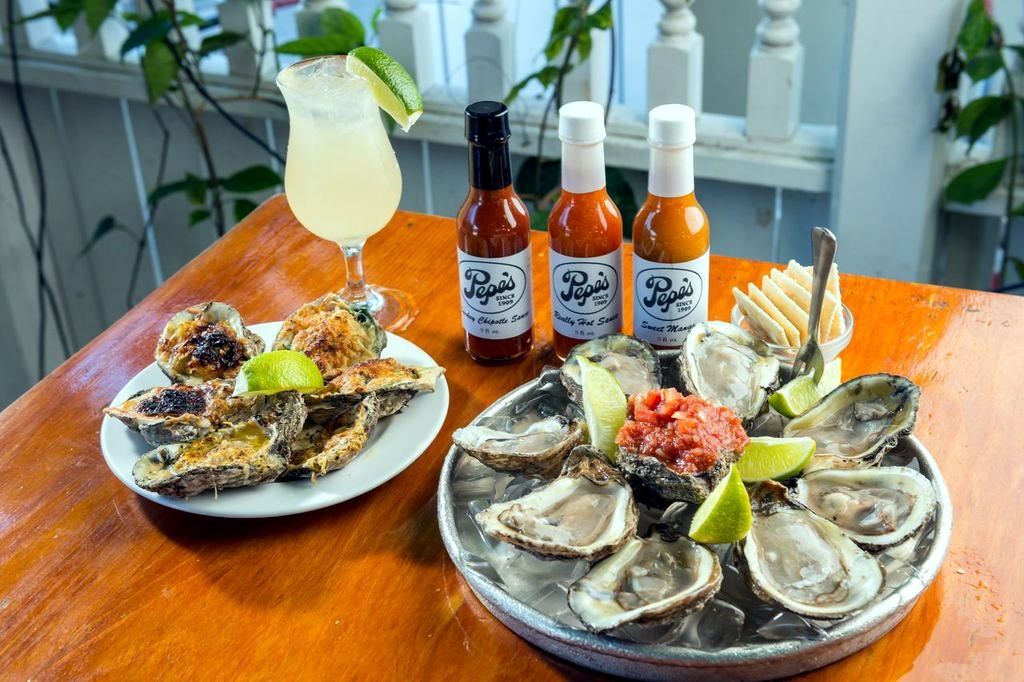
At lunch time they have everything from grilled cheese sandwiches to burgers to fish sandwiches (grilled or blackened). The steak sandwich is popular, big chunks of tender beef grilled and topped with mushrooms, onions, paprika’s and cheese on a hoagie roll. All soups and chillis are house made.
key-west-food-10a-pepes-oyster-medley-gulf-oysters  Pepe’s Oyster Medley and Gulf Oysters.
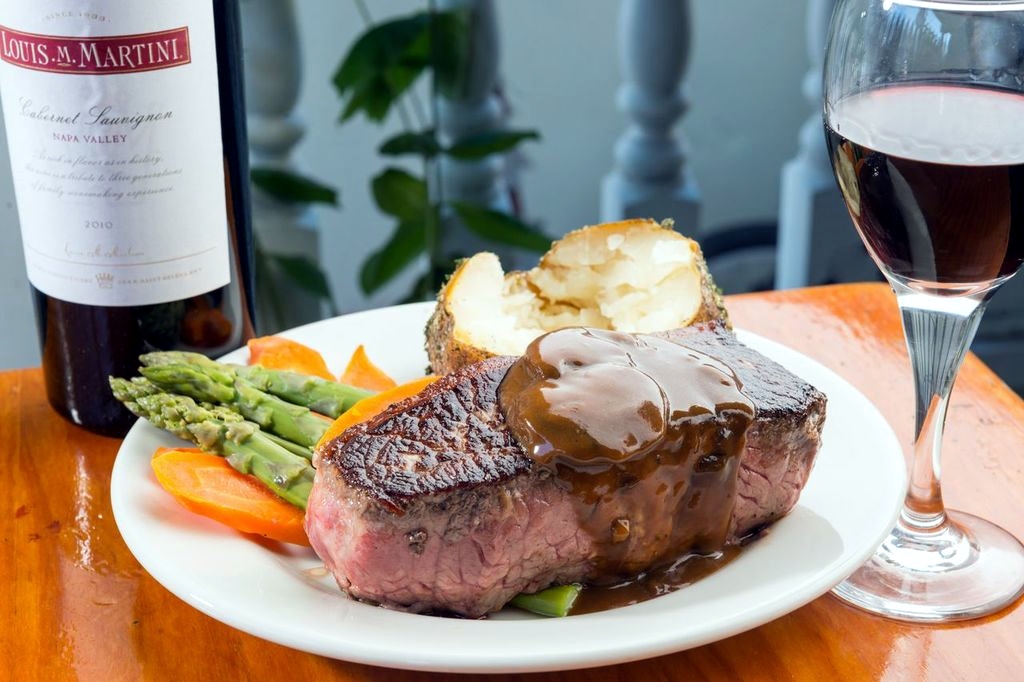
And dinner, well, we are at a steakhouse. They cut our own NY Strips and Fillets to order. Customers love the ‘Dinner For Two’, a 15 oz (almost 500 gram) NY Strip topped with two center cut pork chops, smothered with mushrooms, onions, and paprika’s, served with a baked potato and fresh vegetables. Every evening they prepare the fresh catch at least 5 ways and of course they have several other meals to choose from.
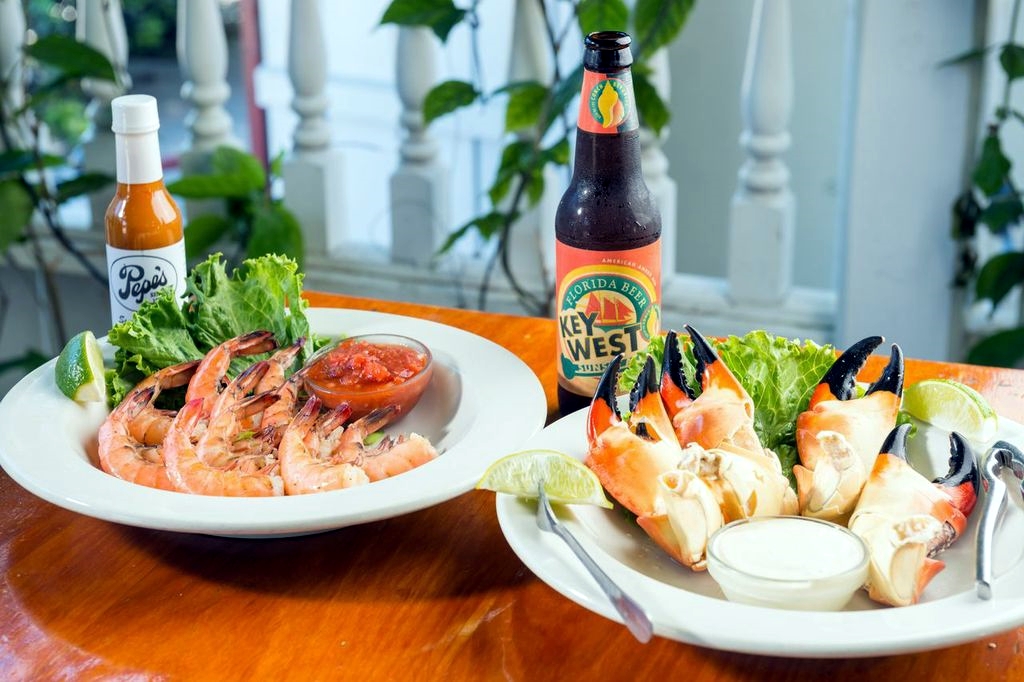
key-west-food-10b-pepes-pink-shrimp-stone-crab-claws  key-west-food-10d-new-york-strip-mush-demi-glaze Finally for diner, one can go for fresh seafood again or have a massive NY Strip. Steaks we have in Uruguay too, but I miss very much the kind of fresh seafood they offer in Conch Republic.
 

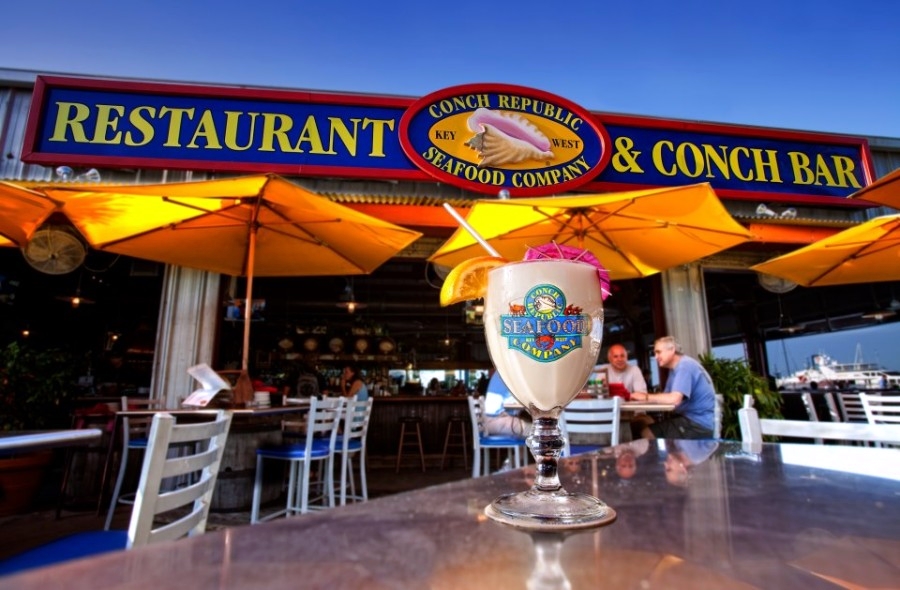
The Conch Republic Seafood Company.
And here we are, at „The Conch Republic Seafood Company“. CRSC was featured on the Food Network TV show “Road Tasted” along with the Deen Brothers cookbook “Recipes from the Road”.  The book and sauce products can be also be bought in their store. I tried a few recipes out of the book and like to share with you the 2 I use and like most.
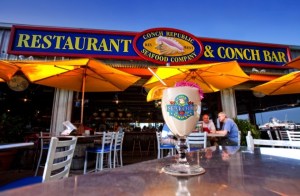
keywest-1e  At harbor side in Key West.

1. Caribbean Ju Ju Slather.
This most popular sauce that can be served with all seafood, fish, and poultry dishes. It can also be used as a dipping sauce or brushed on meats during grilling.  As the story goes:

„One evening, after finding a lost bottle of rum, our chef was at home playing in his kitchen. When he was able to see the bottom of the bottle he decided to get creative and poured the remaining rum into a pan and started tossing in various ingredients into a giant coconut bowl. He threw it all on the stove and promptly passed out. It simmered away and stewed for hours while he dreamed of island girls. As the beautiful aroma began drifting out on the gentle island breeze, his own island girl came by and awoke him with a swift kick to the belly. However, once she dipped her finger into the bowl she forgave him for all his sins“.
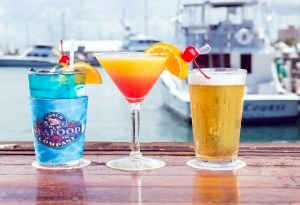
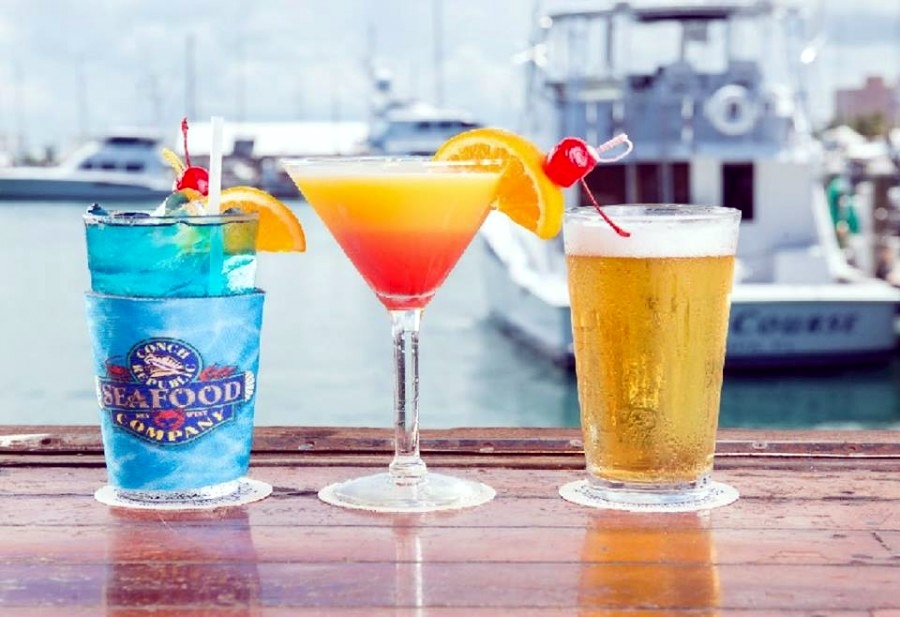
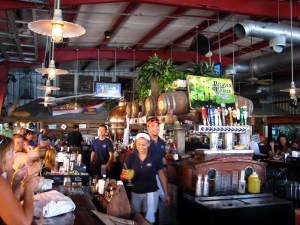
keywest-1c-conch-drinks      During my trip I used the bar only, several cold drinks during the walking and walking and walking and… through the „Conch R.“.   Cold cocktails or a cold beer !!
Ingredients.

4oz (125ml) of your favorite rum – Dark, Light, or flavored! (add more or less for your own taste)
2 lbs (1kg) honey
8 oz (250g) yellow mustard
1/2 cup water
1/2 cup red wine vinegar
1 teaspoon Cayenne pepper
Pinch ground cloves
Pinch crushed red pepper flakes
1/2 sweet onion diced
1/4 cup dark brown sugar
1 cup chopped passion fruit or Passion Fruit puree. You can use pineapple if this is not available in your area (Uruguay)
1 teaspoon black pepper
Blended oil for cooking
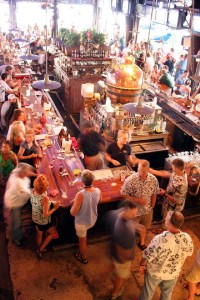
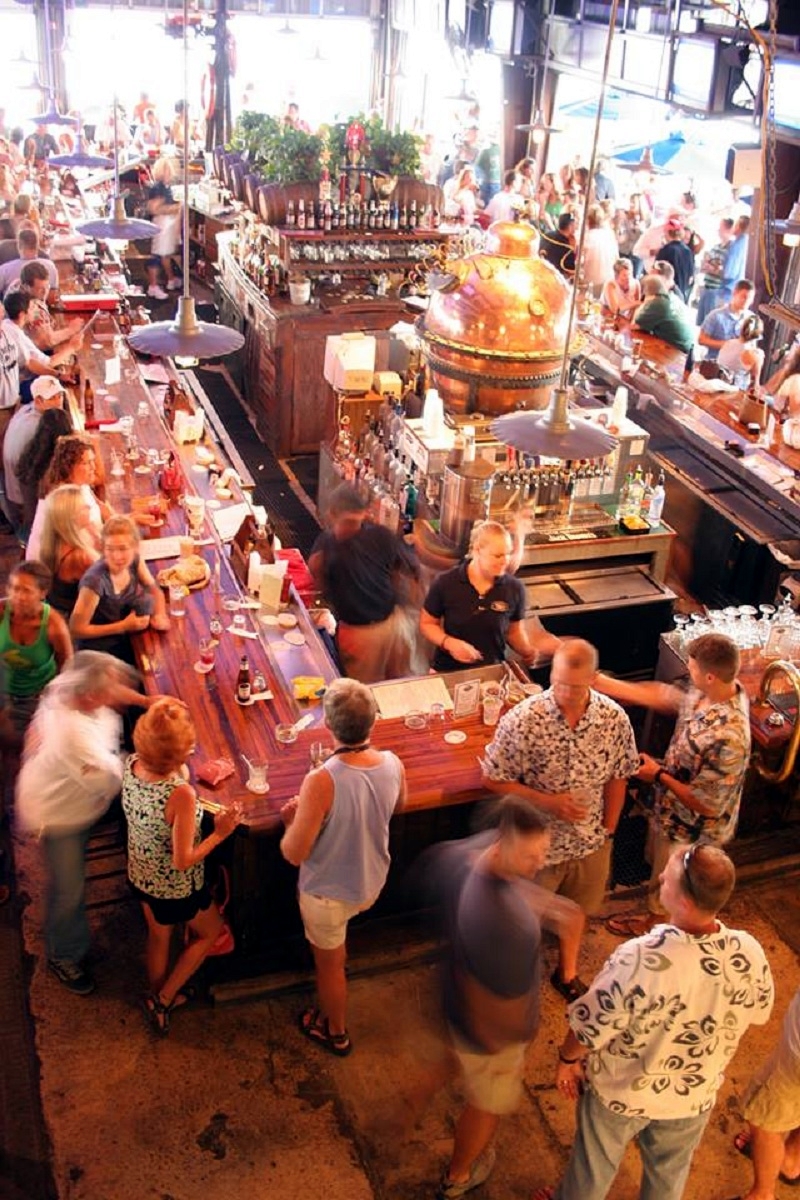
keywest-1d-conch-bar   The always well frequented conch bar.
How to do.

Heat the oil and add onions and sweat till slightly caramelized. Add all of the other ingredients and simmer for 15 minutes. Thicken slightly with cornstarch (I never needed it) if required. Remove from the heat and allow to cool slightly. Place in food processor until smooth. You can keep this sauce easily in your fridge for some weeks.
keywest-1a-conch-factory-restaurant  The Conch Factory restaurant.

2. Habenero Chutney.
This is a fruity and spicy chutney featured with the roasted chicken but also works well with seafood, fish and many other meats.
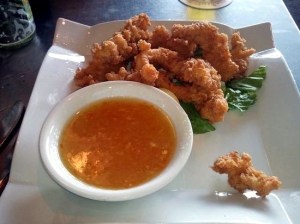
keywest-1f-cracked-conch  Cracked conch with habanero chutney.

Ingredients.

2 cups pineapple juice
2 tablespoons  habenero puree (you can puree yourself or use Sambal Oelek)
1 1/2 cups sugar
1 cup Water
1 jar 8 oz orange marmalade
1 24 oz (750ml) jar sweet and sour sauce (easy to make, check the internet for it)
2 tablespoons corn starch
4 cups mixed fruit segments chopped. You can use any fresh tropical fruit or any canned fruit that you enjoy.
1 tablespoons fresh grated ginger

How to do.

Combine all ingredients in a small saucepan. Bring to a boil, reduce heat, and simmer for 10 minutes, thicken with additional cornstarch if necessary. Keep refrigerated. Both sauces as shown here are almost made for a restaurant amount. For private use just cut all shown ingredients in half and you’ll be happy.
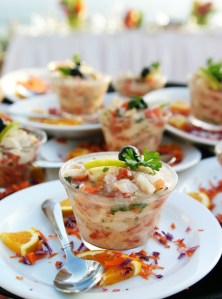
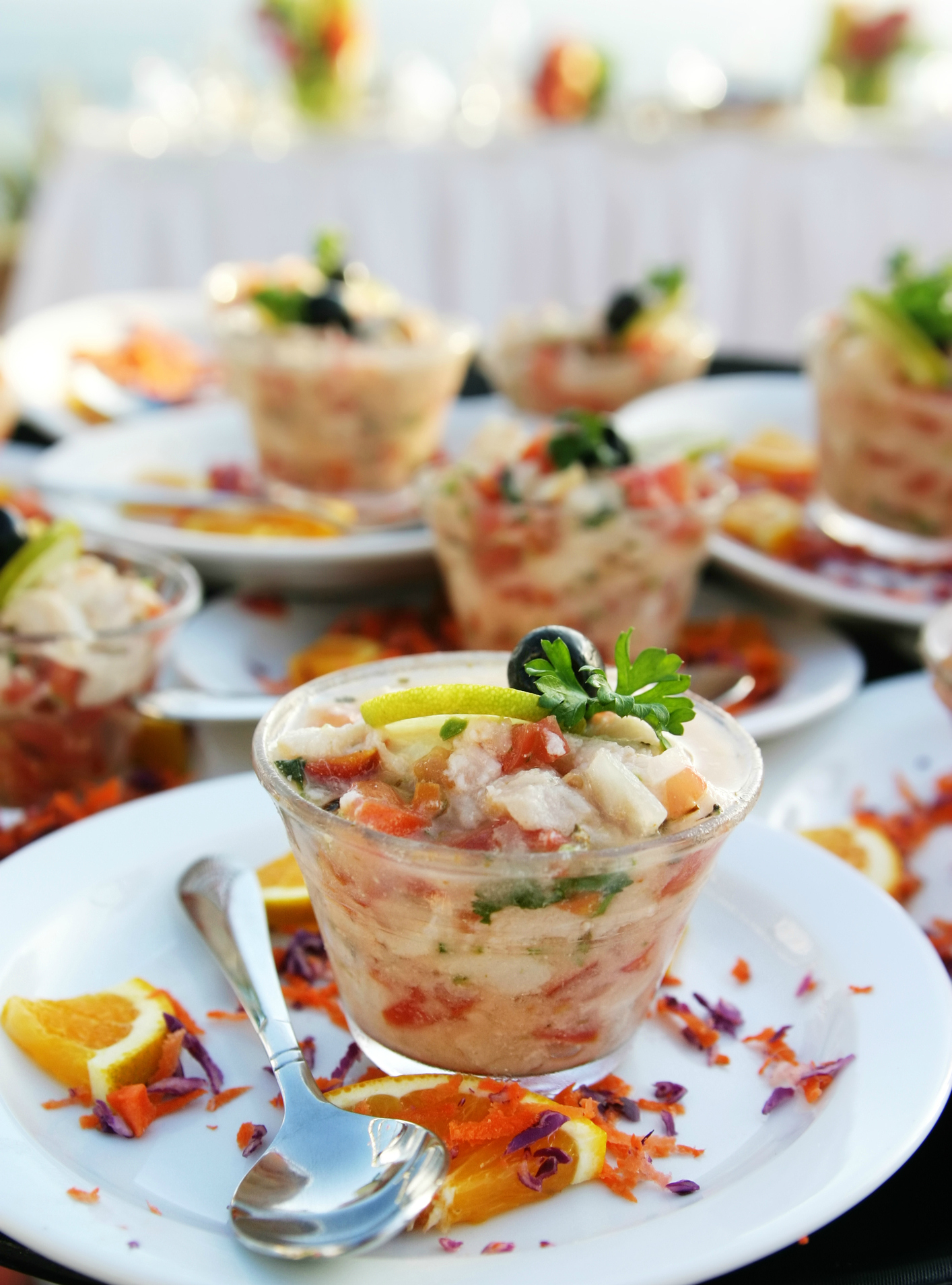
keywest-1g-ceviche  Very refreshing, conch ceviche and a cold beer.
 

Key West Lime Shoppe.
Over 20 years ago, Kermit Carpenter began selling smoothies from a small stand in front of Papa’s Restaurant in Key West during his tenure as Papa’s bookkeeper. When the head chef suddenly drove off into the proverbial sunset one night, Kermit was left looking for a new adventure.
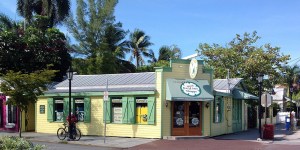
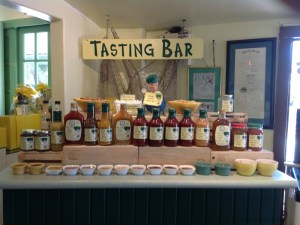
keywest-lime-1    keywest-lime-3   Key West Lime Shoppe , the first shop left and inside the second one in Duval Street.
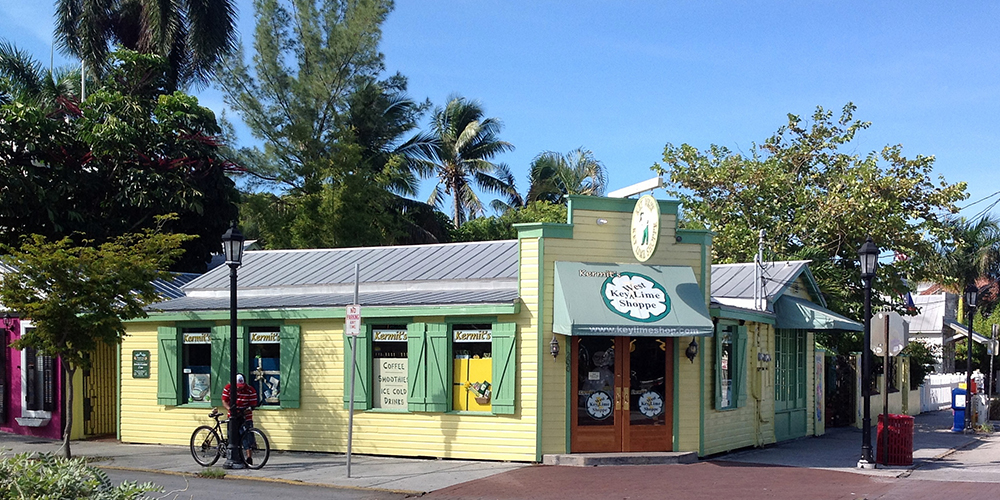
Having been brainstorming with his sister Anita and her husband John, they decided that whatever they decided to do, it needed to be high quality and say “Key West”….  gourmet food and Key Lime fit the bill, and so began Kermit’s Key West Lime Shoppe.
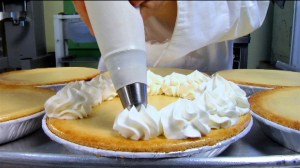
keywest-lime-5  The famous Lime Pie.

When the shoppe first opened on the corner of Elizabeth and Greene, the price was right, but the location was right across from a sewage pumping station. The good news was that it was also right on the bight – a Key West waterfront area. The City of Key West had great plans for the area. Kermit, Anita, and John all agreed, if we could survive the next few years, the site would be a premier location.
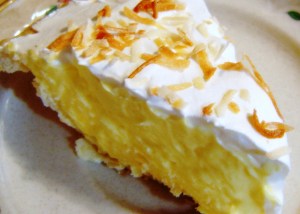
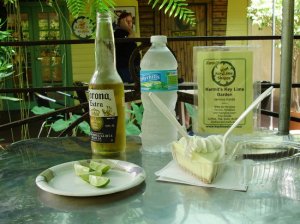
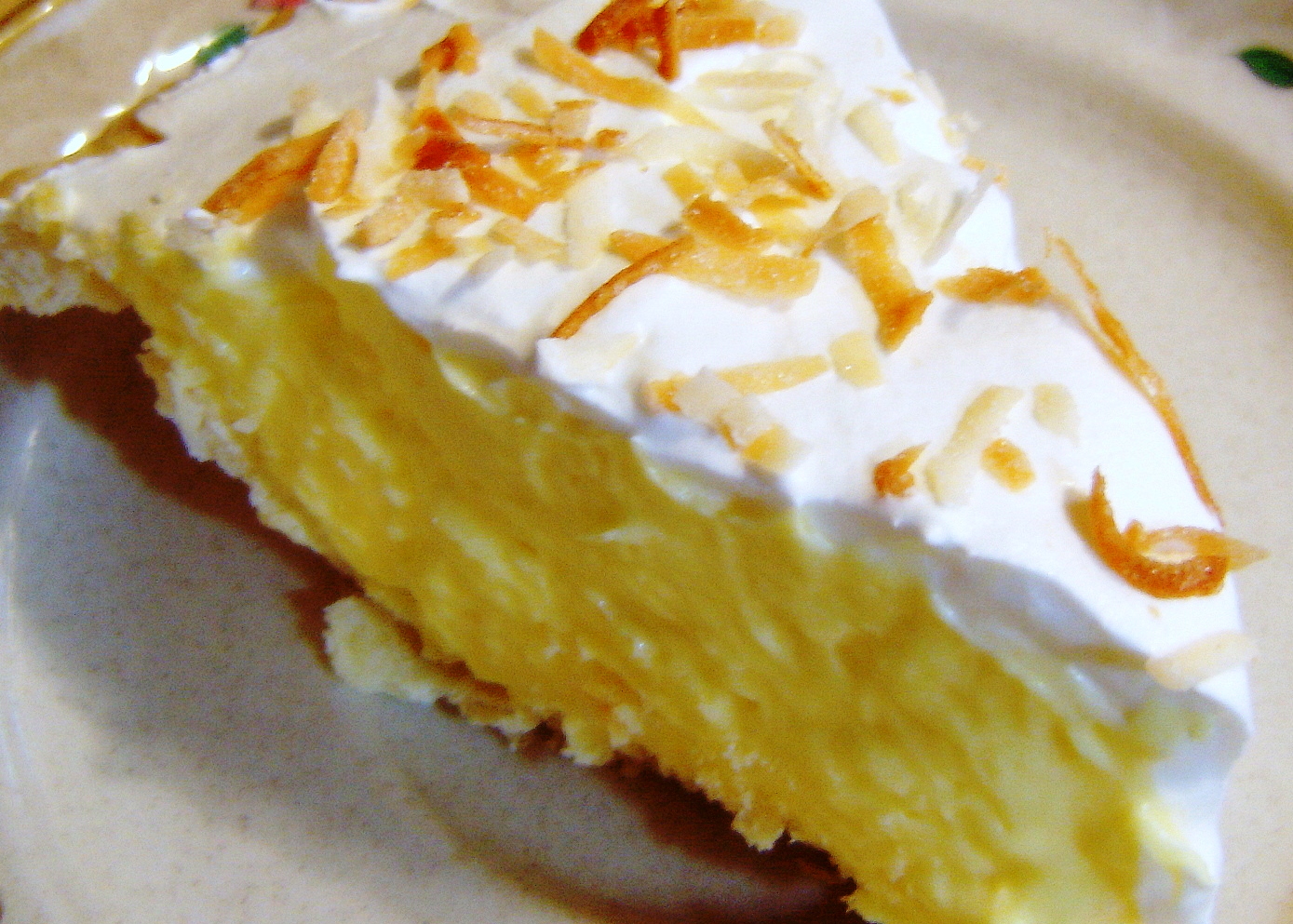
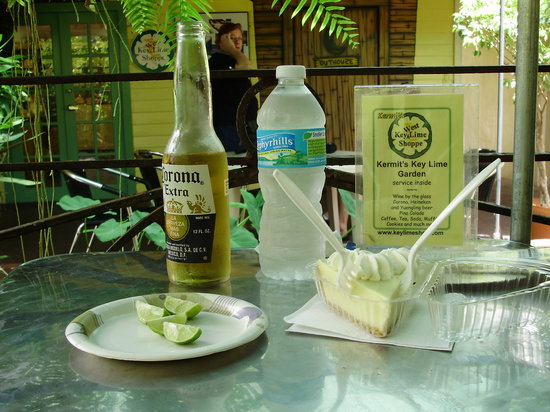
keywest-lime-6-coconut-key-lime-pie     keywest-lime-7        I enjoyed Lime Shoppe twice, once I had the „Coconut Key Lime Pie“, left.  And then, on the right, (during a very hot day) the usual Lime Pie with a Mexican Corona. Most people, so as I, like cold Corona anyhow with a slice of lime. Believe me, this combination (beer and cake) tasted great.
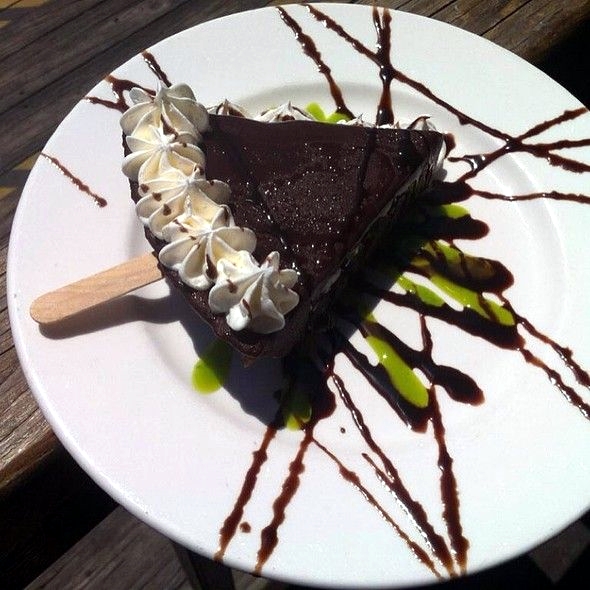
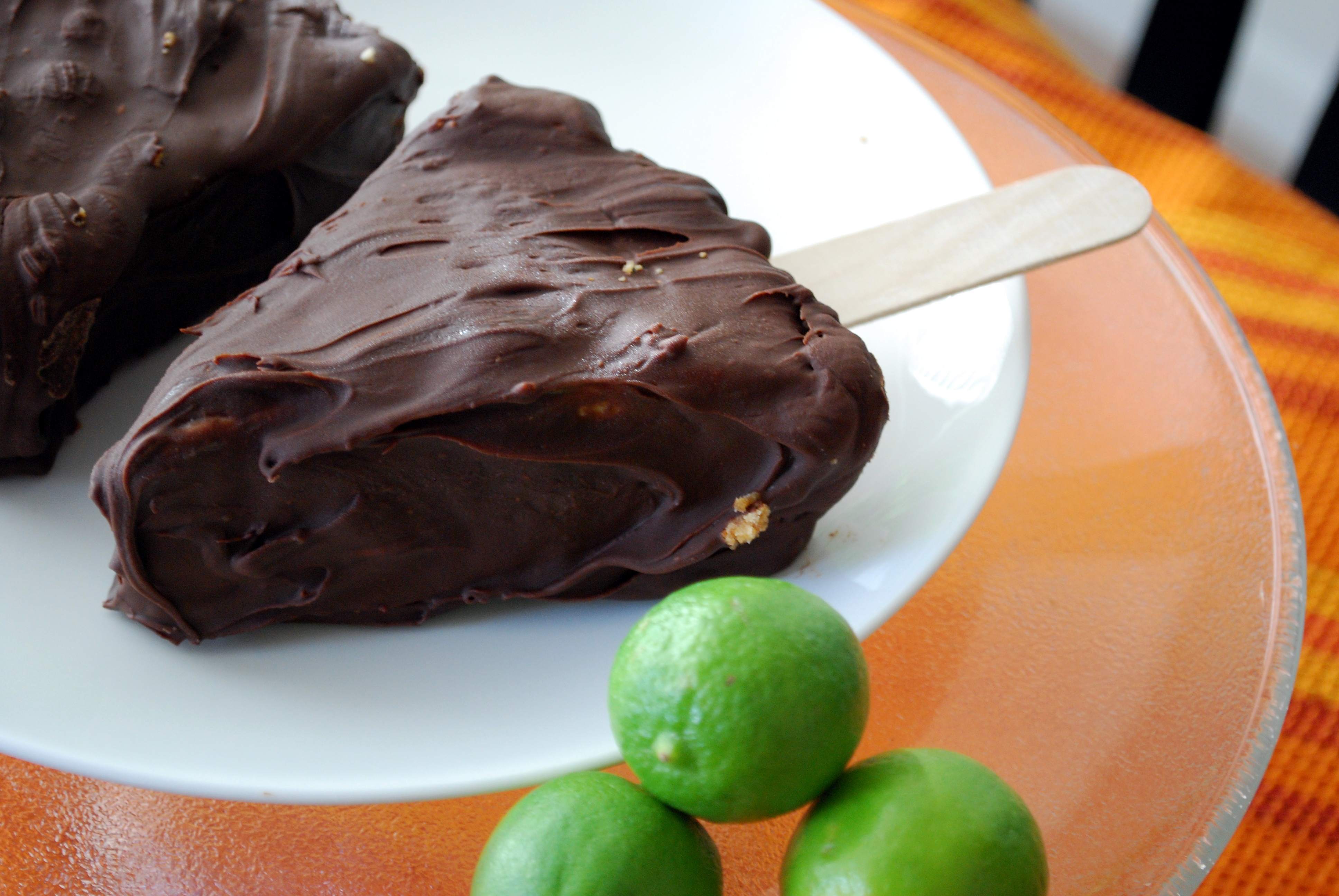
In 2011, the opportunity arose to stake a claim on Duval Street, allowing even more Key West visitors the opportunity to enjoy delicious Key Lime goodness! With 2 locations in Key West, you’re never very far from a slice of key lime pie on a stick, dipped in Belgian chocolate!  Ouff , I tried it, what a delight !!  Down here left „normal“, right „de luxe“.
keywest-8b keywest-8-lime-pie-on-a-stick


Must See – Key West.
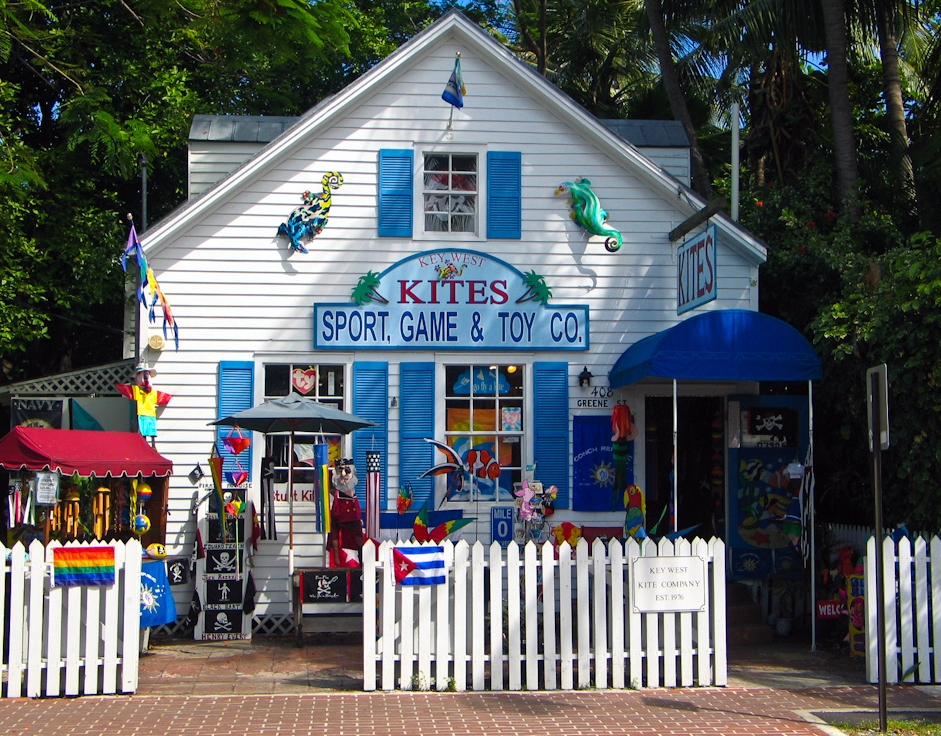
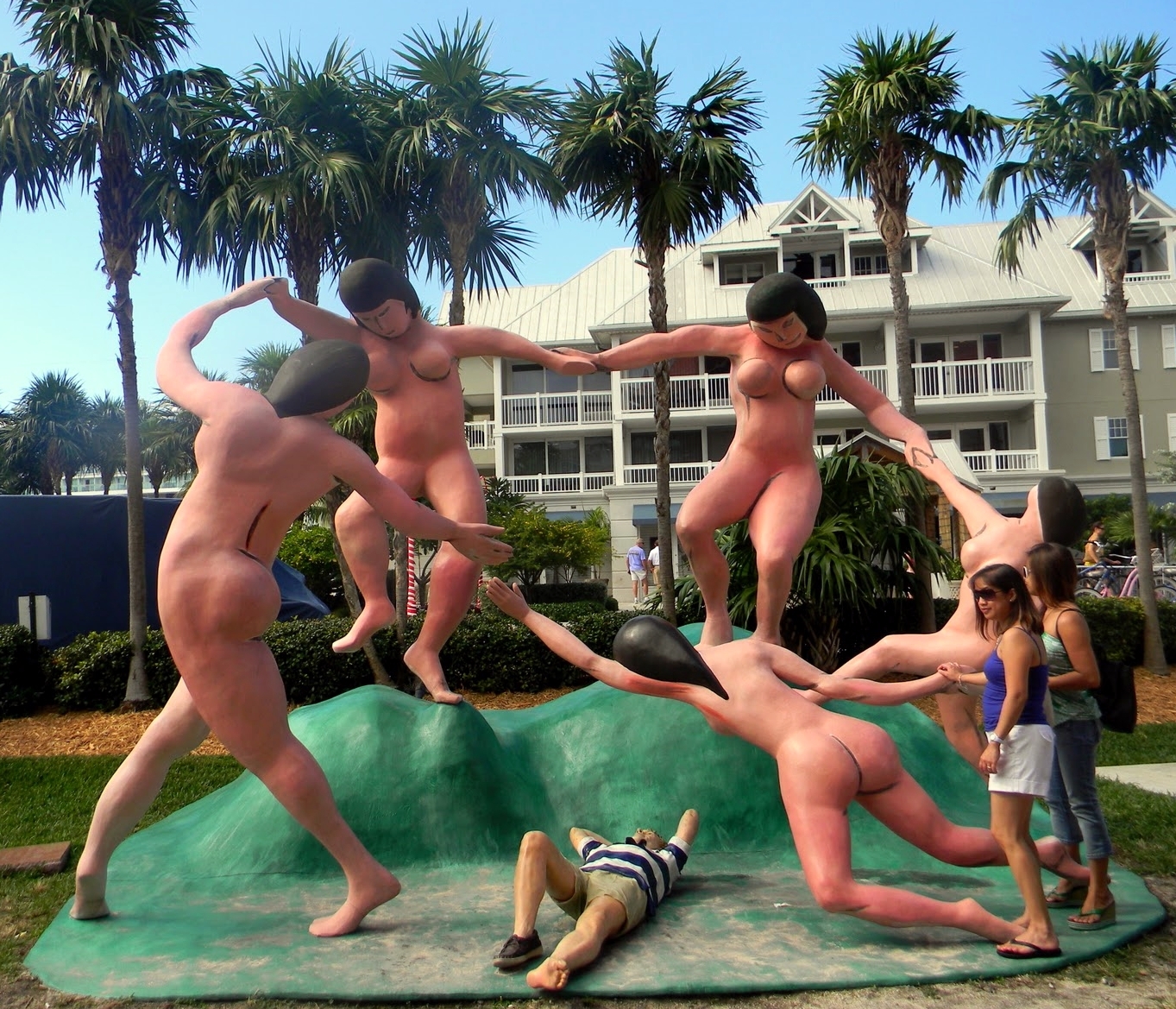
Several times in Key West, I thought to share some of the flavors and scenes from this funky tropical paradise. Warning: Reading this will convince you to come here if for nothing else than to photograph the truly astonishing sunsets!
key-west-11   key-west-21

key-west-27    key-west-3   Key West, the Conch Republic, sometimes crazy, over the top and for sure expensive, but always colorful. Only thing we didn’t like very much were the sand flies on beaches. One won’t see them, but you start itching your legs – horrible – as soon as you realize it, you should see a pharmacist and get the right, local (local is very important) treatment.
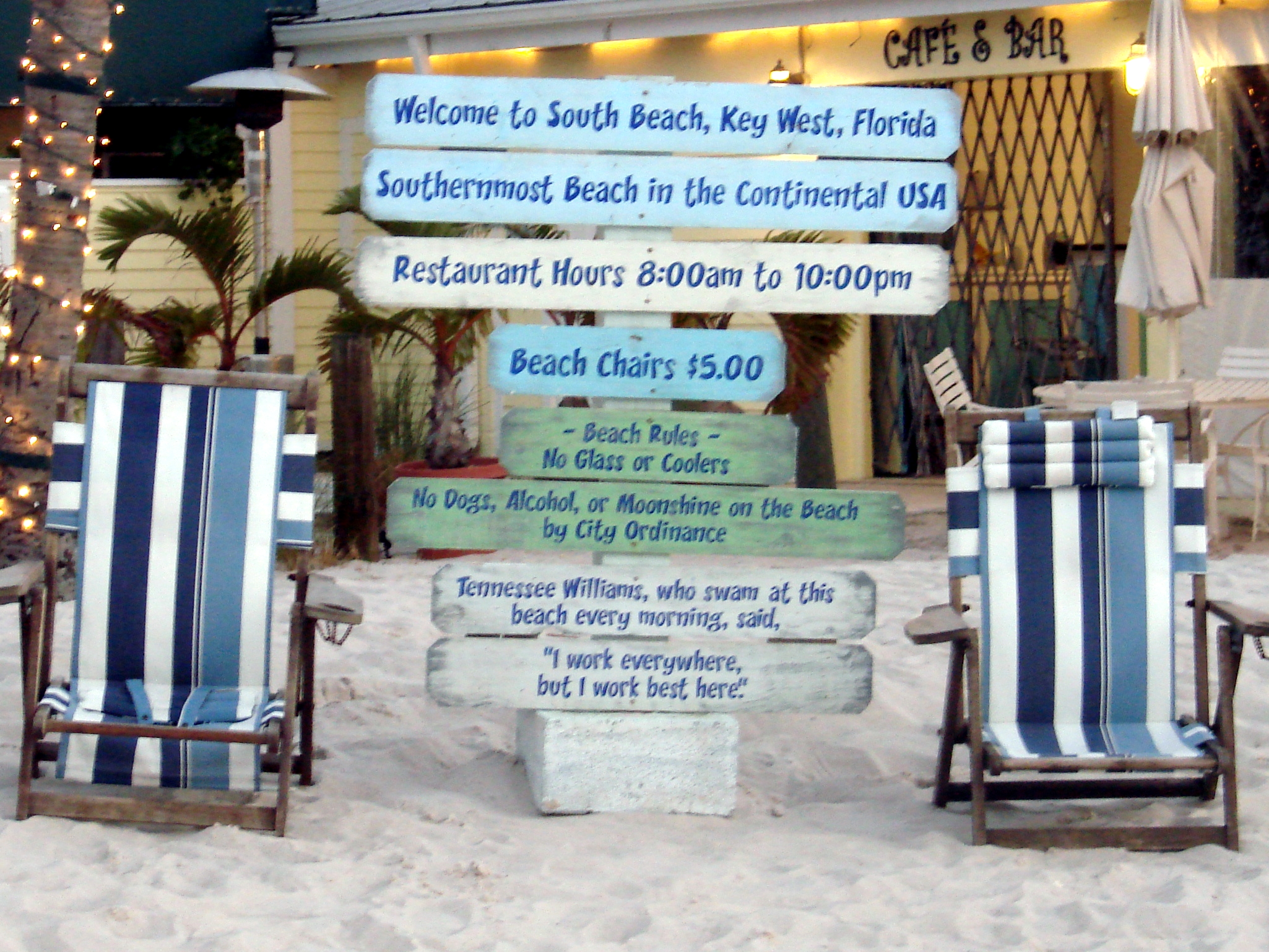
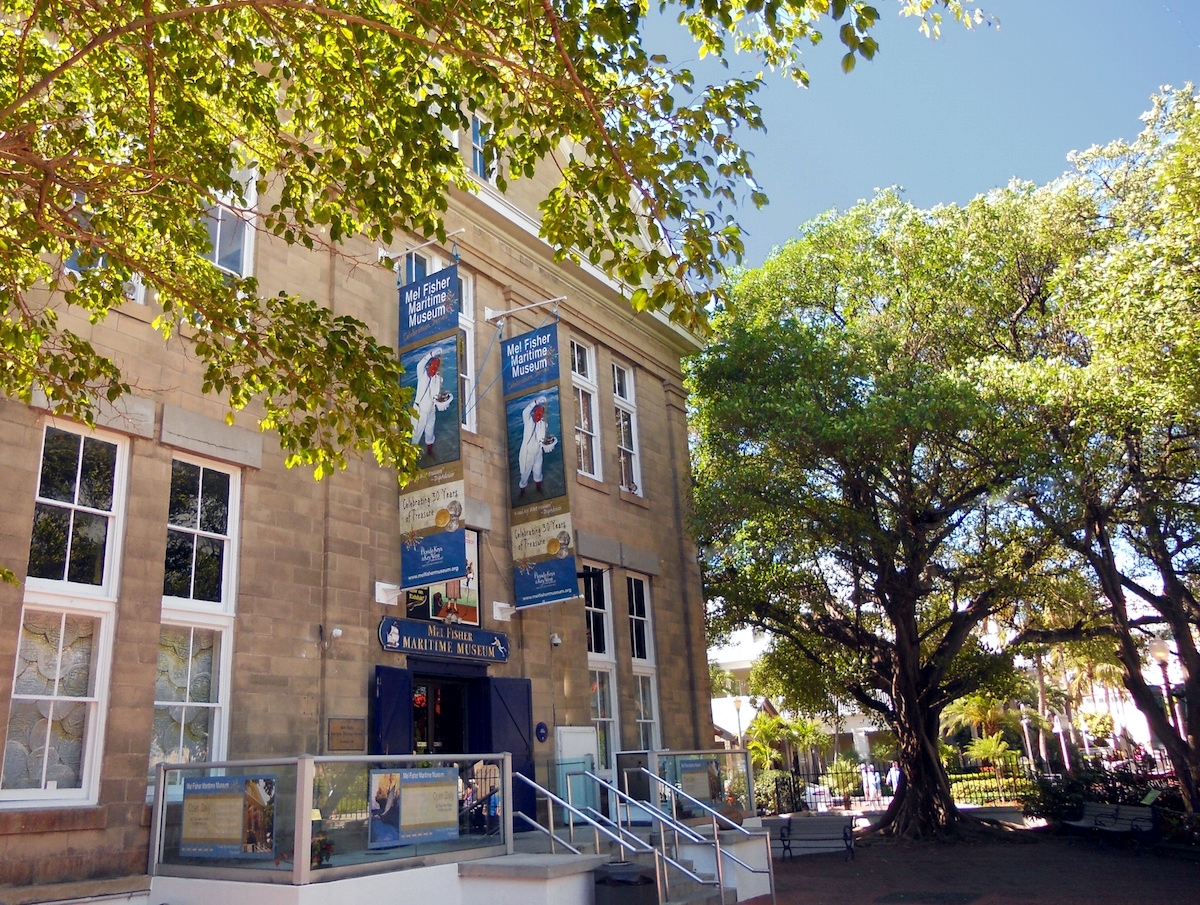
Key West is so much more than just sun and fun. By example  archaeology at the Mel Fisher Maritime Museum. There is an incredible history here that goes back 500 years from the Spanish Colonial period.
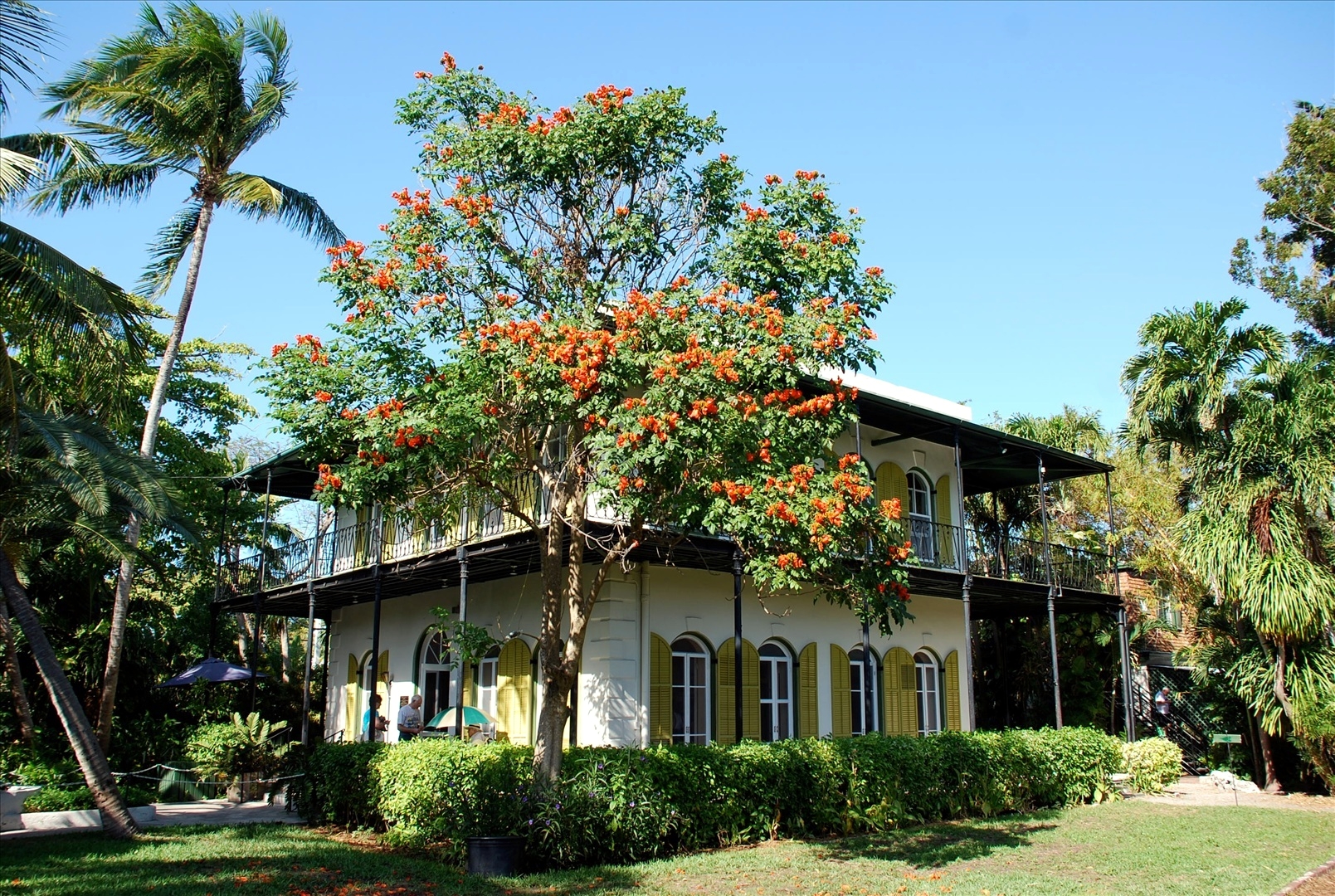
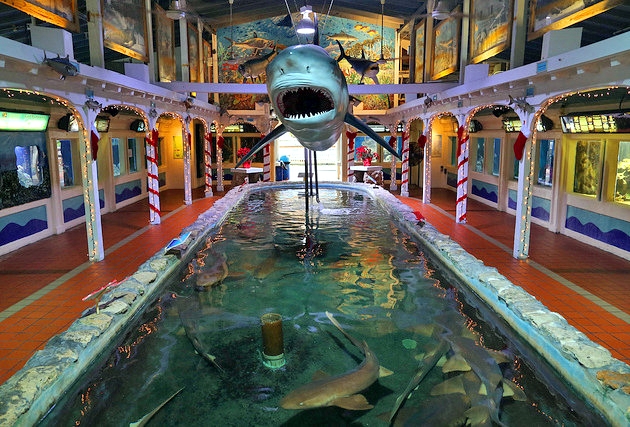
key-west-25-hemingway   key-west-30
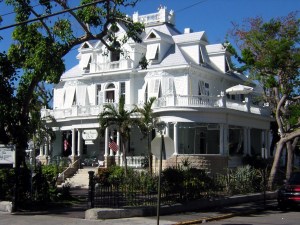
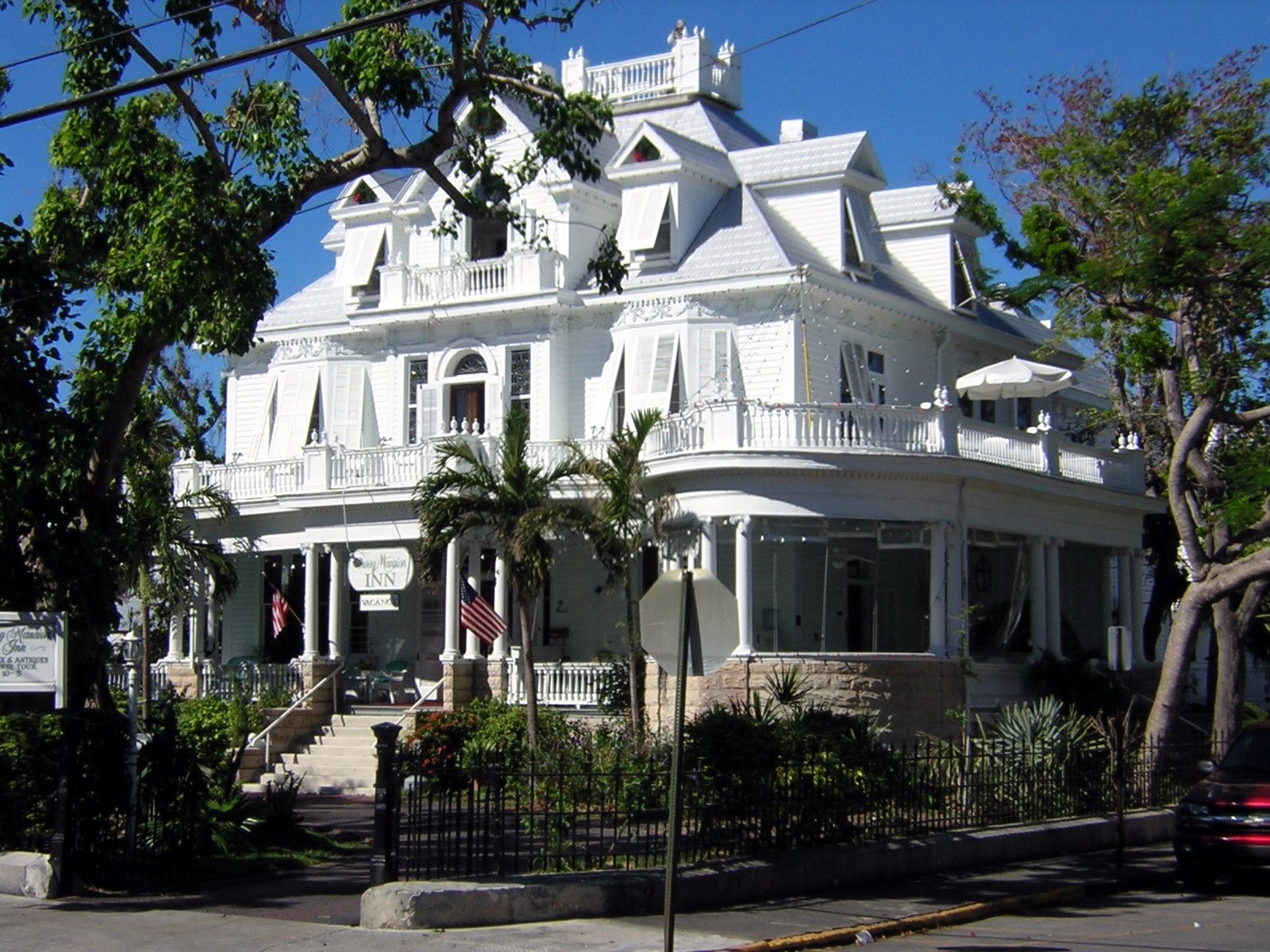
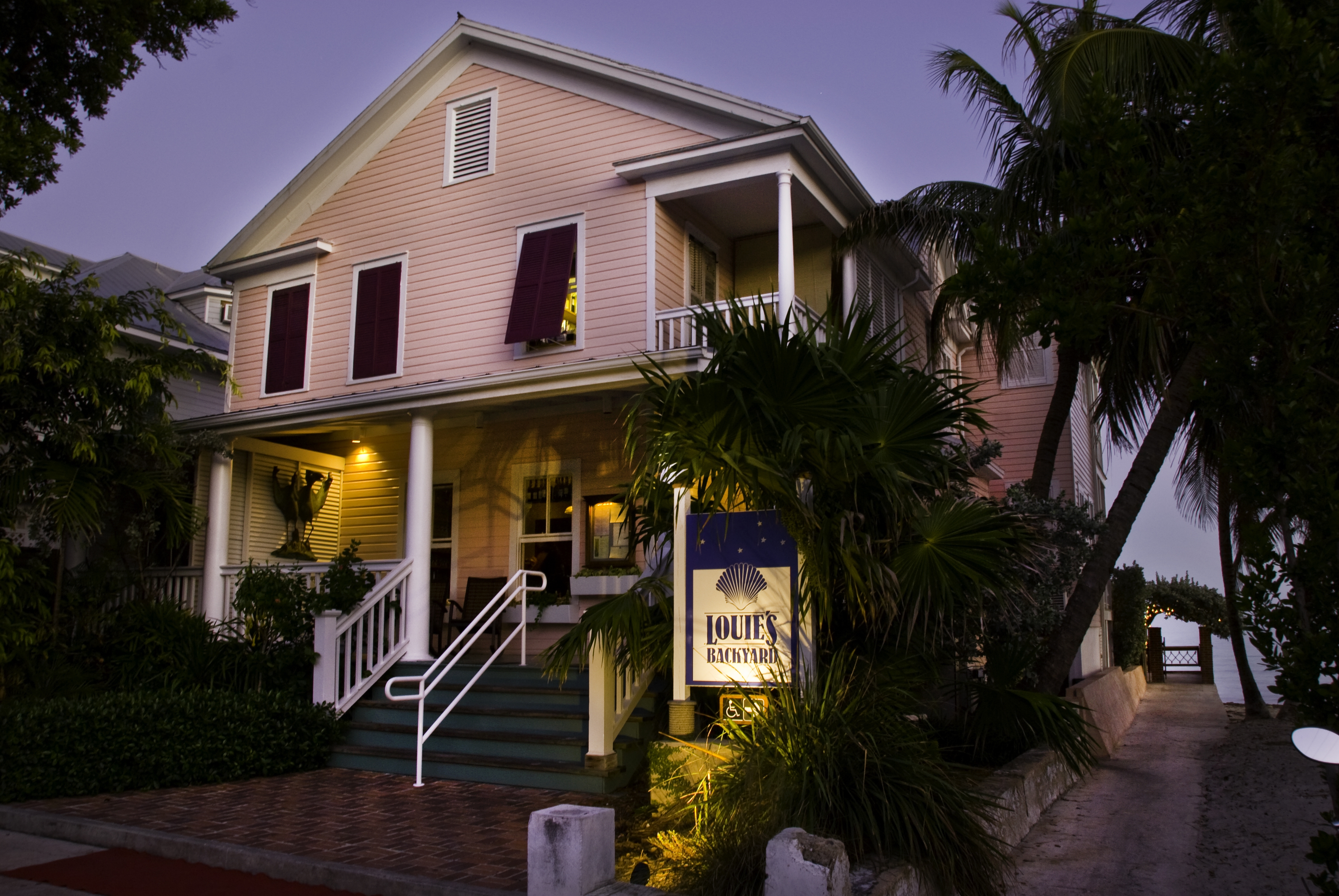
keywest-2j-louies-backyard   key-west-16-curry-mansion-inn  Must See, the Hemingway House and the Aquarium, the Old Town and the Curry House – and much more.
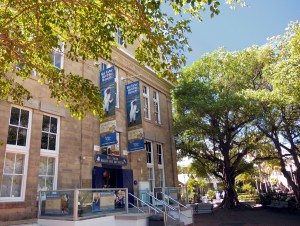
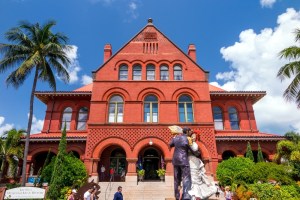
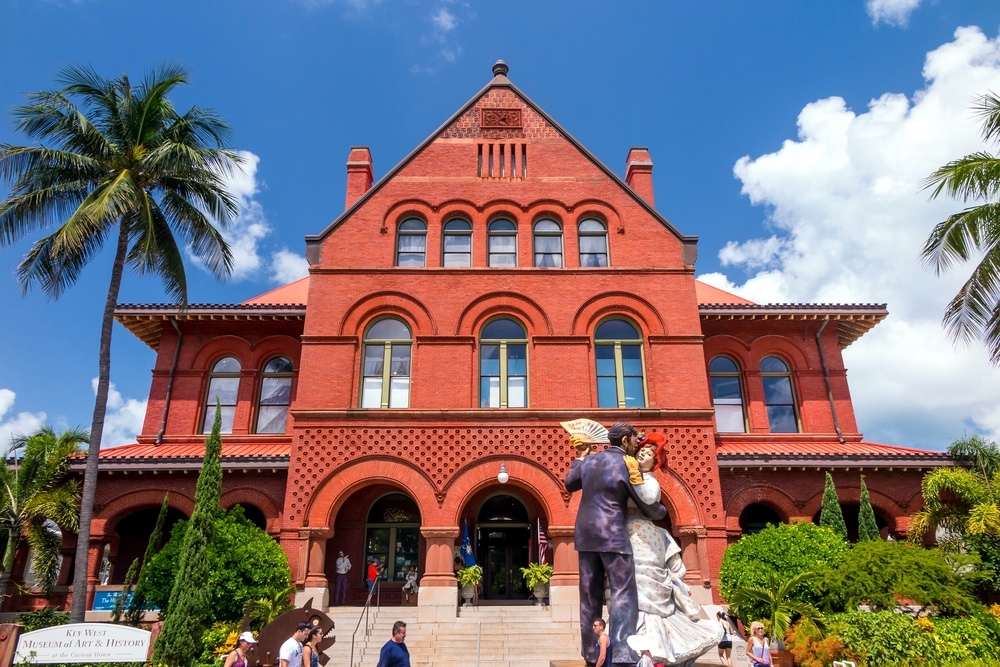
key-west-22-mel-fisher-museum key-west-22a-custom-house-museum      Take the time and visit Mel Fischer’s Museum so as Custom House Museum, it’s worth while.
For those of you who have never visited, this 4-mile by 2-mile island that has inspired so much great writing and great music goes far beyond its seven beaches and “main drag,” Duval Street.
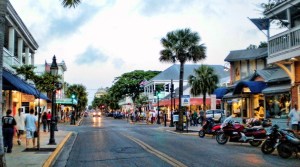
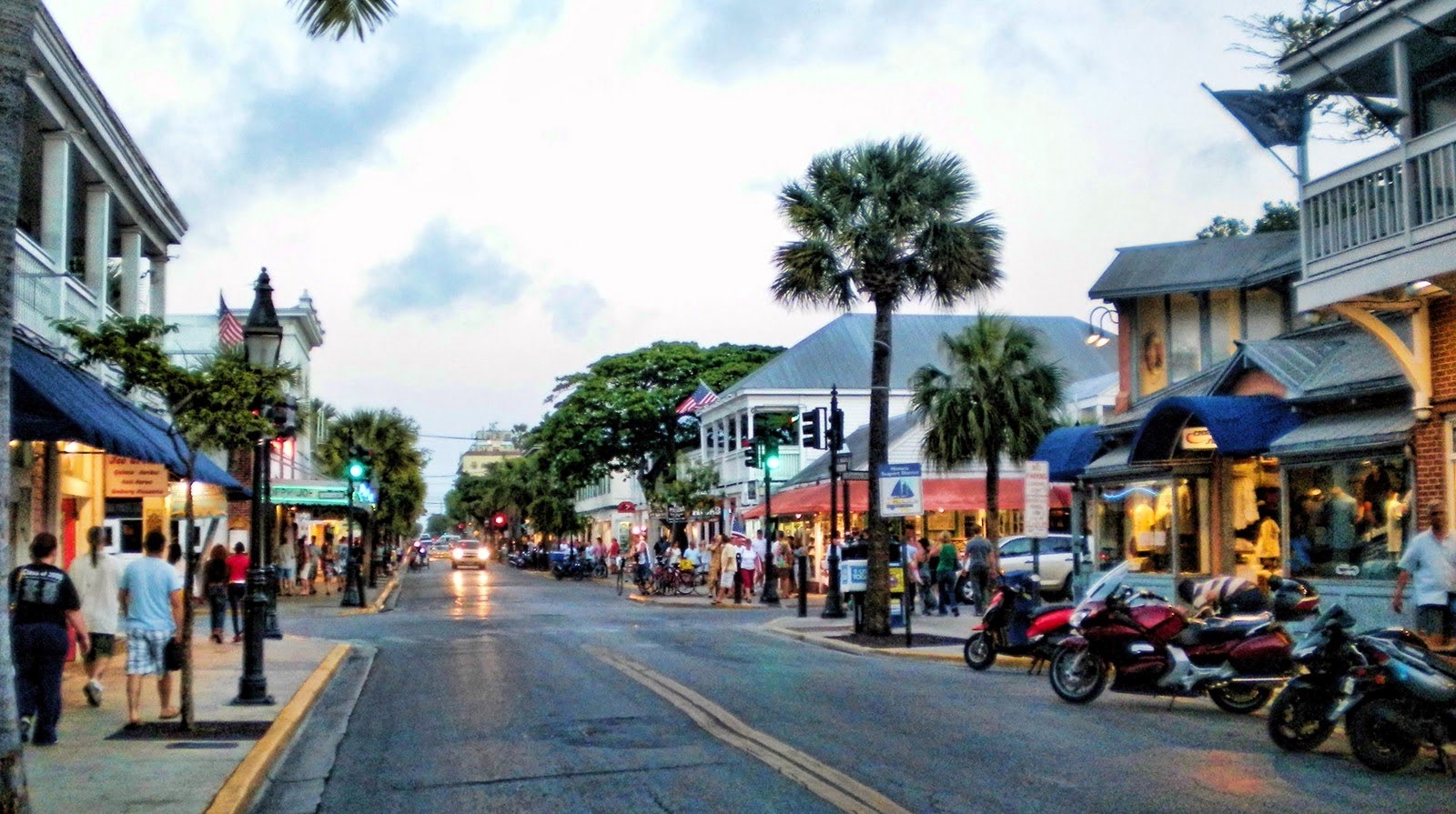
key-west-18-duval-street  Duval street during happy hour.

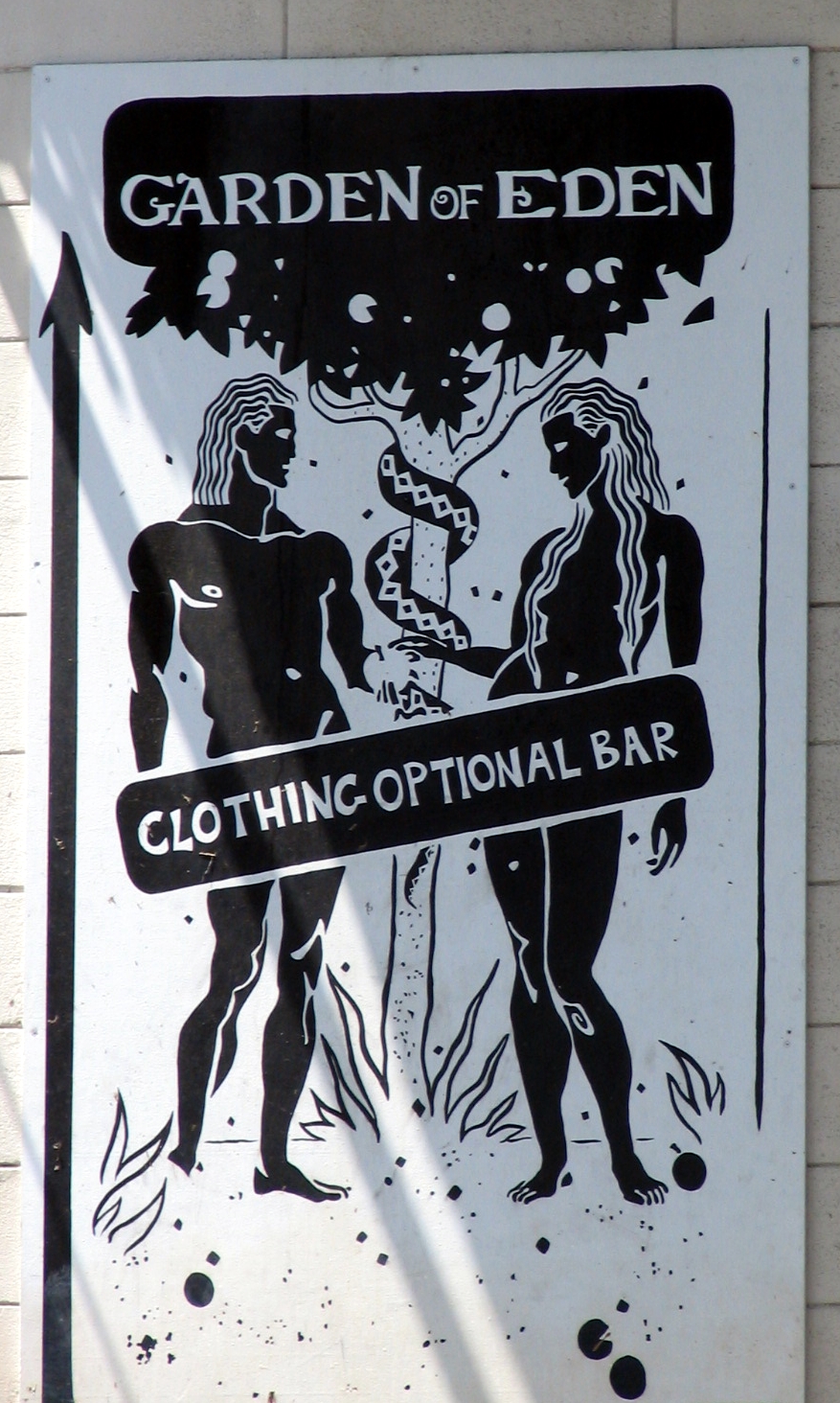
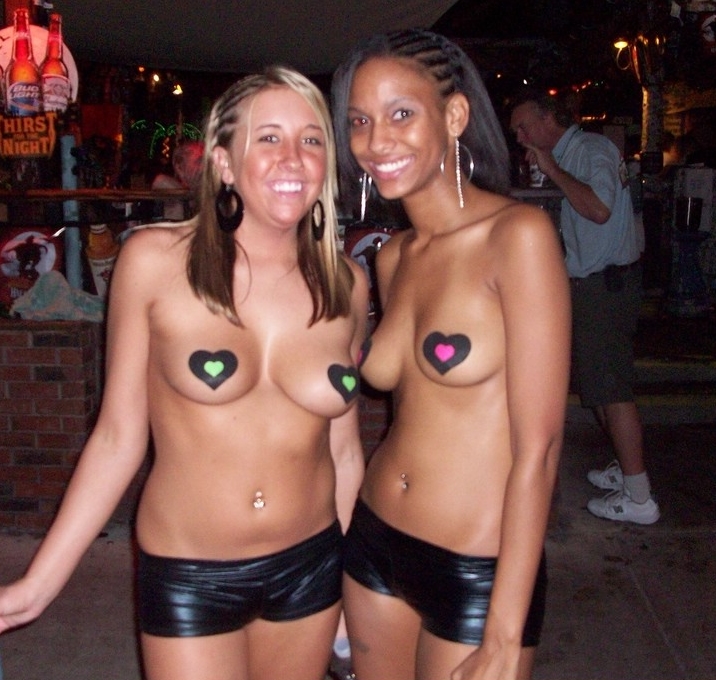
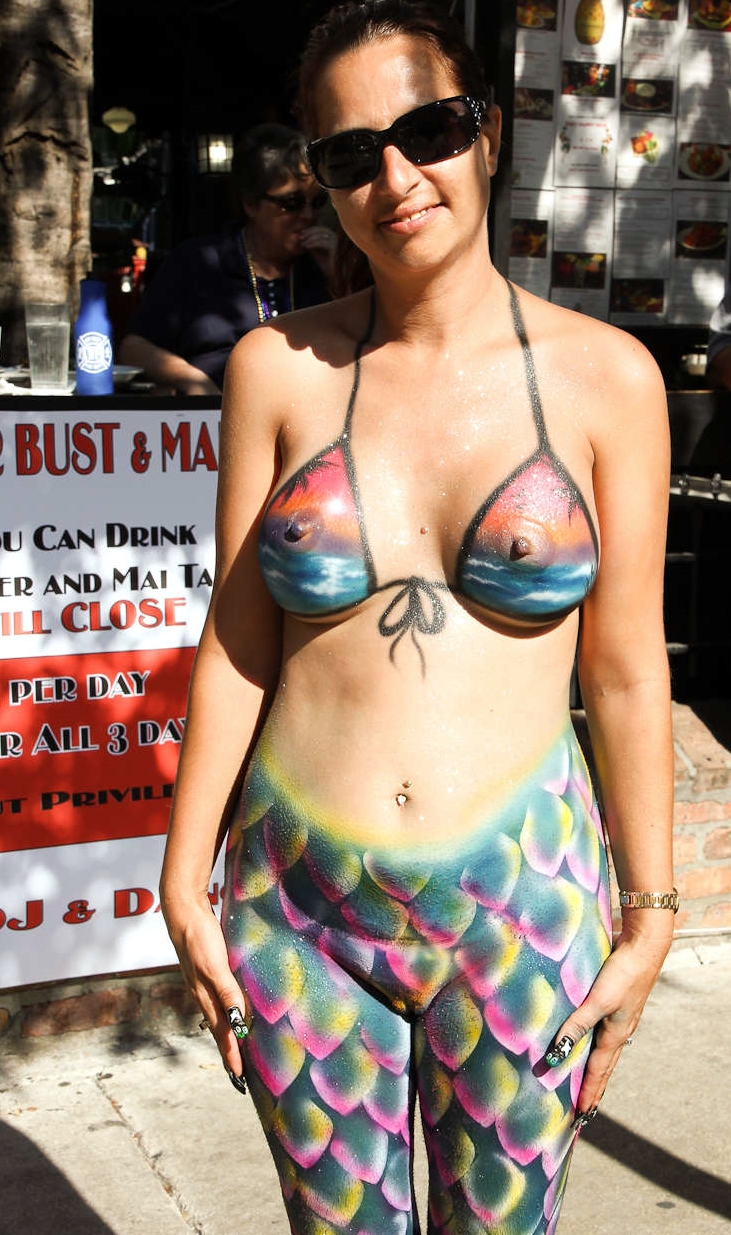
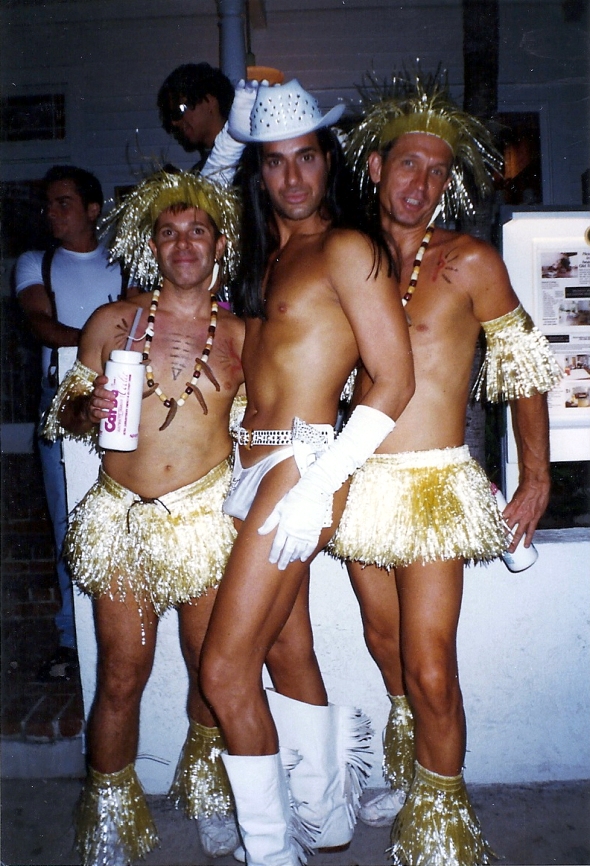
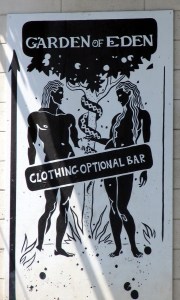
But let’s get it out of the way: Duval Street is Key West’s best-known tourist street that’s dotted with a mix of funky bars, gay bars, outdoor restaurants (including a Hard Rock Cafe), upscale restaurants, cheap-T-shirt shops and a nude rooftop bar. Don’t expect rows of luxury retailers here. Key West is a holiday town, a relaxing Party Town.
key-west-4e                    key-west-4c key-west-4 Girls and Gays  everywhere.  key-west-4d

After sunset, the southern end of the street gets busy with a mix of pedestrians, bicyclists and human-powered pedicabs. Hopefully you’re driving, but if you are, expect to drive at a crawl. During my 3 days in Key West the rental car was parked at the Hyatt. Right, no need for a car in the Conch, there are no parking spots anyhow.
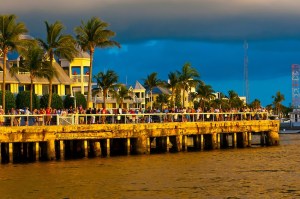
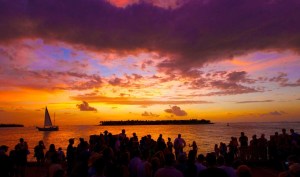
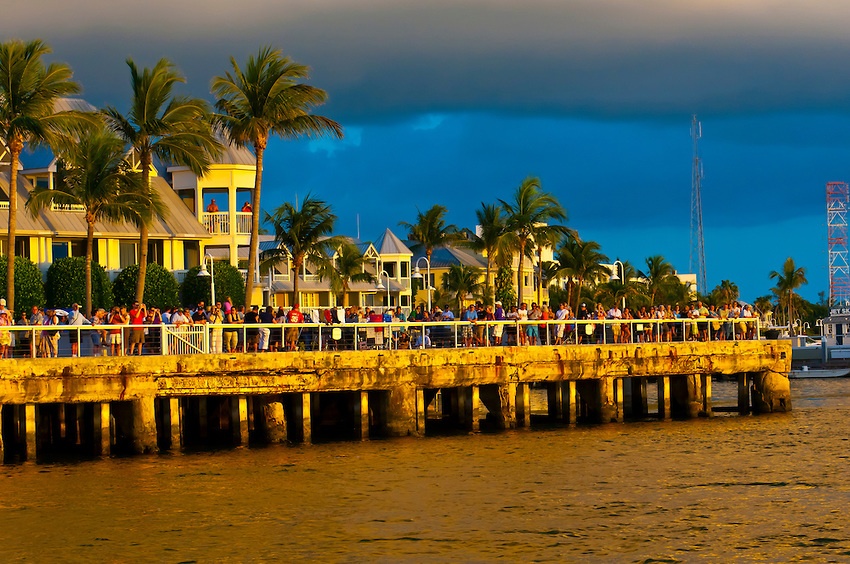
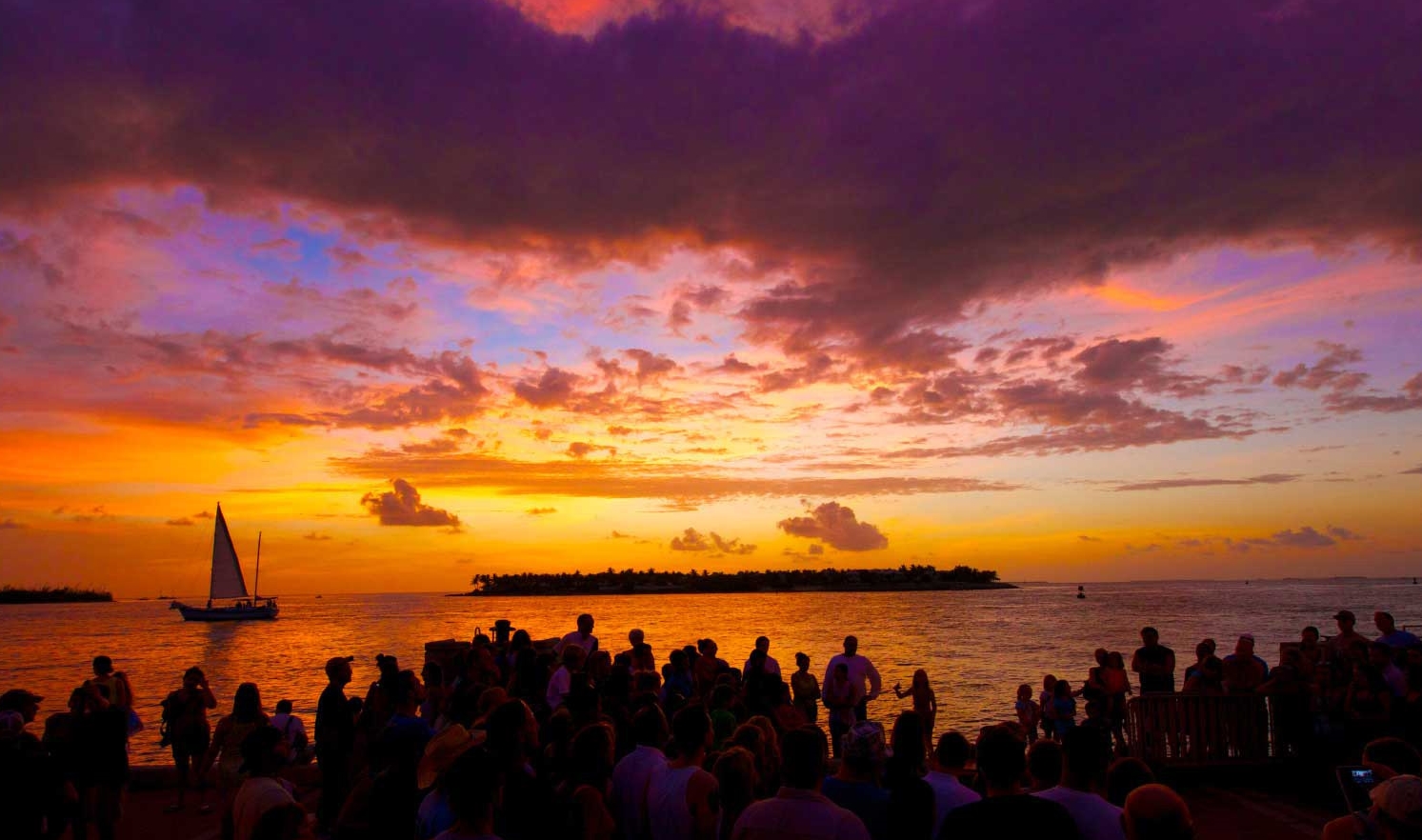
key-west-22b-mallory-square key-west-17       You won’t forget the most important MUST SEE, every evening light show. Best from Mallory Square.
Must Taste – Key West.
All suggested restaurants are of my personal taste. I know that everyone has a different taste and all suggestions can be subjective only. Following some more ideas how to get through all the offers of Conch Republic.
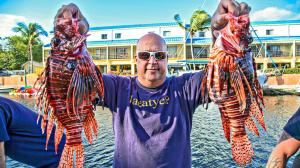
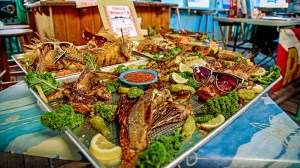
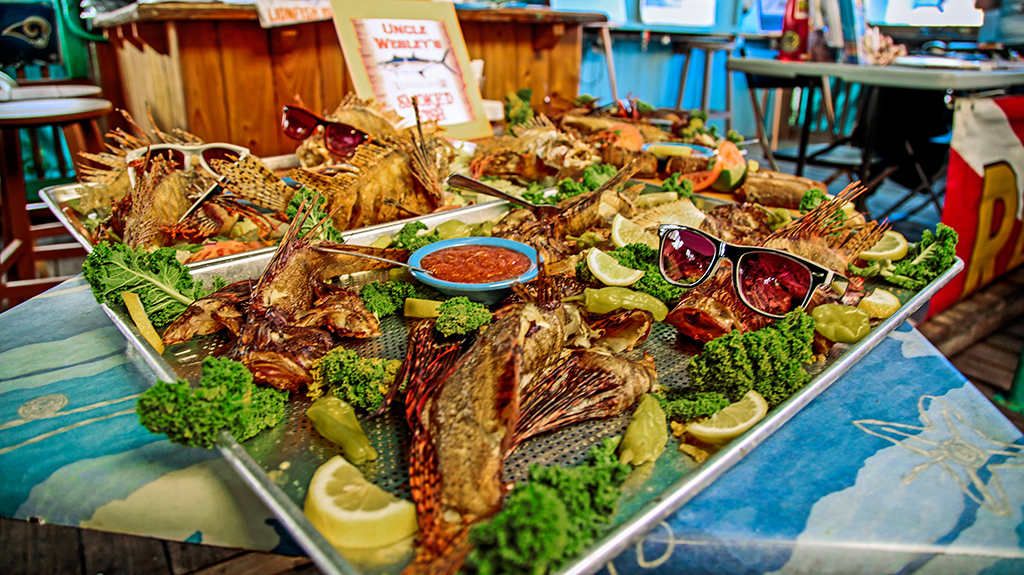
key-west-13-lionfish-andrew-zimmern key-west-13a-lionfish-buffet     Must Taste by Andrew Zimmern. He would suggest a plate full of lion fish, not everyone’s taste „ay“.
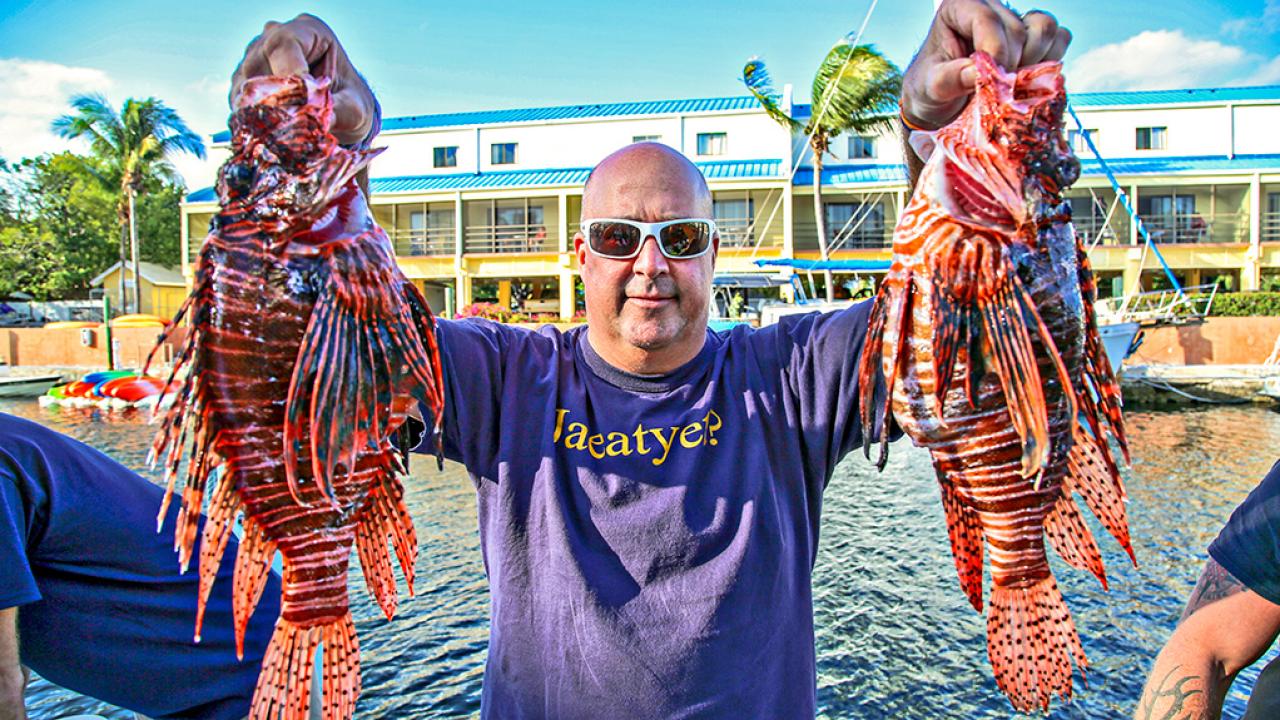
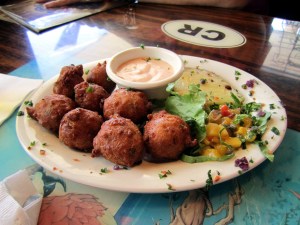
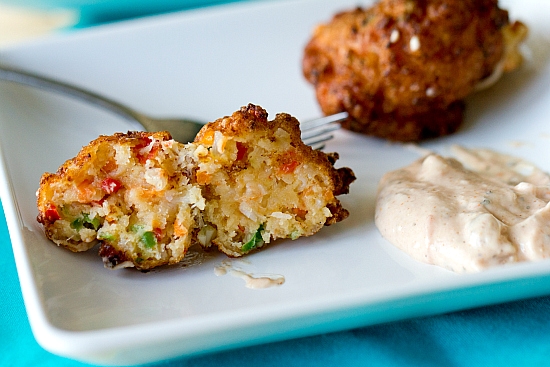
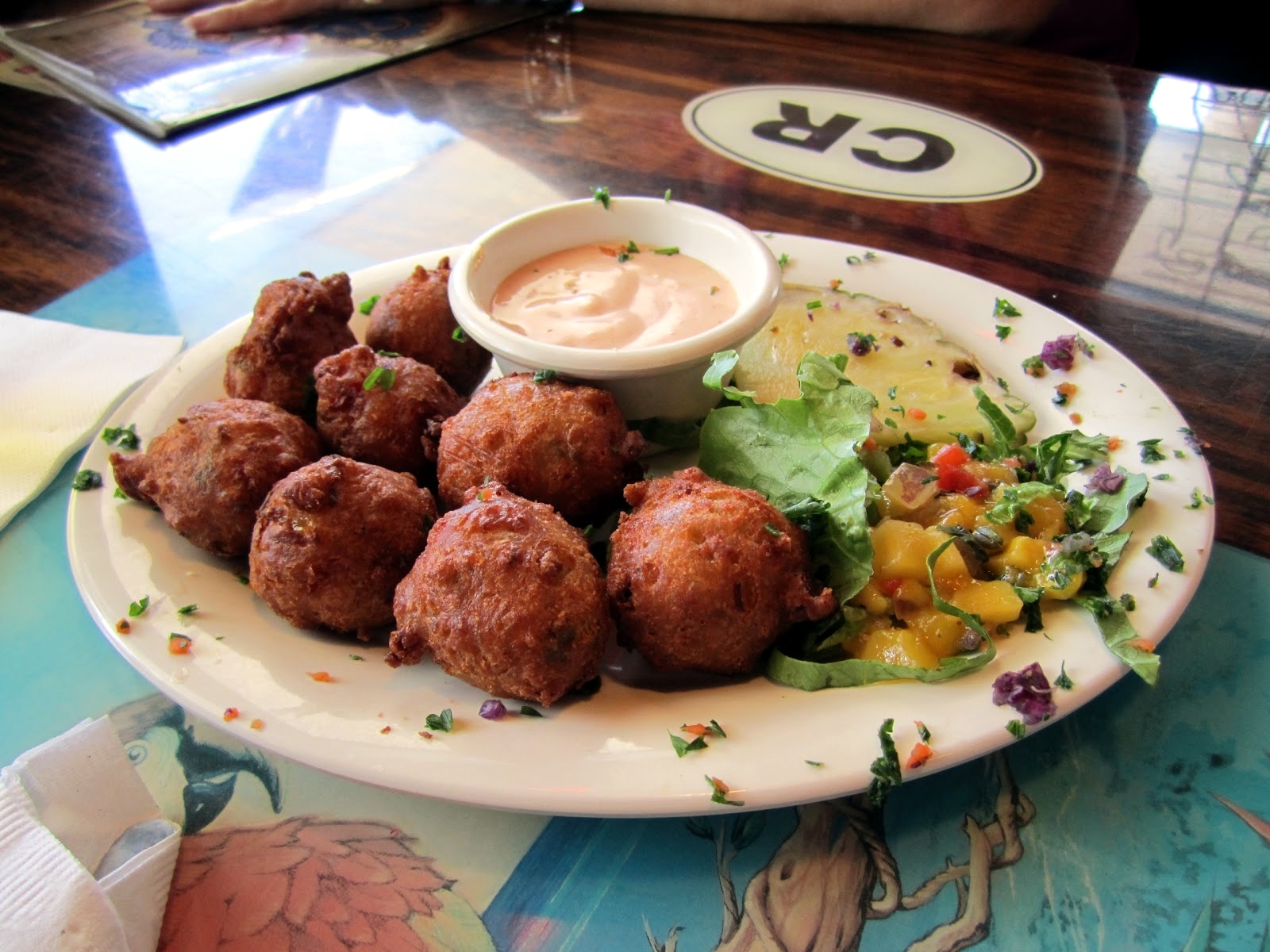
key-west-food-2-conch-fritters key-west-food-2b-conch-fritters       My Must Taste suggestion is conch fritters, they look great and even taste great.
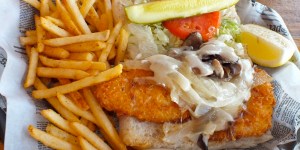
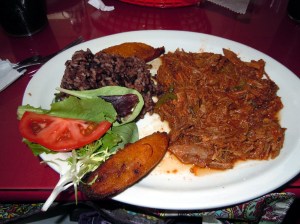
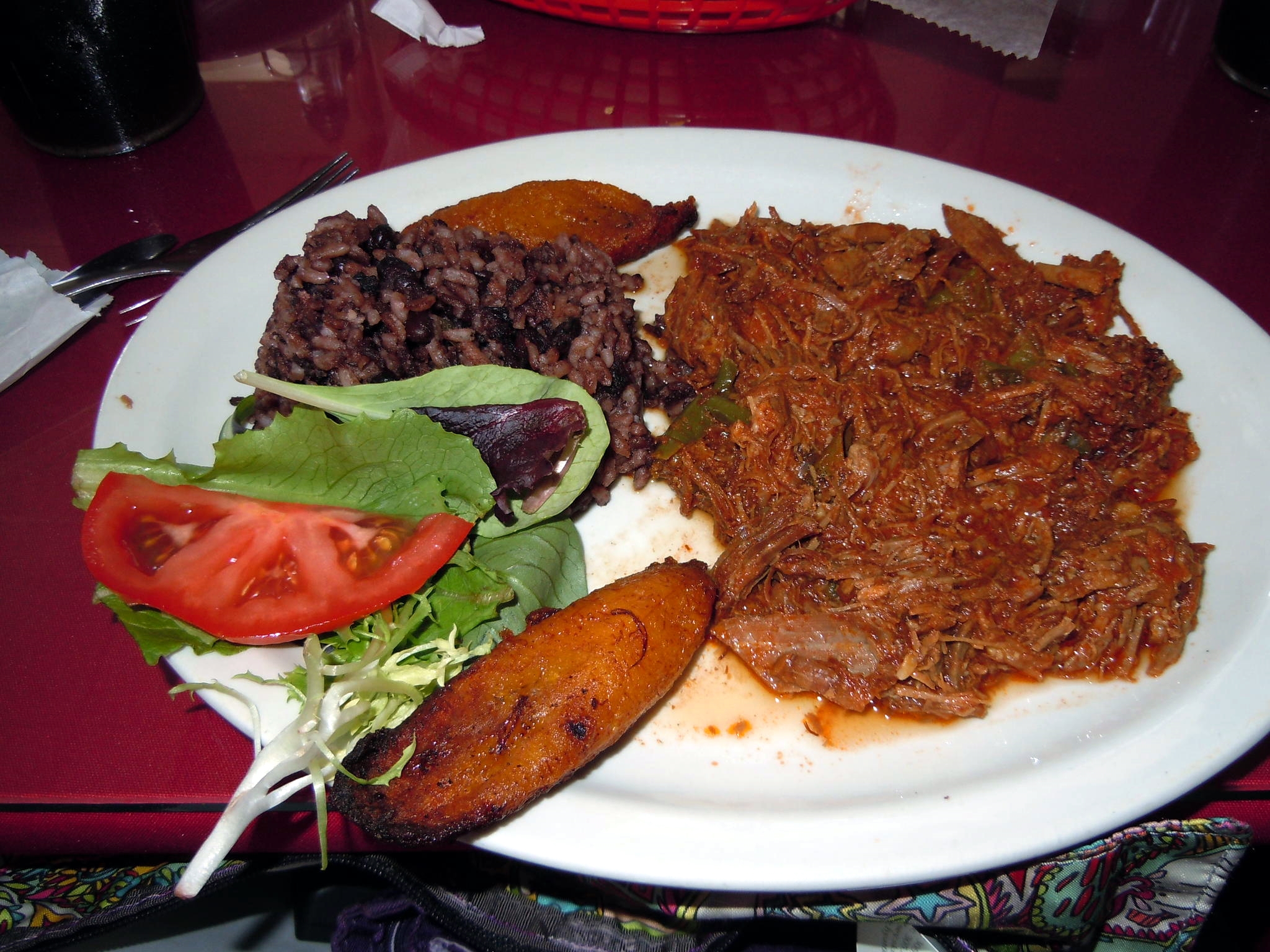
key-west-food-3 key-west-food-4-cuban-food-at-havana-1           Or try Fish (conch) and Chips at „Conch Republic“, or some Cuban food at „Havana One“ .
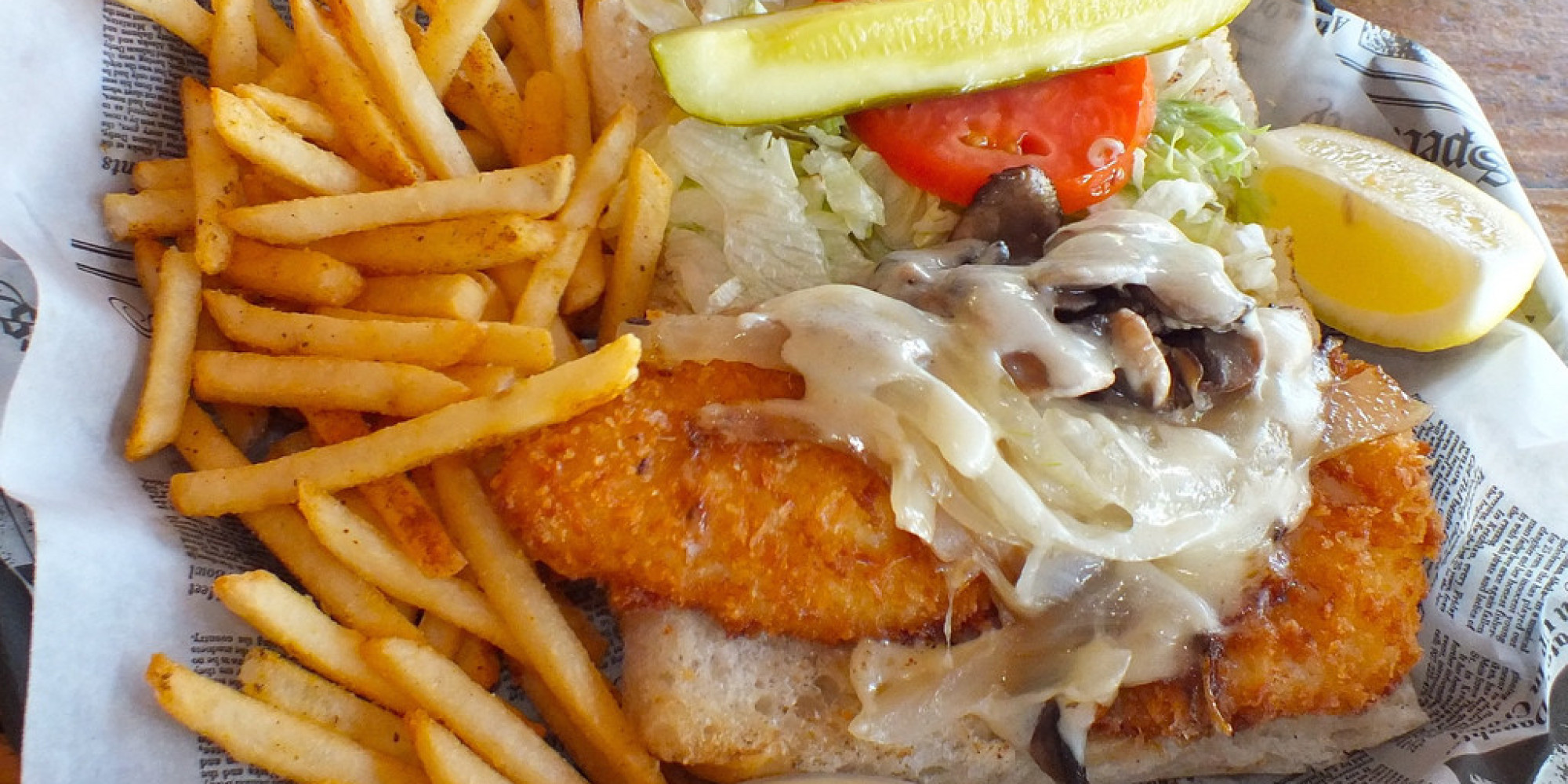
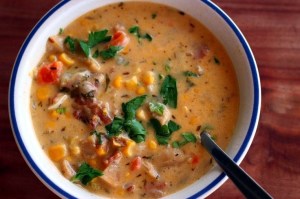
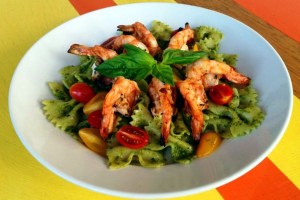
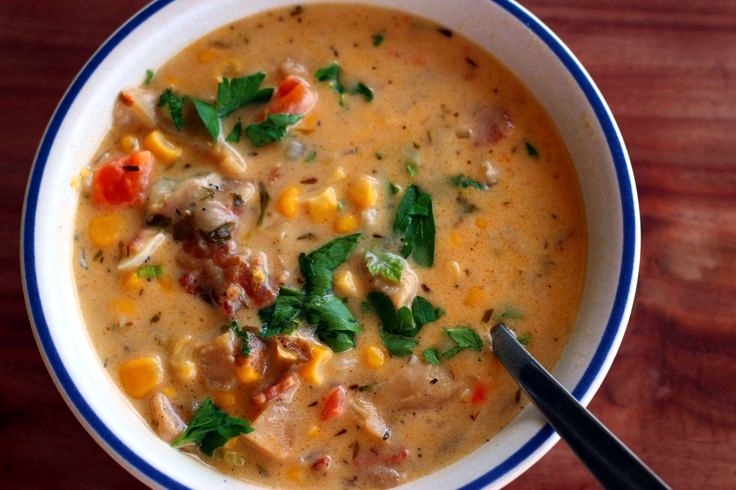
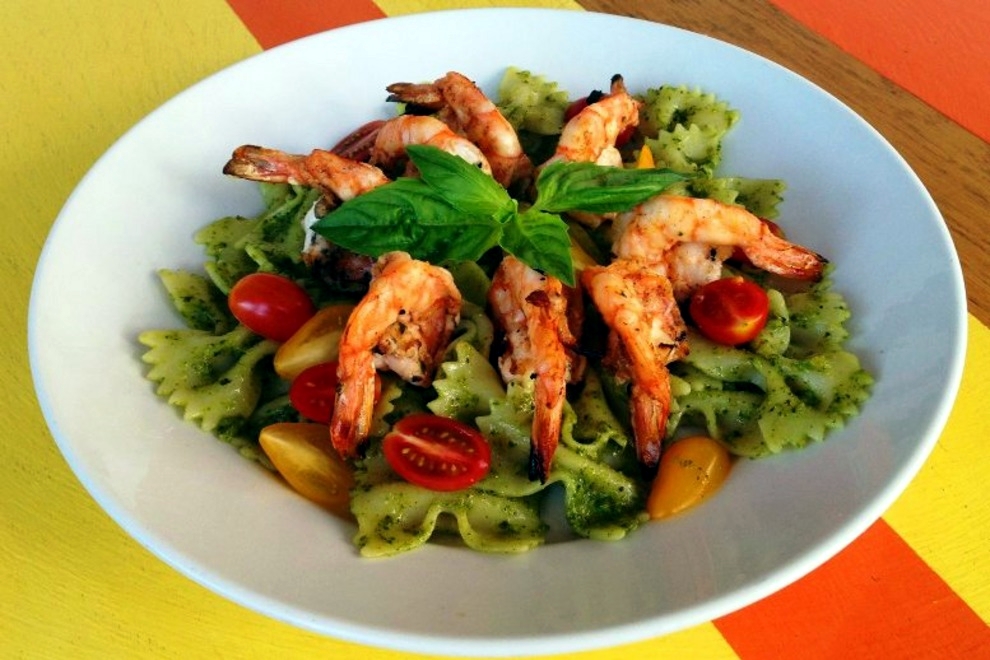
key-west-food-9b-conch-curry key-west-food-8-flaming-buoy-shrimp-and-past             I never had that dish in my life before Conch Curry, fantastic ! And Shrimp and Pasta at the „Flaming Buoy“.
 

Finally MY FAVORITE RESTAURANT in Key West.

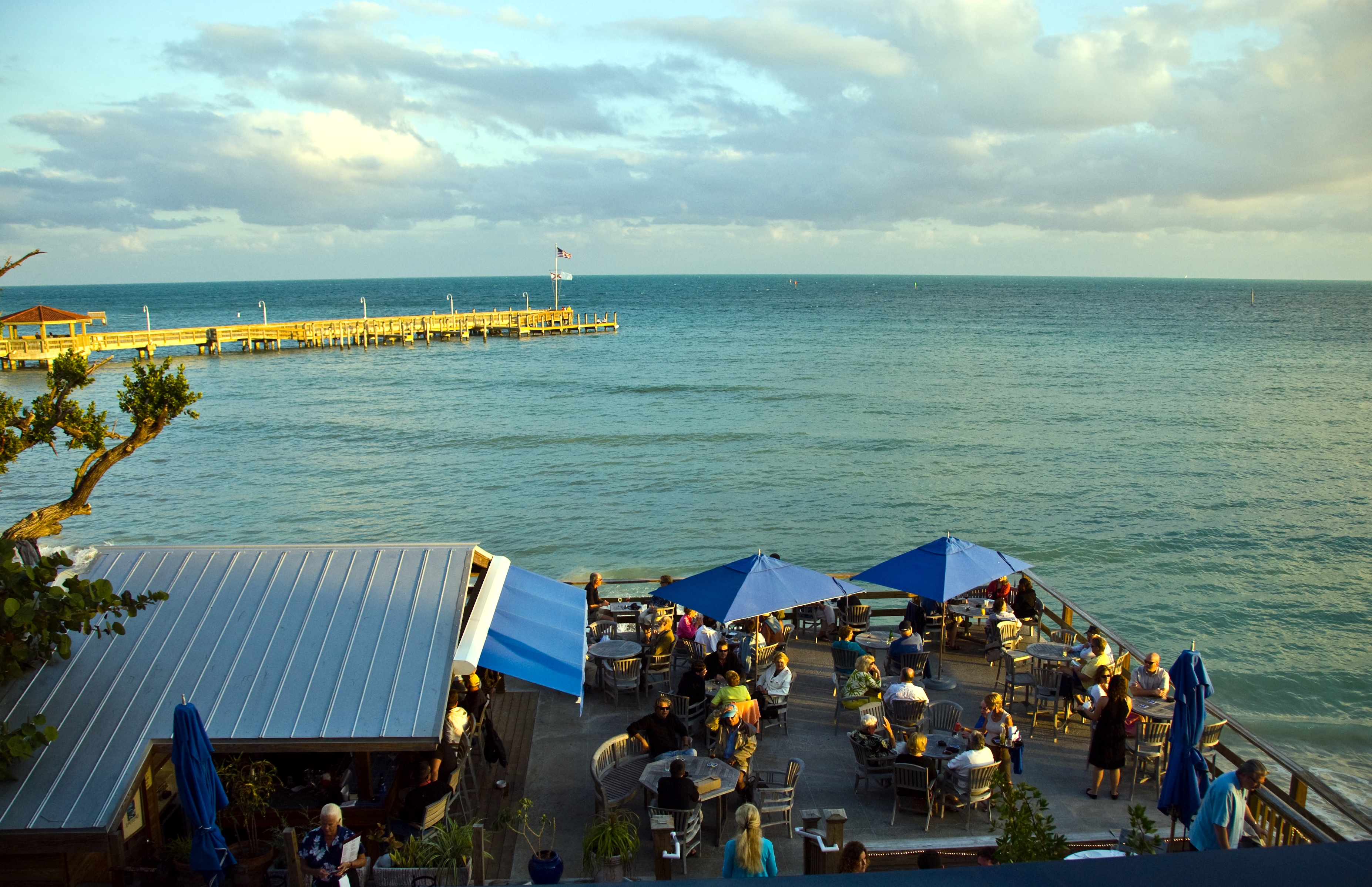
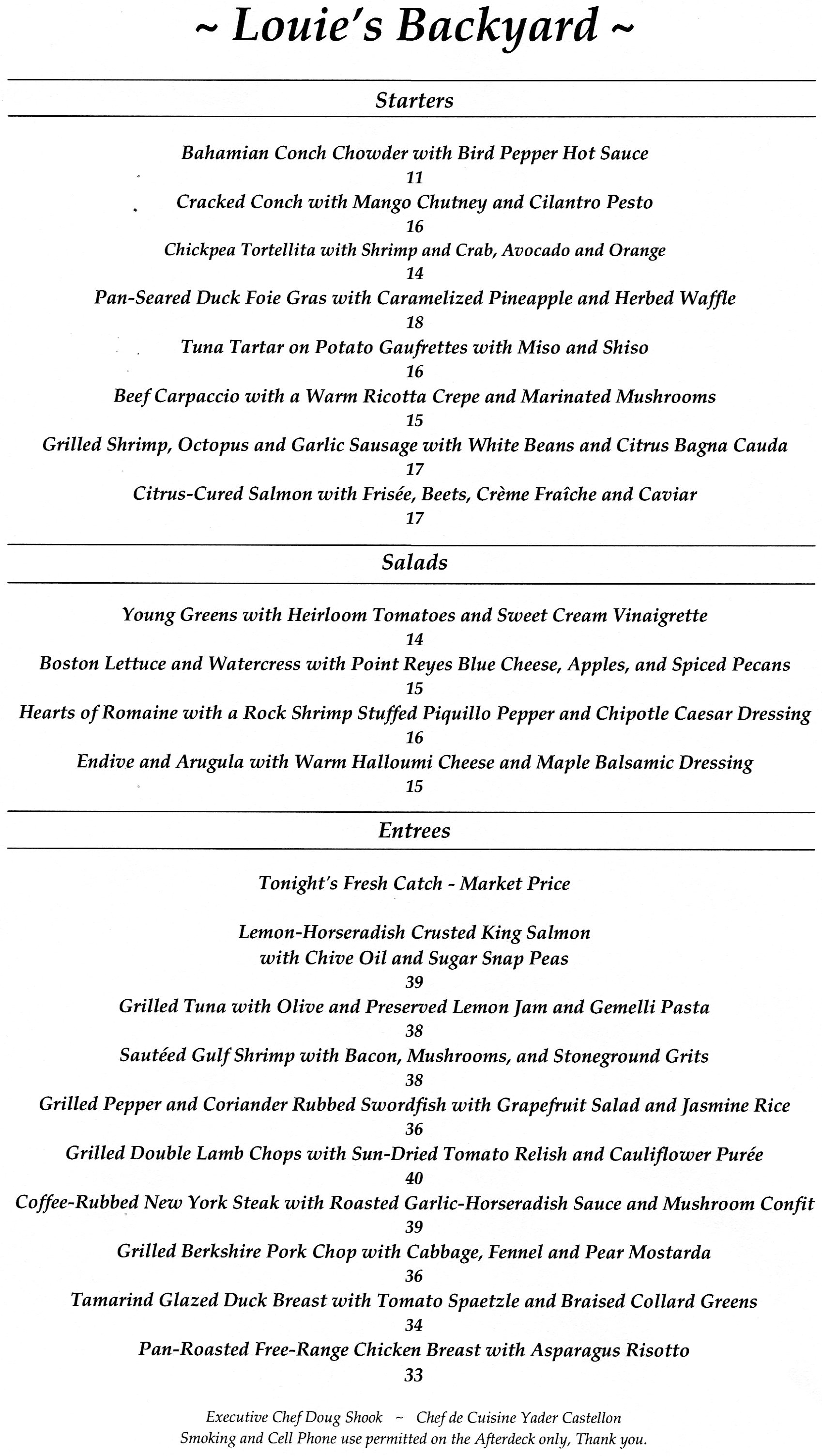
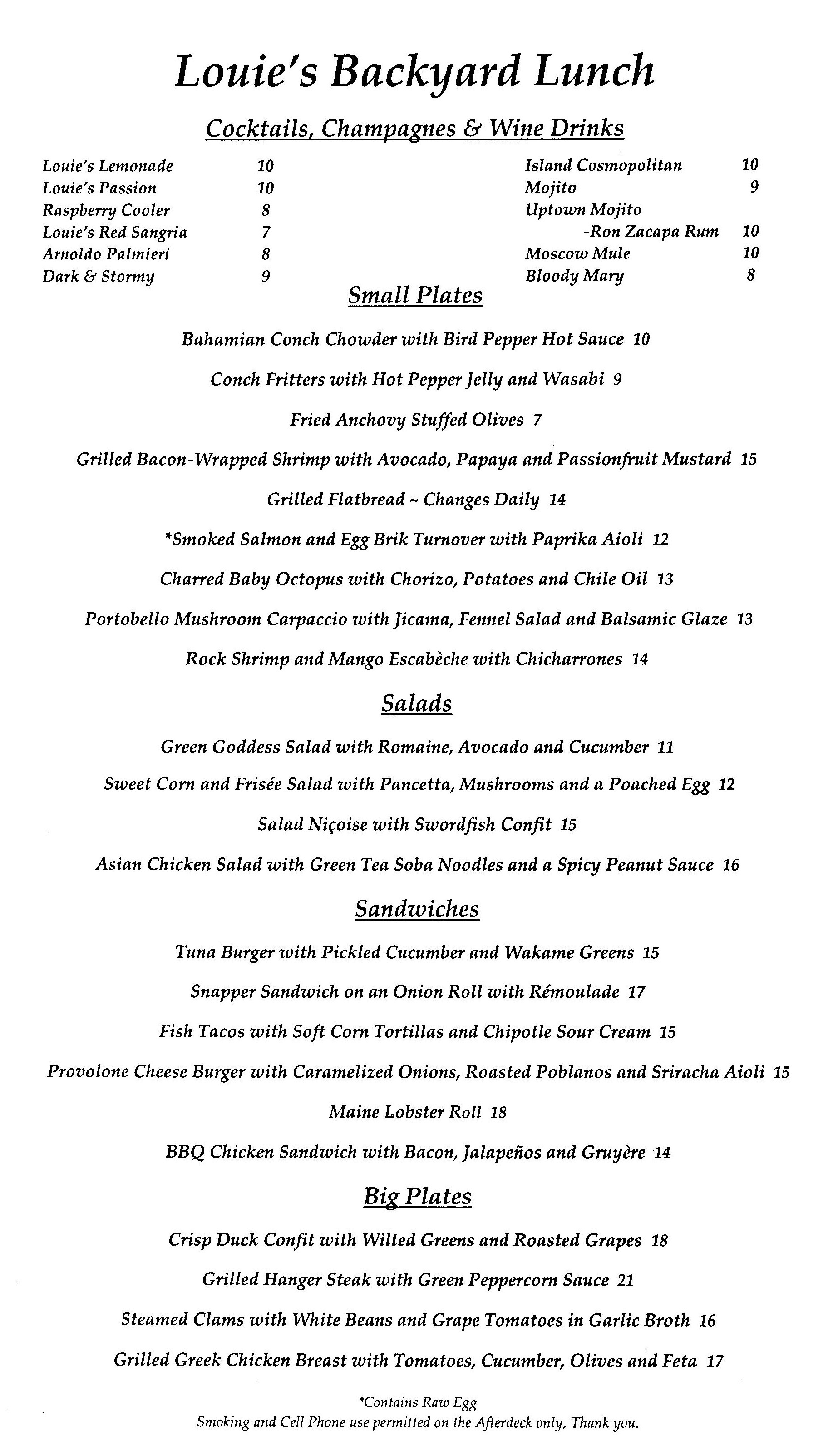
Louie’s Backyard ! It is not as „fancy and luxurious as Shor’s or Latitude“ and not as „crowded as Conch Rep. Seafood Co.“ or as „normal as Pepe’s and others“. It is relaxed, elegant, has one of the best spots in Key West with a very comfortable Bar and cozy, comfy terraces. Friendly and quick service and a first class variety of food for average (comparing in Key West) prices. Have a look.
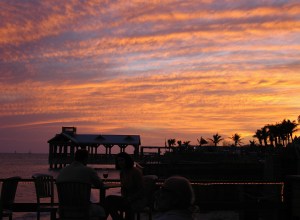
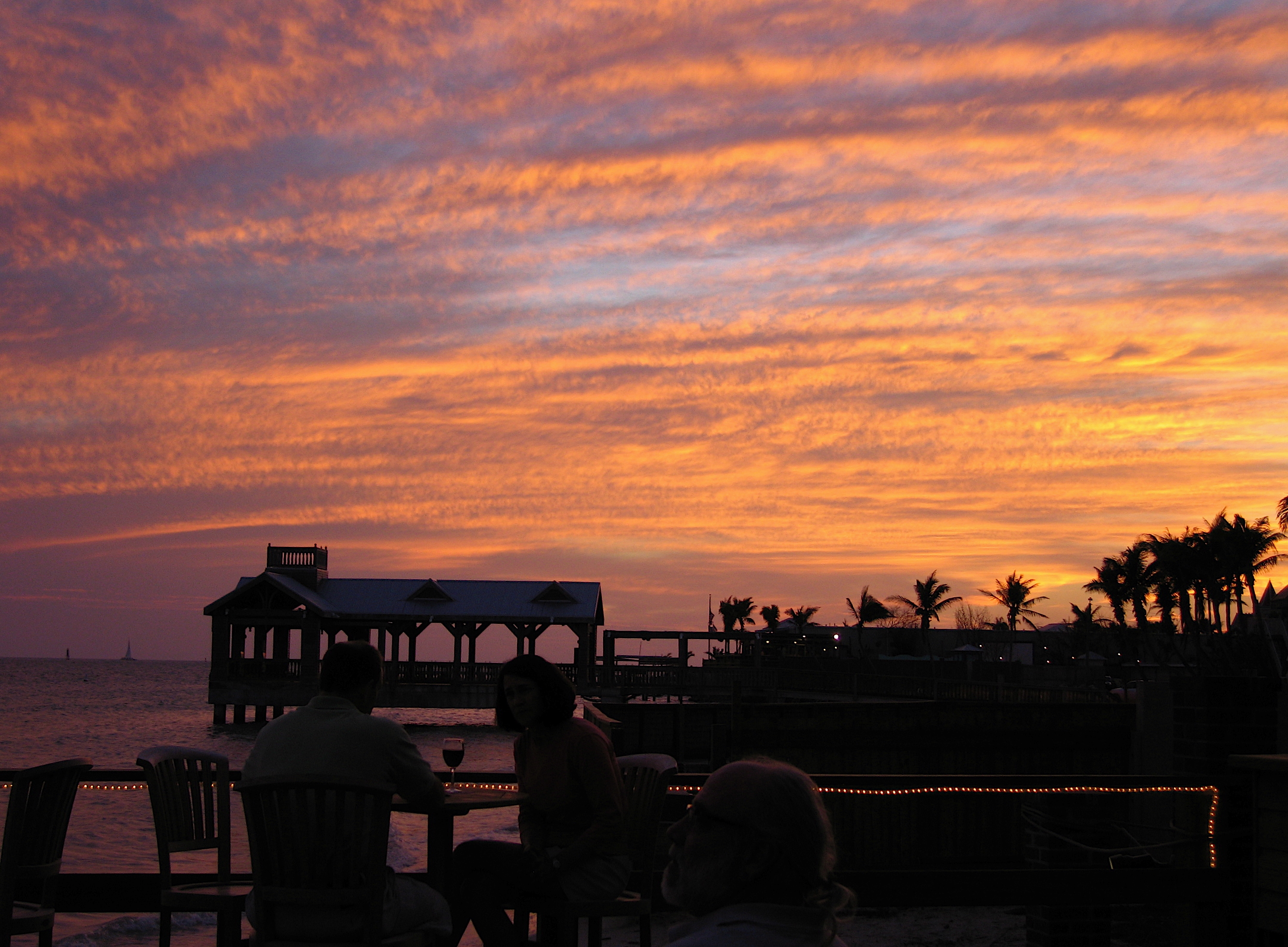
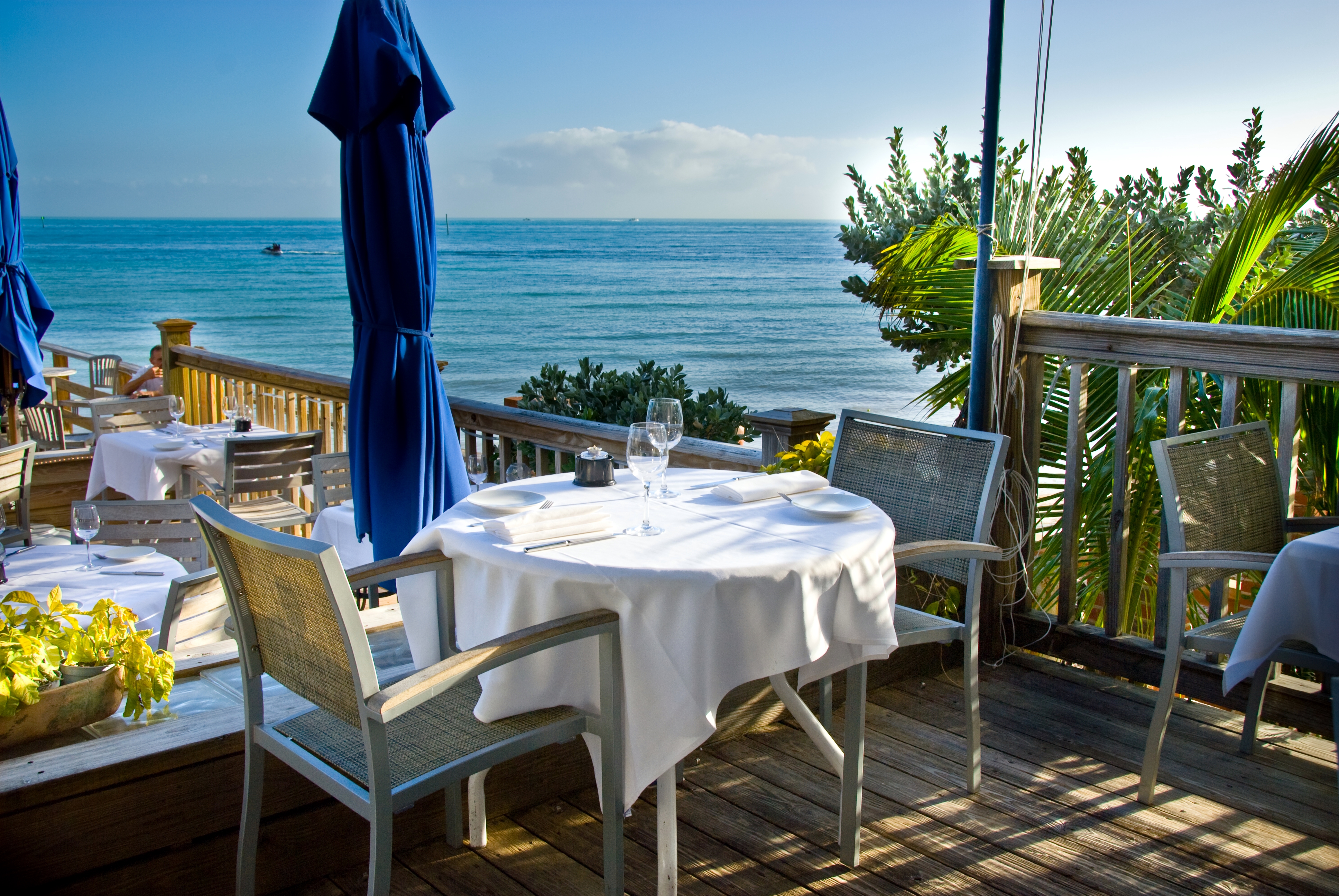
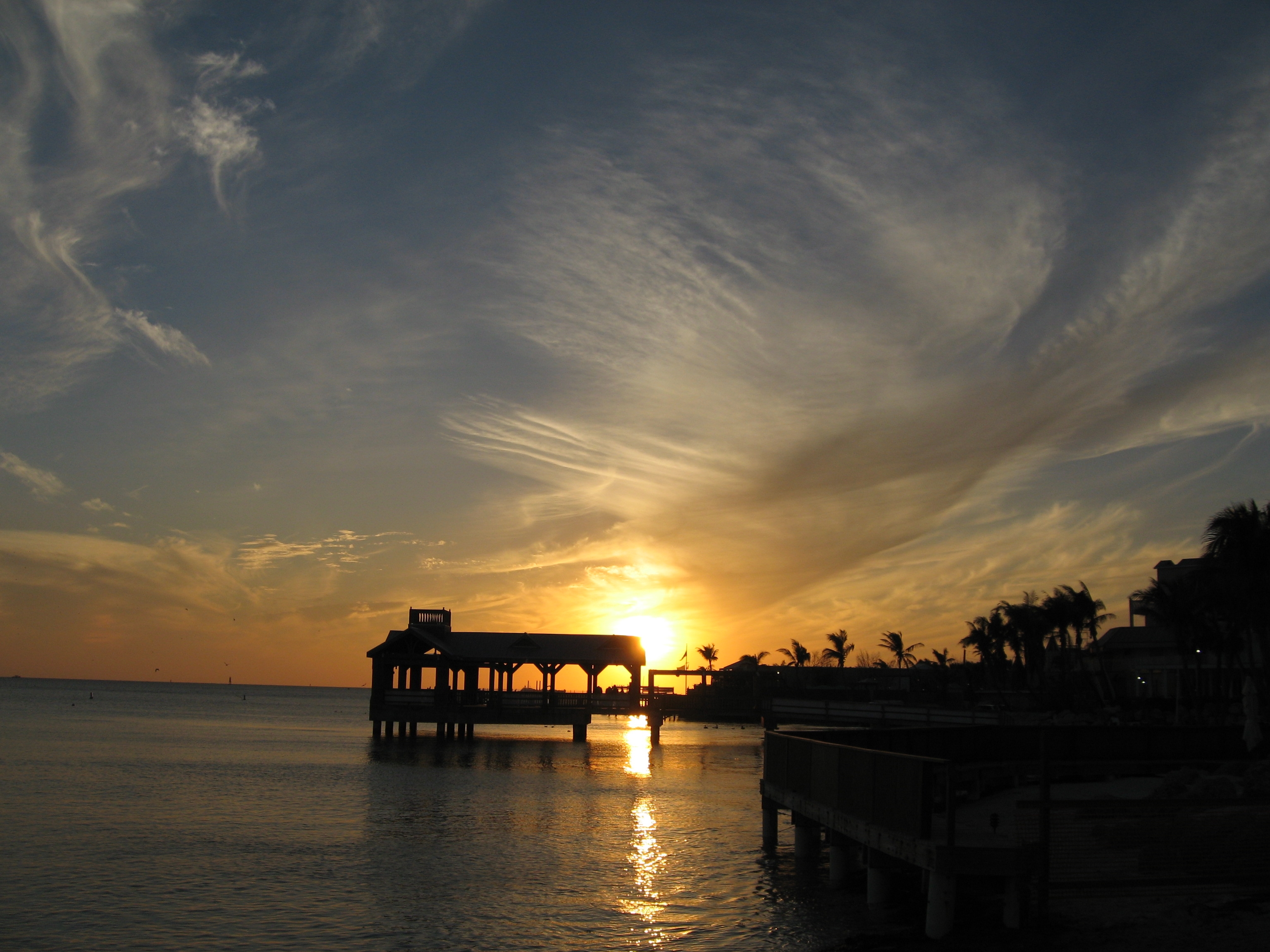
keywest-2e-louies keywest-2d-louies Spectacular sunset views from Louie’s Backyard.
keywest-2c-louies keywest-2i-louies-deck Louie’s Backyard and the ocean deck.
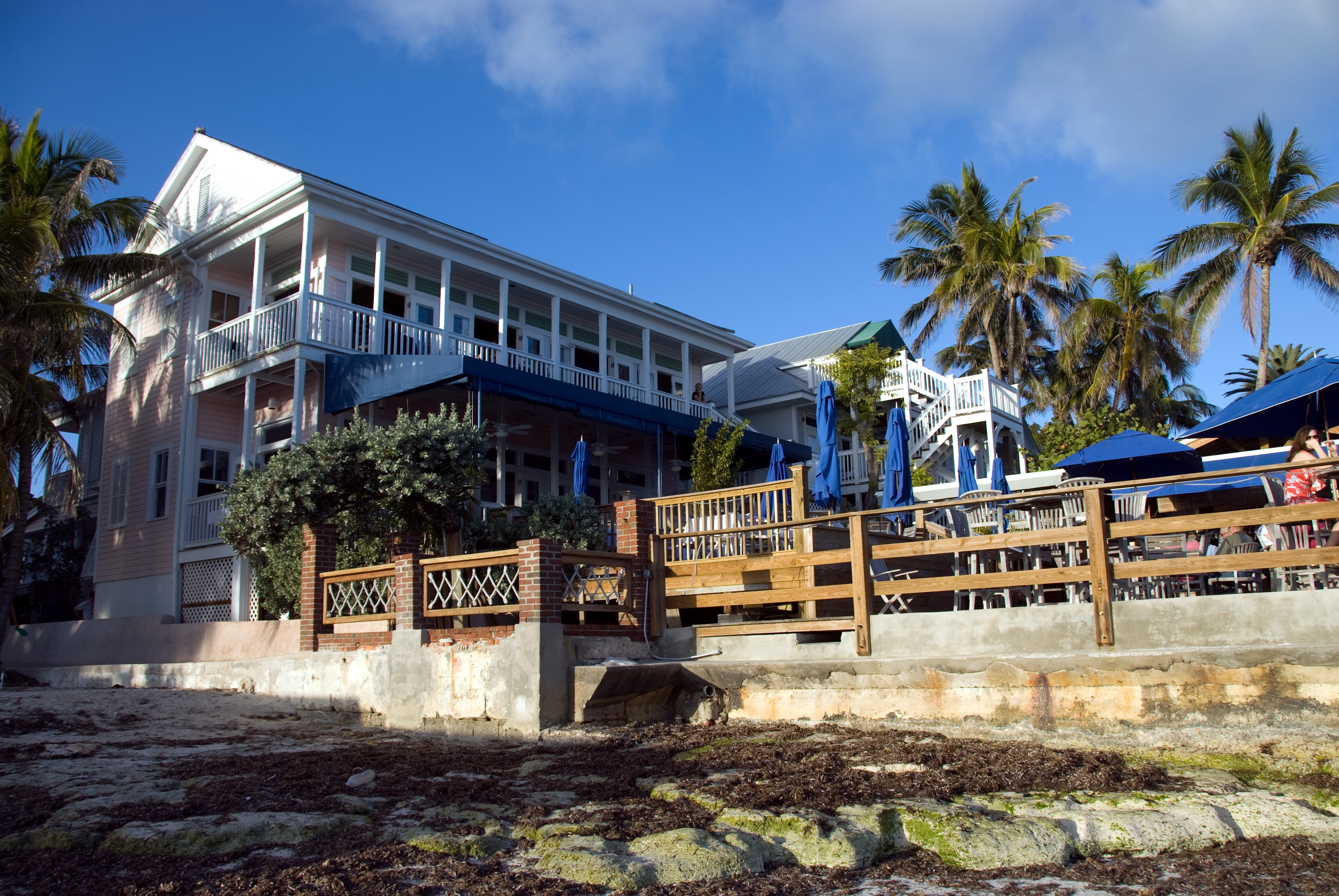
Oh, if only for a backyard as beautiful as the spectacular oceanfront setting offered by this Caribbean-American restaurant, Key West’s most popular destination, where you can dine on incredible cuisine served by a professional staff on either the fabulous multilevel deck or in the elegant dining room, it’s many folks’ idea of heaven, even mine !
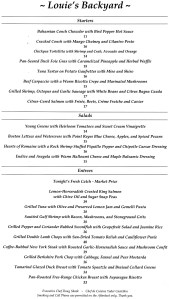
keywest-2b-louies-lunch keywest-2a-louies-dinner The variety is good and prices are O.K.
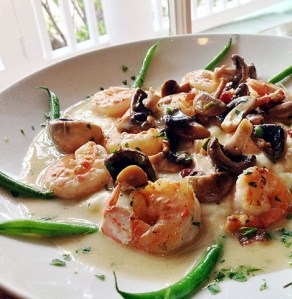
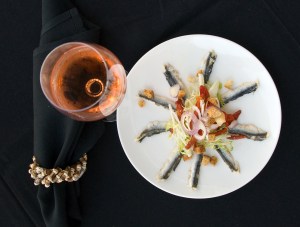
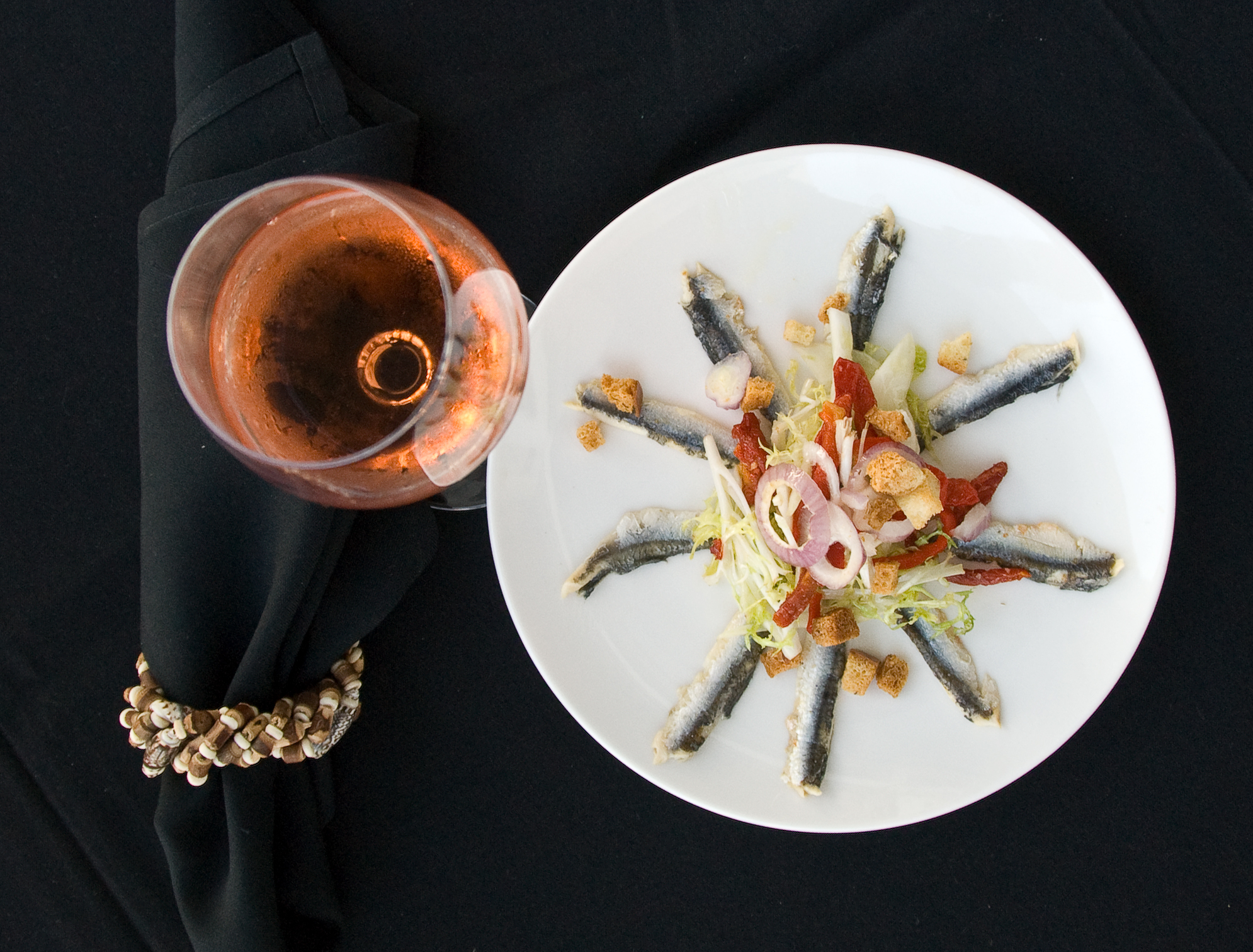
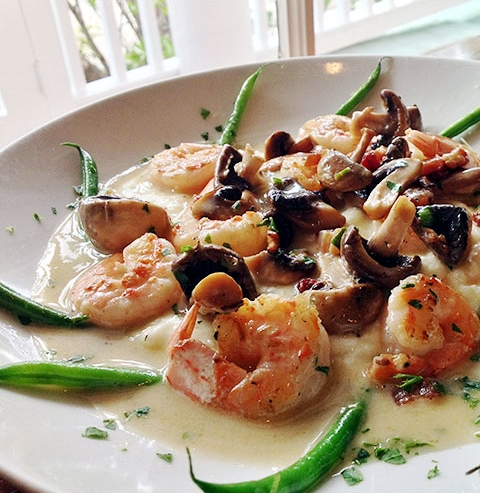
keywest-2a-louies-deck-shrimp-and-grits-plate keywest-2h-louies      Louie’s Shrimp and Grits Plate or a fresh Hering Salad with a chilled dry rose wine.
The story:
In 1971, Louie Signorelli’s oceanfront Victorian home was transformed into Louie’s Backyard. The original restaurant seated only 12, and had one lone waiter. In 1983, Phil and Pat Tenney purchased and lovingly renovated Louie’s – with special attention to the maintenance of the building’s historical integrity – and transformed it into the architectural delight it is today. Their efforts earned it a placement in the National Register of Historic Places. Today, Louie’s is a gourmand’s playground, a cafe-style restaurant with an oceanfront background setting – a must do experience.
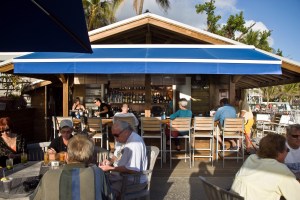
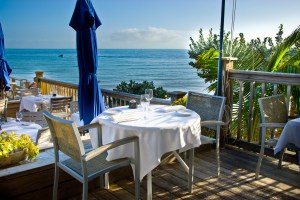
keywest-2g-louies-winebar keywest-2f-louies       One can have all this at my favorite Bar or my favorite table on the backyard deck.
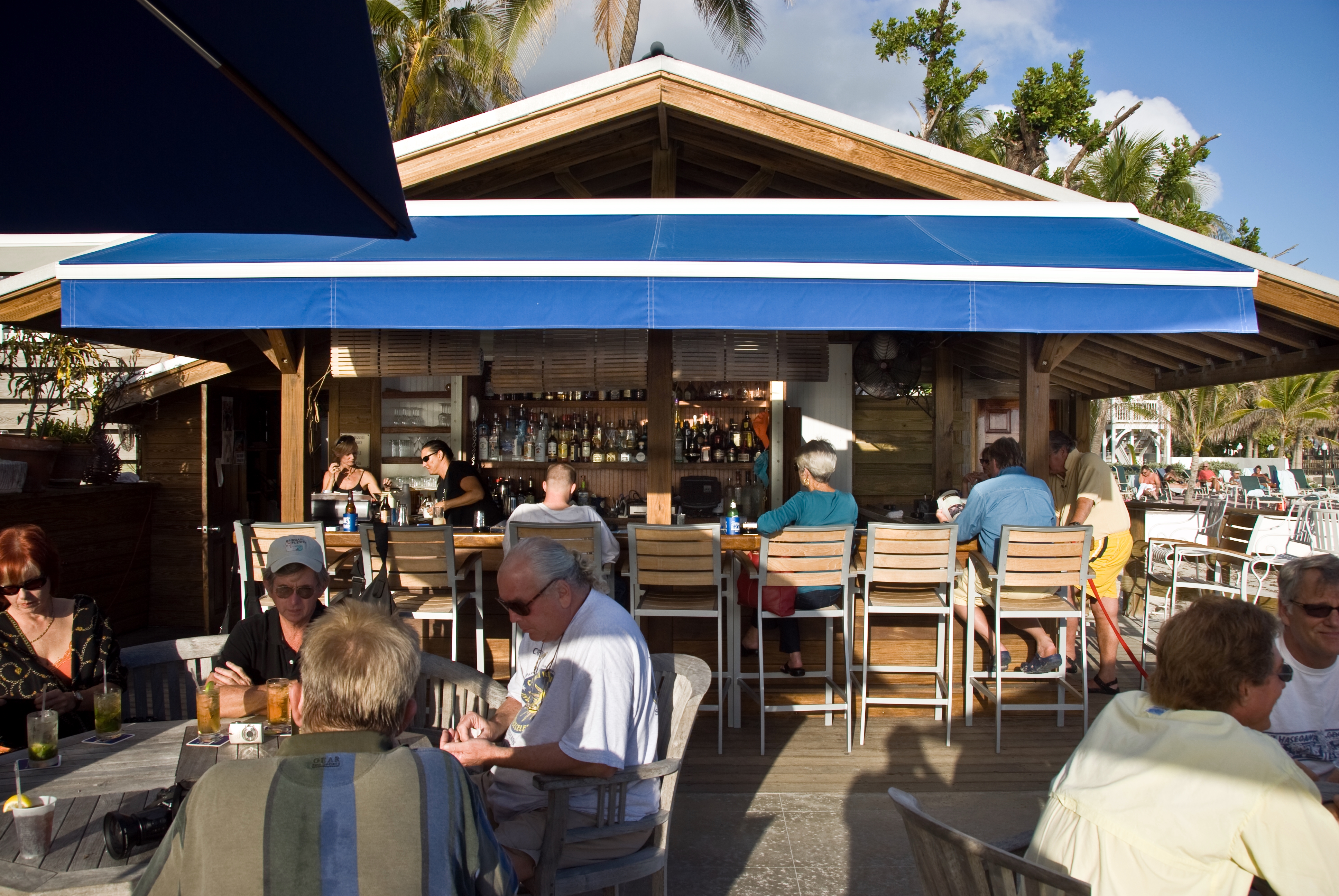
Whenever I have the chance to come back to the Conch Republic I will visit and enjoy Louie’s restaurant. I know this article has much to do with Key West’s food and indulging scene, but it could be much much more. If you have the chance to visit Key West once, try to enjoy the abandoned Caribbean life style . It’s a MUST SEE and DO.


Veröffentlicht unter Information, Lifestyle, Must See, Recipes, Travel | Verschlagwortet mit | 6 Kommentare

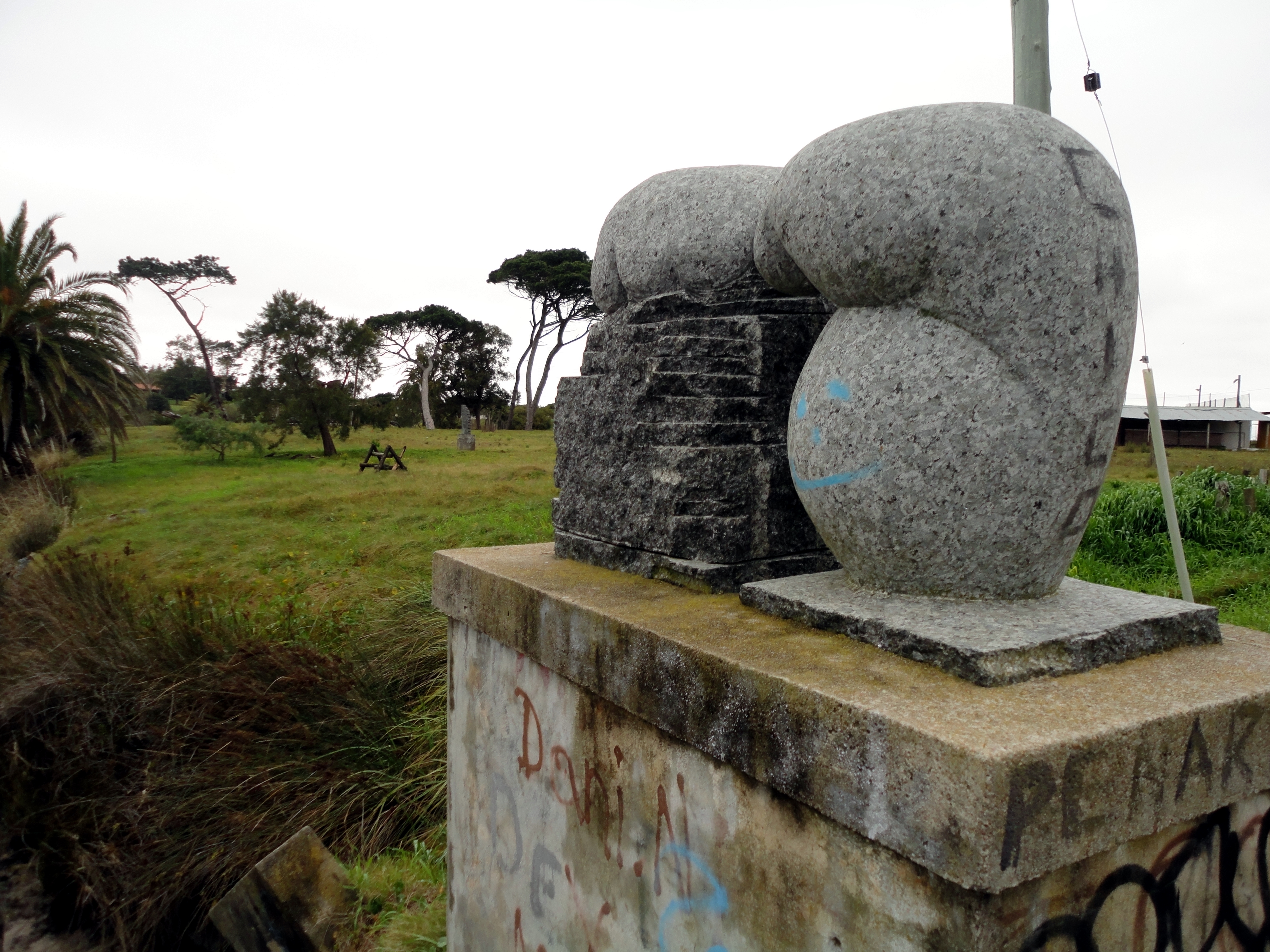
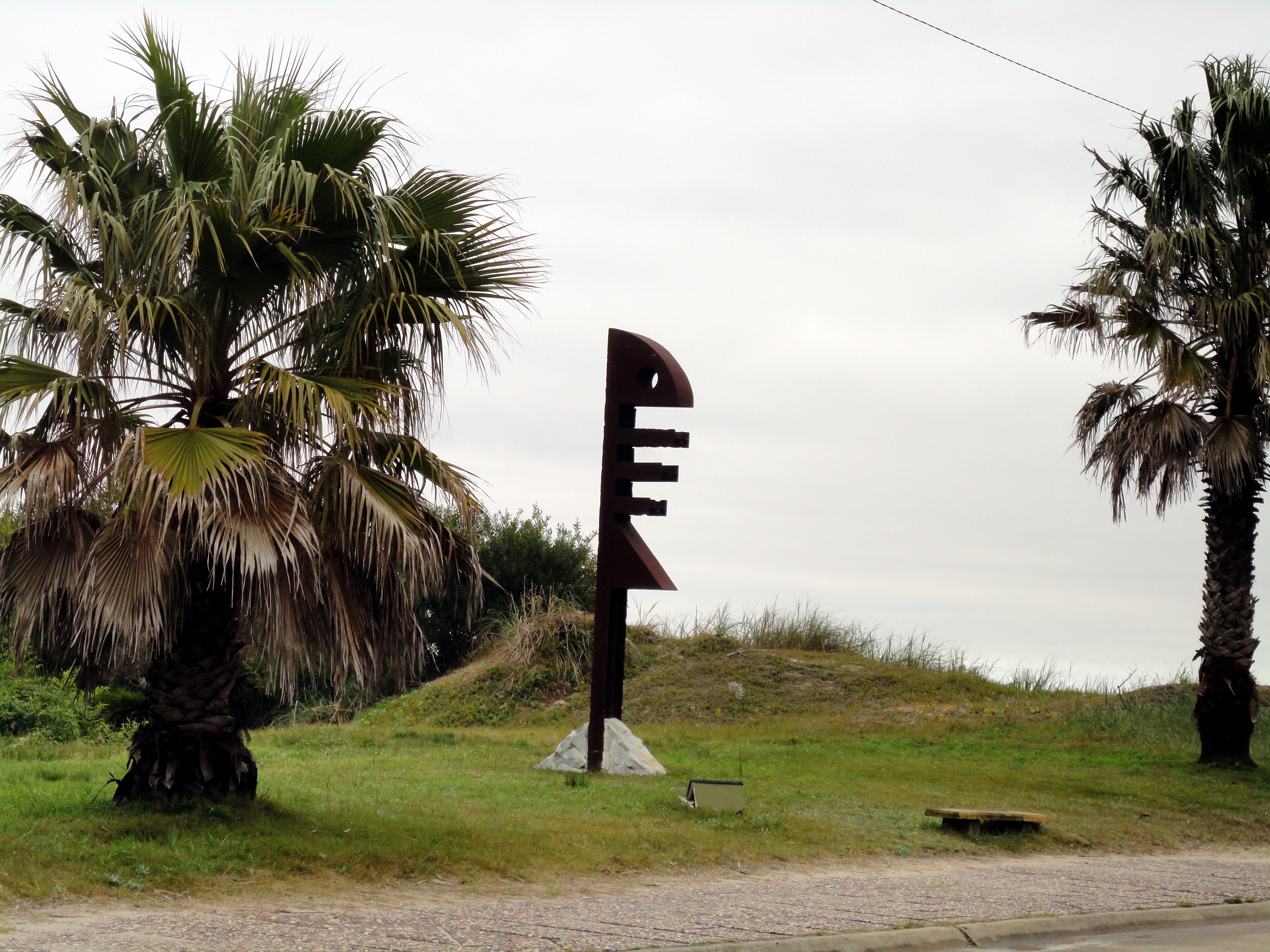
Uruguayan Coastal Art

dsc02182

During the last few years I always came along some strange pieces of art, or whatever it is, or whatever it means. I thought some pics might interest you and I like to share them.
Personal tastes are totally individual and different, to me no matter to discuss. Art is – if it is art – anyhow free from explanation and discussion.

We only can make up our own personal minds what it means, what it is for or what people try to say through it. So – make up your own mind about objects I found along the „Uruguayan Gold Coast“, the beach area we live in.

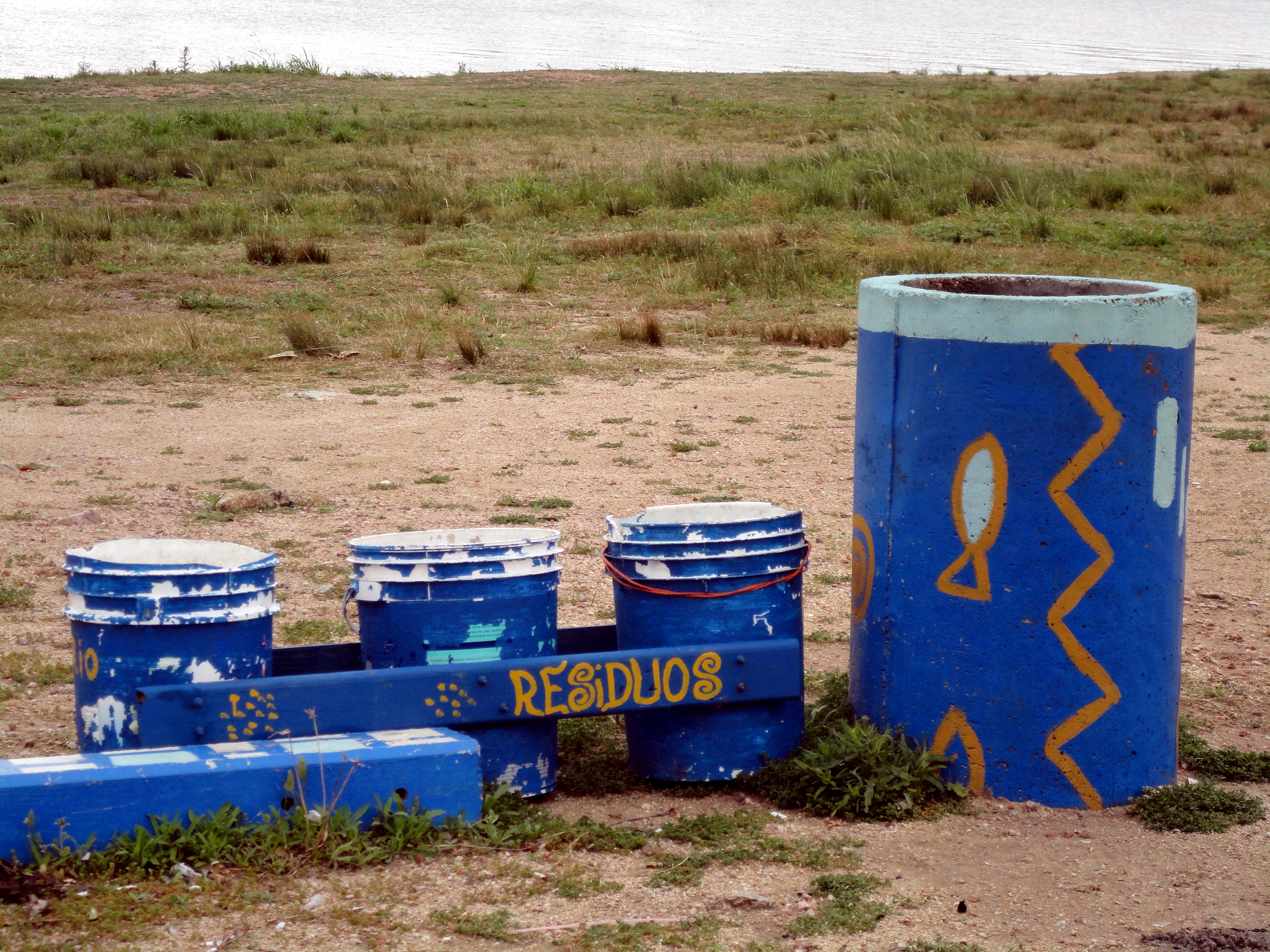
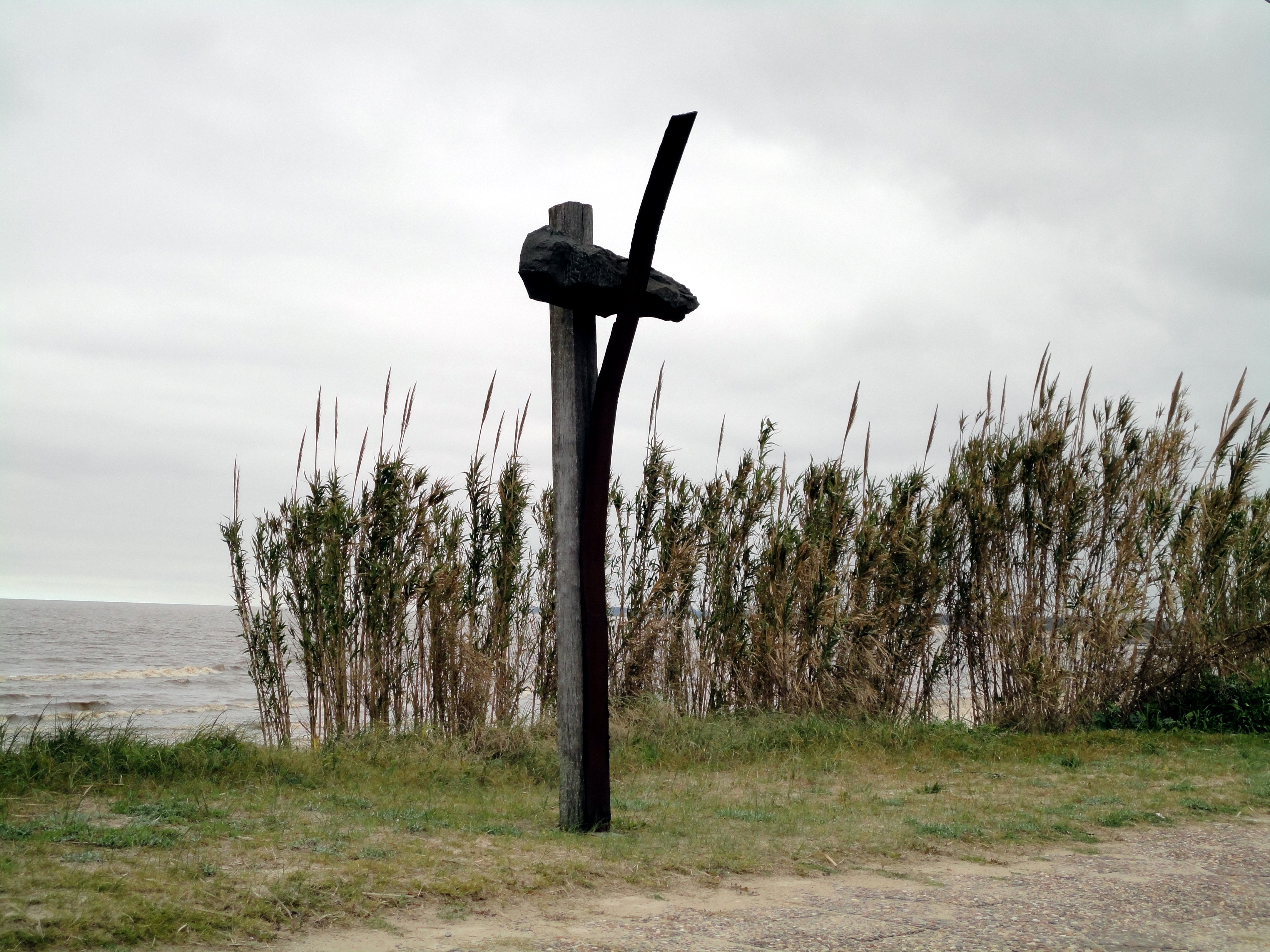
dsc02178     dsc02179    Object of artwork or perhaps the first attempt of a waste sorting !?

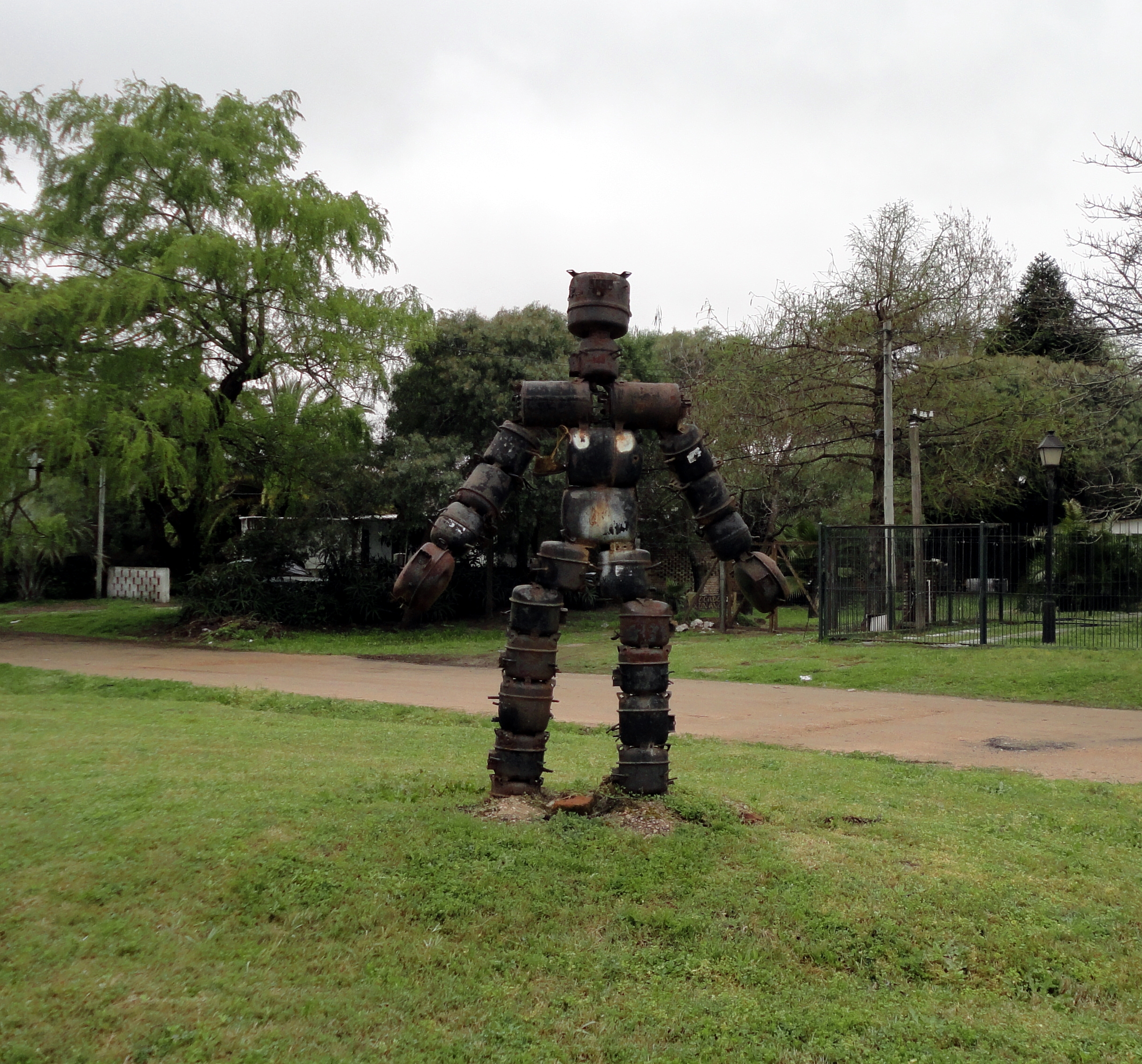
dsc02184 dsc02190 Make up your own mind. If you click on the pictures you will have a closer view.

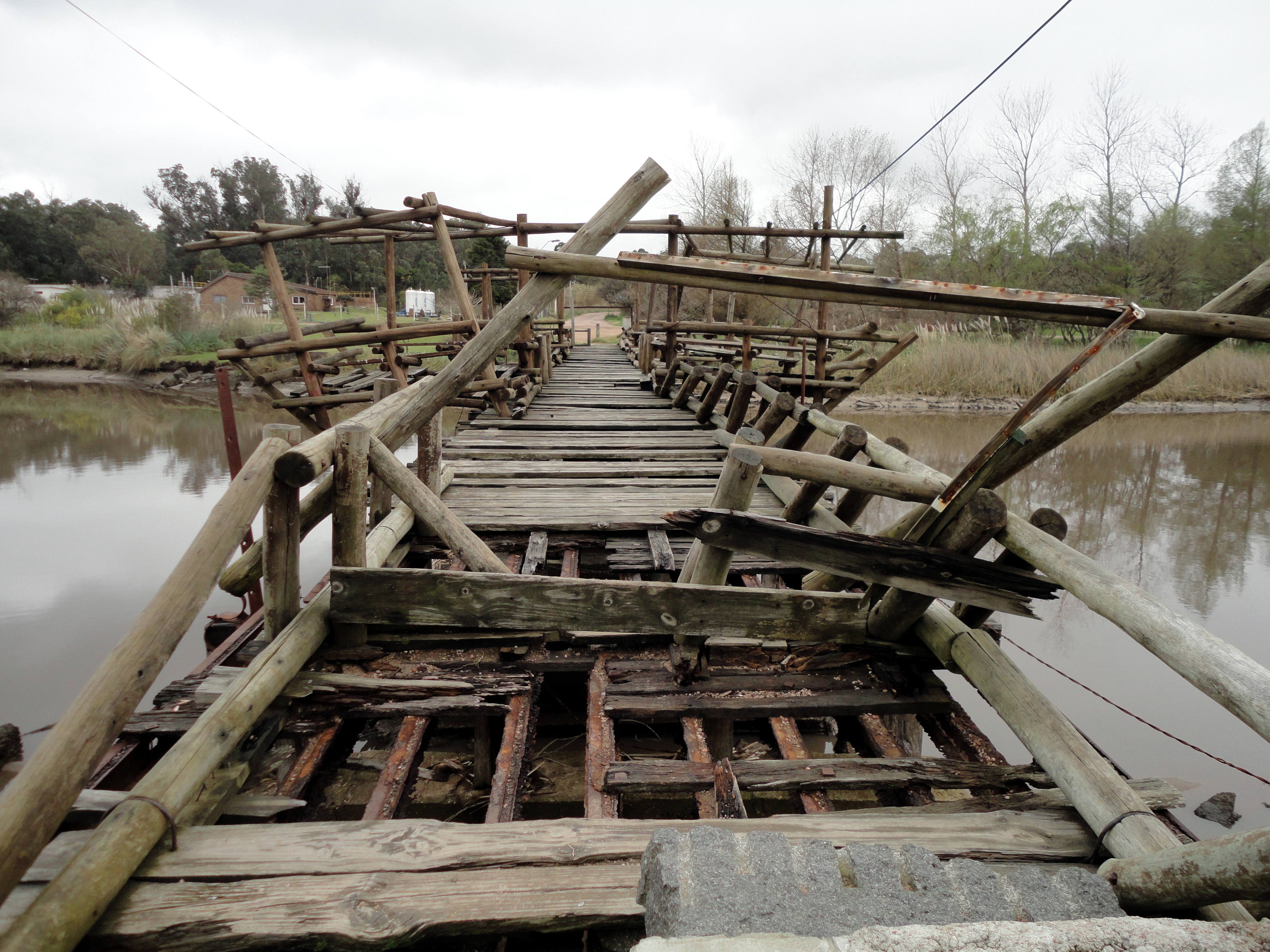
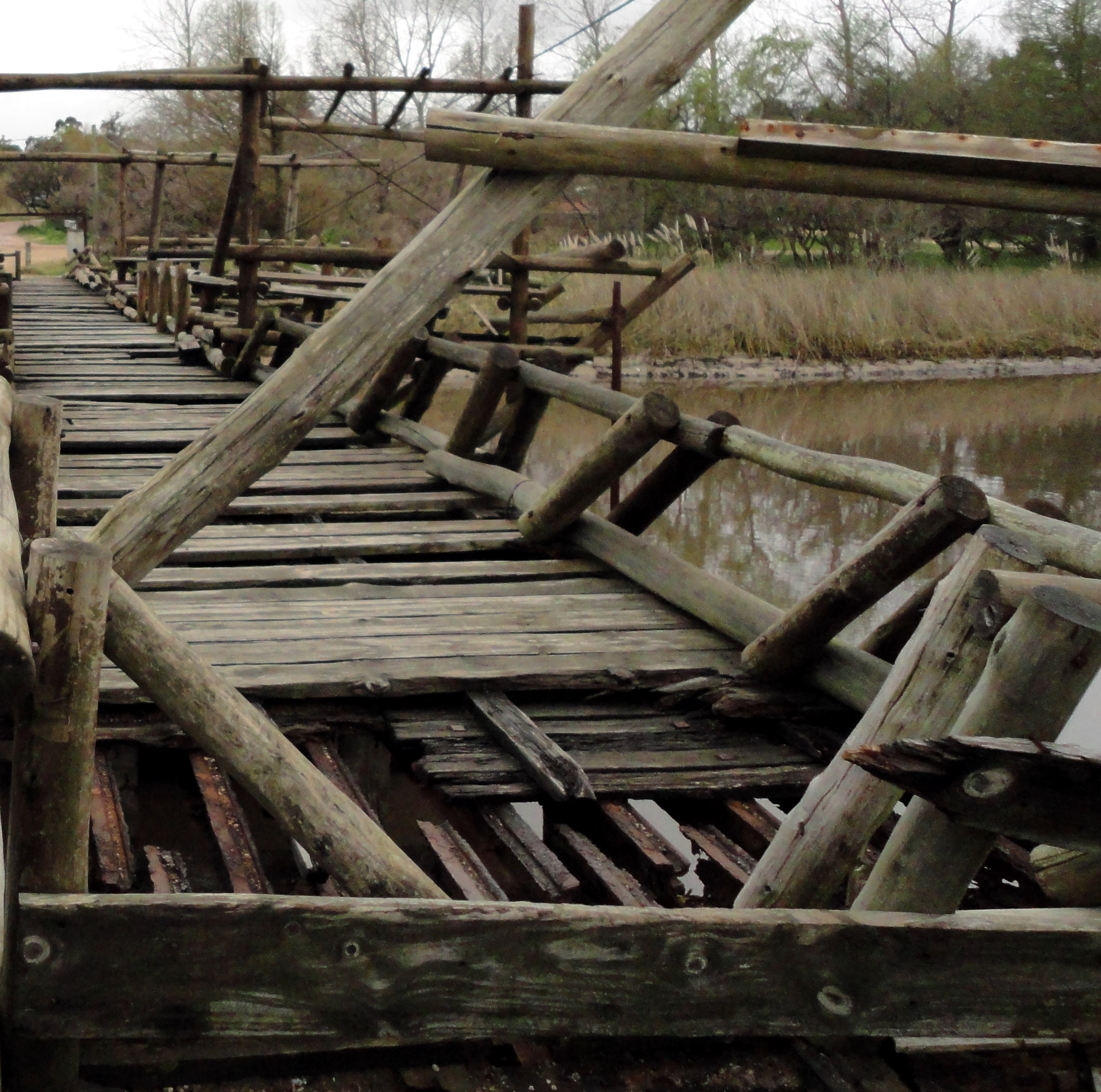
dsc02188     dsc02189a  This bridge might have been a piece of art once. Now it is a rotten, disintegrated and dangerous structure only – but believe it or not, used by locals every day. The bridge is not closed nor any warning sign, nothing – free to use. Sadly I had no camera with me when I saw a young mother with a baby and a stroller crossing it.

dsc02203  dsc02198  Yes, more objects to think imaginatively.

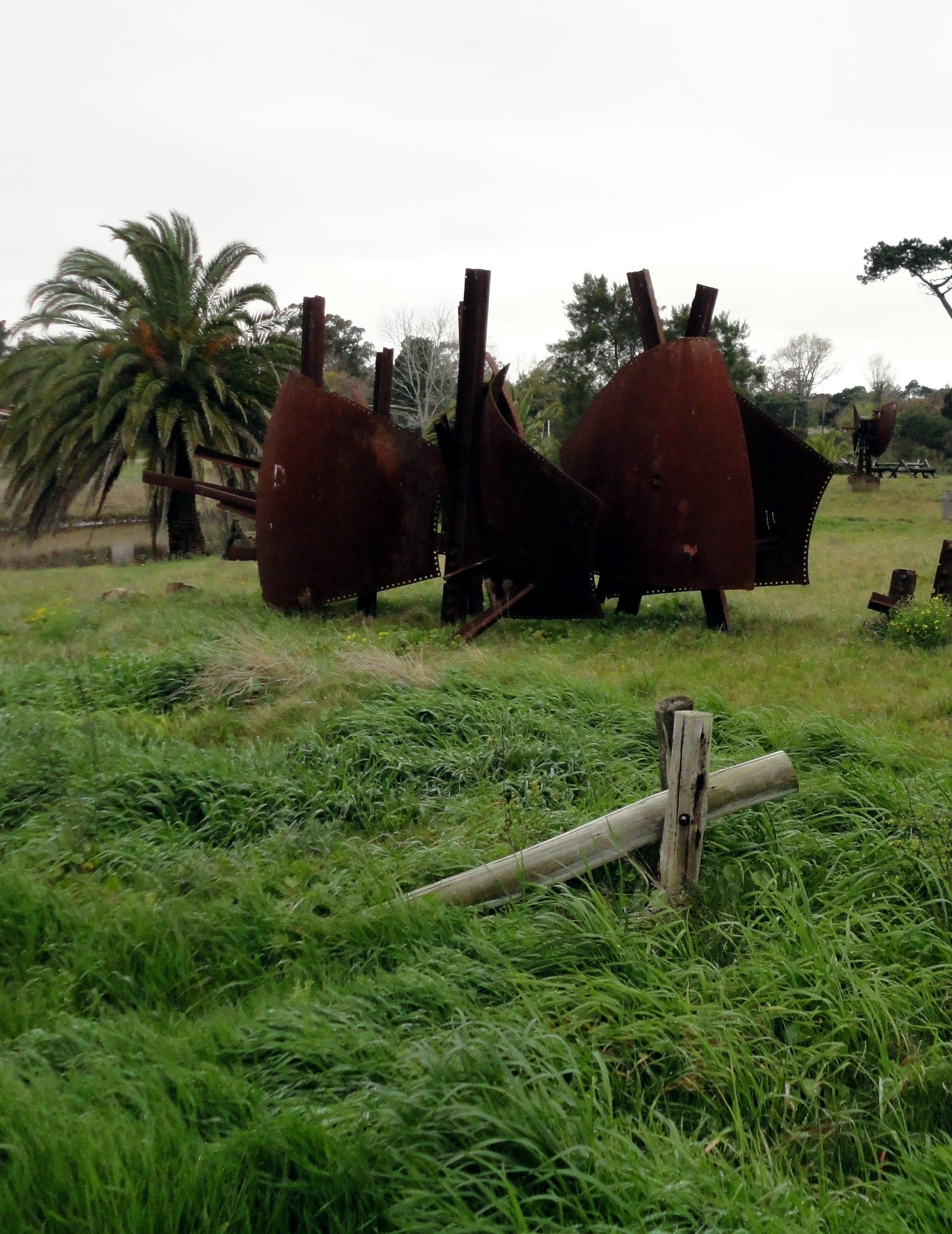
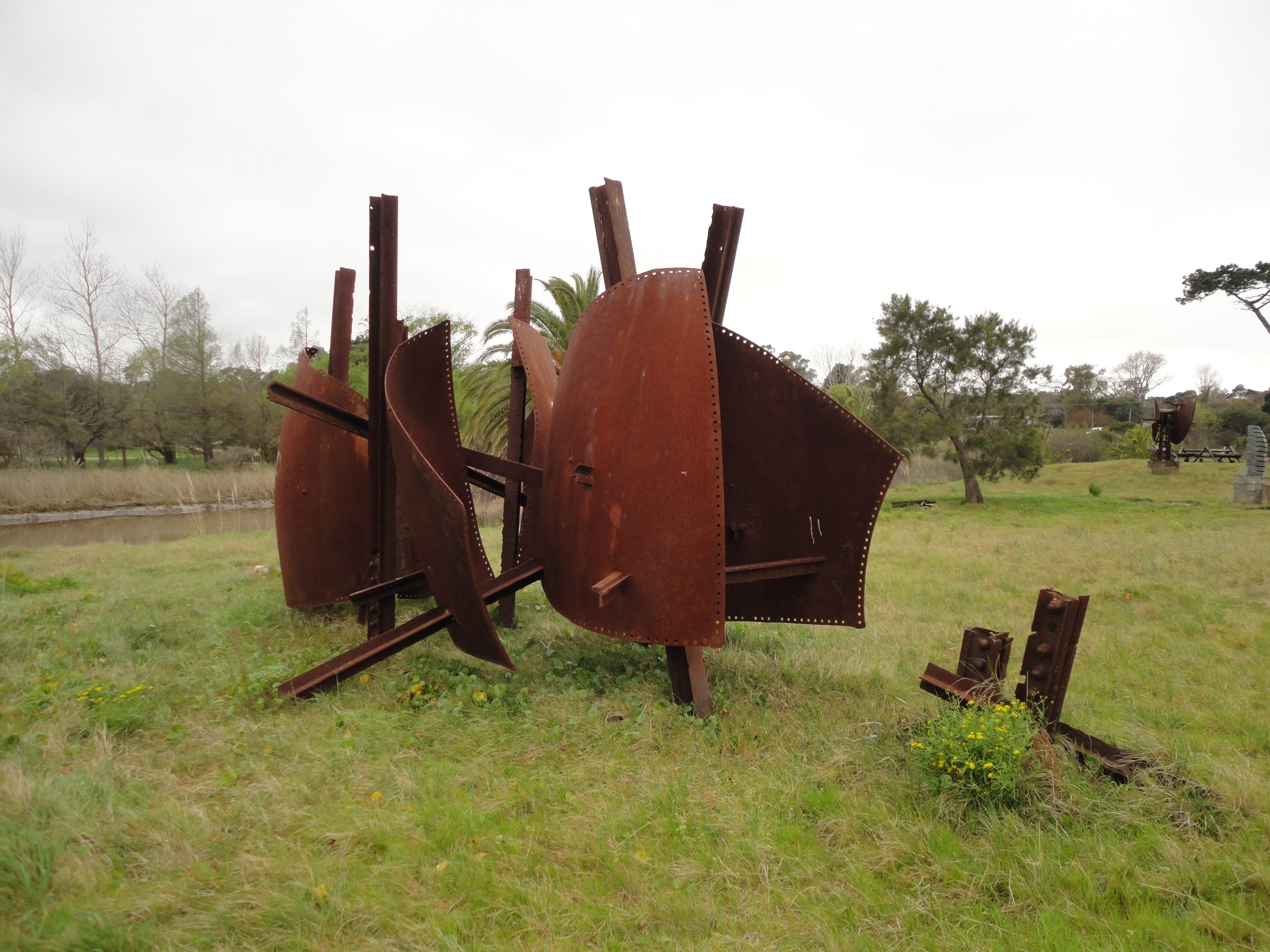
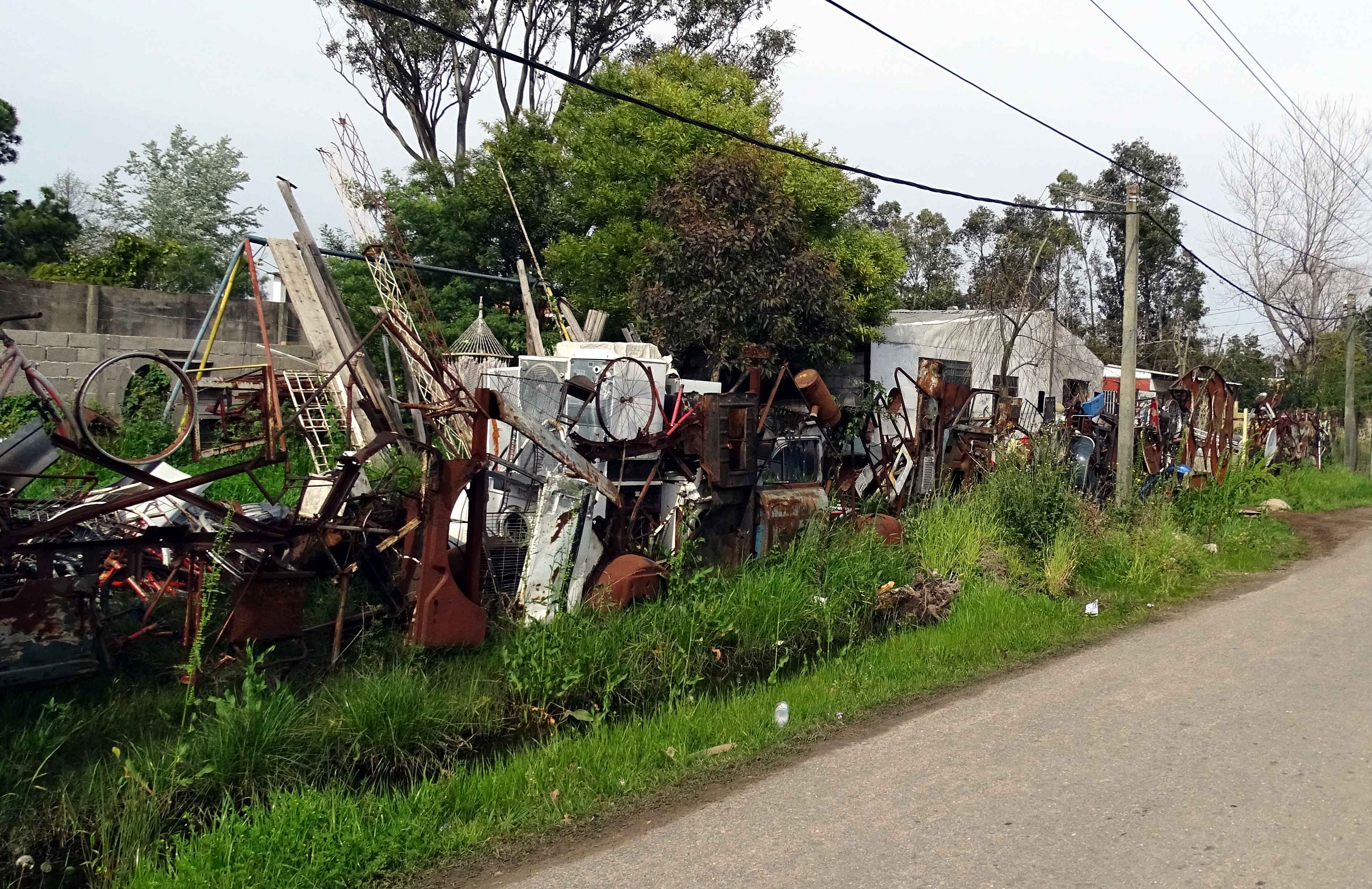
dsc02197a                dsc02196     First one has to climb a fence, then through a muddy grassy part with hidden barbwire and if you are lucky you’ll a reach a „real piece of art“.  Meters high and wide of scrap metal.

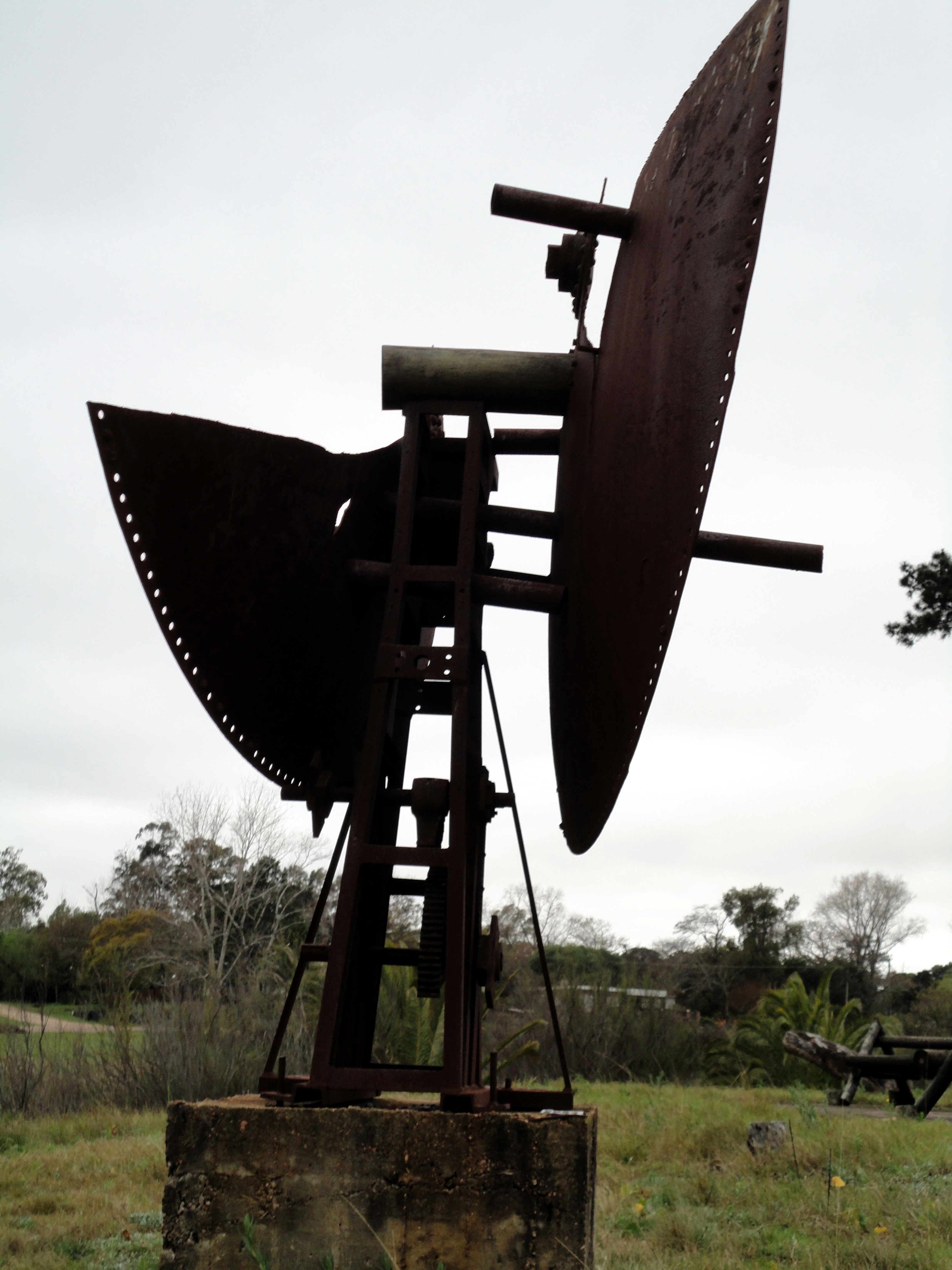
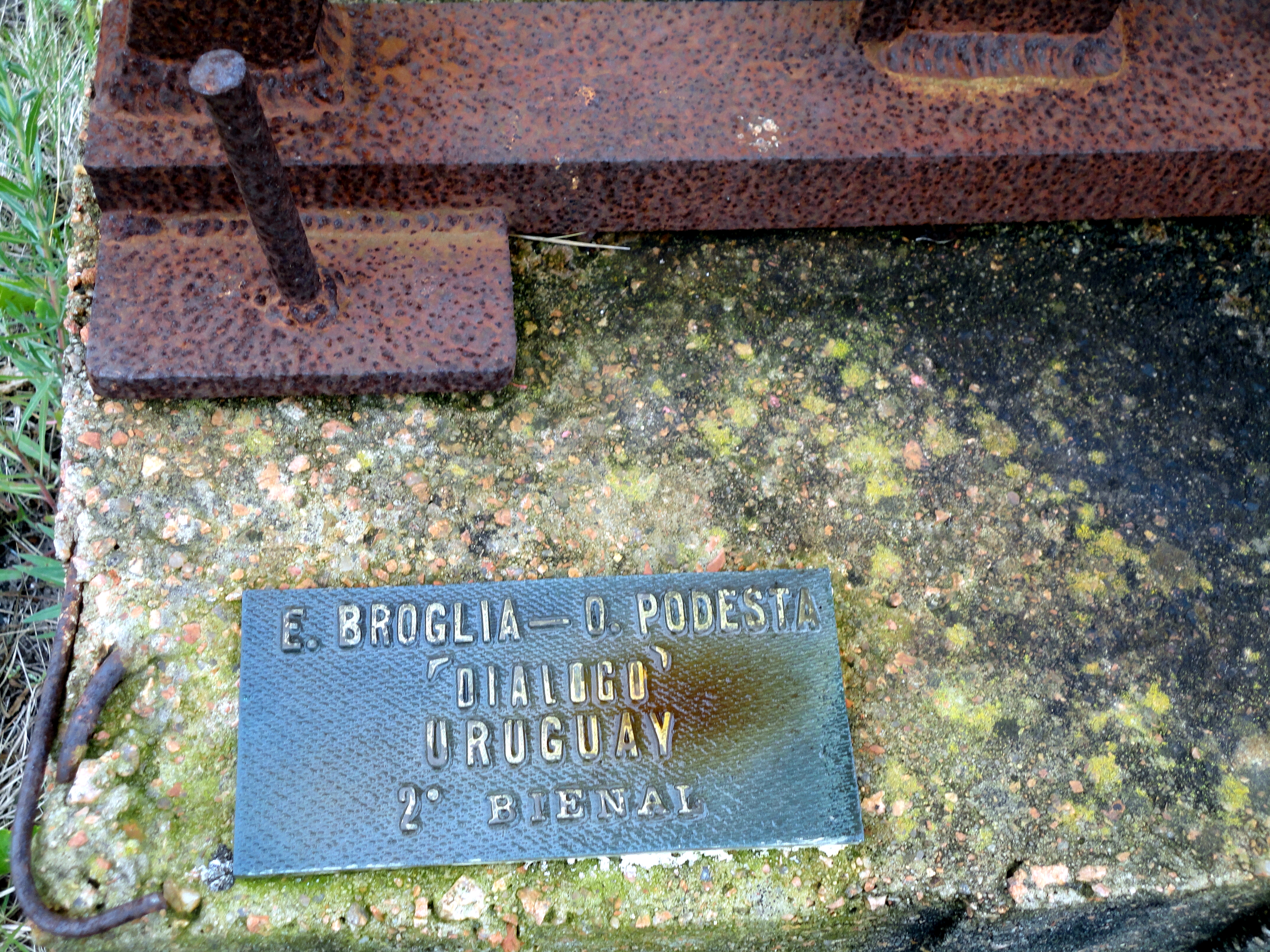
dsc02194                  dsc02193      Whatever this rusted rotten object is, it has a sign on „Dialog Uruguay“. Yeah right, it needs a dialog-discussion, but with whom ?

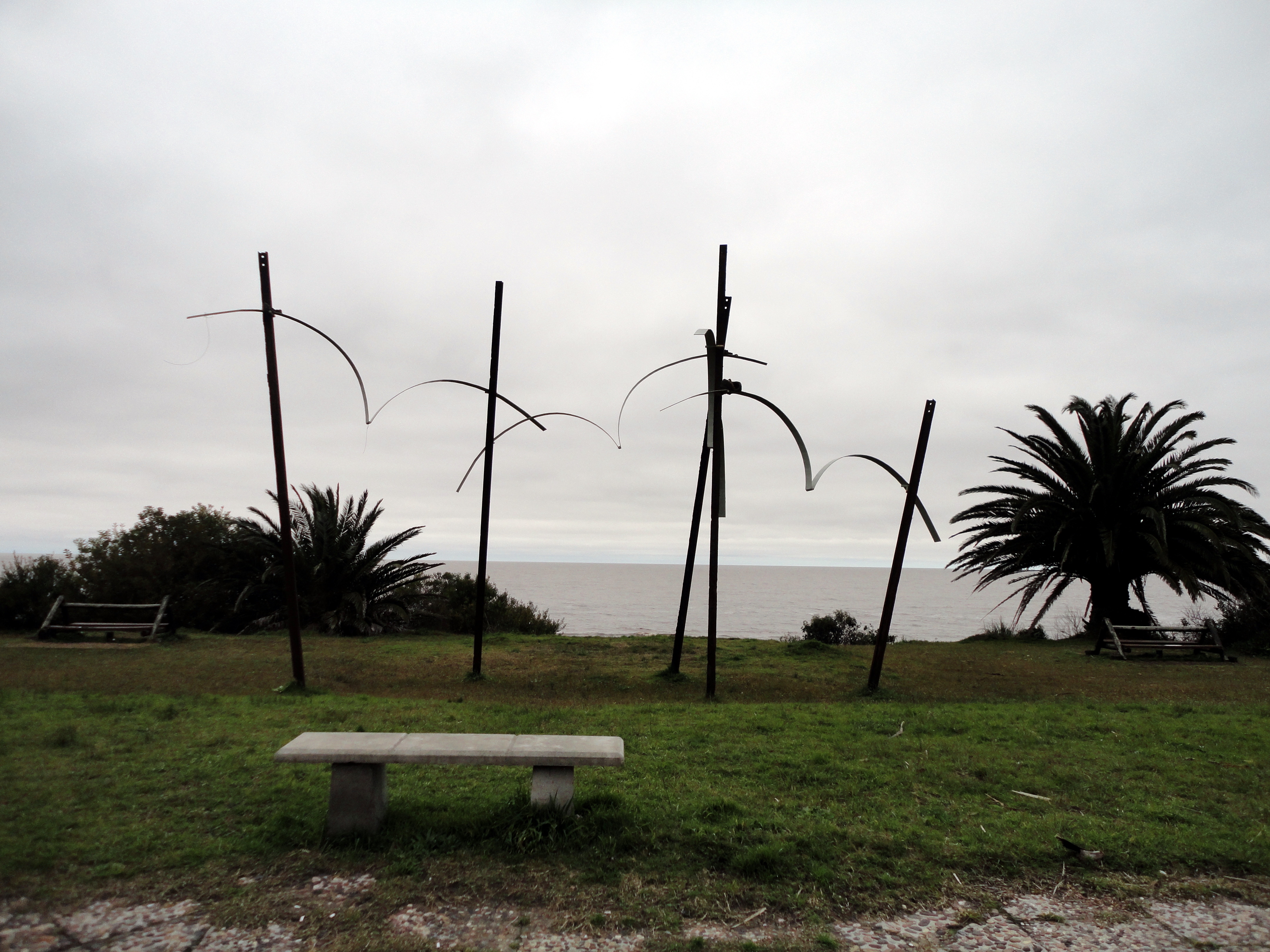
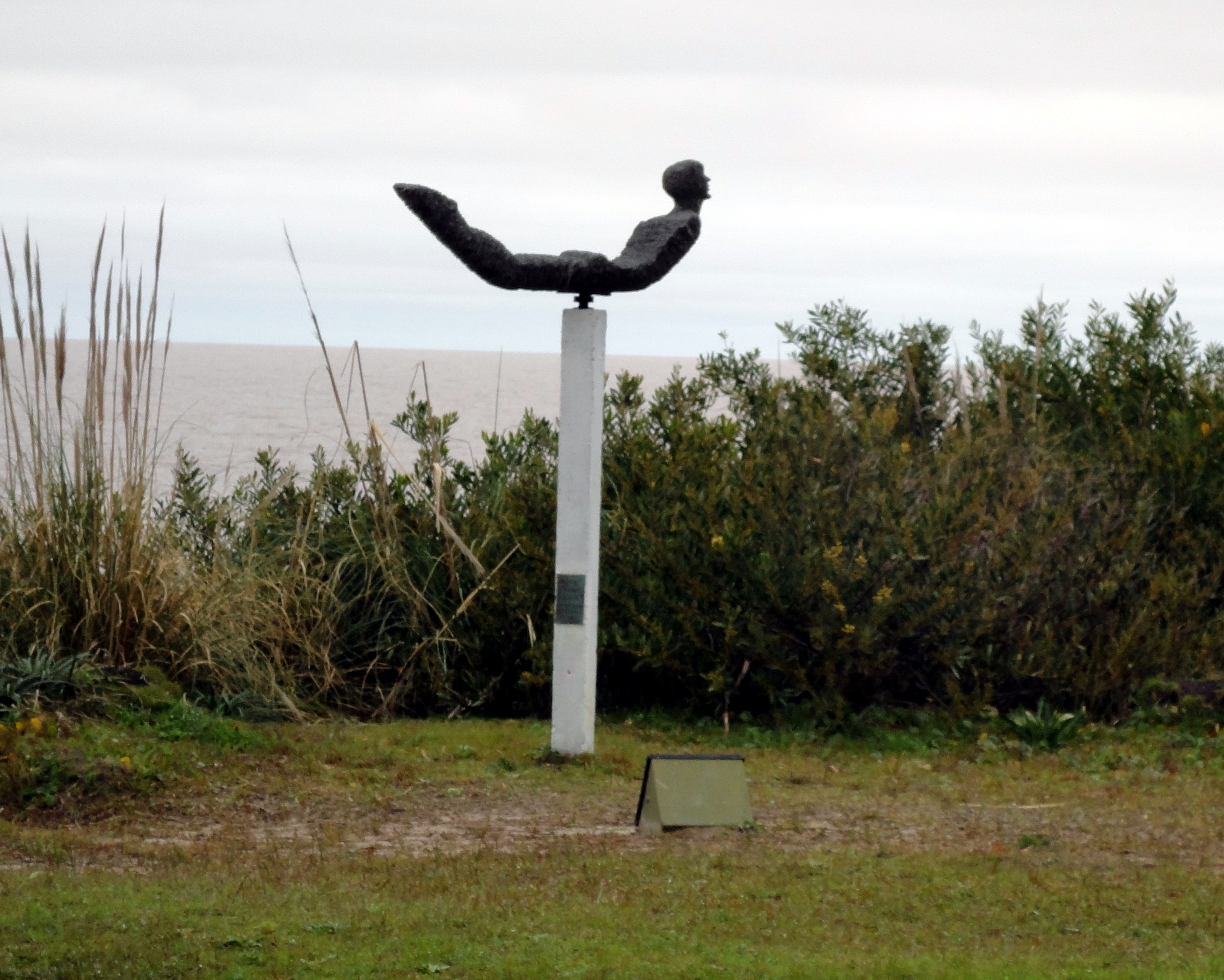
dsc02205 dsc02202 Wow , I found some which I might able to title :  „Flying out to Sea“  – or similar ???

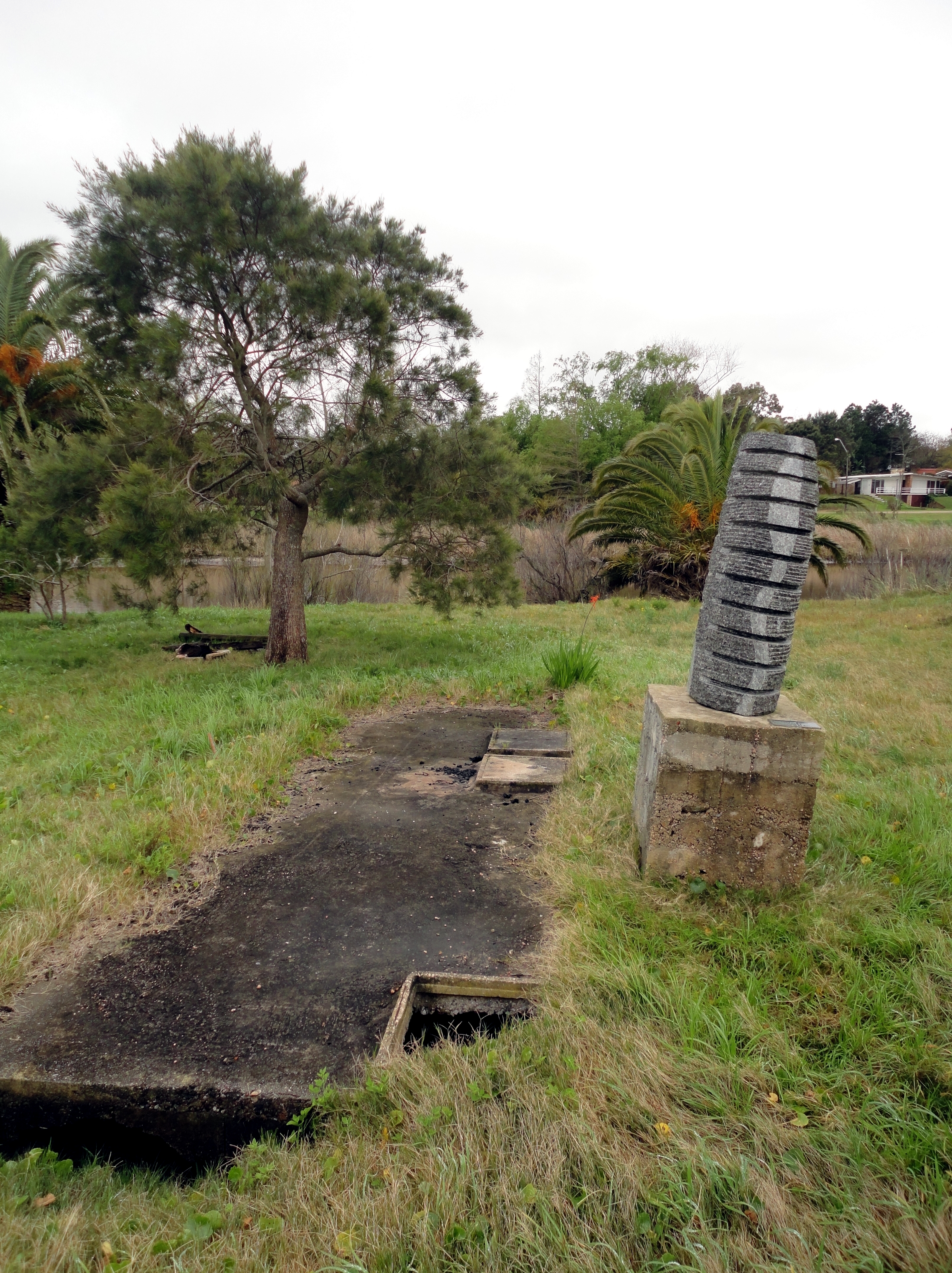
dsc02195   This one stands out  !!!             An Uruguayan art object in somewhere. If you want to visit it you might break your legs in the holes or you fall down somewhere underground. The big hole in front is more then a meter wide, easily. But sorry to say, I get the feeling Uruguayans like their environment unkempt, scruffy, moldy, rotting and perhaps unhealthy and dangerous.

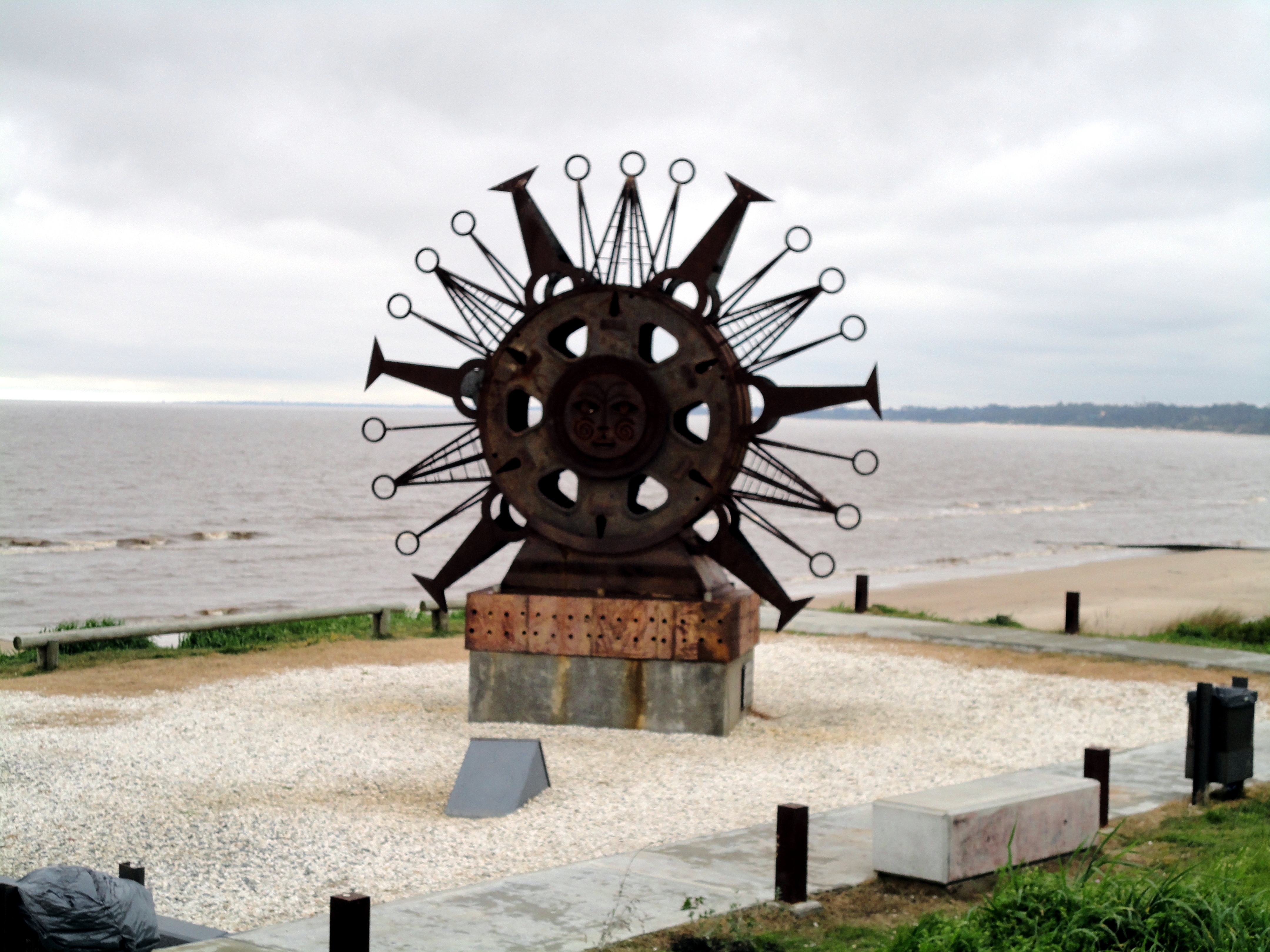
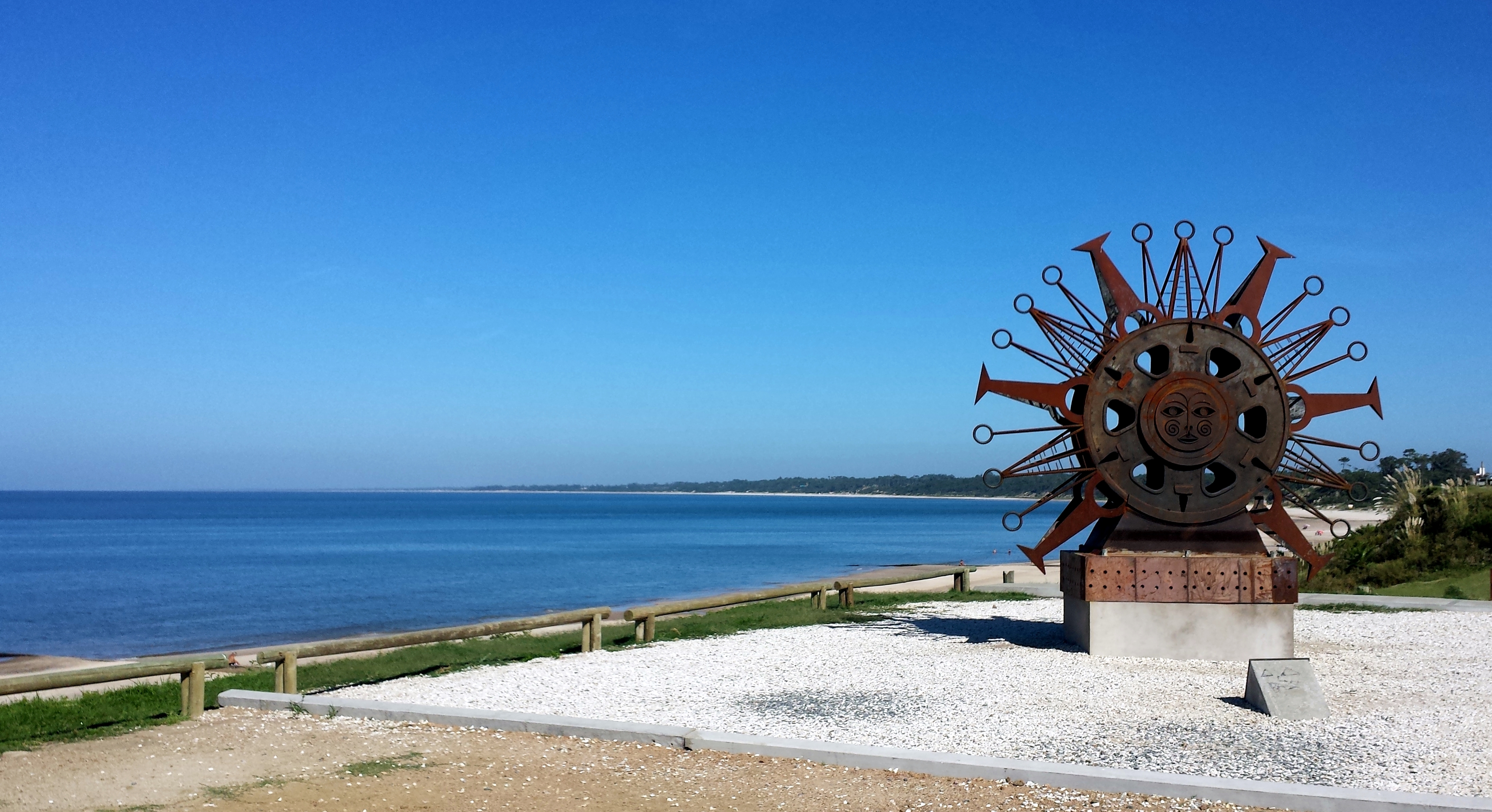
dsc02183  20150312_100409 This is „the Sun of Atlantida“.  May be it looks better in the sun or with the sun !!??

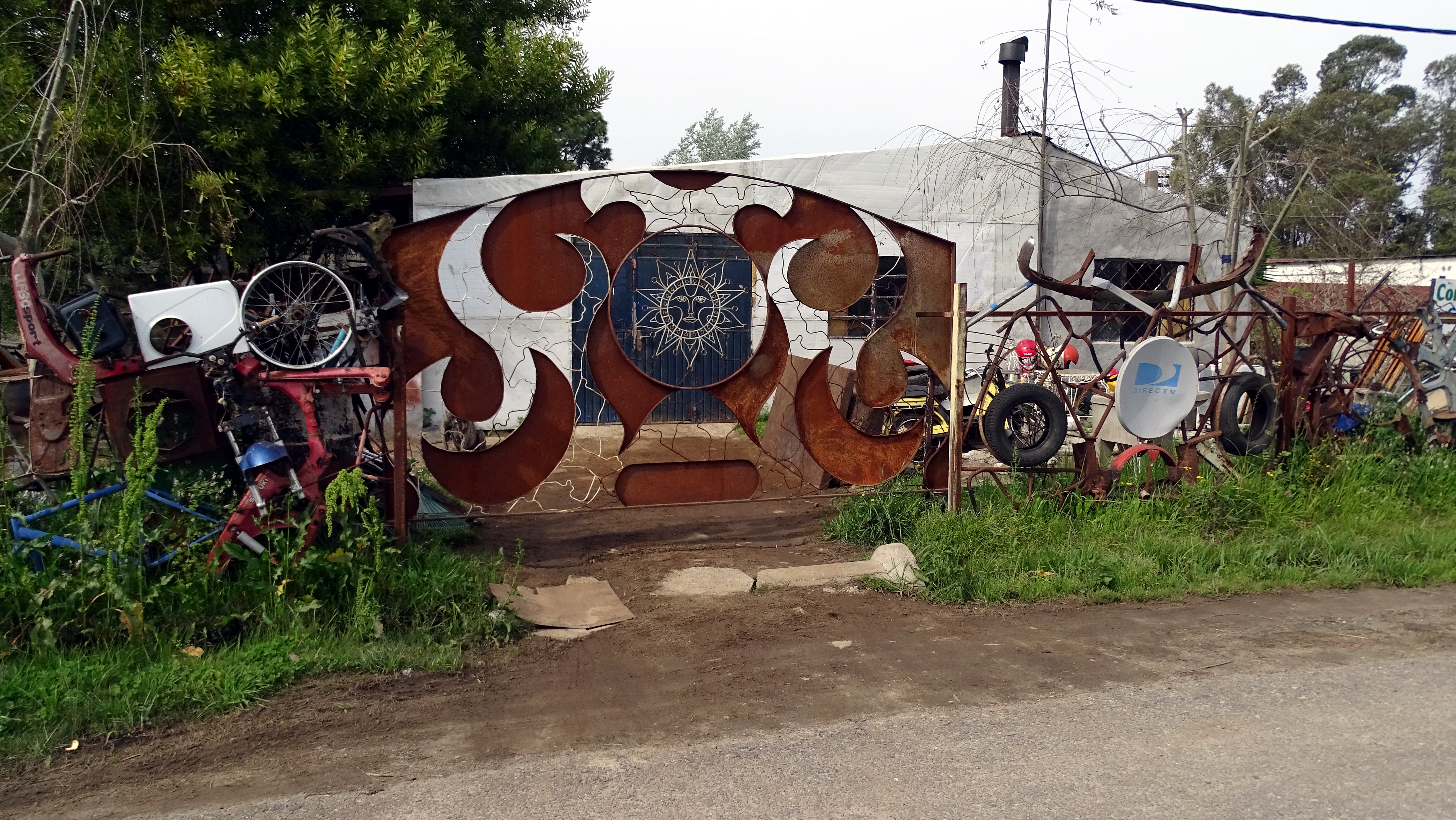
dsc00277 dsc00278  And finally – some kind of a „fence art“ or just a scrap metal dealer – who knows ?

Every country has it’s Pro’s and Con’s, We live here and we like it, we like  the many Pro’s, but this, what I tried to show here, you will find all over the whole country – rotten sh.. everywhere. This is a massive Con (at least to me) – but no one cares !!  And I don’t care what excuses they might have !!


Veröffentlicht unter Atlantida, Uruguay | Verschlagwortet mit | 4 Kommentare

Teddy Bear Day

teddy-bear-day-2

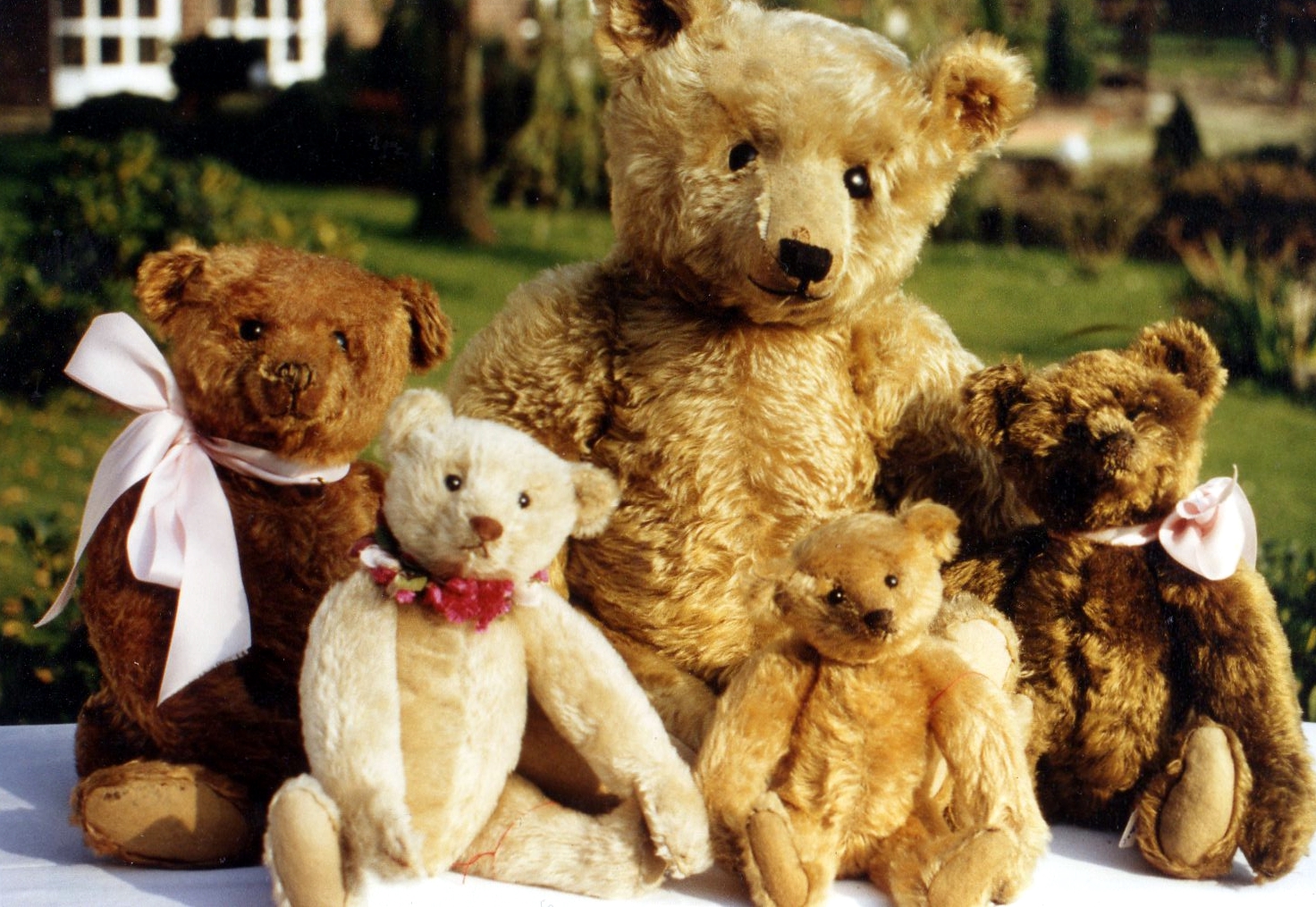
Today, 9th of September 2016,  is International Teddy Bear Day.

The Teddy Bear is one of the most popular toys for children, and holds a special place in many adults hearts, too. This lovable stuffed animal has a day all of its own, Teddy Bear Day. Get Teddy out of the cupboard and make him the center of attention today.

collect-1b

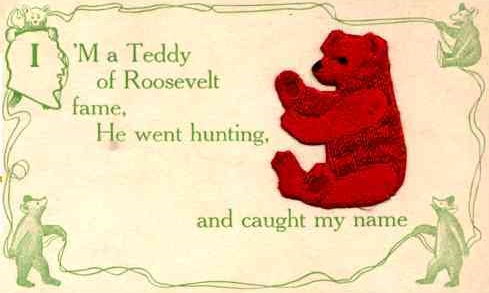
It’s an ideal time to get together with others for a Teddy Bear’s favorite activity, having a picnic, as immortalized in the classic song, Teddy Bear’s Picnic. This was written in 1907, shortly after Teddy Bears were first manufactured in Europe and America. The toy bears were named Teddy, in honor of President Theodore (nickname Teddy) Roosevelt !

my-bearbook-22a

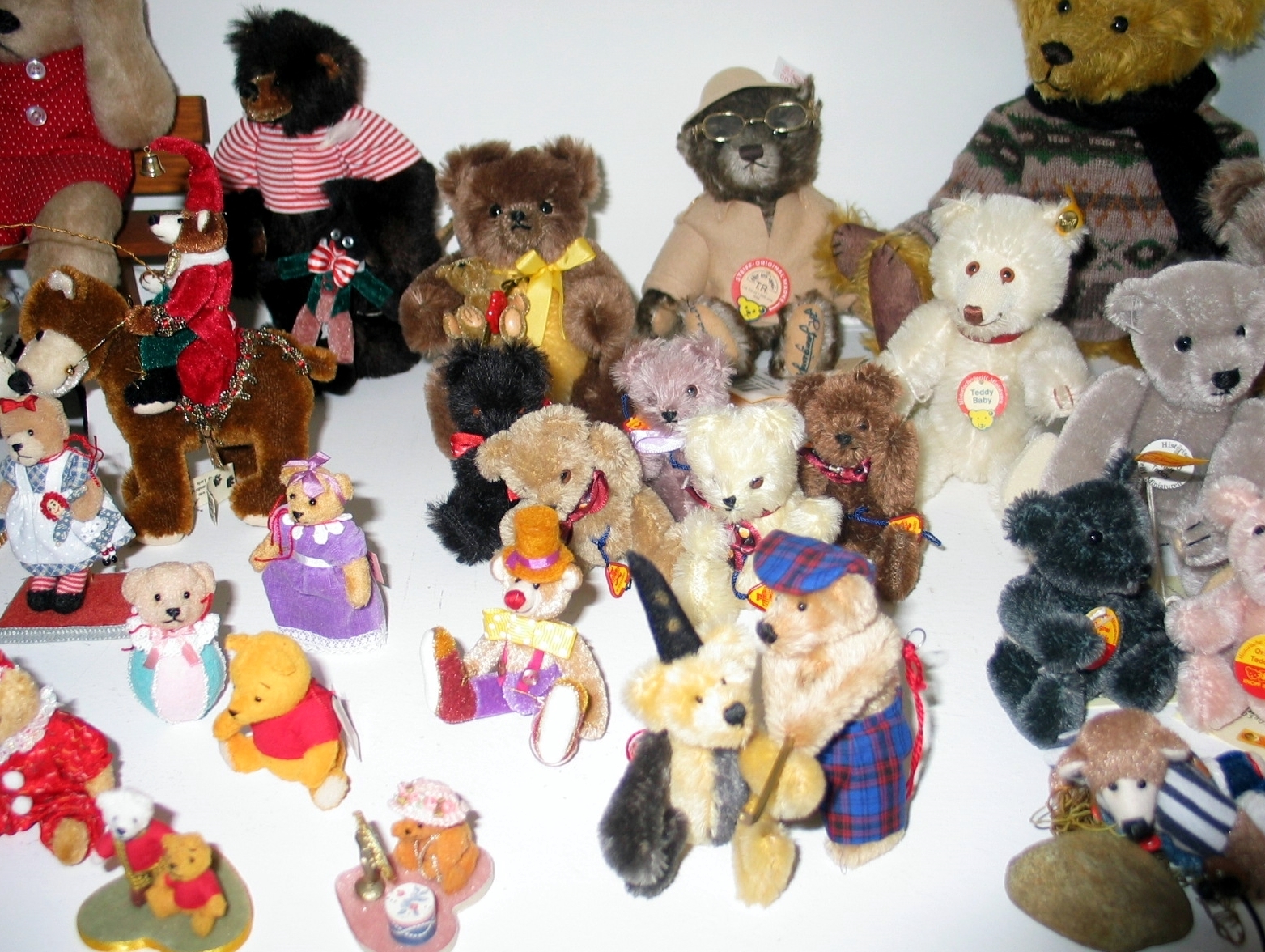
The market for collectible bears is currently booming worldwide, and especially “mini bears” are widely collected, used as individual and personal gifts, as love tokens and as unique gifts for special occasions like Valentines, Birthdays, Anniversaries, Christmas and many more. And the best is – artist bears are rare, collectible but still affordable.

collect-7b

Teddy Bears are not just children’s toys nor just highly valuable collectable items. They are much loved, very important characters which have inhabited the childhood of most children in the world and are now firmly entrenched in our folklore.

collect-2

Teddy Bears are as simple as human emotions. Teddy Bear books with all their fantasies, tales and stories reflect this emotional significance. Read a Teddy Bear book or take a Teddy Bear into your arms, you will start smiling, it creates automatically a positive and relaxing mind, it makes you happy.

dsc00113

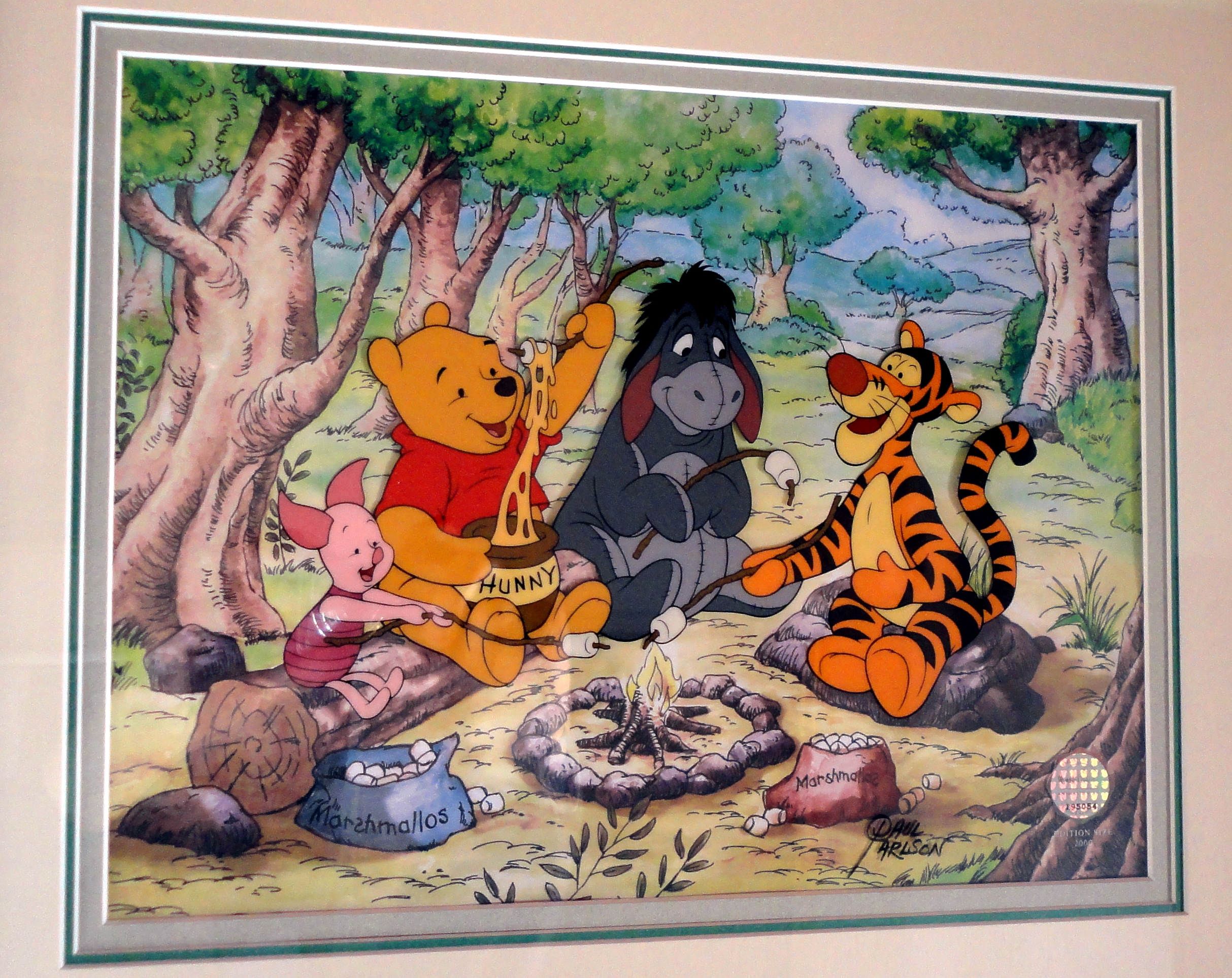
Since “Teddy’s” introduction in 1903 and “Teddy’s books” in 1905, the world has embraced this cuddly, furry, lovable, durable and dependable friend and confidant. Today and in future, they are still and will be a predominant choice of friendly toys all over the world. Celebrate Teddy Bear Day today and every 9th of September in the future.

Veröffentlicht unter Collecting, History, Hobbies, Information | Hinterlasse einen Kommentar

Onion

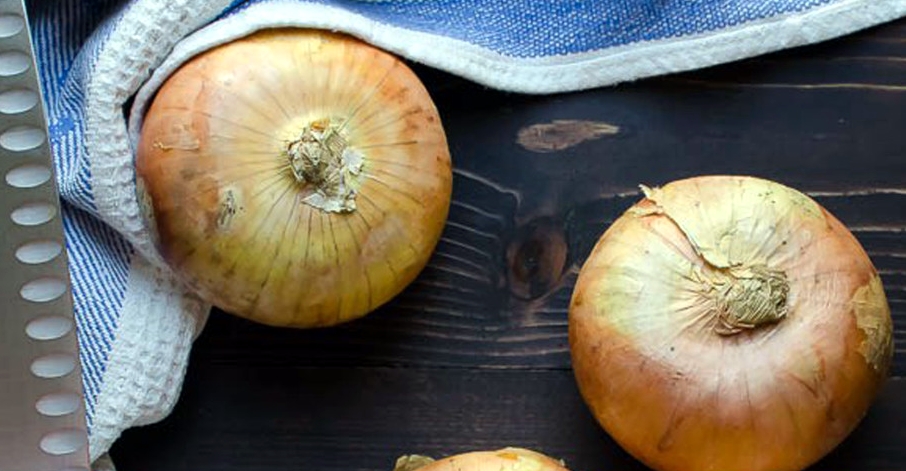
onion vidalia 1

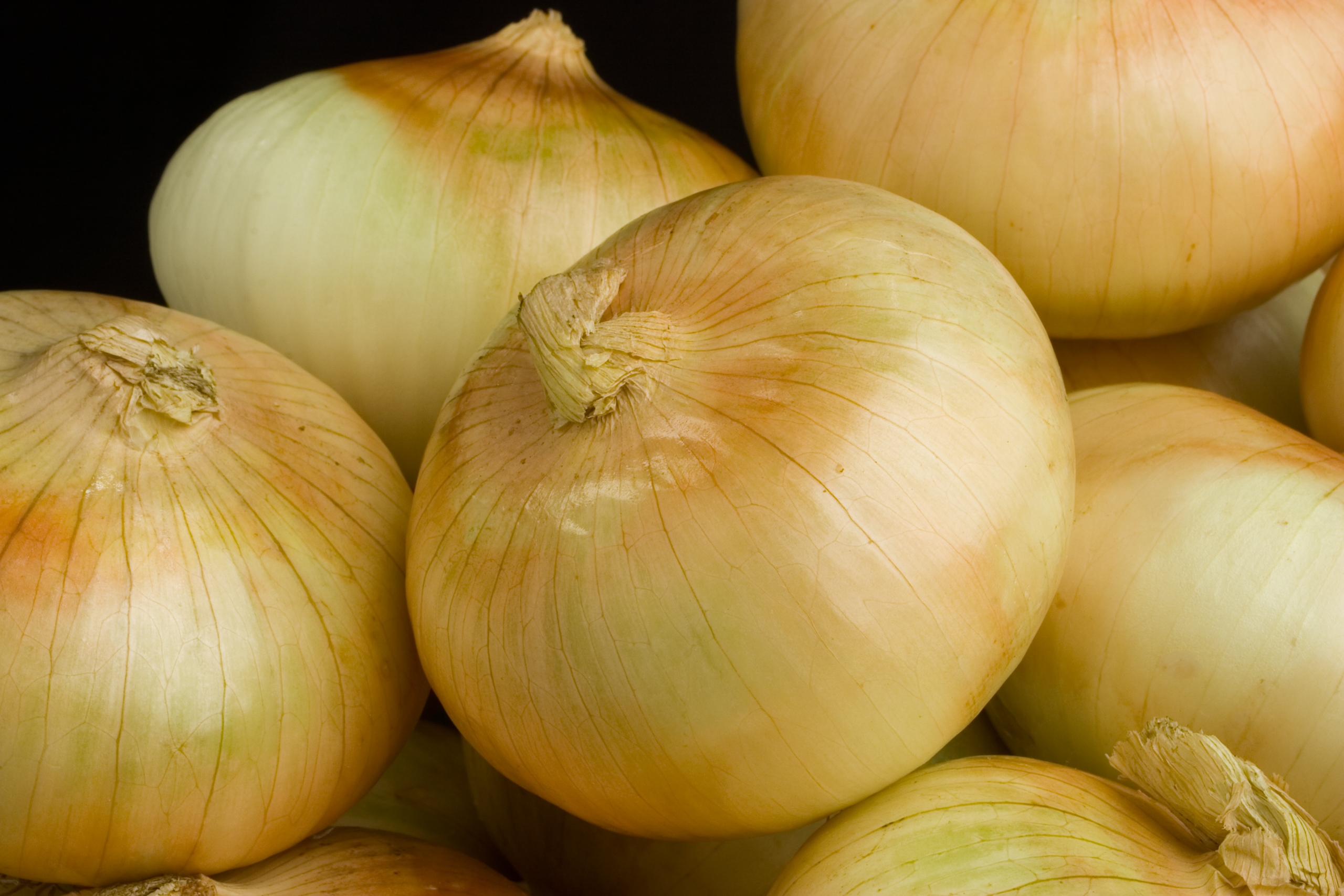
If you ask me, “What is the best vegetable of the season?”. My answer would be and I say this with ease, Vidalia Onions.    It is unbelievable what one can do with this vegetable.

The onions are named Vidalia because of where they are grown, Vidalia, Georgia (growing there started in the early 1930s). The different varieties are unusually sweet, due to the low amount of sulfur in the soil in which the onions are grown.

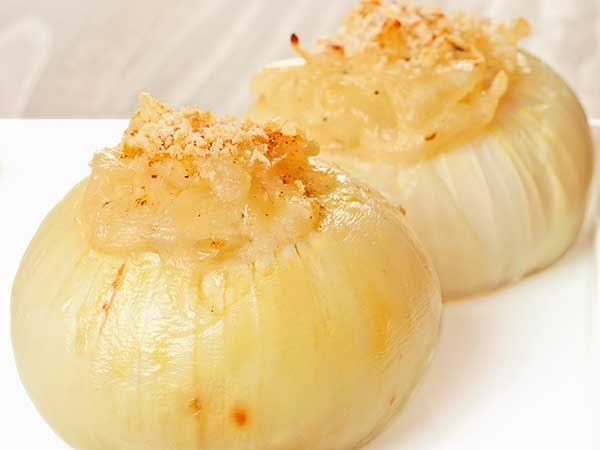
onion vidalia 5 One of the 1000 possibilities for a sweet onion.

Meantime you will find this kind of onion almost everywhere, but not called Vidalia of course , just yellow onion. That’s the one we need and we talk about here. Actually the following recipe „onion soup“ is a summer dish. We are almost into summer and the northern hemisphere has still some warm days, why don’t you try it?


Chilled Onion Soup.

onion soup 5  To me, the best chilled soup one can have.

Ingredients.

4 medium or large Vidalia onions
4 tablespoons olive oil
4 sprigs fresh thyme
1 teaspoon kosher salt
2 cups low-sodium vegetable broth
Garnish: chopped chives (optional), even coriander would be nice

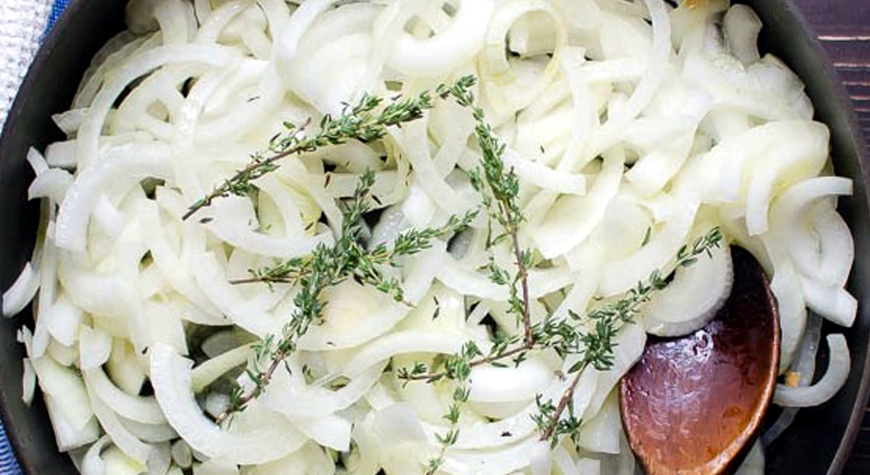
onion soup 1   Peel and slice the onions.

How to do.

Peel and slice the onions. In a large, heavy-bottomed skillet, heat the olive oil over medium-low heat. Add the onions and thyme, stir to coat with the olive oil and place a tight-fitting lid on the pan.Cook for 3-5 minutes, stirring occasionally, until the onions are soft and translucent. Do not brown the onions. Remove the thyme sprigs and discard.

onion soup 2   onion soup 4

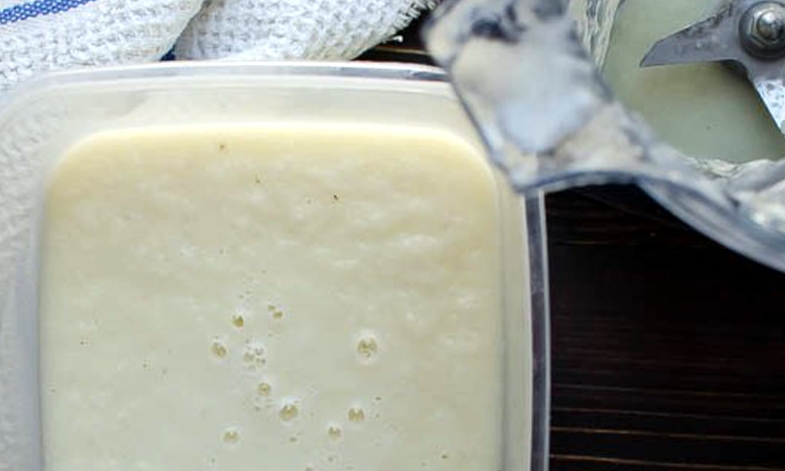
Transfer the soft onions to a food processor or blender. Add the kosher salt and vegetable broth and puree until smooth. Transfer to a storage container and refrigerate at least 3 hours or overnight.

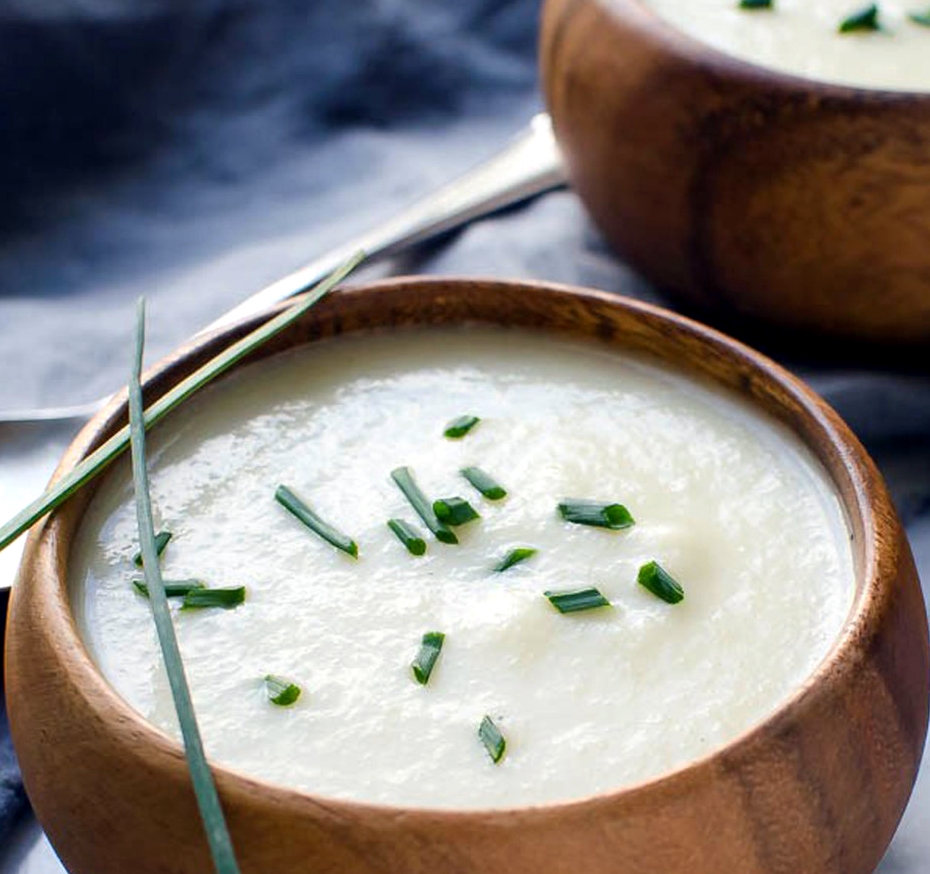
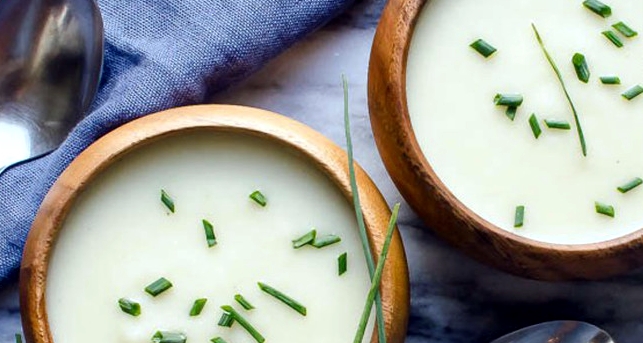
onion soup 6  Garnish your soup with some chives.

If soup separates overnight, stir it until it’s smooth again, then ladle into bowls and garnish with chopped chives. This dish is so easy to make and soooooooo good !


Onion Rings with Beer Mustard.

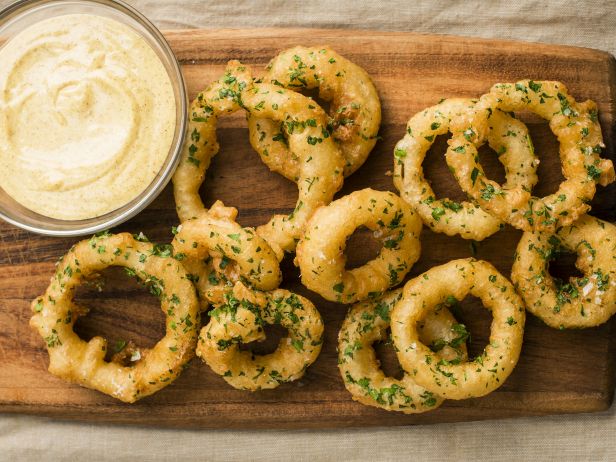
onion rings 1  Delicious snack, onion rings with beer mustard.

I coat my onion rings in a tempura-style batter and fry them until they’re golden and crunchy. Sprinkled with herbs or fresh chilli makes it a feast.

Ingredients.

For the onion rings:
2 large Vidalia onions
2 cups buttermilk
3 cups all-purpose flour
1 cup rice flour
2 cups seltzer (sparkling water, soda water)
1 12 ounce (about 360 ml) bottle beer
1 teaspoon honey
Kosher salt
Vegetable oil, for deep-frying
Chopped parsley and flaky salt, for topping

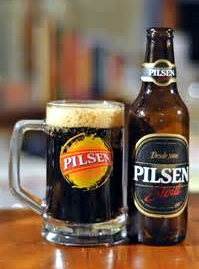
beer 32 That’s what I use, a heavy tasty dark beer.

For the beer mustard:
1 cup aioli or good quality mayonnaise
1/2 cup Dijon mustard (or any good spicy mustard)
2 tablespoons agave syrup or maple syrup or similar
1 teaspoon ground cinnamon
1/2 teaspoon beer-extract powder (available at home-brew suppliers and some spice shops), in case you can’t find the extract just leave it.
Pinch of cayenne pepper

How to do.

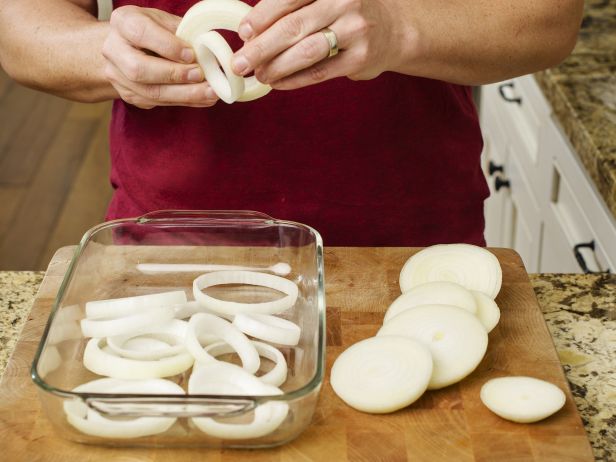
Cut each onion crosswise into 1/4-inch-thick slices.
Separate the slices into individual rings; remove the 4 small center rings from each slice and reserve them for another use.

onion rings 2

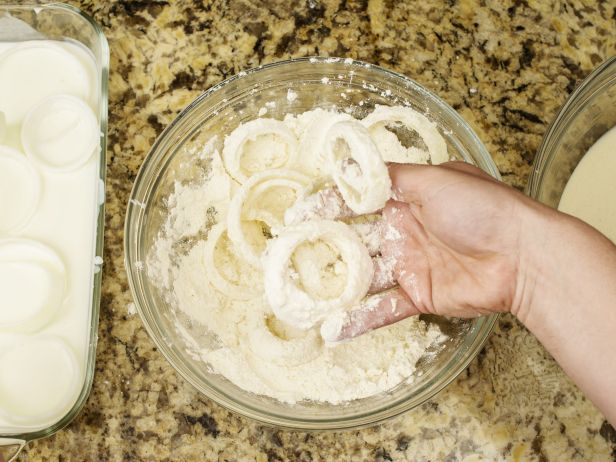
Put the separated onion rings into a large baking dish or shallow bowl and cover them with the buttermilk.
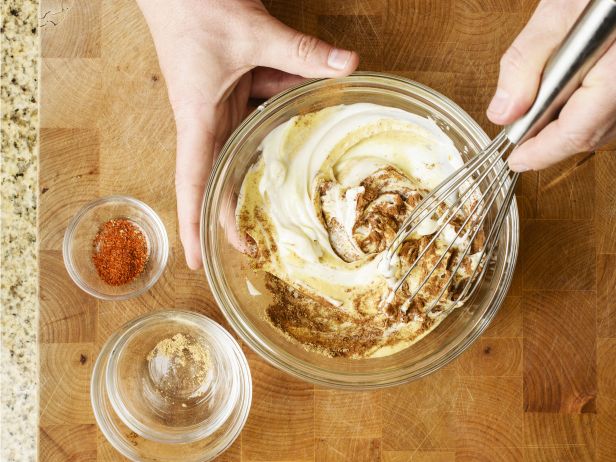
In a small bowl, whisk the aioli, Dijon mustard, agave syrup, cinnamon, beer-extract powder and cayenne until combined. Set aside.
In a large bowl, whisk 1 cup all-purpose flour, the rice flour, seltzer, beer and honey until smooth.

onion rings 3

Put the remaining 2 cups all-purpose flour in a separate large bowl or shallow pan and season it generously with kosher salt.

onion rings 4

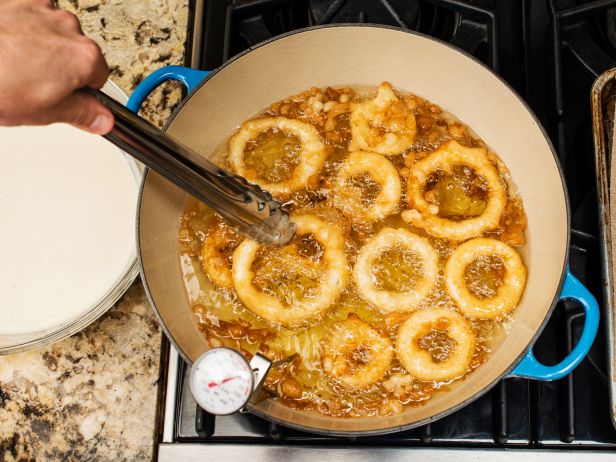
Fill a large heavy pot with at least 3 inches of vegetable oil.
Attach a deep-fry thermometer to the side of the pot and heat the oil over medium-high heat to 180 degree C  (350 degrees F).
Working in batches, lift the onion rings from the buttermilk and shake off the excess.

onion rings 5

Transfer them to the flour mixture and toss until coated, then dip one by one into the beer batter, shaking off the excess, and add to the hot oil. Fry, turning the onions often with tongs, until golden brown, 3 to 4 minutes; adjust the heat as necessary to maintain the oil temperature. Never fill the rings to tight, they need room to „swim“.

onion rings 6

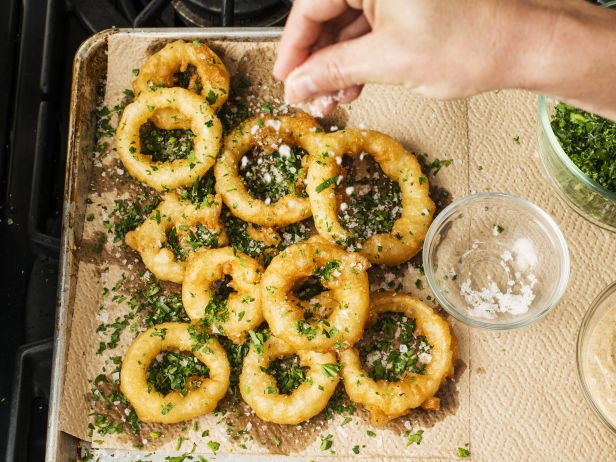
Drain the onion rings on paper towels and sprinkle with parsley and flaky salt while still warm. Serve with the beer mustard.

My hot Tip.

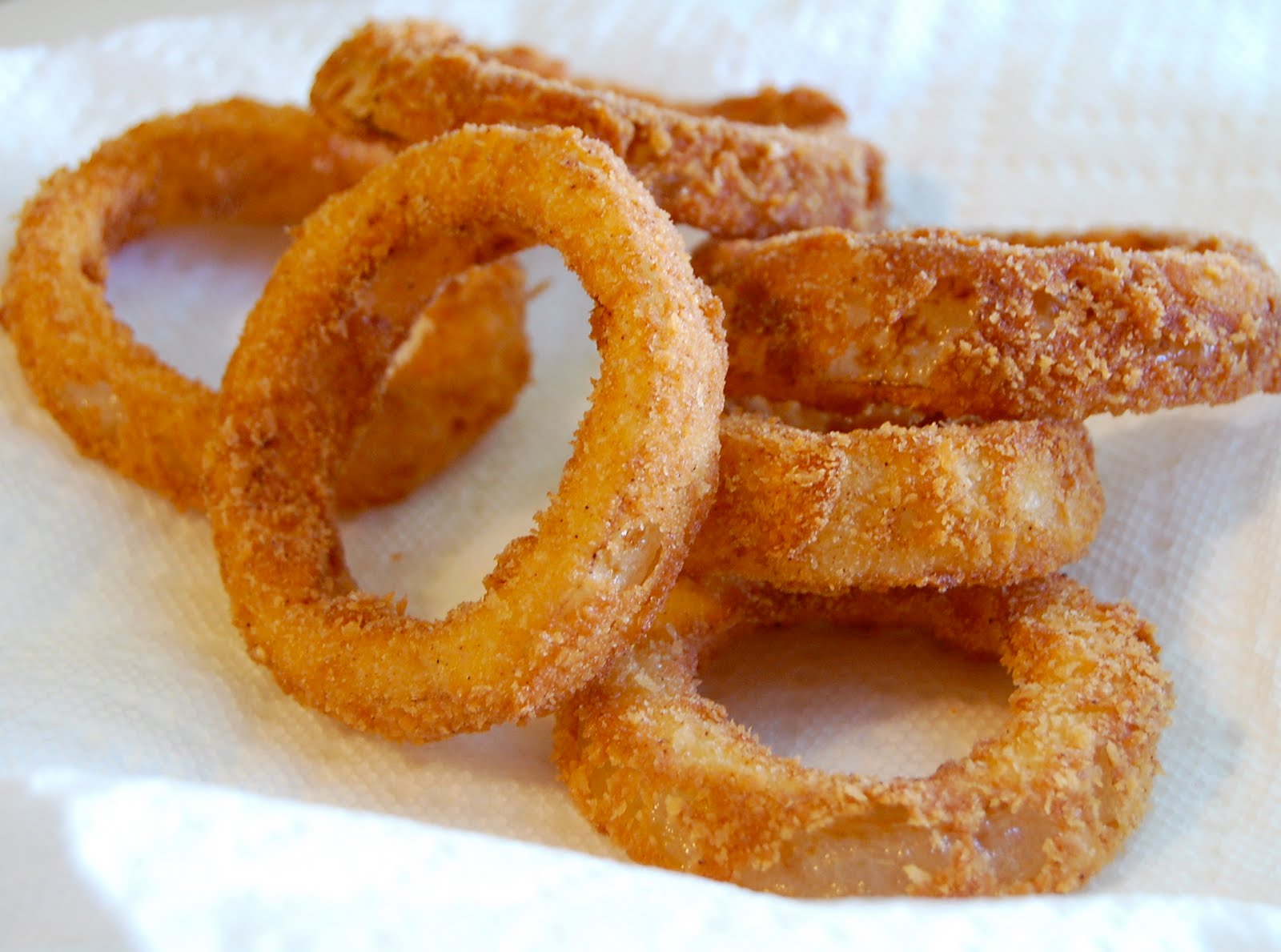
onion rings 7    Onion rings fried in Panko ! See my earlier post !


Stuffed Onions.

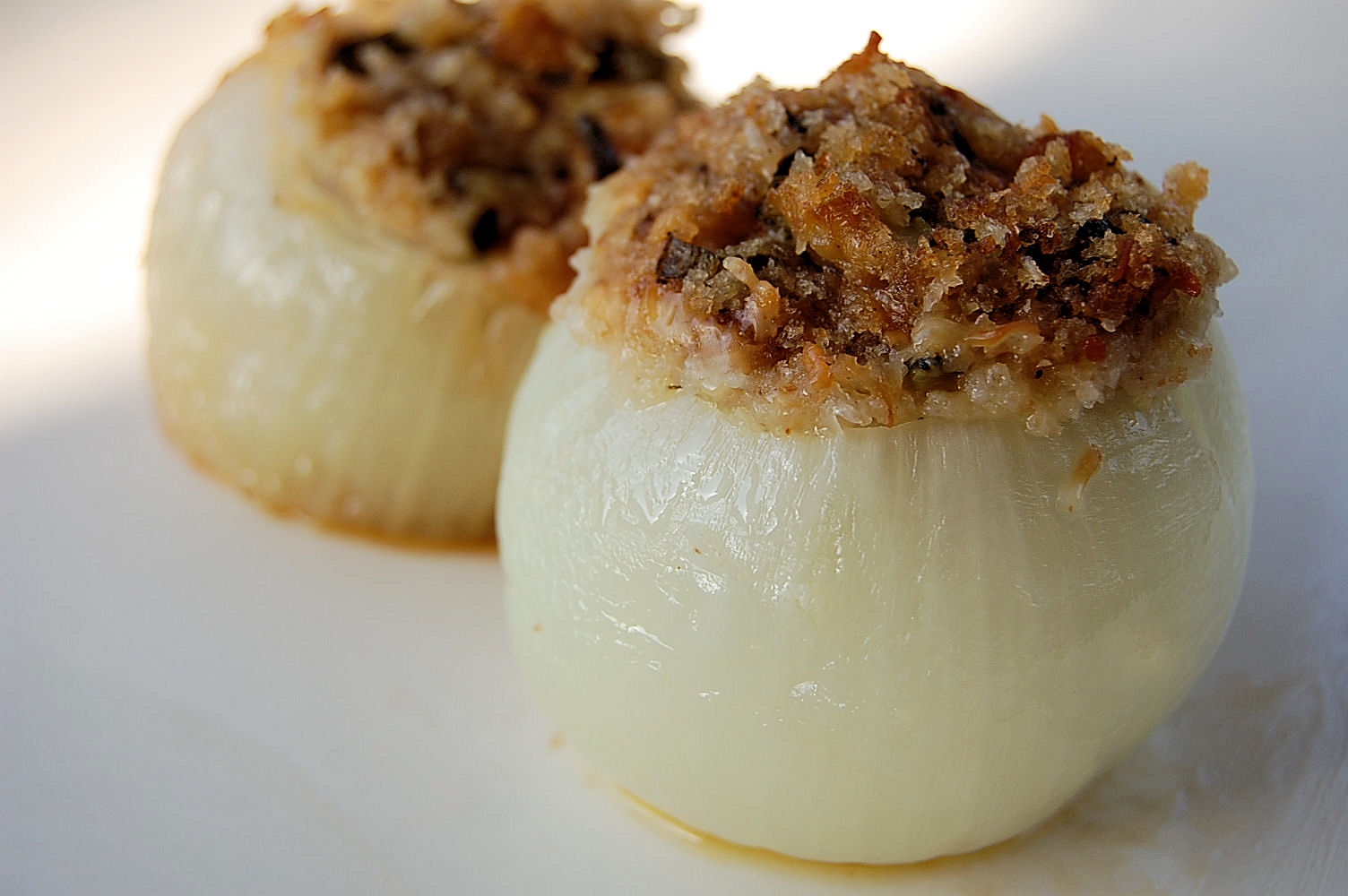
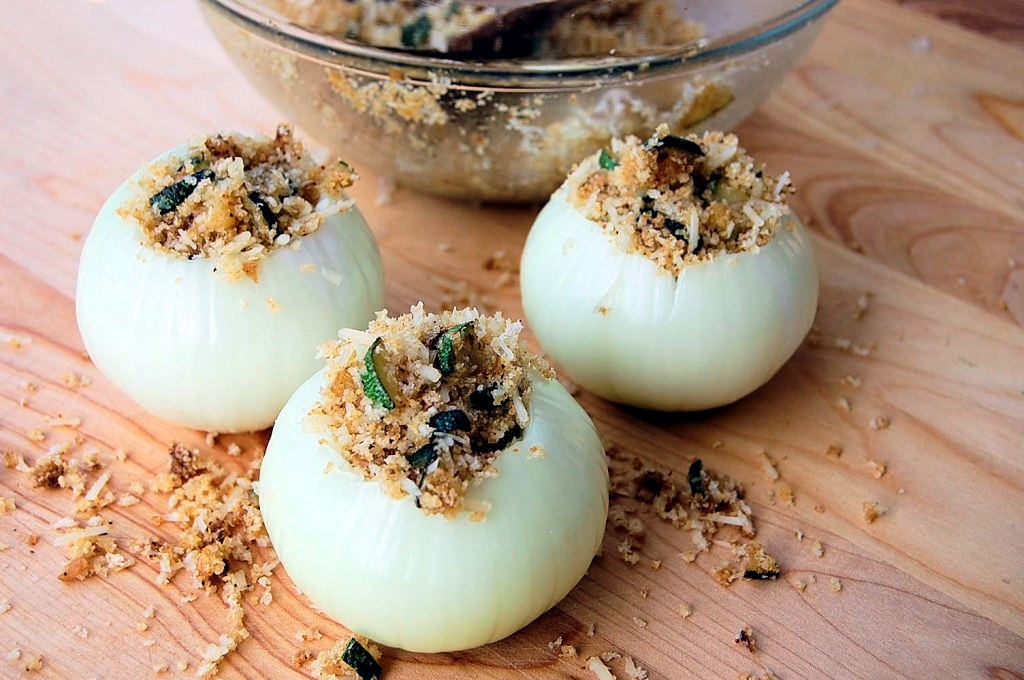
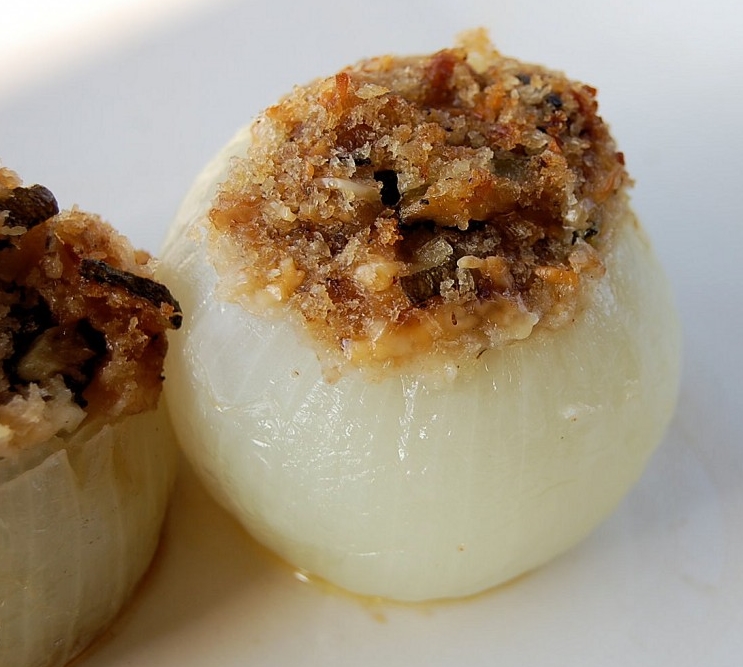
onion stuffed 1  A delicious meal.

Ingredients.

4 Vidalia Onions or similar sweet onions
1 medium zucchini, finely chopped
1 clove garlic, minced
2 TBSP butter
½ cup panko
1 tsp freshly chopped basil
½ tsp salt and pepper each
¼ tsp paprika
¼ tsp thyme
½ cup Parmesan cheese, grated

onion stuffed 3

How to do.

Cut a half inch thick slice off the top and bottom of your onion so that the onion will sit up straight.
Use a knife and carefully carve out a small circle in the top of the onion.
Then with a spoon scoop out the center carefully, leaving the onion layers intact.
Place each onion on its separate sheet of foil. Set aside.

onion stuffed 5

Saute the zucchini and garlic in the butter for 5 to 7 minutes.
Turn off heat and add in the panko, cheese, and remaining seasonings.
Mix well and then spoon the filling into the center of each onion.

onion stuffed 4

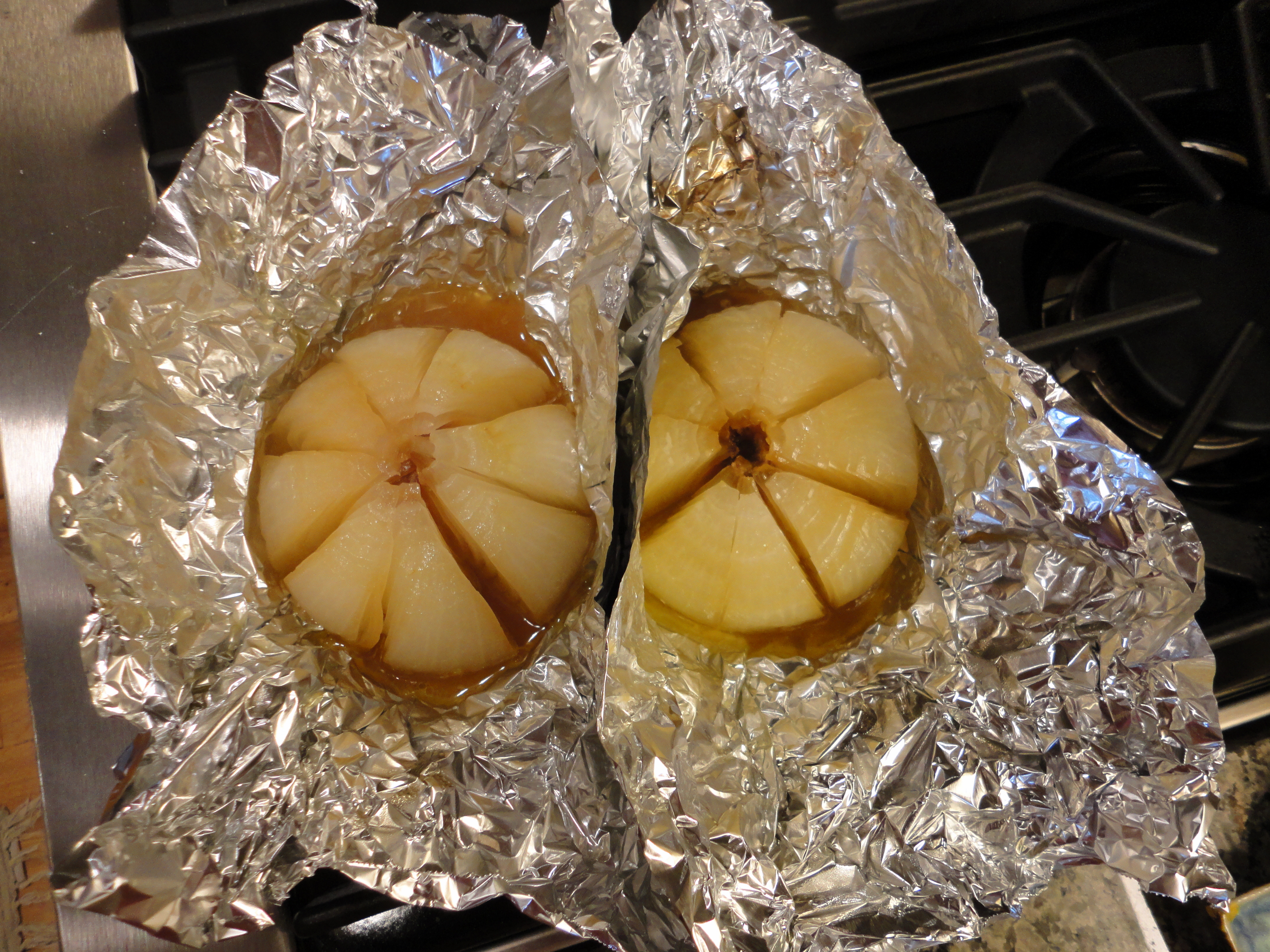
Wrap the onion up in the foil, making sure to pat down the top to seal the stuffing inside and place on either a baking sheet and bake for 20-30 minutes at 220C (450F) or place the individually wrapped onions on the grill over high heat and grill for 10-15 minutes. Enjoy !


How about these mouthwatering onion dishes ?

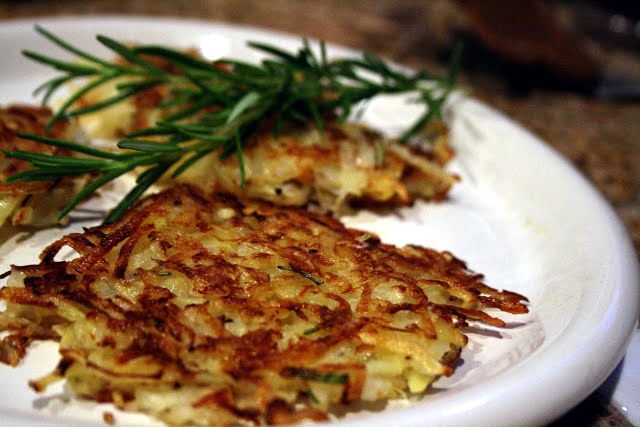
onion roesti 4    onion roesti 2

Stay tuned to some more onion recipes, if you like, by example onion „roesti“, see above.


Veröffentlicht unter Recipes | Verschlagwortet mit | 2 Kommentare

Panko

panko 11

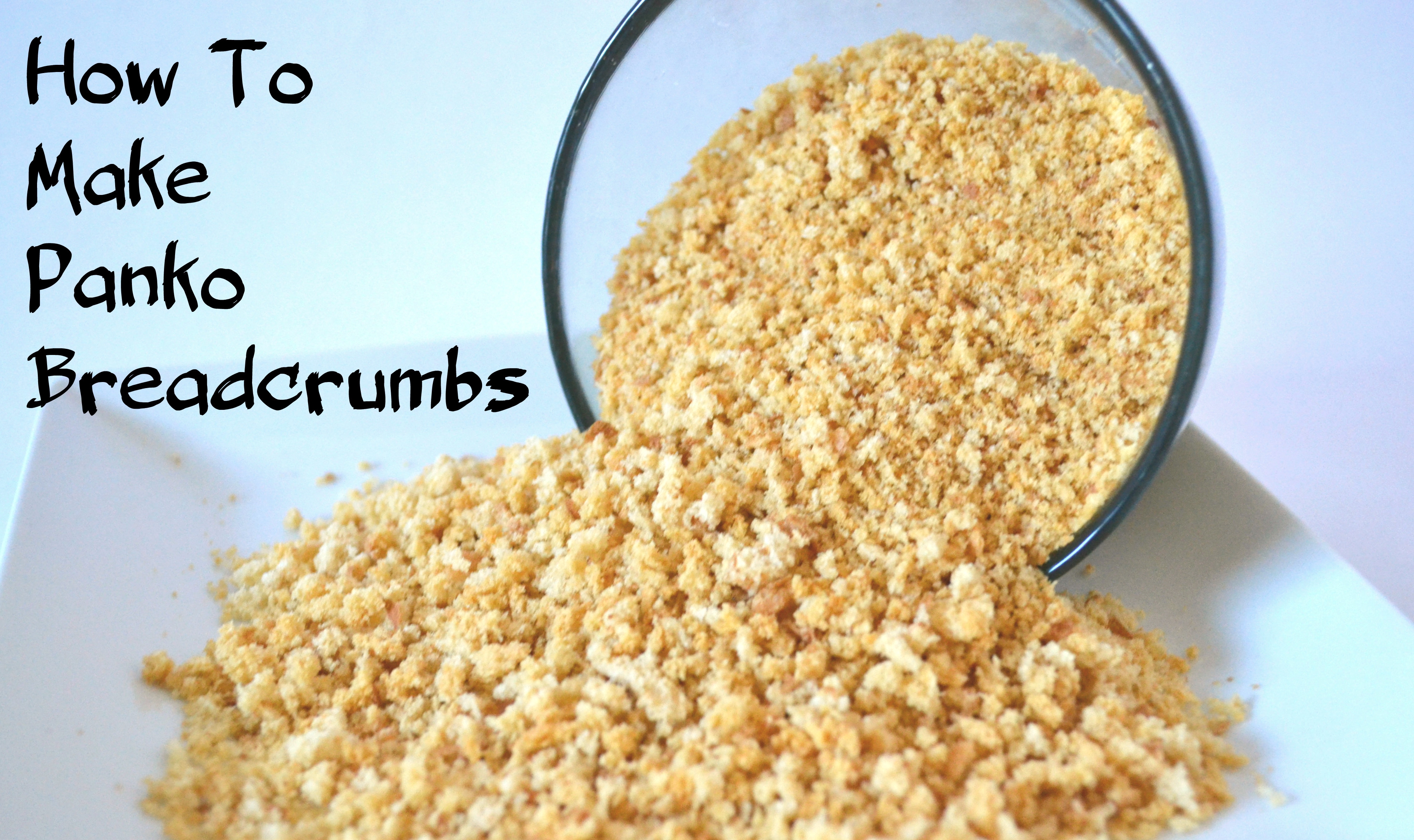
Often I like to confront you with recipes where we need to use panko. But, what is it and where to get it. That’s why I start this post with „panko making“ and a few recipe ideas.

Panko Bread Crumbs.

Panko ( (pahn-koh, with emphasis on the first syllable) is the Japanese word for “bread crumbs”. They are the Japanese version of bread crumbs, and they tend to be lighter, crispier, and crunchier than Western bread crumbs. They are excellent for breadings, and make an excellent filler in things like crab cakes. Many Asian specialty stores carry panko, and it is also available in some conventional grocery stores, especially those in urban areas.

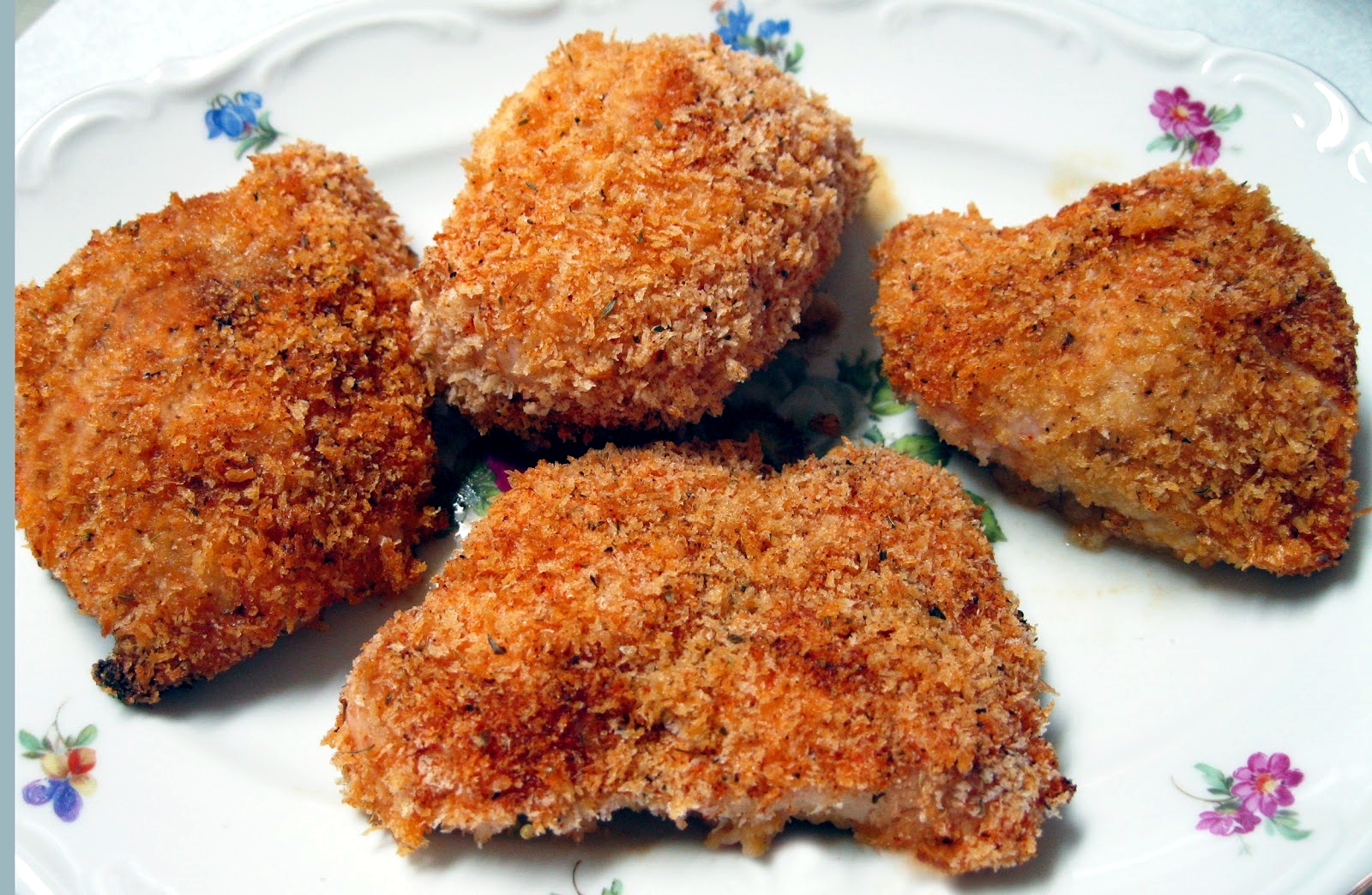
panko 1 chicken  Panko crusted chicken.

Several things set panko aside from regular bread crumbs. The first thing is the coarse grind, which creates bread crumbs which are more like flakes than crumbs. The flakes have a large surface area, which absorbs seasoning well. They tend to stay crispy longer than regular bread crumbs, and they also absorb less grease.

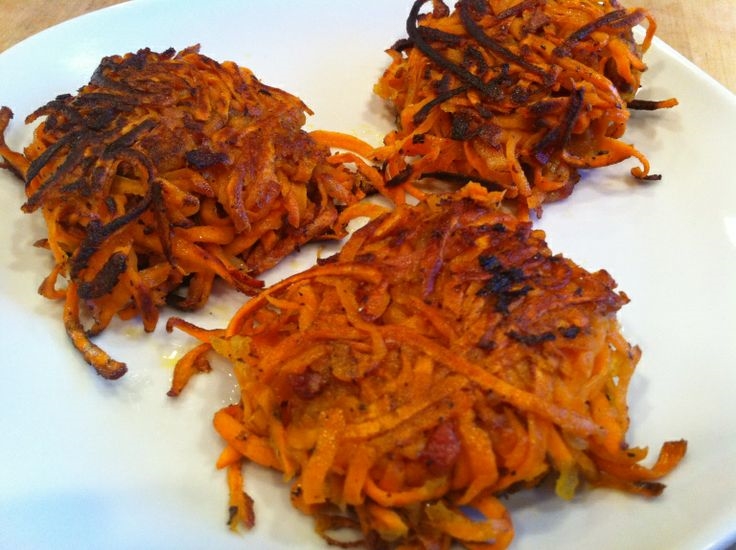
panko 2 sweet potato  Panko crusted sweet potato.

There are two forms: white panko is made from crustless bread, while tan panko is made with the entire loaf. Both types are usually sold plain, and they can in fact be rather bland. However, the crumbs absorb flavor readily, making them an extremely versatile ingredient. Some companies also make seasoned versions with popular Asian spices, or with honey or chilli flakes.

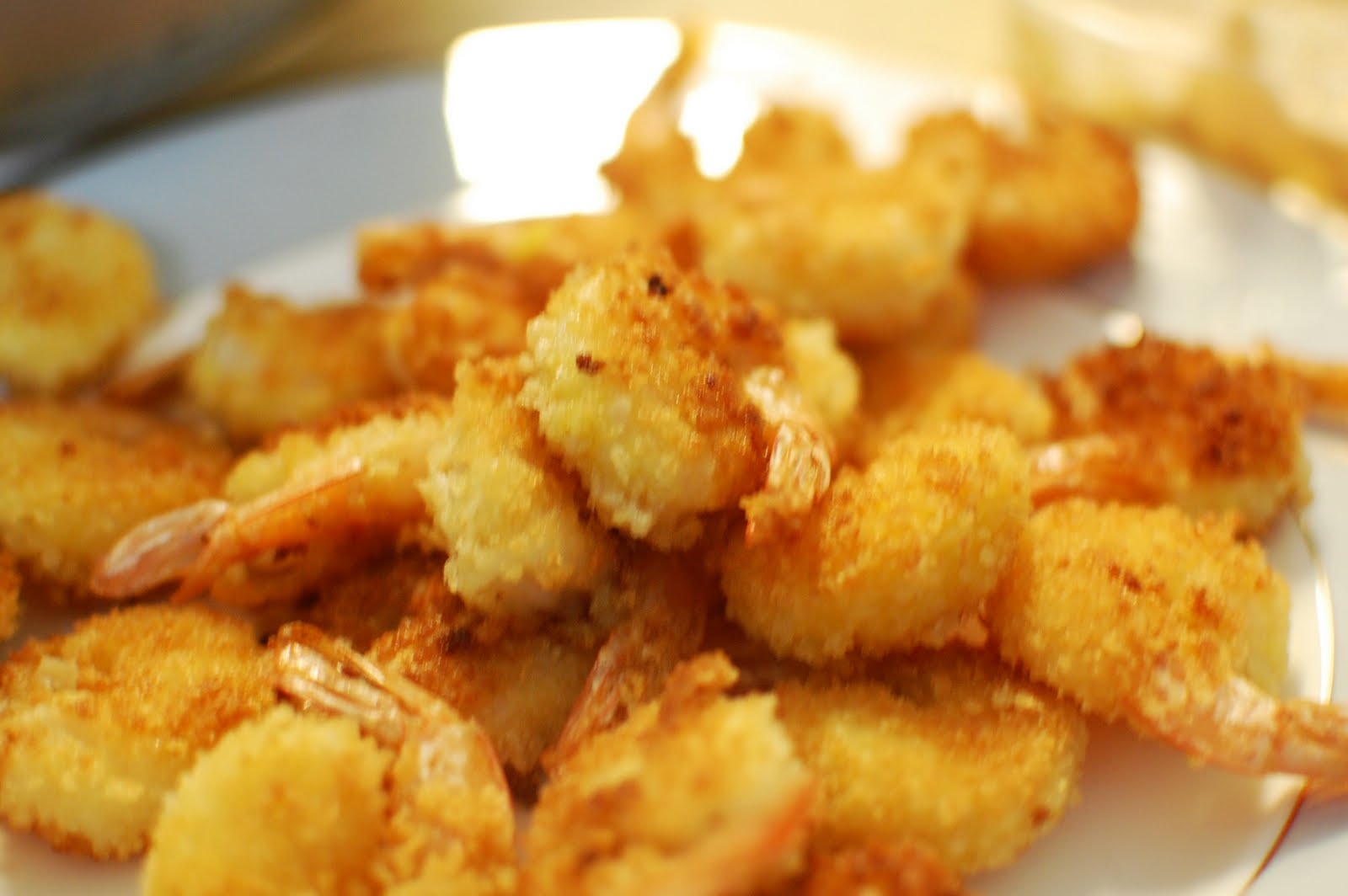
panko 3 shrimps  Panko crusted shrimps.

But – it is so easy and cheap to make your own panko.

Ingredients.

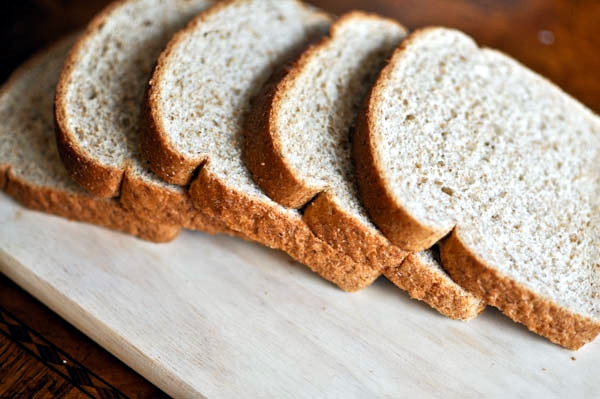
One needs just a loaf of white bread.

panko 4a

How to do.

Remove the crust from the entire loaf and discard. Or … see tips.
Preheat the oven to 150°C.
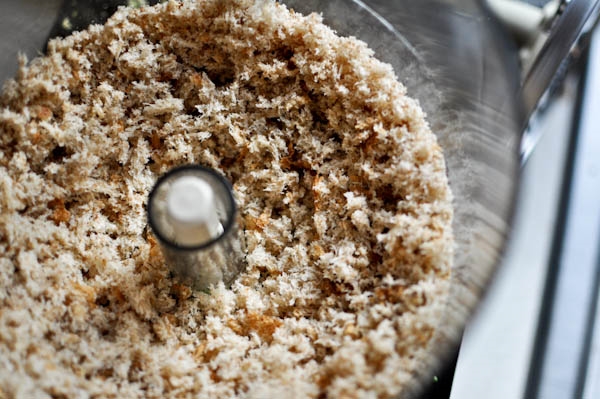
Cut the loaf into chunks and blitz in the food processor.

panko 4b

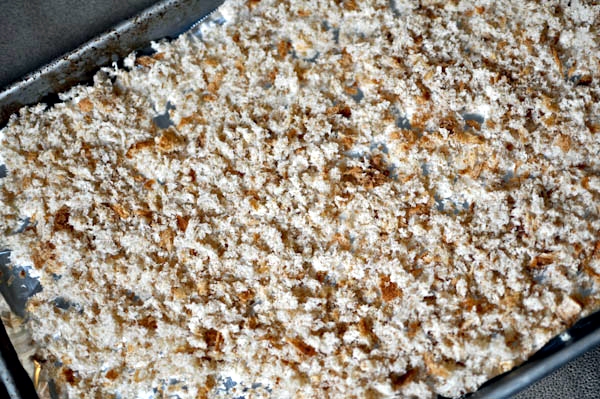
Spread the crumbs over a baking sheet (I divided the crumbs into 2 batches) and dry in the oven for 6 to 8 minutes. Be careful not to brown or toast the crumbs. You just want them dehydrated.

panko 4c

Cool completely and store in an airtight container or Ziploc bag. That’s it.

Tips.

We don’t like to through away, especially no bread. That’s why we can use the removed bread crust for a lovely snack. Just brush it with olive oil, crushed garlic, parsley and salt and toast in the oven till just crispy. Or sprinkle with some chilli flakes or rosemary or any other herbs you like, its cheaper then the supermarket stuff and tastes much better. Another idea is to leave the cuts bare and use them in any kind of dip. Kids will like to make their own and dip into peanut butter, chocolate or jams. You will love it.

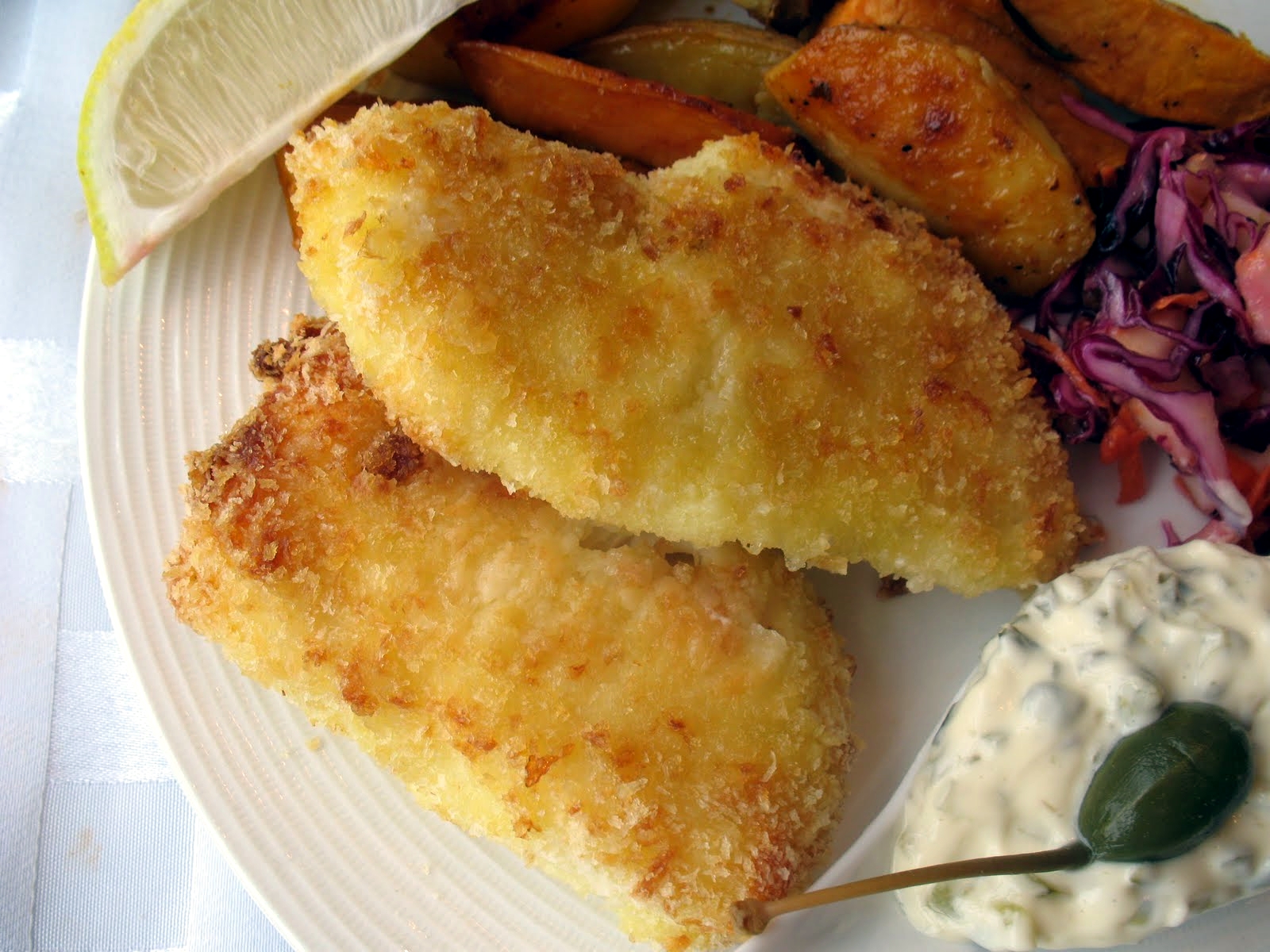
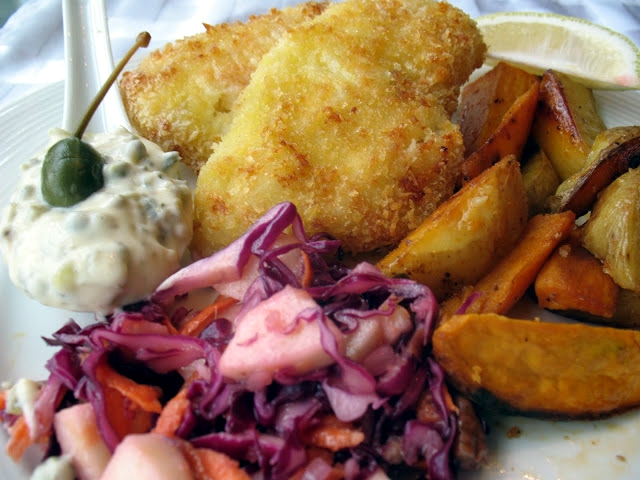
panko 7 fish chips tartarsauce  Fish and chips with tartar sauce.


Panko Crusted Fish and Chips with Tartar Sauce.

How about fish and chips that are healthy for you and not laden with all those unwanted calories? Just using my secret ingredient, panko breadcrumbs. So say goodbye to store bought processed frozen food, and begin enjoying your own scrumptious ‚fish and chips‘.

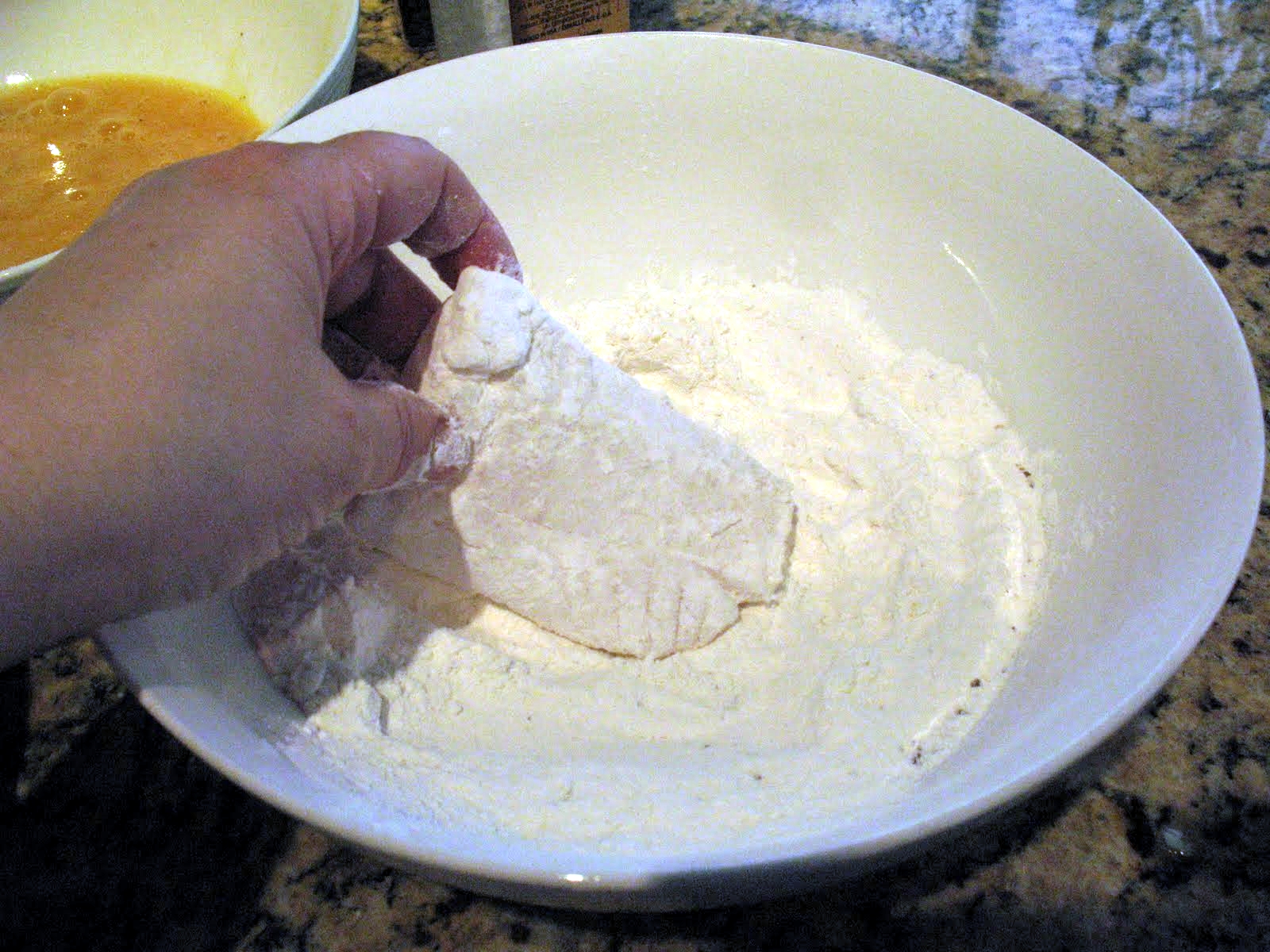
panko 7a  Dredging the fish pieces in flour.

Panko Crusted Fish.

1 pound fresh cod
1 cup flour
2 eggs ( add 1 egg if needed )
1 1/2 cups panko breadcrumbs (more if needed)
salt and pepper to season

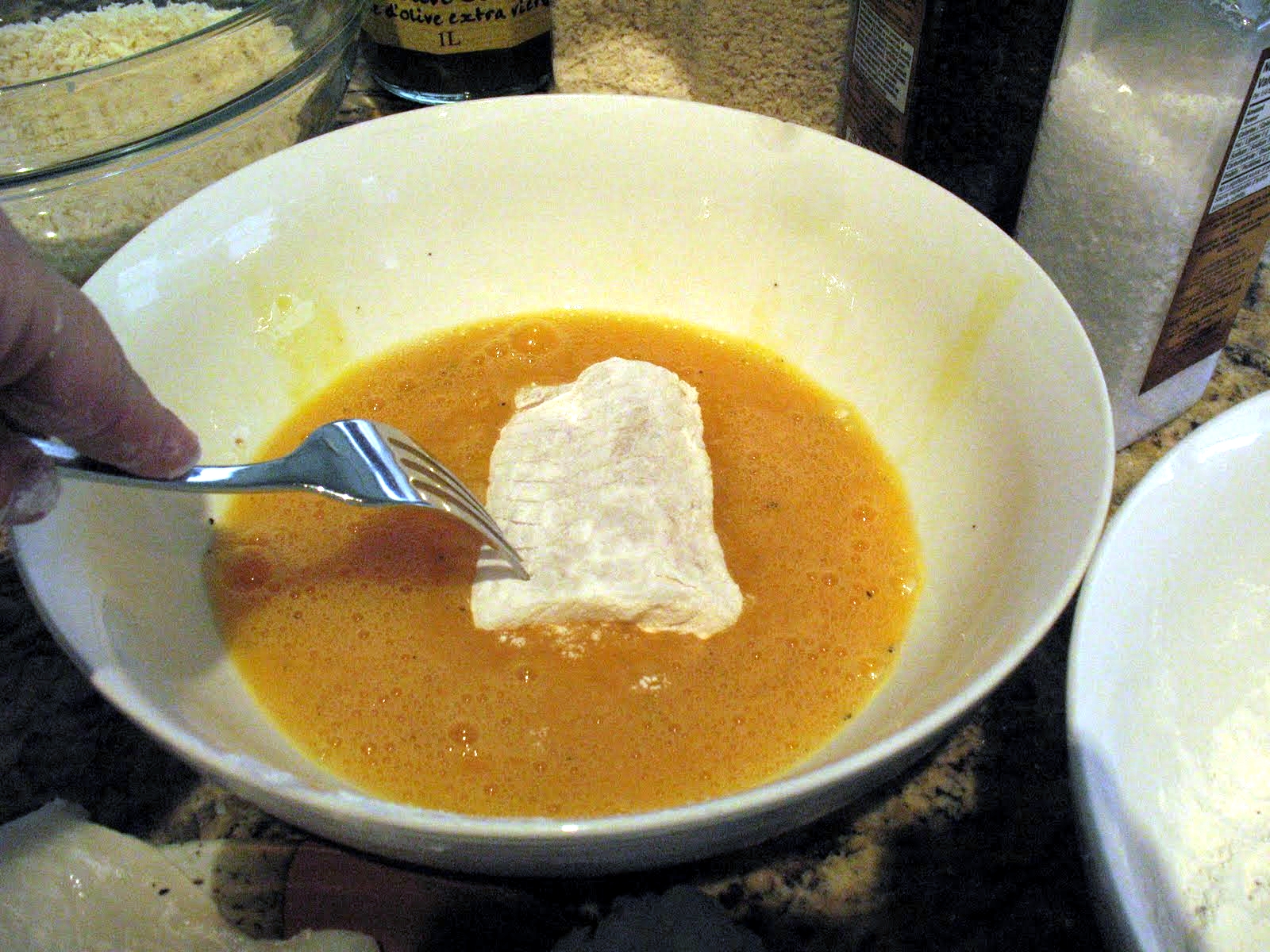
panko 7b  Dipping the fish pieces in beaten egg.

How to do.

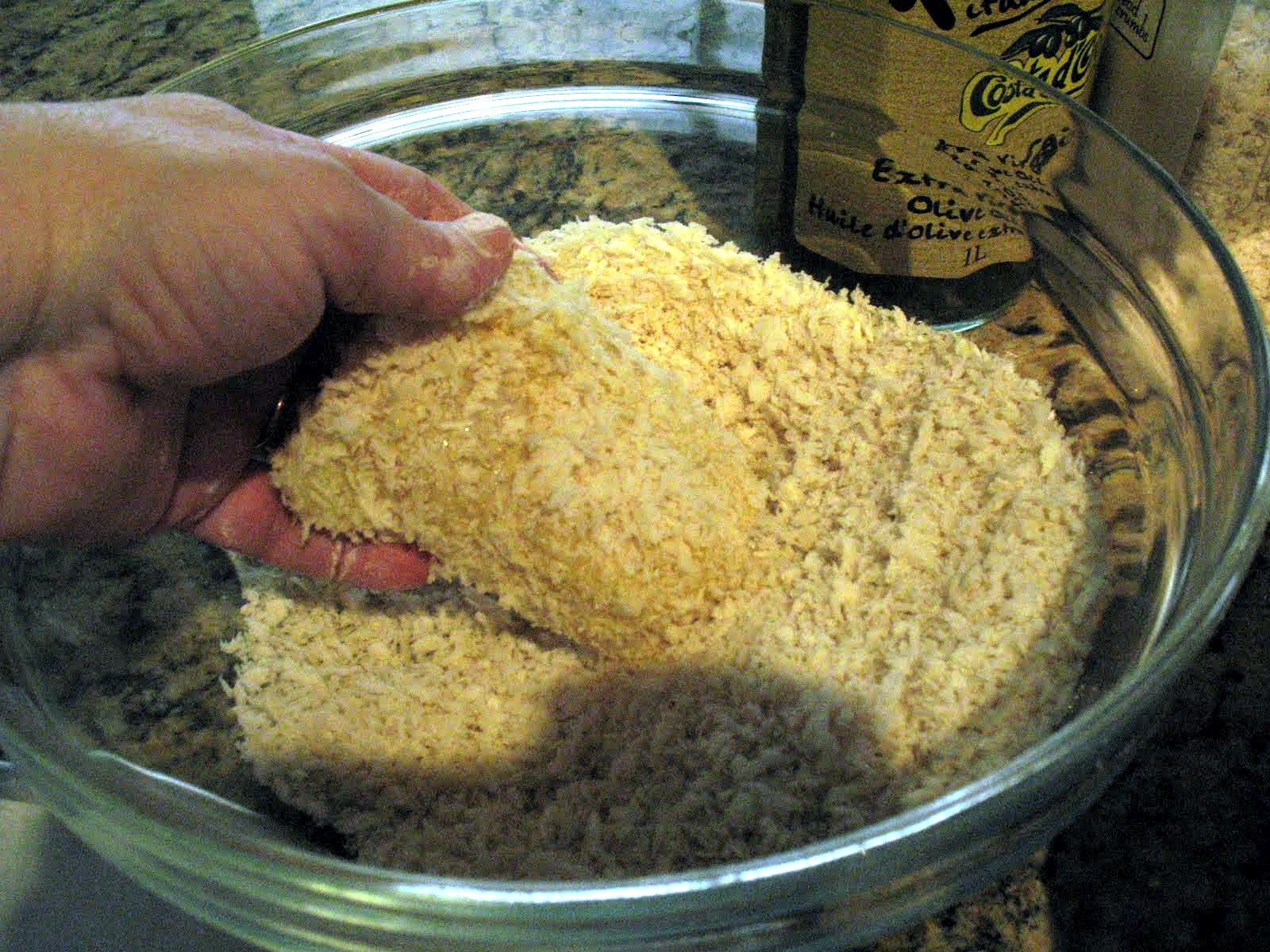
Cut the fish into serving portions (about 3 inch pieces) and pat dry with a paper towel. Set aside. In 3 separate bowls put your flour in one, in a second bowl break the eggs and beat them slightly, and put the panko breadcrumbs in a third bowl. Start by dredging the fish piece in the flour. Dip the piece in the beaten egg and remove with a fork to transfer into the panko breadcrumbs.

panko 7c  Coating the fish pieces in panko.

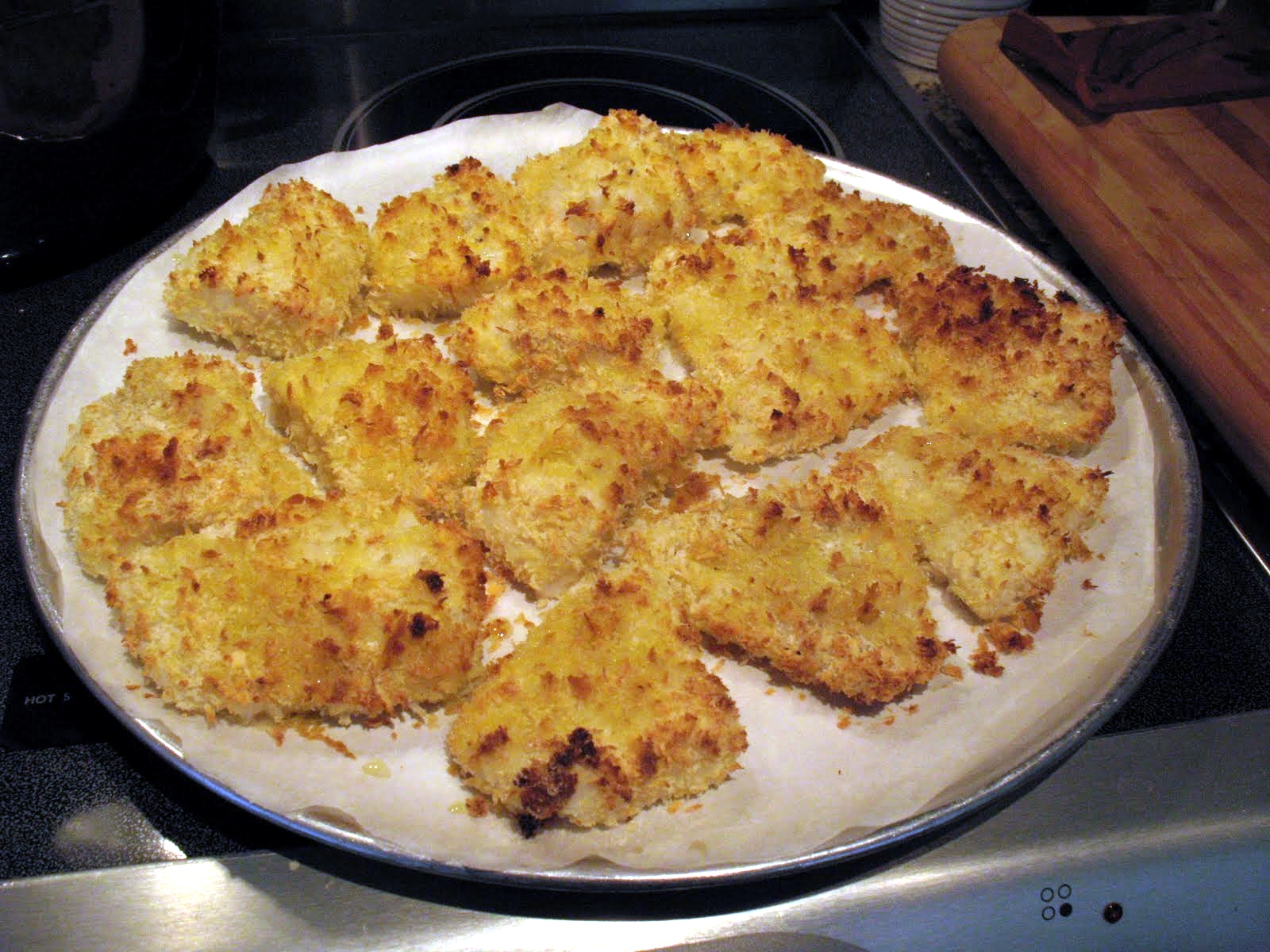
Place on a cookie sheet or pizza tray lined with parchment paper. Drizzle the fish pieces with olive oil and bake in a 425 degree F oven for about 15 minutes, until golden brown. Turn the fish pieces and continue baking an additional 10 minutes at 375 degrees F. For thinner pieces of fish allow less cooking time.

panko 7d  Delicious fresh fish in crusty panko.

Sweet Potato and Gold potato Chips.

4 Gold potatoes
2 sweet potatoes
juice of 1/2 lemon
1 tablespoon fresh thyme leaves
3 garlic cloves (not peeled)
2 to 3 tablespoons olive oil
salt and pepper to taste

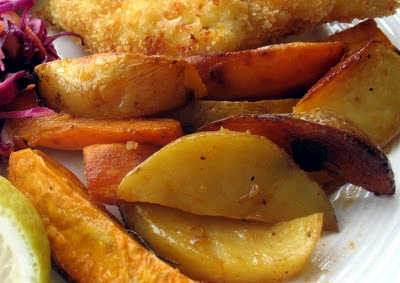
panko 7f  Mixed potato chips.

Peel and cut the potatoes into 1/2 inch sticks and place in a large bowl. Add the lemon juice, salt and pepper. Set aside to rest for 10 to 15 minutes, and then strain the excess water from the potatoes. Toss in the thyme, garlic, olive oil and season with pepper. Place in a roasting pan lined with parchment paper and bake at 425 degrees F. Check the potatoes during baking and turn as needed to prevent burning. Bake for about 35 minutes. They can be cooked at the same time as the fish and at 375 degrees F.

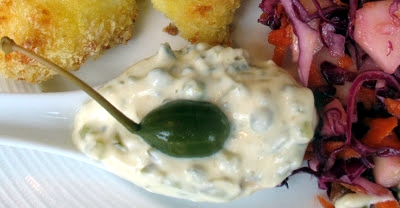
panko 7g  Fresh made tartar sauce, a treat.

Tartar Sauce.

Simply use between a 1/4 cup to 1/2 cup of good mayonnaise (depending on desired portion). In a small bowl stir into the mayonnaise, 1 tablespoon of your favorite finely chopped pickles and squeeze in some lemon juice. I also vary the sauce recipe, by omitting the pickles and substituting them with chopped dill, chopped capers and a dash of lemon juice. Let your taste buds be your guide. Serve with fish.

panko 7e  All together with a German red cabbage/apple salad.

Tips.

Make an extra batch and freeze it for later use. Before we get started just a little reminder, when buying fish always choose fish with a firm flesh, clear eyes  and make sure it is odorless. Fish should never smell fishy.


Panko Bourbon Chicken.

Here is a delightful Sweet ’n Spicy Oriental dish in a rich sauce. This is an recipe that is similar to Orange Chicken that is lightly breaded with a rich thick sauce.

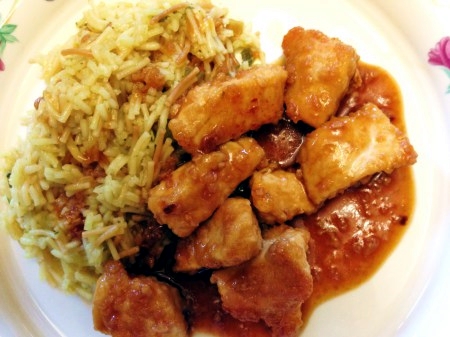
panko 8a bourbon chicken Panko Bourbon Chicken with fried rice or quinoa.

Ingredients.

1 large boneless chicken breast, cut into bite size pieces
1/2 cup flour
1/4 cup panko
2 tablespoons vegetable oil

Sauce.
1/2 cup water
1 clove fresh garlic, peeled and minced
1/2 teaspoon chilli flakes, or more to your taste
1/4 teaspoon ground ginger
1/4 cup brown sugar
2 tablespoons ketchup
1 tablespoon white wine vinegar
1/3 cup dark soy sauce
1 shot glass of bourbon, 2cl
2 tablespoons Corn starch; or more for desired thickness

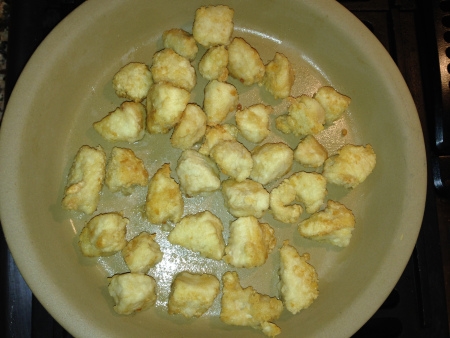
panko 8b   Browning the chicken pieces.

How to do, chicken.

Place flour and Panko in medium size bowl large enough to hold chicken, Panko and flour. Add pieces of chicken and using two forks flip slowly until all pieces are dredged in a light coating of flour and Panko Bread Crumbs. Let rest while you prepare the skillet and heat the oil to a hot temperature.

In a large non-stick skillet, add vegetable oil. Allow oil to come to a medium high temperature that is hot enough to brown the chicken pieces.   Meanwhile, heat oven to 300F (150C) degrees so that you can place the chicken in the oven to continue cooking while you later prepare the sauce.

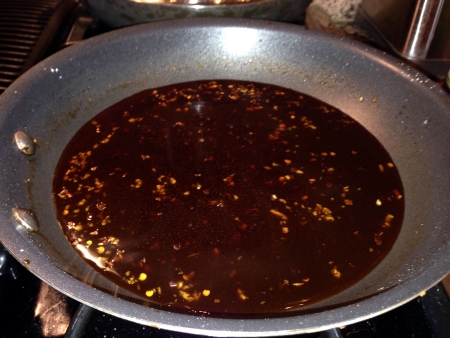
panko 8c  Preparing the bourbon sauce.

Let the chicken pieces cook 3-5 minutes per side or until the first side is lightly browned. Turn over and brown second side another 3-5 minutes. As pieces brown, remove from oil and place in a non-stick baking dish.  Place baking dish in oven while sauce is prepared and until it has simmered at least 10 minutes.

How to do, sauce.

Using a paper towel, remove excess oil from the skillet. Mix together all sauce ingredients except corn starch in the skillet and bring to a boil. Turn down and simmer for 10 minutes stirring occasionally. Add corn starch a little at a time until the sauce begins to thicken.

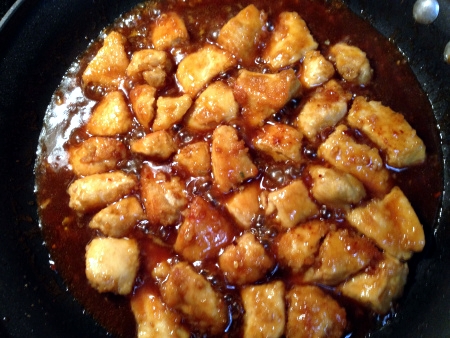
Make sure sauce has thickened before adding the first chicken. Add chicken pieces to sauce and stir gently to coat. Continue cooking for an additional 10 minutes at a slow simmer. Add more corn starch if necessary to ensure sauce coats chicken and is of a gravy like nature.

panko 8d  Bring the chicken and sauce together.


Panko Mozzarella Sticks.

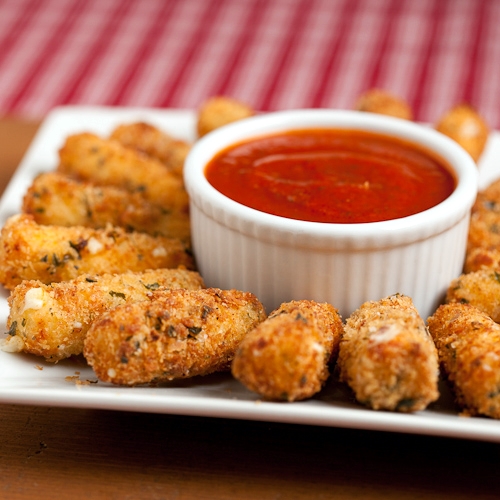
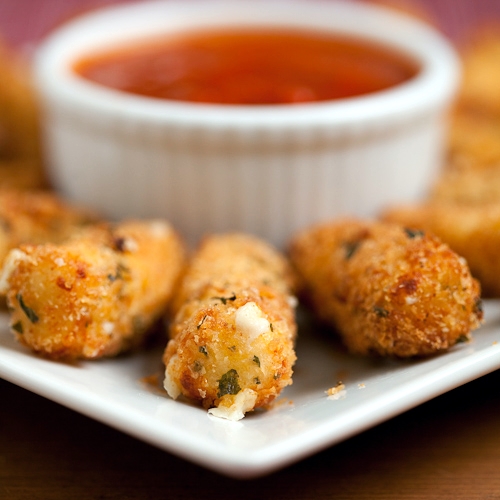
If you are a cheese fan and enjoy a good crunch, you’ll really appreciate these Panko Mozzarella Sticks. They are absolutely the perfect finger food. These cheesy snacks will be snatched up in a wink if you serve them up for Game Day… or any day, really.

Gooey warm Mozzarella is encased by a beautifully crisp exterior – thanks to Panko breadcrumbs, in lieu of traditional bread crumbs. Panko is definitely in. Thankfully, a bag of Panko can easily be found in Asian aisles of most large grocery stores these days.

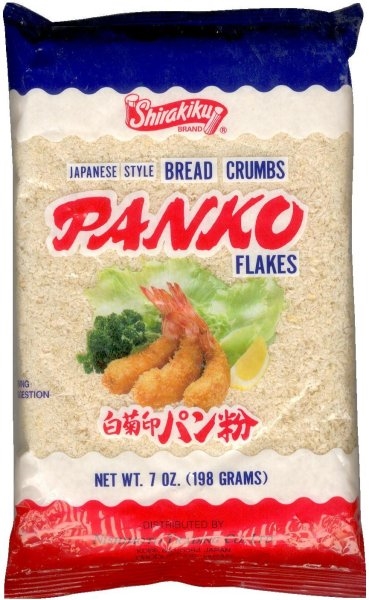
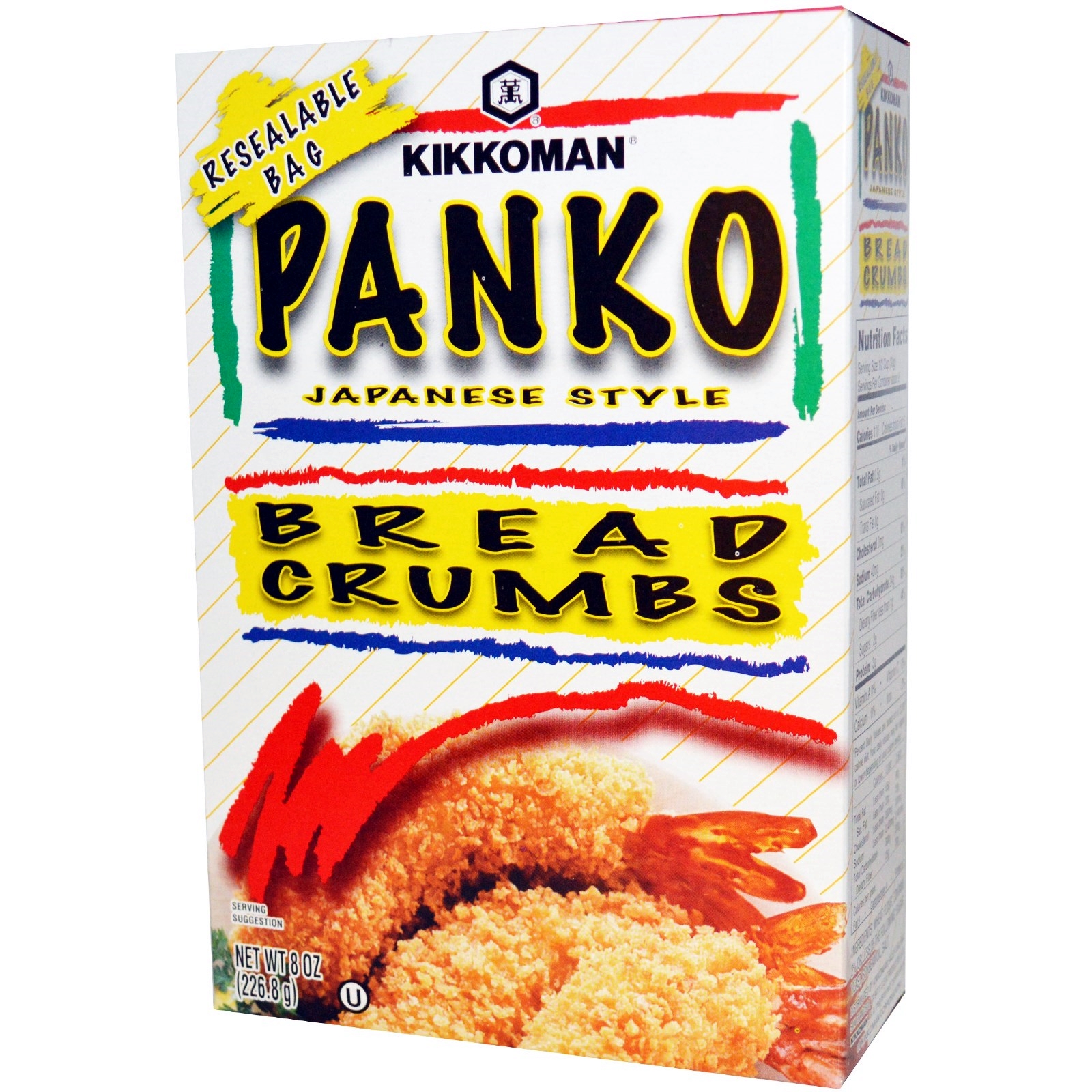
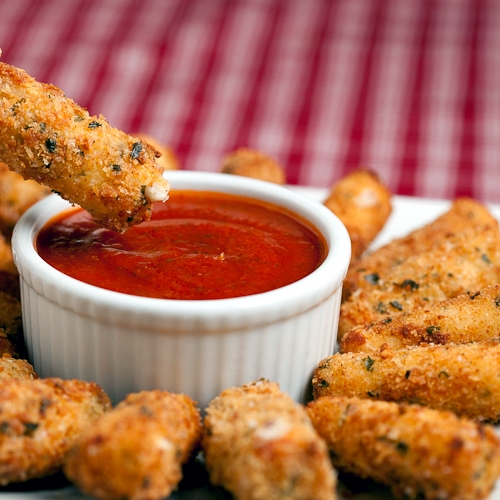
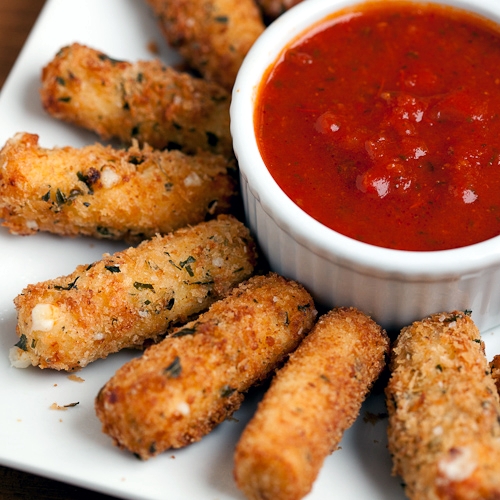
panko 12                    panko 12a                Something for lazy people, but still better then normal bread crumbs.

If you’ve never worked with Panko before, it’s only fair to warn you that you just might become addicted to the, stuff. It is extremely versatile. Panko can be used to coat anything from these cheese sticks to seafood to chicken. Just use them in place of your standard bread crumbs, and be prepared for an extraordinary crunch that surpasses the old stand by.

 panko 9a mozarella sticks  A feast and ready to dig in.

Ingredients.

16 sticks of mozzarella string cheese or roll some yourself
1/2 cup flour
2 large eggs, beaten
1/4 cup whole milk
2 cups panko
1 tsp garlic powder
1 tsp onion powder
1 tsp fresh black pepper
1 TB dried oregano flakes
oil for frying (peanut oil is great for frying)
Marinara sauce, or one you like, for dipping

panko 9d  Panko mixed with herbs and chilli.

How to do.

Place flour in a small dish. In another bowl, mix together the eggs and milk. In a third bowl, combine panko  with garlic powder, onion powder, pepper, and oregano. Cut mozzarella sticks into halves.

Roll a piece of mozzarella in flour, dip into egg mixture, and roll well in panko mixture. Press crumbs in place so mozzarella stick is fully coated. Continue until all pieces are well coated. Place coated mozzarella sticks on a wax-lined baking sheet and put in freezer for at least 30 minutes. (The flash-freezing is important in keeping cheese from falling apart in hot oil.)

panko 9c  We like a Mexican hot sauce with it.

Pour oil to fill a third way up to halfway up in a heavy sauce pan. Using a thermometer, keep oil steady at 365F (185C). Remove frozen mozzarella sticks and fry a few pieces (don’t crowd) at a time, keeping oil temp at 365F (185C) throughout frying process (you’ll have to play with turning heat up or down as needed.) Fry about 25-30 seconds, turning sticks until they are an even golden brown, and drain on paper towels. Try not to let cheese leak, but a few tiny bubbles are fine. Continue until entire batch is made. Serve with your favorite marinara sauce and do eat them while hot!

panko 9b  You’ll see, you can’t stop eating.


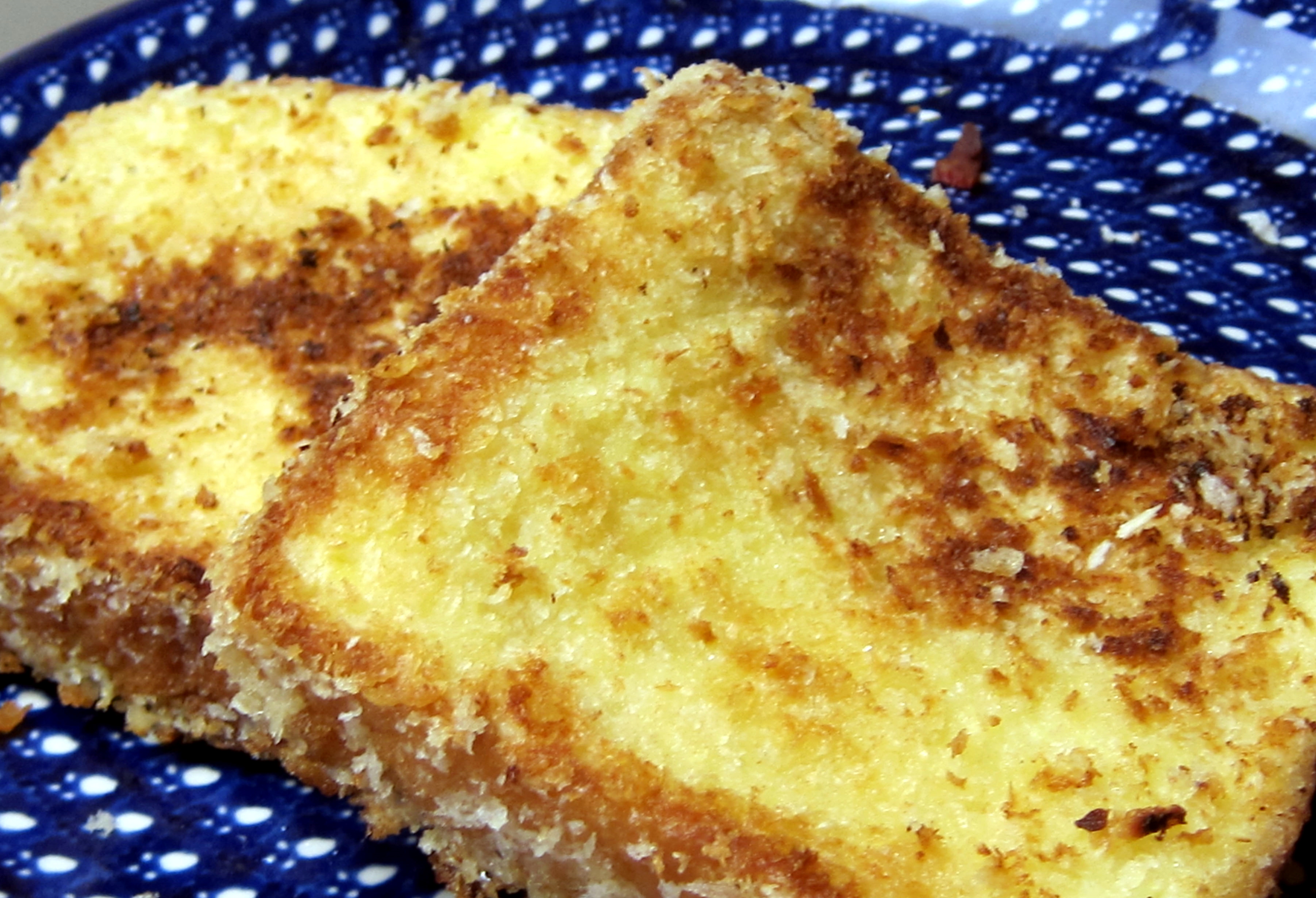
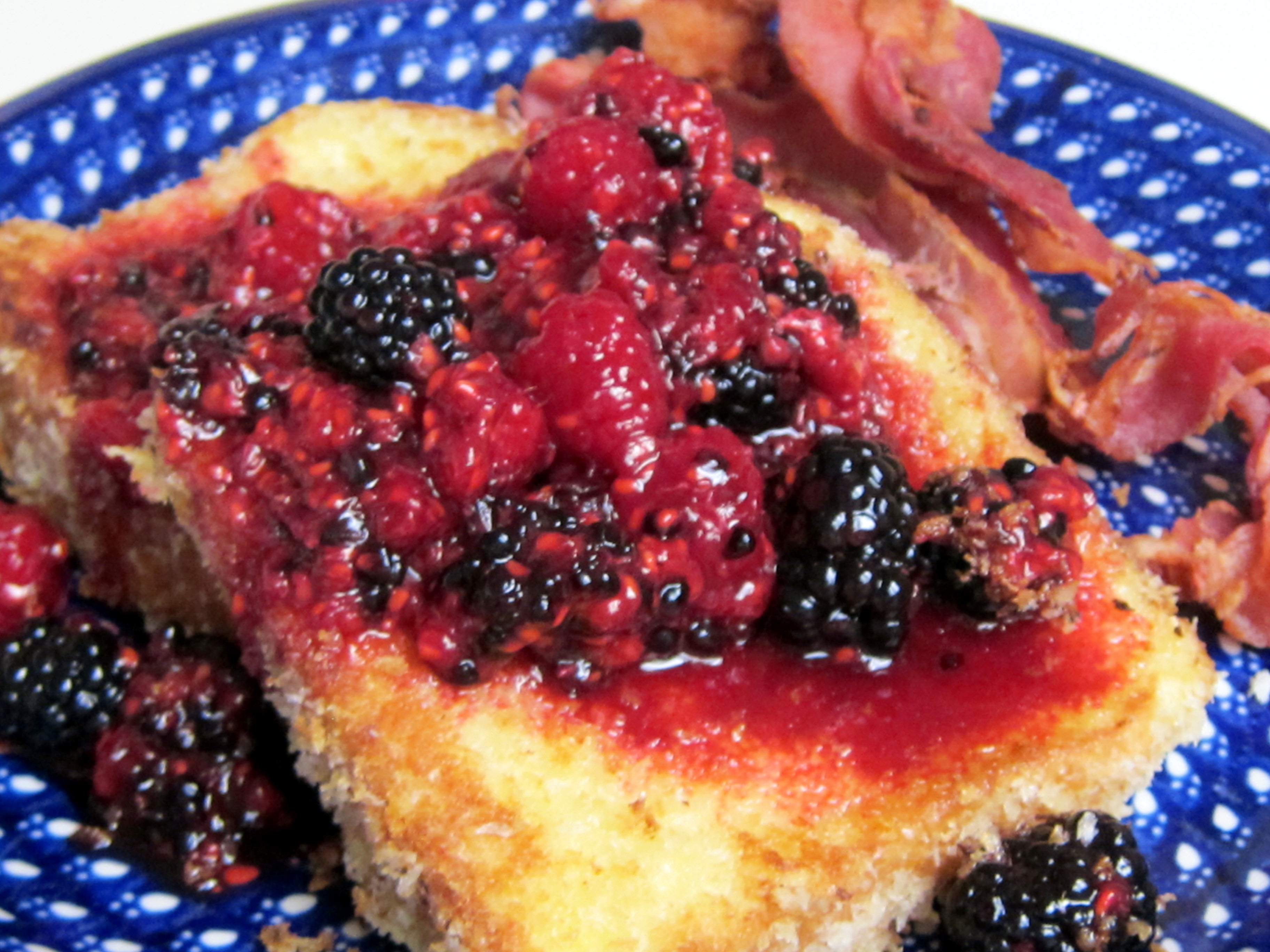
Crunchy French Toast with Fresh Berry Sauce.

Here, I have used thick slices of white bread, but I also love it with any other slices of French or Italian bread. I serve this as often  as I can, at dinners served with maple syrup, or for something a little fancier, a fresh berry sauce that requires no cooking, or our homemade marmalade.

panko 10b

Ingredients.

4 pieces thick, sliced sturdy bread (Texas toast, French or Italian work well)
3 large eggs
2 tablespoons milk
1 teaspoon vanilla extract
2 cups panko
4-6 tablespoons butter

panko 10a

How to do.

Whisk the eggs, butter, milk and vanilla together in a pie plate.

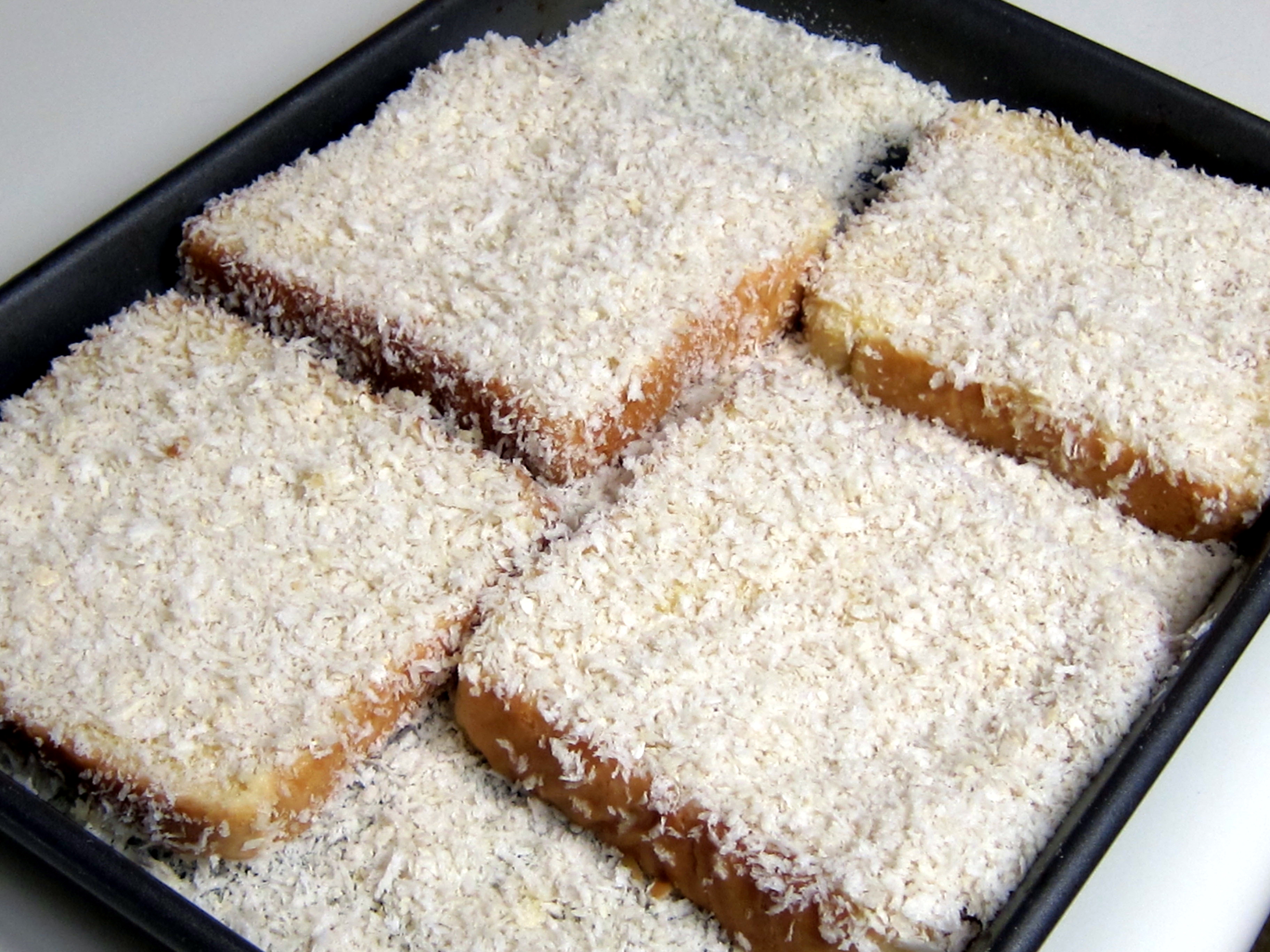
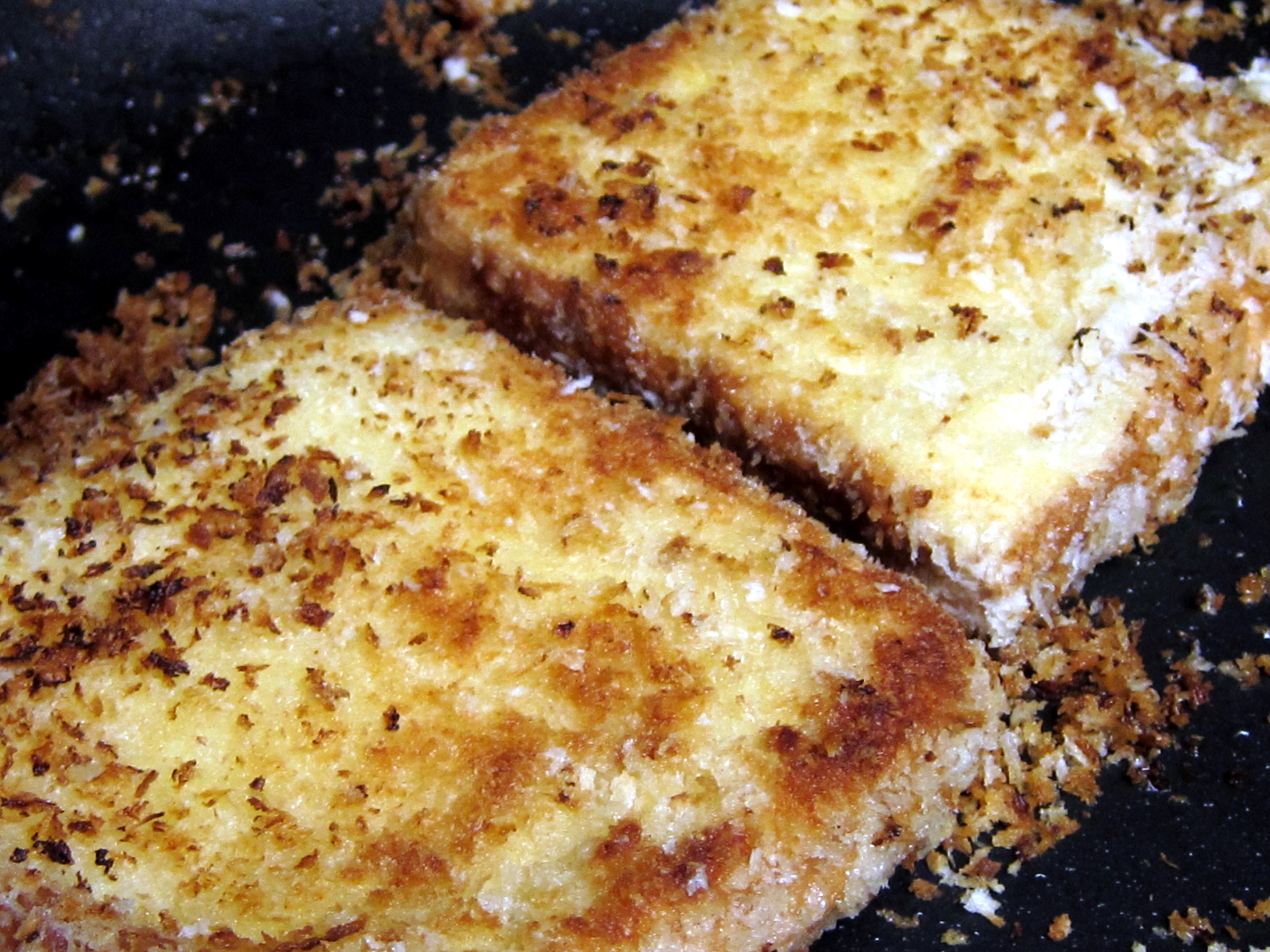
Place the bread in the egg mixture and gently flip over until all the egg has been absorbed.Gently coat the bread in the panko crumbs to coat well. Melt the butter in a large non-stick pan and fry the slices over medium heat until the nicely browned on both sides.

panko 10c

Easy Fresh Berry Sauce.

2 cups fresh red raspberries
2 cups fresh blackberries
½ cup sugar (more or less depending on tartness of your berries)

panko 10 french toast

Place half of the berries in a shallow bowl with the sugar and crush with the tines of a fork until juicy. Add the remaining berries and gently toss with the crushed berries. Let sit for about 15 minutes before serving. Can be made ahead, covered and refrigerated for two days. I hope you will become a fan of panko like me. Till next time.

Veröffentlicht unter Recipes | Verschlagwortet mit | 2 Kommentare

Collecting – Teddy Bears 1

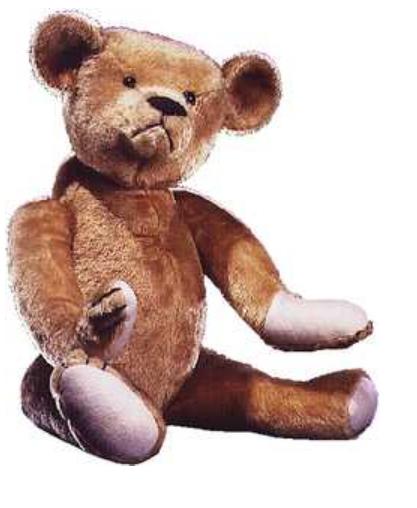
teddy roosevelt 8 smithonian bear

Originally, stuffed bears were referred to as simply browns or just bears.

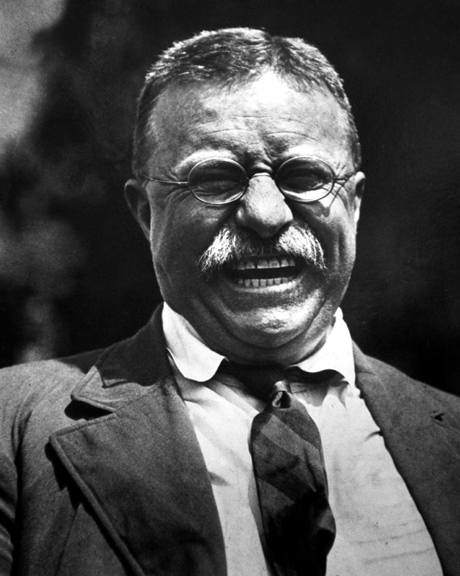
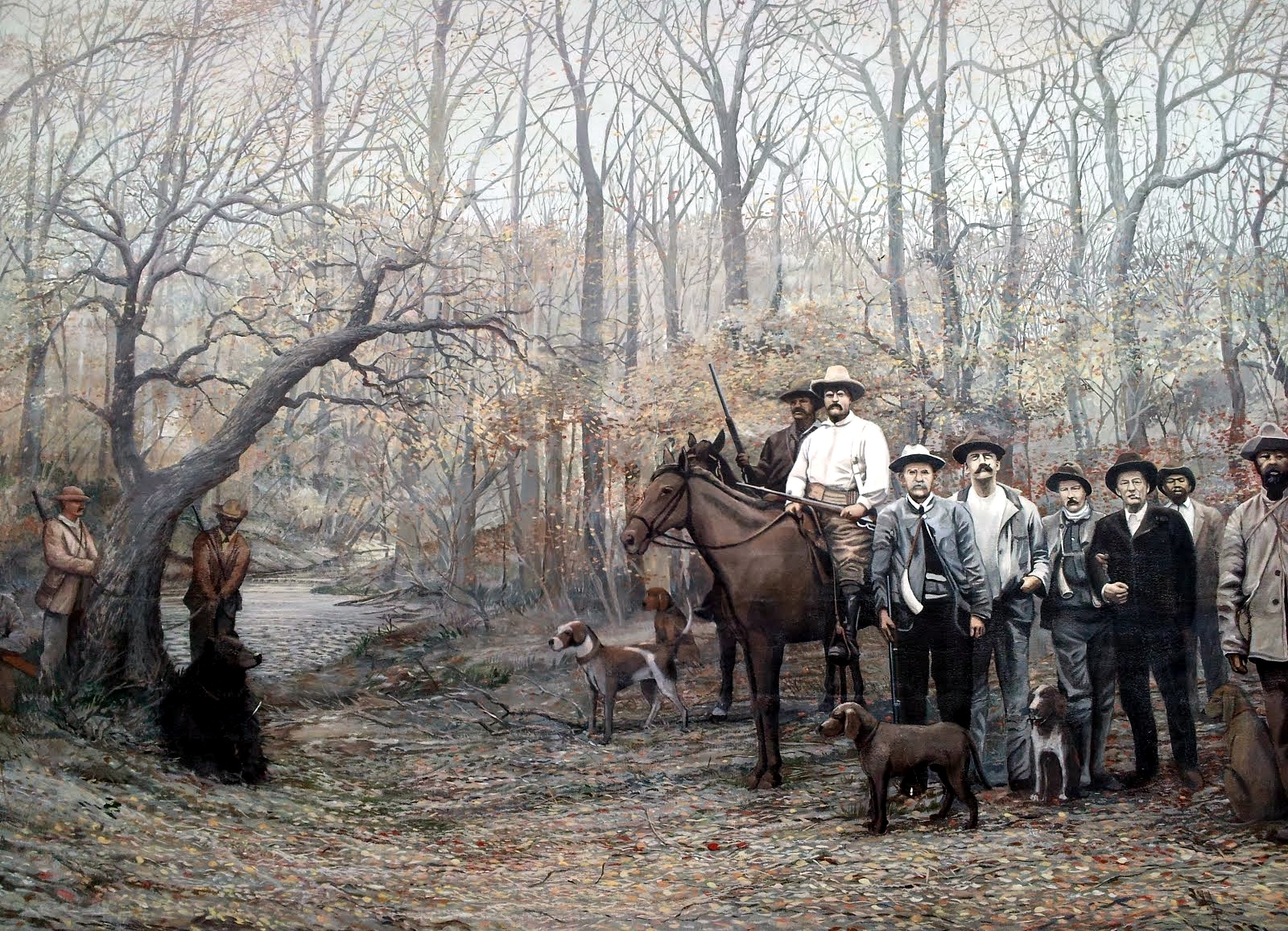
In November of 1902, the President of the United States, Theodore Roosevelt (who’s nickname was „Teddy“ for good friends), an avid hunter, went on a bear-hunting trip while he was in Mississippi to give an opinion over a border dispute between Mississippi and louisiana. The trip was covered with much interest by the nation (well, at least by the nation’s newspapers, as he had a large amount of reporters following him).

teddy roosevelt 7  President Theodore „Teddy“ Roosevelt.

Theodore „Teddy“ Roosevelt.

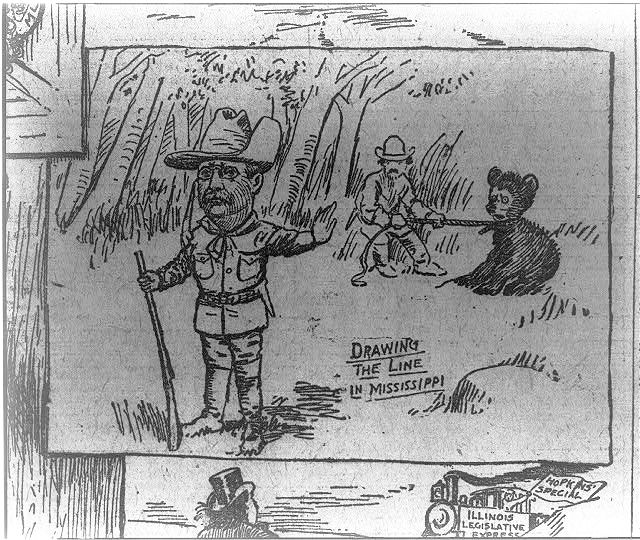
During the trip, guides clubbed a bear and tied it to a tree then invited the president to shoot it ! Roosevelt, an candid outdoors man and hunter, declined, saying it would be unsportsmanlike to kill a defenseless animal that way.
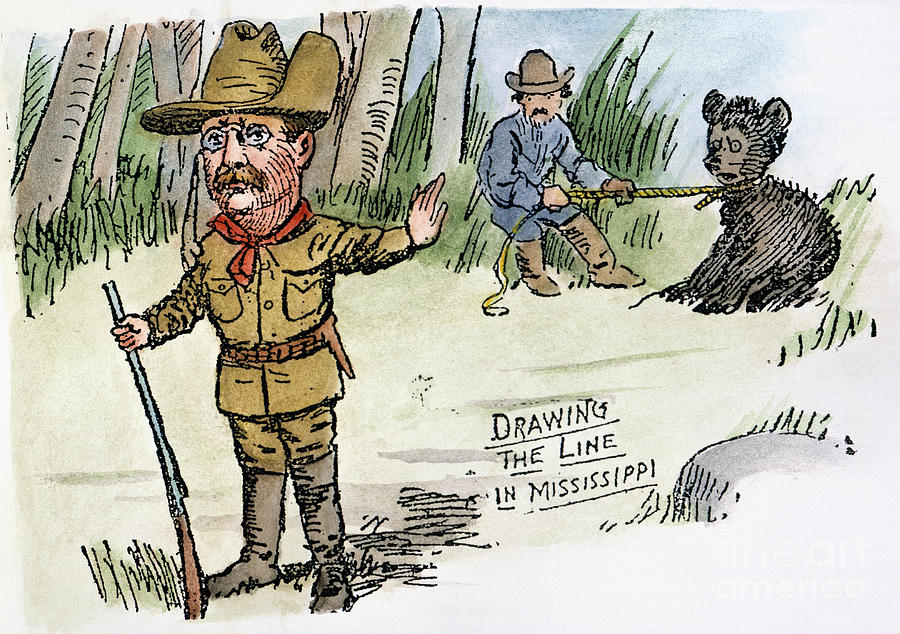
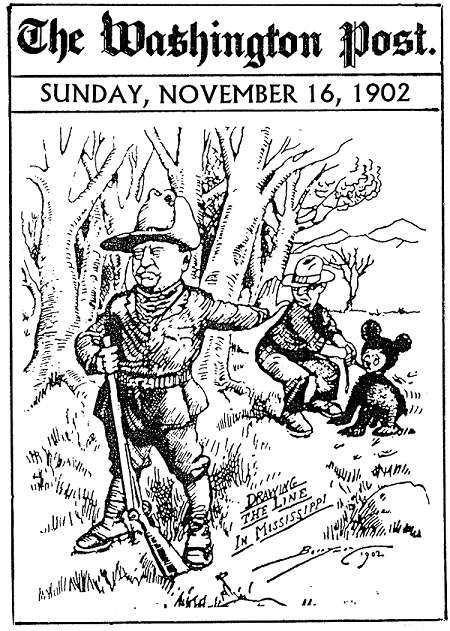
This scene was immortalized the next day by illustrator Clifford Berryman in a Washington Post political cartoon, which was quickly re-printed across the country.

teddy roosevelt 6  The hunting party, a later artist impression.

But here’s the twist in the whole endeavor. That cartoon by Berryman? NOT actually the cartoon he drew in the Washington Post originally! Despite it being referred to as such by many different sources, here is the ACTUAL cartoon Berryman originally drew. As you can see, it is the same basic concept, but it was a quick, very rough drawing, NOT the detailed piece that is shown everywhere and all the time. And it was a big, man size bear.

teddy roosevelt 4d library of congress          teddy roosevelt 4    Left, original drawing by Berryman, Library of Congress. The same, later hand colored, on the right.

Clearly, when there appeared to be interest in his original from other newspapers, Berryman decided to completely re-draw the entire cartoon, including coming up with an entirely different look for the bear, going from a normal looking bear to a cute, cuddly bear. And it is that re-drawn cartoon that became syndicated all over the country. And it was that re-drawn cartoon that inspired the “teddy bear.”

teddy roosevelt 4a  Re-draw of the same view by Berryman.

So if you ever see the “cute little bear” (now a baby size bear) cartoon passed off as the original (and you’ll see it often if you look for it), you now know better!

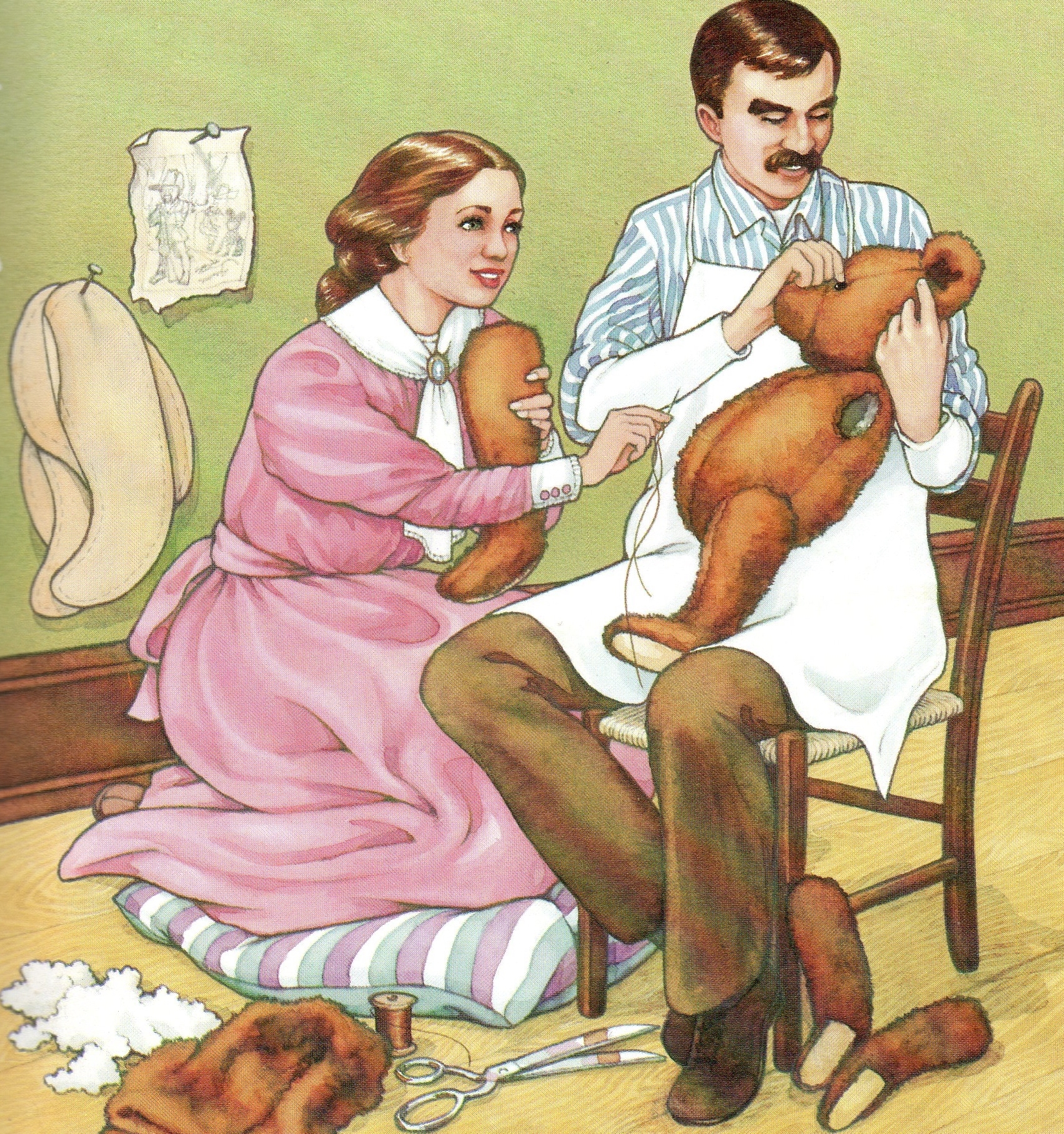
morris michtom  Morris Michtom with his wife Rose, making „Teddy’s Bear“.

The first Teddy Bear.

Morris Michtom, a Russian emigrant and owner of a candy store in Brooklyn, saw the drawing of Roosevelt and the bear cub and was inspired to create a new toy, because after hours of the candy store he made stuffed animal toys like little plush pony’s etc.
He created a little stuffed bear cub, made by his wife Rose, and put it in his shop window with a sign that read „Teddy’s bear,“ after sending another bear to Roosevelt he was receiving permission to use his name Teddy. The toys were an immediate success and Michtom founded the Ideal Novelty and Toy Co.

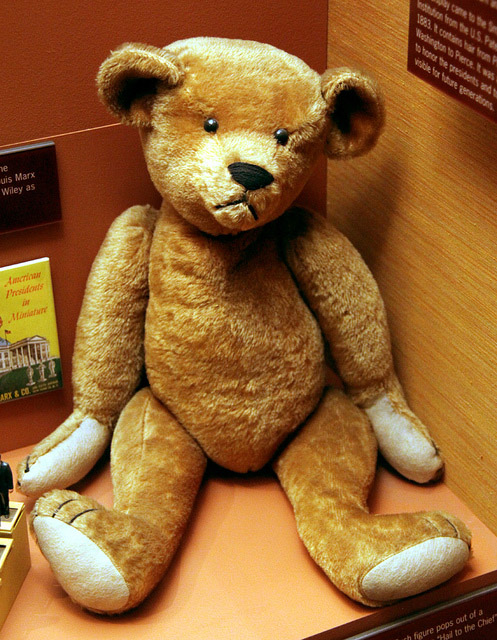
teddy roosevelt 8b  The Michtom Bear, which was a gift to Teddy Roosevelt family, found his way to the Smithsonian Institute Museum. He lives now in a vitrine behind bulletproof glass.

Although Steiff and Michtom were both making teddy bears at around the same time, neither would have known of the others creation due to poor transatlantic communication.
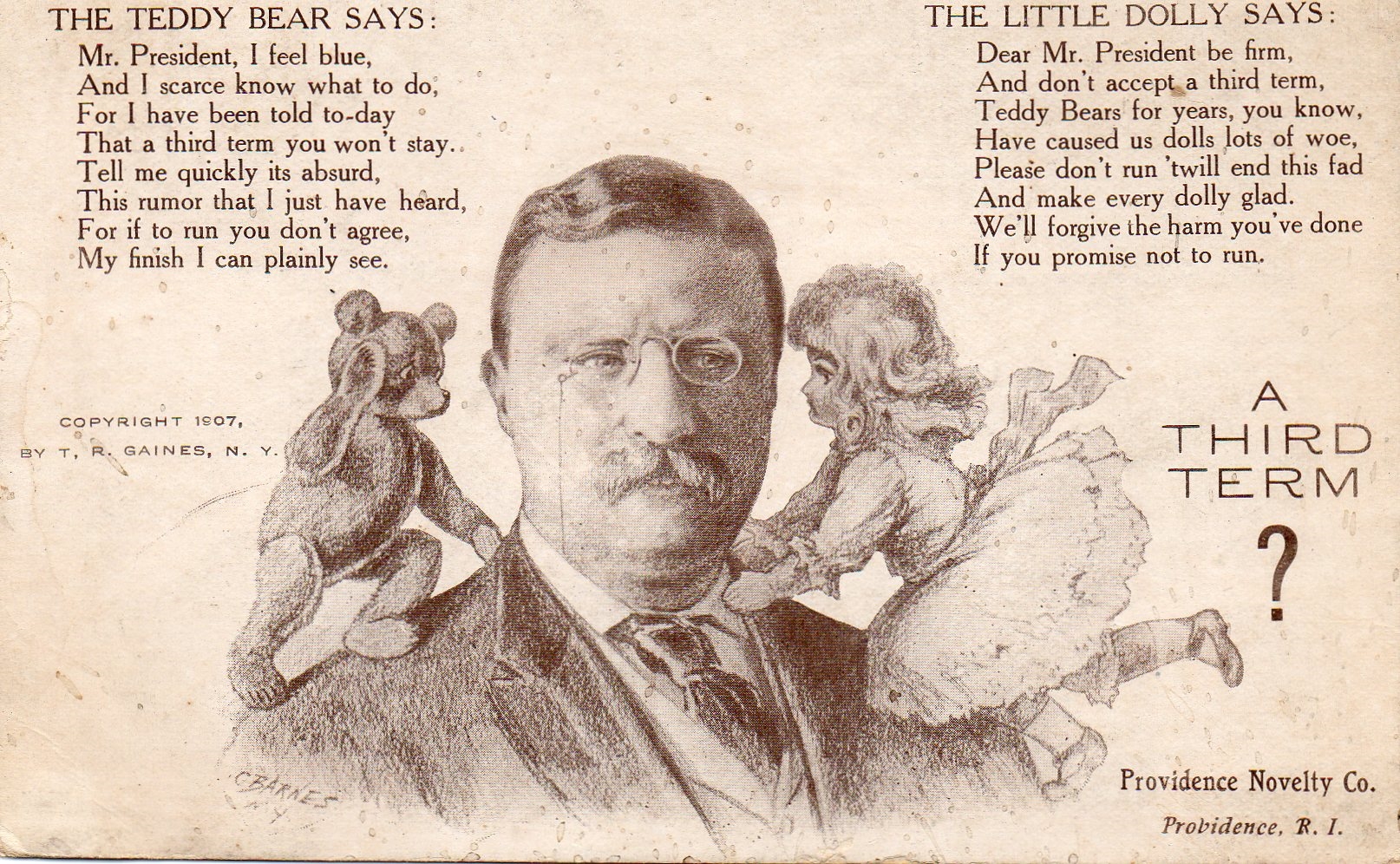
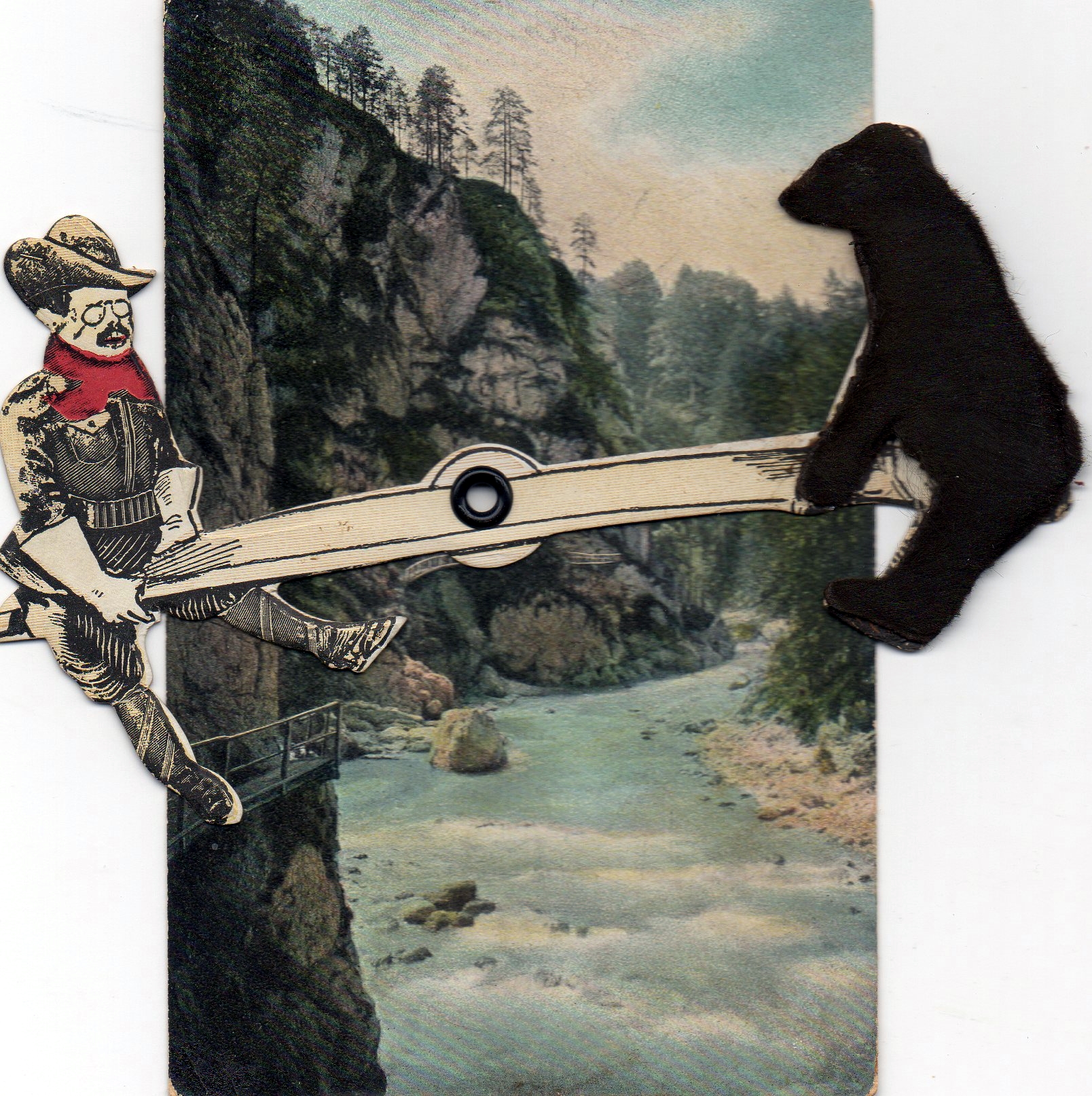
Roosevelt also used the bear as a successful political mascot when on the campaign trail.

img132         img133Two examples, here on postcards, how the „Teddy Bear“ was used in political campaigns.
Click on pics to supersize.

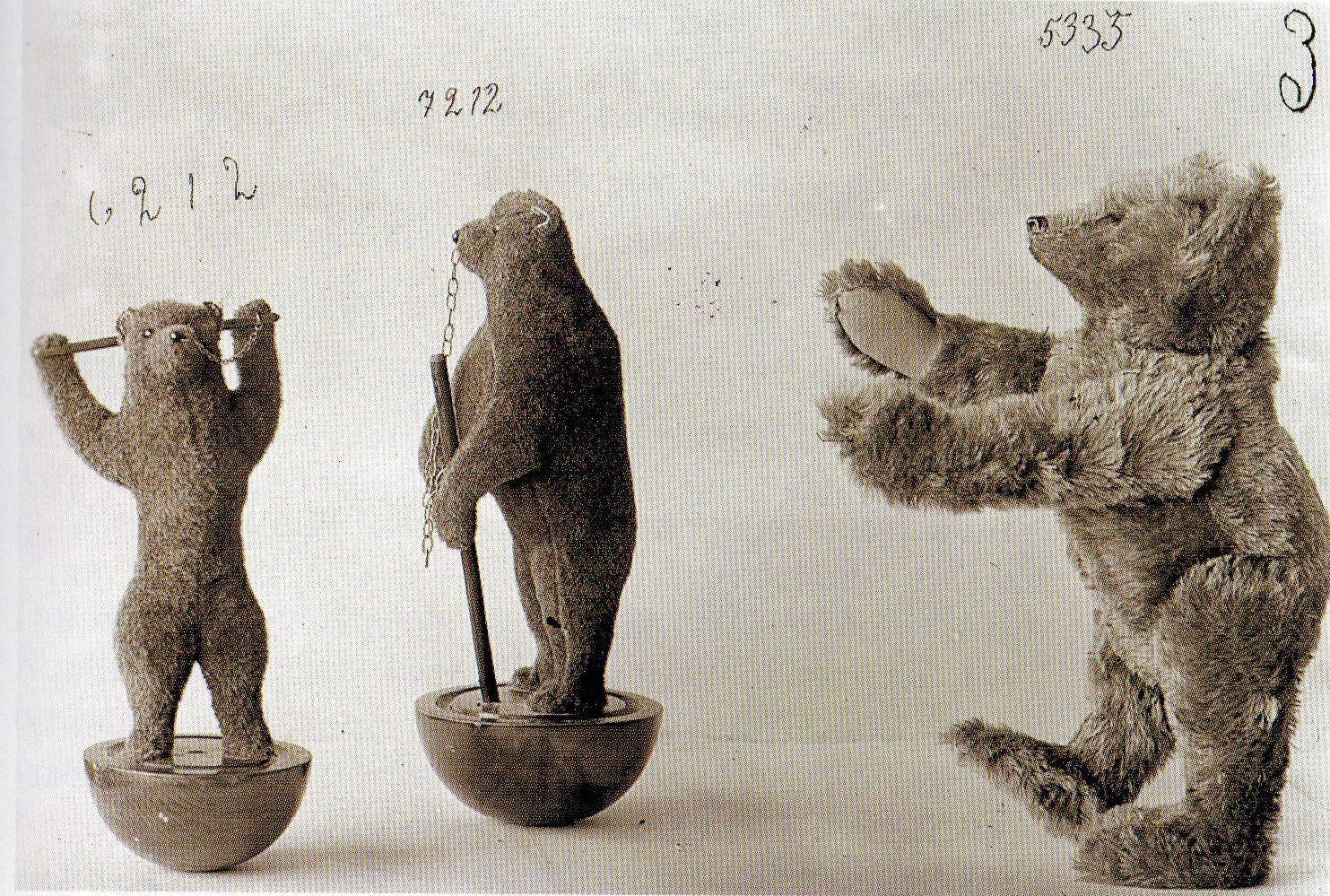
There had been toy bears before this incident, but the majority of them had portrayed the animals in a more realistic manner. Since the 1880s European manufacturers had created bears that moved with clockwork mechanisms or that could be pushed along on wheels, but their popularity had never been widespread.

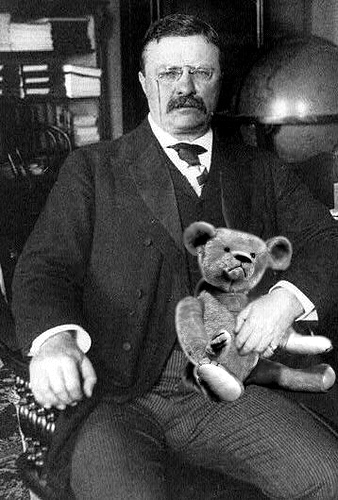
teddy roosevelt 2 Teddy Roosevelt photographed with the early Michtom bear. He didn’t like it (as he didn’t like the nickname Teddy) very much – but – what don’t  you do for success in politics.

Early teddy bears were made to look like real bears, with extended snouts and beady eyes. Modern teddy bears tend to have larger eyes and foreheads and smaller noses, baby like features that enhance the toy’s cuteness. Teddy bears are also manufactured to represent different species of bear, such as polar bears and grizzly bears, as well as pandas.

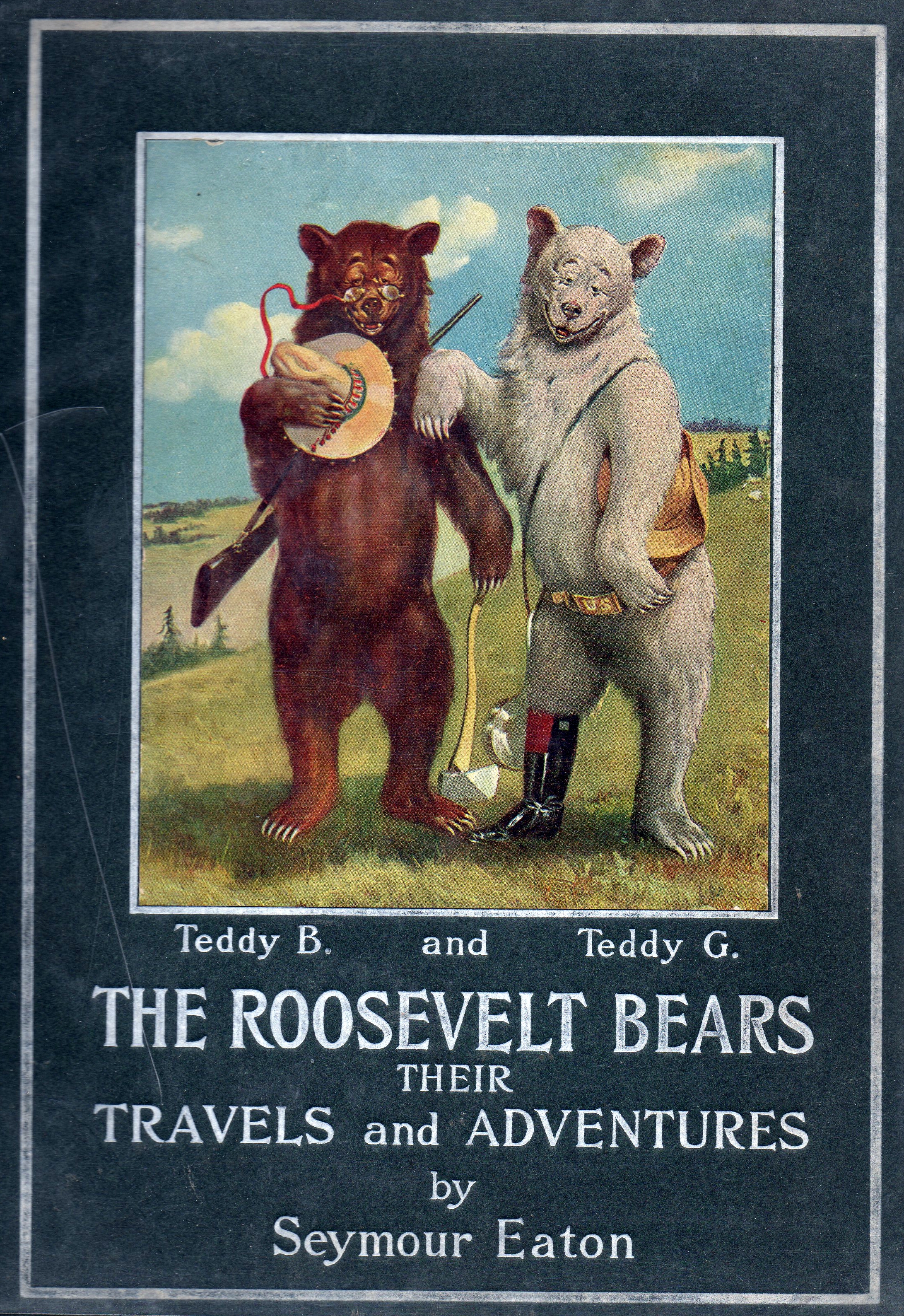
 Seymor Eaton   The first book, of Seymour Eaton’s newspaper series, 1905.

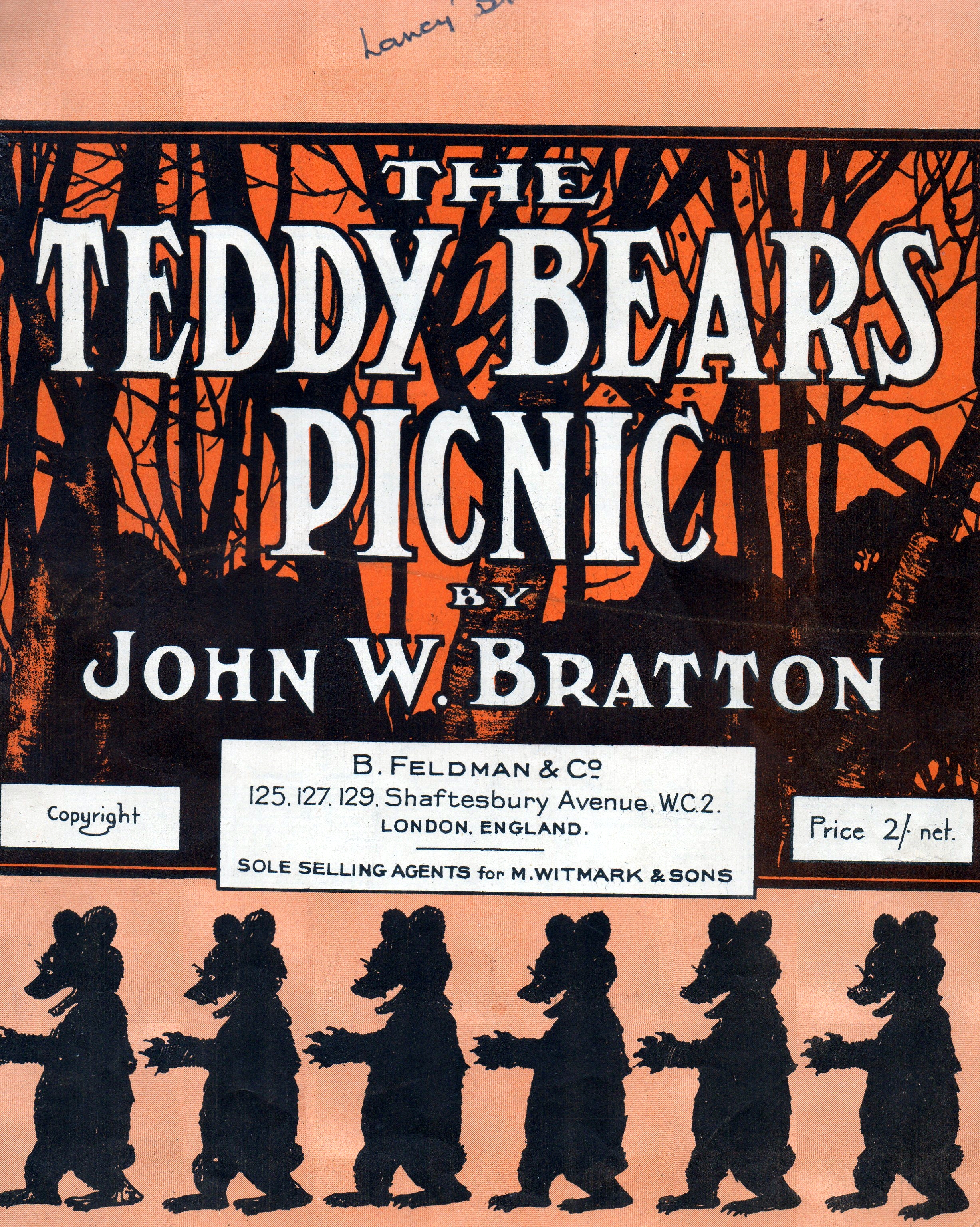
North American educator Seymour Eaton (a pen name for Paul Piper) created Teddy B and Teddy G (The Roosevelt Bears) in a newspaper series which grew into huge commercial success. While composer John Walter Bratton wrote an instrumental „The Teddy Bears Picnic“, a „characteristic two-step“, in 1907, which later had words written to it by lyricist Jimmy Kennedy in 1932.

teddy bears picnic  The first music sheet, of John W. Bratton, 1907.

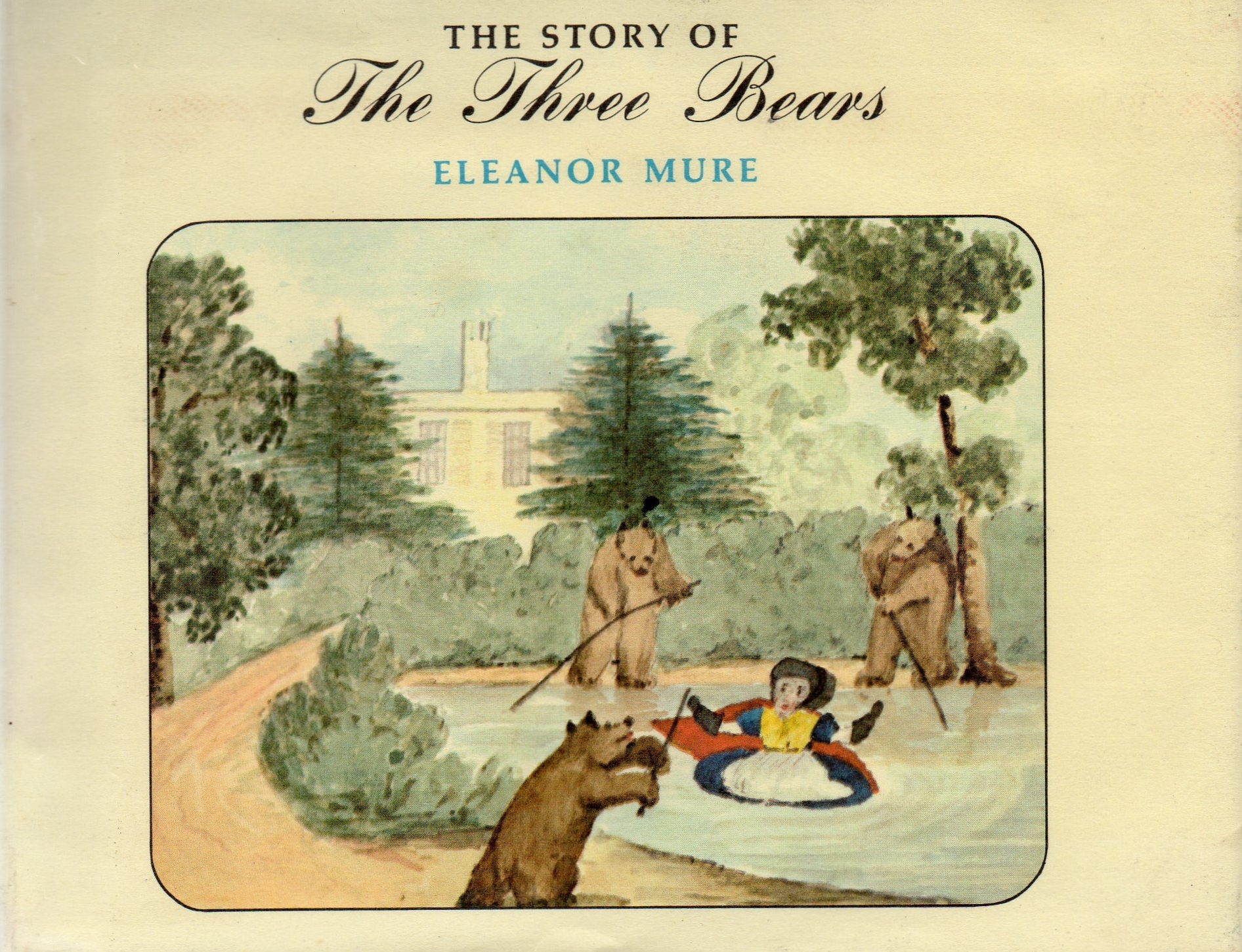
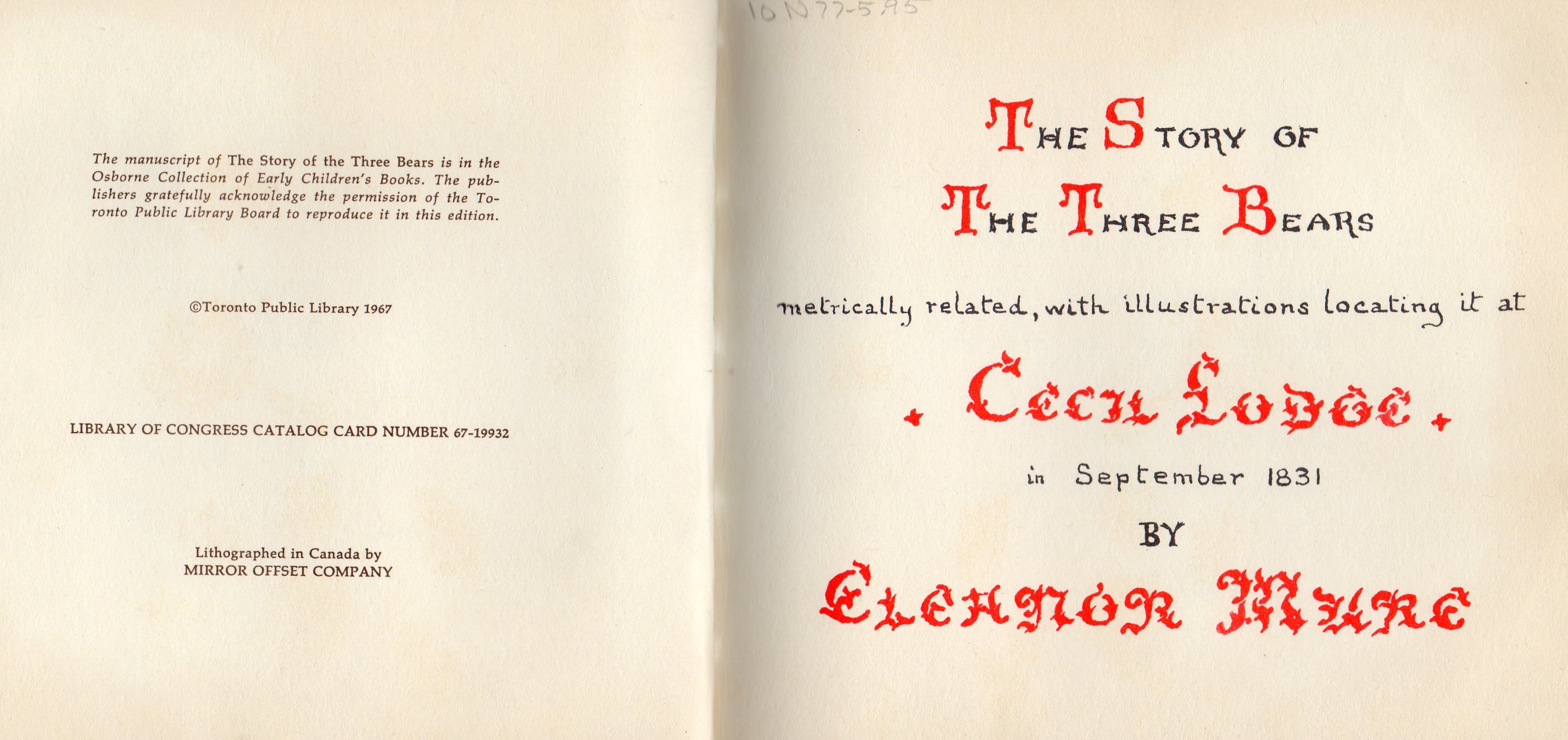
According to historians, the most enduring and oldest juvenile bear story is „The Three Bears“. It’s definite origin is unknown. However, the oldest manuscript is Eleanor Mure’s, from 1831, found in Toronto’s Public Library. The Toronto Public Library offered a photographic reproduction of the original manuscrpt in 1967 as a limited edition. This reprint (almost 50 years ago) is already an extremely rare and sought after collectors item.

eleanor mure 1       eleanor mure 2   The first bear story, very scarce reprint from 1967. Left the front of the little booklet, right the inner page. The book measures 15cm by 12cm, has 16pages and 13 multicolored full page illustrations plus a multicolored picture on the dust wrapper as you can see above. Click on pictures to supersize the view.

Steiff.

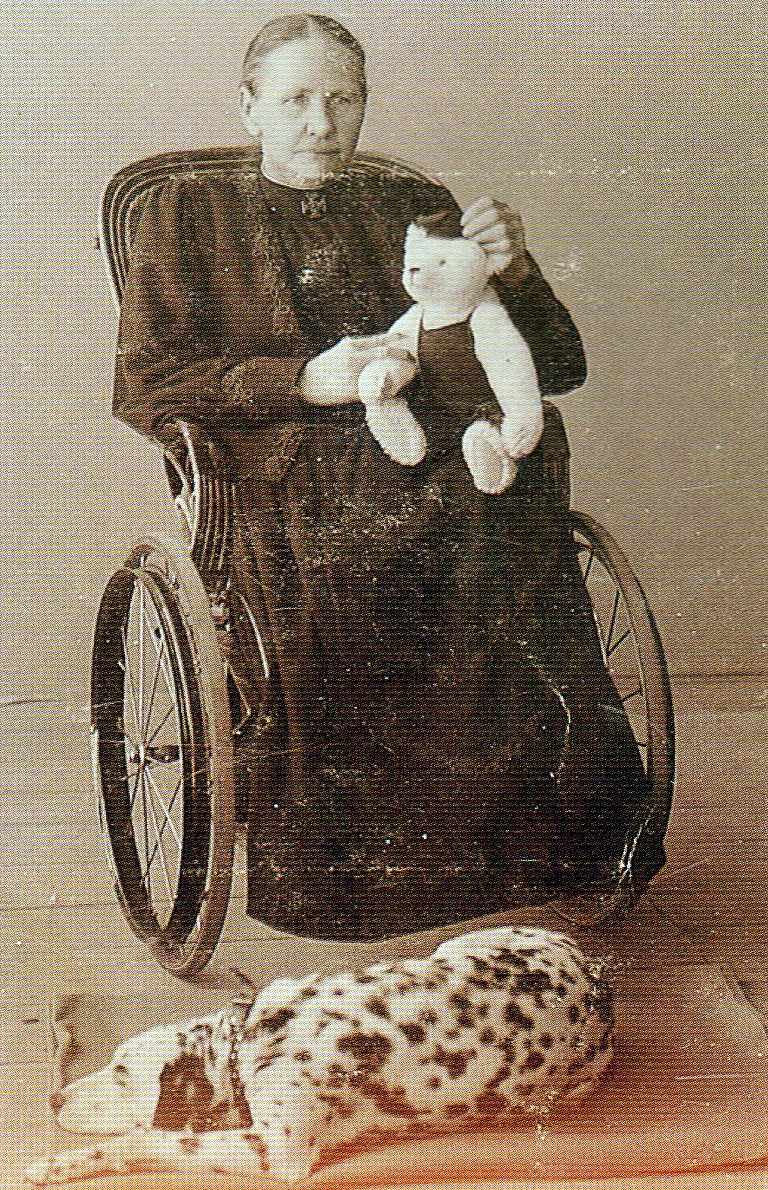
In 1902 the German toy company Steiff had developed a toy bear with jointed arms and legs and covered in a soft fiber called Plush. It was the brainchild of Richard Steiff, nephew of the company’s founder Margarete Steiff, a heavily handicapped but strong women, and was first displayed at the Leipzig Toy Fair in 1903.

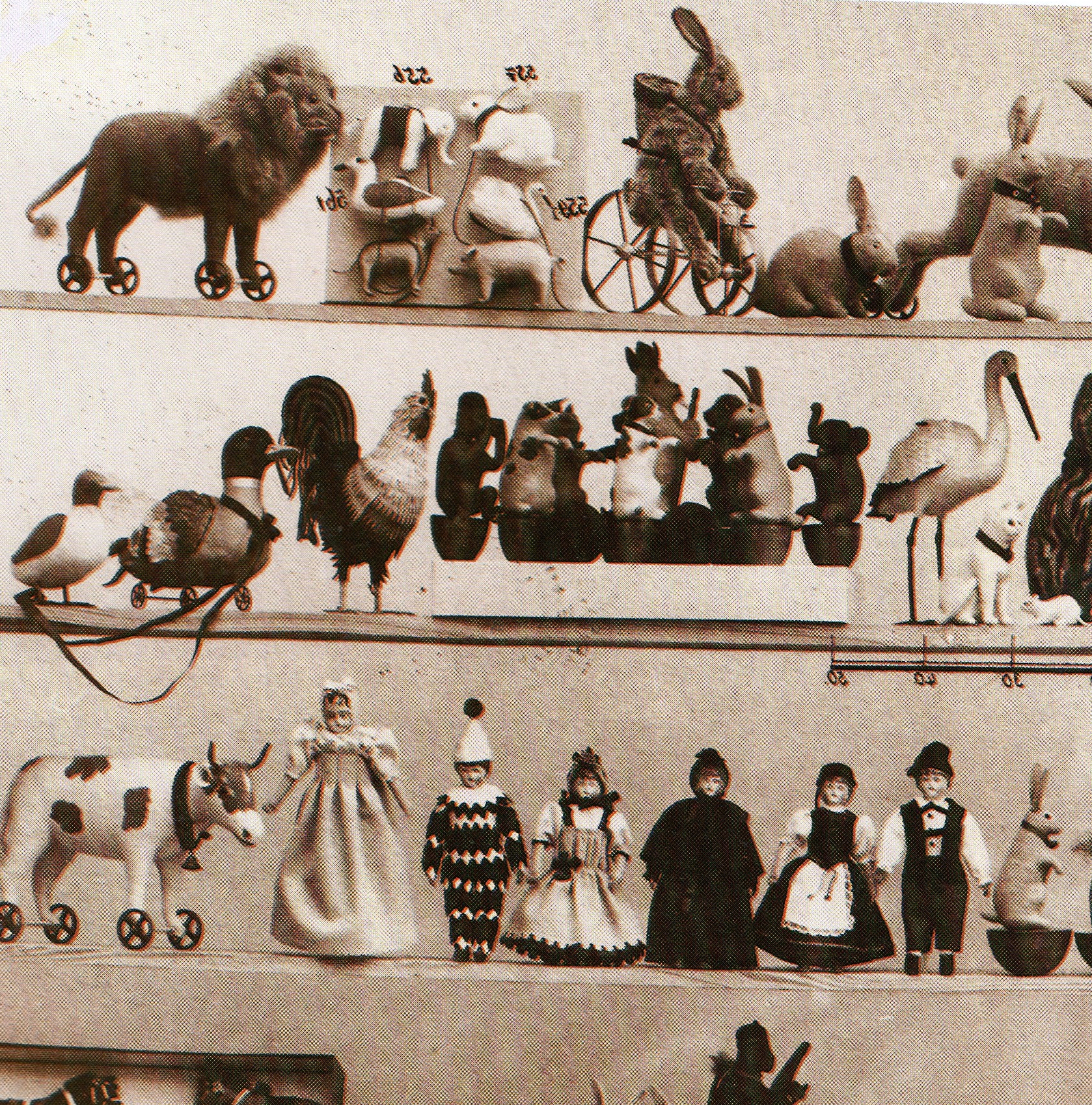
steiff 1  Steiff products displayed at a Toy Fair 1902 – no bear.

The company was established by seamstress Margarete Steiff in the 19th Century. In 1880, needing a present for a nephew, she found a pattern for a toy elephant and made it from soft felt. Drawn to how soft and cuddly they were, children in the neighborhood were soon asking for elephants too.

steiff 3  Steiff bears from the 1890’s and right a first 1903 bear.

She started to make the elephants alongside her dressmaking business but it was her nephew Richard Steiff who came up with the idea of a toy bear.
As a student at art college in Stuttgart he used to visit the zoo and sketch the bears. At the zoo they had cross-bred brown bears with polar bears and these became the inspiration for his first life-like toy bear.

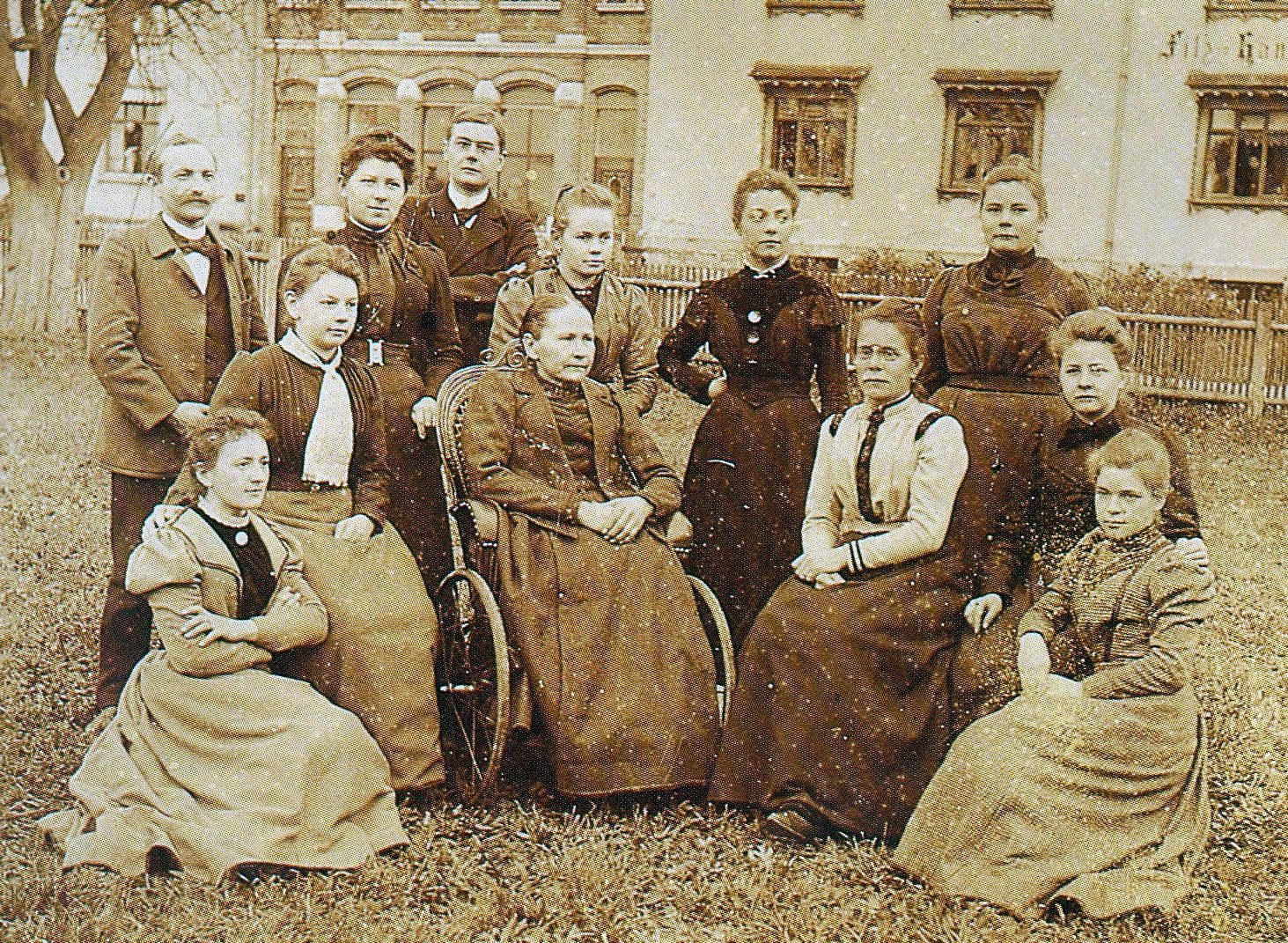
steiff 2  Margarete Steiff (in wheelchair) with her first employees.

Before the bear, children were playing with porcelain dolls, soldiers, tin toys etc.. They were hard and cold and Richard Steiff wanted to give children a companion that they could hold and cuddle.
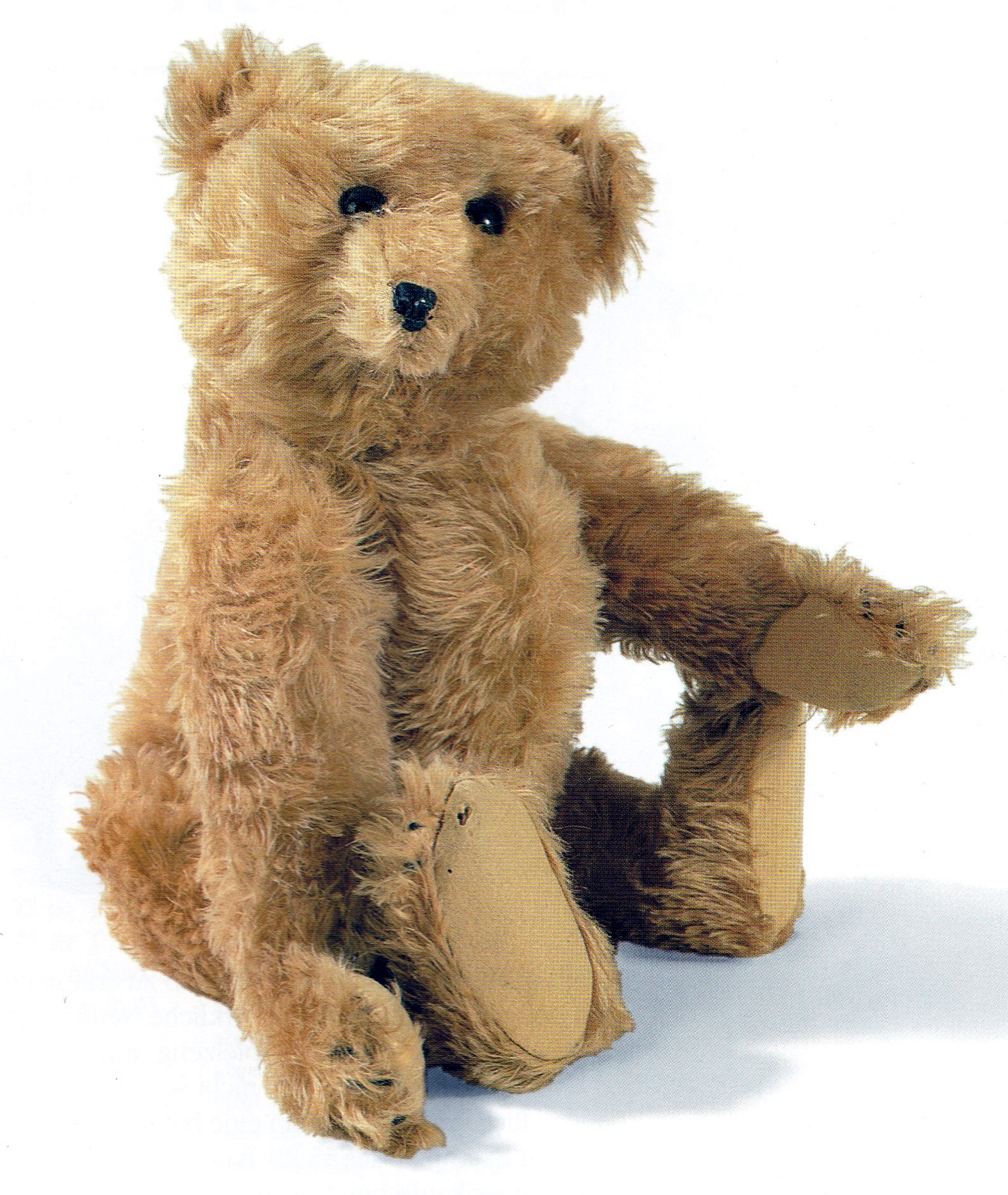
Steiff’s first bear was called 55 PB. The 55 stood for its height in centimeters, P stood for plush and B for beweglich, German for moveable.

steiff 4  The very first Steiff Teddy Bear, extremely rare, 55 PB.

55 PB was introduced to the German public at the Leipzig Toy Fair in spring 1903. But there was not much interest. There’s a wonderful story how Richard Steiff just putting all the bears back in the boxes and he’s sealing everything up when Hermann Berg came around, a buyer for Borgfeldt in New York.

steiff 7  Margarete Steiff with one of her very first Teddy Bears, c.1904.

„Berg is desperately miserable as he’s been trudging around the trade fair all week and he hasn’t found anything to take back to New York, because he’s under instruction, to bring something new back. He spies on Richard Steiff’s stand as he’s nailing down almost the last box and he asks Richard what’s in there? He pulls out 55 PB and Hermann Berg is captivated by him. Apparently on the spot he orders 3,000 bears – a massive order at that time.“

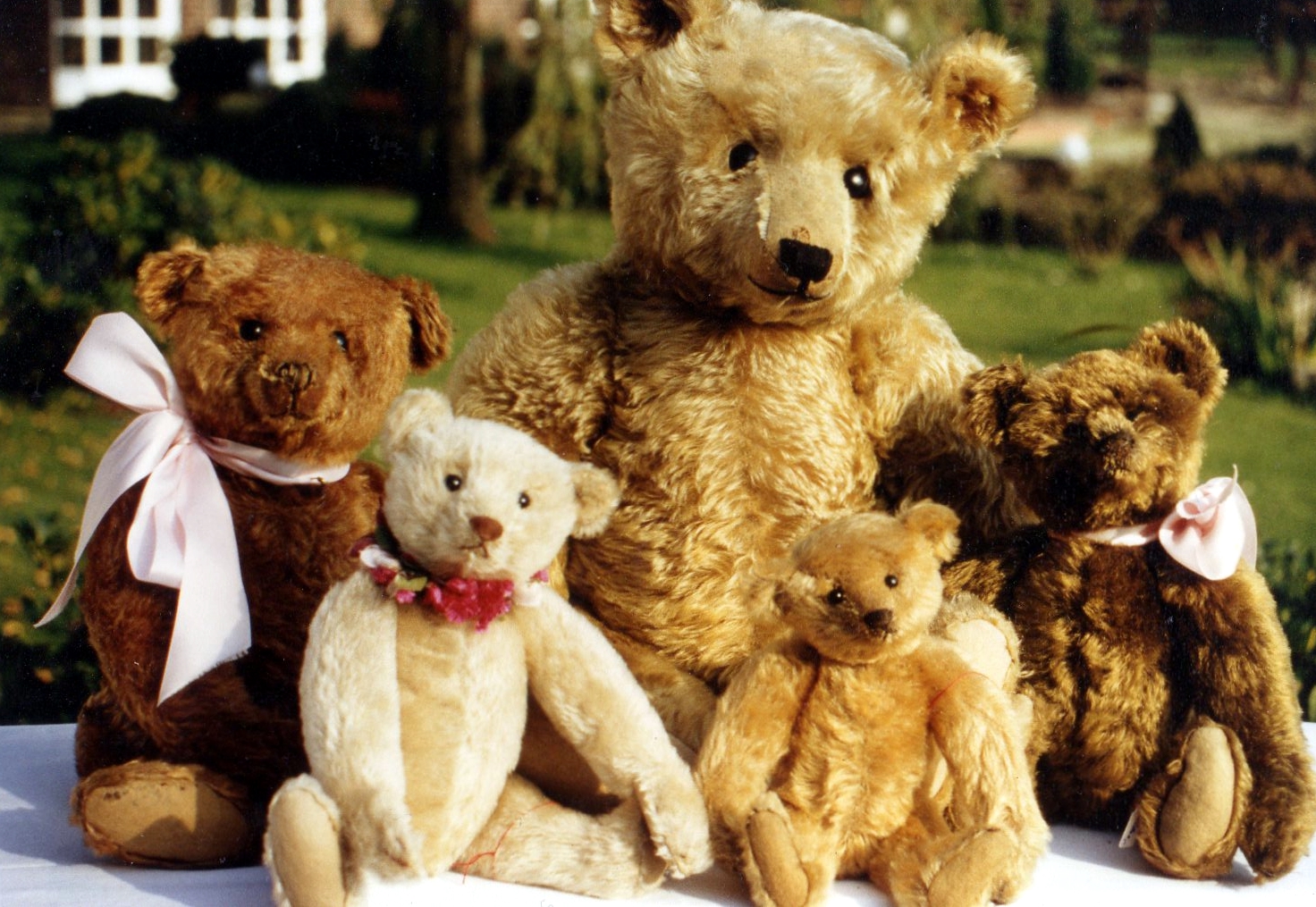
collect 1b   The most expensive Teddy Bear collection would be with, like here shown, original Steiff bears from 1907 to about 1915. Ten’s of Thousand’s of Dollars worth. Extreme difficult to find and almost impossible to get one today.

Popularity.

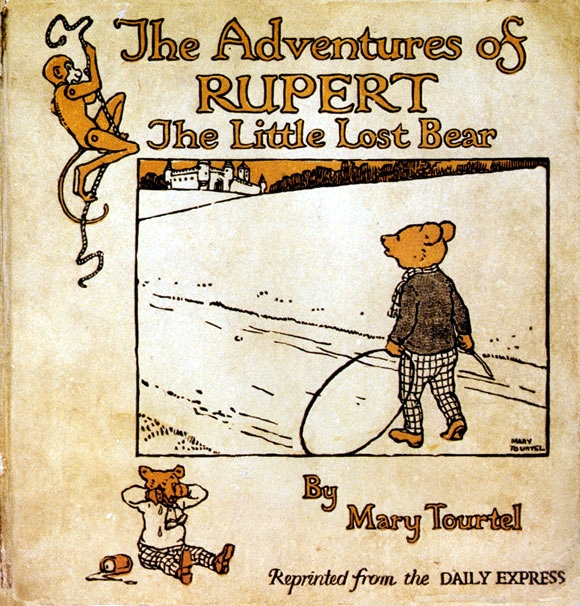
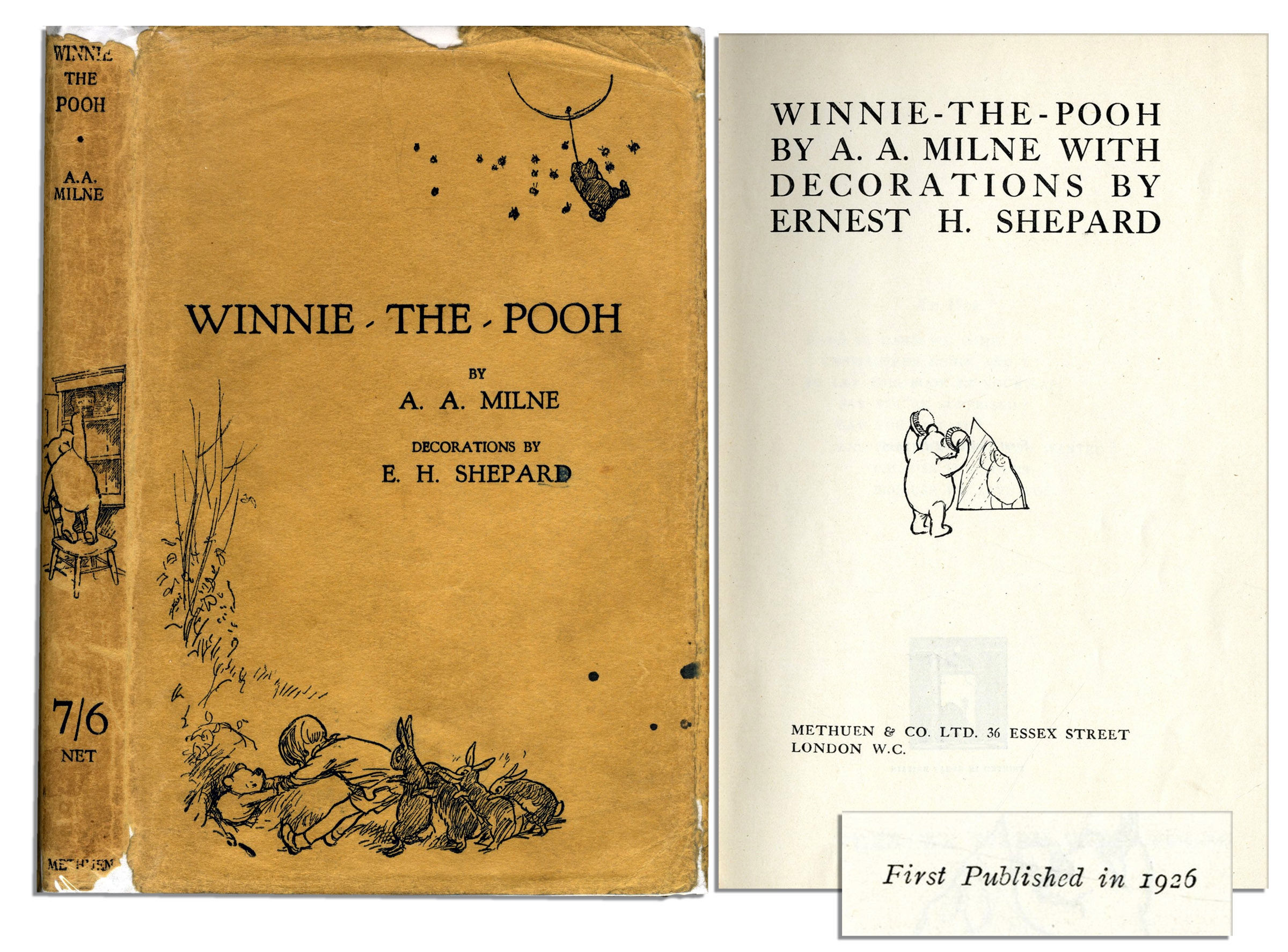
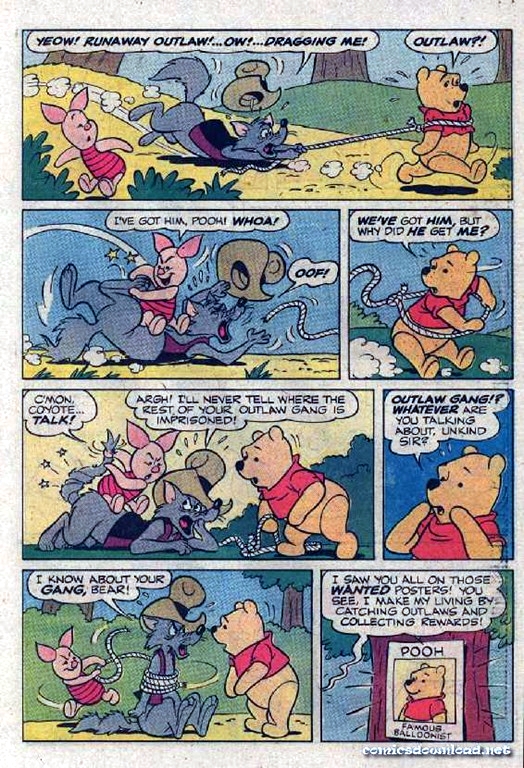
Between 1903 and 1908 the number of teddy bears produced shot up from 12,000 to 975,000 per year. Their further popularity was increased by the introduction of two popular bear characters: Rupert Bear in 1920 and Winnie the Pooh in 1926.
Some of the best-known manufacturers during this period were Steiff, Hermann, Farnell and Merrythought. Ideal in New York went still very slow.

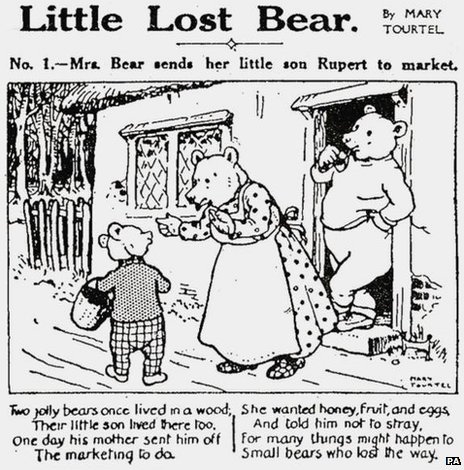
rupert 2    rupert 3

During the Second World War the production of teddy bears slowed down as toy manufacturers had to turn their attention to producing essential war supplies.
Steiff resumed production in 1947, and by 1948 had a workforce of almost 1000 people. By 1953 this figure had doubled as the company released a series of new models to celebrate the 50th anniversary of the teddy bear.

pooh 3             pooh 2
During the 1960s the traditional manufacturers lost ground to companies in China and Indonesia, as cheaper mass-produced bears took over the market. But these mass produced toys could never take over the serious bear lover and bear collector, because of bad craftsmanship and cheap quality.


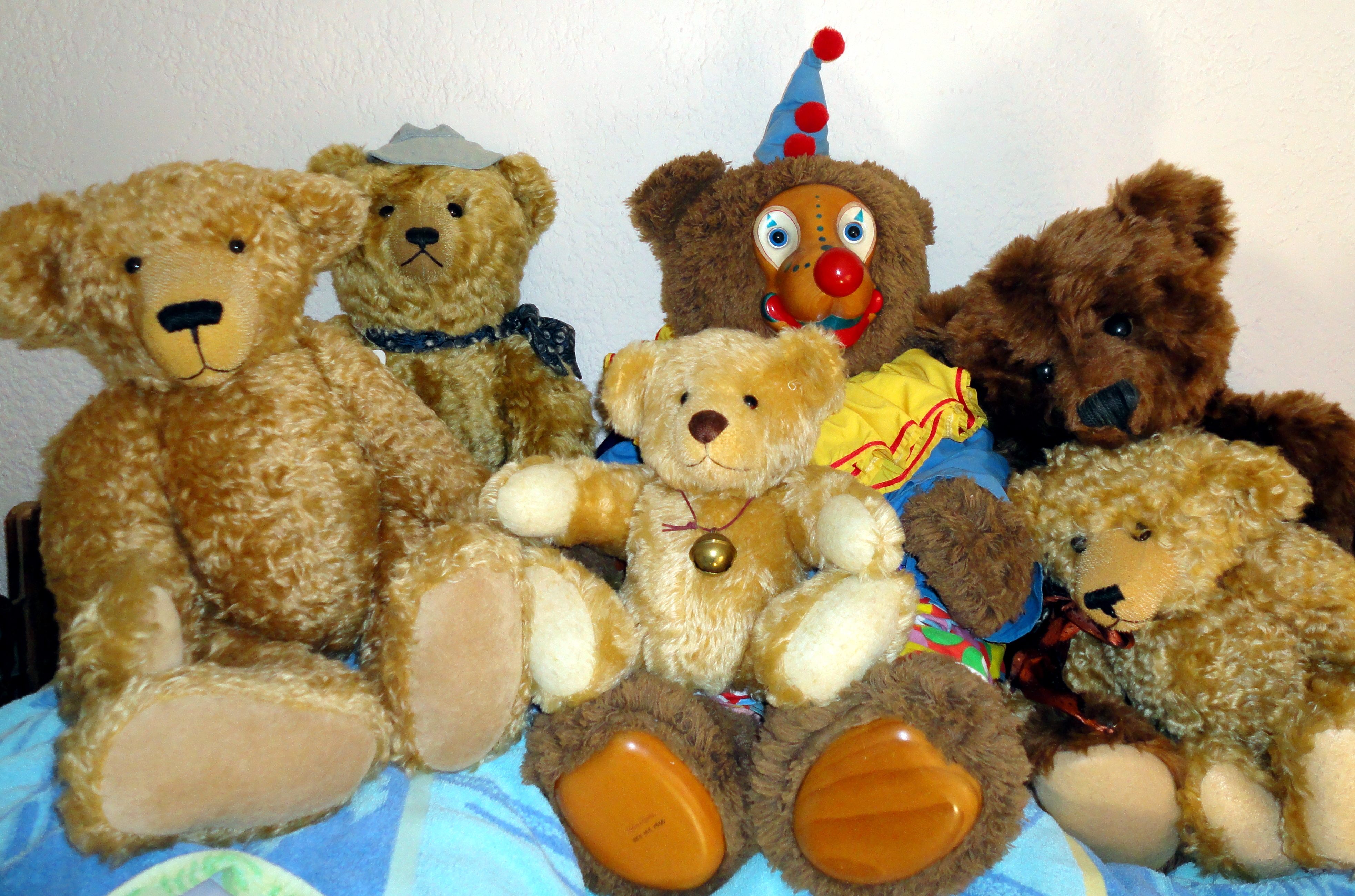
collect 3  Rare collection of „large“ artist bears.

Collecting.

Teddy Bear collectors are known as ‘arctophiles’.
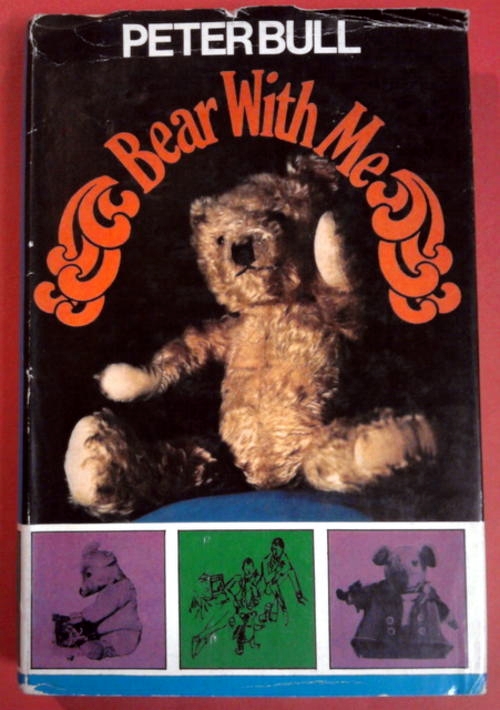
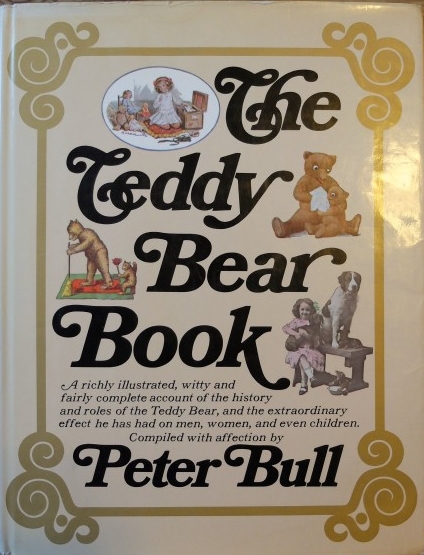
A revival in high quality collectible bears started in 1969 when the popular British character actor Peter Bull  wrote a book entitled „Bear With Me“ (later re-titled „The Teddy Bear Book“) about his collection and affection for the toy.

bull 3     bull 1  Both Peter Bull books.

The idea of collecting Teddy Bears was placed back into the public consciousness, and collectors began to hunt for older models made by the traditional manufacturers.
As this practice developed, the cottage industry of „bear artists“ producing individual, hand made bears began to grow and the market for collectible bears was born.
In 1985 the Teddy Bear Artists Guild was formed in America, and Christie’s held its first auction dedicated to the sale of antique bears.

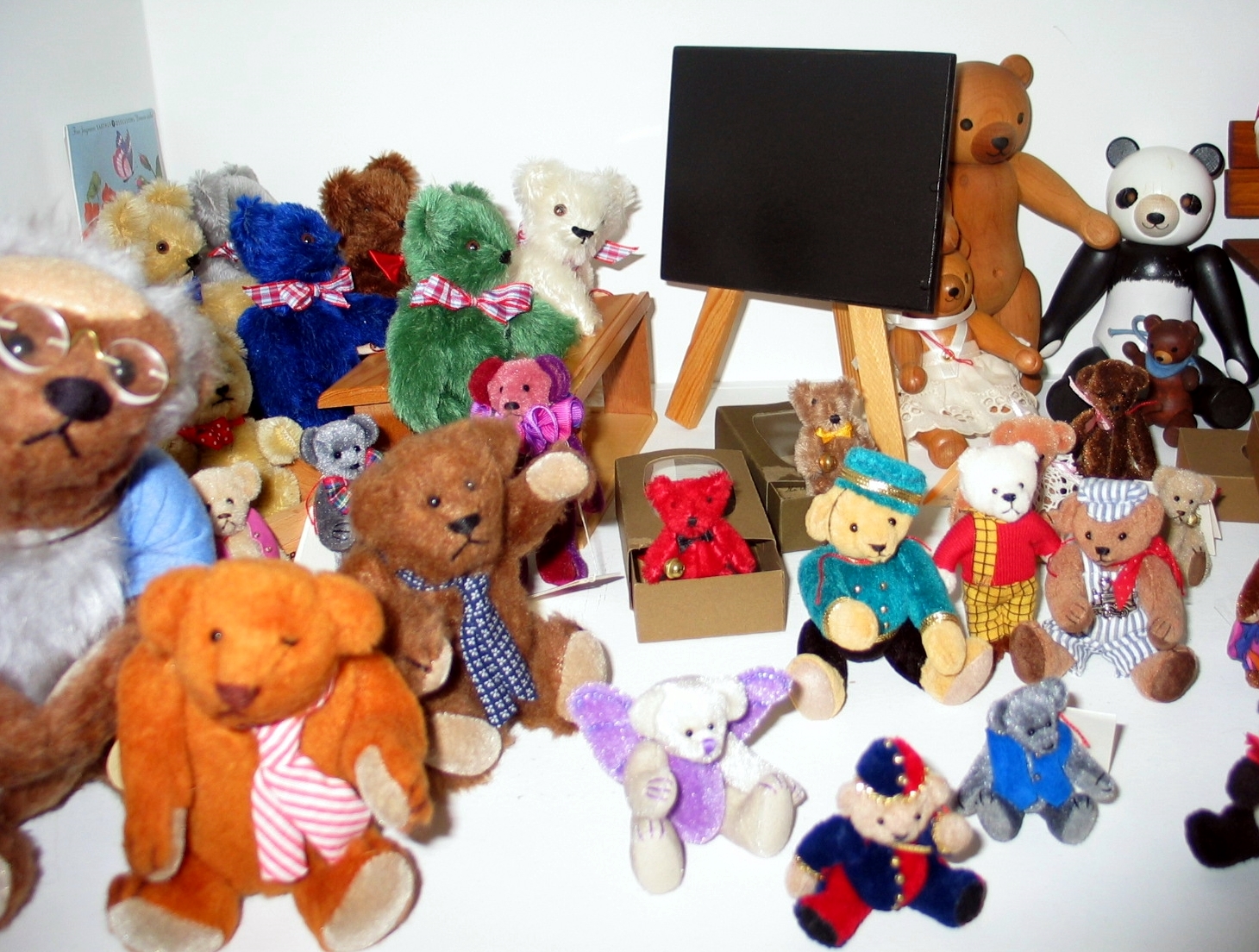
collect 7  Wonderful miniature bear collection.

The market for collectible bears is currently booming worldwide,  and especially „mini bears“ are widely collected, used as individual and personal gifts, as love tokens and as unique gifts for special occasions like Valentines, Birthdays, Anniversaries, Christmas and many more. And the best is – artist bears are rare, collectible but still affordable.

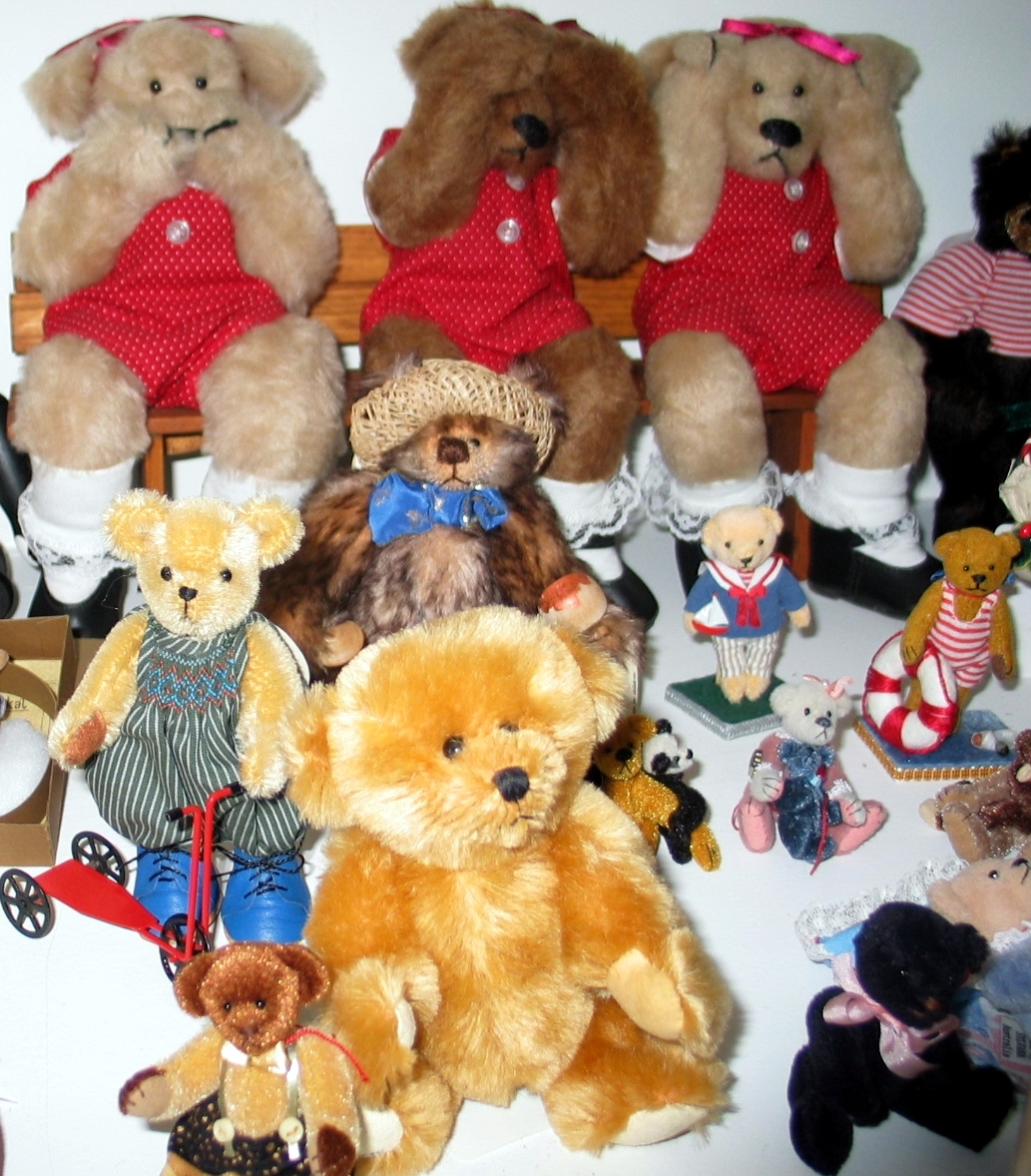
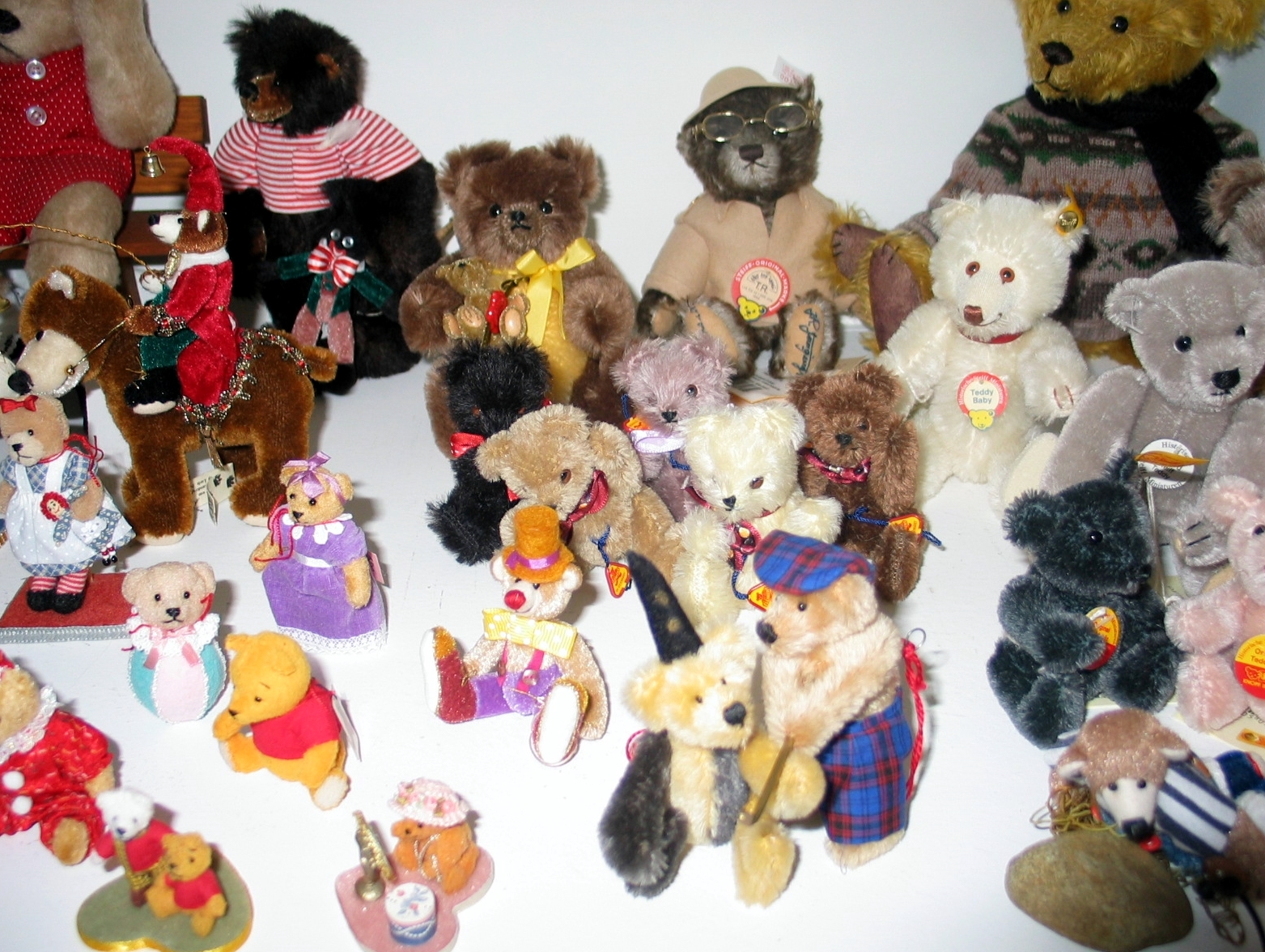
collect 7a  Superb artist bear collection.

Teddy Bears are not just children’s toys nor just highly valuable collectable items. They are much loved, very important characters which have inhabited the childhood of most children in the world and are now firmly entrenched in our folklore.

collect 7b  Nice collection of artist’s miniature bears.

Teddy Bears are as simple as human emotions. Teddy Bear books with all their fantasies, tales and stories reflect this emotional significance. Read a Teddy Bear book or take a Teddy Bear into your arms – you will start smiling – it creates automatically a positive and relaxing mind. Look, how Teddy Bear collectors feel about holding one, down here.

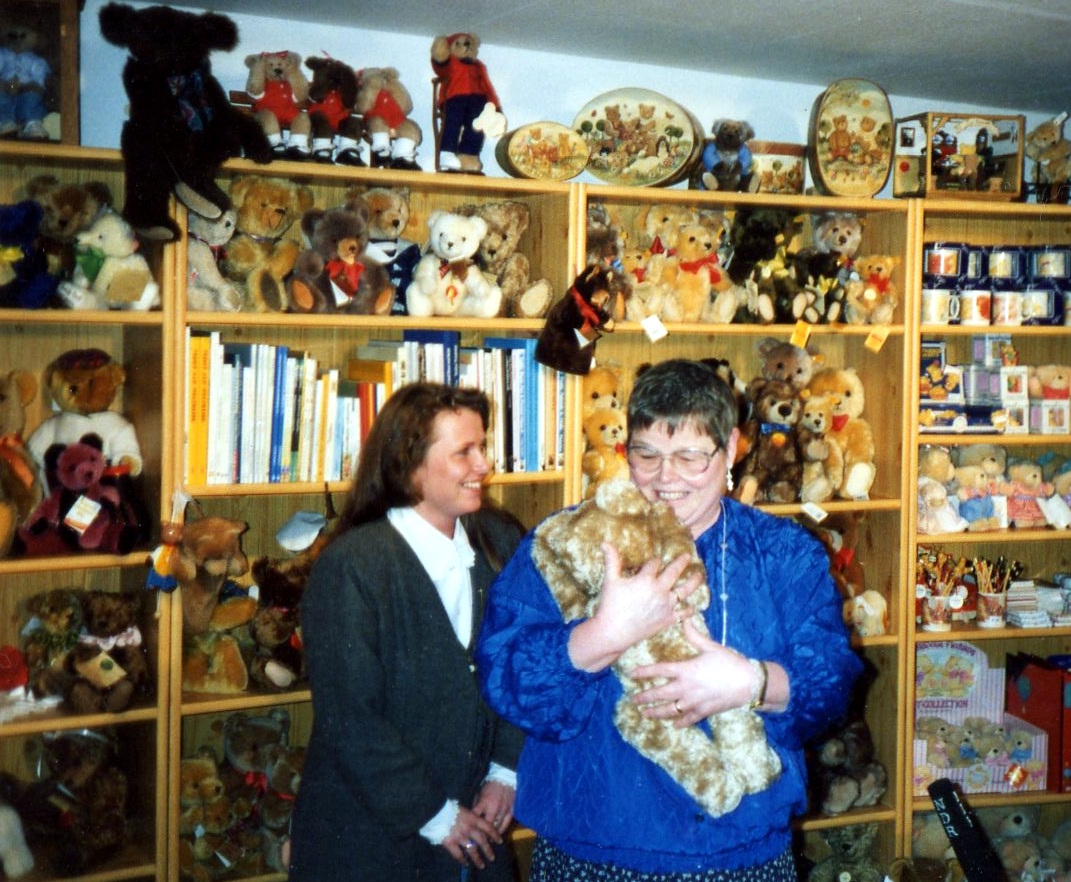
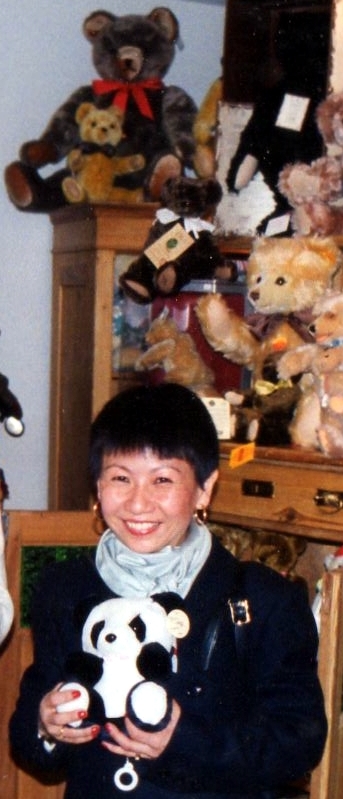
collect 1d    collect 1e  Happy TEDDY collectors.

Since „Teddy’s“ introduction in 1903 and „Teddy’s Books“ in 1905, the world has embraced this cuddly, furry, lovable, durable and dependable friend and confidant. Today and in future, they are still and will be a predominant choice of friendly toys all over the world. Hope you enjoyed this post, stay tuned for more about „OUR CUDDLY FRIEND“.

Veröffentlicht unter Collecting, History, Hobbies | 2 Kommentare

A Fork Full of Joy

toscana 2

It’s about time to do something good for our body again and our soul of course. Today we are going to make a short trip to Tuscany, Italy and discover some soul-food.
The mentality that surrounds food in Italy is unlike everything typical about food in the US or some other European country’s. Italians eat slowly. They savor every single bite and every single moment at the table, „family style“ means more than just passing around a plate of food for everyone to try.

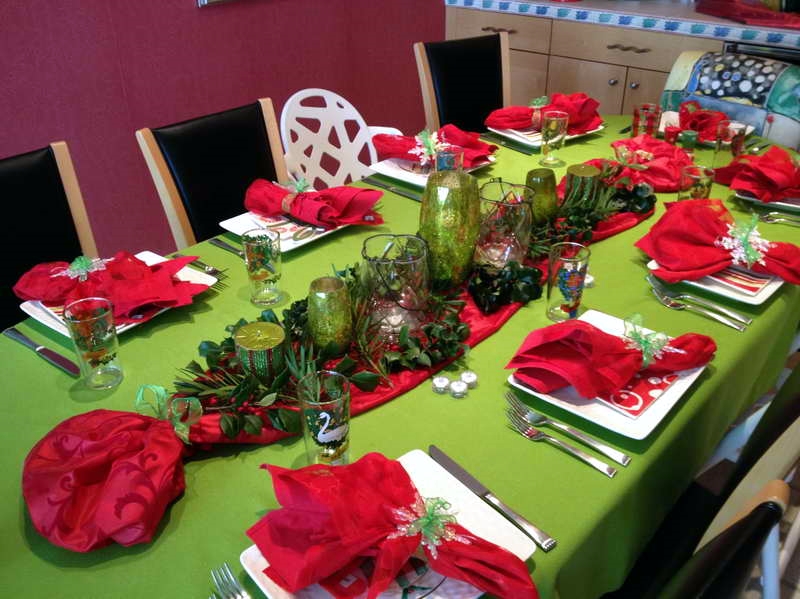
table 3  Italians like a table in their national colors.

A lady  in Italy once told me her family never served a meal without setting the table, complete with a white tablecloth. And yes, of course I realize that setting up a gorgeous tables cape with a movie-worthy view is not something most people have the privilege of re-creating at home, but what we can (and should) copy is the overall idea. Eating is a time to unplug from the rest of the world and to connect with the food and the people right in front of you.

table 2 Table decoration: Why not simple – but effective.

And most importantly, authentic Italian cooks let the ingredients shine. If you start with the best quality ingredients you can find, you only need a few to make an amazing dish.

The best thing you can do is start out with really, really good olive oil. Spend the money on that fancier bottle — it’s 100 percent worth it. Because, as I learned, olive oil is just as much an ingredient as pasta or Parmesan cheese. When you simply use olive oil to sauté vegetables or throw in a tablespoon to prevent your pasta from sticking before adding other ingredients, the pure flavor gets lost in translation. The rich flavor of homemade olive oil is unlike anything else, and it’s truly at the heart of Italian cooking — let it be the shining star.

DSC00295_2             DSC00297_2             DSC02079b
Luckily we get meantime in Uruguay excellent ingredients for gourmet cooking, even good Parmesan cheese.

Use good salt and fresh garlic. Invest in the freshest seasonal vegetables when you can. And, most importantly, take the time to savor every single bite.  Many years ago I already realized that good Italian food is about: freshness, simplicity, and flavor.  See also my post „It’s Pizza Time“, less is more !

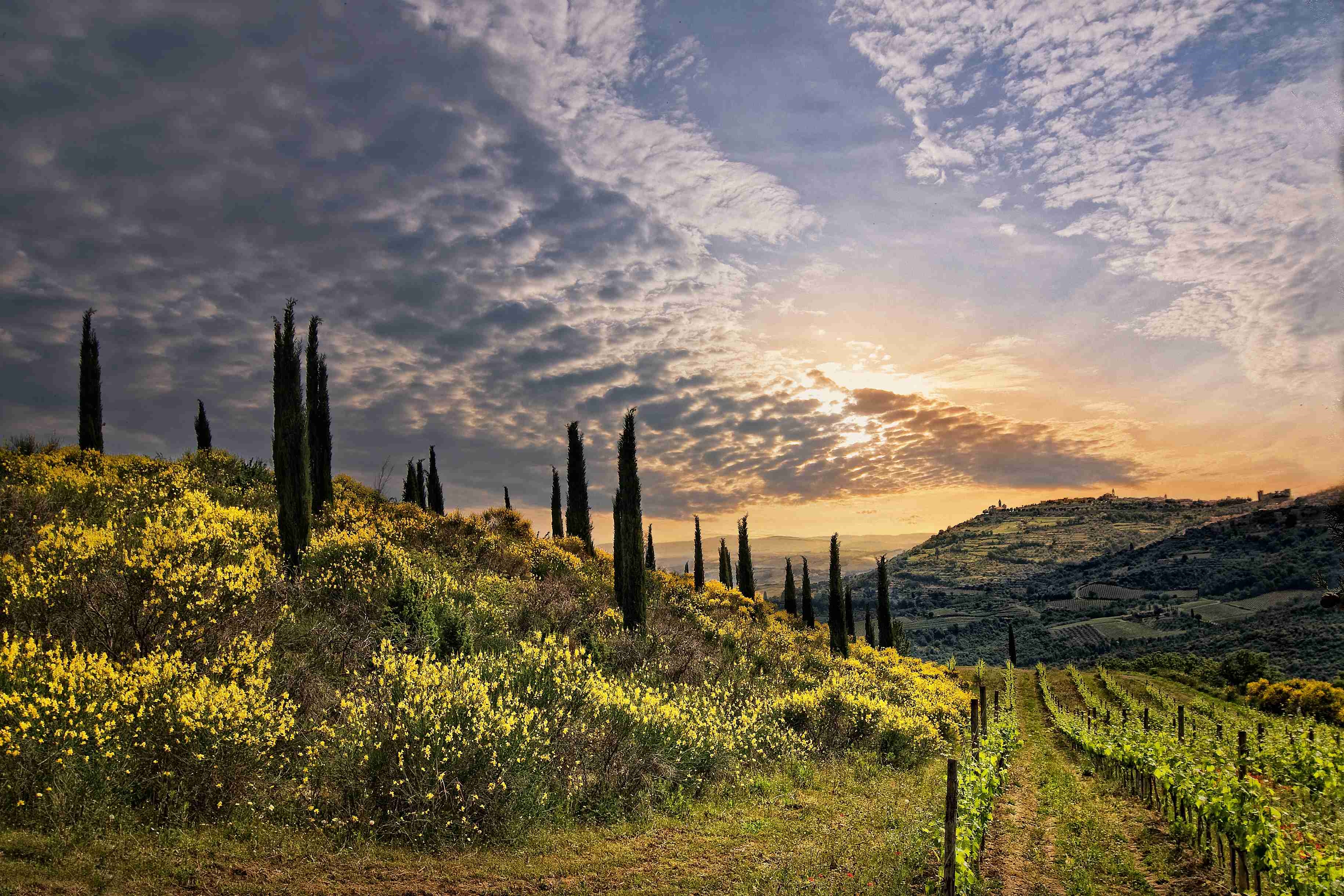
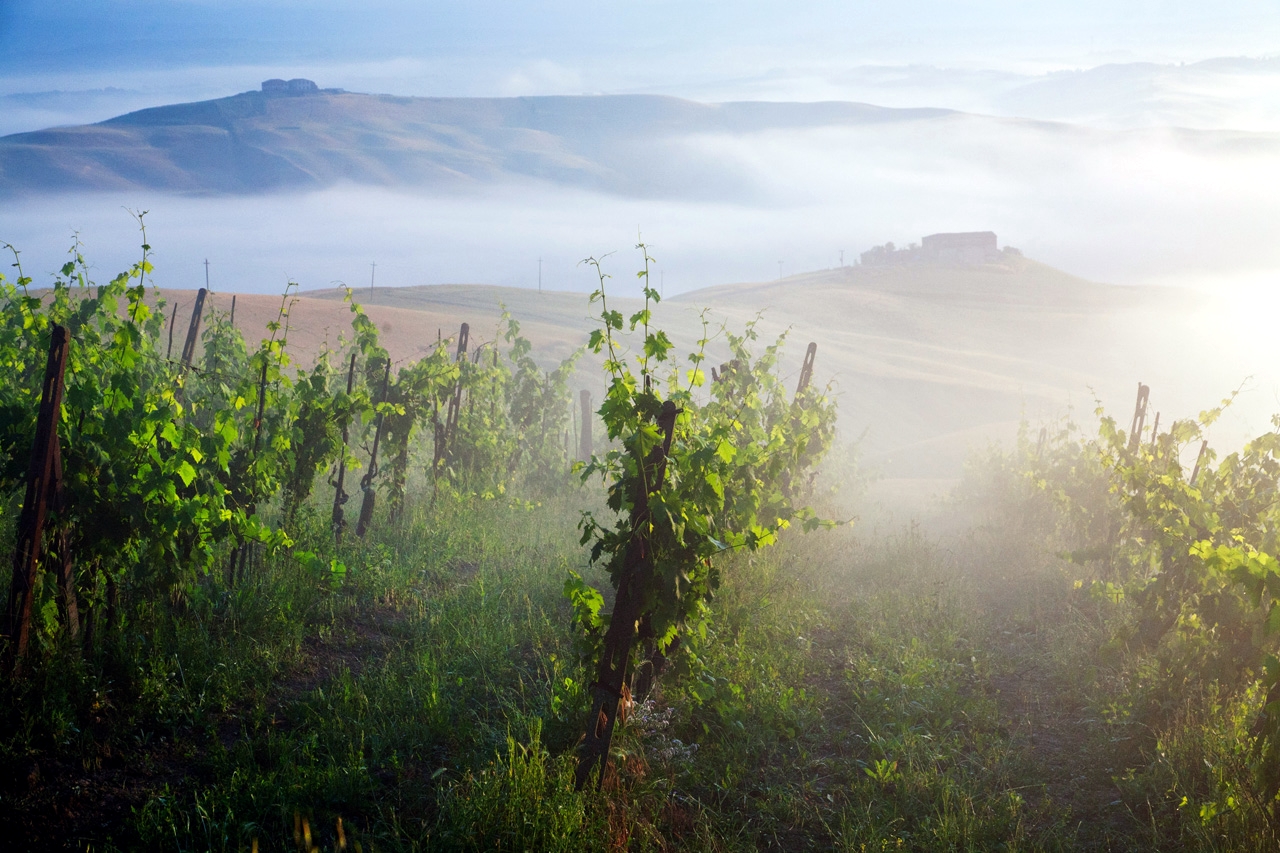
toscana 7 ponte arbia-siena  A vineyard near Siena Tuscany.

Grab a forkful of happiness by making  the following dish.

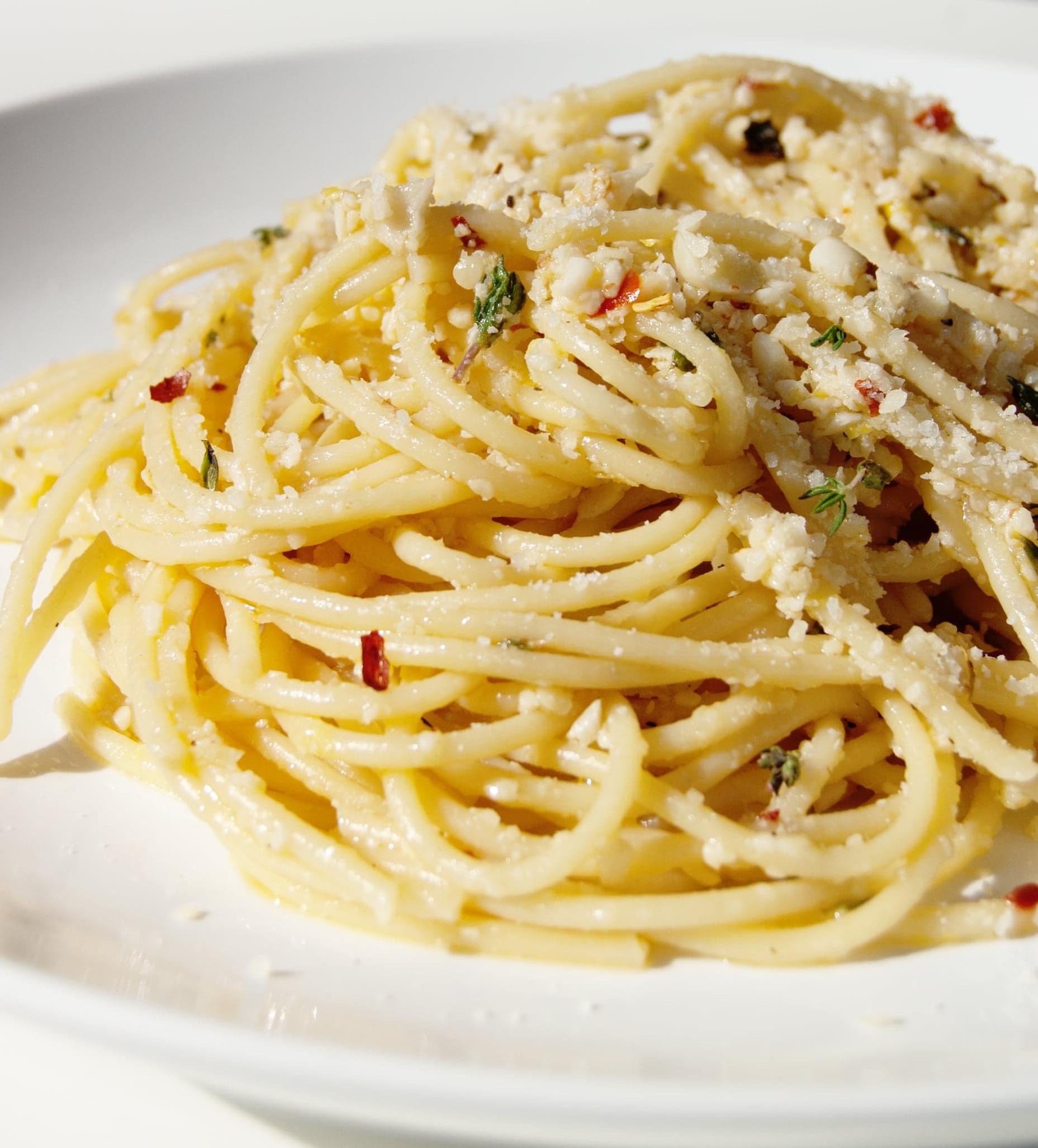
Allow me, as a pasta addict, to introduce you to one of my favorite pasta recipes. Olive oil, garlic, chilli flakes, lemon, white wine, thyme, and Parmesan cheese. If you’ve got all the ingredients on hand, you’re on your way to a fast and easy Italian dinner that will fill you with pure joy. I couldn’t believe it either, but this dish is amazing. Just try it – so easy.

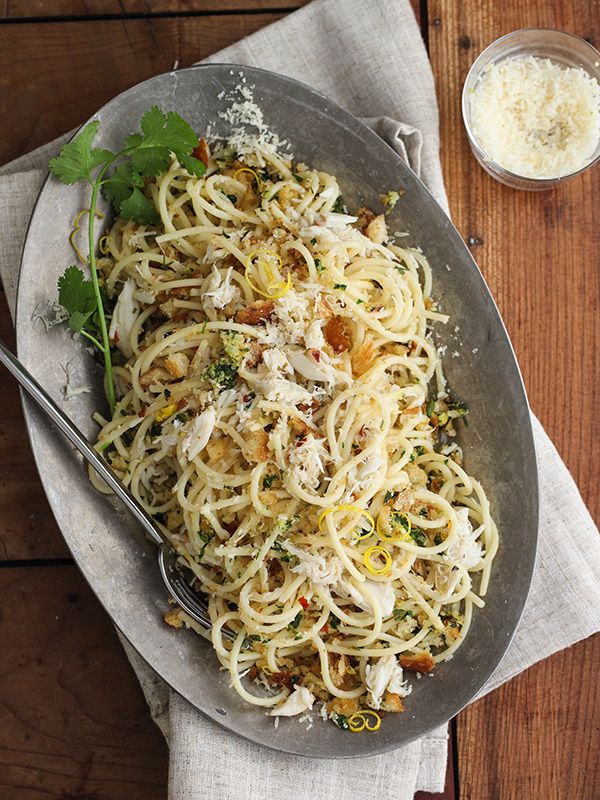
italian 7a  It looks so simple, but believe me it tastes FIRST CLASS !

Warning: your place will be filled with the intoxicating aroma of garlic and white wine, no problem to me, in my opinion it’s always better than the scent of a candle. So get ready to be showered with compliments if you’ve got others around.

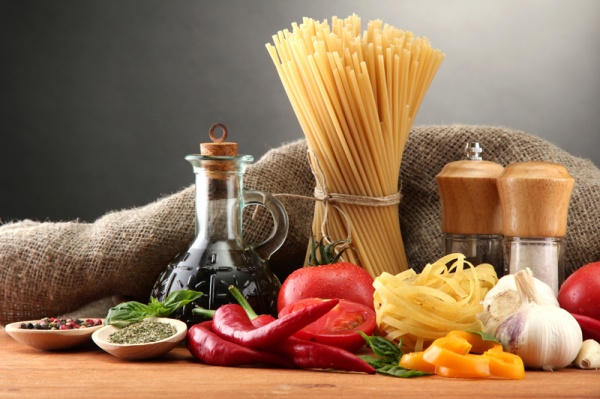
toscana 4  Its all about the right ingredients.


Spaghetti With Garlic, White Wine, Lemon, and Thyme.

Ingredients.

salt
1/2 pound spaghetti
2 large lemons, zested and juiced
2 tablespoons olive oil
5 cloves garlic, minced
1/4 teaspoon chilli flakes (red pepper flakes for the US)
1/3 cup white wine
pepper, to taste
2 tablespoons salted butter
leaves from a handful of fresh thyme (about 5 sprigs), plus more for garnish
1/3 cup grated Parmesan cheese, plus more for garnish and your taste

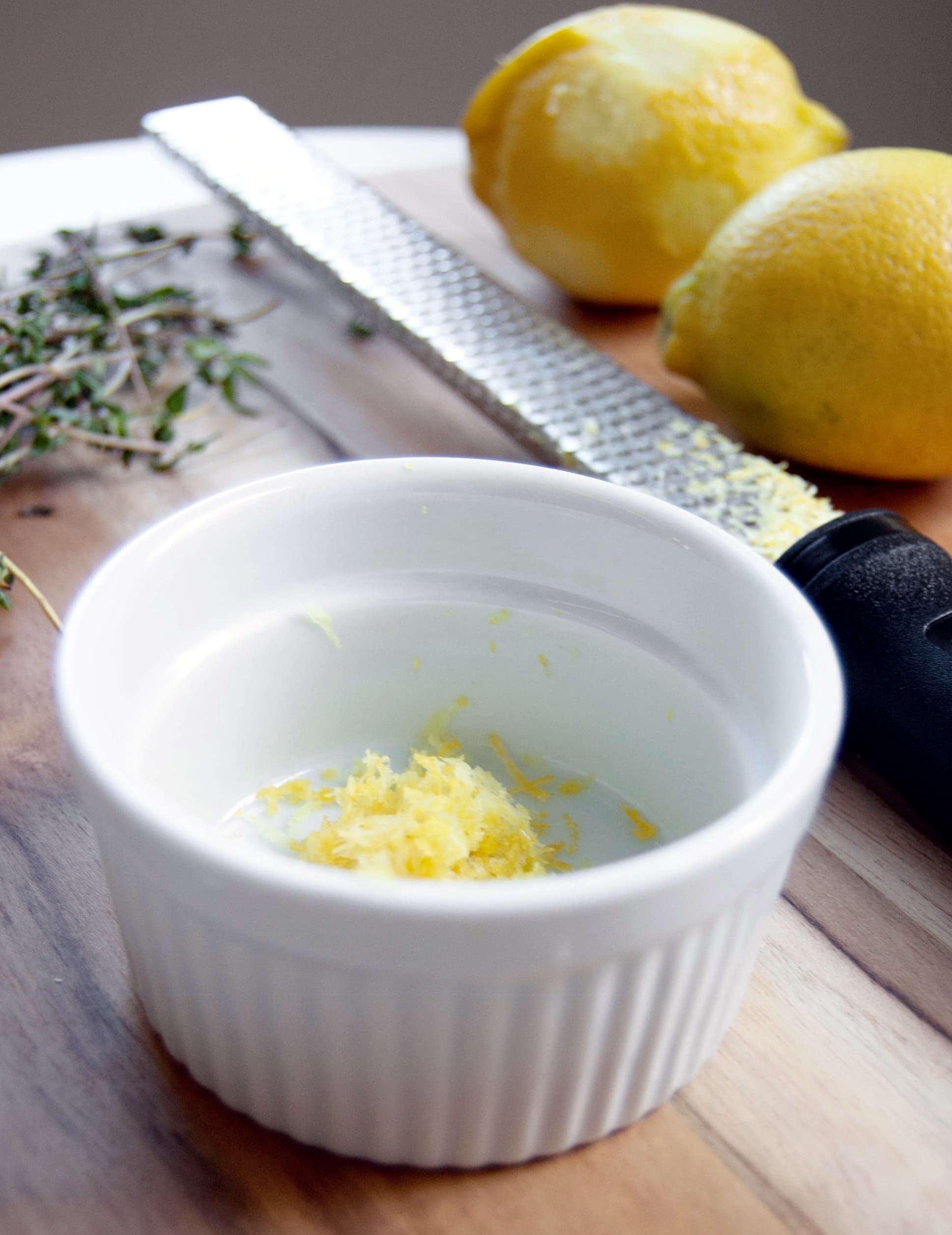
italian 7b  Zesting the lemons.

How to do.

Bring a pot of water to a boil, add a generous pinch of salt, and cook spaghetti 1 minute less than the package directions instruct.
While the water is cooking, I like to start by mincing the garlic and zesting and juicing the lemons so that everything is ready to go when it’s time to add it to the pan. Once everything is prepared, the whole dish comes together in no time.

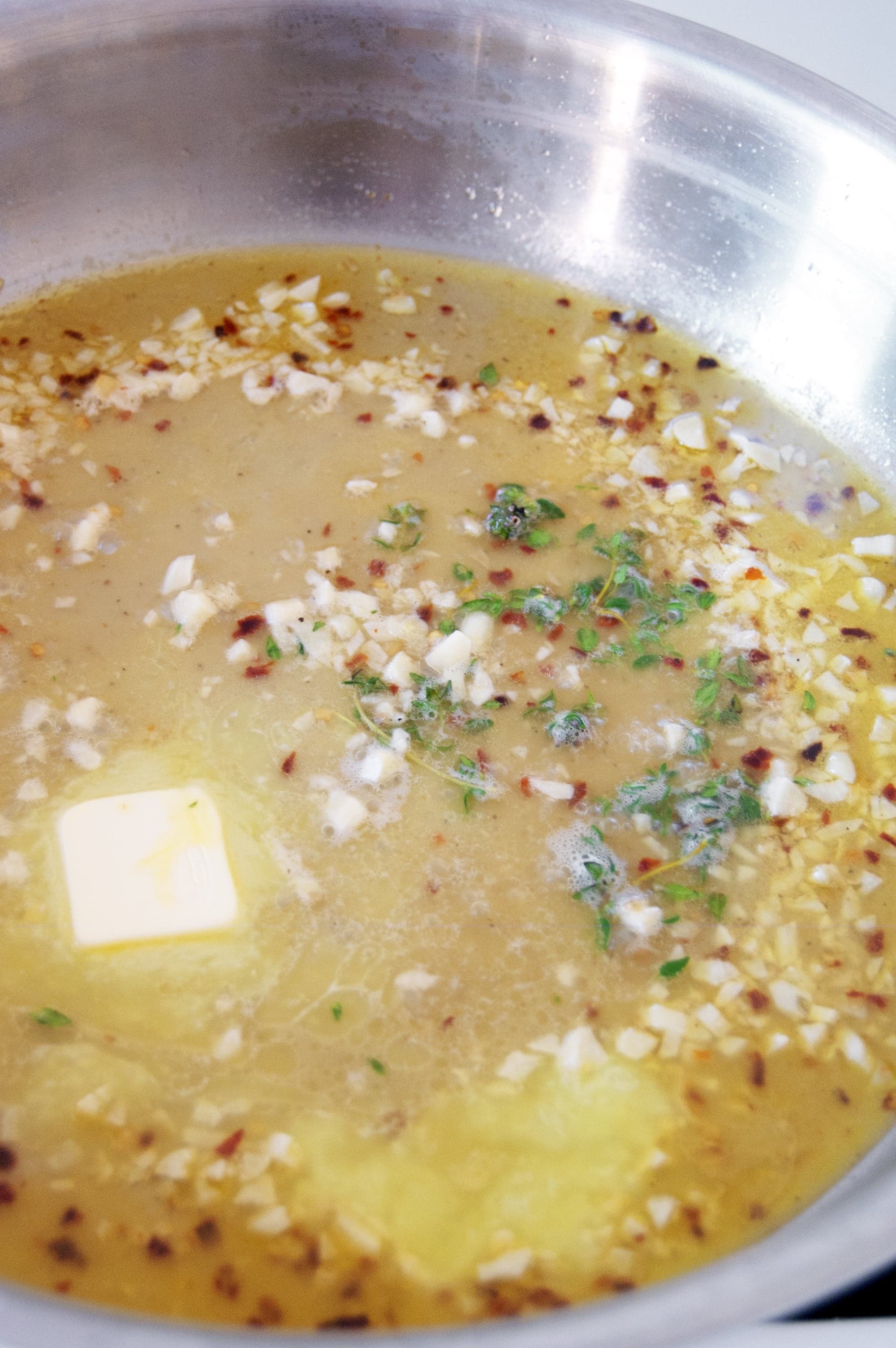
italian 7c  All ingredients are together, butter melts down.

Before draining the pasta, reserve about a cup of the water for later use.
Heat olive oil in a skillet over medium heat until heated through, about 3 min.
Add the garlic and cook, stirring, until fragrant but not browned, about 1 minute.
Add the chilli flakes and stir for a few more seconds.

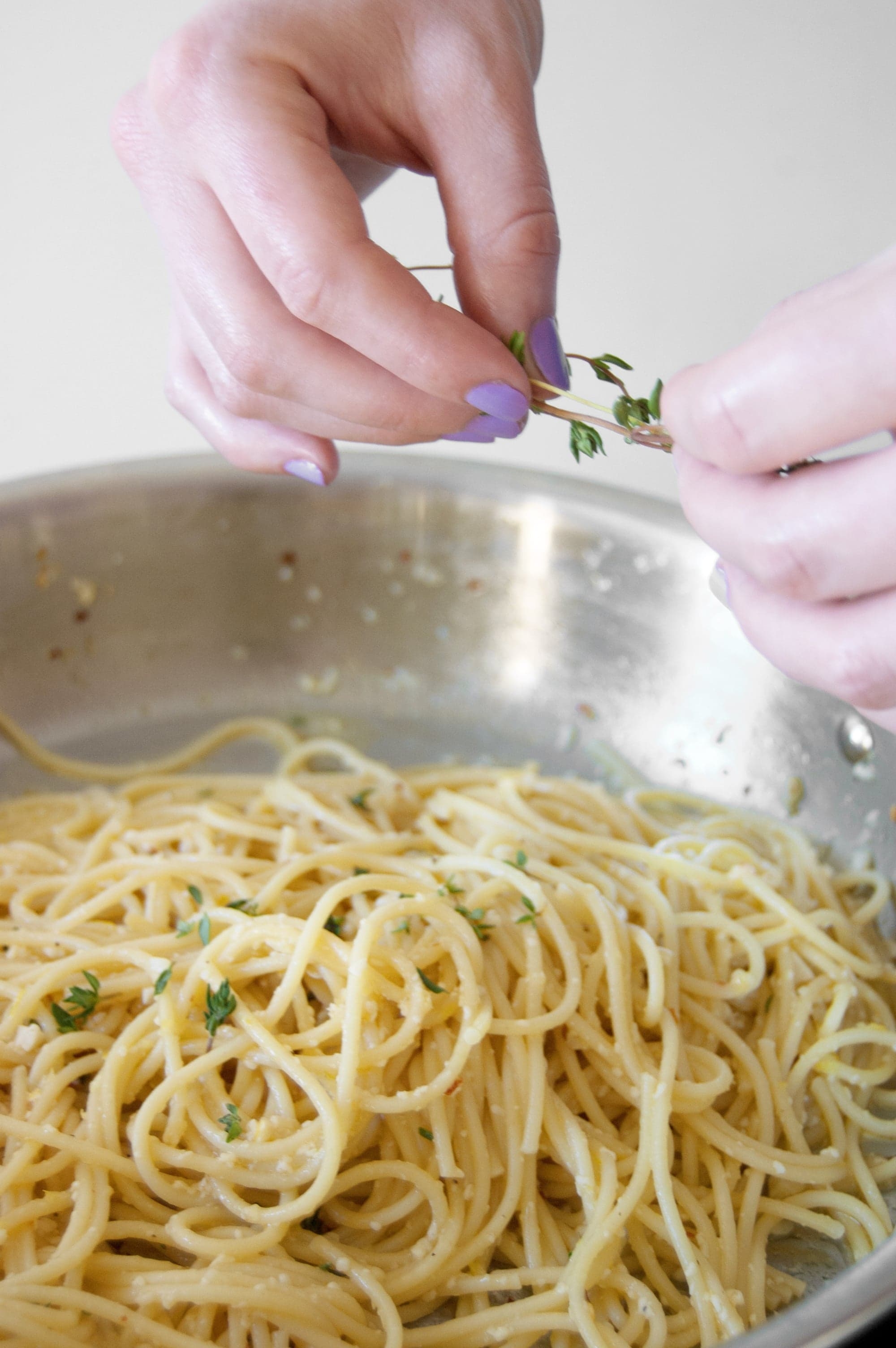
italian 7d  Spaghetti’s are tossed in the sauce, now decorate with thyme.

Add lemon juice and white wine, increase the heat to medium-high, and simmer until the liquid is reduced by half, about 5 minutes.
Season with a pinch of salt and pepper.
Add 2 tablespoons of the pasta water, add the butter, and turn off the heat once it’s melted.
Add the lemon zest and Parmesan cheese into the pan, directly followed by the spaghetti, tossing to coat all the spaghetti with the sauce.
Sprinkle the dish with thyme leaves and directly serve hot.

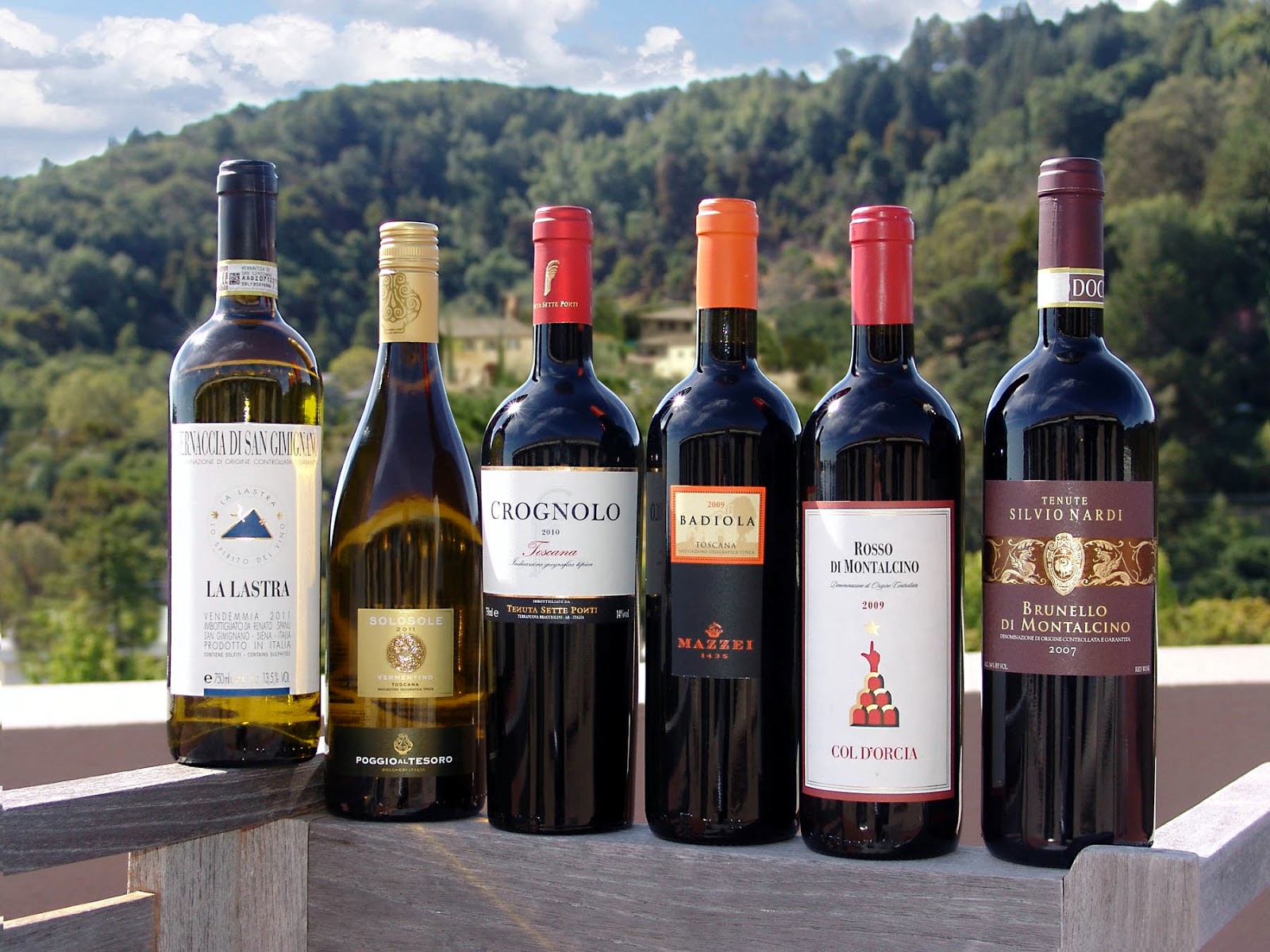
toscana 6  If you can get your hands on one of these, grab it. The „solosole“ (means „only sunshine“) , second from left, goes perfect with our „Fork Full of Joy“.

Tips.

Add more pasta water as needed, 1 tablespoon at a time. Taste and add more salt and pepper if needed.
Serve topped with additional Parmesan cheese, thyme, and chilli flakes, if desired. I liked it a bit more spicy (some chilli flakes) but not as much lemon juice.
You need to cook this dish – and believe me, you will – a few times to find out your personal taste. And, you will like some baguette to dip up the sauce.
With such cooking I always like to use the wine I choose for drinking. In this case I would prefer a glass of fresh Chenin Blanc or Riesling.

Variations.

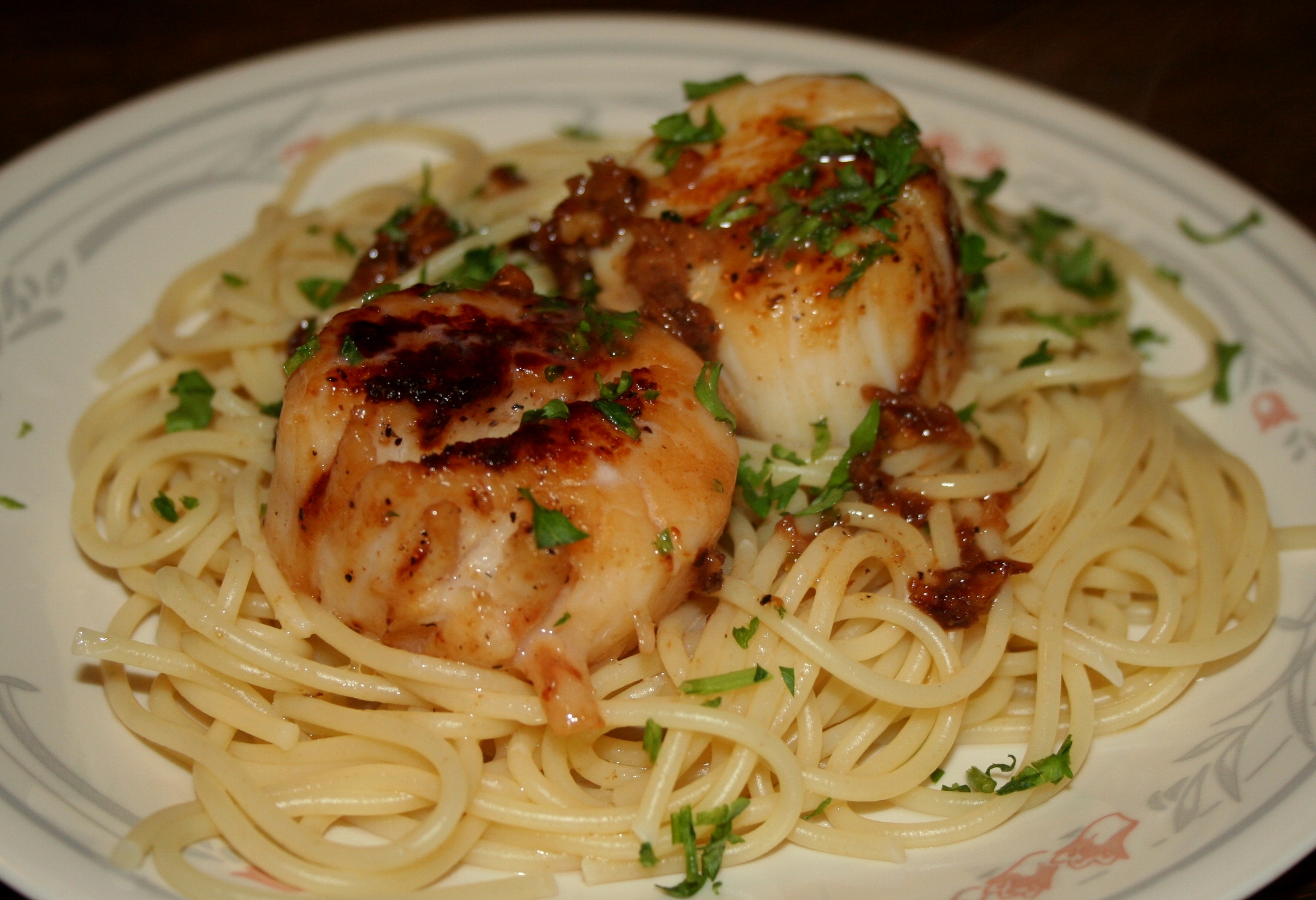
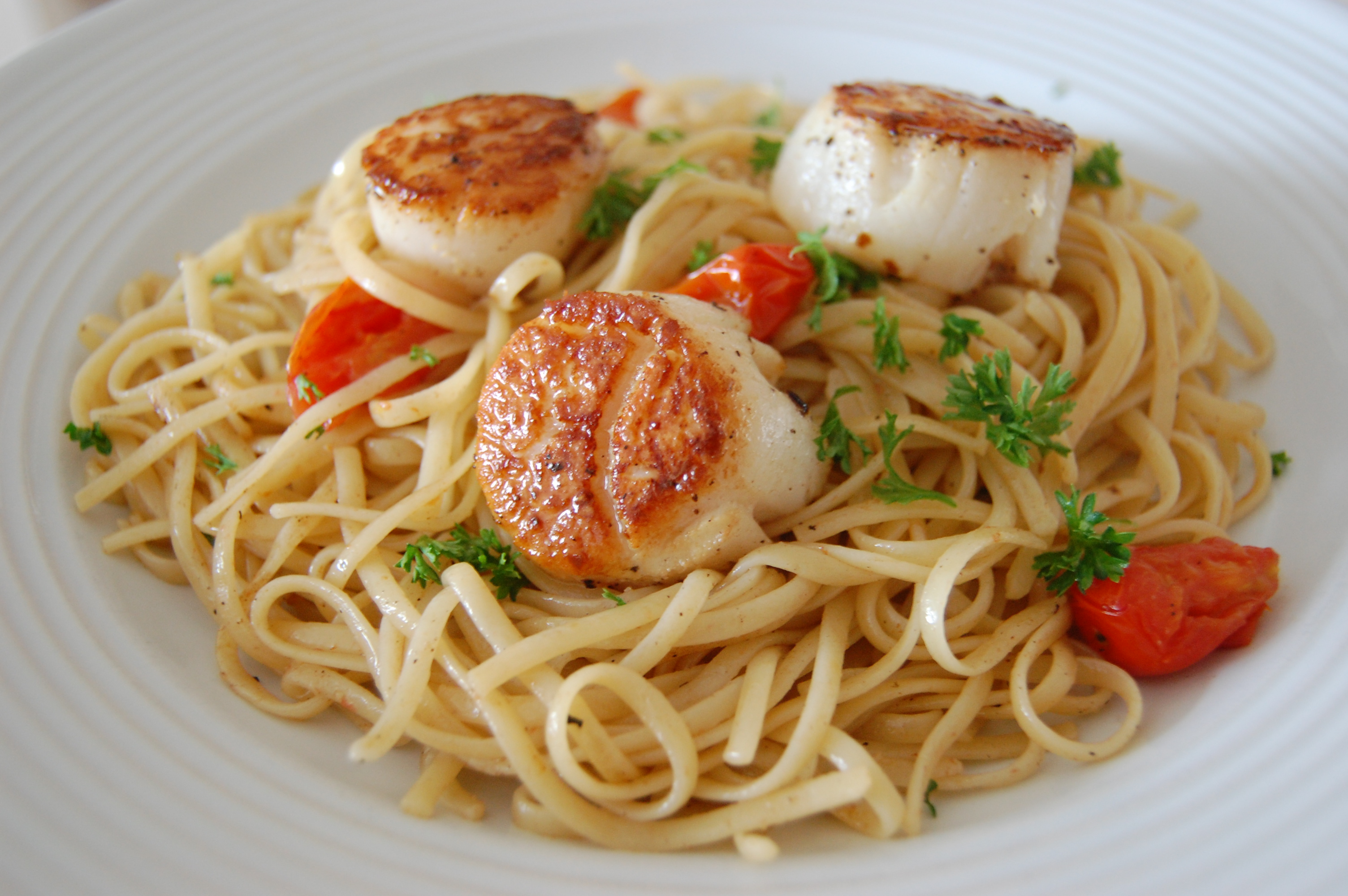
italian 8 seared scallops   italian 8b Some seared scallops on the top. Or linguini instead of spaghetti. Sadly no fresh scallops in Uruguay.
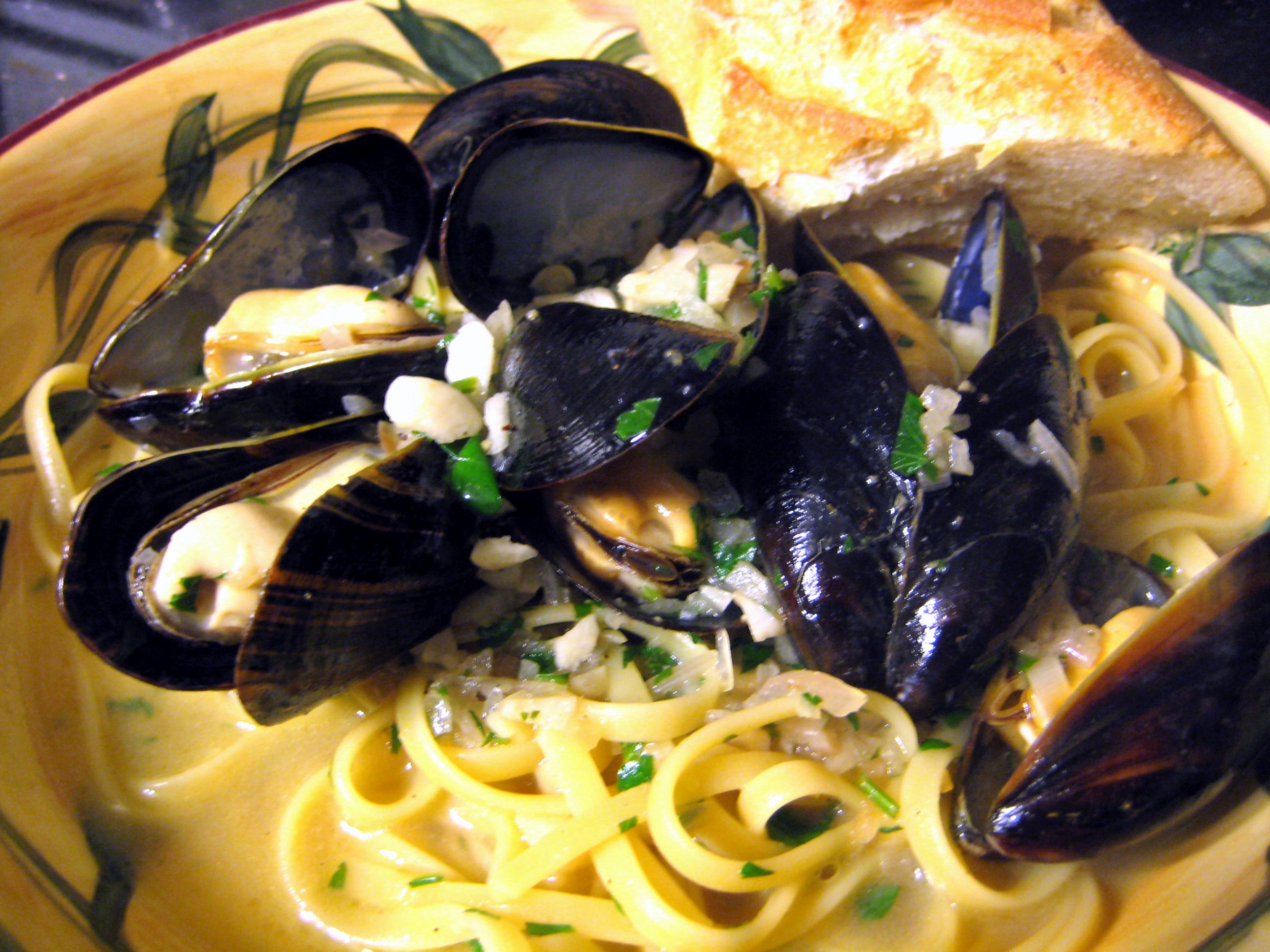
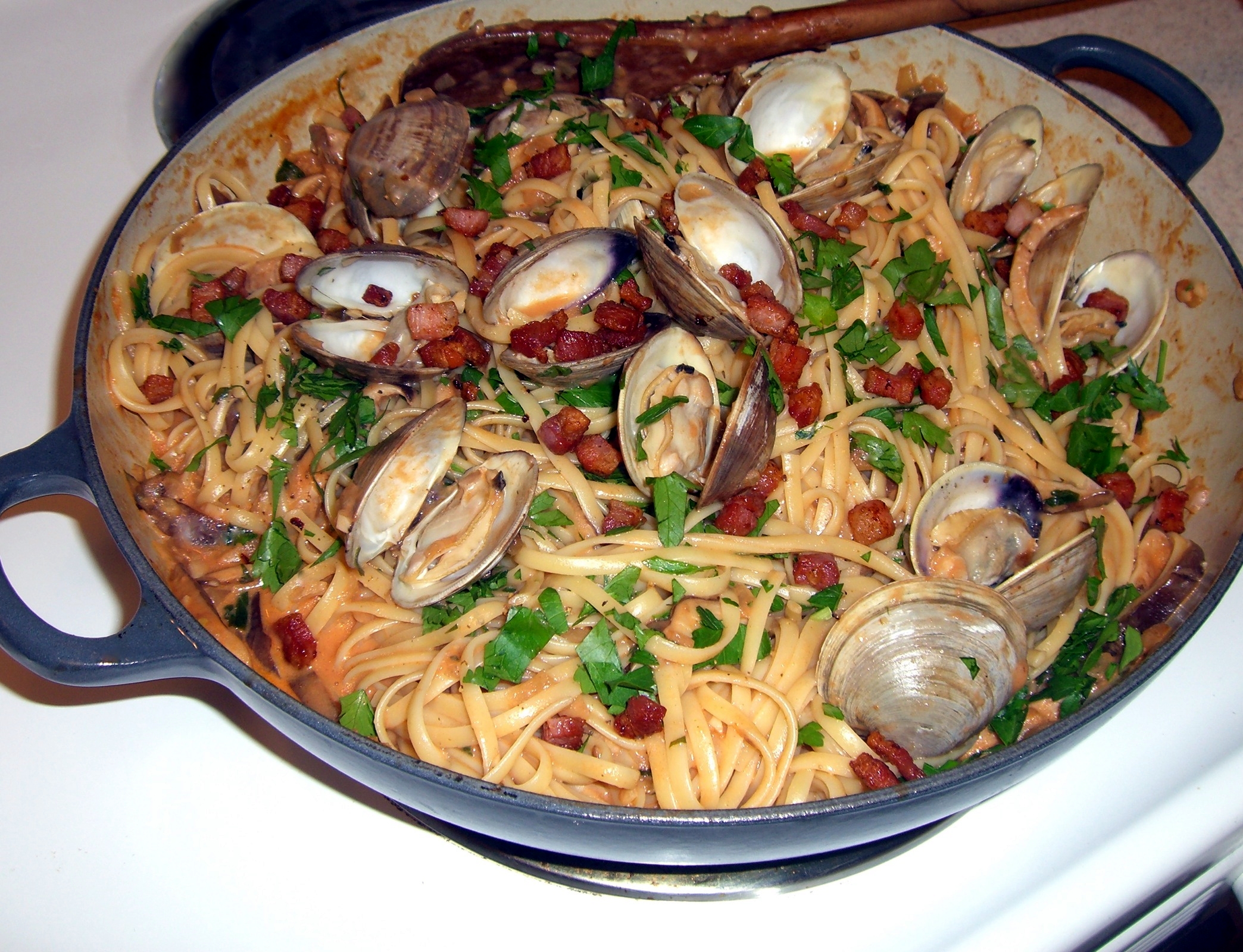
italian 14a  italian 13 clams y pancettaDelicious with fresh blue mussels or clams and pancetta. Sadly no fresh mussels/clams in Uruguay.

These variations we do sometimes, even in Uruguay:

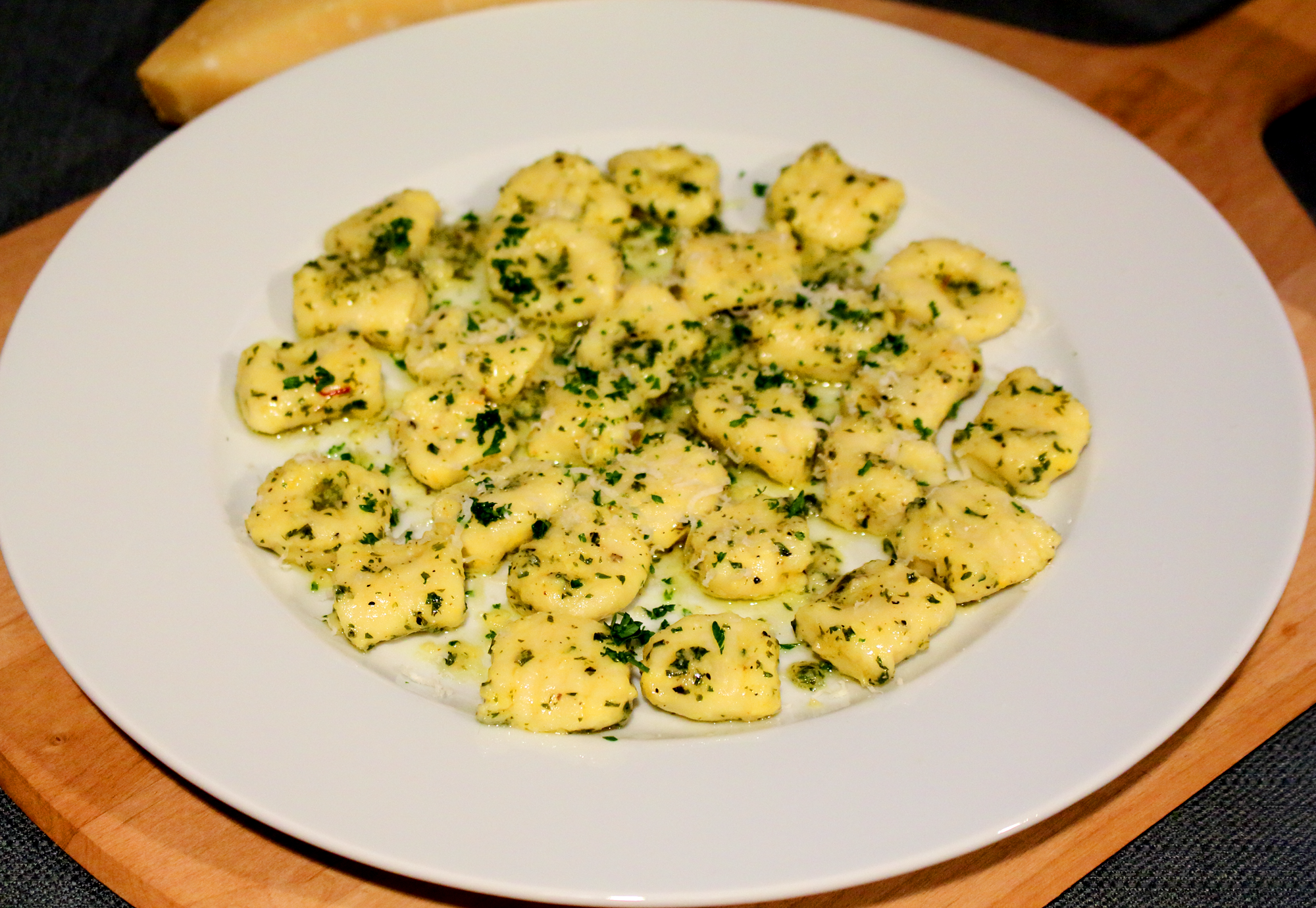
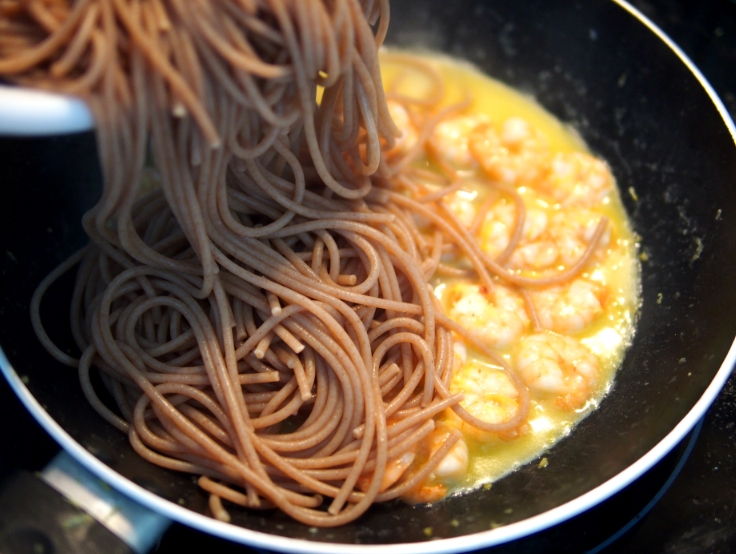
italian 9d with gnocchi italian 11    Same recipe made with gnocci (on 29th each month it’s gnocci day in Uruguay anyhow). Or try integral pasta, same wonderful taste. Also done with shrimps or gambas added to the sauce before the pasta is tossed into it.
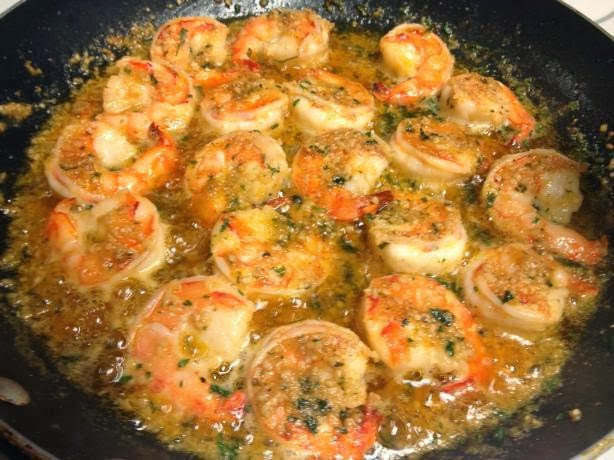
italian 11a                italian 12               What a feast the garlic wine sauce with gambas ! Right, with cream and pancetta into the sauce and then decorated with lemon zest, Parmesan cheese and parsley or coriander.

A fork full of joy !! Hope you’ll enjoy this dish as we do, please tell me !!

Veröffentlicht unter Lifestyle, Recipes | Verschlagwortet mit , , | 3 Kommentare

Australia – Aborigine Art For Sale

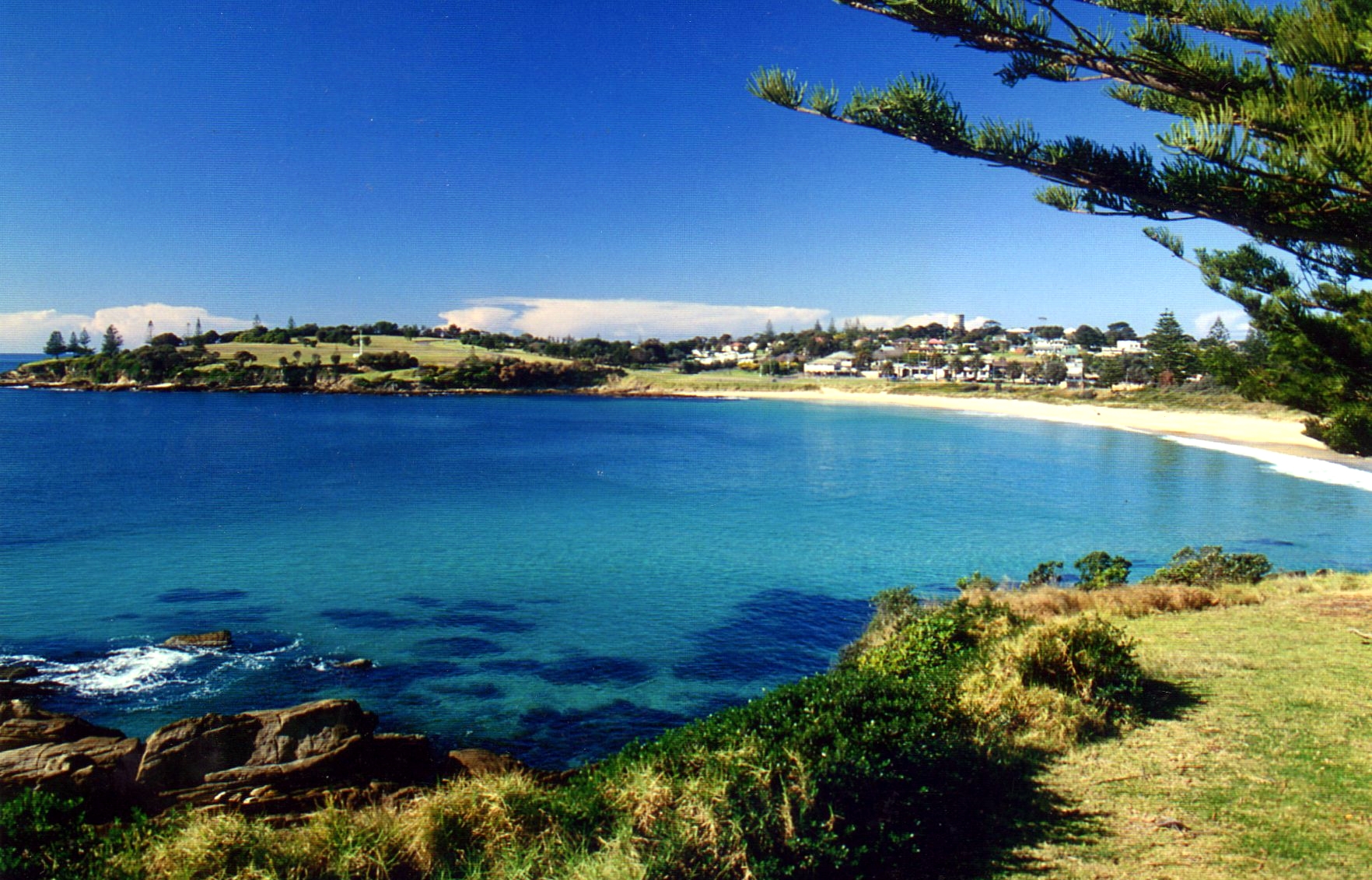
img125a  Bermagui, the most beautiful beach town in NSW.

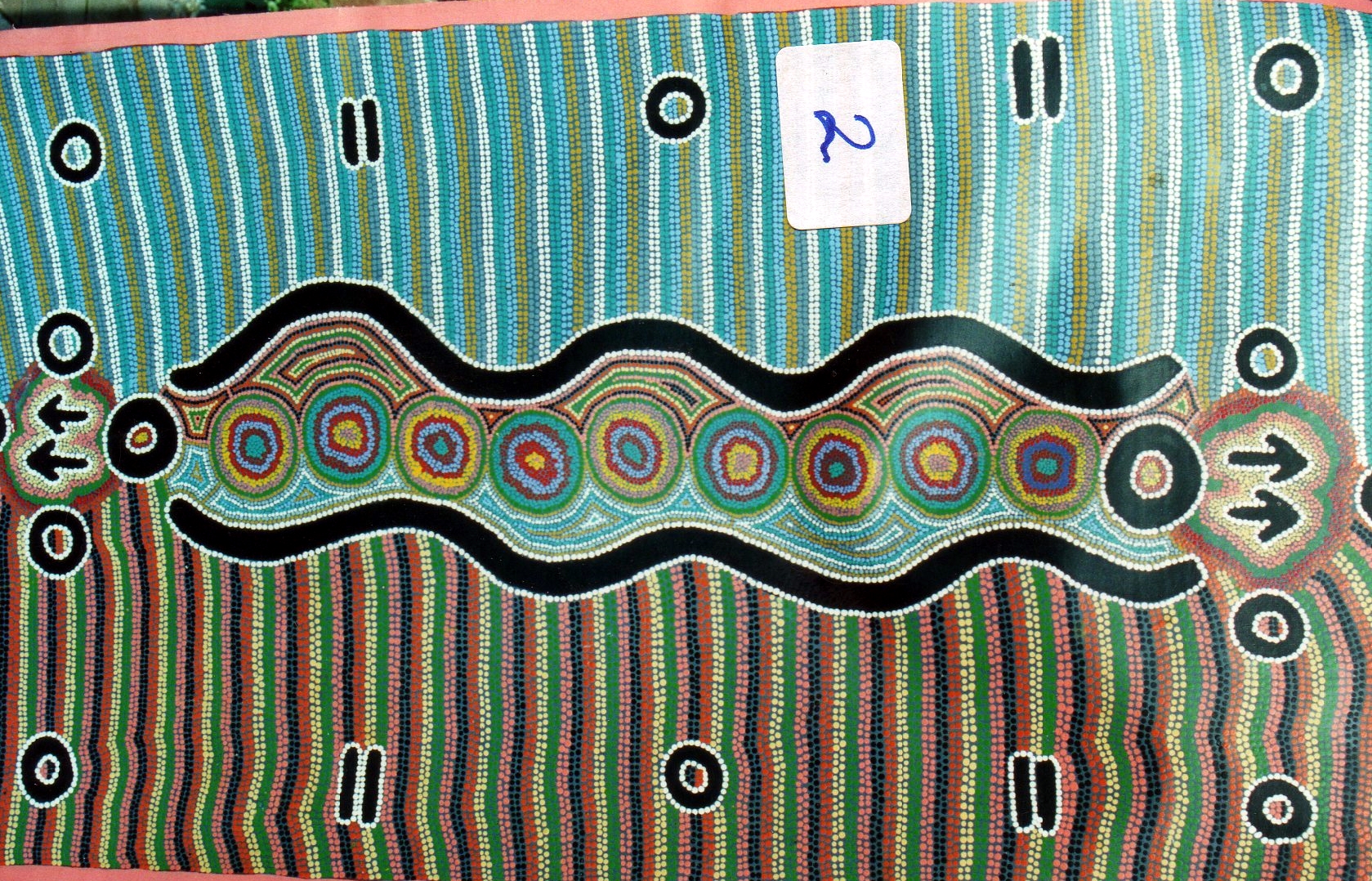
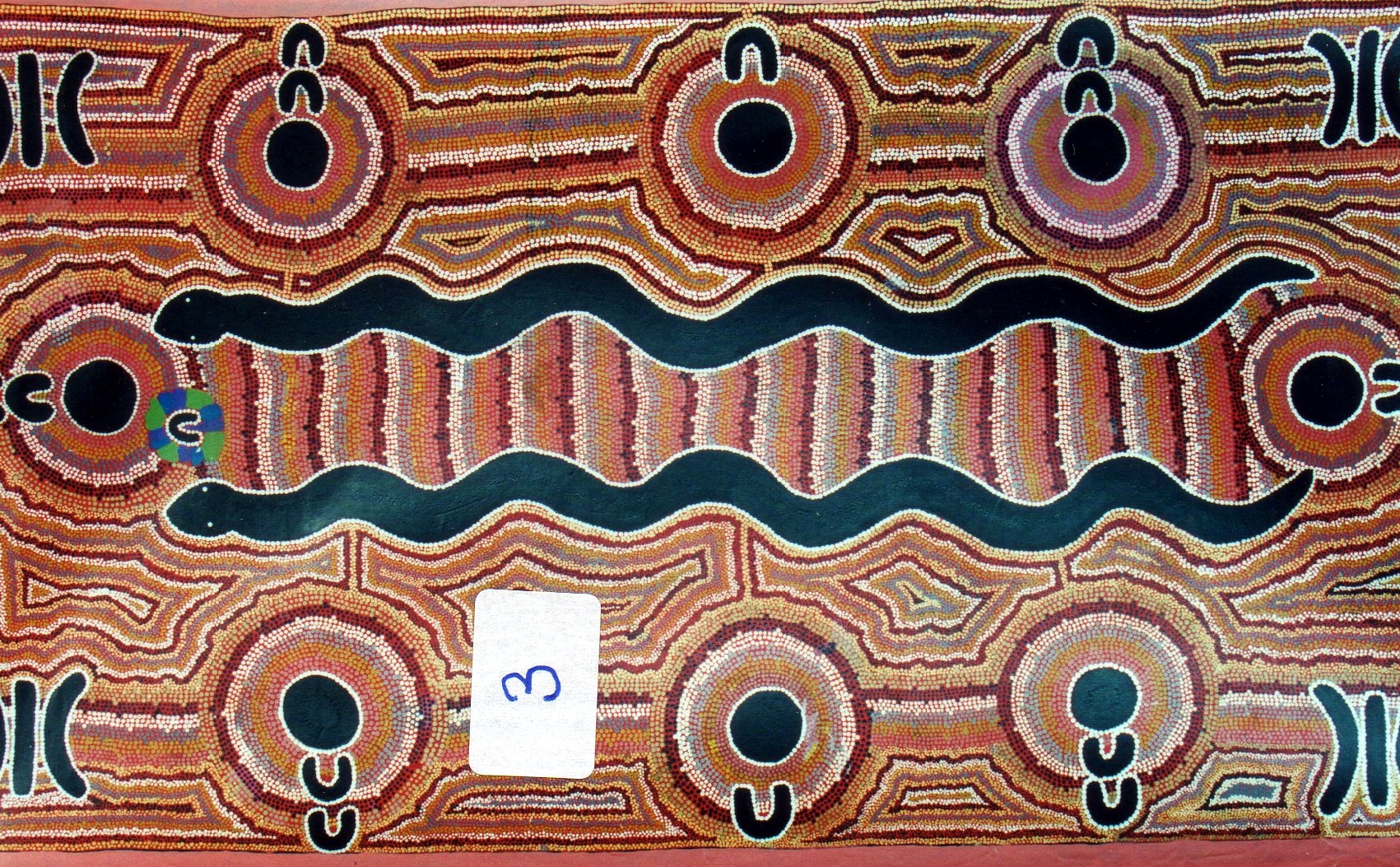
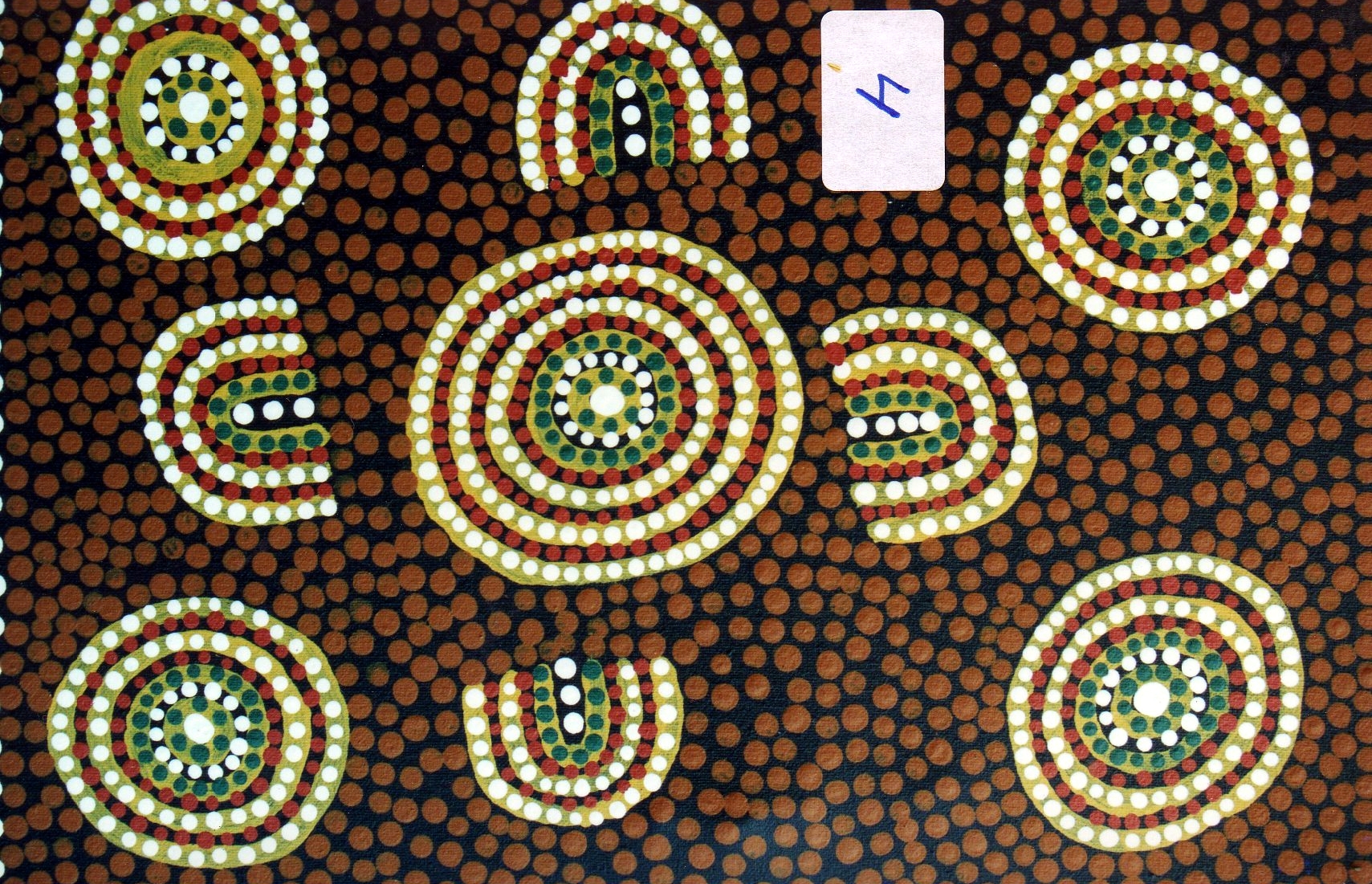
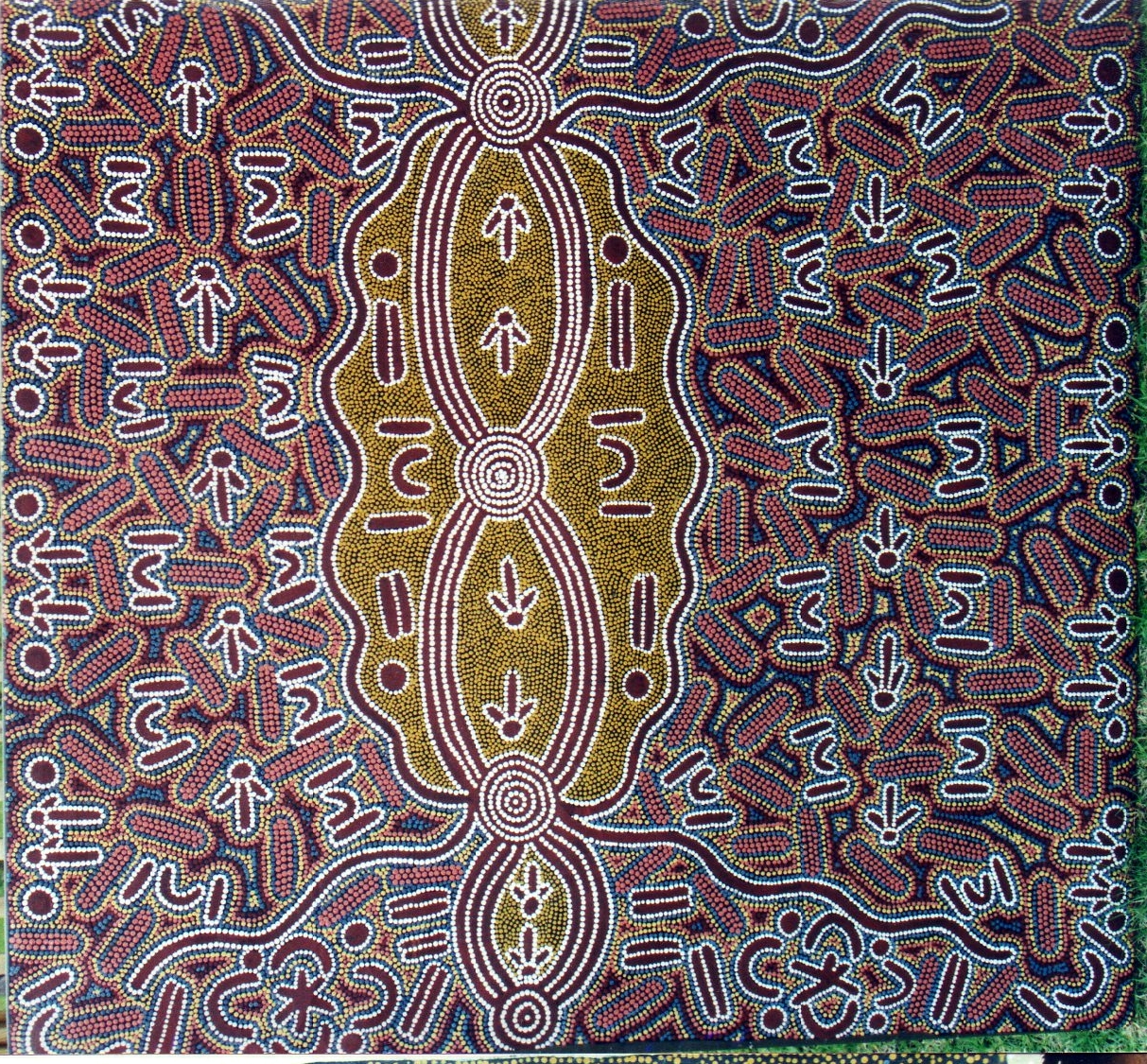
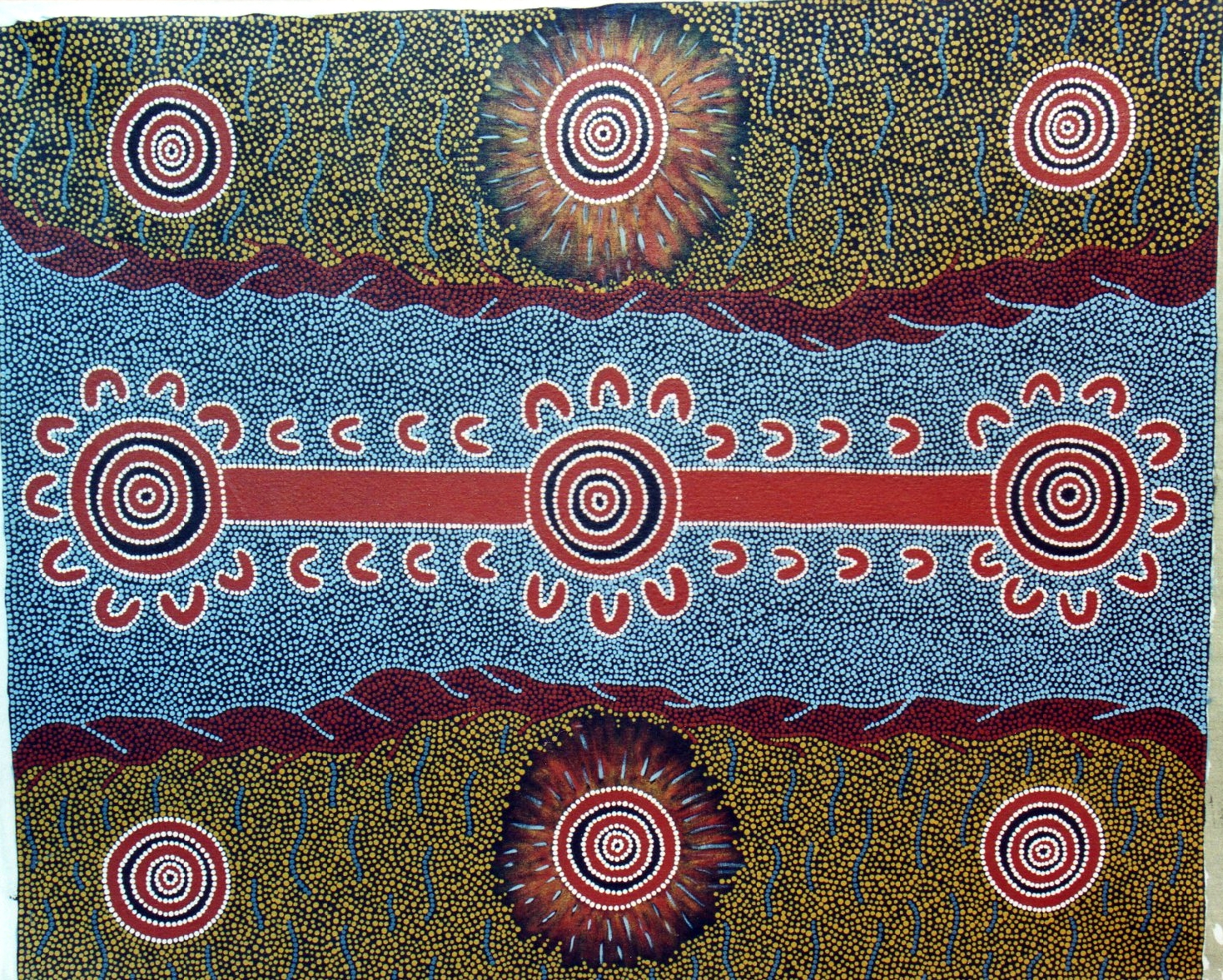
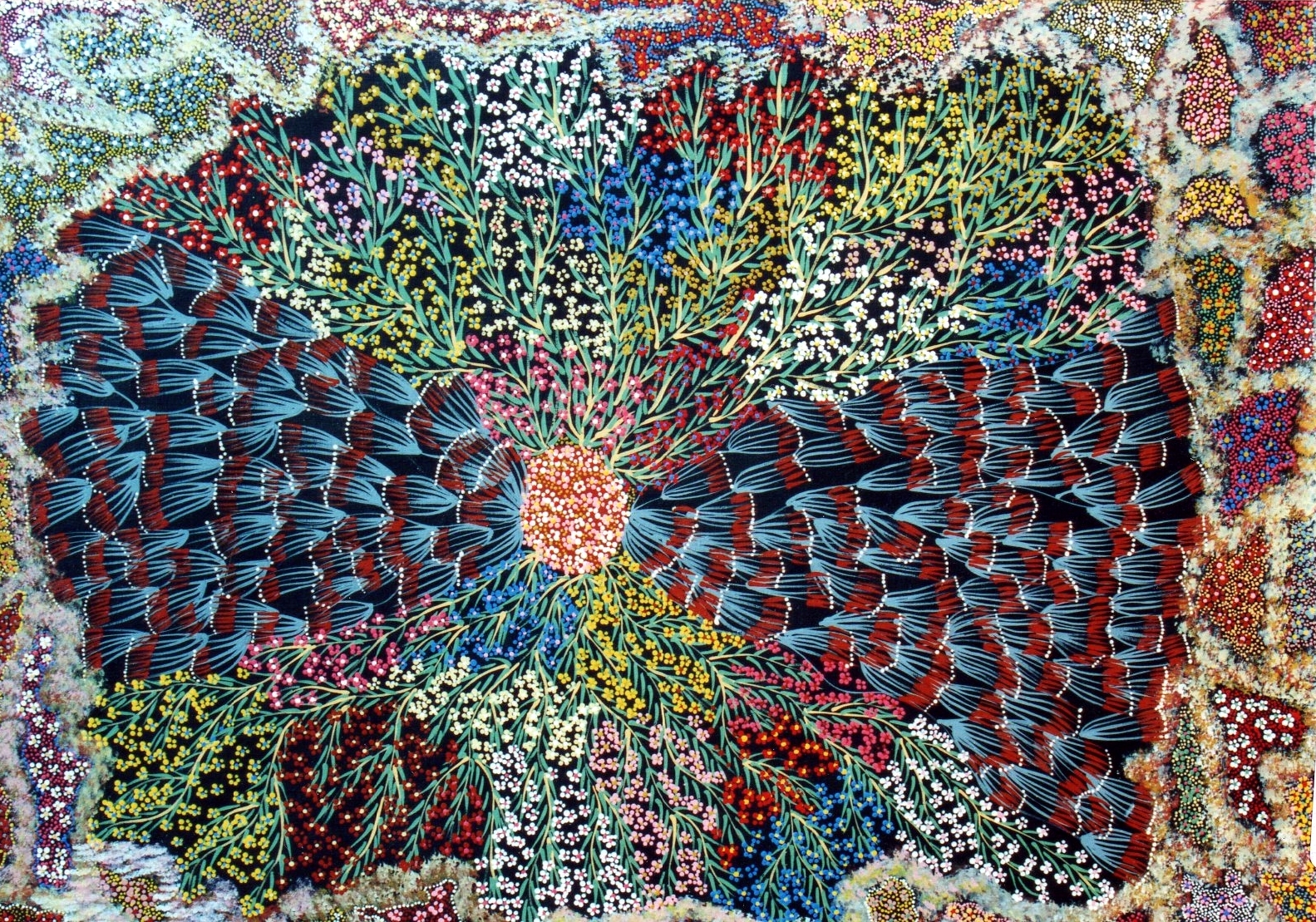
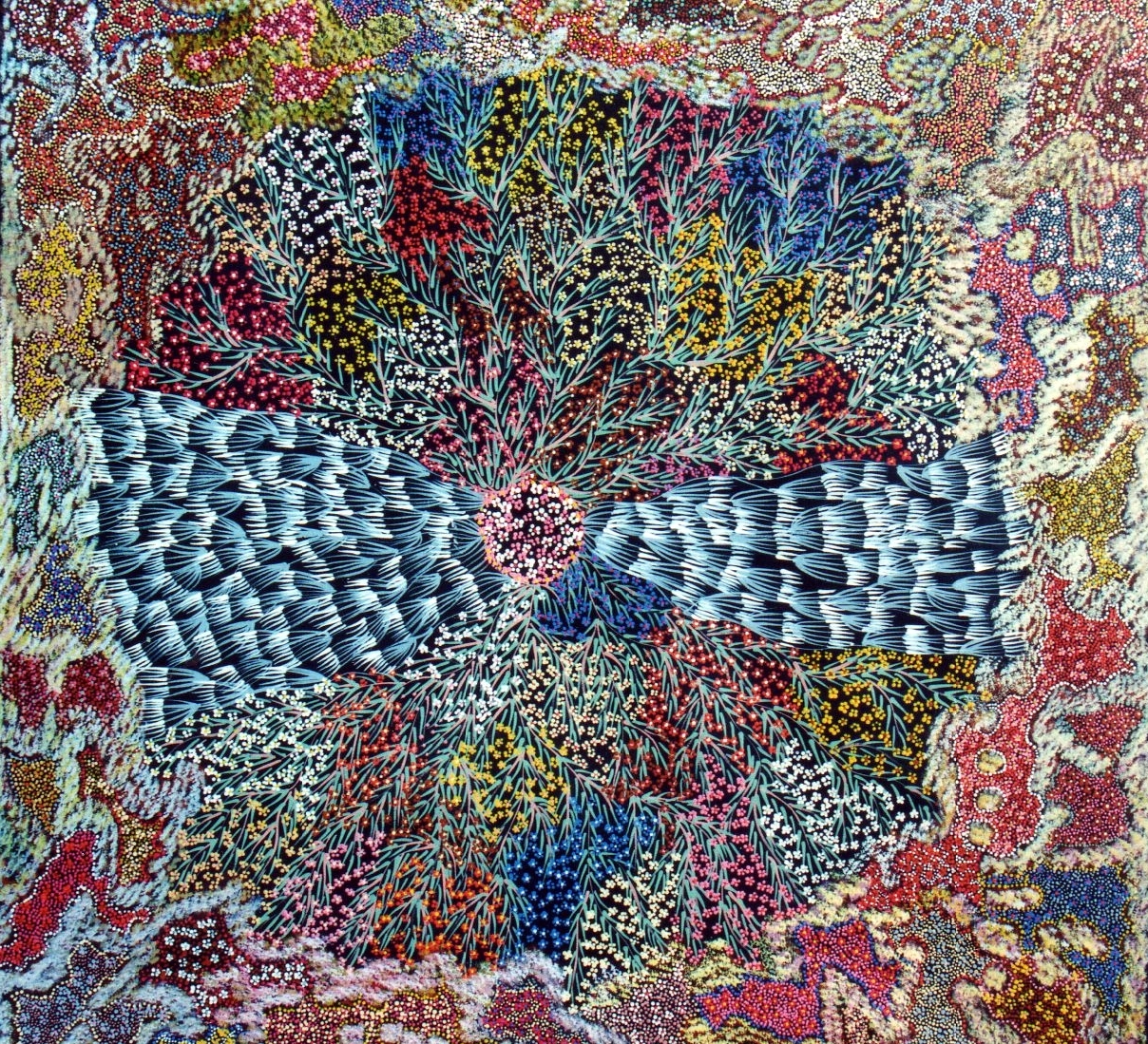
Finally my personal collection of  Australian Aborigine Art is up for sale. This is a fine collection of 22 artworks ! All these artists, named down here, can be found in most well known museums and collections around the world. Painting Nr.1, Nr.2 and Nr.3 are student works from Yuendumu Art school, the student names are unknown and therefore those 3 paintings are in a low price region. All prices are on request available.

img125b  Decoration Painting 10.

All other 19 paintings are very rare to extremely rare art works  which never will be available in the market. They are unique collectors items and all of them made by most well known artists. Most of the artists are deceased meantime. Such a quality of Aborigine Art History is for sure a great investment for the future.

img126a  Decoration Painting 17.

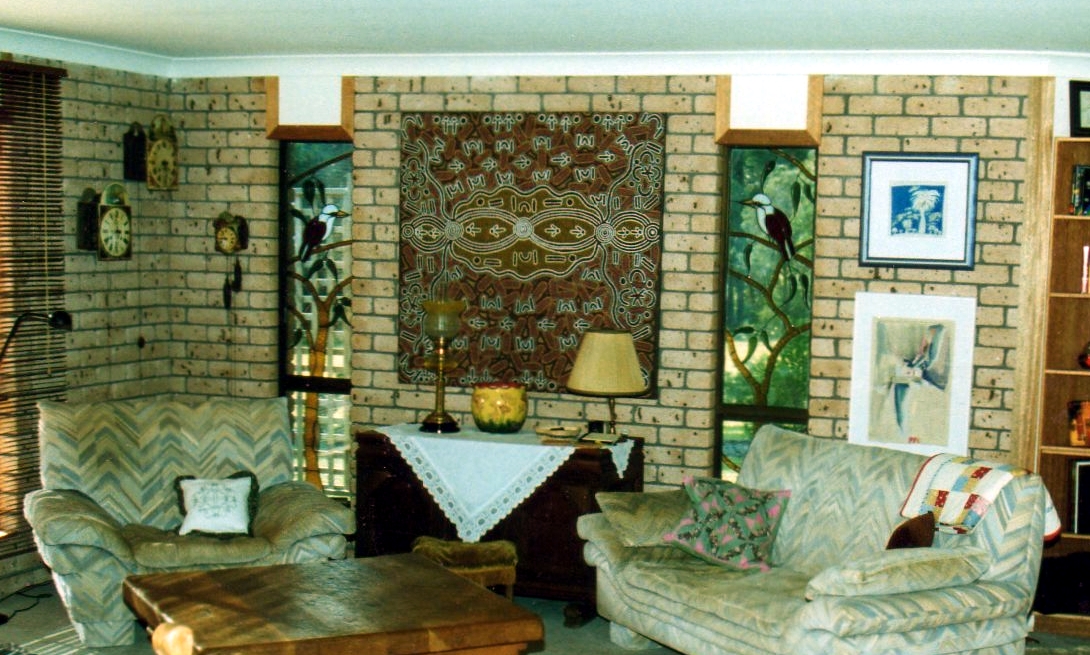
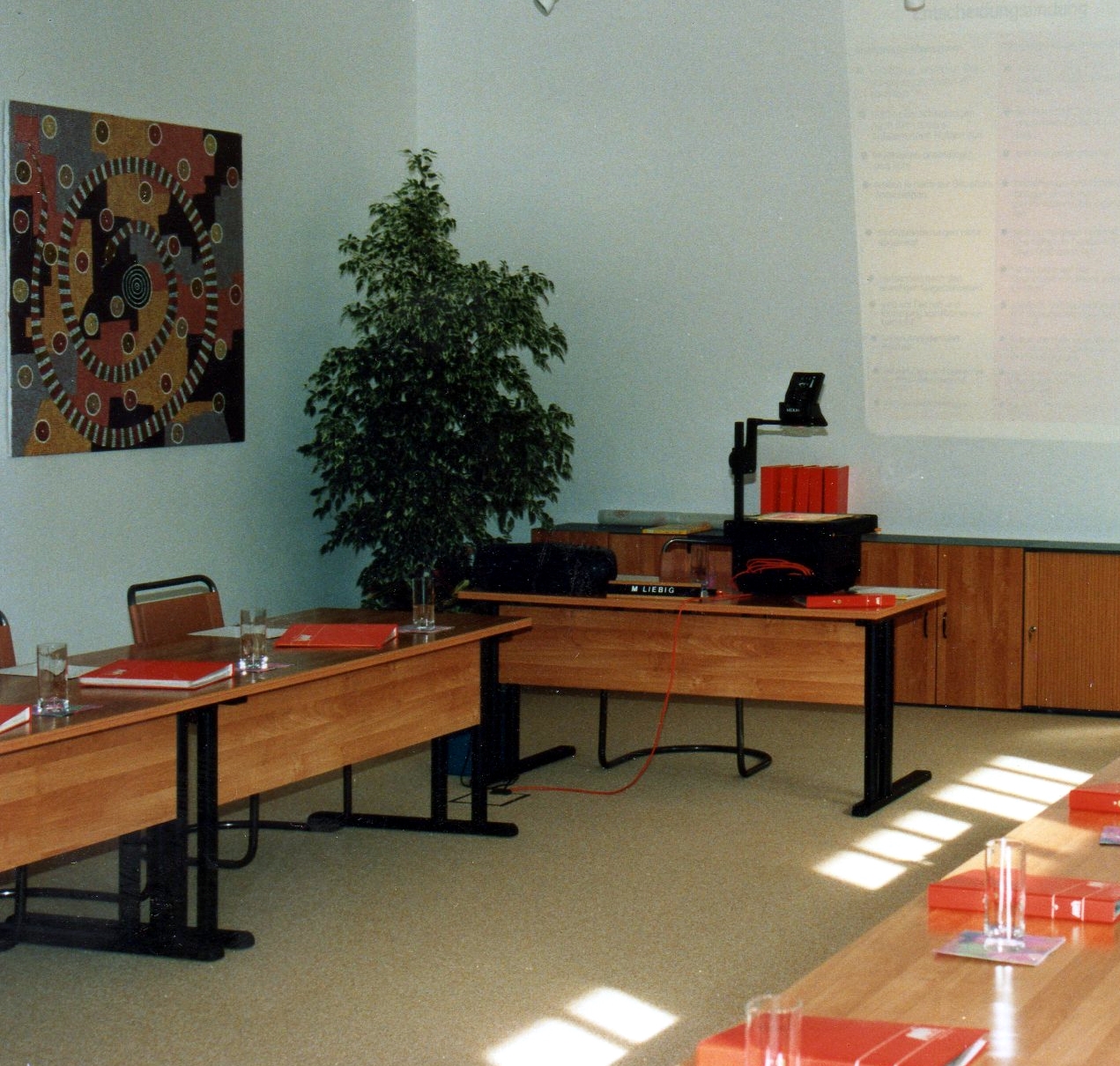
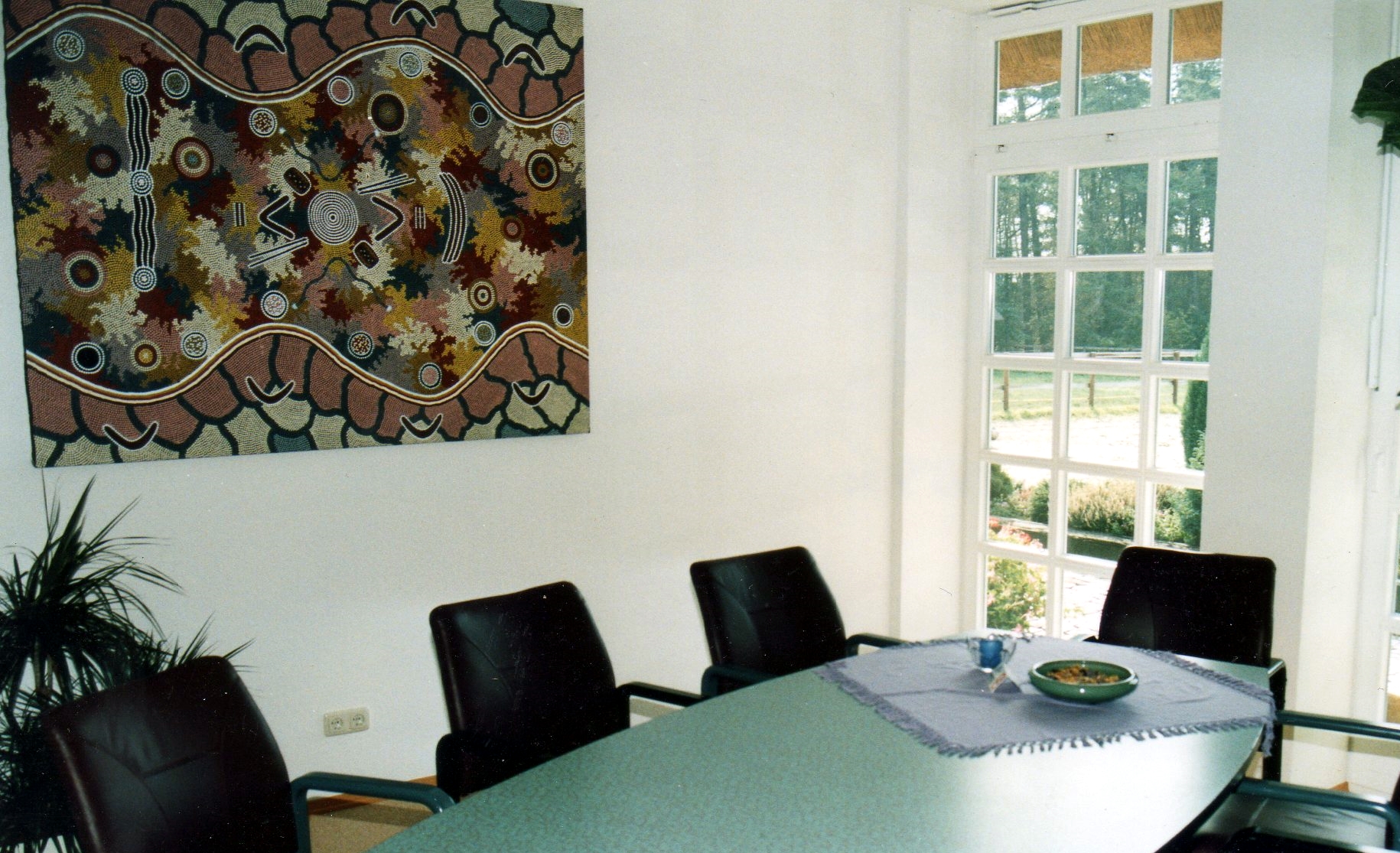
Some of the paintings are photographed during decoration, that one will have an idea how they look like on a wall. Just commented with the number. All information about these paintings you will find under the TAG: Art and then posts „Australia – Aborigine Art 1-4“. It is worth to click on pictures to supersize the view.

img127a  Decoration Painting 21.


Paintings:

ABO 101 1
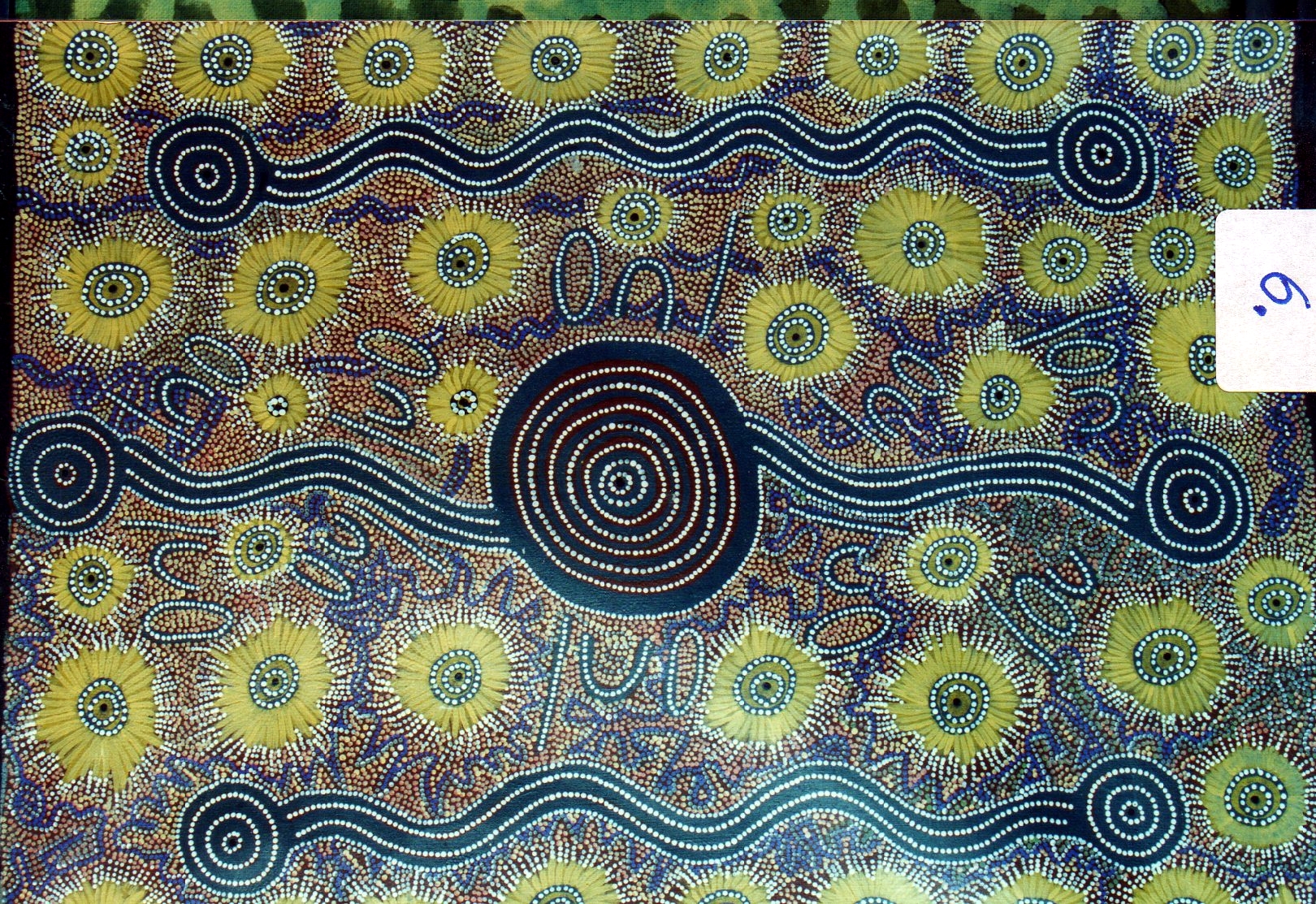
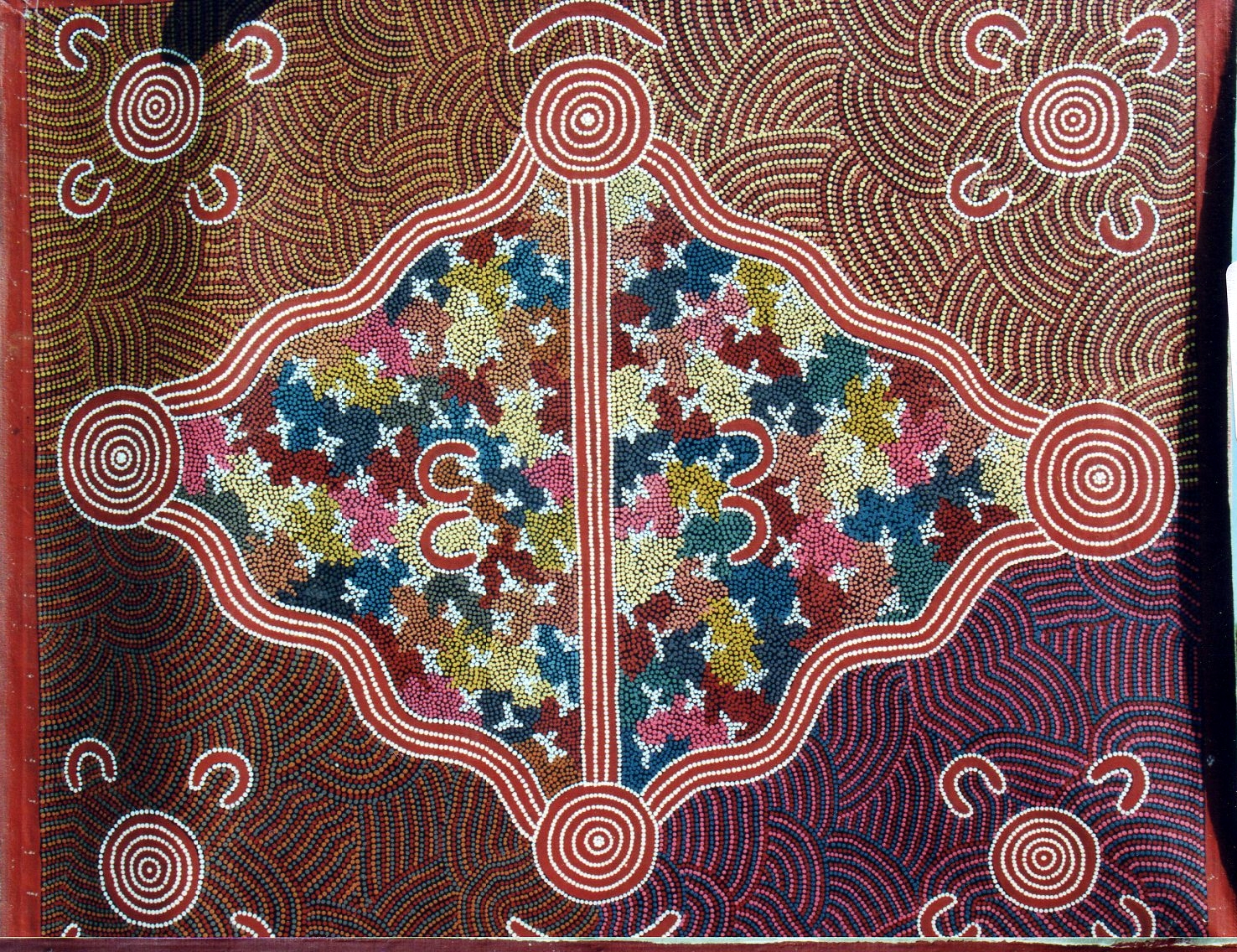
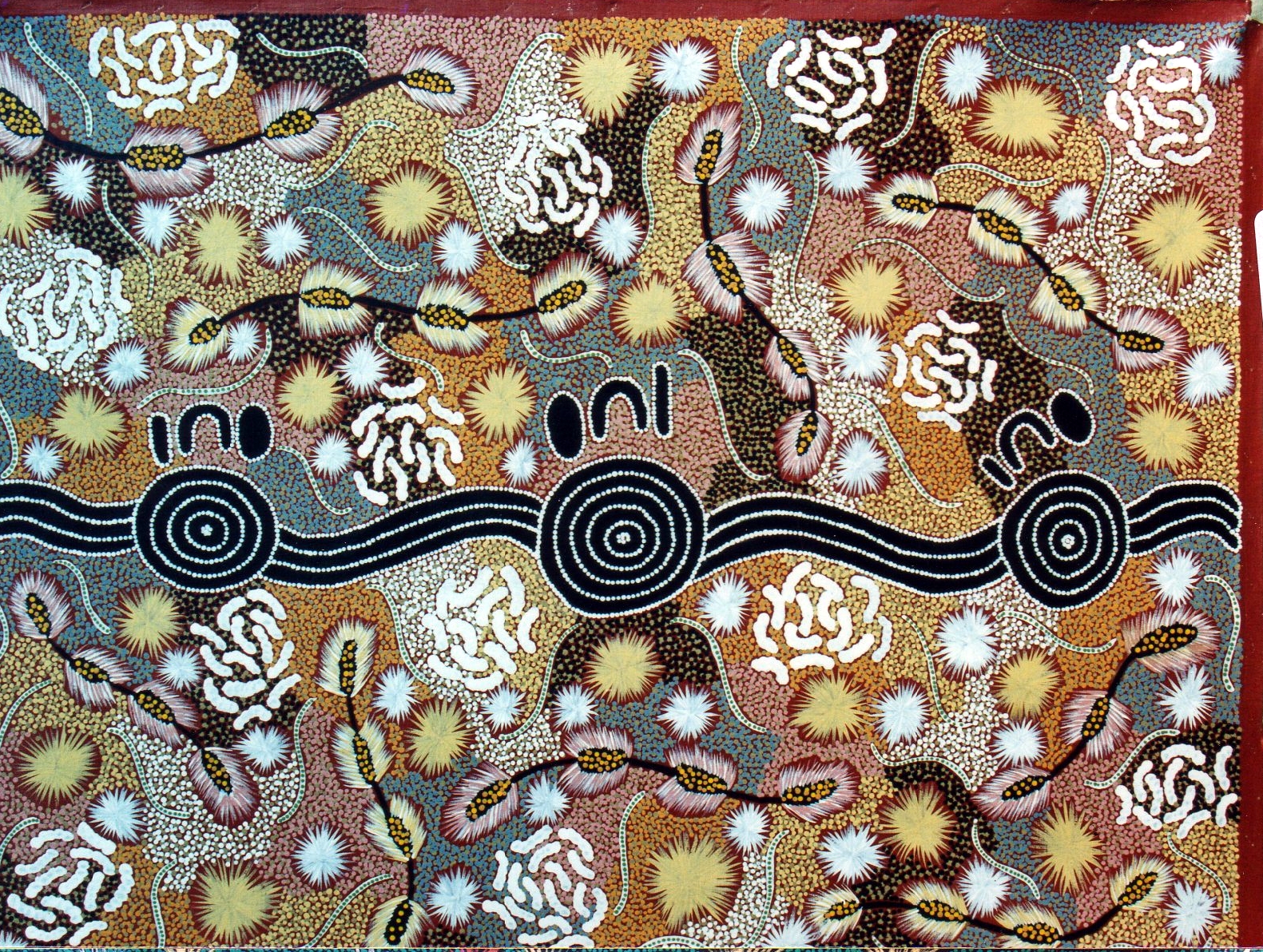
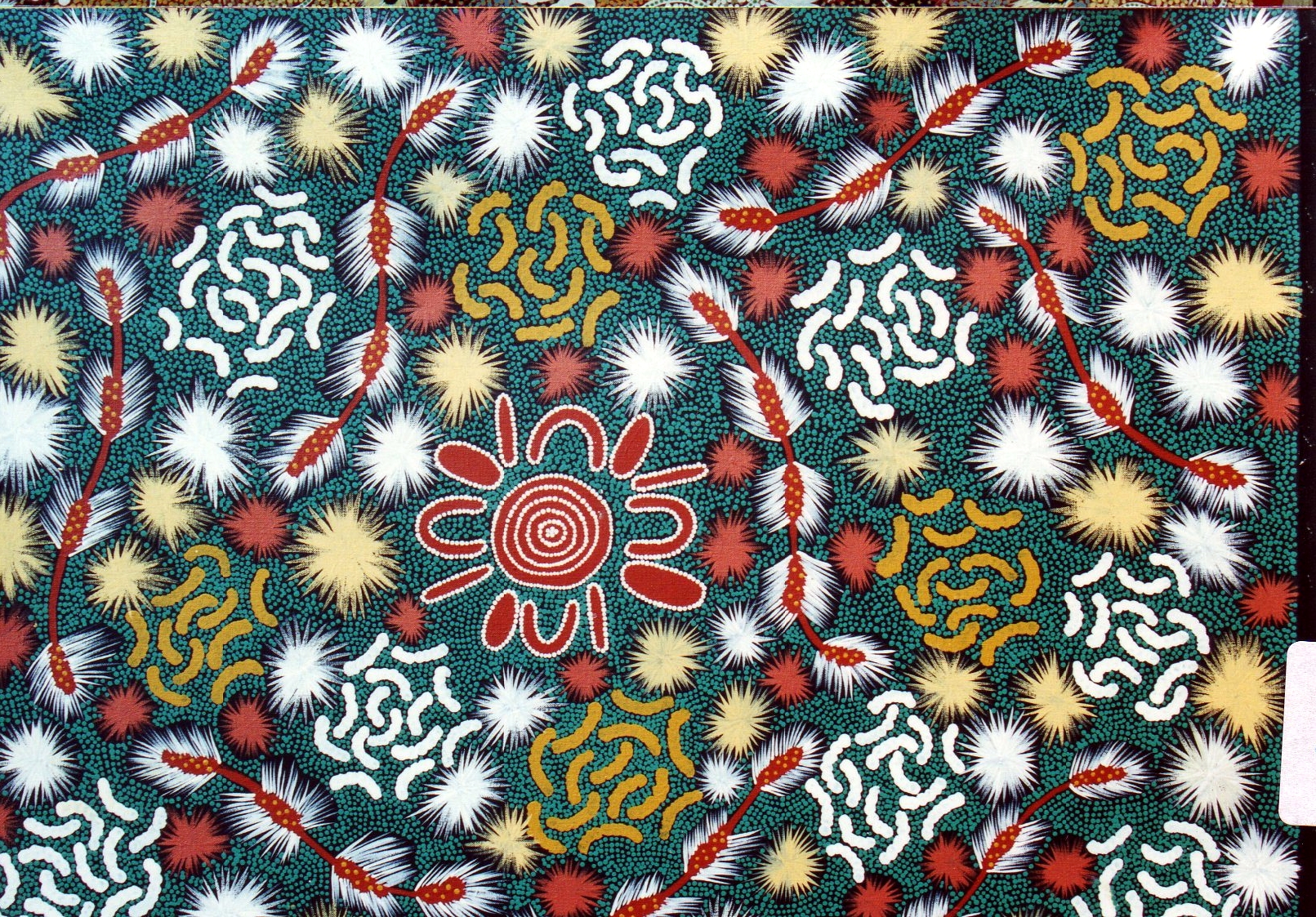
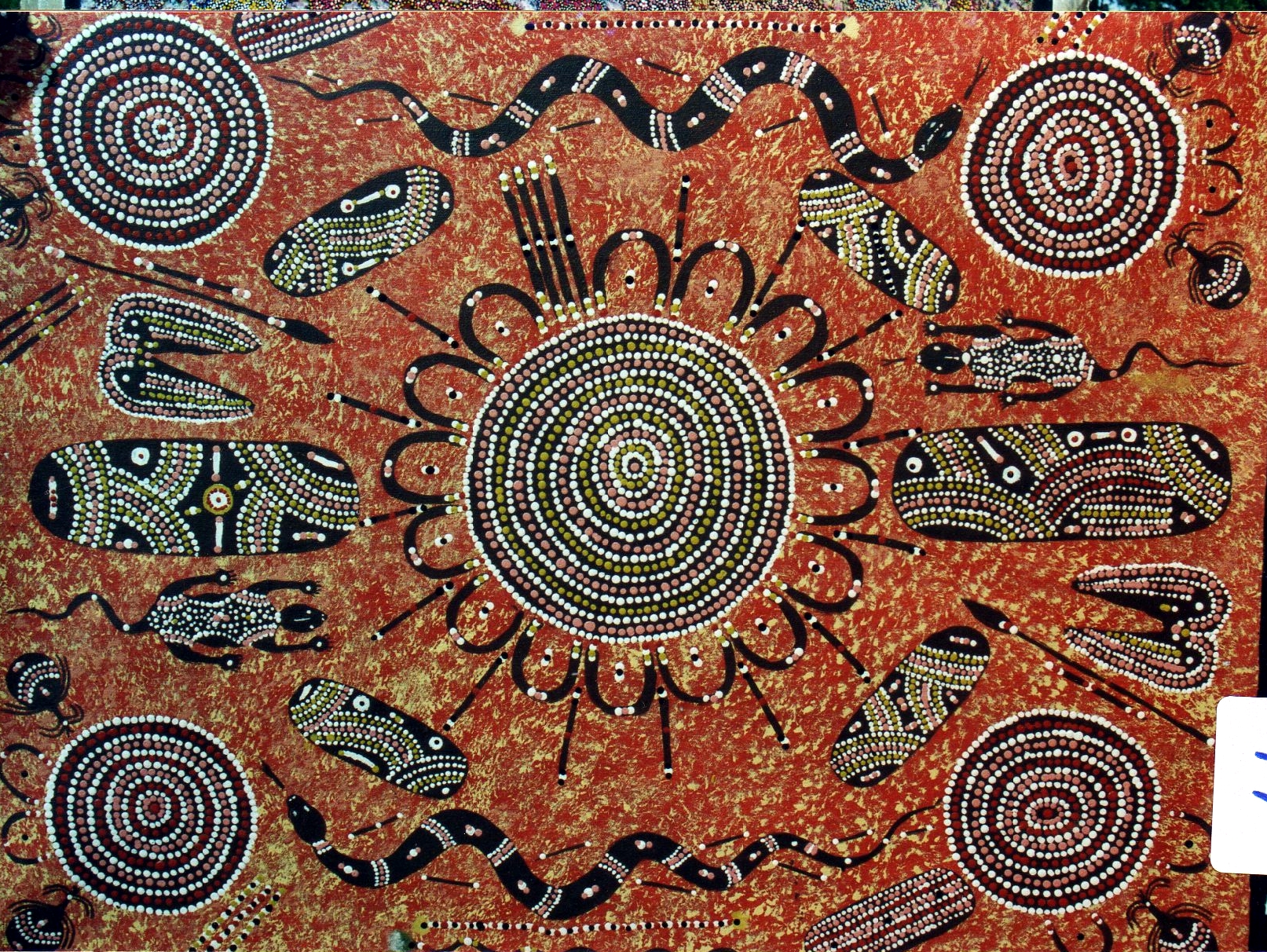
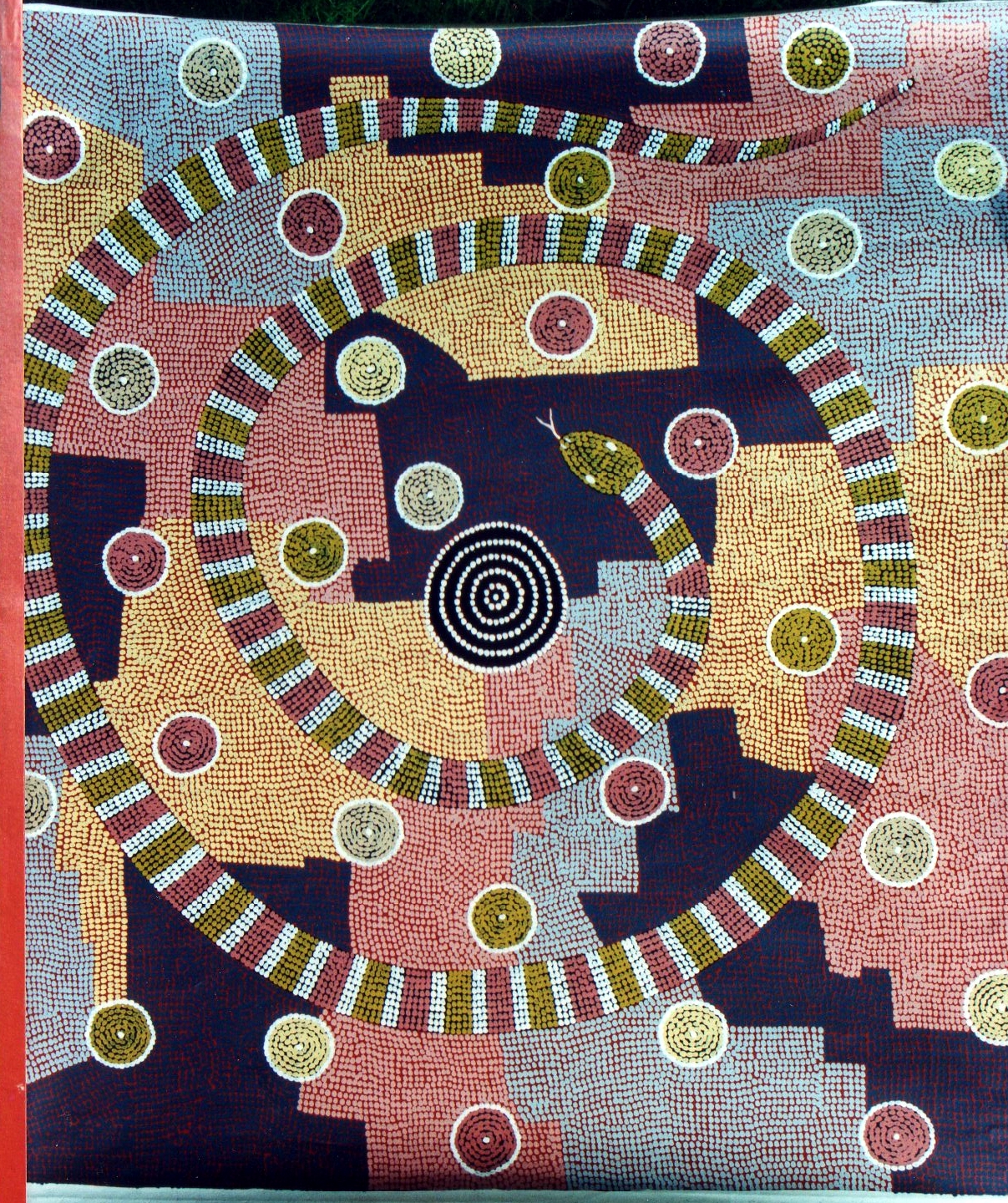
Painting 1: Snake Dreaming, 1992. 70cm x 130cm.
Artist: unknown.
ABO 101 2
Painting 2: Snake Dreaming, 1992. 70cm x 130cm.
Artist: unknown.       GONE !!
ABO 101 3
Painting 3: Snake Dreaming, 1992. 95cm x 172cm.
Artist: unknown.

ABO 102 4

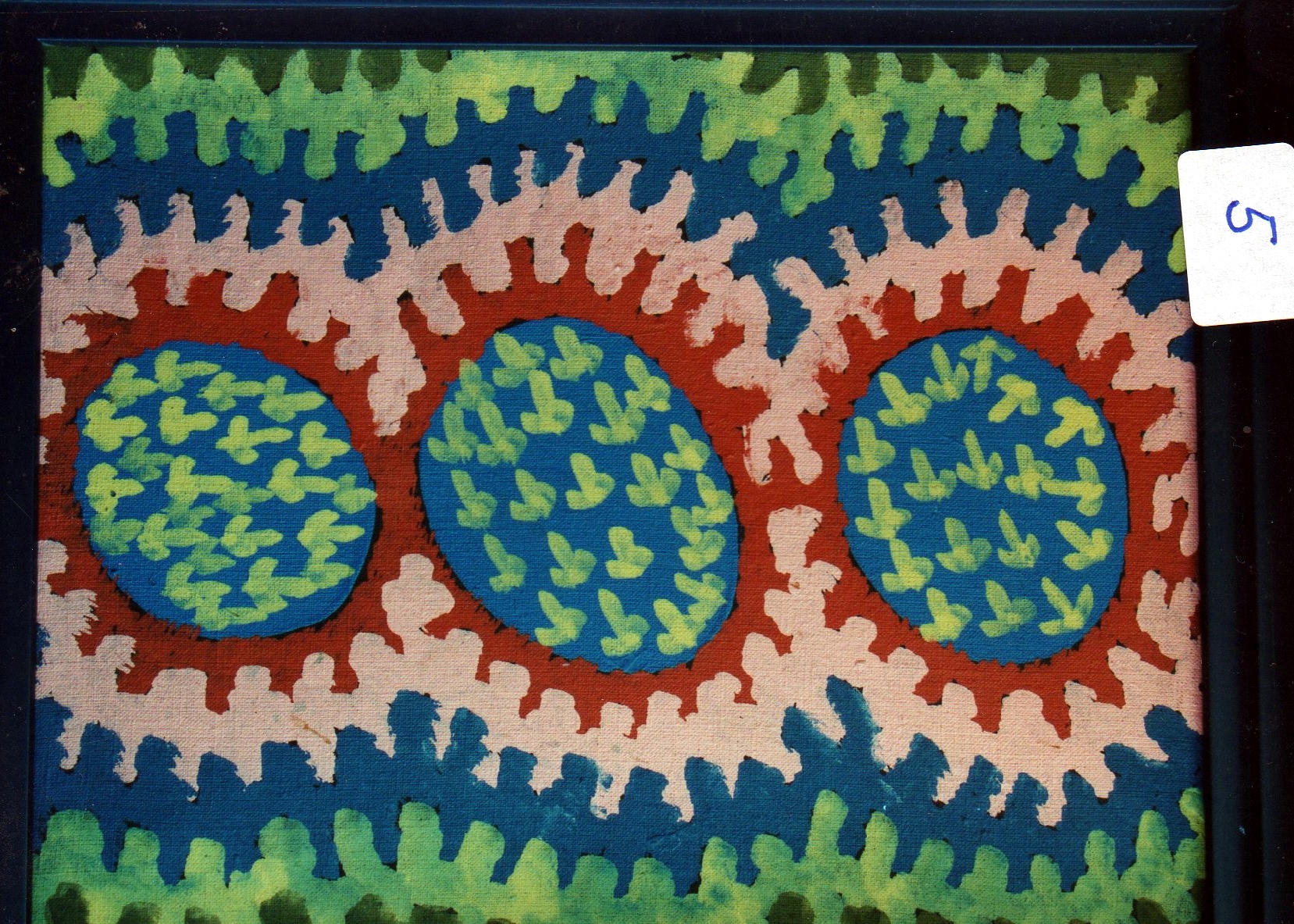
Painting 4: Emu Water Hole Dreaming, 1992. 31cm  x 41cm.
Artist: Kudd+Ji.
ABO 102 5
Painting 5: Budgerigar Dreaming, 1992. 32cm x 40cm.
Artist: Charlie Eagle Tjapaltjarri.
ABO 102 6
Painting 6: Womens Dreaming, 1987.  101cm x 129cm.
Artist: Pansy Napangardi.
ABO 103 7
Painting 7: Mens Waterhole Ceremony, 1989. 109cm x 129cm.
Artist: Teddy Egan.
ABO 103 8
Painting 8: Bush Bean Dreaming, 1989, 90cm x 120cm.
Artist: Sonda Turner.
ABO 103 9
Painting 9: Bush Bean Dreaming, 1989, 90cm x 121cm.
Artist: Sonda Turner.
ABO 104 10
Painting 10: Mens Ceremony, 1989, 125cm x 126cm.
Artist: David Jupurrurla Oldfield.
ABO 104 11
Painting 11: Womens Dreaming, 1990, 91cm x 107cm.
Artist: Norah Napaljarri Nelson.
ABO 104 12
Painting 12: Wild Bush Plum Dreaming, 1991, 91cm x 121cm.
Artist: Dorothy Napangardi Robinson.     GONE !!
ABO 105 13
Painting 13: Wild Bush Plum Dreaming, 1991, 120cm x 121cm.
Artist: Dorothy Napangardi Robinson.
ABO 105 14
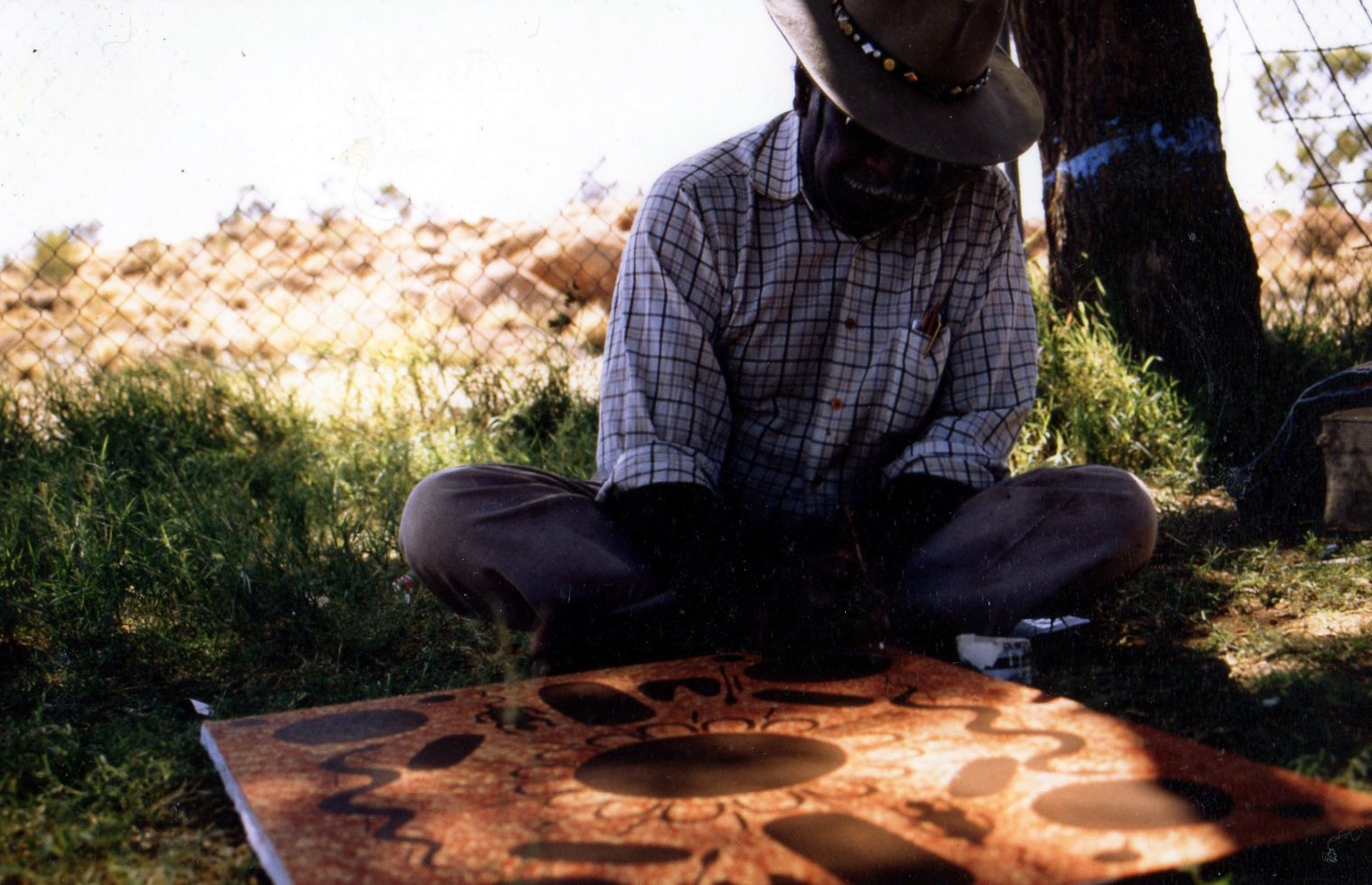
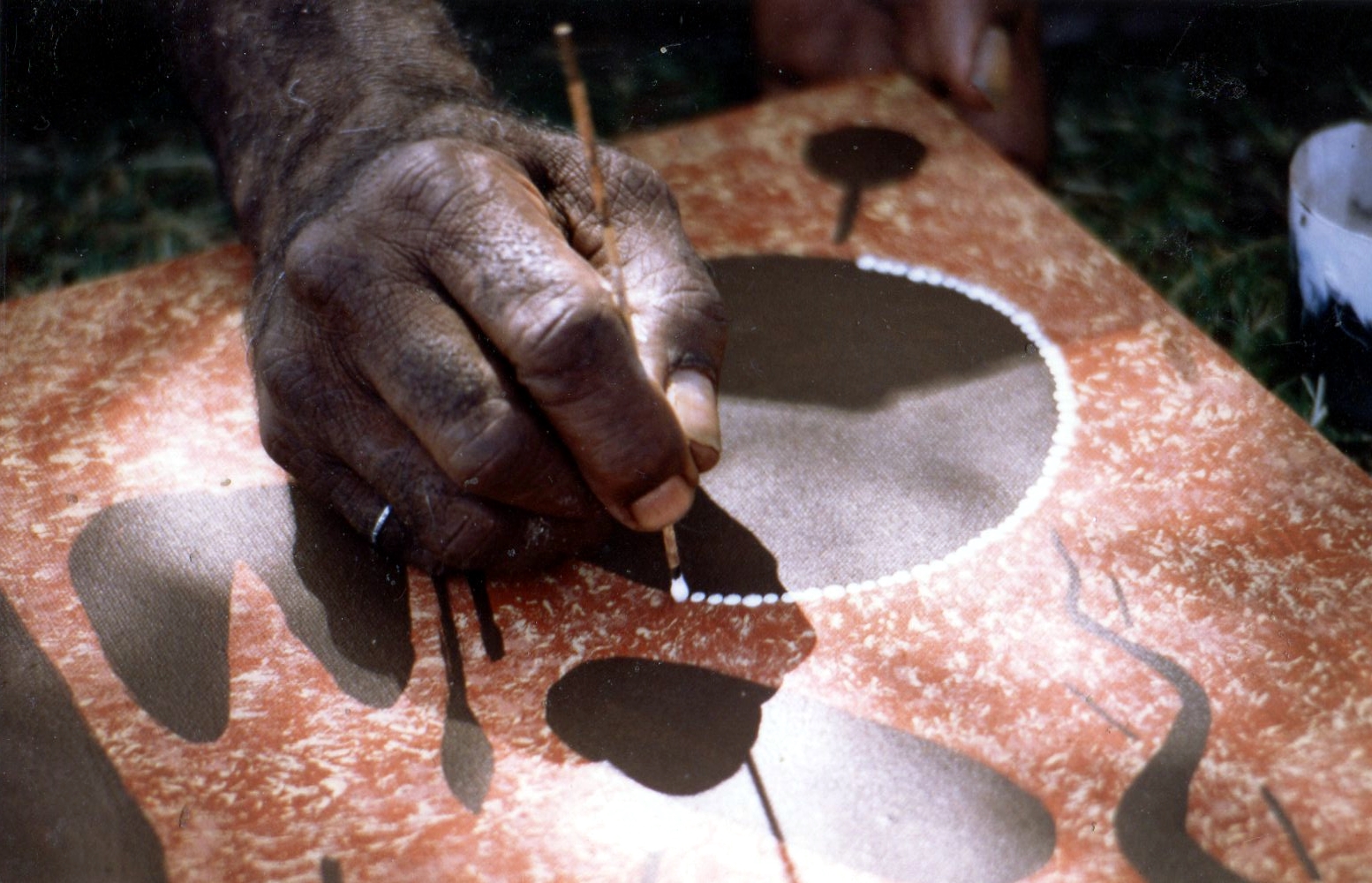
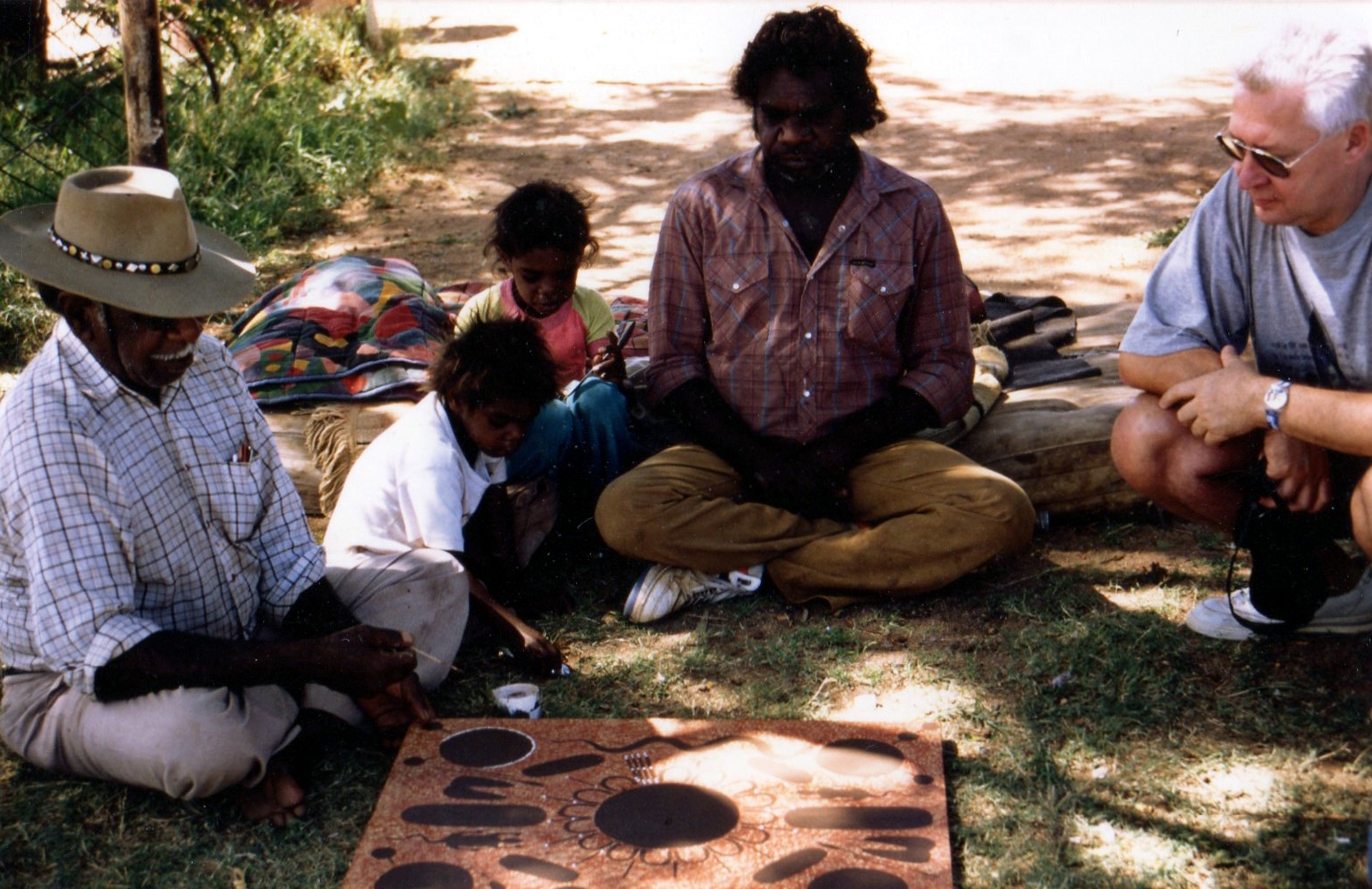
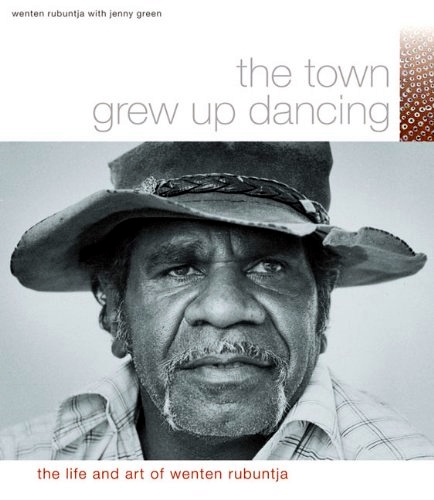
Painting 14: Mens Waterhole Ceremony, 1991, 60cm x 75cm.
Artist: Wenton Rubuntja.
ABO 106 16
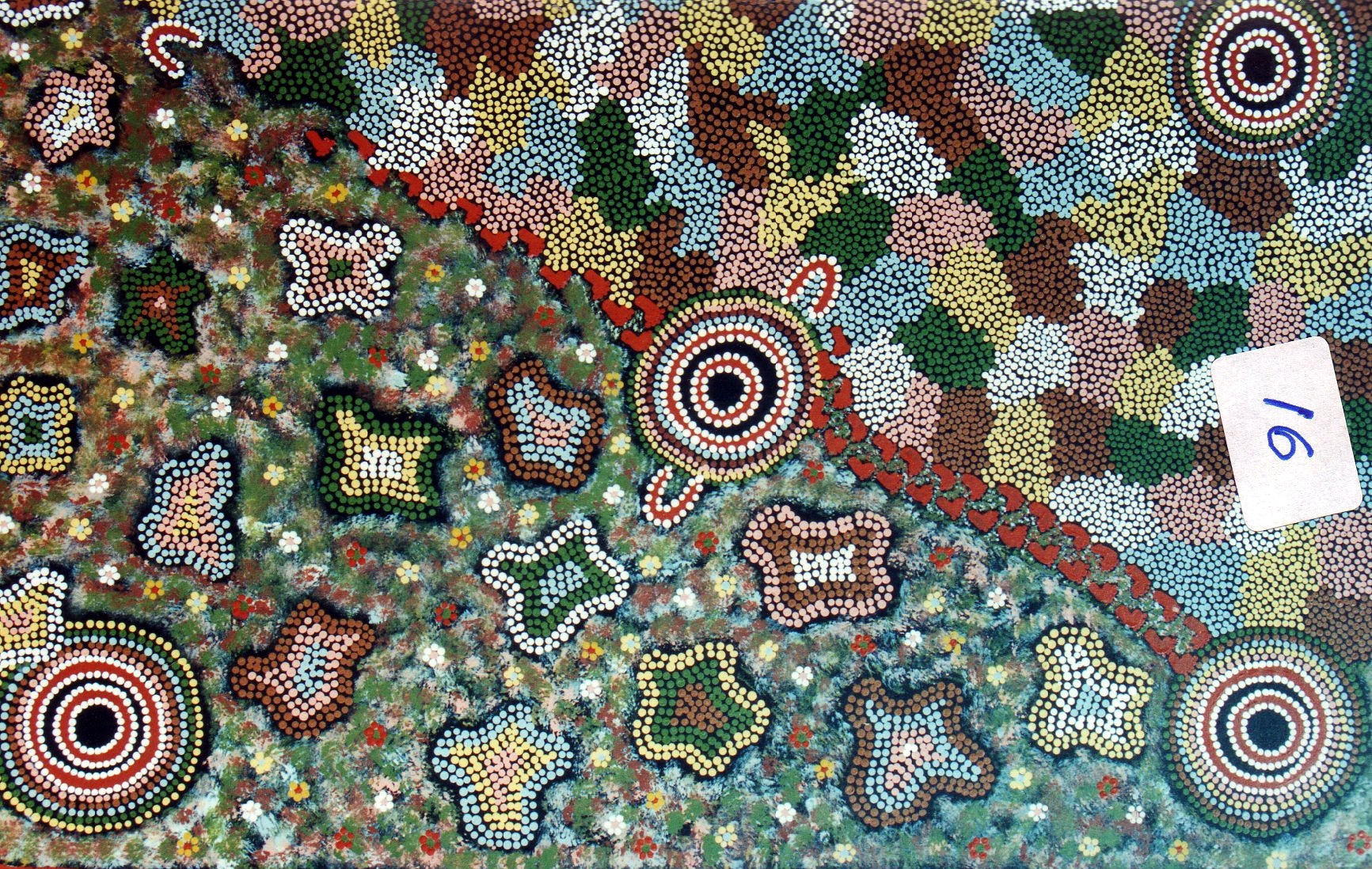
Painting 15: Tims Mother Dream.Womens Dancing Dream. 1988, 82cm x 125cm.
Artist: Young Timothy Dempsy.
ABO 105 15
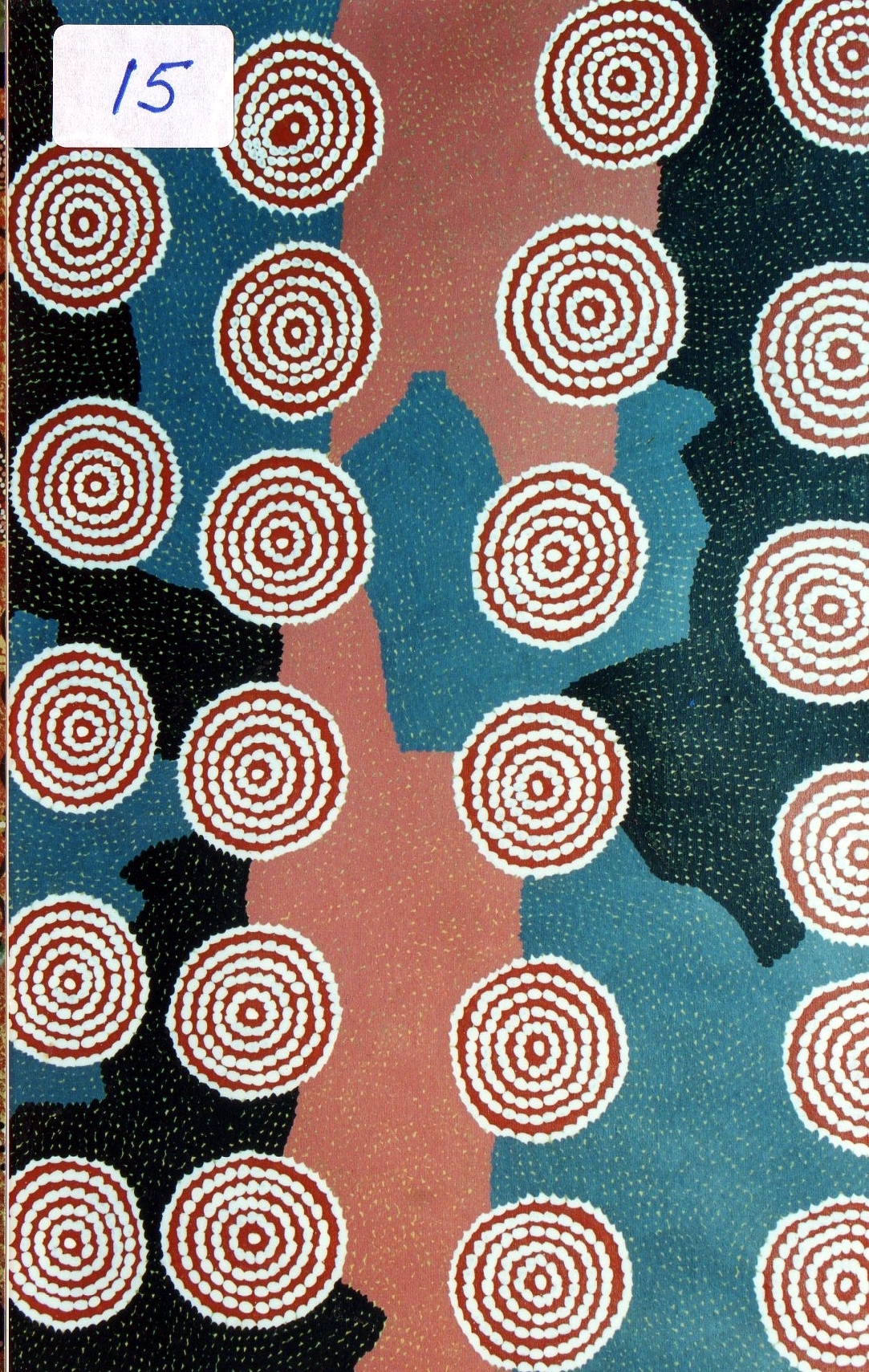
Painting 16: Budgerigar Dreaming, 1987, 90cm x 120cm.
Artist: Billy Stockman.
ABO 106 18
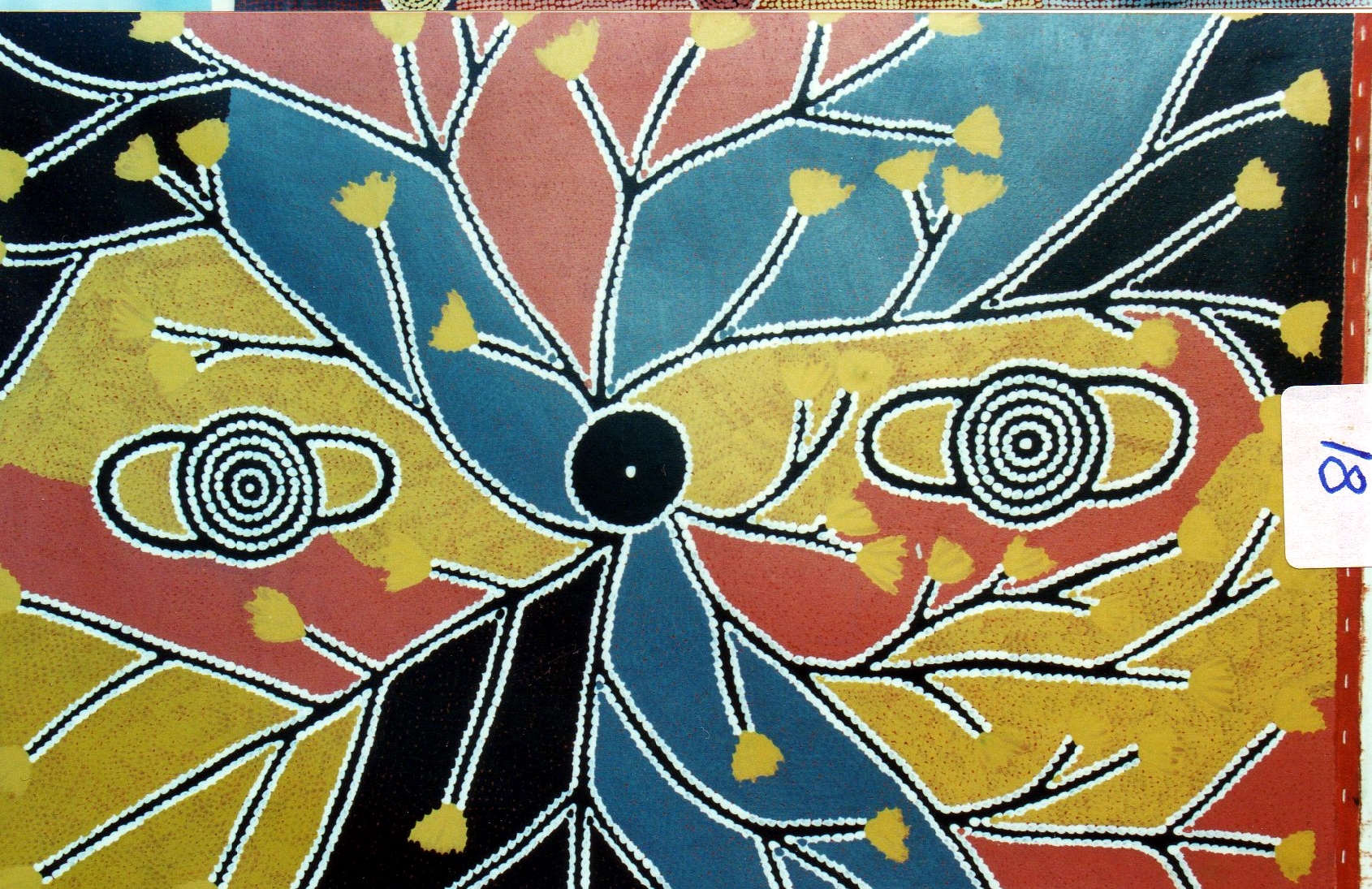
Painting 17: Bush Ceremony Dreaming, 1987, 90cm x 120cm.
Artist: Billy Stockman.
ABO 106 17
Painting 18: Kunja Snake Dreaming, 1988, 134cm x 148cm.
Artist: Billy Stockman.
ABO 107 19
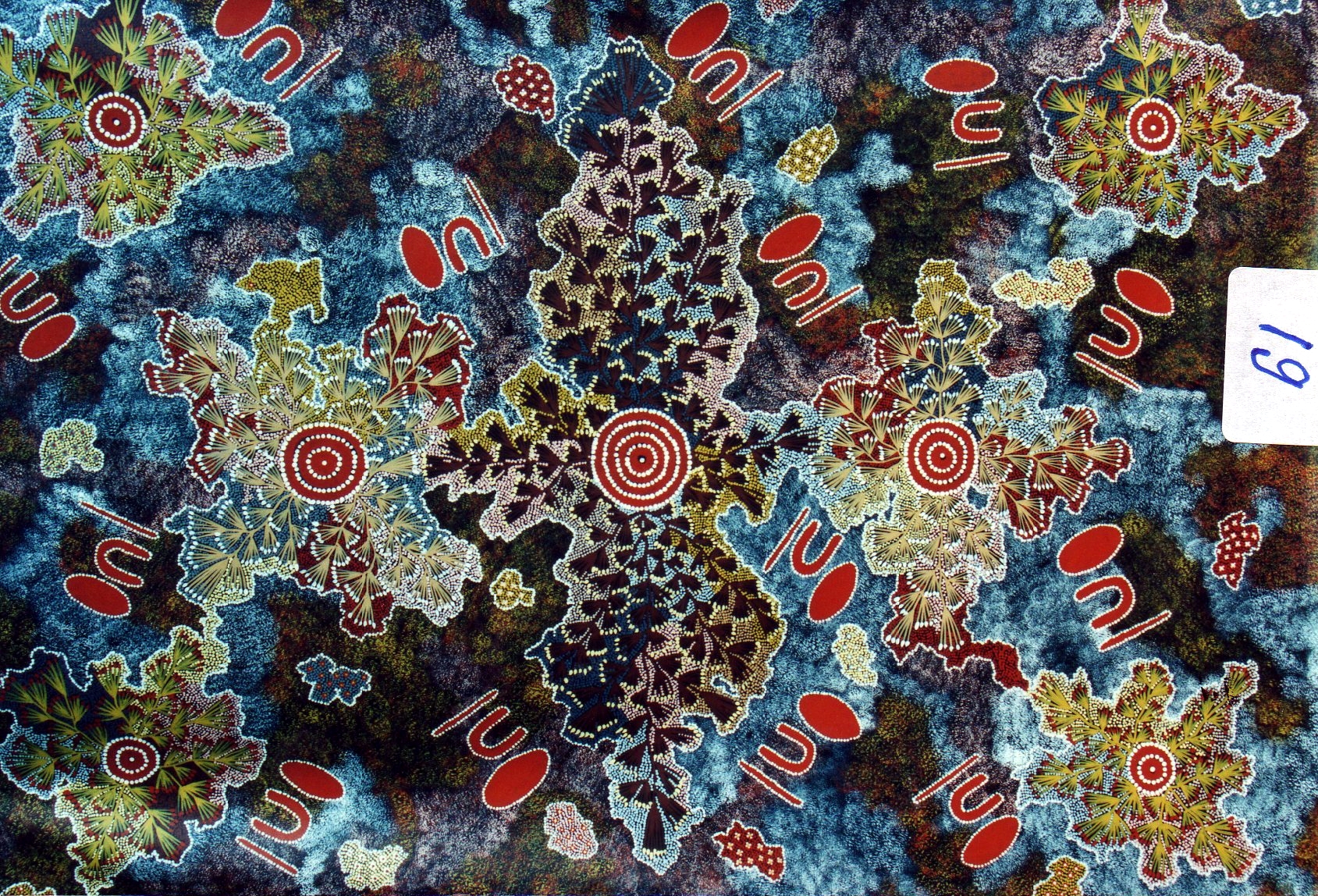
Painting 19: Bush Banana Dreaming, 1990, 134cm x 187cm.
Artist: Eunice Napangardi.
ABO 107 20
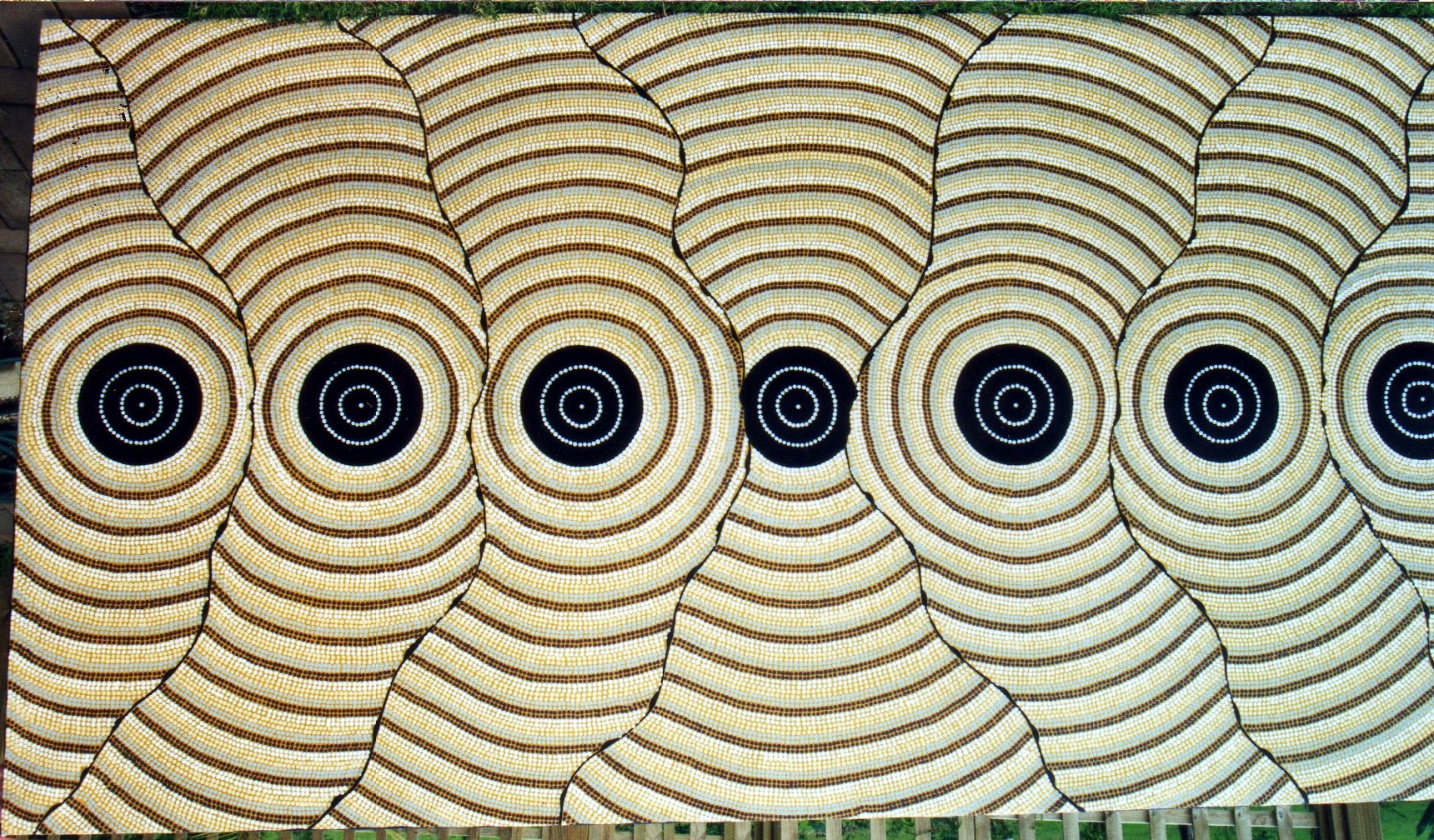
Painting 20: Bush Bean Dreaming, 1991, 129cm x 241cm.
Artist: William Sandy.
ABO 108 21
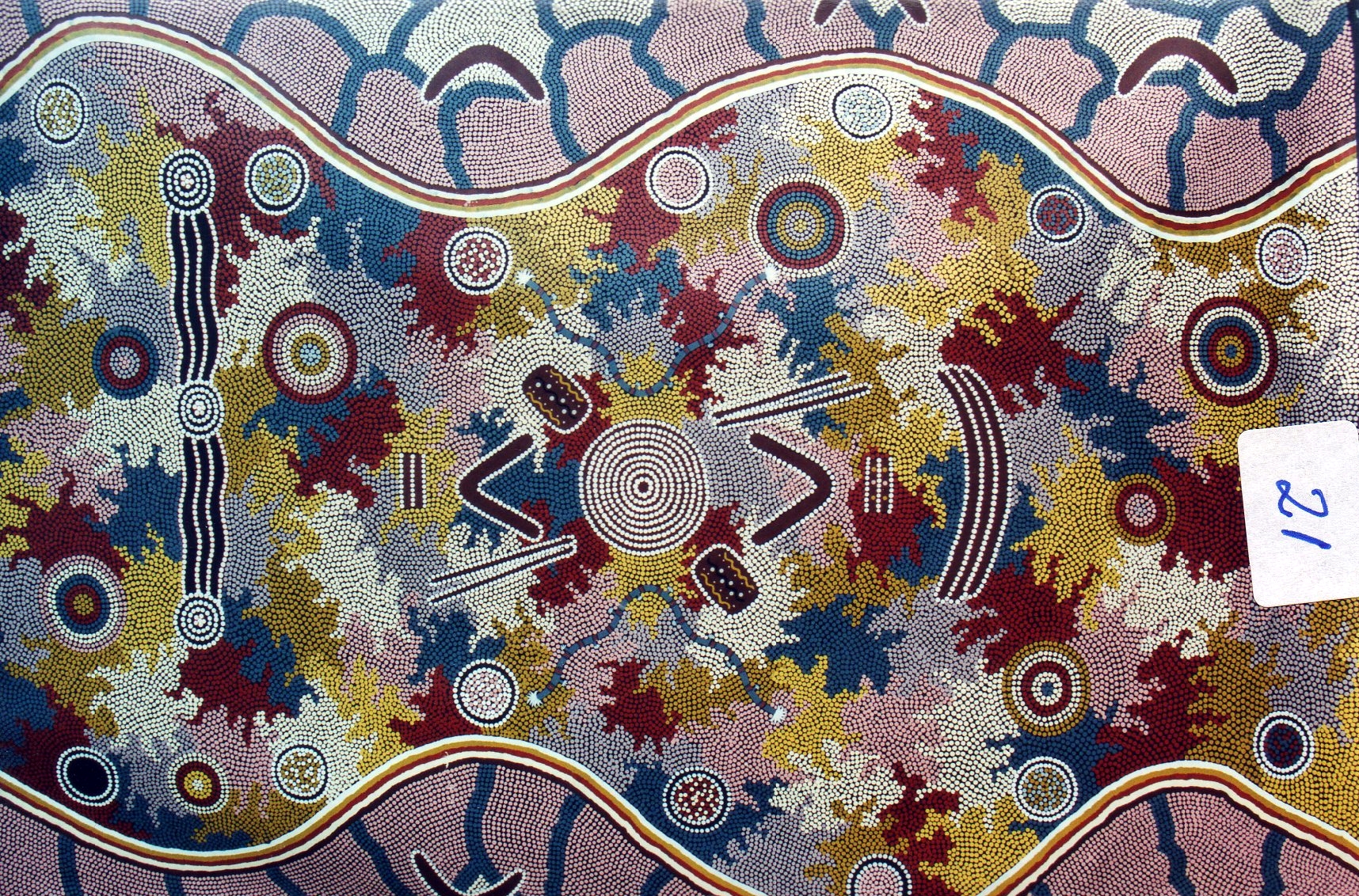
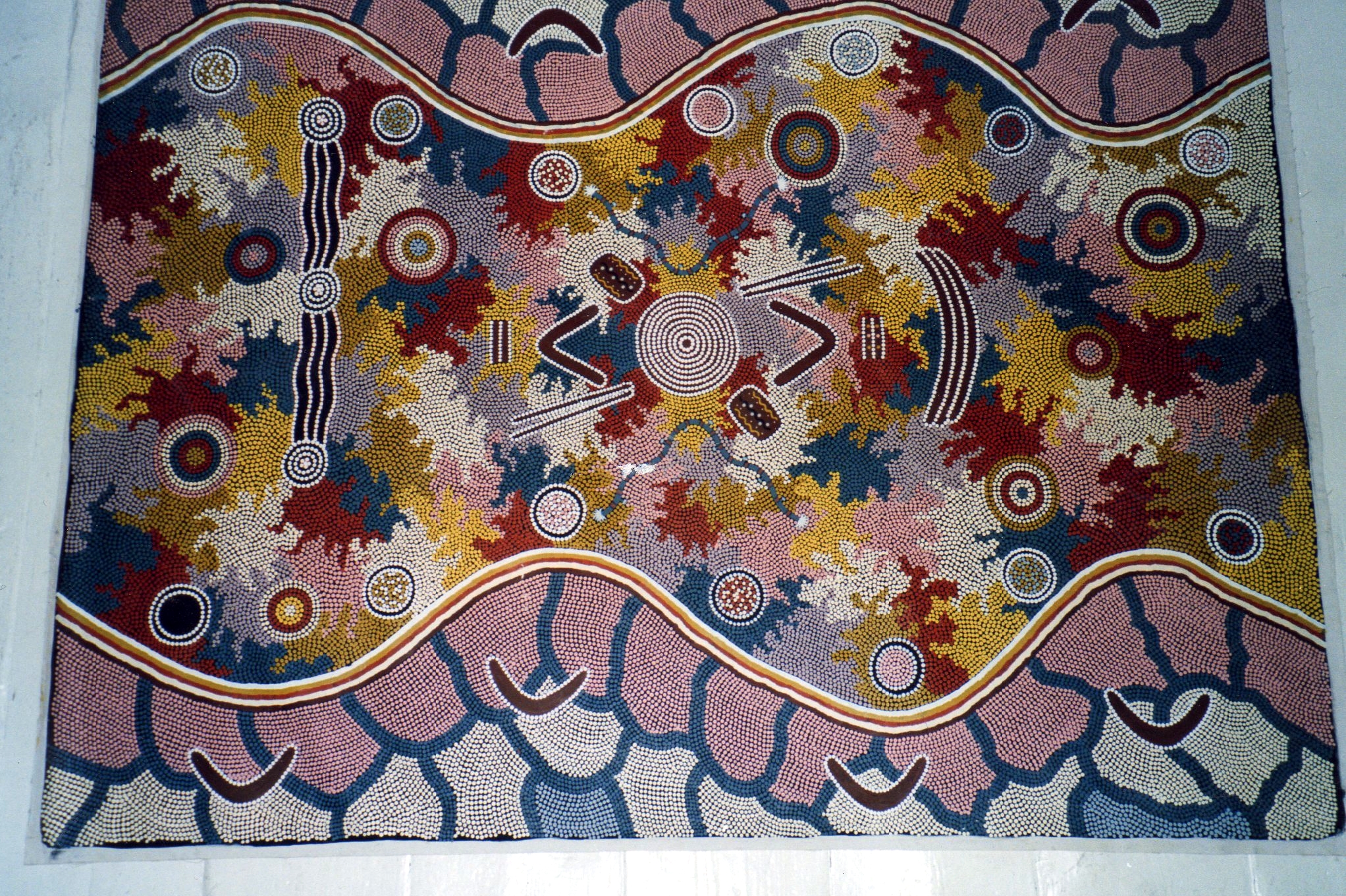
Painting 21: Mens Ceremony-Four Dreamings, 1989, 145cm x 177cm.
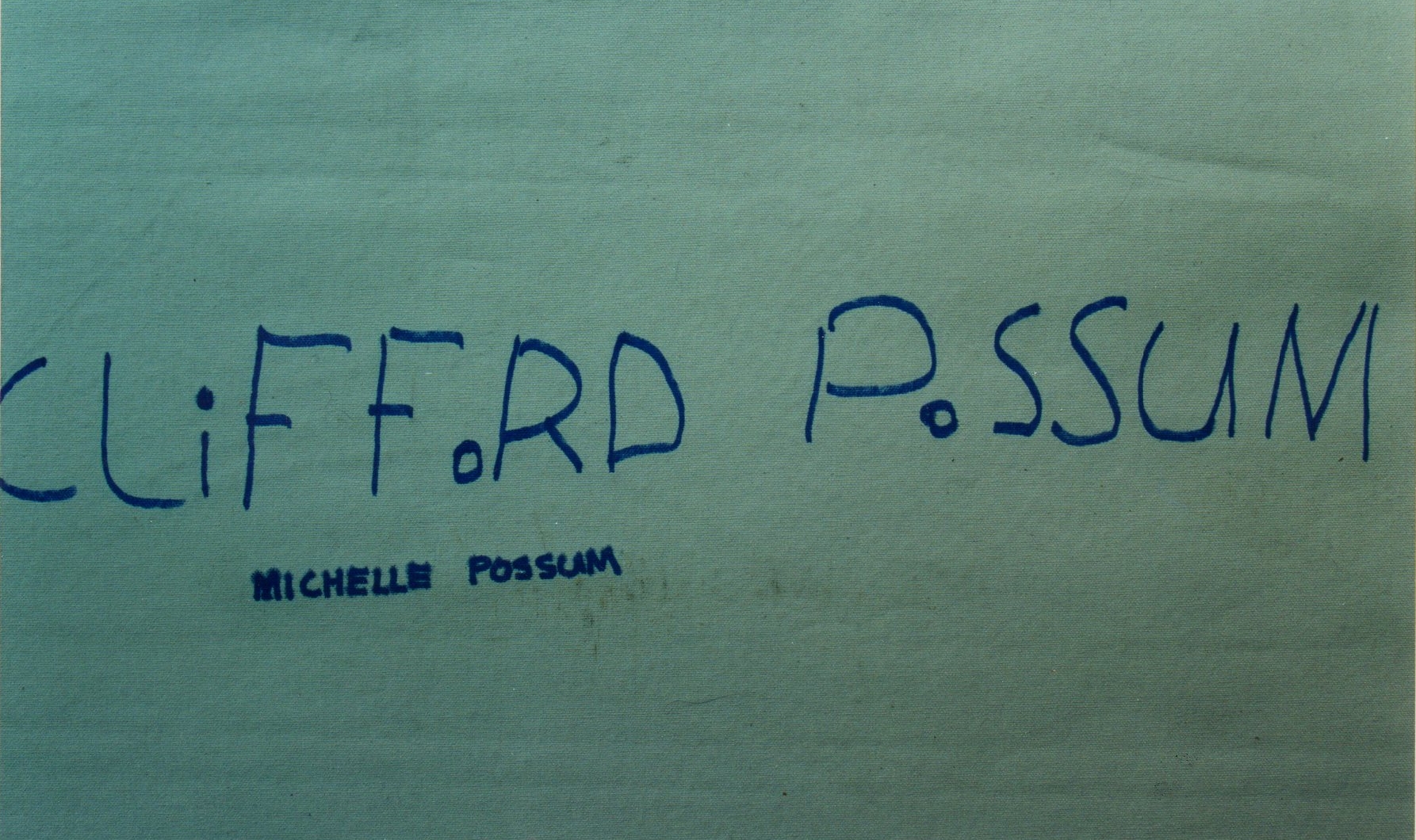
Artist: Clifford Possum with his daughter Michelle Possum.
ABO 108 22
Painting 22: Storm – Running Water Dreaming, 1989, 120cm x 122cm.
Artist: Colin Dixon.


img127b  Decoration Painting 20.

The prices are available on request. With every painting I will deliver an ample information package about history, backgrounds, artist and more. If you have comments , questions or like to make an offer, all mail will remain unpublished.  Just feel free to contact me.

Much more information and description of the paintings as well as facts about the artists you will find in my posts „Australia – Aborigine Art, part 1 to 4“.  Have a look !

Veröffentlicht unter Collecting, For Sale, Lifestyle | Verschlagwortet mit , | Hinterlasse einen Kommentar

Australia – Aborigine Art 4

aussie 28 christmas tree

WARNING:
This article can contain images and/or names of and reference to both,
living and deceased Indigenous people from diverse cultural backgrounds
and communities in Australia.
This warning is written out of respect to the Aboriginal culture.

Before you read this article, please give yourself a favor and read the previous articles “Australia – Aborigine Art 1,2,3” first. Just click right on Art and you’ll find it easy.

Australia. A country which I visited very often for over 50 years and lived there permanently for about 12 years. During all those years I traveled hundreds of thousands of kilometers through Australia, seeing almost every corner of this amazing continent.

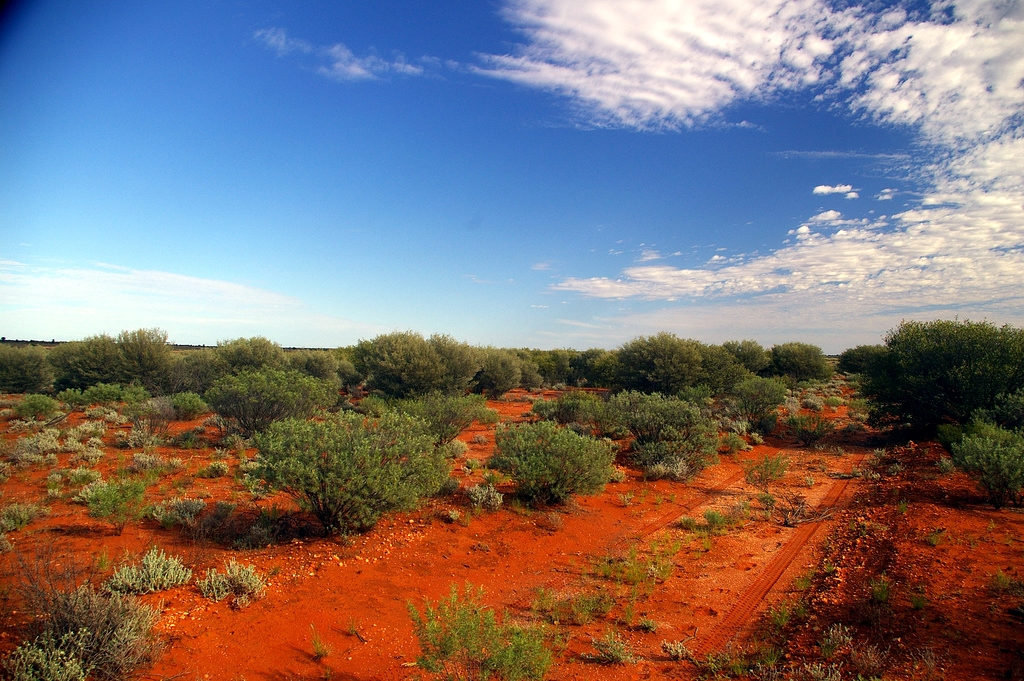
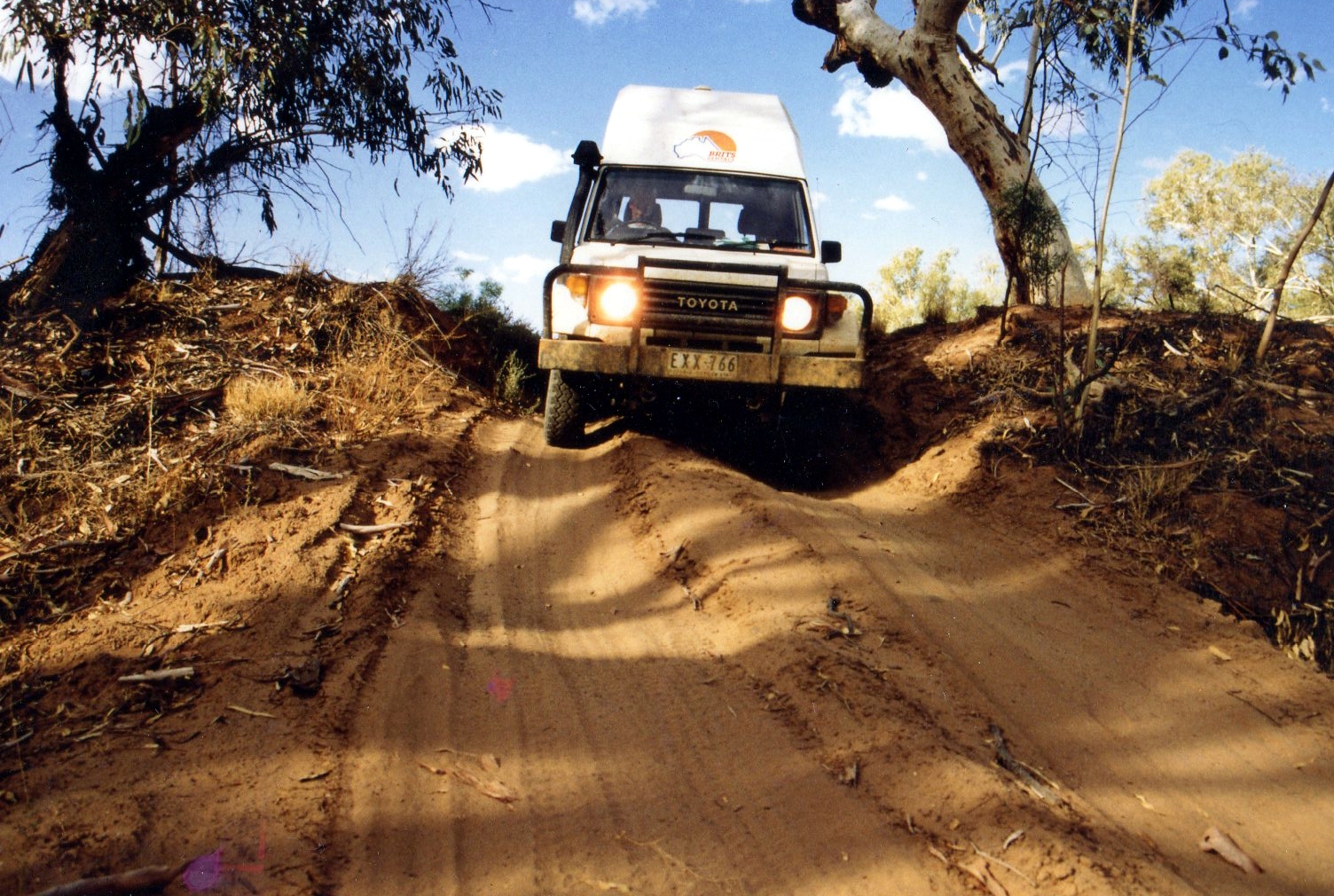
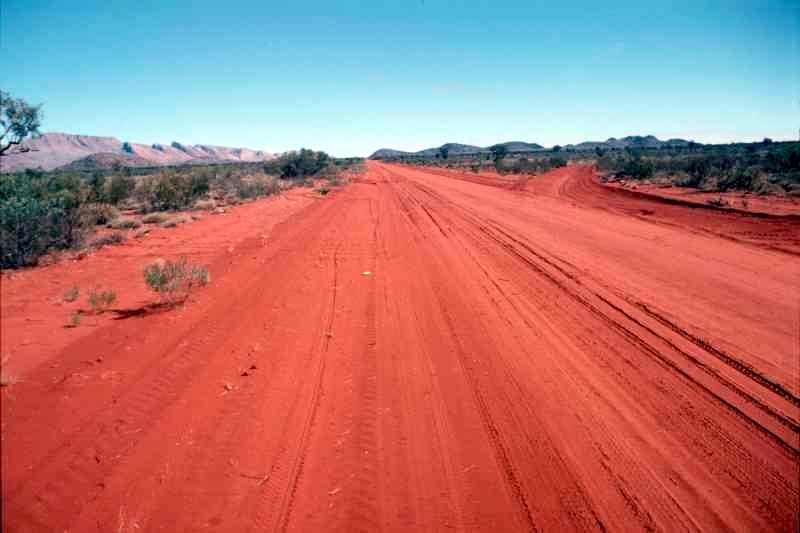
aust desert 2 track SA  Central desert near Finke river, just my own tracks.

In the years mid 1980’s to early 1990’s I specialized in collecting art from the Central Desert area of Australia, met almost all artists which were important to this time and my collection. Now it is the time to separate myself from the last part of my collection.

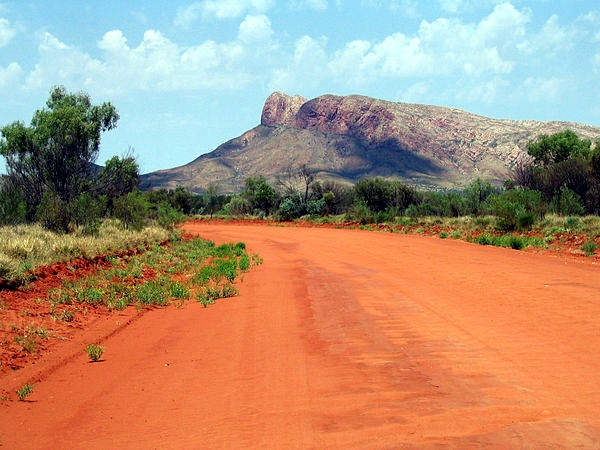
aust haasts bluff 1  The road to Haasts Bluff, 230km west of Alice Springs.

All of the here offered paintings are from artists of the so named “first or second generation of Central Desert artists”. I’ll take the chance to inform you about it in this blog and will also offer the opportunity to purchase the art if you like. Most of the shown art, from these here shown artists, is not available anywhere in the world.

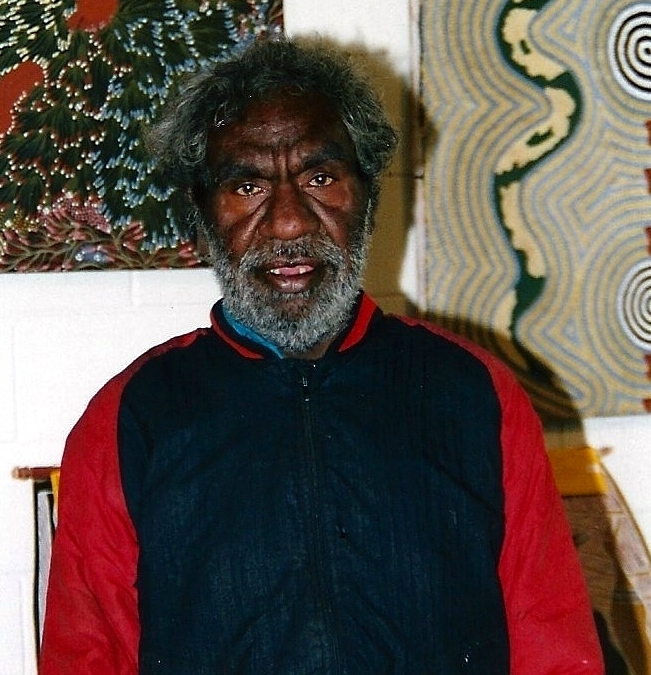
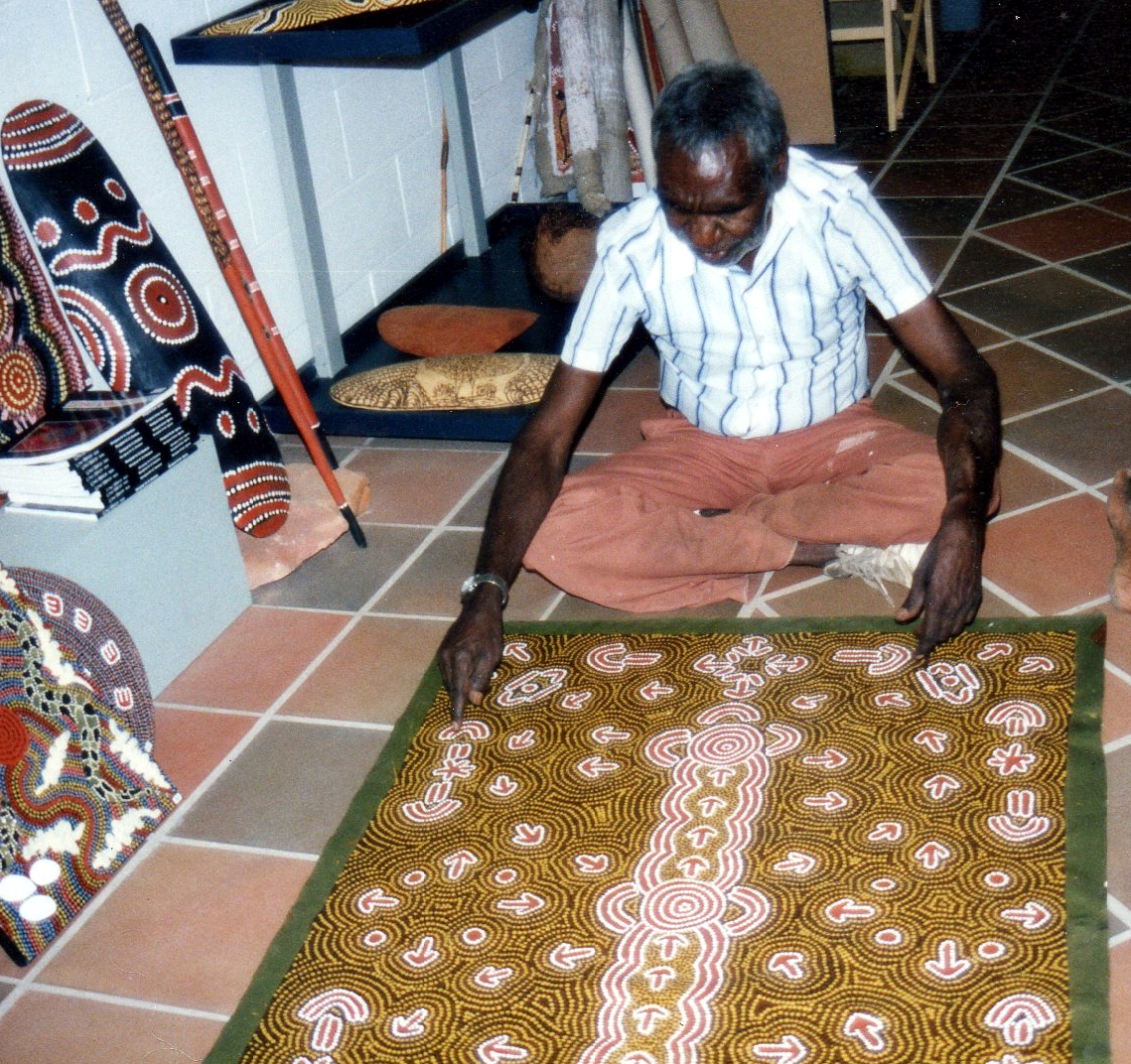
billy 8h  Sometimes hard to reach the artists in their country. Here to see Billy Stockman about 30 kilometers off Papunya. Impossible without a Four Wheel Drive.


Young Timothy Dempsy.

Born at Haasts Bluff c. 1941. Passed away 2000. Young Timothy was the older brother of Barney Daniels, with whom he shared his country, which was close to their mothers country in the Papunya/Napperby area. Their father was a Walpiri speaker from the Lajamanu area, giving the brothers two widely separated heritage countries.

He was married to Epingka Nangala and they had three daughters and a son. Timothy identified his tribal affiliation as Luritja. He received some schooling at Narwietooma station and he worked as a stockman then as a mechanic on bore maintenance before settling at Papunya in the early 1960’s. He helped transfer people from Haasts Bluff to the new settlement at Papunya.

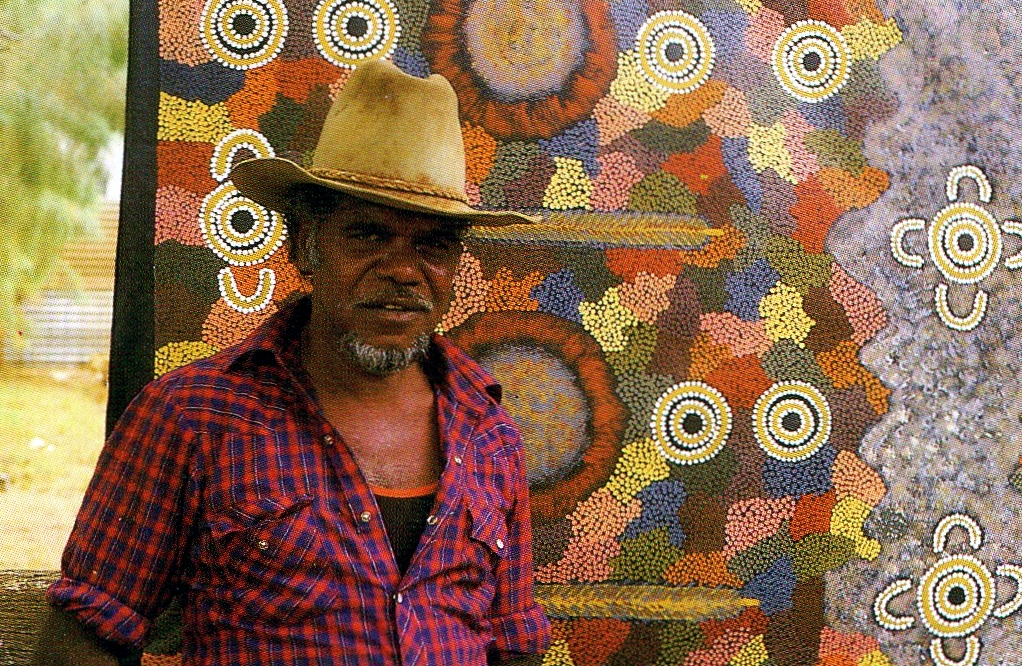
timothy 2  Young Timothy Dempsey.

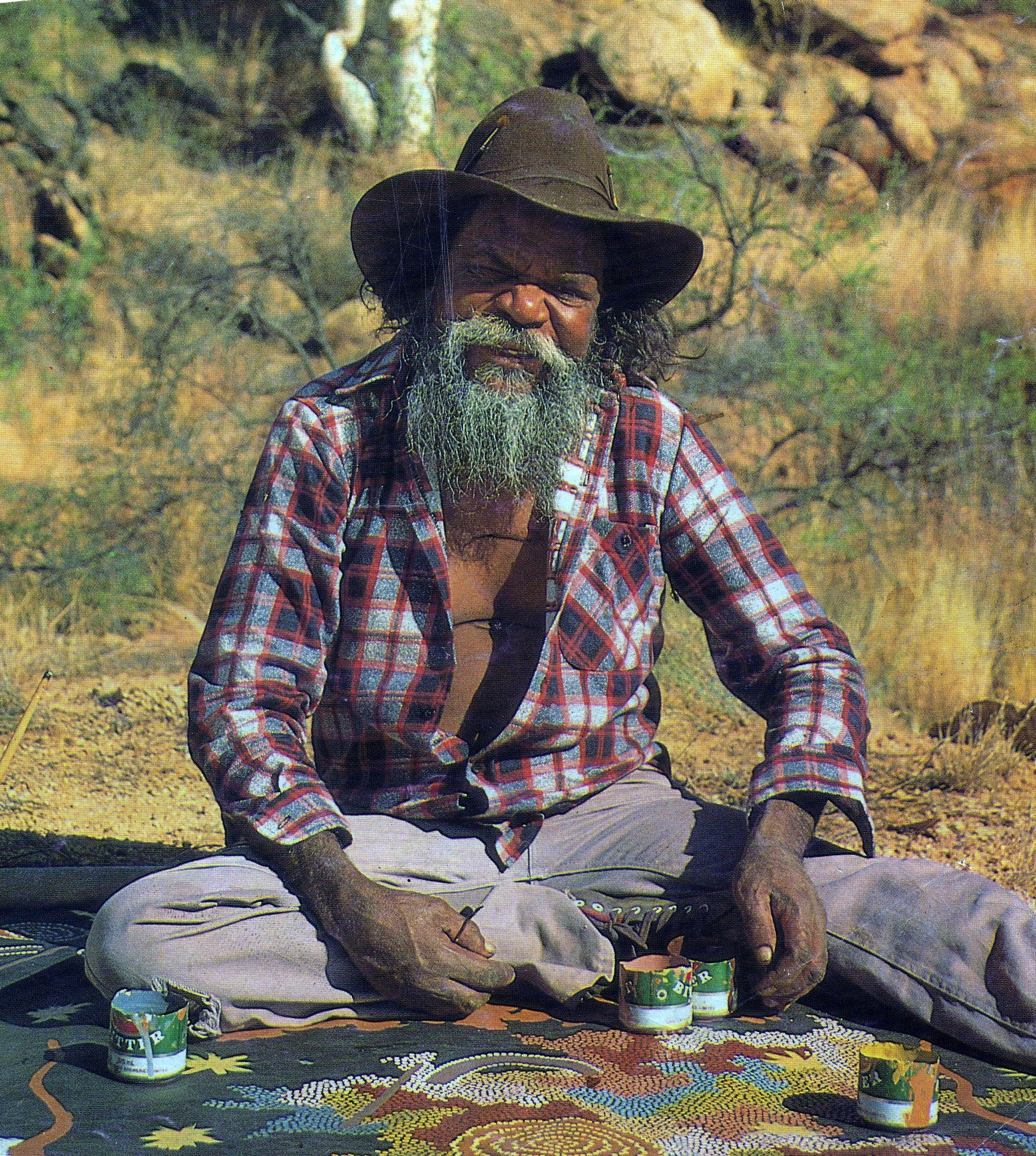
At Papunya he was introduced to painting by watching Clifford Possum with whom he shared a camp. He lived near his traditional country on the „Five Mile“ outstation near Papunya and he is related to the artist Mary Dixon. He painted centipede, spear ceremony, barking spider and hunting for kangaroo dreamings.

This magnificent painting shows Timothy’s excellent use of colours, strong symmetry and outstanding dot work and the photo does not do this large painting justice. It shows why Timothy’s paintings are in high demand and since his passing they have more than tripled in value and are becoming very difficult to get hold of.

ABO 106 16
Painting 15: Tims Mother Dream.Womens Dancing Dream. 1988, 82cm x 125cm. Price on request.

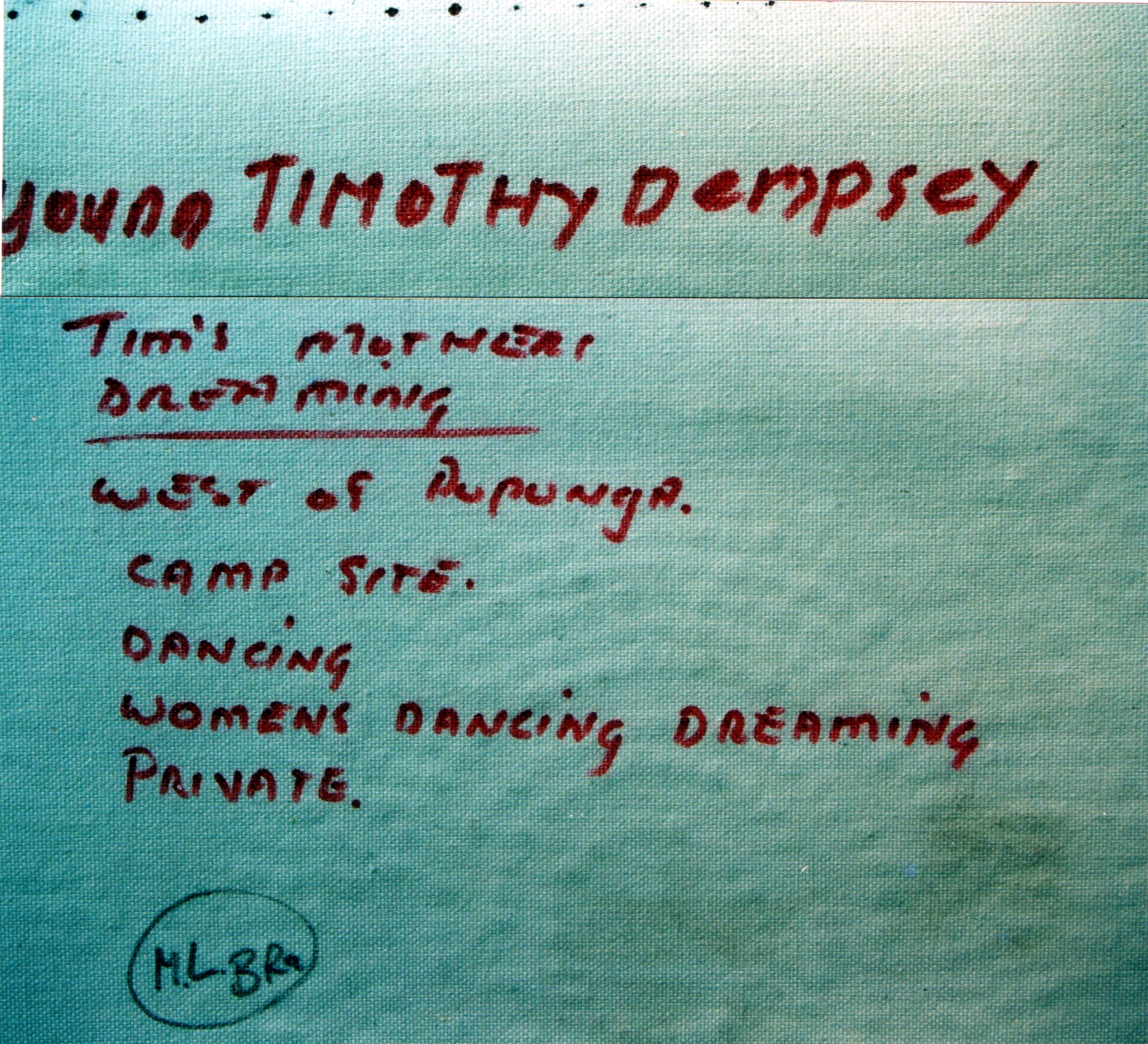
Some of the roundels are meeting places where women gather and others are where the men gather for the spear straightening ceremonies. The artist would give no further information on this story due to the sacred nature of this dreaming. The title gives us the explanation “ Tim’s Mothers Dreaming – Womens Dancing Dreaming – Private“ !!

timothy 3 Original rear side signing of the artist T. Dempsey.

This is one example how the artists sign their paintings on verso. All paintings I offer (except No. 1,2,3 – they were purchased as student works from Yuendumu art school) are signed by the artist. This one from Young Timothy Dempsey we were able to buy out of his private collection, see his signing „private“. If one likes to see a signature just write and I am happy to send you a pic. Your questions won’t be published – if you wish !!


Billy Stockman.

Billy Stockman Tjapaltjarri is an iconic figure in Aboriginal Art. His date of birth is set in approximately 1927 at Ilpitirri near Mount Denision in Central Australia. As a young child he witnessed the Coniston massacre in 1928 in which his family were slaughtered. He survived as his mother had hidden him in some nearby bushes; the only other survivors were the men who were out hunting at the time, this included Billy’s father.

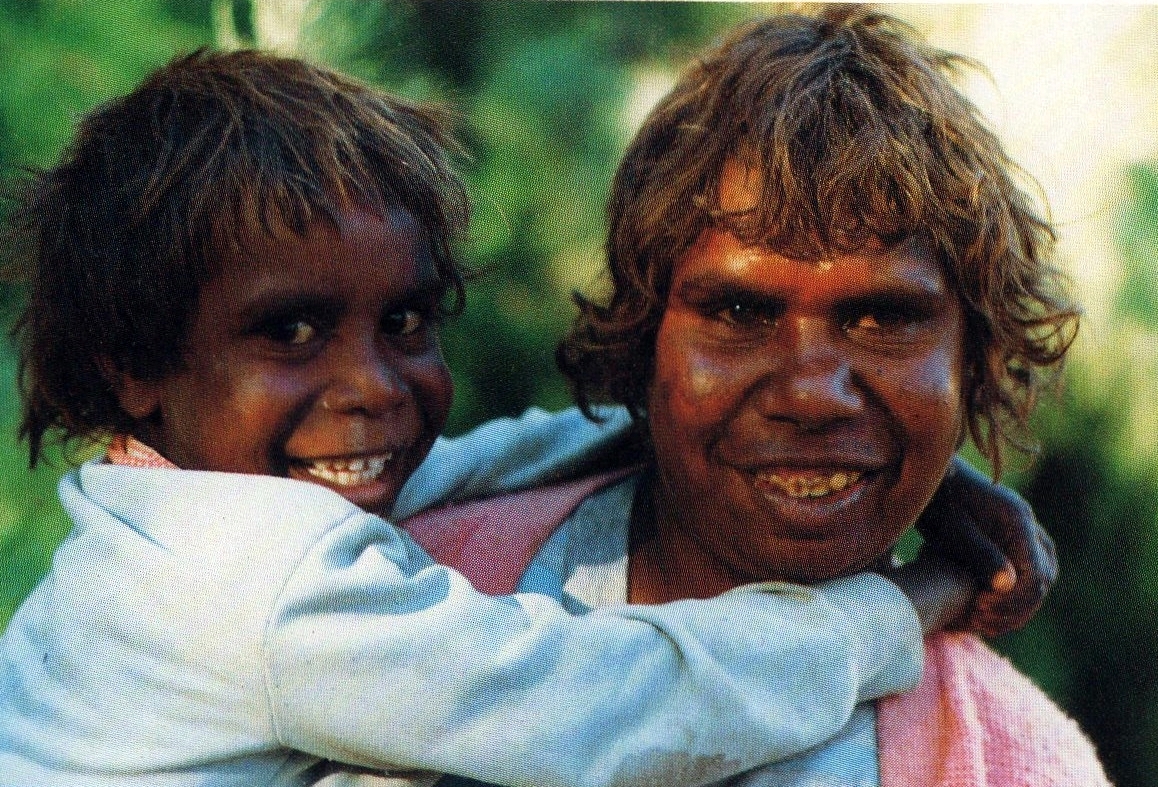
billy 2         billy 4                   Billy Stockman in the 1950’s and 1960’s.  Always a warm smile in his eyes.

Billy was adopted and raised by Cilfford Possum Tjapaltjarri’s mother, his aunty, and he grew up on Napperby Station. As a young man he worked as a stockman and this is where his nickname “Stockman” came from. He, like many Aboriginal people at the time, was moved to Papunya as part of a government re-settlement program and began working as a cook and a yards man at the Papunya School.

billy 6  The „Four Musketeers“, stockman of Atula Station, from left to right: Billy Stockman, Kenny Williams, Andrew Reiff, Gordon Cavanagh.

In about 1955 he married Uta Uta Tjangala’s (another famous Aboriginal artist) niece Lucky. He was also known for his mechanical skills fixing cars. He, like Cilfford Possum Tjapaltjarri, also began his artistic career by carving wooden animals which were sold at the arts and crafts marketplace.

billy 3 1972   Billy Stockman in 1972, when he started his artist painting career.

In 1971 the Papunya School arts teacher requested a mural be painted at the school, given Billy’s involvement and activities in the community at the time, he along with several other men, under the guidance of leaders, created the “Honey Ant Dreaming” mural.

ABO 105 15
Painting 16: Budgerigar Dreaming, 1987, 90cm x 120cm. Price on request.
img101  Both of us in early 1987, Billy just started with the painting.

It was the first Central Desert art to be exhibited publicly and shot Billy into the spotlight of the Aboriginal Art Movement of the time.
Throughout the 1970’s Billy was influential in bringing traditional iconography of Aboriginal people into the public forum and during this period he held many important and key positions. In the 1970’s he was a Central Australian delegate to the NAC, an Aboriginal Arts Board Members from 1975 -1979 and one of the first chairman for Papunya Tula Artists, holding the position from 1976 – 1977.

abo 36 billy stockman-geoffrey bardon-clifford possum  Founders of Papunja Tula Artist PTY,. Geoffrey Bardon (center) with Billy Stockman (left) and Clifford Possum (right) in front a “Snake Dreaming” dot painting of Billy Stockman.

He had travelled both nationally and internationally for exhibitions, a key exhibition was held in 1988 in New York, USA, where he and Mick Nelson Jagamarra were commissioned to make a sand painting at the Asia Society Gallery.

billy 9   Billy Stockman just finishing one of his famous Snake Dreamings, shown in the late 1980’s in a gallery in Alice Springs.

Not only was he a legendary founder of the Aboriginal Art Movement but he was also a pioneer in the country camp movement and he later moved west to his own station, called Ilili. He retired from painting in the 1990’s. In his later years he spent much of his time in Alice Springs and in his 80’s moved to Hettie Perkins Aged Care Home in Alice Springs, where he died in September 2015 at the age of 88. What a life !

billy 8g  Billy full in action at the age of 65. Click on pics – most will supersize.

His key paintings represent Dreamings of the Budgerigar, Spider, Bush Potato, Wallaby and Snake. However he also paints Men’s Ceremonies.
His art is represented in corporate and private collections throughout the world. The National Gallery of Victoria paid $200,500 for his Yala Dreaming painting which was 54.5cm x 46cm in size. He is an extraordinary man and one who is one of the most well known and famous Western Desert artists.

ABO 106 18
Painting 17: Bush Ceremony Dreaming, 1987, 90cm x 120cm. Price on request.

Central Art had the privilege of acquiring one of his paintings and several of his coolamon’s. In the painting Billy used traditional aboriginal iconography to represent ceremonial places associated with the Mount Denison area, which is found North West of Papunya in Central Australia.

  img102a    Billy’s wife Lucky teaching how to paint.

He is a traditional custodian of this Dreaming, which is determined by his skin name (the Tjapaltjarri and Tjungurrayi skin groups hold this Dreaming). The ceremony involves the elders preparing the ceremonial ground and supervising the dancers being painted with the appropriate designs.

billy 8f Billy and his wife explaining to us the meaning of their Dreamings and how to transfer them into paintings.

Billy was able to bring ancient cultural knowledge, stories and lore into the modern era with his artwork providing the link. Central Art acknowledges the important role that Billy has made for Aboriginal Art and highly recommends Billy’s artworks as he is considered a highly collectable artist and his art would make a solid investment piece.

ABO 106 17
Painting 18: Kunja Snake Dreaming, 1988, 134cm x 148cm. Price on request.

The Carpet Snake Dreaming story was passed on to Billy Stockman Tjapaltjarri. The painting depicts the carpet snake hunting in the spiky, spinifex grass which grows in abundance on the desert earth near Napperby, Mt Denison in Central Australia. The striped body paint design of the snake indicates it is painted up for ceremony.

img111  GREAT LITTLE MAN – showing always a warm smile !!

This painting 18 takes place at Mount Pennison on Napperby Station. The central roundrals depict a soakage hole, sacred to the Tjapaltjarrikinships. The Kunja Snake is seen guarding the site, the smaller outer roundrals depict tradional body colors, the background depict the colors of the desert. As custodian of the totem, Billy had cultural responsibility to look after the carpet snake to ensure its survival in the environment.


Eunice Napangardi.

Emerging from the arid spinifex country of Papunya in Central Australia, Eunice was one of the first Aboriginal woman painters.

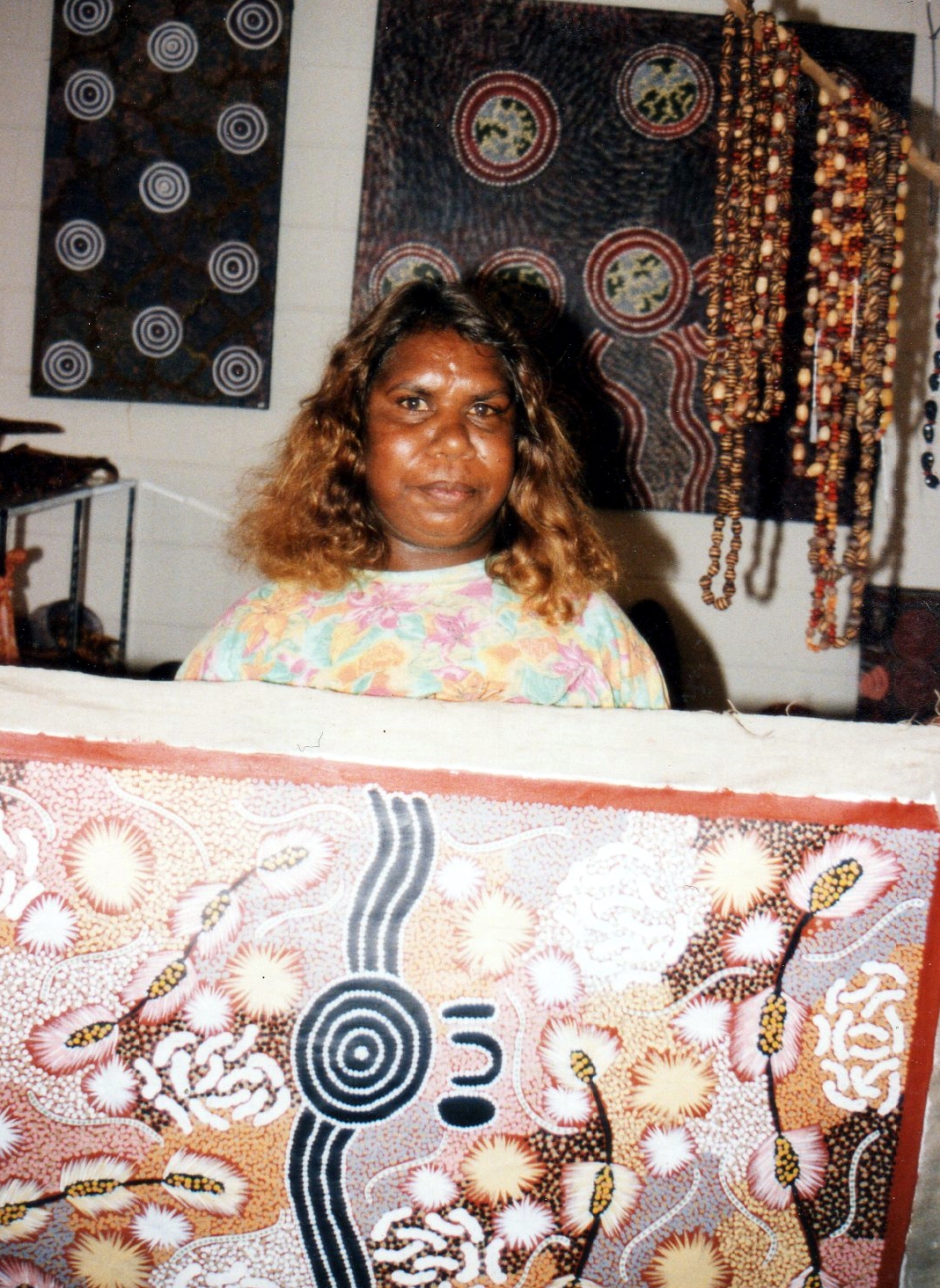
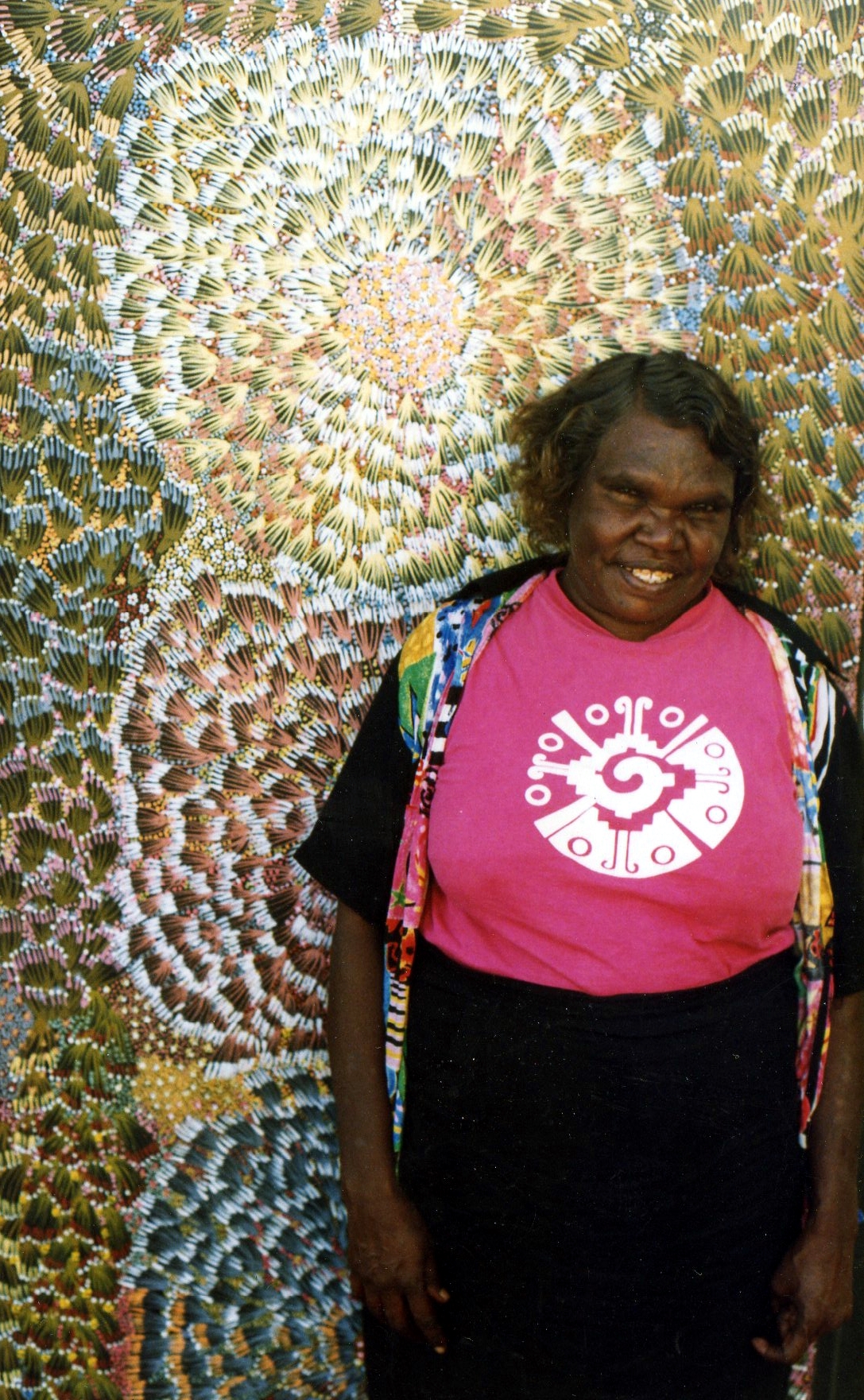
eunice 2b  Eunice Napangardi, a wonderful warmhearted person.

Eunice was born at Yuendumu in the early 1950s. She is of the Luritja / Warlpiri tribal groupings and has 3 sisters, Pansy Napangardi (see my post Australia – Aborigine Art 2), Alice Napangardi and Rene Robinson Napangardi with whom, she shares many of the Dreaming stories they paint. Eunice was one of the first women artists to paint.

eunice 3b         eunice 3c                 Left: Eunice is working on one of her oversized Bush Banana Dreamings. She loved to paint on canvas as big as she could get. Right: When we visited her a week later the painting made some great progress. In the background sitting Maxi, her second husband.

Eunice was an apprentice to her late husband, Kaapa Tjampitjimpa and helped him with his paintings for several years in the early 1980’s, when he painted for Papunya Tula Artists. Working alongside Kaapa (who died 1988).   Eunice then paints with the highly acclaimed artist Maxi Jampitjinpa (then her second husband). He provided Eunice with the opportunity to become one of the most important Aboriginal women artists to emerge from the desert and has earned her own place as a master – demonstrating excellence, great technique, and artistic flair.

eunice 4a  Eunice not in her best phase of life, short after husband Kaapa past away. Often artists were broke and needed money to survive, the only way was then selling some art……
eunice 4b ……but galleries who could afford to pay, only paid for finished works. So – they forced the artists to paint in (most ugly) surroundings of their galleries and paid off after a finished painting. Many of these artist went through a phase like that, mostly men, after drinking and loosing everything.

Gaining experience and technique, Eunice emerged in the late 1980s as an artist in her own right, becoming one of the Central Desert’s leading Aboriginal artists. Kaapa was one of the first artists, influenced by the Geoffry Bardon movement, to paint in Papunya and was most likely responsible for the Central Desert painting movement as we see it today. Eunice’s Bush Banana paintings are worldwide renowned. She produced some of the most magnificent canvas paintings to come out of the area.

eunice 1 with sister pansy  Better times, beautiful work, painted by Eunice and her sister Pansy.

Eunice’s paintings are totally unique. The bush banana, or Uparli, grows in rock crevices close to the dry river beds in the Spinifex country. Eunice is noted for her connectedness to Yuparli – the Bush Banana – which has both nutritional and healing properties. It is of immense importance to the Aboriginal people of Central Australia. Sadly Eunice passed away suddenly in October 2005.

ABO 107 19
Painting 19: Bush Banana Dreaming, 1990, 134cm x 187cm. Price on request.

In this painting 19, Eunice depicts her grandmothers dreaming – the women of the Napanangka and Napangardi kinship. Any secret or sacred nature of this dreaming has been held back by the artist.
As the legendary Kungka Kutjura traveled the land during the dreamtime (its the creation time) era, they came upon the site of Pikilly (Vaughan Springs). Here the Uparli Dreaming was enacted and passed on. The Uparli (bush banana) plant with it’s radiating vines is found in rocky crevices alongside dry river beds. This fruit is eaten raw or cooked.

eunice 6 eunice 6a
Bush Banana (Marsdenia Australis) is full of a milky sap which quench thirst in the hot desert climate. The seeds are edible and are said to resemble garden peas in taste. The plant also produces an edible underground tuber.

The Alice Springs Airport commissioned a large Eunice Napangardi painting for the inaugural opening of the new Airport Terminal in December 1991 and it now hangs in the QANTAS passenger lounge in Alice Springs Airport.

eunice 5 qantas lounge alice   eunice 5a
The massive painting (over 5 meters wide and 2 meters high) in the Qantas lounge of Alice Springs Airport. Right a detailed view of it. For this amazing work she earned the Caltex Art Award.

Eunice has exhibited at the Australian Embassy, Washington DC (1999), the United Nations Building, New York City (1999), and with Pansy Napangardi in Brisbane (the so named Two Women Show). In 1992, Eunice’s work was included in Modern Art-Ancient Icon, a traveling exhibition, starting in Washington DC, sponsored by The World Bank. Artworks of Eunice Napangardi are a museums worthy investment.


William Sandy.

William Sandy was born c.1944 in Pitjantjorra country around Ernabella in South Australia. William Sandy started to paint in 1975.  William moved to Papunya in 1973 and two years later did his first painting for Papunya Tula Artists, after teaching himself to paint by watching the older artists. At Papunya he married Violet Nakamarra, the sister of Michael Nelson Jagamarra, who is also a well know Aboriginal artist.

william 1   William Sandy in the late 1980’s.

Michael became a noted award winning artist and designer of the forecourt of the new Australian Parliament building in Canberra ACT.  See post „Australia – Aborigine Art 1“.

aust 4a  Forecourt New Parliament House Canberra.

William Sandy has lived in Areyonga and Haasts Bluff and since 1973 at Papunya in central Australia. William Sandy was the first of the Pitjantjatjara involved in the contemporary art movement.   William Sandy is also a very knowledgeable, traditional medicine man.

william 4  William Sandy as we met him in Ernabella.

William paints Dingo, Emu, Women and other dreamtime stories for this country in the traditional dot painting style mainly using earth tones. One of his main dreaming is  always the Bush Bean Dreaming. In 1985 he won the Northern Territory Art Award. Also he won the Alice Springs Caltex Award. His work is very powerful and centers around his grandmothers dreamings of the wild bush bean.

ABO 107 20
Painting 20: Bush Bean Dreaming, 1991, 129cm x 241cm. Price on request.

The above painting depicts Williams grandmothers dreaming. The Bush Bean is said to possess fertility powers and is used in young womens initiation ceremonies. They are also used in the producing of ceremonial necklaces, wristbands and headbands. The painting depicts the sites (roundrals) and the black bean radiating out.

aust bush bean 1  aust bush been 4Australian wild bush beans. No wonder that women use these colorful beans and other seeds to make jewellery.
aust bush bean 2 aust bush bean 3Central Australian Aboriginal Art. Painted and burnt seed pods and red bush beans make the best jewellery.

The Master artists are old, some passed away, and the younger generation is learning western customs. Today Aboriginal Australians live and work around the world, from Papunya to London, from Arnhem Land to New York. It is the last opportunity that anyone on this planet can purchase and own an authentic painting with impeccable provenance, by William Sandy, a Master artist and one of the important Australian artists.


Clifford Possum and Michelle Possum.

An Anmatyerre man, Clifford Possum was born around 1932 about 300km west of Alice Springs at Napperby Station. As a child he was saved from malnutrition by the pastor at Hermannsburg Mission, based there and working as a stockman and part time wood carver until moving to Papunya in the mid 1960s. He died in Alice Springs on 21 June 2002 at the age of around 70.

clifford 3  Wild Clifford in his younger years.

After an artistic career spanning six decades Clifford Possum Tjapaltjarri’s legacy may outlast that of all the Central Desert painters. Incorporating naturalism with dots and lines is not common in classic Papunya-school paintings post the early 1970s yet it was a theme to which Possum would return in many different forms over his entire painting career.

clifford 4  Clifford Possum on the height of his success.

Clifford Possum’s artistic journey had started in the mid 1940s when as a young man he carved animals and artefacts for the tourist trade. In the mid 60s he became a woodwork teacher at the Papunya community. Here in the 1970s he was the youngest of the painting men to join teacher Geoffrey Bardon in painting indigenous images in the then new medium of acrylics.

billy 5 papunja elders meeting    Papunya elders meeting, first left Michael Nelson, second from left Clifford Possum, third from left Billy Stockman. The others are unknown to me.

By the end of 1972 however Possum was moving, as were his fellow contemporaries, away from the figurative into the more linear and dotted style. The small highly individual 1972 Love Story shows this well. He confidently used oranges, yellows, blacks and browns giving this and works of a similar era an intense luminosity. Others are softer with more restrained colors built from layers of subtly hued dots.

img119b  Clifford working tirelessly for a huge London exhibition.

Possum was a great storyteller, personally and through his paintings which he was proud to explain to a receptive audience. As Melbourne dealer and friend Peter Los (who knew Possum from the mid 1980s until his death) says, a day with Possum was never predictable or dull.

ABO 108 21
Painting 21: Mens Ceremony-Four Dreamings, 1989, 145cm x 177cm. Price on request.

As Possum’s fame spread, his personal life broadened. Since the mid 1980s he had managed the sale of his own paintings, rather than working entirely through the artists co-operative Papunya Tula Ltd, which he had helped establish. Over his life he dealt with hundreds of different dealers and individuals throughout the world.

London.

In 1989 Clifford Possum and the Alice Springs gallery owner (The Gallery of Desert Dreamings)  John O‘ Laughlin organized a huge exhibition and trip to London, UK.

clifford 8a  Yes, Clifford Possum in his „official outfit“ to visit the Queen.

A long story short: Clifford painted (in late 1989 and early 1990) 29  artworks as preparation for the London exhibition in July 1990. It was a tireless hard work done in the lounge room of John’s home in Alice Springs. Both his daughters, Gabriella and Michelle, helped as co-painters to finish some artworks. Nobody should see the artwork before exhibition. As John told me, they went several times to the country , that Clifford could walk his land and gained his dreaming’s. The whole story comes with the painting.

img117a             img117c
Both pics are taken in London.  More important to Clifford, then the grey tuxedo, was his new tracksuit.

They took 25 paintings to London exhibition in a price range from A$ 10.000,– to A$ 50.000,–. The exhibition was a huge success and had a complete sellout. The highlight in this time was, that Clifford was beeing invited to meet the Queen in Buckingham Palace. That took place on The 26th of July 1990.

img115             img117b
Left: The press in London went crazy about it all. Right: Clifford signing a „Thank You“ letter to the Queen.

In 1991, during my visit in Alice Springs, I met again Clifford Possum (and of course many other artists), so as John’O Laughlin (which I knew since 1987) and Michael Hollow, (the owner of Aboriginal Desert Art Gallery). We organized together a large exhibition in Germany (in 1992) and therefore we choose  the 4 Clifford „leftover“ paintings from 1989 (read above). Out of the 4, I bought the here offered one, for my private collection.

img119a  With Clifford in Alice Springs.

Most expensive Aborigine Painting.

Demand for his work became huge. And with such success came the problems of both the artist’s own over production for ready money and fake paintings – some done by relations or Aboriginal friends, others by white copyists. Two dealers I knew in the late 80’s and early 90’s got their problems 10 years later for faking auction results and painting fakes. Heavy fines, court hearings and even jail followed – and that was RIGHT !!!  Clifford Possum often described the personal shame and anger at what was done in his name, but his resilience, humor, generosity and larger than life personality kept him painting.

clifford 6 most expensive  The most expensive Aborigine painting ever sold.

Clifford Possum is not a new name in the art world. He was famous as an aboriginal painter. His previous painting with the title Man’s Love Story 1993-1994 was sold in the price of £170,000 in 2005 at Sotheby’s. This painting is considered as the most expensive painting by Possum. With the fabulous Tjapaltjarri’s Warlugulong 1977 people hope that it can break the previous record of Possum.

clifford 6b  Clifford and his painting from 1977, 202cm x 337cm.

Moreover, people want to see whether Tjapaltjarri’s Warlugulong 1977 can break the most expensive work of aboriginal painting ever sold in the world, Emily Kame Kngwarreye’s Earth Creation. It was sold in the price of £438,000.  As we know now, dozens of Cliffords paintings went for many hundreds of thousands dollars . A TRUE investment. The estimated price for View Clifford Possum, Tjapaltjarri’s Warlugulong 1977 was £755,000-1,050,000. After heavy fighting (at Sotheby’s Melbourne in 2007) the hammer went down by A$ 2.400.000,– ( 2 million and 4 hundred thousand  Australian Dollars ) !

clifford 6c    Sotheby’s Melbourne,  sold for A$ 2.400.000,–.

Even Possum’s death in 2002 increased his notoriety with his burial wishes as stated in his will being challenged by members of his family. A Northern Territory court upheld the family’s wishes and Possum was buried different to that he had specified in his will.

img114  Clifford Possum will always be remembered as one of the most valuable Aborigine Artists of all time. His works are an amazing investment – they won’t be back.

The legacy he left however is vast. “He hardly had time to live his own history before he became a legend and now is well into a mythological status,” says Peter Los. “Of all the central desert painters to be remembered in 100 years time, it will be Clifford Possum Tjapaltjarri.” Great opportunity to buy a piece of art from his early phase.

img118a  img118b

Since Cliffords daughter Michelle Possum helped to paint this work and also co-signed it, see two pictures above, here a few words about her. Price for this painting on request.

clifford 1c  Michelle Possum with one of her own paintings.

Michelle Possum Nungurrayi born 8th September 1969 at Alice Springs. Her homelands are Mt Allan & Naperby , Michelle is a talented Aboriginal artist from the Anmatyerre Language Group, Mbunghara Central Desert. The second daughter of the renowned Clifford Possum Tjapaltjarri, Michelle began painting at an early age alongside her father.

clifford 1 michelle  Michelle painting in her own studio near Melbourne. Michelle first exhibited with her father and sister Gabrielle Possum in Brisbane in 1987.

Michelle, her sister Gabriella and brother Lionel, were taught to paint by their highly talented father. She began painting at a young age in the mid 1980’s and to this day, carries on the traditional stories, style and much of the iconography of Clifford Possum.


Colin Dixon.

Born around 1954 in Warlpiri Country at Mt Doreen station, Colin Dixon Tjapananga spent his early years both on Mt Doreen station and at Yuendumu, receiving some schooling in both places. He and his wife Mary Dixon began painting for Papunya Tula Artists in the mid 80’s when the company began making regular trips to Mt Liebig, about 50km north-west of Papunya, where the couple had been living for many years.

img121a   Colin working at Papunya art center.

The artist’s country from his fathers side lies around Tjanyinki. His principal stories are Women Dreaming, Man Dreaming, Honey Ant Dreaming and Two Young Men. His mother’s country is from Pilinyanu, also west of Mt Doreen and also Warlpiri territory.

img121b  Colin and his wife Mary Dixon when we met them in Yuendumu on a trip from Papunya to Alice Springs, selling art works.

Although Colin is not a regular painter his artworks are strong and masculine, traditional of Aboriginal men from the area. He uses a traditional style with symbols to depict his Dreamings. Alway he came back to paint water, storm and waterhole dreamings.

ABO 108 22
Painting 22: Storm – Running Water Dreaming, 1989, 120cm x 122cm. Price on request.

The above painting 22 depicts Colin’s grandfathers dreaming country far west of Yuendumu. This is an important site associated with the life giving water. The ancestor Tjungula and his people stayed in this area. The grey on dark the white dots indicate storm clouds, between some blue sky. The red circles with white dots indicate water holes. The oval shapes and straight lines running water into waterholes, all is centerd by a river (oval line through the middle of the painting. All remaining dots depict the rain.

img122a   Working in the outback, Colin started a new project. On the right his wife Mary and both are surrounded by family and friends. Painting is a social thing and they love painting and chatting, drinking beer and having fun.

Colin is a cheerful family man and I have enjoyed watching his family grow and get older. His works are reasonably priced and traditional with the use of Aboriginal iconography and symbolism. His works stick to more traditional colours which are found naturally in the area through the use of ochre rocks. The rocks are collected and ground down to a powder; add some water and you have a thick paste which is used for painting the body, face and rocks. Ochre comes in a variety of different colours such as white, fawn, brown and orange hues. See Ochre description in my post „Australia – Aborigine Art 1“.

img120a  Same painting already developing. One will find Colins work always very precise, very accurate, very symmetric and mostly made with earthy colors.

A stockman and cowboy at heart, Colin is most at peace living on the traditional lands. He has an intimate knowledge of the land and the sacred Dreamings associated with it. It is very important to have these traditional paintings for learning and teaching about the sacred and important stories, laws and morals of Aboriginal culture.

aust alice 4c  Qantas lounge in Alice Springs airport. What a carpet !

Nearly all of the here shown artists have a long list of exhibitions, participation’s in international shows. Many won art prices and other rewards.  All artists have their works in many  known museums around the world and important private collections as well. As well as fetched prices for their works, I will not list all this information, it would extend the borders of my blog !!

aust yuendumu 3  Happy artists with our „German jumper“. The Aborigine people in Downunder love our gifts with „German Flag“, because it has the same colors as the Aborigine Flag – black, red and yellow !

If you are interested to ask about purchase or other questions or you want more information or whatever, do not hesitate to write. If you wish, your contacts won’t be published. With every sold artwork I will deliver an ample information package, with Photographs, maps, extended story’s and more, whatever I have you will get also.

aust uluru 7  Australia – a BIG country, amazing nature, unbelievable distances, tens of thousands of years history and culture and one of the most unusual ancient population with a more then 50.000 year old art and lifestyle. I deeply hope that you enjoyed my small part of introduction and the pics I provided.

Veröffentlicht unter Collecting, For Sale, History, Hobbies | Verschlagwortet mit , | 1 Kommentar

Australia – Aborigine Art 3

aust sturts desert pea 1

WARNING:
This article can contain images and/or names of and reference to both,
living and deceased Indigenous people from diverse cultural backgrounds
and communities in Australia.
This warning is written out of respect to the Aboriginal culture.

Before you read this article, please give yourself a favor and read both articles “Australia – Aborigine Art 1 and 2” first. Just click right on Art and you’ll find it easy.

Australia. A country which I visited very often for over 50 years and lived there permanently for almost 12 years. During all those years I traveled hundreds of thousands of kilometers through Australia, seeing almost every corner of this amazing continent.

abo 1 (2)   Warlpiri women camping next to their corrugated iron house in Yuendumu, a large Aboriginal community, 290 kilometres north west of Alice Springs. This is what it looked like about 30-40 years ago.

In the years mid 1980’s to early 1990’s I specialized in collecting art from the Central Desert area of Australia, met almost all artists which were important to this time and my collection. Now it is the time to separate myself from the last part of my collection.

aust billy 1  This is how the artists sit in the desert and bring with a little stick acrylic dots on canvas. In this picture the famous Billy Stockman with his wife. We met near Larapinta  and watched their painting skills together. We will learn about Billy Stockman in part 4 of this art series.

All of the here offered paintings are from artists of the so named “first or second generation of Central Desert artists”. I’ll take the chance to inform you about it in this blog and will also offer the opportunity to purchase the art if you like. Most of the shown art, from these here shown artists, is not available anywhere in the world.

abo 13 (2)  The endless roads in the Australian Outback to reach the places we are talking about here. This one is „Gary Junction Road“ between Papunya and Mount Liebig, on the road between Alice Springs and the Western Australian border.


Sonda Turner.

Also known as Sonda Nampitjinpa or Sonda Turner Nampitjimpa. A Warlpiri artist who has lived in Papunya, Mt. Liebig, Darwin and Katherine.

sonda 3  Sonda Turner with her daughter in Papunya.

Born in 1956, Sonder is the daughter of Paddy Tjangala. Taught to paint in the early ’80s by her father, Sonder was one of the first women painters in the Western Desert style to gain recognition for her work, winning the 1986 Canberra National Times Art Award.

sonda 5  The cover of this book is a Sonda Turner painting, titled „Womens Fire Ceremony“ from 1989.

Her paintings usually depict the Two Women Dancing story for Mt Liebig. She is also known as a Warlpiri speaker. here we have two different paintings as Bush Bean Dreamings. Both are painted very early in 1989. Very conscious of the mood expressed in her paintings, Sonda may spend hours super-imposing dots over areas creating a special ambiance and three dimensional effect.

ABO 103 8
Painting 8: Bush Bean Dreaming, 1989, 90cm x 120cm. Price on request.
ABO 103 9
Painting 9: Bush Bean Dreaming, 1989, 90cm x 121cm. price on request.

This celebration of color is a Women’s Dreaming legend of wild bush beans. The dreaming’s take place at a site known as Kurrin Yarra or Central Mount Wedge, a distinctly beautiful mountain that rises before an occasionally filled lake, north-west of Papunya. in the paintings we see people seating centrally around the main site.

sonda 6  Sonda Turner showing the painting 8,  seen above.

The beans, known as „pankuna“ to the Walpiri of the Central Desert, are quite distinctly seen as the arc shapes painted in white color. The beans are laying around on the ground, that’s why the coolamons are still empty.


David Jupurrurla Oldfield.

Also known as Big Dave Jupurrurla Oldfield. Born circa 1940 in Yuendumu, Northern Territorry, deseased 2006 in Alice   Springs. From about 1980 to his dead he lived and worked in Alice Springs.

aust david oldfield 2a      Big Dave Oldfield, met in Alice Springs.

He has painted since the mid 80s for Warlukurlangu Artists in Yuendumu (which is one of the most successful Aboriginal owned art centers in Western Australia
Big Dave Oldfield’s work has been included in many group exhibitions of Warlukurlangu Artists and is also held in many private collections and the British Museum. He also sold work through the Center for Aboriginal Artists and Craftsmen in Alice Springs.

ABO 104 10
Painting 10: Mens Ceremony, 1989, 125cm x 126cm.  Price on request.

This painting describes the fascinating patterns of the artist’s country as viewed from the air.  Two Water Dreaming Men are seated around a sacred site in Larpa Country, north of Yuendumu. Separated by the sinuous lines representing flowing water are the „old men“, keepers of the dreaming. It is their responsibility to guard the rituals and make sure the ceremonies are held correctly.

aust david oldfield 3a  David, selling one of his paintings to a gallery.

Water and a knowledge of where to find it, is essential for survival in the desert. Bounderies are often marked by waterholes.  During drought years large numbers of people from different tribal groups would be obliged to share the few permanent waterholes. Conistan, situated on the boundary of the artist’s land is one such waterhole.


Norah Napaljarri Nelson.

Norah Napaljarri Nelson was born at Haasts Bluff in Central Australia on 26th October 1956. She is a Warlpiri-speaking Indigenous artist from Australia’s Western Desert region. Norah first painted in 1986, assisting her husband, the well-know artist Bronson (Frank) Jakamarra Nelson (passed away) , however in 1987 Norah emerged as an artist in her own right. As of 2004 she was living in Yuendumu and painted for the Indigenous Art centre Warlukurlangu Artists. The painting comes with a detailed explanation.

norah 1  Norah Nelson. Pic taken by S. Haider in 2009.

Norah’s Nelson Napaljarri Dreaming stories she depicts in her work are Karntjarra (Two Women), Ngaru (bush plum), Ngarlkirdi (witchetty grub) and Pangkurlangu (Giant) dreamings . She has also painted a series of works based on the Yiwarra (milky way) with the permission of from senior custodian at Yuendumu, Paddy Sims. In 1991, one of this series was chosen as the design for a mosaic at the new court complex for the Supreme Court of the Northern Territory.

ABO 104 11
Painting 11: Womens Dreaming, 1990, 91cm x 107cm.  Price on request.

Norah’s career, as an Aboriginal artist spans over 16years and began when she exhibited in a show devoted to Aboriginal women artists at the Esplanade Gallery in Darwin 1987. Since 1988, Norah has featured works in eleven exhibitions across cities in Australia and Madrid. Norah’s career has slowed down due to her suffering an heavy illness.


Dorothy Napangardi Robinson.

Dorothy Napangardi was born in approximately 1956. Dorothy grew up in Yuendumu Community which is approximately 3 hours from Alice Springs in Central Australia. Dorothy’s father, Paddy Lewis Napangardi is a senior lawgiver, who continues to reside in Yuendumu. Dorothy grew up traveling around Mina Mina with her family.

As a young girl she was taught women’s Dreaming stories which were passed down to her from her grandfather on her father’s side. It wasn’t until much later that she was actually given permission to paint this.

img088  Dorothy Robinson showing similar design between her dress and art.

As a young girl her family was forcibly moved to Yuendumu. Her family were miserable and eventually ran away back to the desert and lived there, continuing to travel around.
Dorothy is one of around 3,000 Warlpiri speaks who live or are from the Tanami Desert region of Central Australia. Although Dorothy had minimal formal western schooling, she was instructed and learnt the historic Dreaming of her people, in Warlpiri this is referred to as the Jukurrpa, which describes the origins and journeys of the ancestral beings in the land and identifies the sacred places where spirits reside.

img089 Dorothy during her just about 5 years of colorful painting phase.

Whilst living in Alice Springs Dorothy took up painting in 1987 with the Centre for Aboriginal Artists and Craftsman. Her earliest works were very colorful floral patterns.

ABO 104 12
Painting 12: Wild Bush Plum Dreaming, 1991, 91cm x 121cm. Price on request.

In 1990 Dorothy began working for Gallery Gondwana and she continued to work with them until the gallery closed its doors in 2010. The friendship and solid working relationship between Dorothy and the gallerist Roslyn Premont spanned 20 years and both were very influential and important to one another. Both paintings for sale here are purchased in this gallery and come with a Gondwana certificate.

img090  Dorothy working on a painting in Gondwana Gallery in Alice Springs.

In 1997 she moved away from the Bush Banana and Plum depictions and started Women’s Dreaming, preferring more restrained patterns which often radiate in black and white.

dorothy 1  Dorothy’s „new“ style, all in black and white (here are some of her works) which I personally don’t like very much. But one has to accept her changement to produce dreaming s of „endless rolling sand hills“ of her homeland.

2001 Dorothy was winning the National Aboriginal and Torres Strait Islander Art Award (NATSIAA), the most prestigious art award in Australia. Dorothy was a professional artist who fully supported herself and her daughters with her artworks. In 2009, one of Dorothy’s artworks sold for $129,750 at a Sotheby’s auction in Melbourne.

ABO 105 13
Painting 13: Wild Bush Plum Dreaming, 1991, 120cm x 121cm. Price on request.

She died whilst on a hunting trip, surrounded by family, although in a tragic accident,
it was where her heart always was.
Dorothy Napangardi will always be remembered for being a truly inspirational artist, using her artwork as a way to connect to her country and culture as well as being able to sustain her lifestyle and that of her family. Her works are held by major collectors in Australia, the US and Germany. An extensively report about the artist Dorothy Robinson will come with the purchased painting.


Wenton Rubuntja.

Wenton Rubuntja (c. 1923 – 2005) was an Australian artist and Aboriginal rights activist. He belonged to the Arrernte indigenous people of Central Australia. His works were painted in acrylic or watercolors and influenced by themes from Dreamtime myths. His paintings are to be found in Australia’s Parliament House, Canberra and many other public and private collections.

wenten 2a  Wenton Rubuntja painting the art offered here. He always said, that painting is relaxing him very much, because he is then in his dreamland. He was a true leader, a highly respected person.

W. Rubuntja died from advanced kidney failure in Alice Springs Hospital on 3 July 2005. His family asked that, in accordance with Aboriginal Australian practices concerning respect for the dead, he should be referred to only as W. Rubuntja (or Wenton or Rubuntja, depending on context) for the time being, and that any pictures of him be withdrawn from display until 12 months after his death.

wenten 2b wenten 2c Details of the painting process. Wenton always asked questions and wanted to know everything, I believe when I left him, he knowed more about myself then I learned from him. An amazing and interesting character and a warm personality.

Wenton was a man of great generosity in both his personal and political life. He „brought up“ generations of young non-indigenous workers engaged by the various central Australian organizations, teaching them about matters such as appropriate etiquette, traditional law, and the economics and politics of daily Aboriginal life.

wenten 2d  Wenton, his son, grand kids and myself watching him painting and explaining the story of „Mens Waterhole Ceremony“. Took him 6 days to paint this piece of fine art for me. Of course we spent many many hours to discuss life, different cultures (Germany – Australia – Aborigine Australia etc.), sitting in his backyard enjoying sun, „interesting“ local food and cokes (Wenton did not like alcohol).

It was commonplace, too, for him to return from a distant meeting to spend many hours solving the problems of a local community member, finding money for food, tracking down a missing relative or fixing a dispute that to anyone else seemed intractable. He did such things daily, while providing the primary support, financial and otherwise, for a personal household that often numbered thirty or forty people.

 ABO 105 14
Painting 14: Mens Waterhole Ceremony, 1991, 60cm x 75cm. Price on request.

For Wenton it was only through real respect for both one’s own and the others Law and knowledge that reconciliation could be achieved. It was only when the complex interplay of practical and symbolic justice was understood that real progress would be made. Neither practical solutions nor rhetorical recognition were sufficient alone. He expressed such things (and many others) with great humor and wonderful use of metaphor.

wenten 1  Interesting Wenton Rubuntja biography, AD-press 2002.

Wenton was a key figure in the land rights movement, the protection of Aboriginal sacred sites in the Northern Territory and organized the formation of key Aboriginal organizations in Alice Springs over the past 30 years.

Stay tuned to the 4th and last part of this series, „Australia – Aborigine Art 4“ (contenting paintings 15 to 22), which I will post next week. I hope you enjoy this extraordinary series of Australian Aboriginal Art and their artists.


Veröffentlicht unter Collecting, For Sale, History, Hobbies | Verschlagwortet mit , | 3 Kommentare