
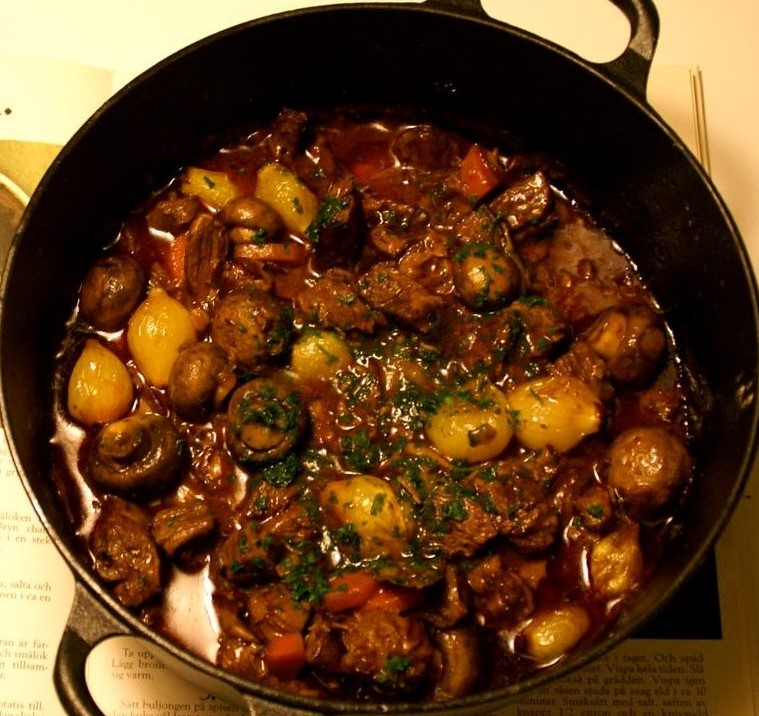
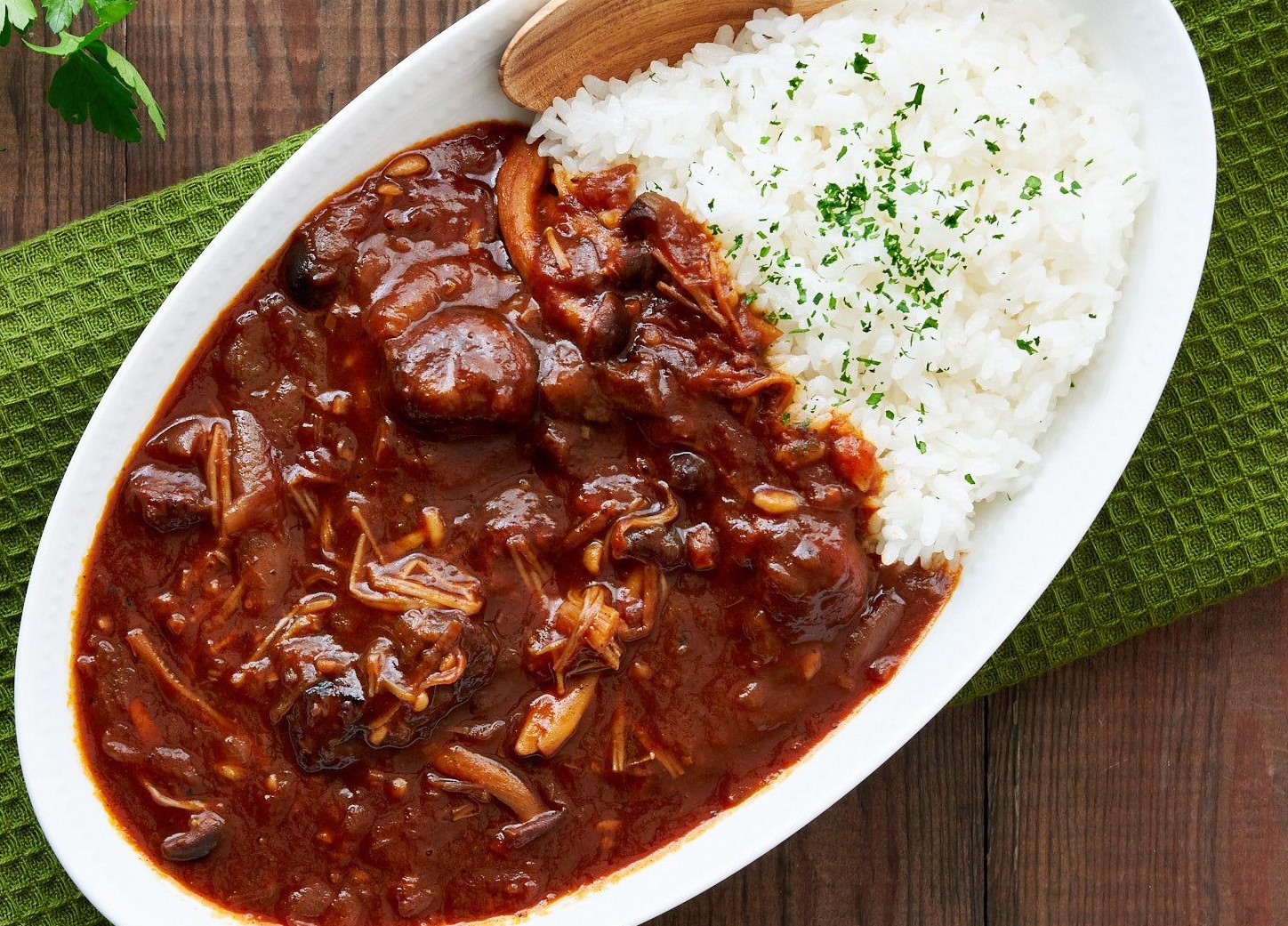
It is called „boeuf a la Bourguignonne“ or „boeuf bourguignon“ or „beef Burgundy“ or „beef bourguignon“ and it is a beef stew braised in red wine, often red Burgundy, and beef stock, typically flavored with carrots, onions, garlic, and a Bouquet Garni, and garnished with pearl onions, mushrooms, and bacon. The ideal winter comfort food. Because it was cold and rainy the last few days, I decided to cook it and post the recipe for you.
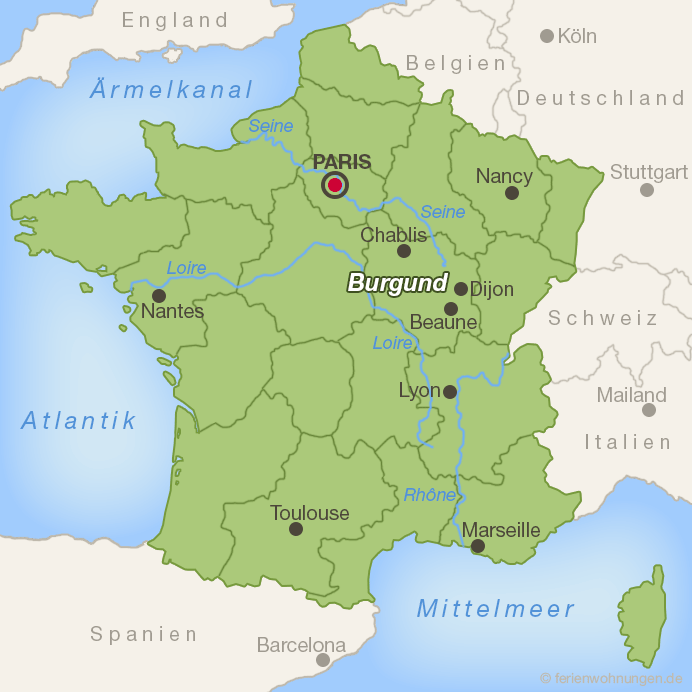
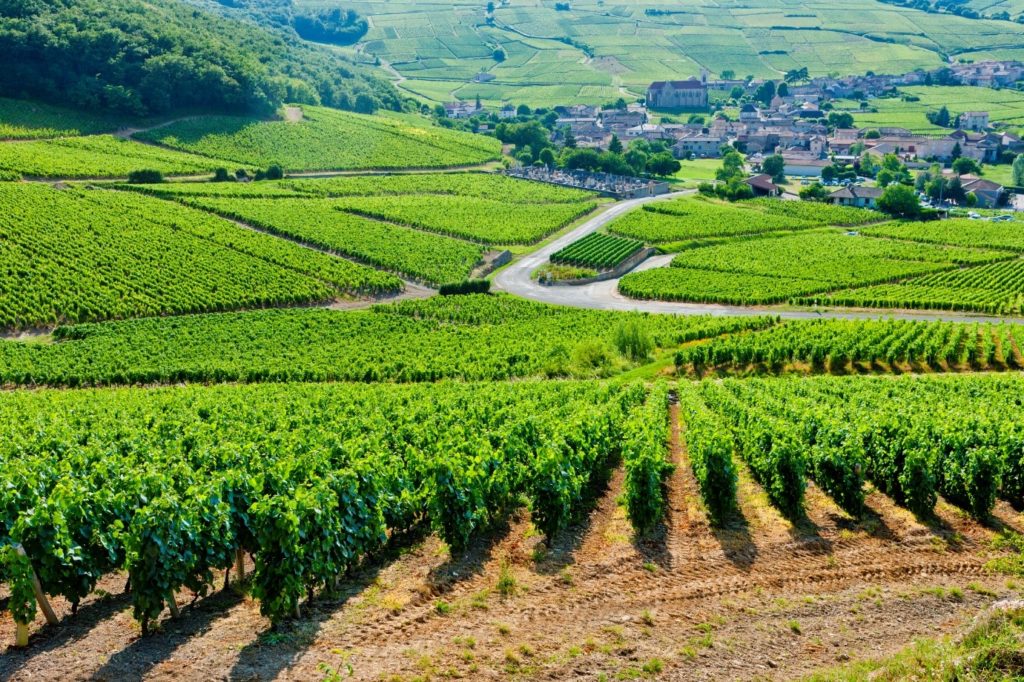
This well-known French dish has its roots from the Burgundy region in France. Beautiful Burgundy, known in French as “Bourgogne”, is 100 km southeast of Paris, stretching 360 km. It has more than 2000 communes (see map Chablis, Beaune, Dijon) and is one of France’s most fascinating regions, known equally for its historical political intrigue as for its dazzling architecture, excellent wines, and rich cuisine.
History.
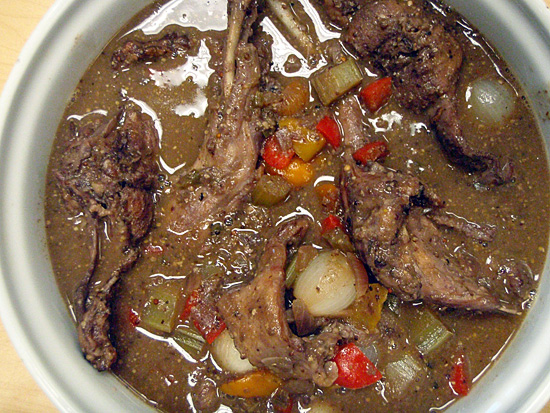
The dish is considered „traditional“. Although it was first documented in the 19th century, beef bourguignon is probably of ancient origin. Other recipes called „à la Bourguignonne“ with similar garnishes are found in the mid-19th century for a leg of lamb (pic down here on the left) and for rabbit (pic down here on the right).
The dish has become a standard of French cuisine, notably in Parisian bistros, however, it only began to be considered as a Burgundian specialty in the twentieth century. Julia Child has described this famous meat dish as „certainly one of the most delicious beef dishes concocted by man“.
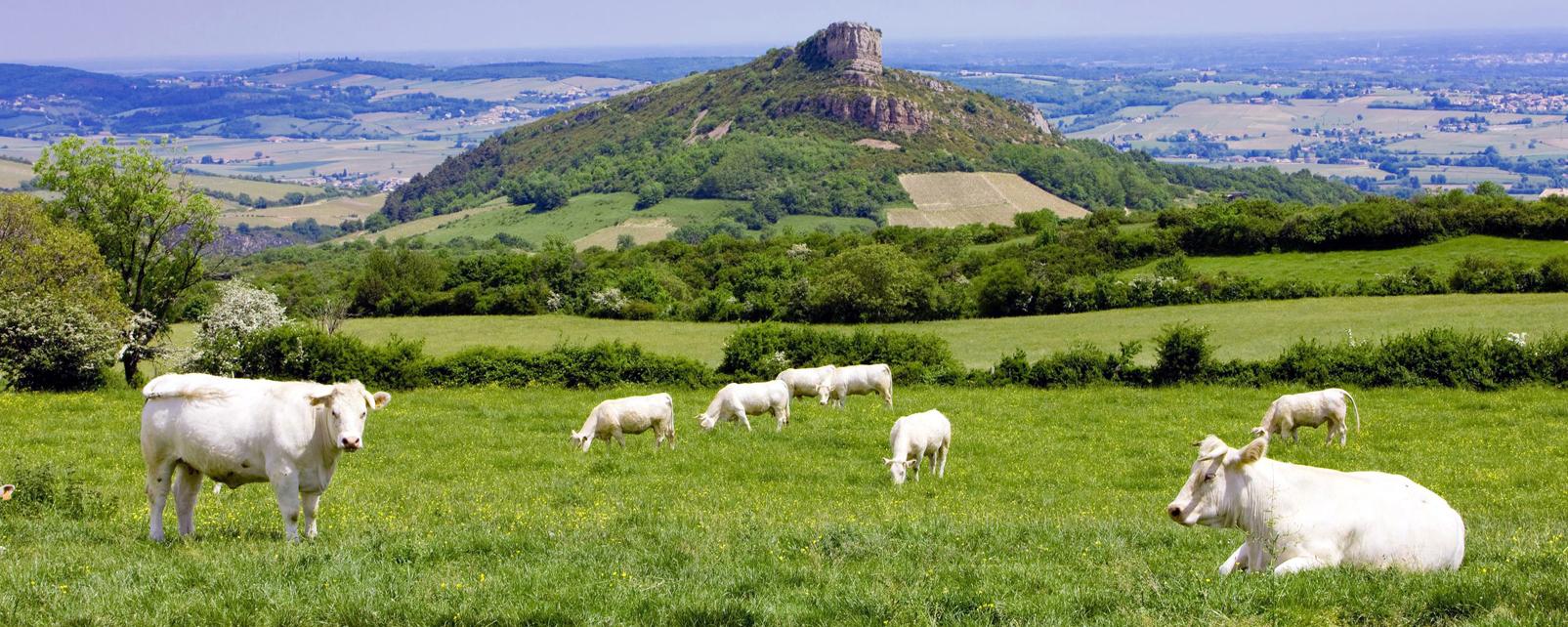
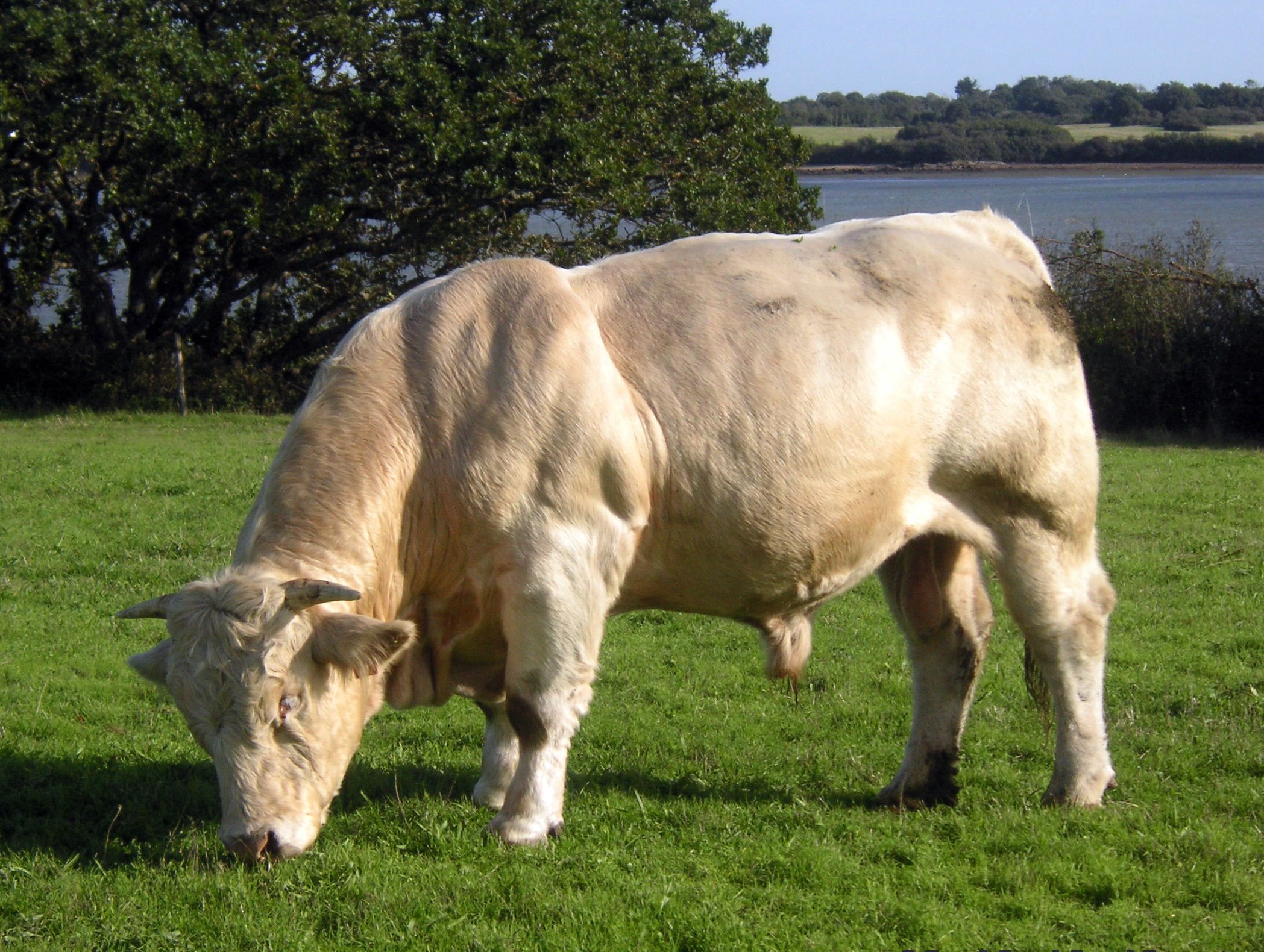
Boeuf Bourguignon, a delectable beef stew, celebrates its roots through homage to its prized Charolais cattle. Reputed for their distinct taste, low-fat content, and gentle temperament, the creamy-white Charolais bulls (see picture down here), found around the Charolles region of southern Burgundy, are used extensively in the making of boeuf bourguignon. The cattle are fed only hay, fodder, and cereal, which produce healthy cows. The meat is very tender and used for stewing and grilling.
Trends.
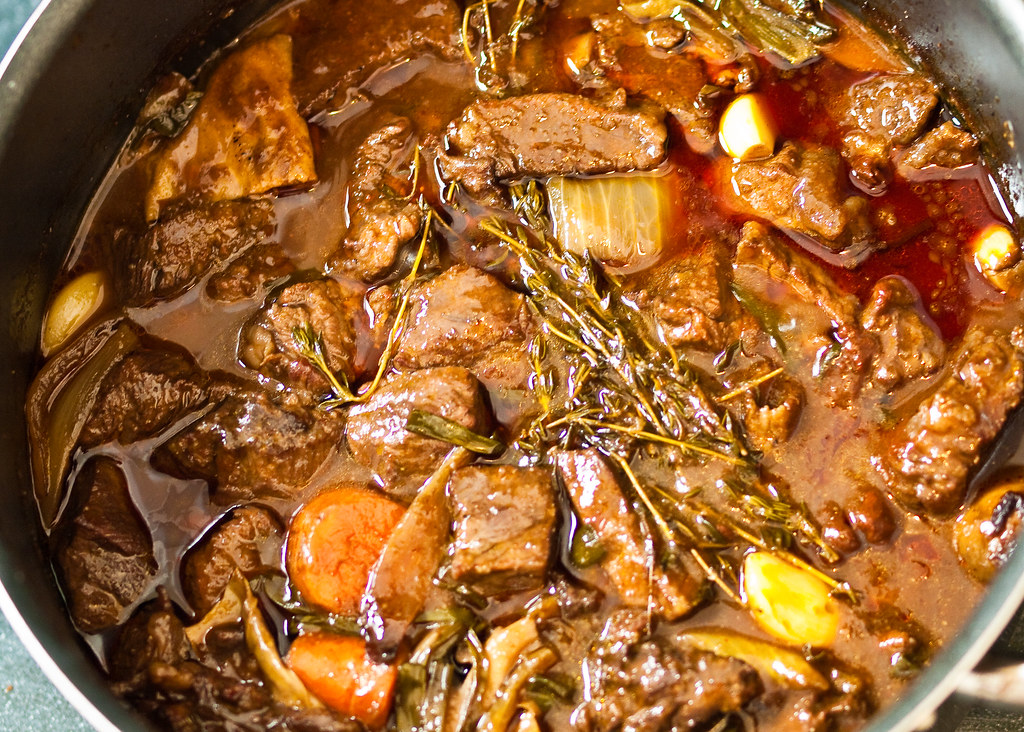
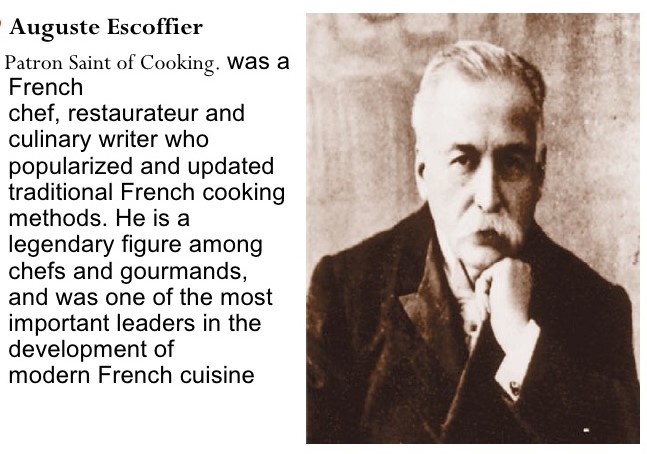
Today, Boeuf Bourguignon is famous throughout the world, thanks to prodigious French chef Auguste Escoffier, who first published the recipe in the early 20th century. Over time, the recipe evolved from honest peasant fare to haute cuisine, and Escoffier’s 1903 recipe became the standard-bearer, using a whole piece of beef in the stew (pic down here).
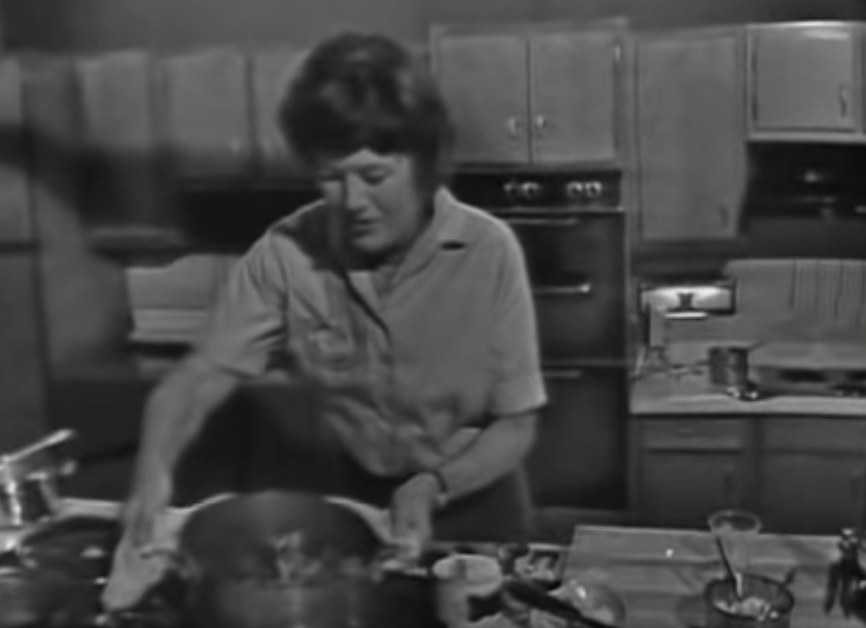
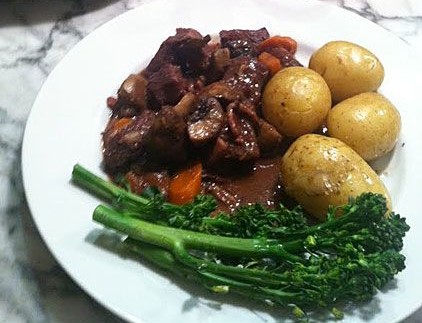
Later, the famous chef Julia Child made this recipe widespread when she made it her own. It is included in her famed cookbook, Mastering the Art of French Cooking. Child says of this meal, „there are more ways than one to arrive at a good boeuf bourguignon. Carefully done, and perfectly flavored, it is certainly one of the most delicious beef dishes concocted by man, and can well be the main course for a buffet dinner“ (read Mastering the Art of French Cooking). Boeuf bourguignon was also the subject of Child’s first episode of her cooking show, The French Chef. In her recipe, Child used beef cubes (see pic down here) unlike Escoffier who used a whole piece of beef (Julia Child – Boeuf Bourguignon). The show became so famous and popular that Child received many awards with this show.
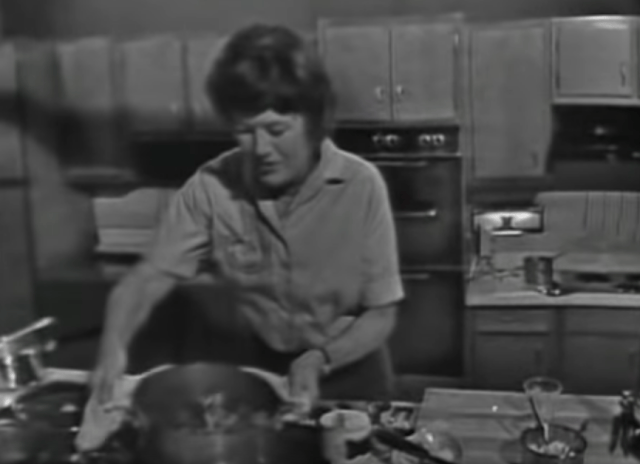 Julia Child in her first series „The French Chef“ showing her Boeuf Bourguignon.
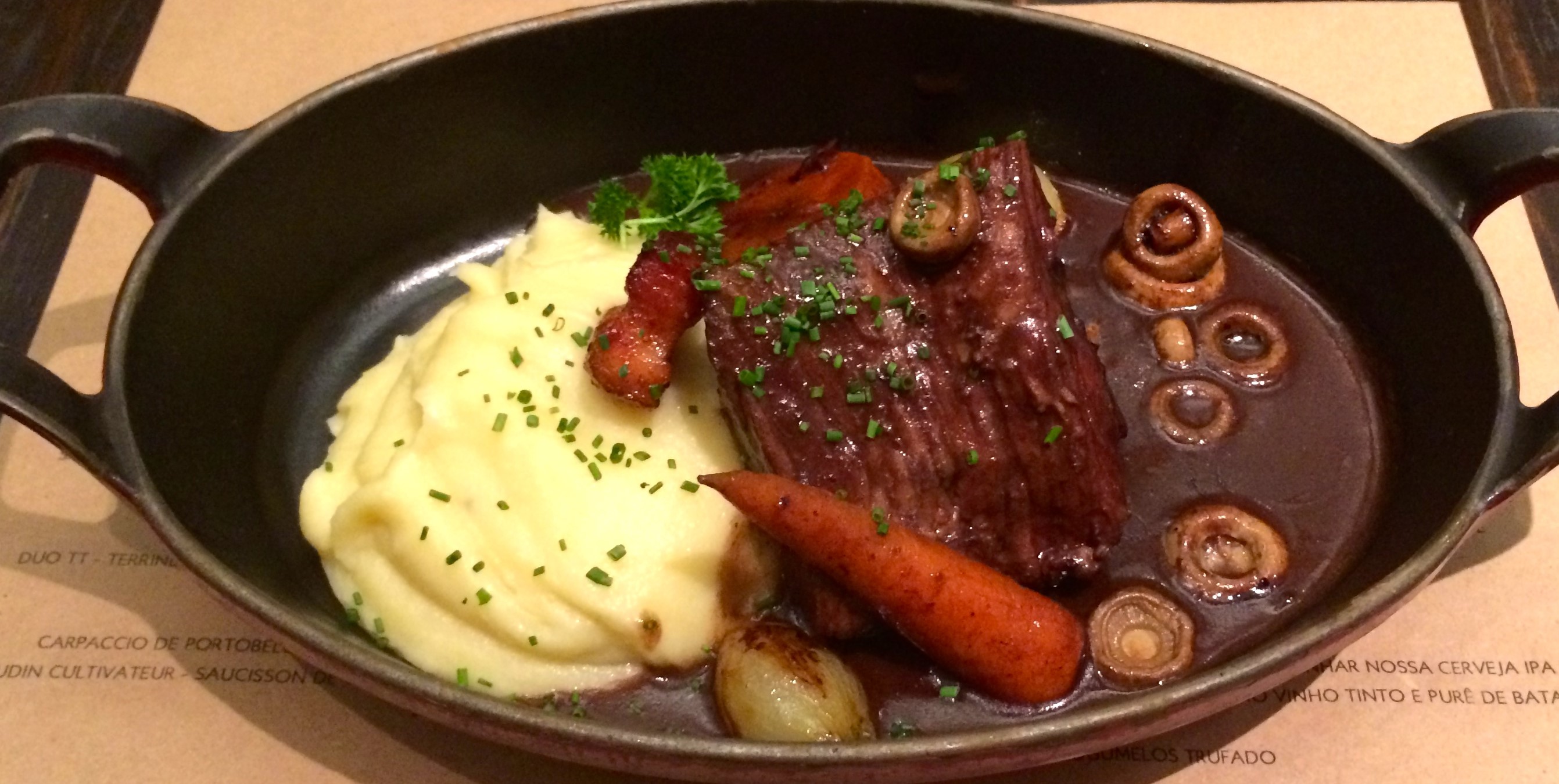
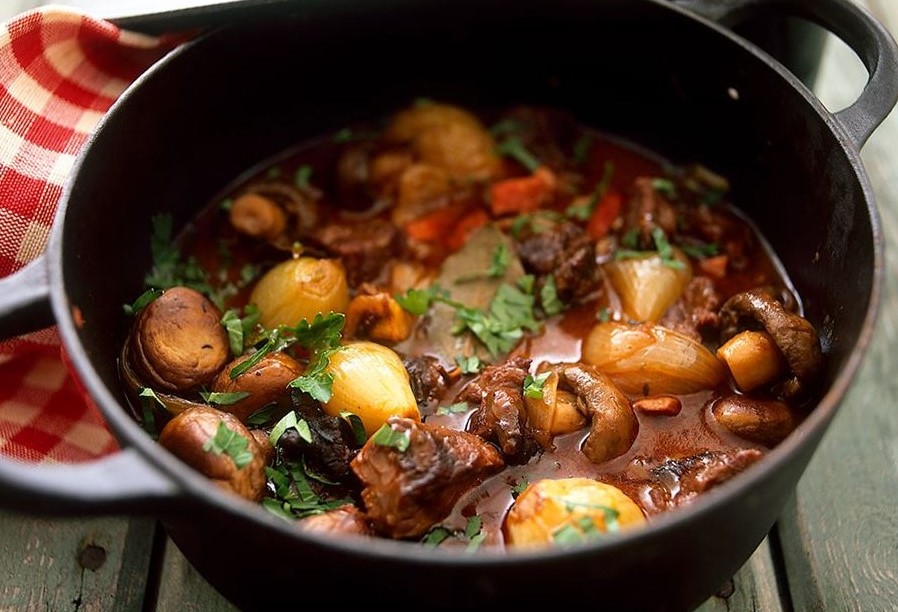
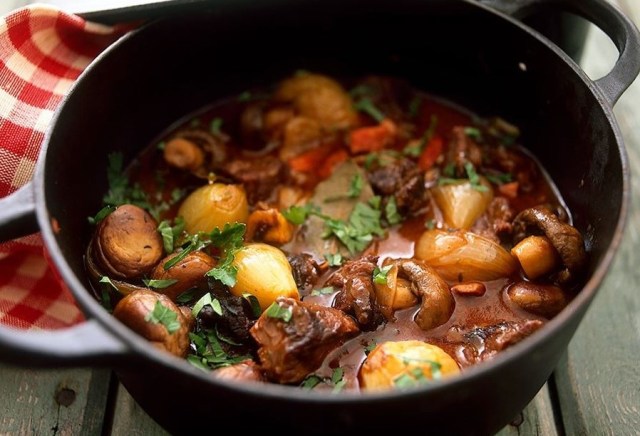 This looks much more appetizing than the black and white picture with Julia Child, but its the same dish!
Recipes.
This dish is prepared by braising the beef in a full-bodied, classic red (Burgundy) wine. It is then stewed with potatoes, carrots, onions, garlic, and well-seasoned (during the stewing process) with a Bouquet Garni, or a small satchel of thyme, parsley, and bay leaves. Traditional preparation of this dish is two days, to continually tenderize the meat and to intensify the flavors of the stew.
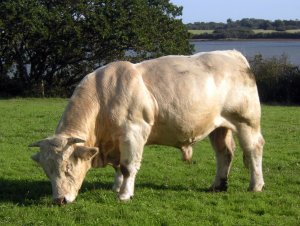

Best beef in France, the Charolais. Charolais is a French breed of taurine beef cattle. It originates in and is named for, the Charolais area surrounding Charolles. Click on pics to enjoy!

In late August, celebrations in Bourgogne laud the prized Charolais beef. There is the „Fete du Charolais“ (see pic above), a festival that takes place in the Burgundy town of Saulieu. Musicians, meat lovers and farmers alike gather in the streets, inviting anyone to enjoy an unforgettable gastronomic experience having traditional “Boeuf Bourguignon”.
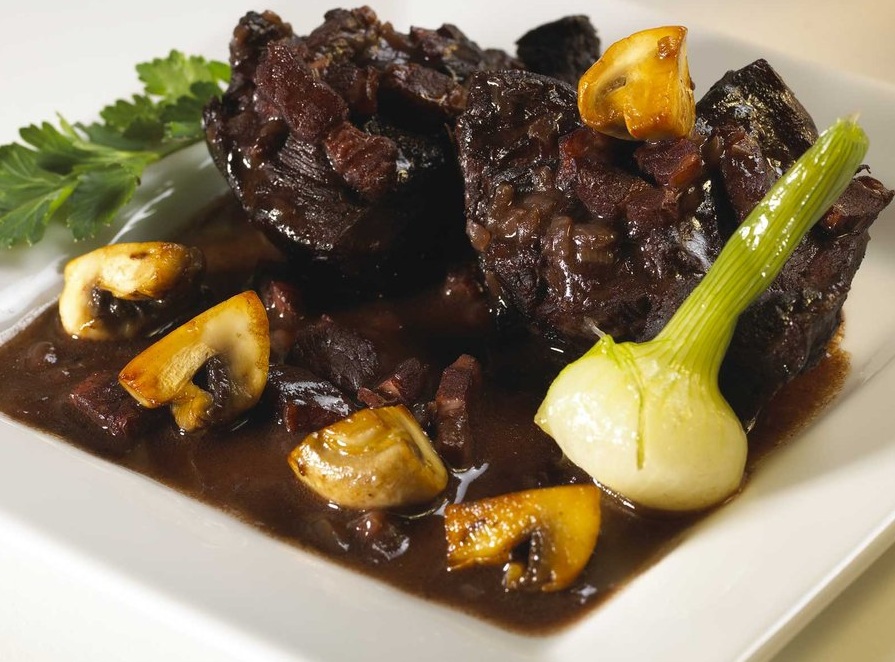
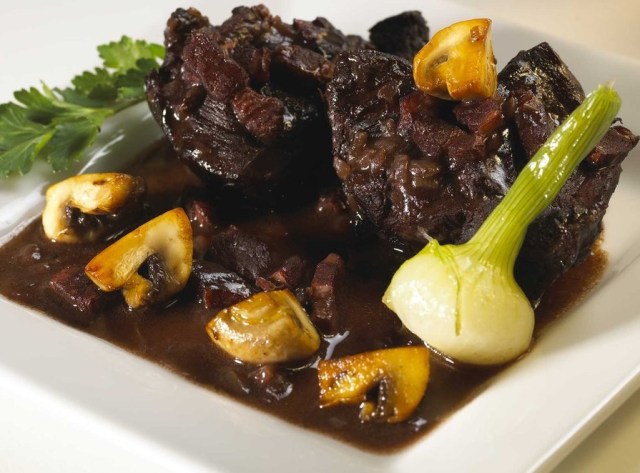 This mouthwatering „Charolais Boeuf Bourguignon“, we could enjoy at the restaurant Frederic Doucet in Charolle, France. It’s located in the old Post Office Hotel in Charolle, in case you visit the area once.
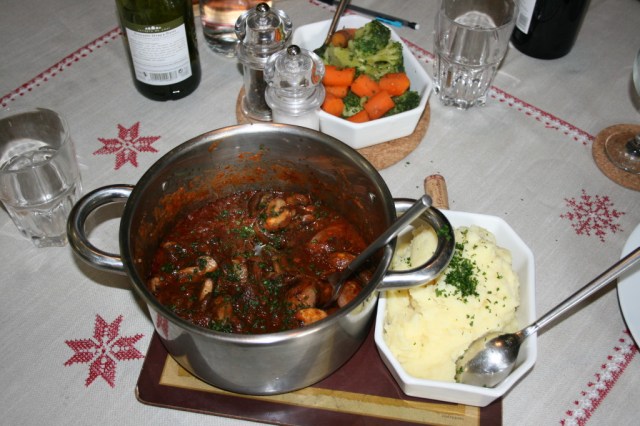
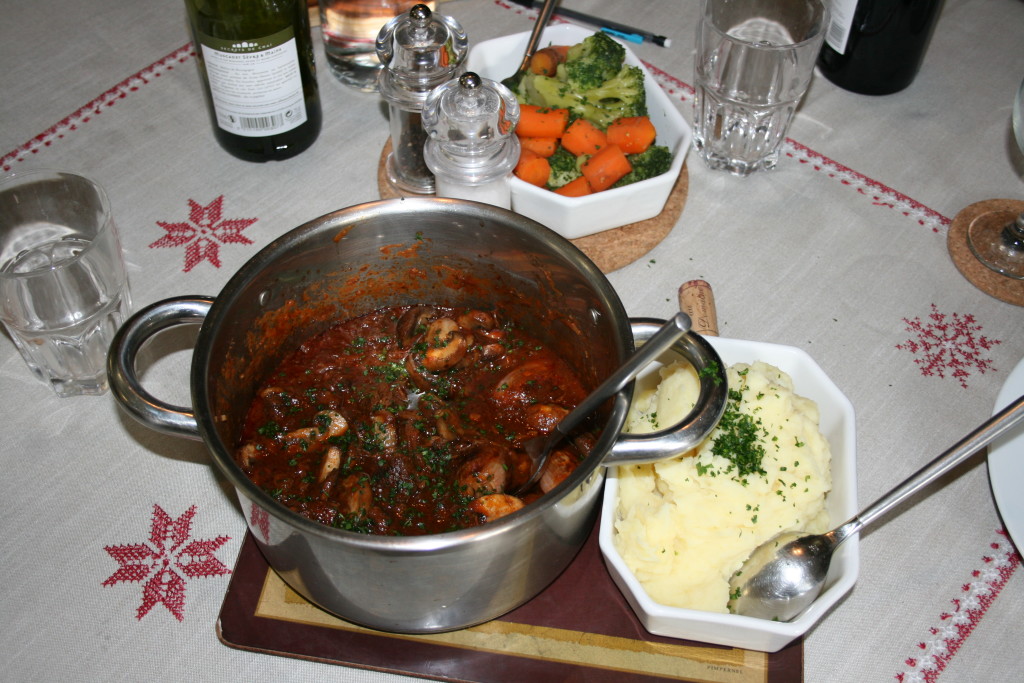
Here my friends are my version of boeuf bourguignon, as I made it often together with my good friend Mathis, now living down in Burgundy, this wonderful part of the world.
Ingredients.
3 pounds (1.36 kg) boneless beef meat (sirloin beef, rump roast, chuck roast etc.),
6 to 8 black peppercorns
1 bottle (750 ml) strong dry red wine (I use Pinot Noir or Tannat in Uruguay)
5 slices thick bacon, cut into small pieces
2 tablespoons olive oil or vegetable oil
2 garlic cloves, minced
1 medium onion, sliced
1 bouquet Garni
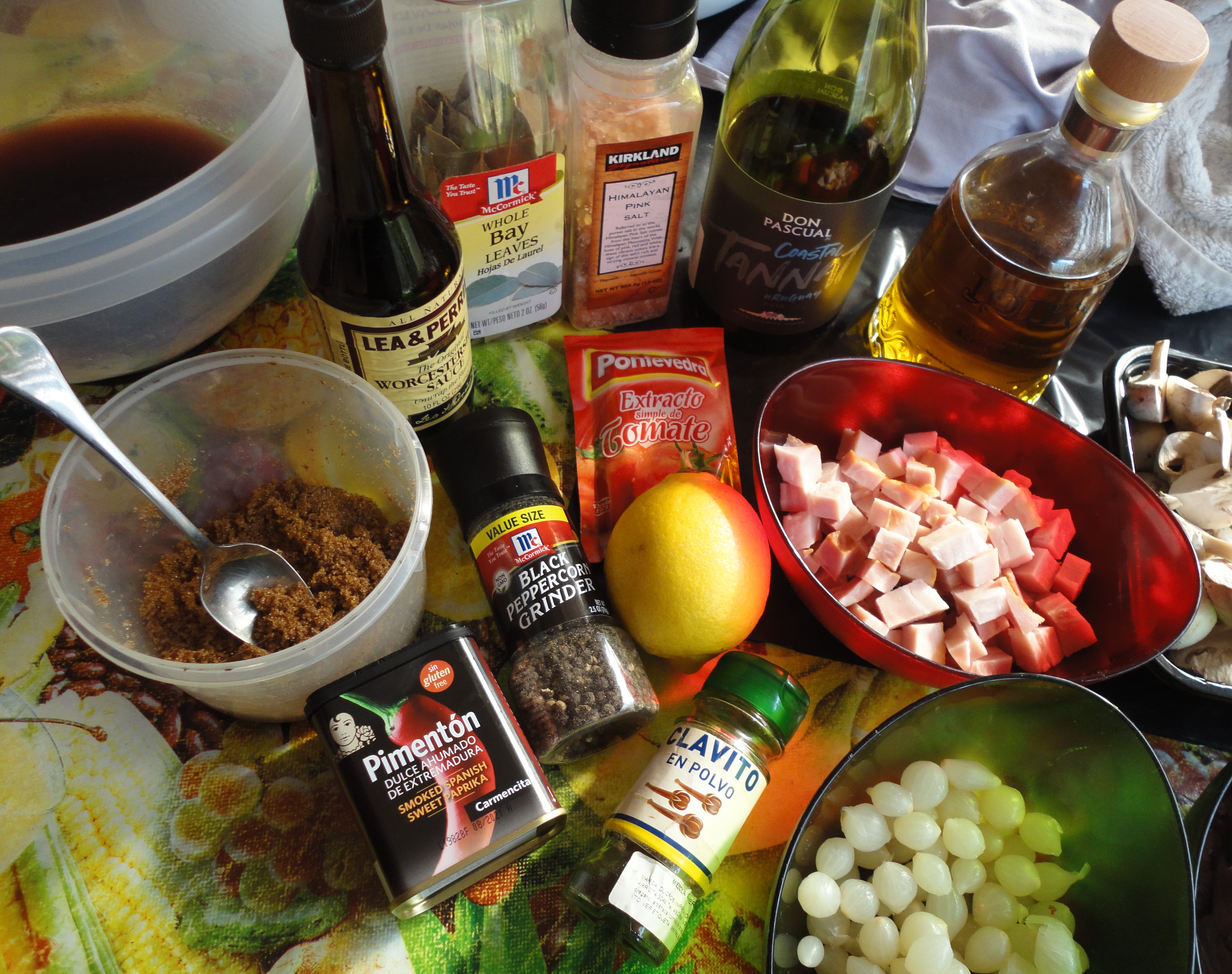
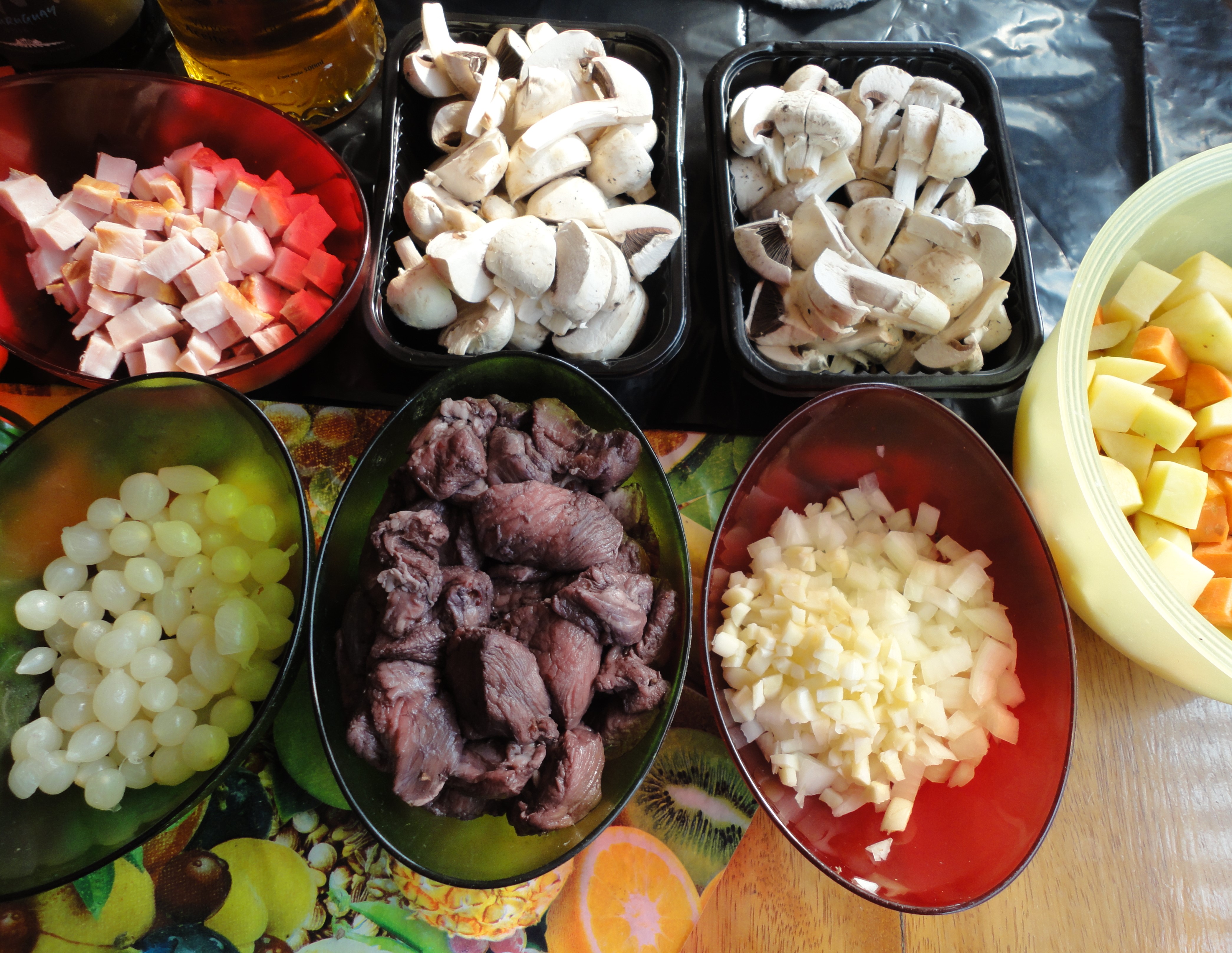
1 tablespoon freshly-squeezed lemon juice
1 teaspoon Worcestershire sauce
1 tablespoon tomato paste
1-2 tablespoons of flour
2 dried bay leaves
Coarse salt and freshly ground pepper to taste
1 teaspoon granulated sugar
1/4 teaspoon ground allspice or ground cloves
1 teaspoon paprika powder (I use smoked, savory one)
2 to 3 cups (0.7 l) good-quality beef stock/broth (use the amount as needed)
4 medium-sized carrots, peeled and sliced into small cubes
1 pound (0.45 kg) small white pearl onions
4 medium-sized potatoes, small cubed
1 pound (0.45 kg) button mushrooms, small size
Parsley for garnish
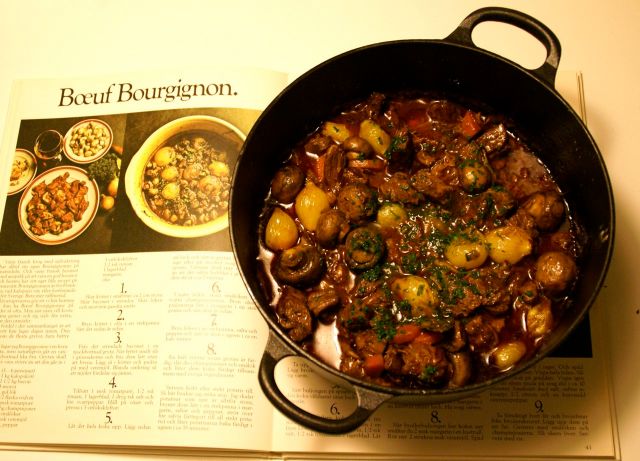
No problem if you use your own recipe and cookbook, just enjoy this fantastic dish.
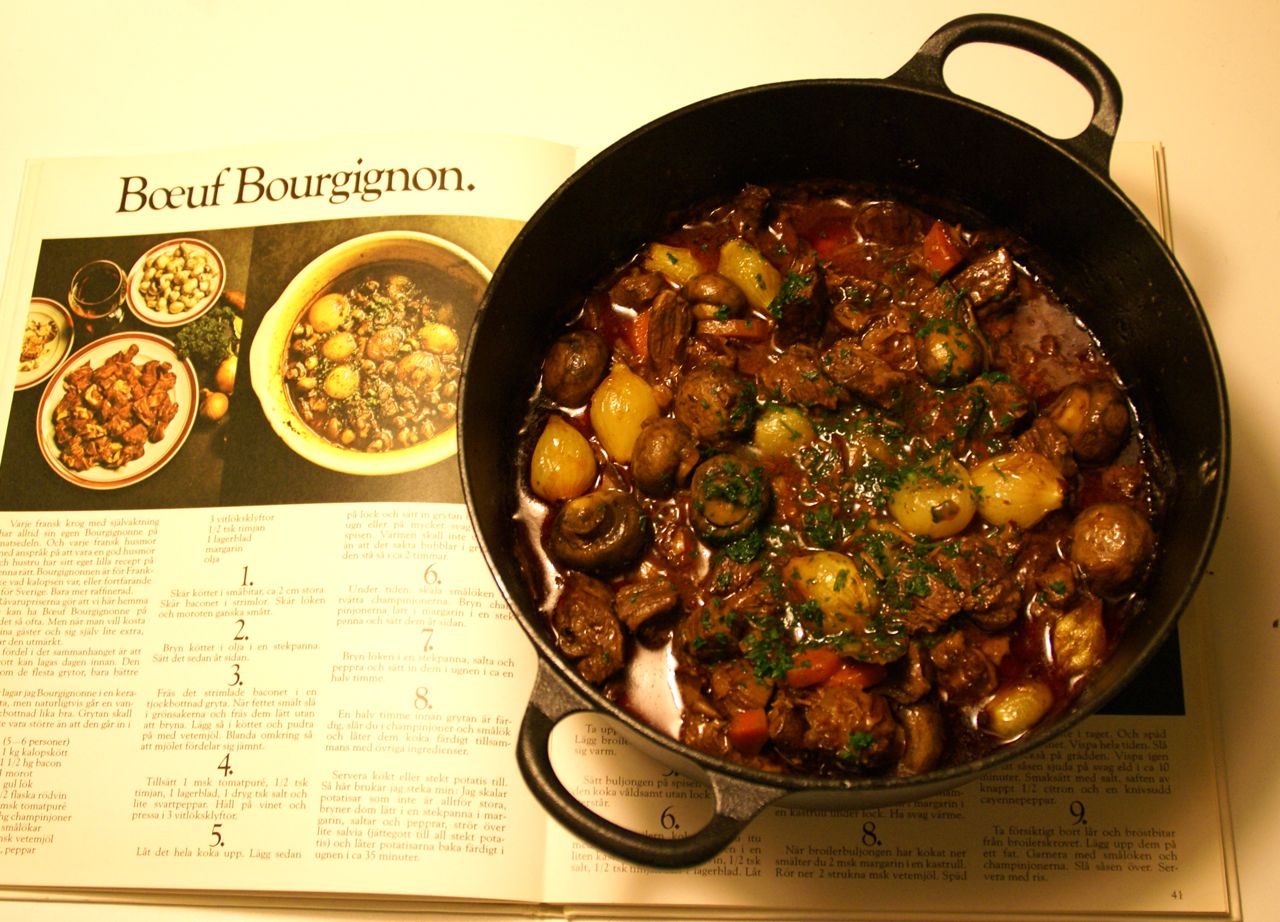
How to do.
In a large bowl, add the beef cubes and peppercorns; pour in the bottle of wine to cover. Cover the bowl with plastic wrap and refrigerate for 24 hours.
After 24 hours, remove the beef from the refrigerator and pour off the wine marinade; reserving the marinade. Pat the beef dry with paper towels. Make sure that you dry the meat thoroughly on paper towels before browning, as damp meat will not brown.
In a large soup pot or cast-iron Dutch oven over medium-high heat, cook bacon until browned; remove bacon to a dish and set aside.
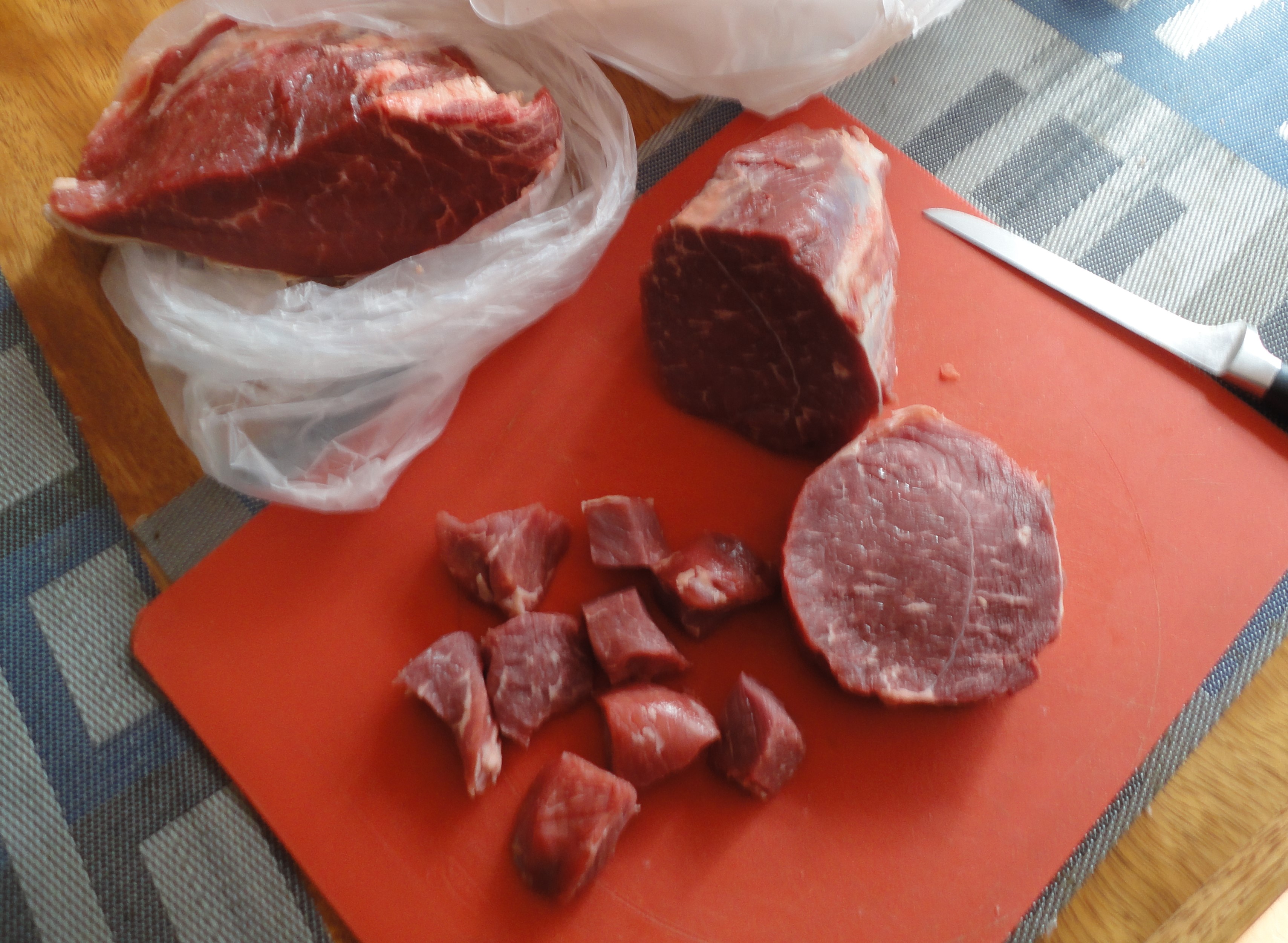
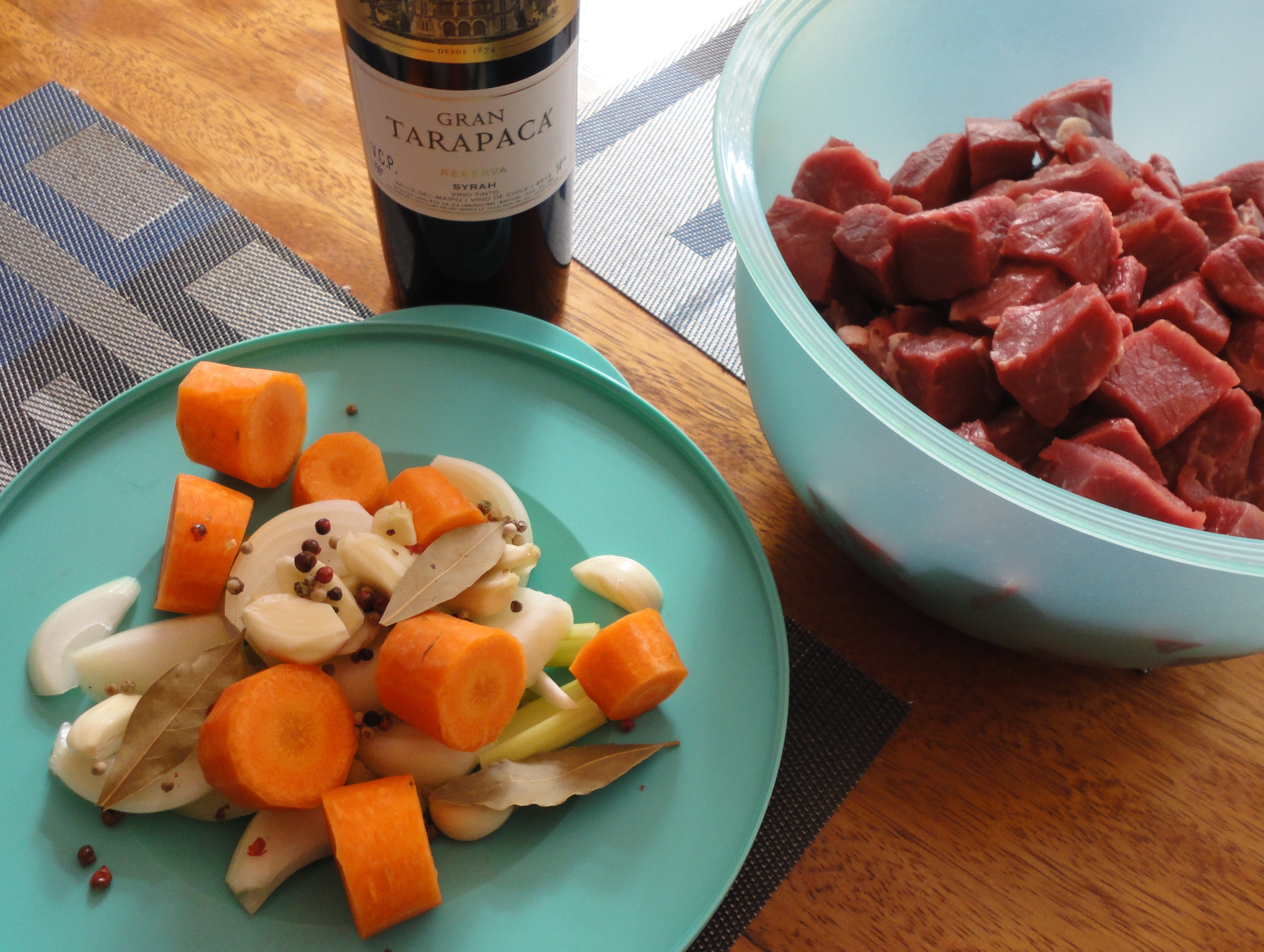
Add olive or vegetable oil to bacon fat and heat until hot; add marinated beef cubes and sauté until brown; remove beef pieces to a plate. Don’t try to rush when you’re browning meat for a stew. It’s a very important step that will take at least 10 to 15 minutes. Don’t crowd the pan with meat (saute a small amount of the beef at a time and leave space around each piece of beef to ensure that it will brown and does not steam).
Add garlic and onion; sauté until soft. Stir in the reserved red wine marinade, lemon juice, Worcestershire sauce, tomato paste, bay leaves, salt, pepper, sugar, allspice or cloves, and paprika. Add bacon and browned beef cubes (and any accumulated juices). Add enough hot beef broth/stock to just cover the meat.
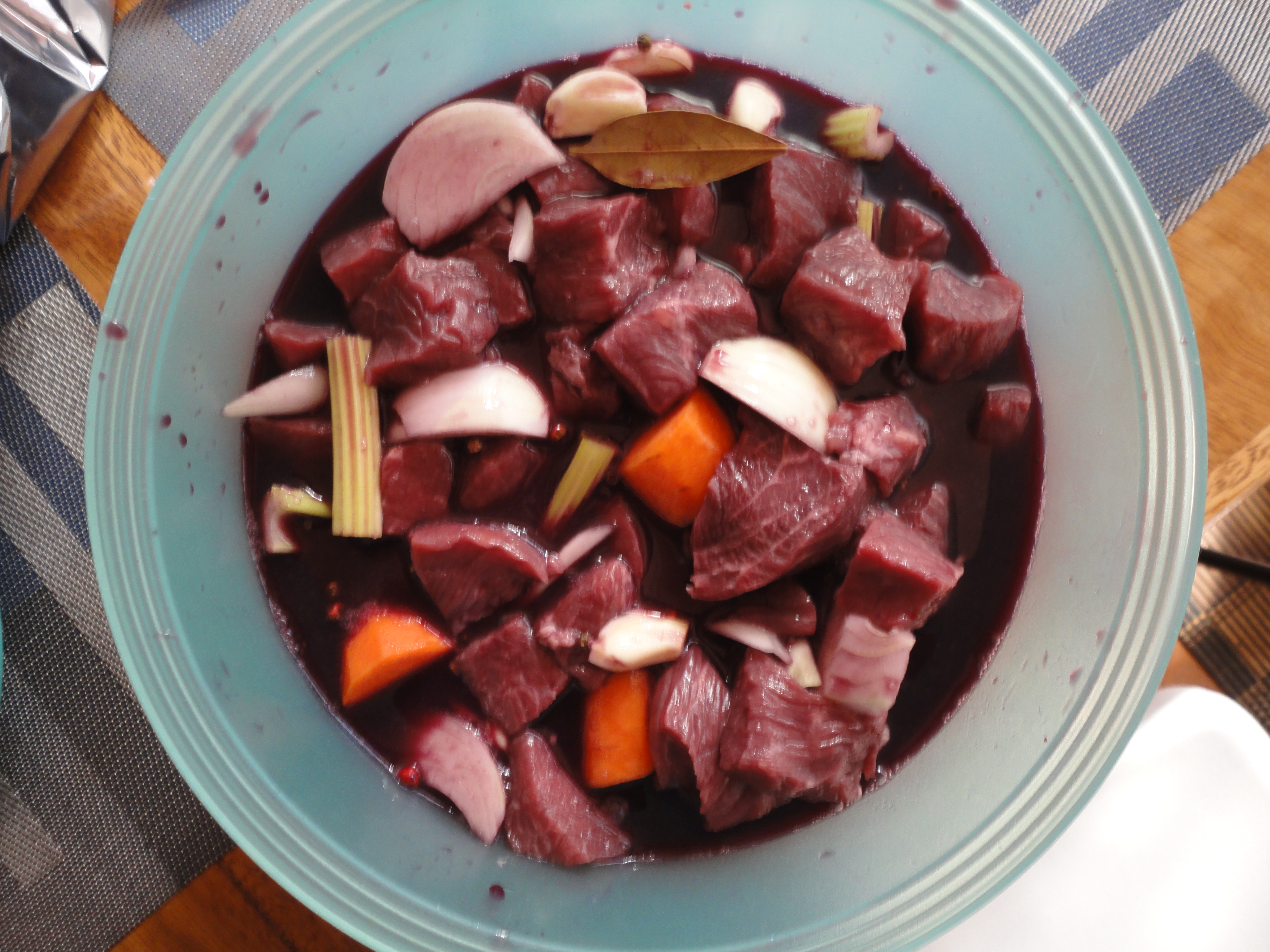
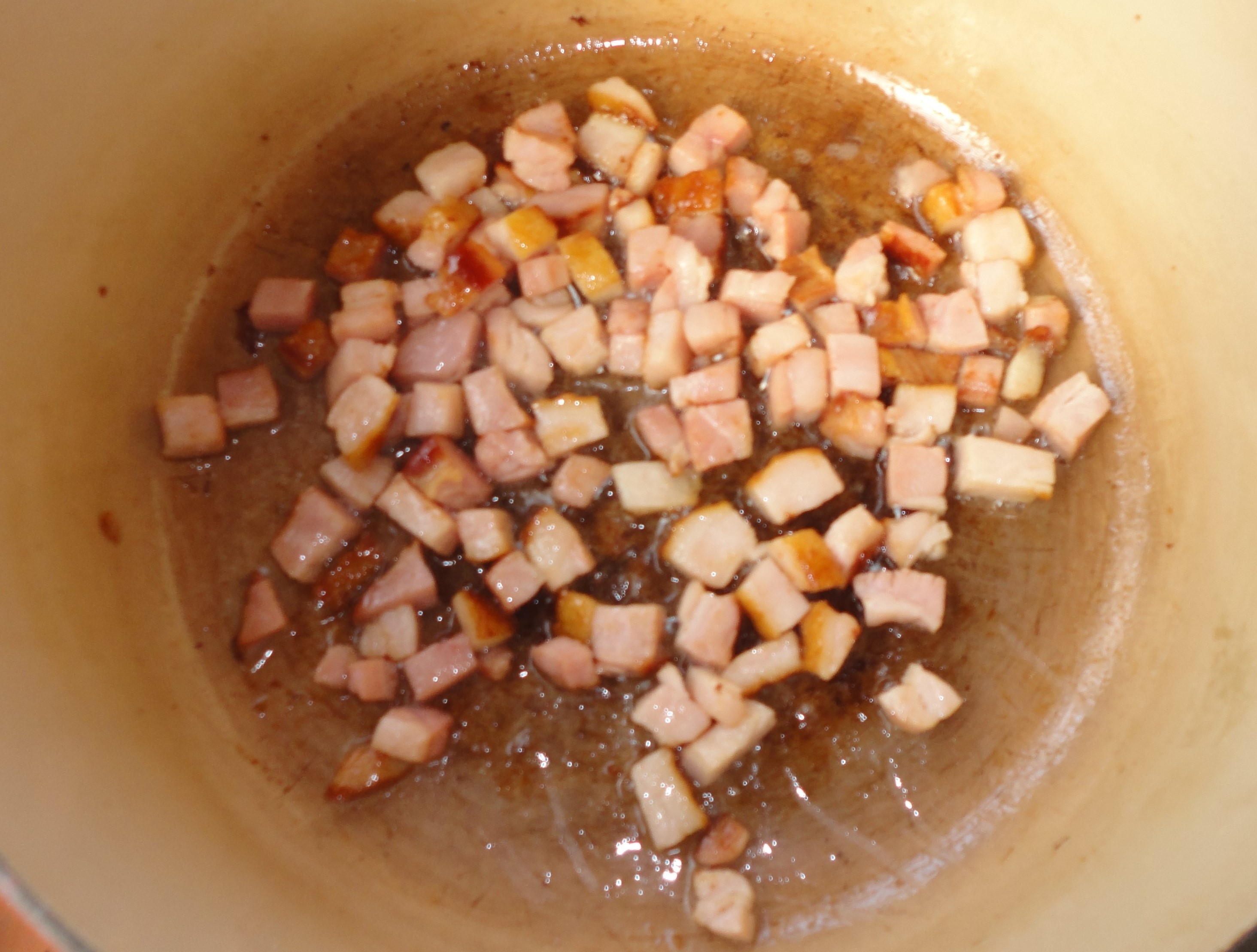
Reduce heat to low, cover, and simmer 2 to 3 hours, stirring occasionally, until the beef is tender (the beef is done when a fork can pierce it easily). Always cook stews at low temperatures; the surface of the liquid should barely move. When you simmer very gently, the fat melts out of rich meats and mingles with the liquid. The dish can then be chilled, and the fat easily skimmed off. You can also place your pot with the stew in the oven to cook. Cook at 150 degrees C (325 degrees F).
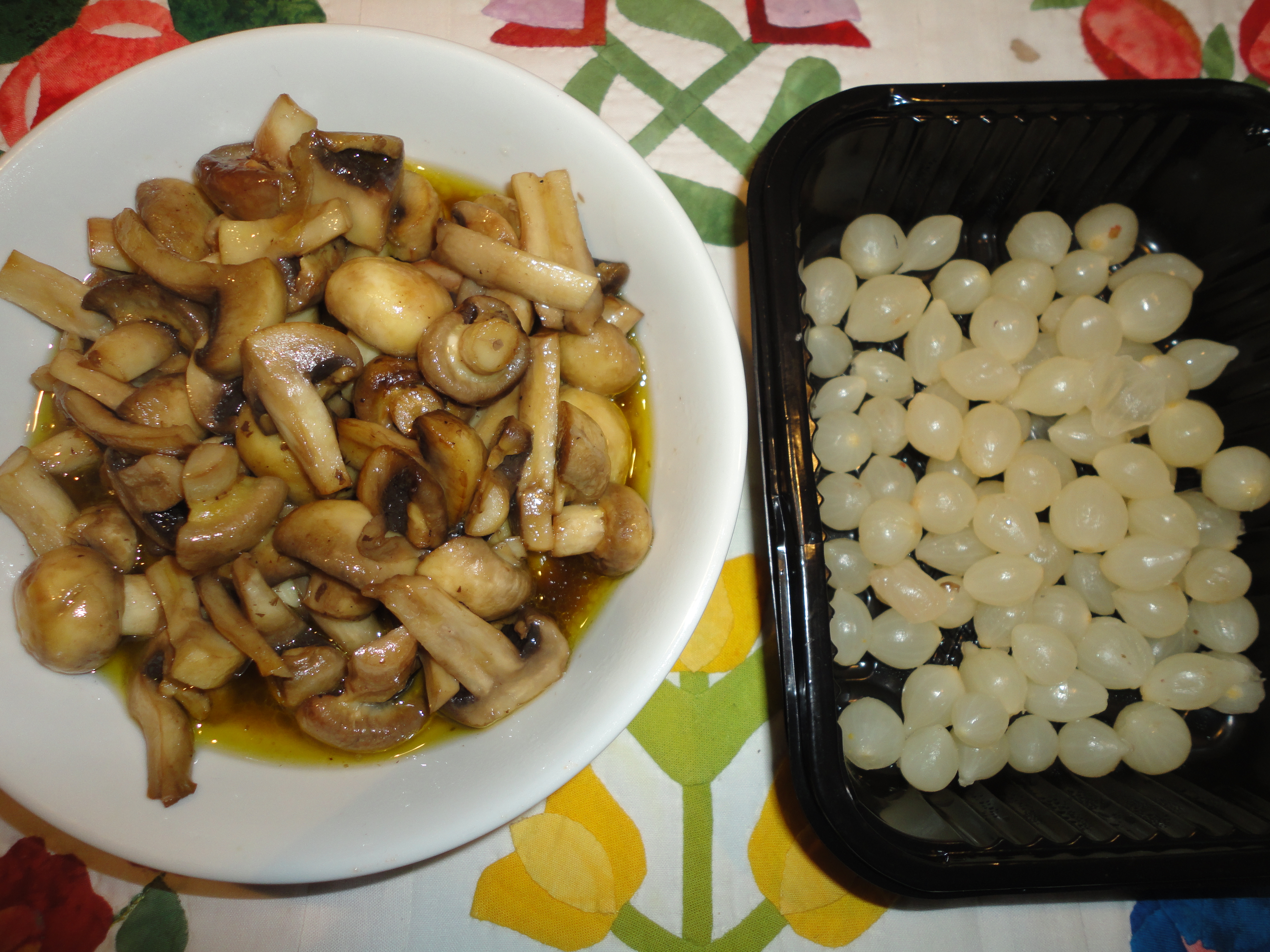
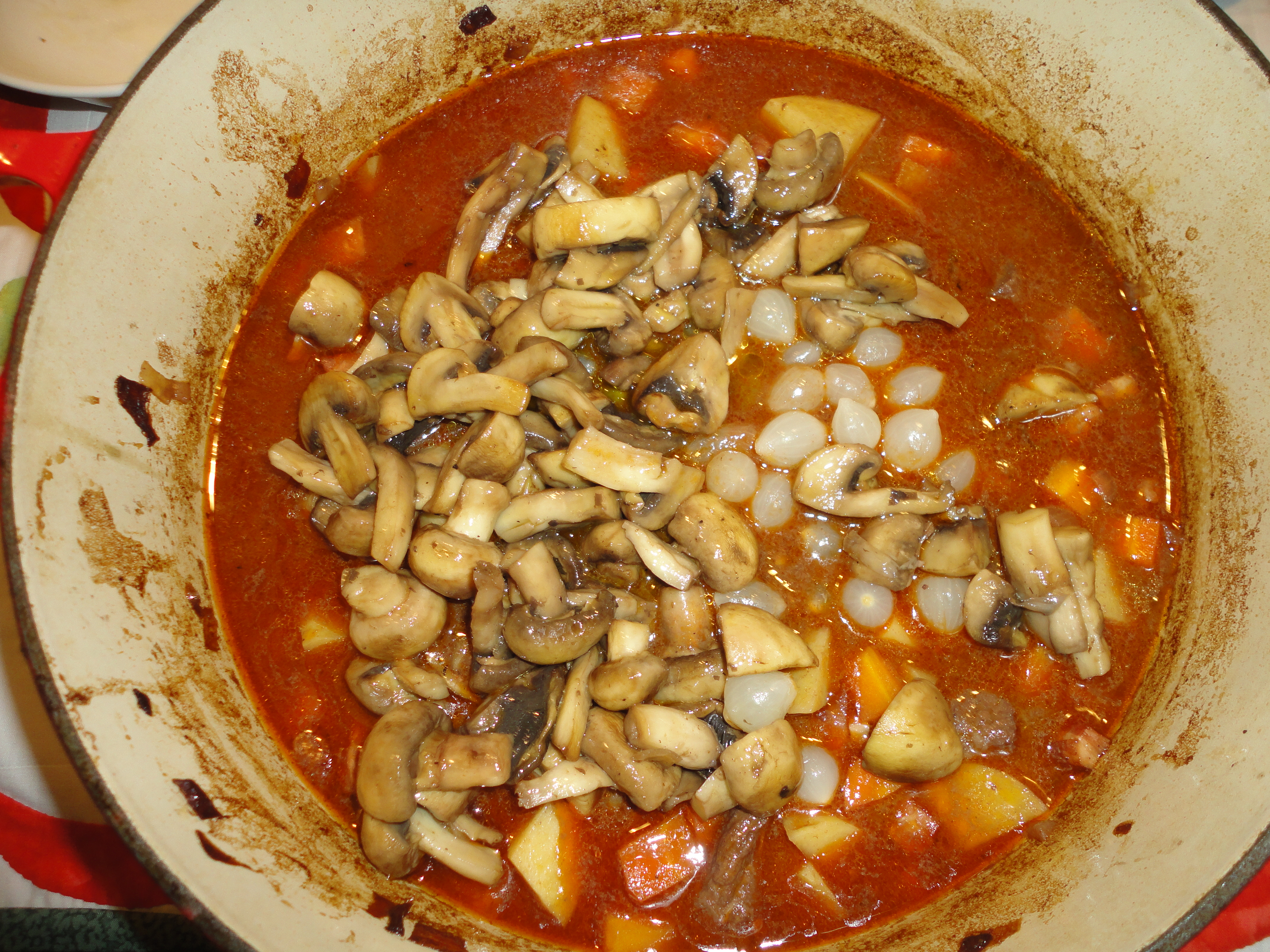
After 2 hours of cooking time, remove bay leaves and discard; add carrots, onions, potatoes, and mushrooms. Simmer another 30 minutes or until meat and vegetables are tender. When the vegetables are cooked, remove from heat and transfer into individual serving bowls. One portion to indulge right now, further 3 portions (for 2) to freeze.
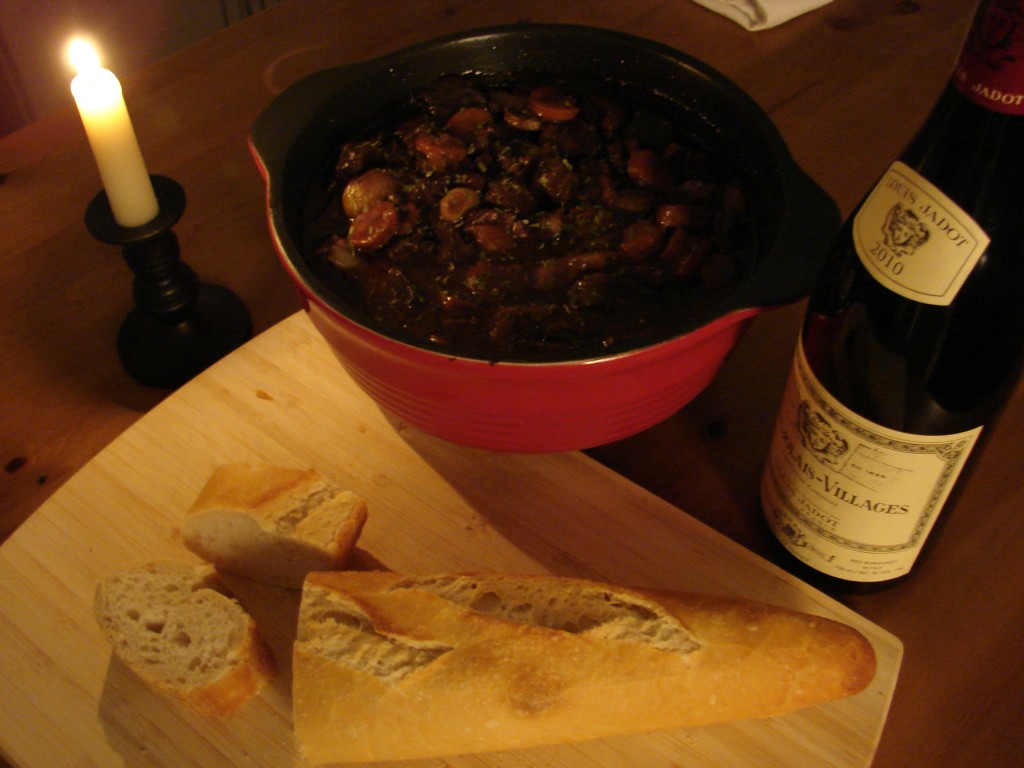
For immediate serving: Serve in a large casserole or individual serving bowls with potatoes or egg noodles and garnished with parsley. It’s a rustic dish, don’t hesitate to serve rustic.
Tips.
For later serving: Boeuf Bourguignon benefits from being made ahead of time as the flavors mellow together. When the beef stew is cool, cover and refrigerate within 2 hours. Approximately 30 minutes before ready to serve, bring to a simmer over low heat, cover, and simmer very slowly for approximately 15 minutes, stirring occasionally.
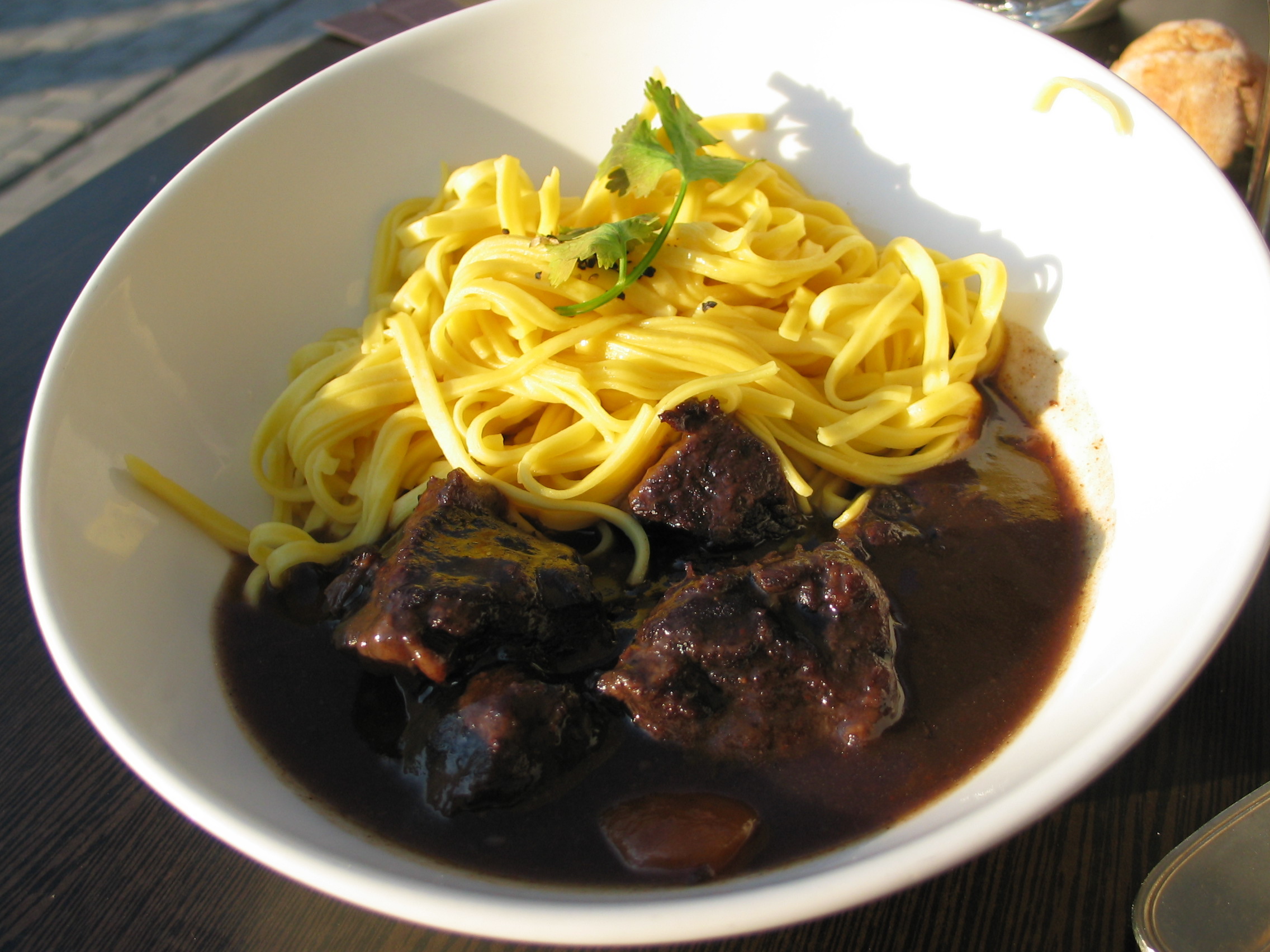
Serve with lots of crusty bread. Another way to serve the stew, rub slices of thick bread on one side with garlic. For each serving, spoon the stew over a slice of bread and sprinkle with parsley. Aside, one can have mash, rice, potatoes, pasta, or whatever you like.
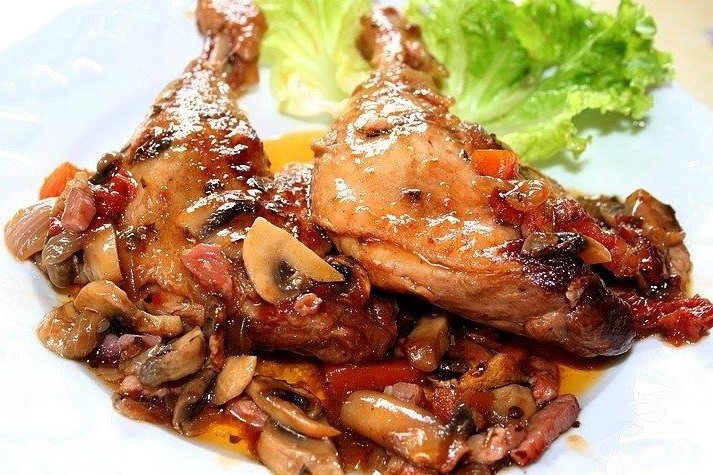
 And – it is even cooked with chicken – „Chicken à la Bourguignonne“. Above picture bottom right.
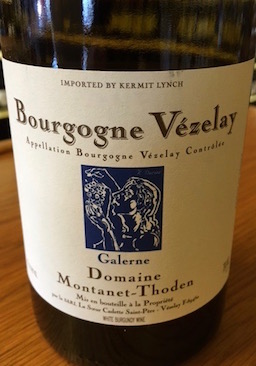
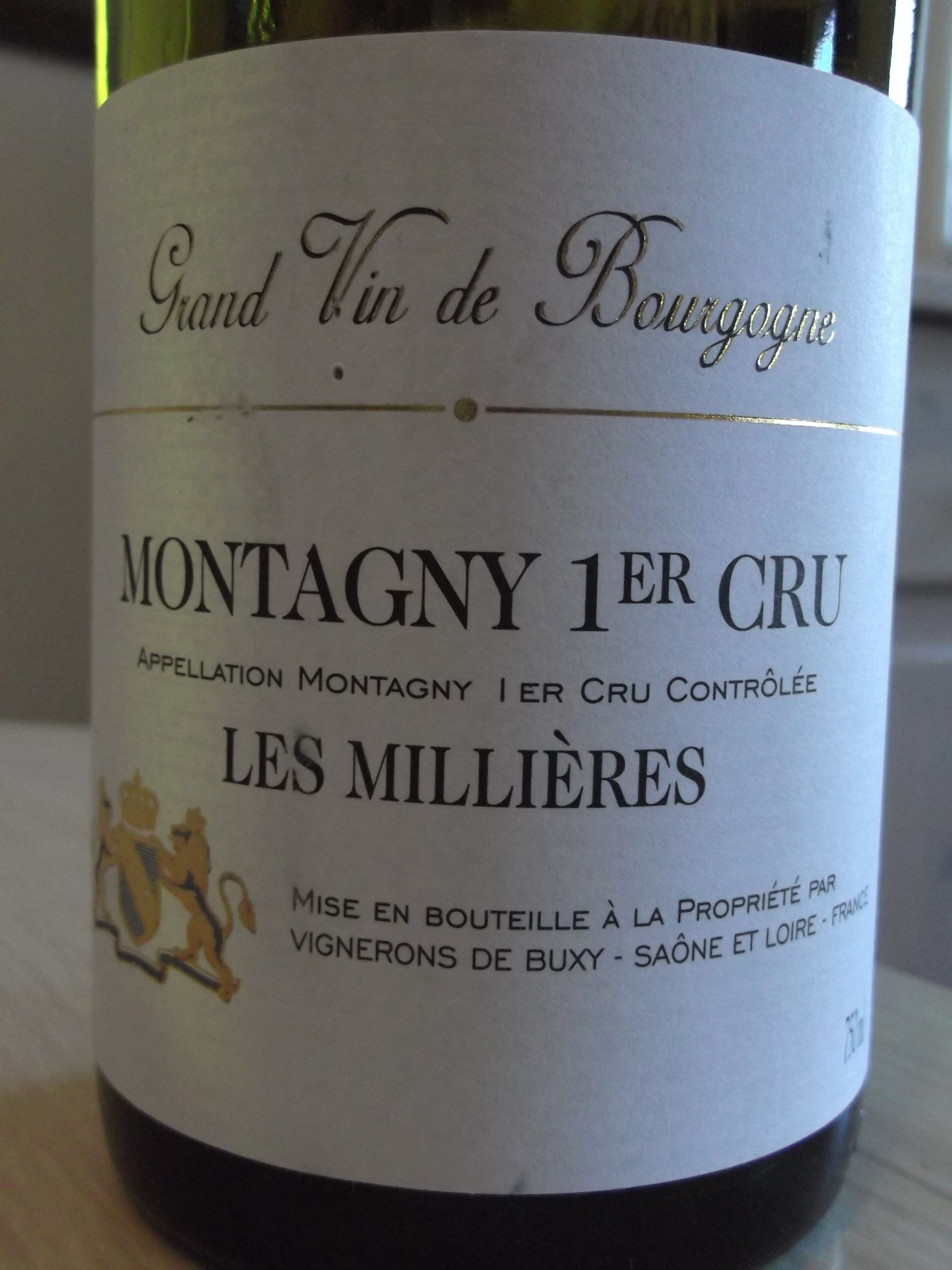
In case you like to cook this recipe with chicken, I suggest using a strong white Burgundy wine, like the „Bourgogne Vezelay Galerne“ or the fantastic „Premier Cru Les Millieres“.
Dijon.
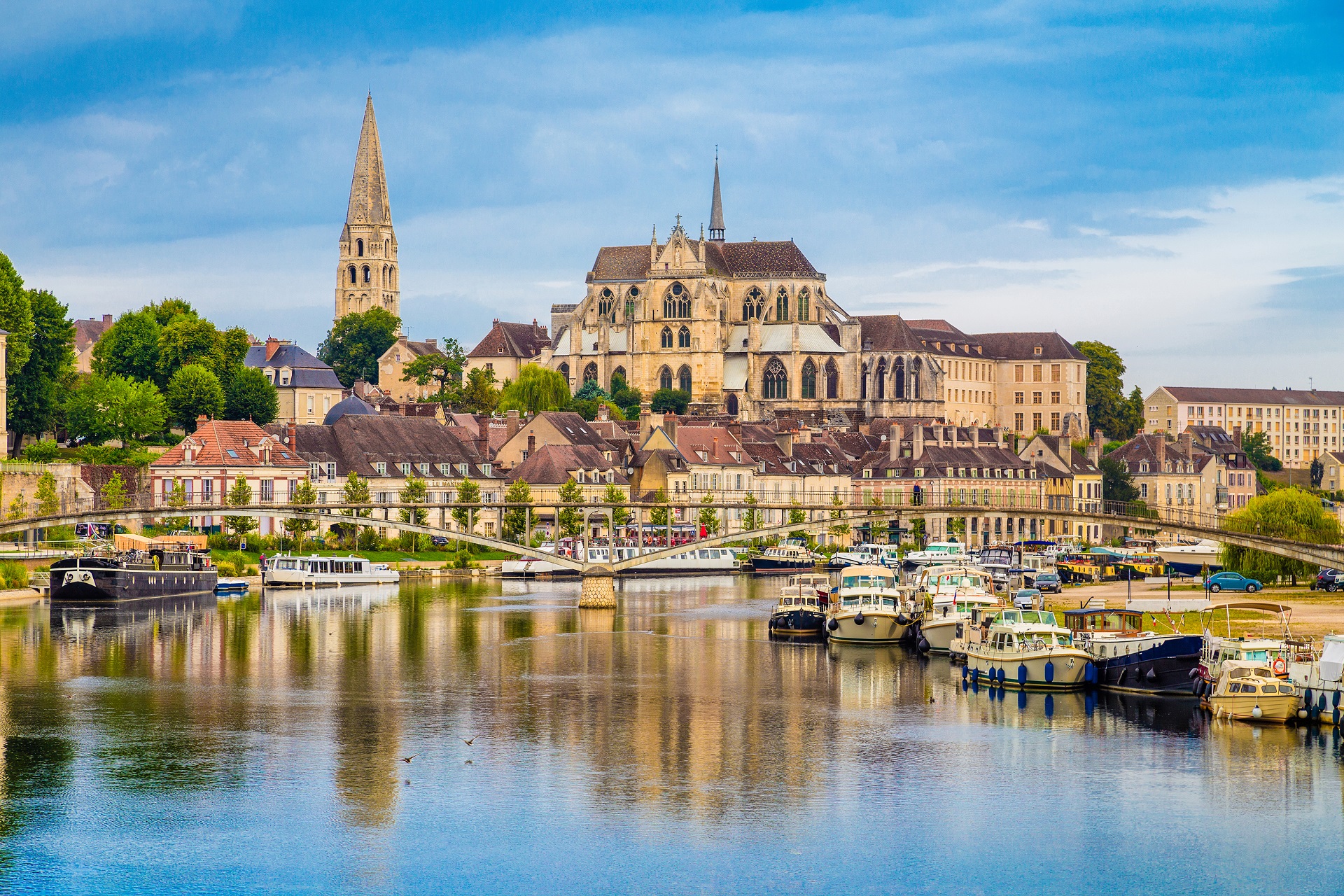
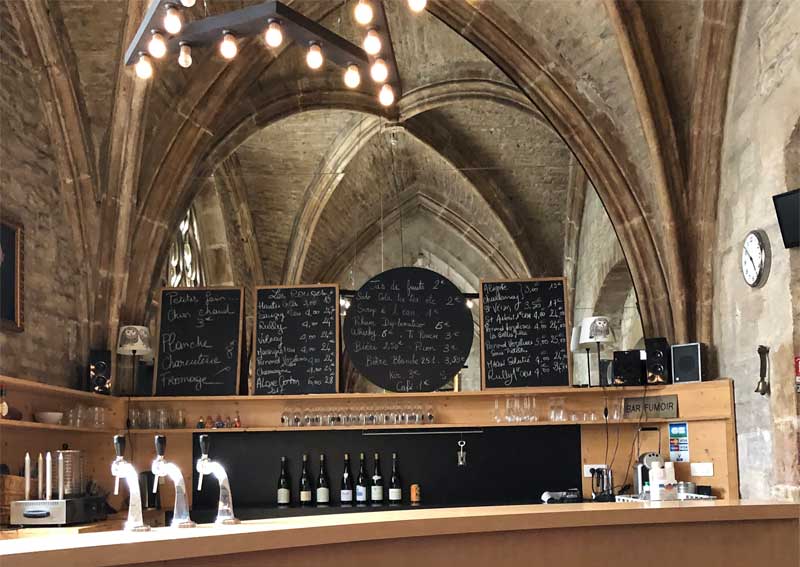
Not only known for the world-famous mustard. When we lived in Freiburg Germany, we used to drive numerous times into Burgundy, it was not even 300km one way. Sometimes up and down in one day, mostly over the weekend, often to Dijon and around. For sheer wow factor the bar of the „Theatre Dijon Bourgogne“ takes some beating. It’s in the former 15th-century church of Saint-Jean, it’s now a theatre (city above, church bar below).
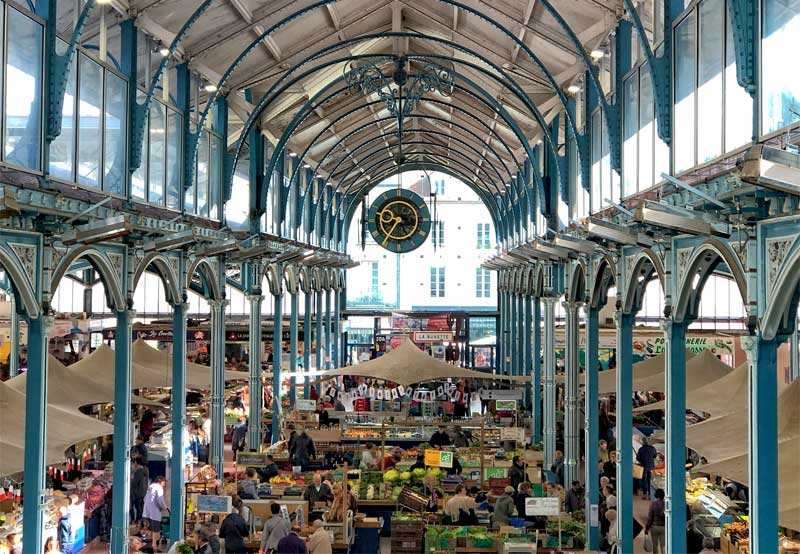
For a lunchtime bevy, there are lots of bars around the Les Halles covered market. And, there’s also a great bar inside. Plus you can buy the most amazing food here. Don’t miss a visit to Le Gourmet-Traiteur stall where you can get the most divine tarts and other scrumptious products. See the Dijon market halls below.
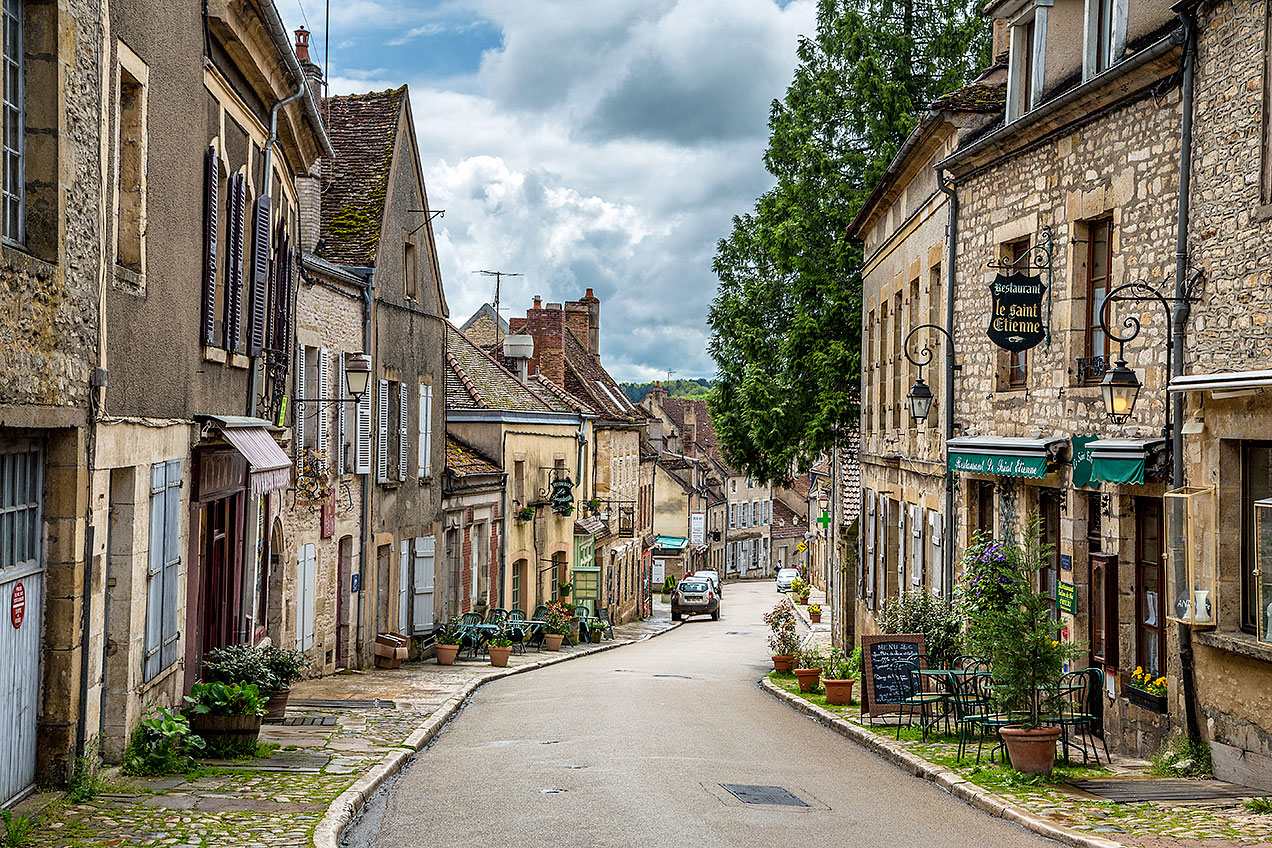
My secret Tip to Burgundy restaurants is „Le Bougainville“ in Vezelay.
Without a doubt the best restaurant in Vezelay: I’ve eaten here several times. Local ingredients and familiar Burgundian fare, but cooked with great flair and attention to detail. My favorite starter, Tarte a l’Epoisses, just excellent. The boeuf bourguignon had been simmering for hours – it melted on the tongue. There’s also a fabulous cheese board with dozens (yes, dozens!) of local cheeses. Friendly service and very reasonable prices.
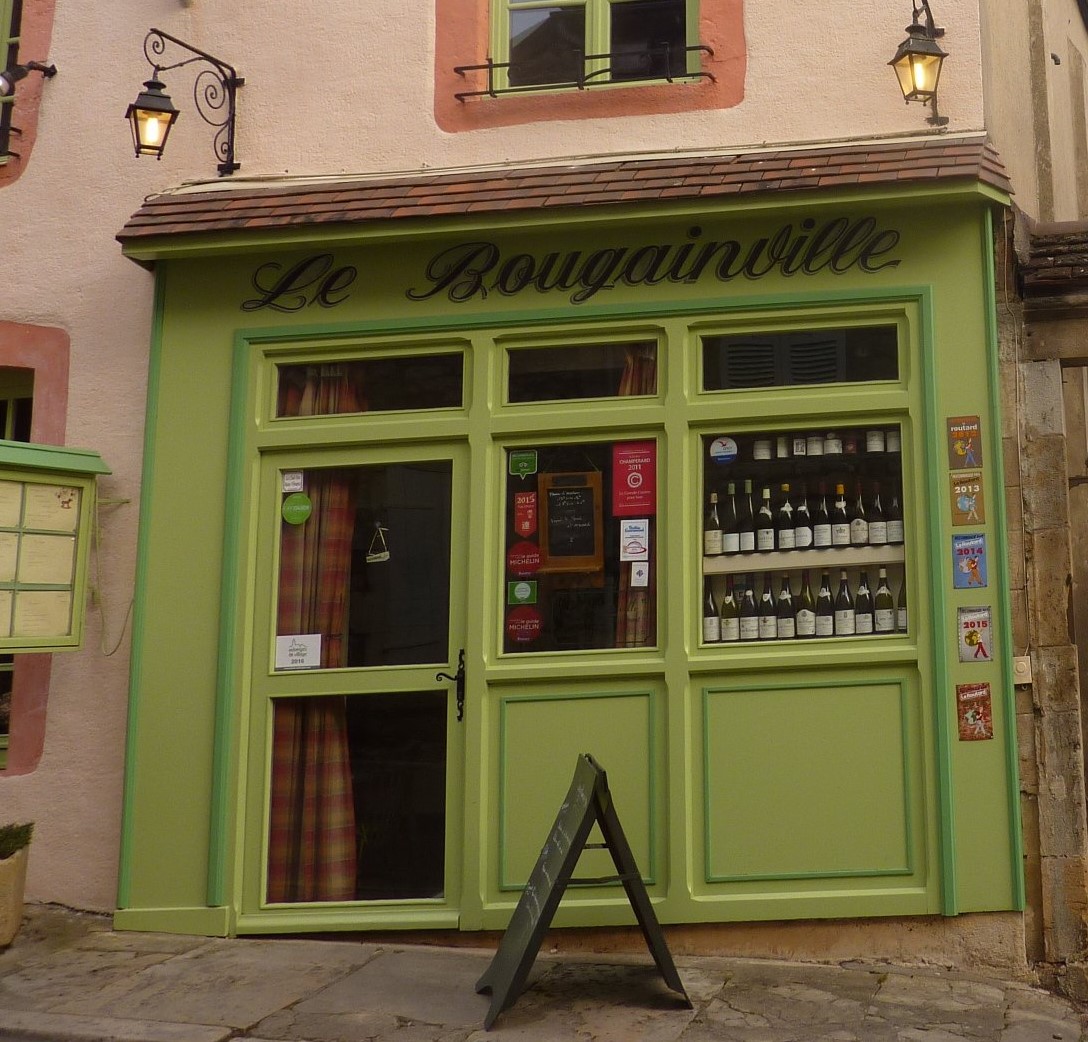
My very happy recommendation: Le Bougainville, 26 Rue St Etienne, Vezelay.
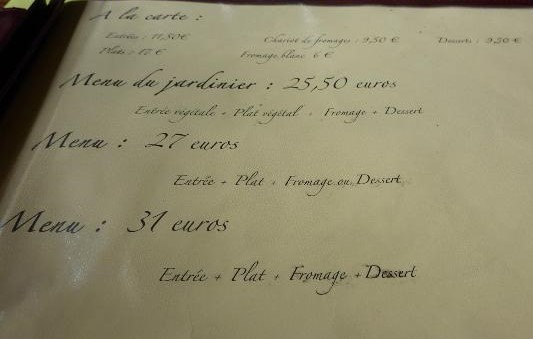
Prices: Euro25,– per person, including good local wine. Add another Euro10,– if you want to go overboard. This restaurant and food are worth every cent. The smiling owner serves rich French and Burgundian specialties such as Charolais beef and tripe sausages. If you’re growing weary of heavy regional dishes, fear not – Le Bougainville is also noted for its Menu du Jardinier, which features vegetarian options – a rarity in Burgundy! Whole menus for under 30 Euros!! See down here.
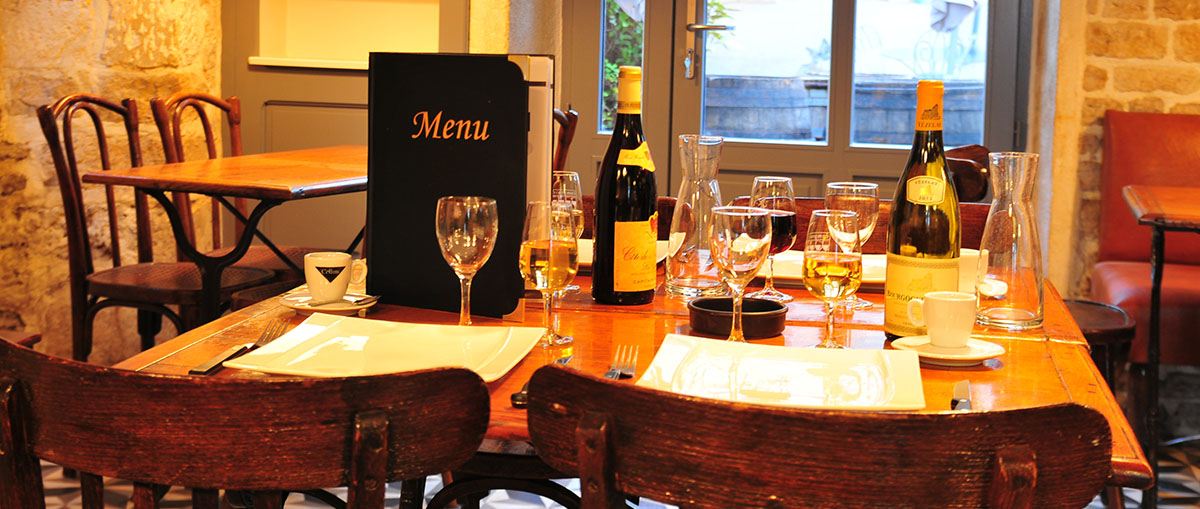
 This is what I call a terrific and extraordinary Boeuf Bourguignon serving. A special cooked dish for 2 in „Le Saint Etienne“, Vezelay ( see below). Including a whole bottle of Grand Echezeaux, we paid less Euro100,–.
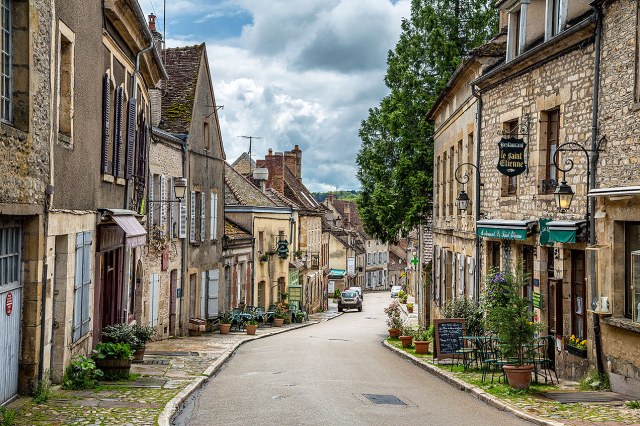 Just in case you are not such a foodie as I am, then discover the township of Vezelay, its worthwhile!
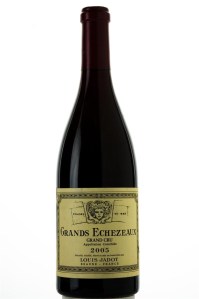
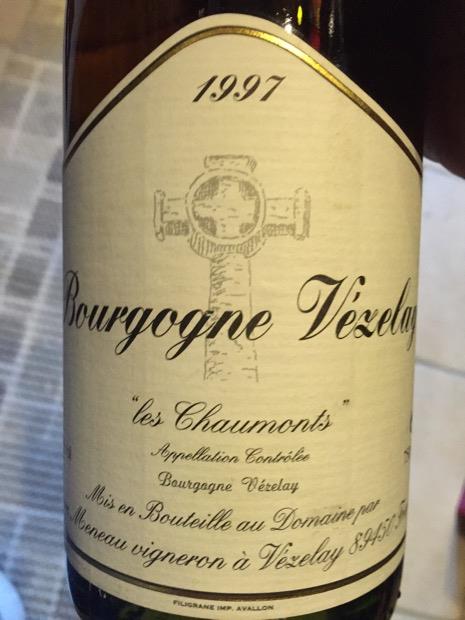
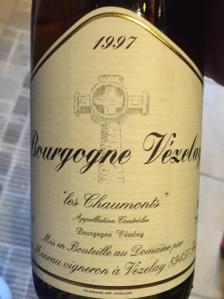 Left: Sadly I had no more my own picture of the wine bottle, so I used this one from the internet, with a younger date of course. Still from old times in my collection was the Bourgogne Vezelay wine picture. These drops are the ones we loved to sip and cook with.
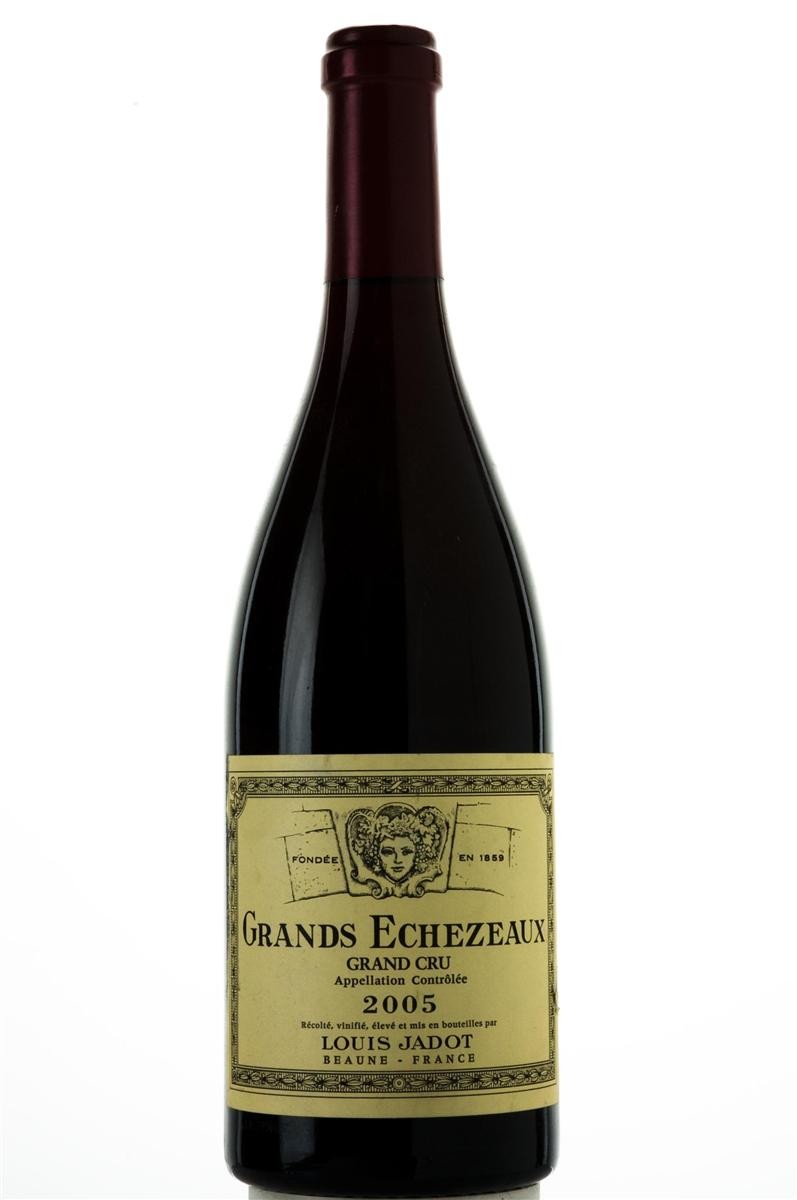
GRANDS ECHEZEAUX JADOT.
With a deep color, Louis Jadot produces a powerful wine with intense red fruits and spices aromas. It is a structured wine with a very nice balance. It will perfectly match with sophisticated dishes like red meat „in the sauce“ (boeuf bourguignon), marinated game or quite strong cheeses. Wish I could have wines like this here in Uruguay. We have some in this quality, but they are 5-6 times as expensive as the French ones.
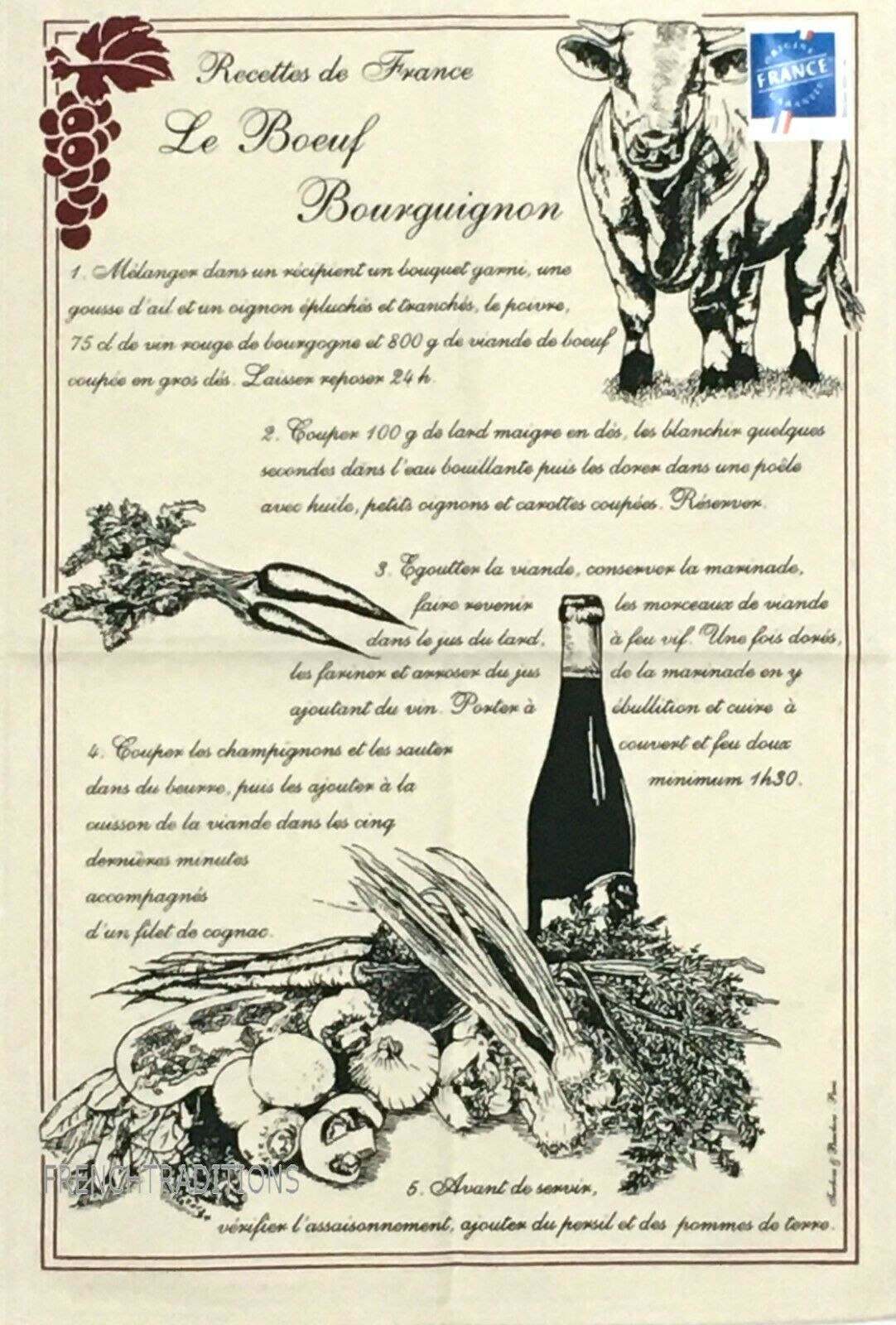 Above, a kitchen towel we bought as a souvenir in Vezelay – Beau Boeuf Bourguignon.


Tan delicioso.
Ojalá tuviéramos comida como esta en Uruguay, no sólo las aburridas Milanesas o Chivitos. Ahora la cocinaré yo mismo.
Gracias por un gran blog.
LikeLike
Hi Mike,
you nailed it again. fantastic and mouthwatering article. Now I know what to cook this weekend.
Ciao Luigi.
LikeLike
Hi my good friend,
nothing can be better than this great French recipe. I think back to our party’s and cooking together adventures.
Have a great weekend, Mathis.
LikeLike
Het water loopt uit mijn mond. Rond 1977 heb ik het ontdekt en voor het eerst gemaakt. Daarna nog vaker. Zelfs een keer voor 60 personen. Altijd een succes. Dank je wel weer voor dit mooie artikel.
LikeLike