
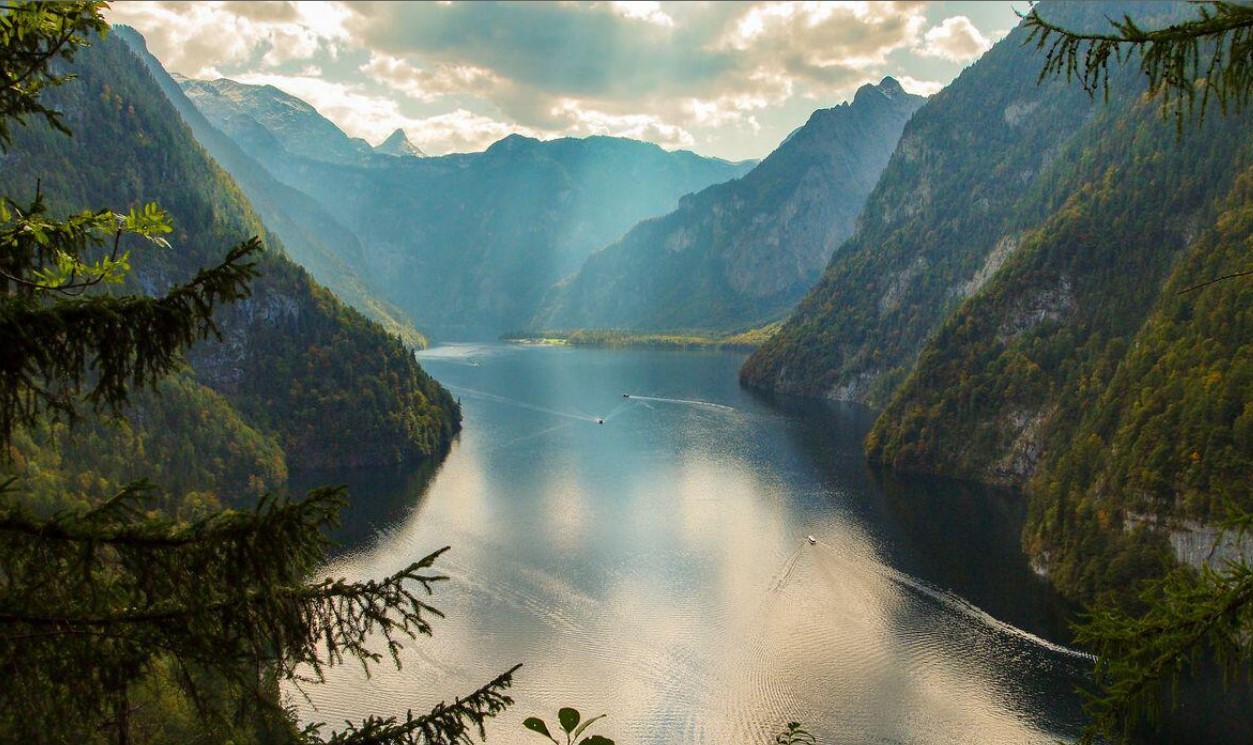
Right now, in 2020, the ongoing Corona Pandemic will put a damper on many holidaymakers. At least when it comes to travel abroad, uncertainty still prevails. Many want to stay close to home. That’s why I show you Germany’s most beautiful national parks, for example, the Königssee in the Berchtesgaden National Park (picture above). All following pictures belong to the text below it.
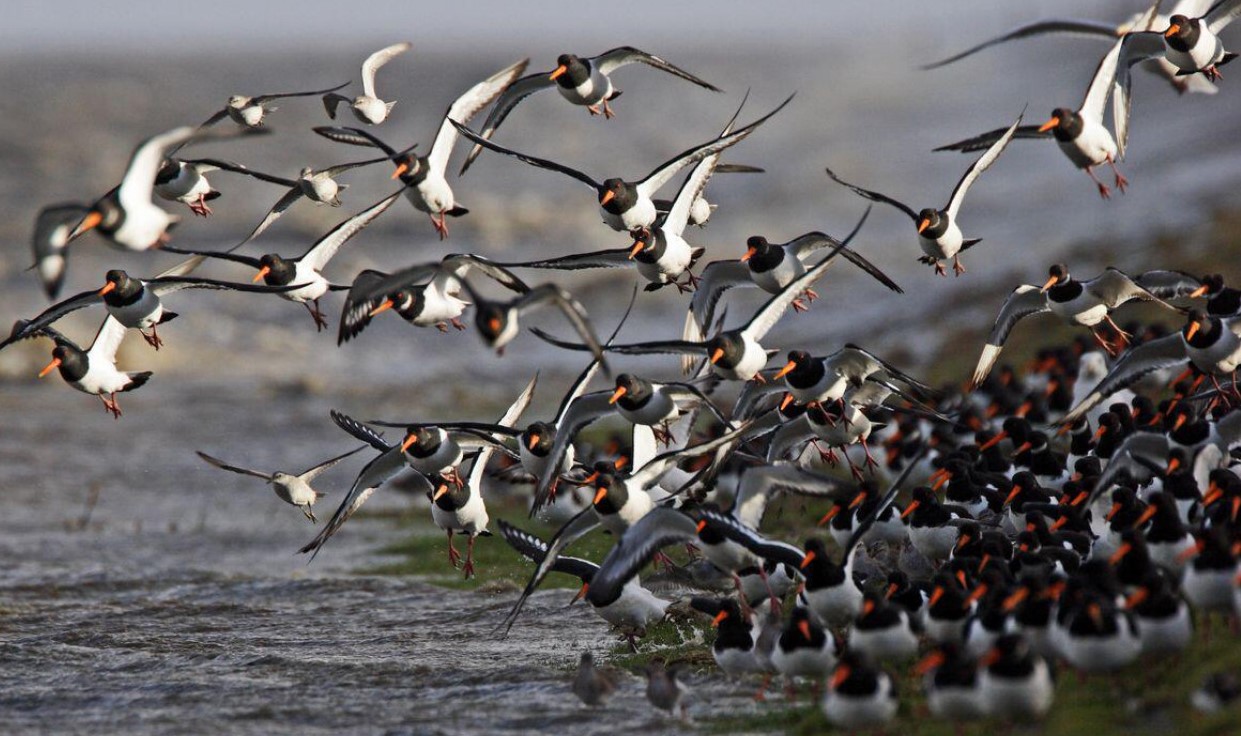
In Germany, there are 16 national parks in total. These are regions that enjoy special protection from human influence and are left to their own devices. Animals, trees, and plants can develop freely and are specially protected from environmental pollution. However, if you would like to visit one of the following impressive places for recreation, you should always observe certain rules.
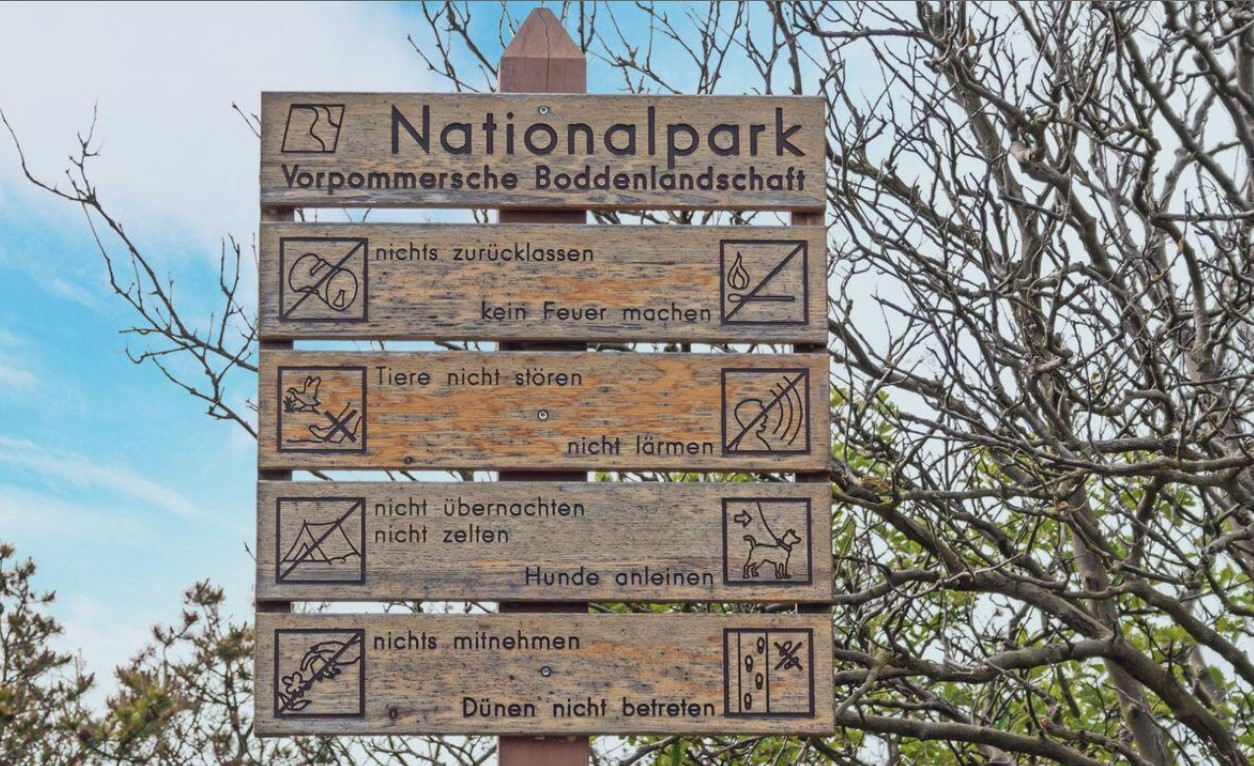
Never leave your rubbish behind, only follow the signposted hiking trails, do not take anything that belongs in nature, do not light a fire (not even for barbecuing), keep your dog on a leash. You should also keep as quiet as possible. Remote-controlled aircraft, such as drones, are prohibited in national parks.
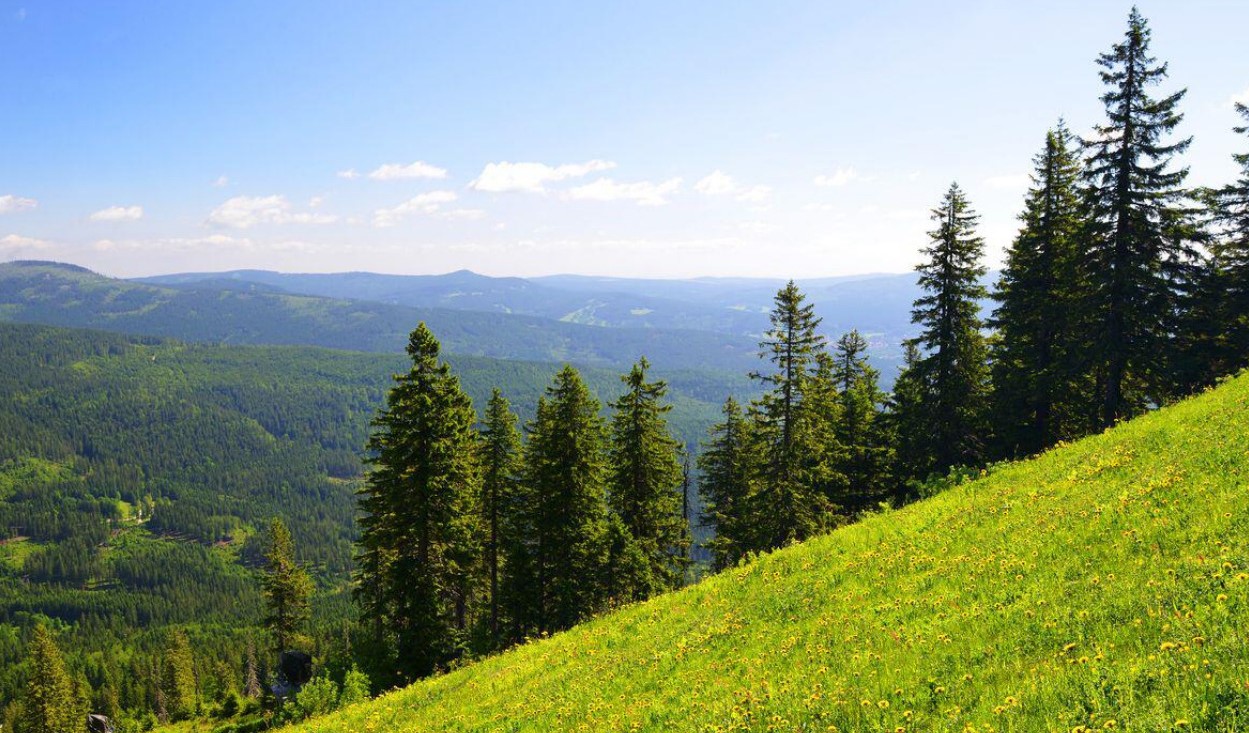
The oldest national park in Germany, founded in 1970, is the Bavarian Forest. Together with the Czech National Park Sumava, it forms the largest contiguous forest area in Central Europe. Game watching is a must in the Bavarian Forest. With a bit of luck, you might see otters, dormice, black storks, honey buzzards, wild cats, capercaillies or peregrine falcons, and much more.
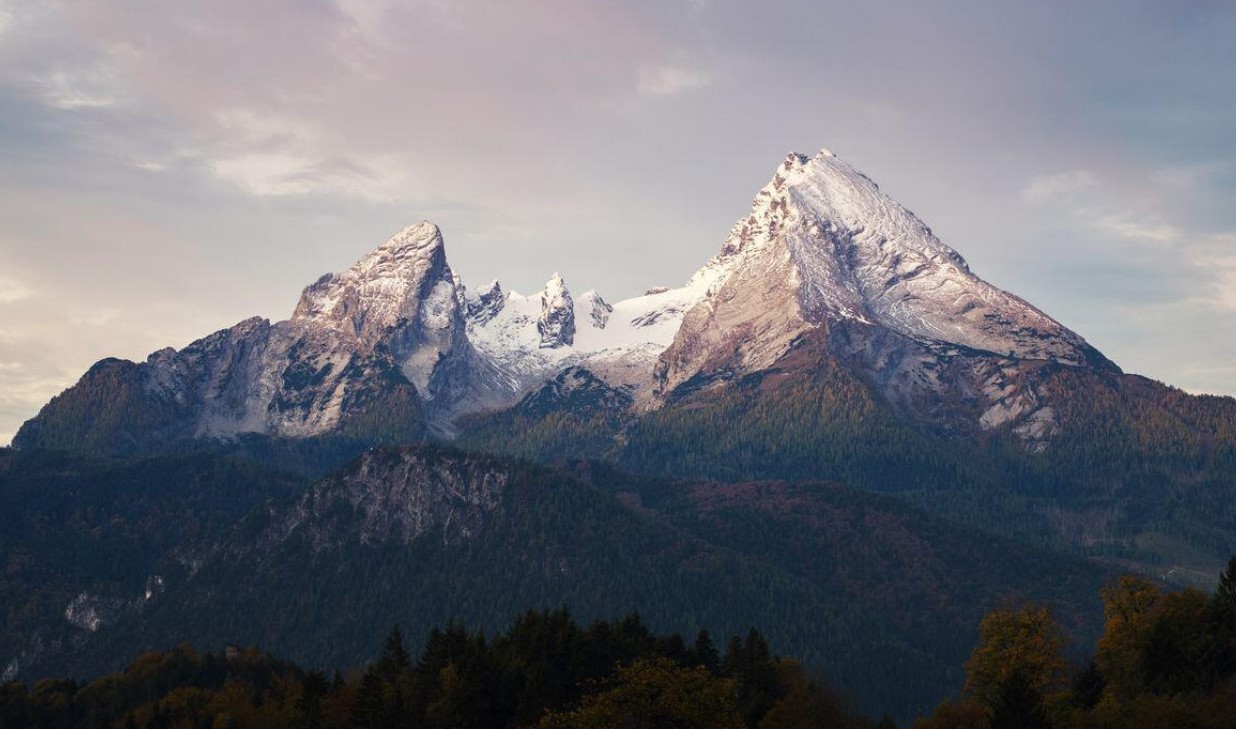
The Berchtesgaden National Park is also located in beautiful Bavaria. Magnificent alpine landscapes delight the heart of every hiker here. If you want to reach high altitudes, climb the Watzmann, which rises to 2,713 meters (that’s what we did when I was 14 years old, joining a boy scout camp at the Königssee, most fantastic 3 weeks I had in my young life, I never forgot). Marmots, snow hares, snow mice, golden eagles, and ptarmigans live in the high mountains of Berchtesgaden. Especially the picturesque Königssee is world-famous for its beauty.
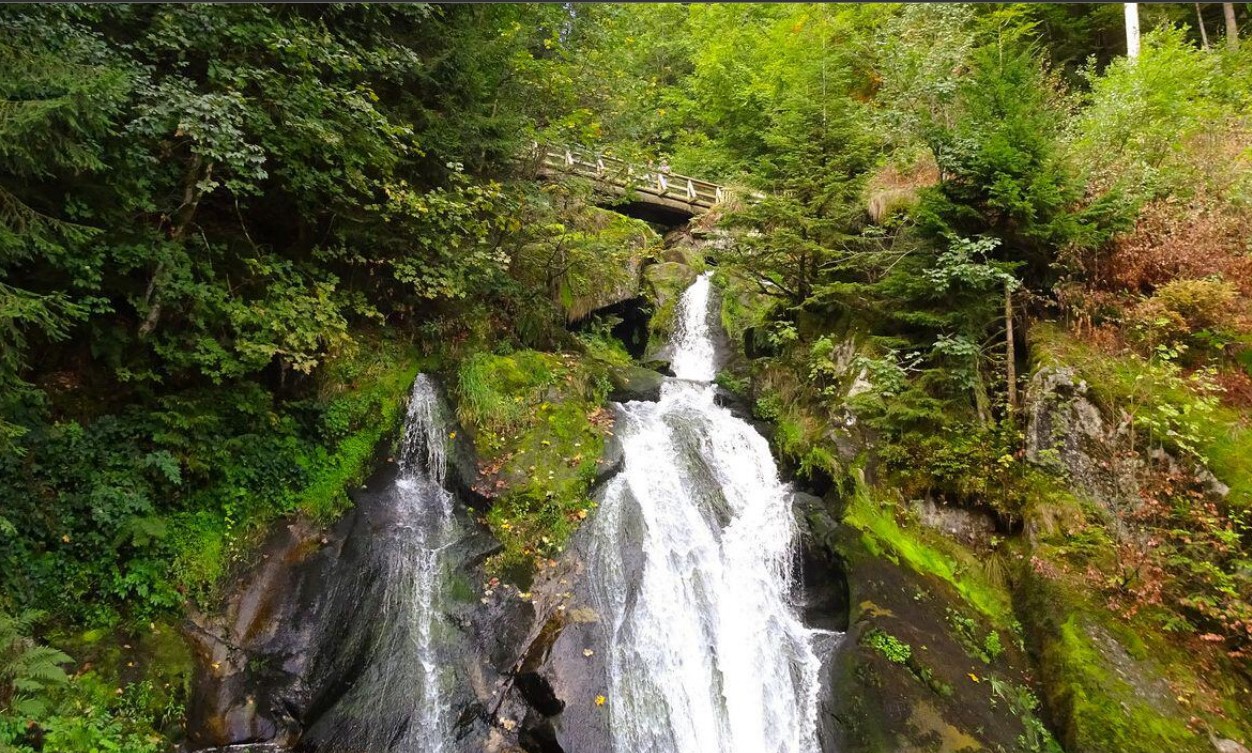
Also in southern Germany, in Baden-Württemberg, lies the Black Forest National Park. It is considered the most important German habitat for the woodpecker. You can admire wild waterfalls and reddish-brown rock formations in the forests, which are located on the oldest low mountain range formation in Europe. Wild boars, alpine shrews, red deer, rough-footed owls, pine martens, and roe deer feel at home here.
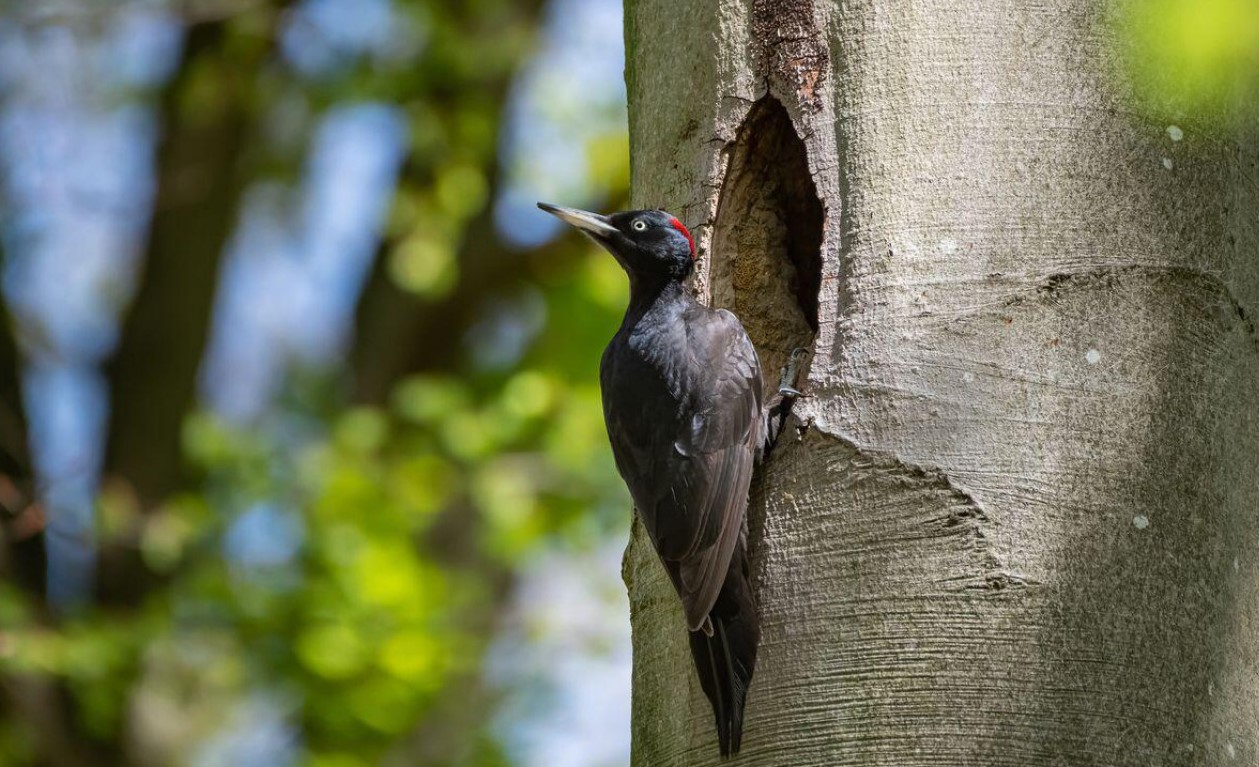
In the west of Germany, in Rhineland-Palatinate and Saarland, is the Hunsrück-Hochwald National Park. The beech forests, with the largest occurrence of wild cats in Europe, were not designated a national park until 2015. Germany’s youngest national park is also home to bats, deer, and special bird species such as the black stork and the black woodpecker. Lots of professional photo tips in the suggested book at the end of this article.
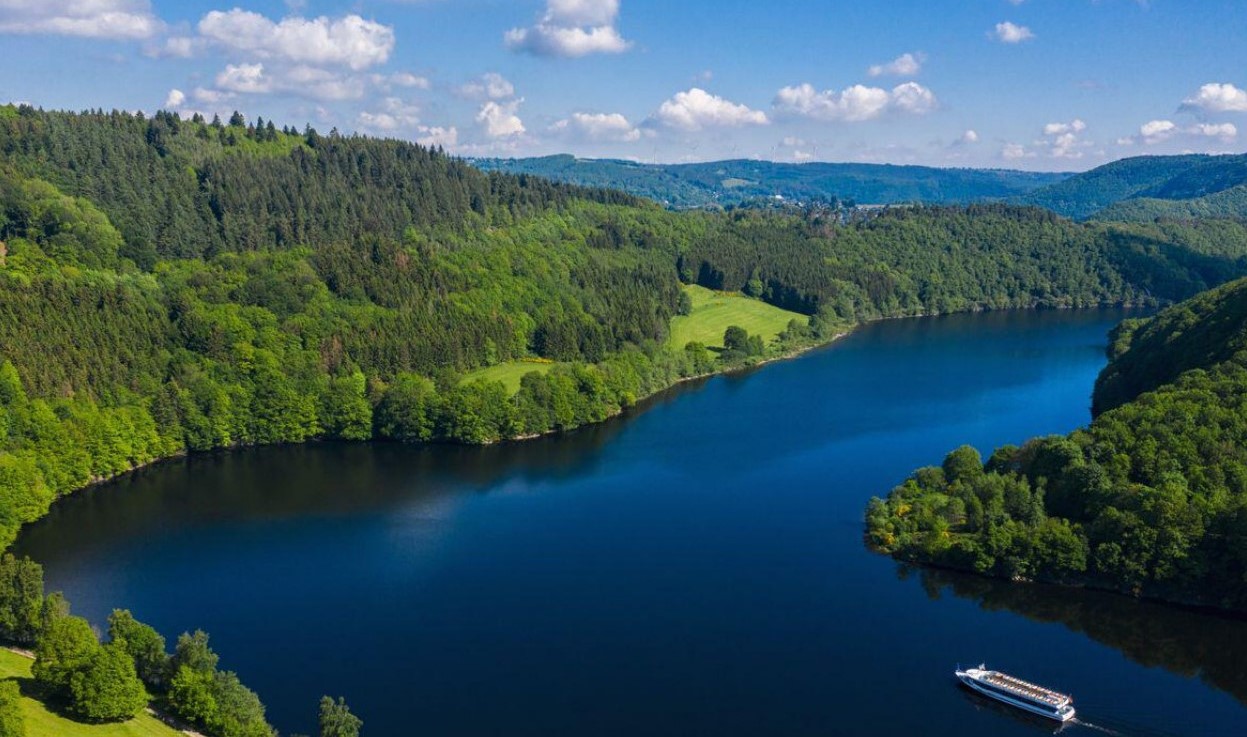
The Eifel National Park is also located in the west of Germany and is so far the only national park in North Rhine-Westphalia. Wild cats and black storks also live in mixed beech forests. Earth toads, fire salamanders and beavers are among the 2,000 endangered animal and plant species that are at home here. The Eifel National Park is characterized by dense deciduous forests, streams, and lakes.
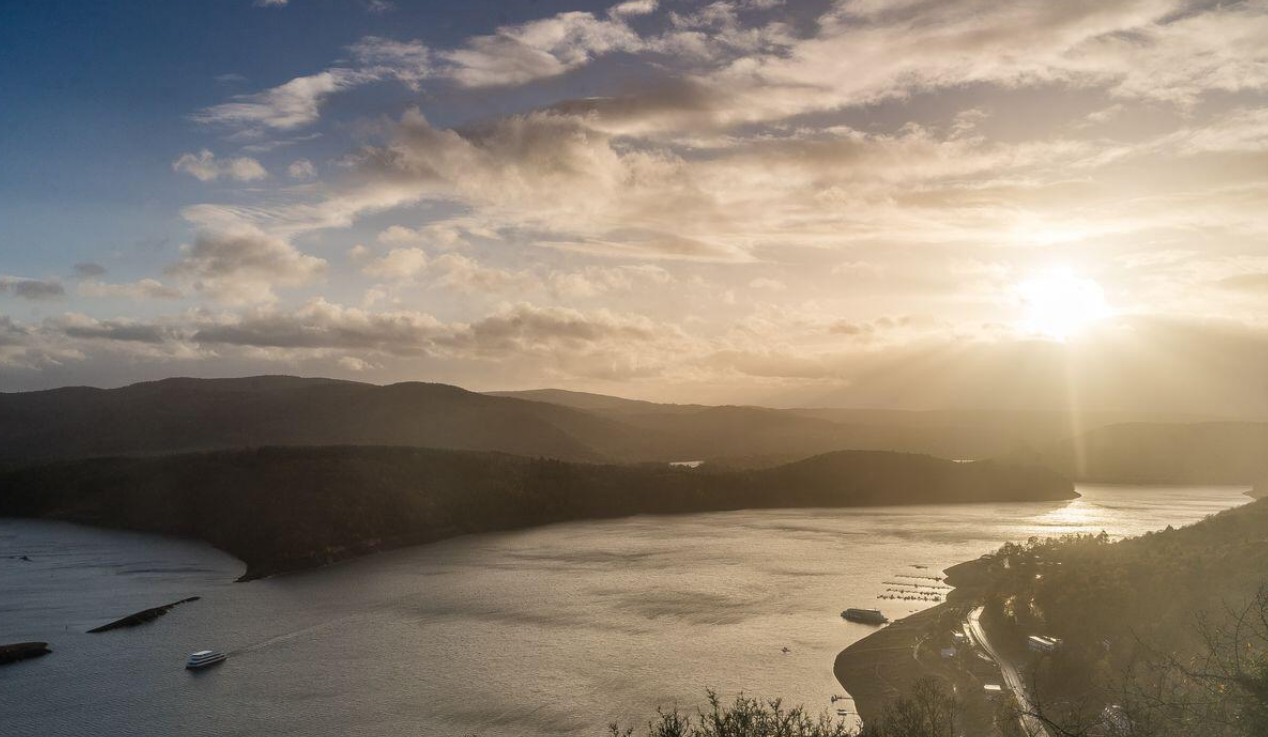
In Central Germany, in the federal state of Hesse, you will find the Kellerwald-Edersee National Park. The name hides the most important excursion destination of the national park: Lake Edersee is a must for visitors to the region. 10,000 different species of plants, fungi, and animals are native to the area, including many rare birds such as the raven, black stork, boreal owl, eagle owl, and Eurasian Pygmy Owl.
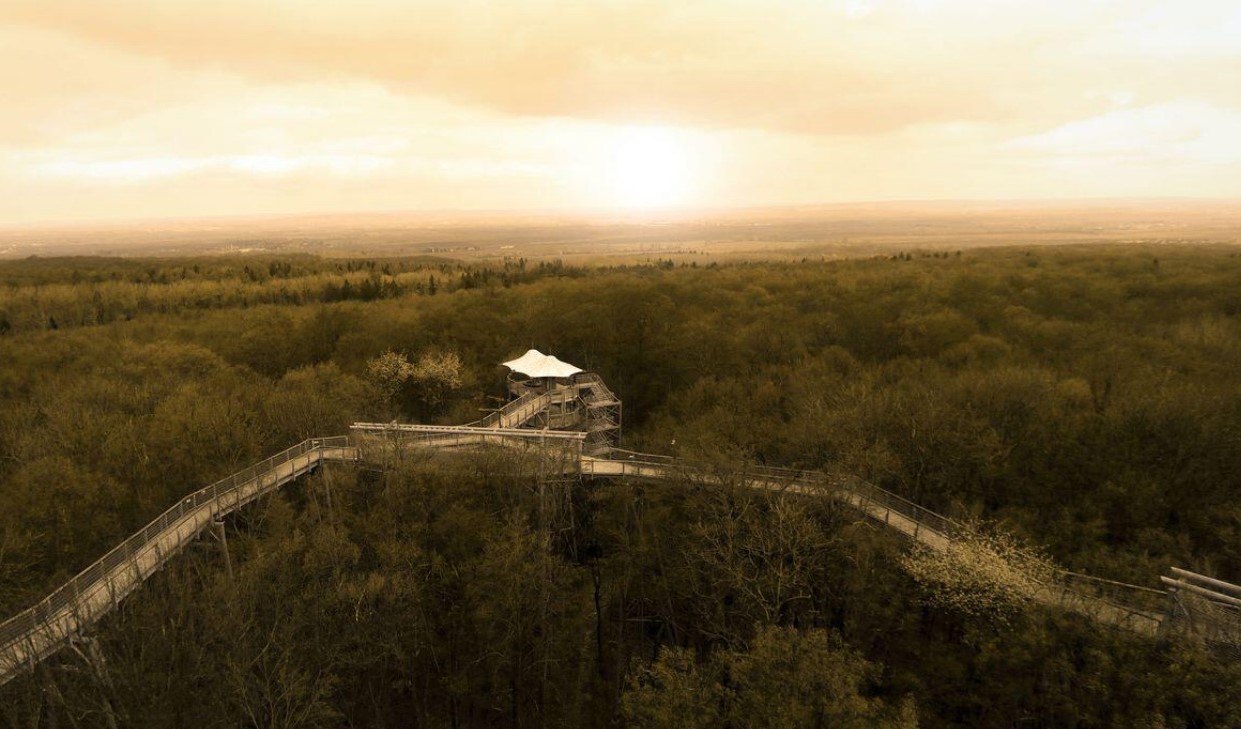
In Thuringia, the Hainich National Park extends over 7,513 hectares. On a treetop path, you can discover the park from a whole new side. Especially in spring, it’s worth visiting Germany’s largest use-free area of deciduous forest, as nature then transforms into a veritable sea of flowers. 14 species of bats are at home here as well as seven different species of woodpeckers.
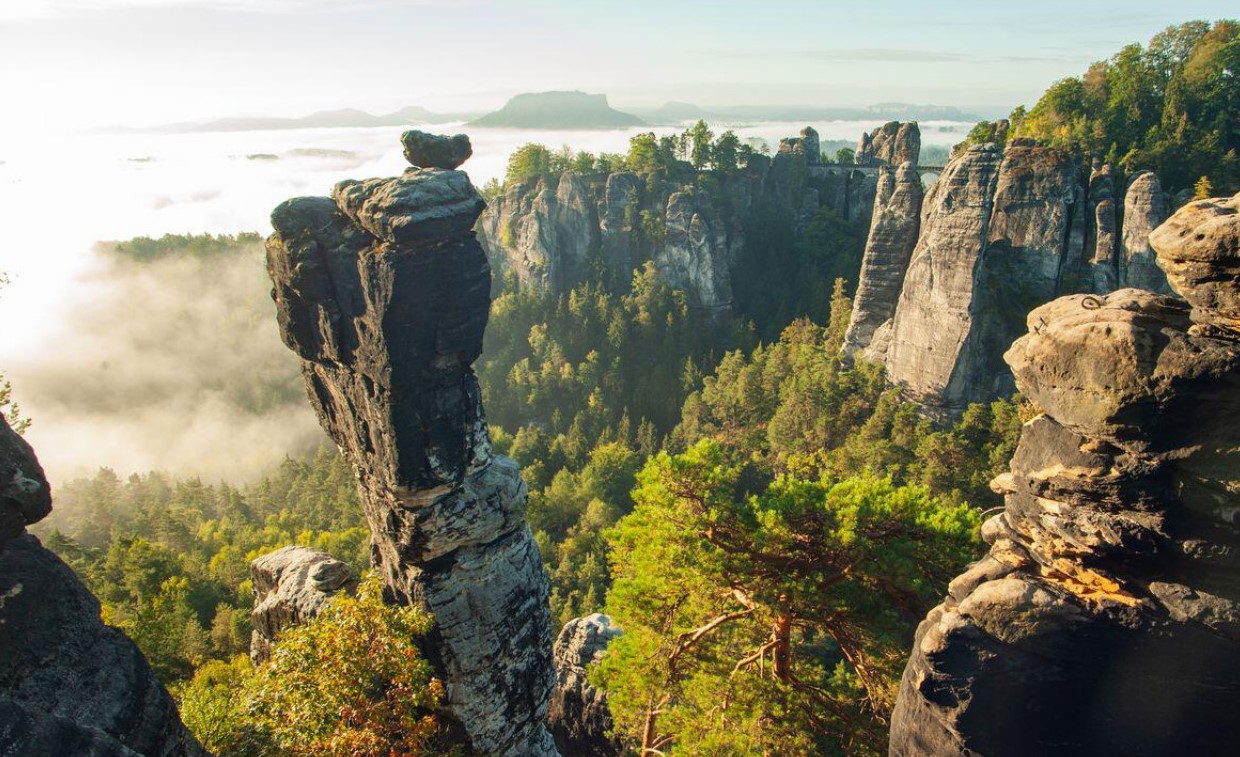
The Saxon Switzerland National Park is famous for its breathtaking hiking trails amidst bizarre rock formations. Saxon Switzerland is the only rock national park in Germany and a popular holiday destination for climbers. Rare animals such as lynxes, adders, or grass snakes can be observed with a little luck while hiking.
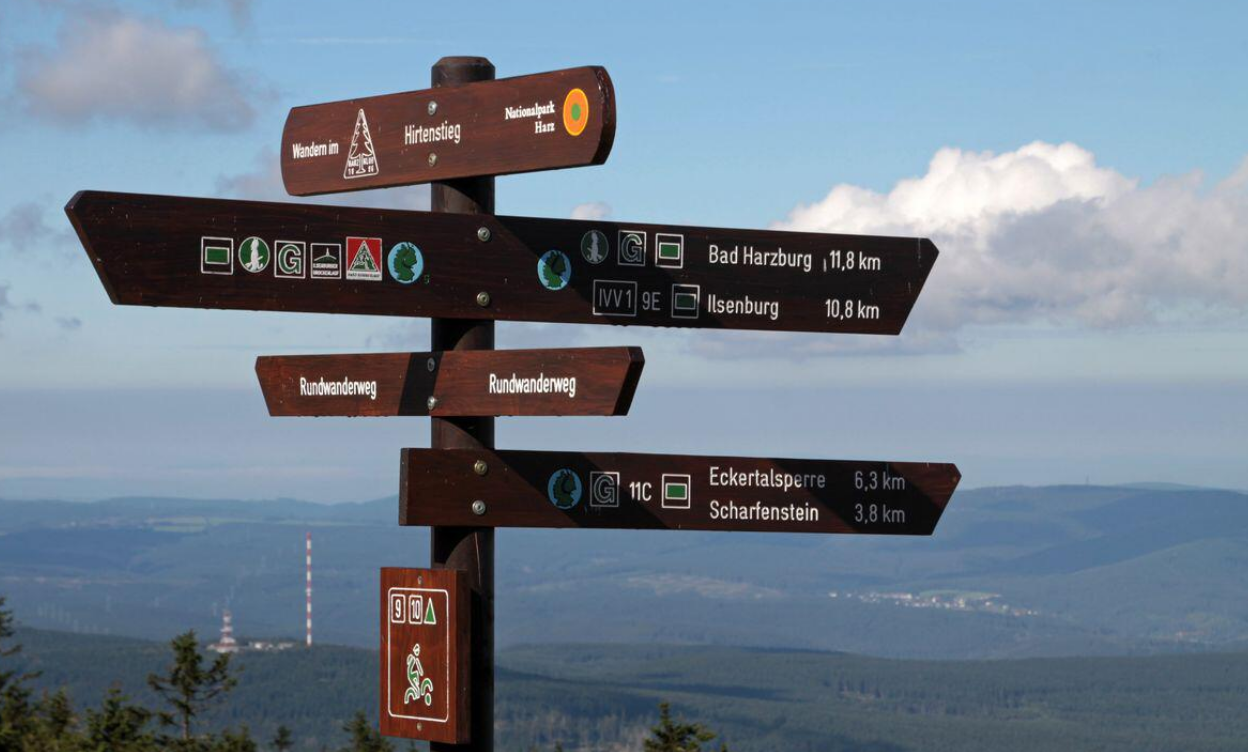
Hikers will also get their money’s worth in the Harz National Park, which extends around the Brocken mountain. The Harz is located in Lower Saxony and Saxony-Anhalt and is the largest forest national park in Germany. Nature offers many moors, rocks, and streams. Seven forest restaurants, nature experience paths, lynx feeding, and wildlife observation stations await visitors.
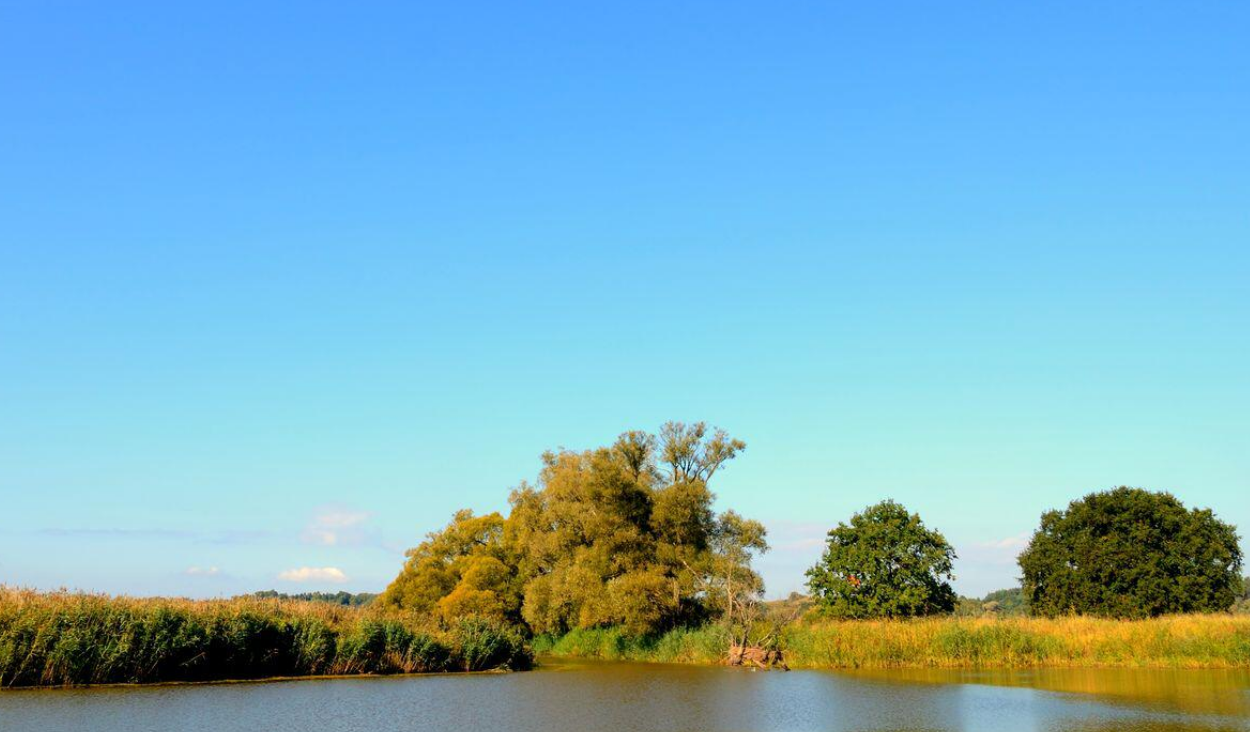
The Brandenburg Lower Oder Valley National Park extends over 10,323 hectares directly on the Polish border. Waters, swamps, moors, and forests characterize the picture. Visitors can explore the national park on foot, by bike or on a canoe tour. Otters, beavers and migratory birds such as white storks, black-tailed godwits, whooper swans, and the extremely rare aquatic warbler can be found here.
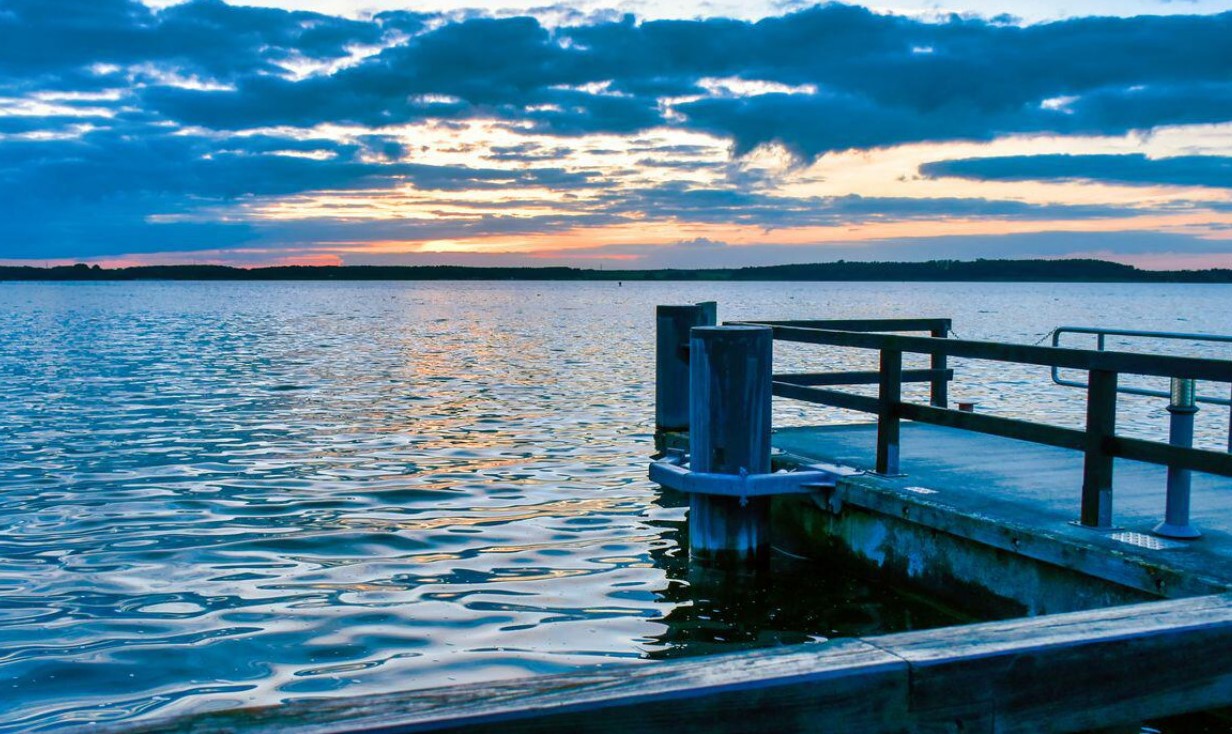
A multitude of small and large bodies of water, moors, and reed beds can be found in the Müritz National Park in the state of Mecklenburg-Western Pomerania, beech, and pine forests are also part of the fauna. You can marvel at this special landscape from your bike or while hiking and rest at one of the many resting places. With a little luck, you will see ospreys and sea eagles, black storks or cranes.
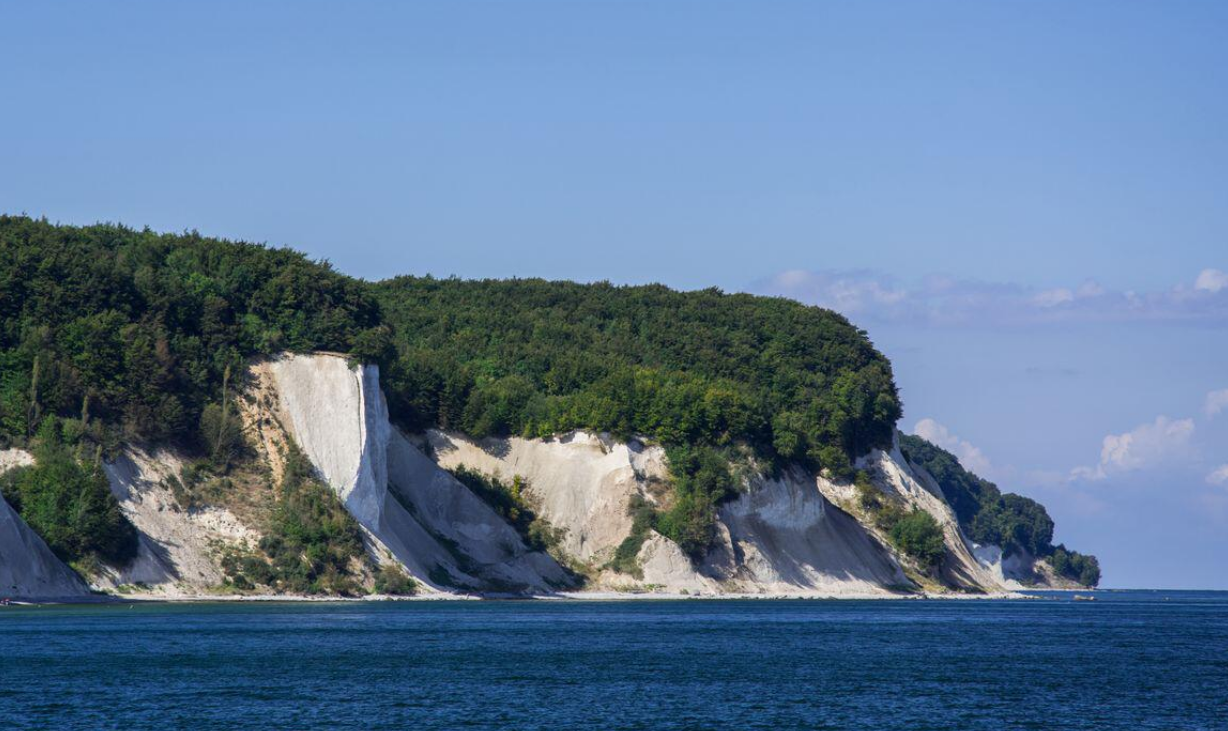
With 3,003 hectares Jasmund is the smallest national park in Germany, located on the island of Rügen. Since 2011 Jasmund belongs to the UNESCO World Natural Heritage. Visit the chalk cliffs, which are among its most famous sights. In addition, beech forests and even orchids await the visitors. From the highest point of the island, the Königsstuhl, you can enjoy the view of the vastness of the Baltic Sea.
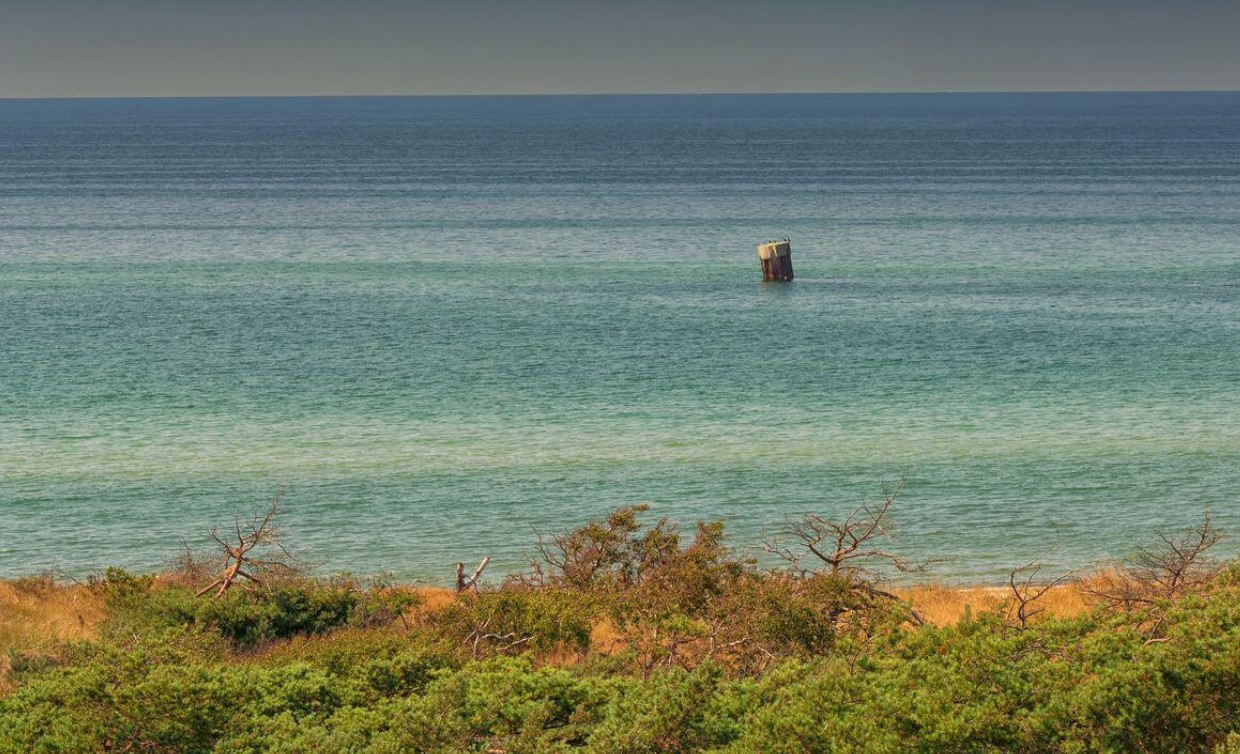
Dunes, beaches, wind tidelands, forests, and salt marshes can be found in the National Park Vorpommersche Boddenlandschaft, the third national park in the state of Mecklenburg-Vorpommern. In autumn the north-eastern area is a resting place for cranes and becomes a popular holiday destination for wildlife watching. With a little luck, you can also watch wild boars, mouflons, or even grey seals.
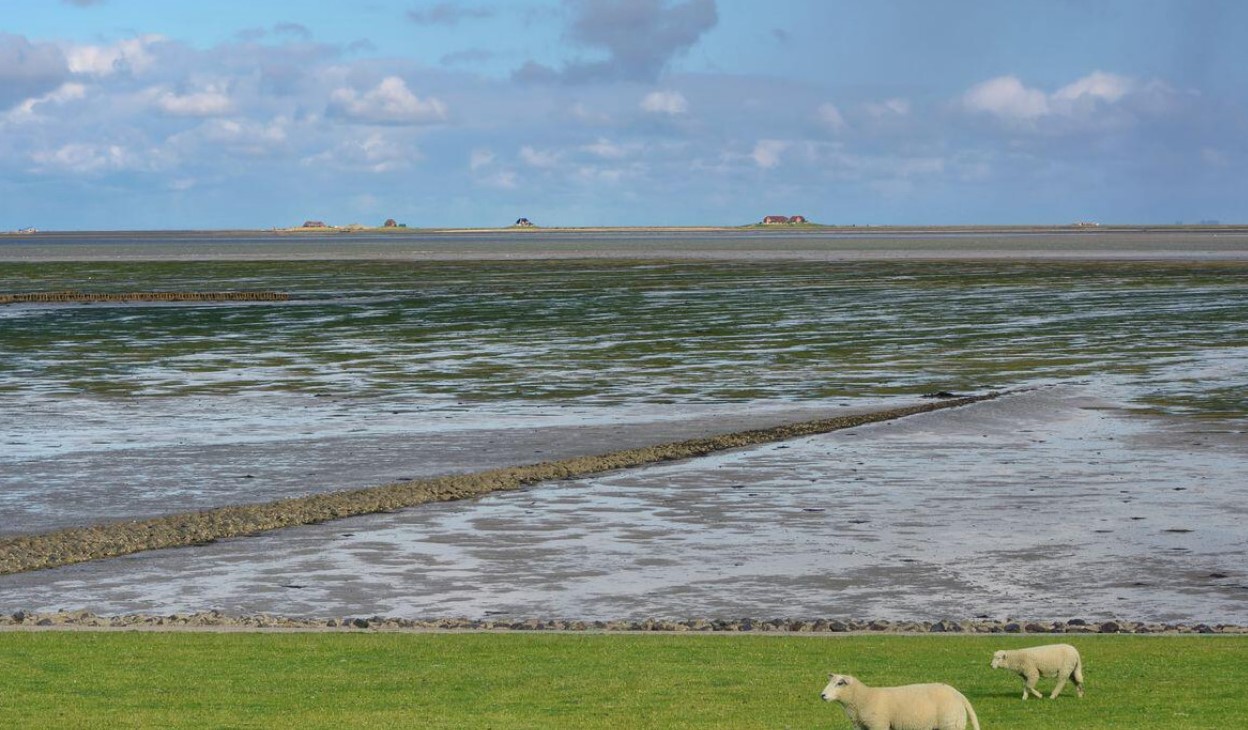
In the far northwest of Germany, you will find three national parks: The Wadden Sea of Lower Saxony, the Wadden Sea of Hamburg, and the Wadden Sea of Schleswig-Holstein. All three belong to the UNESCO World Natural Heritage. Dunes and salt marshes are typical for the Wadden Sea, as are seals and grey seals. Even the endangered harbor porpoise can be seen in the national parks.
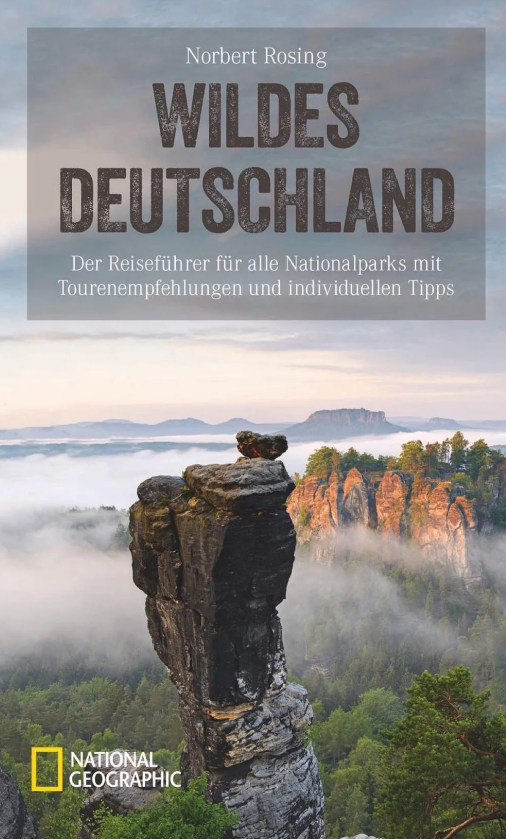
Do you like to have more information? Above is a very worthwhile guide through all the 16 German national parks. The title „Wildes Deutschland“, author Norbert Rosing (well-known photographer), 272 pages, printed Welt Bild Verlag, about 22,–euro. Many maps, descriptions, detailed information, travel routes, and excellent photos.
This guide is absolutely worth reading !
Hopefully, you enjoyed this little excurse through German National Parks and will find the time to honor them with your visit. Be well – stay healthy – have fun traveling !


Wat weer een prachtig artikel over deze parken Mike, wat is Duitsland toch mooi en groot. Je vindt er eigenlijk heel veel wat sommige mensen in andere landen zoeken. Weer bedankt. Lieve groet Wilma
LikeLike
Dank Je wel Wilma.
Er komt nog veel veel meer,
gewoon rustig afwachten, groetjes Mike.
LikeLike