
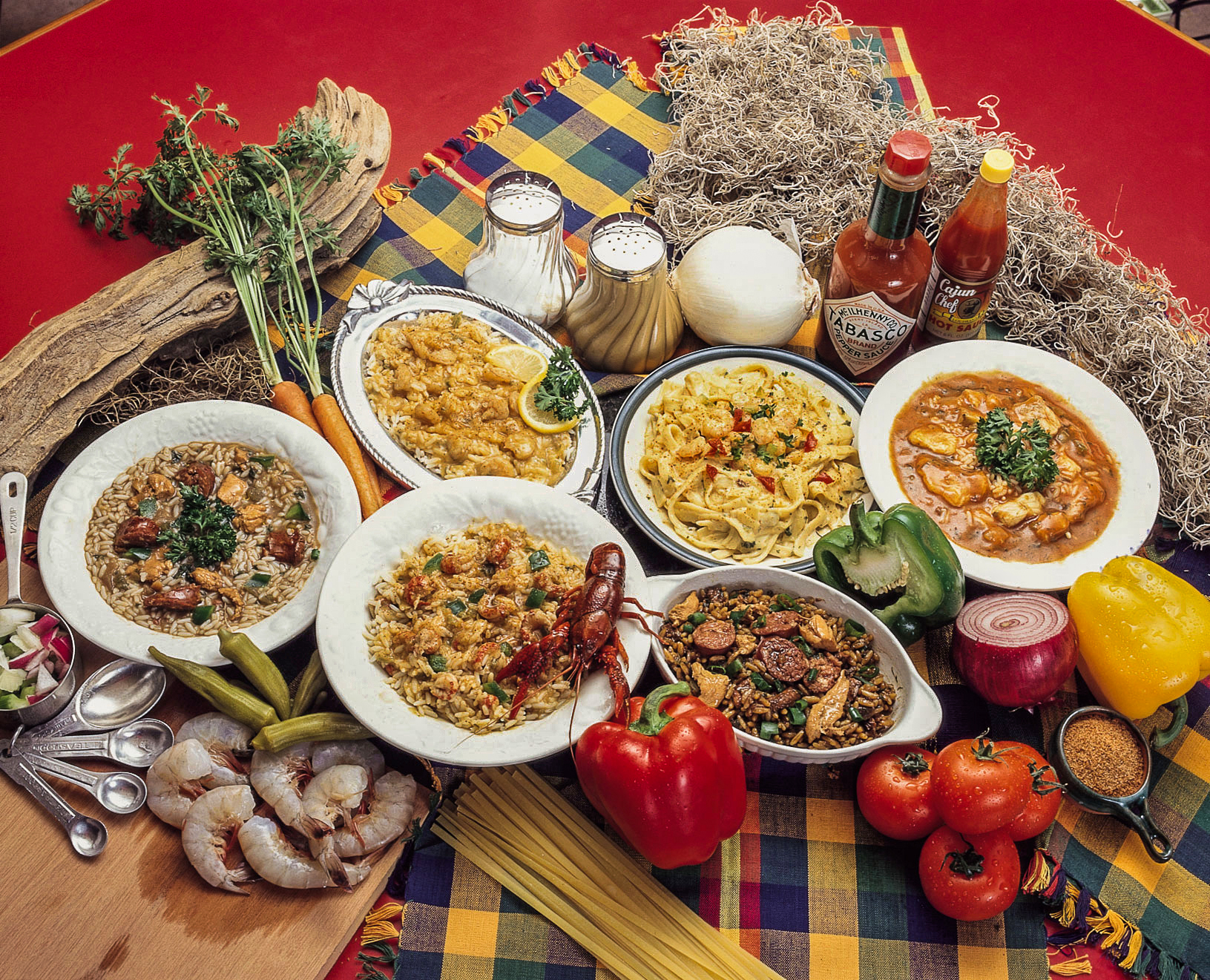
Here comes my second part of the cookbook series. Actually, it’s crazy who thinks they have to publish a cookbook. In the following, you can see some of them which are not known to everybody and are not used in your kitchen.
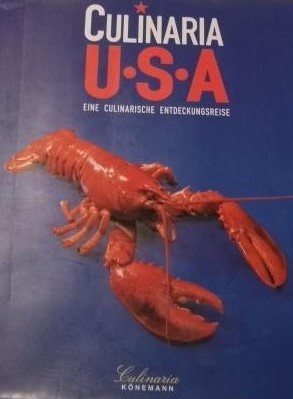
Some cookbooks try to be a complete guide to cooking, with lots of information around, as others are just a collection of recipes. Very rare contents one will find in the „culinaria“ series of publishers Könemann, Germany. The above picture is of the „Culinaria U-S-A“, book titled „Creole Food“, just fantastic, the recipes are mouthwatering. See further down.
Great Cookbook Series.
The Good Cook.
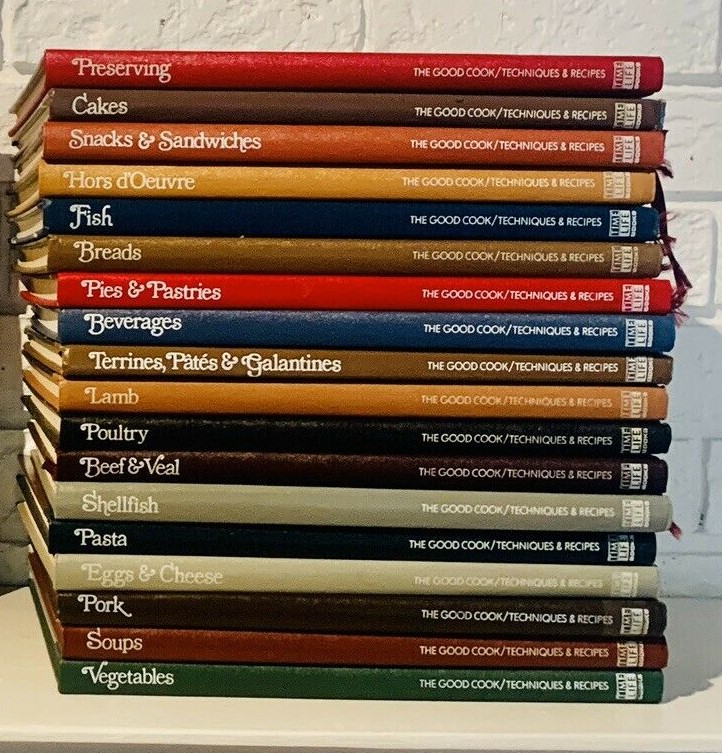
The Good Cook was a series of instructional cookbooks published by Time-Life Books 1978-1980 and sold on a month-to-month basis until the early 1990s and edited by cookbook author Richard Olney. In total there were 28 volumes in many languages.
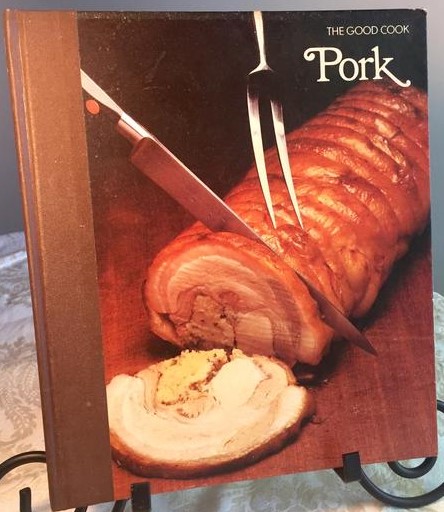
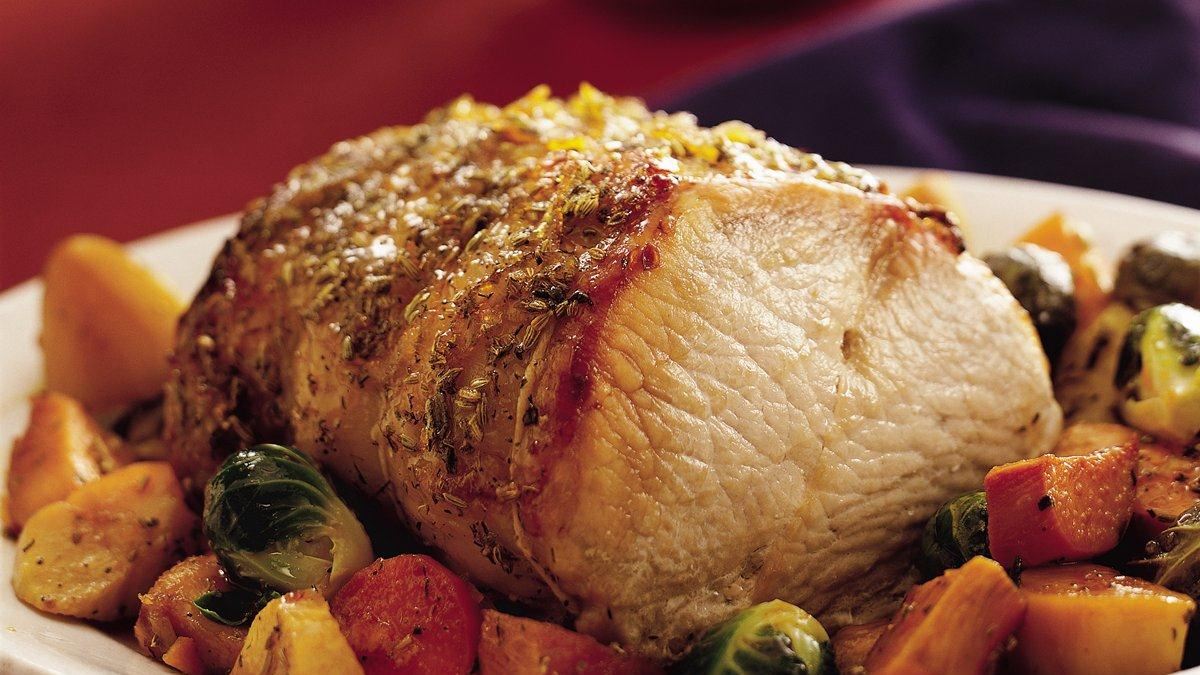
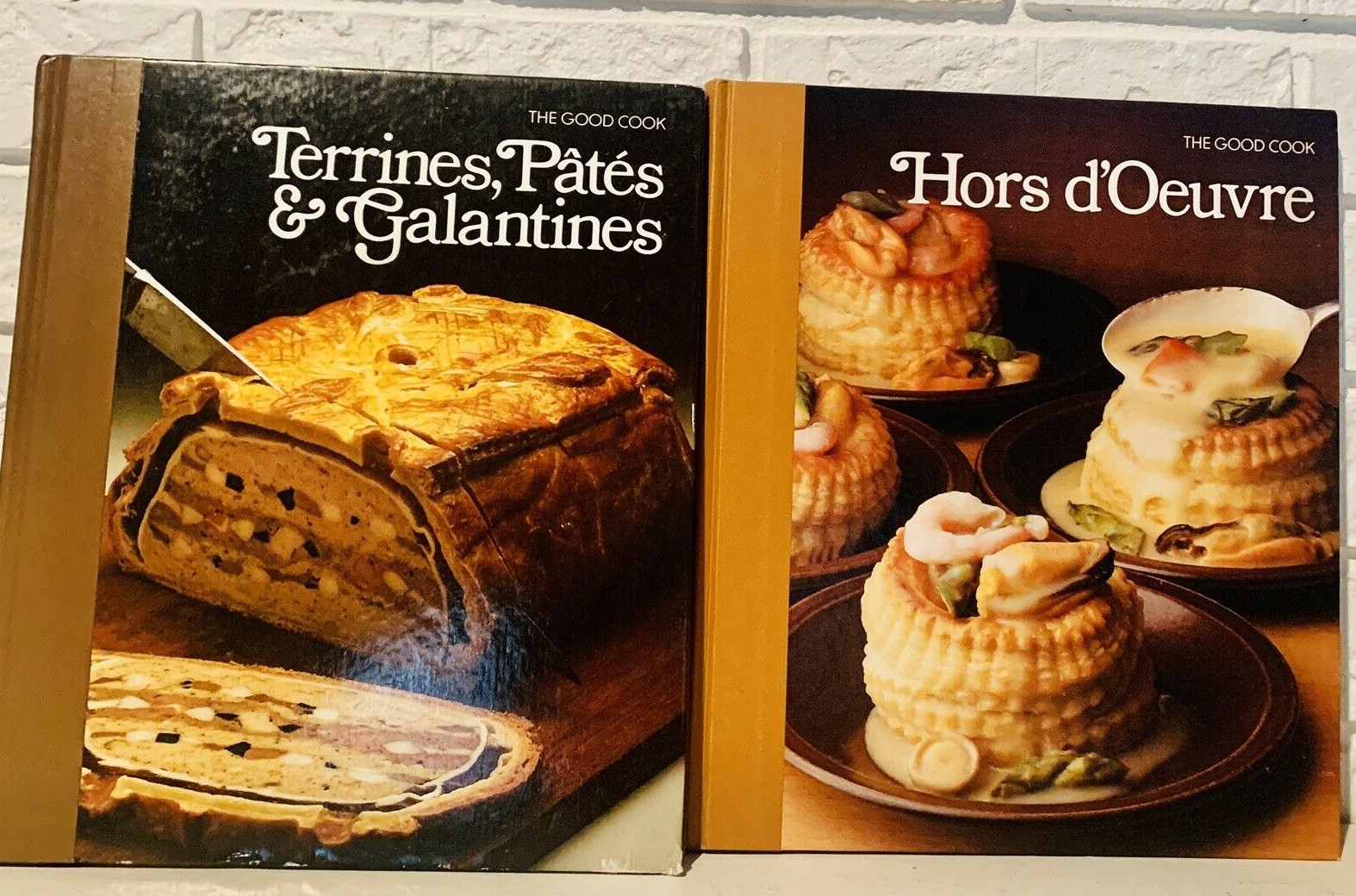
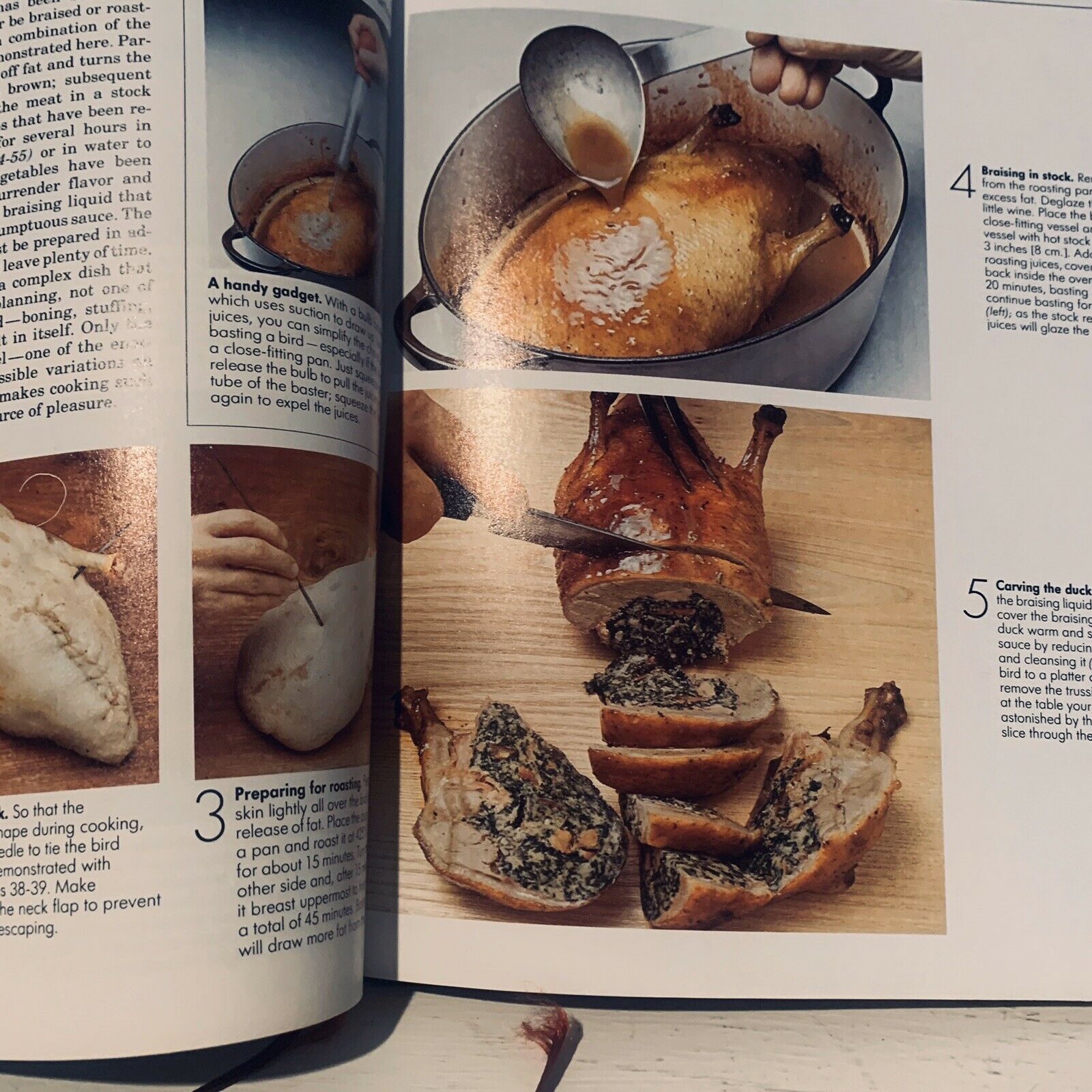
Each volume was dedicated to a specific subject (such as vegetables, fruits or sauces, pork, lamb, fish or pasta) and was heavily illustrated with photos of cooking techniques. One really could, and if you want still can, learn about cooking. Recipes were drawn from a wide array of published sources, all scrupulously acknowledged.
Culinaria.
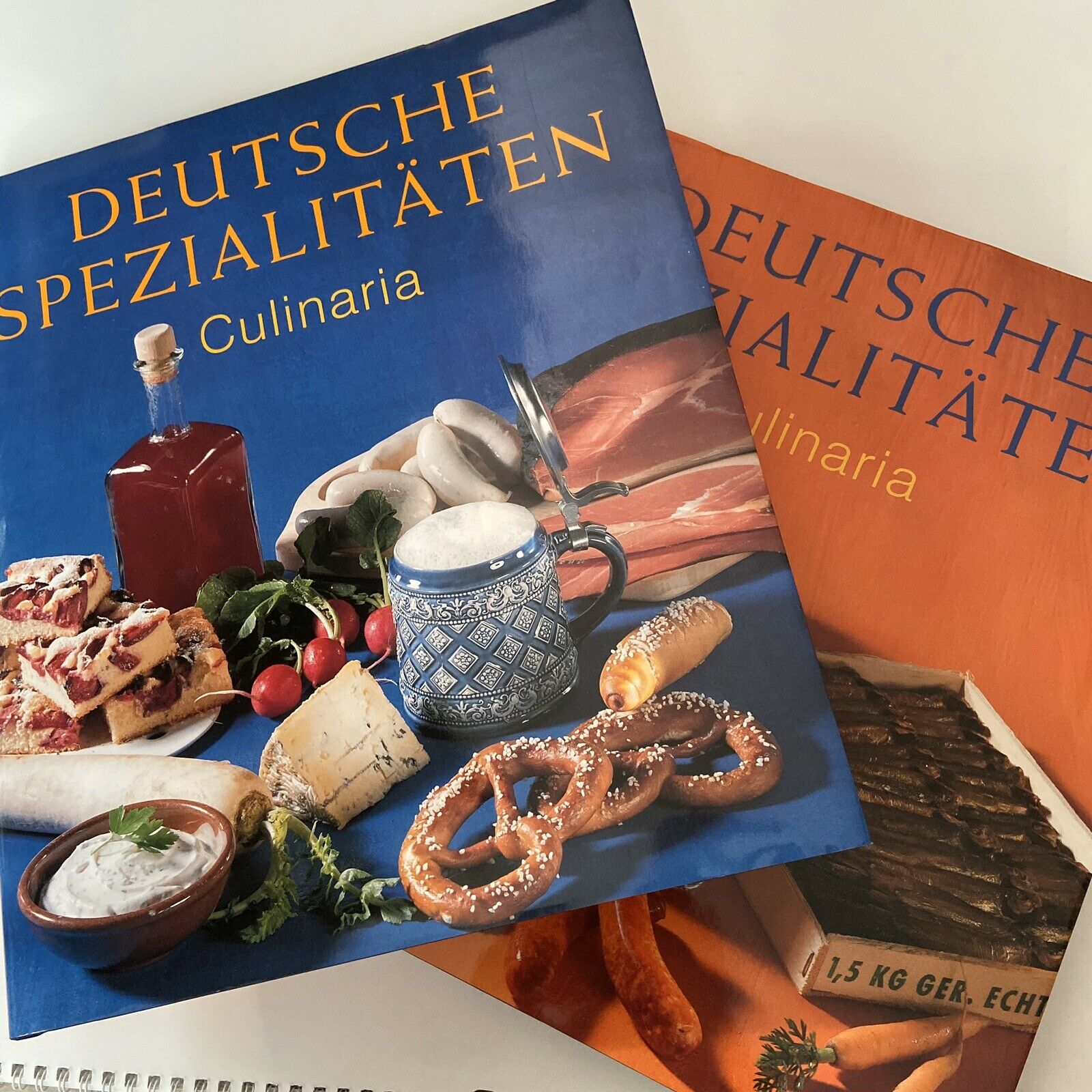
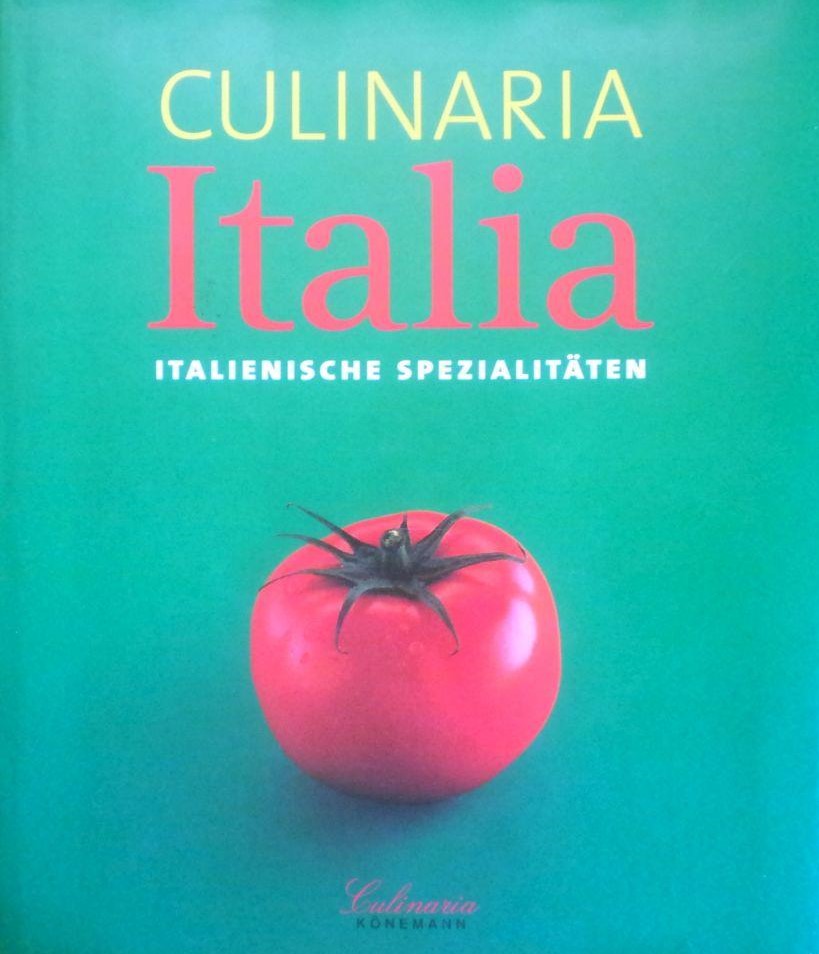
My best suggestion to start a book collection about lifestyle, cooking, the mentality of a country or region, recipes, and much more is the series „Culinaria“. This series was printed by the publisher Könemann, Germany, and is now owned by publishing Ullmann, which reprints the series originally. Click on pictures to supersize.
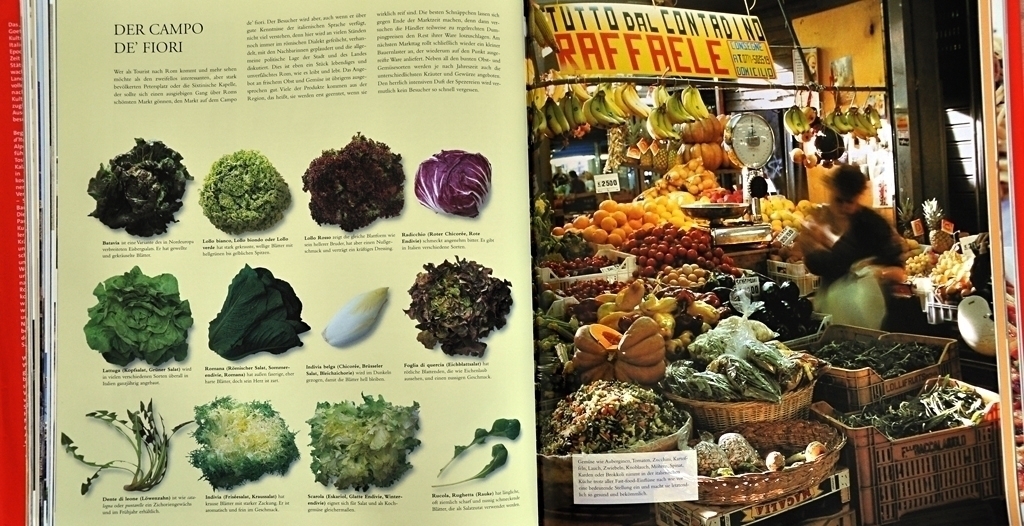
Every time I pick up my 10-pound copy of „Culinaria U-S-A eine culinarische Entdeckungsreise“, I get hopelessly distracted and can dream away for hours. Paging through its large-format glossy pages, I’ll start reading about the development of New York’s luncheonette culture or the cultural roots of South Carolina’s low-country oyster roasts. A few pages further in, mouthwatering shots of Puerto Rican arroz con pollo or Midwestern blackberry pies draw me into detailed discussions of the United States‘ multifaceted regional cuisines, with connected recipes throughout the whole book.
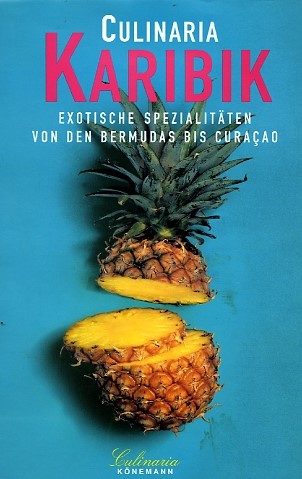
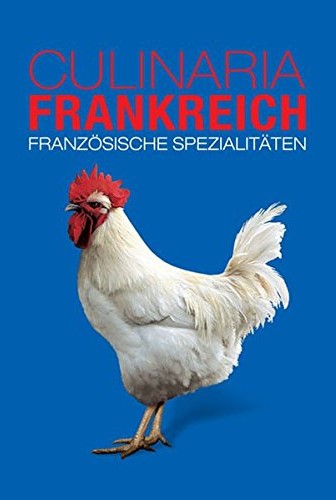
If I crack it open, I’m usually committed to about an hour of freeform exploration into American food, culture, and lifestyle. The same feeling I have with any other country I can travel through these books. It is amazing how comprehensive the content and information is, it is amazing to see such wide-ranging research combined with the professional quality of photographs. And even more astonishing is the price, have a look on eBay.
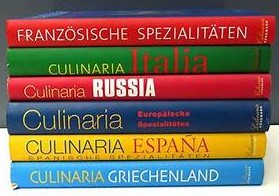
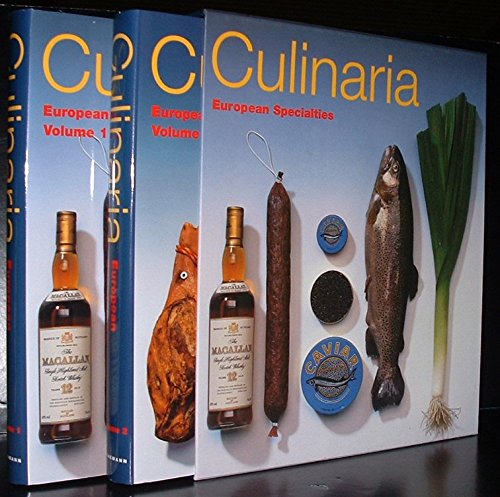
This Culinary Discovery may be the best (and heaviest) single reference work on a country’s lifestyle and food culture. The series contains Europe (2 vol.), Germany (2 vol.), France, Italy, Caribbean, USA, China, Spain, India, Greece, and more. It is worth to have a look at one yourself. Each book measures about 24x 30×3 centimeters, has around 450-550 pages, hundreds of beautiful colored pictures, and weighs between 2,5 and 4,5 kilograms, they were printed in the late 1990s. This collection is available in all major languages. Just to move this collection one needs a truck !!
I call it Culinaria Mini.
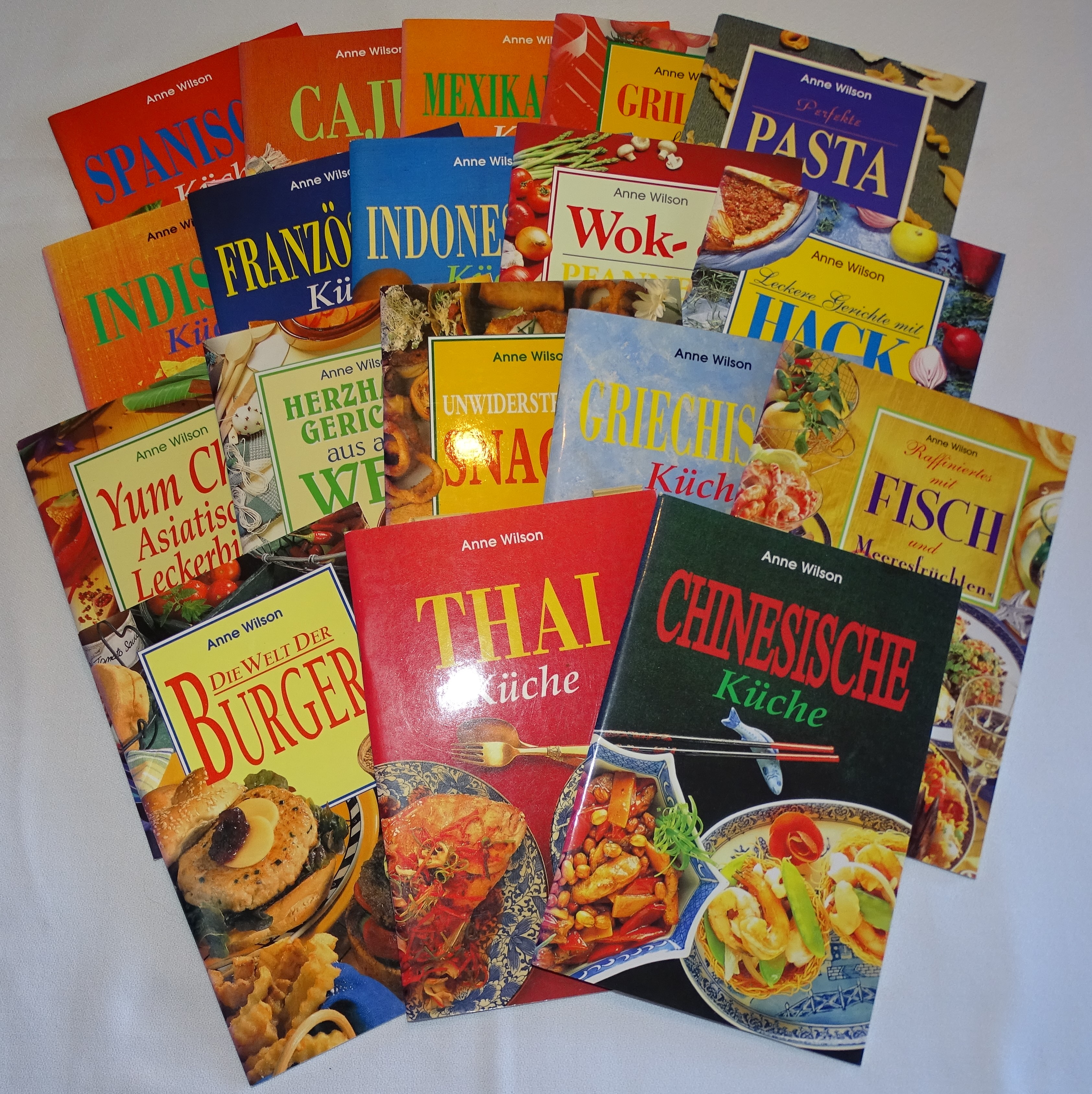
Just to inform you, the publisher Könemann offered a very cheap, softcover, small but in information and picture quality great series of cookbooks. They are printed on 64 glossy and full-color pages, measure 13,5×20 centimeters, and contain 60-80 recipes. A fantastic little cooking library of about 65 volumes.
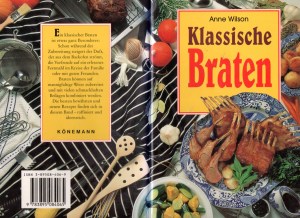
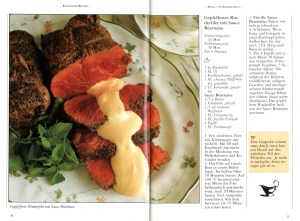
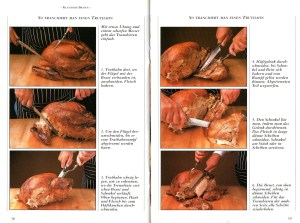
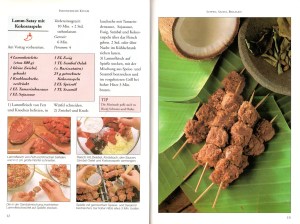 Click on pictures to supersize and see examples of the recipes.
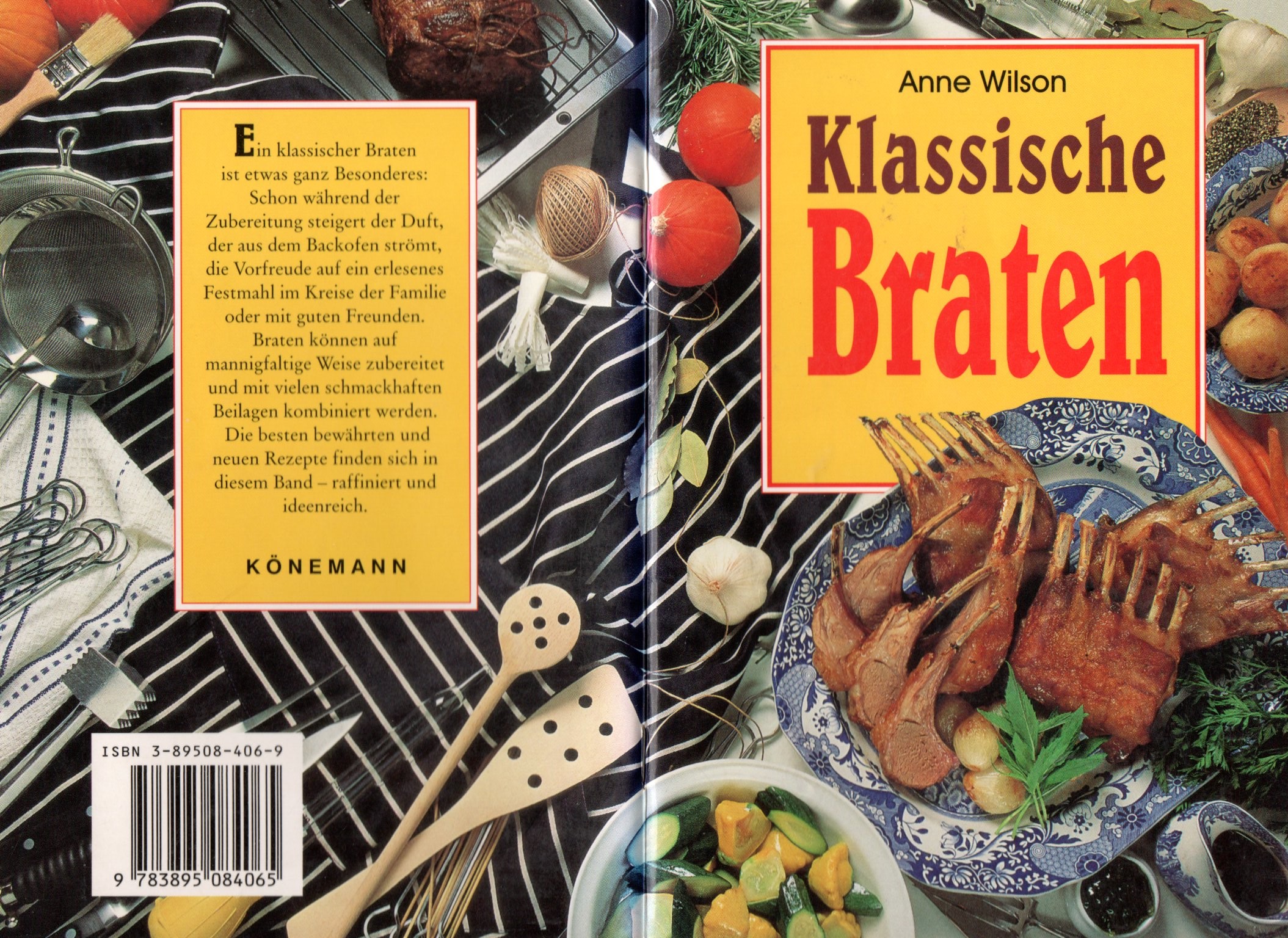
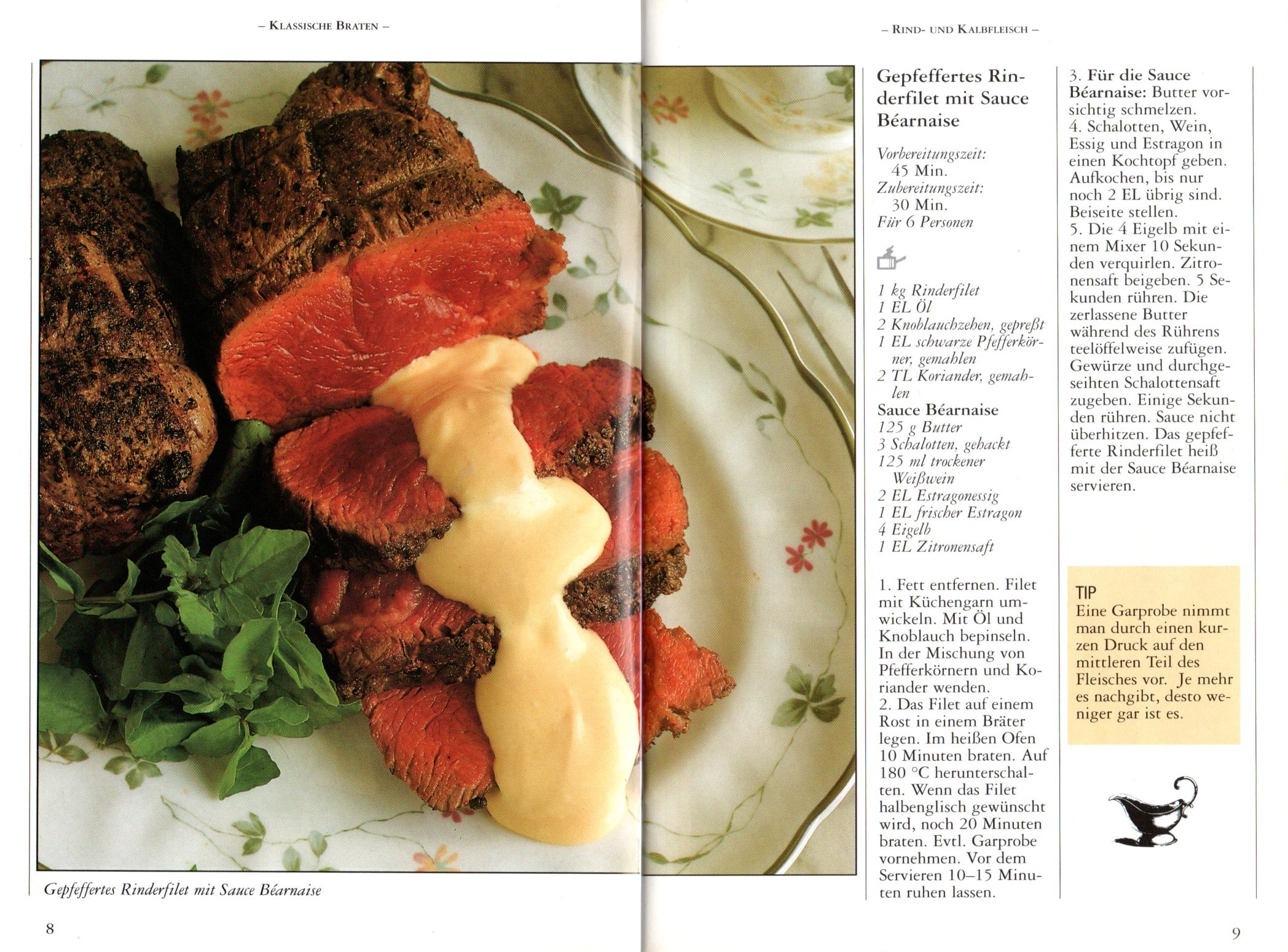
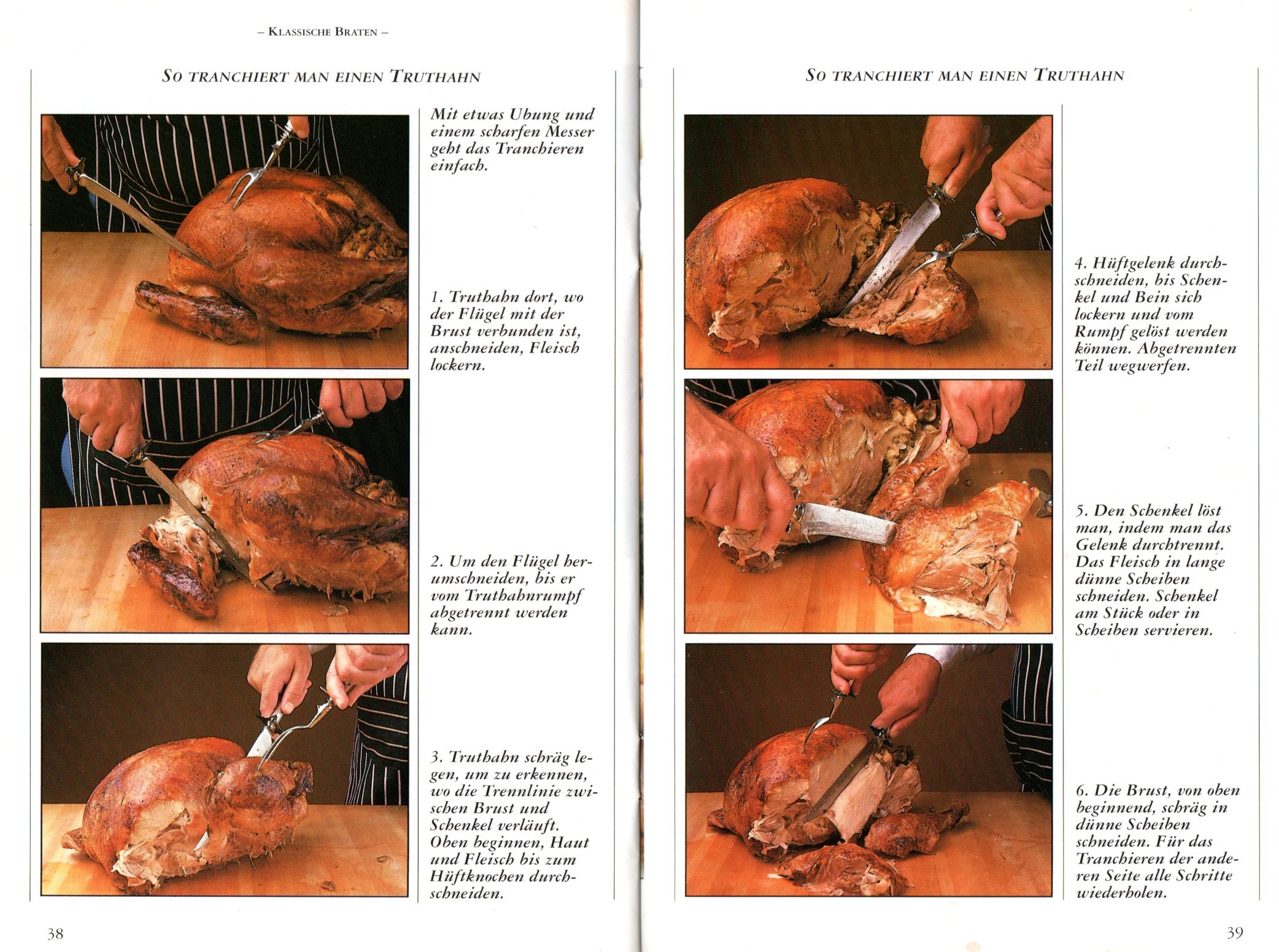
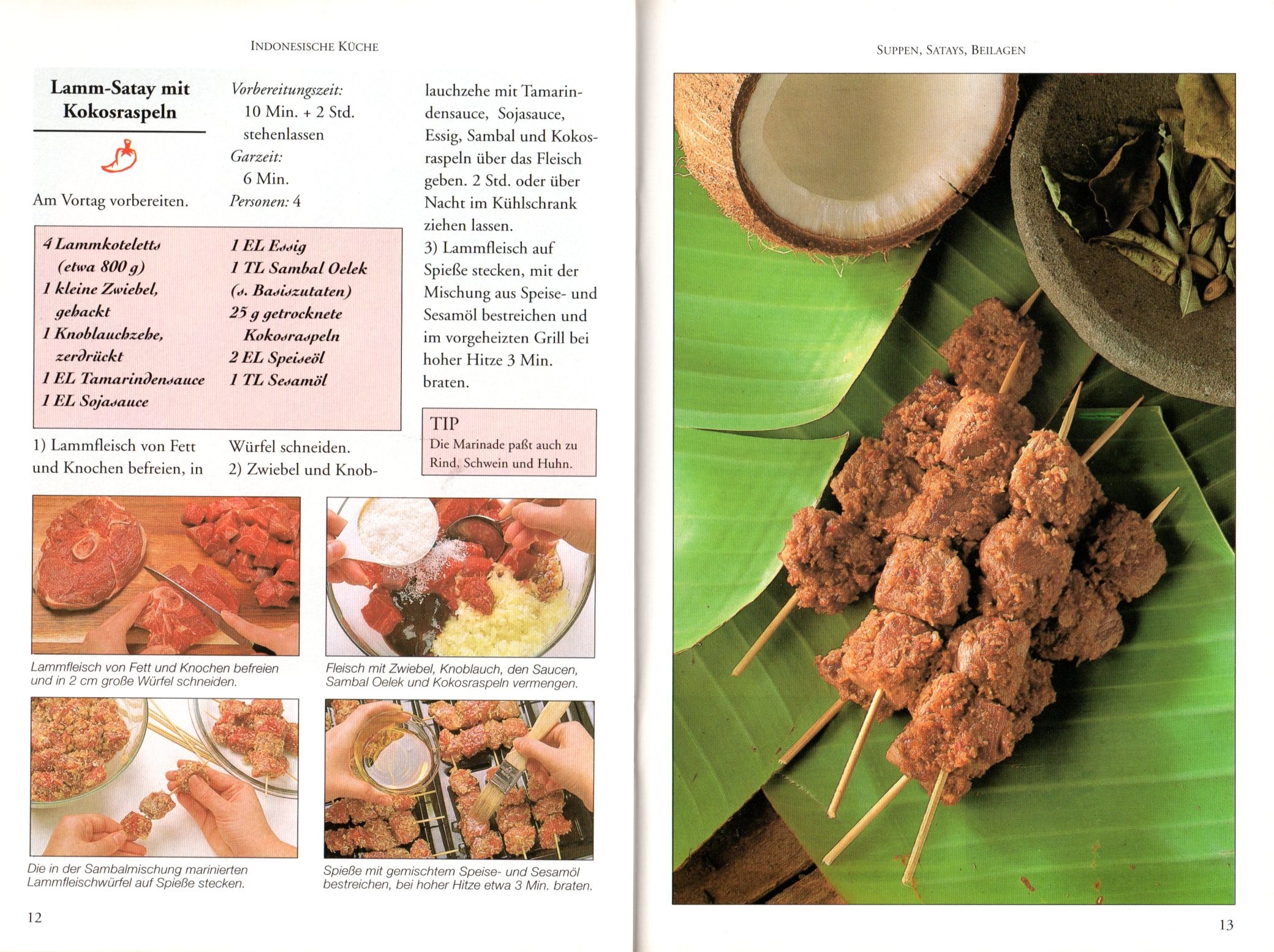
Originally this series was produced by Murdoch Books, North Sydney Australia, the Murdoch Books food editor Anna Wilson and the German edition then published by Könemann, Köln Germany, also in the late 1990s. The picture quality and the recipe description is just amazing in this little book collection.
Women’s Weekly.
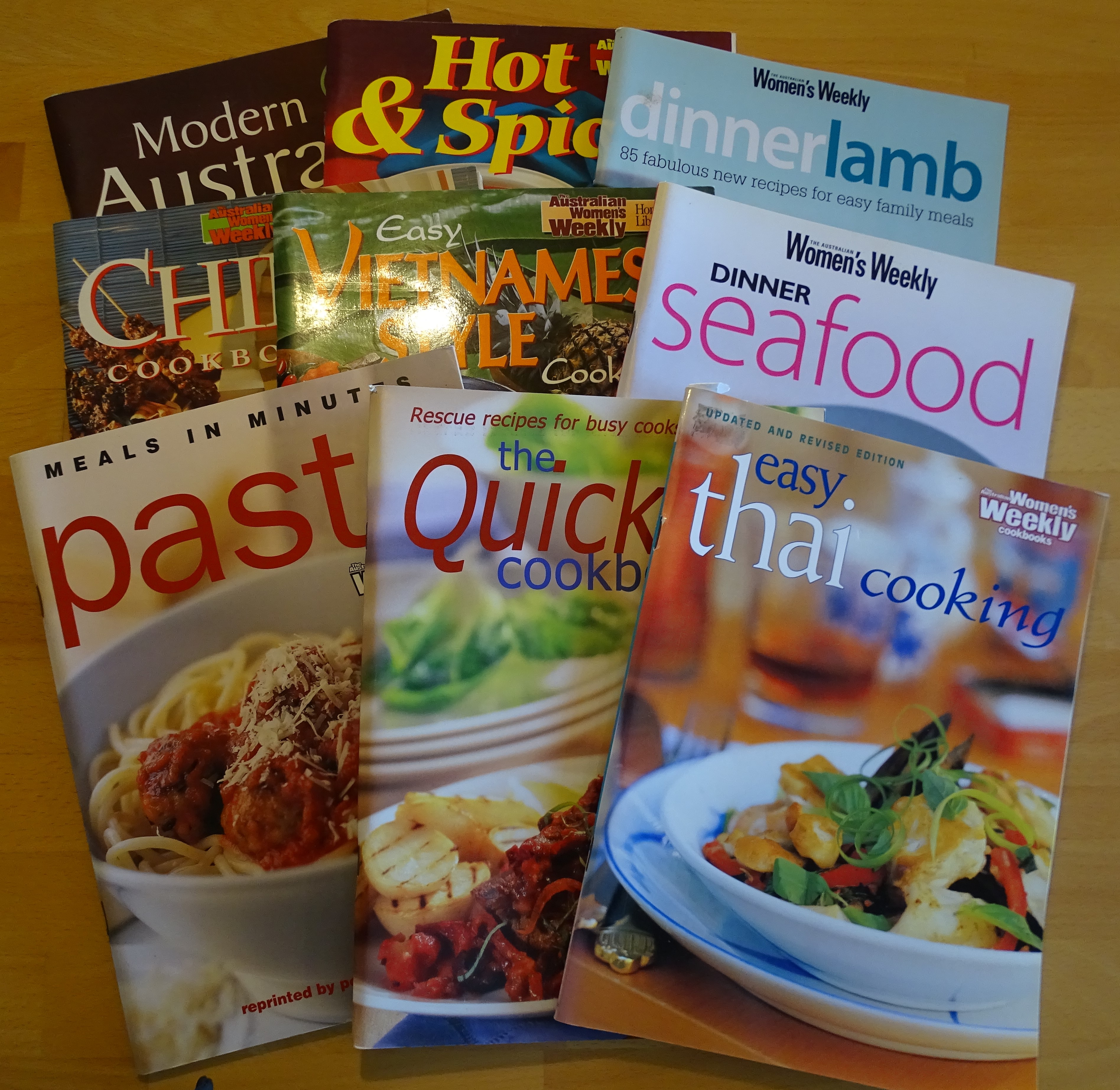
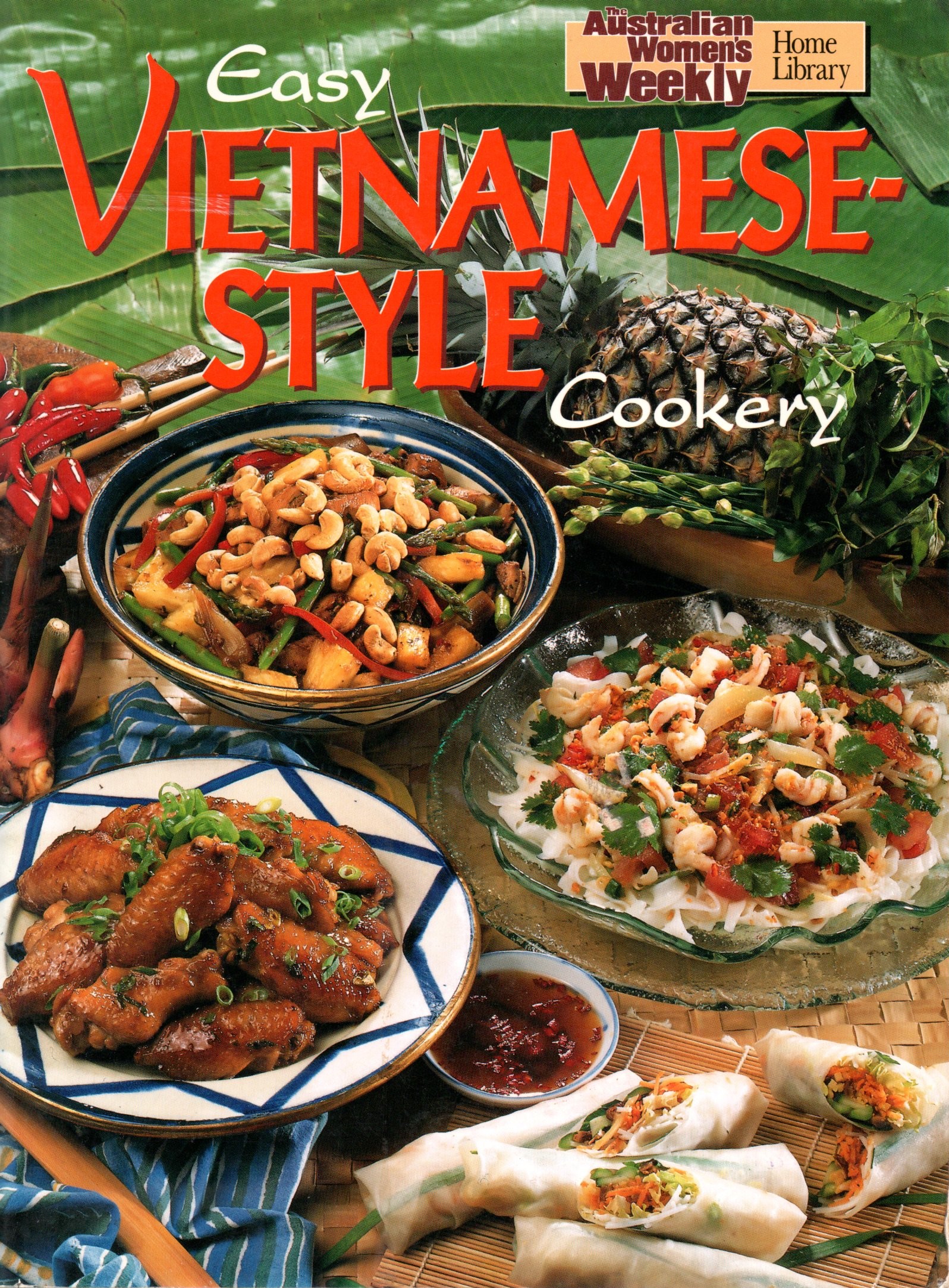
This great cookbook series in softcover and the full color was published by Women’s Weekly, GB, USA, South Africa, New Zealand, and Canada, as well as by Australian Women’s Weekly, where I purchased about 20 of the then-available 65 issues.
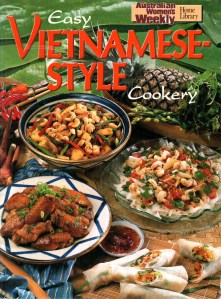 This book contains 128 pages, 236 recipes, all in full color with each 4-5 picture-steps to follow. All with an ingredient list and enough text to cook the dishes by yourself.
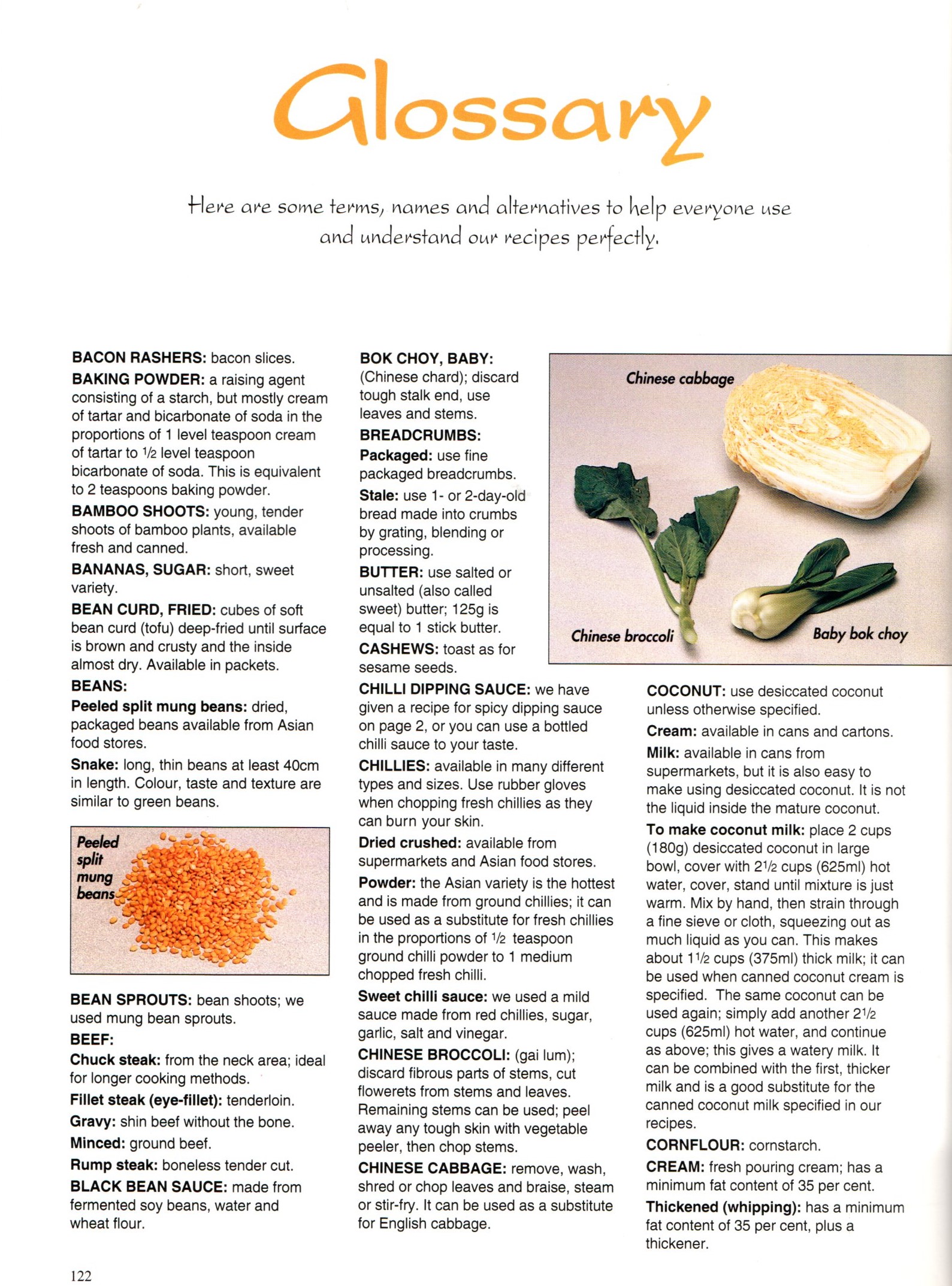
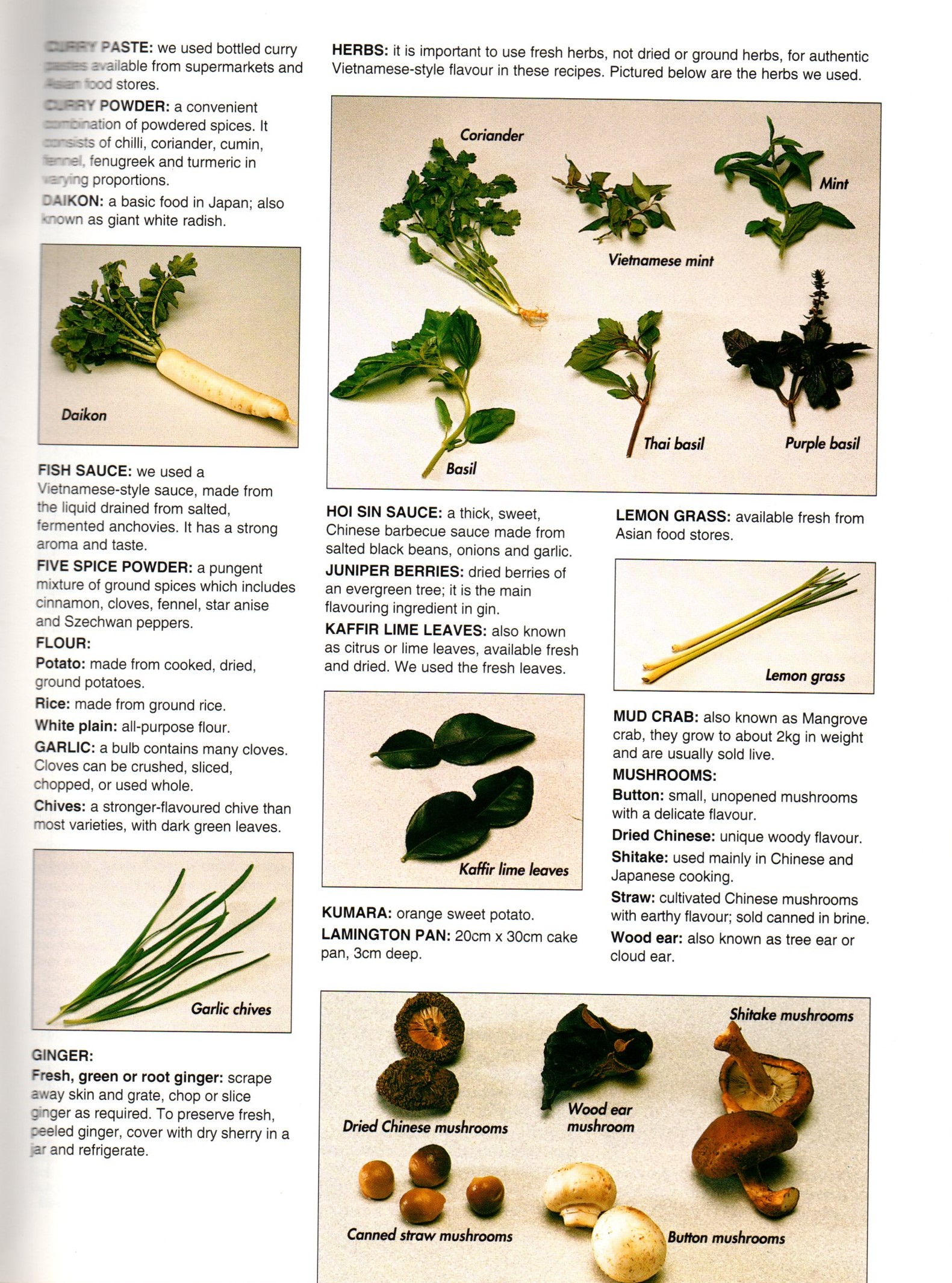
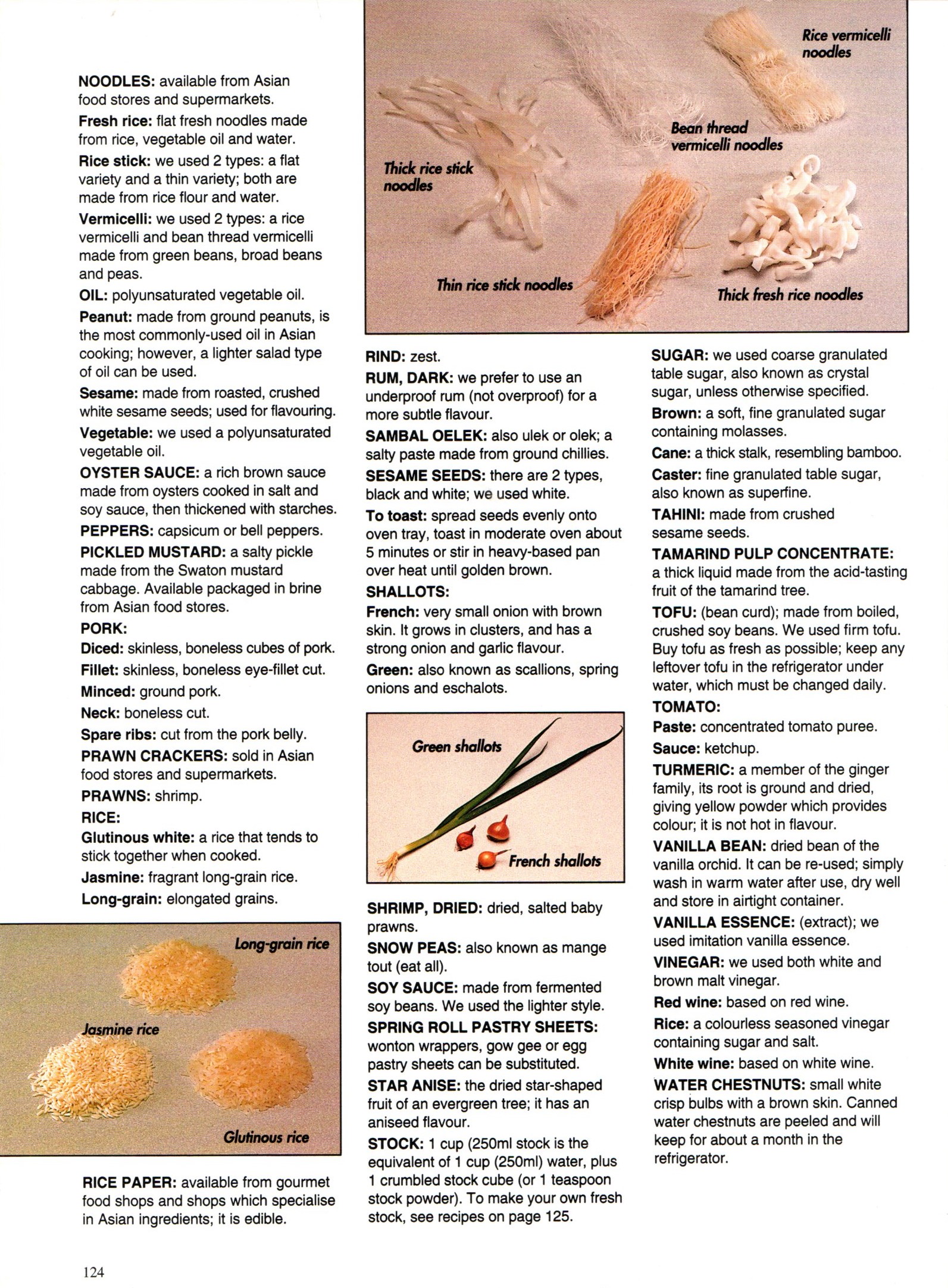
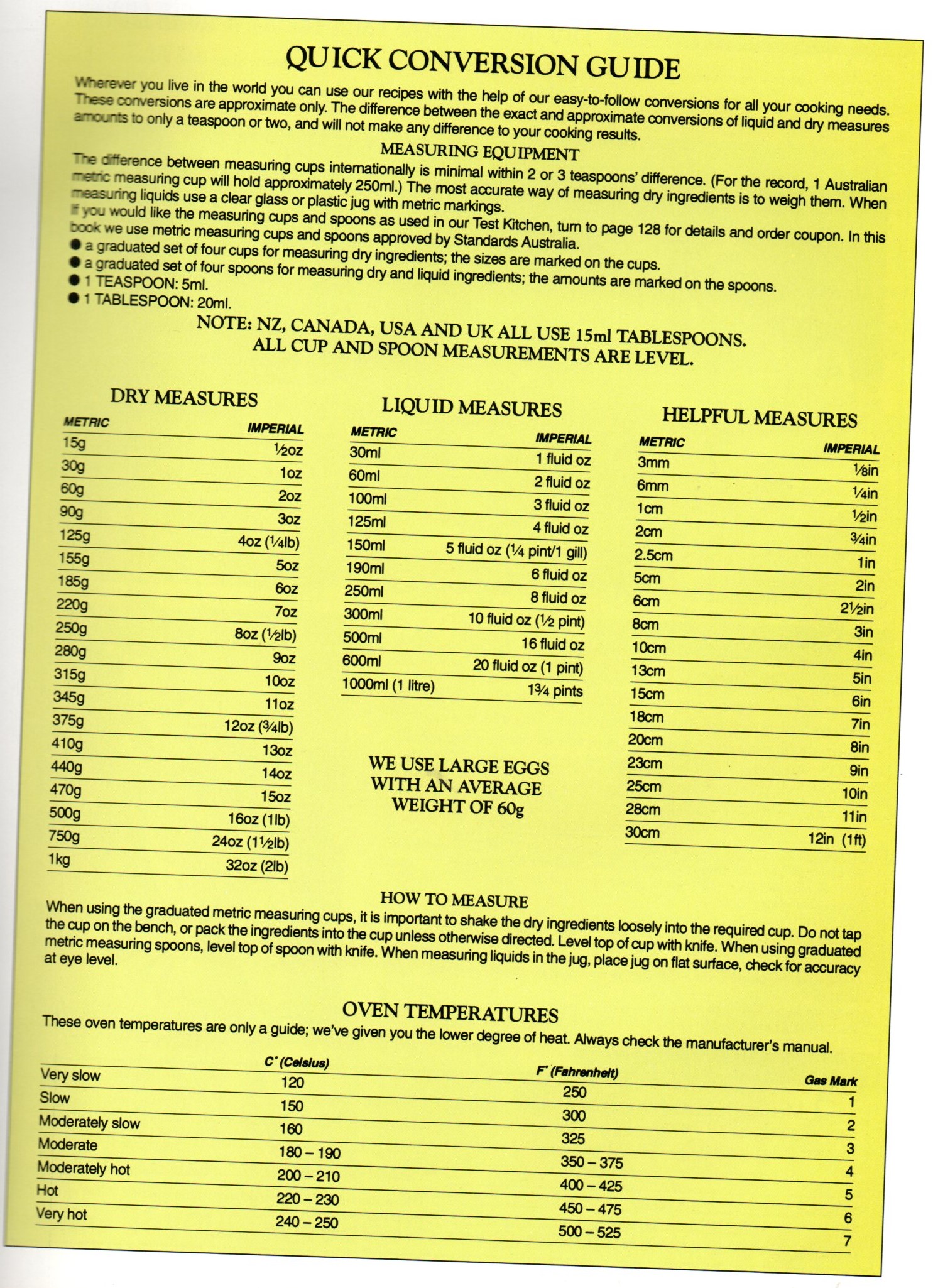
What I liked about it is the easy to follow recipe section, not much to read but perfect steps in pictures. Even a „cooking dummy“, as I was then, could follow the steps with great results. Each booklet contains a nice glossary section and a helpful conversation guide, which I use permanently. This series makes cooking an enjoyable adventure.
Cooking Encyclopaedia.
Davidis.
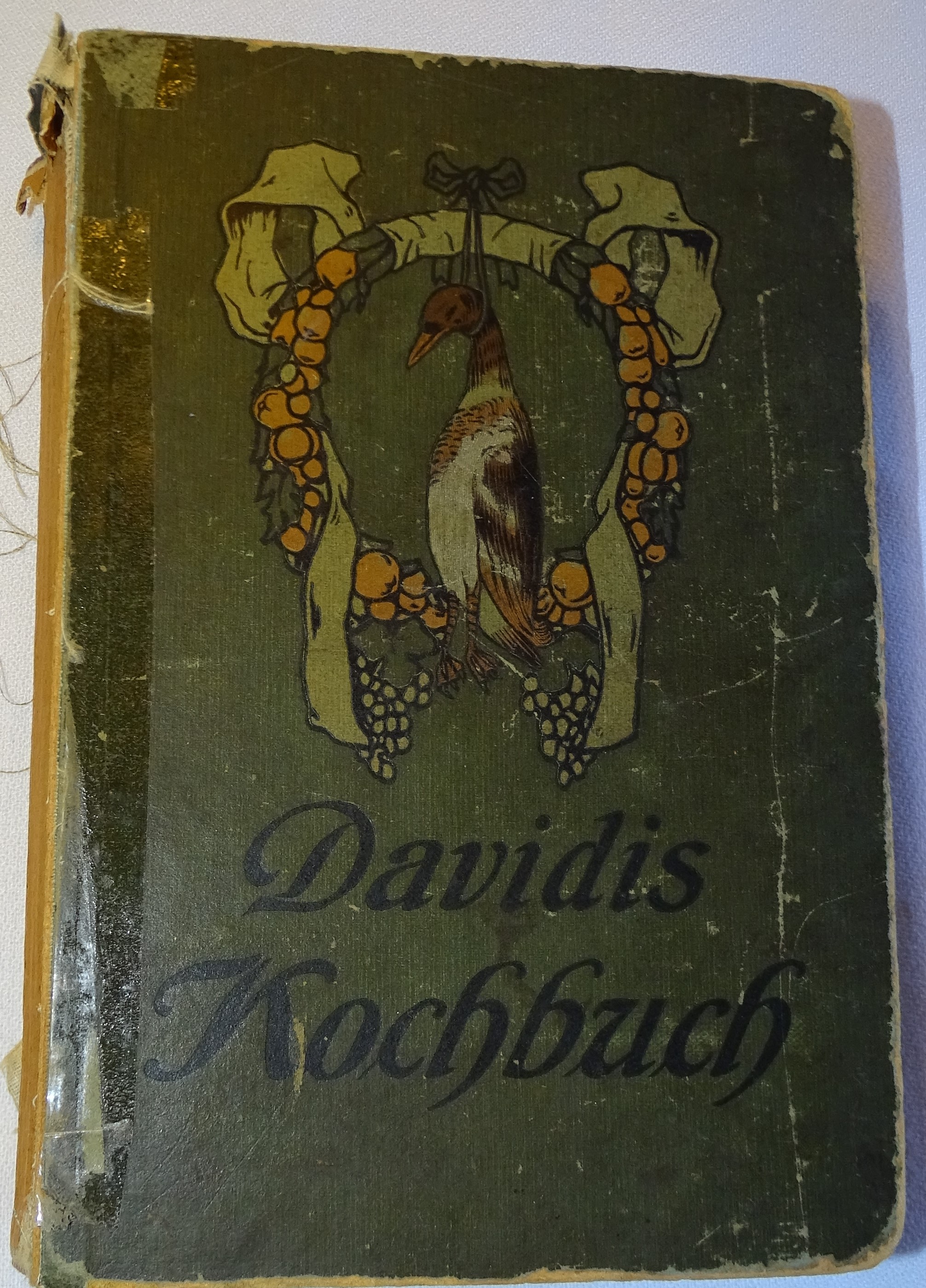
Johanna Friederika Henriette Katharina Davidis (March 1, 1801 – April 3, 1876) arguably is Germany’s most famous cookbook author. Although many similar cookbooks had been published by then, amongst others Sophie Wilhelmine Scheibler’s „Allgemeines Deutsches Kochbuch für bürgerliche Haushaltungen“ in several editions, „Davidis‘ Praktisches Kochbuch“ (Practical Cookbook) became the reference cookbook of the late 19th and early 20th century, a standard in German households.
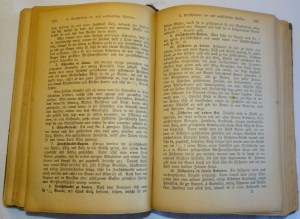 Left: edition from 1912 and 1893 (green). Right: A page from 1893 shows how to cook snails, frogs‘ legs, and fish-otters, „bon appétit“.
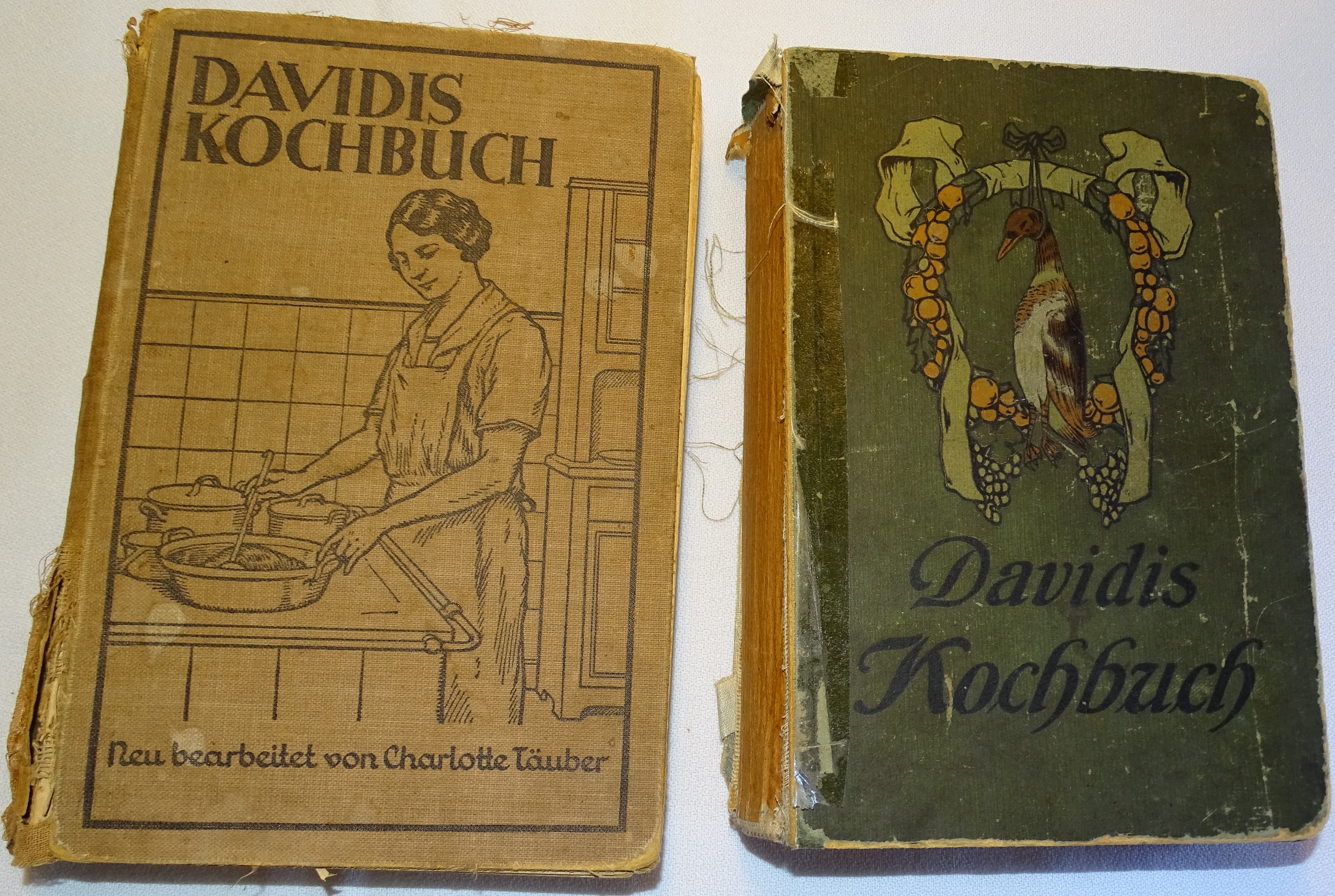
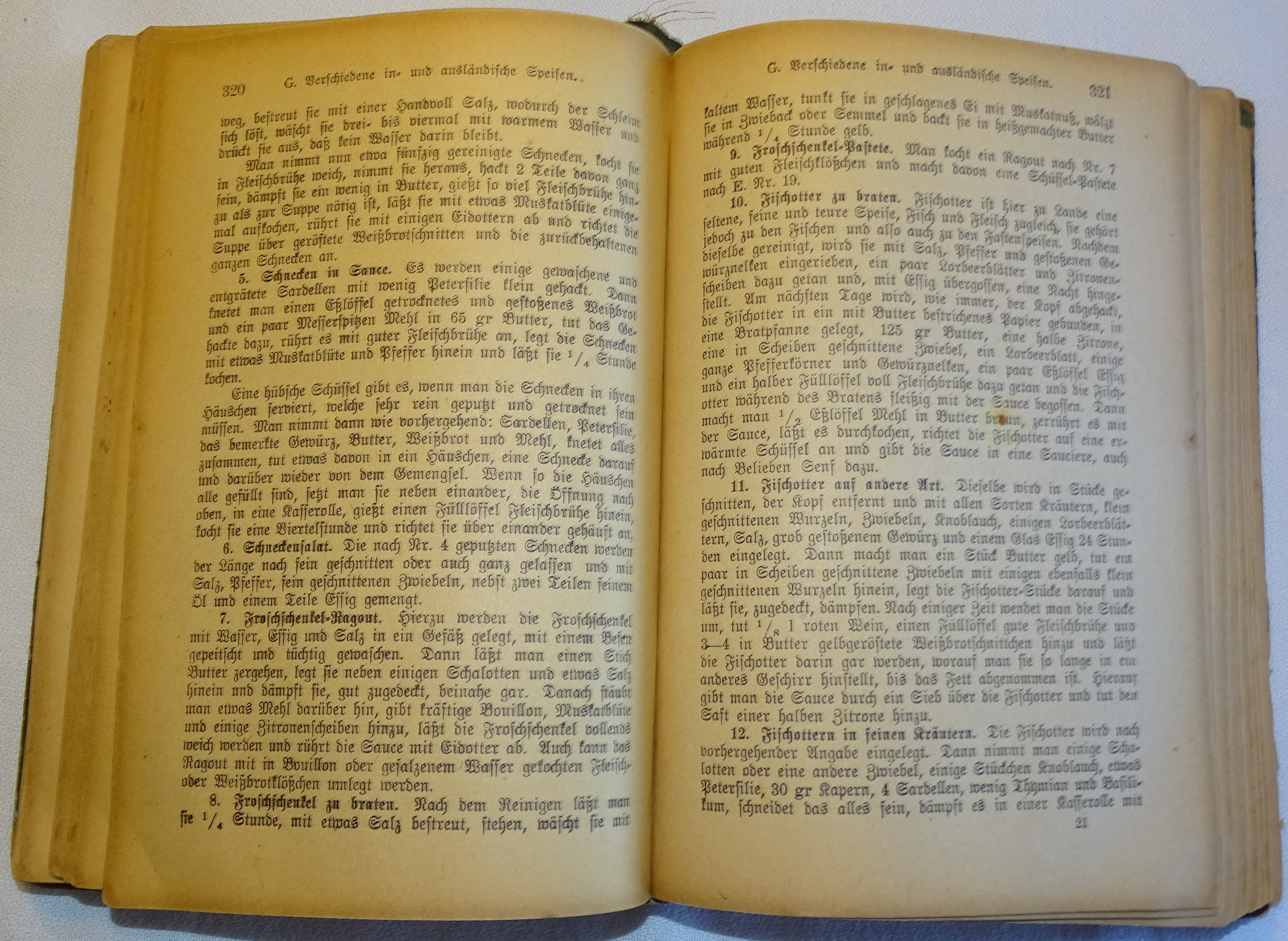
A large number of second-hand copies still available, frequently heavily annotated, are proof that the books were in much use. Today the Henriette-Davidis-Museum in Wetter-Wengern, Westphalia Germany, keeps her memory alive with cookbook exhibitions and a monograph series. The Davidis household encyclopedia (as shown above) contains on average over 1000 recipes and hundreds of practical tips.
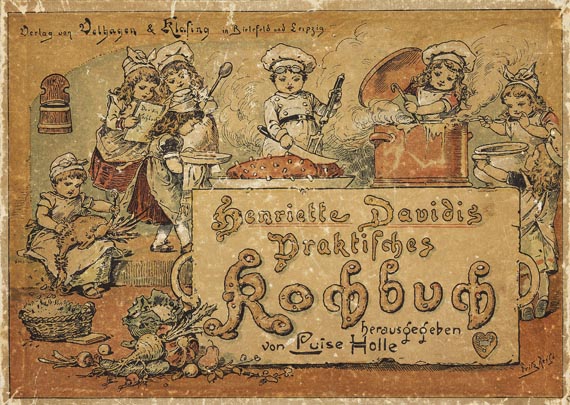
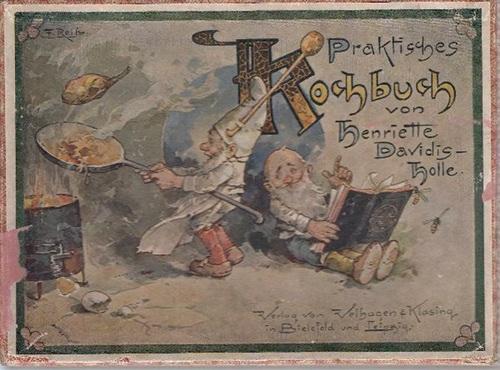
Above 2 front-pictures of the extremely rare „gift slip-cases“ to the Davidis cookbooks.
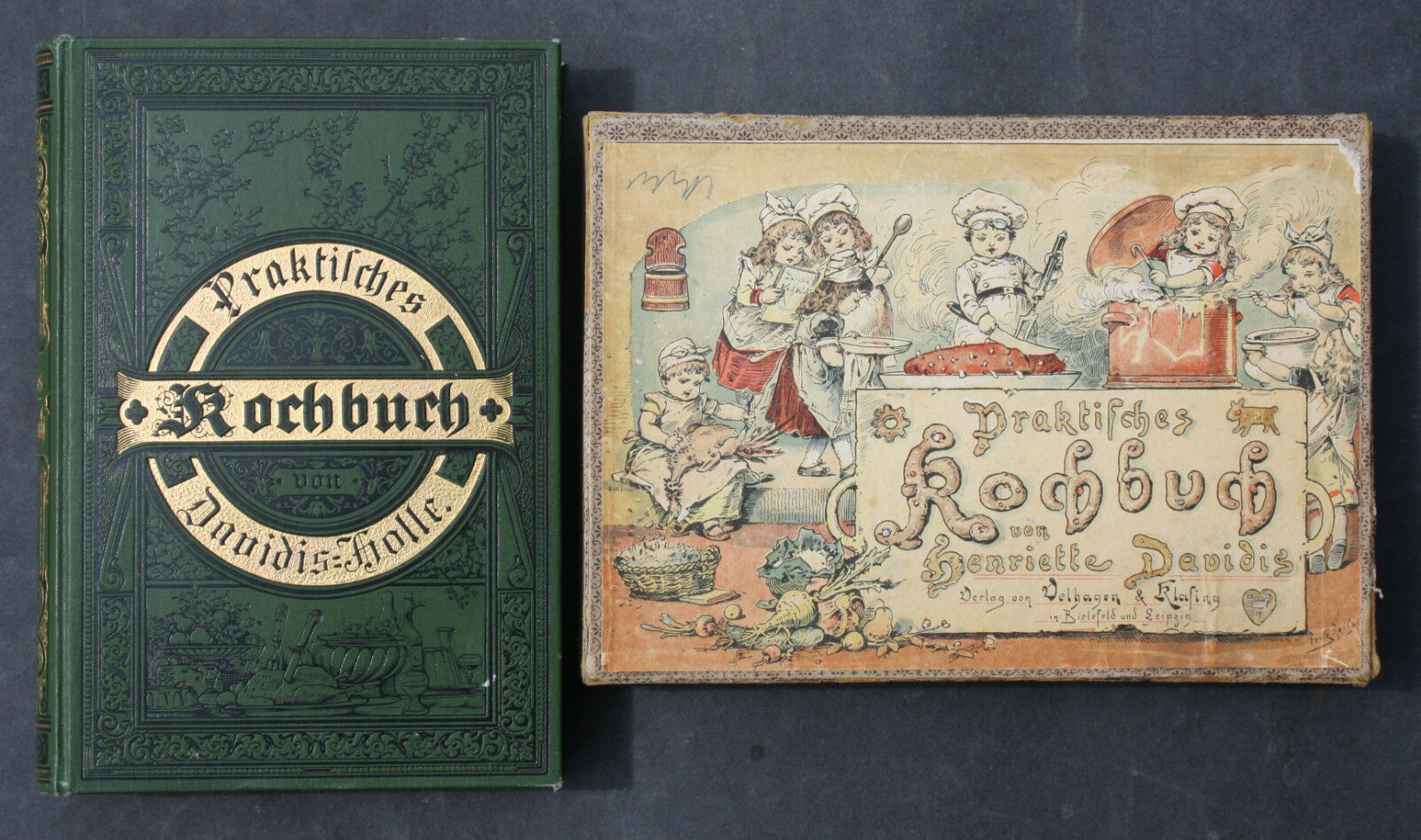
The first edition of Davidis was published in 1844, a famous cookery book with many editions and adaptations that is still in use today. With the 38th edition, the name of the author changes to Henriette Davidis-Holle (both above pictures) to make it clear that Luise Holle has in the meantime considerably changed and modernized the Davidis cookbook. The beautiful original cardboard box with the illustration by Fritz Reiss shows children playing on pots and pans in the kitchen.
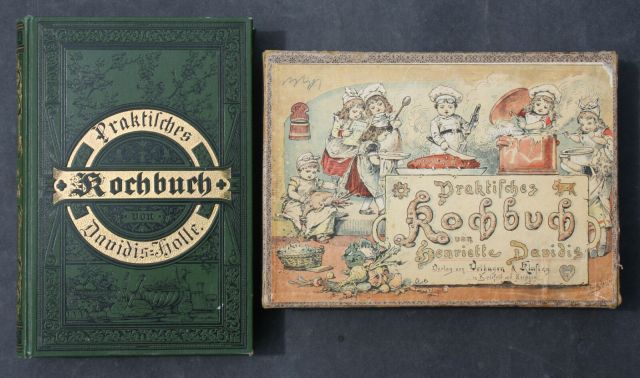 The above Davidis edition, dated 1898, with an original slip-case (the book named Davidis-Holle, the slip-case still without the name Holle addition, maybe a newer book in an older case !??). Everything is offered in pretty good (means collectible) condition, it is for sale on eBay at Euro 200,–! A normal edition, even older but without the slip-case sells between Euro 15,– and Euro 50,–. Have a look on eBay Germany, there are 220 Davidis books on offer between 3,–euro and 200,–euros. Click on pictures to supersize !
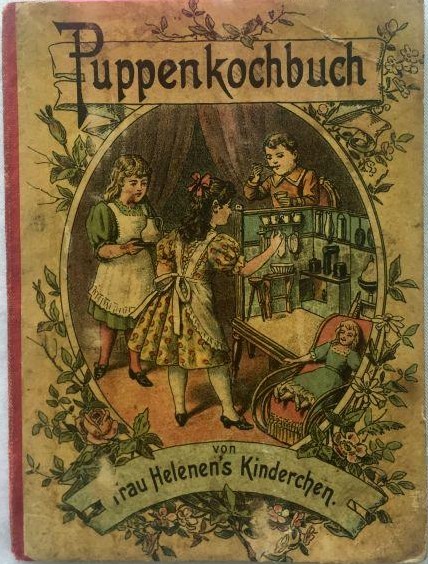
In the middle of the 19th century, a completely new type of cookery book was created: beautifully illustrated doll’s cookery books introduced young girls to the art of cooking in a playful way and were a practical addition to the trendy toy for girls at that time – the functional doll’s cooker. Down here are some of the very rare kids-cookbooks shown. Within this trend also a Davidis doll-cookbook, titled „Puppenköchin Anna“, edition 1886.
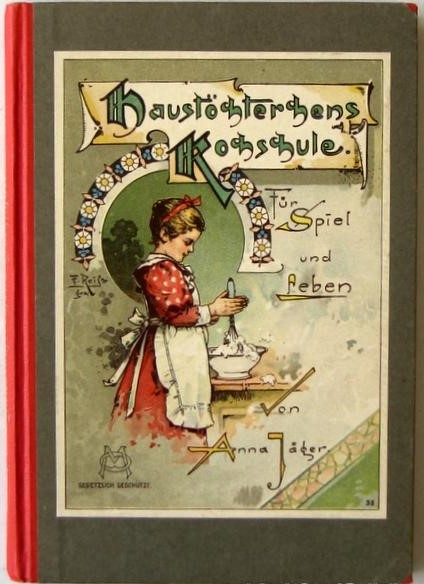 1893
 1898
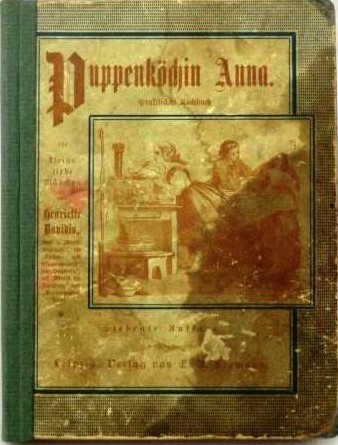 Davidis 1886
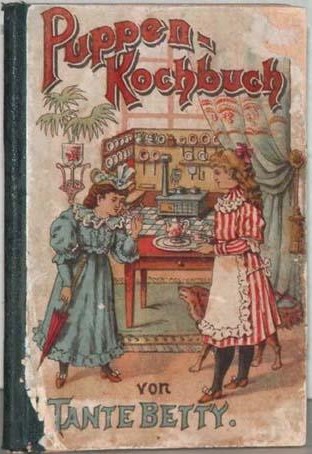 1900
The White House.
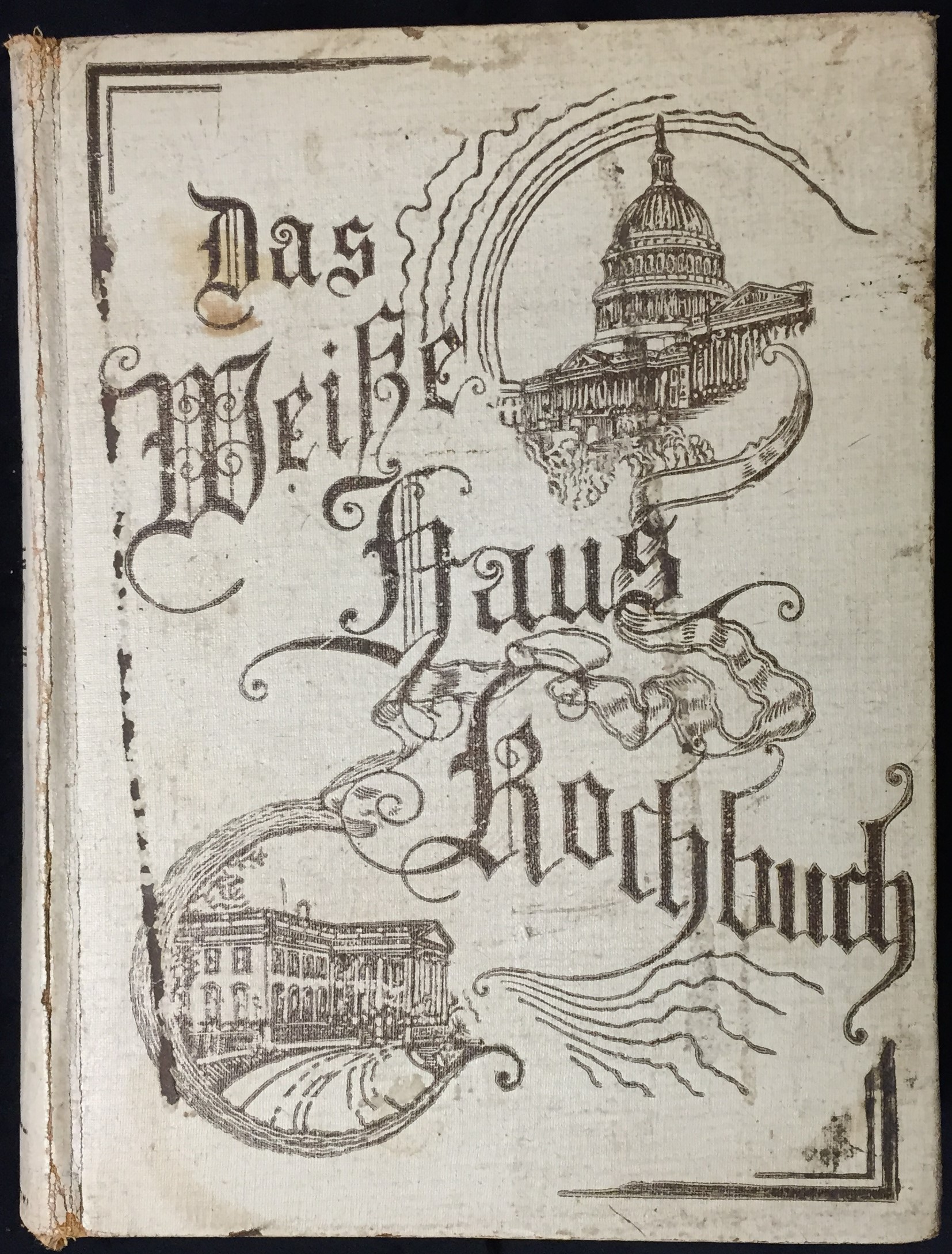
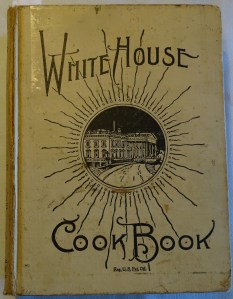
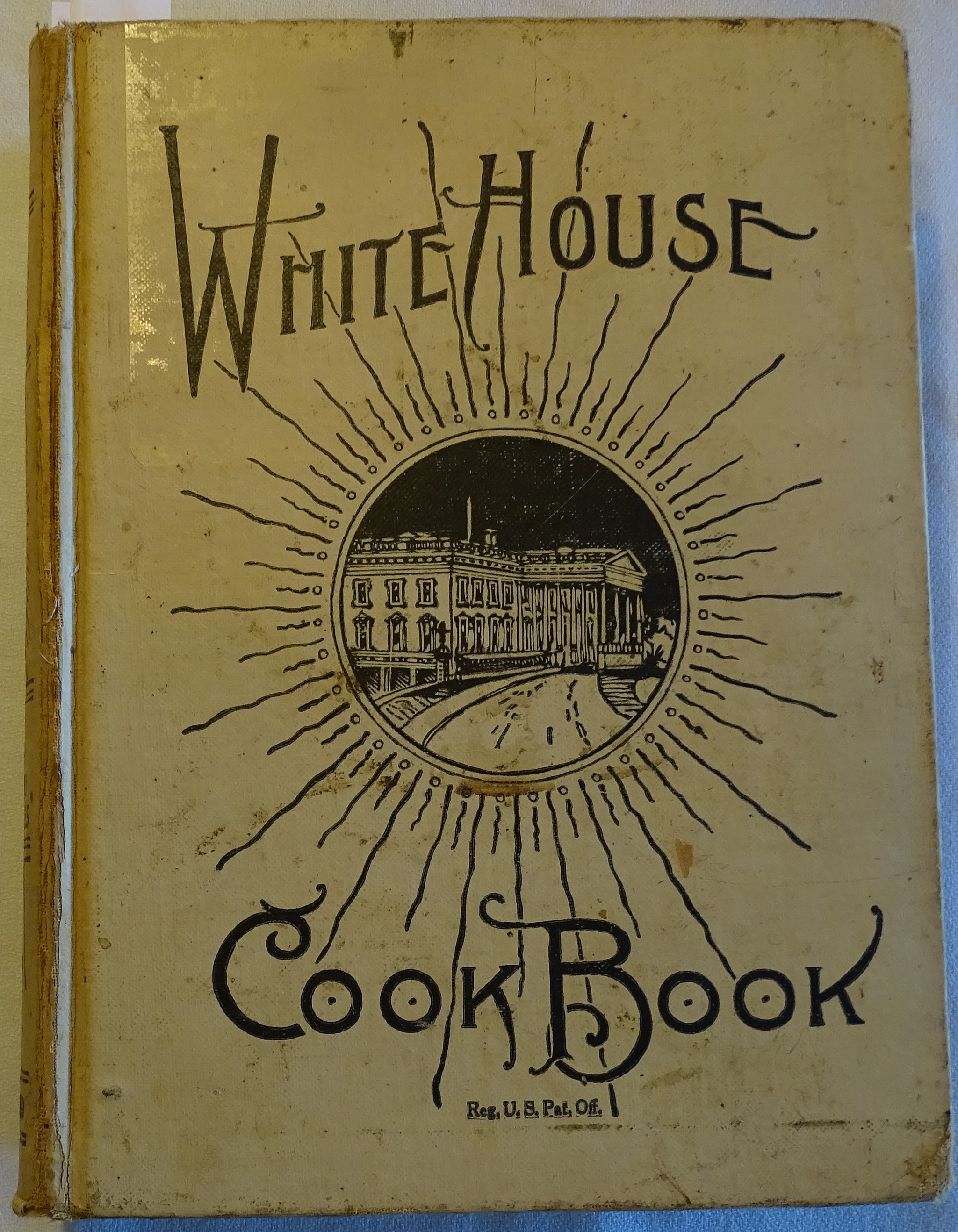
The White House Cookbook: a rich encyclopedia of useful instructions for the household, recipes for use in cooking, the toilet and in the home: the right form for menus, instructions for the meal, table etiquette, health rules, nursing, and other interesting facts.
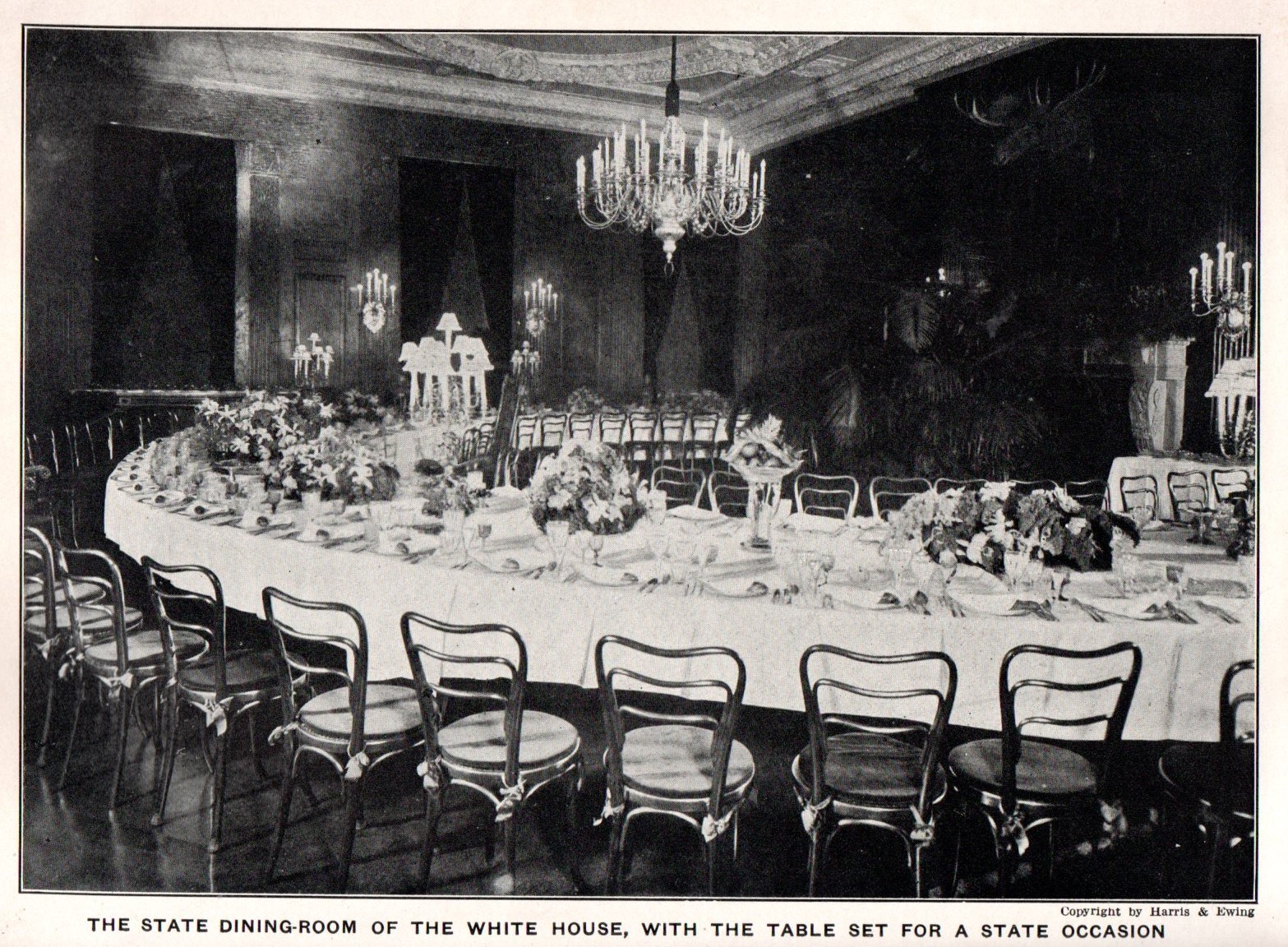
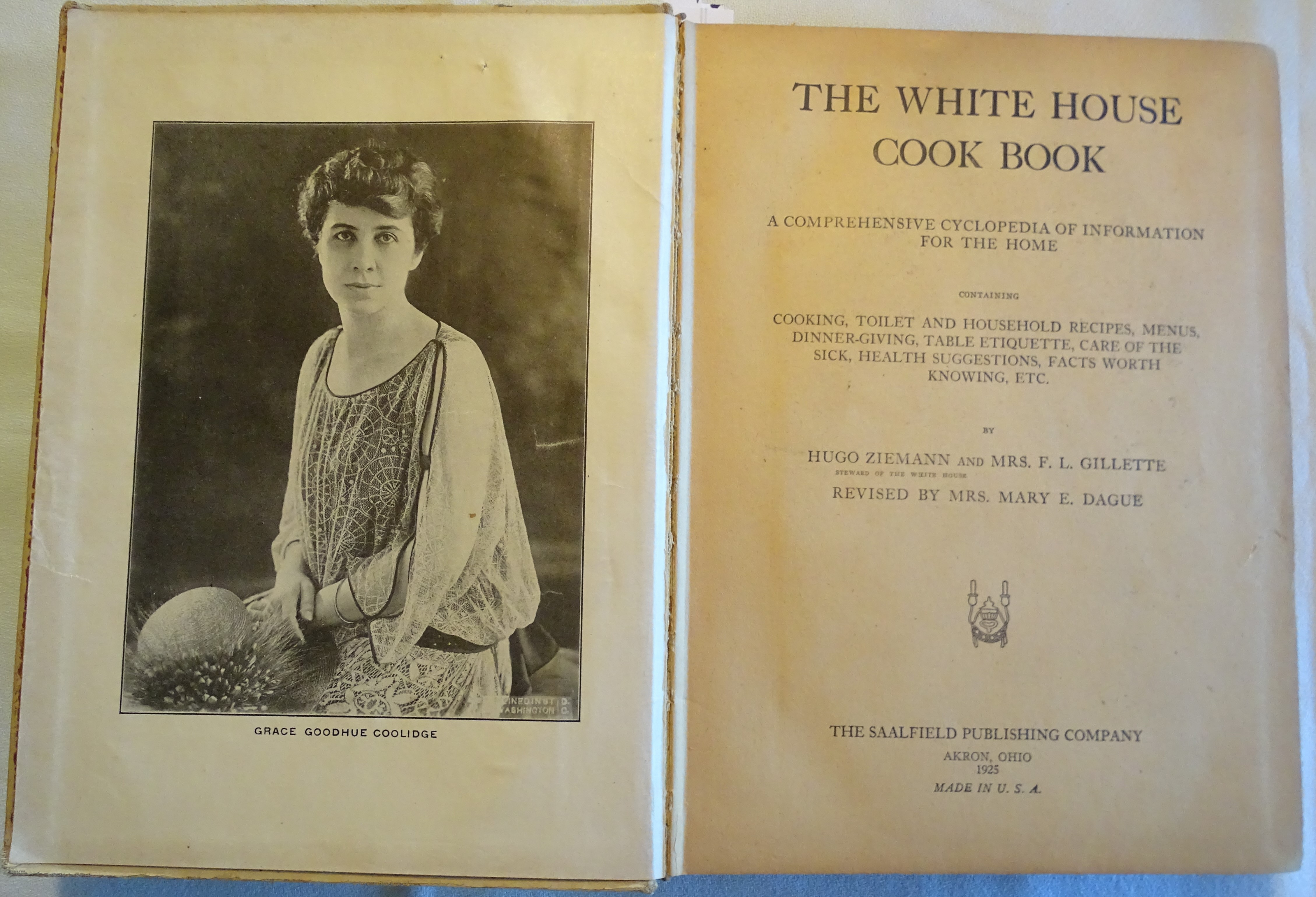
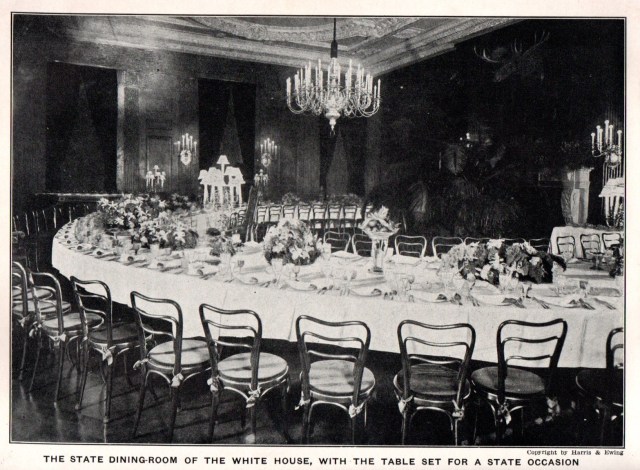 Inside the White House during the presidency of Calvin Coolidge, book edition 1925.
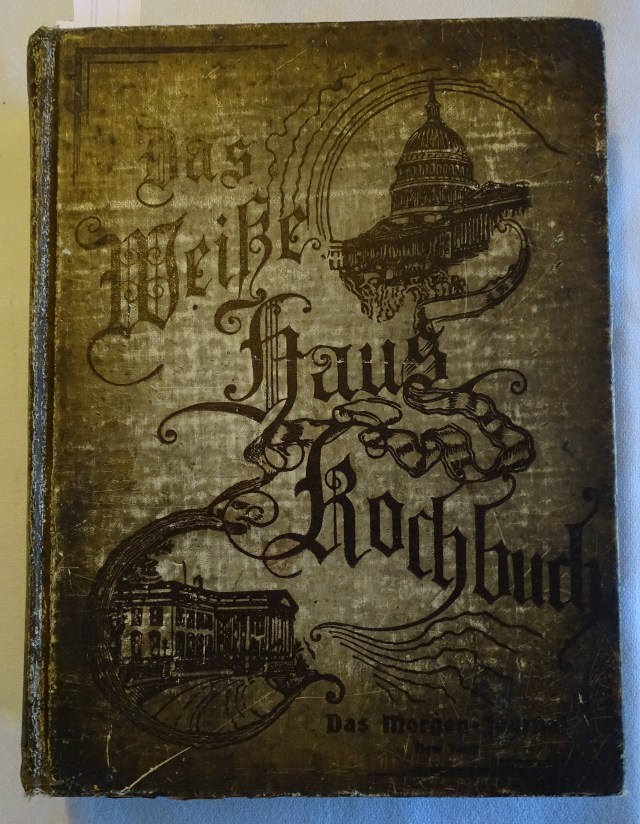 By F. L. Gillette and Hugo Ziemann, translated to German by Hedwig Voss. New York: Das Morgen-Journal, 1899. First German edition with the imprint „Das Morgen-Journal, New York“ on the front.
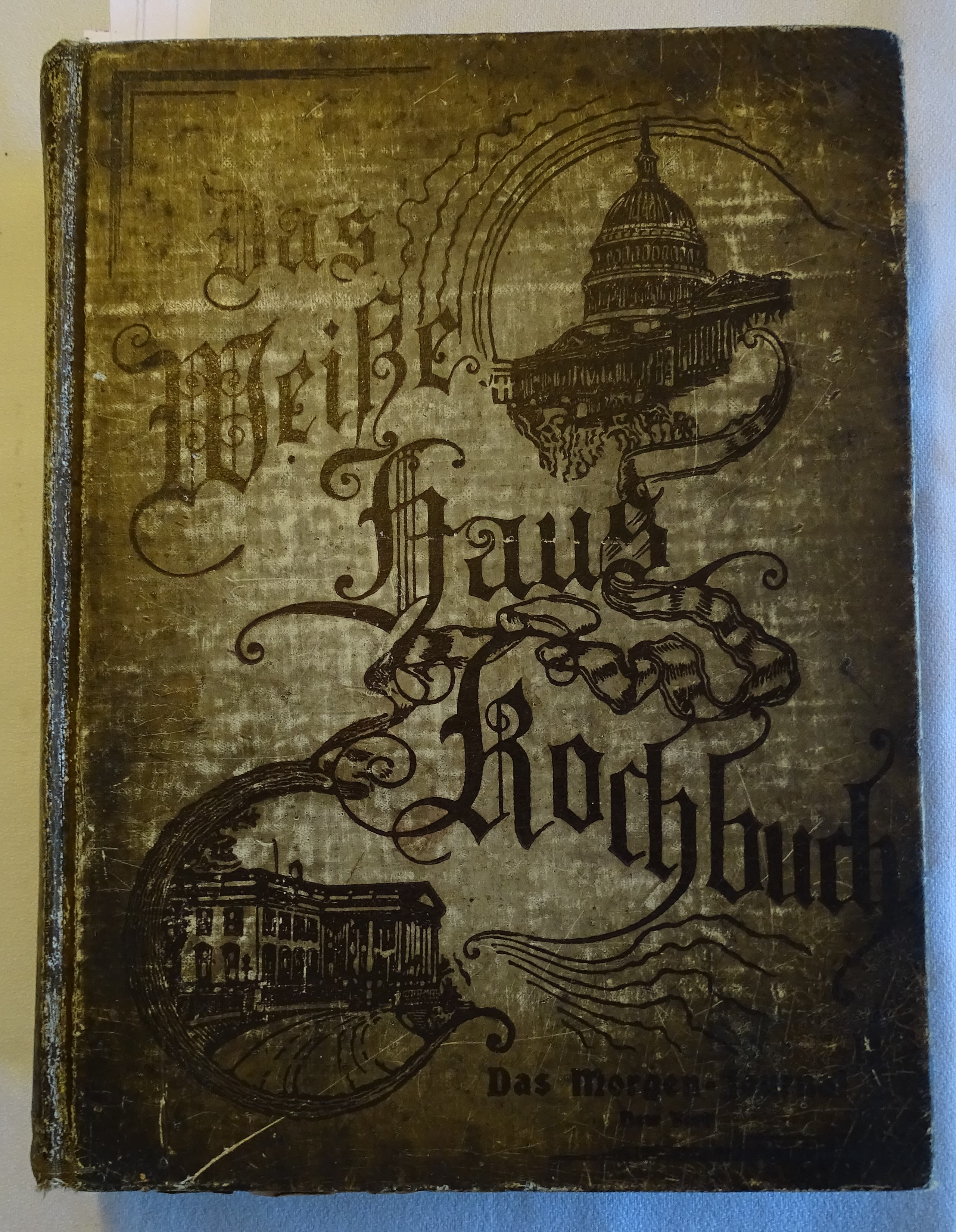
The elaborately decorated white front cover of the White House Cook Book is faded during the years into a brownish-smoky and well used dark color.
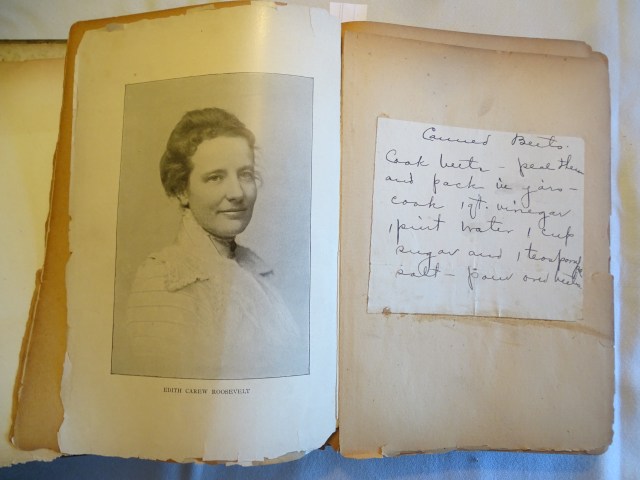
This edition has a photograph of Lady Roosevelt in front, with an attached personal recipe of her, „Canned Beets“. The condition of the book is poor, but it is complete.
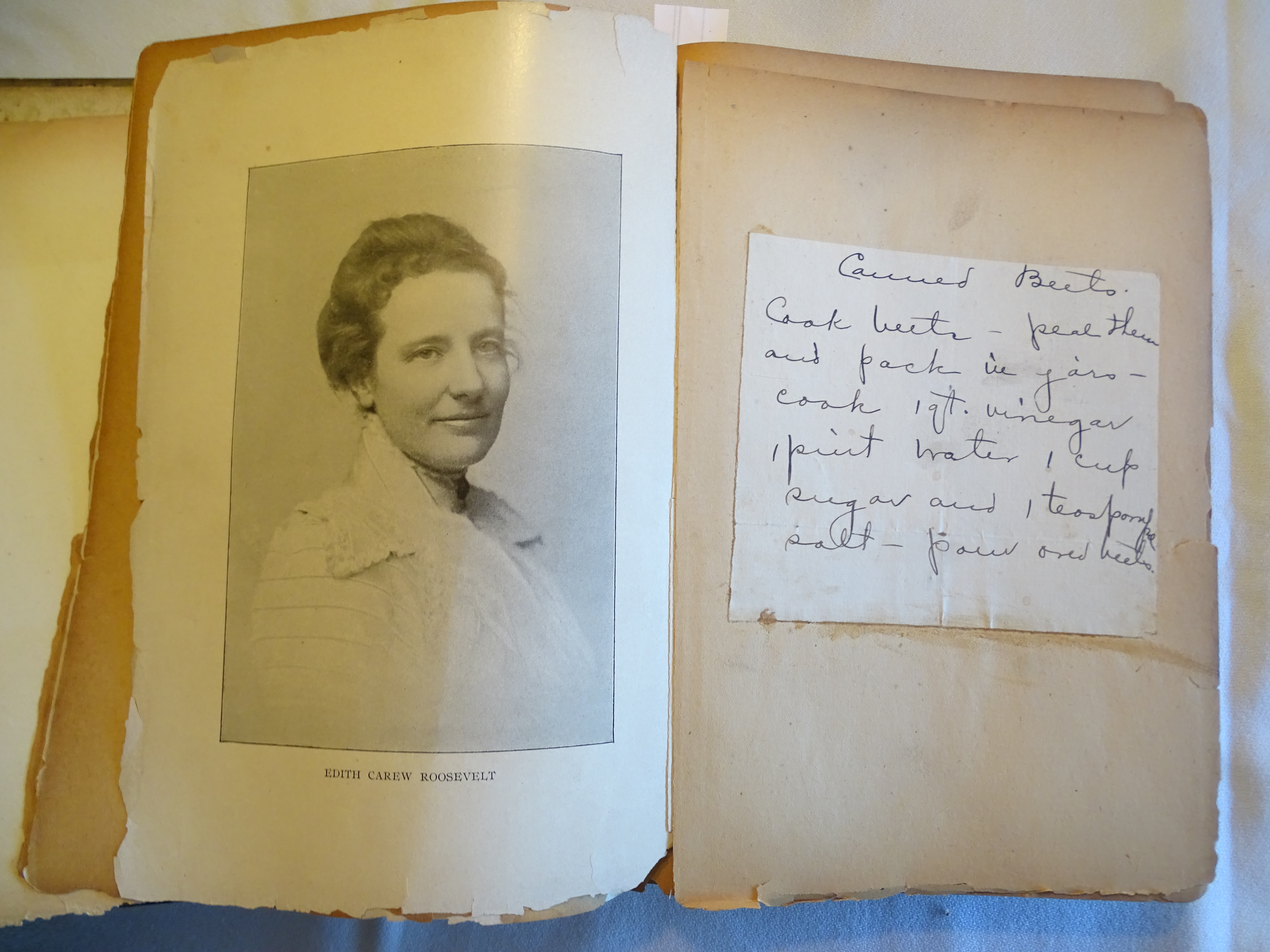
Edith Carow Roosevelt (August 6, 1861 – September 30, 1948) was the second wife of President Theodore Roosevelt and served as the First Lady of the United States during his presidency from 1901 to 1909. She also served as the Second Lady of the United States in 1901. Roosevelt was the first First Lady to employ a full-time, salaried social secretary. Her tenure resulted in the creation of official staff, and her formal dinners and ceremonial processions served to elevate the position of First Lady.
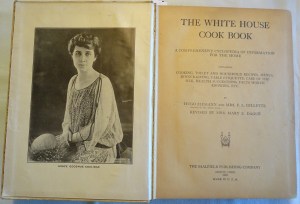
Grace Anna Coolidge (January 3, 1879 – July 8, 1957) was the wife of the 30th President of the United States, Calvin Coolidge. She was the First Lady of the United States from 1923 to 1929. Inner front of the English edition from 1925, several photographs (also inside the White House) on 690 pages.
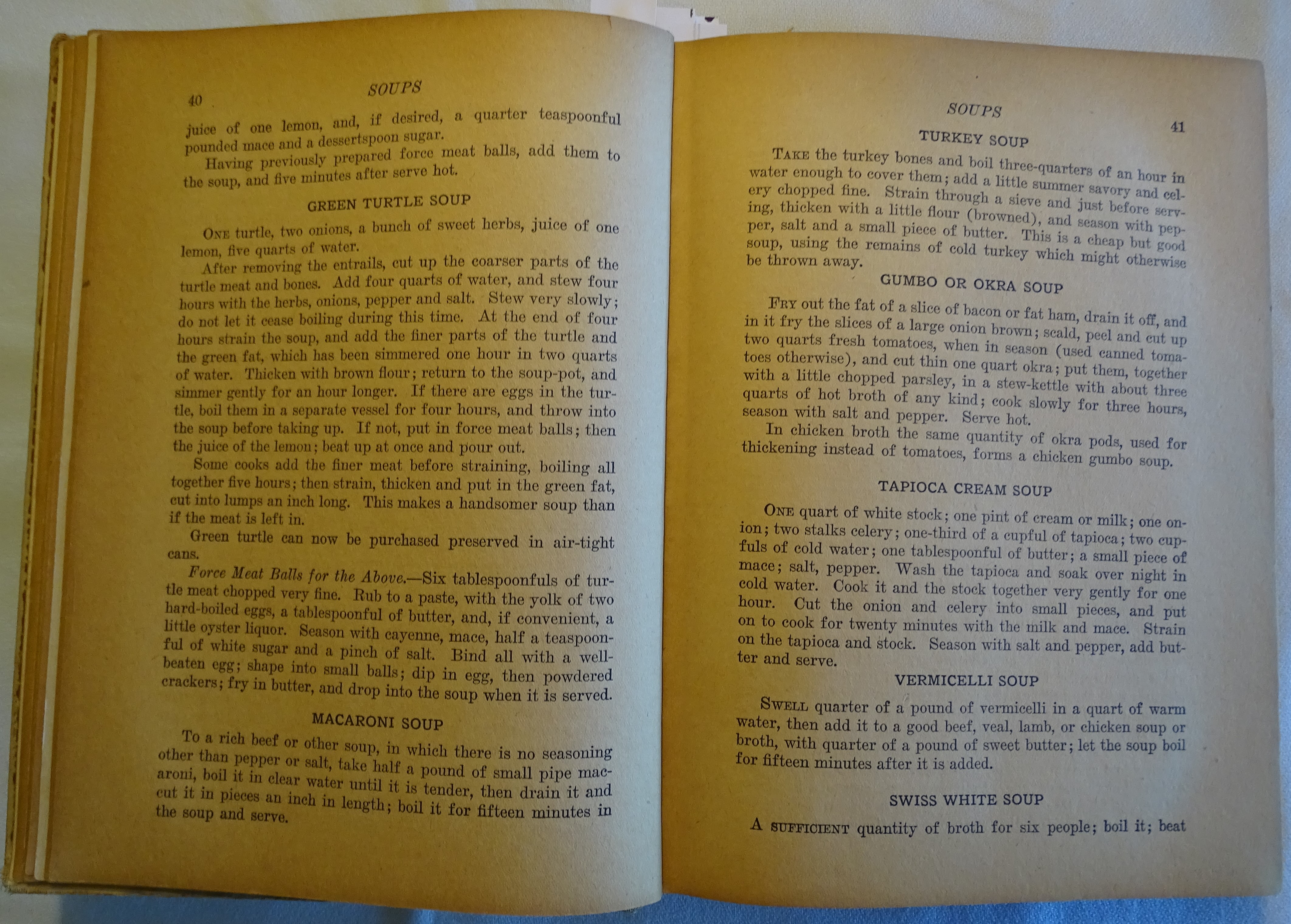
 Inside the White House Cookbook, the famous Green Turtle Soup (freshly made recipe). And thousands of more recipes and household tips. Click on pics!
Translated into German from the original “White House cookbook” first published in 1887, this book served the rising and prospering German-speaking immigrant population of the period. As the lengthy sub-title tells us, it’s more than just a cookbook –it is an encyclopedic compendium of recipes for foods, salves and medicaments, lotions and personal products, cleaning and polishing compounds, etc. from the days when every household usually had to make its own such materials.
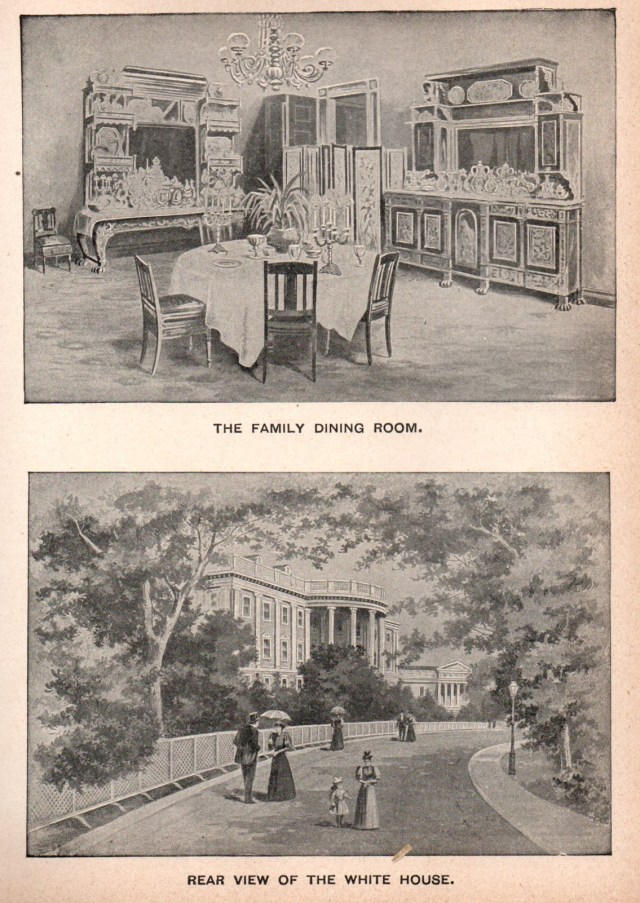 Inside and outside the White House during the presidency of Theodore (Teddy) Roosevelt, book edition 1899.
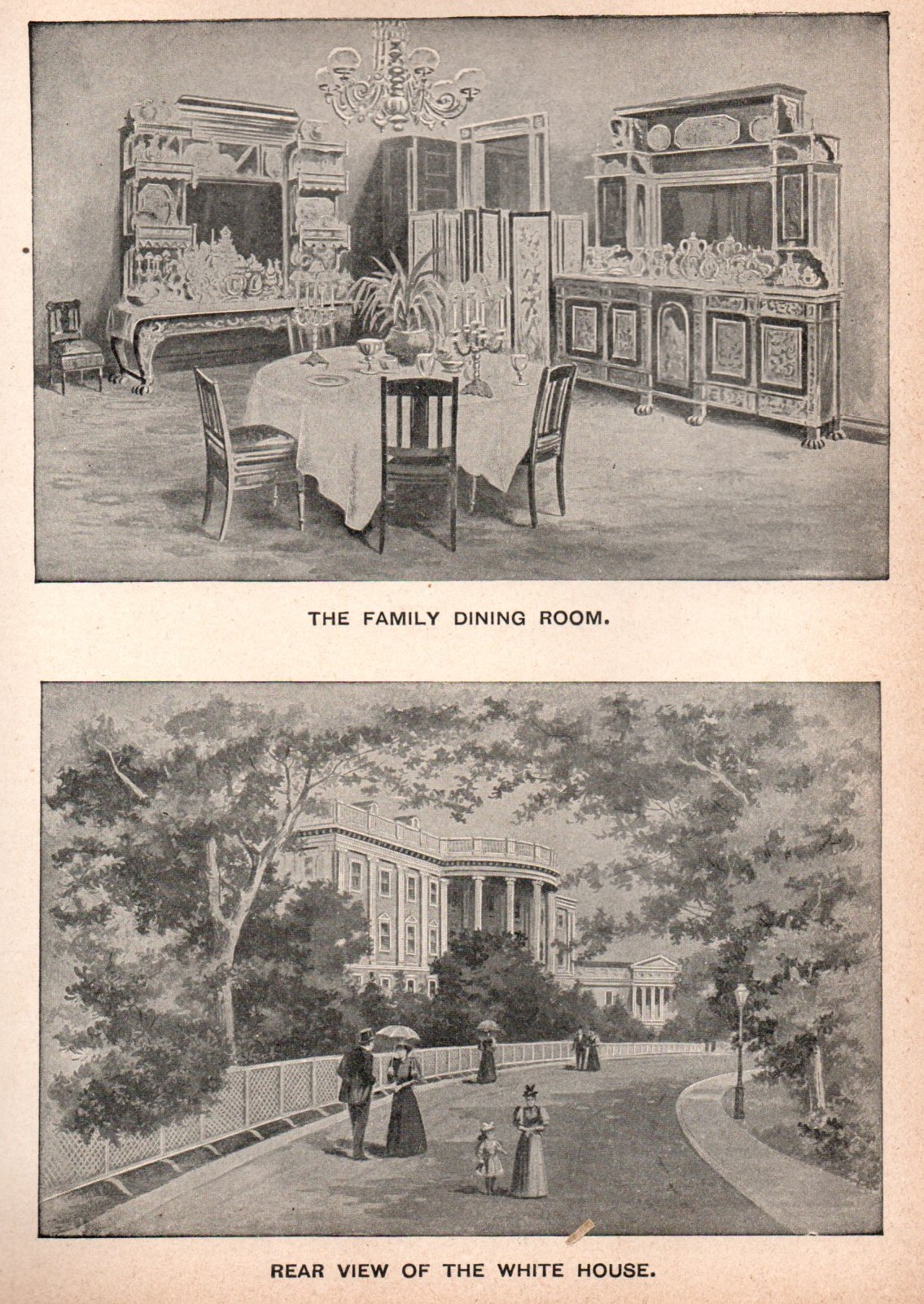
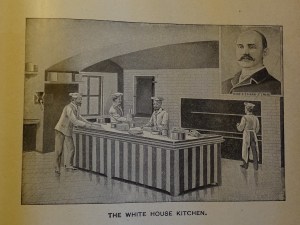
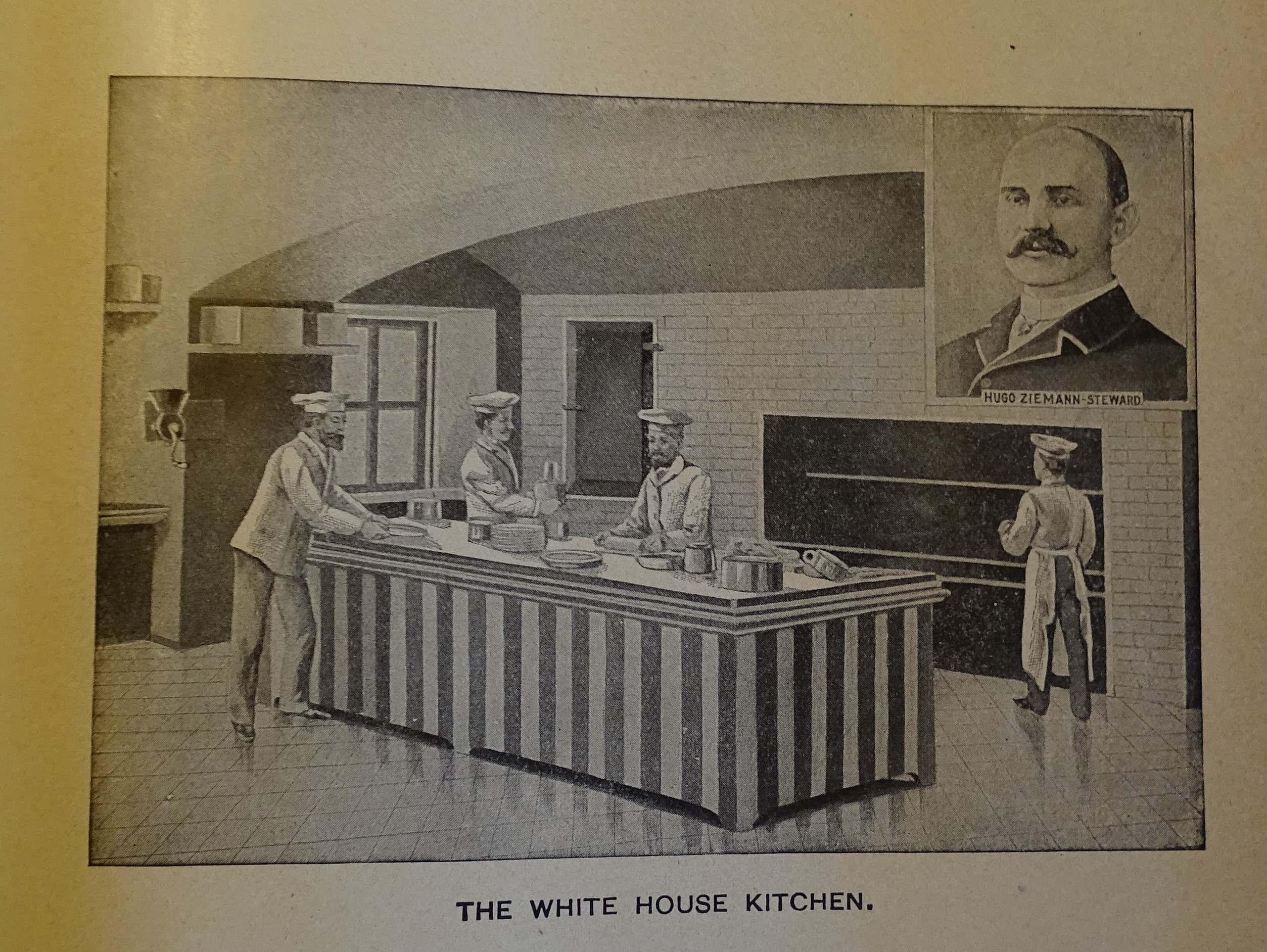
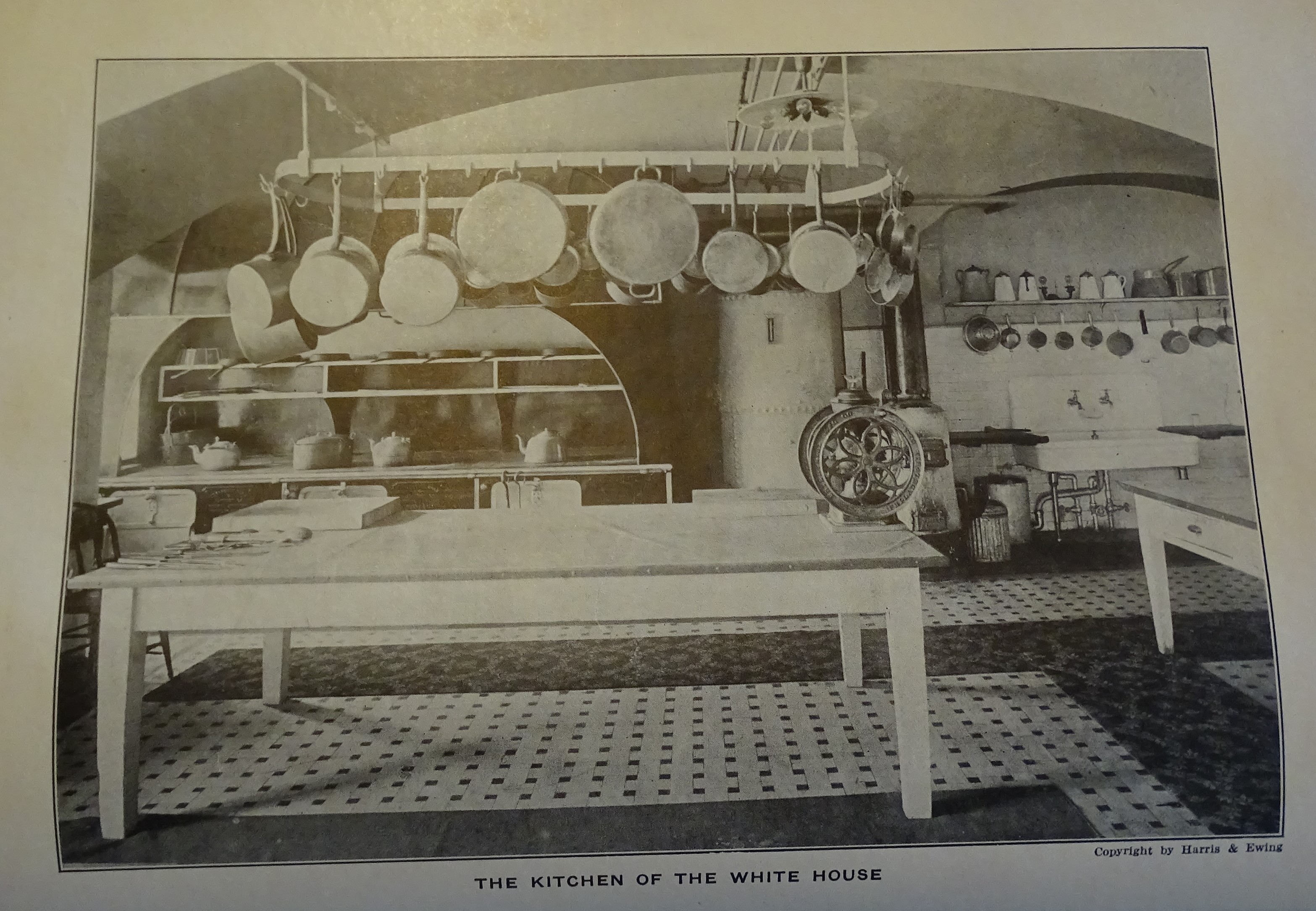
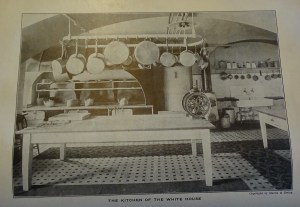 Interesting is the White House Kitchen photographs between 1899 (left) and 1925 (right). In the 1899 picture an inset of the author of this encyclopedia, the German Hugo Ziemann, serving as a Chefstewart in the White House.
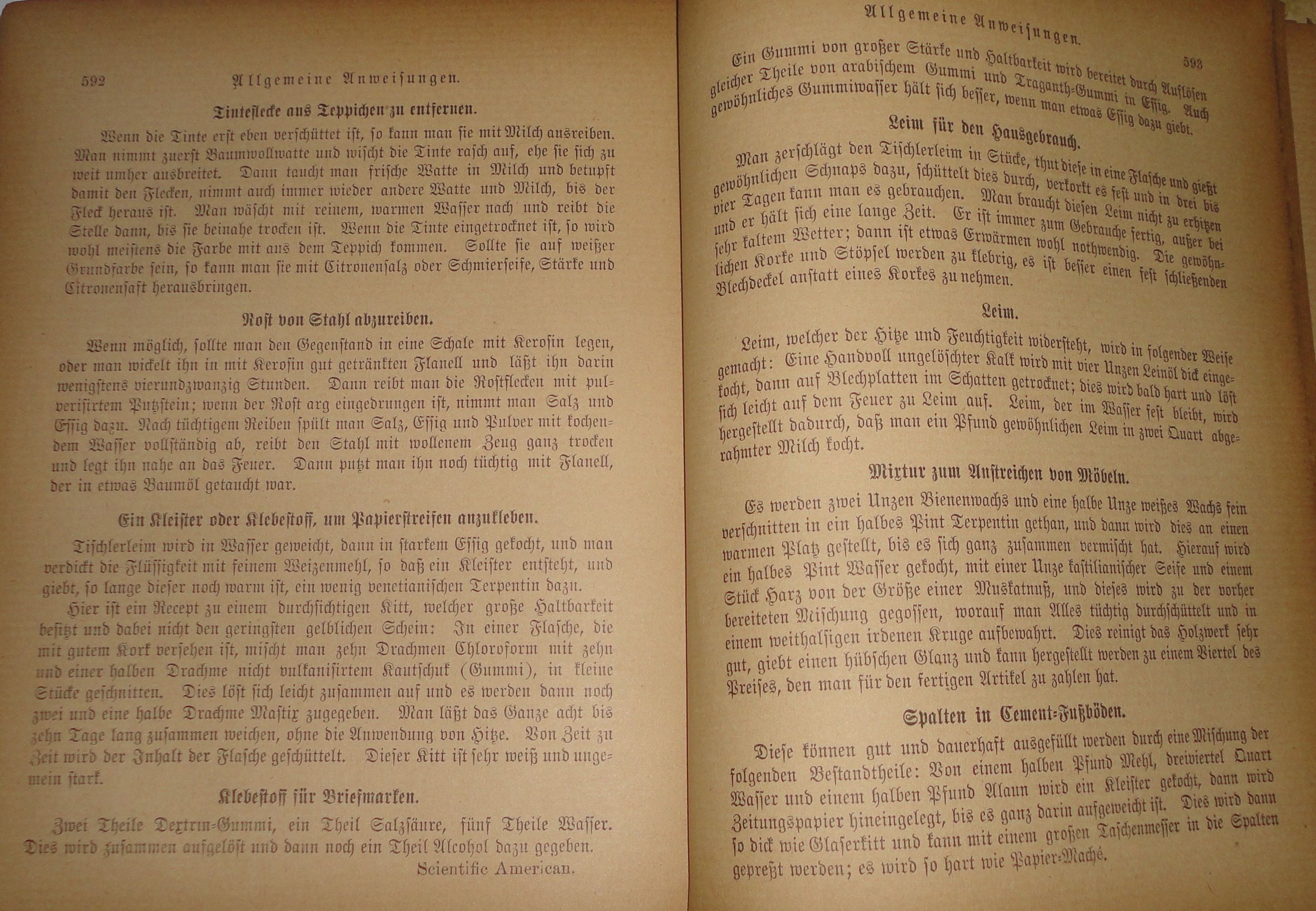
In addition, it provides information and advice on giving dinners, table etiquette, basic health care, and many other aspects of household management. The picture above shows what kind of tips are given – like „removing ink stains from carpet, rub the rust off steel, mix adhesive for postal stamps, a mixture for painting furniture, removing cracks in cement floors, and much much more“. A recipe for „growing hair“ is available. Even after more than 100 years has lost nothing of its actuality. The shown copies are in its original publisher’s decorated cloth covers, showing considerable use.
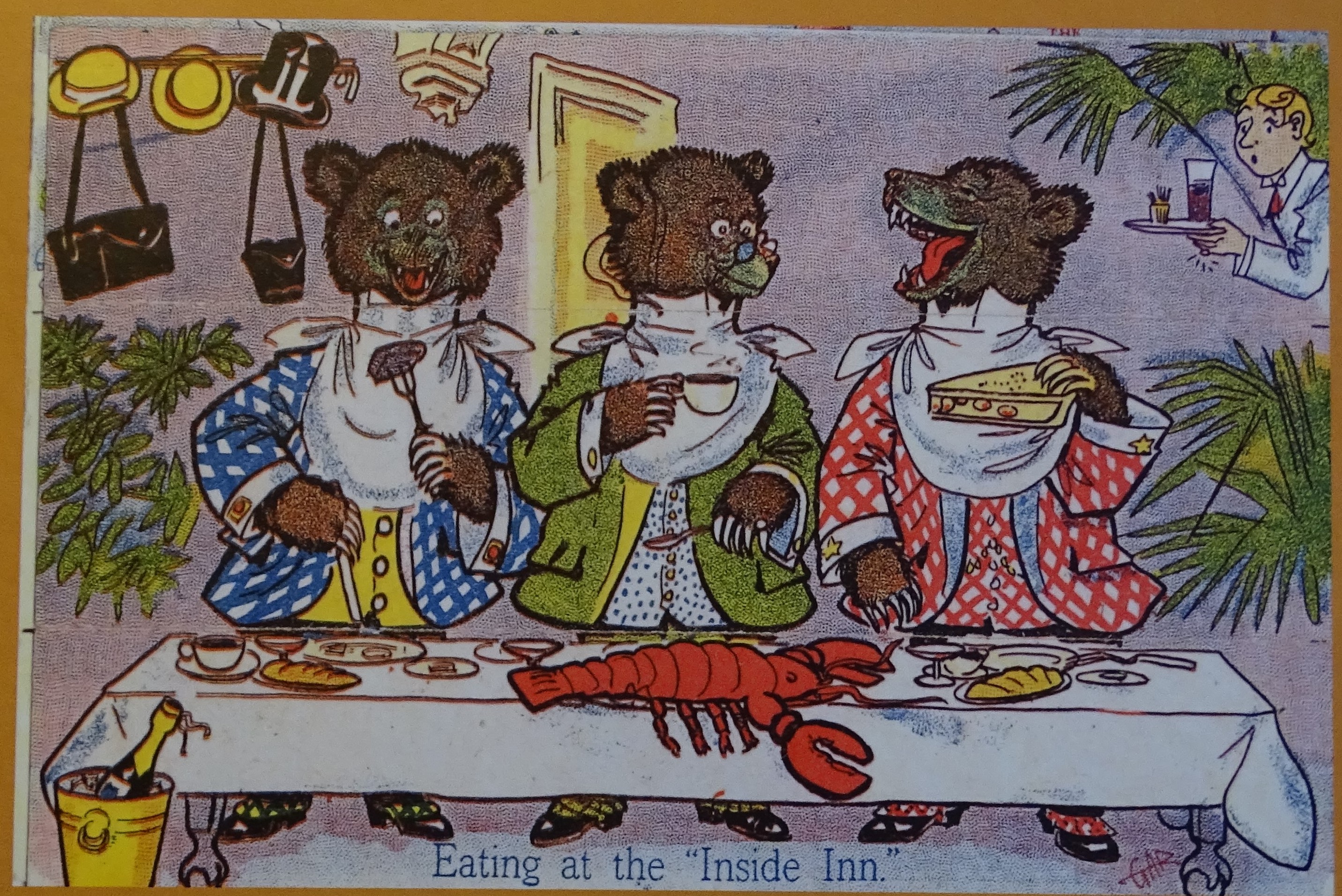 Watch out – part 3 of this series contains „individual cookbooks“, as above.
As always, if I go into a theme, the article becomes longer and more extensive then I first thought. That means, we will have a third part of this series. Stay tuned and ENJOY !


Hi Mike, great post again, love it !! Wish I could buy the big Culinaria here.
Till soon, Sas.
LikeLike
Fantastic Mike, I like your historical background very much.
Was ist das für ein Buch ? EATING BEARS ? Bin gespannt.
LikeLike
Nee hoor Mike, het artikel was niet te lang. Het was weer interessant en ik herkende ook wel een paar boeken die ik in de jaren 70-80 ook gehad heb, maar inmiddels niet meer bezit. Jouw boek BEREN ETEN heb ik nu in mijn hand. Groetjes Wilma
LikeLike
Hello, my DEAR friends,
thanks very much for your comments. Most of the books,
you can see in my article, are gone as a gift to the German
Church library here in Montevideo, last Christmas.
Next week I will have a break for you with a totally different
post – special to my German and Dutch readers – and then,
later on, back to the cookbook series.
Stay tuned as always, cheers Mike.
LikeLike