
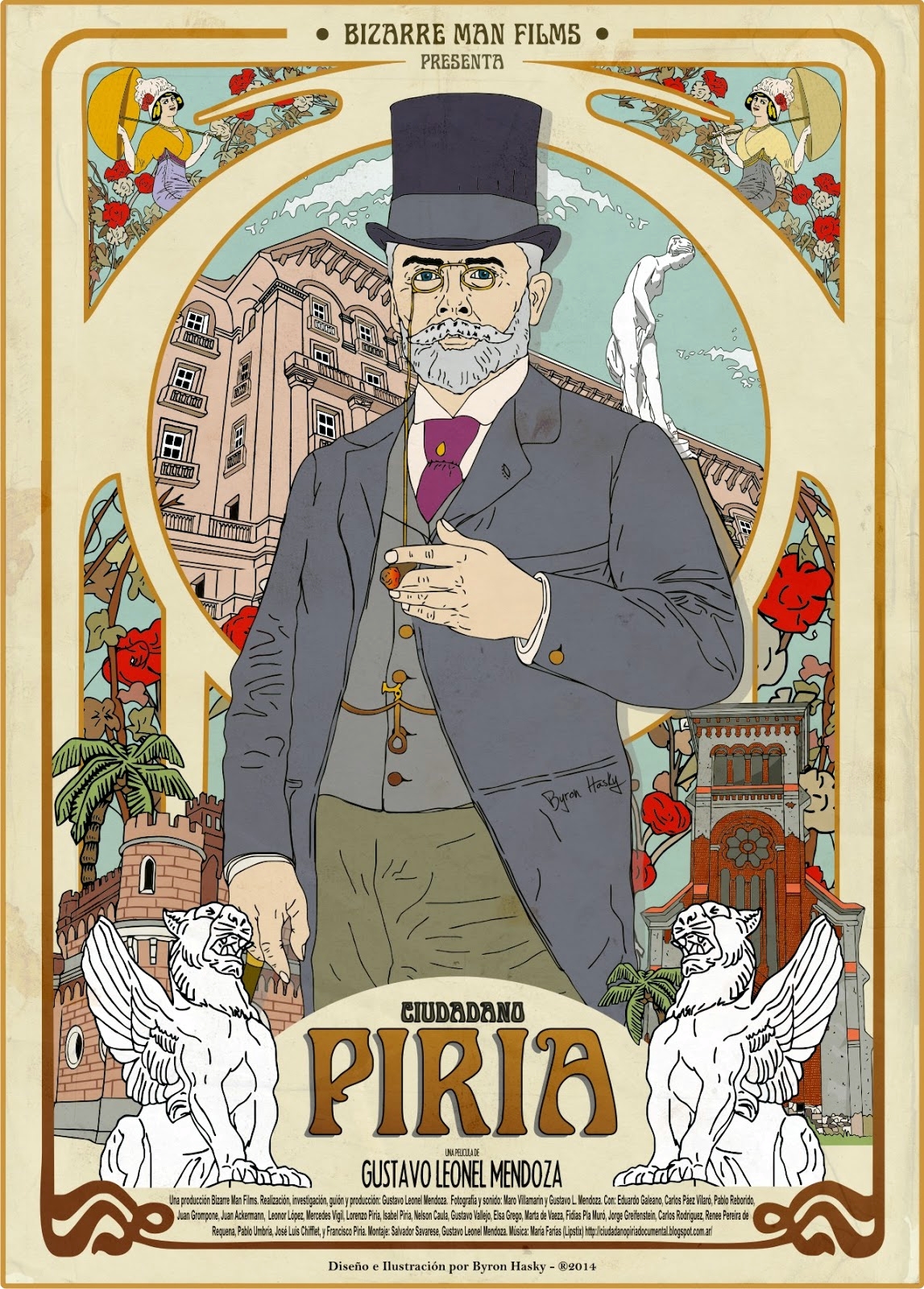
More about Piriapolis.
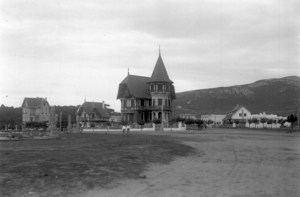
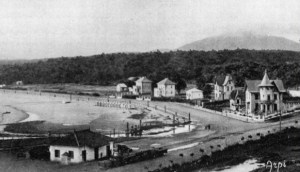 One of the famous landmarks in Piriapolis, build as home of Piria’s son Arturo Piria in 1910.
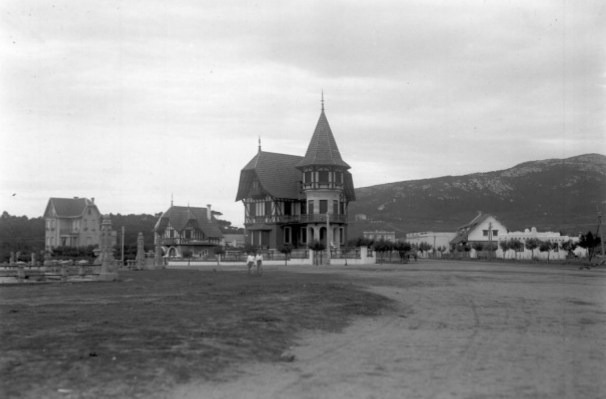
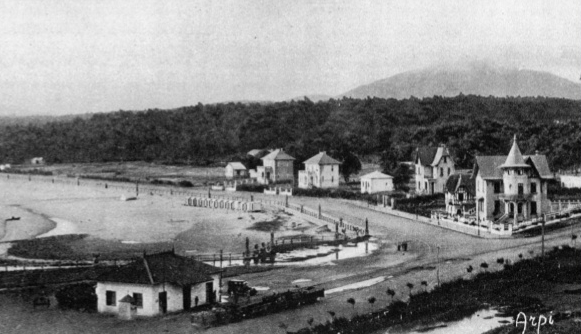
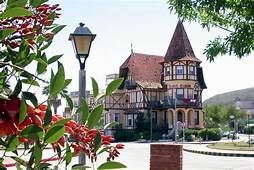 Today it is the well known Hotel Colon.
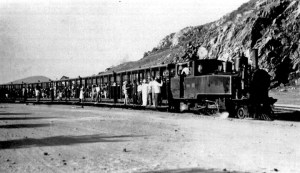
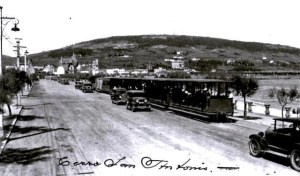
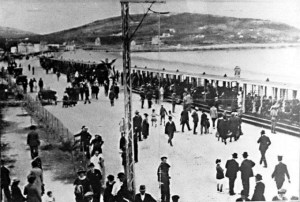
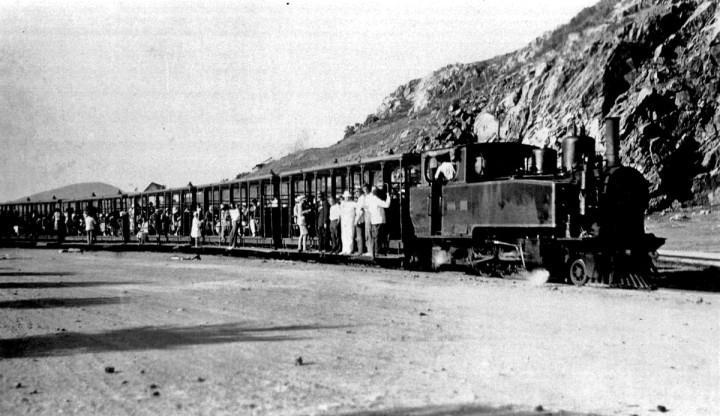
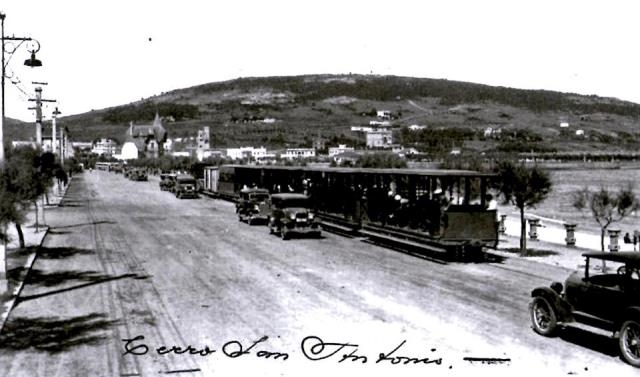
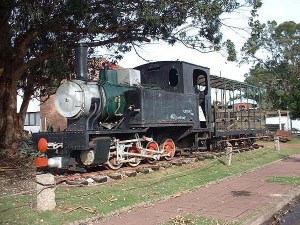 Another big project of Piria was the train from the promenade in Piriapolis up to Cerro Pan de Azucar.
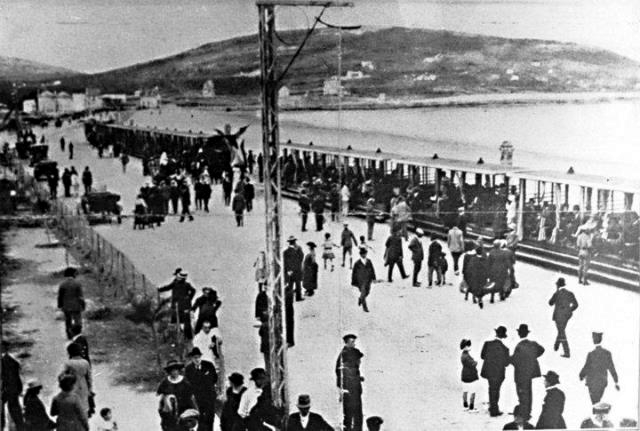
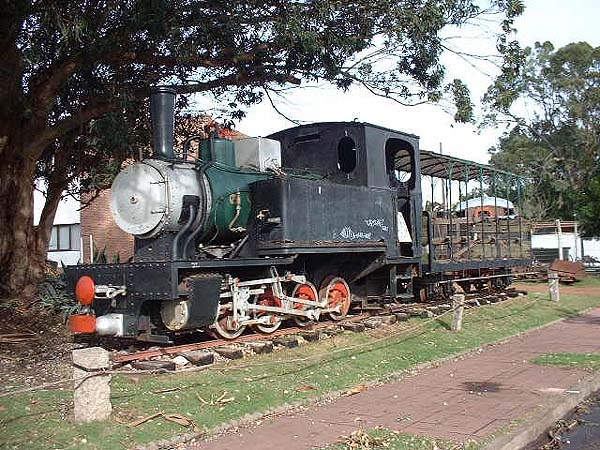
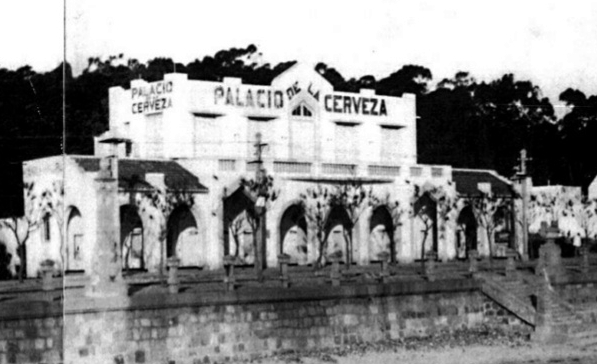
 And another Piria idea to make money – a beer palace (Palacio de Cerveza) along the promenade. These kinds of arcades are still existing today.
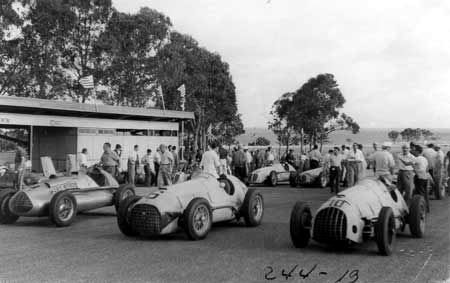
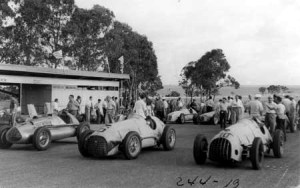 The last one I like to tell you about is a yearly event since the early 1900’s, a car race (carrera de coches) through the city of Piriapolis. It attracts 1000’s of spectators.
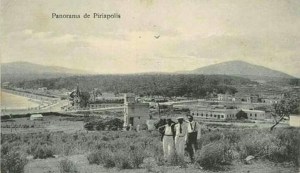
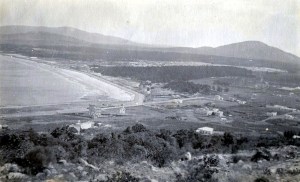 Rare pictures overlooking Piriapolis in the 1920’s.
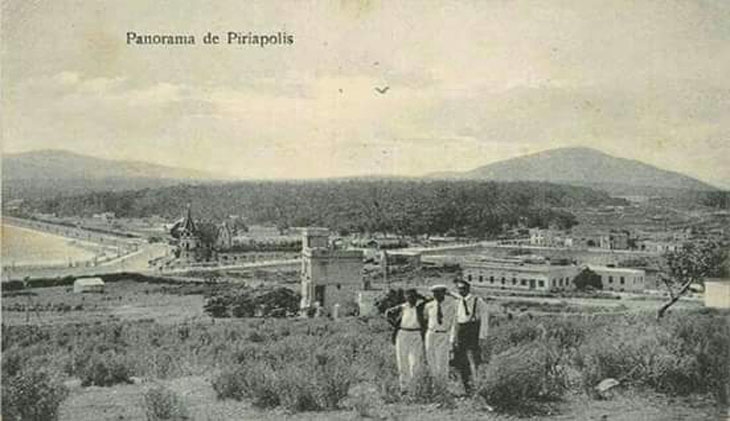
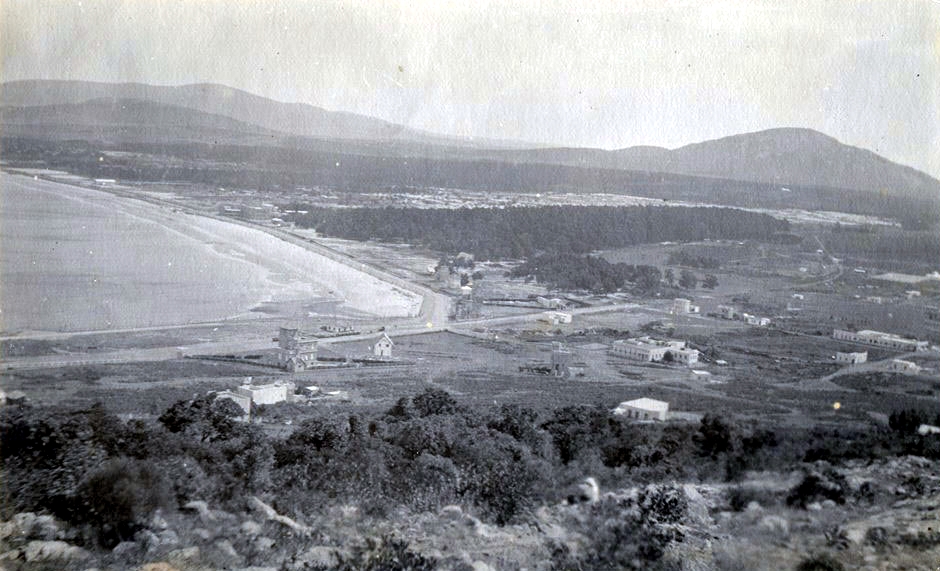
Like it was in its first years, Piriapolis is still a very nice city – but overcrowded 3-4 month in summertime (temporada). Prices are going massive up during this high season. The town is almost dead in wintertime (6 month). Most shops and half of all supermarkets are closed, off the temporada.
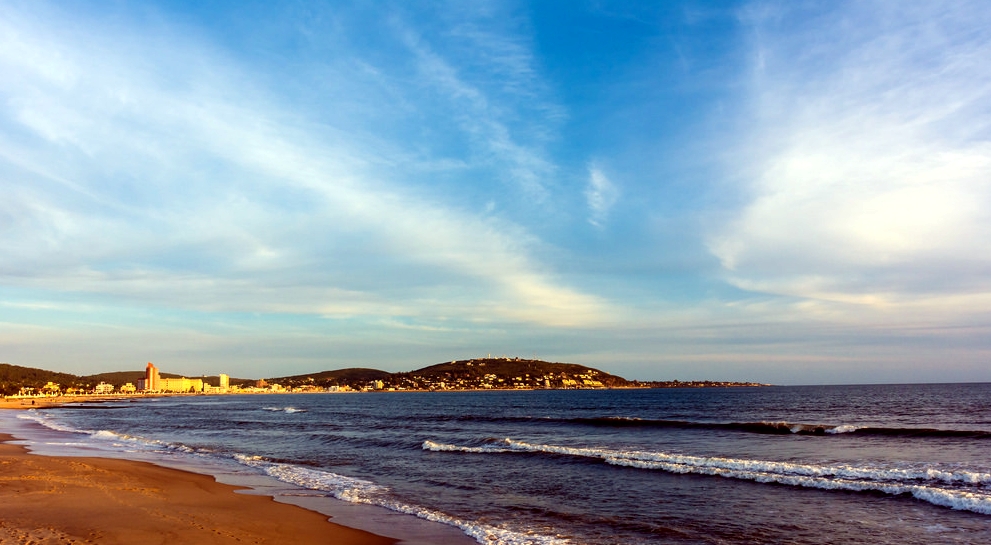
 Sunny day in winter, kilometers of empty beach.
The „Bombo“ on health.
One of the problems that plagued the society of the 19th century was the high percentage of diseases that made the population so vulnerable, among them the pests that decimated it. Hence the enormous concern for hygiene and sanitation of the time.
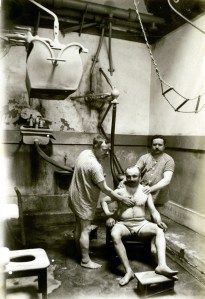
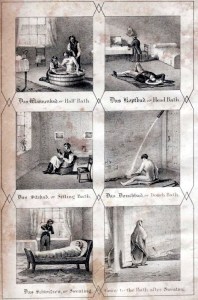
In the 1880’s were the spa and wellness treatments still a bit primitive ….
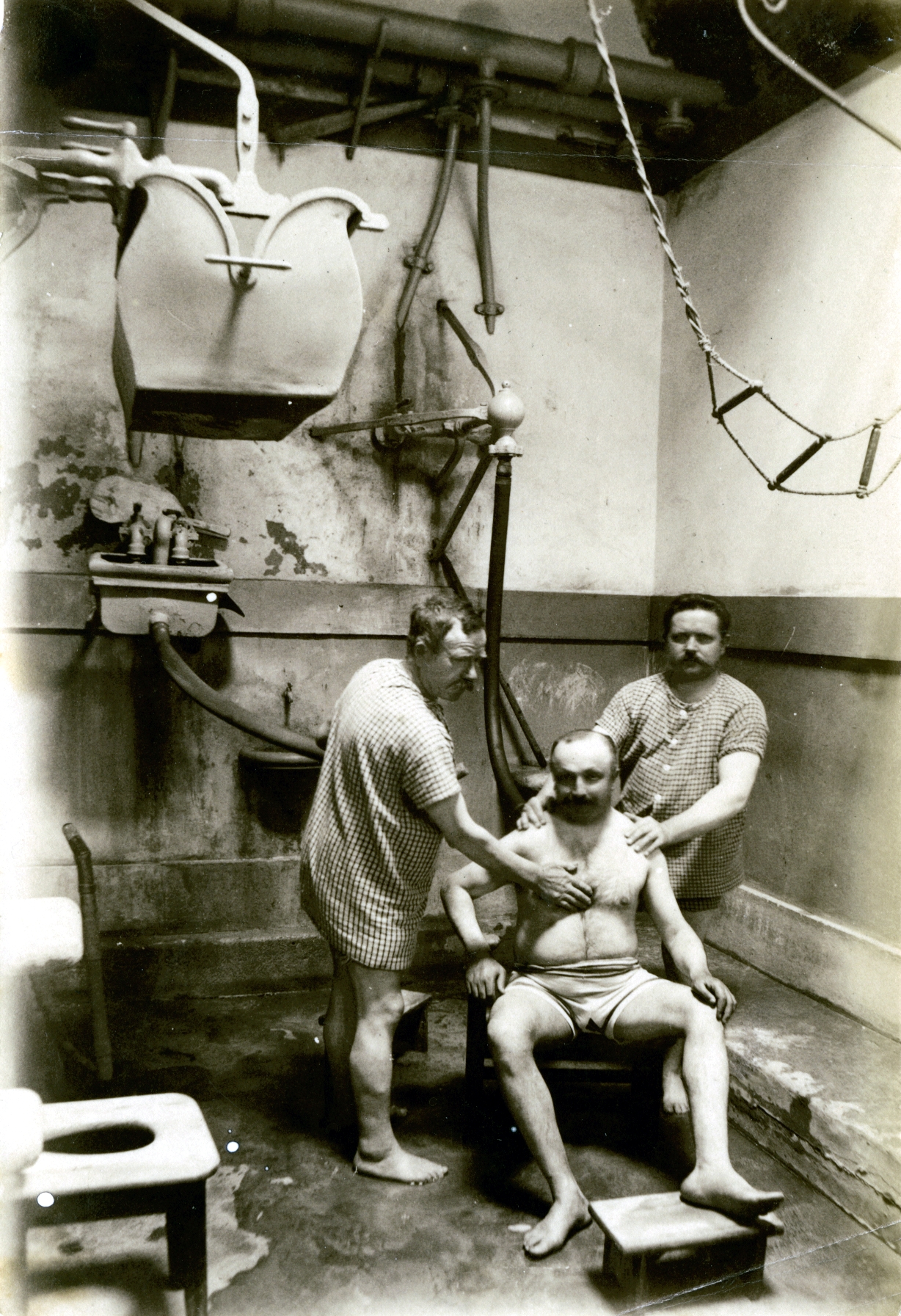
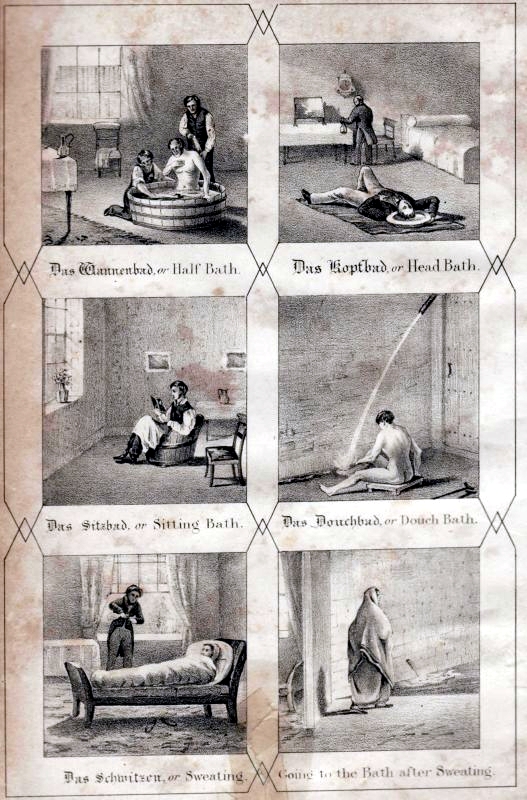
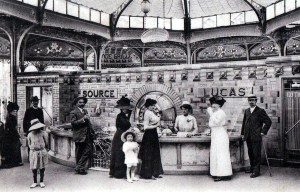 …. more service and luxury (France) around 1900 ….
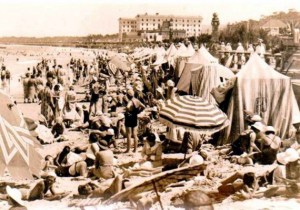 …. and thanks to Piria a relaxed and free beach-life in Piriapolis from the 1920’s onwards.
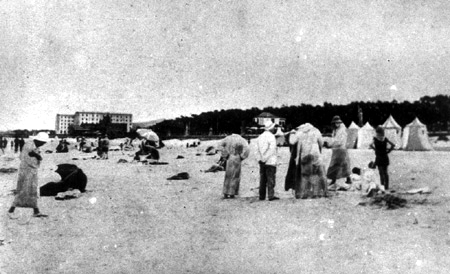
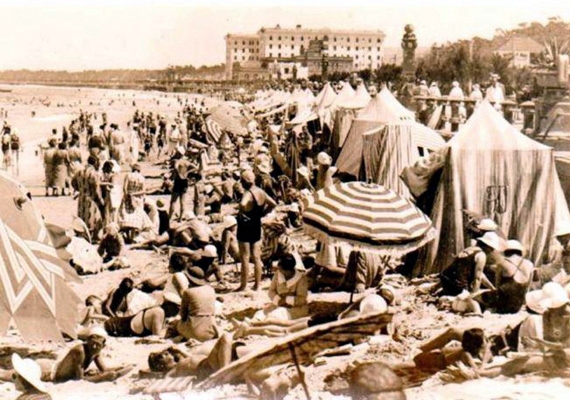
The importance of the subject was such that Francisco Piria took advantage of it and integrated it into his advertising, first with the sale of land „this neighborhood flooded with vivifying solar rays that purify the atmosphere with torrents of oxygen that embalm it, doctors have no entrance . There they will die of hunger!“ Much later, he would also talk about the benefits of resting in Piriapolis, its baths, its water, the clean air etc.
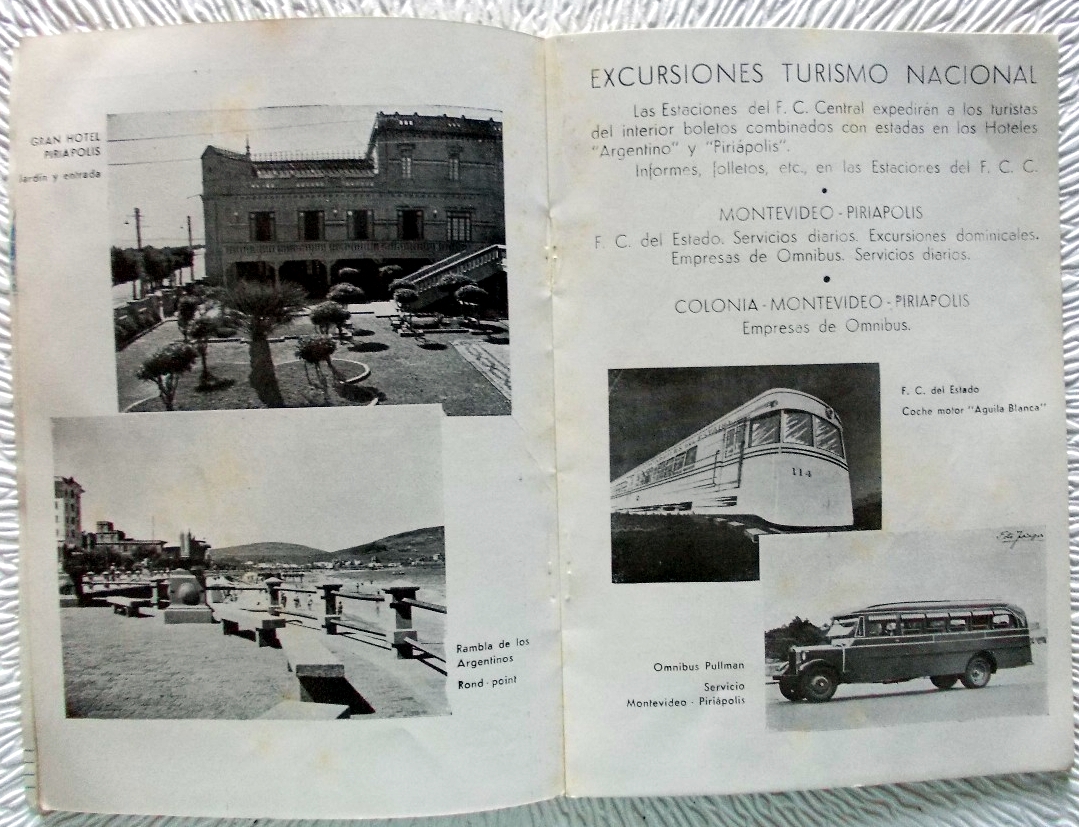
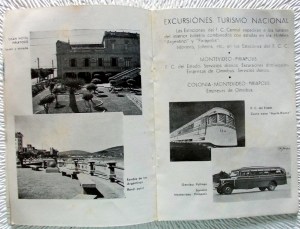 Early 1930’s, a luxury trip from Montevideo to Piriapolis in a „luxury Pullman Omnibus“. What a treat, if we imagine that a bus trip between those two cities (about 140 kilometers in the 1930’s) took at least 6 hours or more, on bumpy roads. Today’s time is still 1 1/2 hours.
Cognacquina Piriapolis.
Lost in the threshold of Piriapolense interesting history is the doubt about whether Renaux was based on this formula to make the new product, the truth is that for the year 1899 the „Cognac-Quina Pirapolis“ appears for sale, at the price of $ 1 the bottle, about 10 times more expensive than a bottle of wine.
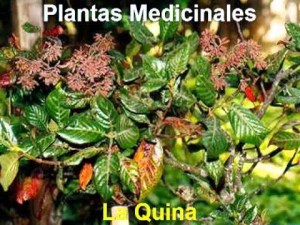 Brochures of the time sold it in this way. The Properties of Quina – a kind of „Merlin ointment“.
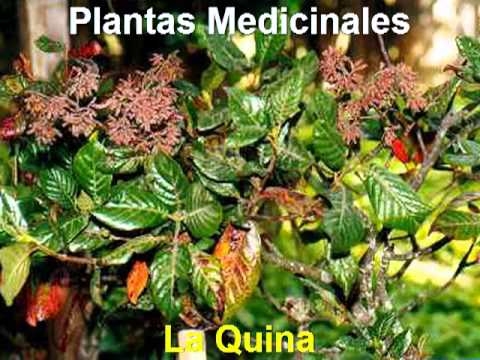
It was known from times when the wife of the Viceroy of Peru (mid-17th century) was cured with the bark of Quina, which was provided by a chief of Malacatos. This was transformed into a real race to obtain the alkaloids derived from them, and was spread through the Spanish crown in Europe and for many years through the Jesuits of America.
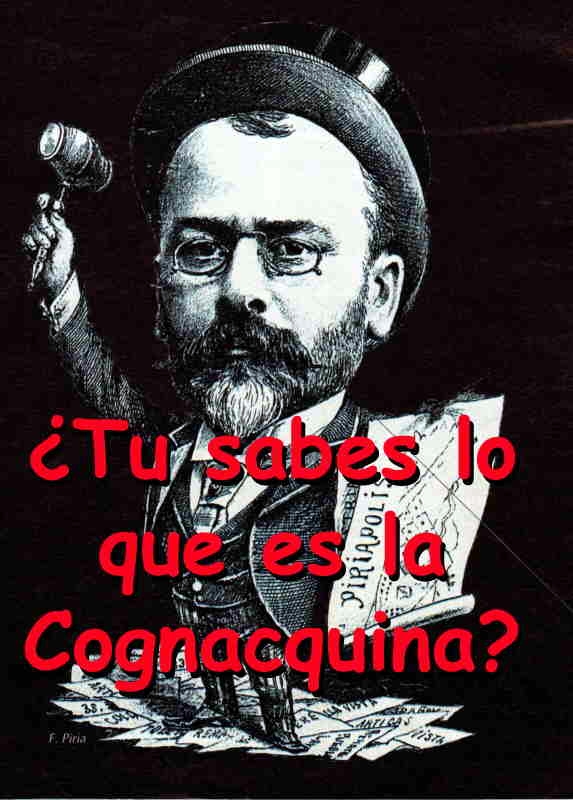
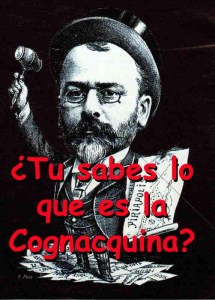 The Piriapolis land auctioneer is asking „Do you know what Cognacquina is?“ Advertising on Piria’s land sale reputation.
The guild of the Pharmacists in Uruguay did not stay behind and in its first magazine published in 1894 already mentioned it. And among them stood out the „Potion of Jaccons“, based on Quina and Cognac.
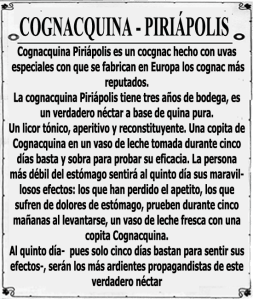 Contemporary advertising of Cognacquina.
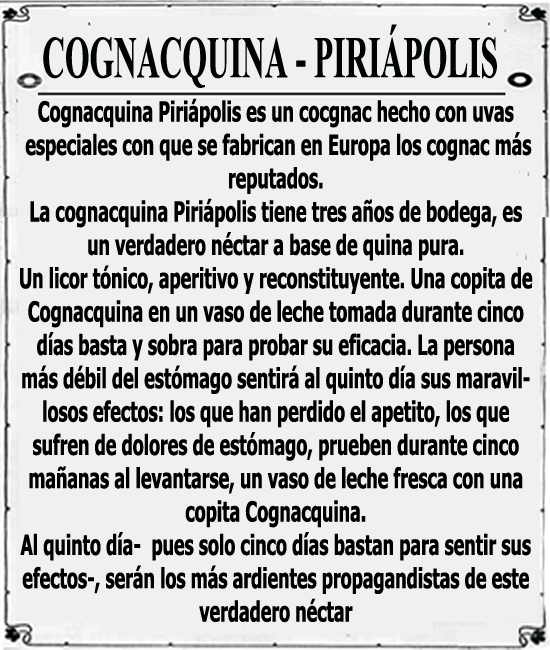
The mixture has properties such as tonic, astringent, antioxidant, digestive, antibiotic, anesthetic. It is effective to treat different conditions such as: Malaria, diarrhea, yellow fever, etc. Strengthens the immune system, cardiac insufficiency, helps to whet the appetite, prevents hair loss, and serves for dandruff, seborrhea, and as if that were not enough, it allows to wash wounds and ulcers.
In 1898 a locust invasion destroyed „ALL“ of Piria’s plantations.
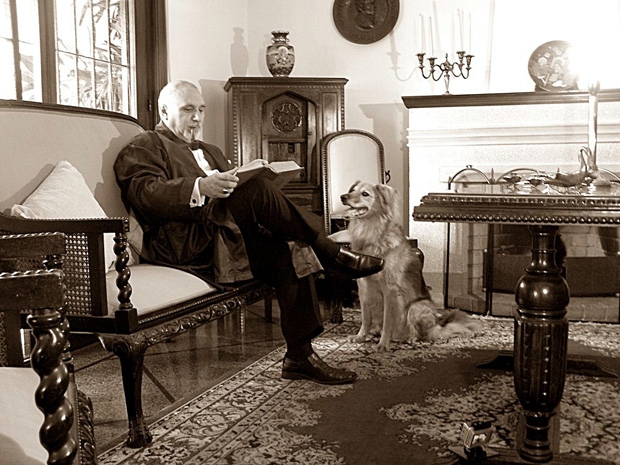
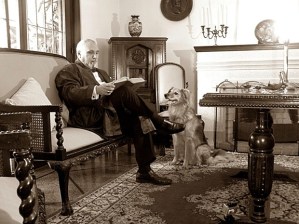 Scene out of the documentary movie „El Caballero y la Rosa“, showing Piria’s dog „Ruby“. All the details of the production were taken care of and even acted Ruby, a nice dog who recorded a very good scene with „Piria“, recreating the daily life of the great visionary, in the privacy of his home.
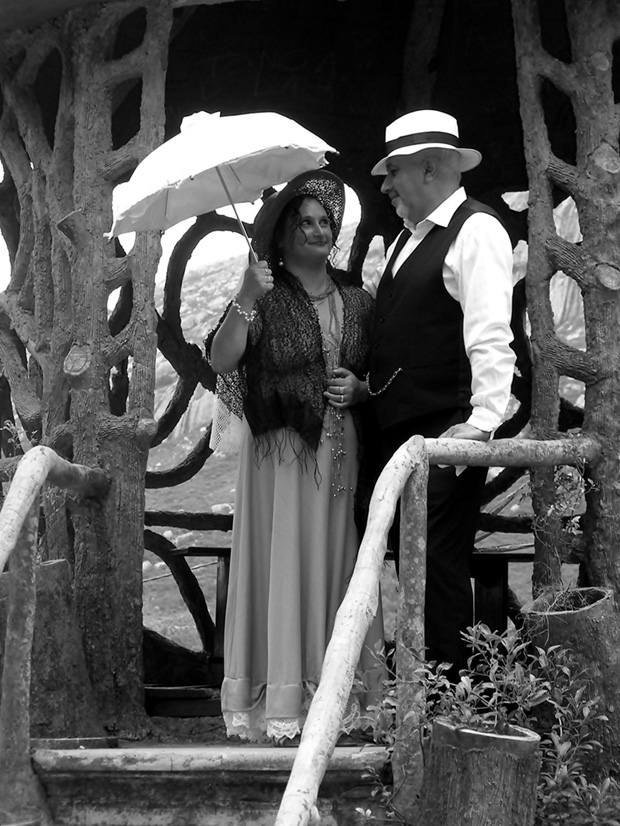
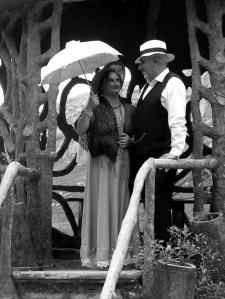 Out of the same movie, actors starring Piria and his great love Carmen. Piria declares her a natural daughter just a month before he died, out of inheritance reasons.
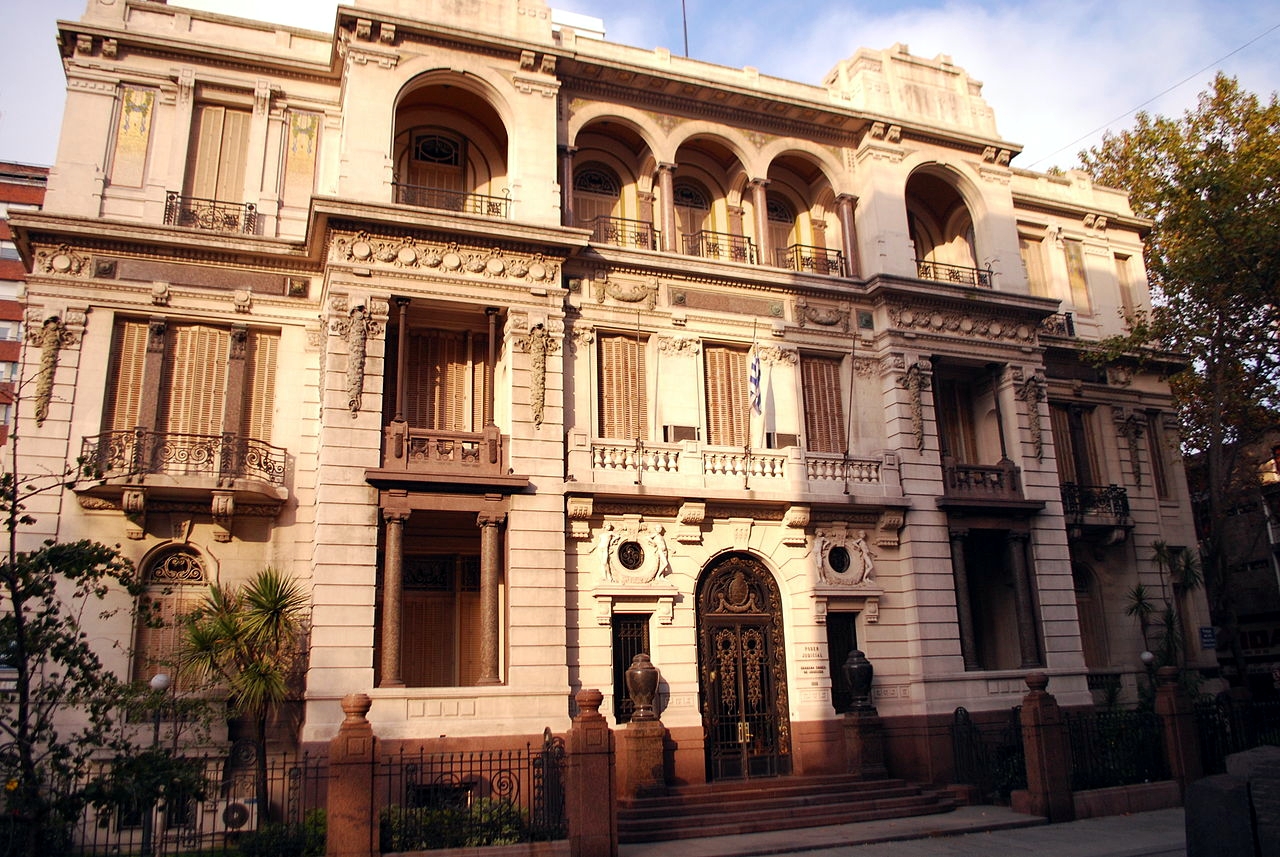
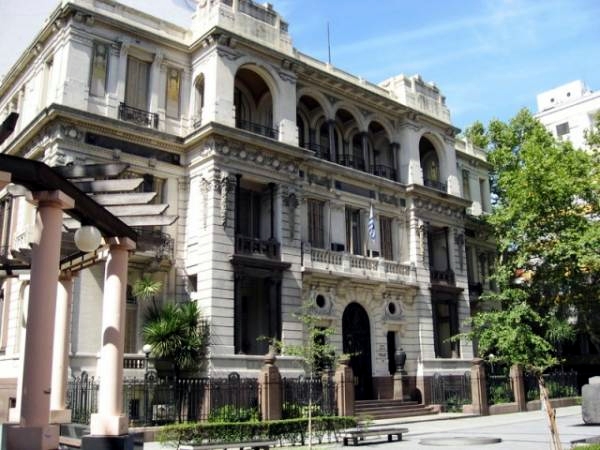
Piria Palacio Montevideo.
Its construction started in 1916, by the architect Camille Gardelle. Initially, it was the private residence of businessman and politician Francisco Piria. After his death it was acquired by industrialist Jose Martinez Reina and served as the residence of President Juan Jose Amezaga between 1943 and 1946. It was acquired by the Uruguayan State on fifth of January 1954 as seat of the Supreme Court, which it still is today.
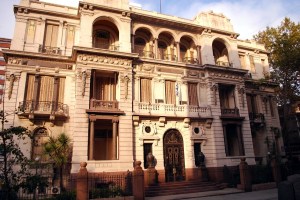
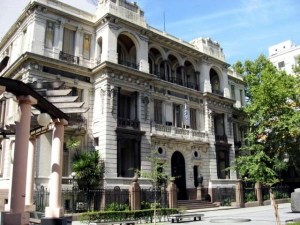 Palacio Piria is a building in Centro, Montevideo, Uruguay, located between Plaza de Cagancha and San Jose Street. It is a National Heritage Site since 1975 and an example of the Eclecticism style of architecture.
Piria Palacio Buenos Aires.
The Piria Palace was an old Italian-style residence of the early twentieth century, located in Camino Costanero Almirante Brown, from the town of Punta Lara, province of Buenos Aires. At the moment the construction is in advanced state of deterioration, in spite of the multiple promises of reconstruction.
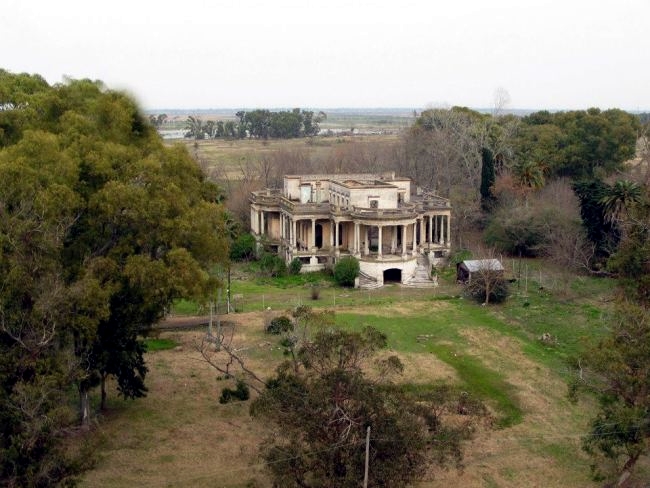
In 1827 Luis Castells becomes owner of the Estancia Punta Lara. In 1907 the construction of the Palace began, which was inaugurated in 1910. The Uruguayan auctioneer Francisco Piria acquired it in 1925 with the purpose of transforming the area into an important spa, after his Piriapolis model. It was some land, about 140 hectares „Rio de la Plata“ frontage.
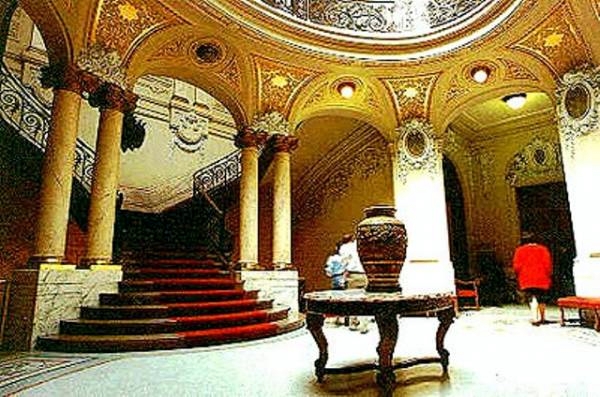
The rooms on the first floor were covered with wood carved by Uruguayan artists, in the „Hall of Mirrors“, the central room of the house adorned with beveled mirrors, changed the fittings by others of hand-worked bronze. He lived there until the late ’30s. Unable to realize his goal, he returned to his country. In 1947, the Palace and the 141 hectares that surround it pass into the hands of the Provincial Government by donation of the Piria family, for the governors‘ residential use. This did not materialize.
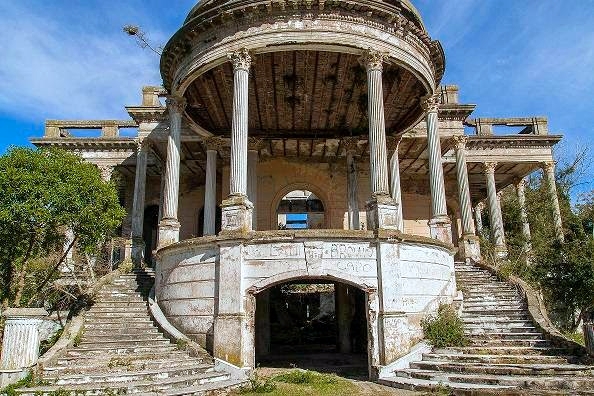
On the 22nd of February 2015, several neighbors of the region approached the facilities of the Piria Palace, invited by the members of the „New Project La Plata“. This call made through social networks, met in a few days over 150 confirmations of assistance, reaffirming the interest of the public in the recovery of this emblematic building.
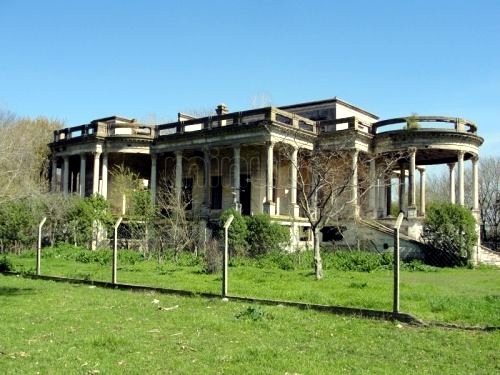
This meeting has become historic, since it became the first guided tour of history to the palace, and given the success of it is studied to hold new meetings, in order to disseminate and promote its restoration.
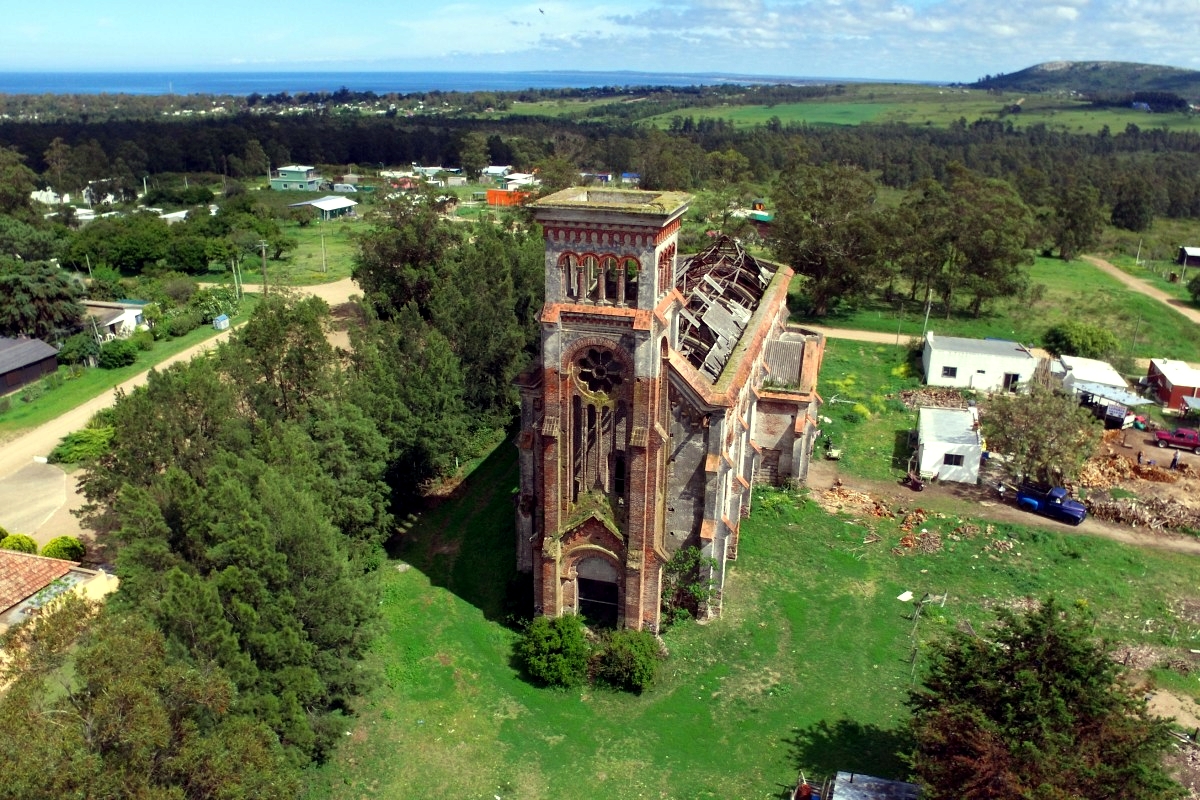
 The „Gotic Cathedral“ seen from a drone.
Piria Church Obrero.
On Routa 37, high overlooking the whole city are the remains of the church of Francisco Piria. Piriapolis founder wanted to build this church in 1917 to make it the center of the resort. Its located on a hilltop in the township of Obrero, about half way between Piria’s castle and the beach of Piriapolis
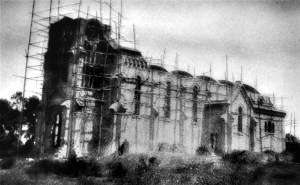
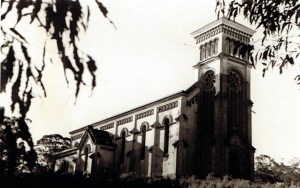
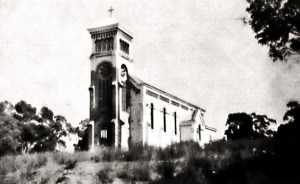
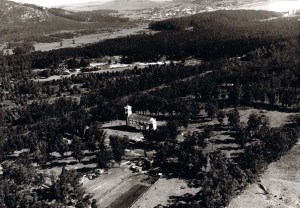 The Francisco Piria Gothic Cathedral under construction and finished. Bottom right picture shows in the distance Piriapolis on the Rio de la Plata. The church is about half way between Piriapolis and Piria’s castle.
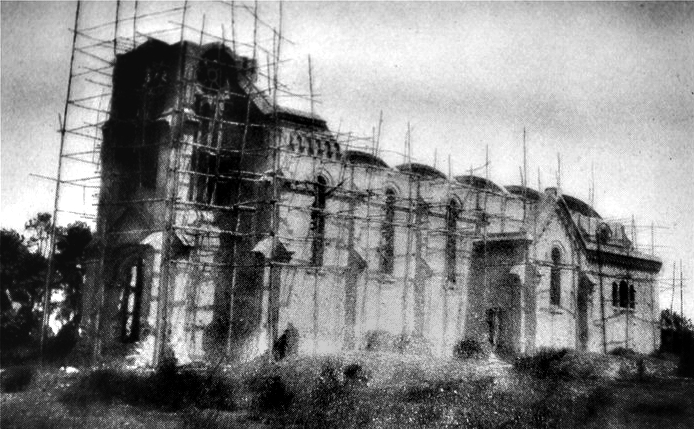
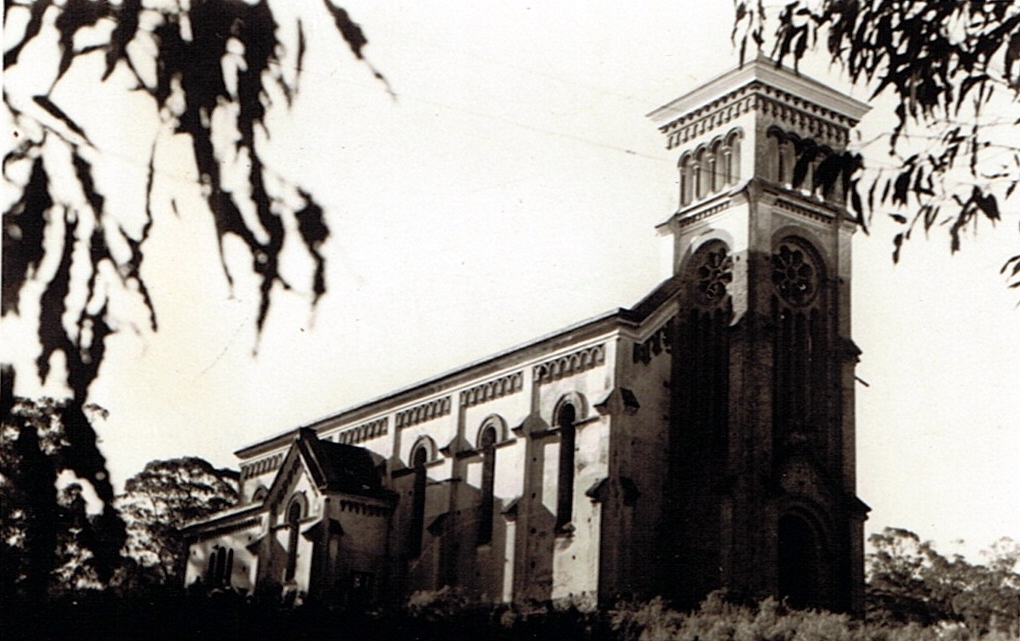
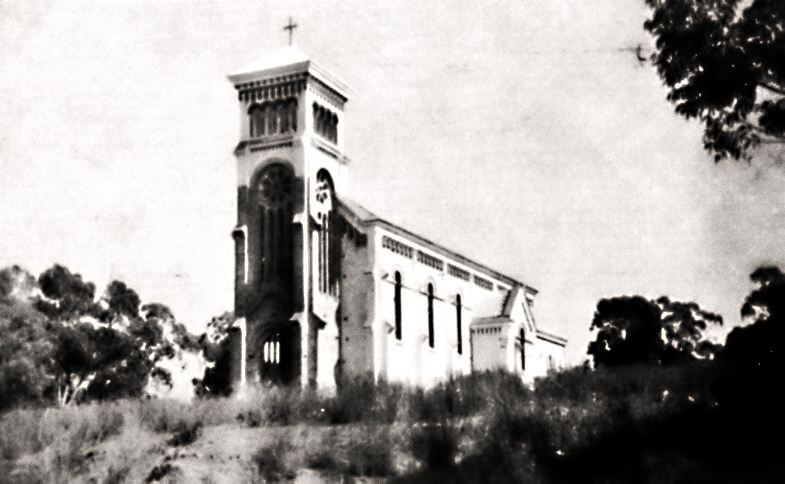
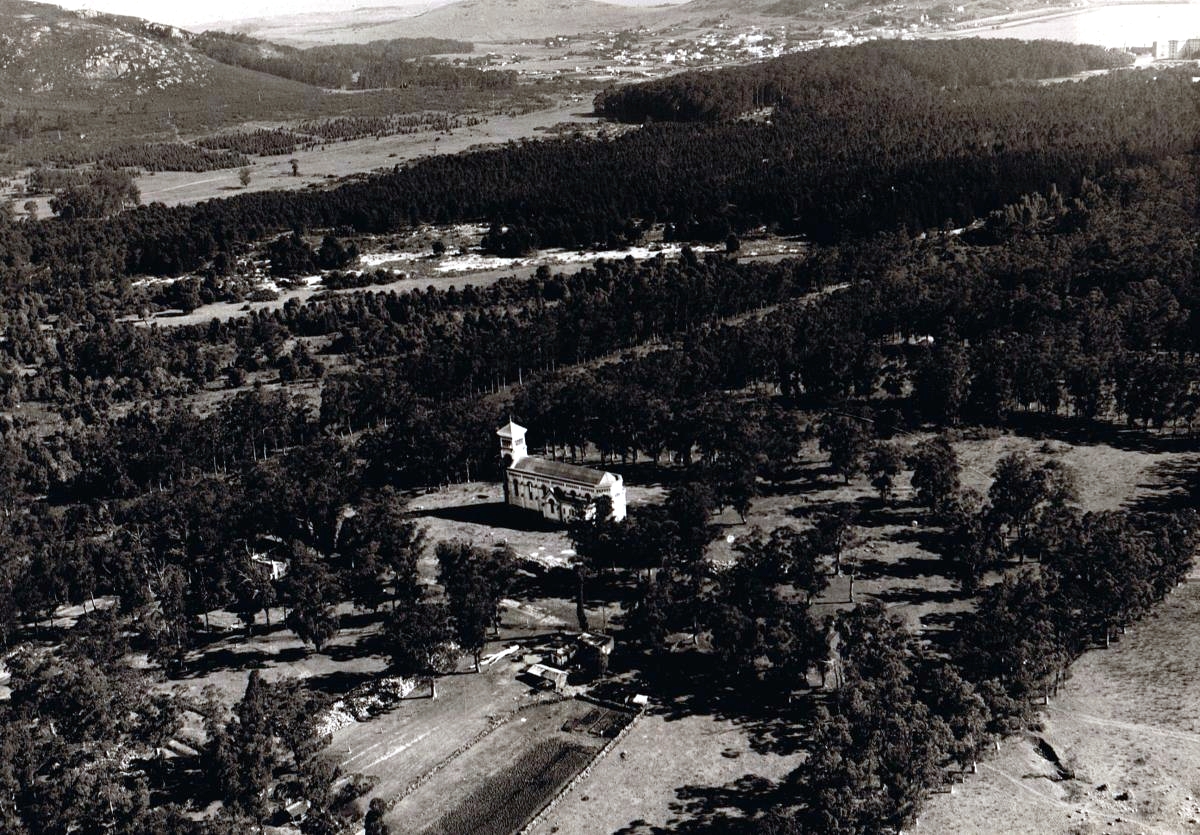
However, it was never completed, the building yes – 99% ! But – the Catholic Church refused to receive this building as a gift, as unworthy because of his alchemical and Masonic symbols. On the death of Piria, the church was abandoned without his work culminated, nor lend him maintenance.
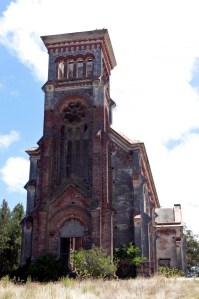
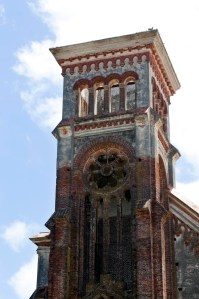
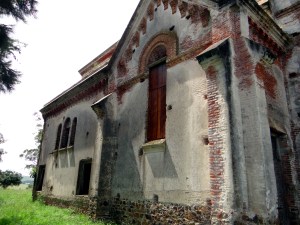
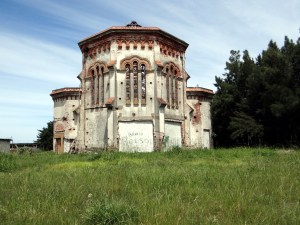 Very good to see, the masonic brickwork and the alchemical symbols. Even if this ruin is on private land, I walked around and inside and it seemed that the owner tolerates it.
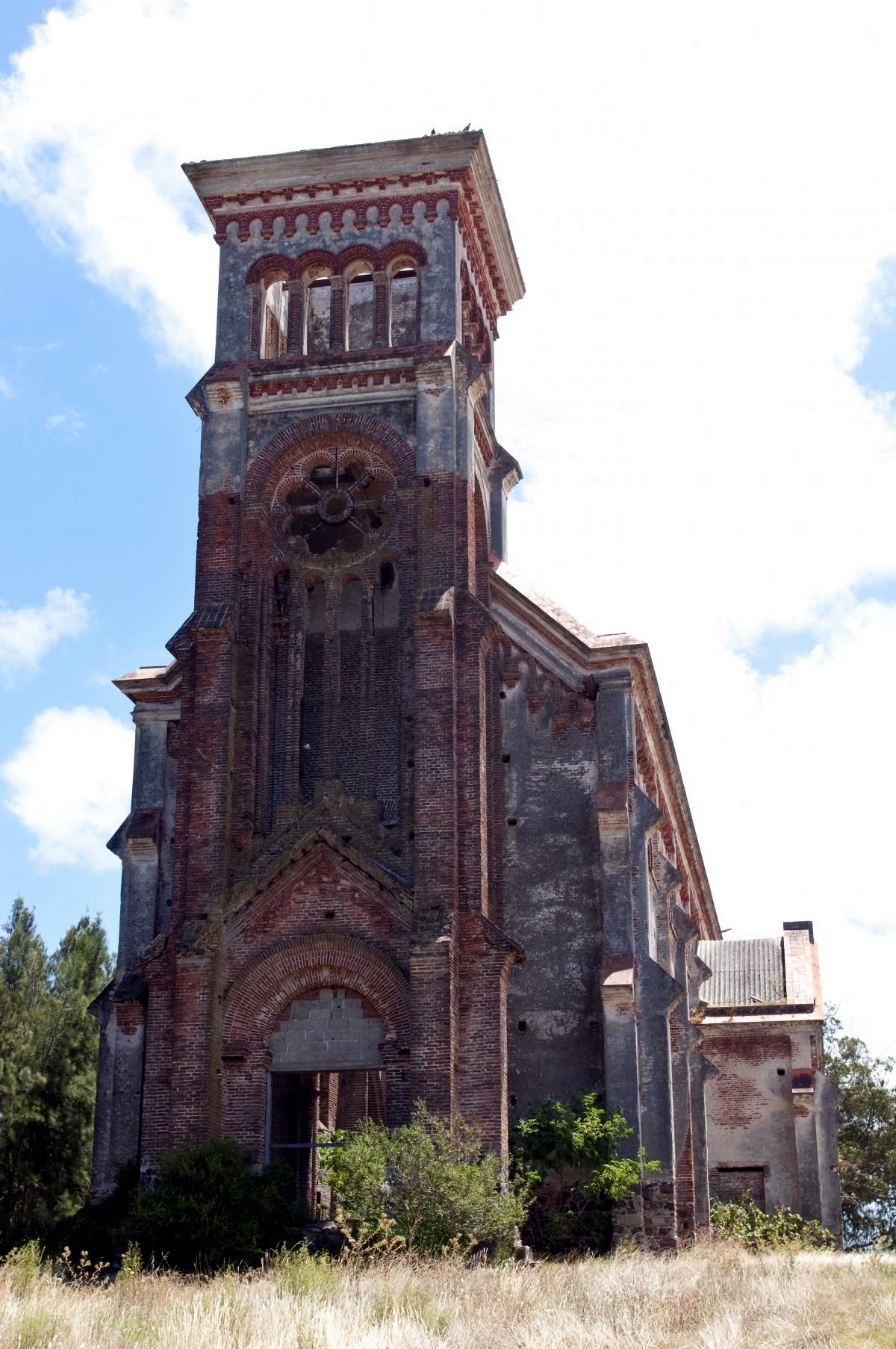
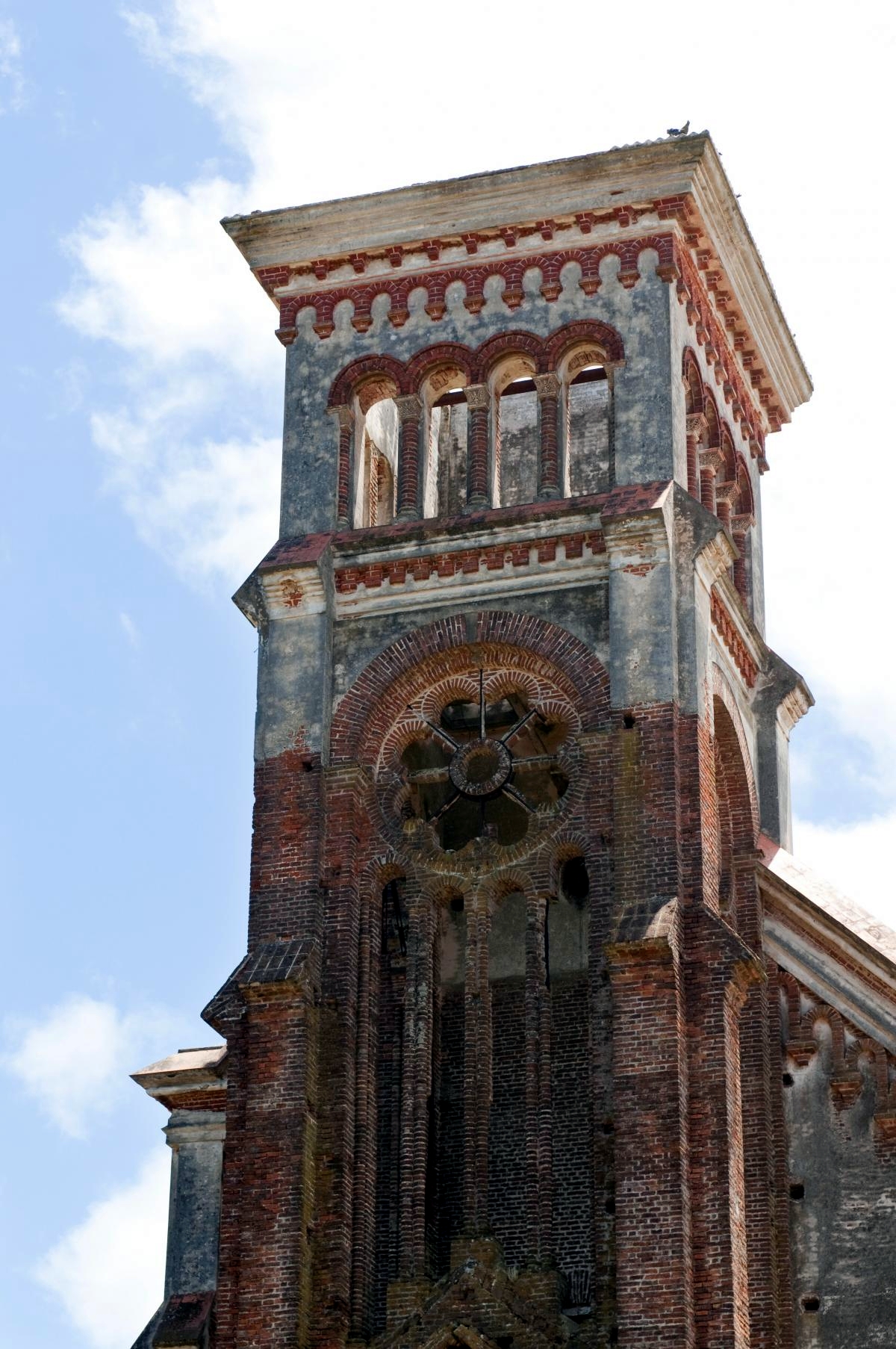
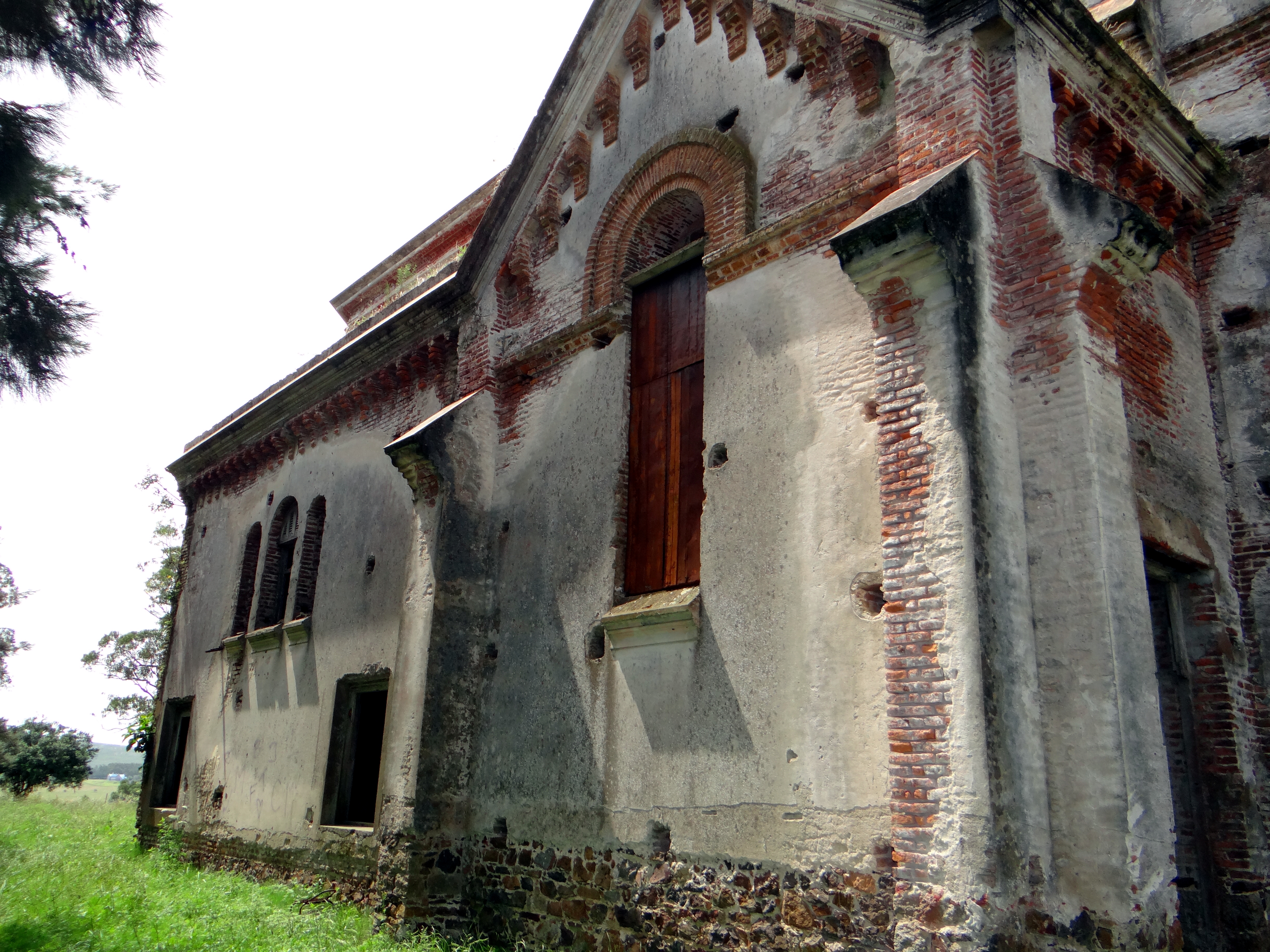
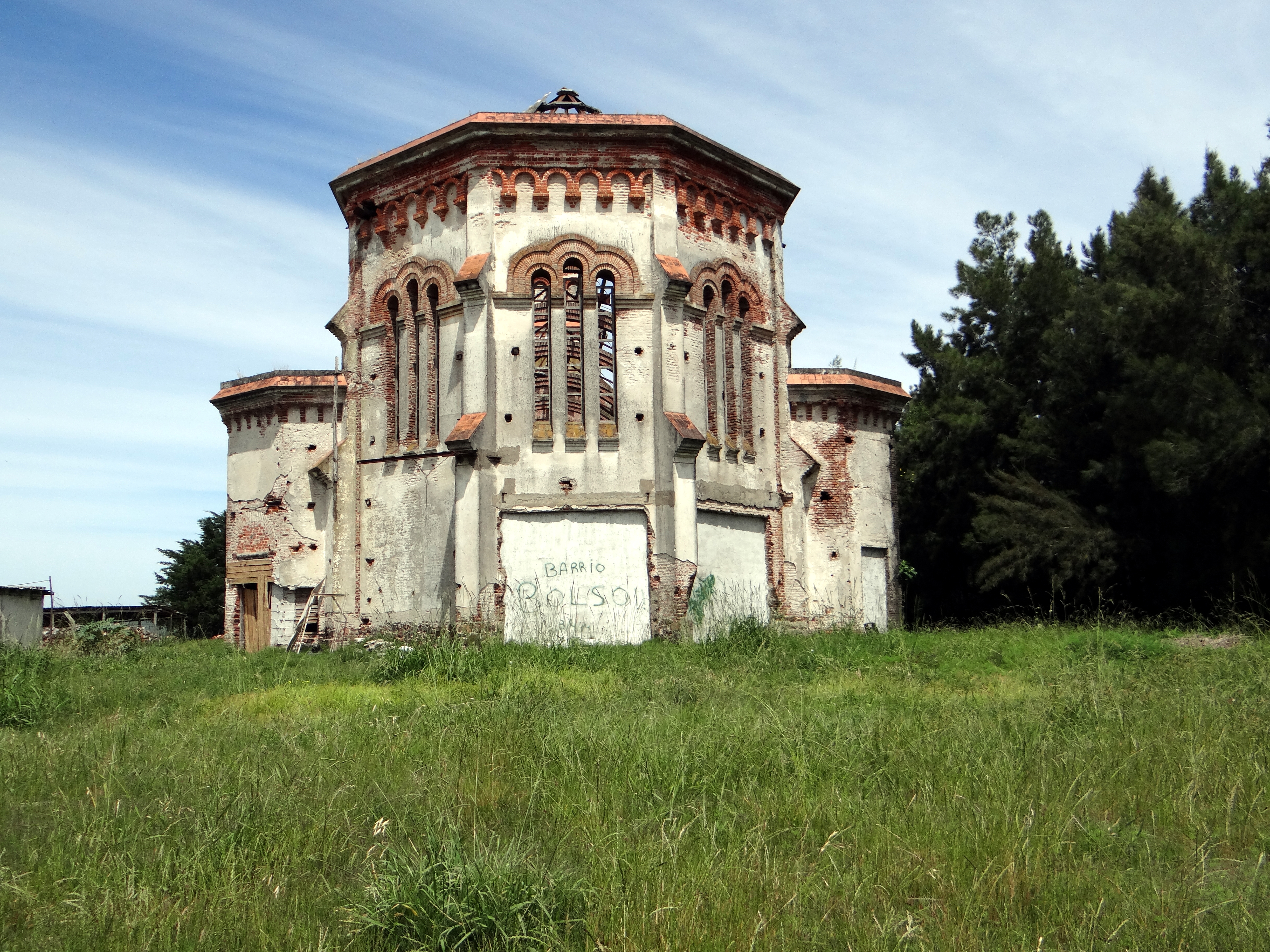
Currently it is in ruins and is used as woodshed. The church is built with its facade facing east, facing the sunrise, typical orientation of Masonic temples. It also has ornamentation clear Masonic and alchemical symbolism considered profane.
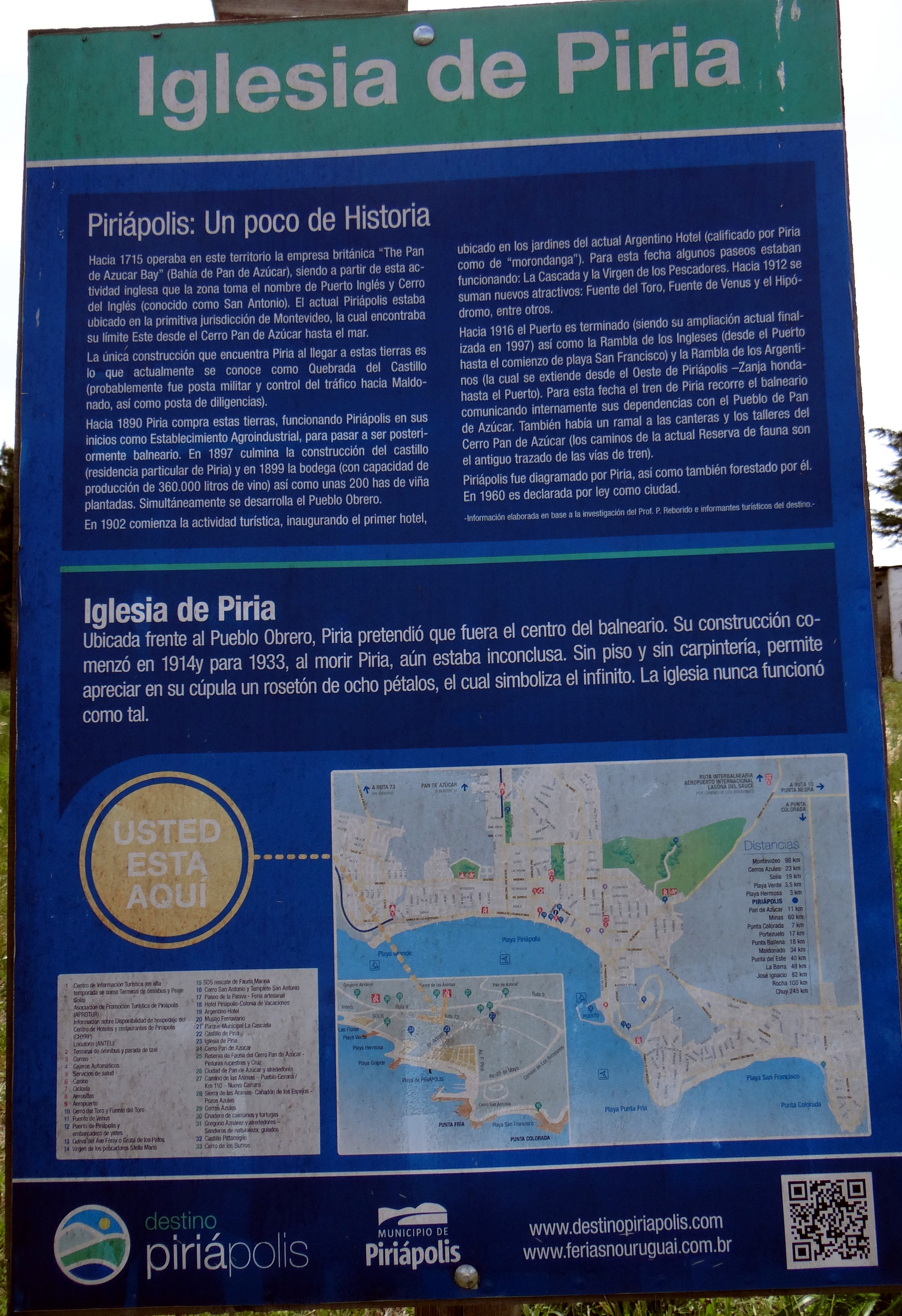
 At the roadside, in front the church, one would find a remarkable (for Uruguayan standards) information board. Showing a brief history of Piriapolis and the Piria church.
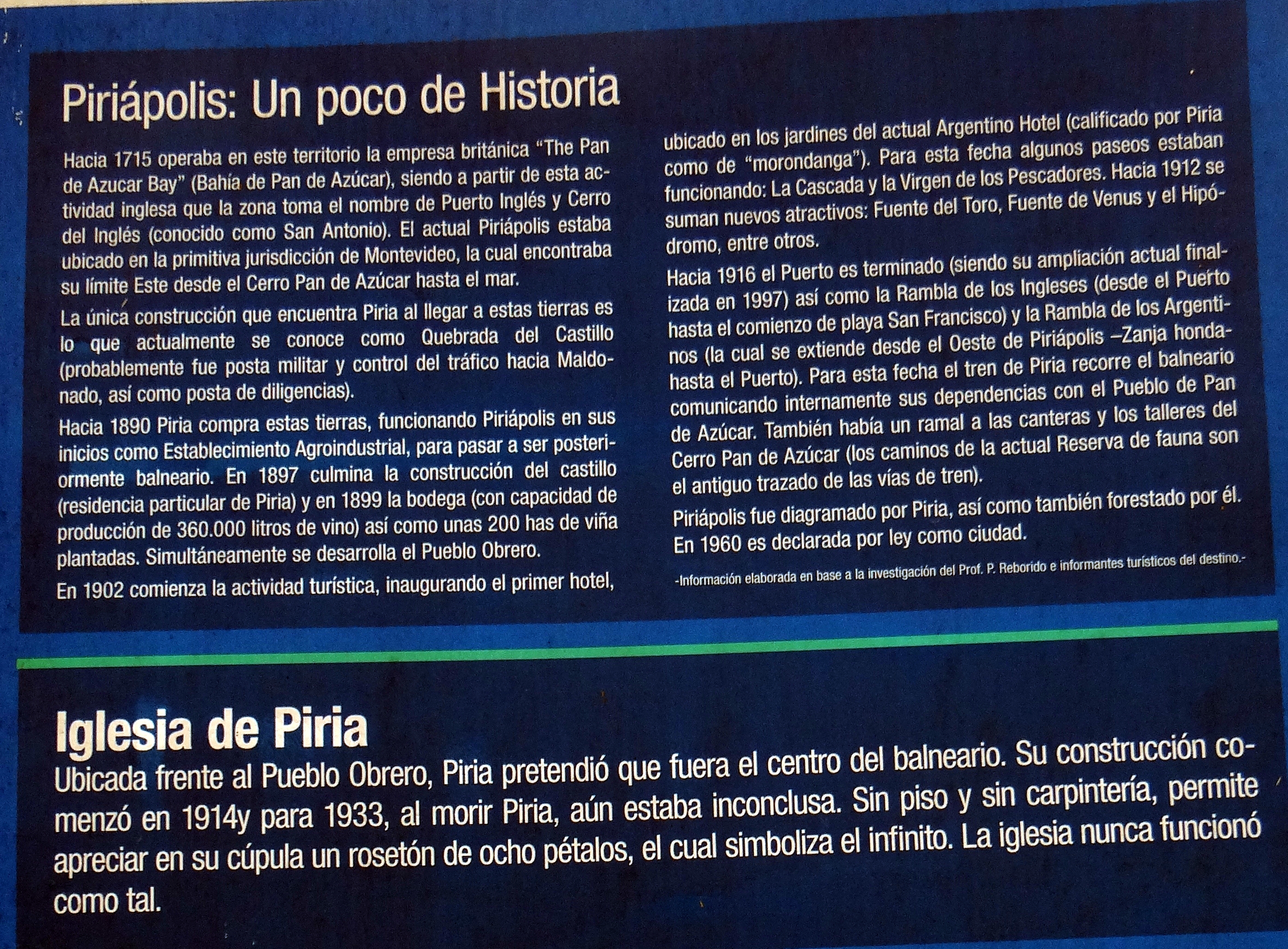
The design of the building was designed so that during the spring equinox a sunbeam cross it eight-petal rosette tower at a certain time of day, and illuminate a predetermined point of the altar, where Francisco Piria would put a little powder projection (the substance that allows the transmutation of metals in alchemy).
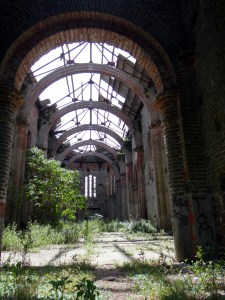
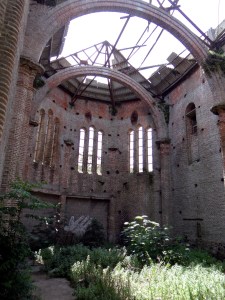
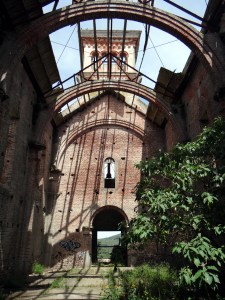
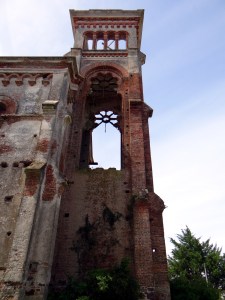 The state of this beautiful building of Gothic design is precarious and could collapse at any time. Sadly shabby as many many other historic buildings as well as churches in Uruguay. See also my posts about „Churches Uruguay“ or much more under the tag „Churches“.
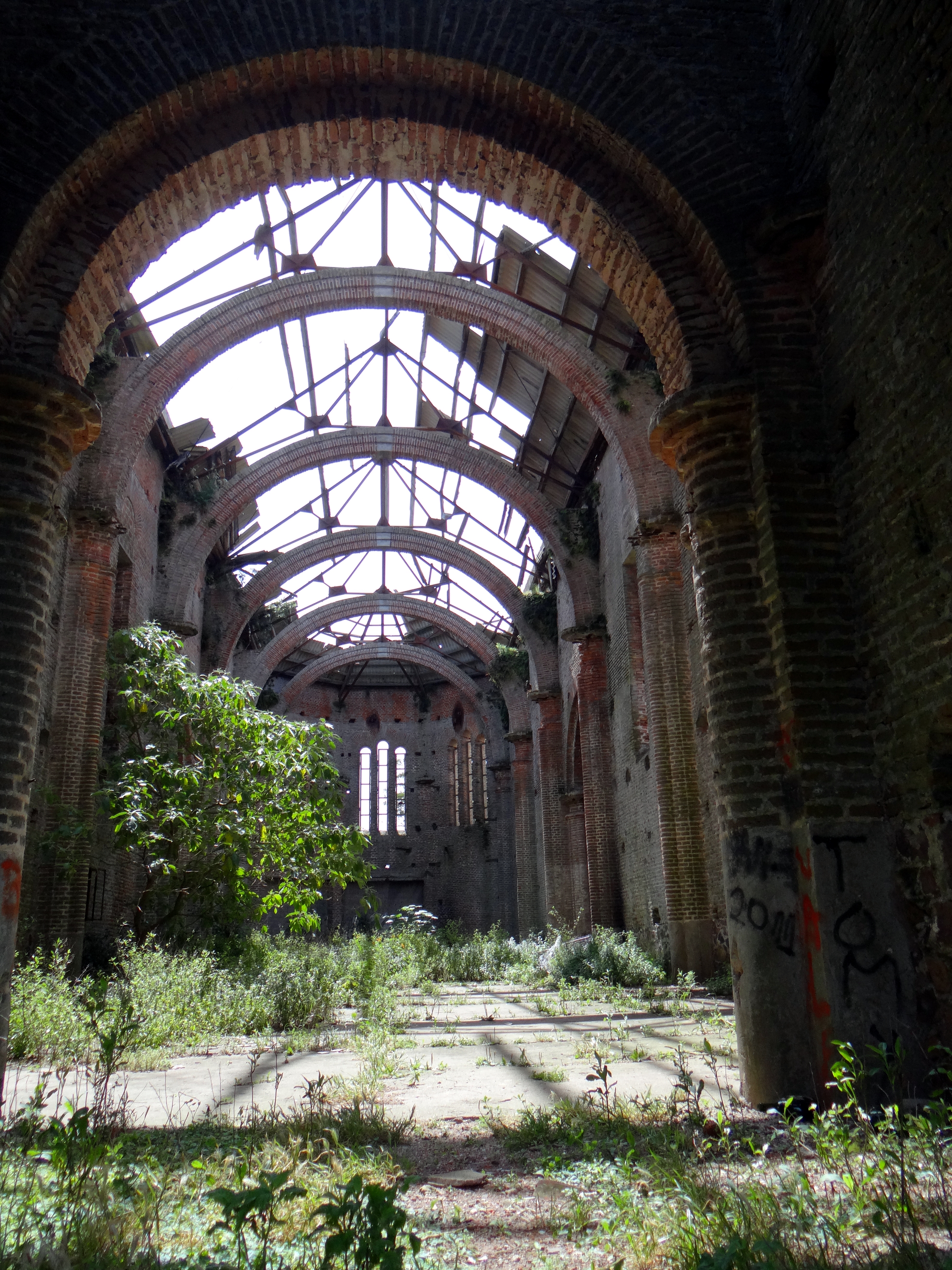
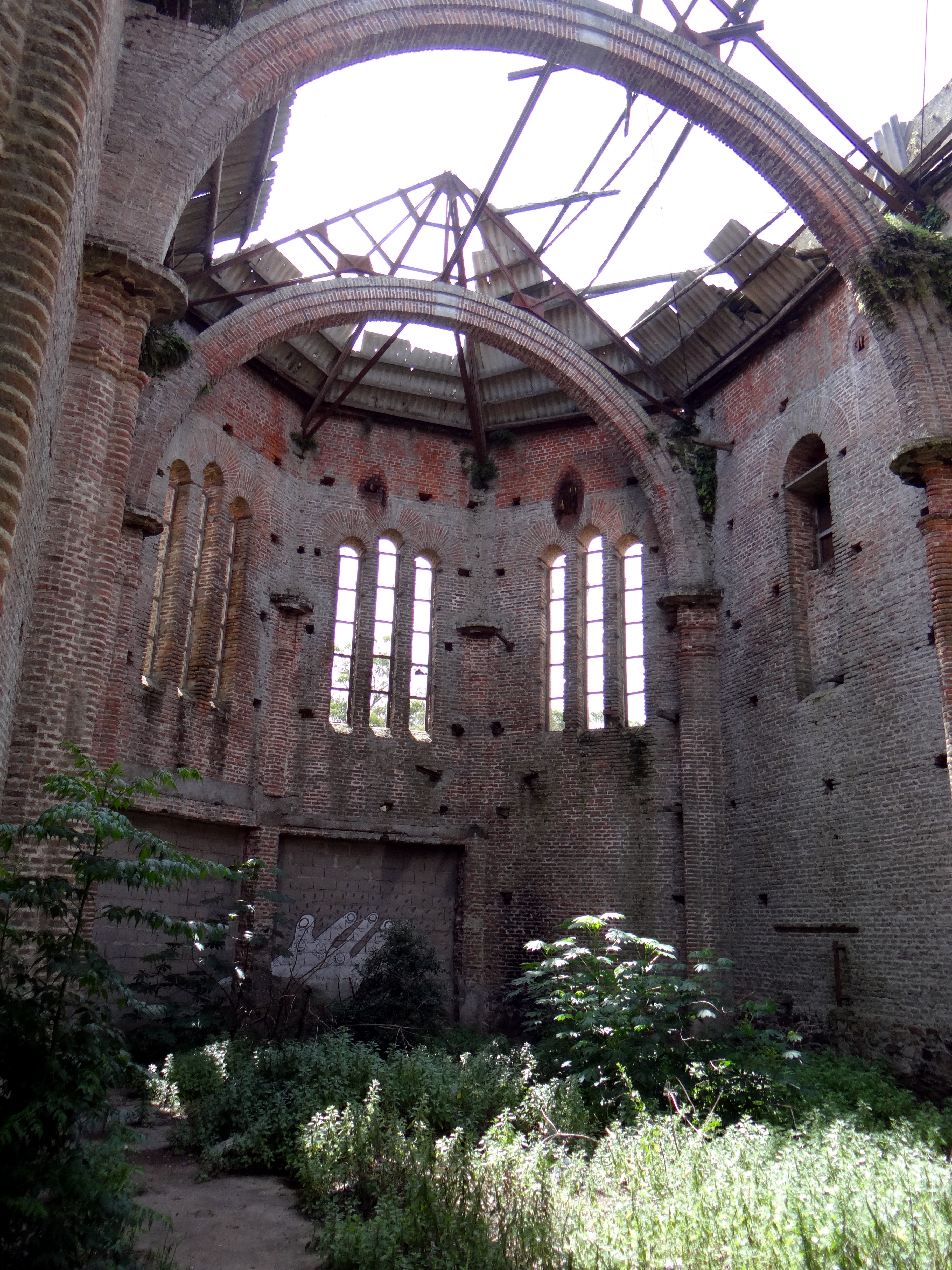
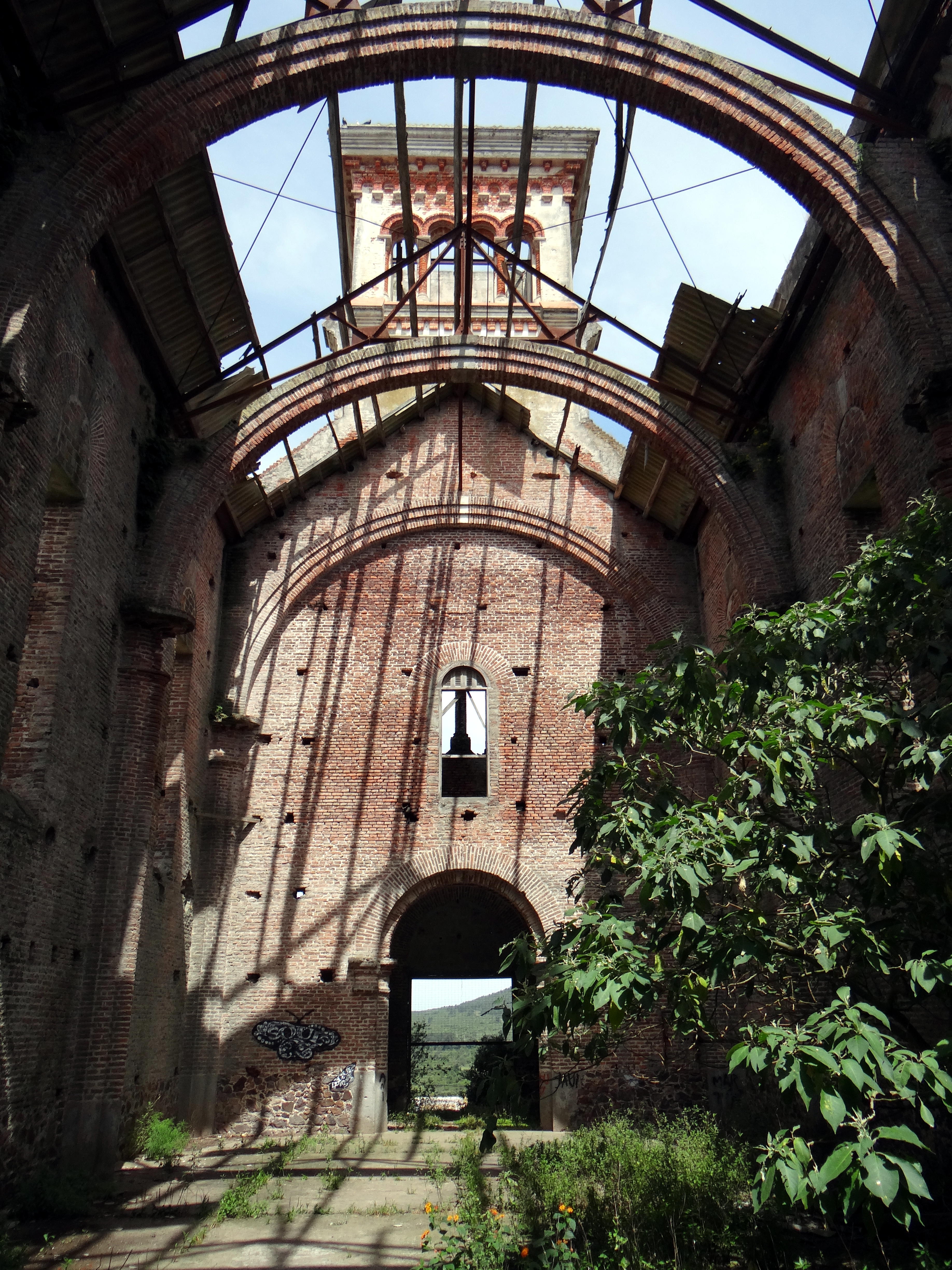
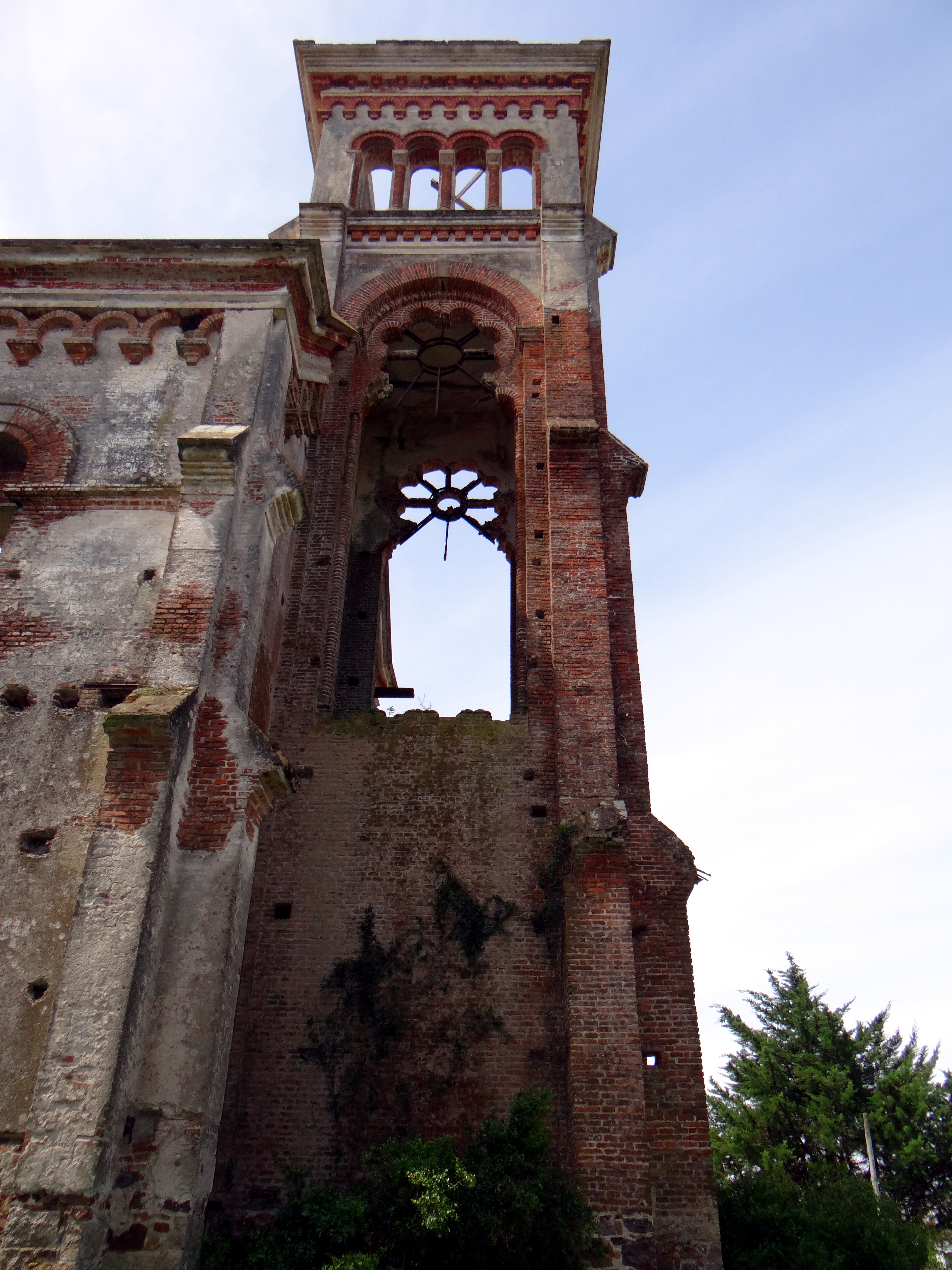
The church building is currently in private hands. It was first used as carpentry, then was left waiting for an apparent concession to the religious use. Later it became the current deposit. Just a deposit for firewood.
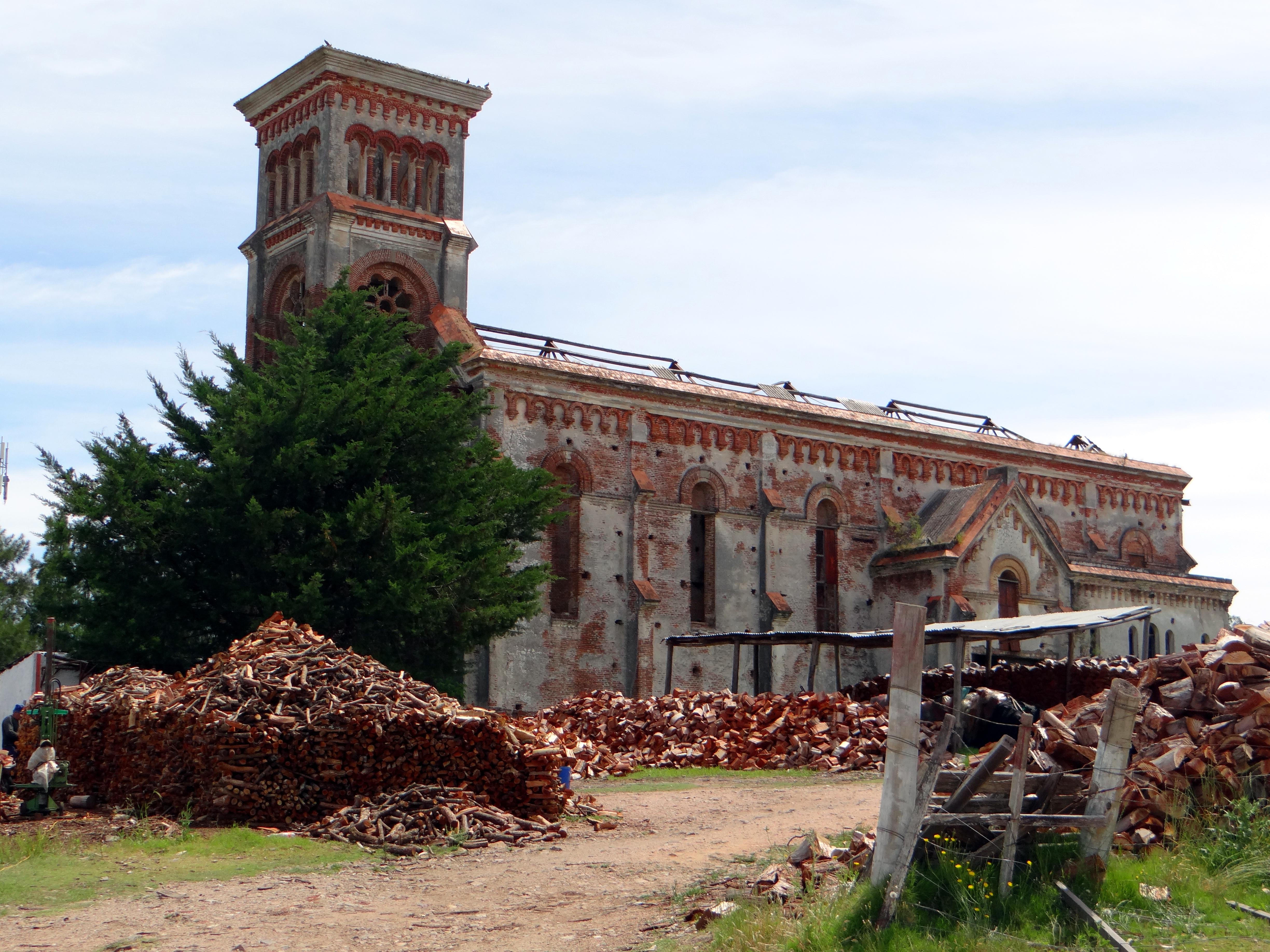
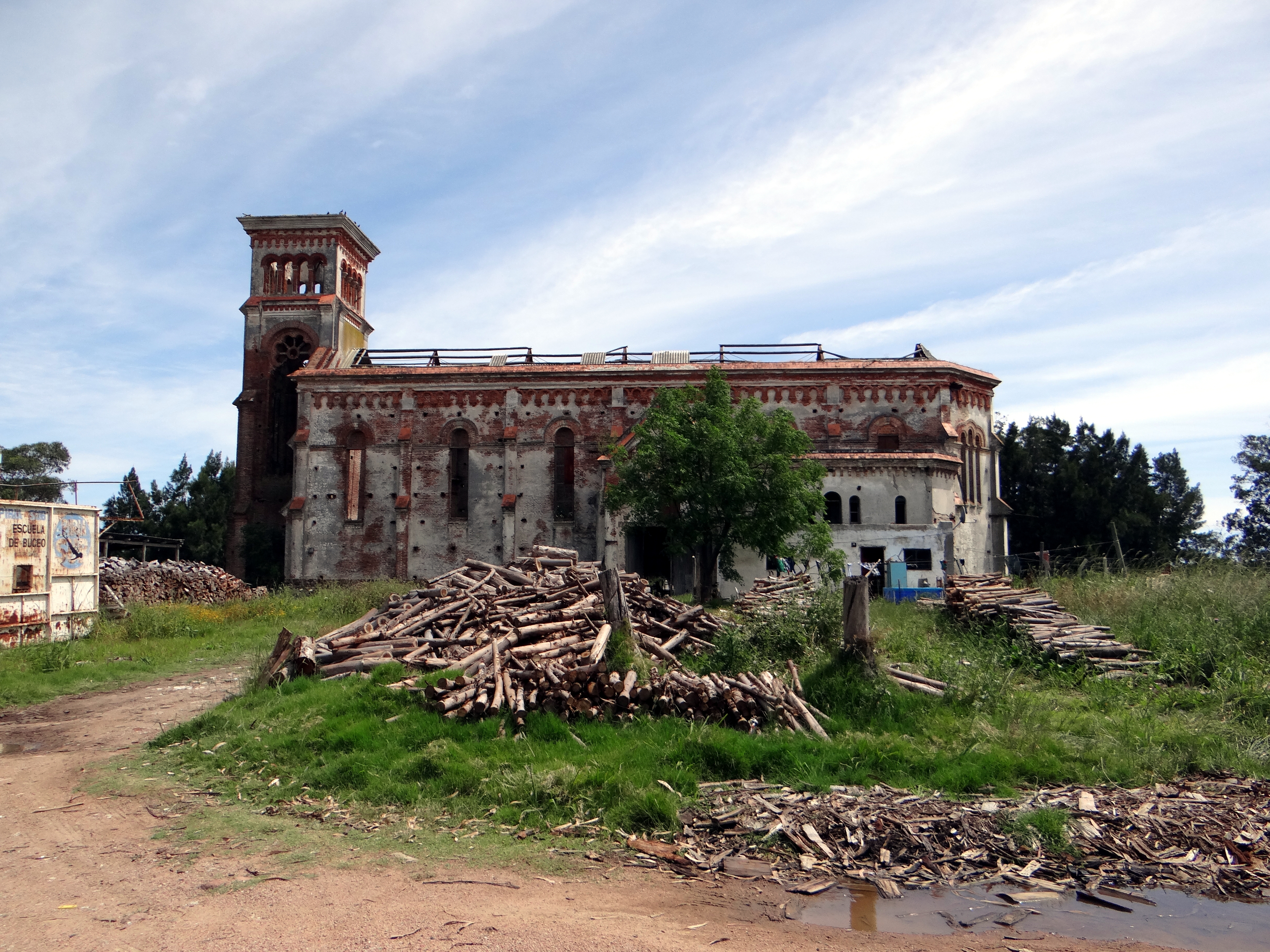
This church was never consecrated and therefore never used as a church. It’s a shame, because it’s an extraordinary one, architectural as well as an aesthetic building. And for sure one of a kind in Uruguay.
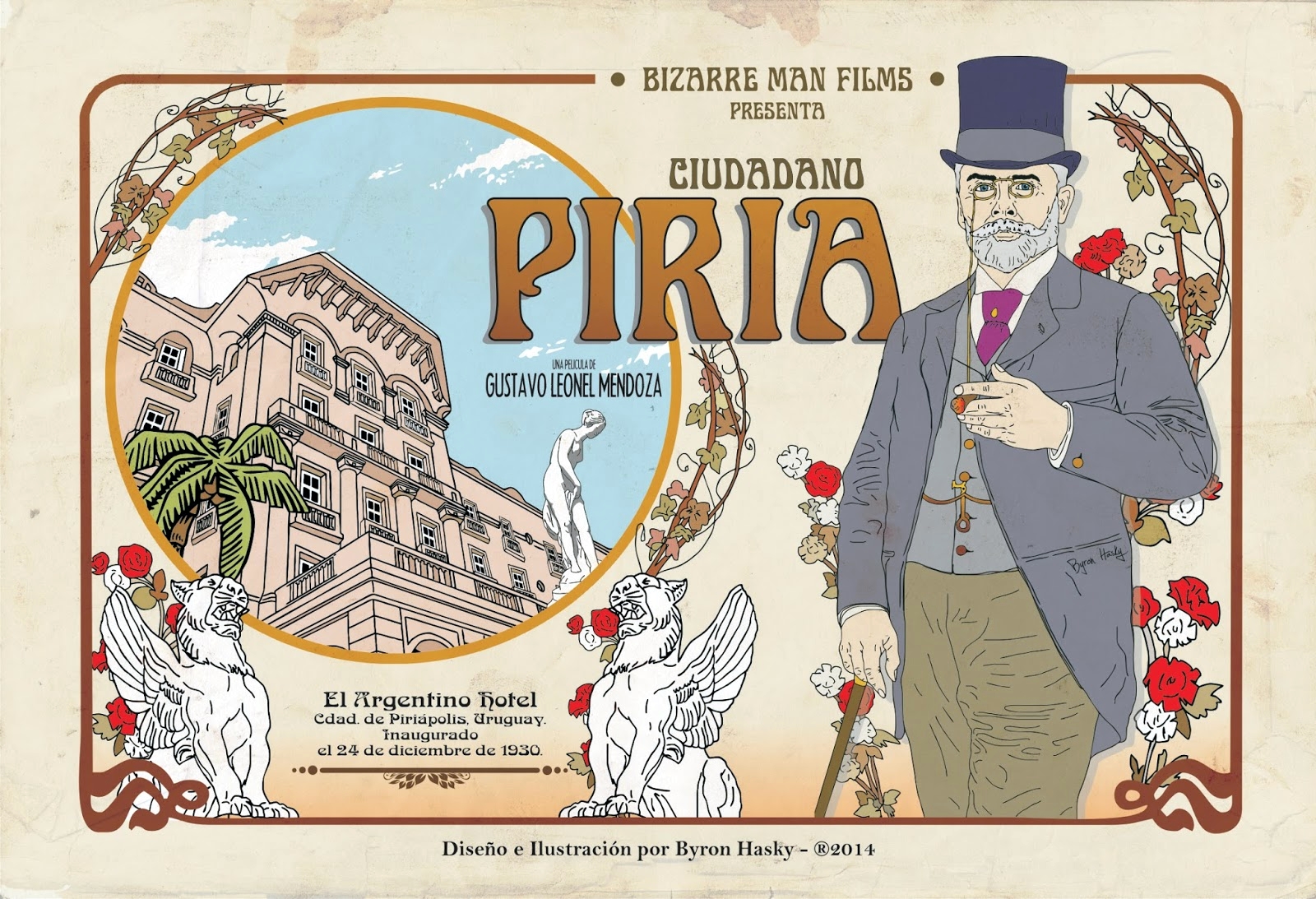
 The church, or cathedral named by some, is also an attraction for Gustavo Mendoza’s movie about „Ciudadano Piria“, presented by „Bizarre Man Films“.
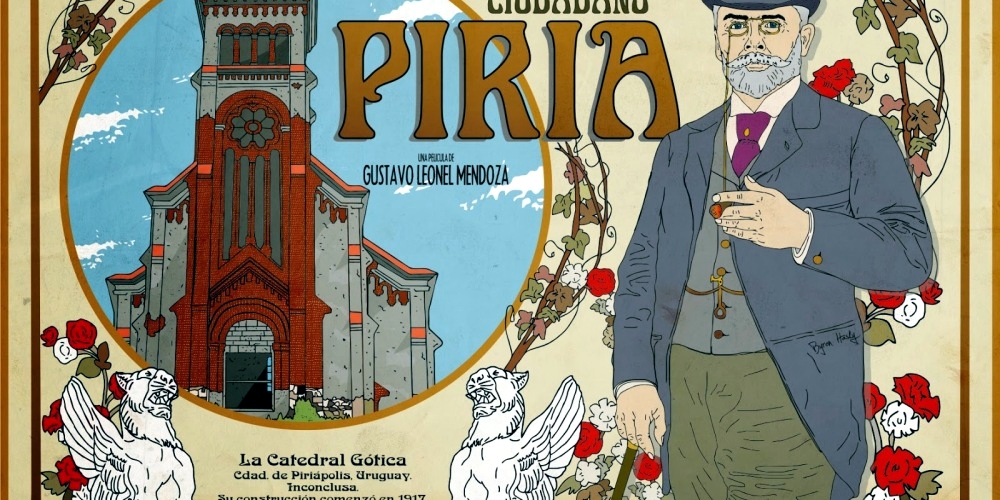
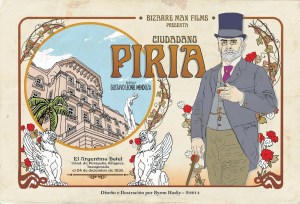 A similar movie poster is showing the Argentino Hotel.
Since it was abandoned without consecration, the church has undergone many local legends, which attribute to be a point of energy to the alchemical Piria plans.
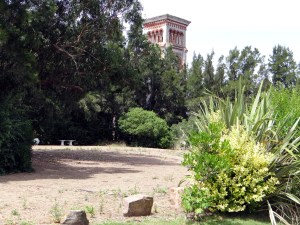
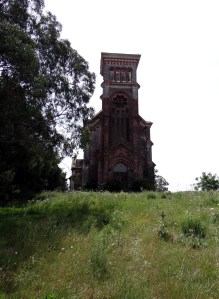
This mysterious landmark is good for local legends .
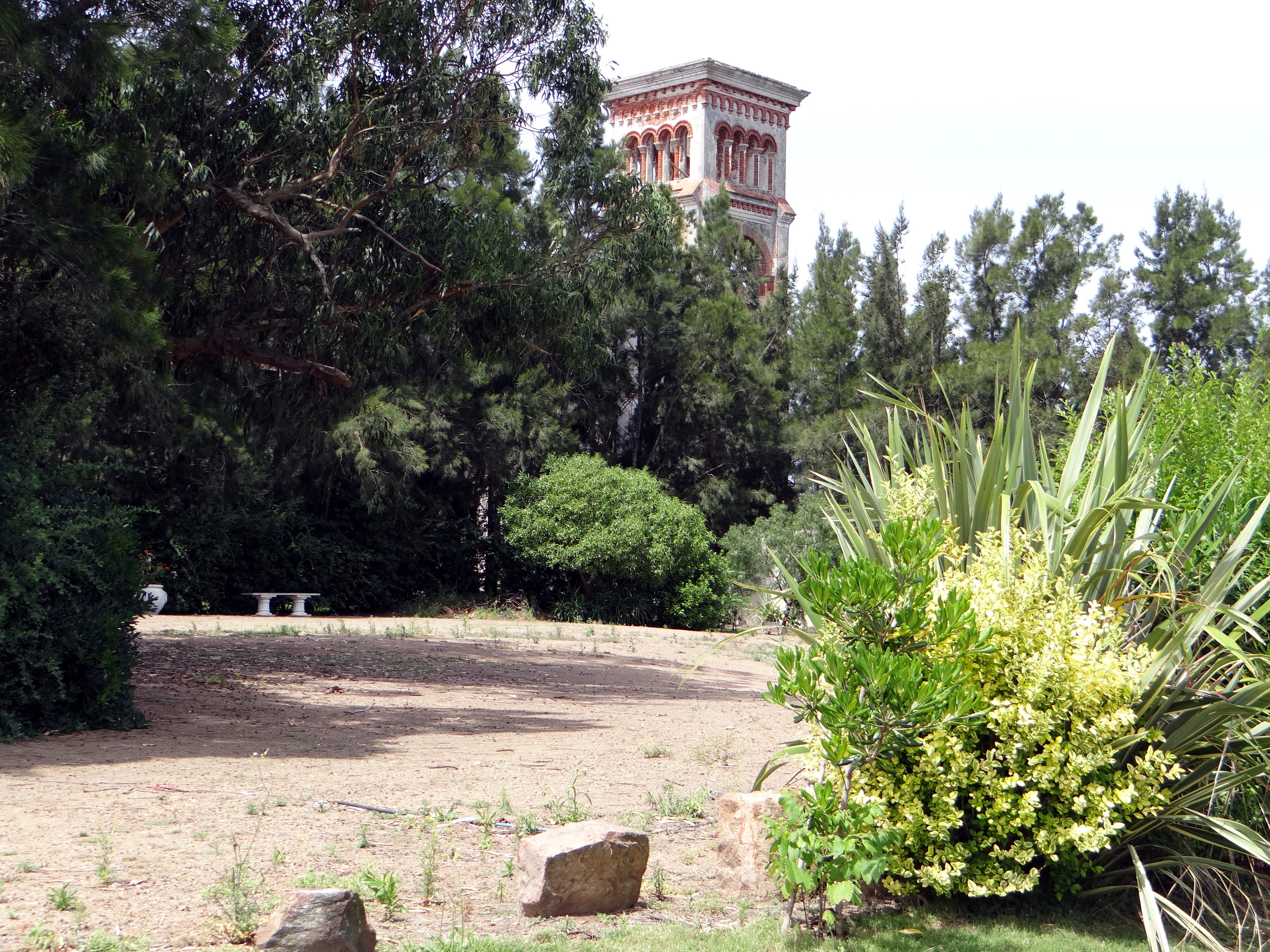
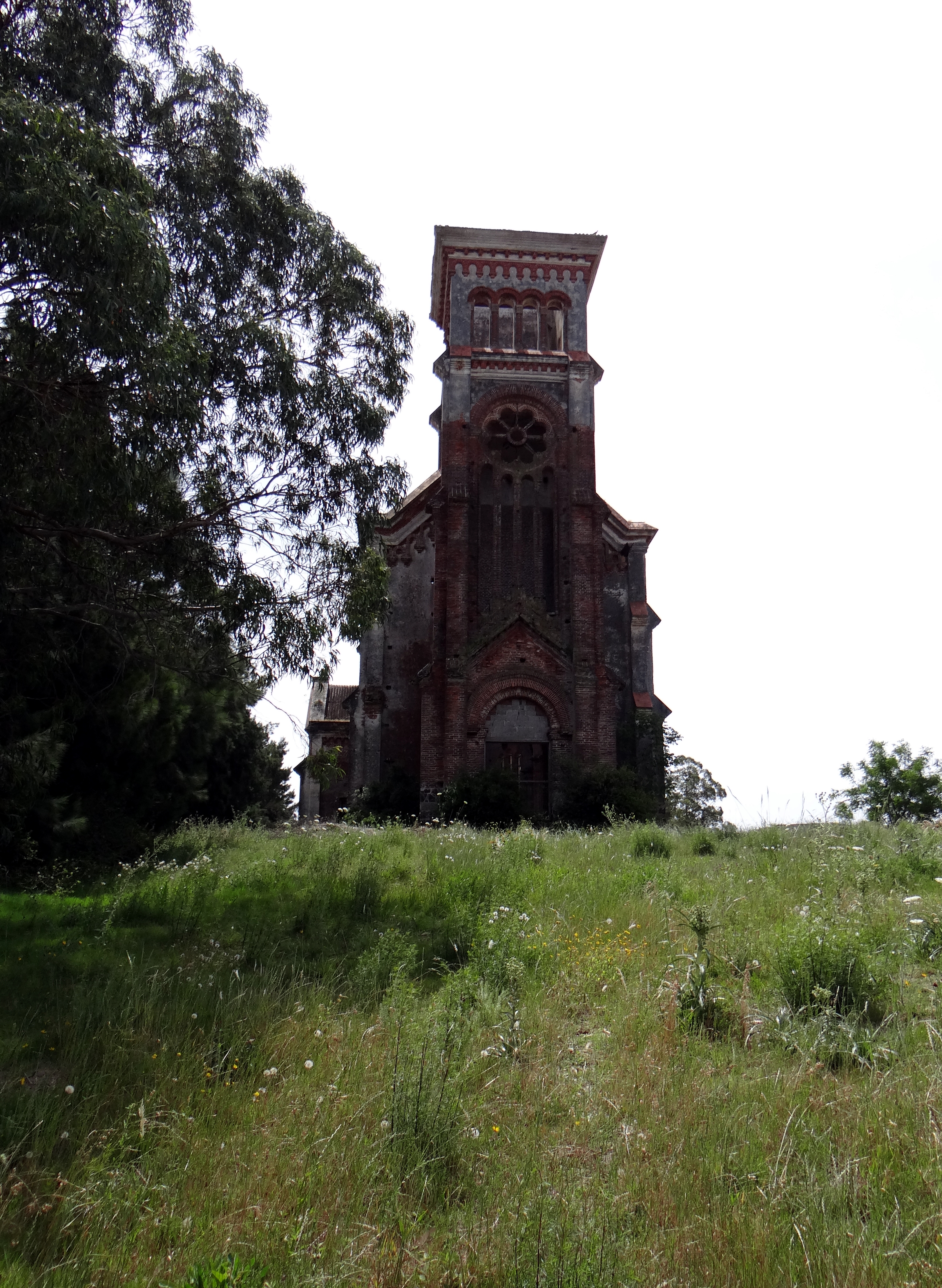
Piriapolis has some mystics for those interested in esoteric subjects tours. In them the „damned church“ as an undeniable point of interest is included.
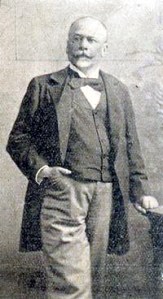 Francisco Piria around 1900.
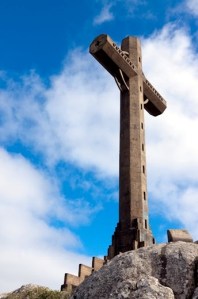 This famous Uruguayan national landmark was an idea of the Uruguayan poet Juan Zorrilla de San Martin (good friend of Piria and build on Piria’s land, at this time) and build by the architect Alberico Izzola (son of Adela Piria). See my post „Cross on a Sugar Loaf“ under category Uruguay.
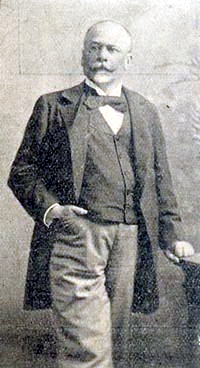
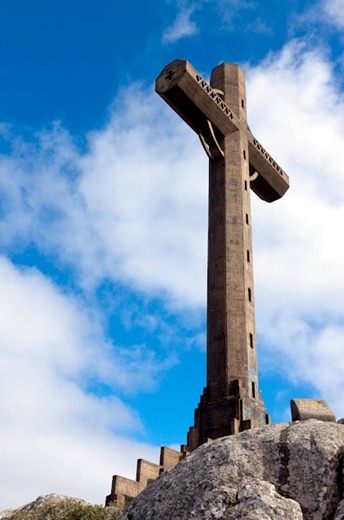
To say that was all he did, is absurd, its a long list, I’ll summarize. He created more than 50% of neighborhoods in Montevideo, several villages in the hinterland, as well as in Argentina. He left several legacies on advertising, sociology, economics, alchemy, etc.
Perhaps his one sentence would suffice to summarize all his work: „Fall in love with what you do“. Certainly valid in today’s time.
Preview.
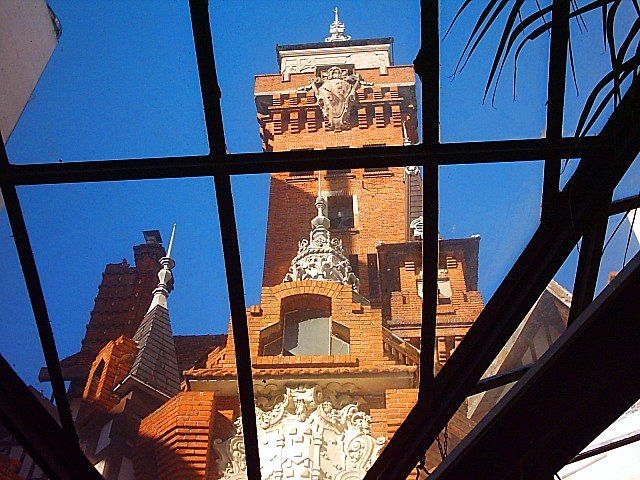
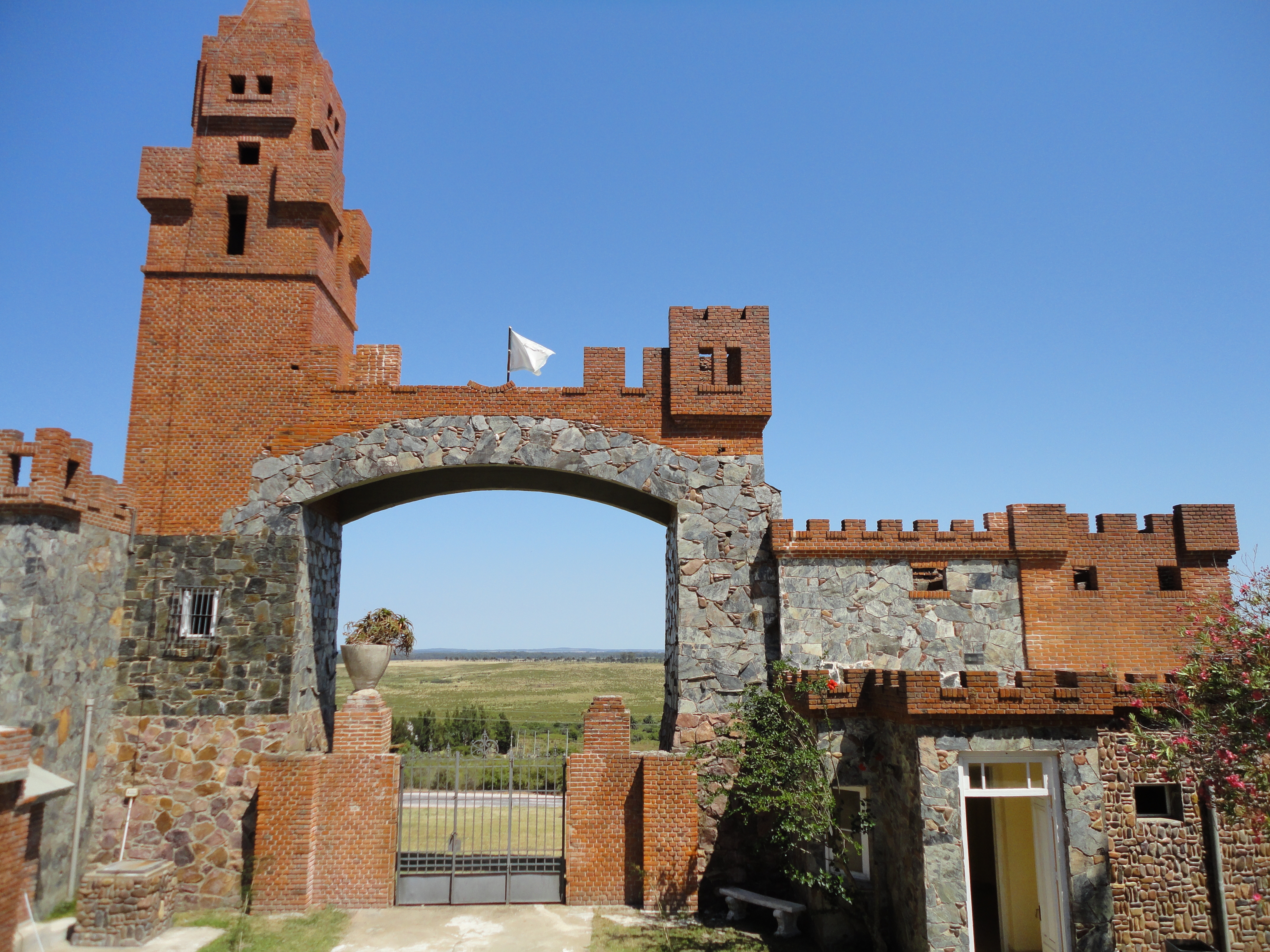
Another notorious character in the life and work of Francisco Piria was Humberto Pittamiglio, a visionary entrepreneur, architect and politician, known also in masonic building, like Piria. Piria was his teacher in the mysteries of alchemy !! Stay tuned and be curious about another Uruguayan character who influenced the country enormous.


Mike,
ésta información sobresaliente, a mayor parte no lo he sabido,
saludos Hermano.
LikeLike
Muchas gracias Hermano,
buen fin de semana, Mike.
LikeLike