
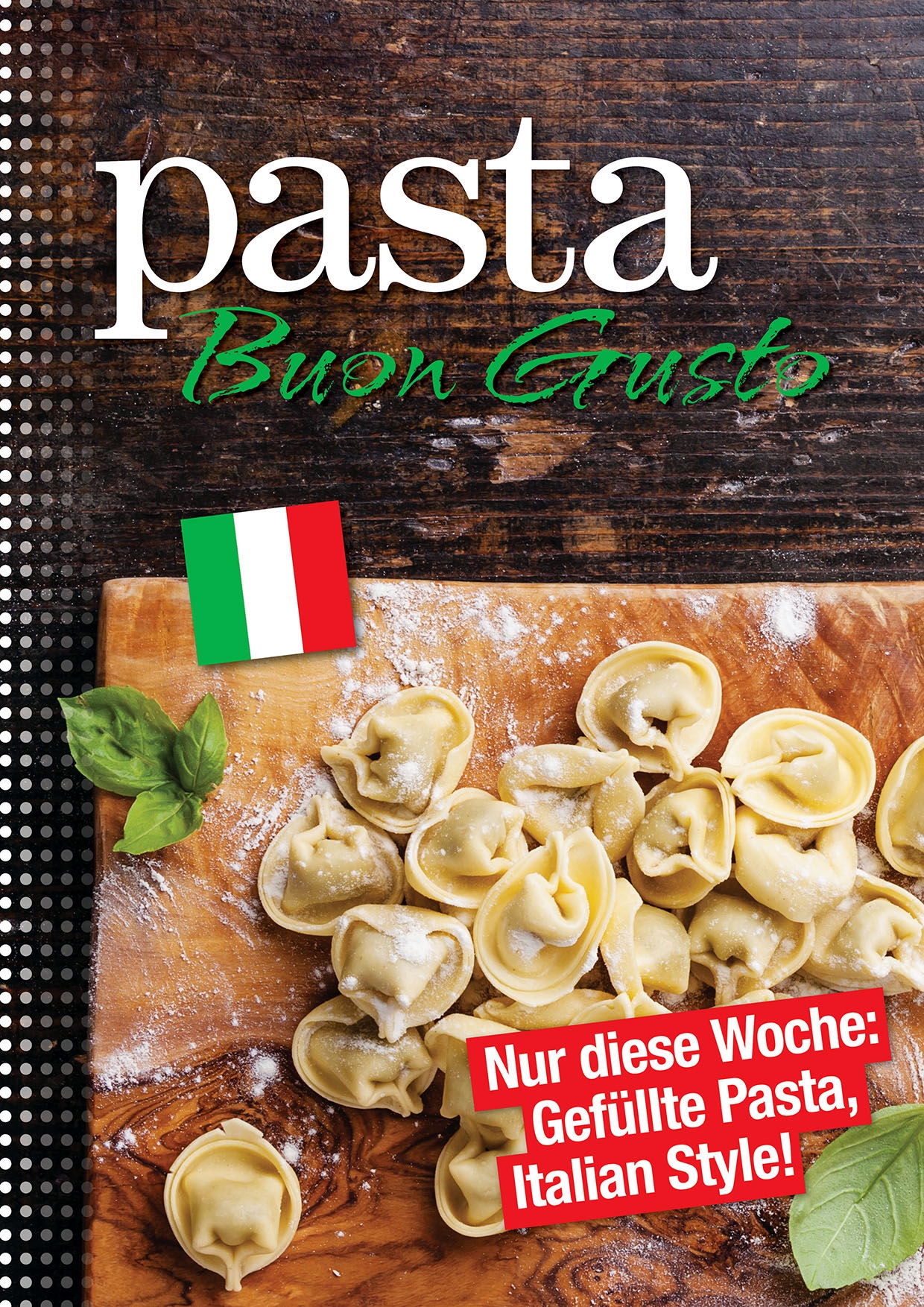
Some weeks ago we went to an Italian restaurant for dinner. All kinds of special Italian dishes, like pizzas, risottos, ample variety of antipasti, very nice fish and meat dishes and of course pastas.
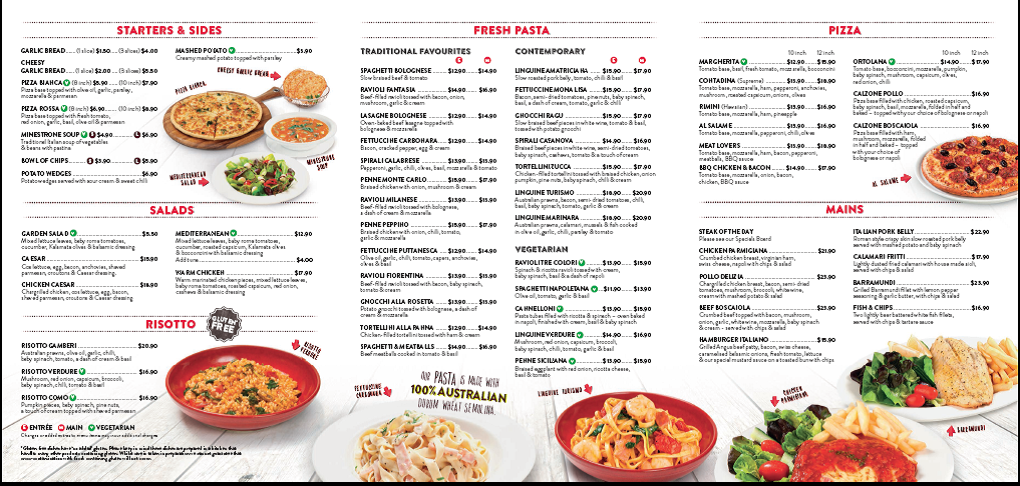
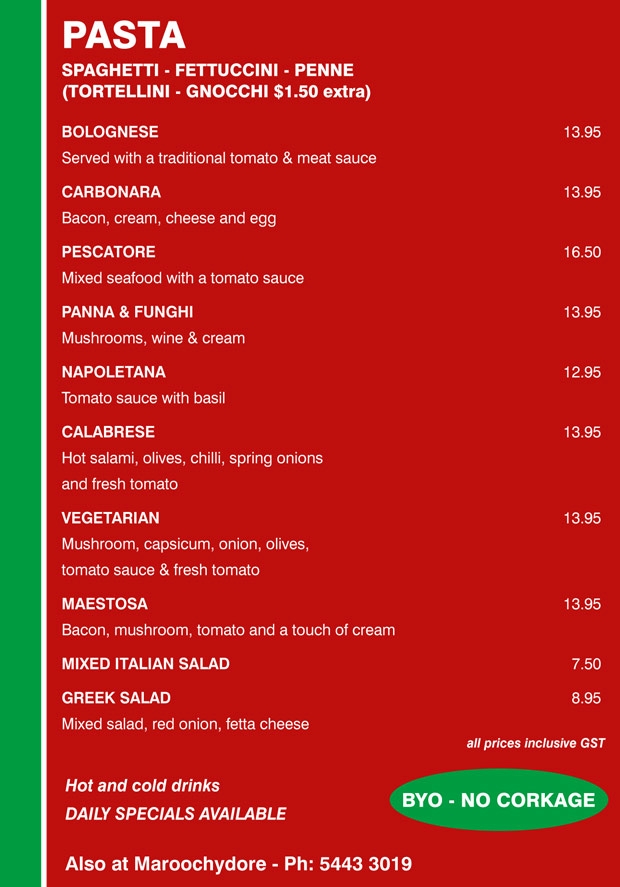
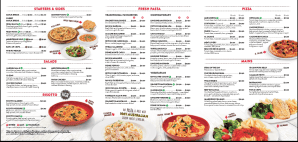 Typical Italian Restaurant menu card, from Australia.
Next to us, sitting 2 families with about a dozen people and we had no chance as to overhear their conversation. We heard like: girl 1: „what’s rigattoni?“, boy 1:“dad, what’s tortellini?“, mum:“dear – do you also want pasta?“ girl 2: „no mami I want spaghetti“ or man 1:“waiter, what pasta do you serve on the carbonara“ – waiter: „what do you like Sir, we have lots of different ones“ – man 1: „no answer“ . Waiter: „What do you like with your calabrese, fettucini or penne ?“ man 2: „nothing fancy, just pasta“ !?!?! Oh, oh !
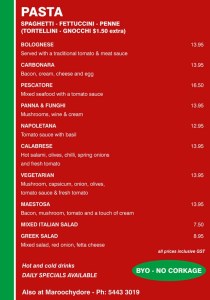 Easy to choose pasta and your favorite sauce. Well described for the inexperienced. Again Australia, near where we used to live. We loved that little restaurant – great quality of food, take away service, friendly and clean, direct on the beach and BYO (good bottle Aussie wine for 5 bucks) without additional costs.
The order went into some pizzas and 7 times spaghetti with different toppings. Nothing against those people, they were very nice and behaved – but: It seems to me that most people don’t know the basics about pastas and their names. That’s why I thought it might be interesting to have some basic names about pasta orders in Italian (or others) restaurants.
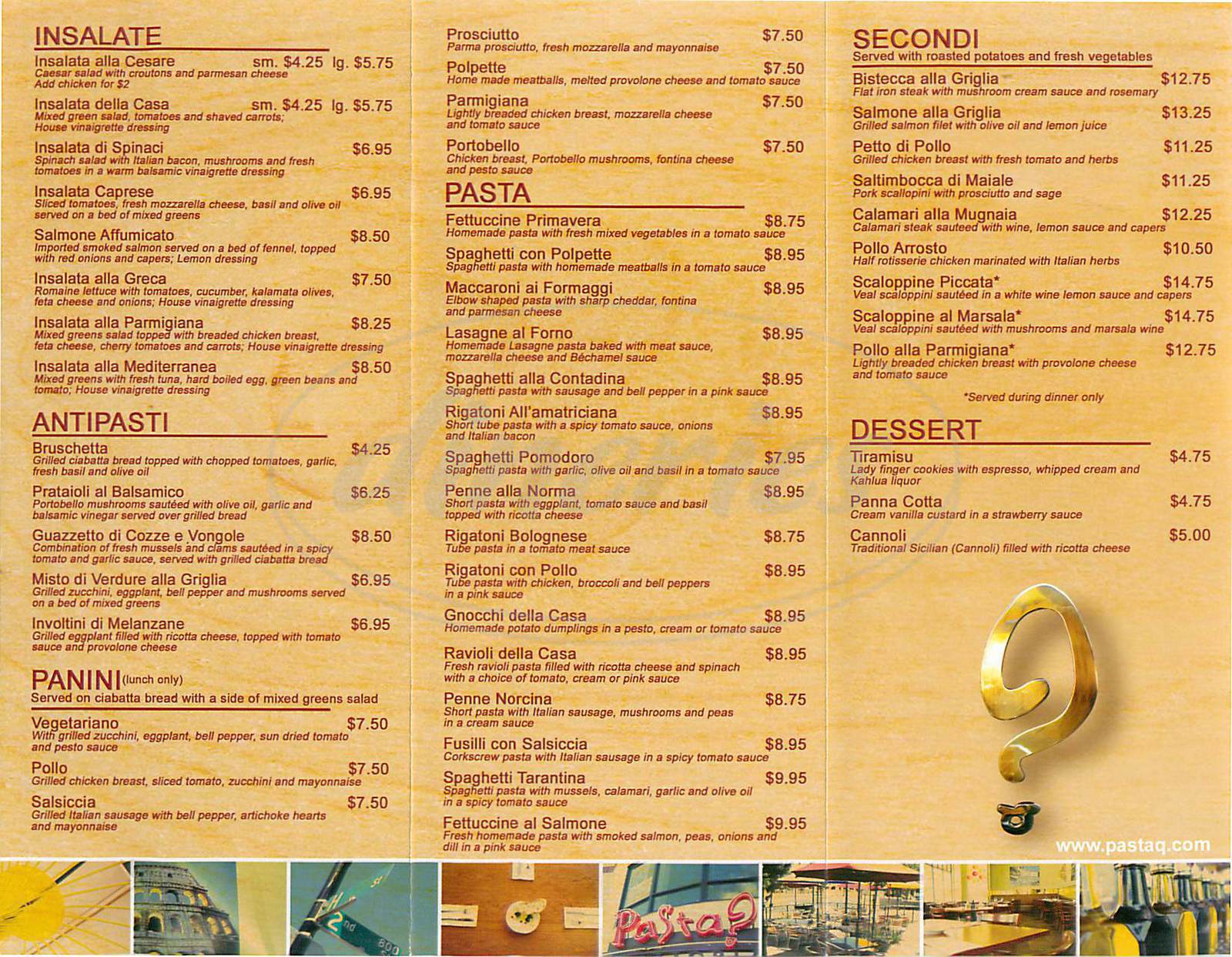
 Good pasta menu card, well described for the inexperienced customer. A great chance to learn about Italian pasta dishes. Wish we had one like this around here in Uruguay.
The Pasta World.
Pasta is one of the world’s most accessible foods. Nearly every country has its own unique version of this popular, inexpensive staple. In Germany and Hungary they have spaetzle. In Greece, orzo. In Poland, they enjoy pocket like pierogi. Ashkenazi Jewish families make kreplach dumplings. And in America, pasta is prepared and served similarly to the way it is found in Italy, with the exception of all-American „spaghetti and meatballs“.
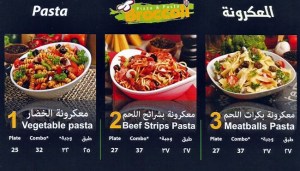 A pasta menu card Asian style, means with photographs. One goes by picture, chooses a size and that’s it. From Abu Dhabi.
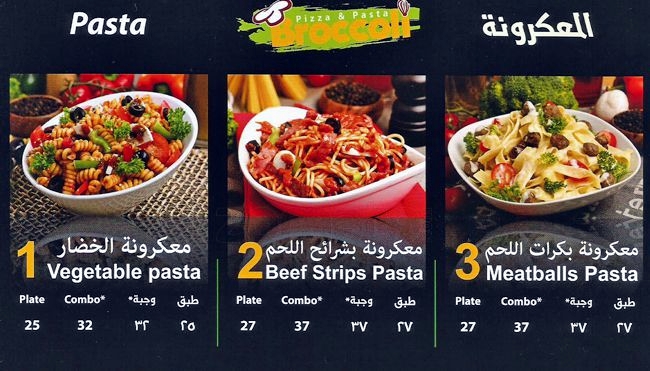
In fact, when many of us think of pasta we think of Italian food, and most people believe that it originated there. But more about the whereabouts later. It’s not easy to keep an article about pasta short. Both dried and fresh pasta come in a number of shapes and varieties, with far over 300 specific forms known variably by over 1300 names having been documented.
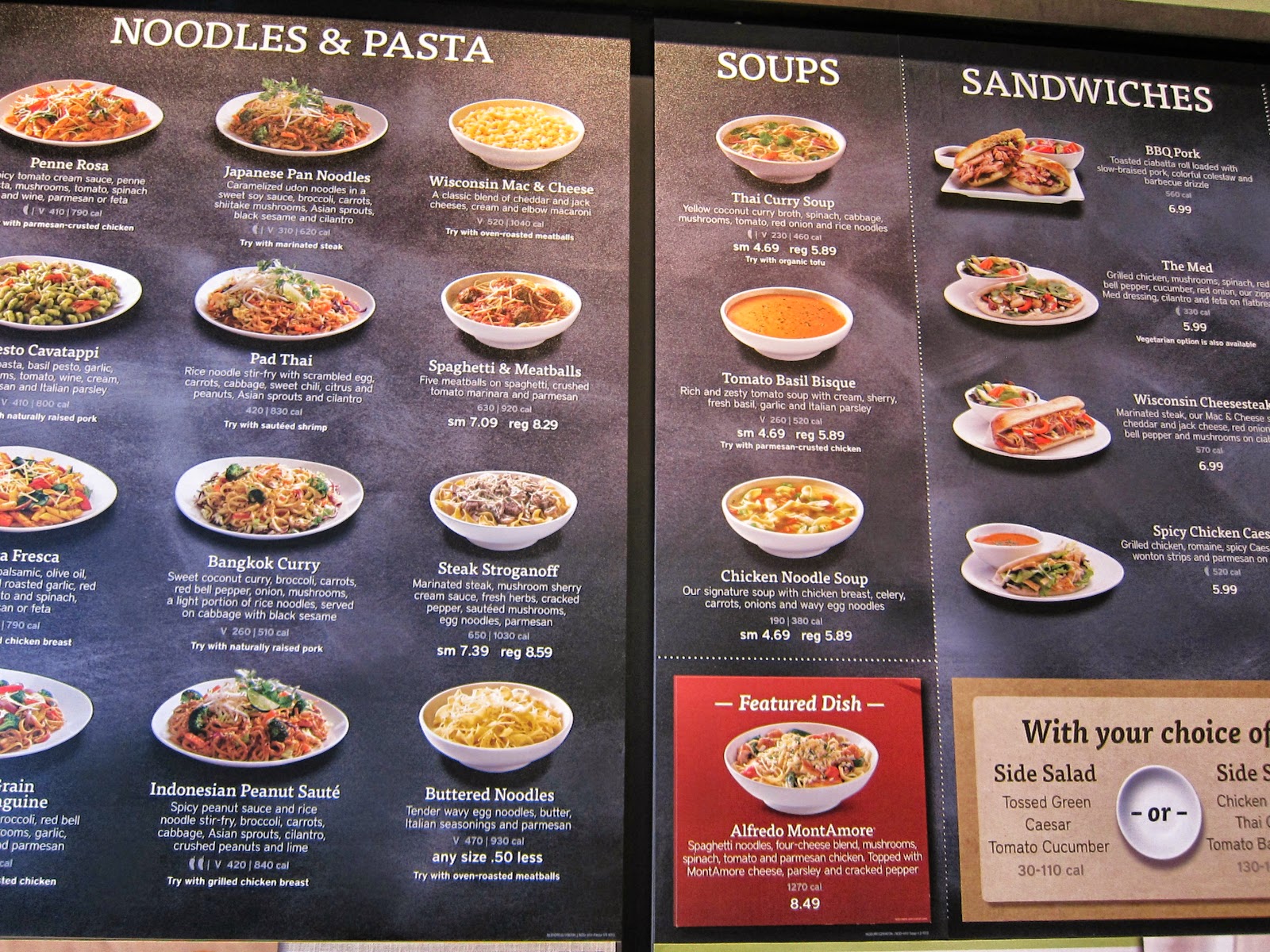
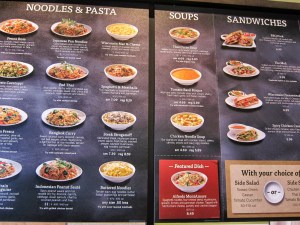 That’s what Americans like: Not much thinking, ticking on a picture and deciding for small or regular. Of course one will find „Mac & Cheese“ or „Spaghetti & Meatballs“. Anyway, a rare pasta (or may be a noodle) was found on this menu card, „Cavatappi“ a corkscrew shaped macaroni. Also named cellentani, amori, spirali, tortiglioni, or fusilli rigati.
Also commonly used to refer to the variety of pasta dishes, pasta is typically a noodle made from an unleavened dough of a durum wheat flour mixed with water or eggs and formed into sheets or various shapes, then cooked by boiling or baking. Pastas may be divided into two broad categories, dried (pasta secca) and fresh (pasta fresca).
 Vintage pasta maker, still a lot of hand work, especially preparing the dough, even if one could use a dough maker.
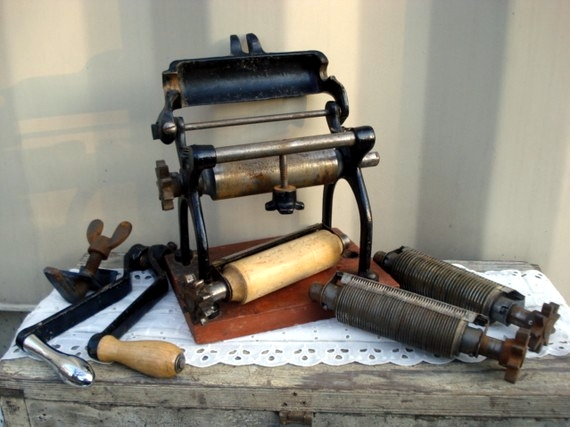
Most dried pasta is commercially produced via an extrusion process although it can be produced in most homes. Fresh pasta was traditionally produced by hand, sometimes with the aid of simple machines, but today many varieties of fresh pasta are also commercially produced by large-scale machines, and the products are widely available in supermarkets.
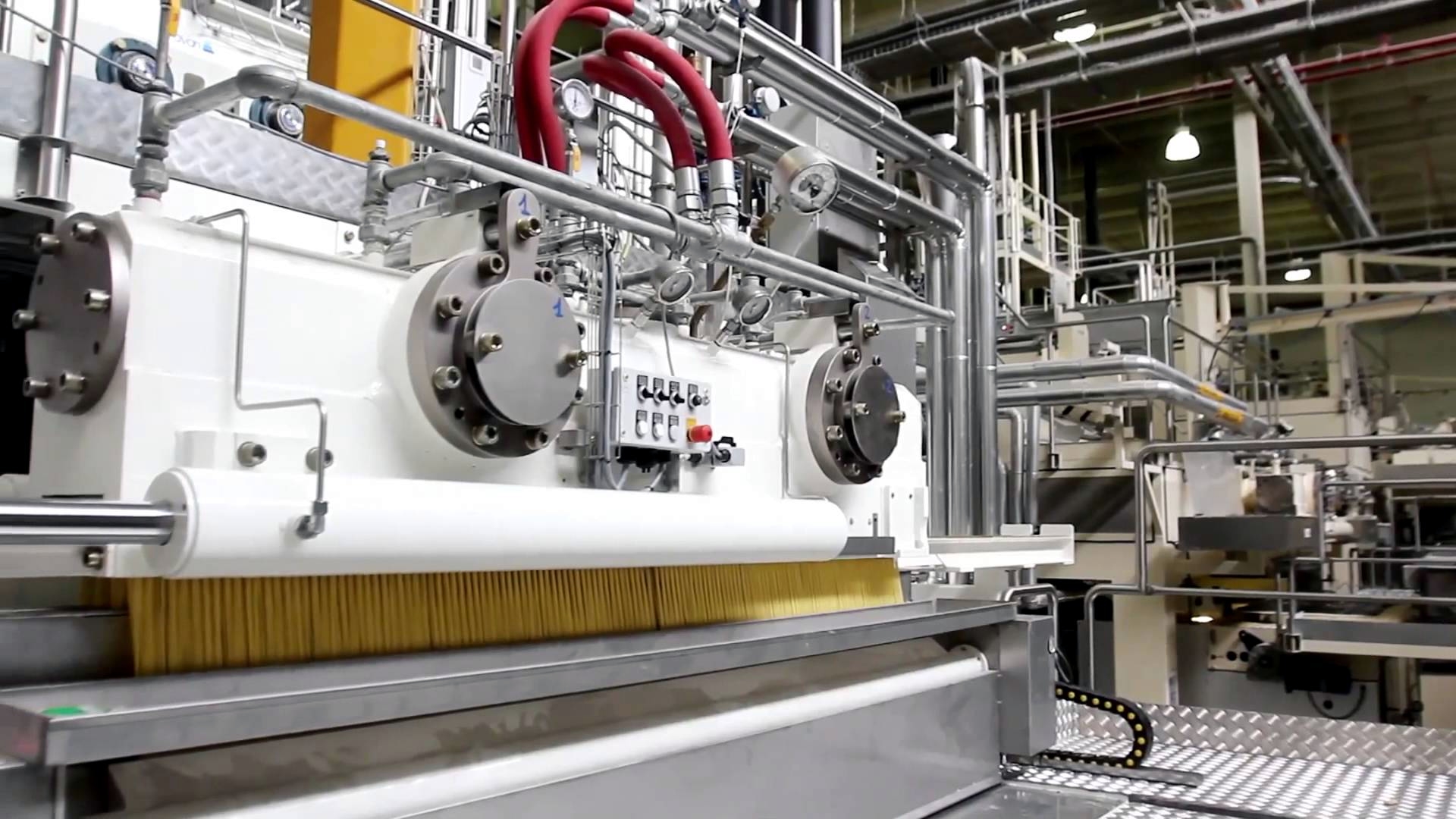
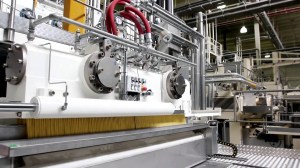 Industrial pasta maker, by Barilla, Italy.
The History of Pasta.
When we talk about pasta, we must first define the term. The word pasta is generally used to describe traditional Italian noodles, which differentiates it from other types of noodles around the world. Pasta is made from unleavened dough consisting of ground durum wheat and water or eggs. Durum wheat is also called pasta wheat or macaroni wheat.
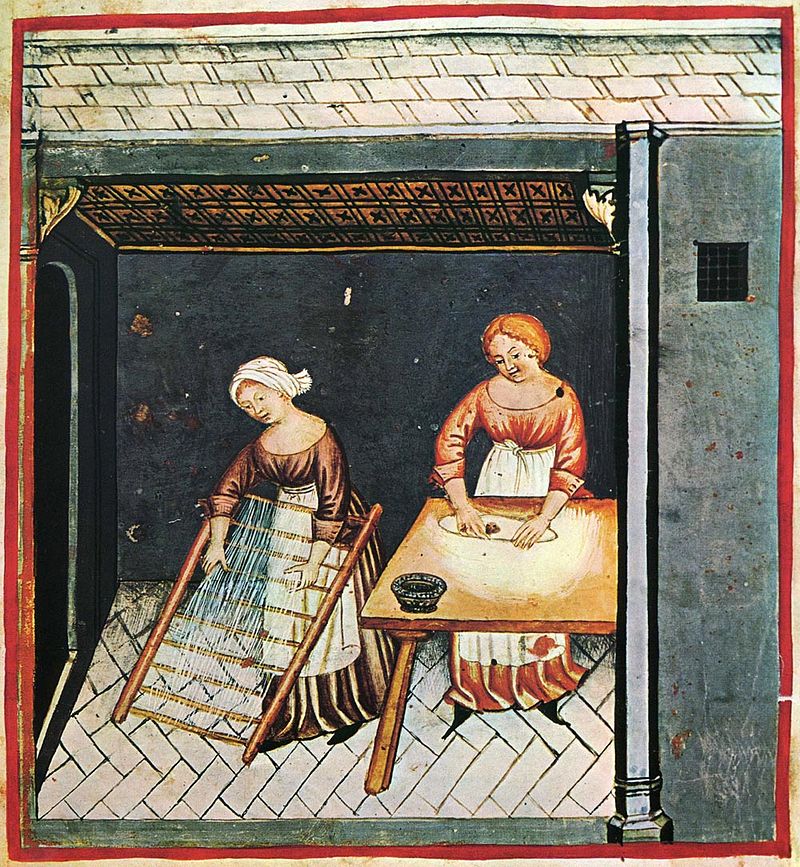
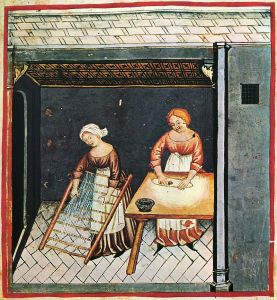 Pasta making, from 15th century „Tacuinum Sanitatis“.
The use of durum wheat sets pasta apart from other forms of noodles. Durum wheat’s high gluten content and low moisture make it perfectly suited to pasta production. The durum wheat dough is pressed into sheets, cut into a variety of shapes, and cooked before serving.
While pasta is traditionally Italian, it actually has a very ancient history that makes it almost impossible to know who came up with the dish first.
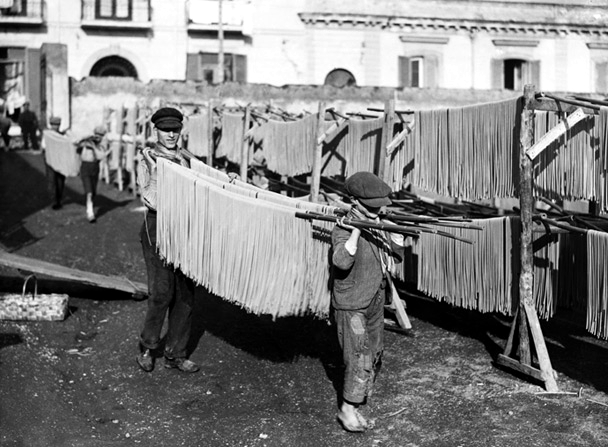
 Pasta making (drying) in Italy around 1900.
The history of pasta is difficult to trace for several reasons. The word itself translates to “paste” in Italian. This is a reference to the dough, made from a combination of flour and water or eggs – all simple components that have been around for centuries.
This makes it hard to differentiate pasta from other ancient dishes made from the same ingredients. In addition, since pasta has long been a food of the common people, it has not received as much attention as more extravagant foods… a pity, since it’s one of the most popular foods on the planet ! Let’s go deeper into history the next time.
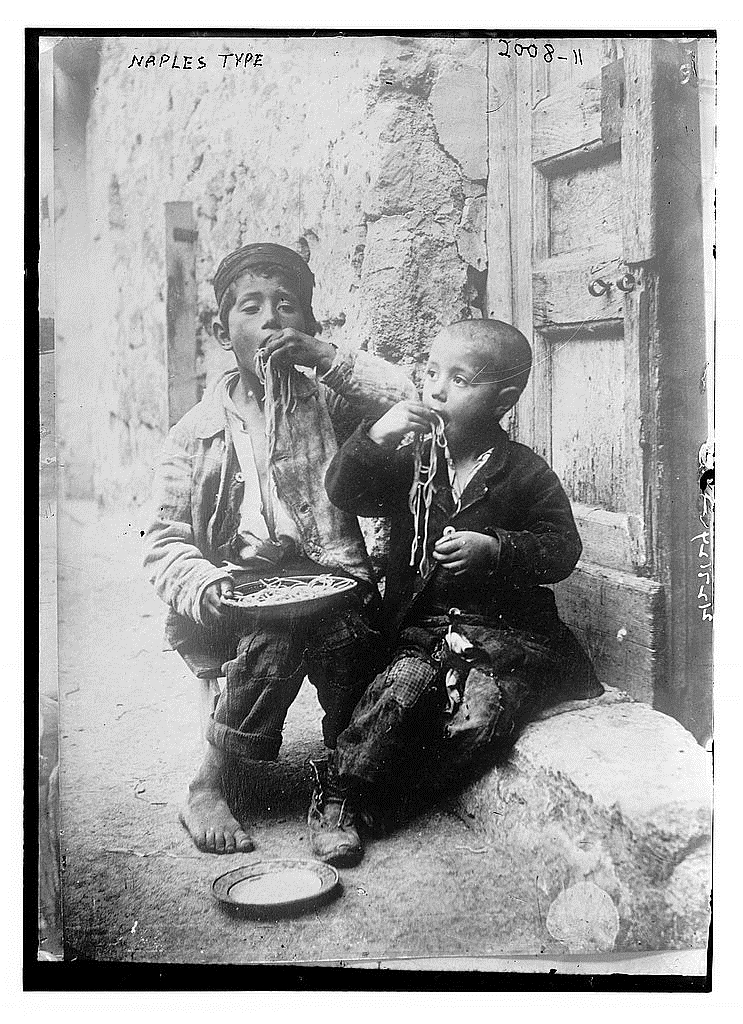
 Very popular food for these two in Naples around 1890.
Do you know Pasta ?
Let’s make a little test and see if you know some of the most common Italian pasta names. It is not important to be perfect, but it will help next time to order a bit more professional in your favorite „Italian“. In Italy the names of specific pasta shapes or types often vary with locale. For example, the form cavatelli is known by 28 different names depending on region and town.
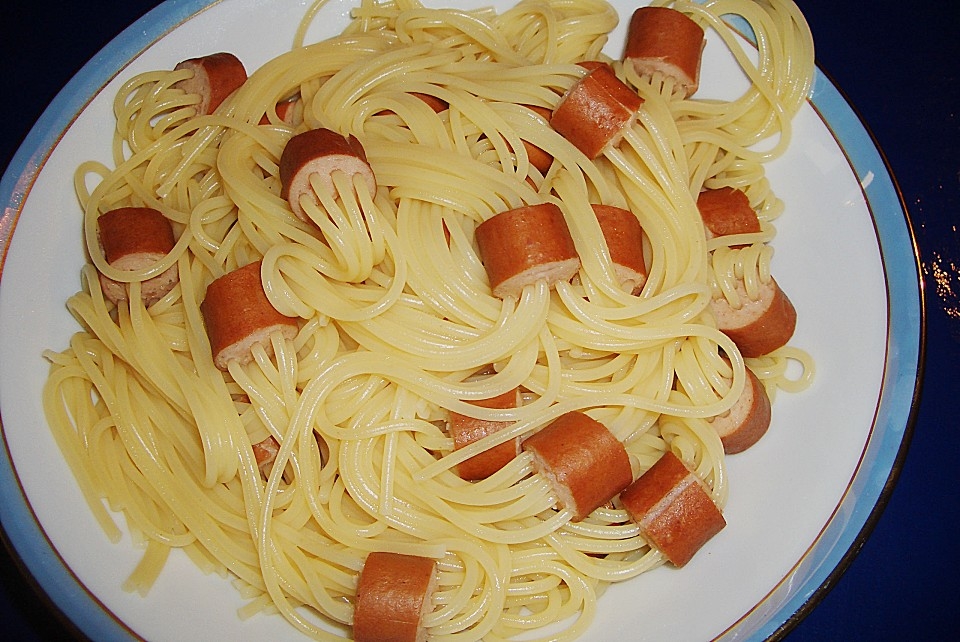
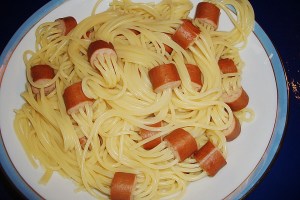 Almost everyone knows Spaghetti, the bit thinner type is called Vermicelli and the bigger ones are called Macaroni. Our daughter asked, when she was little, how they make Spaghetti. Our answer: „that’s the inside of the macaroni“. Not very fair – eeh ? But – she really was keen to know how we got the spaghetti into the sausage. Great stuff and kids love it, a bit ketchup on top and they have their favorite meal. As always, click on the picture to supersize, it will be much more enjoyable.
Now browse through the following pictures and decide which is the right name – 1., 2. or 3. Some are easy, some you will find difficult. If you like you can send me your result numbers (like – A-4 B-5 etc.), I will post the answers in a following article.
What is their name – go on, test yourself .
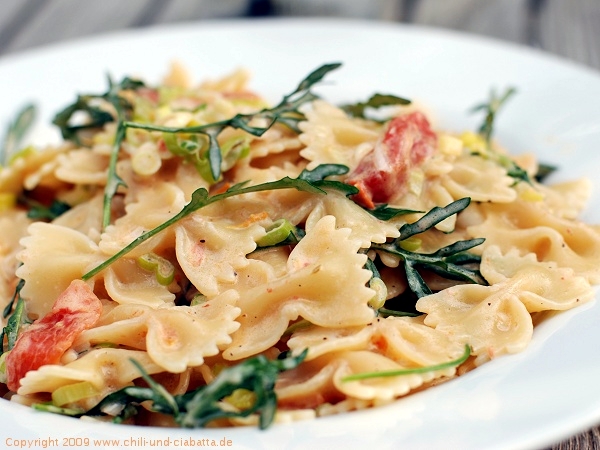 A. 1.Fratelli 2.Fanfare 3.Farfalle
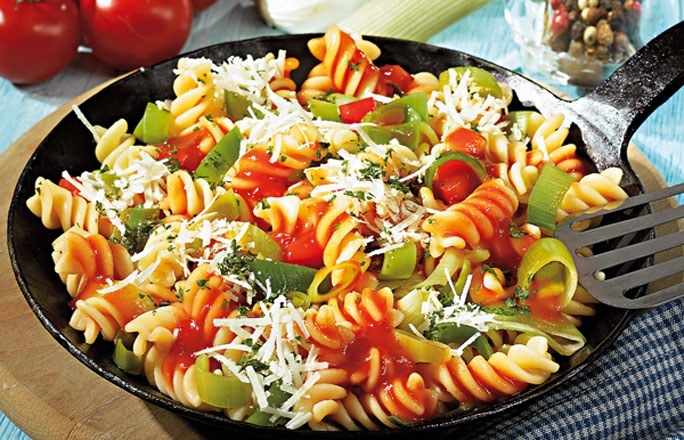 B. 1.Spiralini 2.Fisulli 3.Fusilli
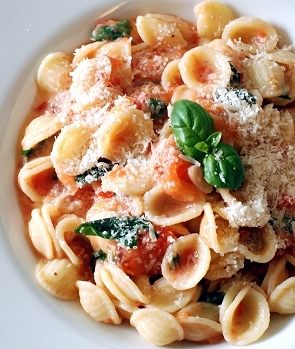 C. 1.Okapi 2.Orecchiette 3.Origami
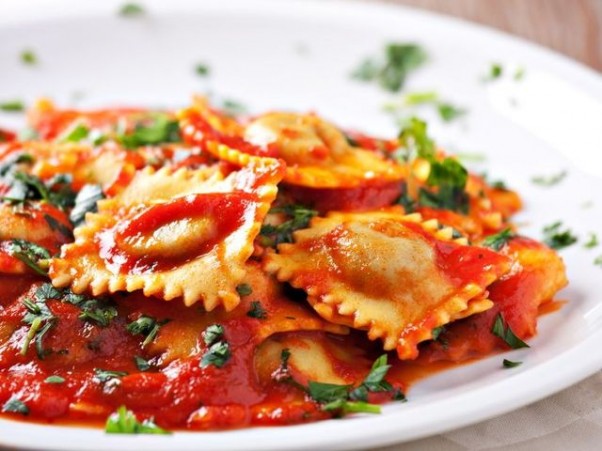 D. 1.Ravanelli 2.Rastafari 3.Ravioli
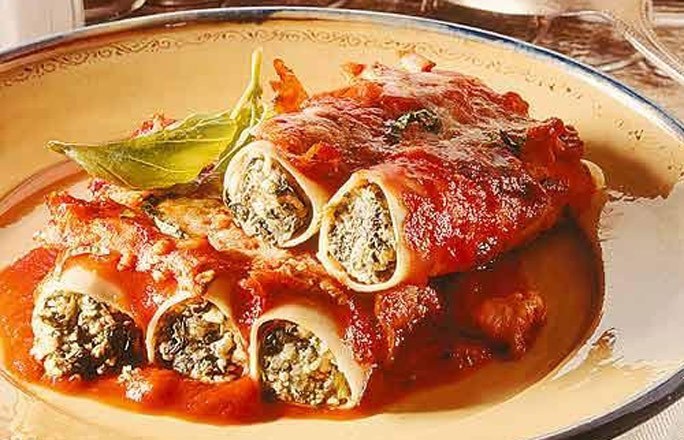 E. 1.Canoni 2.Calzonini 3.Cannelloni
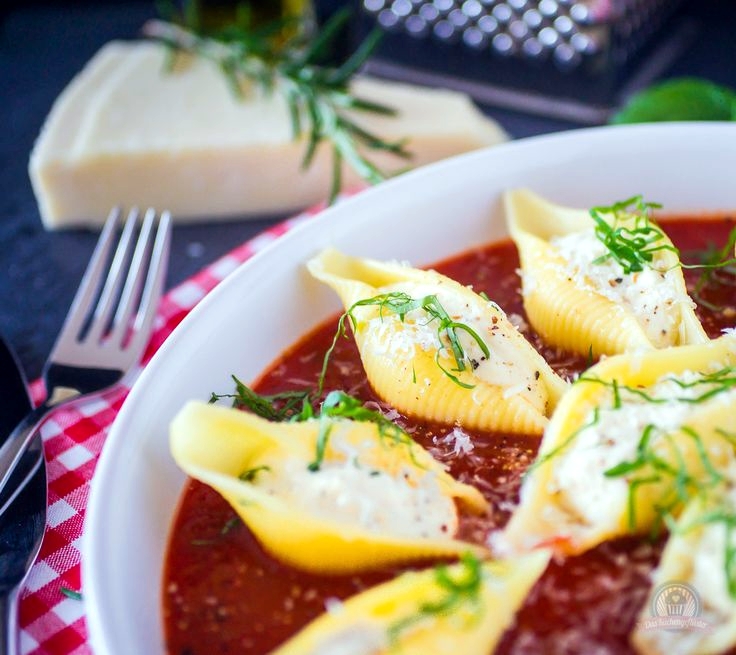 F. 1.Conchiglioni 2.Konichiwa 3.Musselini
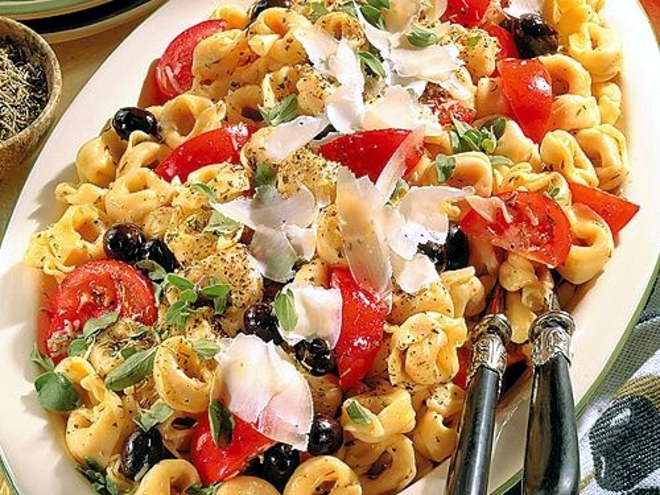 G. 1.Tamburini 2.Tortellini 3.Originelli
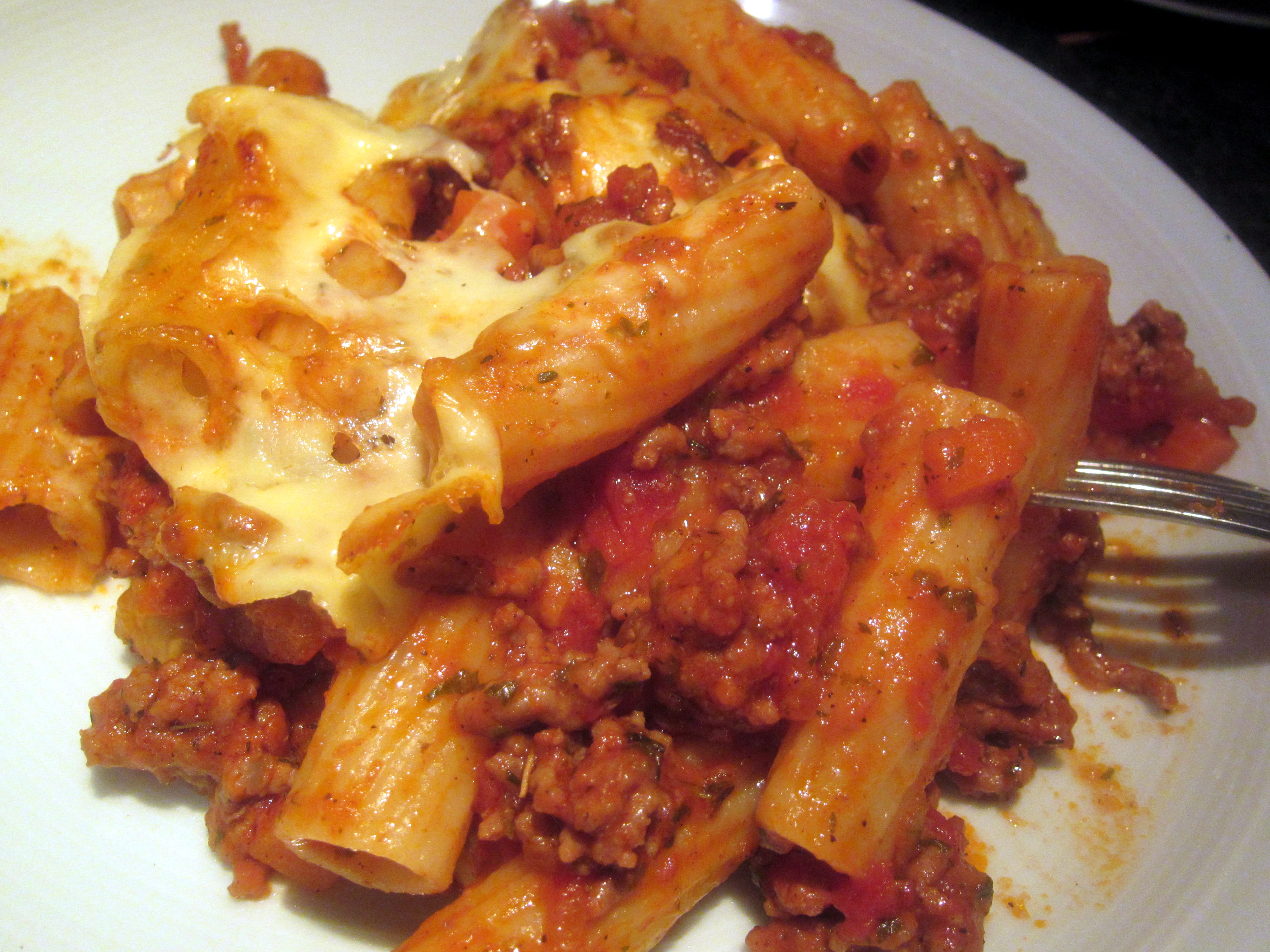 H. 1.Rigatoni 2.Rigoletti 3.Ristoranti
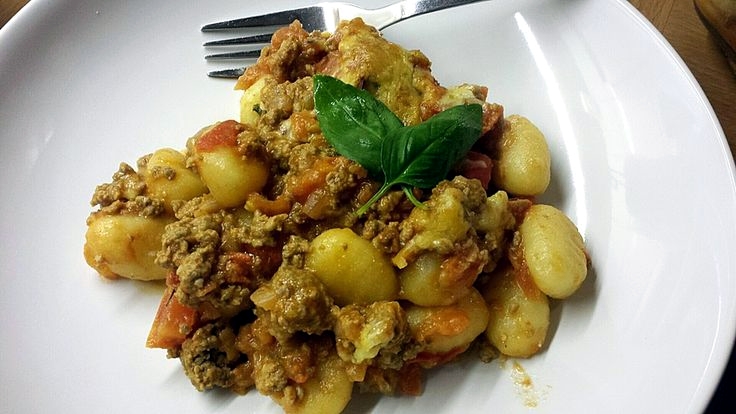 I. 1.Knotschi 2.Njocki 3.Gnocchi
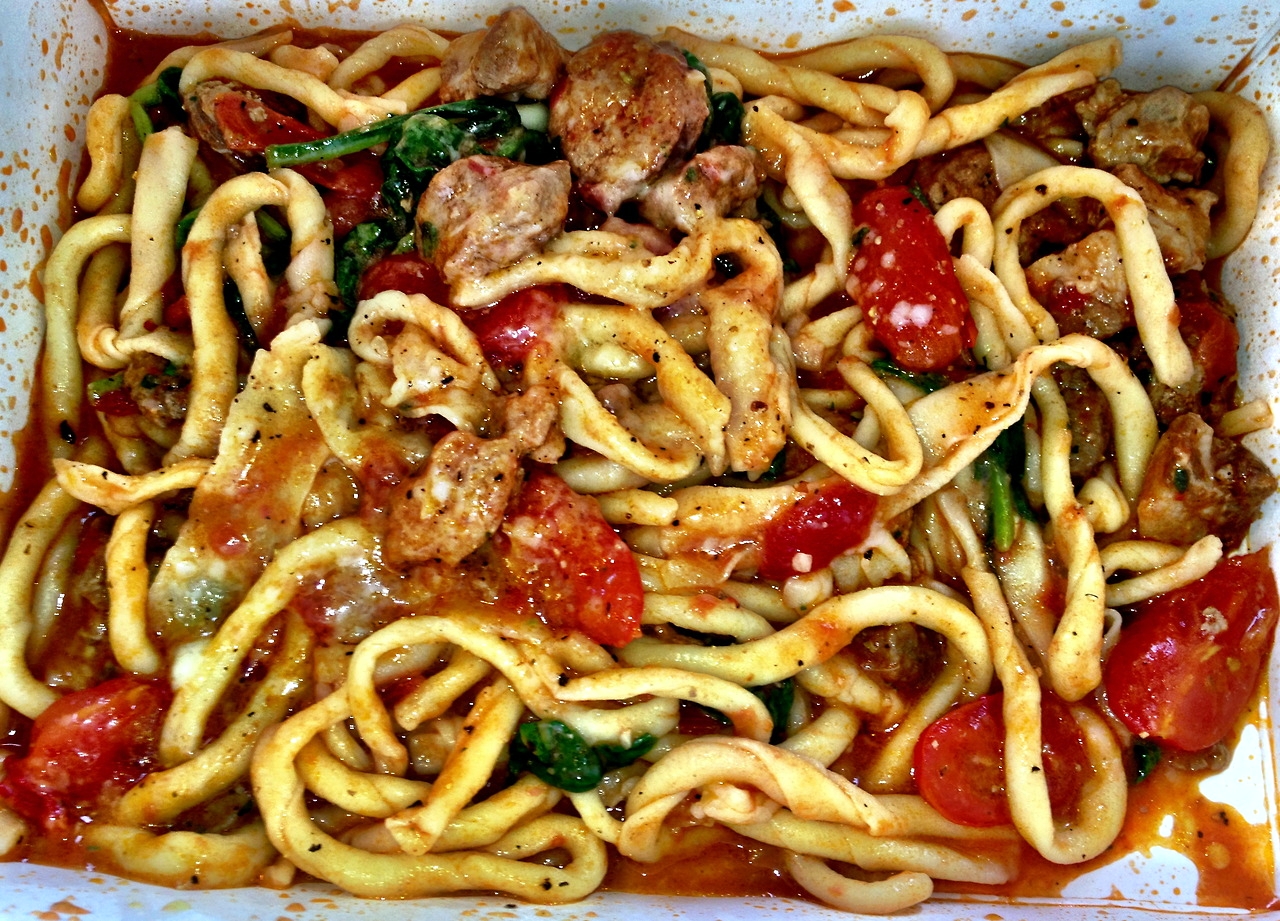 J. 1.Pinzettelle 2.Rizzitelli 3.Strozzapreti
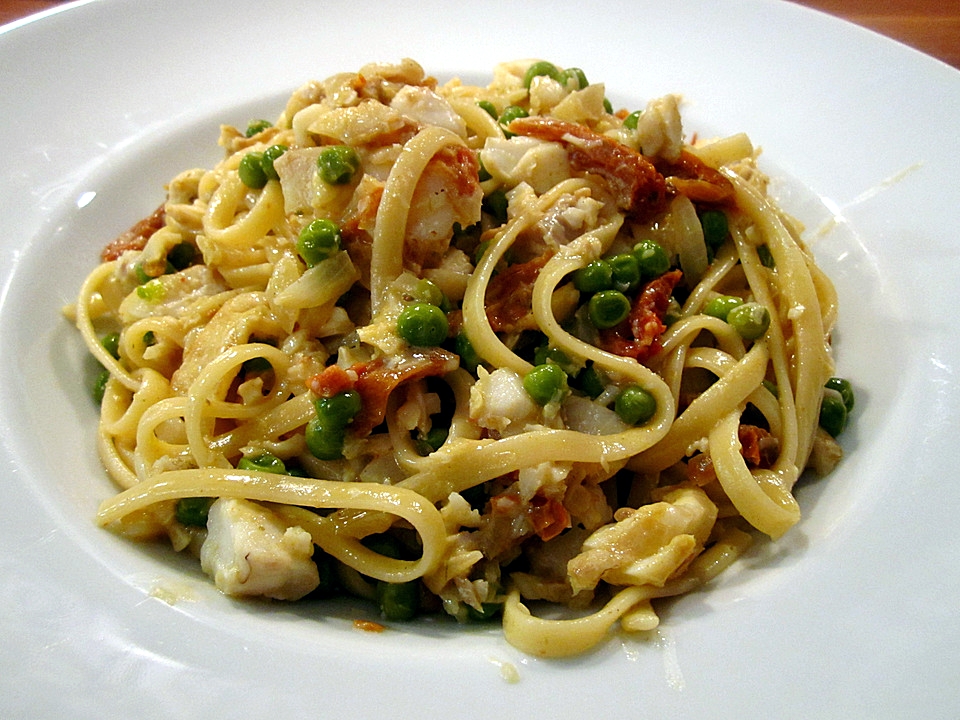 K. 1.Taglierini 2.Pappardelle 3.Campanelle
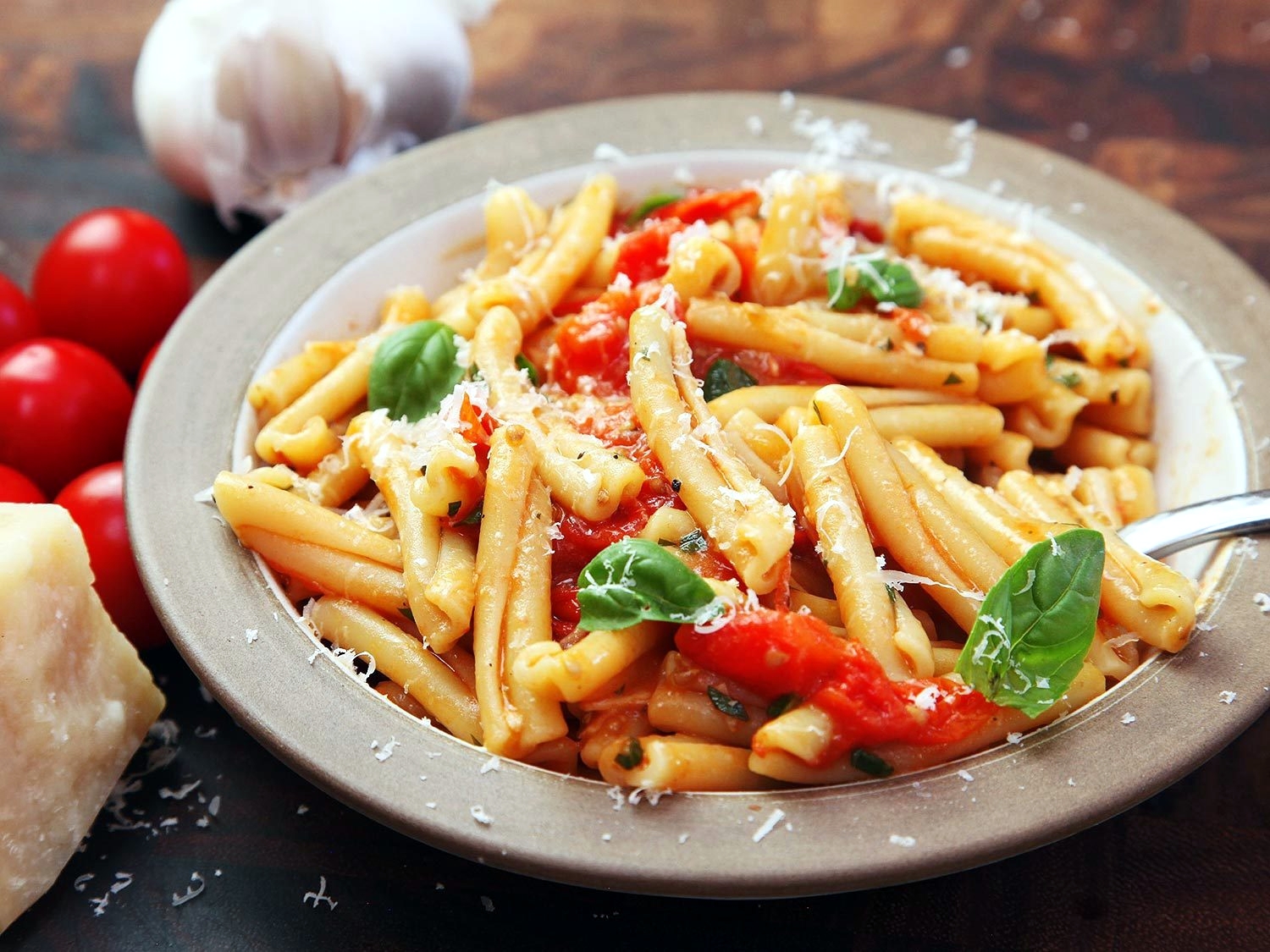 L. 1.Fileja 2.Fedelini 3.Fettucine
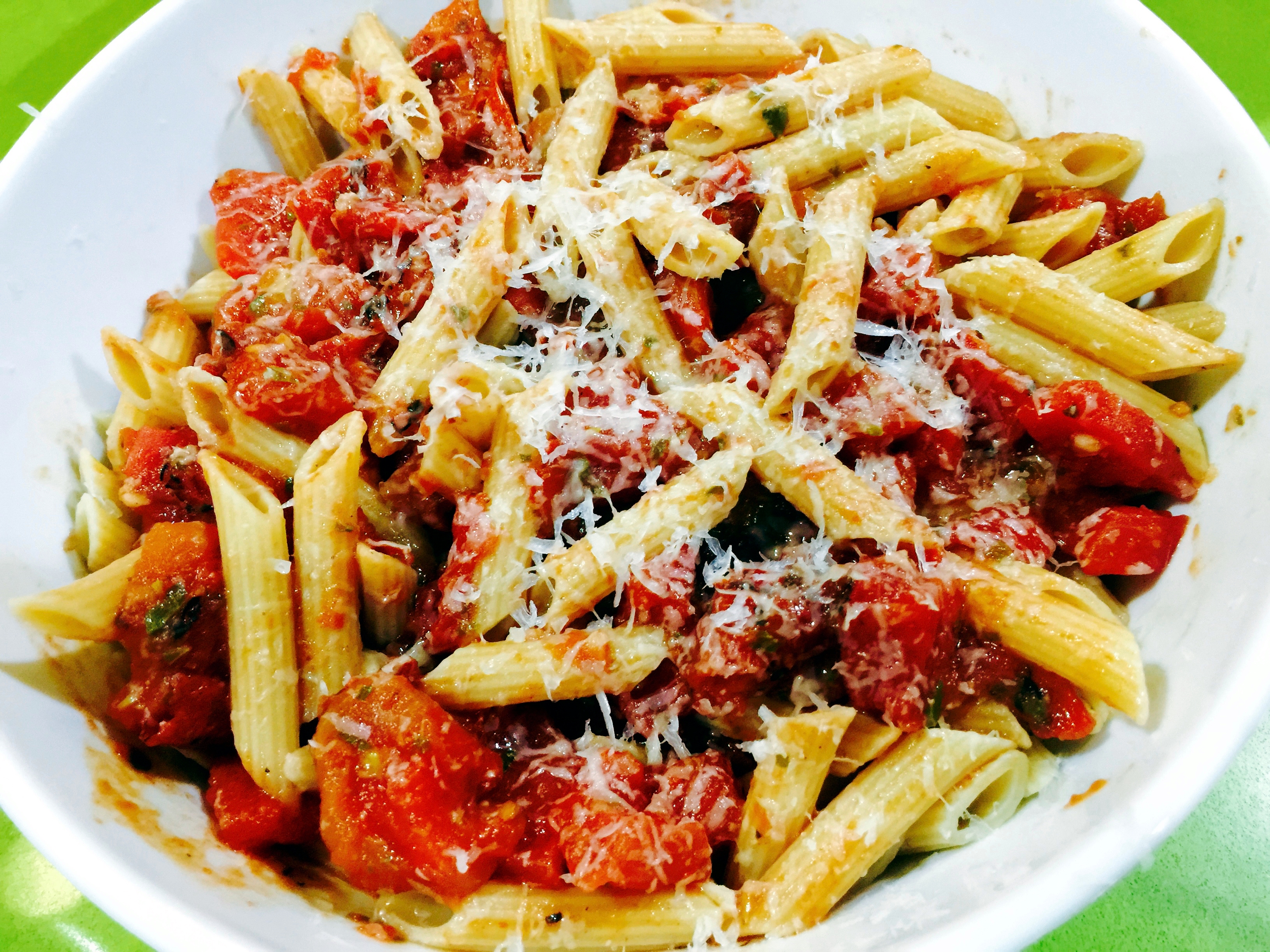 M. 1.Penne 2.Trenne 3.Lumachenne
We’ll see how your knowledge is. You also can send your answers and they will be kept secret if you wish. I hope you enjoyed this little excurse. With the results I post a few more information’s about pasta. And behind all the pics above is a delicious recipe, if you want one, just tell me. Stay tuned !


Hello everyone,
just to inform you that I received already 27 test-results.
Thank you and congratulations to some.
I will not post them, otherwise there is a chance to see
the right results.
There is a whole week to go, so try to participate.
Ciao Mike.
LikeLike