
Surprising History Facts – Part 1.
Writing this blog for almost 3 years now, I always come, through my hobby „research of the history and/or background of my posts“, along some strange or unknown facts which history wrote. With this post I like to share with you a few history facts which most people don’t know or never heard about. Some might make you even speechless.
The Vikings.
As Vikings, the members of the warlike seafaring groups of persons from mostly northern European, and sometimes also Baltic, peoples of the northern and eastern seas during the Viking Age (about 800-1060) are described in the Middle Ages „Old Norse noun“ vikingr (masculinum) – which means „sea warriors, who are on a long journey away from home“. The femininum viking meant only the „long ship’s journey“.
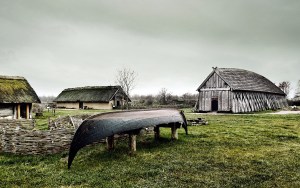
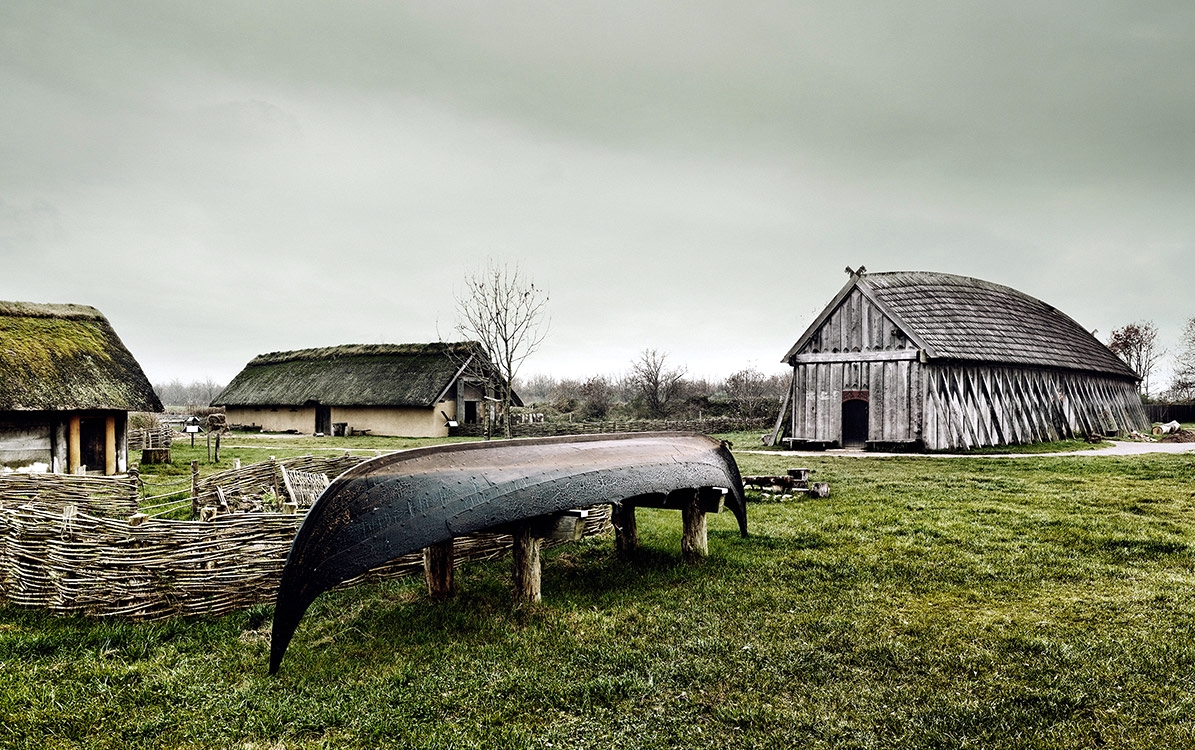
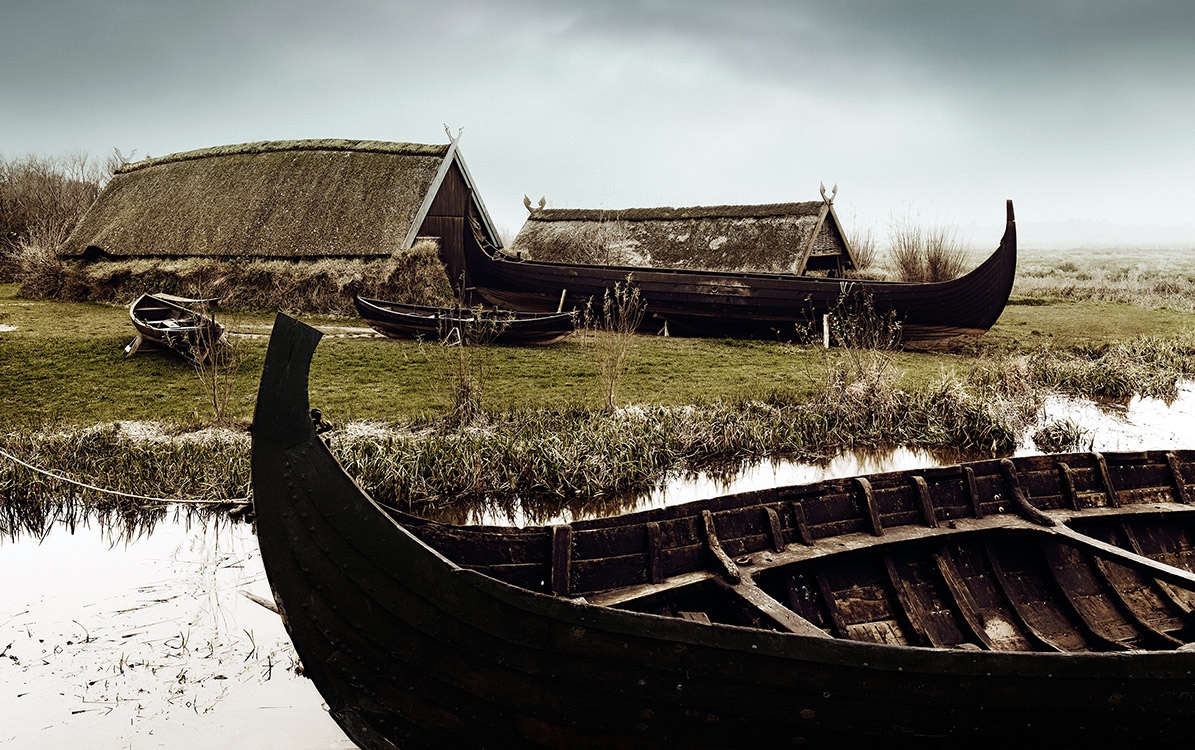
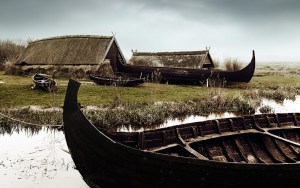 Two pictures of open air museums. Left the oldest Scandinavian township in Ribe, Denmark. Right the Viking haven in Bork, Denmark.
 The Varagians are welcomed by the Russians in Constantinople. Contemporary painting from 1900. Well dressed and clean Vikings with no horns on their helmets.
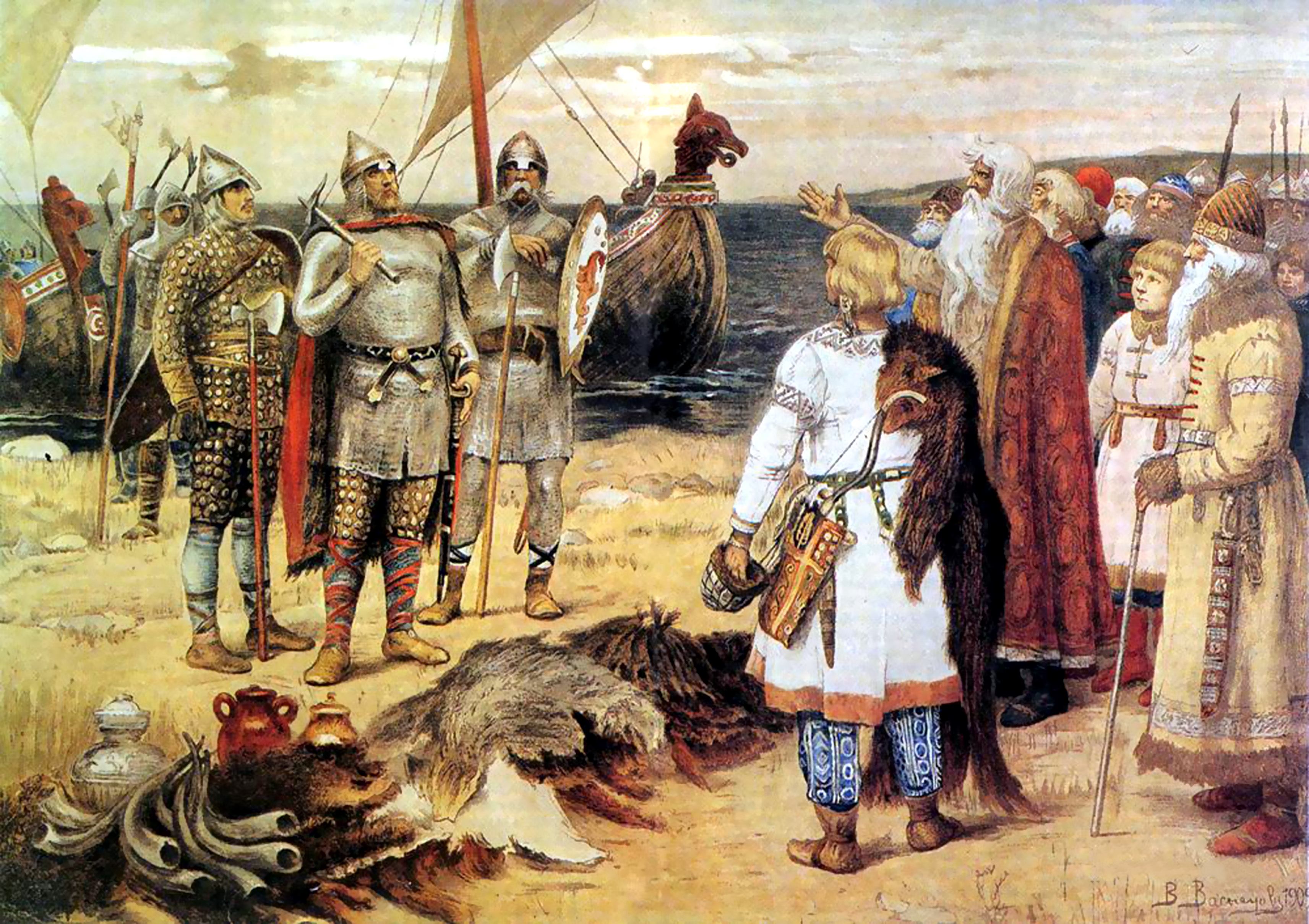
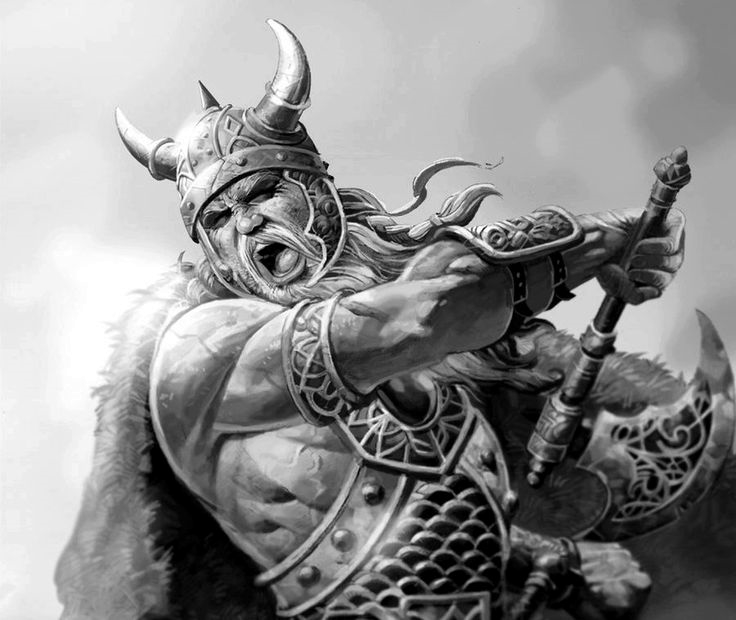
Even many of their descendants have wrong ideas about the Vikings. They had neither helmets with horns, nor were they stinking barbarians. Contemporaries complained that they comed daily, frequently changed clothes, and bathed every week. Such behavior was considered vain. They were restless seafarers, explorers and conquerors.No more and no less than other people of the world, too.
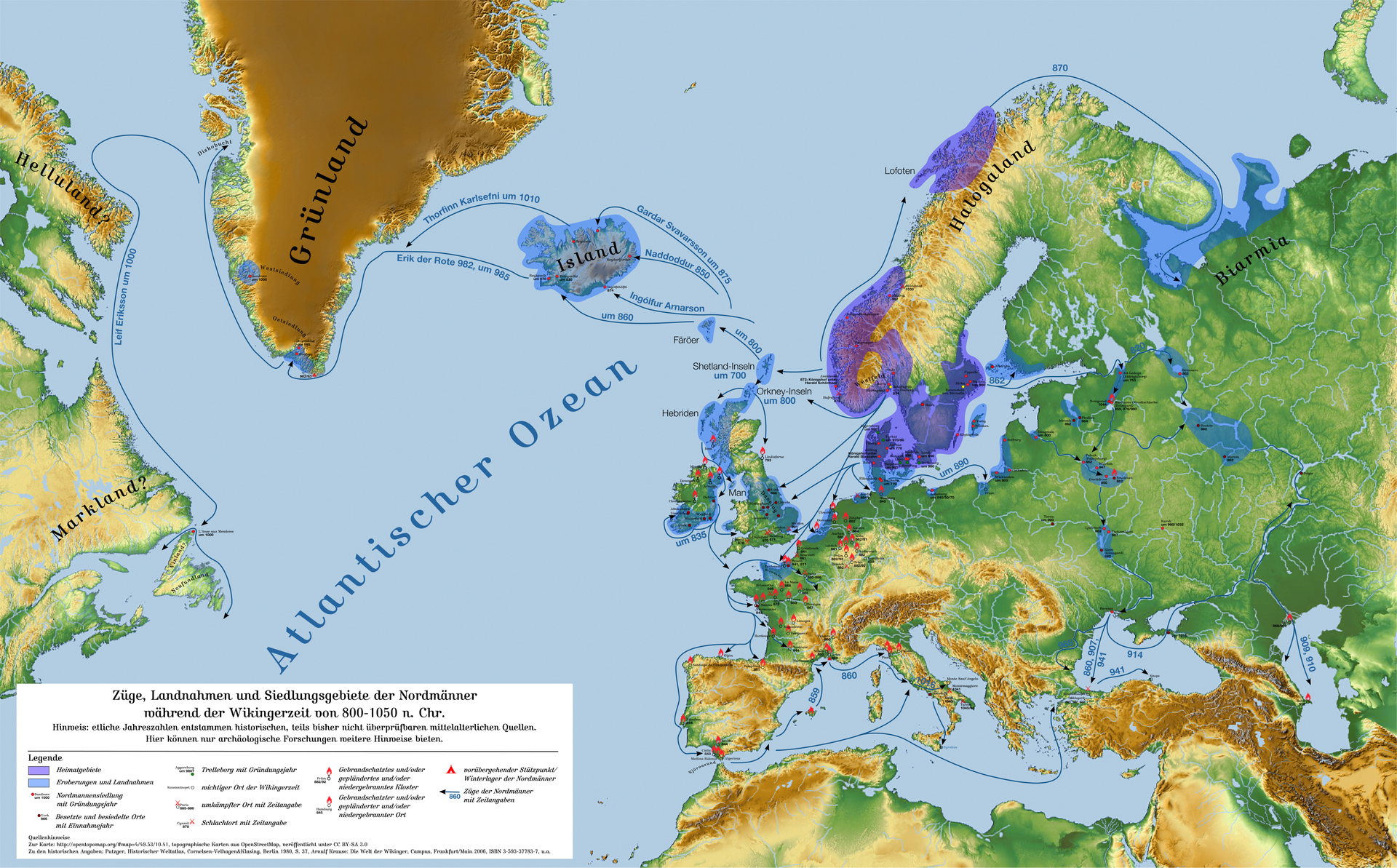
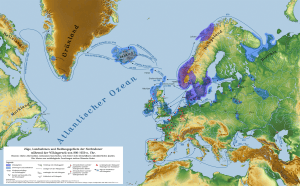 Viking home settlements in dark blue. Light blue shows their conquests. Notice they are all along shores and waterways, reachable by boat. They reached and settled the North American continent almost 400 years earlier then Columbus. Click on pics to see the details.
The first trading towns in Scandinavia were established at the same time as the first Viking raids took place on the British Isles and the continent: Birka in Sweden, Hedeby and Ribe in Denmark and Kaupang in Norway. “Kaupang”, which translates from “kaupangr” in Old Norse to “market” or “trading place” in English, was strategically placed in a narrow bay in Sikiringssal by the outlet of the Oslo Fjord, five kilometers northeast of Larvik in Vestfold.
 Normal looking people are the Vikings. Not these, often described as dirty, stinking, wild, naughty etc. savages. Click on pics.
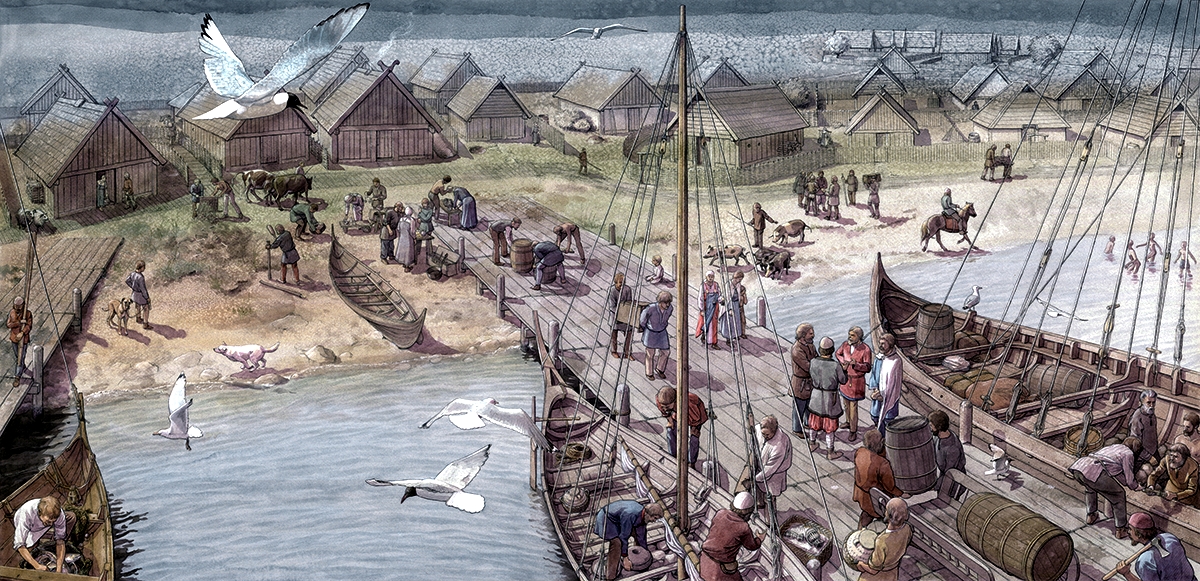
Excavations confirm that the town was established in the years 780-800 AD, and for unknown reasons was abandoned about year 930. The town was part of an international trading network and it is found thousands of artifacts from all over the Viking world: Beads from the areas around the Caspian Sea or the Black Sea, Frankish beakers of glass and ceramic tubs from the Rhine area, Denmark and the Baltic Sea, Arabic (Cufic) silver coins, in addition to weapons and tools.
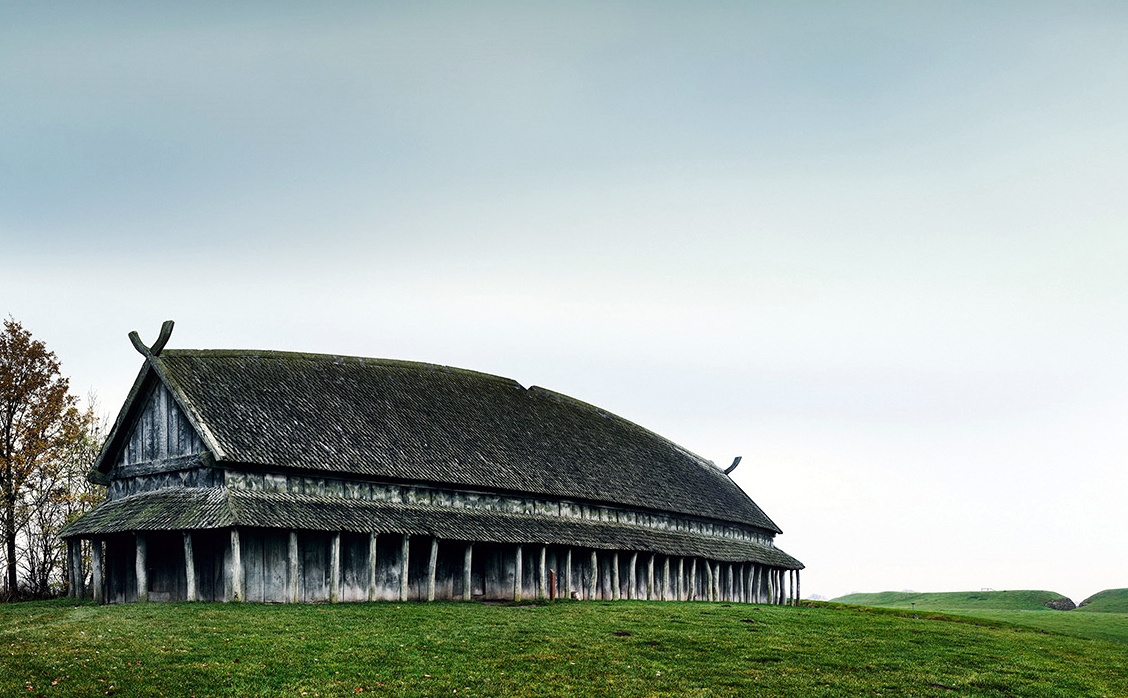
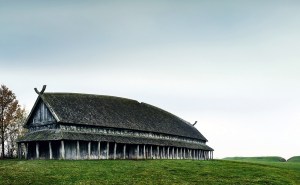 The trading place (like Kaupang) was divided into many small plots with residential houses that were smaller than the Viking farms, but had the same structure: A long fireplace in the middle of the open room with benches along the long sides where residents did work, eat and sleep. A Viking „Long House“ (Trelleborg Sweden) where a whole clan lived under one roof.
Nero, Roman Emperor.
Emperor Nero, 15 December 37 AD – 9 June 68 AD. The Great Fire of Rome erupted on the night of 18 July to 19 July 64 AD. Nero was the last emperor of the Julio-Claudian dynasty, he ruled Rome from 54 AD till his dead in 68 AD.
 Nero was supposed to have lit Rome and played on the lyre during the fire, is a widespread rumor. At the time of the fire the Emperor was not in the city.
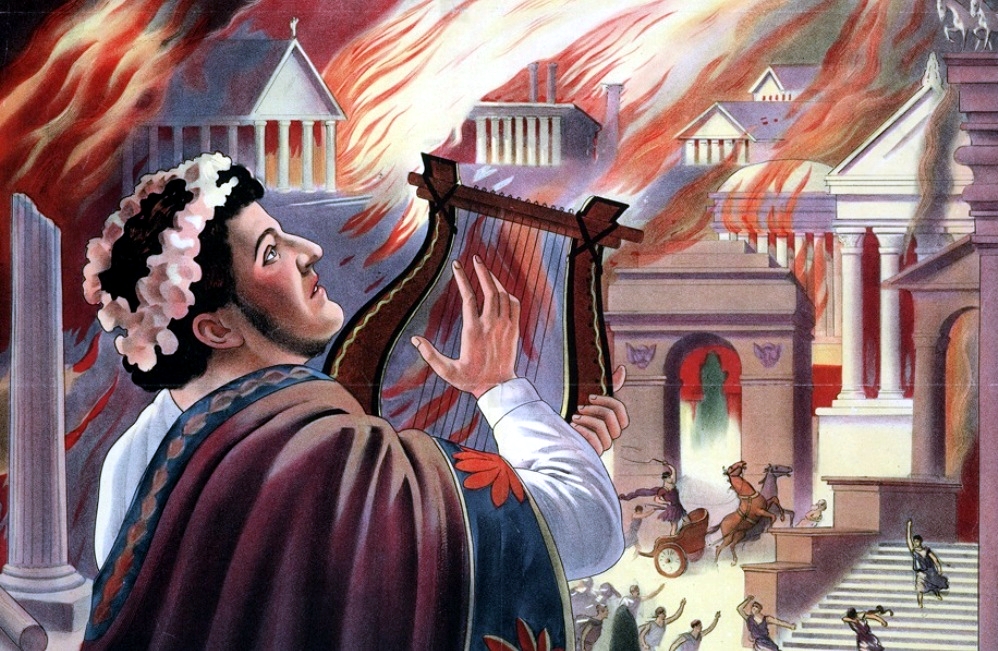
During his lifetime, not even his bitterest enemies had come to the idea of accusing him of the origin of the-most likely, accidentally broken-out fires of Rome in the year 64. That Nero was playing and singing on the roof of his palace, looking at the burning Rome, belongs to this later thoughtful legend.
 Nero was for sure no saintly person, he burned Christians and organized his bloody games. But the story that he burned Rome is untrue.
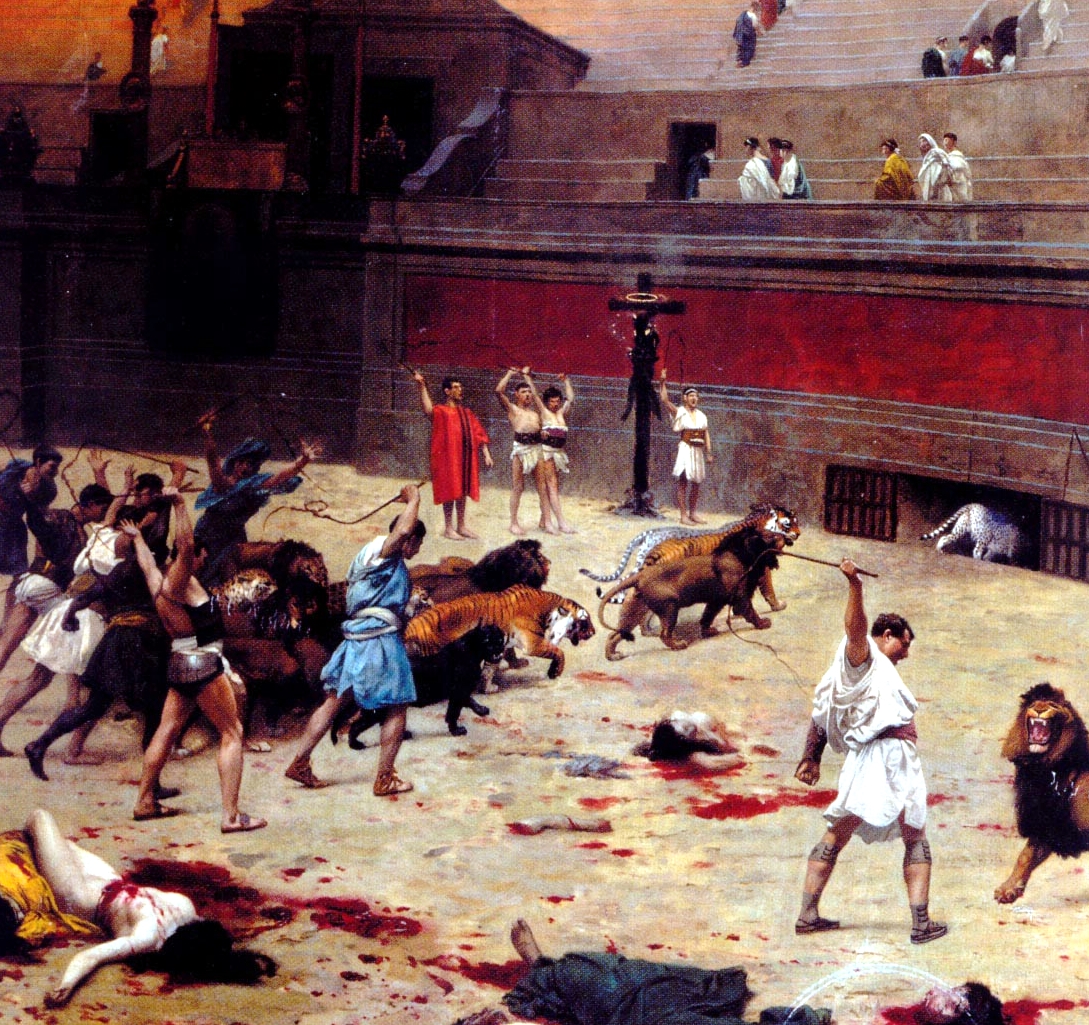
In truth, the Emperor was at the outbreak of the fire in his birthplace, Antium. When he heard about the fire, he hurried to the capital and personally conducted fire and rescue operations. He opened the gardens of his palace for homeless citizens, secured food supplies, and took measures to protect them from epidemics.
Napoleon Bonaparte.
Napoleon Bonaparte (15 August 1769 – 5 May 1821) was a French military and political leader who rose to prominence during the French Revolution and led several successful campaigns during the French Revolutionary Wars. As Napoleon I, he was Emperor of the French from 1804 until 1814, and again briefly in 1815.
 Napoleon in his true size.
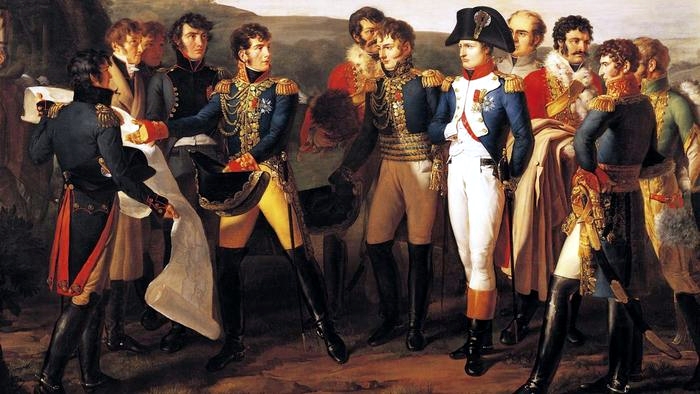
Whoever compensates for his small body size with dominant behavior has a so-called „Napoleon complex“. The rumor that the famous general was said to be very small is not true at all. With a body height of 1.68 meters he was even above average in his time.
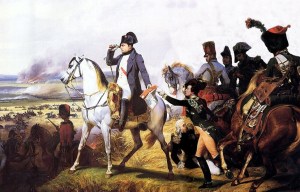
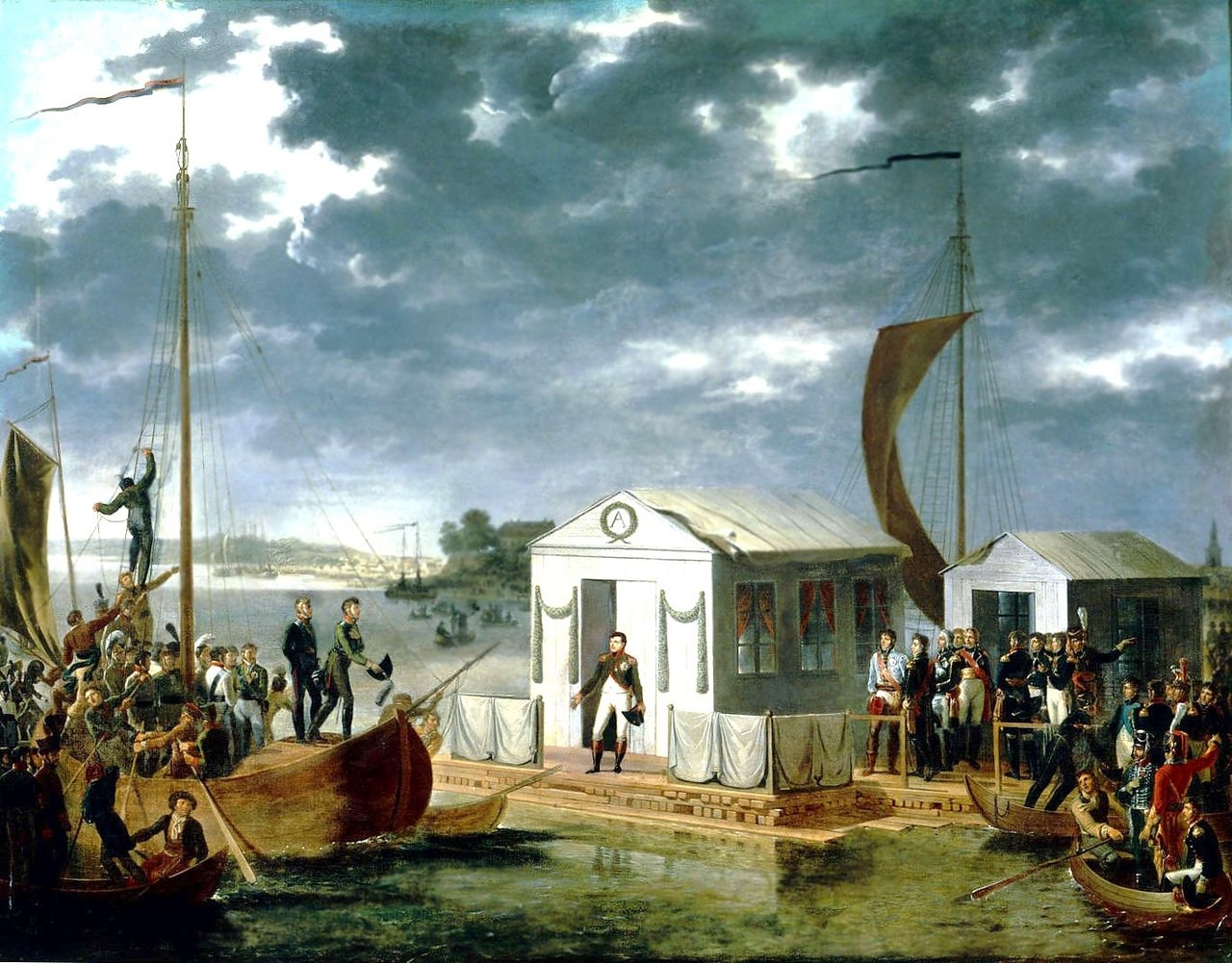
 When Napoleon got older, he gained weight as many others (see left), but that he was small and fat is untrue. See painting on the right: The Treaties of Tilsit 1807 – Napoleon meeting with Alexander I of Russia on a raft in the middle of the Neman River. He has the same average size as all other people surrounding him.
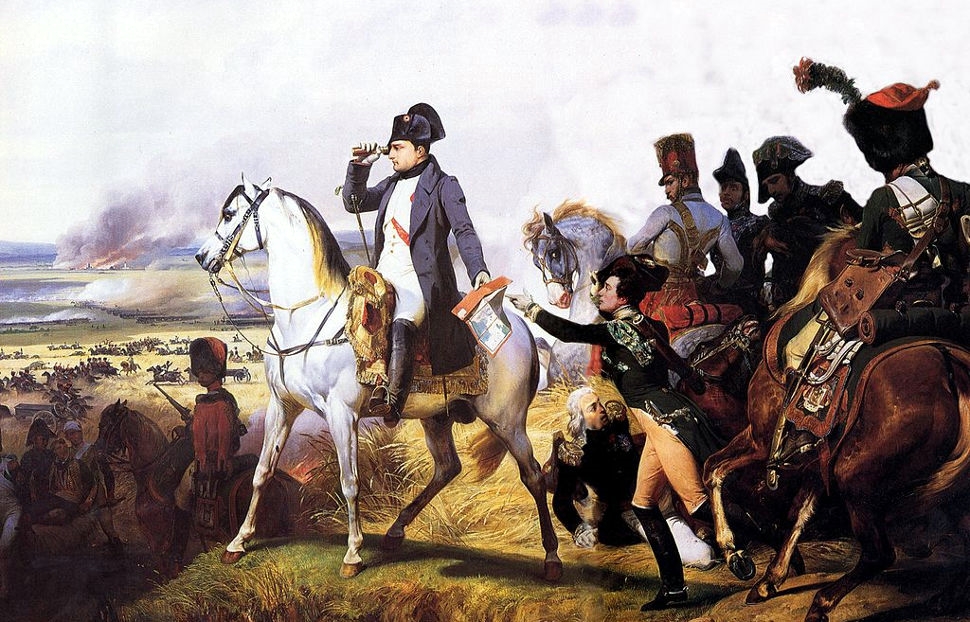
One of the most popular expressions in the English language “A Picture is Worth a Thousand Words” is often credited to Napoleon. However, it is important to note that those were not the exact words of the French general. Instead, he said “Un bon croquis vaut mieux qu’un long discours” which translates into “A good sketch is better than a long speech”. The meaning is practically the same.
 He also had some other popular expressions, like;
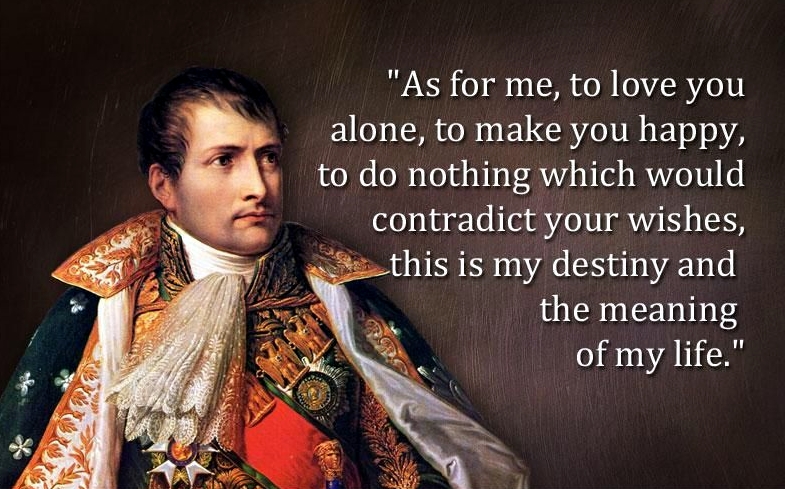
A true man hates no one !
The people to fear are not the ones who disagree with you. but those who disagree with you and are too cowardly to let you know !
In politics, stupidity is not a handicap !
Never interrupt your enemy when he is making a mistake !
A leader is a dealer in hope !
The Pyramids.
The last remaining of the Seven Wonders of the ancient world, the great pyramids of Giza are perhaps the most famous and discussed structures in history.
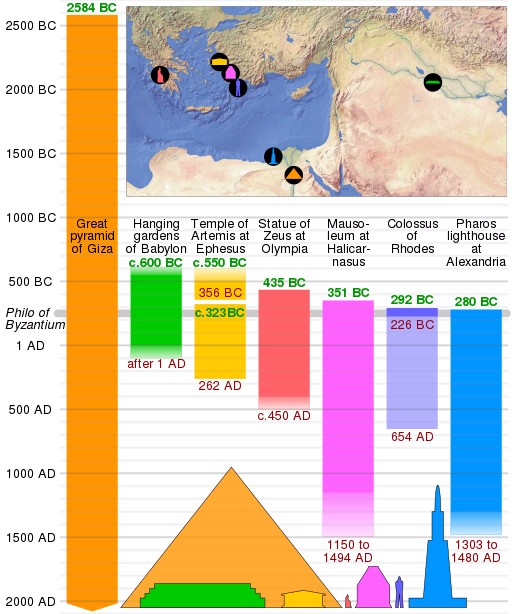
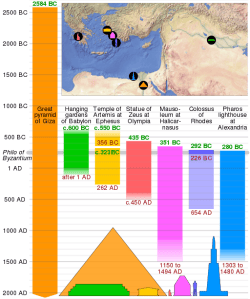 Chart of the „Seven Ancient Wonders of the World“. Wikipedia.
When the pyramids were originally finished, they were plated in and outer layer of white “casing stones”. These casing stones were cut with astounding precision to give a smooth slope to the pyramids, unlike how they appear today with the outer stones more or less forming very large “steps”.
The original casing stones were made of highly polished Tura limestone, meant to reflect the sun’s rays, and were accurate within 1/100th of an inch. All total, they were around five feet long, five feet high, and six feet deep and weighed around 15 metric tons each once the face angle was cut, being around 40 metric tons before that for the full block.
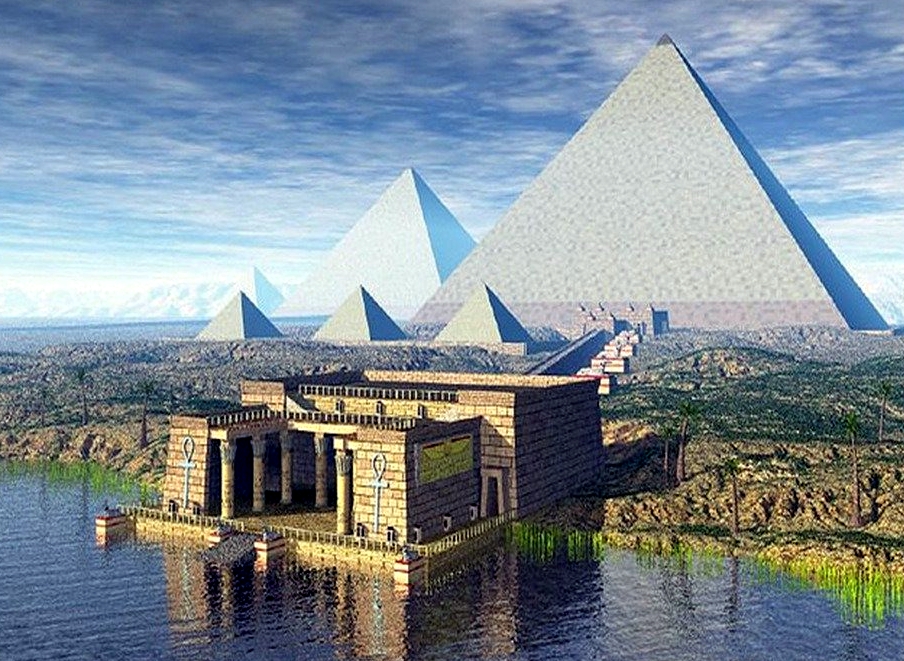
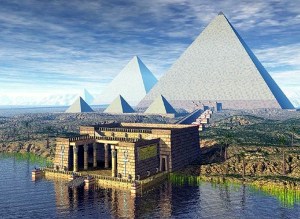 Original look of the Pyramids. Artist rendering.
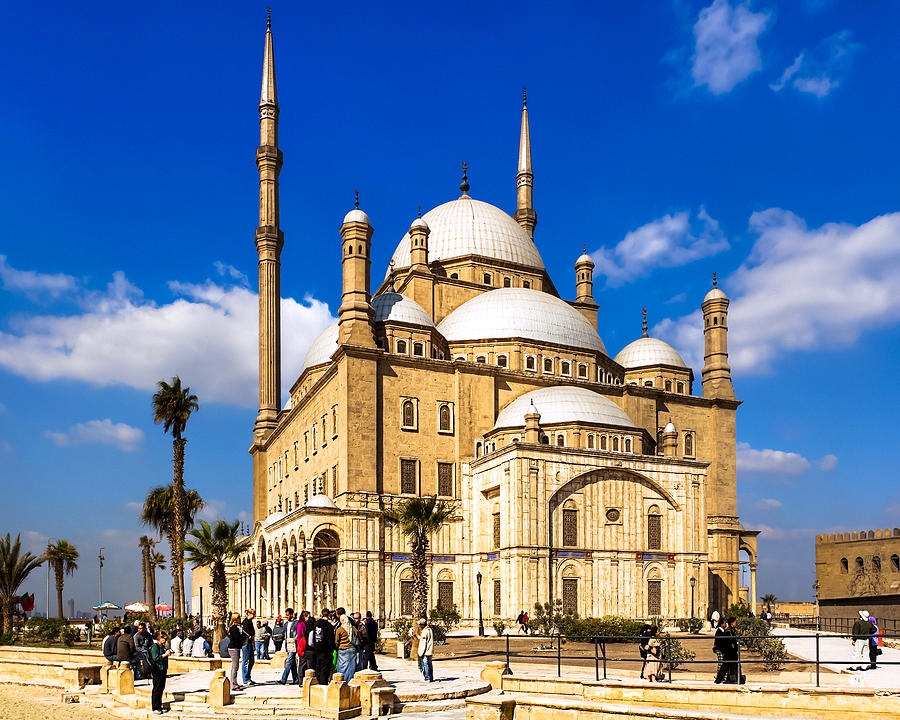
So, what happened to these casing stones? Many of them were cut loose and carried off to be used on various other structures, such as when Bahri Sultan An-Nasir Nasir-ad-Din al-Hasan used the polished stones from the Great Pyramid in building mosques in Cairo, some of which are still standing with these stones and still intact.
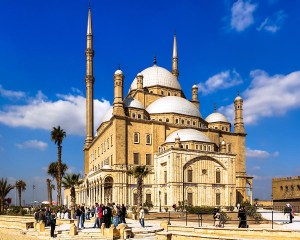 The Mosque of Muhammad Ali, or the Saladin Citadel, in Cairo, made from Pyramids white Tora Limestone. Tora is the biggest and most well known limestone quarry in Egypt. Often confound with Alabaster, which of course is a limestone too.
Most of the rest of the stones were worn away, being loosened by earthquakes and eventually creating piles of rubble around the pyramids, which have relatively recently been cleared away. Although, a few of the stones are still there, such as around the base of the Great Pyramid.
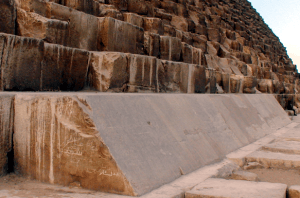
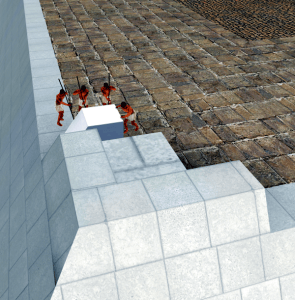 Still looking like new, the remaining limestone at the Cheops Pyramid (left). And the pic right shows how they covered the Pyramid with the shiny white stone about 4500 years ago. Click on pics.
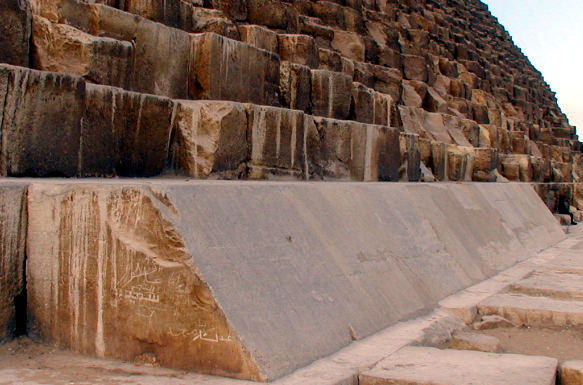
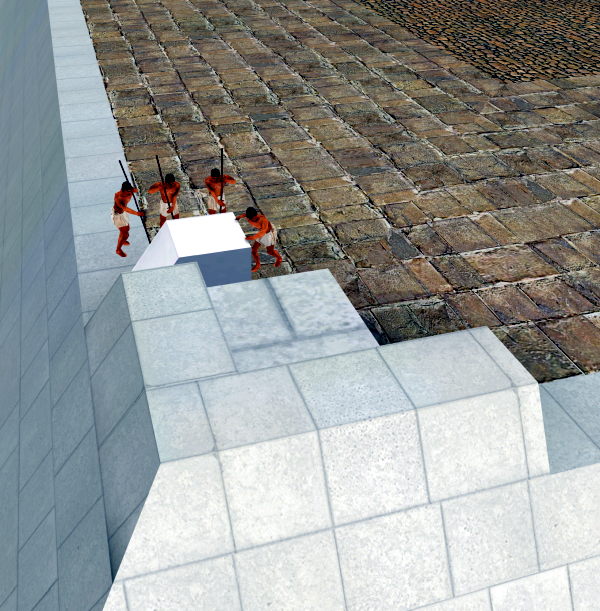
The Great Pyramid of Giza (also known as the Pyramid of Khufu or the Pyramid of Cheops) is the oldest and largest of the three pyramids in the Giza pyramid complex bordering what is now El Giza, Egypt. It is the oldest of the Seven Wonders of the Ancient World, and the only one to remain largely intact.
 The view today, same color as surrounding.
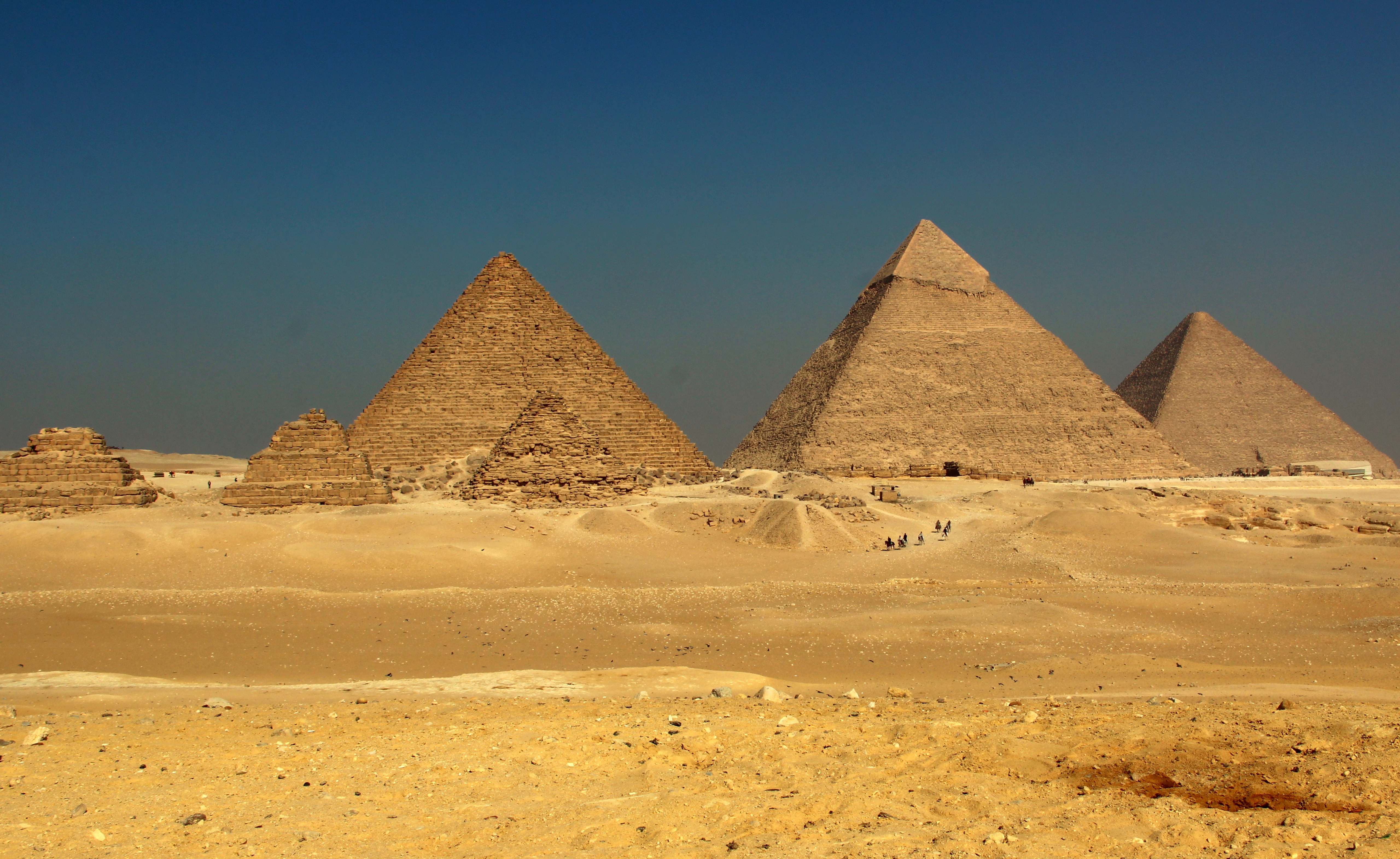
Based on a mark in an interior chamber naming the work gang and a reference to fourth dynasty Egyptian Pharaoh Khufu, Egyptologists believe that the pyramid was built as a tomb over a 10 to 20-year period concluding around 2560 BC. Initially at a height of 146.5 meters (481 feet). The Great Pyramid was the tallest man-made structure in the world for more than 3,800 years.
The Aztecs.
The Aztec culture is also known as Mexica culture, was a Mesoamerican culture that flourished in Central Mexico in the post-classic period from 1300-1521. During the time in which a triple alliance of the Mexica, Texcoca and Tepaneca tribes established the Aztec empire. The Aztec people were certain ethnic groups of central Mexico, particularly those groups who spoke the Nahuatl language and who dominated large parts of Mesoamerica from the 14th to 16th centuries.
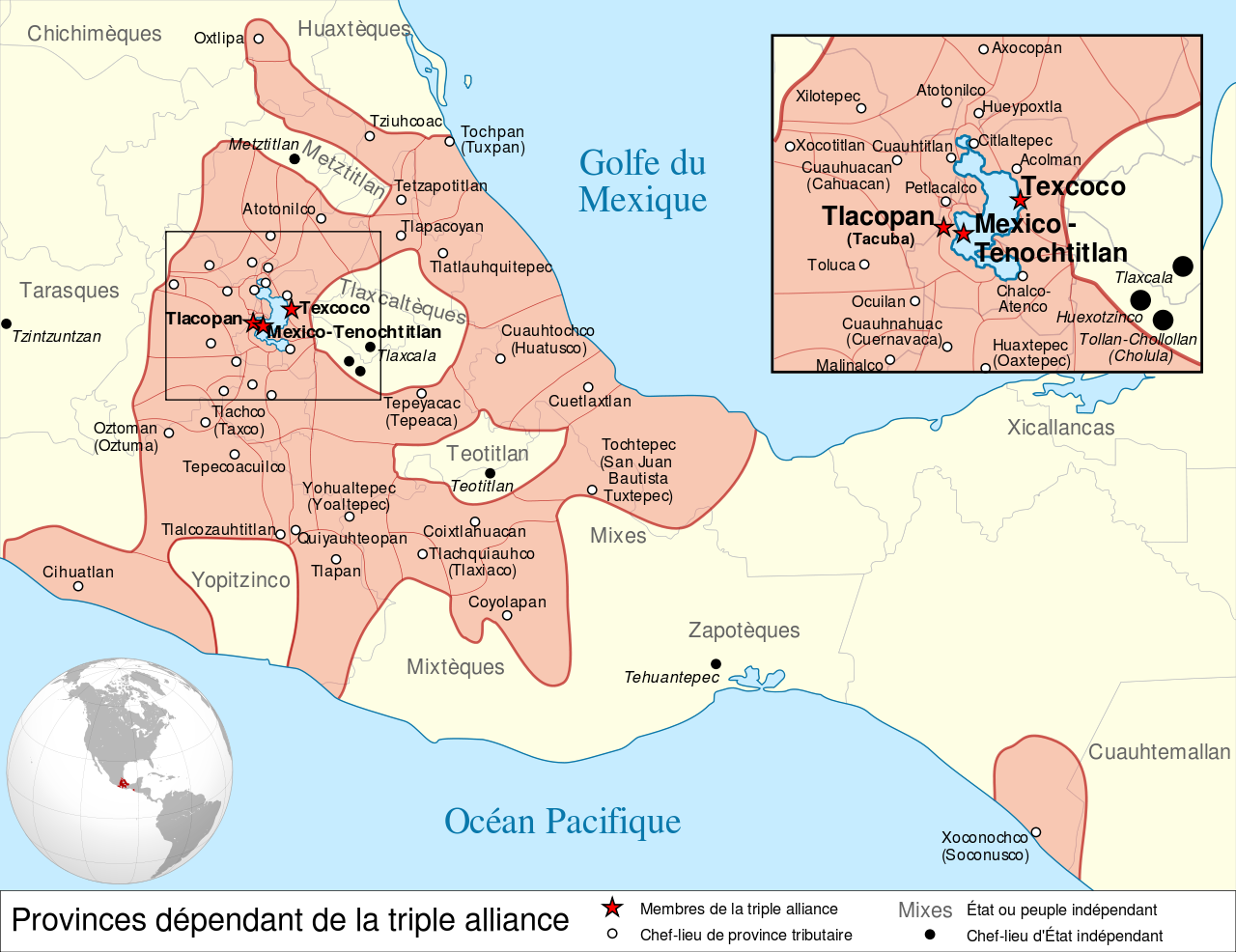
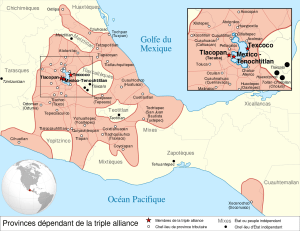 The Aztec triple merger and expansion.
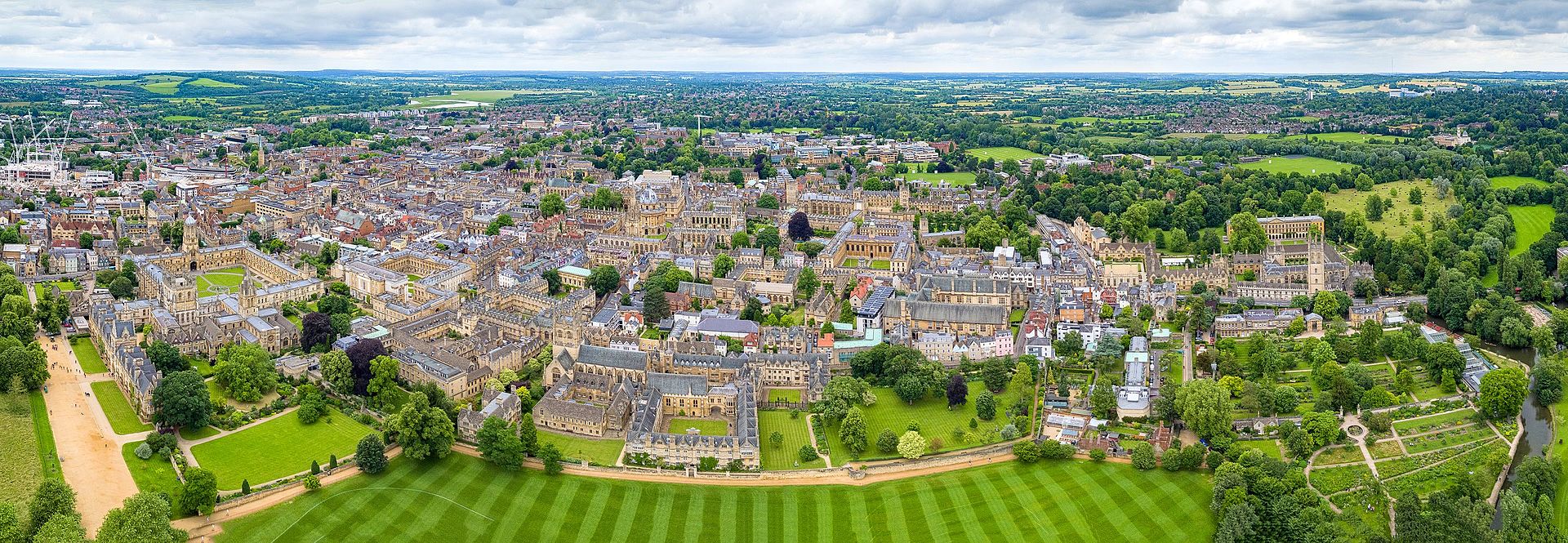
Amazingly young is the Aztec culture. Many consider them an ancient society. It existed between the 14th and 16th century. By way of comparison, the Oxford University existed before the first Aztecs. It has no known date of foundation, but there is evidence of teaching as far back as 1096, a few hundred years earlier.
 Another amazing fact. Did you know how big the University of Oxford is ? Click on this pic to enjoy the view.
On their long hike south, the Aztecs came to a lake where an eagle fought with a snake. They took it as an important sign of their god Huitzilopochtli, who had once commanded them to seek a new home. So they began to build their new capital in the place and called it Tenochtitlan, today’s Mexico City.
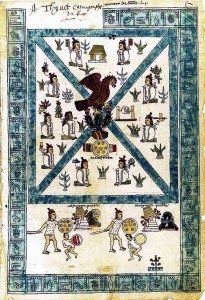 Frontpage of the Codex Mendoza from 1541. in the center part the „Codex Mendoza“, showing the fight between the eagle and the snake, founding myths of Tenochtitlan.
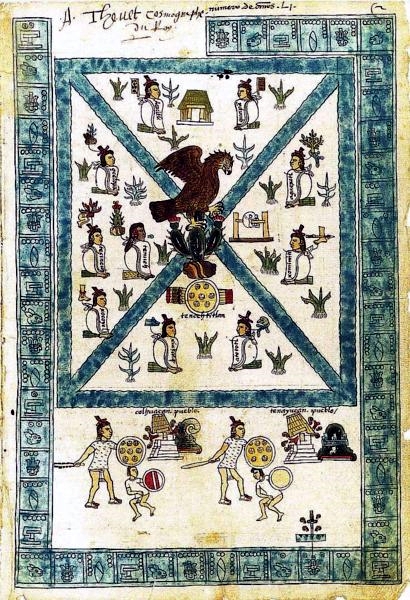
This is the founding myth of the Aztec empire, which originated in the middle of the 14th century in the basin of Mexico, and which was soon to become the greatest known empire of pre-Columbian Central America. An incredible achievement for the Aztecs because they had no weapons, no tools of metal, no use of animals or carriages, not even any kind of scripture.
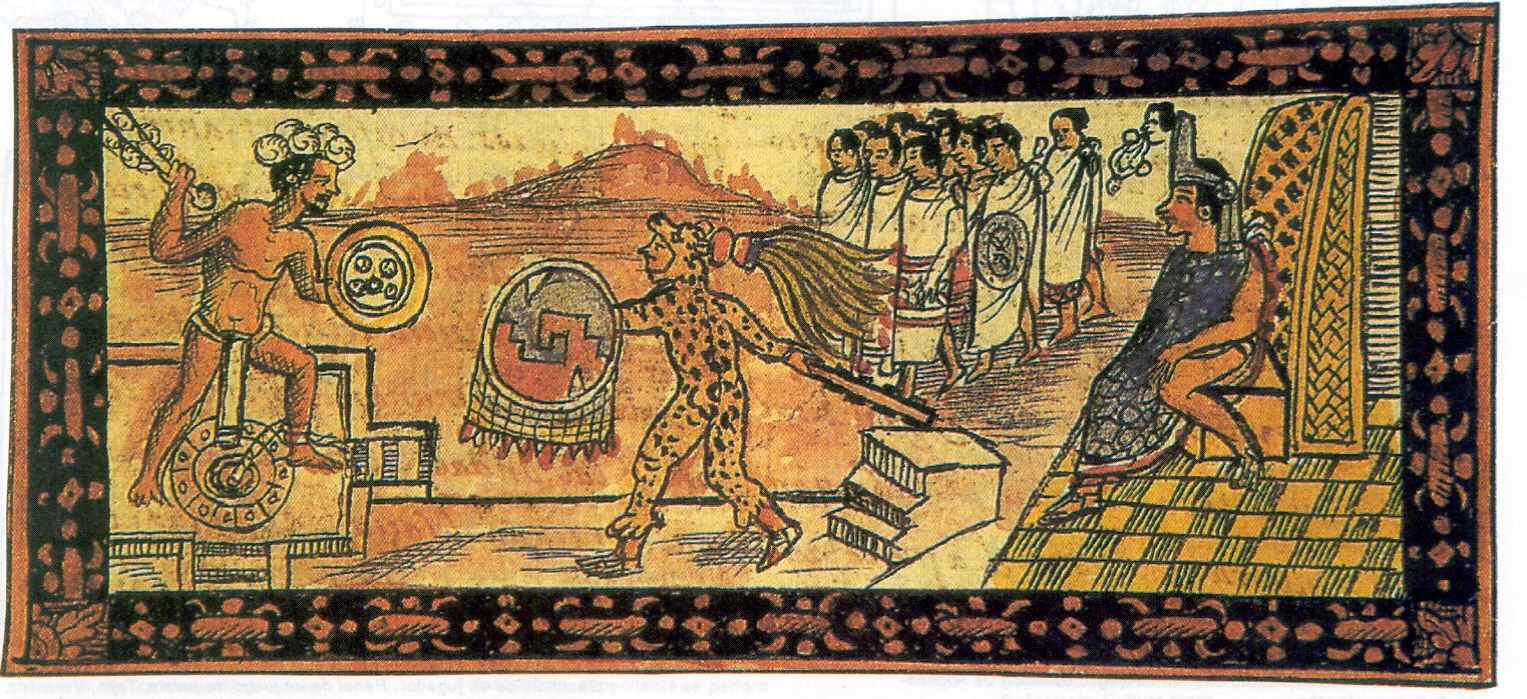
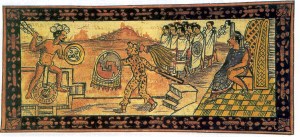 Another page of the Codex Mendoza, showing the holding of prisoners. The Aztecs believed that only a new day will rise if they deliver a human sacrifice. That resulted in about 140 human sacrifices per day c. 50,000 per year. Aztecs were permanently attacking their neighbors to make prisoners.
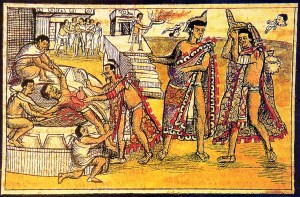 When the body was alive, the hearts were removed and sacrificed to the sun, to welcome the next day.
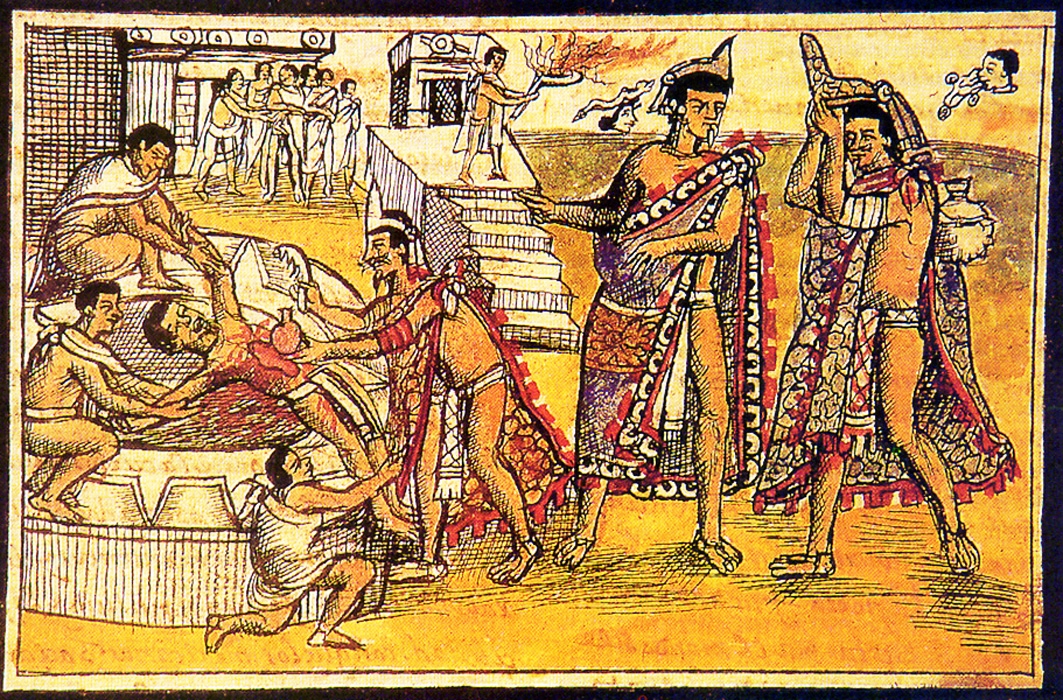
When the Spanish conquistadors conquered the empire from 1519 – with the smallpox and the rage of the Aztec-subjugated peoples – they discovered numerous books filled with drawings and pictograms. They considered them to be pagan „charms“ and destroyed them. Soon, however, clairvoyants realized that it might have been the historical tradition of the Aztecs.
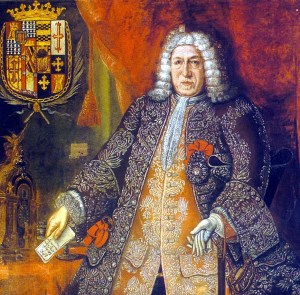 Don Jose Antonio de Mendoza.
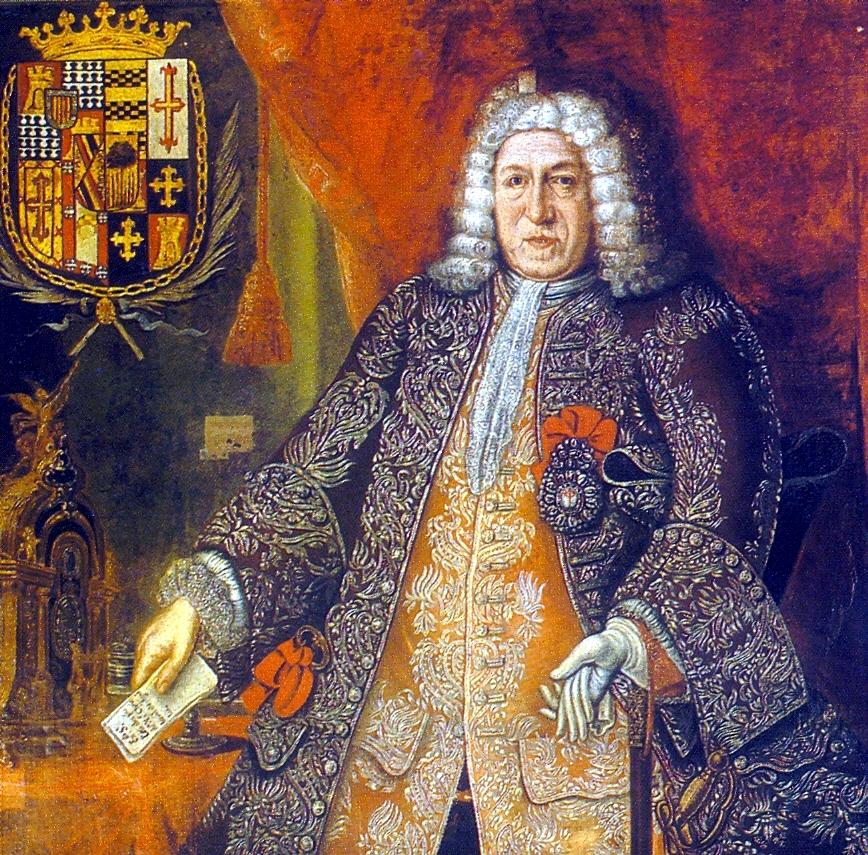
One of them was Antonio de Mendoza (1495-1552). He was the first Viceroy of New Spain, serving from April 17, 1535 to November 25, 1550, and the third Viceroy of Peru, from September 23, 1551, until his death on July 21, 1552. The high-ranking diplomat had been appointed by Emperor Charles V as the first Viceroy of New Spain, in which Central America had been organized after the conquest by Hernan Cortez.
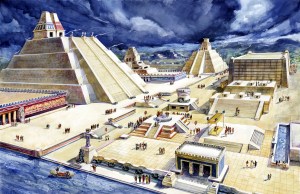 The Aztecs metropolis Tenochtitlan. Click on pis to see everything more clear. By example the massive sacrificial pyramids.
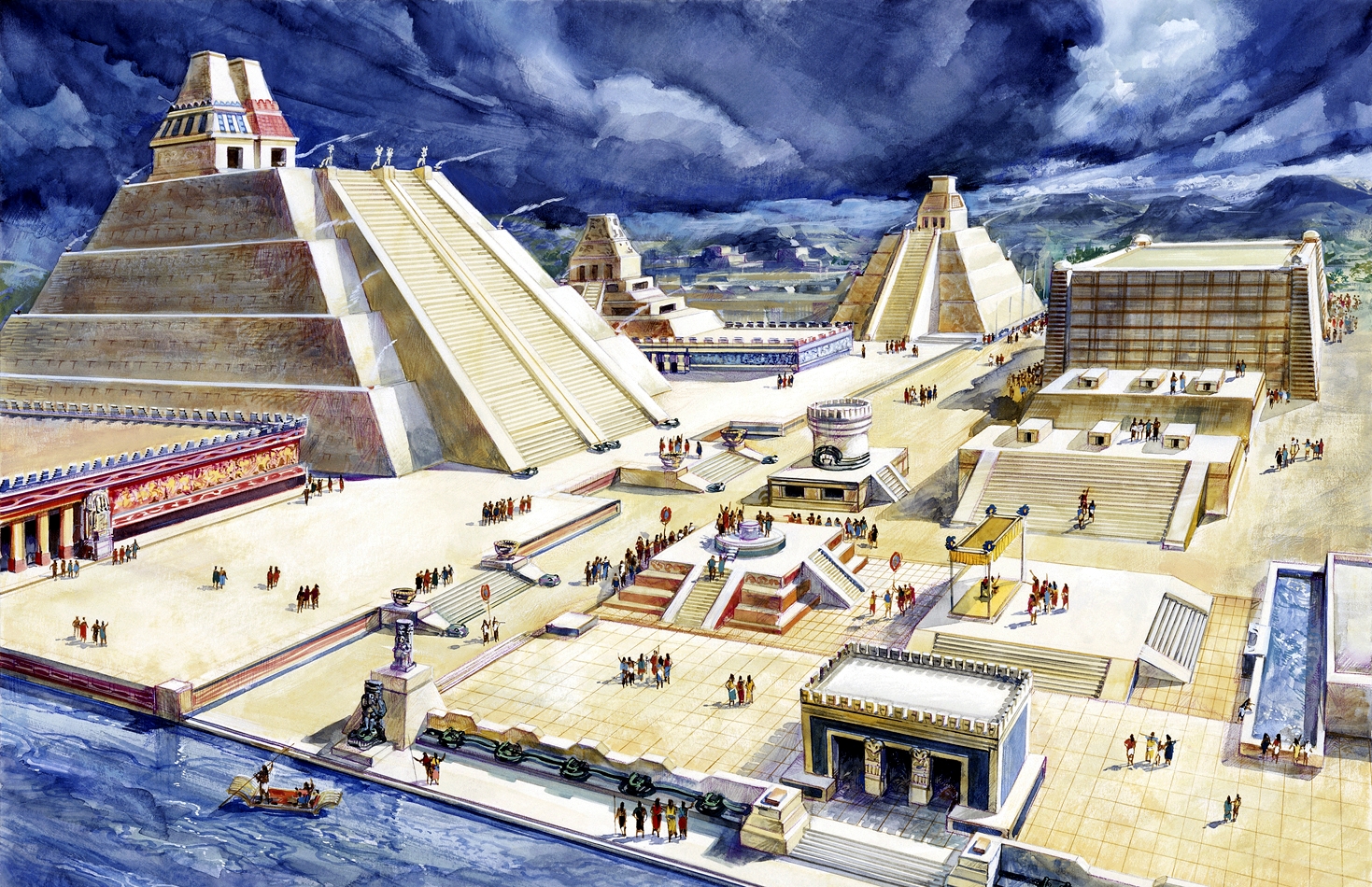
Mendoza recognized how brutally the Spaniards were destroying Indian culture. Immediately, in 1541, he commissioned surviving Aztec specialists, together with Spanish missionaries and artists, to write the history of their people with their possibilities. The result was the „Codex-Mendoza“, named after him. The „Codex Mendoza“ is considered one of the most important sources of the history of the Aztec empire.
These are five, for many people most surprising facts. I hope you enjoyed the post.
Next week I will post another 5 history facts. Stay tuned.


Hi Mike,
wanted to comment already on your fantastic post about the Goulash.
But this one here is again filled with educational infos and great pictures.
I look very much forward to read the next part.
From sunny Cote d‘ Provence, Mathis.
LikeLike
Hello Mr. Mathis,
You are so right with your comment. It’s amazing where all this interest, know how and research is coming from. I love to read about all these subjects in such a concentrated, but still all informative, form.
Mike, my compliments for this post and I also look forward to get more,
Big Apple greetings Sascia.
LikeLike
What can I say amigo mio,
What a work to get all this together – great great great – go on like this !!!
LikeLike
Ciao come stai Mike,
I also thought Vikings have helmets with horns and Napoleon was a fat little guy.
Aztecs such a „young“ dynasty and Pyramids in white – wow – thanks for the knowledge,
arrivederci Luigi.
LikeLike
Hello all,
thanks very much for your compliments
and your warm words.I will post more,
no worries , Mike.
LikeLike