
Wintertime in southern hemisphere. The right time for some heavier comfort food. This will be roasts, pea-soup, goulash, mockturtle-soup and much more. Last weekend I made some goulash. This is a perfect dish to prepare , freeze and use later, like soups or sauce bolognese and others. Thats why I always make 5 to 6 liters of it. But before we get to the recipe we dig a bit into history, as always.
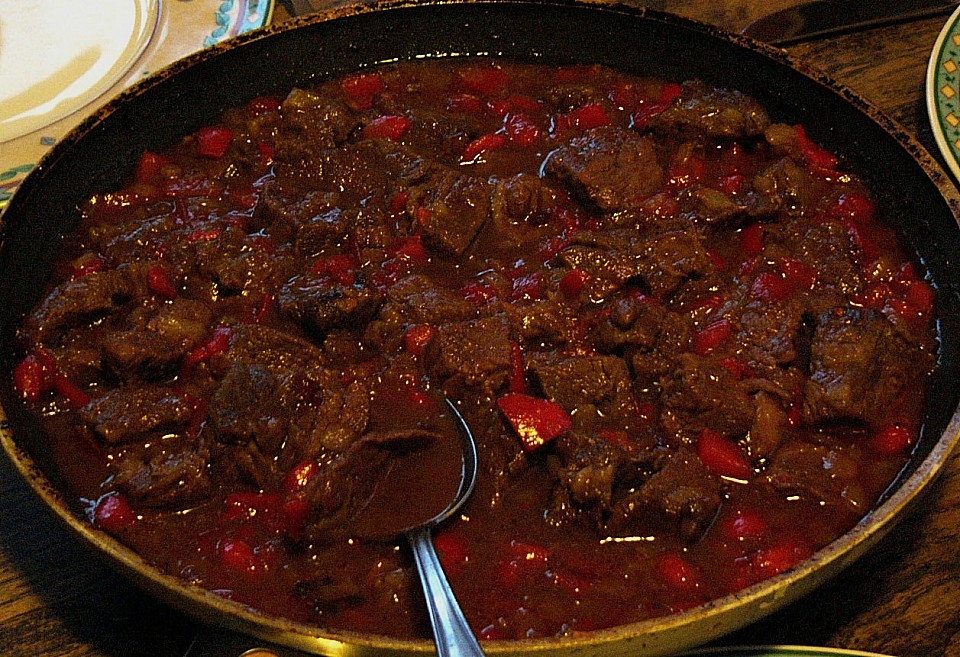
 A wild boar Goulash cooked with Paprika, mini onions and cranberries. That’s how I like my Goulash, thick and meaty. Its not original Hungarian but soooooo delicious. If this is served with just bread, a heavy red wine or a cool beer, one can’t stop eating.
That’s life folks ! Click on pic to supersize and get appetite !
History.
Goulash in English, also called Goulasch, Gulas, Gulyas, Gollasch, Gulasz or Gujasch, is a great comfort food, not to mention the ideal beer grub.
It originated in the Middle Ages, around the 7th-8th century, in the Hungarian plains as shepherd food. Originally, it was a simple soup with roasted meat and onions but no paprikas. The origins of goulash have been traced to stews, eaten by Magyar shepherds.
 In North America the Cowboy, in South America the Gaucho and in the European Puzsta the Gulyas. Proud, independent herdsmen who likes to keep their culture and tradition.

The Puszta (Grassland, Steppe, Pampas) was the home of massive herds of cattle. They were driven, in their tens of thousands, to Europe’s biggest cattle markets in Moravia, Vienna, Nuremberg and Venice. And the herdsmen made sure that there was always one “sickly” creature that had to be slaughtered along the way, the flesh of which provided them with a magnificent „gulyashus“ (Goulash meat).
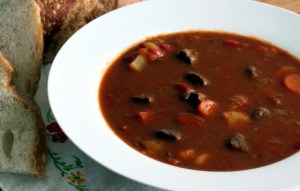 Original Hungarian Goulash, thin and soup like.
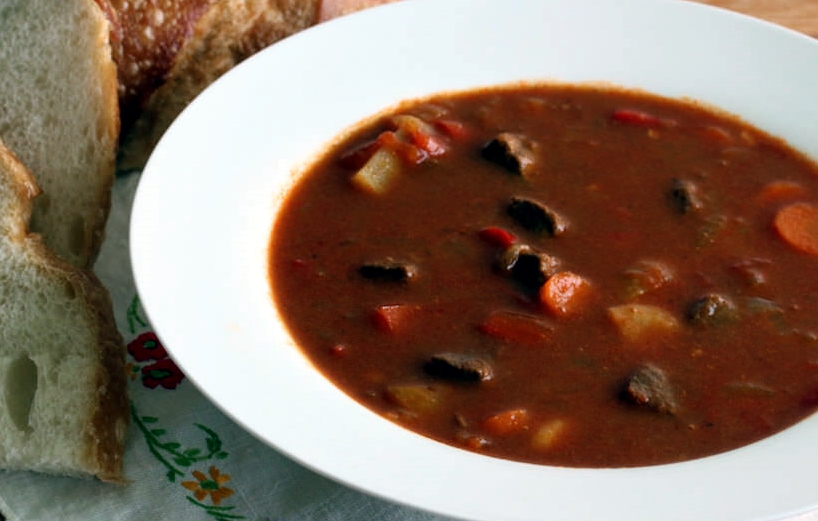
Before setting out with their flocks, they prepared a portable stock of food by slowly cooking cut-up meats with onions and other flavorings until the liquids had been absorbed. The stew was then dried in the sun and packed into bags made of sheep’s stomachs. At mealtime, water was added to a portion of the meat to reconstitute it into a soup or stew.
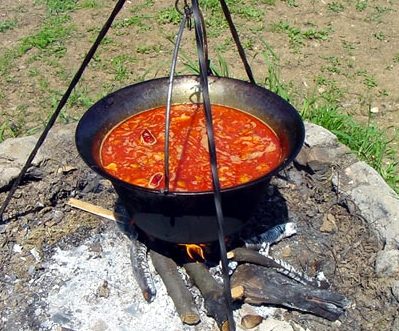
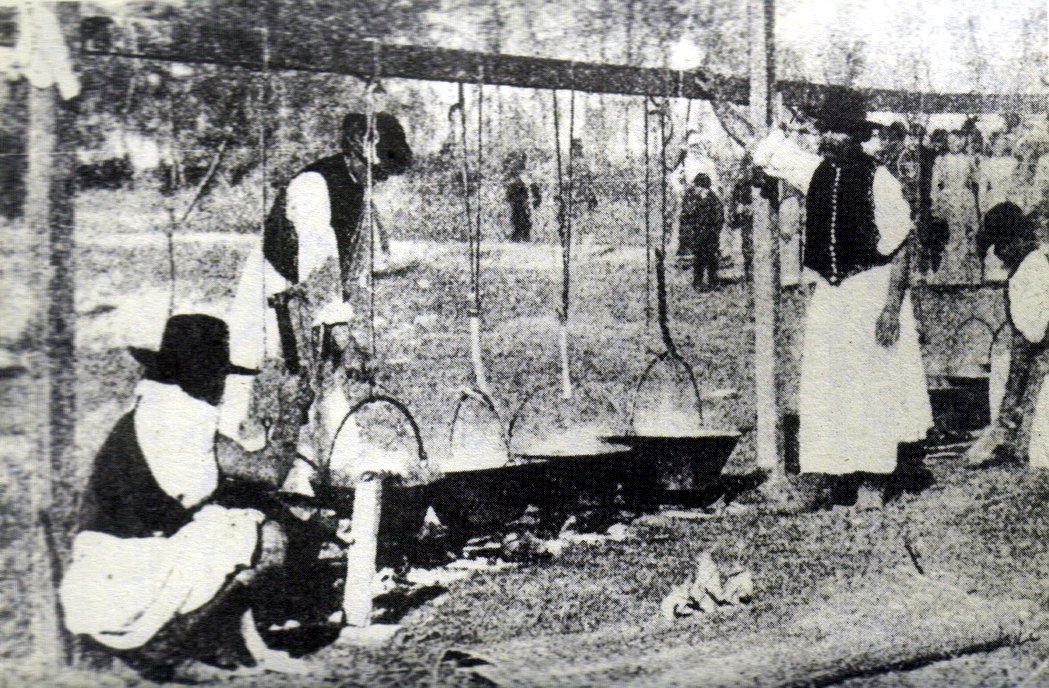
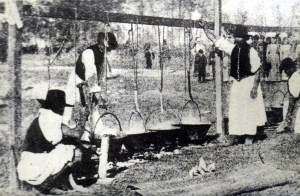 Goulash (gulyas) refers both to the herdsmen, and to the soup. One could describe this picture as „Gulyas cooking Gulyas“ ! Click on pics to size up.
The „Hungarian Gulyas“ of today is a spicy soup, cooked and served in a kettle with various additions such as potatoes, beans or small dumplings. The Hungarian Goulash is thin, compared to its Austrian/Czech/German descendant, and tastes light as there is no roux (thickening) in the sauce.
 Bulgarian pork and tomato Goulash.
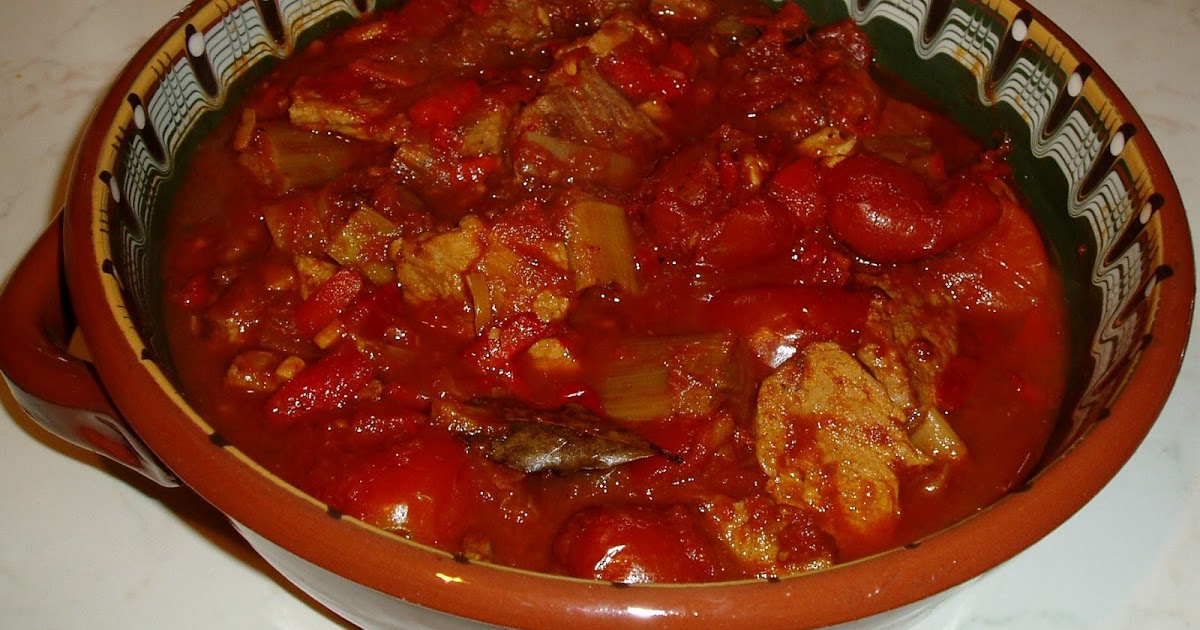
At the annual Goulash festival in Szolnok, one can taste numbers of excellent Goulashes, including Szekely Gulyas (pork Goulash with Sauerkraut), a bean Goulash (no potatoes, kidney beans instead), Likocsi Gulyas made of pork and thin vermicelli with a hint of lemon juice (almost like the Goulasch della Val Pusteria from north Italy), or Birkagulyas made of mutton and flavored with wine and much more. All of these Goulashes have one in common: they are soups.
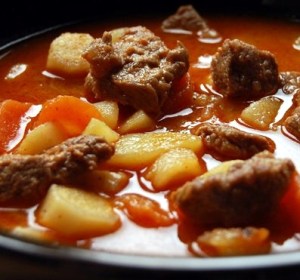 Goulash with potatoes, soup or not ?
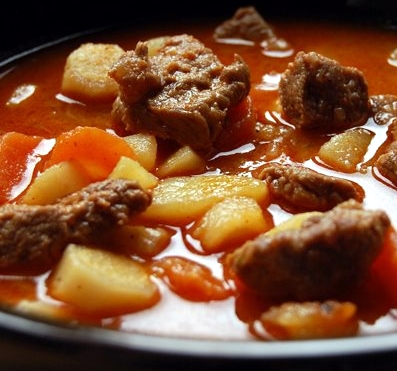
However, what the majority of the Goulash-eating world understands under the term „Goulash“ is a thick savory sauce and stew made from beef or pork, served with crusty bread or dumplings. This is the Vienna-style Goulash, which originated in Vienna in the 19th century. This was the time of the Austro-Hungarian Empire and the 39th Hungarian Infantry Regiment was stationed in Vienna.
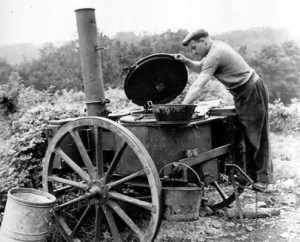 The Goulash Cannon = Gulasch Kanone.
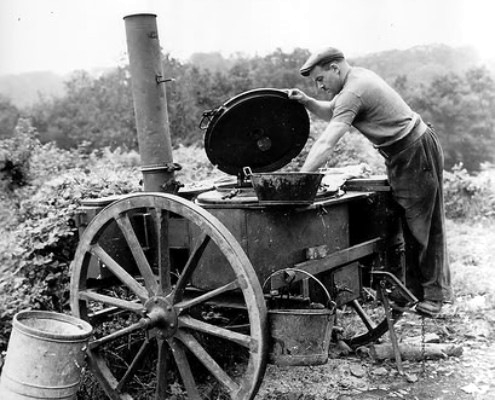
The Goulash Cannon.
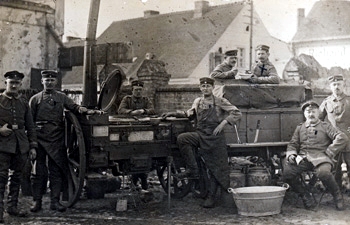
This military idea was further developed by the German Karl Fissler with his „Gulasch Kanone“ (Goulash cannon). Read about in my post „Peasoup and More“ under category Recipes or History. The zenith of the Goulash Cannon was probably during WW I.
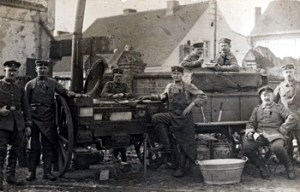 WWI field kitchen, the „Gulasch Kanone“.
Viennese chefs adapted the Hungarian Gulyas soup recipe brought in by the troops and made into a thick sauce. This became known as the „Wiener Saftgulasch“ (Viennese Goulash). This is often incorrectly regarded as „the original“ goulash, although it is wrong because the original goulash is from Hungary.
 Austrian Fiaker, the famous open carriage.
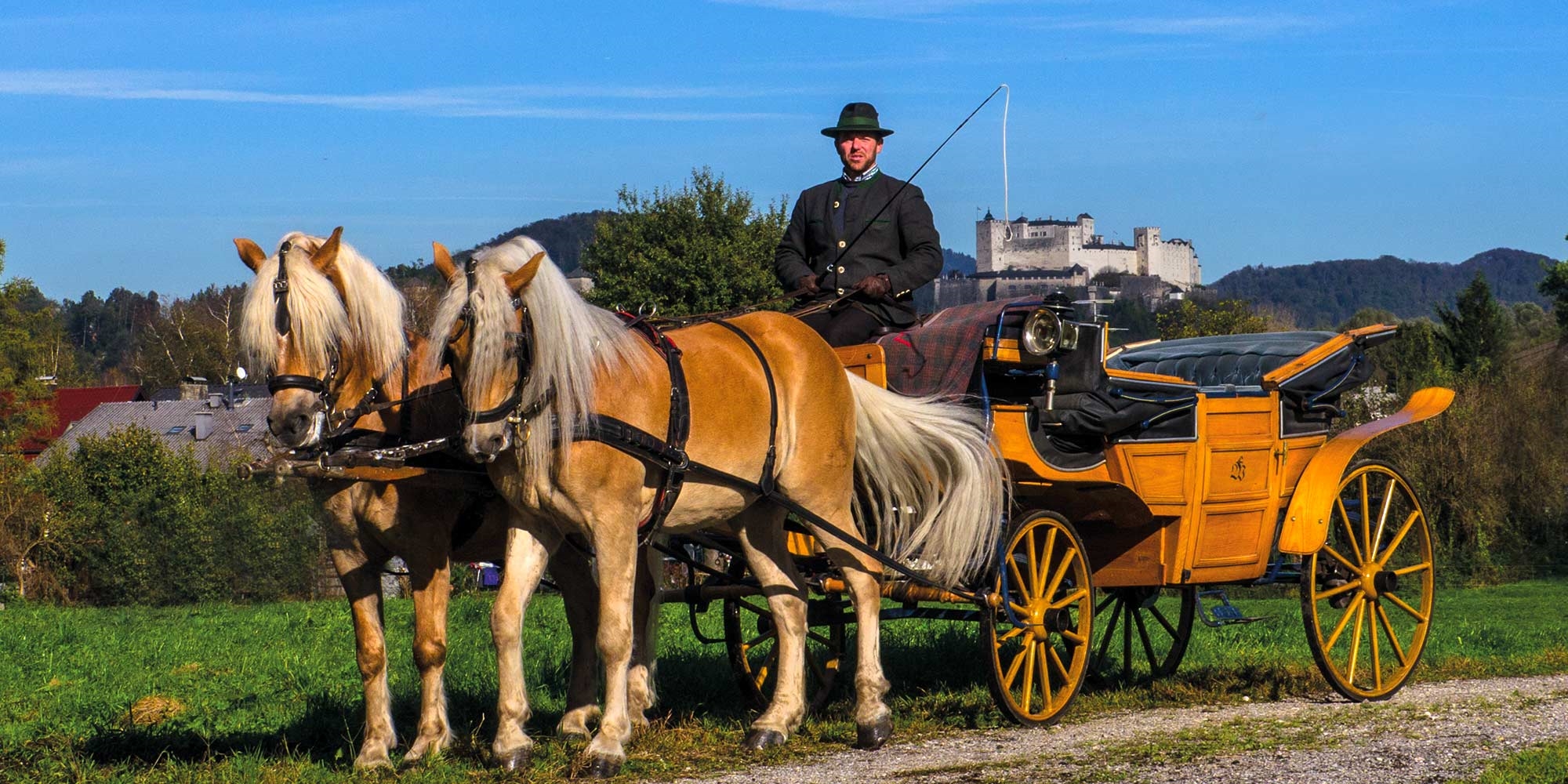
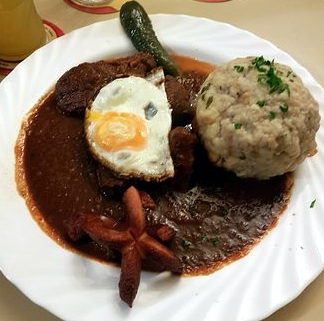
An interesting evolution of the Viennese Goulash is the Fiakergulasch (Coachmen’s Goulash), which a Viennese Goulash served with fried „Wiener Würstchen“ (Vienna sausage its like a hot dog sausage, a Frankfurter), a fried egg, a fan-cut pickle and possibly a round bread dumpling. The name is derived from the iconic Viennese open-top „Fiaker“ carriage.
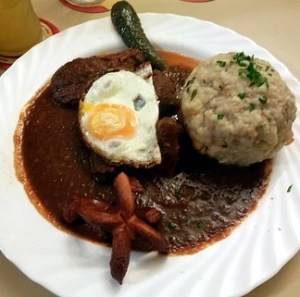 Fiaker Goulash served at restaurant Reinthaler, Vienna.
The Viennese goulash became such a success that the Hungarians re-imported it under the name „Pörkölt“. Goulash continued to spread beyond Vienna throughout the Austro-Hungarian empire and beyond. It was typical army food and transferring regimental troops spread the recipe along with them. It found its way to Slovakia, Czech Republic, Germany and Tyrol, but also east to Ukraine, Russia and Poland.
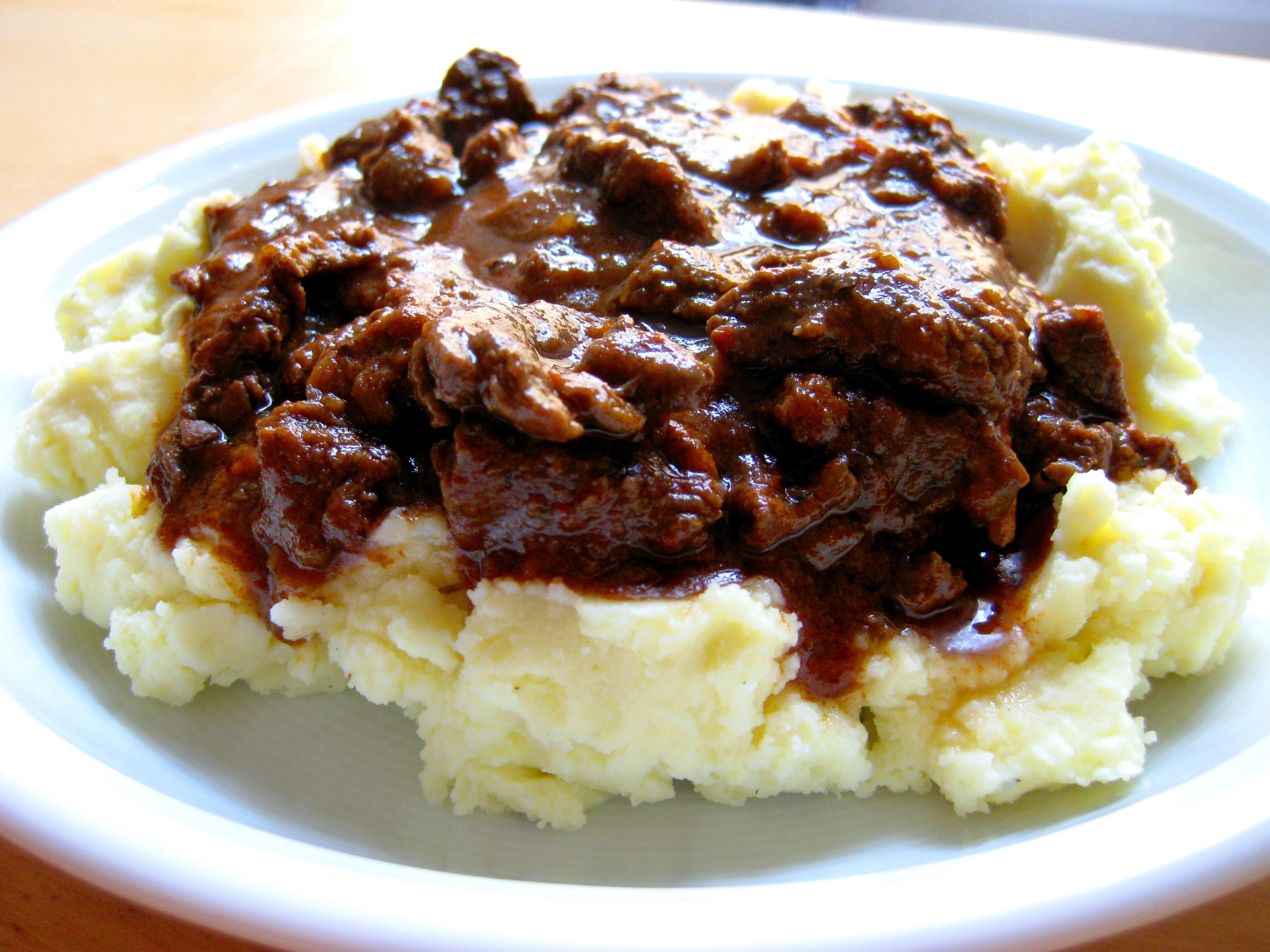
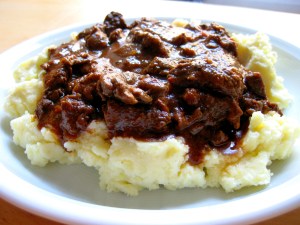 Dark beef Goulash served on mash potatoes.
No Goulash in USA.
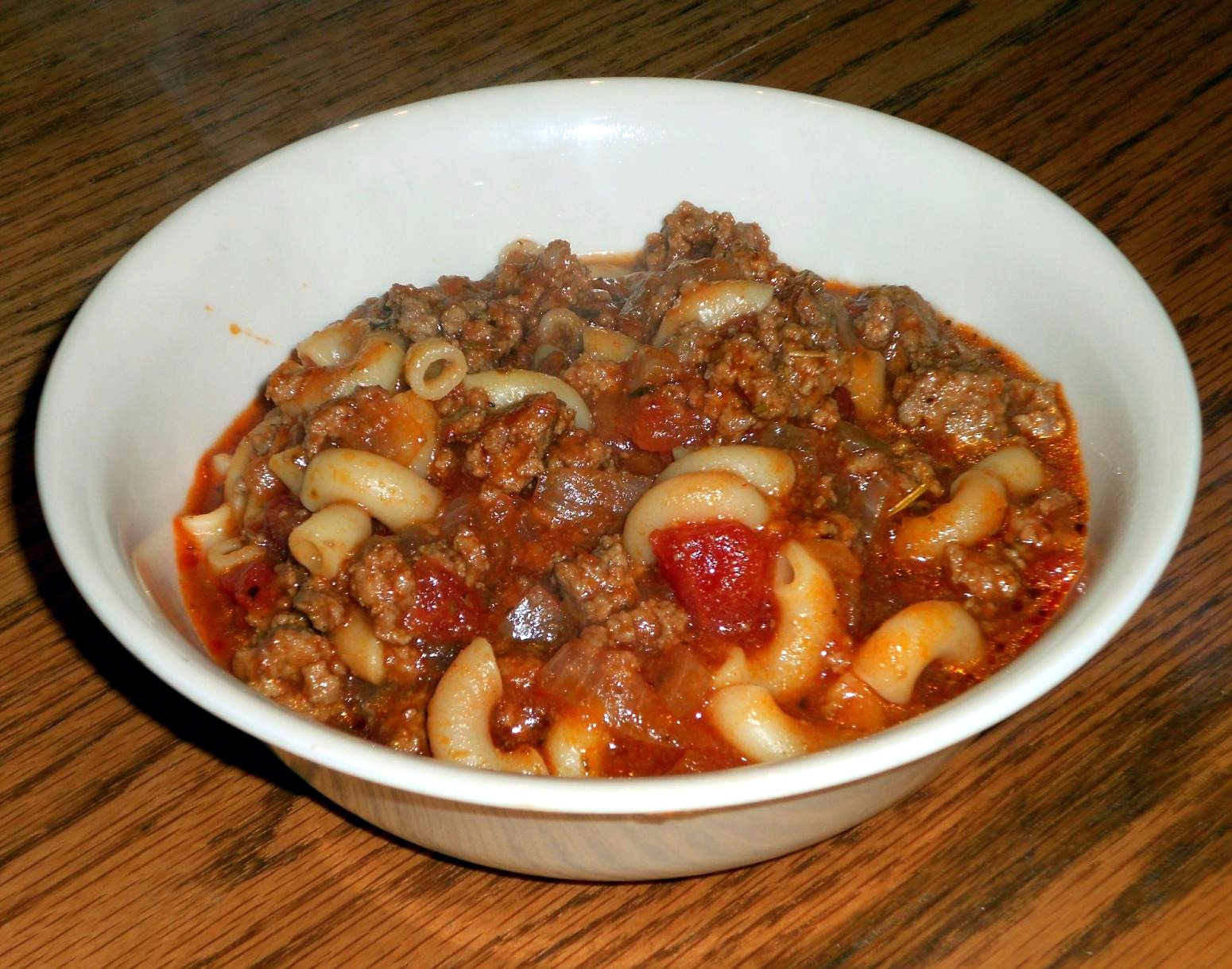
Goulash never made it into the United States. Although there is a dish of that name first mentioned in cookbooks in 1914, Goulash in America has evolved into something completely different. What is understood under „Goulash“ in America is a casserole made with ground beef and pasta. An „Italian ragu milanese“ meets „Texas chili con carne“ sort of a thing. The only connection with the Vienna Goulash or the Hungarian Goulash is the name, and the use of beef and paprika. Nothing else. I had it once, it tasted horrible !
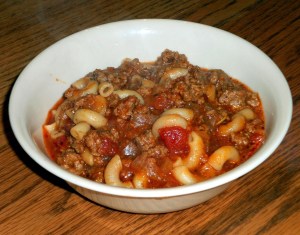 That’s what they call Goulash in the US. A mix of soup and stew, mostly a sort of casserole made from noodles, minced meat, few tomatoes, some bits of capsicum or onion and sprinkled with cheese. To me not very appetizing. Similar to their favorite „Mac and Cheese“.
Paprika.
The most important ingredient of both the Hungarian and the Viennese Goulash is obviously Hungarian paprika. Hungarian paprika powder is bright red, and generally sweeter than paprika made from the same fruits grown in other soils and climates. Hungarian paprika is produced by drying and grinding the fully ripened pods of the Hungarian Wax Paprika.
 Different mature stages of Hungarian Paprika.
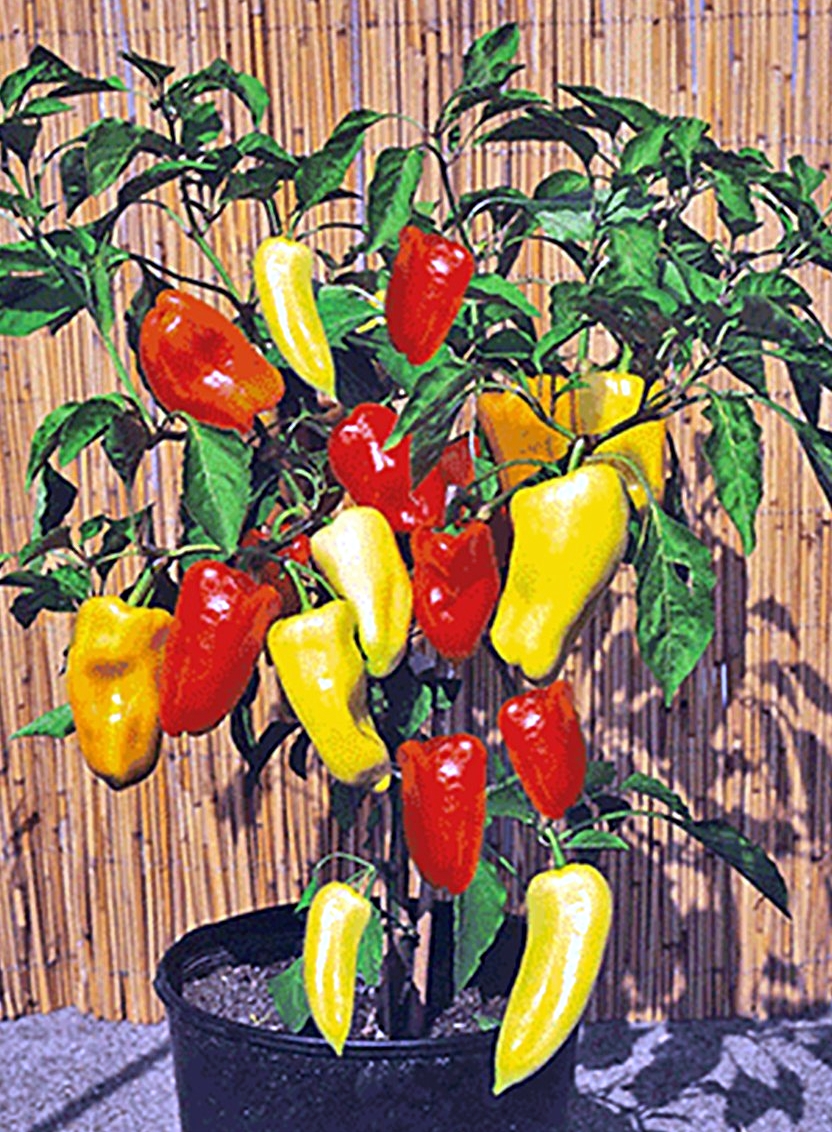
This is a cultivar of the species Capsicum annum, the same species most Mexican and American chilli’s belong to. The heat and flavor of Hungarian paprika can vary from mild to hot depending on variety and maturity of the pods if was ground from. The heat will intensify significantly if the fruit allowed to ripen fully.
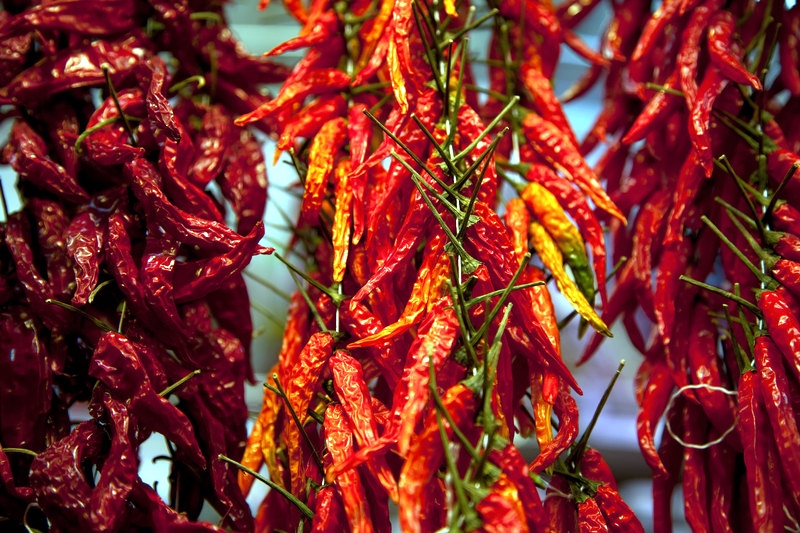
 Open air drying of Hunarian Paprika.
The paprika that is indispensable for flavoring the modern Goulash was added to the formulation in the 18th century. The classic “kettle goulash” is prepared by frying cubes of beef or mutton with onions in lard. Garlic, caraway seeds, tomatoes, green capsicum, and potatoes complete the stew. Szekely gulyas, another Hungarian specialty, is a stew of pork and sauerkraut flavored with tomatoes, onions, caraway seeds, and sour cream.
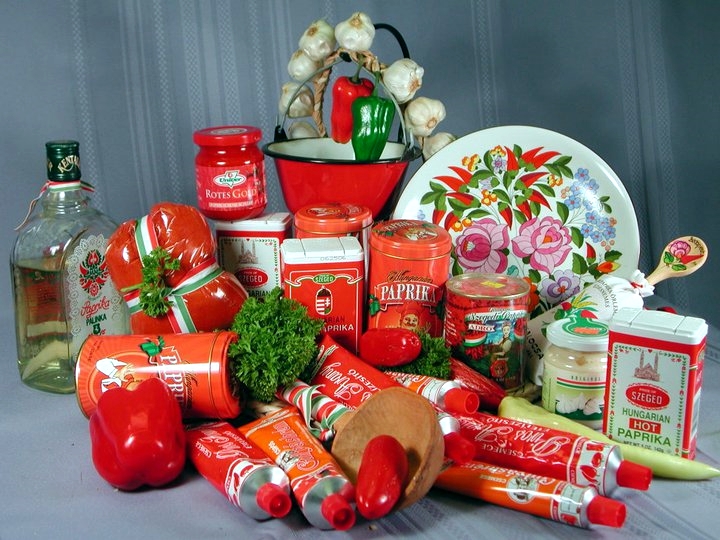
 Big business: All around Hungarian Paprika.
Goulash Soup.
A final note has to be said about the Goulash soup (Gulasova polevka, Gulaschsuppe). This is a soup popular in Austria, Germany and the Czech Republic. However, even though this is also a soup, it tastes completely different from the other soup in this essay, the Hungarian Gulyasleves.
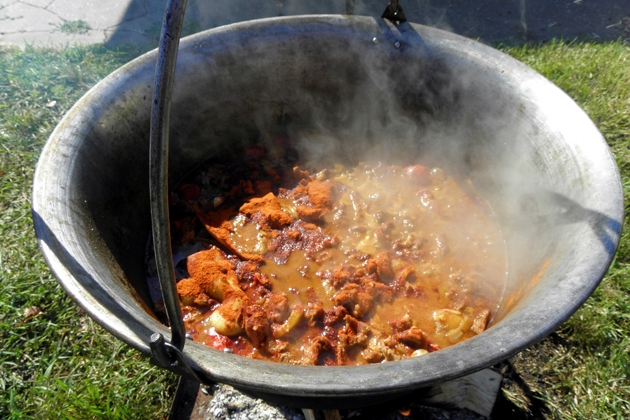
 Original Hungarian Goulash soup will be cooked in an original Cauldron, the open fire kettle. Very thick made with lots of meat , even chicken drumsticks.
For one, the Hungarian soup is not thickened by flour and tastes lighter. It also has ingredients not found in the Viennese Goulash or in the Goulash soup, such as beans, carrots, potatoes, pieces of meat or small pasta. Goulash soup is cooked like the Viennese Goulash, but boiled in a large amount of beef broth.
 This is the original consistancy and the taste – HOT !
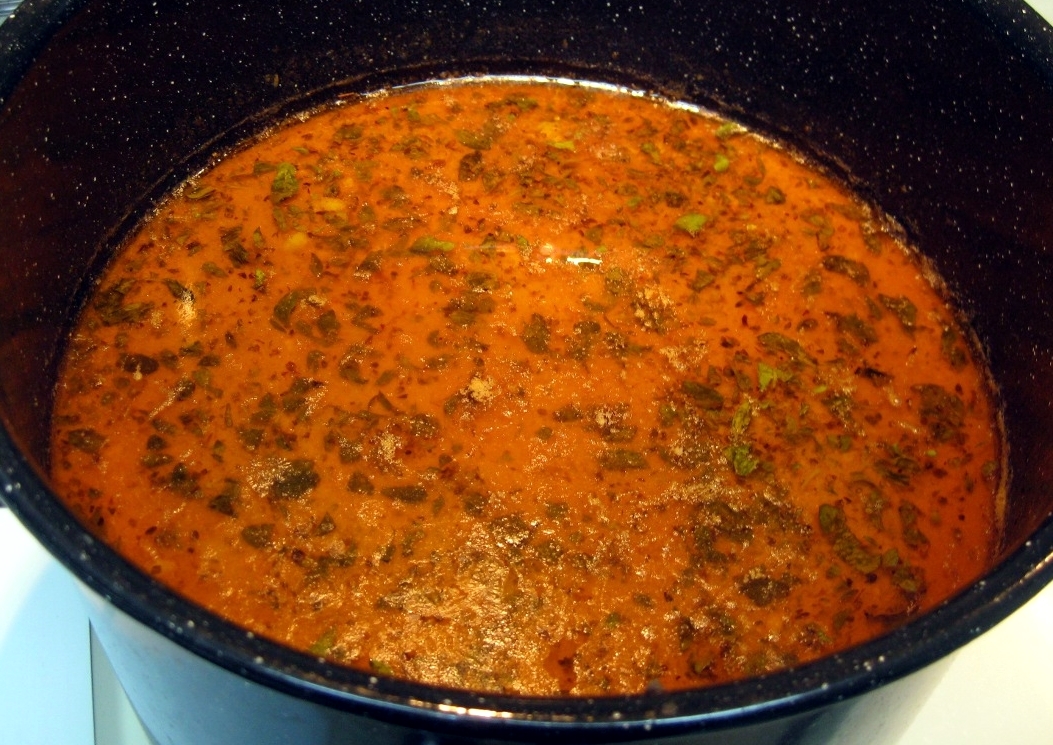
A goulash soup can be prepared in a number of different ways, and each one has its own ardent supporters. However, all agree that the cook should be generous with both meat and potatoes. Under no circumstances should flour be used to bind the soup. If the soup, which should actually be quite thick, is a little too thin, one or two tablespoons of tomato paste may be added – although with care, so the soup does not become too tart. Ground paprika, which is always used in generous quantities, will also help to improve the consistency. My Goulash soup is always the leftover „thin juice“ of my Goulash, you also can call it the sauce of the Goulash, sometimes refined with double cream.
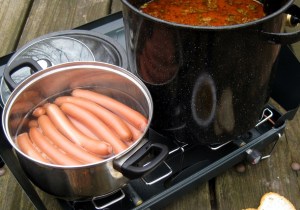
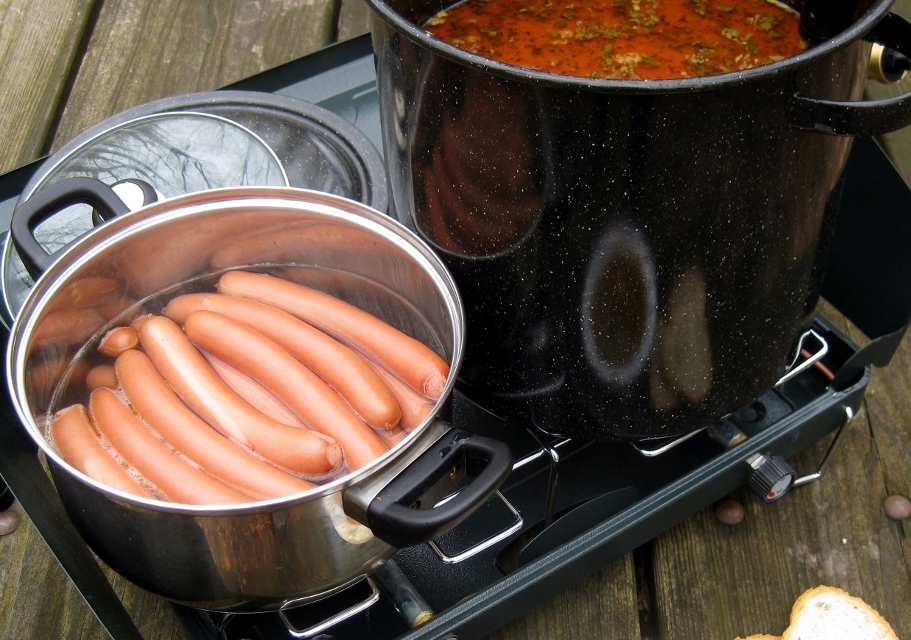
 Perfect party, hot Goulash soup and Frankforts with mustard and lots of baguette. Never forget the beers are running down like hell with it. So, be prepared to have plenty.

Goulash Terminology.
Gulyas – a Hungarian cattle-herdsman.
Gulyasleves – Hungarian kettle goulash with soup-like consistency. It is made with chilli’s, braised meat, onions and paprika. Unlike the Viennese goulash, this dish is not thickened by flour and tastes quite light. Note that this is not what is known as „goulash“. outside of Hungary. When the rest of the world eats „goulash“, they eat Viennese goulash, which would be called „pörkölt“ in Hungary.
 Poerkoelt on butterfly noodle
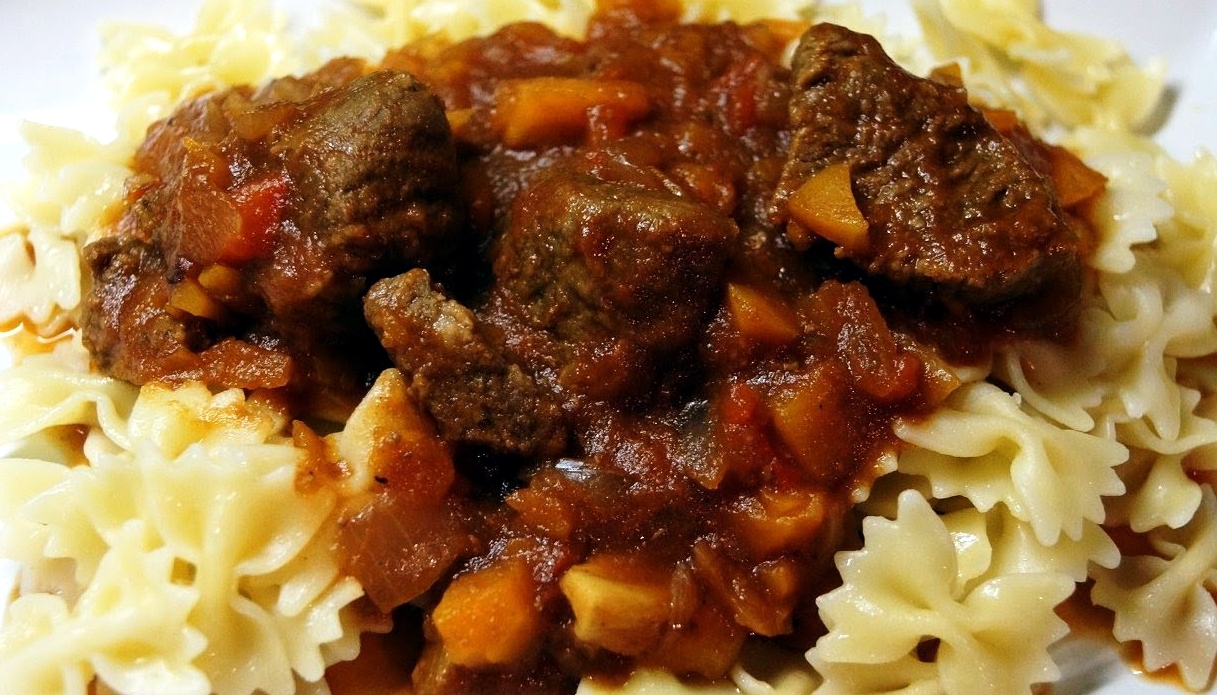
Pörkölt – Same ingredients as in Gulyás, but boiled down to a thicker consistency. „Goulash“ to the rest of the world.
Paprikas – Pörkölt made with chicken and thickened with sour cream.
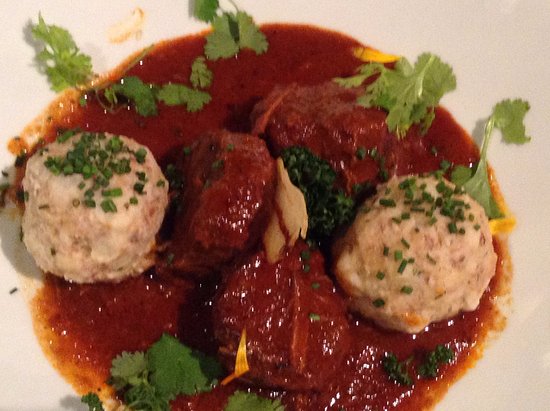
Wiener Saftgulasch (Viennese Goulash) – A savory stew consisting of even amounts of chopped onions and meat (usually beef) cut into bite-size pieces, slowly braised with sweet and hot paprika powder, salt, pepper, caraway, marjoram, garlic and tomato paste, thickened with flour. Viennese goulash has a typical deep, dark color.
 Vienna Goulash with „Canederli“, Italian dumplings.
Here are some of its varieties:
Fiakergulasch – Viennese goulash garnished with fried Vienna sausage, fried egg and a pickle cut and spread into a fan, served with bread dumplings.
Zigeunergulasch – Viennese goulash using beef, pork or lamb, with diced tomatoes, potatoes and green paprikas.
Esterhazygulasch – Beef goulash with sour cream, capers and julienned carrots, turnips and celery root, served with boiled potatoes.
Karlsbad Gulasch – Beef goulash with sour cream served with gnocchi.
Kaisergulasch – Goulash of beef tenderloin or beef sirloin, served with noodles.
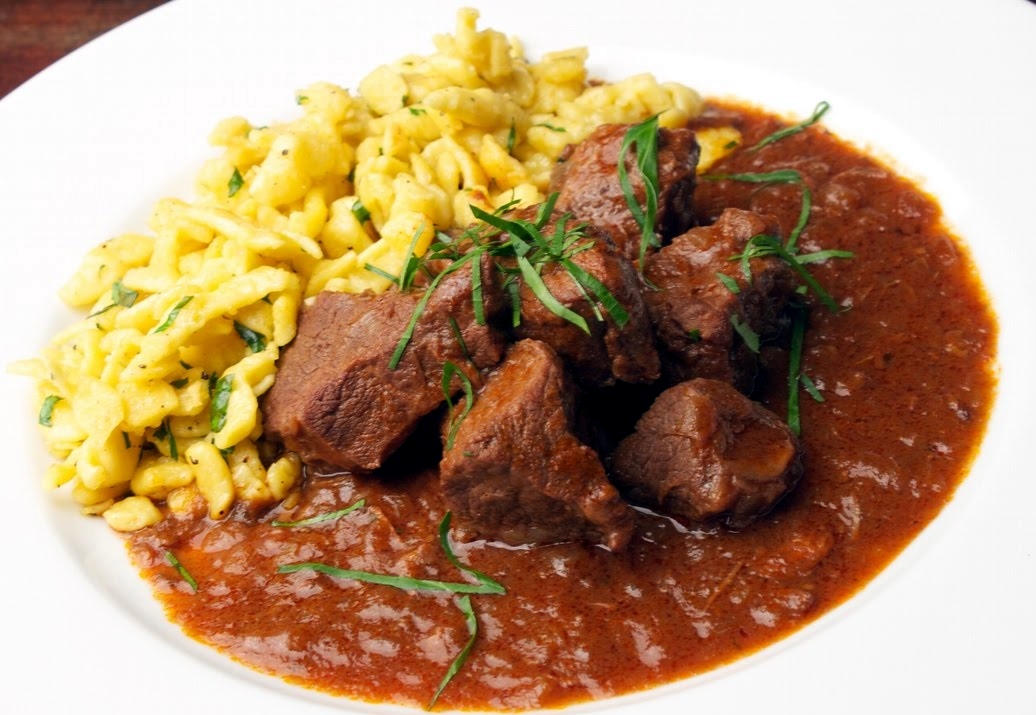
Andrassy Goulash – Beef goulash with halusky (spätzle) and bacon.
 Andrassy Goulash with halusky (spaetzle).
Trieste Goulash – Viennese beef goulash served with polenta instead of dumplings.
Gulasch della Val Pusteria – Beef or pork goulash from South Tyrol in Italy, made not with the typical goulash seasonings, but with uniquely Italian ingredients such as oregano, rosemary and citrus peel, served with crusty white bread.
Potato Goulash – Goulash of chopped sausage (Braunschweiger or Kielbasa) and onions fried in hot fat, with paprika, cumin, salt and pepper, deglazed with vinegar, and cooked with chopped potatoes.
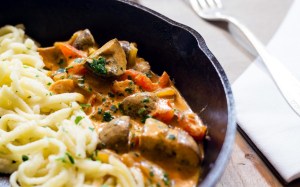 Mushroom Goulash, perfect solution for vegetarians.
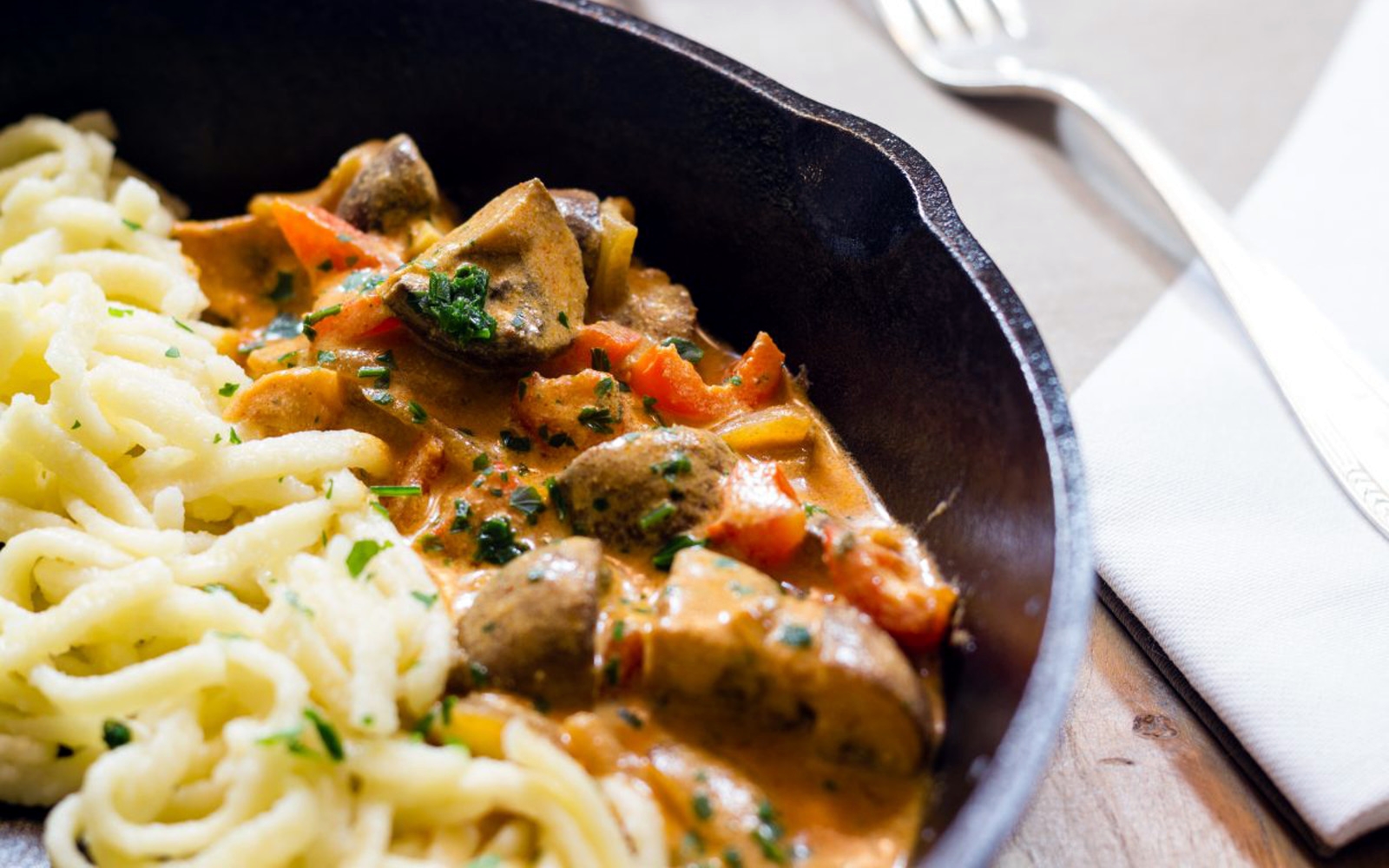
Mushroom Goulash – Low-budget Goulash made with forest mushrooms instead of meat. Bean Goulash – A stew called Bableves in Hungary, prepared similar to the Potato Goulash except mixed beans are used in place of potatoes. Sounds a bit similar to New Mexican chilli, except paprika is used instead of ground chilli.
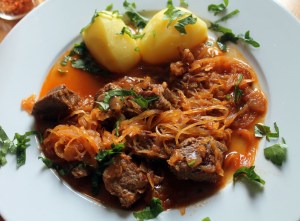 Szegediner – Goulash with Sauerkraut.
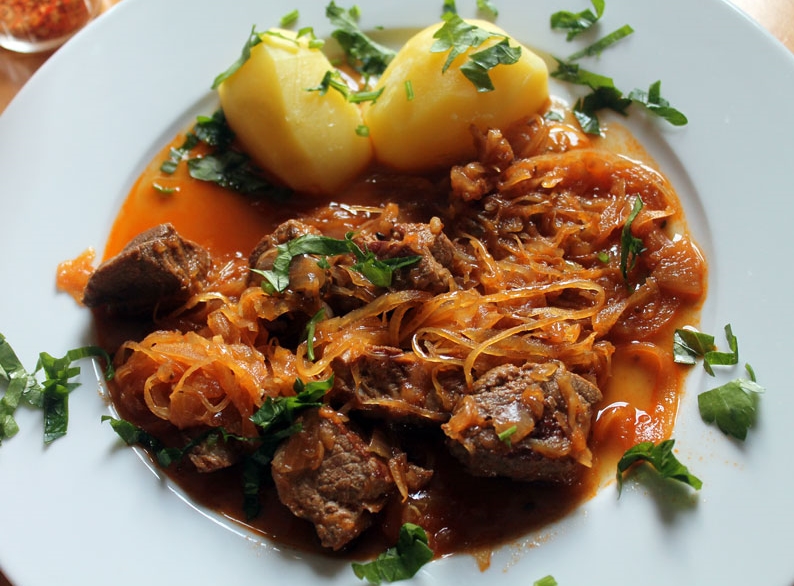
Szegediner Goulash – Pork stew with sauerkraut and sour cream.
Debrecin Goulash – Goulash made with Debrecin sausage instead of meat.
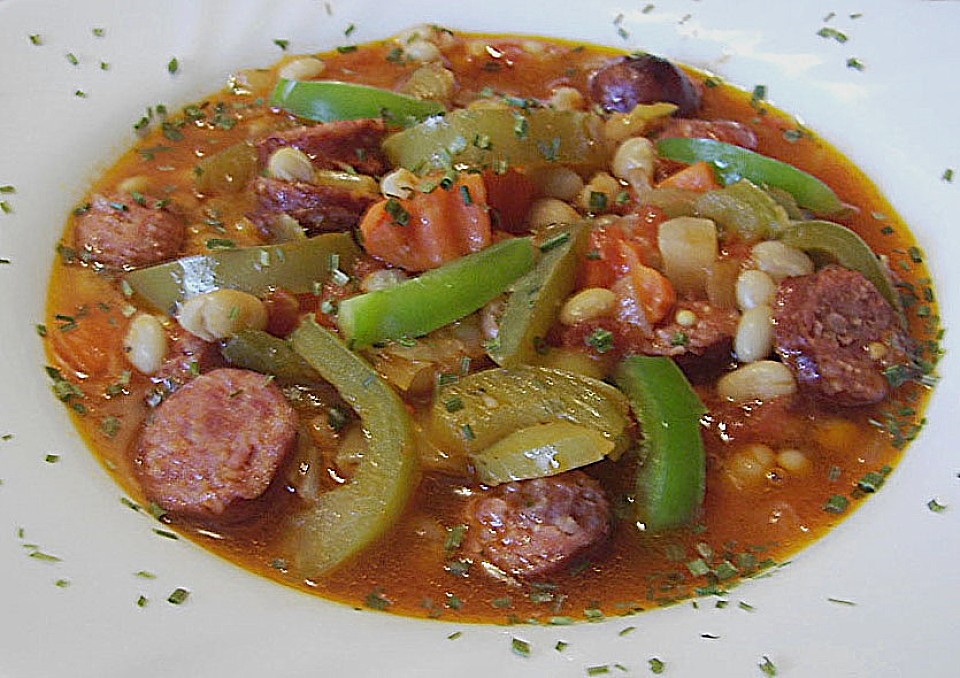
Sausage Gulasch (Wurstgulasch, Burt gulas) – Low-budget potato-and-sausage Goulash with tomato sauce.
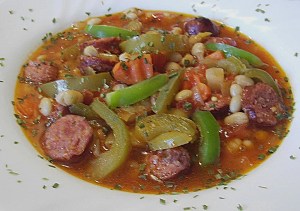 One of these „low budget“ Goulash‘, served in some restaurants. Can be delicious, its just different.
Goulash po komunisticeski (Communist Goulash) – Kazakh goulash that uses any kind of meat, because, as our friend Vladimir once said, „during Communism only Communists had meat“ 🙂
Hundgulas – We should tactfully omit the Hundgulas (dogsgoulash), a beggars‘ recipe for dog-meat Goulash and leftover vegetables from 19th-century Presporok (Bratislava).
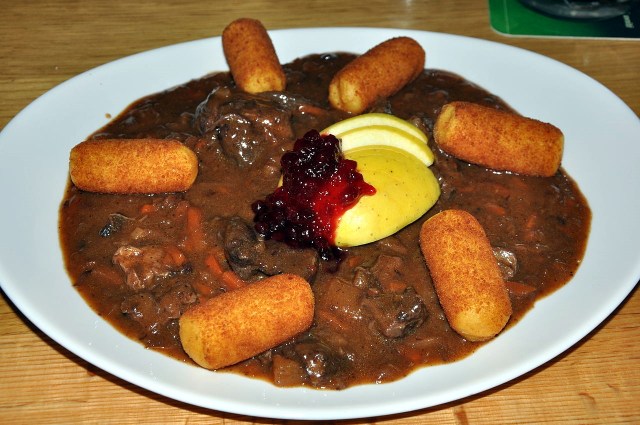
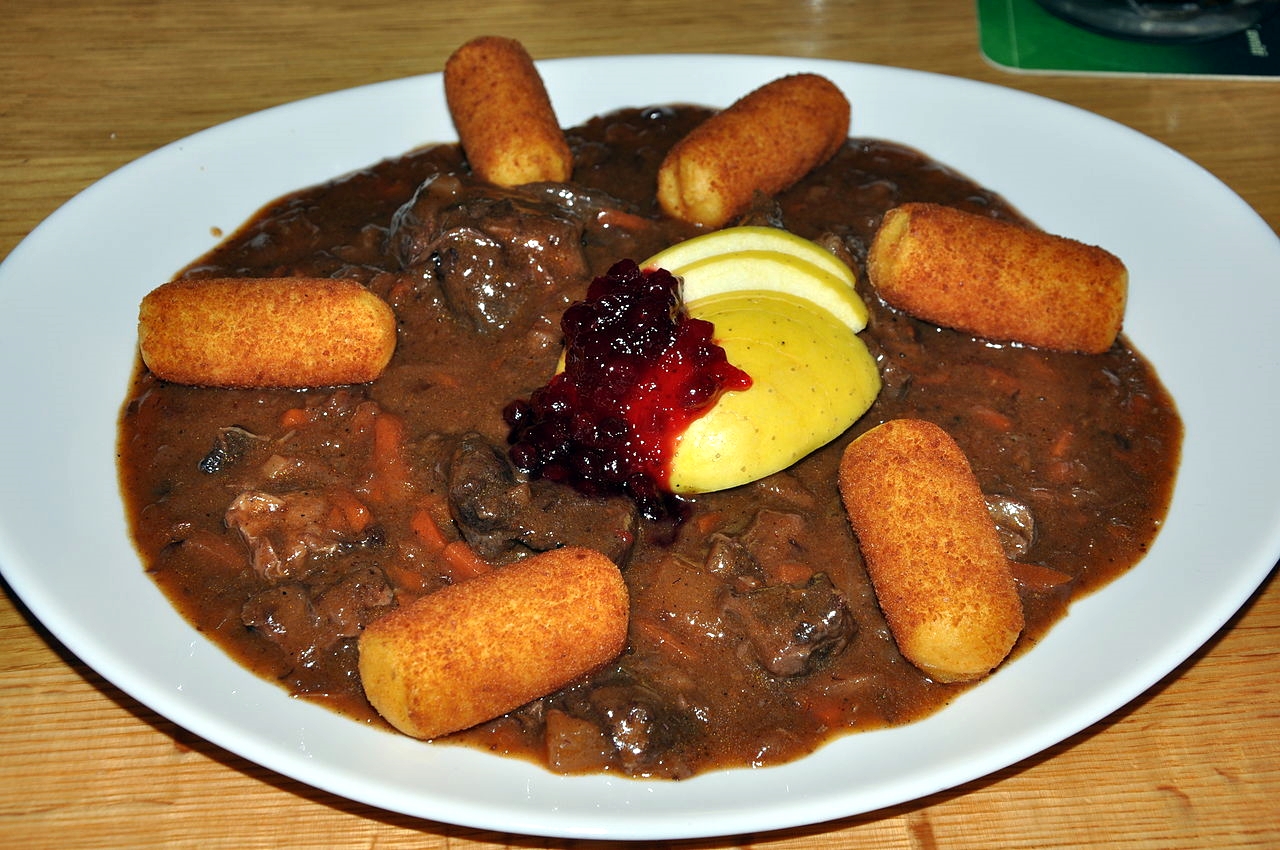
My absolute favorite – mouthwatering wild deer Goulash served with croquettes, cranberries and pears. But deer is very hard to get in Uruguay instead of beef.
Mike’s Goulash.
During the years we tried dozens of Goulash recipes and finally we came up with this one. It is a thick, full of meat (predominately beef), medium spiced stew with permanently changing side dishes. One great difference to all the ideas and recipes you read before – I use very good meat and lots of red wine, mostly the same as I love to drink with the meal. As better your ingredients are as better your meal will taste. As said before, I always like to make a large amount and then freeze the portions. Heated up its even better.
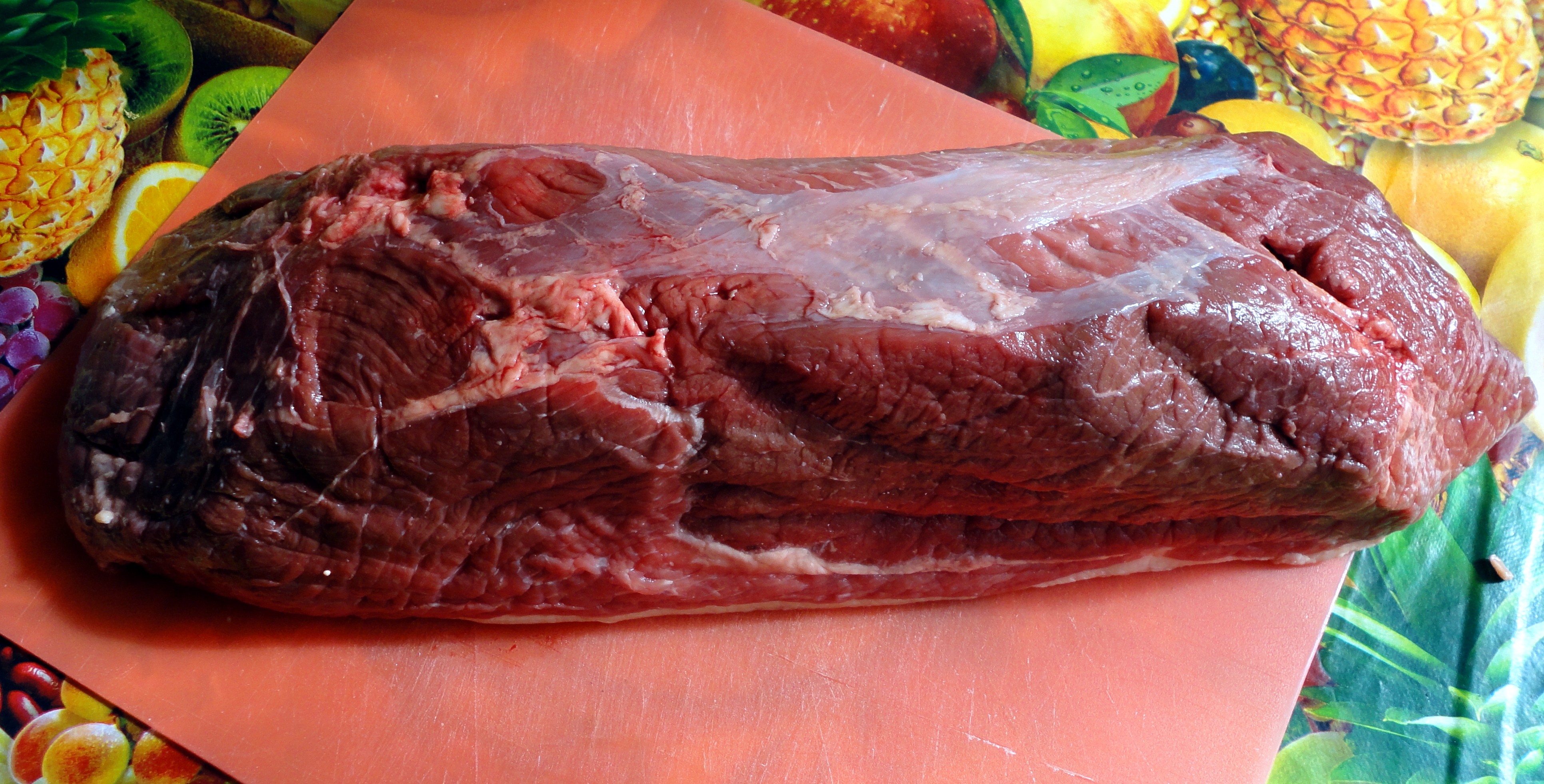
 Some very good piece of beef.
Ingredients.
3 kg beef, top loin (in Uruguay „lomo superior“), nicely trimmed of all skin and fat
12 medium size yellow onions
2-3 medium size celery, stem and leaves, finely diced
2-3 medium size carrots, finely diced
1 whole bulb of garlic, coarse diced
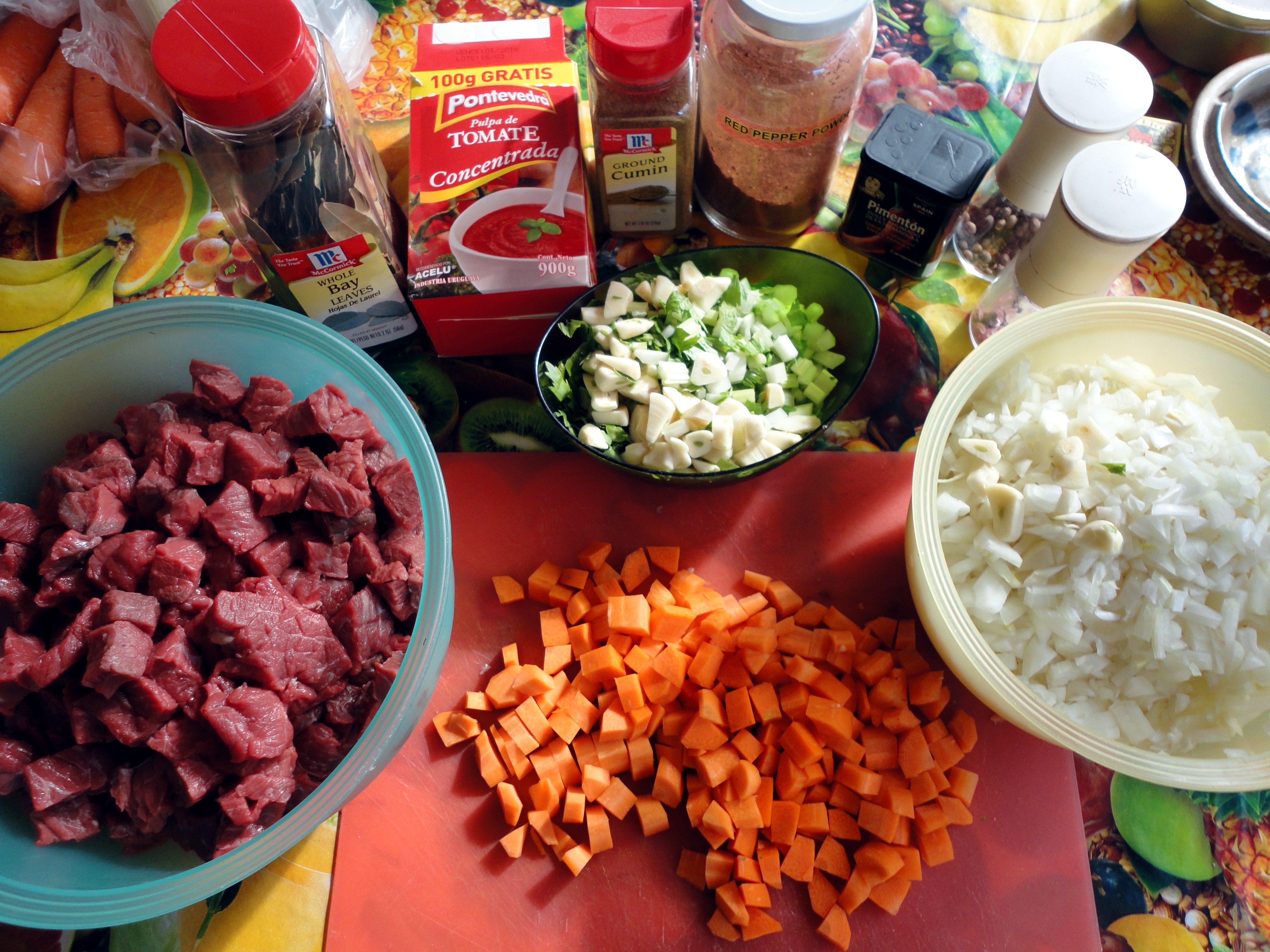 A lot to prepare, kilos of meat and veggies.
1 tablespoon (I like to use 2) ground hot chilli or szechuan pepper powder
80 gram of tomato extract/concentrate
6 bay leaves
2 tablespoons cumin
5 tablespoons of smoked ground paprika
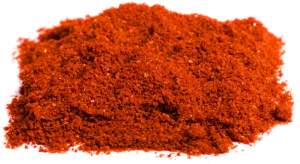 The paprika I use, smoked and sweet.
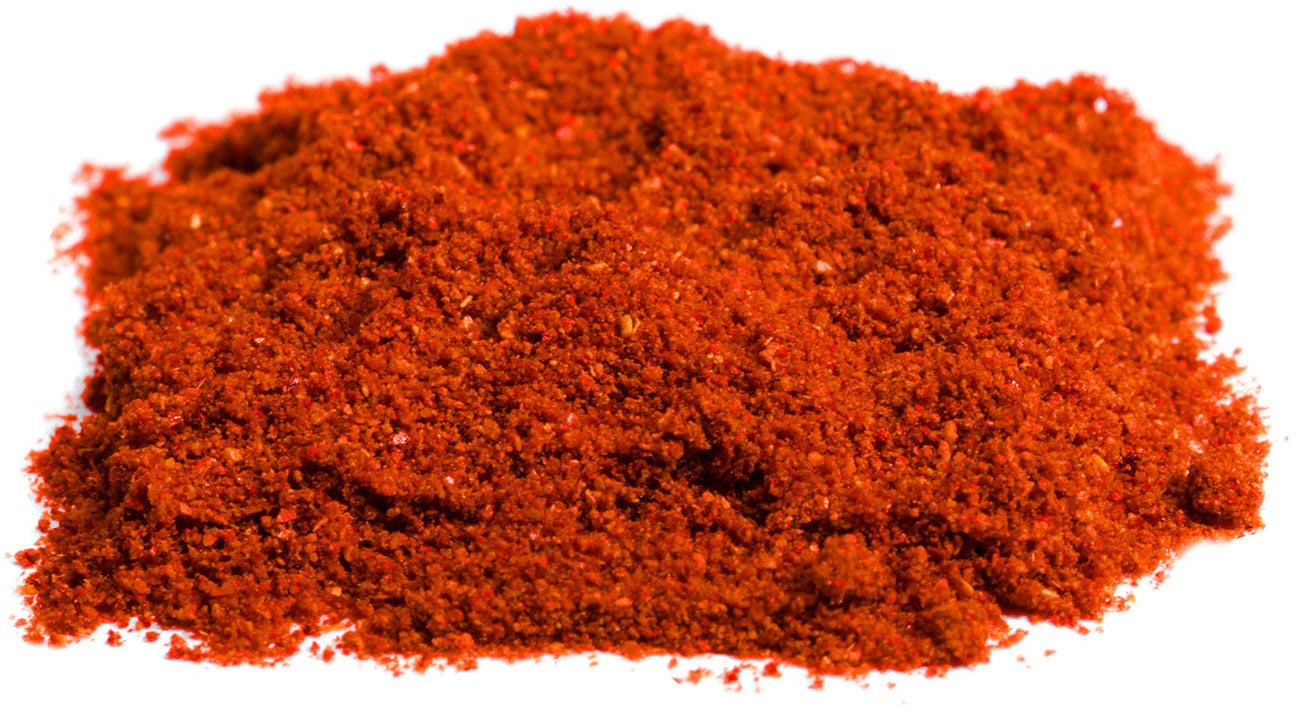
1/2 liter beef broth
1/2 liter tomato juice
1 1/2 liter strong red wine, Syrah or Tannat or similar
lard or high temperature cooking oil, to brown the meat
salt and pepper to season
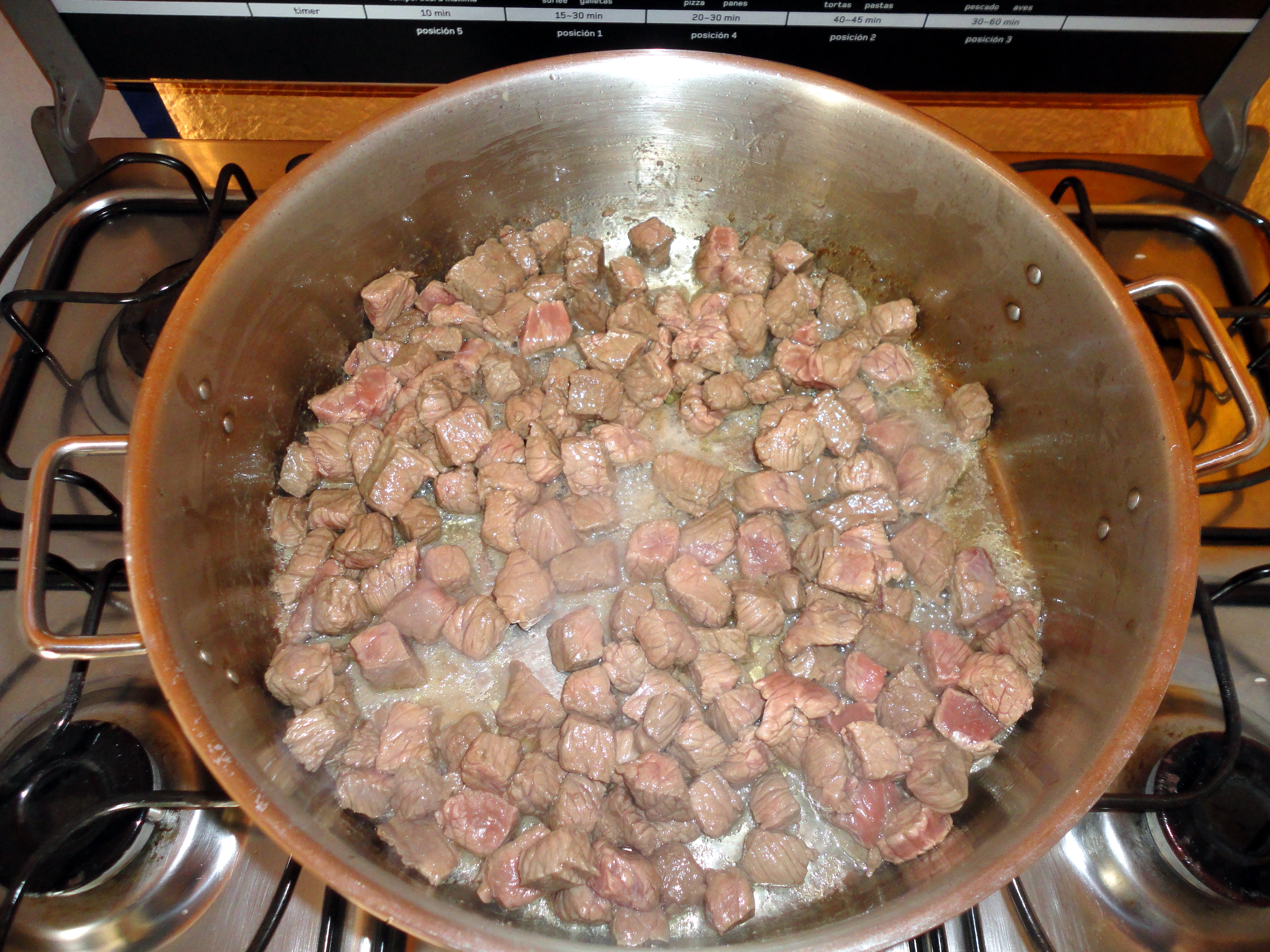 Fry meat briefly, the other ingredient should have a chance to soak in to the beef or whatever the meat is you use.
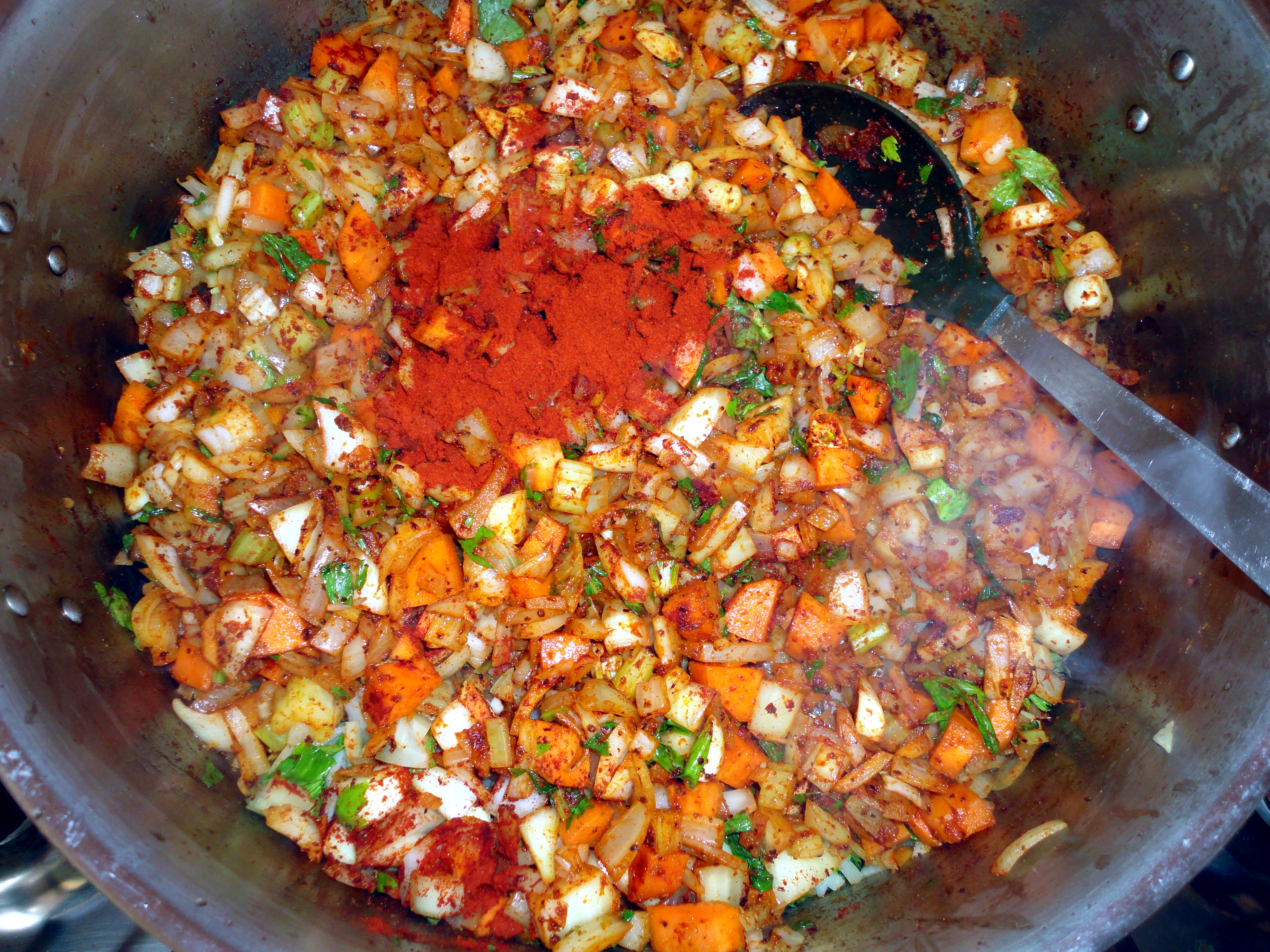
 Fry all veggies with paprika and chilli powder.
How to do.
Fry the meat briefly and set aside.
Then fry the vegetables, add the paprika and chilli powder and stir-fry till the onions are golden brown.
Clear everything with the broth and wine.
Bring it to a boil,
And now add the meat and the remaining ingredients.
Simmer on lowest heat about 2 to 2 1/2 hours until the meat is tender.
If necessary season with salt and pepper.
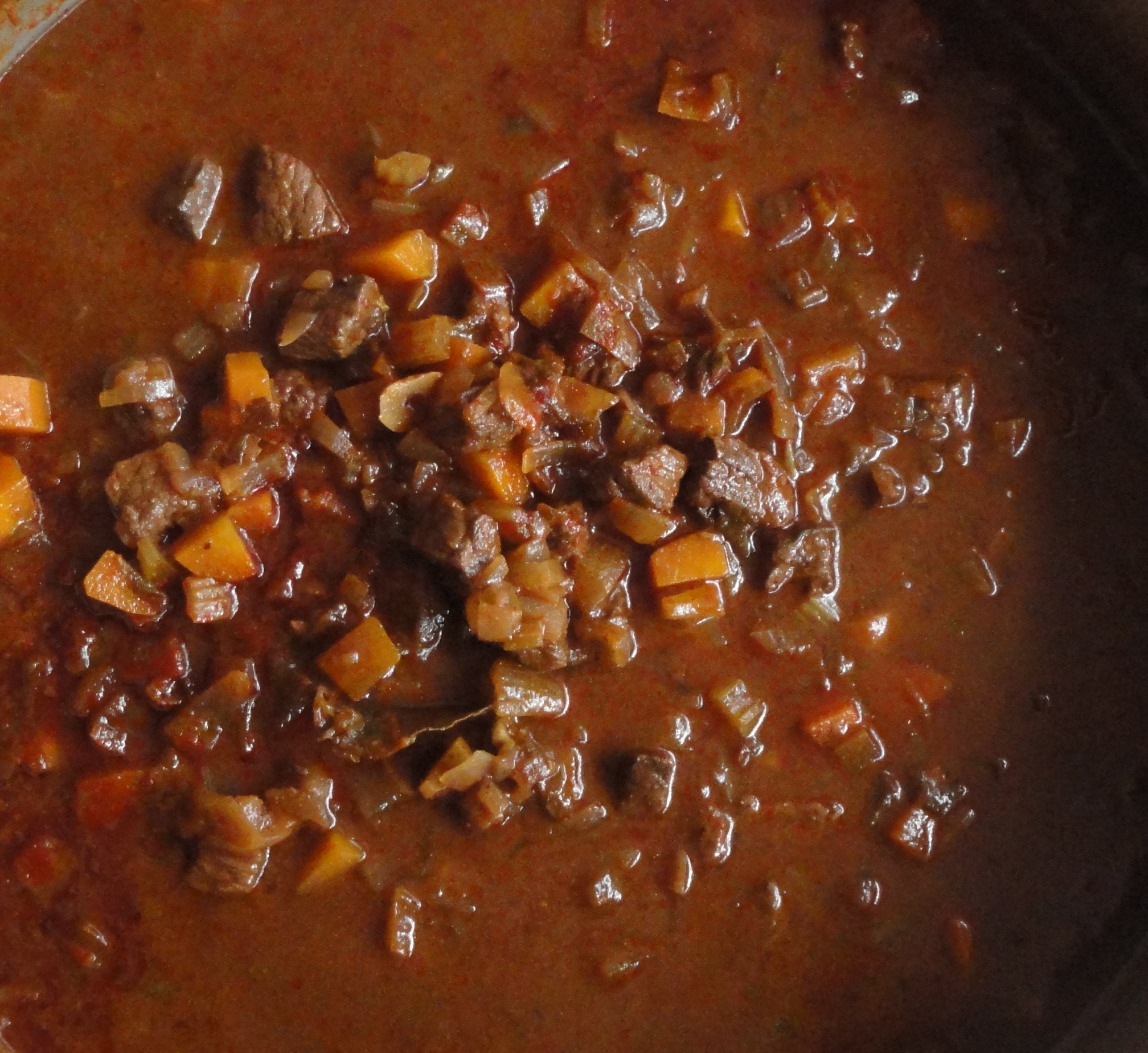
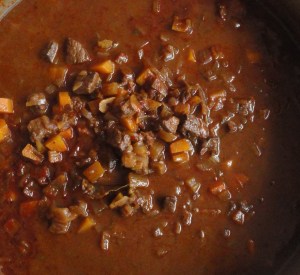 Mike’s Goulash ready to serve. My cousin in Australia loved the leftovers next morning on toast. Not to bad, finger licking sauce – I tell you.
Tips.
Sometimes It turns out very spicy, because I always like to double the amount of chilli, then I serve a glob of creme fresh or here in UY „queso blanco“ with every serving. In case you have a source for deer or wild boar, you should try it. Here in Uruguay we also use lamb, which is very good and pretty cheap, just US$ 7,– a kilo instead US$ 9,– for beef.
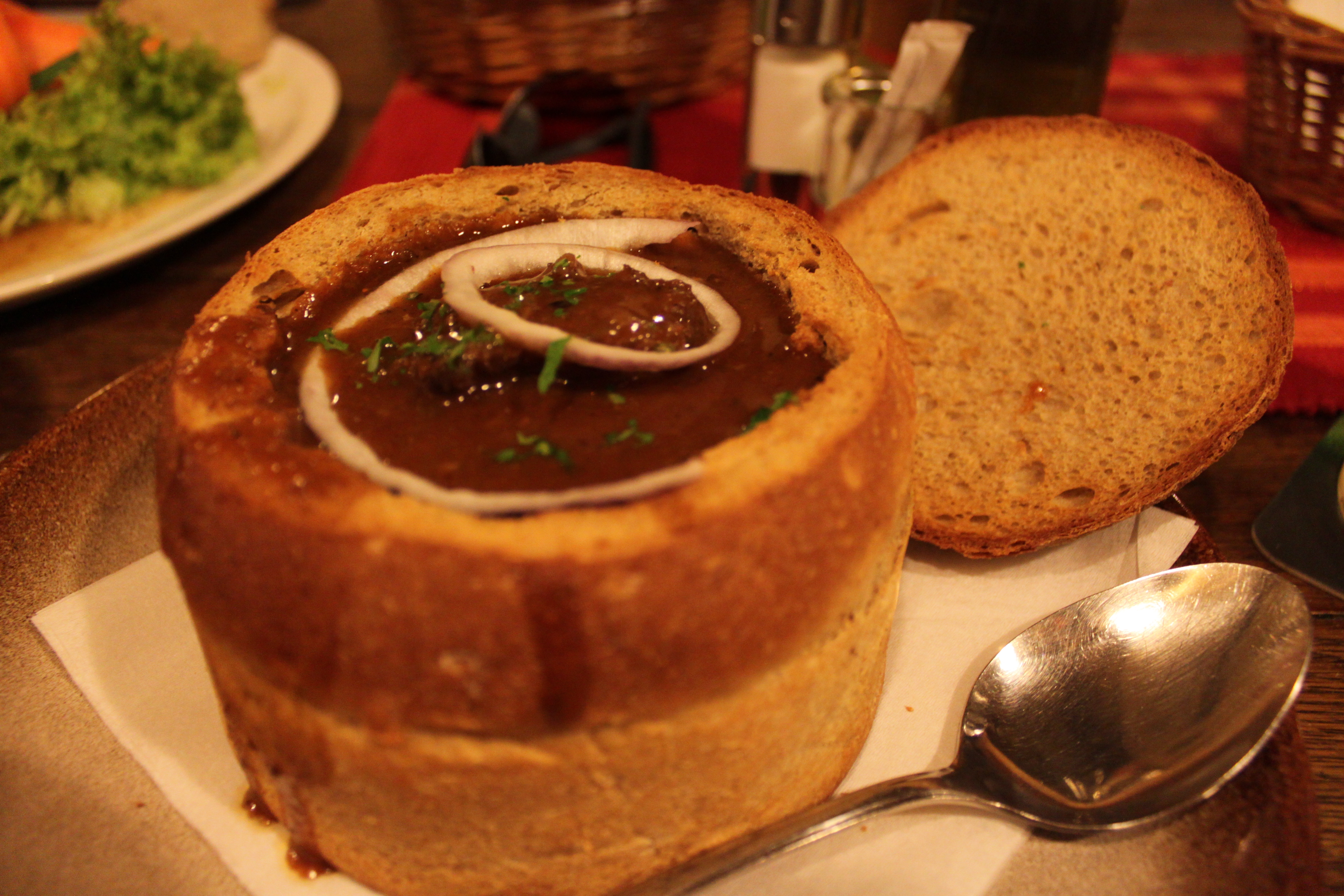 What a delicious feast, Goulash in a bread bowl. Enjoy your next Goulash, as I do !

