
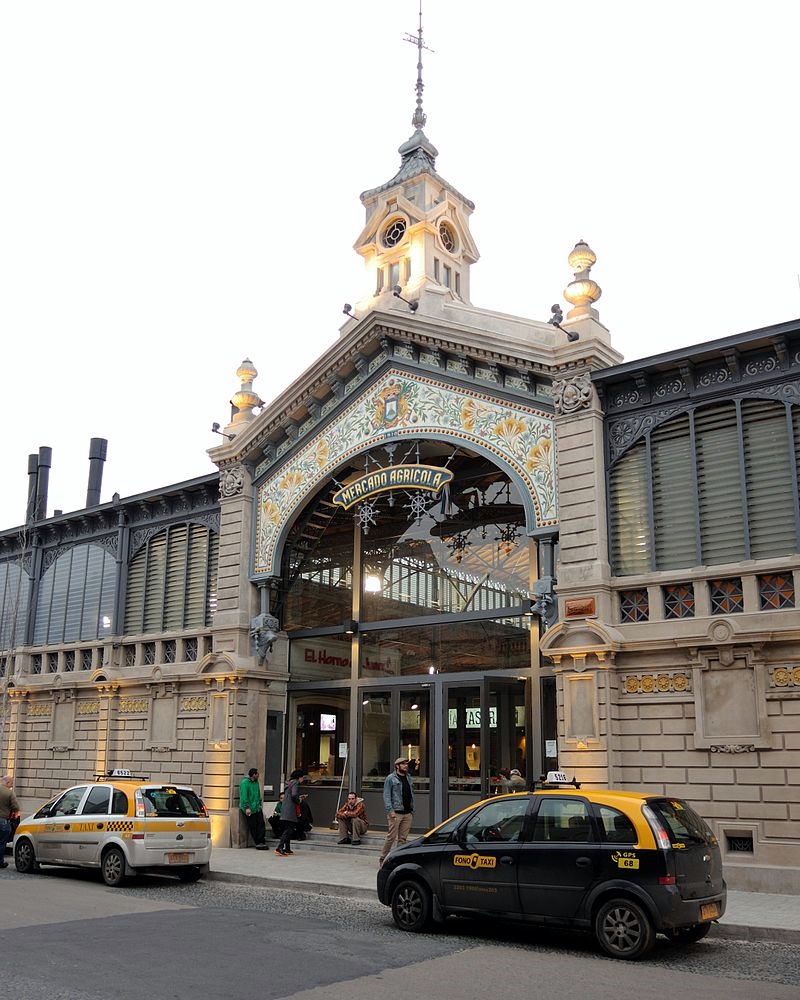
For several years we went for shopping and visited the „Montevideo Aricultural Market“ (MAM). A fantastic renovated old iron structure, now housing a market with around one hundred shops/stalls. One can find a bit of everything, many restaurants and worthwhile to walk around and spend some time.
Always I wanted to write a post about it, finally it takes shape. Have a glimpse of one of the oldest agricultural market in Montevideo, the „Mercado Agricola de Montevideo“ the „Montevideo Agricultural Market“, called MAM.
 Montevideo’s great Agricultural Market, where one is able to find in over 100 stalls things you won’t find somewhere else, at least its what people say. However, worth to give it a try. Most pics expand if you click on.
History.
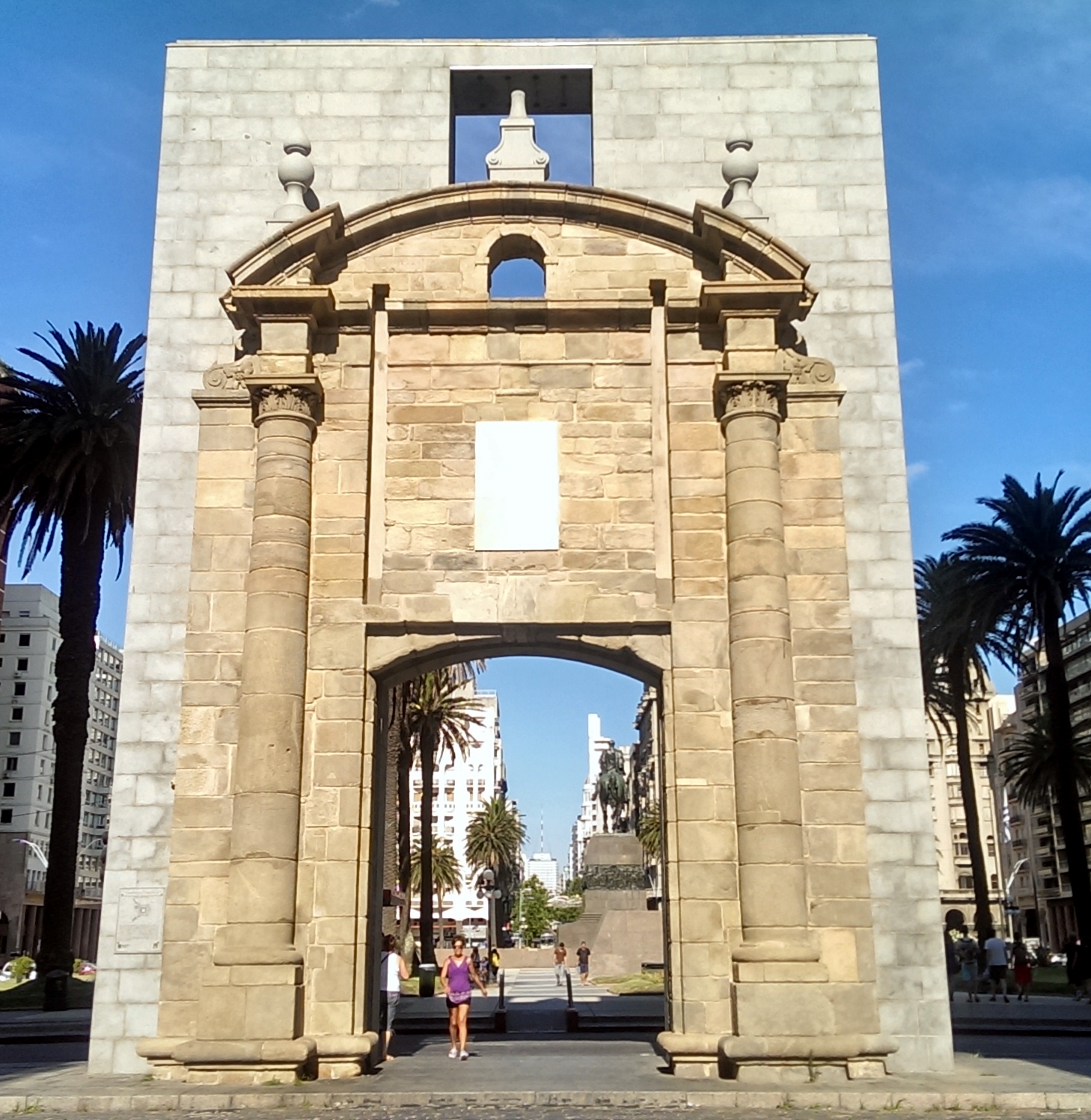
Montevideo was born and founded as a strong city, in order to stop the advance of the Portuguese, since that time it was a Spanish colony. The first settlers settled in what we know today as Ciudad Vieja (the old city). It was a fortified city and one of the vestiges that remains of it, is the Gate of the Citadel that dates from 1742. The squares known at that time were great open spaces where commercialized fruits and vegetables, and all kinds of products, meeting places and talks.
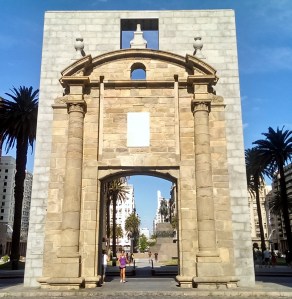 Puerta de la Ciudadela (gateway to the citadel), from 1742, now to find at the Plaza Independencia, Montevideo.
The first fruits and vegetables that arrived in Montevideo were from the area of the Prado neighborhood, today a residential suburb. A memory of large farmhouses, which proved to be the meeting point of the upper class of Montevideo. In the course of 1829, the city expanded, the walls surrounding the city were demolished and the city began to spread beyond the public areas.
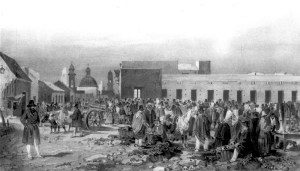 Agriculture Market in Montevideo ca. 1836, „Calle de la Carrera“, today its Sarandi y Mercado Chico.
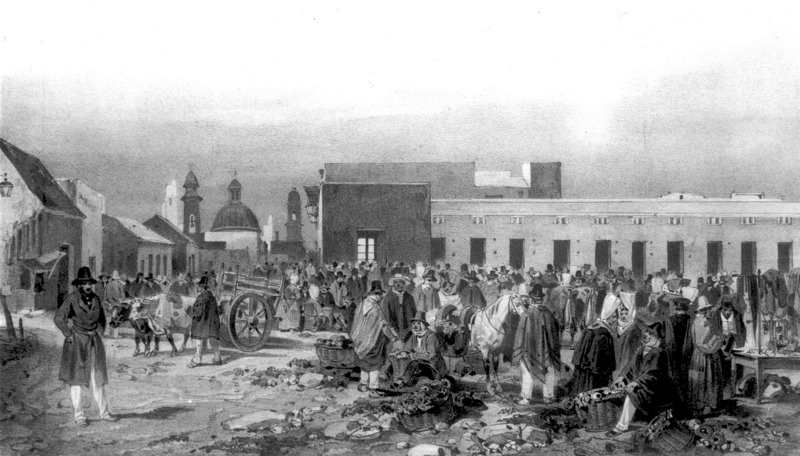
In 1866 the government obtains the donation of important estates near where the Legislative Palace is today. An important place was installed that denominated „Plaza de las Carretas“ (Place of the Carts). There was commercialized all class of fresh products coming from the zones bordering the rural and inland parts of the country.
The idea of creating a market was taking shape, given the demands of hygiene and health that began to demand worldwide during this time.
Thus, in 1903, five citizens decided to donate parts of their land with different locations convinced of the need to have an „Agricultural Market“ adapted to the needs of the time and with the latest advances in the field.
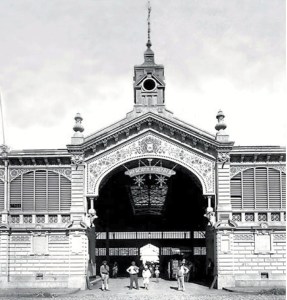 Mercado Agriculture Montevideo around 1912. Pic MAM.
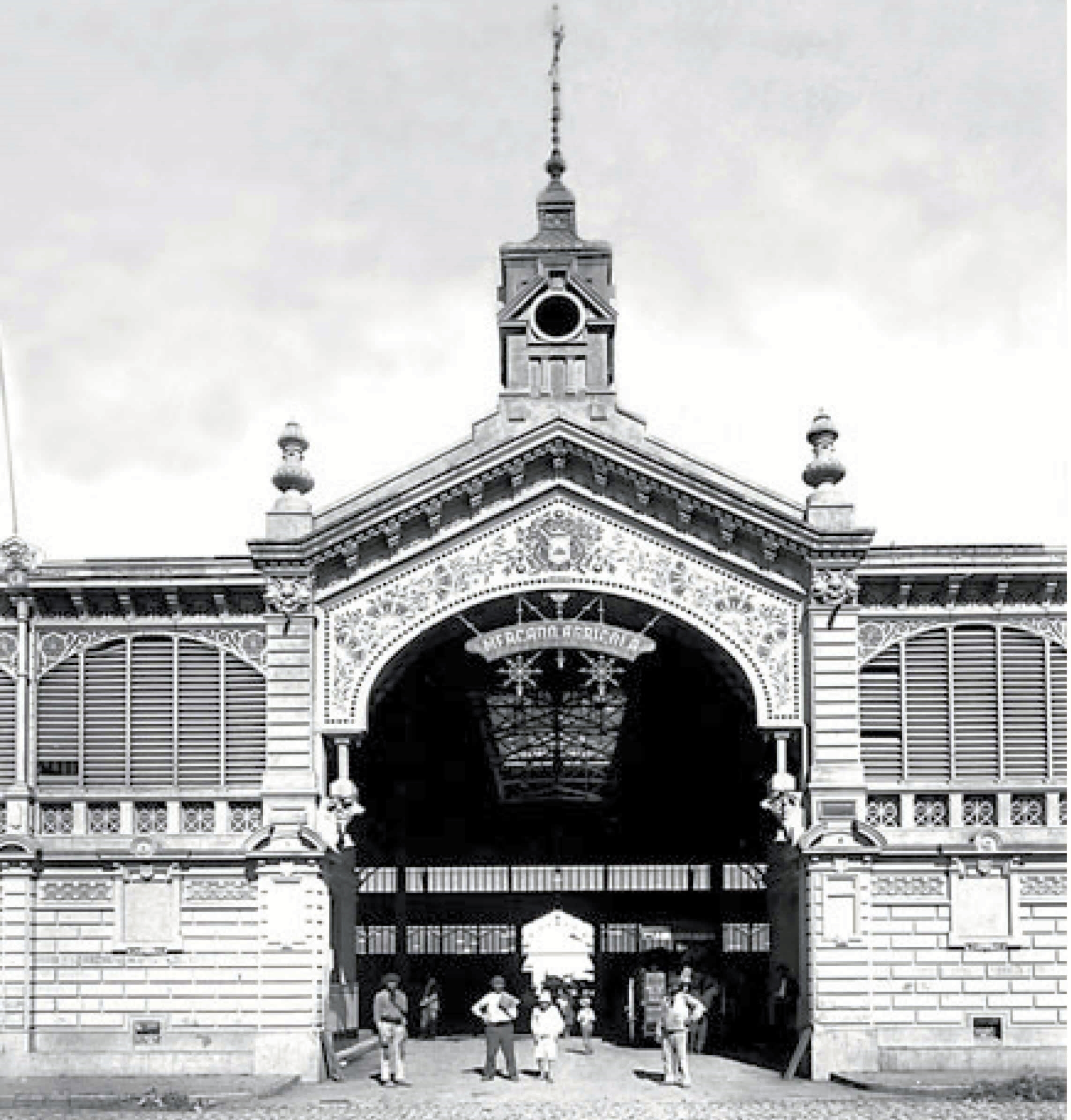
The Administrative Economic Board was in charge of deciding between the five proposals and so in 1905 the municipality published the basis for a call for tenders for the construction of a wholesale market on the property donated by Mr. Carlos Crocker, who was a landowner from the department of Soriano and a founding member of the Rural Association of Uruguay.
The project was selected by Architects Antonio Vazquez and Silvio Geranio. The foundation stone was laid in 1906 and its construction began, extending until 1912, with the definitive authorization of the building to operate in 1913, although the inscription on the access to the building at „Calle Joseph L. Terra“, figure 1910.
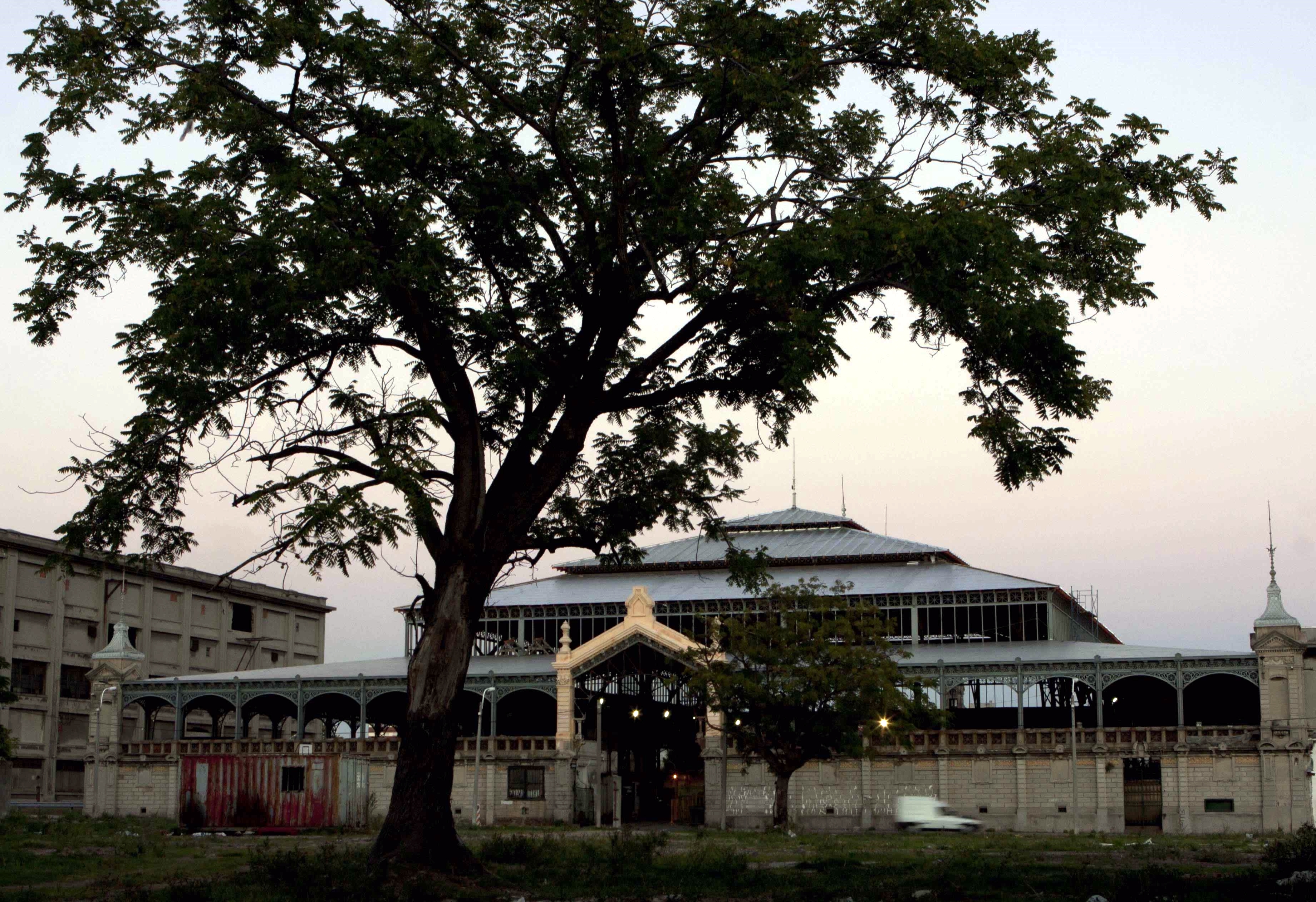
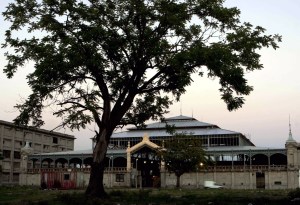 Decayed Mercado building and others before renovation. The building left is now a modern appartment building still under construction. The big tree in foreground gave way to a street and parking area. Pic MAM.
In later years the market suffers two extensions, one in 1929, which incorporates refrigerated rooms and other services. A second extension was made in 1945.
The work has been considered in its origin as the most vast and architectonic market of Latin America of its kind. It is the last of the big iron-built markets in Montevideo, which also has the „Abundance Market“, located in the center of the city (just 1/2 a block from the Intendencia of Montevideo), and the „Port Market“ located in the Old City.
 In 1836, inside the walls of the Citadel, the first market of Montevideo settled. Shortly after ,in 1865, the „Mercado de la Abundancia“ (Market of Abundance), the Central Market was installed and three years later the Mercado del Puerto, which occupies half a block of the Old City, Montevideo.
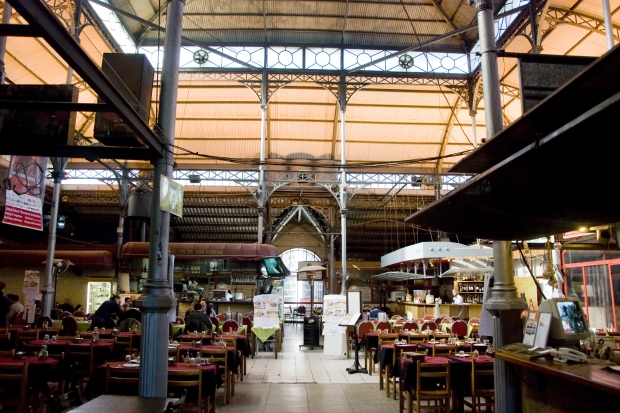
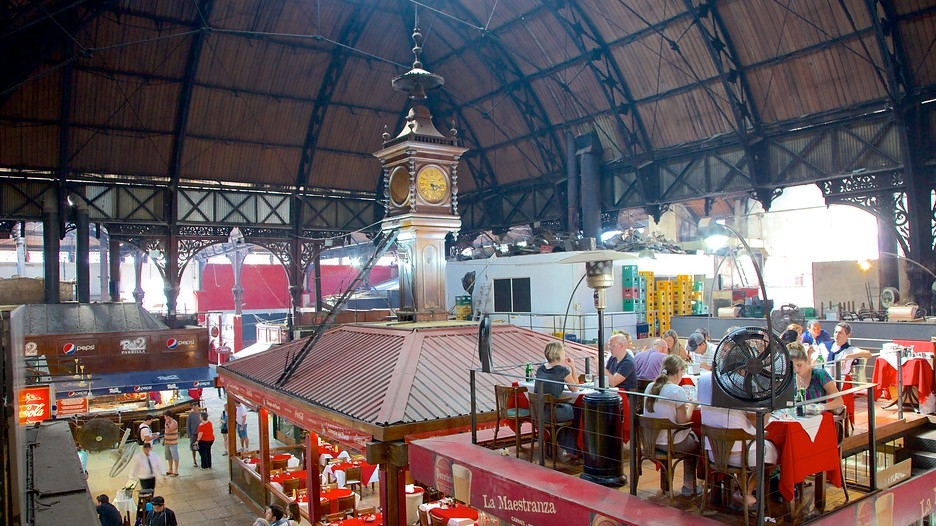
 „Mercado del Puerto“ (Port Market Hall). Build 1865 till 1868 by engineer Mesures. Its over 10 meters high and has a floor surface of 1687 square meters.
On the entrance of „Calle Jose L. Terra“, you can see the columns, basement and masonry with its ornamentation and modernist court moldings such as rosettes, curves, arabesques, cushions, this wall that overlooks Martin Street Garcia has been rebuilt as it was originally.
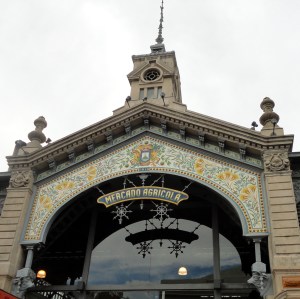 Entrance from „Calle Jose L. Terra“. Details down here. his was and still is, the main entrance of the building. The only gate with the bell tower.
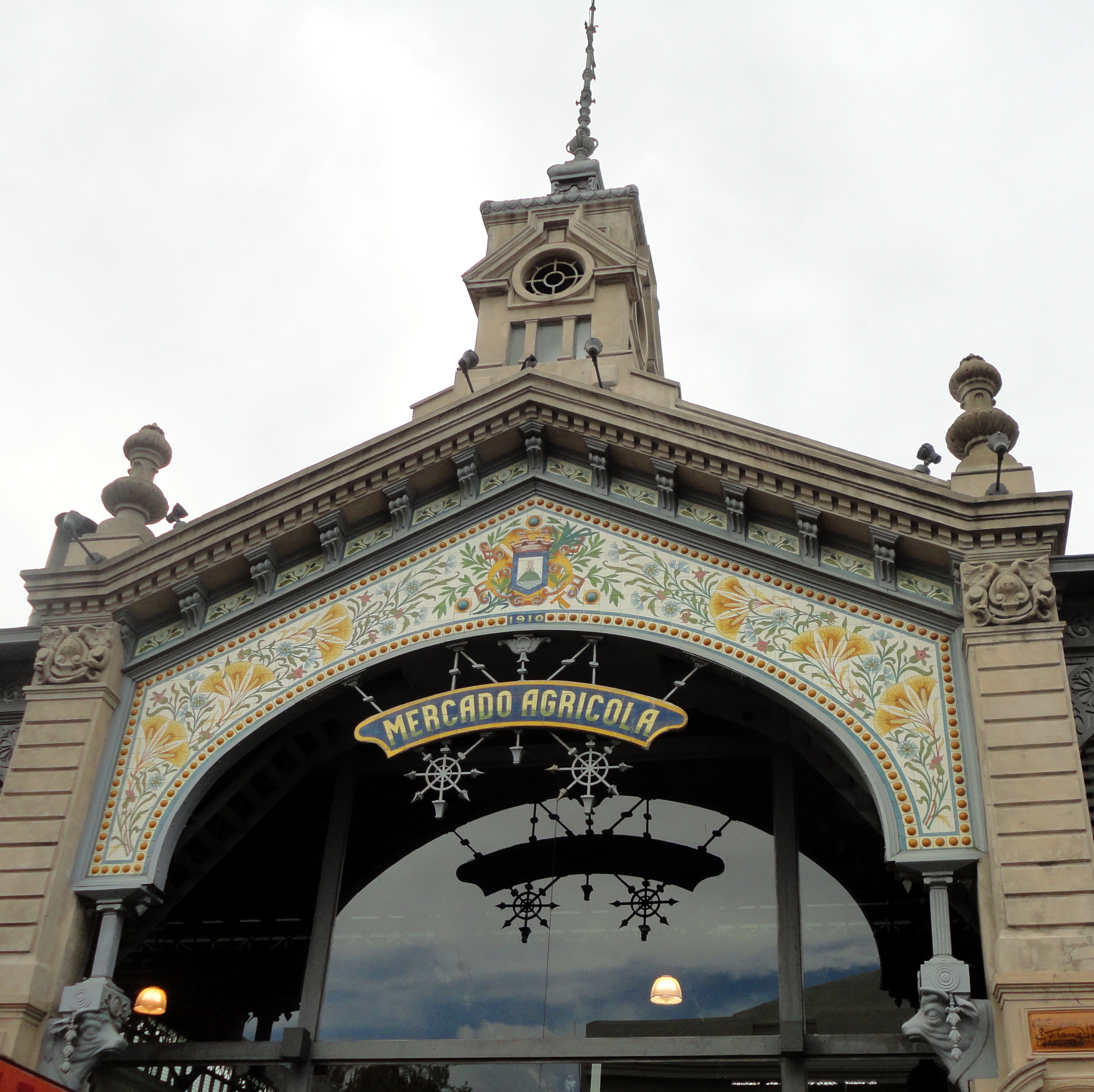
The great decorative load of the building is located at the entrance of „Calle Jose L. Terra“, a delicate work done in European poly-chrome pottery, unique in the Market. In the central part the shield of Montevideo, surrounded by floral motifs. Underneath the date of building 1910 and far down in the corners of my pic the two bullheads. You can also see in the center the tower-style bell tower finished in a needle, where it is also possible to appreciate a rose of the winds and a weather vane.
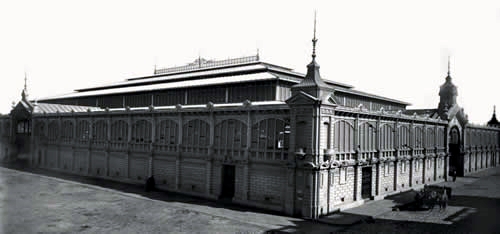
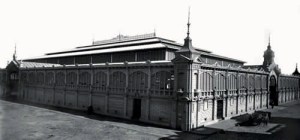 The original building also has in its four corners false towers that also culminate in a needle. Pic MAM.
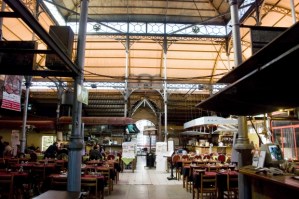
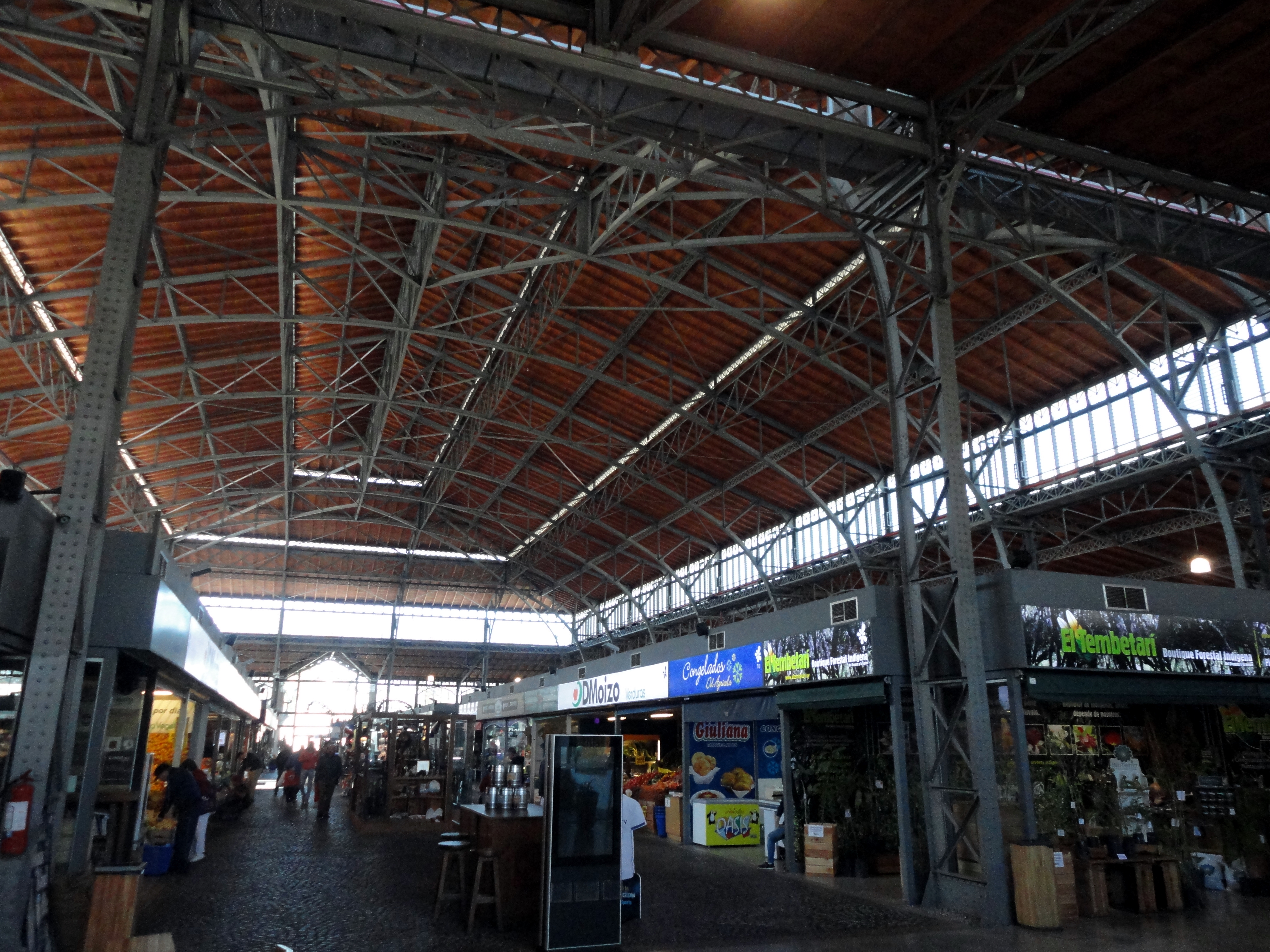
Inside the ceiling you can visualize that its architectural aspect is solved based on two concentric rectangles of coincident axes. The work draws both inside and outside of the structural formalization, which achieves a space of large proportions and great wealth, where light transparencies plays an important role.
The large iron structure has an floor area of 5,867 square meters. The entrances are adorned with heads of cattle. The large pillars support a roof made up of several other ceilings at the same time, separated into three rings, which breaks in perfect proportions, allowing the ventilation and illumination of the interior from the heights.
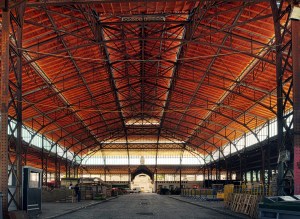 The massive roof construction just after renovation. Amazing how the 4 roof’s navigating the hall’s natural light. Pic MAM.
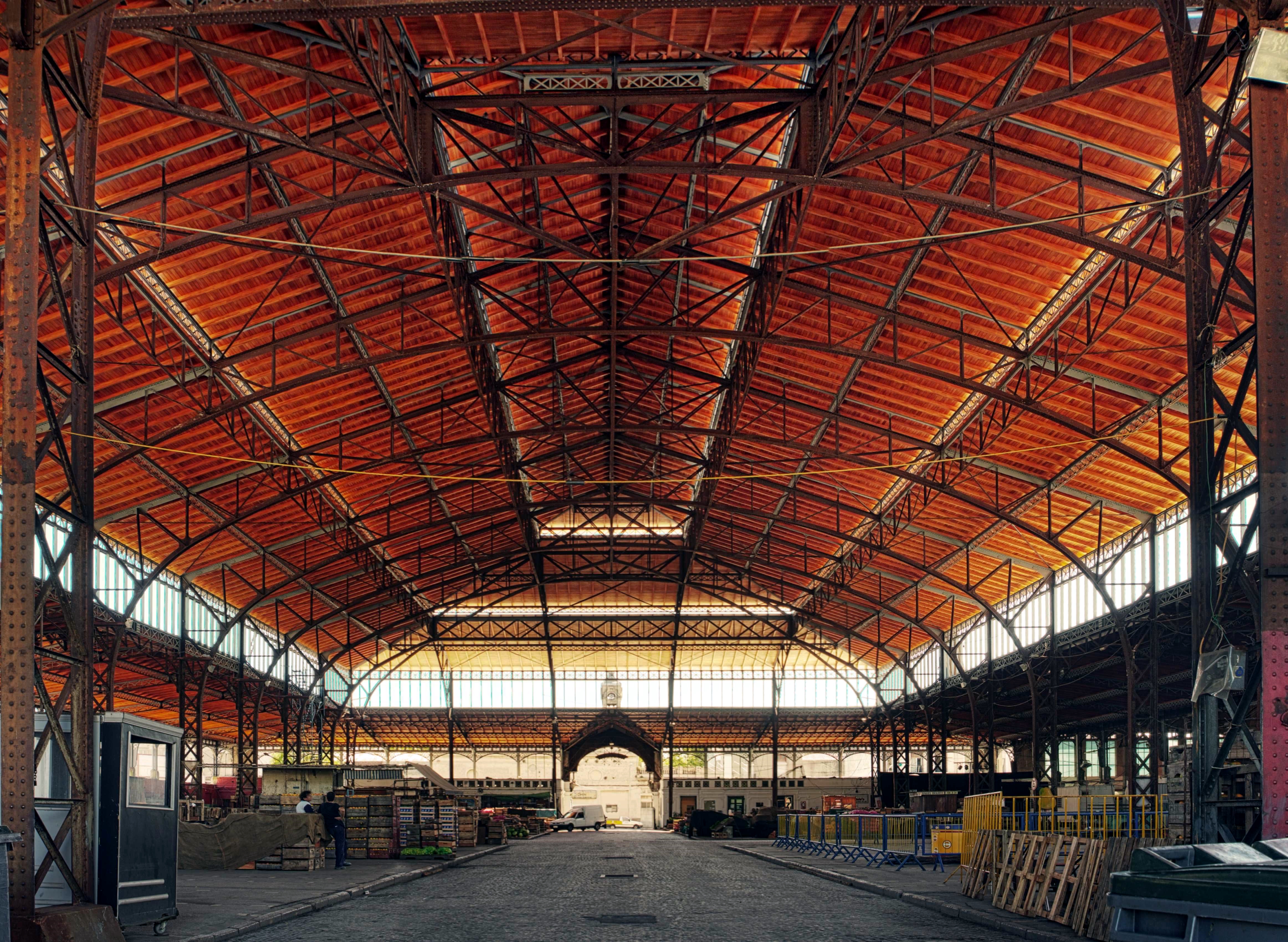
The wall is finished in a balustrade with stained glass, and in the case of the mullions, one opted for whole glass screen-printed strips, this allows a better sealing of the enclosure, regulating the entrance of sunlight and avoiding the entrance of rainwater.
In 1999 the building was declared as a „National Historic Monument of Uruguay“.
The biggest market nowadays in Uruguay.
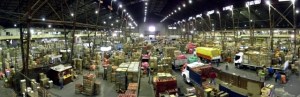 Amazing room under one roof. Not an iron construction.
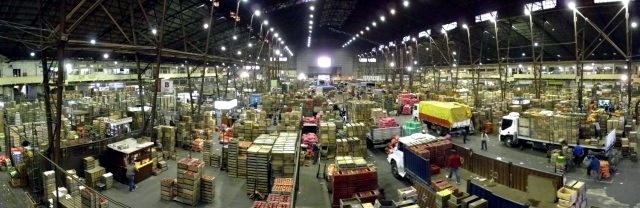
„Mercado Modelo del Uruguay“ ; its a central municipal fruit and vegetable wholesale market in and of Montevideo, Uruguay. The area around the installations, which occupy’s several blocks of the Mercado Modelo / Bolivar barrio, has also taken on the name of the market, hence the composite name of the entire barrio.
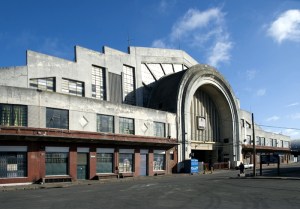 The huge main hall of Mrcado Modelo.
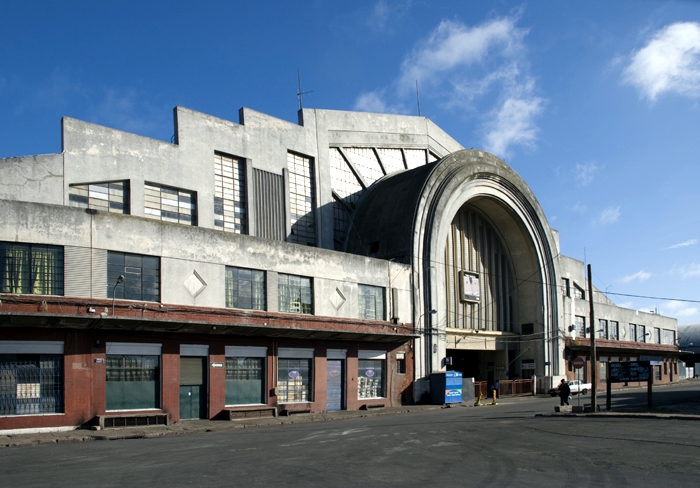
The central building has an area of 19,000 square metres (200,000 sq ft), to which more buildings were added in 1996 of an area of 15,000 square metres (160,000 sq ft), while the overall area of the market is over 70,000 square metres (750,000 sq ft).
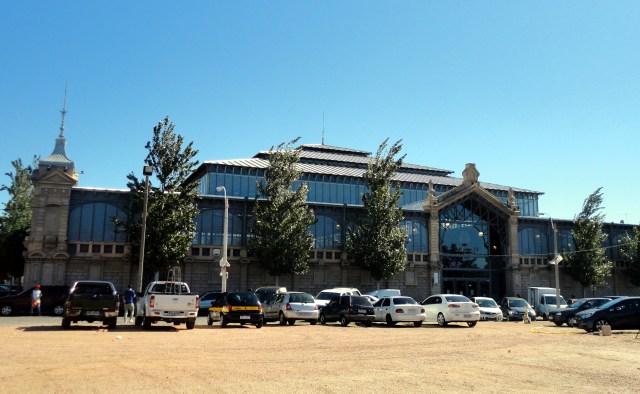 The current MAM from the parking area on south side. Notice the „4 roof’s“ from another perspective.
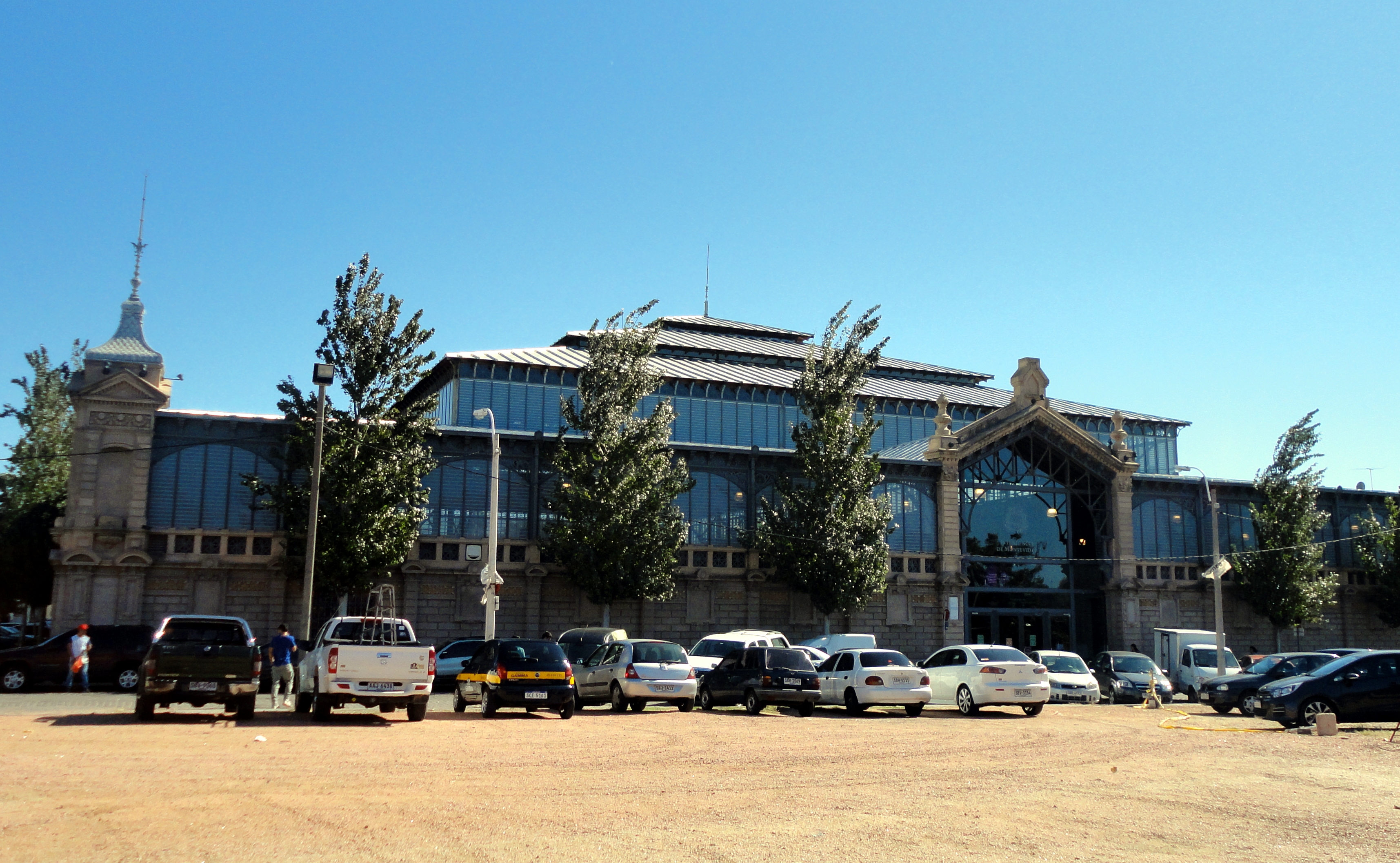
The current Agricultural Market (MAM) of Montevideo:
In 2006, the Departmental Government, took the firm decision to recover the Agricultural Market as the epicenter for the promotion and recovery of the „Goes“ neighborhood.
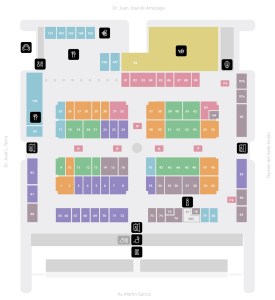
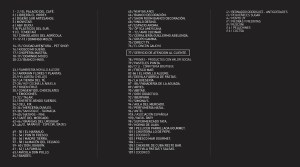 Floor plan and stalls list of today’s Mercado Agricola. Click on to size up.
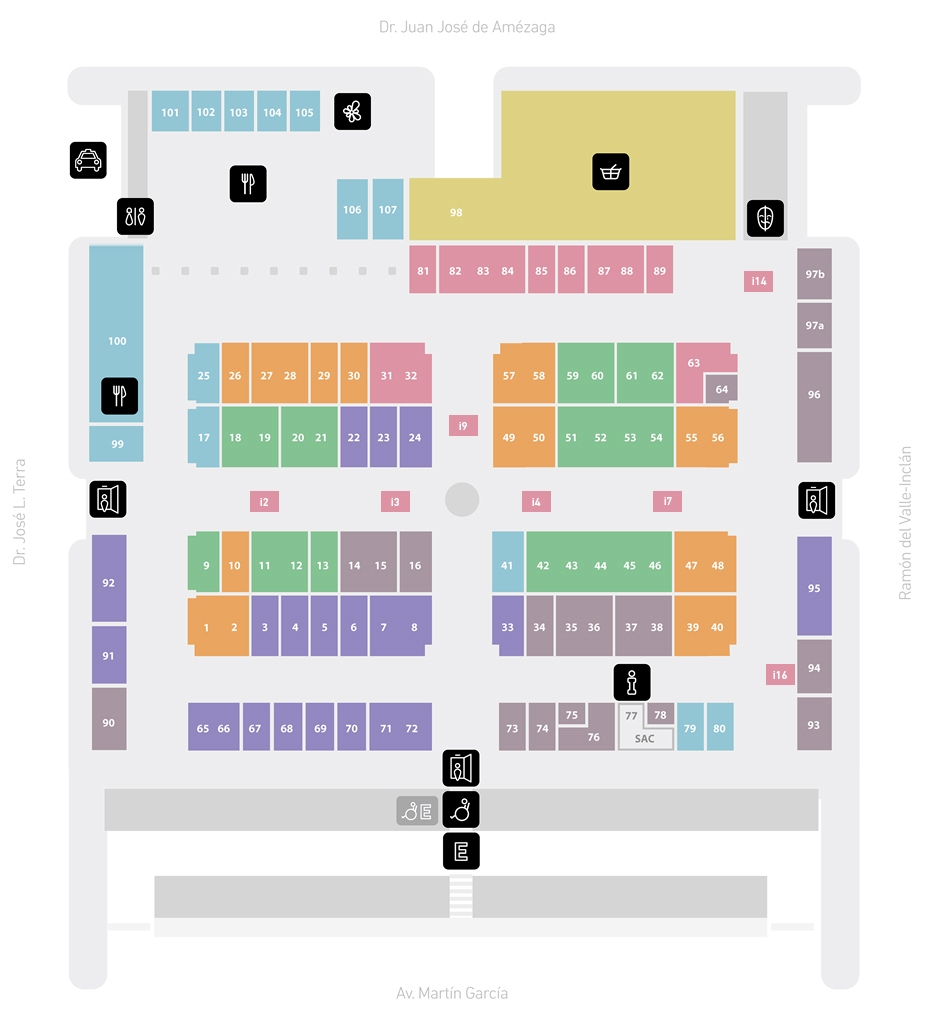
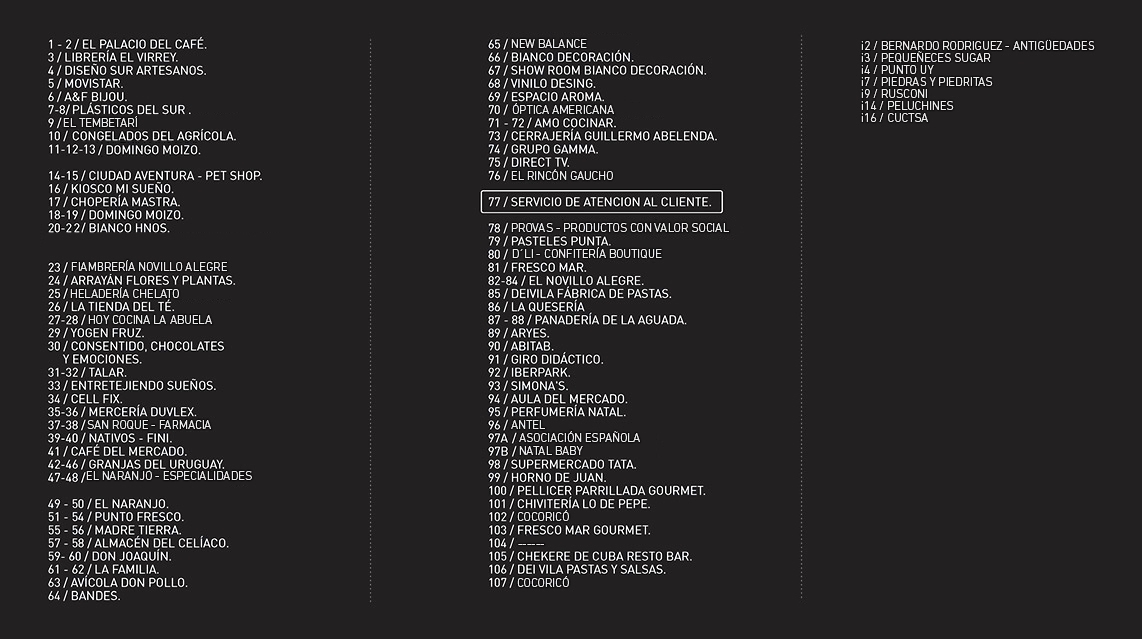
The Intendencia of Montevideo and the Multilateral Investment Fund of the Inter-American Development Bank signed an agreement on November 8, 2008 to execute the non-reimbursable Technical Cooperation, „The Agricultural Market of Montevideo as a critical element For the socio-economic dynamization of the Barrio de Goes „.
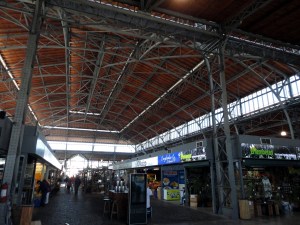
 Have a good look on the amazing steel construction holding „the 4 roofs“. Most pics supersize if you click on.
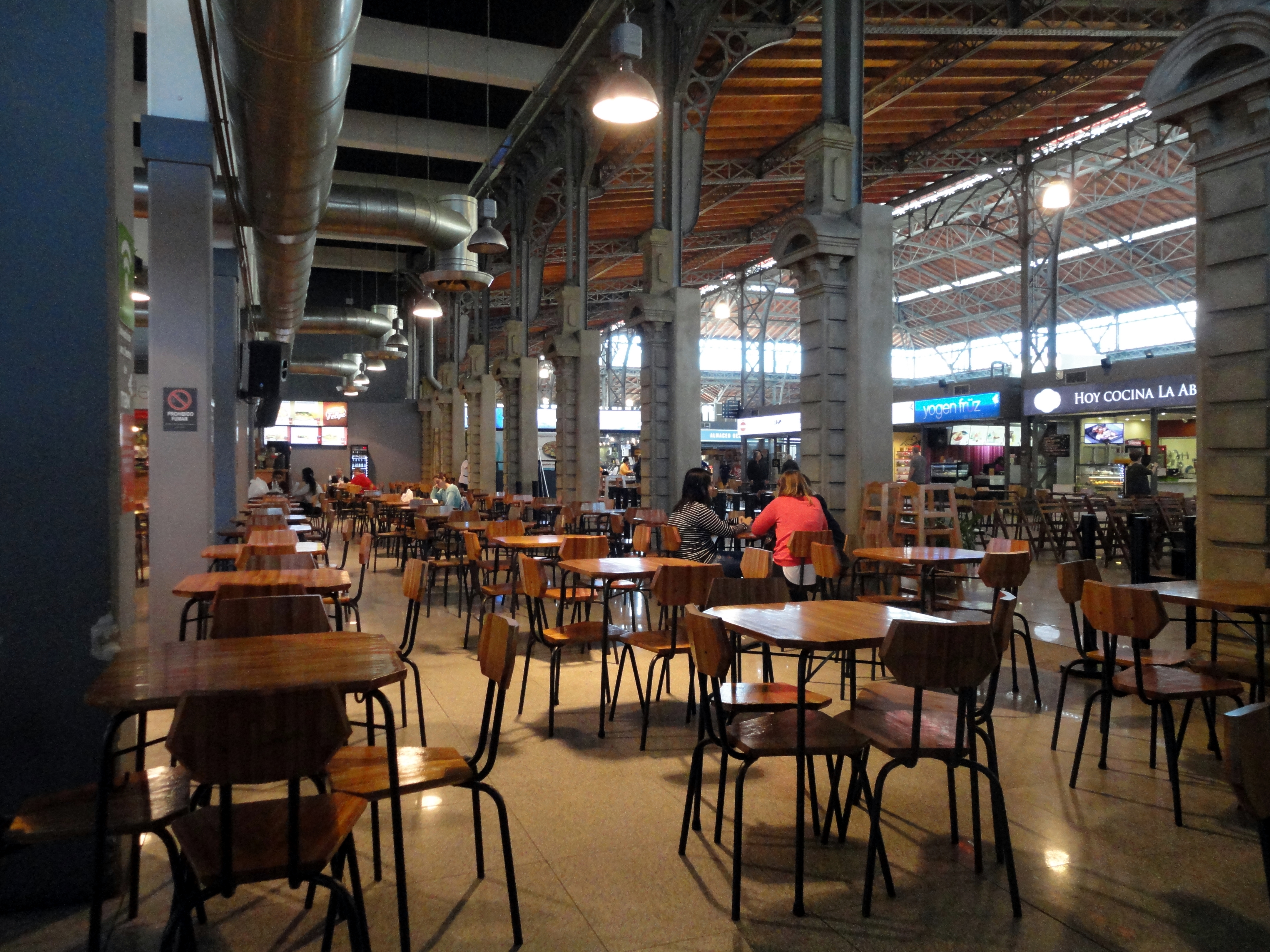
In addition, there are other interventions in the area of other programs such as the European Union Program, through the „Renova Goes Program“, framed in the „Viví Goes Plan“, which would carry out a plan of works for the restoration Of the whole area,
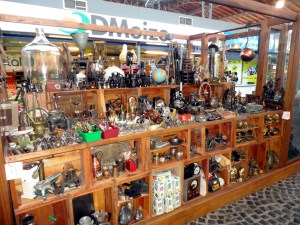
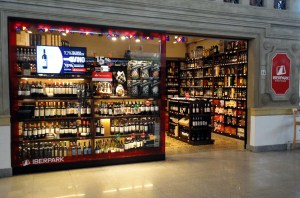
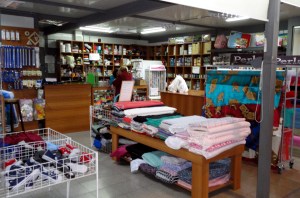
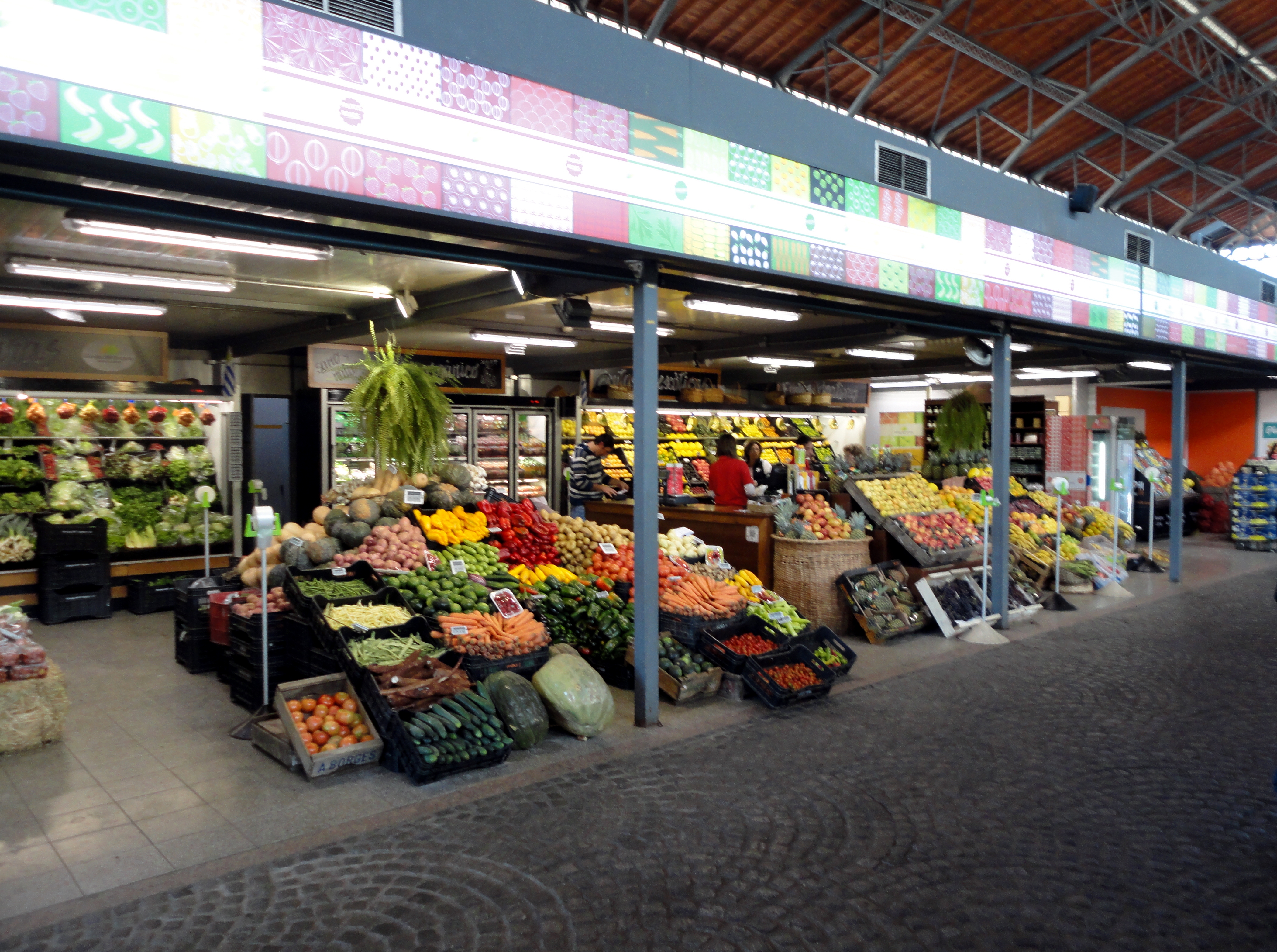
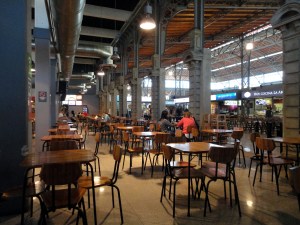
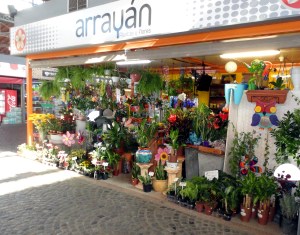 Lots of different shops with everything your heart desires and all under one roof.
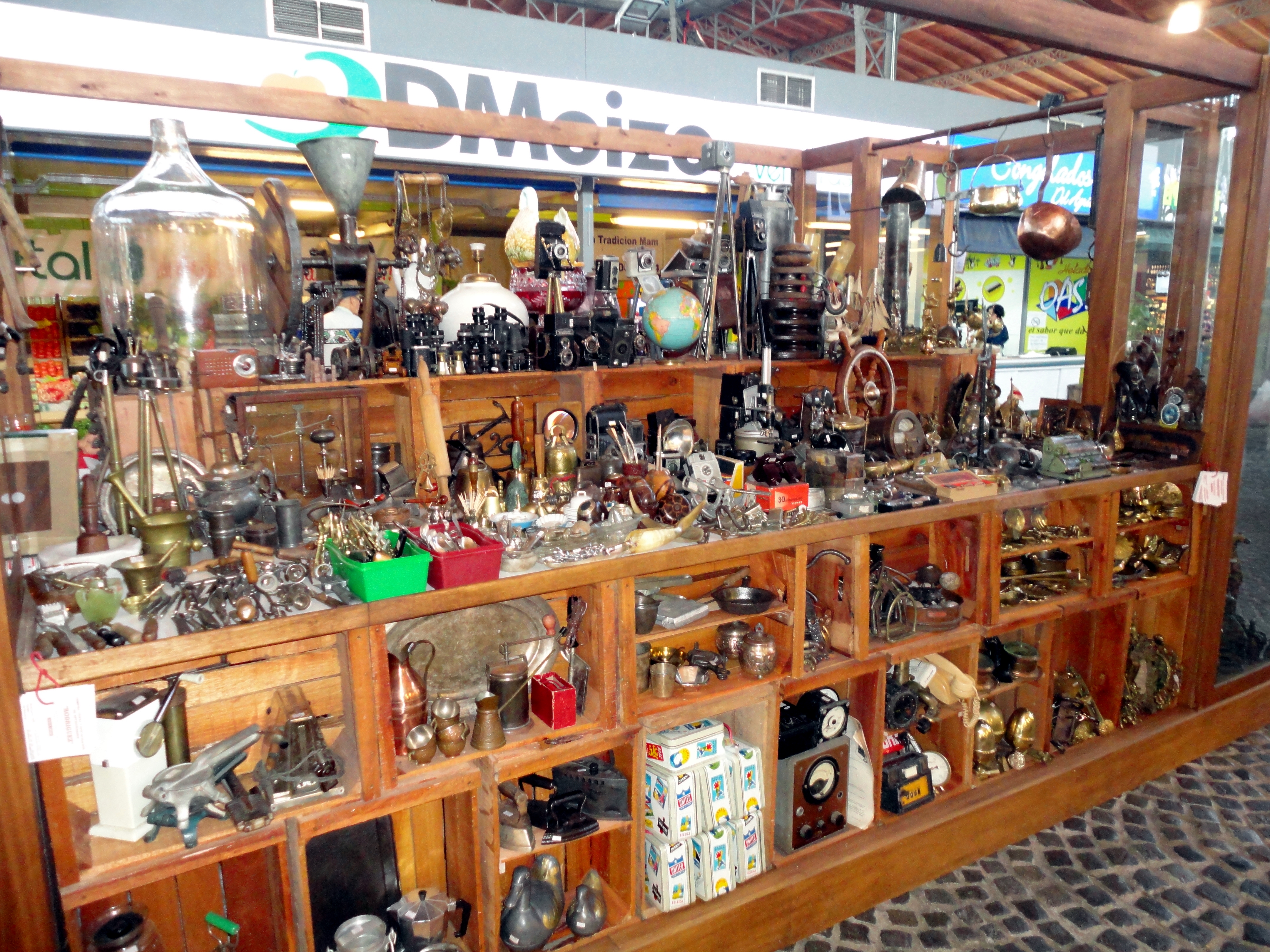
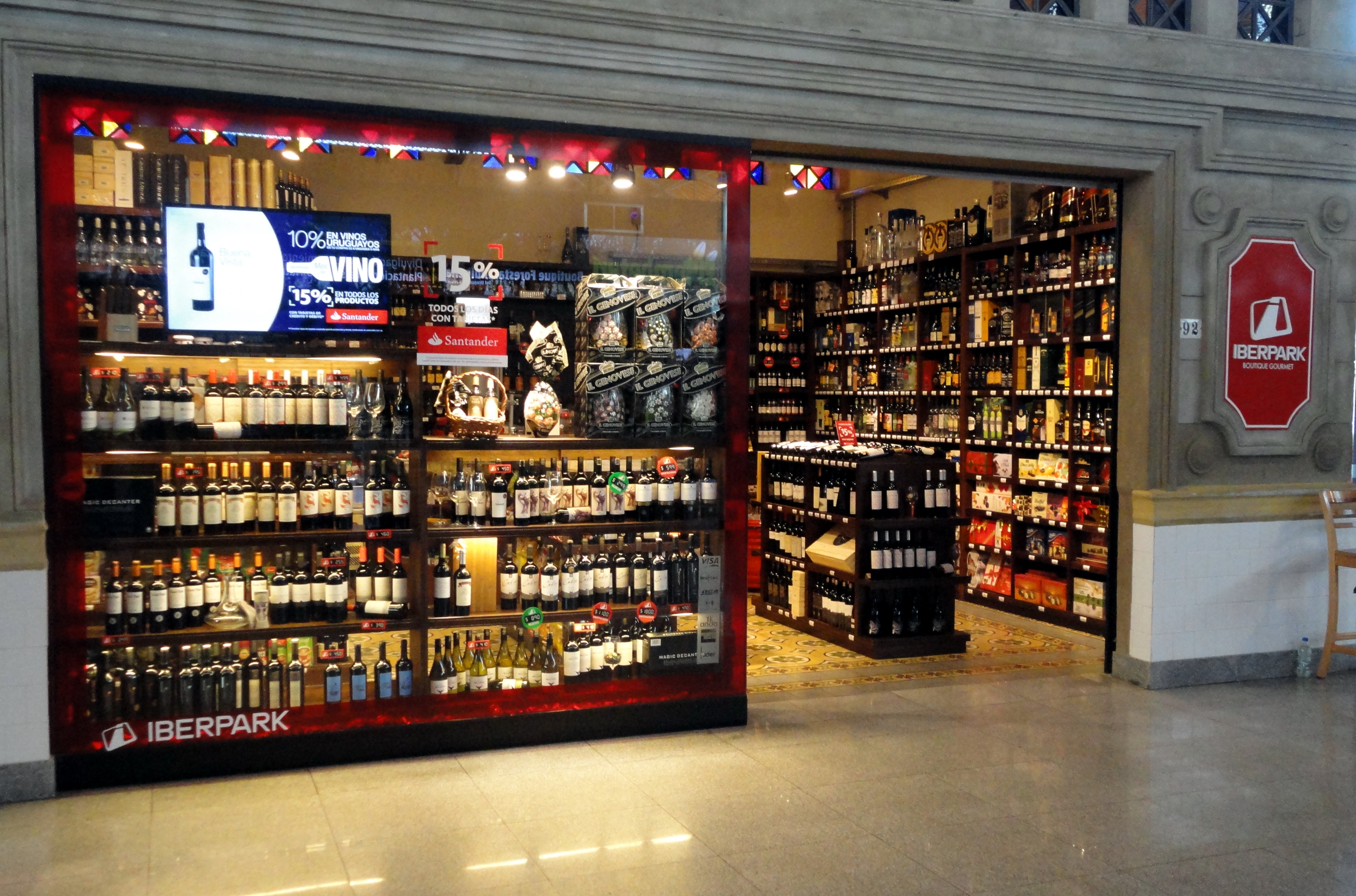
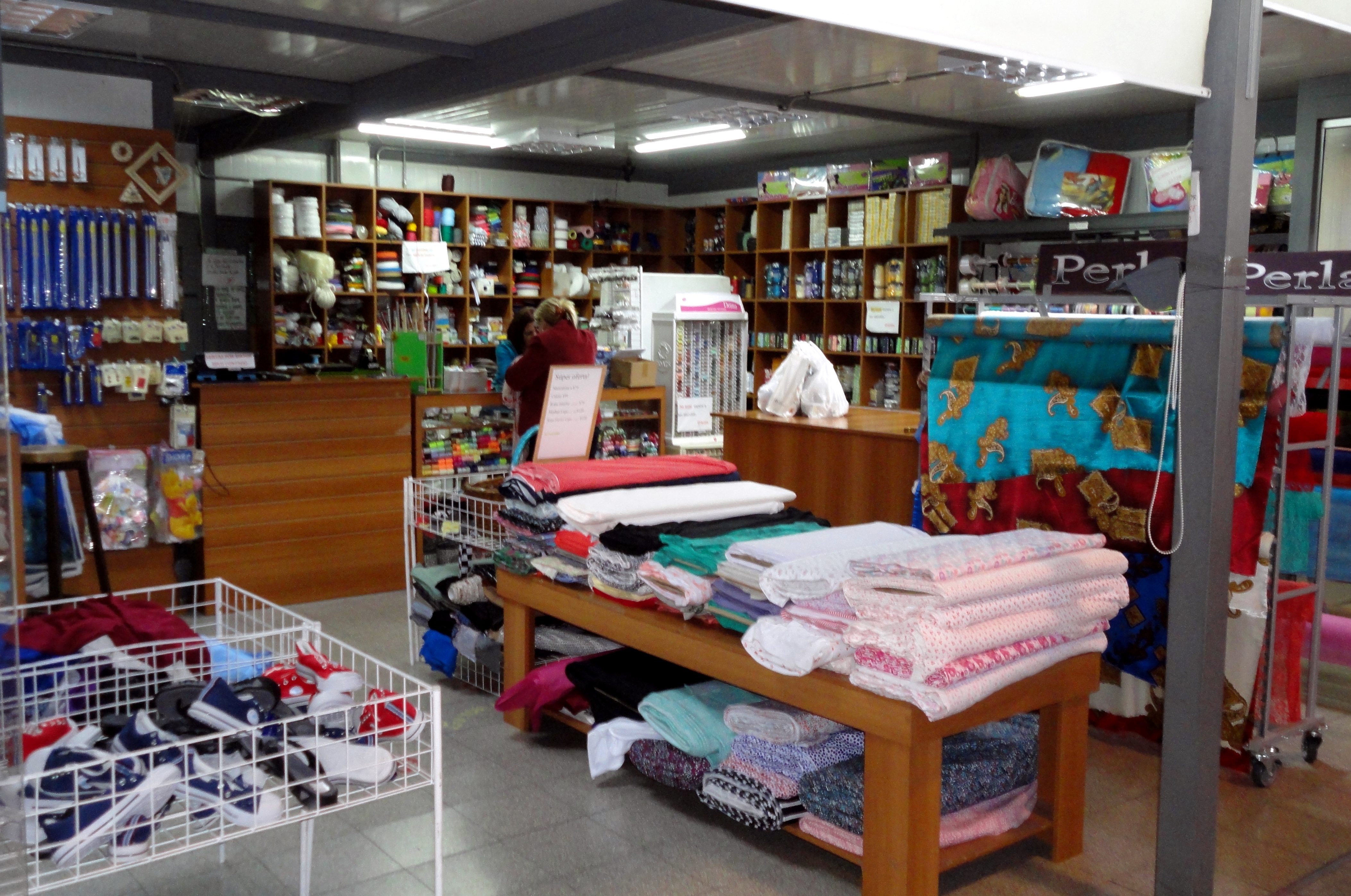
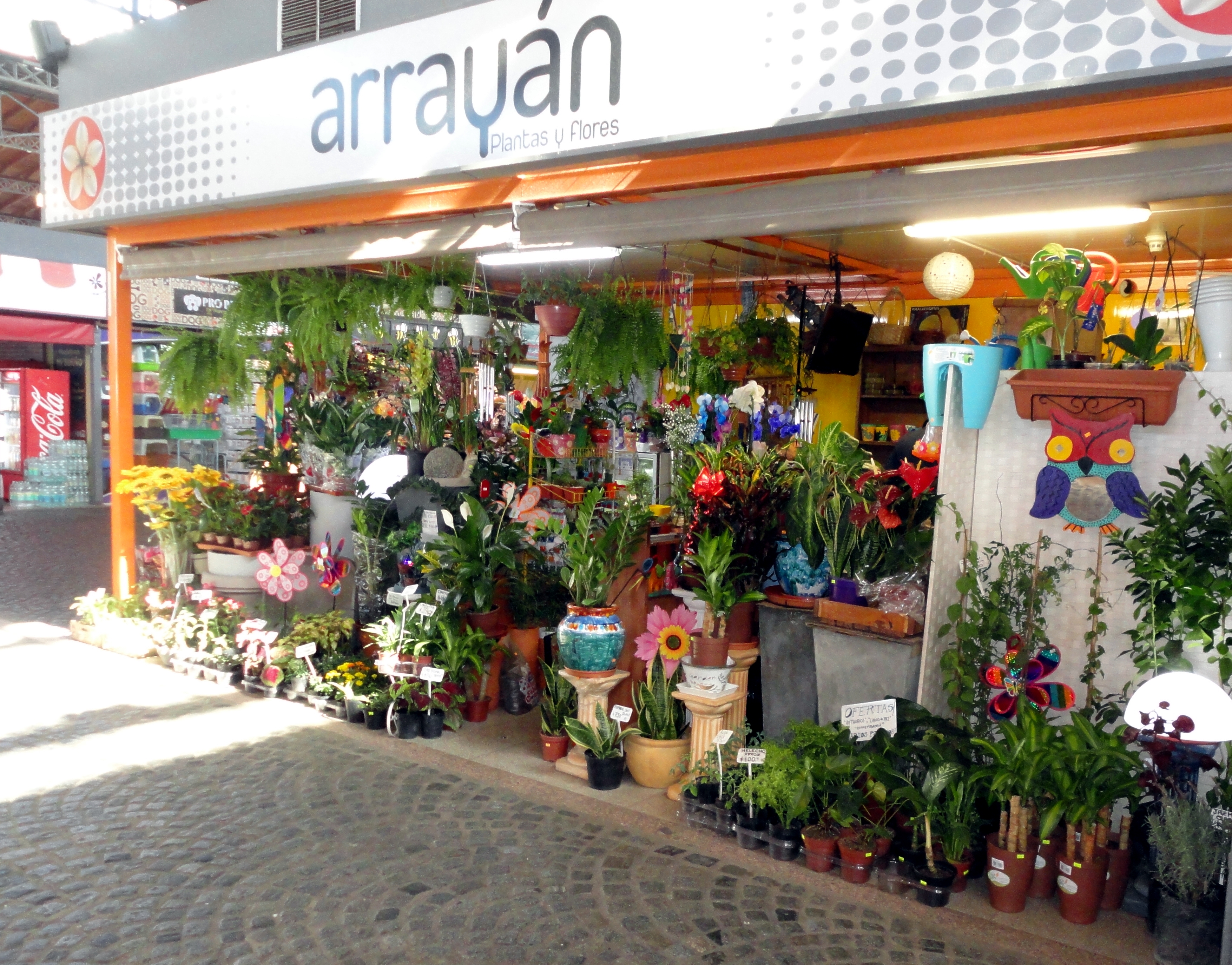
All in all one can see how the area around the MAM is developing into a modern and functional suburb. Just one more information, lots of international and national „outlet stores“ have already been settled. Have a look into the internet, MAM runs an interesting own website where one can find special event information and much more.
What the MAM has to offer.
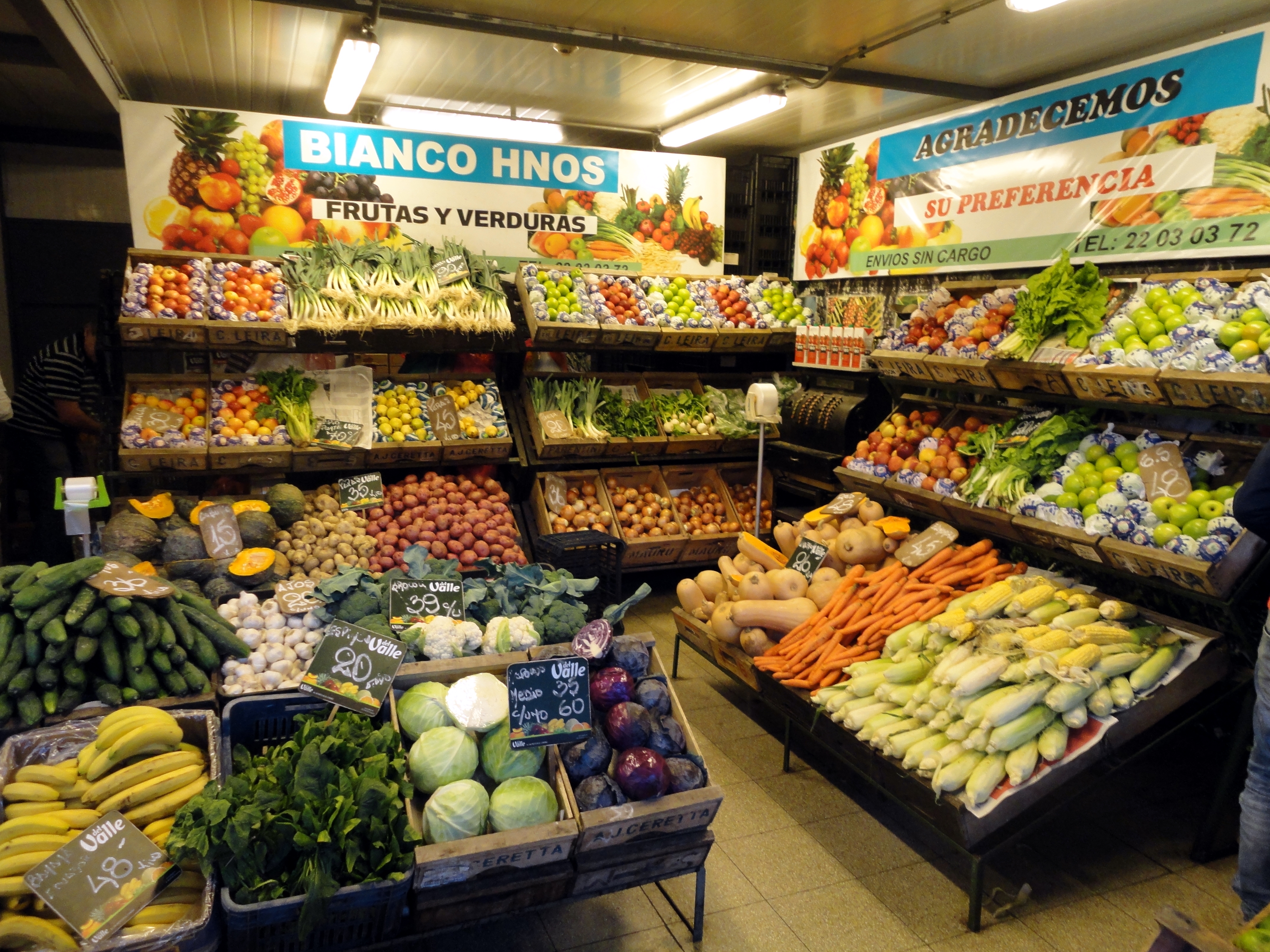
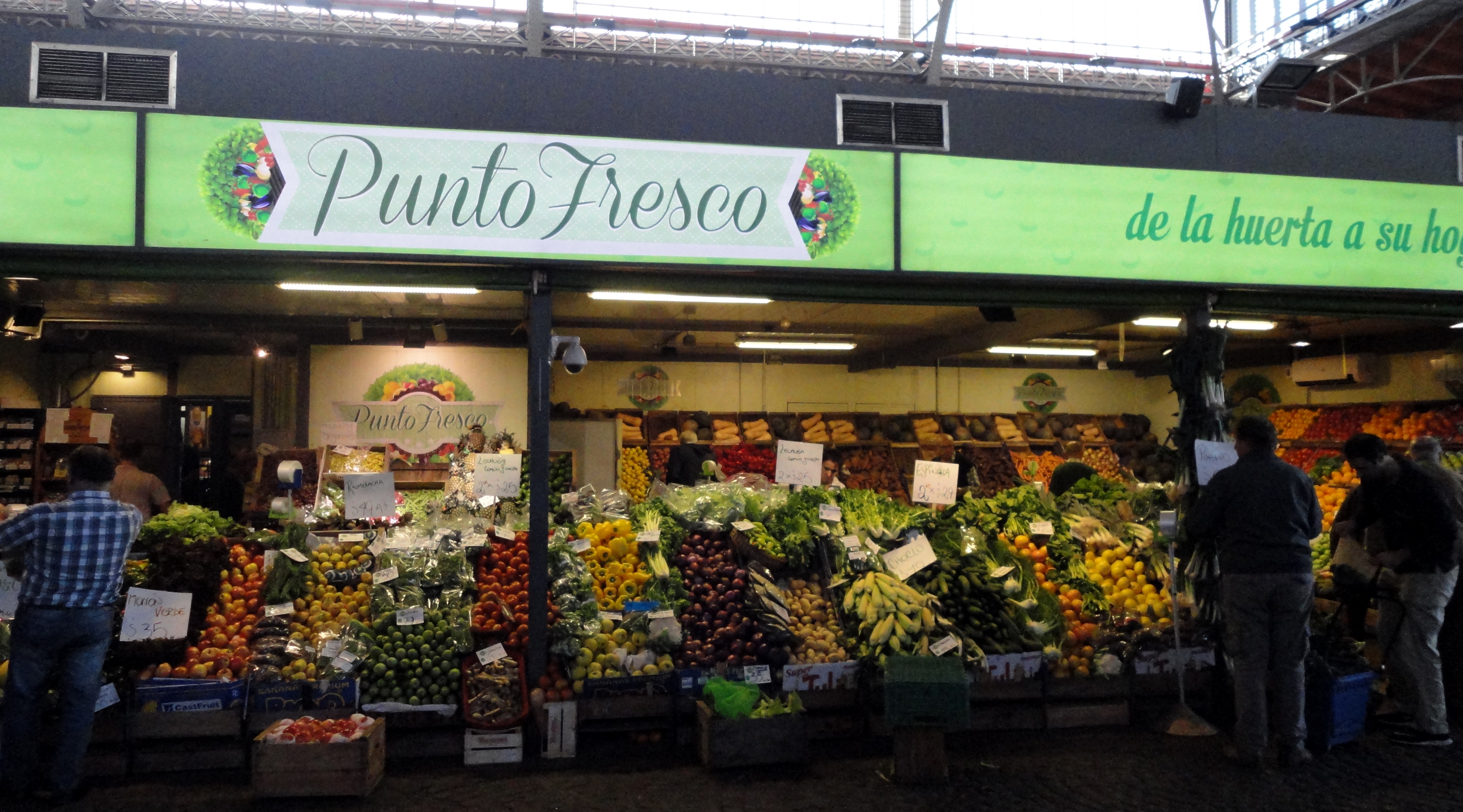
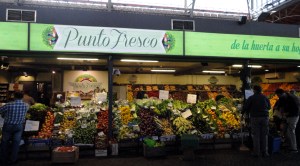 All kinds of fruit and vegetables of course, even rare ones. Even fresh chilli’s I found, although Uruguayans don’t like it spicy. One can help themselves always with dried or ground spices and herbs.
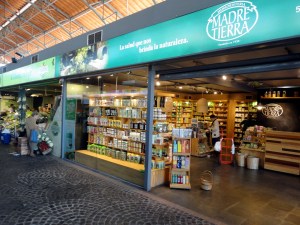
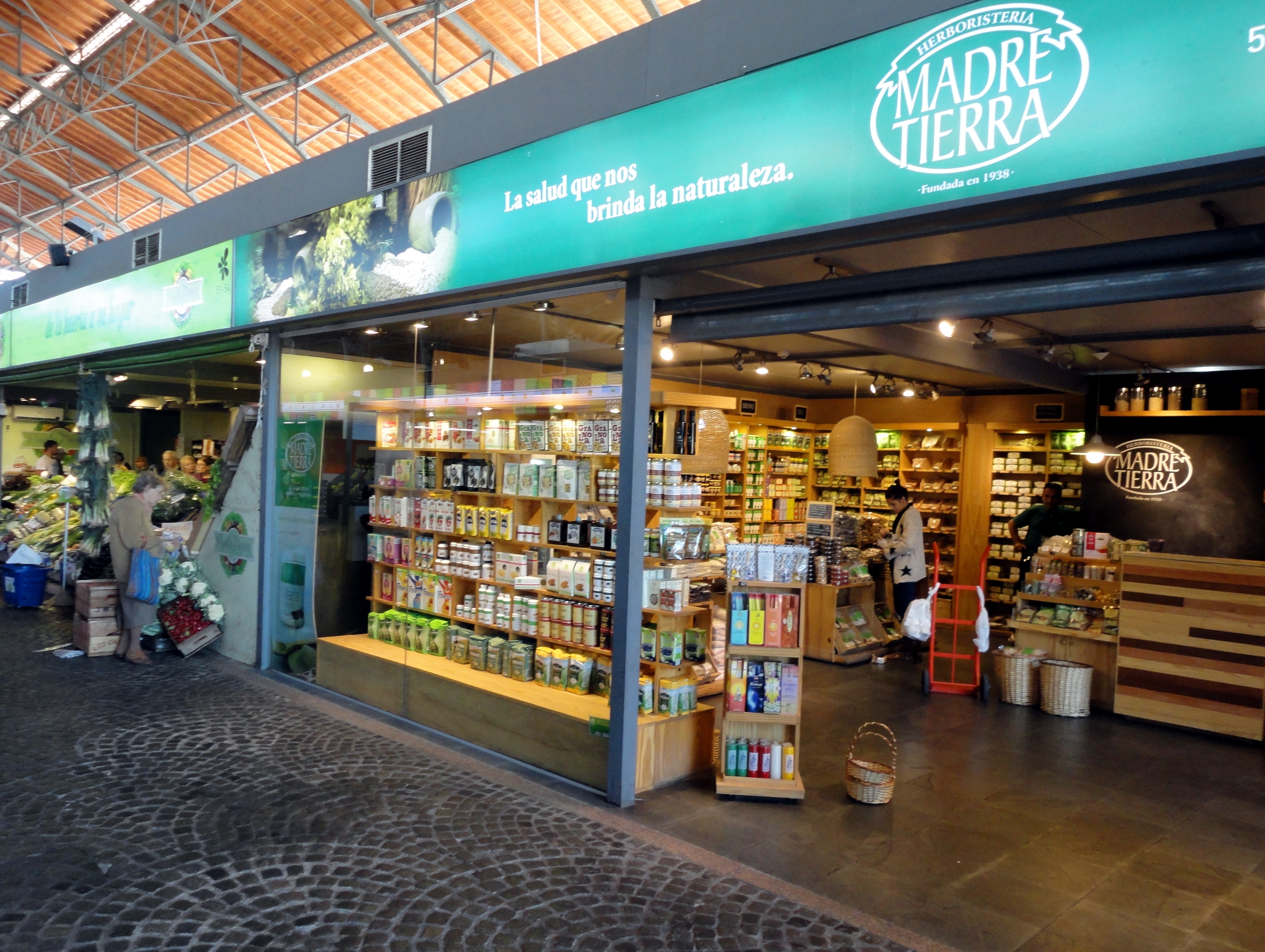
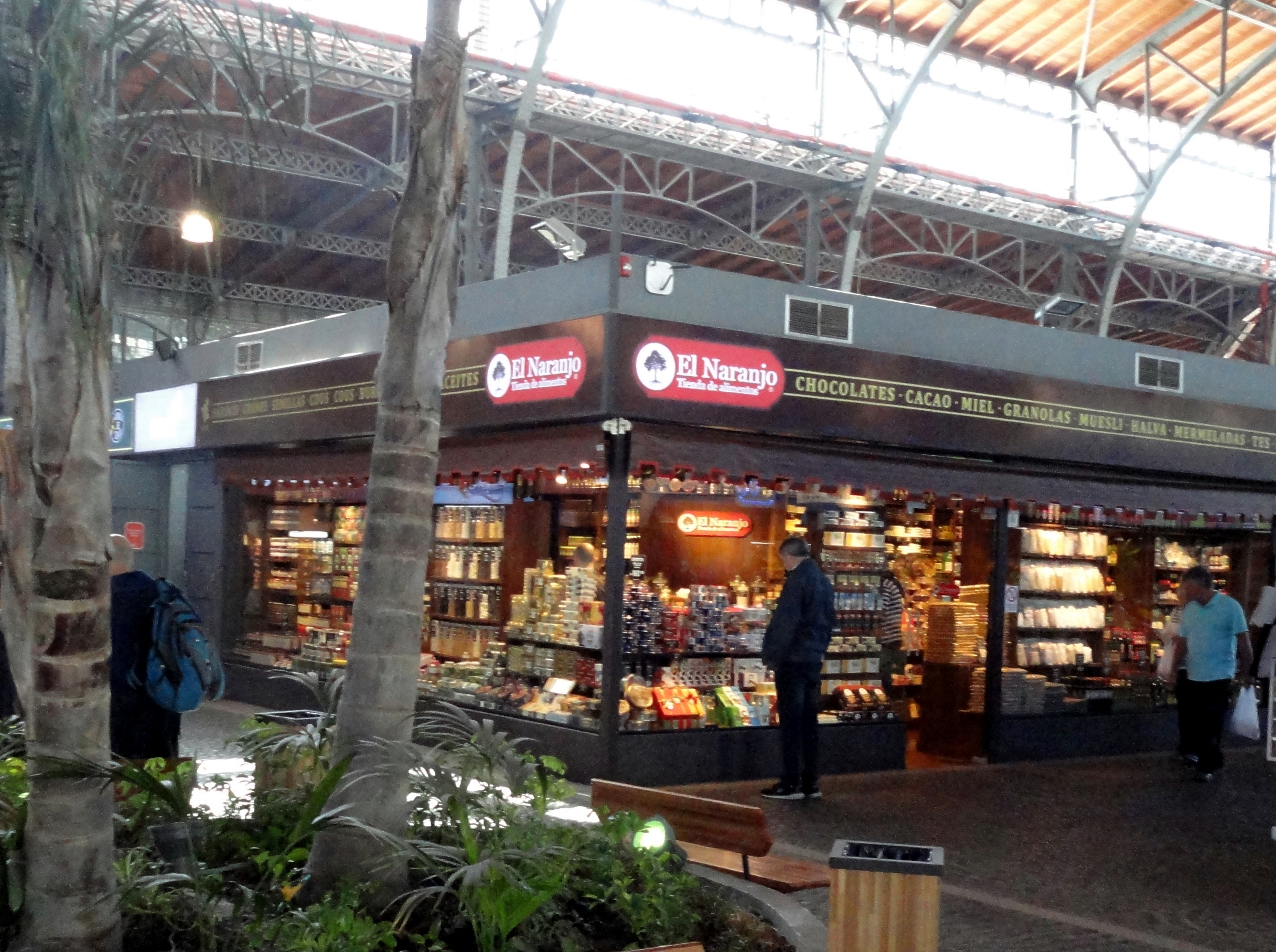
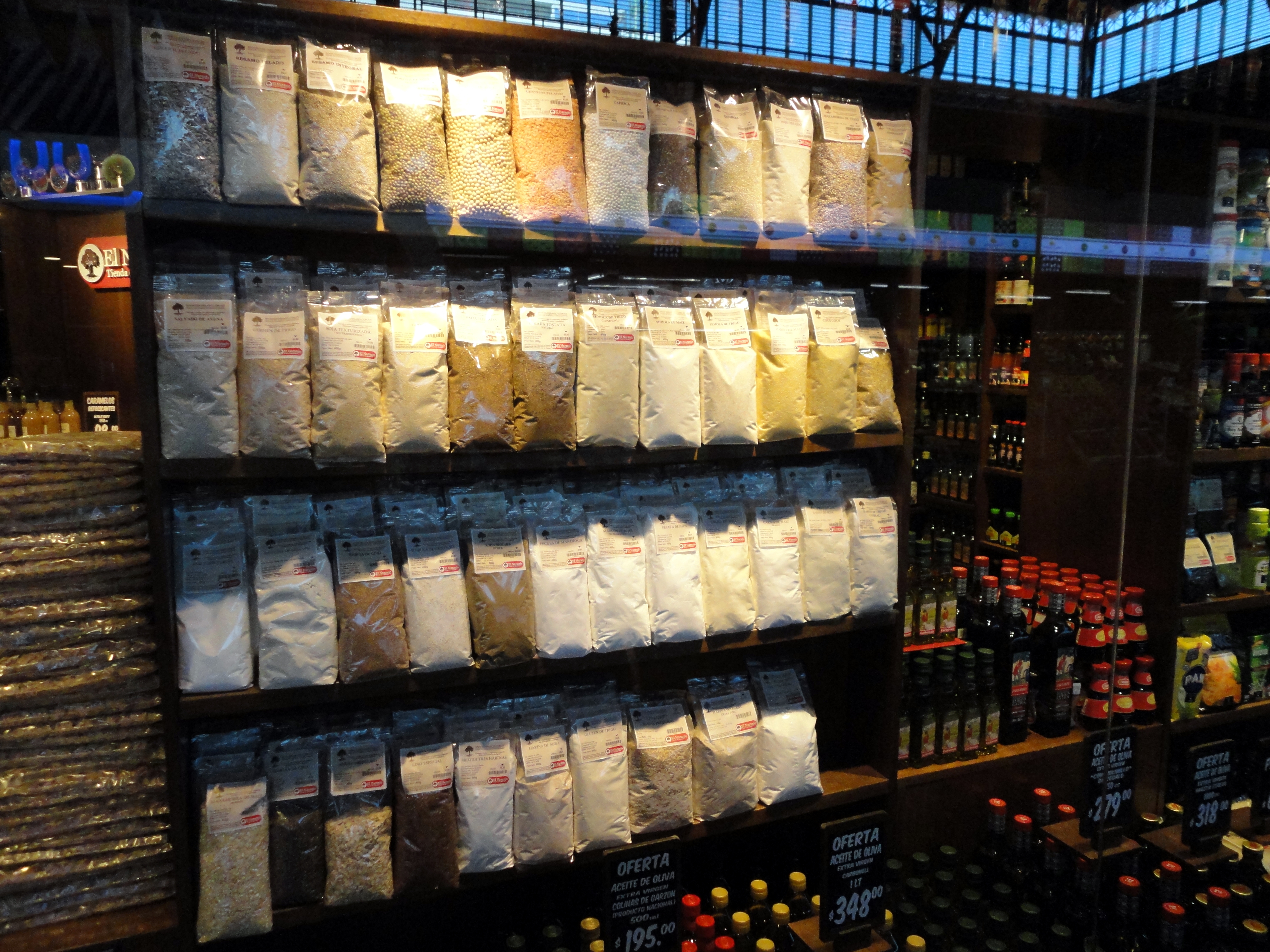
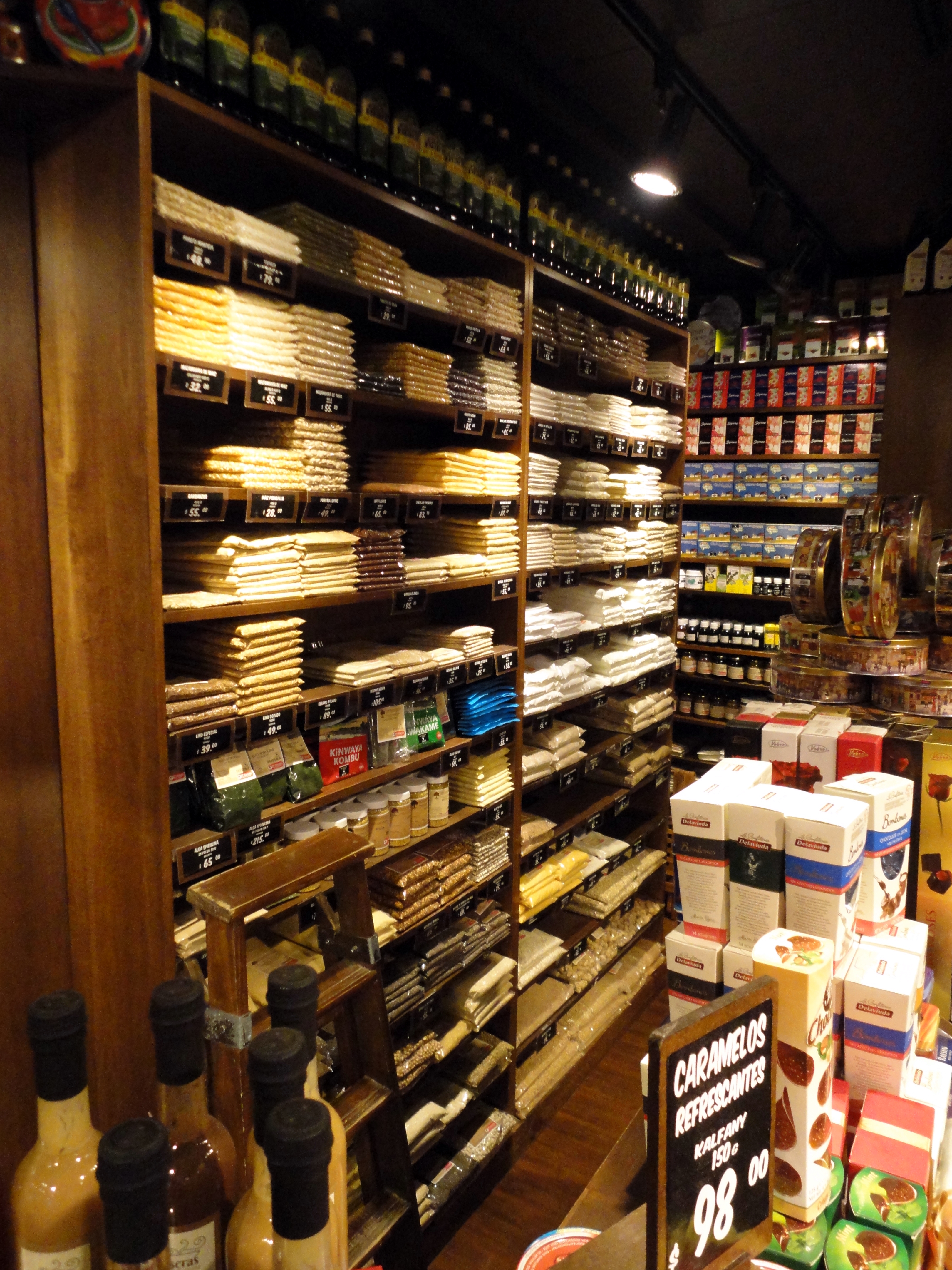
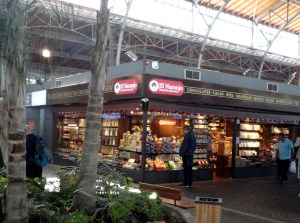 Herbs and spices and hundreds of other goodies one will get at „Madre Tierra“ (Mother Earth) or „El Naranjo“ (The Orange Tree).
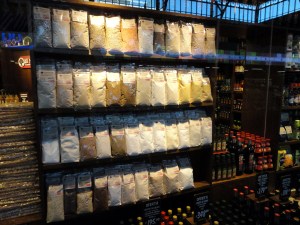
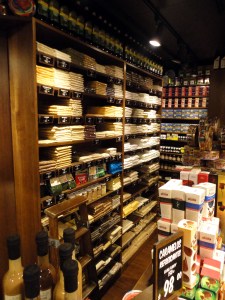 They have lots and lots of shelves with different ingredients or a whole shelf of different flour’s. We bought a lot during the time, because we bake our own bread every week.
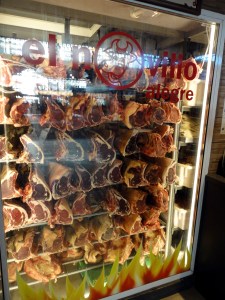
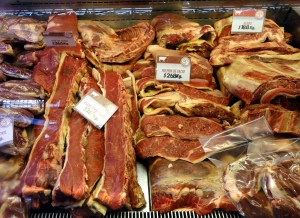
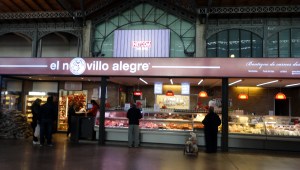
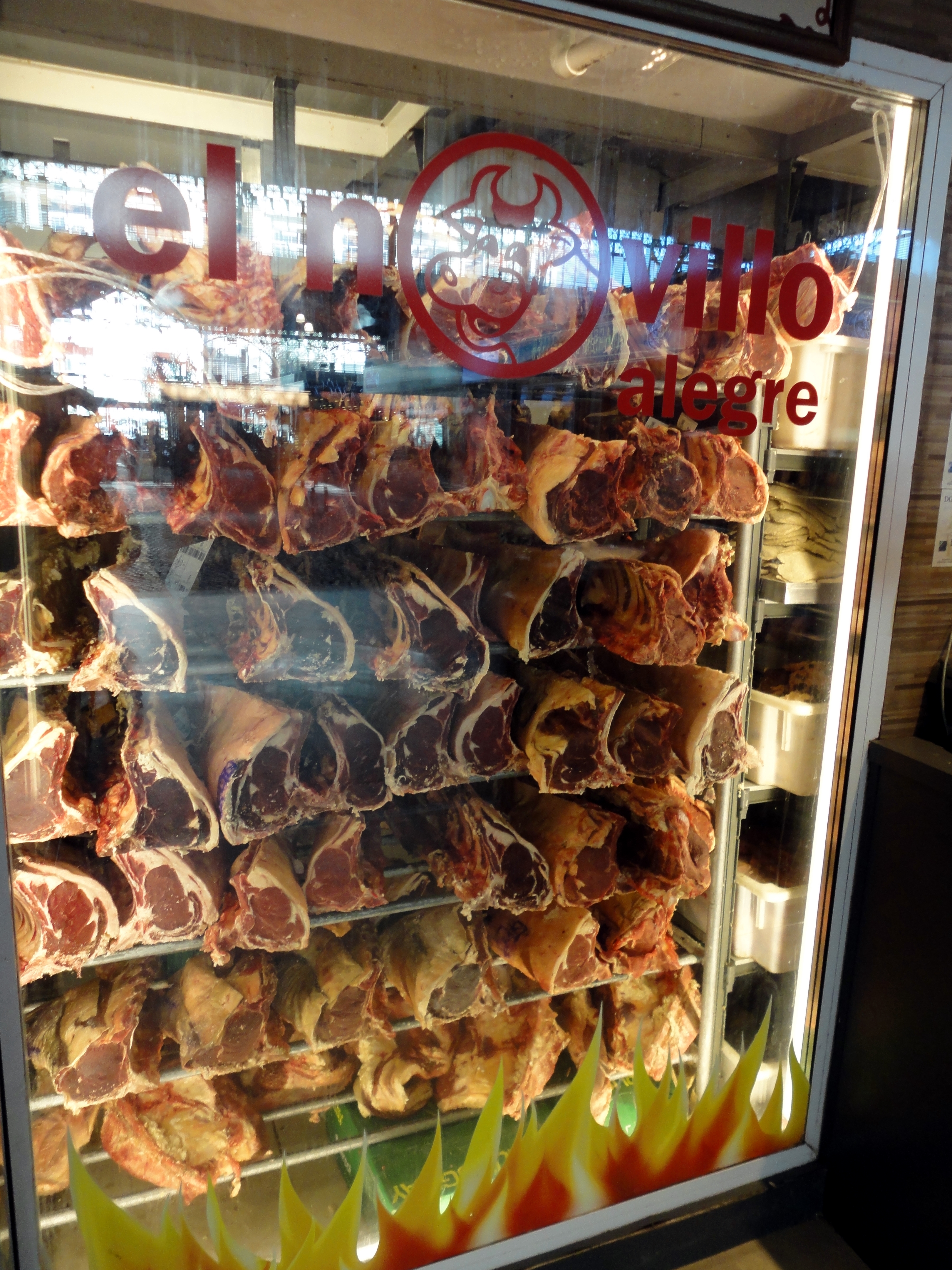
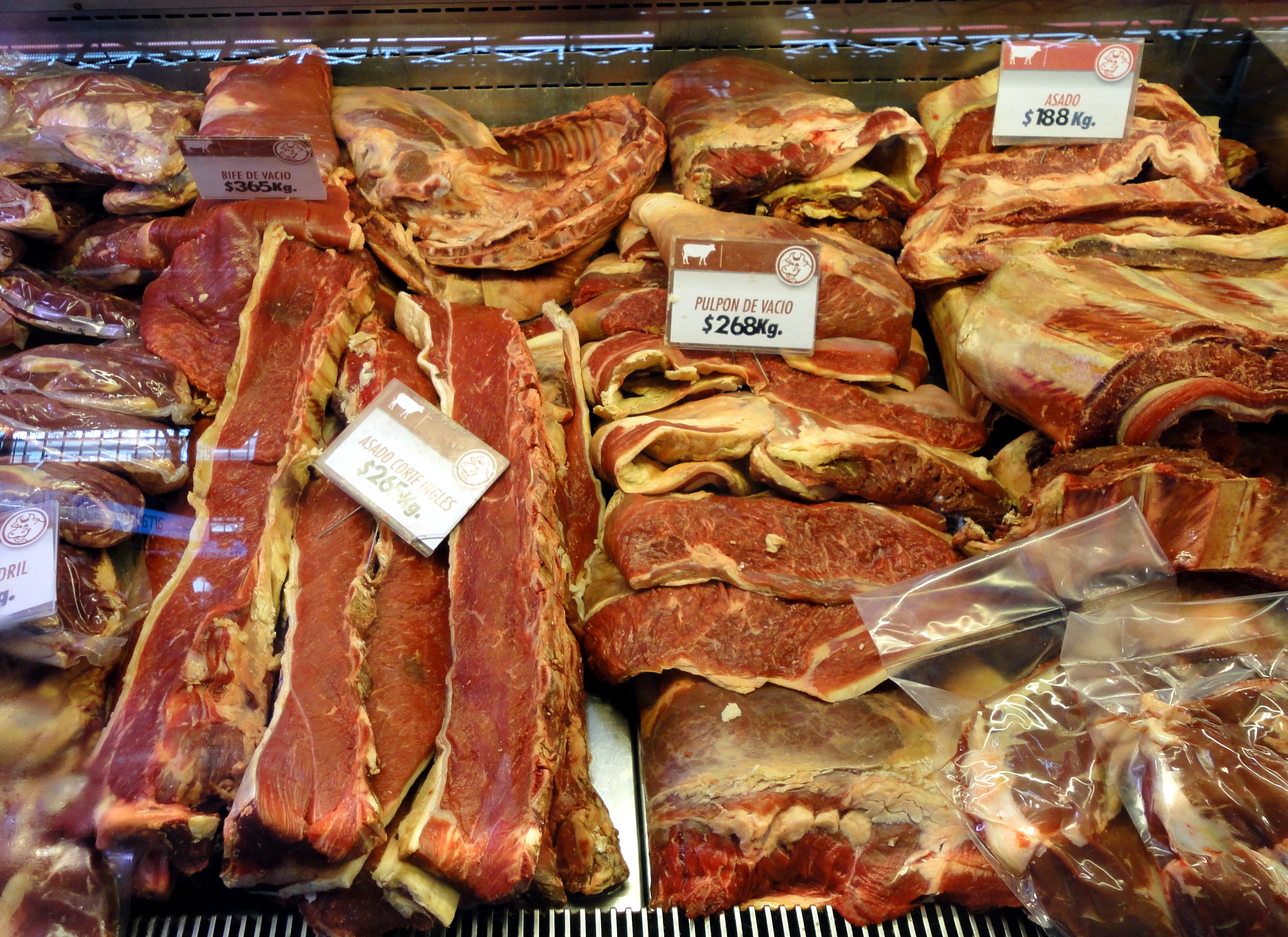
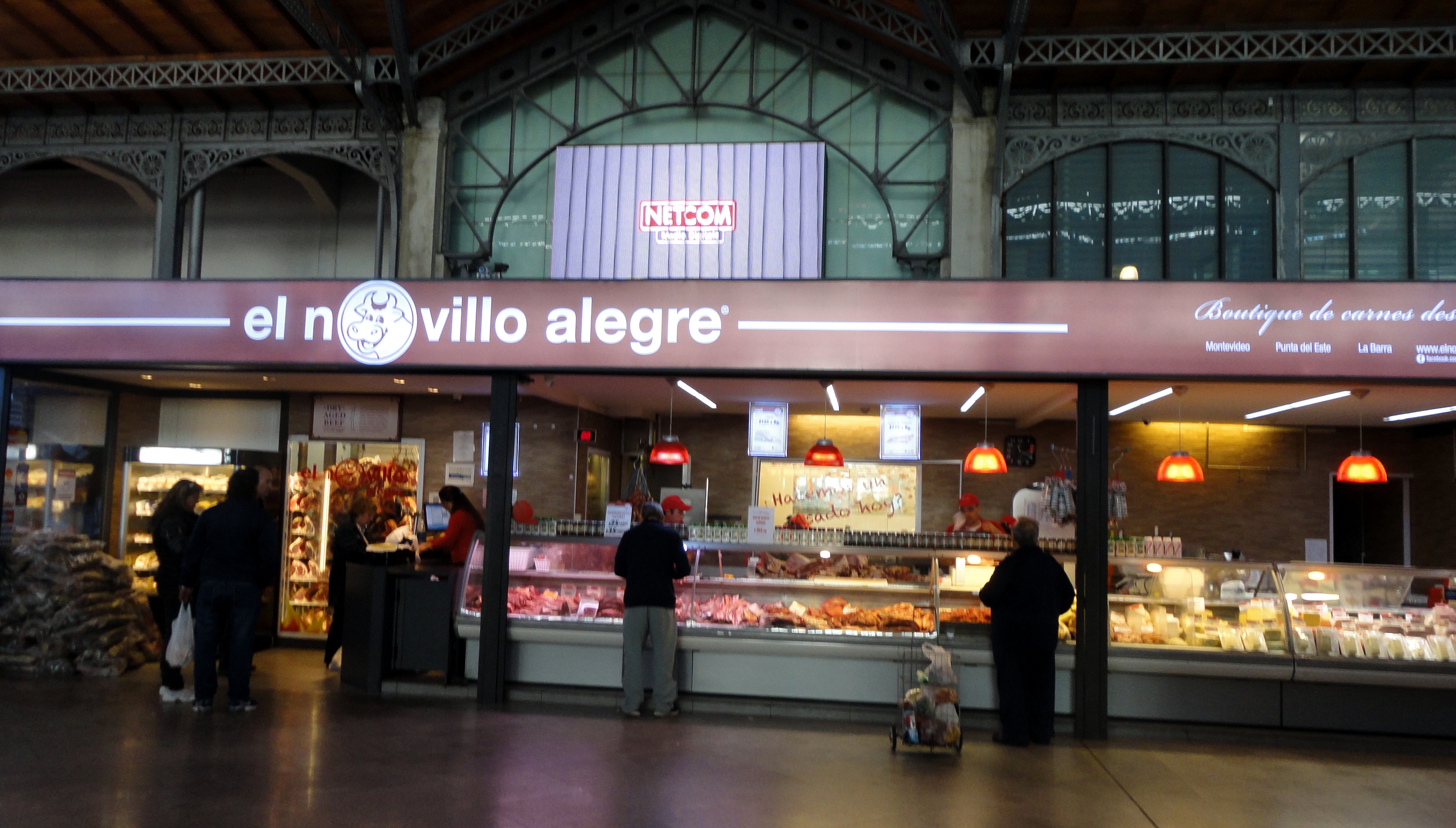
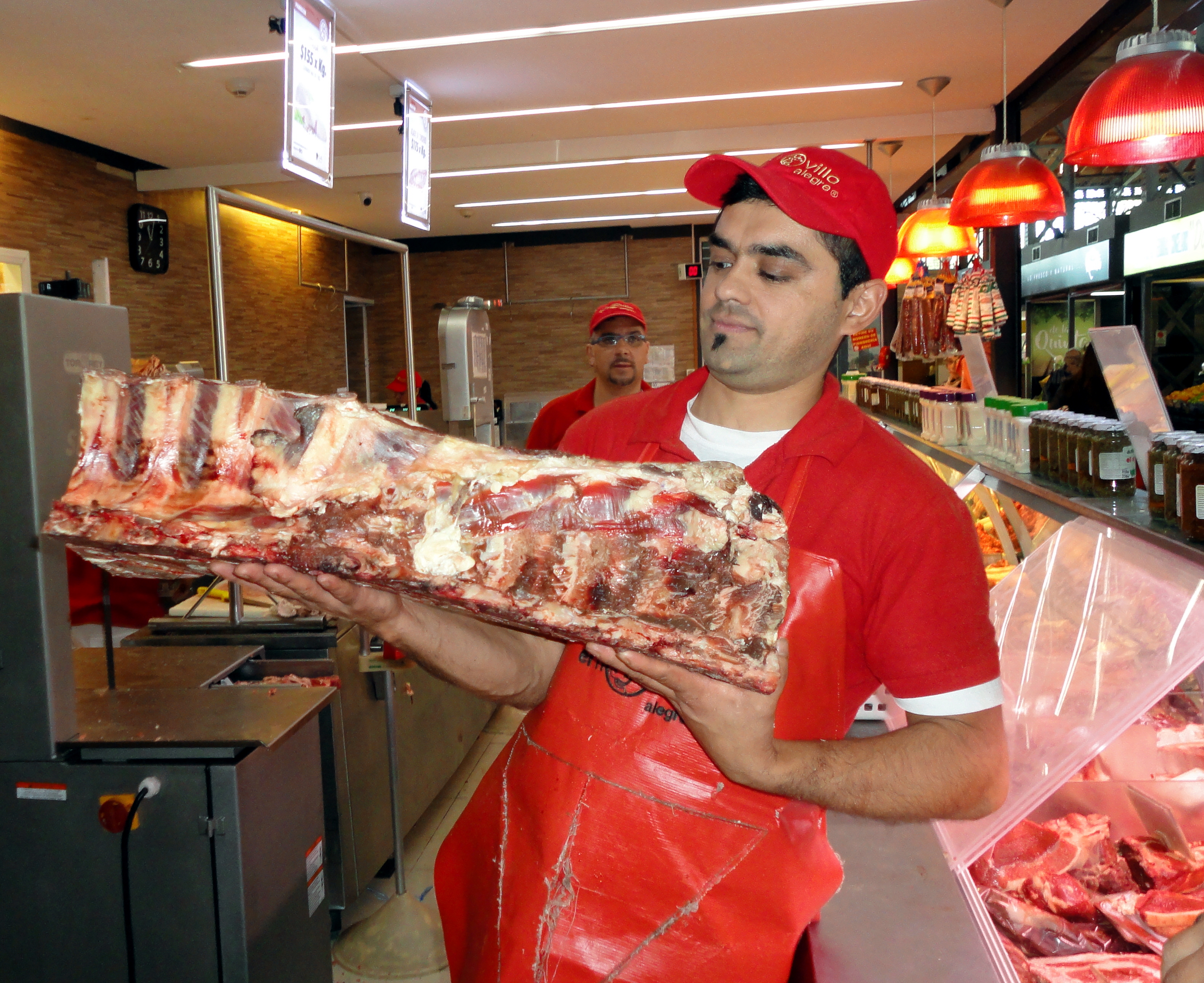
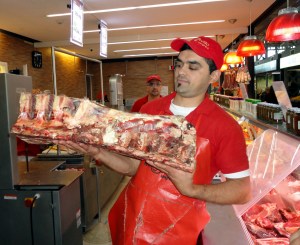 My favorite shop is „El Novillo“ (the bull). Click on pics to supersize and enjoy. The only butcher where I have seen „Asado English Cut“ (center of the picture) instead the bony and fatty „Uruguayan Cut“ (center right of the pic). The only place in Uruguay where private people can buy „DRY AGED BEEF“. Up here the piece I purchased – 30 day aged beef. The quality and taste is just amazing. Never found better one in Australia or the US. In upcoming month I will post some articles about „pro’s and con’s about aged meat“ and „how to use it“.
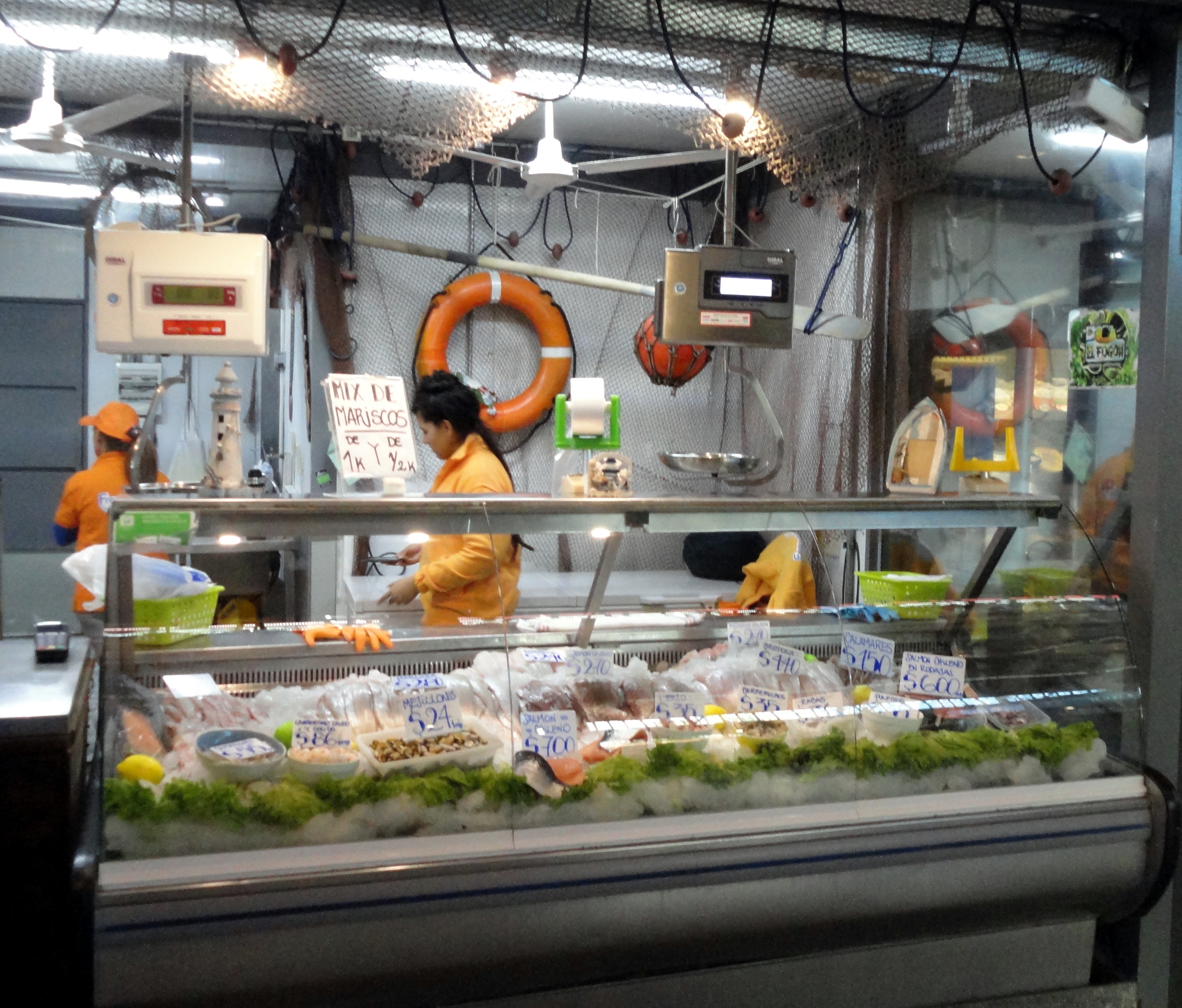
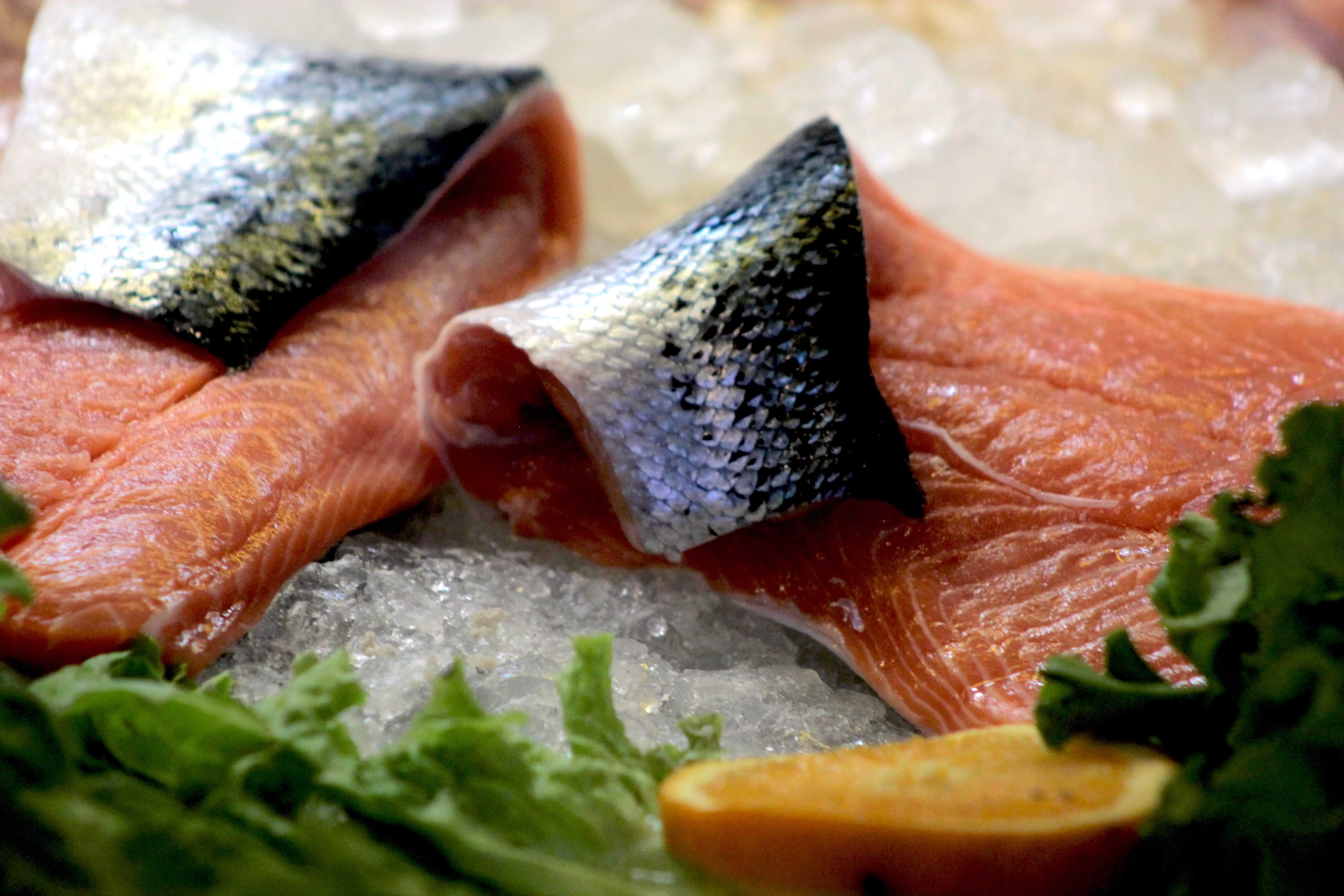
 We should not forget the fish counter where they offer all kinds of fresh „mariscos“ (seafood).
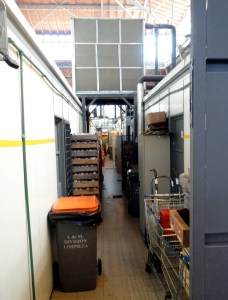
What I like at MAM particularly is, that the whole market is „CLEAN“ and „TIDY“ throughout, which is not very common in Uruguay. Even if you look „behind the doors“ as I did. Compliments to the management !
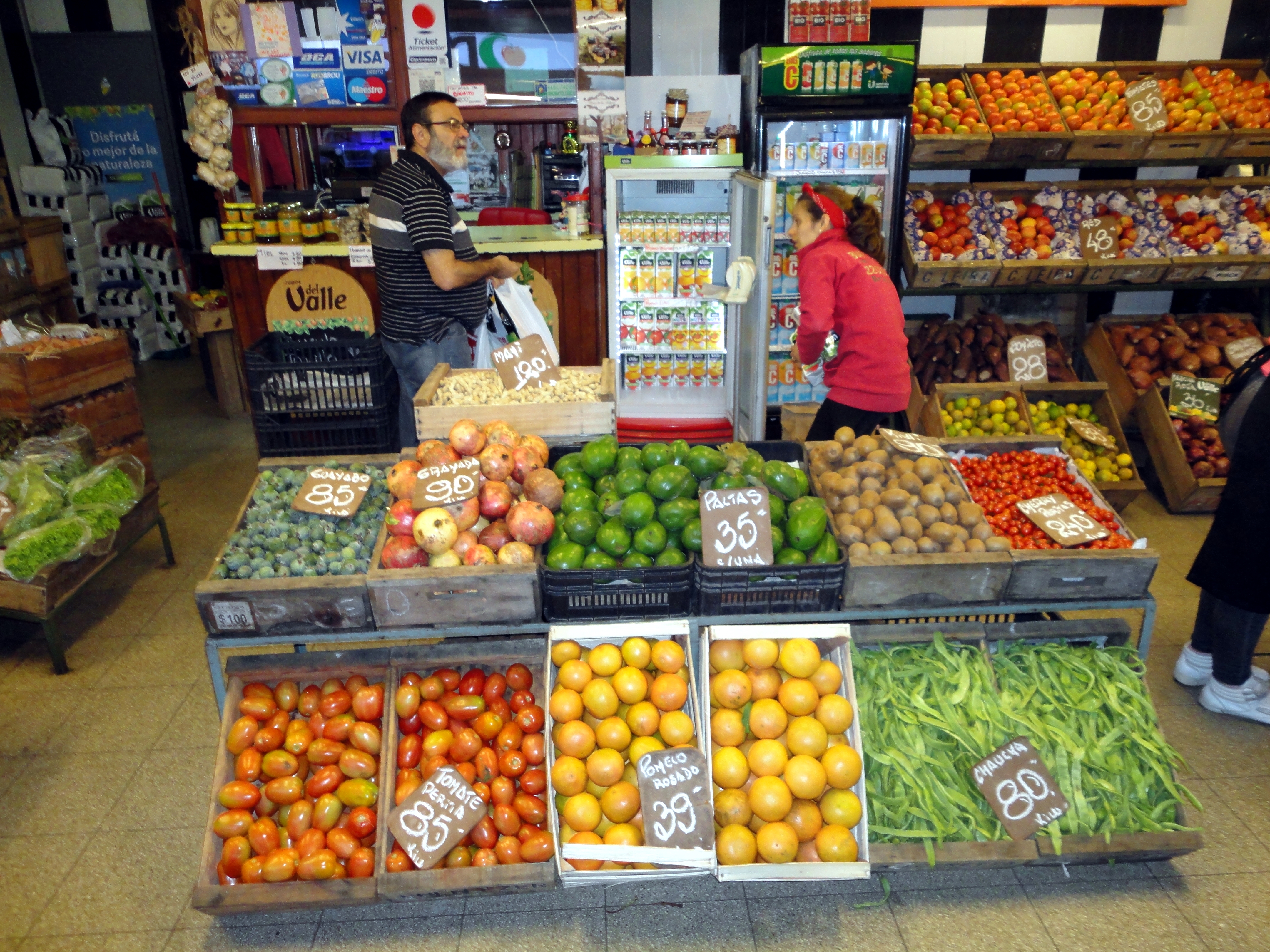
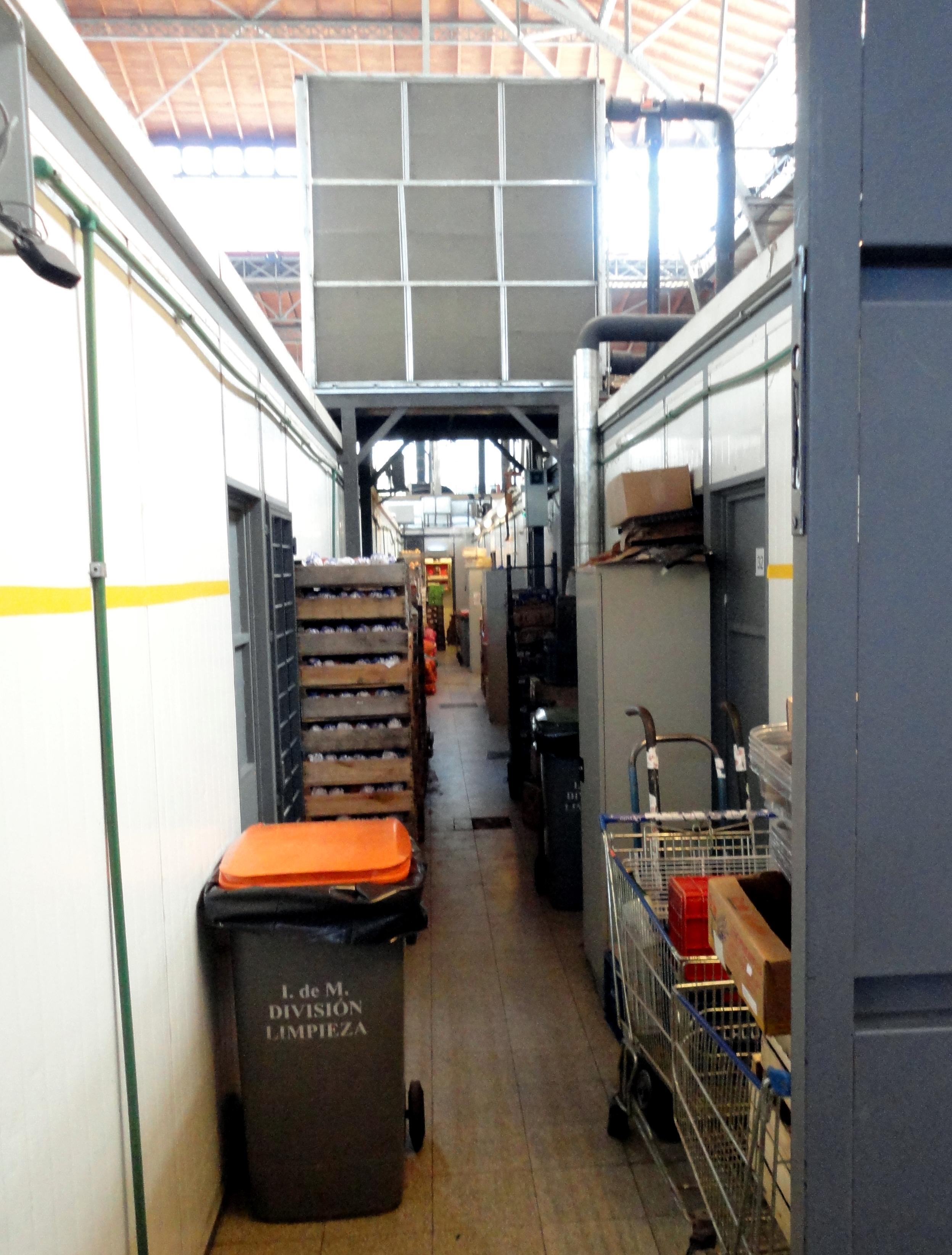
Finally.
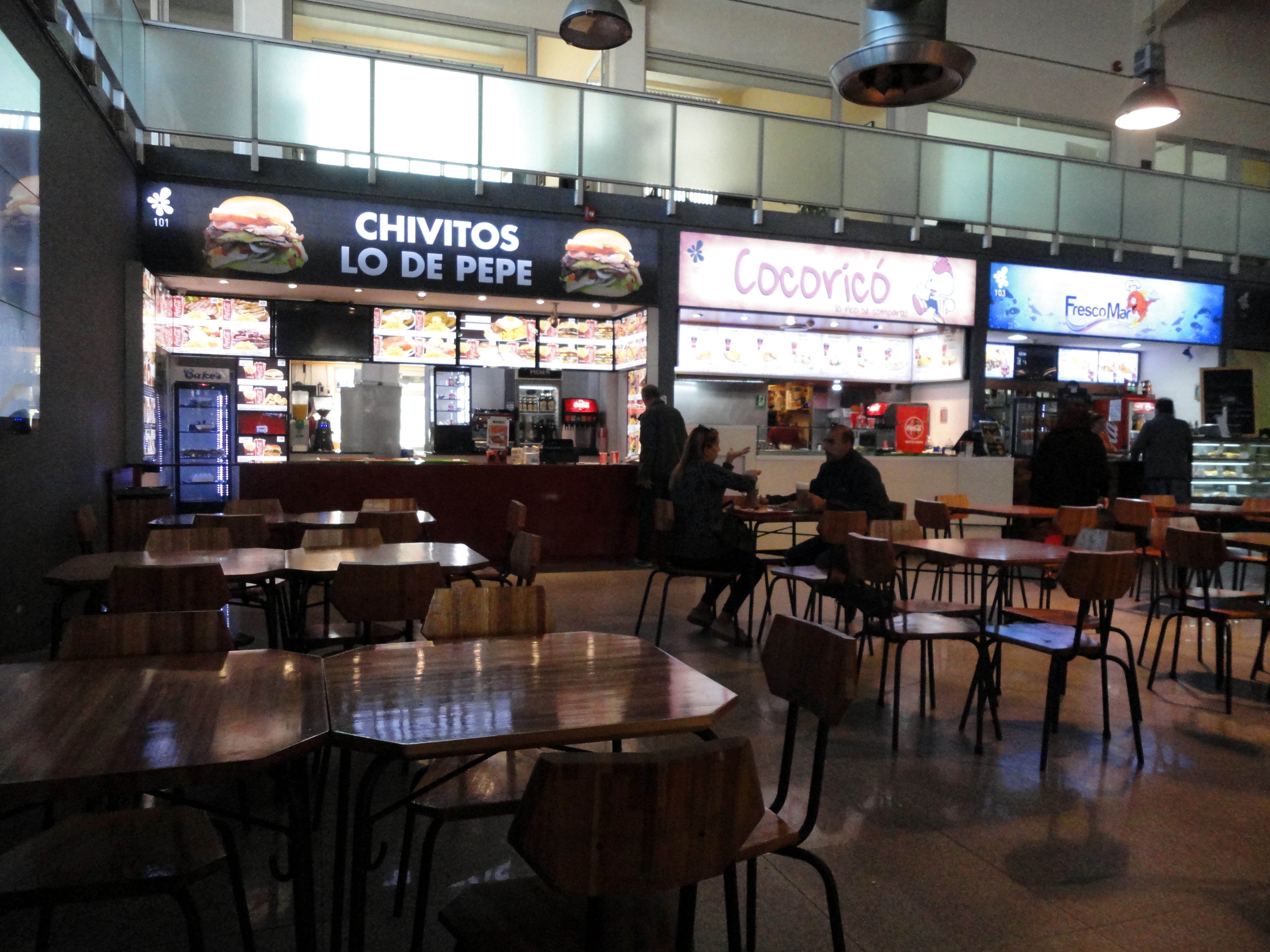
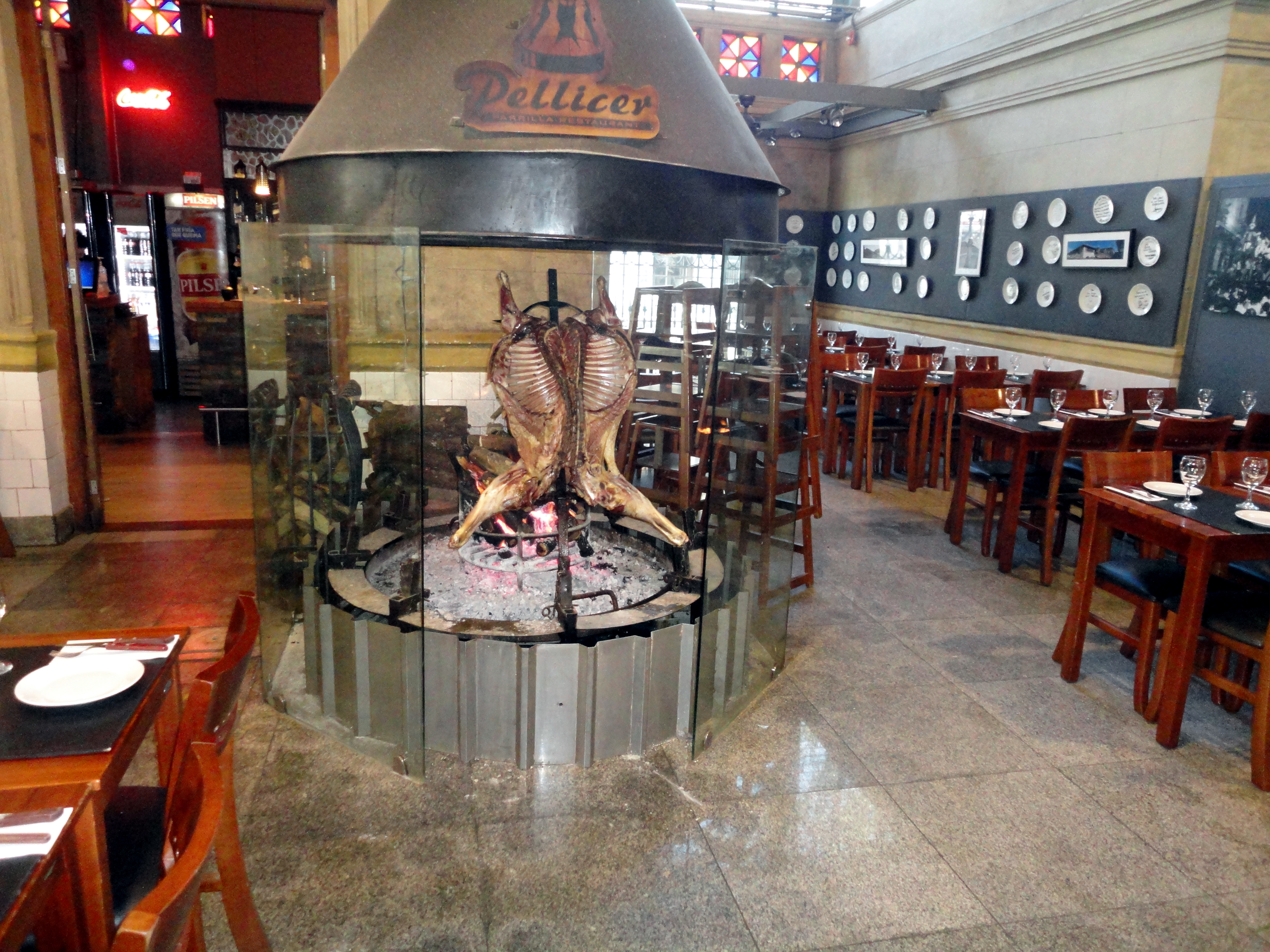
There is also a comprehensive selection of restaurants, cafe’s and food stalls available. Here some selected restaurant dishes (pics MAM). Also my favorite OMBU wine.
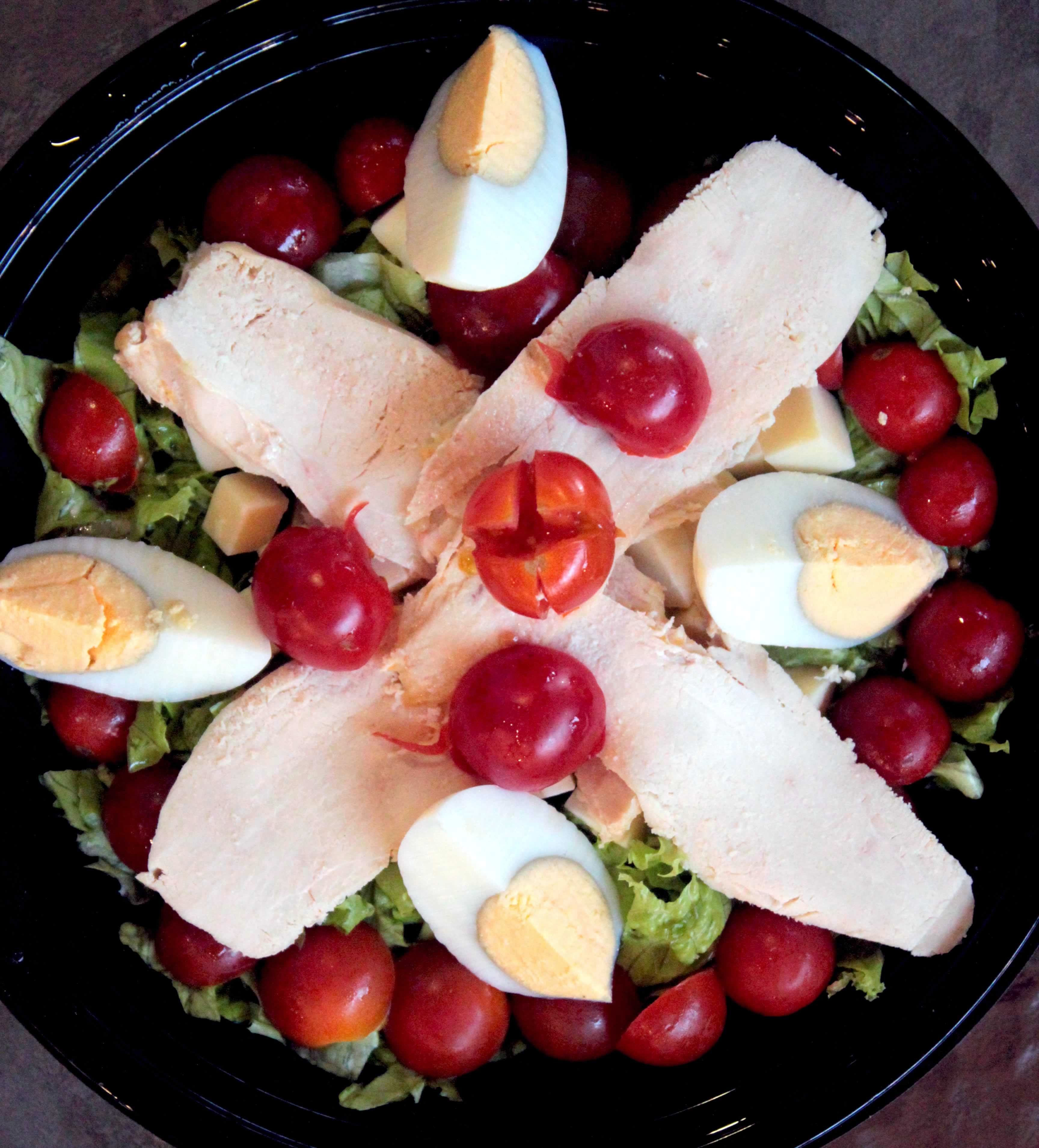
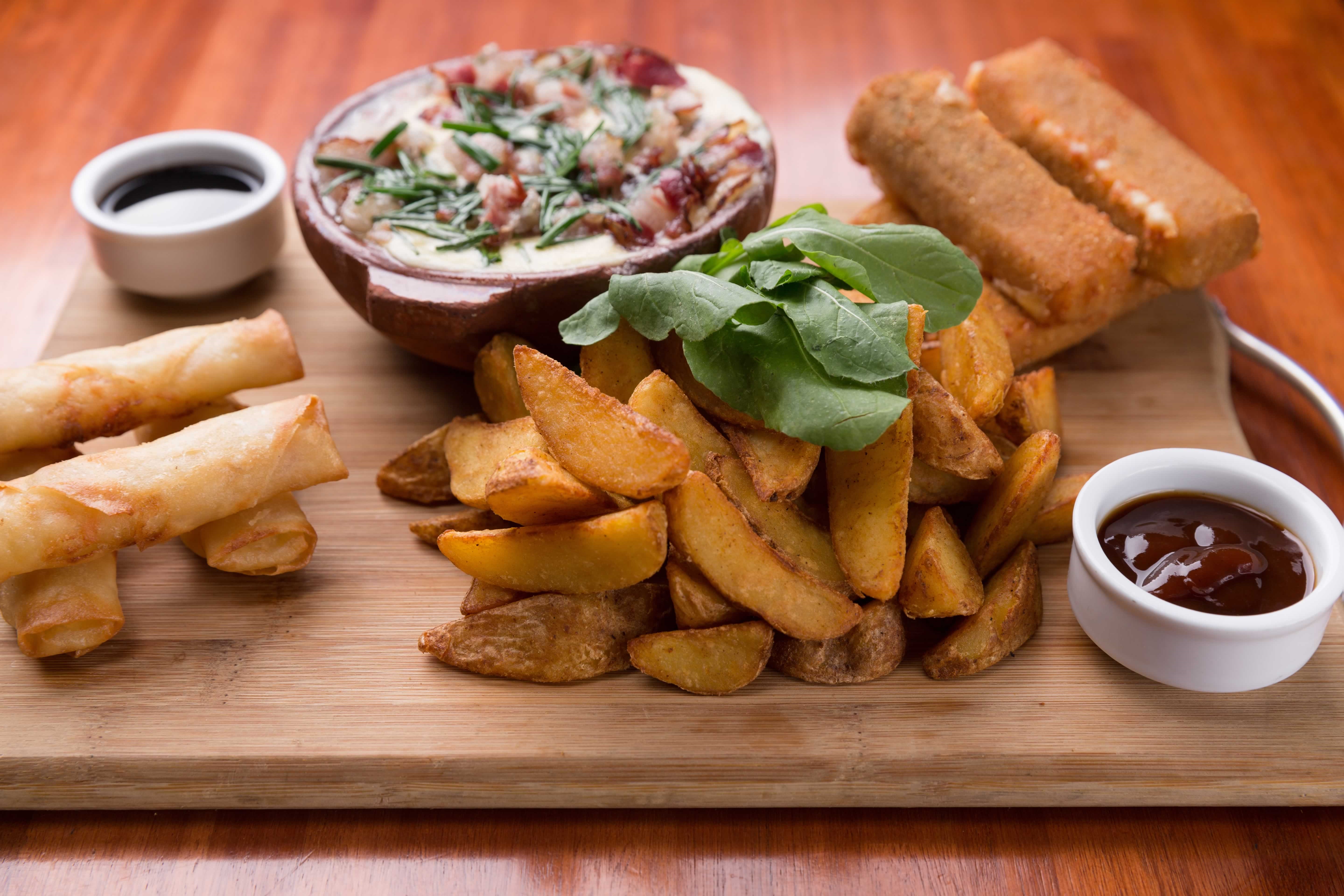
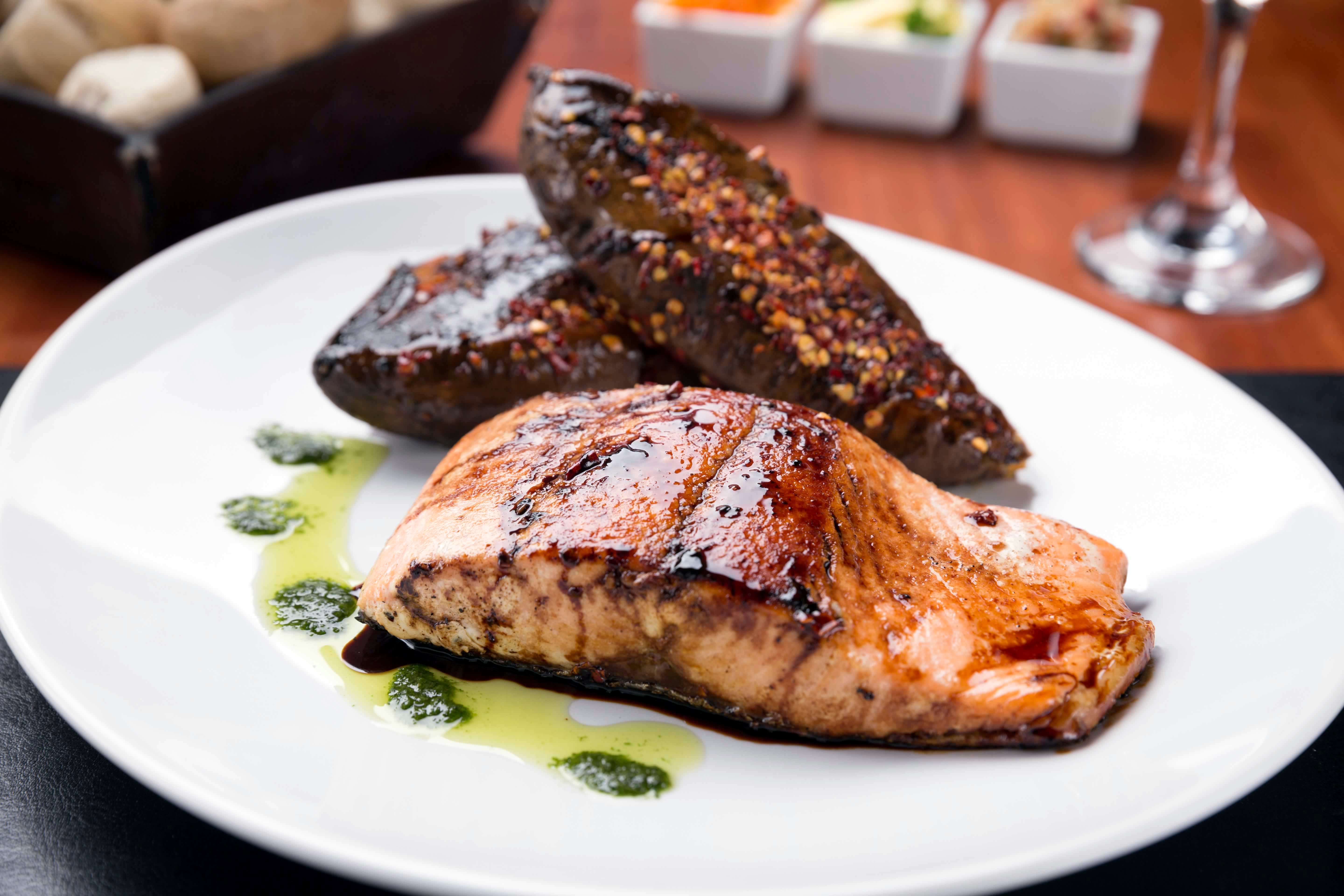
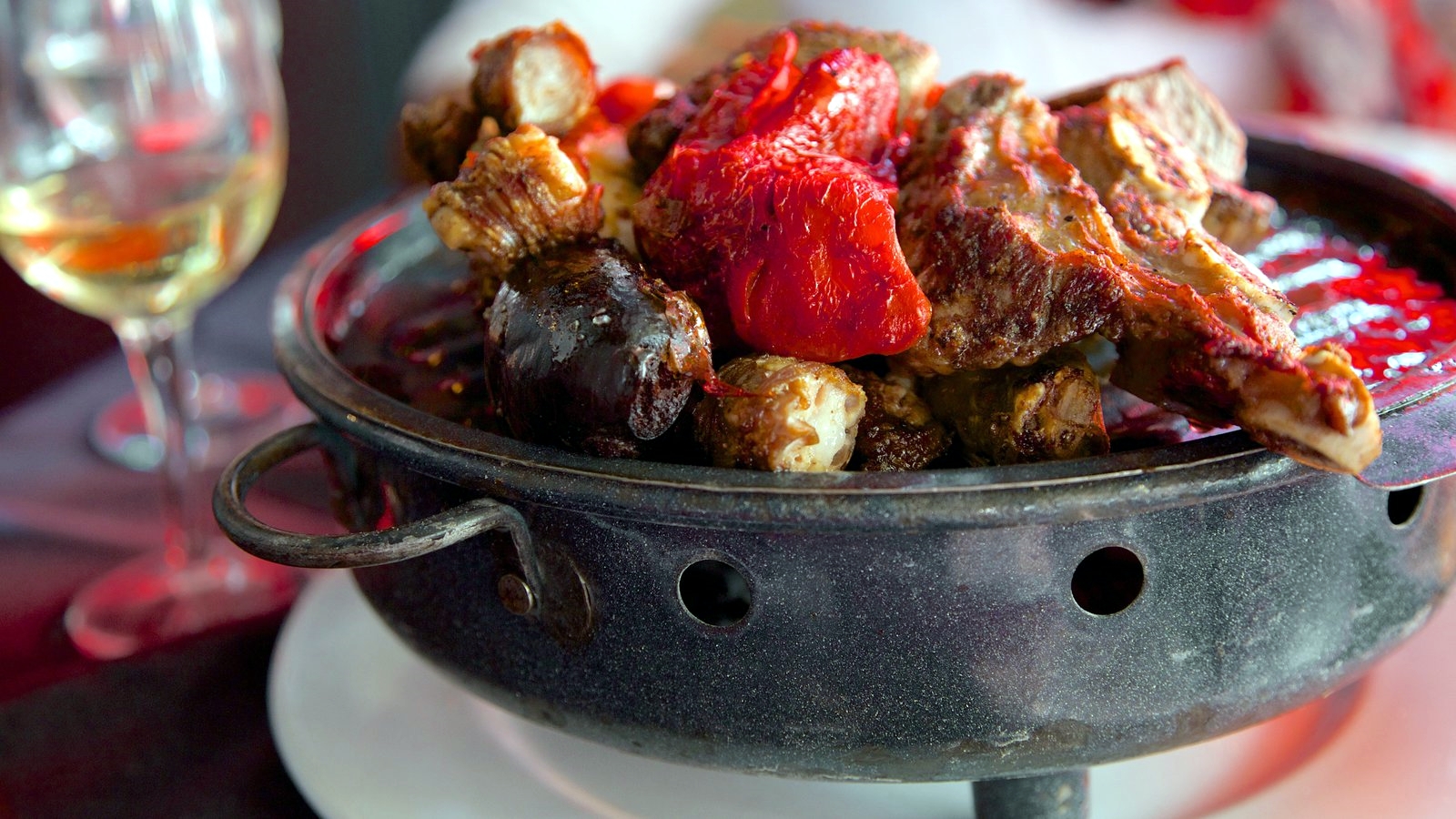
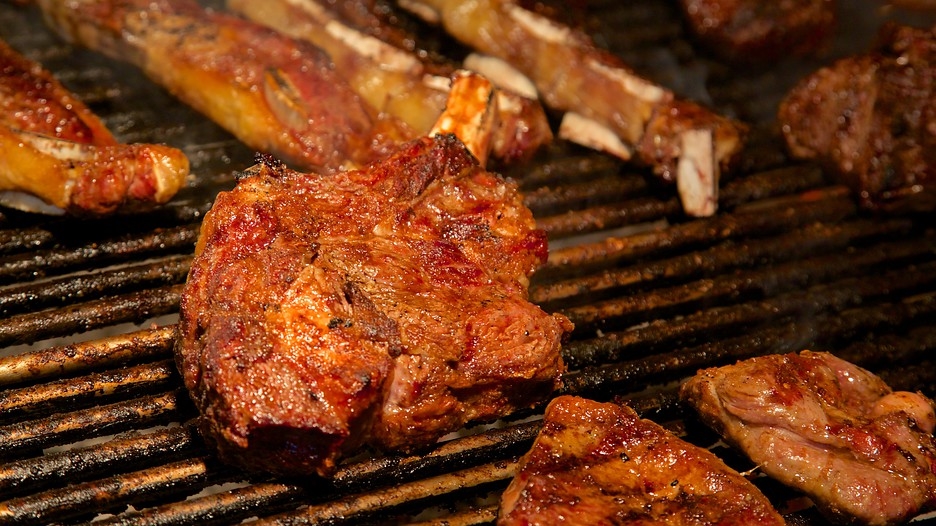
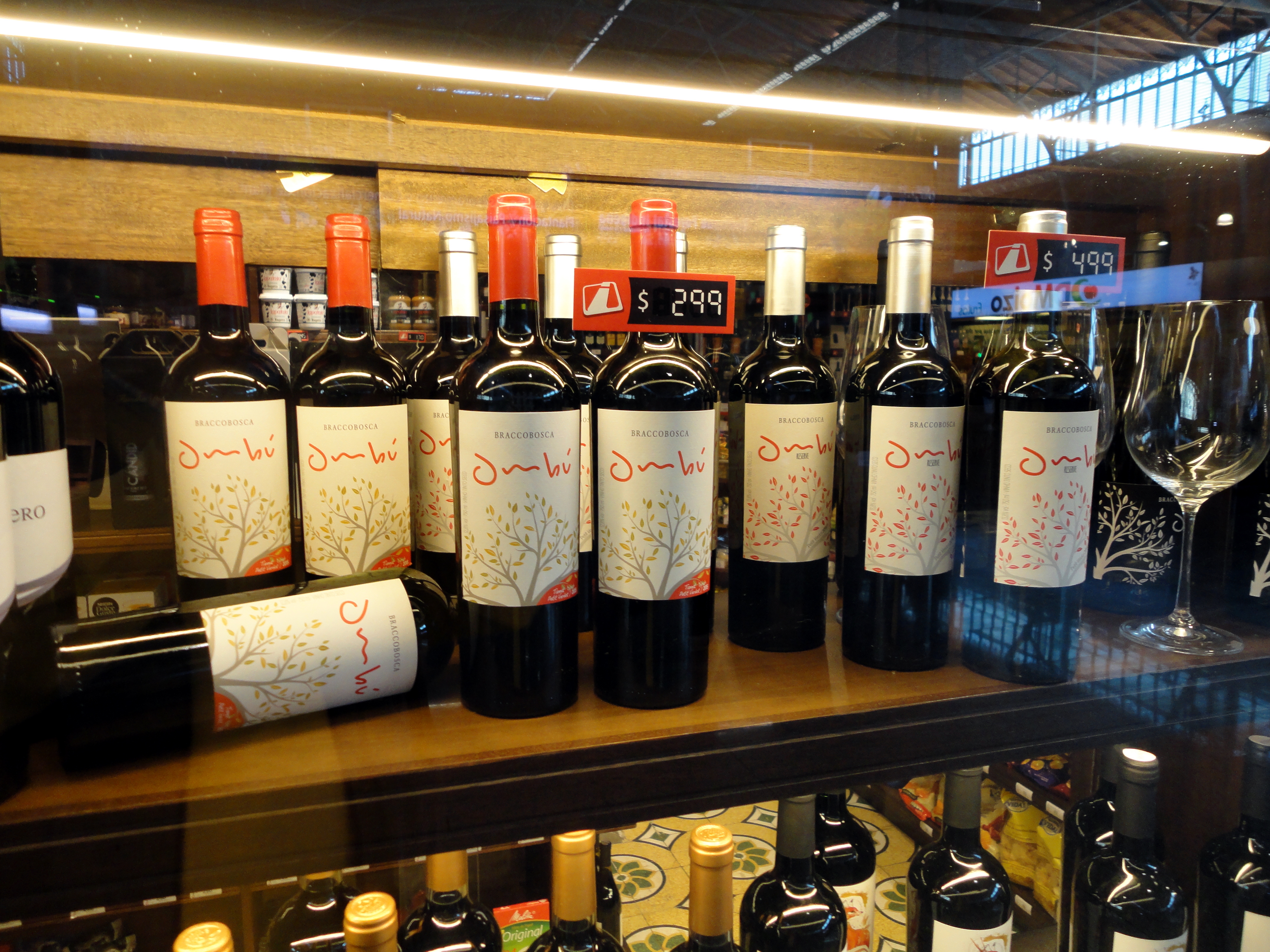
One can choose between all the usual Uruguayan meals (chivito, milanesa, asado, chorizo, pizza and more). But also vegetarian or seafood dishes and a portion of grilled lamb from a wood fired rotating spit-roast.
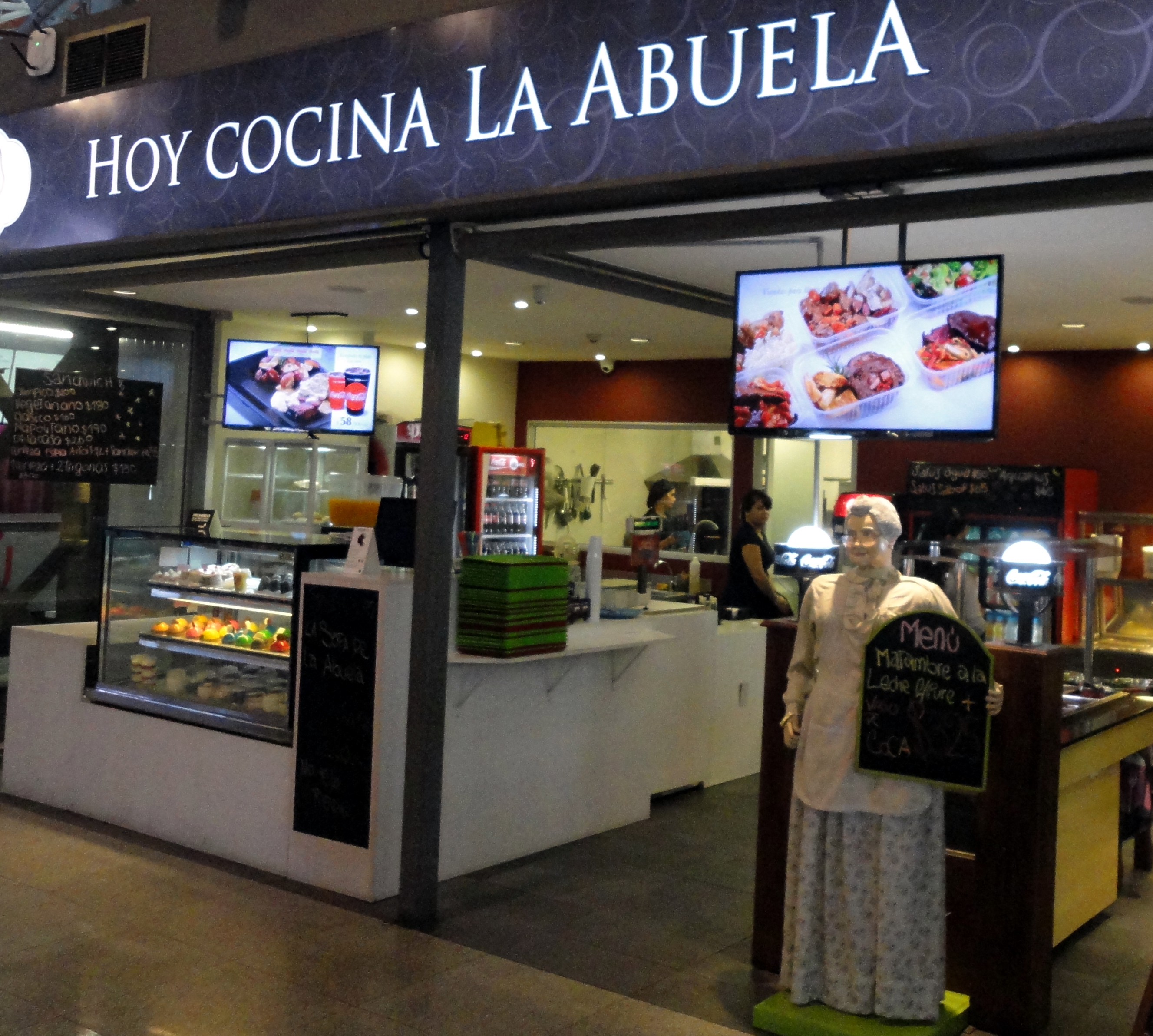
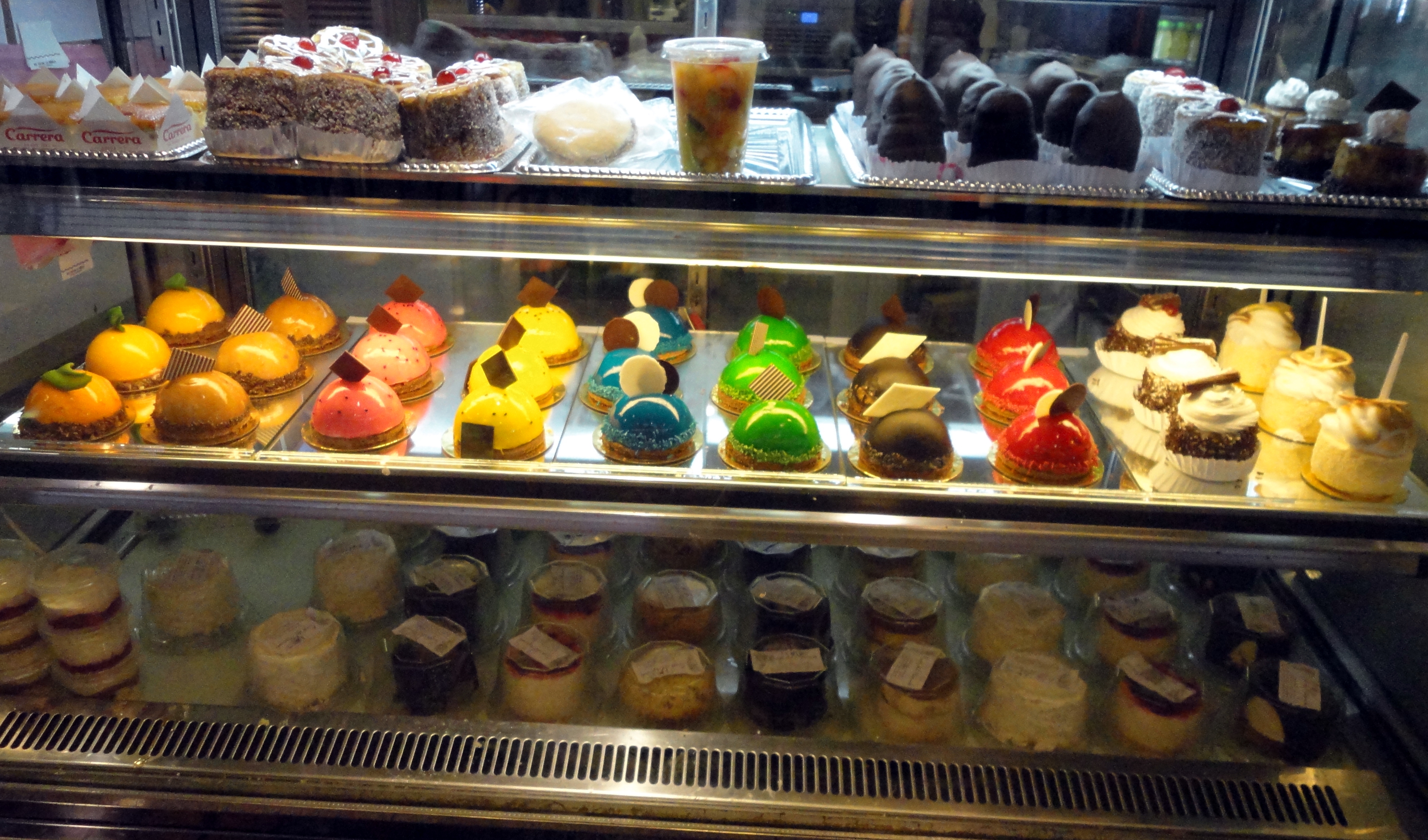
One of the little stalls I like very much is „Hoy Cocina La Abuela“ (granny cooks today). Several self-service-bars offer decent home-cooked meals, delicious ! And mouthwatering the variety of desserts.
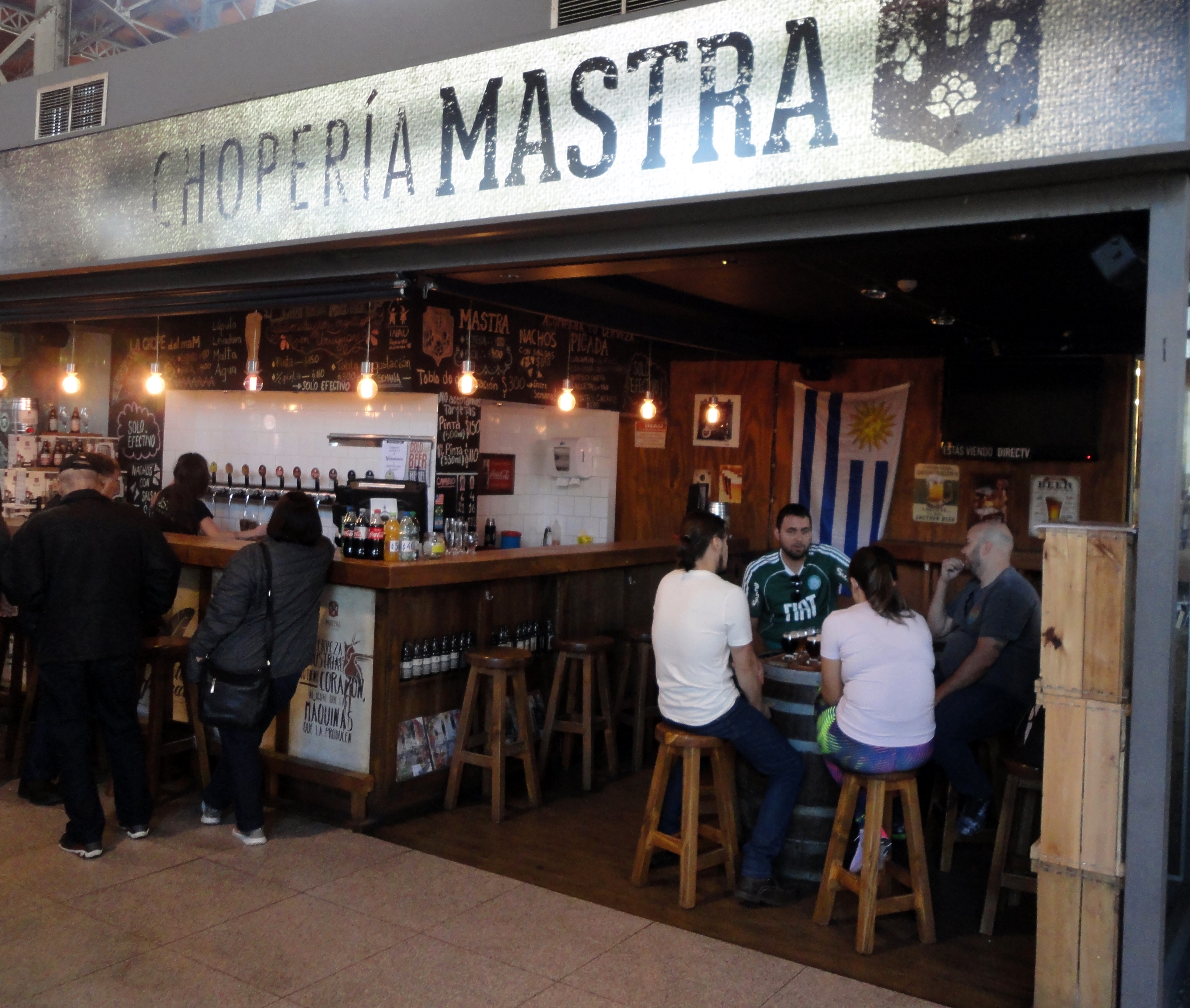
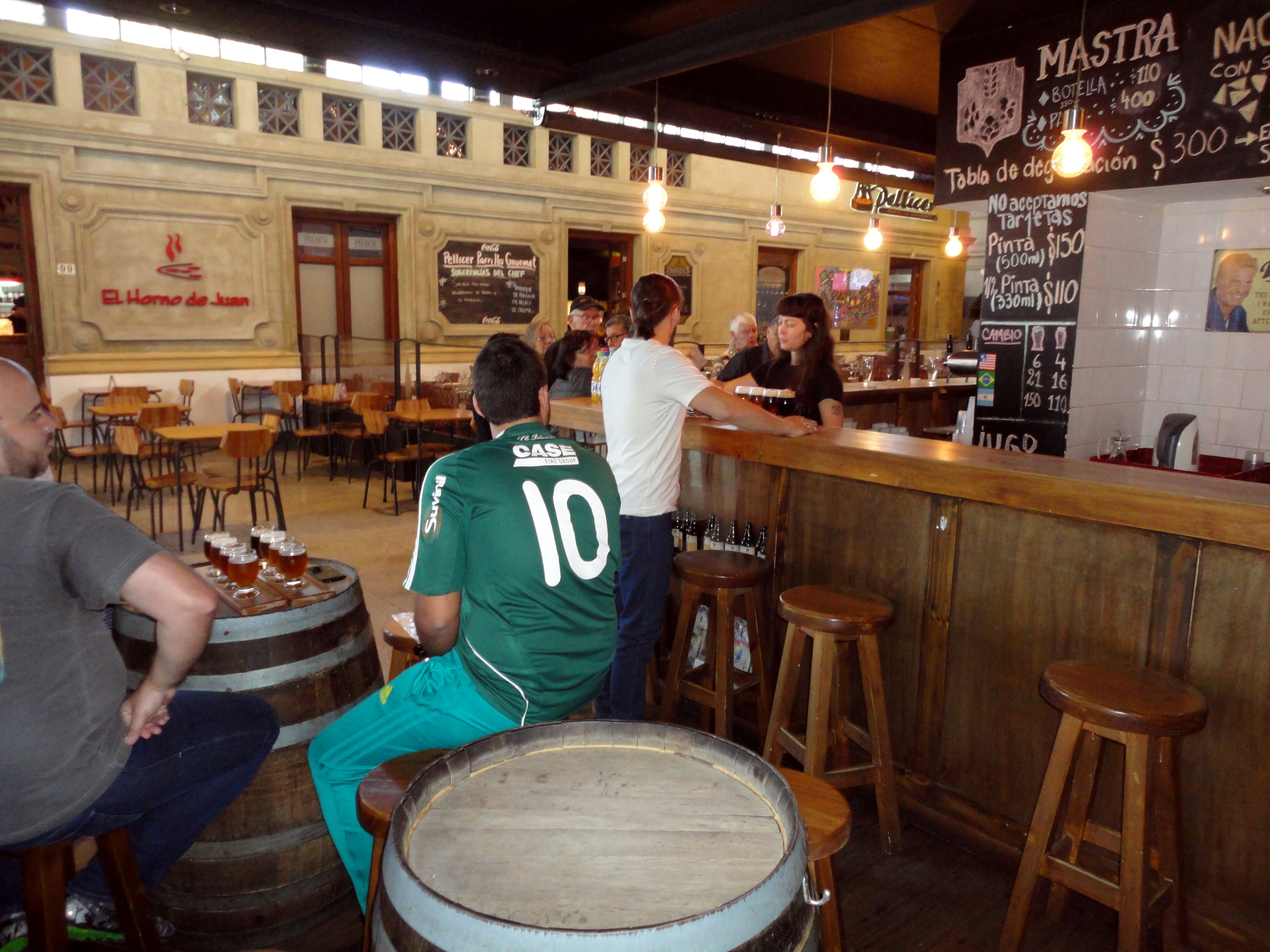
What is the whole food without a drink. Micro brewery MASTRA offers a variety of beers on tap. Ten different ones on tap – WOW – worthwhile a beer tasting there ! Also snacks and a selection plate of their 4 typical beers. Try it ! Click on pics.
The MAM experience can comprise several hours or a whole day whatever one likes. I have always wondered how little this great market is known. Especially throughout the expatriate community, even if they live in UY many years. Hope you enjoyed this short trip through a Montevideo market. I think the best one. Have a look yourself, if you are here !

