
During my last Germany trip I could sadly spend a few days and nights only in this wonderful city, rich of history and full of sightseeing places. Meissen is a „must see“ city and it was worth it. I like to share my impressions with you. Impressions and information’s I gathered during this trip.
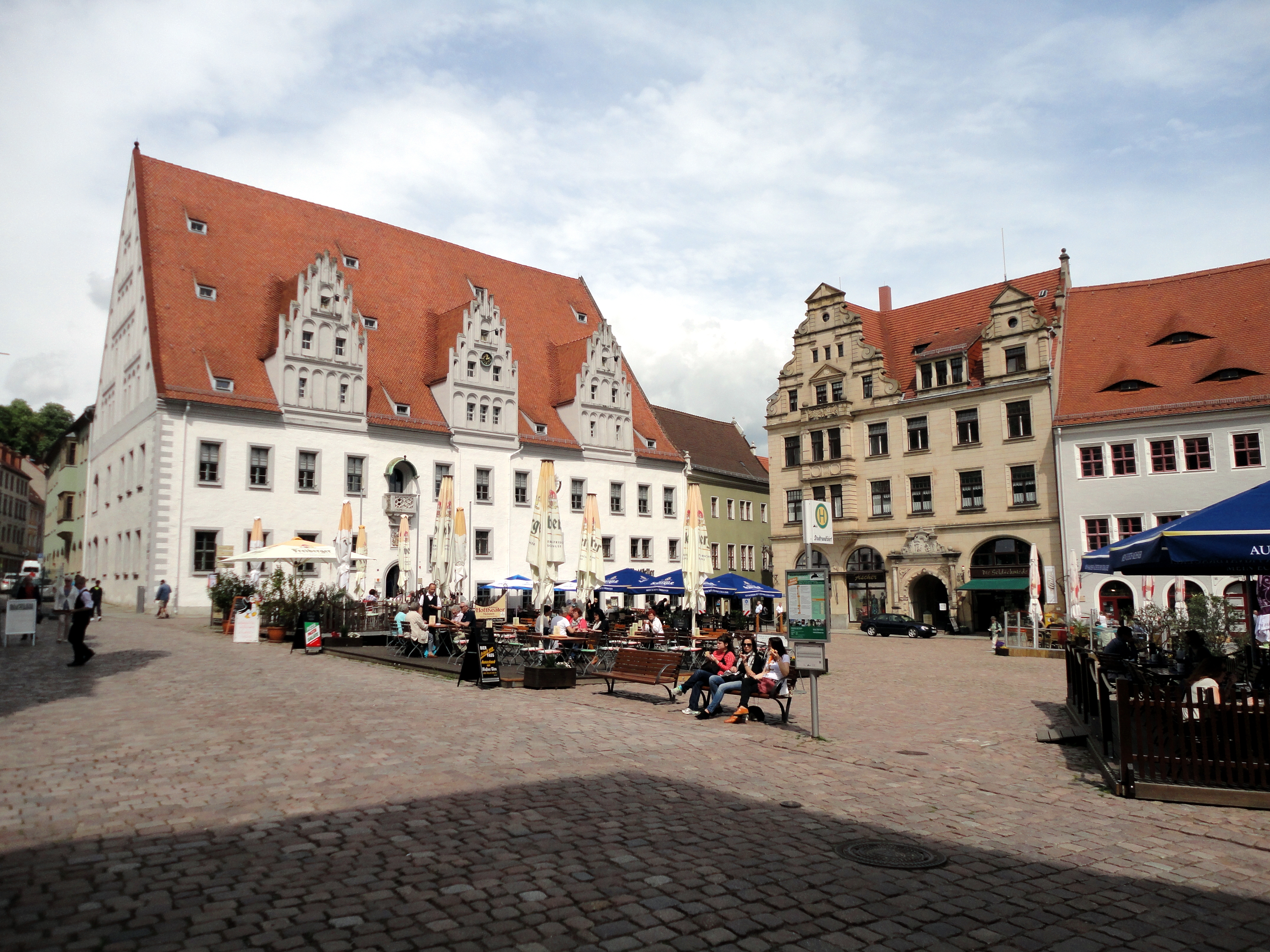
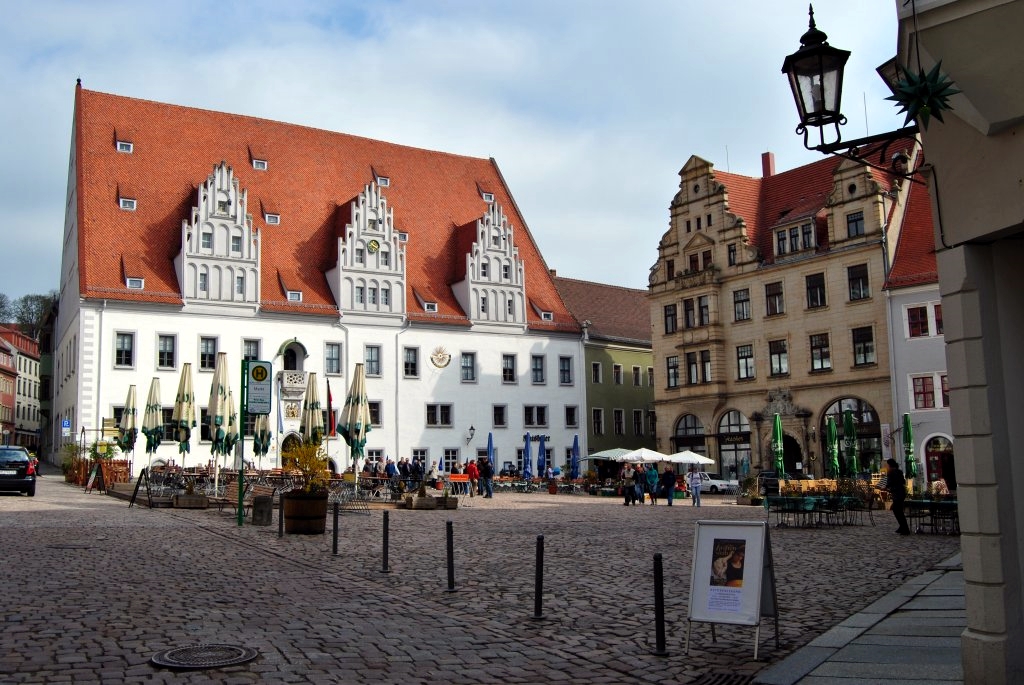
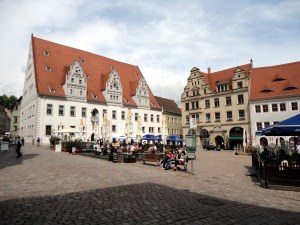 Meissen with the old „Rathaus“ (Townhall) left.
Meissen – a brief history.
With a history dating back more than a thousand years, Meissen has long been known as the „cradle“ of Saxony. That the town is worthy of such a name is clearly seen in its buildings – records of stone which bear witness to the different epochs of not only Saxon history but also the history of the Holy Roman Empire with Germany at its center.
 Castle and Cathedral above the city of Meissen.
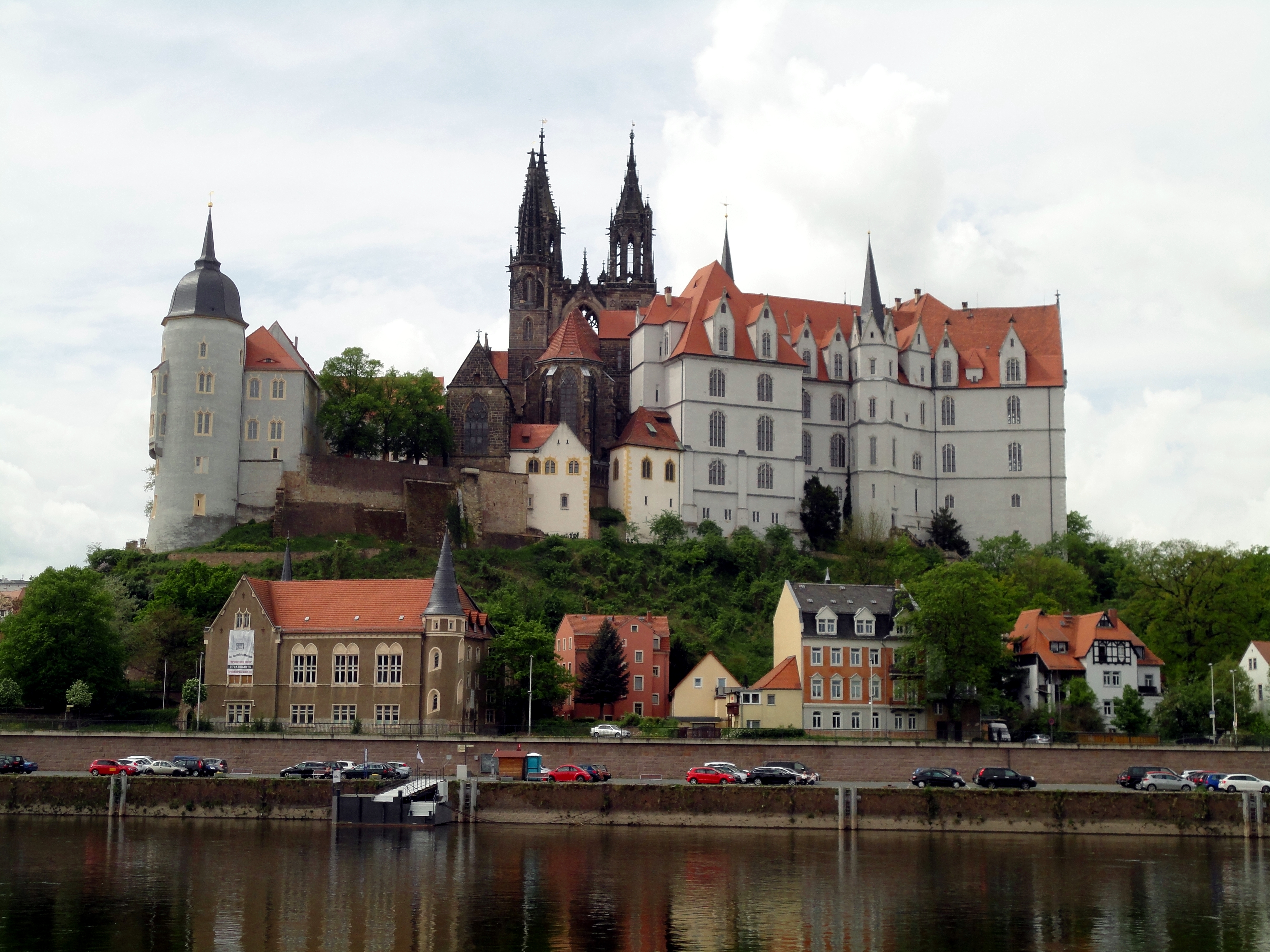
This is manifest, for example, in the mighty ensemble of Albrechtsburg Castle and Meissen Cathedral on the hill above the town. With the romantic silhouette of the roofs of the Old Town below it, the hill offers a magnificent panorama and has become a favorite subject for photographers from the banks of the Elbe.
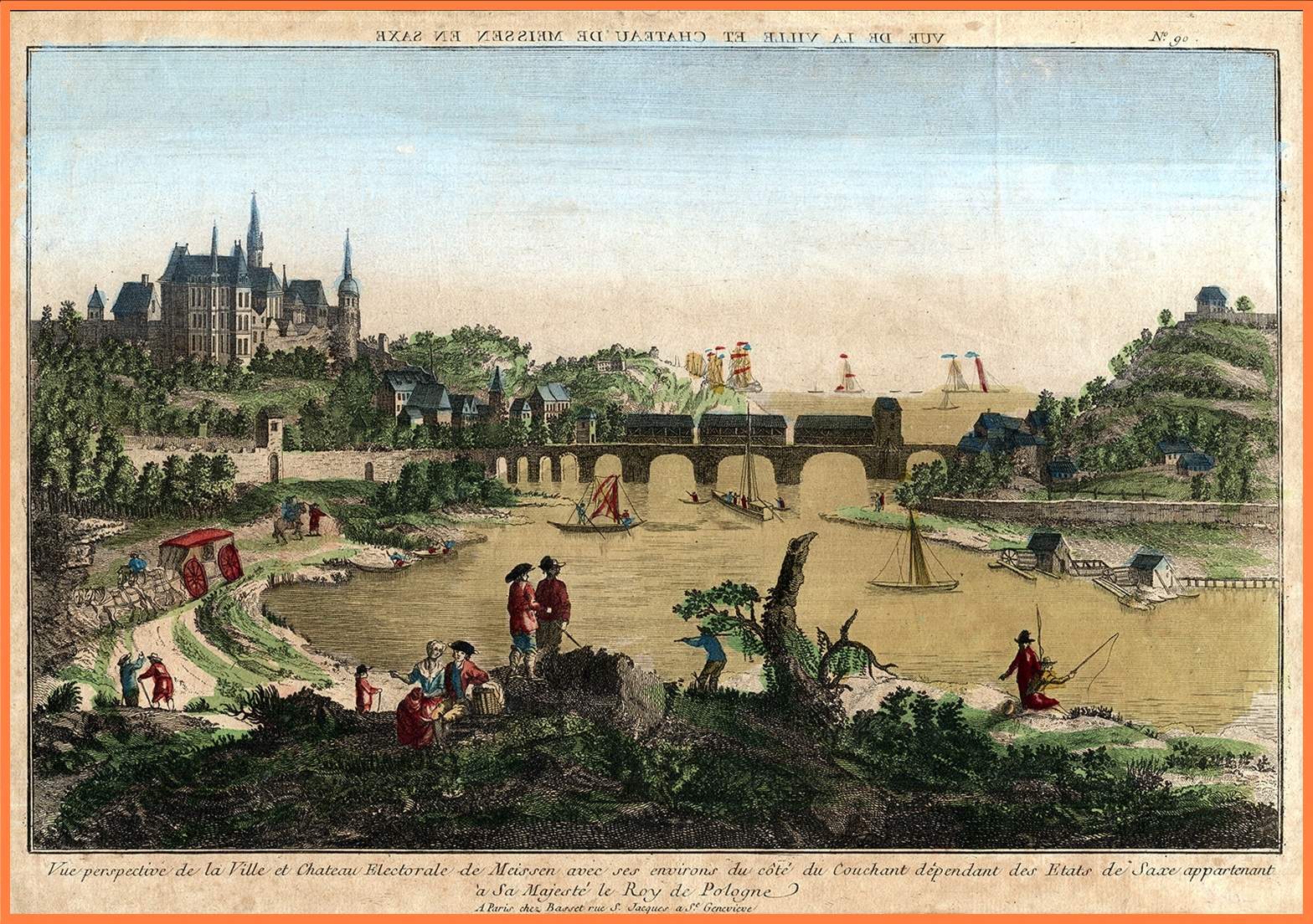
 Meissen, wood engraving from 1628.
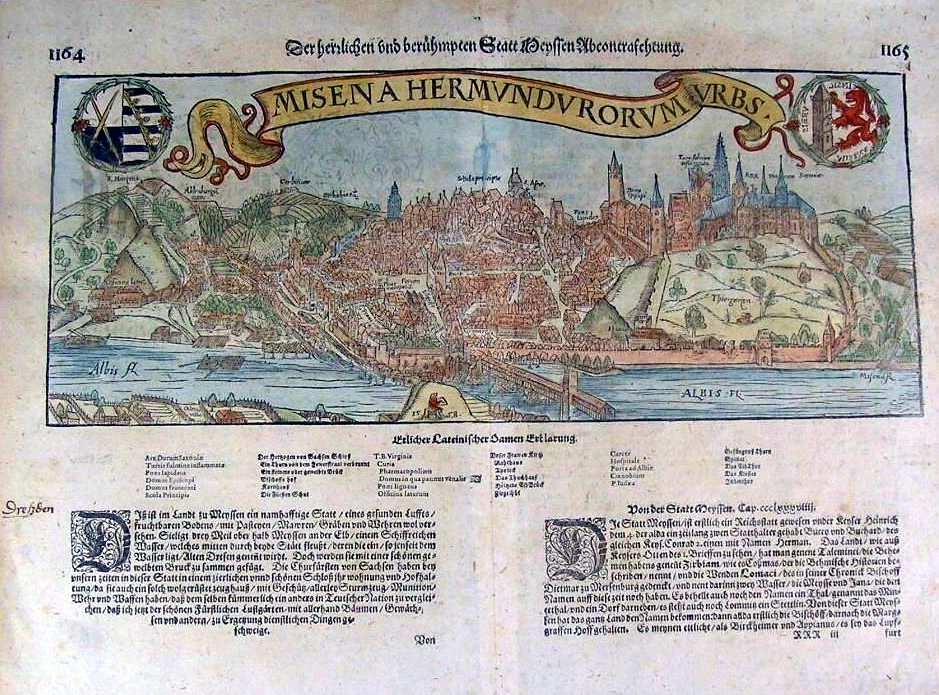
Long ago, in the Middle Ages, the Wettin Princes became the margraves of Meissen, thus marking the beginning of Saxon history. Albrechtsburg Castle is regarded as being the first castle to be used a royal residence in the Germanspeaking world; built between 1472 and 1525, it is a fine example of late Gothic style.
 Castle and Cathedral, steel engraving from 1860.
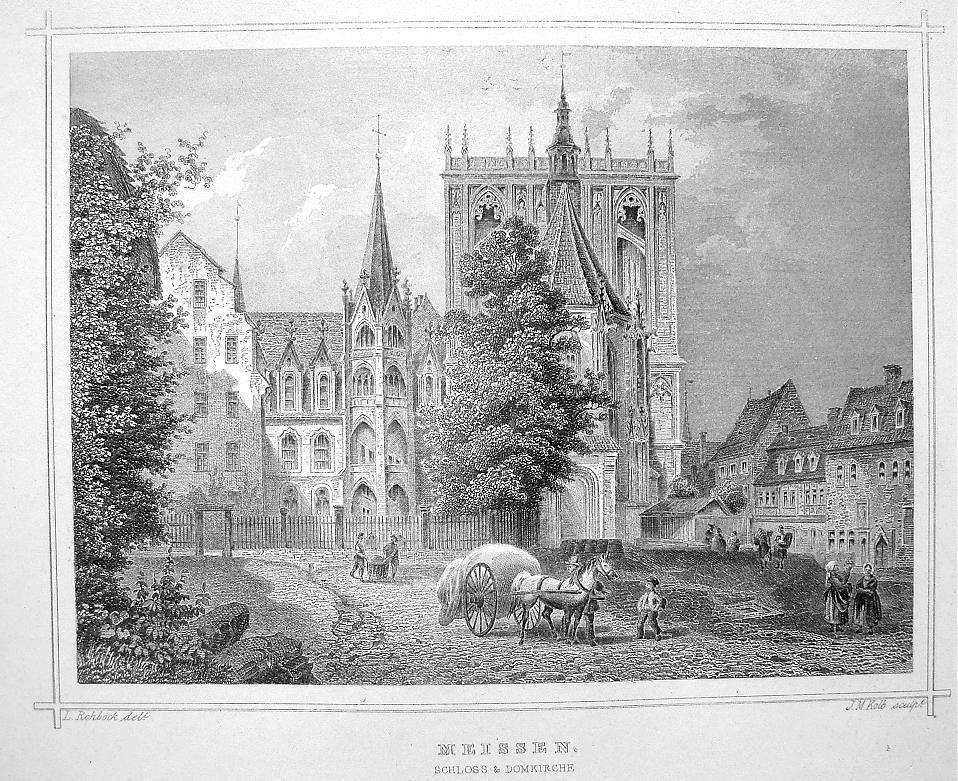
Today the castle, the former residence of the House of Wettin, is a museum which is just as popular with visitors as the cathedral, whose architecture is pure Gothic and whose Princes Chapel is one of the most famous burial places of the Wettin family.
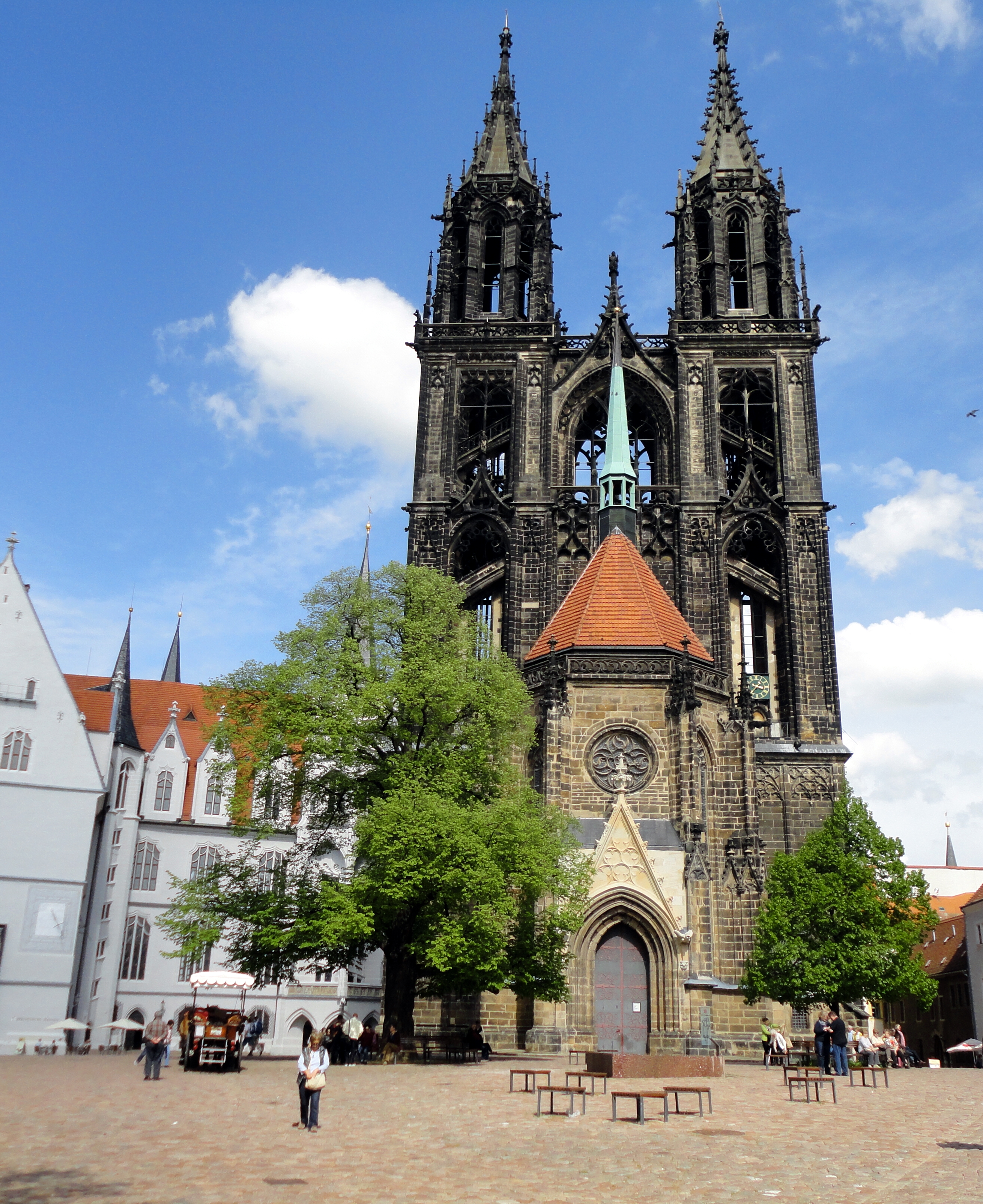
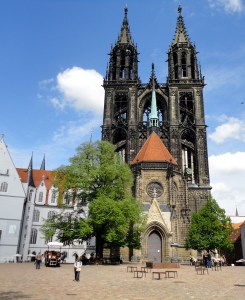 Same view as above, but from 2015.
Equally imposing is the view from the 57-metre high tower of the Frauenkirche ( Church of Our Lady ), situated in the old market-place.
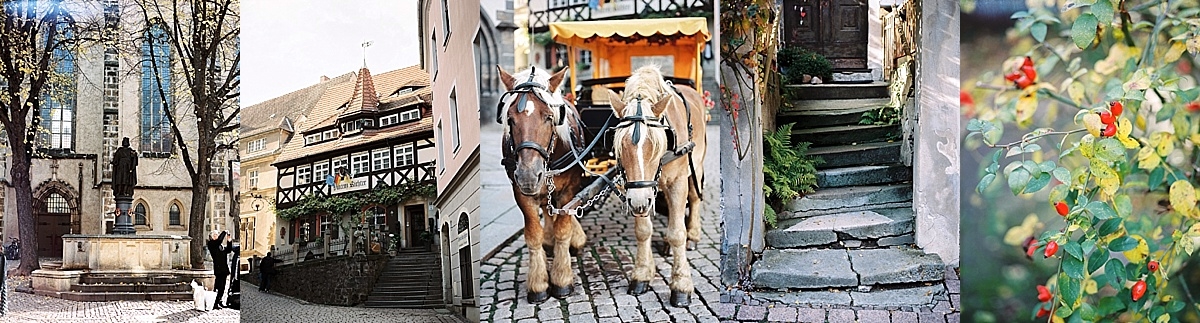
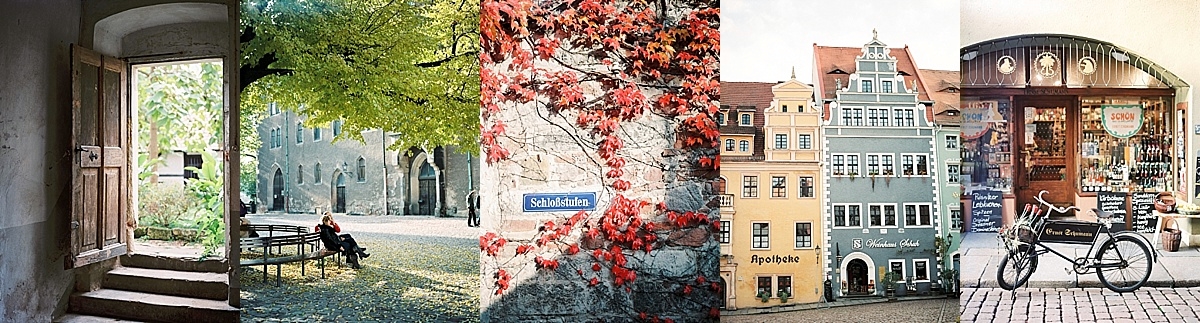
From here, the visitor will be tempted to take a leisurely stroll through the narrow medieval streets, with their quiet squares and steep flights of steps, past century -old patrician houses which today accommodate small shops, cafes and wine cellars.
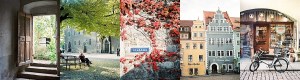
There is much to discover in Meissen. Behind every corner and in every alley a new photo motif. Remember to click on the pictures in my post. Most of them will expand for a better view.
Albrechtsburg and Cathedral.
The city’s history began, when king Heinrich I in 929 founded the fortress „Misnia“ on the castle hill high above the Elbe river, named after a nearby creek. From 968 on Meissen became the see of the newly created Bishopric of Meissen as well as the residence of the Margraves of Meissen, afterwards mainly from the House of Wettin.
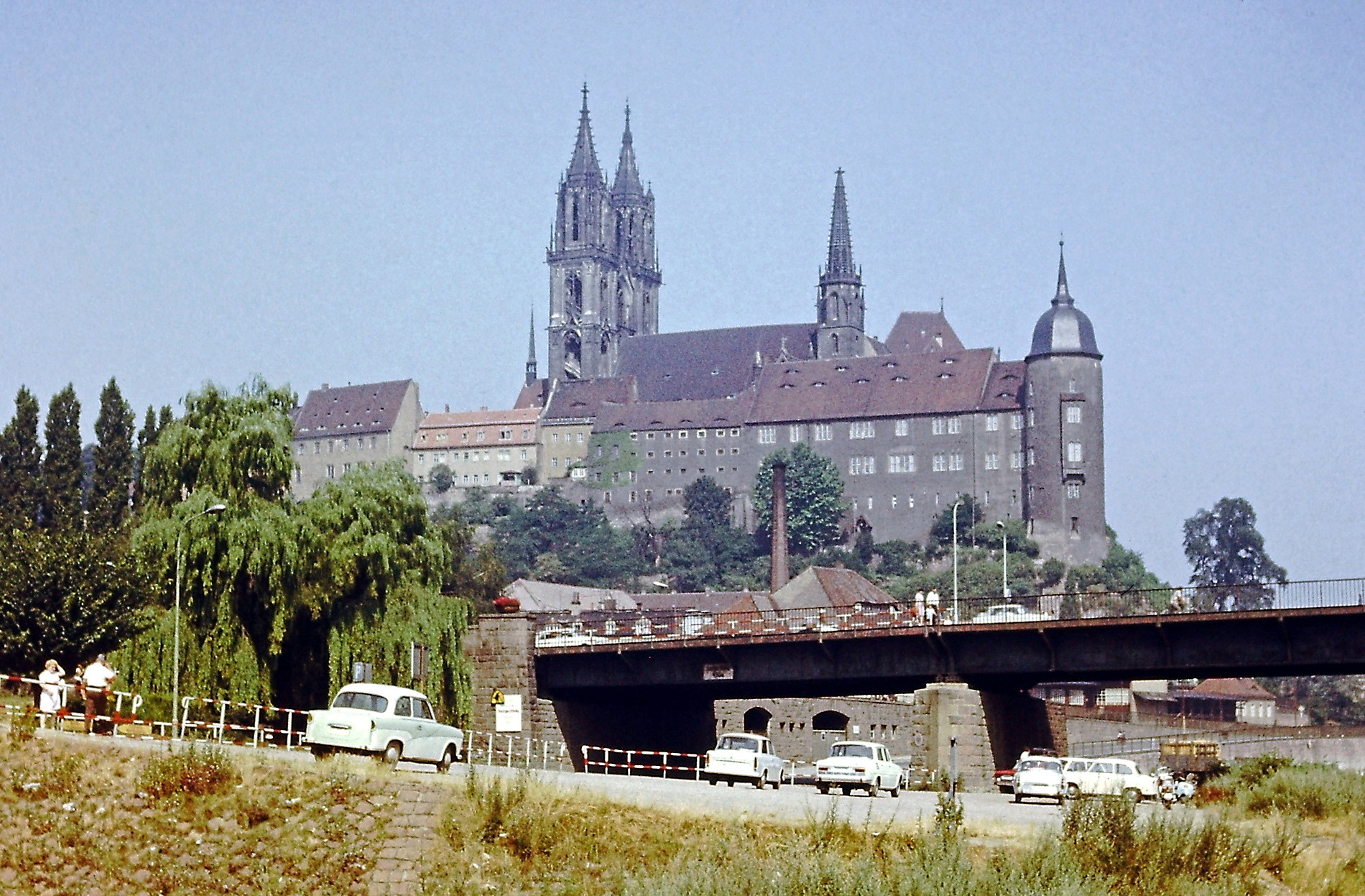
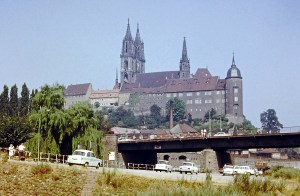 The castle hill during the GDR (German Democratic Republic) years. Favorite color: All shades of grey ! Notice the massive traffic and varieties of cars.
The former market settlement at the foot of the fortress soon developed into a town (town charter 1332), eventually becoming one of the most important cities in the country and the cradle of Saxony.
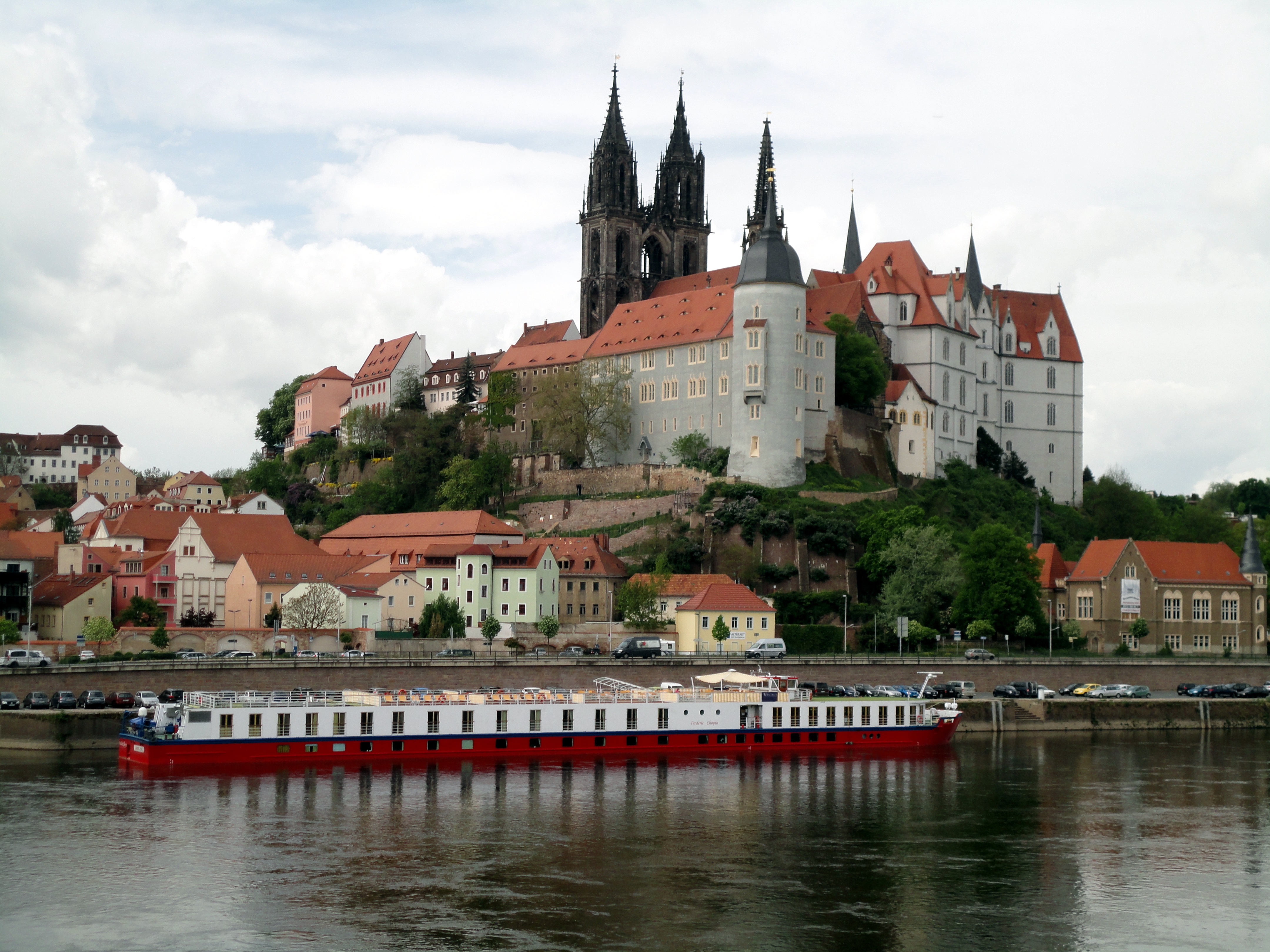
 After renovation in united Germany.
The building of the present castle, Albrechtsburg, was begun in 1471 in Late Gothic
style and is considered to be the first construction of a castle in German history.
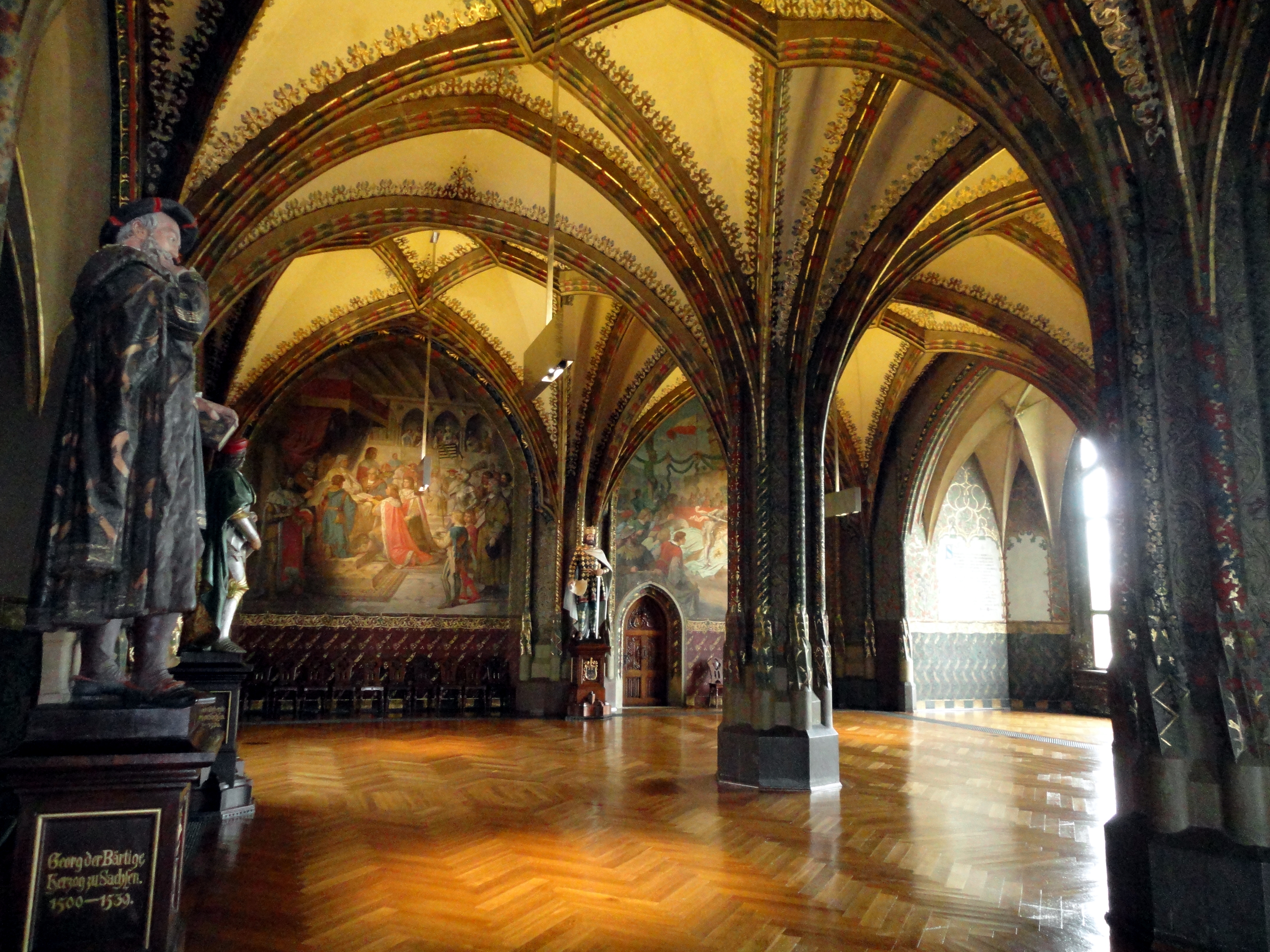
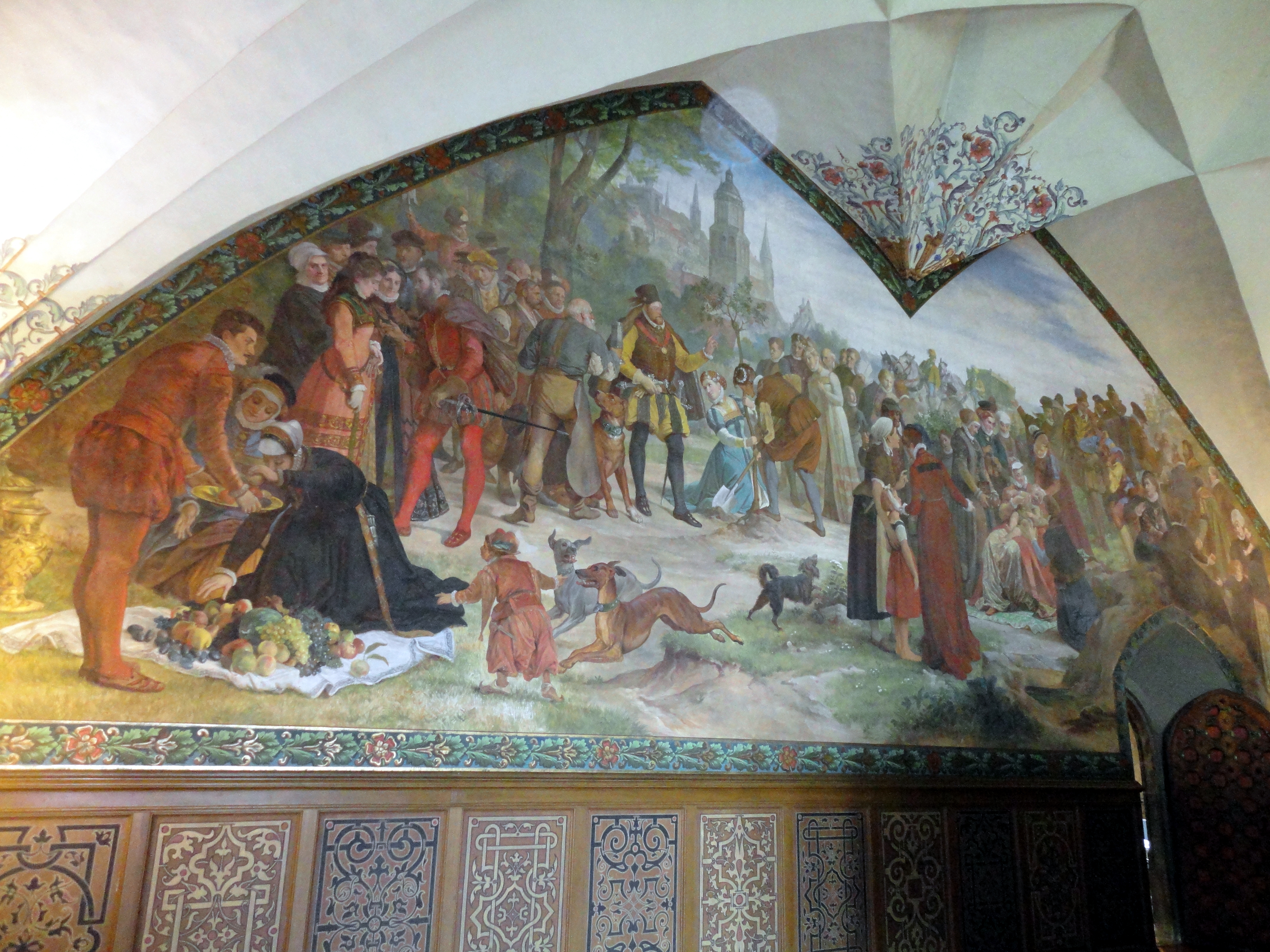
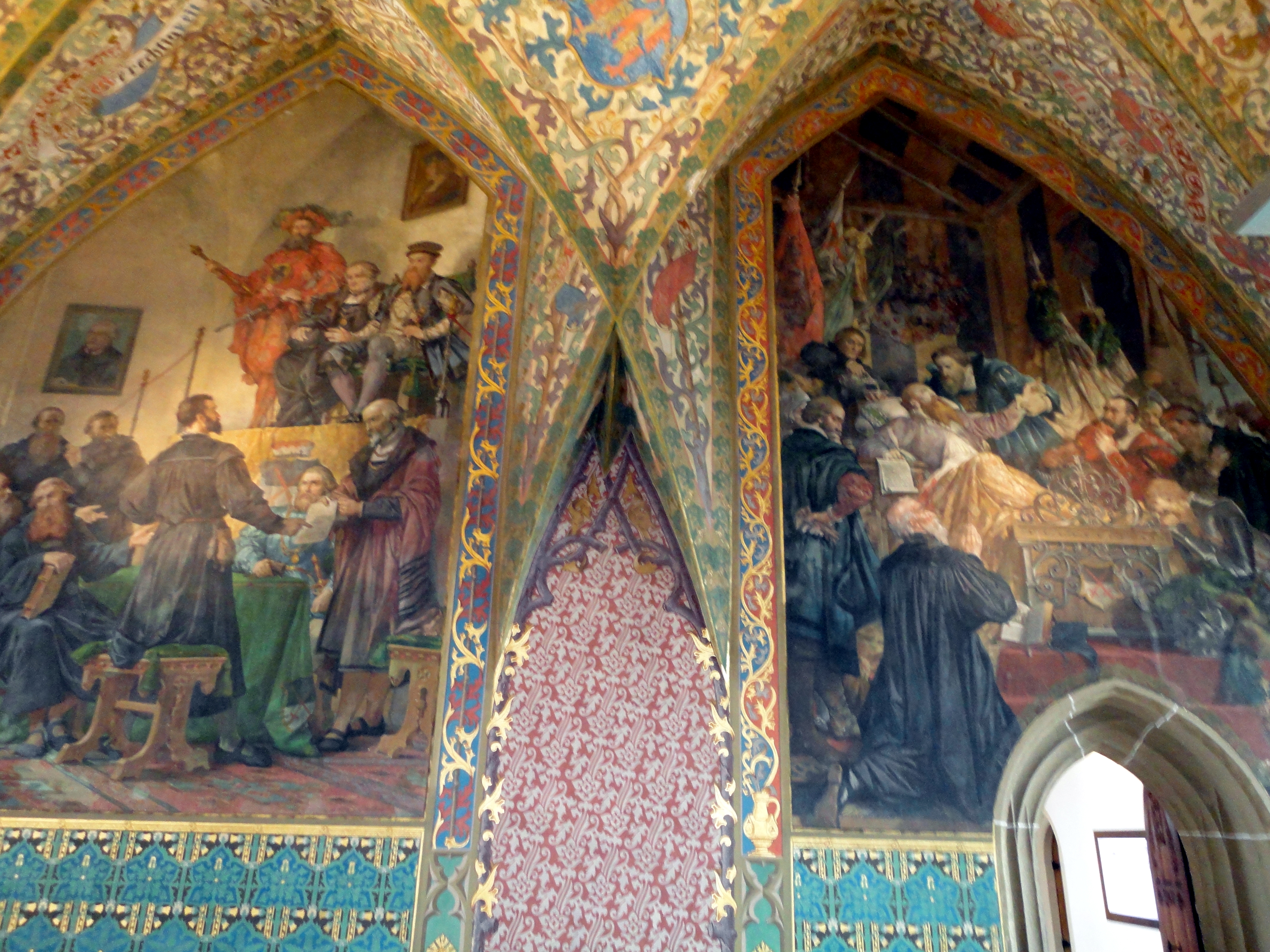
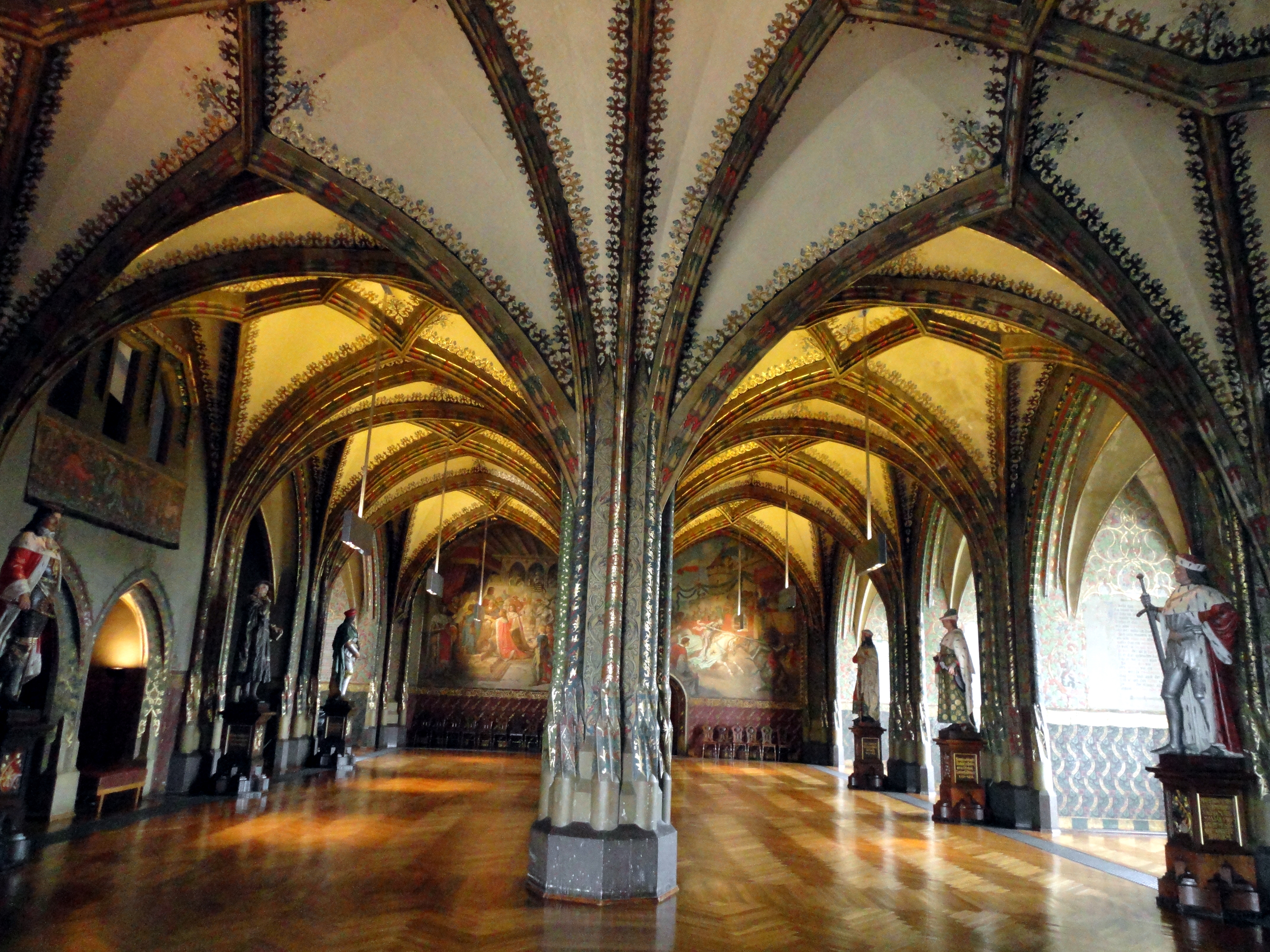
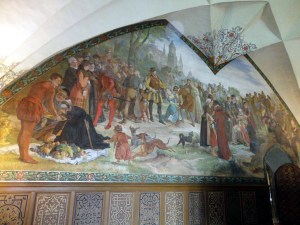 Some views from inside the Castle which is a museum now.
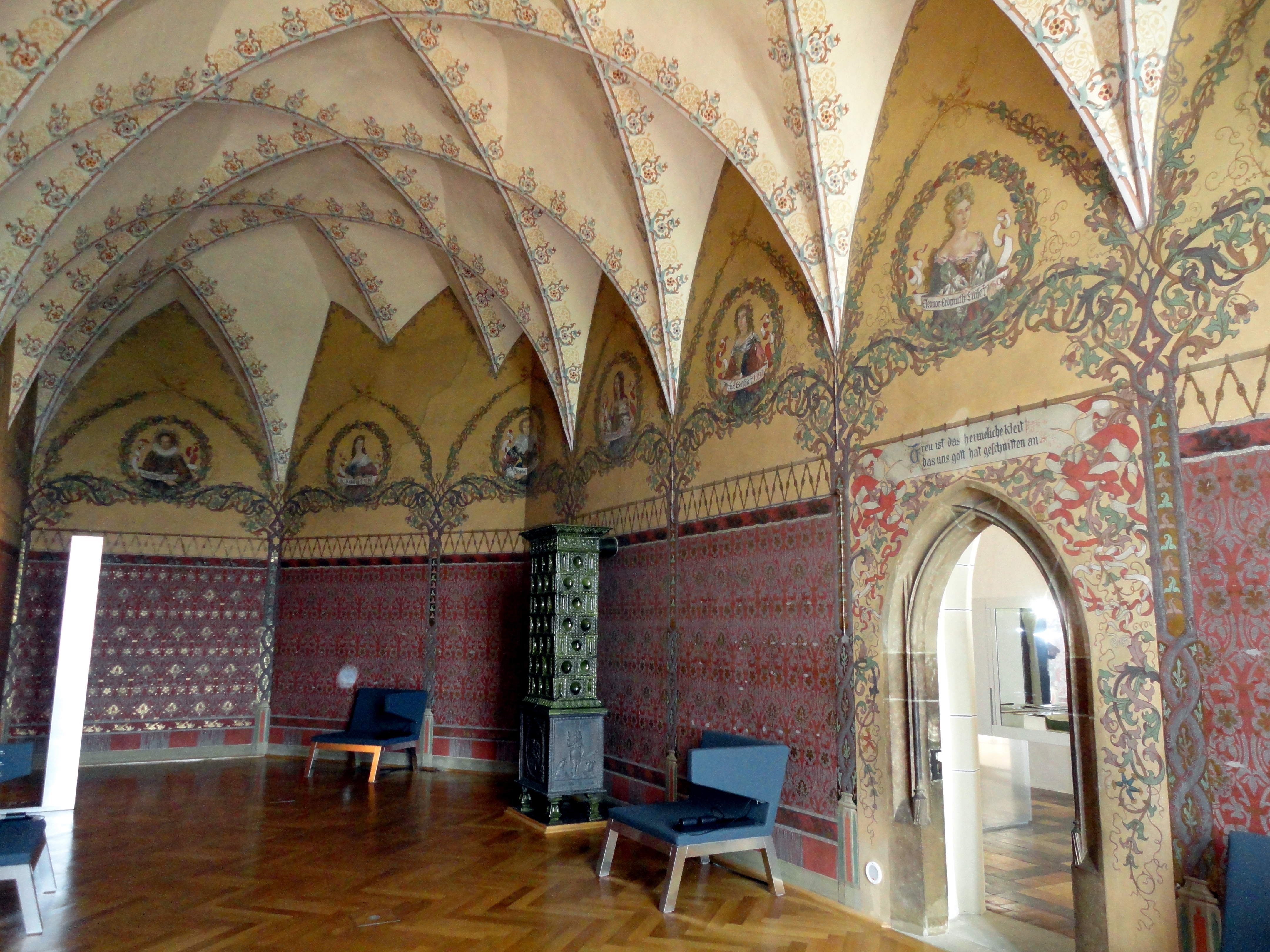
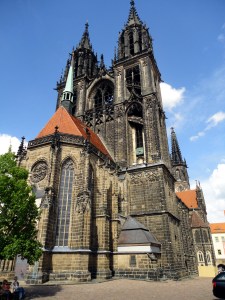
The construction of the adjacent Gothic cathedral was started in 1260. In 1425 the Prince’s Chapel was added as the burial place of the House of Wettin. The twin steeples were not attached until 1909. In 1581 the Meissen diocese was dissolved during the Protestant Reformation. Since 1979 the cathedral has belonged to the diocese Dresden-Meißen.
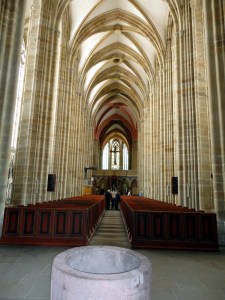
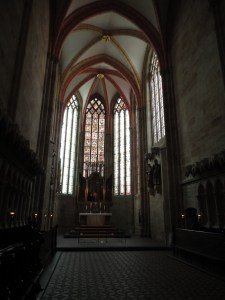
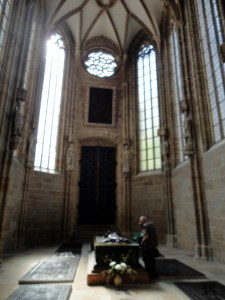 Inside the Gothic Cathedral, the nave, tuftstone and altar. Far right the Prince’s Chapel with bronze grave slabs.
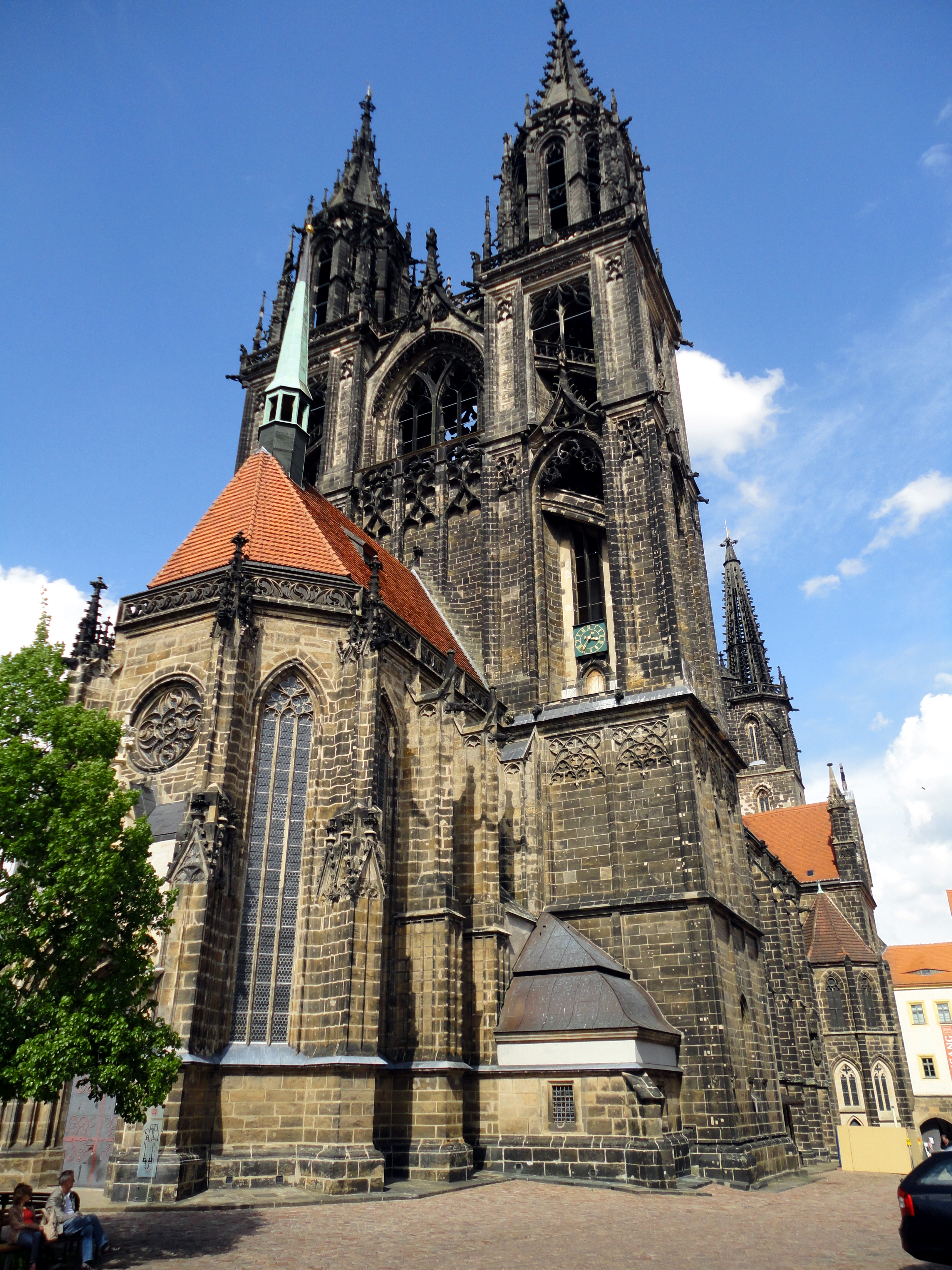
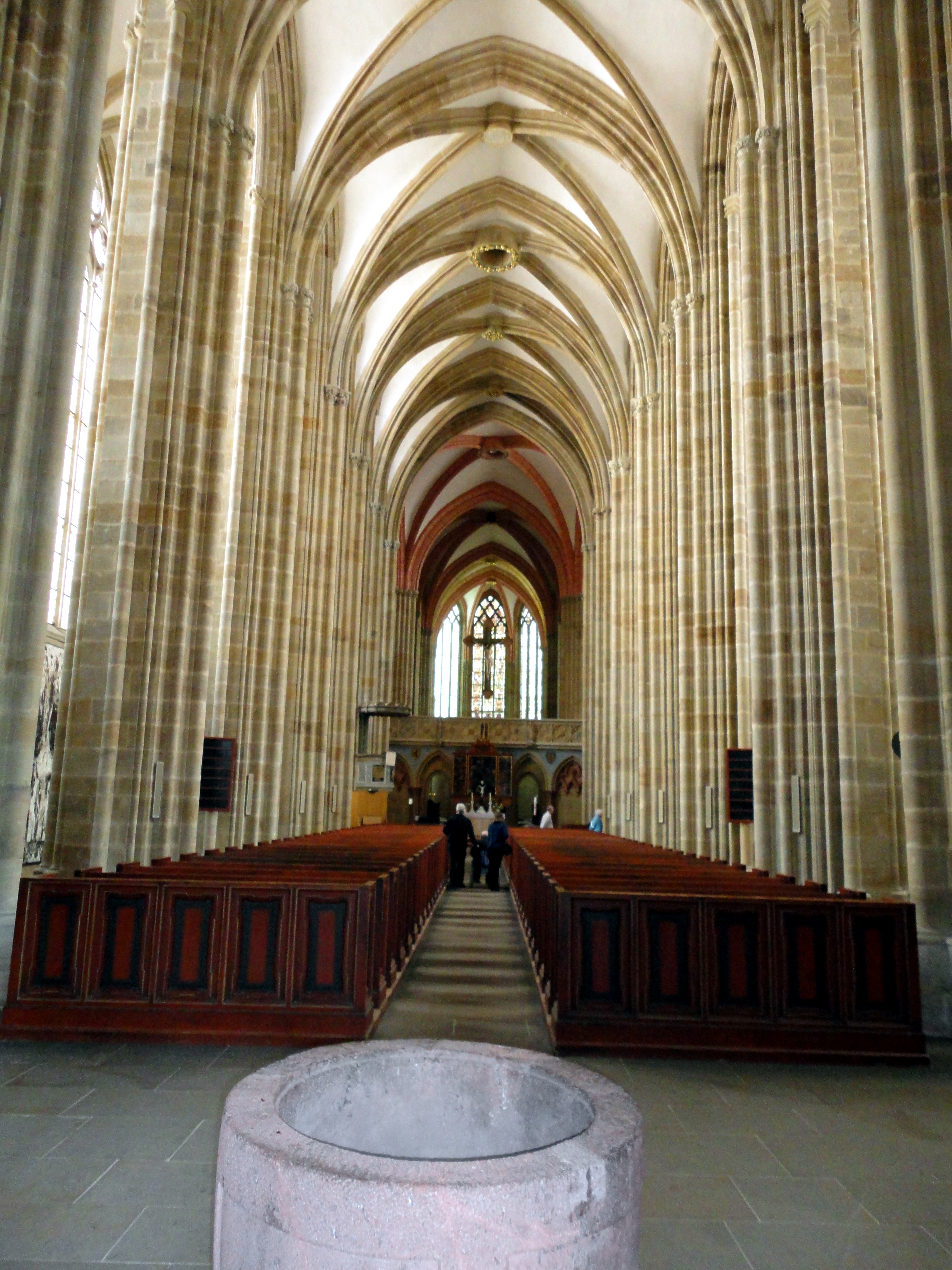
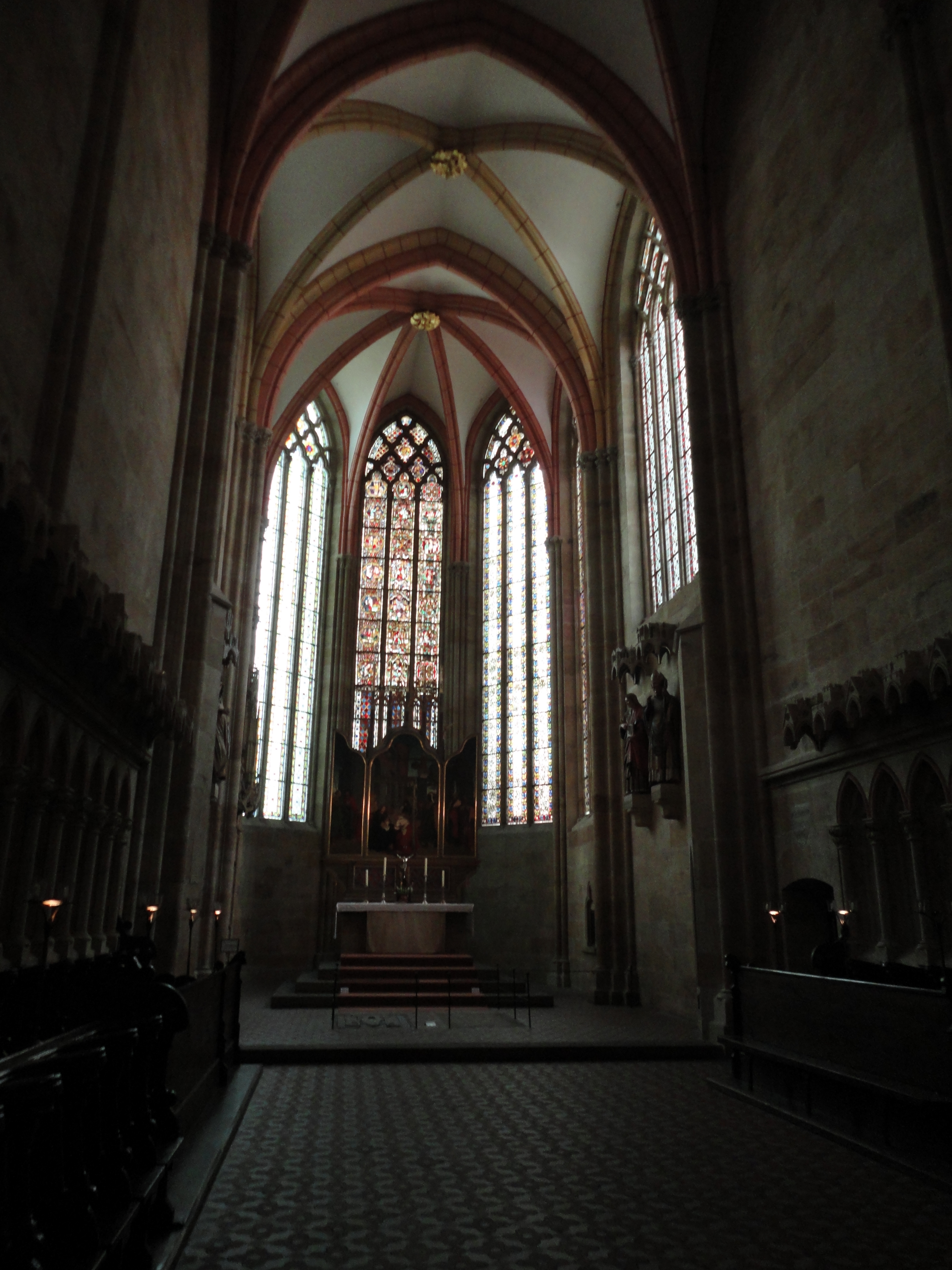
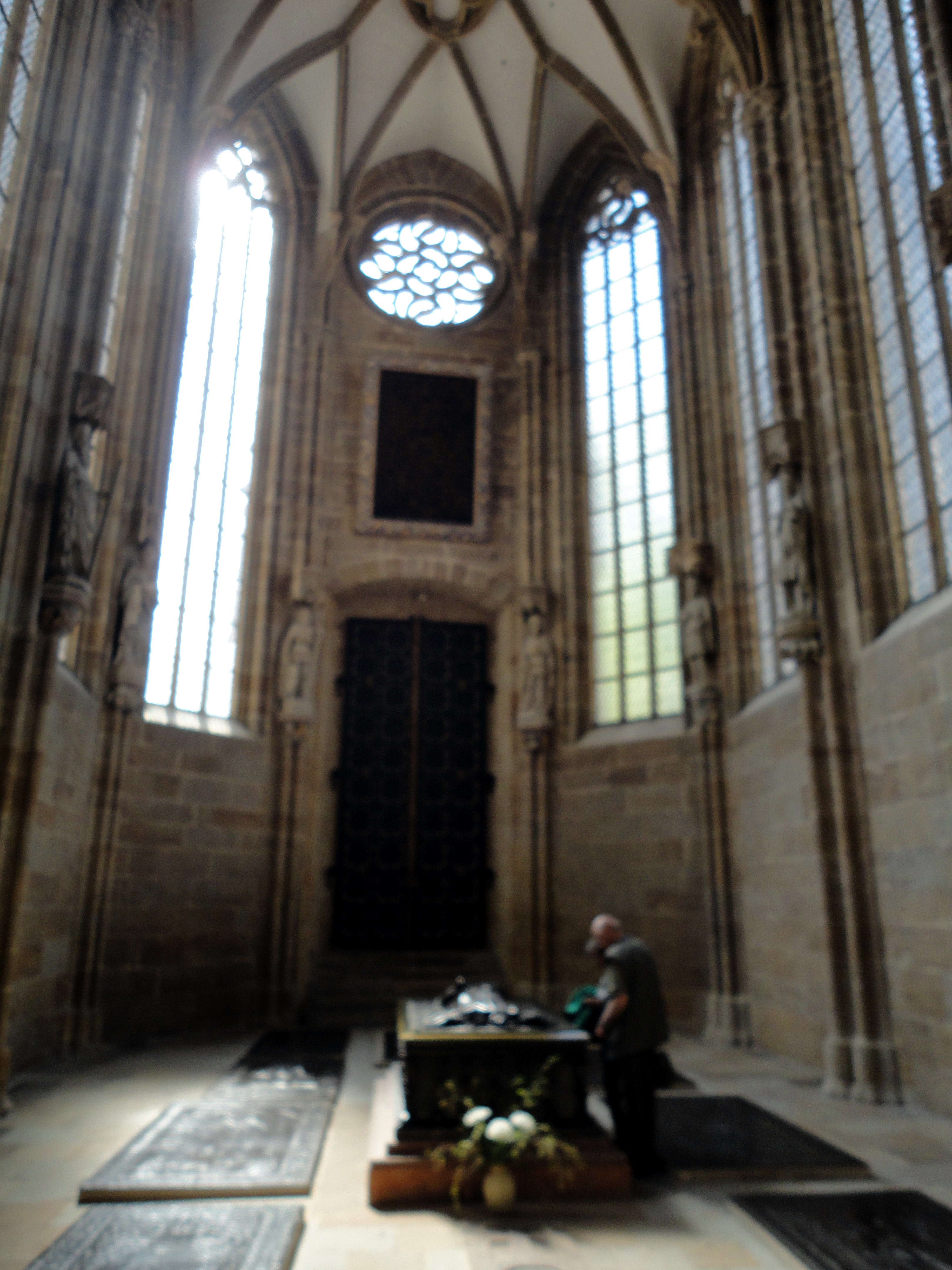
Both, the Albrechtsburg as well as the cathedral, have been elaborately restored and amaze the visitor by their magnificence and grandeur.
The Albrechtsburg is now a museum, presenting itself in royal splendor and providing the perfect frame for the exhibited masterpieces of Meissen porcelain.
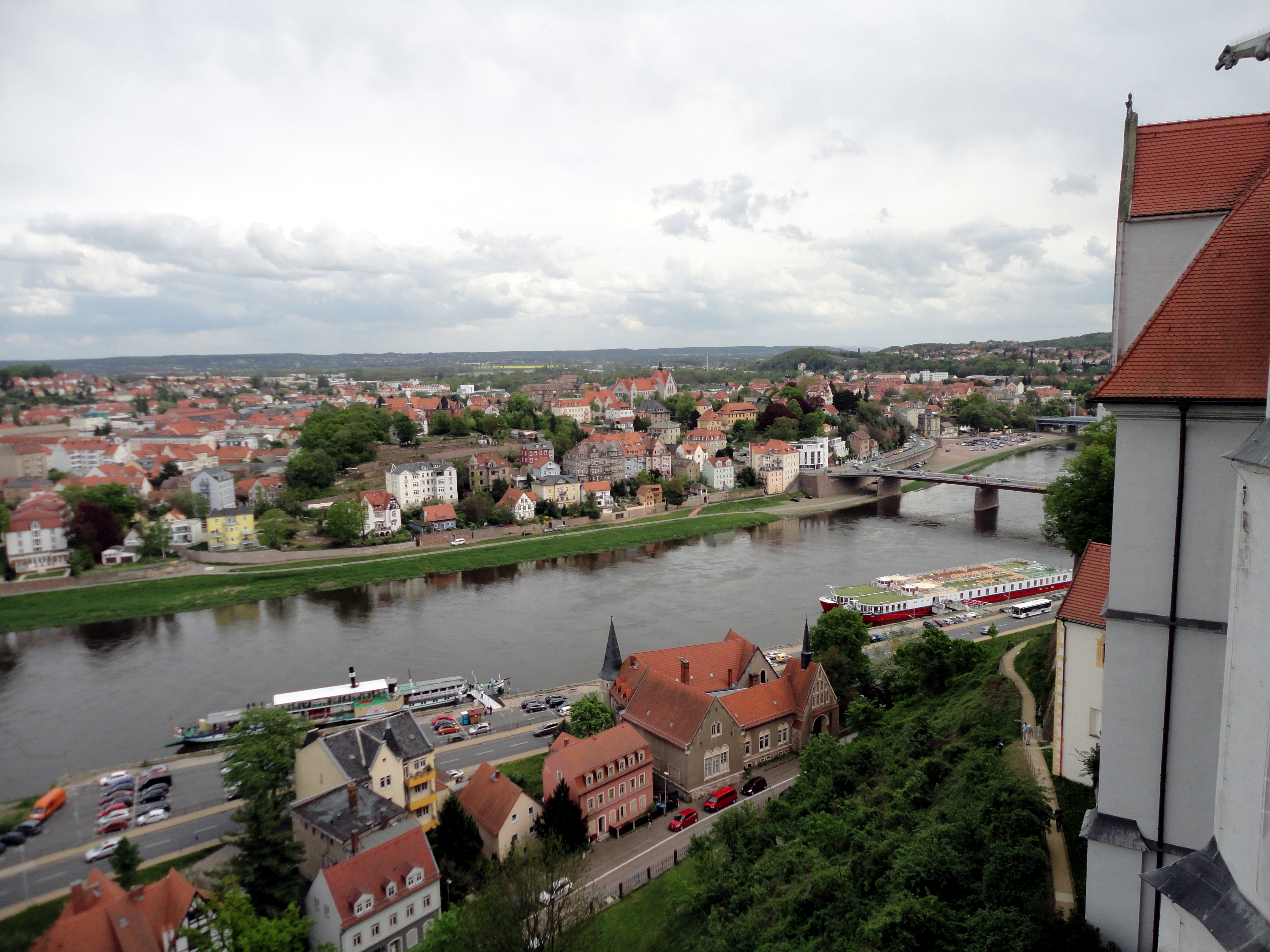
 From the 5th floor one will have a great view over the river Elbe and parts of the city. The pink arrow shows the „Hotel Faehrhaus“ I was staying. Out of my room window magnificent views onto the castle hill. See down here.
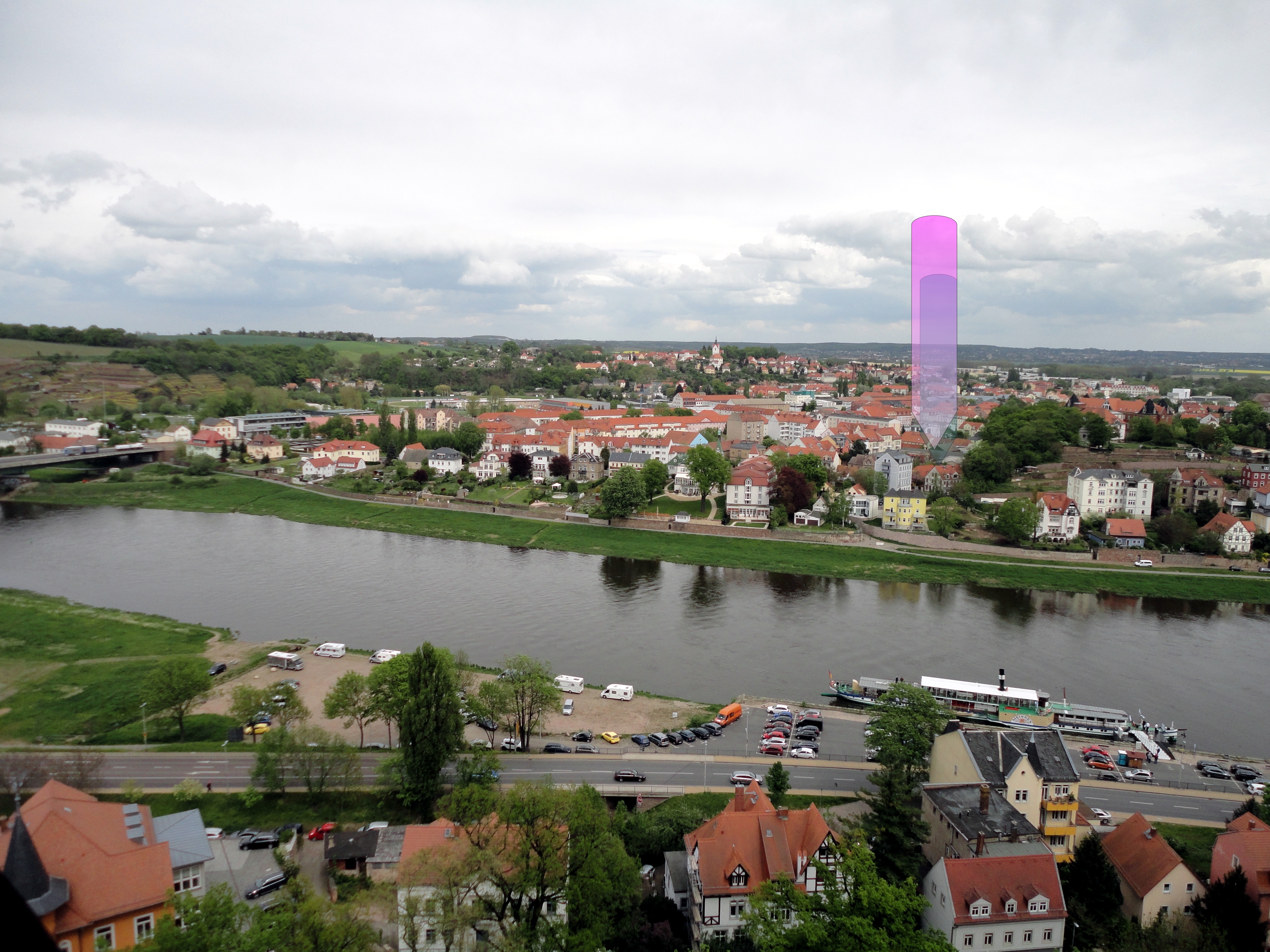
 Beautiful illumination during the night. View out of my hotel room window at the Faehrhaus. I stayed here in springtime when the Magnolia trees were in full blossom. See hotel description further down.
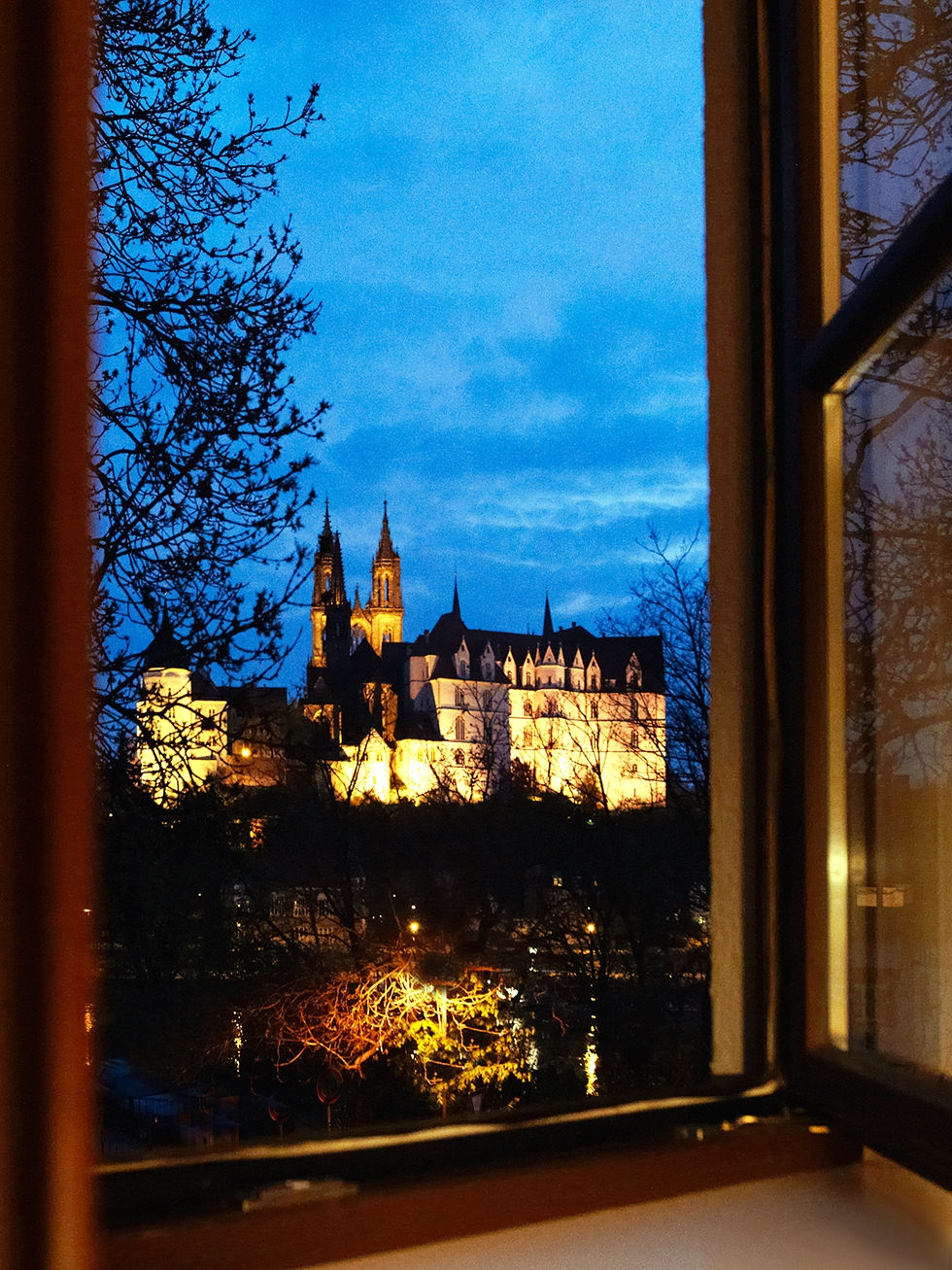
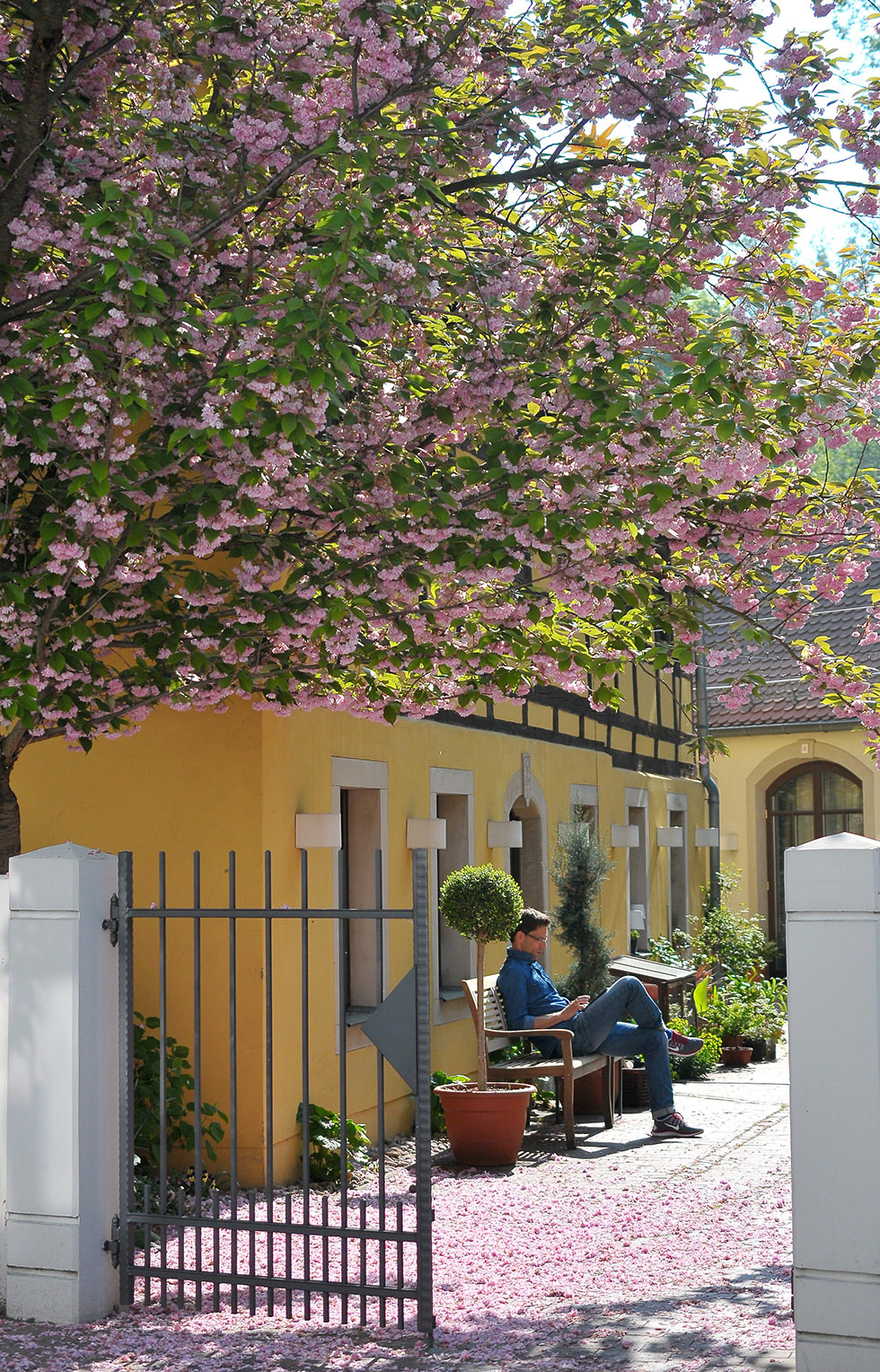
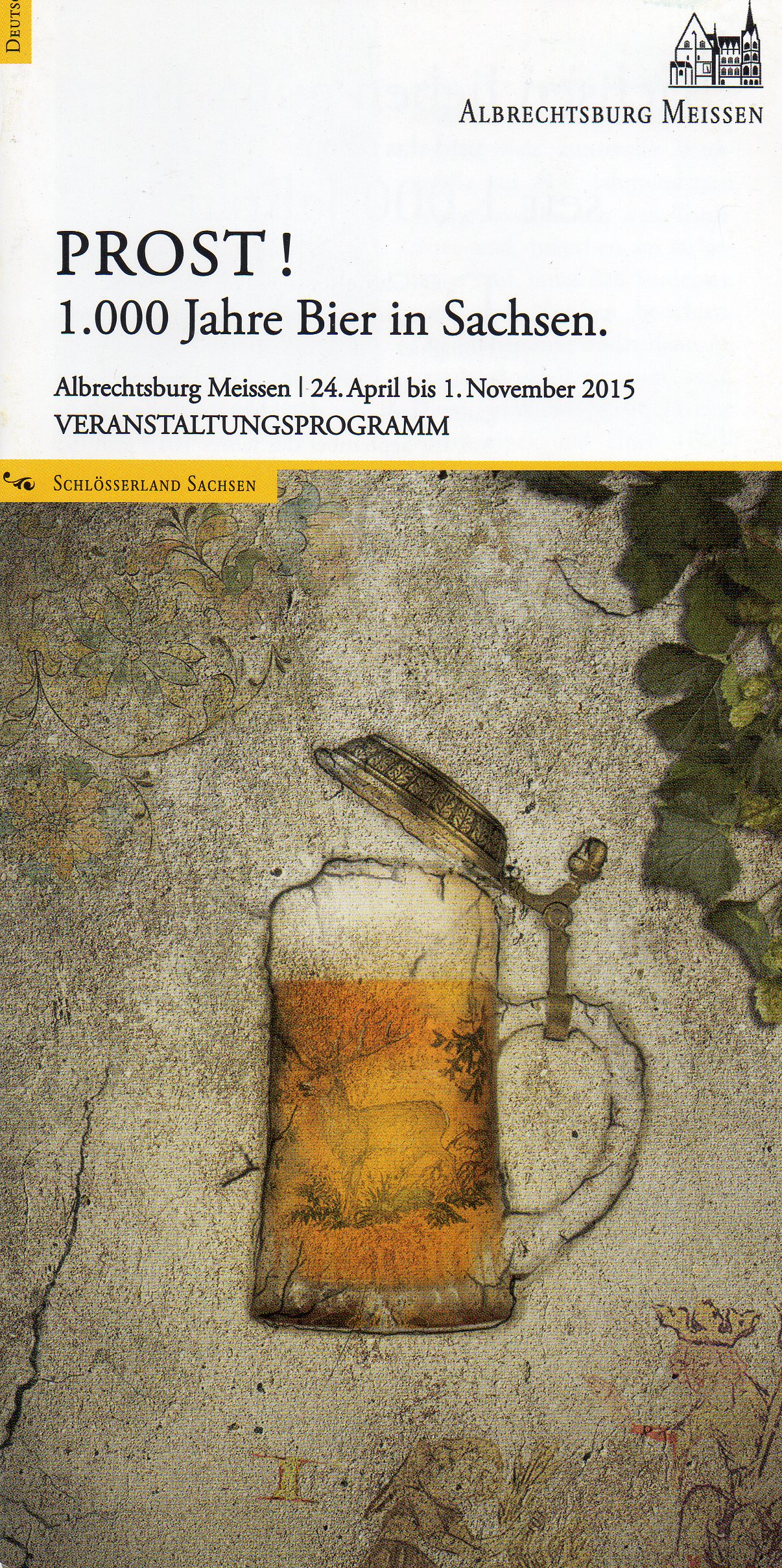
 When I was there it was an exhibition on in the Albrechtsburg about „1000 years of beer in Saxony“ – with free tastings – HA, lucky me !!
After climbing the castle hill and climbing all 5 floors of the castle and walking miles through all the beautiful exhibitions with beer tasting and more, I decided to have a coffee and cake at the castle cafe. Mouthwatering cakes shown in a handwritten menu. They have a similar menu for ice cream See the table decoration just for one person, the candle was lit from a friendly girl just after I took the pics. All together 6,40 euro.
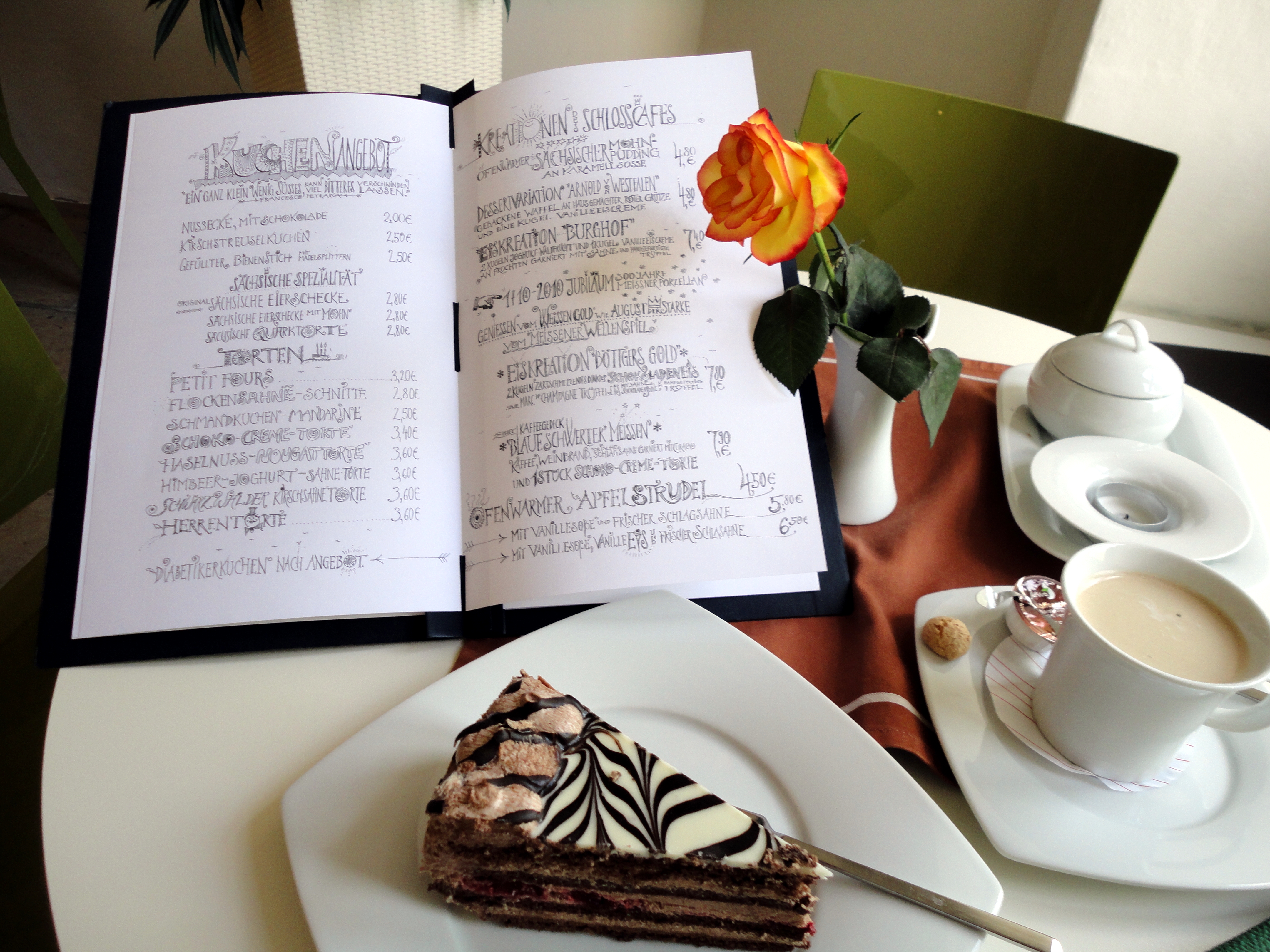
Don’t worry, I won’t complain about lifestyle and sales manners etc. in Uruguay, just comparing, in Punta del Este we got a loveless thrown piece of cake on an ugly table for US$ 10,– plus US$ 4,50 for the coffee. BUT – we were sitting across the harbor, ja ja !!
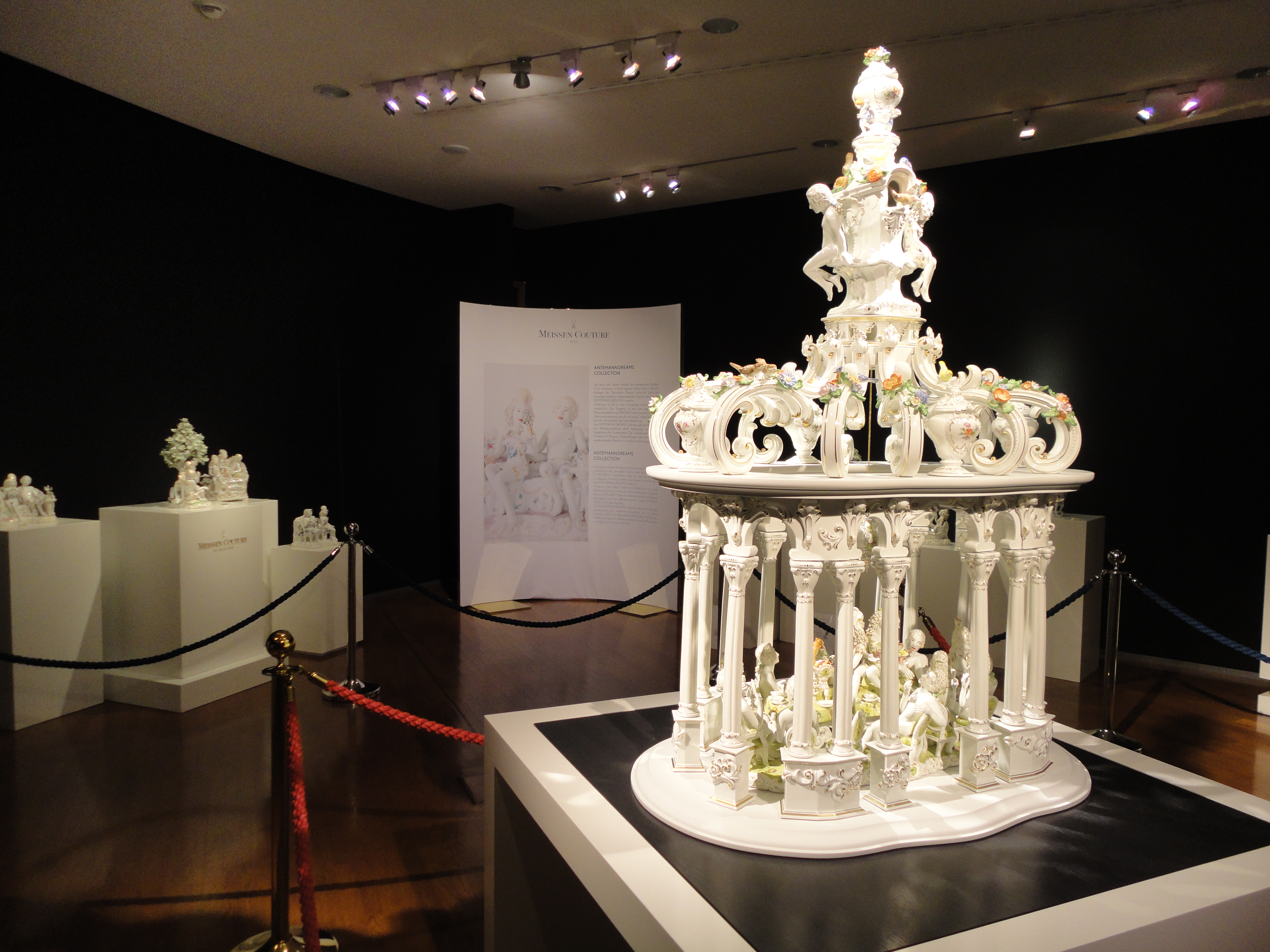
 This is how they advertised Meissner Porcelain in earlier centuries. Massive pieces of art and craftsmanship.
Meissen Porcelain.
In 2010 the Meissen porcelain factory celebrated its 300th anniversary of founding.
1710 King Augustus the Strong established the first European hard-paste porcelain factory at Castle Albrechtsburg. That was short after the mathematician and physicist Ehrenfried Walther Graf von Tschirnhaus and the alchemist Johann Friedrich Boettger in 1708 had succeeded in manufacturing the first white European porcelain . The invention of the „White Gold“ was of great significance, in particular with regard to the Chinese monopoly in this market.
 This is how they advertise Meissner Porcelain today. For sure also a nice piece of art and craftsmanship.

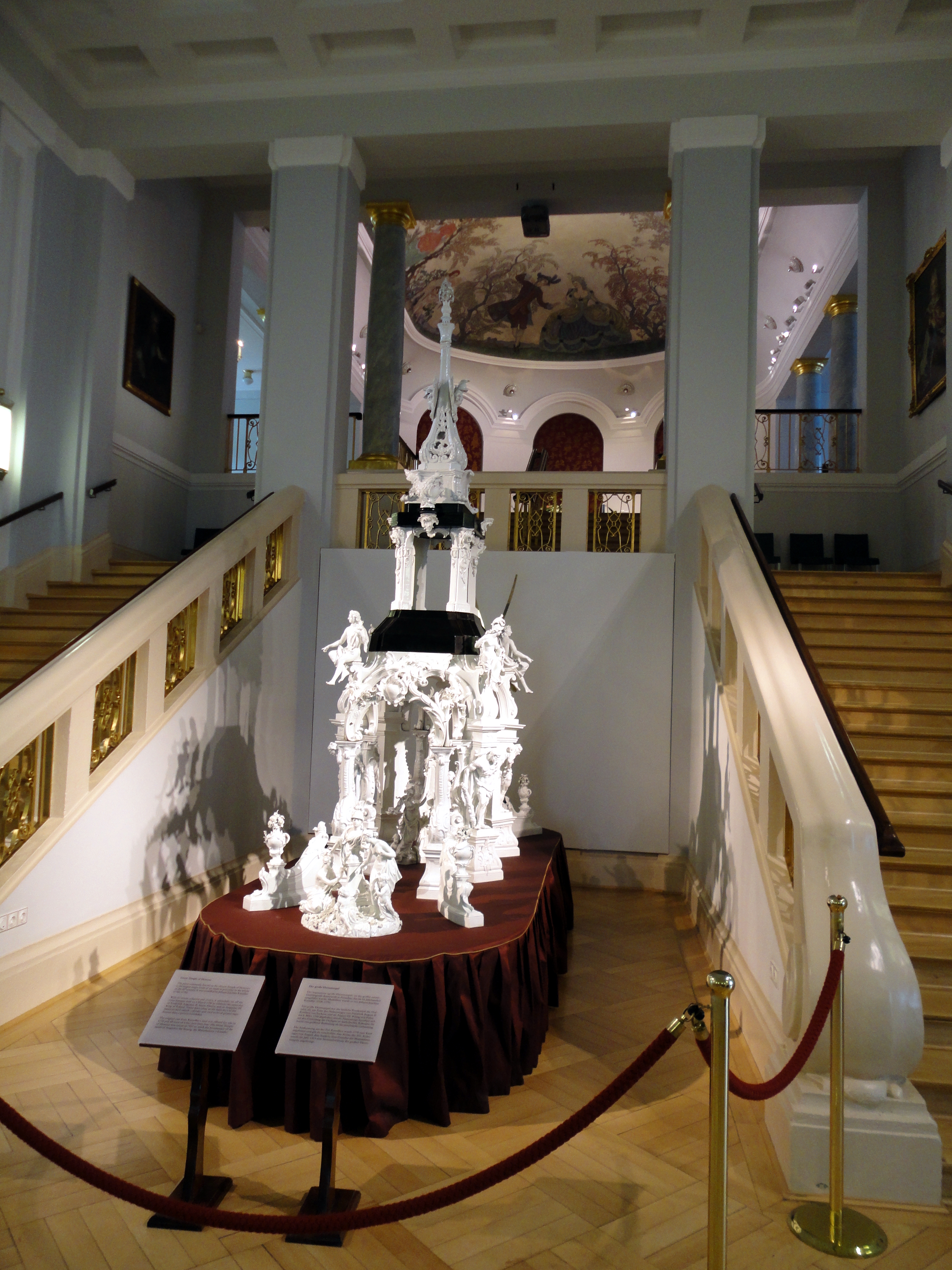
Meissen porcelain was produced at the Albrechtsburg until the manufacture in 1863 moved to its present location at the Talstrasse in the very heart of the city. The exhibition hall presents a superb reflection on three centuries of porcelain manufactured by hand, including the porcelain made for Catherine the Great of Russia, the famous 3,5 m high (11,5 ft) centerpiece for the dining table of King Augustus III, as well as contemporary porcelain art.
 The 3,50 meter centerpiece for King Augustus III.
Most interesting are also the demonstration workshops, where one can watch, how Meissen porcelain is designed and manufactured by hand, still today. Its signature logo, the crossed swords, was introduced in 1720 to protect its production. It is one of the oldest trademarks in existence.
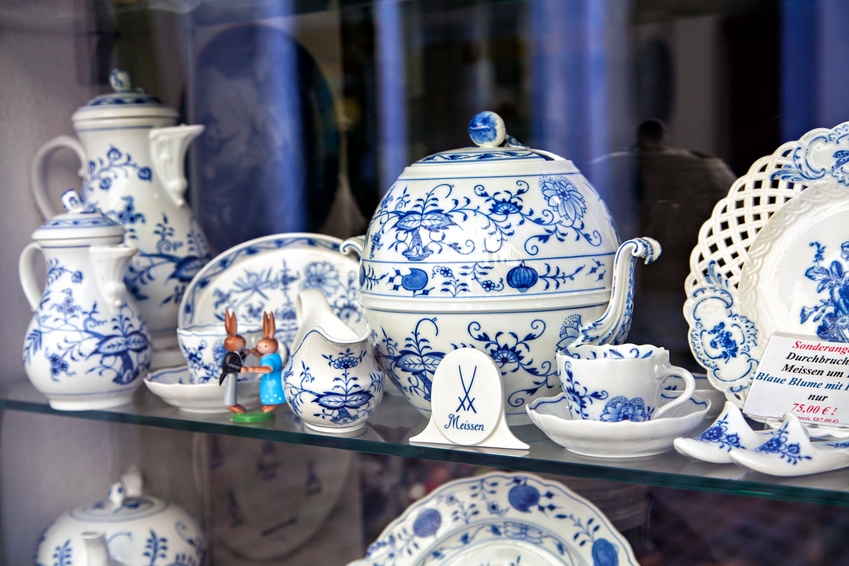
 The „White Gold“ of Meissen, to find allover the city.
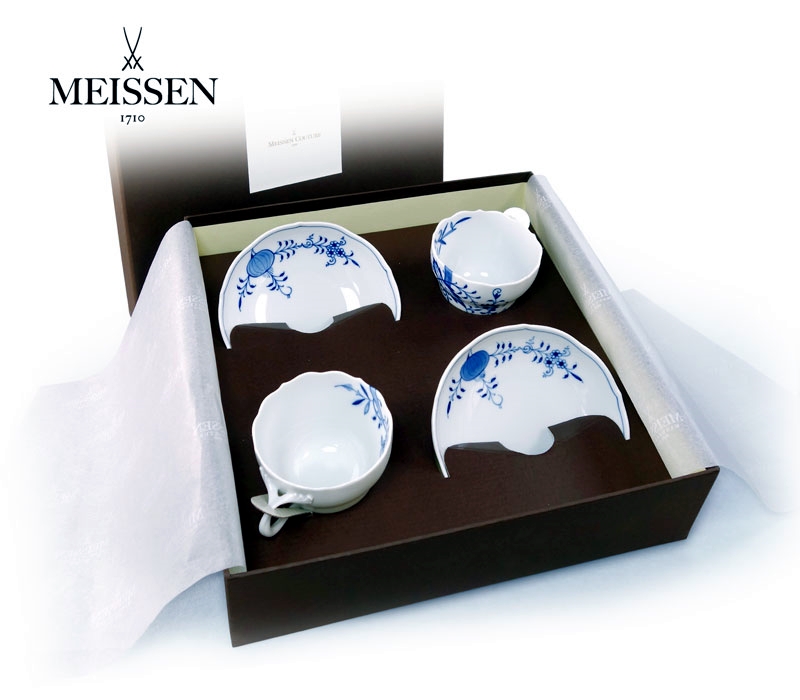
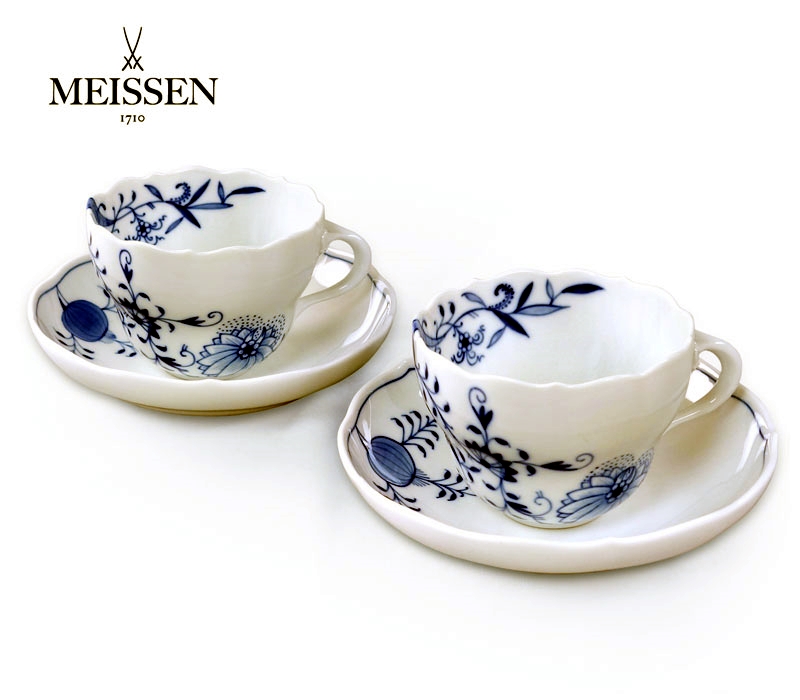
Filigree coffee-cups and saucers made of Original Meissen porcelain.
In the edge and in the surface wonderful waves are incorporated. You can see flourish on the cup handle. A fine gift for enthusiasts! Just 299,– euro the set of 2 cups.
In the course of constitutional renewal of state property, the company called in 1918 „Staatliche Porzellan-Manufaktur Meissen“. In the GDR, the factory was a state-owned enterprise. Since 26 June 1991, trading as „Staatliche Porzellan-Manufaktur Meissen GmbH“, whose shareholder is the Free State of Saxony. The world’s leading porcelain manufacturer is one of the most internationally renowned German luxury brands. The symbol for the Manufacture, the crossed swords have become.
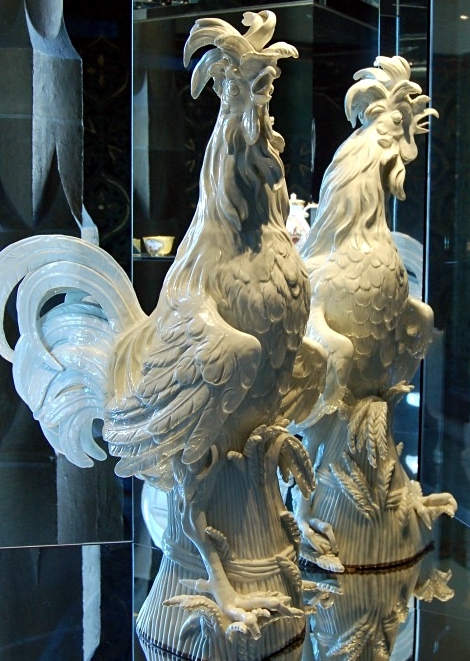
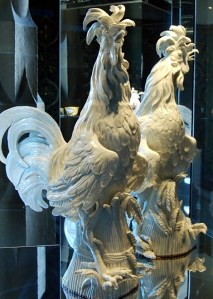 Over one meter high, a massive porcelain cock build for the 300 year anniversary of Meissner Porcelain (1710 – 2010). Now to see in the city museum.
Meissner Fummel.
„Meissen fummel“ is an air-filled pastry made in the city of Meissen since the early 1700’s. Another product made in the same region is the Dresden fruit loaf (Dresdner Stollen). See my post „Christmas Stollen – DIY“ from November 2014.
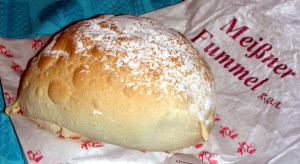
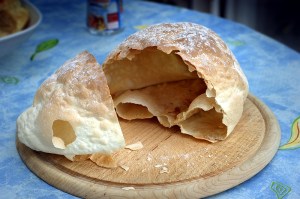 Meissner Fummel, out- and inside. Taste – like nothing, but a nice souvenir, if you get it home intact.
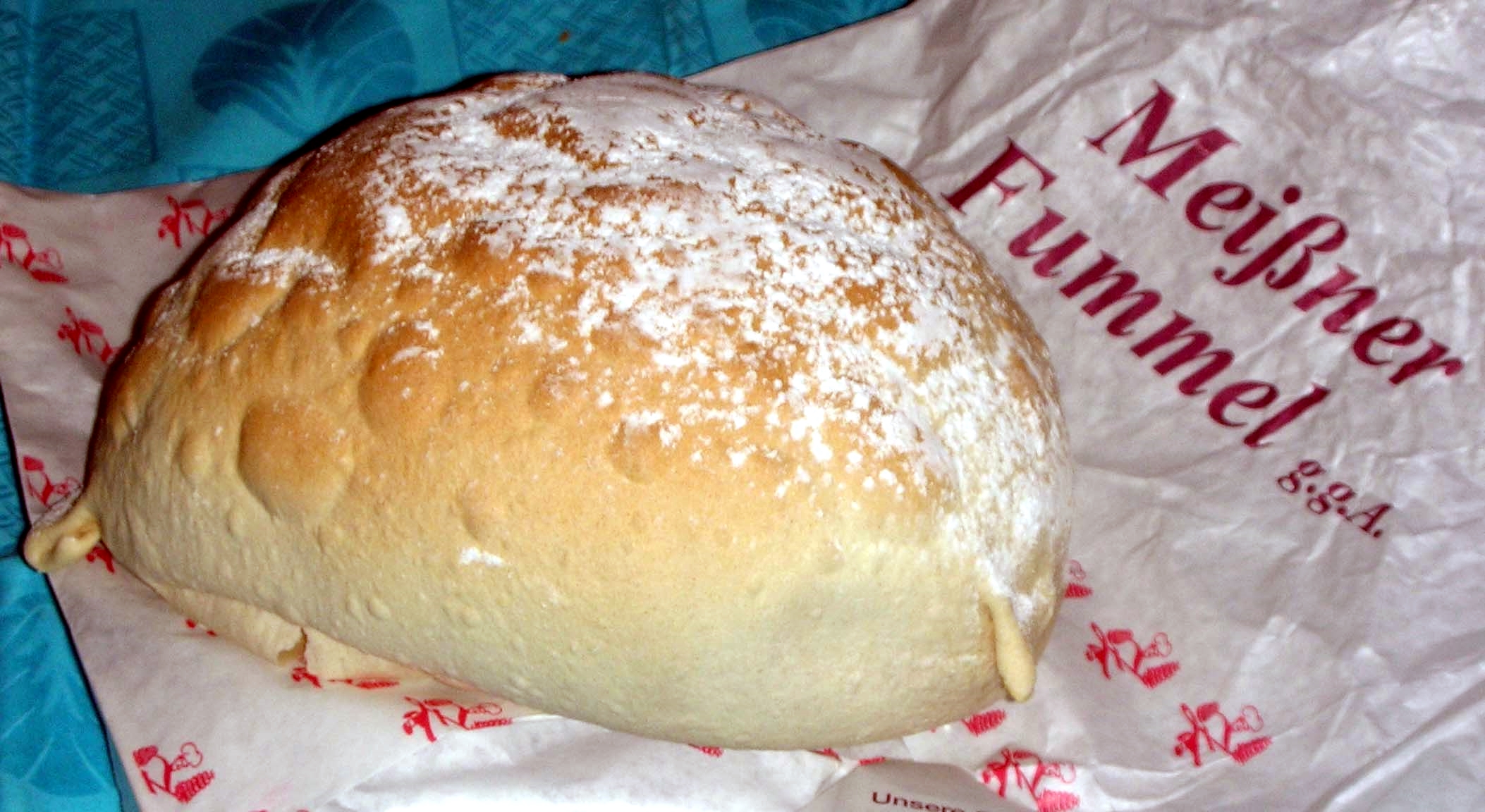
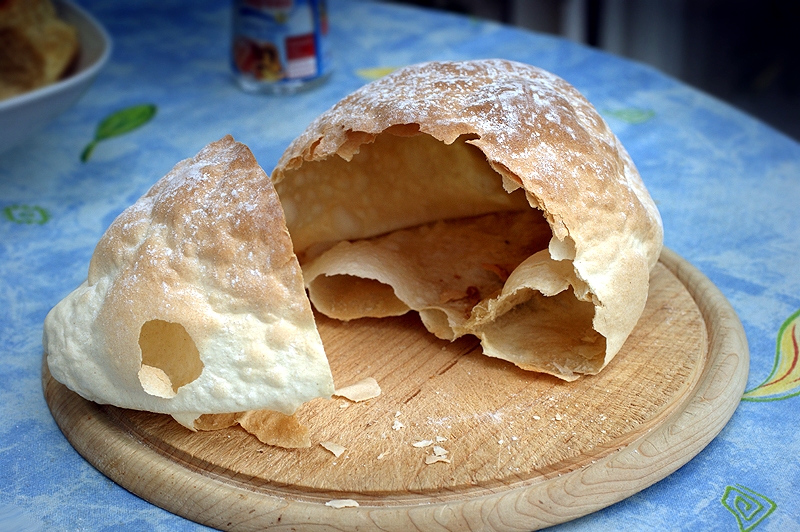
The „Meissen fummel“ has the shape of a small loaf with a very thin, easily breakable crust. It is made of 50 grams of fat, 50 grams of butter, flour and salt. To form each pastry, one piece of firm dough that weighs between 50 and 100 grams is rolled out. Half of it is moistened with water or egg and the other half is folded over. The edges are pressed firmly together and air is blown in with a straw. The pastry is baked at 240°C for three minutes.
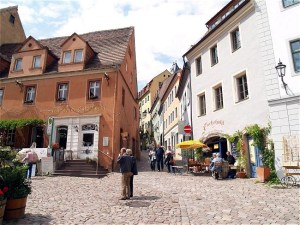 Famous Meissner bakery „Zieger“ , baking Fummel. Just across the restaurant „Fuchshoel“ ( this pic taken before the owner changed to an Indian restaurant, see further down). One will come along here if you walk between central market place and Albrechts Castle.
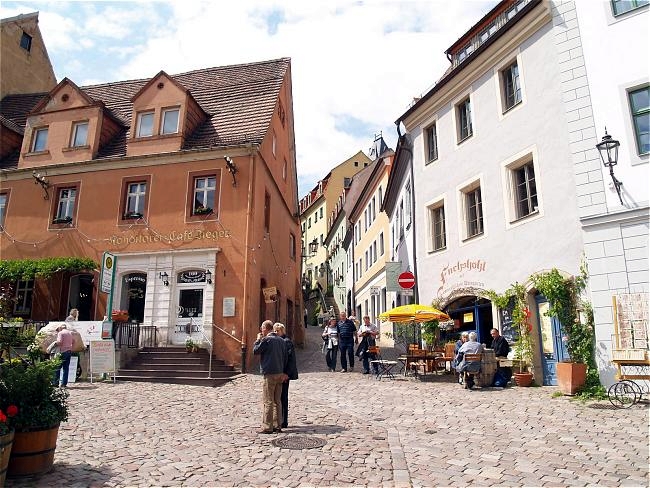
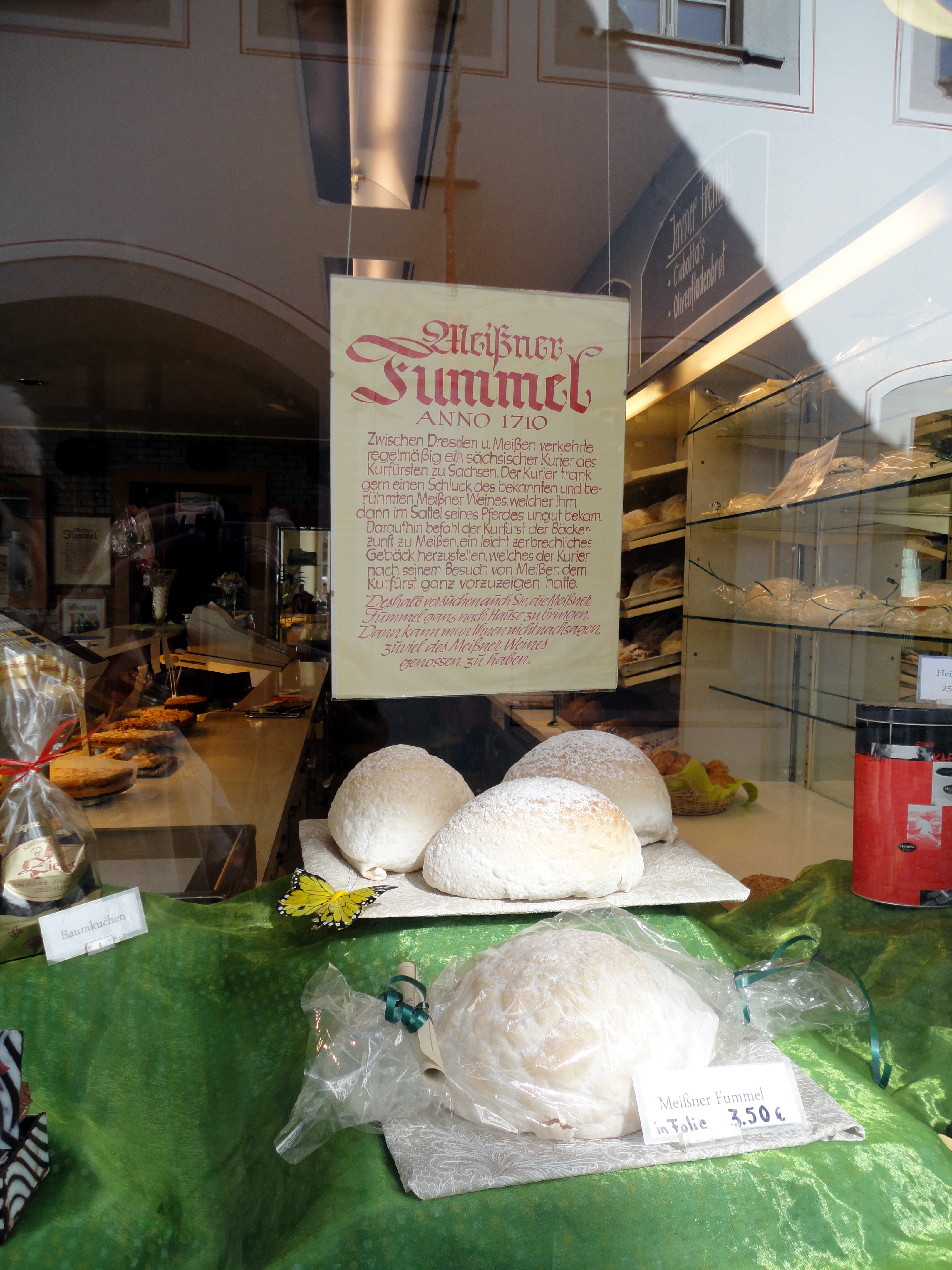
Legend has it that the easily breakable pastry was invented in the early 1700s to prevent a royal messenger from enjoying too much of Meissen’s wine. After drinking, the messenger broke to often the delicate porcelain he had to deliver. The Elector of Saxony, August der Starke, ordered the city’s bakers‘ guild to make a fragile pastry, which the messenger also had to carry and had to present to the Elector intact every time after returning to Dresden.
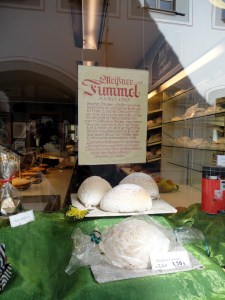 Cafe and bakery Zieger , window display with Meissner Fummel.
City museum.
The city museum is not only located in the best part of the inner city, but you will also find it in a very special building: the former Franciscan monastery church at the Heinrichsplatz. Since the conversion into a museum exhibition hall, precious exhibits from the last 1,000 years of the city’s history have been presented, for example, the largest and oldest wine press of Saxony or the last existing Elbe River fishing boat.
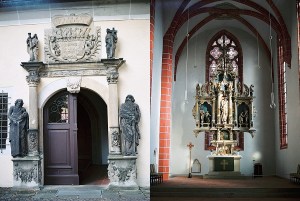 Entry and altar of the cathedral, now the museum.
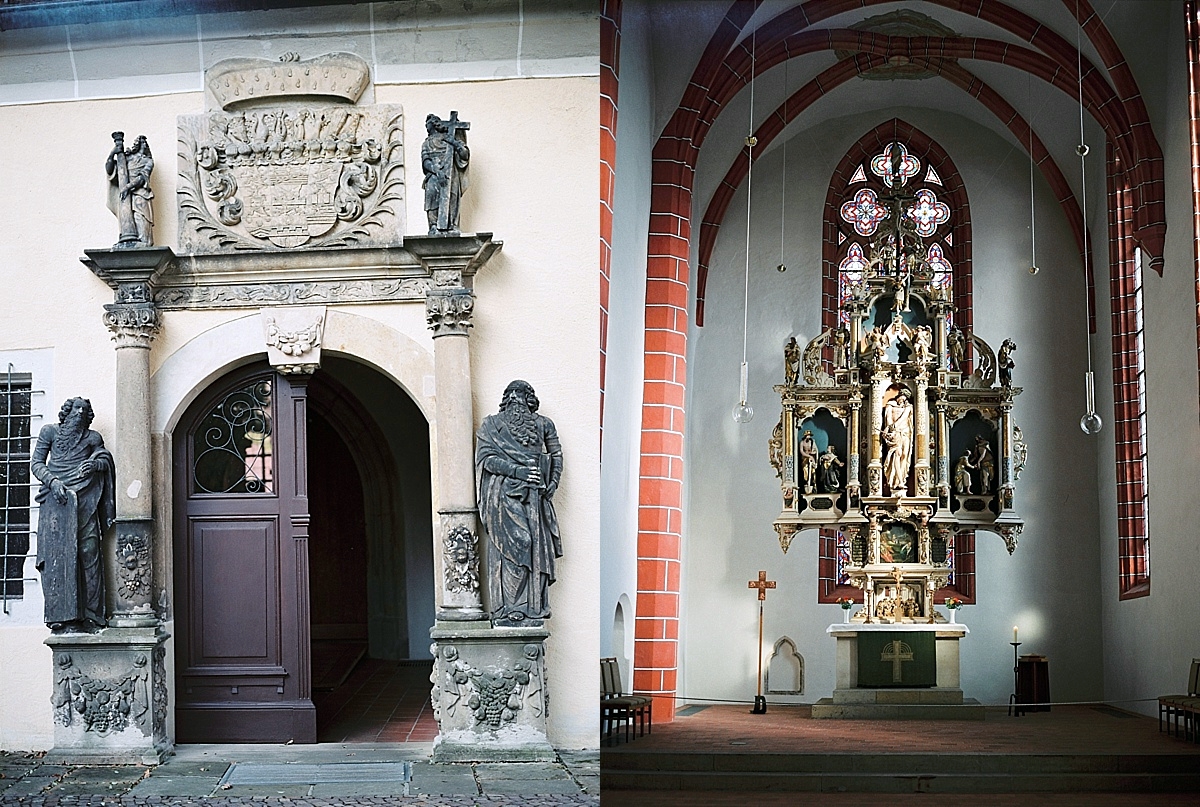
Different special exhibitions have focused on interesting details of the Meissen history. For example, an additional exhibition shows the development of the city to a German stronghold of porcelain production. Another example is the construction of the Cathedral’s towers 100 years ago.
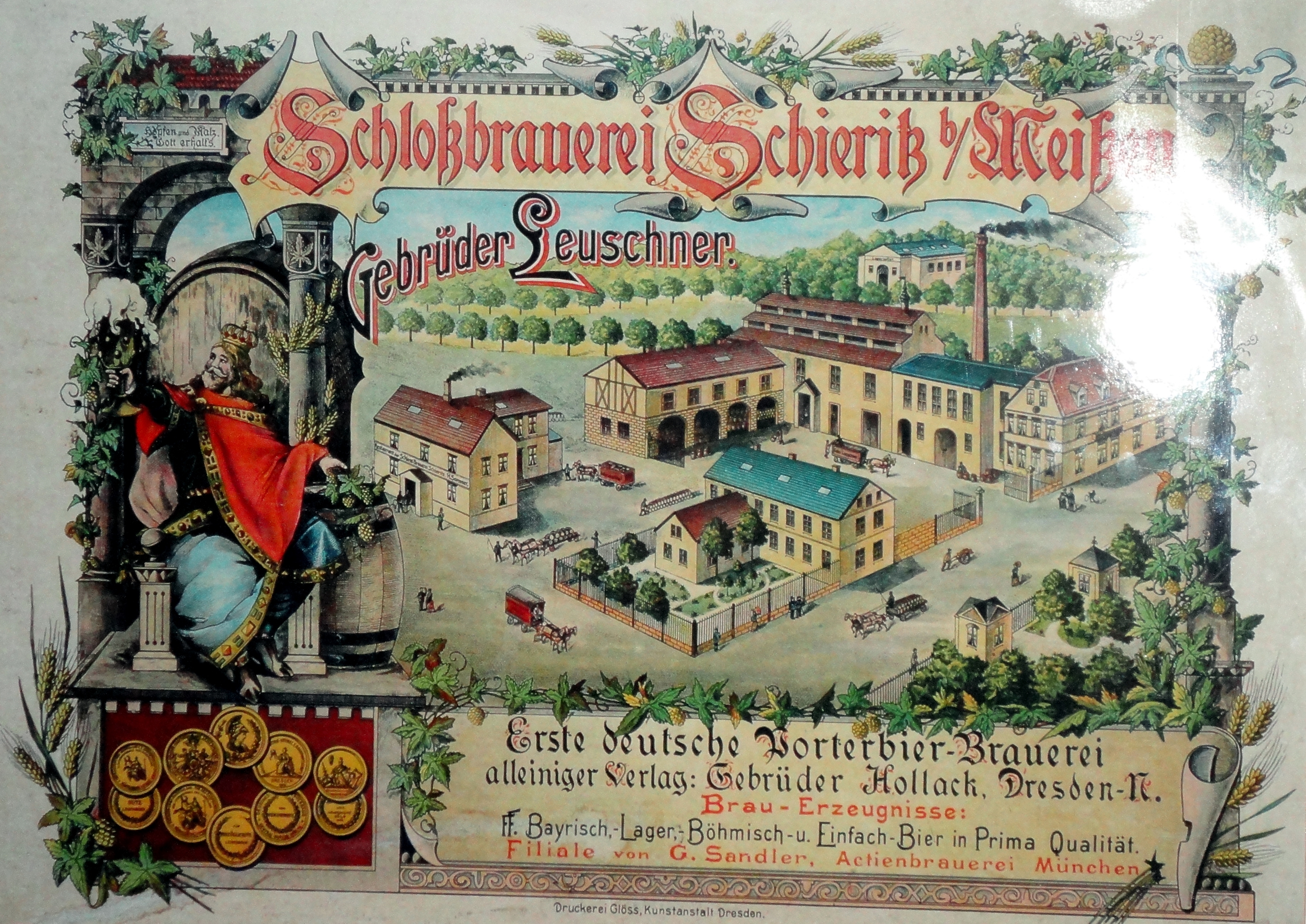
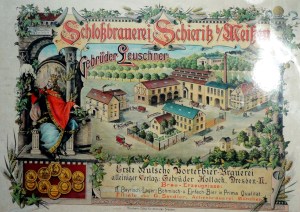 The first German Porter Beer Brewery, Schieritz-Meissen. Beautiful lithographic poster from around 1870.
Wine and Dine in Meissen.
There are many Hotels and Motels to stay over. I won’t go into details. The one I choose was the Hotel Faerhaus on the other side of the river Elbe, next to Ohm’s Parkhotel. But the Faehrhaus is a Garni only and has no restaurant, except Breakfast of course.
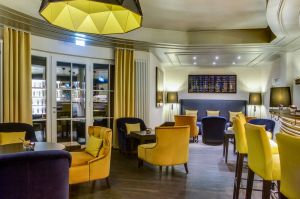
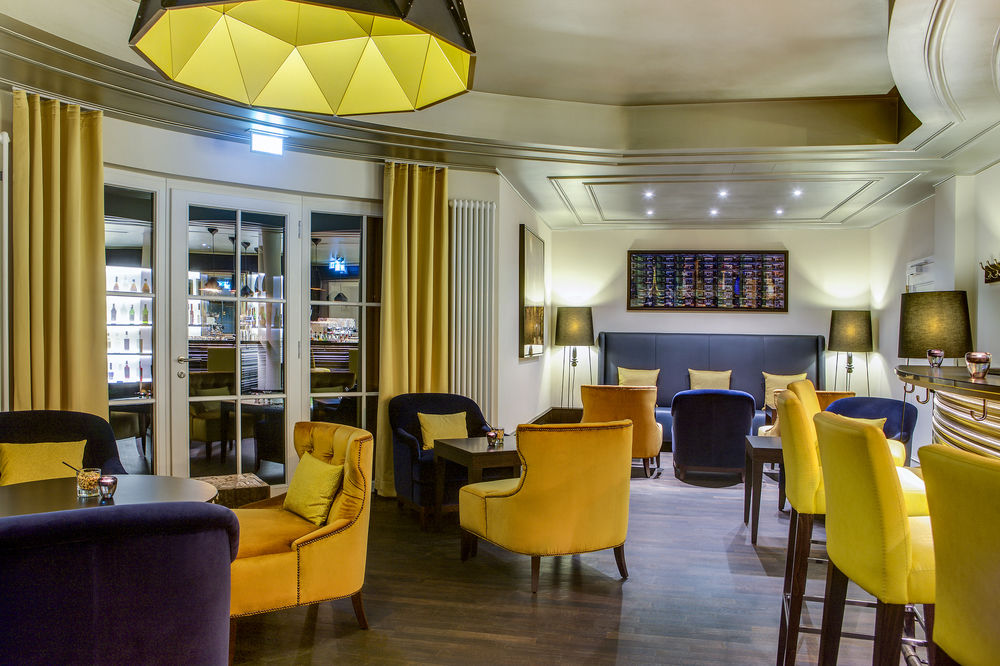
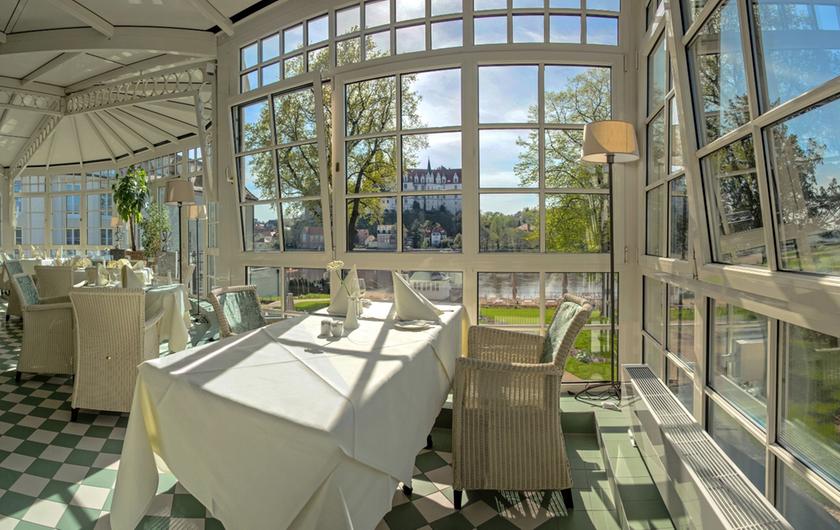
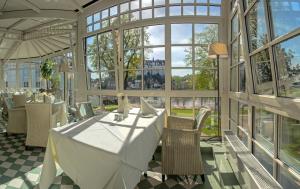 Lobby bar and winter garden restaurant at Ohm’s Parkhotel. Very nice design and a magnificent view onto river and castle hill. But meals were average, better ones are available in various city restaurants. And not as expensive.
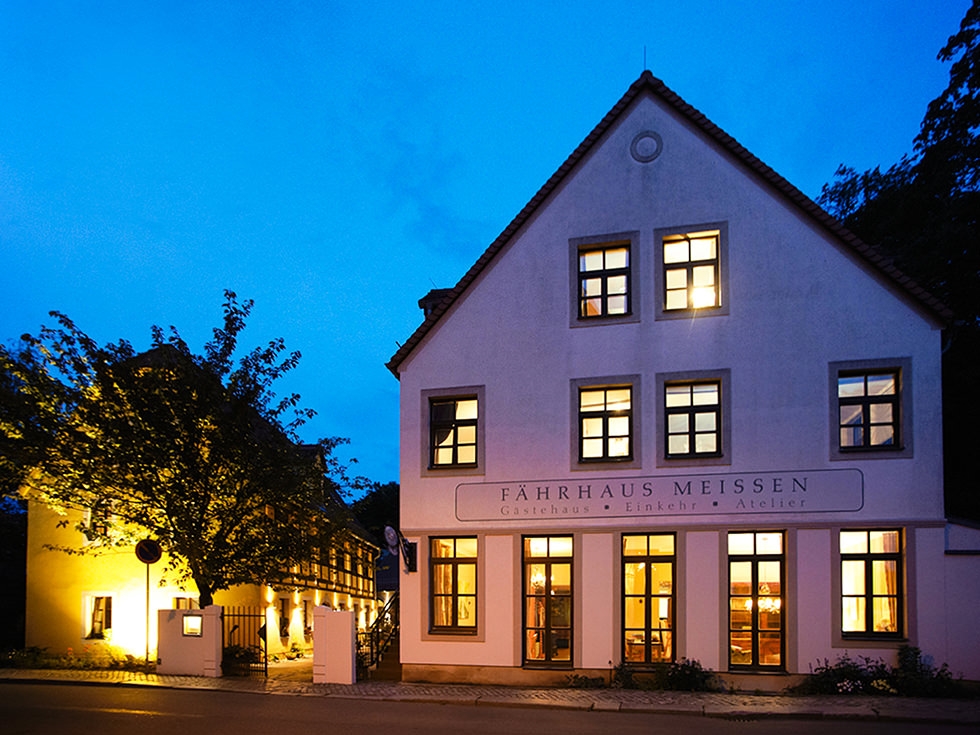
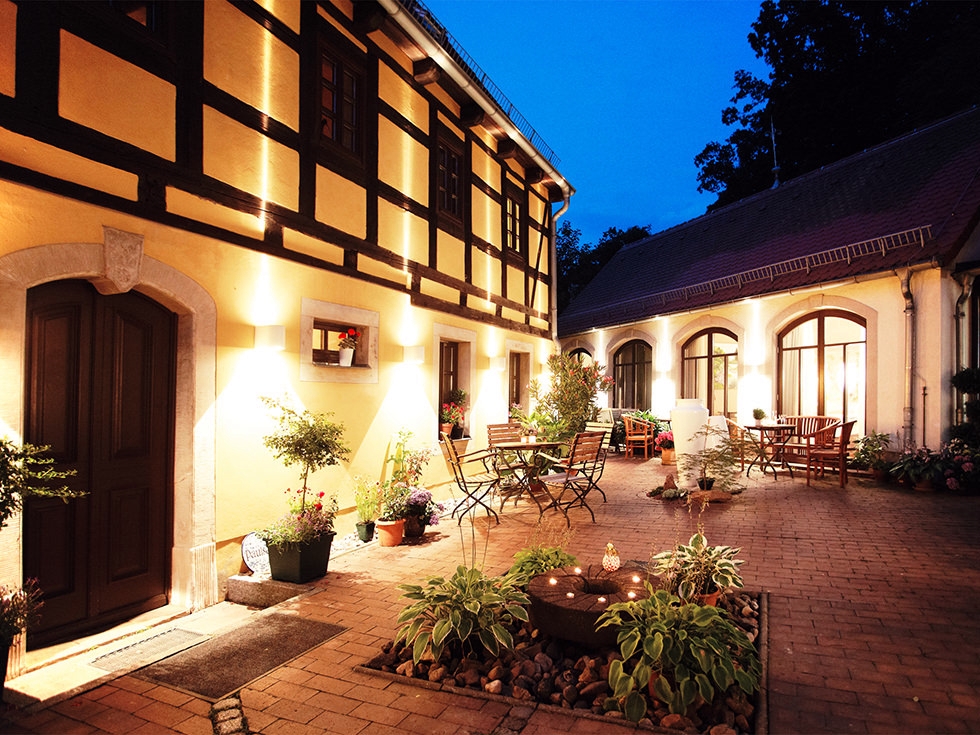
Hotel Faerhaus Meissen.
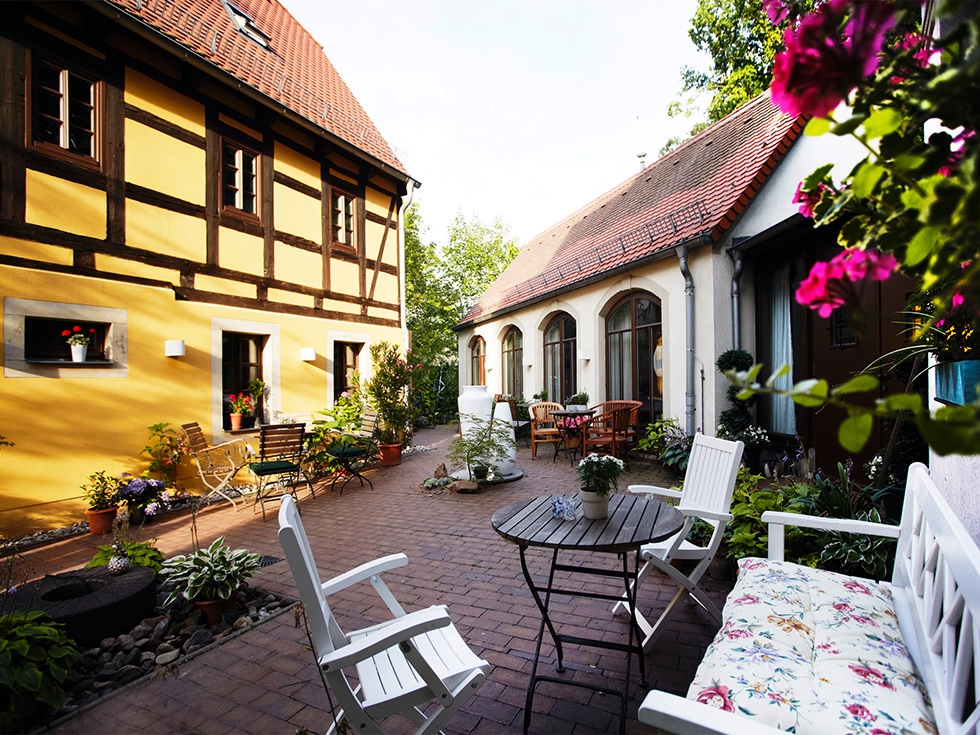
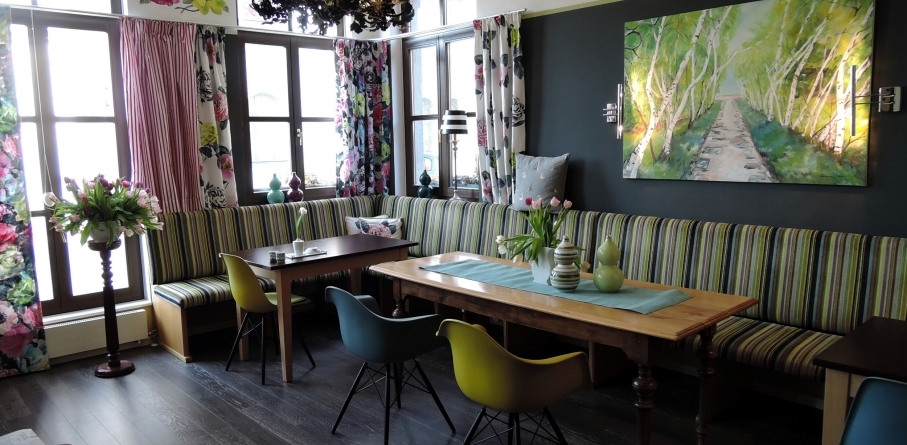
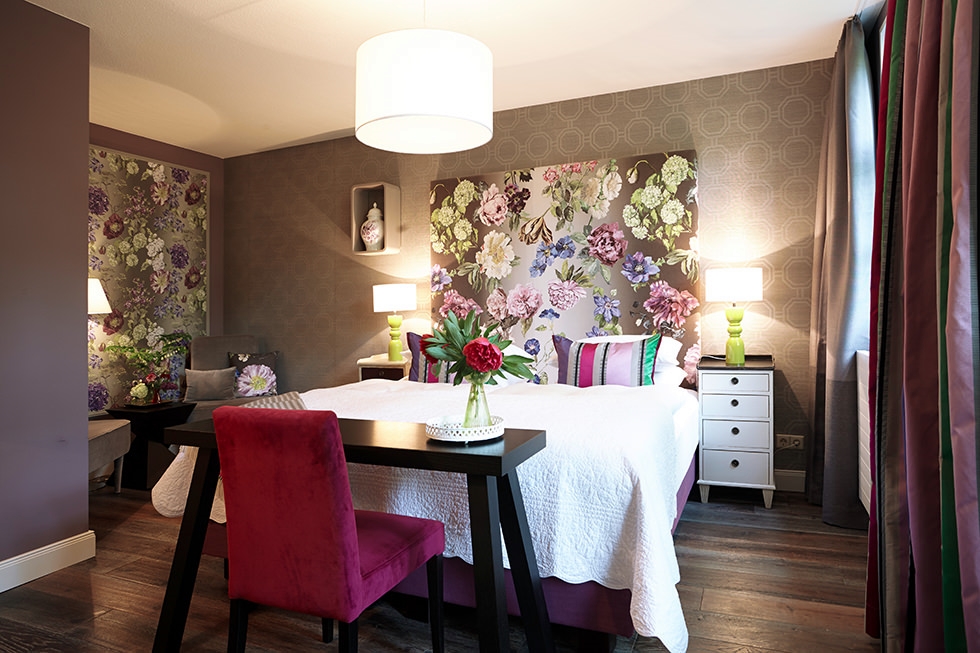
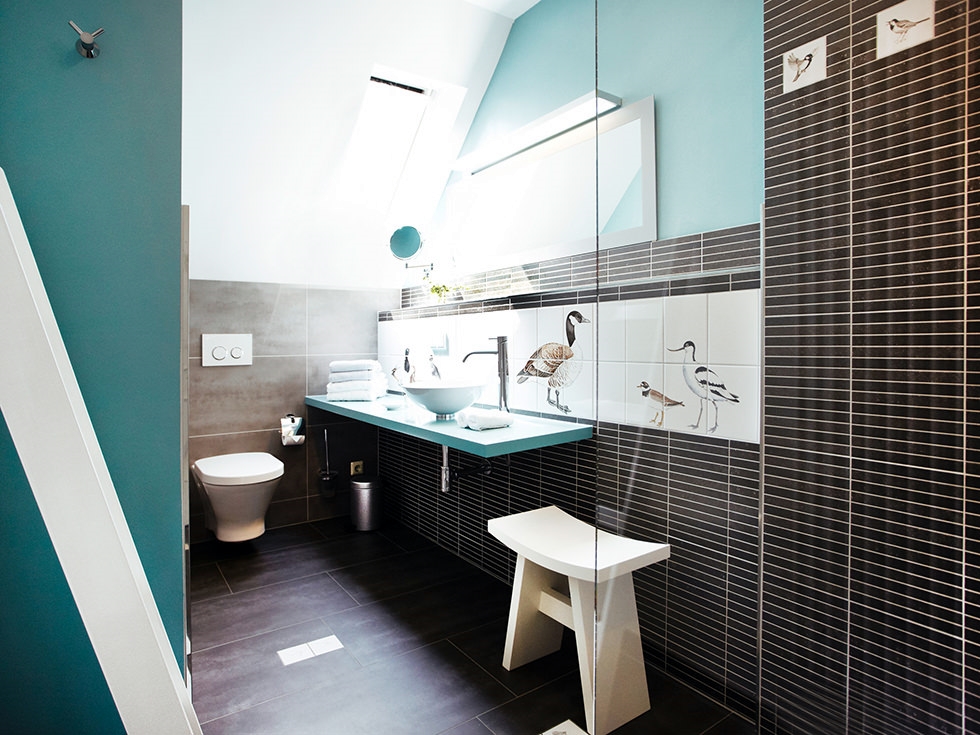
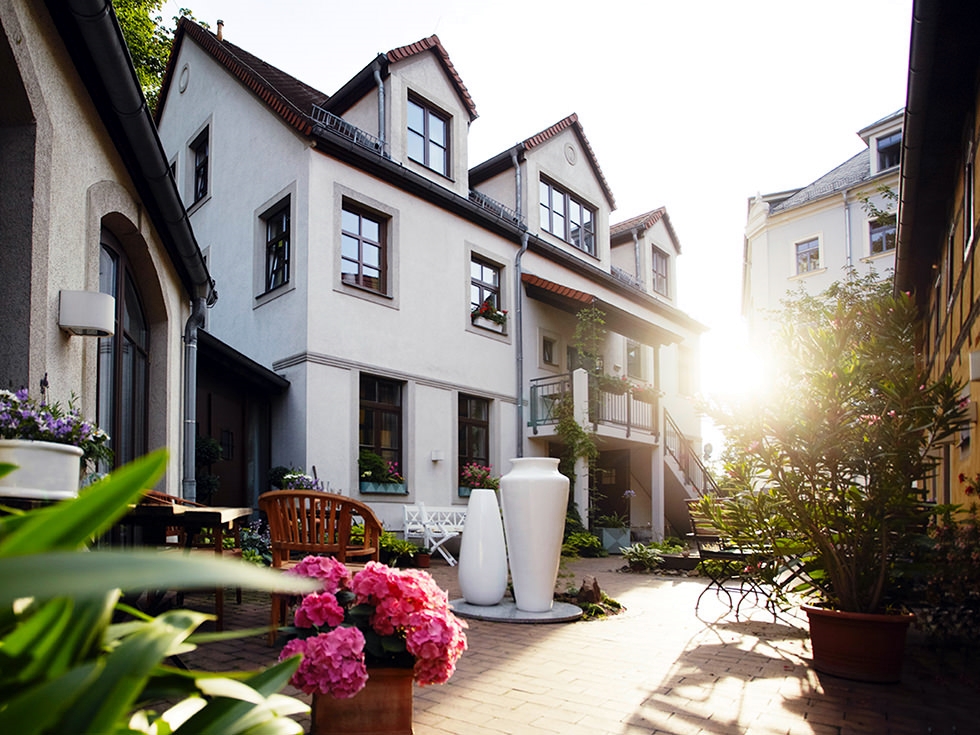
Here, on the shores of the river Elbe with a stunning view of the mighty Albrecht Castle and Meissen Cathedral, we have found the perfect place for our small, family-run guesthouse. Built in 1816, the historic building initially served as a ferryman’s house and played an important role in the town’s history. Today, the adjacent guesthouse combines old-world hospitality with colorful & eclectic interior design, fine artwork and excellent cuisine (breakfast and coffee table during the day).
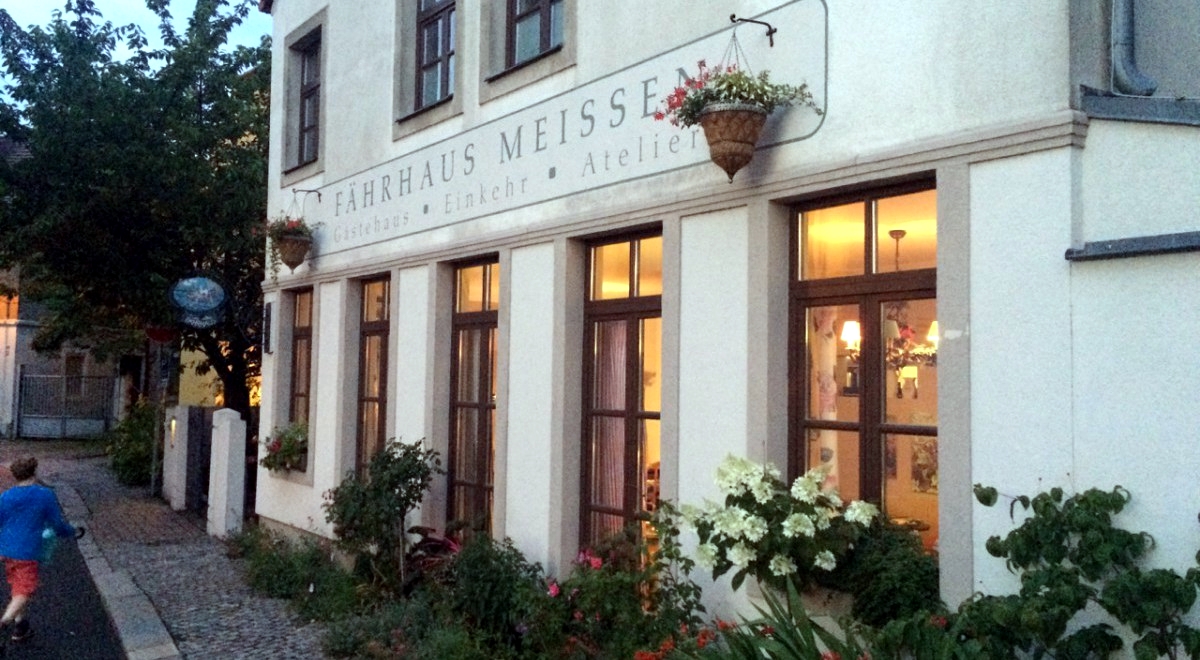
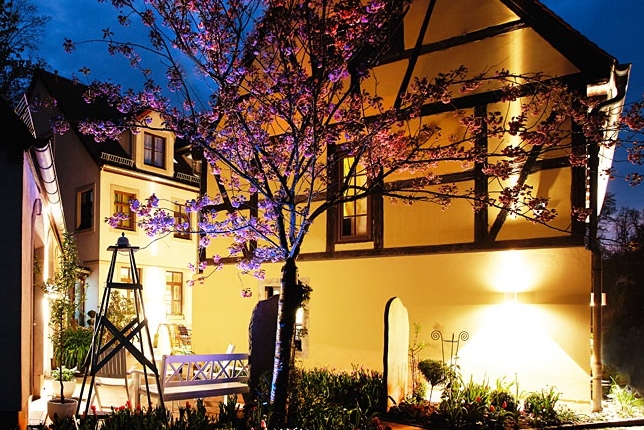
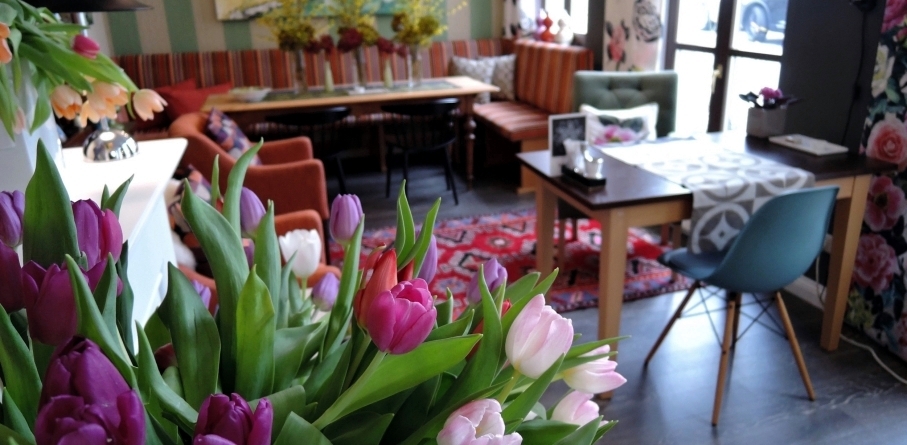
The whole ambiente of this Hotel is typical German „Gemuetlichkeit“. Also modern design, all made bei hand and Christian himself. Fantastic ideas were implemented that every room (they are all different in decor and furnishing) has a special influence of the guest. I really really loved it and I couldn’t thank enough to „Chris and Chris“ for their warmhearted and very personal (family feeling) service. Official names are: Christine and Fedder-Christian Paulsen. I like to show you some pics of the Faehrhaus, they speak their own language.
Some of the city restaurants.
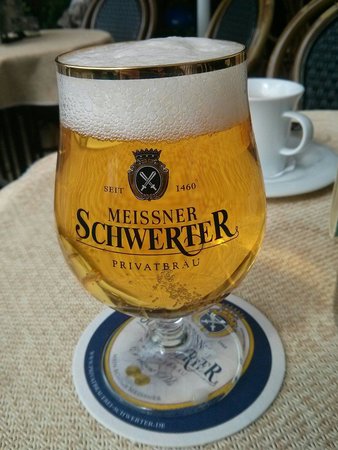
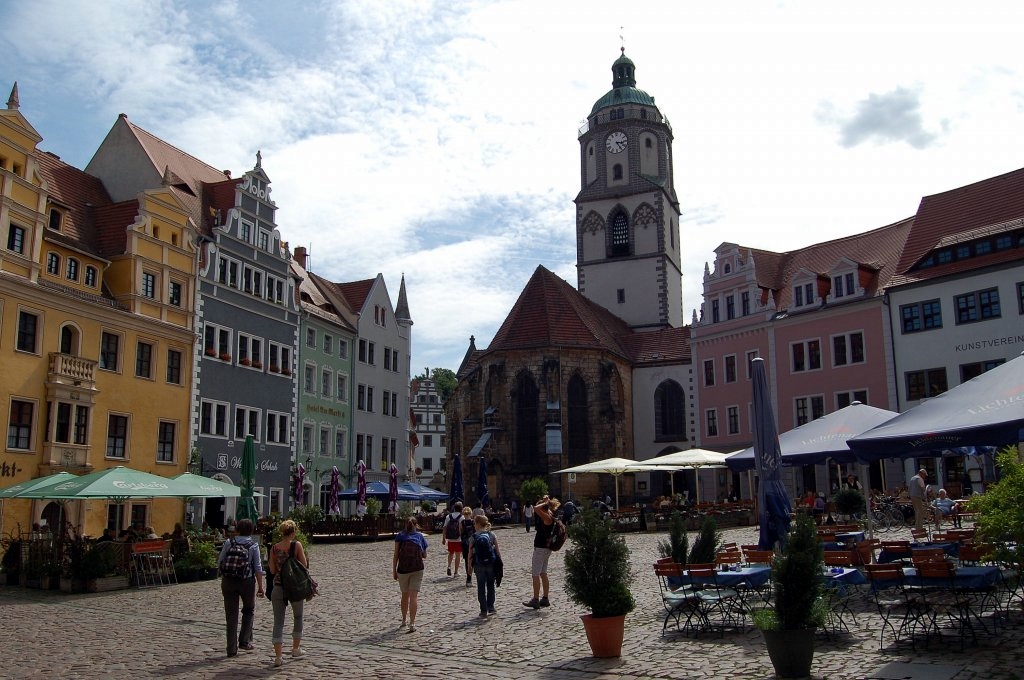
Most restaurants in Meissen are located on the historic main square with outdoor seating. At Meissner Schwerter we chose schnitzel and Bavarian sausages, which were typical German and excellent. But the most important thing in such a restaurant is your own beer from a small micro brewery, which has one of the best tastes.
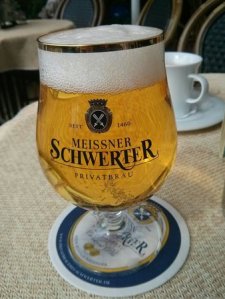
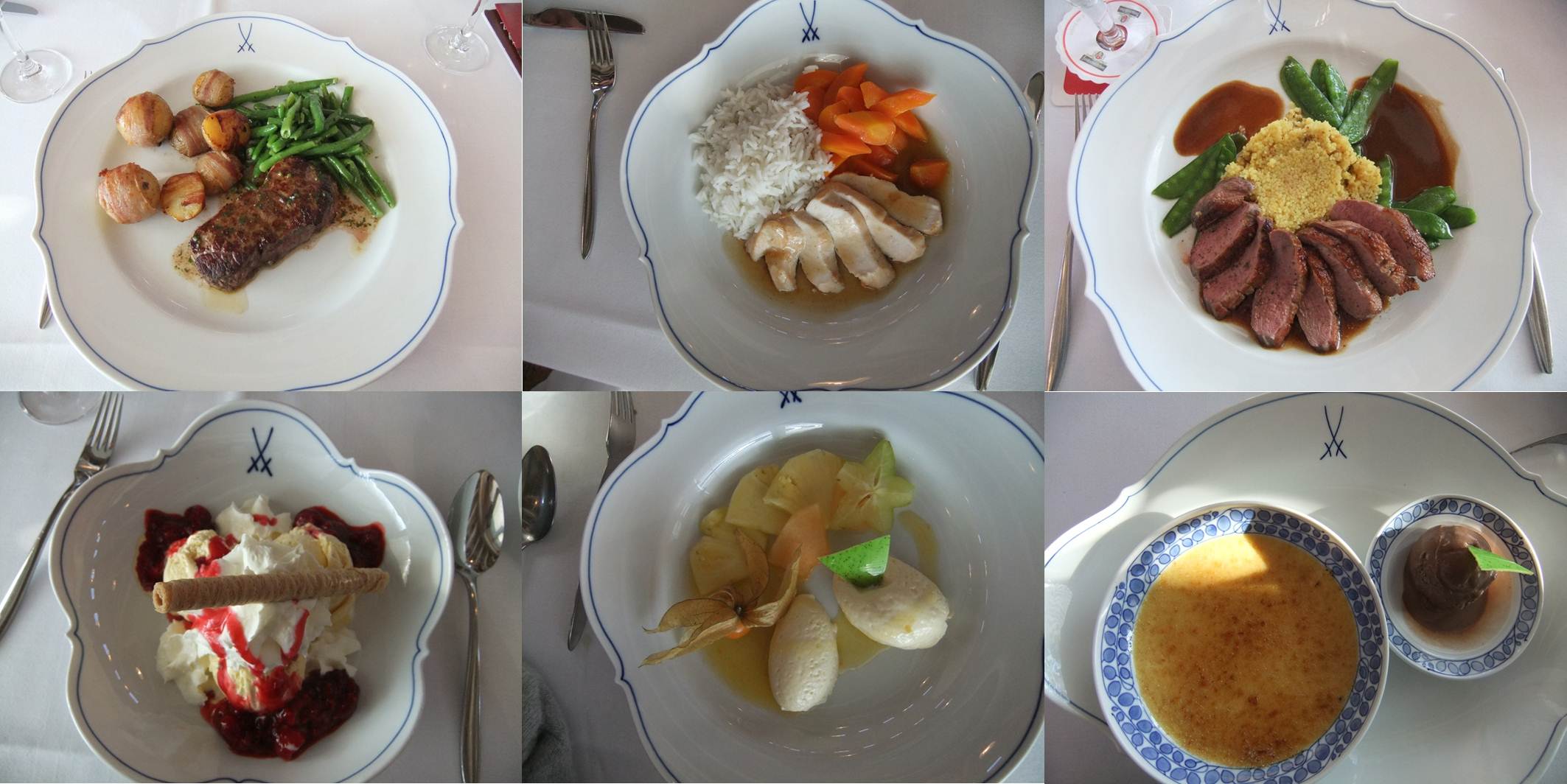
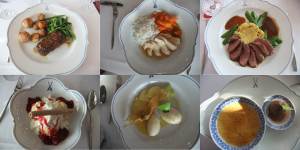 Micro brew beer !Mouthwatering dishes served on Meissner Porcellain. Seen at the „Kulinarium“.
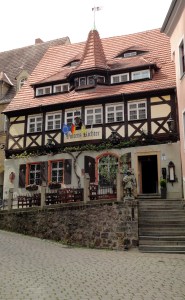
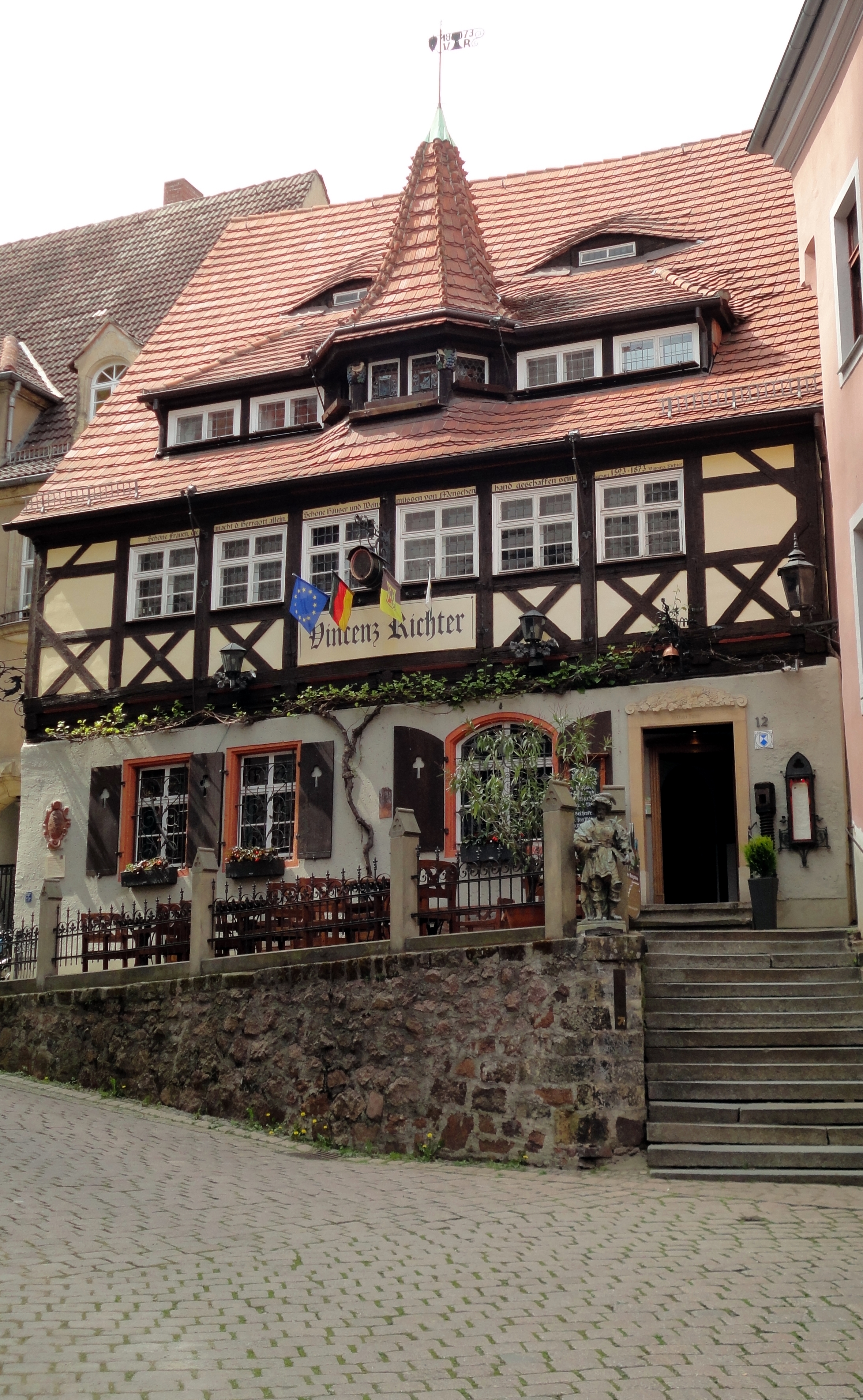
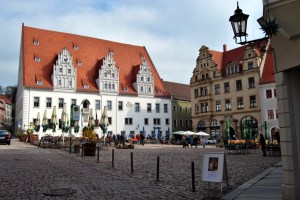 Left: Restaurant Vincenz Richter, good food, good wines and exhibits an excellent collection of antique weapons. Museum like and worth to visit. Right: The Ratskeller ( town hall cellar) where especially in wintertime is „the place to be“.
 Left: the „Frauenkirche“ (Cathedral of Our Good Lady). Now the City Museum. Right: The so named „Winzerkeller“ (winemaker cellar) a Cafe, Wine and Tea House. Good food and wines from the region !
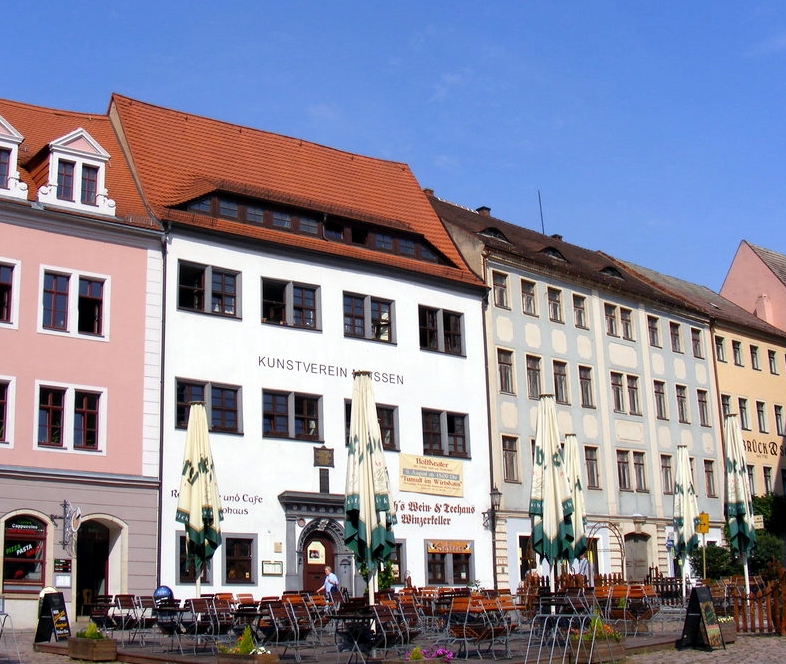
But – my favorite restaurant is/was :
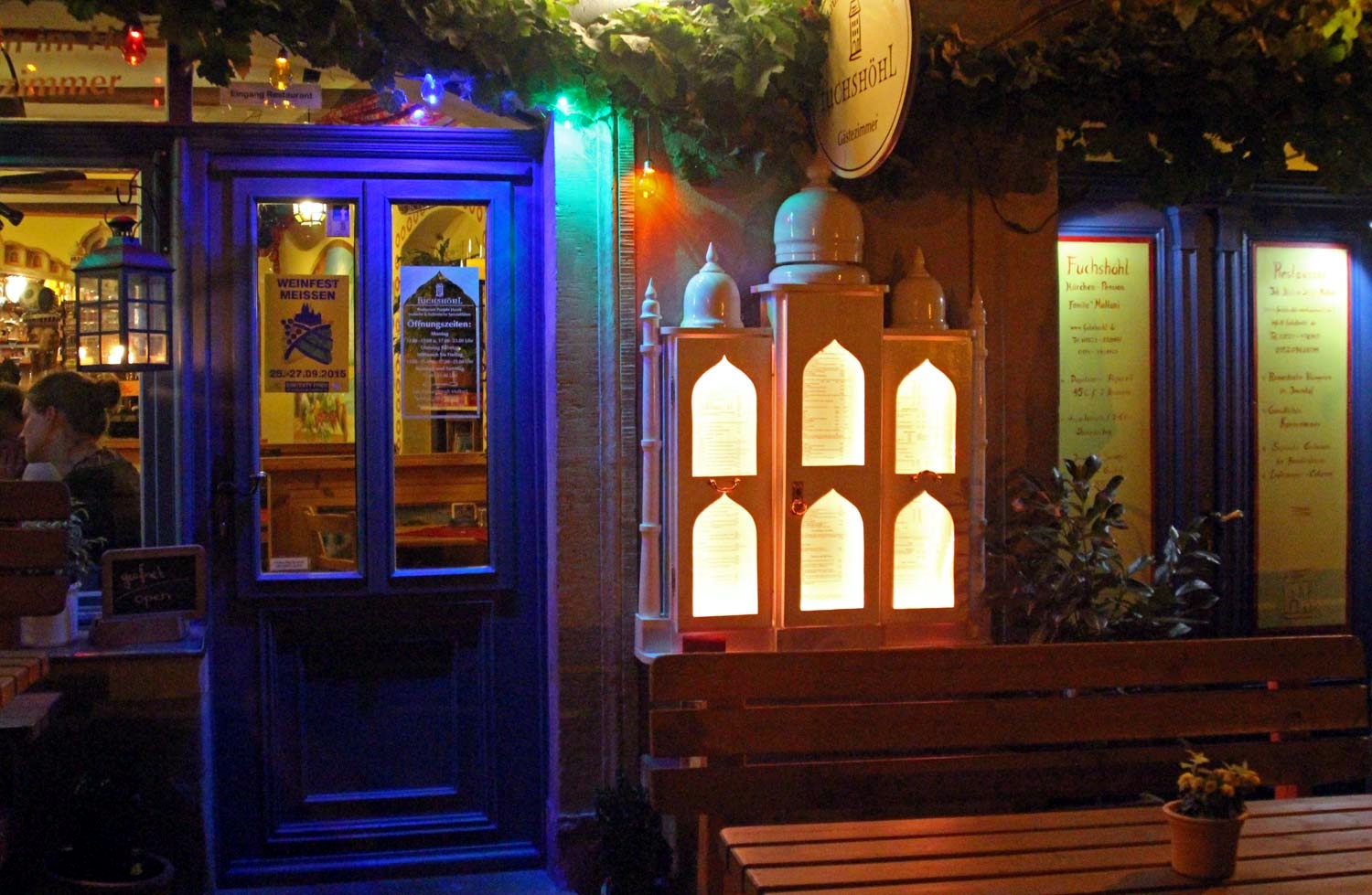
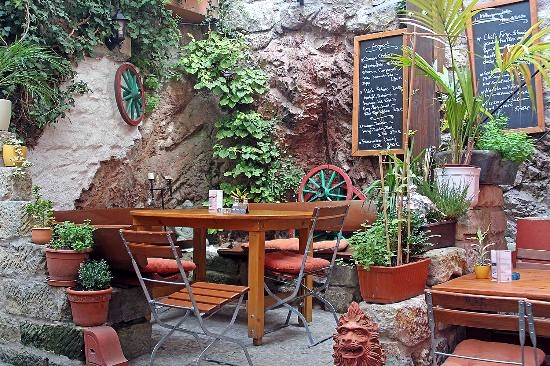
The Fuchshoehl – The Foxden.
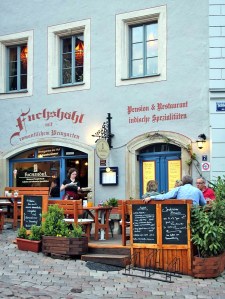
 Very interesting combination. An Indian restaurant with German ambiente, wine garden and fusion ideas. Up here on the right the lunch buffet for 9,99 euros per person – and lots to eat.
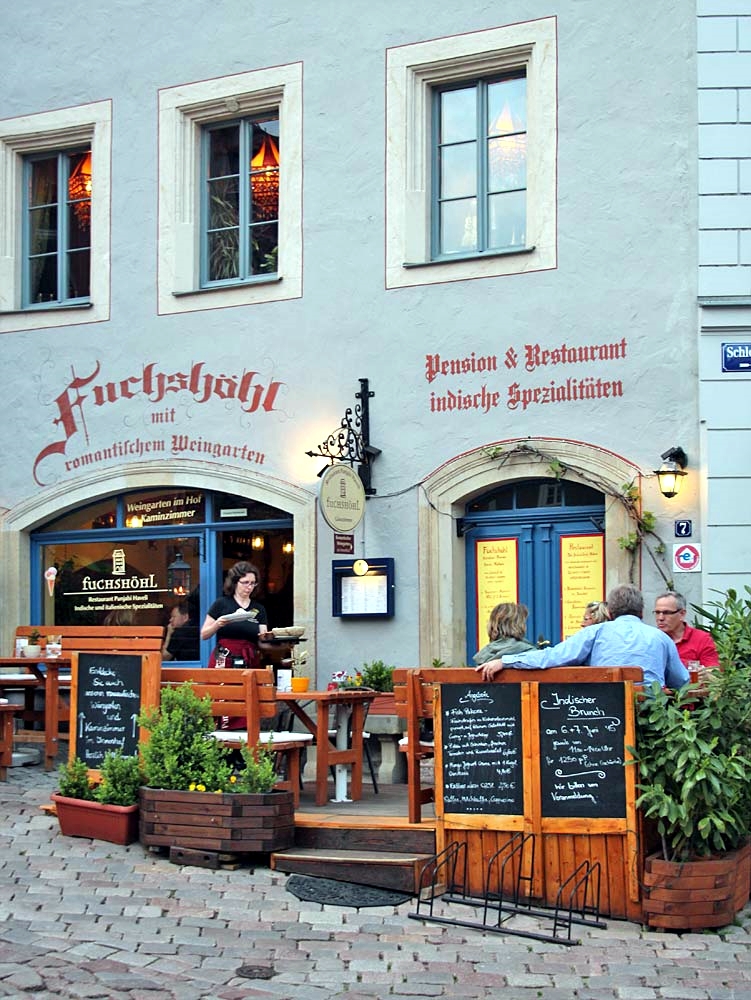
No matter, day or night, you always feel homy, welcome.
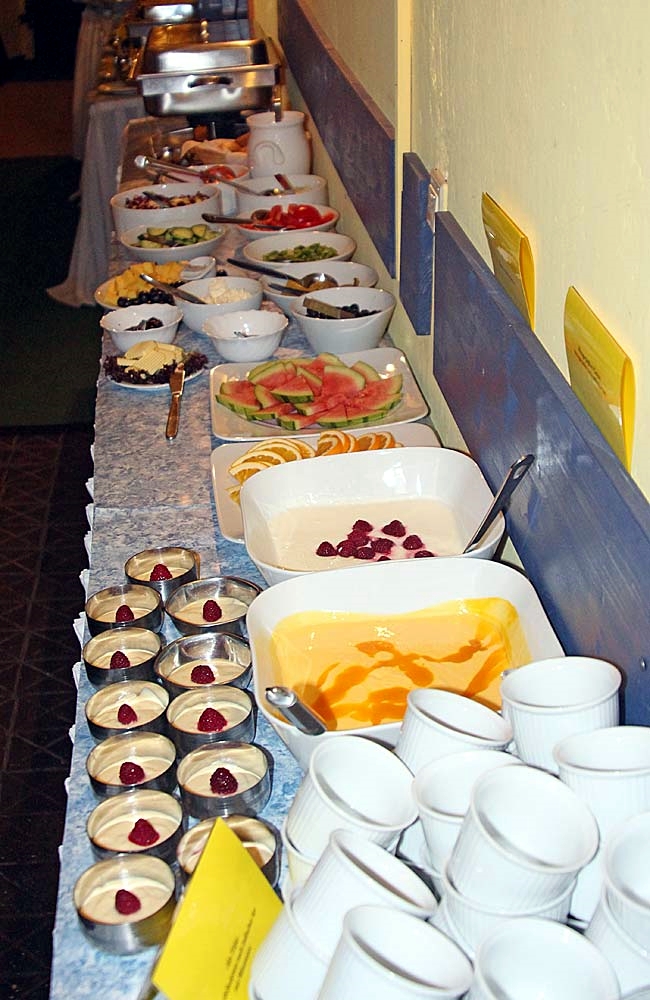
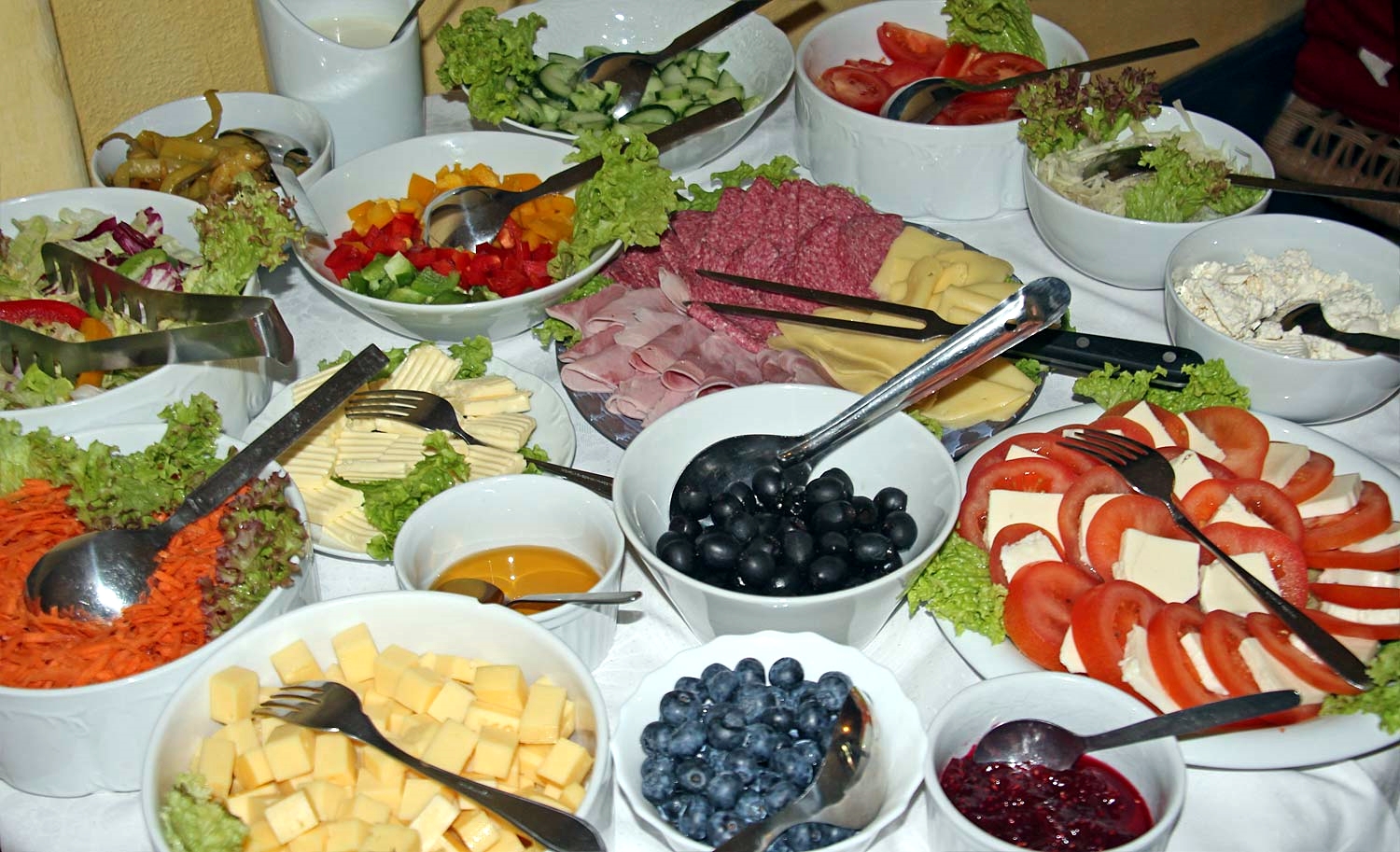
 The salad buffet !! I had some Indian curry – original, authentic and just to die for. Other dishes I had the chance to taste were „Chicken Biriyani“, „Kheema“ and „Kheer“. They all were excellent and tasty. This restaurant was by far the cheapest with highest quality. Wish we had one here !
Easy Tours from the Faehrhaus.
Meissen offers visitors much more than world-famous porcelain. The town is home to the Albrecht Castle (the oldest castle in Germany), the Meissen Cathedral, and hundreds of historical buildings, many well worth a visit. Meissen was luckily spared from allied bombings, like a few miles further – Dresden, with about a half million civilian death.
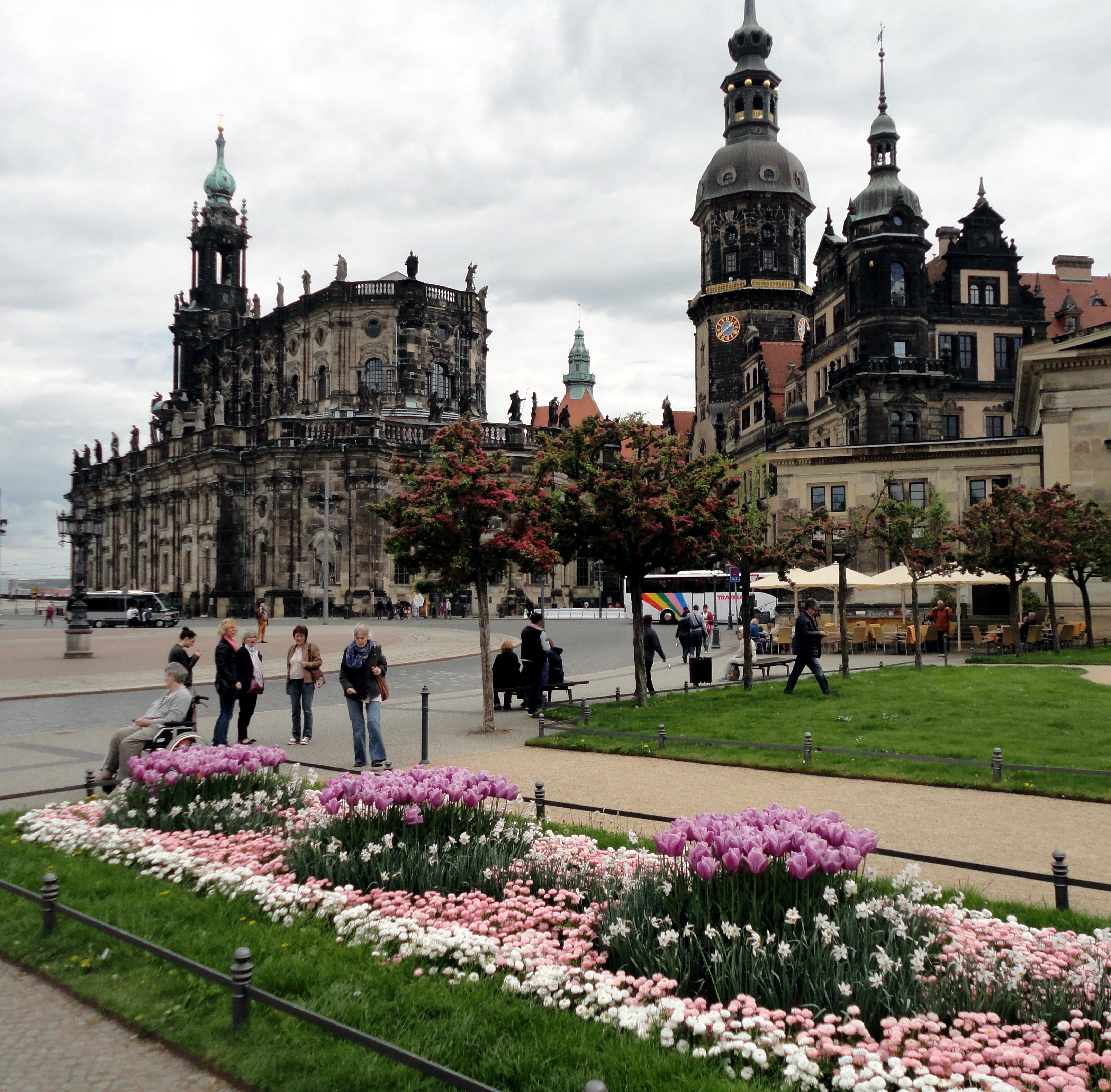
 City of Dresden, another MUST SEE destination.
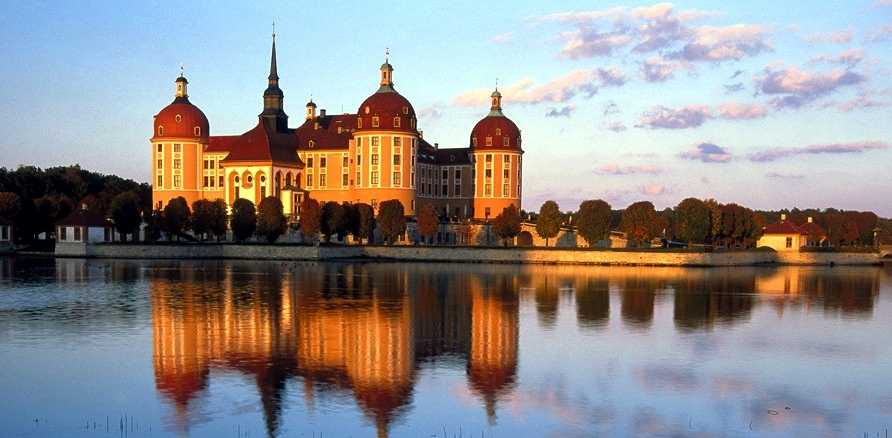
Take a trip along the picturesque Saxon Wine Route which celebrates the region’s long tradition of viticulture. Experience the unique charm of the small villages along the way. Visit Radebeul, Wackerbarth Castle and nearby Moritzburg.
 Beautiful Moritzburg Castle.
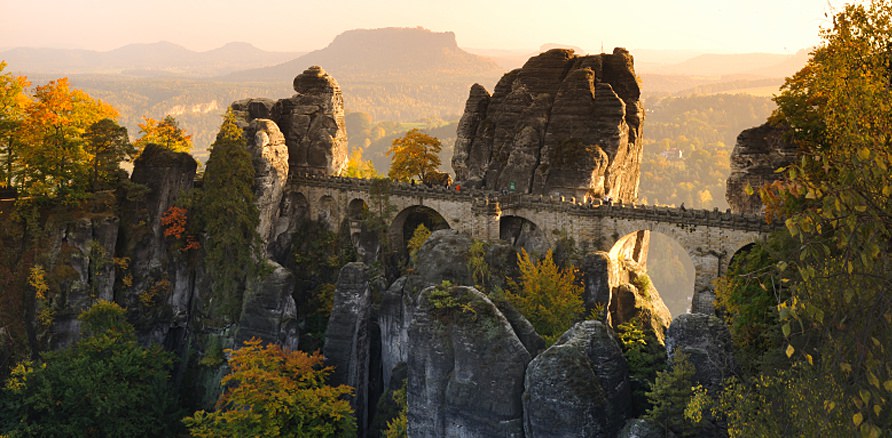
Above all, make a daytrip (or several) to the beautiful city of Dresden with its unsurpassed treasures. You can reach Dresden within half an hour on trains that run every thirty minutes. The trip by car from Meissen is also just about 45 minutes and beautiful along the river Elbe on both sides. I took a daytrip, you can read about in my post „Must See – A Gem of Dresden“ ( October 2015). Just a little further away, explore the natural beauty of Saxon Switzerland, a great destination for hikers and mountain climbers.
 The famous Saxony Swiss.
Or if you feel like a day of sweet idleness, consider a boat tour on the river Elbe to Dresden or Pillnitz Castle. A wonderful experience and an area to visit again – for sure !
Finally.
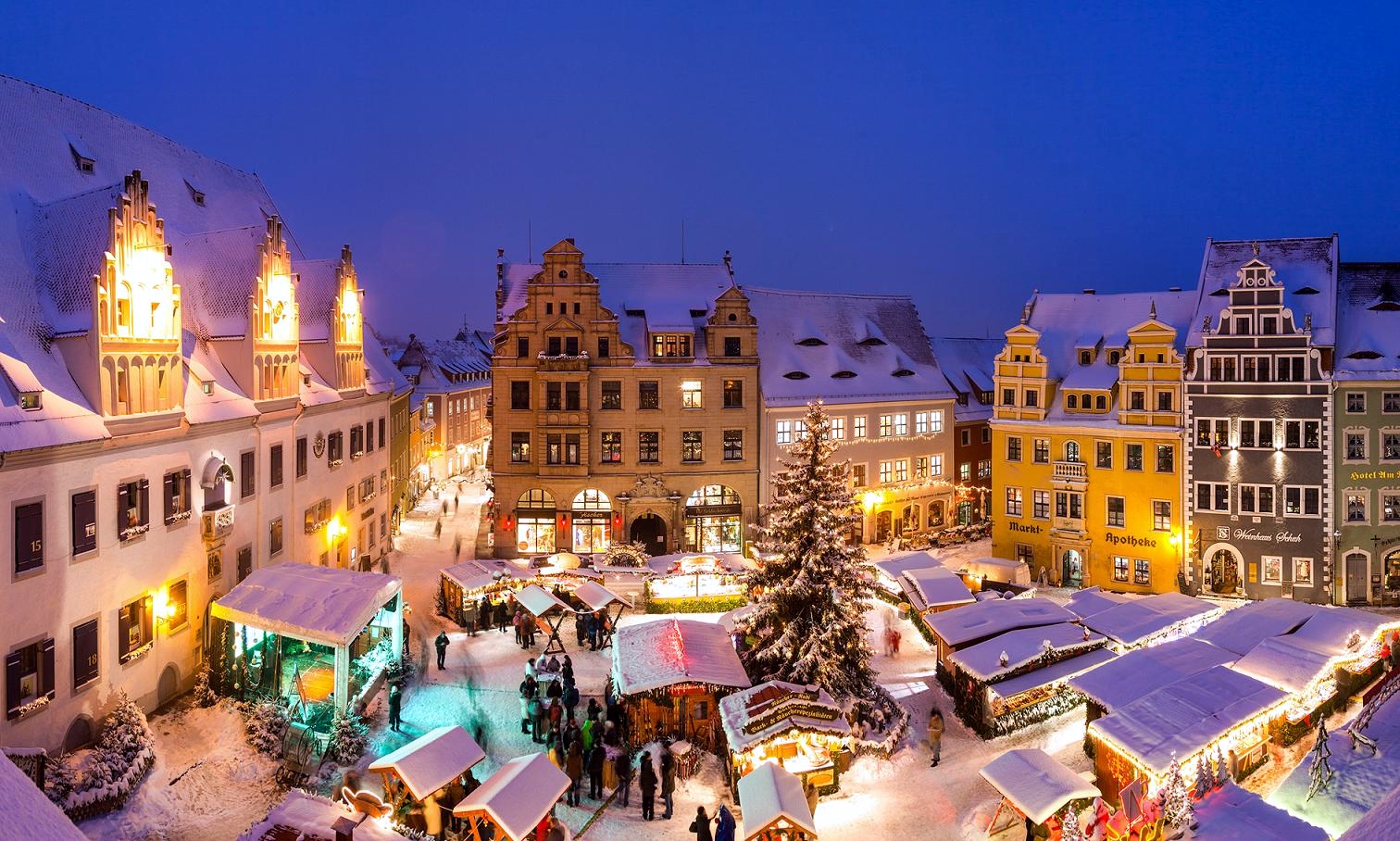
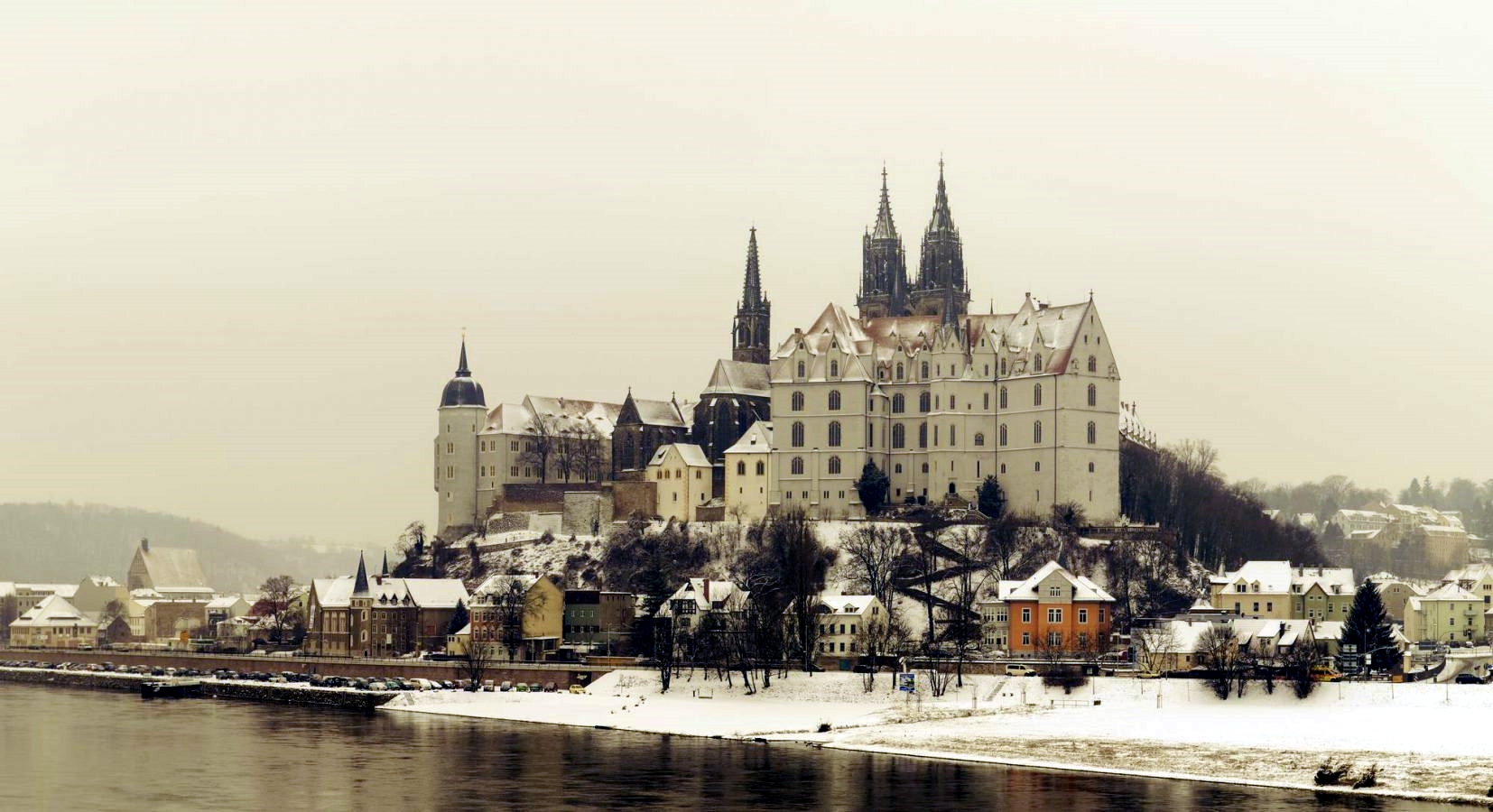
When I visited Meissen, it was springtime, beautiful. Now I post this article in wintertime, at least winter in Meissen. A bit different but also worth a visit, right ?? Look down here.


OH BOY, such a great article again.
Story, information, history, backgrounds and the fantastic photographs,
what a WINNER !
LikeLike
Thanks very much Luigi,
I will try to keep this level.
Ciao Mike.
LikeLike
Je maakt toch zeker wel elk jaar een foto boek van je blogs. Zulke mooie verhalen en foto’s en zoveel werk als hier in steekt. Dat moet in boekvorm bewaard blijven. Dank je weer voor je artikel.
LikeLike
Ja Wilma, sehr gute idee. Aber es kostet auch und die Frage ist dann
wer will ein Buch – geschenkt ja, aber kaufen ???
Hast Du eigentlich ein Buch von mir – Titel „My Crazy Teddybear Eat Book“ ??
Alles Gute Mike.
LikeLike
Ja hoor, dat boek heb ik van jou cadeau gehad en helemaal gelezen. Was erg goed en leuk. Hier in Nederland laten die quiltvrouwen elk jaar een boek van hun blogs maken, maar dat zijn dan ook kleine blogs. Het is een soort foto/dagboek voor die vrouwen. Dank voor je interessante blogs. Groeten Wilma
LikeLike
Dank je wel DEAR.
Ik sal het nog eens overdenken.
Groetjes van ons, Mike.
LikeLike