
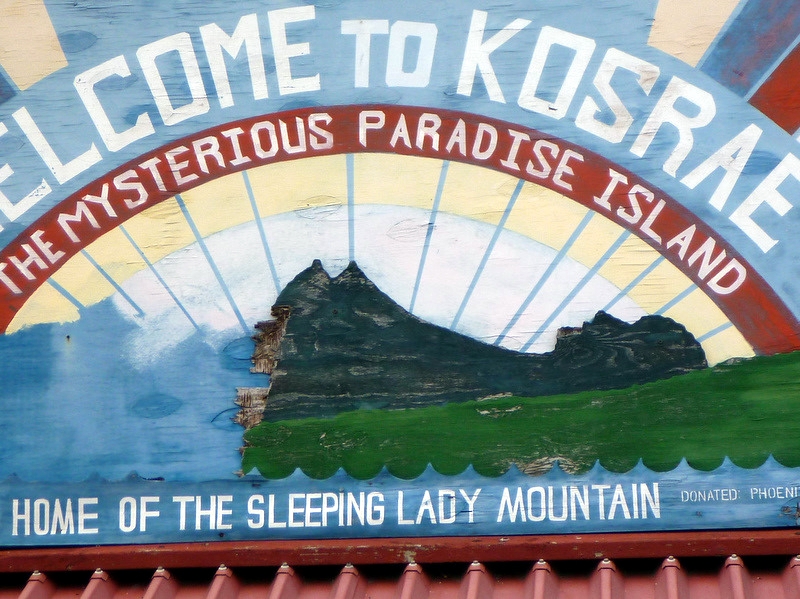
Remember, I mentioned in my post „Nan Madol – Part 1“ (which you SHOULD read before this one), I left Pohnpei in a dizzy and bit rainy morning. No problem at all, just above the clouds wonderful sunshine and 30 minutes later clear, quiet and blue/silver Pacific conditions. 560 kilometers (c.350 miles) and another hour later landing on Kosrae. Hot and humid, but clear and sunshine as so often in Micronesia.
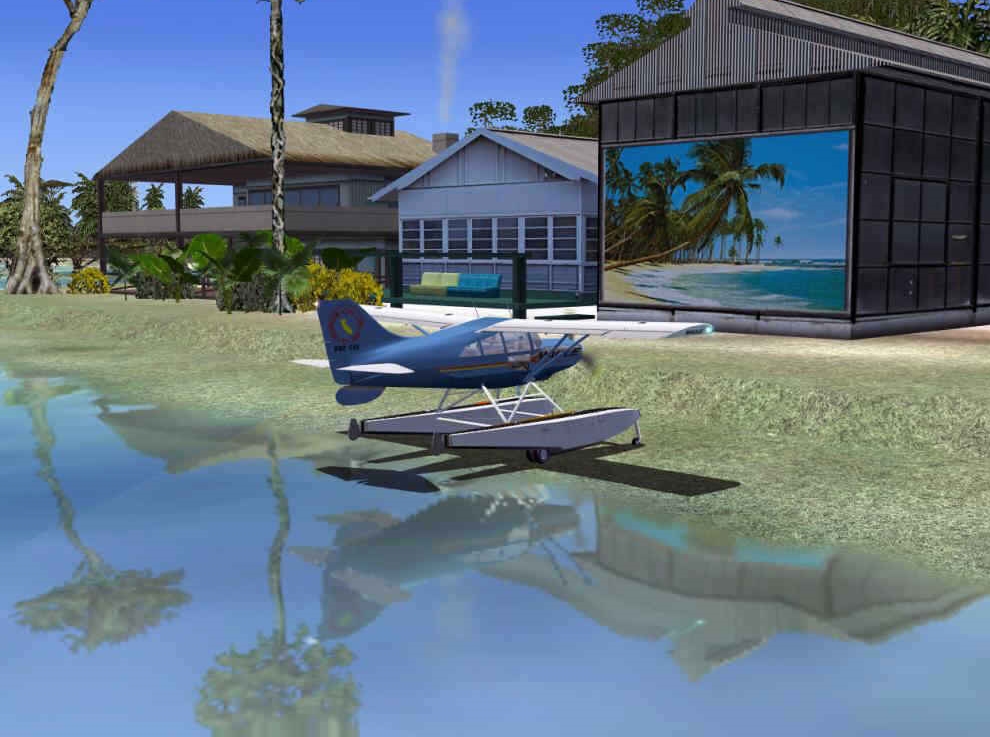
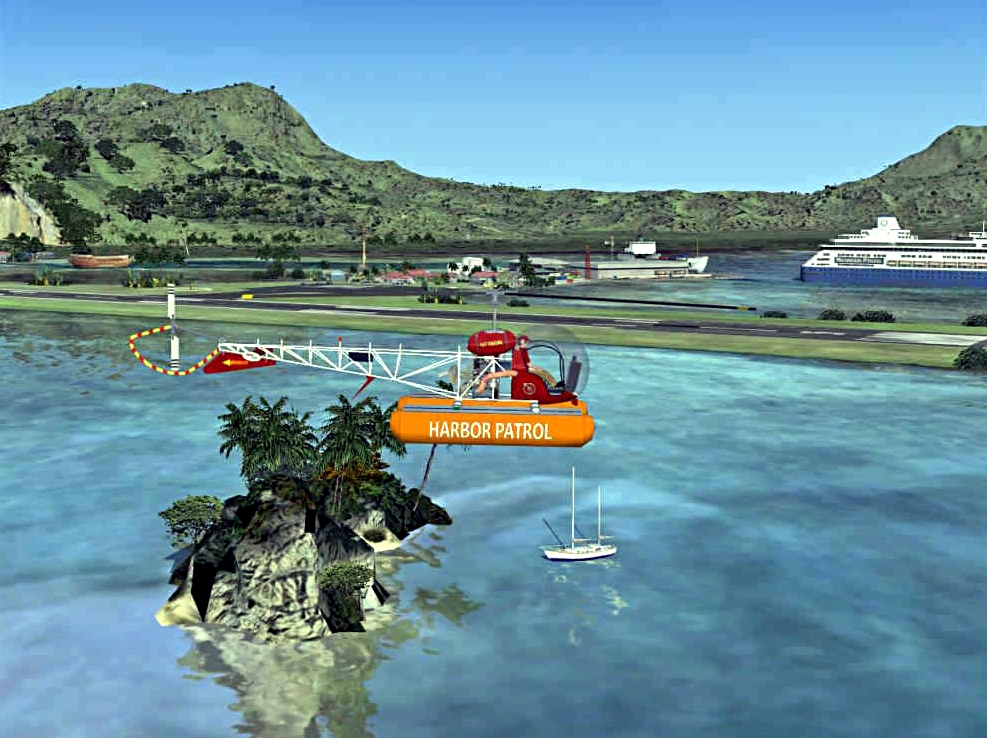
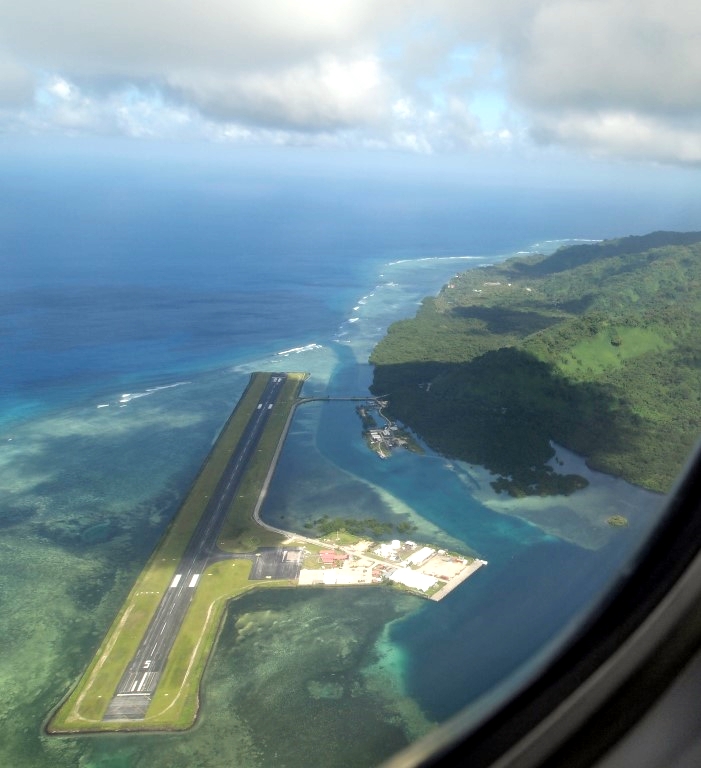
As they call themselves „a sleepy island“, I liked it very much. Interesting is that the airport, the heliport, the seaplane port and the ocean port is one complex only. Not big, but everything under „one roof“. The transfer to Nautilus resort was quick and easy and gave already a nice glimpse of this wonderful tropic island. The rest of the day I enjoyed the resorts poolside, with a nice cold drink.
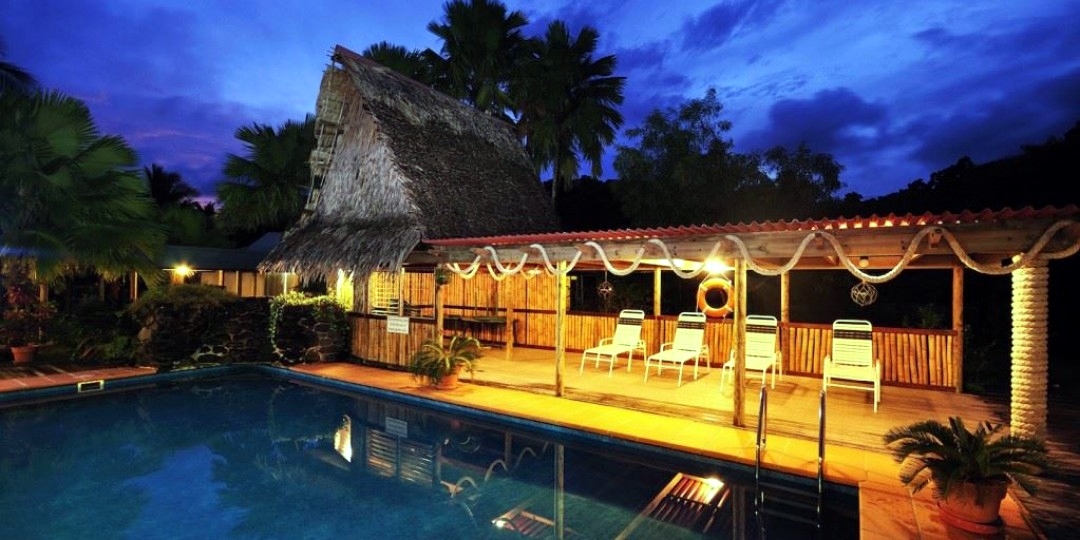
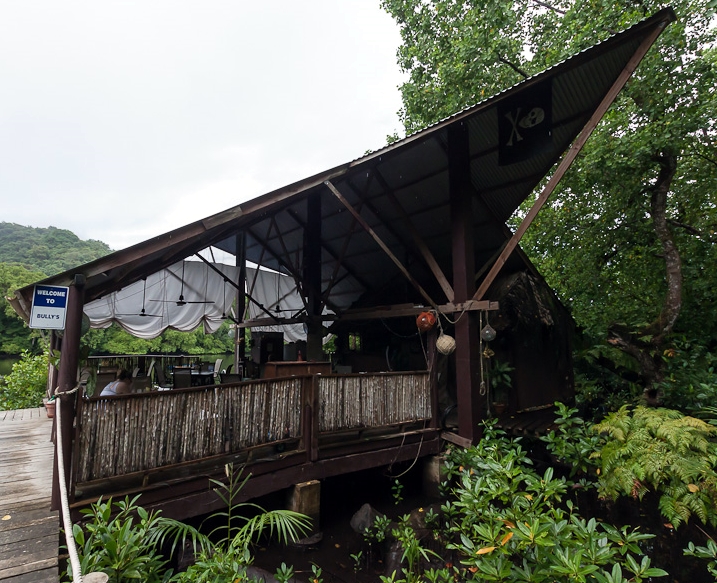
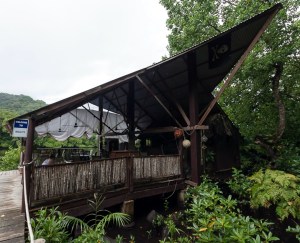 Nautilus is a lovely Pacific resort, very clean and humble with a good restaurant or room service. But better eating is at Pacific Treelodge Resort, by far had the nicest restaurant setting. The restaurant is built on a pier and sat on the edge of the river. A 150 meter (450 foot) long path was built over the mangrove swamp to access the pier. It was truly magical to walk through the mangrove backwaters and wind up at a nice restaurant. Mark and Maria were great hosts and I could enjoy some excellent meals. Saturday was lobster night for US$10 . I got a meal I couldn’t get for 60$ or 70$ somewhere else.
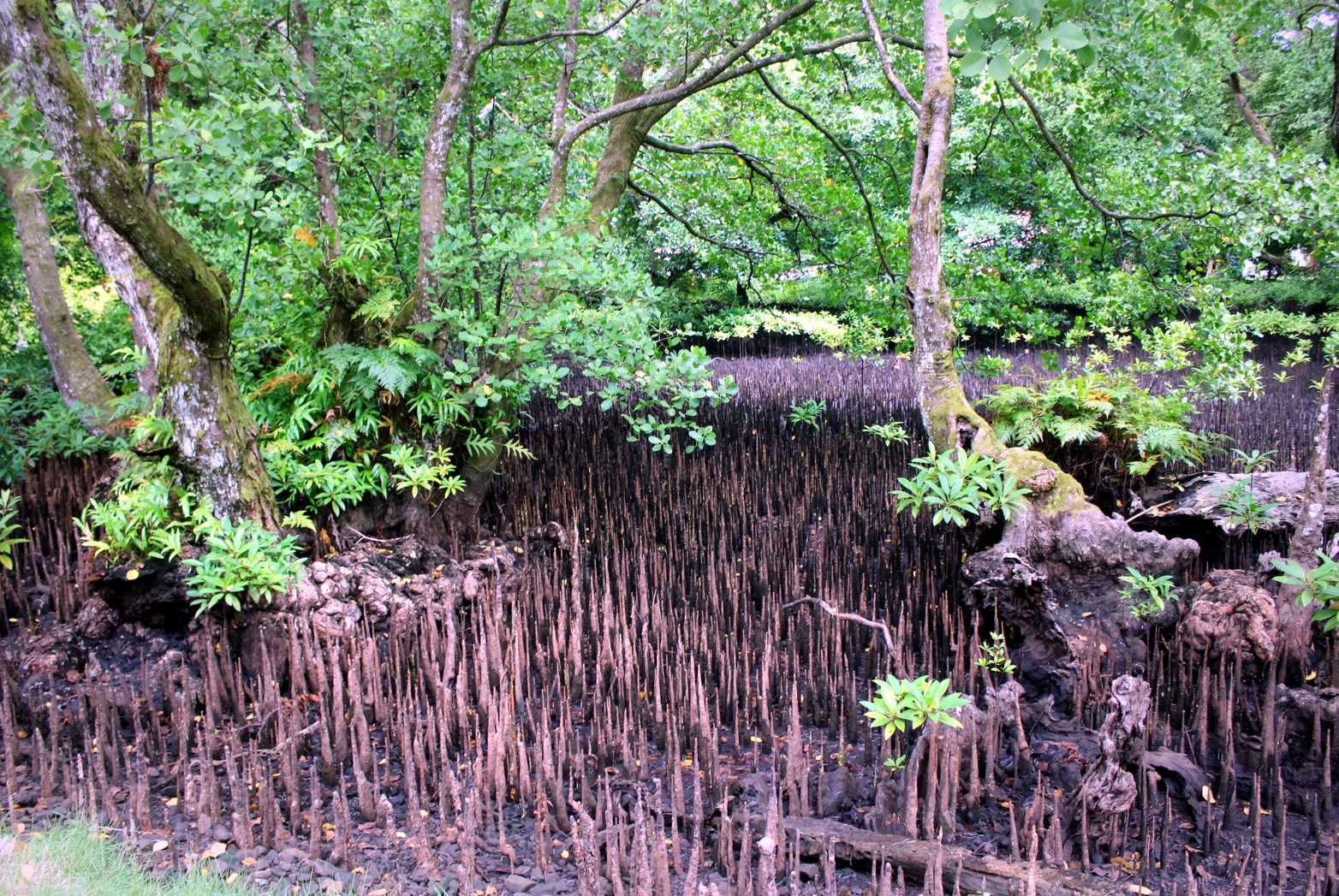
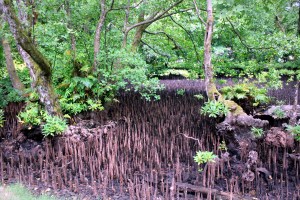 Kosrae mangroves in low tide. Don’t even try to jump in if this is all covered by water.
Let’s tackle this whole story in the right order. First again:
Nan Madol.
An estimated 250 Million tons of prismatic basalt spread over 170 acres went into the construction of Nan Madol. Nan Madol means „spaces between“, referred to the spaces created by the network of canals, while Pohnpei (Ponape) means „on an altar“.
 David Childress in Nan Madol 1997.
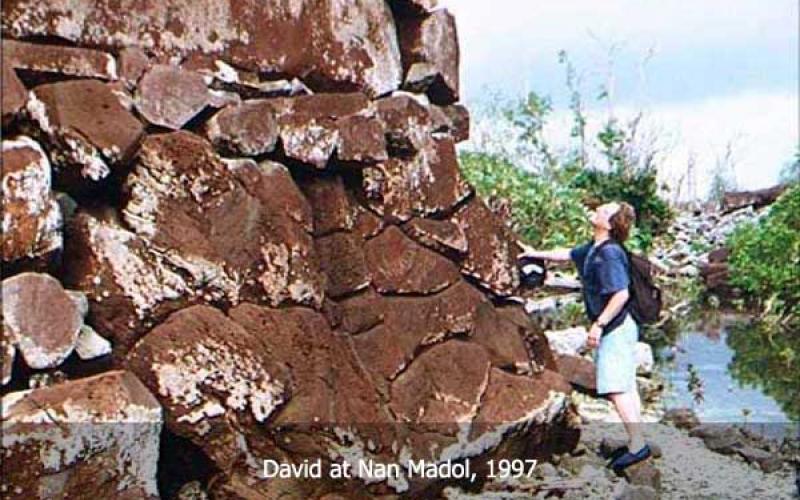
David Hatcher Childress, who conducted several underwater investigations at Nan Madol in the 1980’s and early 1990’s, concludes that „the whole project is of such huge scale that it easily compares with the building of the Great Wall of China and the Pyramid’s of Egypt in sheer amounts of stone and labor used, and the gigantic scope of the site“.
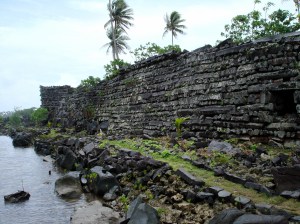 Who build Nan Madol on Pohnpei, Micronesia ?
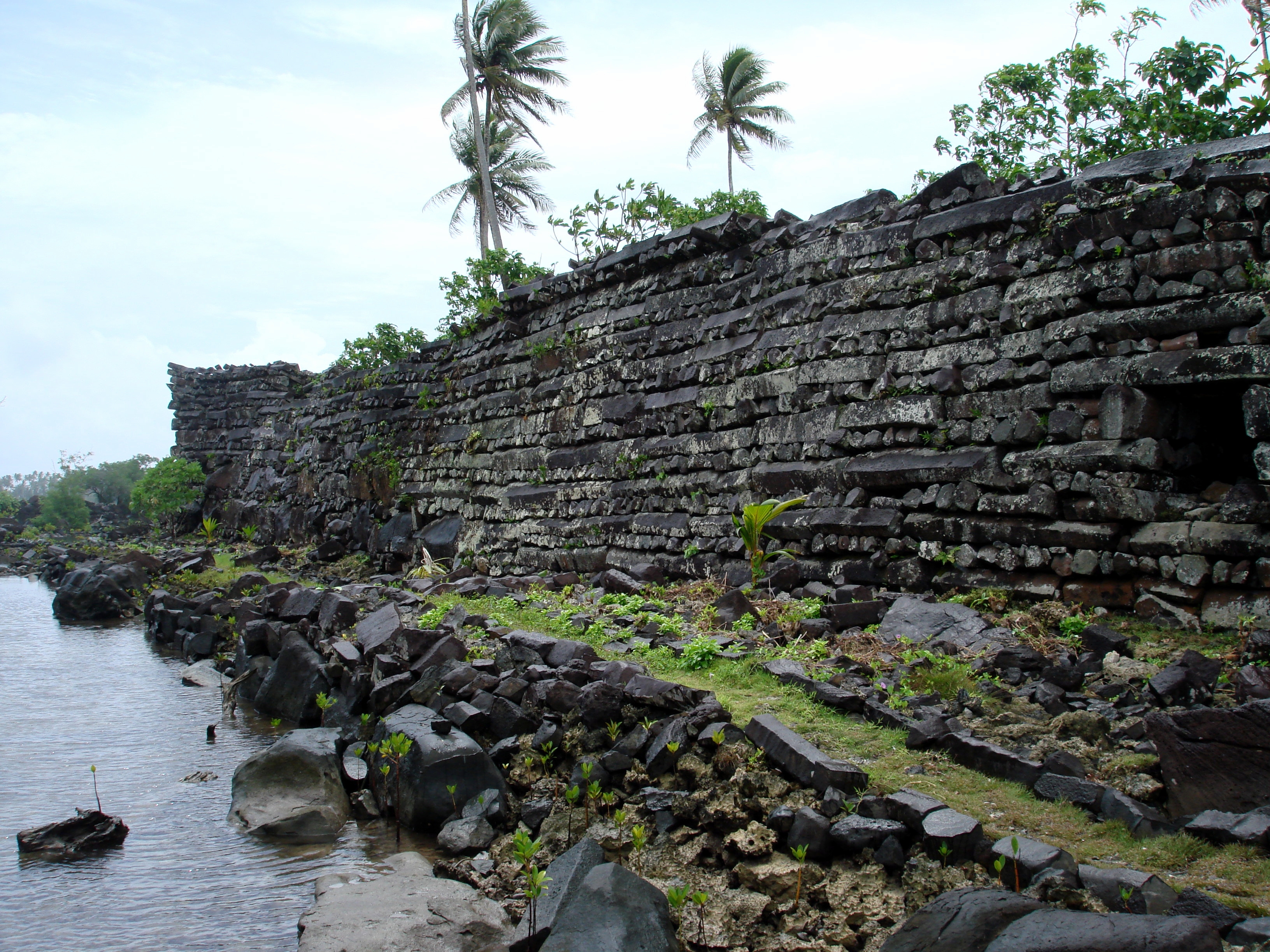
Estimates of the 20.000 to 50.000 workers needed to build Nan Madol are in sharp contrast with the native population on Pohnpei. This inhabited island just offshore could never have supported such numbers. The point is that large reserves of manpower were never readily available in and around Pohnpei.
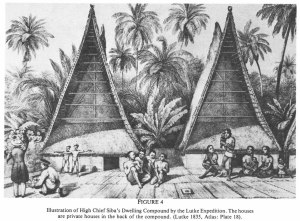 Can one imagine that people like this are able to build such massive monumental stone work as Nan Madol or Insaru ?
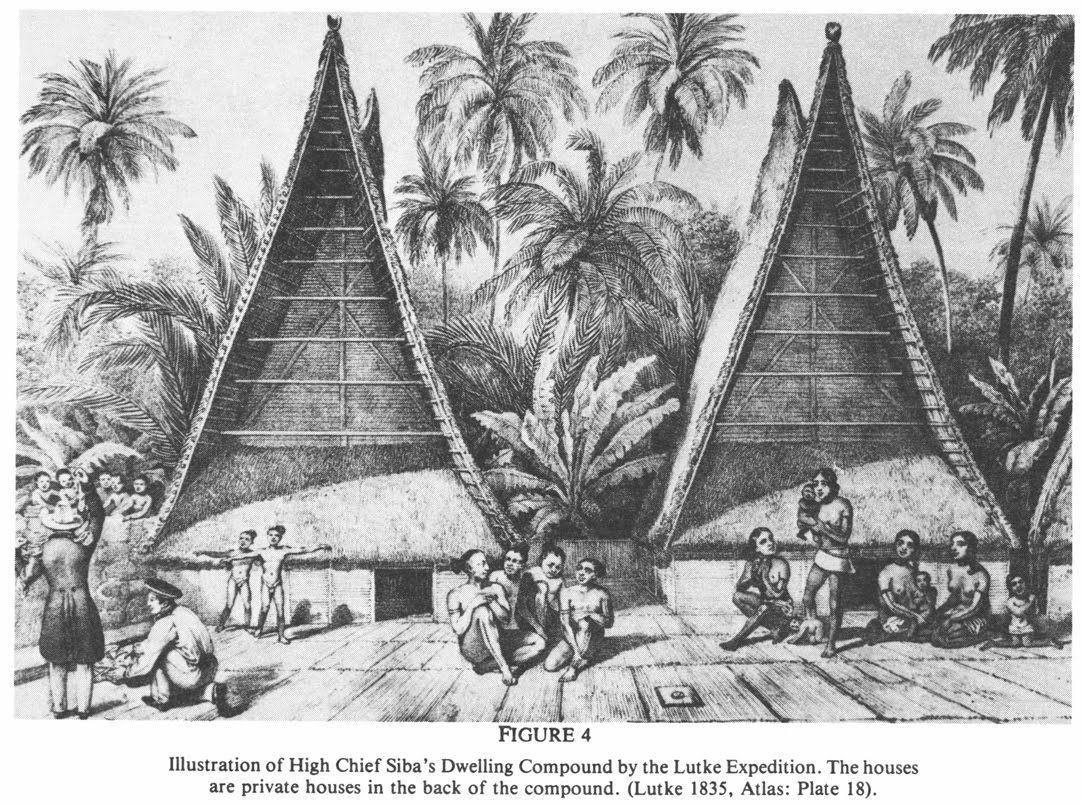
A New Zealand scholar, John Macmillan Brown noted „the rafting over the reef and building up such monumental stone work with immense weight of single blocks, must have meant tens of thousands of organized labor, and it had to be housed, clothed and fed. Yet, within a radius of 1500 miles (c. 2400 kilometers) of its center there are not more than fifty thousand people today“. Also no one in this whole radius would be able to engineer, construct and build such monumental sites. Leaving all to posterity the pleasure of speculation and conjecture.
 The 2015 Chicago Marathon had about 40.000 participants on start. Imagine where they would work and live on an small tropical island. Most pics will supersize if you click on.

Not a single carving, relief, petroglyph or any other decoration has been found at Nan Madol. Nor has a single tool or weapon or other artifact so far been recovered.
A physicist from Michigan’s Marquette University, Dr. Randall Pfingston, who visited the islands with Childress in the 1990’s, theorized that „gravity is really a frequency, part of Einstein’s Unified Field“. And here we come into the speculation of gravity, frequency, vibration and magnetism. May be there was a way of „reversion of gravity“ in ancient times, which was lost through the centuries.
 Albert Einstein.

As Arthur Clarke postulated in the last of his Three Laws, „any sufficiently advanced technology is indistinguishable from magic“. It is also true that yams and cassava, which are originated in South America, are cultivated in Pohnpei. Suggesting to some researchers, like Thor Heyerdahl, a cultural connection to the civilizations of Peru and Bolivia.
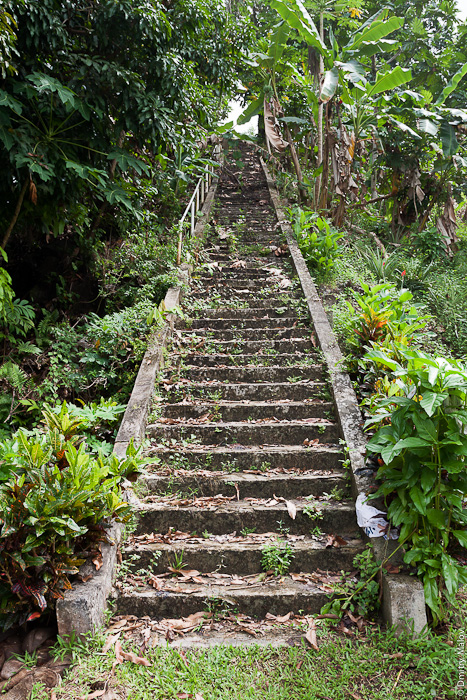
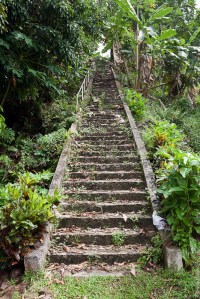 Insaru on Lelu had massive buildings, walls and towers. Most of them are damaged and the material was used throughout the centuries for other building purposes. These stairs are still intact, but what for and where to? On the top is nothing, the hill is steeply sloping behind. Yes – many undefinable secrets are existing on the islands.
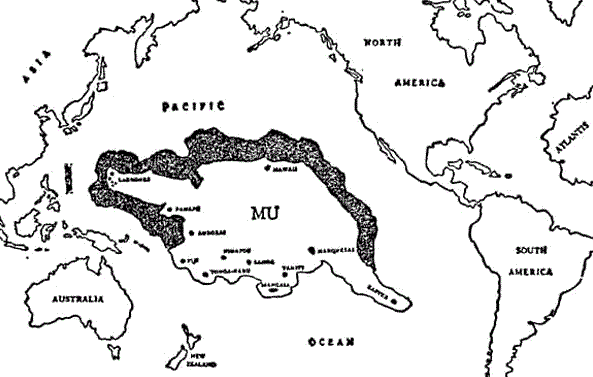
One more theory to think about is the today’s fact that whole Nan Madol is about 1 foot to 3 foot (30cm to 100cm) under water. Was is build in times when the water level was far below the city ? That also would explain that so many ruin parts are found 10 to 20 and 50 meters under water. Is this part of a sunken continent? The lost continent of Lemuria or MU ? Many boulders and rocks were found in a depth of about 100feet (35 meters under water). This depth was dry land at the end of the last ice age about 12.000 years ago.
 Colonel Churchwards map of the lost continent MU.
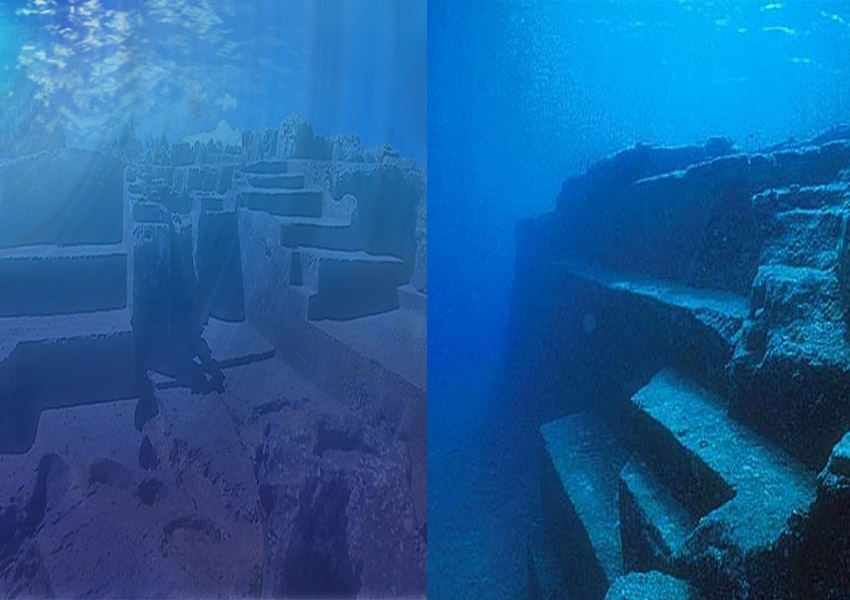
Yonaguni.
Nan Madol shares its depth and age with another ruin more than 1.300 miles (c. 2100 kilometers) across the open Pacific – a sunken stone platform near the Japanese island of Yonaguni. More about in a future post, stay tuned !
 Yonaguni.
Guam.
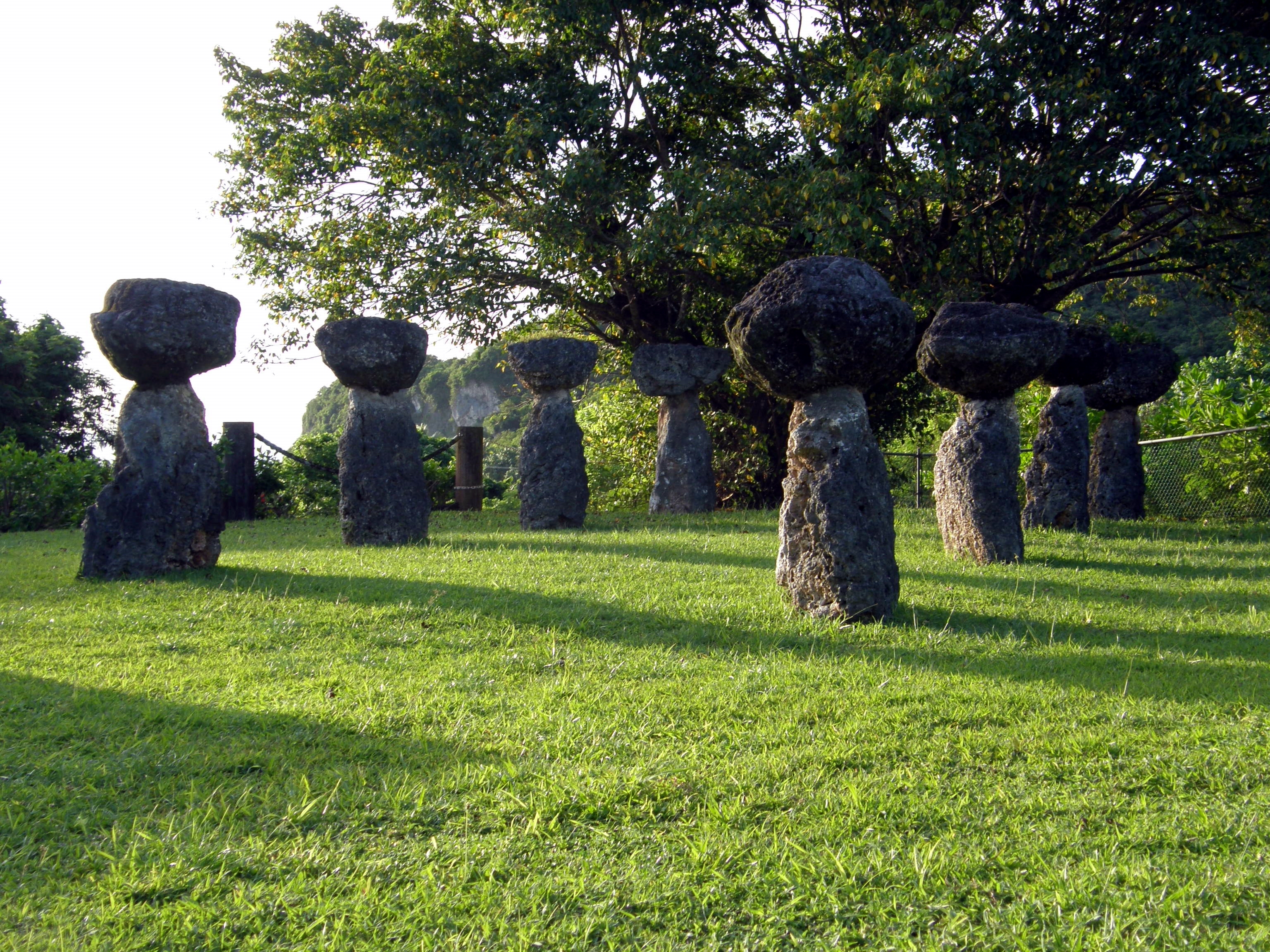
Another connection is noticing similarities between the columns under Nan Madol’s waters and the so called LATTE pillars on the island of Guam, about 450 miles (c. 720 kilometers) from Pohnpei. More about in a future post, stay tuned !
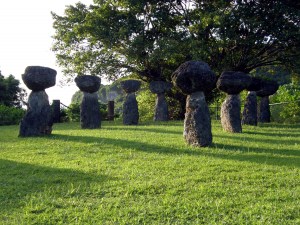 Guam.
Kosrae.
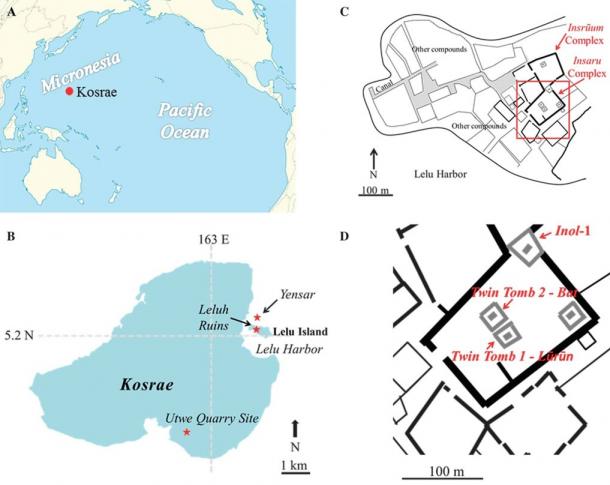
But closer resemblances occur 340 miles (c. 550 kilometers) southeast of Pohnpei, at the island of Kosrae, easternmost island of the Caroline’s.
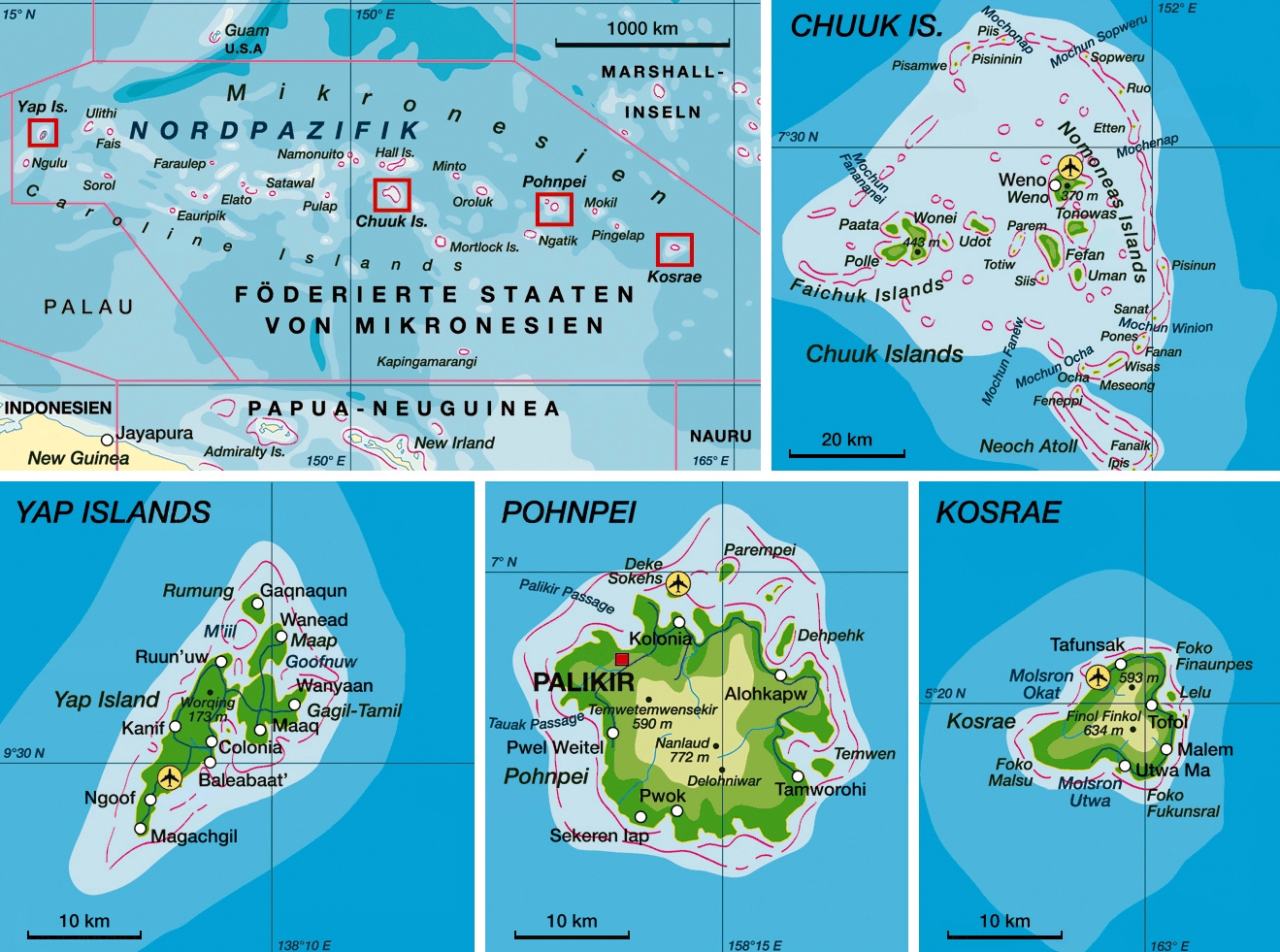
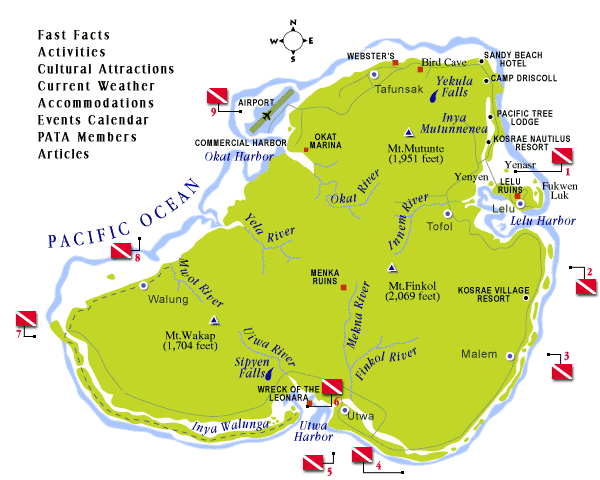
This island and the city called „Insaru on Lelu island/Kosrae“, was a somewhat smaller scale mirror image of „Nan Madol on Temwen island/Pohnpei“. Both build on a smaller island on the eastside of the main island and both secured by canals and walls !!??!!
Nowhere else were such immense basalt boulders and columns and rudely shaped monoliths found. Log-like towers, extensive canals and massive walls and even the setting at Kosrae was made to resemble its Pohnpei counterpart.
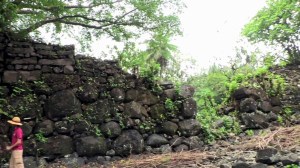
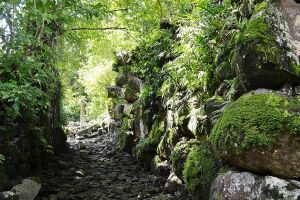 Can you see the similarity ? This is Insaru on Kosrae and not Nan Madol on Pohnpei. But the same material and style of architecture.
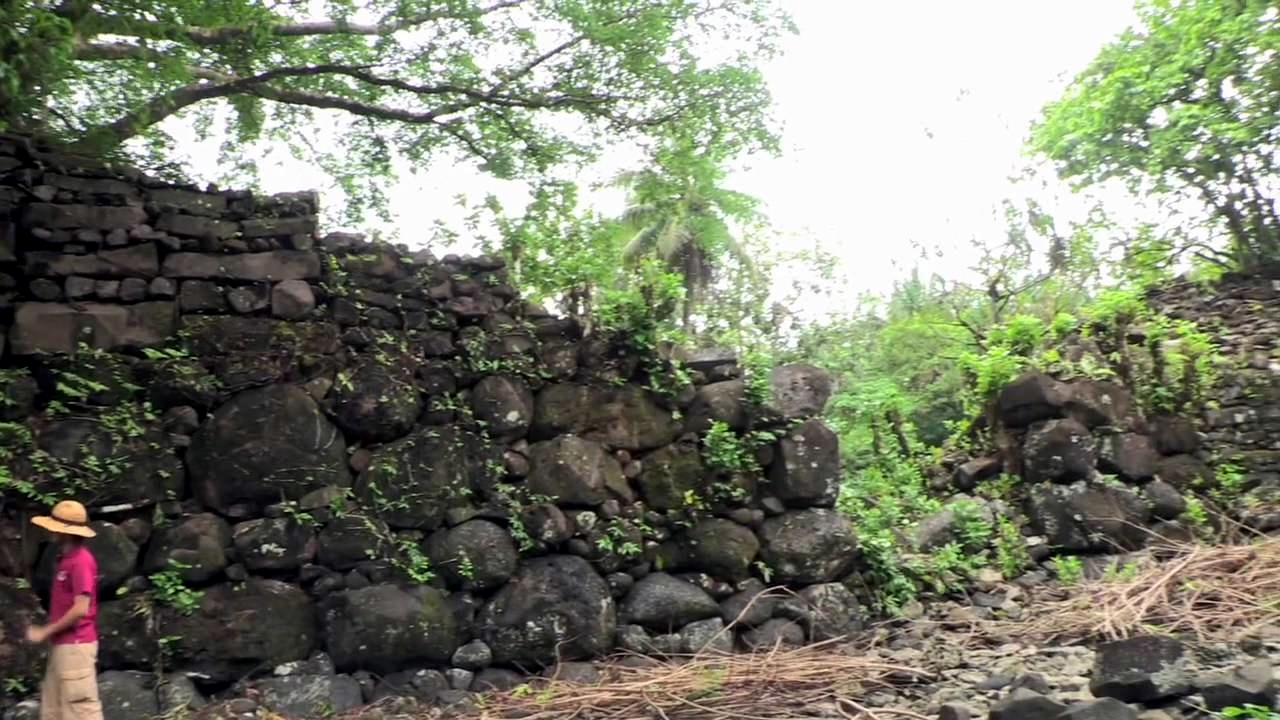
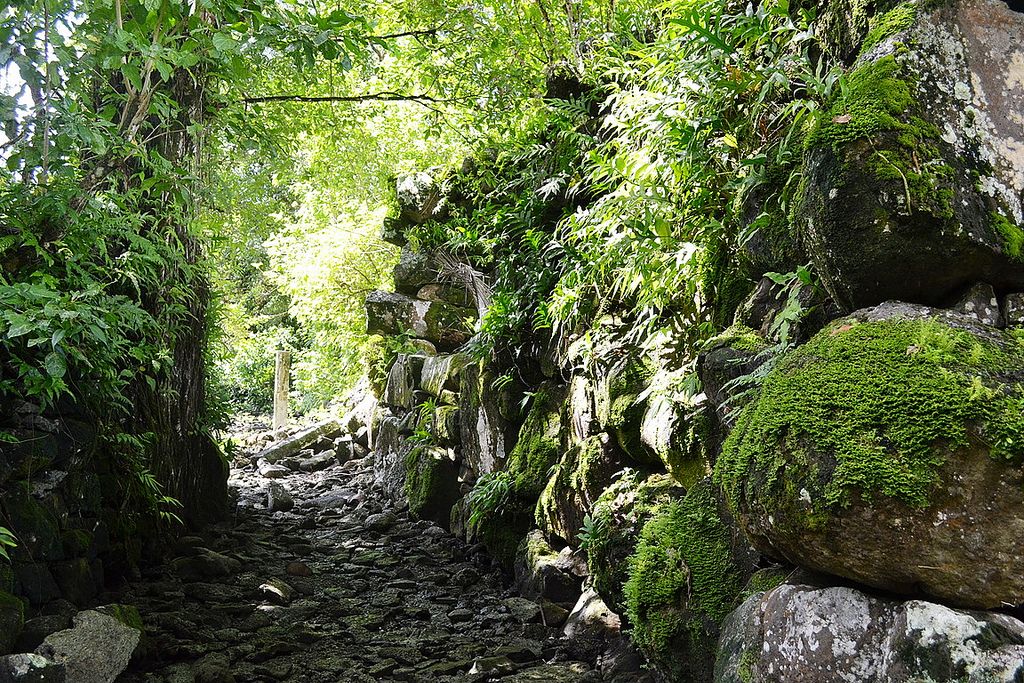
Between Nan Madol and Insaru, who is going into trouble to organize 250 million tons (and many more millions of tons on Lelu) of quarried stone into cities and towers and canals? Pohnpei and Kosrae create a 300 mile (c. 480 kilometers) long zone. A kind of nursery, in which typhoons and cyclones are born and nature creates the first stage of their power. Incredibly strong as we all can see every year.
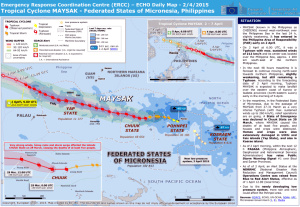
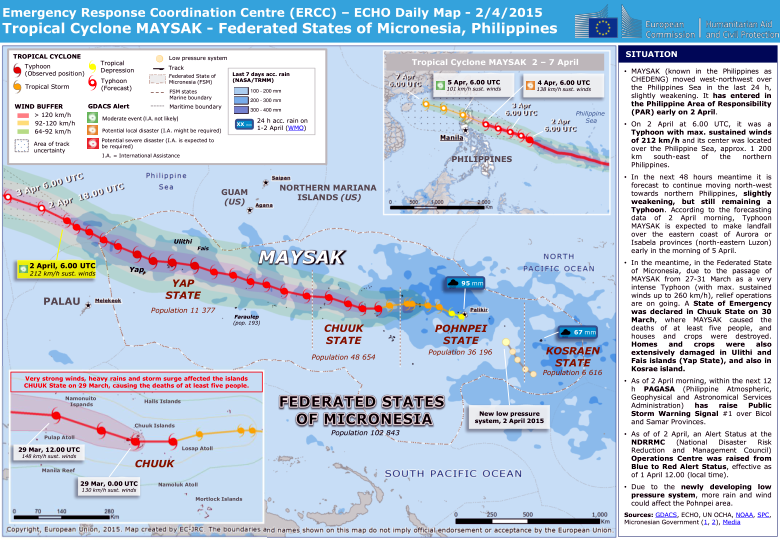
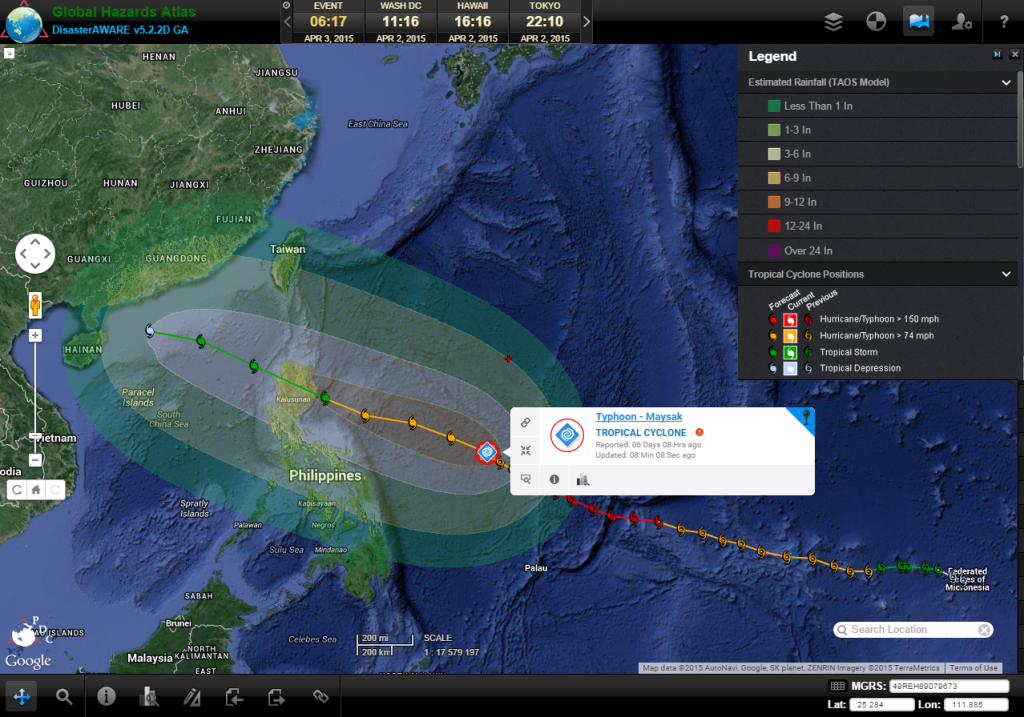
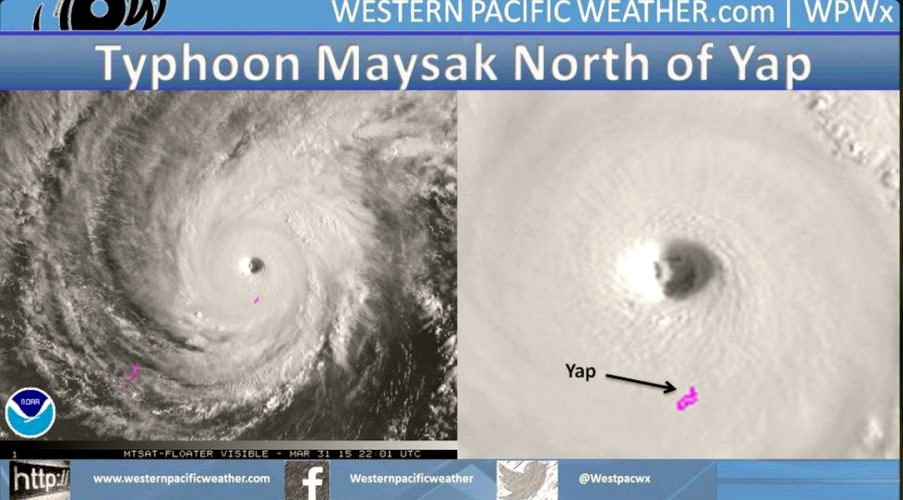
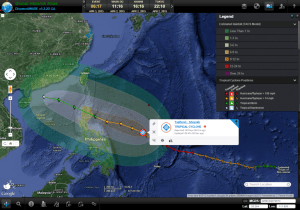 Here is one example of an heavy tropical storm (cyclone or typhoon) „Maysak“ from 2015. Left one can perfectly see where it is „born“ – between Kosrae (Insaru) and Pohnpei (Nan Madol) – and right how it developed and hit into Banaue on the Northern Philippines.
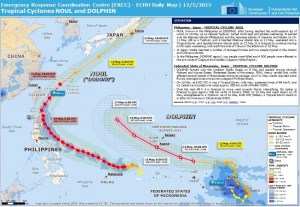
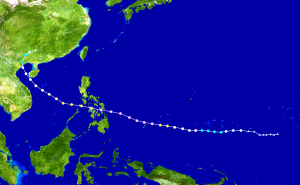 And here are two more examples, left the typhoons Noul and Dolphin (born again between Kosrae and Pohnpei) and on the right the track of the cyclon Haiyan in 2013, starting in the east of Micronesia and ending in China. Click on any pic to up size, its worth while.
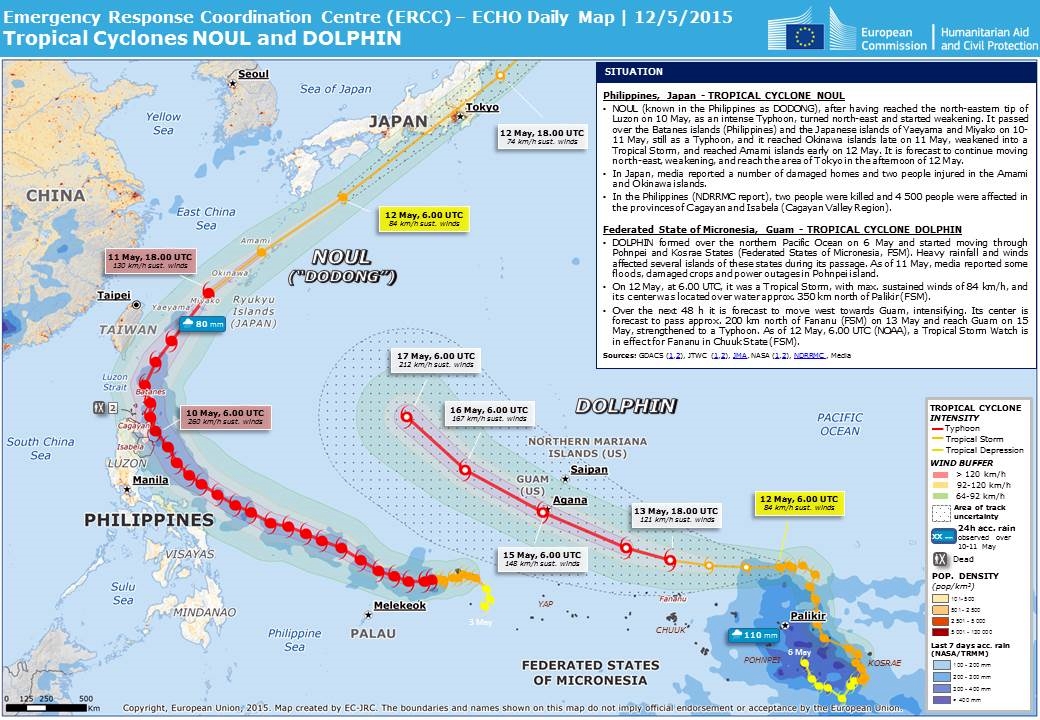
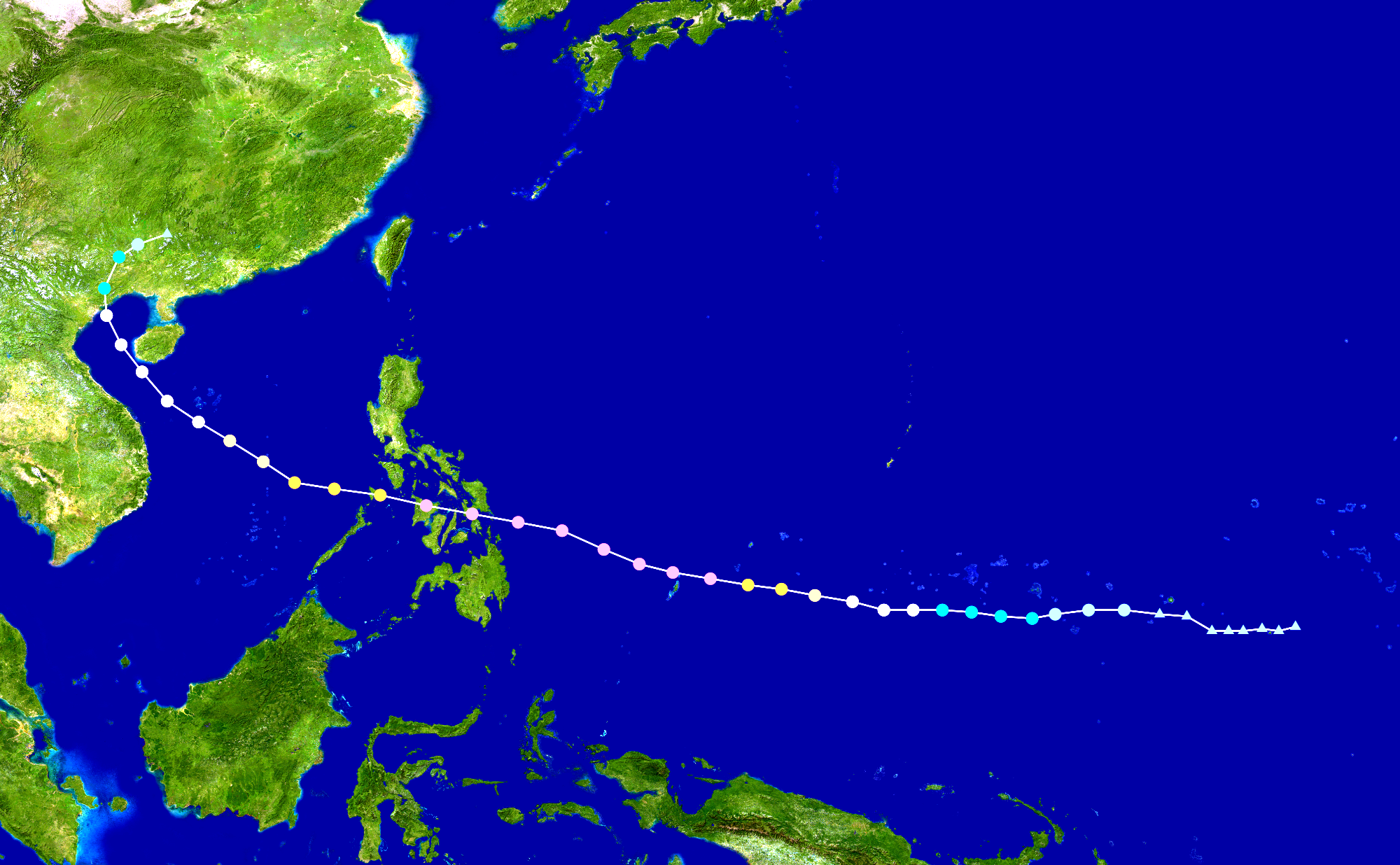
That „zone“ itself is nearly cyclone free, but they soon grow rapidly into monster tempests that ravage the Philippines each year. But the same „zone“ is seismic unstable and can create unknown powers. The major effect with respect to hurricanes (cyclones, typhoons) is electromagnetic. Who knows if there was an easy method (now lost in time of course) to control and/or use such powers? Could have these „magic powers“ belonged to an ancient, unknown civilization, a civilization which came from wherever and build Nan Madol and Insaru ? And used those „island stations“ for their weather control ??
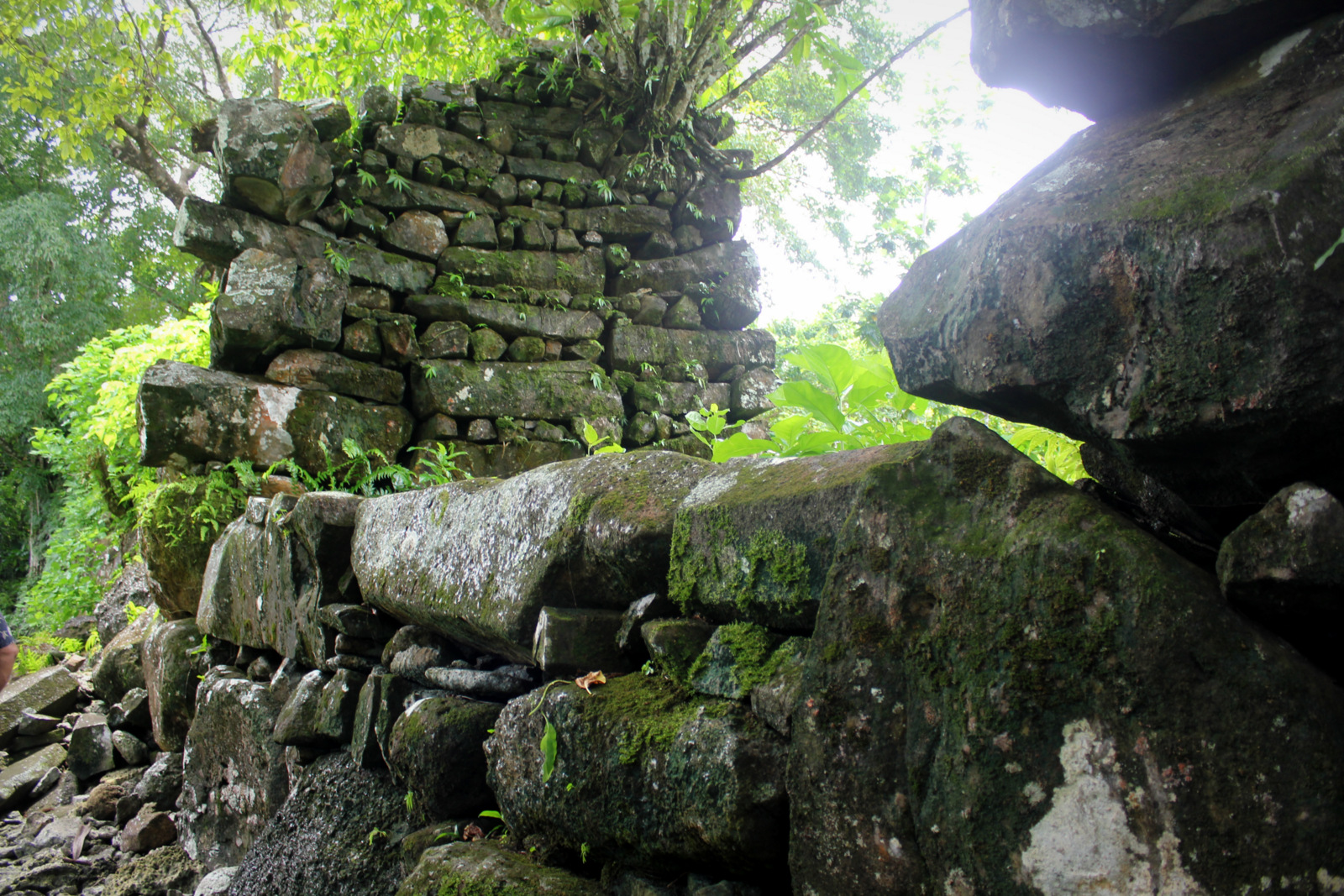
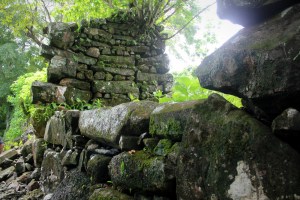 Magnetic basalt in Insaru on Kosrae, similar to Nan Madol. If I look now on this picture of the old stone walls and same time up onto the modern wonderful colored computercharts we are capable of, the automatically the question comes up – IF WE ARE SOOO MODERN, WHY CAN’T WE DO ANYTHING like the „ice-age-civilization“ could do ? Or at least understand what they did or find out what and how they did it.
Of course easier it is to say: „Magic – all bullshit – can’t be possible !“ And more like that !
But how? And could it be ever possible ? Electromagnetism is the most important element in tropical storms. The inventor Nicola Tesla and now supported by a growing number of scientists believe that our planet pulsates with an electrical current in the extremely low frequency (ELF) range. They theorize that ELF beams bounce off the ionosphere, the atmosphere highest layer.
 Nicola Tesla, described as „a visionary genius“.

Why is this interesting and what has it to do with Nan Madol ? Short explanation : If this theory is used to send beams up to the ionosphere and take the „bounce“ above the cyclones, it will create an electromagnetic shortage and the storm can ride on as a soft windy and rainy weather, without any harm. What a theory, no more cyclones ! But, may be we had a civilization, thousands of years ago, which was able to use such know how?!
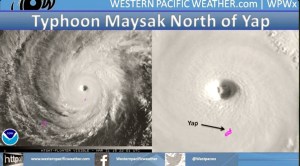 This is Maysak again. Wouldn’t it be nice if the modern world could relinquish such monsters ? Micronesia East, like Kosrae and Pohnpei are mostly free of such monster storms. Micronesia West, like Chuuk and Yap are often effected.
I have a philosophy: „Everything can be possible or impossible – as long as no one can prove the opposite.“ Important is that we are open minded ! Mankind achieved much in the last circa 1000 years, but it’s only „one thousand“ ! Before we could have civilizations who could evolve for many 10.000 years and then lost again for the last 10.000 years. If we open our mind to a much larger scale of history, we may be able to find a much larger variety of explanations.
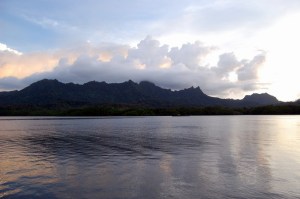
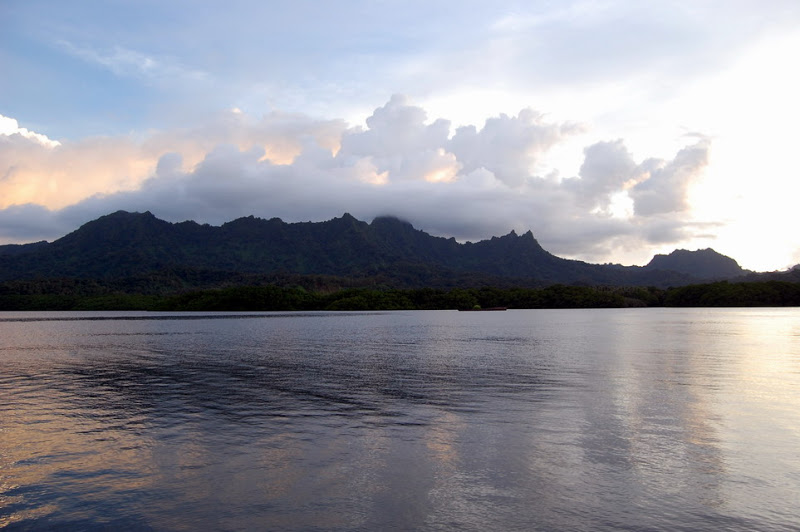
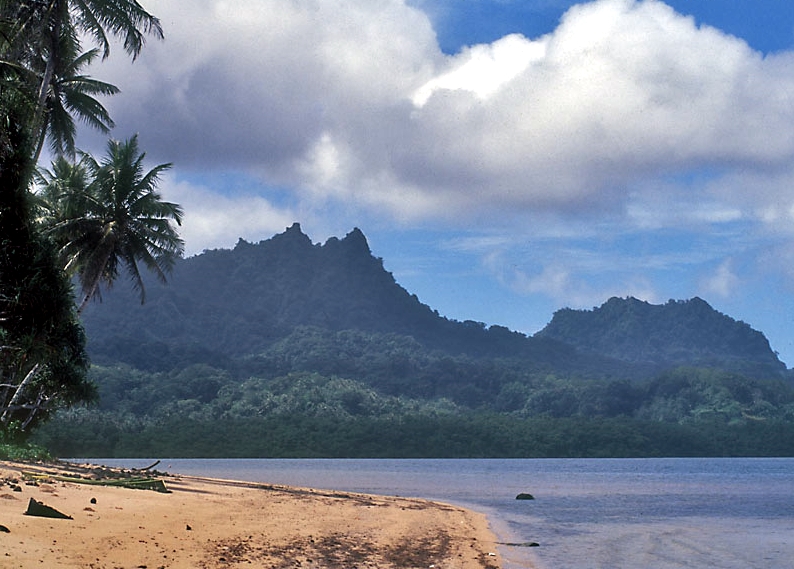
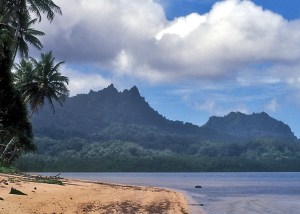 The „Sleeping Lady“ mountain range on Kosrae, landmark of the island.
Therefore it needs a massive power plant and the right material. The found of magnetic granite, of thousands of electric eels (to spark the electric fields) and platinum (prehistoric artifacts – platinum coffins – much more rare and valuable than gold) in Nan Madol could be the evidence that Nan Madol and Insaru was never a city, certainly not in any ordinary sense of the word, but a power station constructed by Pohnpeian’s ancestors. WOW !
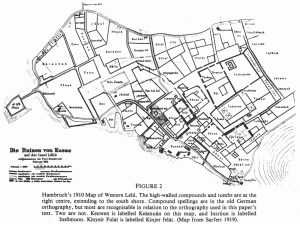
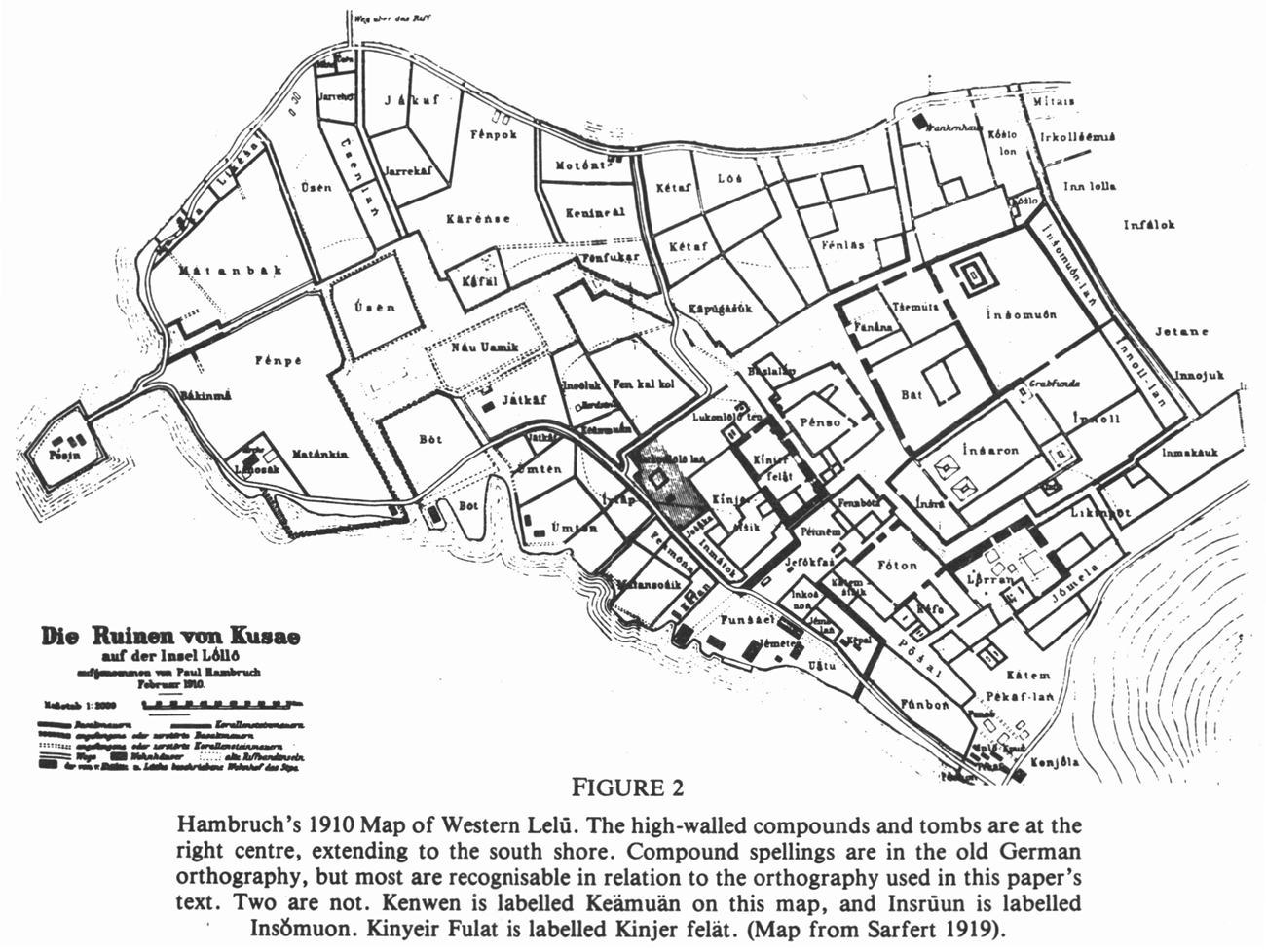
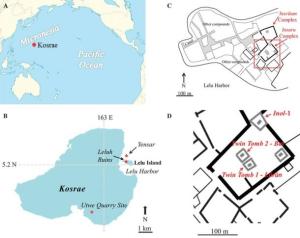 The Insaru ruin complex on the small Kosrae island Lelu. Who build this massive stone work ?
A bit far from reality ? Read the book of Frank Joseph, which I mentioned in my first post about Nan Madol. Just one interesting fact – century’s old PLATINUM coffins were discovered – but our modern world collected the first PLATINUM in South America in 1741, earlier was no Platinum known to modern civilization ! Another WOW !!
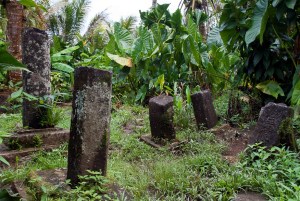
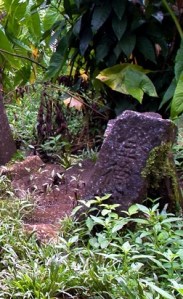 Magnetic basalt pylons in Insaru on Lelu/Kosrae. Right a detail of the left pic, with some very rare design, which is unknown and not deciphered till now who it made and what it means.
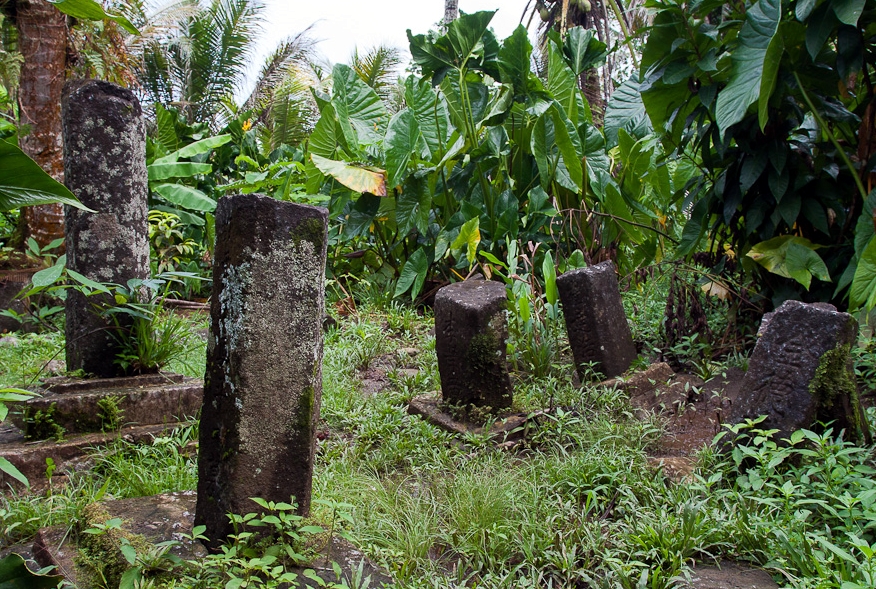
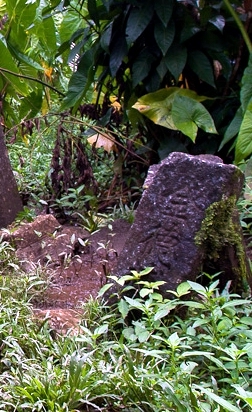
No other characterization can account for its fortuitous location where cyclones are born; its many millions of tons of unnaturally magnetized basalt; platinum „coffins“ – placed in the center of Nan Madol – acting as electrical dampeners; or seismically induced ghost lights. These lights are still existing today in Nan Madol.
Banaue.
Why should anyone have been interested in controlling the weather so long ago ? The answer lies 1750 miles east of Pohnpei, at Luzon in the Philippines. 155 miles north of Manila, at 4000 feet above the sea level, is found what many visitors describe as the Eighth Wonder of the World. In scope still the grandest engineering feat ever undertaken, little appreciated by outsiders. A growing, living stairway rises continuously and unbroken to 3000 feet from the valley floor of Ifugao province. Their vertical distance from the bottom to the top exceeding height of the worlds tallest skyscrapers.
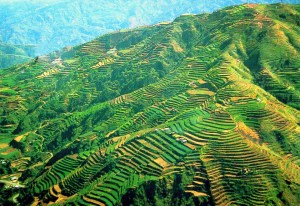 This looks really like the 8th wonder of the world.

The Banaue rice terraces span more than 50.000 acres along the Cordillera mountain range. Today about 50% of the original agricultural network still exists. Who build it eludes archeologists, because agriculture of such huge organized magnitude cannot be associated with any contemporary culture.
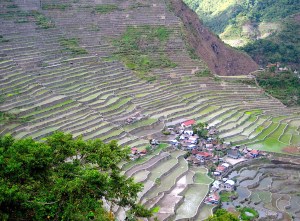 Terraces everywhere, some are washed away, because there is no „Storm Safety“ anymore. Nan Madol-Insaru is not working anymore.
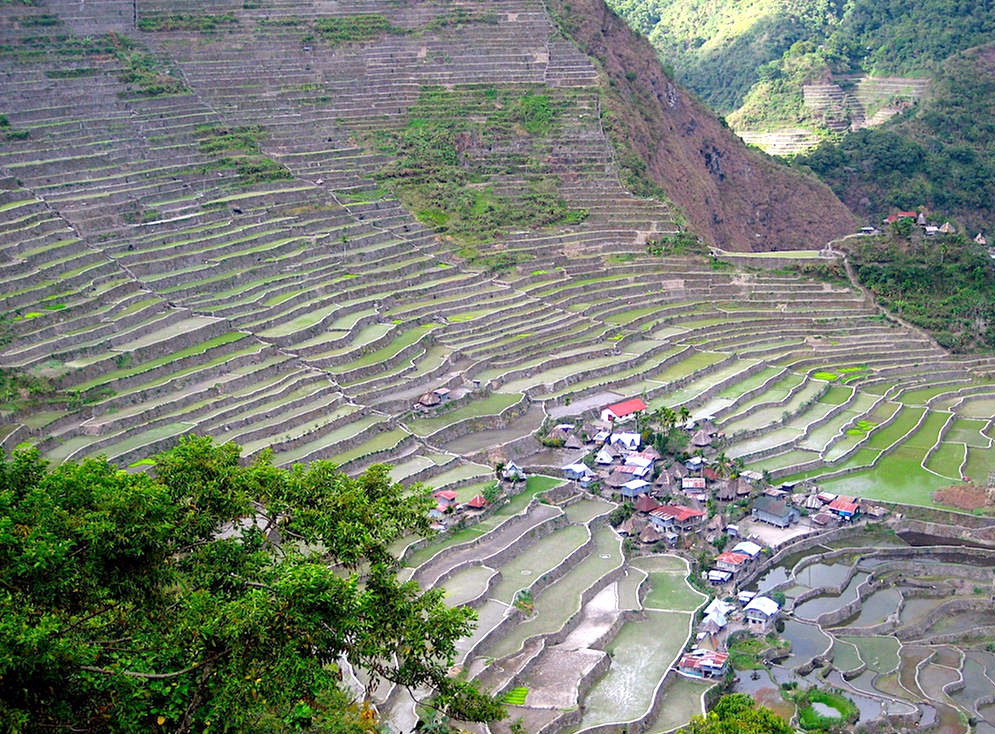
Build by some powerful sorcerers, who came over the sea in the dim past. Also told in old Philippians storytelling seems to be similar to the magicians responsible for the creation of Nan Madol. A closer link between the two sites, as different as we see them from each other – one industrial, the other agricultural – is the colossal scope of their execution. Nan Madols and Insarus over 300 million tons of magnetized basalt and the original more than 100.000 acres of rice farming in Banaue.
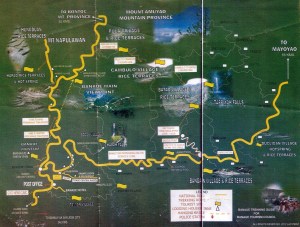 Tourist brochure shows the immense scale of Banaue.
5000 or more years ago the demands of local nutrition could have required only a fraction of the crops yielded by the Philippine rice terraces. They would have been one main source of food for much larger population then we know today. Thus, to protect the national „breadbasket“ of some much greater civilization, the engineering genius responsible for Banuae likewise build a weather-control station in the Caroline islands.
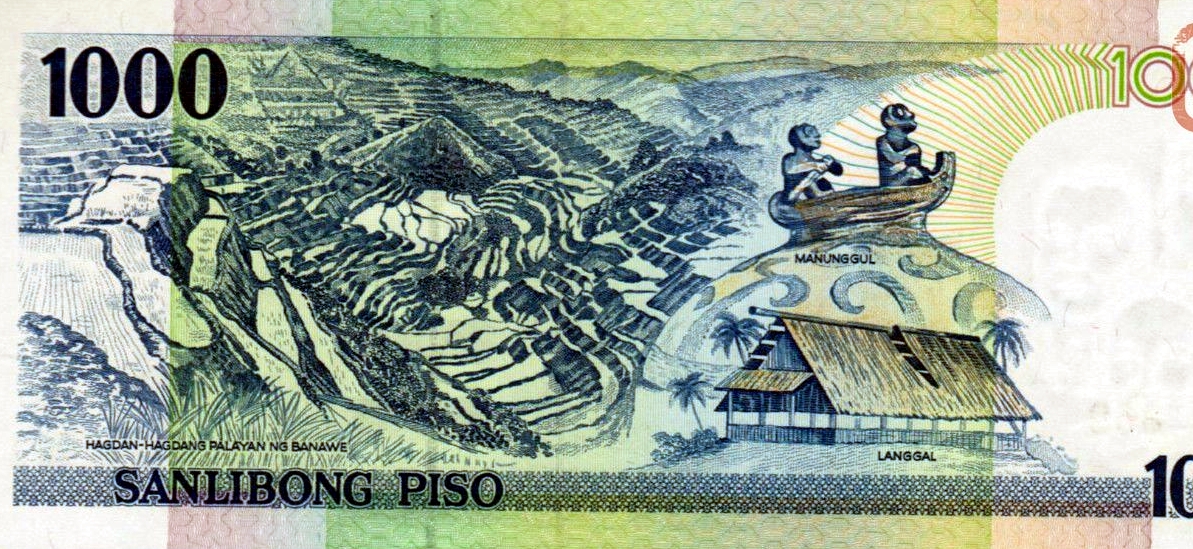
 Banaue on Philippine 1000 Piso money note.
When a gigantic civilization disappears somehow – the sunken continent of Lemuria or MU – then there is no need for such advanced technologies and may be no possibility to bequeath the know how. We just can guess, believe or not and talk about magic.
 It is an amazing „world wonder“ breadbasket.

All is not longer functioning because of lost know how. The typhoons are massive hitting the Philippines every year and the rice terraces are on the „dangerous list“ of the United Nations. Professionals guess they will be gone within the coming 25 to 50 years. The unused tectonic energies are still active at Pohnpei. Nan Madol is, after all, a ruin, it’s original 40 or 50 foot towers are reduced to perhaps half their original size.
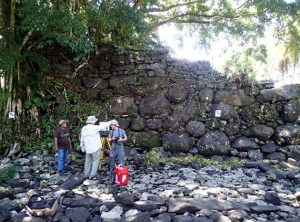 Surveying the Insaru ruins on Lelu.
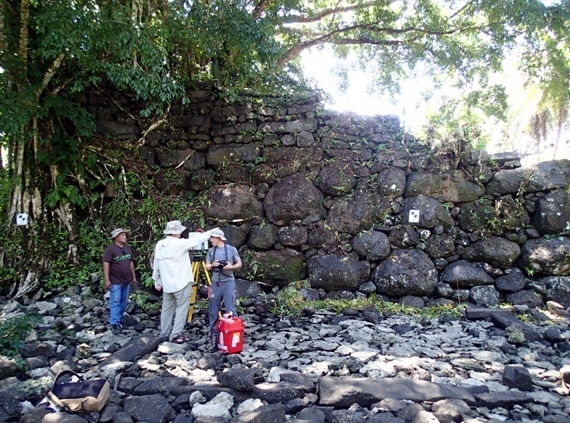
Only God will know where from and how these huge amounts of heavy basalt rocks came onto the island. Even with todays technology and knowledge it would be almost impossible to build Nan Madol or Insaru – and if – no one could finance it and it would take decades of labor with thousands of workers which are not available. Just imagine that the largest helicopter in the world, the Russian MI-26 can lift maximum 13 metric tons (29,000 lb). Heavy ship cranes would not even get close to the islands, never mind get 30 to 50 ton boulders a few hundred meters inland !!??!!
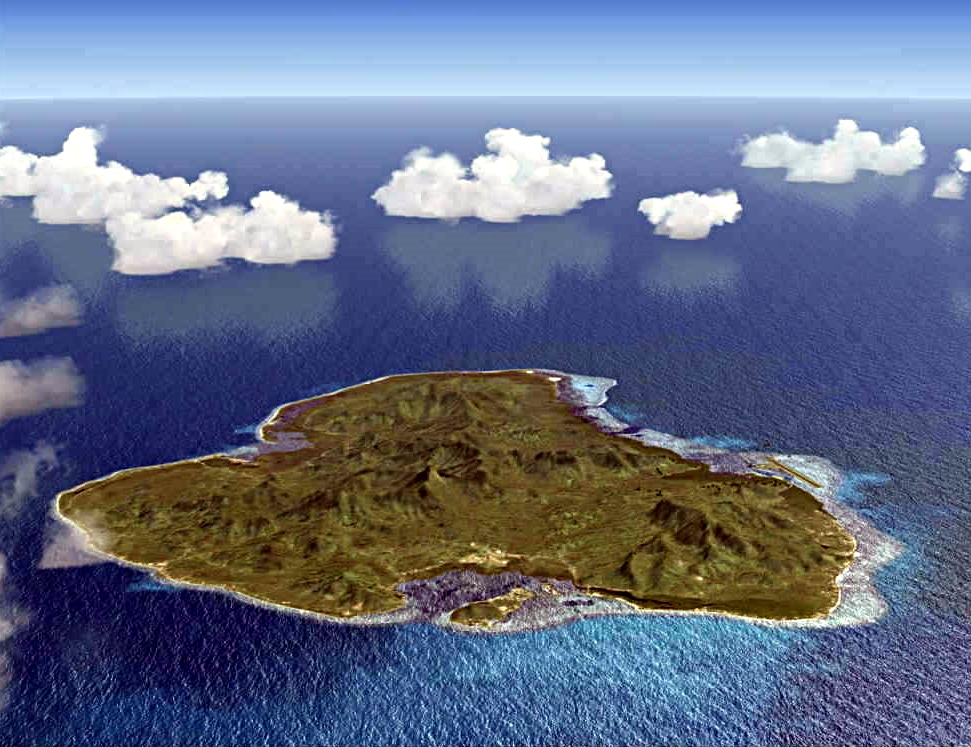
 The island of Kosrae. In the middle of the pic on the right you can see the airstrip and the port of Kosrae. In the bay down front the little island of Lelu.
Insaru, Lelu.
As on Pohnpei the the massive amount of basalt to build Nan Madol, it was needed another massive amount of basalt for Insaru. Nan Madol had some materials quarried at Sokehs Rock, but certainly not enough to supply 250 million tons of basalt and for sure nothing for Insaru on Lelu. Kosrae has no basalt rocks at all. And it is estimated that just Insaru housed millions of tons magnetized basalt, which was heavily demolished after the 1900’s for other building projects.
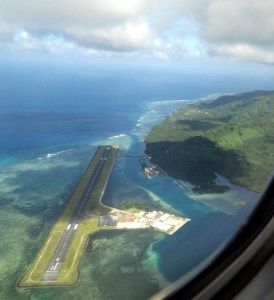
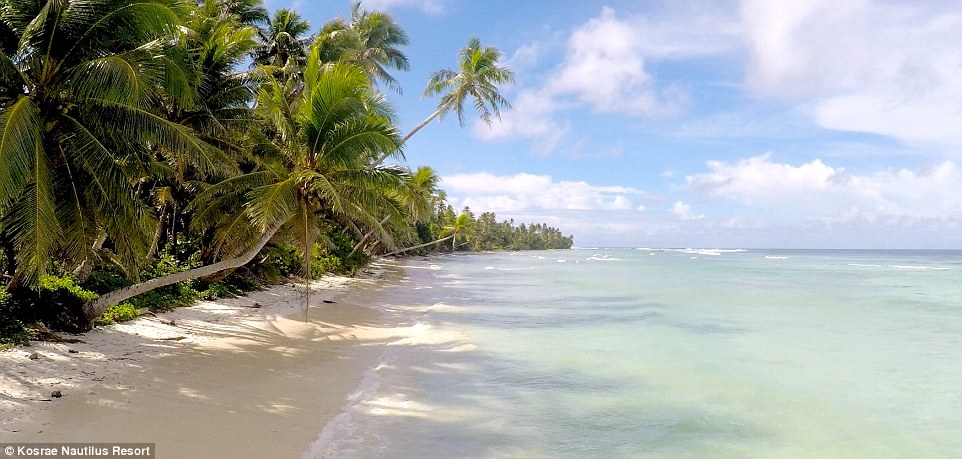
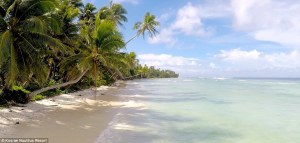 If you arrive or leave Kosrae, mostly a wonderful view of the island (pic above) and the airport and seaport (pic left). And you’ll leave the magnificent beach (extremely small sand strip) infront of the Nautilus Resort.
In truth, the quarry or quarries have never been found, on either Kosrae or Pohnpei or anywhere else in the entirely Pacific !!! These amazing undiscovered building sites will steam up ones fantasies for many generations to come. It is likely, that for eternity, Nan Madol and Insaru will keep its secrets and will still be open for speculations.
After 3 days and nights on Kosrae I had to leave this wonderful Island, taking a flight back to Manila. May be I’ll write about the island hopping in a future post. Enjoyed this one ?


Pingback: The Marree Man – Update | my uy tips