
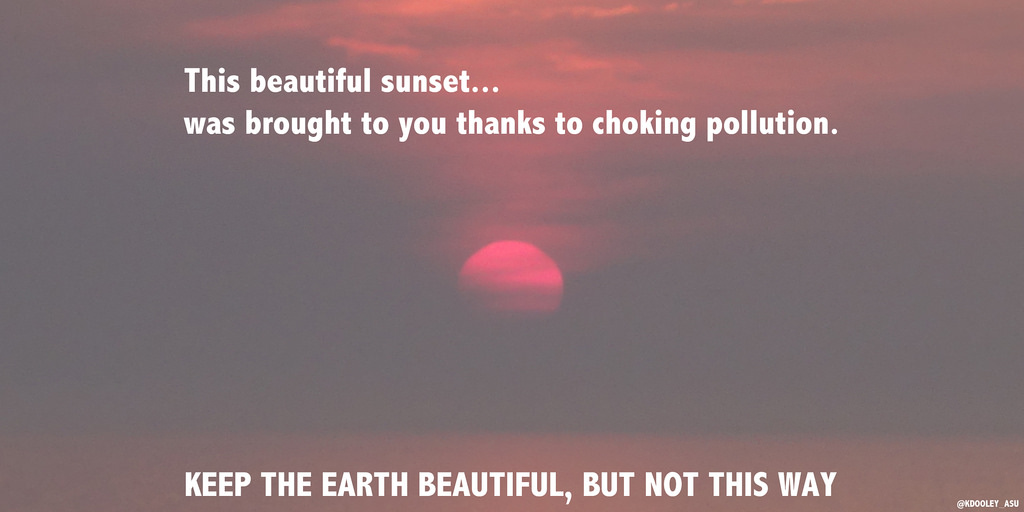
Air pollution continues to be a global problem.
Currently, 92% of the population lives in places with higher pollution than what’s considered healthy, according to a new report by the World Health Organization. The WHO has also looked at these data at a city-by-city and country by country level.
The most harmful pollutant to human health is called PM 2.5, particulate matter smaller than 2.5 microns in diameter that’s found in soot, smoke, and dust. PM 2.5 is especially dangerous because it can get lodged in the lungs and cause long-term health problems like asthma and chronic lung disease.
PM 2.5 starts to become a major health problem when there is more than 35.5 micro grams of PM 2.5 per cubic meter of air, according to the US Environmental Protection Agency. But the WHO recommends keeping yearly average PM 2.5 levels three times lower than that.
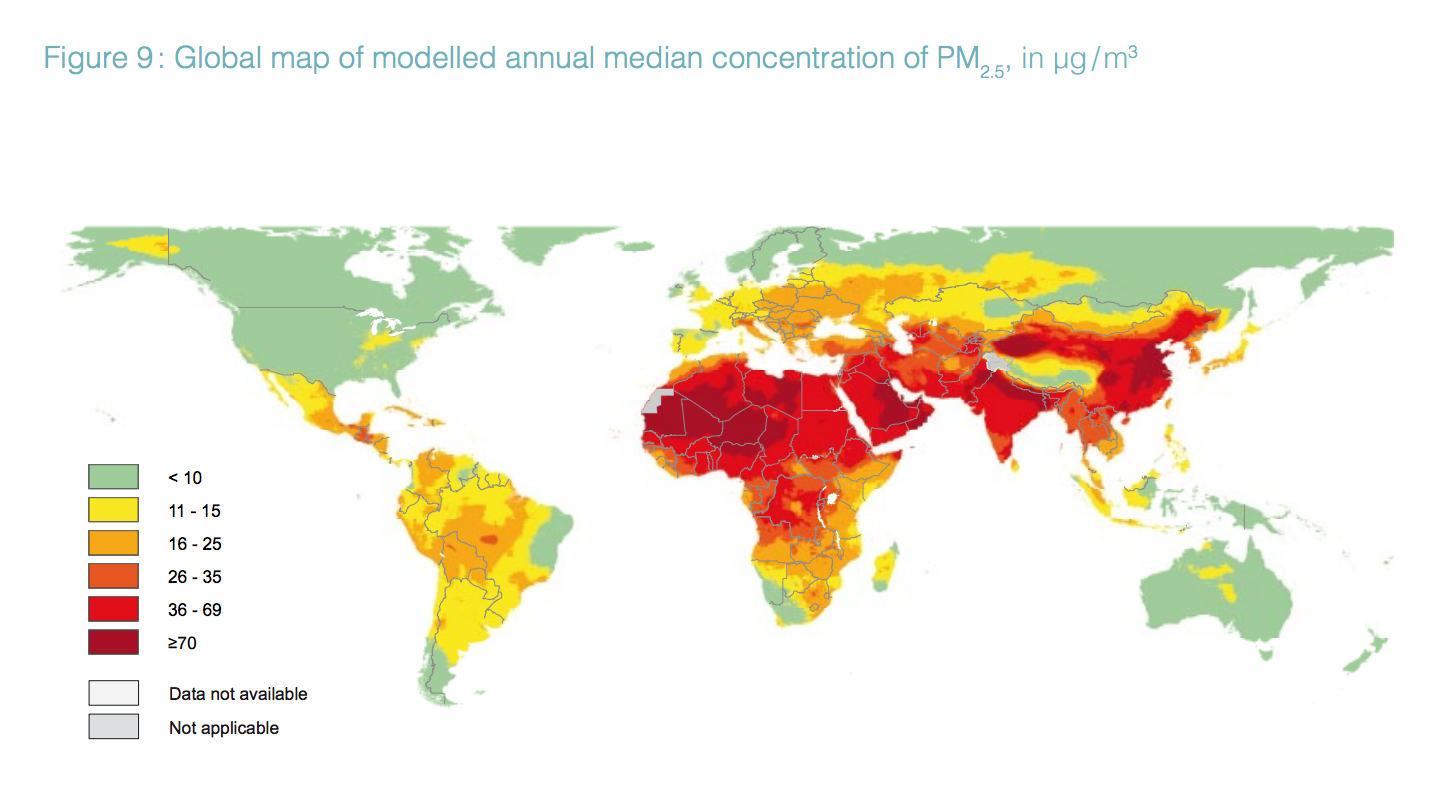
Here’s a map of the annual median concentration of PM 2.5 — green areas are within the levels that’s considered healthy, according to the WHO’s standards.
The WHO links 3 million deaths a year to air pollution. Most of those deaths occur in low- and middle-income countries.
“The new WHO model shows countries where the air pollution danger spots are, and provides a baseline for monitoring progress in combatting it,” WHO Assistant Director General Dr Flavia Bustreo said in a news release.
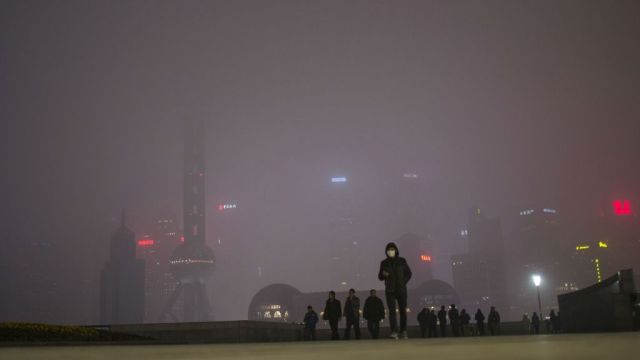
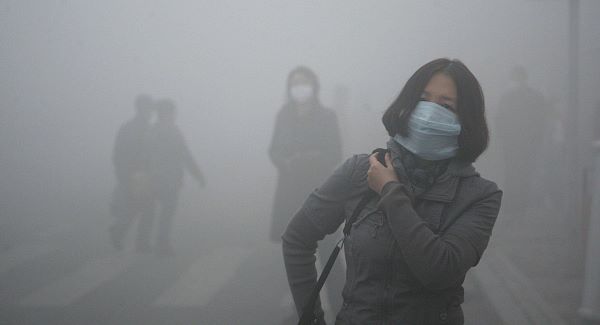
A man wearing an air mask walks through downtown Shanghai, China. The sky is filled with smog.
Air pollution from industrial activity isn’t just an environmental concern—it’s a major public health problem, too. And China is just on 16th place on the worlds country list !! Click on pics to supersize.
In a report, released Tuesday (27th of September 2016), the World Health Organization (WHO) found that 92% of the population breathes air with unhealthy levels of pollutants. WHO collected air quality data from 3,000 locations across the globe and looked for concentrations of fine particulate matter, including sulfates, nitrates, mineral dust, and black carbon, which are less than 2.5 micrometers in diameter—about 1/1000 of a millimeter.
Both indoors and outdoors, these particles work their way into the lungs when we breathe, and can cause cardiovascular disease like lung cancer, stroke, and chronic obstructive pulmonary disease.
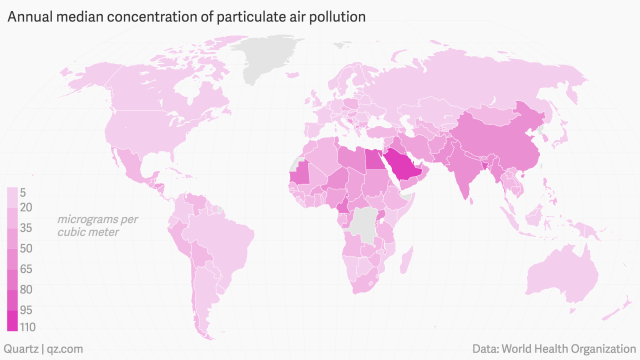
Concentrations of fine particulate matter air pollution.
According to the report, one in every nine deaths per year—about six million total—can be attributed to breathing in unhealthy concentrations of these particles. The map below shows the median levels of air pollution in entire countries. Of course, within a country there can be a wide range of air pollution levels from location to location, and these measurements tended to be much higher in cities and lower in rural areas.
“Safe” levels of fine particulate matter, according to WHO, are about 10 micro grams of particles per cubic meter, but most countries far surpassed those levels.
A map showing the global concentrations of fine particulate matter. In 2015, reducing health consequences by air pollution was added to the list of sustainable development goals. The table below shows all the median levels of particulate matter in each country where the WHO collected data.
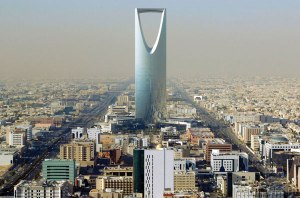
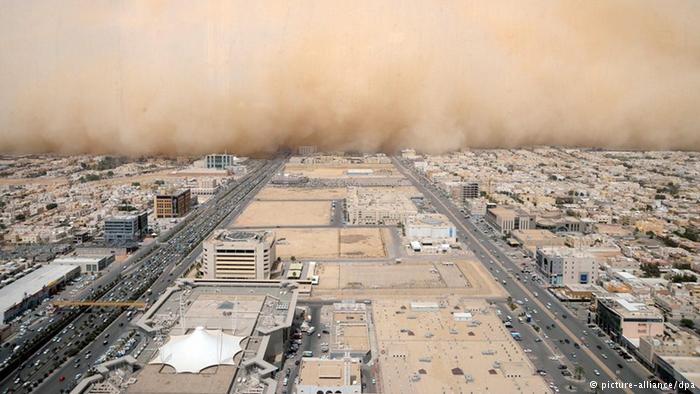
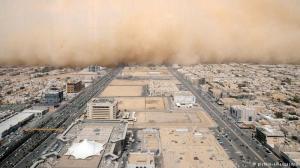 How high risers disappear within minutes, seen in Riad, Saudi Arabia. Like that trick ?
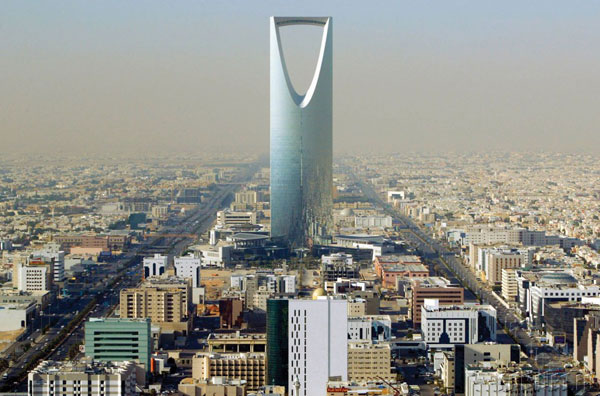
Country Median fine part particulate matter (micro grams per cubic meter), find your country of interest:
Saudi Arabia 108
Qatar 103
Egypt 93
Bangladesh 84
Kuwait 75
Cameroon 65
Mauritania 65
Nepal 64
United Arab Emirates 64
India 62
Libya 61
Bahrain 60
Pakistan 60
Niger 59
Uganda 57
China 54
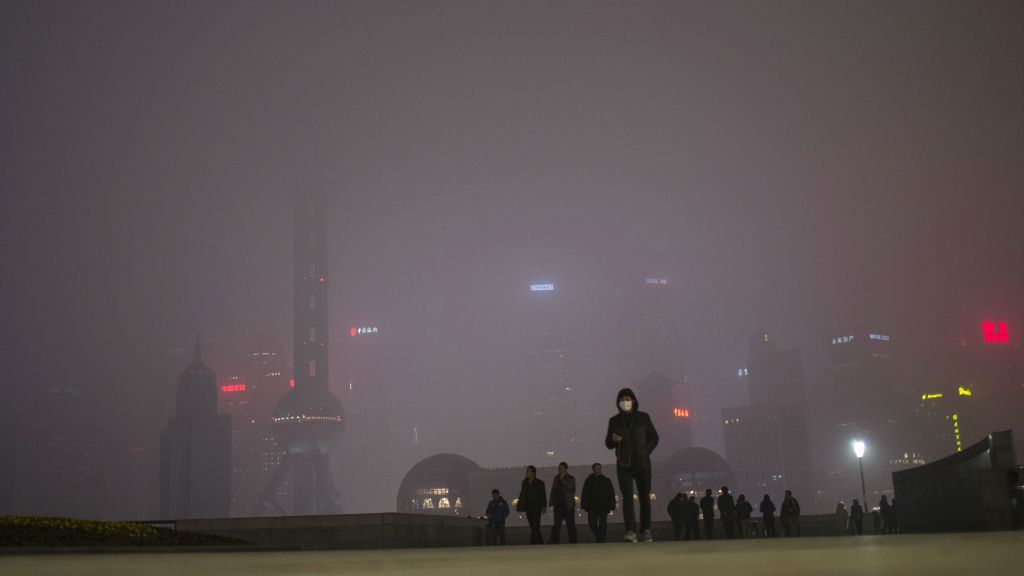
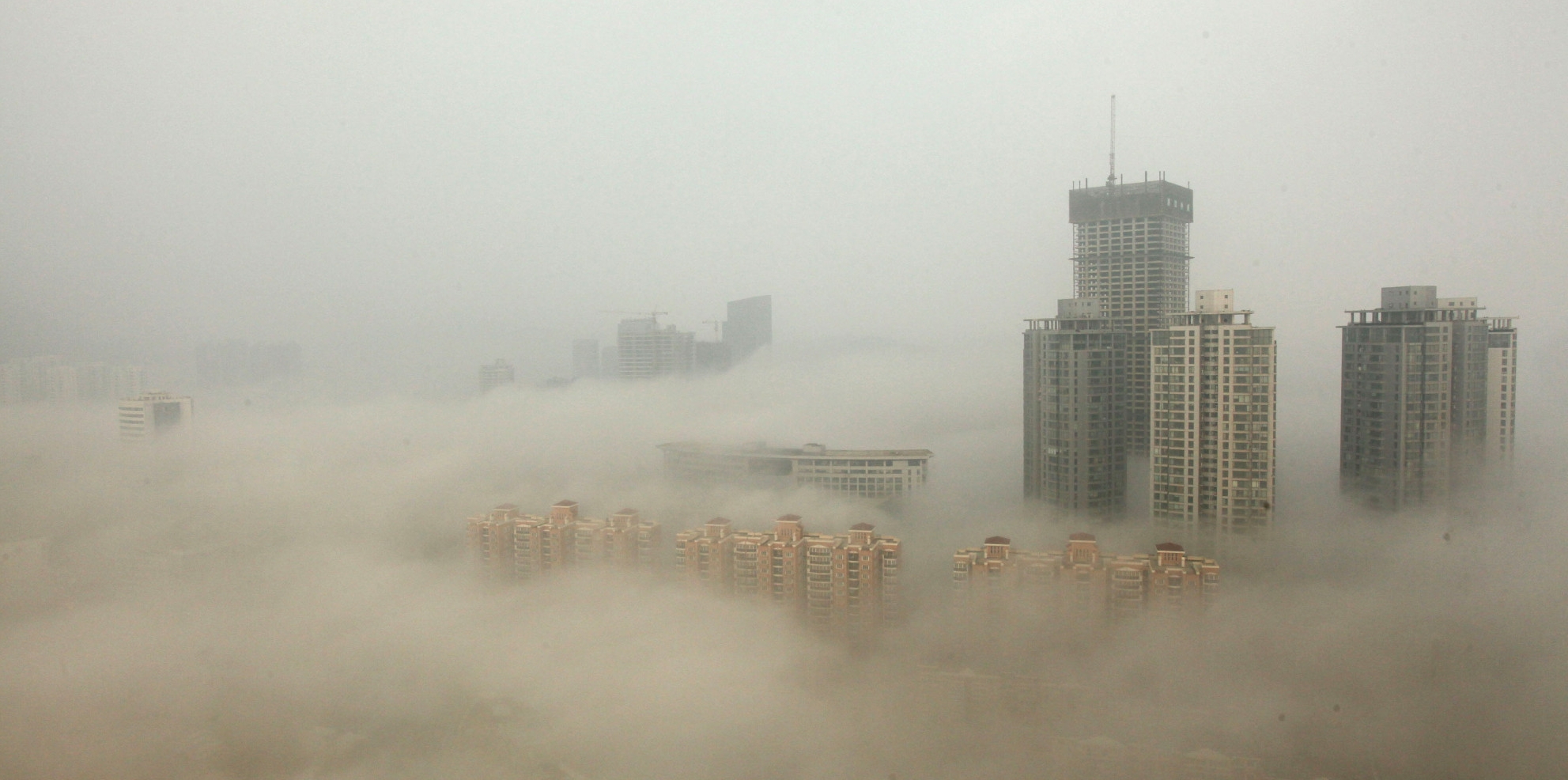
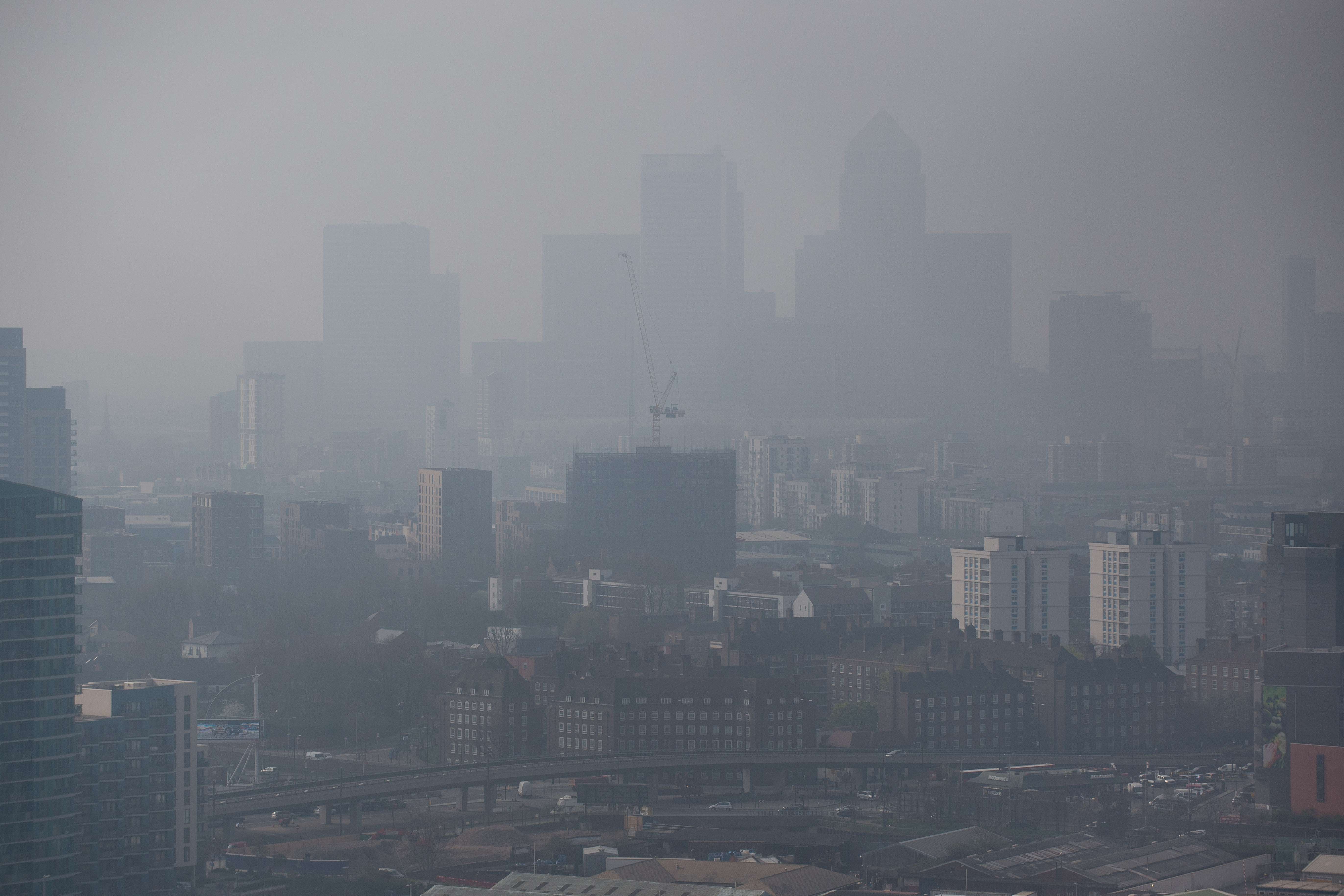
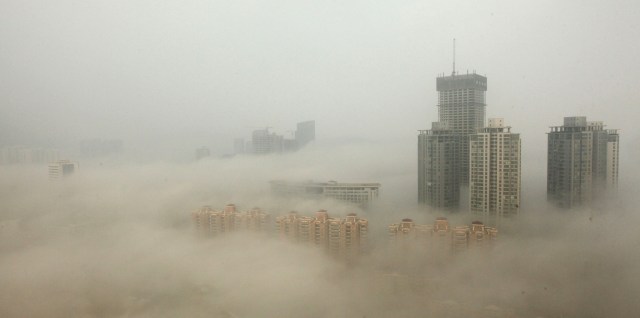 Buildings are shrouded in smog on December 8, 2013 in Lianyungang, China. Heavy smog has been lingering in northern and eastern parts of China since last week, disturbing the traffic, worsening air pollution and forcing the closure of schools. (Photo by ChinaFotoPress)
Myanmar 51
Iraq 50
Bhutan 48
Oman 48
Afghanistan 46
Sudan 44
Rwanda 43
Yemen 43
Bosnia and Herzegovina 42
Iran 42
Tajikistan 41
Congo 40
Central African Republic 39
Chad 39
Djibouti 39
Gambia 39
Nigeria 39
Burundi 38
Democratic Republic
of the Congo 38
Burkina Faso 37
Macedonia 37
Cabo Verde 36
Jordan 36
Tunisia 36
El Salvador 35
Eritrea 35
Honduras 35
Senegal 34
Syrian Arab Republic 34
Turkey 34
Equatorial Guinea 33
Guatemala 32
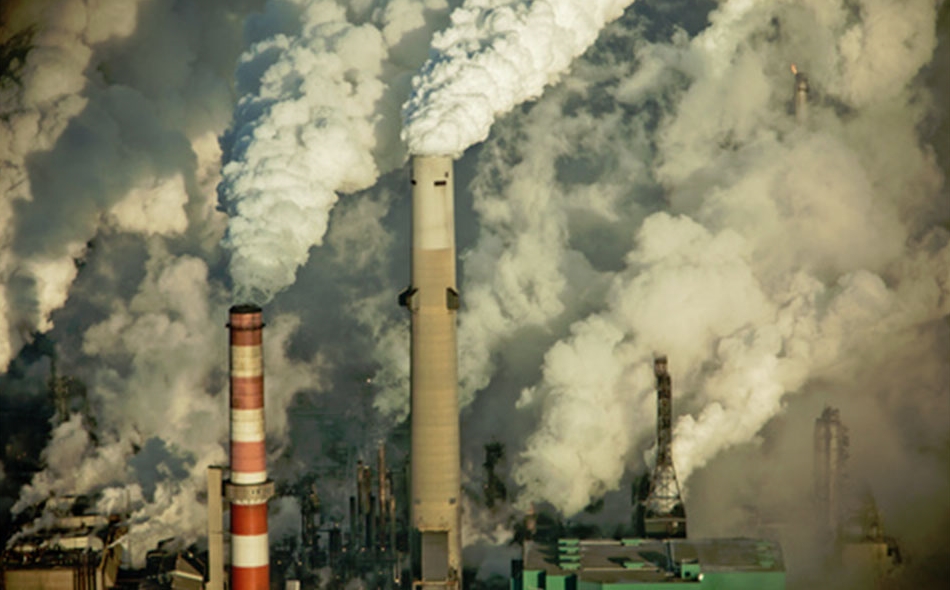
A new study in the journal Nature finds that Alberta’s (Canada) oil sands are one of the largest sources of organic aerosol air pollution in North America.Data from airborne measurements over the bitumen-producing region found that oil sands production contributes at least 45 to 84 tonnes a day of the tiny particulate matter – comparable to mega-cities such as Paris and Mexico City.
Uzbekistan 32
Benin 31
Ethiopia 30
Gabon 30
Lebanon 30
Mali 29
Nicaragua 29
South Sudan 29
Togo 28
Algeria 27
Angola 27
Bolivia 27
Bulgaria 27
Democratic People’s
Republic of Korea 27
Guinea-Bissau 27
Laos 27
Republic of Korea 27
South Africa 27
Sri Lanka 27
Thailand 27
Peru 26
Viet Nam 26
Turkmenistan 25
Azerbaijan 24
Ghana 24
Poland 24
Cambodia 23
Zambia 23
Belize 22
Côte d’Ivoire 22
Haiti 22
Malawi 22
Montenegro 22
Philippines 22
United Republic
of Tanzania 22
Venezuela 22
Armenia 21
Guinea 21
Hungary 21
Chile 20


Hi Mike,
is it really that bad in Uruguay ? Stinking cars and death-toll like this ? It might be worst than Panama and I thought its horrible here. Ciao Luigi.
LikeLike
No, Luigi,
it is not THAT BAD.
I deleted the Uruguay information already,
because readers, like you, could get a wrong impression.
Right is, we have some problems, but as same as everywhere.
And it was much worst when we came 6 years ago, many many
old rotten cars. Since people here can get credits for new
cars, the amount of the stinking ones reduced immense.
And – we have, mostly, pretty new buses – not as the smoking
devils like you have in Panama.
Ciao Mike.
LikeLike