
MyUy – Little Beer Almanac !
For the Germans, beer has anyway a very special place and it is not surprising if
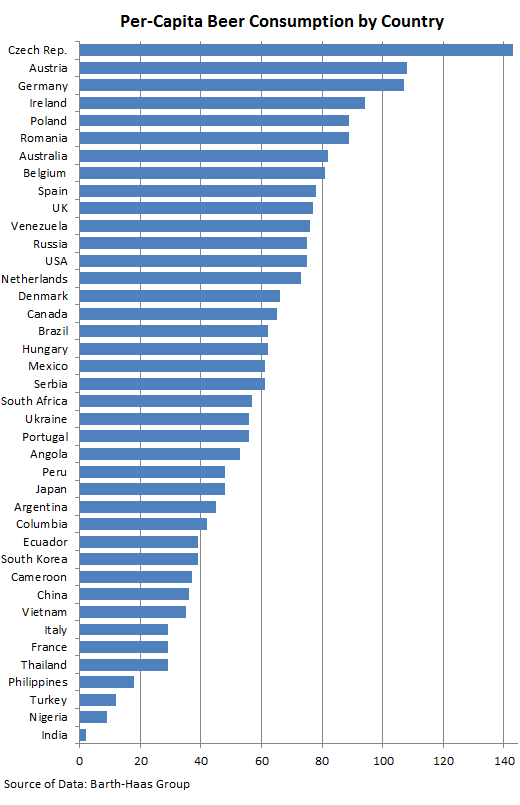
sometimes magical powers are attributed to the beer. German’s are not world champions in beer drinking. Although Germany produces a third of the 15,000 beers worldwide and has 1500 breweries, but the consumption gold medal goes to another country.
 The whole world is drinking beer, how about you ?

Germans drink per person per year approximately 110 liters (equivalent to approximately 300 ° to 320 beers) while the Czechs consume 140 to 150 liters and thus clear lead. Finally, the „Pilsner“ beer was born in the city of Pilsen, Czech Republic.
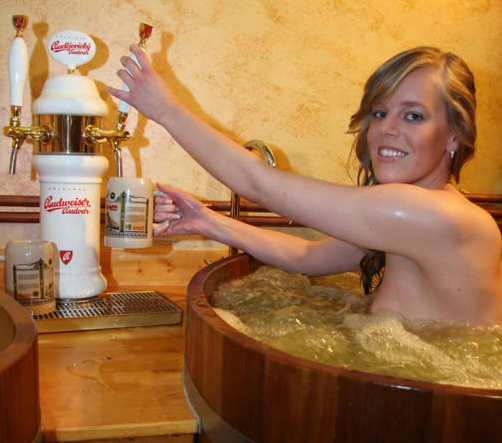


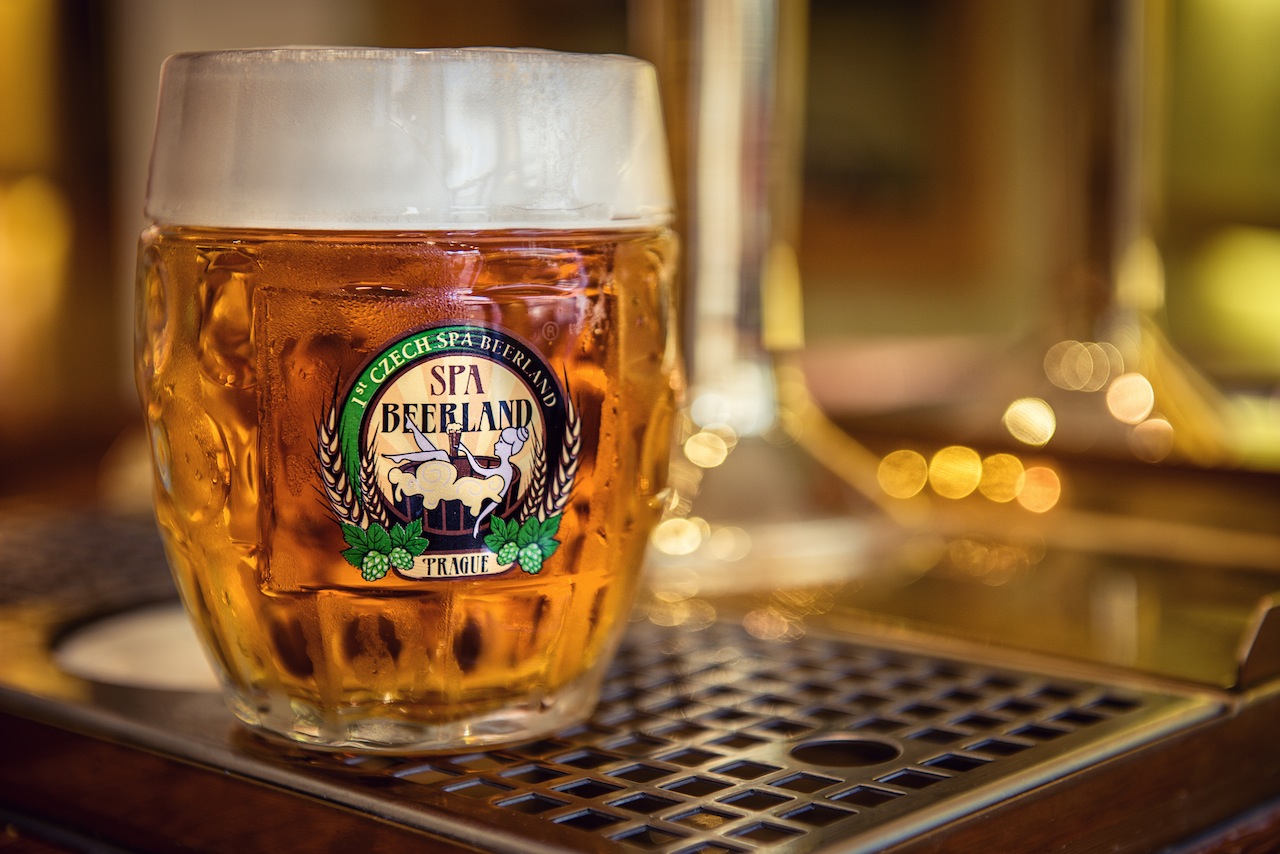
Inside the beer spa „Spa Beerland“, Prague, Czech Republic.
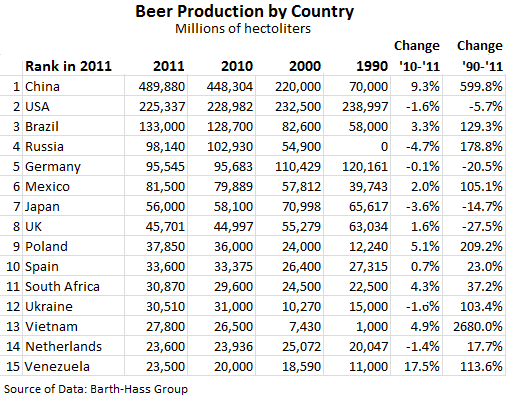
Some statistics.

 Interesting, some BIG beer consumers are not between the producers. Click on pics.
Let’s have some BEER FUN now.
Last Monday my friends Agnes and Jonathan inspired and convinced me to write about beer. Of course there is so much to tell that one doesn’t know where to begin. That’s why I thought to write about some statements, claims, rules or/and more which always come up in beer discussions. When someone says for example that you get a bigger bust drinking beer, you should be suspicious. Here some of the „sayings“.
1: Beer makes you fat.
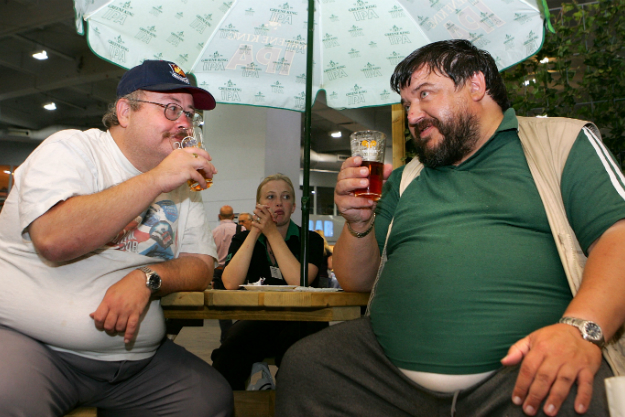
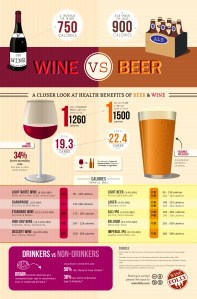
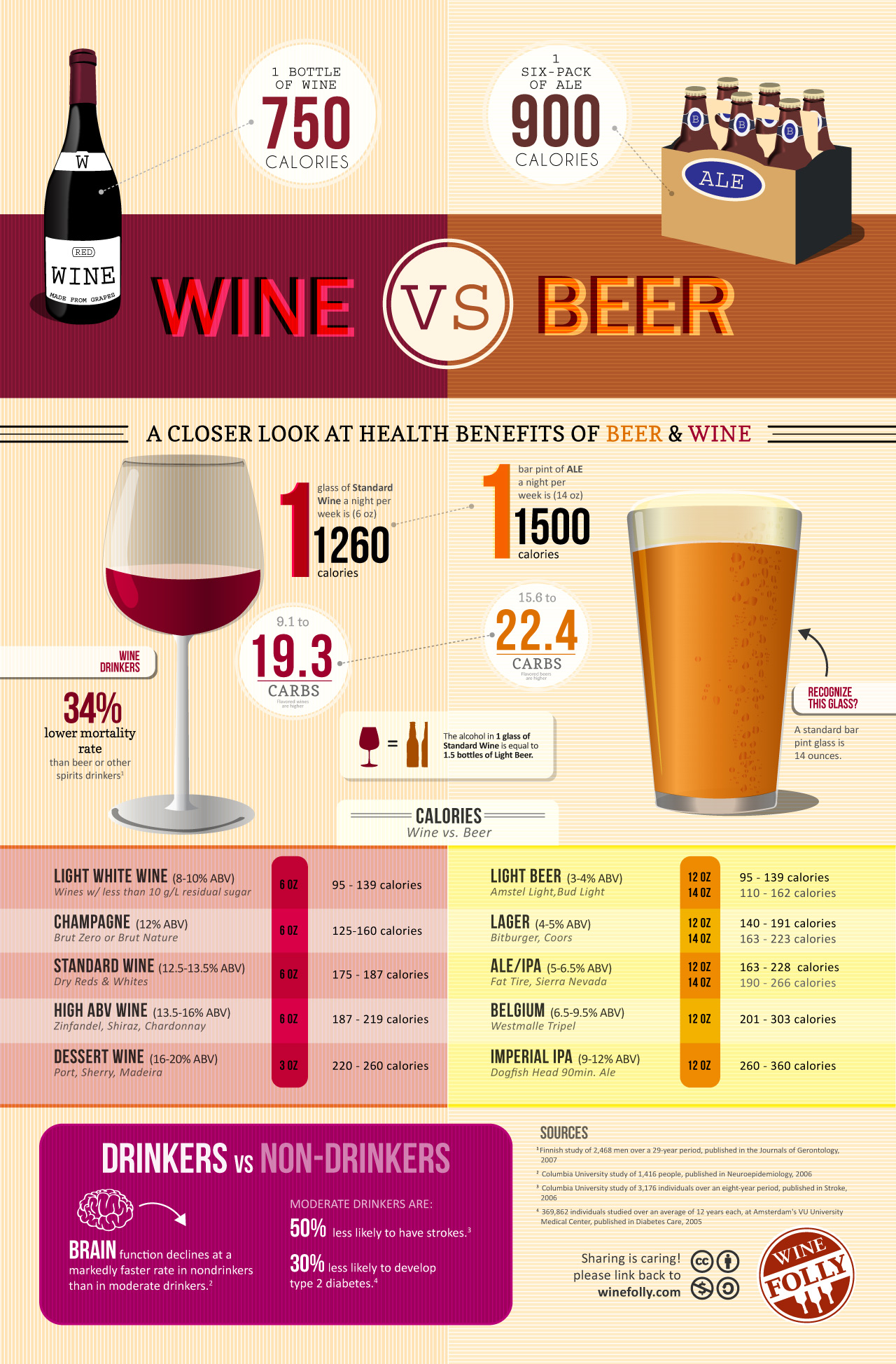
„Three beers are a steak“ or „a beer is two slices of bread“ – So it’s colloquially often. Even apple juice and milk have more calories, in red wine stuck twice as many.
Beer makes as opposed to a proper snack also not satisfied, but also stimulates the appetite instead. Who also accesses addition to pints of beer in sausages and pretzels is actually thick – just not the beer it is.
 Not the beer makes fat, just the goodies around.

2: A good beer takes seven minutes.
The seven-minute rule beer spigot is also a common myth, which they should not be believed. After seven minutes, the beer is in fact a primarily: stale. It could be that relates the old rule of thumb to become obsolete dispensers. When in use today taps it takes the empty glass to the delicious Pils only about three minutes.
3: Beer makes a beer belly.
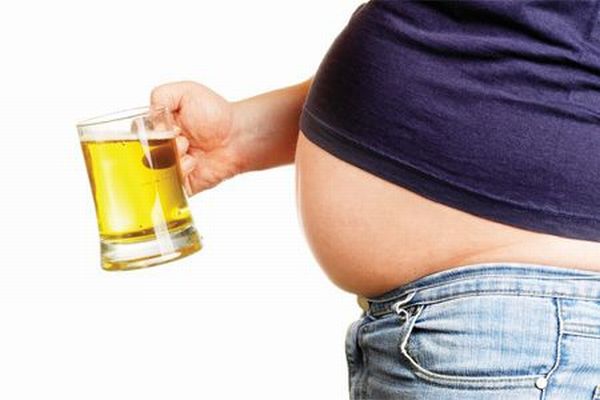
Now for the lords of creation: Representative studies have shown that the consumption of beer has no effect on the girth. The belly is probably still of the hearty meals. Then drink this up!

4: Beer makes a larger bust.
Plant estrogen’s in the beer often falsely lead to believe that women are a couple of cup sizes could wash these by regular consumption of beer. The low estrogen content and lack of scientific evidence supporting this optimistic theory, however, you should take a self-test distance: If in doubt, you would need to drink an enormous amount of beer for the effect.
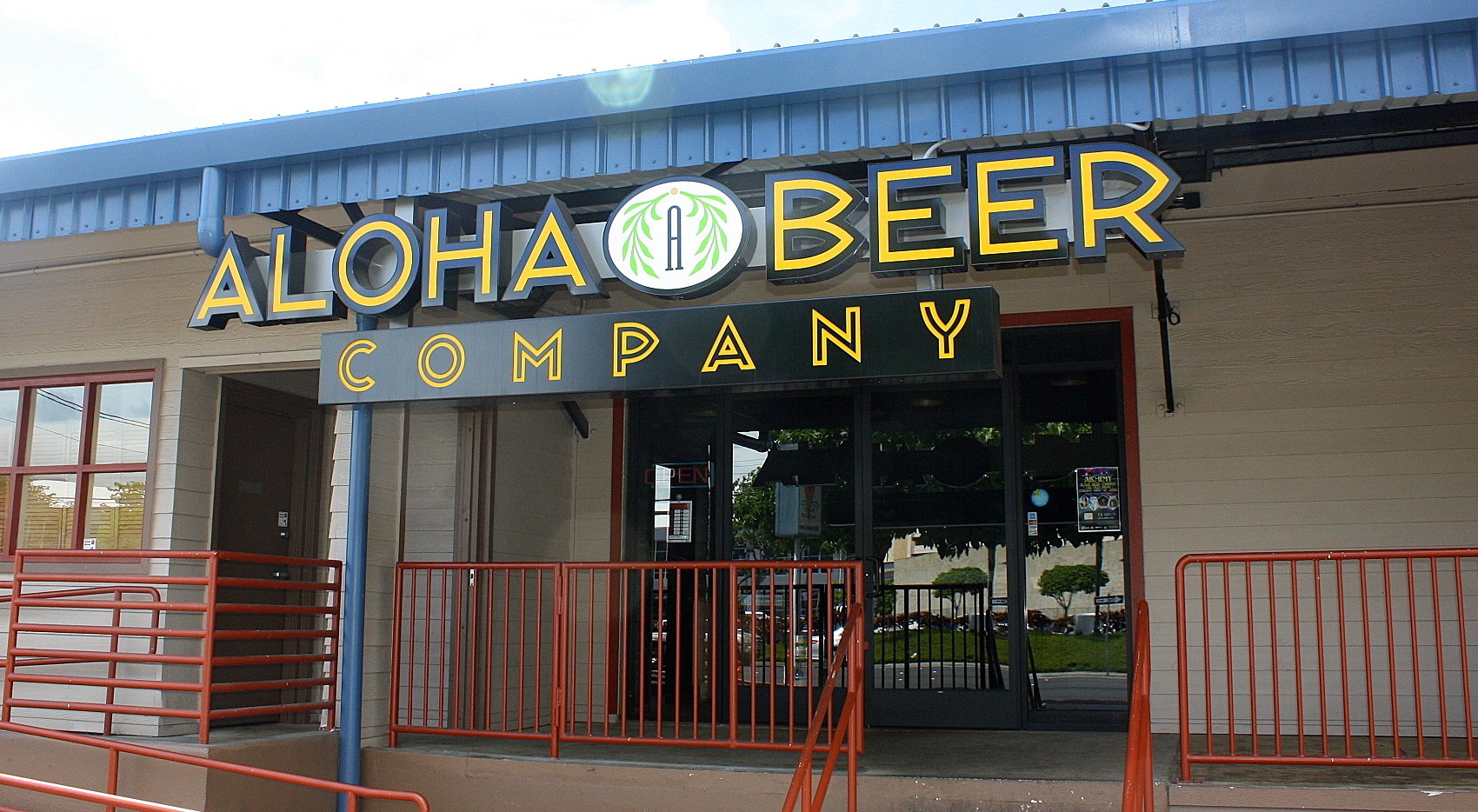
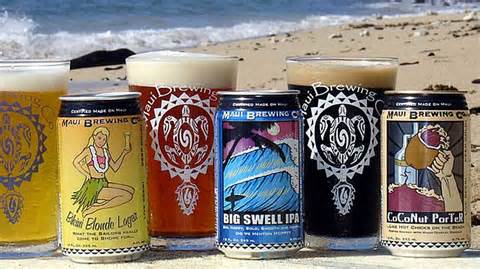
5: There is no beer in Hawaii.
Hard to believe that you can get on earth no beer somewhere. Even if Paul Kuhn (well known German singer) in his hit 1963 rock solid claims to the contrary: „There is no beer in Hawaii“. There are even own breweries. For many German tourists, the Pacific island should be so again slipped into the list of dream destinations.
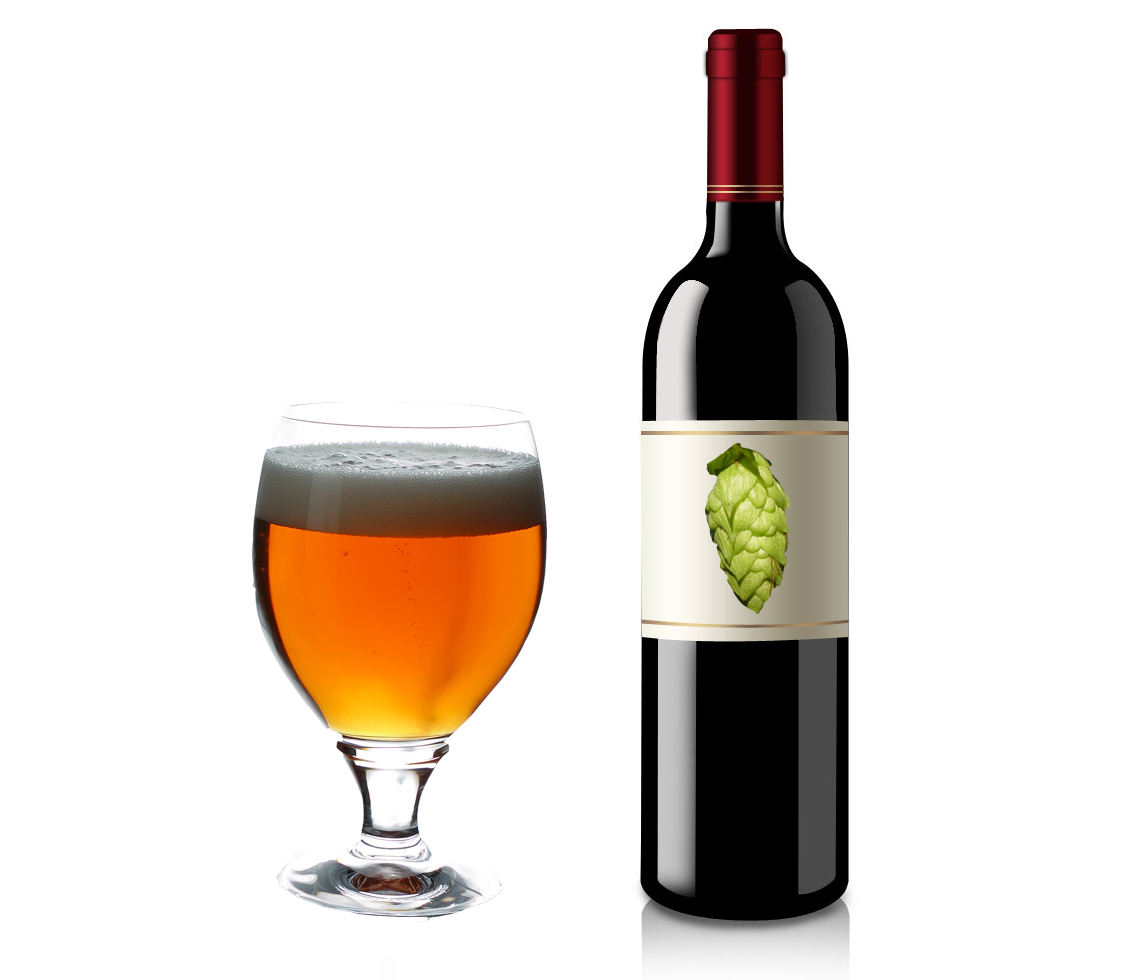
6: Beer on wine, let it be.
Treasure trove vernacular: Although the saying is so catchy that almost everyone can have a say him, he is not busy. The mnemonic probably has much more to do with the historical class thinking: Beer was considered a drink of poor people. Who picked up the filthy beer after the noble wine, committed by the beverage selection to descend into the lower ranks.
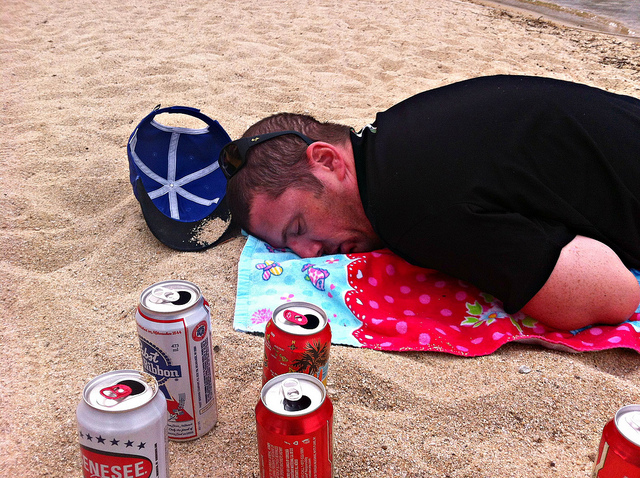
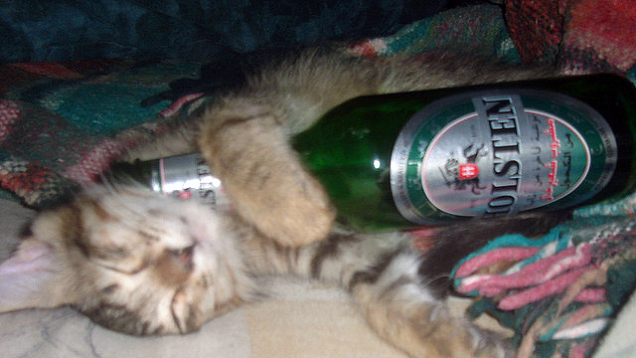
7: beer helps you fall asleep.
The truth is: hop relaxed and promotes sleep readiness. Not established is the same effect by beer consumption. Experts recommend instead Bedtime and a regular sleep schedule.
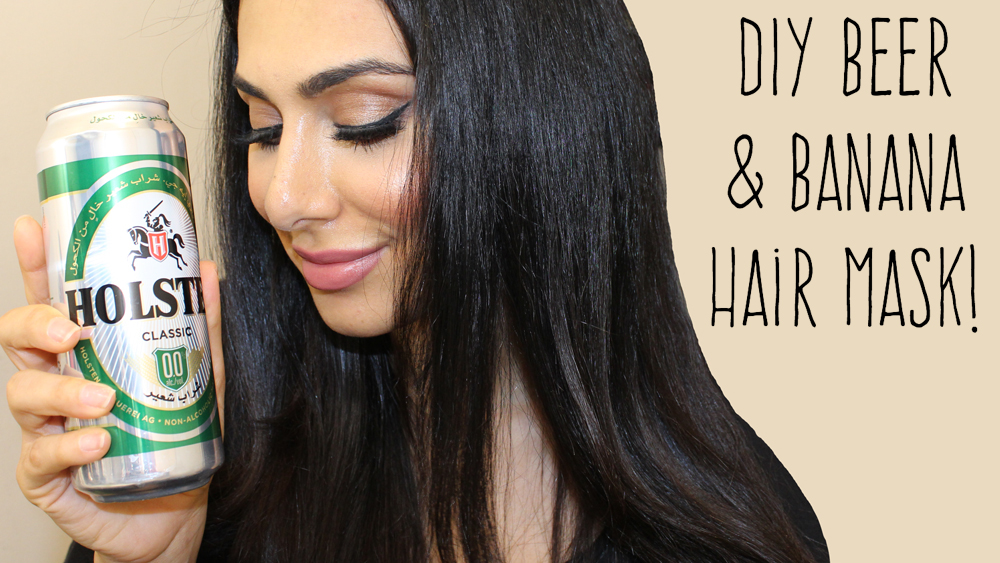

8: Beer makes beautiful skin and hair.
Unfortunately it is not. Although the vitamin B2 and pantothenic acid from the beer always maintain skin, hair and nails, but only in small doses to contain. With other foods such as legumes and whole grains will give you better results – while avoiding a frenzy.

9: Beer can be bad/rot.
The answer is not simple: Although there are no disease-causing substances in beer, which has passed the expiration date, but it is slowly losing flavor. And that’s bad enough.
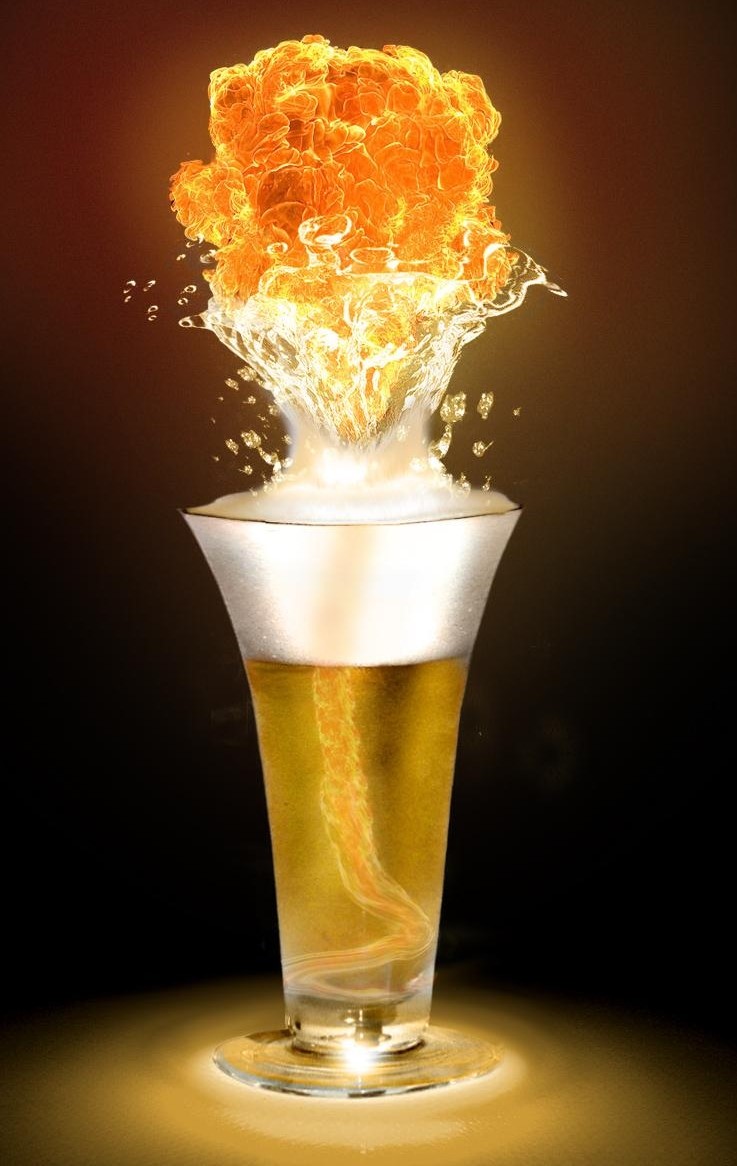
10: Warm beer helps colds.
Ironically, here we find a good piece of advice. Essential oils and bitter substances in beer have an antibacterial effect, the heat increases this effect also. When fever but they should be careful because the alcohol – whether in beer or other beverages – weakens the immune system.

Try warm beer (body temperature) with an egg beaten into it. I don’t know if it helps but it is nourishing. Or have a bath in warm beer. It can’t harm and I don’t know if it helps either, Dear lord, what drugs are you on.
The only time you whack an egg in a beer is if you are making a „redeye“. I guess, you all know how to make a „redeye“.
 Of course not this kind of redeye.

And – WARM weather, COLD beer is always better then COLDS and WARM beer !!
hot dog, cold beer, hot chicks, cold beer, hot beach, cold beer. hot food, cold beer !!!
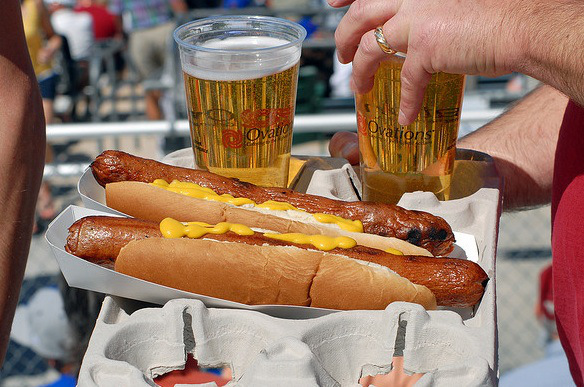

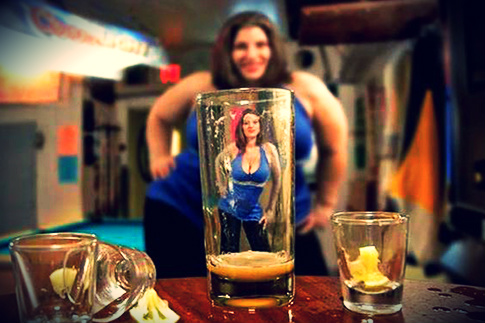
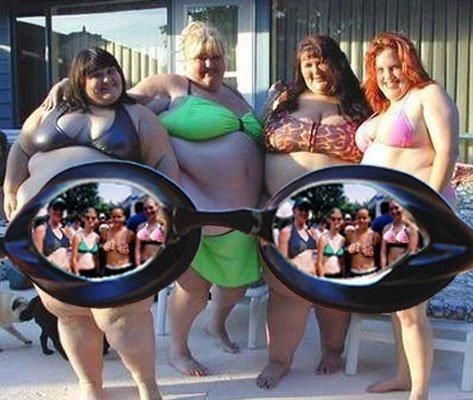
11.You can drink yourself every person beautiful.
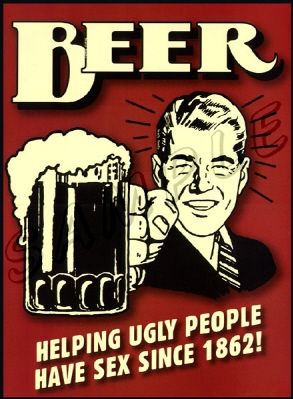
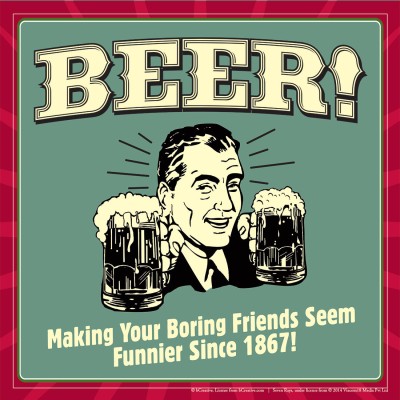
TRUE, no further explanation needed, I guess. Or have you got different experiences ?? Or you never used „beer goggles“, right ??
Facts Every Self-Respecting Beer Drinker Should Know.
There was a time (very recent) in history where the depth of knowledge required to order the perfect beer for you was knowing whether you wanted it in a real bottle, or one shaped like a bowling pin. We now live in the midst of a beer renaissance, though, and between all the sours, lagers, stouts, Belgians, and reds out there, getting the right beer means expanding your knowledge.
 Beer knowledge for every occasion. Just invest a bit in more knowledge, it’s fun.
Luckily, with beer forever being the beverage of the people, the amount of smarts required to get what you like is relatively pocket-sized. These tips will help you navigate beer lists, talk to bartenders and shop clerks, and give you a huge leg up out in the wild. Use them to improve your hard-earned night out. Use them to impress your date. But above all, use them everywhere.
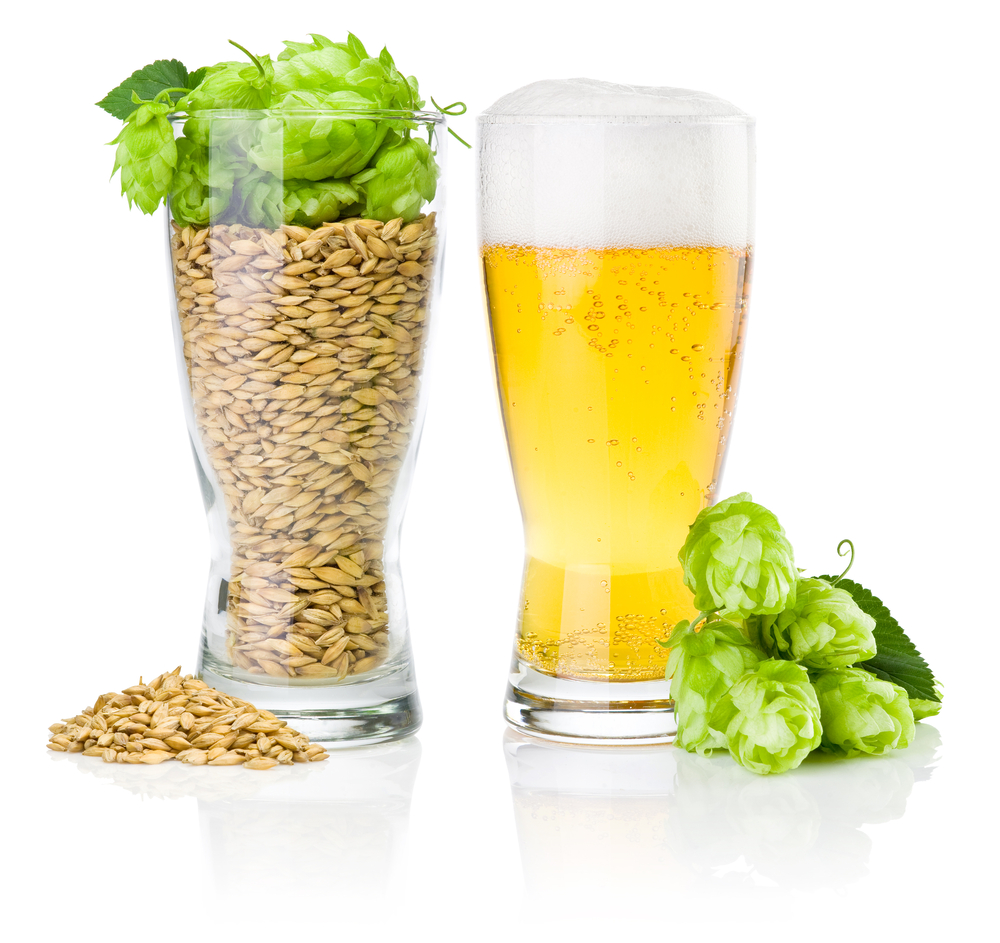
The four main ingredients of beer are grain, hops, yeast, and water.
Just like baking bread, the ingredients that go into beer play huge parts in their own rights. Grains (usually malted barely, but sometimes a blend of rye, oats, or other grains) give beer the sugar needed for fermentation. Water (which, at 95% of the product, is often the unsung hero) has to be treated to make sure nothing affects flavor or fermentation, and allows for all of the chemical reactions to take place. Hops act as a preservative and provide the bitterness to counterbalance the sweetness of beer and give it beautiful aromas. Yeast is the actual worker behind it all, converting sugar into alcohol and actually creating beer.
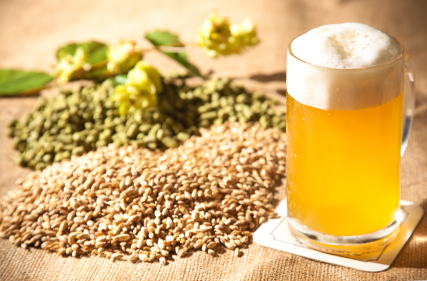
The oldest brewery in the world.
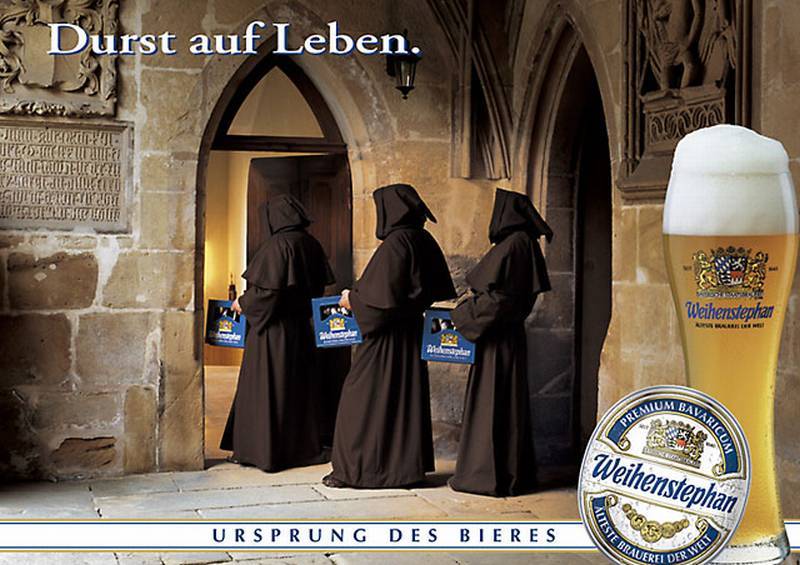
Weihenstephan Abbey (Kloster Weihenstephan) was a Benedictine monastery in Weihenstephan, now part of the district of Freising, in Bavaria, Germany. Brauerei Weihenstephan, located at the monastery site since at least 1040, is said to be the world’s oldest continuously operating brewery.

German Beer Purity Law in English, is the collective name for a series of regulations limiting the ingredients in beer in Germany and its predecessor states. The most well-known version of the law was adopted in Bavaria in 1516,
This purity law has ensured the ingredients have stayed the same since the 1500s. Contrary to popular belief, the bid is no longer in force – the EU cashed it in 1987. Many brewers still adhere to the traditional.
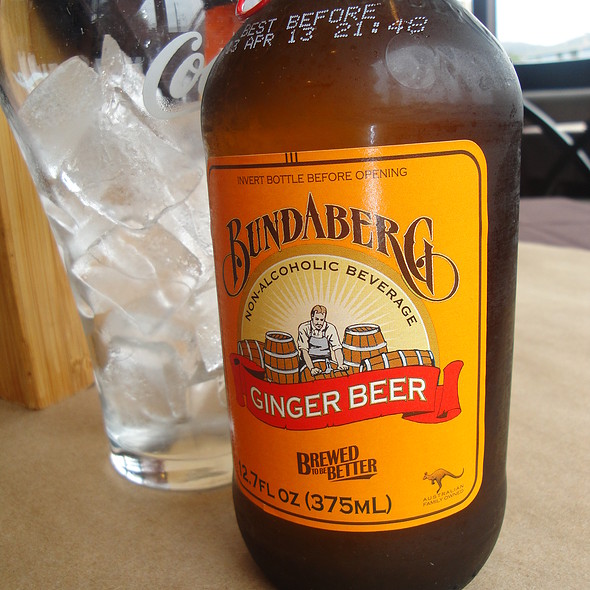
Other ingredients are called adjuncts, as well as flavorings.
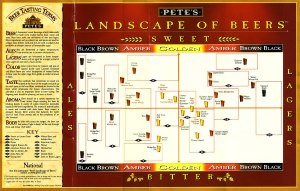
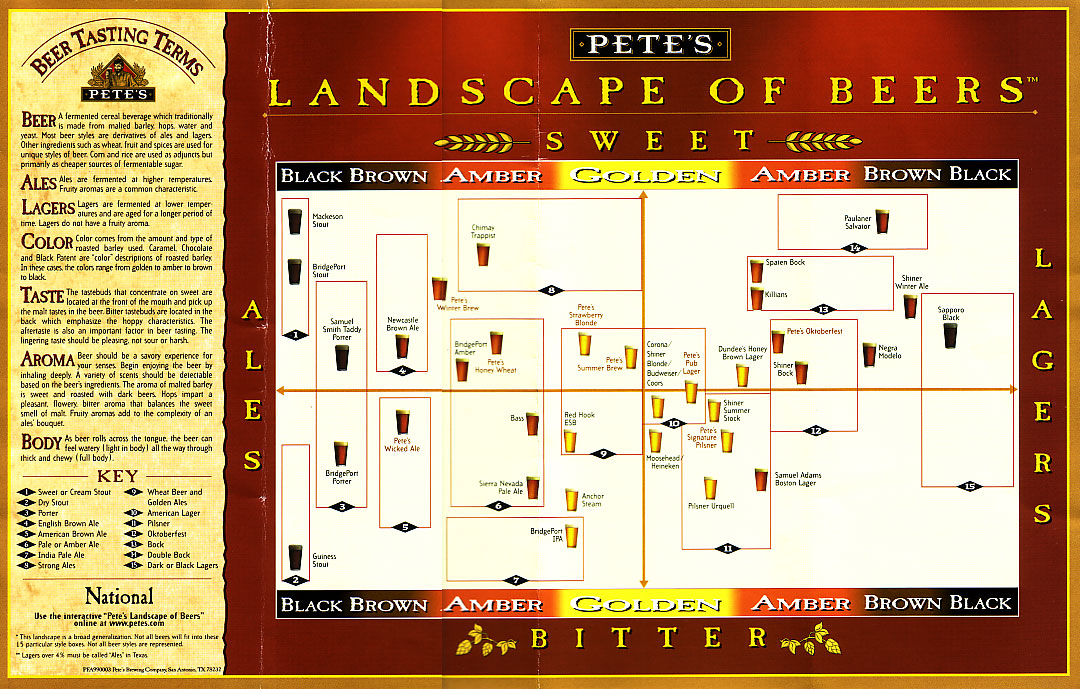
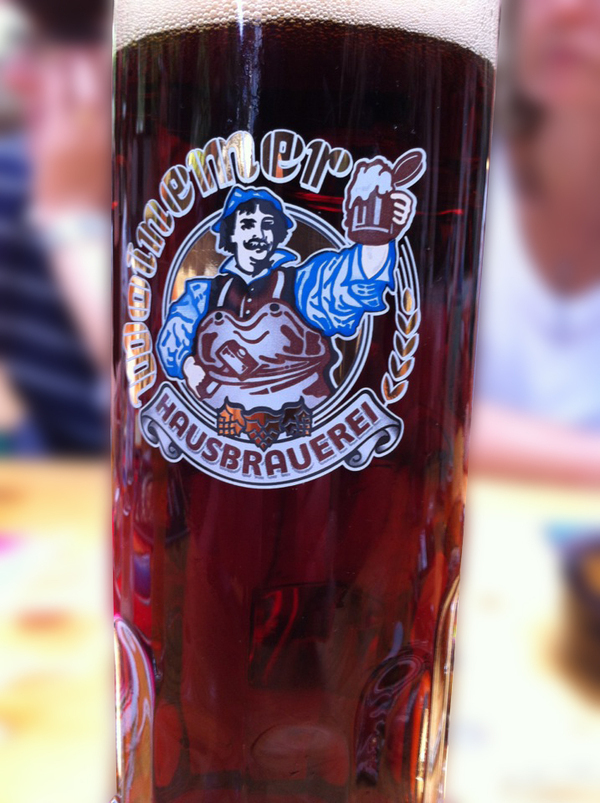
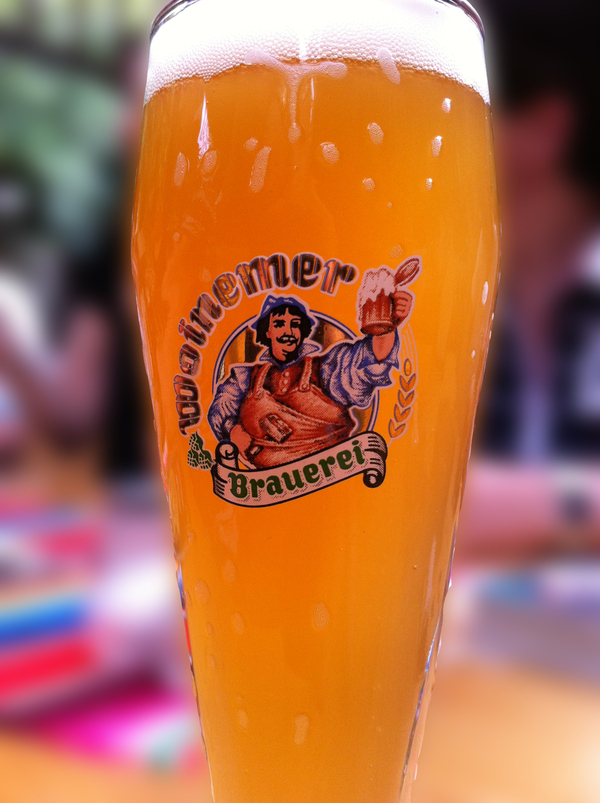
Wheat, oats, corn, rice, and sugar are regularly added to the mash to up the amount of fermentable sugar, build a beer’s body up or tone it down… or to cut corners. A lot of cheap beers are made using a huge amounts of corn and rice to save money on malted barely. Other ingredients are also very common, including spices like coriander and sage, coffee, chocolate, milk, fruit, or honey – all of which have a more direct effect on the flavor of beer. See examples above.
The color of your beer has nothing to do with its alcohol content.
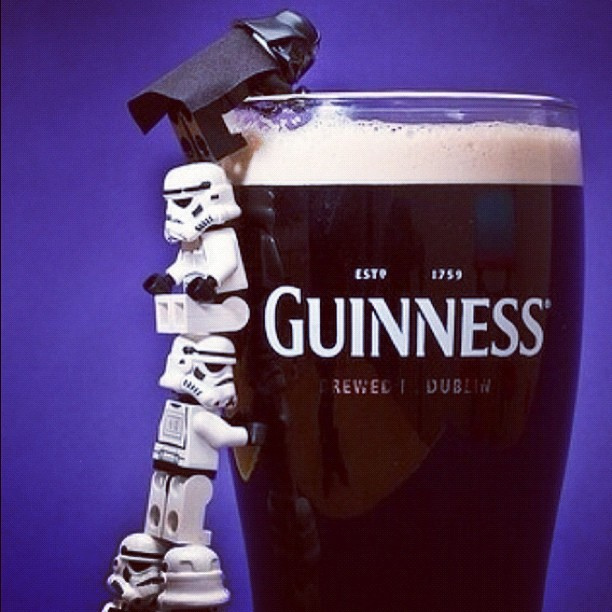
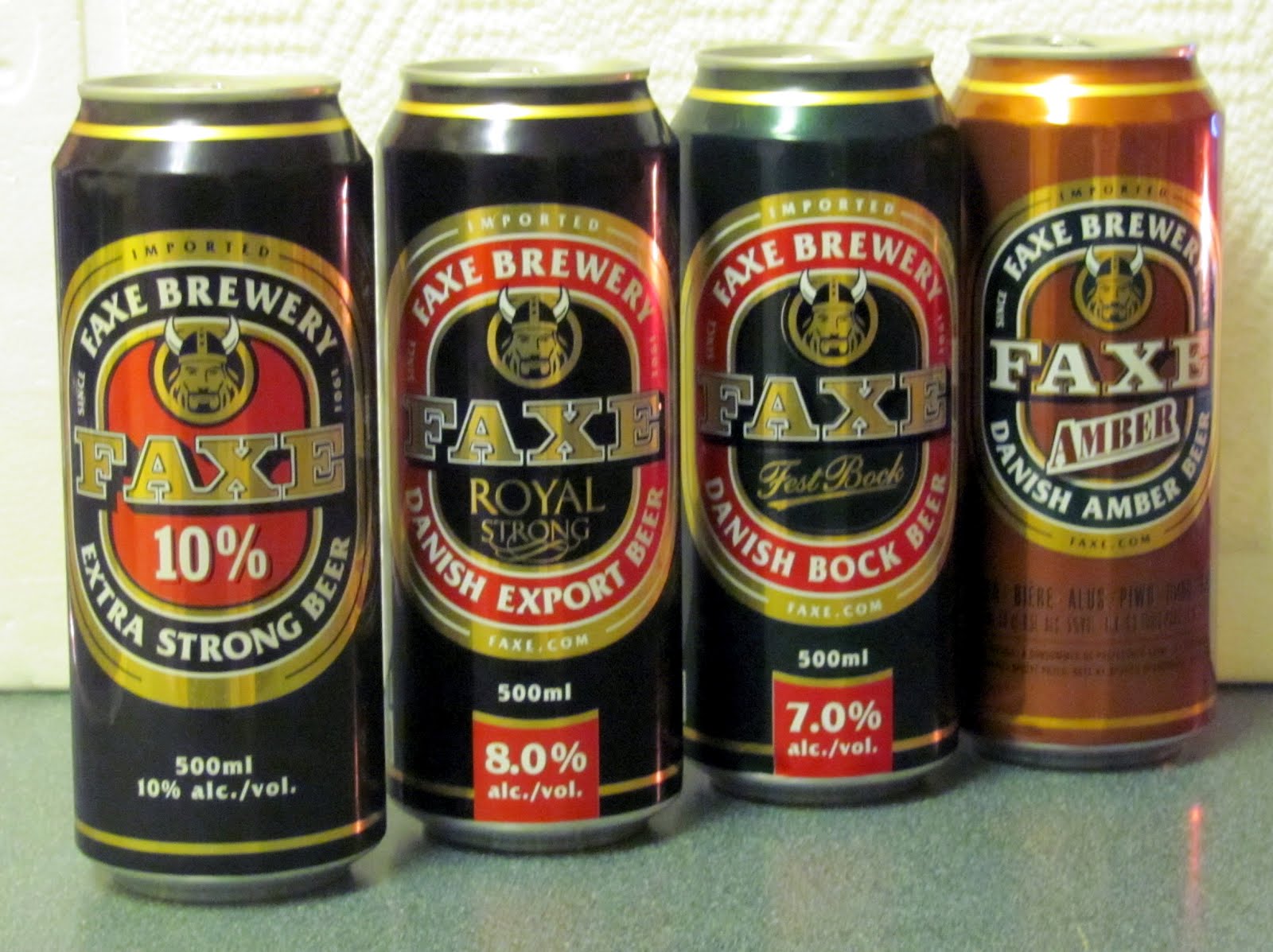
I’m not sure if it’s a carryover of a misunderstanding of spirits or the term “light beer,” but there’s a persistent misbelief that darker beers are heavier in alcohol than their pale counterparts. Consider that Belgian strong golden pale ales like Duvel (which clocks in at 8.5% ABV, or the Danish FAXE with 10% ABV) are night and day compared to jet-black stouts such as Guinness Draught, which, despite your favorite St. Pat’s reveler’s assertions, clocks in at a mere 4%. By the way Duvel and FAXE are available in Uruguay.
A small, foamy beer doesn’t mean a bartender’s ripping you off.
Most people associate foamy beer with bad experiences at keg parties, which is why most people balk at being handed a beer that isn’t pure liquid to the top. But head does a lot to improve your beer: it’s hugely important for delivering aromas to your nose – both before and after each sip – and has a huge impact on the texture of a beer in your mouth.
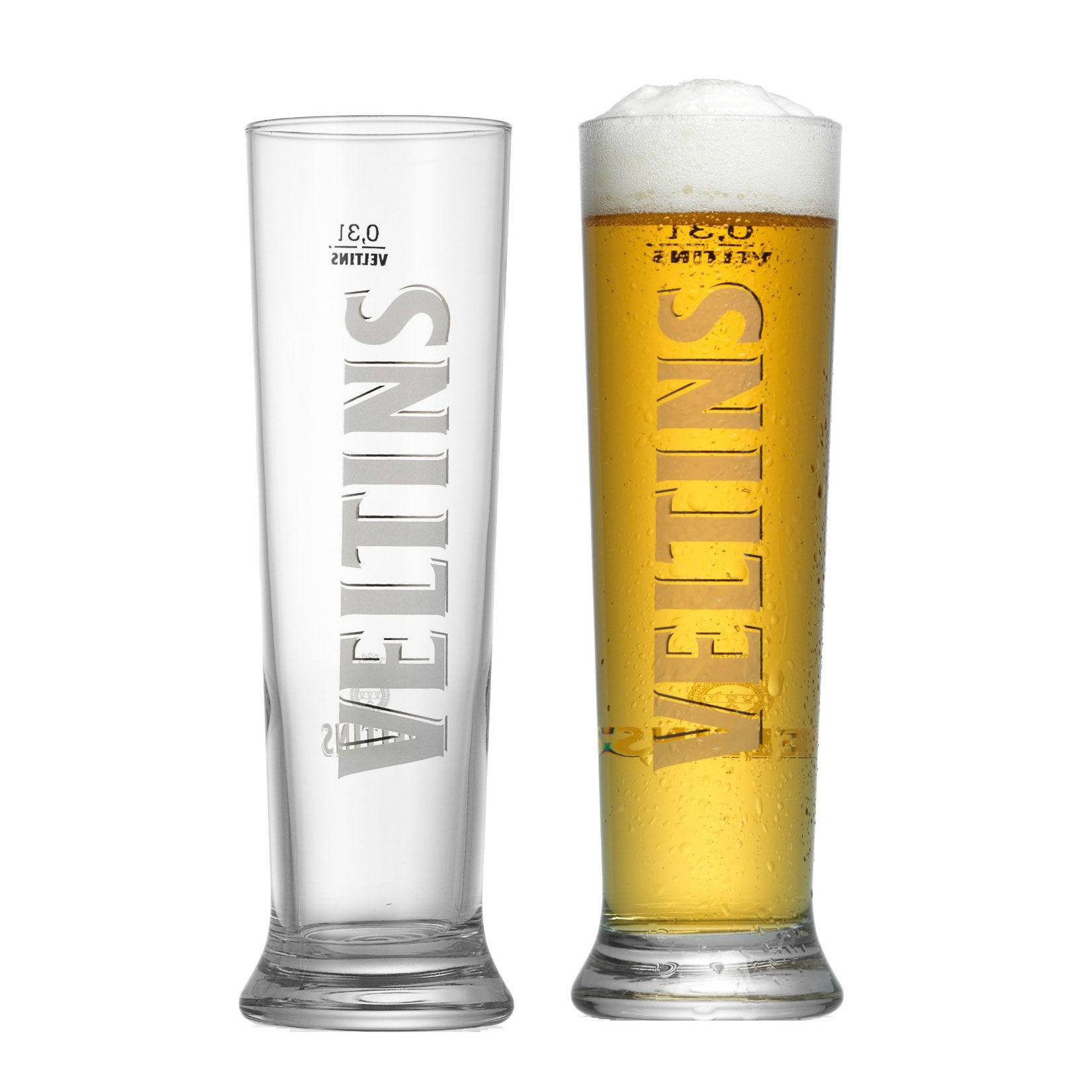
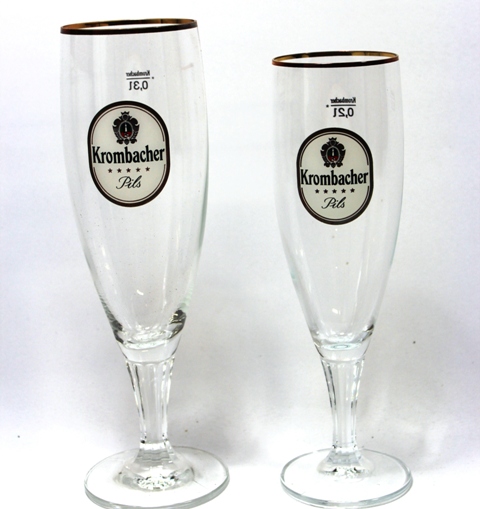
Each style is different, but an inch to an inch and a half of head is considered to be part of a “perfect pour” in most cases (much more for wheat beers). And if an inch still has you feeling cheated, realize that even the simplest glassware usually includes an extra bit of space to accommodate for it. So you’re good! In Germany it is the law to have an so named „Eichstrich“ (it’s a measure line, an official calibration mark) at all glasses, by example 0,2l or 0,3l or 0,5l etc. Up to this line you have to have clear beer filled and above is room for the wanted foam. I do not like the „English way“ to fill beer glasses – up to the top !
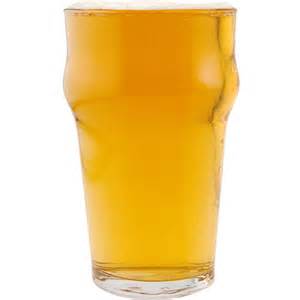 English – sorry, but it looks like „Pi“ and tastes like „Pi“ !
 This is what people like to avoid with „full filling“! I agree, that’s cheating !
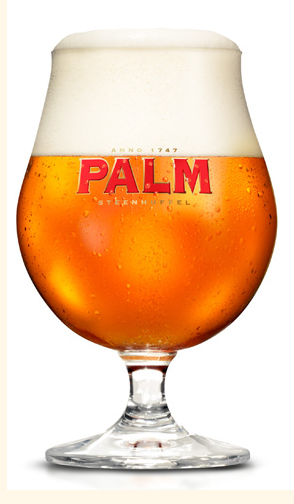
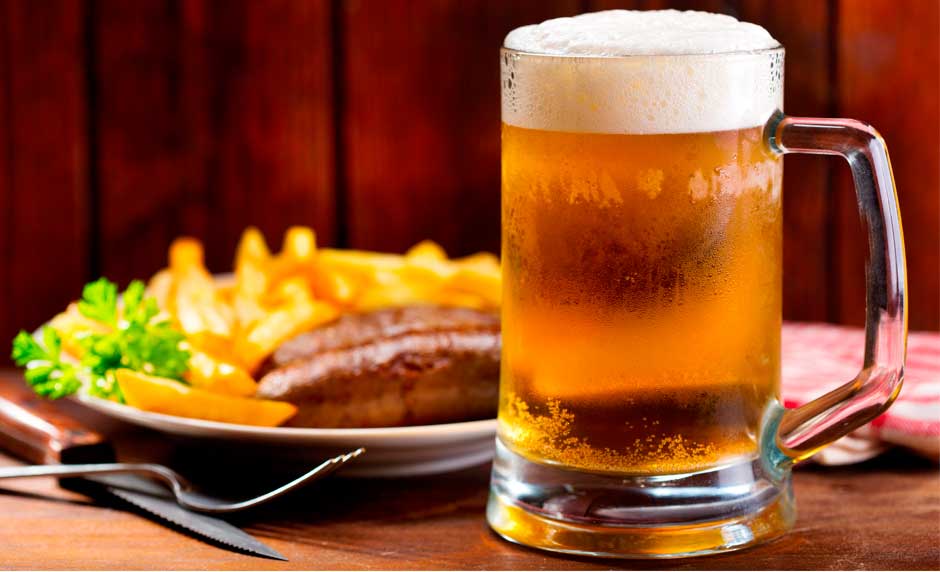
 How mouthwatering is a real beer with a „head“ ?
All „Hefeweizens“ are wheat beers, but not all wheat beers are „Hefeweizens“.
This is a semantics thing that drives even some experienced beer drinkers crazy, but knowing the difference will help you find a beer you like. Hefeweizens are the German style of wheat beer made using at least 50% wheat and a Bavarian yeast strain that gives it that bubblegum, banana, and clove flavors most people associate with wheat beers. Wheat beers are also made with wheat (duh), but instead use a different strain of yeast that doesn’t give off the same clove flavors as their German cousin.
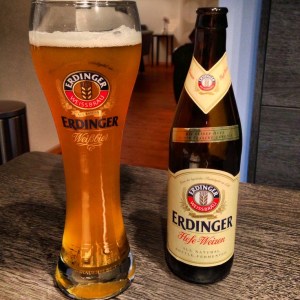 Hefeweizen is also available in Uruguay.
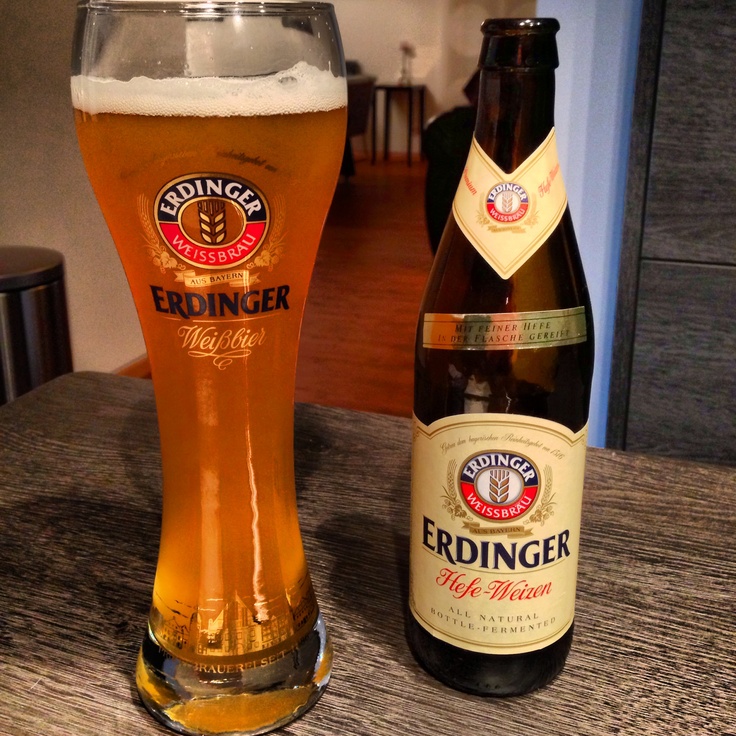
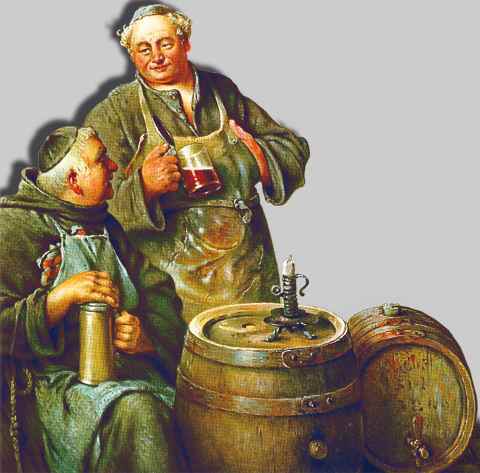
The point of drinking beer is to enjoy it, not be a snob.
It’s amazing how this simple (and in my opinion most important) rule is the first thing people forget when hitting the bar these days. The industry of beer may be in the greatest growth spurt it has seen in over a century, but the tried-and-true act of lifting a glass to your lips and taking a sip is as old as civilization itself. Be adventurous. Learn what you like and what you don’t. Share it with your friends. Use it to take a load off after a long week at work. And never settle for drinking something you don’t love, no matter what that beer is! Down here, beer enjoyment earlier and now.
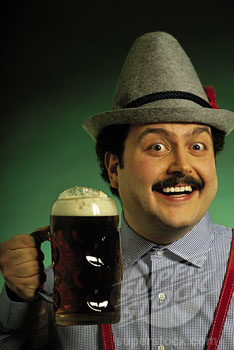
Canned beer is in no way inferior to bottled beer.
The myth of all canned beer being cheap swill needs to die once and for all. If anything, it’s arguably better! Cans block out all light, protecting beer even more than brown glass can from spoiling faster. Cans are much lighter weight (just try carrying a case of bottles versus a case of cans), more outdoors-friendly with their durability, and better for the environment in the long run. I encourage everyone to test drive this at some point with a side-by-side bottle vs. can tasting of the same beer. You have nothing to lose – and then you get to drink two beers at once!
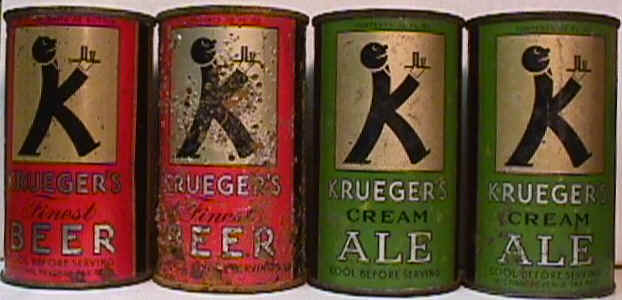
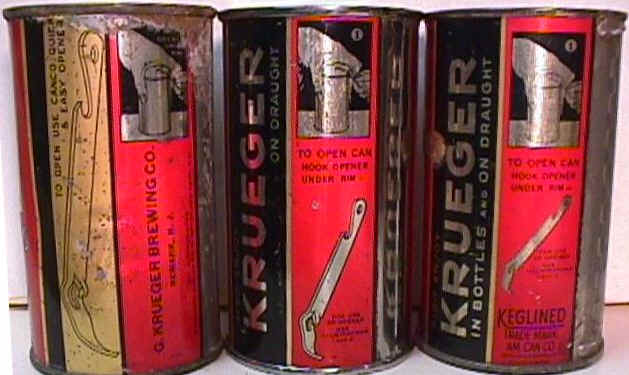
Krueger’s – The first canned beer.
The technology for canning beer existed long before it actually occurred. Some evidence of experimentation dates back to the late 1910’s. Prohibition (1919-1933) put those efforts on hold. Once Prohibition for beer was repealed in April of 1933, American Can Company renewed its efforts to entice brewers to can their product. The first fish to take the bait was not the biggest. In fact it was a moderately sized brewer in Newark, New Jersey, the Gottfried Kreuger Brewing Company. The first known production run was in late 1933.
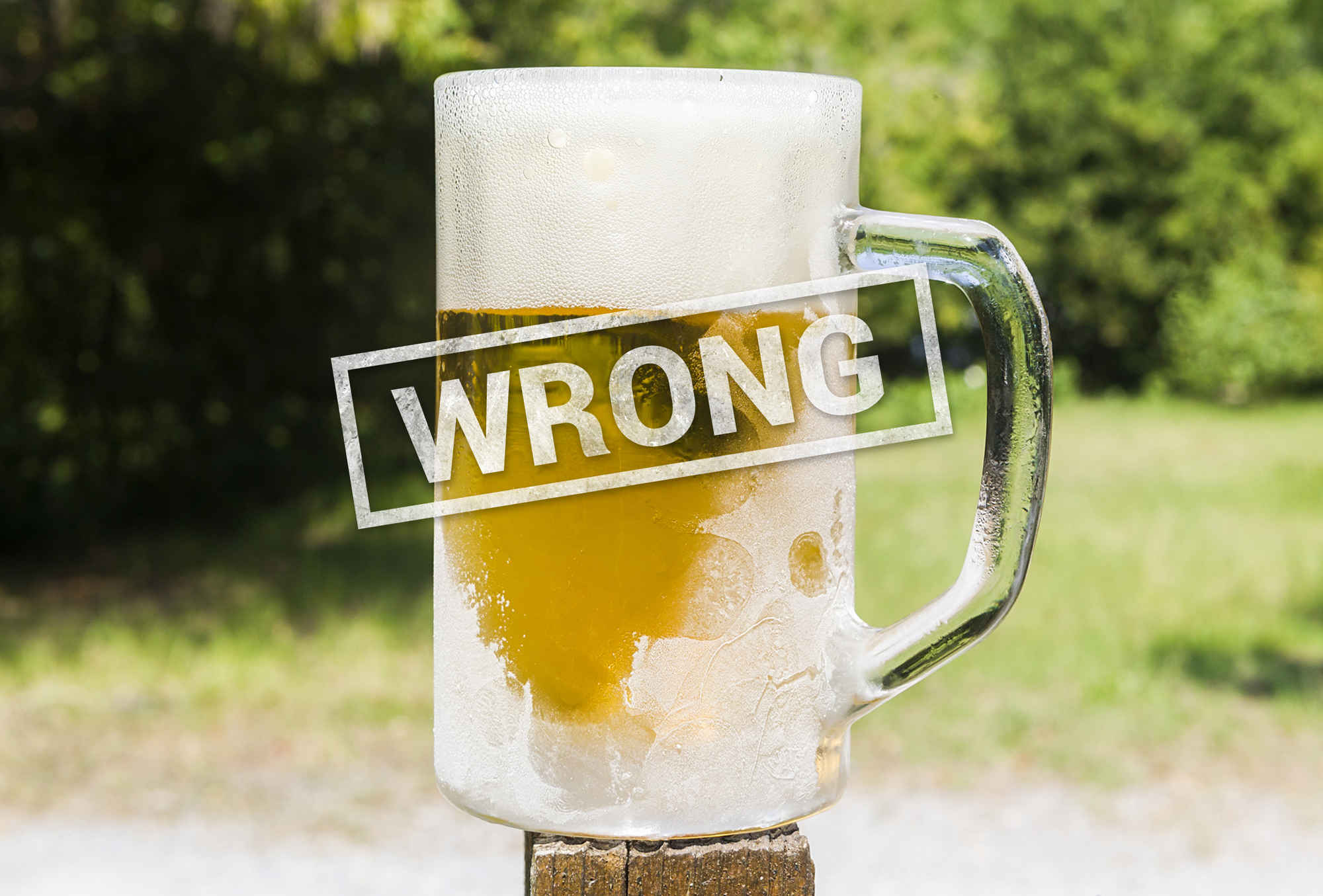
Freezing your glasses is bad for your beer.
I always hate being the bearer of bad news with this fact, but pouring beer into a frozen glass or mug is bad for your brew. The ice crystals will cause the beer to foam right up, essentially killing all of the aromas and carbonation before you can even get a sip of it. What you’re essentially left with is a flat, mostly flavorless beer that will only be truly frigid for a few sips.
 Don’t store beer wrong (in your freezer) and too long (modern beers have an expiring date) .
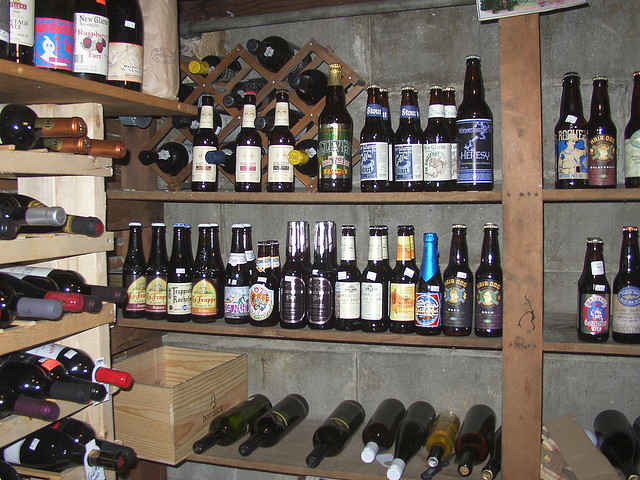
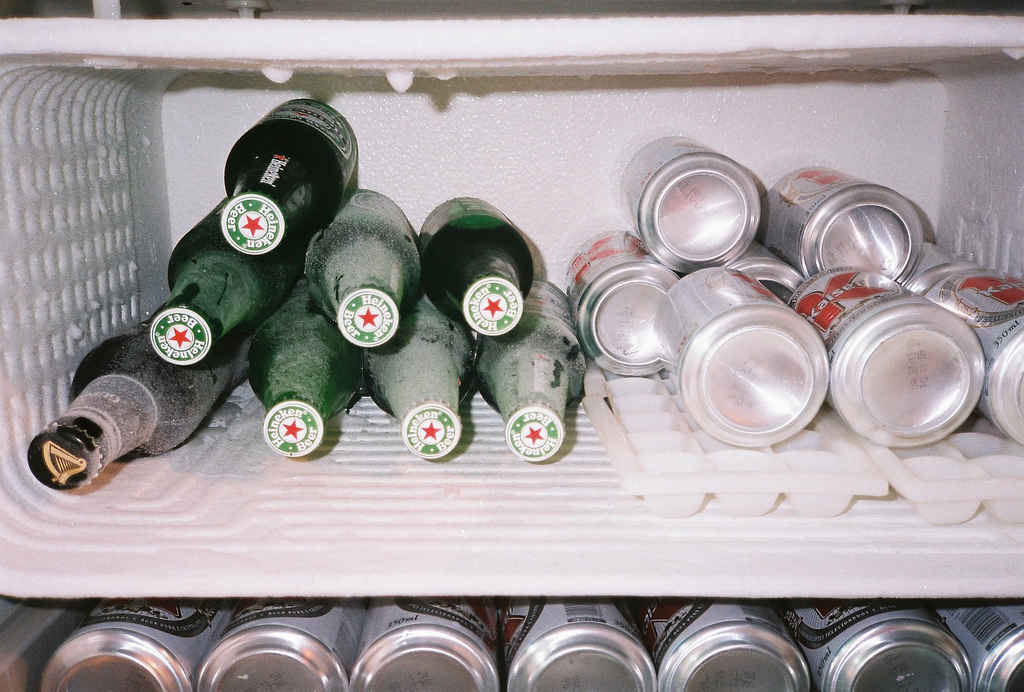
About temperature.
Most beers have an ideal serving temperature. There’s a chart below outlining which styles are served at what temperature, but as a general rule the temperature at which to serve a beer is correlated to the strength of the beer. As beers go up in alcohol, they are generally drunk at a warmer temperature. This is because stronger beers often are sipped slowly, and enjoyed for their complexity of flavor and aroma while weaker beers are often consumed for refreshment.Temperature is the most important issue for „beer happiness“.
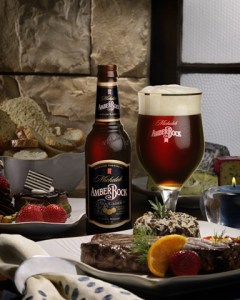 That’s life. A great meal and a great beer !
Don’t get me wrong, I have nothing against cold beer, on the contrary I like cool beers, but never ice cold or frozen glasses. For no style is this more apparent than American macro lagers, which are generally drunk so cold that you can’t taste them. There’s a reason those big brewers want people to drink their beers at tongue-numbing temperatures. As they warm up, they don’t taste very good.
Some temperature suggestions.
Very Cold: 35-40 F (1,6-4,4 C) degrees.
American Adjunct Lagers (“Macros”)
Malt Liquors
Light or low alcohol beers
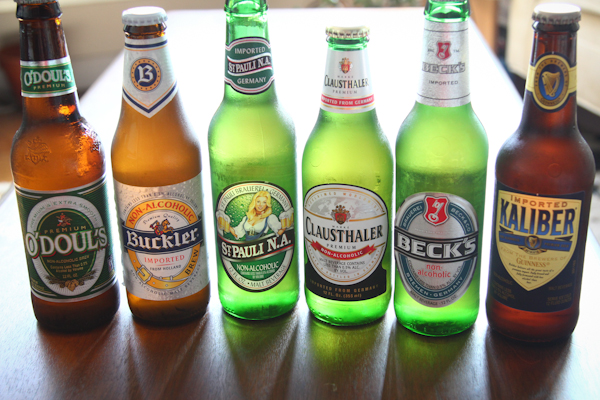
Non alcoholic beers
 Some non alcoholic beers.
Cold: 40-45 F (4,4-7,2 C) degrees.
Pilsner
Light-bodied lagers
German Koelsch
Belgian Wit
Hefeweizen
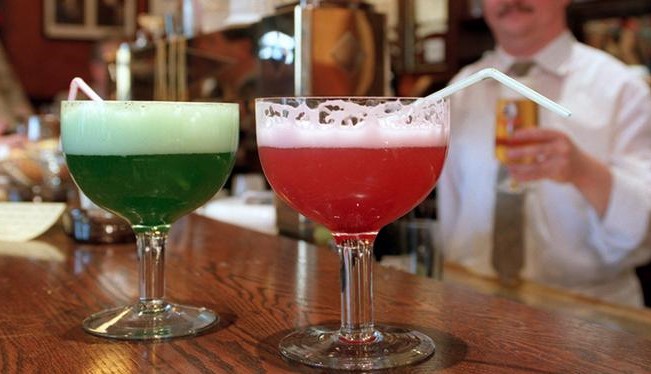
Berliner Weisse
American Wheat
Uruguayan Pilsners and Lights
 Berliner Weisse, woodruff or rasberry taste.
Cool: 45-50 F (7,2-10 C) degrees.
American Pale Ales
Medium-bodied lagers
India Pale Ale (IPA)
Porters
German Alt
Irish Stouts
Sweet Stout
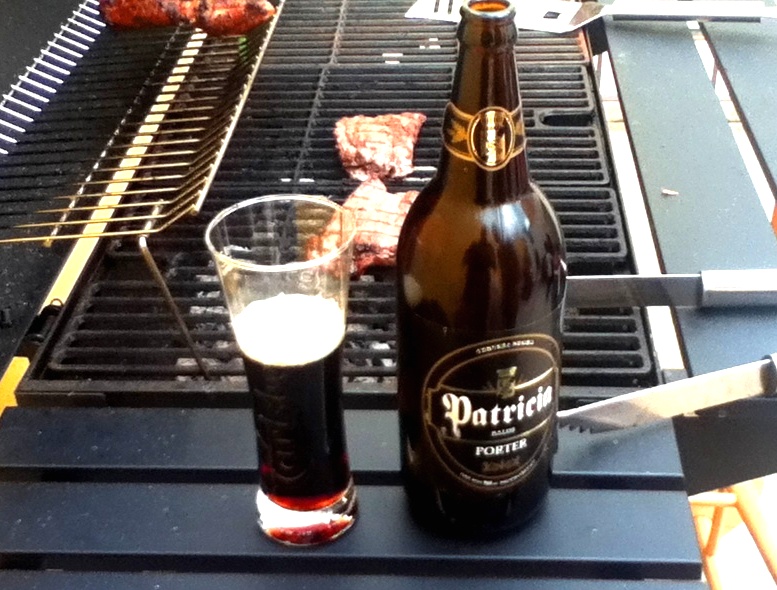
Urugayan Ambers and Porters
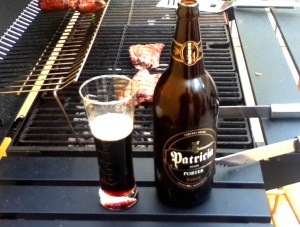 Patricia Porter in Uruguay.
Cellar Temp: 50-55 F (10-12,7 C) degrees.
Sour Ales
Lambic/Gueuze
English Bitter
Strong Ales
Baltic Porters
Bocks
Scotch Ales
Belgian Ales
Trappist Ales
Urugayan Stouts
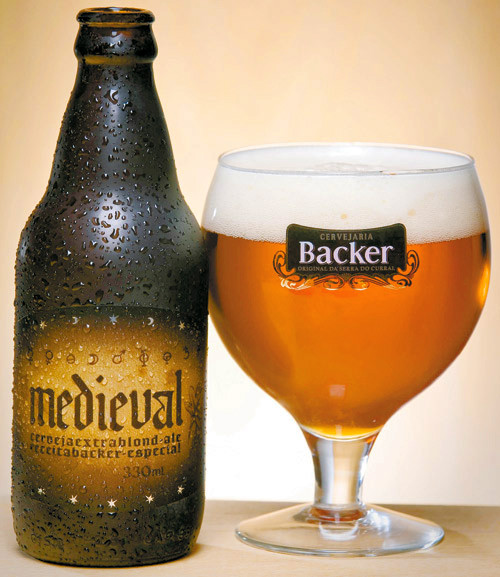
 Belgium extrablond ale from Backer.
Warm: 55-60 F (12,7-15,5 C) degrees.
Imperial Stouts
Belgian Quads
Belgian Strong Ales
Barley Wines
Old Ales
Doppelbock
Eisbock

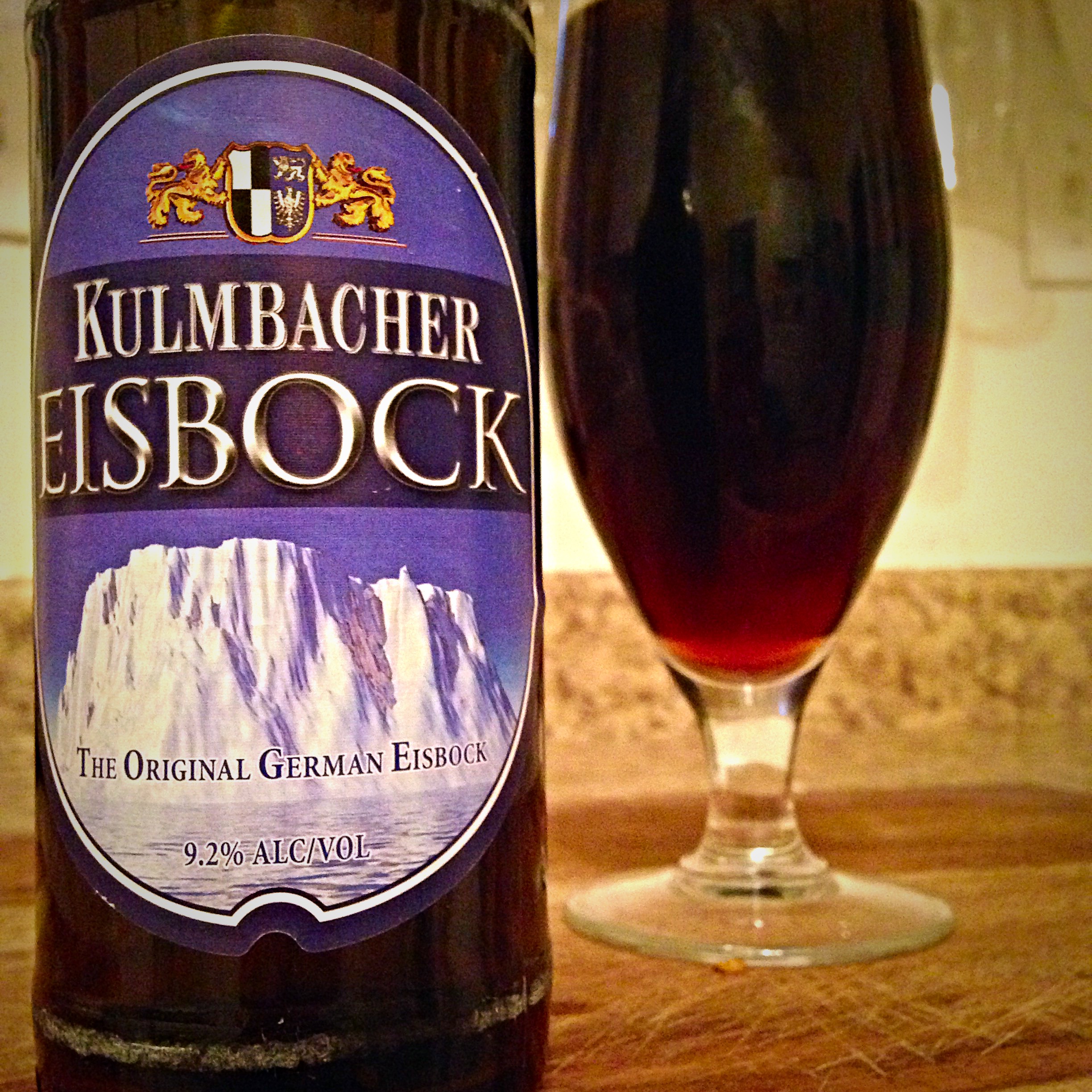
And finally: You shouldn’t always strive to serve beer extra chilled, as it mutes almost all of the flavors that make it great. But if you’re still absolutely dying for a cold-as-humanly-possible beer, put the can or bottle in a bucket with salt, ice, and water, and let it sit for five minutes while you fill a clean beer glass with ice and water. Wait five minutes, dump the ice water out of the glass, and fill it with with your super-chilled beer.
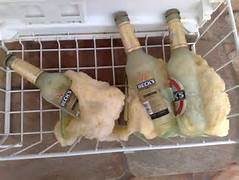
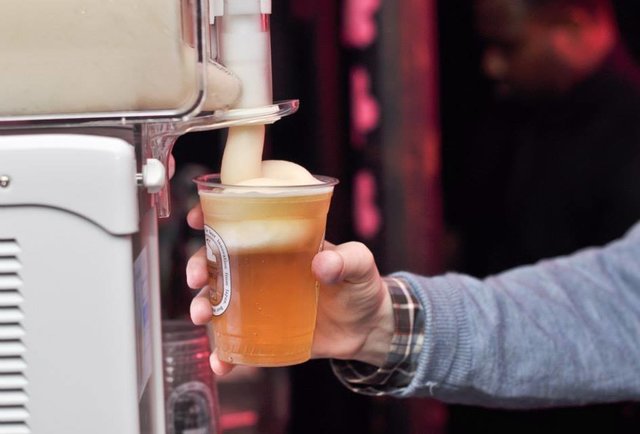
 This beer is DEAD !! Why not directly use „frozen beer“ – frozen beer cream (ice cream) ??
Australiens like their beers ice cold, if you get a „stubby“ (small beer bottle, about 0,375l, or sometimes 0,330l, cans in average have a content of 0,375l or 0,5l) in a pub, then you can be happy if there is no frozen beer block inside the bottle. Aussies also prefer cans over bottles and prefer very light ice cold beers (like ice water – no taste at all) over a nice glass of tasty „hopsjuice“ in style.
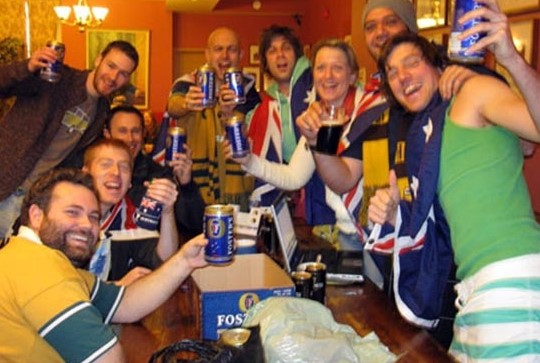
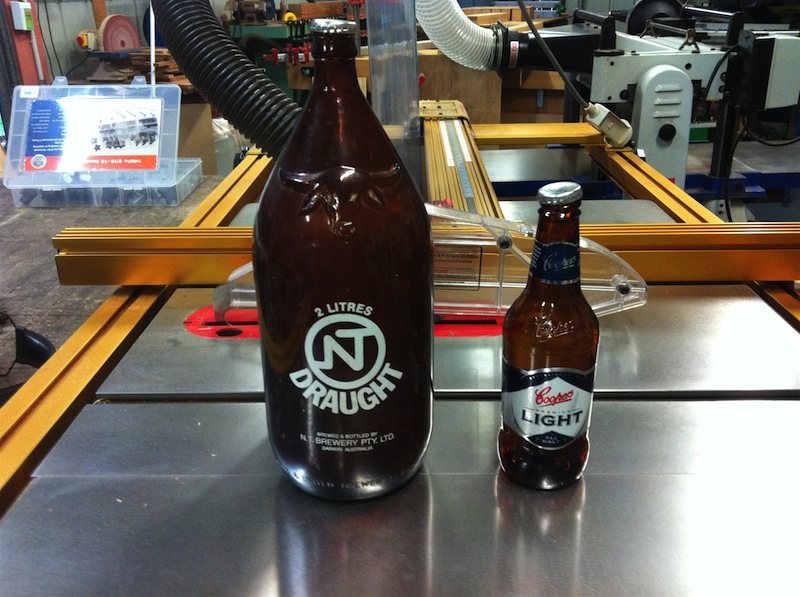
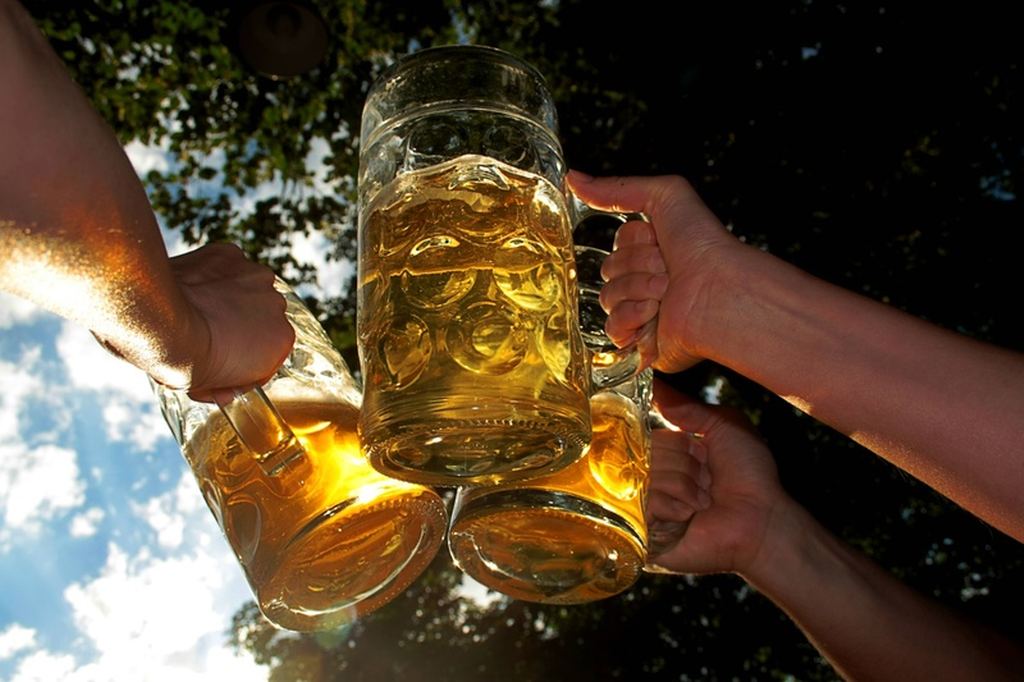
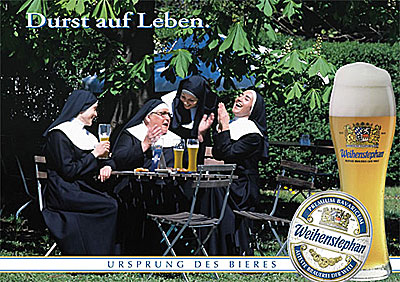
Australian beer party, nice people for sure, but no style, just getting drunk is the goal. Next to it a normal stubby and a „2 liter Darwin stubby“, what’s the point ? Nothing against the Aussies, but they don’t have style (in this case beer drinking style) at all. They don’t care, they think it’s their personal freedom. And here we are finally, beer „drinking or celebrating“ is a personal matter. Everyone should do what one likes or not. Just have BEER – FUN !! Following some fun without words – just PROST !!! Click on pics !!!


Very good! One quibble: export Guinness is stronger than the domestic one (and very good with champagne).
Cheers
Jonathan
Thanks Jonathan for your quibble. I knew a long time that the English have a weird taste.
But I will try it – promise ! Abrazo Mike.
LikeLike
Hi Mike. Thanks for the interesting article. When we spoke about the subject, I was expecting you to respond with a couple of paragraphs of information, so this was a pleasant, informative surprise. I agree with your comment about not using frozen glasses for beer but, I’m afraid, I still like my beer pretty darn cold. It’s a good thing that I prefer drinking pilsners and light ales.
See you next month.
Agnes
Thanks very much Agnes, you are right about the cool cool beers, I like them too. BUT – PLEASE, never frozen, it will kill the taste.
Till the 14th, abrazos Mike.
LikeLike