Liebig and his part in Uruguay.
So much is written about Liebig, his life and companies, their history, success and blossom as well as their decline, that I don’t have to invent the wheel new. Therefore I take over most of an article in Wikipedia. But for you it might be new to know that we have such great history next to us in the country we live in. Especially why most of us know better or less the products or product names of this famous company.
 The museum site at Barrio Anglo.
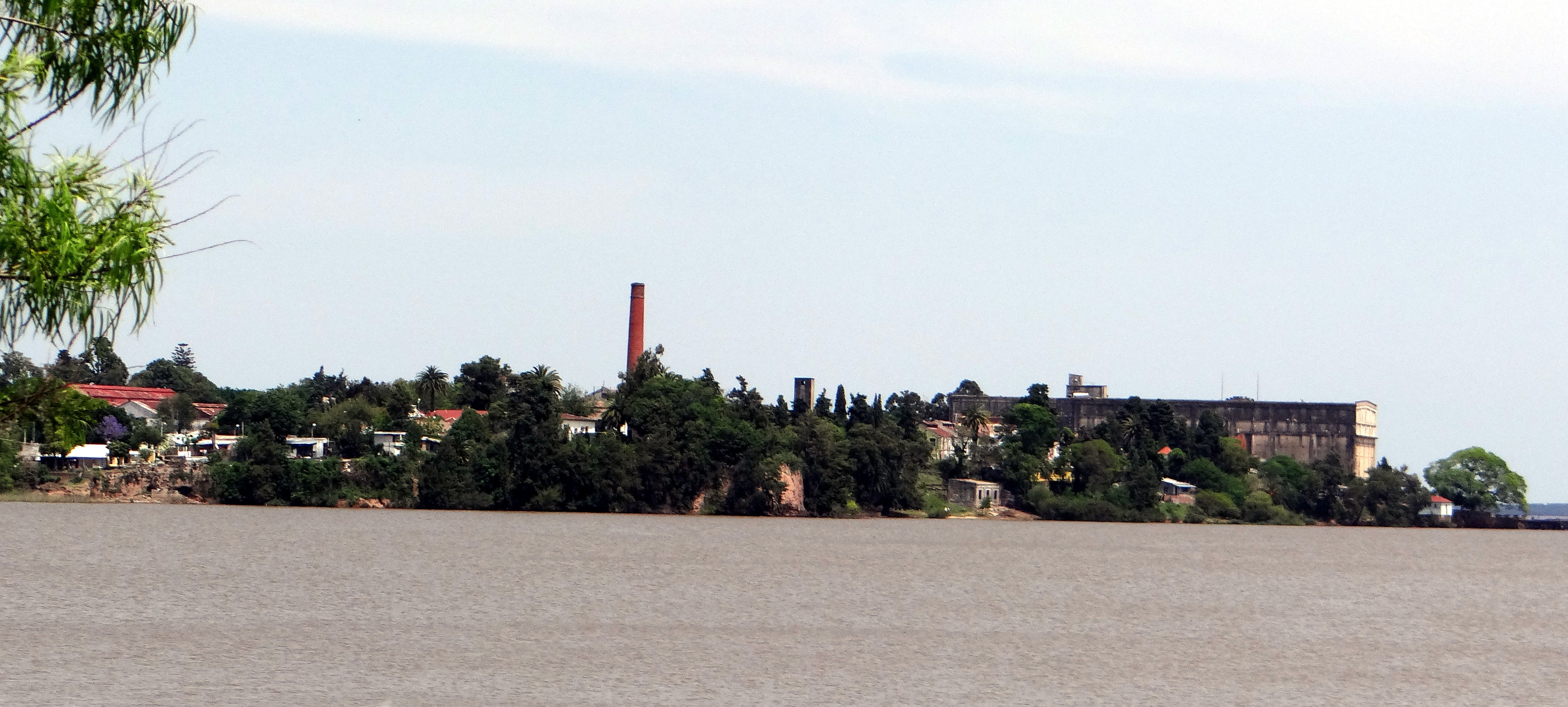
Many Uruguayans don’t know either about this. When I was in Fray Bentos and asked at the city information for the directions to Liebig’s factory and Liebig’s monument, they looked at me, like I came from another planet. Never heard about !!! O.K., my fault once more again, I should have asked for the „Museo de la Revolucion Industrial“, or „Museo de Barrio Anglo“. Who would know?
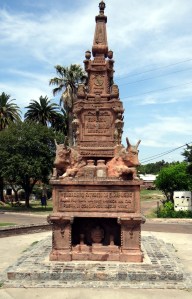 The Liebig monument at the museum site.
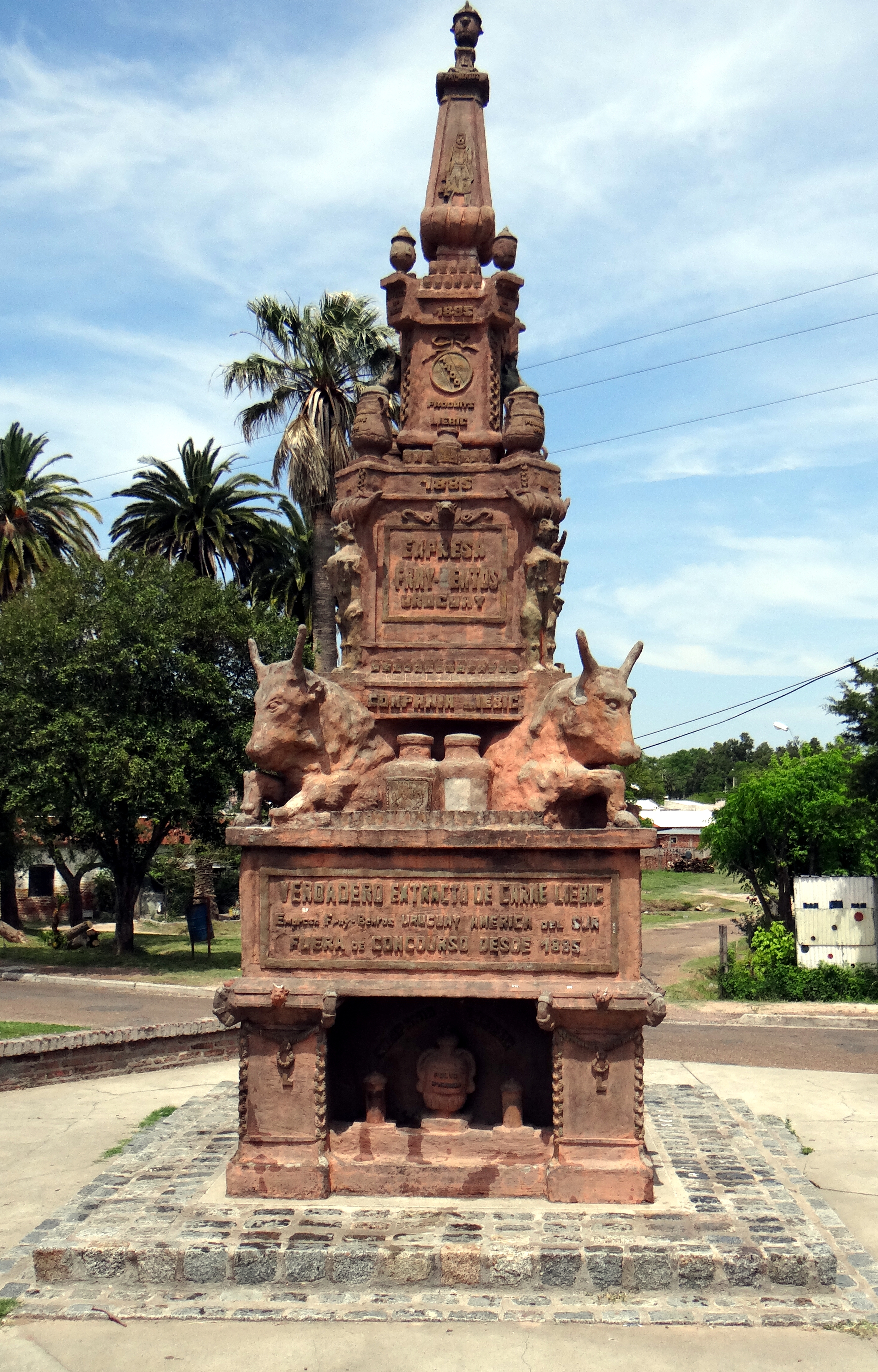
Still – they wouldn’t have any clue about the „why’s, how’s, and who’s.
That’s why I introduce you to this famous part of Urugayan and world history with many many pics which you might have never seen before.
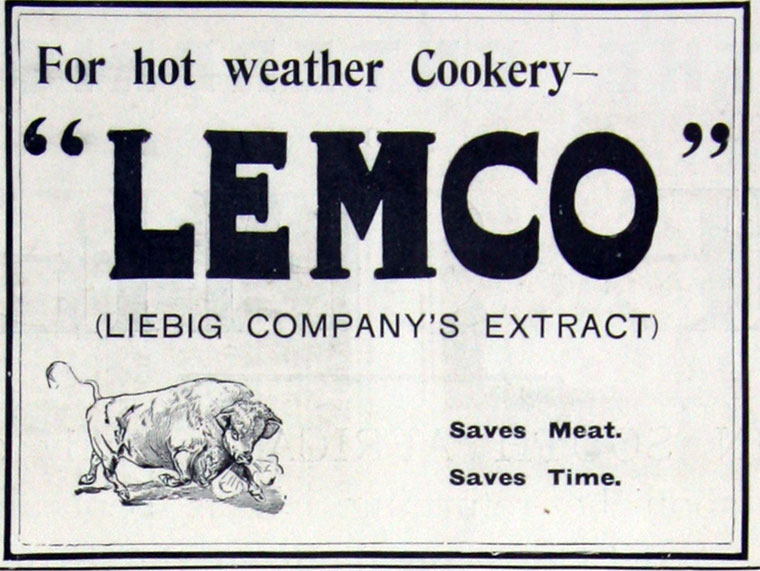
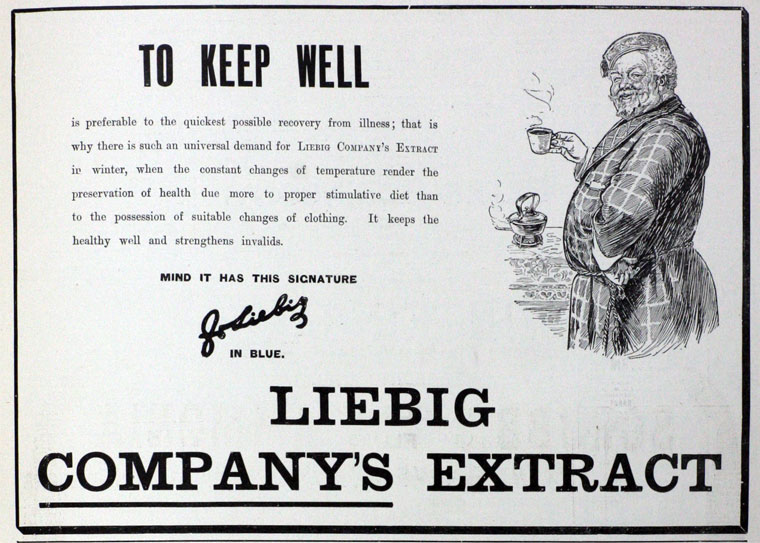
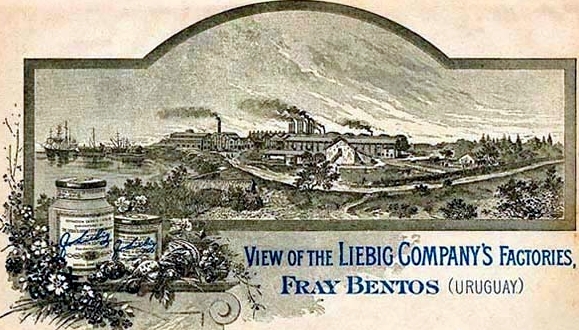
The Liebig’s Extract of Meat Company was the producer of LEMCO brand Liebig’s Extract of Meat and the originator of Oxo meat extracts and Oxo beef stock cubes. It was named after Baron Justus von Liebig, the 19th-century German organic chemist who developed and promoted a method for industrial production of beef extract.
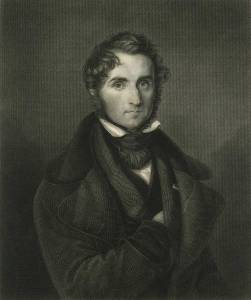
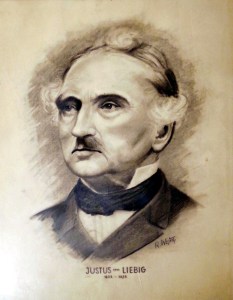
Two times Liebig, as university professor and later as businessman.
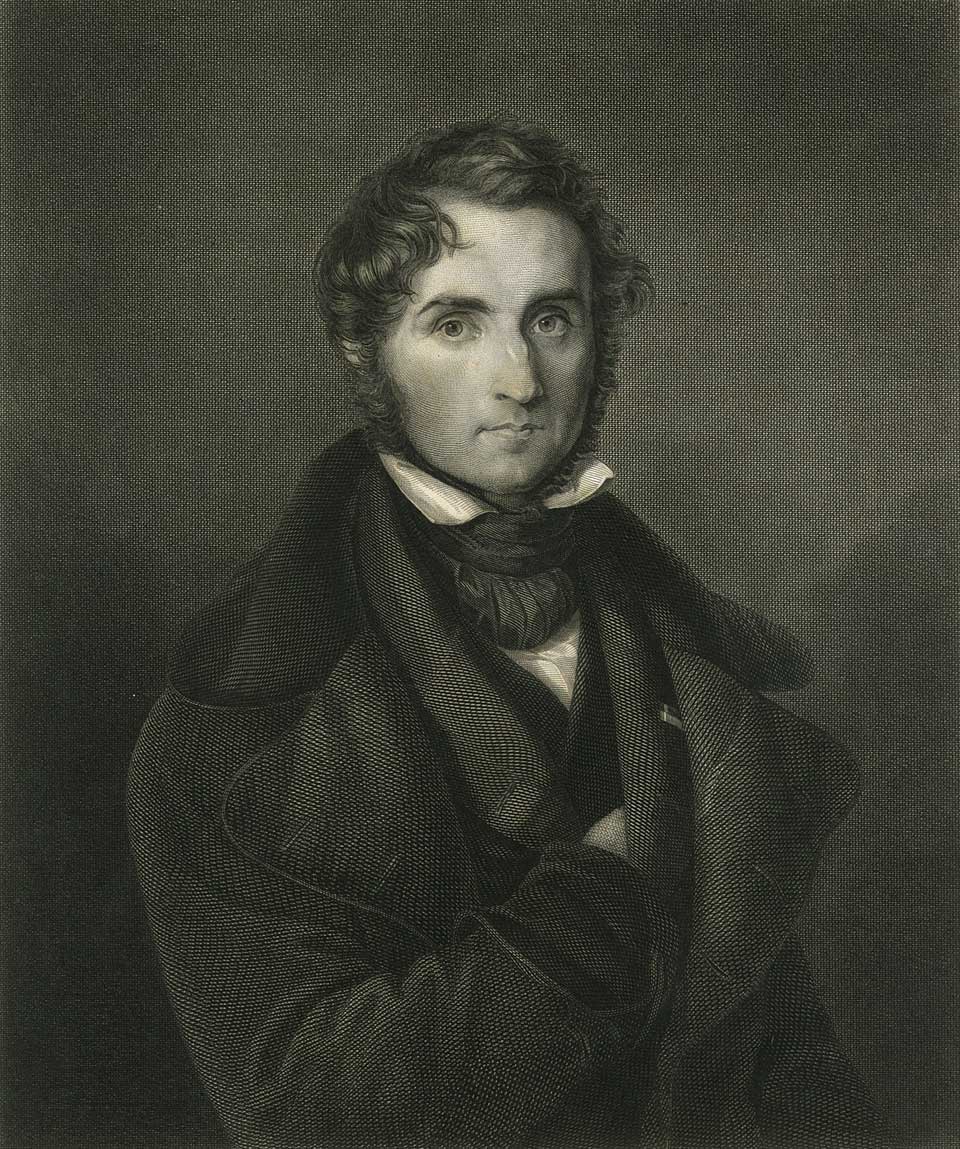
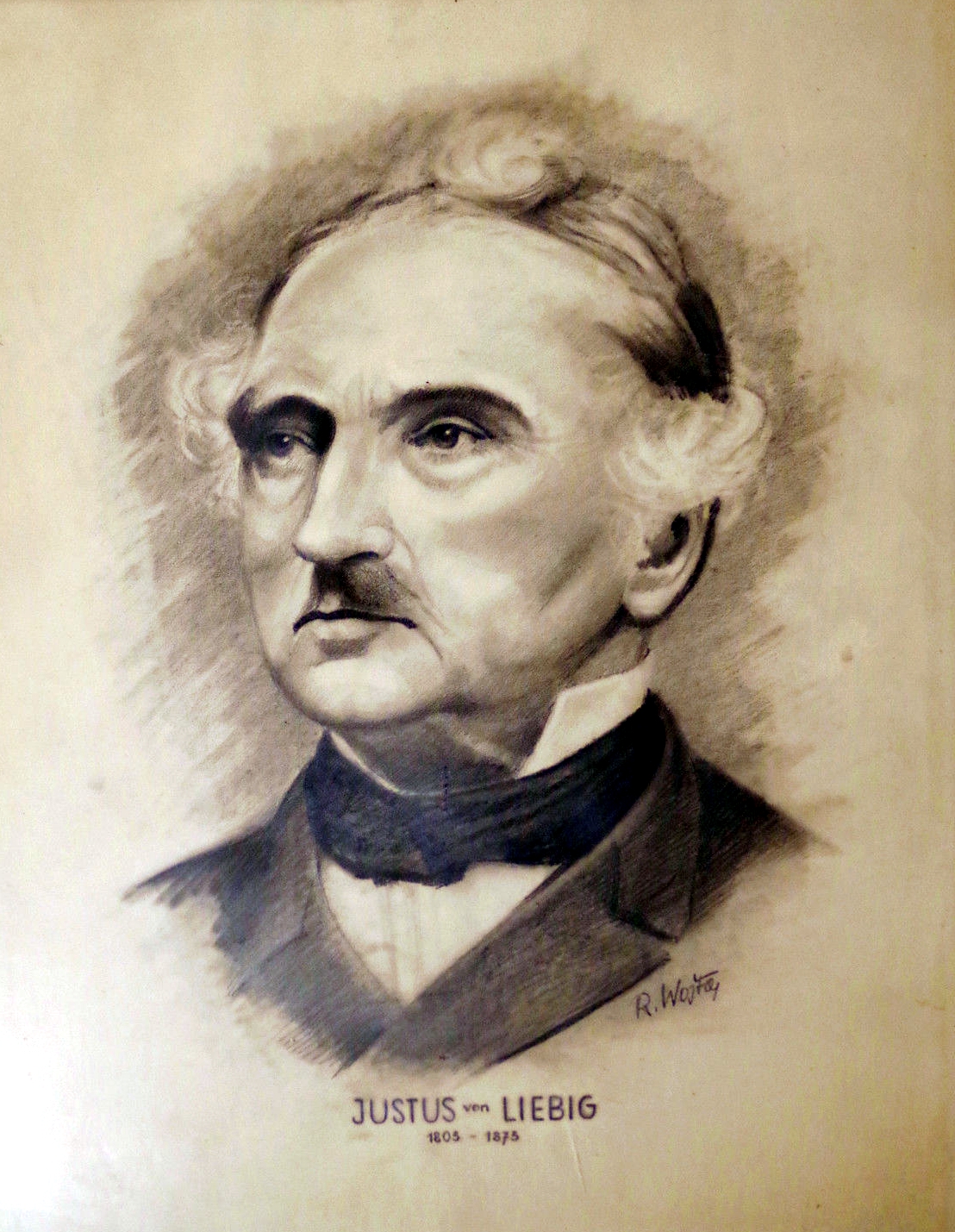
Early development.
In 1847, Justus von Liebig developed a concentrated beef extract in hopes of providing a cheap and nutritious meat substitute, Extractum carnis Liebig, for those unable to afford the real thing. His method was to trim the fat from the meat, break the meat into small particles, boil it with water to form a liquid of 6-8% solids, and then stir it over low heat, until it was reduced to a paste of 80% solids. However, in Europe, meat was too expensive to economically supply the necessary raw materials to create the extract.
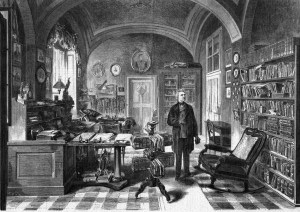 Liebig in his office in Giessen.
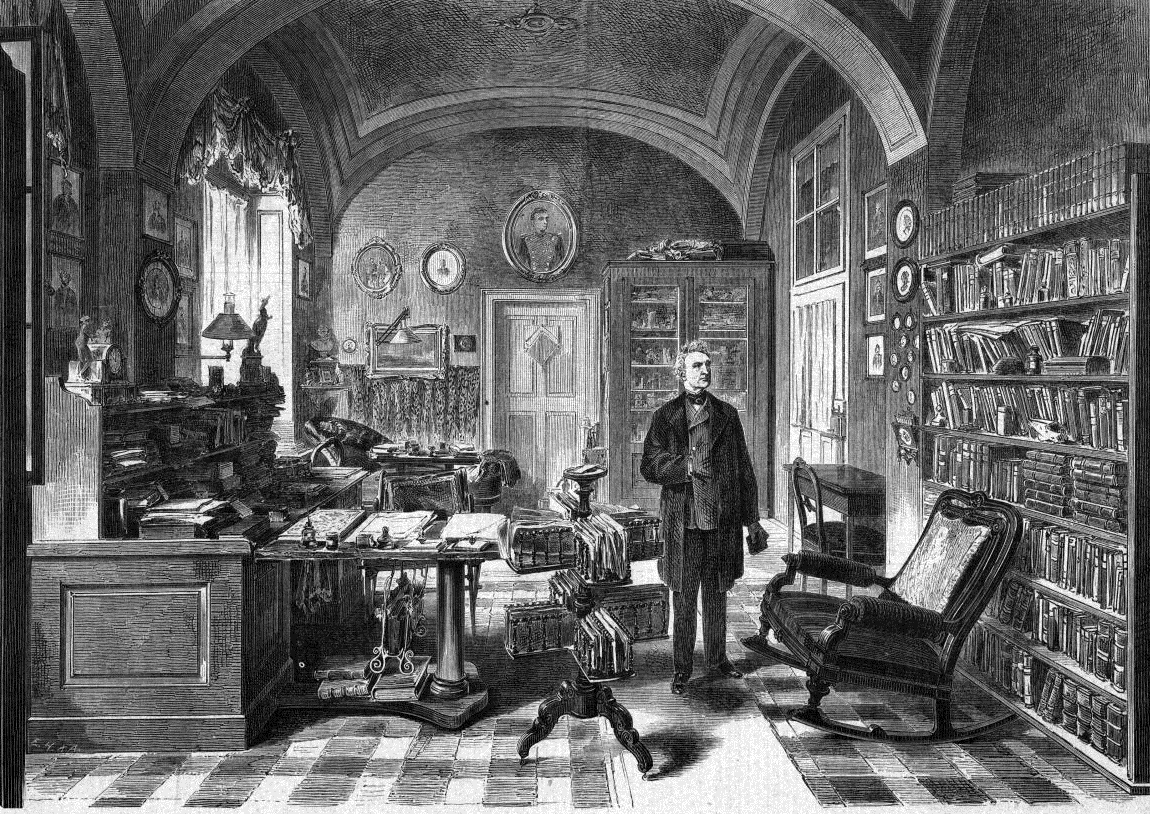
Liebig made his process public, publishing the details in 1847. Liebig clearly stated of his process that „the benefit of it should … be placed at the command of as large a number of persons as possible by the extension of the manufacture, and consequently a reduction in the cost.“ A variety of companies produced small batches of meat extract based on Liebig’s ideas, often using his name on their products.
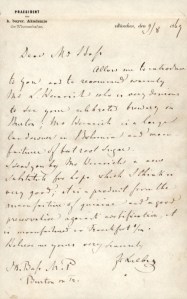
Liebig in his first private laboratory and a valuable (signed) letter from the „Academy of Science“.
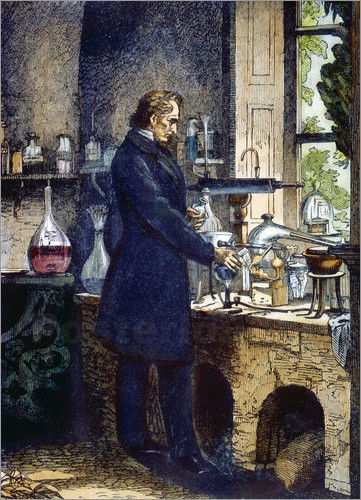
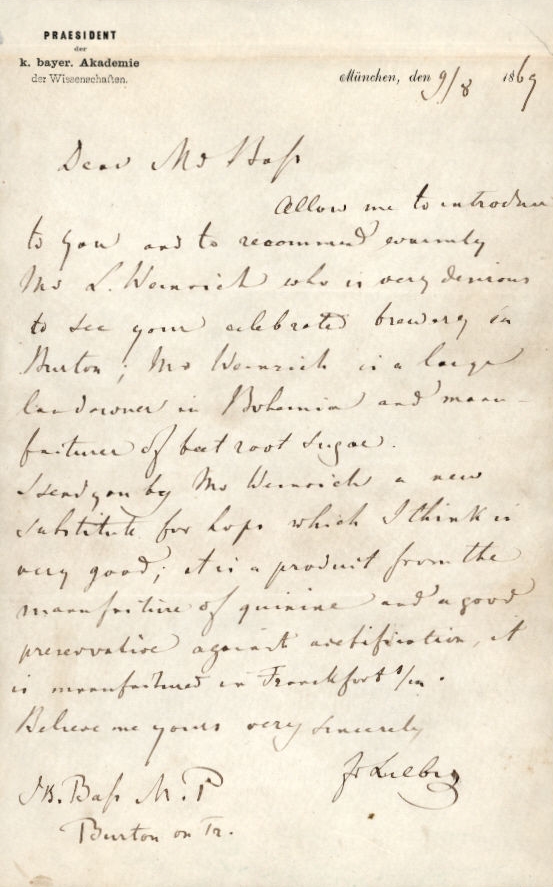
In 1862, George Christian Giebert, a young railway engineer visiting Europe, read Liebig’s Familiar Letters on Chemistry. Convinced that the process could be industrialized, he wrote to Liebig to suggest opening a manufacturing plant in South America. Using the flesh of cattle that, before the popularity of canning or freezing meat, would otherwise have been killed for their hides alone, he hoped to produce meat extract at one third of the European cost. He visited Max Joseph von Pettenkofer’s Royal Pharmacy in Munich, and Friedrich Mohr’s laboratory in Coblenz, where small amounts of extract being produced.
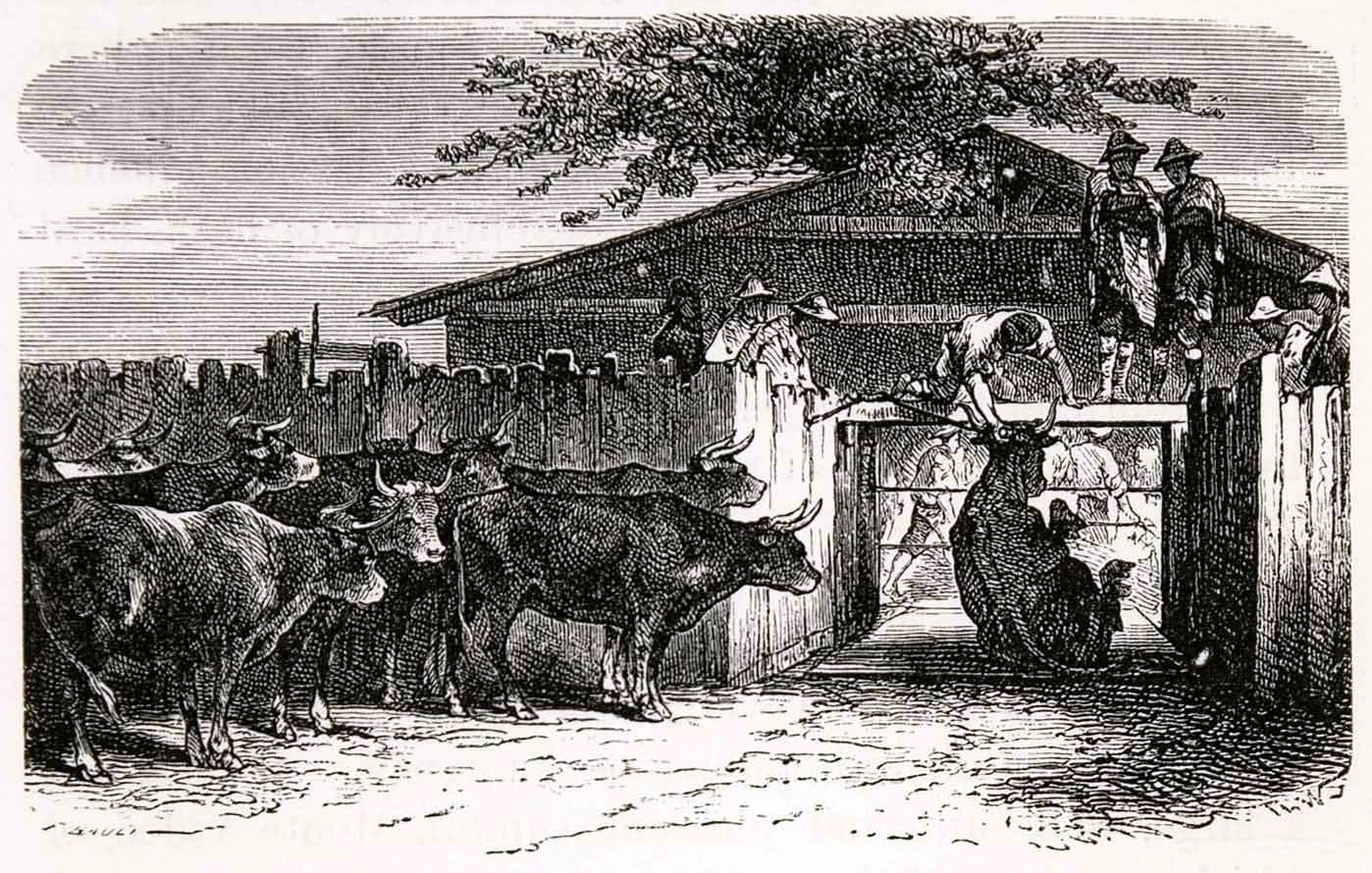
 The very first slaughter house in Fray Bentos.
The Beginning in Fray Bentos, Uruguay.
With Liebig’s agreement, and the backing of a group of entrepreneurs and ranchers, Giebert established the Societe de Fray Bentos Giebert & Cie., and built a test extraction plant at Villa Independencia, Uruguay, later called Fray Bentos. By the end of 1864, 50,000 pounds of extract worth £12,000 had been exported and sold.
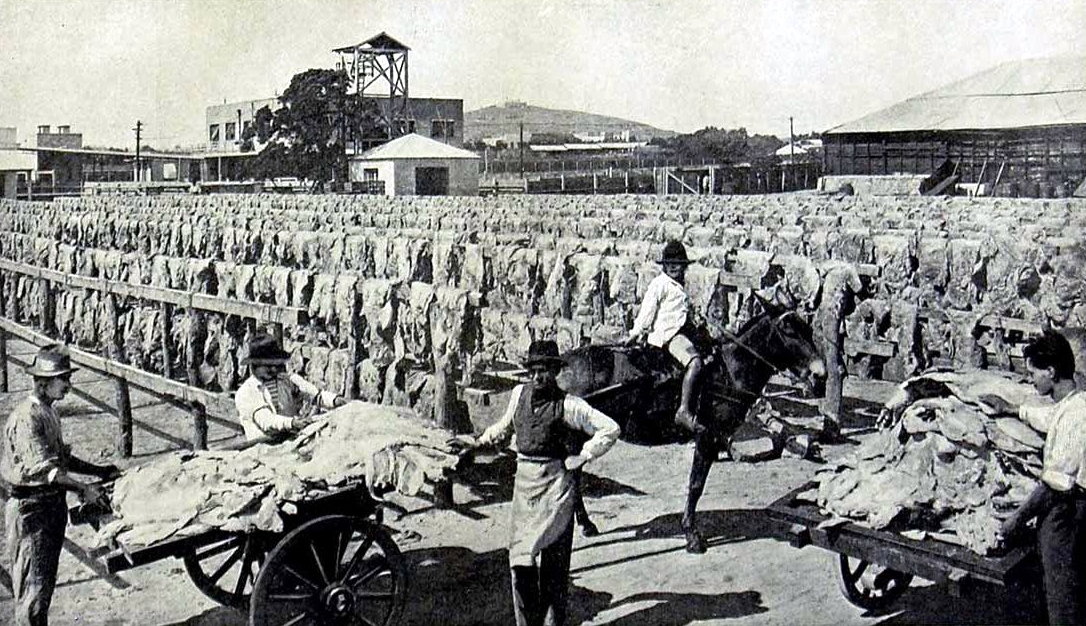
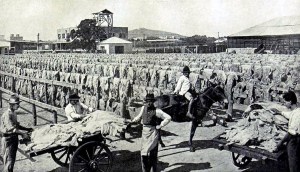 Drying hides . The company improves.
In 1865, Giebert offered Liebig a directorship of the company, with an initial cash payment and an annual salary. The Liebig Extract of Meat Company was established on 4 December 1865 in London with a capital of £150,000. Liebig performed and supervised quality control testing on the product arriving to Europe, and promoted it as „the real“ Liebig extract of meat. By partnering with Liebig, Giebert was able to claim that he was the officially sanctioned producer of Liebig’s meat extract.
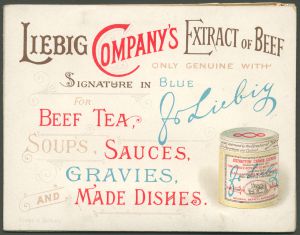
Other companies also used the name Liebig’s Extract of Meat to market meat extracts. In Britain, a competitor’s right to use Liebig’s name was successfully defended on the grounds that the name had fallen into general use and become a generic term before the creation of any particular company. The judge asserted that „Purchasers must use their eyes“, and considered the presentation of the products to be sufficiently different to enable the discriminating consumer to determine which of the products bore Liebig’s signature and was supported by Baron Liebig himself.
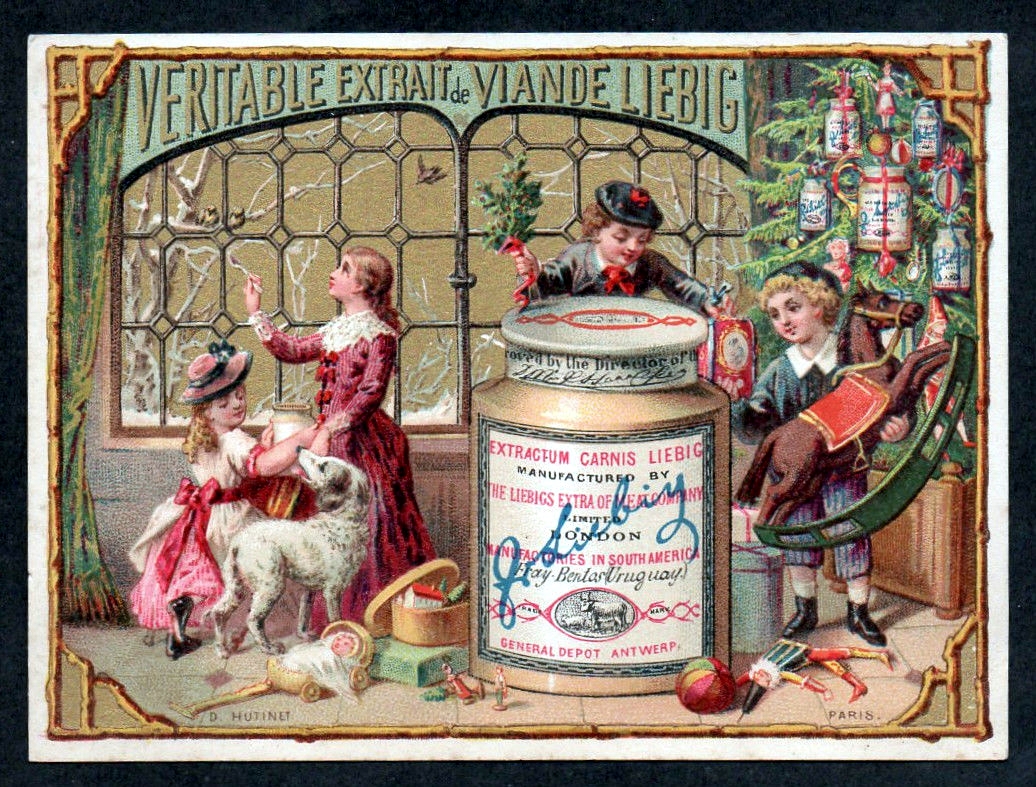
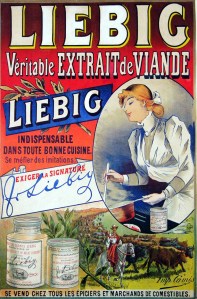 Advertising with the warning of „Original -blue- Signature“.
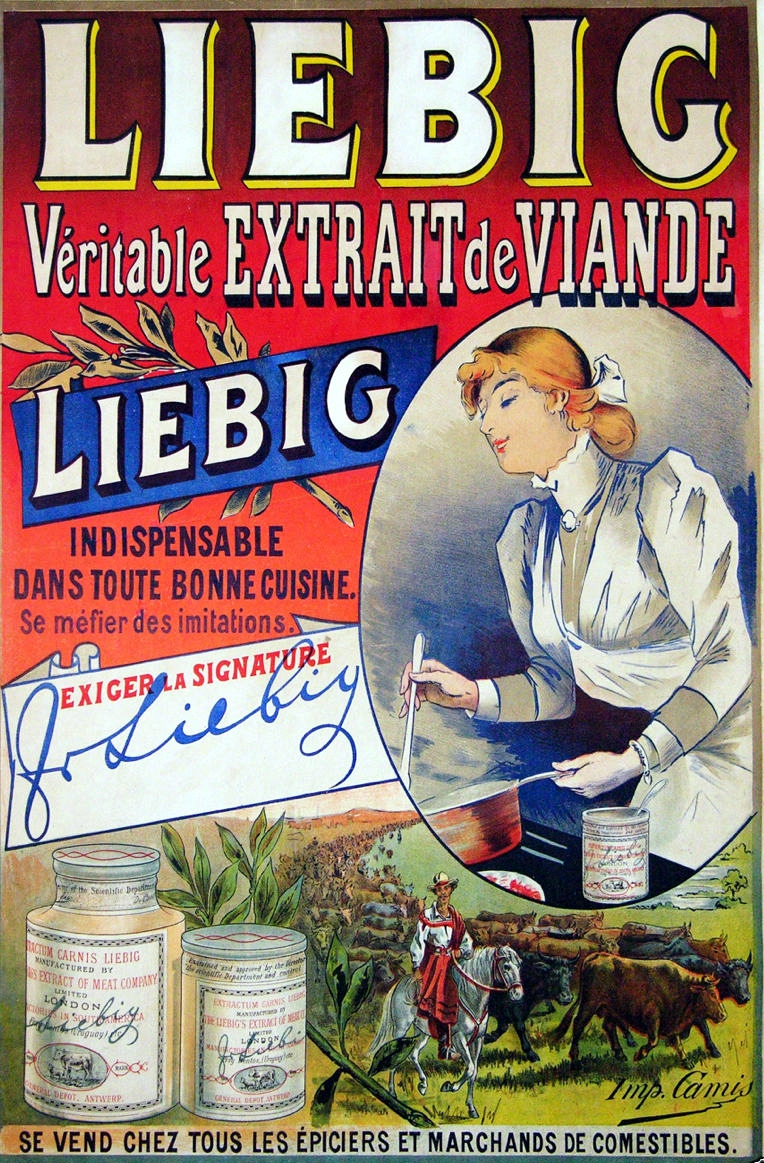
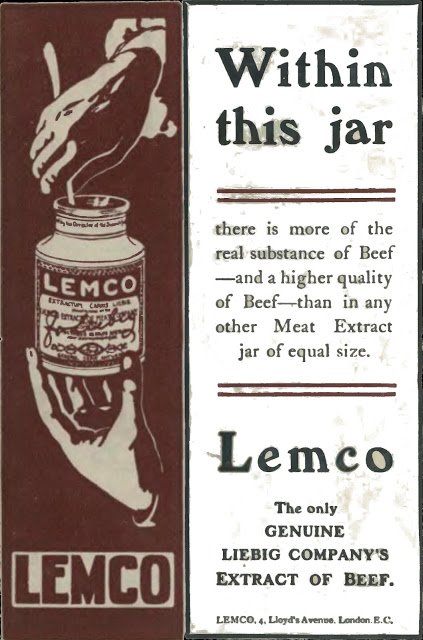
In response, the company adopted the name „LEMCO“ in Britain, displayed it prominently on their products „to correct the evil of substitution“, and encouraged shoppers to specifically request the new trademark „to protect you from inferior substitutes.“
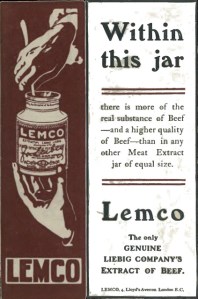 The very first LEMCO extract jar.
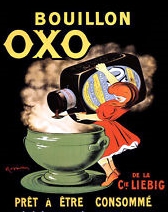
Liebig’s 1905 Trademark for OXO.
Liebig’s meat extract is a molasses-like black spread packaged in an opaque white glass bottle, which contains reduced meat stock and salt (4%). The ratio of meat to meat extract is generally reported to be about 30 to 1: it takes 30 kg of meat to make 1 kg of extract. The extract was originally promoted for its supposed curative powers and nutritional value as a cheap, nutritious alternative to real meat. As subsequent research brought its nutritional value into question, its convenience and flavourfulness were emphasized, and it was marketed as a comfort food.
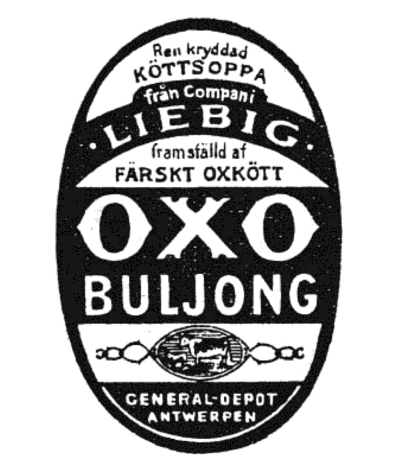
The product enjoyed immense popularity and became a staple in middle-class European households. By the late 1860s, St. Thomas Hospital in London reportedly used 12,000 pots per year of the easily digestible substance. By 1875, 500 tonnes of the extract were being produced at the Fray Bentos plant each year. It was recommended for soldiers during the American Civil War for its shelf stability, ease of transport, and ease of use. It was still used by the Allied forces in World War II. European adventurer Sir Henry Morton Stanley valued it on his trip to Africa. It is still sold by Liebig Benelux from Antwerpen.
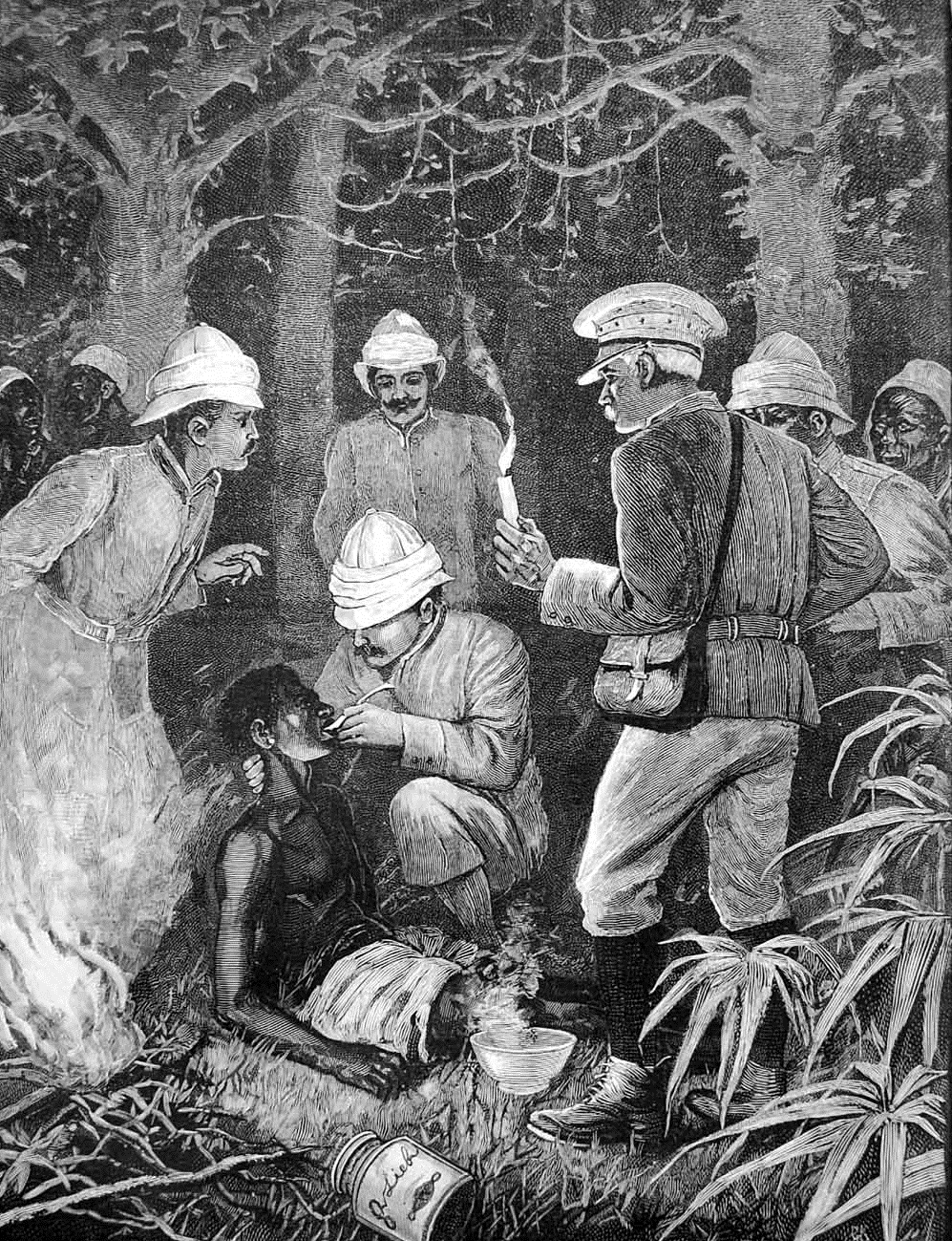
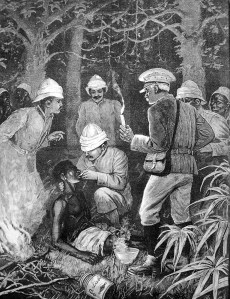 H.M. Stanley saved many lives with the extract in Africa.
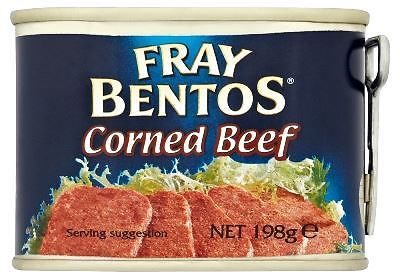
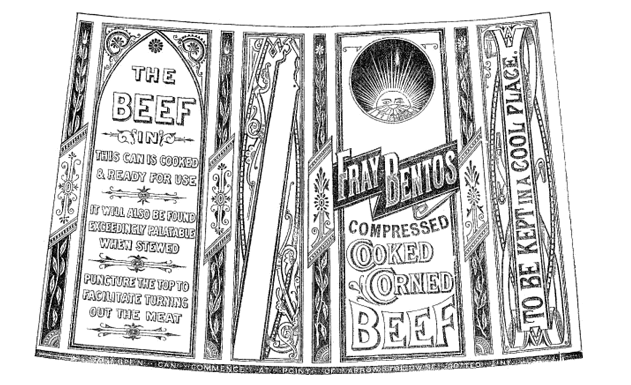
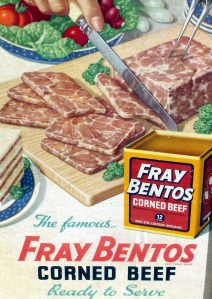
In 1873, Liebig began producing tinned corned beef, which it sold under the label Fray Bentos. Fray Bentos was trademarked by Liebig in 1881 to market „Fray Bentos Compressed Cooked Corned Beef“. With the introduction of freezer units, the company was eventually able to produce and export frozen and chilled raw meat as well. The amount of food processed and shipped around the world caused the town of Fray Bentos to be called „The Kitchen of the World“.
 The beginning of corned beef production in Fray Bentos.
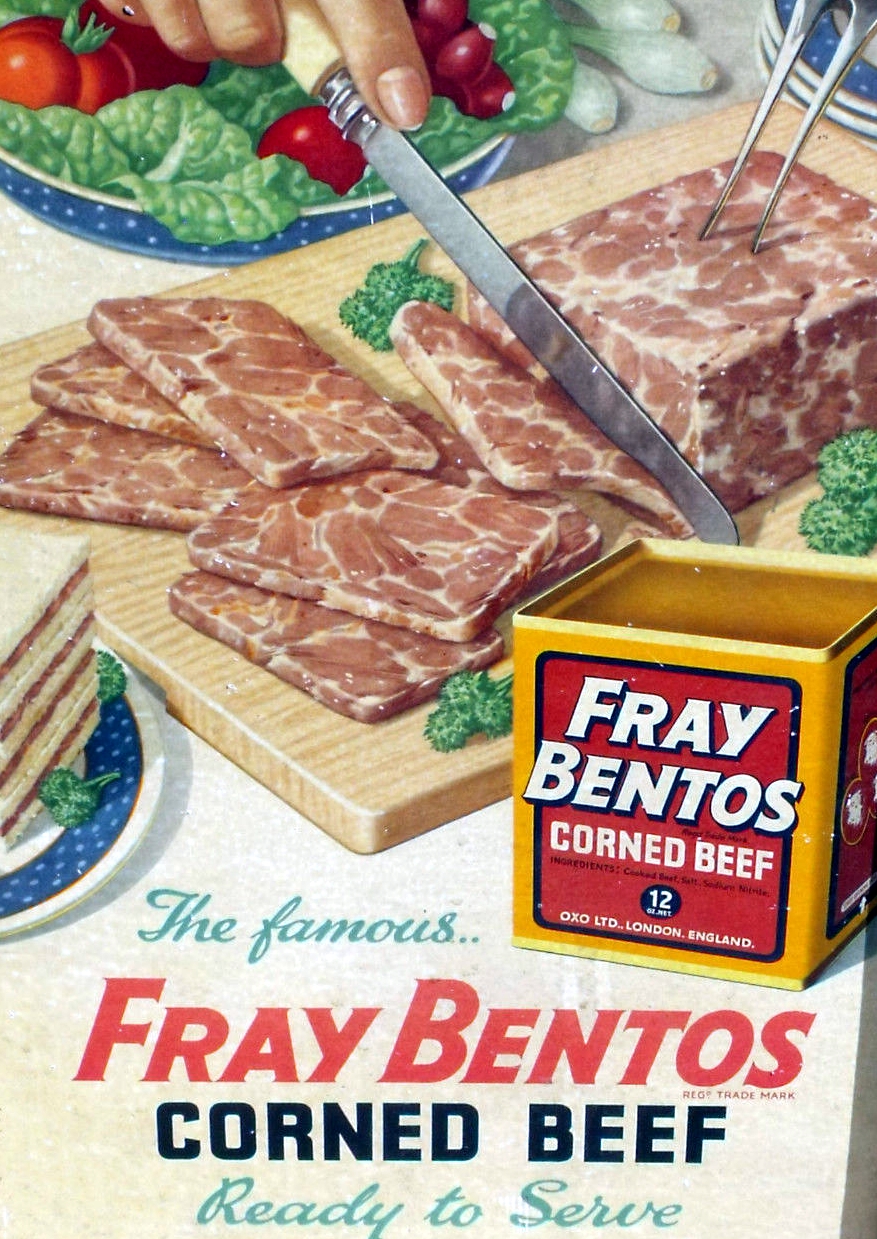
Birthplace of LEMCO, OXO, Walls, Campbells,
Fray Bentos, Bovril and many others.
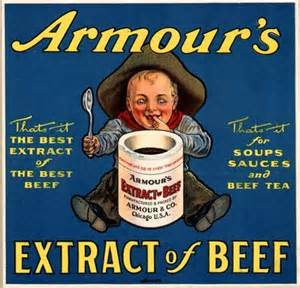
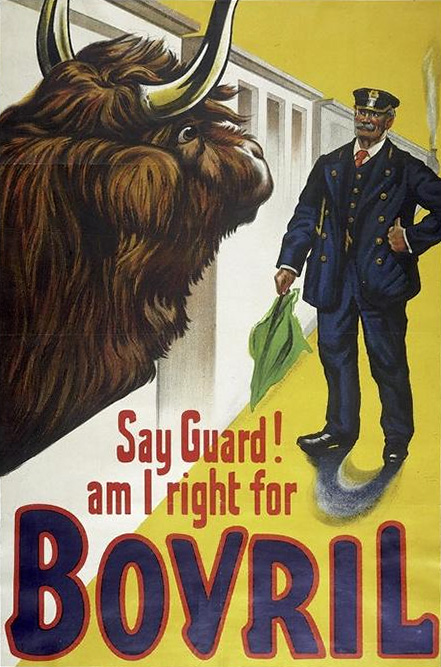
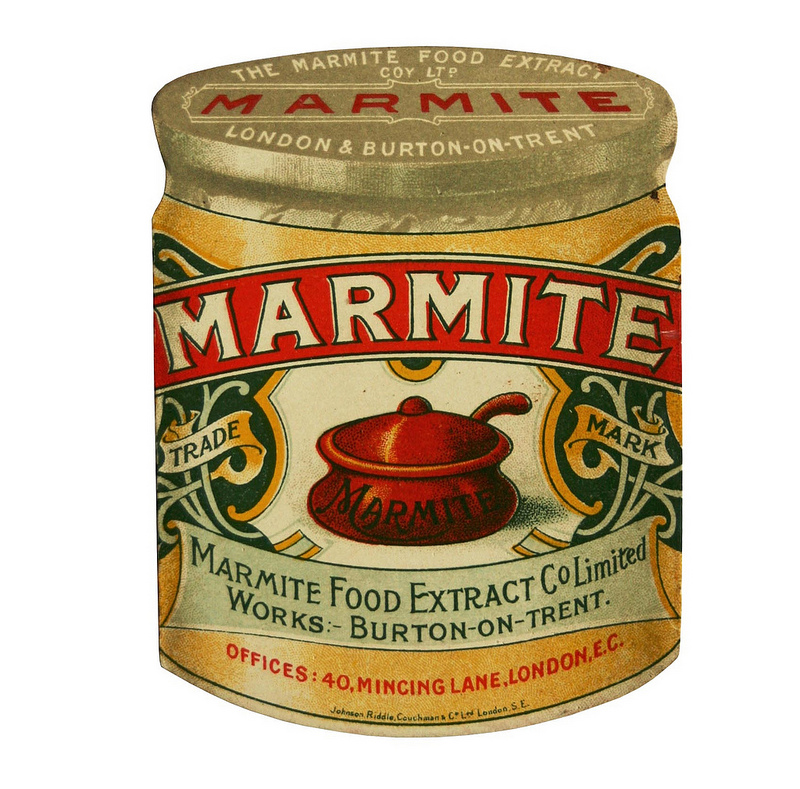
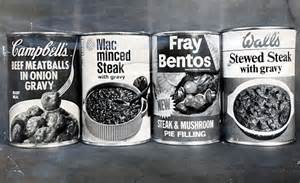
Fray Bentos canned meats, now owned by Baxters, are still sold in Europe. The brand also offers meat pies, which have been manufactured since 1958. The British tonic wine Wincarnis originally contained Liebig’s meat extract and was initially called Liebig’s Extract of Meat and Malt Wine.
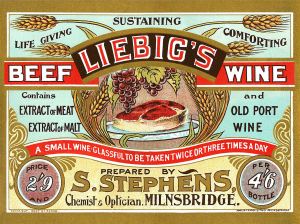
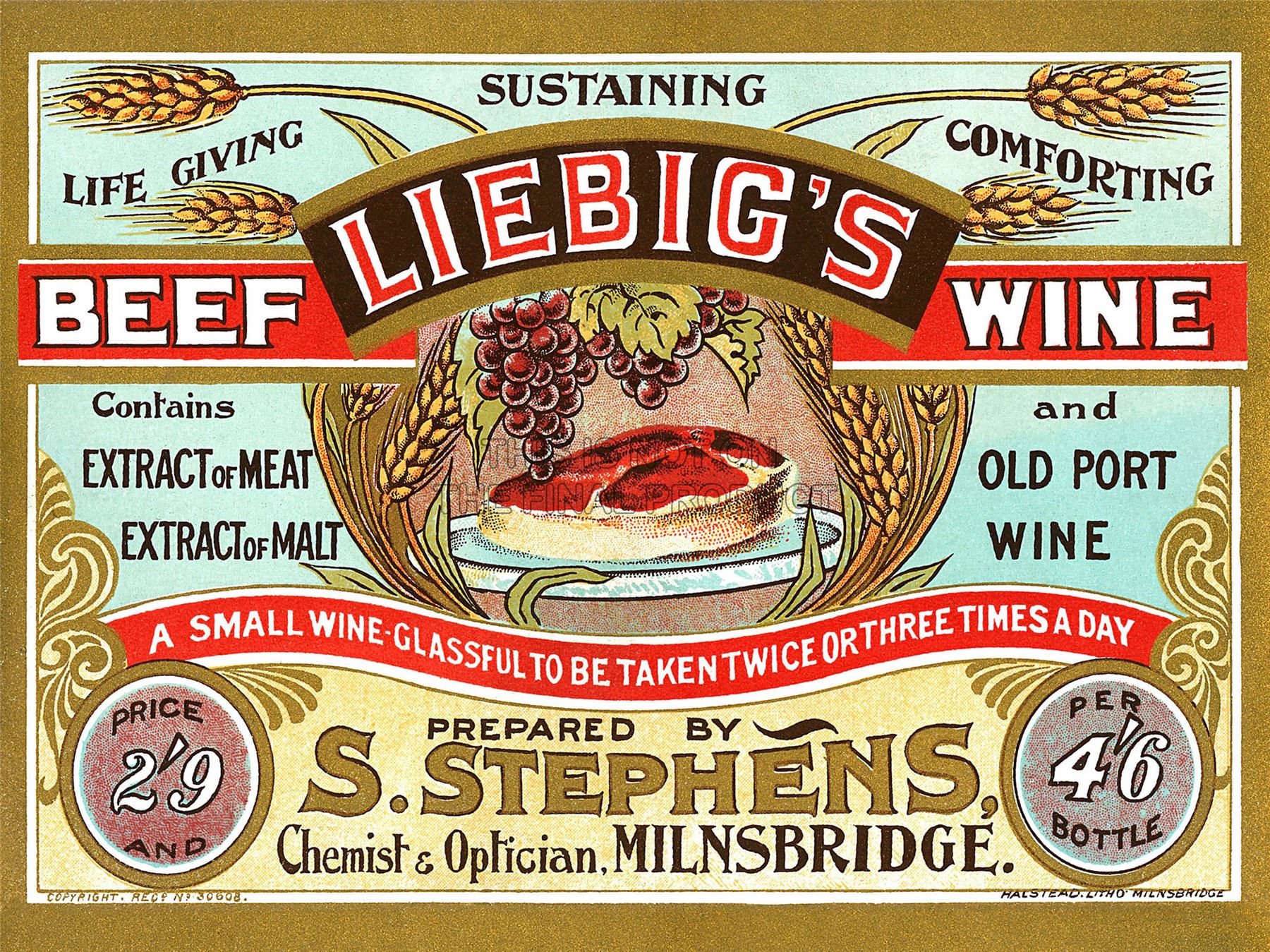
Wonderful designed, old box label of „BEEF WINE“. They tried everything to sell.
Notice the contents: Meat, Malt, Port wine. And notice the seller: Chemist and Optician.
Many companies and brands where created during one century, but all had to go back to the chemical base of Liebig. That’s why many used his name or his producing factory names and so on, just to have a more successful marketing.
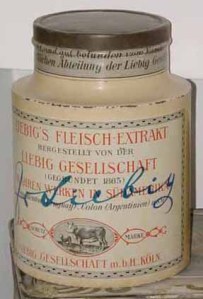
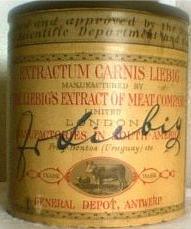
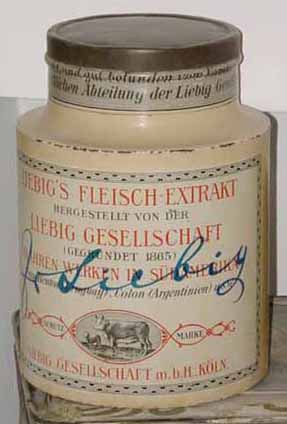
Two, extremely rare, old tin containers from around the 1870’s, in wonderful condition.
The left one was sold in an collectors auction for over 6000,–euros !
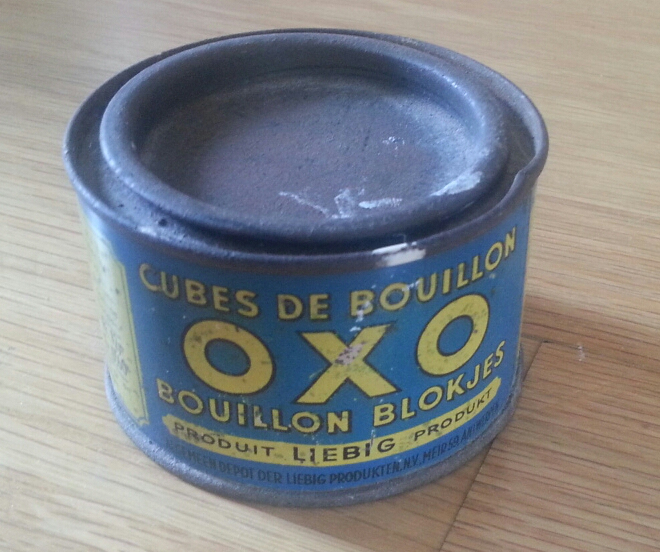
The company also worked with English chemist Henry Enfield Roscoe to develop a cheaper meat extract product which it commercialized some years after Liebig’s death. „Oxo“ was trademarked worldwide in 1899 and in the United Kingdom in 1900. Originally a liquid, Oxo was released as a bouillon cube in 1911.
 One of the first OXO boullion containers.
Liebig also produced a line of biological products under the Oxoid name (starting in 1924), in particular glandular extracts and later dehydrated culture media.
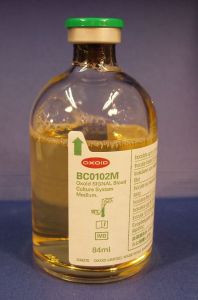
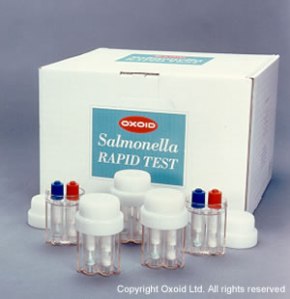
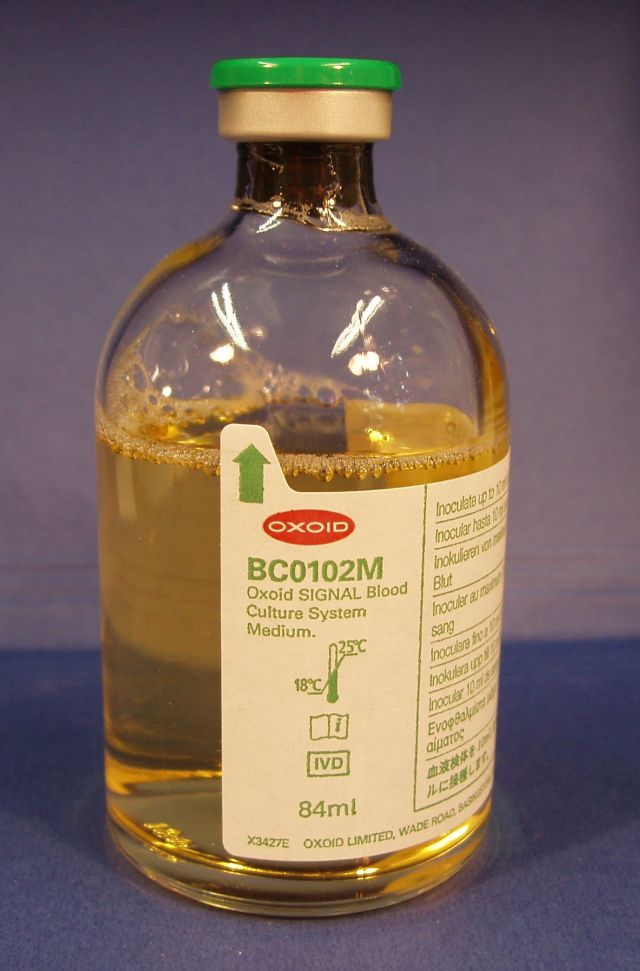
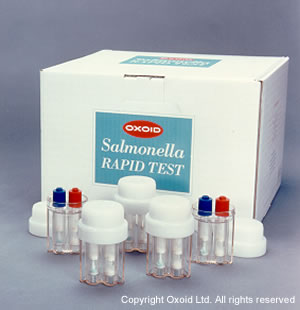
Modern examples of OXOID products which one can find around the world everywhere.
The works and yards at Fray Bentos ranked among the largest industrial complexes in South America and helped usher in the industrial revolution there. The city of Fray Bentos grew simultaneously with the factory. The plant played a major role in the development of Uruguay’s cattle sector, which is still one of the country’s main sources of export products. It attracted many European immigrants and, in its heyday, had 5,000 employees. It is said that an animal was processed every five minutes. Every part of the animal was used.
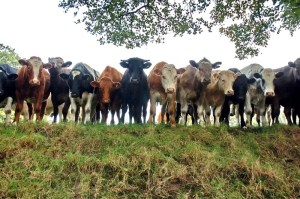
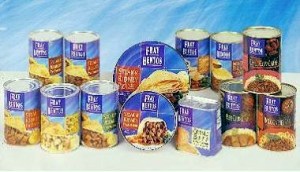
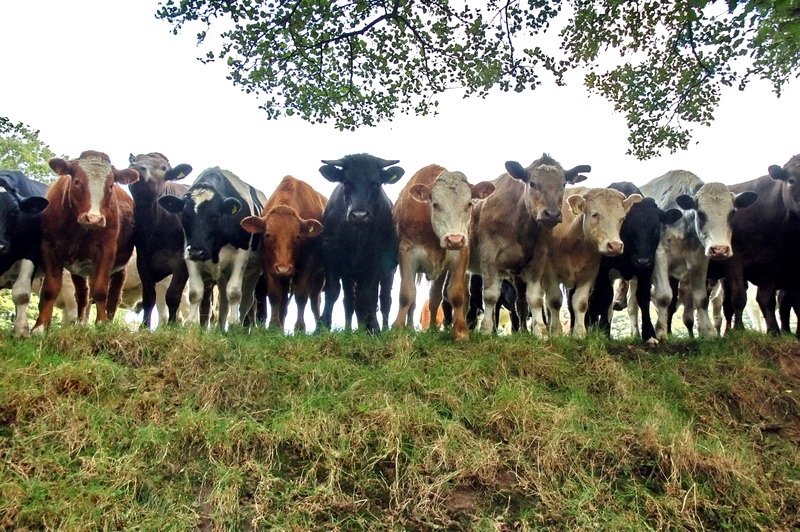
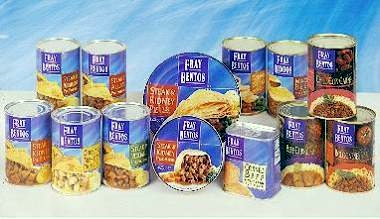
During 115 years Fray Bentos made „Happy Cows“ into „Happy Products“.
Now they just have their „Happy Pulp Mills“.
The Liebig Football Club of Fray Bentos, later renamed Club Atlético Anglo, was established in 1905. Click on pics, most of them will super size to a closer view.
Why it went down and ended in Uruguay.
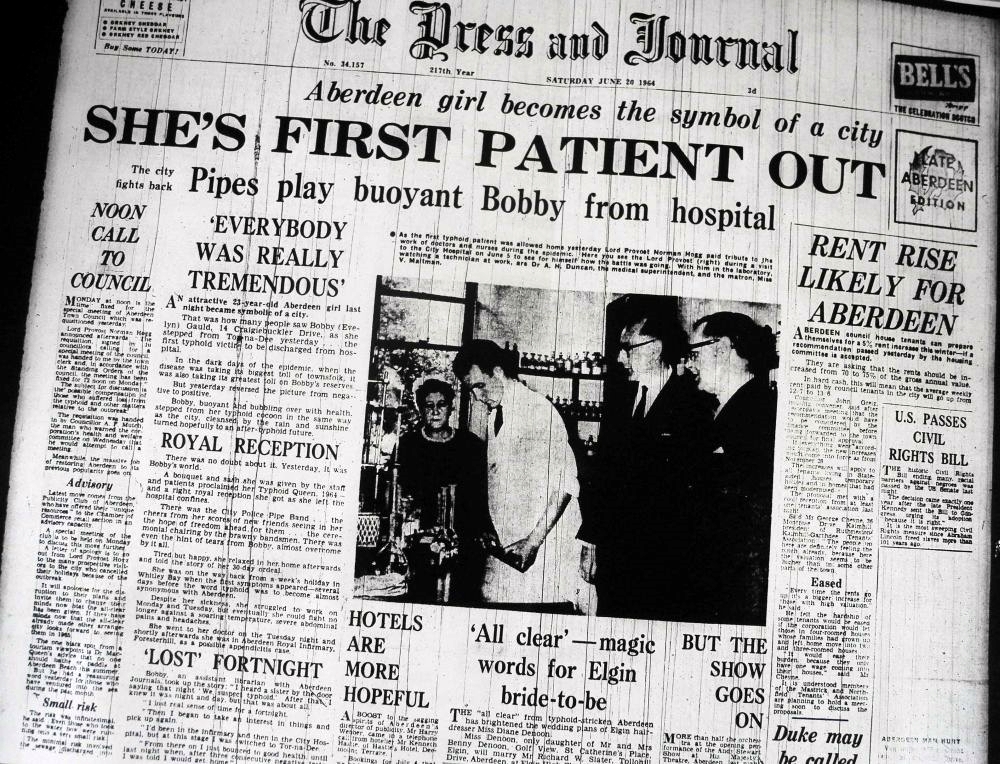
In 1964, a typhoid outbreak in Aberdeen was traced to Fray Bentos corned beef.
The outbreak was eventually traced to contaminated tinned corned beef from South America made by Fray Bentos and sold in the city’s branch of the Scottish grocery chain William Low. Pollution from the waters of the Uruguay River appeared to be the source of the contamination, probably through water entering a defective tin through a small puncture. The infected meat then contaminated a meat slicing machine within the William Low shop, leading to the spread of the disease.
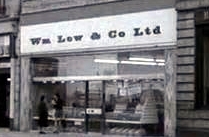
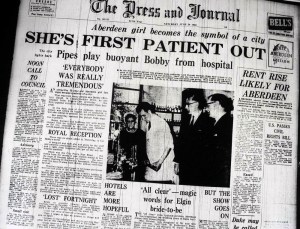
The butcher shop in Aberdeen where the outbreak started and finally the announcement – it’s over.
Meanwhile, Britain’s entry into the Common Market affected trade patterns. These factors combined had a serious negative impact on sales, and in 1971, the complex was given to the Uruguayan government. What happened then ?
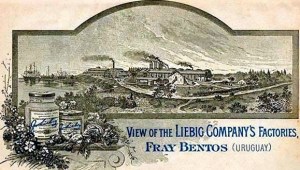 All given to an incompetent government.
In the late 1950s, partly because of a world-wide decrease in demand for agricultural products, Uruguayans suffered from a steep drop in their standard of living, which led to student militancy and labor unrest. A terrorist movement known as the Tupamaros emerged, engaging in activities such as bank robbery, kidnapping and assassination, in addition to attempting an overthrow the government.
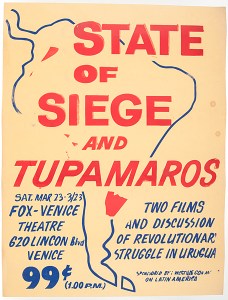
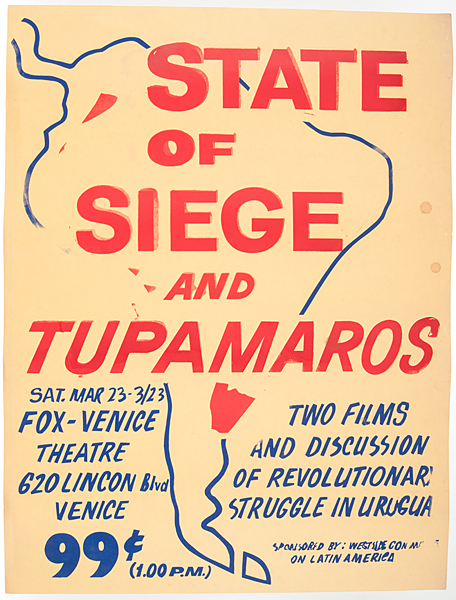
Movie announcement for „The Revolutionary Struggle in Uruguay“.
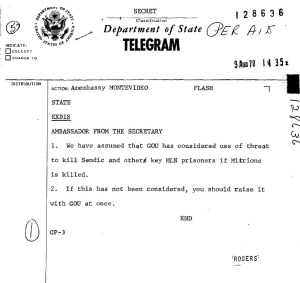
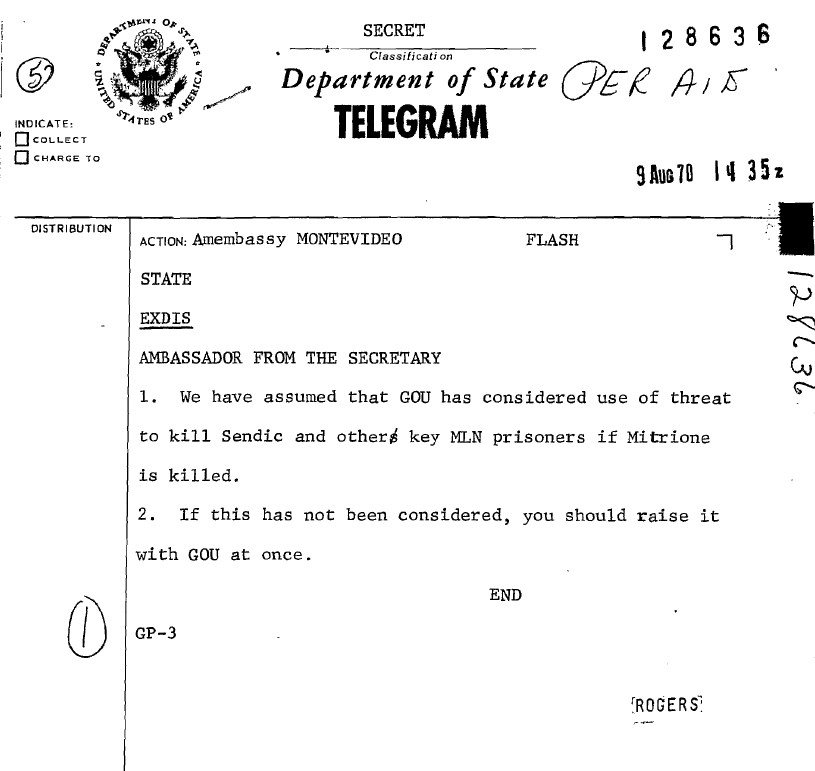
And a „SECRET“ telegram warning of „threat to kill Sendic“. Notice date, sender and receiver.
Raul Sendic was the founder of the leftist Tupamaro guerrilla movement in Uruguay.
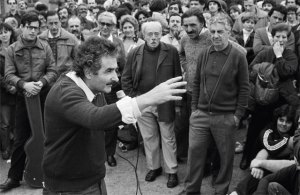
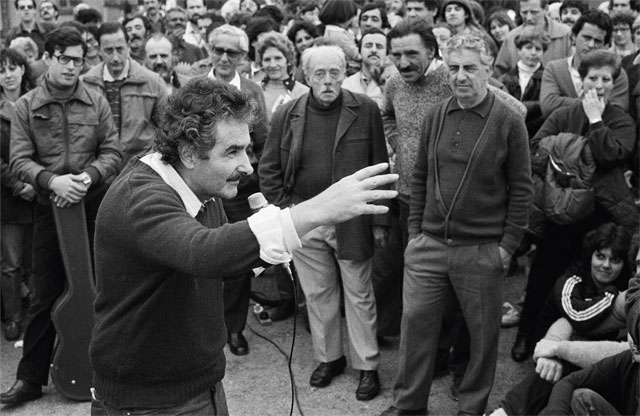
One of the most well known Tupamaros in his active time: Jose Mujica.
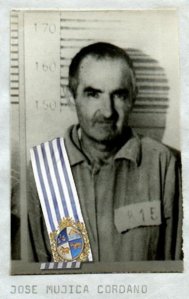
Jose Mujica jailed by the military dictatorship under Bordaberry.
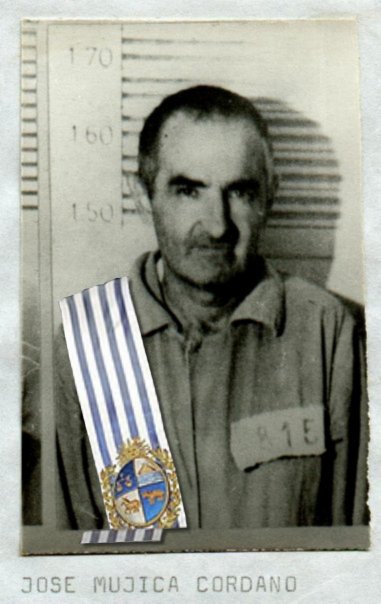
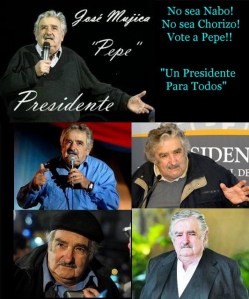
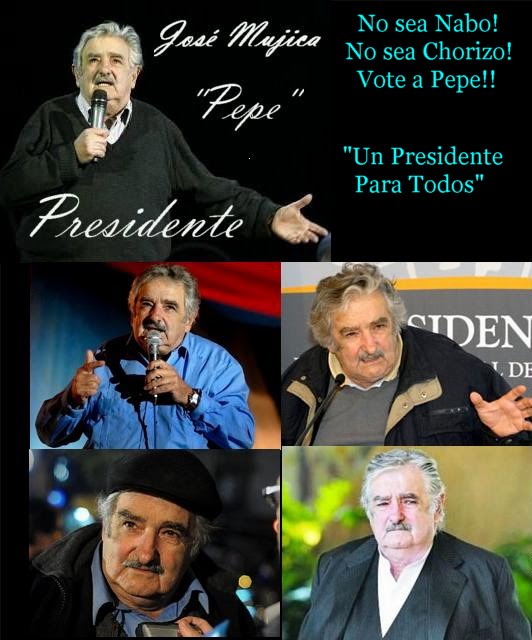
And finally „the poorest president in the world“, in Uruguay.
President Jorge Pacheco declared a state of emergency in 1968, followed by a further suspension of civil liberties in 1972. Remember, in 1971 the Liebig company complex was given to the Urugayan government !!
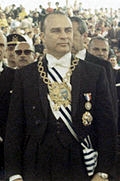

President Jorge Pacheco (left) and then Juan Maria Bordaberry head of the 1970s military regime.
In 1973, amid increasing economic and political turmoil, the armed forces, asked by the President, closed the Congress and established a civilian-military regime. Around 140 Uruguayans are known to have been arrested (many of them killed) during the 12-year civil-military rule of 1973. And many good companies can call them „killed“ too.
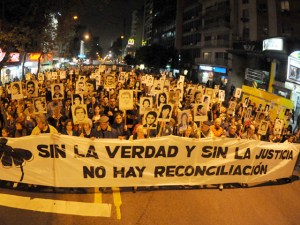
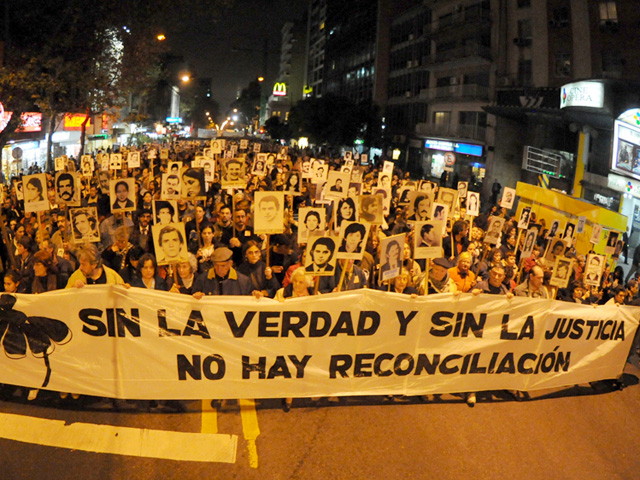
Photographs show the people missing during Uruguay’s 1973-85 dictatorship.Thousands join the annual
„March of Silence“ in Uruguay’s capital, Montevideo, to appeal for justice for dictatorship-era victims.
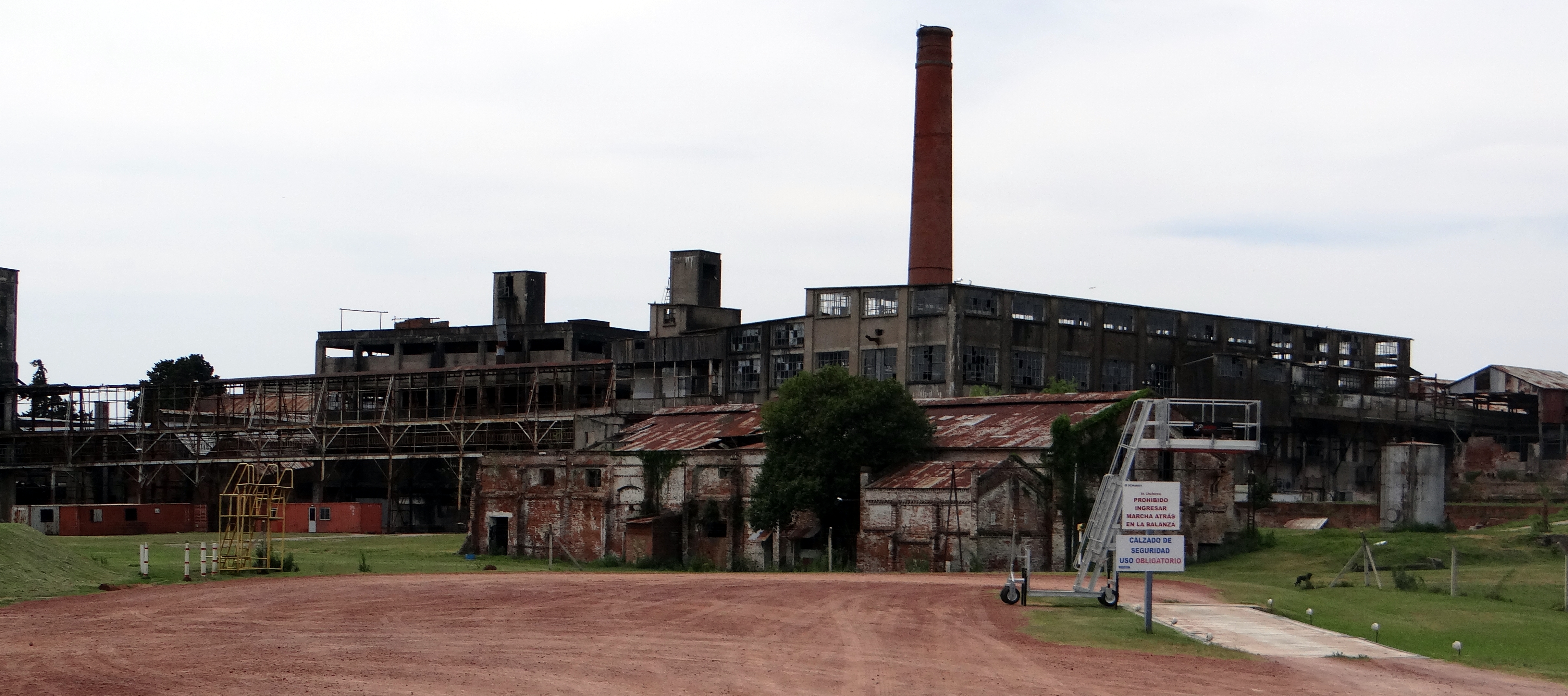
The Liebig Meat Extract plant never recovered and the production ceased completely in 1979, a major blow to the area’s residents. One can understand the reasons of this wild time in Uruguay and governments with other interests then just keeping a company alive, but still – it was the end of 115 years of successful entrepreneurship in Uruguay.
 This is how a „killed industry“ looks like.
A new constitution, drafted by the military, was rejected in a November 1980 referendum. Following the referendum, the armed forces announced a plan for the return to civilian rule, and national elections were held in 1984. A new era began for Uruguay, but not for
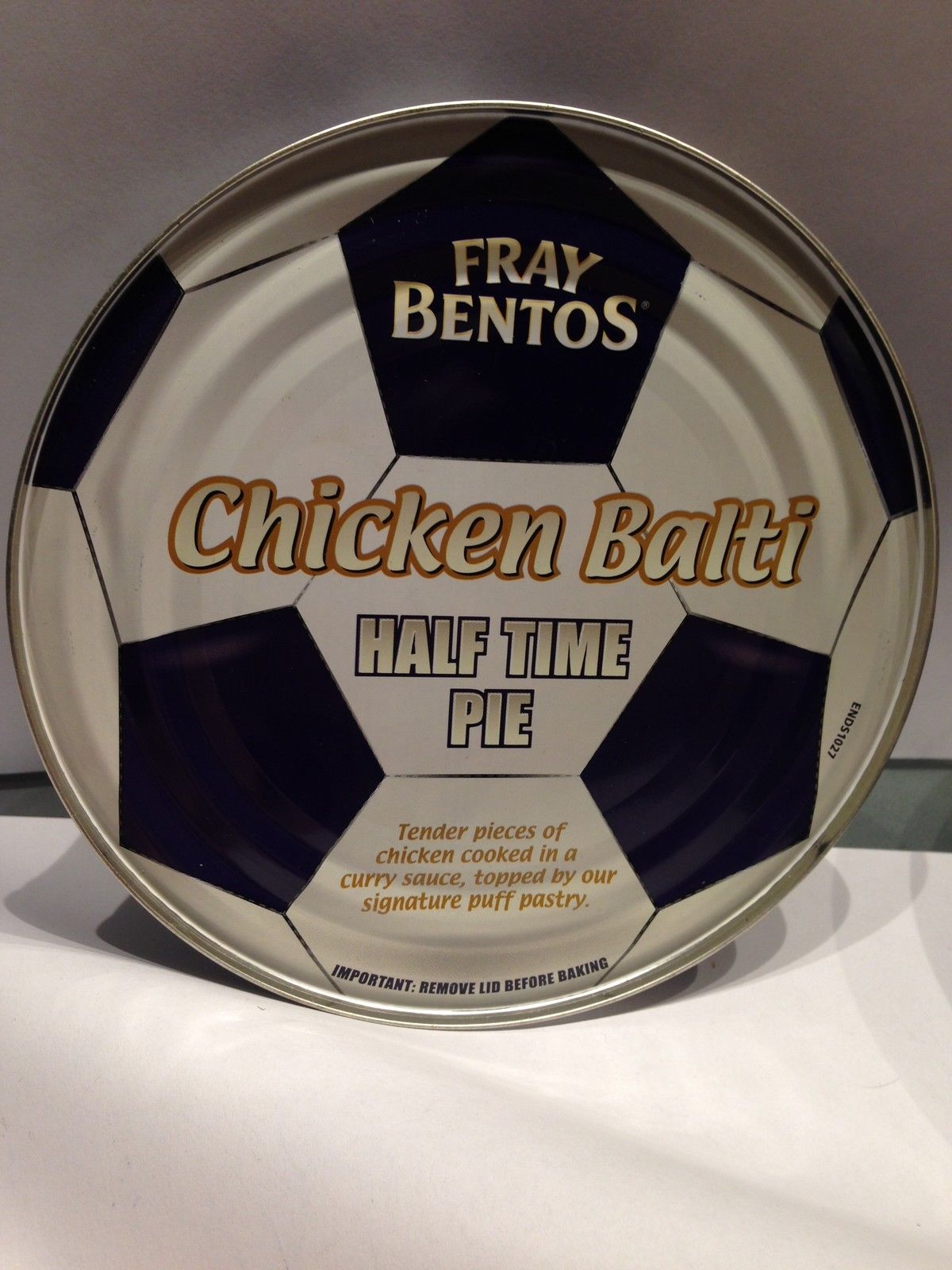
Fray Bentos. That great time of „Industrial Revolution“ is definitely over. But –
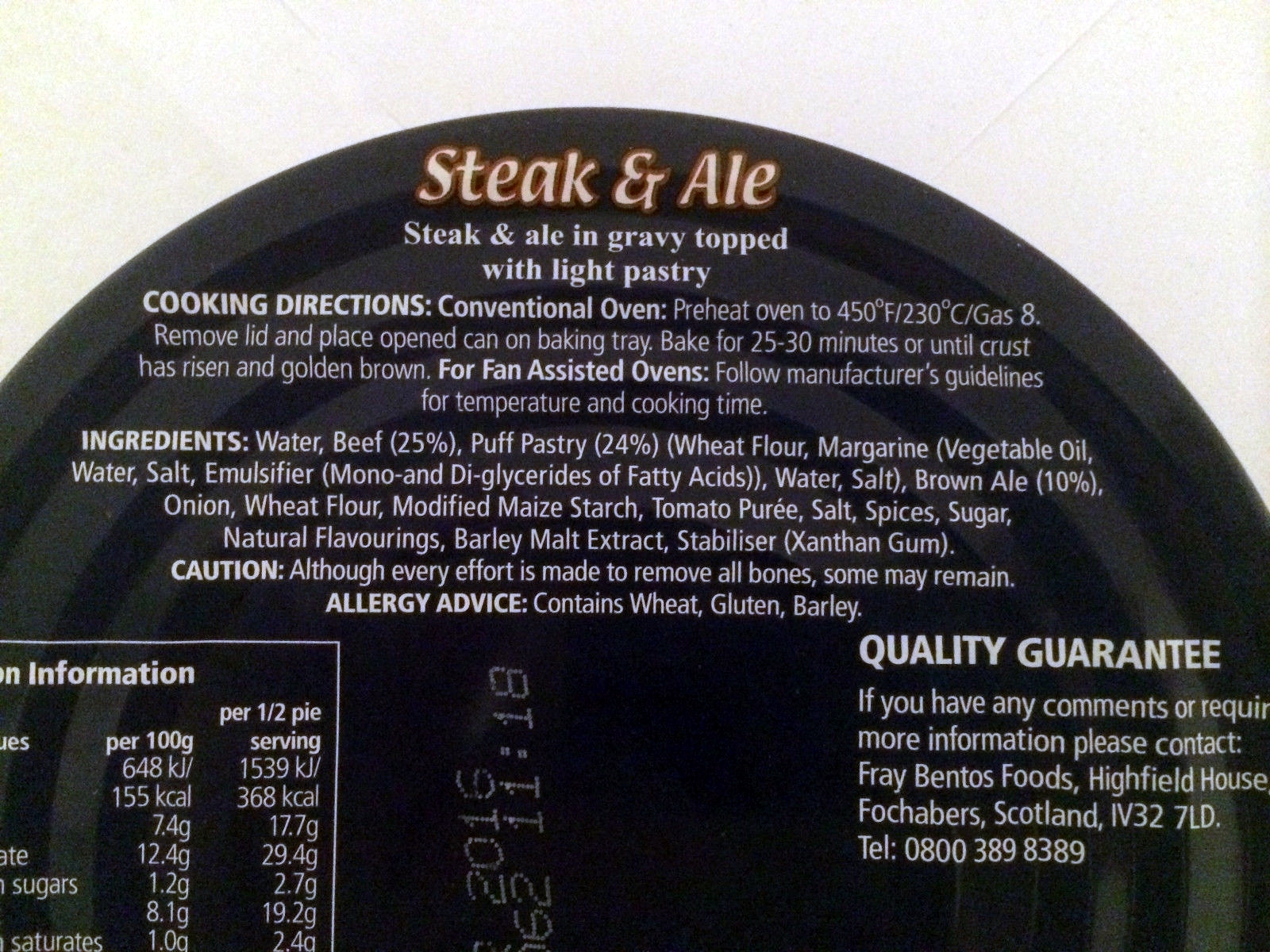
Liebig’s products and Fray Bentos products are still available around the world.
Notice above the expiry date of 2016 !!
And – one more information – COLLECTING all around the Liebig Extract Company is
a hobby for many thousand people. It’s can’s or advertizing, it’s history or the
magnificent sets of pictures, menu cards or cook books. I’ll show more in the next
part. So, stay tuned to part 3 of this post.