
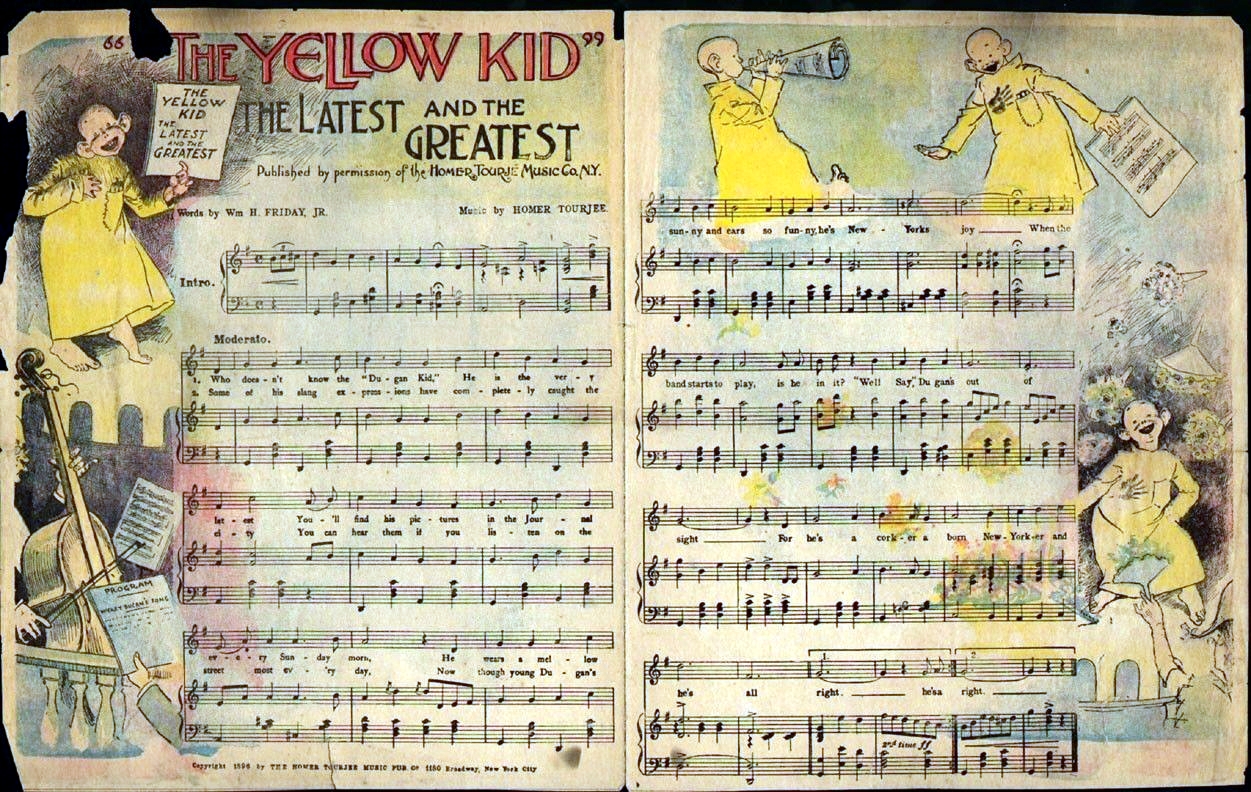
Extremely rare sheet music from 1896 „The Yellow Kid“, H.Friday and H.Tourjee.
Collecting Sheet Music.
Let me introduce you to the hobby of collecting sheet music. It is as interesting and comprehensive as collecting stamps or postcards.
Collecting sheet music is something that anyone can enjoy. There are thousands of different songs to meet any interest and budget. This article will have a few suggestions on how to start your collection and what to look for when purchasing sheet music. This „Collecting Hobby“ can fill many books of information. I will just give a short introduction what it means and how one can be interested in. Also, I am not a music specialist,
I only like the different artworks of the sheet music front pages.
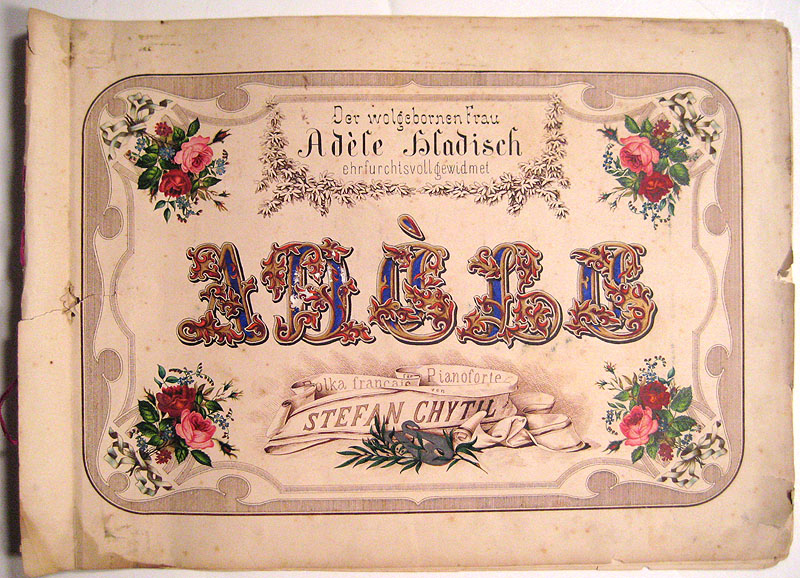
Very rare and well decorated German sheet music from 1873.
Frontpage says „Respectfully dedicated to the well-born woman Adele Kladisch“.
When you begin collecting sheet music the most important thing is condition. The front and back covers should be attached. Often there are page numbers so check that the music is complete. The middle page is usually a single sheet so it is easy to get lost. Often there will be slight wear at the edges but there should be no large tears. It was very common for the owner to write their name on the cover or for there to be a gift inscription. If a name or gift inscription is small and does not detract from the cover design it will not reduce the value of the piece too much. Even if you are collecting for decorative value of the cover you should never detach them. Keep the sheet music intact to retain the value of your collection. I store my sheet music in large acid free plastic sleeves and in a dark place. Most of the pics in this post are from the Authors collection.
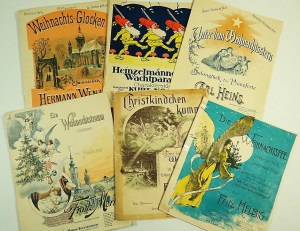
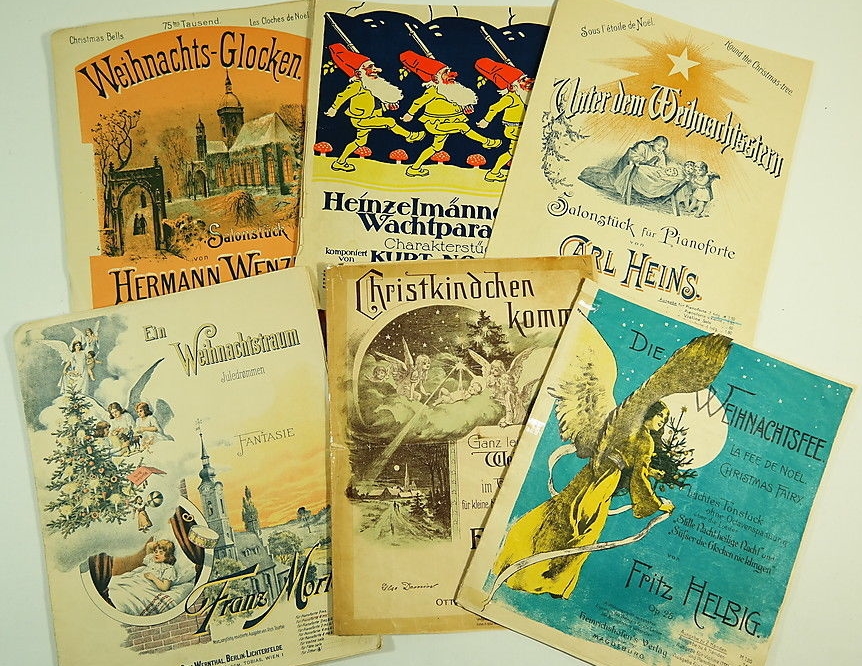
German Christmas Songs, sheets are from about 1870 to 1900. Notice on the top left sheet the print of 75.000 !
There are thousands different categories of sheet music to collect. Some of the most popular subjects are cover illustrators, Movies, Composers, Dixie/Tango/Rag, Black Face, Patriotic, Cowboy, Transportation, Countries. These covers are often beautiful works of art by such artists as Barbelle, Andre Detakacs, E. T. Paull, E. H. Pfeiffer, Starmer, Harrison Fisher, James Montgomery Flagg, and Norman Rockwell.
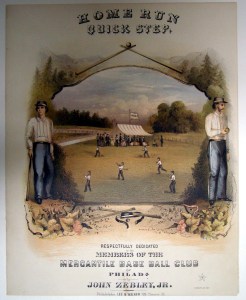
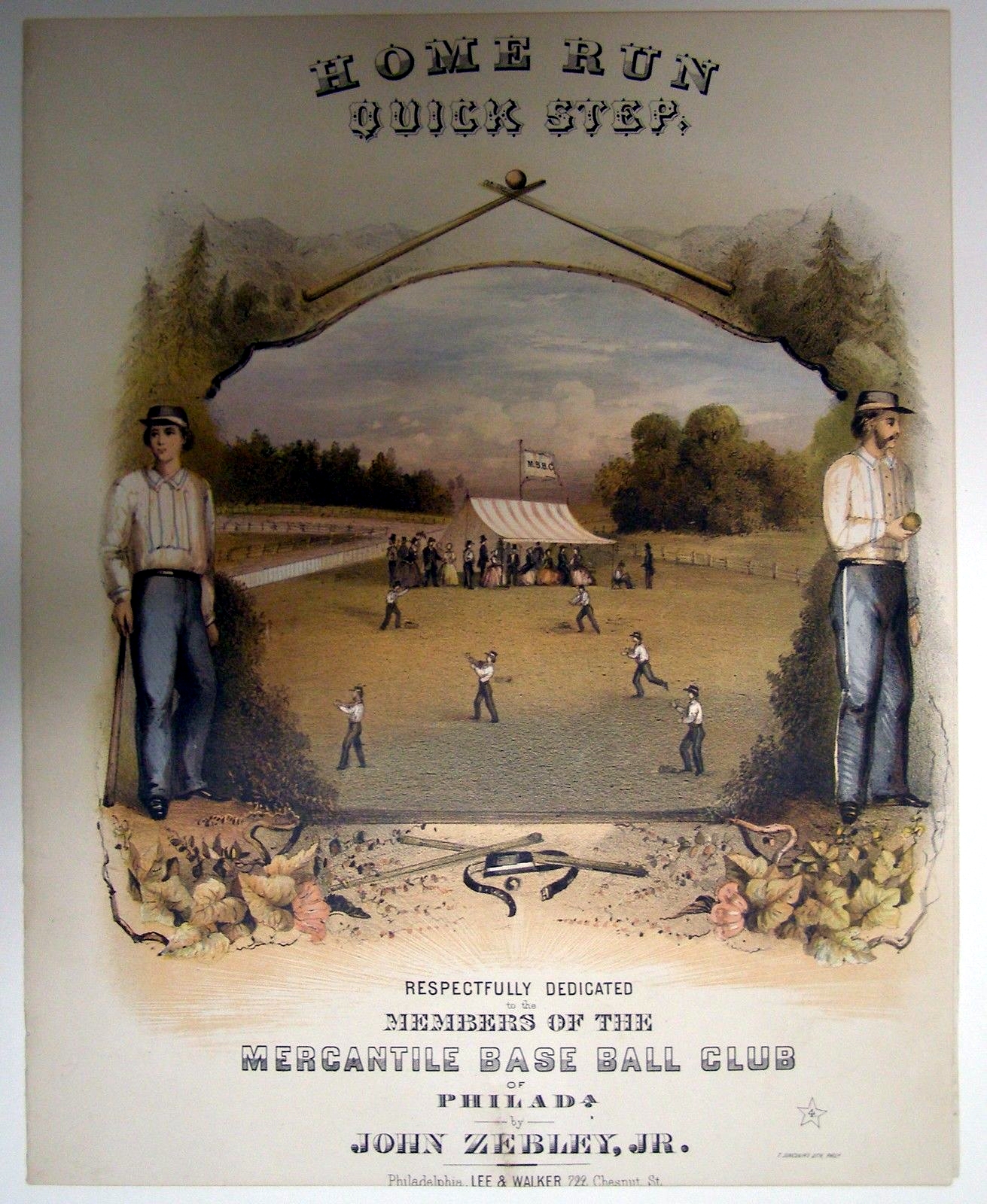
This is one of those rarities. Home Run Quick Step, by John Zebley,Jr. 1861. Valued at US$ 10.000,–.
A „sports memorabilia“, not a music sheet only, dedicated to the Base Ball Club of Philadelphia.
Collectible composers include Irving Berlin, George M. Cohen, Stephen Foster, Scott Joplin and John Phillip Sousa. Collectors will also focus on a favorite name, state, city or even one word that interests them. Others collect sheets from special publishing companies or just by a country, or the ones you like, what I did.
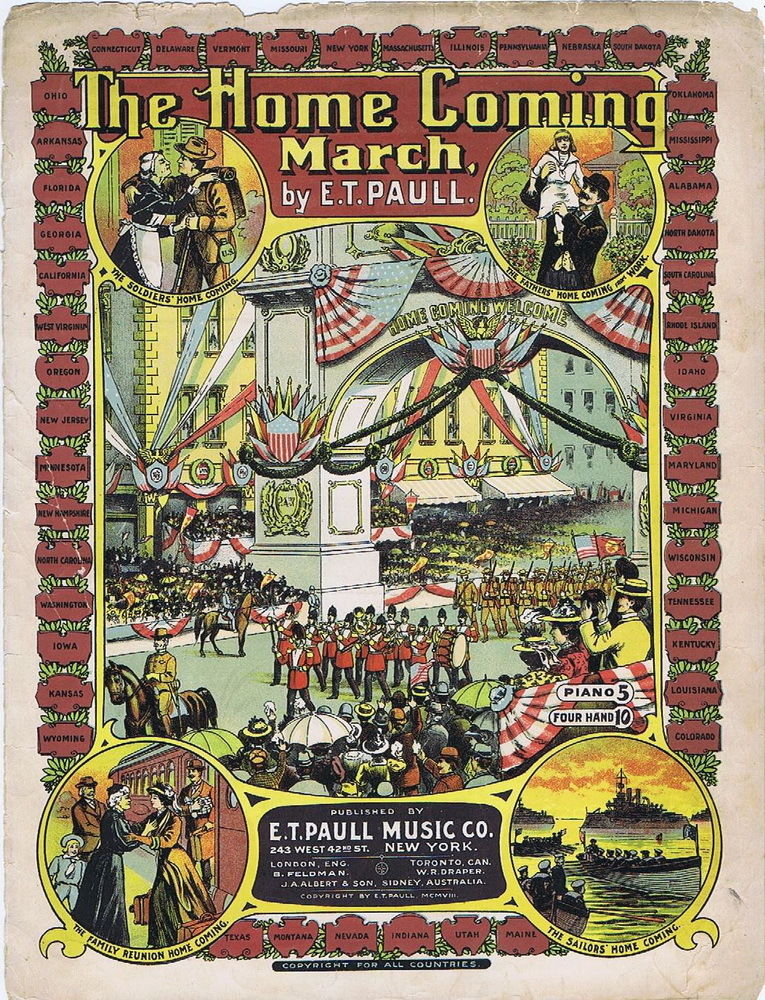
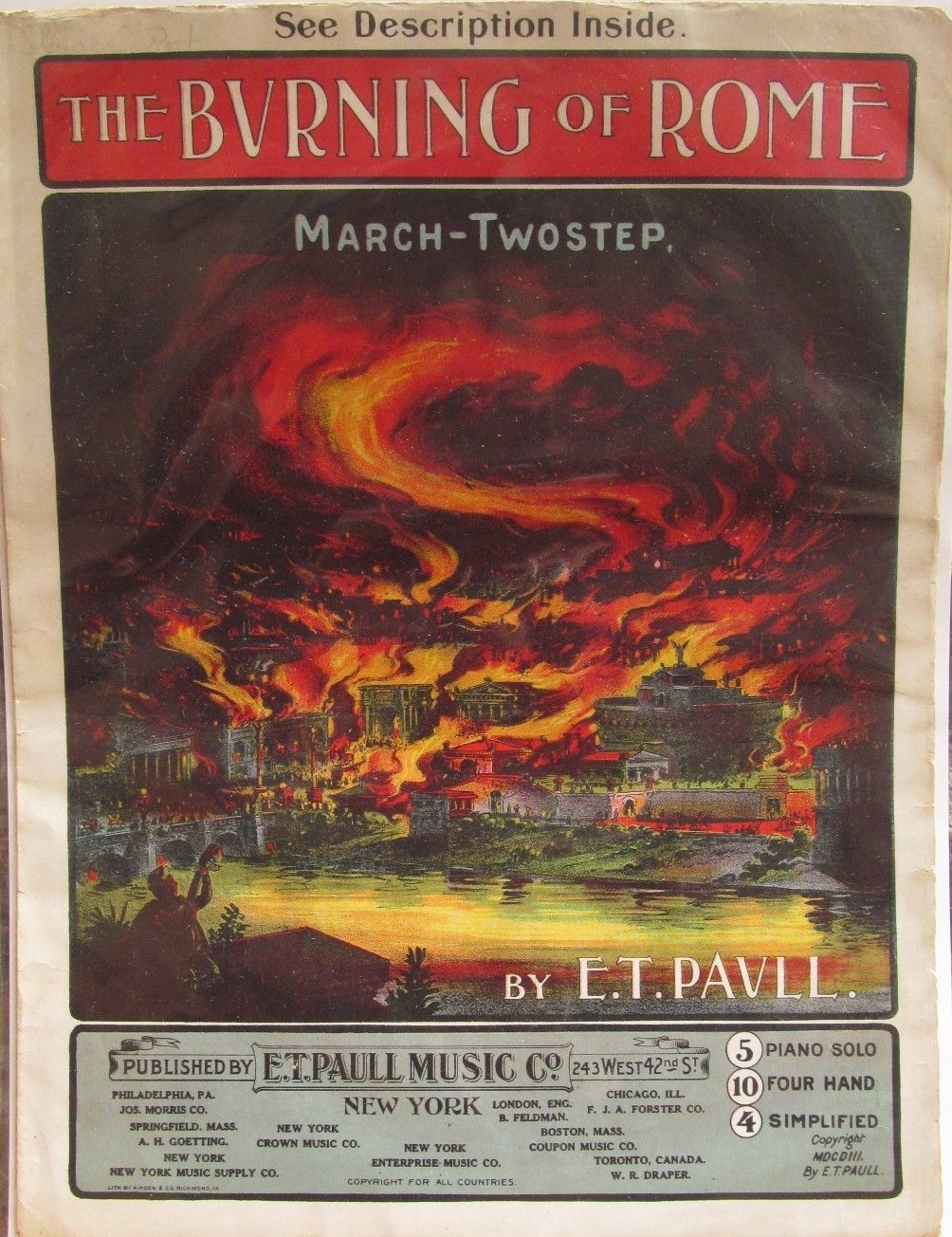
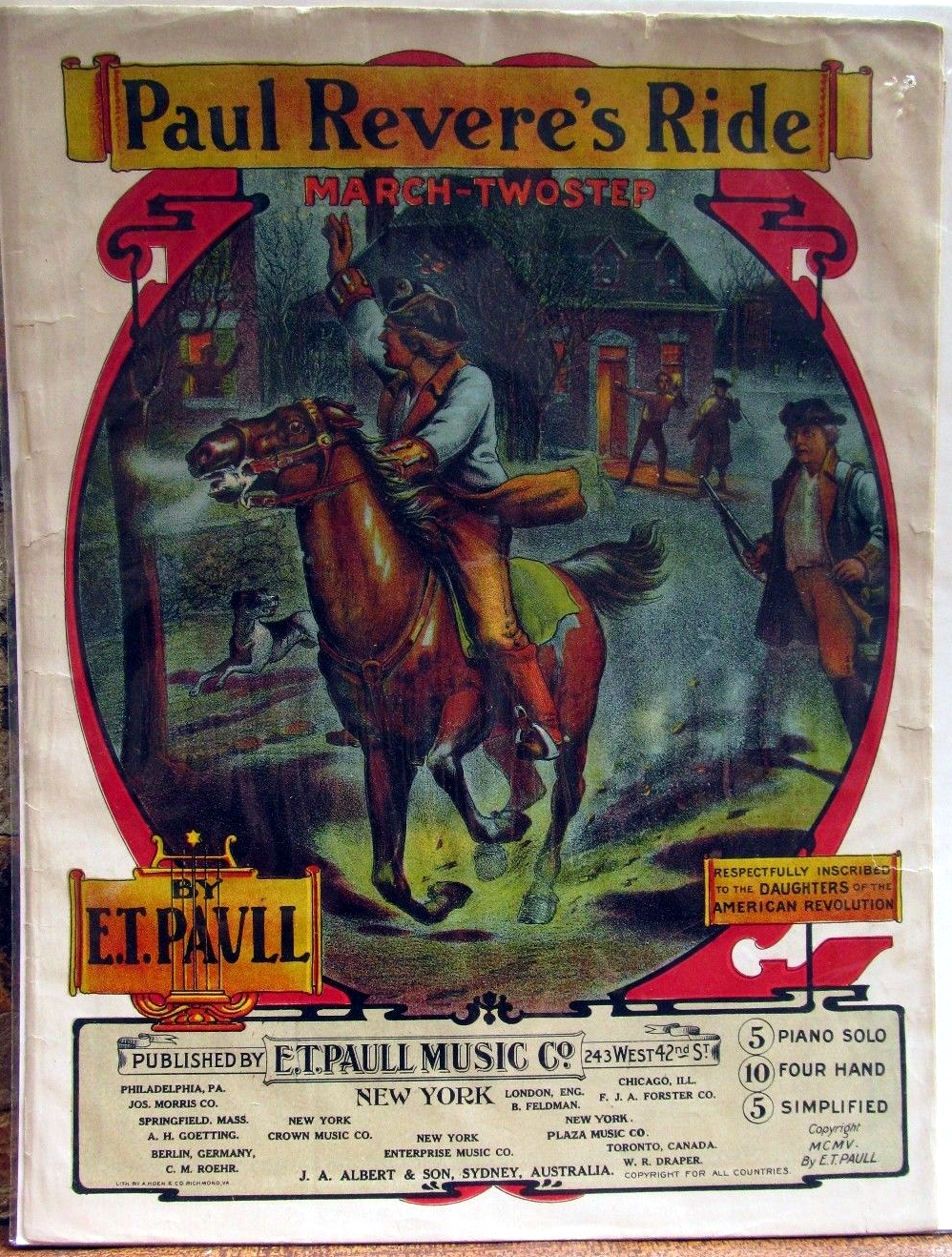
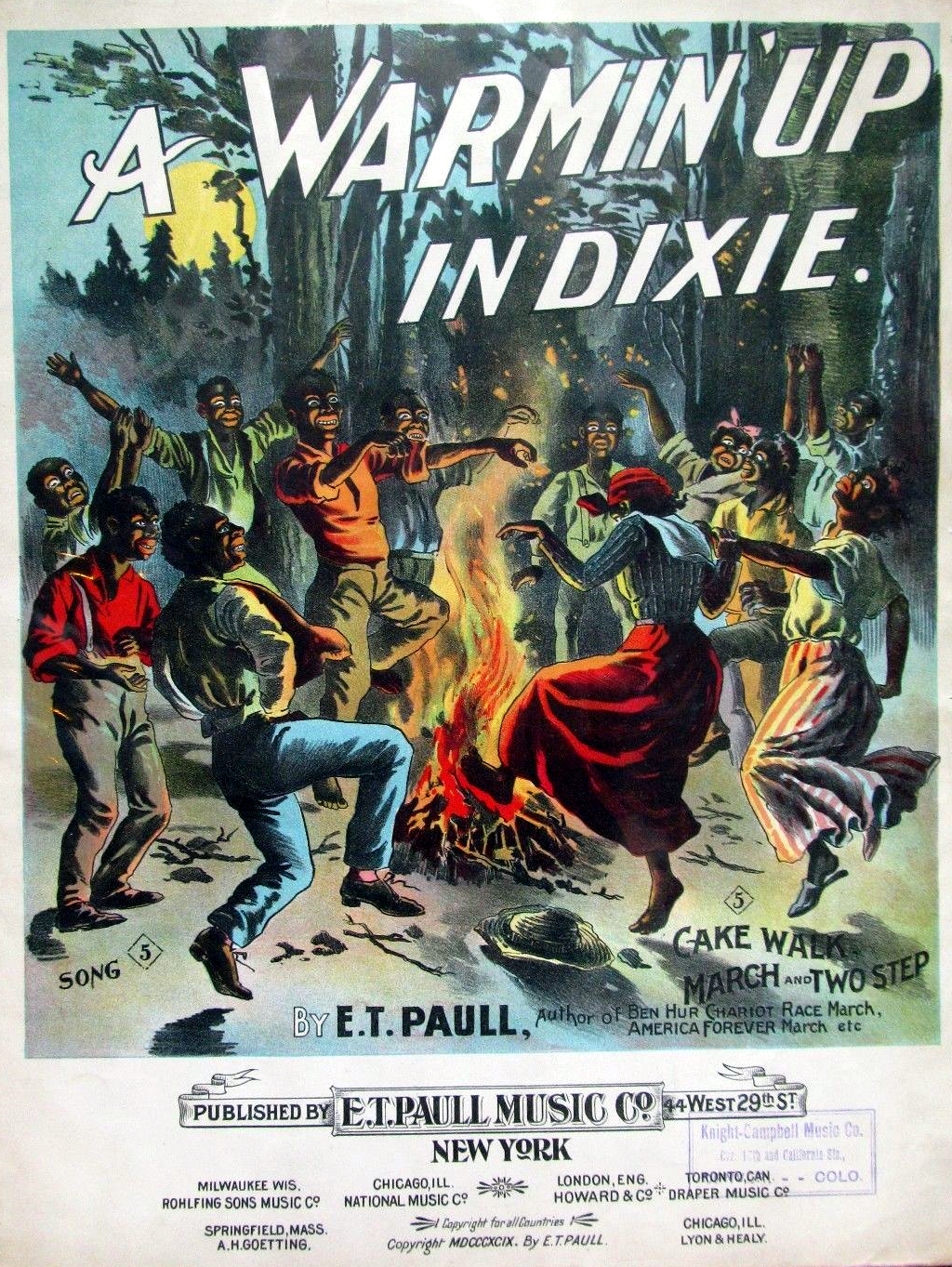
By example „E.T.Paull Music Company New York“, mostly because of their extreme colorful and aggressive decorated title pages (more to be seen further down).
Two typical E.T.Paull sheet music prints. Home Coming Parade from 1908 and Burning Rome from 1903.
Blues and Jazz sheet music is hard to find. A few of the more popular band leaders such as Cab Calloway and Duke Ellington are available.
Then, one can collect by time frame, just all before 1900 or the 1870-1880’s with their special engravings or the 1920’s, or all from Art Nouveau etc. If you collect a special theme, like the country of Uruguay, then you will take first everything you can get your hand on. Some are so rare that the quality doesn’t matter. Often you will find cutted sheets. They were printed in different sizes and to bring them together in folders or even bound into books, they had to be cut. Sadly they often cut the magnificent art of the front page.
If a better condition comes on the market later, you always can exchange it.
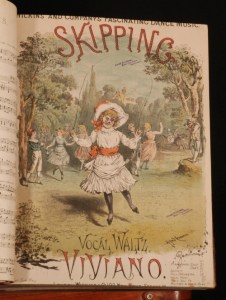
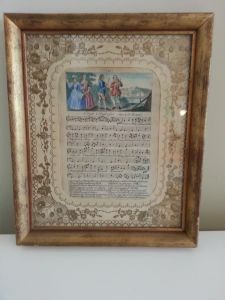
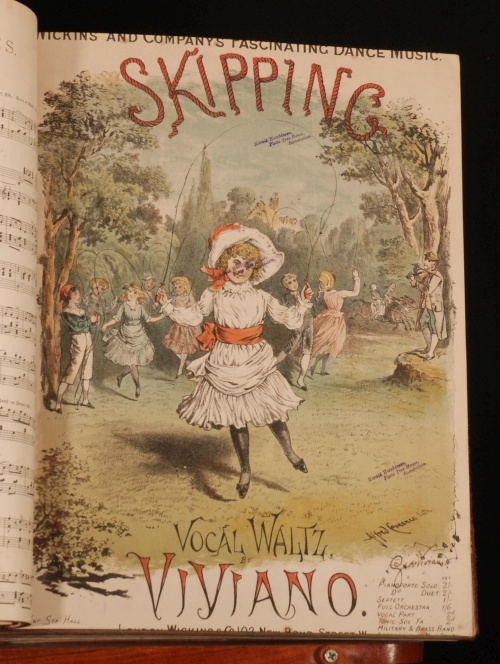
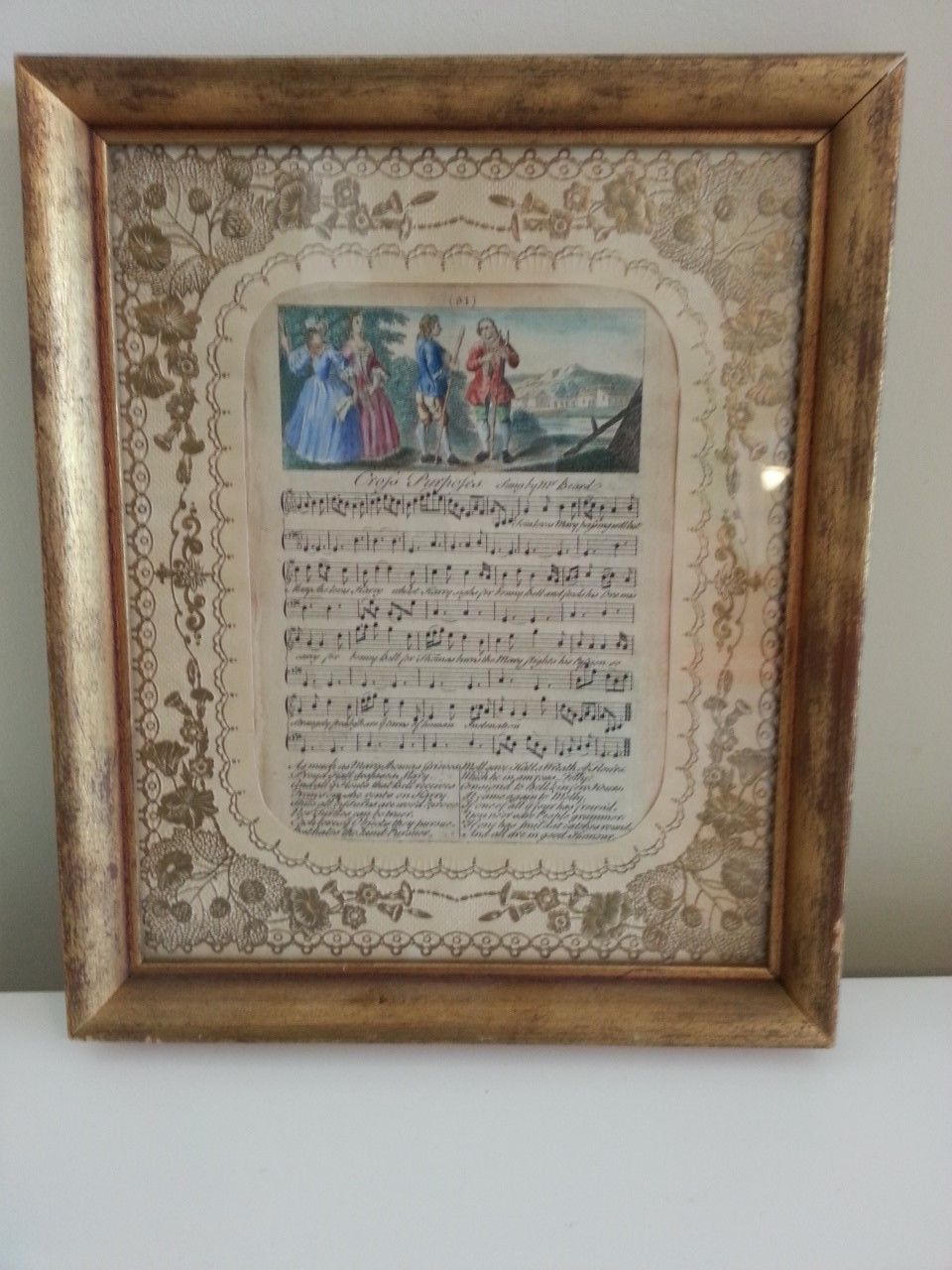
Typical cuttings of sheet music. The Skipping Viviano, from 1888 to be bound in a book,
and the Cross Purposes, song by John Beard (1717-1791, opera singer), from 1777 to be framed.
Most sheet music is worth $3-$10 making it a very affordable to collect. Many of the illustrator covers, black face and Transportation sheet music are in the $25-$50 range. It was also common to have the singer sign your sheet music. Signatures can add $20-$40 (or sometimes thousands) to the value depending on the star. Rare or one of a kind sheet music can bring high prices. Keep Smiling a rare Irving Berlin sheet music brought $2.800 at a recent auction. If you look around you can find sheets for over $10.000,–. But that’s what one asks, not usually what they receive.
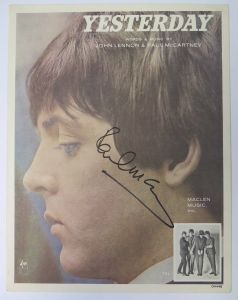
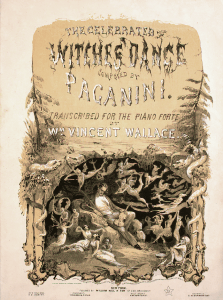
Two fine examples how to value a music sheet.
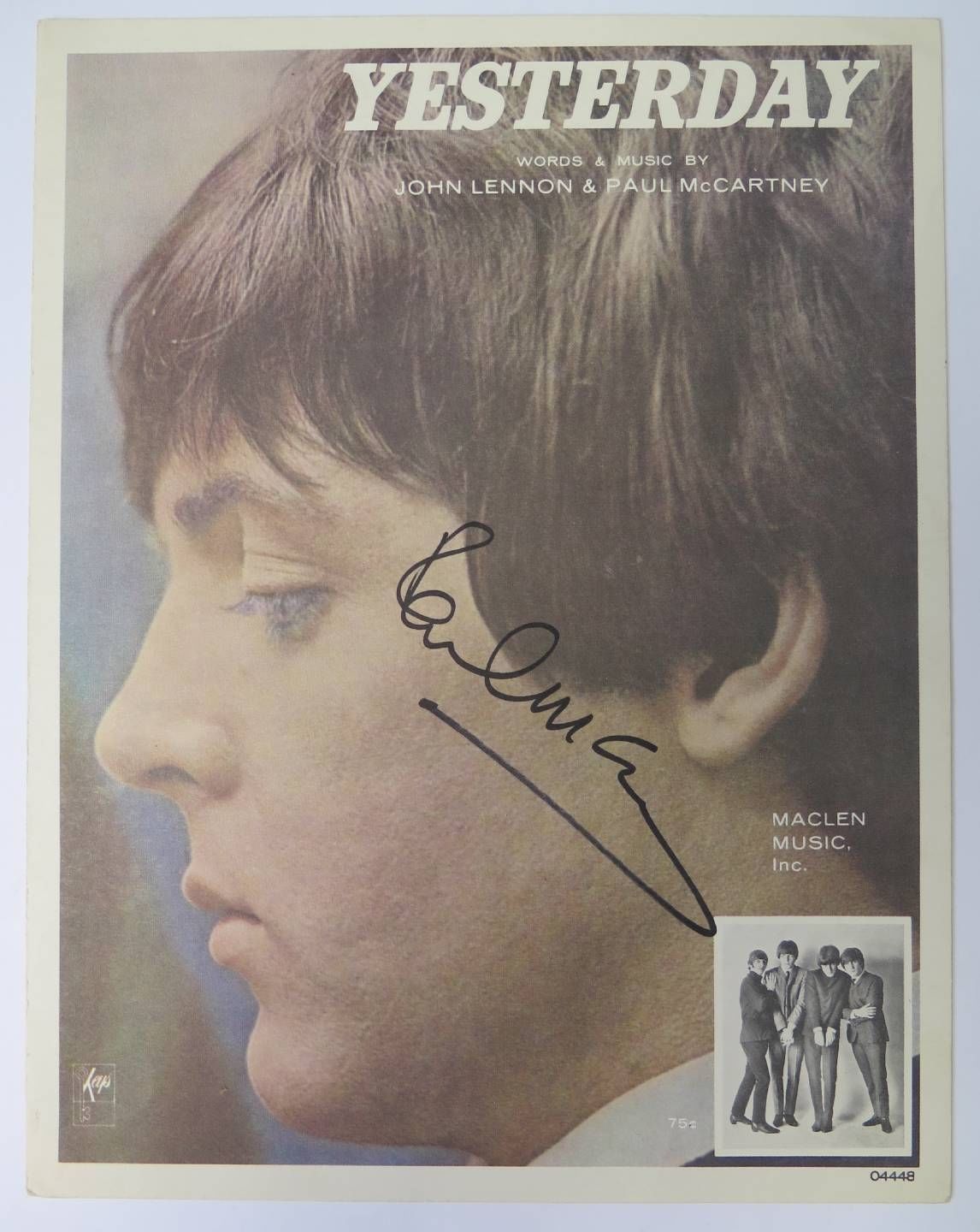
Left: A $5,–piece from the Beatles, In 2013 signed by Paul McCartney, now valued at $3.500,–.
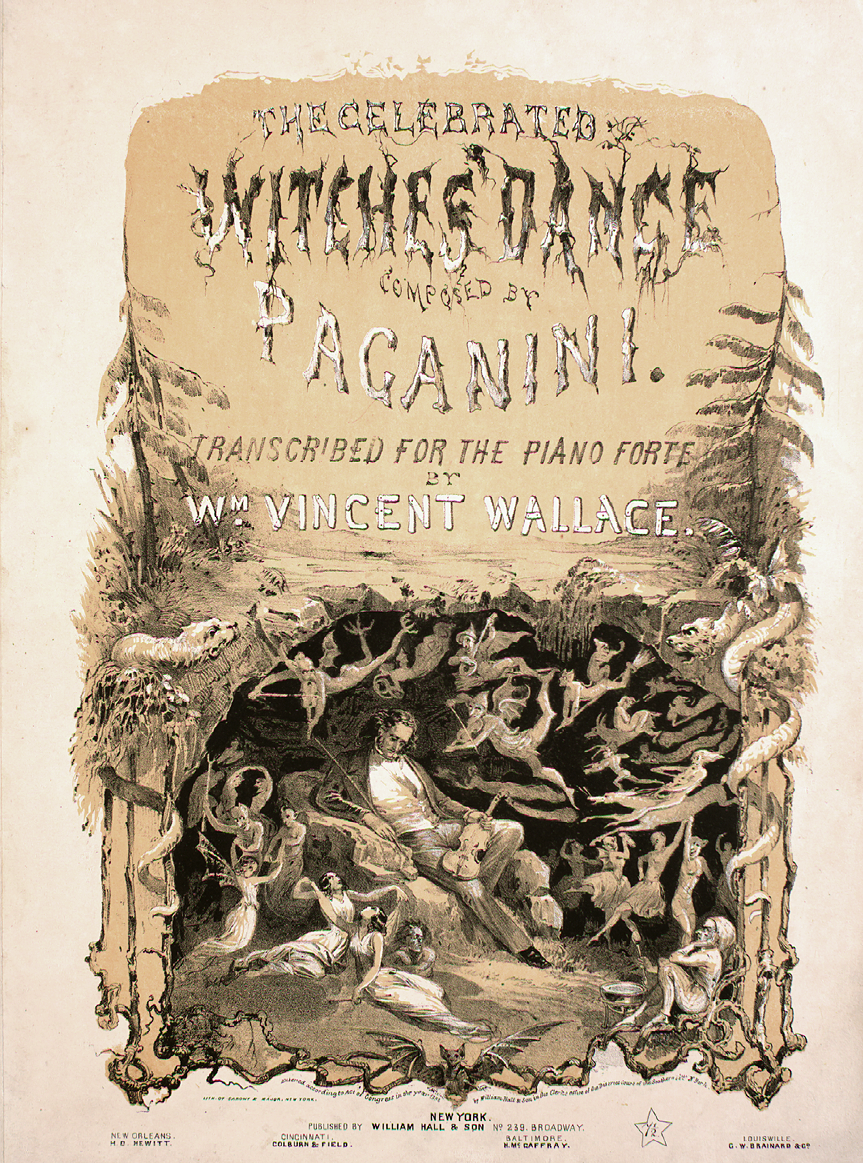
Right: A rare sheet, printed 1852, composed by Niccolo Paganini 1782-1840, excellent condition, valued at US$4.000,–.
The style of designing the front pages of music sheets changed dramatically during
the years. As you will see here, lifestyle or art or sales marketing, printing technique’s
changed, and so changed the style of producing sheet music.
Auctions and estate sales often sell sheet music in box lots so it is easy to build up a large collection. Antique stores, online auctions and online ephemera sites are good if you are looking for a single title. You should store your sheet music flat in a dry ventilated area. Keep it away from dampness and bugs and you will be able to enjoy your collection for a long time.
History.

Egypt’s hieroglyphic writing.
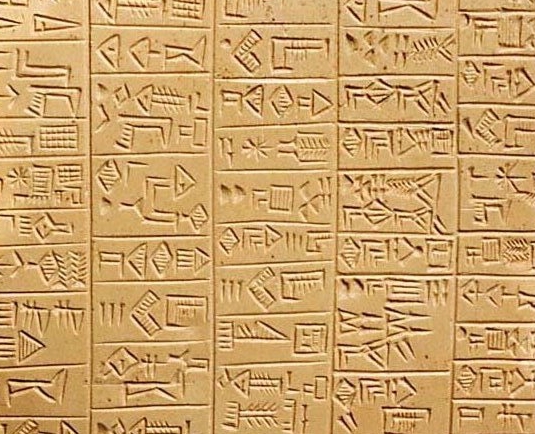
The human need to communicate, connect and to be understood has evolved throughout history, from emitting sounds to drawings on cave walls and the development of languages, including music. From a scientific perspective, a 2007 Georgetown University Medical Center study found that the same brain systems process music and language. Science Daily summarized the study’s findings thus: “One brain system, based in the temporal lobes, helps humans memorize information in both language and music— for example, words and meanings in language and familiar melodies in music. The other system, based in the frontal lobes, helps us unconsciously learn and use the rules that underlie both language and music, such as the rules of syntax in sentences, and the rules of harmony in music.”
The earliest form of writing has been attributed to cultures in the Middle East, including Mesopotamia’s cuneiform system that used wedge shaped characters. The first visual representations of musical sounds are believed to have survived in connection with ancient Egypt’s hieroglyphic writings. Below is a diagram of the evolution of cuneiform script.

It’s easy to see how, starting with evolution #4, the shapes began to lend themselves to musical notation.

Handwritten and hand copied music sheets go back in history til the 13th century, may be even earlier. Before the 15th century, western music was written by hand and preserved in manuscripts, usually bound in large volumes. Even after the advent of music printing, much music continued to exist solely in manuscripts well into the 18th century.
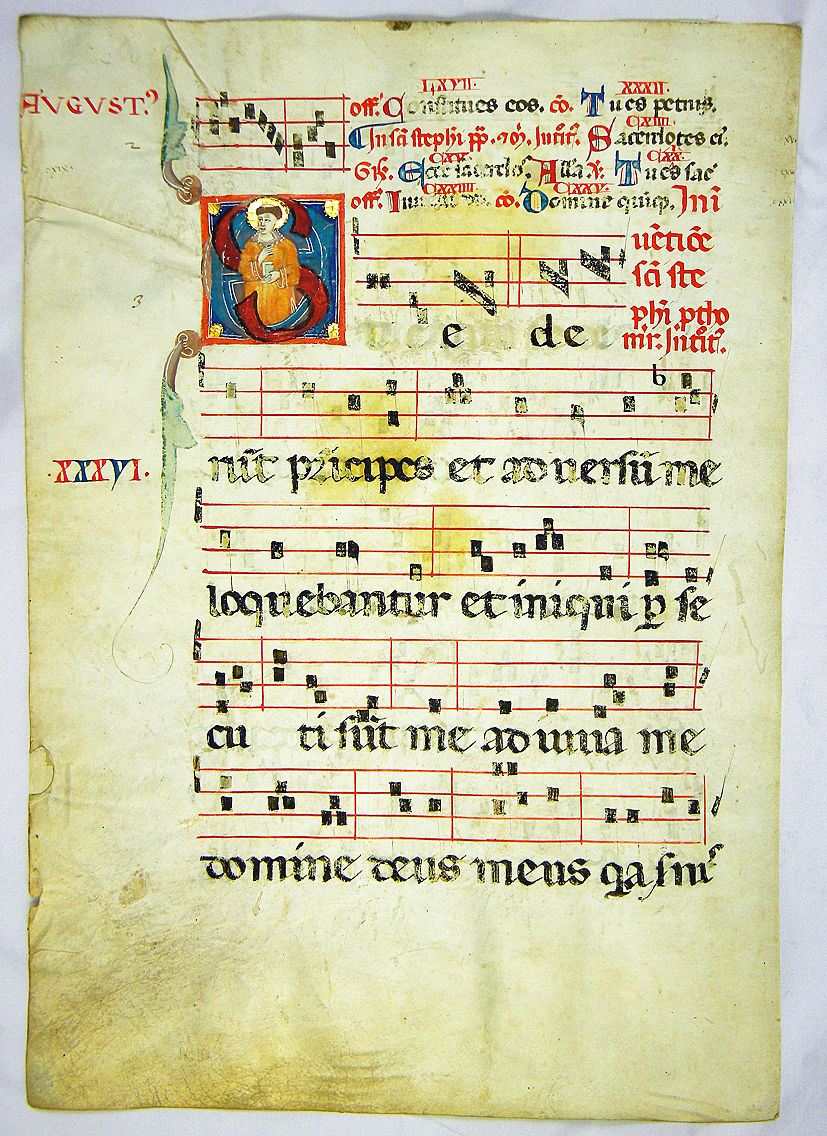
Absolutely rare, large sheet of parchment,a Latin manuscript, from an Antiphonar, Italy, about 1390-1400 !
Antiphonare (also Antiphonarium or Antiphonar) is a book of melodies with antiphons, the antiphonal
singing of cantors-choirs in the Roman Catholic Church.
This is a hand written, medieval document, a sheet of a liturgy book with musical lyrics. Six lines of Gothic,
hand written notes in red and blue, very big initial „S“ in different colors and letter types, showing the Holy Stephanus.
The first machine printed music appeared around 1473, approximately 20 years after Gutenberg introduced the printing press. In 1501, Ottaviano Petrucci published Harmonice Musices Odhecaton , which contained 96 pieces of printed music.
Petrucci’s printing method produced clean, readable, elegant music, but it was a long, difficult process that required three separate passes through the printing press.
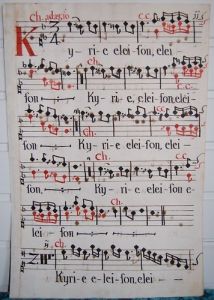
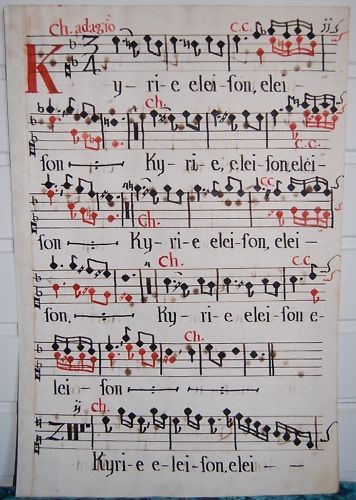
Hand written ancient calligraphy made in 1680. This noble old multicolored
calligraphy comes with the Kyrie Eleison. The notes are hand painted in full color.
As England was to copyright and France was to performing rights, Germany was the pioneering country in modern music publishing. The first German music publishing enterprises date from the 18th century. Bernhard Christoph Breitkopf of Leipzig, a printer and general publisher, decided to specialize in music printing as of 1754. He became successful by developing improvements in the setting of music type. Gottfried Christoph Härtel joined the firm in 1795, which soon became the partnership of Breitkopf & Härtel. They were the original publishers for a who’s-who of great German composers, including Beethoven, Haydn, Mozart, Schubert, Schumann and Wagner and many more.
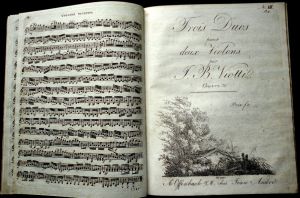
Fine example in excellent quality (over 250 years old) of a sheet music book.
One of the very first machine printings with an ink drawing, printed 1761 by Breitkopf, Leipzig.

In North America 1764, Josiah Flagg compiled the first collection of popular and religious music, printed on paper, made in the colonies. But the breakthrough in America came in the early 1900’s and then with very decorative engravings on the front page.
How Sheet Music was used.
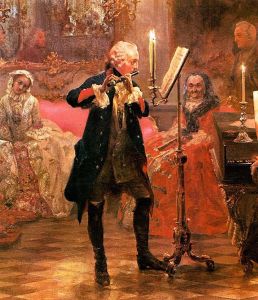
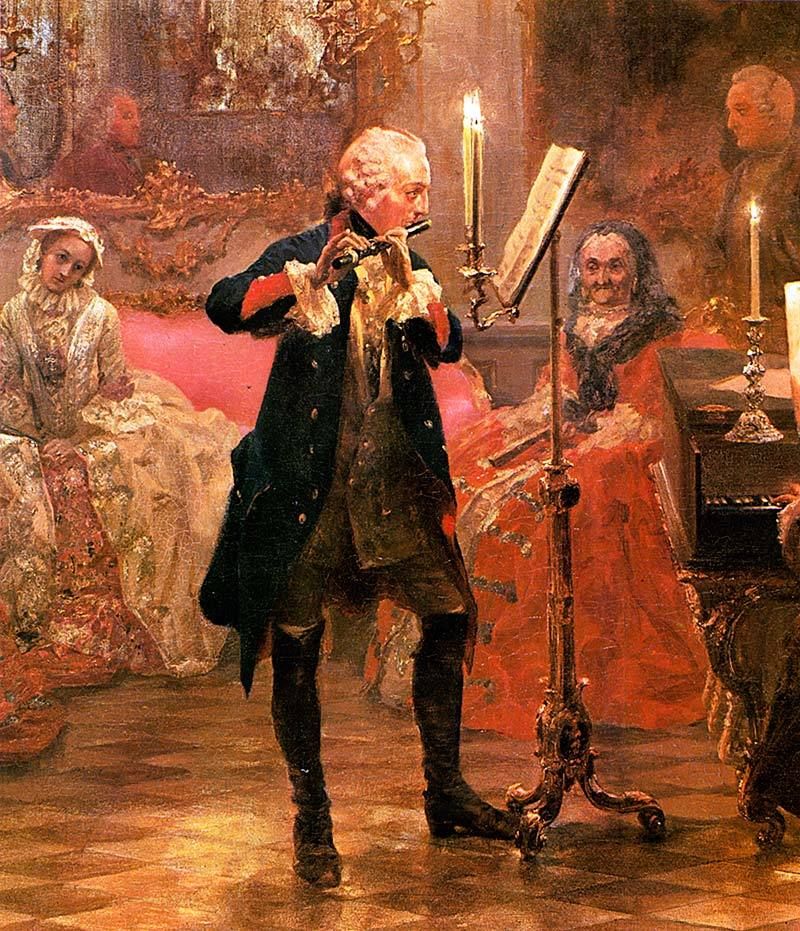
Left : Frederick The Great (1712-1786) plays (partitur) flute. Oil painting by Adolph Menzel (1815-1905).
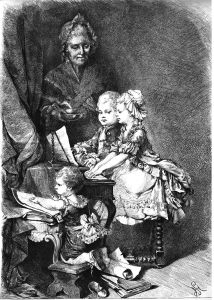
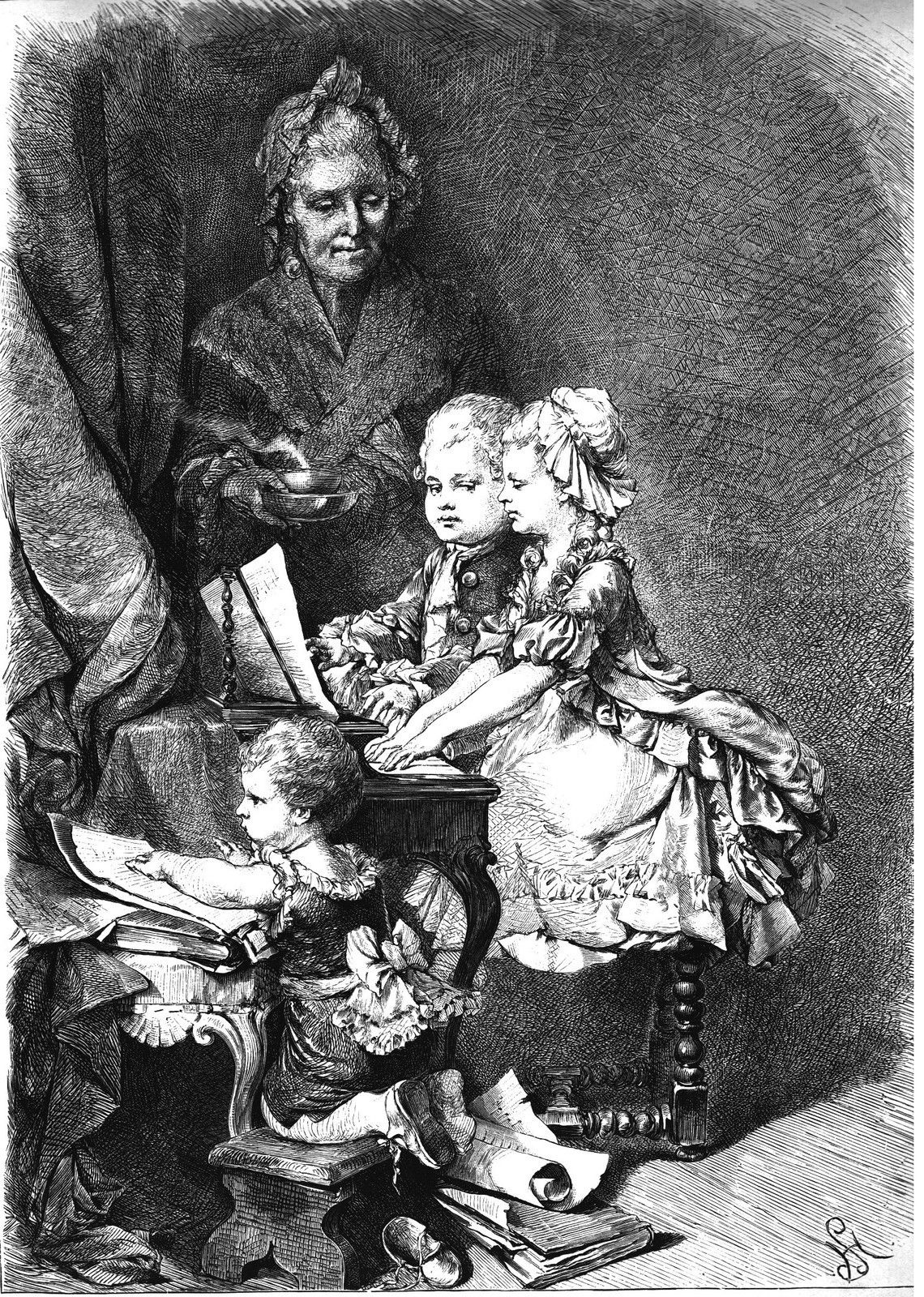
Right : Little Wolfgang Amadeus Mozart (1756-1791) plays (partitur) piano. Wood engraving around 1870.
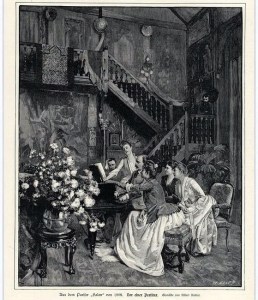
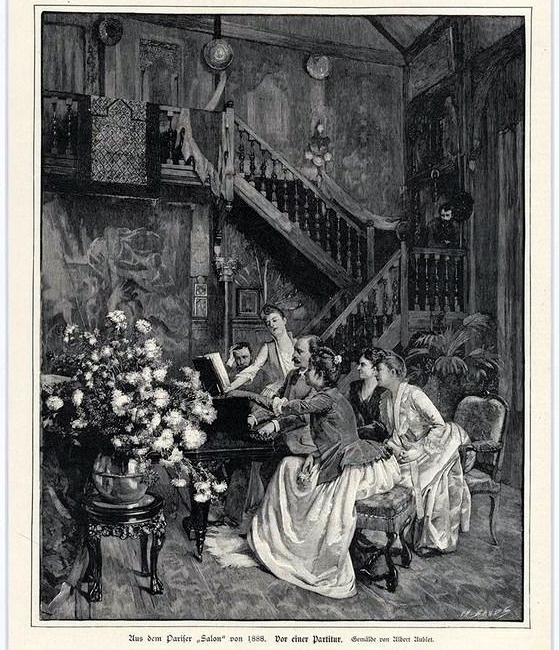
Left : In a French „Salon“, title is „In front a Partitur“, wood engraving 1890.
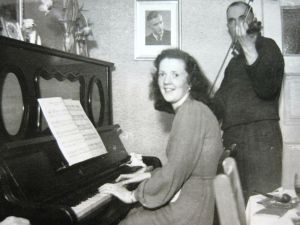
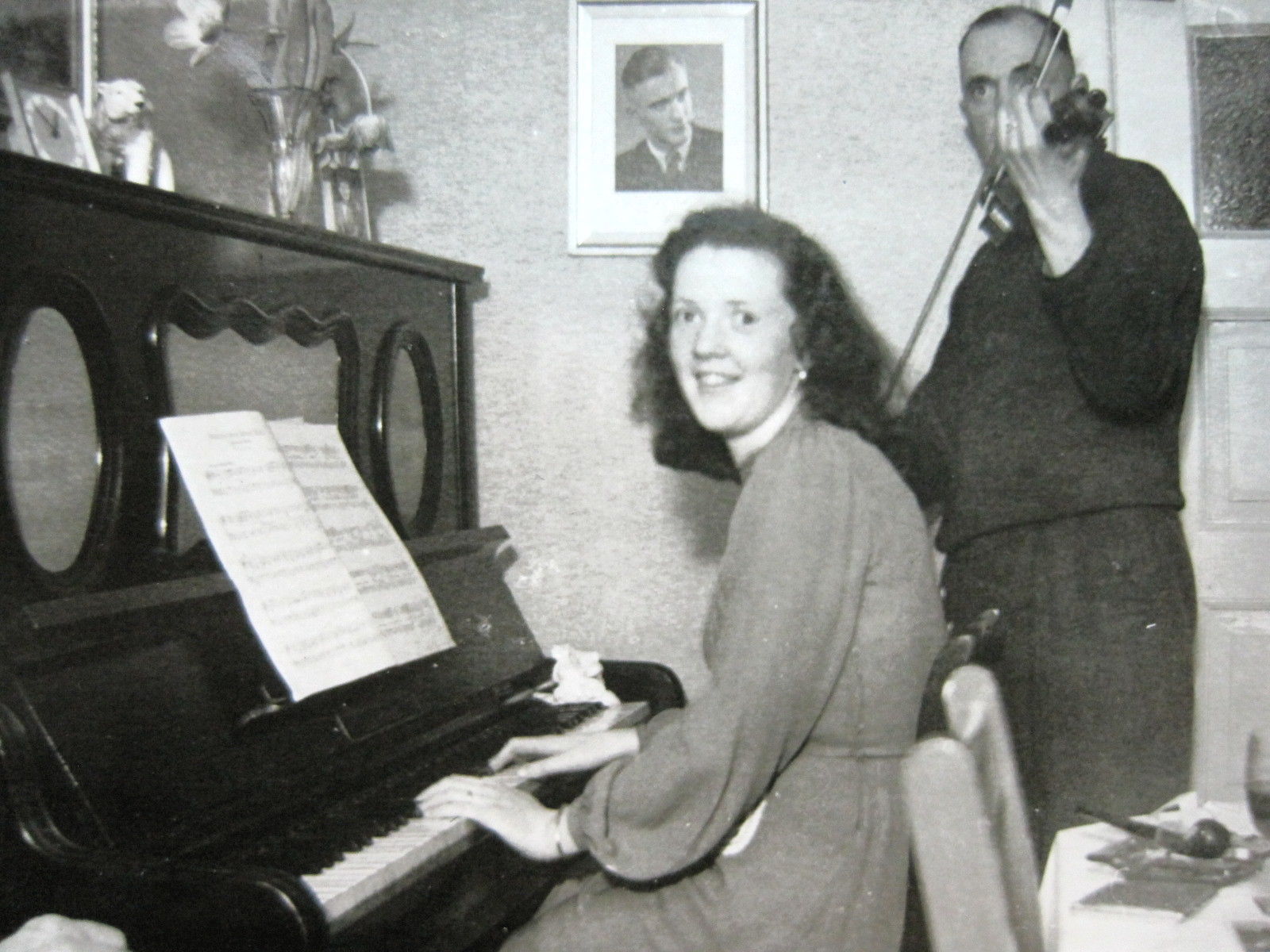
Right : House music in the 1950’s, sheet music (in many languages called partitur) for piano and violin.
Some sheet music by decade.
Before 1880
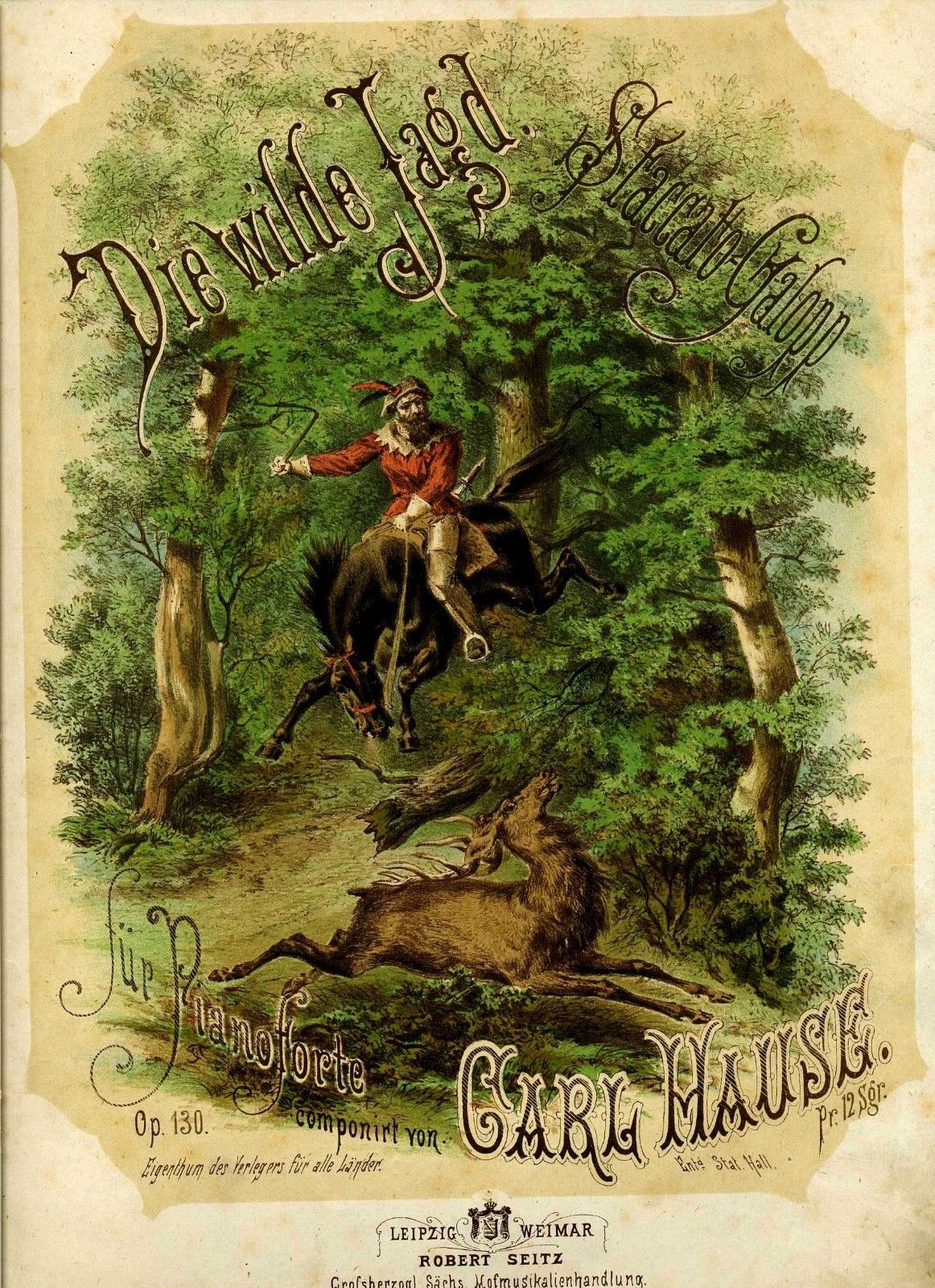
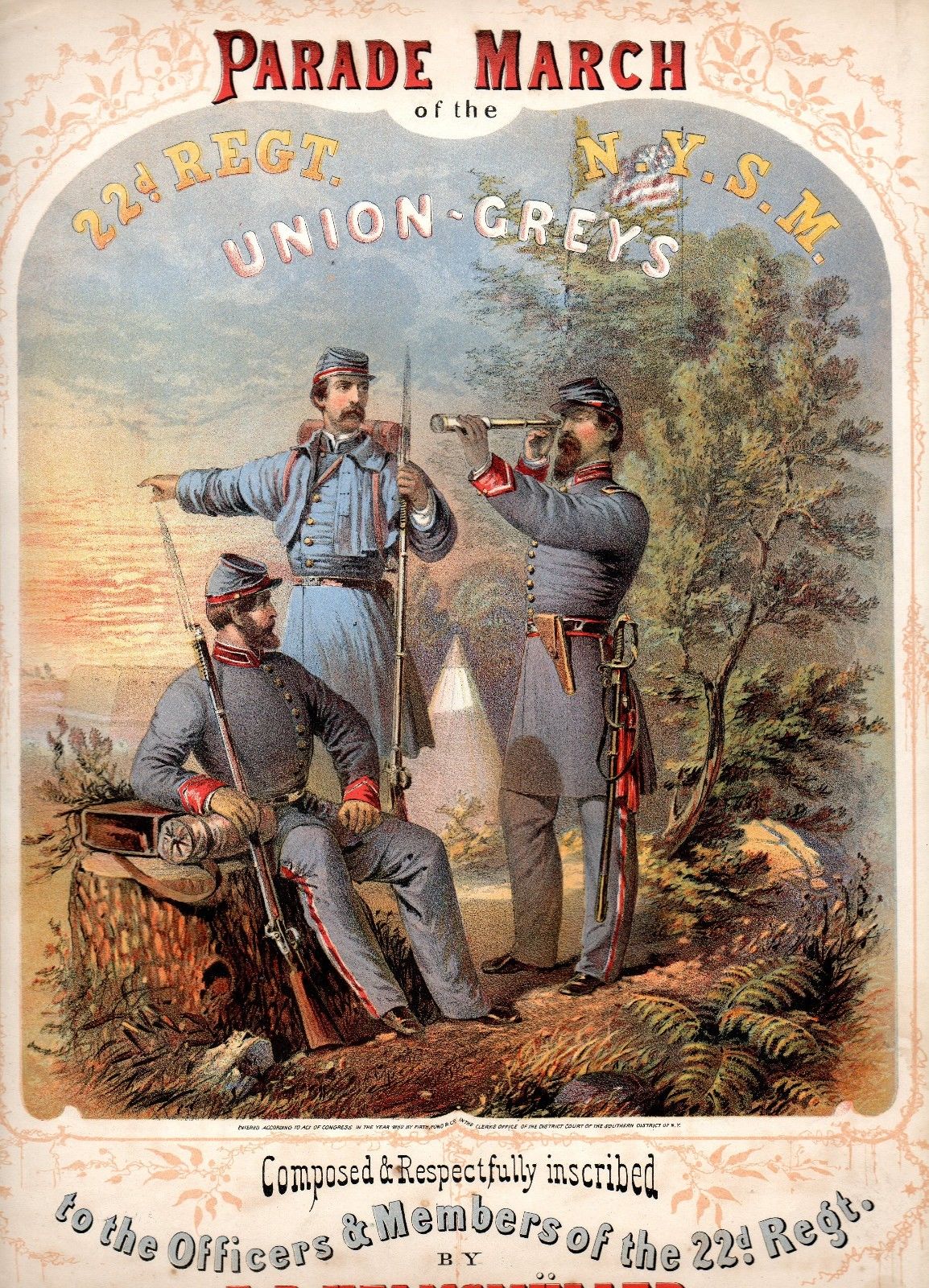
1880 – 1890
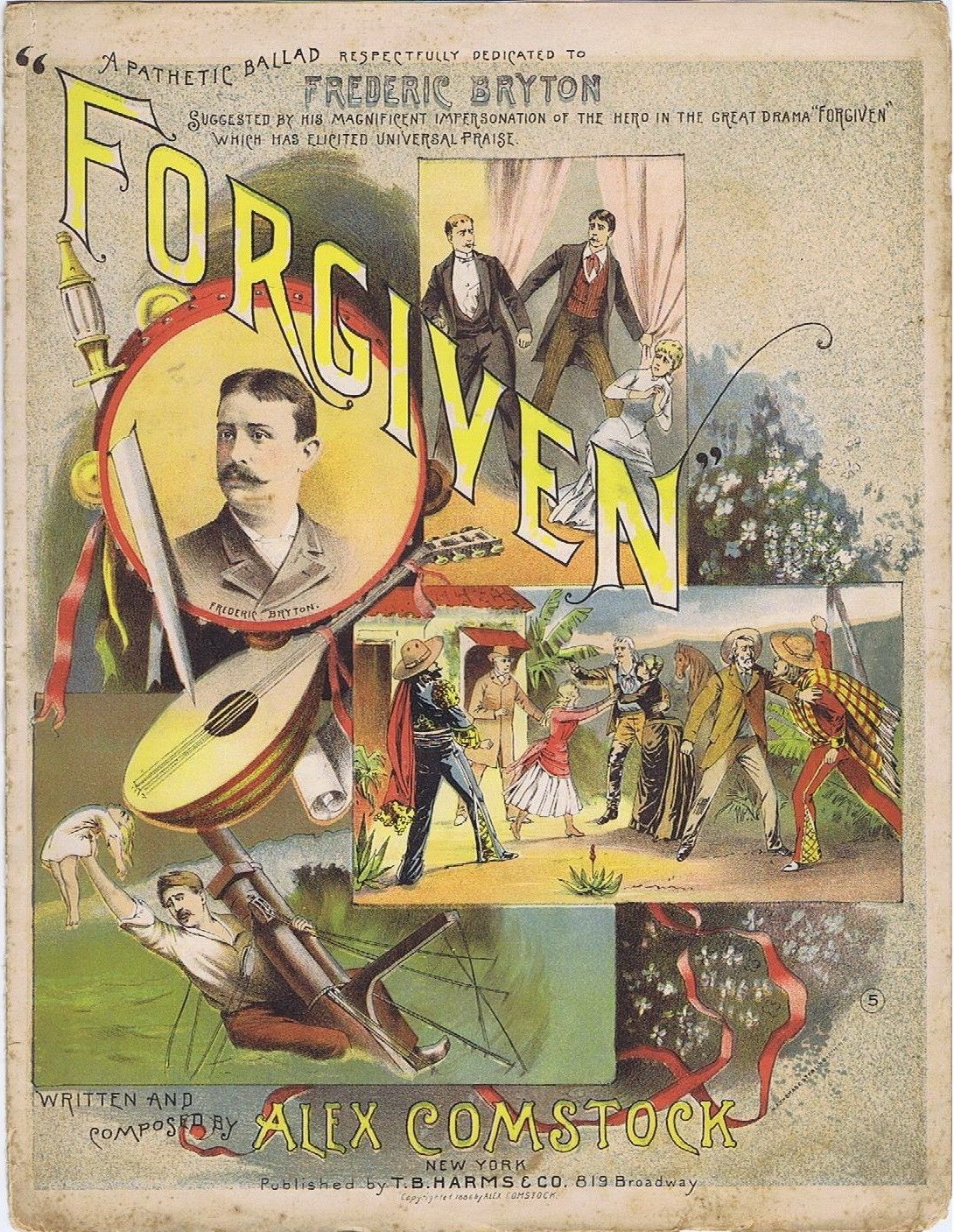
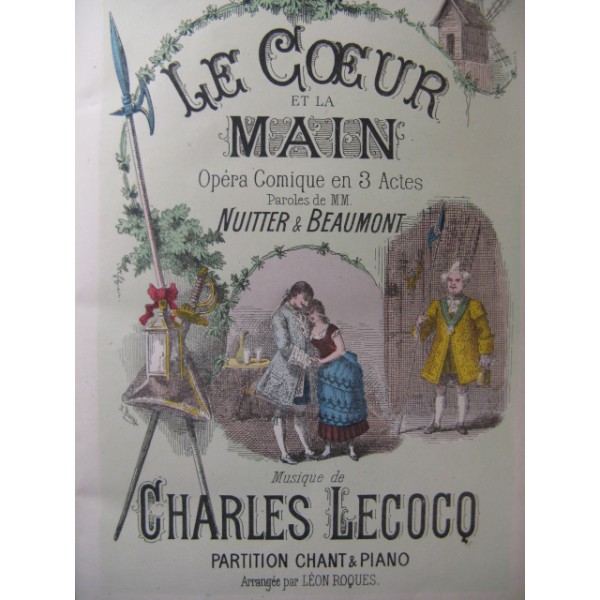
1890 – 1900
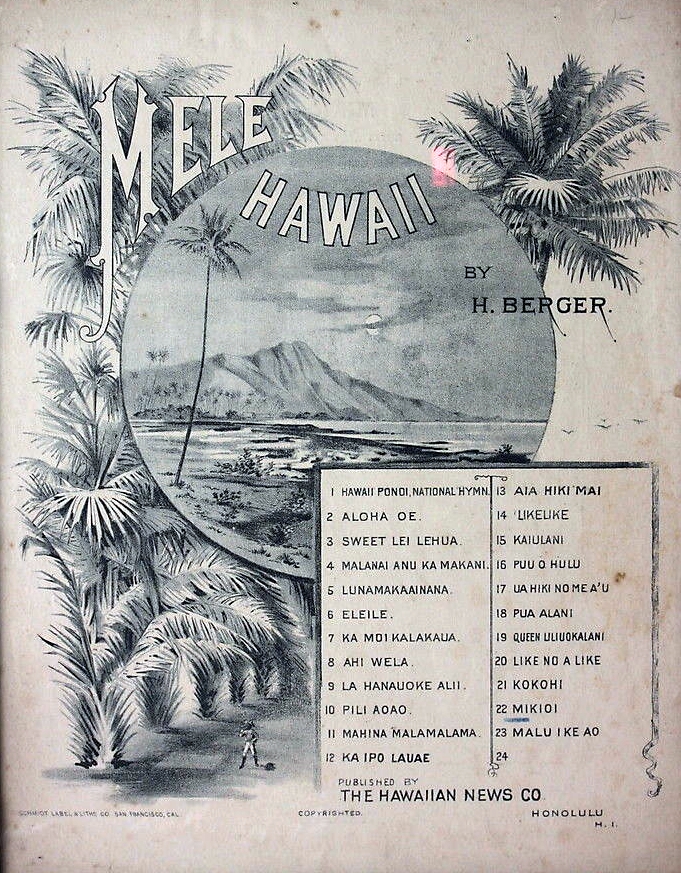
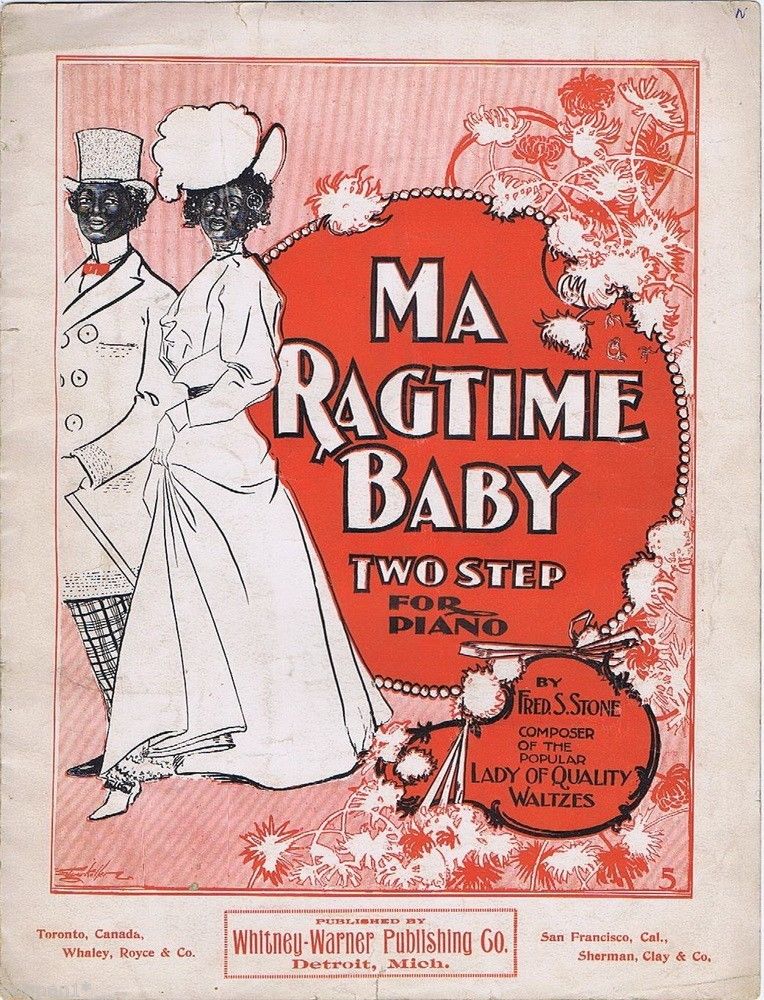
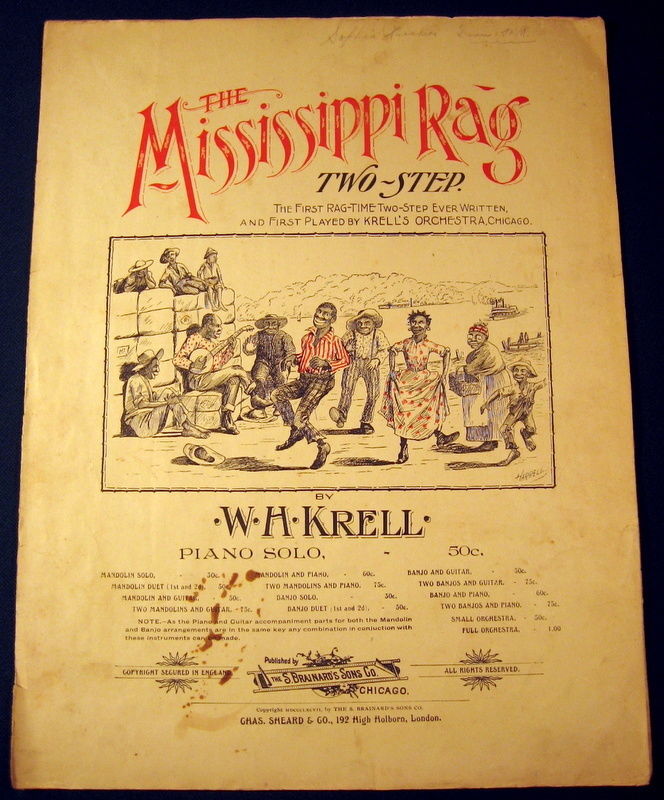
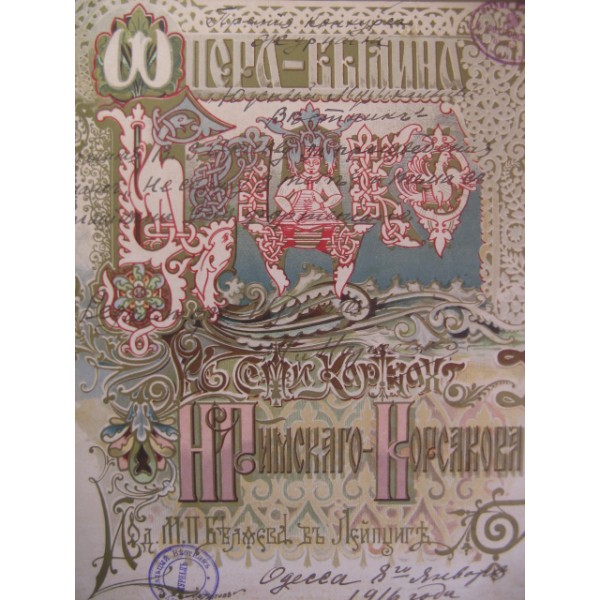
1900 – 1910
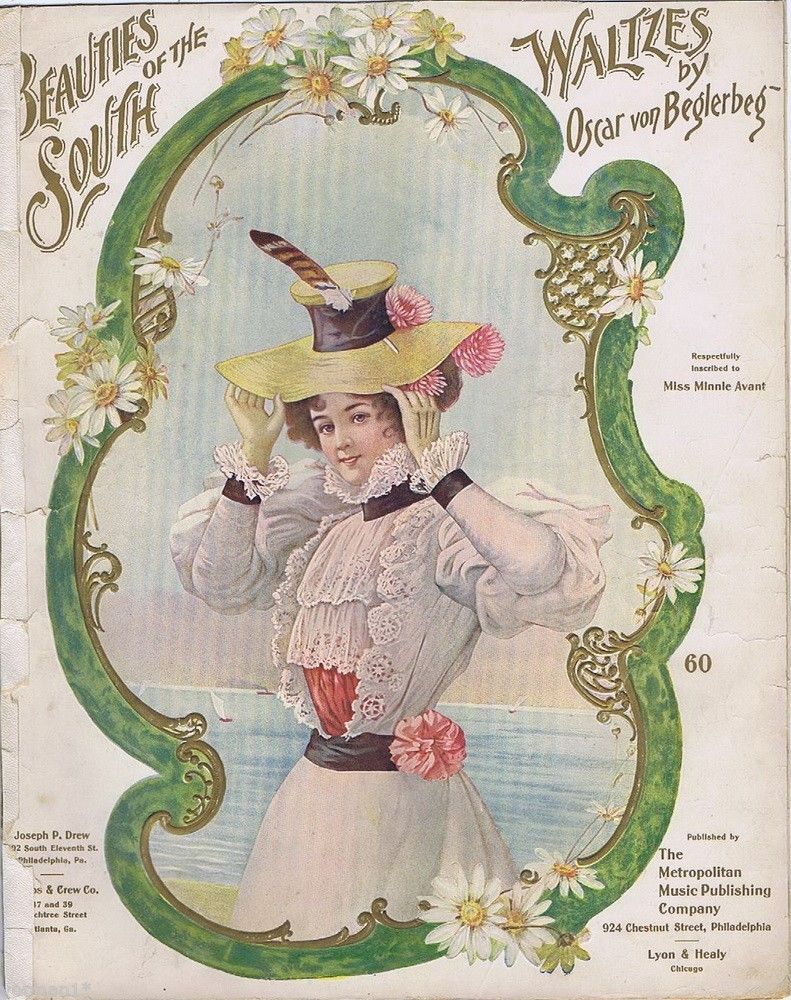
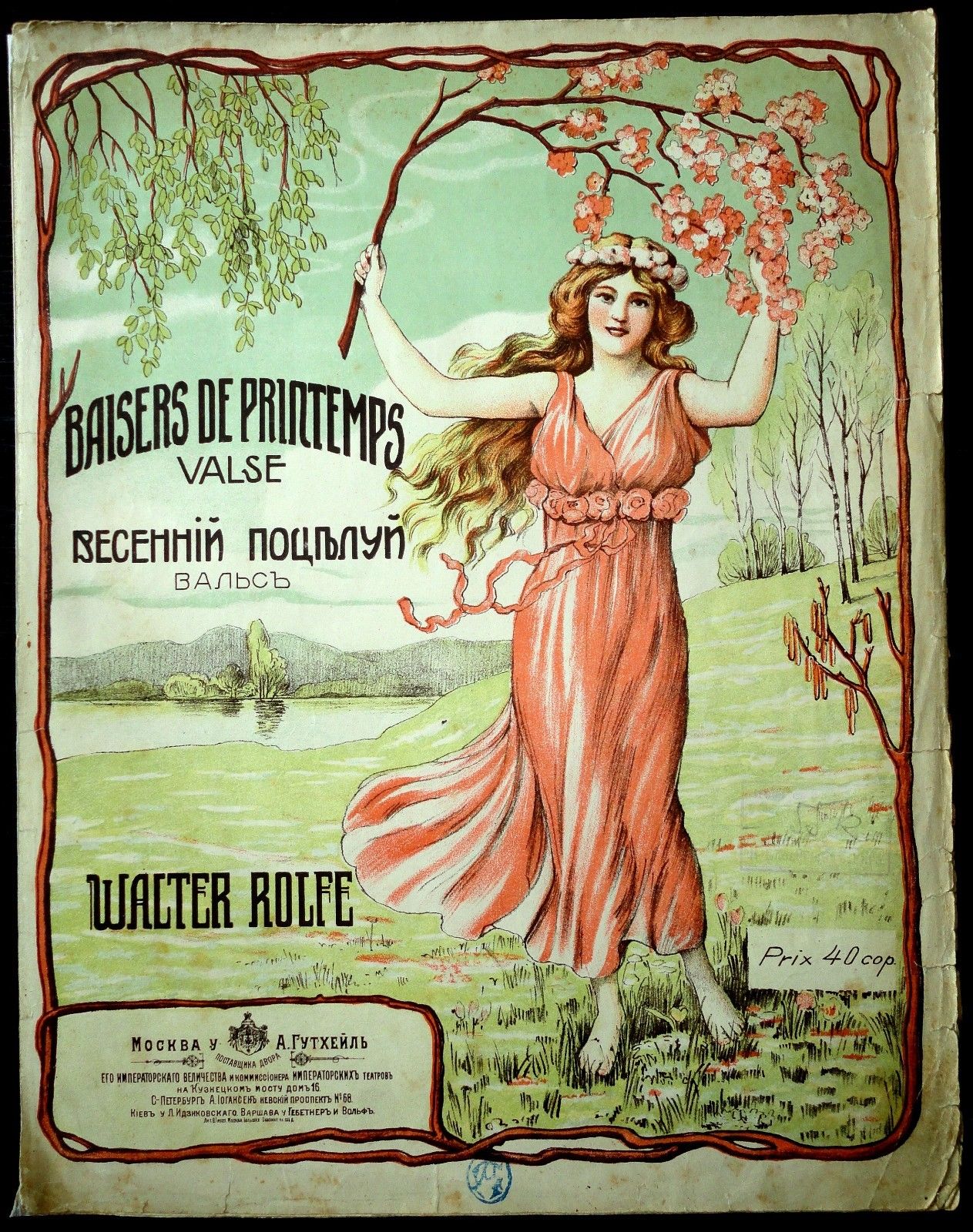
1910 – 1920
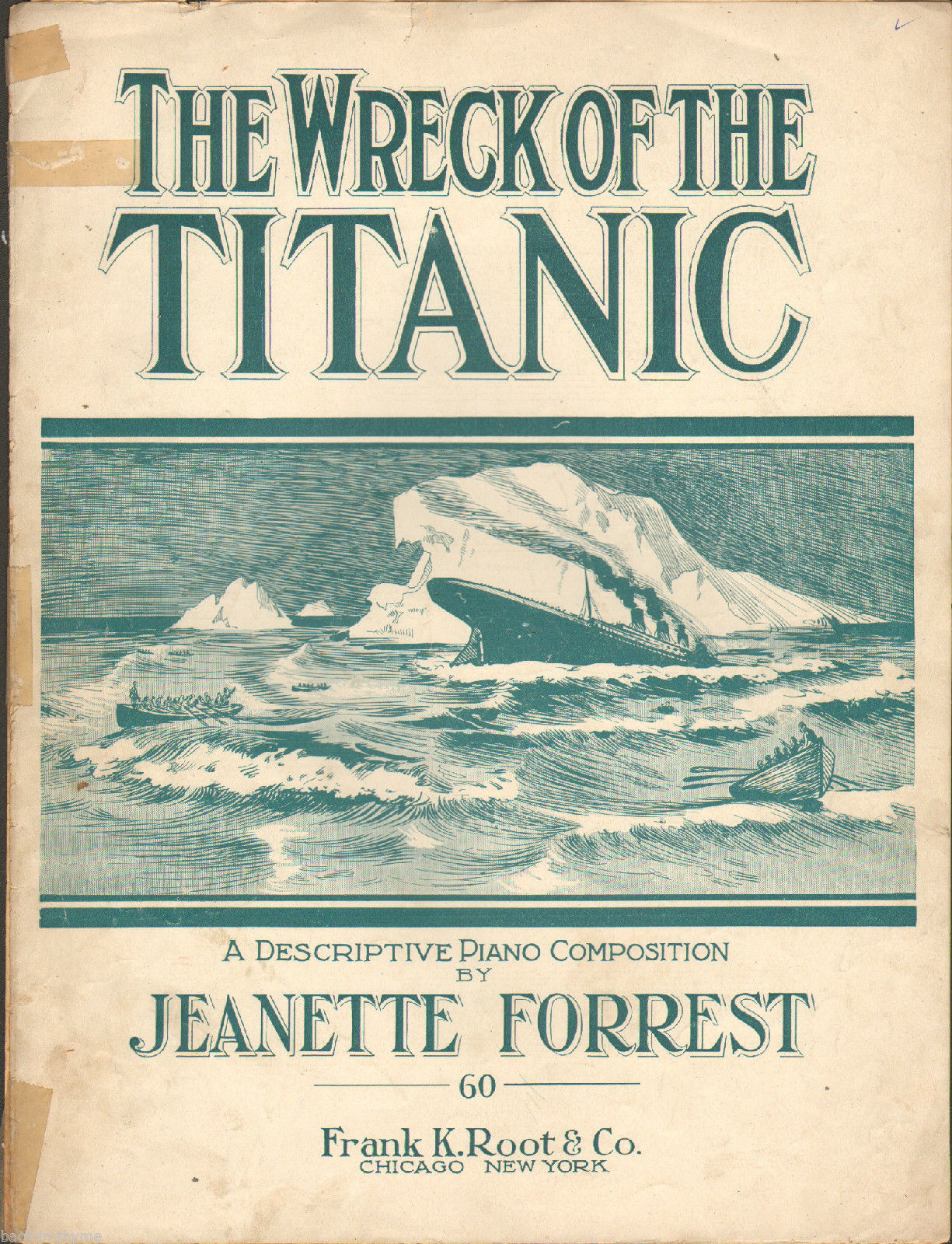
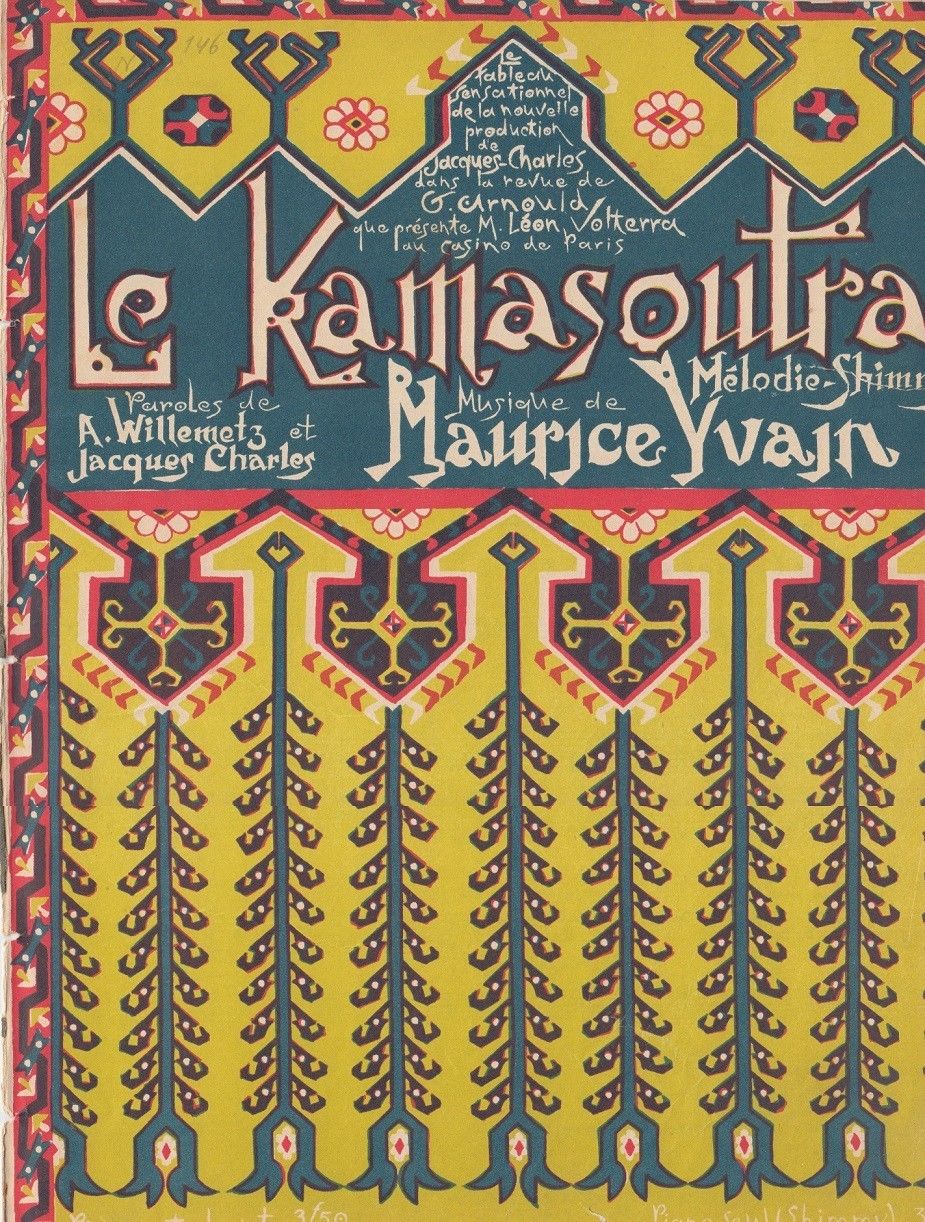
1920 – 1930
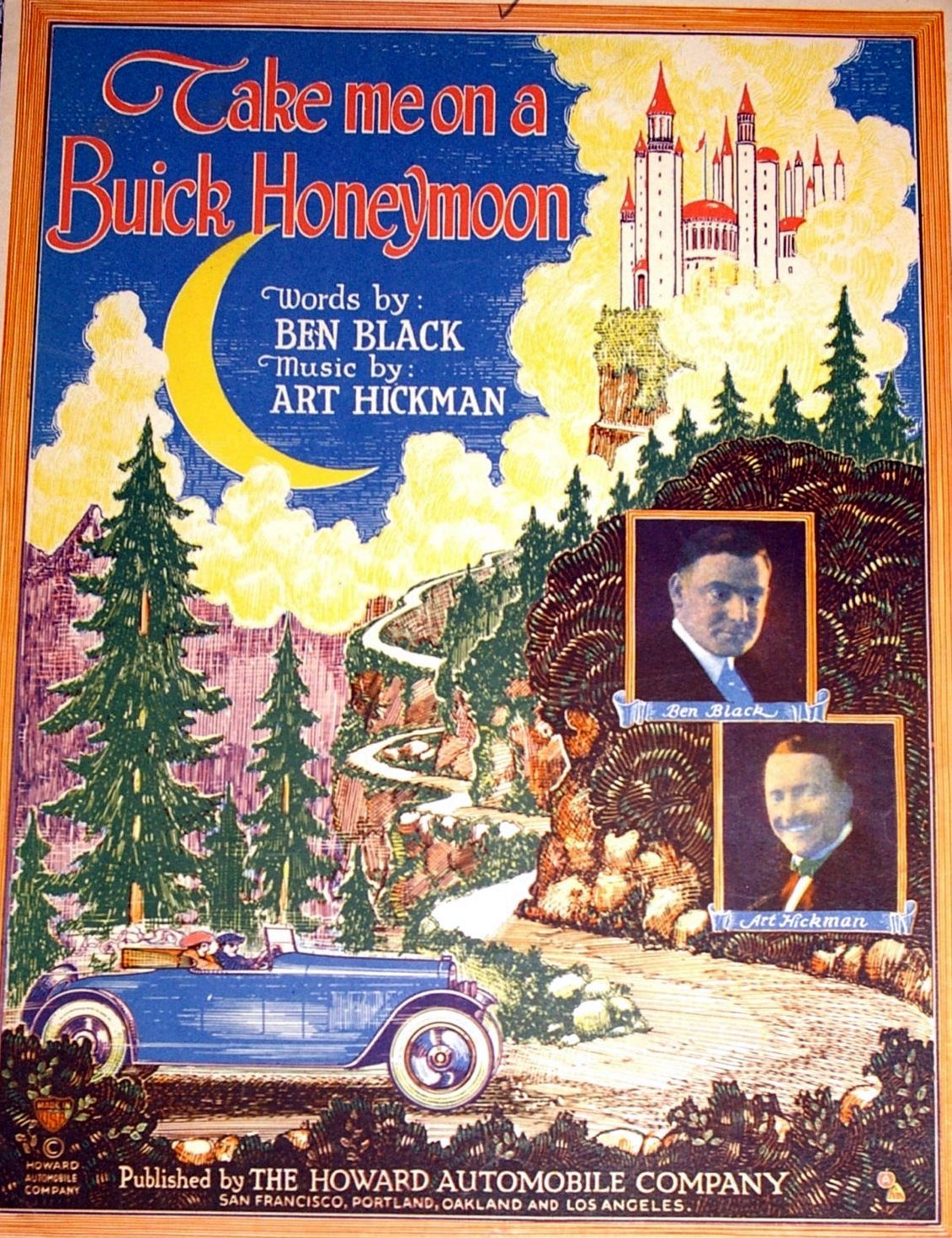
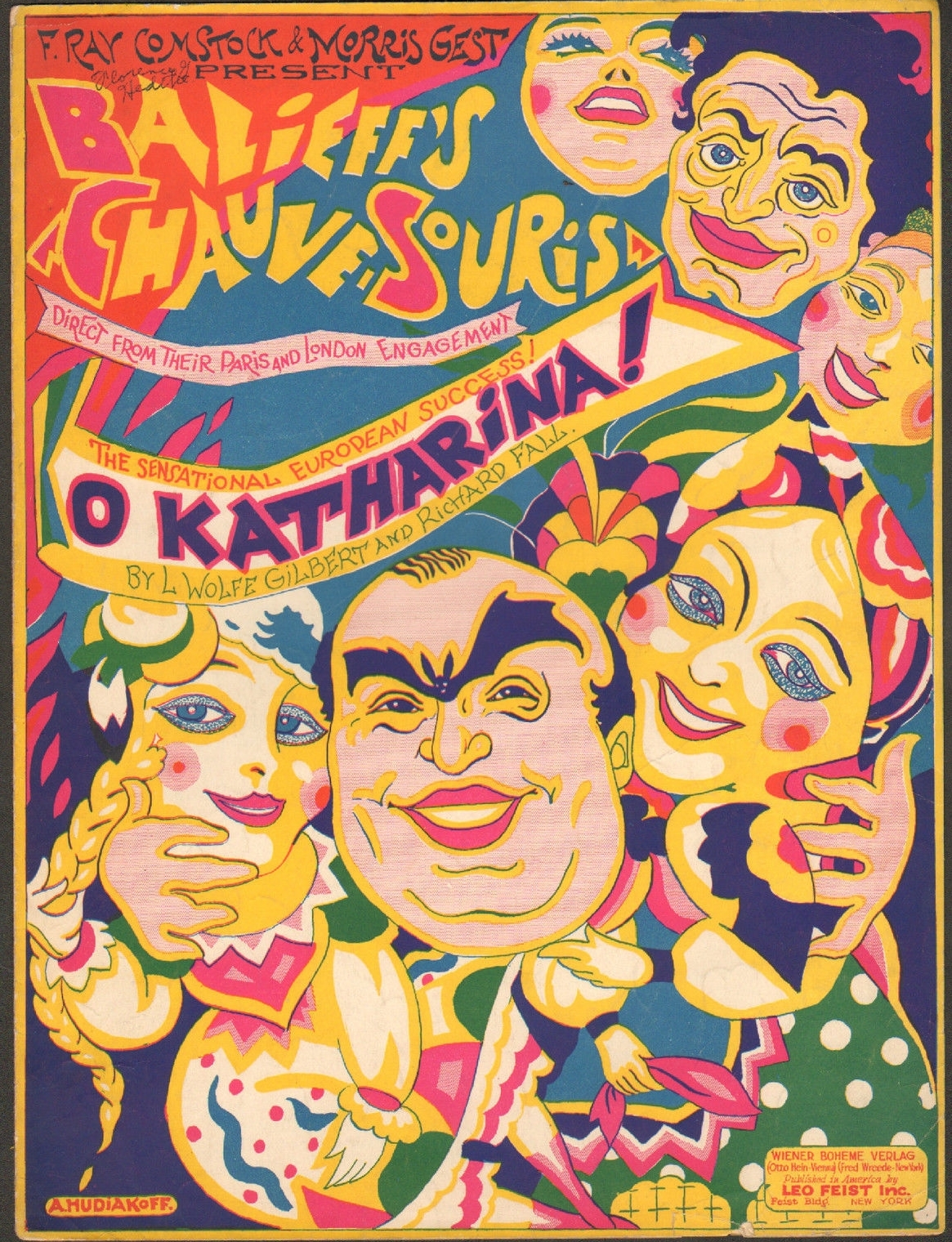
1930 – 1940
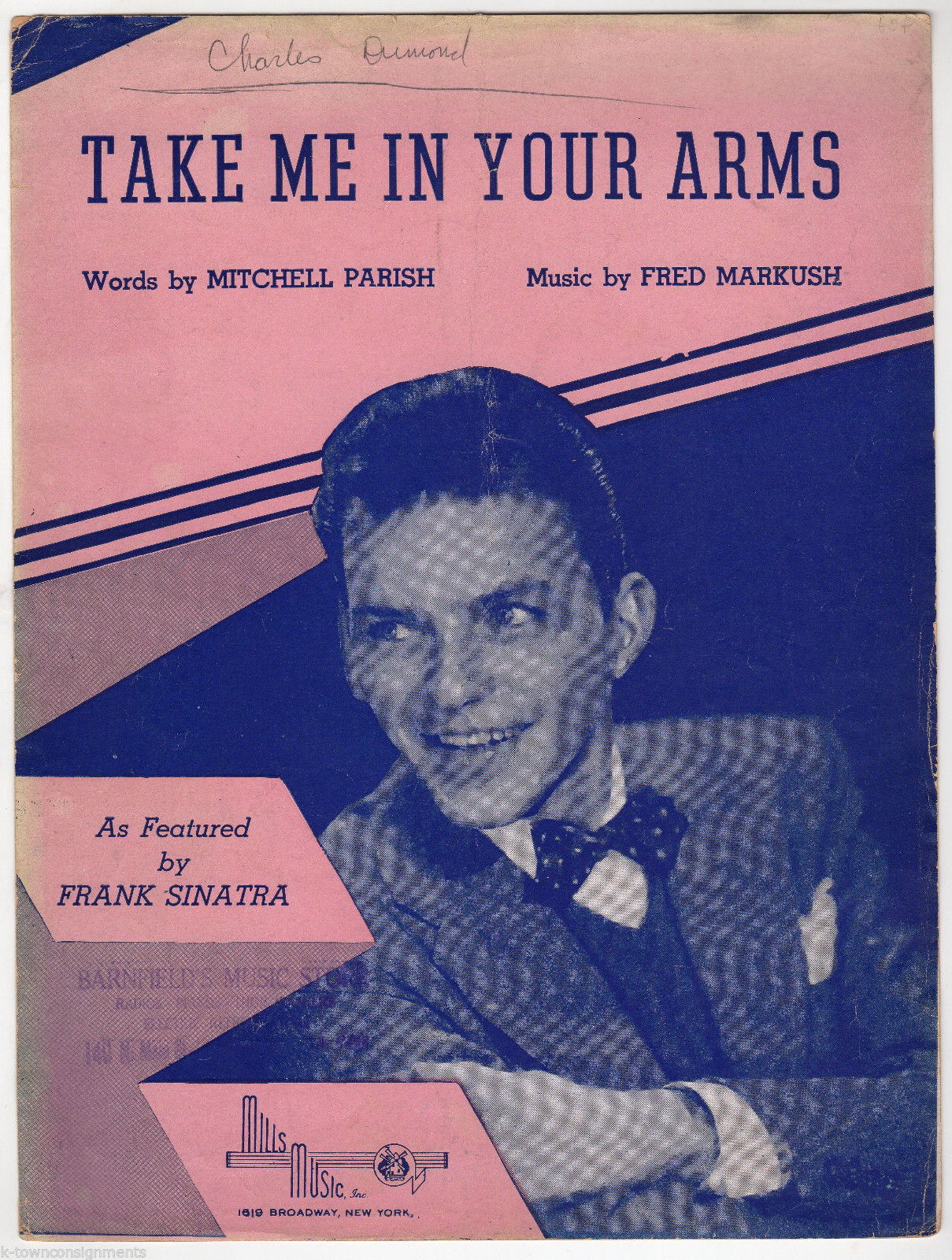
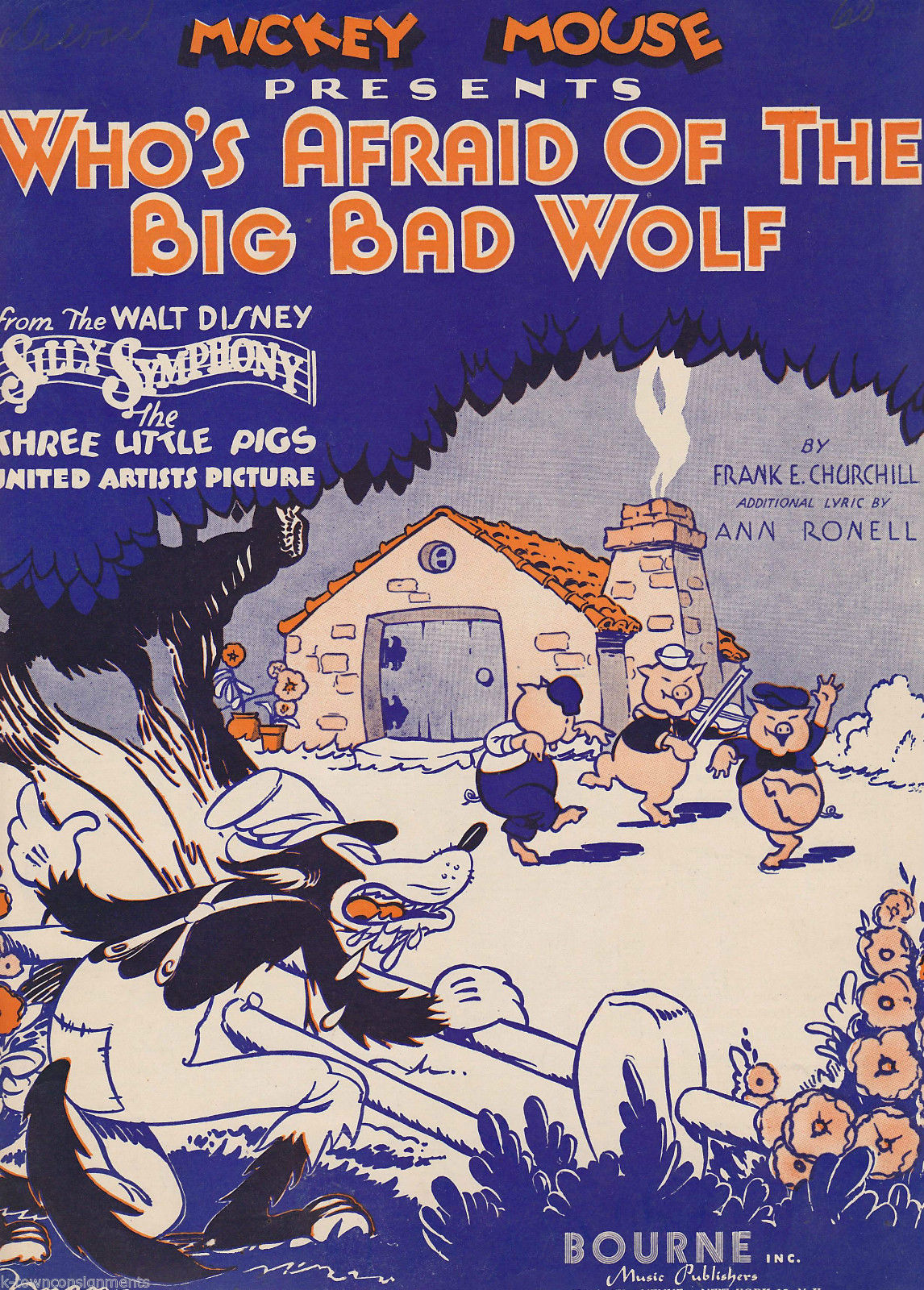
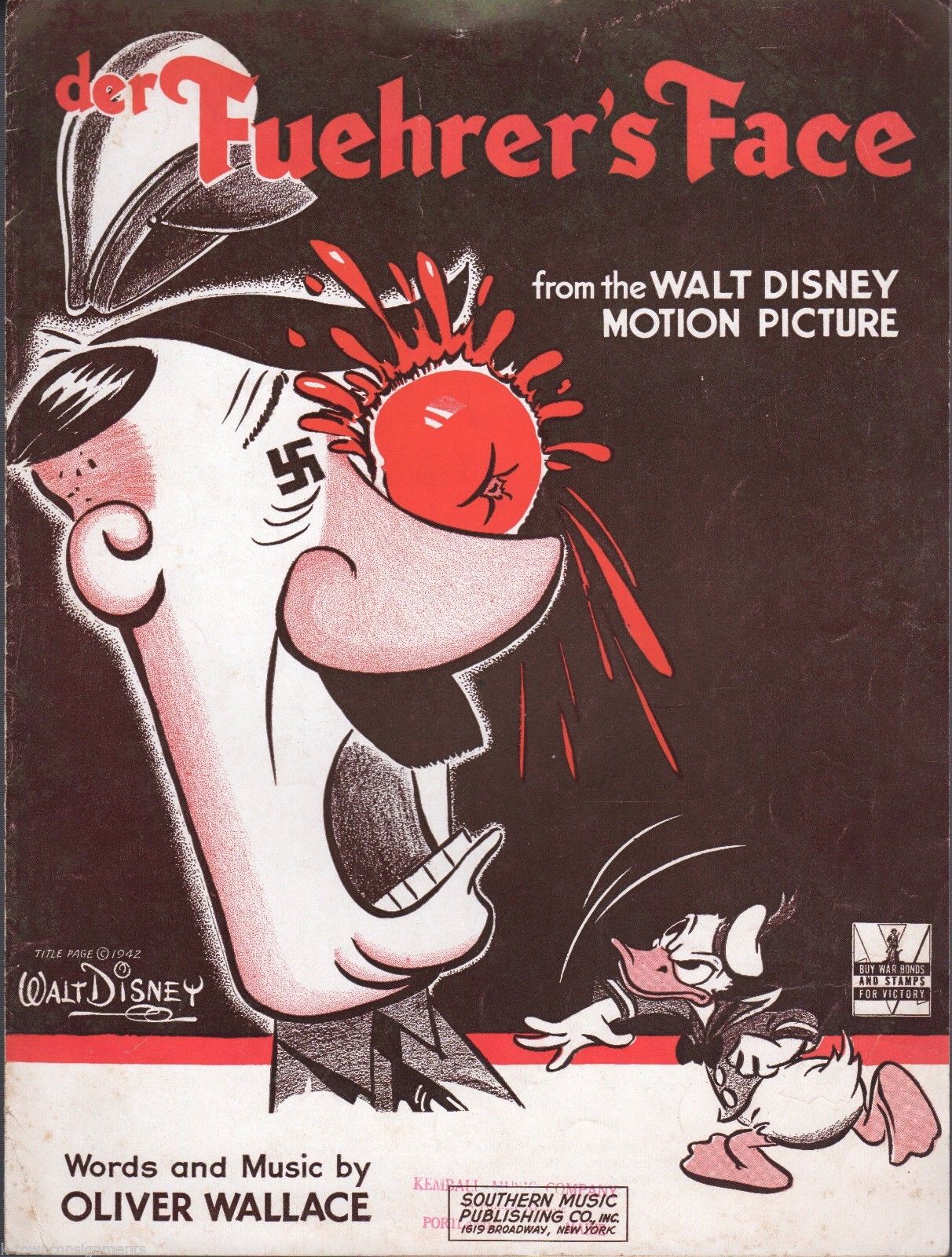
1940 – 1950
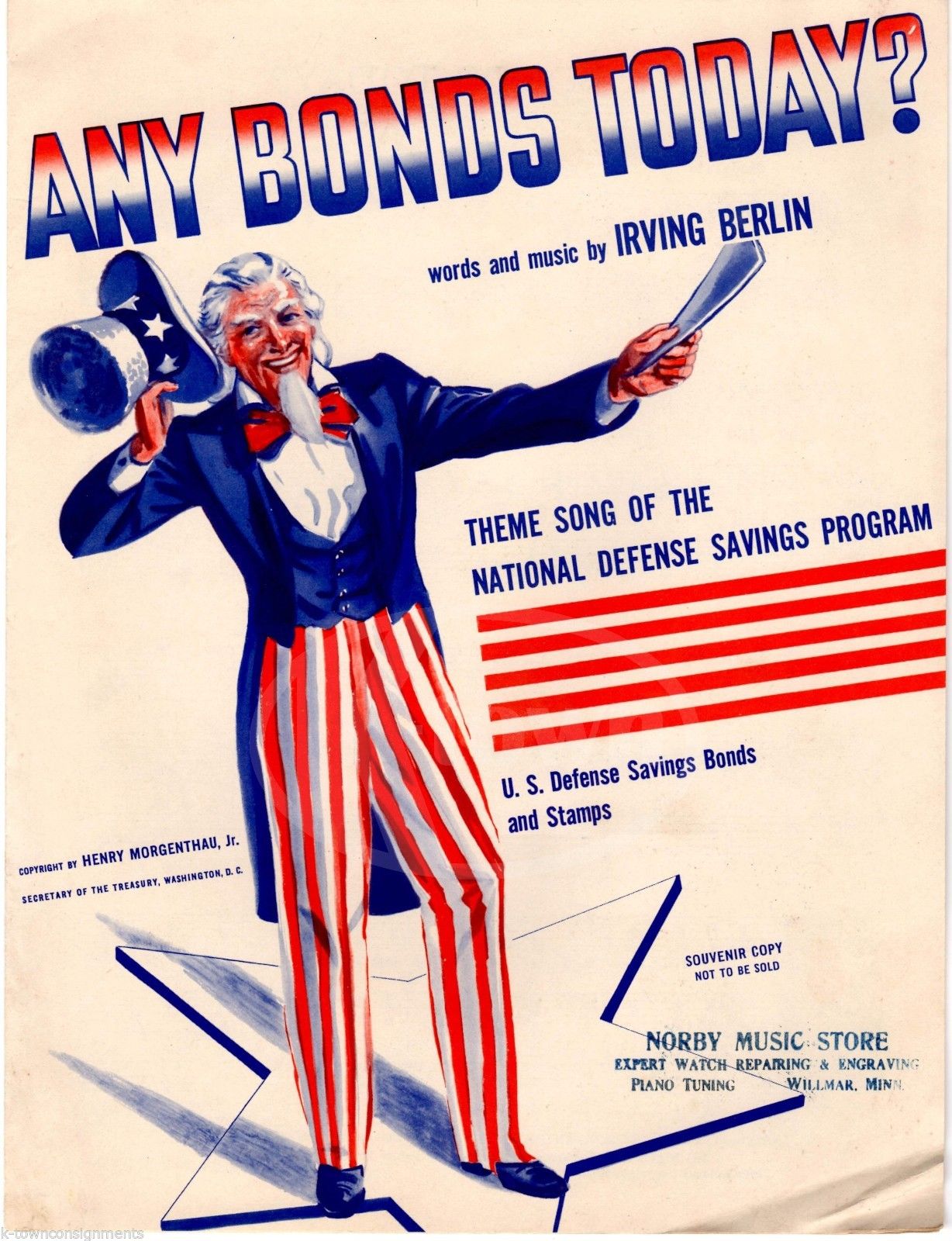
1950 and onwards
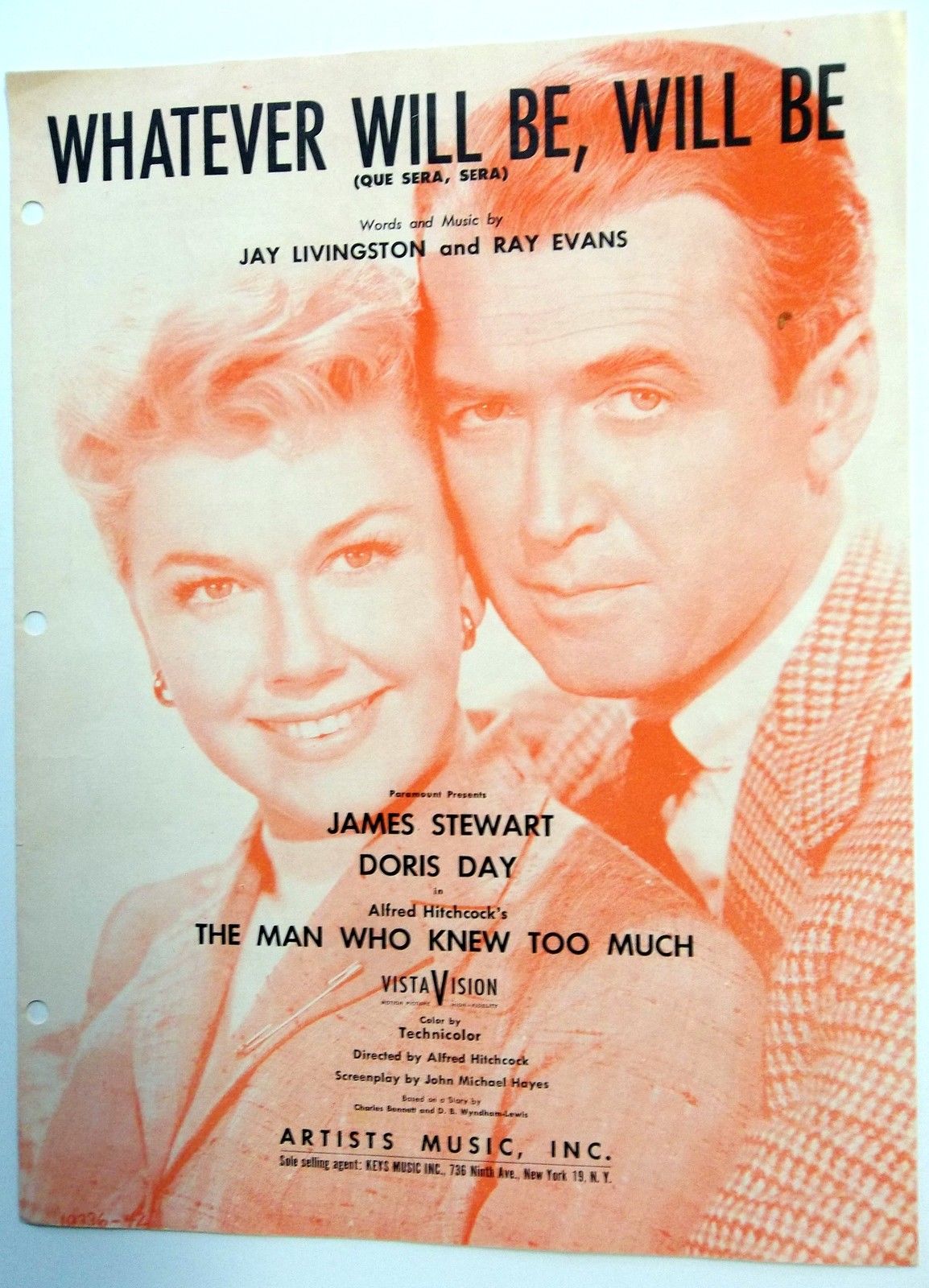
If you look good onto all the different pictures, you will recognize that almost every 10 years a big change in art and taste was developing.
From copper engravings over steel and wood engravings to very colorful lithographs. Then from free artistic drawings to perfect Art Nouveau style and Art Deco. Very common in the time the many covers with Black Americana or the overwhelming Russian decoration.
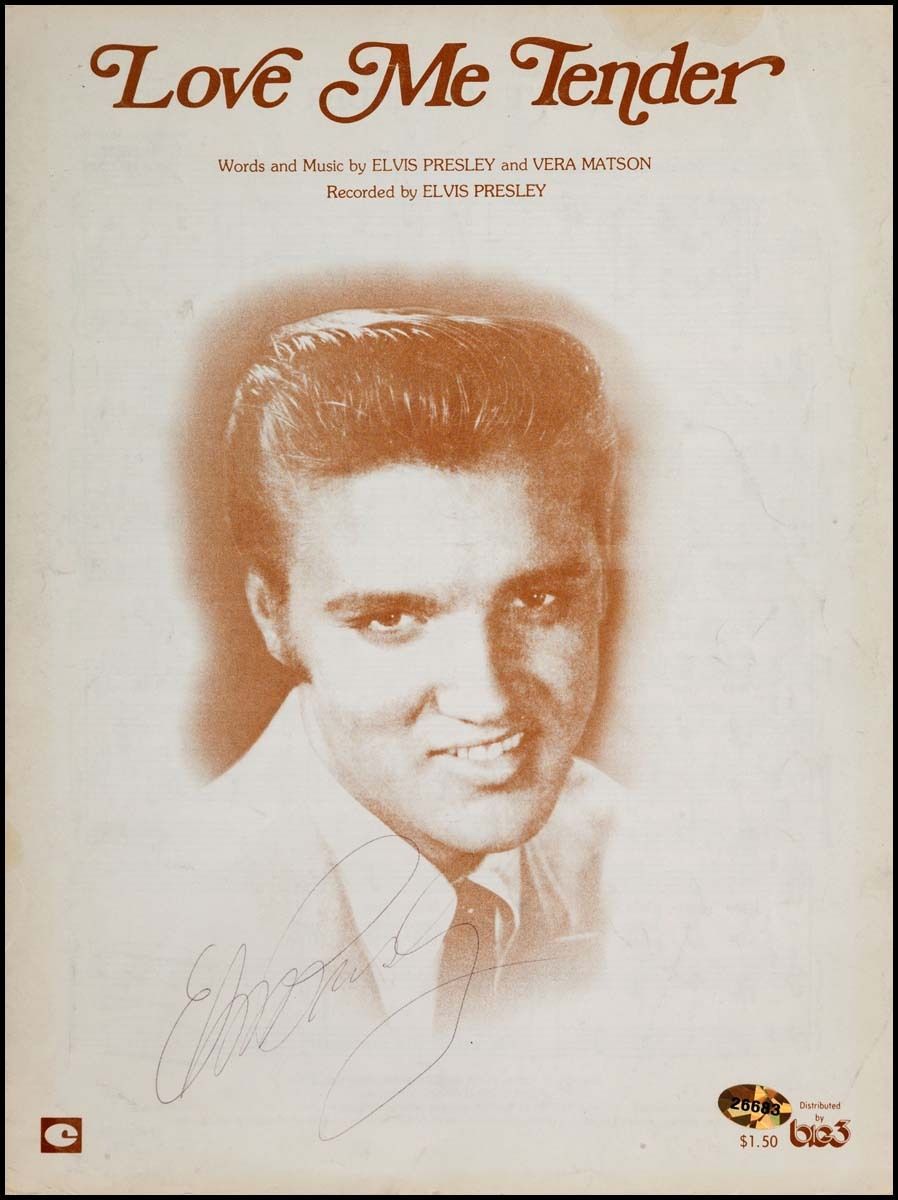
In the 1930’s they had different and modern printing techniques, so the publishers used many pics into pics and bright colors. End of the 1930’s and onwards the record industry took over the market and sheet music went down. The 1940’s were dominated from war covers and as cheap as possible. The money saving went on and on with one exception in the 1950’s, the photographic printing technique came into fashion, but still „money saving“ one color printing. Very cheap cover from Elvis Presley 1957, around 4-5 dollars
US. But his original autograph makes it a US5.000,– piece. Be lucky to find one.
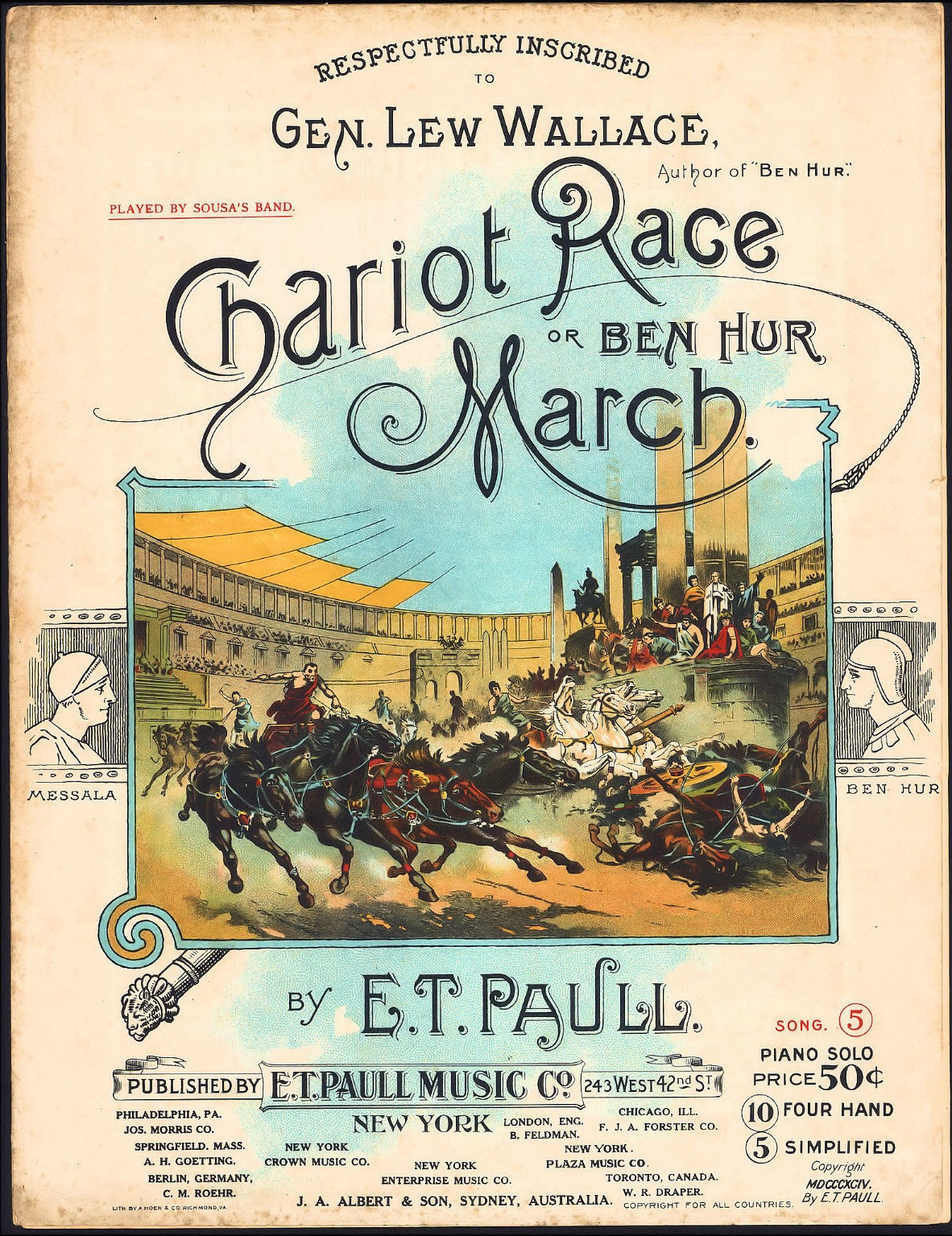
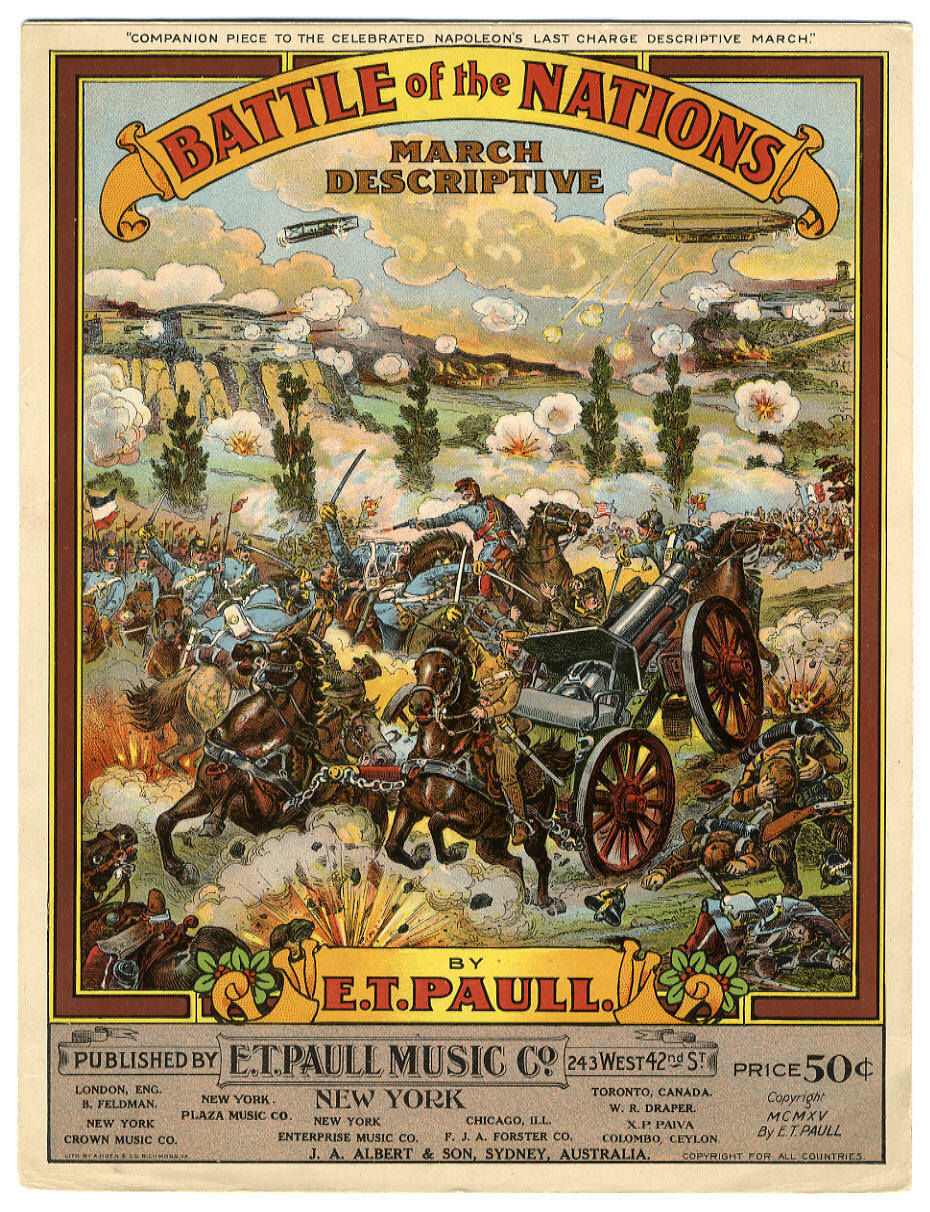
E.T. Paull covers.
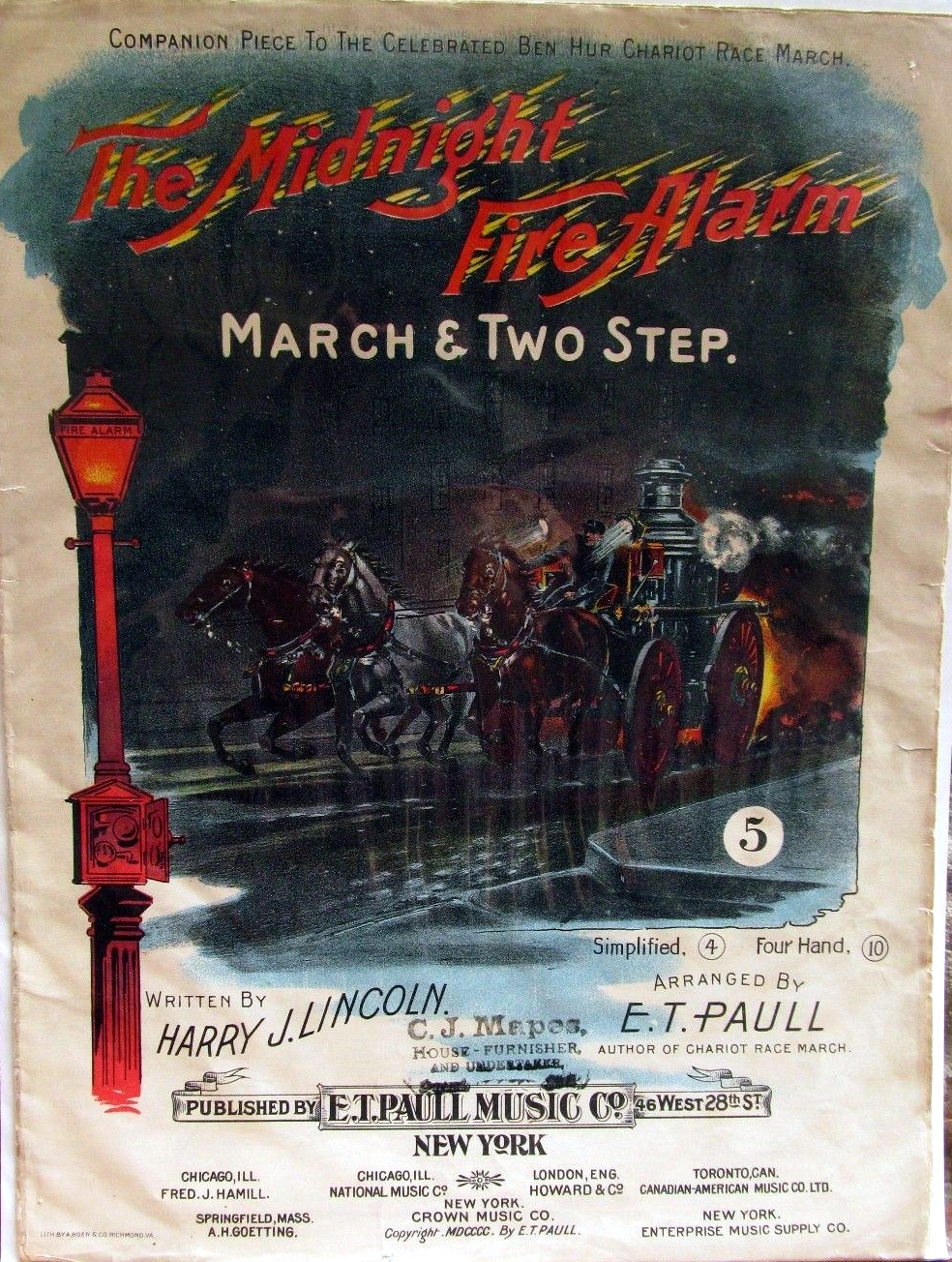
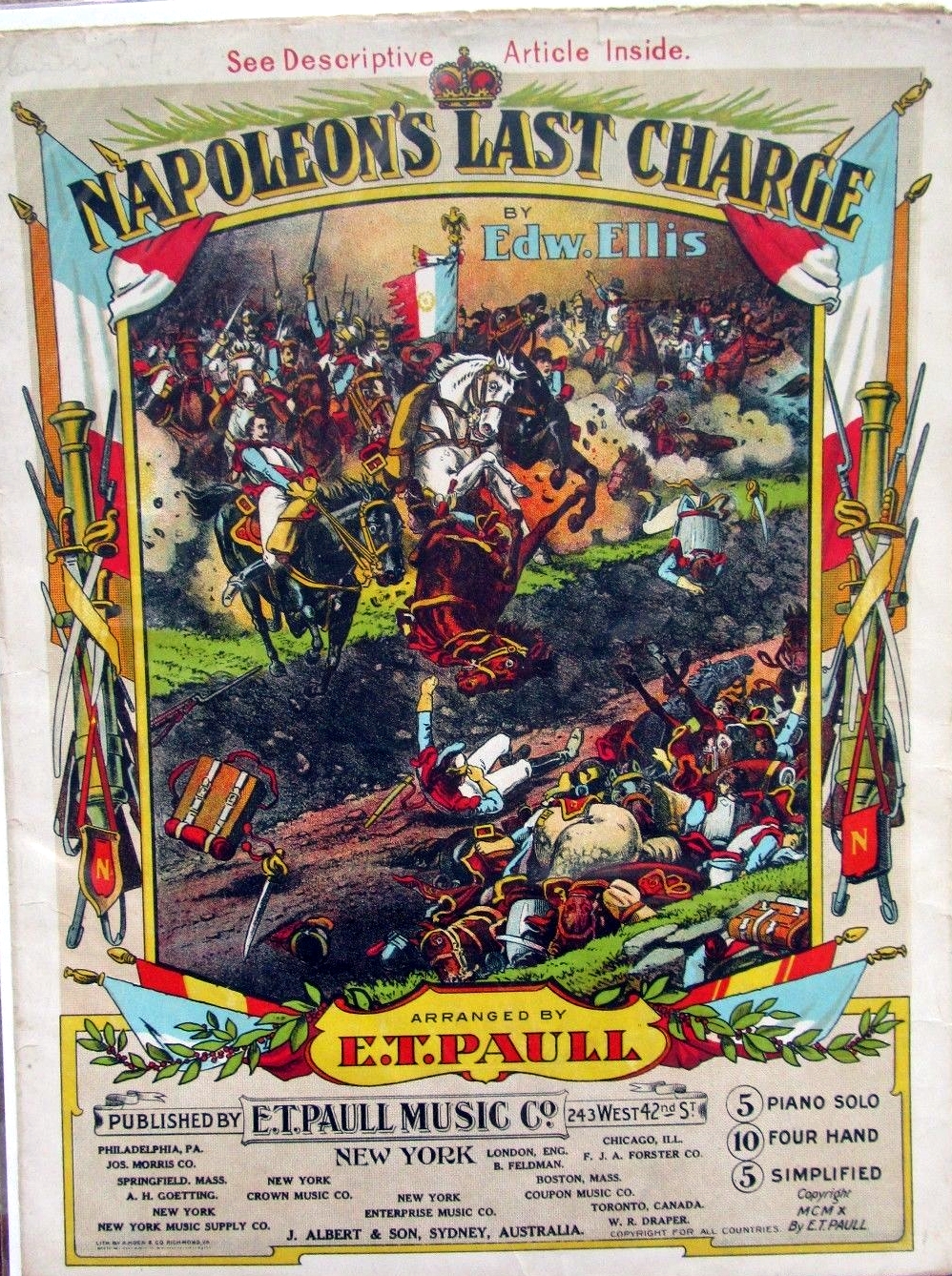
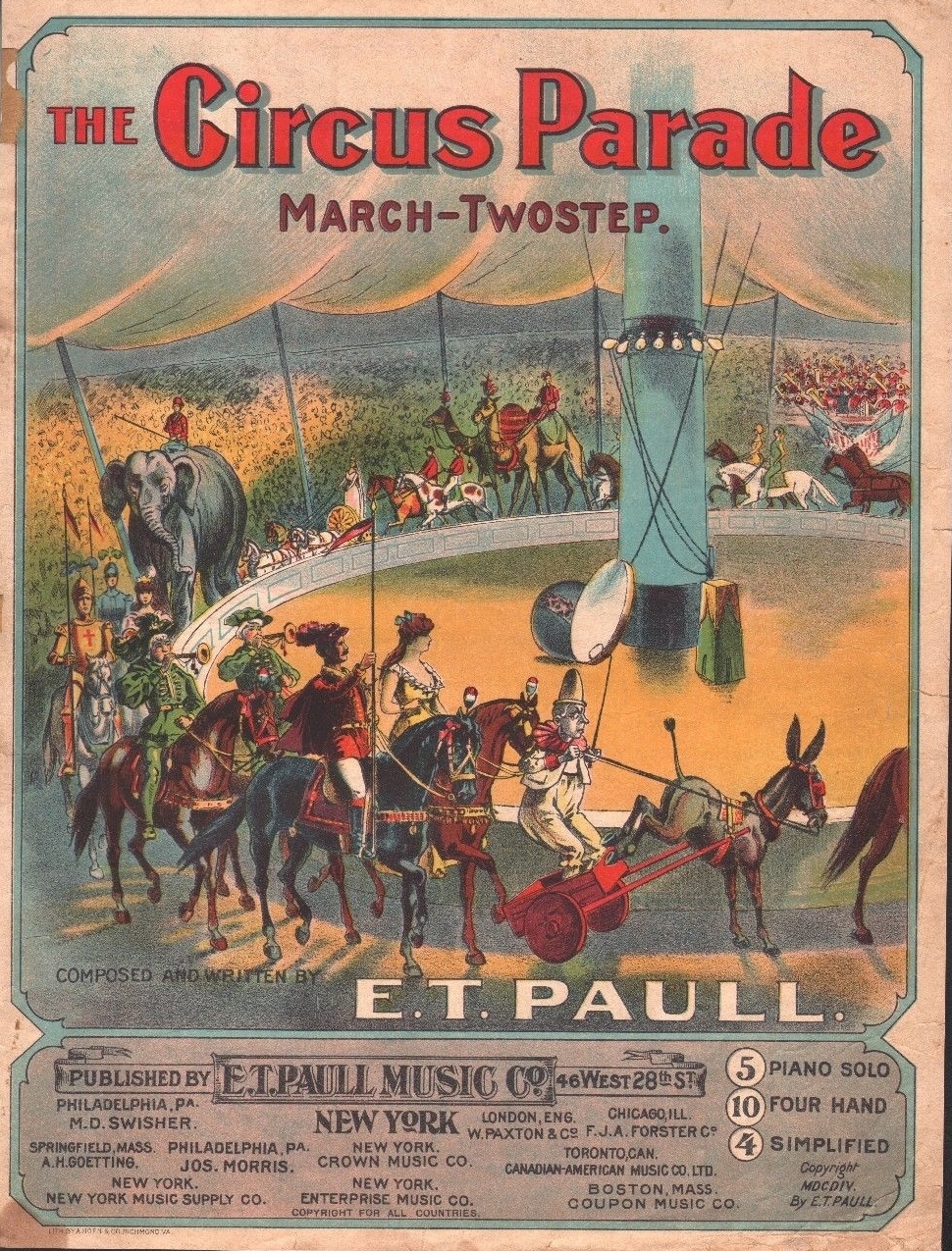
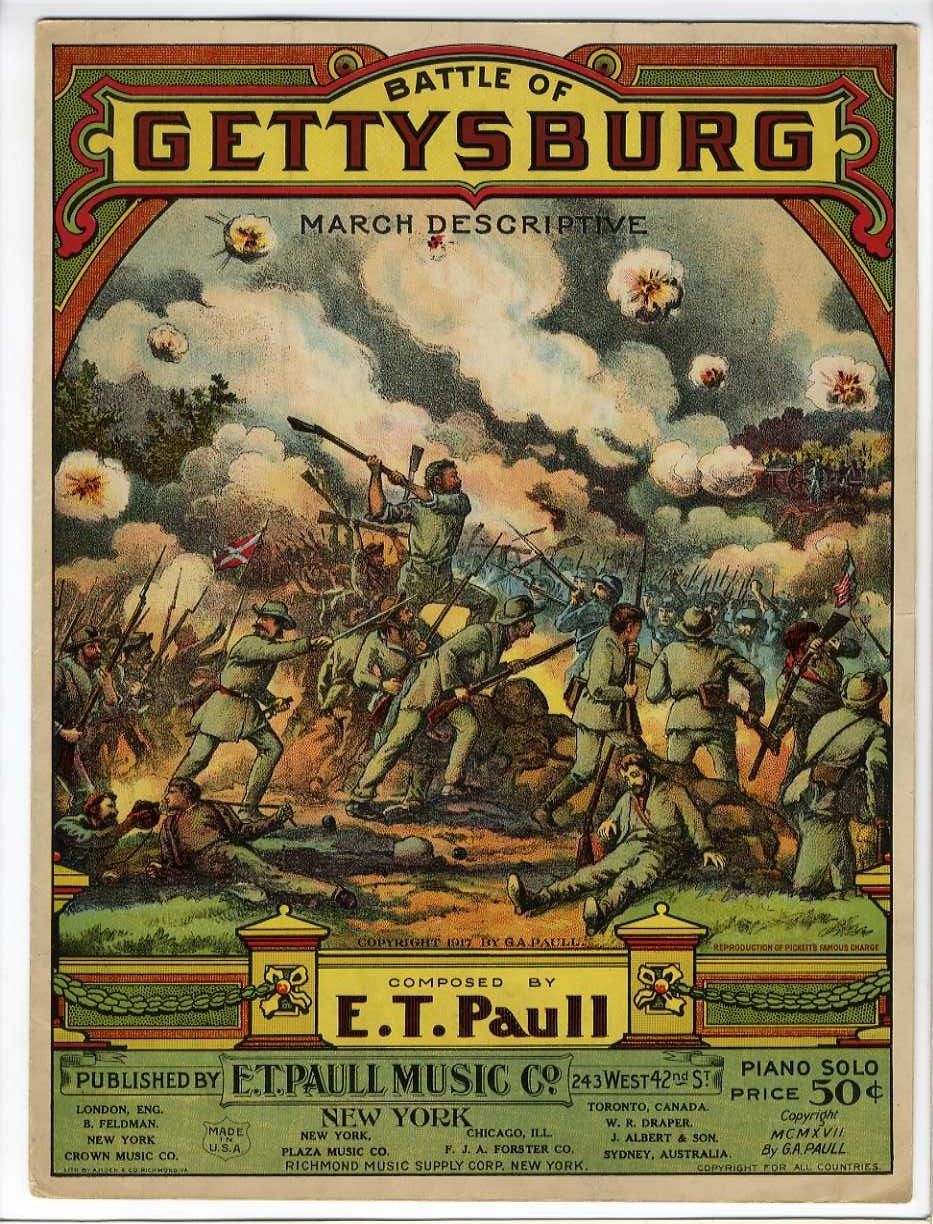
Just to show you the difference, down here a few of the „over the top decorated“ and very dramatic E.T.Paull music sheets between 1890 and 1910.
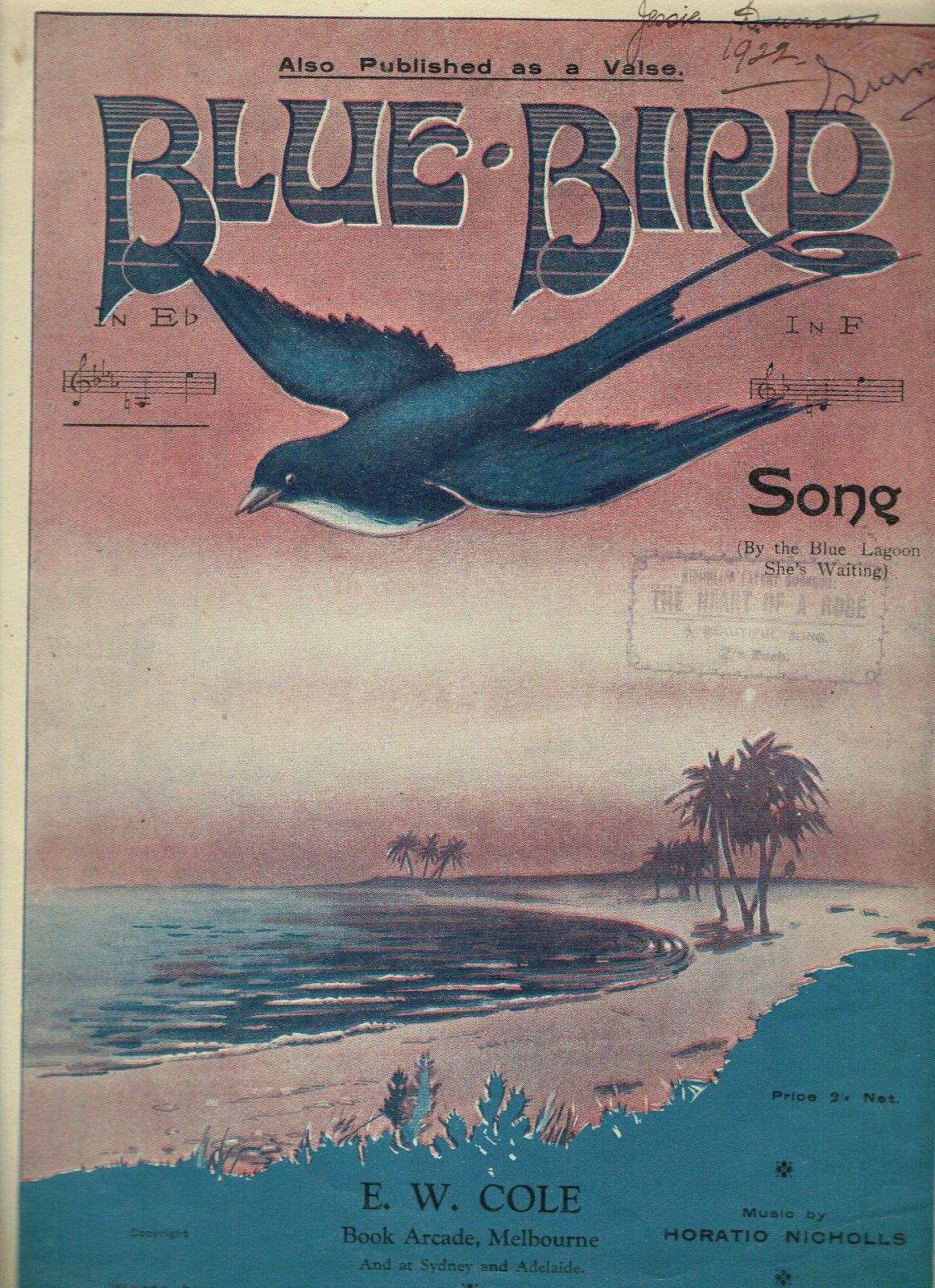
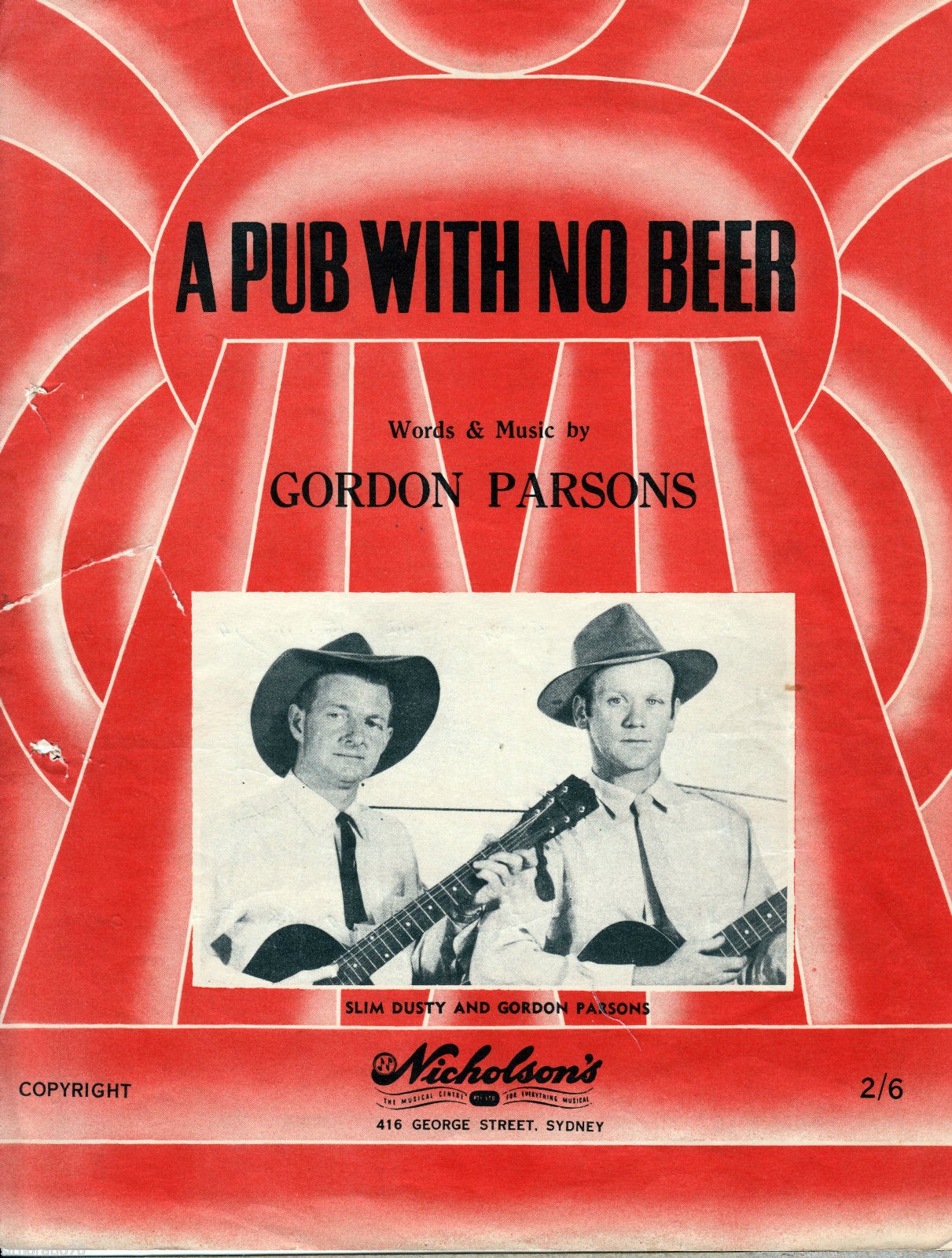
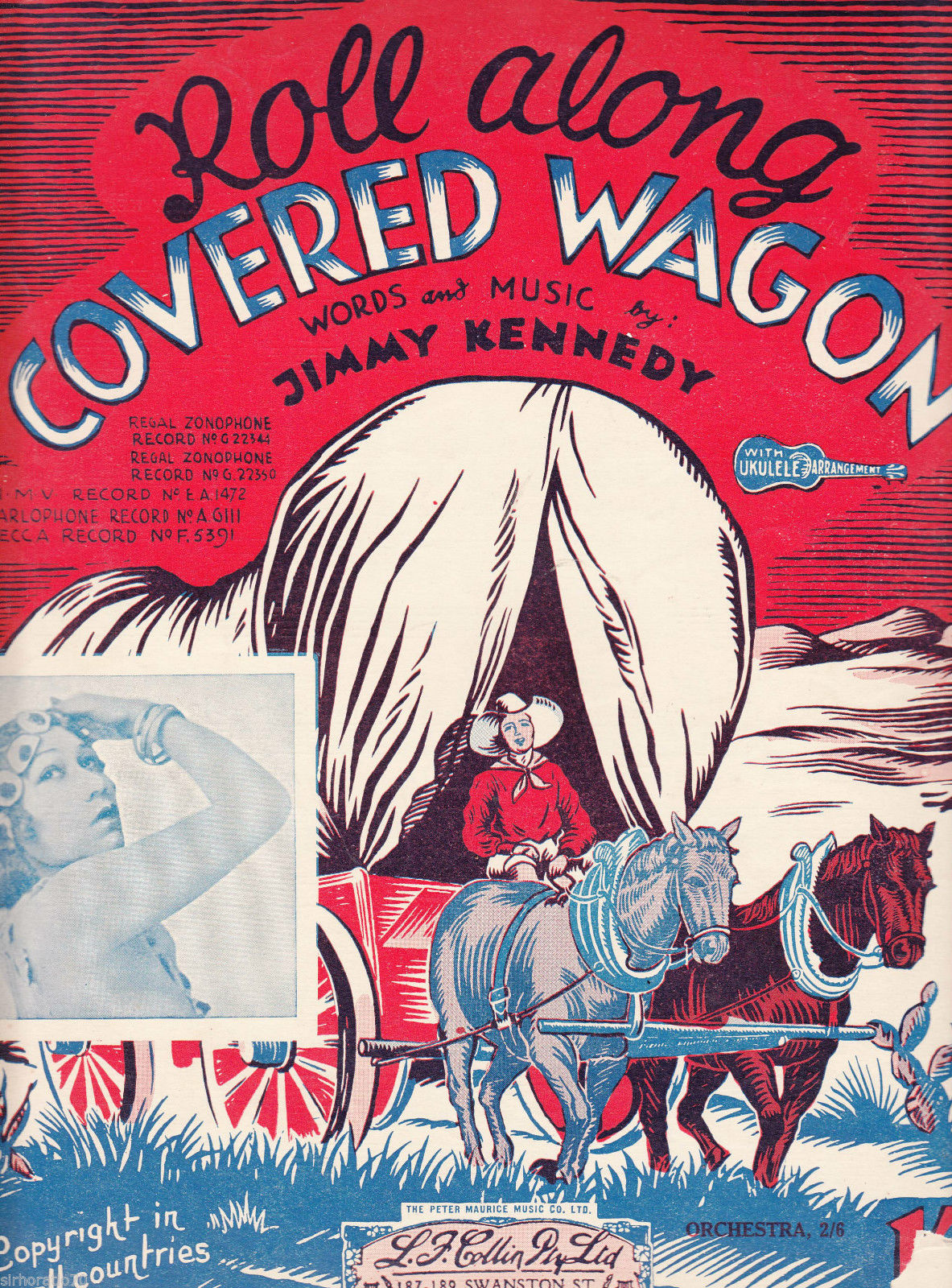
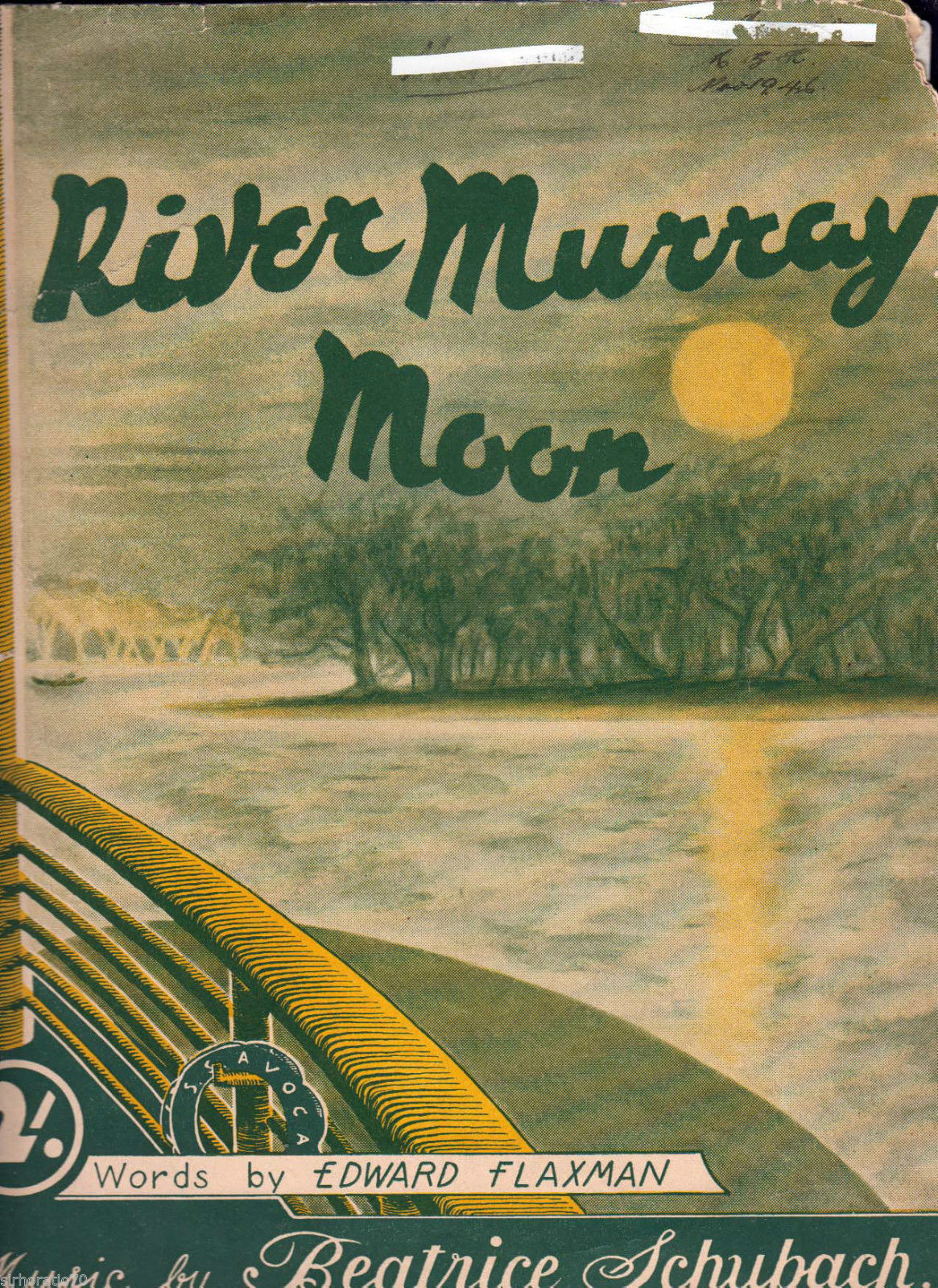
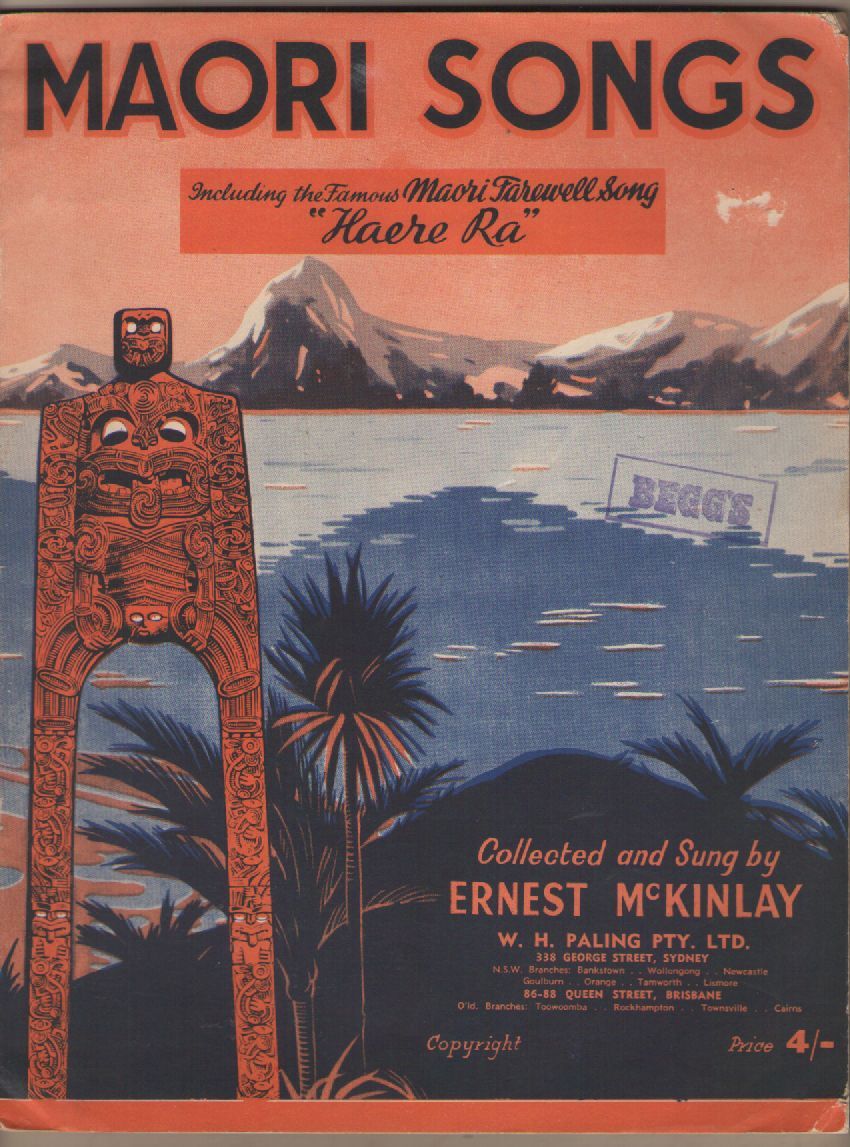
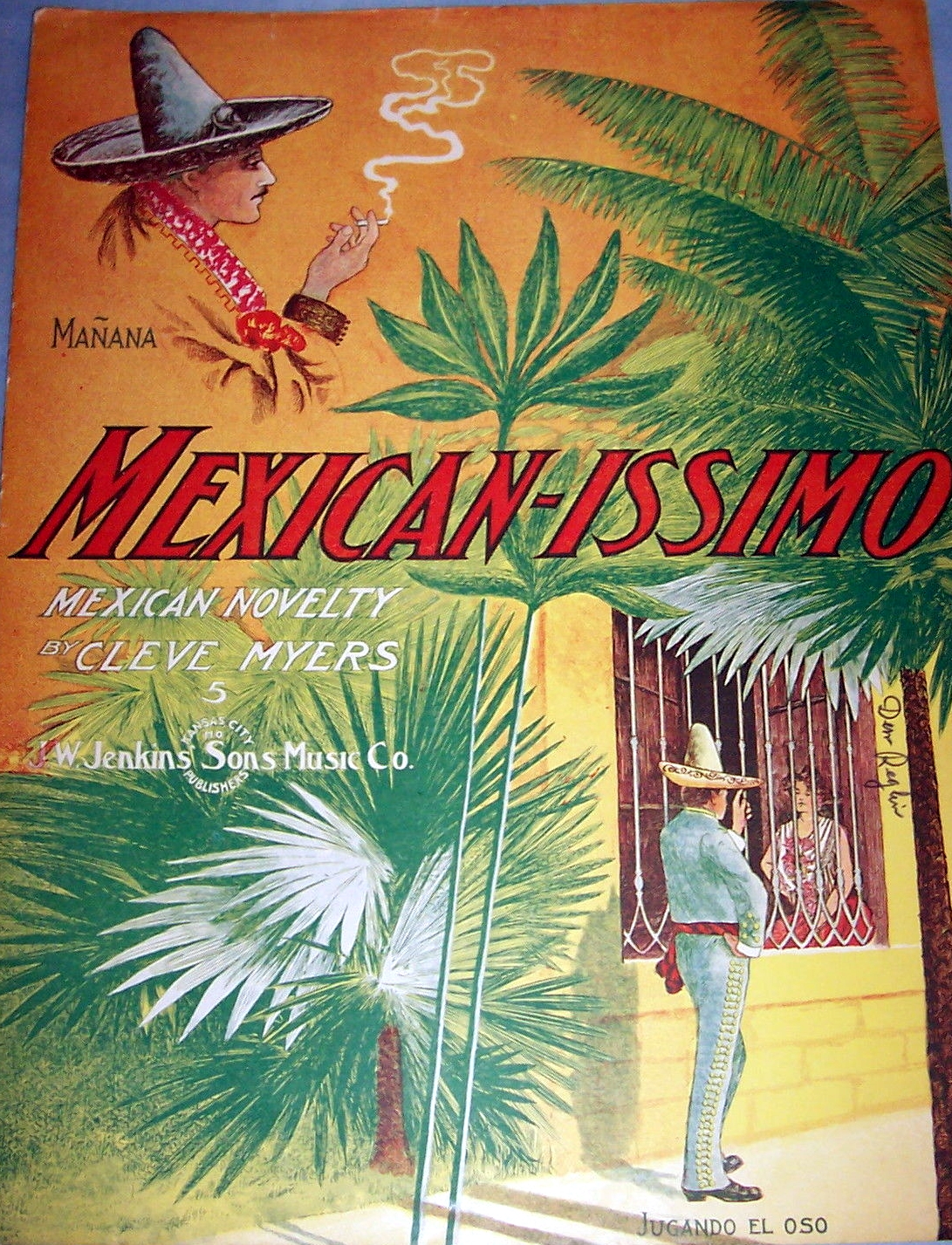
And finally a few sheets from former collections I had, collected by
country. These collections are completely sold.
Australia
New Zealand and Mexico
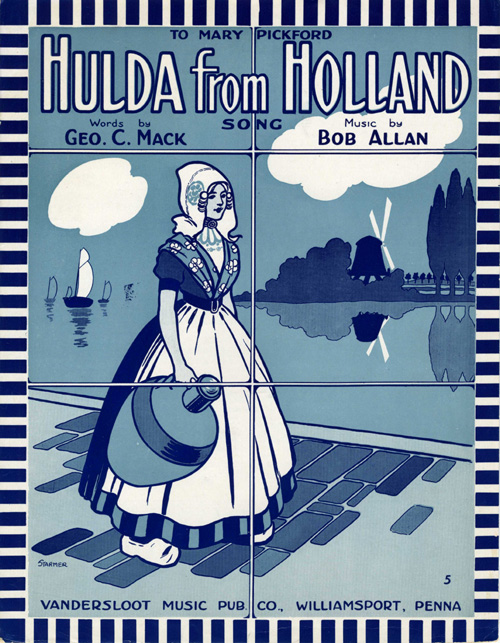
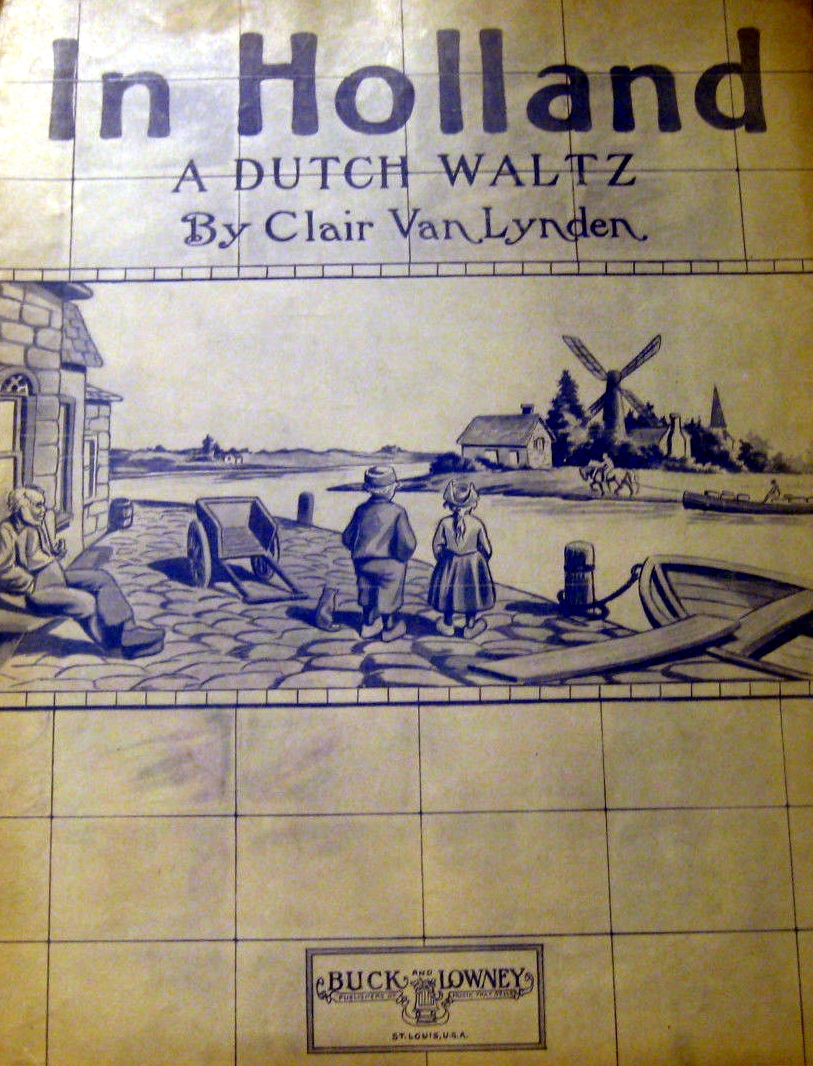
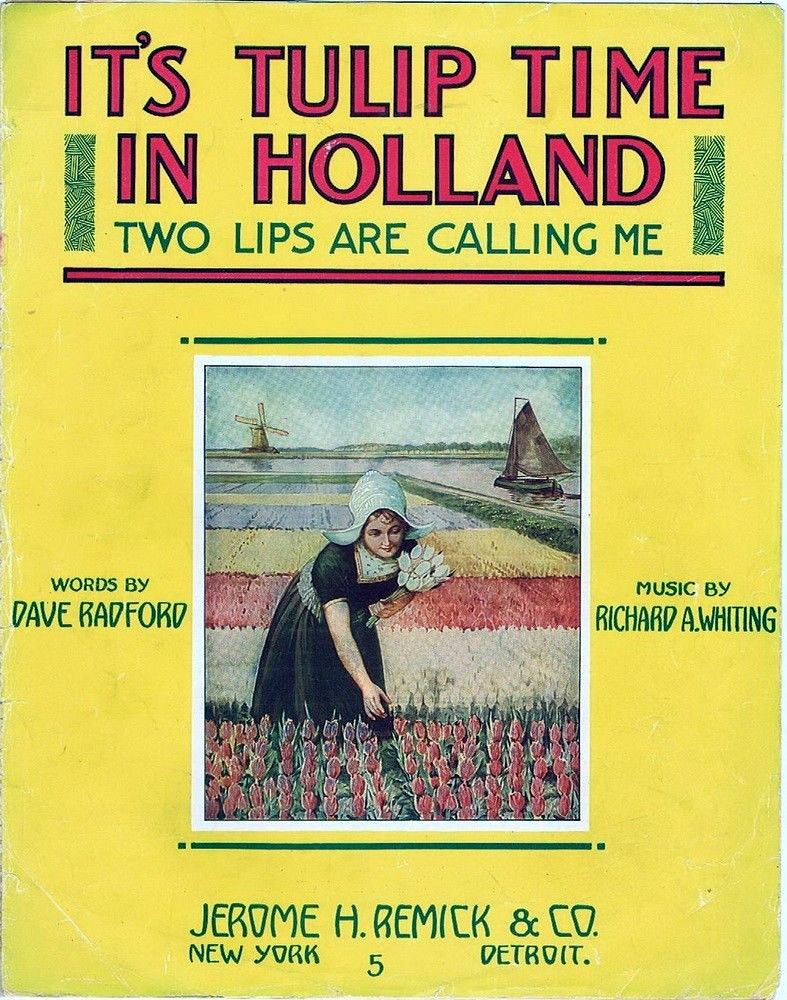
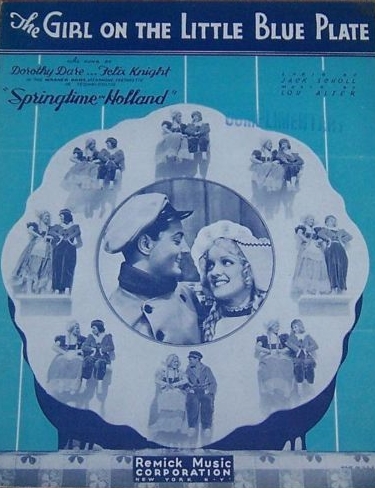
Holland
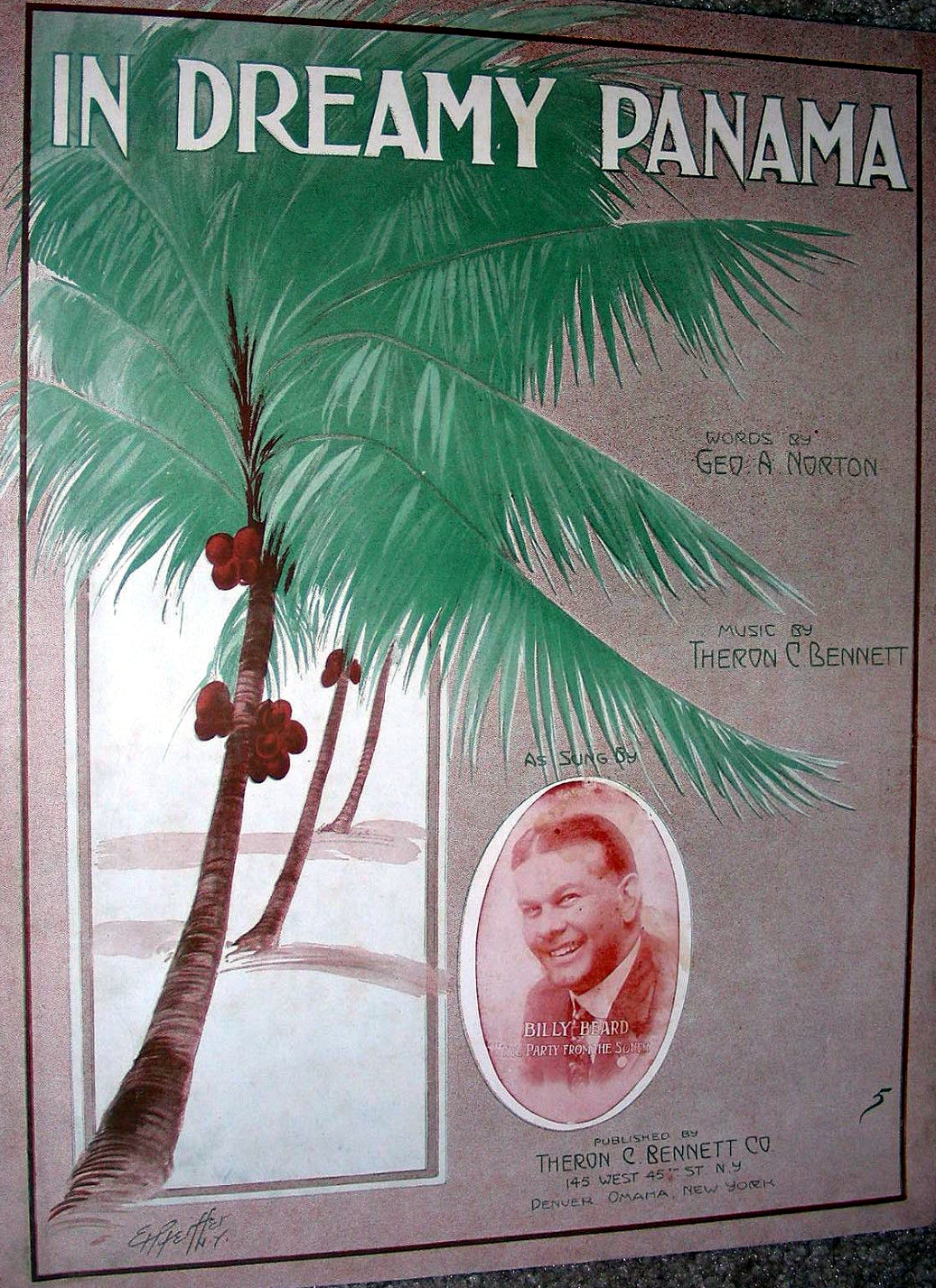
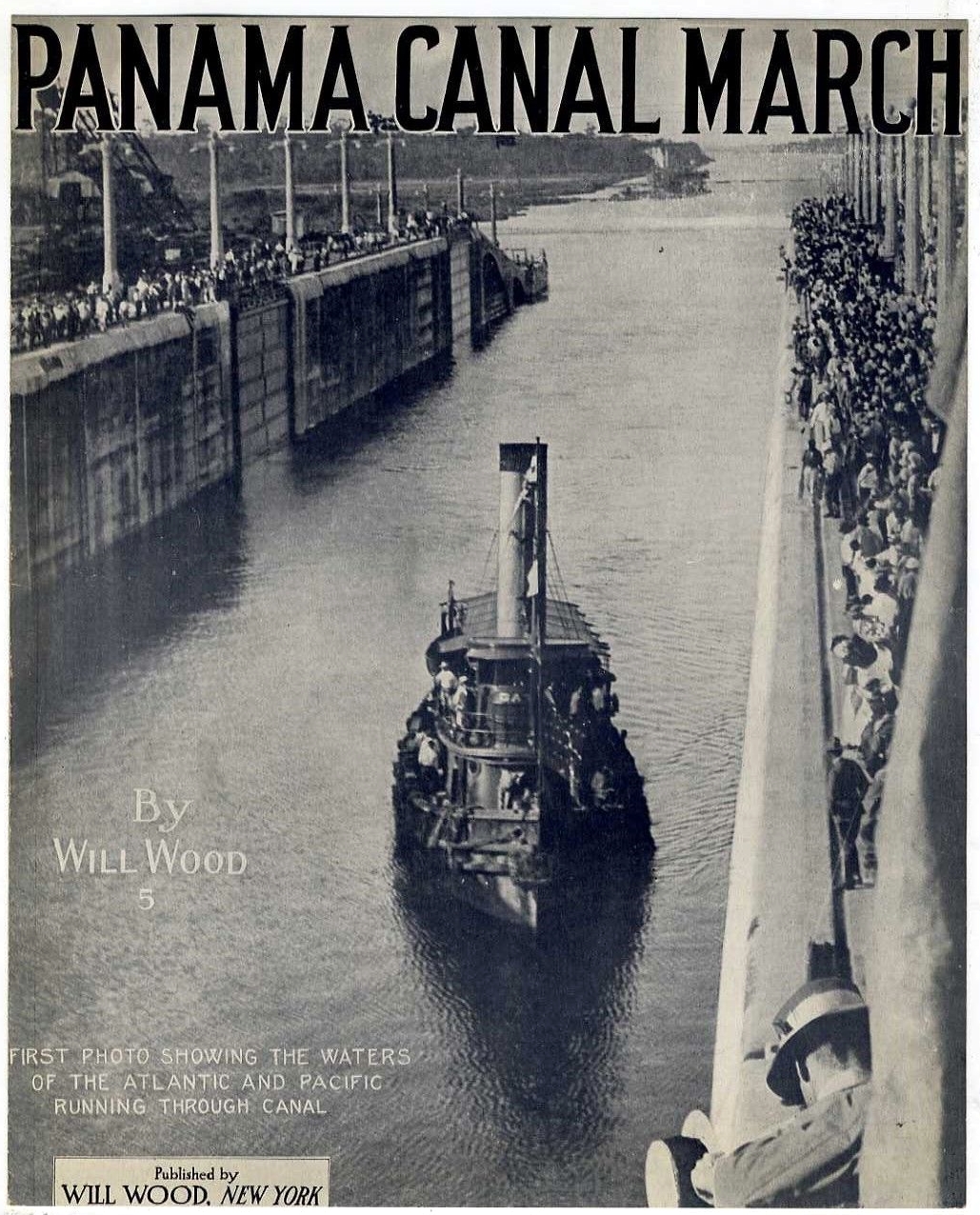
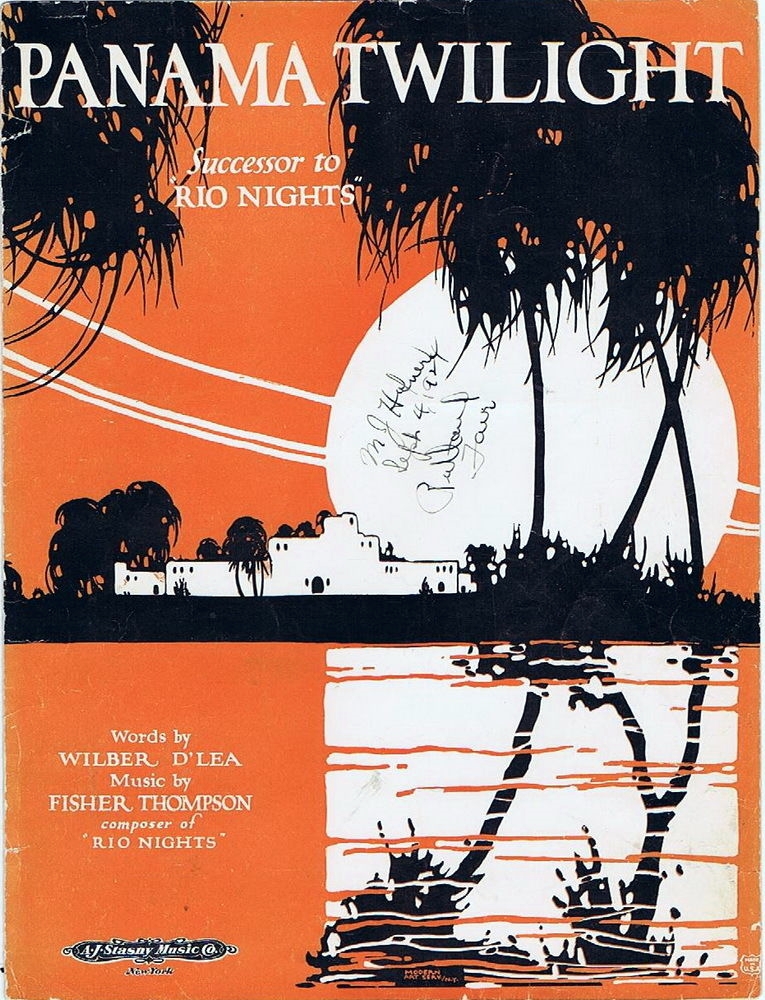
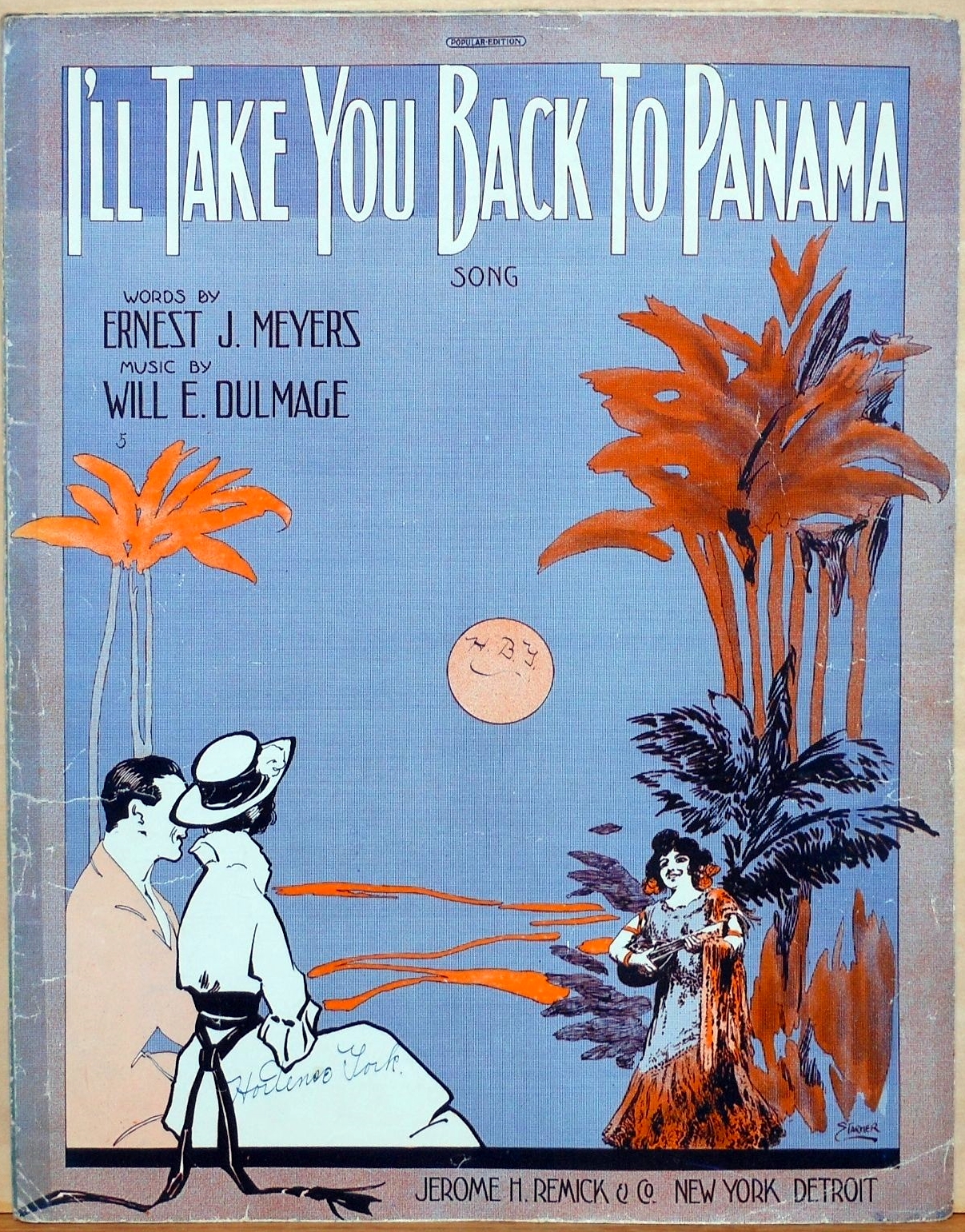
Panama
Hope you enjoyed reading. Much more, especially from Uruguay,
the country who created the TANGO, will be posted.
Stay tuned with my posts in Hobbies and Collecting.


I enjoyed ready this treatise on collecting sheet music and the evolution of music notation and cover art through history. A very nice little survey. Your variety of interests continue to amaze.
LikeLike
Of course I know. Thank you very much !
LikeLike