
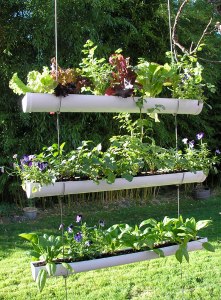
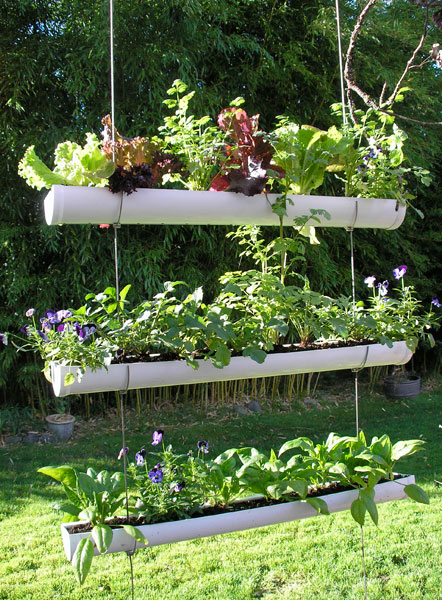
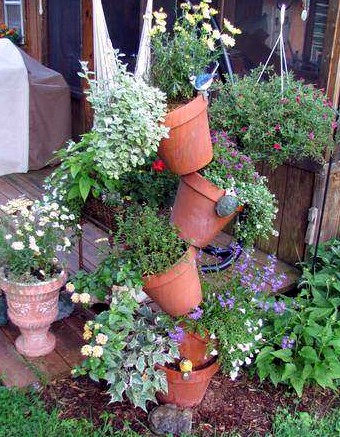
Herbs. A friends „little“ garden with more then 20 different herbs.
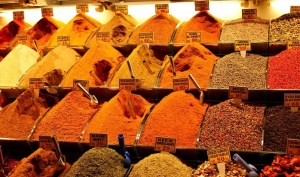
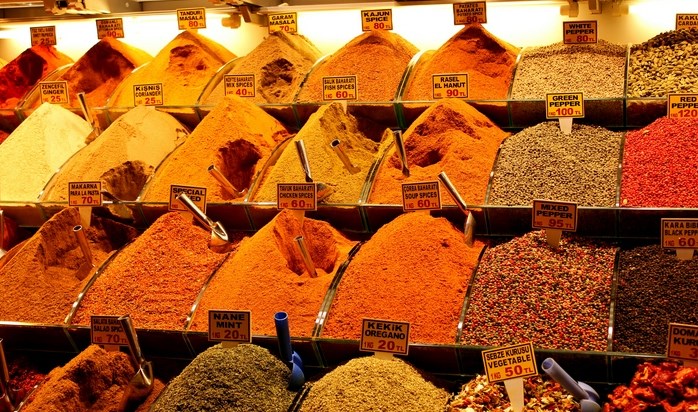
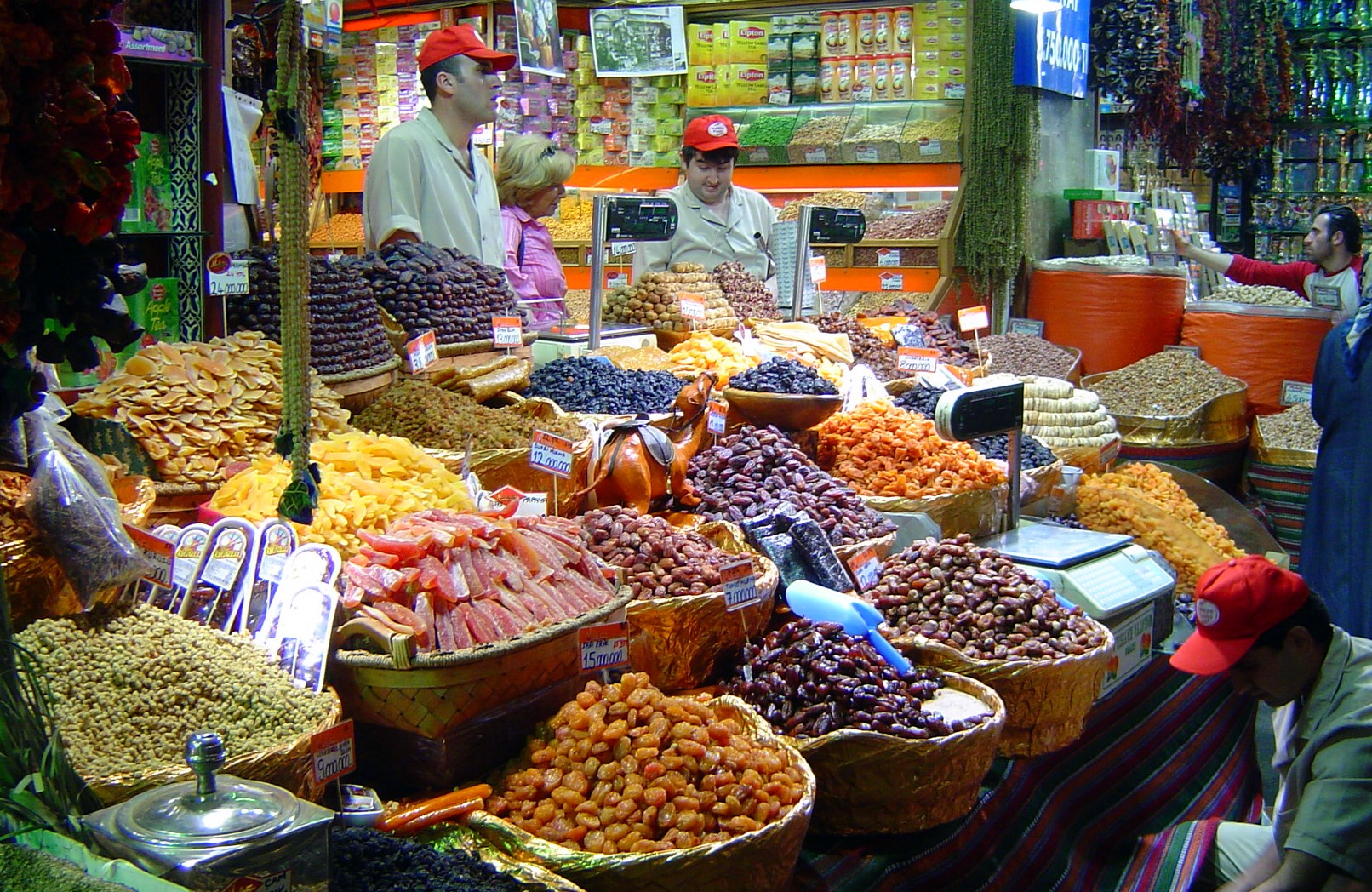
Spices. The spice market in Istanbul, Turkey.
My valued readers asked many times about the meaning of this herb or that spice.
Mostly it was a misunderstanding between languages. Here are the most well known
herbs and spices (more then 50 listed), we use for cooking, in 4 main languages.
English = French = Spanish = German
Allspice = Tonte-epice = Pimiento de Jamaica = Piment
Anise = Anise = Ani = Anis
Bay leaf = Laurier = Laurel = Lorbeer
Basil = Basilic = Albahaca = Basilikum
Chives = Ciboulette = Cebollino = Schnittlauch
Celery = Celeri = Apio = Sellerie
Caper = Capre = Alcaparra = Kapern
Caraway = Carvi = Alcaravea = Kuemmel
Chillies = Piment = Chile = Chillies
Cinnamon = Canelle = Canela = Zimt
Coriander = Coriandre = Cilantro = Koriander
Cumin = Cumin = Comino = Kreuzkuemmel
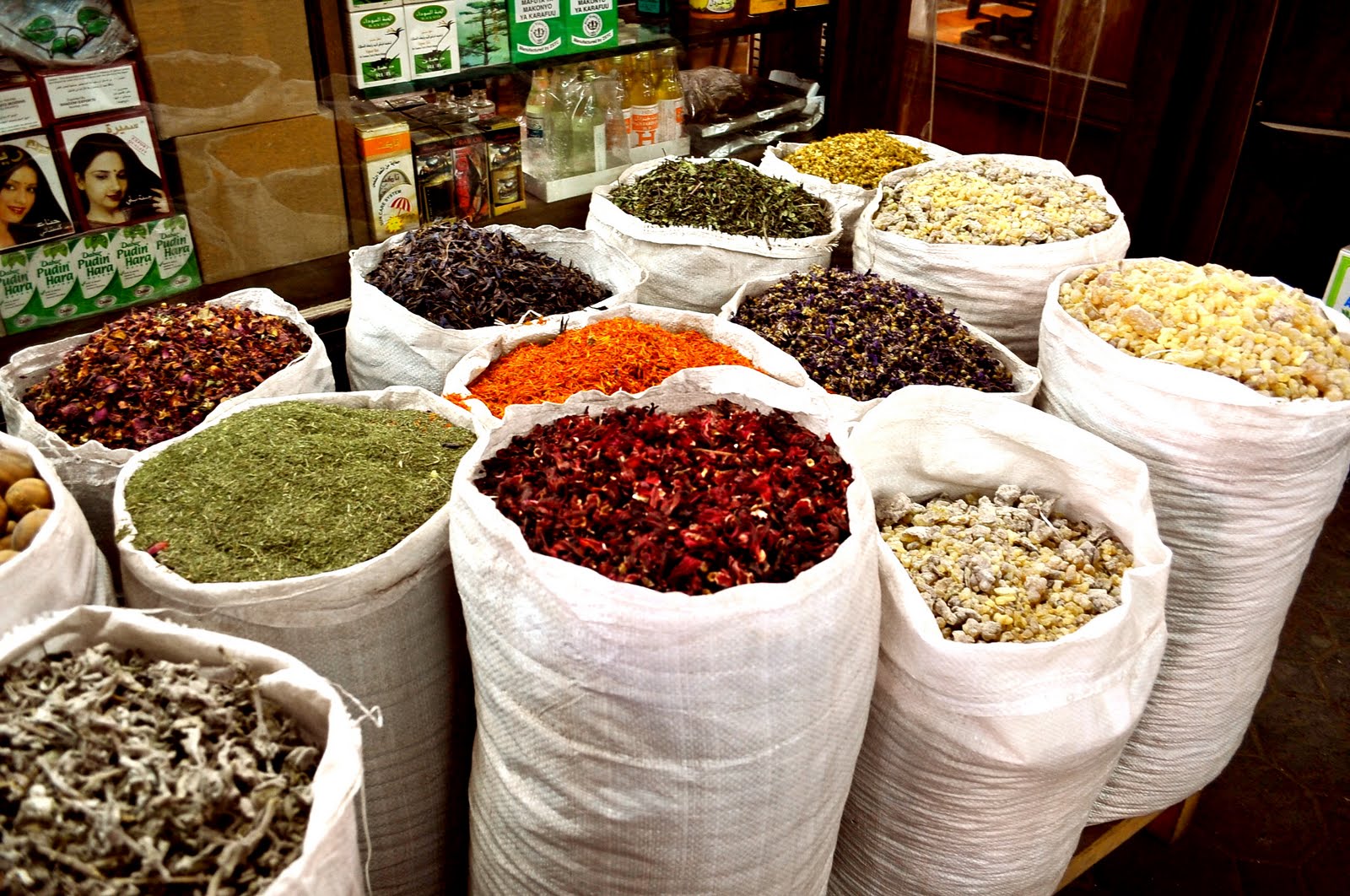
View of a spice market in Dubai, VAE.
Cardamom = Cardamome = Cardamono = Kardamom
Clove = Clou de Girofle = Clavo de Especia = Gewuerznelken
Curry leaves = Fenille de Cari = Hoja = Curryblaetter
Chervil = Cerfenil = Perifollo = Kerbel
Dill = Aneth = Eneldo = Dill
Fennel = Fenonil = Hinojo = Fenchel
Galangal = Galanga = Galanga = Galgant
Ginger = Gingembre = Jengibre = Ingwer
Garlic = Ail = Ajo = Knoblauch
Horseradish = Raifort = Rabano picante = Meerrettich
Juniper = Genievre = Junipero = Wacholder
Lemon grass = Herbe de Citron = Herba de Limon = Zitronengras
Liquorica = Reglisse = Regaliz = Suessholz
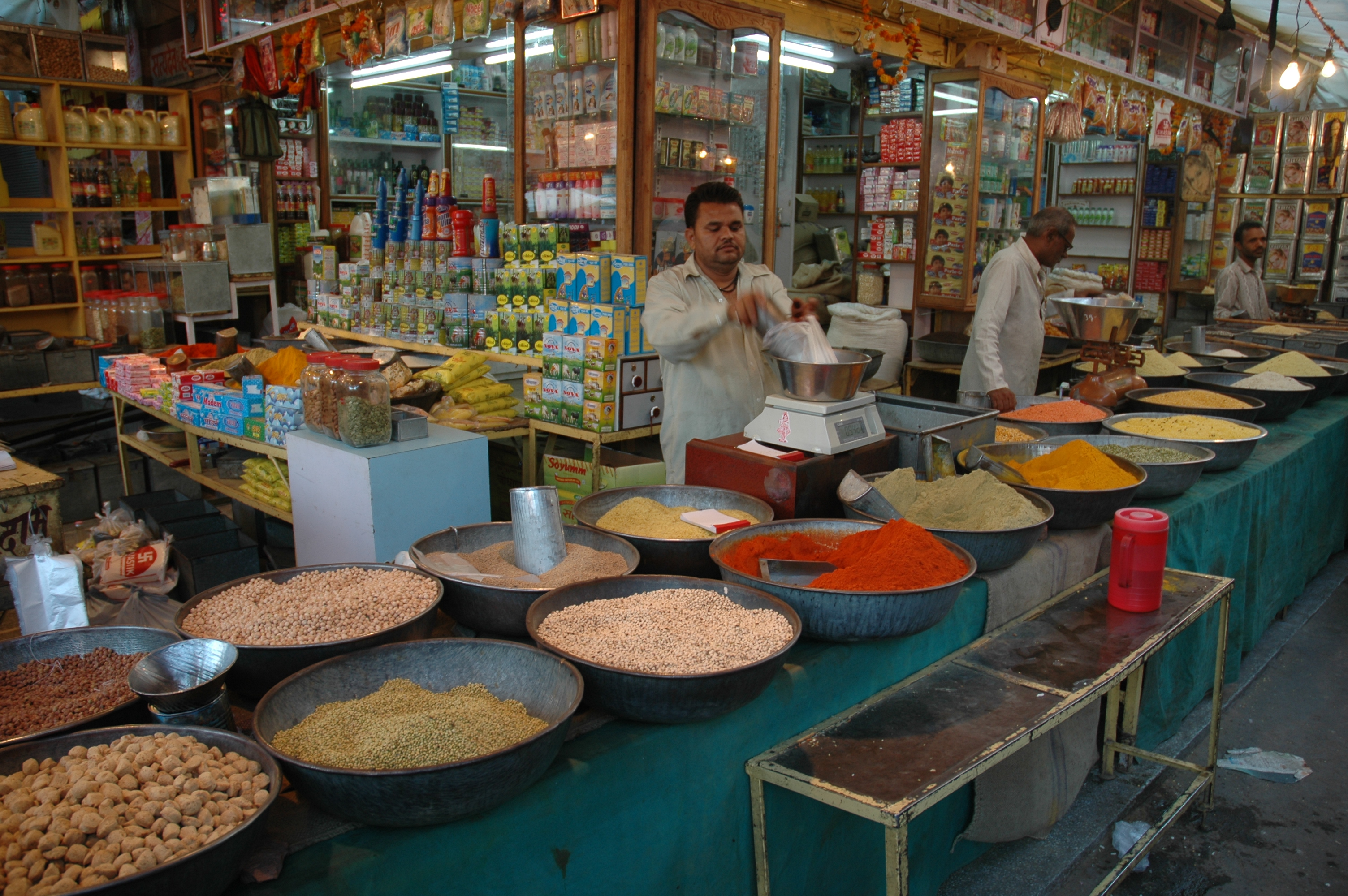
So much fun walking through spice markets, here in Goa, India.
Mustard = Montarde = Mostaza = Senf
Mango powder = Mangne = Manguey = Mangopulver
Nutmeg = Muscade = Moscada = Muskatnuss
Nigella = Nigelle = Neguilla = Schwarzkuemmel
Onion = Oignon = Cebolla = Zwiebel
Oregano = Origan = Oregano = Oregano
Papaya = Papaye = Papaya = Papaya
Peppermint = Menthe = Menta = Pfefferminze
Poppy seeds = Oeillette = Amapola = Mohn
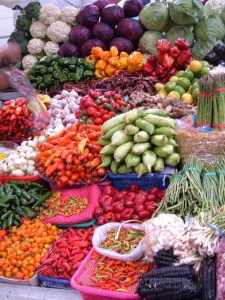
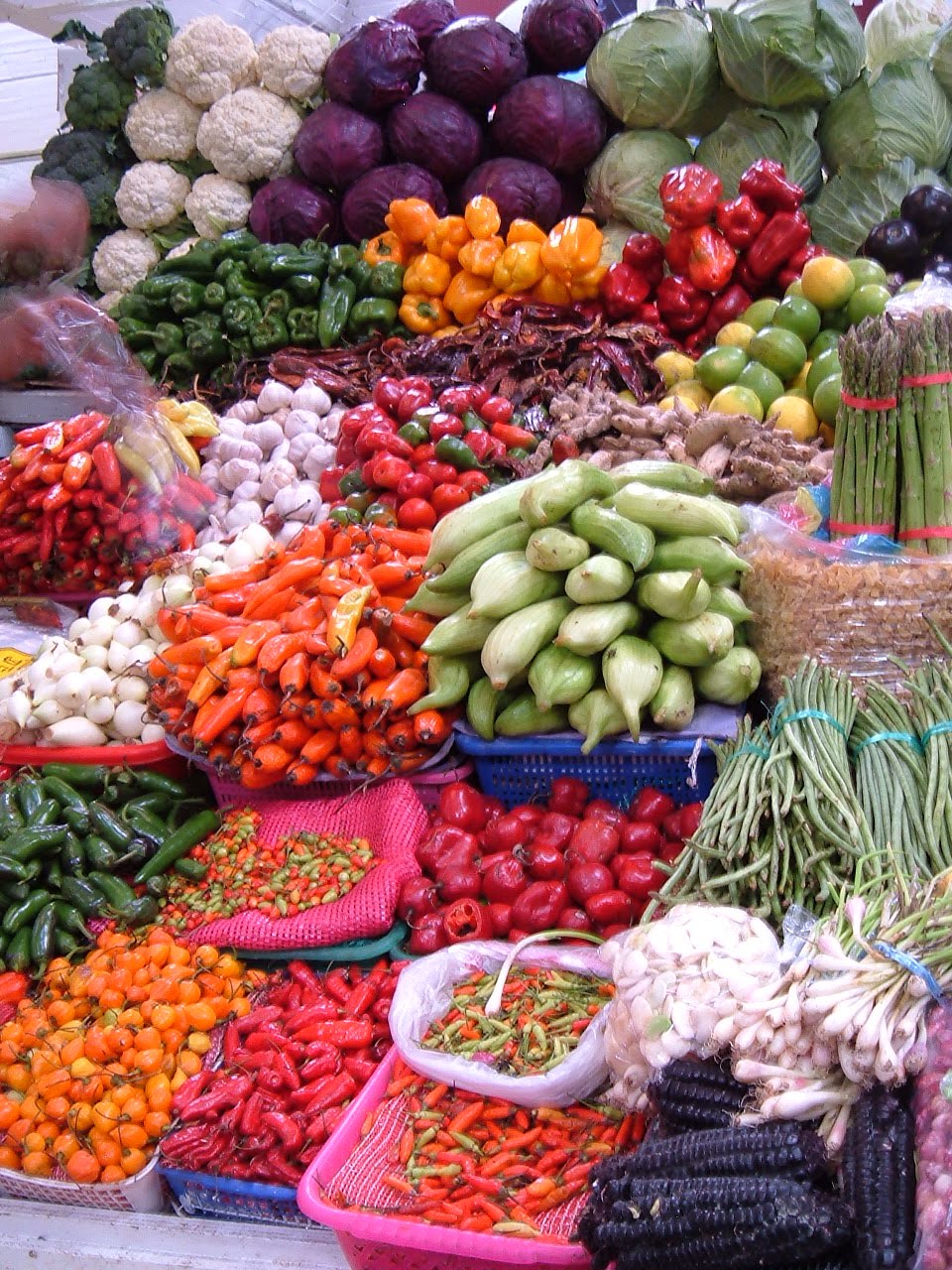
Herbs, spices and veggies in Quito, Ecuador. Wish we had markets like this one in Uruguay.
By example, there are more then 5000 potato varieties in the world, Peru alone has more then
1500 different ones. In Uruguay, to me not understandable, why it’s so hard to find 3 or 4. And
Chillies or Spring Onions are almost not available. But – heads up – we find what we need.
Pepper = Poivre = Pimienta = Pfeffer
–black = —– = negra = schwarz
–white = blanc = blanca = weiss
–green = vert = verde = gruen
–Szechuan pepper = Poivre Anis = Piementade Anis = Sichuanpfeffer
Paprika = Paprika = Pimenton = Paprika
Parsley = Persil = Perejil = Petersilie
Pomegranate = Grenade = Granada = Granatapfel
Rosmary = Rosmary = Romero = Rosmarin
Savory = Sariette = Salado = Bohnenkraut
Sage = Sange = Salvia = Salbei
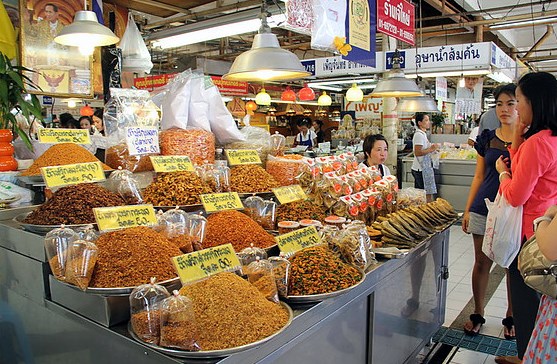
One of the smaller spice stands in a market hall in Bangkok, Thailand.
Saffron = Safran = Azafran = Safran
Salt = Sel = Sal = Salz
Spring onion/green onion = ciboule = cebolleta = Lauchzwiebel
Sumac = Sumac = Zumaque = Sumach
Sesame = Sesame = Sesamo = Sesam
Star Anis = Anis de la Chine = Badiana = Sternanis
Taragon = Estragon = Estragon = Estragon
Thyme = Thym = Tomillo = Thymian
Tamarind = Tamarin = Tamarindo = Tamarinde
Turmeric = Curcuma = Curcuma = Kurkuma
Vanilla = Vanille = Vainilla = Vanille
Watercress = Cresson = Berro = Brunnenkresse
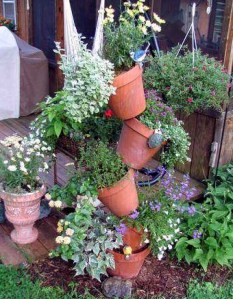
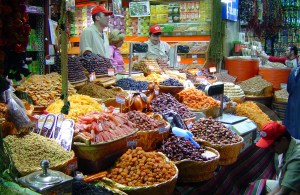
Another lovely little herb garden idea. The spice market in Cairo, Egypt.
In case you missed names like Curry, Masalas, Sambals, Cajun, 5-spice or others,
they are mostly blends or mixtures. I already wrote about curries. Other well known
blends or mixtures are named after regions or countries, like African, Nam-Prik,
Mus-sa-man, Malayan, Madrasi, Garam, Kashmiri and more. It would go to far to get
into all of these. The reason for this post was, to help you with shopping or to
understand foreign ingredients in recipes. Have fun.


Impressive, as usual!
Cilantro and coriander, though they come from the same plant, are not the same thing. Cilantro is the leaves. Coriander is the seeds. Though I’ve never tried, my guess is that coriander won’t do much for a Mexican salsa! Fortunately, fresh (the only kind) cilantro is becoming easier to get in Uruguay.
Culantro is a similar, but different plant; doesn’t bolt (go to seed) as easily as cilantro. I don’t know what the seeds of culantro are called 😉
LikeGefällt 1 Person
Thanks for your positive reaction.
The international herb name Coriander is officially translated CILANTRO,
sometimes even Coriandro. Some people also name it Culantro. I wanted
to make it easy for hobby chefs to buy in Uruguay what they need.
Right is, that in Latin America are existing two different plants.
One is Cilantro=Coriander !
The other one is Culantro (I don’t know a different translation) and
always mixed up with Coriander.
But they are two really different plants. They look different and
they taste different. In Uruguay I never found Culantro !
In Panama and further north, up to Mexico I had both plants available!
I took the word Culantro out of the list and now we are perfectly right.
There is no difference in naming for leaves, stems or seeds. For
Coriander=Cilantro it is all the same. Call it Coriander seeds,
Coriander stems or Coriander leaves and you are right.
Same in Spanish Cilantro semillas, Cilantro tallos or Cilantro hojas.
(as a brief word translation only).
I will not go on deeper, because the regional „slang’s“, especially
in the US, are so different. See by example the US definition of
Peppers, Chilli, Paprika etc. I like to inform and not to change
regional differences in language use.
Otherwise I have to ask why Americans call the powder of the „Peppers“
Paprika and the fruit of the „Paprika“ they call Peppers !?!
I don’t like to force confusion. Anyway D. THANKS AGAIN !!!
LikeGefällt 1 Person
Culantro plants are available at Vivero Pachamama, Av. Giannattasio Km. 30,500 Pinar Sur: http://www.viveropachamama.com/.
LikeLike
Thank you !
LikeLike