
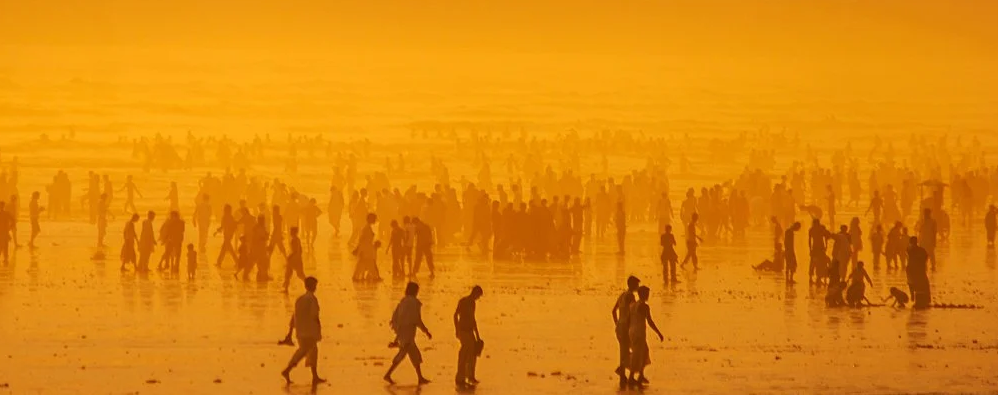
Yes, we will survive. Human’s always find a way to survive, I am very positive! But this time it will be interesting „how“ and for what costs ! All is in change, everything will be different in the future and we have to be flexible, positive against changes and open for chances !!
Pandemic, climate change, species extinction:
The earth is suffering from at least three diseases.
„We are witnessing the greatest extinction of species on Earth since the extinction of the dinosaurs. The difference is, this time, humans are the meteorite.“
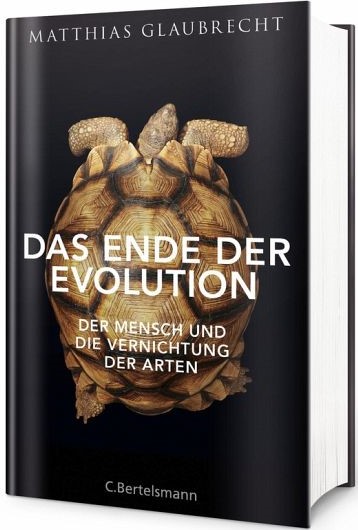
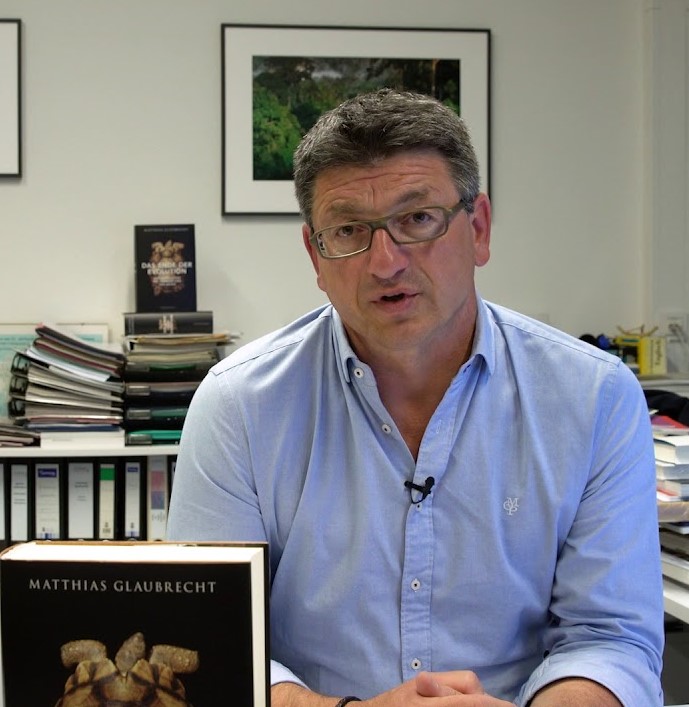
Last week I read the book „The End Of Evolution“. A book written by Prof. Dr. Matthias Glaubrecht. He is an evolutionary biologist, professor of biodiversity, and director of the Center for Natural History at the University of Hamburg. In his book „The End of Evolution“ he deals with the extinction of species and explains why man endangers the existence of all living beings with his behavior.
Man kind causes great damage wherever he appears.
It destroys vegetation and wipes out animal species.
Evolutionary biologist Matthias Glaubrecht explains very clear why species extinction is a bigger problem than climate change and what we can expect in the future.
Animal species are dying out, landscapes are changing. Man has had a major impact on his environment for thousands of years. For a long time, they didn’t even realize how great this impact actually is.
At the same time, climate change is not even the biggest problem at the moment. According to evolutionary biologist Matthias Glaubrecht, the earth is suffering from at least three diseases. He explains what this means for our future and what hopes he has for humanity. I will use his explanations and answering problems based on questions that arised when I was reading the book. And as always, I added explaining pictures.
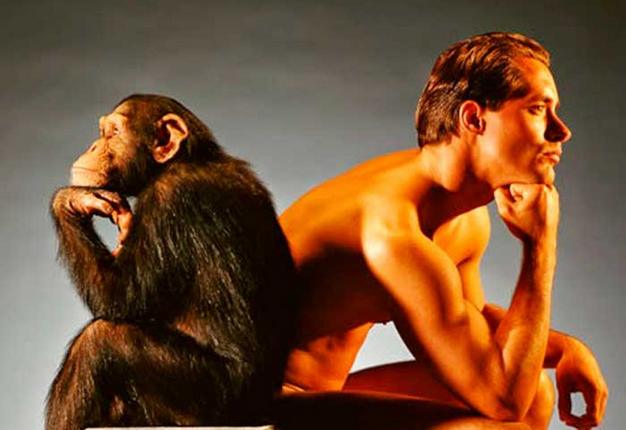
How has humanity’s impact on the environment evolved ?
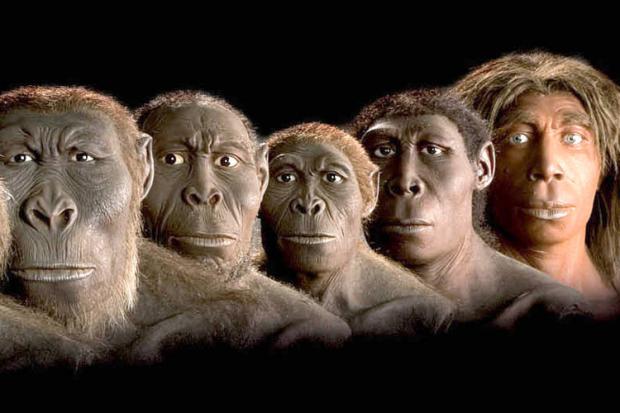
Roughly speaking, ever since man learned to walk upright, he has been a gatherer for 99 percent of human history. He has wandered around, looking for food in forested areas. His influence on his environment was still comparatively small. At some point, he moved in larger circles, learned to hunt. Moved with the herds of animals he fed on. And this behavior we have resolved only 10,000 years ago. Not in one fell swoop, not everywhere at once. But slowly man has become sedentary, has learned to raise livestock and to farm. This change in behavior was an incredibly important cultural step in the evolution of man.
What followed immediately ?
One immediate consequence was population densification – and with it the spread of infectious diseases, some of which we still have today as childhood diseases. For example, measles first appeared 2.500 years ago, as the closest relative of „Rinderpest“ (cattle plague). We have changed the vegetation as well as the earth’s surface first with fire and then with our agriculture. Humans as hunter-gatherers have already caused great damage wherever they have appeared outside Africa, and in many places have demonstrably destroyed mega-fauna, for example.
Are there concrete examples of this ?
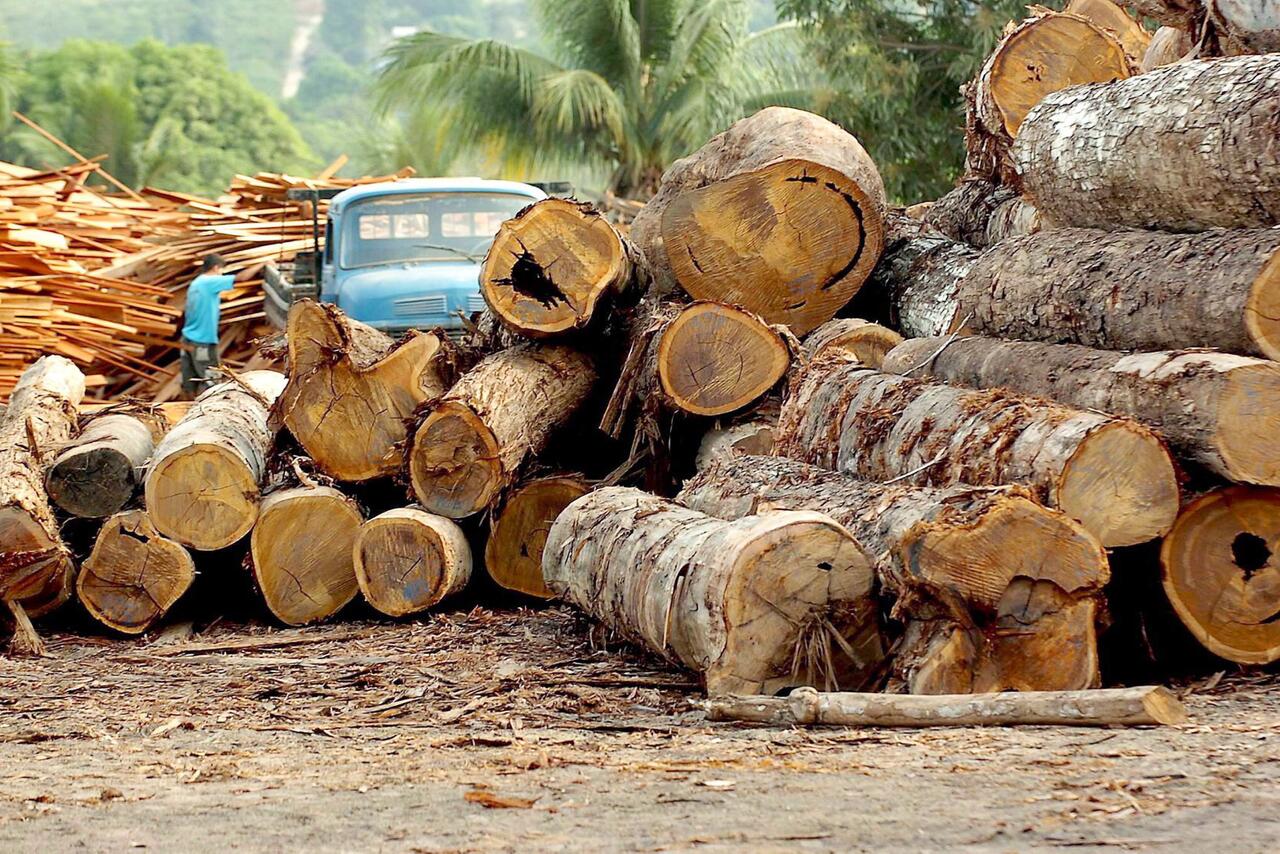
Man kind wiped out the great Pleistocene fauna in North America and then in South America. When he showed up in Australia, the large giant marsupials and birds disappeared. When it appeared in the islands of Polynesia all the way to New Zealand, the large mega-fauna elements disappeared there. When these are missing, it also affects the vegetation, whose composition is different than when large herbivores live there. So we have shaped whole landscapes. We needed land to do agriculture. We needed the wood to do mining, for example, to support the tunnels with it; or for sailing ships. Then people got worried that the forests wouldn’t grow back as fast, and you wouldn’t have enough building material for the mining industry. So the principle of sustainability was developed in the 18th century. Not for ecological reasons, but for economic interest.
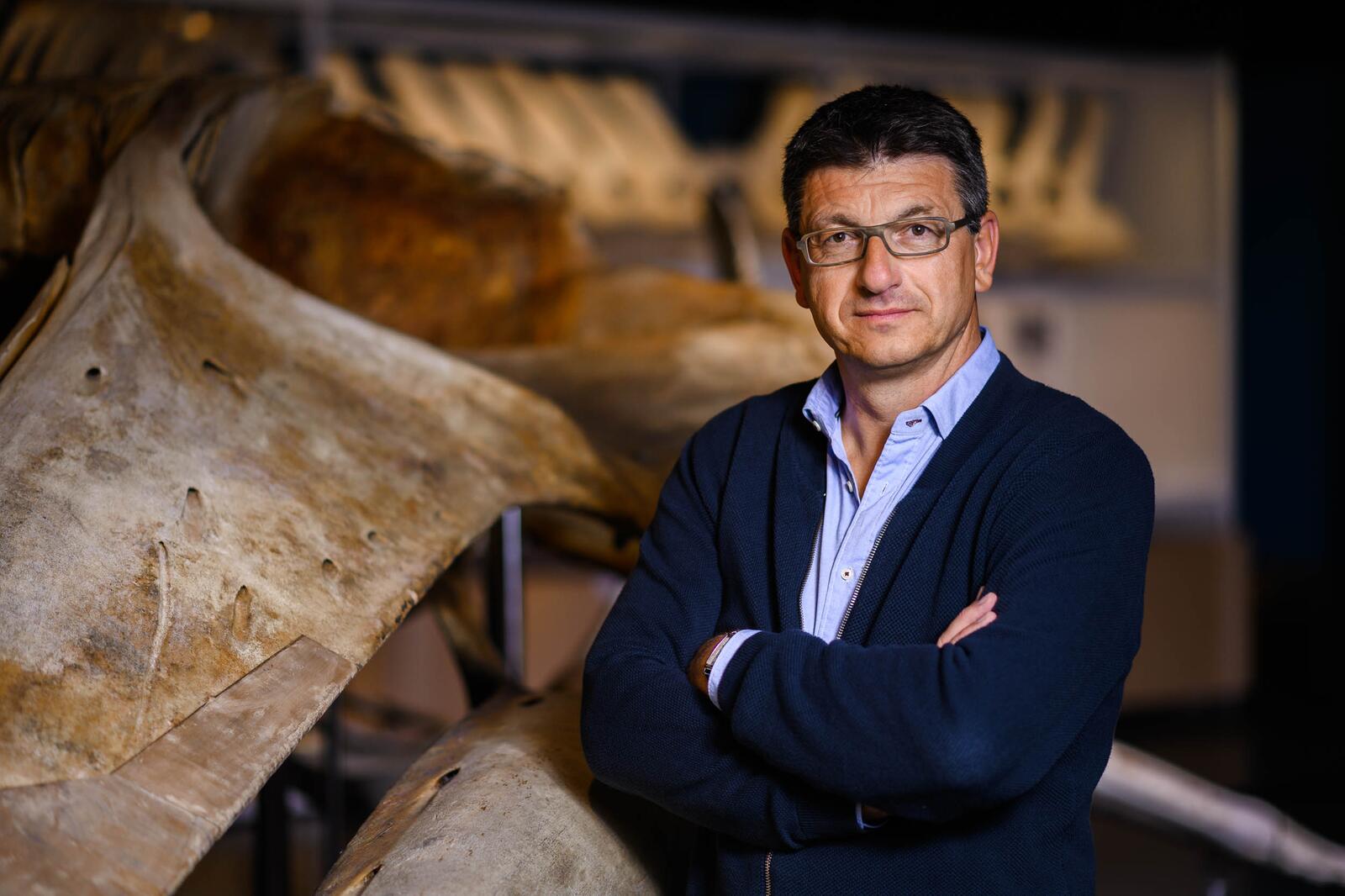
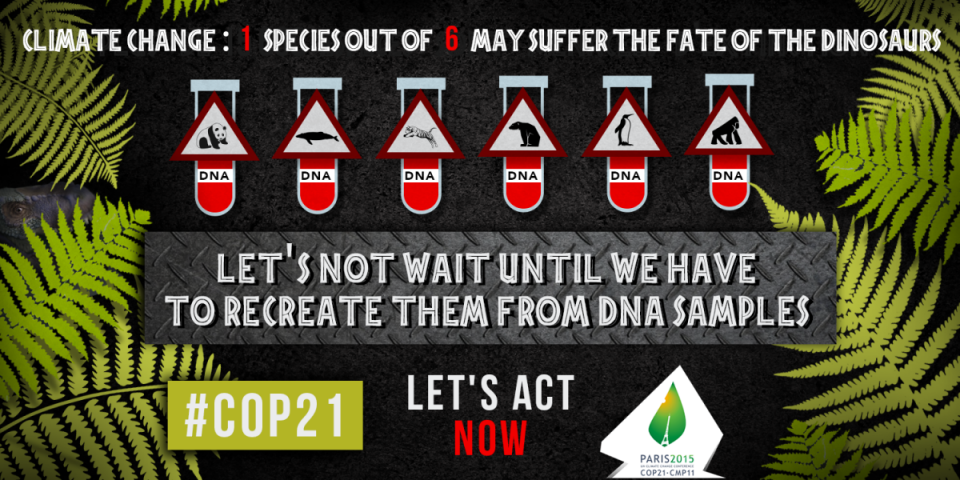
Glaubrecht: „We will lose a million species in the near future“.
In contrast, what has changed today ?
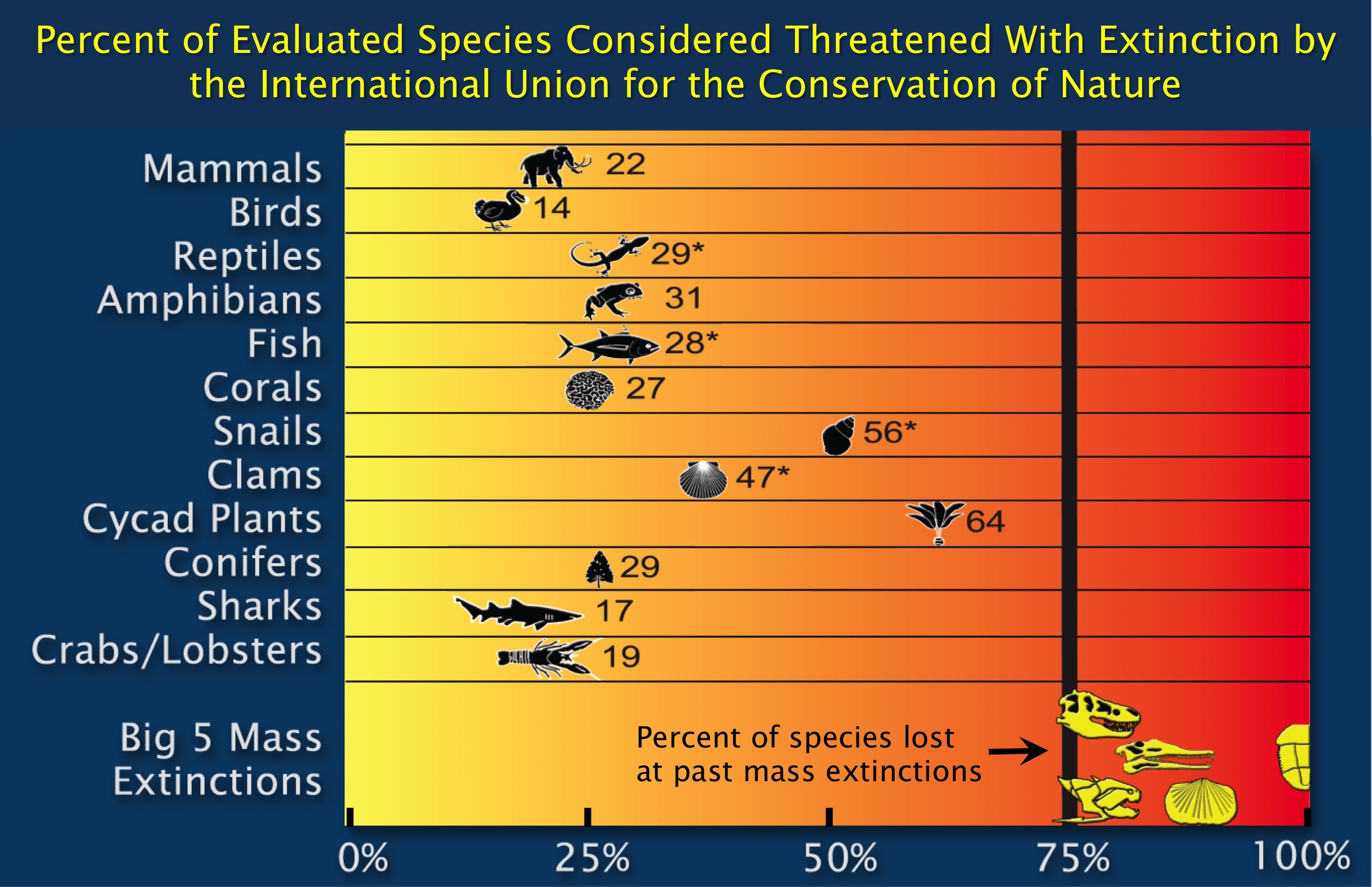
In the past, we changed the vegetation, changed the animal world. Today, we are interfering with the geosphere. We pumped chlorofluorocarbons into the atmosphere, then an ozone hole appeared. As a result, we quickly banned these CFCs. Now we’re sending greenhouse gases up. Most importantly, we continue to alter the biosphere to the point where we are wiping out entire animal populations. We will lose a million species of animals in the near future.
Is climate change to blame for species extinction ?
That’s the misconception. If we do everything right with climate change, we will still have this loss regardless. Climate change has little to do with the extinction of species. At best, it aggravates it, but it is not the cause. I would put the order of magnitude at ten to 20 percent at the most. Climate change and species extinction have about as much to do with each other as kidney failure has to do with heart disease.
Our patient Earth is suffering from at least three diseases: Species extinction, climate change, pandemics. And they have primarily nothing to do with each other, but they complicate the treatment of the patient. We have the problem of pandemics, which we tease out through our way of life. That’s sort of our cirrhosis of the liver. Then we have the kidney damage, which is climate change. For me, the species extinction, the heart failure, so, is the very big problem. If we treat the kidney and the liver, you still have the difficulty of cardiac death.
Why is species extinction progressing so rapidly at the moment ?
We are manipulating the habitats. We use two thirds of the earth’s surface for our interests alone. For our settlements, cities, traffic routes and above all for our agriculture. We have the problem that it took us a very long time to become very many. But now there are so many of us that we can no longer get a grip on it. 80 million people are added every year, even though the birth rate per woman has been declining for years. But those who are just being born now have an increasingly high life expectancy.
In developing countries, too, people are getting older. As a result, mortality is declining. By the end of the century, we must reckon with eleven billion people. So we need even more living space for more and more agriculture and our food production worldwide. Yet we have already destroyed about half of the earth’s natural forest cover in the last 10,000 years. So there is an insane transformation of the earth’s surface taking place. And in doing so, we are destroying the treasure troves of biodiversity.
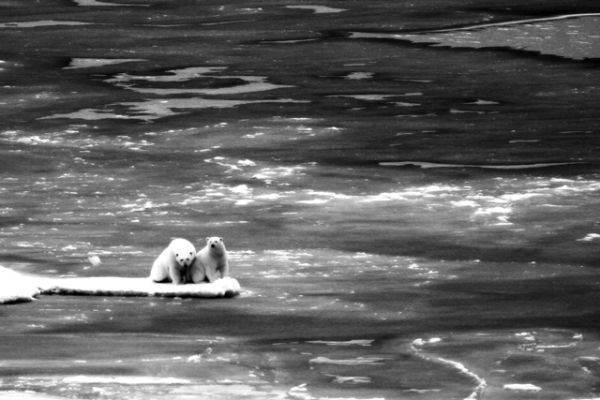
Glaubrecht: „We are losing species long, long before we discovered them“.
But that’s why we have Red Lists, right ?
The problem is that with Red Lists, we’re only looking at a fraction, not even ten percent, of the species that have been described let alone all the species that actually live on Earth. That is, the 800 species that have been shown to have gone extinct in the last 500 years, and the ones that we are even looking at, do not represent the mass of animals and species that have disappeared or are currently disappearing. So we are losing species in the rain forests long, long before we even discovered them and described them scientifically. We didn’t notice that for a very long time.
And why ?
The experts call this phenomenon „shifting baseline“. It’s the change in the baseline. The grandfather who still went fishing had 1.000 fish in his net, his son 100, and the grandson only ten. But for everyone, the respective number is quite normal as a baseline. And a change is always measured against one’s own baseline. So you don’t even notice that once there were more fish and then there were fewer and fewer. Every generation creates a new basis for evaluation.
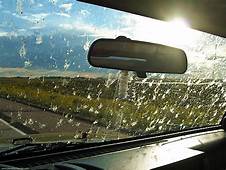
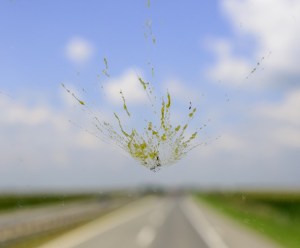
The difference: A car windscreen in the 1950’s-1970’s, left and in the 2020’s, right.
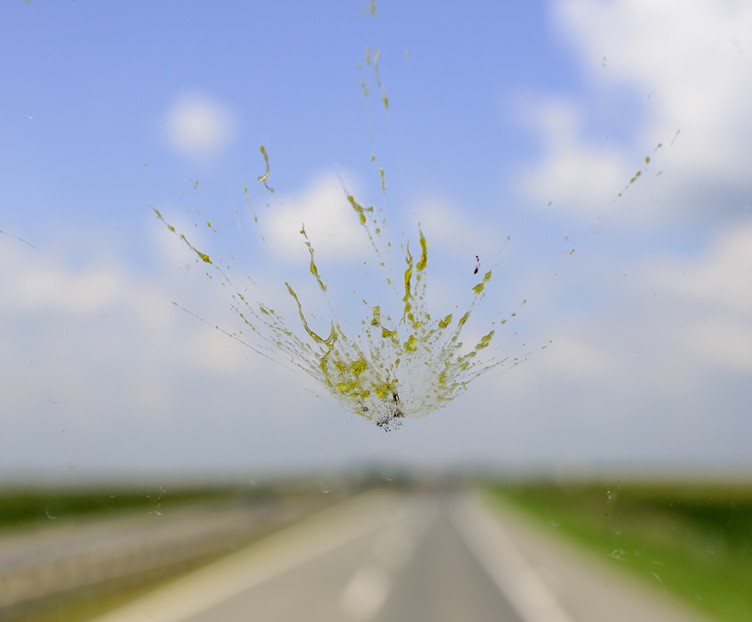
Isn’t it a bit like the lack of insects on the windshield ?
Exactly, we knew that anecdotally for a long time. Today, we can also prove it quantitatively with a study, the Krefeld (German city) Insect Study. We can say that 78 percent of flying insects have declined in 40 years. But when this study came out, all the experts were surprised. They could hardly believe it at first.
Similarly, in other cases, we have only noticed in recent years how dramatically we have actually already changed many other animal populations. Strictly speaking, we’ve been operating this process for millennia, just to varying degrees. But now it’s cumulative. Now habitats have become more crowded. Now more and more people are being born. Now we need more and more land for ourselves. Now we are living less and less sustainably.
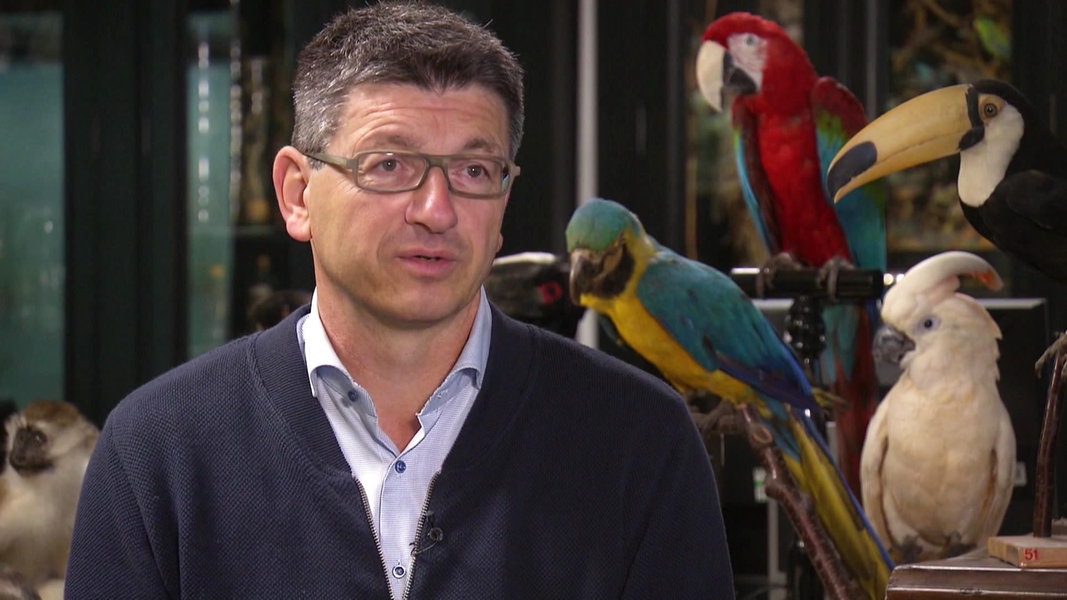
Glaubrecht: „We are poisoning what lives around us“.
How can we still counteract mass extinction ?
It already starts with our diet. For example, we can make ourselves aware that it makes sense to take the local beef and it doesn’t necessarily have to be an Argentinian steak. You also don’t have to fly to Nice or New York to go shopping. My neighbors could also take their robotic lawnmower back to the hardware store. Nothing grows through him anymore. As soon as a blade of grass makes itself felt, the lawn robot is already there.
 Landscape Cosmetic.
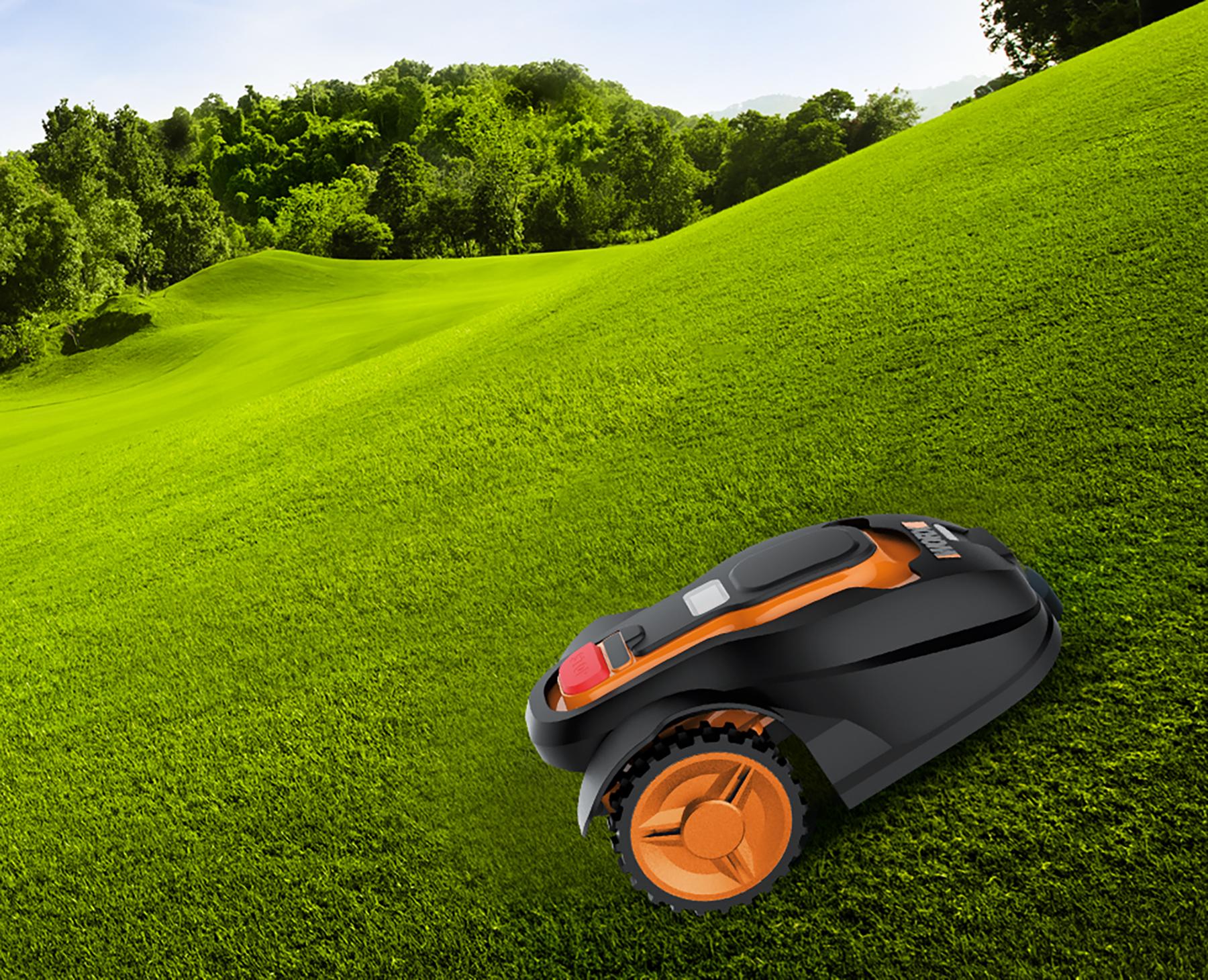
Most people don’t know what to do with nature anymore. When city dwellers move into the green, they destroy it first. They do away with all the large trees on their newly acquired property. We use our environment in an understanding that is no longer natural. We poison what lives around us. So everyone could think about what they are actually doing in their garden. We could think about what our community boards actually do with their community land.
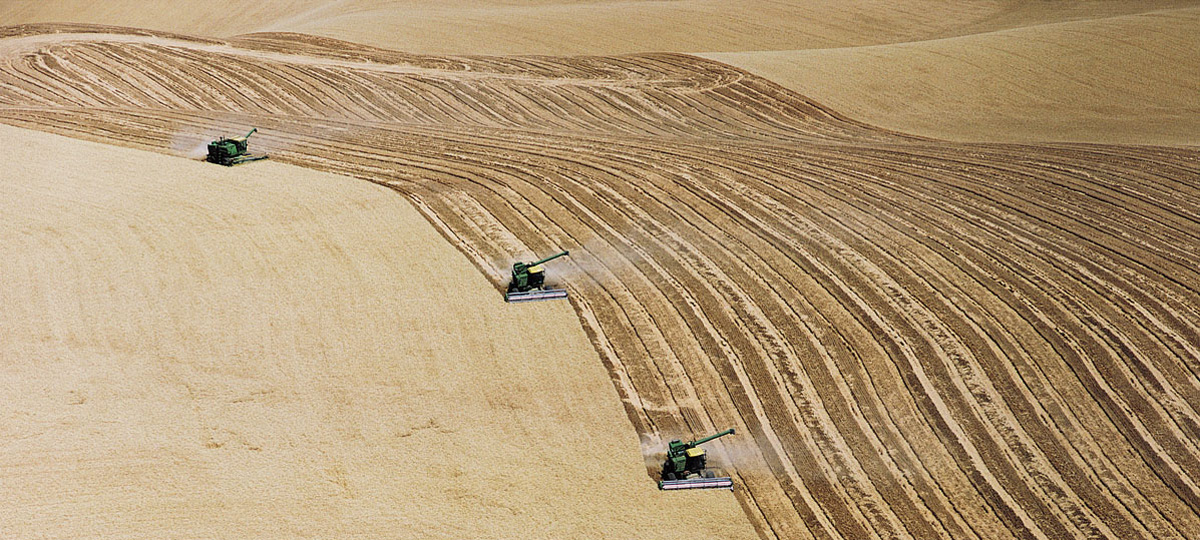
Industrial mono-culture, as far as the eye can see – all over the world !
Does the problem just occur in our own backyard ?
No, what we do in the gardens, we also do in the landscape. We are creating large structures that no longer allow for small-scale farming. These are full of poisons and no longer have a basic ecological structure. With this, we are actually eliminating the animals and the plants. We have destroyed our landscape and continue to destroy it. And if we don’t do it here at home, then we export this problem to other countries.
For example, by fattening our animals with soy that is grown on land where there were previously rain forests. The excessive, incorrect use of our landscape is the evil. That’s where we have to start. We have to ask ourselves how we can leave sufficient living space for animals on an increasingly narrow earth. At any rate, our declared goal is to make 30 percent of the earth’s surface close to nature by the year 2030.
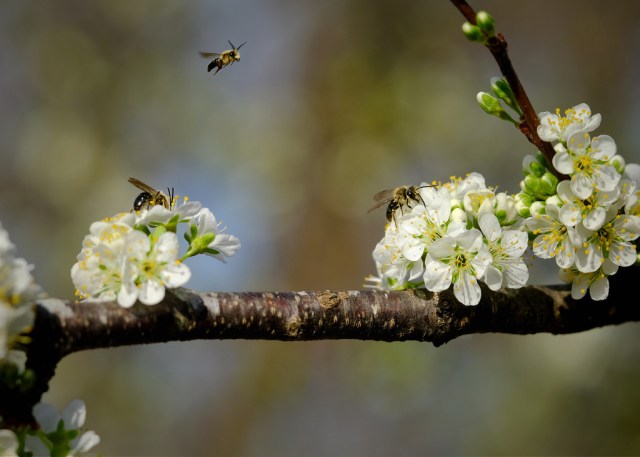 Years ago we had many bees in our plum tree, day by day. This year, may be 2 a week.
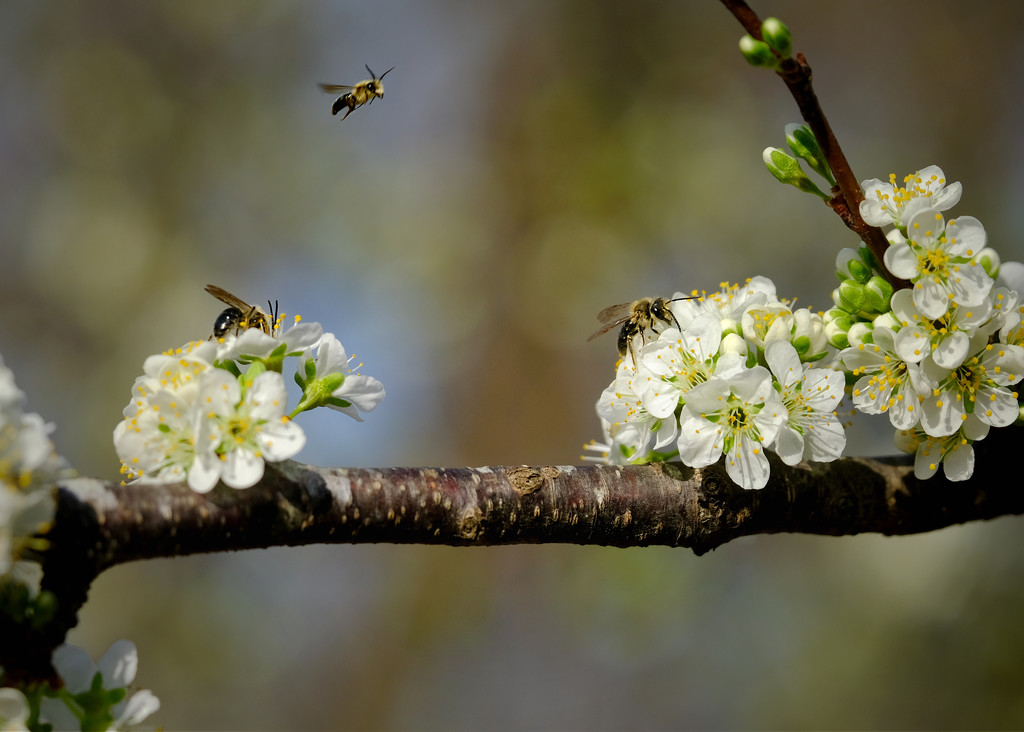
One example out of my own experience. 10 years ago, when we bought our house in Uruguay, we had a plum-tree with hundreds of fruity plums, now only a few. We had on our fig tree hundreds of figs, now only a few. We had massive amounts of oranges, pomelos and mandarins on each tree, now a few only. Why – we can’t see bees anymore The bee mortality problem around the world is known for some time, nothing happens!
How will life on earth change in the future ?
There will be a biological solution. One can describe it like this: There will be wars, diseases, disasters and chaos. If we don’t get population growth under control, that will lead to greater food insecurity. That will trigger migration. That will trigger wars and distribution struggles, diseases will increase. Many new, today totally unknown, deceases will occur, like the Corona pandemic. Our population will collapse.
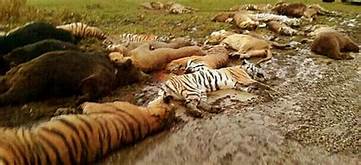
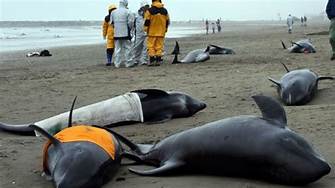 The extinction of species exists – day by day !
Glaubrecht: „With these species may go humans“.
Could this be „the end of evolution“ ?
It’s likely, if we don’t change our behavior, that this will indeed be the end of humanity. Of course, it’s pointed and hyperbolic to say that’s the end of evolution itself. But it is the end of that evolution as we know it – with the many creatures we know today, like zebras, lions, tigers, giraffes, elephants or birds of paradise. They won’t be around in a few decades. They will become extinct. Even if we survive. It’s the end of the evolution of these animal forms that have evolved on Earth over many millions of years until we joined them. And with these species may go, at least that’s the danger, humans will go as well.
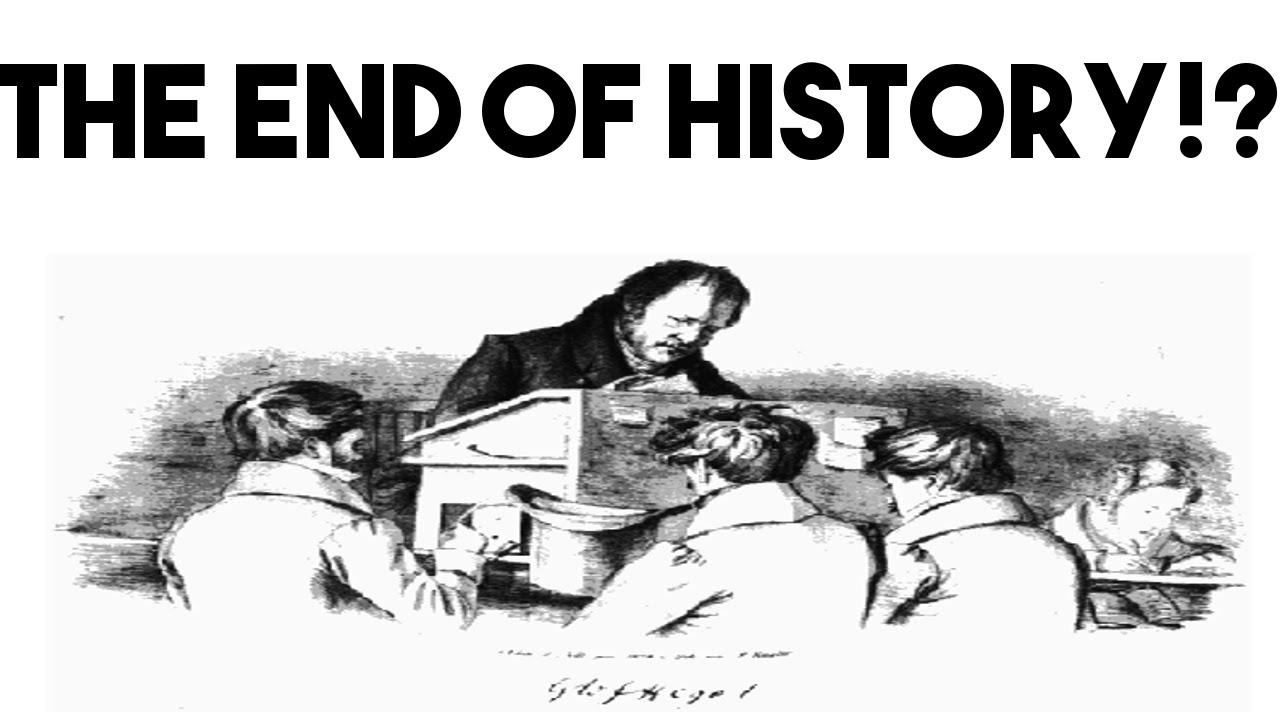
But the planet basically doesn’t need us to continue to exist.
The planet manages quite wonderfully without us. We will leave our mark, of course. In 2020, there was more mass of man-made products, that is, more buildings and technology, than there is biomass on Earth. That won’t just disappear when we leave. The amount of plutonium in the atmosphere will also be measurable for millennia. But at some point, even these traces will be erased.
Our earth has already gone through an insane amount of geological changes. It has been on the move for 4.5 billion years. And there have been mass extinctions in evolution independently of humans. The one we have now is the seventh. The meteorite impact 66 million years ago, for example, not only caused the end of the dinosaurs, but also the extinction of 70 to 80 percent of the animal and plant world. It took 10 to 15 million years for the earth to recover from that.
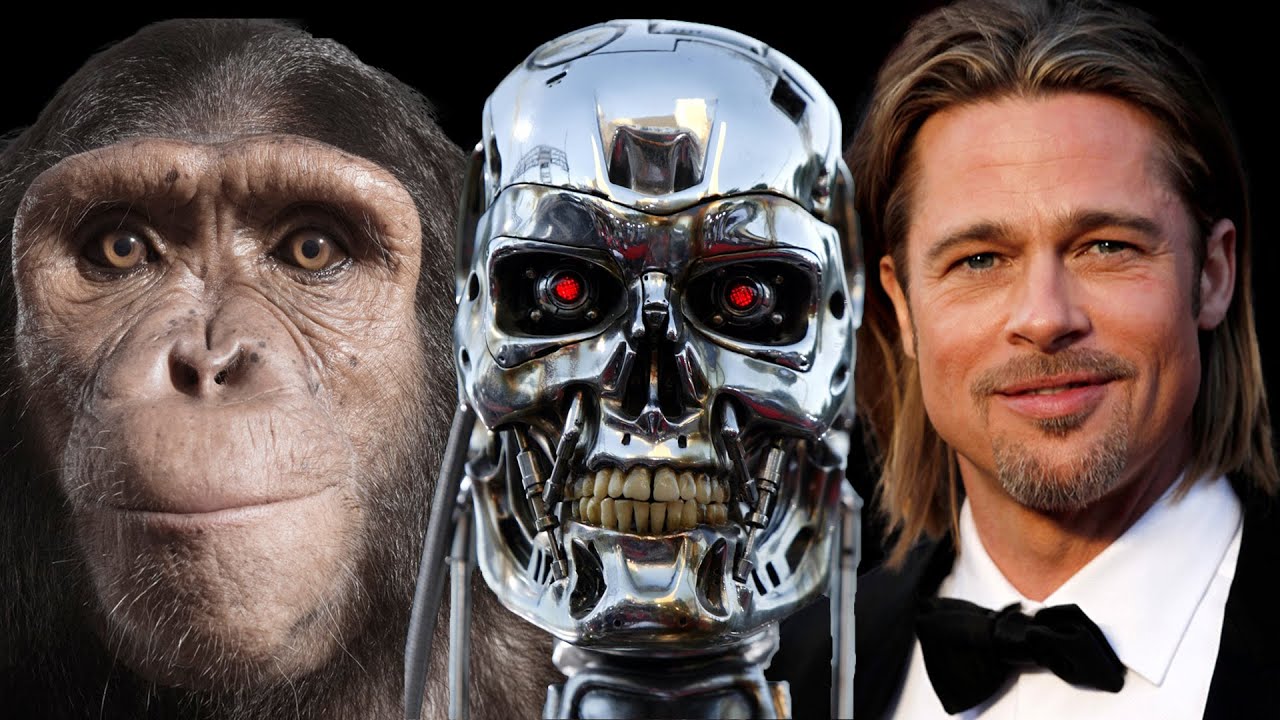
Do humans will change?
Glaubrecht very clear: I have hope that people in the generation now growing up will think more about this problem. And also act accordingly. After all, there are hopeful signs that mankind is changing. We used to fight many more wars and there were many more victims of violence. We based our prosperity, among other things, on slavery and colonialism. For a long time there was no equality.
Today that is considered reprehensible. Humanity has learned and avoids certain behaviors. This is a steady drip. It is a long journey, each of us can take the first small step. And if we become more sustainable everywhere in our economy and way of life – and we can do that within one generation – then we have already achieved a great, great deal.
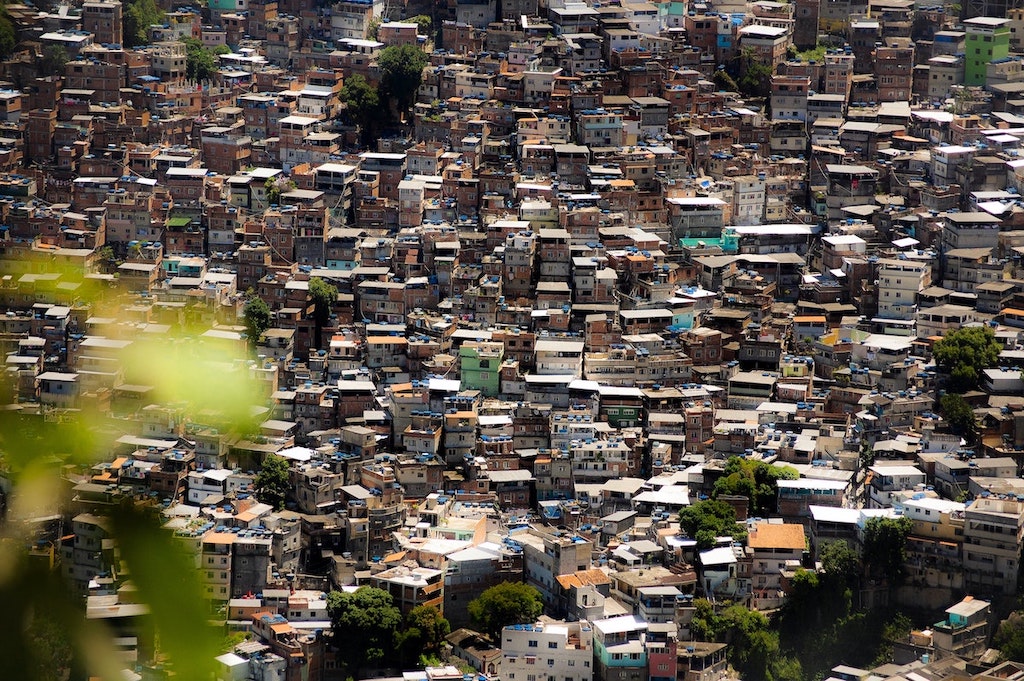
My opinion – human’s won’t change. To many millions of people are just fighting for survival and many many more millions will come. The world will fight back with pandemics or deceases or other natural disasters, but mankind only will use it for profit (at least a few) and the rest can die. Slowly we will grow back to middle ages. Just see how many idiots handle the corona pandemic nowadays, by example USA-Trump, Brazil-Bolsonaro, Hungary-Orban, and many more. The world will survive without us.
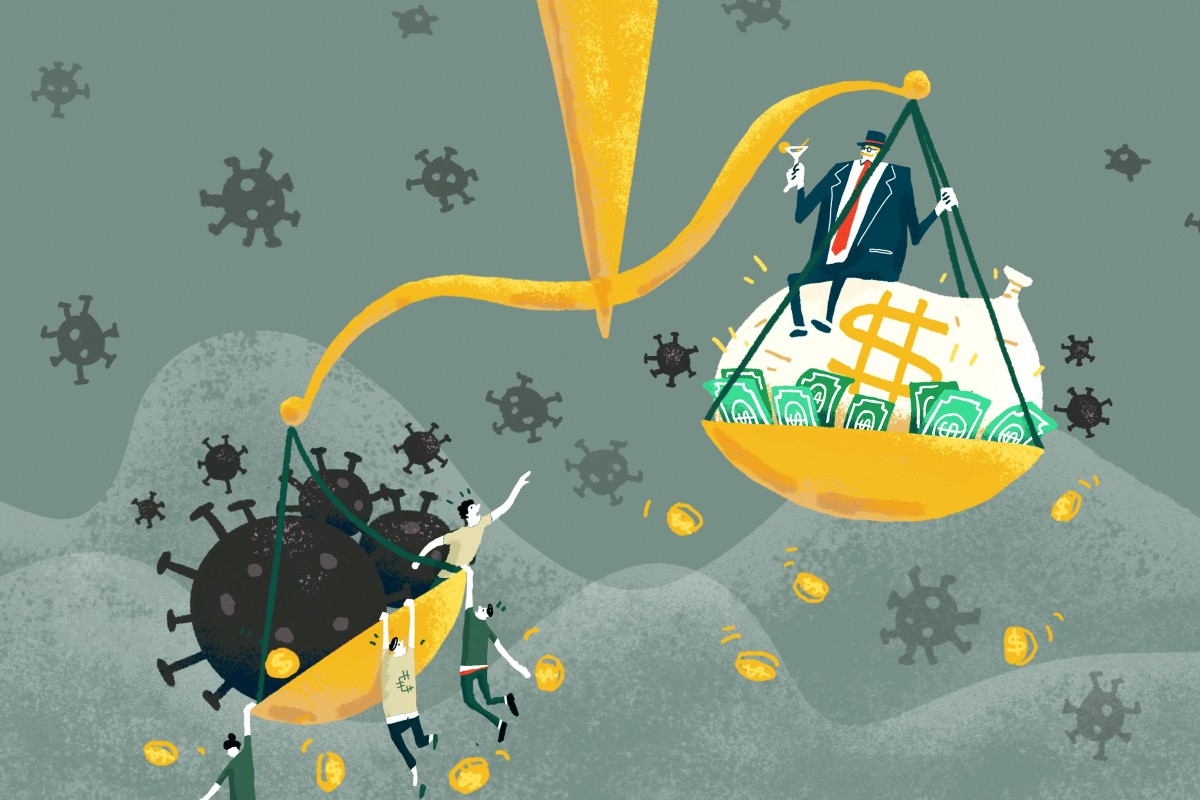
By one of Germany’s best-known evolutionary biologists.
Climate change is finally on everyone’s lips. But as alarming as it has become, it is only a sideshow in the face of the apocalyptic horsemen who are currently riding over the earth in an act of devastation: Population explosion, resource scarcity, environmental destruction and species extinction.
In his equally comprehensive and nightmarish analysis, the renowned evolutionary biologist Matthias Glaubrecht sees a worldwide biological tragedy approaching us with the looming mass extinction, the greatest species loss since the extinction of the dinosaurs. Humans have thus mutated into the greatest predator and the decisive evolutionary factor today, endangering the existence of all living beings – including their own.
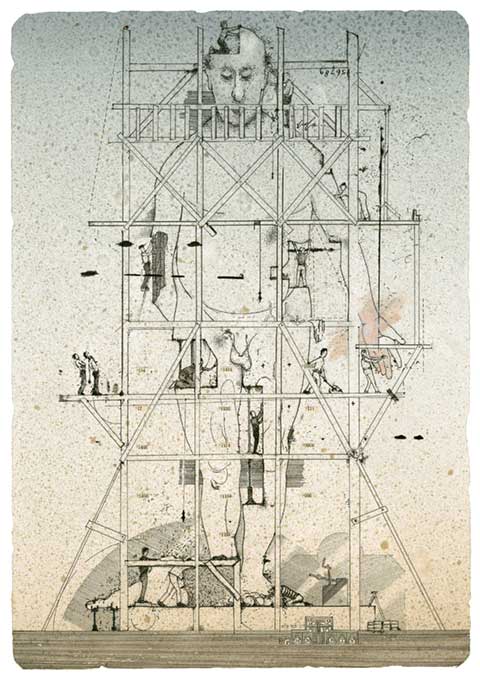
If our cells were to repair themselves eternally, we would be immortal. Biologically, that would be possible. Then why don’t they do it ? Why is no repair, as above, possible ?
However it began, life came into the world long before death. The first cells, which probably began to divide and multiply in the primordial soup no earlier than 3.8 billion years ago, were „potentially immortal“, as biologists say.
„Whether the end of evolution, which threatens to become a realistic scenario by the middle of the 21st century at the latest, can still be stopped, will be decided solely by our actions in the decades immediately ahead of us“, says Glaubrecht.
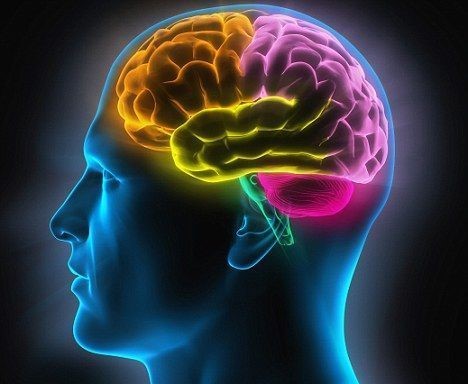


Aaaalter Freund Mike, wohltuend ist deine scharfsinnige Einsicht … oder Alterweisheit zu lesen.
Ury Mike der Philanthrop,
kaufte sich ein Stethoskop,
um Mensch und Welt zu ergründen
und dessen wahren Kern zu finden.
Doch sah er leider schmerzlich ein,
es reicht nicht Philanthrop zu sein.
Mögen die nächsten Generationen Leben
und nicht wie schon so manche Kulturen untergehen.
Hoffe die Starken und Jungen von uns werden kämpfen.
LikeLike
Ja ja lieber Bernd,
da hast Du ja soooo Recht !!
Obwohl ich nicht glaube das das auf mich zutrifft.
Laut Wikipedia ist Philanthropie folgendes:
Das Bild der Philanthropie prägen vor allem in großem Stil durchgeführte Aktionen sehr reicher Personen.
Der Begriff stammt aus der Antike. Damals bezeichnete der Ausdruck meist eine wohlwollende, großzügige Einstellung Vornehmer, Mächtiger und Reicher gegenüber ihren wirtschaftlich schwächeren Mitbürgern. Zur Philanthropie gehörten auch bedeutende freiwillige Leistungen wohlhabender Bürger für das Gemeinwohl. Die Wohltäter steigerten damit ihr Ansehen, sie konnten Dankbarkeit und öffentliche Ehrungen erwarten. In erster Linie erhoffte man vom Herrscher, dass er sich durch Milde und Hilfsbereitschaft als Menschenfreund bewähre.
LikeLike