
Warming up food – How to reheat leftovers ?
Cooked too much? No problem. Most dishes can be reheated without problems. However, there are some rules to be observed. You can find out what these are in the following post, where I brought together several information’s, which I found about this topic.
1 Save time and money: You don’t have to throw leftovers from the day before in the garbage, just reheat them again. This is child’s play, especially with a microwave oven. But there are certain rules to follow to avoid gastrointestinal complaints or even food poisoning. Read carefully and take out the tips you didn’t know about.
2 The basic rule is: Don’t leave the cooked food on the kitchen table for too long. At room temperature, bacteria and spores feel exceptionally well. The result: gastrointestinal complaints. Especially in summer, make sure that food is cooled as quickly as possible.
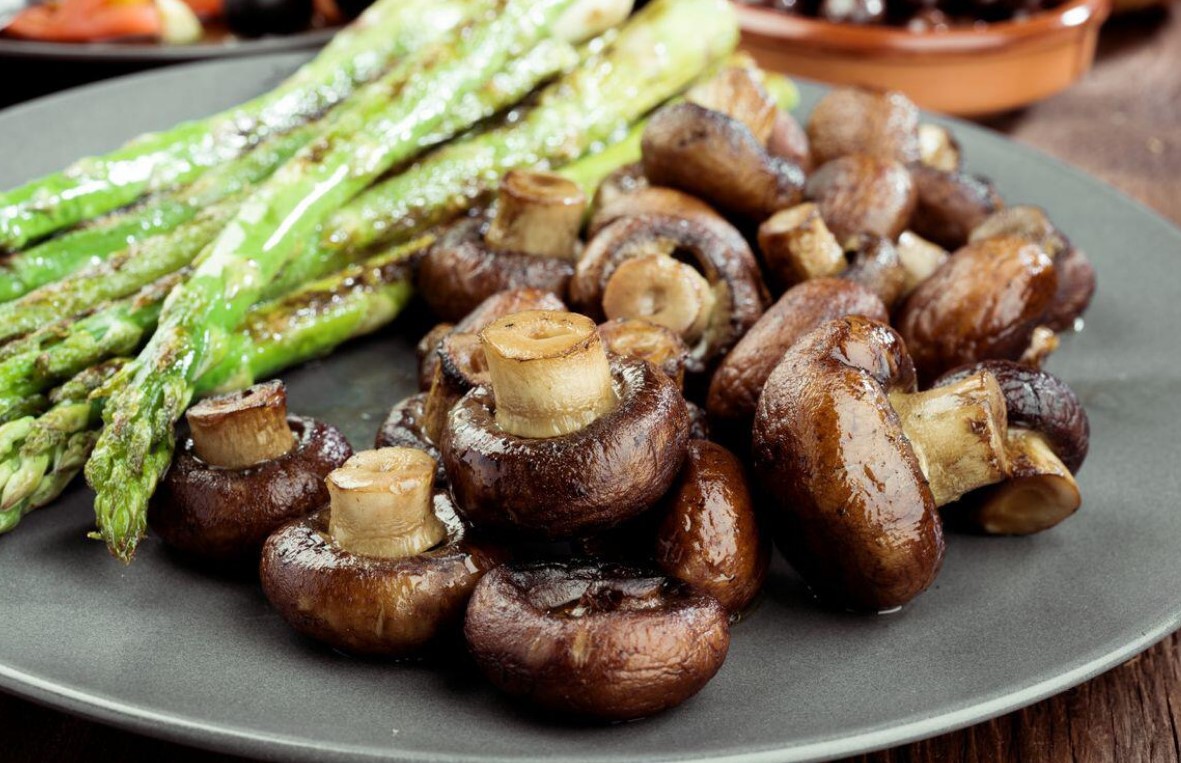
3 Fungi are rich in protein and water – an ideal breeding ground for microorganisms. To avoid the formation of toxins, never store prepared mushrooms at room temperature or keep them warm on the stove for longer, but put them in the refrigerator immediately. There you can store them for up to 24 hours. To kill harmful germs, the mushrooms must then be reheated to at least 70 degrees Celsius, about 150 degree Fahrenheit.
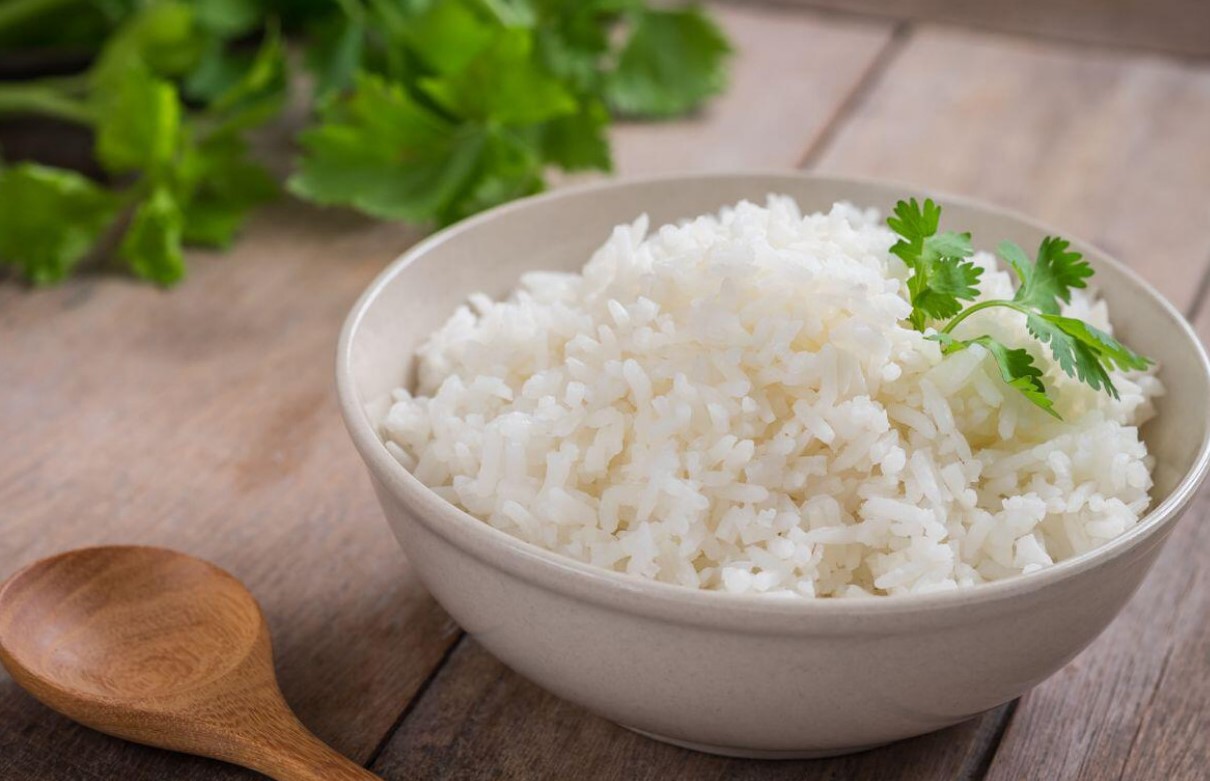
4 Germs multiply particularly quickly on certain foods. Rice, for example, is one of them. Although it does not look spoiled and smells inconspicuous even after hours in the pot, rice must actually be stored in the refrigerator as soon as possible after preparation. When reheating the rice, make sure that it is hot steamed so that germs can be killed.
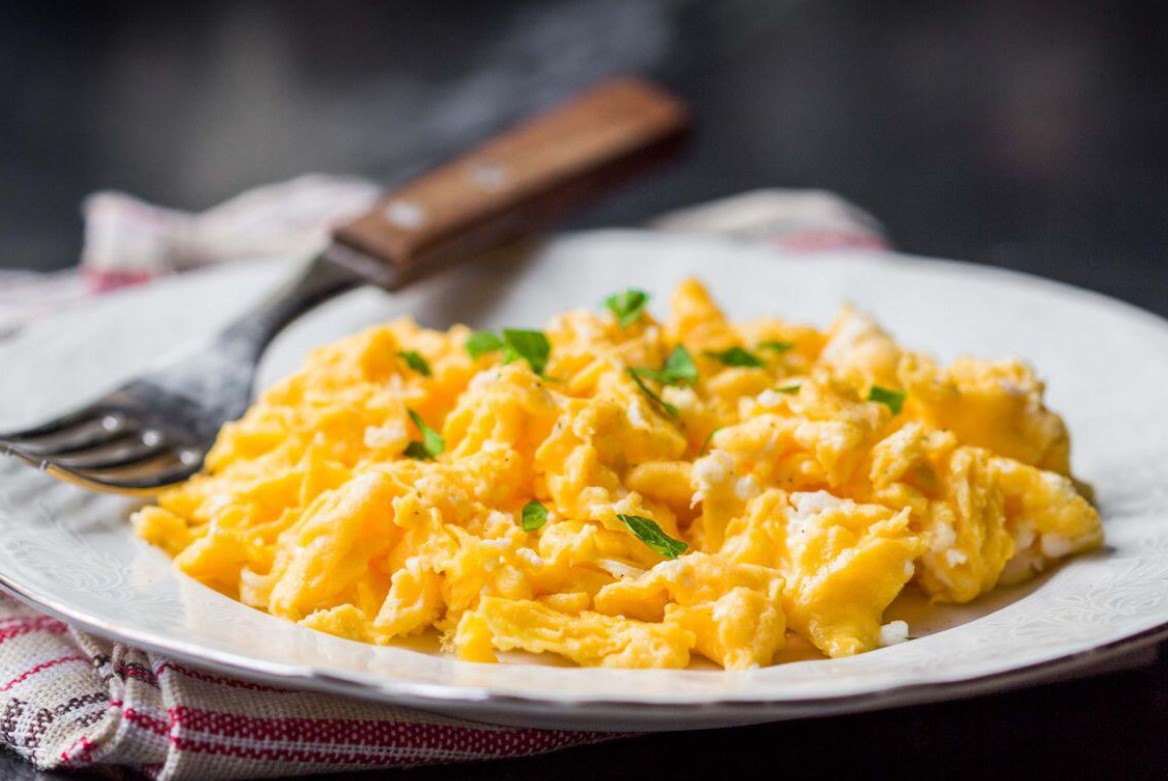
5 Whether scrambled, fried or boiled, you should not reheat eggs, let alone microwave them. The protein structure in the egg changes when you heat it up – this can cause stomach problems. There is also the risk of salmonella poisoning if the egg dishes are not heated long enough.
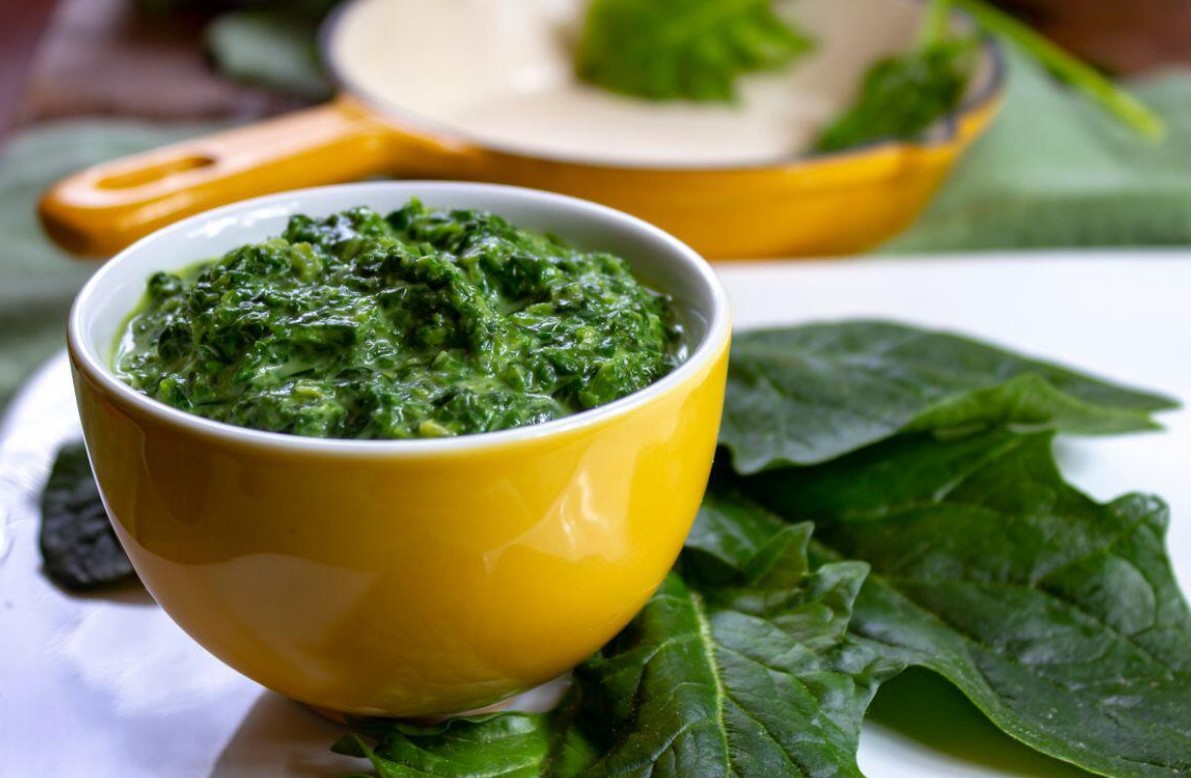
6 In most cases, it is said: Spinach should not be warmed up. However, this dietary rule dates from a time when there was no refrigerator. Spinach contains a lot of nitrate. With the help of bacteria, the harmless salts are transformed into harmful nitrite at medium temperatures, i.e. when the pot is left standing at room temperature for a long time.
In fact, it is not the warming up but the slow cooling down that is a problem with spinach dishes. Accelerate it with a cool water bath or put the covered pot on the balcony in winter.
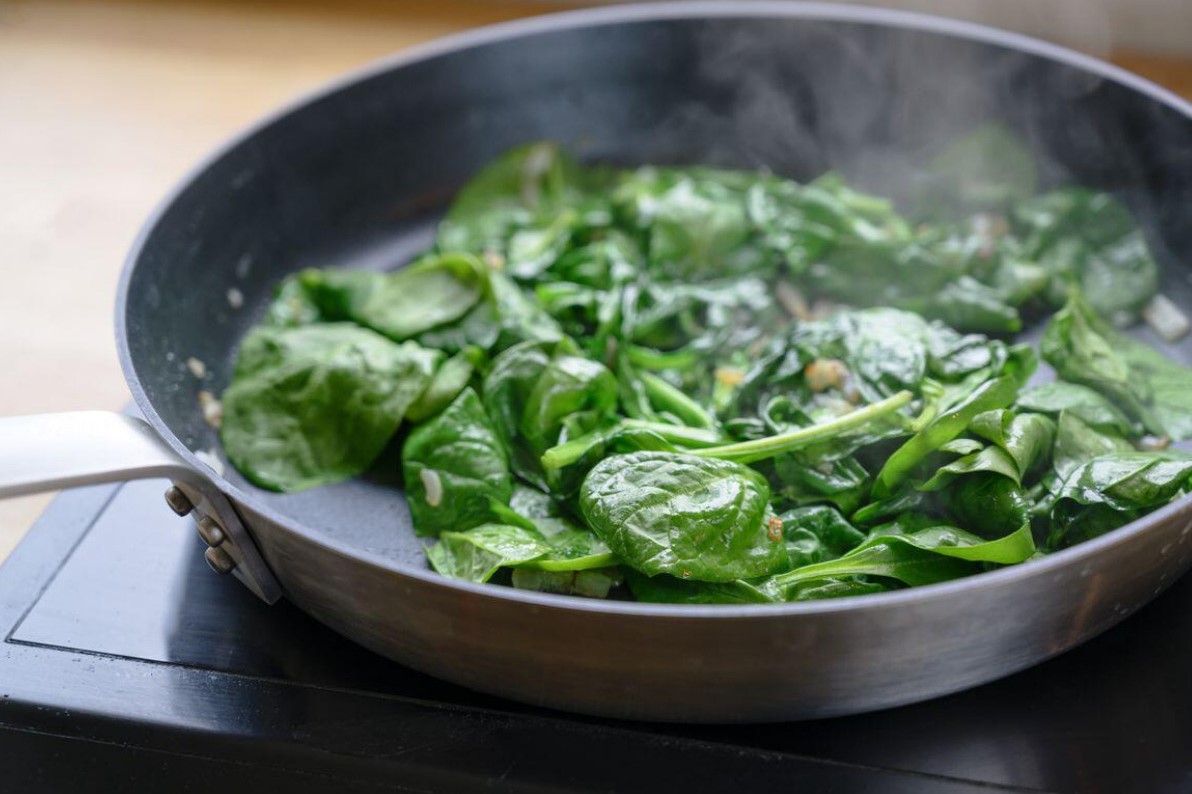
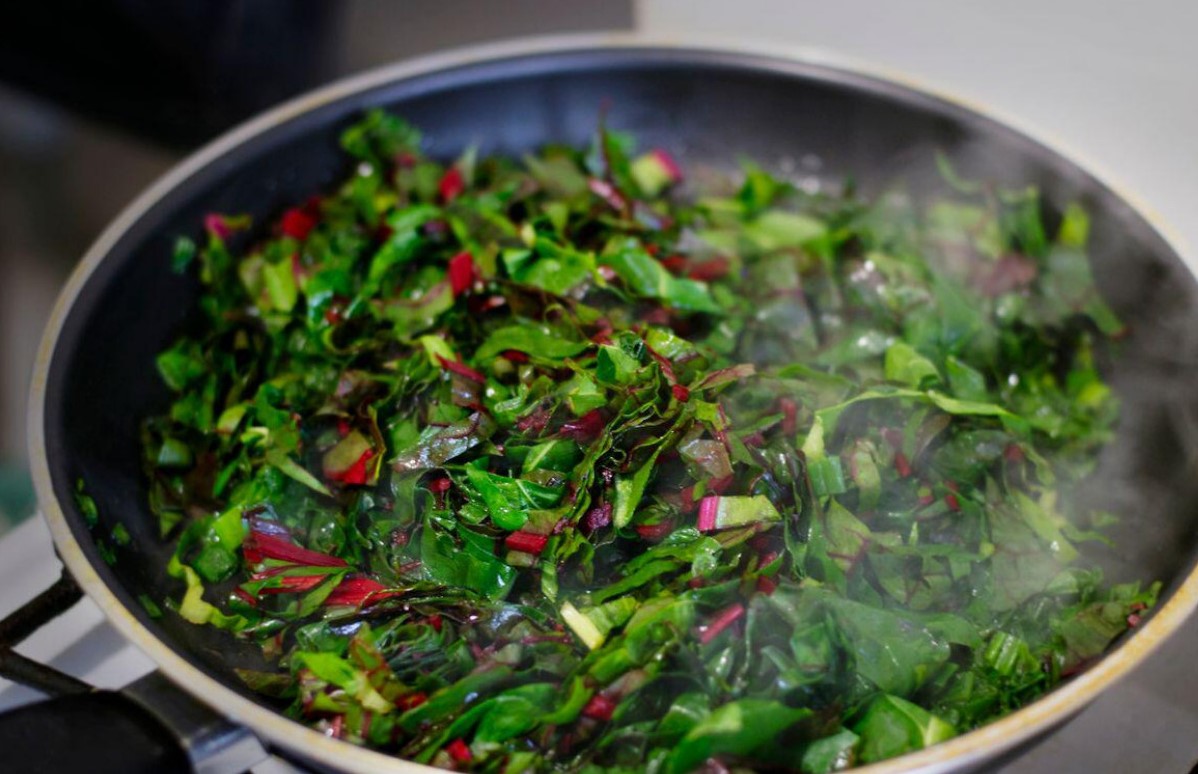
7 Not only spinach has a high nitrate content by nature. Beetroot, celery, chard, radish and radishes are also rich in nitrate and should be put in the fridge quickly after cooking. To shorten the cooling time, it is advisable to distribute larger quantities in small containers. Small portions can cool down faster. We even put them in the freezer immediately and it works well.
8 To kill bacteria, meat must be heated evenly. Since this is difficult to do in the microwave, you should reach for the pan or use the oven. Meat should reach a core temperature of 75 degrees Celsius (150 F) for at least two minutes before you can eat it without hesitation. If meat has not been cooked through completely during preparation, you should not heat it up. It must be cooked new all the way through. Good thermometers show the core temperatures one should reach at minimum. It’s worth to use one.
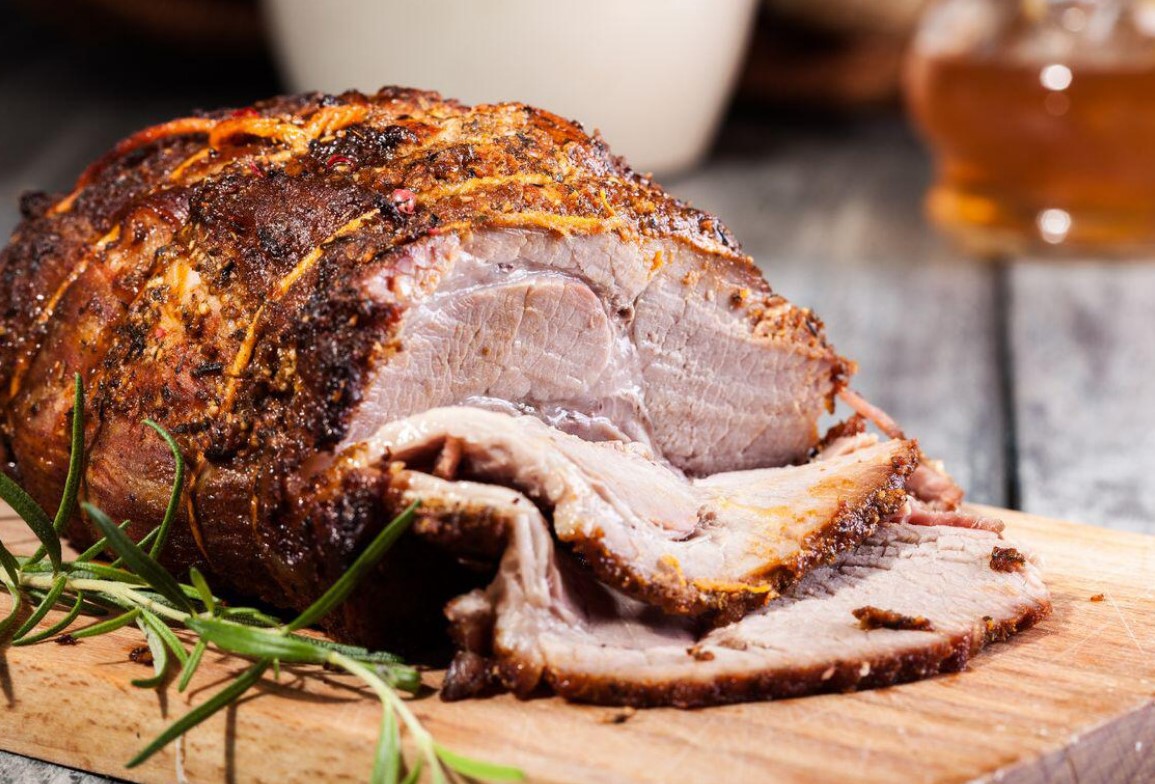
9 This is the safest way to heat meat: Cut the piece you want to heat up into small pieces and fry it at medium heat in a pan with oil or a little water. Alternatively, you can also heat the meat in the oven on a baking tray. To do this, set the oven to about 160 degrees Celsius (325 F). Often if I made a meal like the roast (above), I don’t want to reheat roast and have the same meal again, instead I cut the roast into pieces and make a nice curry or the like.
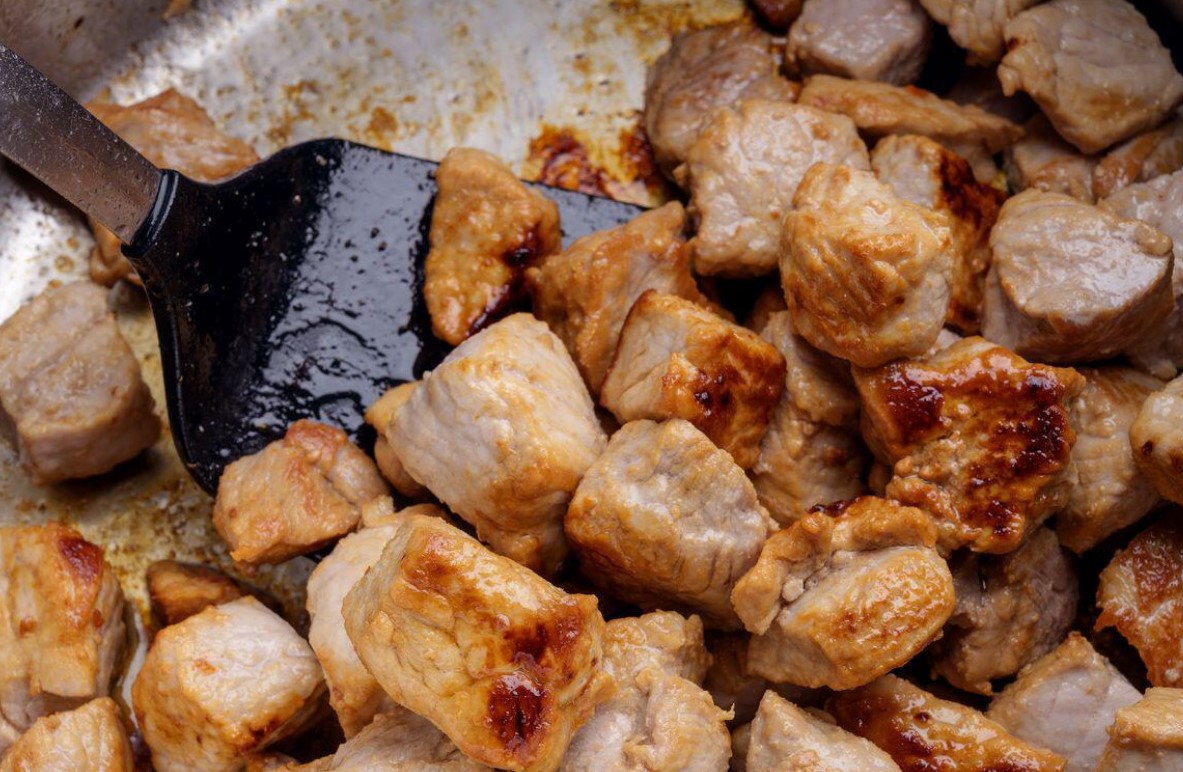
10 In general, this applies to all bacteria-sensitive foods: Heating on the stove is the safest method. We never reheat a large piece of meat, we always cut it down into slices or pieces. A good method is also to reheat in sauces, or make a new sauce and then reheat in it. In the microwave, a health risk cannot be completely ruled out. Often the inside of the food is not heated sufficiently there, even if it steams on the outside.
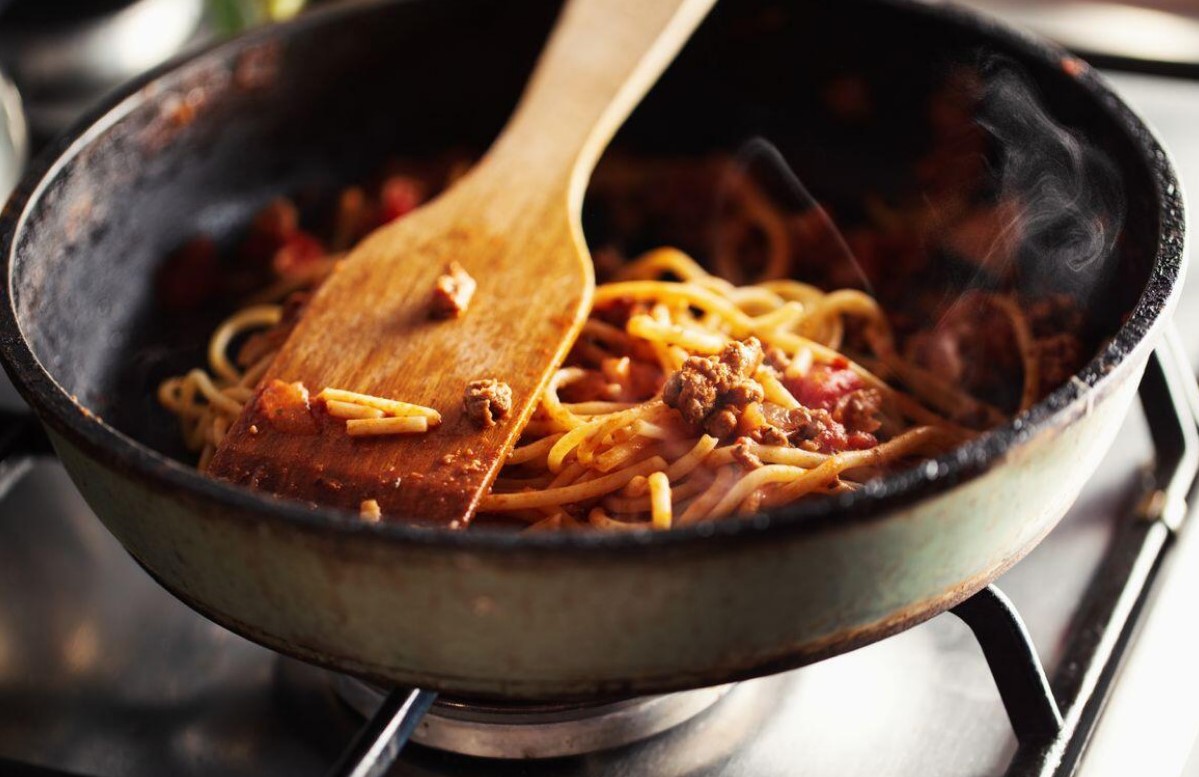
11 Vitamins are quite sensitive to oxygen and heat. This means that the longer you keep a vegetable casserole, the more valuable vitamins are lost. Every time you heat them up, you destroy valuable vitamins and nutrients. Keeping vegetables warm in the pot for a long time can also have a negative effect on the vitamin and nutrient content. That is one of the biggest problems hotels and restaurants have with their prepared buffets.
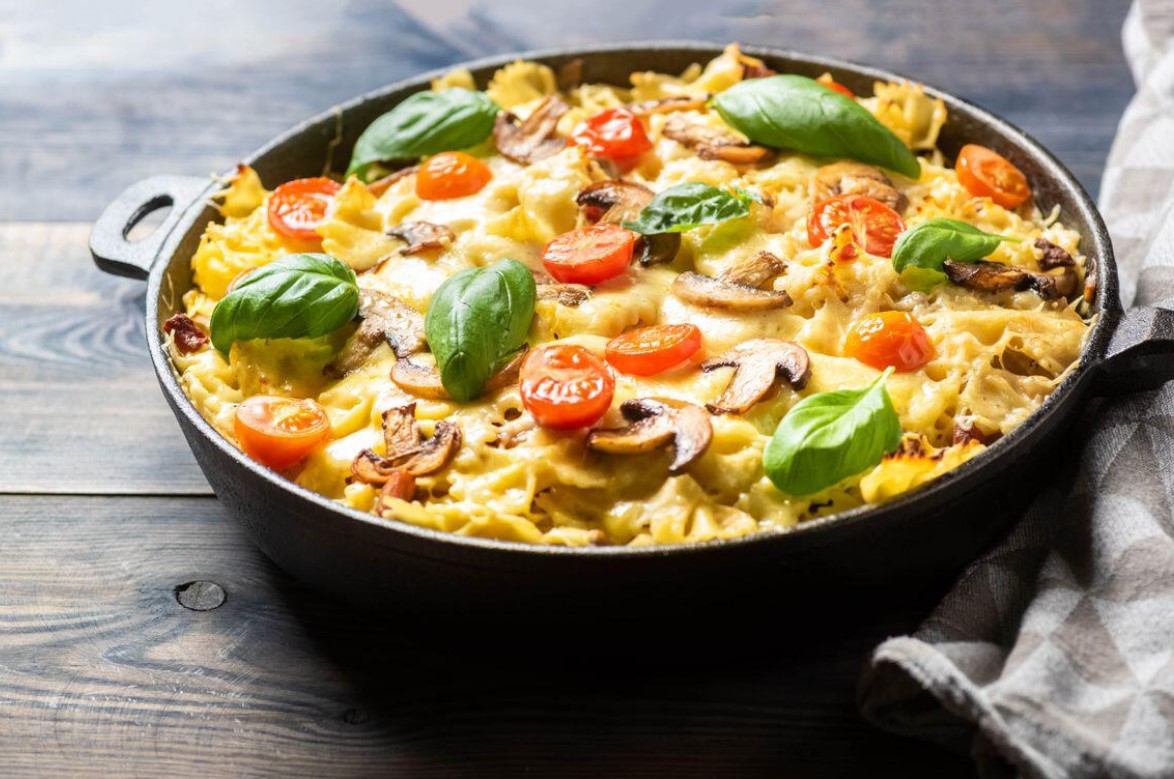
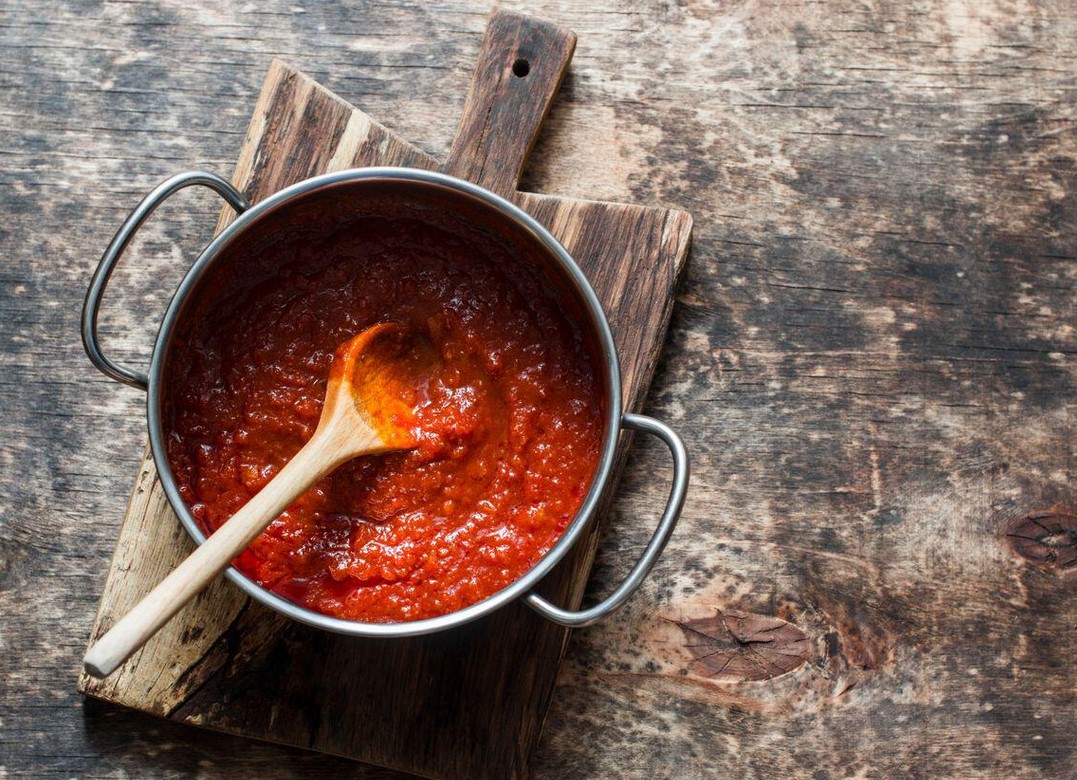
12 Yesterday soup, today thick sauce: Liquid food thickens slightly in the refrigerator. If you prefer the consistency of the day before, you can add some water (I often use red or white wine and fried onions), stock or cream to sauces, soups and stews when they are warmed up.
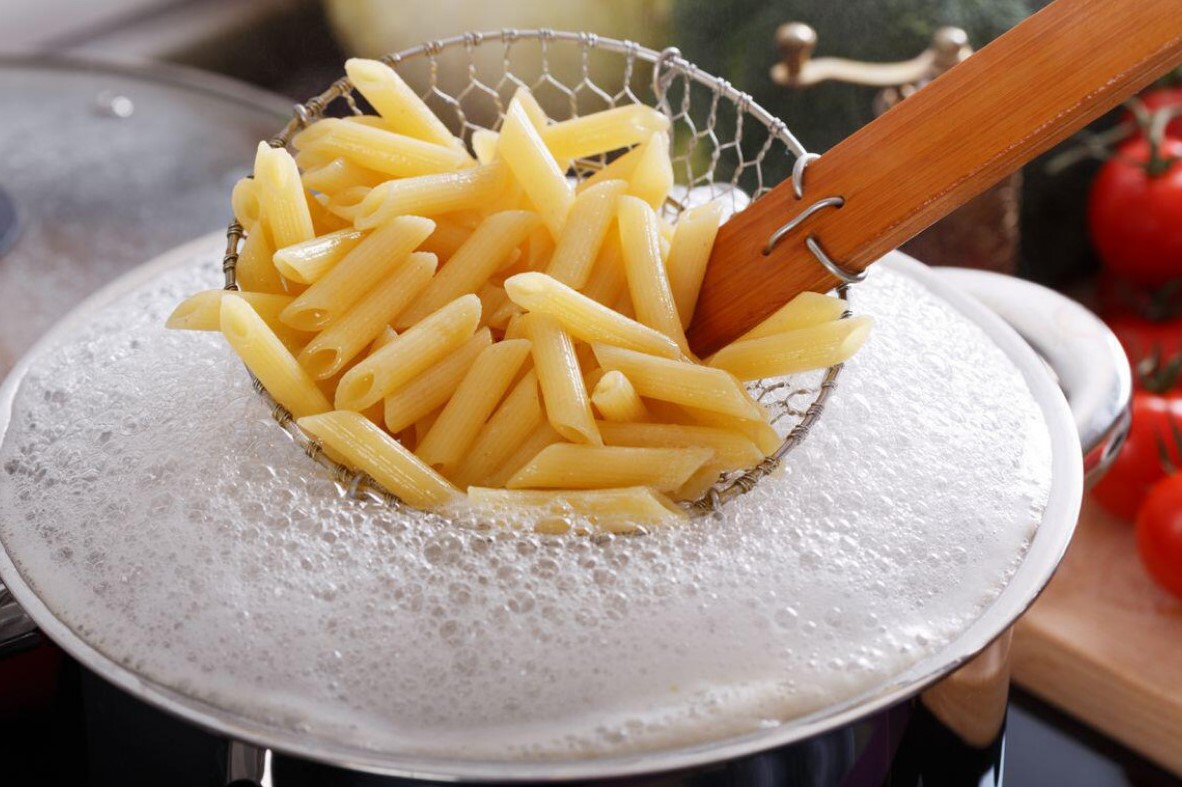
13 Pasta without sauce is best warmed up in boiling water. Remove the noodles after about 30 seconds. Just dip them in and out till they are hot again.
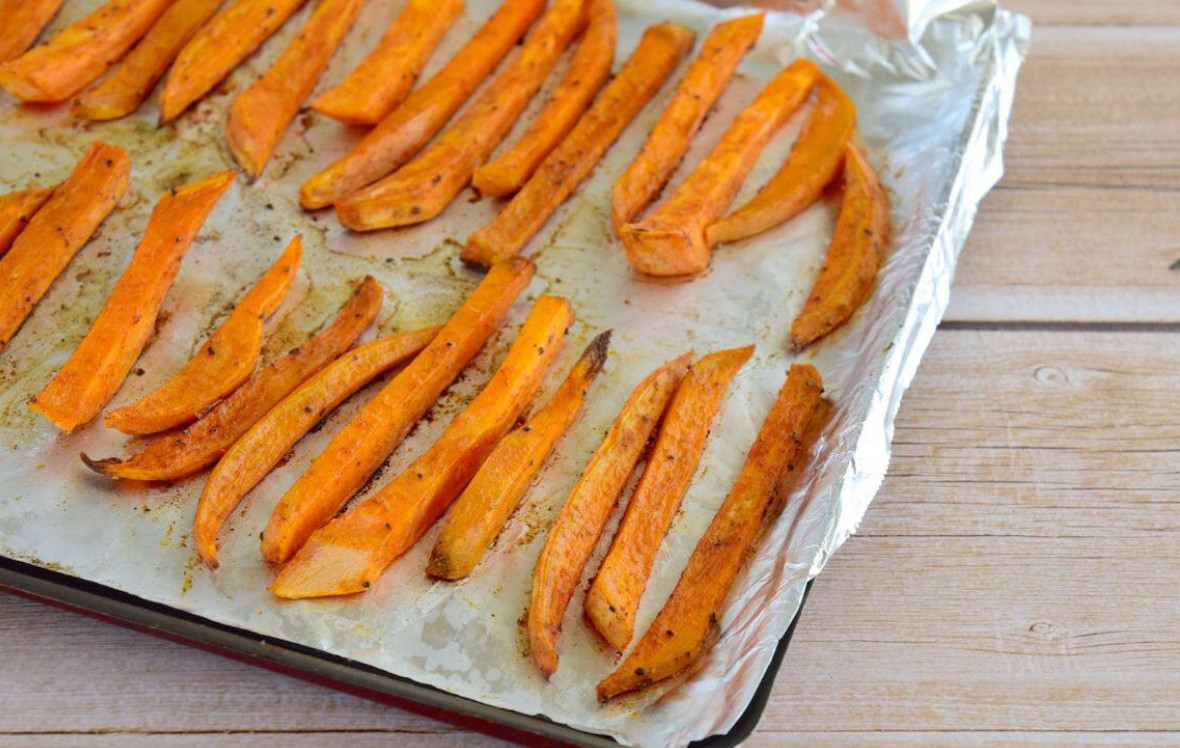
14 Don’t heat up chips in the microwave, they only soften. Instead, fry them in a pan with oil until they are lightly browned and crispy. Then dab them with kitchen paper. Alternatively, place the chips in the oven on a baking tray lined with baking paper for about five minutes at 230 degrees Celsius (475 F). Make sure they are evenly distributed, otherwise they will become mushy and stick together. Same method I use to reheat Pizza’s.
15 The wrong method of reheating not only affects your health, but also damages the consistency and taste of some foods. It is always best to add a little seasoning, or as I mentioned before – wine, when you reheat cooled food, as the taste always suffers as well.
There’s nothing like eating a freshly cooked meal.
That’s why we go out to restaurants (oh, and cook on occasion), right? But meal prep is a different story. You have to pack up the goods and stash them in your fridge or freezer until you’re ready to chow down. And sometimes heating up meal-prepped food is a massive fail. There’s nothing worse than dried-out meat or soggy greens. Living for many years in tropical country’s taught us to use the freezer much more then people use it in the northern hemisphere. It is possible to freeze almost everything and then reheat.
Now let us break down how to reheat the most common meal-prepped foods so you don’t end up with a total disaster come lunch- or dinnertime. Here are simple ways to use the microwave, oven, and stove-top to breathe life back into a pre-made meal. Even if we had the same tip already above, its worth to read it over again.
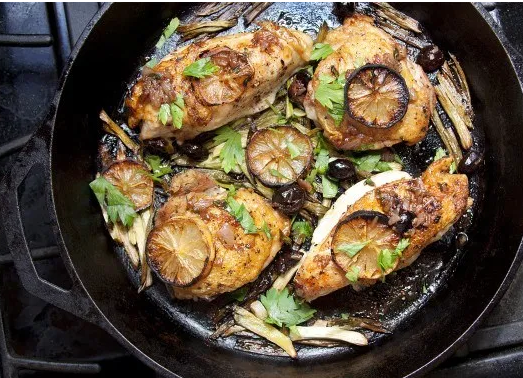
1. Red meat and chicken.
Your hard work cooking up red meat and chicken for your meal preps shouldn’t result in a rubbery, dried out-lunch or dinner. Here’s how to heat them up correctly.
Microwave.
Before sticking your meal in the nuker, pour a little bit of water on the meat to retain moisture or keep the dish covered with a microwave-safe lid while you zap it. You can reheat meat for up to two minutes in the microwave before it becomes a sad waste of food. I, personally don’t like the microwave and those methods. One famous hotel chef told me once: „The one who uses microwaves can’t cook“. O.K. it might be right or wrong, but I am on the same side !!
If I don’t like the microwave it doesn’t mean it’s not working. Once in Australia we bought a house with a fine and modern kitchen. But there was no oven or cook-top installed. Just a microwave and a hot-plate. The owner was a specialist in microwaving – incredible what he could do with it – I admired him very much for that. But anyway, first thing we did, adding a professional SMEG oven combination.

 Before and after the kitchen modernization. And – the decoration changed too. Click on pics.


Oven.
If you have access to an oven, the microwave should be your last resort. Generally, meat is best when reheated in the same place it was cooked. So if you roasted chicken and put it in the fridge after, the best place to heat it back up would be the oven.
Don’t turn your oven on full blast, though. Instead, reheat food on a lower heat around 100 to 120 degree Celsius (200-250 F) and add a dash of oil or butter to keep the meat moist. This method normally takes 10-15 minutes. FYI: It takes the longest since you have to wait for the oven to preheat, but I think it’s worth it. Also, putting a bowl with water into the oven helps.
Stovetop.
You can definitely reheat meat, chicken, or almost anything in a pan on the stove. The key is to keep heat low to avoid overcooking. Before placing meat in the pan, add a bit of oil or your choice of butter. For more moisture, cover the pan while the meat reheats.
This method normally takes around five minutes. Flip the meat over halfway through to make sure it heats evenly. If the meat pieces are to thick, just cut them into slices.
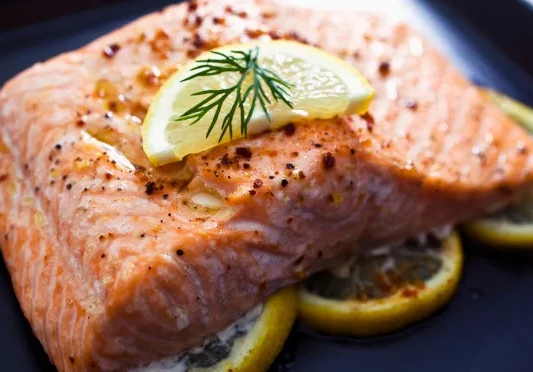
2. Fish.
Reheating fish is similar to meat, but you have to pay closer attention to the thickness. Fish that’s more than one-inch thick, such as salmon and tuna, will retain its texture and flavor better than thinner cuts like trout.
Microwave.
The microwave is good for reheating fish if it’s unbreaded. Make sure to sprinkle a little bit of water (I often use lemon infused water) or oil on the fish before sticking it in the nuker in a microwave-safe dish. Even better if you have a lid for it.
The best way to do this is in bursts of gradually increasing heat. Kind of annoying, but it works. Start by reheating it on low power for 20 seconds, then take it out, put it back in, and repeat for a minute. Then increase the power to medium, put it in for 20 seconds, take it out, put it back, and repeat for another minute. Yes, it’s a lot of work, but at least you can enjoy the effort you put into making it during your meal prep. Obviously, be sensitive when microwaving or reheating fish.
Oven.
Preheat oven to 150 Celsius (about 300 F). Place fish on a baking sheet, wrap it in foil, and cook for about 10 minutes. To check if it’s done, stick a fork in the center and hold it there for five seconds, then touch the fork to your tongue. If the fork is cold, it needs more time (but you already knew that, right ?).
Stovetop.
If you’re using a pan on the stove, place a little bit of oil in it over medium to low heat. Cover the fish with a lid if you have one, and check every few minutes or so to see if it’s done. Fish overcooks and dry’s out very quick.
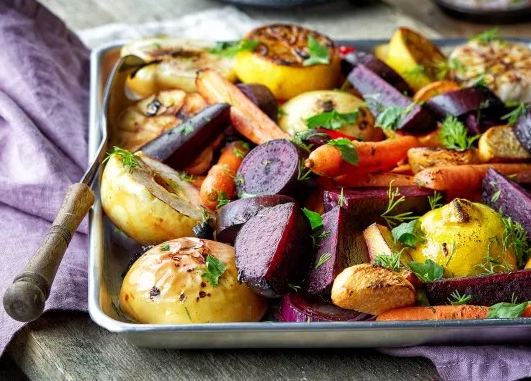
3. Baked, fried, or roasted food.
Have you ever popped a slice of leftover pizza in the microwave? I know I have, and every time I immediately regret that decision. That’s because anything baked, fried, or roasted gets soggy from the moisture when reheated in the microwave without the proper technique.
Microwave.
The microwave should be your last resort. But if you have to use it, put a half-filled cup of water next to the food you’re microwaving to soak up extra moisture. I know it sounds weird, but in a pinch it totally works. Only use a microwave-safe glass for the water.
While there is a very long, scientific explanation behind why food gets soggy in the microwave and not in the oven, all you need to know is that the microwave often has a mixture of cold air with heat pumped into it, creating vapor in the microwave and causing your food to get gross.
Oven.
For anything roasted, especially veggies, letting them broil for a few minutes is the best way to reheat them and retain their delicious flavor and texture. The broiler (at the top of your oven) is kind of like a grill. Most ovens have a broil setting, and it’s usually the highest heat.
To broil, lay your meal-prepped food on a baking sheet and stick it under a preheated broiler for one to three minutes on each side. No need to add oil. Doing it this way will make your veggies (or any other crispy food) even crispier. Just don’t forget about them in your oven!
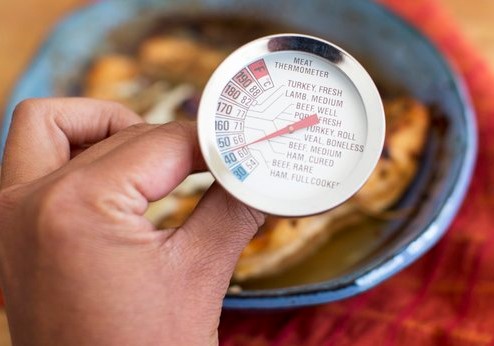 That’s a thermometer I use for cooking. To reheat stay about to the same temperature.
If you have access to a toaster oven, lucky you. This is actually the best way to reheat anything in this category. Plus, it’s way more convenient than a normal oven. Five to 10 minutes at 180 Celsius (350 F) should do the trick. If your meal has cheese on, sprinkle a little bit of fresh cheese to make it taste like you cooked it that day.
Stovetop.
The stovetop is another good option, as long as you don’t overdo it. Overheating on the stove will cause breaded exteriors to taste bitter. The best way is to heat oil that has a high smoke point, like peanut oil, and place the breaded food in the pan with plenty of space. If, for example, two pieces of breaded chicken touch in the pan, things will start to get moist, causing sogginess. We don’t want soggy breaded food! Flip the food over so it gets reheated evenly. This should take about three minutes on each side.
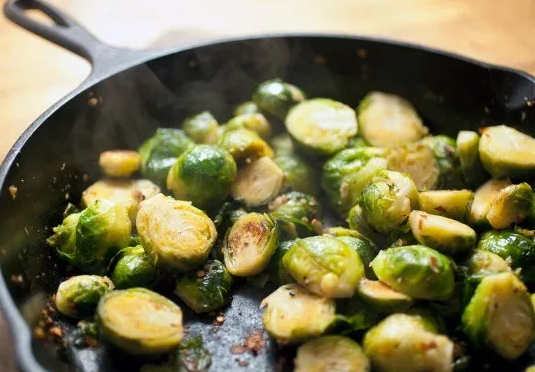
4. Sautéed , stir-fried, and steamed.
One-pan and one-pot meals are super easy to make. Luckily, they’re simple to reheat too. Casseroles are also included in this category (even though they’re baked). Except meals out of your slow-cooker, there it is best to reheat in another pot or pan on your stovetop.
Microwave.
Reheating food in the microwave is both a science and an art. The best practice is to spread the food out in an even layer and cover it with a damp (not dry) paper towel. You can also sprinkle a tiny bit of water over the dish before popping it in. This creates steam during the reheating process so the food doesn’t dry out. It’s also good to stir occasionally so it reheats evenly.
Keep in mind that if you’re heating different types of food together, you might want to microwave certain foods for different lengths of time. For example, a piece of chicken or fish takes longer to reheat than vegetables, so you might want to add in the veggies last to keep them from overcooking. If you’re too lazy to do that, stir a bit in the middle of microwaving.
Oven.
The oven isn’t optimal for a stir-fry or anything sautéed or steamed, but you can definitely reheat casseroles. Same with the types of food above, keep the heat low, around 100-150 C (200-250 F). Cover with foil or an oven-safe lid until the last few minutes to help keep the dish moist and fresh. Reheating veggies in the oven doesn’t take as long as meat, so check after 10 minutes to see if they’re done.
Stovetop.
The stove is another great option for reheating a stir-fry dish or any sautéed veggies. Add an oil and reheat the food on low to medium heat to avoid overcooking. You’ll definitely want to stir frequently for even heating.
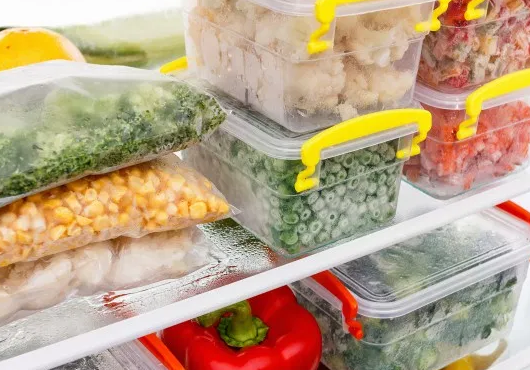
5. Frozen Foods.
The best and safest way to reheat frozen meal-prep foods is to take them out of the freezer and place them in the fridge overnight to thaw before taking them to work or eating them the next day.
Why is that the safest? The refrigerator thaws food slowly and evenly. Plus, your food won’t thaw completely in the fridge—and it shouldn’t do so on your commute either. If you left your frozen food out on the counter, it would eventually get to room temperature and become a breeding ground for harmful bacteria.
That’s why it’s also important to refrigerate or freeze food within two hours of cooking it, and not let it hang out on your counter. When you reheat food, you want it to be over 160 degrees Celsius (about 325 F), or at least hot to the touch, to ensure that more bacteria can’t spread.
After your meal-prep food is thawed, reheat it according to instructions above for the type of meal you’re eating. You can also reheat frozen food by putting it in a bowl of hot water for 5-10 minutes (while it’s still in the package or container).
Some temperature suggestions to cook and reheat.
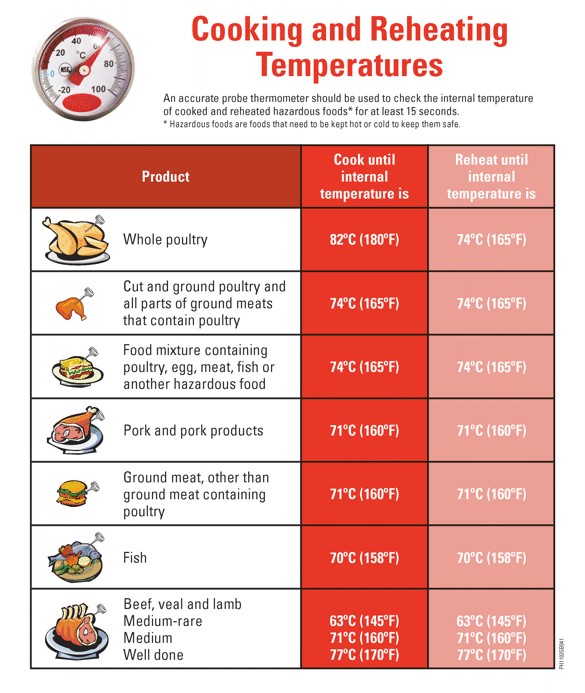
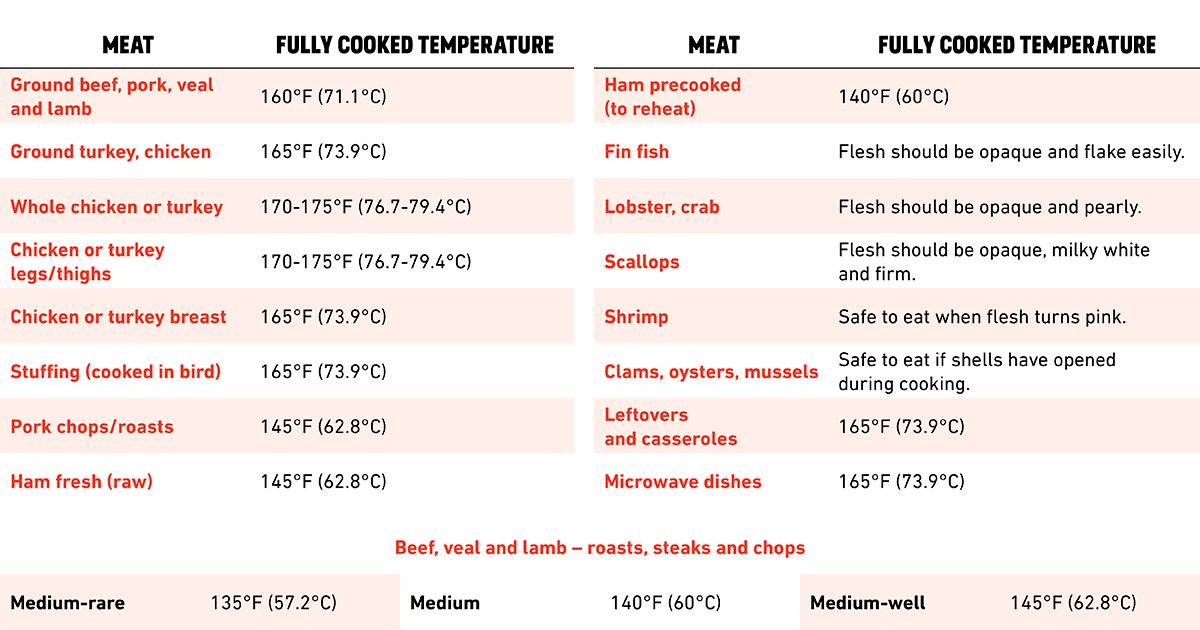
Final tip.
In a crunch, you can always eat cooked food cold, even if it isn’t ideal!
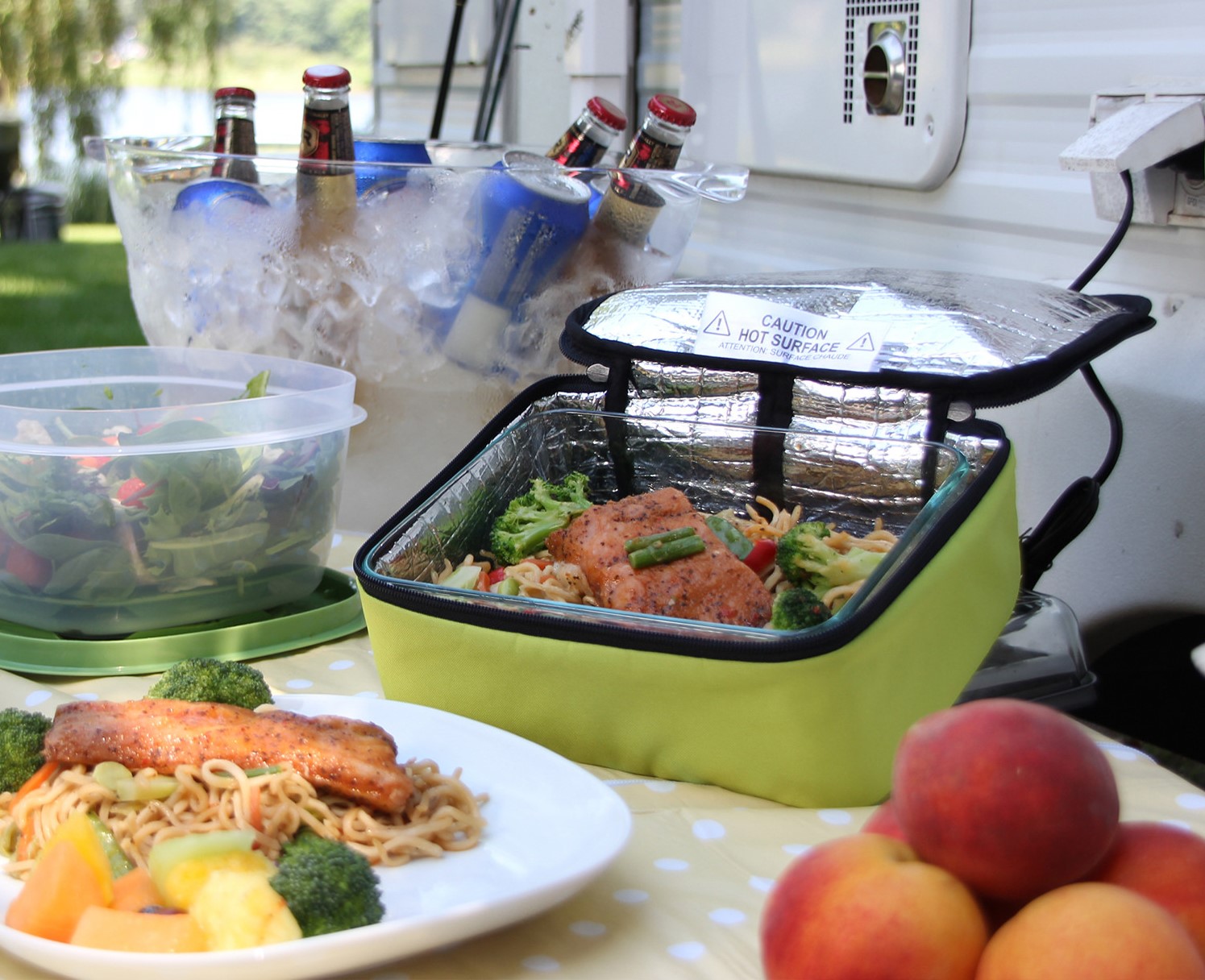
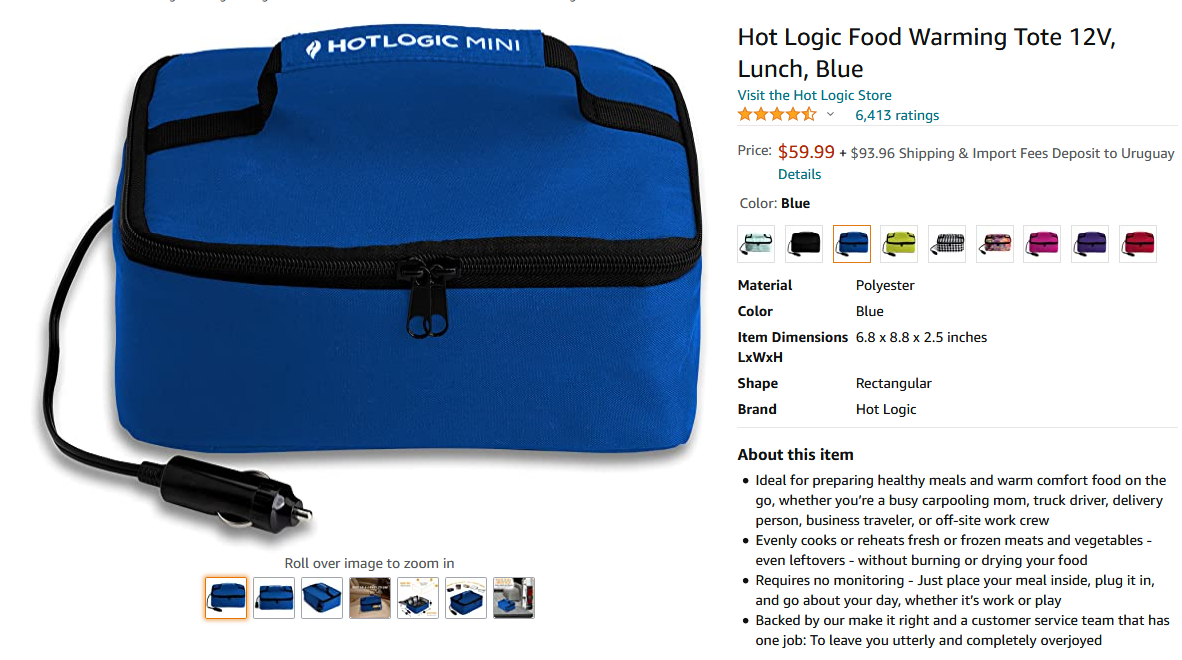
You can also invest in a portable reheating oven like the Hot Logic Mini, one of the best out there in the market. Price is now around US$39,90 for the 110V 0r 220V and US$59,90 for the 12V one – which I like very much ! Now enjoy reheating your food !


Ik heb wel het een en ander geleerd van deze blog. Dankjewel weer Mike
LikeLike