
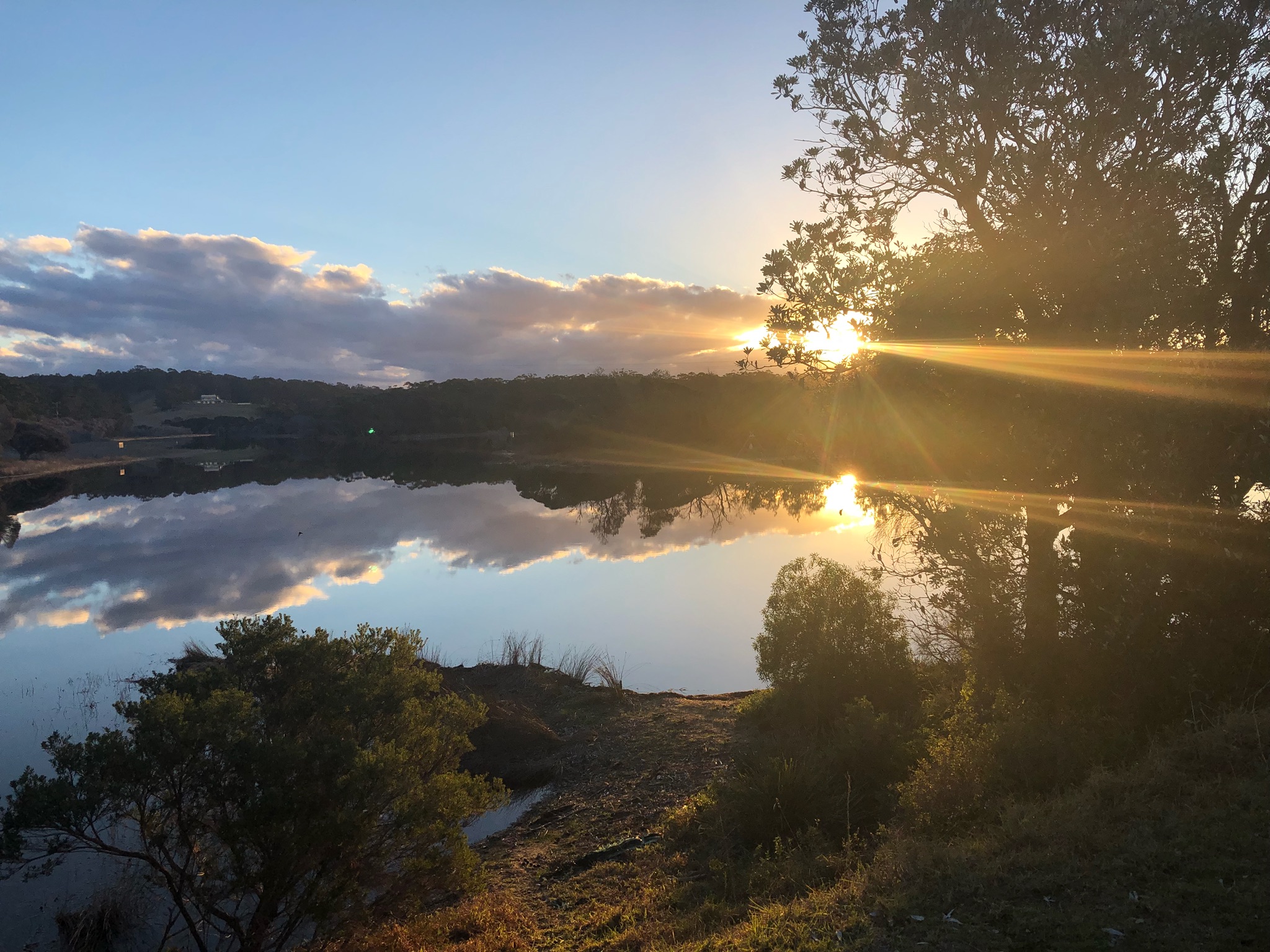
Living in Australia for almost 12 years meant for us high’s and low’s. Many years on I will remember the high’s only. One example is the memory of unforgettable hours with my friend Steve (we called him Blockhead what he sometimes really was). We were living on the Far South Coast of NSW in Bermagui. He was the owner of our local garden center and had a wonderful home on Cuttagee Lake. So as in many of the coastal rocky lakes, one could find lots of oysters in them.
 Sunset at Cuttagee Lake, viewed from Steve’s.
Very often Steve and I and sometimes other friends were sitting in his lakeside yard, with a few bottles of cool „XXXX“ or Chardonnay’s, cooling off ourselves in the lake, slurping lots of beautiful sweet lake-rock-oysters, and enjoying life. These oysters were not very big, but so sweet and tasty that I still have it in my mind.
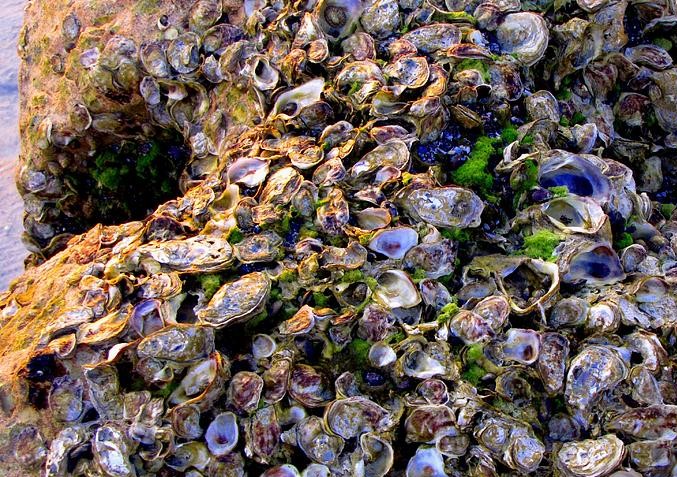
 An oyster rock at our coast. Many are harvested already. Because of the tide they are out of the water and an easy meal for the seagulls.
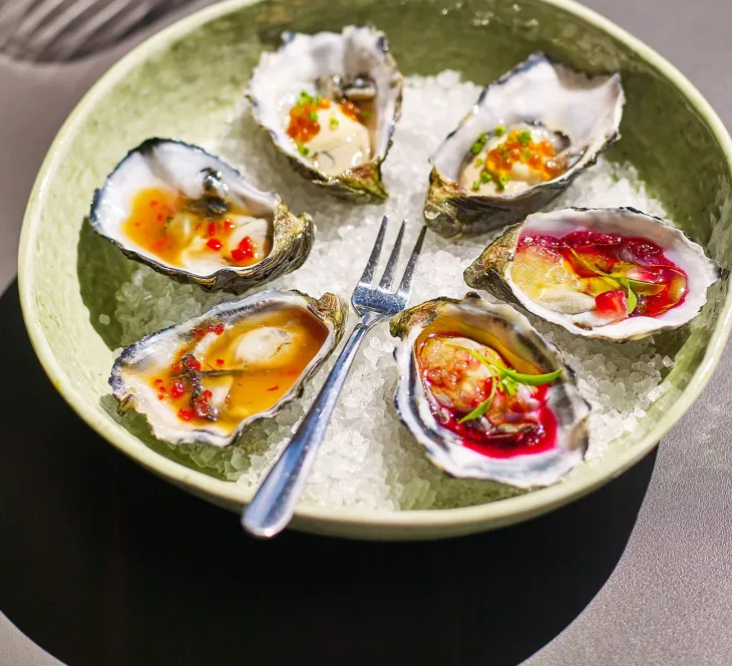
Oysters in Bermagui were a delicacy anyhow, we had them almost in every restaurant as a side dish, starter, or main course. Never I’ll forget the „a dozen rock oysters 6 ways“ in The Terrace Restaurant at Bermagui Country Club. They were cooked in 6 different styles, absolutely delicious – I always had 2 dozen !! And – on special offer – the second dozen was available for „half price“.
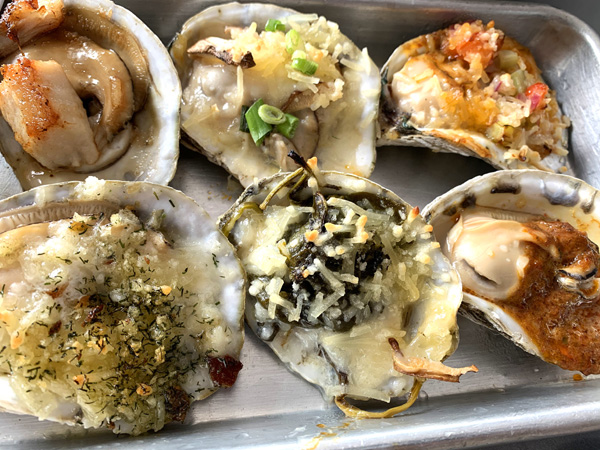
Above one of the Bermagui recipes, „oysters 6-ways“. Mouthwatering delicious.
When I wallow in these memories I immediately get an appetite again, but in Uruguay, you can forget such treats. It’s a far lower level of the lifestyle here. But it gave me the idea to write about Australian oysters and let you participate. Australian oysters are famous, that’s why I introduce you to the 3 most important oyster farms in this country. Of course, the No. 1 to me is the local oyster from the Bermagui area.
St. Helens Pacific Oysters.
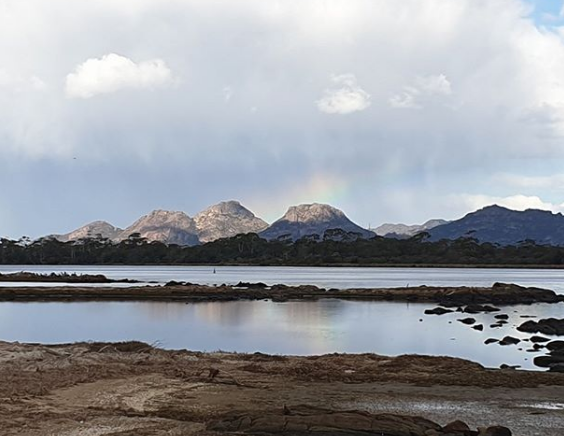
St. Helens sits on the shores of Georges Bay just south of the Bay of Fires Conservation Area in Tasmania. This great estuarine lake is open to the sea and fed by the waters of the George River, Launceston Creek, Colchis Creek and smaller creeks and has been home to Pacific oyster farming since the 1960s.
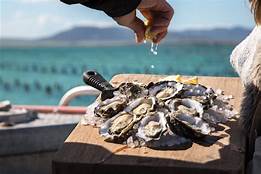 That’s Tassie life, fresh Pacific Oysters.
Coffin Bay Pacific Oysters.
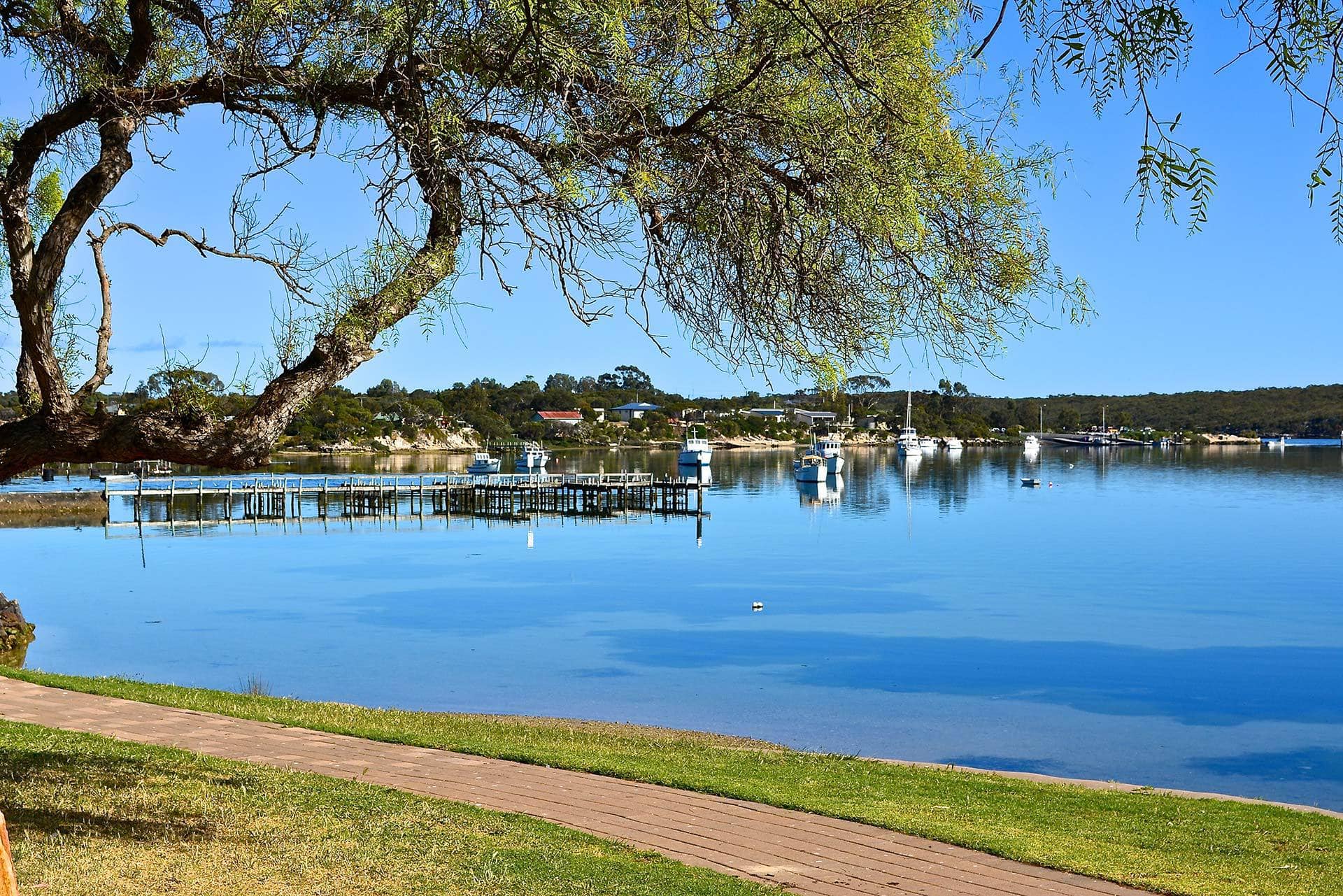
Back in the 1840s South Australia had its own native oyster industry with fleets of ships dredging the water around the colony from the Gulf St Vincent around the Eyre Peninsula to Coffin Bay. One of the most remote areas in Australia, see distances here. Coffin Bay is a 700 km drive from Adelaide via Port Augusta. Just around the corner.
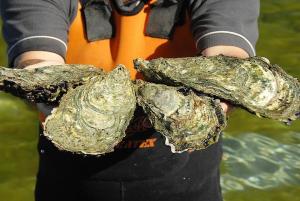 Coffin Bay King Oysters. Not my favorite, too big.
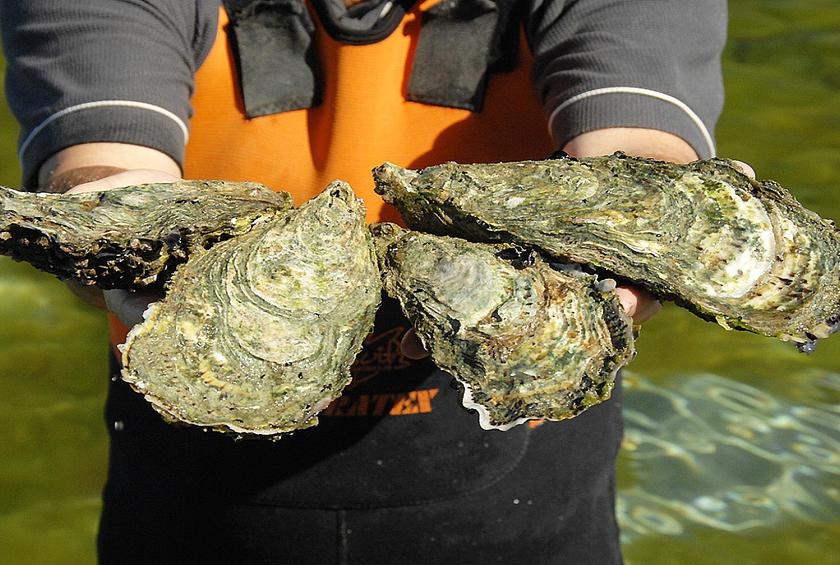
Wapengo Lake Rock Oysters.
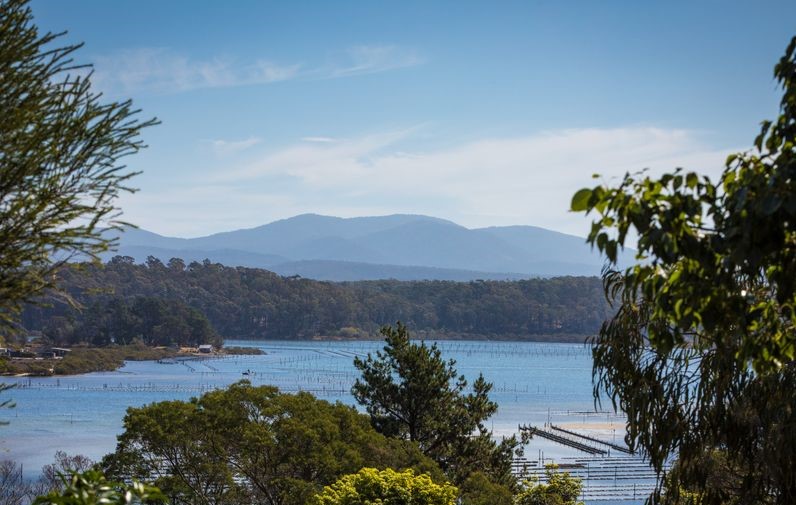
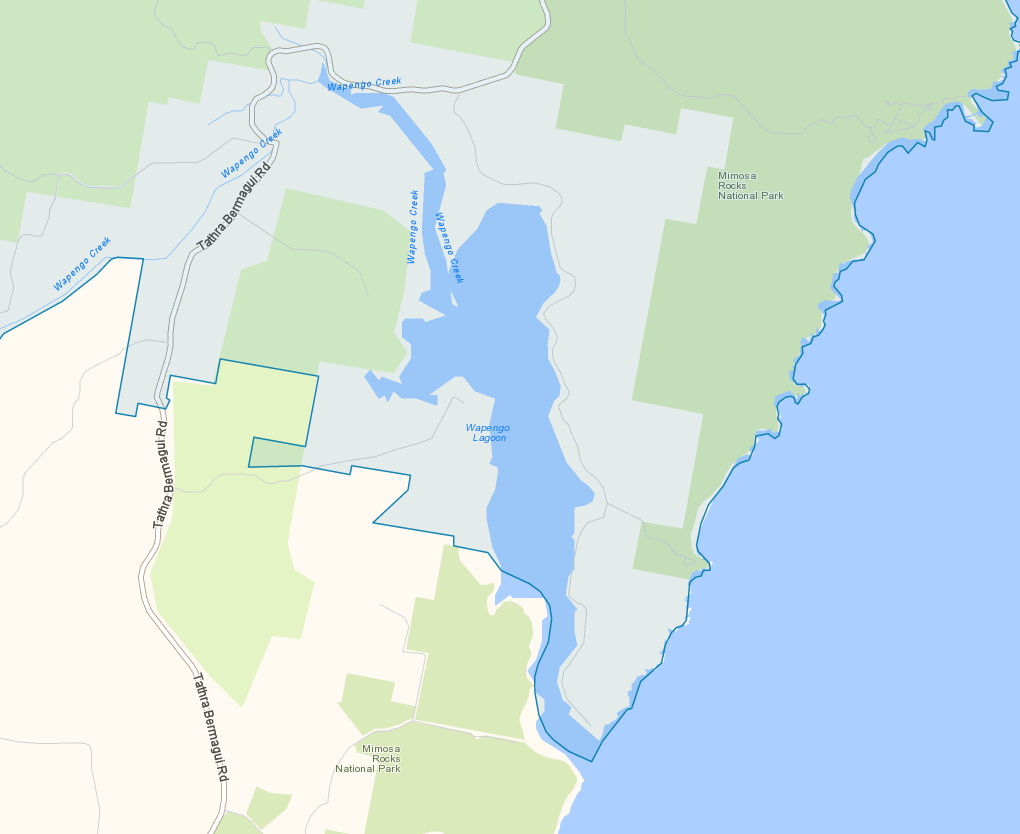
This is the neighborhood where we lived and got our oysters whenever we wanted some. I still remember when Shane Buckley came up with the idea to buy the oyster farm and was searching for investment money. But we already were on our way out of Australia to Panama. What a great business Shane built up and it is still running well. His oysters conquered the market. Congratulation Shane – well done !
 10 years of hard work, and he earns success now – DESERVEDLY !!
On a crystal clear lagoon, surrounded by the forest between Tathra and Bermagui on the New South Wales South Coast a growth rows and rows of oysters. These are Australian native Sydney rock oysters and are indigenous to the coastal waters from Brisbane to the Victorian border.
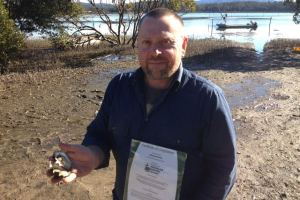
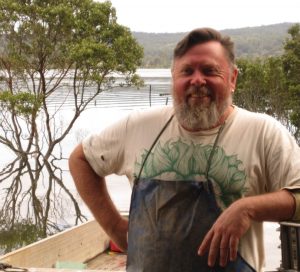 Shane, when we met, about in 2006 (left) and a few years on (right). Still a heartwarming guy.
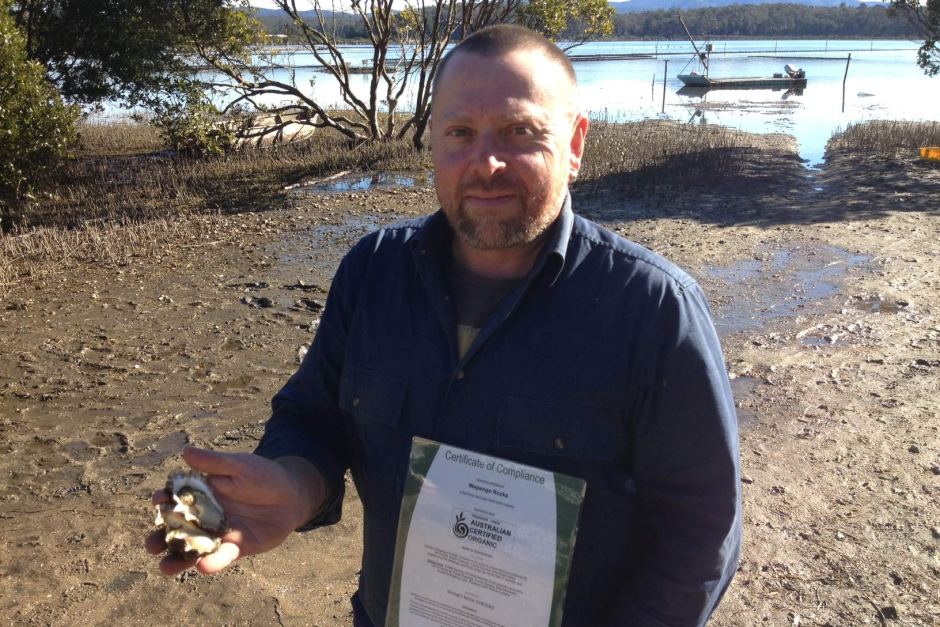
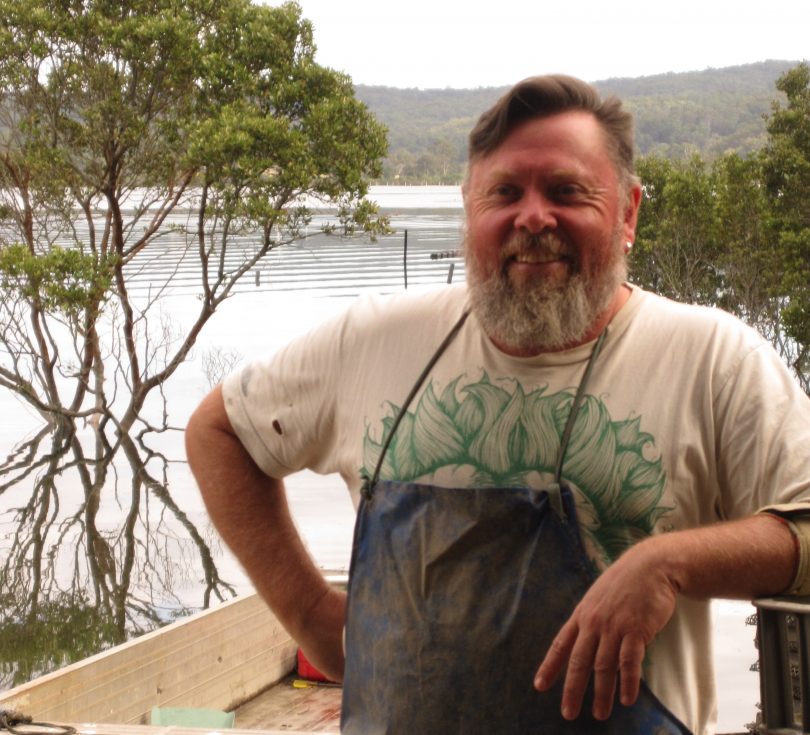
At Wapengo Lake grower Shane Buckley has worked hard with the locals to protect the quality of the water. The local council has sealed the road, the foresters upstream have changed the way to make forest tracks to stop runoff. These and other measures have allowed Buckley’s oysters to be certified organic. Here the explanation in his own words.
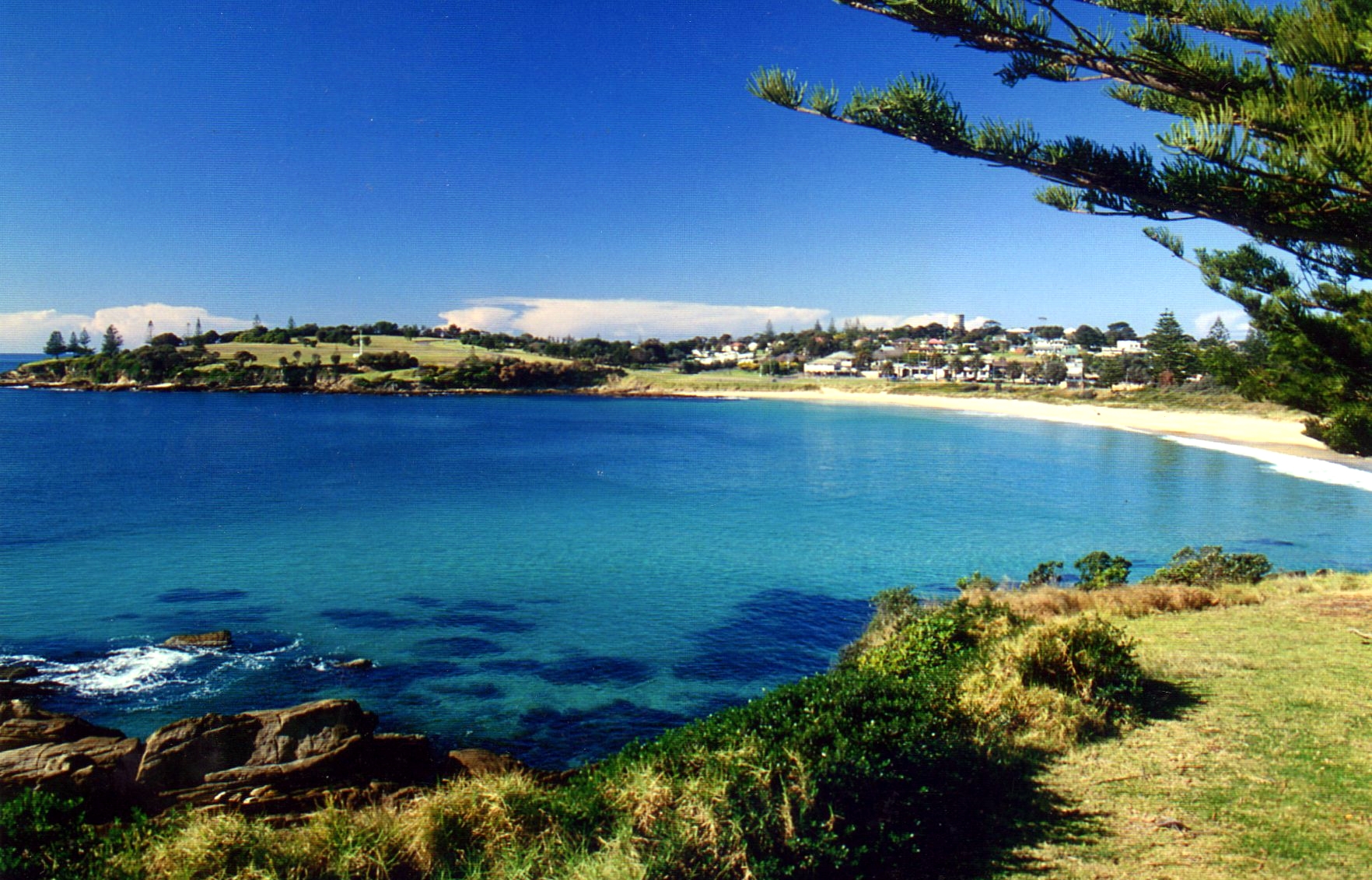
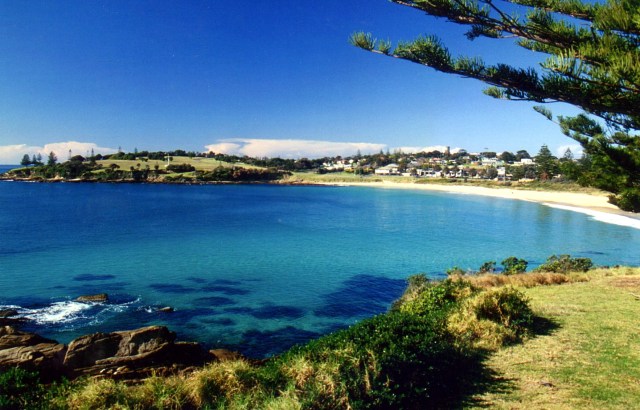 Beautiful Bermagui, this is Shelly Beach taken from Bermagui Point.
What makes an Oyster farm Organic?
Aren’t oysters organic anyway? Good Question. It’s about two things – 1. Water quality and 2. The environment. The oysters are grown in floating baskets that expose the oysters to air as tides change developing the meaty adductor muscle. Wapengo Rock Oysters are slow grown, well-formed, easy to open, creamy with a clean briny finish, and exceptionally good with crisp lager, a dry Chablis, or a glass of cool champagne.
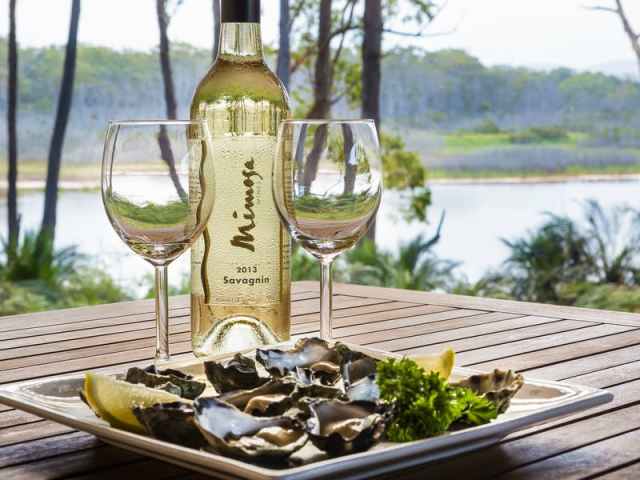 Not to forget the locally grown wine in this area at Mimosa Rock National Park.
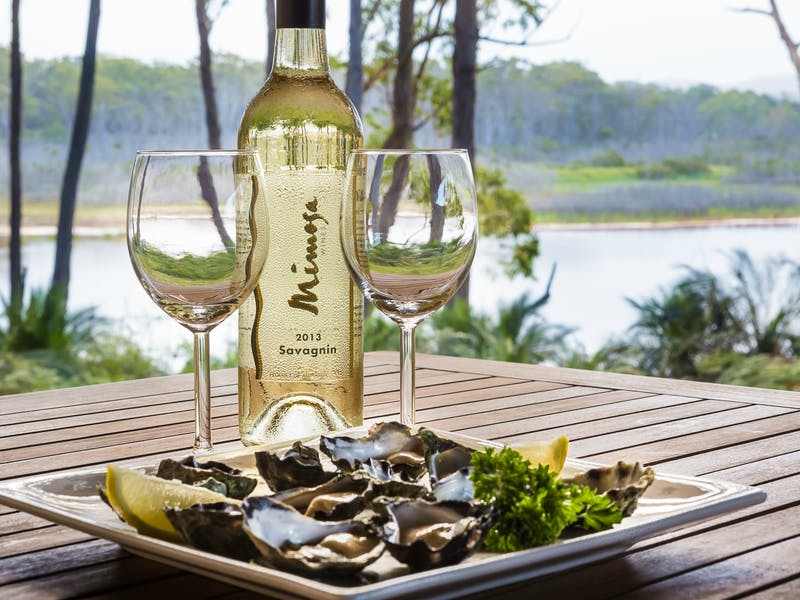
1. Water Quality.
On the NSW Far South Coast, it is widely recognized that Wapengo Lake has pristine water quality and that oysters harvested from here are the best you can get. Wapengo Lake is surrounded by forests and small farms and is fed by water that flows from National Parks and State Forests.
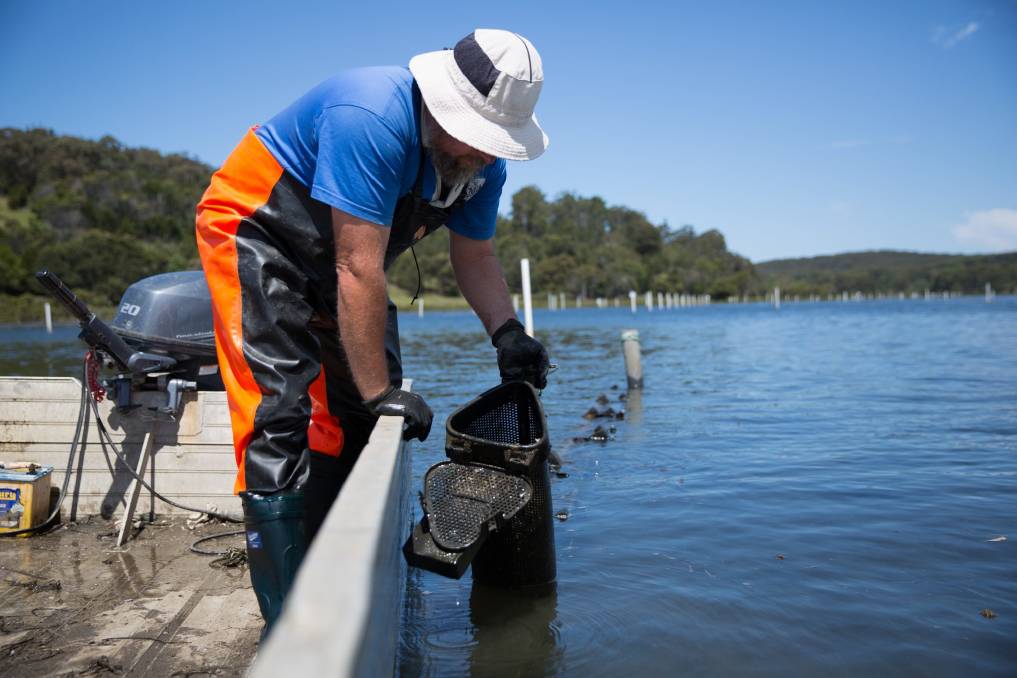
The first thing we’ve set out to do is improve the water quality on our leases even further by completely removing all polluting products and infrastructure. That means no more treated pine or tar coated sticks on our farm. These materials have traditionally been used in the oyster industry for decades because of their low cost and durability. Replacing infrastructure has been hard work, but we now use only recycled or recyclable materials. As an example, we have posts that are the only ones available on the market composed of 100% recycled plastic and manufactured in Australia.
 Wapengo Lake, left picture and Mimosa Rock, right picture.
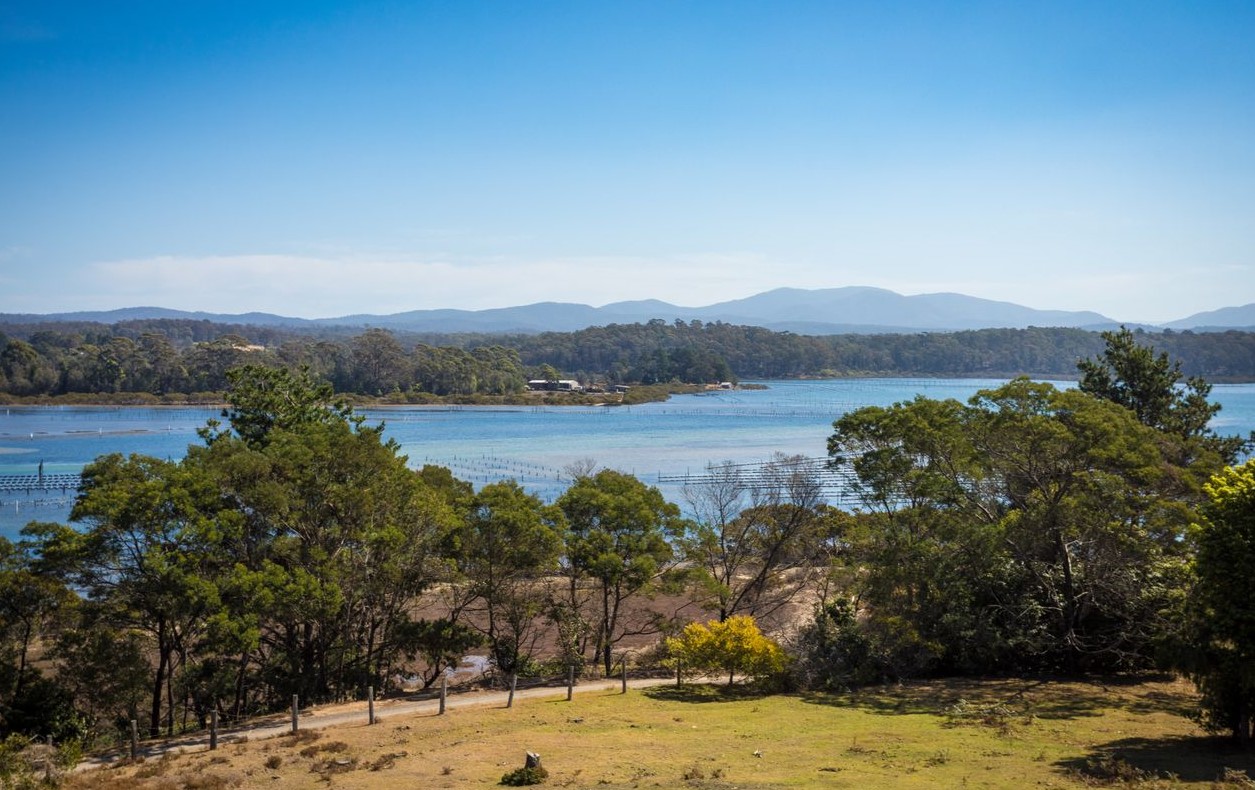
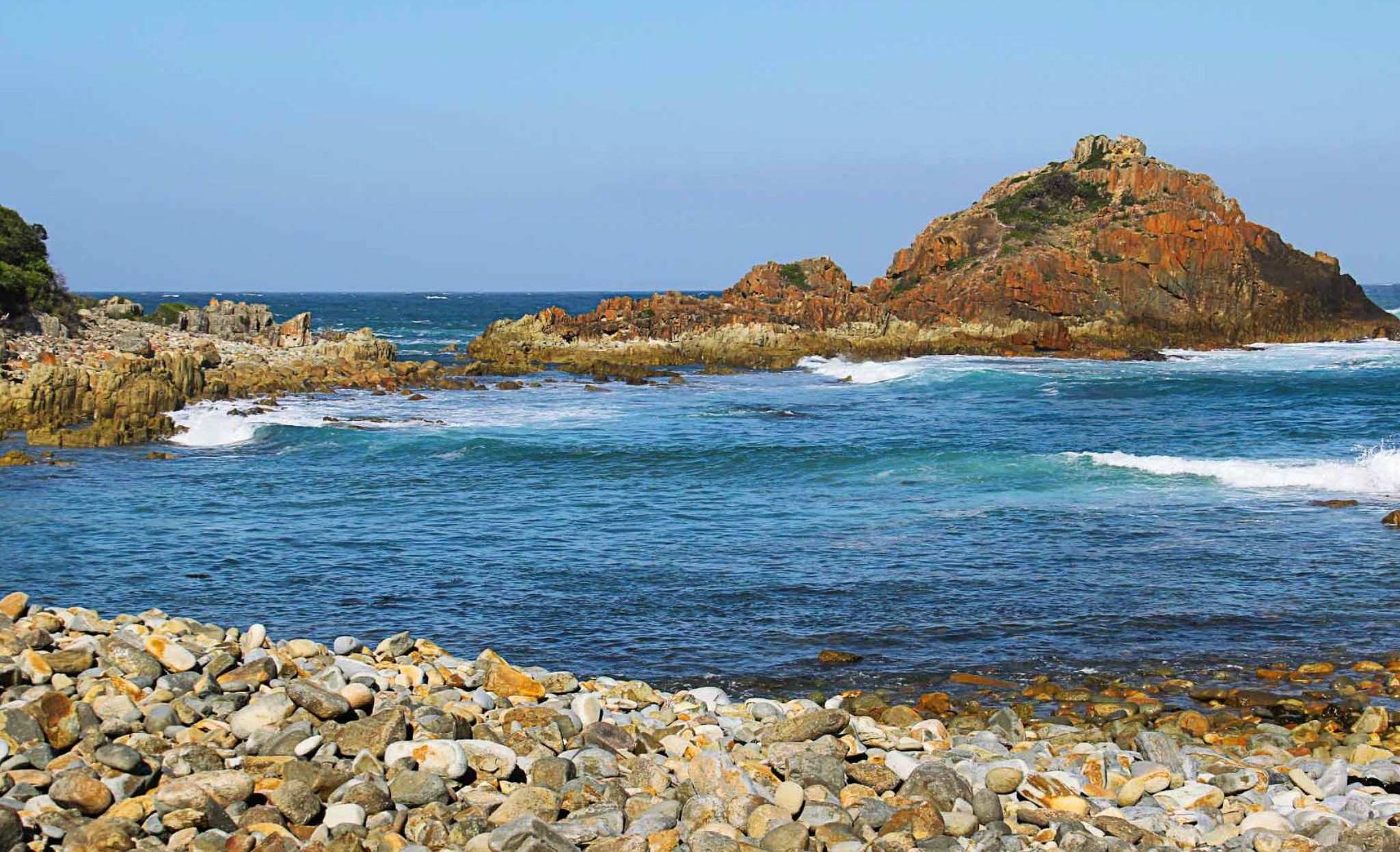
In our efforts to continually improve water quality we have dramatically reduced the amount of fixed (non-moving) infrastructure. Our old post and rail racks were treated pine, but they have been replaced with plastic posts or flumed (plastic sleeved) untreated natural timber.
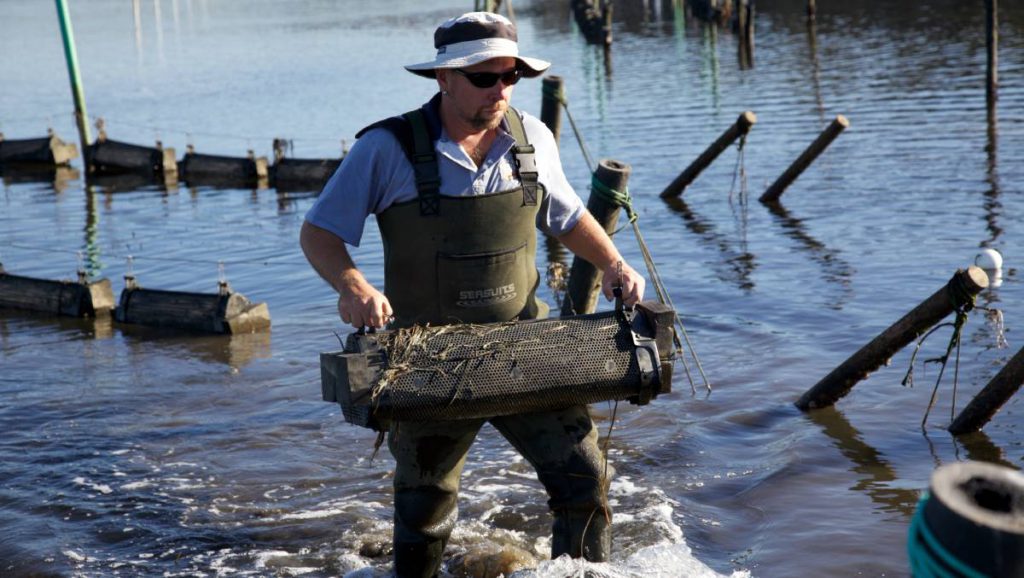
Our new infrastructure is what we call „dynamic long lines“ with floating baskets. An example of our cultivation practices being more sustainable than before is the requirement of only 8 posts per row in our long line systems. Housing the equivalent volume of oysters in the old system required 180 – 200 treated pine posts and around 300 m of treated pine rail. That shows how positive water quality can be improved.
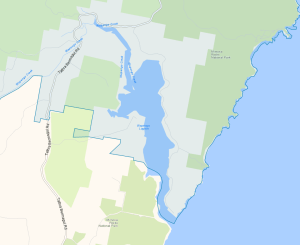
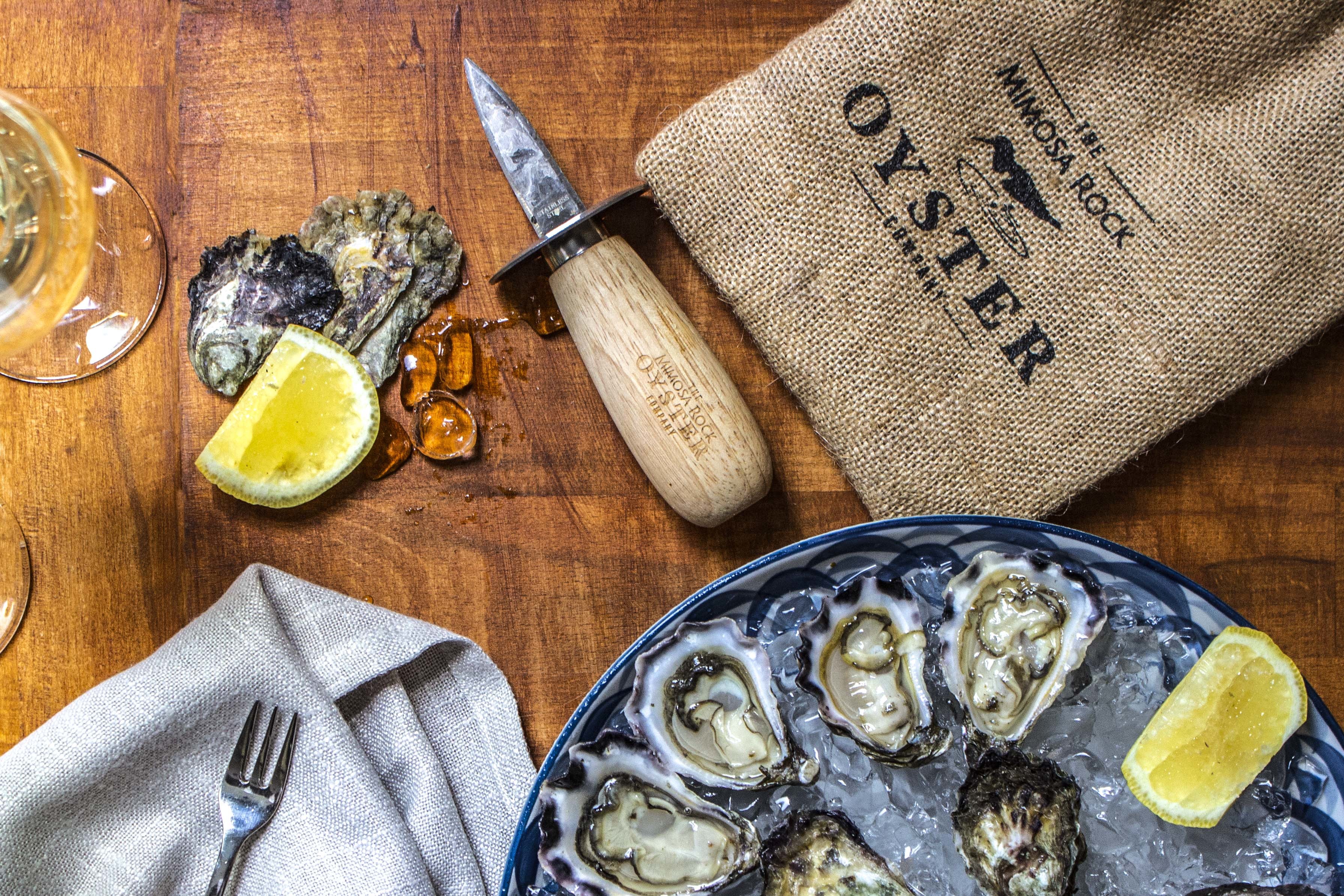
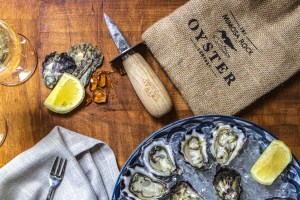 Click on small pictures to size up for a better view.
2. Habitat.
We have reduced the incidence of post and rail to 5% of what it was before we began the organic conversion. This is important because the old infrastructure shaded the lake-bed and therefore destroyed the seagrasses by depriving them of sunlight. The new system moves – the long lines with attached floating baskets actively move across the top of the water and „sway“ in the currents, letting more light in and allowing the seagrass beds to regrow. We are promoting the restoration of the ecosystem and habitat which existed before oyster cultivation began in Wapengo Lake over 130 years ago.
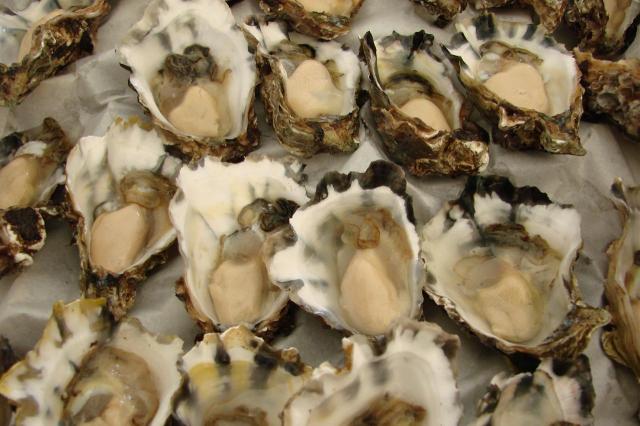
The above ones one can call „OYSTERS“. Notice the meaty, beautiful grown, soft, and sweet-tasting muscle. Not as you see very often, the mushy and ugly looking flesh.
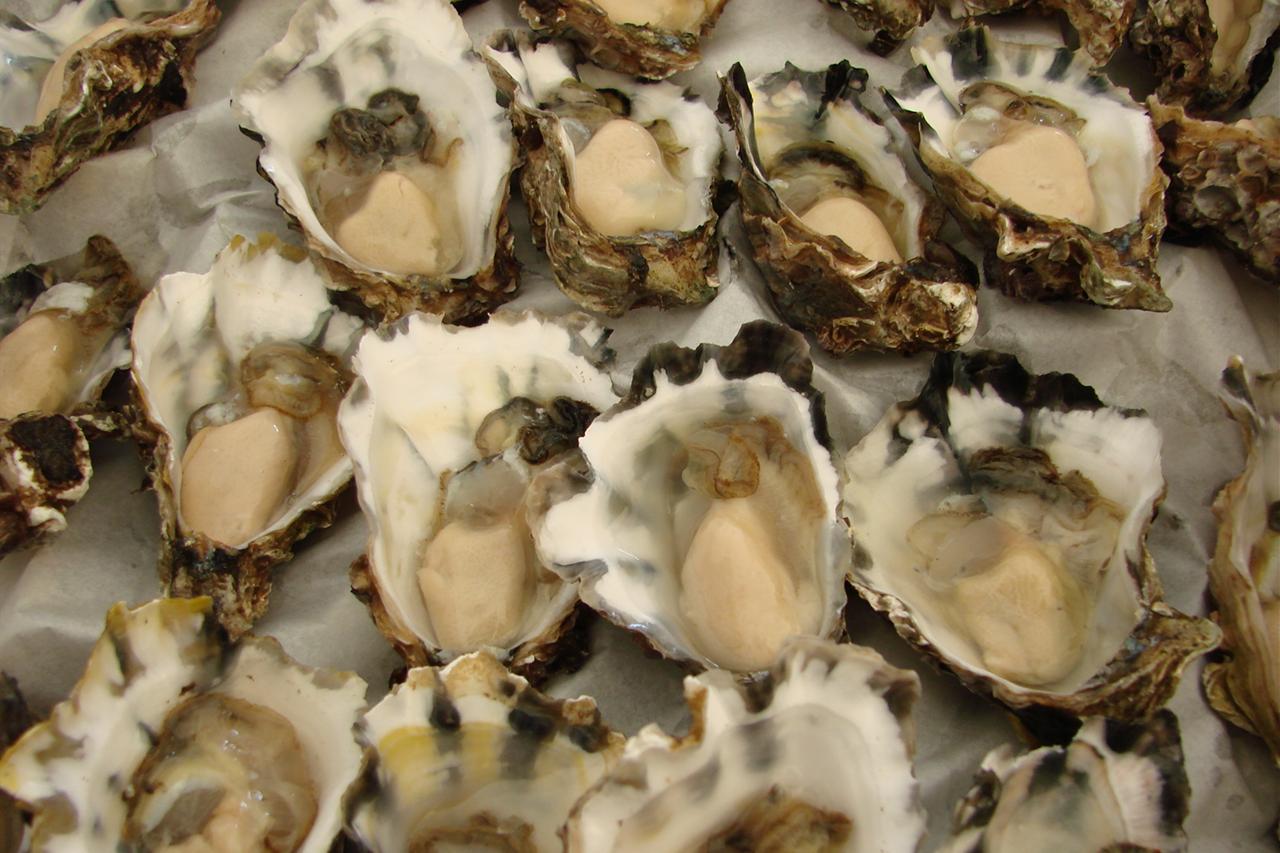
Stress-Free Oysters.
There is also no longer any stressing of the oysters. Old stick cultured oysters had to be knocked forcibly from the sticks and then „culled“ using a steel file to knock them apart. This action caused the oyster „culling shock“ that would actually kill a percentage of oysters. Our oysters are now caught wild as a single seed, requiring no harsh treatment throughout their life. We believe our husbandry practices are indicative of their quality.
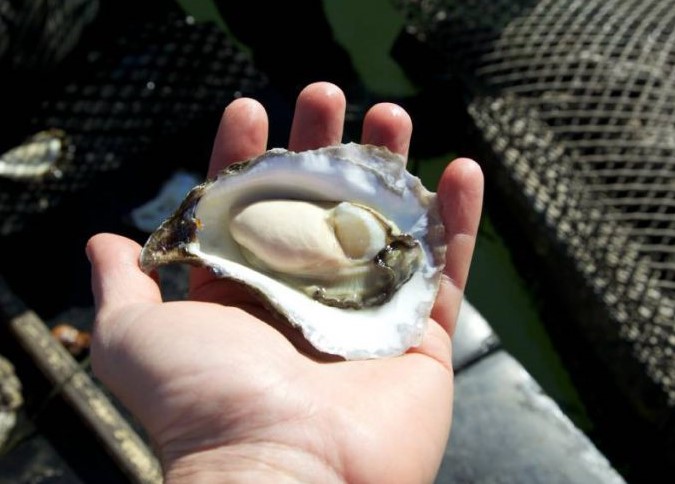
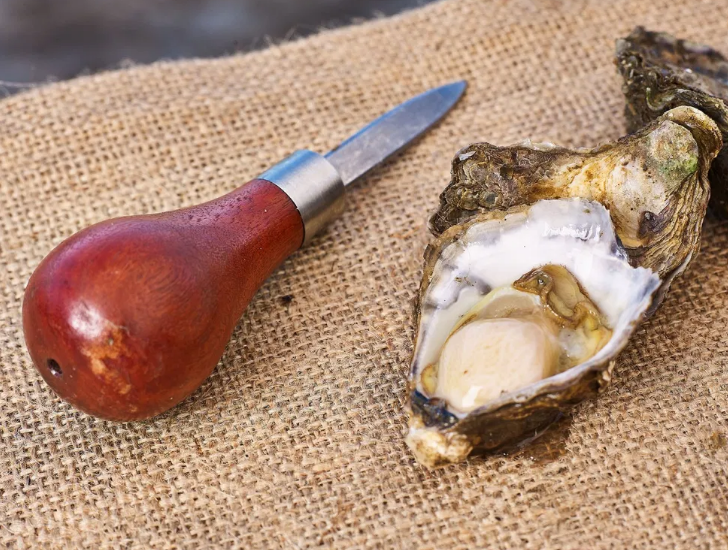
Organic certification is normally a three-year process. All of these factors and more led Australian Certified Organic (ACO) to grant us Organic Certification to a perfect oyster.
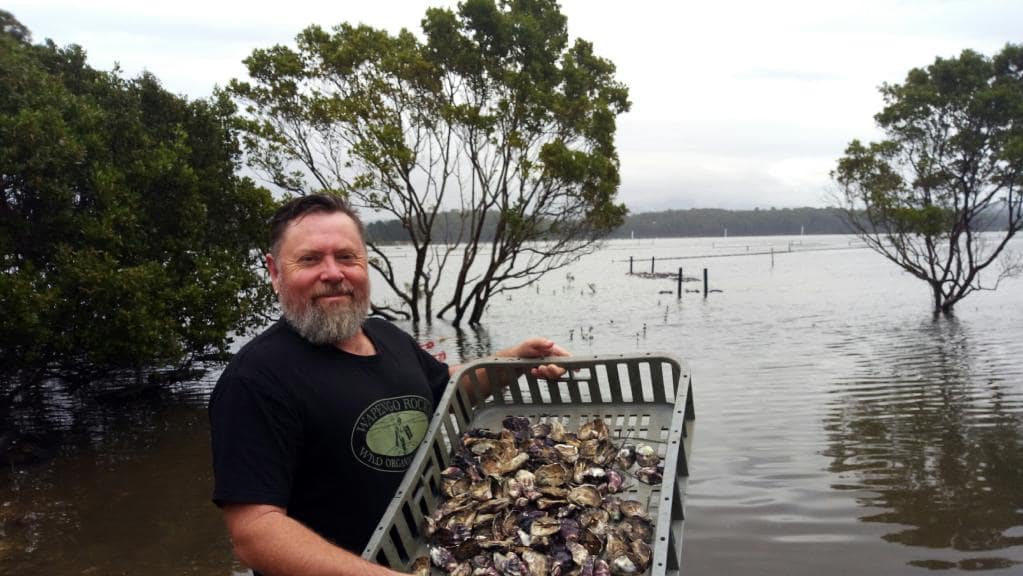
Shane Buckley, the proud owner of „Wapengo Rocks – Wild Organic Oysters“. Thanks for this great picture Shane. I wish I could visit you and the farm. Maybe Corona will once disappear, and we can travel again. Meantime we enjoy your oysters ! Sadly we can’t get some here.
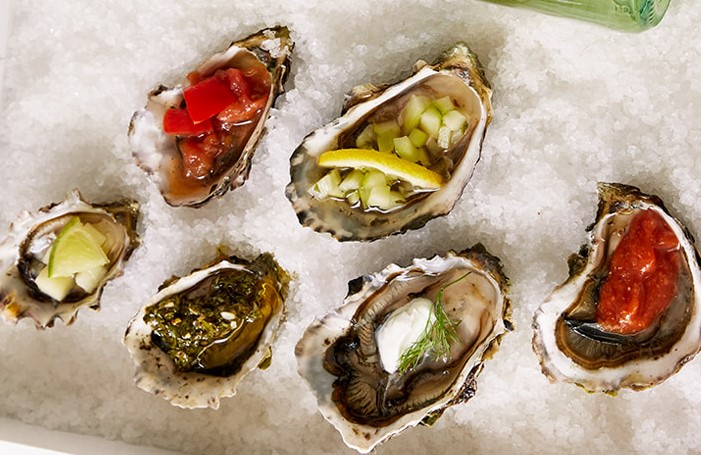
And finally, above another idea to have „oysters 6-ways“.
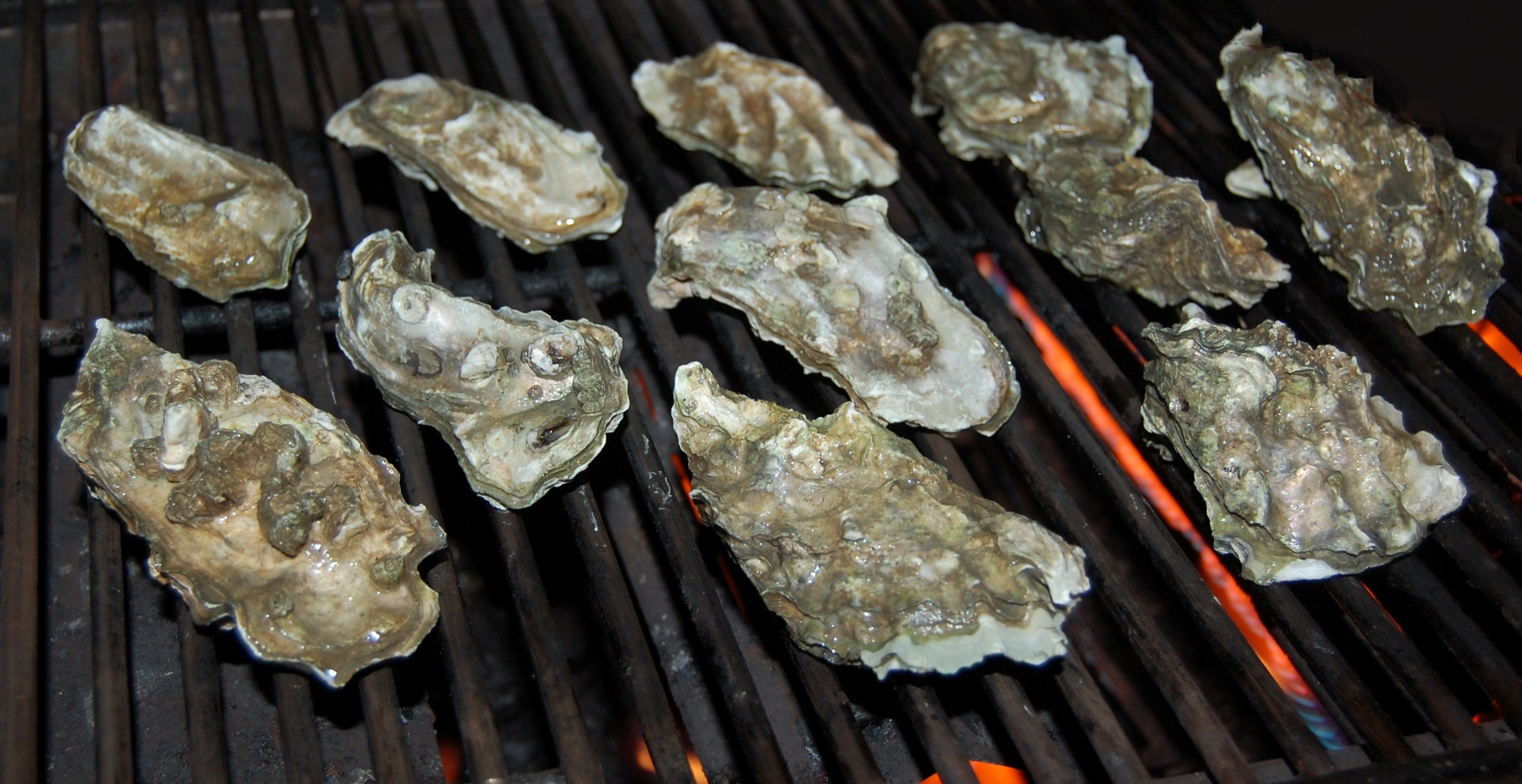
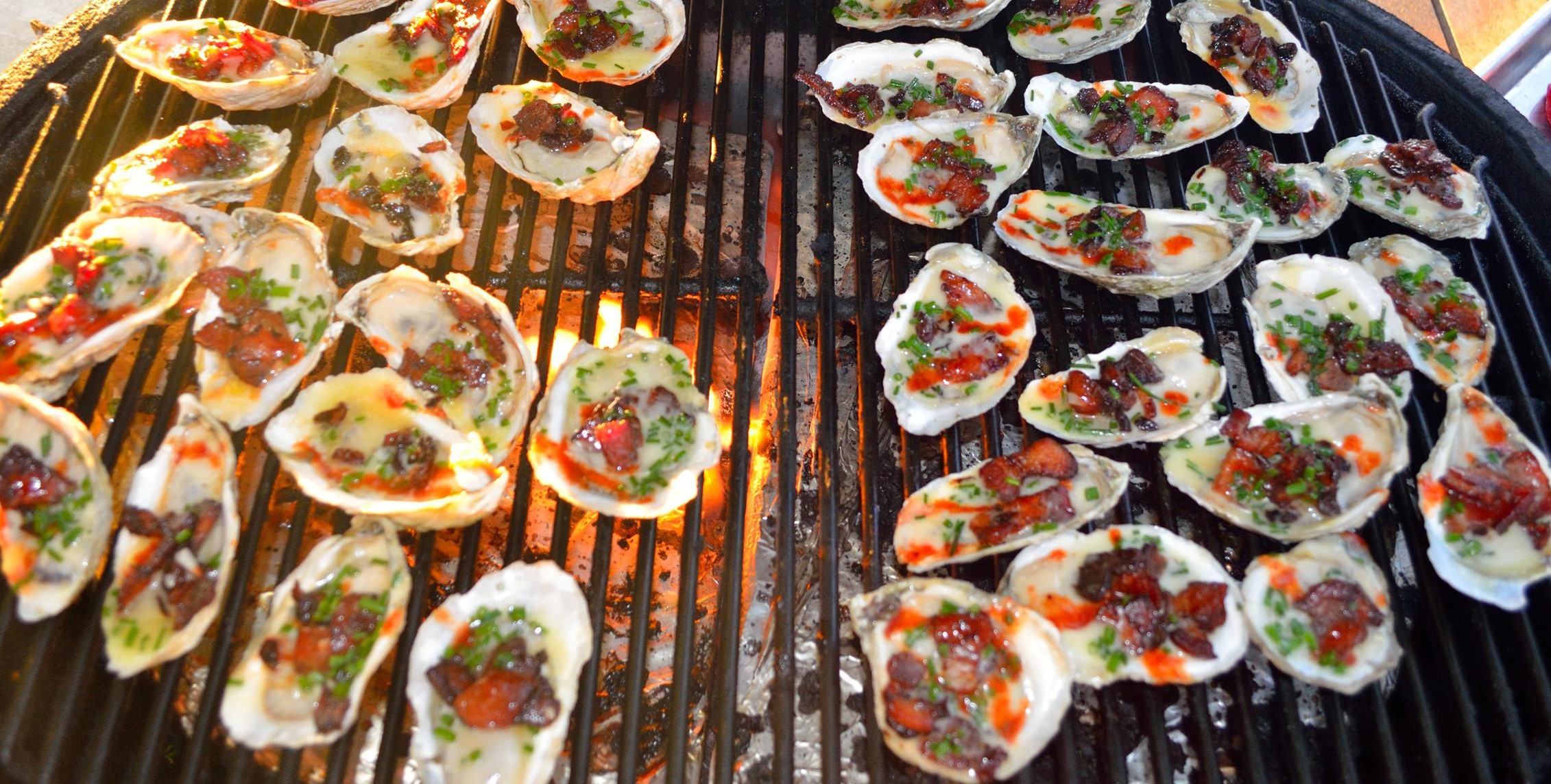
At home, we always liked to have oysters from the BARBIE, as you can see in both pictures above. Just plain, like mussels, when they open, they are ready, or a bit more fancy and prepared with, bacon, chilli, springonion, and so on. Anyway, dear readers, I know that oysters are not everyone’s „LIKE“, but if you do, enjoy them whenever, wherever you can, they are soooo healthy and delicious – BUT FRESH OF COURSE !
UPDATE :
You M U S T S E E the comments, just click on comments down here:


Hi everyone,
just got the following information from Bermagui. The sender won’t be named, so I post it in comments:
Bermagui Oyster Room.
A nice café by day, and a vibrant oyster bar by night and the best place to enjoy owner Shane Buckley’s Wapengo Rocks oysters, served on vintage crockery with a short, interesting list of wines, craft beers and single malt whiskies.
14 Lamont St, Bermagui (it’s inside the Bermagui arcade).
In case you visit Bermagui, stop by and enjoy,
cheers Mike.
LikeLike
And here are the pics from Bermagui Oyster Room,
notice – there are „oysters 7-ways“ available:
LikeLike