
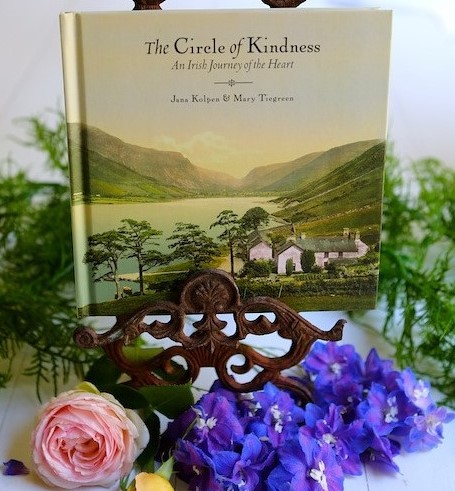
This will be, at this moment, the last part of my cookbook series. Hope you enjoyed it all and found some help, tips, and information. Stay healthy in these hard times.
A Brief Guide to Collecting Cookbooks.
Humble cookbooks have become highly desirable in the book collecting world. Followed pictures of some cookbook collecting ideas have to speak for themselves and are separate from the following text. If you click on pics, most pictures size big !!
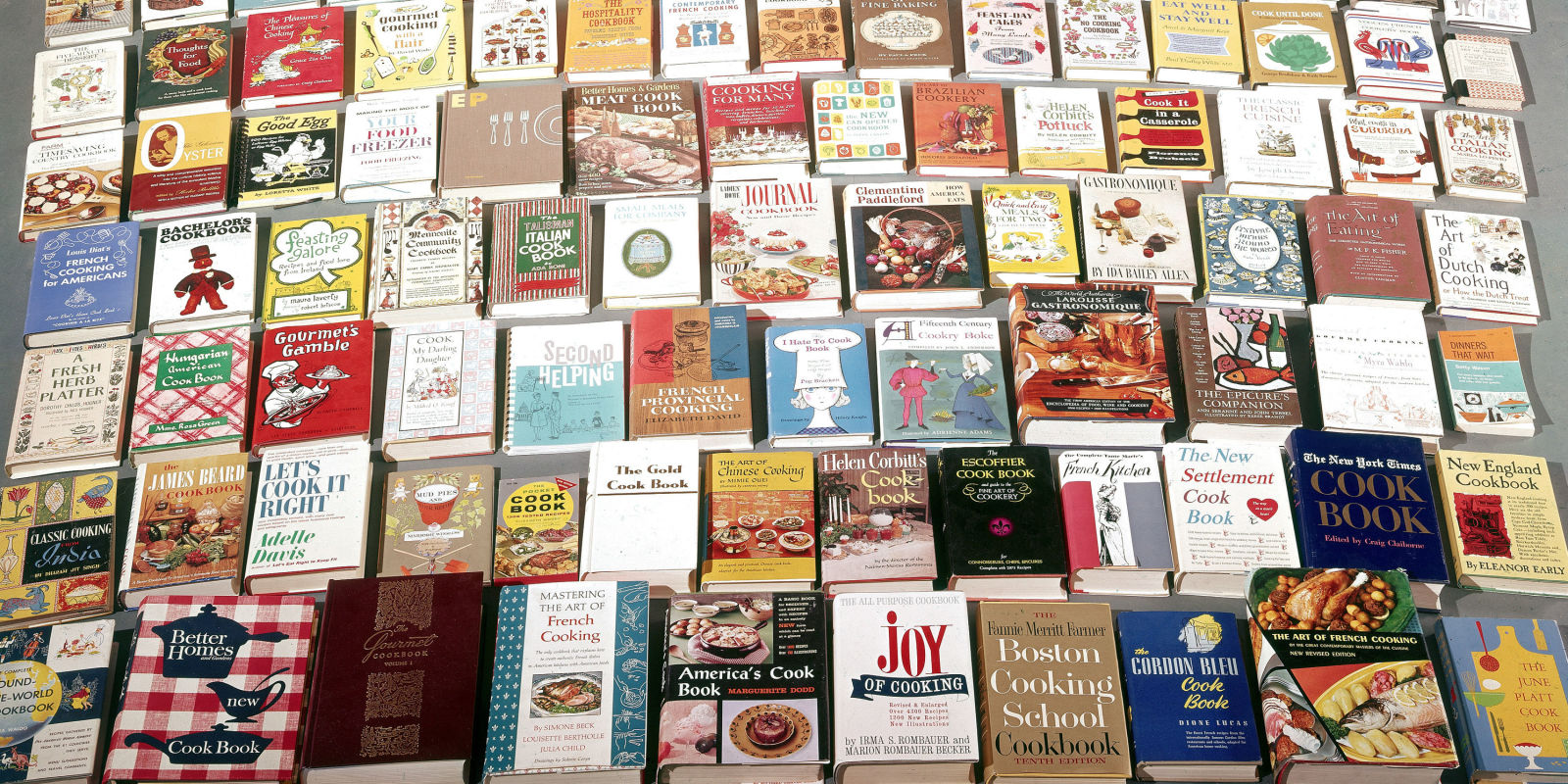
As you can read in part 1 of this series, cookbooks are written for about 3500 years. The oldest ones, in our modern opinion, are found in Europe. English, French and German cookbooks are available from around 1400s to 1600s. The first big boom of cookbook printing dates at the beginning of 1700-1720. The new wave was in the 1960s to 1990s.
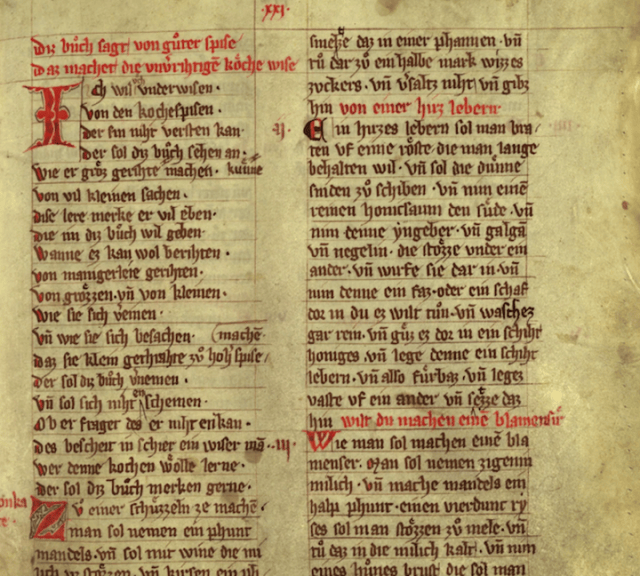
„Daz buch von guter spise“ (The Book of Good Food) ( first page, c. 1350, Universitätsbibliothek München). It is the oldest known German cookbook. Providing an insight into the culinary culture of the urban upper class, the book features 101 recipes, with 57 recipes in the first section and 44 in the second.
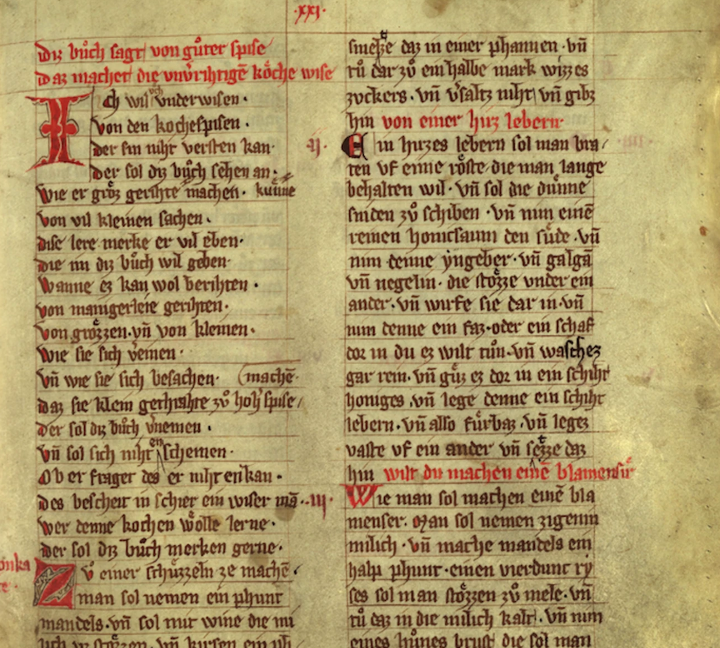
The above would never be available for a collector, but the following ones are for sure once on the market, and they are reasonably priced.
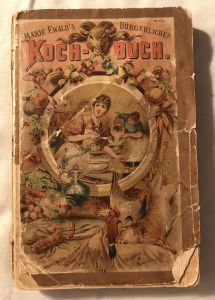
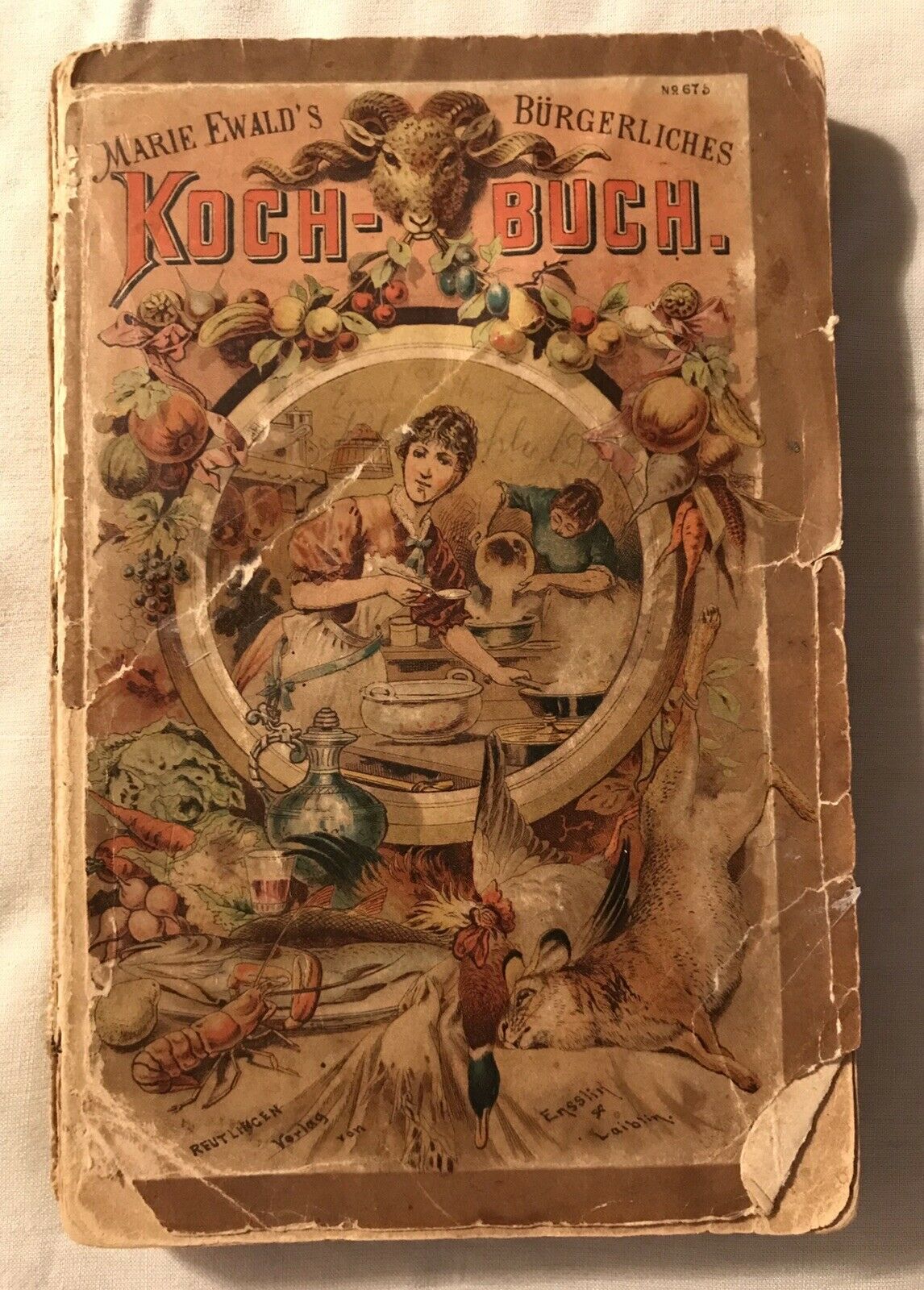
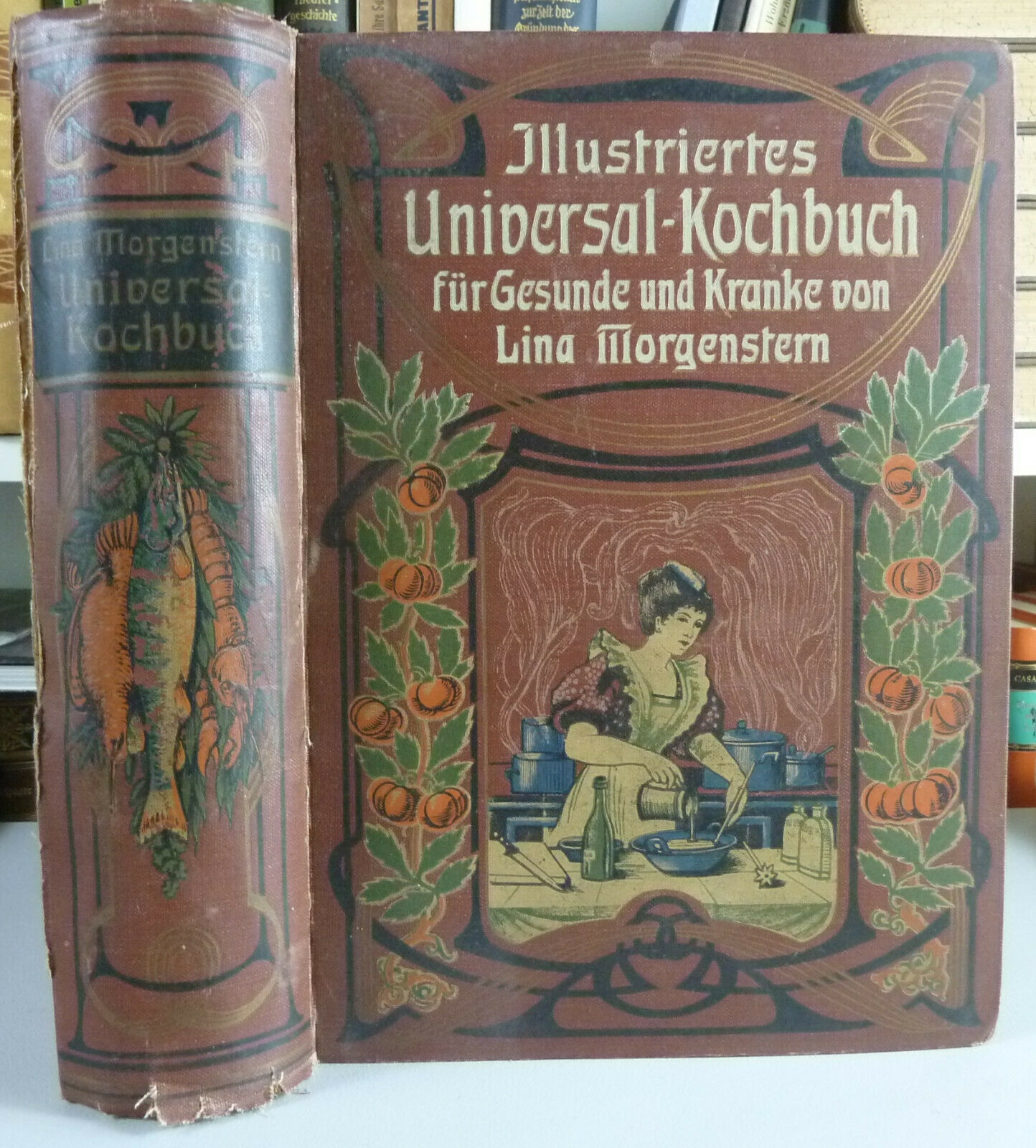
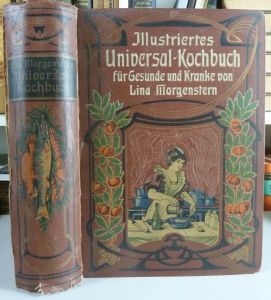 Left in bad condition, but very interesting and old, 1882. Right, in pretty good condition and with a wonderful Art Noveau binding, 1908.
With the immigrants from Europe to the Americas, the American cookbook genre truly began in the 1700s with two titles that can claim to be America’s first cookbook – The Compleat Housewife by William Parks (1742) and American Cookery by Amelia Simmons (1796). The Compleat Housewife was derived from an English book, while American Cookery – which is still in print today – features recipes using solely American produce.
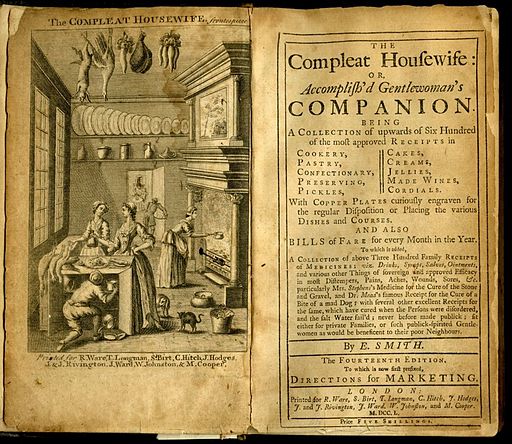
„The Compleat Housewife, or, Accomplish’d Gentlewoman’s Companion“, by Eliza Smith, first published in London in 1727, was republished in the American colonies in 1742 by William Parks in Williamsburg, VA. It was the first cookery book to be published in the Thirteen Colonies of America. It contained the first published recipe for „katchup“, and appears to be the earliest source for „bread and butter pudding“. The here shown book is the 14th English (E. Smith) edition from 1750.
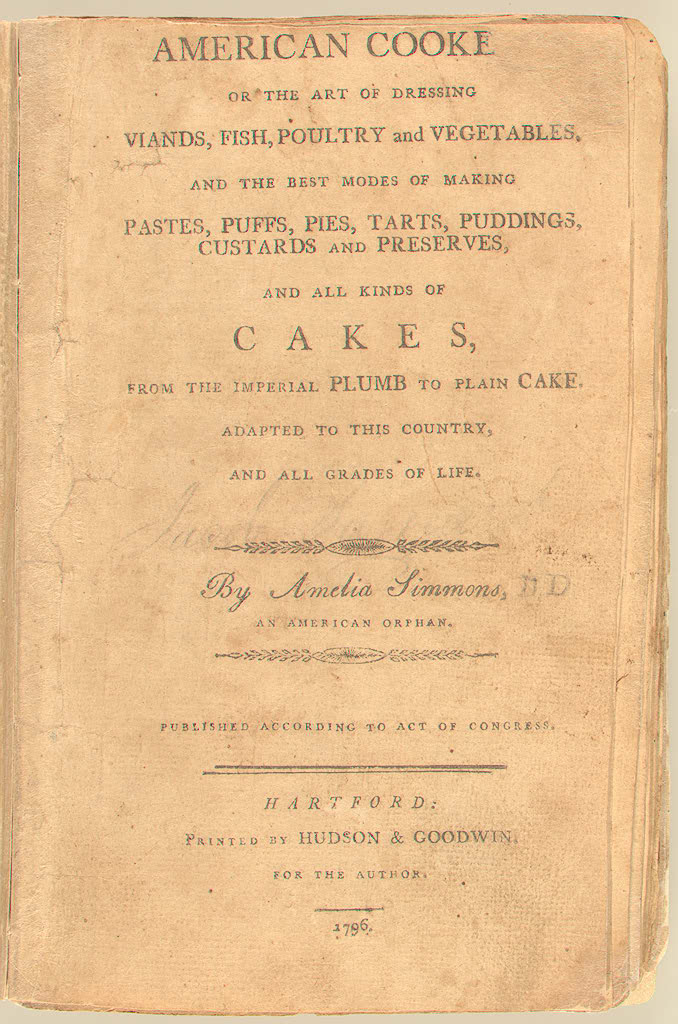
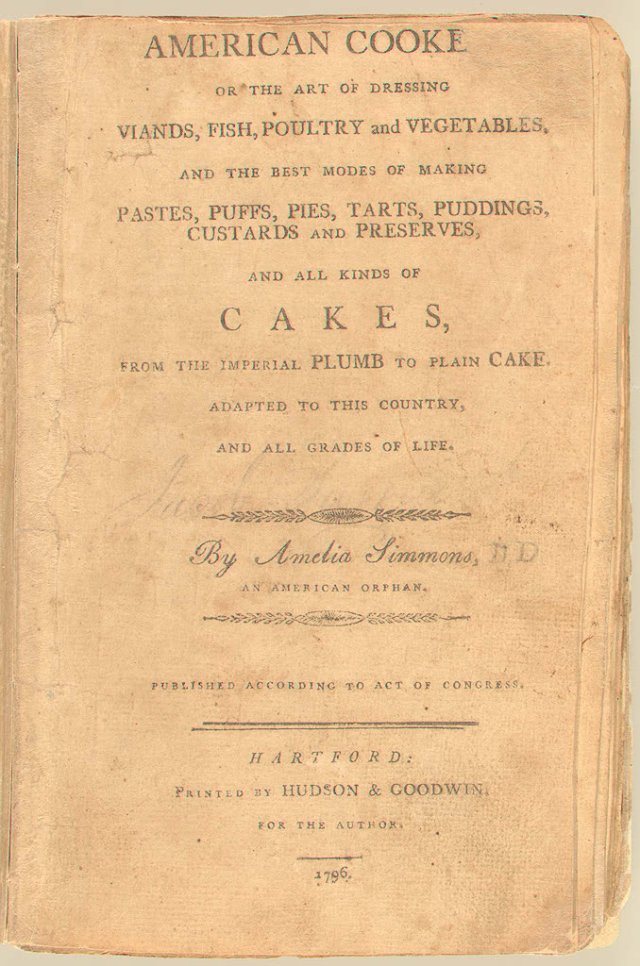 The original 1st edition of Amelia Simmons „American Cookery“ from 1796. Believed to be the first cookbook printed in America, by an American for an American audience, this is one of the most significant early cookbooks ever written. Other cookbooks had been printed in the colonies and the new republic, but they were largely reprints of English cookbooks like that of Hannah Glasse. Simmons turned her attention to uniquely American ingredients, and her cookbook was the first to include recipes that used cornmeal and were the first to suggest pearlash as a leavening agent in baking. Notice the remark after her name on this title „An American Orphan“ – interesting. Just 48 pages, it is considered by the Library of Congress to be one of the “Books That Shaped America.”
Collect „antiquarian“ books.
Many collectors are drawn to these older books because they catered for kitchens before electricity, microwaves, and refrigerators. Their recipes reflect dishes, ingredients, and styles of cooking that have been forgotten.
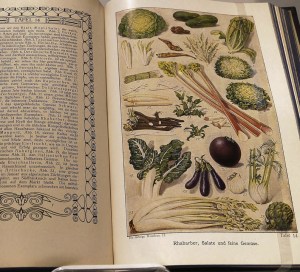
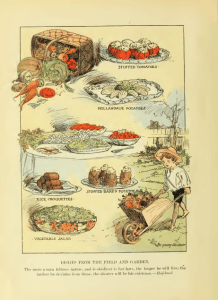 These are very collectible books too, people love books with colored engravings or chromolithographs, at least they must look also beautiful inside. And those ones are affordable too.
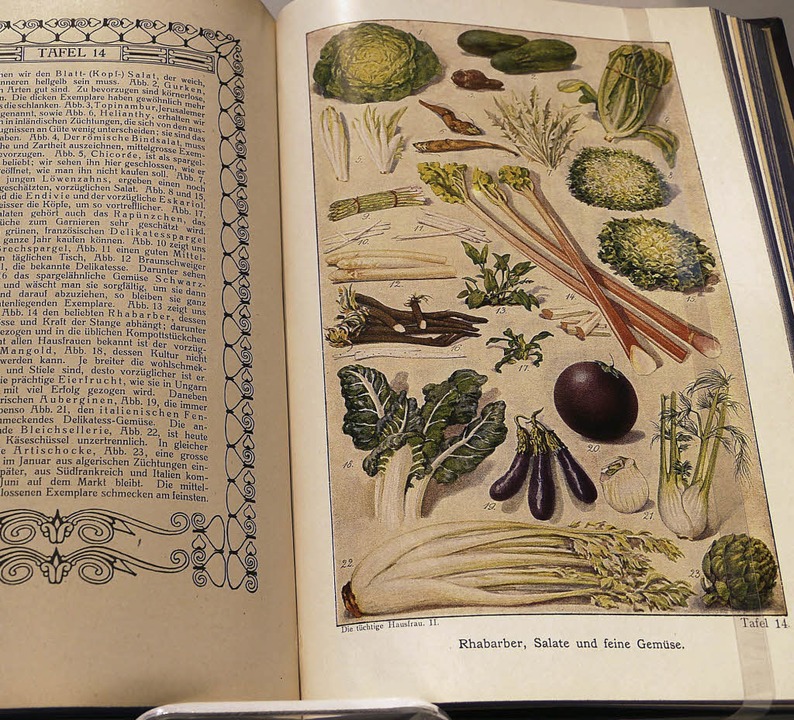
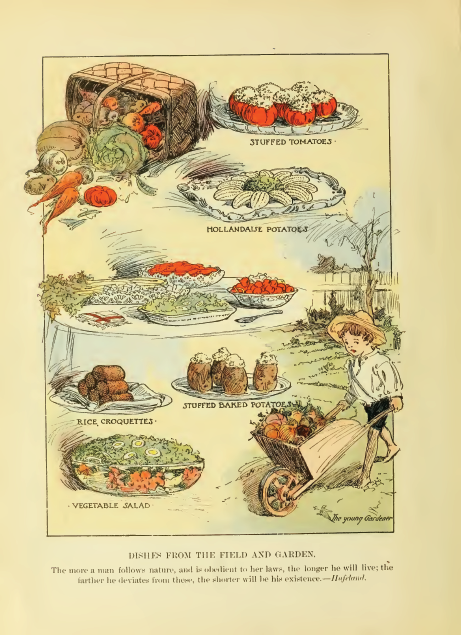
Cookbooks from the 1700s to 1850s can command four-figure prices, but anyone interested in starting a collection can easily target the 1950s and 1960s – when cooking culture exploded – without breaking the bank. By targeting these decades, collectible cookbooks can be snapped up for $50 or less.
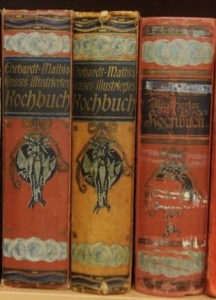
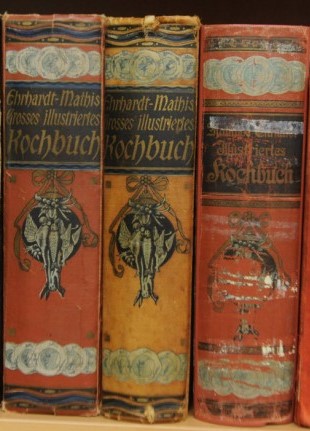
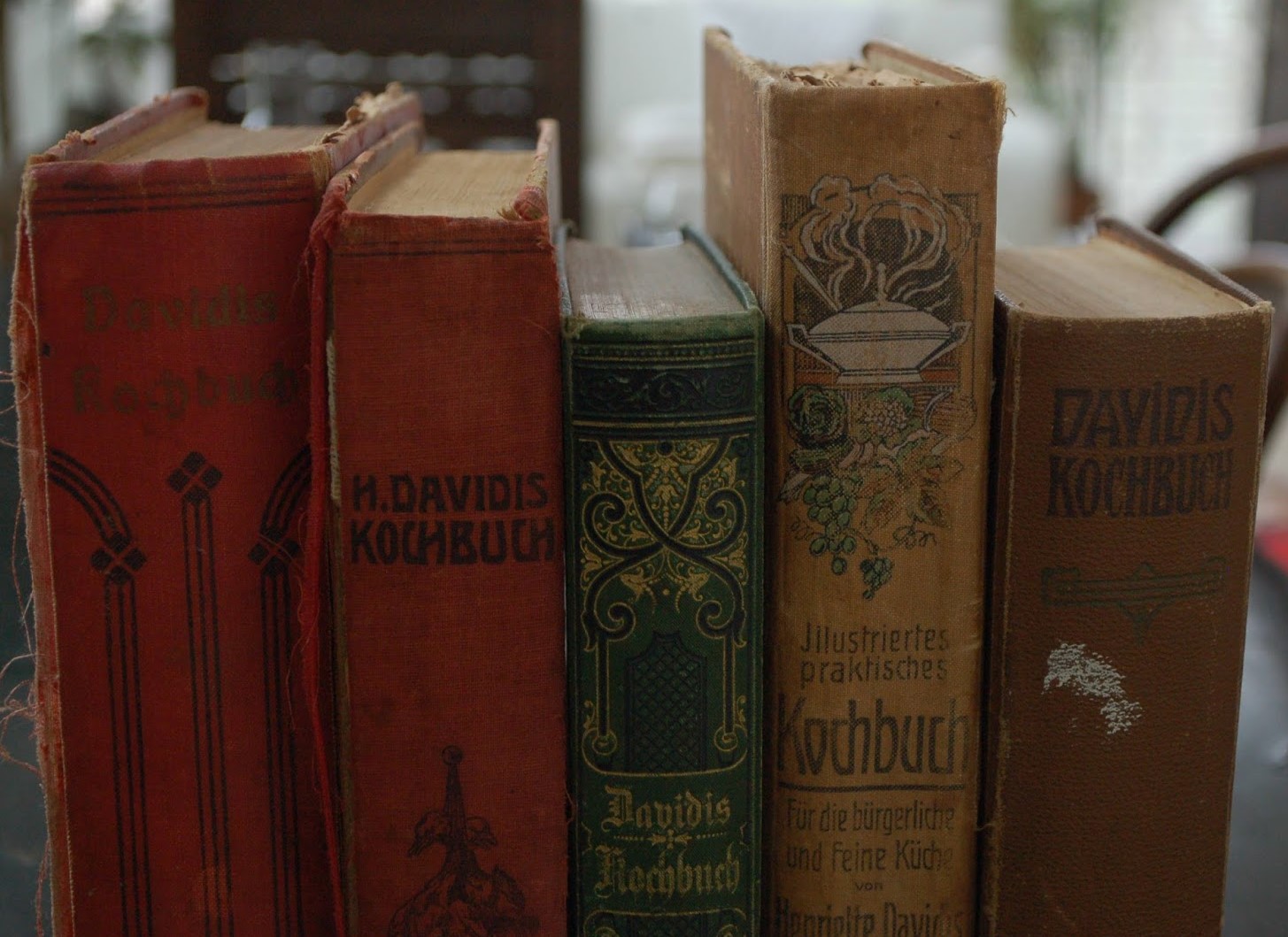
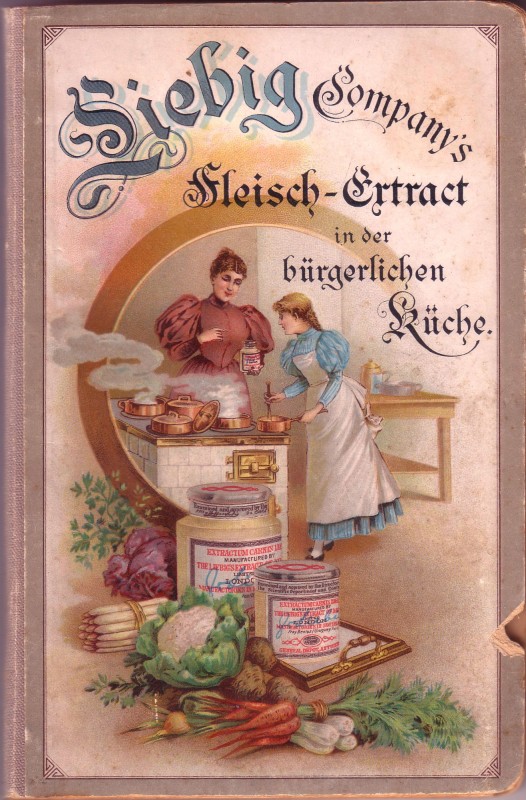
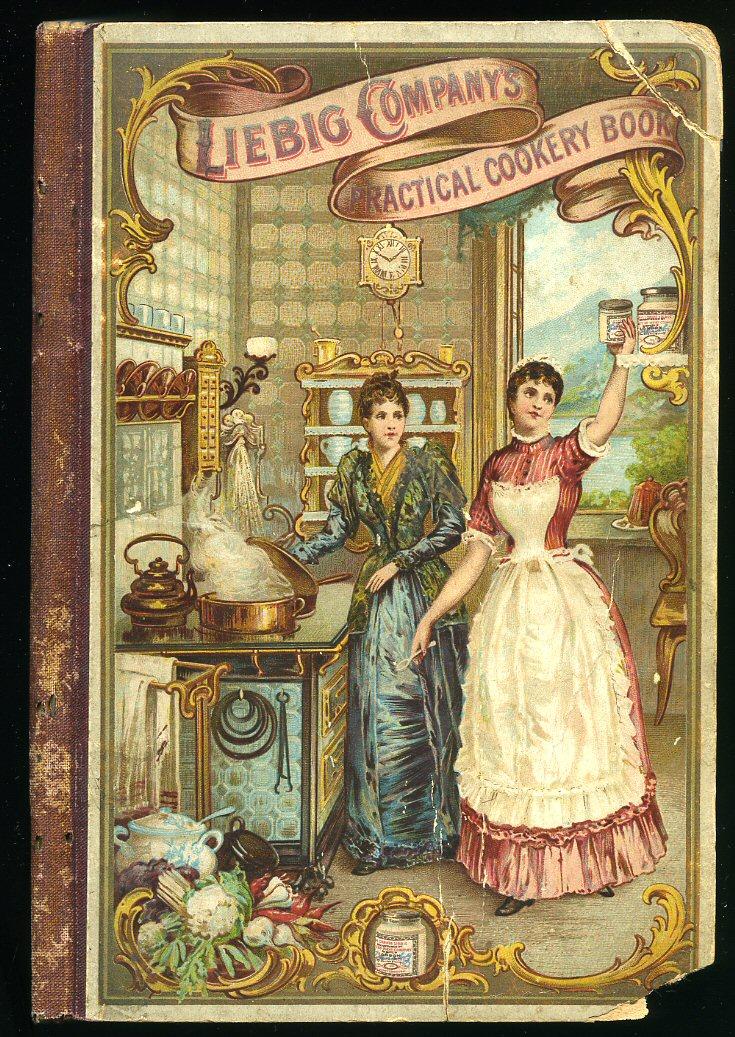
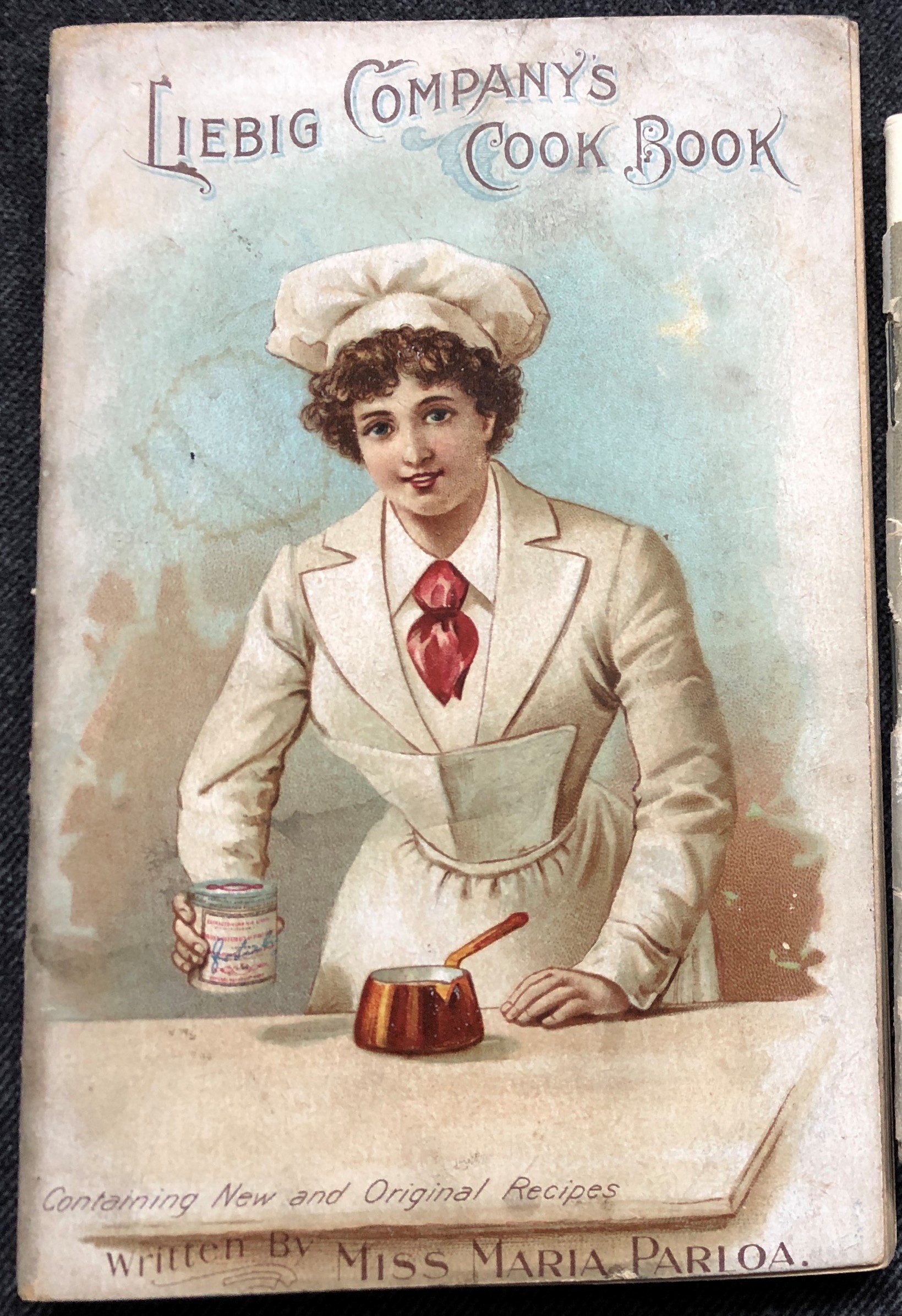
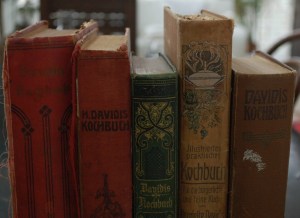 Collectors are chasing cookbooks from one author only, like Mathis or Davidis. Others prefer books from one company like Liebig’s down here. Those Liebig cookbooks are very rare, mostly printed during the 1880s to 1900s, but affordable. Again – click on pics to supersize.
Collect „famous names“ books.
The 1950s and 1960s saw countless cookbooks roll off the printing presses, most of which are now out-of-print, and that gives collectors huge scope. Aside from titles written by TV chefs like Julia Child, even food manufacturers, like Pillsbury, and appliance makers produced cookbooks to help market their products. These are highly sought after now.
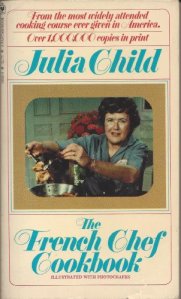
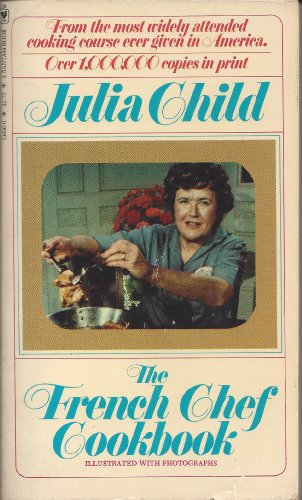
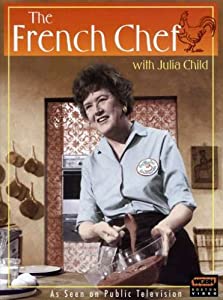 In part 1 of this cookbook series, I introduced you to Julia Child. Here the cookbook and the DVD of her famous TV-series. The DVD set contains 3 DVD’s with 18 episodes. If you want you need a four-day marathon of all 201 episodes of Julia Child’s „The French Chef“.
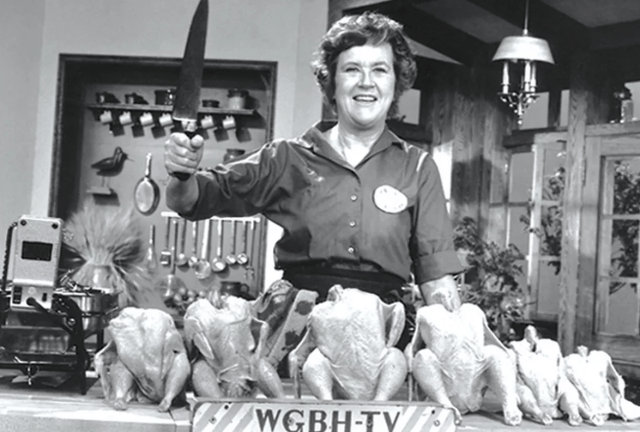
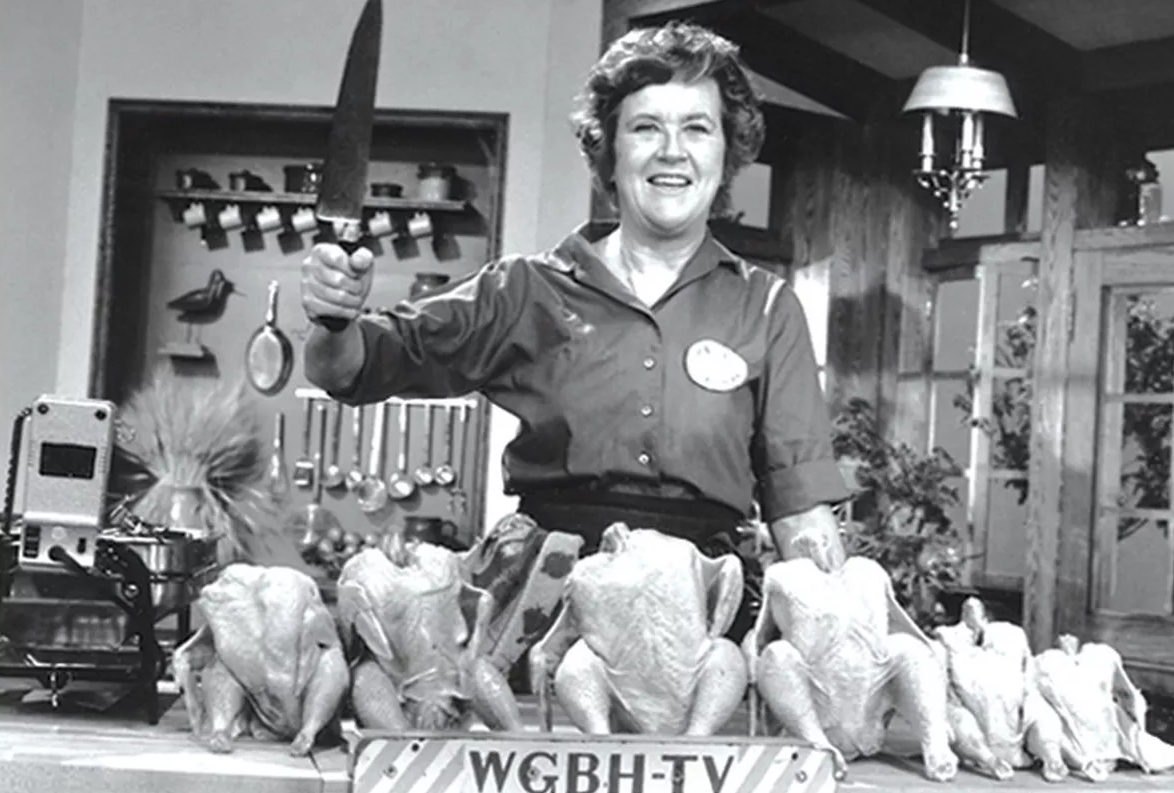
It is a funny comedy show to watch her cooking, especially when she swings a big knife or a hammer.
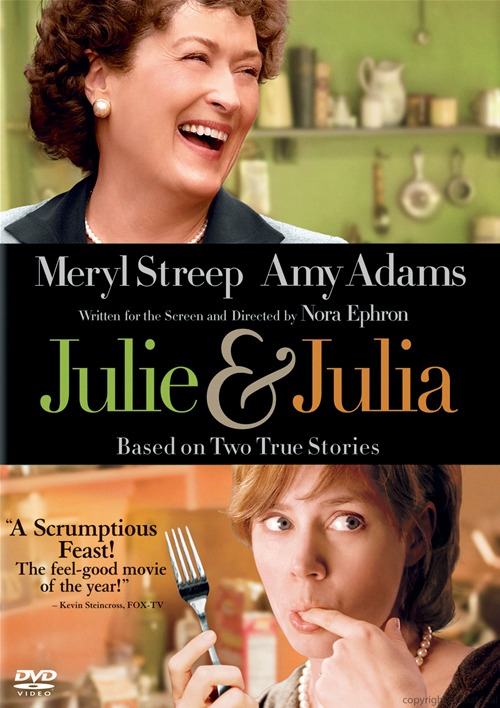
As I am writing about Julia, I have in my mind also the wonderful movie „Julie & Julia“. It is a 2009 American comedy-drama film written and directed by Nora Ephron starring Meryl Streep, Amy Adams, Stanley Tucci, and Chris Messina. The film contrasts the life of chef Julia Child in the early years of her culinary career with the life of young New Yorker Julie Powell, who aspires to cook all 524 recipes in Child’s cookbook in 365 days, a great challenge and worth to watch. With this movie, Maryl Streep was 26 times nominated for an award and WON AWARDS FOR „BEST ACTRESS“ 12 times !!
Just a great FEEL-GOOD Movie !!
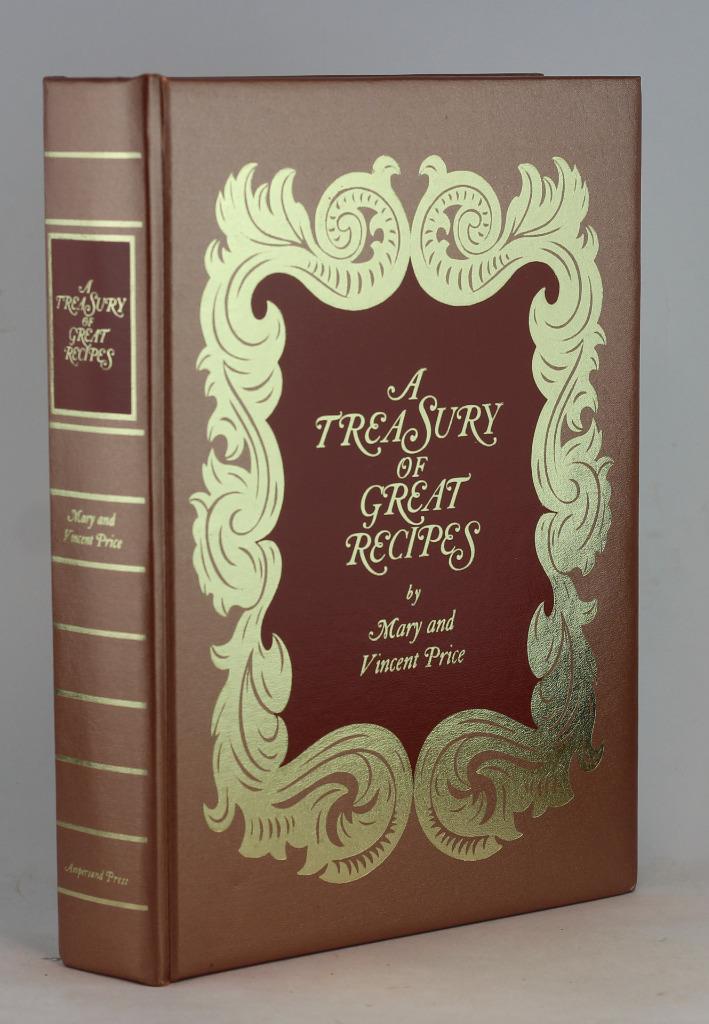
Celebrities also realized they could exploit their fame through cookbooks and this led to titles such as A Treasury of Great Recipes by Vincent and Mary Price published in 1965 (copies range from $10 to $350). The one down here is a bit more expensive.
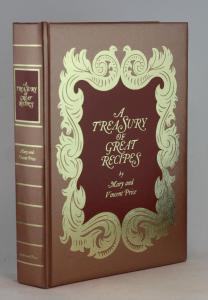
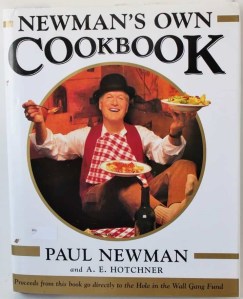
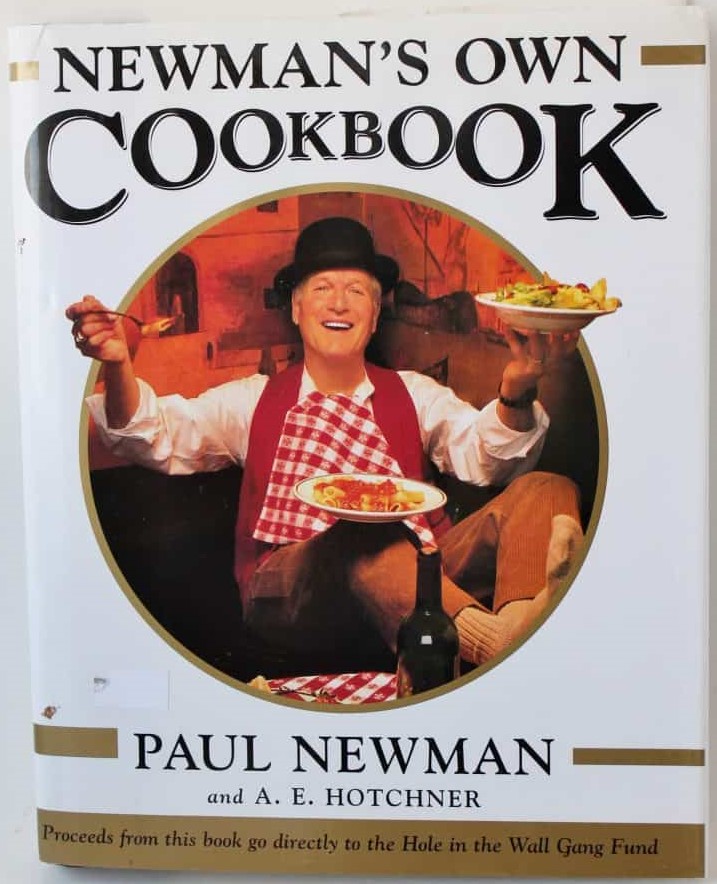
Left: First edition 1965, mint condition, eBay offer US$ 500,–. Right: Why not collecting movie stars, many produced their own cookbook, so as Paul Newman. Newman’s book, 225 pages, from 1998 is very interesting and still available trough amazon for US$ 13,50. Newman products grossed US$ 710 million on sales of salad dressing, salsa, pasta sauce, books, and popcorn, giving away to various charities and just causes the $100 million they realized – amazing !
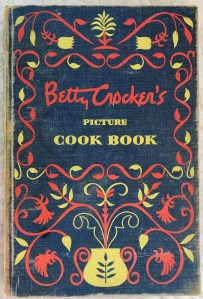
Even the most widely used cookbooks from the 1950s and 1960s can command high prices. Good condition copies of „Betty Crocker’s Picture Cook Book“ are highly prized (prices range from $10 to $450). First published in 1950 and reprinted many times, buyers recall their mother or grandmother using the book so there is a sentimental attraction.
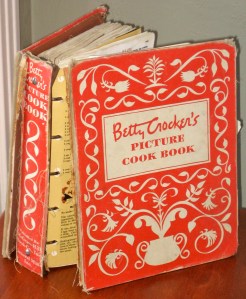
The bound book and the ring book, both 1st editions from 1950. Condition is important.
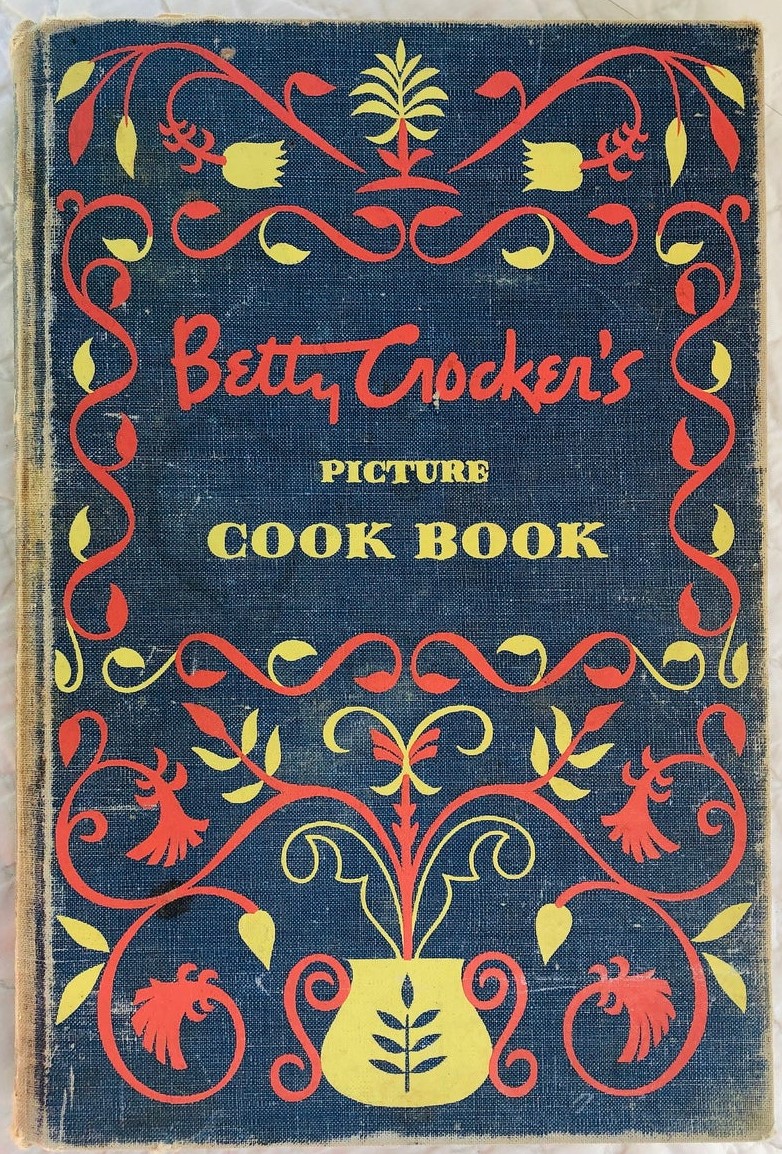
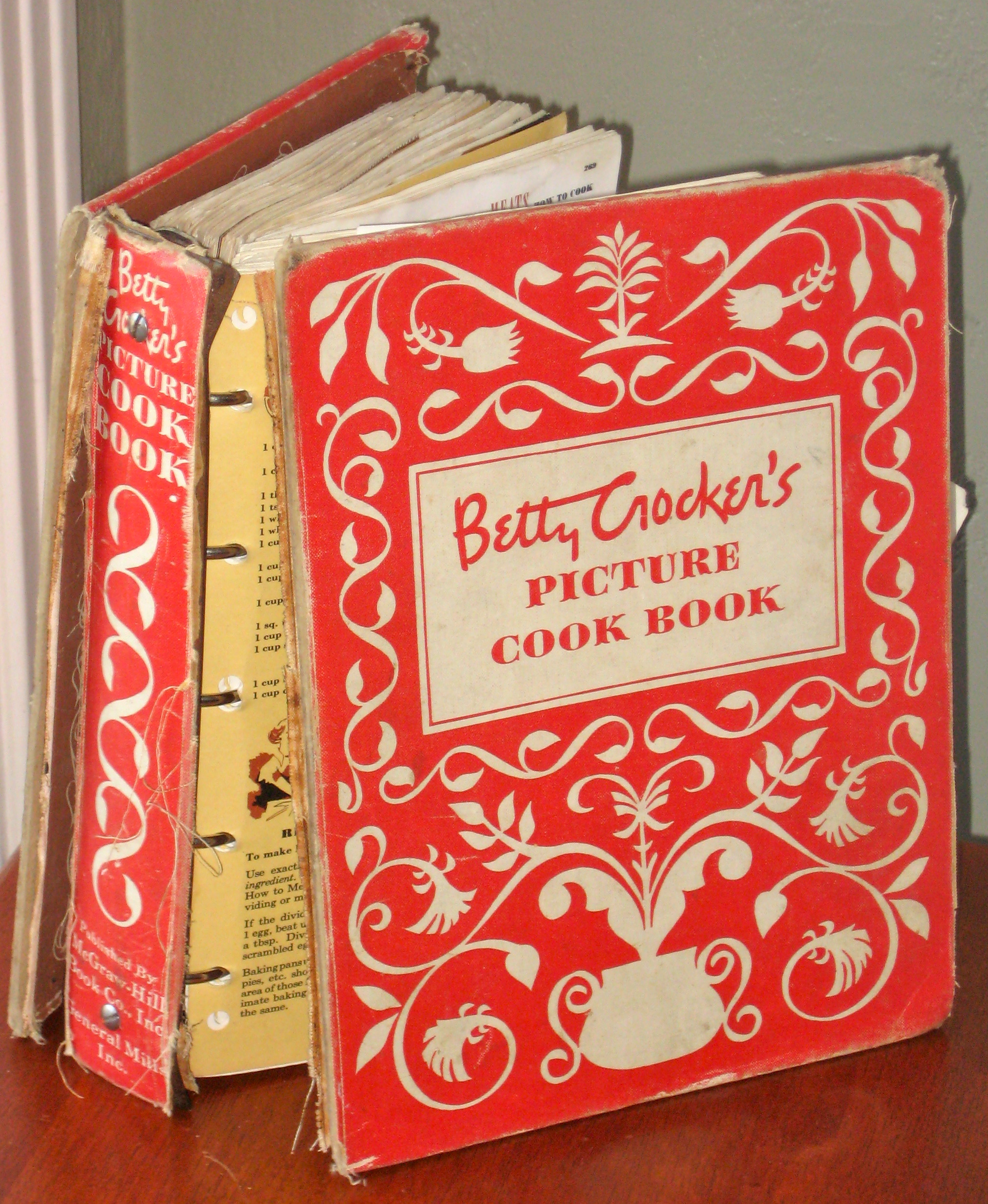
The key is finding copies in decent condition because they were essential items in many kitchens. The Joy of Cooking by Irma Rombauer is another hot property.
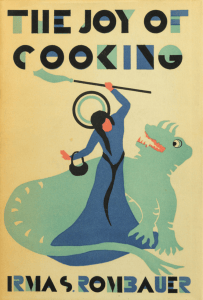 The Joy of Cooking by Irma Rombauer – prices up to US$ 4.800.
Collect „special style“ books.
A fantastic looking title in typical 1930s Art Deco style. Self-published in 1931, The Joy of Cooking is still a bestseller today with thousands of copies selling each year. More than 18 million copies have been sold and it is America’s favorite cookery book. A housewife in St Louis, Missouri, Irma Rombauer had 3,000 copies printed by a company called A.C. Clayton – a label printer who had never published a book. She had written the book in the aftermath of her husband’s suicide. The 1931 edition was illustrated by Rombauer’s daughter, Marion, who worked on designs at weekends. Later editions contained more recipes and lacked recipes for cooking raccoon, opossum and squirrel – dishes that became commonplace during the 1930s depression.
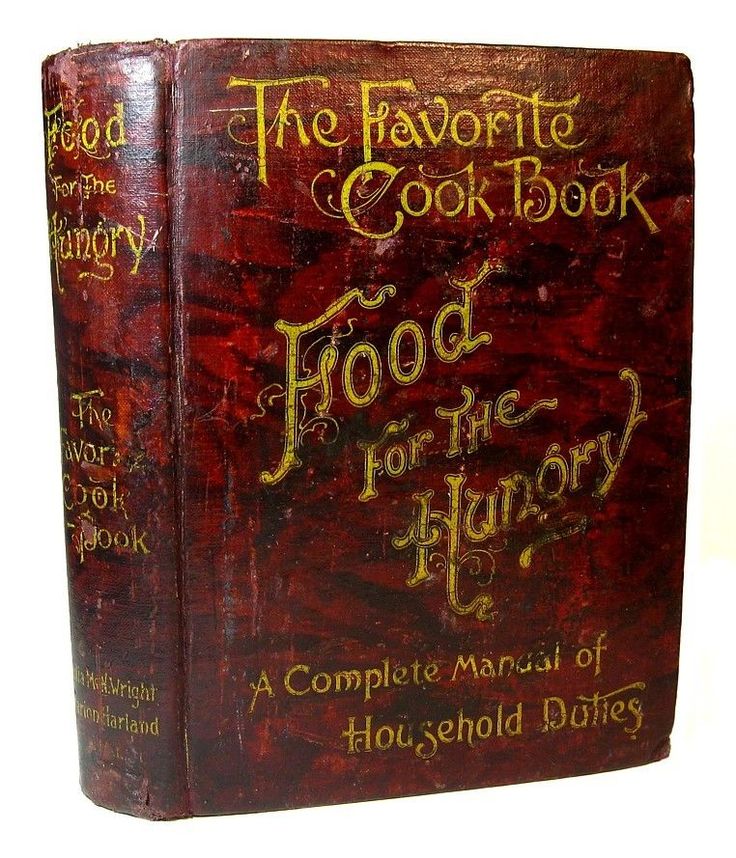
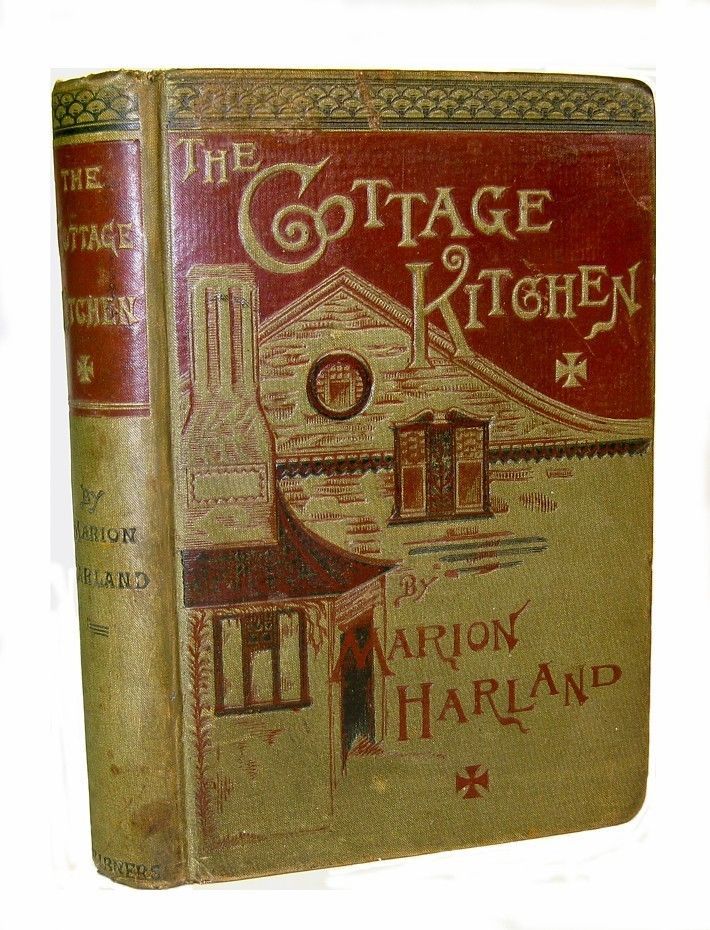
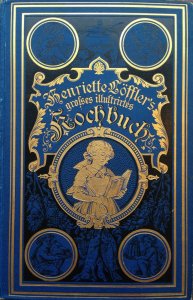
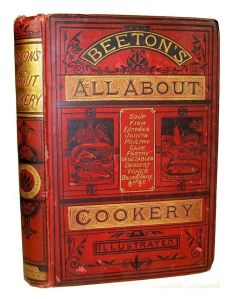
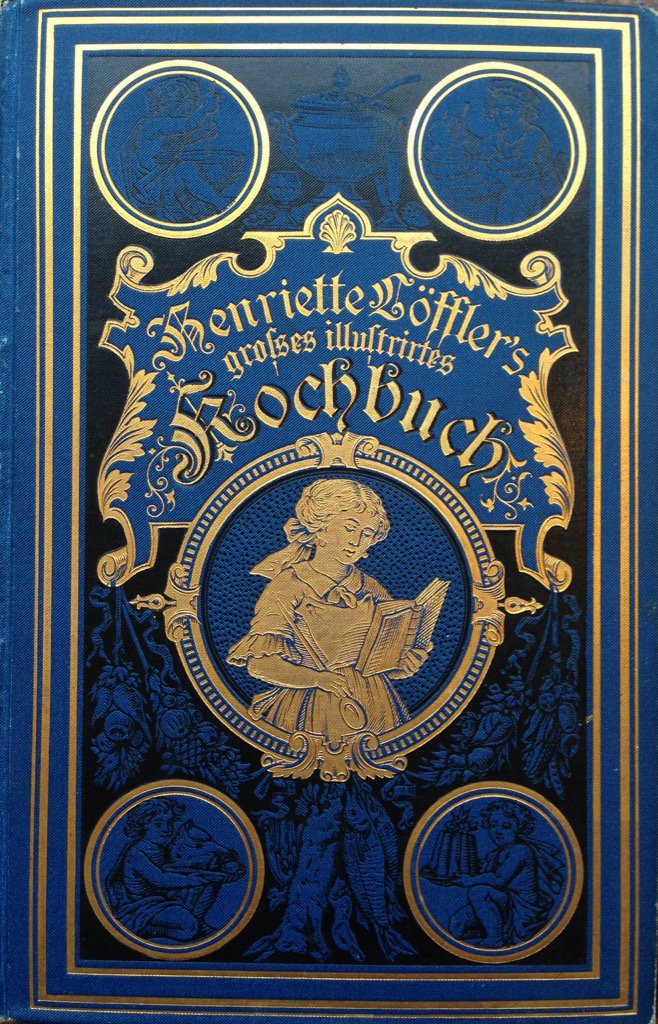
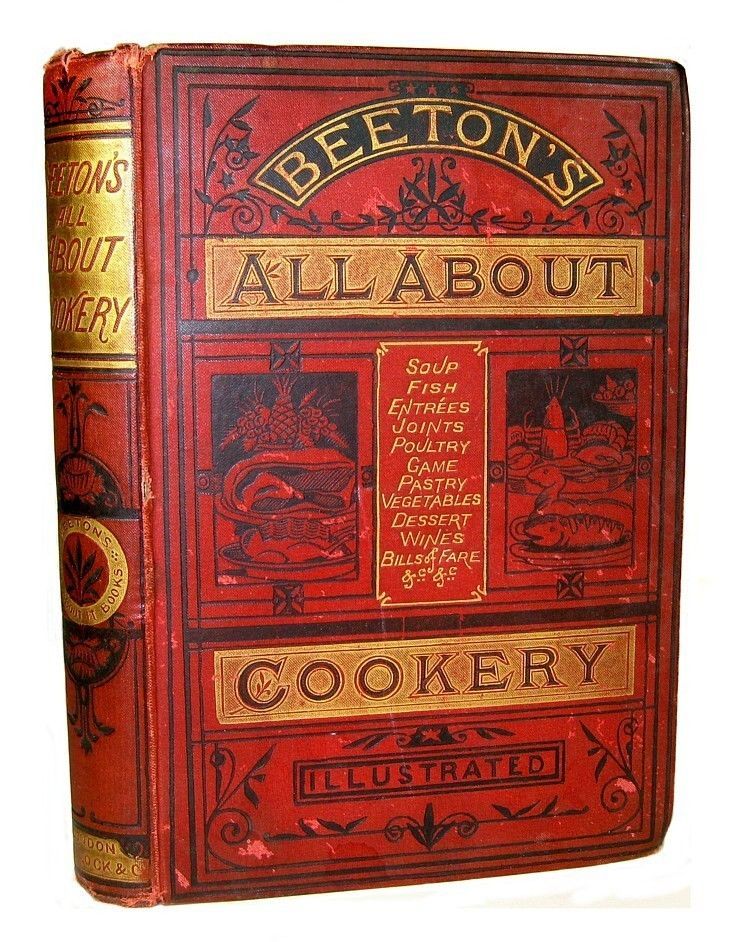
Above 4 beautiful old cookbooks, these are collected by the beauty of the cover.
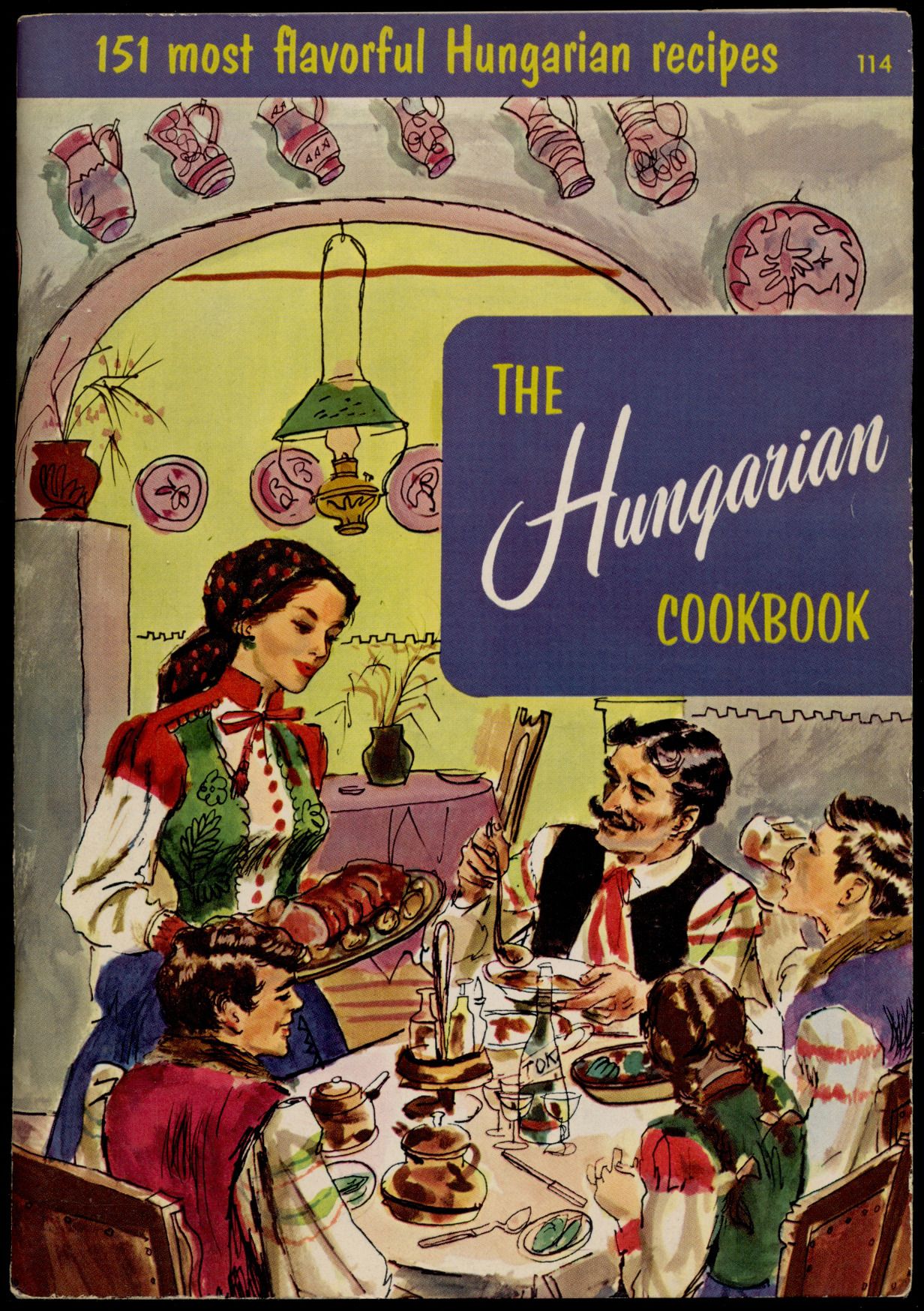
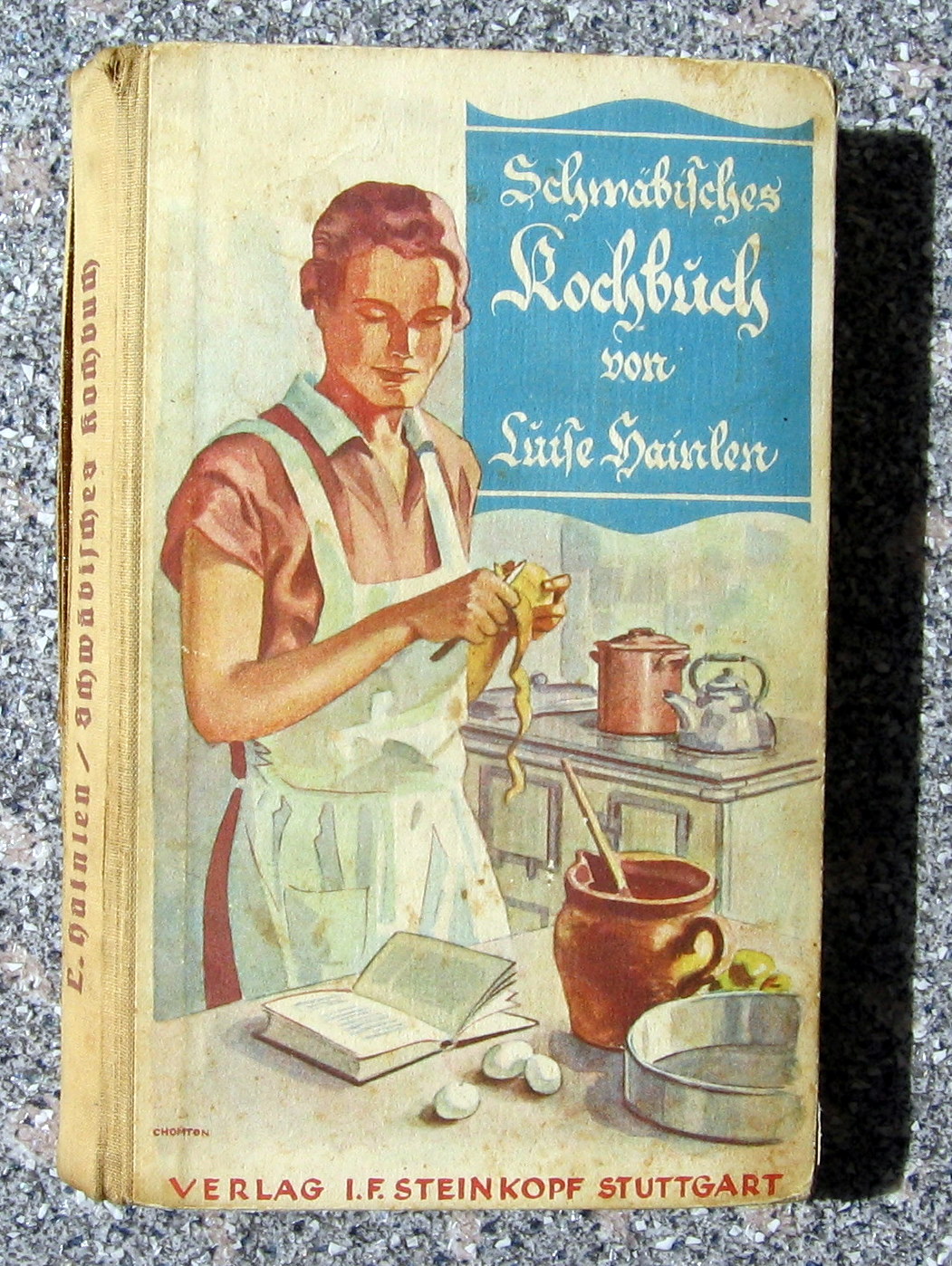
One of the most appealing genres is locally produced cookbooks that have small print runs and are often published by church groups or charitable organizations like you can see some in my earlier parts. These books often support an ethnic style of cooking, even though the readers were far from their ancestral homeland.
Collect „ancestral homeland“ books.
Collectible cookbooks can range from high camp, „Liberace Cooks, Recipes from his Seven Dining Rooms“ by Carol Truax, to the downright bizarre, Lowbush Moose (and other Alaskan Recipes) by Gordon R Nelson, or the „Tropical Cooking“ by Gladys Graham I introduced in part 3 of this series.
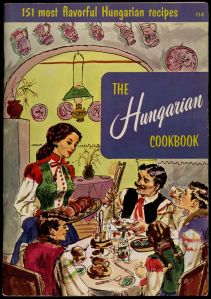
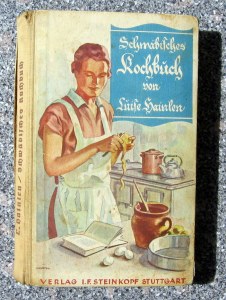
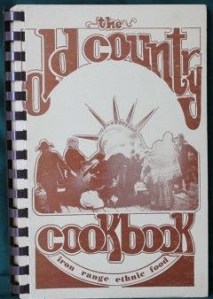
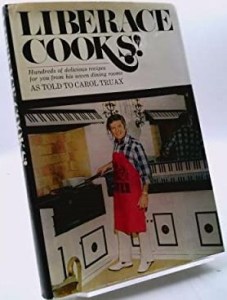
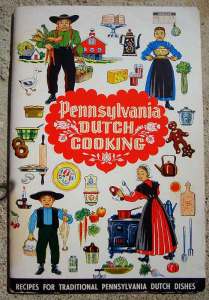
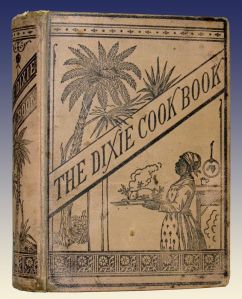
Collectible ethnic cookbooks.
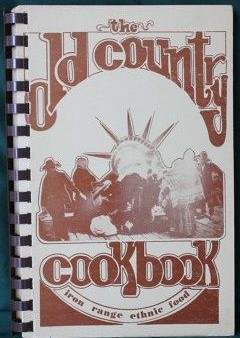
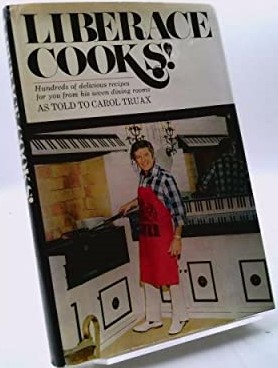
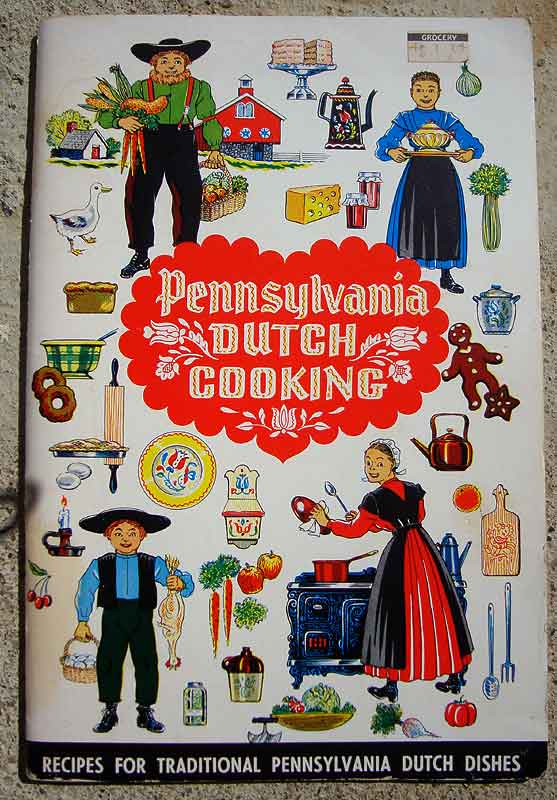
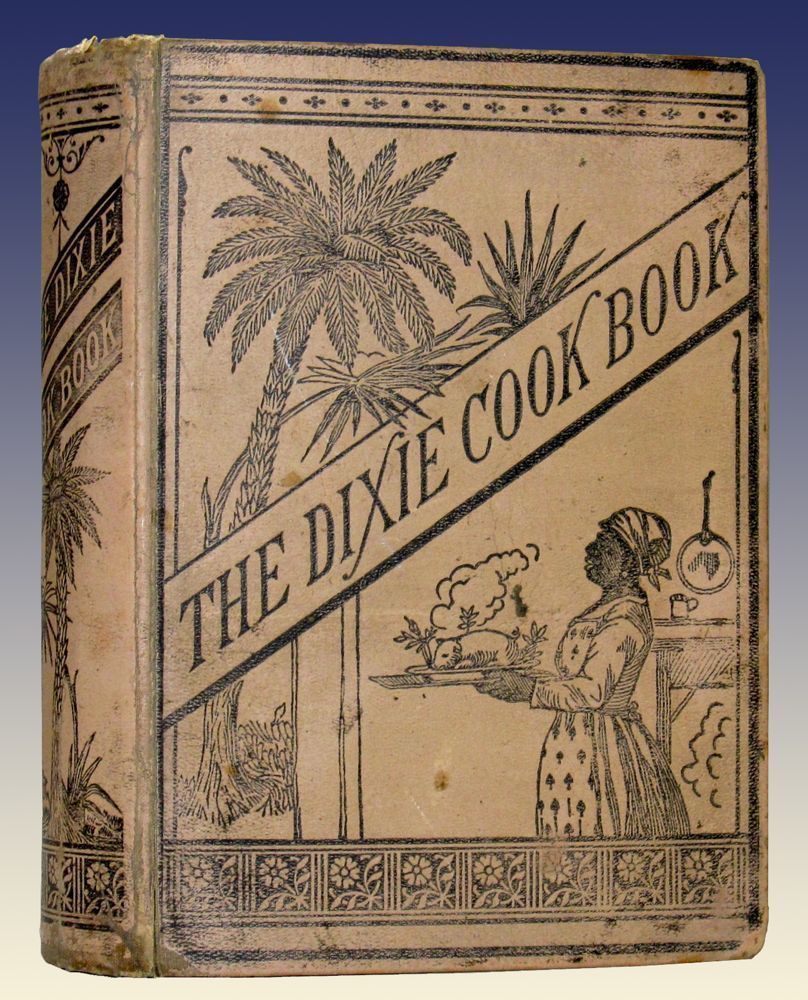
Despite the demand for rare cookbooks, it is suspected many collectors do not actually cook from their purchases. They could be fascinated with recipes of the past like you can find in the White House cookbooks or they are interested to read about royal menu arrangements from the 1850s like you can see above.
Collect „appealing titles“ books.
The sheer array of cookbooks is daunting to the first-time collector so it is advisable to specialize in a single genre or ethnicity or to collect the work of a particular author or group of writers from a region or period.
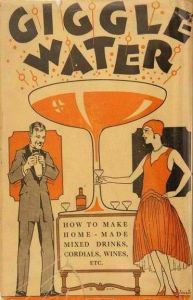
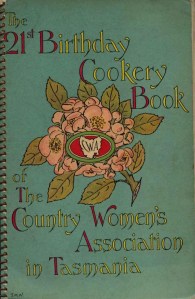
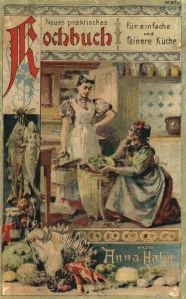
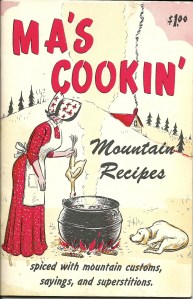
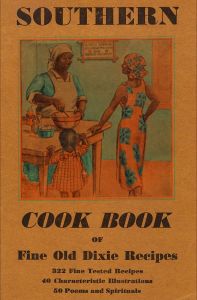
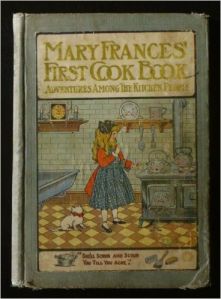 How about collecting by nice covers, antique, and vintage, the main focus on „interesting“.
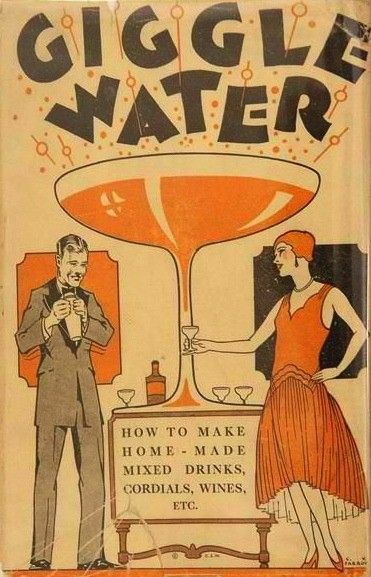
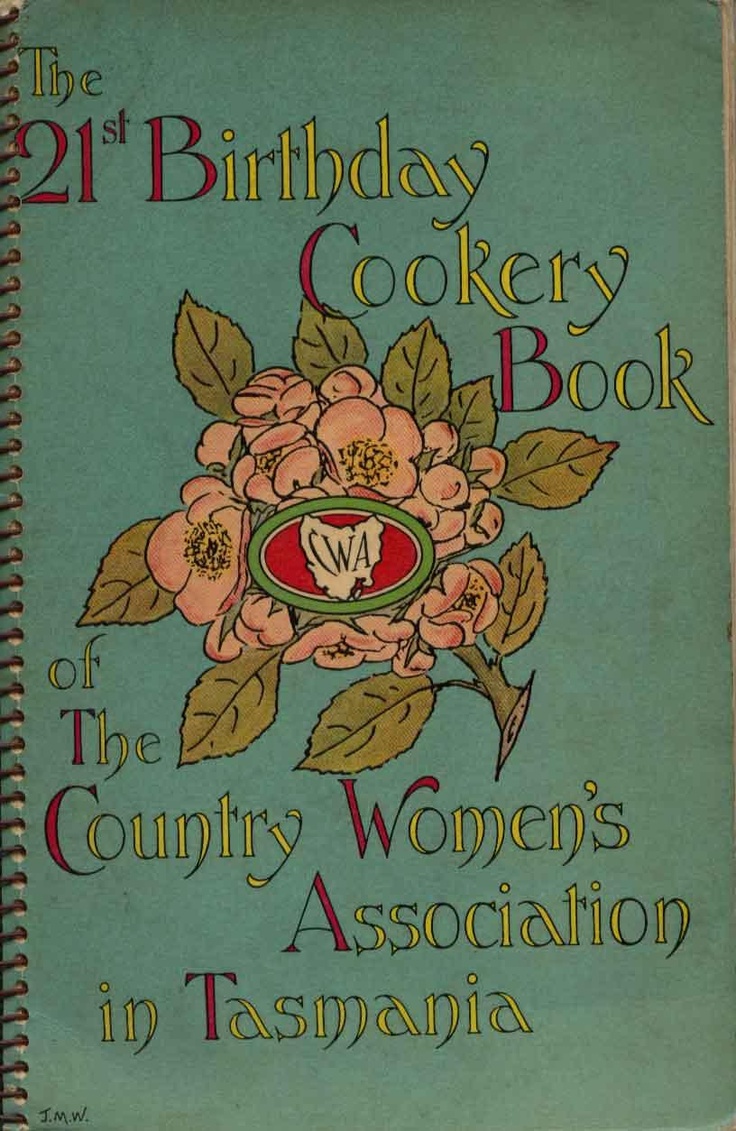
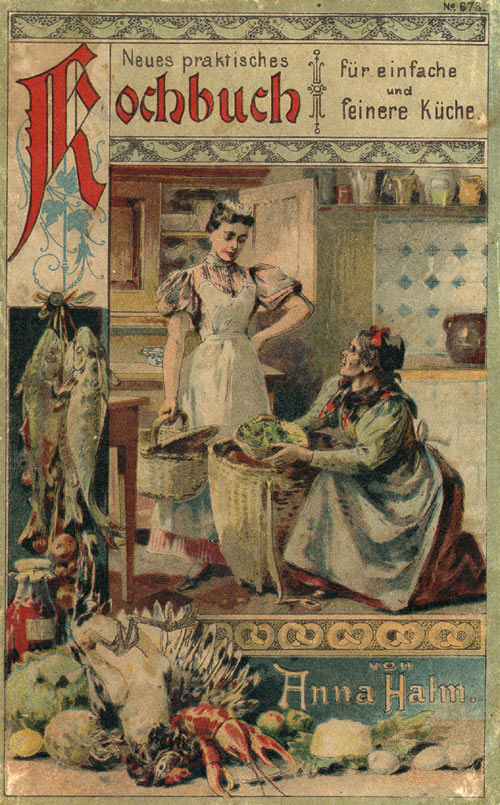
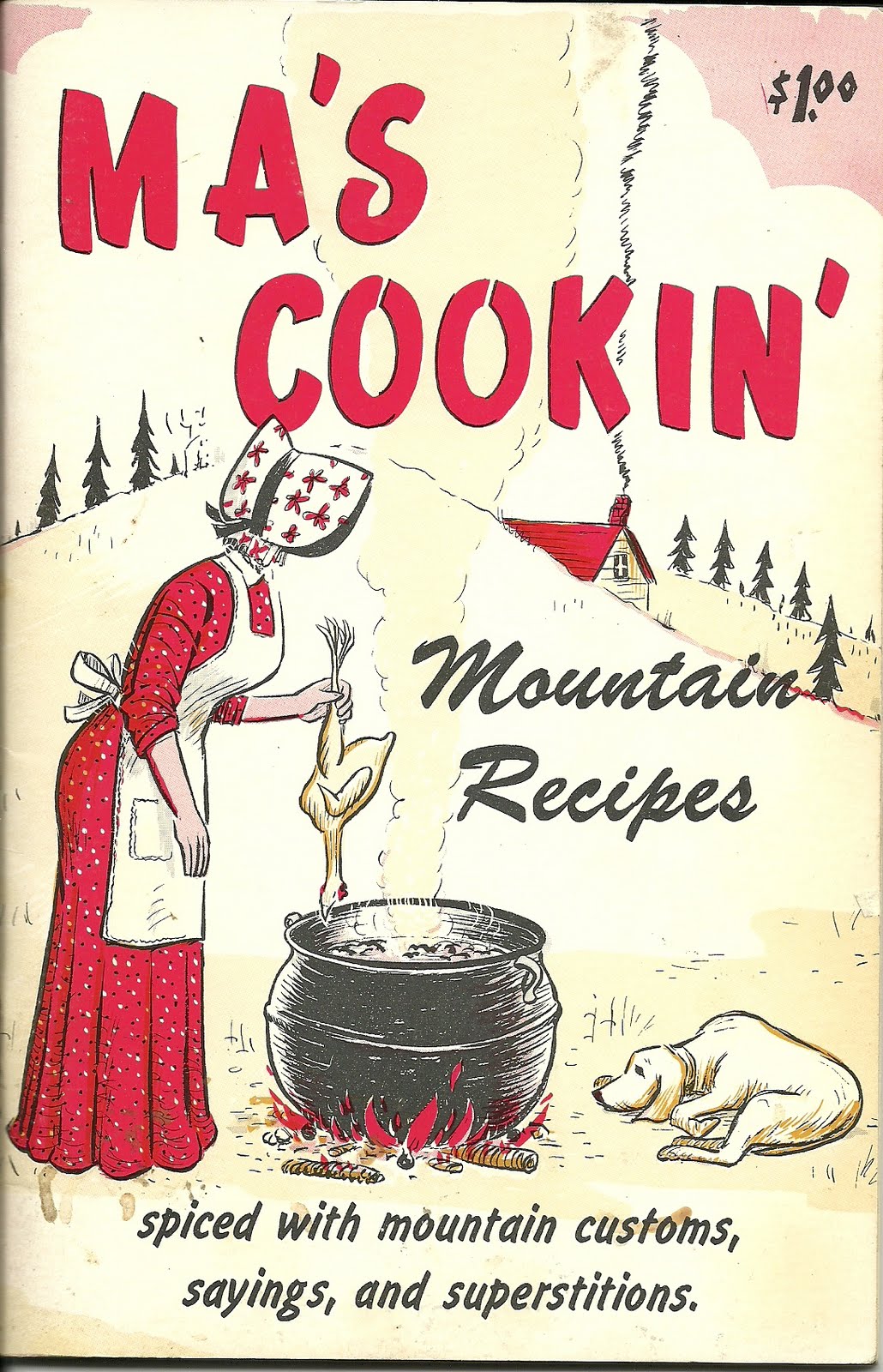
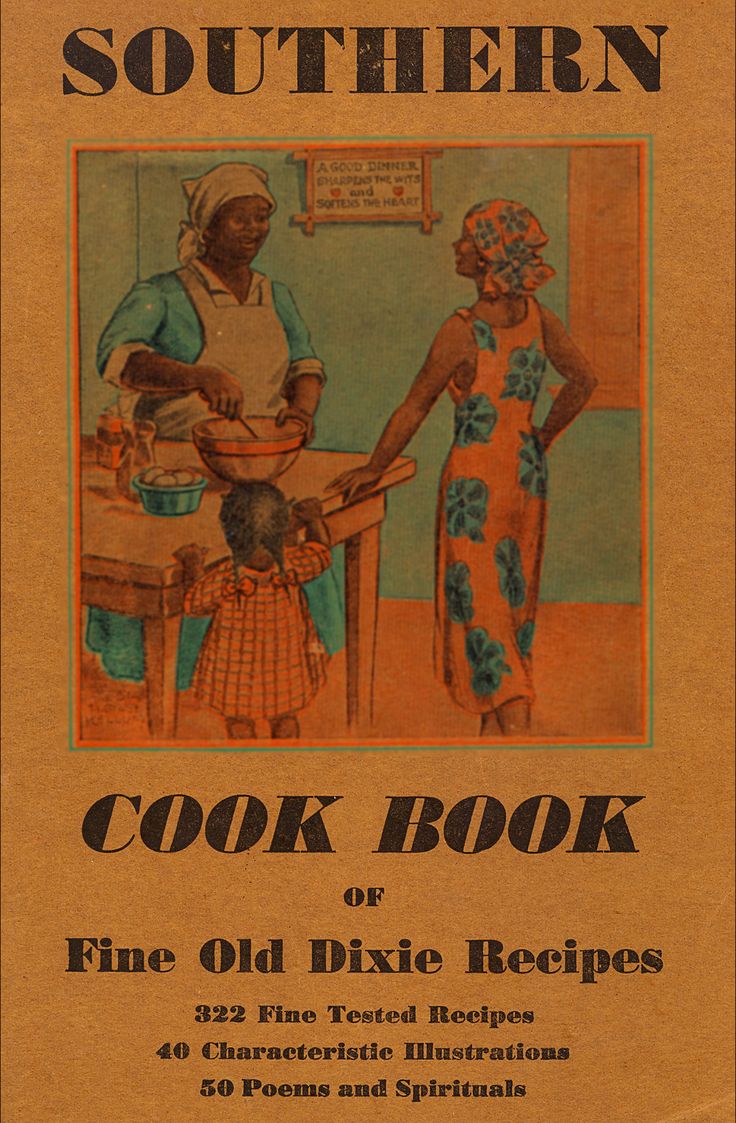
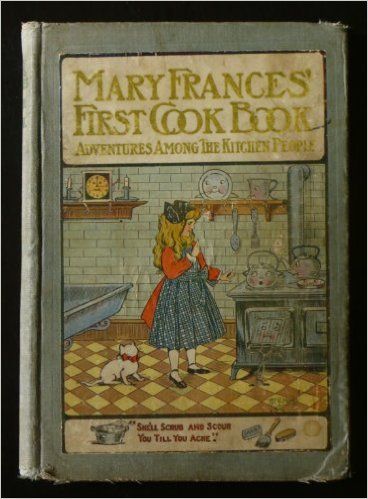
The demand for rare cookbooks is fuelled by the fact they are so hard to find, especially in good condition. Once a book has gone out-of-print, it becomes increasingly difficult to find and its value increases as it becomes more collectible.
Condition is the key factor. Look for a pristine copy that appears to have been lovingly read rather than one that has endured the heat, liquids and dirty fingerprints of a working kitchen. Is it signed by the author or someone of note? Does it have a dust jacket? Is it a first edition? Is it out-of-print? These are all important factors to take into consideration before purchasing. And – if you like a book and are pleased to pay good money for it, it doesn’t mean that others have the same heartbeat for it.
Collect „handwritten recipe“ books.
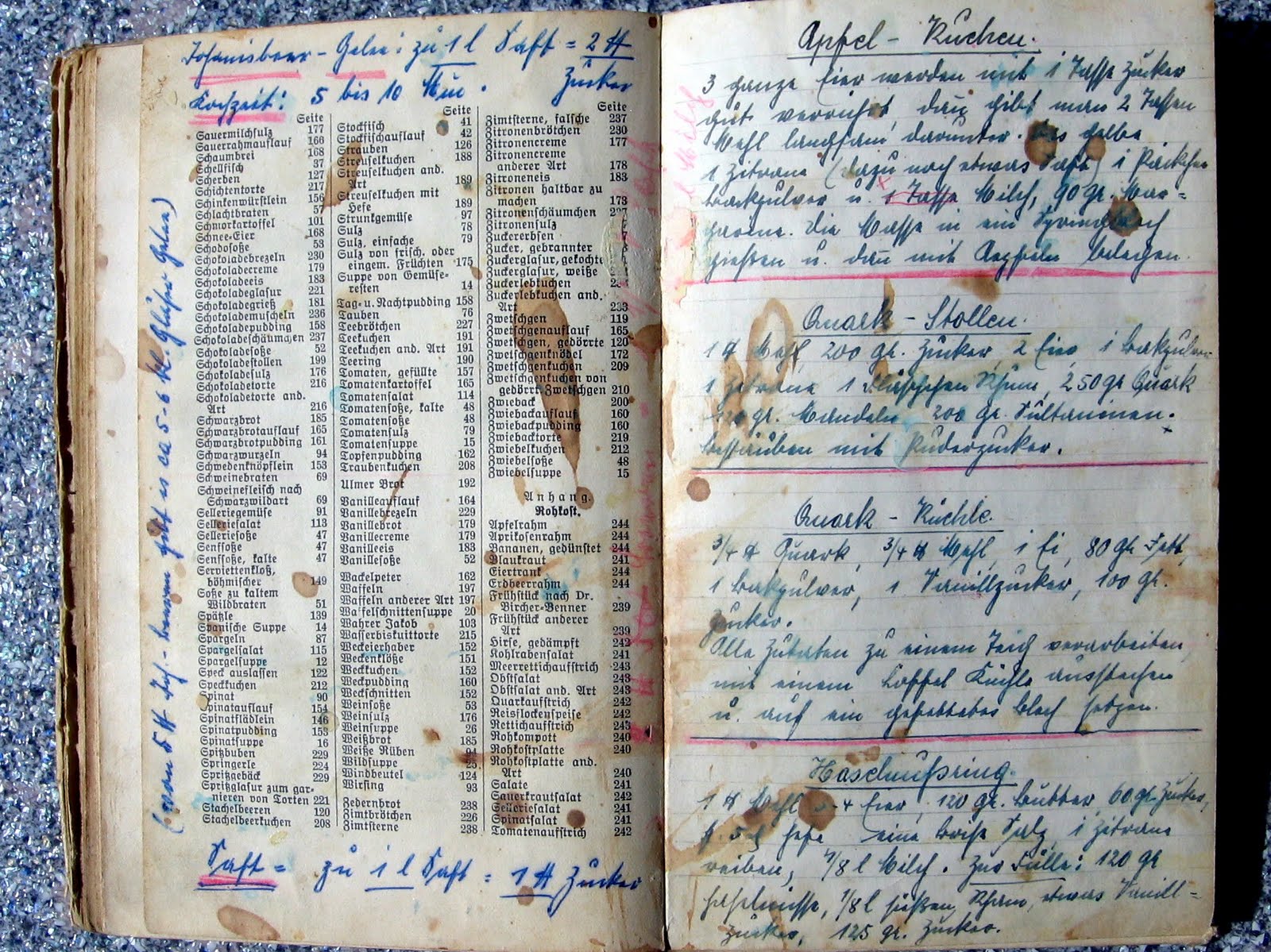
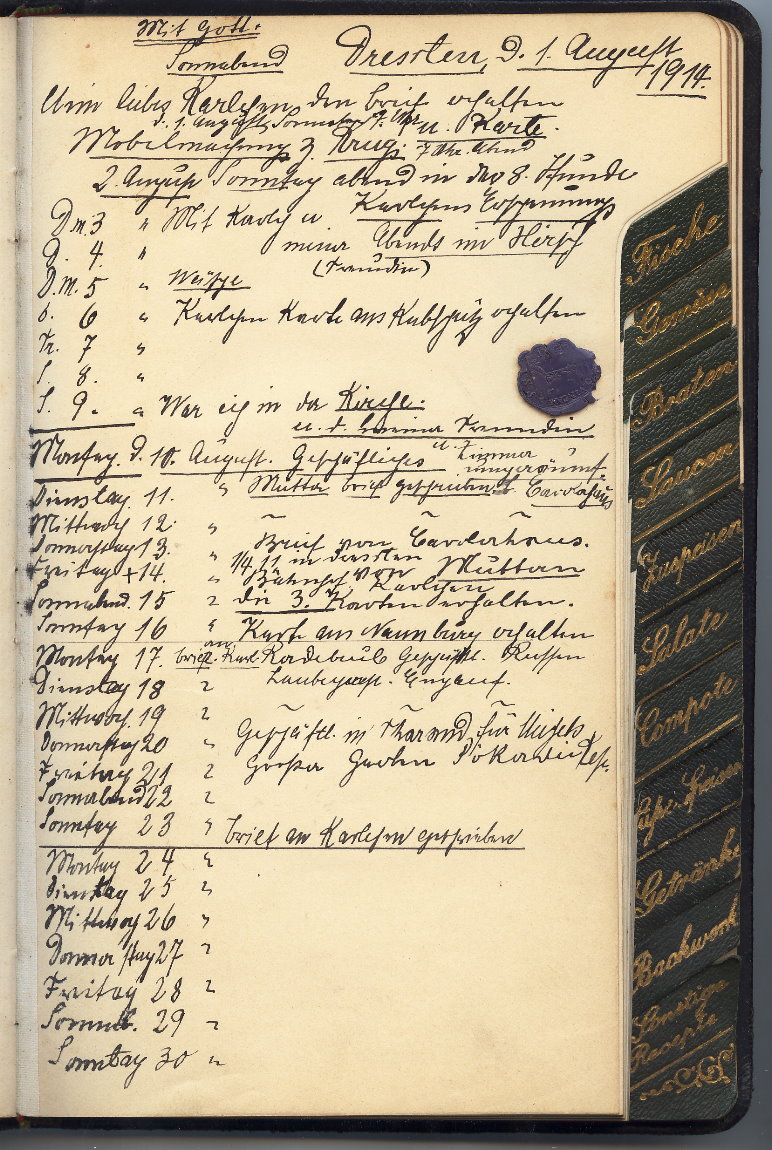
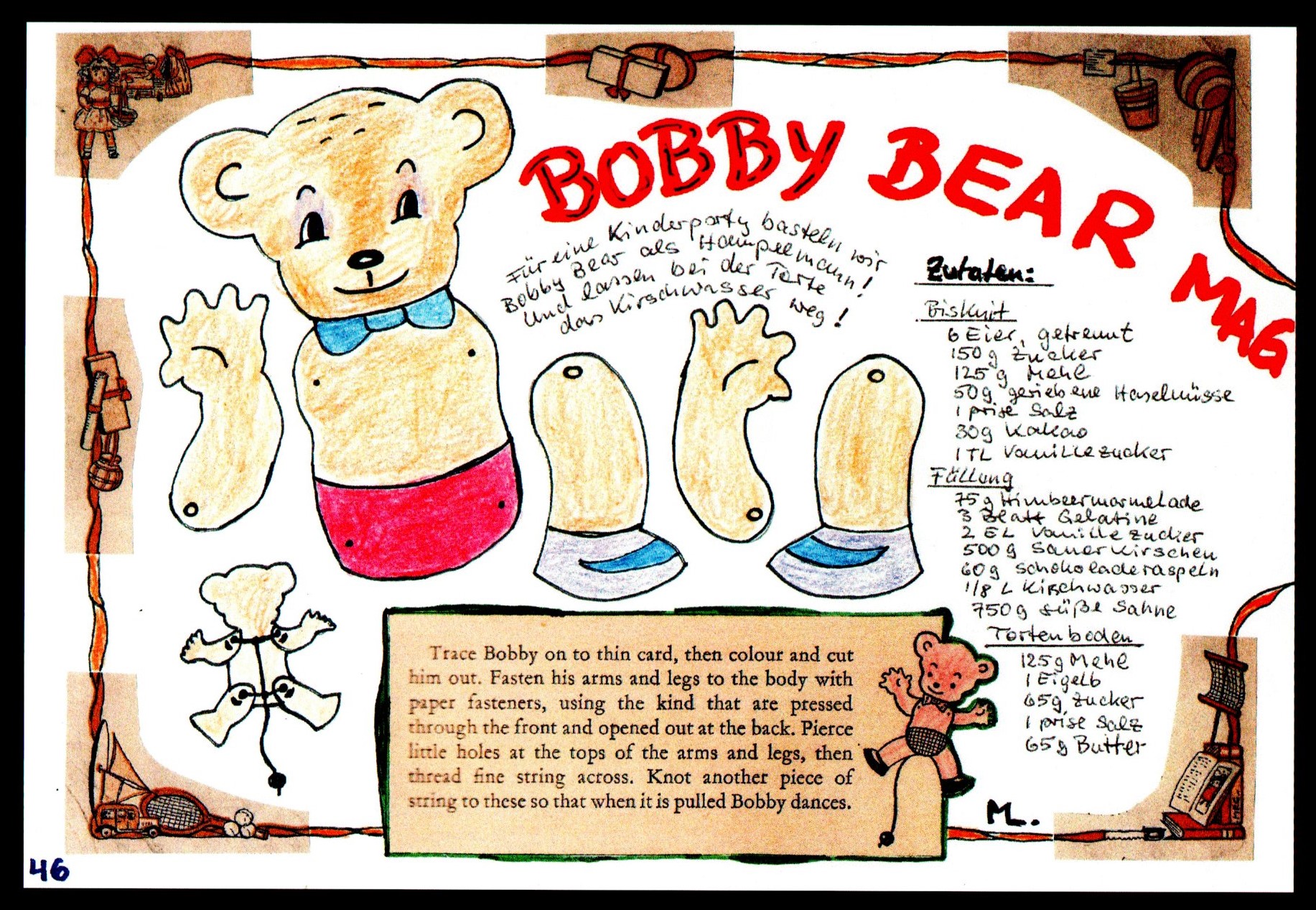
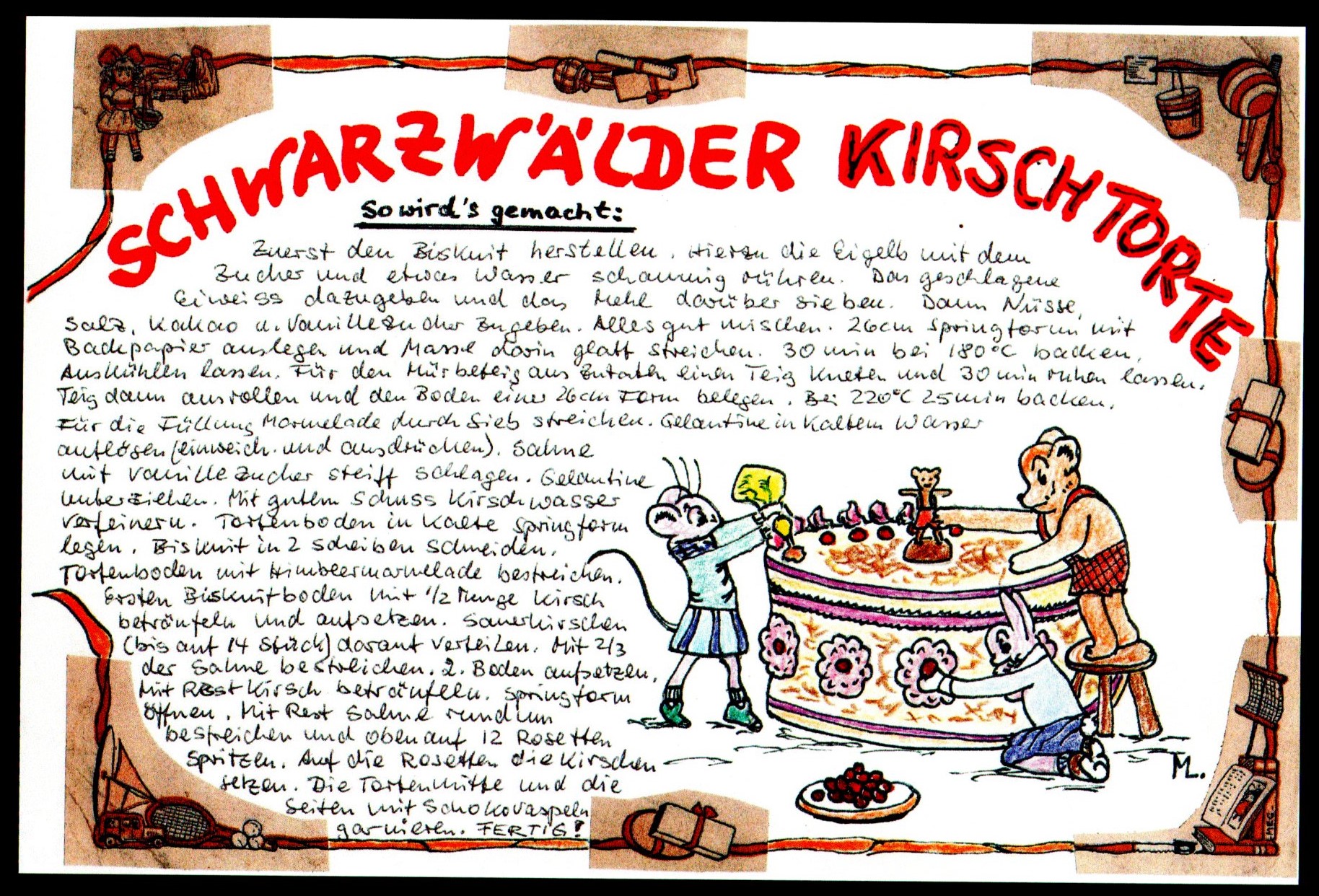
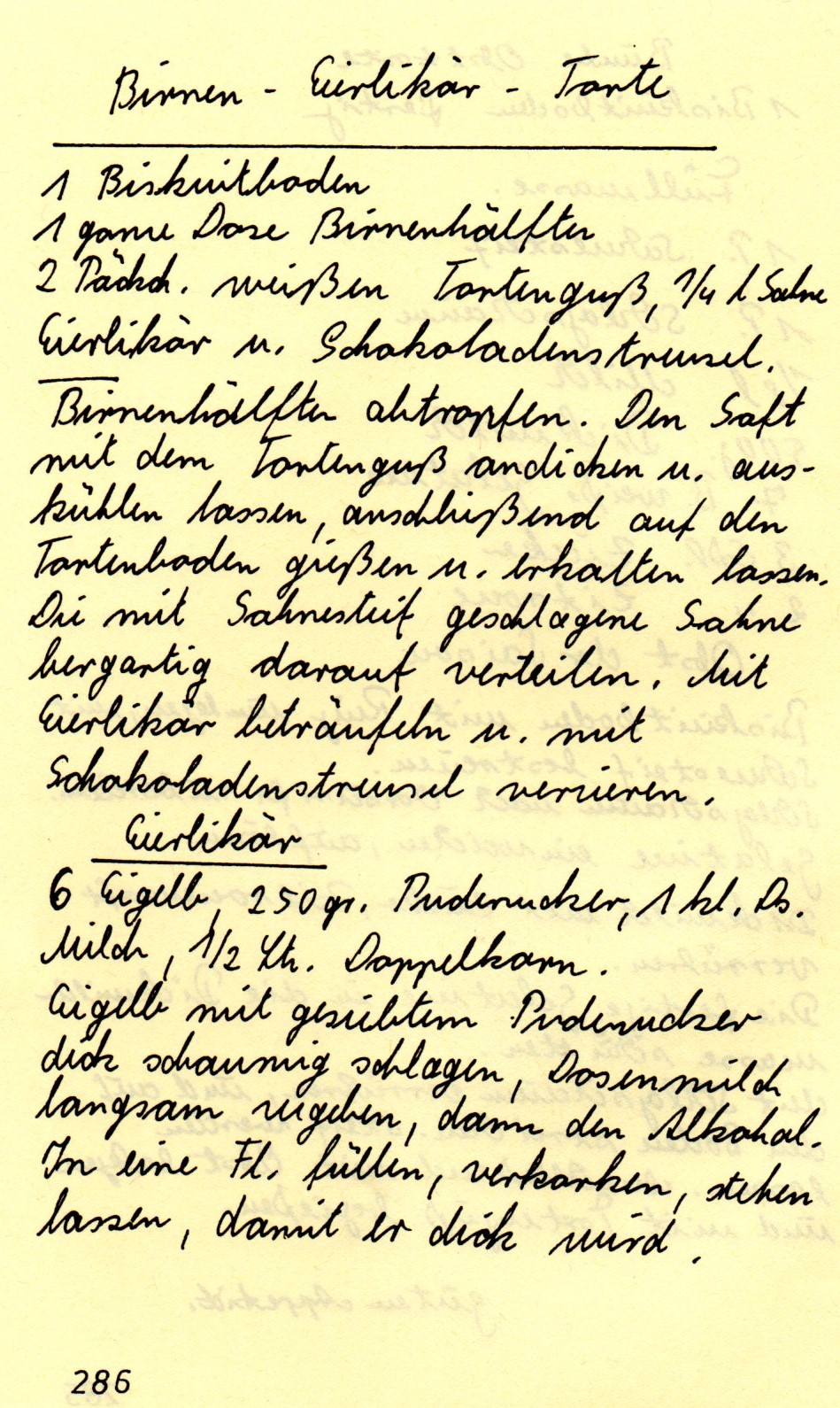
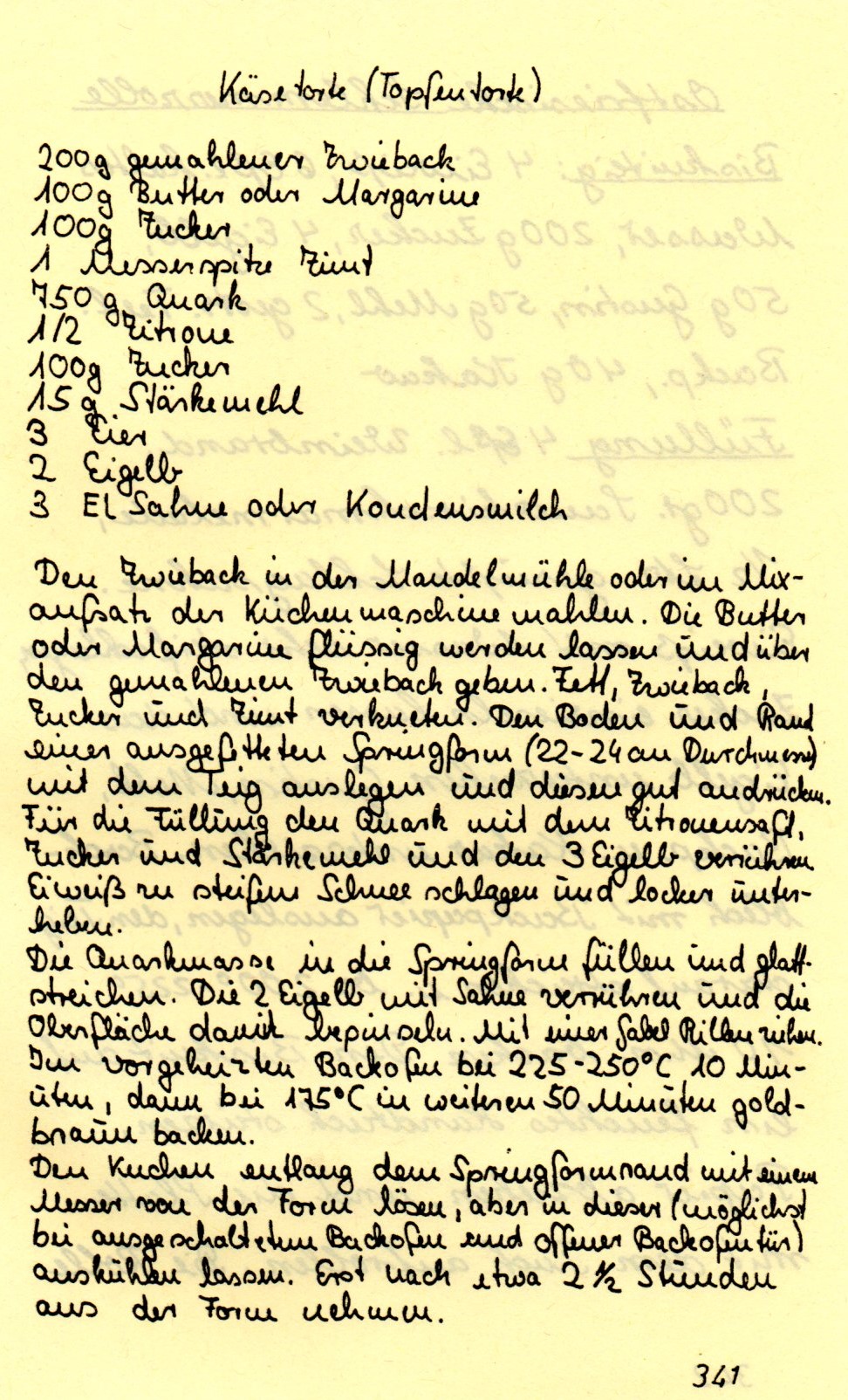
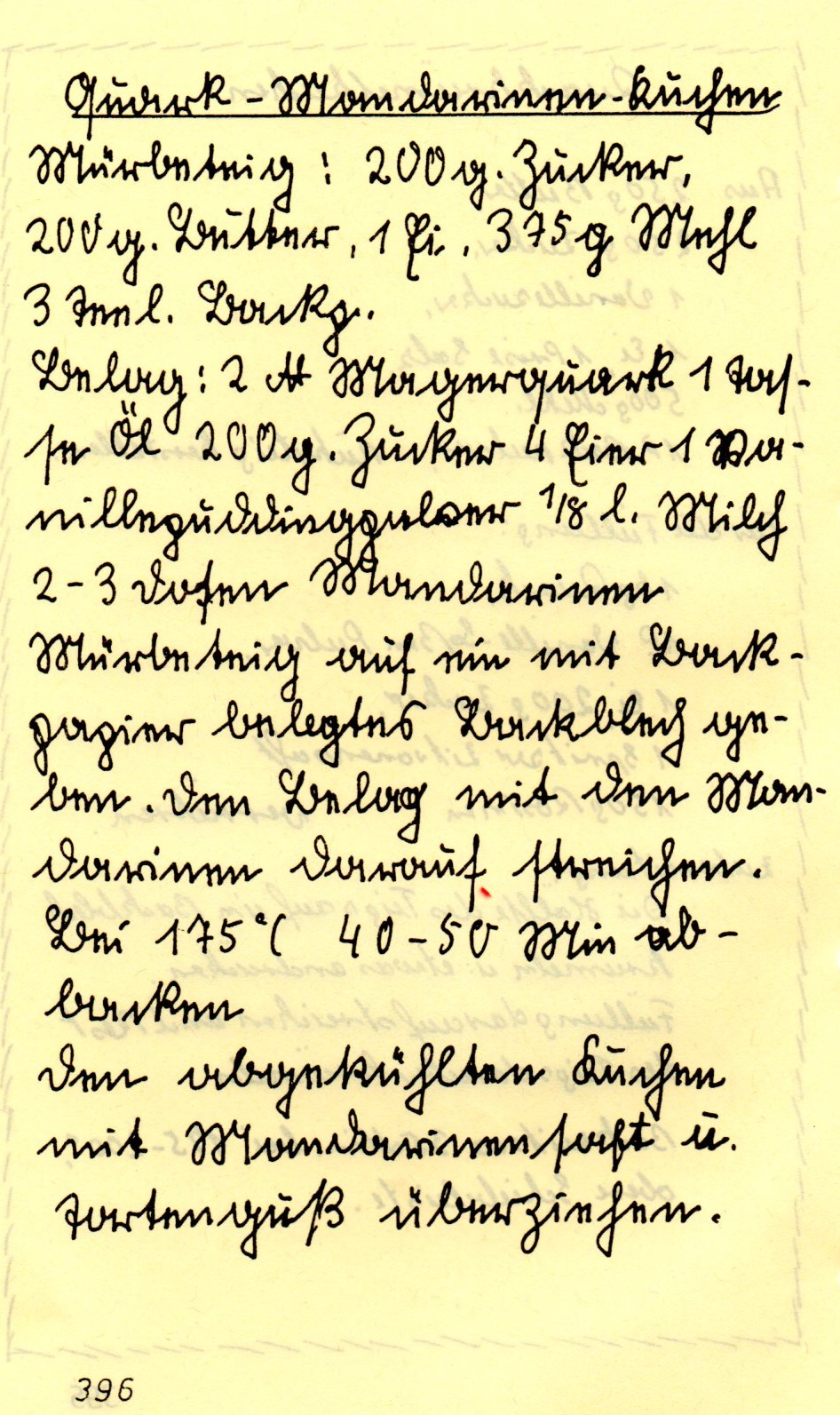
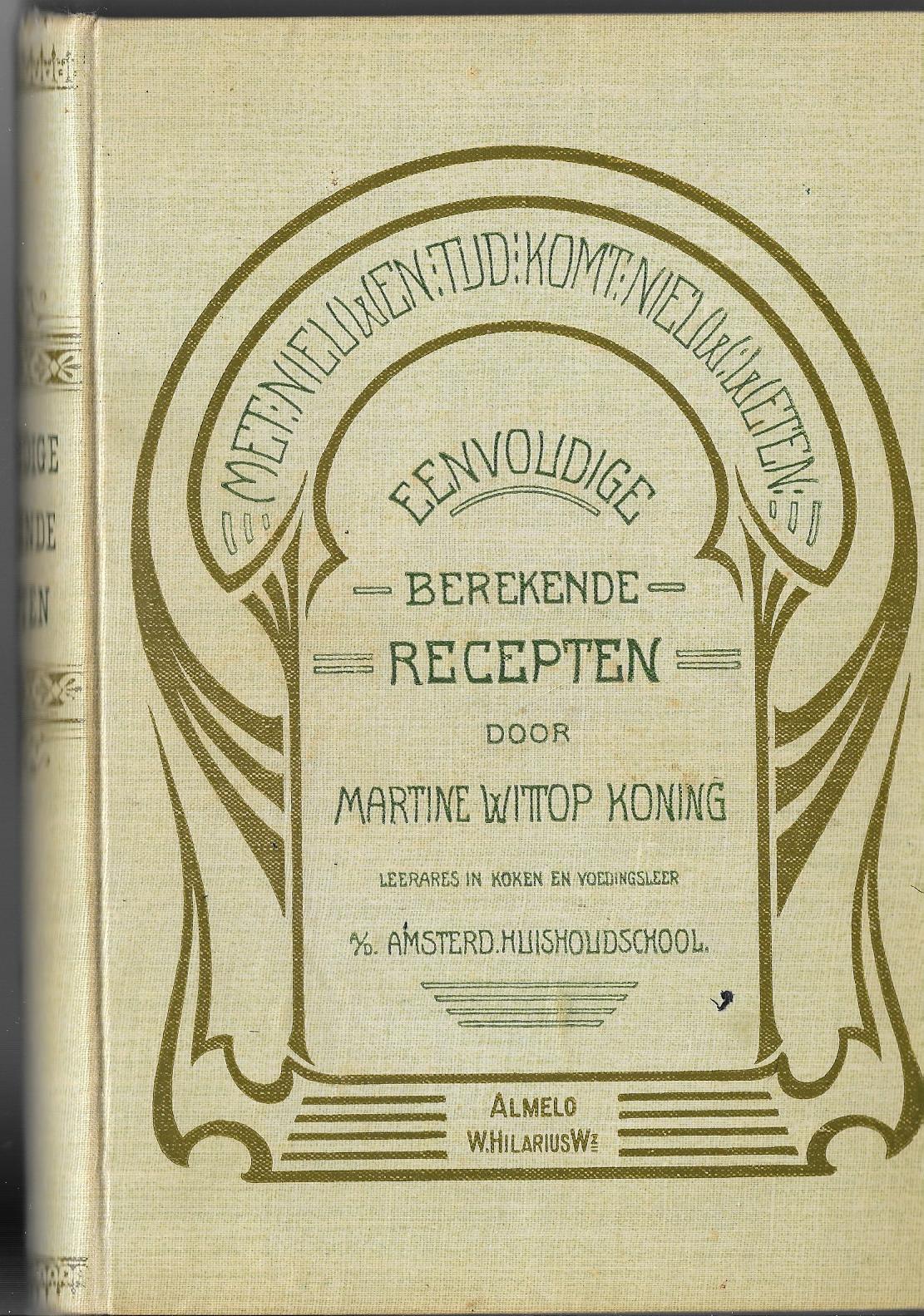
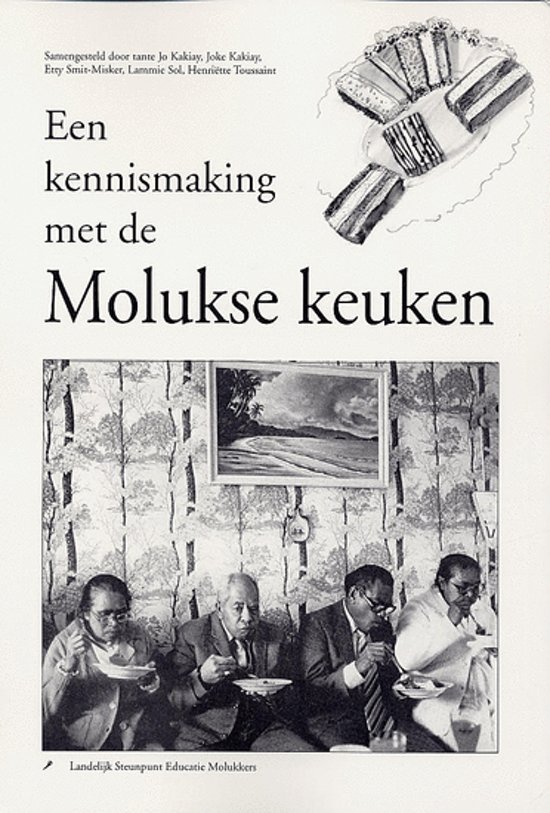
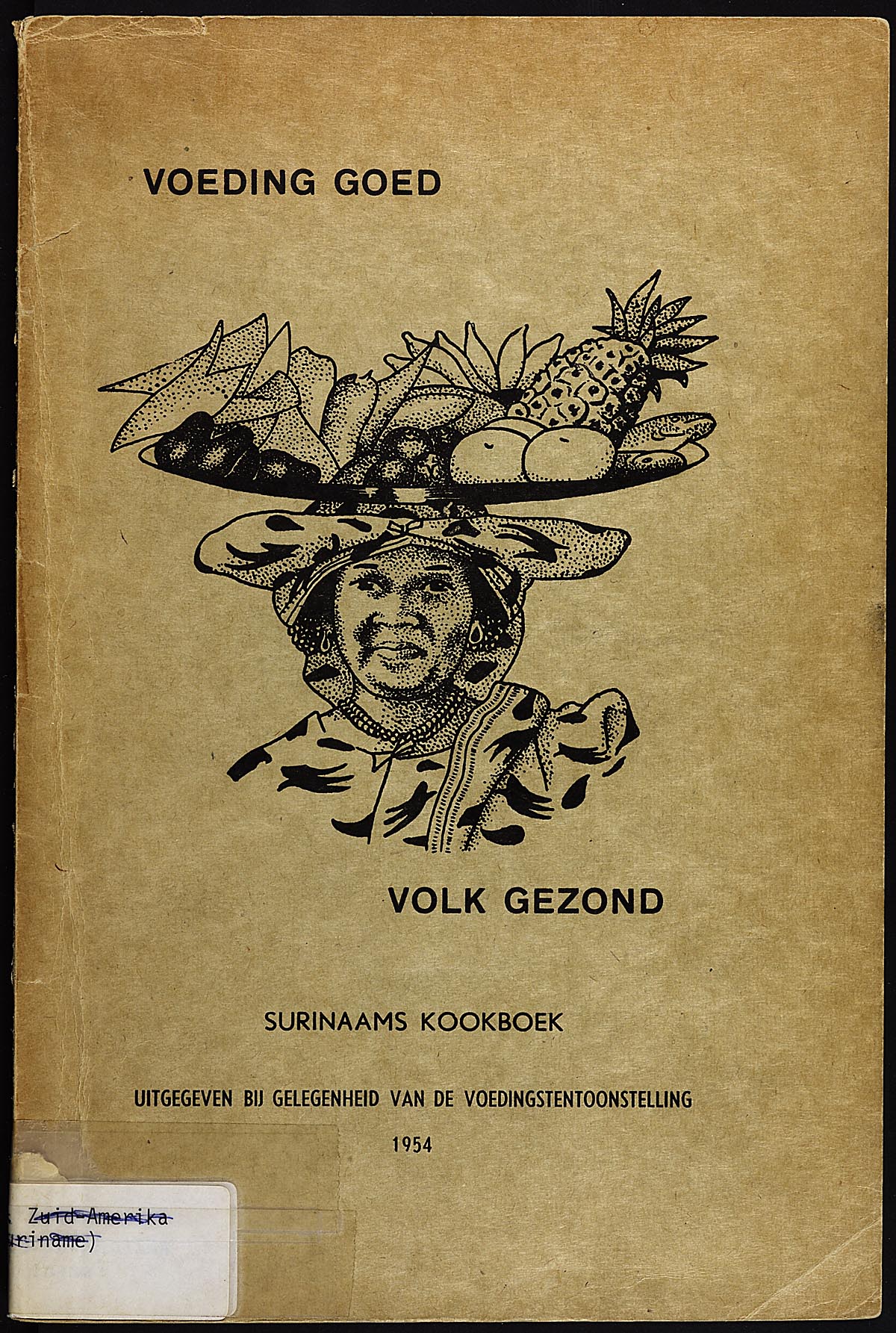
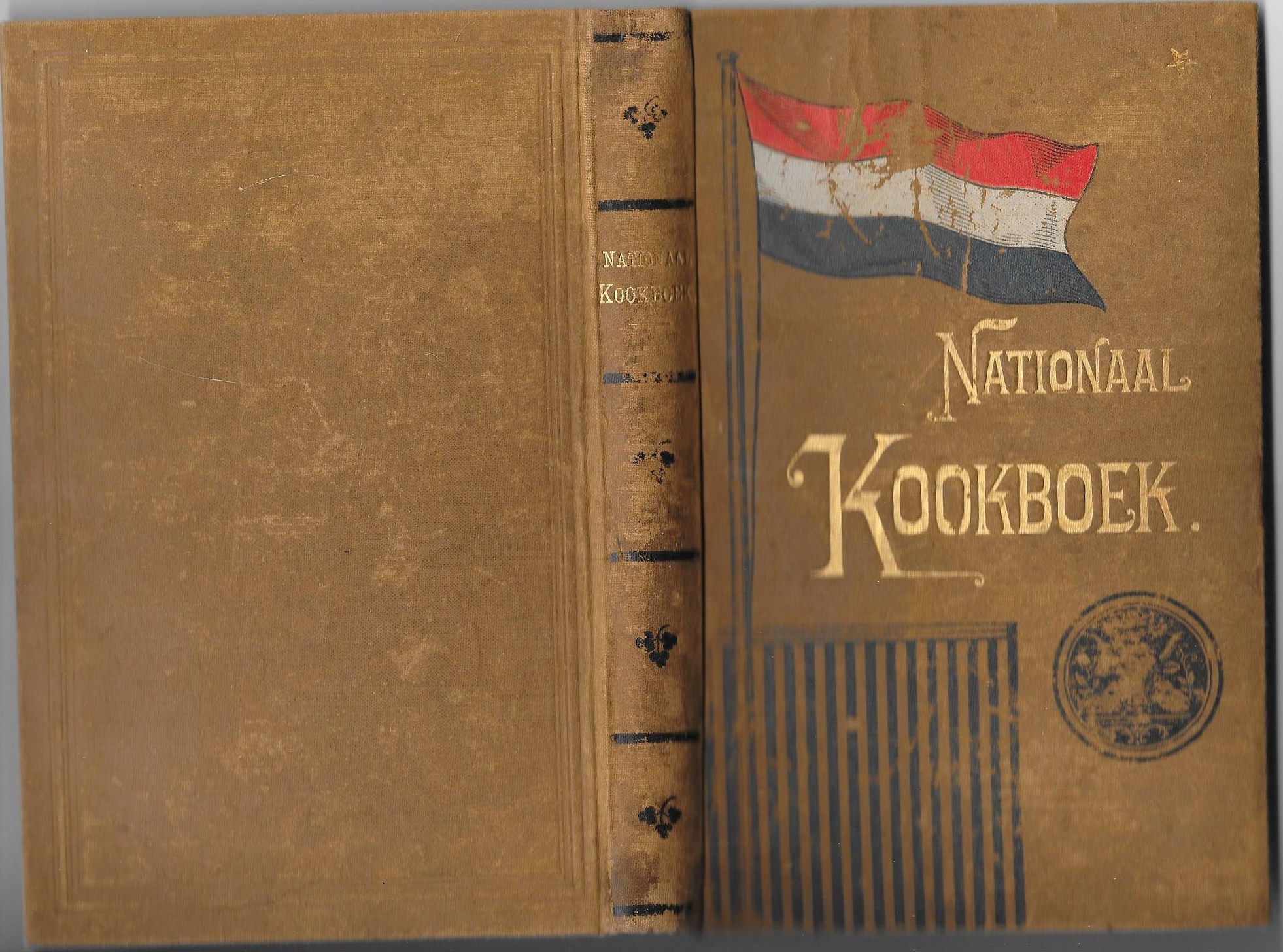
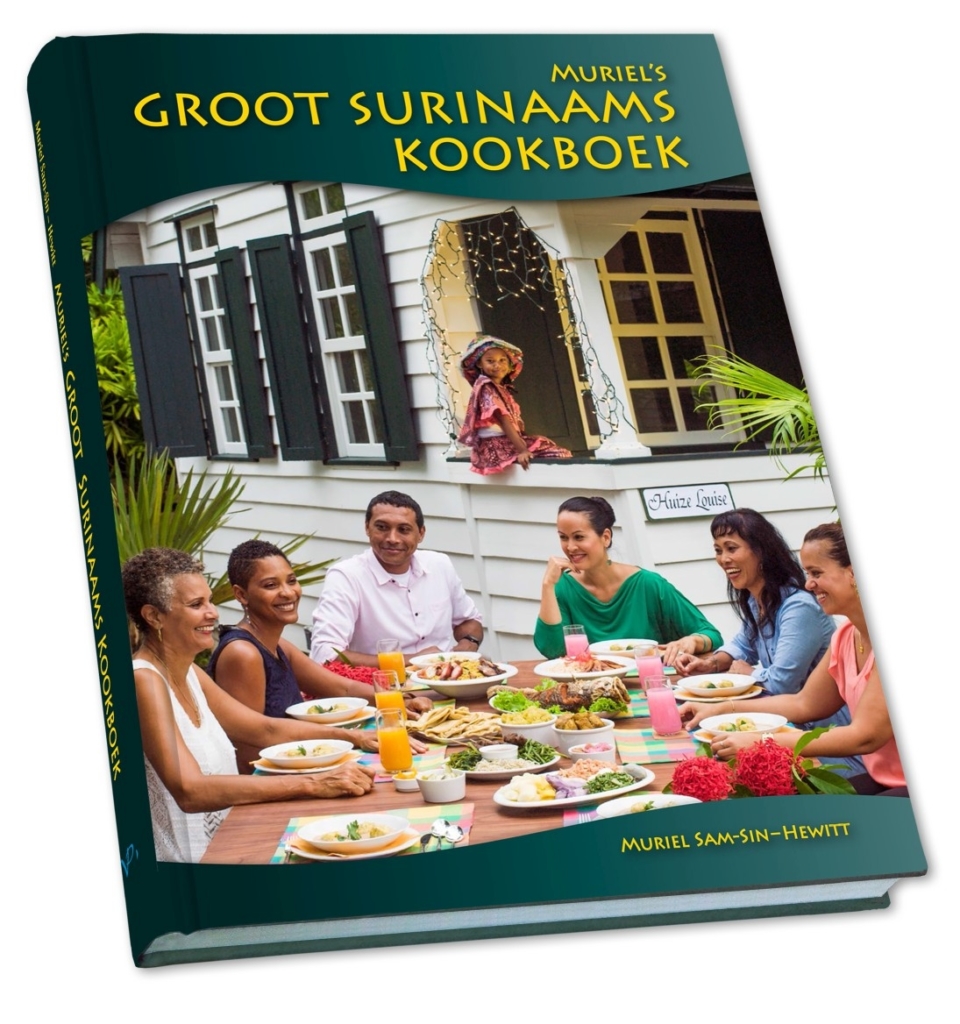
Collect „your home country“ books. A small selection special for Wilma.
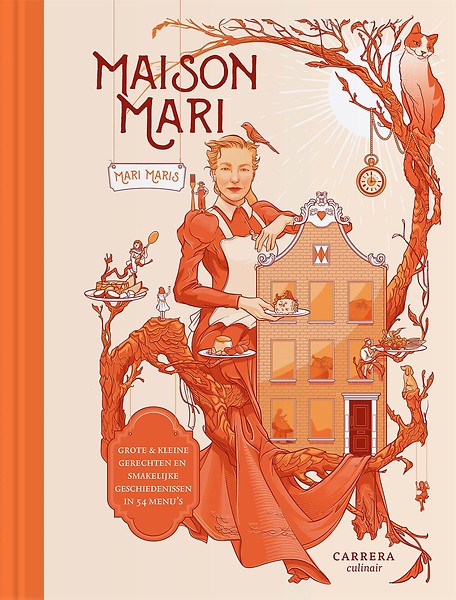
Collect cookbooks from „well-known TV-series“.
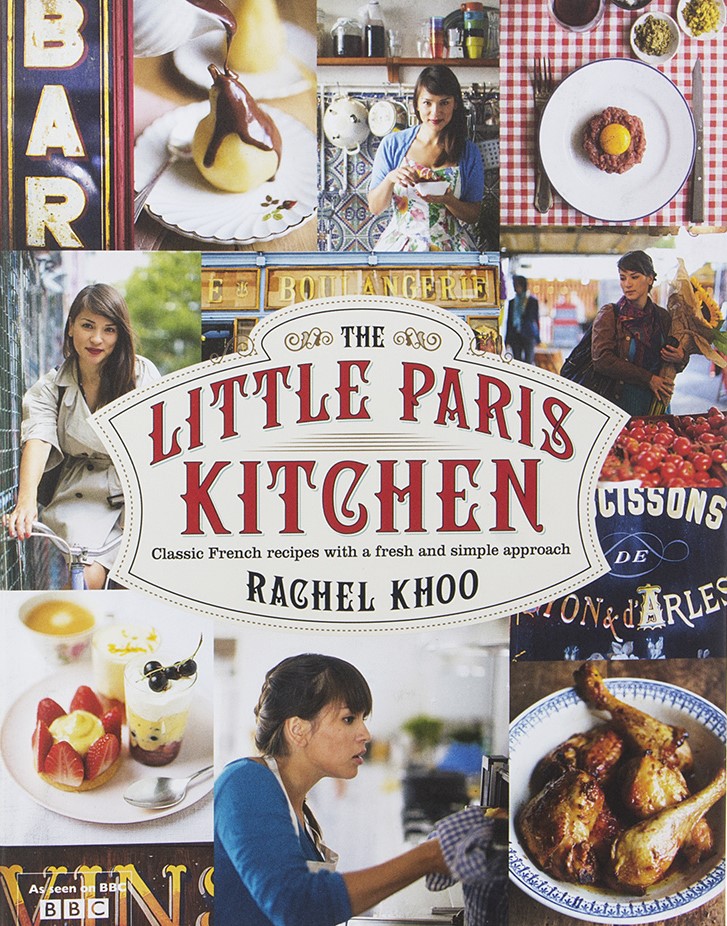
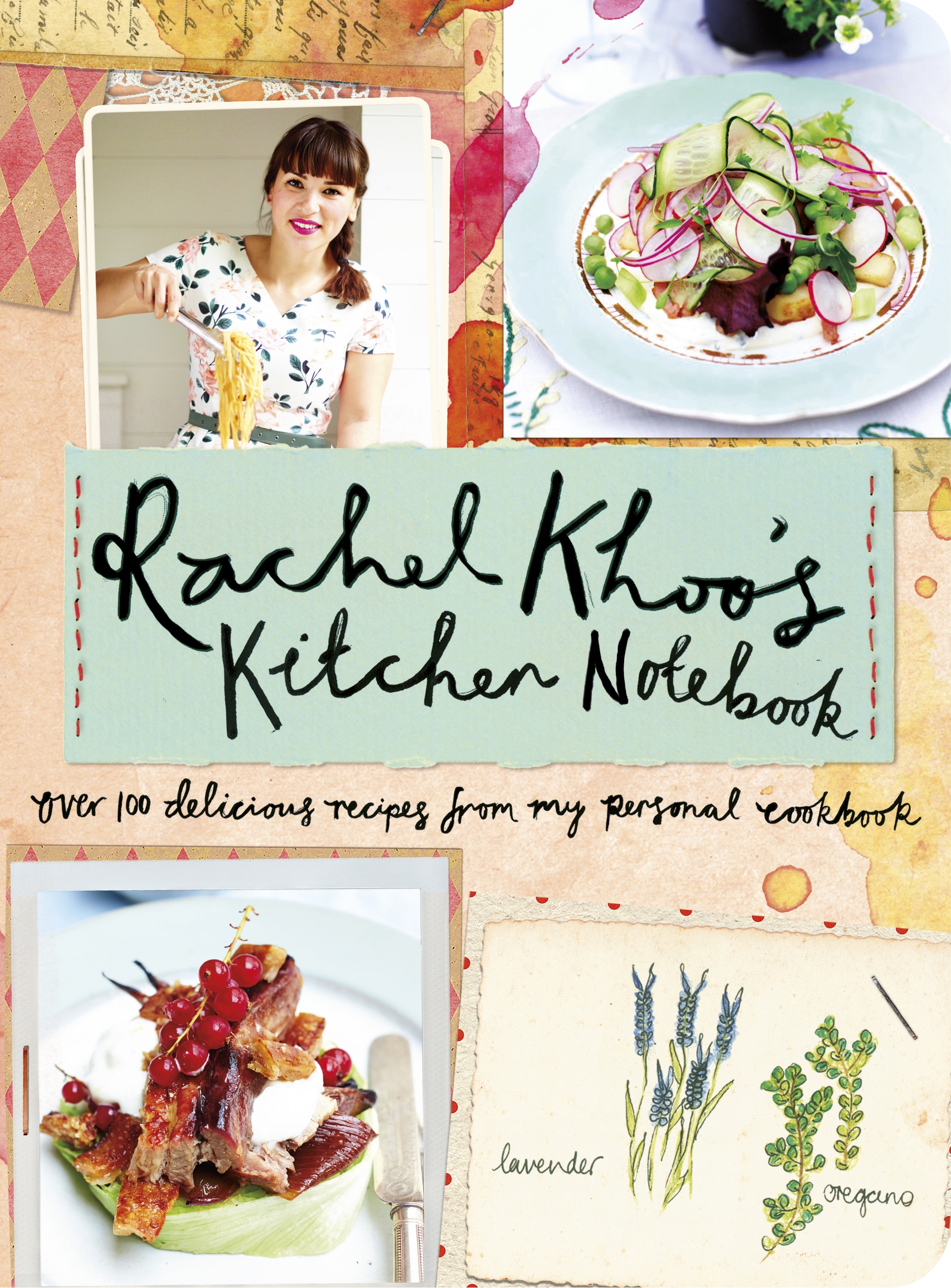
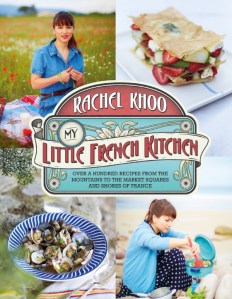
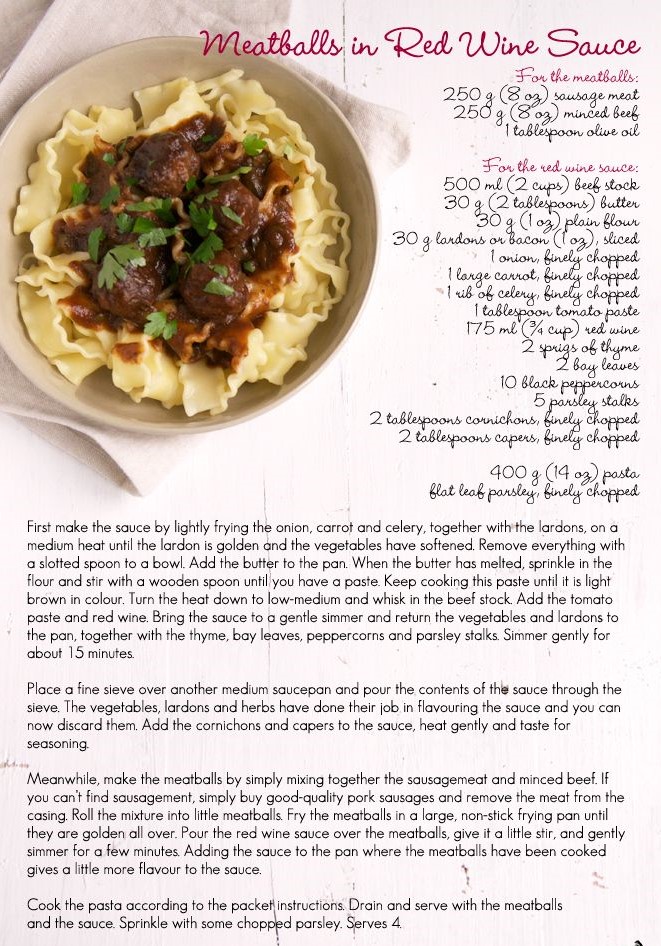
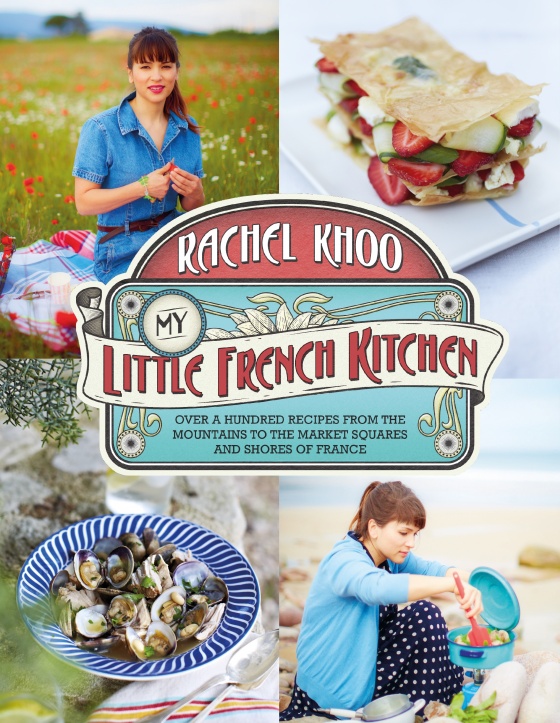
One of my most favorite modern TV chefs is Rachel Khoo. Both of her above books are great to read. Click once into youtube and watch her „Mini Venison Wellington – Rachel Khoo – The Little Paris Kitchen“ and many others if you like it. Follow easy, delicious French cooking.
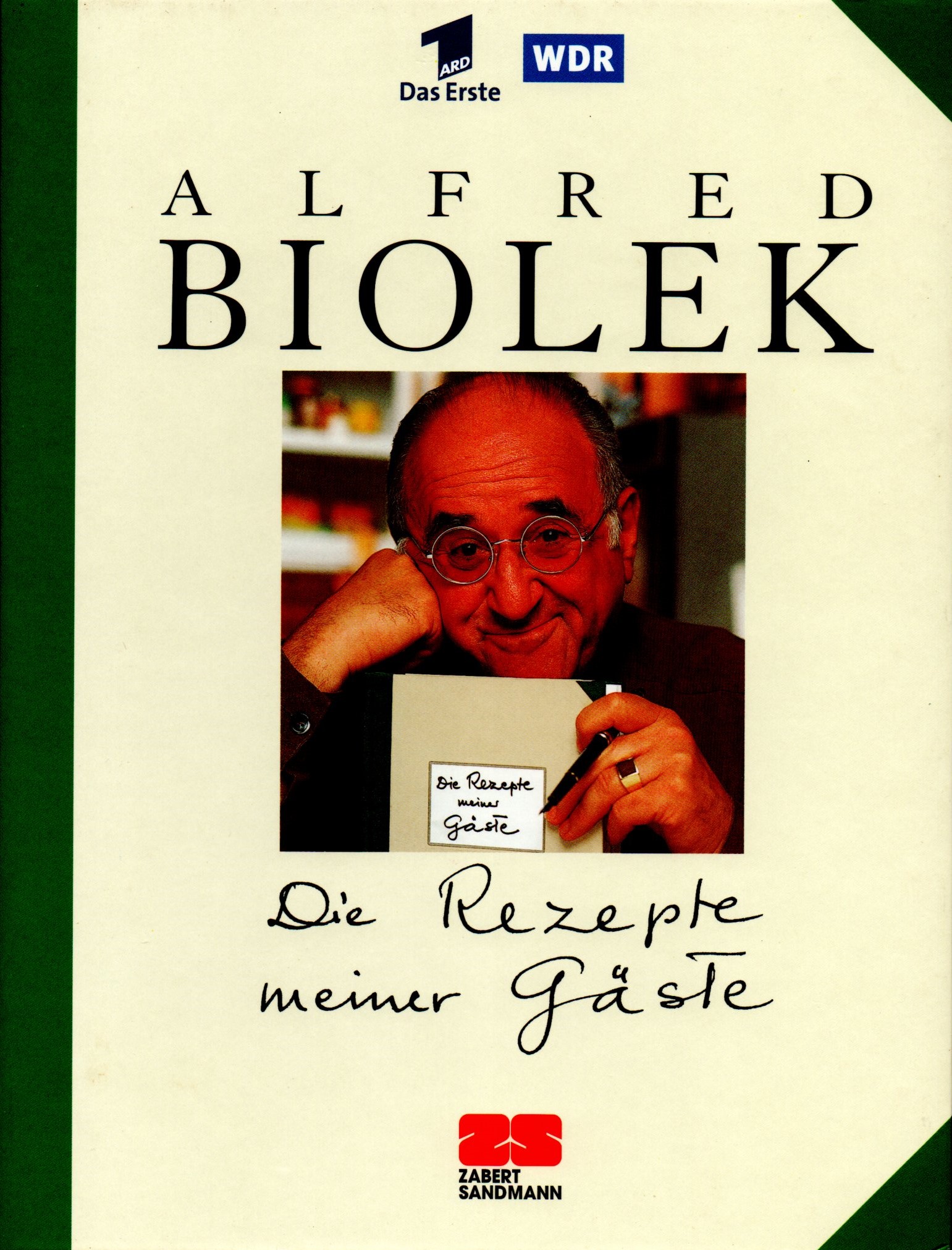
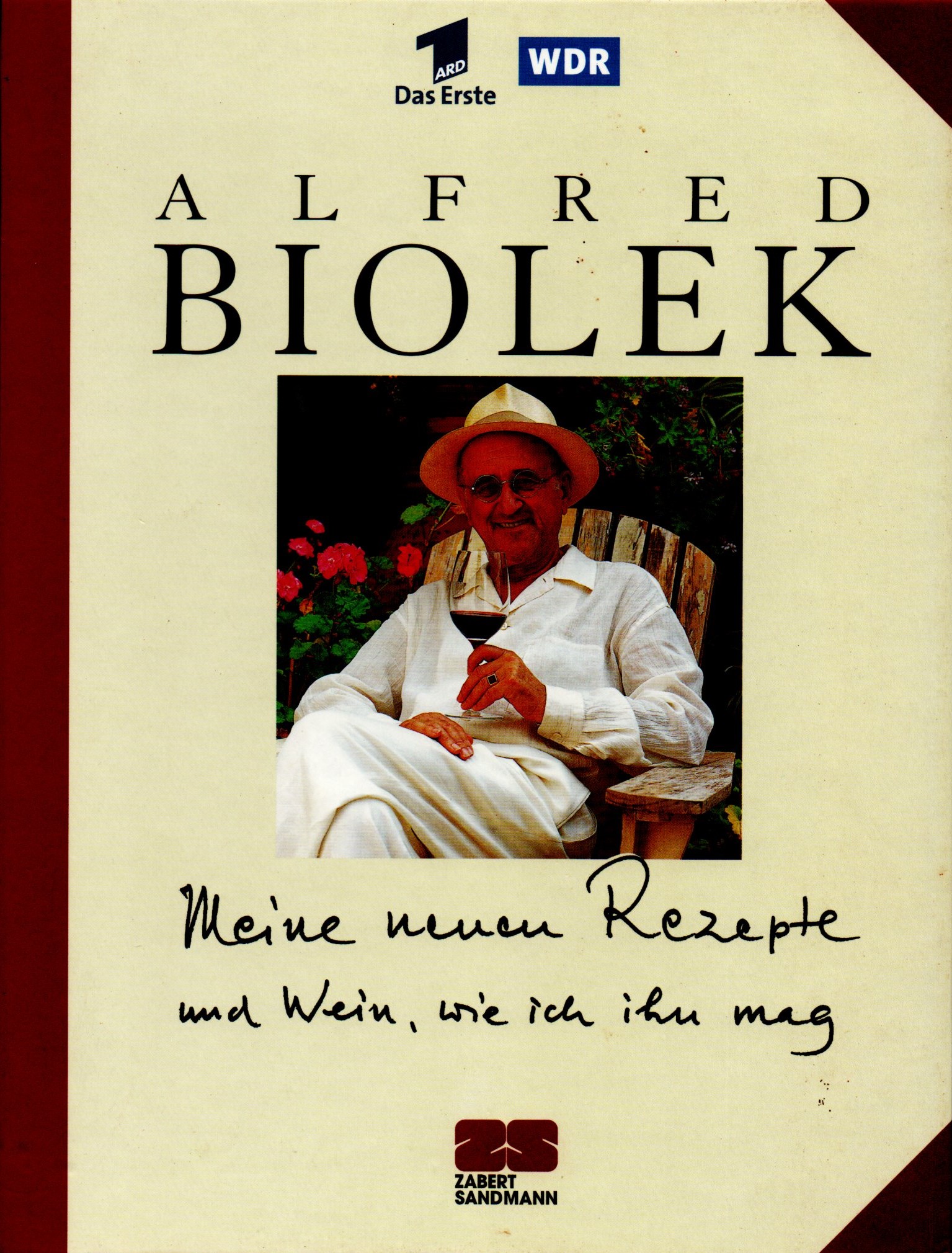
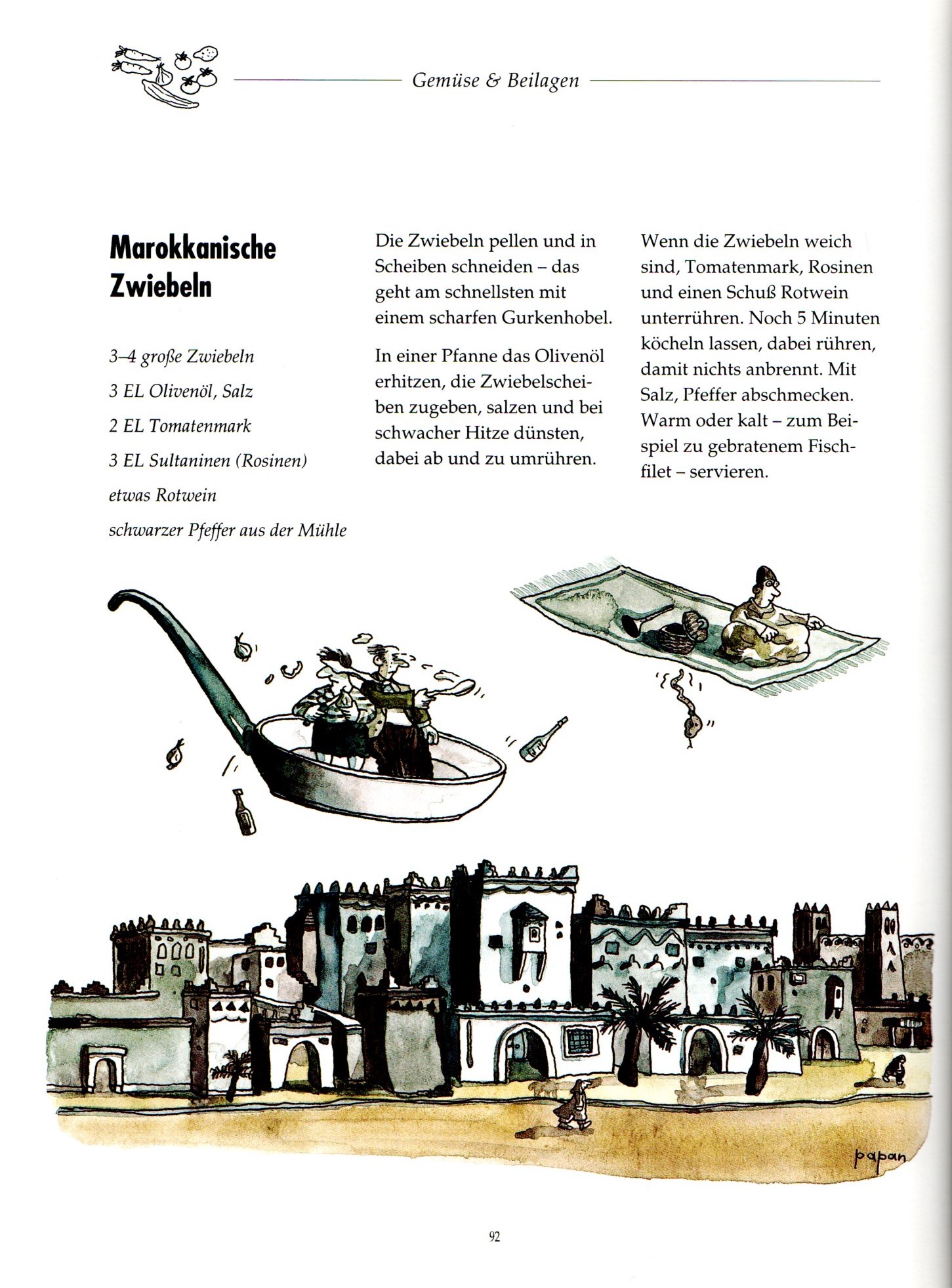
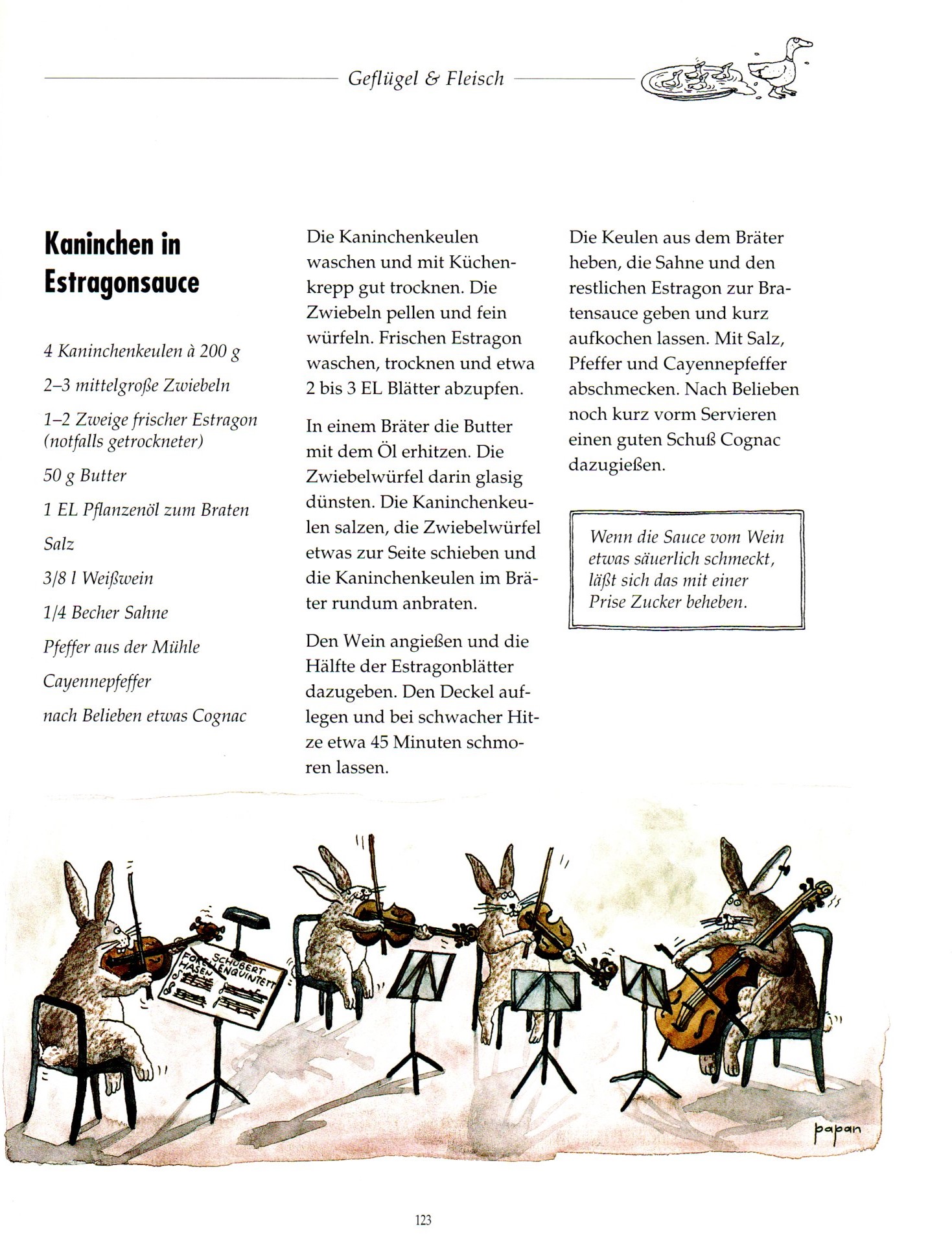
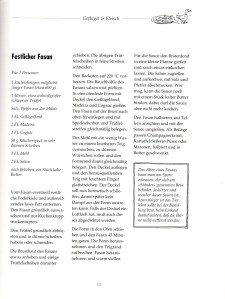
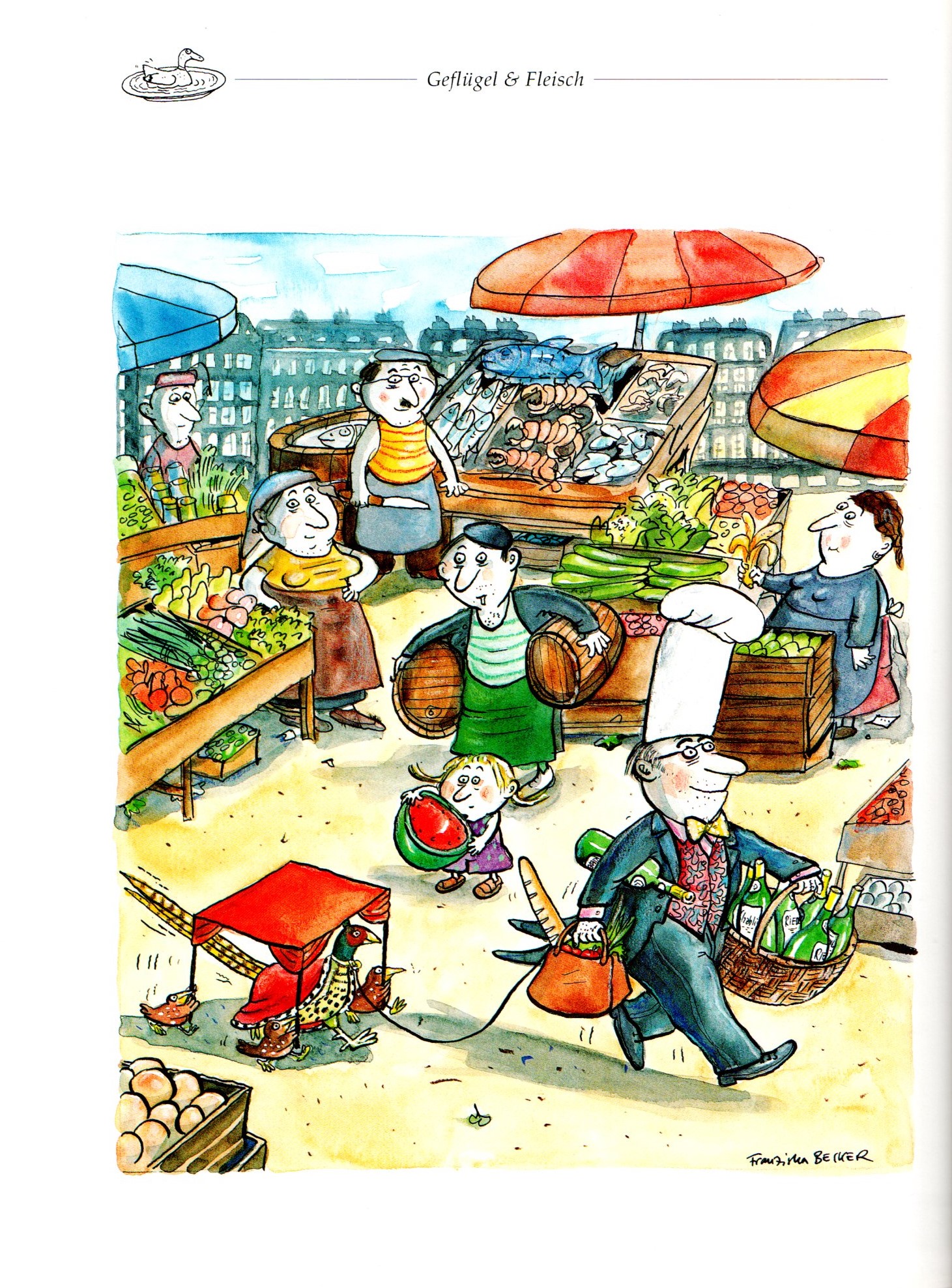
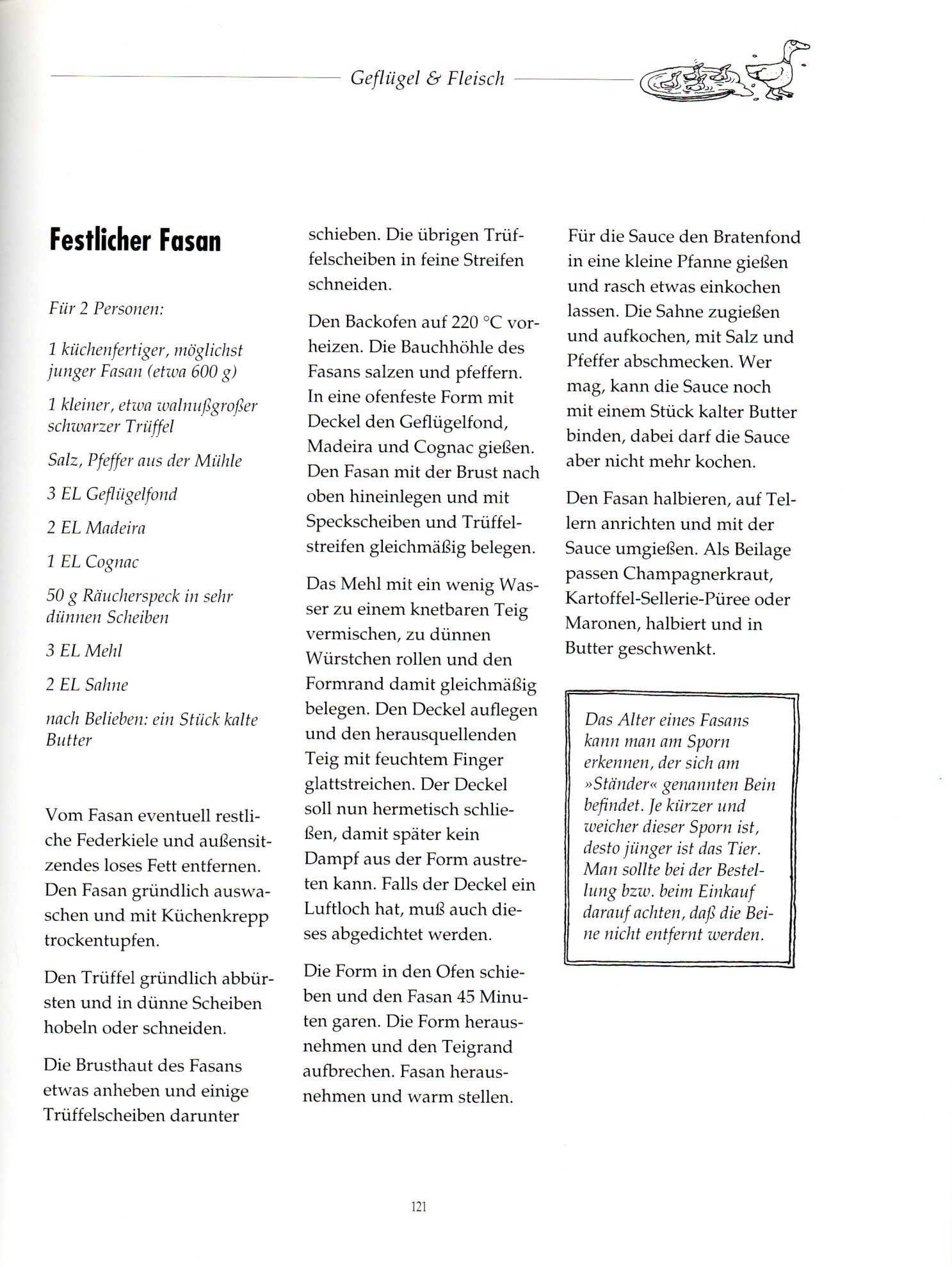
The Biolek books are a bit older, but their contents and his TV series are as great as ever. Not only fantastic recipes are shown, but they are also accompanied by excellent humoristic drawings, as you can see above. A delight to read and cook.

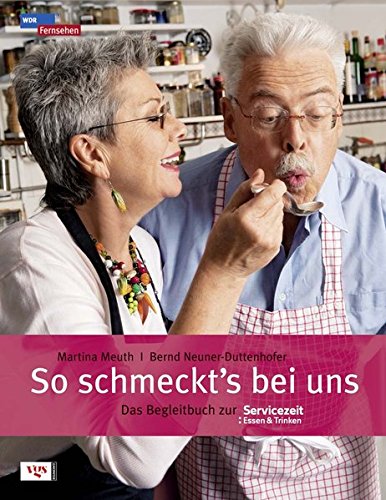
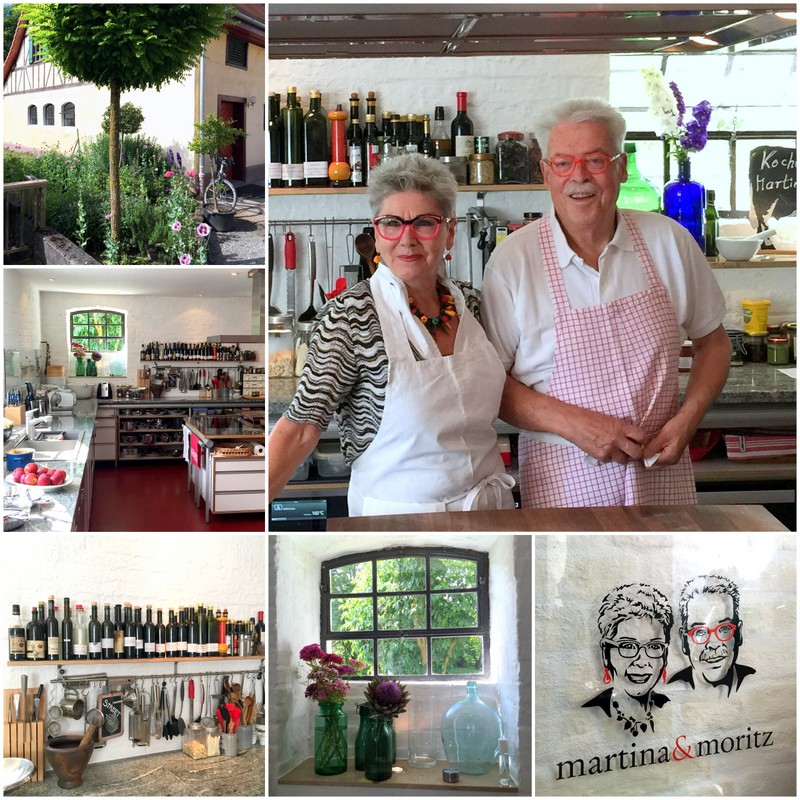
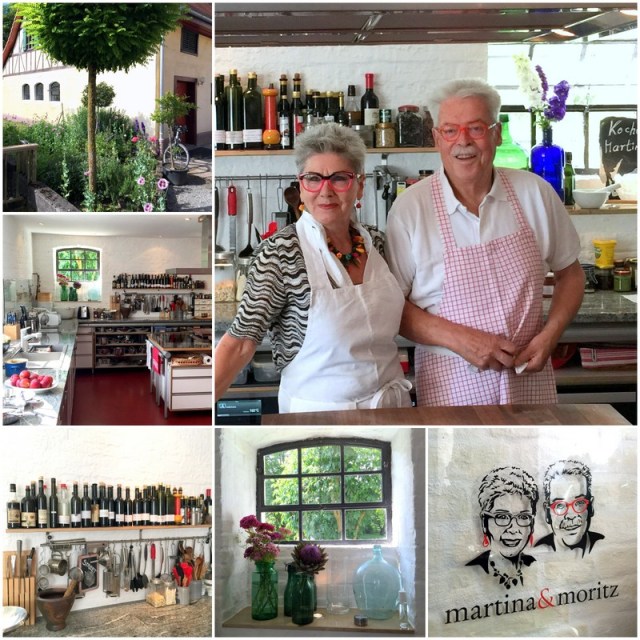 Fantastic cooking skills and easy to follow recipes is the strength of these two very sympathetic chefs, both in books as in their TV series. Follow them up on youtube.
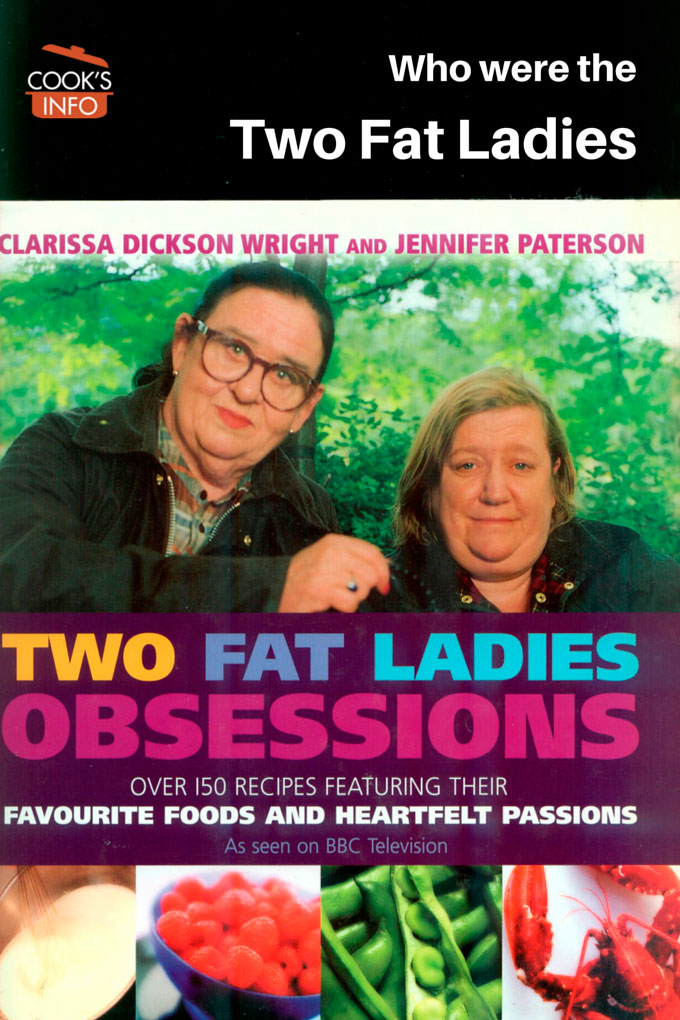
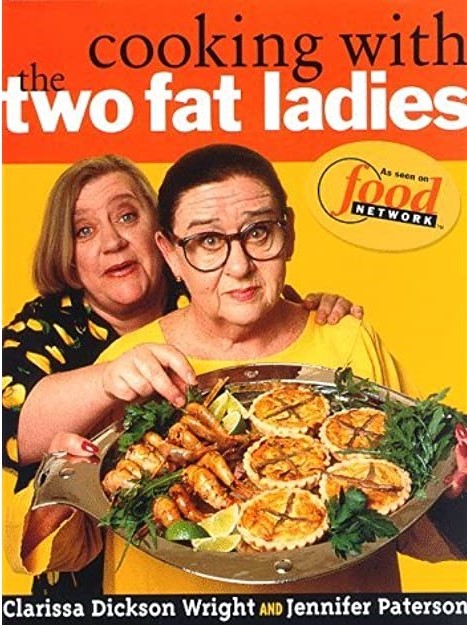
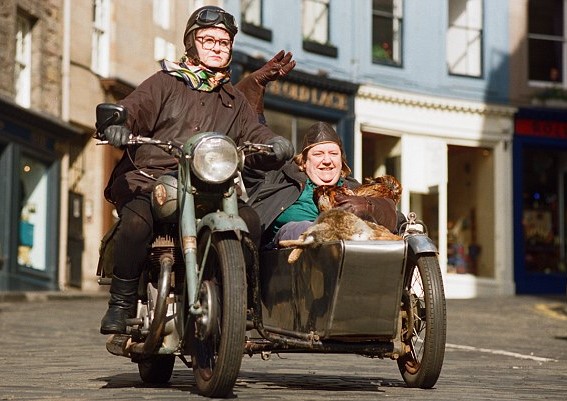
One of my all-time favorite cooking shows is the „2 Fat Ladies“. It is funny, mouthwatering, professional shown recipes. But one must like „old style“cooking, lots of butter, big portions and hours for shopping and more hours in the kitchen, not the modern fancy stuff. Sadly both ladies are deceased, but their show and the books live on.
What else to collect ? „Some ideas“.
The following books are interchangeable according to your focus, your preferred language, or region where you reside. I picked the German ones because it’s my home language.
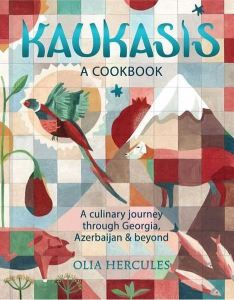
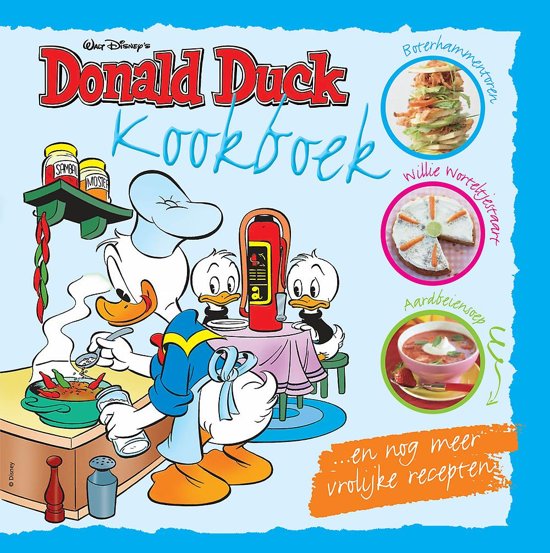
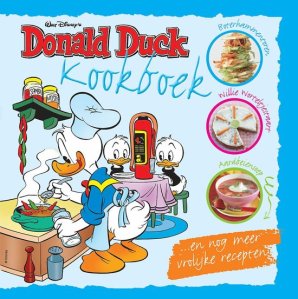 A cookbook not everyone will have. Full of story’s, culture and recipes of a part in the world, most of us won’t know about. Interesting ! Cooking with kids is a lot of fun !
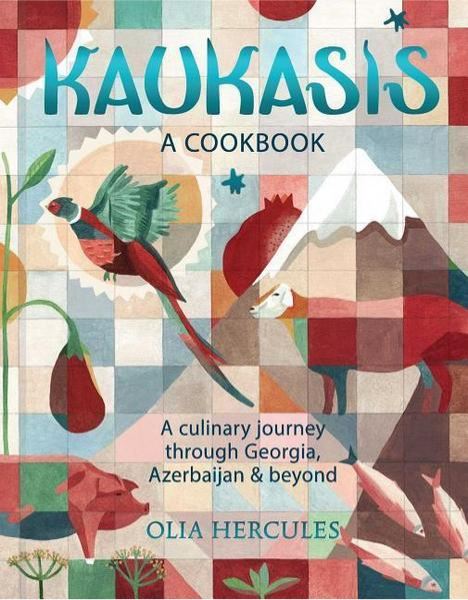
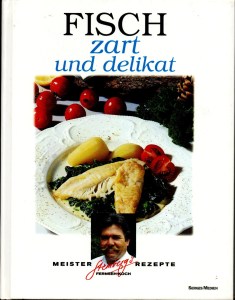
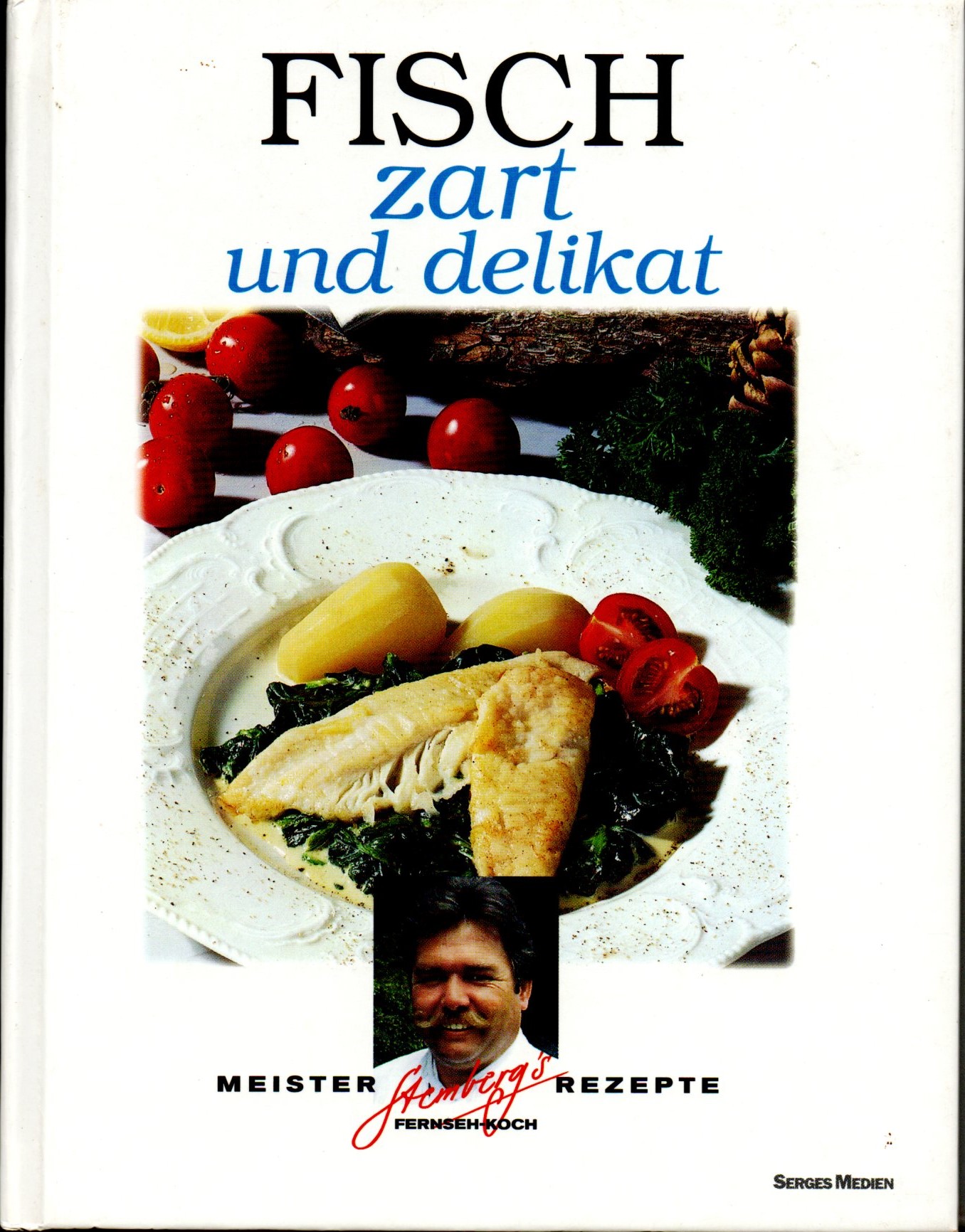
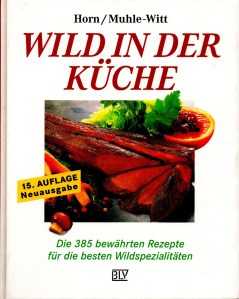 You might like cooking special dishes, like seafood or game. Here are 2 proposals.
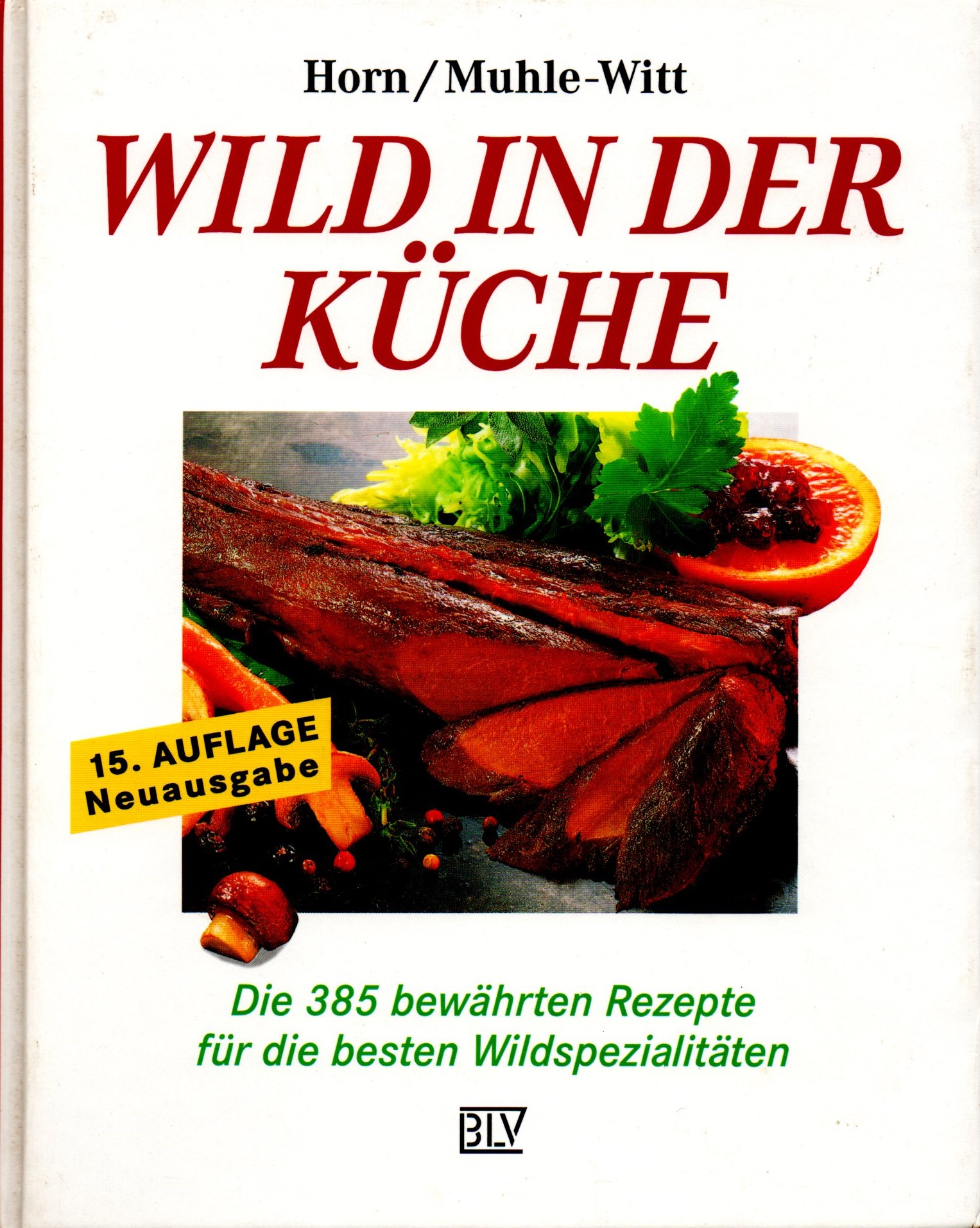

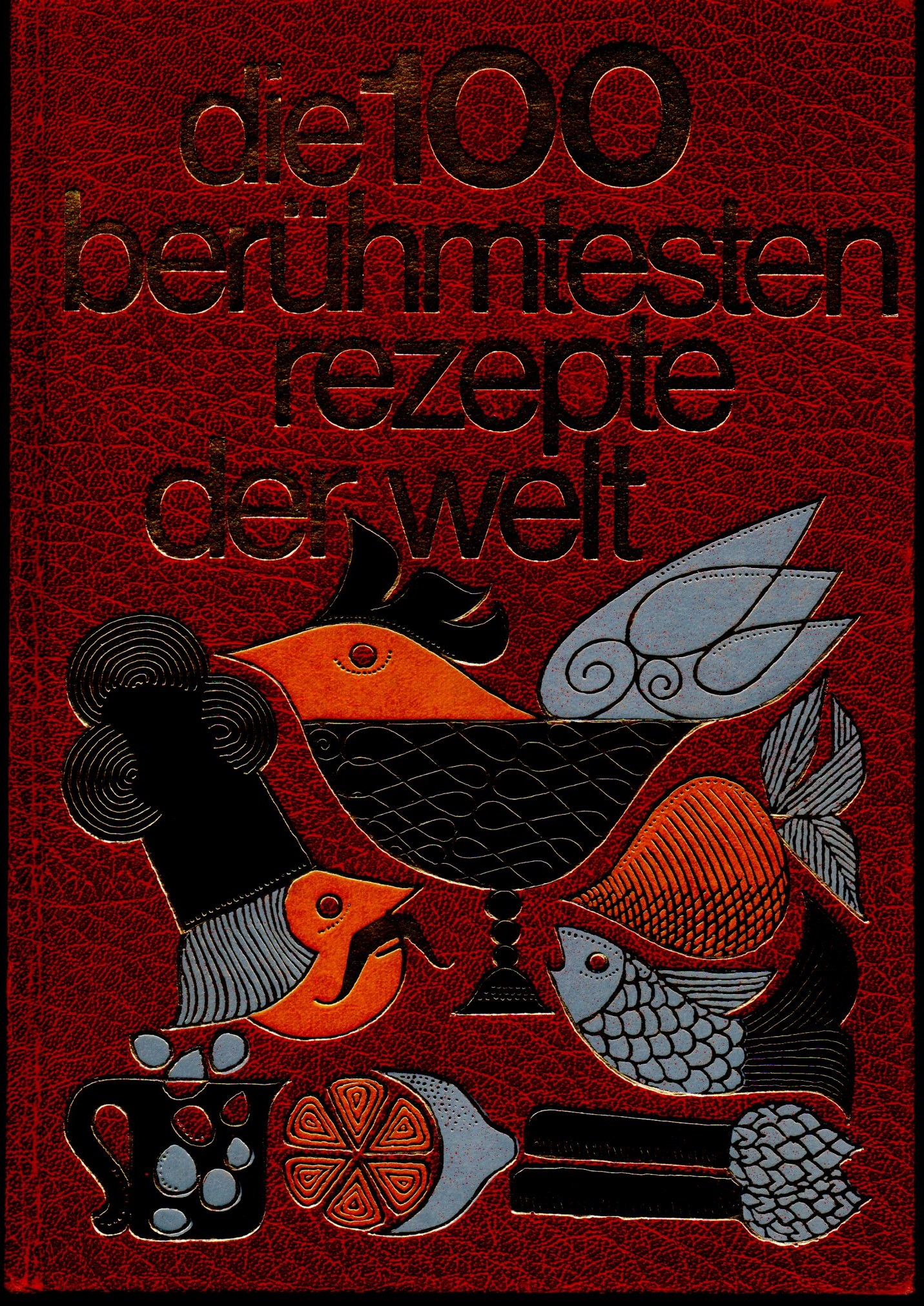
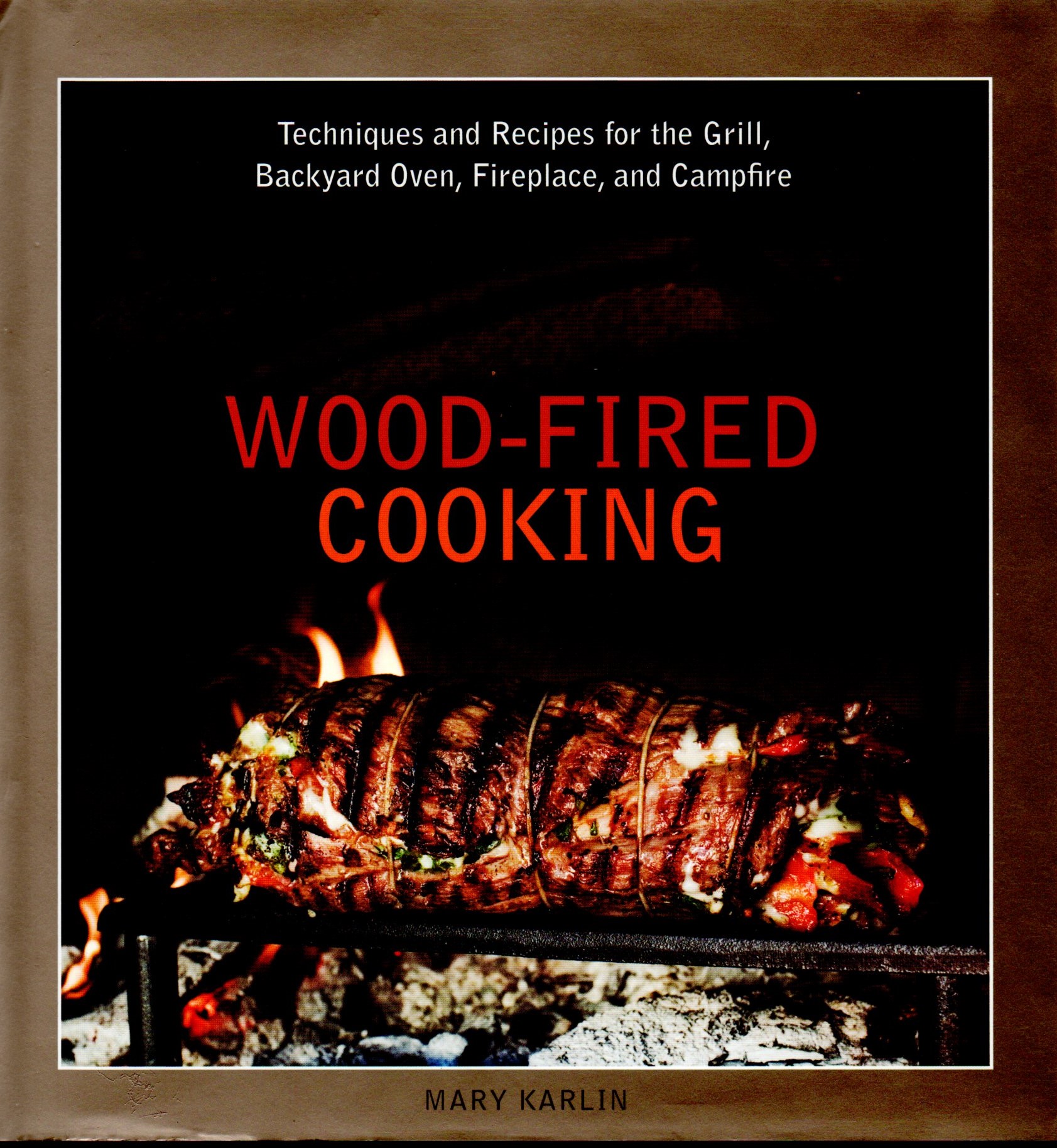
 To know specialties from another country, here are the most well-known ones from Norway to South Afrika and from Canada to Switzerland. And if you like BBQs or have a pizza oven on your terrace, like us, then you want to know about special technics.
The „3 MUST-HAVE“ cookbooks.
These are of course interchangeable again, but 3 books every chef, cooking fan, or culinary friend should be interested in and have in their collection. I choose my German ones, you might have other priorities.
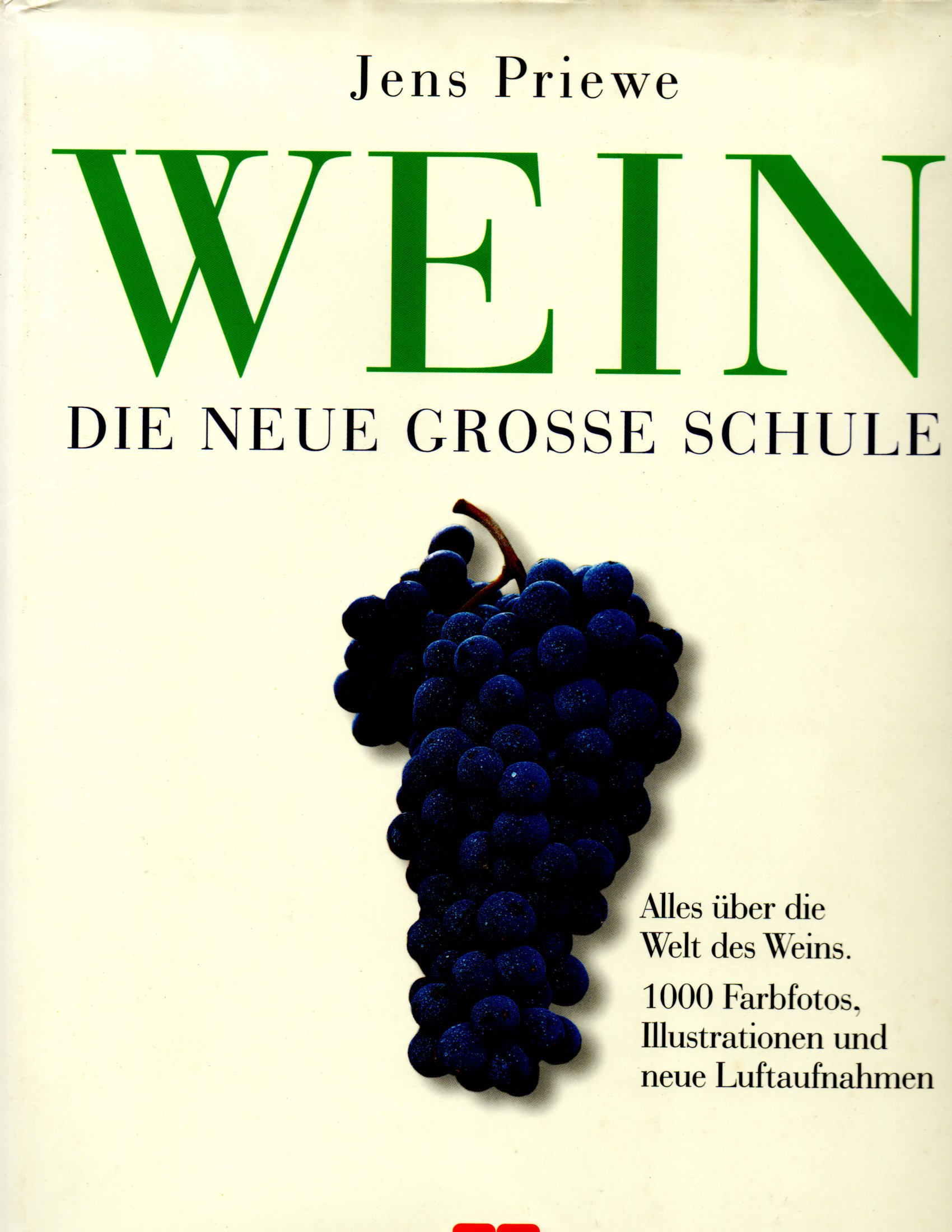
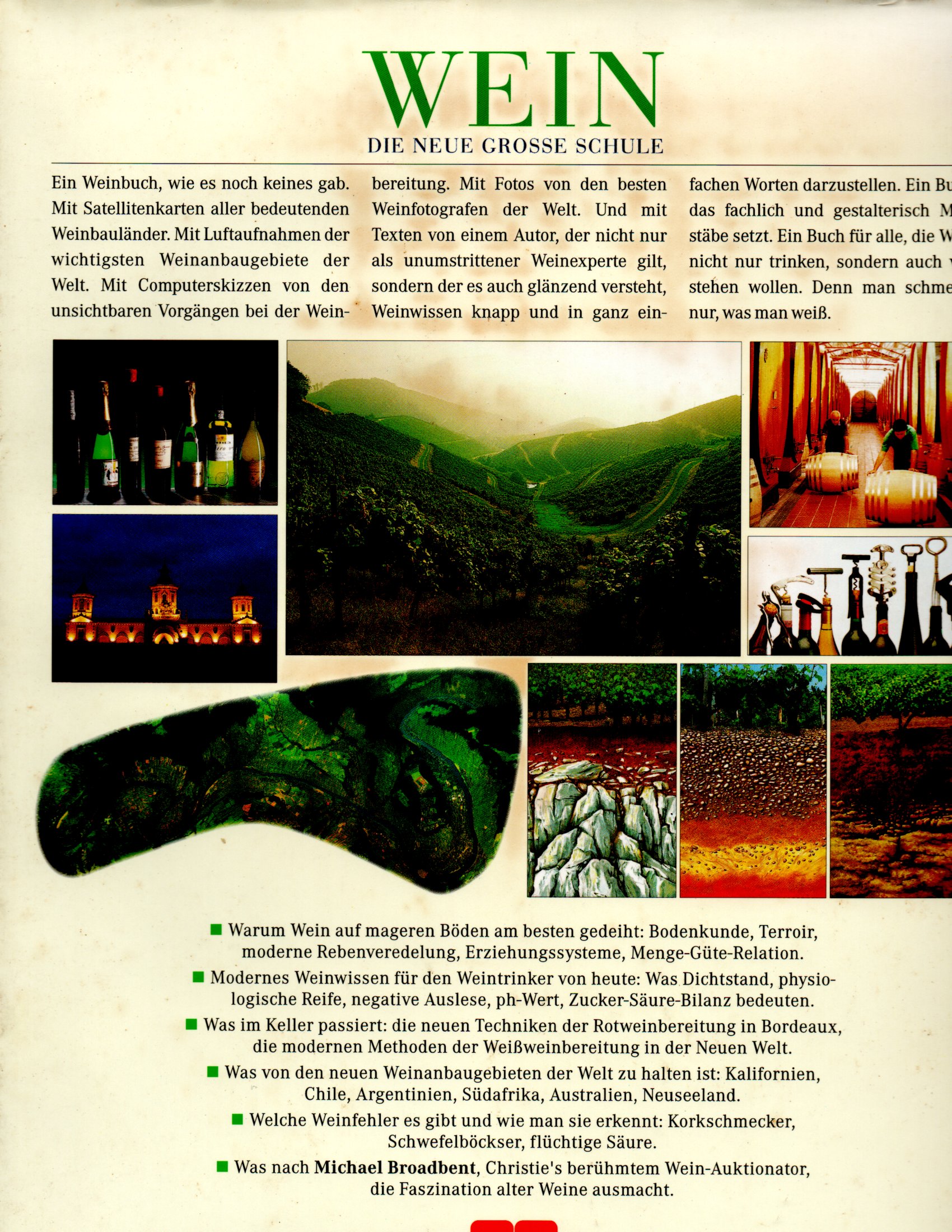
1. A book about wines, wine knowledge, and wine pairing with food.
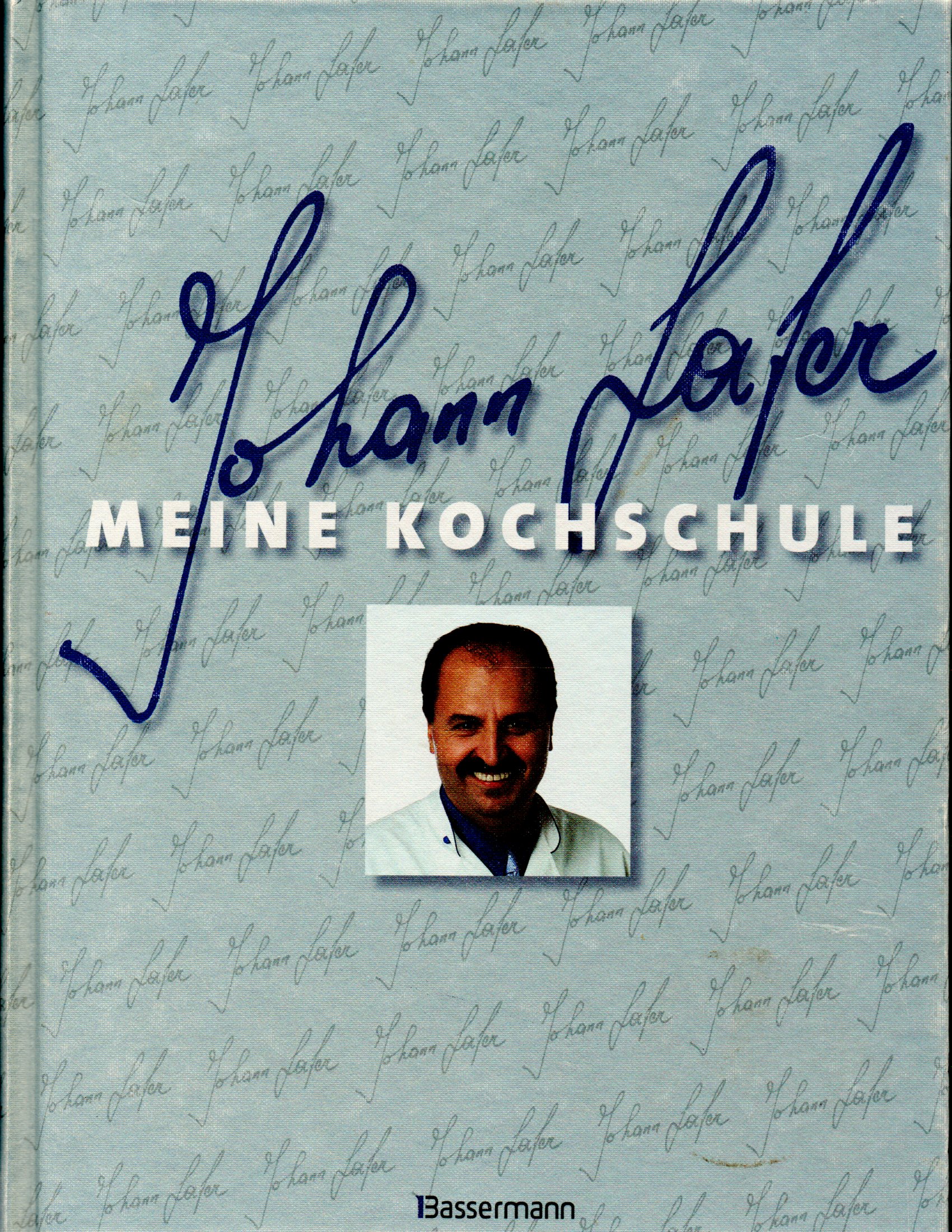
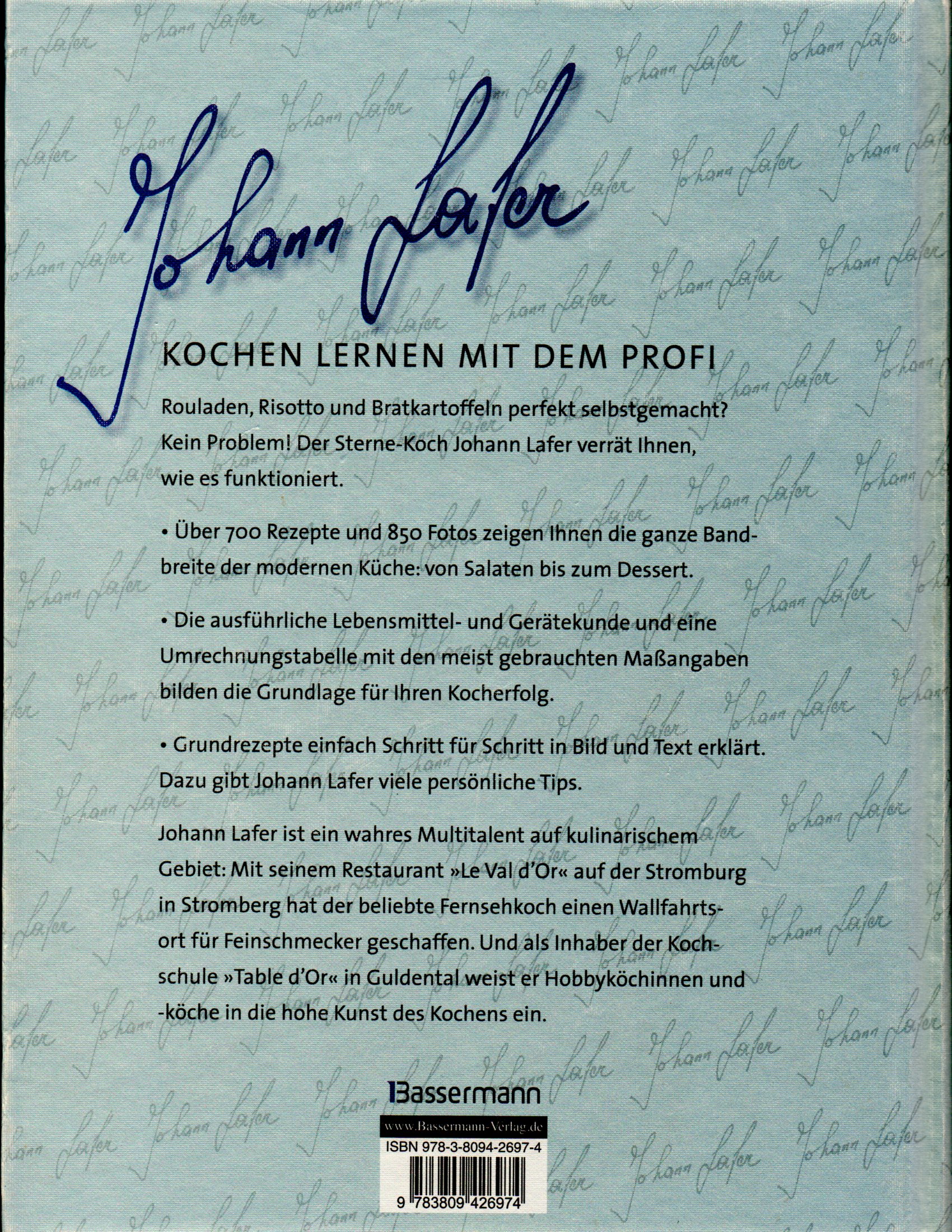
2. A book about cooking basics and technics how to do it.
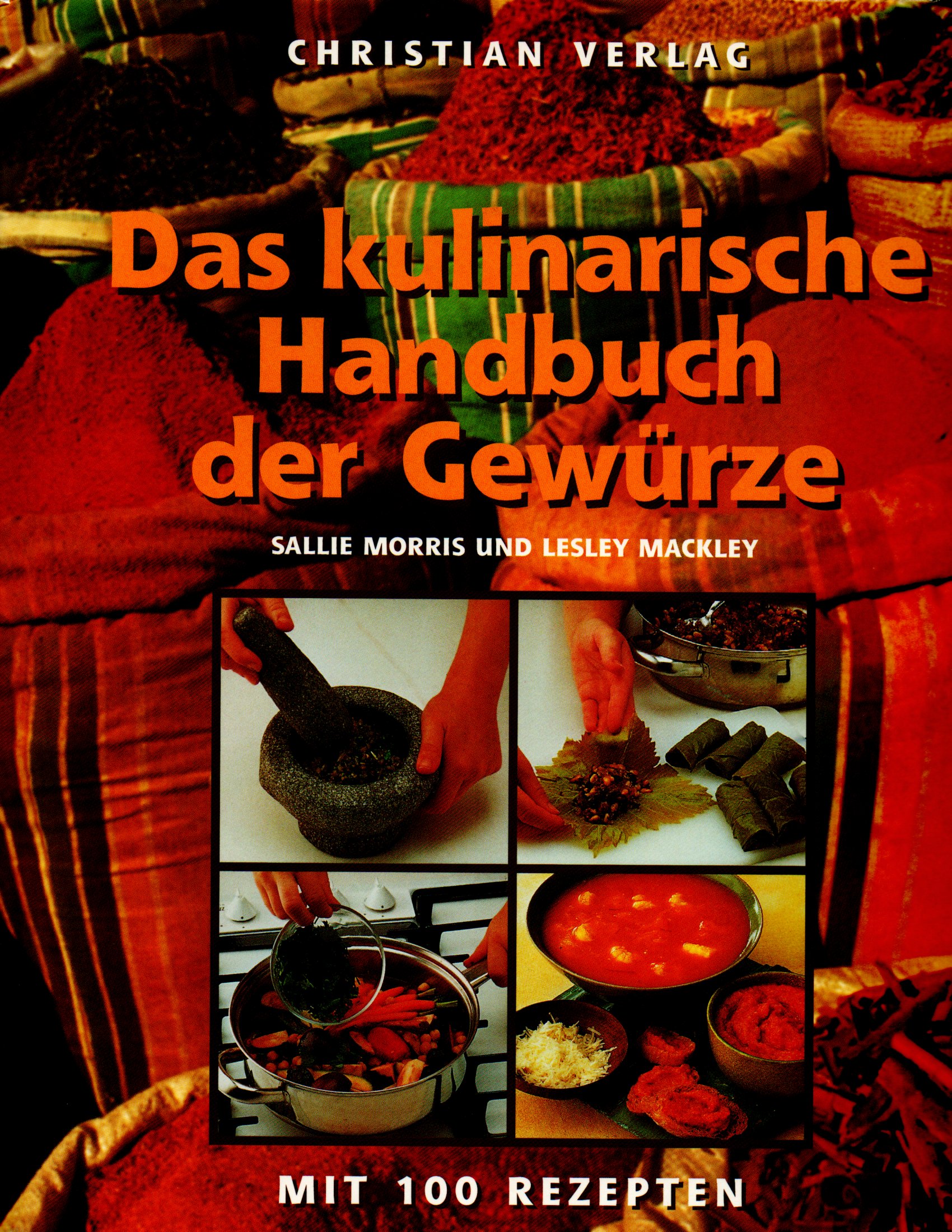
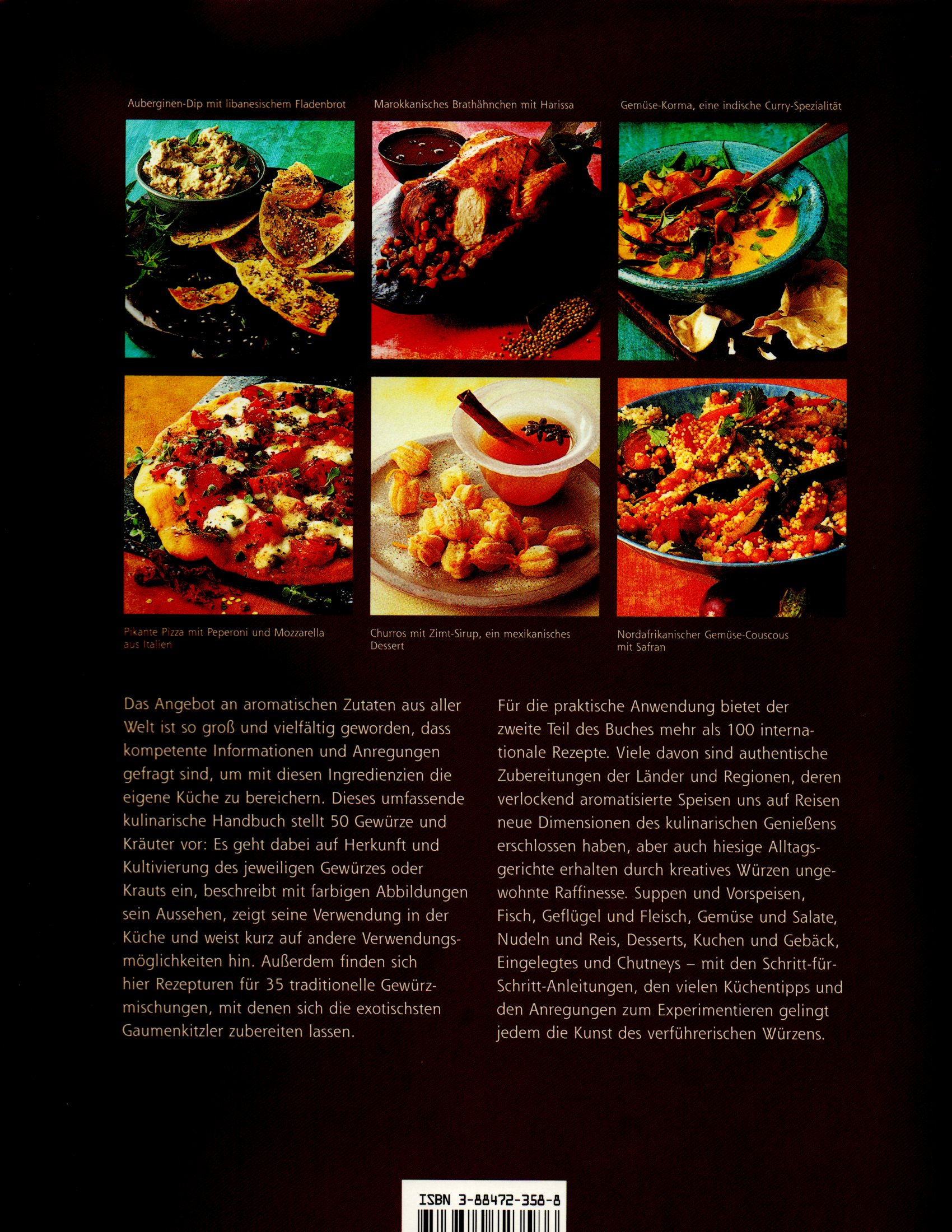
3. A book about spices and how to use them in cooking.
Where to find cookbook treasures ?

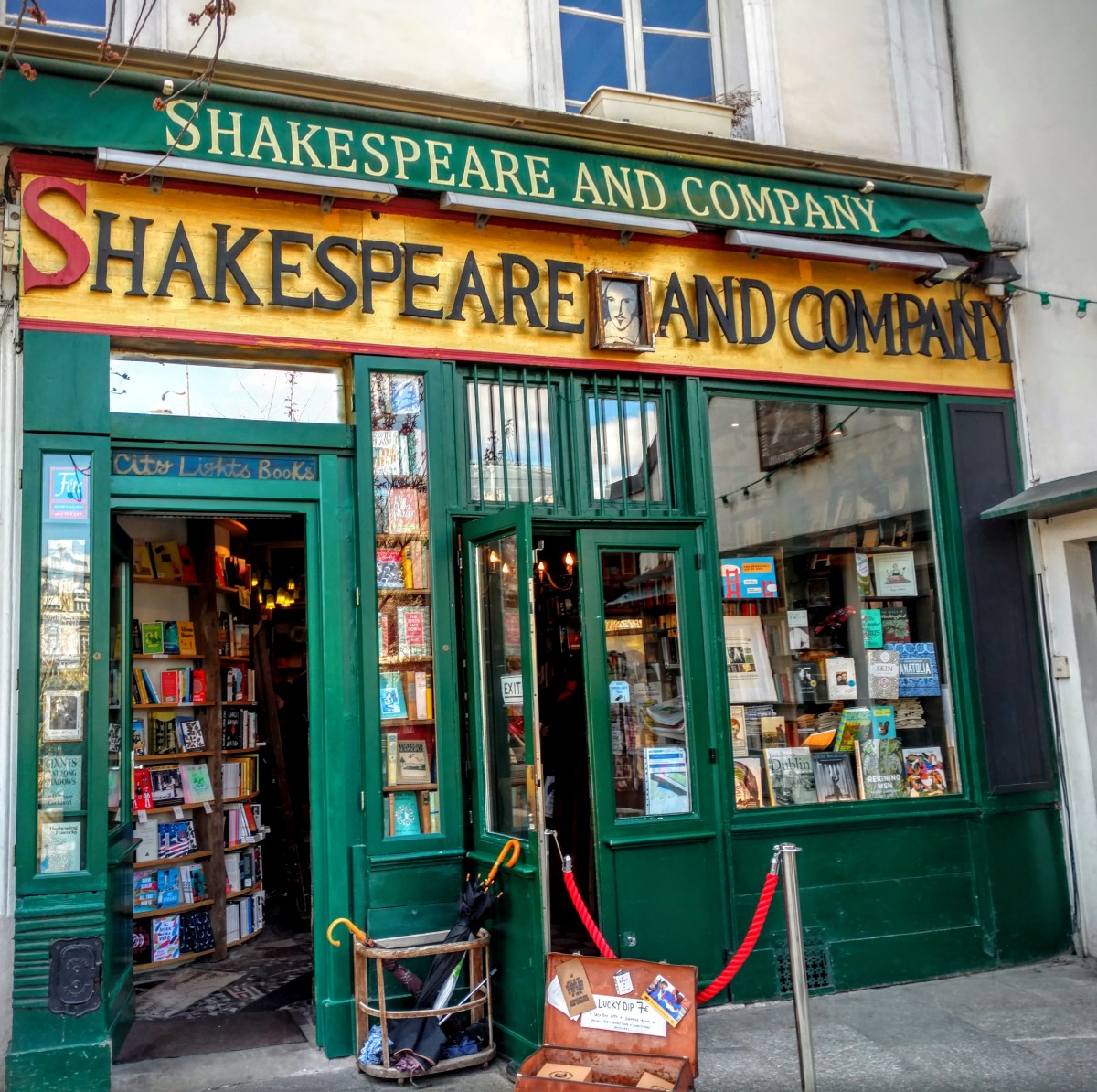
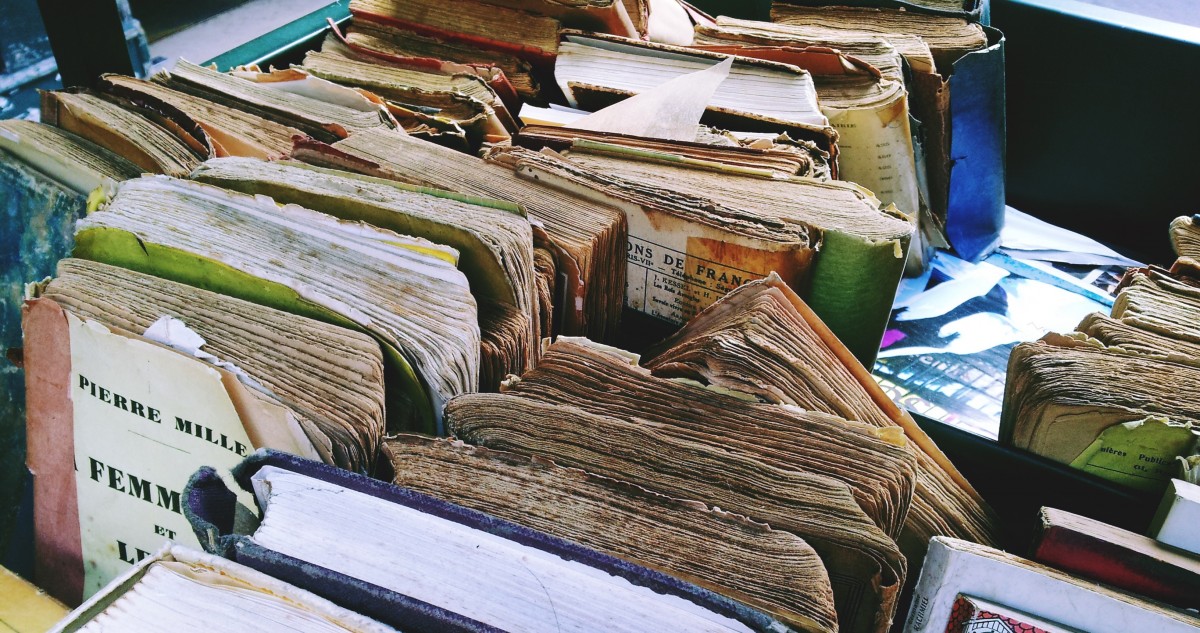
 My first and best answer is, asking friends, family, or investing in a small local add. „Who likes to give away old cookbooks or recipes into loving collectors hands?“. Lots of people don’t mind to gift it away, of course, some want to be paid. Next is to search book antiquarians, auctions, and flea markets, as you can see both pics above from Paris. Of course, the internet is a great source too.
My second answer is to get in touch with a professional, who can give you advice, answers, and can help to build up a fantastic cookbook collection. The very best source I know is right in the middle of Berlin, Germany. It is „Bibliotheca Culinaria“, Zehdenicker Strasse 16, in 10119 Berlin. One of the best cookbook stores I’ve seen in my life.
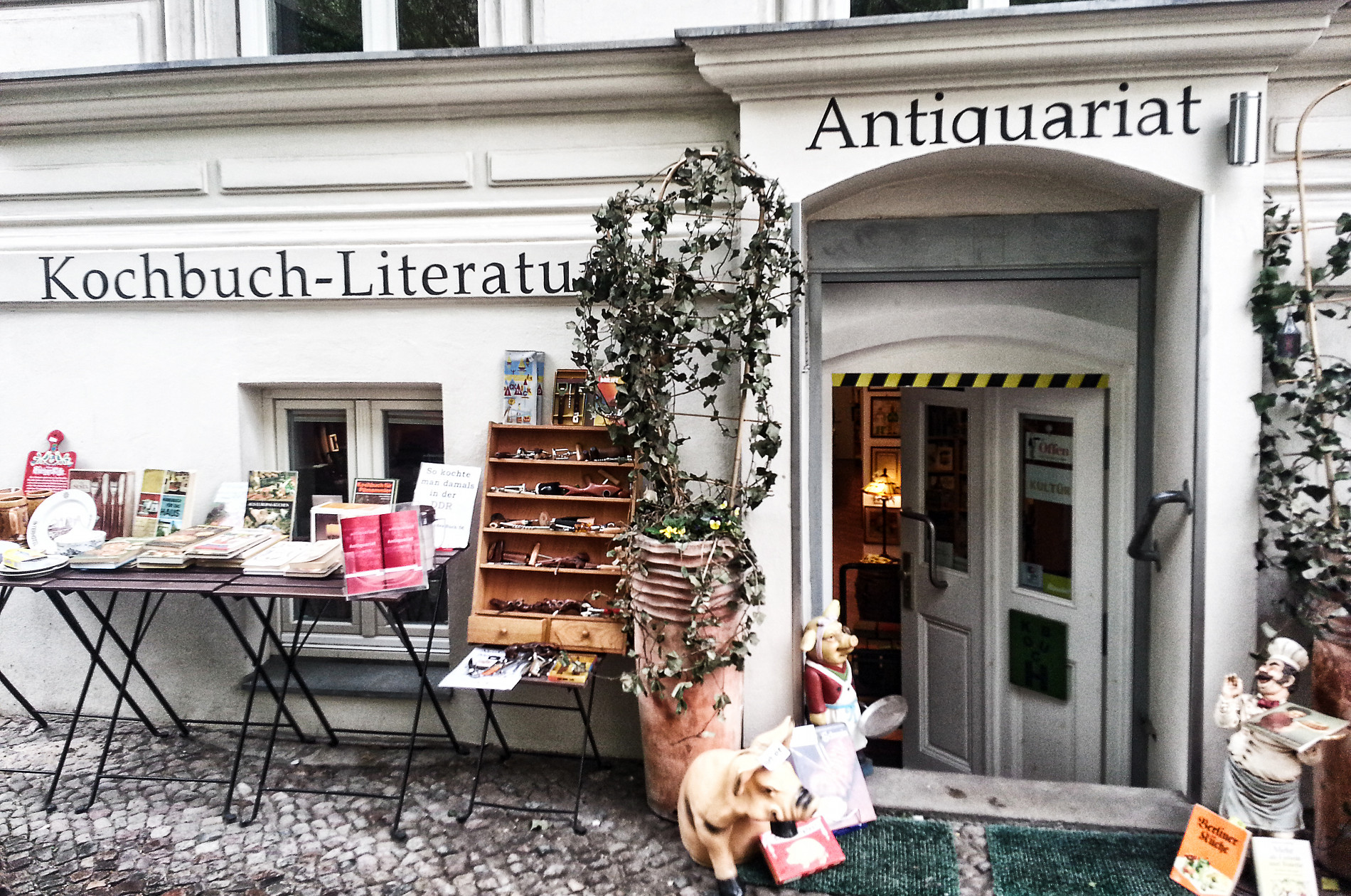
You enter the shop in the basement of a Berlin townhouse in Berlin Mitte and you are flattened. What you can see here, in Germany’s largest antiquarian cookbook store, is unbelievable and arouses curiosity. Here you will find more than 30000 books about cooking, kitchen, household, and gastronomy. Furthermore, you will find all kinds of curiosities and remarkable things about cooking in this antiquarian bookshop.
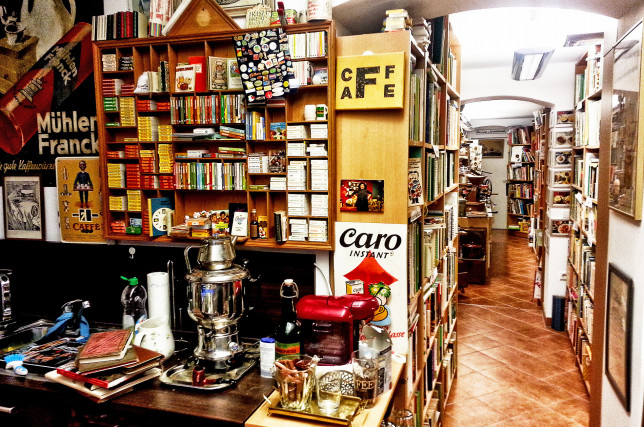
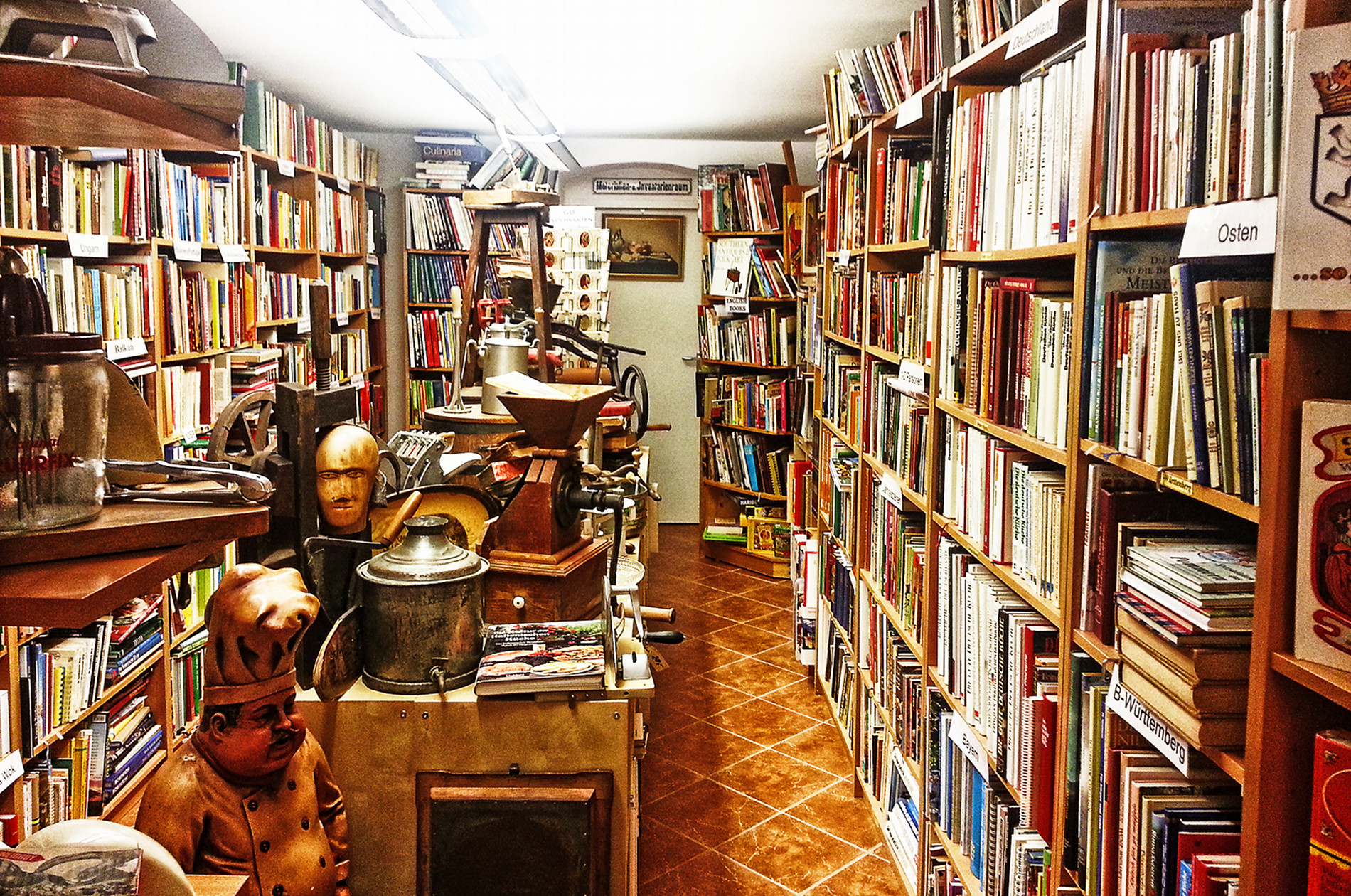
Quick you will be involved in a deep conversation about all themes around cooking and lifestyle, let Mohr’s treasures be shown to you. He finds everything immediately, does not owe an answer and can tell a story about all the works. The oldest specimen dates back to 1660 and he will not keep it. Because every work he finds is put up for sale. He doesn’t care about business. He categorically rejects an online shop. He is concerned, he says, with the soul in the books and the soul of the people who come to him and whom he can make happy with the cookery books.
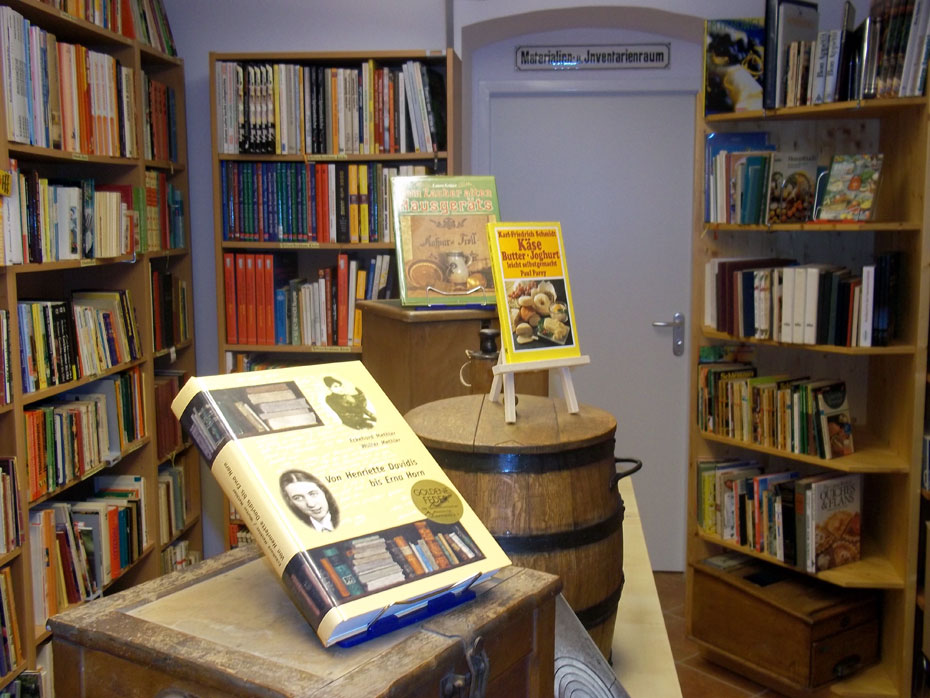
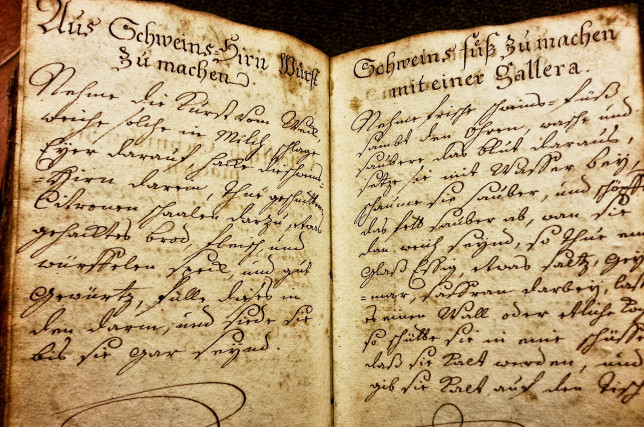
It was an extraordinary day at the Bibliotheca-Culinaria. You only want to make a short stopover and stay for three hours or more. That is how much the cookbook collection and Johannes Mohr’s stories fascinate. No wonder that the international press declares the business unique and press reports about Bibliotheca-Culinaria can be read from Japan, all over Europe, to the USA. Yes, my friends, Berlin is always worth a trip.
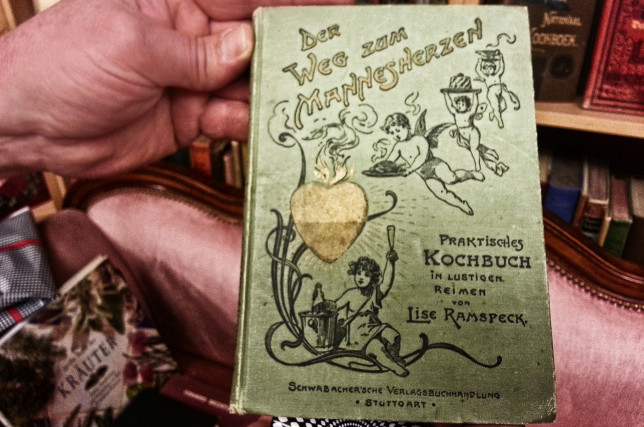
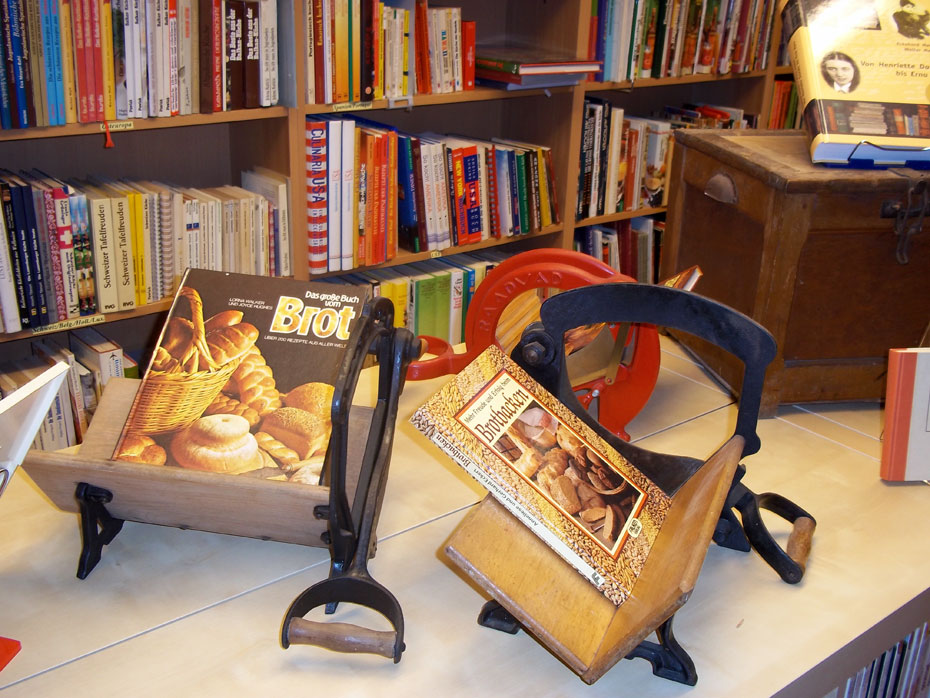
As my good friend, Peter once said, „a true collector collects for the sake of collecting, to own the book, not to have to cook from it compulsively.“ You still can if you like. I would advise you to take it easy. Think about which culinary field you want to conquer, then research, rummage, ask around, listen and learn – and then strike.
Well-kept food and drink, enjoying together with friends, is an expression of life culture.
Committed cooks and hosts know about the close relationship between food and wine, who, as the partner of every good kitchen, increases the joy of fine food and drink to a culinary experience. Healthy eating is not only about „what you eat“ it’s also about „how you eat“ – „enjoying your food“ is a secret of healthy eating.
Remember my dear friends, even a simple dish, should always be decorated, served, and presented in this way, that your mouth is watering.
Above, just a part of my philosophy. Happy collecting my dear „culinary friends“ !!


Nou, wat heb ik weer genoten van jouw stuk over het verzamelen van kookboeken. Ook dank dat je speciaal voor Wilma erbij hebt gezet ( ik neem aan dat jij mij hiermee bedoelt?) Ik ga zeker kijken naar Rachel Khoo, Martina & Bernd had ik al via ANNA ontdekt en ik krijg hier ook niet genoeg van. The two fat ladies heb ik ook met veel plezier gevolgd. En Meister Stemberg’s rezepte ga ik opzoeken en Johan Lafer. Heerlijk vind ik dit alles. Heb jij ook het boek: De Zilveren Lepel? Twee Nederlandse vriendinnen van mij, wonende in Italië koken daar steeds uit. Een „must have“. Het kostte eerst 50 euro, later 60 euro, nu 120 euro. Maar goed zoeken, dan kun je het nog voor een leuk prijsje vinden. Hartelijke groeten Wilma
LikeLike
Such a wonderful post to read. You are my favorite blog.
Got the Pistolet series, they are wonderful. Can’t stop reading.
Thanks, Mike.
LikeLike
Hi Mike,
first, thanks for posting my Swiss-comments in part 4. This part 5 shows spectacular what I missed out the last years in my kitchen. I should have collected much more of fine books like those.
I am waiting for more to come.
Au revoir, Mathis.
LikeLike