
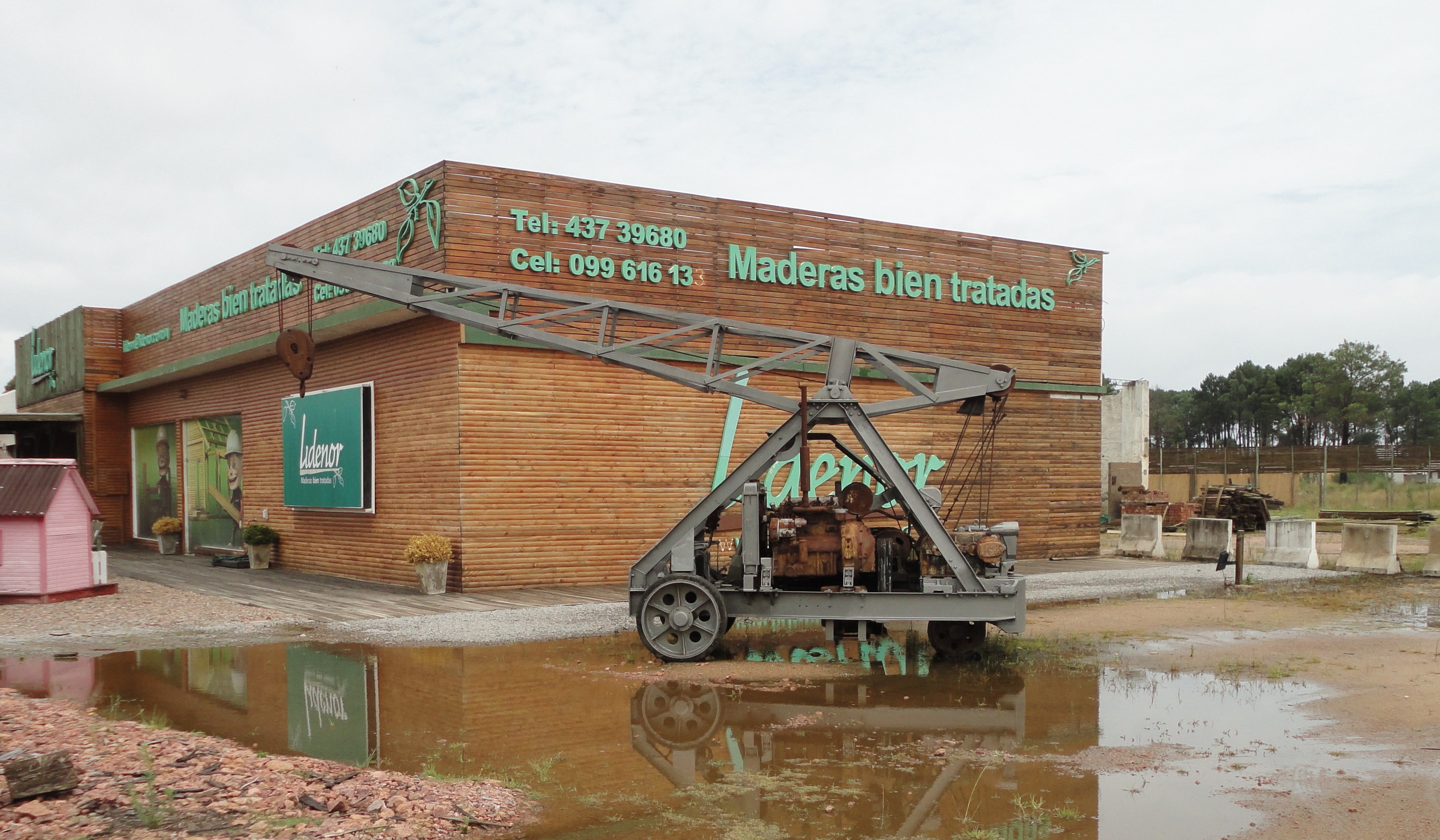
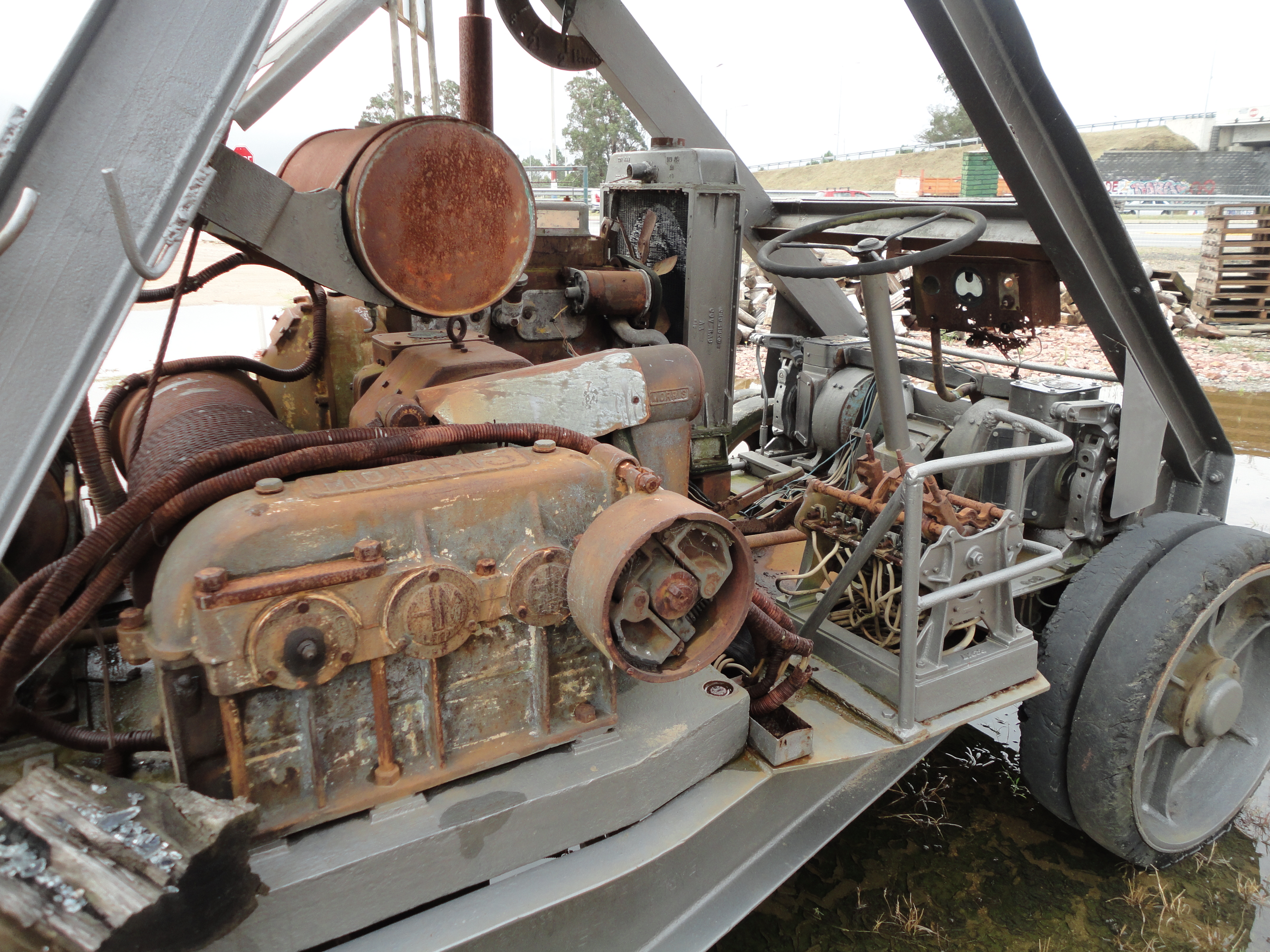
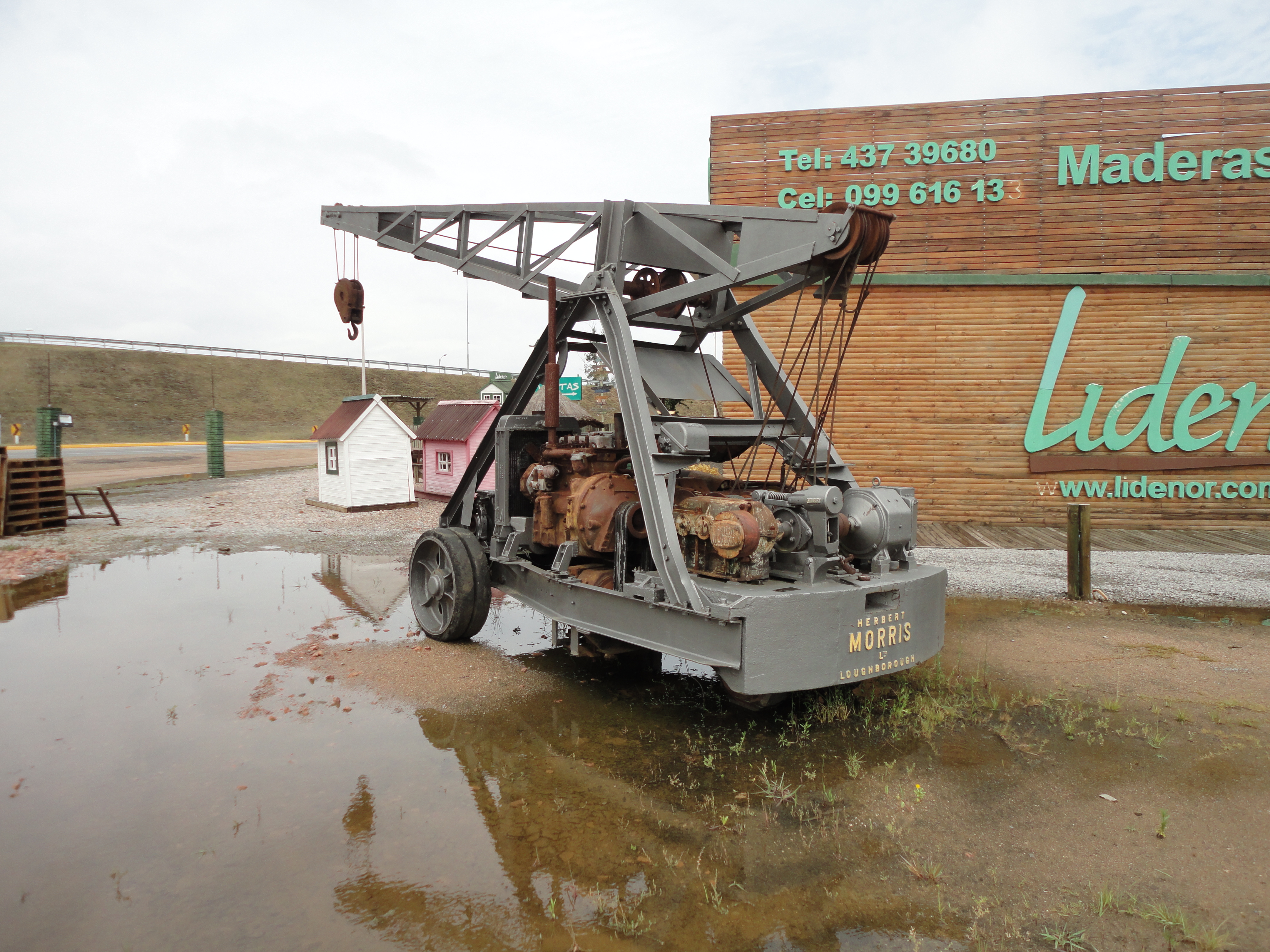
Living here in Uruguay is an every day surprise. Driving around even very known places can offer a sudden surprise. A few weeks ago, a rare rainy day, a saw an unusual machine near the La Floresta turnoff from Interbalenaria. I had to stop and made some pictures of this rarity. An old crane of a type I had never seen before.
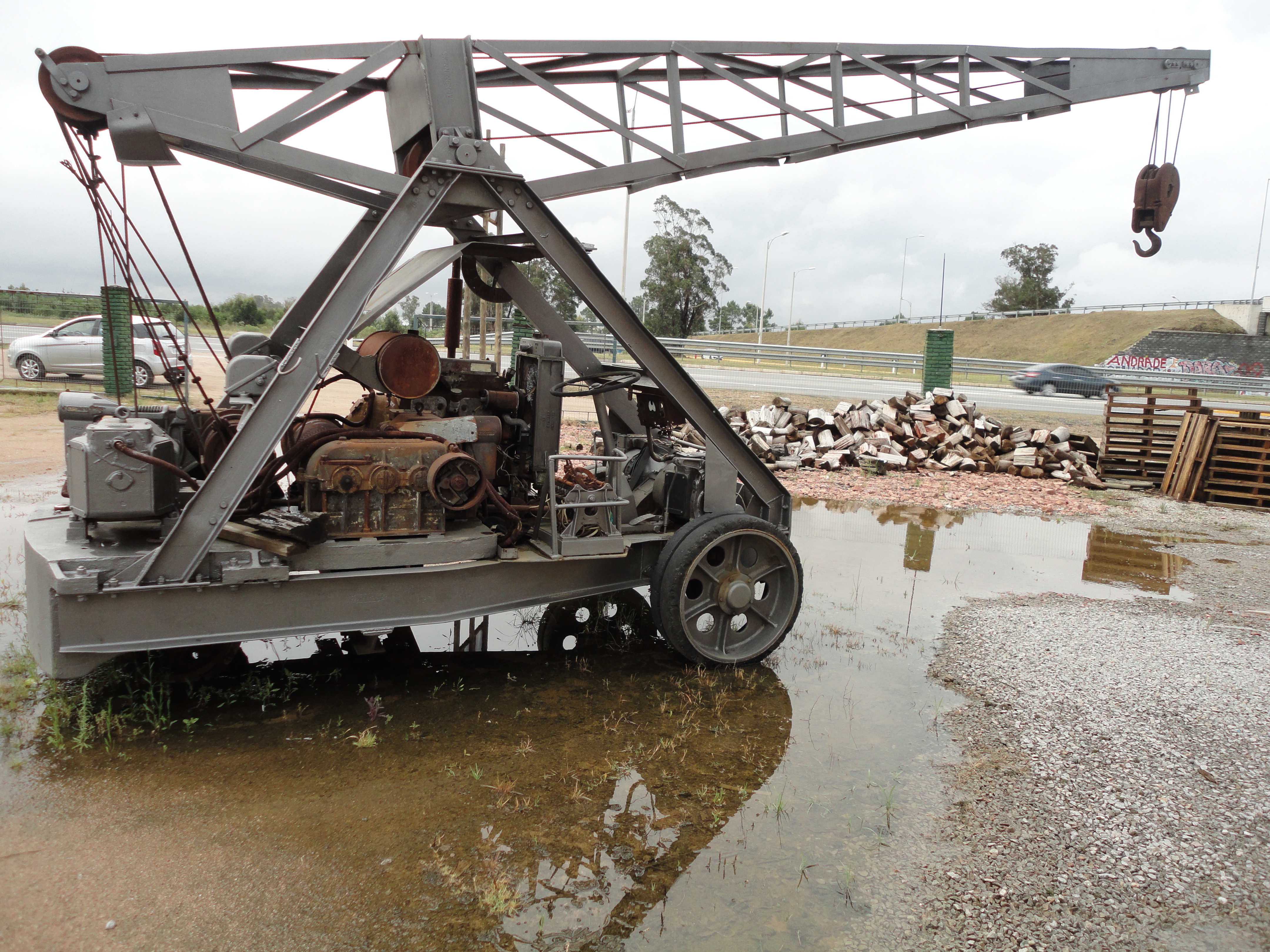
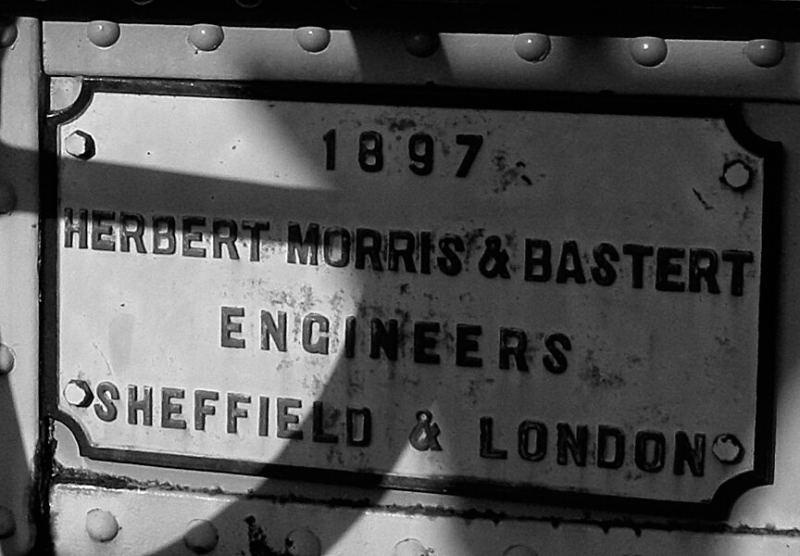
Back home, a few days later looking at the pictures I took, I discovered the manufacturer „MORRIS“, United Kingdom. My „discovery of history heart“ was awakened and I started searching what kind of crane we have in our Uruguayan town on display. Here the story.
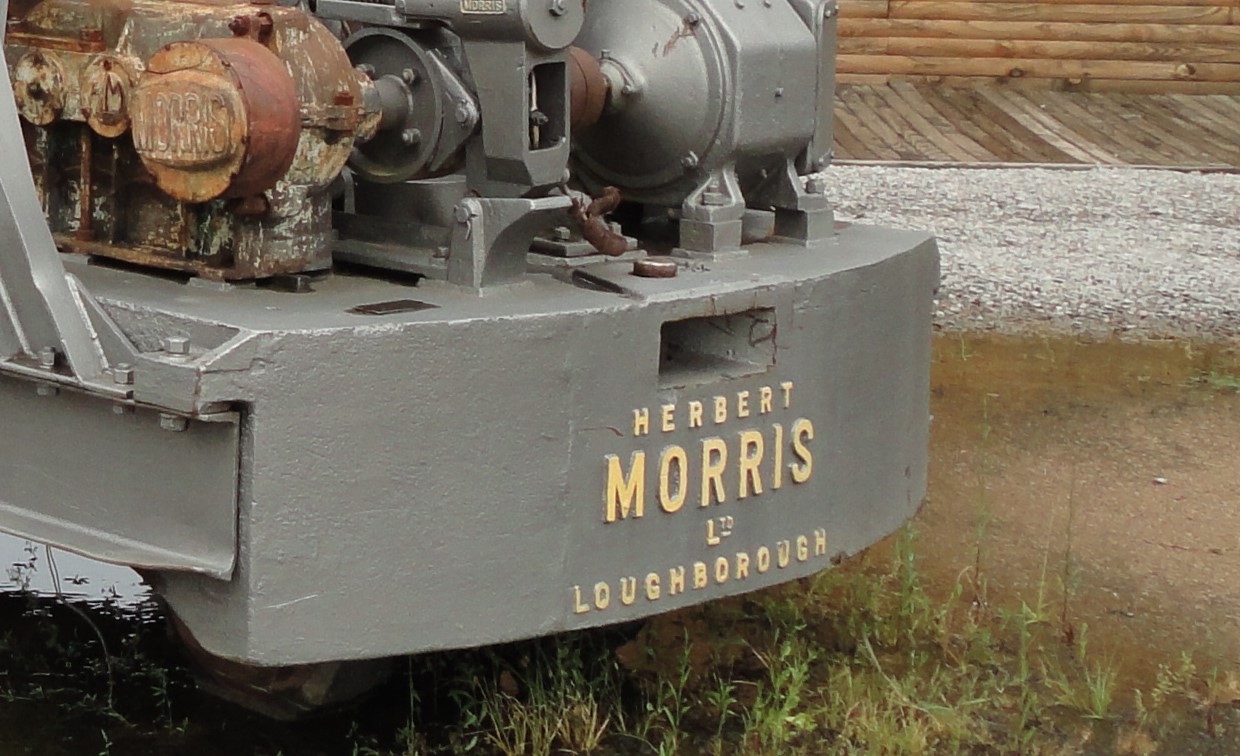
Herbert Morris Co Ltd was established in 1897, manufacturing lifting gear and equipment for heavy goods, mostly cranes. The company has been overtaken at various points in its history. Today it is known as Morris Materials Handling, with fifty employees. At its height, it employed 2000 people.
This Morris company has no connections to the 1919 founded Morris Motor Company „WRM Motors Limited“ (producing bicycles and cars) of William R. Morris.
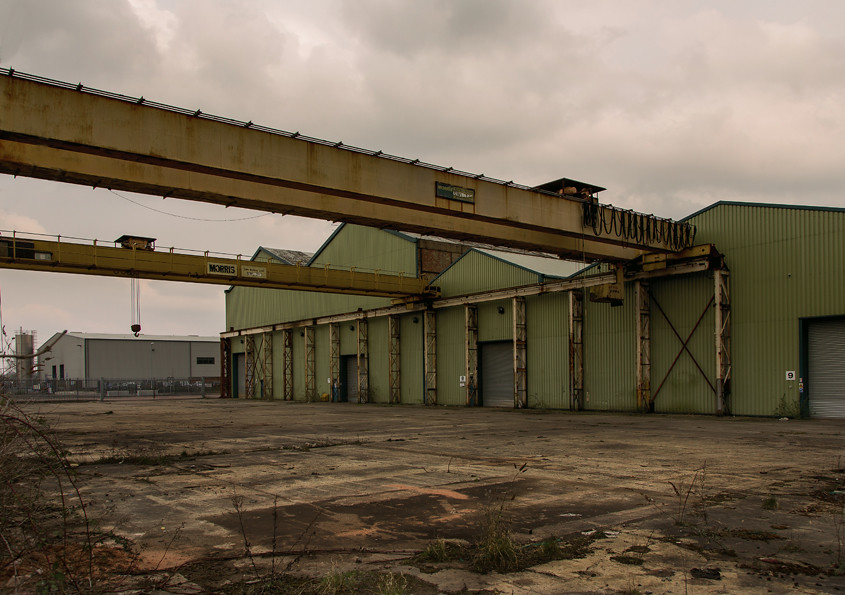
The Morris Crane Company is now a subsidiary of Konecranes, UK. Morris’s remaining operations in Loughborough were moved to Scotland some years ago and they left the industrial site in Loughboruogh abandoned as shown below.
Herbert Morris and Bastert.
1884 Company founded by Herbert Morris and Frank Bastert to produce lifting pulley blocks at Attercliffe, Sheffield.
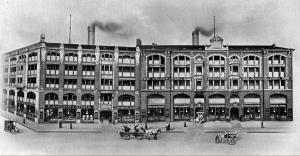
 That was before they moved to Loughborough.
1889 At this time the company employed 50 persons.
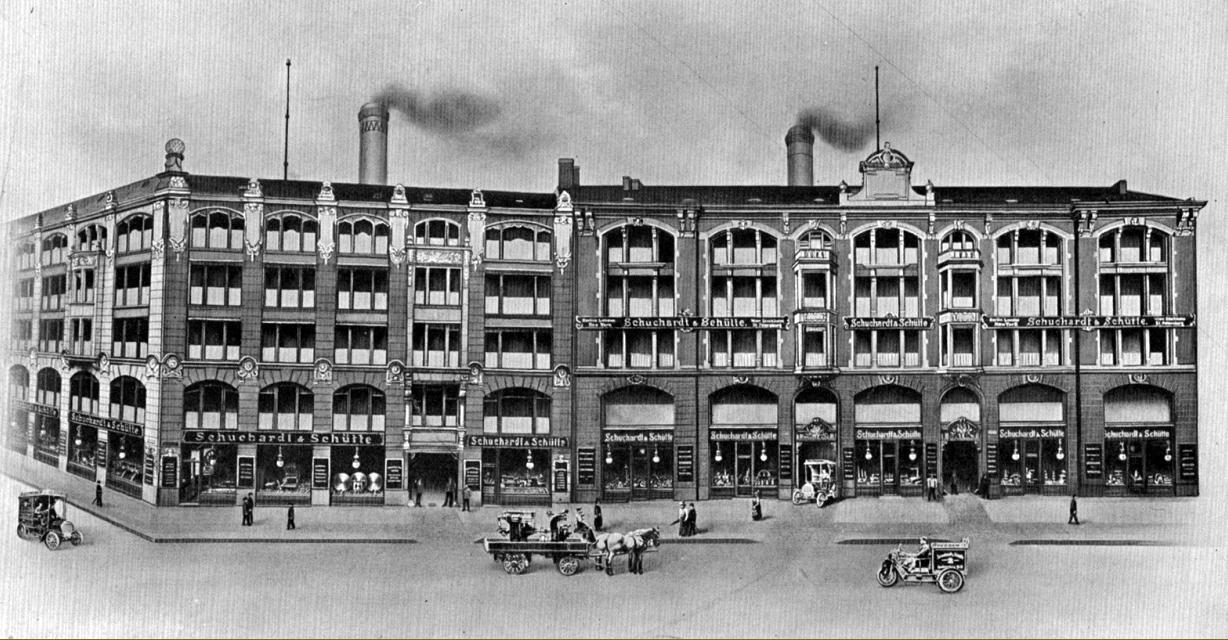
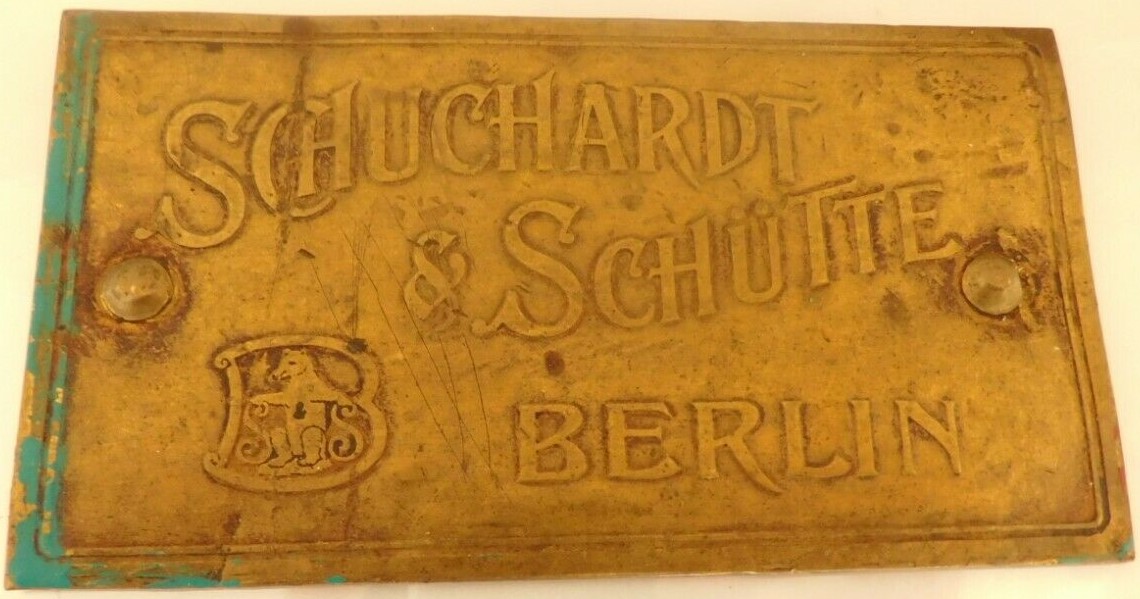
1889 Took on the agency for the pulley blocks of Schuchardt and Schütte of Berlin.
1891 Disagreement with the German firm who moved the sole agency to C. W. Burton.
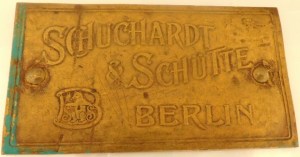 Click on pictures to supersize.
1897 Company moved to Empress Works, Moor Lane, Loughborough.
1900 Became a Public company, maker of electric cranes.
1911 Frank Bastert retires from the business.
1912 Name changed and the company becomes Herbert Morris.
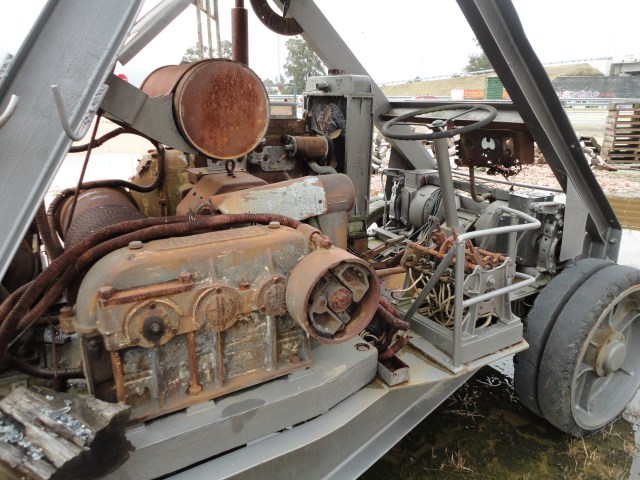 This is a vehicle I have never seen before. A museum worthy machine, displayed, but rotting away, as so many valued things from the past, in Uruguay. In Europe they would have it restaurated and displayed in one of the historic technical museums.
Royce and Company.
1884 Company formed by Frederick Henry Royce.
1891 The company was registered on 4 June as F. H. Royce and Co, to take over the business of electrical and mechanical engineers of the firm of the same name.
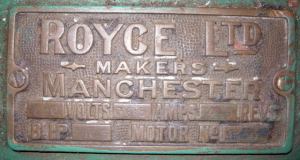
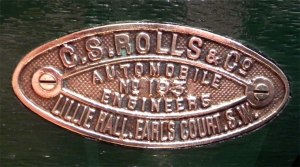 Royce Ltd. Manchester and Rolls Co. Lillie Hall London . Click on pics to size up.
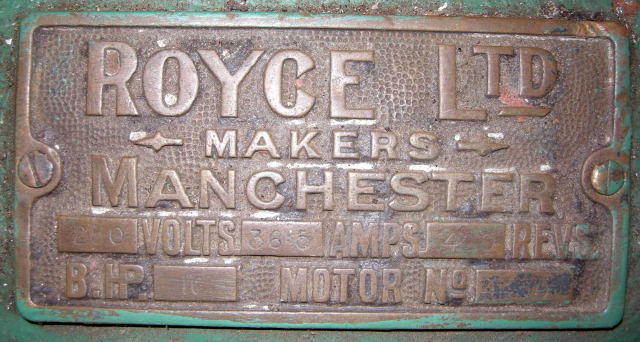
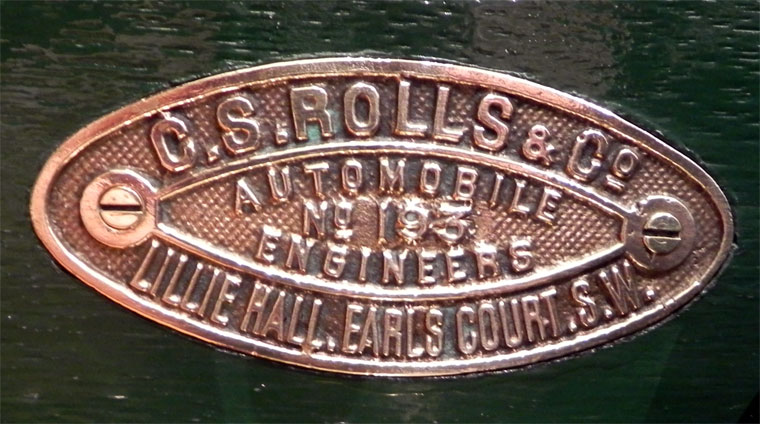
1899 F H Royce and Company was put into voluntary liquidation and reconstructed with an enlarged capital, re-registration taking place under the title of Royce Ltd on 17 October.
1903 Listed as „Royce Limited. Electrical and mechanical engineers, makers of dynamos, meters, electrically driven cranes and hoists, arc lamps etc. Works – Cooke Street, Hulme. Branch works – Trafford Park“. What a naming !
1903 Began experiments with motor car manufacture and in the latter half of the year Royce began producing a 10 hp model with overhead valves. By the spring of 1904 had produced three cars.
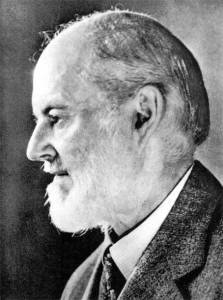 Sir Frederick Henry Royce (27 March 1863 – 22 April 1933) was an English engineer famous for his designs of car and aeroplane engines.
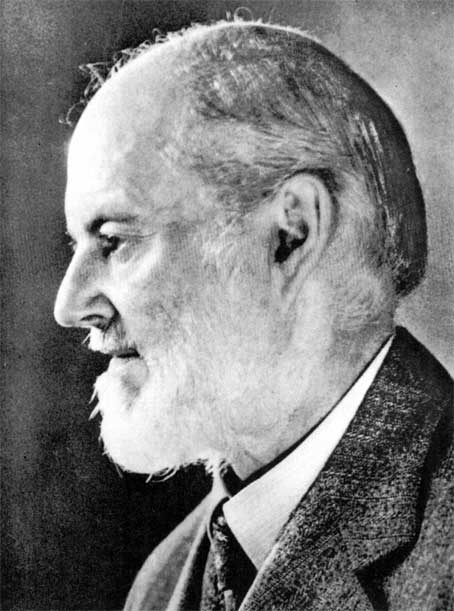
1904 Royce decided to manufacture a car of his own which he did in a corner of the workshop. Two more cars were made. Of the three, which were called Royces and had two-cylinder engines, one was given to Ernest A. Claremont and the other sold to one of the other directors, Henry Edmunds and ultimately to C. S. Rolls.
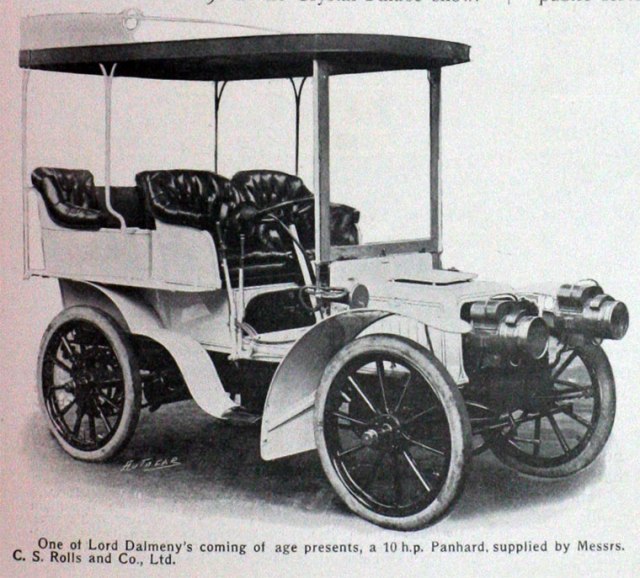 A Rolls with Panhard chassis from 1903.
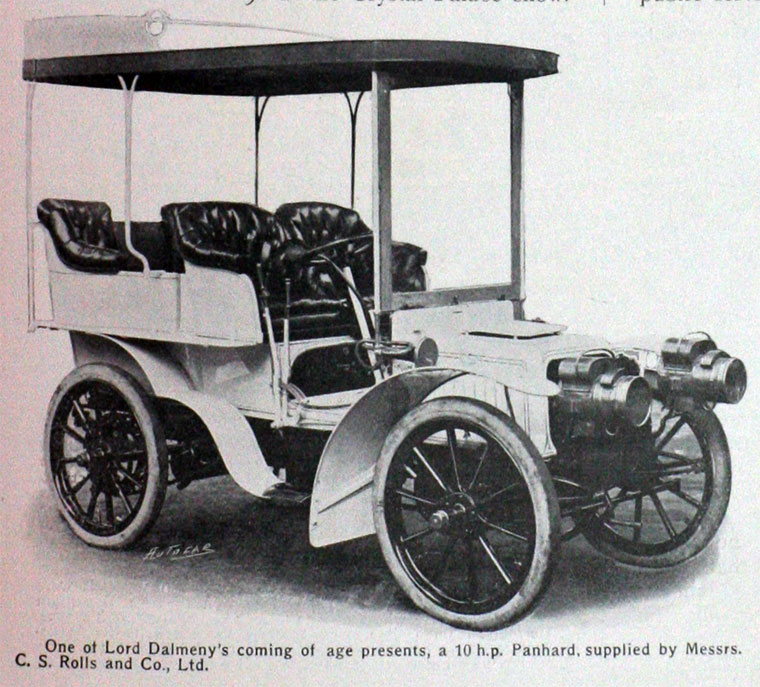
1904 23rd December. Charles Stewart Rolls and Claude Goodman Johnson trading as C. S. Rolls and Co entered into an agreement to market the total output of the company, Rolls would make the bodywork. The cars ranged from a two-cylinder 10 hp chassis to a six-cylinder 30 hp model.
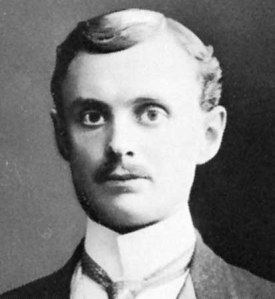 Charles Stewart Rolls (27 August 1877 – 12 July 1910) was a Welsh motoring and aviation pioneer. With Royce, he co-founded the Rolls-Royce car manufacturing firm.
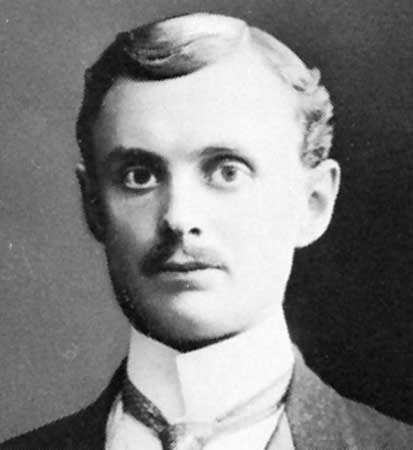
1906 March. Set up the Rolls-Royce company to produce cars, including acquiring the Cooke Street Works. Royce Ltd continued in business making cranes. In December a share issue funded the acquisition of C. S. Rolls and Co and enlargement of the works.
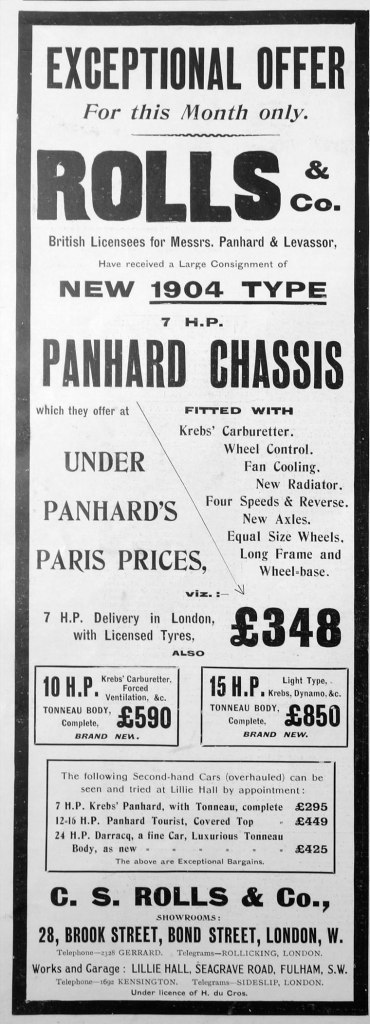 1903 Rolls‘ advertising.
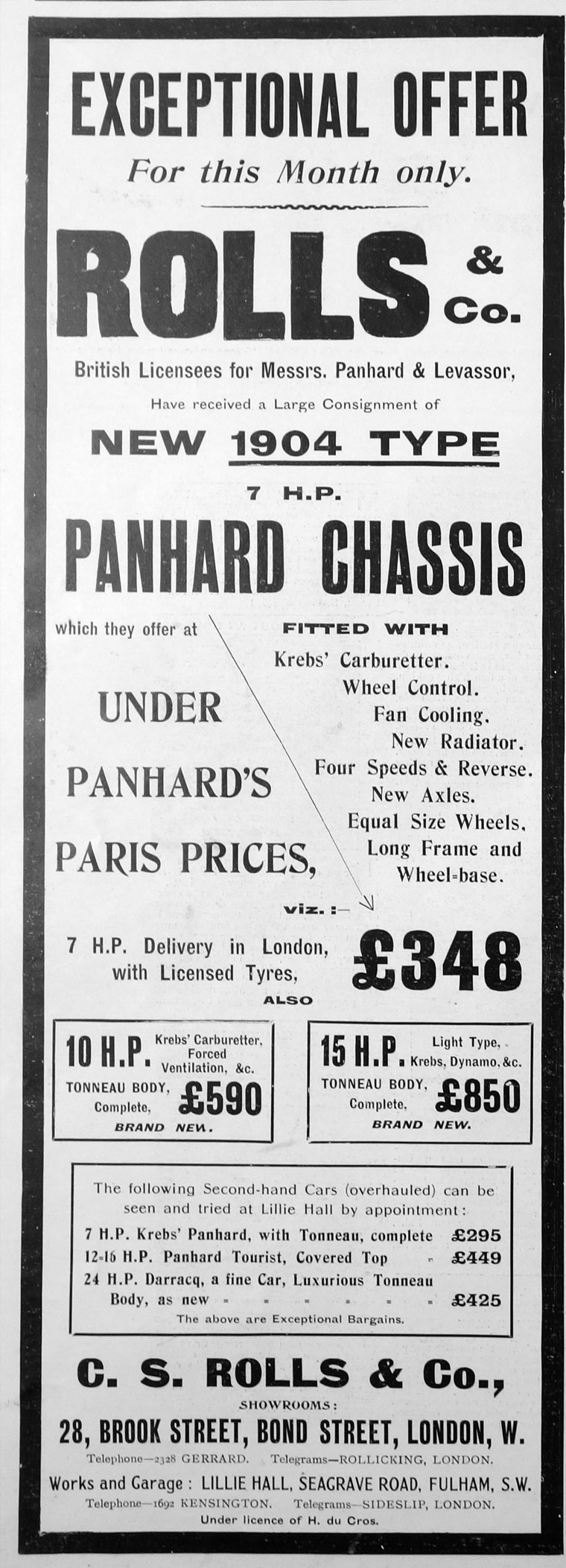
1909 Listed as Royce Limited. „Electrical and mechanical engineers, makers of dynamos, meters, electrically driven cranes, hoists, capstans and winches etc. Registered office and works – Trafford Park Road, Trafford Park, Manchester“. Again – what a naming !
1909 Electric „monorail“ jib crane for Hawthorn, Leslie and Co., Forth Bank Works.
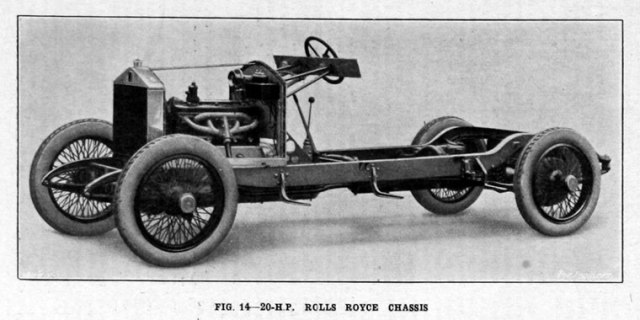 And this is the first Rolls Royce chassis from 1922.
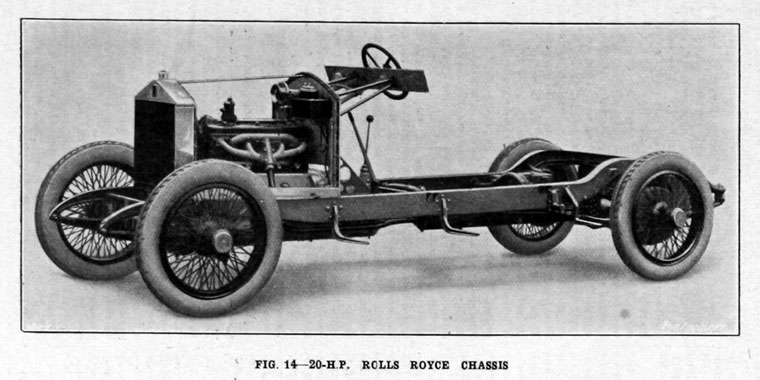
1922 Manufactured electric cranes, electric capstans, electric winches, electric transporters, D.C. dynamos and motors, electric controllers and switch-gear.
1932 Company acquired by Herbert Morris of Loughborough.
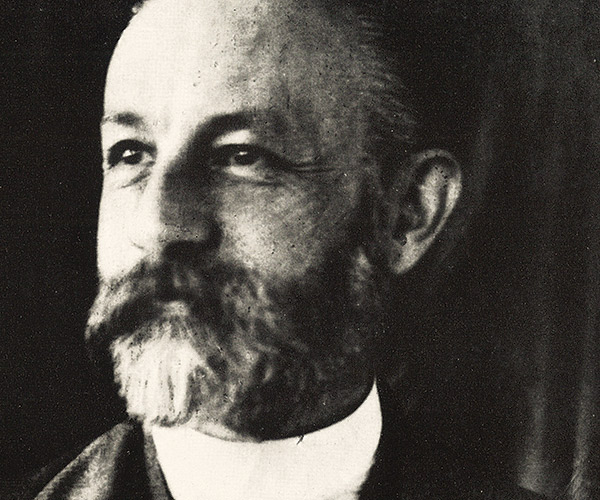
Herbert Morris (1864-1931) rose from modest beginnings as a salesman of pulley-blocks in London. In 1889 he acquired an interest in the Sheffield company of Shardlows which manufactured lifting gear. Joined in partnership by Frank Bastert, a German engineer, he rapidly expanded the business which became known as the Sheffield Crane Works.
Herbert Morris .
Herbert Morris of Empress Works, Loughborough, formerly Herbert Morris and Bastert. Owned by Herbert Morris (1864-1931).
1912 Frank Bastert remained a partner until 1911 and his name disappeared from the title of the company in 1912. .
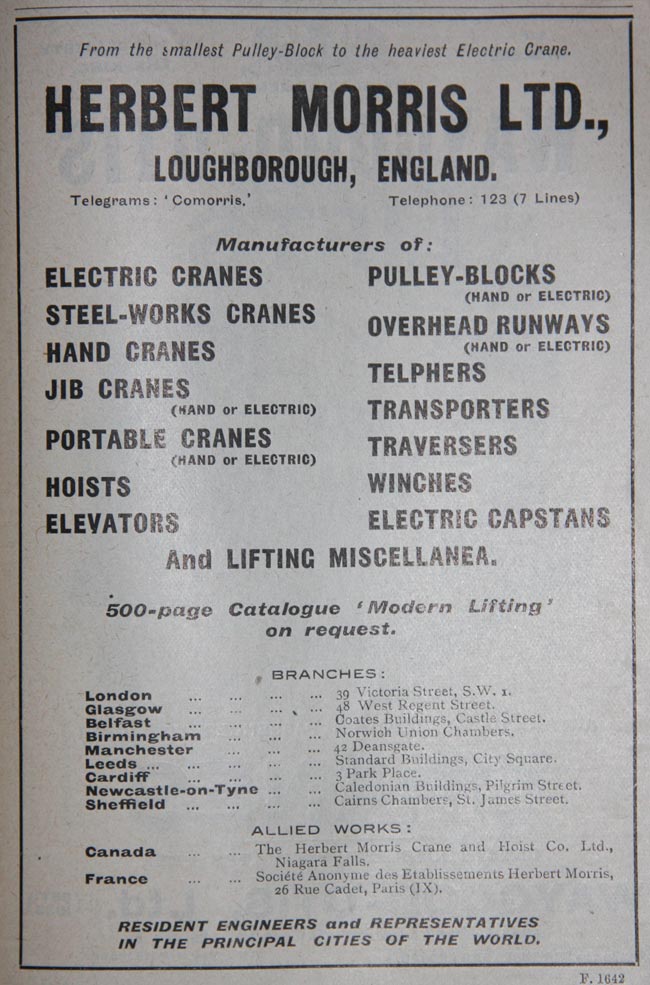
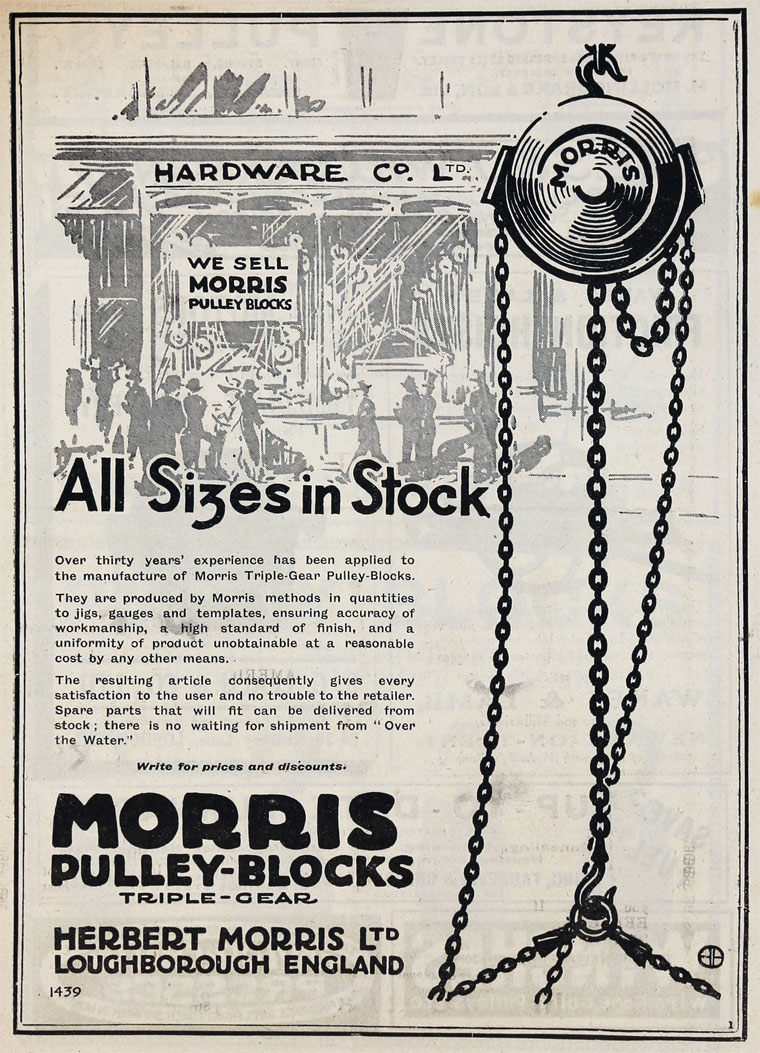 Morris Crane advertising, from 1918 (left) and 1919 (right). Below an Morris Overhead Crane from 1922.
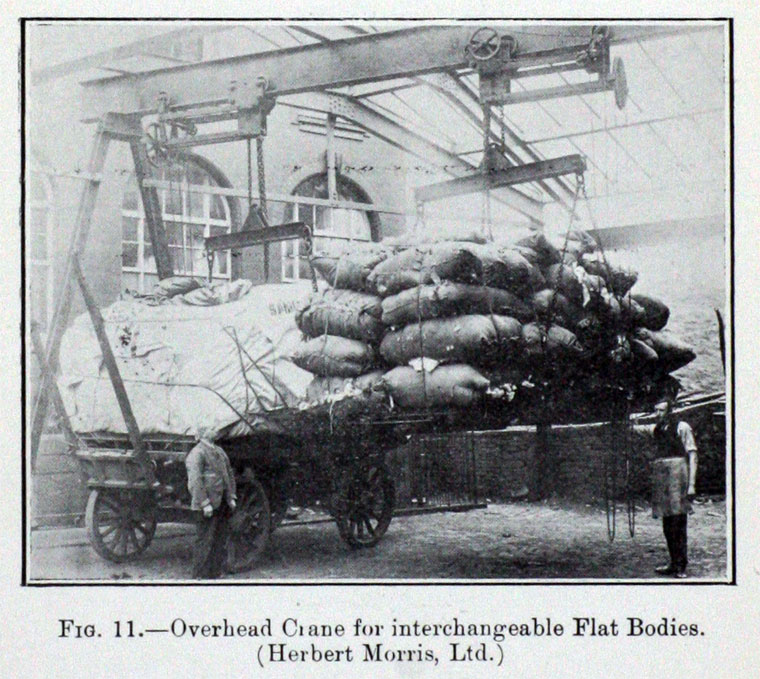
1914 Manufacturers of electric, pneumatic and hand overhead traveling cranes, pulley blocks, conveyors, overhead runways and lifting miscellanea.
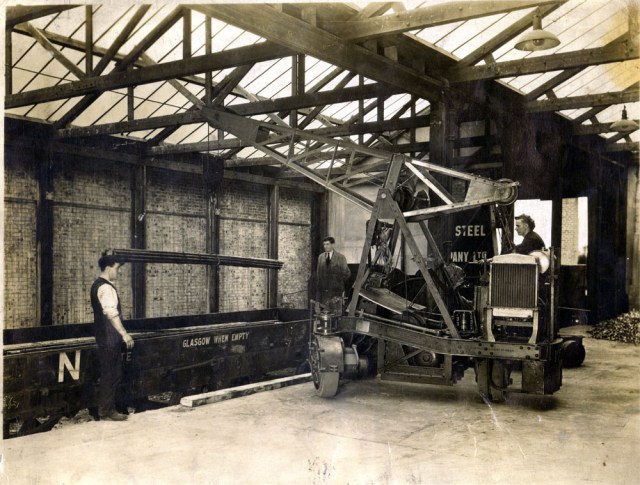
Christopher Bennett at the controls of a mobile crane at the Govan Steel Shafting Co’s works in the 1930s. The crane is a petrol-electric type manufactured in Loughborough by Herbert Morris, a company that specialized in the production of heavy lifting equipment. Pic. Glasgow Museums.
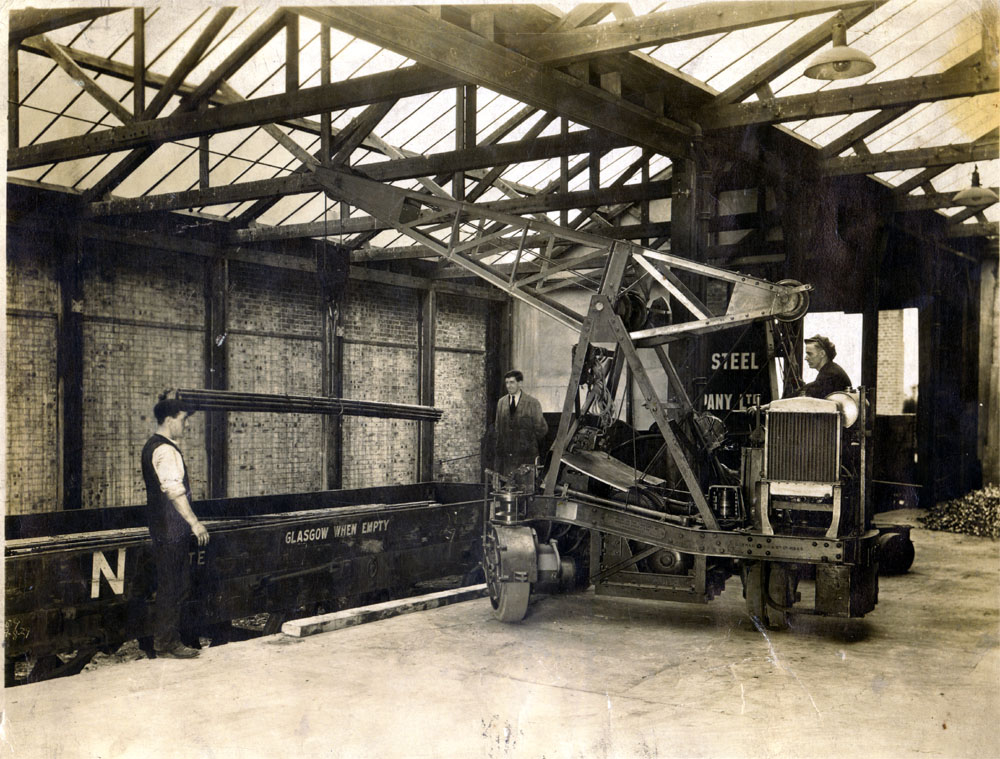
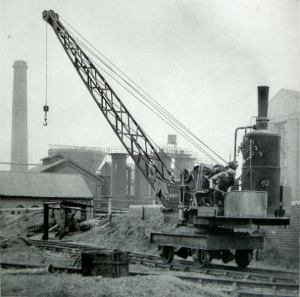
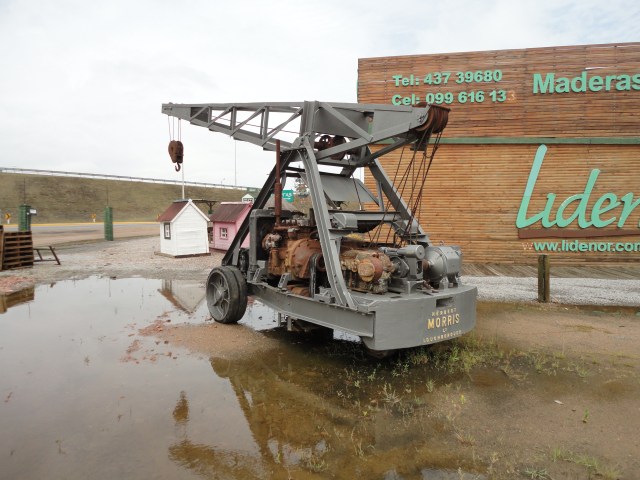 Little bit different then in the museum picture above, but it shows clearly, that this Morris Crane here in La Floresta is from around 1926-1928. Have a look if you come along the Interbalenaria – Ludenor Maderas is located near the bridge on the south side.
1919 Public offer of shares.
1920 In 1920, the company expanded further by taking over the boiler works of H. Coltman and Son Ltd. off Meadow Lane in Loughborough. The North Works were then constructed besides the old Coltman factory.
1929 The company enjoyed a high reputation both at home and abroad. In 1929, it was executing orders from Argentina, Australia, Belgium, Brazil, Burma, Canada, Ceylon, Chile, China, Cuba, Denmark, Ecuador, Egypt, Finland, France, Holland India, Ireland, Italy, Japan, Mexico, New Zealand, Norway, Persia, Peru, Portugal, South Africa, Spain, U.S.A., Uruguay and Venezuela.
Out of these successful export years could have been survived the our „La Floresta Crane“.
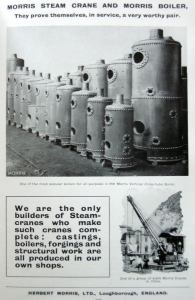
Steam Crane and the Morris Steam Crane Boiler Advertising, both 1933.
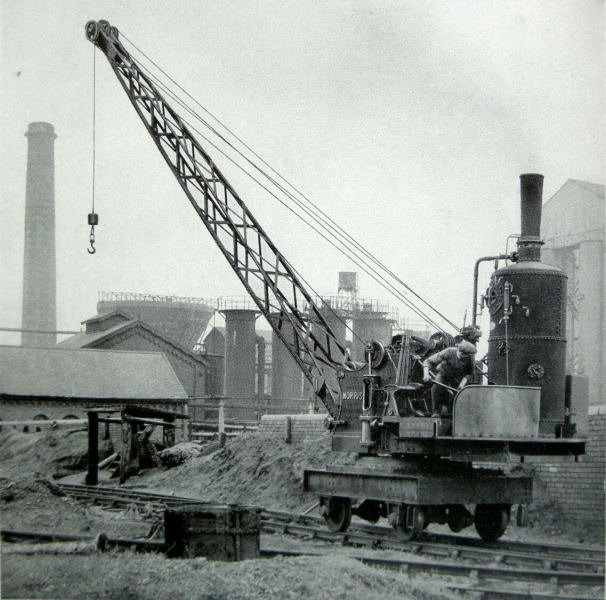
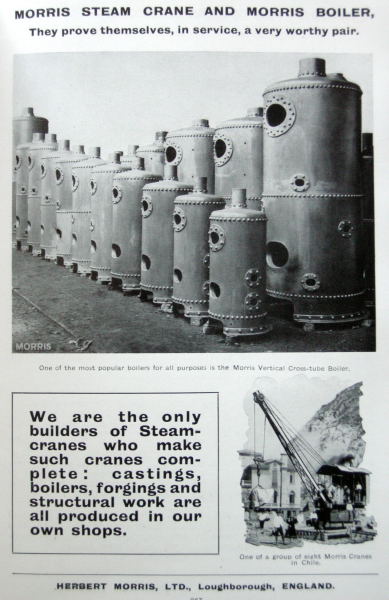
1931 Herbert Morris himself died in 1931 and his son Frank Morris took over. He resigned the chairmanship in 1969. The business became a public limited company in 1939.
1931 Company employing 2.000 persons.
1930s Took over Alexander Chaplin and Co, Craven Brothers, Holt and Willetts and the Vaughan Crane Co.
1932 Acquired Royce Ltd.
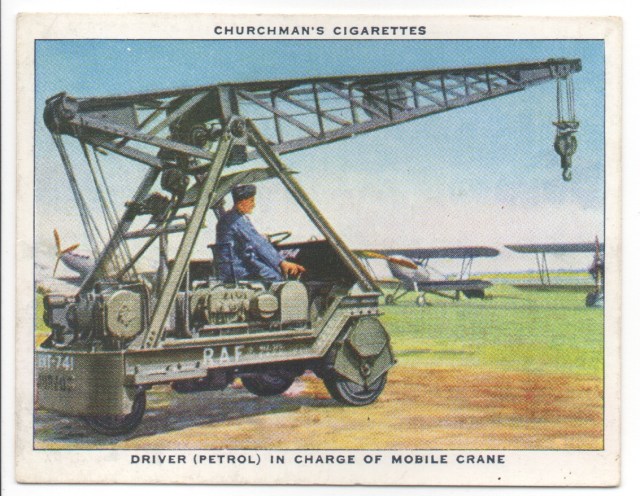 Extremely rare Cigarette Collectors Card with a 1926 Morris Crane, used by the Royal Air Force on a United Kingdom airfield in 1937. This Petrol-Electric-Crane looks like the one I discovered here in La Floresta, UY.
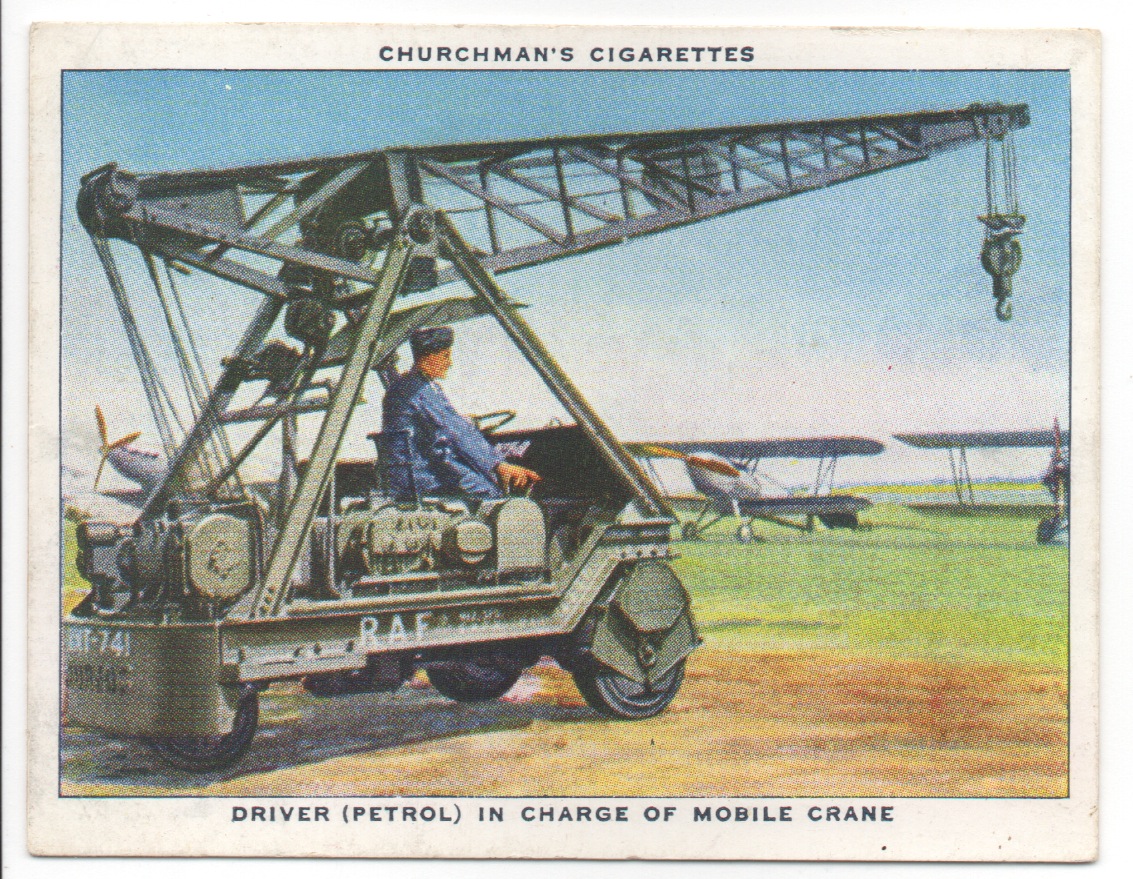
1937 Lifting machinery manufacturers.
1939 The business became a public limited company.
1959 Took over British MonoRail.
1961 Manufacturers of cranes, pulley-blocks, runways, telphers, conveyors, elevators, lifts and trucks. 1.900 employees.
1968 Built thirty Goliath cranes for British Railway Freight.
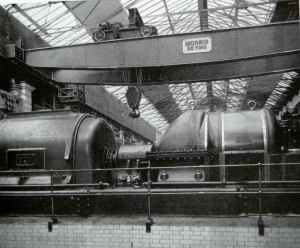
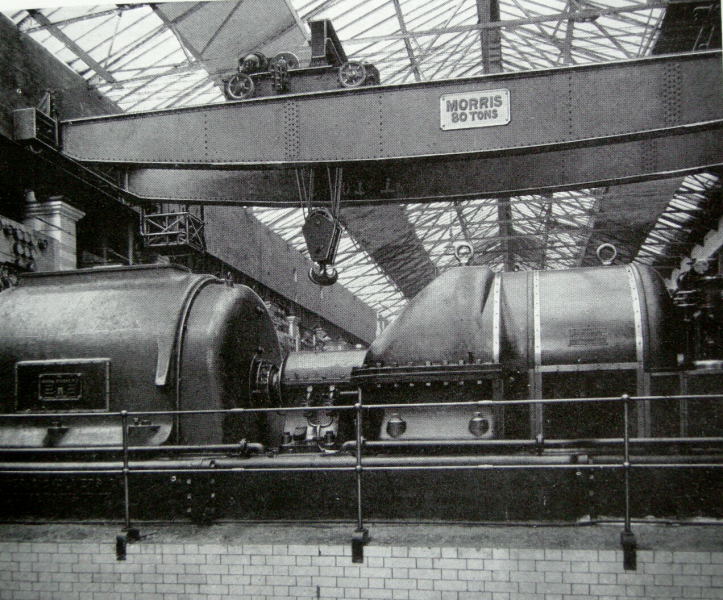
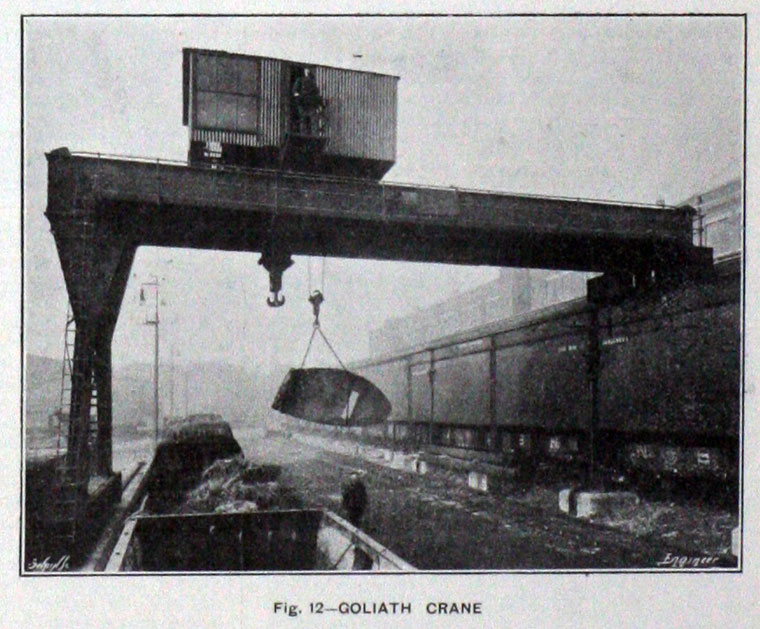
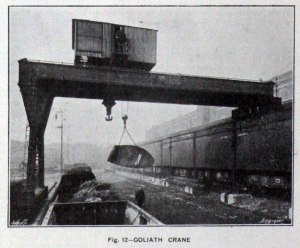 The Goliath 80 ton crane, left. And right the Royce Goliath Crane ( here shown already in 1908) at the Glasgow Goods Yard.
1969 Frank Morris resigns as chairman.
1970 E. and H. P. Smith acquired 30 percent of the shares of the company.
1974 Assembled four 130-ton giant overhead cranes for the Cammell Laird’s shipyards.
By 1975 had about 2000 employees; trading subsidiaries were:
British MonoRail (stacker cranes and monorail systems)
Linear Motors (linear motors and crane control equipment)
Crane Aid Services (maintenance and repair of any make of lifting equipment).
1976 The holding in Herbert Morris was sold to Babcock and Wilcox.
1977 Davy International acquired the company.
 In case you like this kind of industrial history, you will enjoy the book above!

