
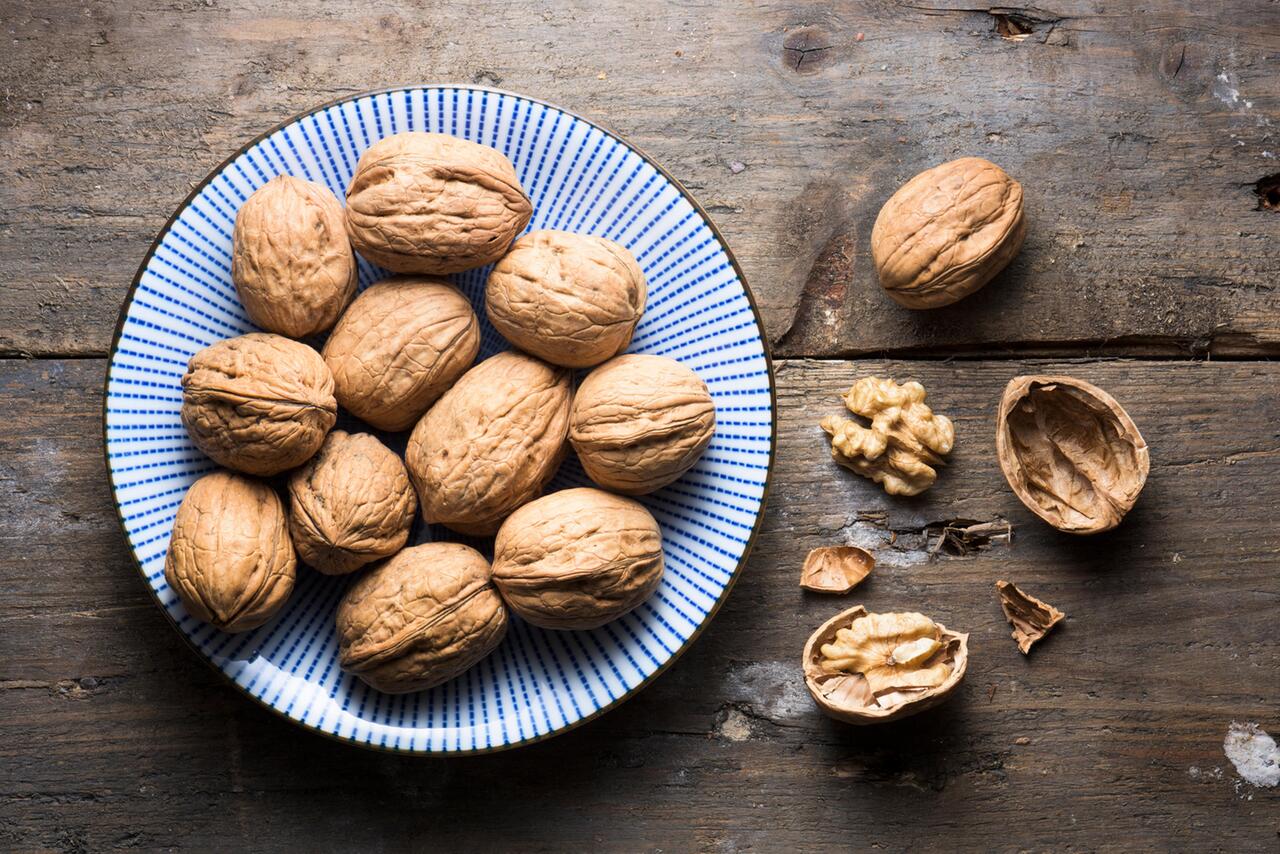
Hard shell, soft kernel: The Walnut is rich in important nutrients and has many uses in the kitchen. For baking, as a topping or simply pure, the walnut is a real treat. But why are the kernels so healthy in their thick shell?

In 2017, world production of walnuts (in shell) was 3.8 million tonnes, with China contributing 51% of the total.
Where do walnuts come from?
Actually the walnut comes from Asia and even today the nuts are imported from China. Much more frequently, however, they come from California. Even in Germany there is a quite large cultivation area near Freiburg, because the climate is particularly mild there and the fruits thrive well. I also discovered walnut farms in Australia and New Zealand.
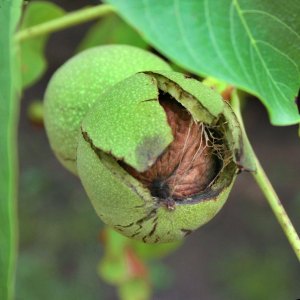
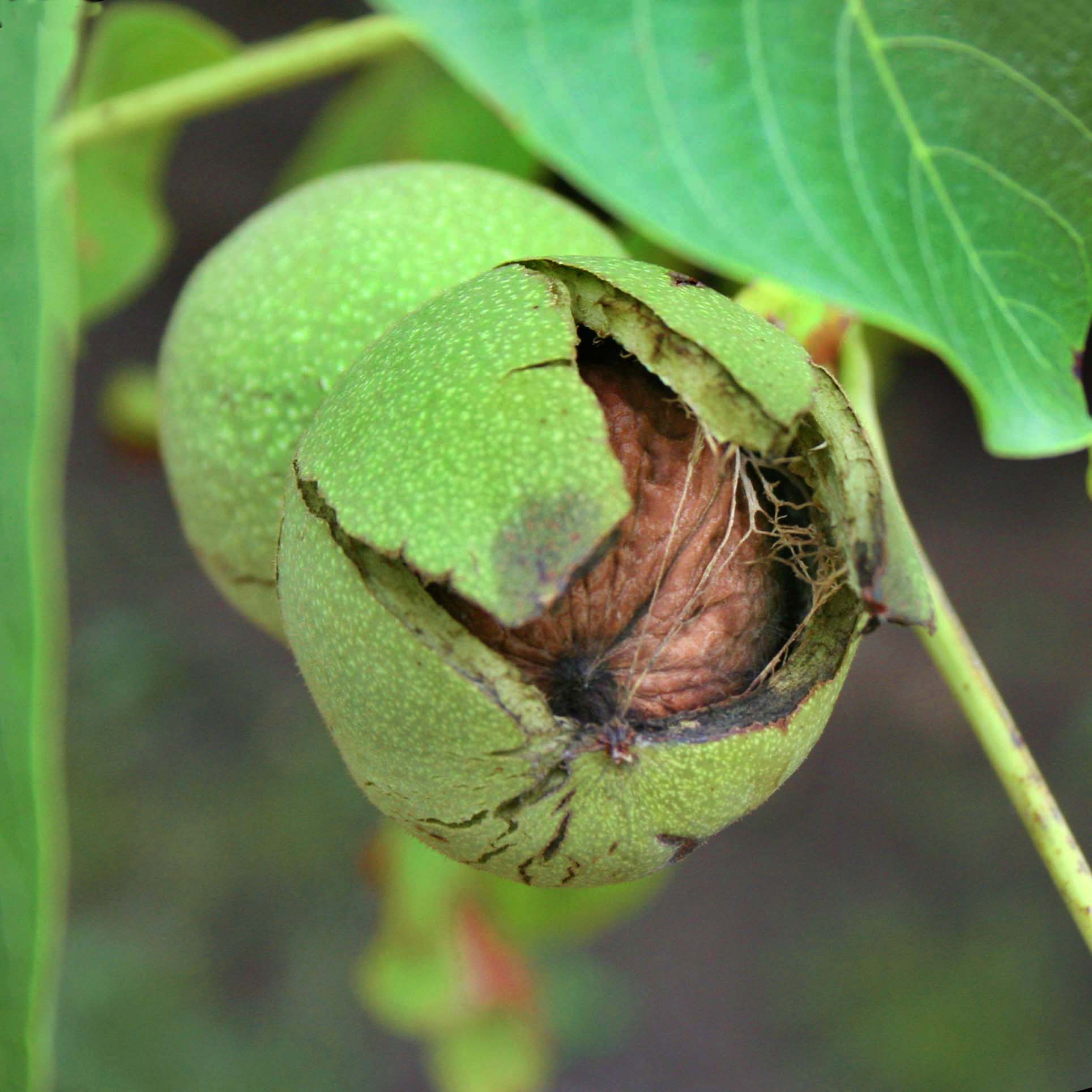
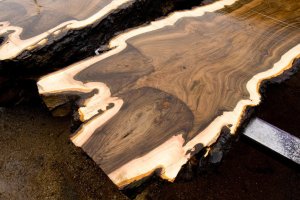 The two most commercially important species are J. regia for timber and nuts, and J. nigra for timber. Both species have similar cultivation requirements and are widely grown in temperate zones. Click on pics.
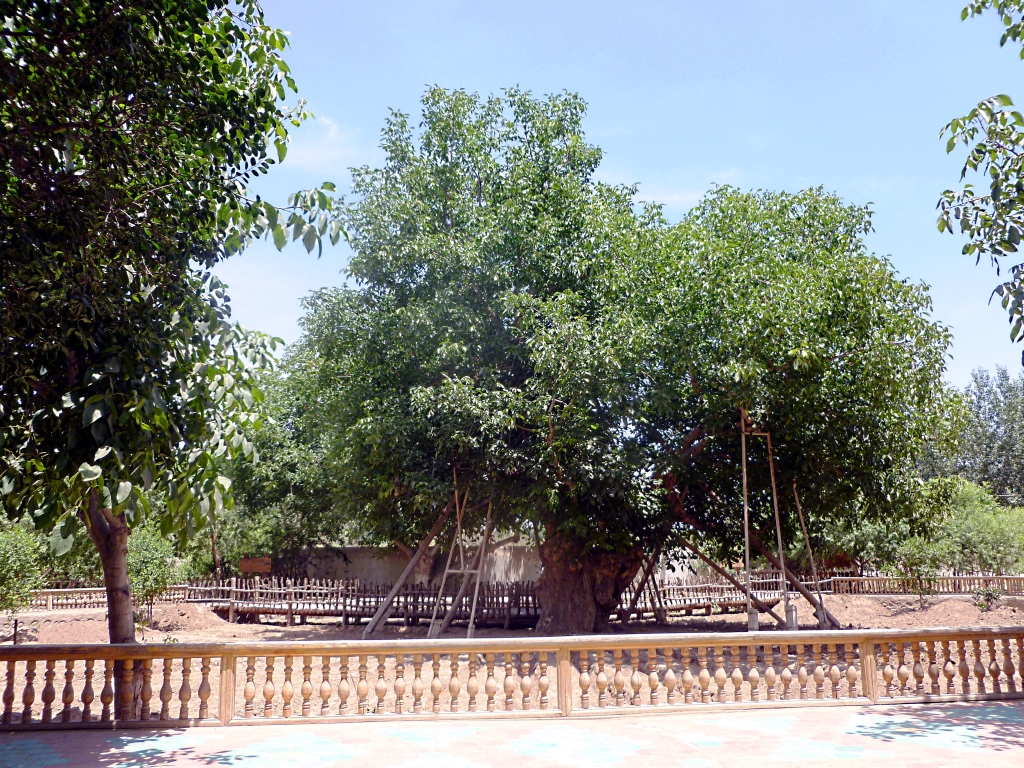
 Claimed to be the oldest walnut tree in the world, along the ‚Southern Silk Route‘ near Khotan in Xinjiang, China. The age is unknown.
In what forms are walnuts available?
In the supermarket you can buy walnuts whole, but also without shell. The already shelled kernels can be nibbled or sprinkled over muesli and salad without much effort. Walnut oil also gives the salad dressing a particularly fine flavor and an extra kick of unsaturated fatty acids and vitamins. Walnut is also available in many different forms, for example:
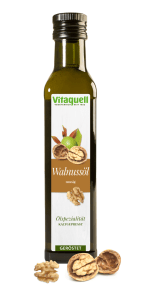
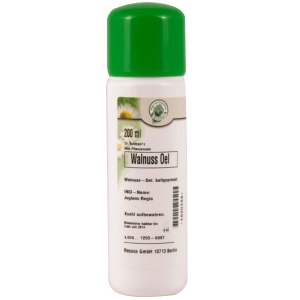 Left: Walnut oil for cooking, only use the best brands, means cold pressed from roasted nuts. It is fantastic, believe me and you only need a few drops. Right: Available in German pharmacy’s, walnut oil spray. One can use it as a cooking spray, but normally its used as a remedy. Always click on pics for a better view.
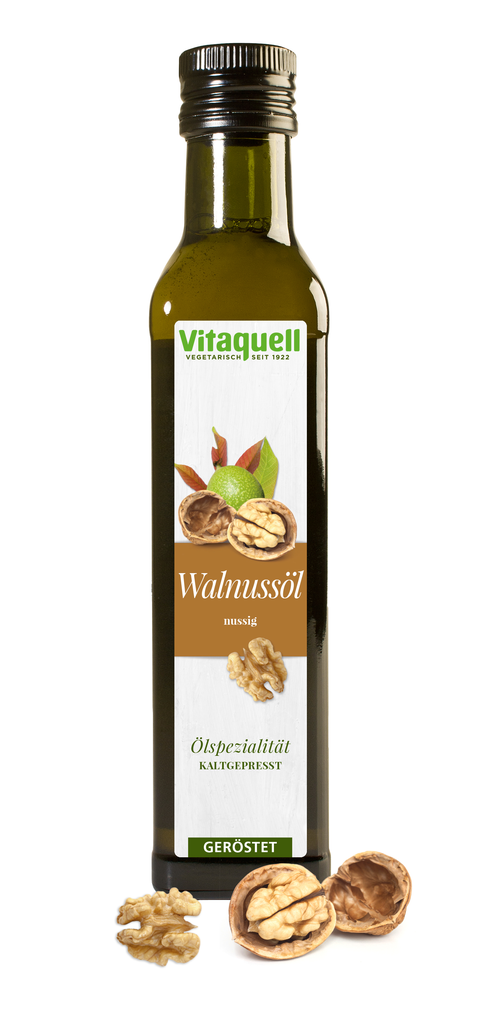
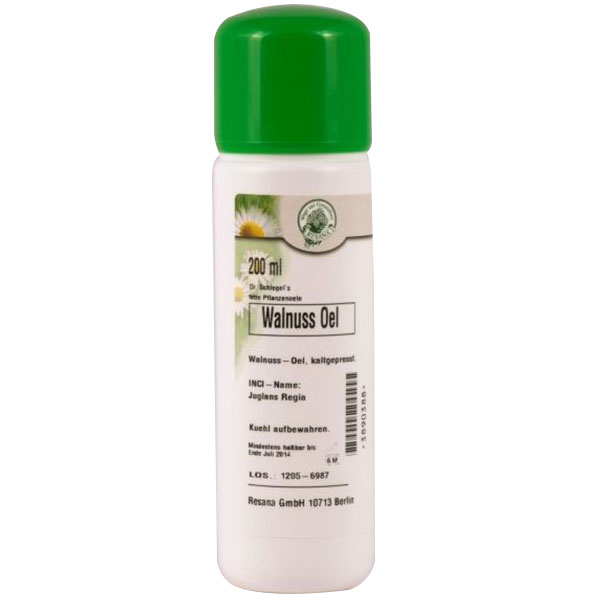
as walnut oil
as walnut bread or rolls
as walnut spread
as walnut pesto
as walnut macaroons or cookies, tarts and cakes
as cooking ingredient in many other forms, like casseroles, sauces, soups, terrines etc.
as healthy snack in nut-mixes or candy bars etc.
as walnut ice cream.
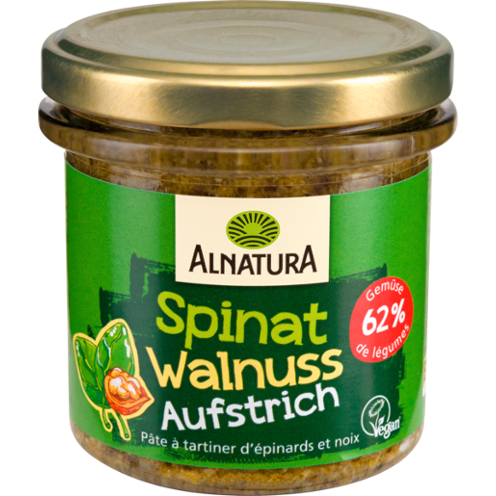
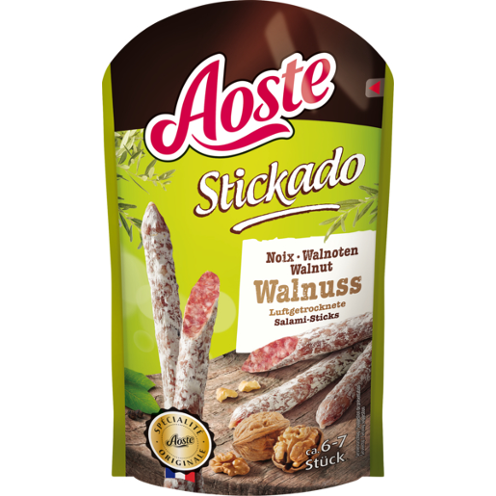
Left: Walnut Spinach Spread Right: Walnut Salami Sticks
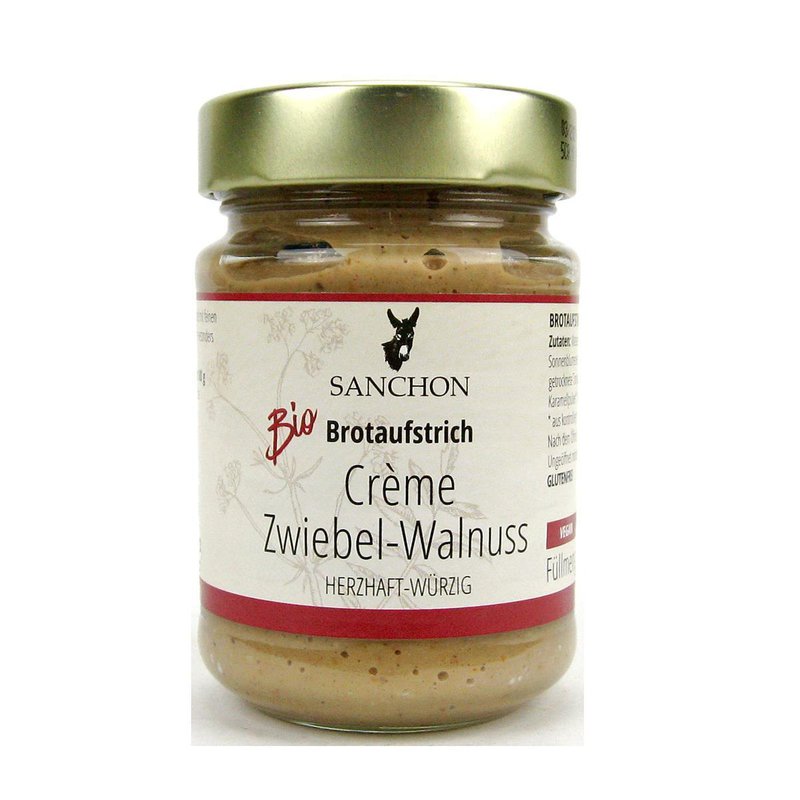
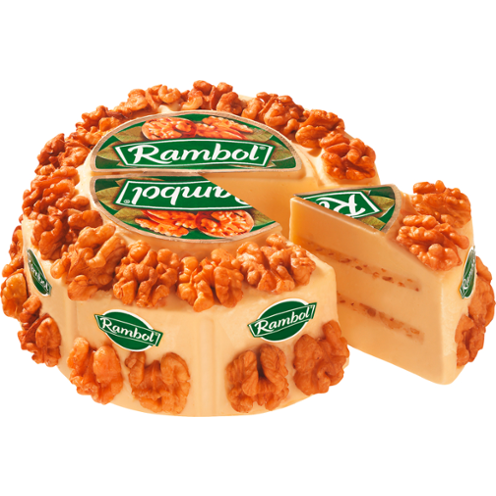
Left: Walnut Onion Creme Right: Walnut Soft Cheese
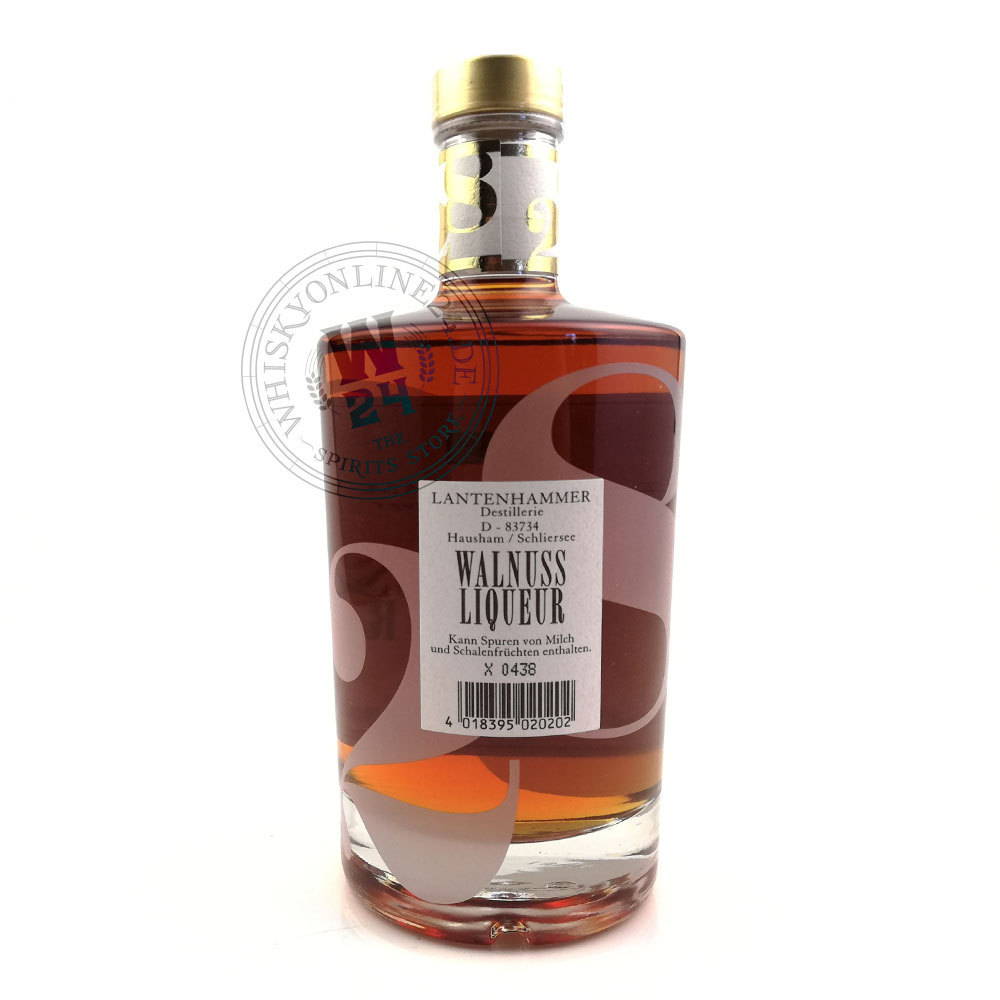
Some shops or delicatessen even offer walnut liqueur, which you can enjoy pure or pour over desserts.
 Delicious German Walnut Liqueur.
Why are walnuts so healthy?
What is the health effect of walnuts? This is what many people who read again and again how healthy the walnut is ask themselves. Its reputation as a power package for memory and health is completely justified.
Although walnuts have a high fat content, they are rich in nutrients that we need for our blood vessels, skin, immune system and, last but not least, brain performance. In terms of nutritional information, this means that 100 grams of walnuts provide 662 kilocalories (kcal). That sounds a lot, so a handful of nuts is quite sufficient as a snack between meals. However, you should not reduce the walnut to the number of calories, because it has many valuable properties.
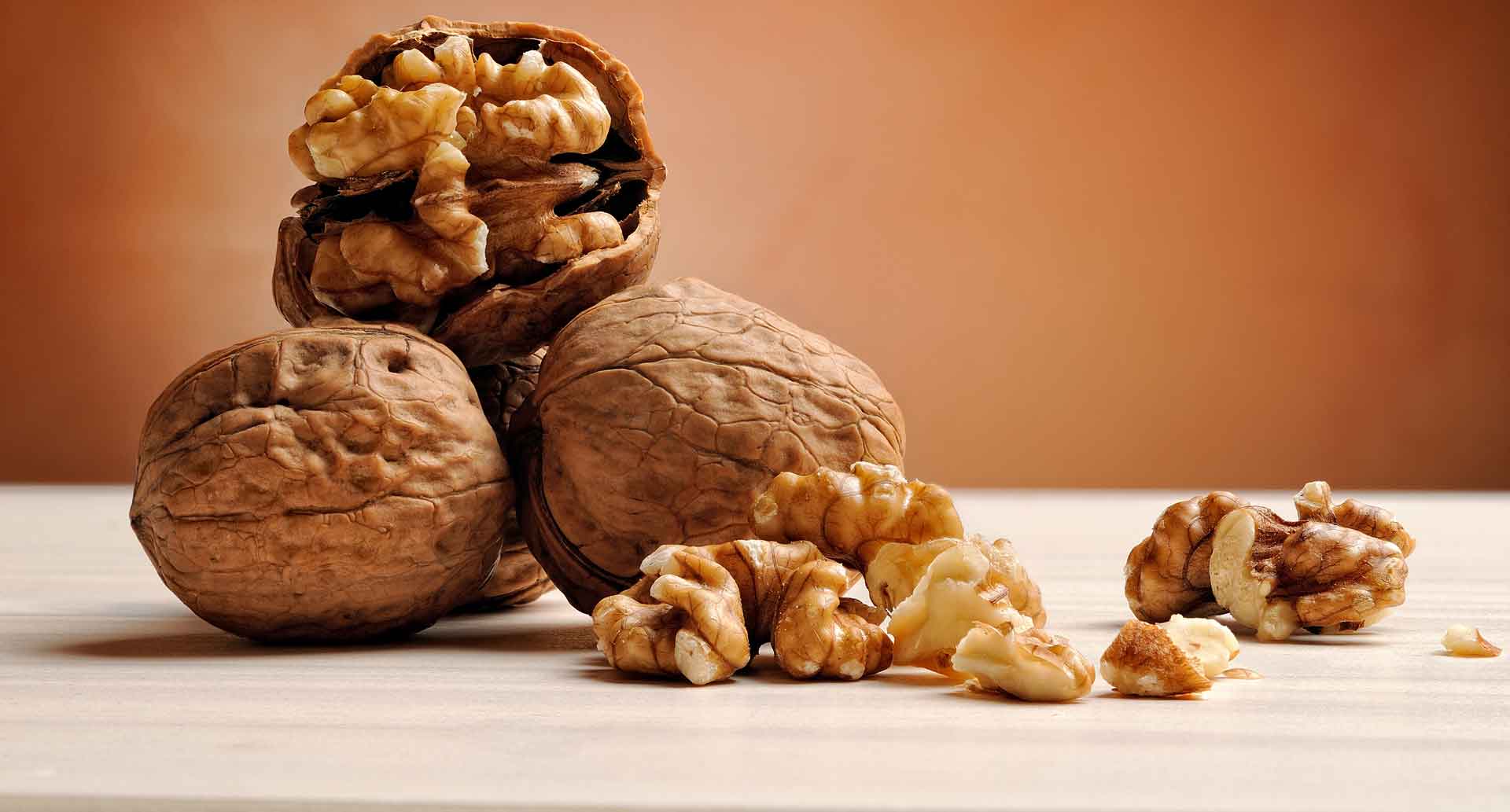
Walnuts have a high proportion of omega-3 fatty acids, even more than other nuts. Above all, the walnut is the only nut that contains alpha-linolenic acid, which for example has a positive effect on blood pressure.
The nuts contain valuable antioxidants that help the body to hunt down free radicals and protect against stress and disease.
A special feature of the walnut are the polyphenols which promote the regeneration of the body and counteract inflammation.
With 14 grams of protein, walnuts are healthy vegetable protein suppliers.
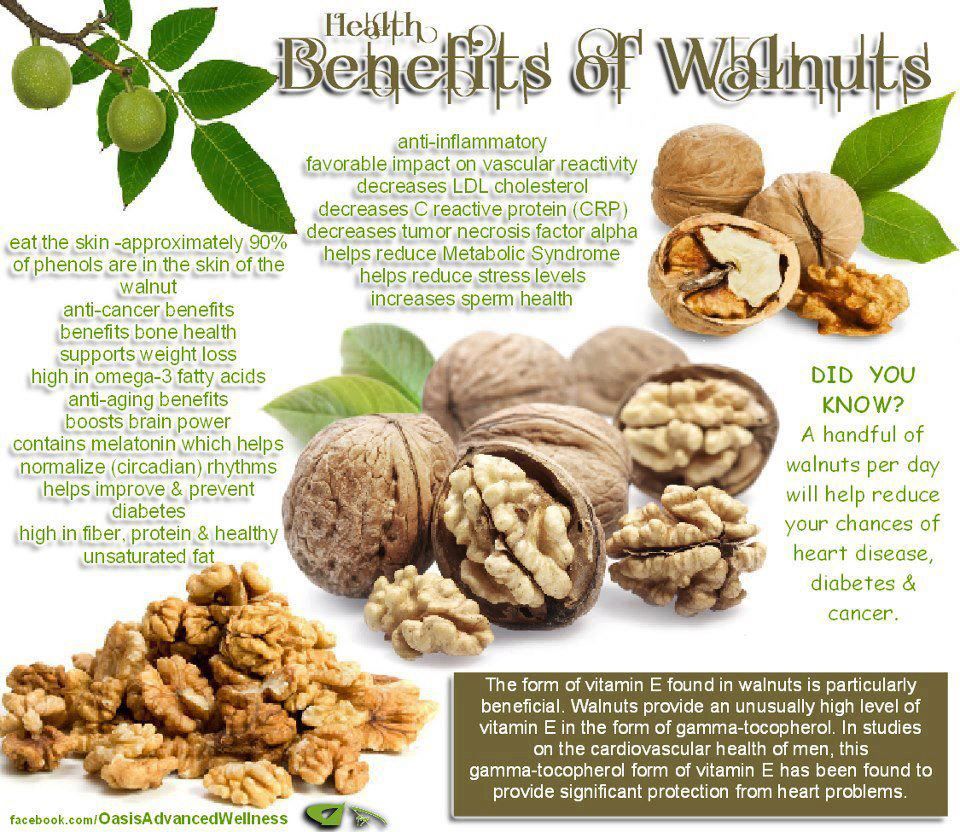
Among the ingredients of the walnut are:
Omega-3 fatty acids
vitamin A
vitamin B, several
vitamin C
vitamin E
Calcium
Magnesium
Potassium
Iron
Zinc
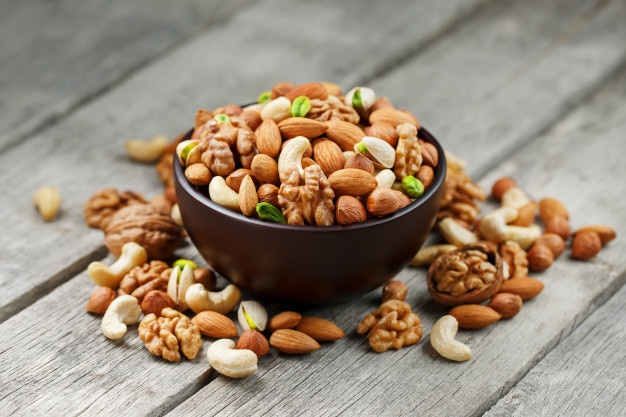 That is so healthy, having fresh nuts every day. The best snack between.
But the walnut is good for this when consumed regularly:
It can reduce stress.
It strengthens skin, hair and nails.
It promotes brain performance and can even prevent Alzheimer’s disease.
It lowers LDL cholesterol.
It helps to regulate blood pressure.
It protects the blood vessels.
It can improve blood sugar levels in diabetes.
It can help against diarrhea.
It strengthens the immune system.
It can prevent cardiovascular diseases and cancer.
Whether you are studying, working or playing sports, walnuts are a real power snack to boost mental and physical performance. The walnut can also help you lose weight. Because if you nibble a few of the nuts every day, you can prevent ravenous appetite attacks and better control the feeling of hunger.
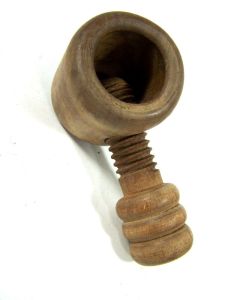 We still have this one, a vintage Italian nut cracker from the 1960’s.
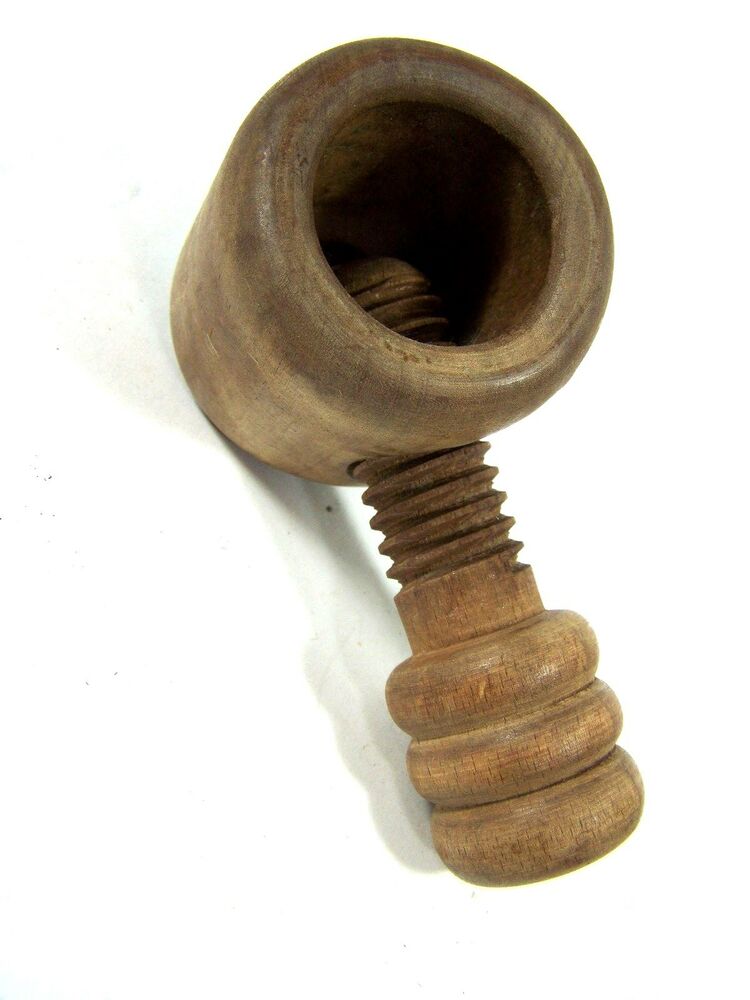
Characteristics of the walnut, what to consider ?
Cracking: To crack the rather hard shell of the walnut, a nutcracker is suitable. However, do not exert too much pressure so that you only open the shell and do not crumble the whole nut.
Store the cracked nuts: Walnuts without shell should be stored in an airtight bag or container. The whole nut with shell, on the other hand, is well protected and can be draped decoratively in a bowl or on a plate. Larger quantities are best stored dry, cool and dark in an air-permeable bag. Caution: If the nuts become moldy, aflatoxin is formed, a toxic substance that can be dangerous.
Shelf life: Walnuts can be kept in their shells for about one year. Without shell they only last about four weeks. You can tell when you should no longer eat walnuts by their smell and taste. Spoiled nuts smell a little rancid or taste very bitter. It is better to throw moldy nuts directly into the garbage.
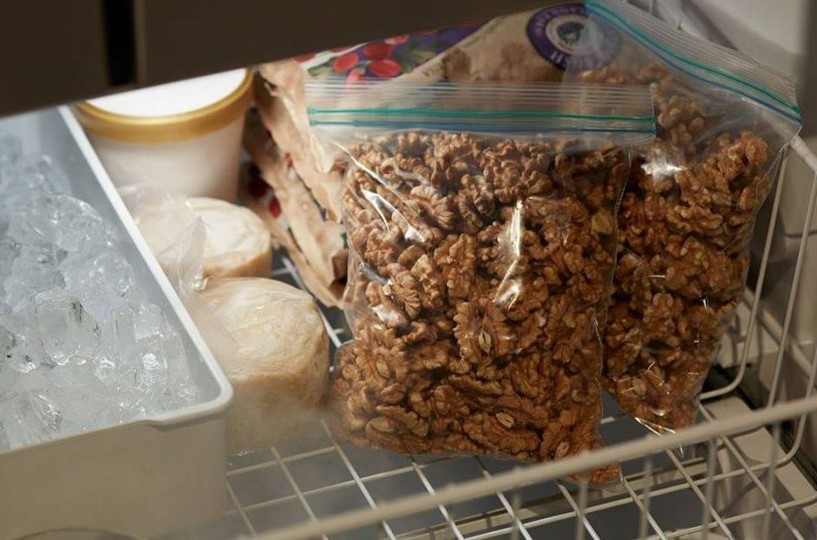
 Storing walnuts in different country’s. Normally we would keep them in a „Tupperware“ container in a dark place. Storage time six to twelve weeks. In Australia we learned everything to store in fridges or freezers. Tropical Panama the same. In the fridge, in bags as you see above, about 6-8 month. Storage of walnuts in a freezer over 12 month. Always the peeled version.
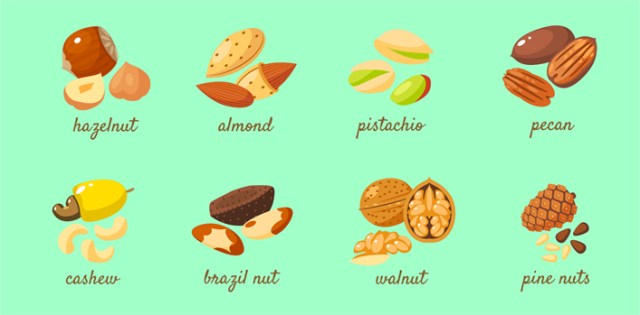
Cleaning: If you have a walnut tree in your garden, you can harvest the nuts in autumn. However, they should be cleaned before storage. Remove the green, soft outer skin and brush off the shell of the walnuts. It is best to wear gloves, as the tannic acid can turn your fingers brown. You should not use water to clean the nuts, otherwise the shell will mold faster due to the moisture. The nuts must then dry to keep them for longer.
Walnut allergy: Unfortunately, the walnut can also trigger an allergy. A walnut allergy is even one of the most common allergies worldwide. Caution is advised if you have already had an allergic reaction to other nuts. In the case of a walnut allergy, the tongue, mouth and throat swell, blisters form on the tongue, the throat scratches, the skin begins to itch and nausea and diarrhea can occur. In the worst case, allergy sufferers even suffer from shortness of breath and go into anaphylactic shock. What you can do in an emergency: Call the paramedics immediately or drive to the nearest hospital. The symptoms can usually be relieved well with medication.
 Nut allergies symptoms usually begin straight after eating the nuts. Most symptoms are mild. They include a rash (hives or “nettle” rash), swelling of the lips or around the eyes, and itch. Some people have an itchy throat or burning tongue, others feel sick, vomit or have diarrhea.
Where can you buy walnuts?
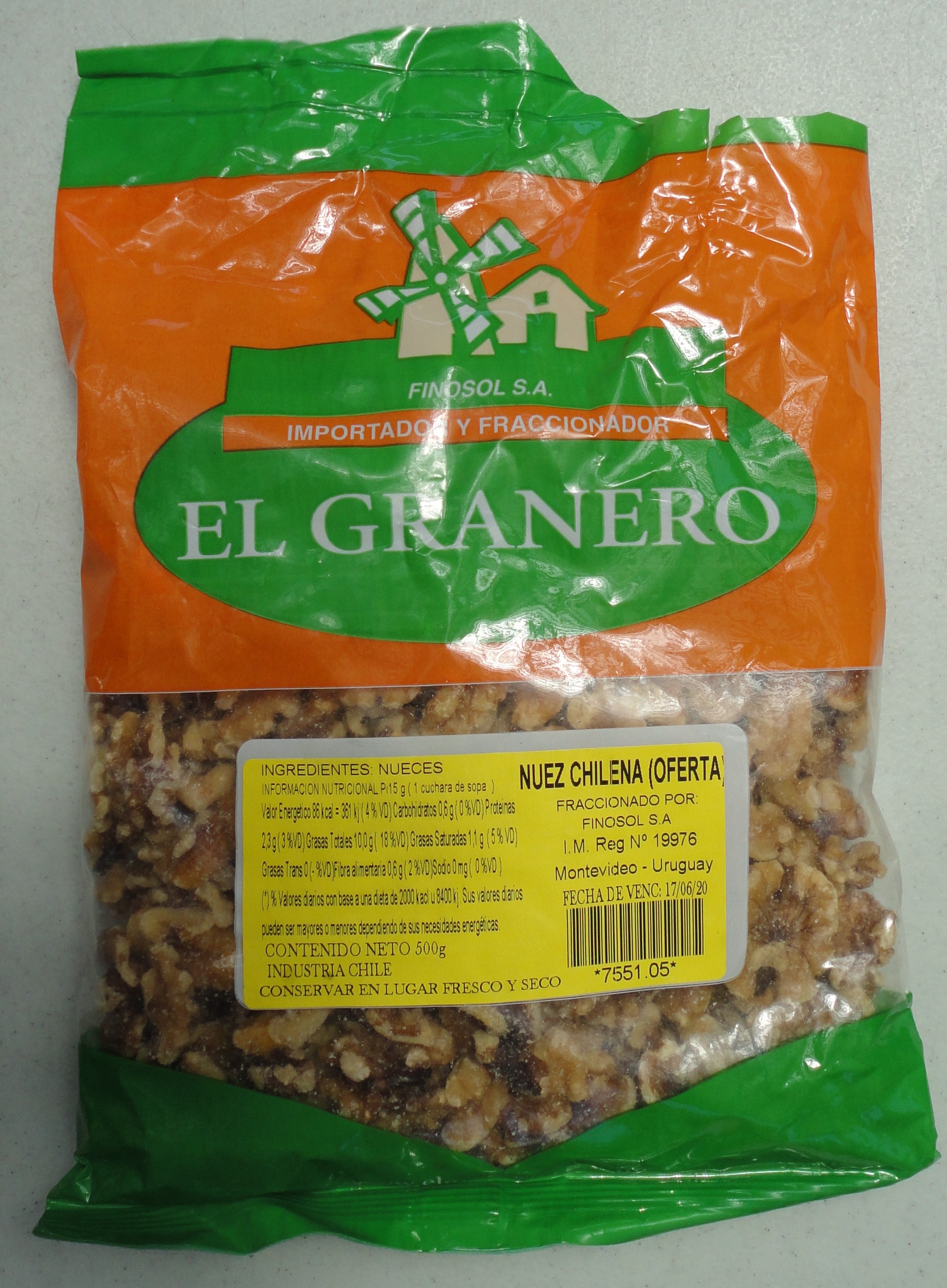
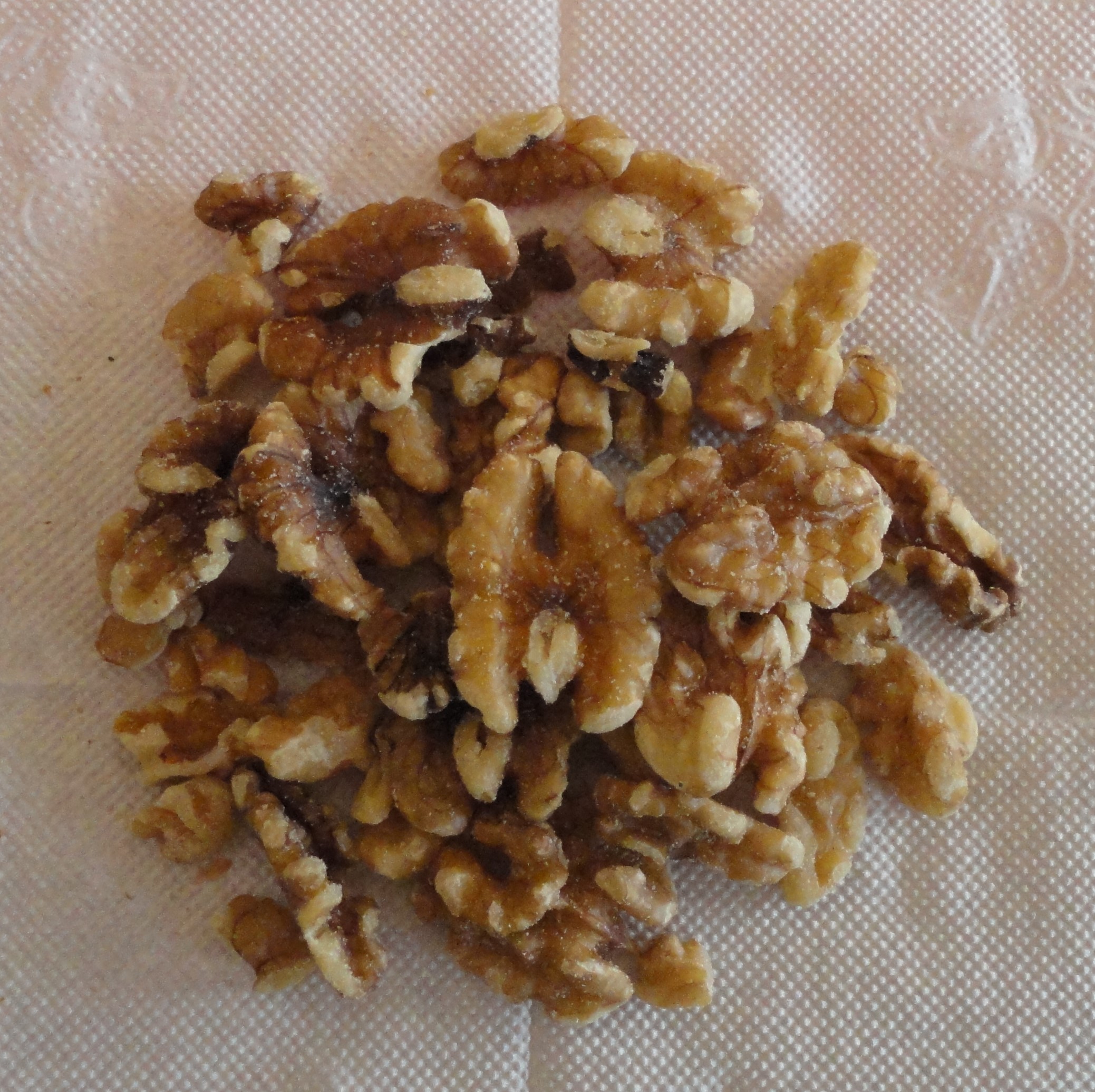
Walnuts are to buy almost everywhere. Here in Uruguay we find in season whole nuts in shell. Nuts in general are very expensive in Uruguay. But best is to buy at El Granero. They offer walnut peeled for about $630,–peso per 500gram. We like to buy the Chilenean offer, means broken nut parts, for $329,–peso per 500gram.
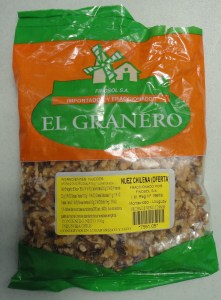
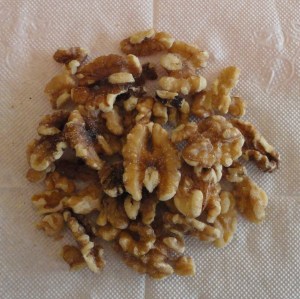
They are imported from Chile, as most nuts are, and pretty good quality. Click on pics to supersize.
Characteristics.

The Principality of Monaco brought this set of stamps in 1992, showing Spring (blossom), Summer (green fruit), Autumn (ripe nuts) and Winter (new sprouts).
The walnut tree grows to a height of 60m and can live up to 200 years.
There are up to 60 species known and the so called „real walnut“, about which I am writing here has up to 20 different varieties.
Only from an age of about 10-20 years of bearing fruit, the amount depends on the location of the tree and the climate. Not only humans like this healthy fruit, as one can see.
 Black Cockatoo, also called Raven Cockatoo, seen in Australia.

Cooking.
The walnut is used in many dishes from cakes to walnut ice cream. In addition to whole nuts, walnut kernels and walnut oil freed from the shell are also sold, as well as brittle for decorating desserts. Walnuts are also used for Waldorf salad, tortelloni, skordalia, kozunak, lobio, nunt or as churtschchela.
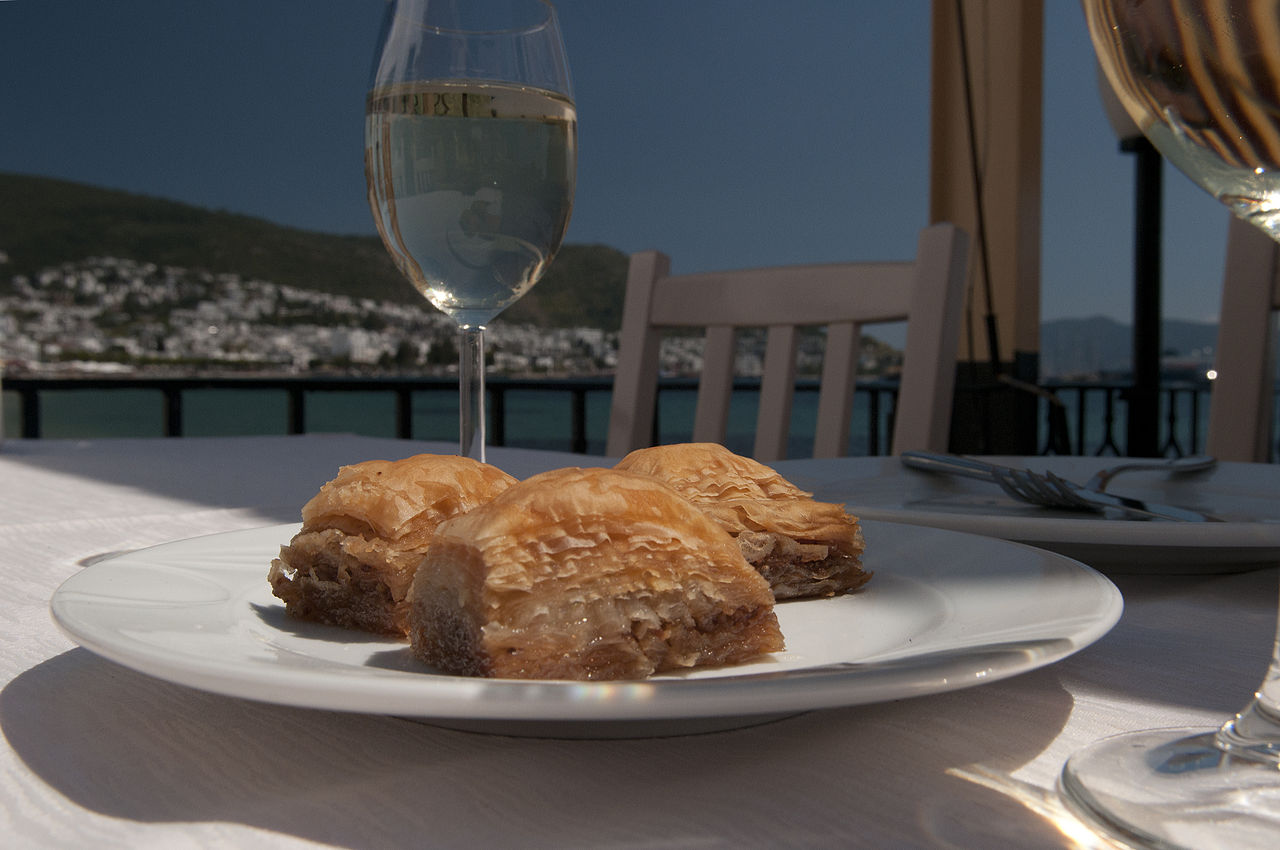
 Delicious Baklava made from phyllo dough, walnuts, honey, cinnamon and butter. A delight in Greece or Turkey.
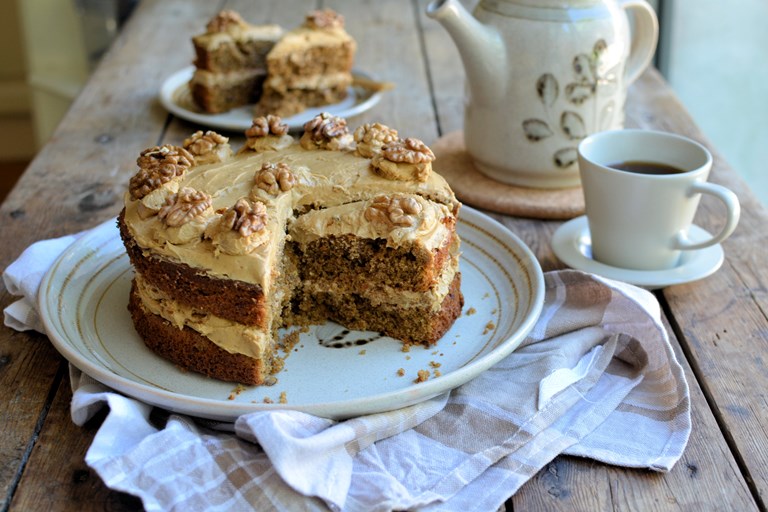
 Superb walnut cake we had in Australia. You should have the chance to taste this fantastic „walnut butter cream“. Click on pics to supersize.
Another possibility is the harvesting of half-ripe green nuts in June (St. John’s nuts). These can be used to make a preserving fruit with a high vitamin C content (candied nuts, also called black nuts, see further down) or a nut liqueur (nut spirit, nut brandy). In Italy, the still green nuts, which are traditionally harvested on St. John’s Day, are used to make a special liqueur called Nocino (see further down). Also in Serbia, Croatia and Bosnia and Herzegovina a liqueur is made from the still green nuts, the Orahovac.
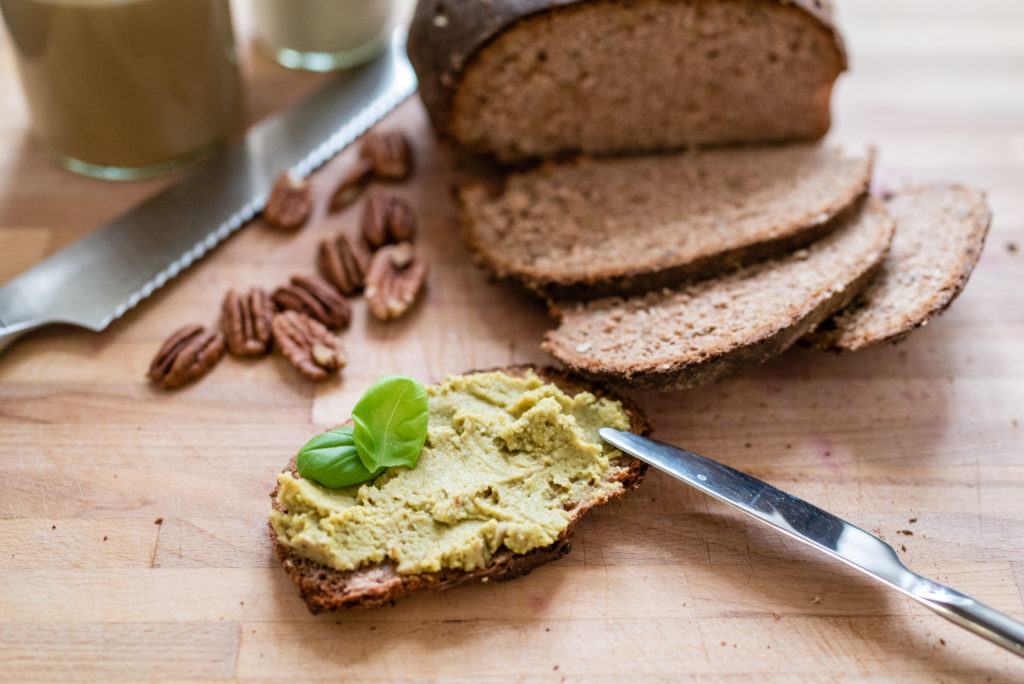
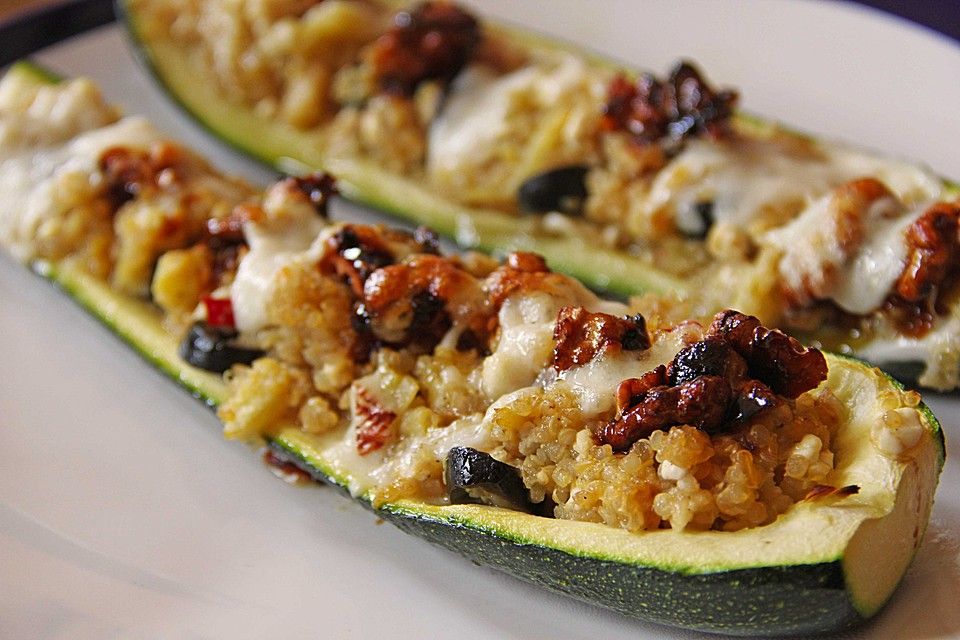
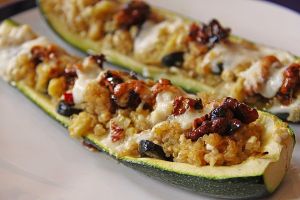 Two recipes to dream of. Left a beetroot-walnut bread with wasabi-avocado spread. Right zucchini with quinoa, walnut and goat-cheese filling. If you are interested in the recipes, just call in.
One of the best dishes with walnuts I had once in Groningen, Netherlands. It was grilled Ostrich fillets with a spicy old Gouda sauce sprinkled with lots of pickled black walnuts. During writing this I still have this mouthwatering memory.
Miscellaneous.
There are so many ways to use walnut shells. As kids we used them as much as we used chestnuts or acorns. Best of course was to tinker and play with all of them.
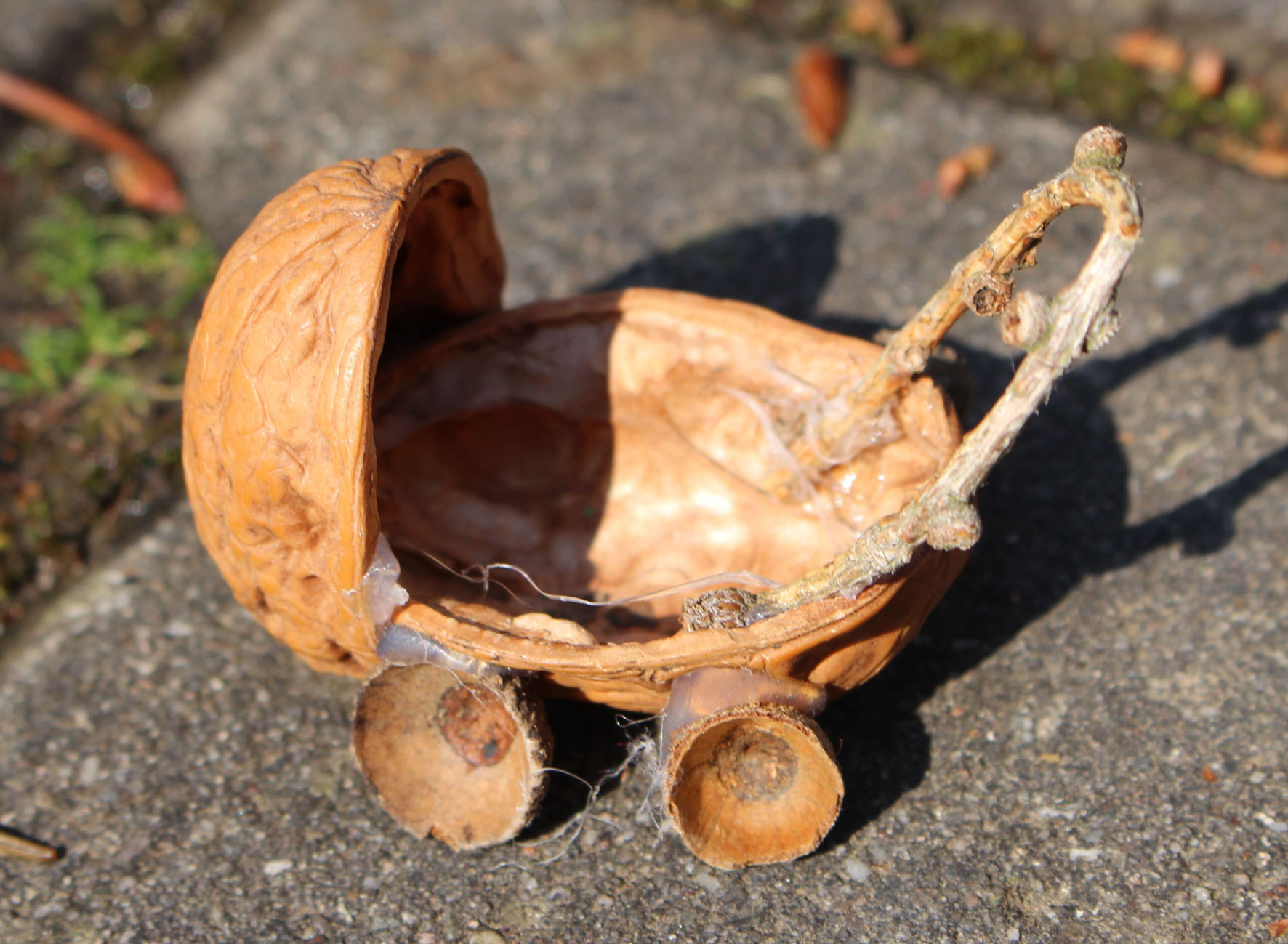
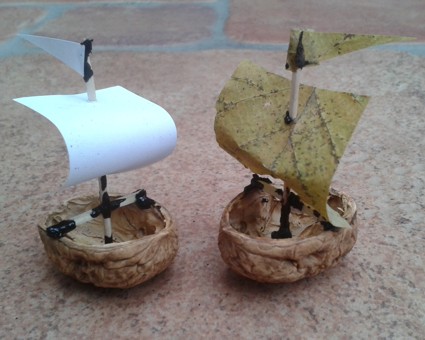
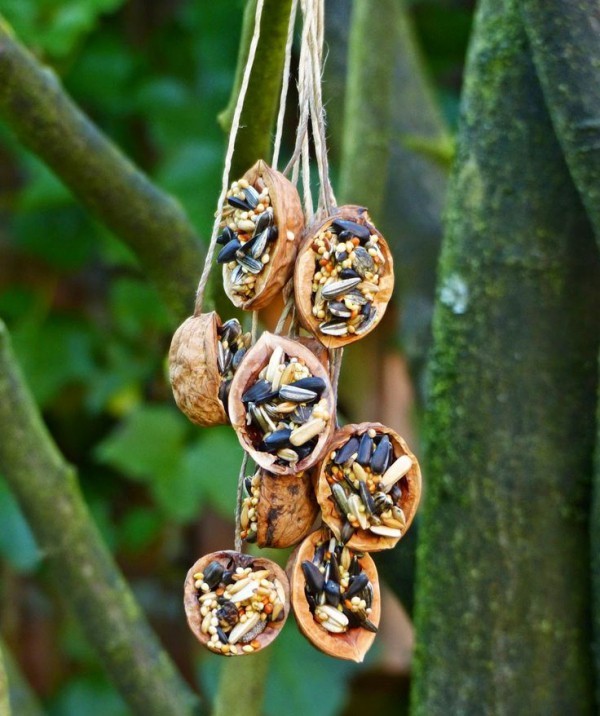

Toys we used to make. Or fillings with tallow and birds food hanging in the trees. When our daughter was little, my wife always used to make „Walnut Baby’s“ for the kids. They loved them. Click on pics to size up.
The walnut shell.
The walnut shell has a wide variety of uses. Eastern black walnut (J. nigra) shell is the hardest of the walnut shells, and therefore has the highest resistance to breakdown.
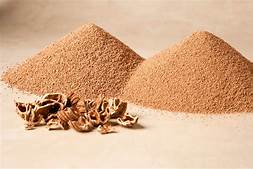
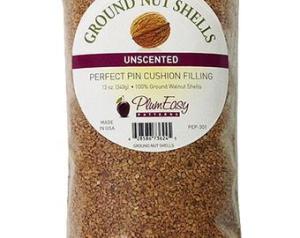 Walnut shells granulate on the left and sold in bags as „pin cushion“ filling, on the right.
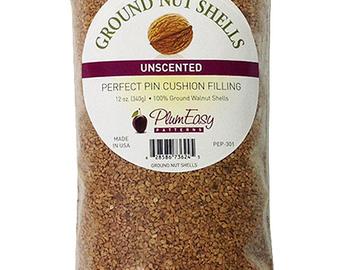
Cleansing and polishing: Walnut shells are mostly used to clean soft metals, fiberglass, plastics, wood and stone. This environmentally friendly and recyclable soft grit abrasive is well suited for air blasting, debarring, descaling, and polishing operations because of its elasticity and resilience. Uses include cleaning automobile and jet engines, electronic circuit boards, and paint and graffiti removal. For example: In the early days of jet transportation, crushed walnut shells were used to scour the compressor airfoils clean, but when engines with air cooled vanes and blades in the turbine started being manufactured, this practice was stopped because the crushed shells tended to plug up the cooling passages to the turbine, resulting in turbine failures due to overheating.
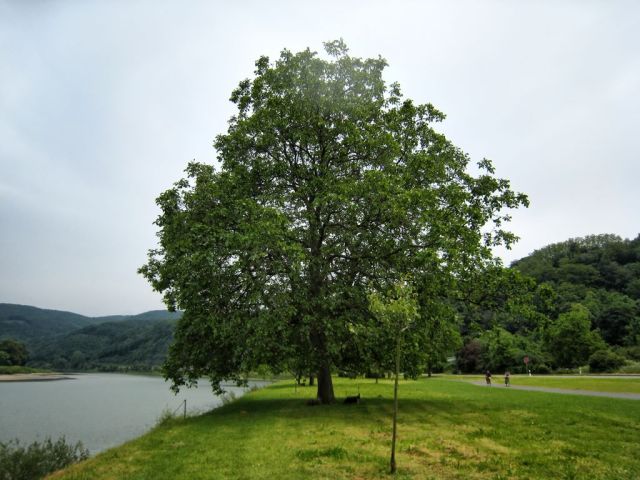
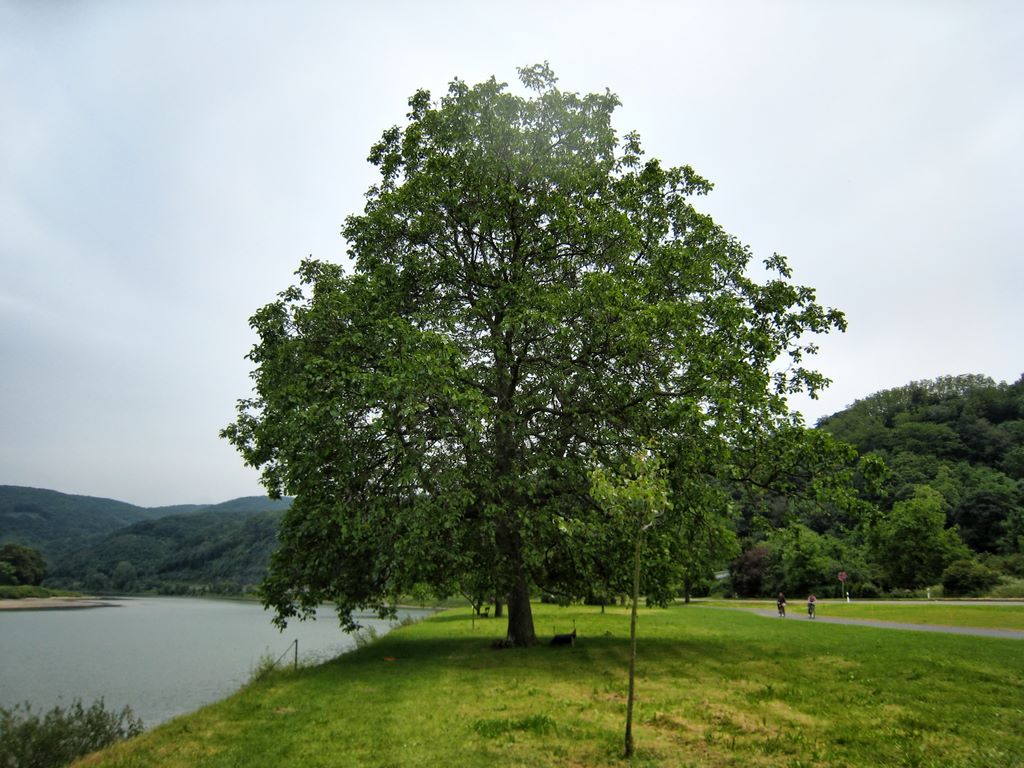
Beautiful walnut tree as a solitaire.
Oil well drilling: The shell is used widely in oil well drilling for lost circulation material in making and maintaining seals in fracture zones and unconsolidated formations.
Flour made from walnut shells is widely used in the plastics industry.
Paint thickener: Walnut shells are added to paint to give it a thicker consistency for „plaster effect“ ranges.
Explosives: Used as a filler in dynamite.
Cosmetic cleaner: Occasionally used in soap and exfoliating cleansers.
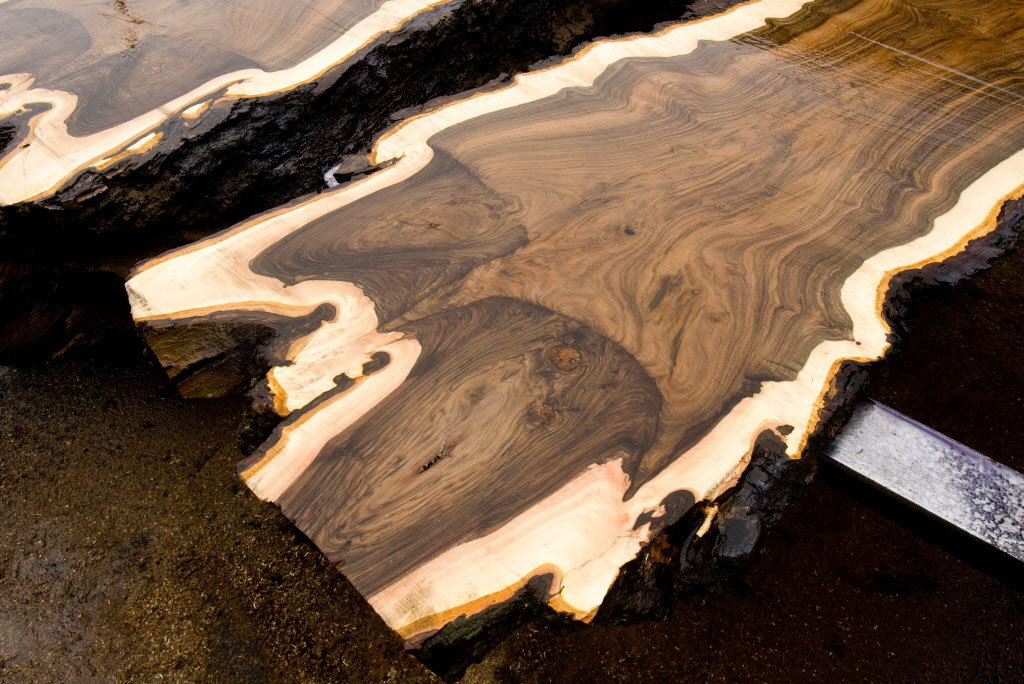
The common walnut, and the black walnut and its allies, are important for their attractive timber, which is hard, dense, tight-grained and polishes to a very smooth finish. The color ranges from creamy white in the sapwood to a dark chocolate in the heartwood.
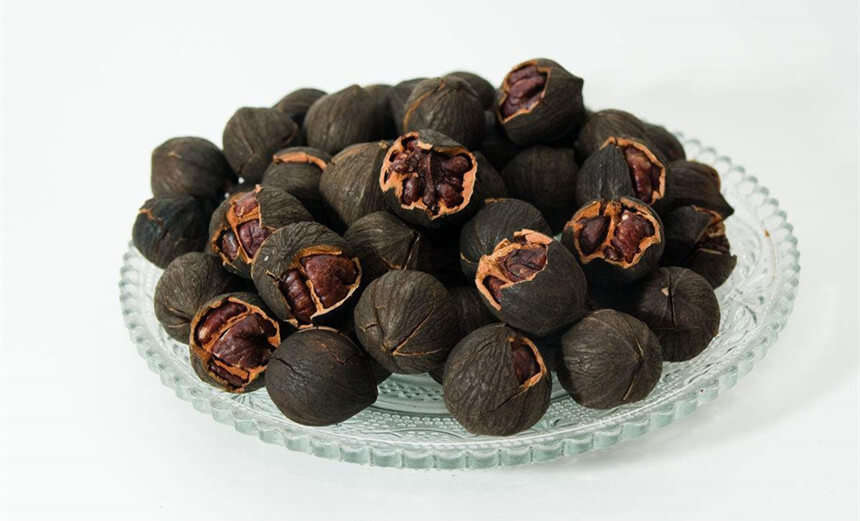
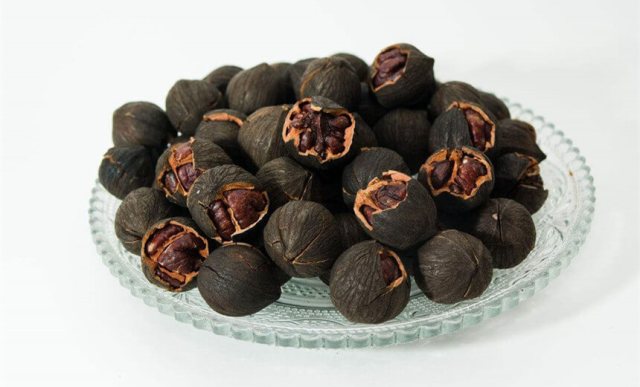 Don’t mix up these Californian „Black Walnuts“ with the blackened walnuts I show you in a recipe further down. Above is just a variety of the many different species one can find.
The green walnut.
the English walnut, Juglans regia, which is thought to have originated in Persia. Most historic documented uses of the English green walnut are from Europe, where cooks have used them through the centuries to make chutneys, pickles, liqueurs, and infusions. The recipes below both take time, but you wind up with a rich and luscious Italian liqueur and a pungent and sharp English-style pub pickle that are well worth the effort.
Be aware that green walnuts produce an inky stain, so wear black or old clothing while processing, and if you don’t want to show off inky fingers for a week as a badge of honor, be sure to use gloves.
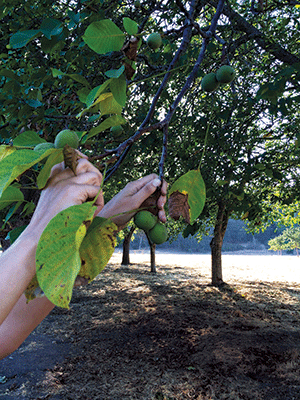 Harvesting the green walnuts.
Preparing green walnuts.
By curing in a brine and sun-drying, green walnuts become something akin to fleshy, tart-flavored olives. Be sure to use walnuts harvested early enough that they are easy to cut through, otherwise the inner shell will not be edible.
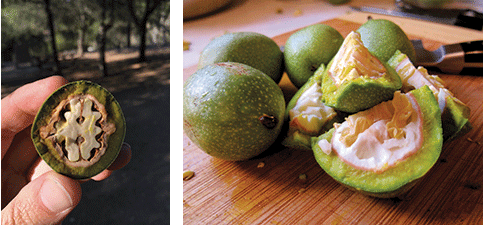
On the left, harvested to late, already has a shell inside, but good for liqueur. On the right, perfect to pickle.
Pickled Green Walnuts.
30 green walnuts
¼ cup kosher salt
1 quart water
1 quart apple cider vinegar
½ cup granulated sugar
1 tablespoon dark molasses
1 tablespoon black peppercorns
1 tablespoon allspice berries
5 cloves
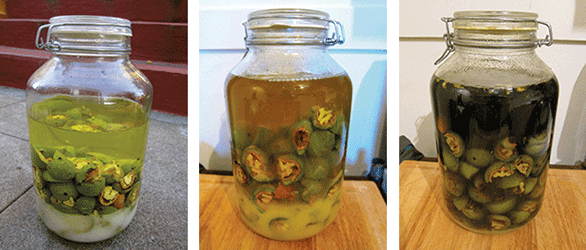
Wash a half-gallon jar well with hot soapy water, rinse, and air dry. Add salt and water to jar and stir to dissolve the salt. Stab each walnut with a fork a few times to help the brine penetrate the flesh, then submerge and let them ferment for 10 days at room temperature.
Remove walnuts from the brine, place them on a baking sheet or other tray, and let them sit in the sun for 24 to 48 hours, or until they turn completely black.
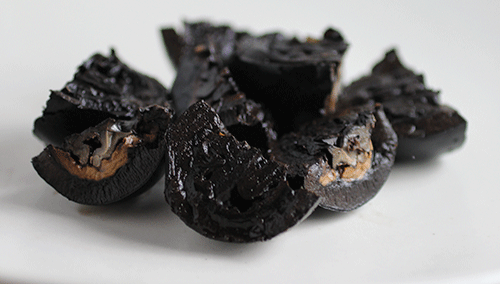 The black treat !
Wash 2 quart jars well with hot soapy water, rinse, and air dry. Divide the walnuts evenly into these jars. Bring the vinegar, sugar, molasses, and spices to a boil then pour over the walnuts. Try to leave little headspace in the jars (if you need more liquid, add a bit more vinegar). Seal jars and let rest in a cool, dark place for at least a month.
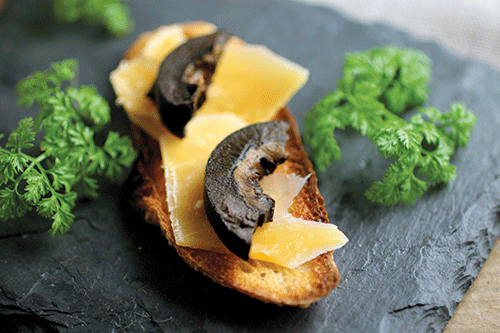 Pickles can be eaten for up to 1 year. My favorite way to enjoy these pickles is on crostini with a sharp cheese, such as Parmigiano. Garnish with fresh herb, such as chervil, for a bit of brightness.
Nocino.
Anyone can magically transform incredibly tannic walnuts and clear, sugary alcohol into this “black gold” Italian liqueur. I like to keep my nocino pure so I can taste the walnut-y goodness but have successfully experimented with adding vanilla bean and cinnamon. Try pouring nocino over vanilla ice cream, using it in a Manhattan cocktail in place of vermouth, or drinking it on its own as a digestif.
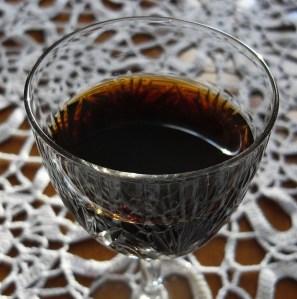 Delicious drop, I tell you, especially if „homemade“.
This recipe makes about 2 liters, but you can multiply it as necessary according to the amount of walnuts that you have on hand.
4¼ cups granulated sugar
1.75 liters Vodka
50 green walnuts, cut in quarters
Optional flavorings: citrus peel, cinnamon sticks, black pepper, vanilla bean, etc.
4 half-gallon jars with lids, washed well with hot soapy water, rinsed, and air dried
Smaller bottles with lids.
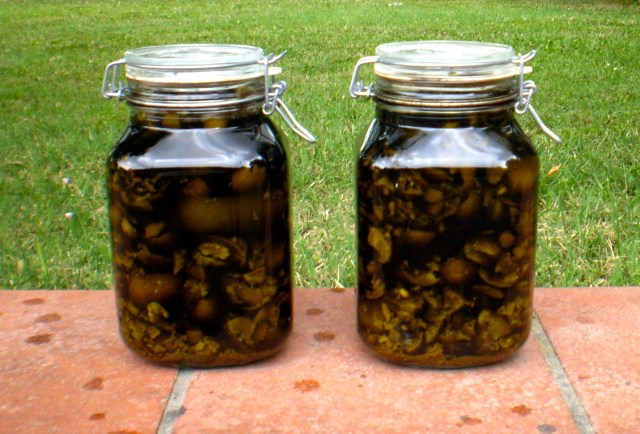
We lived many years near Feiburg in Germany and made all the time black walnuts, spread and liqueur. Above my 2 1/2 liter jars. If the nuts are in this stage it was hard to wait and not to taste direct away.
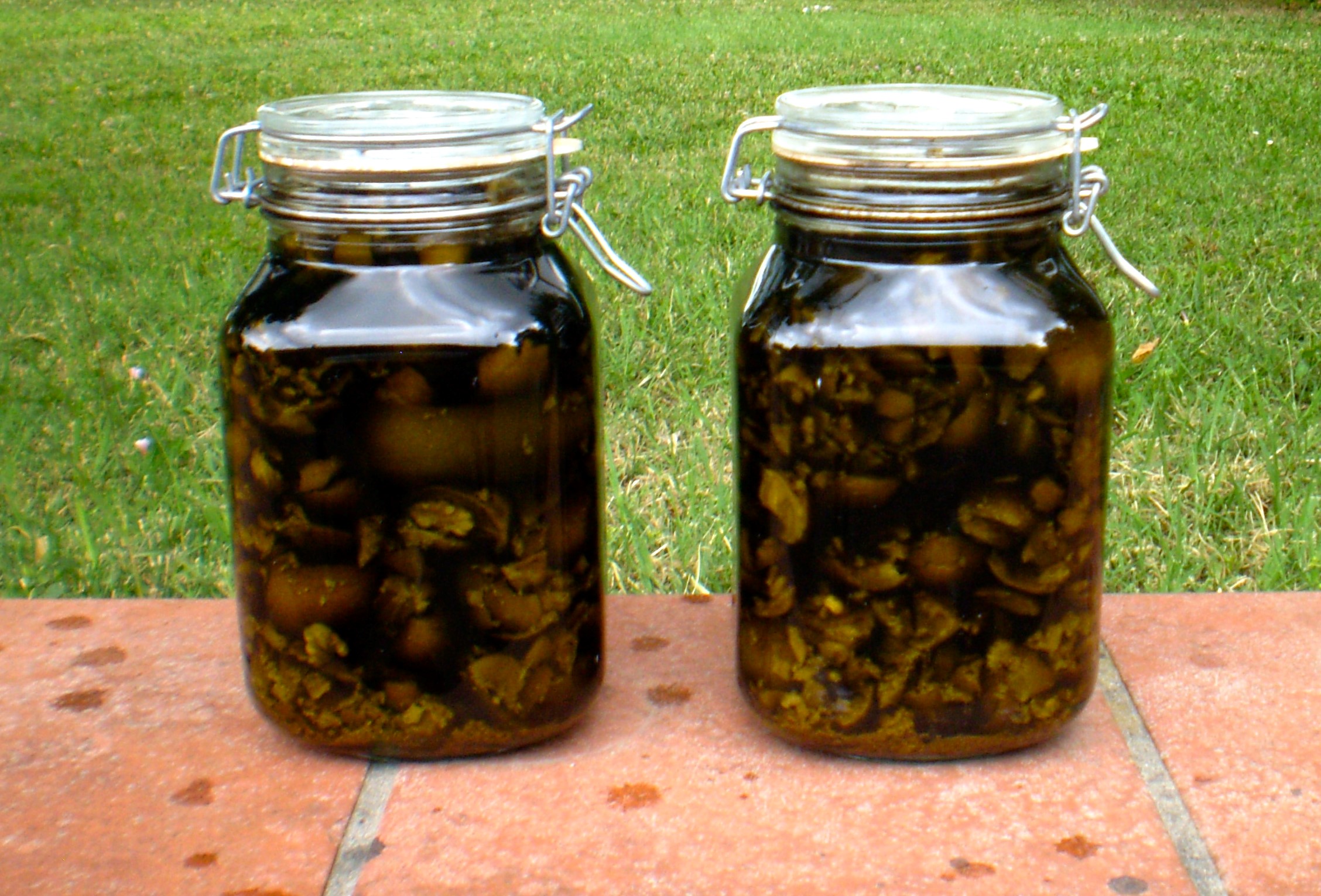
Divide the quartered walnuts and sugar evenly into the cleaned jars, then screw on the lids tightly and shake the jars vigorously. Over time the nocino liquid will darken. It happens quite fast and it’s pretty impressive! Allow jars to sit for 6 weeks in a cool dark place, shaking occasionally to dissolve sugar.
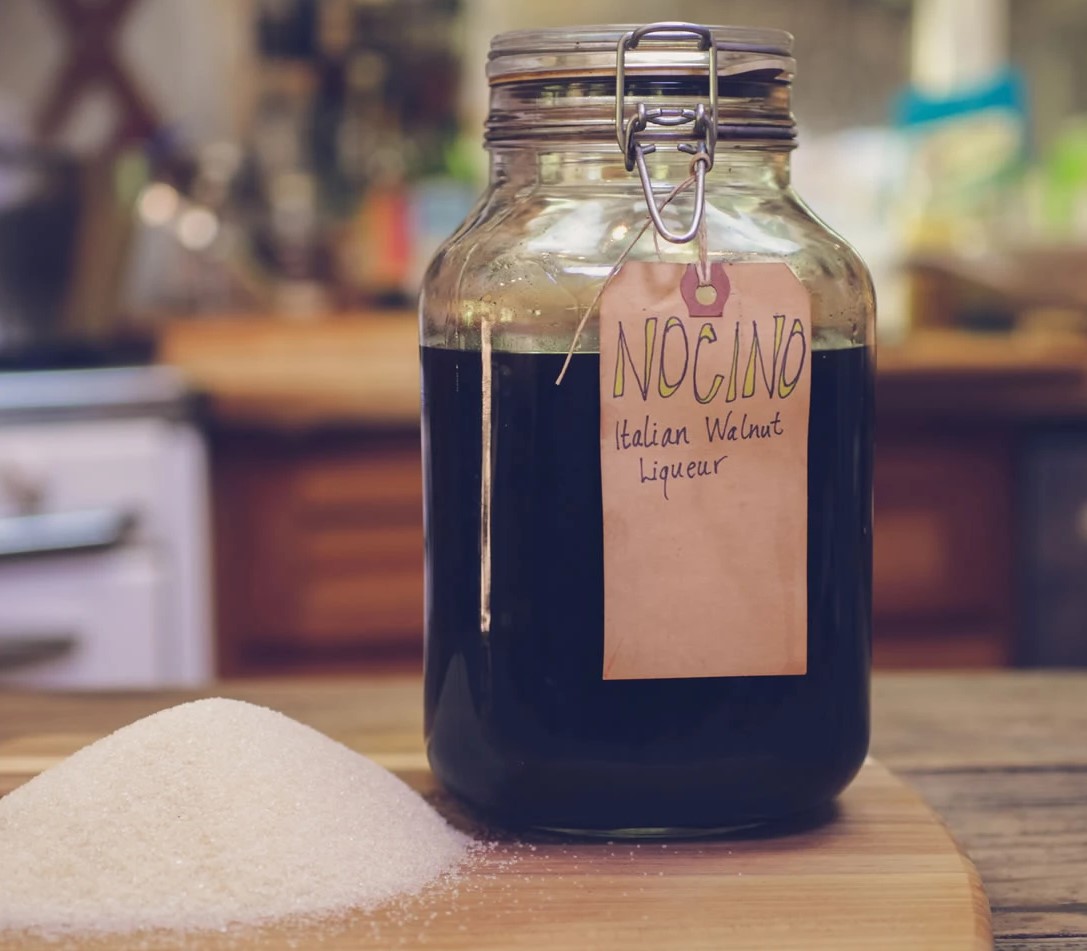
 The proud result of waiting. Best is to start and give time for a whole year till next harvest is possible. Then enjoy !
Using a cheesecloth or fine mesh strainer, strain the liquid and discard the walnuts. Add any optional ingredients (vanilla bean, orange peel, etc.) and pour nocino from the jars into smaller bottles with tops, which you have washed well with hot soapy water, rinsed, and air dried. Close bottles and allow the liqueur to mature for another 6 months to 1 year. Feel free to taste the nocino as it rests to learn about the flavor changes, then begin drinking once you find it to your liking.
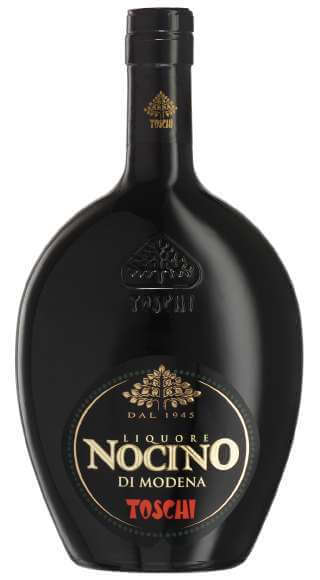
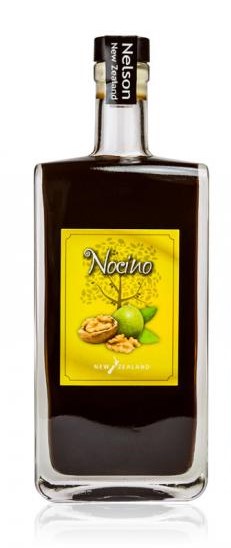
On the left the Nocino we could buy allover Europe where also we bought our Balsamico vinegar from Modena, Italy. Right is a bottle which I brought from Nelson in New Zealand as a souvenir. Sadly we can’t have such good drops here in Uruguay. Not even a nice Cognac or an Armagnac is available !!
Friends always enjoyed my homemade Nocino, when they heard about the production, work and time etc.,
Some asked me: „Are you nuts ?“ I only answered: „Yes – walnuts !“

