
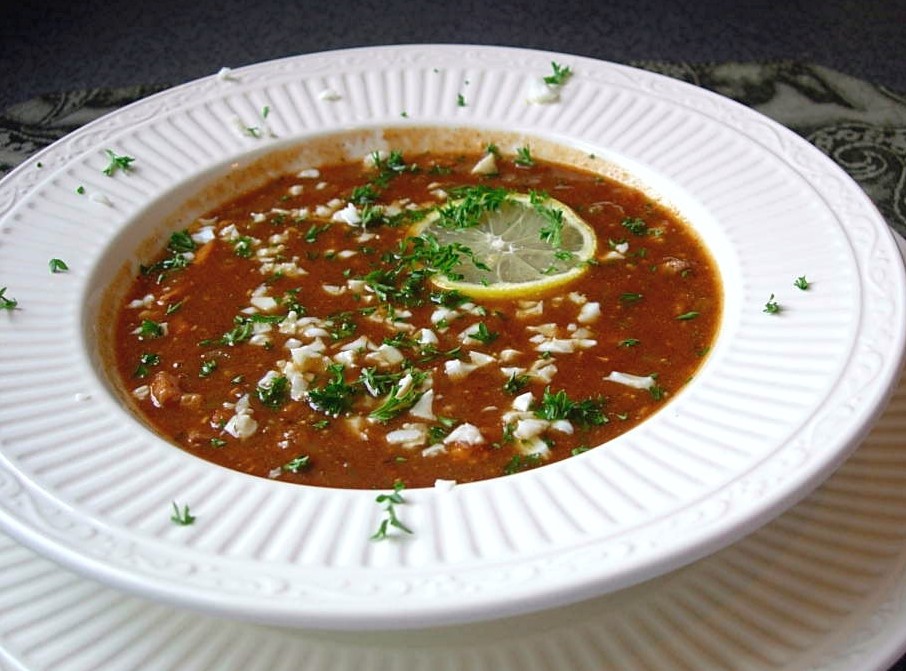
Writing about FOOD and HISTORY can be as adventurous as reading a thrilling novel. With this post I like to lead you through the adventure of the „Mock Turtle Soup“. Mock turtle soup is an English soup that was created in the mid-18th century as a cheaper imitation of green turtle soup. So, follow me through history.
Charles Darwin.
Charles Darwin noted on 23rd of September 1835 about his visit to the Galapagos archipelago: „The inhabitants complain about their poverty, but they can easily provide for their livelihood. There are many wild boars and goats in the forests, but their main animal food is turtles. Of course their numbers have been greatly reduced on the island, but people still count on two days of hunting to provide them with food for the rest of the week. In the past, it is said that a single ship could catch up to seven hundred turtles, and years ago, the crew of a frigate is said to have brought two hundred turtles to the beach in one day“.
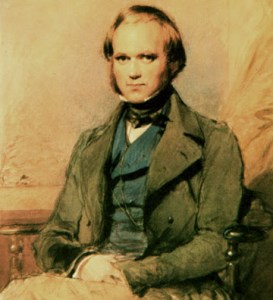 Charles Darwin (12 February 1809 – 19 April 1882) was an English naturalist, geologist and biologist. Best known for his contributions to the science of evolution.
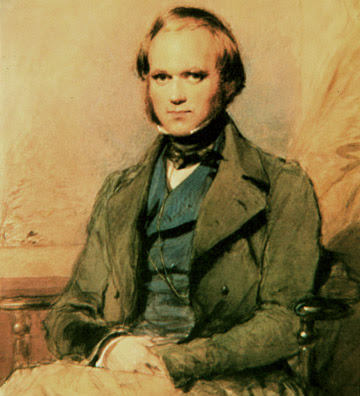
On 8th of October 1835 Darwin wrote: „As long as we were in this upper region, we lived exclusively on turtle meat: the breast plate with the meat roasted in it (as the Gauchos do with carna con cuero) tastes very good and the young turtles make an excellent soup; otherwise, however, the meat is moderate for my taste“.
Robinson Crusoe.
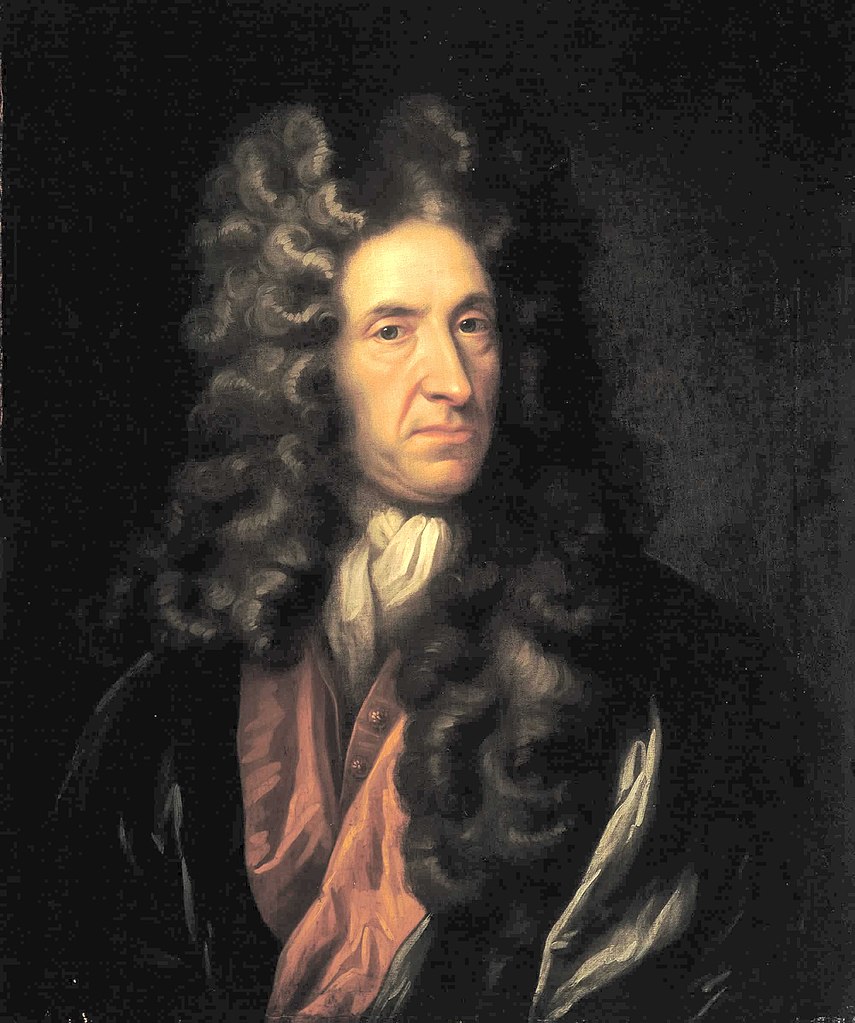
What Darwin said carelessly has a long tradition: For the coastal population, sea turtles have always been a high-quality and attractive food – and for sailors even more so. The literature of the seafaring peoples is filled with documents and evidence. Be it marginal notes in William Shakespeare, the travel notes of Sir Walter Raleigh from the 16th century or Daniel Defoe’s „The Life And Strange Surprizing Adventures Of Robinson Crusoe“ from 1719: „I had now arranged my meals as follows: For breakfast I enjoyed a few raisins, for lunch a piece of dried goat meat or a slightly roasted turtle (because, to my great regret, I lacked a suitable vessel for cooking). My dinner regularly consisted of some turtle eggs.“
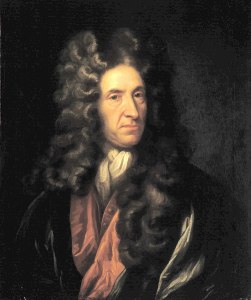
 Daniel Defoe (c. 1660 – 24 April 1731), born Daniel Foe, was an English trader, writer, journalist, pamphleteer and spy. He is most famous for his novel Robinson Crusoe, which is second only to the Bible in its number of translations.
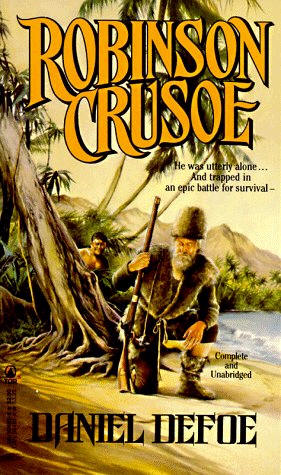
One might consider the eating of turtles an exotic component of the novel and thus owed to the taste of the English readers, but it was certainly not a breach of taboo.
And that is not all. Tortoises, especially their large species – whether in the Seychelles or the Galapagos Islands – were a much sought-after addition to the diet on the high seas. Taken on board, these animals were a living food depot: undemanding in feeding and care, they were kept on deck until the ship’s cook killed them. It could hardly have been simpler, and so it is not surprising that many ships on their routes around Africa made a stopover in the Seychelles to gather provisions. So did the Mexican sailors and pirates on the Galapagos Islands. The devastating consequences for the populations on the two groups of islands are well known.
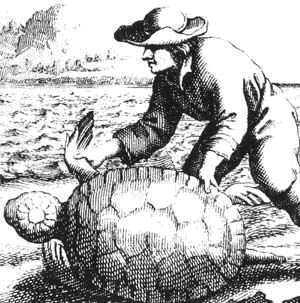
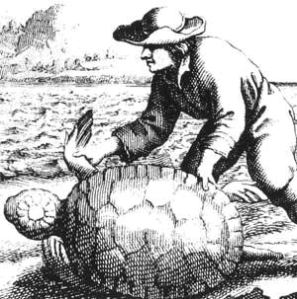 Hunting turtles in the Caribbean.
But it was not only about filling the stomachs of sailors. Even in ancient times, sea turtles were known to have a medicinal effect when they ate their meat, and the same reputation was held by the population in many subtropical and tropical coastal countries. And this idea has been carried over into the European Middle Ages. Christopher Columbus, for example, who anchored near the Azores in 1498, reported that people suffering from leprosy there washed themselves with turtle blood in the belief that they would find healing. Among seafarers, the rumor that turtle meat helps wonderfully against scurvy persisted for a long time.
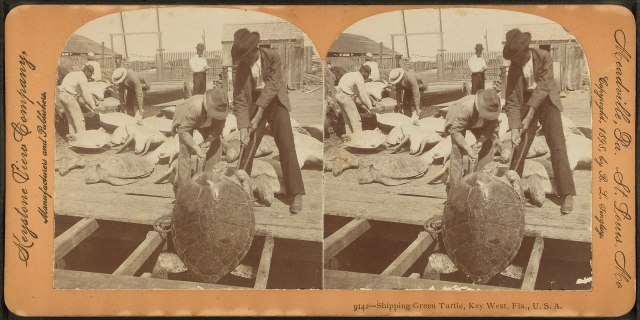 Shipping green sea turtle, Key West, Florida, 1898. Stereoscope view Wikipedia.
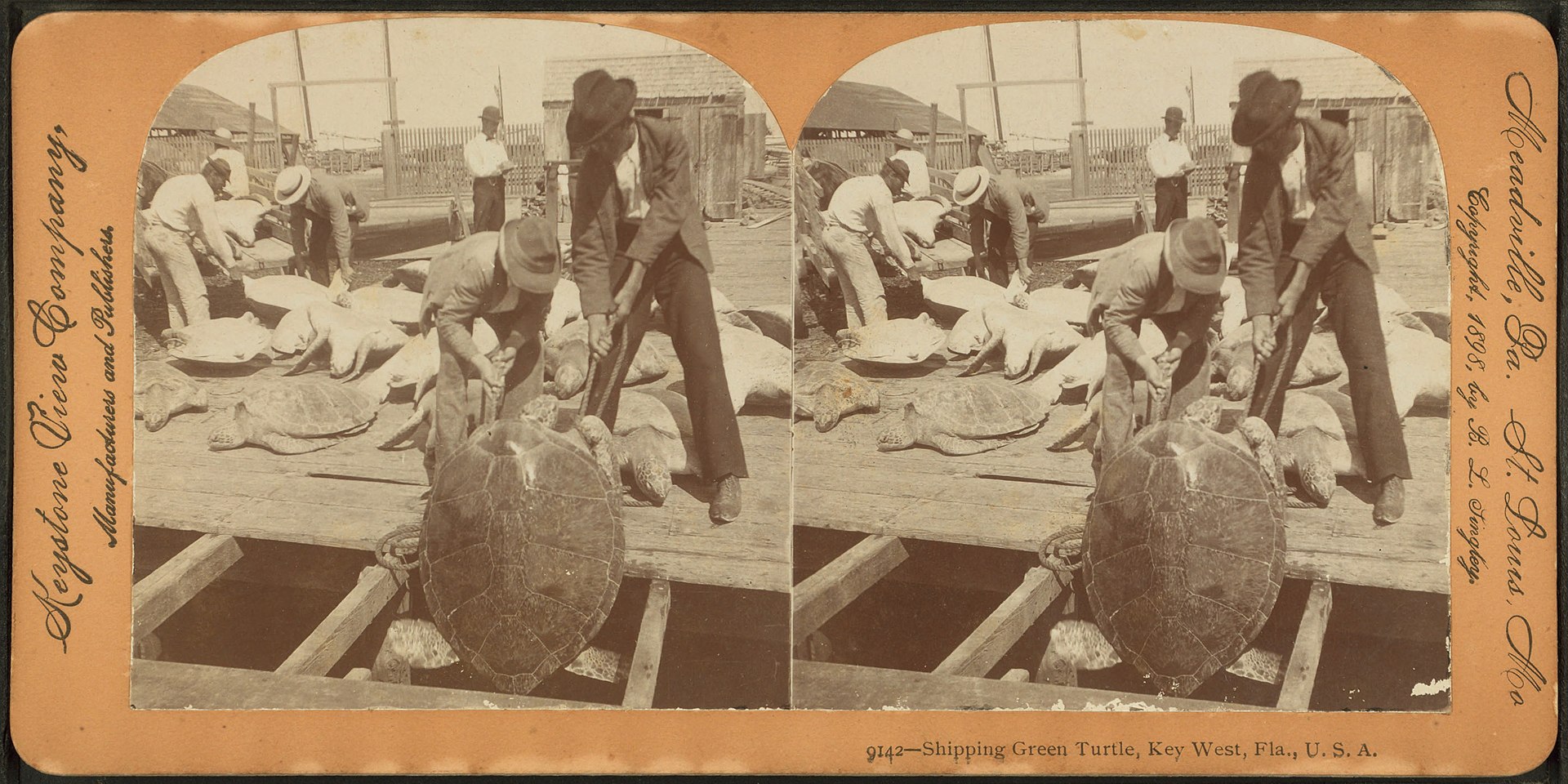
Felix Count Luckner.
That the consumption of turtles goes back to archaic times is proven by finds from an excavation site in northern Israel. Excavations of human relics about 12,000 years old have revealed the remains of numerous animals, a sign of a greater festivity. The occasion was most likely a ritual funeral: „The remains include the shells and bone parts of around 71 turtles and three cattle – an unusually high number of such legacies in one place for this period of time,“ reports Theresa Kübler in Bild der Wissenschaft. This indicates that the animals were slaughtered and cooked.“
The tradition of eating turtles is also widespread in the West, or at least it was until the early twentieth century.
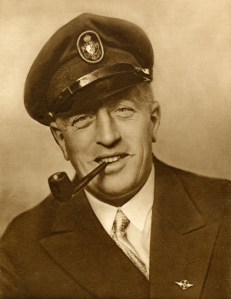 Felix Nikolaus Alexander Georg Graf von Luckner (9 June 1881 – 13 April 1966), sometimes called Count Luckner in English, was a German nobleman, naval officer, author, and sailor who earned the epithet „Der Seeteufel“ (the Sea Devil), and his crew that of „Die Piraten des Kaisers“ (the Emperor’s Pirates), for his exploits in command of the sailing commerce raider SMS Seeadler (Sea Eagle) between 1916 and 1917.
One of the causes lies in the fasting customs of the Catholic Church. For more than 1,500 years, believers have been forbidden to eat meat on high fasting days. „Good Friday is a day of fasting and abstinence. The abstinence and fasting rules apply. Faithful Catholics renounce meat dishes on this day and only eat once.
At the beginning of the 20th century, Felix Count Luckner noted that the crew of the „SMS Seeadler“ on the South Sea island of Mopelia, west of Tahiti, were recovering from the caper of war: „…with turtle meat, coconuts, fruit and extensive beach walks“. As he stated later in many interviews, his crew lived during the many month in the South Sea region of delicious turtle meat.
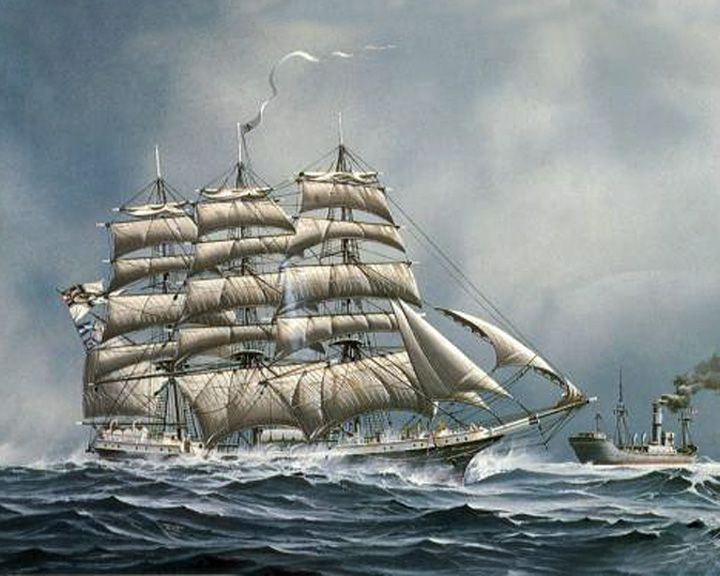
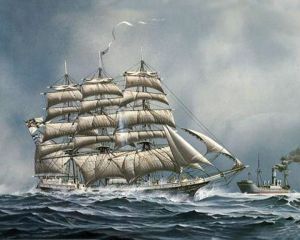 The famous SMS Seeadler. By 1916 the Allies had blockaded German warships in the North Sea, and any commerce raiders that succeeded in breaking out lacked foreign or colonial bases for resupply of coal. This gave rise to the idea of equipping a sailing ship instead, since it would not require coaling.
The Seeadler was equipped with an auxiliary engine, hidden lounges, accommodation for additional crew and prisoners, two hidden 105 mm guns that could emerge from the deck, two hidden heavy machine guns, a pair of torpedo tubes for anti-cruiser purposes, and rifles for boarding parties. These weapons were rarely fired (the torpedo tubes never), and many of the 15 ships encountered by Seeadler were sunk with only one single accidental casualty on either side during the entire journey.
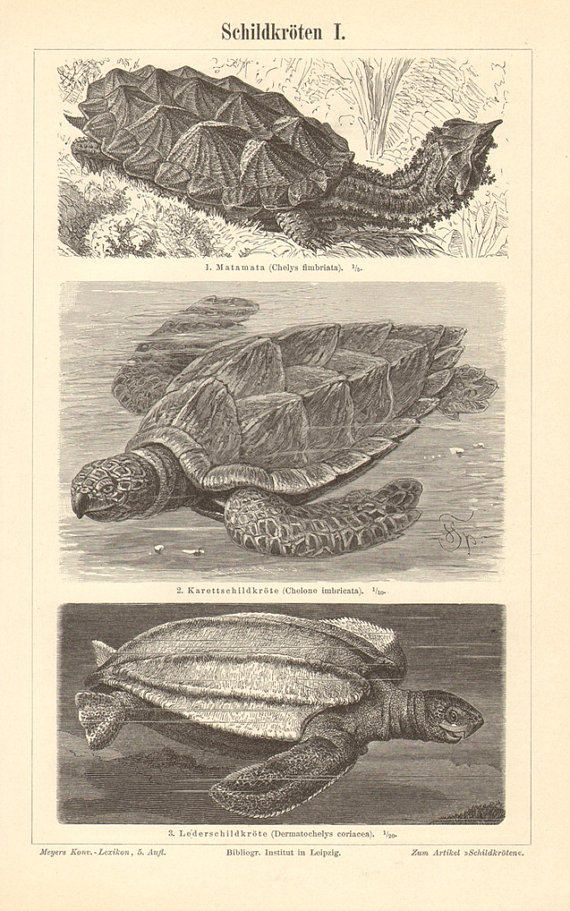 Different turtles as shown in Meyer’s Lexikon around 1880.
Since the Middle Ages all mammals have been counted as „meat“, as well as poultry, but not fish. White meat is not „real“ meat, land creatures have „real meat“ – animal species living in water, however, do not. As a result, European pond turtles, crayfish, water birds and, significantly, beavers were classified as fish, caught and eaten during Lent.
In ascetic orders, such as that of the Carthusians, the consumption of meat was generally forbidden. Therefore the monks set up fish and turtle farms in order to have an attractive fasting food available. This is proven by archaeological investigations at the Lower Austrian monastery of Mauerbach.
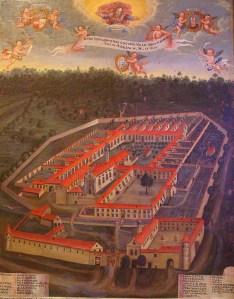 Kartause Mauerbach near Vienna, Austria.
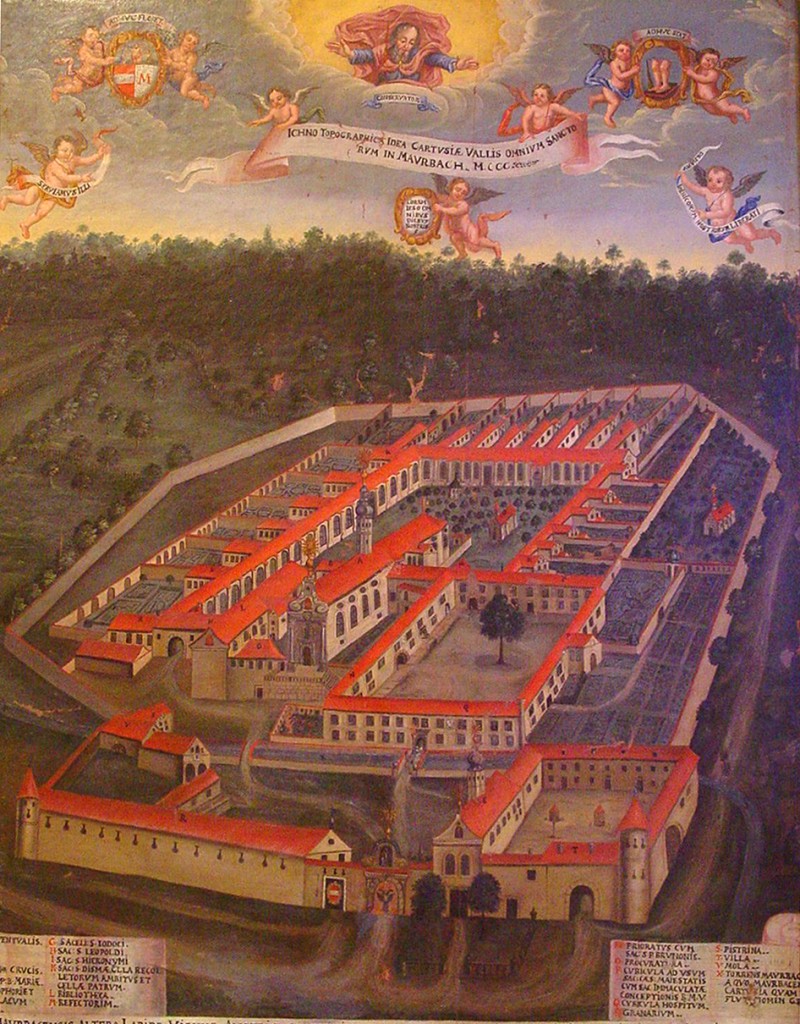
Until the 19th century the catching and eating of European pond turtles is documented – mainly in the Catholic areas of Bavaria and Austria. For many decades, the pond turtles caught in the Danube floodplains were sold at the fish market in Vienna to end up in the cooking pots of the urban population.
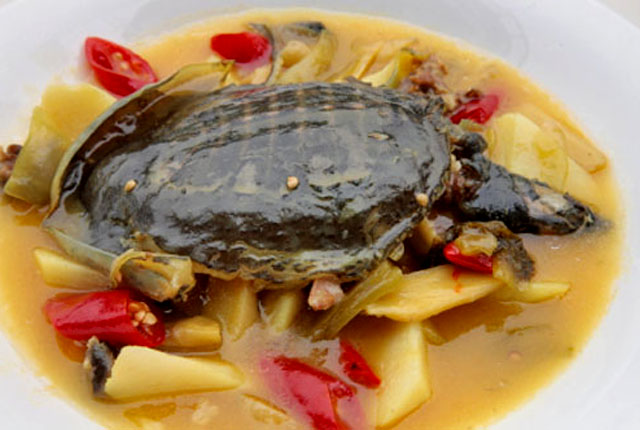 Turtle Soup served like that in Singapore. Not more different then having a whole crab on your plate.
Sailer’s family cookbook.
The „Sailer’sche Familien-Kochbuch“, published in Munich in 1865, gathers some turtle recipes, cooked in blood (452), in lemon sauce (453) or baked (454). Although no species of turtle is given, but since the recipe book also describes the killing of the animals, the animals must have been acquired in a living state. This inevitably points to the native European pond turtles that were caught and sold at the markets.
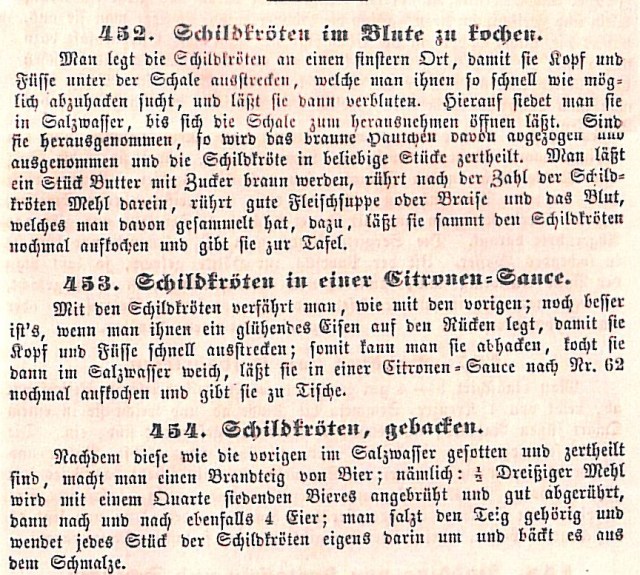 Above the recipes out of Sailer’s cookbook from 1865. Interesting to read which killing skills were needed.
However, in the course of the 19th century, the capture, sale and hence consumption of native turtles declined rapidly. The reasons are the secularization as a result of the Napoleonic period and thus the loss of power and influence of the Catholic Church. This was followed by a freer approach to the church’s commandments and rules and thus to strict fasting. At the same time, massive upheavals in the social structure of society with the onset of industrialization led to the impoverishment of broad masses of the population and thus to a change in consumer behavior.
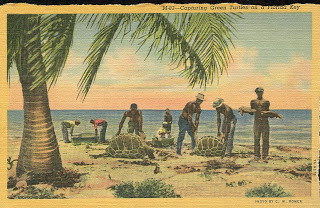 Green Sea Turtle capturing.
Meat and fish had simply become too expensive for large sections of the urban population. The change in food production, the establishment of large-scale slaughterhouses in the cities also had an impact on eating habits. Meat could be offered more cheaply than fish and also pushed into butcher’s shops and inns in larger quantities.
This development was accompanied by over-fishing of the rivers and lakes and thus a reduction of the population. Turtle fishing was soon no longer a profitable business.
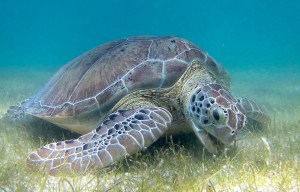 The green sea turtle.
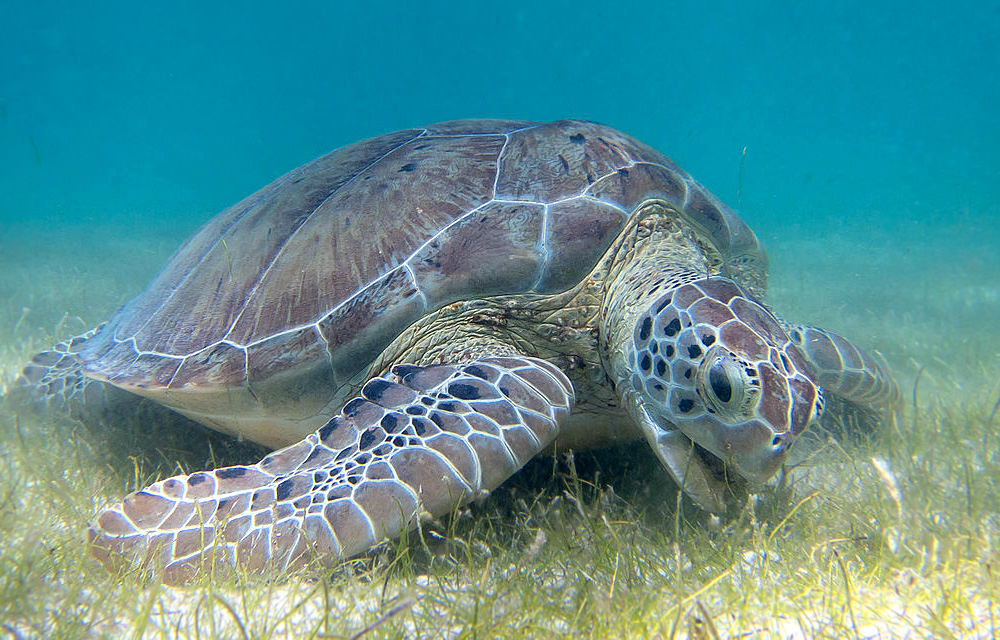
Green sea turtles were added to the North American endangered species list in 1970. It is illegal to harm them. In the Southern United States, turtle soup made from various turtles but especially the Alligator snapping turtle (Macrochelys temminckii), is enjoyed. They are the largest species of freshwater turtle, and can weight from 155 to 175 pounds. Although not an endangered species, their populations are declining due to the degradation of their habitat, and over-harvesting for their meat. This has some states to declare them vulnerable and to ban catching them. Therefore, meat from common snapping turtles, or even box turtles is sometimes substituted or passed off for Alligator snapping turtle. Even Alligator meat is sometimes used, which is legal to obtain, giving a new sense to the term “mock turtle.”
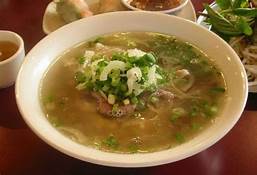 The typical Green Turtle Soup.
Mary Victoria Curzon.
When the consumption of pond turtles declined, the consumption of another delicacy, the world-famous „Lady Curzon Turtle Soup“ in Europe, boomed at the same time. While 100 years earlier it was the aristocracy that „set the tone“, at the end of the 19th century the upper middle classes gained in importance as a socially influential class. In contrast to the preceding period, the bourgeoisie’s need for recognition no longer manifested itself in lavish and exuberant pomp and extravagance. The refinement, the love of detail, no matter how small, and the use of the finest materials characterized the art of the time, the ornamentation of the utensils – ultimately also the art in the kitchen. „Lady Curzon“ was soon to be found on the menus of the most distinguished addresses – from the Hotel Ritz to the Titanic.
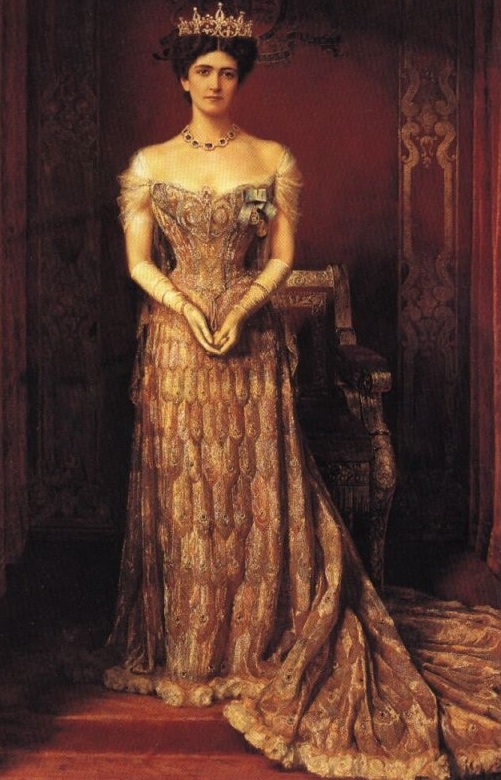
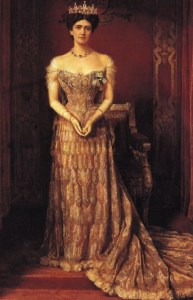 Mary Victoria Curzon, Baroness Curzon of Kedleston (27 May 1870 – 18 July 1906) was a British peeress of American background who was Vicereine of India, as the wife of Lord Curzon of Kedleston, Viceroy of India.
Lady Curzon Turtle Soup“ consists of a clear broth made from the meat of the green sea turtle (Chelonia mydas), beef and calf’s foot, spices and a dash of sherry, cognac or Madeira. The turtle meat is added finely diced before serving. At the end it is covered with whipped cream, seasoned with curry and briefly gratinated.
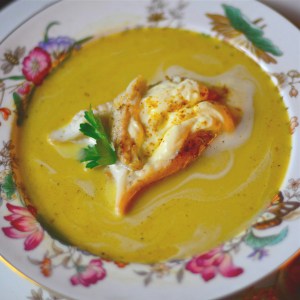 A more modern version of the Curzon Soup, with large chunk of lobster and the cream stirred into the curry infused soup. Looks delicious.
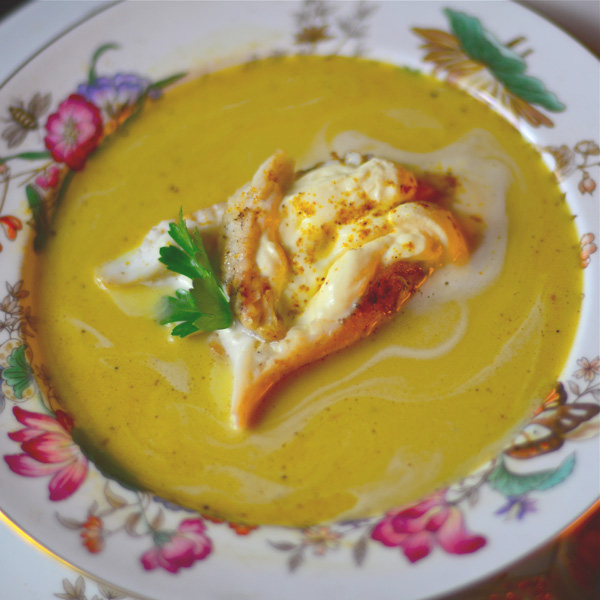
At the end of the 19th century, as a counterpart for the simpler classes of the population who could not afford this delicacy, the „Mockturtle soup“ was created – made according to the same recipe, but with veal instead of turtle meat.
Industrialization did not stop at food production either. Soon the „Lady Curzon“ found its way into the can and thus onto the shelves of delicatessens, and later also the supermarkets of the world. The seas were fished on a large scale, the sea turtles caught were industrially processed into soup, tinned and sold worldwide.
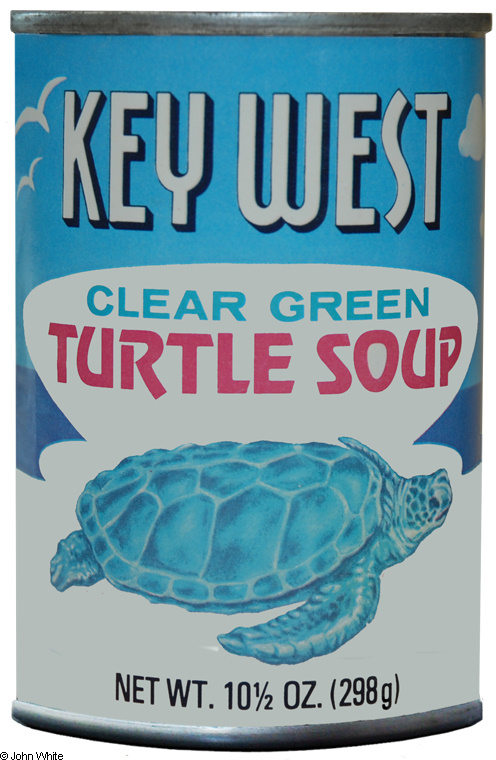
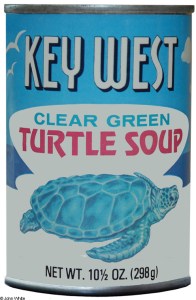 Canned turtle soup from Key West.
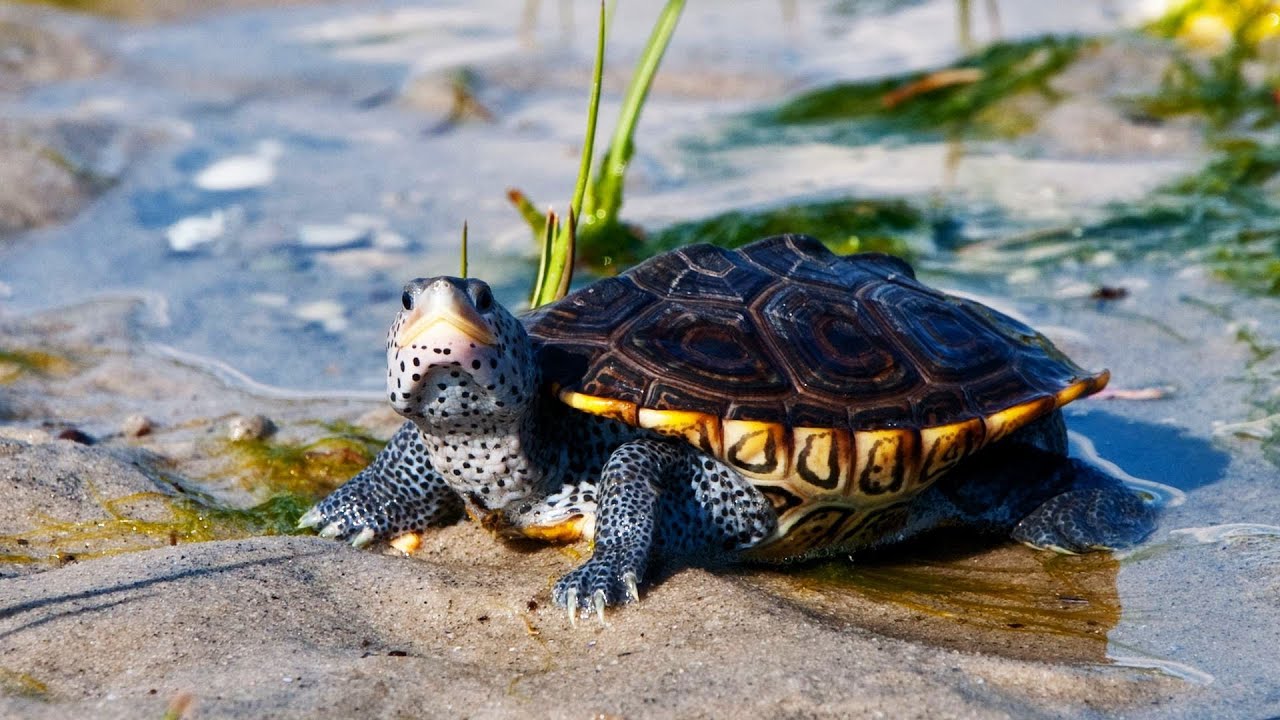
When the consumption of turtles in Europe shifted to canned soup, the chefs of the New World began to eat, among other things, the diamond turtles (Malaclemys terrapin) that were native to the region. Until the 1930s, there were turtle farms in the USA where American diamond turtles were bred and industrially processed into canned food – for consumption and to supply the population with protein.
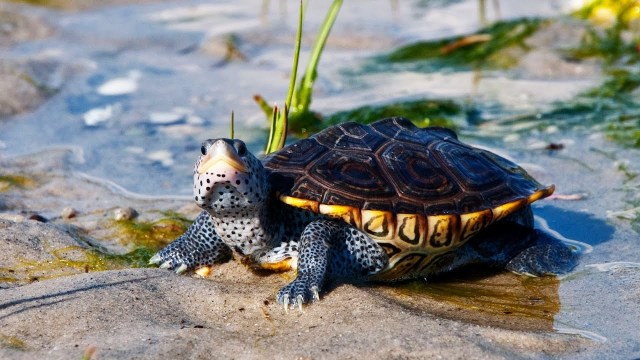 The black diamond turtle. Note the diamond shaped design on the back shell.
William Howard Taft.
Diamond turtles – originally a by-catch of the fishermen – were originally food for the American slaves. Gradually, however, these animals also became a coveted delicacy – especially appreciated by US President William Howard Taft and served almost daily at the White House during his term of office from 1909 to 1913. See also further down the White House Cookbook recipe’s.
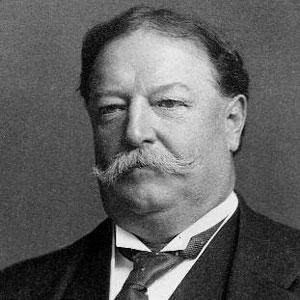 William Howard Taft (September 15, 1857 – March 8, 1930) was the 27th president of the United States (1909–1913).
However, the labor-intensive preparation with the relatively low yield led to the fact that with the world economic crisis the animals gradually disappeared from the menus. There were hardly any domestic staff left who could have prepared the animals, and the focus shifted to easier to prepare meals.
The consumption of European tortoises in Europe remained a short episode, limited to the time of the First World War. Austrian troops collected tortoises in the Balkans during this period and had them transported to Vienna.
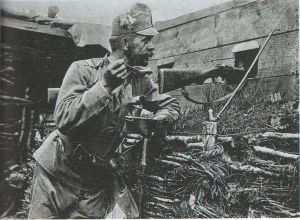 Austrian soldier having „turtle lunch“, WWI 1917.

There the animals were processed into canned food and sent back to the front for the fighting troops.
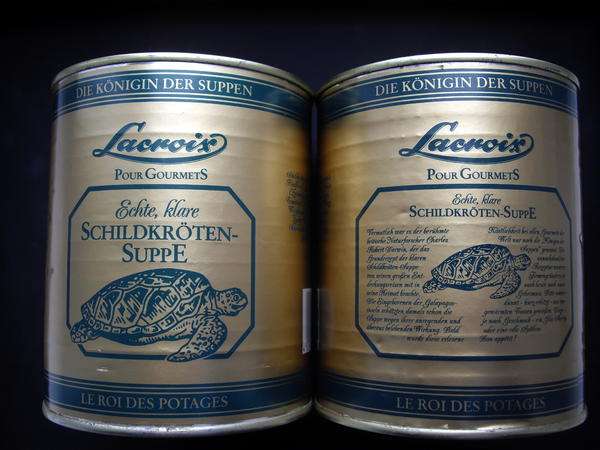
The worldwide consumption of canned turtle soup continued. The Lacroix company in particular supplied the supermarket chains, so the former delicacy of Haute Volee had become a mass product. However, its inherent image made it something very special, which now even the middle class of the population could afford to buy from time to time. This is precisely what made the product so attractive – and hence its success.
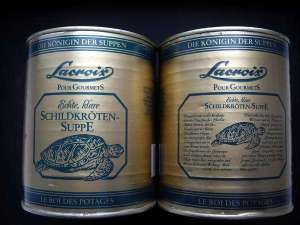 Worldwide success of Lacroix turtle soup. Lacroix was once the world’s largest producer of turtle soup after the Second World War. The Eugen Lacroix company in Frankfurt-Niederrad processed in 1959 – 250 tons of turtle soup. After the Campbell Soup Company took over the company in 1979, the production of turtle soup was discontinued in 1984. The Frankfurt Lacroix factory was closed on 27 July 1996.
It was not until the 80s that society’s consciousness changed so radically that turtle soup was marginalized. The shift in values due to the ever-increasing influence of the ecology and peace movement and the resulting upheaval in society may have played their part. In 1984, the Tengelmann Group discontinued these products in Germany – as did frogs‘ legs. The Group was thus in line with the needs of the ecology and animal welfare movement, which was growing steadily stronger at the time.
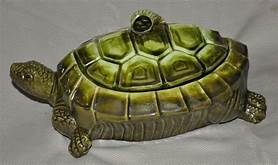
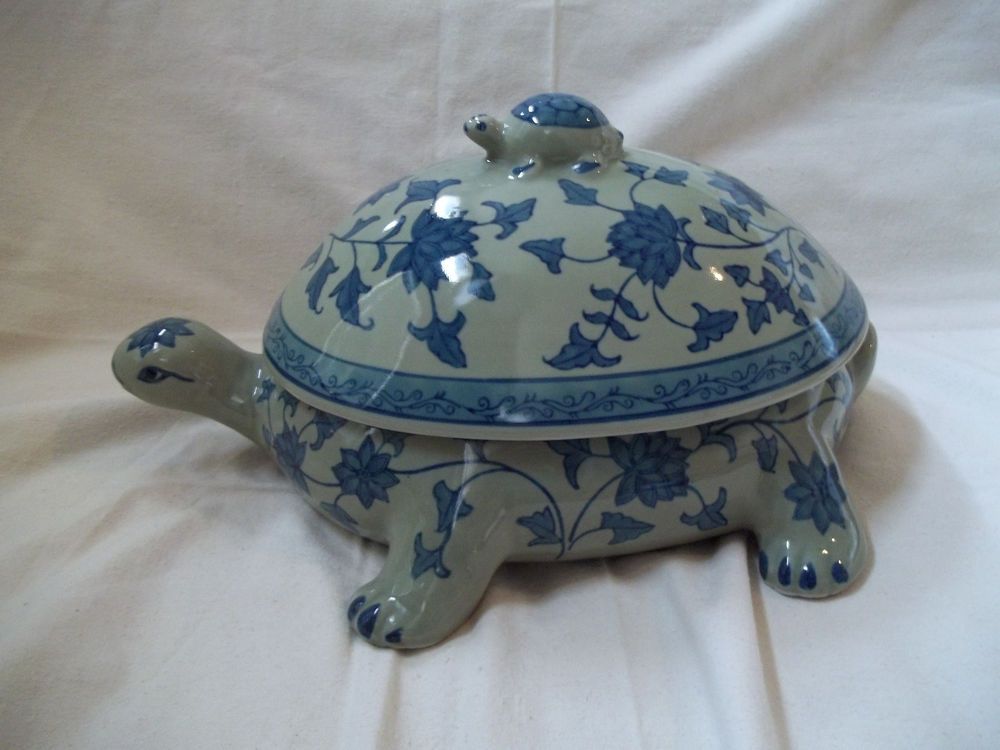
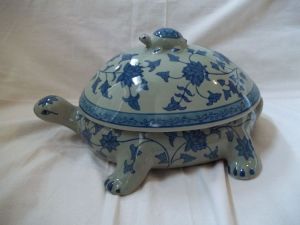 Vintage pottery (left) and China casserole (right) for turtle soup. Haute Volee has to be.
WWF.
What now sounds bizarre in Europe or is judged with disgust is common practice in many other countries. And not only in other cultures, but also in those of western character.
In 2007 the WorldWildlifeFund addressed the public in a broad campaign. In a widely published press release at the time, it wrote: „Every year thousands of sea turtles die during Holy Week in Latin America. The fault lies in the old wives‘ tale that the endangered reptiles are to be assigned to fish because of their white flesh – and thus a food allowed during Lent“. Just by the way, those religious customs are brought from Europe to South America. It is not to be expected that this has changed significantly since then.
 No further comment needed.
All sea turtle species are under strict nature conservation, they are threatened with extinction. Therefore, fishing is prohibited on the American Pacific coast. Nevertheless, according to WWF estimates, 10,000 sea turtles land in pots every year in the week before Easter in Mexico alone. At the same time, numerous charcoal turtles suffer a similar fate in Brazil. „Freshly caught charcoal turtles are part of the traditional fasting diet in Latin America“.
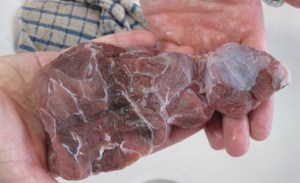
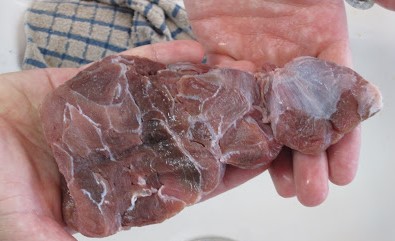
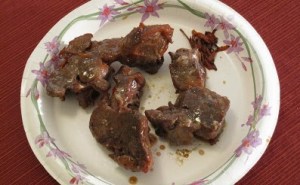 Raw and cooked turtle steak in Mexico. Not a special taste and the meat not as white as I thought.
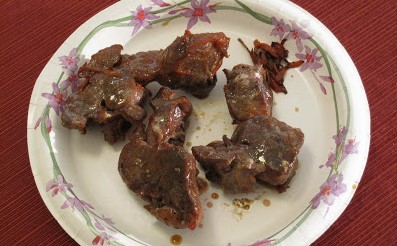
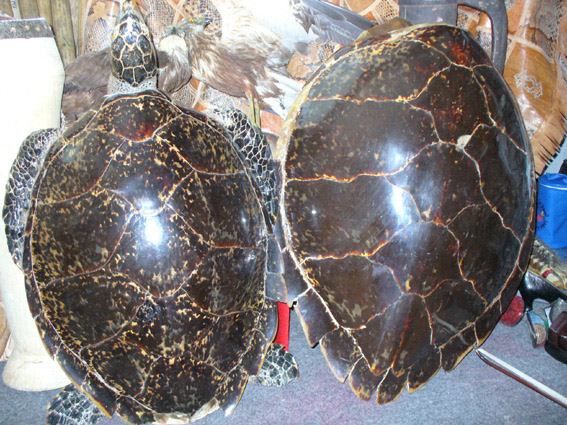
Especially in Mexico, turtle steak or soup is considered a culinary specialty. Who is surprised when the fishermen, who earn up to 260 euros per turtle, simply ignore fishing bans? After all, they also produce a highly lucrative waste product, the sale of which is also illegal: the back shell of sea turtles.
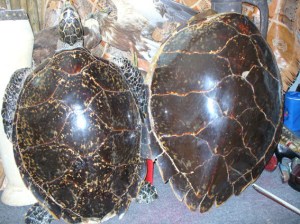 Illegal souvenir confiscated at the airport, Munich.
The rise of the Mock Turtle Soup.
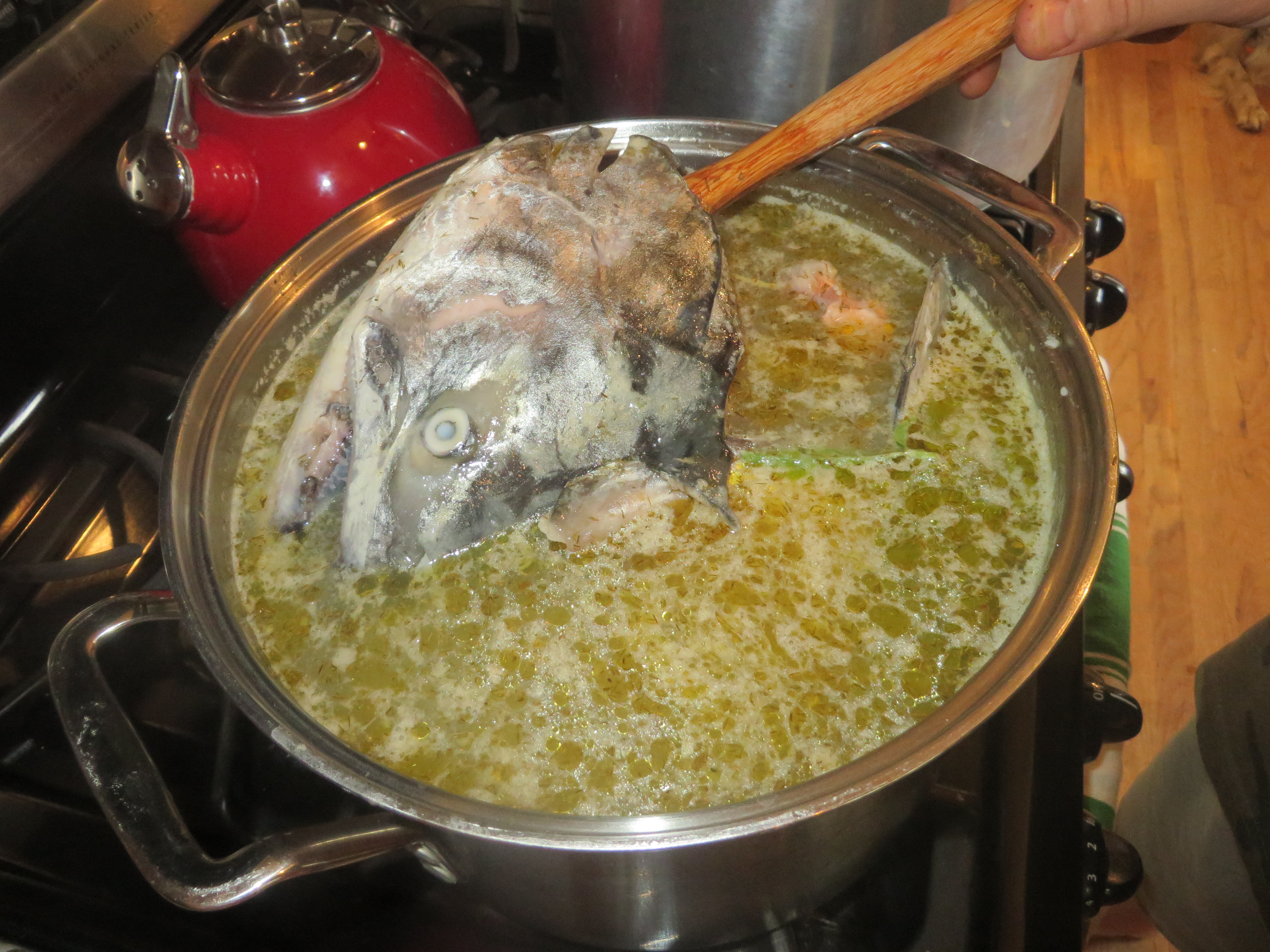
The mock turtle soup is an English soup that was created in the mid-18th century as a cheaper imitation of green turtle soup. It often uses brains and organ meats such as calf’s head or a calf’s foot to duplicate the texture and flavor of the original’s turtle meat. I like the following description.
 Calf’s head soup cooking. Click on pic.
Mrs. Fowle’s Mock Turtle Soup:
„Take a large calf’s head. Scald off the hair. Boil it until the horn is tender, then cut it into slices about the size of your finger, with as little lean as possible. Have ready three pints of good mutton or veal broth, put in it half a pint of Madeira wine, half a teaspoon full of thyme, pepper, a large onion, and the peel of a lemon, chopped very small. A 1/4 of a pint of oysters chopped very small, and their liquor; a little salt, the juice of two large onions, some sweet herbs, and the brains chopped. Stand all these together for about an hour, and send it up to the table with the meat balls made small and the yolks of hard eggs“. Ha ha !!

Germany.
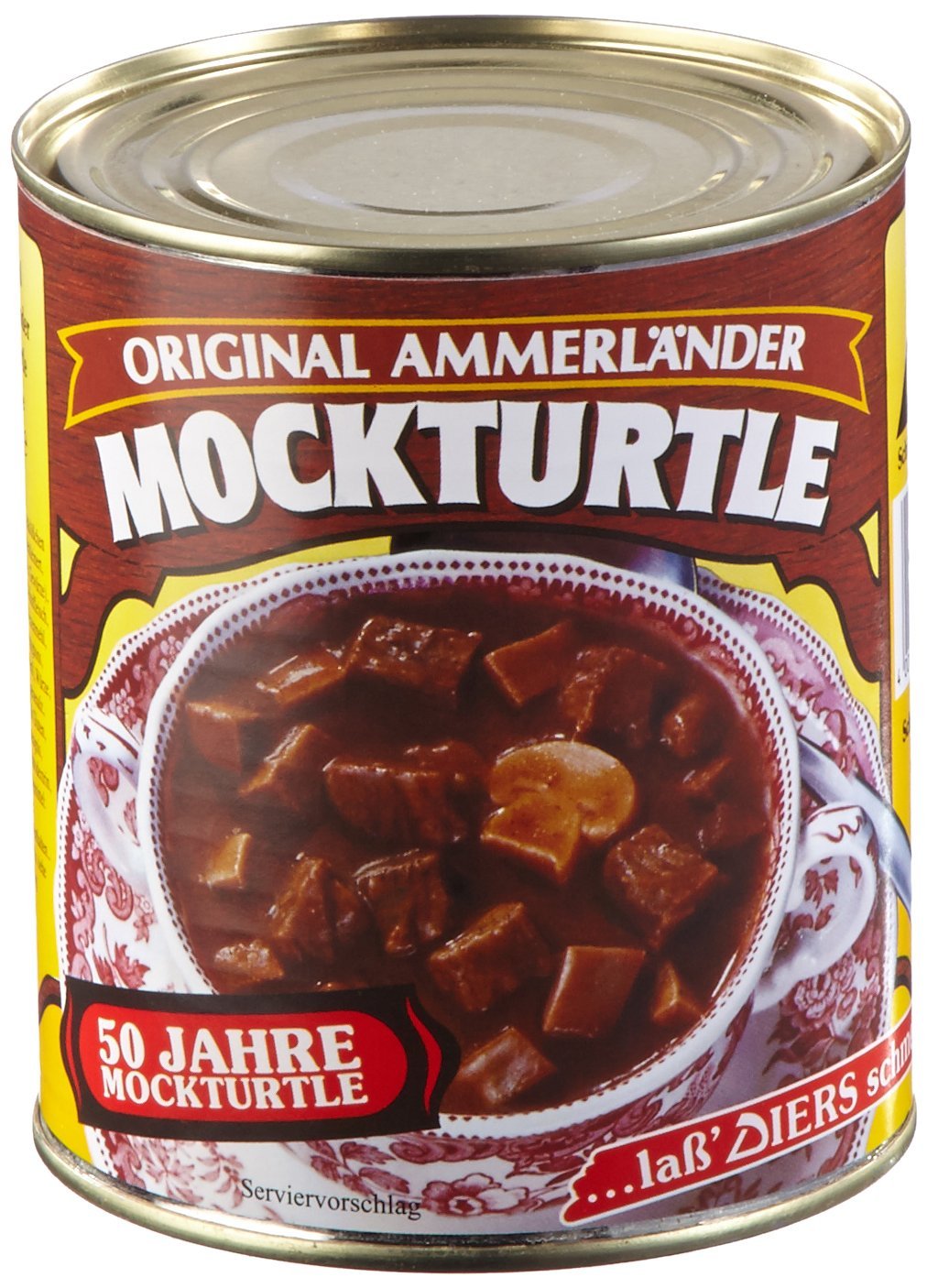
In the Oldenburg and Ammerland regions of Germany, Mockturtlesuppe – the English designation „mock turtle“ retained – is a traditional meal, dating from the time of the personal union between the Kingdom of Hannover and the Kingdom of Great Britain.
US.
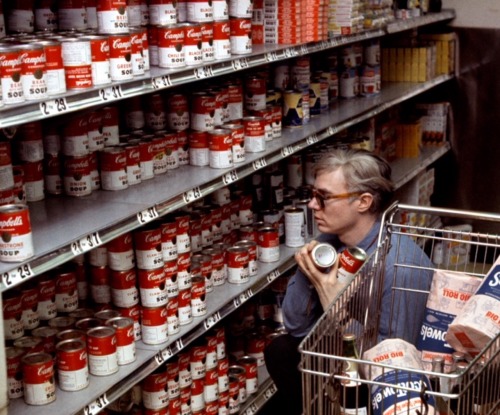
The Campbell Soup Company once produced canned mock turtle soup made of calf’s head. In a 1962 interview with David Bourdon – Andy Warhol, commenting on Campbell’s discontinued soups, said that Mock Turtle had once been his favorite.
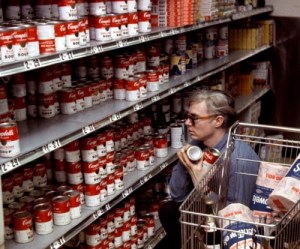 Andy Warhol purchasing Campbell’s soup.
In popular culture.
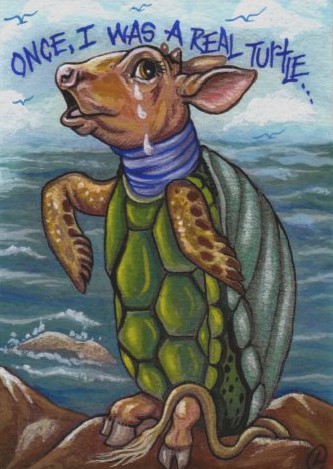
Mock turtle soup is the basis for the character of the Mock Turtle in Lewis Carroll’s Alice’s Adventures in Wonderland“, the joke being that mock turtle soup is supposedly made from these creatures. Mock Turtle, who famously said, “Once I was a real turtle.”
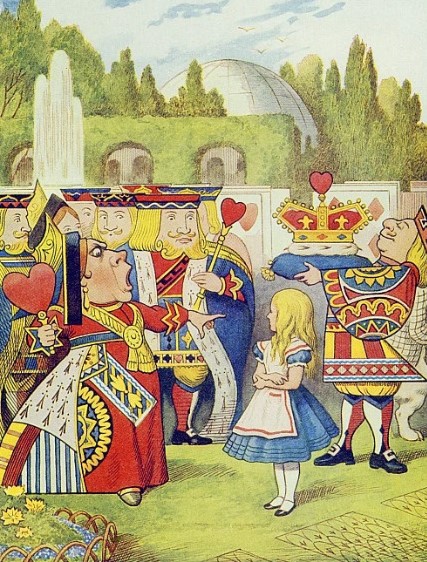 Alice was first told of Mock Turtle by the Queen of Hearts. The Queen asked Alice if she had seen Mock Turtle yet. “No,” said Alice. “I don’t even know what a Mock Turtle is.” “It’s the thing Mock Turtle Soup is made from,” said the Queen.
In season 4, episode 16 of Gilmore Girls, Richard Gilmore requests turtle neck soup while in mourning in the days after the death of his mother, the eldest Lorelai Gilmore, as it was „something his mother used to have made for him when he was a little boy.“ Nobody knows what turtle neck soup is, so Lorelai offers her father mock turtle soup.
In season 4, episode 8 of American Horror Story, Ethel Darling (Kathy Bates) serves mock turtle soup to Elsa Mars (Jessica Lange).
Or have an adventure at The Fat Duck in Berkshire, England.
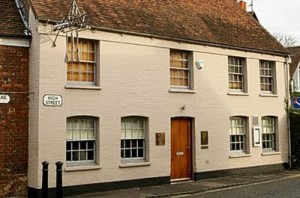
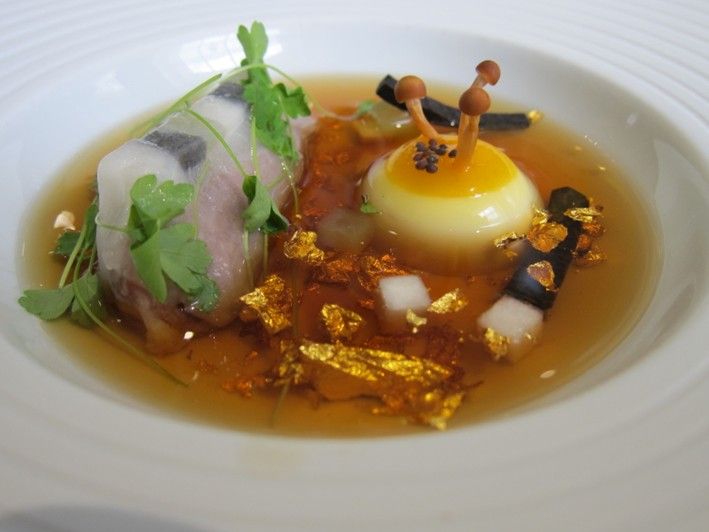
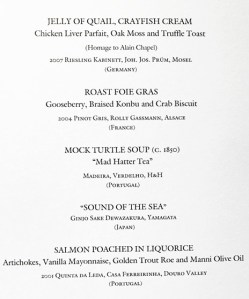 And at „The Fat Duck“ you can turn decadent with Mock Turtle Soup.
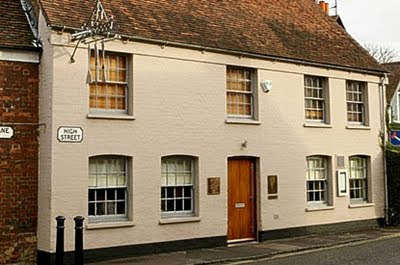
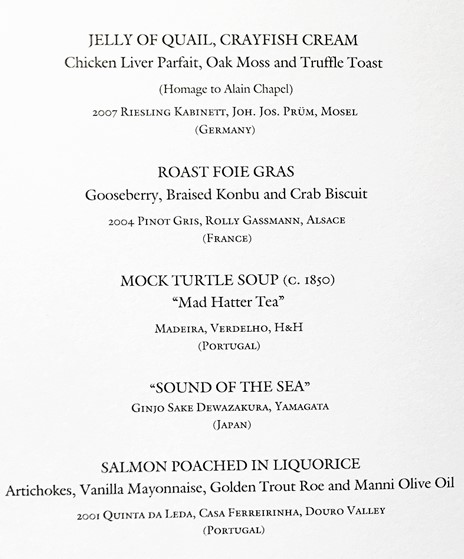
A visitor wrote: „We were so excited when we had our reservation at Blumenthal’s iconic restaurant The Fat Duck confirmed. The reservation line receives over 30,000 phone calls a day – the restaurant seats 42. It was so strange to be walking through the door months after making our reservation, having traveled thousands of kilometers from Australia to England to experience The Fat Duck first hand. Excited doesn’t begin to cover it“!
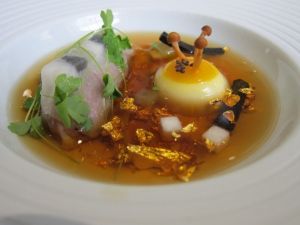

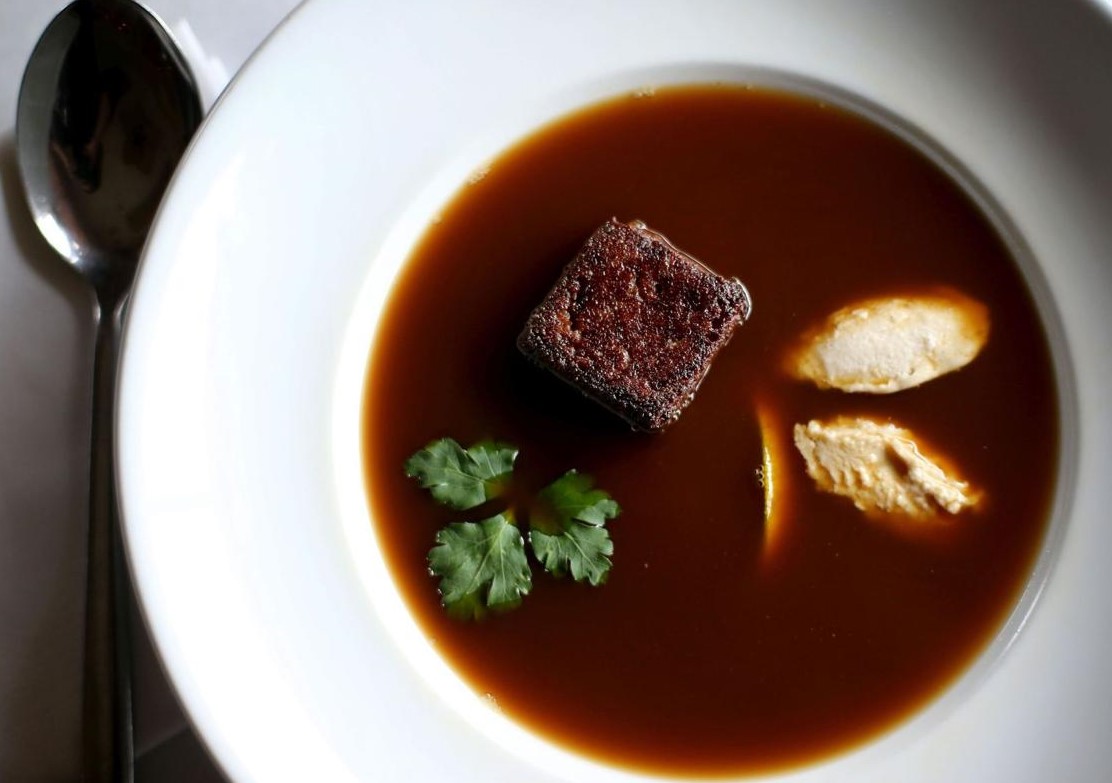
Mock Turtle Soup garnished with real gold leaves. Decadent at the end the bill too, but who cares.
Click on pics to supersize.

Queen mother.
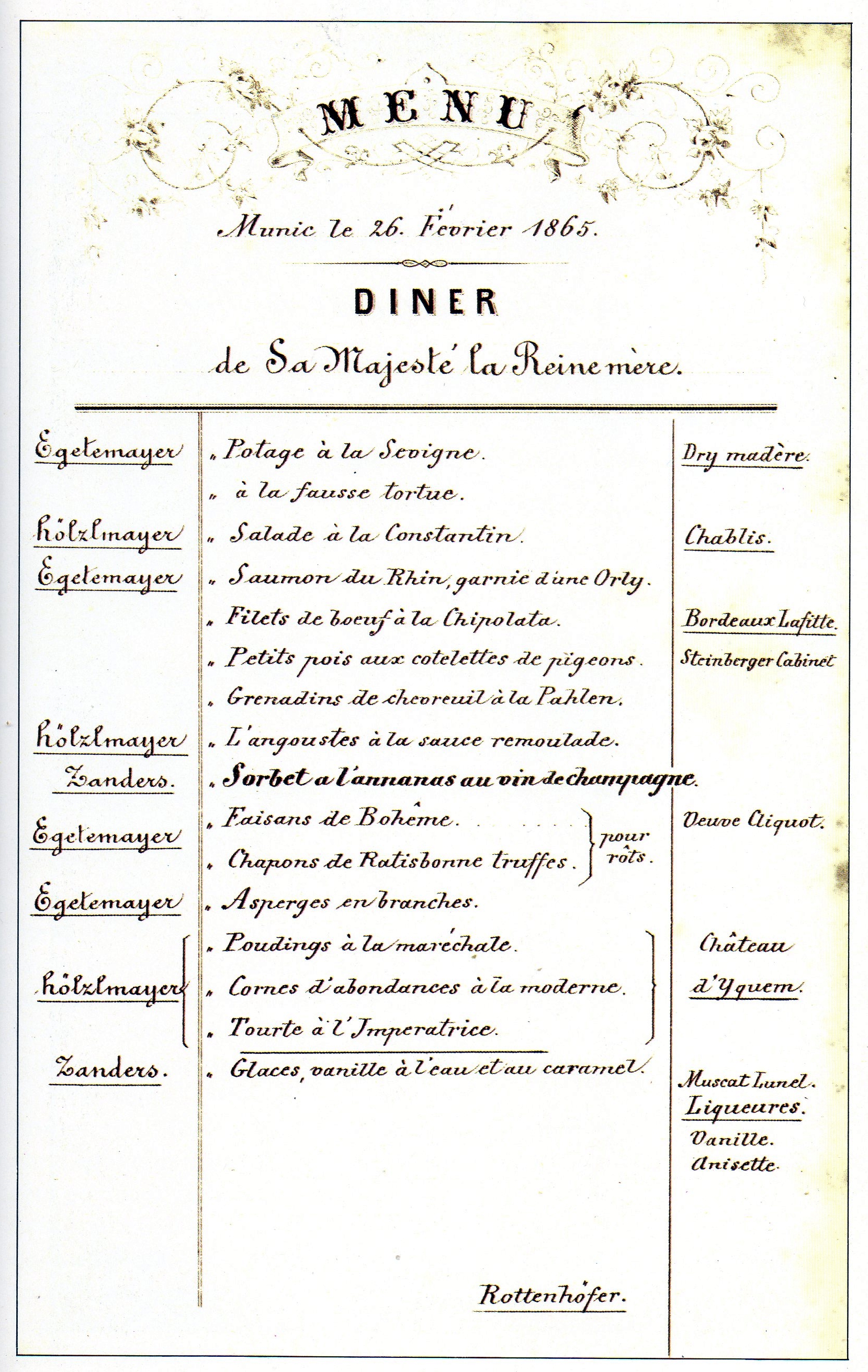 Menu card on the occasion of a dinner of Her Majesty the Queen Mother in Munich, Germany on 26th of February 1865.
The card shows as an entry the „Potage a la Sevigne – a la fausse tortue“. In English „Soup a la Sevigne – fake turtle soup“, or German „… Falsche Schildkrötensuppe“! A few month later, in 1865, was the „Sailer’sche Familien-Kochbuch“ published in Munich.
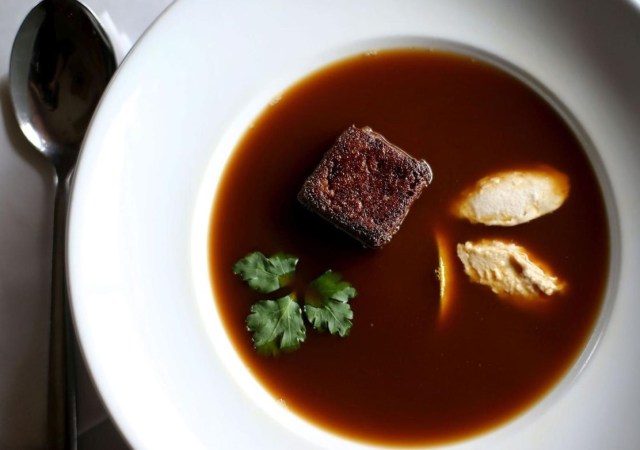 Finest Mock Turtle Soup.
The White House.
As we already know, in the „Lady Curzon“ variant, it is still covered with whipped cream, seasoned with curry and briefly gratinated. The turtle soup „Sir James“ is flavored with Cognac and Madeira. The equally classic variant with Sterlet (claire de tortue au sterlet) contains an insert of strips of Sterlet meat, Sterlet dumplings and eel liver.
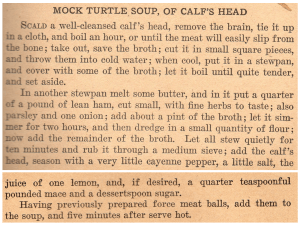
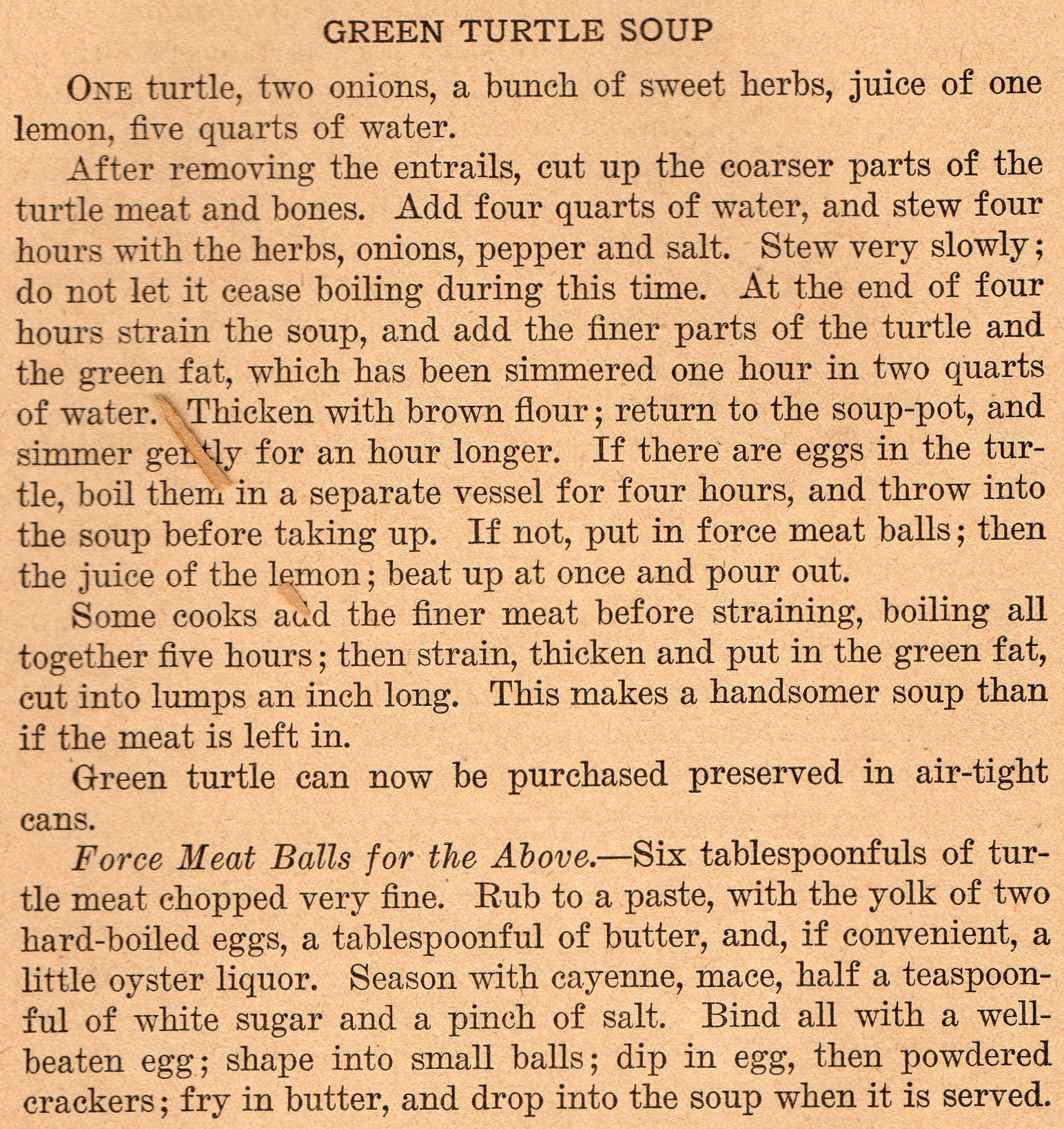
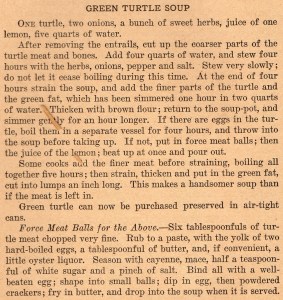 Two recipes out of the White House Cookbook, Mock Turtle Soup (page 39) and Green Turtle Soup (page 40). This was the time when both soups were famous and requested.
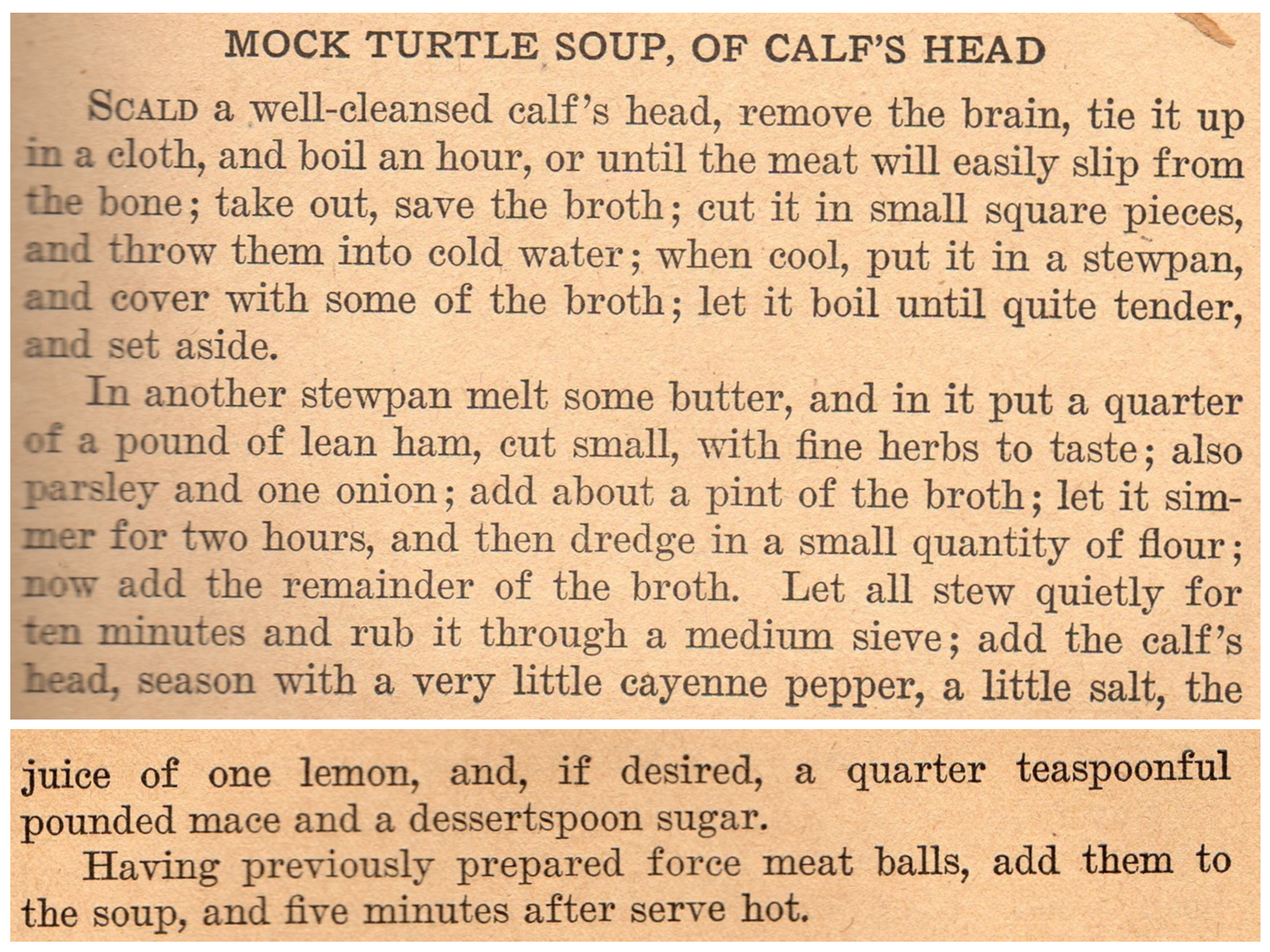
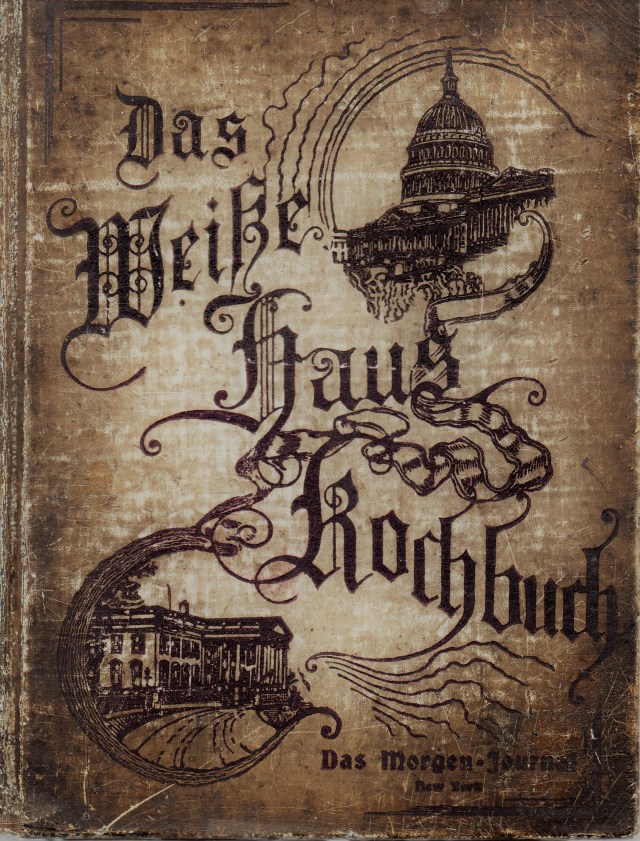 My copy of the White House Cookbook, 652 pages from 1891. The time when Benjamin Harrison was president. I have one from 1912 as well, when William Taft was president.
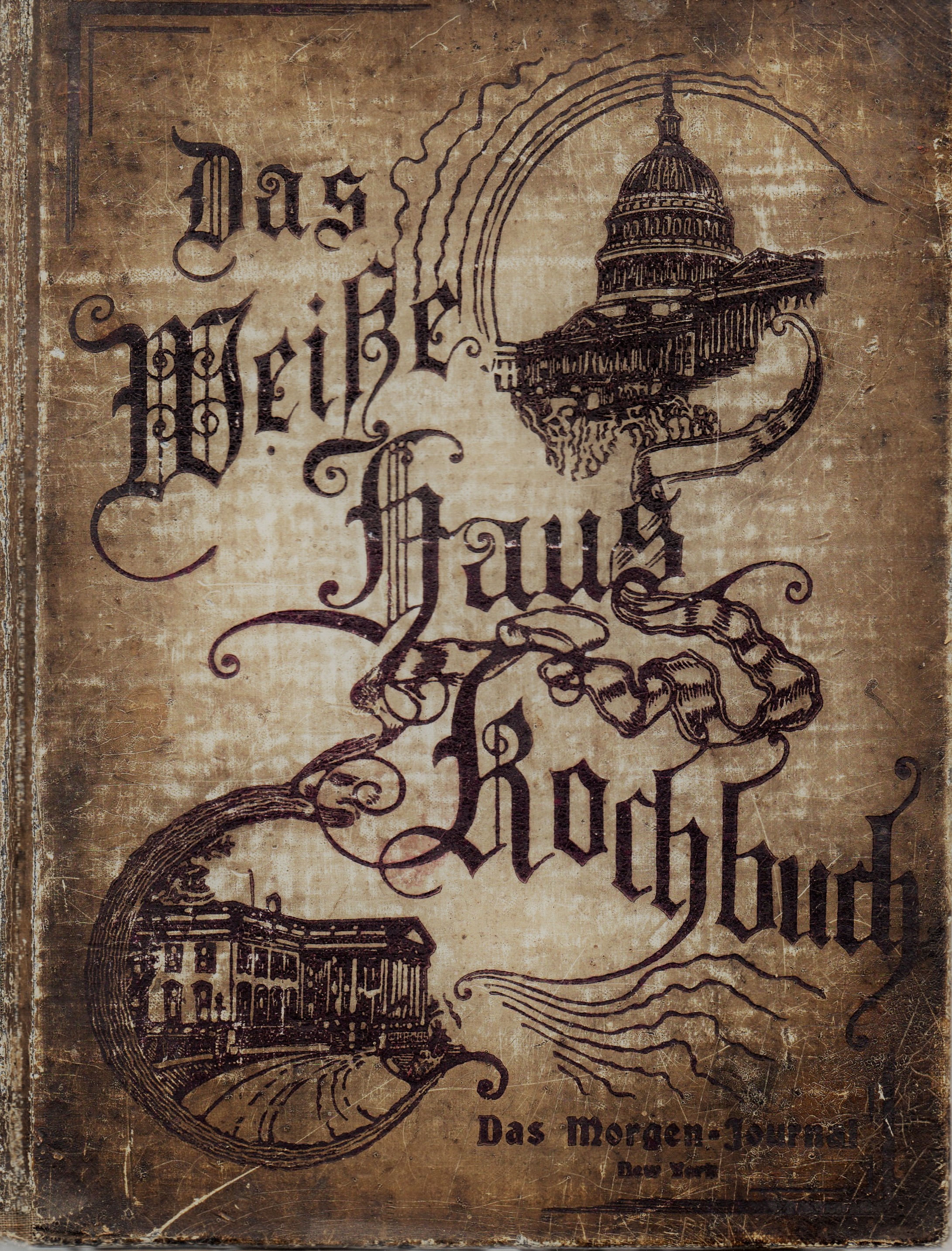
These cookbooks offer a deep insight into the lifestyle, hospitality and impressive side of the presidents in the White House. Hundreds of local and international recipes, as well as rules and regulations within the White House, up to the organization of banquets, make this an amazing reference book of this epoch. Especially because these books both are equipped with lots and lots of drawings and photos.
Not every recipe must be like Mrs. Fowle’s or the ones above. But the previous explanations prove how established the „Mock Turtle Soup“ in most exclusive milieu’s already was. The classic/modern version is easy to make and a delicious main dish.
Mock Turtle Soup today.
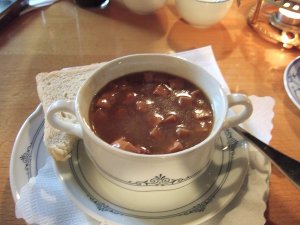
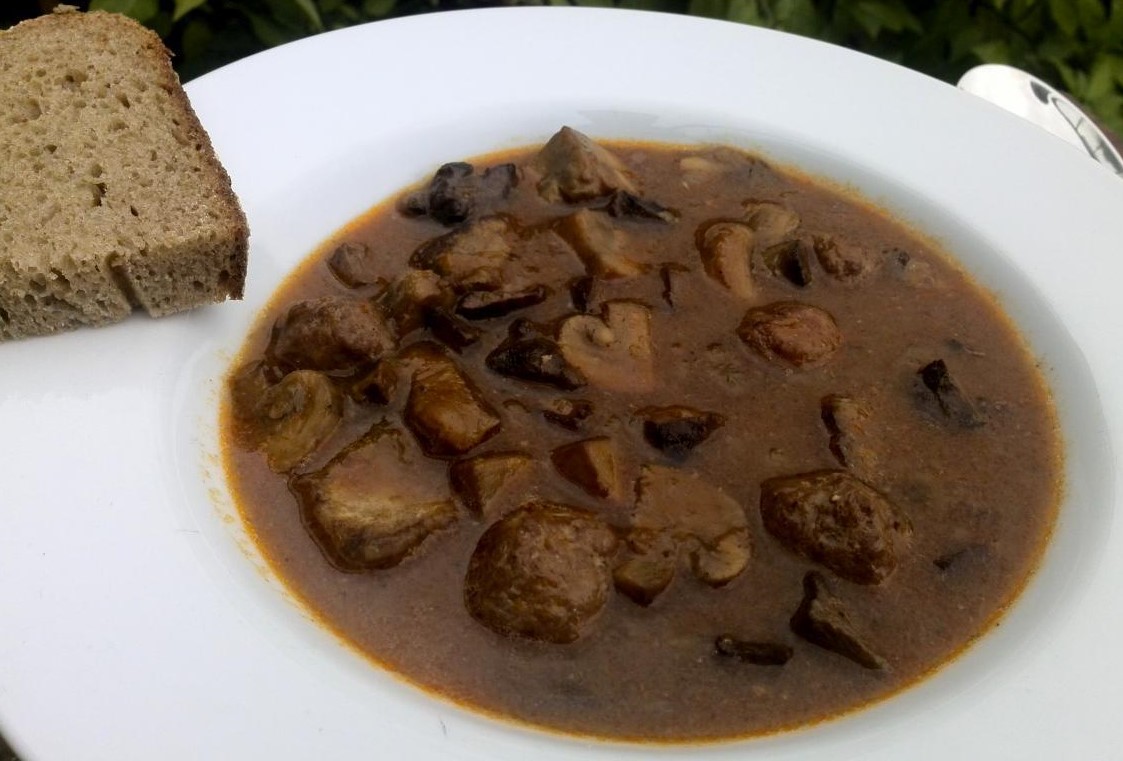
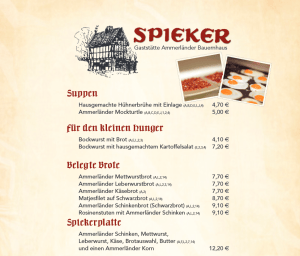 Original Ammerlaender Mockturtle at restaurant „Spieker“, Bad Zwischenahn, Germany.
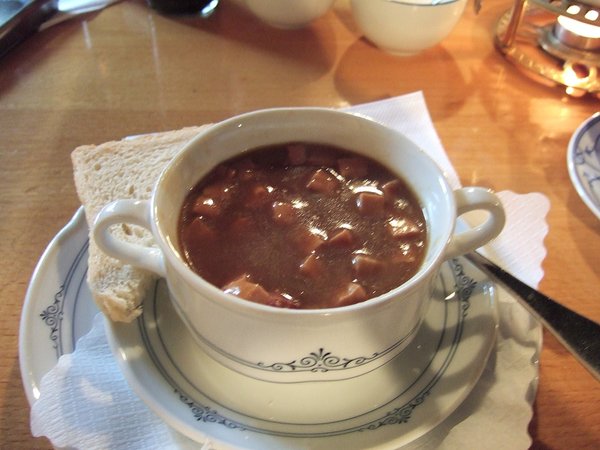
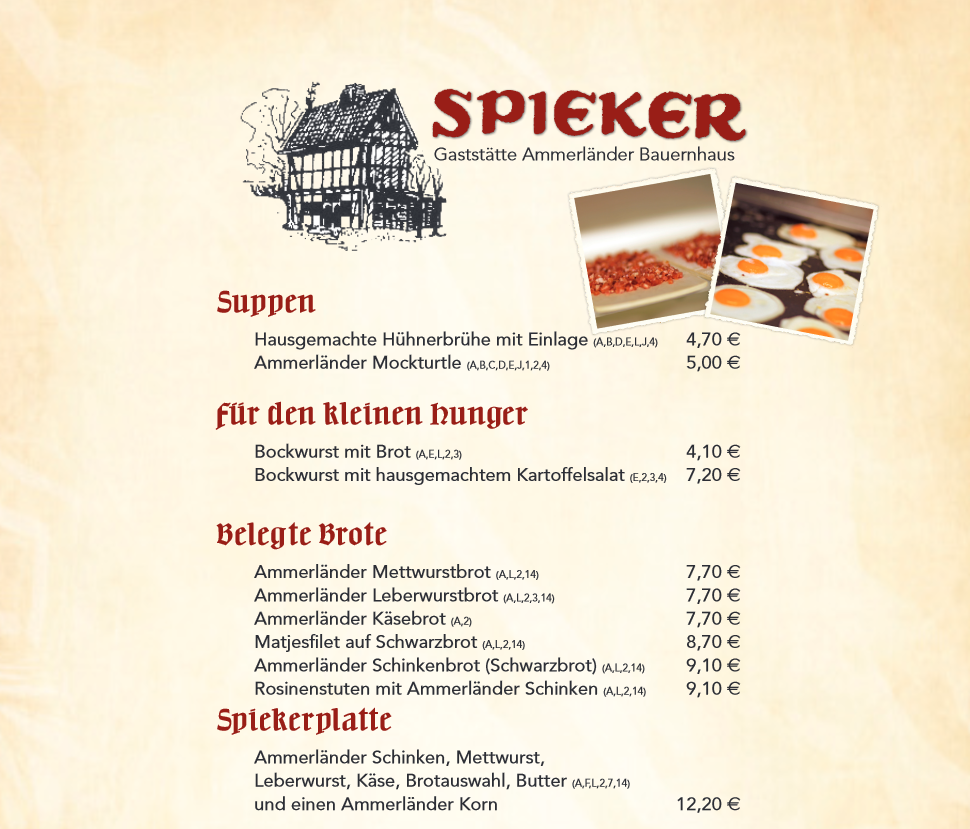
The recipe.
Ingredients.
500 g of veal bone, with meat
1 bunch of soup greens
80 g ham, raw
1 onion, finely chopped
1 piece of carrot
50 g butter or margarine
2 celery slices
30 g flour
2 cl Sherry
1 tablespoon lemon juice
200 g of button mushrooms, small
Salt and pepper
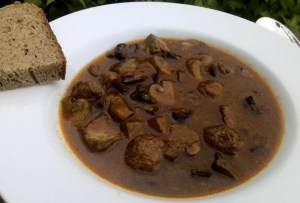 Mock Turtle Soup Ammerland.
How to do.
Place the veal bones with cleaned and finely chopped soup greens in 1l of lightly salted water and cook until the meat comes off the bone.
Remove the bone from the broth, unwind the meat from the bone and cut into small cubes. Pour the stock through a sieve and keep it.
Fry the ham, cut into strips, chopped onion, the cleaned and sliced carrot and finely diced celery in fat, dust with flour and saute.
When the flour has taken on a little colour, gradually add the veal stock.
Simmer for about 25 minutes, then season with sherry, lemon juice, pepper and salt.
Add the meat and the halved mushrooms to the soup and let the soup simmer for another 5 minutes at low heat, at least till soup thickens.
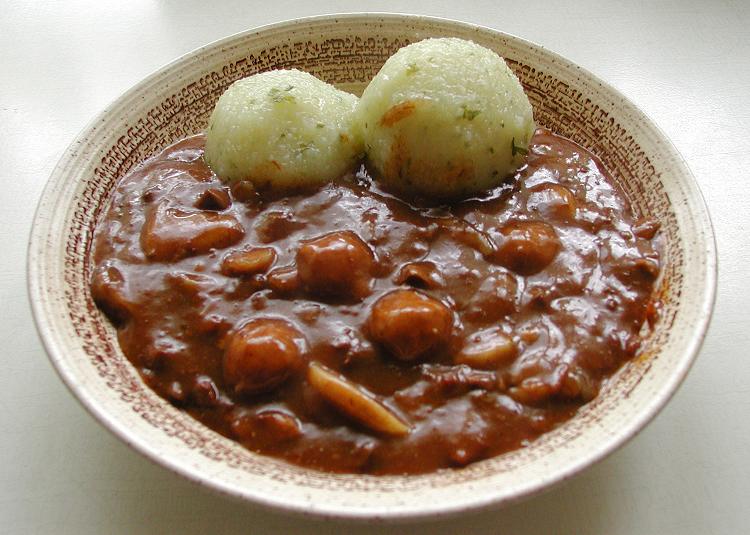
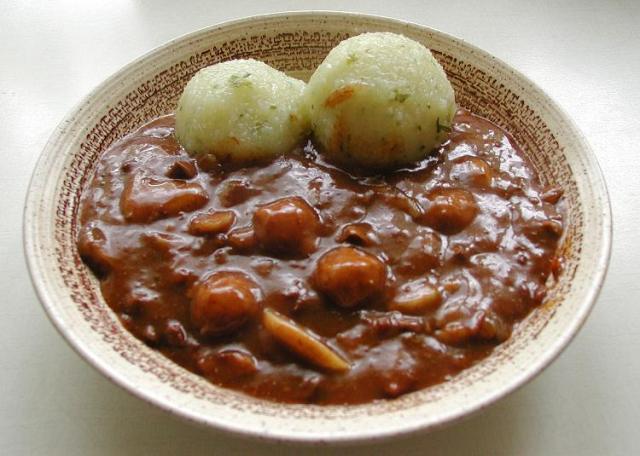 This Soup with potato dumplings is the version from Lower Saxony. Try a cool German beer with it.
Tips.
In the original the broth is cooked from half a calf’s head. Since this ingredient is no longer up-to-date today, I have indicated as an alternative fleshy veal bone. I like the soup thick and fleshy, that means you have to test how much liquid you need to cook.
Serve in a soup bowl with bread. As a main meal you can add potatoes, rice or whatever you like. Also spice it if you like with Paprika or even Chilli. Enjoy cooking and eating !
Finally.
 Ship and Turtle Tavern, London.
Advertizing above: „It is worth a pilgrimage to the City to taste turtle soup and “fixings” at the “Ship and Turtle,” Leadenhall-street“.
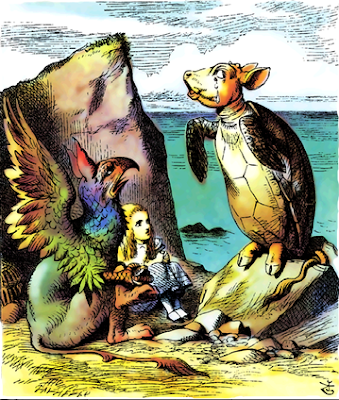
This illustration of „Mock Turtle“ in Alice in Wonderland by John Tenniel depicts the turtle with a bovine legs and tail and a calf’s head.
The above is a quote from the Dickens Dictionary of London (1879) and it was a real place that was still popular in the 1890s.
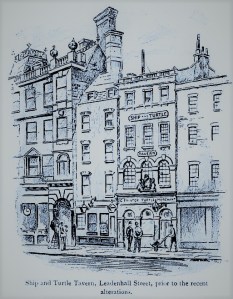 Ship and Turtle Tavern, London.
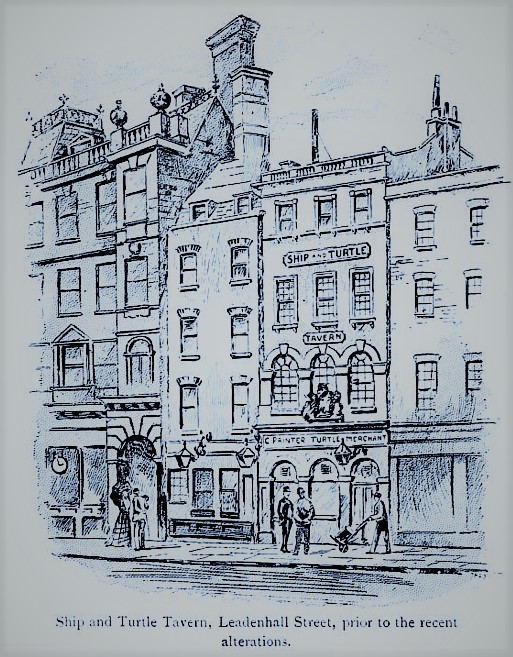
This pub was established by 1377 and was rebuilt in 1887 and again in 1969. In its later years it was called Vino Veritas, but it closed and was demolished in 2008. For 465 years, from 1377 to 1835 it was run by a succession of widows. During the Victorian era, the Ship and Turtle Tavern even supplied several of the West-end clubhouses.
To ensure its patrons they were eating real turtle, turtles were kept on display in aquariums for everybody to see!

